Curators: Jeff L. Rosenheim, Joyce Frank Menschel Curator in Charge of the Department of Photographs. Virginia McBride, Research Associate in the Department of Photographs, provided assistance.
Unknown Maker Woman Wearing a Tignon c. 1850 Daguerreotype with applied colour Case (open): 3 1/8 × 7 1/4 in. (8 × 18.4cm) The Metropolitan Museum of Art, William L. Schaeffer Collection Promised Gift of Jennifer and Philip Maritz, in celebration of the Museum’s 150th Anniversary
It’s just nice to be able to post on this eclectic exhibition – to see the installation photographs with vitrines full of the wonders of the age, outdoors, indoors, objects, people, landscapes, daguerreotypes, ambrotypes, tintypes, salted paper prints, albumen silver prints, cyanotypes, platinum prints, and gelatin silver prints, cartes de visite, stereographs, and cabinet cards.
Can you imagine having your photograph taken for the first time?
Entering the photographers studio, com(posing) yourself in front of the camera and the process and performance of doing that, even as the photographer composed you on the glass plate in the camera. A double composition, the constituent parts making the whole, a dance between the sitter, the camera and the photographer.
And there you are, exposed in camera, the latent image revealed by vapour, a talismanic object radiating your spirit.
Dr Marcus Bunyan
Many thankx to The Metropolitan Museum of Art for allowing me to publish the photographs in the posting. Please click on the photographs for a larger version of the image.
Installation views of the exhibition The New Art: American Photography, 1839-1910 at The Metropolitan Museum of Art, New York, April – July, 2025
This exhibition presents a bold new history of American photography from the medium’s birth in 1839 to the first decade of the 20th century. Drawn from The Met’s William L. Schaeffer Collection, major works by lauded artists such as Josiah Johnson Hawes, John Moran, Carleton Watkins, and Alice Austen are shown in dialogue with extraordinary photographs by obscure or unknown practitioners made in small towns and cities from coast to coast. Featuring a range of formats, from daguerreotypes and cartes de visite to stereographs and cyanotypes, the show explores the dramatic change in the nation’s sense of itself that was driven by the immediate success of photography as a cultural, commercial, artistic, and psychological preoccupation. In 1835, even before the nearly simultaneous announcement of the invention of the new art in Paris and London, the American philosopher essayist Ralph Waldo Emerson noted with remarkable vision: “Our Age is Ocular.”
Text from The Metropolitan Museum of Art website
Installation views of the exhibition The New Art: American Photography, 1839-1910 at The Metropolitan Museum of Art, New York, April – July, 2025
The New Art: American Photography, 1839-1910 will feature more than 250 photographs drawn from the Museum’s William L. Schaeffer Collection
This spring, The Metropolitan Museum of Art will present an adventurous new history of American photography from the medium’s birth in 1839 to the first decade of the 20th century. Drawn from the Museum’s William L. Schaeffer Collection – a magnificent recent promised gift to The Met by trustee Philip Maritz and his wife Jennifer – major works by lauded artists such as Josiah Johnson Hawes, John Moran, Carleton E. Watkins, and Alice Austen, will be presented in dialogue with extraordinary photographs by obscure or unknown practitioners made in small towns and cities from coast to coast. The exhibition’s many photographs by little-studied makers, early practitioners, and intrepid amateurs have been selected to reveal the artists’ ingenuity, aesthetic ambition, and lasting achievement. In some 275 photographs – most never before seen – The New Art: American Photography, 1839-1910 explores the nation’s shifting sense of self, driven by the immediate success of photography as a cultural, commercial, artistic, and psychological preoccupation. The presentation will be on view from April 11 through July 20, 2025.
“Through an impressive array of 19th- and early 20th-century images that capture the complexities of a nation in the midst of profound transformation, this exhibition offers something new even for those well-versed in the history of photography,” said Max Hollein, The Met’s Marina Kellen French Director and Chief Executive Officer. “Thanks to the generosity of Jenny and Flip Maritz, we can study and celebrate these formerly hidden treasures by hundreds of both known and unknown makers finally ready for their close-ups. Our hope is to give these works their rightful place in the ever-expanding history of the medium.”
Jeff L. Rosenheim, Joyce Frank Menschel Curator in Charge of the Department of Photographs, added, “The camera and its myriad democratic products – rivals to the greatest literature of the era – are clearly the origin of modern communication and global image-sharing today. If we want to forge a deeper appreciation of contemporary art and the role of the camera in the lives of today’s picture makers, we must recognise and respect the stunning visual power and authenticity of early American photography.”
Carefully assembled over the last 50 years by the Connecticut collector and private dealer William L. Schaeffer, the collection includes splendid photographs in superb condition from every stage of the medium’s early technical development: daguerreotypes, ambrotypes, tintypes, salted paper prints, albumen silver prints, cyanotypes, platinum prints, and gelatin silver prints. The exhibition also features an extensive display of three types of card-mounted photographs – cartes de visite, stereographs, and cabinet cards – each wildly popular in the mid- to late 19th century. When seen through binocular viewers, all the stereographs in the show will be visible in three dimensions.
This is not the first exhibition at The Met to feature photographs drawn from the famous collection of 19th-century photographs amassed by Schaeffer. In 2013, the Museum included more than a dozen Civil War views in Photography and the American Civil War. These are now part of the Museum’s collection through the direct support of another Museum trustee, Joyce Frank Menschel. The gifts by the Maritzes to The Met, as well as those by Joyce Menschel, mark a pinnacle in the institution’s ongoing effort to build the finest holdings of 19th-century American photography in the nation.
Exhibition Overview
In 1839, the invention of photography transformed the world. In December of that year, when the first daguerreotypes were exhibited in New York, former mayor Philip Hone marvelled in his diary at what he described as “one of the wonders of modern times,” adding that “like other miracles, one may almost be excused for disbelieving it without seeing the very process by which it is created.”
The daguerreotype’s remarkable ability to hold permanently an unimaginably detailed likeness on its surface – an image heretofore only seen fleetingly in a mirror – seemed in equal measure unbelievable and perfectly real, darkly mysterious yet scientifically verifiable, a shadowy fiction and yet a beautiful truth. The supernatural quality of the new art was noted by many around the world. As one reviewer, writing for a Baltimore weekly in January 1840, admitted, “We can find no language to express the charm of these pictures painted by no mortal hand.”
Photography arrived almost simultaneously with the steam locomotive, the steam ship, and the electric telegraph – all inventions that dramatically shortened the distances between people and places and forever changed the way civilisations communicate. The medium developed during the age of the type-crazy broadside, the morning and the evening newspaper, and the illustrated weekly. It was also the time of the birth of mercantile libraries (previously only the wealthy had access to books and libraries), and, not surprisingly, of eye strain. The era saw the medical specialisation in the study of eye maladies and the development of optometry and ophthalmology. In 1835, just before the concurrent announcement of the invention of the new art in Paris and London, the American philosopher and essayist Ralph Waldo Emerson noted in his private journal: “Our age is ocular.”
Organised primarily by picture format across three galleries, The New Art illustrates what photography looked like for the average working citizen as well as those at the top of the economic scale. Exhibition visitors can see the clothes individuals wore at work and home, their attitudes to the camera singly and in groups, their ways of sitting or standing or touching, and how they honoured their children and respected their ailing and recently deceased family members. They can look at newly constructed storefronts, see how farmers worked their fields, and measure where new towns met the wilderness. They can observe the near total devastation of Native American communities, especially those living in the Plains, and confront the vicious cruelty of slavery and the influential role of the camera in the Civil War, still the crucible of American history.
In daguerreotypes, tintypes, and paper prints, viewers can also begin to see and comprehend how African Americans during the Civil War, throughout the Reconstruction era, and leading into the 20th century slowly began to replace negative stereotypes with positive self-images. This effort was explicitly nurtured by Frederick Douglass, who had long advocated visits to photography studios. In his nearly constant lecturing circuit across the country, he argued persuasively that no one could be truly free until each individual could sit for and possess their own photographic likeness. In The New Art, men and women of color definitively hold the camera’s attention and the viewer’s as well.
Seen together in The New Art, the subjects in these photographs are not just sitters molded by a camera operator, but the cocreators of their own portraits. One can see this clearly in their eyes and in their many small, seductive gestures. Confronting a photograph that left an artist’s studio more than 150 years ago can be a humbling experience. The magic of photography brings one face to face with the past, and the present is never more vital than it is in these early pictures. That is the medium’s essence, its beauty, and its pathos.
Cameras
The exhibition will also showcase a small selection of 19th-century American cameras to further immerse visitors in the photography process. These have been kindly lent to The Met by Eric Taubman and the Penumbra Foundation.
Press release from The Metropolitan Museum of Art
Unknown Maker (American) Young Man with Rooster 1850s Daguerreotype with applied color Case (open): 3 5/8 × 6 1/4 in. (9.2 × 15.9cm) The Metropolitan Museum of Art, William L. Schaeffer Collection Promised Gift of Jennifer and Philip Maritz, in celebration of the Museum’s 150th Anniversary
Josiah Johnson Hawes (American, 1808-1901) Winter on the Common, Boston early 1850s Salted paper print from glass negative 7 5/16 × 9 5/16 in. (18.5 × 23.7cm) The Metropolitan Museum of Art William L. Schaeffer Collection Promised Gift of Jennifer and Philip Maritz, in celebration of the Museum’s 150th Anniversary
Unknown Maker Studio Photographer at Work c. 1855 Salted paper print from glass negative 5 1/8 × 3 13/16 in. (13 × 9.7cm) The Metropolitan Museum of Art, William L. Schaeffer Collection Promised Gift of Jennifer and Philip Maritz, in celebration of the Museum’s 150th Anniversary
Unknown Maker (American) Laundress with Washtub 1860s Ambrotype with applied colour Case: 4 1/8 x 3 1/4 in. (4.2 x 3.2cm) The Metropolitan Museum of Art, William L. Schaeffer Collection Promised Gift of Jennifer and Philip Maritz, in celebration of the Museum’s 150th Anniversary
Unknown Maker (American) Actor Playing Hamlet, Holding a Skull 1860s Tintype with applied colour Case: 6 1/4 × 4 15/16 in. (15.8 × 12.6cm) The Metropolitan Museum of Art, William L. Schaeffer Collection Promised Gift of Jennifer and Philip Maritz, in celebration of the Museum’s 150th Anniversary
John Moran (American born England, 1821-1903) Showing Weather Among the Alleghenies 1861-1862 Albumen silver print from glass negative 4 3/4 × 3 5/8 in. (12.1 × 9.2cm) The Metropolitan Museum of Art, William L. Schaeffer Collection Promised Gift of Jennifer and Philip Maritz, in celebration of the Museum’s 150th Anniversary
Unknown Maker Roller Skate and Boot 1860s Albumen silver print from glass negative Mount: 4 1/8 × 2 7/16 in. (10.5 × 6.2cm) The Metropolitan Museum of Art, William L. Schaeffer Collection Promised Gift of Jennifer and Philip Maritz, in celebration of the Museum’s 150th Anniversary
Unknown Maker (American) Published by E. & H. T. Anthony (American, 1862-1880s) Specimens of New York Bill Posting, No. 897 from the series “Anthony’s Stereoscopic Views” 1863 Albumen silver print from glass negative Mount: 3 1/4 × 6 3/4 in. (8.3 × 17.1 cm) The Metropolitan Museum of Art, William L. Schaeffer Collection Promised Gift of Jennifer and Philip Maritz, in celebration of the Museum’s 150th Anniversary
Carleton E. Watkins (American, 1829-1916) View on the Columbia River, from the O.R.R., Cascades, No. 1286 from the series “Pacific Coast” 1867 Albumen silver prints from glass negatives Mount: 3 1/4 × 6 3/4 in. (8.2 × 17.1cm) The Metropolitan Museum of Art, William L. Schaeffer Collection Promised Gift of Jennifer and Philip Maritz, in celebration of the Museum’s 150th Anniversary
Albert Cone Townsend (American, 1827-1914) A Politician 1865-1867 Albumen silver print from glass negative Mount: 4 × 2 7/16 in. (10.1 × 6.2cm) The Metropolitan Museum of Art, William L. Schaeffer Collection Promised Gift of Jennifer and Philip Maritz, in celebration of the Museum’s 150th Anniversary
The New Art: American Photography, 1839-1910
Introductory panel
The world changed dramatically in September 1839 when photography was introduced to the public and quickly emerged as one of the wonders of modern times. Its invention marks the dawn of our own media-obsessed age in ways that become clear when we explore in depth the special language of daguerreotypes, tintypes, cartes de visite, stereographs, and other early photographic processes and formats.
This exhibition presents an adventurous new history of American photography from the medium’s beginnings to the first decade of the twentieth century. Major works by established artists are shown in dialogue with superb, never-before-seen photographs by obscure or unknown practitioners working in large urban centres and small towns across the expanding country. Tracing technological advancements and the development of picture formats, The New Art charts the remarkable change in the nation’s sense of itself that was driven by the phenomenal success of photography as a cultural, commercial, and artistic preoccupation.
All the works of art on view are drawn from an extraordinary promised gift to The Met of more than seven hundred rare photographs offered by Jennifer and Philip Maritz in celebration of the Museum’s 150th anniversary in 2020. The donors acquired the collection from William L. Schaeffer, a renowned Connecticut private photography dealer who had quietly built it over the last half century.
Daguerreotypes
The daguerreotype is a photographic image formed on the surface of a silver-plated sheet of copper fumed with iodine. Exposed in a wood box camera and developed with hot mercury vapours, each daguerreotype is unique. Invented in France by Louis-Jacques-Mandé Daguerre and announced to the world in August 1839, it was the dominant form of photography in the U.S. for twenty years, until around 1860. The daguerreotype’s ability to permanently hold a detailed image – before then seen only fleetingly in a mirror – was astonishing. The shimmering result seemed in equal measure unbelievable and perfectly real, darkly mysterious yet scientifically verifiable, a shadowy fiction and a beautiful truth. In the U.S. the daguerreotype provided an opportunity for self-representation to many strata of society that were previously excluded from the realm of portraiture.
Ambrotypes
The ambrotype is similar in its process to the daguerreotype, but it uses a sheet of glass rather than copper as the image support. Popular in the U.S. from 1854 to 1870, the technique – invented in England but named by an American – was the predictable next development of photography. Although less visually alluring, it had marked advantages over the daguerreotype: it was cheaper to produce, it was easier to see (without glare) in most lighting conditions, and it eliminated the lateral reversal of the image characteristic of the earlier process. This was especially helpful with certain patrons who were annoyed, for example, by a jacket buttoning backward or a wedding ring appearing on the incorrect hand.
Tintypes
The tintype is a distinctively American style of photograph. Patented in February 1856 by Hamilton Lamphere Smith, the technique was inexpensive and relatively easy to master. It appealed as much to enterprising itinerant picture makers, who traveled to rural communities and made outdoor portraits and views, as it did to artists operating brick-and-mortar galleries. Rather than a coating of silver emulsion on copper (the daguerreotype) or glass (the ambrotype), the tintype’s support is a common sheet of blackened iron. Despite its misleading name, which was not in use until 1863, there is no tin present in a tintype. The process was wildly popular in the U.S. until the end of the nineteenth century.
Paper-print Photographs
From 1839 until the start of the Civil War in 1861, most photographs were made on metal (daguerreotypes and tintypes) or glass (ambrotypes). Beginning in the late 1850s, however, paper was widely adopted as the physical support for photographs. This gallery primarily features paper-print photographs and albums that date from 1850 to 1910. They are known by a variety of names that reflect changes in materiality and date of production: salted paper prints, generally made from paper negatives; albumen silver prints, made from glass negatives; and gelatin silver and platinum prints, made from glass or flexible film negatives. In this era, two formats of card-mounted paper-print photographs enjoyed remarkable success: the small carte-de-visite portrait and the stereographic view.
Cartes de Visite
The carte de visite – commonly known as a “cdv” – is a small photograph, usually an albumen silver print made from a glass negative, affixed to a 4-by-2½-inch stiff paper card. Invented in France in the mid-1850s as a portrait medium, it was the world’s first mass-produced and mass-consumed type of photographic collectible. Most photographers marked the mounts with their gallery names as a means of self-promotion and what today we would call brand-building. Ubiquitous in the U.S. from just before 1860 to 1880, the democratic, Victorian-age novelty was wildly popular with the public. “Cartomania,” as the phenomenon was known, is worthy of attention today as a resonant precursor to our own obsession with sharing images of celebrities and ourselves via social media.
Cabinet Cards
A cabinet card is essentially an oversize carte de visite. In vogue for three decades in the U.S. beginning around 1870, the 6 1/2-by-4 1/2-inch card-mounted photograph offered picture makers significantly more space and freedom to compose their visual narratives. After the deadly seriousness of the Civil War, cabinet cards frequently fulfilled a growing appetite for light-hearted diversion. They often feature elaborate props and accessories, exotic backdrops, and, as the century progressed, increasingly playful indoor and outdoor scenes.
Stereographs
Introduced in the late 1850s and prevalent into the twentieth century, the stereograph was not only a culturally significant invention but also a commercial boon to American photographers. When viewed through a device known as a stereoscope (or stereopticon), a pair of photographs of the same subject – made from two slightly different points of view – are perceived in the brain as a single, seemingly three-dimensional image. The dazzling binocular effect created an immersive experience, offering inexpensive armchair travel and a window on the world to millions of Americans.
Cyanotypes
Invented in 1842 by the British scientist John Herschel, a cyanotype is a naturally blue photograph made with iron salts. Early on, most cyanotypes took the form of nature studies made without a camera by placing botanical specimens (or other objects) directly in contact with sensitised paper and then exposing the composition in the sun. In the 1870s architects and engineers began using the process to duplicate their drawings, resulting in what are generally known as “blueprints.” Both economical and easily developed, the cyanotype reemerged in the late 1880s as a favourite choice of professional photographers and amateurs alike. It was often selected for large municipal documentary projects such as those seen here.
Intro and Section Wall Texts from The Metropolitan Museum of Art
Unknown Maker (American) Railroad Worker (?) with Wye Level c. 1870 Tintype with applied color Case (open): 6 5/16 × 10 3/8 in. (16 × 26.4cm) The Metropolitan Museum of Art, William L. Schaeffer Collection Promised Gift of Jennifer and Philip Maritz, in celebration of the Museum’s 150th Anniversary
Unknown Maker (American) Musician 1870s Tintype, with lock of hair and cut paper Case (open): 2 × 3 1/2 in. (5.1 × 8.9cm) The Metropolitan Museum of Art, William L. Schaeffer Collection Promised Gift of Jennifer and Philip Maritz, in celebration of the Museum’s 150th Anniversary
Golder & Robinson (American, active 1870s) Comic Novelty Portrait 1870s Tintype with applied colour 4 × 2 7/16 in. (10.1 × 6.2cm) The Metropolitan Museum of Art, William L. Schaeffer Collection Promised Gift of Jennifer and Philip Maritz, in celebration of the Museum’s 150th Anniversary
Wenderoth, Taylor & Brown (American, active 1864-1871) The Gallery of Arts & Manufacturers of Philadelphia 1871 Albumen silver prints from glass negative Open: 13 3/4 x 19 in. (34.9 x 48.3cm) The Metropolitan Museum of Art, William L. Schaeffer Collection Promised Gift of Jennifer and Philip Maritz, in celebration of the Museum’s 150th Anniversary
Anna K. Weaver (American, 1847/48-1913) Welcome 1874 Albumen silver print from glass negative 10 7/8 x 17 1/2 in. (27.8 x 44.5cm) The Metropolitan Museum of Art, William L. Schaeffer Collection Promised Gift of Jennifer and Philip Maritz, in celebration of the Museum’s 150th Anniversary
Chauncey L. Moore (American, died 1895) Young Man Laying on Roof 1880s-1890s Albumen silver print Mount: 4 1/4 × 6 1/2 in. (10.8 × 16.5cm) The Metropolitan Museum of Art, William L. Schaeffer Collection Promised Gift of Jennifer and Philip Maritz, in celebration of the Museum’s 150th Anniversary
Alice Austen (American, 1866-1952) Group on Petria, Lake Mahopac August 9, 1888 Albumen silver print from glass negative 6 × 8 1/8 in. (15.2 × 20.7cm) The Metropolitan Museum of Art, William L. Schaeffer Collection Promised Gift of Jennifer and Philip Maritz, in celebration of the Museum’s 150th Anniversary
Unknown Maker (American) Schoolmaster Hill Tobogganing, Franklin Park, Roxbury, Massachusetts 1905 Cyanotype 7 × 9 1/4 in. (17.8 × 23.5cm) The Metropolitan Museum of Art, William L. Schaeffer Collection Promised Gift of Jennifer and Philip Maritz, in celebration of the Museum’s 150th Anniversary
The Metropolitan Museum of Art 1000 Fifth Avenue at 82nd Street New York, New York 10028-0198 Phone: 212-535-7710
Curator: Karen Haas, Lane Senior Curator of Photographs at the Museum of Fine Arts, Boston
Participating artists: Ansel Adams, 1902-1984; Matthew Brandt, b. 1982; Lois Conner, b. 1951; Binh Danh, b. 1977; Mitch Epstein, b. 1952; Lucas Foglia, b. 1983; Sharon Harper, b. 1966; Frank Jay Haynes, 1853-1921; CJ Heyliger, b. 1984; John K. Hillers, 1843-1925; Mark Klett, b. 1952; Chris McCaw, b. 1971; Laura McPhee, b. 1958; Arno Rafael Minkkinen, b. 1945; Richard Misrach, b. 1949; Abelardo Morell, b. 1948; Eadweard Muybridge, 1830-1904; Catherine Opie, b. 1961; Trevor Paglen, b. 1974; Meghann Riepenhoff, b. 1979; Mark Ruwedel, b. 1954; Victoria Sambunaris, b. 1964; Bryan Schutmaat, b. 1983; David Benjamin Sherry, b. 1981; John Payson Soule, 1827-1904; Stephen Tourlentes, b. 1959; Adam Clark Vroman, 1856-1916; Carleton E. Watkins, 1829-1916; Will Wilson, b. 1969; Byron Wolfe, b. 1967.
Please note: This posting may contain the names or images of people who are now deceased. Some Indigenous communities may be distressed by seeing the name or image of a community member who has passed away.
Ansel Adams made this remarkably abstract image of ancient salt beds during the first year of his national parks project. Barely visible in the distance is a delicate string of telephone poles and wires, a slightly jarring intervention into an otherwise empty space. Adams’ inclusion of the poles might be explained in part by the fact that Wendover was the meeting point for the first telephone line between New York and San Francisco. This achievement was celebrated at the 1915 Panama-Pacific International Exposition – a fair that the young Adams attended nearly every day, after his father gave him a season pass with instructions to visit daily, in place of formal schooling.
Exhibition label text
Man and imagination
Most could not fail to know the superb landscape work of Ansel Adams, that master of the large format camera used to produce stunning black and white silver gelatin photographs of great formal beauty and technical prowess, the rich detail and tonal range of his landscape photographs used “in service of what he called the “spiritual-emotional” aspects of parks and wilderness, conveying their restorative power to as wide an audience as possible.” His photographs are so well known that they became icons and he a legend in his own lifetime. But all is not as effortless in his beautiful modernist photographs as they seem.
Early landscape photographs from his 1927 portfolio Parmelian Prints of the High Sierras (below) show Adams’ indebtedness to pictorialist and modernist photography. Indeed these elemental and muscular photographs show a dramatic use of dark and light hues in the near / far construction of the picture frame, the warm toned prints adding to their chthonic, almost underground and dystopian nature. Dark and brooding, dystopian and abstract. Those dark tones have a warmth that is contradictory – a lack of light: yet warmth! So there is a fiction at their heart… and that is why their dark brooding never seems a threat for they were based on a dream-world that couldn’t exist. What a difference to the later straight-ahead aesthetic of the artist and Group f64 (“a group founded by Adams of seven 20th-century San Francisco Bay Area photographers who shared a common photographic style characterised by sharply focused and carefully framed images seen through a particularly Western viewpoint.” ~ Wikipedia).
Other mutations and obfuscations are hidden from view “in order” that the artist achieve his desired transcendence of the American landscape. Adams cropped out attendant carparks and people viewing the scene even as other artists such as Seema Weatherwax incorporated them into their work (in the 1940s) as “indelible reminders of a Yosemite modernised for tourism – reminders that Adams typically left out of his artistic work.” Adams even manipulated the negative where necessary, for example removing a road that inconveniently ran through the centre of a canyon that destroyed his imaginative (and Western) vision of the pristine Sierra Nevada. So much for his “absolute realism” and honest simplicity in service of a maximum emotional statement.
Adam’s photographs of Indigenous Americans are also pictures seen from a particularly Western viewpoint, that of the fetishistic valorisation of Indigenous culture. “In the 1920s, writers and artists including D. H. Lawrence, Mabel Dodge Luhan, John Sloan, and Marsden Hartley projected an “authenticity” onto Pueblo visual culture, which justified their appropriation of its subject matter and form to create a native modernist aesthetic. Many photographers did the same, including Ansel Adams and Wright Morris…”1
When Adams first visited the American Southwest in 1927 to publish a book about Taos Pueblo “that aimed to communicate the threat tourism in the region posed to the artistic and religious traditions of Indigenous people [he] made images for the book only after receiving permission from the Taos Pueblo council, to whom he paid a fee and gifted a copy of the finished publication. He also photographed some Indian cultural observances that had become popular attractions among tourists. Adams’s own images of Native dancers have a complex legacy: although he was one of the non-Native onlookers, he carefully framed his views to leave out evidence of the gathered crowds.” (Exhibition wall text) As Joseph Aguilar (San Ildefonso Pueblo) notes in a further exhibition label text, “At the time, Pueblo people and other Native Americans in the Southwest were trying to navigate the outsiders who were interested in their culture. Some of them did not quite understand the circumstances surrounding the curiosity, while others did understand the extractive nature, and they had to weigh that in terms of their other needs. I get questions from members of my community about why they did not chase the archaeologists and photographers out, and I often respond it is because of the uneven power relations between Indigenous and non-Native people at the time.” This influx of artists and photographers did lead to the racist exoticisation and flattening of Indigenous identity performed by the photograph. What is heartening to see in this exhibition is that the curators have placed Adams’ Indigenous American portraits and landscapes in both a historical and contemporary setting, proffering alternative points of view from within the communities being photographed.
An extractive, imaginative and emotional Western “nature” then, is at the heart of Adam’s work and his “marketing the view” – whether that be national parks, empty bays before the construction of the Golden Gate Bridge, or Native Americans. While he was a tireless champion of photography as a legitimate form of fine art and an unremitting activist for conservation and wilderness preservation, Adams’ photographs are a creation of a myth of his own of a pristine wilderness which had never co-existed with man. To our benefit, Adams had his ideals and he let them manifest themselves in his imagination.
Dr Marcus Bunyan
1/ Yechen Zhao. “Photographic Fluency (Its Pleasures and Pains): Kyo Koike and Chao-Chen Yang,” in Josie R. Johnson. Reality Makes Them Dream: American Photography, 1929-1941. Iris & B. Gerald Cantor Center for Visual Arts at Stanford University, 2023, p. 55.
Many thankx to the de Young museum for allowing me to publish the photographs in the posting. Please click on the photographs for a larger version of the image.
“Only pictures that look as if they had been made easily can convincingly suggest that beauty is commonplace.”
Robert Adams. Beauty in Photography. New York: Aperture, 1996, p. 28.
A self-described “California photographer,” Ansel Adams had his first museum exhibition at the de Young in 1932. In a San Francisco homecoming, more than 100 of his most iconic works are on view in Ansel Adams in Our Time alongside those of 23 contemporary artists who share his deep concern for the environment, Catherine Opie, Richard Misrach, Trevor Paglen, and Binh Danh among them. An unremitting activist for conservation and wilderness preservation in the spirit of his 19th-century predecessors, Adams is today beloved for his lush gelatin silver prints of the national parks. Organised by the Museum of Fine Arts, Boston, in partnership with the Fine Arts Museums of San Francisco, Ansel Adams in Our Time is enhanced at the de Young by the addition of works from the Museums’ permanent collection and new interpretive framing that explores Adams’ close connection to the Bay Area and the state of California more broadly.
Installation views of the exhibition Ansel Adams in Our Time at the de Young museum, San Francisco Images courtesy of the Fine Arts Museums of San Francisco Photos: Gary Sexton
Ansel Adams in Our Time brings iconic artist home to San Francisco
Beloved for his lush gelatin silver photographs of the national parks, Ansel Adams is a giant of 20th-century photography whose images have become icons of the American wilderness. Opening April 8 at the de Young, Ansel Adams in Our Time brings more than 100 works from this self-described “California photographer” to the site of his very first museum exhibition in 1932, placing him in dialogue with 23 contemporary artists who are engaging anew with the landscapes and environmental issues that inspired Adams. The exhibition is organised by the Museum of Fine Arts, Boston, in partnership with the Fine Arts Museums of San Francisco, and enhanced at the de Young by the addition of works from the permanent collection and new interpretive framing exploring Adams’ close connection to his hometown of San Francisco.
“Ansel Adams’ photography is renowned for its formal beauty and technical prowess, but his work is equally one of advocacy,” remarked Thomas P. Campbell, Director and CEO of the Fine Arts Museums of San Francisco. “Adams was a tireless conservationist and wilderness preservationist who fully understood the power of images to sway public opinion. Ansel Adams in Our Time is exceptional in underscoring his brilliant legacy and the critical role that his works and others’ before him have played in safeguarding our national parks and other public lands.”
Instrumental to Adams’ development as a photographer was Yosemite, one of the oldest national parks in the country, which he visited regularly from the age of 14 with his Eastman Kodak Brownie camera in tow. Ansel Adams in Our Time examines the critical role that photography has played in the history of the national parks, with Adams following in the footsteps of predecessors such as Carleton Watkins, whose efforts first secured Yosemite as protected land. A longtime member of the Sierra Club, Adams would go on to perfect the rich detail and tonal range of his landscapes in service of what he called the “spiritual-emotional” aspects of parks and wilderness, conveying their restorative power to as wide an audience as possible. Presenting President Gerald Ford with a print of Yosemite: Clearing Winter Storm (c. 1937) in 1975, Adams urged, “Now, Mr. President, every time you look at this picture, I want you to remember your obligation to the national parks.”
At the de Young, the exhibition delves further into the artist’s Bay Area connections with new interpretive framing and works from the Fine Arts Museums’ permanent collection. Adams became a truly modernist photographer in San Francisco in the 1920s and 1930s, experimenting with the large-format camera that would yield the maximum depth of field and razor-sharp detail that are today considered his signature. He was a tireless champion of photography as a legitimate form of fine art. From his pristine Parmelian Prints of the High Sierras (1927), a landmark work in 20th-century photography, to images of oil derricks, ghost towns, drought conditions, and the sand dunes of Death Valley, Ansel Adams in Our Time spans the scope of the artist’s nearly seven-decade career and efforts to establish both environmental stewardship as a pillar of civic life and the photographic medium as a widely accepted art form.
The works of 23 contemporary artists, including Catherine Opie, Abelardo Morell, Binh Danh, Trevor Paglen, Mitch Epstein, and Victoria Sambunaris, among others, provide a new lens for Adams, drawing on his legacy of art as environmental activism to confront issues such as drought and fire, mining and energy, economic booms and busts, protected places and urban sprawl. The exhibition’s five thematic sections – Capturing the View, Marketing the View, San Francisco: Becoming a Modernist, Adams in the American Southwest, and Picturing the National Parks – open up new conversations around Adams’s work, looking both forward and backward in time to present a richer picture of the relationship between photography, art, environmentalism, and conceptions of landscape.
“Ansel Adams had close ties to San Francisco, and the California landscape, and the de Young museum was among the first institutions to celebrate his work when he was a rising artist,” noted Lauren Palmor, Associate Curator of American Art, who organised Ansel Adams in Our Time at the Fine Arts Museums. “His reverence for our region’s natural beauty drew him to photograph the natural diversity that can be found throughout the Bay Area over the course of his lifetime. Adams was also a tireless advocate for the environment, and the Bay Area shares that spirit as a global center of innovation in conservation and wilderness preservation today.”
Exhibition organisation
Ansel Adams in Our Time was organised by the Museum of Fine Arts, Boston, in partnership with the Fine Arts Museums of San Francisco. The exhibition was curated by Karen Haas, Lane Senior Curator of Photographs at the Museum of Fine Arts, Boston. The Presenting Sponsor is the Clare C. and Jay D. McEvoy Endowment Fund. Lead Sponsors are The Lisa and Douglas Goldman Fund and the San Francisco Auxiliary of the Fine Arts Museums. Major Support is provided by the Byers Family and The Herbst Foundation, Inc. Significant Support is provided by The Ansel Adams Gallery. Generous Support is provided by David A. Wollenberg and Merrill Private Wealth Management.
About Ansel Adams
Ansel Easton Adams (1902-1984) made indelible images of the American landscape and successfully advocated for the environment and the preservation of natural resources. Adams was born in San Francisco in 1902, and he made his first trip to Yosemite when he was just 14 years old. Transfixed by the valley’s beauty, he took his first photographs of Yosemite’s waterfalls and rock formations. Adams went on to develop his photographic practice in parallel with his environmentalist outlook.
The de Young museum hosted several important early Adams exhibitions in the 1930s, celebrating the achievements of this local photographer whose star was rapidly rising nationally: Photographs by Ansel Easton Adams (1932); the landmark Group f.64 exhibition (1932-1933), which also featured the work of Imogen Cunningham, John Paul Edwards, Preston Holder, Consuelo Kanaga, Alma Lavenson, Sonya Noskowiak, Henry Swift, Willard Ames Van Dyke, Brett Weston, and Edward Weston; and Yosemite in Four Seasons: Photographs by Ansel Adams (1935).
Adams shaped the field for other practicing photographers on both coasts, and his impact is immeasurable. In addition to teaching, he authored a celebrated series of books on photographic techniques that distilled his expertise for generations of budding photographers. Parallel to his achievements in photography, Adams dedicated himself to environmental advocacy for over seven decades. In 1980, he was awarded the Presidential Medal of Freedom, the nation’s highest civilian honor, for his artistic and environmental efforts.
These photographs were issued together as a portfolio by San Francisco’s Grabhorn Press in 1927. Although photographic print portfolios would become common later in the century, Parmelian Prints of the High Sierras represents one of the first attempts to market photographs in this way. Looking back on this moment in his career, a time when he was struggling to make a living and gain recognition as an artist, Ansel Adams was embarrassed by the made-up term “Parmelian” in the title. His publisher thought it was necessary because photographs were not yet considered worthy of investment by fine art collectors. Later, Adams would use the same negative of Half Dome from this series to produce the larger version of Monolith – The Face of Half Dome [below] that appears at the start of this exhibition.
This majestic view of Half Dome is one of Ansel Adams’ most important and groundbreaking early photographs. Shot on a hike in the spring of 1927, it represents his first conscious “visualisation” – an image fully anticipated before he tripped the shutter, and one that for Adams captured the emotional impact of the scene. He made this enlarged print years later, but the dramatic sky and the sharp contrast between the brilliant white snow and dark ridges in the granite were recorded in 1927 when Adams took the photograph, using a deep red filter and a long exposure (made possible by the windless conditions that day).
Spending time in the wilderness was a spiritual experience that Ansel Adams marvelled at his entire life. Describing one such transcendent moment, he wrote: “It was one of those mornings when the sunlight is burnished with a keen wind and long feathers of clouds move in a lofty sky. … I was suddenly arrested … by an exceedingly pointed awareness of the light. The moment I paused, the full impact of the mood was upon me; I saw more clearly than I have ever seen before or since the minute detail of the grasses, the clusters of sand shifting in the wind, the small flotsam of the forest, the motion of the high clouds streaming above the peaks.”
Ansel Adams made this photograph near Fish Camp, south of Yosemite National Park, in an area where forest fires raged some years earlier. In his close-up view, he juxtaposes the tender shoots of new grass and the charred surface of a burned stump. This is an example of what Adams liked to call the “microscopic revelation of the lens,” which he saw as the ideal of his “straight,” sharp-focus approach to photography.
On a visit to Manzanar, a Japanese internment camp, in 1944, Ansel Adams drove to the field of boulders that extends to the base of Mount Williamson. “There was a glorious storm going on in the mountains,” he wrote. “I set up my camera on the rooftop platform of my car, [which] enabled me to get a good view over the boulders to the base of the range.” The resulting photograph captures a storm passing over the distant mountain range – an awe-inspiring image that confounds all sense of scale and perspective.
Exhibition label text
Ansel Adams (American, 1902-1984) Birds on Wire, Evening 1943, printed 1984 Gelatin silver print This print from the Library of Congress
A few months after Japan attacked Pearl Harbor in December 1941, people of Japanese ancestry living on the West Coast (two-thirds of whom were American citizens) were quickly rounded up, separated from homes, possessions, and businesses, and quietly relocated to remote incarceration camps.
A total of 11,070 Japanese Americans were processed through Manzanar War Relocation Center in Inyo County, California. Ansel Adams was invited to photograph Manzanar by Ralph Merritt, a Sierra Club friend who had recently been appointed director of the isolated detention center. Although he was not allowed to photograph the center’s barbed wire or guns, Adams did see himself as a kind of conscientious objector for his work documenting the site and the people forced to live there.
Adams was personally moved by the treatment of Japanese Americans in World War II when an older Japanese man who worked for his family for many years was transferred to a detention center. When Adams first went to Manzanar in 1943, he was “profoundly affected” by photographing the camp and meeting its incarcerated inhabitants. He later presented his Manzanar images in an exhibition and book entitled Born Free and Equal. Manzanar means “apple orchard” in Spanish, but agriculture in the area had suffered since the diversion of water to Los Angeles began in 1913. Nonetheless, the internees were responsible for raising much of their own food in the fields near the camp.
Exhibition label text
Ansel Adams (American, 1902-1984) Potato Field, North Farm, Manzanar 1943, printed 1984 Gelatin silver print This print from the Library of Congress
Ansel Adams shot this image of Mount McKinley in Denali National Park at 1:30 in the morning, just two hours after the setting of the midsummer sun. He described, “As the sun rose, the clouds lifted, and the mountain glowed an incredible shade of pink. Laid out in front of Mount McKinley, Wonder Lake was pearlescent against the dark embracing arms of the shoreline. I made what I visualised as an inevitable image. The scale of this great mountain is hard to believe – the camera and I were thirty miles from McKinley’s base.”
In 1919, at the age of seventeen, Ansel Adams joined the Sierra Club. The organisation’s original focus on environmental preservation, and its initial failure to acknowledge Indigenous people and their homelands, helped lay the groundwork for the twentieth-century environmentalism he would come to represent. Adams participated in the club’s annual High Trips, serving as photographer and assistant manager from 1930 through 1936. He produced albums of photographs from these treks, inviting members to order contact prints or, for a higher fee, enlargements in “plain or soft-focus.” His ingenuity ultimately lad to his 1927 portfolio, Parmesan Prints of the High Sierras, on view in this gallery – one of the earliest experiments in custom printing, sequencing, and distributing fine photographs.
Adams was not the first to market view of the American West. In the nineteenth century, images of western landscapes were mass-produced and widely distributed, catering to a burgeoning tourist market. Today, contemporary artists are using photography to highlight the dynamic nature of landscapes and to document humans’ impact on the environment. Sometimes these works take the form of extended series or grids, as though invoking earlier methods of mass-distributing western views.
Exhibition wall text
Carleton E. Watkins (American, 1829-1916) The Golden Gate from Telegraph Hill, San Francisco 1868 Albumen silver print from wet-collodion-on-glass negative Fine Arts Museums of San Francisco Museum purchase Prints and Drawings Art Trust Fund
Installation views of the exhibition Ansel Adams in Our Time at the de Young museum, San Francisco showing at centre Adams’ The Golden Gate Before the Bridge(1932, below) Images courtesy of the Fine Arts Museums of San Francisco Photos: Gary Sexton
San Francisco: Becoming a Modernist
San Francisco is where Ansel Adams became a modernist photographer. He grew up in present-day Sea Cliff, where his family home overlooked the Presidio to the Marin Headlands beyond. These views made a lasting impact on his photographs – he later described constantly returning to the elements of nature that surrounded him in his childhood. Adams’ first exhibition, featuring photographs he took on Sierra Club hikes, was held at the club’s headquarters on Montgomery Street in 1928. Convinced that he could make a living as a photographer, he acquired a large-format camera and became an advocate of “straight” (unmanipulated) photography, leaving behind the soft-focus aesthetic of his earlier work. He experimented with abstraction and extreme close-ups, capturing texture and clarity of detail. He recorded cloud-filled skies and depicted landscapes as seemingly infinite spaces devoid of people. During the Great Depression, Adams began photographing a wider range of subjects, including the challenging reality of urban life in San Francisco and the region’s changing landscape. The latter included the construction of the Golden Gate Bridge (1937), which radically transformed the views of San Francisco Bay that had captivated Adams in his youth.
Golden Gate Bridge
Ansel Adams made this photograph [below] near his family home the year before construction began on the Golden Gate Bridge. He later recalled, “One beautiful storm-clearing morning, I looked out the window of our San Francisco home and saw magnificent clouds rolling from the north over the Golden Gate. I grabbed the 8-by-10 equipment and drove to the end of 32nd Avenue, at the edge of Sea Cliff. I dashed along the old Cliff house railroad bed for a short distance, then down to the crest of a promontory. From there grand view of the Golden Gate commanded me to set up the heavy tripod, attach the camera and lens, and focus on the wonderful evolving landscape of clouds.”
Richard Misrach (American, b. 1949) Golden Gate Bridge, 10.31.98, 5:18 pm 1998, printed 2016 Pigment prints Courtesy of Fraenkel Gallery, San Francisco
In 1997, Richard Misrach began what would become a three-year project photographing the Golden Gate Bridge from his porch in the Berkeley Hills. Placing his large-format 8-by-10-inch camera in the same position on each occasion, Misrach recorded hundreds of views of the distant span, at various times of day and in every season, set off against the constantly changing sky. The series was reissued in 2012 to mark the occasion of the seventy-fifth anniversary of the bridge’s landmark opening.
Exhibition label text
Richard Misrach (American, b. 1949) Golden Gate Bridge, 12.19.99, 7:31 am 1999, printed 2020 Pigment prints Courtesy of Fraenkel Gallery, San Francisco
Picturing National Parks
Photography played a critical role in the establishment of the national parks. The dramatic views made by Carleton Watkins and other nineteenth-century photographers ultimately helped convince government officials to protect Yosemite and Yellowstone from private development. However, the formation of the national parks further dispossessed Indigenous people of their ancestral lands, overlooking their ongoing stewardship of the land and restricting their access to it.
Although Ansel Adams claimed he never intentionally made a creative photograph that related directly to an environmental issue, he was aware of an image’s power to sway opinions on conservation. Adams’ photographs of King’s River Canyon [below] helped the Sierra Club successfully campaign to establish the site as a national park. Over the following years, Adams photographed national parks from Alaska to Texas, Hawaii to Maine, creating images that conveyed the transformative power of the parks to a wide audience.
Many contemporary artists working in the national parks acknowledge, as Adams did, the efforts of the photographers who came before them. But the complicated legacies – and uncertain futures – of these protected lands have led some photographers to take more personal and political approaches to the work they are making in these places.
Ansel Adams made this photograph while on a Sierra Club outing in Kings River Canyon. Three years later, he represented the club at a congressional hearing in Washington, DC. Armed with photographs like this one, he argued successfully for the transfer of Kings River Canyon from the Forest Service to the National Park Service. When it became a national park in 1940, the director of the Park Service wrote to Adams, saying, “I realise that a silent but most effective voice in the campaign was your book Sierra Nevada – John Muir Trail. As long as that book is in existence, it will go on justifying the park.”
Exhibition label text
Installation view of the exhibition Ansel Adams in Our Time at the de Young museum, San Francisco showing at left, Clearing Winter Storm, Yosemite National Park (about 1937, below); at centre, Rain, Yosemite Valley, California (c. 1940, below); and at right, Moon and Half Dome, Yosemite National Park (1960, below) Images courtesy of the Fine Arts Museums of San Francisco Photos: Gary Sexton
Ansel Adams described photographs like Monolith and Clearing Winter Storm as his “Mona Lisas”: images so popular with the public that they were printed countless times over the course of his long career. He took this remarkable photograph from Yosemite’s Inspiration Point soon after a sudden rainstorm turned to snow and then, just as swiftly, began to clear. It records an expansive valley view that Adams had attempted on several previous occasions but never been successful in rendering in such shimmering detail. Trained as a pianist, Ansel Adams often compared the photographic negative to a musical score and described each print from a particular negative as an individual performance of that score.
Like Clearing Winter Storm [above], this photograph features what the nineteenth-century photographer Carleton E. Watkins described as “the best general view” of Yosemite Valley, with the massive granite outcropping of El Capitan on the left and the silvery stream of Bridalveil Fall visible on the right. Yet here Yosemite’s famous features are shrouded in mist, and the pine tree in the foreground, its needles glistening with rain, stands in place of the distant peaks.
Exhibition label text
Installation view of the exhibition Ansel Adams in Our Time at the de Young museum, San Francisco showing at left, Abelardo Morell’s Tent-Camera Image on Ground: View of Mount Moran and the Snake River from Oxbow Bend, Grand Teton National Park, Wyoming (2011, below); and at centre Adams’ The Tetons and Snake River, Grand Teton National Park, Wyoming(1942, below) Images courtesy of the Fine Arts Museums of San Francisco Photos: Gary Sexton
Ansel Adams began writing how-to books on photography in the mid-1930s, but he is best known for his series of technical books, including Camera and Lens, The Negative, The Print, and Natural Light Photography. In one of his later books, he uses an image of a Yellowstone geyser as an example of a particularly challenging subject that defies light-meter readings and tests a photographer’s ability to “visualise” in advance something so inherently fleeting and unpredictable. “It is difficult to conceive of a substance more impressively brilliant than the spurting plumes of white waters in sunlight against a deep blue sky,” he wrote.
Lyell Fork was one of Ansel Adams’ favourite locations from his earliest years as a photographer in Yosemite. It was a place he also loved introducing to others—he took Georgia O’Keeffe and photography collector David McAlpin there when they hiked into the backcountry in 1938. Reflected in the placid water are several distant peaks, the most prominent of which was named Mount Ansel Adams after the photographer’s death in 1984.
Exhibition label text
The Other Side of the Mountain
Ansel Adams made his reputation mainly through images of beautiful, seemingly unspoiled nature. Less well known are the images he produced in California’s Death Valley and Owens Valley [below], southeast of Yosemite. Yet he was drawn to these more forbidding landscapes multiple times – occasionally lured by a book or magazine project but often of his own volition.
Here, on the dry side of the Sierra Nevada, Adams and his work took a dramatic detour. The photographer Edward Weston introduced Adams to Death Valley, where he photographed sand dunes, salt flats, and sandstone canyons. Owens Valley was once farmland, but its residents struggled after their water supply was diverted to the growing city of Los Angeles. In 1943, Adams first traveled to nearby Manzanar, where he photographed Japanese Americans forcibly relocated to internment camps shortly after the US entered World War II. The resulting series explores the tension between the area’s open spaces and the physical restrictions imposed upon internees.
Contemporary photographers continue to find compelling subjects in these remote places. Their images explore the raw beauty of the terrain and the sometimes unsettling ways it is used today – including as the site of maximum-security prisons and clandestine military projects carried out under wide skies.
Installation view of the exhibition Ansel Adams in Our Time at the de Young museum, San Francisco showing at left, Salt Flats Near Wendover, Utah (1953, above); at second left, Self‑Portrait, Monument Valley, Utah (1958, below); at second left Trees Near Washburn Point, Illiloutte Ridge, Yosemite Valley (c. 1945, below); and at bottom right, Burned Trees, Owens Valley, California(1936, above) Image courtesy of the Fine Arts Museums of San Francisco Photo: Gary Sexton
This unusual self-portrait depicts Ansel Adams, light meter in hand, standing next to his large-format camera and tripod. He made this image of his shadow falling across a fissured rock face while in Monument Valley to shoot a Colorama for display in New York’s Grand Central Station. Sponsored by Eastman Kodak, Coloramas were panoramic, backlit transparencies, almost eighteen feet high and sixty feet long, whose sweeping scale and luminous colour were the antithesis of this intimate image that Adams shot while waiting for the weather to cooperate.
This stunning double portrait records a pair of massive tree trunks following a fire. The Illilouette Ridge is an area of Yosemite National Park that lies between Glacier Point and the valley floor. In recent decades, the Illilouette Creek basin has been the focus of an environmental study to measure the potential benefit of managing fires with minimal suppression and fewer controlled burns on the overall health and diversity of forests.
Ansel Adams made this spectacular image of two of his favourite subjects – Half Dome and the moon – on an autumn afternoon in 1960. He witnessed a brilliant gibbous moon rising to the left fo the vertical rock face and, using a long lens and orange filter, carefully framed what would become one of his most popular late works. “As soon as I saw the moon coming up by Half Dome, I had visualised the image,” Adams wrote.
In the 1950s and 1960s, Ansel Adams often recorded urban subjects like this view looking toward San Bruno Mountain, just south of San Francisco. Here Adams documents one of the many tract housing developments built during this period, as it snakes across the steep hillsides surrounding the rapidly growing city.
Exhibition label text
Carleton E. Watkins (American, 1829-1916) Mount Starr King and Glacier Point, Yosemite, No. 69 1865-1866 Mammoth albumen print from wet collodion negative Ernest Wadsworth Longfellow Fund Courtesy Museum of Fine Arts, Boston
Carleton E. Watkins took this photograph from the floor of Yosemite Valley while working for the California State Geological Survey in the mid-1860s. It is a more intimate and less sweeping view than the photograph Watkins self-described as the “best general view of Yosemite” (below), which presents the most recognisable features of the landscape.
Mount Starr King, the distant peak at centre, was named for Thomas Starr King, the Unitarian minister from Boston whose life and ministry were powerfully influenced by his experiences in the Yosemite wilderness. Ansel Adams later shared his “disregard for the naming of things and [his skepticism] of those non-professionals who go through the wilderness classifying and labelling everything in sight.”
Exhibition label text
Carleton E. Watkins (American, 1829-1916) Yosemite from the Best General View No. 2 1866
Installation view of the exhibition Ansel Adams in Our Time at the de Young museum, San Francisco showing at left, Adams’ The Golden Gate Before the Bridge (1932, above); and at second right, Eadweard J. Muybridge’s Valley of the Yosemite from Union Point, No. 33 (1872, below) Image courtesy of the Fine Arts Museums of San Francisco Photo: Gary Sexton
Eadweard J. Muybridge (American, 1830-1904) Valley of the Yosemite from Union Point, No. 33 1872 Albumen print Gift of Charles T. and Alma A. Isaacs Courtesy Museum of Fine Arts, Boston
Eadweard Muybridge first came to Yosemite in the 1860s. Capitalising on the growing popularity of wilderness landscape subjects, he stayed for six months, making large-format albumen prints and stereo views. Hoping to compete with Carleton E. Watkins’s earlier grand vistas, he returned in 1872 with a mammoth-plate camera. Often, Muybridge shot his atmospheric images from unusual perspectives, with sharp contrasts between foreground and background, light and shadow. This is evident in this photograph taken from Union Point, which provided a closer view of the valley and a greater sense of three-dimensional space than the better-known Glacier Point above.
Exhibition label text
Frank Jay Haynes (American, 1853–1921) Grand Canyon of Yellowstone and Falls About 1887 Albumen print Sophie M. Friedman Fund Courtesy Museum of Fine Arts, Boston
Frank Jay Haynes was one of the second generation of photographers to be employed by the railroads and government surveys in the American West in the late nineteenth century. In 1884, he was named official photographer and concessionaire of Yellowstone to serve the growing numbers of tourists coming to visit the first national park. Yellowstone is situated on top of a massive subterranean volcano, which produces its active hot springs and towering geysers, such as Old Faithful. For his photograph of the Grand Canyon of the Yellowstone River, Haynes used a mammoth-plate camera to produce a large glass negative, from which he made this highly detailed contact print.
These Nevada landscapes are from Grays the Mountain Sends, a series that depicts the landscapes, structures, and residents of former mining towns. Bryan Schutmaat seeks out these far-flung mountain communities, now mostly abandoned due to the loss of their mineral wealth.
Not unlike Ansel Adams’ fleeting view of Hernandez, New Mexico, first seen in his rearview mirror, Schutmaat’s vision is that of an extended road trip. And like Adams, he is drawn to the methodical way that his large-format camera forces him to work. He waits patiently for the changing light to activate a scene. For Schutmaat, each town’s deserted structures and lonely inhabitants stand as last “relics of hope” and proof of the tragic demise of the American dream. The fragile, hardscrabble beauty of these modern-day ghost towns is also a powerful reminder of the region’s uncertain future and its long history of economic booms and busts.
Exhibition label text
Installation view of the exhibition Ansel Adams in Our Time at the de Young museum, San Francisco showing at foreground left and right, works by Mark C. Klett (below) Image courtesy of the Fine Arts Museums of San Francisco Photo: Gary Sexton
“[Ansel Adams’] depopulated scenes suggest that the landscape does best without our presence, and that wilderness is an entity defined by our absence. However, anyone who has visited the site of one of Adams’ photographs knows that the romance of his landscapes is often best experienced in the photographs themselves. The reality of place is quite different. … The natural beauty of the land is still there to be seen, but you will not see it alone.” ~ Mark Klett
Mark Klett has photographed and rephotographed the western American landscape for more than thirty years. With his longtime collaborator, Byron Wolfe, Klett carefully studies prints by Carleton E. Watkins and other nineteenth-century wilderness photographers, as well as twentieth-century modernists like Ansel Adams. By studying the shadows, they determine the time of year and time of day that an image was made. Once on-site, Klett photographs the view with Polaroid film, and Wolfe measures that image against the original photograph, repeating the process until they locate exactly where the earlier photographer stood. By visually collapsing time and space in this composite panorama of Yosemite Valley, Klett and Wolfe document changes to the landscape over more than a century.
Exhibition label text
The Changing Landscape
In his own time, Ansel Adams was aware of the environmental concerns facing California and the nation. Although Adams continued to make symphonic and pristine wilderness landscapes, as his career progressed, he began to create images that showed a more nuanced vision – images that decidedly break with widely held ideas about his work. He photographed urban sprawl, freeways, graffiti, oil drilling, ghost towns, rural cemeteries, mining towns, and the sometimes-dispossessed inhabitants of those places, as well as less romantic views of nature, such as the aftermath of forest fires.
Appreciated for their imagery and formal qualities, Adams’ photo-graphs also carry a message of advocacy. Photographers working in the American West today confront a changed, and changing, landscape. Human activity – urbanisation, logging, mining, ranching, irrigated farming – and global warming continue to alter the terrain. Works by contemporary artists bear witness to these changes and their impacts, countering notions that our natural resources are limitless. Placed in conversation with Adams’ photographs, these images aid our understanding of his singular contribution to the ways we envision the landscape and the urgency with which we must protect it.
Several of the contemporary photographers in this exhibition call into question the archetypal images of empty wilderness spaces that have long held a central place in the popular imagination. Arno Rafael Minkkinen activates pristine, unpopulated landscapes by introducing his own naked body into them, without relying on digital manipulation. Here, the artist’s seemingly headless torso and the gentle curve of his outstretched arms perfectly echo the bowl-shaped Yosemite Valley as seen from Inspiration Point.
Exhibition label text
Installation view of the exhibition Ansel Adams in Our Time at the de Young museum, San Francisco showing at left in the light panel, Laura McPhee’s Early Spring (Peeling Bark in Rain) (2008, below); and at second right, Mitch Epstein’s Altamont Pass Wind Farm, California (2007, below) Image courtesy of the Fine Arts Museums of San Francisco Photo: Gary Sexton
Mitch Epstein (American, b. 1952) Altamont Pass Wind Farm, California 2007 Chromogenic print Courtesy of the artist and Yancey Richardson Gallery Courtesy Museum of Fine Arts, Boston Reproduced with permission
Mitch Epstein’s American Power series investigates energy in its many forms by exploring how we create and consume it, as well as its impact on our daily lives. Often employing a bird’s-eye view and printed on a very large scale, Epstein’s photographs – like these showing oil drilling, wind turbines, desert irrigation, and suburban sprawl – call into question the very definition of power and point to our shared accountability for the abuse of our natural resources. In a world in which we are constantly inundated with photographs, these densely detailed views are also meant to slow down our “reading” of the images and remind us that each may be interpreted in a variety of ways.
“[The] American Power [series] is an active response to the American dream gone haywire. My project focuses on the United States not only because I am American, but because the US has exported its model of unrestricted growth around the world in the form of mass consumerism, corporatism, and sprawl.
“We need to now export a revised model of growth, a revised American dream. I included pictures in American Power of renewable energy – wind, biotech, solar – to show that a healthier, more economical, and compassionate way of life is possible. American Power bears witness to the cost of growth; it asks viewers to consider the landscape they have created – and take responsibility for it.” ~ Mitch Epstein
Working with a large-format camera, Laura McPhee records the impact of human activity on the land, especially in Idaho, a state she loves and visits regularly. These photographs from her Guardians of Solitude series were made in the aftermath of a massive forest fire. Caused by human error, it devastated thousands of acres of woodland before it was finally extinguished. McPhee returned to the area three years later to find that it had burst into bloom. In the renewal of the charred landscape, she found a powerful metaphor for human resilience in the face of terrible personal loss.
Exhibition label text
Installation view of the exhibition Ansel Adams in Our Time at the de Young museum, San Francisco showing the work of Abelardo Morell including at left centre, Tent-Camera Image on Ground: View of the Yosemite Valley from Tunnel View (2012, below); at centre, Tent-Camera Image on Ground: View of Old Faithful Geyser, Yellowstone National Park, Wyoming (2011, below); and at right his Tent-Camera Image on Ground: View of Mount Moran and the Snake River from Oxbow Bend, Grand Teton National Park, Wyoming (2011, below) Image courtesy of the Fine Arts Museums of San Francisco Photo: Gary Sexton
Early in his career, Abelardo Morell began experimenting with the camera obscura (from the Latin for “dark room”), a setup that allowed him to photograph the view outside, projected through a small hole (or lens) and inverted on the opposite wall of an interior. More recently, Morell has adapted this technology, using a tent fitted with a periscope and angled mirror, with a digital camera pointed downward to capture the sweeping landscapes reflected on the ground. This process of combining the distant view with the grass, pebbles, pine needles, sand – even pavement – underfoot, allows Morell to turn the terrain into his “canvas” and transform familiar scenes into otherworldly, impressionistic images.
Like several of the contemporary artists in this gallery, Abelardo Morell is a foreign-born photographer for whom US national parks hold special meaning. While growing up in Cuba, he fell in love with the popular Hollywood Westerns playing at the local cinema. Once he immigrated to the United States, he was eager to discover the region for himself. Here he takes in the sweeping grandeur of snowcapped Mount Moran and the Snake River from a vantage point similar to the one employed by Ansel Adams seventy years earlier for his photograph of Grand Tetons National Park (on view nearby).
Abelardo Morell made this photograph along the Rio Grande River, which runs for more than one hundred miles through Big Bend National Park in southwest Texas, forming the border between the United States and Mexico. The tranquility of the scene belies the fact that this is contested space, sometimes violently so. Morell’s tent camera optically inverts the river’s northern and southern banks, and the mysteriously floating compass further compounds the sense of dislocation or disorientation.
Exhibition label text
John K. Hillers (American born Germany, 1843-1925) Zuni Pueblo, Looking Southeast c. 1879 Albumen print The Lane Collection Courtesy Museum of Fine Arts, Boston
Images such as this one, created in the 1870s and 1880s as ethnographic data for the US government, often ended up in popular magazines, perpetuating problematic stereotypes of Indigenous people. Beginning in 1871, John K. “Jack” Hillers worked on John Wesley Powell’s survey expeditions for such data. He continued to work under Powell’s leadership at the US Bureau of Ethnology for nearly thirty years. Hired by Powell to photograph Indigenous people living in agrarian communities in New Mexico, Arizona, and Utah, Hillers made his most extensive photographic record at Zuni Pueblo in the high plateau region of New Mexico. The photograph is taken at the middle place, or Halona I:diwanna in Zuni/A:shiwi.
Exhibition label text
Adam Clark Vroman (American, 1856-1916) An Isleta Water Carrier (Nine of Spades) c. 1894 Chara, Cacique at Pueblo (Jack of Clubs) c. 1894 Playing cards with halftone prints Lazarus and Melzer (Los Angeles), publishers Museum of Fine Arts, Boston, Gift of Lewis A. Shepard, 2006
An amateur archaeologist and committed preservationist, Adam Clark Vroman owned a bookstore in Pasadena, California, that also sold photography supplies. In the mid-1890s, he made the first of many photographic trips to Navajo, Pueblo, and Hopi communities in Arizona and New Mexico. Like Edward S. Curtis and other Anglo-American photographers, he approached Indigenous subjects with concern for what he saw as their threatened lifeways. Nevertheless, when he produced this set of playing cards in 1900, his sitters, each representing a different Southwestern tribe, were reduced to elaborately costumed “types” and often were not identified by name, relegating Indigenous people to a novelty. For instance, in one example shown here, a group of young Walpi women is simply captioned “Bashful,” illustrating the limits of Vroman’s ability to respectfully record the identities of his sitters.
“This photo of Cloud Dance (Po-Who-Geh-Owingeh) was taken at a time when there was an influx of tourists, archaeologists, anthropologists, artists, and photographers who were intrigued by Pueblo people. At the time, Pueblo people and other Native Americans in the Southwest were trying to navigate the outsiders who were interested in their culture. Some of them did not quite understand the circumstances surrounding the curiosity, while others did understand the extractive nature, and they had to weigh that in terms of their other needs. I get questions from members of my community about why they did not chase the archaeologists and photographers out, and I often respond it is because of the uneven power relations between Indigenous and non-Native people at the time.” ~ Joseph Aguilar (San Ildefonso Pueblo)
In 1937 Ansel Adams spent several weeks traveling in the Southwestern states with painter Georgia O’Keeffe and friends. Adams and O’Keeffe shared an interest in the region’s expansive skies and distinctive mesas, as well as the mix of Indigenous and Spanish cultures. The group first spent two weeks at Ghost Ranch, O’Keeffe’s home in the Chama River Valley of New Mexico. Adams made this picture in a nearby town, perhaps drawn by the way the foreground cross echoes a smaller one on the church steeple. Their road trip took them through Pueblo and Navajo lands in New Mexico and Hopi lands in Arizona; Monument Valley, Canyon de Chelly, and the Grand Canyon in Arizona; and Mesa Verde in Colorado.
When a Sierra Club friend gave him a copy of the Wheeler geographical survey album (1871-1874), Ansel Adams had the opportunity to study Timothy H. O’Sullivan’s photographic technique, as well as his subject matter. In 1941, as Adams set out to work in Canyon de Chelly as part of his national parks project, he decided to try to rephotograph O’Sullivan’s view of an Ancestral Pueblo site. Adams used a green filter to replicate the dramatic striations in the canyon walls that are so pronounced in the early print, as otherwise they would not appear in a “straight” print from his modern negative. Of the power of works like this one, Adams said, “O’Sullivan had that extra dimension of feeling. You sense it, you see it.”
Exhibition label text
Timothy H. O’Sullivan (American born Ireland, 1840-1882) Ancient Ruins in the Cañon de Chelle 1873 Albumen silver print
John K. Hillers (American b. Germany, 1843-1925) Hedipa, Diné (Navajo) Woman c. 1879 Albumen print Museum of Fine Arts, Boston Gift of Jessie H. Wilkinson – Jessie H. Wilkinson Fund
Between 1879 and 1881, Hillers extensively documented the pueblo at Zuni, photographing not only its people and distinctive multi-storied adobe architecture, but also its relationship to the surrounding land. He made panoramic views of the pueblo and recorded cultural observances including ceremonial dance and individual artisans at work.
The Paiutes of Utah gave John K. Hillers a name that meant “Myself in the Water,” a reference to his ability to record their likenesses using the wet-plate collodion process to produce glass negatives. Here, Hillers has photographed a Diné (Navajo) man and woman in front of boldly patterned blankets, which he used to create a backdrop for his outdoor portrait “studio.”
The Ahwahnechee (Miwok) of Yosemite prepared food and sharpened tools using semi-spherical holes ground into bedrock as mortars and smooth stones as grinding tools (or pestles). Acorns of the black oak trees were a diet staple once abundant in the region. Settler colonialism, logging in the nineteenth century, and modern-day fire suppression have led to the growth of mainly conifers in their place.
Ansel Adams made this aerial view of the famously tangled freeways of Los Angeles while photographing for Fiat Lux (1967), a publication commissioned by the University of California to celebrate its centennial. Intended to serve as a visual document of the entire University of California system, the project saw Adams travel to the nine UC campuses, along with the system’s various research stations, observatories, natural reserves, and agricultural extensions. The most extensive of all his commercial projects, Fiat Lux took Adams three years to complete and resulted in several thousand negatives.
Exhibition label text
Lois Conner (American, b. 1951) Organ Pipe Cactus National Monument, Arizona 1988 Platinum print Museum of Fine Arts, Boston, Otis Norcross Fund
Inspired by the stories told to her by her Cree maternal grandmother, Lois Conner regularly traveled throughout the Navajo Nation and Four Corners region with an old-fashioned banquet camera to document Indigenous people and their land. The elongated format and subtle tonal range of the platinum prints that resulted from these trips seem ideally suited to capturing subjects like the expansive desert landscape of Organ Pipe Cactus National Monument and the vertiginous rock face of Canyon de Chelly.
“The extended sweep of the panorama allows me to draw on multiple levels, much as cinema does, and to take something of the immediate present, and layer that with something from a few centuries before. The large-format camera can draw the particular in minute detail. Like adjectives in a sentence, they allow the viewer to look closer, engaging them in the little world contained by the frame.” ~ Lois Conner
This portrait of six-time world-champion hoop dancer Nakotah LaRance (1989-2020) is from an ongoing series that Will Wilson calls the Critical Indigenous Photographic Exchange (CIPX). Using a large-format camera and the wet-plate collodion process – the first photographic process used to image Native Americans – Wilson produces a portrait; he then gives his sitter the original tintype, while he retains a digital copy. Wilson is aware of the long history of inaccurate and romanticised representations of Indigenous people in the United States. His goal is to negotiate a more collaborative relationship between photographer and sitter in order to return personal agency to his subjects, like this young Hopi man with his traditional dance hoop and contemporary headphones, game console, and Japanese manga.
Exhibition label text
Nakotah Lomasohu Raymond LaRance (August 23, 1989 – July 12, 2020) was a Native American hoop dancer and actor. He was a citizen of the Hopi Tribe of Arizona. …
At four years old, LaRance began dancing as a fancy dancer and competed in the youth division of the World Championship Hoop Dance Contest in Phoenix, Arizona. He performed on the Tonight Show with Jay Leno in 2004. LaRance won three championships in the youth division and three in the teenage division of the World Championship Hoop Dance competition.
In 2009, LaRance joined the Cirque du Soleil troupe as a principal dancer. He worked as a traveling performer with the troupe for over three years. In 2015, he danced at the opening of the Pan American Games in Toronto with Cirque du Soleil. He won the title of World Champion at the Hoop Dance Contest three times, as part of the adult division in 2015, 2016 and 2018. LaRance taught hoop dancing to students at the Lightning Boy Foundation in New Mexico.
LaRance died at age 30 on July 12, 2020, after a fall from climbing a bridge in Rio Arriba County, New Mexico.
Installation view of the exhibition Ansel Adams in Our Time at the de Young museum, San Francisco showing at left in the light panel, Will Wilson’s Nakotah LaRance (2012, above); and at centre Will Wilson’s How the West is One (2014, below)
Adams in the American Southwest
Ansel Adams first visited the American Southwest in 1927. While there he collaborated with author Mary Austin on an illustrated book about Taos Pueblo that aimed to communicate the threat tourism in the region posed to the artistic and religious traditions of Indigenous people. Adams made images for the book only after receiving permission from the Taos Pueblo council, to whom he paid a fee and gifted a copy of the finished publication. He also photographed some Indian cultural observances that had become popular attractions among tourists. Adams’s own images of Native dancers have a complex legacy: although he was one of the non-Native onlookers, he carefully framed his views to leave out evidence of the gathered crowds.
In Diné photographer Will Wilson’s ongoing series Critical Indigenous Photographic Exchange, the artist responds to and confronts historical depictions of Native Americans by white artists. He focuses in particular on those who traveled west in the late nineteenth and early twentieth centuries to document the Indigenous people they viewed as a “vanishing race” due to US government-sanctioned genocide and settler colonialism.
Born in San Francisco, Diné photographer Will Wilson spent his childhood in the Navajo Nation. Today he lives and works in Santa Fe. Made from his original tintypes, Wilson’s double self-portrait shows him in profile, facing off against himself: on one side wearing an elaborate silver and turquoise necklace, and on the other dressed in a cowboy hat and work gloves. The title riffs on the 1962 John Ford movie How the West Was Won, an epic Western of the type that helped turn stereotypical cowboys and Indians into potent symbols for the American public. Wilson’s dual portrait illustrates the disparate ways that he – as a Native American artist – might be portrayed and perceived by others, whereas in his case, the reality lies somewhere between the two.
Exhibition label text
CJ Heyliger (American, b. 1984) Broken Glass 2015 Inkjet print William E. Nickerson Fund Courtesy Museum of Fine Arts, Boston Reproduced with permission
CJ Heyliger makes his desert landscapes in many different places, resulting in images that reveal the sites’ alien beauty and hallucinatory detail. His approach to mapping the terrain on film reduces it to the medium’s most basic elements – simply light and time. Here, he magically transforms a trail of broken glass into a constellation of stars in a night sky, and in North, East, South, West, his multiple exposures of a spiky yucca create a wildly spinning whirligig.
“My current work brings me to places that, for one reason or another, have become geographical outcasts,” says Heyliger. “These scraps of land are often hidden in plain view and are rife with artefacts and submerged histories of their own. Photography allows me to gather these shards of cultural debris and weave them into a new narrative constructed of diverse environments with varying relationships to reality.”
Based in Southern California, Catherine Opie is best known for her unflinching portraits – of herself and of members of the lesbian leather community to which she belongs. In 2015, she was commissioned to create a large-scale piece spanning the multi-story atrium of a new federal courthouse in Los Angeles, which inspired her to tackle a very different California subject: Yosemite National Park.
The opportunity to produce such a major work motivated Opie to take on the iconic views of the park’s natural wonders, examine her relationship with these Western landscapes, and try to “de-cliché” them. Her luminous colour images of Yosemite are often soft-focused yet still recognisable, thanks to the popularisation of such views by earlier photographers like Carleton E. Watkins and Ansel Adams. Depicting Yosemite through a feminist lens, Opie seeks to assert her equal rights to such wilderness subjects, previously considered the domain of photographers who are white men.
Hurricane Sandy was a turning point for Lucas Foglia, who witnessed its disastrous impact on his family’s Long Island farm in 2012. Convinced that human behaviour and the changing weather patterns that produce such destructive storms are connected, he decided to document the many ways in which human beings use science and technology to respond to climate change. Now living in California, Foglia photographed workers and machines performing the extremely demanding and futile task of shoring up the Pacific coastline in the face of El Niño wind and waves. His sharply angled viewpoint from the highway above consciously echoes the abstract composition of Ansel Adams’ Surf Sequence of 1940.
Exhibition label text
Binh Danh (Vietnamese-American, b. 1977) Lower Yosemite Fall, August 16, 2016 2016 Daguerreotype Mary S. and Edward J. Holmes Fund Copyright by Binh Danh Courtesy Museum of Fine Arts, Boston
Binh Danh and his family immigrated to California after the Vietnam War. For much of his early life, he felt little personal connection to this country’s national parks, several of which were located near his home. That sentiment changed once Danh reached adulthood, took up photography, and discovered a new found pride while documenting these wilderness areas using a mobile darkroom and the daguerreotype process developed in France by Louis-Jacques-Mandé Daguerre in 1839.
Made with a highly polished metal plate, the daguerreotype has a mirror-like surface that allows Danh to capture in stunning detail the same views that he admires in the photographs of Carleton E. Watkins and Ansel Adams. But it also makes it possible for him to create landscapes that reflect his own likeness back to him, literally situating him within those very American spaces.
Exhibition label text
de Young Golden Gate Park 50 Hagiwara Tea Garden Drive San Francisco, CA 94118
John Shaw Smith (British, 1811-1873) The Mosque of Omar, Jerusalem April 1852 Albumen silver print, printed c. 1855 George Eastman Museum, gift of Alden Scott Boyer Courtesy of the George Eastman Museum
From December 1850 to September 1852, John Shaw Smith travelled throughout the Mediterranean with a camera. He used the paper negative process that William Henry Fox Talbot patented in 1841. Shaw Smith masked out uneven tonality or aberrations in the sky with India ink, a common practice at the time, and he introduced clouds into his prints through combination printing. Rather than a cloud negative made from life, however, his second paper negative consisted of clouds hand-drawn with charcoal.
John Shaw Smith (British, 1811-1873) The Mosque of Omar, Jerusalem April 1852 Calotype negative George Eastman Museum, gift of Alden Scott Boyer Courtesy of the George Eastman Museum
Completing a triumvirate of postings about aeroplanes, air, and sky … we finish with a posting on a small but perfectly formed exhibition, Gathering Clouds: Photographs from the Nineteenth Century and Today at George Eastman Museum.
The technical competence of the early photographers, and the sheer beauty of their images, is mesmerising. To overcome the technical deficiencies of early photographic processes – where the dynamic tonal range between shadows and highlights was difficult to capture on one negative – the artists used painted clouds, hand-drawn clouds, and combination prints with cloud negatives made from life. You name it, they could do it to fill a sky!
My particular favourites in this elevated selection, these songs of the earth and sky, are three. Firstly, that most divine of daguerreotypes, a woman by Southworth & Hawes c. 1850 (below). “The heavenly realm had long been represented by clouds in Western art.” Secondly, and always a desire of mine, are the seascapes of Gustave Le Gray. There is something so spatial, so serene about his images. One day I know I will own one. And finally, the surprise that is that most beautiful of images, Marsh at Dawn 1906 (below). You could have knocked me over with a feather when I found out it was by that doyen of modernist photography, Imogen Cunningham, a member of the California-based Group f/64, known for its dedication to the sharp-focus rendition of simple subjects. How an artist evolves over the life time of their career.
I have added text to some of the images from the George Eastman Museum virtual tour, and also added further biographical notes on the artists below some of the photographs. I do hope you enjoy the magic of these accumulated – a cumulus related images.
Dr Marcus Bunyan
Many thankx to George Eastman Museum for allowing me to publish the photographs in the posting. Please click on the photographs for a larger version of the image.
Gathering Clouds traces the complex history of photography’s relationship with clouds from the medium’s invention to Alfred Stieglitz’s Equivalents. The exhibition demonstrates that clouds played a seminal role in the development and subsequent reception of photography in the nineteenth century. At the same time, with Equivalents serving as a connection between past and present, the exhibition features contemporary works that forge new aesthetic paths while responding in various ways to the history of cloud photography.
Clouds and the Limitations of Photography
In the nineteenth century, clouds were technically difficult to photograph. As early as the 1830s, the medium’s inventors observe that photographic plates were more sensitive to violet and blue wavelengths of light and less sensitive to warm greens, yellows, oranges and reds. In order to record grass and trees in a landscape, photographers had to expose the plate to light longer, which left the sky overexposed; if they times their exposure to record the sky properly, the grass and trees were underexposed. Furthermore, clouds disappeared from even properly exposed skies because blue and white registered the same tonal value on the plate. Pink and orange skies created enough contrast for photographers to capture clouds, but the yellow hue of the late-day sun made it a challenge to record the browns and greens of the landscape. Cloudless skies are therefore a common feature of nineteenth-century photographs.
Clouds & Combination Printing
Painted Clouds and Combination Prints with Hand-Drawn Clouds
Southworth & Hawes (Albert Sands Southworth, American, 1811-1894; Josiah Johnson Hawes, American, 1808-1901) Woman c. 1850 Daguerreotype George Eastman Museum, gift of Alden Scott Boyer Courtesy of the George Eastman Museum
Around 1850, Southworth & Hawes began adding hand-painted clouds to select portraits of women. This was undoubtedly an aesthetic decision, but the association of women with clouds also corresponds with mid-nineteenth-century views of white women and their role in American society. At the time, piety was seen as a virtue bestowed on women by God – a strength upon which men were to draw. The heavenly realm had long been represented by clouds in Western art.
Southworth & Hawes (Albert Sands Southworth, American, 1811-1894; Josiah Johnson Hawes, American, 1808-1901) Woman (detail) c. 1850 Daguerreotype George Eastman Museum, gift of Alden Scott Boyer Courtesy of the George Eastman Museum
Count Camille Bernard Baillieu d’Avrincourt (French, 1824-1862) Château de Chambord c. 1855 Salted paper print George Eastman Museum, gift of Kodak-Pathé Courtesy of the George Eastman Museum
Count Camille Bernard Baillieu d’Avrincourt received praise from his peers for his technical skill and artistic sentiment. The clouds in Baillieu d’Avrincourt’s photographs of the Château de Chambord demonstrate his commitment to both. Perhaps dissatisfied with the relationship of clouds to the tower, he used combination printing to alter the placement of the cloud formation between the two prints.
Count Camille Bernard Baillieu d’Avrincourt (French, 1824-1862) Château de Chambord c. 1855 Salted paper print George Eastman Museum, gift of Kodak-Pathé Courtesy of the George Eastman Museum
“We have the sky always before us, therefore we do not recognise how beautiful it is. It is very rare to see anybody go into raptures over the wonders of the sky, yet of all that goes on in the whole world there is nothing to approach it for variety, beauty, grandeur, and serenity.”
H. P. Robinson, ‘The Elements of a Pictorial Photograph’, 1896
At the end of the nineteenth century, Henry Peach Robinson (British, 1830–1901) emphasised the significance of the sky in landscape photography. “The artistic possibilities of clouds,” he further noted, “are infinite.” Robinson’s plea to photographers to attend to the clouds was not new. From photography’s beginnings, clouds had been central to aesthetic and technological debates in photographic circles. Moreover, they featured in discussions about the nature of the medium itself. Gathering Clouds demonstrates that clouds played a key role in the development and reception of photography from the medium’s invention (1839) to World War I (1914-1918). Through the juxtaposition of nineteenth-century and contemporary works, the exhibition further considers the longstanding metaphorical relationship between clouds and photography. Conceptions of both are dependent on oppositions, such as transience versus fixity, reflection versus projection, and nature versus culture.
Gathering Clouds includes cloud photographs made by prominent figures such as Anne Brigman (American, 1869-1950), Alvin Langdon Coburn (British, 1882-1966), Peter Henry Emerson (British, 1856-1936), Gustave Le Gray (French, 1820-1884), Eadweard Muybridge (British, 1830-1904), Henry Peach Robinson, Southworth & Hawes (American, active 1843-1863), and Adam Clark Vroman (American, 1856-1916). Selections from the group of photographs that Alfred Stieglitz (American, 1864-1946) titled Equivalents (1923-34) serve as a link between past and present. The featured contemporary artists are Alejandro Cartagena (Mexican, b. Dominican Republic, 1977), John Chiara (American, b. 1971), Sharon Harper (American, b. 1966), Nick Marshall (American, b. 1984), Joshua Rashaad McFadden (American, b. 1990), Sean McFarland (American, b. 1976), Abelardo Morell (American, b. Cuba, 1948), Vik Muniz (Brazilian, b. 1961), Trevor Paglen (American, b. 1974), Bruno V. Roels (Belgian, b. 1976), Berndnaut Smilde (Dutch, b. 1978), James Tylor (Kaurna, Māori & Australian, b. 1986), Carrie Mae Weems (American, b. 1953), Will Wilson (American, Navajo, b. 1969), Byron Wolfe (American, b. 1967), Penelope Umbrico (American, b. 1957), and Daisuke Yokota (Japanese, b. 1983).
Text from the George Eastman House website
Combination Prints with Cloud Negatives Made from Life
Gustave Le Gray (French, 1820-1884) Mediterranean with Mount Agde 1857 Albumen silver print George Eastman Museum, gift of Eastman Kodak Company, ex-collection Gabriel Cromer Courtesy of the George Eastman Museum
The seascapes that Gustave Le Gray made between 1856 and 1858 were both praised and panned by his contemporaries. Some faulted the clouds for being too luminous in relation to the sea. One critic maintained that in Le Gray’s photographs, the clouds and the landscape – made on two separate negatives and combined during printing – were untrue to the laws of nature.
Combination Prints with Cloud Negatives Made from Life
Gioacchino Altobelli (Italian, 1825-1878) The Colosseum c. 1865 Albumen silver print George Eastman Museum, purchase Courtesy of the George Eastman Museum
Gioacchino Altobelli used combination printing to achieve a “moonlight effect,” made by photographing the sun (not the moon) behind clouds. Altobelli likely made such photographs with foreign travellers in mind. Inspired by Romantic poets like Johann Wolfgang von Goethe and Lord Byron, tourists to Rome often visited the Colosseum by moonlight.
At the end of 1865 the two painter-photographers divided and Gioacchino Altobelli moved to a studio at Passeggiata di Ripetta n.16 that had been used by the photographer Michele Petagna. A new company was formed “Photographic Establishment Altobelli & Co.” which leads us to assume that Atobelli was working in conjunction with other photographers probably including Enrico Verzaschi.
In the beginning of 1866 Altobelli asked for a declaration of ownership (a brevet) to the Department of Commerce in Rome for his invention of the application of color to photographic images (a union of photography with chrome-lithography). The manager of the Pontifical Chrome-Lithography strongly opposed his application as they are already using such an invention from his own Company. Few months later Altobelli asked for another brevet that is granted him this time, “to perform in photograph the views of the monuments with effect of sky”. His method, similar if not identical to that of Gustave Le Gray, consisted in taking a first photograph of a monument where the exposure was adjusted to highlight the architectural characteristics sought. Subsequently Altobelli took at another time one or more additional photographs exposed to capture strong sky and cloud contrasts. In the dark room Altobelli captured on photographic paper the double exposure of the two perfectly aligned plates – this resulted in a well illuminated monument contrasted with a strong sky that gave the feeling of “claire de lune”. In November 1866 Altobelli obtained the brevet for 6 years. It is probable that he didn’t know that in Venice the photographers Carlo Ponti and Carlo Naya were already using the “claire de lune” technique – moreover they tinted them with aniline giving their prints a beautiful blue tone as if the water of the lagoon was illuminated at night by the moon. However the brevet allowed the painter-photographer Gioacchino Altobelli to have great notoriety in Rome and this helped him to increase his work as a portraitist.
Text from the Luminous-Lint website [Online] Cited 21/08/2020
George N. Barnard (American, 1819-1902) Rebel Works in Front of Atlanta, Ga. No. 1 1866 Albumen silver print George Eastman Museum, purchase, ex-collection Philip Medicus Courtesy of the George Eastman Museum
Within one copy of Photographic Views of Sherman’s Campaign (1866), George N. Barnard sometimes used the same cloud negative to print in cloudscapes to two different scenes, such as in the example shown here. Moreover, between two copies of the album, he is also known to have used different cloud negatives to reproduce the same scene. In reviews of the album, the cloudscapes received particular attention. One reviewer claimed that the pictures’ clouds conveyed “a fine idea of the effects of light and shade in the sunny clime in which the scenes are laid.” In part because of Barnard’s practice of re-using cloud negatives, however, it is impossible to know whether Barnard even photographed the clouds while in the South.
George N. Barnard (American, 1819-1902) Rebel Works in Front of Atlanta, Ga. No. 1 (detail) 1866 Albumen silver print George Eastman Museum, purchase, ex-collection Philip Medicus Courtesy of the George Eastman Museum
One of the first persons to open a daguerreotype studio in the United States, George Barnard set up shop in Oswego, New York. In 1854 he moved his operation to Syracuse, New York, and began using the collodion process, a negative / positive process that allowed for multiple prints, unlike the unique daguerreotype.
Along with Timothy O’Sullivan, John Reekie, and Alexander Gardner, Barnard worked for the Mathew Brady studio and is best known for his photo-documentation of the American Civil War. In 1864 he was made the official photographer for the United States Army, Chief Engineer’s Office, Division of the Mississippi. He followed Union General William Tecumseh Sherman’s infamous march to the sea and in 1866 published an album of sixty-one photographs, Photographic Views of Sherman’s Campaign. After the war he continued primarily as a portrait photographer in Ohio, Chicago, Charleston, South Carolina, and Rochester, New York, where he briefly worked with George Eastman, the founder of the Eastman Kodak Company.
Text from the J. Paul Getty website [Online] Cited 21/08/2020
Combination Prints with Cloud Negatives Made from Life
Carleton E. Watkins (American, 1829-1916) Cape Horn, Columbia River, Oregon 1867 Albumen silver print George Eastman Museum, museum accession Courtesy of the George Eastman Museum
In 1867, Carleton E. Watkins travelled to Oregon for two purposes; to photograph the state’s geological features, and to document the sites and scenes along the Oregon Steam Navigation Company’s steamboat and portage railway route. This photograph was circulated with and without clouds, suggesting a third function for his Oregon views. The introduction of clouds into the prints staked a claim for the photograph’s artistic potential, in addition to its original scientific and commercial goals.
Clouds and Landscape on a Single Negative
Eadweard J. Muybridge (English, 1830-1904) Clouds 1868-1872 From the series Great Geyser Springs Albumen silver print George Eastman Museum, museum accession Courtesy of the George Eastman Museum
Painted Clouds and Combination Prints with Hand-Drawn Clouds
Unidentified maker Mount Fuji c. 1870 Albumen silver print with applied colour George Eastman Museum, gift of University of Rochester Courtesy of the George Eastman Museum
Hand-painted Japanese photographs made for Western tourists often played to their prospective consumers’ assumptions and desires. Near the port city of Yokohama, Mount Fuji was readily accessible to foreign travellers, and photographs of the mountain were common. Guidebooks primed visitors to delight in the clouds surrounding the mountain, an expectation to which this photograph – with its hand-painted clouds – caters.
Henry Peach Robinson (British, 1830-1901) Evening on Culverden Down c. 1870 Albumen silver print Lent by Patrick Montgomery
An influential practitioner of combination printing, H.P. Robinson argued that printing in clouds was essential to the photographer’s endeavour to interpret nature. A “properly selected cloud,” he wrote, allowed the photographer to control the composition, thereby rescuing the “art form from the machine.”
Clouds and Landscape on a Single Negative
Charles Victor Tillot (French, 1825-1895) Vues instantannées, effets de nuages, Barbizon Instant views, cloud effects, Barbizon 1874 Albumen silver print Lent by Patrick Montgomery
Charles Victor Tillot’s instantaneous views were criticised for being to dark. In addition to practicing photography, Tillot was a painter and exhibited with the Impressionists, whose central concerns were the effects of light and the truthfulness to nature. As a photographer, Tillot was attentive to the play of light both on the clouds – the most fleeting aspect of the scene – and in unaltered photographs.
Lala Deen Dayal (Indian, 1844-1905) Jahaz Mahal between 1879 and 1881 Albumen silver print George Eastman Museum, gift of University of Rochester Library Courtesy of the George Eastman Museum
Lala Deen Dayal (Hindi: लाला दीन दयाल) 1844 – 1905; (also written as ‘Din Dyal’ and ‘Diyal’ in his early years) famously known as Raja Deen Dayal) was an Indian photographer. His career began in the mid-1870s as a commissioned photographer; eventually he set up studios in Indore, Mumbai and Hyderabad. He became the court photographer to the sixth Nizam of Hyderabad, Mahbub Ali Khan, Asif Jah VI, who awarded him the title Raja Bahadur Musavvir Jung Bahadur, and he was appointed as the photographer to the Viceroy of India in 1885.
In the early 1880s he travelled with Sir Lepel Griffin through Bundelkhand, photographing the ancient architecture of the region. Griffin commissioned him to do archaeological photographs: The result was a portfolio of 86 photographs, known as “Famous Monuments of Central India”.
Photograph of the Jahaz Mahal at Mandu in Madhya Pradesh, taken by [Indian photographer] Lala Deen Dayal in the 1870s. The Jahaz Mahal or Ship Palace is part of the Royal Enclave in northern Mandu and dates from the late 15th century. It is a long, narrow, two-storey arcaded range crowned with roof-top pavilions and kiosks, built between two artificial lakes, the Munj Talao and Kapur Sagar. It was so named because from a distance in this setting it resembled a ship. Conceived as a pleasure palace, it housed the harem of Ghiyath Shah Khalji, a Sultan of Malwa who ruled between 1469 and 1500. This is a perspective view of the façade taken from one end, showing a flight of steps ascending to the roof terrace at left and rubble in the foreground. The palace is one of several at Mandu, a historic ruined hill fortress which first came to prominence under the Paramara dynasty at the end of the 10th century. It was state capital of the Sultans of Malwa between 1401 and 1531, who renamed the fort ‘Shadiabad’ (City of Joy) and built palaces, mosques and tombs amid the gardens, lakes and woodland within its walls. Most of the remaining buildings date from this period and were originally decorated with glazed tiles and inlaid coloured stone. They constitute an important provincial style of Islamic architecture characterised by an elegant and powerful simplicity that is believed to have influenced later Mughal architecture at Agra and Delhi.
Text from the British Library website [Online] Cited 21/08/2020
Painted Clouds and Combination Prints with Hand-Drawn Clouds
Unidentified maker The Roman Forum c. 1885 Albumen silver print George Eastman Museum, gift of George C. Pratt
Painted Clouds and Combination Prints with Hand-Drawn Clouds
William Henry Jackson (American, 1843-1942) Mt. Hood from Lost Lake c. 1890 Albumen silver print George Eastman Museum, gift of Harvard University Courtesy of the George Eastman Museum
Writing in 1883, the poet Joaquin Miller declared that the constantly moving cloud effects around Mount Hood added “most of all to the beauty and sublimity of the mount scenery.” Perhaps Miller’s description of the clouds elucidates William Henry Jackson’s decision to print clouds from drawn – as opposed to photographed – negatives. Jackson might have lacked cloud negatives that communicated motion and vigour and felt compelled to draw them himself.
William Henry Jackson (April 4, 1843 – June 30, 1942) was an American painter, Civil War veteran, geological survey photographer and an explorer famous for his images of the American West. He was a great-great nephew of Samuel Wilson, the progenitor of America’s national symbol Uncle Sam. …
The American photographer along with painter Thomas Moran are credited with inspiring the first national park at Yellowstone, thanks to the images they carried back to legislators in Washington, D.C. America’s great, open spaces lured these artists, who delivered proof of the natural jewels that sparkled on the other side of the country.
From 1890 to 1892 Jackson produced photographs for several railroad lines (including the Baltimore and Ohio (B&O) and the New York Central) using 18 x 22-inch glass plate negatives. The B&O used his photographs in their exhibit at the World’s Columbian Exposition.
Unidentified maker Plate V 1896 Chromolithograph From the International Cloud-Atlas, edited by Hugo Hildebrand Hildebrandsson (Swedish, 1838-1925), Albert Riggenbach (Swiss, 1854-1921), and Léon Philippe Teisserenc de Bort (French, 1855-1913), published by Gauthier-Villars et Fils (Paris) George Eastman Museum, purchase with funds from the Horace W. Goldsmith Foundation Courtesy of the George Eastman Museum
Published in 1896, the International Cloud-Atlas standardised the definitions and descriptions of cloud formations and outlined instructions for cloud observations so that scientists could communicate dependable data across borders. The atlas was illustrated with chromolithographs made after photographs. Photography thus played a central role in overcoming the difficulty of applying language to ever-changing cloud formations. To cloud scientists, photograph was valued not for its perceived objectivity but for its ability to capture minute details in a sea of infinite and transient forms. Photographs helped ensure that cloudspotters everywhere could use a standard vocabulary to describe their observations.
Unidentified maker Plate III 1896 Chromolithograph From the International Cloud-Atlas, edited by Hugo Hildebrand Hildebrandsson (Swedish, 1838-1925), Albert Riggenbach (Swiss, 1854-1921), and Léon Philippe Teisserenc de Bort (French, 1855-1913), published by Gauthier-Villars et Fils (Paris) George Eastman Museum, purchase with funds from the Horace W. Goldsmith Foundation Courtesy of the George Eastman Museum
Unidentified maker Plate IV 1896 Chromolithograph From the International Cloud-Atlas, edited by Hugo Hildebrand Hildebrandsson (Swedish, 1838-1925), Albert Riggenbach (Swiss, 1854-1921), and Léon Philippe Teisserenc de Bort (French, 1855-1913), published by Gauthier-Villars et Fils (Paris) George Eastman Museum, purchase with funds from the Horace W. Goldsmith Foundation Courtesy of the George Eastman Museum
Alfred Horsley Hinton (English, 1863-1908) Day’s Awakening 1896 Platinum print George Eastman Museum, gift of the 3M Foundation, ex-collection Louis Walton Sipley. Courtesy of the George Eastman Museum
“In the photographic rendering of clouds, not as atmospheric phenomena, but as vehicles of beautiful thought, we have to-day something of an indication of how much superior the photograph may be wen made and controlled by an artist mind.” ~ A. Horsely Hinton, 1897
Alfred Horsley Hinton (1863 – 25 February 1908) was an English landscape photographer, best known for his work in the Pictorialist movement in the 1890s and early 1900s. As an original member of the Linked Ring and editor of The Amateur Photographer, he was one of the movement’s staunchest advocates. Hinton wrote nearly a dozen books on photographic technique, and his photographs were exhibited at expositions throughout Europe and North America. …
Hinton’s landscape photographs tend to be characterised by prominent foregrounds and dramatic cloud formations, often in a vertical format. He typically used sepia platinotype and gum bichromate printing processes. Unlike many Pictorialists, Hinton preferred sharp focus to soft focus lenses. He occasionally cropped and mixed cloud scenes and foregrounds from different photographs, and was known to rearrange the foregrounds of his subjects to make them more pleasing. His favourite topic was the English countryside, especially the Essex mud flats and Yorkshire moors.
Combination Prints with Cloud Negatives Made from Life
Osborne I. Yellott (American, b. 1871 – d. unknown) Winter Evening 1898 Albumen silver print George Eastman Museum Courtesy of the George Eastman Museum
“Before printing a cloud negative into any view the worked should always ask himself whether those particular clouds are properly appropriate to the scene, or whether they lend expression to the scene.” ~ Osborne I. Yellott, 1901
Yellott distinguished between two branches of cloud photograph: clouds for their own sake and clouds for printing in. The first he identified as a “delightful hobby,” the pursuit of which would lead to a collection of “pleasing or unusual” cloud formations to be viewed as lantern-slide projections or as cyanotypes in an album. The second, practiced by Yellott himself, required more discrimination: the photographer must carefully select their clouds and camera position.
Osborne I. Yellott (American, b. 1871 – d. unknown) Winter Evening (detail) 1898 Albumen silver print George Eastman Museum Courtesy of the George Eastman Museum
Clouds and Landscape on a Single Negative
Adam Clark Vroman (American, 1856-1916) Cibollita Mesa (South from top of Mesa) 1899 Platinum palladium print George Eastman Museum, purchase with funds from the Charina Foundation Courtesy of the George Eastman Museum
“… if fortune favours you, you may find a background of such beautiful clouds as only the light clear air of the south-west can produce. All day long these fleecy rolls of cotton-like vapour have tempted you, until you are in danger of using up all your… plates the first day out. You think there never can be such clouds again – but keep a few for tomorrow, they are a regular thing in this land of surprises.”
Vroman, 1901
Vroman never used combination printing to add cloud effects to his celebrated photographs of the SW landscape. Rather, the Pasadena bookstore owner capture both cloudscapes and landscapes on an orthochromatic plate and made prints from this single negative. By the mid-1880s, orthochromatic plates were available and made the photography of clouds and landscape easier.
Adam Clark Vroman (1856-1916), a native of LaSalle, Illinois, moved to Pasadena, California, in 1892. He was an amateur field photographer who worked primarily with glass plate photography and was the founder of Vroman’s Bookstore located in Pasadena. His impressive body of photographic work from the late 1890s and early 1900s documents his multiple expeditions to the pueblos and mesas of Arizona, Colorado, New Mexico, and Utah, several of these trips alongside Dr Frederick Webb Hodge with the Bureau of American Ethnology. Vroman’s close friendship with the natives, notably the Zuni, Hopi, and Navajo, allowed him to capture intimate images of their daily lives and customs as well as the lands that they inhabited. These photographs provide a stark contrast from common depictions of the time period that portrayed American Indian peoples as either exotic subjects or as savages.
His work during this period also reflects his extreme fondness of the glowing, superior quality of light found in the Southwest region. During these expeditions he worked primarily with a 6 1/2″ x 8 1/2″ view camera as well as with 4″ x 5″ and 5″ x 7″ cameras. Between 1895 and 1905, Vroman documented the interiors and exteriors of the Spanish missions in California prior to the restoration of the buildings. He photographed areas in California such as Pasadena, Yosemite National Park, as well as the eastern region of the United States, including Illinois, Pennsylvania, and Washington, D.C. Vroman was also an avid art collector with an interest in the crafts of Native Americans and treasures from Japan and the Far East. He spent the last years of his life traveling to the East Coast and Canada, as well as to Japan and to countries in Europe. He died in Altadena, California, in 1916 of intestinal cancer.
Text from the Online Archive of California website [Online] Cited 21/08/2020
Combination Prints with Cloud Negatives Made from Life
Gertrude Käsebier (American, 1852-1934) The Sketch (Beatrice Baxter) 1903 Platinum print George Eastman Museum, gift of Hermine Turner
Gertrude Käsebier’s addition of clouds, which are absent from the original negative, gives this photograph a meditative quality that parallels the subject’s contemplative state. As a leading Pictorialist, Käsebier viewed photographs as an art form and drew inspiration from the work of famous painters. Perhaps, then, she was aware of painter Joghn Constable’s belief that the sky as the “chief organ of sentiment” in a picture.
Gertrude Käsebier (American, 1852-1934) The Sketch (Beatrice Baxter) (detail) 1903 Platinum print George Eastman Museum, gift of Hermine Turner
Alvin Langdon Coburn (British, b. United States, 1882-1966) Clouds in the Canyon 1911 Gum bichromate over platinum print George Eastman Museum, bequest of the photographer
Unidentified maker (French) Cumulus c. 1918 Gelatin silver print George Eastman Museum, purchase Courtesy of the George Eastman Museum
Unidentified maker (French) Mer de nuages (Sea of clouds) c. 1918 Gelatin silver print George Eastman Museum, purchase Courtesy of the George Eastman Museum
Alfred Stieglitz (American, 1864-1946) Equivalent 1925 Gelatin silver print George Eastman Museum, purchase and gift of Georgia O’Keeffe Courtesy of the George Eastman Museum
Alfred Stieglitz (American, 1864-1946) Equivalent probably 1926 Gelatin silver print George Eastman Museum, purchase and gift of Georgia O’Keeffe Courtesy of the George Eastman Museum
Sometimes we see a cloud that’s dragonish; A vapour sometime like a bear or lion, A tower’d citadel, a pendent rock, A forked mountain, or blue promontory With trees upon’t, that nod unto the world, And mock our eyes with air.
Shakespeare, “Antony and Cleopatra”, (IV, xii, 2-7)
Trevor Paglen’s artwork draws on his long-time interest in investigative journalism and the social sciences, as well as his training as a geographer. His work seeks to show the hidden aesthetics of American surveillance and military systems, touching on espionage, the digital circulation of images, government development of weaponry, and secretly funded military projects. …
Since the 1990s, Paglen has photographed isolated military air bases located in Nevada and Utah using a telescopic camera lens. Untitled (Reaper Drone) reveals a miniature drone mid-flight against a luminous morning skyscape. The drone is nearly imperceptible, suggested only as a small black speck [in] the image. The artist’s photographs are taken at such a distance that they abstract the scene and distort our capacity to make sense of the image. His work both exposes hidden secrets and challenges assumptions about what can be seen and fully understood.
Text from the Institute of Contemporary Art / Boston website [Online] Cited 21/08/2020
After Constable, [is] a series of unique visions of the landscape of Hamstead Heath by Abelardo Morell.
In June of 2017, the photographer Abelardo Morell took a pilgrimage to England, visiting the landscape of nineteenth-century Romantic painter John Constable. In the hopes of capturing the spirit of Constable’s work, Morell pitched a tent in the middle of London’s Hampstead Heath. This tent, a constructed camera obscura, projected the surrounding landscape onto the earthen ground through a small aperture at the tent’s top. Describing his camera obscura, Morell stated, “I invented a device – part tent, part periscope – to show how the immediacy of the ground we walk on enhances our understanding of the panorama, the larger world it helps to form.”
Photographing the ground below him, Morell captured both the texture of the earth as well as its vast surrounding landscape: both macro- and micro-visions of Constable’s surroundings, caught in harmony on one plane. With this layering, the photographs blend both image and texture. Always drawn to the dimension of a painting’s surface, Morell sought to emulate texture in his own photographs. In Constable’s romantic visions of Hampstead Heath from the early nineteenth century, the painter captured the english landscape in gestures of tactile, thick paint. With the roughness of the ground underneath the projected sky, each photograph’s plane echoes a painting’s surface.
Text from the Rosegallery website [Online] Cited 21/08/2020
This series explores my connection with Kaurna yarta (Kaurna land) through learning, researching, documenting and traveling on country. Turalayinthi Yarta* is a Kaurna phrase “to see yourself in the landscape” or “landscape photography”. In a two year period I travelled over 300 km of the southern part of the Hans Heysen trail that runs parallel along the Kaurna nation boundary line in the Mount Lofty ranges. Combining photographs and traditional Nunga** designs to represent my connection with this Kaurna region of South Australia.
*Yarta means Land, Country and Nation in Kaurna language **Nunga means South Australian Aboriginal people or person (Nunga language)
Text from the James Tylor website [Online] Cited 21/08/2020
John Chiara is an experimental photographer who makes unique works by directly manipulating photosensitive paper. Chiara always believed that too much was lost in the final photograph because of the enlargement processes in the darkroom. In 1995, he was working primarily with making contact prints with large-format negatives, but in subsequent years he developed equipment and processes that allowed him to make large-scale, colour, positive photographic images without the use of film. The largest of his devices is a field camera that is large enough for Chiara to enter; he attaches the paper to this camera’s back wall and uses his hands and body to burn and dodge the image instinctively. Chiara’s developing process often leaves anomalies in the resulting images, which he embraces.
Text from the Artsy website [Online] Cited 21/08/2020
George Eastman Museum 900 East Ave, Rochester, NY 14607, USA
Likely by Antoine-François-Jean Claudet (French, Lyon 1797 – 1867 London) Possibly by Nicolaas Henneman (Dutch, Heemskerk 1813 – 1898 London) The Chess Players (detail) c. 1845 Salted paper print from paper negative Sheet: 9 5/8 × 7 11/16 in. (24.5 × 19.6cm) Image: 7 13/16 × 5 13/16 in. (19.8 × 14.7cm) Bequest of Maurice B. Sendak, 2012 The Metropolitan Museum of Art Public domain
An excellent selection of photographs in this posting. I particularly like the gender-bending, shape-shifting, age-distorting 1850s-60s Carte-de-visite Album of Collaged Portraits by an unknown artist. I’ve never seen anything like it before, especially from such an early date. Someone obviously took a lot of care, had a great sense of humour and definitely had a great deal of fun making the album.
Other fascinating details include the waiting horses and carriages in Fox Talbot’s View of the Boulevards of Paris (1843); the mannequin perched above the awning of the photographic studio in Dowe’s Photograph Rooms, Sycamore, Illinois (1860s); and the chthonic underworld erupting from the tilting ground in Carleton E. Watkins’ California Oak, Santa Clara Valley (c. 1863).
Dr Marcus Bunyan
Many thankx to the Metropolitan Museum of Art for allowing me to publish the photographs in the posting. Please click on the photographs for a larger version of the image.
When The Met first opened its doors in 1870, photography was still relatively new. Yet over the preceding three decades it had already developed into a complex pictorial language of documentation, social and scientific inquiry, self-expression, and artistic endeavour.
These initial years of photography’s history are the focus of this exhibition, which features new and recent gifts to the Museum, many offered in celebration of The Met’s 150th anniversary and presented here for the first time. The works on view, from examples of candid portraiture and picturesque landscape to pioneering travel photography and photojournalism, chart the varied interests and innovations of early practitioners.
The exhibition, which reveals photography as a dynamic medium through which to view the world, is the first of a two-part presentation that plays on the association of “2020” with clarity of vision while at the same time honouring farsighted and generous collectors and patrons. The second part will move forward a century, bringing together works from the 1940s through the 1960s.
Text from the Metropolitan Museum of Art website
Likely by Antoine-François-Jean Claudet (French, Lyon 1797 – 1867 London) Possibly by Nicolaas Henneman (Dutch, Heemskerk 1813 – 1898 London) The Chess Players c. 1845 Salted paper print from paper negative Sheet: 9 5/8 × 7 11/16 in. (24.5 × 19.6cm) Image: 7 13/16 × 5 13/16 in. (19.8 × 14.7cm) Bequest of Maurice B. Sendak, 2012 The Metropolitan Museum of Art Public domain
Lewis Carroll (British, Daresbury, Cheshire 1832 – 1898 Guildford) [Alice Liddell] June 25, 1870 Albumen silver print from glass negative Sheet: 6 1/4 × 5 9/16 in. (15.9 × 14.1cm) Image: 5 7/8 × 4 15/16 in. (15 × 12.6cm) Bequest of Maurice B. Sendak, 2012 The Metropolitan Museum of Art Public domain
Eighteen-year-old Alice Liddell’s slumped pose, clasped hands, and sullen expression invite interpretation. A favoured model of Lewis Carroll, and the namesake of his novel Alice in Wonderland, Liddell had not seen the writer and photographer for seven years when this picture was made; her mother had abruptly ended all contact in 1863. The young woman poses with apparent unease in this portrait intended to announce her eligibility for marriage. The session closed a long and now controversial history with Carroll, whose portraits of children continue to provoke speculation. In what was to be her last sitting with the photographer, Liddell embodies the passing of childhood innocence that Carroll romanticised through the fictional Alice.
Unknown photographer (American) [Surveyor] c. 1854 Daguerreotype Case: 1.6 × 9.2 × 7.9cm (5/8 × 3 5/8 × 3 1/8 in.) Gift of Charles Isaacs and Carol Nigro, in celebration of the Museum’s 150th Anniversary, 2019 The Metropolitan Museum of Art Public domain
This portrait of a surveyor from an unknown daguerreotype studio was made during the heyday of the Daguerreian era in the United States, a time that coincided with an increased need for survey data and maps for the construction of railways, bridges, and roads. The unidentified surveyor, seated in a chair, grasps one leg of the tripod supporting his transit, a type of theodolite or surveying instrument that comprised a compass and rotating telescope. The carefully composed scene, in which the angle of the man’s skyward gaze is aligned with the telescope and echoed by one leg of the tripod, conflates its surveyor subject with an astronomer. As a result, the lands of young America are compared to the vast reaches of space, with both territories full of potential discovery.
Unknown photographer (American) [Surveyor] c. 1854 Daguerreotype Case: 1.6 × 9.2 × 7.9cm (5/8 × 3 5/8 × 3 1/8 in.) Gift of Charles Isaacs and Carol Nigro, in celebration of the Museum’s 150th Anniversary, 2019 The Metropolitan Museum of Art Public domain
Alphonse Delaunay (French, 1827-1906) Patio de los Arrayanes, Alhambra, Granada, Spain 1854 Albumen silver print from paper negative 10 in. × 13 5/8 in. (25.4 × 34.6cm) Gift of W. Bruce and Delaney H. Lundberg, 2017 The Metropolitan Museum of Art Public domain
One of the most talented students of famed French photographer Gustave Le Gray, Delaunay was virtually unknown before a group of his photographs appeared at auction in 2007. Subsequent research led to the identification of several bodies of work, including the documentation of contemporary events through instantaneous views captured on glass negatives. Delaunay also was a particular devotee of the calotype (or paper negative) process, with which he created his best pictures – including this view of the Alhambra. Among a group of pictures he made between 1851 and 1854 in Spain and Algeria, this view of the Patio de los Arrayanes reveals the extent to which Delaunay was able to manipulate the peculiarities of the paper negative. He revels in the graininess of the image, purposefully not masking out the sky before printing the negative, so that the marble tower appears somehow carved out of the very atmosphere that surrounds it. In contrast, the reflecting pool remains almost impossibly limpid, its dark surface offering a cool counterpart to the harsh Spanish sky.
Hippolyte Bayard (French, 1801-1887) [Classical Head] probably 1839 Salted paper print 6 1/2 × 5 7/8 in. (16.5 × 15cm) Purchase, Horace W. Goldsmith Foundation Gift, 2019 The Metropolitan Museum of Art Public domain
This luminous head seems to materialise before our very eyes, as if we are observing the moment in which the latent photographic image becomes visible. Nineteenth-century eyewitnesses to Hippolyte Bayard’s earliest photographs (direct positives on paper) described a similarly enchanting effect, in which hazy outlines coalesced with light and tone to form charmingly faithful, if indistinct, images. These works, which Bayard referred to as essais (tests or trials), often included statues and busts, which he frequently arranged in elaborate tableaux. In this case, he photographed the lone subject (an idealised classical head) from the front and side, as if it were a scientific specimen. The singular object emerges as a relic from photography’s origins and now distant past.
William Henry Fox Talbot (British, Dorset 1800 – 1877 Lacock) Group Taking Tea at Lacock Abbey August 17, 1843 Salted paper print from paper negative Mount: 9 15/16 in. × 13 in. (25.3 × 33cm) Sheet: 7 3/8 × 8 15/16 in. (18.7 × 22.7cm) Image: 5 in. × 7 1/2 in. (12.7 × 19cm) Bequest of Maurice B. Sendak, 2012 The Metropolitan Museum of Art Public domain
Although Talbot’s groundbreaking calotype (paper negative) process allowed for more instantaneous image making, works such as this one nevertheless reflect the technical limitations of early photography. Here, he adapts painterly conventions to the new medium, staging a genre scene on his family estate. The stilted arrangement of figures – rigidly posed to produce a clear image – belies Talbot’s attempt to show action in progress. To achieve sufficient light exposure, he photographed the domestic tableau outdoors, arranging his subjects before a blank backdrop to create the illusion of interior space.
Unknown artist (American or Canadian) [Carte-de-visite Album of Collaged Portraits] 1850s-1860s Albumen silver prints 5 15/16 × 5 1/8 × 2 1/16 in. (15.1 × 13 × 5.3cm) Bequest of Herbert Mitchell, 2008 The Metropolitan Museum of Art Public domain
Beginning in the late 1850s, cartes de visite, or small photographic portrait cards, were produced on a scale that put photography in the hands of the masses. This unusual collection of collages is ahead of its time in spoofing the rigidity of the format. The images play with scale and gender by juxtaposing cutout heads and mismatched sitters, thereby highlighting the difference between social identity – which was communicated in part through the exchange of calling cards – and individuality.
Unknown artist (American) [Studio Photographer at Work] c. 1855 Salted paper print Image: 5 1/8 × 3 13/16 in. (13 × 9.7cm) Sheet: 9 1/2 × 5 5/8 in. (24.1 × 14.3cm) William L. Schaeffer Collection, Promised Gift of Jennifer and Philip Maritz, in celebration of the Museum’s 150th Anniversary The Metropolitan Museum of Art
In this evocative image, picture making takes centre stage. Underneath a canopy of dark cloth, the photographer poses as if to adjust the bellows of a large format camera. The view reflected on its ground glass would appear reversed and upside down. Viewers’ expectations are similarly overturned, because the photographer’s subject remains unseen.
Unknown artist (American) [Boy Holding a Daguerreotype] 1850s Daguerreotype with applied colour Image: 3 1/4 × 2 3/4 in. (8.3 × 7cm) William L. Schaeffer Collection, Promised Gift of Jennifer and Philip Maritz, in celebration of the Museum’s 150th Anniversary The Metropolitan Museum of Art
The boy in this picture clutches a cased image to his chest, as if to illustrate his affection for the subject depicted within. Daguerreotypes were a novel form of handheld picture, portable enough to slip into a pocket or palm. Portraits exchanged between friends and family could be kept close – a practice often mimed by sitters, who would pose for one daguerreotype while holding another.
James Fitzallen Ryder (American, 1826-1904) Locomotive James McHenry (58), Atlantic and Great Western Railway 1862 Albumen silver print Image: 7 3/8 × 9 1/4 in. (18.7 × 23.5cm) Mount: 10 × 13 in. (25.4 × 33cm) William L. Schaeffer Collection, Promised Gift of Jennifer and Philip Maritz, in celebration of the Museum’s 150th Anniversary The Metropolitan Museum of Art
In spring 1862, the chief engineer in charge of building the Atlantic and Great Western Railway – which ran from Salamanca, New York, to Akron, Ohio, and from Meadville to Oil City, Pennsylvania – engaged James Ryder to make photographs that would convince shareholders of the worthiness of the project. Ryder’s assignment was “to photograph all the important points of the work, such as excavations, cuts, bridges, trestles, stations, buildings and general character of the country through which the road ran, the rugged and the picturesque.” In a converted railroad car kitted out with a darkroom, water tank, and developing sink, he processed photographs that make up one of the earliest rail surveys.
Attributed to Josiah Johnson Hawes (American, Wayland, Massachusetts 1808 – 1901 Crawford Notch, New Hampshire) Winter on the Common, Boston 1850s Salted paper print Window: 6 15/16 × 8 15/16 in. (17.6 × 22.7cm) Mat: 16 × 20 in. (40.6 × 50.8cm) William L. Schaeffer Collection, Promised Gift of Jennifer and Philip Maritz, in celebration of the Museum’s 150th Anniversary The Metropolitan Museum of Art
Having originally set his sights on a career as a painter, Josiah Hawes gave up his brushes for a camera upon first seeing a daguerreotype in 1841. Two years later, he joined Albert Sands Southworth in Boston to form the celebrated photographic studio Southworth & Hawes. Turning to paper-based photography in the early 1850s, Hawes frequently depicted local scenery. This surprising picture, which presents Boston Common through a veil of snow-laden branches, shows that Hawes brought his creative ambitions to the nascent art of photography.
Carleton E. Watkins (American, 1829-1916) [California Oak, Santa Clara Valley] c. 1863 Albumen silver print Image: 12 in. × 9 5/8 in. (30.5 × 24.5cm) Mount: 21 1/4 in. × 17 5/8 in. (54 × 44.8cm) William L. Schaeffer Collection, Promised Gift of Jennifer and Philip Maritz, in celebration of the Museum’s 150th Anniversary The Metropolitan Museum of Art
For viewers today, the crown of this majestic oak tree, with its complex network of branches, might evoke the allover paintings of Abstract Expressionism with their layers of dripped paint. As photographed by Carleton Watkins, the dark, flattened silhouette of the tree feathers out across the camera’s field of view. The sloped horizon line, uncommon in Watkins’s output, both echoes the ridge in the distance and grounds the energy of the tree canopy, ably demonstrating his masterful command of pictorial composition.
George Wilson Bridges (British, 1788-1864) Garden of Selvia, Syracuse, Sicily 1846 Salted paper print from paper negative Image: 6 15/16 × 8 9/16 in. (17.7 × 21.7cm) Sheet: 7 5/16 × 8 13/16 in. (18.5 × 22.4cm) Bequest of Maurice B. Sendak, 2012 The Metropolitan Museum of Art Public domain
The monk’s gesture of prayer in this image by George Wilson Bridges is a touchstone of stillness against the impressive landscape and vegetation that rise up behind him. Bridges was an Anglican reverend and friend of William Henry Fox Talbot, the inventor of the calotype (paper negative), who instructed him on the method before it was patented. Bridges was also one of the earliest photographers to embark upon a tour of the Mediterranean region; he wrote to Talbot that he conceived of the excursion both as a technical mission to advance photography and as a pilgrimage to collect imagery of religious sites.
Pietro Dovizielli (Italian, 1804-1885) [Spanish Steps, Rome] c. 1855 Albumen silver print from glass negative Image: 14 11/16 × 11 5/16 in. (37.3 × 28.8cm) Sheet: 24 7/16 × 18 7/8 in. (62 × 48cm) Gift of W. Bruce and Delaney H. Lundberg, in celebration of the Museum’s 150th Anniversary, 2019 The Metropolitan Museum of Art Public domain
Made in late afternoon light, Pietro Dovizielli’s picture shows a long shadow cast onto Rome’s Piazza di Spagna that almost obscures one of the market stalls flanking the base of the famed Spanish Steps. Rising above the sea of stairs is the church of Trinità dei Monti, its facade neatly bisected by the Sallustiano obelisk. In the piazza, a lone figure – the only visible inhabitant of this eerily empty public square – rests against the railing of the Barcaccia fountain. Keenly composed pictures like this led reviewers of Dovizielli’s photographs to proclaim them “the very paragons of architectural photography.”
Edouard Baldus (French (born Prussia), 1813-1889) [Amphitheater, Nîmes] c. 1853 Salted paper print from paper negative Overall: 12 3/8 × 15 3/16 in. (31.5 × 38.5cm) Gift of Joyce F. Menschel, in celebration of the Museum’s 150th Anniversary, 2019 The Metropolitan Museum of Art
Instead of photographing the entire arena in Nîmes, as he had two years earlier, Baldus focusses here on a section of the façade, playing the superimposed arches against the vertical, shadowed pylons in the foreground. The resulting composition manages to isolate and monumentalise the architecture, while creating a rhythmic play of light and dark that energises the picture. The photograph was part of a massive, four-year project, Villes de France photographiées, in which the views from the south of France were said to surpass all of the photographer’s previous work in the region.
William Henry Fox Talbot (British, Dorset 1800 – 1877 Lacock) View of the Boulevards of Paris 1843 Salted paper print from paper negative Mount: 9 in. × 10 1/16 in. (22.8 × 25.6cm) Sheet: 7 3/8 × 10 1/8 in. (18.7 × 25.7cm) Image: 6 5/16 × 8 1/2 in. (16.1 × 21.6cm) Bequest of Maurice B. Sendak, 2012 The Metropolitan Museum of Art Public domain
In May 1843 Talbot traveled to Paris to negotiate a licensing agreement for the French rights to his patented calotype process. His invention used a negative-positive system and a paper base – not a copper support as in a daguerreotype. Although his negotiations were not fruitful, Talbot’s views of the elegant new boulevards of the French capital were highly successful.
Filled with the incidental details of urban life, architectural ornamentation, and the play of spring light, this photograph appears as the second plate in Talbot’s groundbreaking publication The Pencil of Nature (1844). The chimney posts on the roofline of the rue de la Paix, the waiting horses and carriages, and the characteristically French shuttered windows evoke as vivid a notion of mid-nineteenth-century Paris now as they must have 170 years ago.
Lewis Dowe (American, active 1860s-1880s) [Dowe’s Photograph Rooms, Sycamore, Illinois] 1860s Albumen silver print Image: 5 7/8 × 7 5/8 in. (14.9 × 19.3cm) Mount: 8 × 10 in. (20.3 × 25.4cm) William L. Schaeffer Collection, Promised Gift of Jennifer and Philip Maritz, in celebration of the Museum’s 150th Anniversary The Metropolitan Museum of Art
Above a bustling thoroughfare in Sycamore, Illinois, boldface lettering advertises the services of photographer Lewis Dowe, a portraitist who also published postcards and stereoviews. Easier to miss in the image is a mannequin perched above the awning to promote the studio. The flurry of activity below Dowe’s storefront and the prime location of the outfit, poised between a tailor and a saloon, speak to the important role of photography in town life.
E. & H. T. Anthony (American) [Specimens of New York Bill Posting] 1863 Albumen silver prints Mount: 3 1/4 in. × 6 3/4 in. (8.3 × 17.1cm) Image: 2 15/16 in. × 6 in. (7.5 × 15.3cm) William L. Schaeffer Collection, Promised Gift of Jennifer and Philip Maritz, in celebration of the Museum’s 150th Anniversary The Metropolitan Museum of Art
Benefit concerts, minstrel shows, lectures, and horse races all clamour for attention in this graphic field of broadsides posted in the Bowery neighbourhood of Manhattan. The stereograph format lends added depth and dimensionality to the layered fragments of text, transporting viewers to a hectic city sidewalk. Published for a national market, the scene indexes a precise moment in the summer of 1863, offering armchair tourists an inadvertent trend report on downtown cultural life.
Roger Fenton (British, 1819-1869) The Diamond and Wasp, Balaklava Harbour March, 1855 Albumen silver print from glass negative Image: 8 in. × 10 1/8 in. (20.3 × 25.7cm) Mount: 19 5/16 × 24 3/4 in. (49 × 62.9cm) Gift of Thomas Walther Collection, in celebration of the Museum’s 150th Anniversary, 2019 The Metropolitan Museum of Art
Fenton’s view of the Black Sea port of Balaklava, which the British used as a landing point for their siege of Sevastopol during the Crimean War, shows a busy but orderly operation. The British naval ships, HMS Diamond and HMS Wasp, oversaw the management of transports into and out of the harbour, which explains the presence of ships and rowboats, as well as the large stack of crates near the rail track in the foreground. Against claims of “rough-and-tumble” mismanagement of Balaklava in the British press, Fenton (commissioned by a Manchester publisher to record the theatre of war) offers documentation of a well-functioning port.
Roger Fenton (British, 1819-1869) The Mamelon and Malakoff from front of Mortar Battery April, 1855 Salted paper print from glass negative Image: 9 1/8 × 13 1/2 in. (23.1 × 34.3cm) Sheet: 14 3/4 × 17 13/16 in. (37.5 × 45.3cm) Gift of Joyce F. Menschel, in celebration of the Museum’s 150th Anniversary, 2019 The Metropolitan Museum of Art
Fenton’s extensive documentation of the Crimean War – the first use of photography for that purpose – was a commercial endeavour that did not include pictures of battle, the wounded, or the dead. His unprepossessing view of a vast rocky valley instead discloses, in the distance, a site of crucial strategic importance. Fort Malakoff, the general designation of Russian fortifications on two hills (Mamelon and Malakoff) is just perceptible at the horizon line. Malakoff’s capture by the French in September 1855, five months after Fenton made this photograph, ended the eleven-month siege of Sevastopol and was the final episode of the war.
Felice Beato (British (born Italy), Venice 1832-1909 Luxor) and James Robertson (British, 1813-1881) [Dome of the Rock, Jerusalem] 1856-1857 Albumen silver print Image: 9 in. × 11 1/4 in. (22.9 × 28.6cm) Mount: 17 5/8 in. × 22 1/2 in. (44.8 × 57.2cm) Gift of Joyce F. Menschel, 2013 The Metropolitan Museum of Art
This detailed print showing the Dome of the Rock in Jerusalem provides a sense of the structure’s natural and architectural surroundings. Felice Beato depicted the religious site from a pilgrim’s point of view – walls and roads are given visual priority and stand between the viewer and the shrine. Holy sites such as this were the earliest and most common subjects of travel photography. Beato made multiple journeys to the Mediterranean and North Africa, and he is perhaps best known for photographing East Asia in the 1880s.
R.C. Montgomery (American, active 1850s) [Self-Portrait (?)] 1850s Daguerreotype with applied colour Image: 3 1/4 × 4 1/4 in. (8.3 × 10.8cm) William L. Schaeffer Collection, Promised Gift of Jennifer and Philip Maritz, in celebration of the Museum’s 150th Anniversary The Metropolitan Museum of Art
The insouciant subject here may be the daguerreotypist himself, posing in bed for a promotional picture or a private joke. His rumpled suit and haphazard hairstyle affect intimacy, perhaps in an effort to showcase an informal portrait style. Because they required long exposure times, daguerreotypes often captured sitters at their most stilted. With this surprising picture, the maker might have hoped to attract clients who were in search of a more novel or natural likeness.
The Metropolitan Museum of Art 1000 Fifth Avenue at 82nd Street New York, New York 10028-0198 Phone: 212-535-7710
Ansel Adams (American, 1902-1984) The Golden Gate Before the Bridge, San Francisco 1932 Gelatin silver print 49.5 x 69.9cm (19 1/2 x 27 1/2 in.) Gift of Saundra B. Lane The Lane Collection Museum of Fine Arts, Boston
Ansel Adams is a wonderful classical, (clinical?), formal photographer… but a photographer of people, Native Indians, Indian dances and the urban landscape, he ain’t. Simply put, he’s not much good at these subjects. In this posting, best stick with what he’s really good at – beautifully balanced art and environmental activist photographs. Oh, the light and form! Images that teeter towards the sublime held in check by F64, perspective and objectivity.
Interesting to have the historical work to riff off, and “contemporary artists whose modern-day concerns centred on the environment, land rights, and the use and misuse of natural resources point directly to Adams’ legacy” … but as with so many exhibitions that try to place an artist within a historical and contemporary context, their work is not necessary. In fact, it probably diminishes the utopian vision of one of the world’s best known photographers.
Dr Marcus Bunyan
Many thankx to the Museum of Fine Arts Boston for allowing me to publish the photographs in the posting. Please click on the photographs for a larger version of the image.
Ansel Adams (American, 1902-1984) Lone Pine Peak, Sierra Nevada, California 1948 Gelatin silver print 38.8 x 49.1cm (15 1/4 x 19 5/16 in.) Gift of Saundra B. Lane The Lane Collection Museum of Fine Arts, Boston
Ansel Adams in Our Time traces the iconic visual legacy of Ansel Adams (1902-1984), presenting some of his most celebrated prints, from a symphonic view of snow-dusted peaks in The Tetons and Snake River, Grand Teton National Park, Wyoming (1942) to an aerial shot of a knotted roadway in Freeway Interchange, Los Angeles (1967). The exhibition looks both backward and forward in time: his black-and-white photographs are displayed alongside prints by several of the 19th-century government survey photographers who greatly influenced Adams, as well as work by contemporary artists whose modern-day concerns centred on the environment, land rights, and the use and misuse of natural resources point directly to Adams’ legacy.
While crafting his own modernist vision, Adams was inspired by precursors in government survey and expedition photography such as Carleton Watkins (1829-1916), Eadweard Muybridge (1830-1904), Timothy O’Sullivan (1840-1882) and Frank Jay Haynes (1853-1921), who worked with large bulky cameras and glass-plate negatives and set off into the wilderness carrying their equipment on mules. In some cases, Adams replicated their exact views of the Yosemite Valley, Canyon de Chelly, and Yellowstone, producing images that would become emblematic of the country’s national parks. In Clearing Winter Storm, Yosemite National Park (about 1937), the granite crags of the Yosemite Valley are wreathed in clouds after a sudden storm. Executed with unrivalled sensitivity and rigorous exactitude, the artist’s photographs popularised the notion that the American West was a pristine, and largely uninhabited, wilderness.
Ansel Adams in Our Time also brings Adams forward in time, juxtaposing his work with that of contemporary artists such as Mark Klett (born 1962), Trevor Paglen (born 1974), Catherine Opie (born 1961), Abelardo Morell (born 1948), Victoria Sambunaris (born 1964), and Binh Danh (born 1977). The more than 20 present-day photographers in the exhibition have not only been drawn to some of the same locations, but also engaged with many of the themes central to Adams’ legacy: desert and wilderness spaces, Native Americans and the Southwest, and broader issues affecting the environment: logging, mining, drought and fire, booms and busts, development, and urban sprawl.
Adams’ stunning images were last on view at the MFA in a major exhibition in 2005; this new, even larger presentation places his work in the context of the 21st century, with all that implies about the role photography has played – and continues to play – in our changing perceptions of the land. The Adams photographs in the exhibition are drawn from the Lane Collection, one of the largest and most significant gifts in MFA history.
Text from the MFA website
Ansel Adams (American, 1902-1984) Marion Lake, Kings River Canyon, California (from Parmelian Prints of the High Sierras) c. 1925; print date: 1927 Gelatin silver print 14.6 x 19.8cm (5 3/4 x 7 13/16 in.) Gift of Saundra B. Lane The Lane Collection Museum of Fine Arts, Boston
Ansel Adams (American, 1902-1984) Early Morning, Merced River Canyon, Yosemite National Park c. 1950 Gelatin silver print Image/Sheet: 39.4 x 49.7cm (15 1/2 x 19 9/16 in.) Gift of Saundra B. Lane The Lane Collection Museum of Fine Arts, Boston
Ansel Adams (American, 1902-1984) Cliff Palace, Mesa Verde National Park, Colorado 1941 Gelatin silver print Image/Sheet: 19.1 x 23.8cm (7 1/2 x 9 3/8 in.) Gift of Saundra B. Lane The Lane Collection Museum of Fine Arts, Boston
Ansel Adams (American, 1902-1984) Thunderstorm, Ghost Ranch, Chama River Valley, Northern New Mexico 1937; print date: about 1948 Gelatin silver print 16.6 x 22.9cm (6 9/16 x 9 in.) Gift of Saundra B. Lane The Lane Collection Museum of Fine Arts, Boston
Ansel Adams (American, 1902-1984) Freeway Interchange, Los Angeles 1967 Gelatin silver print 37.2 x 34.8cm (14 5/8 x 13 11/16 in.) Gift of Saundra B. Lane The Lane Collection Museum of Fine Arts, Boston
Ansel Adams (1902-1984) is the rare artist whose works have helped to define a genre. Over the last half-century, his black-and-white photographs have become, for many viewers, visual embodiments of the sites he captured: Yosemite and Yellowstone National Parks, the Sierra Nevada, the American Southwest and more. These images constitute an iconic visual legacy – one that continues to inspire and provoke. Organised by the Museum of Fine Arts, Boston (MFA), Ansel Adams in Our Time offers a new perspective on one of the best-known and most beloved American photographers by placing him into a dual conversation with his predecessors and contemporary artists. While crafting his own modernist vision, Adams followed in the footsteps of 19th-century forerunners in government survey and expedition photography such as Carleton Watkins, Eadweard Muybridge, Timothy O’Sullivan and Frank Jay Haynes. Today, photographers including Mark Klett, Trevor Paglen, Catherine Opie, Abelardo Morell, Victoria Sambunaris and Binh Danh are engaging anew with the sites and subjects that occupied Adams, as well as broader environmental issues such as drought and fire, mining and energy, economic booms and busts, protected places and urban sprawl. Approximately half of the nearly 200 works in the exhibition are photographs by Adams, drawn from the Lane Collection – one of the largest and most significant gifts in the MFA’s history, which made the Museum one of the major holders of the artist’s work. The photographs by 19th-century and contemporary artists are on loan from public institutions, galleries and private collectors. Ansel Adams in Our Time is on view in the Ann and Graham Gund Gallery from December 13, 2018 through February 24, 2019. Visitors are encouraged to use #AnselAdamsInOurTime to share their exhibition experiences on social media, as well as submit Adams-inspired landscape photos on Instagram for a chance to win an MFA membership, Ansel Adams publication and a private curatorial tour. Ansel Adams in Our Time is presented with proud recognition of The Wilderness Society and the League of Conservation Voters, made possible by Scott Nathan and Laura DeBonis. Sponsored by Northern Trust. Additional support from the Robert and Jane Burke Fund for Exhibitions, and Peter and Catherine Creighton. With gratitude to the Phillip Leonian and Edith Rosenbaum Leonian Charitable Trust for its generous support of Photography at the MFA.
“Ansel Adams is a larger-than-life figure in the field of photography, and the generous gift of more than 450 of his prints from the Lane Collection has inspired me to revisit his work. With this exhibition, I hope to open up new conversations around this seminal artist, by looking both backward and forward in time,” said Karen Haas, Lane Curator of Photographs. “I invite our visitors to explore the role that photography has historically played in our changing perceptions of the American West, as well as to consider Adams’ legacy of environmental activism – one that still speaks to us today.”
Exhibition overview
Capturing the View
Organised both thematically and chronologically into eight sections, the exhibition begins where Adams’ own photographic life began. Perhaps no place had a more lasting influence on him than Yosemite National Park, in his native California. Adams first visited Yosemite at age 14, bringing along a Kodak Box Brownie camera given to him by his father, and returned almost every year for the rest of his life. It was not only where he honed his skills, but also where he came to recognise the power of photographs to express emotion and meaning. Showcasing its spectacular granite peaks, lakes, rivers and waterfalls, Adams’ photographs of Yosemite have become virtually synonymous with the park itself. Adams, however, was not the first to take a camera into the mountains of California. He acknowledged his debt to the earliest photographers to arrive in the Yosemite Valley, including Carleton Watkins, who in the 1860s began to record scenic views with a cumbersome large-format camera and fragile glass plate negatives processed in the field. Watkins’ 19th-century photographs helped to introduce Americans “back east” to the nation’s dramatic western landscapes, while Adams’ 20th-century images made famous the notion of their “untouched wilderness.” Today, photographers such as Mark Klett are grappling with these legacies. Klett and his longtime collaborator Byron Wolfe have studied canonical views of Yosemite Valley by Adams and Watkins, using the latest technology to produce composite panoramas that document changes made to the landscape over more than a century, as well as the ever-growing presence of human activity.
Marketing the View
As a member of the Sierra Club, which he joined in 1919 at age 17, Adams regularly embarked on the environmental organisation’s annual, month-long “High Trips” to the Sierra Nevada mountains. He produced albums of photographs from these treks, inviting club members to select and order prints. This precocious ingenuity ultimately led to the Parmelian Prints of the High Sierras (1927) – one of the earliest experiments in custom printing, sequencing and distributing fine photographs. Sixteen of the 18 prints from the portfolio, including the iconic Monolith – The Face of Half Dome, are on view in the second gallery of the exhibition, which connects Adams’ innovations in marketing his views of the western U.S. to those of his predecessors. In the 19th century, an entire industry of mass-marketing and distributing images of “the frontier” emerged, catering to a burgeoning tourist trade. In addition to engravings and halftones published in books, magazines and newspapers, photographs such as Valley of the Yosemite from Union Point, No. 33 (1872) by Eadweard Muybridge were circulated through stereo cards, which allowed armchair travellers to experience remote places in three dimensions when viewed through a stereoscope. Today, photography remains closely linked with scenic vistas of the American West. Creating works in extended series or grids, artists including Matthew Brandt, Sharon Harper and Mark Rudewel seem to be responding to the earlier tradition of mass-marketing western views, using photography as a medium to call attention to the passage of time and the changing nature of landscapes.
San Francisco – Becoming a Modernist
The third section of the exhibition focuses on Adams’ hometown of San Francisco, which has long captured photographers’ imaginations with its rolling hills and dramatic orientation toward the water. The city’s transformation over more than a century – including changes made to the urban landscape following the devastating earthquake and fire in 1906 and the rise of skyscrapers in the later 20th century – can be observed in the juxtaposition of panoramas by Eadweard Muybridge and Mark Klett, taken from the same spot 113 years apart. Adams’ images of San Francisco from the 1920s and 1930s trace his development into a modernist photographer, as he experimented with a large-format camera to produce maximum depth of field and extremely sharp-focused images. During the Great Depression, Adams also took on a wider range of subjects, including the challenging reality of urban life in his hometown. He photographed the demolition of abandoned buildings, toppled cemetery headstones, political signs and the patina of a city struggling during difficult times. One sign of hope for the future at the time was the construction of the Golden Gate Bridge, which began in 1933. Adams’ The Golden Gate before the Bridge (1932), taken near his family home five years before the bridge’s opening in 1937, is displayed alongside four contemporary prints from the Golden Gate Bridge project (Private Collection, Cambridge) by Richard Misrach, taken from his own porch in Berkeley Hills. Placing his large-format camera in exactly the same position on each occasion, Misrach recorded hundreds of views of the distant span, at different times of the day and in every season. The series, photographed over three years from 1997 to 2000, was reissued in 2012 to mark the 75th anniversary of the Golden Gate’s landmark opening. The vast expanses of sky in Misrach’s works echo the focus on the massive cumulus cloud in the earlier photograph by Adams, who was fascinated with changing weather and landscapes with seemingly infinite space.
Adams in the American Southwest
Adams produced some of his most memorable images – among them, Moonrise, Hernandez, New Mexico (1941; print date: 1965-1975) – during his frequent travels to the American Southwest. He was intrigued by the region’s distinctive landscape, brilliant sunlight and sudden dramatic storms, as well as its rich mix of cultures. Shortly after his first trip to New Mexico in 1927, Adams collaborated with author Mary Hunter Austin on the illustrated book Taos Pueblo (1930, Harvard Art Museums), for which he contributed 12 photographs that reflect his interest in Taos Pueblo’s architecture and activities. Adams shared Austin’s concern that the artistic and religious traditions of the Pueblo peoples were under threat from the increasing numbers of people traveling through or settling in the region. In contrast to the indigenous peoples of Yosemite, who had been forced out of their native lands many years earlier, Pueblo peoples were still living in their ancestral villages. On his return visits to the American Southwest, Adams often photographed the native communities, their dwellings and their ancient ruins. He also photographed Indian dances, which had become popular among tourists who came by train and automobile to be entertained and to buy pottery, jewellery and other souvenirs. Adams’ images of dancers, which emphasise their costumes, postures and expressions, therefore have a complex legacy, as he was one of the onlookers – though he carefully cropped out any evidence of the gathered crowds. Today, indigenous artists including Diné photographer Will Wilson, are creating work that responds to and confronts past depictions of Native Americans by white artists who travelled west to “document” the people who were viewed as a “vanishing race” in the late 19th and early 20th centuries.
Picturing the National Parks
The largest section of the exhibition examines the critical role that photography has played in the history of the national parks. In the 19th century, dramatic views captured by Carleton Watkins and other photographers ultimately helped convince government officials to take action to protect Yosemite and Yellowstone from private development. Adams, too, was aware of the power of the image to sway opinions on land preservation. In 1941 Harold Ickes, Secretary of the Interior, hired Adams to make a series of mural-sized photographs of the national parks for the capital’s new Interior Building. Although his government funding was cut short by America’s entry into World War II and the murals were never realised, Adams felt so strongly about the value of the project that he sought financial assistance on his own. He secured Guggenheim Foundation grants in 1946 and 1948, which allowed him to travel to national parks from Alaska to Texas, Hawaii to Maine. Marked by a potent combination of art and environmental activism, the photographs he made spread his belief in the transformative power of the parks to a wide audience. Many contemporary artists working in the national parks acknowledge, as Adams did, the work of the photographers who came before them. But the complicated legacies of these protected lands have led some – including Catherine Opie, Arno Rafael Minkkinen, Binh Danh and Abelardo Morell – to take more personal and political approaches to the work they are making in these spaces.
The Other Side of the Mountains
Adams made his reputation mainly through spectacular images of “unspoiled” nature. Less well known are the photographs he produced of the more forbidding, arid landscapes in California’s Death Valley and Owens Valley, just southeast of Yosemite. Here, on the other side of the Sierra Nevada, Adams’ work took a dramatic detour. Fellow photographer Edward Weston introduced Adams to Death Valley, where he captured images of sand dunes, salt flats and sandstones canyons. Owens Valley, located to the west, was once verdant farmland, but was suffering by the 1940s, its water siphoned off to supply the growing city of Los Angeles. In 1943, Adams also traveled to nearby Manzanar, where he photographed Japanese Americans forcibly relocated to internment camps shortly after the U.S. entered World War II. Trevor Paglen, Stephen Tourlentes and David Benjamin Sherry are among the contemporary photographers who continue to find compelling subjects in these remote landscapes. Some are drawn to them as “blank slates” upon which to leave their mark, while others explore the raw beauty of the desolate terrain and the many, sometimes unsettling ways it used today – including as a site for maximum-security prisons and clandestine military projects.
The Changing Landscape
Adams’ photographs are appreciated for their imagery and formal qualities, but they also carry a message of advocacy. The last two sections of the exhibition examine the continually changing landscapes of the sites once captured by Adams. In his own time, the photographer was well aware of the environmental concerns facing California and the nation – thanks, in part, to his involvement with the Sierra Club and Wilderness Society. As his career progressed, Adams began to move away from symphonic and pristine wilderness landscapes in favour of images that showed a more nuanced vision. He photographed urban sprawl, freeways, graffiti, oil drilling, ghost towns, rural cemeteries and mining towns, as well as quieter, less romantic views of nature, such as the aftermath of forest fires – subjects that resonate in new ways today. For contemporary photographers working in the American West, the spirit of advocacy takes on an ever-increasing urgency, as they confront a terrain continually altered by human activity and global warming. Works by artists including Laura McPhee, Victoria Sambunaris, Mitch Epstein, Meghann Riepenhoff, Bryan Schutmaat and Lucas Foglia bear witness to these changes, countering notions that natural resources are somehow limitless and not in need of attention and protection.
Press release from the MFA
Carleton E. Watkins (American, 1829-1916) Printed by Taber & Co. (American, active in 1850-1860) The Yosemite Falls 1861, printed 1880-1890 Albumen print Image/Sheet: 39.8 x 51.2cm (15 11/16 x 20 3/16 in.) A. Shuman Collection – Abraham Shuman Fund
Eadweard J. Muybridge (American, 1830-1904) Valley of the Yosemite from Union Point, No. 33 1872 Albumen print Image/Sheet: 42.5 x 54.2cm (16 3/4 x 21 5/16 in.) Gift of Charles T. and Alma A. Isaacs Museum of Fine Arts, Boston
Abelardo Morell (American born Cuba, b. 1948) Tent‑Camera Image on Ground: View of Mount Moran and the Snake River from Oxbow Bend, Grand Teton National Park, Wyoming 2011 Inkjet print Museum of Fine Arts, Boston
Adam Clark Vroman (American, 1856-1916) Publisher Lazarus and Melzer (American) Four of Hearts (Bashful) c. 1894 Playing card with halftone print 8.9 x 6.4cm (3 1/2 x 2 1/2 in.) Gift of Lewis A. Shepard Museum of Fine Arts, Boston
Trevor Paglen (American, b. 1974) Untitled (Reaper Drone) 2015 Pigment print Museum of Fine Arts, Boston Courtesy of the artist and Metro Pictures, New York
Nils Strindberg (Swedish, 1872-1897) Örnen efter landningen. Ur serien Ingenjör Andrées luftfärd, 14/7 1897 14/7 1897. The Eagle Balloon after landing From the series The Flight of the Eagle 1897/1930 Gelatin silver print
While there are some outstanding photographs in this posting, the selection seems rather ad hoc. It is always good to see the work of Julia Margaret Cameron and other illuminati of late 19 century photography, but the highlight in this posting are the ethereal and tragic photographs from the Eagle polar expedition.
We can only be grateful that so many negatives have survived, a testament to both the photographer, the developer and the coldness of the ice, leaving us with such transcendent images of human endurance.
Dr Marcus Bunyan
Many thankx to Moderna Museet for allowing me to publish the photographs in the posting. Please click on the photographs for a larger version of the image.
Nils Strindberg (Swedish, 1872-1897) 14/7 1897. After the crash From the series The Flight of the Eagle 1897/1930 Gelatin silver print Some rights reserved by Tekniska museet
Nils Strindberg (Swedish, 1872-1897) Setting up-camp, raising the Swedish flag From the series The Flight of the Eagle 1897/1930 Gelatin silver print Some rights reserved by Tekniska museet
Nils Strindberg (Swedish, 1872-1897) Moving a boat through the icy waters From the series The Flight of the Eagle 1897/1930 Gelatin silver print Some rights reserved by Tekniska museet
Nils Strindberg (Swedish, 1872-1897)
In July 1897, Salomon August Andrée (1854-1897) embarked on his voyage to the North Pole in the balloon Örnen [The Eagle], accompanied by the engineer Knut Frænkel (1870-1897) and the photographer Nils Strindberg. A few days later, the balloon crashed on the ice, and they were forced to continue their journey on foot. The conditions were severe, and the expedition ended in disaster. After a few months, in October, they made up camp on Kvitøya on Svalbard. This is where their bodies were found thirty years later, along with Strindberg’s camera.
The expedition and the events surrounding it, were widely publicised both at the time of the expedition, and later when they were found. Per Olof Sundman’s book The Flight of the Eagle (1967) was turned into a film by Jan Troell in 1982. Although these photographs were taken as scientific observations, and to document the work of the members of the expedition, they now appear as some of the most remarkable and beautiful photographs in polar history.
John Hertzberg (1871-1935) was a photographer and docent at the KTH Royal Institute of Technology. He was commissioned to develop the exposed films, and managed successfully to process ninety-three of Strindberg’s photographs. He made copies of the negatives, which were used to produce the prints on paper that are now at institutions including Moderna Museet, the National Museum of Science and Technology in Stockholm and Grenna Museum – Polarcenter in Gränna.
The original negatives ended up at the Royal Swedish Academy of Sciences in Stockholm. Hertzberg re-touched some of the pictures, and these are primarily the ones that have been published and embody the public perception of the expedition. Moderna Museet has both sets, and the re-touched photographs are shown above the un-retouched versions in this exhibition.
Nils Strindberg (Swedish, 1872-1897) At camp From the series The Flight of the Eagle 1897/1930 Gelatin silver print Some rights reserved by Tekniska museet
Nils Strindberg (Swedish, 1872-1897) Camp on White Island From the series The Flight of the Eagle 1897/1930 Gelatin silver print Some rights reserved by Tekniska museet
William Henry Fox Talbot (English, 1800-1877) Four Shelves of Books 1844 Salted Paper Print
William Henry Fox Talbot (English, 1800-1877)
The Scientist William Henry Fox Talbot in Britain experimented with various silver salt solutions on paper. In the mid-1830s, he succeeded in producing a negative image on photosensitive paper in a camera and had thus ingeniously invented the negative.
In 1844-1846, he published what could be regarded as the first photographically illustrated magazine, The Pencil of Nature, in which he described the technique and how photography could be used in practice. He himself claimed that its most important use was to produce evidence, but he also had artistic ambitions for his photographic images. It was Talbot who eventually launched the term “photography” (writing with light) for his invention. Many different words and metaphors were used to describe this new medium, but photography was soon established as its proper name.
Oscar Gustave Rejlander (British born Sweden, 1813-1875) Lesson 1860 Albumen silver print
Carl Jacob Malmberg (Swedish, 1824-1895) The copper quay and the polishing works at Fiskars bruk, Finland 1872 Albumen silver print
Fiskars (Swedish, Finnish: Fiskari) is a village in the town of Raseborg (Raasepori) in western Uusimaa, Finland. The village is the site of the former Fiskars Bruk, which was founded in 1646 and gave rise to the company Fiskars.
The exhibition Written in Light – The First Photographers explores Moderna Museet’s collection of photography from the second half of the 19th century. It includes the Museum’s unique collection of daguerreotypes and works by a few of the world’s most famous photographers: Julia Margaret Cameron, Oscar Gustave Rejlander, and Carleton E. Watkins.
Since its invention, photography has developed, changed, and been used for many different aims and purposes. With the breakthrough of digital images, and their omnipresence in social media, photography is once again in a period of change. This gives all the more reason to look back and consider the impact of its legacy on contemporary photography. This exhibition highlights the Museum’s collection of daguerreotypes, but also gives examples of other early photographic techniques.
Thanks to two significant acquisitions in the mid-1960s, the Helmut Gernsheim Duplicate Collection, and the Helmer Bäckström Photographic Collection, some of the most internationally famous photographers in history are represented at Moderna Museet.
Before and Behind the Lens
Written in Light and Film Inside an Image are part of the photographic project Before and Behind the Lens, which consists of a series of exhibitions, discussions and guided tours. Before and Behind the Lens examines the role of photographic images in art and the transformation of the medium since the early experiments with new technology in the 19th century, to today’s explorations of the potential of the optical lens. Moderna Museet has one of Europe’s finest collections of photography, ranging from pioneers such as Julia Margaret Cameron to many of the most influential contemporary artists who visualise the world for us with the camera lens.
Press release from Moderna Museet
Robert Adamson and David Octavius Hill Misses Grierson c. 1845 Salted paper print, calotype
Robert Adamson (Scottish, 1821-1848) and David Octavius Hill (Scottish, 1802-1870)
The first prominent calotype practitioners were active in Scotland, which was exempt from Talbot’s patent restrictions. David Octavius Hill was a portrait painter, and Robert Adamson an engineer. In 1843, they began collaborating as photographers, after Hill had been assigned to portray a group of clergymen and laymen who had left the Church of Scotland and founded the Free Church of Scotland. Hill wanted to use photographs to create individual portraits of the several hundred participants in this assembly.
It took them more than a year to produce a calotype of each member, and the painting took another 20 years for Hill to complete. They continued working together for four years, until Adamson’s premature death, producing nearly 3,000 photographs of architecture, landscapes, but especially portraits, which they always signed together. They also documented working women and men in the fishing village of Newhaven near Edinburgh in a natural and personal style that was unusual for that period.
Salted Paper Print, Calotype
Silver in common salt on/in paper 1839 – c. 1870
A paper is first soaked in a saline solution and then brushed on one side with silver nitrate, forming light-sensitive silver chloride. After allowing the paper to dry in the dark, it is exposed in sunlight for hours, in contact with a negative, until the image appears (printing-out). Excess silver chloride is then subjected to fixation in a strong saline solution or in sodium thiosulphate and is rinsed away in water. Subsequent gold toning (after 1849) lent the picture a richer tonal range and greater permanence. After 1850 they were often waxed and/or sometimes coated with a layer of albumen. Salted paper prints have a matte finish, and the paper fibres of the support are clearly visible in magnification. When fixed in salt, the image tone is reddish brown; in sodium sulphate it is a yellowish orange. Permanence is relatively low, and when faded or discoloured the prints turn to a yellowish brown. This technique was the first used to reproduce an image on paper from a negative. Although the term calotype is sometimes used, a calotype is actually a salted paper negative.
Johan Wilhelm Bergström (Swedish, 1812-1881) Self-Portrait c 1850 Daguerreotype
In 1844 Bergström became a photographer, an occupation he would hold for about ten years. As a daguerreotypist he became diligently engaged, and took pictures of the great people of the day. He also took a series of topographic images, which today are of great value. During a visit to Uppsala in 1845, he captured what is today the oldest known photographic image of the city, as well as a stereoscope image.
Daguerreotype
Amalgam on silver-coated copper 1839 – c. 1865
A copper plate is coated with a thin layer of silver, buffed and treated with iodine vapour in a closed container, transforming the silver to light-sensitive silver iodide. After being exposed in the camera for 10-30 minutes, the image is developed in heated mercury vapour. Silver and mercury form a white amalgam and the image is a reverse, low contrast positive. The picture was initially fixed in a saline bath, later in a bath of sodium sulphite. A subsequent toning in gold solution strengthened the sharpness and stability of the image. To protect the image against chemical and physical damage, the plate was tightly sealed with mats and glass and often enclosed in a case. Daguerreotypes are detailed, neutral in tone, sometimes hand-tinted, and are easily distinguishable by their alternately negative and positive impressions, depending on the angle of the light in which they are viewed.
Marcus Selmer (Danish worked Norway, 1819-1900) Bride from Birkeland 1855 Daguerreotype, hand coloured
Marcus Selmer (Danish worked Norway, 1819-1900) Bride from Birkeland (detail) 1855 Daguerreotype, hand coloured
It is not immediately clear what drew Marcus Selmer (1819-1900), a Danish portrait photographer, to spend most of his life working in Norway. He trained as a pharmacist in his native Denmark, and was working in a chemist owned by his uncle when he discovered daguerreotype photography. He experimented with this new technology in his spare time and began sending his pictures in to local exhibitions. In 1852, Selmer travelled to Norway, to visit some of his uncle’s family in the city of Bergen. He never returned.
He soon found work as a photographer in Bergen and, within a year, was able to establish his own studio. This became the first permanent photographic studio in Bergen, as few photographers who visited would stay all year round. Photographers often visited Bergen in the summer, hoping to capture the fjords and mountains that surround the area, but, as they needed good light for their work, the dark and cold weather had driven most of them away by the time winter rolled around. Selmer ingeniously built his studio almost entirely out of glass, allowing enough light into the space, which enabled him to continue working throughout the year.
Selmer’s work quickly became well-known throughout Norway. He sold many books of his photographs, and sold individual images to the press and the burgeoning tourist industry, before eventually being appointed the royal photographer in 1880. Although his career was varied, Selmer is primarily remembered today for his portraits of local people in national folk costume… These photographs depict the customs, traditions and culture of the Norwegian people, and reflect Selmer’s interest in his adopted home.
Carl Jacob Malmberg (Swedish, 1824-1895) Maria Catharina Malmberg with Children c. 1860 Ambrotype
Ambrotype
Silver in collodion on glass 1854 – c. 1880
A glass plate, coated with silver halogens in collodion, is sensitised with silver nitrate and then exposed wet in the camera. After being developed in iron sulphate – occasionally with the addition of silver nitrate – and fixed in potassium cyanide and washed, the plate is allowed to dry. The picture is then lacquered or protected with a sheet of glass, and the back is coated with black lacquer, textile, or cardboard so that the picture – actually a thin negative – is seen as a positive. It is a direct positive which is often tastefully displayed with mats and under glass in cases. Ambrotypes have a neutral tone, but are sometimes hand-tinted. The surface is characterised by a typical “doubleness”, as high-keys can be seen in the negative on the glass surface and low-keys against the dark background lining.
Oscar Gustave Rejlander (British born Sweden, 1813-1875) No title (Shoeless boy playing whistle) c. 1860 Albumen silver print
Oscar Gustave Rejlander (British born Sweden, 1813-1875)
One of few internationally famous Swedish photographers is Oscar Gustave Rejlander, but little is known of his early life in Sweden. He settled in Britain around 1840, where he worked as a photographer until he died. He had probably studied art and was interested in art history. His works show distinct influences from Italian renaissance, Spanish baroque, Dutch 17th-century painting and the British Pre-Raphaelites.
In his studio, he would build and photograph a kind of “tableaux vivants”, or staged scenes. Perhaps the most famous of Rejlander’s works is The Two Ways of Life from 1857, a negative montage consisting of some 30 exposures combined into a composition. Rejlander’s oeuvre also includes a series of pictures of poor children and families. Towards the end of his life, Rejlander met Charles Darwin and was commissioned to illustrate his acclaimed book The Expressions of the Emotions in Man and Animals (1872).
Oscar Gustave Rejlander (British born Sweden, 1813-1875) The Two Ways of Life 1857 Albumen silver print
In 1857 Rejlander made his best-known allegorical work, The Two Ways of Life. This was a seamlessly montaged combination print made of thirty-two images in about six weeks. First exhibited at the Manchester Art Treasures Exhibition of 1857, the work shows two youths being offered guidance by a patriarch. Each youth looks toward a section of a stage-like tableaux vivant – one youth is shown the virtuous pleasures and the other the sinful pleasures. (Wikipedia)
Carleton E. Watkins (American, 1829-1916) Down the Valley, Yosemite 1861 Albumen silver print
Carleton E. Watkins (American, 1829-1916) Tutueamela, El Capitan, 3000ft, Yosemite 1861 Albumen silver print
Carleton E. Watkins (American, 1829-1916)
Voyages of discovery, nature and landscapes were popular motifs for the early photographers. The growing tourism increased demand for pictures from exotic places, making this a source of income for publishers of photographic literature. The American West was one such region, and some of the photographers who began working there also documented the American Civil War. One of the most prominent of these was Carleton E. Watkins, who had travelled and photographed the Yosemite Valley on several occasions in the first half of the 1860s.
In his large-format photographs, so-called mammoth prints, he captured the massive mountain formations, dramatic waterfalls and gigantic trees. His heavy equipment was carried by some ten mules, and it is almost a miracle, considering the difficult conditions, that so many of his photographs survived.
A definite advancement in the process of creating negatives was made by the Brit Frederick Scott Archers (1813-1857), who discovered how to use glass sheets for the negative instead of paper. Collodion was used to bind the necessary silver salt to the glass, but it could only be exposed while wet, hence the term wet plate process. The glass negatives gave sharp details, and a large number of paper prints could be made from one negative.
Julia Margaret Cameron (British, 1815-1879) The Mother of Salome 1870 Albumen silver print
Julia Margaret Cameron (British, 1815-1879) The Angel at the Tomb 1870 Albumen silver print
Julia Margaret Cameron (British born India, 1815-1879)
In Victorian Britain, a small group of photographers were the very first to attempt to create and formulate art photography. Julia Margaret Cameron, who belonged to this group, left behind a fantastic collection of intimate portraits of her family and large circle of friends. She was an amateur photographer who was active mainly in the 1860s and 1870s.
Her staged pictures, inspired by myths, biblical stories and English literature, have a characteristically expressive soft focus. Cameron’s photographs are reminiscent of the Pre-Raphaelites and renaissance painting. The Moderna Museet collection of Julia Margaret Cameron includes portraits of Charles Darwin, Henry Taylor and Alfred Tennyson, along with staged tableaux of The Angel at the Grave and the melodramatic Maud from one of Tennyson’s most famous poems. Cameron’s last major photographic project in the UK, before she and her family moved to Ceylon, present Sri Lanka, was to illustrate Tennyson’s work Idylls of the King (1874-75).
Julia Margaret Cameron (British, 1815-1879) Maud “There has Fallen a splendid Tear From the Passion Flower at the Gate” 1875 Illustration to Tennyson’s Idylls of the King and Other Poems. Sitter is Mary Ann Hillier Albumen silver print
Albumen Silver Print
Silver in albumen on paper 1850 – c. 1900
A paper is brushed with a solution of albumen (egg white) and table salt and is allowed to dry. It is then bathed in silver nitrate and again allowed to dry, this time in darkness. Albumen, salt and silver form an emulsion containing light-sensitive silver salts which are exposed in daylight in direct contact with a negative until the desired image appears (printing-out). Residual light-sensitive silver salts are then removed through fixation, and the picture is washed in water. After 1855, most albumen silver photographs were gold-toned, followed by additional fixation and rinsing. Commercially produced albumen silver paper became available in 1863. Albumen silver prints have a thin paper support and are therefore normally mounted. The surface is usually glossy, and the tone may vary from yellow / red / brown to a violet blue, depending on exposure time and toning. Prints commonly change in tone to yellow / yellow-green in high-keys due to deterioration of the albumen. In magnification characteristic cracks can be seen.
Rosalie Sjöman (Swedish, 1833-1919) Alma Sjöman c. 1875 Albumen silver print, hand coloured
Rosalie Sjöman (Swedish, 1833-1919)
Rosalie Sjöman was one of many prominent women photographers. She opened a studio in 1864 on Drott-ninggatan 42 in Stockholm, after being widowed with three small children. The photographer Carl Jacob Malmberg had had his studio at this address previously, and there are some indications that Sjöman may have been working for him. Her business prospered, and towards the end of the 1870s Rosalie Sjöman had five female employees, and she seems to have chosen to hire women only. R. Sjöman & Comp. later opened studios on Regeringsgatan 6, and in Kalmar, Halmstad and Vaxholm.
Her oeuvre includes numerous carte-de-visite portraits and larger so-called cabinet cards, with a mixture of classic portraits, various staged scenes, people wear-ing local folk costumes, and mosaics. The expertly hand-tinted photographs are especially eye-catching; several of them portray her daughter Alma Sjöman.
In the 1860s, photography progressed from being an exclusive novelty into a more widespread and popular medium. The popular carte-de-visite were introduced in France in the mid-1850s, but became extremely fashionable when Emperor Napoleon III had his portrait made in the new format (6 x 9 cm). This trend spread rapidly, and portrait studios opened in large cities and smaller towns. This cartomania lasted for a decade, and the market stabilised around the mid-1870s, when the photographic medium entered a calmer phase.
Carl Jacob Malmberg (Swedish, 1824-1895) No title From the series Gymnastics c. 1875 Albumen silver print
Carl Jacob Malmberg (Swedish, 1824-1895)
The collection Carl Jacob Malmberg left behind includes most photographic techniques and image types. He is also an example of a photographer’s career development after the first innovative period in the 1840s and up to the 1890s. Malmberg was born in Finland and first studied to be a goldsmith in St Petersburg, where he also learned photography.
He moved to Stockholm, where he opened a studio in 1859 on Drottninggatan 42, and later on Norrtullsgatan 2, and finally on Regeringsgatan 6. Around this period, when cartes-de-visite portraits came into fashion, Malmberg’s practice really took off. On a visit to Finland in 1872, he took a series of photographs at Fiskars iron mill, documenting all the workshops and buildings. A slightly odd portfolio in Malmberg’s collection consists of more than 100 pictures of gymnasts. He had been commissioned by Hjalmar Ling at the Gymnastiska Centralinstitutet in Stockholm to take these pictures to illustrate the book Förkortad Öfversikt af allmän Rörelselära (Short Summary of General Exercise Physiology, 1880).
David Octavius Hill and Robert Adamson William Etty 1844/c. 1880 Carbon Print Reproduction photo: Prallan Allsten/Moderna Museet
Carbon Print
Charcoal (and colour) pigments and potassium bichromate in gelatin on paper 1864 – c. 1930
An emulsion with pigment and potassium dichromate in gelatin on thin paper is exposed in contact with a negative in daylight. The gelatin is hardened in relation to the amount of light during the exposure. The soaked paper is then turned over and pressed against a new support, coated with insoluble gelatin. The original support comes off in a bath of warm water or may be pulled off, and leaves an image with hardened pigmented gelatin. Any unexposed gelatin can then be washed off. The picture is finally subjected to an alum bath to remove the residual light-sensitive dichromate and to further harden the remaining gelatin. The result is a reversed image. It can be corrected by first reversing the negative or by transferring the image to a new support (Autotype).
Bühler and Höchheimer: A direct process on fabricated papers which were sensitised in alcohol, exposed in contact with a negative and developed in water. Carbon prints have a clear relief character with raised and glossy low-key areas. The tone is usually deep brown or black, but may vary with the choice of pigment. In magnification the emulsion gives a “ragged” impression, especially in high-keys.
Carl Curman (Swedish, 1833-1913) Waldemarsudde 1888 1888 Cyanotype
Carl Curman (Swedish, 1833-1913)
The physician Carl Curman had many interests, and studied both medicine and art as a young man. Eventually, he became a famous balneologist, and initiated the plan for public baths in Stockholm and eventually also the Sturebadet swimming baths.
He built a photographic studio at the Karolinska Institute in the early 1860s, and was a pioneer of medical photography, before being appointed a professor of plastic anatomy at the Royal Academy of Fine Arts in 1869. His lectures have been documented, in pictures showing students gathered around Curman for dissections. These photographic studies of the human anatomy were also used in the emerging field of eugenics – a troubling part of Western history.
Curman was never a professional photographer, but is one of the many practitioners who have made their mark on the history of photography. His more private projects include pictures from Lysekil, where he worked as a balneologist, from Stockholm where he lived, and from various travels abroad, together with his wife Calla Curman, co-founder of the women’s society Nya Idun.
Moderna Museet, Stockholm
Moderna Museet is ten minutes away from Kungsträdgården, and twenty minutes from T-Centralen or Gamla Stan. Walk past Grand Hotel and Nationalmuseum on Blasieholmen, opposite the Royal Palace. After crossing the bridge to Skeppsholmen, continue up the hill. The entrance to Moderna Museet and Arkitekturmuseet is on the left-hand side.
Curators: Sarah Greenough, Senior Curator and Head of the Department of Photographs, and Diane Waggoner, Associate Curator, Department of Photographs, National Gallery of Art
Charles Nègre (French, 1820-1880) Market Scene at the Port of the Hotel de Ville, Paris before February 1852 Salted paper print 14.7 x 19.9cm National Gallery of Art, Washington, Patrons’ Permanent Fund, 2003
What a great title for an exhibition. Photography always evidences light of the past, we live in light of the past (the light of the Sun takes just over 8 minutes to reach Earth) and, for whatever reason, human beings never seem to learn from mistakes, in light of the past history of the human race.
My favourites in this postings are the 19th century photographs, to which I am becoming further attuned the more I look at them. There is almost a point when you become psychologically enmeshed with their light, with the serenity of the images, a quality that most contemporary photographs seem to have lost. There is a quietness to their presence, a contemplation on the nature of the world through the pencil of nature that is captivating. You only have to look at Gustave Le Gray’s The Pont du Carrousel, Paris: View to the West from the Pont des Arts (1856-1858, below) to understand the everlasting, transcendent charisma of these images. Light, space, time, eternity.
Dr Marcus Bunyan
Many thankx to the National Gallery of Art for allowing me to publish the photographs in the posting. Please click on the photographs for a larger version of the image.
William Henry Fox Talbot (English, 1800-1877) A Scene in York: York Minster from Lop Lane 1845 Salted paper print 16.2 x 20.4cm National Gallery of Art, Washington, Edward J. Lenkin Fund, Melvin and Thelma Lenkin Fund and Stephen G. Stein Fund, 2011
A British polymath equally adept in astronomy, chemistry, Egyptology, physics, and philosophy, Talbot spent years inventing a photographic process that created paper negatives, which were then used to make positive prints – the conceptual basis of nearly all photography until the digital age. Calotypes, as he came to call them, are softer in effect than daguerreotypes, the other process announced in 1839. Though steeped in the sciences, Talbot understood the ability of his invention to make striking works of art. Here the partially obstructed view of the cathedral rising from the confines of the city gives a sense of discovery, of having just turned the corner and encountered this scene.
Carleton E. Watkins (American, 1829-1916) Piwac, Vernal Falls, 300 feet, Yosemite 1861 Albumen print 39.9 x 52.3cm National Gallery of Art, Washington, Gift of Mary and David Robinson, 1995
The westward expansion of America opened up new opportunities for photographers such as Watkins and William Bell. Joining government survey expeditions, hired by railroad companies, or catering to tourists and the growing demand for grand views of nature, they created photographic landscapes that reached a broad audience of scientists, businessmen, and engineers, as well as curious members of the middle class. Watkins’s photographs of the sublime Yosemite Valley, which often recall landscape paintings of similar majestic subjects, helped convince Congress to pass a bill in 1864 protecting the area from development and commercial exploitation.
Eugène Cuvelier (French, 1837-1900) Belle-Croix 1860s Albumen print 25.4 x 34.3cm National Gallery of Art, Washington, Gail and Benjamin Jacobs for the Millennium Fund, 2007
In the second half of the nineteenth century, some photographers in France, hired by governmental agencies to make photographic inventories or simply catering to the growing demand for pictures of Paris, drew on the medium’s documentary abilities to record the nation’s architectural patrimony and the modernisation of Paris. Others explored the camera’s artistic potential by capturing the ephemeral moods of nature in the French countryside. Though photographers faced difficulties in carting around heavy equipment and operating in the field, they learned how to master the elements that directly affected their pictures, from securing the right vantage point to dealing with movement, light, and changing atmospheric conditions during long exposure times.
Gustave Le Gray (French, 1820-1884) The Pont du Carrousel, Paris: View to the West from the Pont des Arts 1856-1858 Albumen print 37.8 x 48.8cm National Gallery of Art, Washington, Patrons’ Permanent Fund, 1995
Édouard-Denis Baldus (French, 1813-1889) Toulon, Train Station c. 1861 Albumen print 27.4 x 43.1cm National Gallery of Art, Washington, Patrons’ Permanent Fund, 1995
In Light of the Past: Celebrating 25 Years of Photography at the National Gallery of Art, on view in the West Building from May 3 through July 26, 2015, will commemorate more than two decades of the Gallery’s robust photography program. Some 175 of the collection’s most exemplary holdings will reveal the evolution of the art of photography, from its birth in 1839 to the late 1970s. In Light of the Past is one of three stellar exhibitions that will commemorate the 25th anniversary of the National Gallery of Art’s commitment to photography acquisitions, exhibitions, scholarly catalogues, and programs.
“In Light of the Past includes some of the rarest and most compelling photographs ever created,” said Earl A. Powell III, director, National Gallery of Art, Washington. “It also honours the generous support of our donors who have enabled us to achieve this new place of prominence for photography at the Gallery.
About the exhibition
In Light of the Past begins with exceptional 19th-century salted paper prints, daguerreotypes, and albumen prints by acclaimed early practitioners such as William Henry Fox Talbot (1800-1877), Gustave Le Gray (1820-1884), Roger Fenton (1819-1869), Julia Margaret Cameron (1815-1879), Albert Sands Southworth (1811-1894), and Josiah Johnson Hawes (1808-1901). It also displays works by American expeditionary photographers, including William Bell (1830-1910) and Carleton E. Watkins (1829-1916).
The exhibition continues with late 19th- and early 20th-century American Pictorialist photographs by Alfred Stieglitz (1864-1946), Clarence H. White (1871-1925), Gertrude Käsebier (1852-1934), and Alvin Langdon Coburn (1882-1966), among others, as well as European masters such as Eugène Atget (1857-1927). The exhibition also examines the international photographic modernism of artists such as Paul Strand (1890-1976), André Kertész (1894-1985), Marianne Brandt (1893-1983), László Moholy-Nagy (1895-1946), and Ilse Bing (1899-1998) before turning to the mid-20th century, where exceptional work by Walker Evans (1903-1975), Robert Frank (b. 1924), Harry Callahan (1912-1999), Irving Penn (1917-2009), Lee Friedlander (b. 1934), and Diane Arbus (1923-1971) will be on view.
The exhibition concludes with pictures from the 1960s and 1970s, showcasing works by photographers such as Robert Adams (b. 1937), Lewis Baltz (1945-2014), and William Eggleston (b. 1939), as well as Mel Bochner (b. 1940) and Sol LeWitt (1928-2007), which demonstrate the diverse practices that invigorated photography during these decades.
Press release from the National Gallery of Art
Albert Sands Southworth (American, 1811-1894) and Josiah Johnson Hawes (American, 1808-1901) The Letter c. 1850 Daguerreotype Plate: 20.3 x 15.2cm National Gallery of Art, Washington, Patrons’ Permanent Fund, 1999
Working together in Boston, the portrait photographers Southworth and Hawes aimed to capture the character of their subjects using the daguerreotype process. Invented in France and one of the two photographic processes introduced to the public in early 1839, the daguerreotype is made by exposing a silver-coated copper plate to light and then treating it with chemicals to bring out the image. The heyday of the technique was the 1840s and 1850s, when it was used primarily for making portraits. The daguerreotype’s long exposure time usually resulted in frontal, frozen postures and stern facial expressions; this picture’s pyramidal composition and strong sentiments of friendship and companionship are characteristic of Southworth and Hawes’s innovative approach.
Clarence H. White (American, 1871-1925) The Hillside c. 1898 Gum dichromate print 20.8 x 15.88cm National Gallery of Art, Washington, Patrons’ Permanent Fund, 2008
The Photo-Secession
At the turn of the century in America, Alfred Stieglitz and his colleague Edward Steichen led the movement to establish photography’s status as a fine art. In 1902 Stieglitz founded an organisation called the Photo-Secession, consisting of young artists who shared his belief in the creative potential of the medium. Many of the photographers featured here were members of the group, including Gertrude Käsebier, Clarence White, and Alvin Langdon Coburn. Through the exhibitions Stieglitz organised in his New York gallery, called 291, and the essays he published in his influential quarterly, Camera Work, he and the Photo-Secession promoted the Pictorialist aesthetic of softly textured, painterly pictures that elicit emotion and appeal to the imagination. Occasionally the photographers’ compositions refer to other works of art, such as Steichen’s portrait of his friend Auguste Rodin, whose pose recalls one of the sculptor’s most famous works, The Thinker. Influenced by the modern European and American painting, sculpture, and drawing he exhibited at 291, Stieglitz lost interest in the Photo-Secession in the early 1910s and began to explore a more straightforward expression.
Eugène Atget (French, 1857-1927) Saint-Cloud 1926 Albumen print 22.2 x 18.1cm National Gallery of Art, Washington, Gift of Mary and Dan Solomon and Patrons’ Permanent Fund, 2006
Using a cumbersome camera mounted on a tripod, Atget recorded the myriad facets of Paris and its environs at the turn of the century. Transforming ordinary scenes into poetic evocations, he created a visual compendium of the objects, architecture, and landscapes that were expressive of French culture and its history. He sold his photographs to artists, architects, and craftsmen, as well as to libraries and museums interested in the vanishing old city. Throughout his career he returned repeatedly to certain subjects and discovered that the variations caused by changing light, atmosphere, and season provided inexhaustible subjects for the perceptive photographer.
Julia Margaret Cameron (British, 1815-1879) The Mountain Nymph, Sweet Liberty June 1866 Albumen print 36.1 x 26.7cm National Gallery of Art, Washington, New Century Fund, 1997
Ensconced in the intellectual and artistic circles of midcentury England, Cameron manipulated focus and light to create poetic pictures rich in references to literature, mythology, and history. Her monumental views of life-sized heads were unprecedented, and with them she hoped to define a new mode of photography that would rival the expressive power of painting and sculpture. The title of this work alludes to John Milton’s mid-seventeenth-century poem L’Allegro. Describing the happy life of one who finds pleasure and beauty in the countryside, the poem includes the lines:
Come, and trip it as ye go On the light fantastic toe; And in thy right hand lead with thee, The mountain nymph, sweet Liberty.
Dr Guillaume-Benjamin-Amant Duchenne (de Boulogne) (French, 1806-1875) Figure 63, “Fright” from “Mécanisme de la physionomie humaine (Mechanism of human physiognomy)” (1862) 1854-1855 Albumen print 21.5 × 16cm National Gallery of Art, Washington, Pepita Milmore Memorial Fund, 2015
A neurologist, physiologist, and photographer, Duchenne de Boulogne conducted a series of experiments in the mid-1850s in which he applied electrical currents to various facial muscles to study how they produce expressions of emotion. Convinced that these electrically-induced expressions accurately rendered internal feelings, he then photographed his subjects to establish a precise visual lexicon of human emotions, such as pain, surprise, fear, and sadness. In 1862 he included this photograph representing fright in a treatise on physiognomy (a pseudoscience that assumes a relationship between external appearance and internal character), which enjoyed broad popularity among artists and scientists.
Lewis Hine (American, 1874-1940) An Anaemic Little Spinner in a New England Cotton Mill (North Pownal, Vermont) 1910 Gelatin silver print 24.1 × 19.2cm National Gallery of Art, Washington, Pepita Milmore Memorial Fund, 2015
Trained as a sociologist and initially employed as a teacher, Hine used the camera both as a research tool and an instrument of social reform. One of the earliest and most influential social documentary photographers of his time, he made many pictures under the auspices of the National Child Labor Committee, an organisation formed in 1904 to promote better working conditions for children. Hine’s focus on the thin, frail body of this barefoot twelve-year-old spinner, who stands before rows of bobbins in the mill where she worked, was meant to illustrate the unhealthy effects of her employment. Photographs like this one were crucial to the campaign to change American child labor laws in the early twentieth century.
In Light of the Past: Twenty-Five Years of Photography at the National Gallery of Art
Georgia O’Keeffe and the Alfred Stieglitz Estate laid the foundation of the photography collection of the National Gallery of Art in 1949 with their donation of 1,650 Stieglitz photographs, an unparalleled group known as the Key Set. Yet the Gallery did not start actively acquiring photographs until 1990, when it launched an initiative to build a collection of works by European and American photographers from throughout the history of the medium and mount major exhibitions with scholarly publications. Now including nearly fifteen thousand prints, the collection encompasses the rich diversity of photographic practice from fine art to scientific and amateur photography, as well as photojournalism. It is distinguished by its large holdings of works by many of the medium’s most acclaimed masters, such as Paul Strand, Walker Evans, André Kertész, Ilse Bing, Robert Frank, Harry Callahan, Lee Friedlander, Gordon Parks, Irving Penn, and Robert Adams, among others.
In Light of the Past celebrates the twenty-fifth anniversary of the 1990 initiative by presenting some of the Gallery’s finest photographs made from the early 1840s to the late 1970s. It is divided into four sections arranged chronologically. The first traces the evolution of the art of photography during its first decades in the work of early British, French, and American practitioners. The second looks at the contributions of late nineteenth and early twentieth-century photographers, from Stieglitz and the American Pictorialists to European masters such as Eugène Atget. The third section examines the international photographic modernism of the 1920s and 1930s, and the fourth features seminal mid-twentieth-century photographers. The exhibition concludes with pictures representing the varied practices of those working in the late 1960s and 1970s.
The Nineteenth Century: The Invention of Photography
In 1839 a new means of visual representation was announced to a startled world: photography. Although the medium was immediately and enthusiastically embraced by the public at large, photographers themselves spent the ensuing decades experimenting with techniques and debating the nature of this new invention. The works in this section suggest the range of questions addressed by these earliest practitioners. Was photography best understood as an art or a science? What subjects should photographs depict, what purpose should they serve, and what should they look like? Should photographers work within the aesthetics established in other arts, such as painting, or explore characteristics that seemed unique to the medium? This first generation of photographers became part scientists as they mastered a baffling array of new processes and learned how to handle their equipment and material. Yet they also grappled with aesthetic issues, such as how to convey the tone, texture, and detail of multicoloured reality in a monochrome medium. They often explored the same subjects that had fascinated artists for centuries – portraits, landscapes, genre scenes, and still lifes – but they also discovered and exploited the distinctive ways in which the camera frames and presents the world.
Photography at the Turn of the Twentieth Century
In the late nineteenth century, improvements in technology and processing, along with the invention of small handheld cameras such as the Kodak, suddenly made it possible for anyone of middle-class means to take photographs. Many amateurs took up the camera to commemorate family, friends, and special events. Others, such as the sociologist Lewis Hine, used it as a tool for social and political change. Partially in response to the new ease of photography, more serious practitioners in America and Europe banded together to assert the artistic merit of the medium. Called Pictorialists, they sought to prove that photography was just as capable of poetic, subjective expression as painting. They freely manipulated their prints to reveal their authorial control, often resulting in painterly effects, and consciously separated themselves from amateur photographers and mechanised processes.
Photography Between the Wars
In the aftermath of World War I – the first modern, mechanised conflict – sweeping changes transformed photography. Avant-garde painters, graphic designers, and journalists turned to the medium, seeing it as the most effective tool to express the fractured, fast-paced nature of modernity and the new technological culture of the twentieth century. A wide variety of new approaches and techniques flourished during these years, especially in Europe. Photographers adopted radical cropping, unusual angles, disorienting vantage points, abstraction, collage, and darkroom alchemy to achieve what the influential Hungarian teacher László Moholy-Nagy celebrated as the “new vision.” Other photographers, such as the German August Sander or the Americans Alfred Stieglitz, Edward Weston, and Walker Evans, sought a more rigorous objectivity grounded in a precise examination of the world.
Postwar Photography
Photography thrived in the decades after World War II, invigorated by new ideas, practices, and expanding venues for circulating and displaying pictures. Immediately after the war, many photographers sought to publish their pictures in illustrated magazines, which prospered during these years. Some, such as Gordon Parks, made photographs highlighting racial, economic, and social disparities. Others, such as Louis Faurer, Sid Grossman, and Robert Frank, turned to the street to address the conditions of modern life in pictures that expose both its beauty and brutality. Using handheld cameras and available light, they focused on the random choreography of sidewalks, making pictures that are often blurred, out of focus, or off-kilter.
In the later 1950s and 1960s a number of photographers pushed these ideas further, mining the intricate social interactions of urban environments. Unlike photographers from the 1930s, these practitioners, such as Garry Winogrand, Lee Friedlander, and Diane Arbus, sought not to reform American society but to record it in all its complexity, absurdity, and chaos. By the late 1960s and 1970s, other photographers, such as Robert Adams and Lewis Baltz, looked beyond conventional notions of natural beauty to explore the despoliation of the urban and suburban landscape. Their pictures of tract houses, highways, and motels are stripped of any artistic frills, yet they are exquisitely rendered and replete with telling details. Also starting in the 1960s, many conceptual or performance artists working in a variety of media embraced what they perceived to be photography’s neutrality and turned to it as an essential part of their experiments to expand traditional notions of art. In the late 1960s, improvements in colour printing techniques led others, such as William Eggleston, to explore the artistic potential of colour photography.
Edward Steichen (American, 1879-1973) An Apple, A Boulder, A Mountain 1921 Platinum print National Gallery of Art, Washington, Patrons’ Permanent Fund, 2014
After World War I, Steichen became disillusioned with the painterly aesthetic of his earlier work and embarked on a series of experiments to study light, form, and texture. Inverting an apple, he demonstrated how a small object, when seen in a new way, can assume the monumentality and significance of a much larger one. His close-up scrutiny of a natural form closely links this photograph with works by other American modernists of the 1920s, such as Edward Weston, Paul Strand, and Georgia O’Keeffe.
Paul Strand (American, 1890-1976) People, Streets of New York, 83rd and West End Avenue 1916 Platinum print 24.2 x 33cm National Gallery of Art, Washington, Patrons’ Permanent Fund, 1990
Strand was introduced to photography in high school by his teacher Lewis Hine, who instilled in him a strong interest in social issues. In 1907, Hine took his pupil to Alfred Stieglitz’s 291 gallery in New York, which launched Strand’s desire to become a fine art photographer. By the early 1910s, influenced by Stieglitz, he began to make clearly delineated portraits, pictures of New York, and nearly abstract still lifes. Strand came to believe that photography was a gift of science to the arts, that it was an art of selection, not translation, and that objectivity was its very essence.
American 20th Century Untitled c. 1930 Gelatin silver print 5.7 x 10cm National Gallery of Art, Washington, Gift of Robert E. Jackson, 2007
Snapshots
After World War I, a parade of technological improvements transformed the practice of photography. With smaller cameras, faster shutter speeds, and more sensitive film emulsions, both amateurs and more serious practitioners could now easily record motion, investigate unexpected angles and points of view, and work in dim light and inclement weather. The amateur’s less staid, more casual approach began to play an important role in the work of modernist photographers as they explored spontaneity and instantaneity, seeking to capture the cacophony and energy of modern life. Blurriness, distorted perspectives, and seemingly haphazard cropping-once considered typical amateur mistakes-were increasingly embraced as part of the modern, vibrant way of picturing the world.
Robert Frank (Swiss, 1924-2019) City of London 1951 Gelatin silver print 23 x 33.6cm National Gallery of Art, Washington, Robert Frank Collection, Purchased as a Gift of The Howard Gilman Foundation, in Honor of the 50th Anniversary of the National Gallery of Art, 1991
Robert Frank (Swiss, 1924-2019) Woman/Paris 1952 Gelatin silver print in bound volume Image: 35.1 x 25.4cm National Gallery of Art, Washington, Robert Frank Collection, Gift (Partial and Promised) of Robert Frank, in Honor of the 50th Anniversary of the National Gallery of Art, 1990
In the late 1940s and early 1950s, Frank made several handbound volumes of photographs, exploring different ways to link his pictures through non-narrative sequences. While in Zurich in October 1952, he assembled pictures taken in Europe, South America, and the United States in a book called Black White and Things. With a brief introductory quote from Antoine de Saint-Exupéry – “it is only with the heart that one can see rightly; what is essential is invisible to the eye” – the photographs are arranged in a sophisticated sequence that uses formal repetition, conceptual contrasts, and, as here, witty juxtapositions to evoke a range of ideas …
While in Zurich in October of 1952, Frank assembled photographs taken in Europe, South America, and the United States in the preceding years into a bound book called Black White and Things. Designed by Frank’s friend Werner Zryd, and with only a brief introductory statement describing the three sections, the photographs appear in a sophisticated sequence that relies on subtle, witty juxtapositions and powerful visual formal arrangements to evoke a wide range of emotions.
Frank made three copies of this book, all identical in size, construction, and sequence. He gave one copy to his father, gave one to Edward Steichen, and kept one. The book that belonged to his father is now in a private collection; Steichen’s copy resides at the Museum of Modern Art, New York; and in 1990 Frank gave his copy to the Robert Frank Collection at the National Gallery of Art.
Robert Frank (Swiss, 1924-2019) Trolley – New Orleans 1955 Gelatin silver print Sheet: 21 x 31.6cm National Gallery of Art, Washington, Gift of Maria and Lee Friedlander, 2001
Roy DeCarava (American, 1919-2009) Mississippi Freedom Marcher, Washington, D.C. 1963 Gelatin silver print 25.5 x 33cm National Gallery of Art, Washington, Horace W. Goldsmith Foundation through Robert and Joyce Menschel, 1999
Lee Friedlander (American, b. 1934) New York City 1966 Gelatin silver print Image: 13.3 x 20.6 cm National Gallery of Art, Washington, Trellis Fund, 2001
Heir to the tradition of documentary photography established by Eugène Atget, Walker Evans, and Robert Frank, Friedlander focuses on the American social landscape in photographs that can seem absurd, comical, and even bleak. In dense, complex compositions, he frequently depicts surprising juxtapositions that make the viewer look twice. He has made numerous self-portraits, yet he appears in these pictures in oblique and unexpected ways, for example reflected in a mirror or window. The startling intrusion of Friedlander’s shadow onto the back of a pedestrian’s coat, at once threatening and humorous, slyly exposes the predatory nature of street photography.
Giovanni Anselmo (Italian, 1934-2023) Entering the Work 1971 Photographic emulsion on canvas 49 x 63.5cm National Gallery of Art, Washington, Glenstone in honor of Eileen and Michael Cohen, 2008
Conceptual Photography
In the 1960s, many painters and sculptors questioned the traditional emphasis on aesthetics and turned to creating art driven by ideas. Photography’s association with mechanical reproduction appealed to them as they sought to downplay the hand of the artist while promoting his or her role as idea maker. Some conceptual artists, such as Sol Lewitt and Mel Bochner, used photographs to explore an interest in perspective, scale, and mathematics. Others turned to photography as a tool to record performances and artistic undertakings, the resulting pictures acting as an integral part of those projects.
Anselmo was a member of the Italian Arte Povera group, which sought to break down the separation of art and life through experimental performances and the use of natural materials such as trees and leaves. To make this work, Anselmo set his camera up with a timed shutter release, and raced into view so that his running figure creates a modest yet heroic impression on the landscape.
Robert Adams (American, b. 1937) Colorado Springs, Colorado 1974 Gelatin silver print, printed 1983 15.2 x 15.2cm National Gallery of Art, Washington, Gift of Mary and Dan Solomon and Patrons’ Permanent Fund, 2006
For more than forty years, Adams has recorded the changing American landscape, especially the ongoing settlement of the West. Although he has photographed roads, tract houses, and strip malls that have utterly transformed the landscape, he has also captured the beauty that remains and indeed, that refuses to die, as in his poetic picture of morning fog over California hills. He is convinced, as he wrote in 1974, that “all land, no matter what has happened to it, has over it a grace, an absolutely persistent beauty.”
Margaret Bourke-White (American, 1904-1971) Fort Peck Dam, Montana 1936 Gelatin silver print 33.02 × 27.31cm National Gallery of Art, Washington, Patrons’ Permanent Fund, 2014
One of the most iconic photographs by the pioneering photojournalist Bourke-White, Fort Peck Dam, Montana was published on the cover of the inaugural issue of Life magazine on November 23, 1936. A striking representation of the machine age, the photograph depicts the stark, massive piers for an elevated highway over the spillway near the dam. The two men at the bottom of the print indicate the piers’ massive scale while revealing the vulnerable position of the worker in the modern industrial landscape.
György Kepes (American born Hungary, 1906-2001) Juliet with Peacock Feather and Red Leaf 1937-1938 Gelatin silver print with gouache 15.7 × 11.6cm National Gallery of Art, Washington, Pepita Milmore Memorial Fund, 2014
Trained as a painter at the Academy of Fine Arts in Budapest, Kepes was an influential designer, educator, aesthetic theorist, and photographer. In 1930 he moved to Berlin, where he worked with László Moholy-Nagy, but eventually settled in Chicago and later Cambridge, Massachusetts. Created soon after his arrival in America, this startling photograph is both an intimate depiction of Kepes’s wife and a study of visual perception. Like the red leaf that seems to float above the image, the peacock feather – its eye carefully lined up with Juliet’s – obscures not only her vision but also the viewer’s ability to see her clearly.
Irving Penn (American, 1917-2009) Woman with Roses (Lisa Fonssagrives-Penn in Lafaurie Dress), Paris 1950 Platinum/palladium print, 1977 55.1 x 37cm National Gallery of Art, Washington, Gift of Irving Penn, 2002
One of the most influential fashion and portrait photographers of his time, Penn made pictures marked by refinement, elegance, and clarity. Trained as a painter and designer, he began to photograph in the early 1940s while working at Vogue; more than 150 of his photographs appeared on the cover of the magazine during his long career. A perfectionist, Penn explored earlier printing techniques, such as a late nineteenth-century process that used paper coated with solutions of platinum or palladium rather than silver, to achieve the subtle tonal range he desired.
National Gallery of Art National Mall between 3rd and 7th Streets Constitution Avenue NW, Washington
Unknown photographer (American) He Lost His Head
Nd
Further images from this impressive exhibition devoted to the art of photographic manipulation before the advent of digital imagery from its second stop, at The National Gallery of Art, Washington.
Many thankx to the National Gallery of Art for allowing me to publish the photographs in the posting. Please click on the photographs for a larger version of the image.
Henry Peach Robinson (English, 1830-1901) Fading Away
1858
Albumen silver print from glass negatives
“I am far from saying that a photograph must be an actual, literal, and absolute fact … but it must represent truth. Truth and fact are not only two words, but, in art at least, they represent two things. A fact is anything done or that exists – a reality. Truth is conformity to fact or reality – absence of falsehood. So that truth in art may exist without an absolute observance of facts.”
~ Henry Peach Robinson
Henry Peach Robinson (British, 1830-1901) She Never Told Her Love
1857
Albumen silver print from glass negative
18 x 23.2cm (7 1/16 x 9 1/8in.)
Gilman Collection, Purchase, Jennifer and Joseph Duke Gift, 2005
Consumed by the passion of unrequited love, a young woman lies suspended in the dark space of her unrealised dreams in Henry Peach Robinson’s illustration of the Shakespearean verse “She never told her love, / But let concealment, like a worm i’ the bud, / Feed on her damask cheek” (Twelfth Night II, iv, 111-13). Although this picture was exhibited by Robinson as a discrete work, it also served as a study for the central figure in his most famous photograph, Fading Away, of 1858.
Purportedly showing a young consumptive surrounded by family in her final moments, Fading Away was hotly debated for years. On the one hand, Robinson was criticised for the presumed indelicacy of having invaded the death chamber at the most private of moments. On the other, those who recognised the scene as having been staged and who understood that Robinson had created the picture through combination printing (a technique that utilised several negatives to create a single printed image) accused him of dishonestly using a medium whose chief virtue was its truthfulness.
Text from the Metropolitan Museum of Art website
Wm. Notman & Son, Montreal, Eugène L’Africain, William Notman Red Cap Snow Shoe Club, Halifax, Nova Scotia c. 1888 Collage of albumen prints with applied media
71.1 x 83.8cm (28 x 33 in.)
McCord Museum, Montreal
Notman established his first photography studio in Montreal in 1856 and relentlessly expanded his operations over the next two decades. At its peak, his company had twenty-four branches throughout Canada and New England, making it the most successful photographic enterprise in North America at the time. Notman specialised in composite portraits of large groups, including sporting clubs, trade associations, family gatherings, clergymen, and college graduates, some featuring more than four hundred figures. Each figure in a group was photographed separately in the studio then printed at the proper scale and pasted onto a painted background, as in this portrait of a Nova Scotia snowshoe club. The entire collage was then re-photographed. The final, relatively seamless tableau could then be printed and sold in a variety of sizes and formats.
Using a painstaking technique of multiple printing, Steichen achieved prints of such painterly seductiveness they have never been equaled. This view of a pond in the woods at Mamaroneck, New York is subtly coloured as Whistler’s Nocturnes, and like them, is a tone poem of twilight, in-distinction, and suggestiveness. Commenting on such pictures in 1910, Charles Caffin wrote in Camera Work: “It is in the penumbra, between the clear visibility of things and their total extinction into darkness, when the concreteness of appearances becomes merged in half-realised, half-baffled vision, that spirit seems to disengage itself from matter to envelop it with a mystery of soul-suggestion.”
The National Gallery of Art presents the first major exhibition devoted to the art of photographic manipulation before the advent of digital imagery. Faking It: Manipulated Photography before Photoshop will be on view in the West Building’s Ground Floor galleries from February 17 through May 5, 2013, following its debut at the Metropolitan Museum of Art (from October 11, 2012, through January 27, 2013). In June it travels to the Museum of Fine Arts, Houston.
“Following in its tradition of exhibiting and collecting the finest examples of photography, the Gallery is pleased to present some 200 photographs from the 1840s through the 1980s demonstrating the medium’s complicated relationship to truth in representation,” said Earl A. Powell III, director, National Gallery of Art. “We are grateful to the many lenders, both public and private, who have generously shared works from their collections – especially the Metropolitan Museum of Art, the largest lender and the organiser of this fascinating exhibition.”
The Exhibition
This is the first major exhibition devoted to the history of manipulated photography before the digital age. While the widespread use of Adobe® Photoshop® software has brought about an increased awareness of the degree to which photographs can be doctored, photographers – including such major artists as Gustave Le Gray, Edward Steichen, Weegee, and Richard Avedon – have been fabricating, modifying, and otherwise manipulating camera images since the medium was first invented. This exhibition demonstrates that today’s digitally manipulated images are part of a continuum that extends back to photography’s first decades. Through visually captivating pictures created in the service of art, politics, news, entertainment, and commerce, Faking It not only traces the medium’s complex and changing relationship to visual truth, but also significantly revises our understanding of photographic history.
Organised thematically, the exhibition begins with some of the earliest instances of photographic manipulation – those attempting to compensate for the new medium’s technical limitations. In the 19th century, many photographers hand tinted portraits to make them appear more vivid and lifelike. Others composed large group portraits by photographing individuals separately in the studio and creating a collage by pasting them onto painted backgrounds depicting outdoor scenes. As the art and craft of photography grew increasingly sophisticated, photographers devised a staggering array of techniques with which to manipulate their images, including combination printing, photomontage, overpainting, ink and airbrush retouching, sandwiched negatives, multiple exposures, and other darkroom magic.
The exhibition presents a superb selection of manually altered photographs created under the mantle of art, including 19th-century genre scenes composed of multiple negatives, stunning Pictorialist landscapes from the turn of the 19th century, and the pre-digital dreamscapes of surrealist photographers in the 1920s and 1930s. A section of doctored images made for political or ideological ends includes faked composite photographs of the 1871 Paris Commune massacres, anti-Nazi photomontages by John Heartfield, and falsified images from Stalin-era Soviet Russia. The show also explores popular uses of photographic manipulation such as spirit photography, tall-tale and fantasy postcards, advertising and fashion spreads, and doctored news images.
The final section features the work of contemporary artists – including Duane Michals, Jerry Uelsmann, and Yves Klein – who have reclaimed earlier techniques of image manipulation to creatively question photography’s presumed objectivity. By tracing the history of photographic manipulation from the 1840s to the present, Faking It vividly demonstrates that photography is – and always has been – a medium of fabricated truths and artful lies.
Press release from the National Gallery of Art website
Albert Sands Southworth (American, 1811-1894) and Josiah Johnson Hawes (American, 1808-1901) Seated man with Brattle Street Church seen through window 1850s
Daguerreotype
21.6 x 16.5cm (8 1/2 x 6 1/2 in.)
The Isenburg Collection at AMC Toronto
George Washington Wilson (Scottish, 1823-1893) Aberdeen Portraits No. 1
1857
Albumen silver print from glass negative
Watkins, the consummate photographer of the American West, combined a virtuoso mastery of the difficult wet plate negative process with a rigorous sense of pictorial structure. For large-format landscape work such as Watkins produced along the Columbia River in Oregon, the physical demands were great. Since there was as yet no practical means of enlarging, Watkins’s glass negatives had to be as large as he wished the prints to be, and his camera large enough to accommodate them. Furthermore, the glass negatives had to be coated, exposed, and developed while the collodion remained tacky, requiring the photographer to transport a traveling darkroom as he explored the rugged virgin terrain of the American West. The crystalline clarity of Watkins’s remarkable “mammoth” prints is unmatched in the work of any of his contemporaries and is approached by few artists working today. Here the clouds have been printed in (compare to the work below)
Carleton E. Watkins (American, 1829-1916) Cape Horn, Columbia River, Oregon
1867
Albumen silver print from glass negative
52.1 x 39cm (20 1/2 x 15 3/8 in.)
J.C. Higgins and Son (American) Man in bottle c. 1888
Albumen print
13.5 x 10cm (5 5/16 x 3 15/16 in.)
Lent by The Metropolitan Museum of Art, Purchase, Susan and Thomas Dunn Gift, 2011
Unknown Photographer (German) Ein kräftiger Zusammenstoss (A Powerfull Collision) 1914
Gelatin silver print
8.7 x 13.7cm (3 7/16 x 5 3/8 in.)
Lent by The Metropolitan Museum of Art, Twentieth-Century Photography Fund, 2010
Dora Maar (French, 1907-1997) Le simulateur
1936
Gelatin silver print
29.2 x 22.9cm (11 1/2 x 9 in.)
Collection of The Sack Photographic Trust for the San Francisco Museum of Modern Art
Maar’s haunting photomontages of the mid-1930s evoke a mood of oneiric ambiguity. Here, the world is turned literally upside-down: a boy bends sharply backward, echoing the curve of the vaulted ceiling on which he stands. On the print, Maar scratched out the figure’s eyes, exploiting Surrealism’s strong association of blindness with inner sight.
Bill Brandt (English born Germany, 1904-1983 London (Multiple Exposure Nude)
1956
Gelatin silver print with applied media
Famous for his gritty tabloid crime photographs, Weegee devoted the last twenty years of his life to what he called his “creative work.” He experimented prolifically with distorting lenses and comparable darkroom techniques, producing photo caricatures of politicians and Hollywood celebrities, novel variations on the man-in-the-bottle motif, and uncanny doublings and reflections, such as this striking image, which he described as “Times Square under 10 feet of water on a sunny afternoon.”
Jerry Norman Uelsmann (June 11, 1934 – April 4, 2022) was an American photographer.
As an emerging artist in the 1960s, Jerry Uelsmann received international recognition for surreal, enigmatic photographs (photomontages) made with his unique method of composite printing and his dedication to revealing the deepest emotions of the human condition. Over the next six decades, his contributions to contemporary photography were firmly established with important exhibitions, prestigious awards and numerous publications. Among his awards were a Guggenheim Fellowship, National Endowment, Royal Photographic Society Fellowship, and Lucie Award.
Uelsmann described his creative process as a journey of discovery in the darkroom (visual research laboratory). Going against the established practice of previsualization (Ansel Adams, Edward Weston and others), he coined a new term, post-visualization. He decided the contents of the final print after rather than before pressing the shutter button. Uelsmann constructed his dreams like a visual poet with results that often seemed emotionally more real than the factual world. By the 1980s he became one of the most collected photographers in America. His work influenced generations of both analog and digital photographers. Although he admired digital photography, he remained completely dedicated to the alchemy of film photography in the black and white darkroom.
In the late 1980s Grove, an artist who supports herself as a professional photo retoucher, began seamlessly altering images of famous works of art, using bleach, dyes, and airbrush to remove the female figure from each image and leaving the rest of the scene intact. Her cunning excisions mimic the process by which art historians, echoing the culture at large, have erased the achievements of actual women while enshrining Woman as a blank screen upon which the ideas and desires of both artist and viewer are projected. If photographs are presumed to represent the truth, Grove’s pictures remind us to ask: Whose truth?
National Gallery of Art
National Mall between 3rd and 7th Streets
Constitution Avenue NW, Washington
Exhibition dates: 21st September 2012 – 13th January 2013
Unknown artist (American) Providence Panorama from Grosvenor or Bannigan Building
c. 1900
Six cyanotype prints
RISD Museum: Mary B. Jackson Fund
I hope you enjoy this HUGE posting. There are some rare photographs and little known artists. I have kept the photographs in the sections of the exhibition as explained by the accompanying wall text. Three essays from the catalogue investigating history, landscape and photography can be found as pdfs below, essential reading for anyone interested in the subject (especially the first two essays):
Many thankx to the Museum of Art Rhode Island School of Design for allowing me to publish the text and most of the photographs in the posting (the others I researched myself). Please click on the photographs for a larger version of the image.
“An understanding of landscape theory therefore suggests that not every photograph of land is a landscape, and not every landscape necessarily features the land. The standard definition points to places – places in the world, or places seen in pictures – which take on the quality of a thing. But “landscape” is probably better understood as that set of expectations and beliefs – about both the environment and the conventions of its representation – that we project upon the world. These conventions and expectations are subject to historical change and are culturally specific…”
Douglas Nickel. ‘Photography, Perception, and the Landscape’ 2012 in ‘America in View: Landscape Photography 1865 to Now’ catalogue, p. 26
“Once continental expansion had reached its limits, however, and no existential threats to white settlement remained, American landscape images began to reflect a new criticality – at turns romantic and realistic – that persists to this day. Indeed, for the last century, landscape photography has consistently mirrored Americans’ anxieties about nature, or rather its imminent loss, whether due to industrialisation, pollution, population growth, real estate profiteering, or bioengineering. Alternately portraying nature as a balm for the alienated modern soul or a dystopian fait accompli, modern and postmodern photographic landscapes mark a progressively disquieting understanding of humanity’s relationship to the natural universe.”
Deborah Bright. Photographing Nature, Seeing Ourselves 2012 in America in View: Landscape Photography 1865 to Now catalogue, p. 32
William Henry Jackson (American, 1843-1942) Gardiners River Hot Springs, Diana’s Baths
1871
From U.S. Geological Survey of the Territories
Albumen print
RISD Museum: Jesse Metcalf Fund
In this photograph William Henry Jackson captures the painter Thomas Moran, who was also part of the 1871 survey team. Shot from slightly below and at a distance, the photograph emphasises the textures of the mineral deposits in the foreground, while Moran’s figure seems dwarfed by the rock formations around him. Jackson often included figures in his photographs to impart a sense of scale. This inclusion of a single figure also heightens the impression that the photograph has captured a moment of discovery, the first contact between intrepid explorers and an uncharted land.
Carleton E. Watkins (American, 1829-1916) Cape Horn, Columbia River
1867
Helen M. Danforth Acquisition Fund.
Museum of Art Rhode Island School of Design, Providence
Cape Horn, Columbia River exemplifies not only the fine detail characteristic of Carleton Watkins’s images, but also his close attention to pictorial structure. Unlike many of the photographers represented in this gallery, Watkins worked independently of industrial concerns or government sponsorship. To make images that would appeal to an audience more familiar with traditional art forms, Watkins borrowed long-established conventions of landscape paintings, in particular carefully modulated lighting effects and harmonious compositions. Like the painters he emulated, Watkins depicts the West as a romantic wilderness and place of spiritual refuge.
William H. Bell (American, 1830-1910) Perched Rock, Rocker Creek, Arizona
1872
From the album Explorations and Surveys West of the 100th Meridian
Albumen print
Jesse Metcalf Fund. Museum of Art Rhode Island School of Design, Providence
Surveying the Field
At the end of the American Civil War photographers turned their lenses toward both the wild territories of the West and scenic tourist destinations in the newly established national parks. Although these images are now commonly exhibited in art museums, they were not originally considered art objects, nor were the photographers who made them considered artists. Instead, many of the photographers represented here were hired to document the projects of governmental agencies and the progress of federal survey expeditions to the western territories. Others produced images for the growing tourist market or recorded the construction of tracks through the country’s interior for railroad companies. The majority of these images were published in governmental reports and presentation albums.
The albumen prints produced in America through the 1880s were made from glass-plate negatives created by the laborious process of coating glass plates the size of the prints with a thick photosensitive solution called collodion. These plates had to be prepared on-site, exposed, and developed before the collodion dried, so photographers traveled with portable darkrooms. The prints were made later in a studio by placing paper coated with albumen (solution suspended in egg whites) under a glass-plate negative and exposing the paper to sunlight. By contact printing on this glossy surface, the image was recorded in minute detail.
Timothy O’Sullivan (American born Ireland, 1840-1882) Water Rhyolites, Near Logan Springs, Nevada
1871
From the album Explorations and Surveys West of the 100th Meridian
Albumen print
RISD Museum: Jesse Metcalf Fund
Timothy O’Sullivan and William H. Bell, official photographers on survey expeditions through Nevada and Arizona from 1871 to 1873, disavowed the traditional conventions of landscape painting in favour of unadorned observation. Spare and anti-picturesque, O’Sullivan’s radical views – depicting the western territories as foreign-looking, even hostile – accorded perfectly with the interests of those invested in seeing these empty territories studied, secured, and settled. One scholar has postulated that O’Sullivan’s photographs were intentionally crafted to look like products of technology – optically precise, printed on glossy albumen papers – a look that stood for industrial progress within a milieu that valued the machine-made over the handmade. In Perched Rock, Rocker Creek, Arizona and Rock Carved by Drifting Sand, Below Fortification Rock, Arizona, the two photographers treat unusual rock formations like specimens, isolating them from the surrounding landscape to be examined and measured.
Luminous Realms
Kodak’s introduction of the handheld camera in 1888 made photography an affordable and popular leisure-time amusement, creating a generation of amateur photographers seemingly overnight. At the same time, photographers with artistic ambitions feared that the mechanical, point-and-shoot approach of the new “button pressers” would jeopardise the medium’s elevation to the status of high art. In response, this group of artists – who called themselves Pictorialists – emphasised the photographer’s expertise and embraced labor-intensive processes to create expressive and impressionistic images. Many favoured platinum prints because of their wide range of tones, soft contrast, and matte surface – qualities of more traditional artistic media such as drawings and etchings. The Pictorialists’ landscape photographs are especially evocative. Rather than capturing a particular place and time, they transformed the landscape into a backdrop for human emotions and actions through visual effects and the inclusion of figures.
Clarence H. White (American, 1871-1925) Morning
1905
From Camera Work, No. 23, July 1908
Photogravure
RISD Museum: Walter H. Kimball Fund
Laura Gilpin (American, 1891-1979) Footprints in the Sand
1931
Platinum print
RISD Museum: Museum purchase with funds from the National Endowment for the Arts
Laura Gilpin portrays the Colorado sand dunes in the soft-focus style of the Pictorialists, but the reductive forms of her composition are strikingly modern. The sinuous lines of the wind-sculpted dunes are echoed in the subtle patterning of the figure’s footprints. His presence not only provides a sense of scale, but suggests that the human impact on the landscape can be small, fleeting, and beautiful.
Abstracting Nature
In the 1920s, photographers began to question whether Pictorialism was the style best suited to win acceptance for photography as a fine art. On the east coast, Alfred Stieglitz, who had formerly championed Pictorialism, became its most vocal critic. In northern California, a group of photographers who would come to call themselves Group f/64 developed a new style. Opposing the soft focus, painterly approach, the f/64 photographers embraced a hard-edged, sharp-focus machine aesthetic. Optical reality was transformed into surface pattern, rhythm, tone, and line in prints precisely detailed on glossy, gelatin silver papers. Indeed, f/64 refers to the smallest aperture on their large-format cameras, which resulted in sharp focus from foreground to background.
This period revitalised landscape photography, with many photographers looking to views of nature as a place to escape from the problems of urban life. These photographers captured instants of intensified vision that only the camera offered, creating the photograph mentally before it was realised physically. Whether majestic views of dramatic natural features or abstracted details of quiet settings, these images expressed metaphysical, ethical, or personal reflections on humankind’s relationship to nature.
This photograph depicts the iconic tourist destination of Yosemite as sublime and untouched. By removing any evidence of human impact, Ansel Adams allows us to escape (at least temporarily) from the intrusions of culture. High contrast adds visual drama to an already majestic view, capturing the textures of the rock wall and the light filtering through the blowing snow. Throughout his life, Adams embraced the notion that nature could provide the harried, urbanised citizen of the modern age with a place of spiritual refuge. A long-time member of the Sierra Club, he was a devoted and vocal advocate for wilderness conservation and his photographs were crucial to the conservation effort.
Arthur Rothstein (American, 1915-1985) Father and Sons Walking in the Face of a Dust Storm, Cimarron County, Oklahoma
1936
Gelatin silver print
RISD Museum: Gift of Mr. and Mrs. Gilman Angier
In 1936 Arthur Rothstein traveled to the Oklahoma panhandle, the area of the country most affected by drought, wind, and erosion. In his image (above) he captured one of the few families in the area that had not yet abandoned their farm. His portrayal of the farmer and his sons fighting to make their way home through the elements can be read as a larger statement about the struggle between man and nature. Rothstein’s dark, low contrast print further conveys the oppressive atmosphere of the dust storm.
Aaron Siskind (American, 1903-1991) Martha’s Vineyard, 114B
1954
Gift of Mr. Robert B. Menschel. Courtesy Aaron Siskind Foundation
Museum of Art Rhode Island School of Design, Providence
In Martha’s Vineyard 114B, Aaron Siskind focuses on two small rocks nestled in a stone wall. As Siskind explained, he “began to feel the importance of how these rocks hovered over each other, touched each other, pushed against each other.” He likened this contiguity to family relationships, especially that between mother and child. He believed that the pair of rocks pictured in the photograph would – consciously or not – evoke emotions in the viewer, and that these emotions were both deep-seated and universal. In his depiction of the landscape, he found metaphors for what he called “human drama.”
Frederick Sommer (American, 1905-1999) Arizona Landscape
1943
Gelatin silver print
Promised gift from the collection of Marc Harrison
Frederick Sommer’s photographs of the Arizona desert, made between about 1939 and 1945, omit the horizon line to create an overall field of pattern where scale and orientation are confounded. The vast space of the desert is pulled to the surface of the image, making the work less a landscape and more an independent construction. Sommer intently considered much of his work before executing it. He might study an area of the desert for days before deciding how to take the picture and then spend weeks in the darkroom perfecting the print.
Walker Evans (American, 1903-1975) View of Easton, Pennsylvania
1936
From the portfolio American Photographs II
Gelatin silver print
RISD Museum: Gift of James Dow
By compressing distance and flattening perspective, Walker Evans collapses the two cityscapes of Easton, Pennsylvania, and Phillipsburg, New Jersey, into one plane. Evans’s aesthetically neutral style seems to depict the world without the intervention of the photographer’s point of view. At the same time, he forces the details of every building and smokestack to the surface of the image, making the plight of the cities and their inhabitants – the Depression had crippled the shipping and manufacturing industries that were the lifeblood of both towns – impossible to ignore.
Jack Warren Welpott (American, 1923-2007) White Sands
1977
Gelatin silver print
RISD Museum: Gift of Aaron Siskind
Joe Deal (American, 1947-2010) (RISD Provost 1999–2005, Faculty 2005-2009) Indio, California
1978
From The Fault Zone 1981
Portfolio of 19 gold-toned gelatin silver prints
RISD Museum: Museum Purchase: Georgianna Sayles Aldrich Fund and Gift of James D. and Diane D. Burke
Joe Deal (American, 1947-2010) (RISD Provost 1999–2005, Faculty 2005-2009) Santa Barbara, California
1978
From The Fault Zone 1981
Portfolio of 19 gold-toned gelatin silver prints
RISD Museum: Museum Purchase: Georgianna Sayles Aldrich Fund and Gift of James D. and Diane D. Burke
Inspired by conceptual art, Joe Deal generally developed his work in series, choosing a particular location and adhering to a strict visual formula. As in The Fault Zone, his landscapes were typically square in format, viewed from above, lacking a horizon, and empty of people. Edges and divisions in nature and the landscape fascinated him, and the fault lines in California, though invisible on the surface, in many ways define that landscape. Using maps from the Los Angeles County engineering office that indicated where the fault lines were apt to be, Deal looked for sites that would metaphorically suggest volatility. The first image in the series is the only one that was actually taken on the San Andreas Fault; all others symbolically represent the fault lines with torn or disrupted terrain.
Topographic Developments
By the time the landmark exhibition New Topographics: Photographs of a Man-Altered Landscape opened in 1975, the accelerating degradation of the environment had become an inescapable reality. Inverting the Ansel Adams principle of exclusion, the exhibit voiced the belief that the landscape could no longer be portrayed as a refuge from the ills of industrial life: any consideration of the modern environment had to include both wilderness areas and the vacant lot next door.
The New Topographics photographers captured recently constructed tract homes, industrial parks, and highway culture with medium and large format cameras. As aesthetically neutral as real estate snapshots, the photographs showed the facts without offering their opinions about the rapid development they recorded. Seemingly stripped of expressivity, their photographs have the appearance of objective or “topographic” renderings rather than subjective impressions. In emphasising the landscape of the American West and experimenting with anti-Romantic landscape imagery, these photographers looked back to the works of 19th-century survey photographers and to Walker Evans’s documentary style.
In Nevada, Lewis Baltz alternates unbuilt views with home construction, trailer parks, and roads in a documentation of a rapidly changing landscape in the desert valleys surrounding Reno, an area he once described as “landscape-as-real-estate.” Baltz, like Joe Deal and Harold Jones, whose works are on view in this gallery, developed projects as portfolios, believing that a single photograph cannot capture a complete portrait of a place. In Baltz’s series, a multifaceted, occasionally contradictory image of Nevada emerges through the accumulation of photographs.
Barrow scratched through his landscape negatives, calling attention to the materiality of the medium itself and the fact that regardless of how much information is given, reality remains an accumulation of belief, knowledge, and one’s own experience.
Harold Jones moved to Tucson sight unseen in 1974. The Tucson Portfolio documents his first years living in, exploring, and adapting to this unfamiliar landscape. In an accompanying text he relates his initial impressions of the Southwest, a landscape he had only seen in Westerns and “in the background of Roadrunner cartoons.” It was, he writes, “white bright and oven hot. Driving through the spiney leafless plants of the desert gave me the impression of being on an ocean floor – except someone had removed the water. A primordial landscape in a sea of light. Shocking and enchanting, at the same time.”
Frank Gohlke (American, b. 1942) Near Crowley, Texas
1978
Gelatin silver print
RISD Museum: Gift from the Collection of Joe Deal and Betsy Ruppa
Lee Friedlander (American, b. 1934) Atlantic City, New Jersey
1971
Gelatin silver print
RISD Museum: Museum purchase with funds from the National Endowment for the Arts
Garry Winogrand (American, 1928-1984) Utah
1964
From the portfolio Garry Winogrand, 1978
Gelatin silver print
Gelatin silver prints RISD Museum: Gift of Frederick J. Myerson
In the 1960s nature was apt to be viewed from a car window or in a rear-view mirror rather than from a hilltop. The large-format magisterial views of Ansel Adams and Edward Weston were replaced by a 35mm “grab-shot” style that captured the flux and contradictions of modern life with a fresh immediacy. Photographers were among the restless peripatetics crisscrossing the continent on new interstates and side roads, retrieving evidence of the “Americas” they found. The grainy, gritty aesthetic matched the sensations and energy of this environment.
America in View: Landscape Photography 1865 to Now accompanies a major exhibition of that title tracing a history of photographs of the American landscape primarily through the collection of the RISD Museum. The show takes a broad look at the ever-evolving definition of American landscape photography – from seemingly pristine views of nature captured with 19th-century view cameras to images of the decaying contemporary urban streets composed from Google Street View. The RISD Museum’s collection of American landscape photography begins at the end of the Civil War in 1865, when photographers traveled west with government survey teams and railroad companies to record the country’s extraordinary natural features and resources. Ever since, the landscape has remained a compelling subject for photographers who have revealed through their images our nation’s ambition and failings, beauty and degradation, politics and personal stories.
The Museum of Art Rhode Island School of Design announces its major fall exhibition, America in View: Landscape Photography 1865 to Now, a broad panorama of our country’s topographies and correlating narratives that reveals a nation’s ambitions and failings, beauty and loss, politics and personal stories through about 150 photographs spanning nearly 150 years. “The landscape has inspired and challenged artists since the earliest days of our nation,” says Museum Director John W. Smith. “The remarkable works in this exhibition not only capture photography’s evolving relationship with the landscape but also trace the larger narrative of America itself.”
From the earliest images in the show, it is clear how purpose guided style. Carlton Watkins’ 1860s painterly and atmospheric views of the sublime landscape portray the wilderness as a place of spiritual renewal and a refuge from urban problems. In contrast, Timothy O’Sullivan, employed for the government’s geological surveys in the 1870s, made purposefully spare and anti-picturesque images that seemingly provide proof of empty territories needing to be studied, secured, and settled.
In her essay for America in View’s accompanying catalogue, photographer Deborah Bright, chair of the Fine Art Department at Pratt Institute, suggests that some of the historical shifts in environmental consciousness seen in the photographs “illuminate how the works also reflect changing conceptions of landscapes as bearers of cultural meaning.” Ansel Adams, whose mid-20th-century views of nature’s majesty and vastness represent many people’s ideals of American landscape photography, omitted human impact on the land. Widely used by the Sierra Club, his stunning images of untouched wilderness encouraged conservation in the face of an increasingly industrial society.
By the 1970s, artists including the late RISD provost and photography professor Joe Deal saw that the environment entailed both wilderness and the vacant lot next door. Their “New Topographics” imagery depicts recently constructed tract homes, industrial parks, and highway culture – inverting Adams’ exclusion. “‘Landscape’ is probably better understood as that set of expectations and beliefs… we project upon the world,” explains Brown University art historian Douglas Nickel, in the catalogue. “Not every photograph of land is a landscape, and not every landscape necessarily features the land.”
The past 20 years reveal a return to romantic views of the landscape, even in its degraded state, often including figures to create narratives. Justine Kurland’s landscape under an overpass shows a stunning place of fantasy and escape. RISD alumnus Justin Kimball explores fantasies of finding wilderness in public parks – where instead we find others seeking the same.
Press release from the RISD website
Barbara Bosworth (American, b. 1953) Niagara Falls
1986
Gelatin silver print
Private collection
Emmet Gowin (American, b. 1941) (RISD MFA 1967) Old Hanford City Sites and the Columbia River, Hanford Nuclear Reservation near Richland, Washington
1986
Toned gelatin silver prints
Promised gift of Dr. and Mrs. William G. Tsiaras
Emmet Gowin (American, b. 1941) (RISD MFA 1967) Alluvial Fan, Natural Drainage near Yuma Proving Ground and the California Arizona Border
1988
Toned gelatin silver prints
Promised gift of Dr. and Mrs. William G. Tsiaras
Emmet Gowin (American, b. 1941) (RISD MFA 1967) Aeration Pond, Toxic Water Treatment Facility, Pine Bluff, Arkansas
1989
Toned gelatin silver print
RISD Museum: Mary B. Jackson Fund
Emmet Gowin’s carefully constructed prints of strip mining sites, nuclear testing fields, large-scale agriculture, and other scars in the natural landscape seductively draw us in to examine what these lushly patterned and toned images represent. Predating Google Earth, these photographs are shot from the air and provide information about the environment that questions our role as stewards of the planet. A master darkroom printer, Gowin makes images come alive through hand-toning. Each print is transformed from grayscale into hues ranging from warm highlights to cool shadows, emphasising the illusion of three-dimensionality.
Terry Evans (American, b. 1944) Terraced Plowing with a Grass Waterway
1991
From the series Inhabited Prairie
Gelatin silver print
RISD Museum: Gift of Jan Howard and Dennis Teepe in honour of Joe Deal
Neither the striking abstract design of the terraced field nor the effectiveness of this type of farming are what interests Terry Evans. She is drawn to the specific place and how the marks on the land, as she has said, “contain contradictions and mysteries that raise questions about how we live on the prairie. All of these places are beautiful to me, perhaps because all land, like the human body, is beautiful.”
Justine Kurland (American, b. 1969) Smoke Bombs
2000
From the series Runaway Girls
Colour chromogenic print
RISD Museum: Mary B. Jackson Fund
The neglected space under a New Jersey highway overpass was an ideal spot for three girls to act out Justine Kurland’s fictive story about fugitive teenagers. The figurative grouping recalls pastoral scenes in historical paintings so that the danger of the girls’ pursuit in this dicey no-man’s land is temporarily suspended in the hazy romantic fantasy of escape. The strong light streaming across the scene and the overall beauty of the composition suggests a desire to pursue the sublime even in the most degraded landscapes.
Justin Kimball (American, b. 1961) Deep Hole, New Hampshire
2002
From the series Where We Find Ourselves
Gift of the artist in honour of Joe Deal
Museum of Art Rhode Island School of Design, Providence
Deep Hole, New Hampshire captures light filtering through the trees as a dozen young men and women distribute themselves among rocky outcroppings, poised for adventure in the water below. The composition recalls the quiet drama of Thomas Eakins’s 19th-century painting of nude swimmers. This reference drew Kimball to the picture as it played out in front of him, along with the palpable sense of elation in the youths’ encounter with the landscape, no matter the deteriorating state of the site due to its heavy use. Kimball’s series Where We Find Ourselves explores the fantasy of finding wilderness in state and national parks, where we only find other people looking for it, too.
Current representations of the American landscape reveal a continually fraught relationship with the environment. Recent landscape photography reflects its history while constructing new notions of what such an image can be. Some artists continue to see the landscape as a place of refuge or spirituality. Others focus on its more disturbing psychological impact, even haunted with battle scars. Some pick up from the 1970s New Topographics approach with a more pointed investigation of environmentalism, documenting and questioning the impact of industry and development on the natural world. Still others have found that with the introduction of the figure the landscape can act as a stage, albeit one charged with political and social resonance.
Notable shifts have also been driven by new processes and techniques. The photographs of the last several decades are predominantly in colour and are much larger than their precedents. While many artists working today use digital technology, their motive is rarely to alter or fabricate imagery but instead to have easier and better control over how these larger images are presented. Surprisingly, many of today’s photographers are using large format cameras very similar to those of the 19th century to create negatives or digital files capable of being enlarged to the scale of contemporary work.
Steven B. Smith (American, b. 1963) (RISD Faculty 1996-present) Coolers, Ivins, Utah
2007
From the series Irrational Exuberance
Colour inkjet print
RISD Museum: Gift of Heather Smith in honour of Joe Deal
Steven Smith’s subject matter follows in the tradition of the 1970s New Topographic artists. What differentiates Smith’s view of a recently suburbanised desert from his predecessors is the humour with which he captures the extravagant building in this arid place. In this image, from the aptly titled series Irrational Exuberance, fluorescent-coloured coolers, like the red rocks, become part of the landscape, even creating their own waterfall.
Joe Deal often found his picture at the border between the built and unbuilt landscape. The driveway makes for a convenient spot to fly a kite, surrounded as it is here with a bit of open space remaining in a new development. In the distance to the right the residential growth that will soon cover this piece of land is visible through the atmospheric smog. In the distance to the left are still untouched hills. The inclusion of people – evidence of a rapidly exploding community near the intersection of the Pomona and Orange freeways – marks a shift in Deal’s photography to embracing the landscape as a site for narrative.
Uta Barth (German, b. 1958) Field #14
1996
Colour chromogenic print
RISD Museum: Gift of the Buddy Taub Foundation, Jill and Dennis Roach, Directors
Uta Barth radically softens the camera’s focus to remove all signs of historical specificity and to saturate a flat industrial-looking non-place with a dream-like atmosphere. As such she creates a generic landscape as viewed through a heavily fogged window, with an uncanny sense that is deeply familiar.
Henry Wessel (American, b. 1942) Night Walk, Los Angeles, No. 28
1995
From the series Night Walk: LA
Gelatin silver print
RISD Museum: Gift of Mark Pollack
Millee Tibbs (American, b. 1976) (RISD MFA 2007) Self-Portrait in the Fog
2009
From the portfolio Self Portraits
Colour inkjet print
RISD Museum: Gift of the artist in honour of Joe Deal
Robert Frank (Swiss, 1924-2019) U.S. 285, New Mexico
1955
Silver gelatin photograph
This slideshow requires JavaScript.
Installation views of America in View: Landscape Photography 1865 to Now at the Museum of Art Rhode Island School of Design, Providence
Museum of Art Rhode Island School of Design (RISD)
224 Benefit Street, Providence, RI 02903 Phone: 401 454-6500


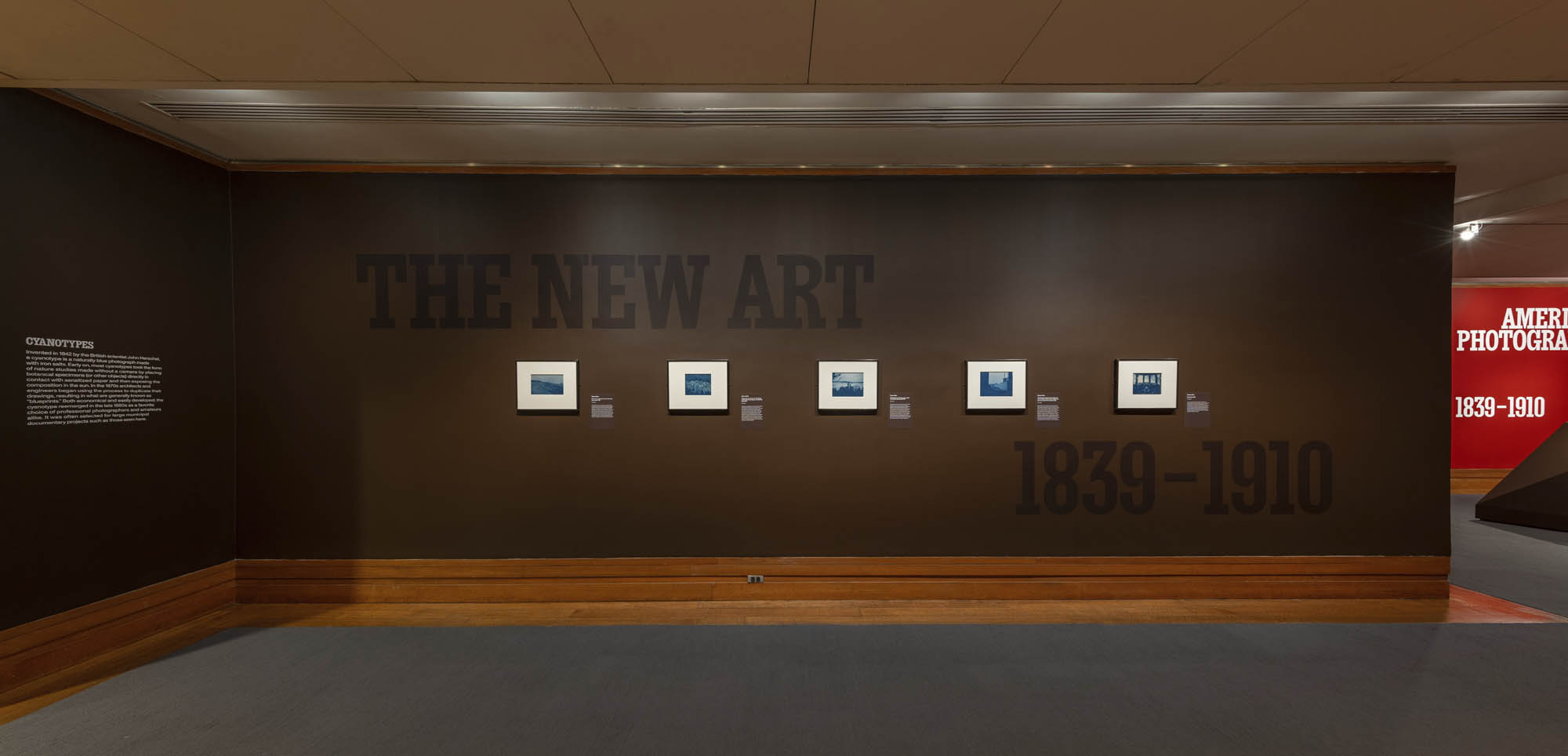
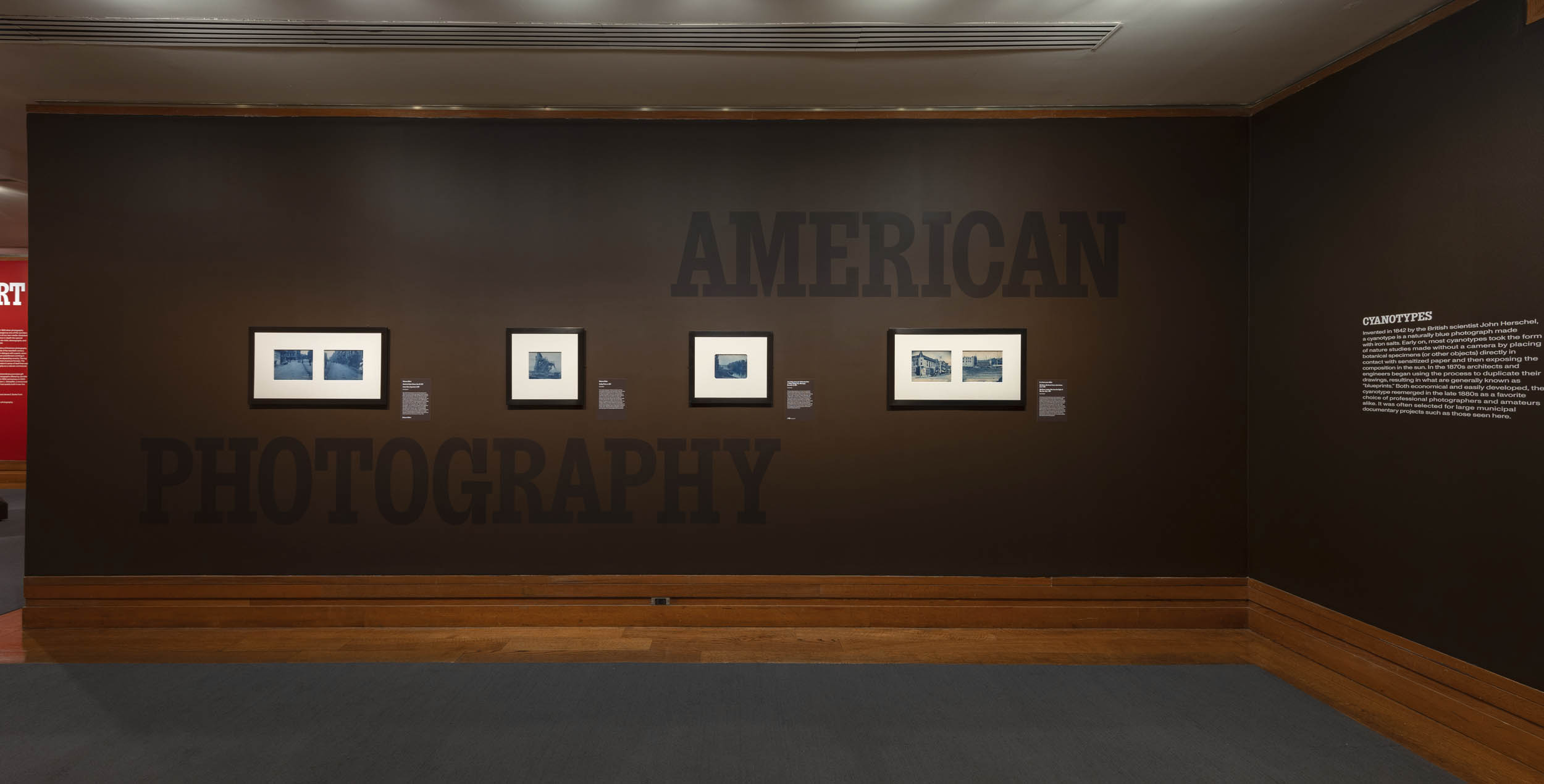
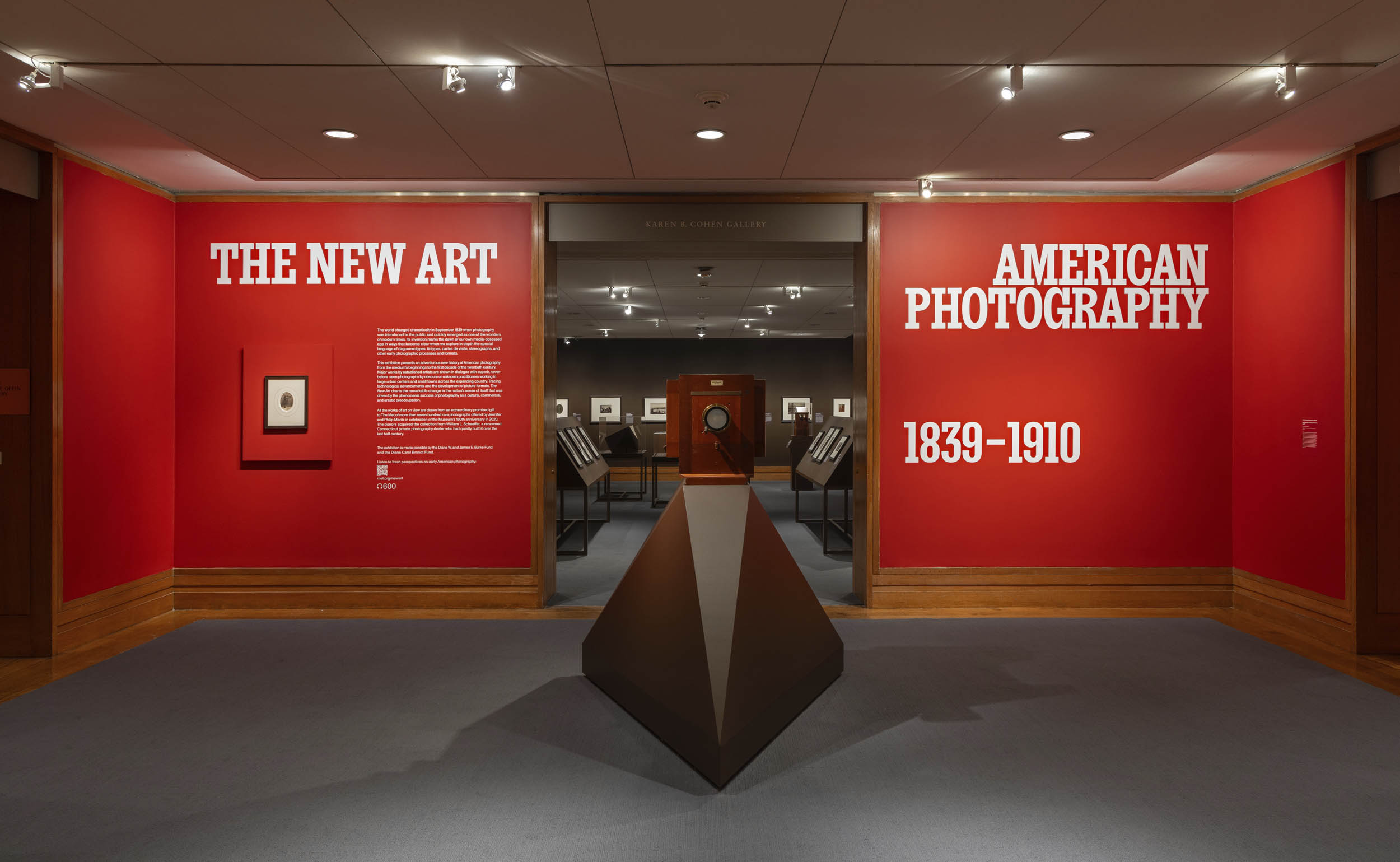
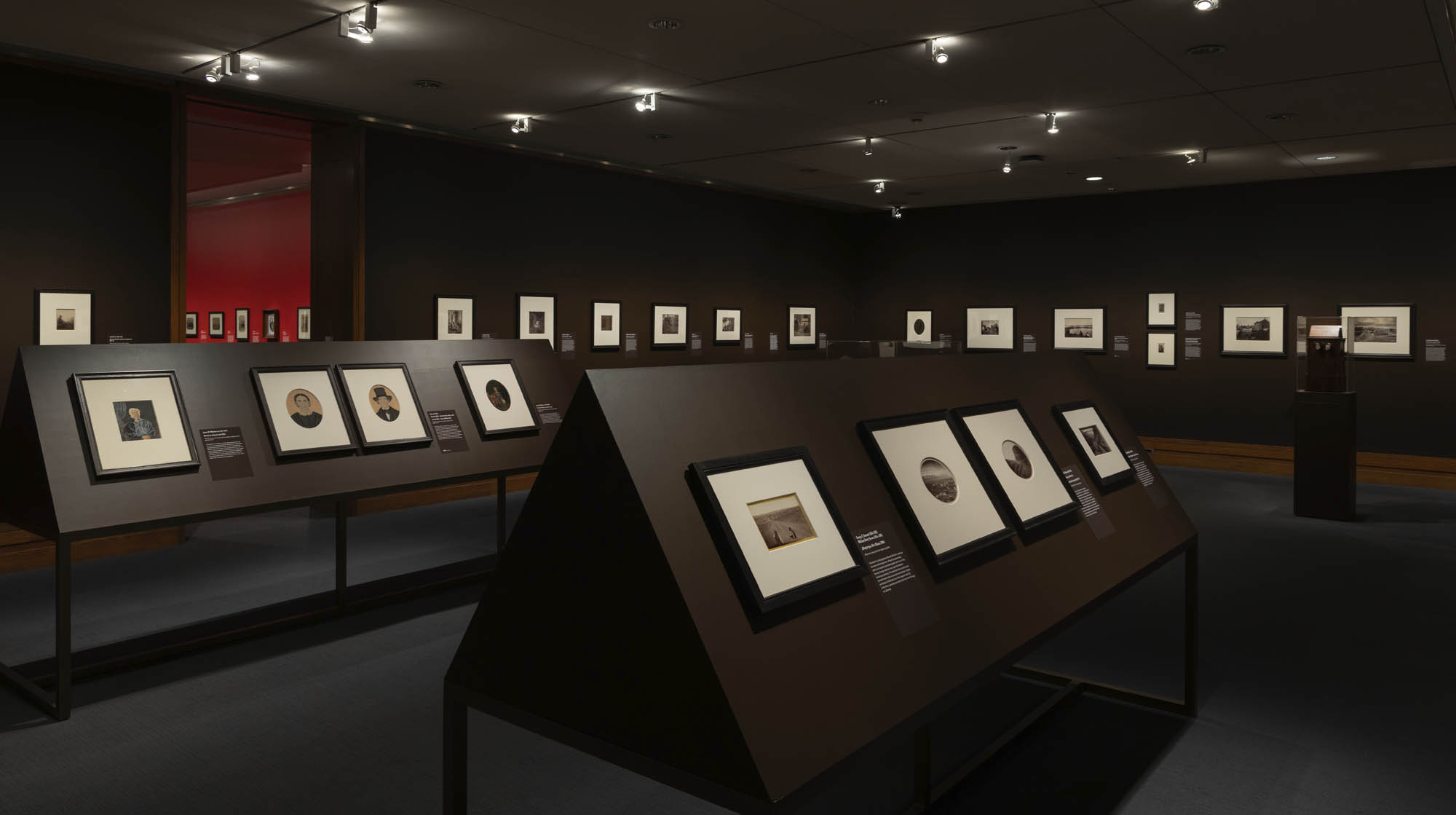
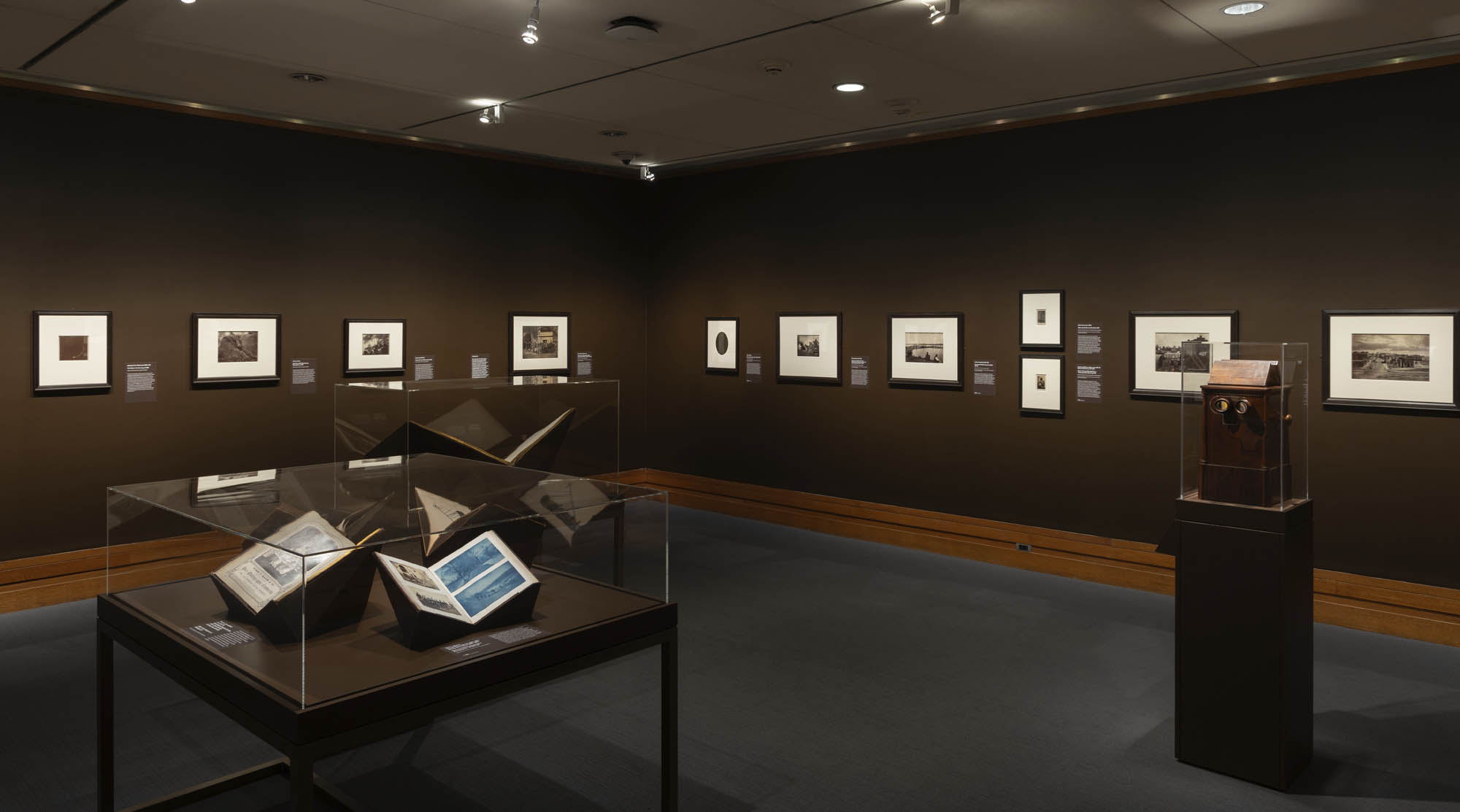
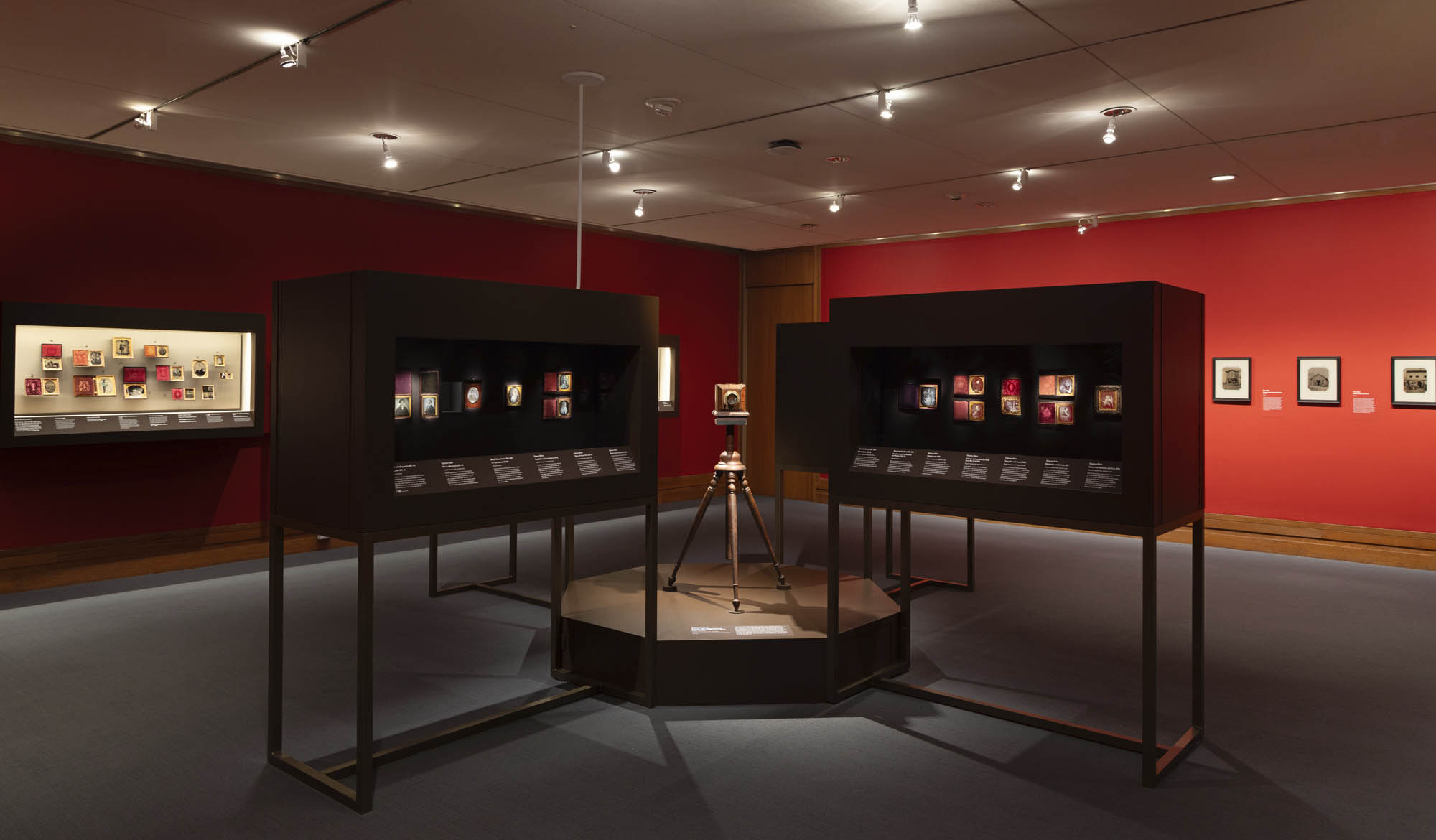
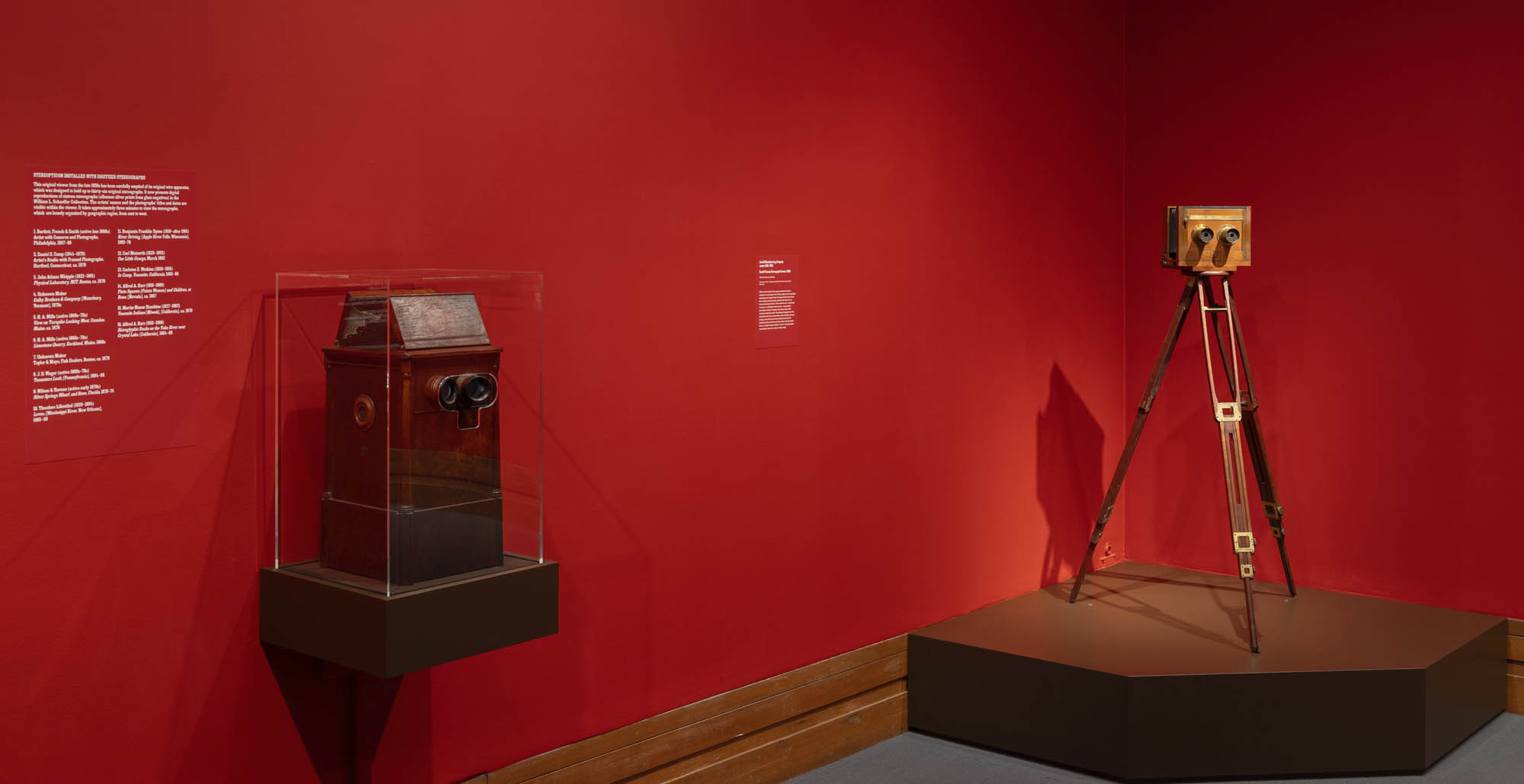
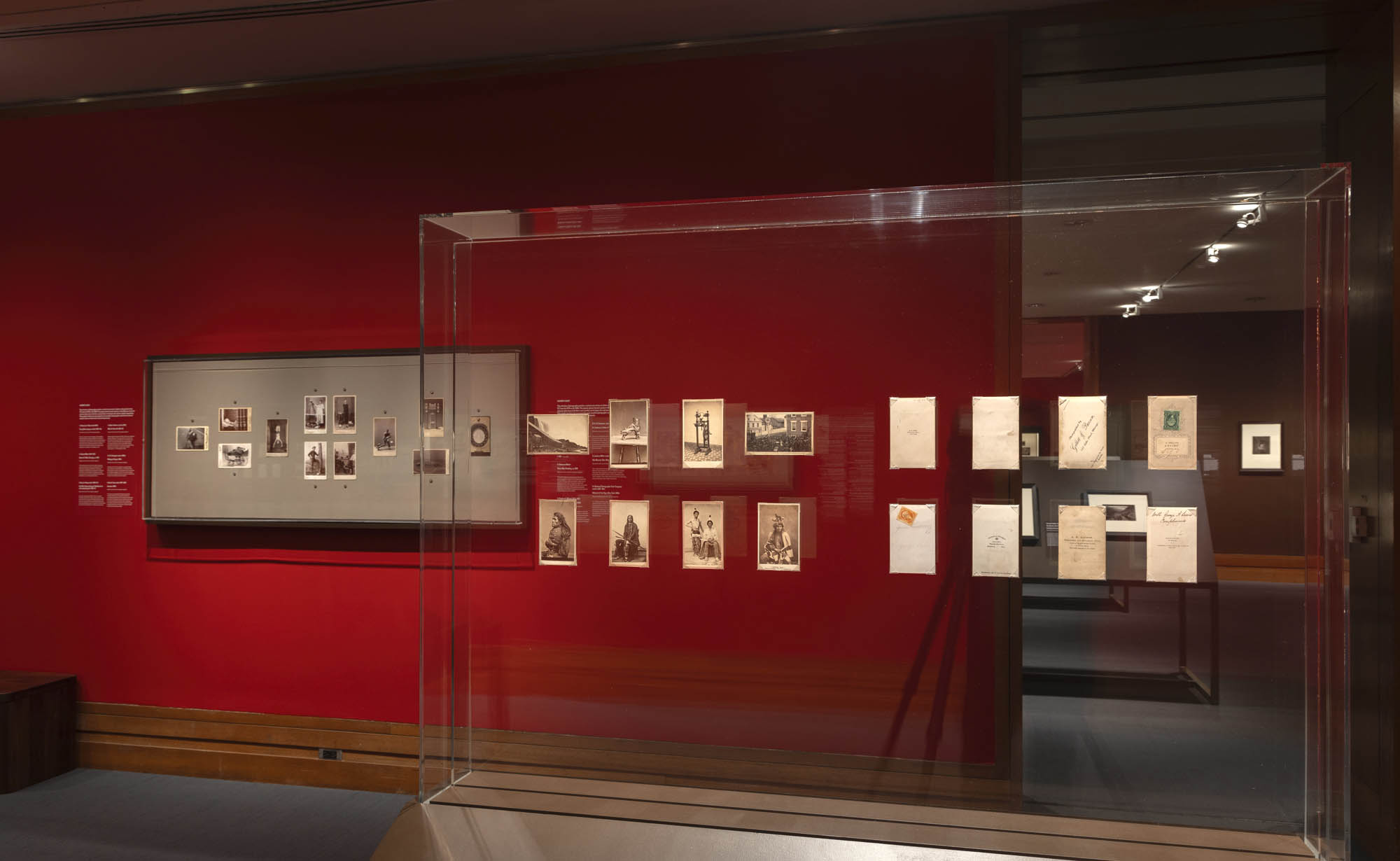
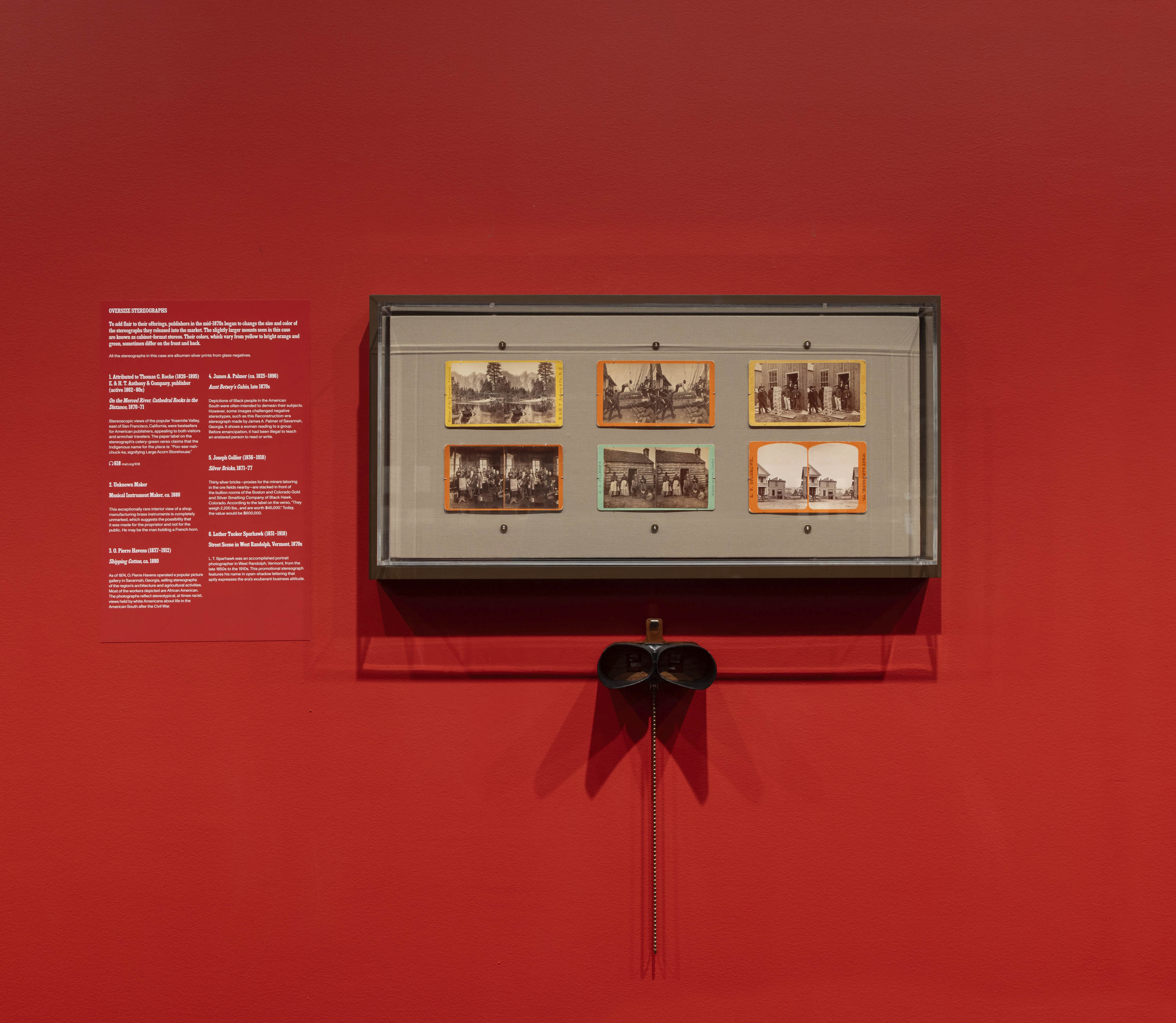
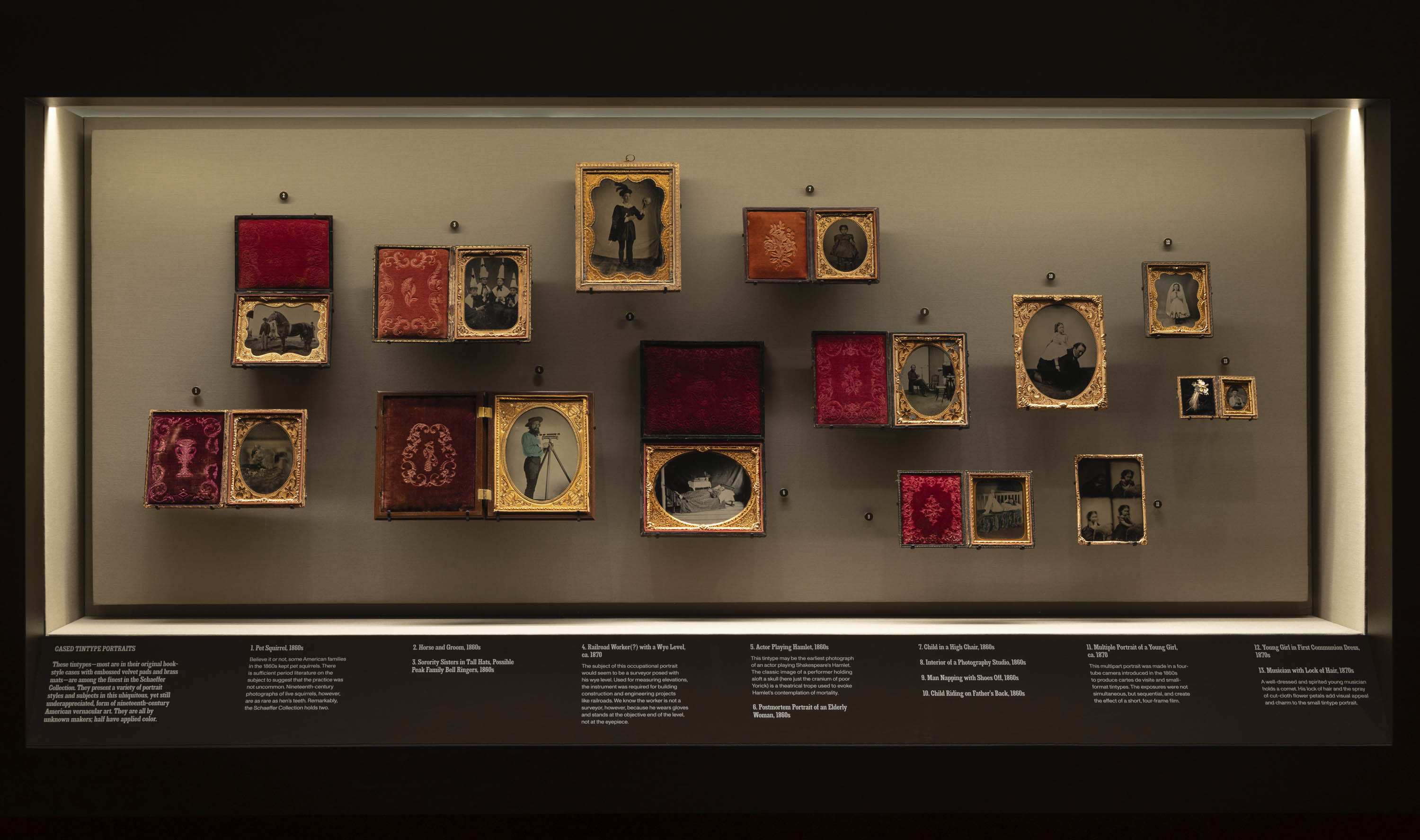
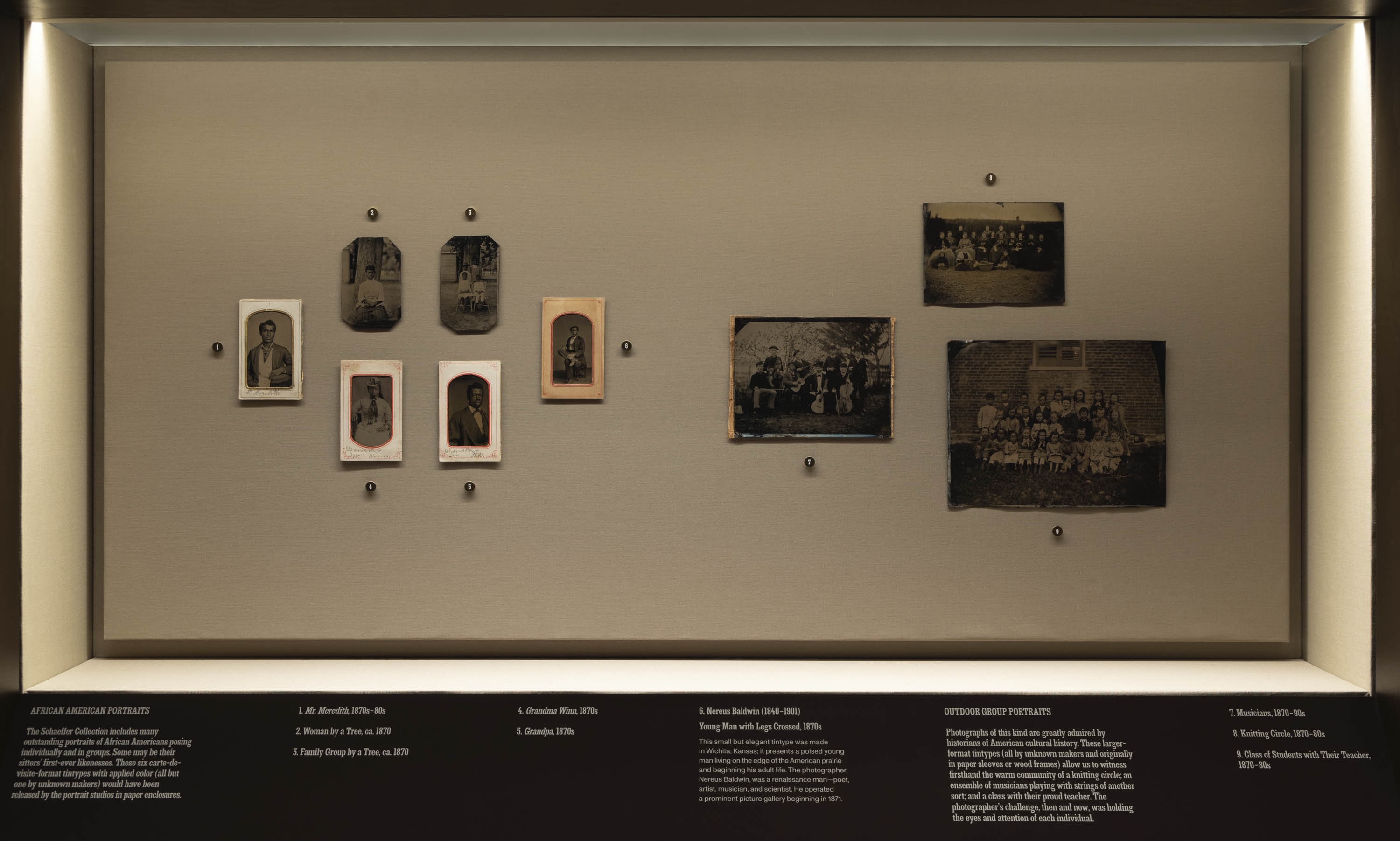
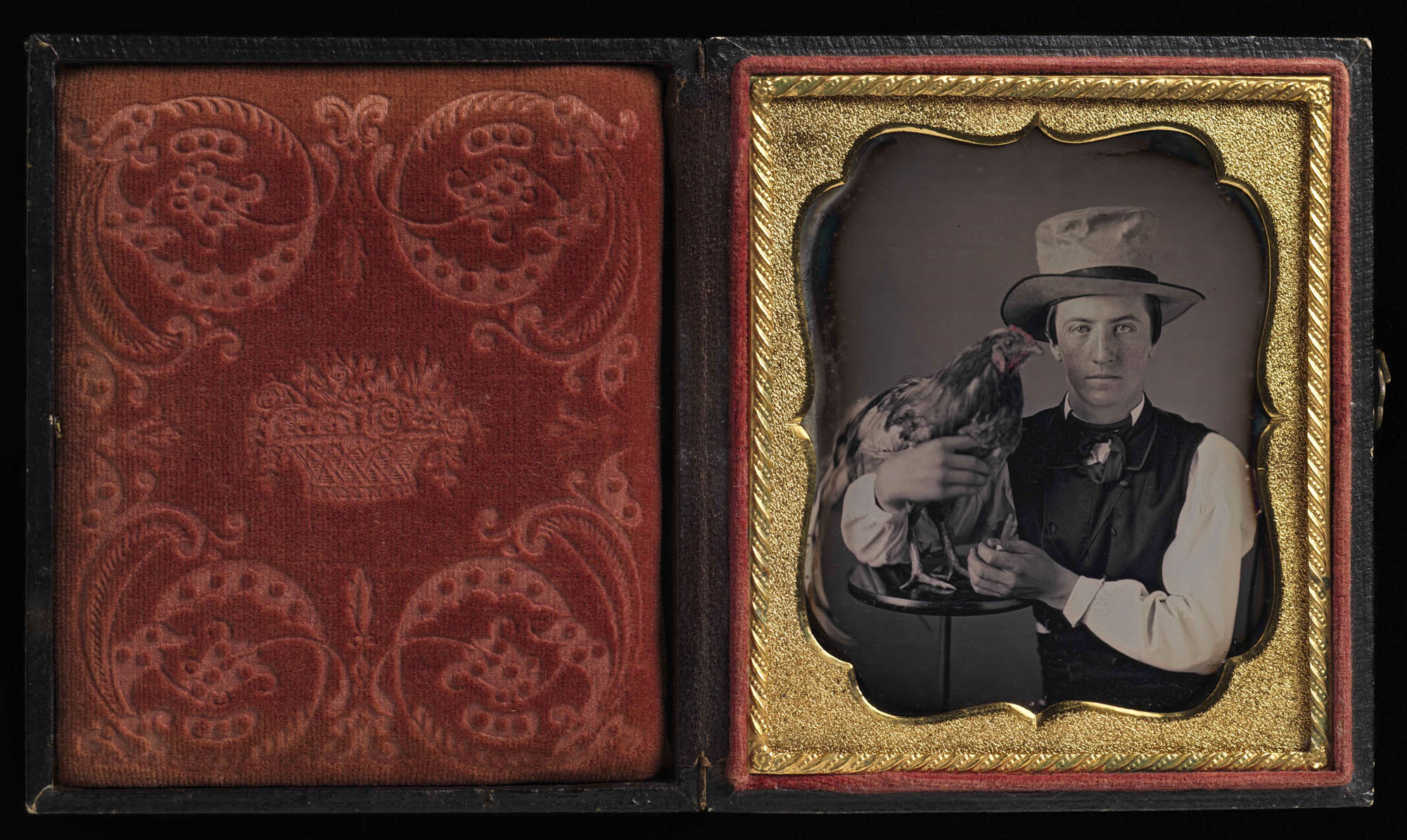
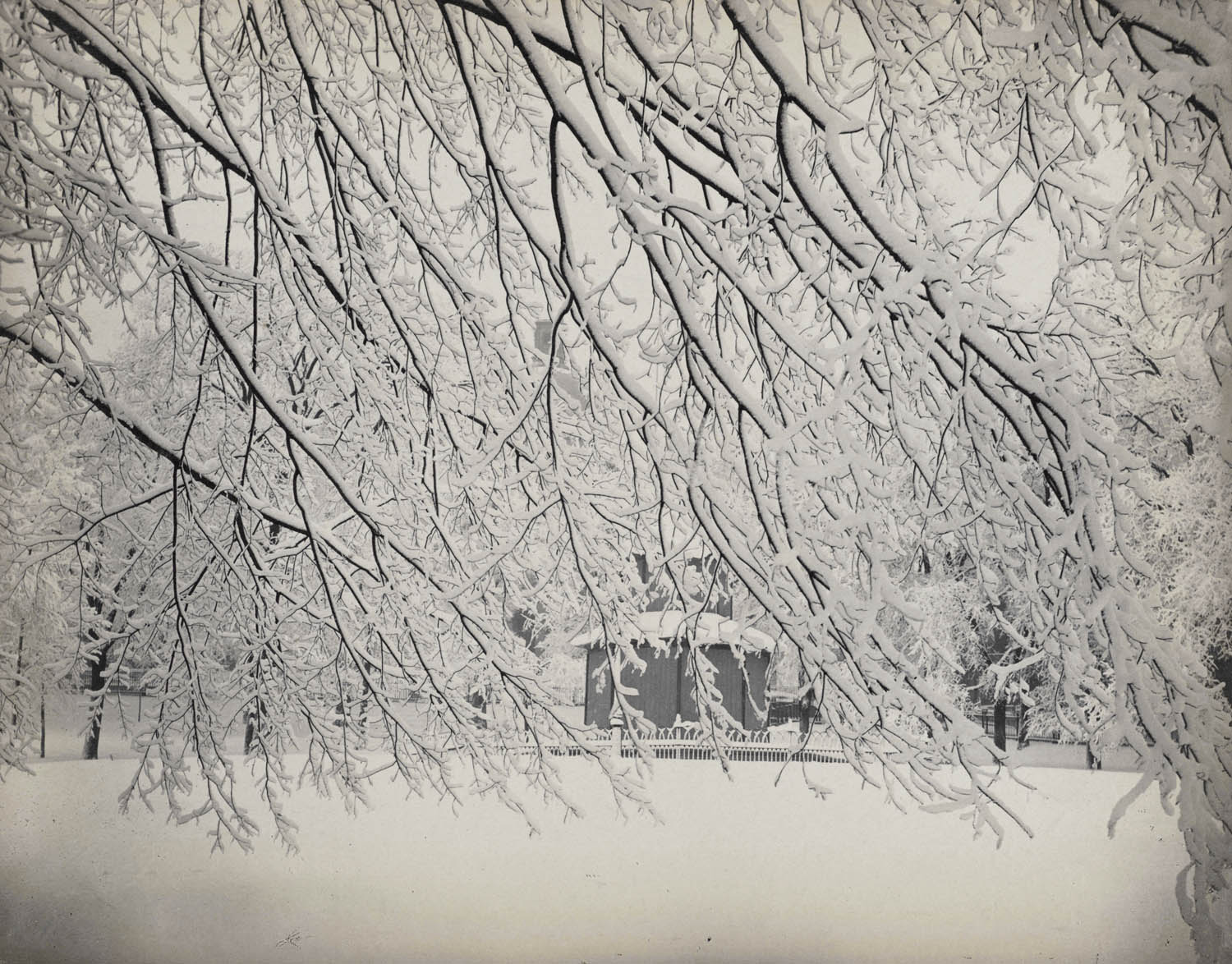
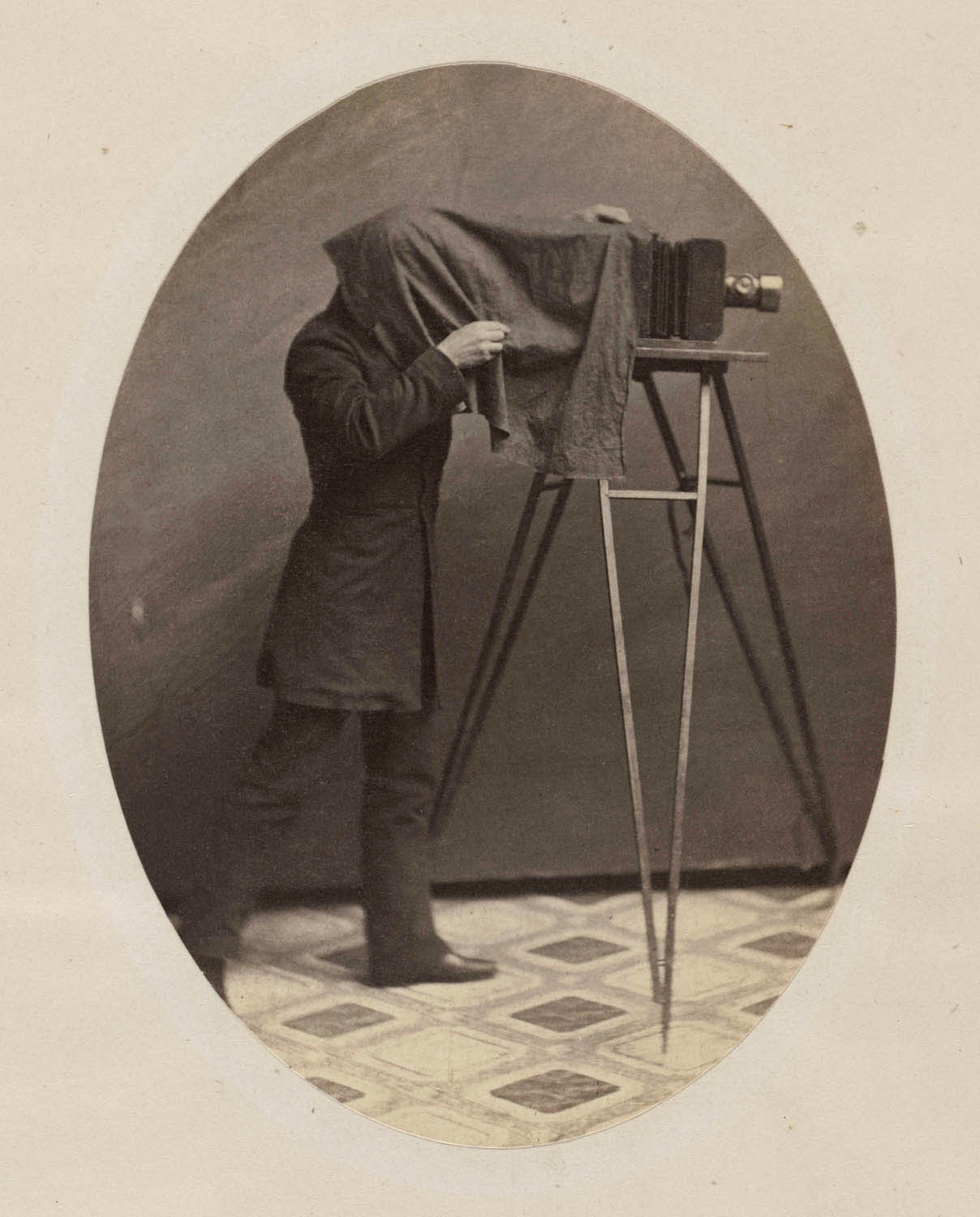
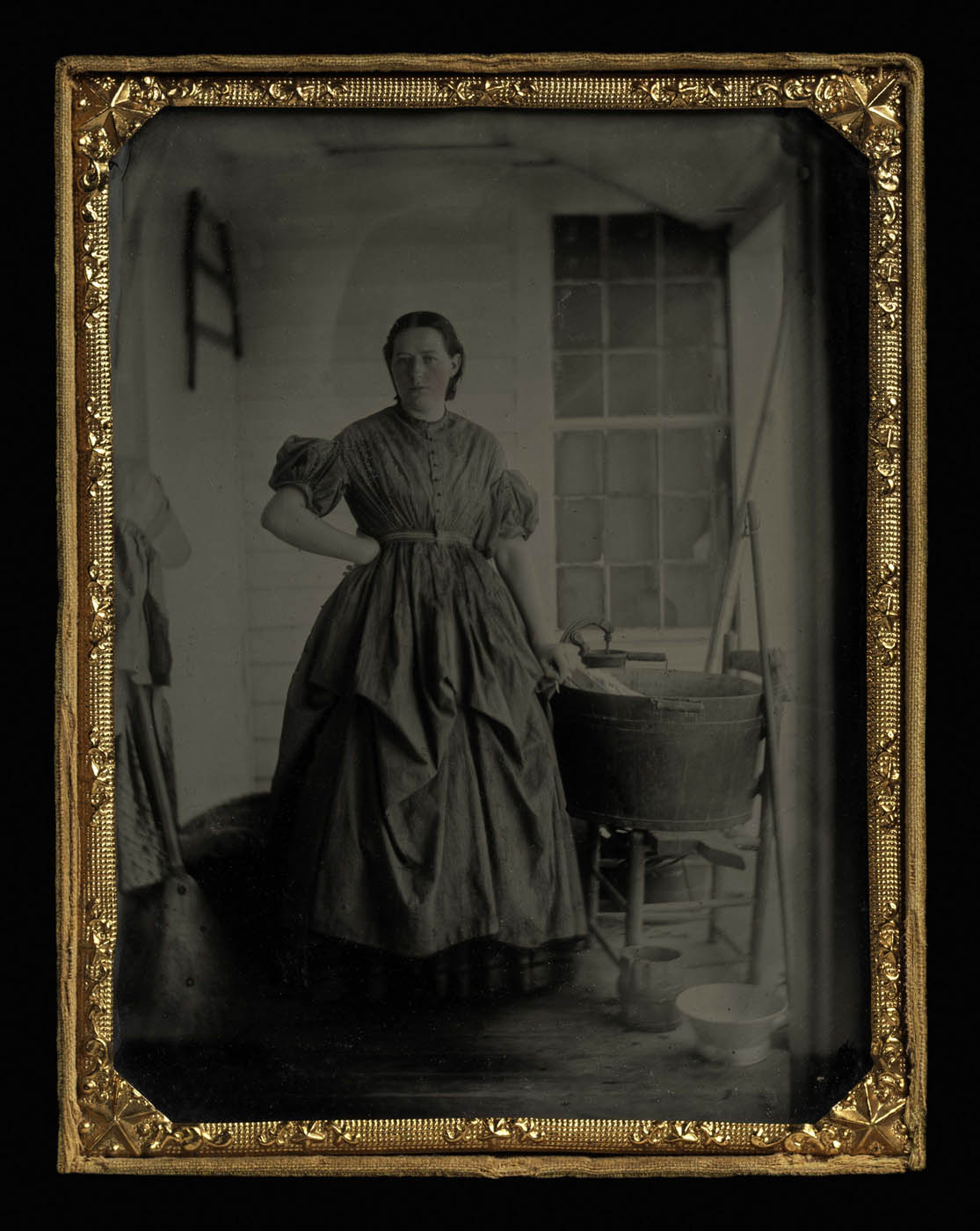
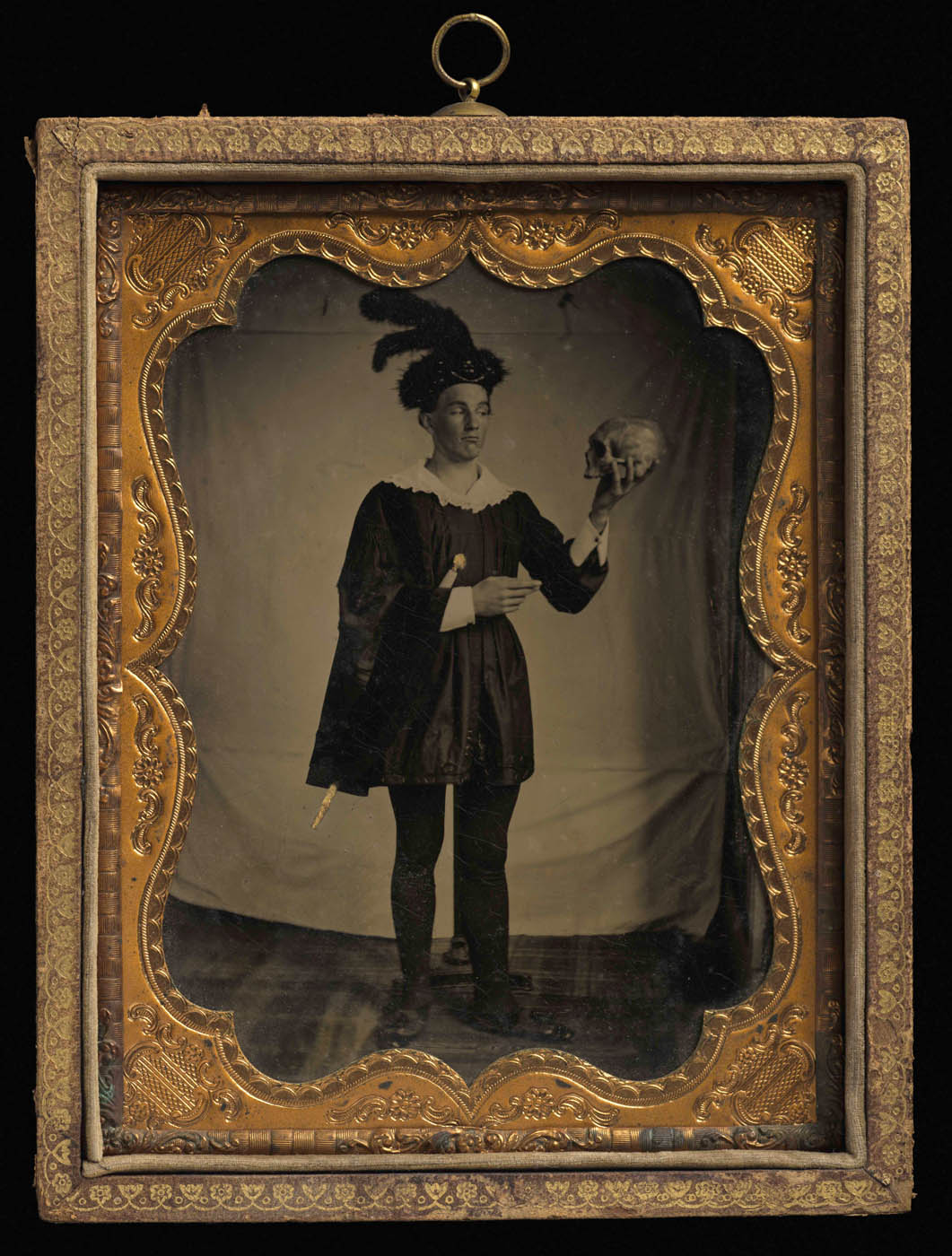
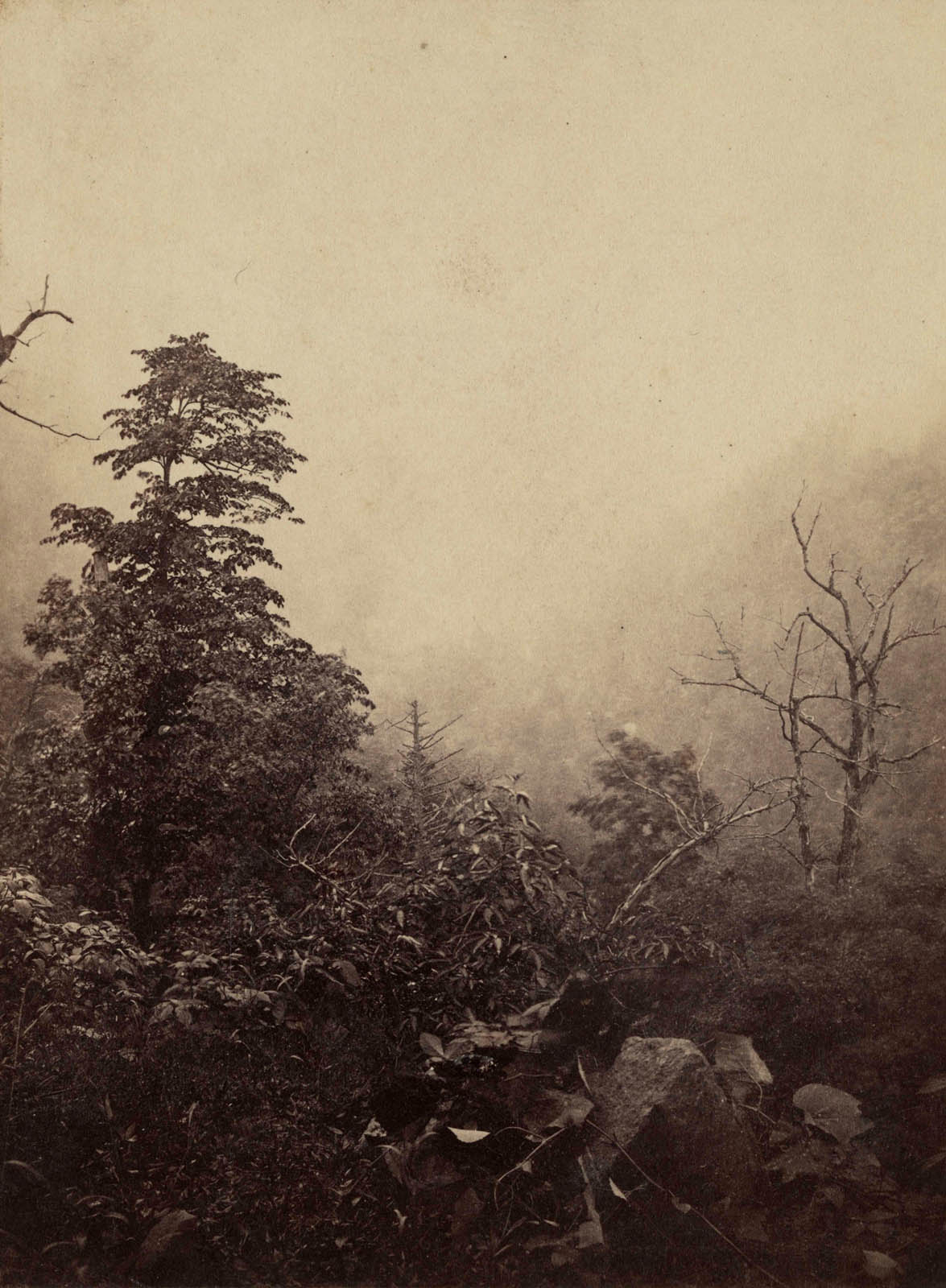
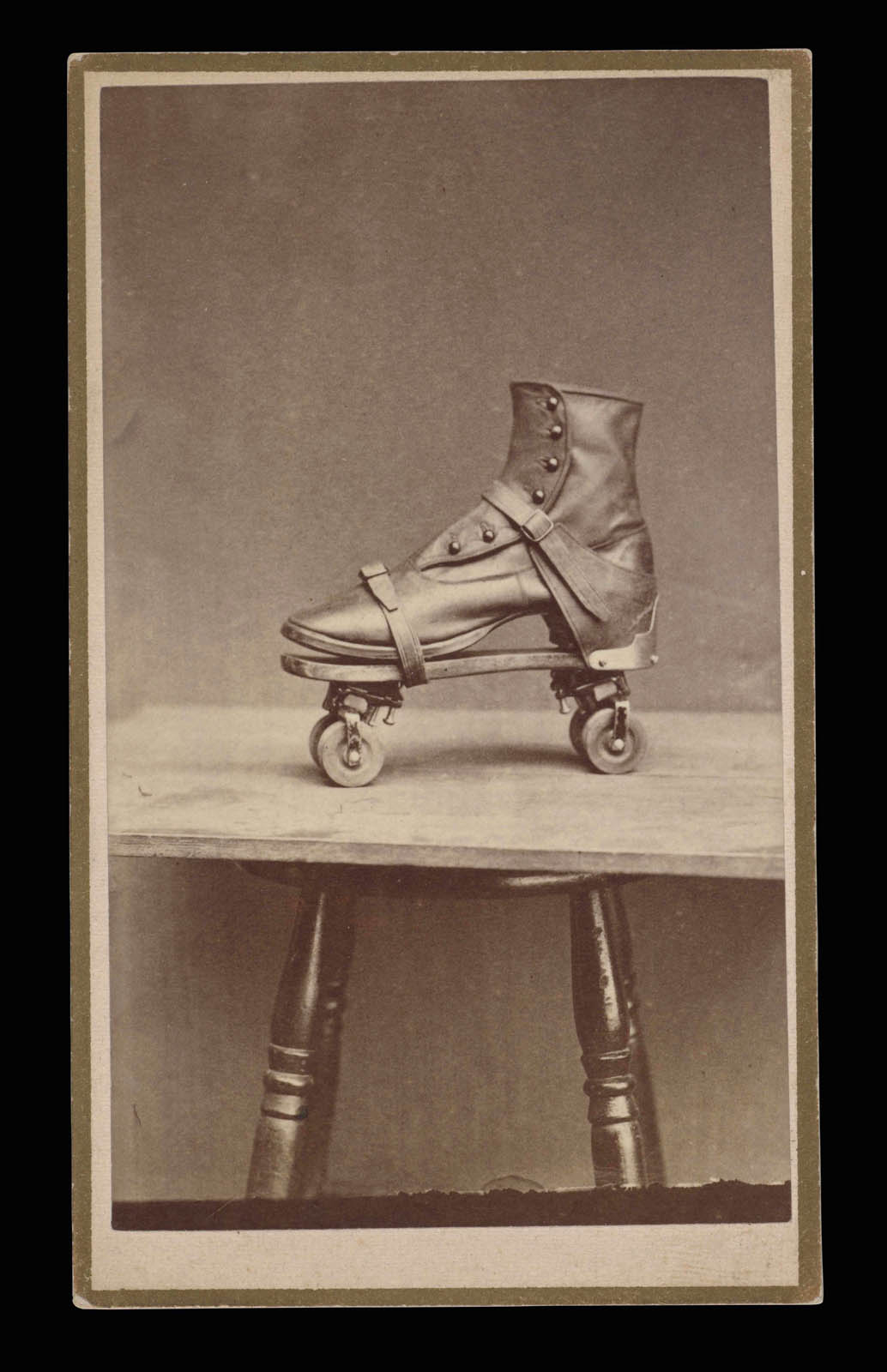
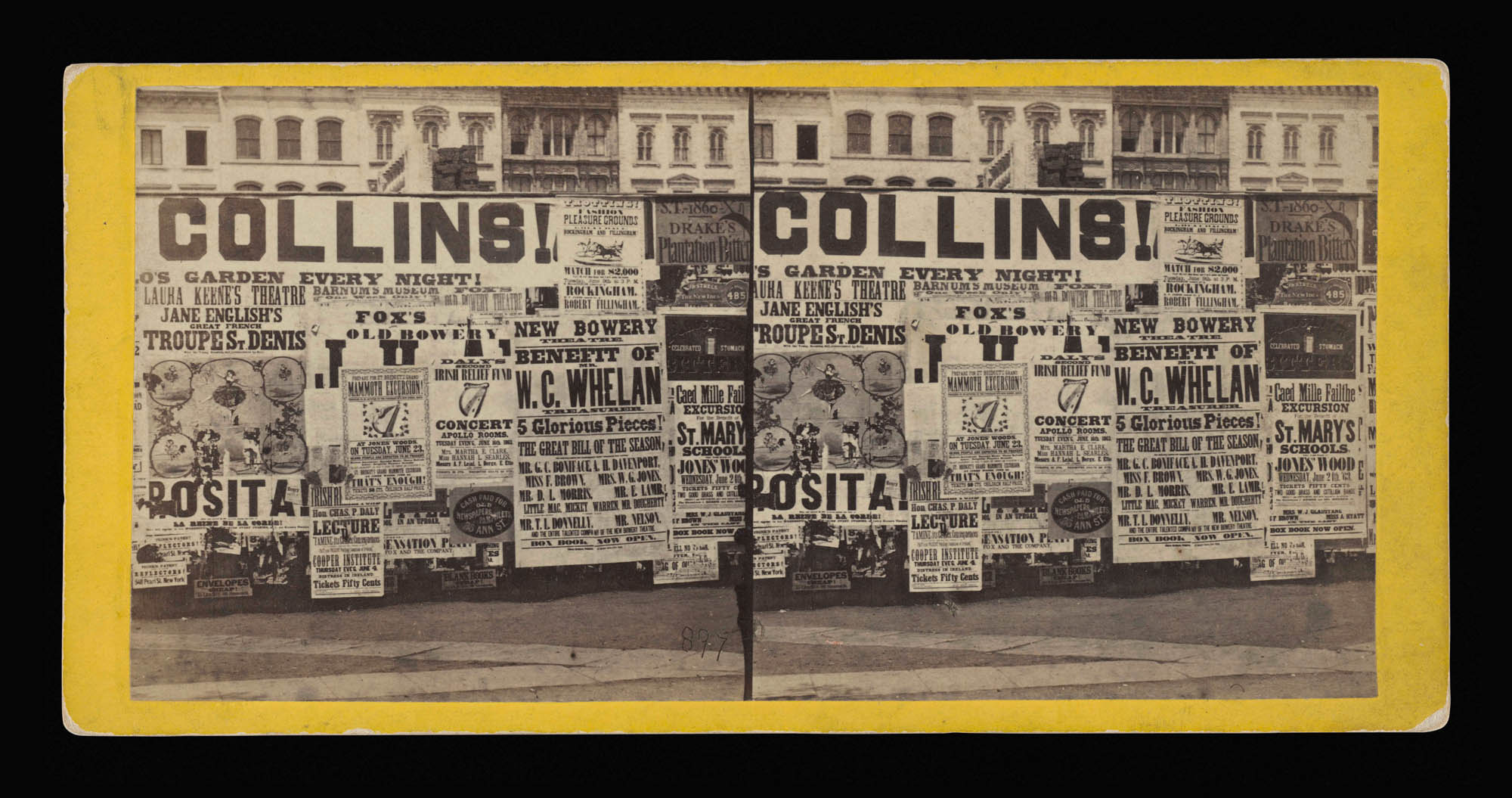
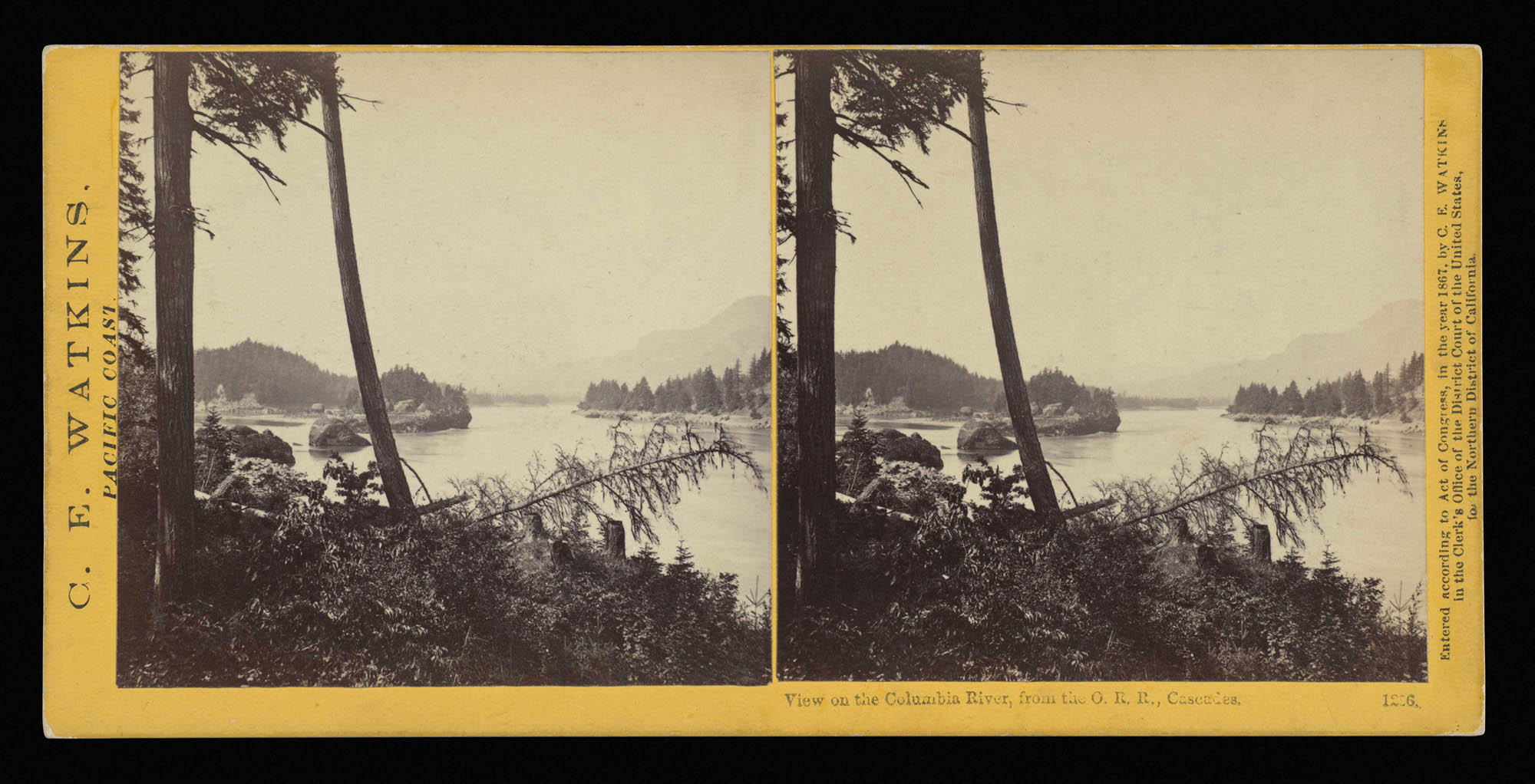
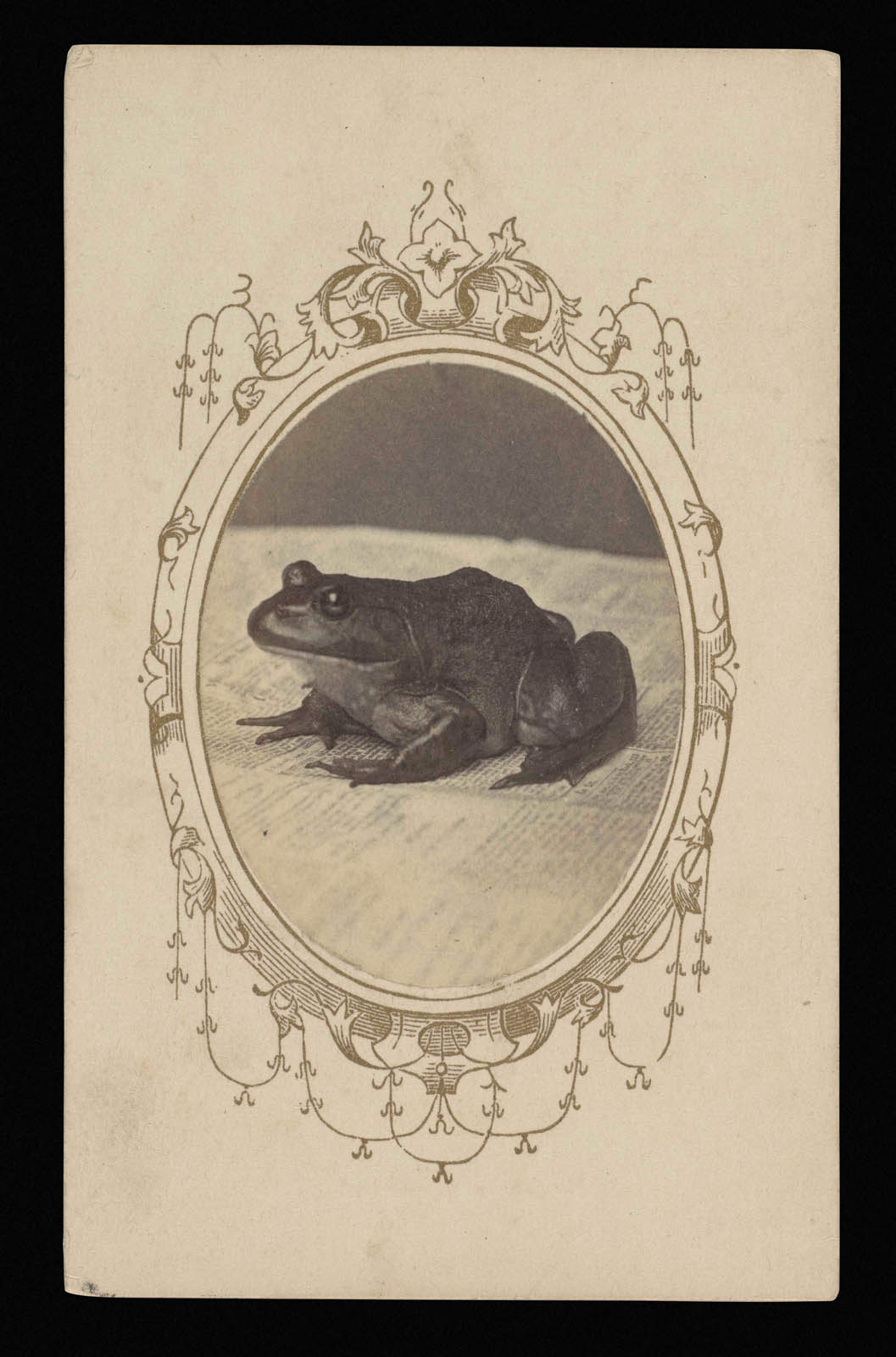
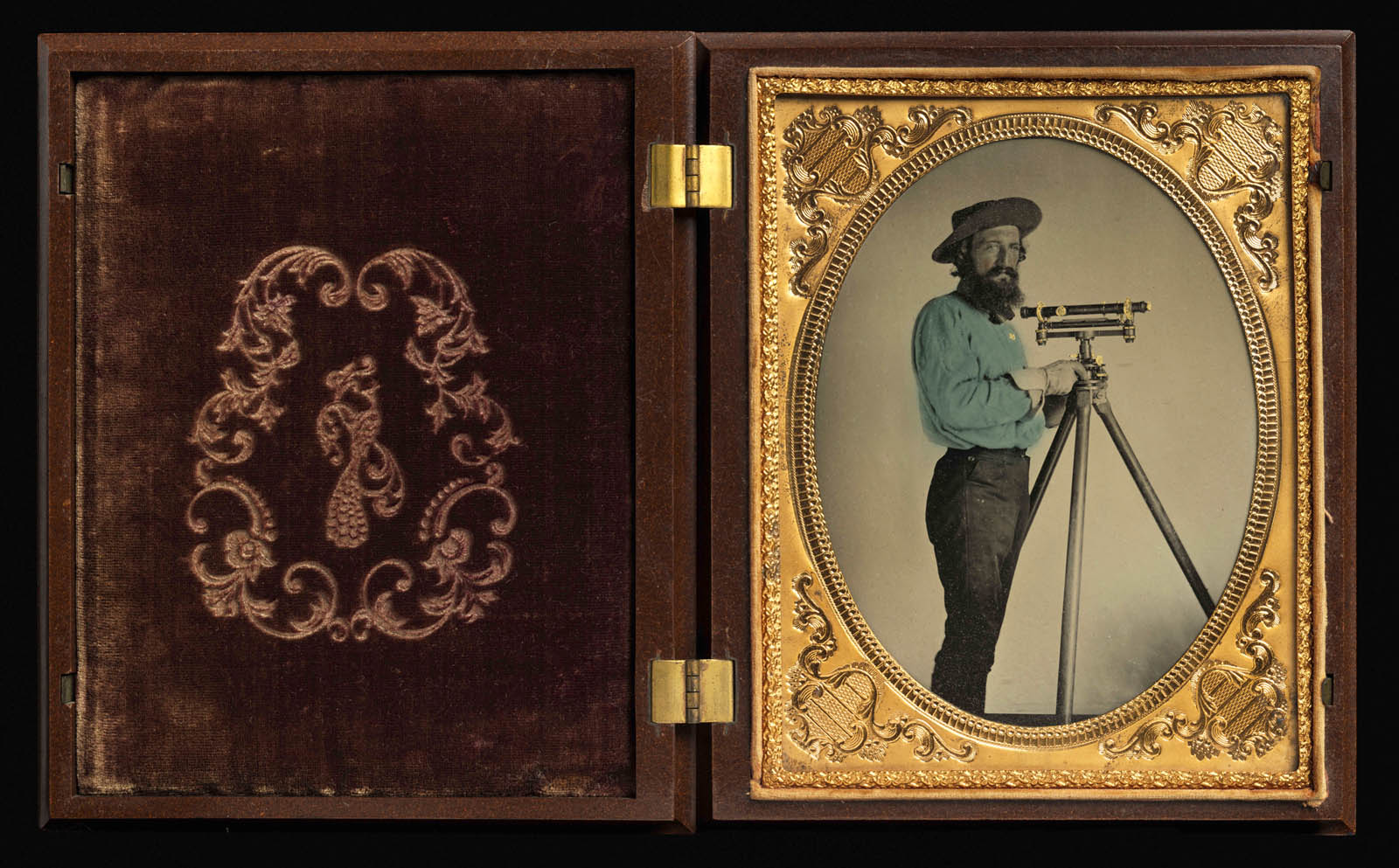
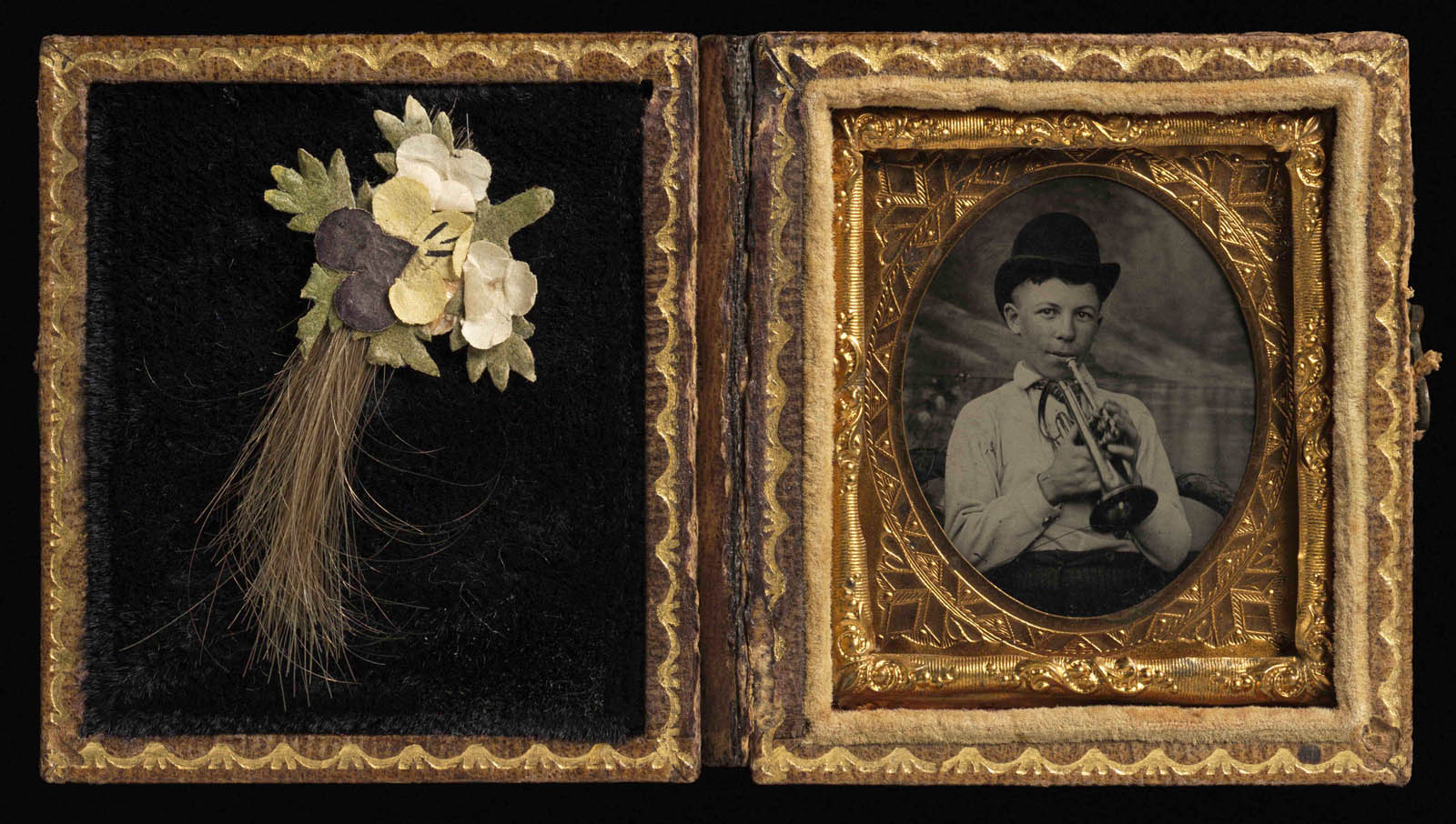
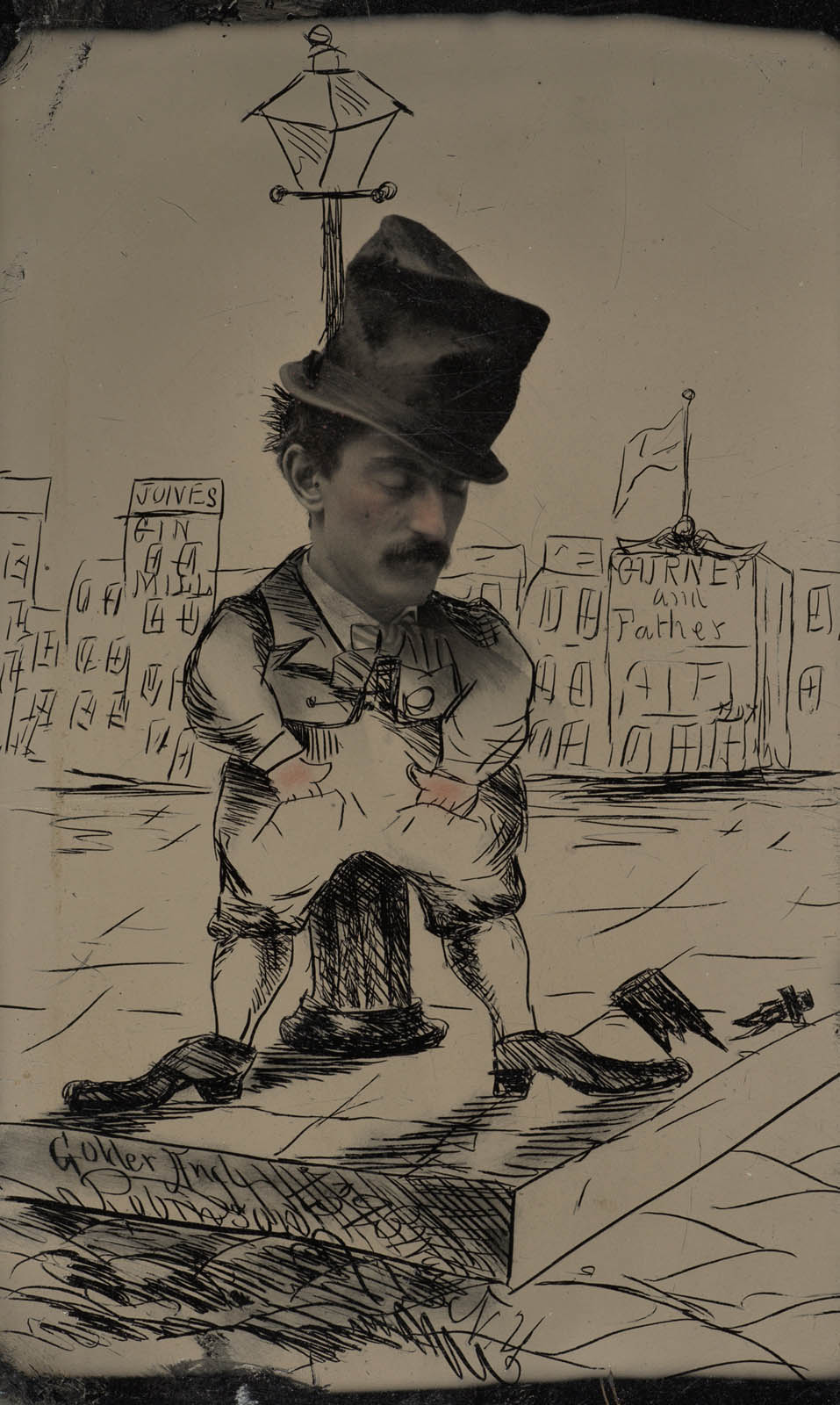
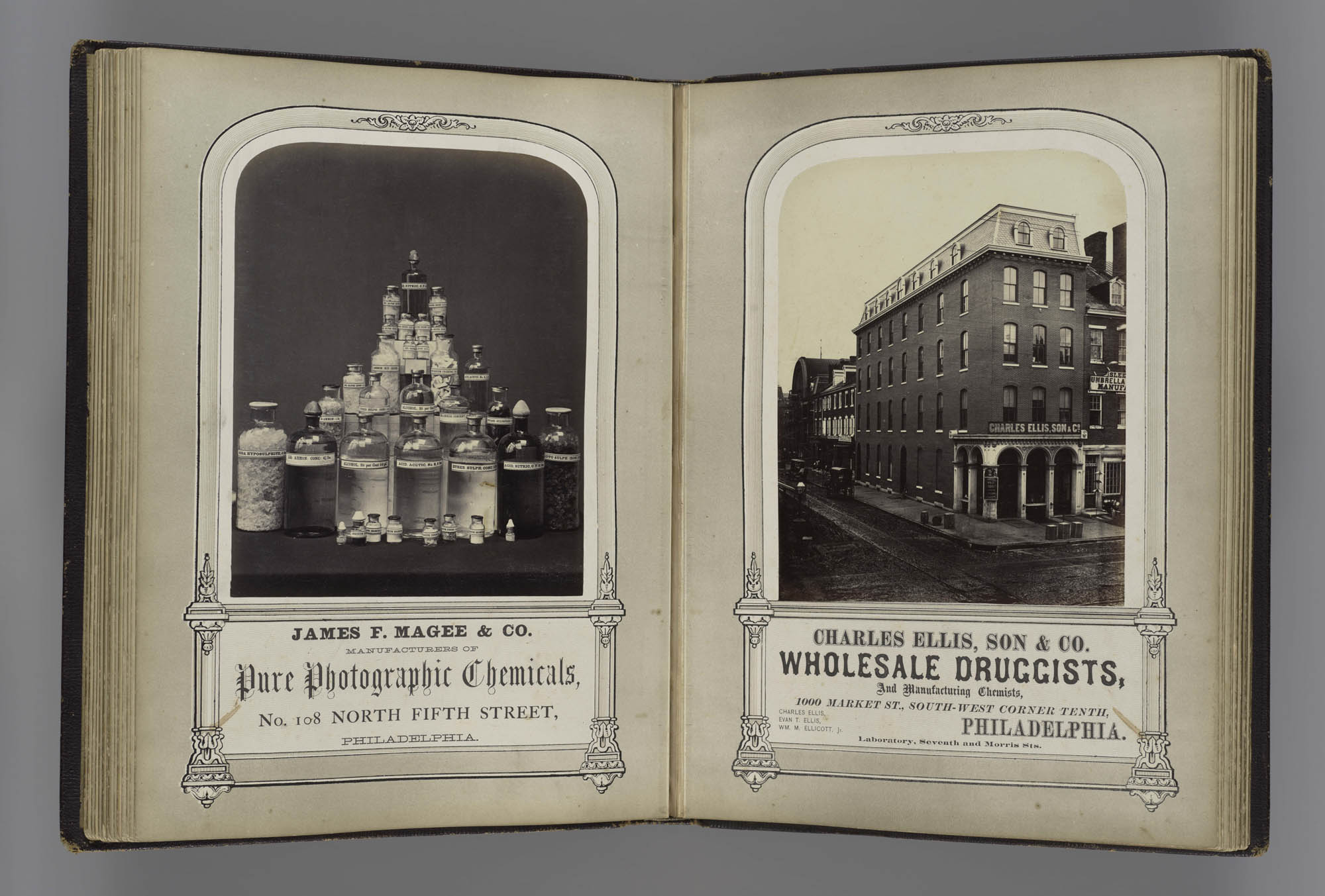
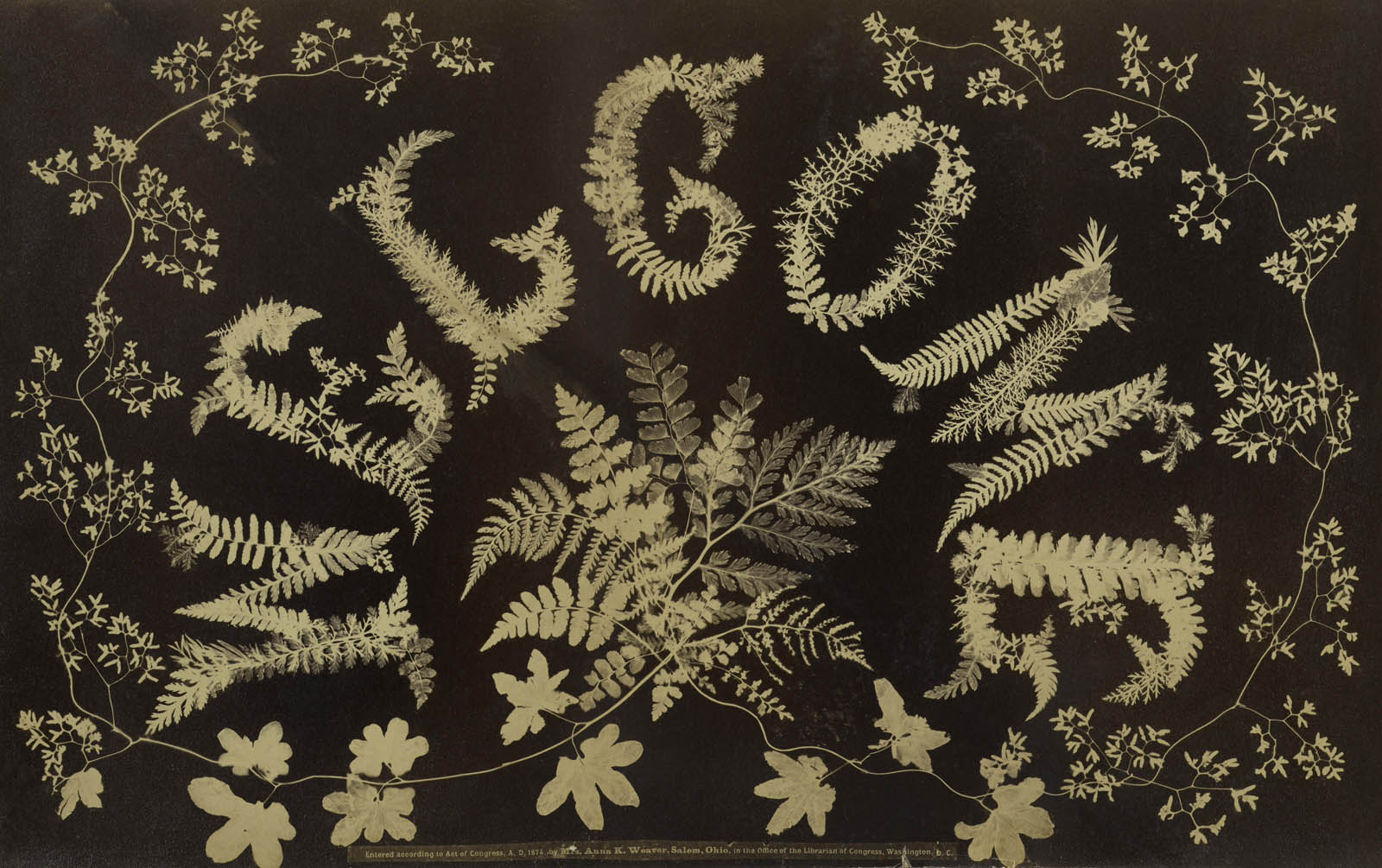
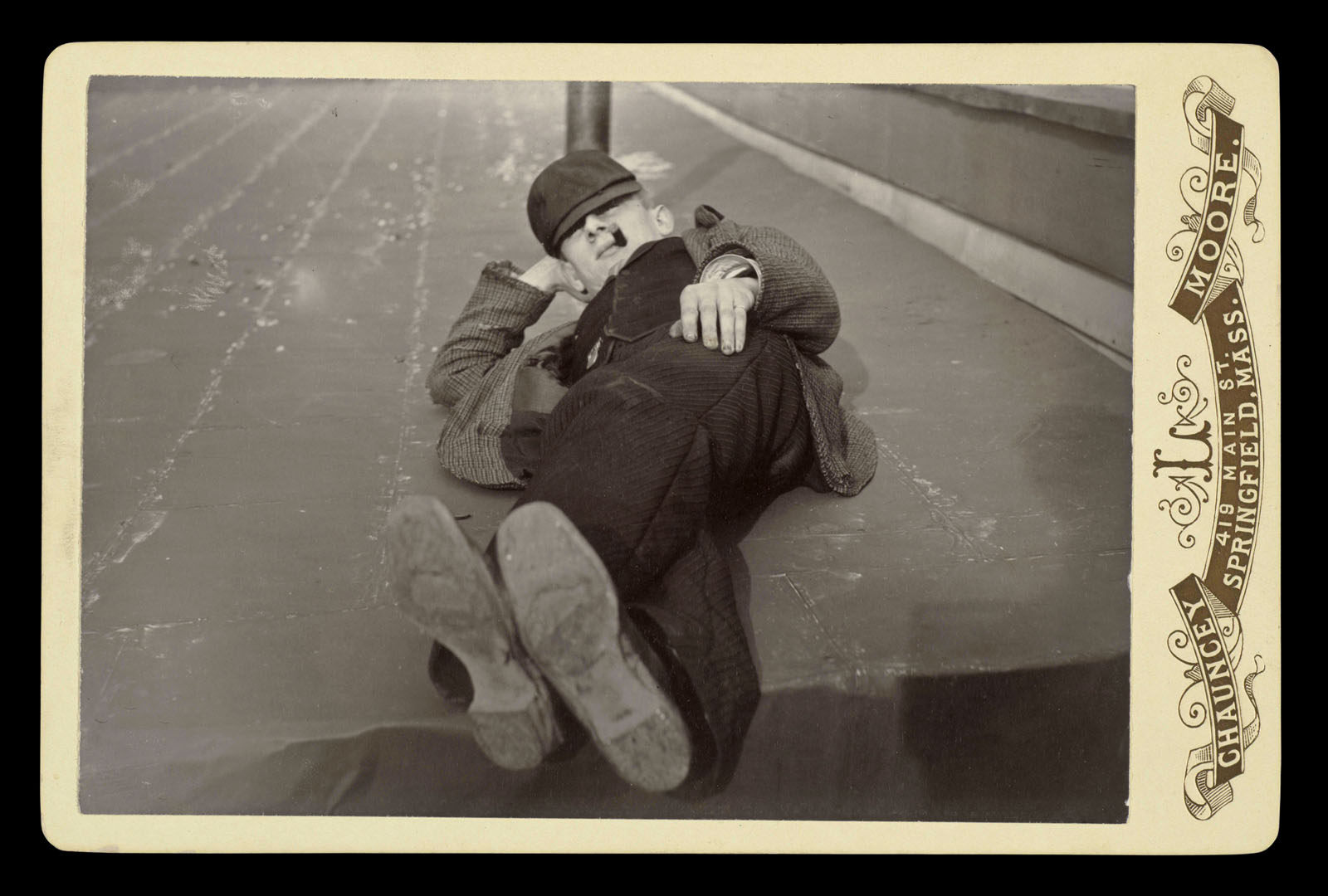
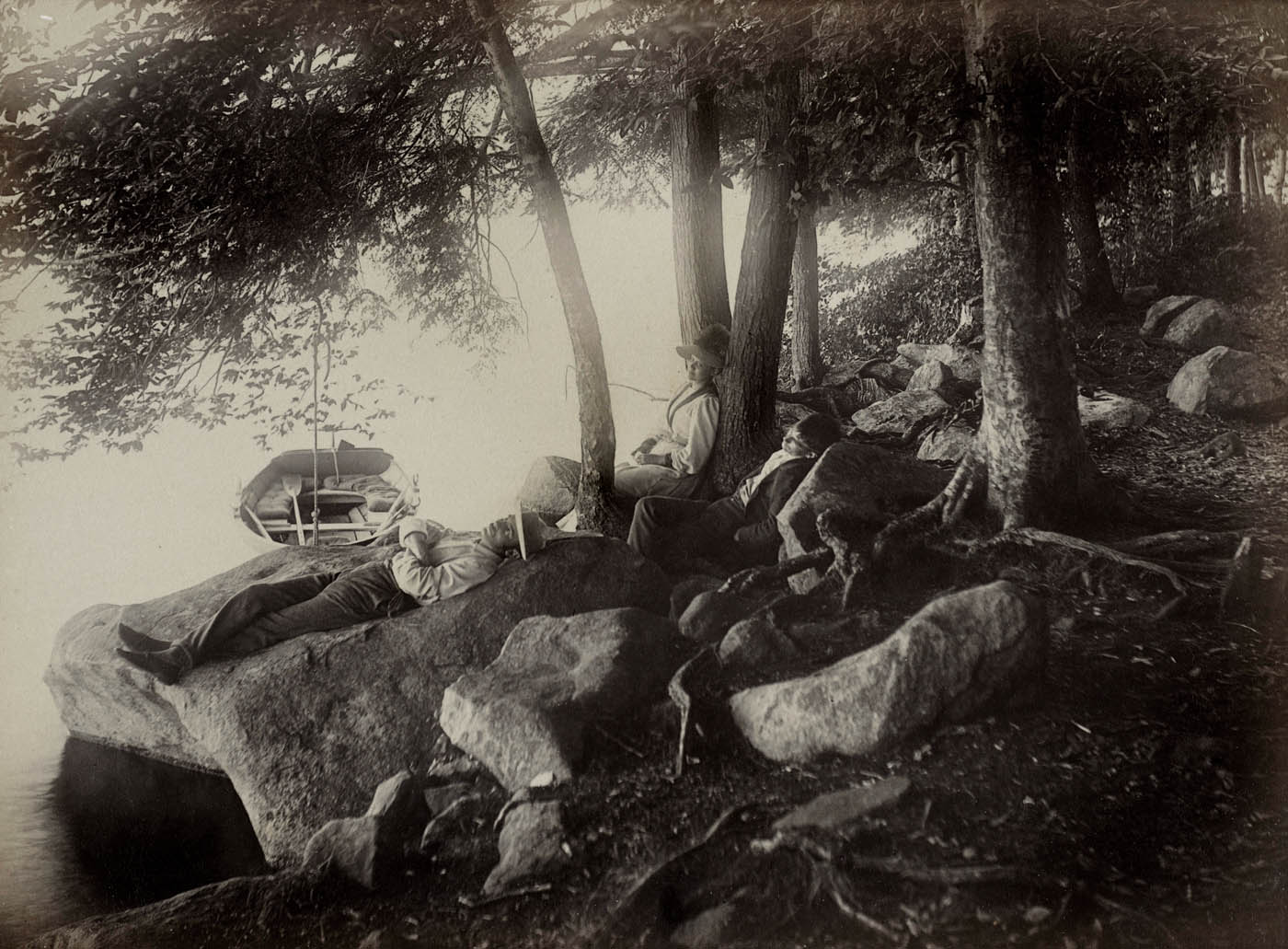
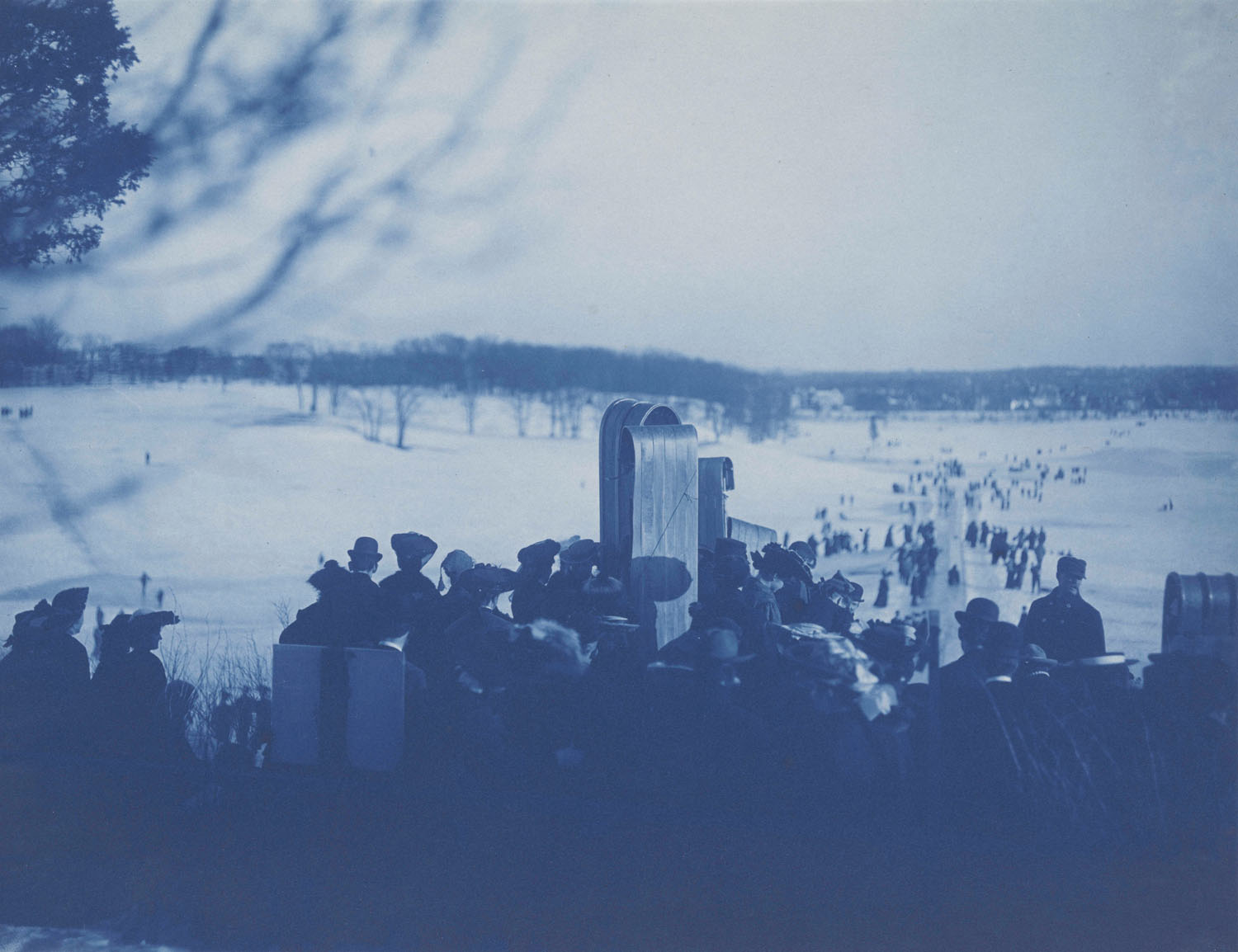
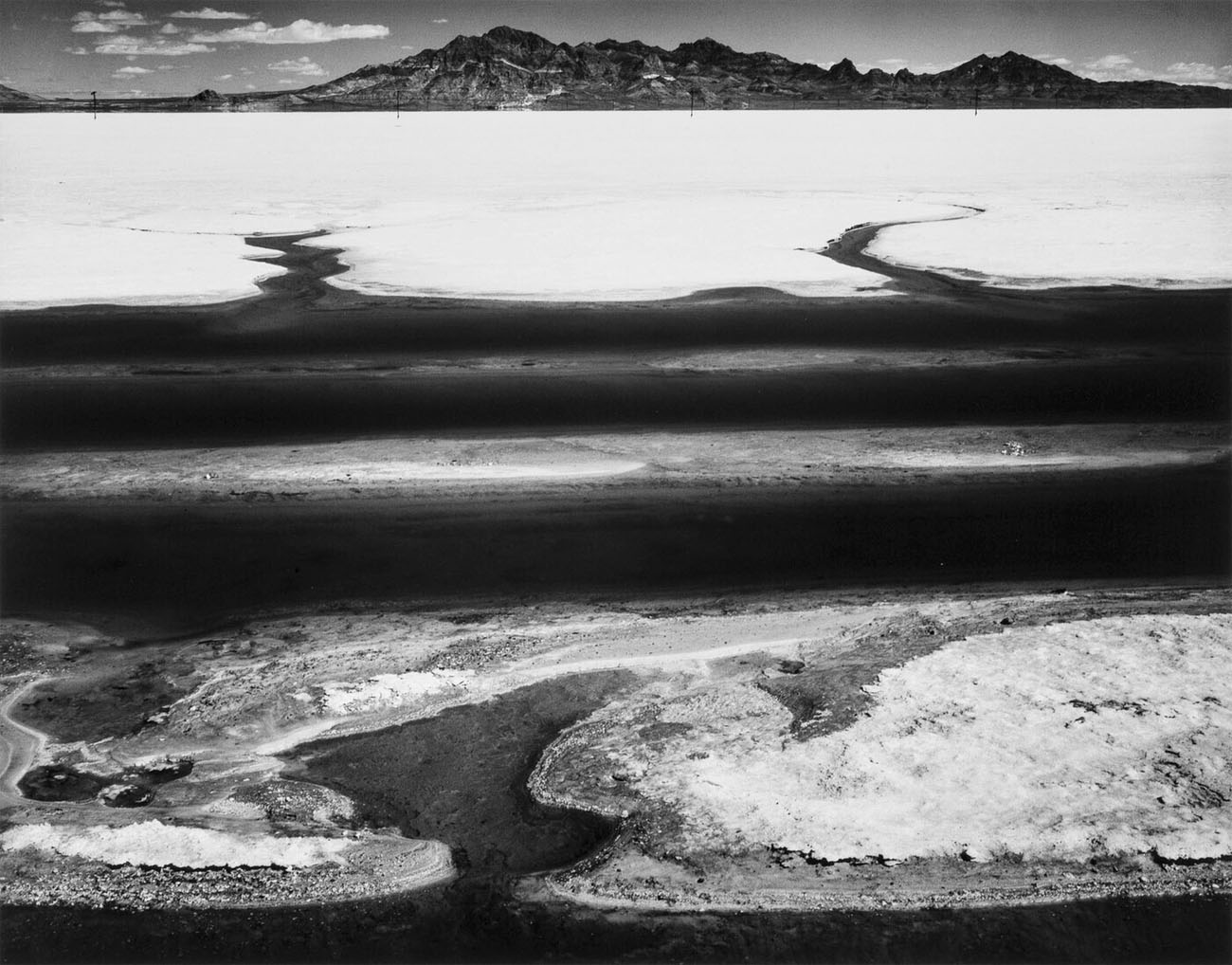
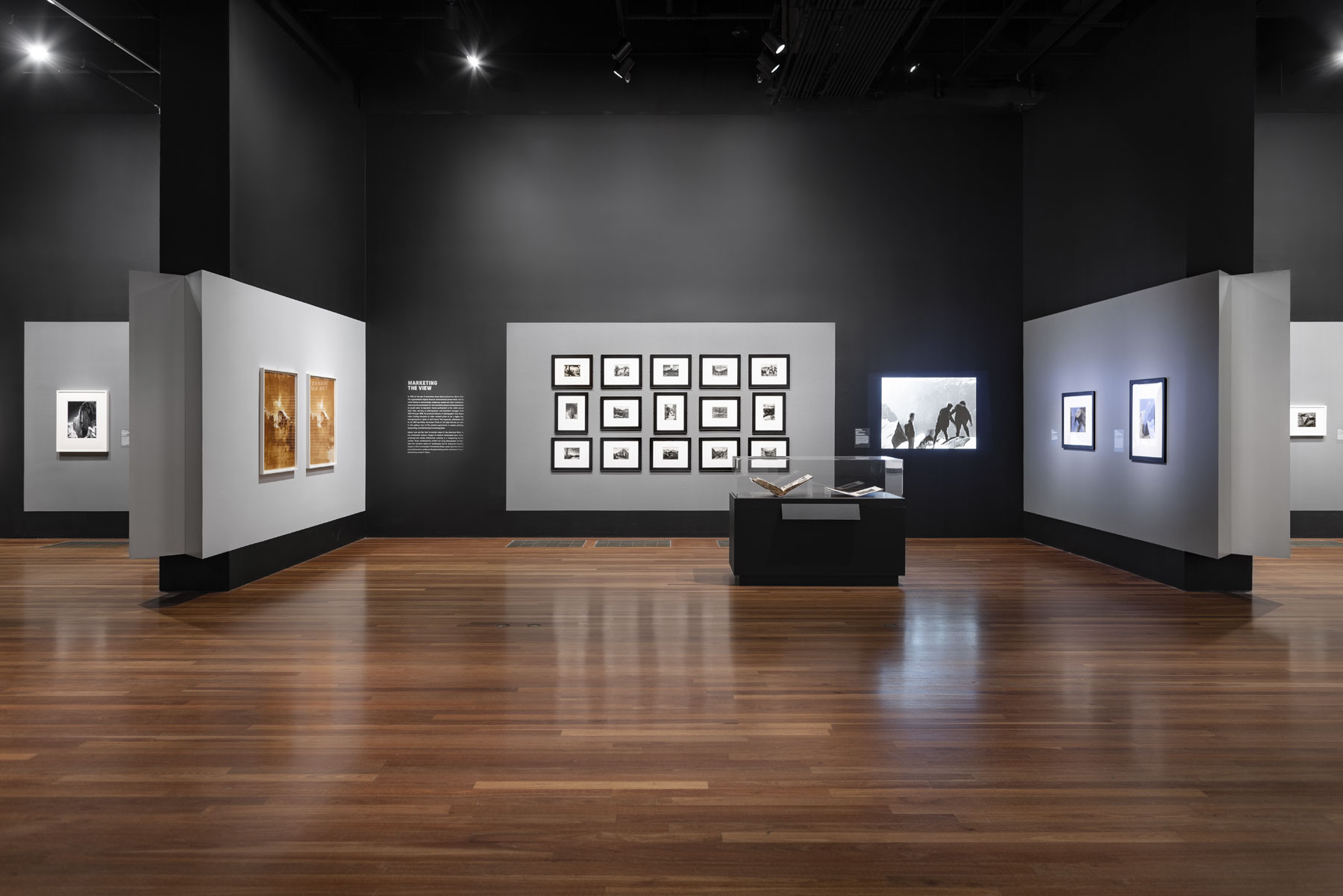
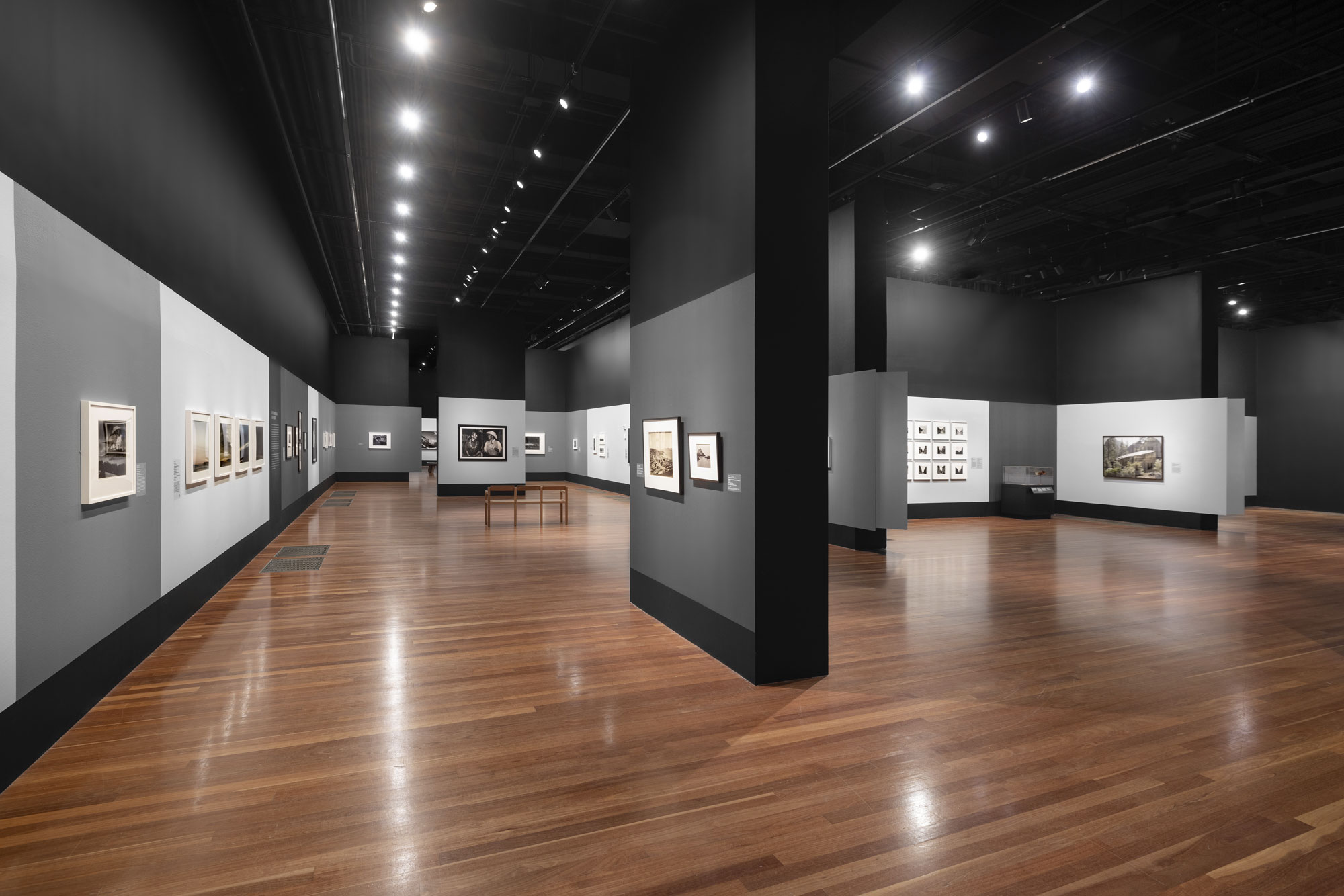
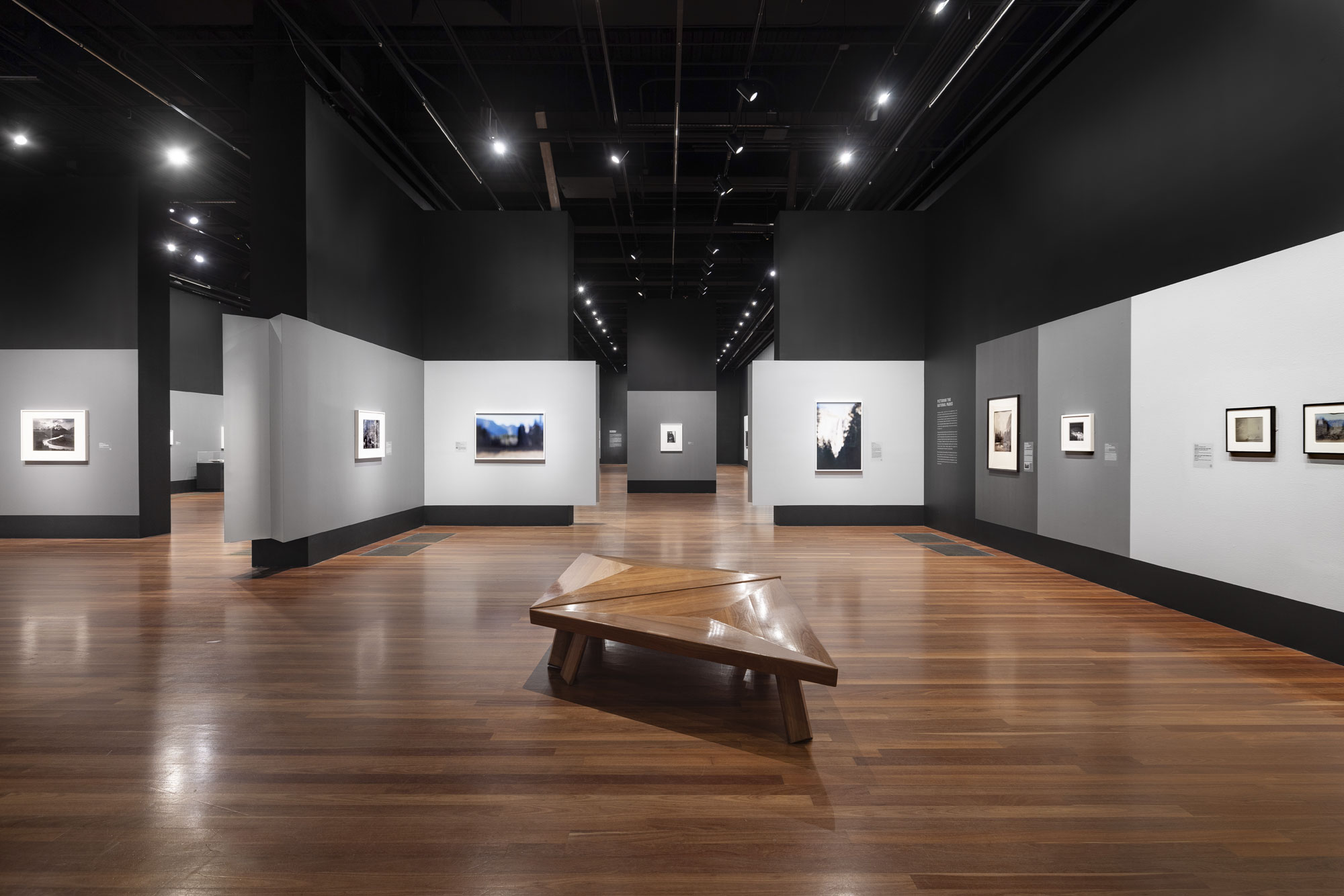
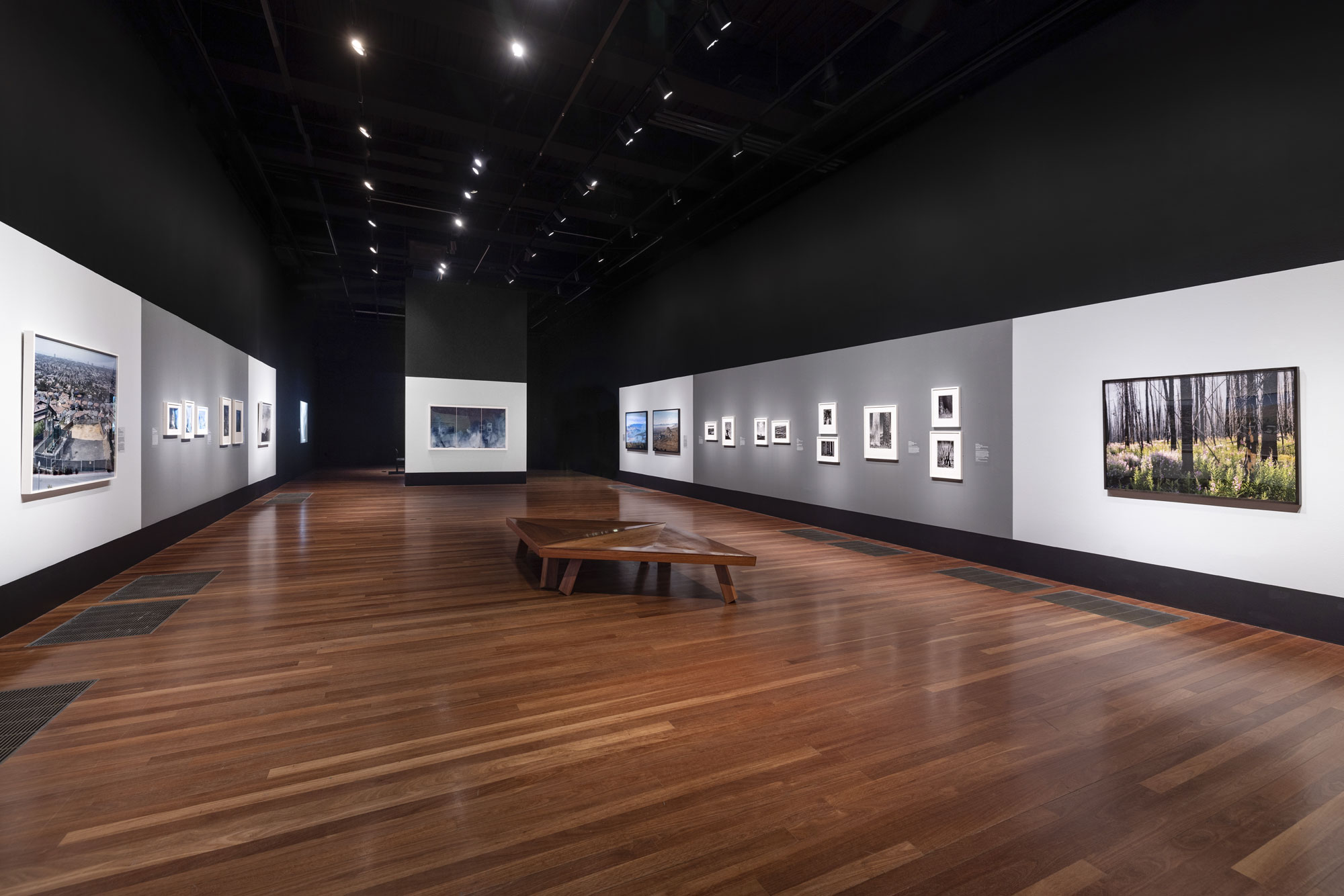
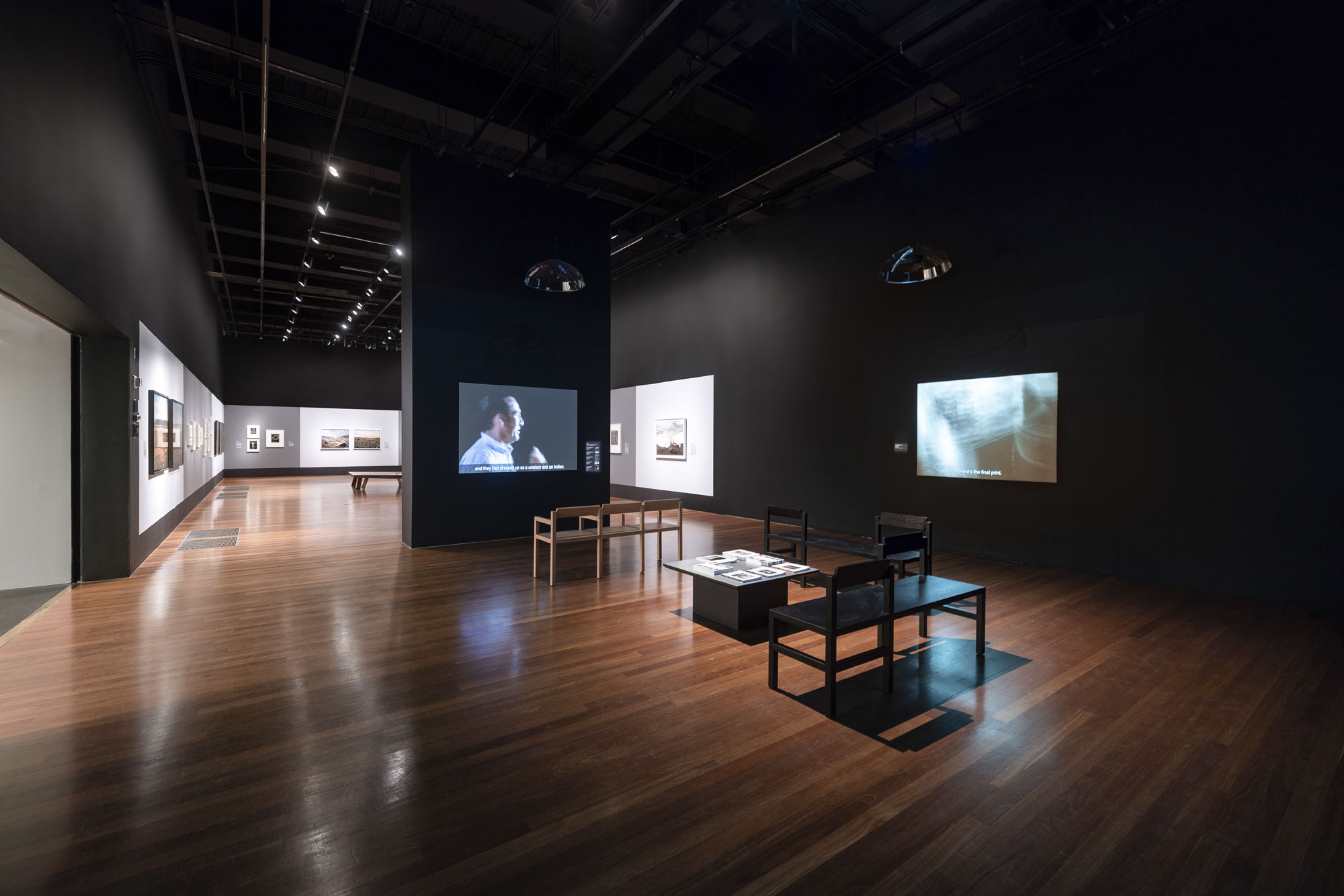
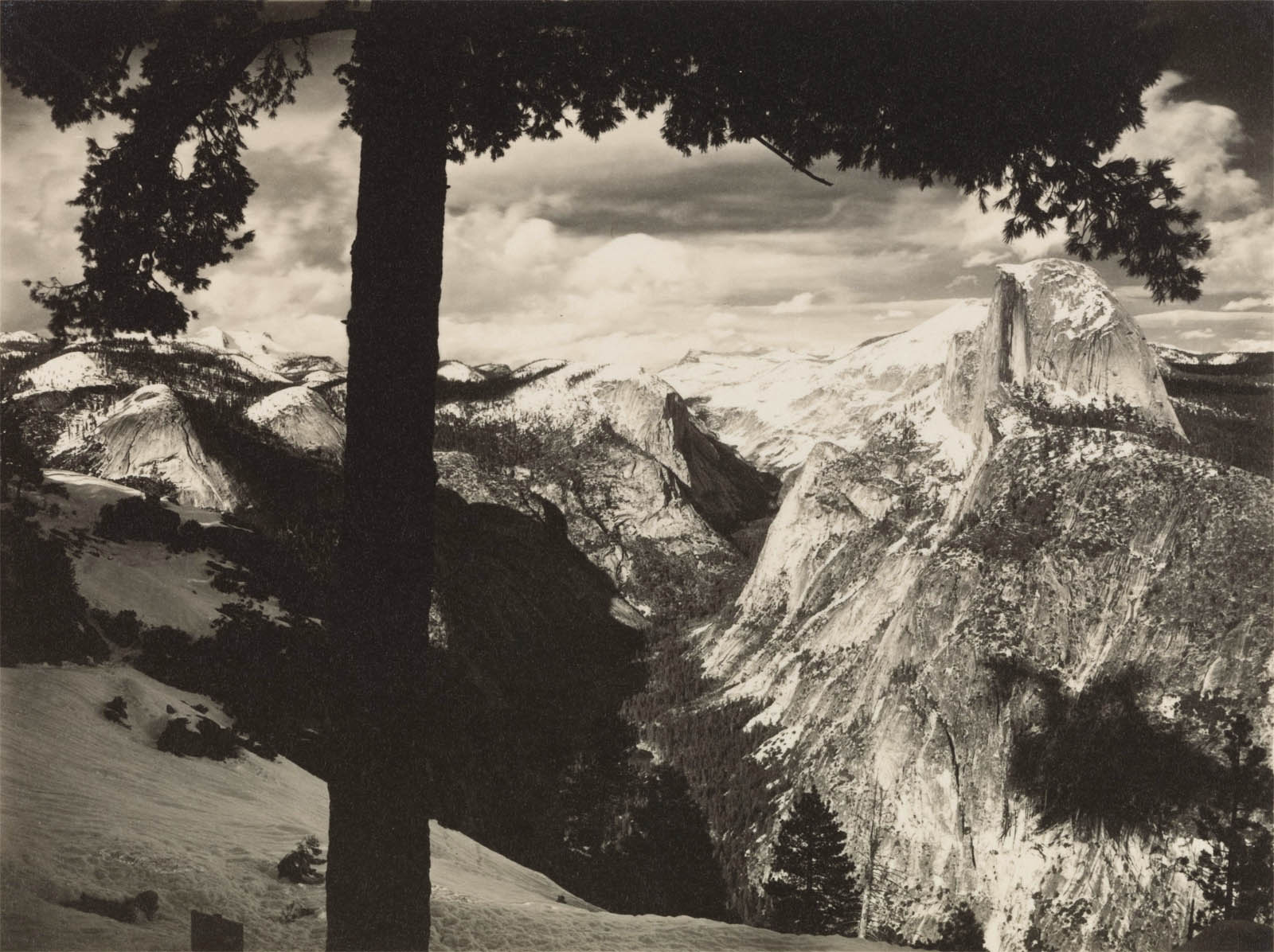
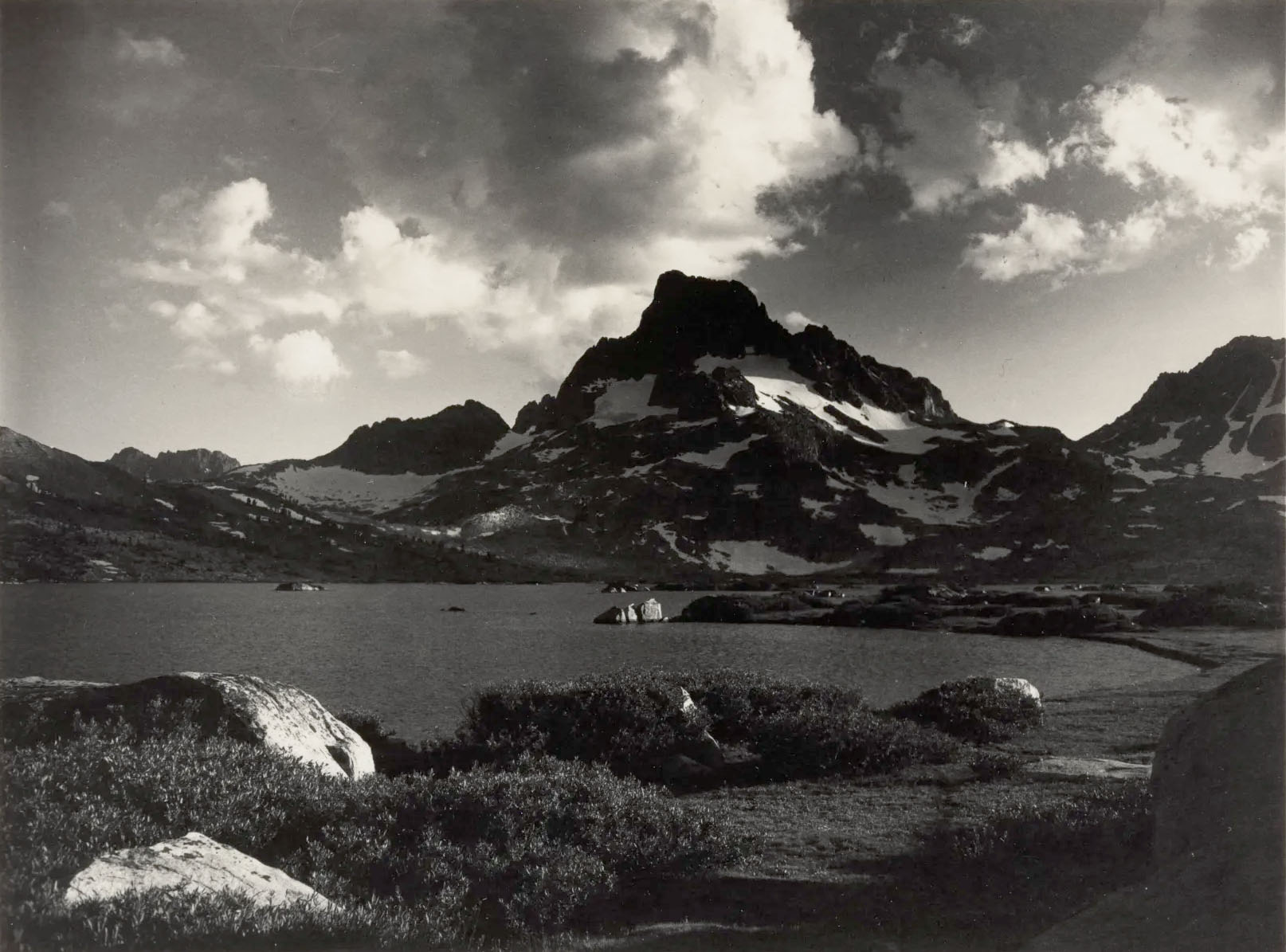
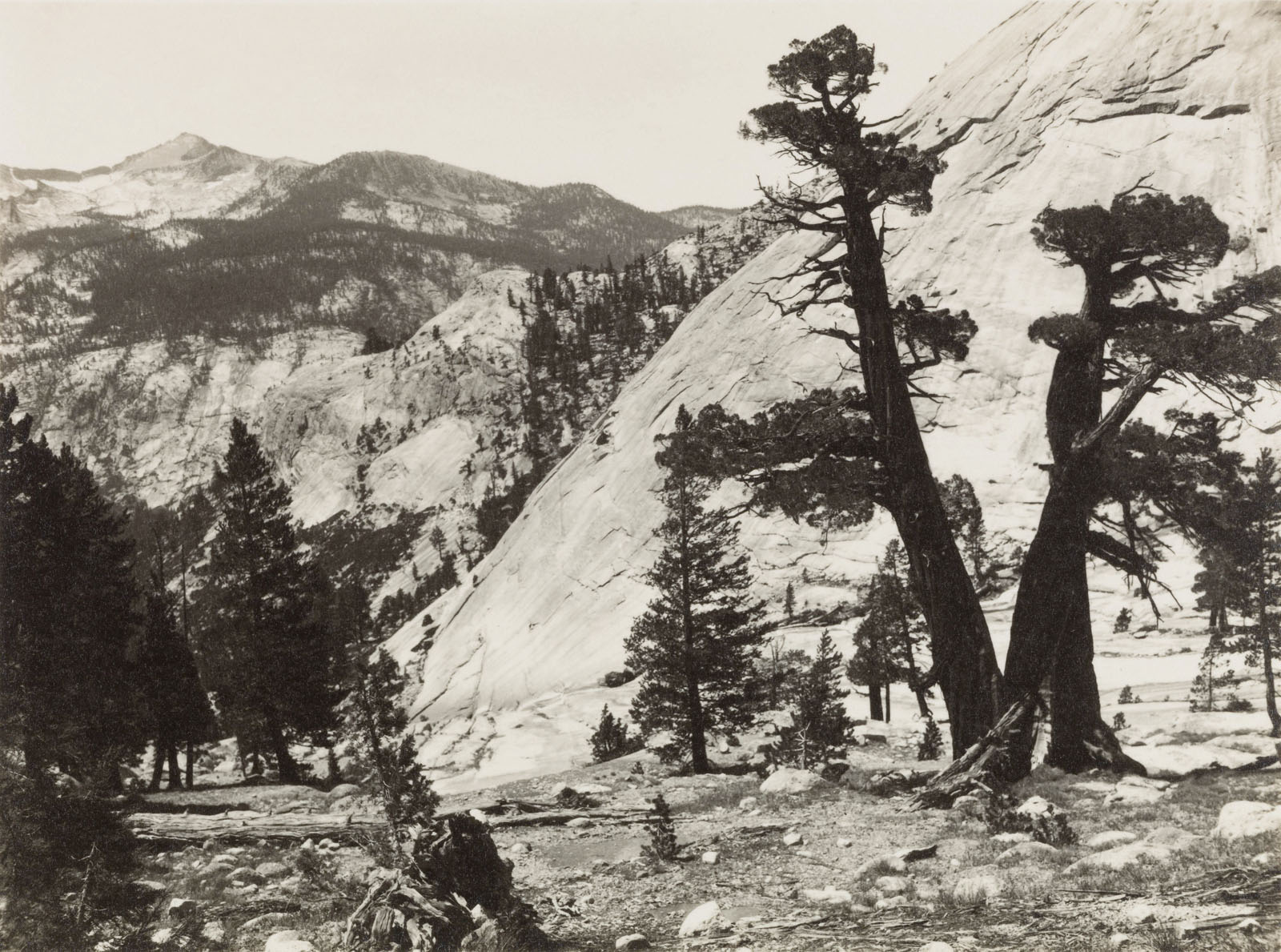
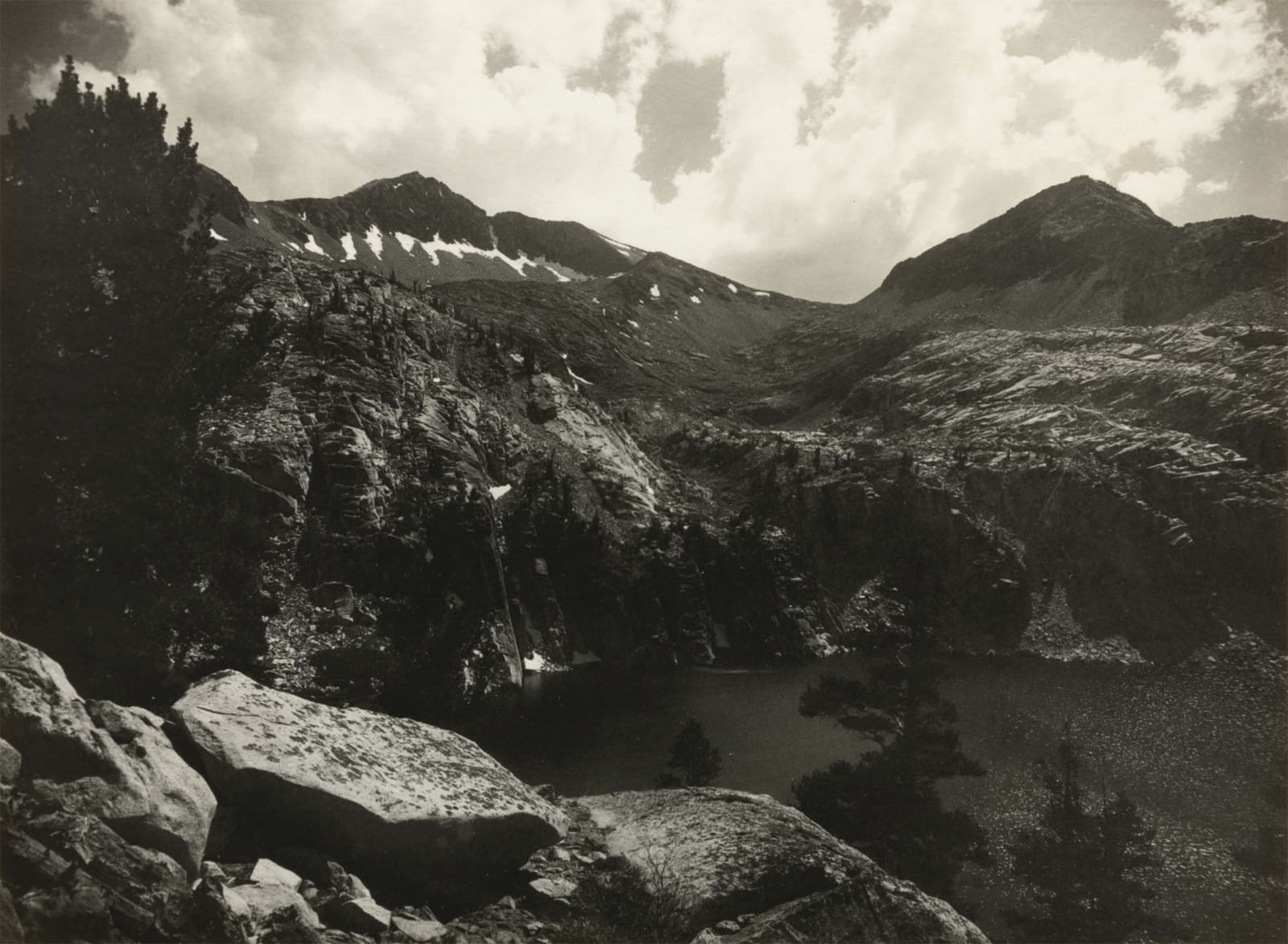

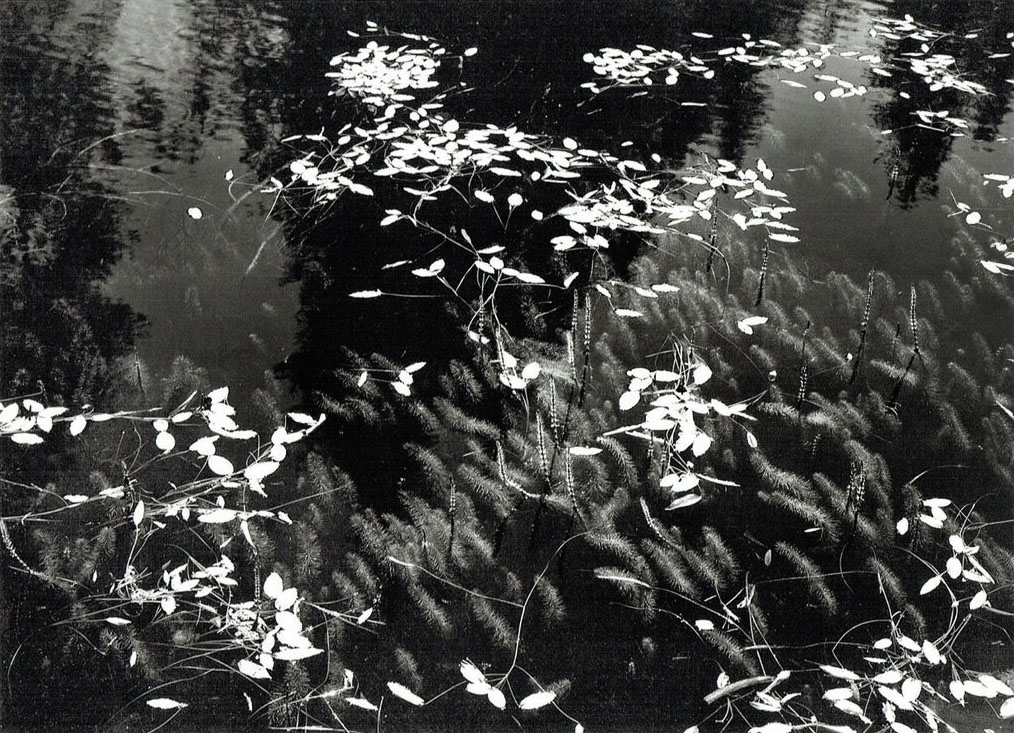
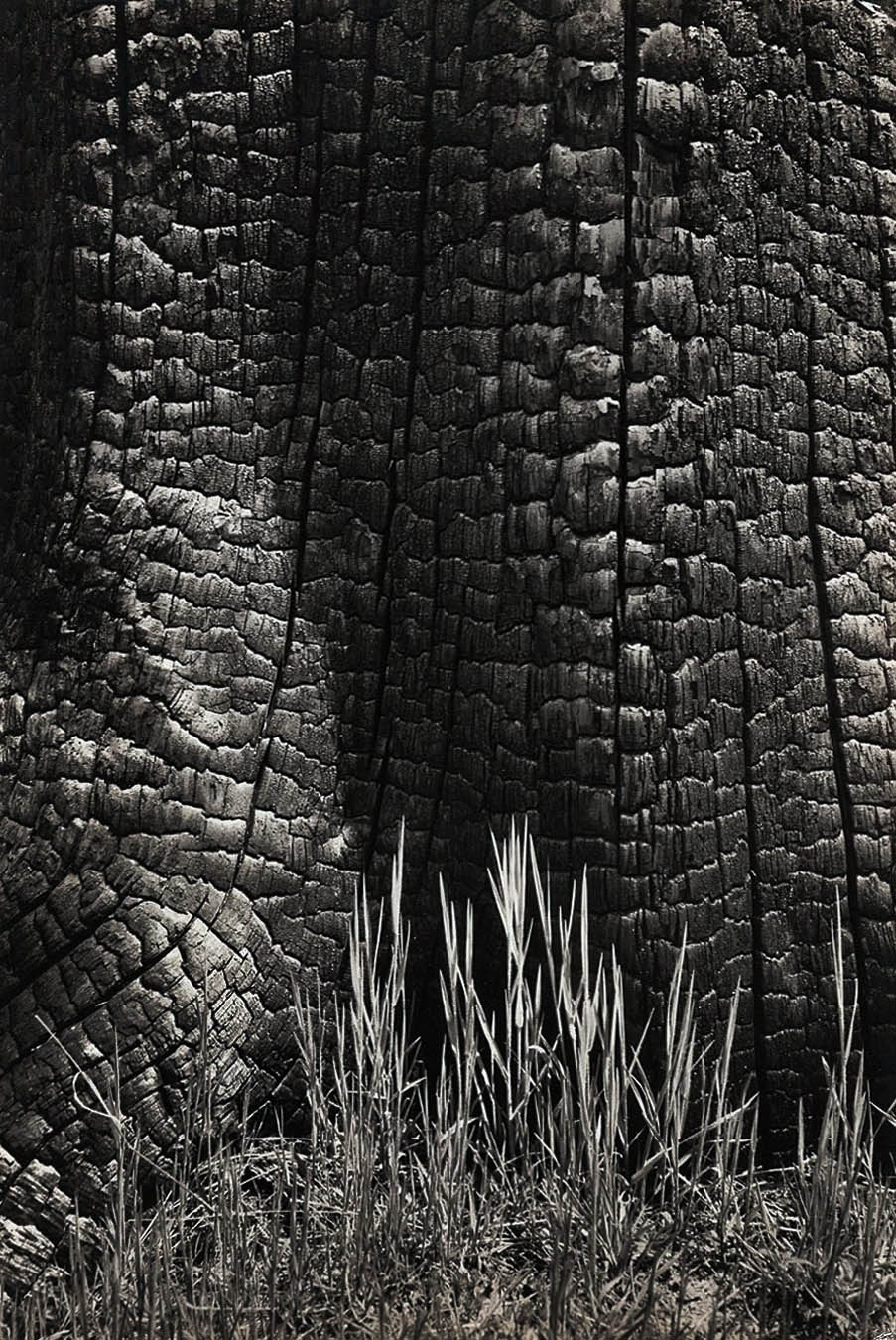
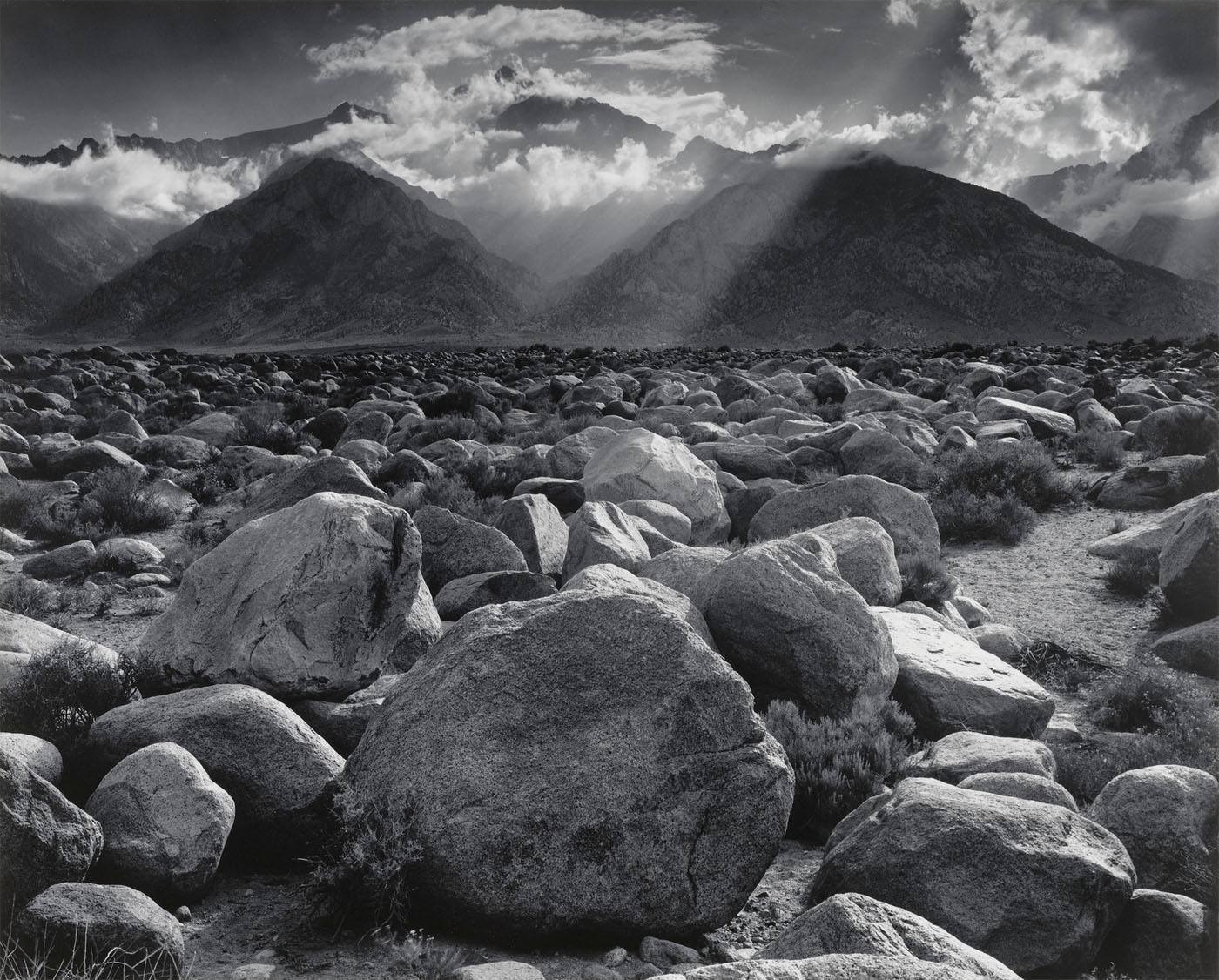

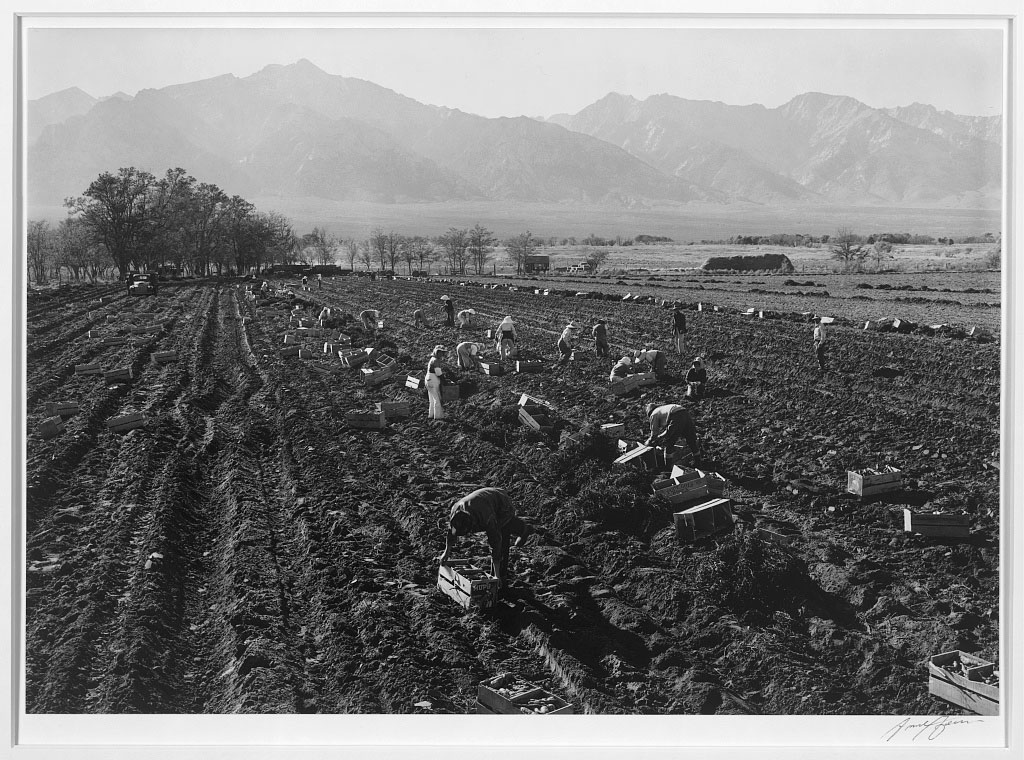
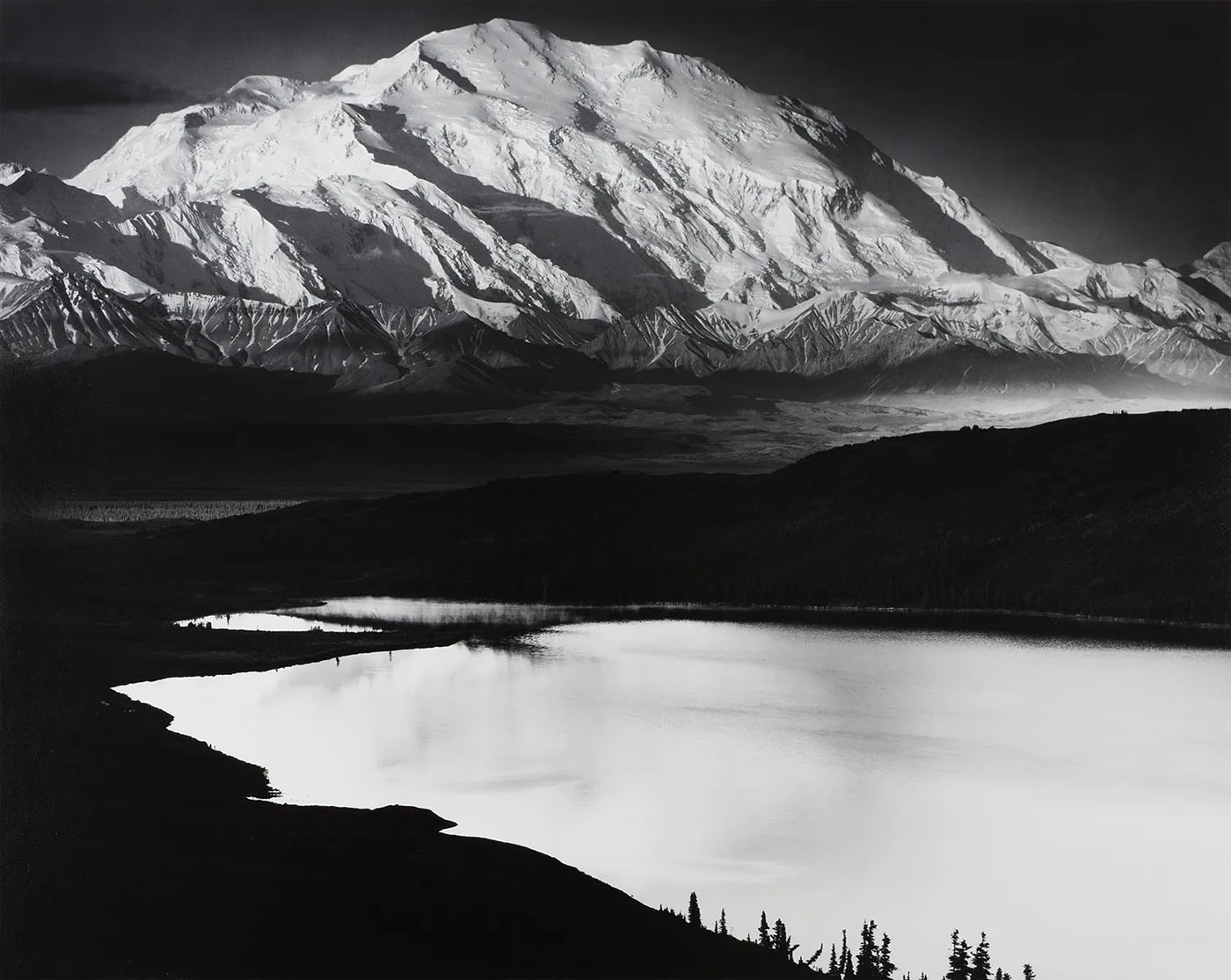
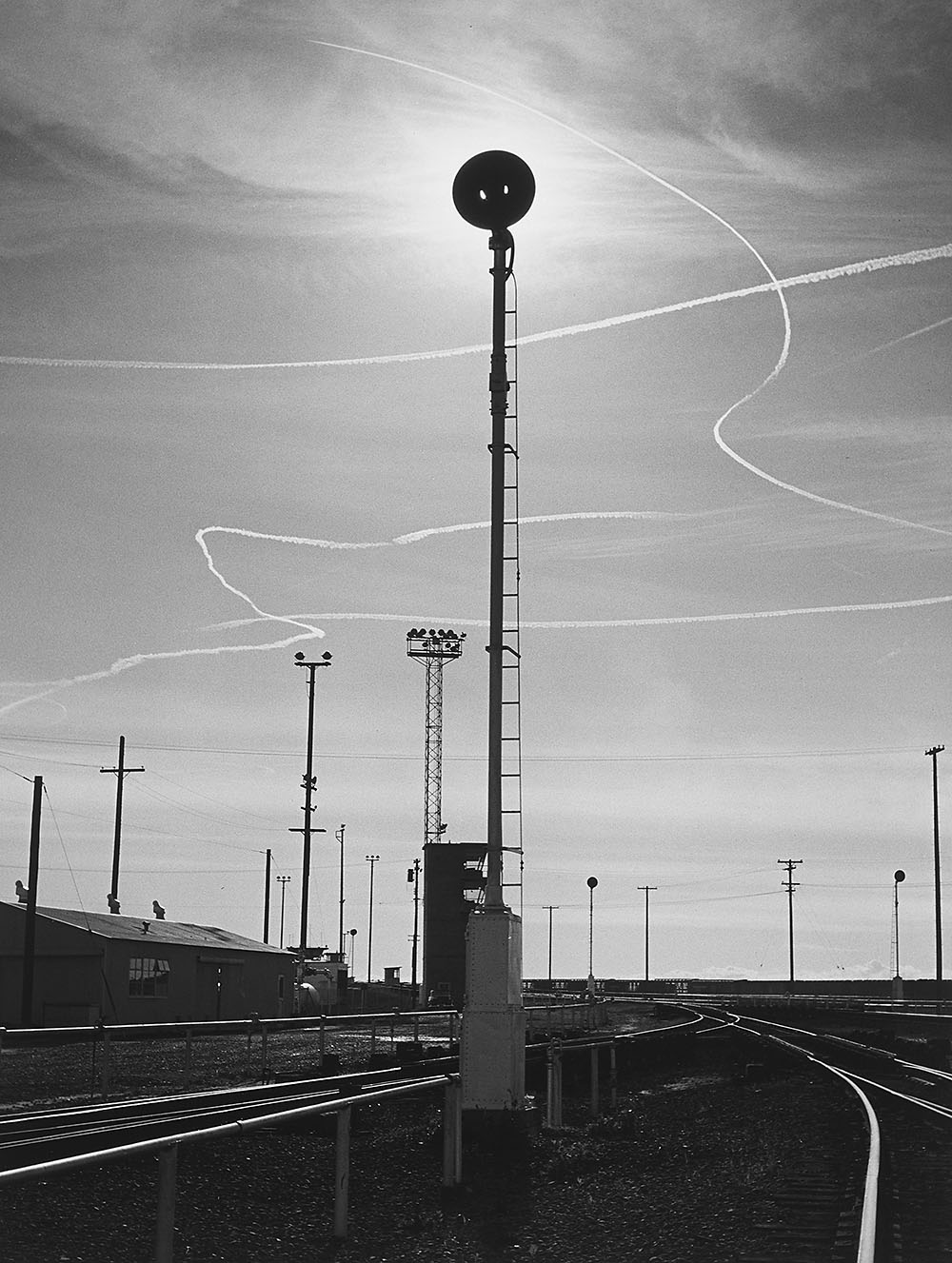
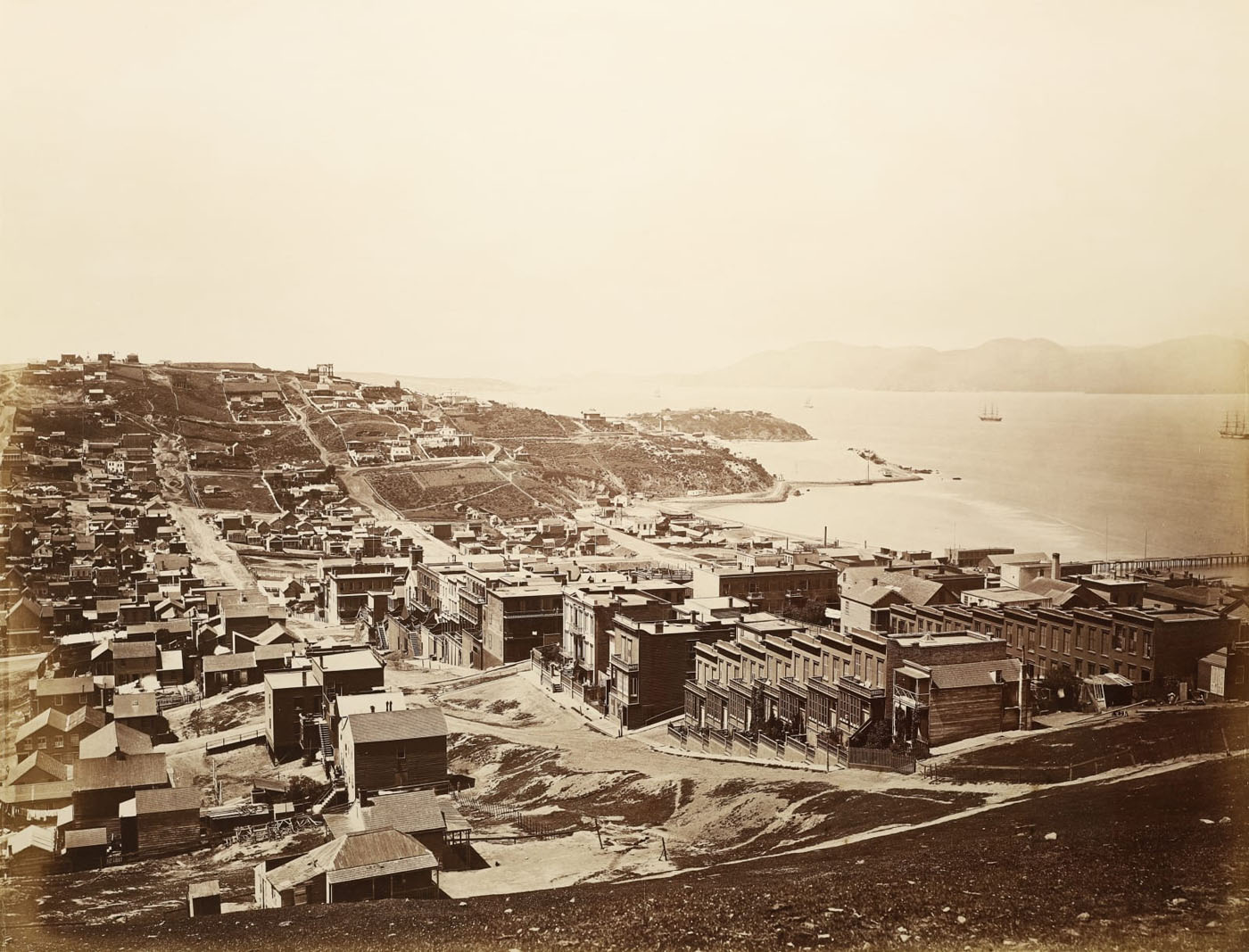
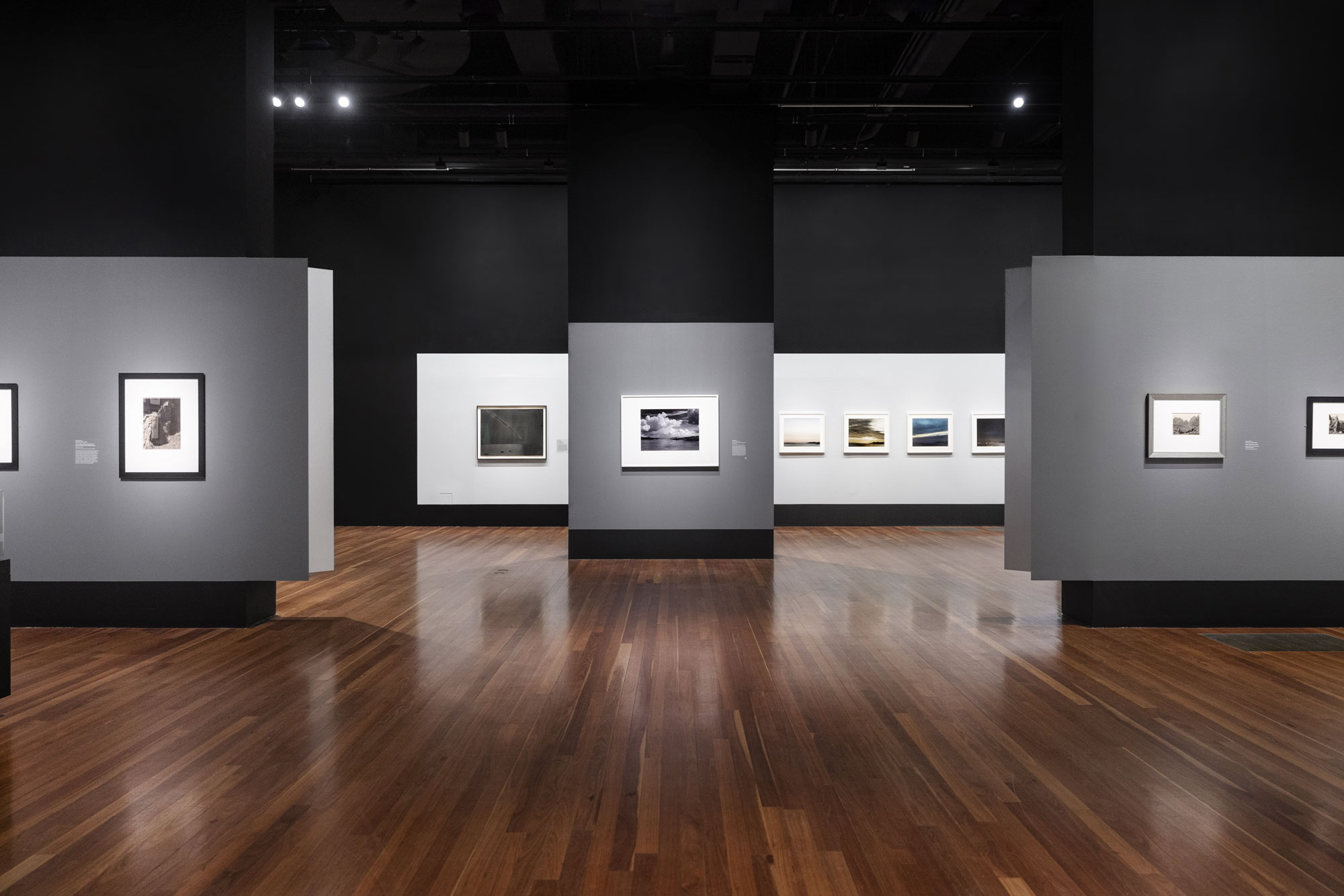
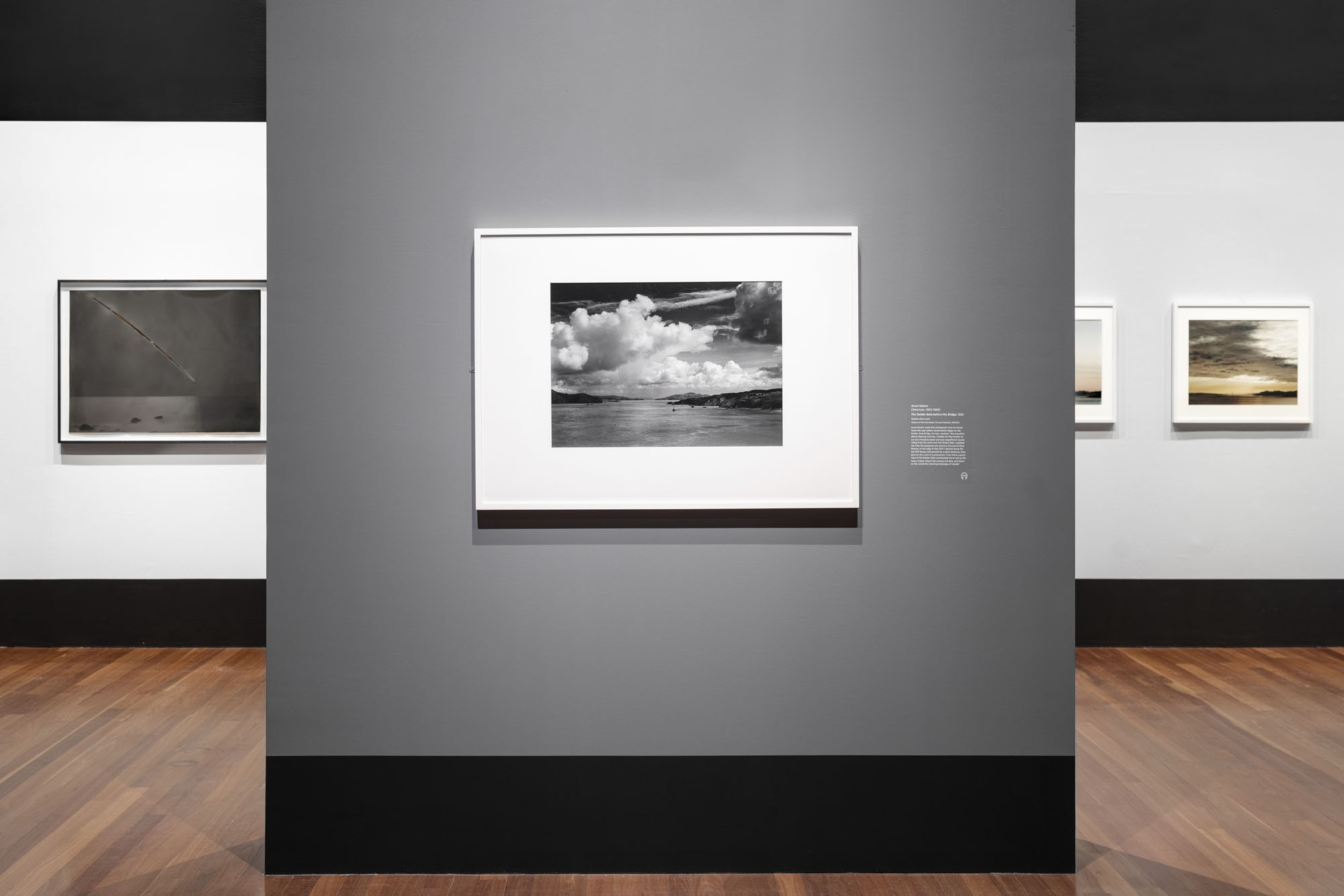
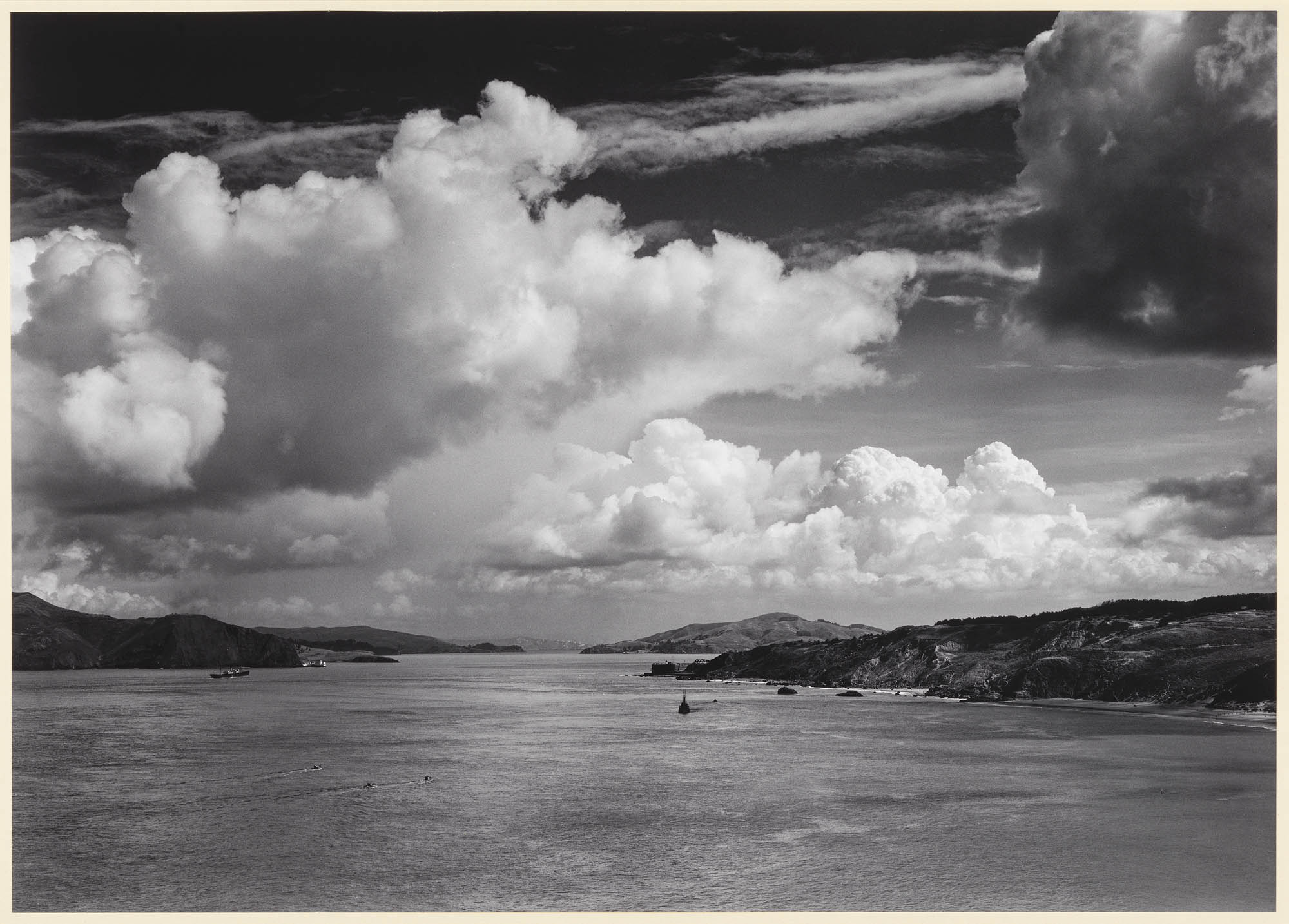
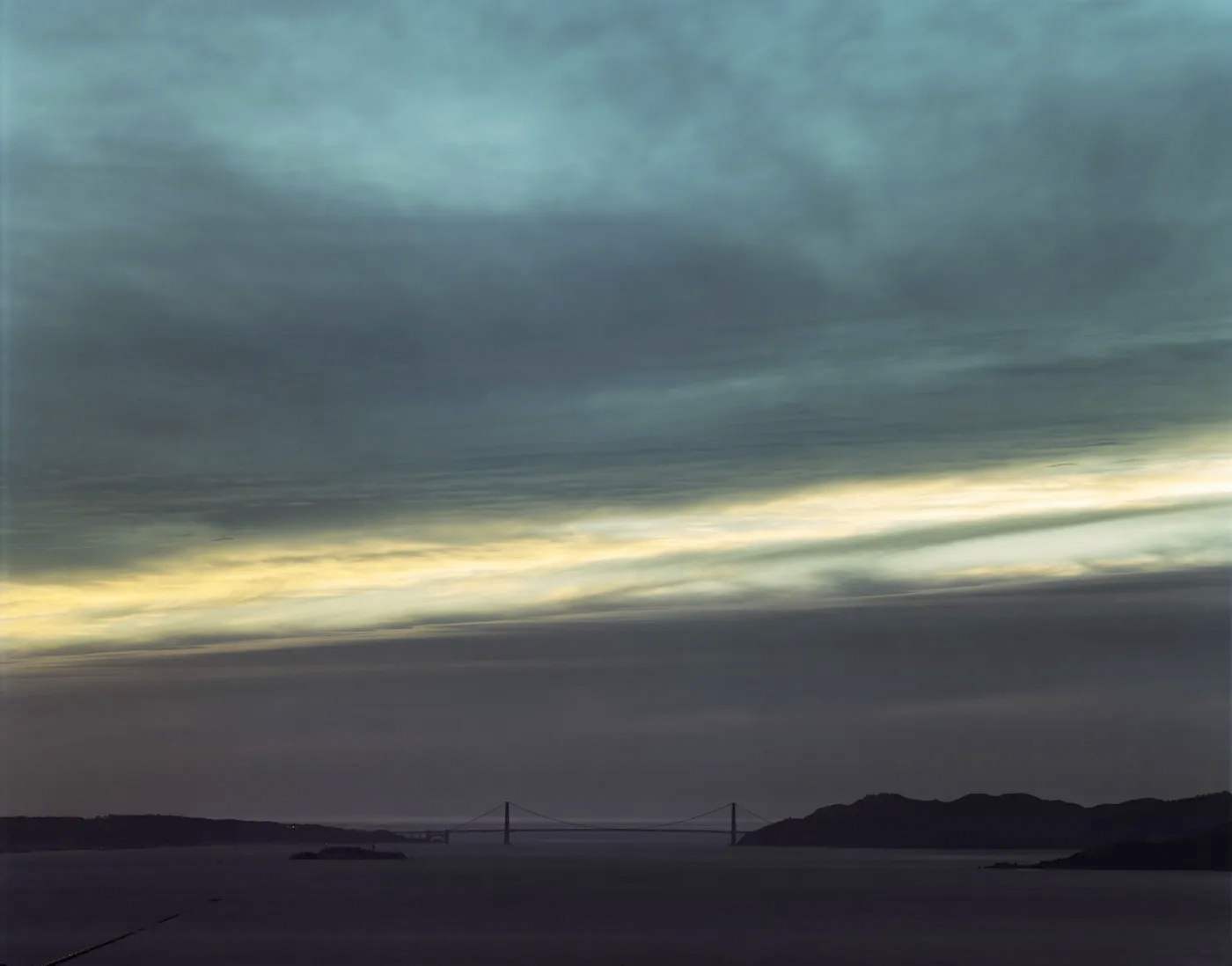
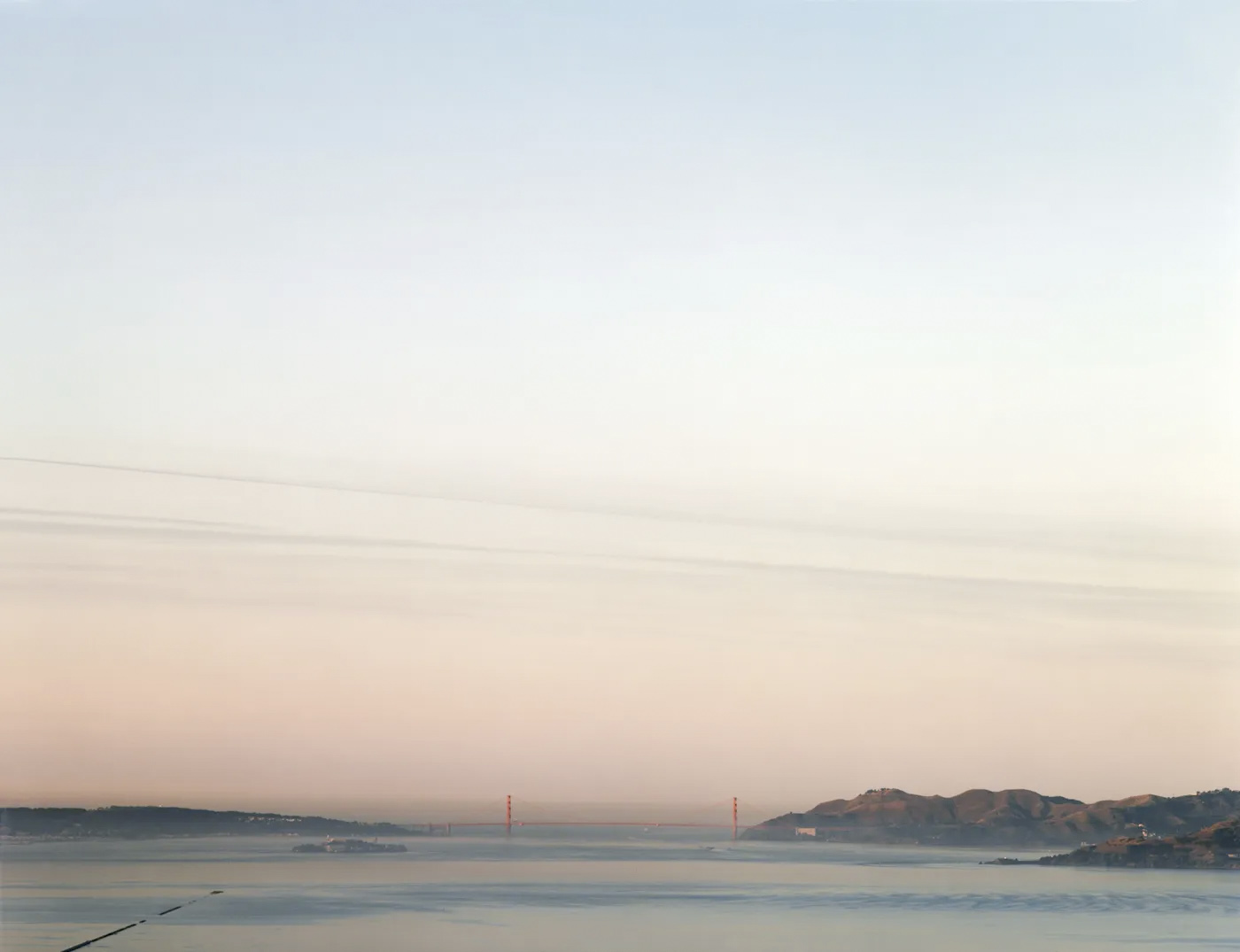
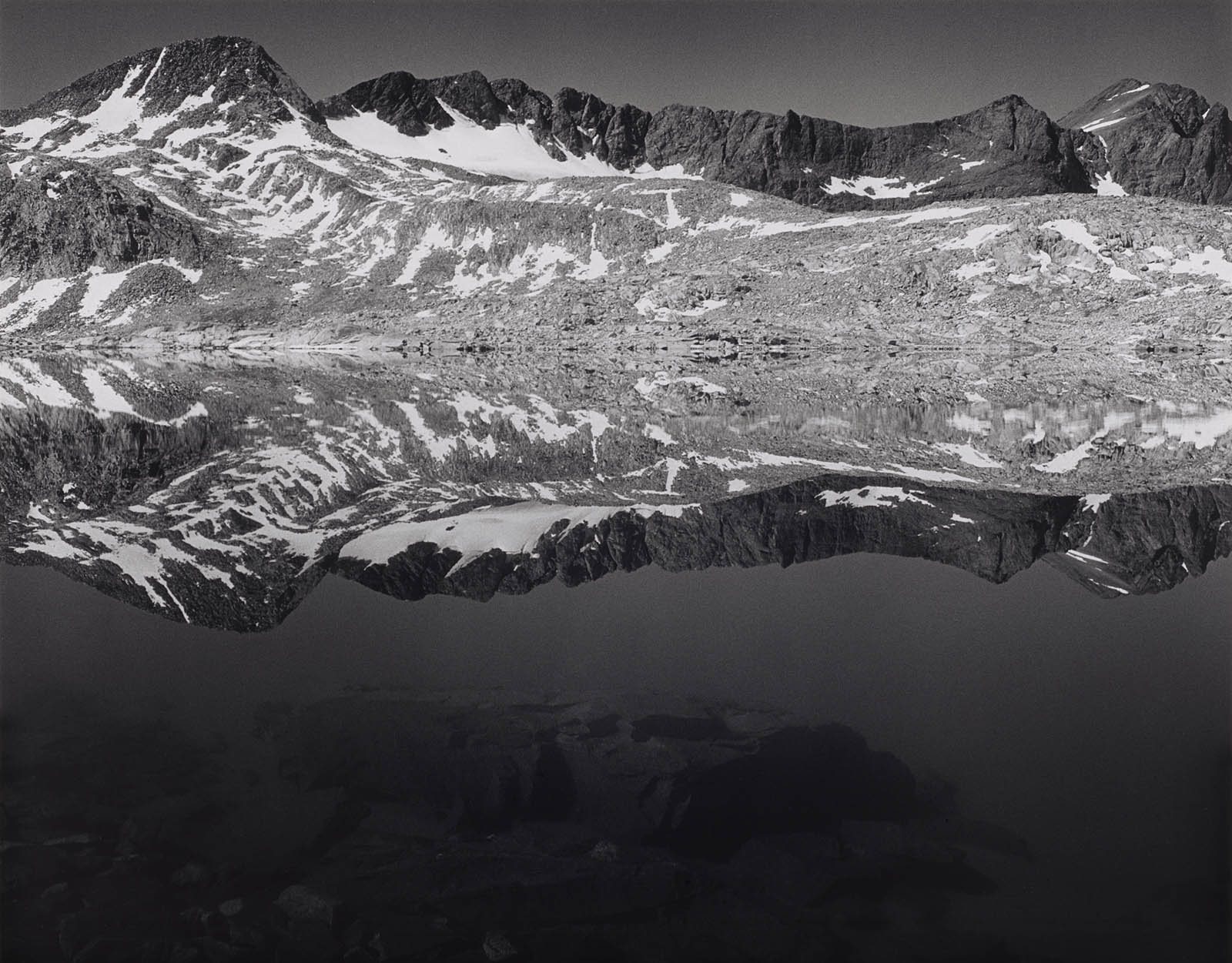
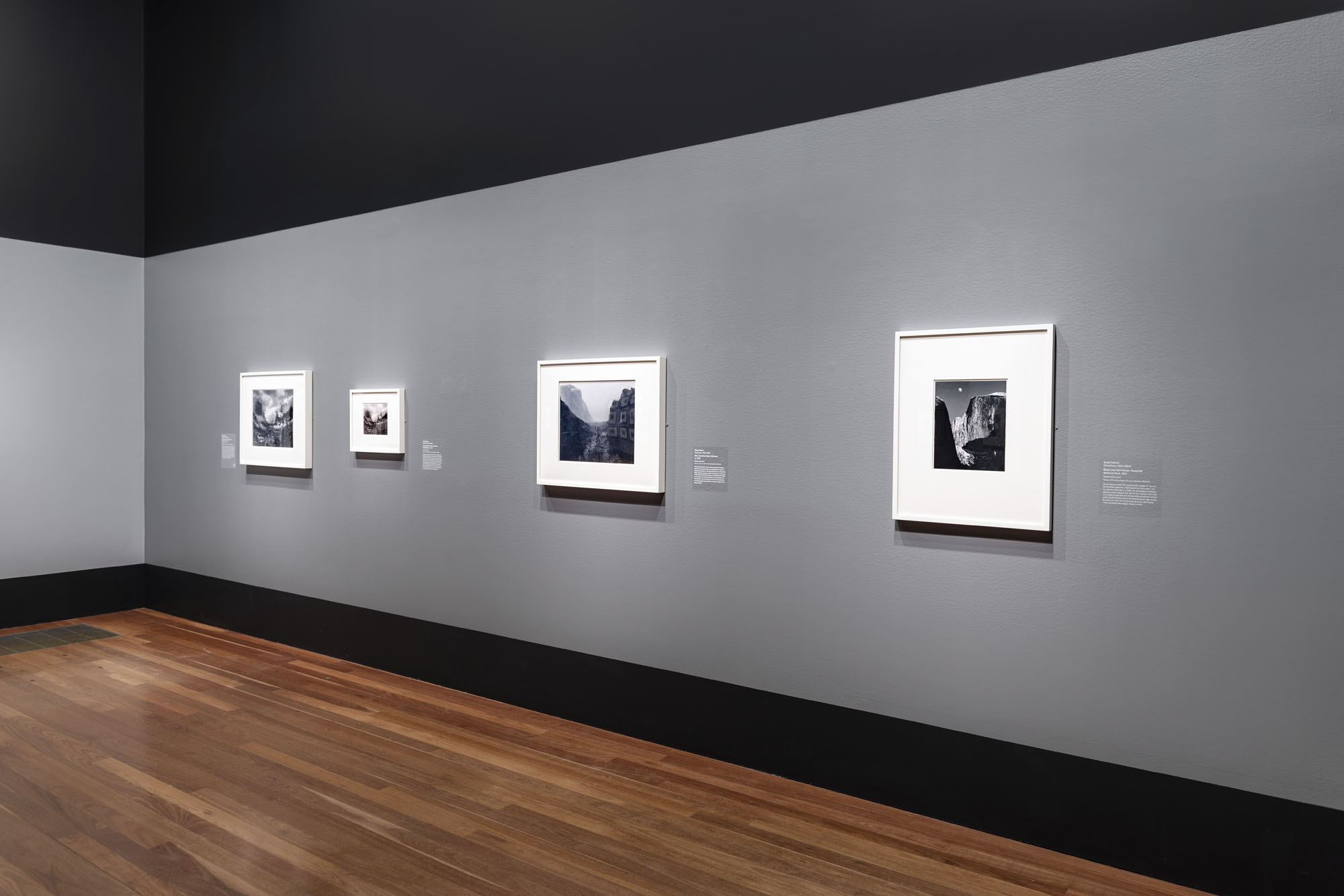
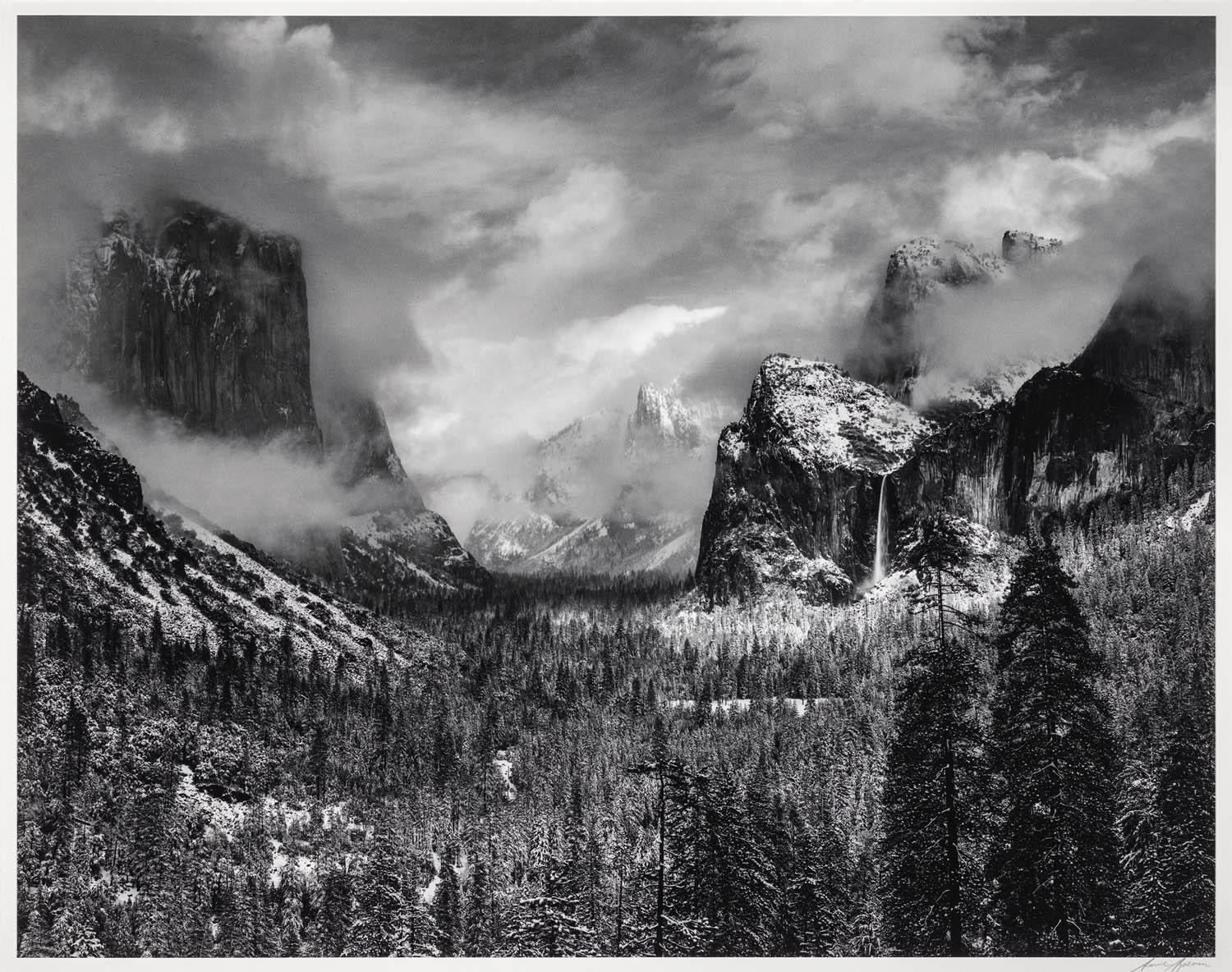
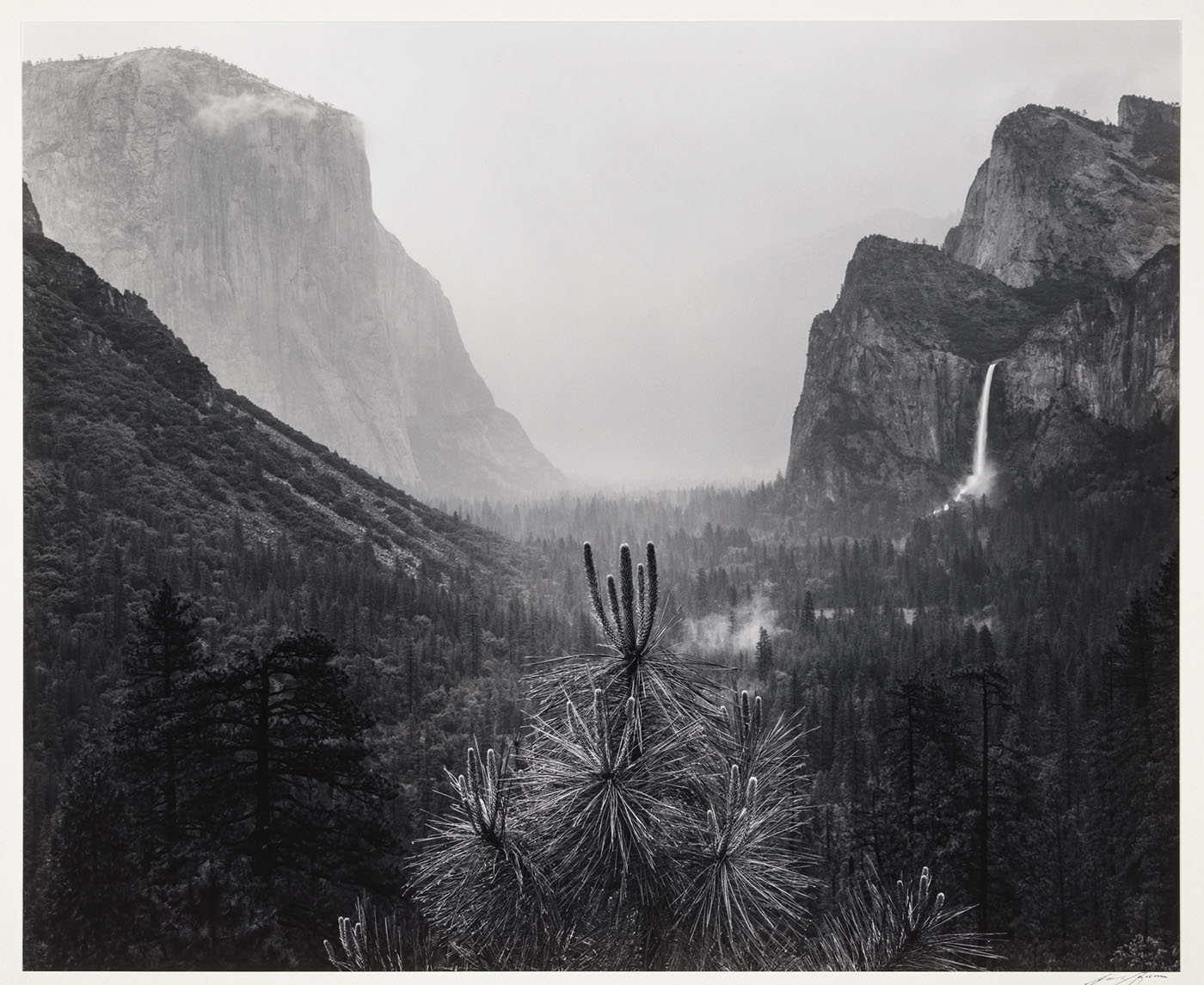
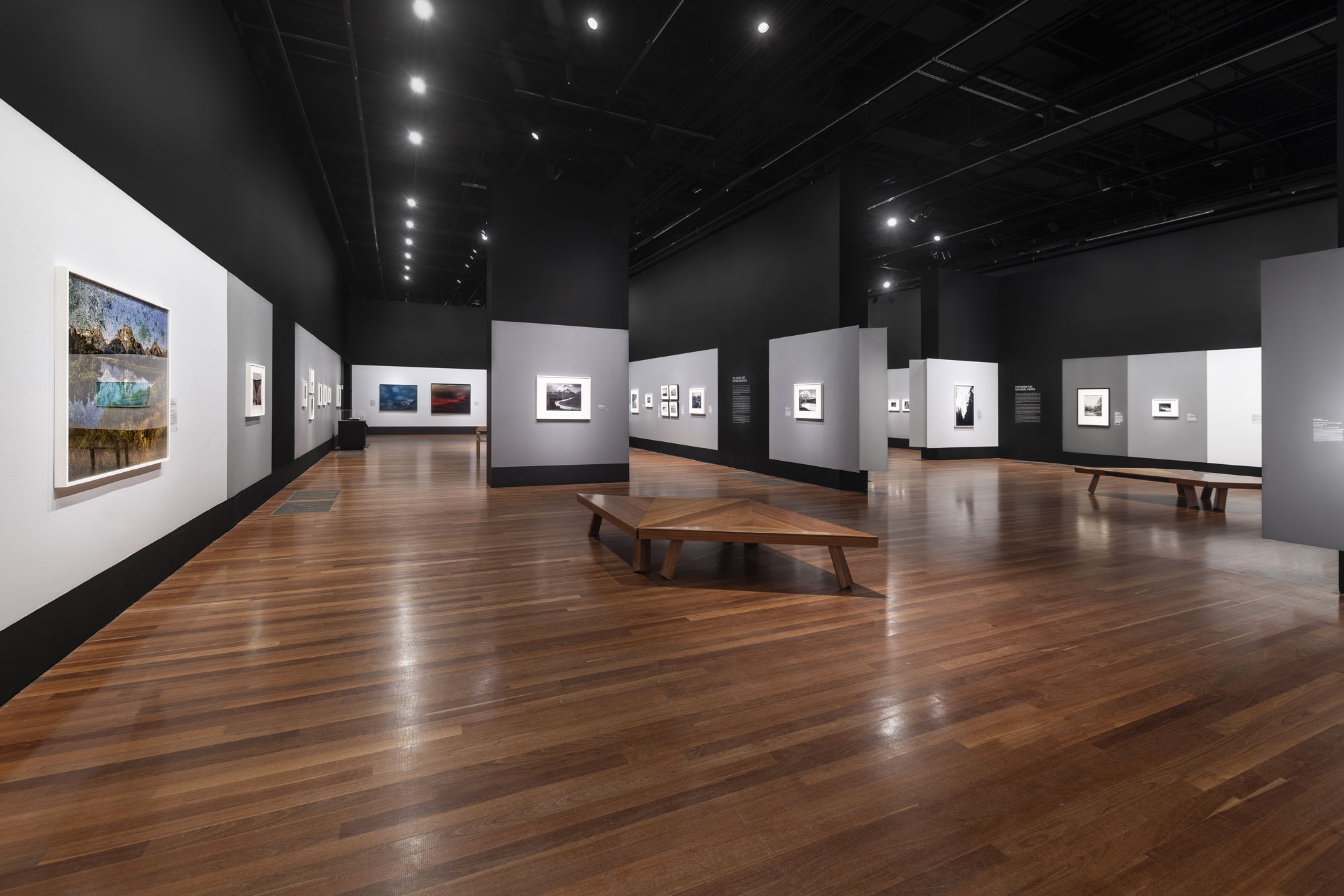
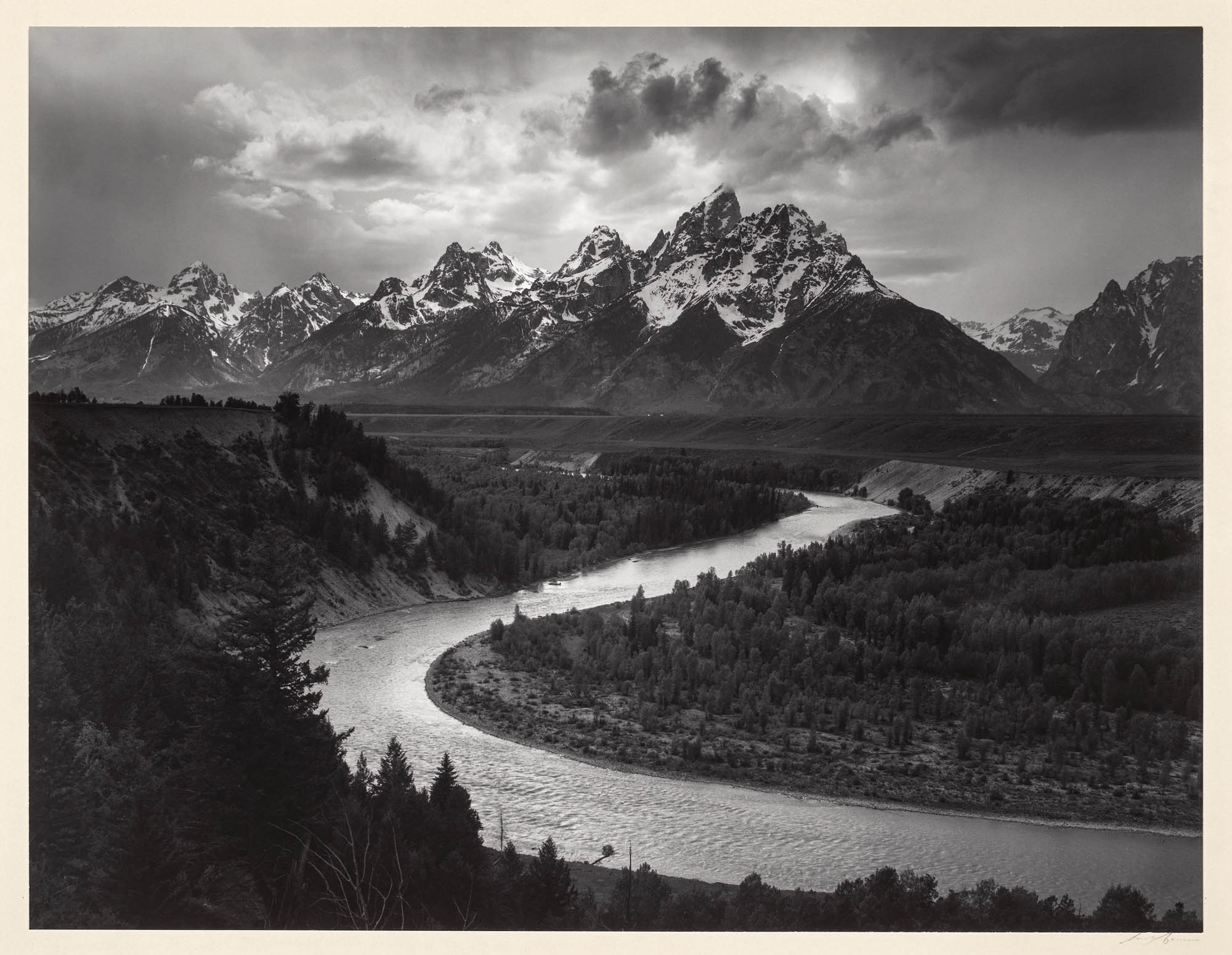
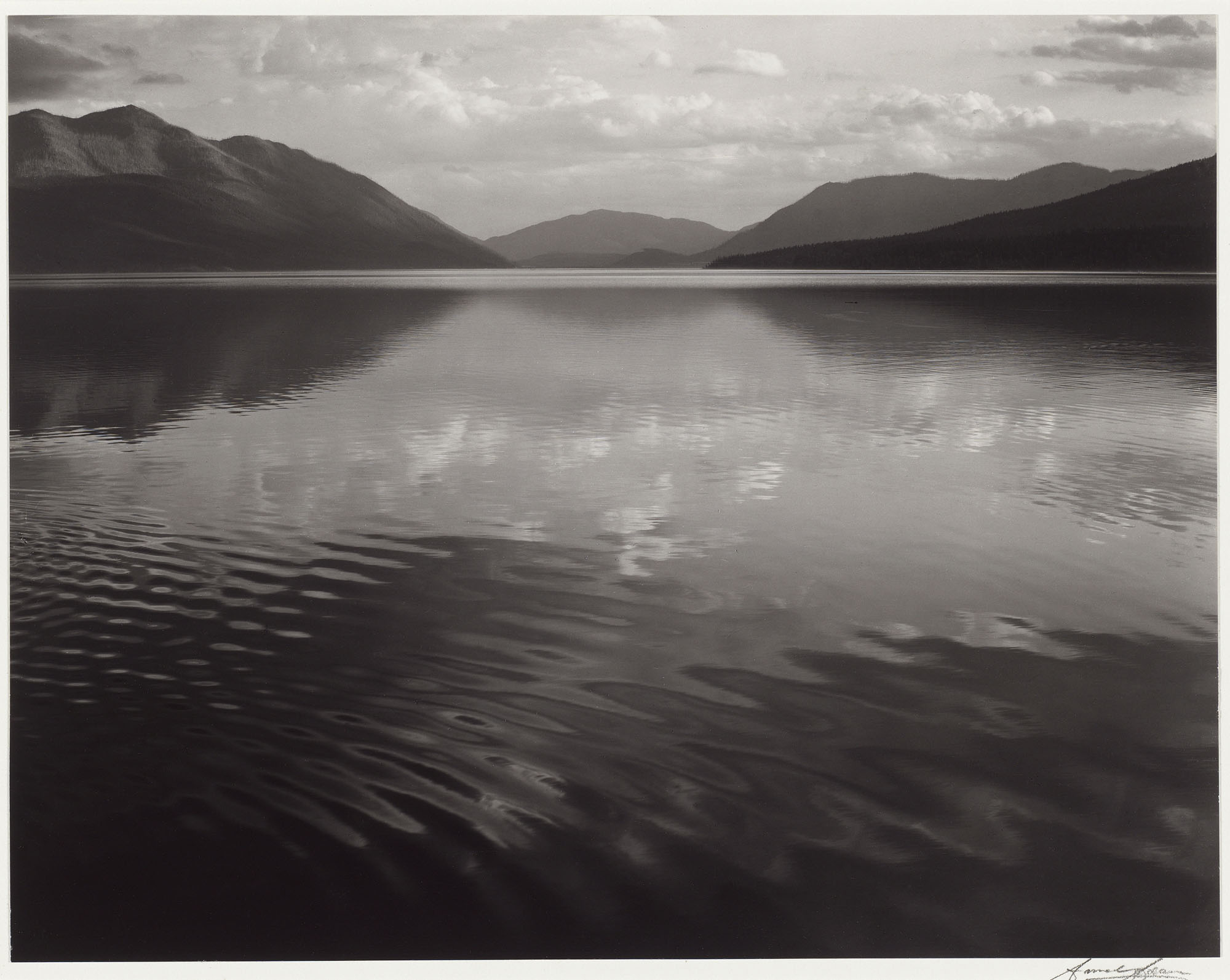
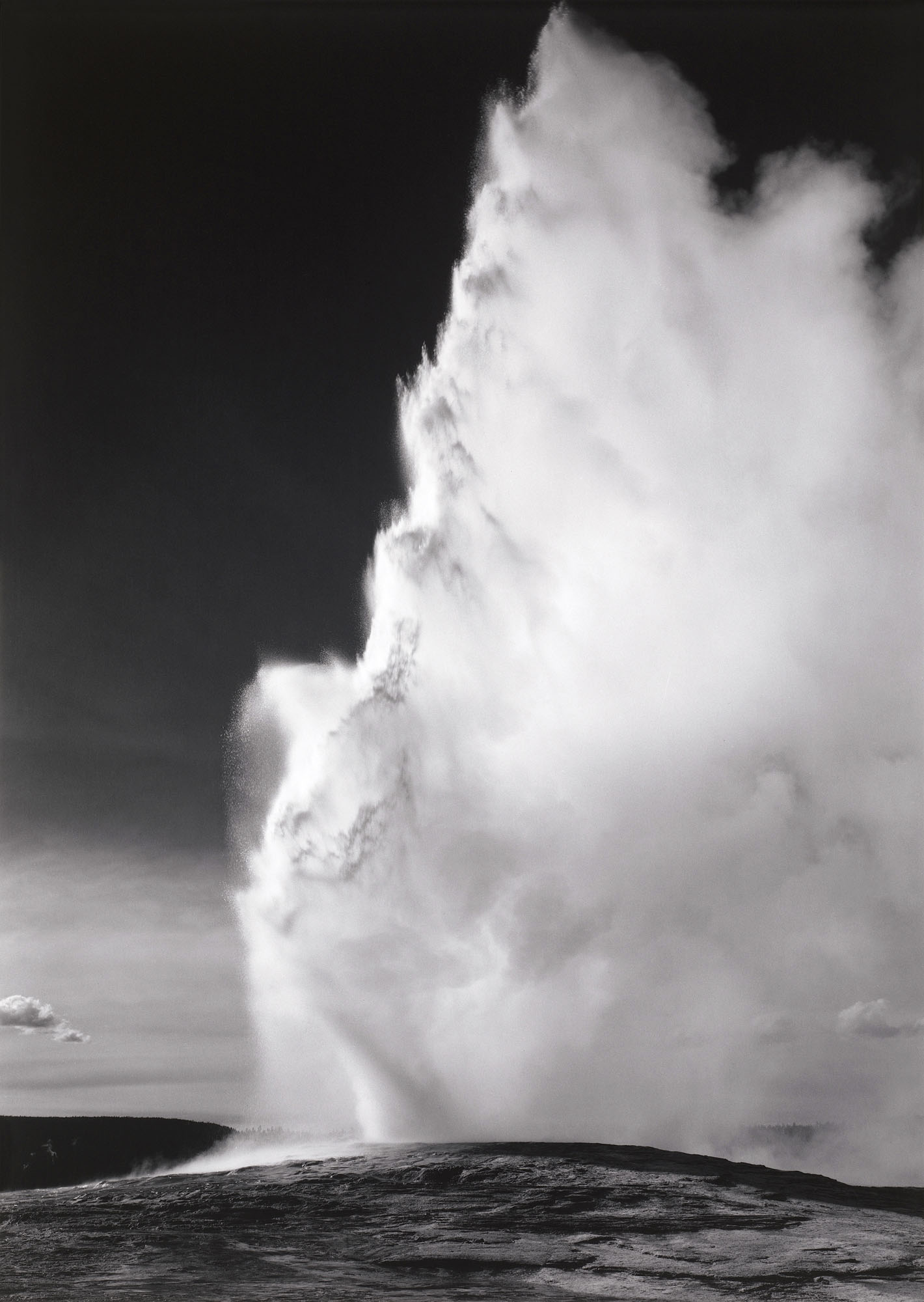
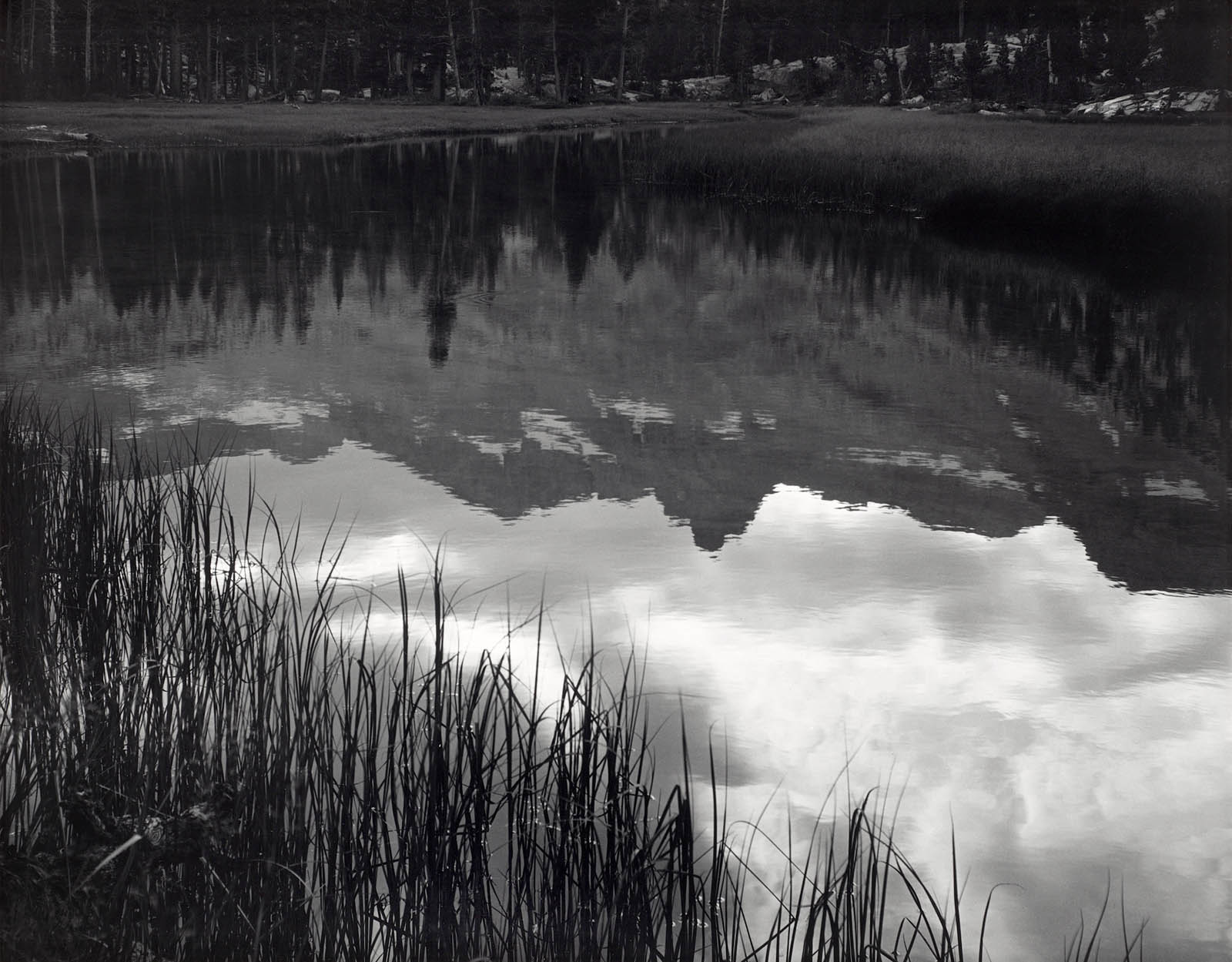
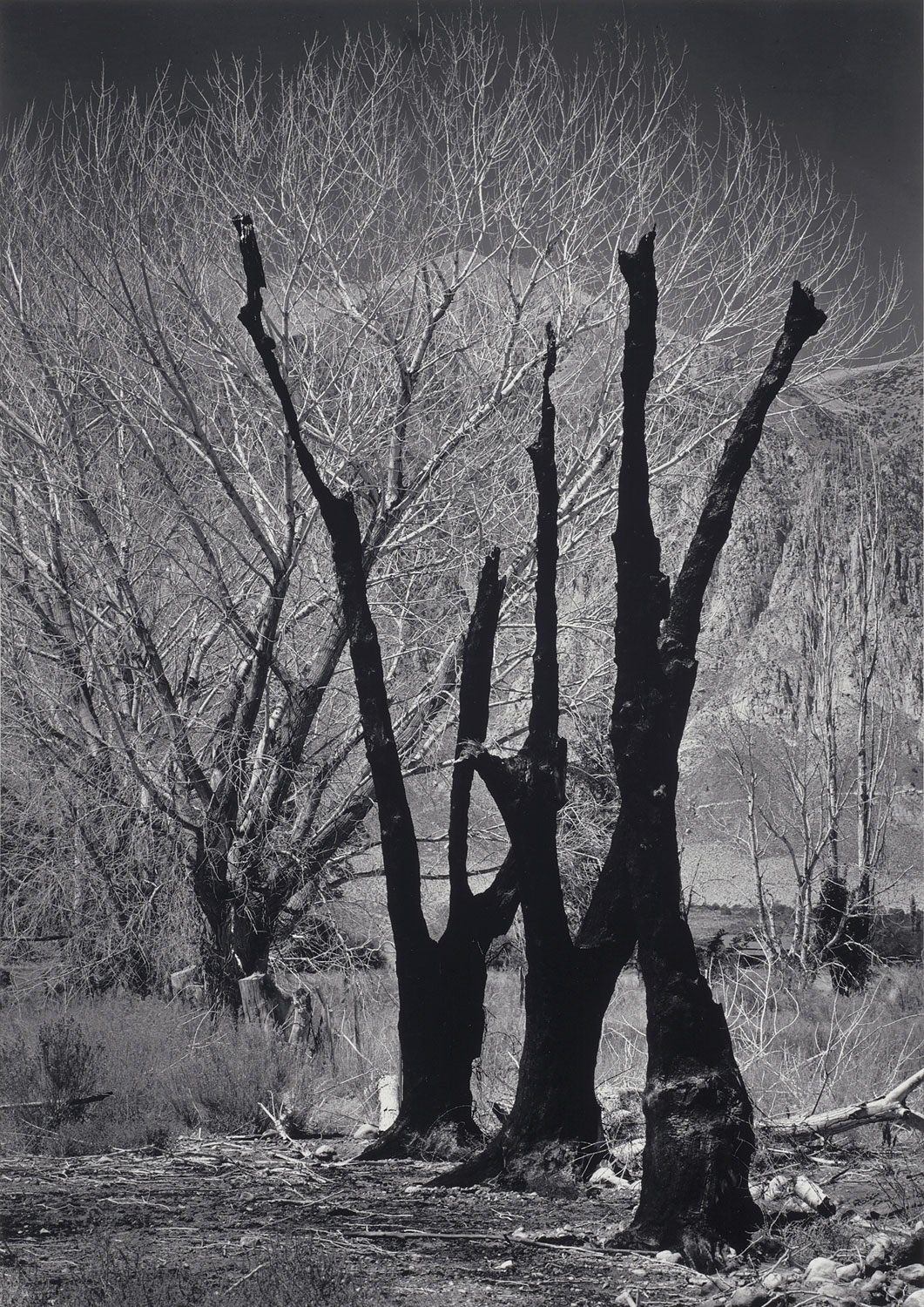
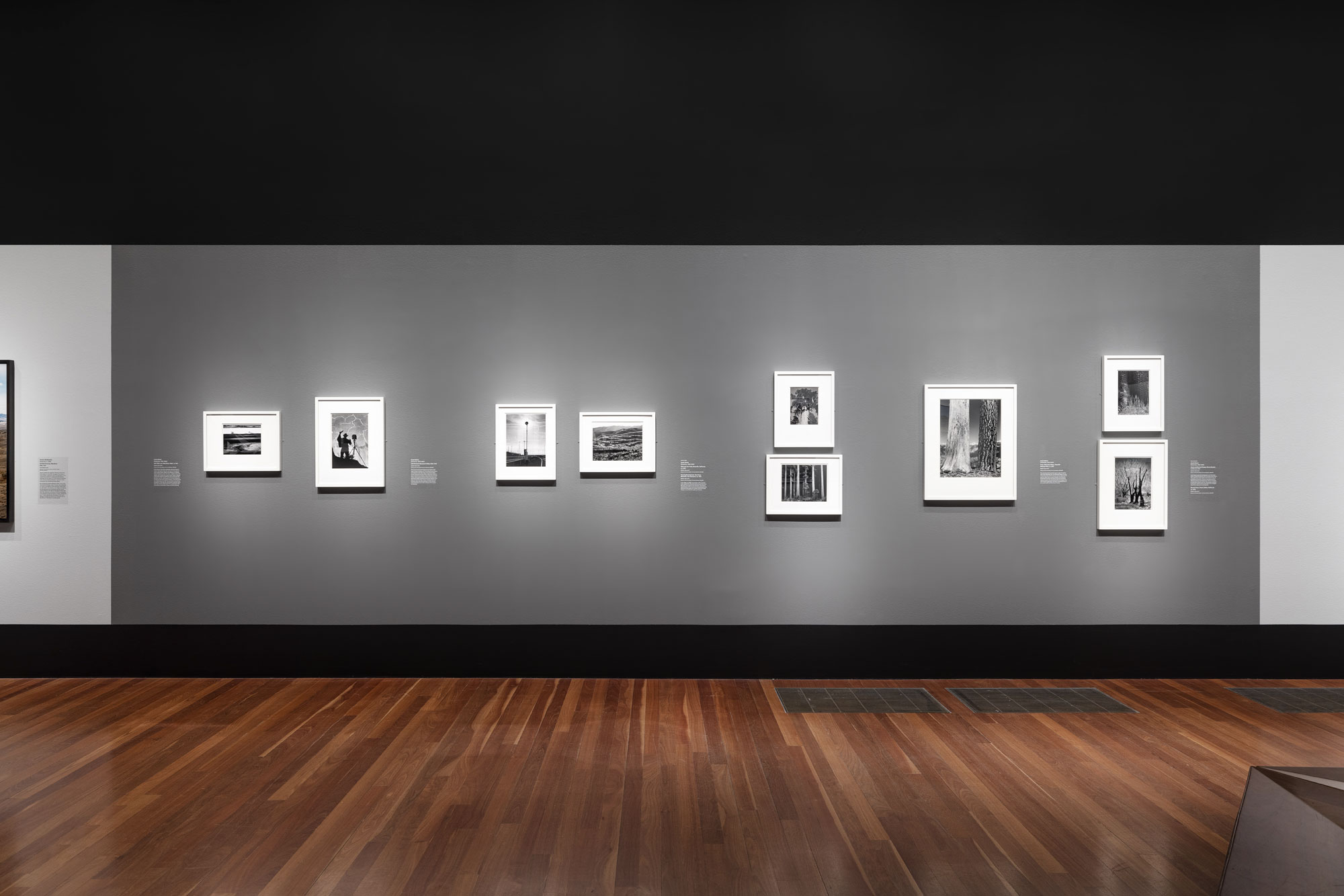
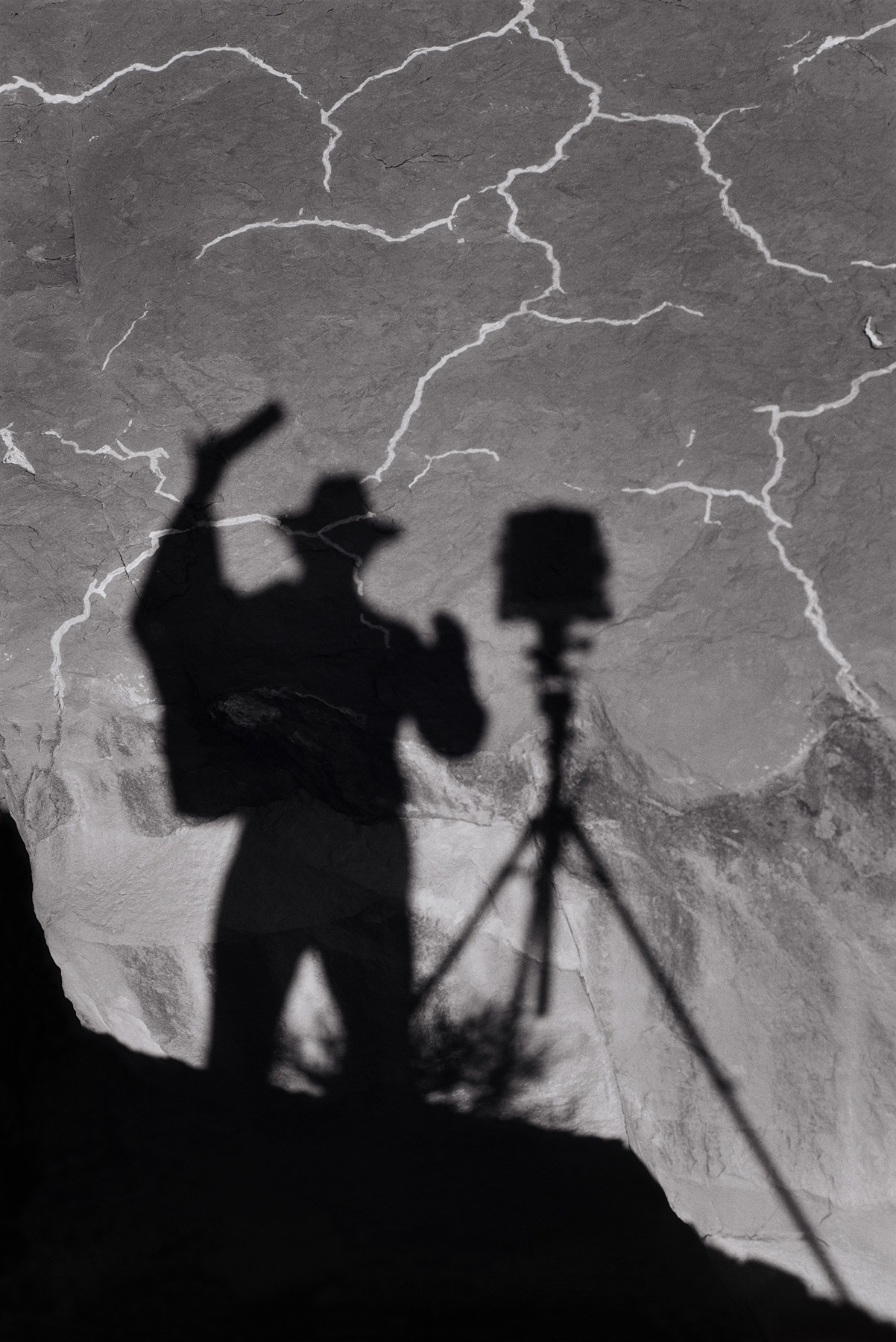
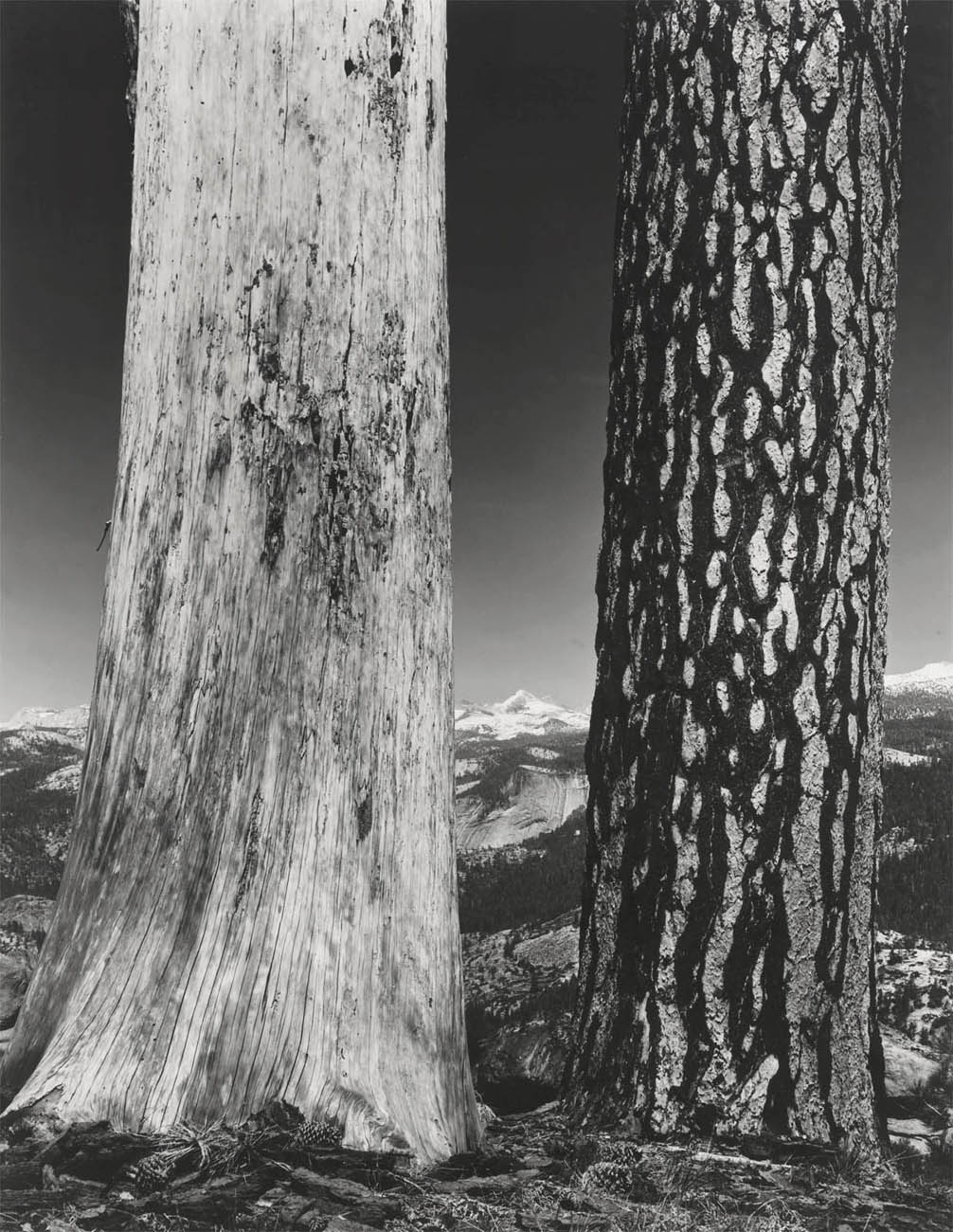
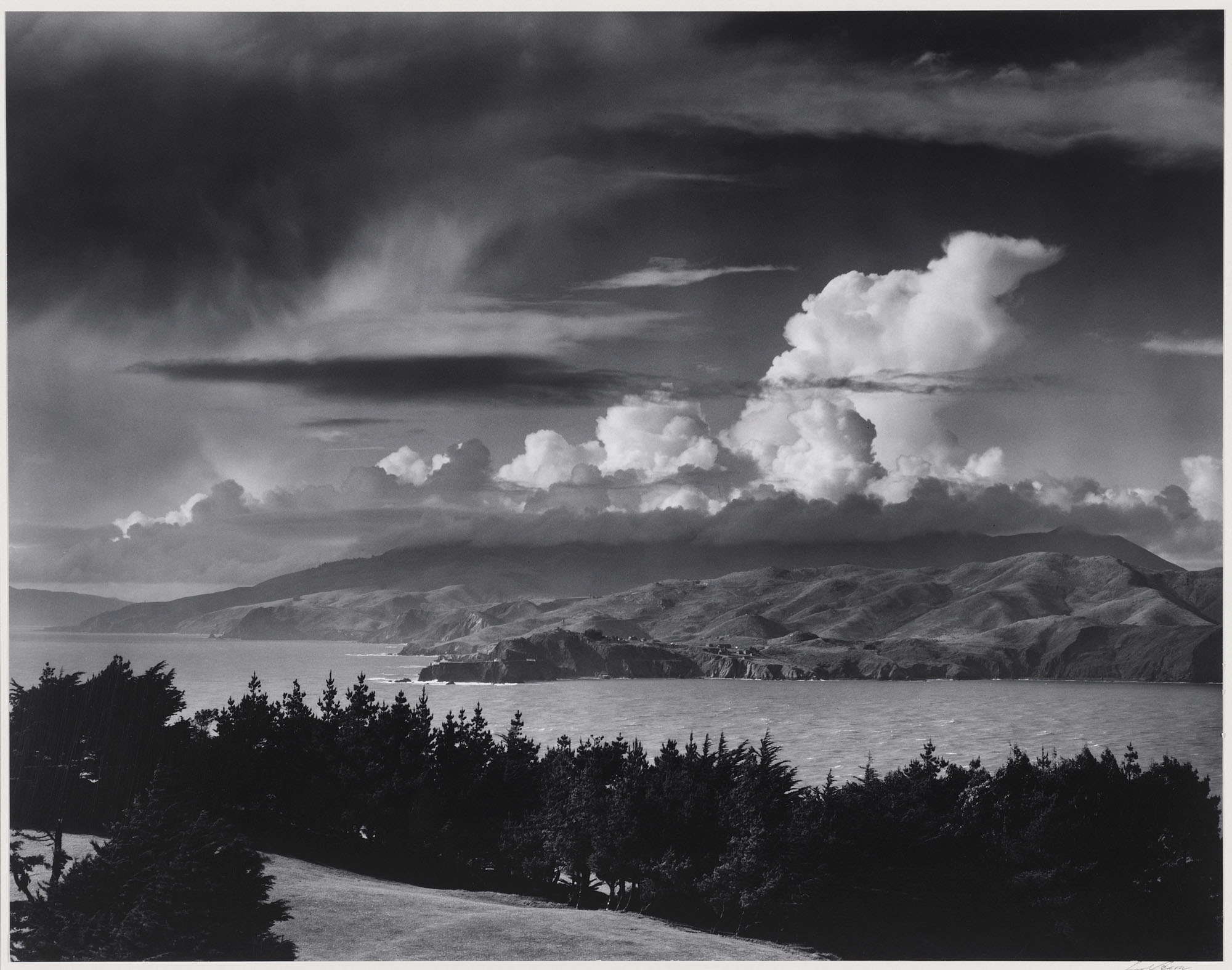
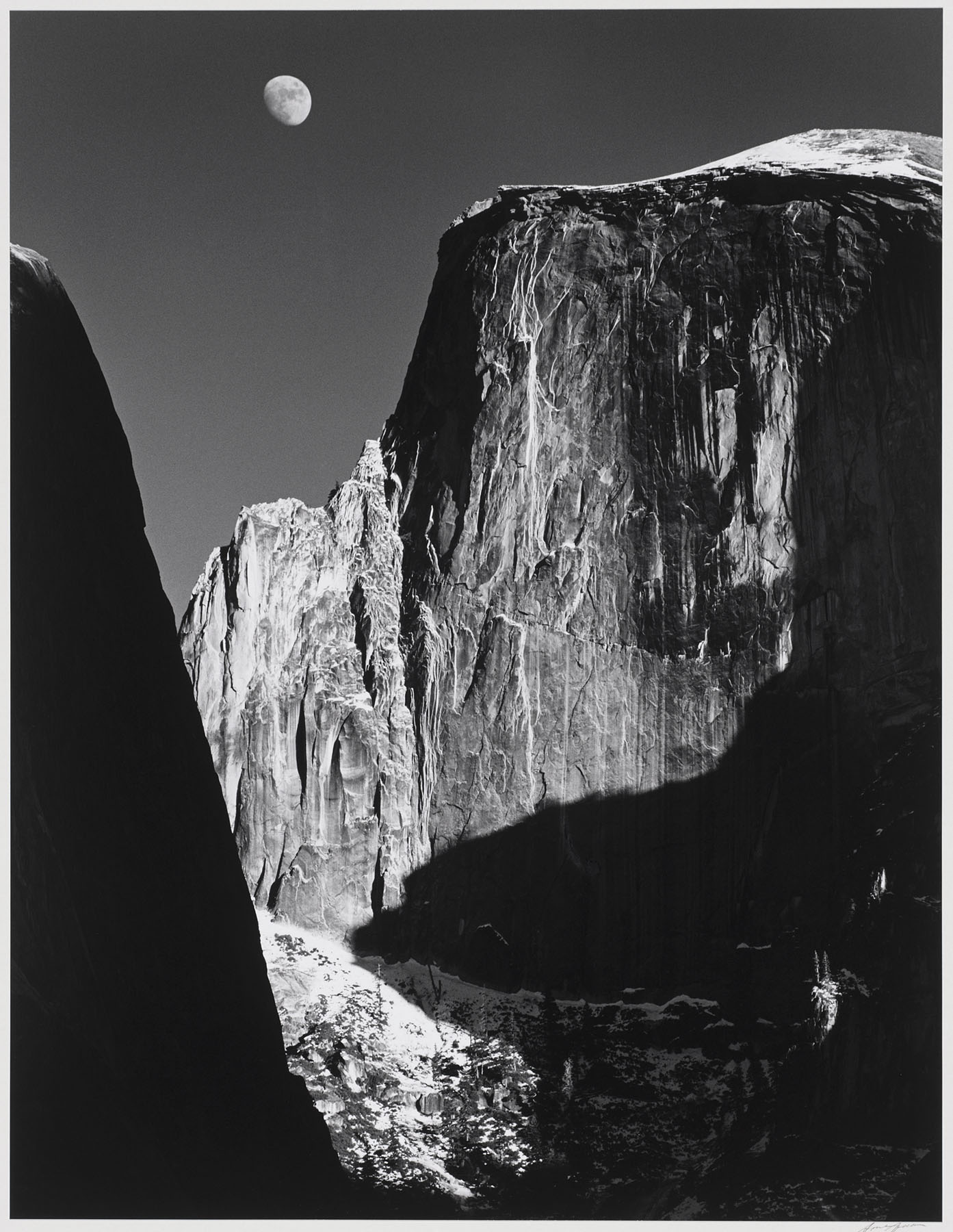
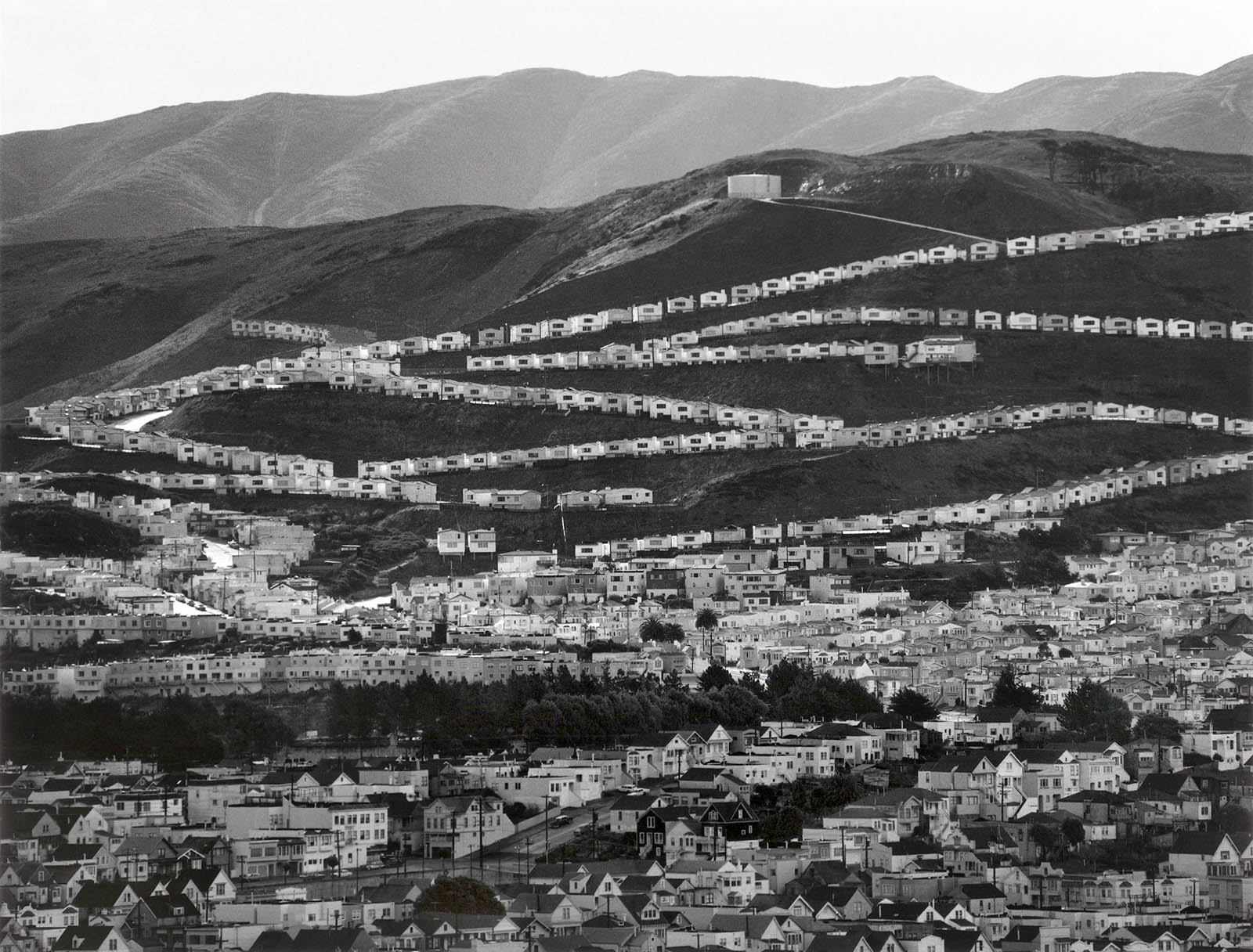
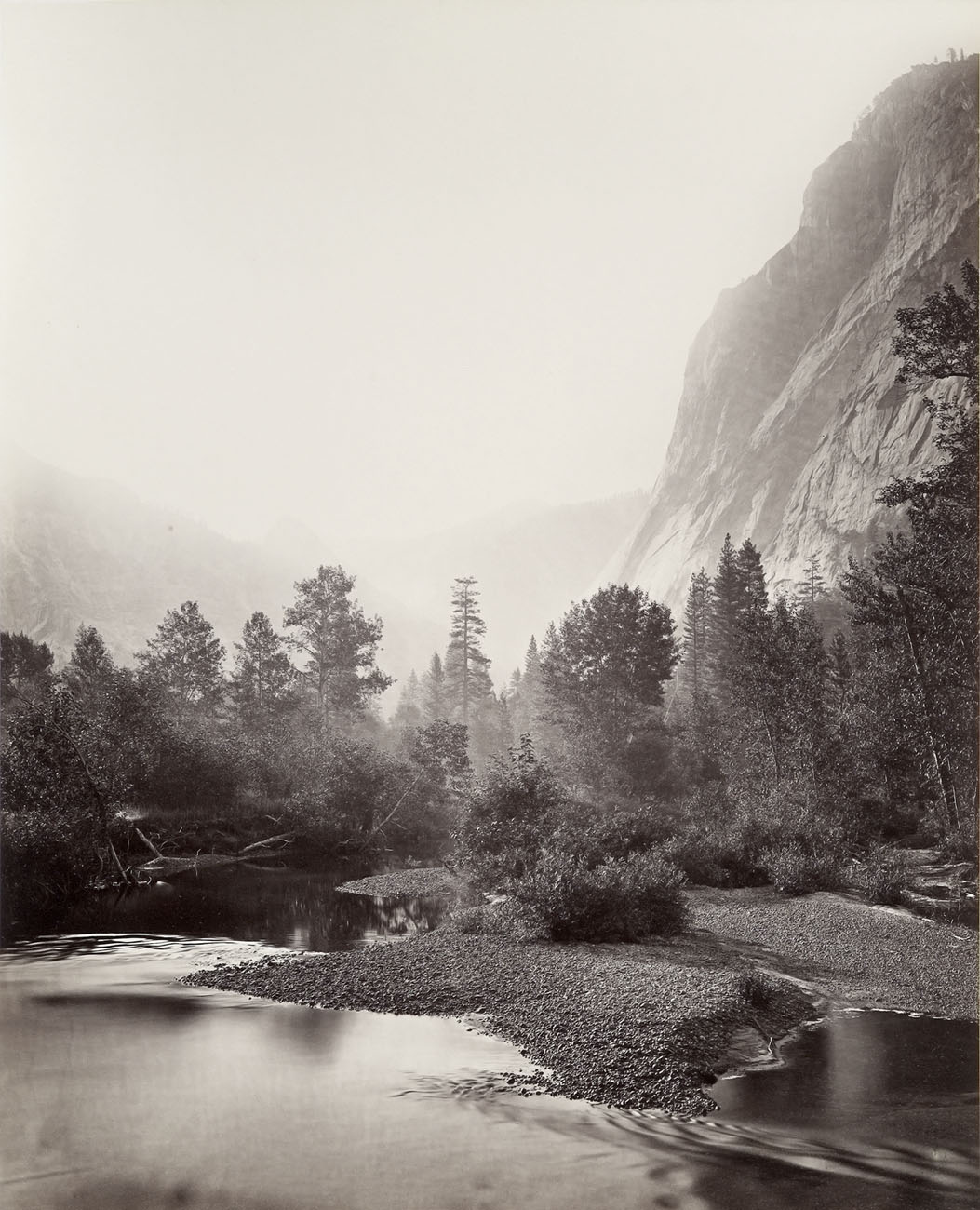
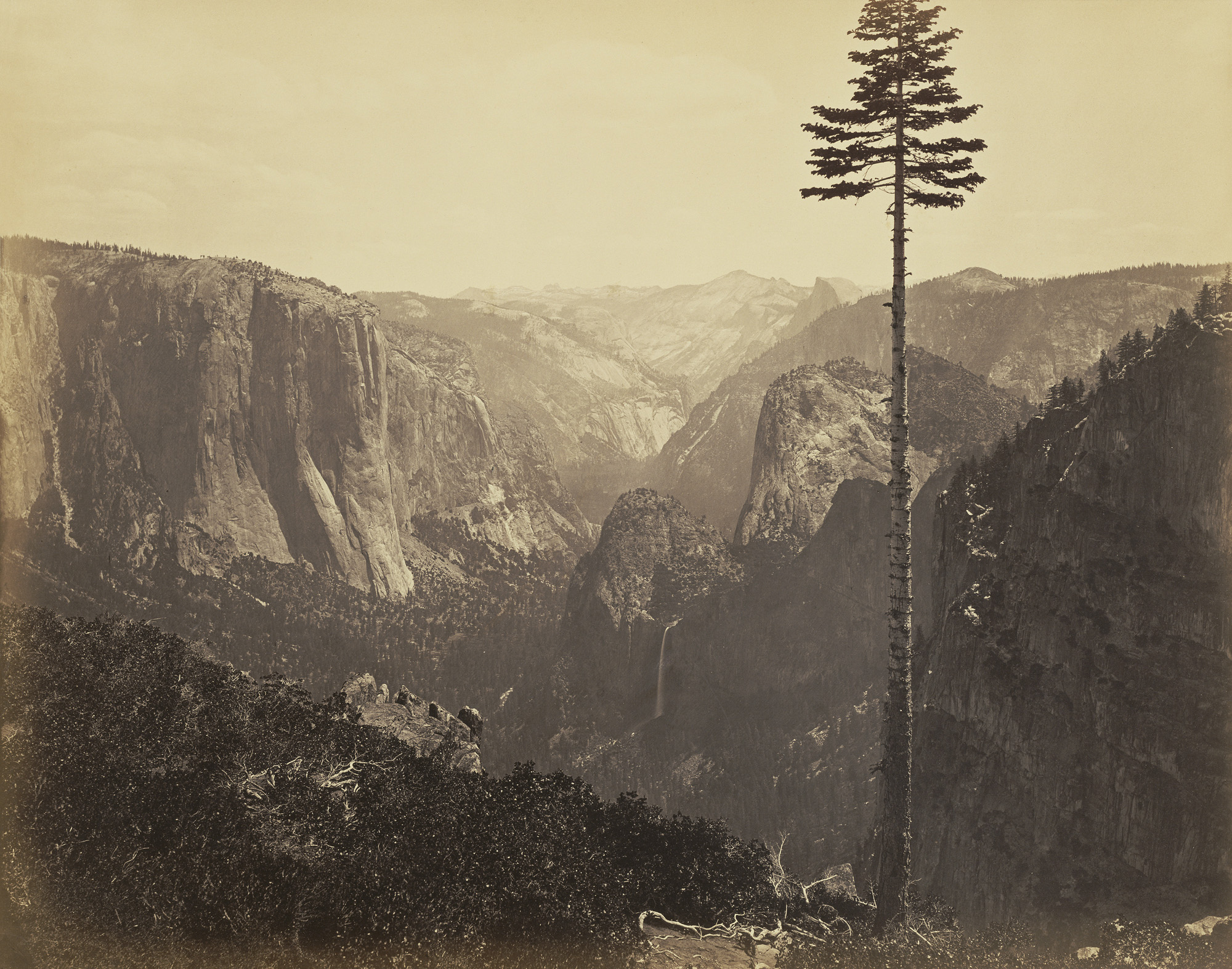
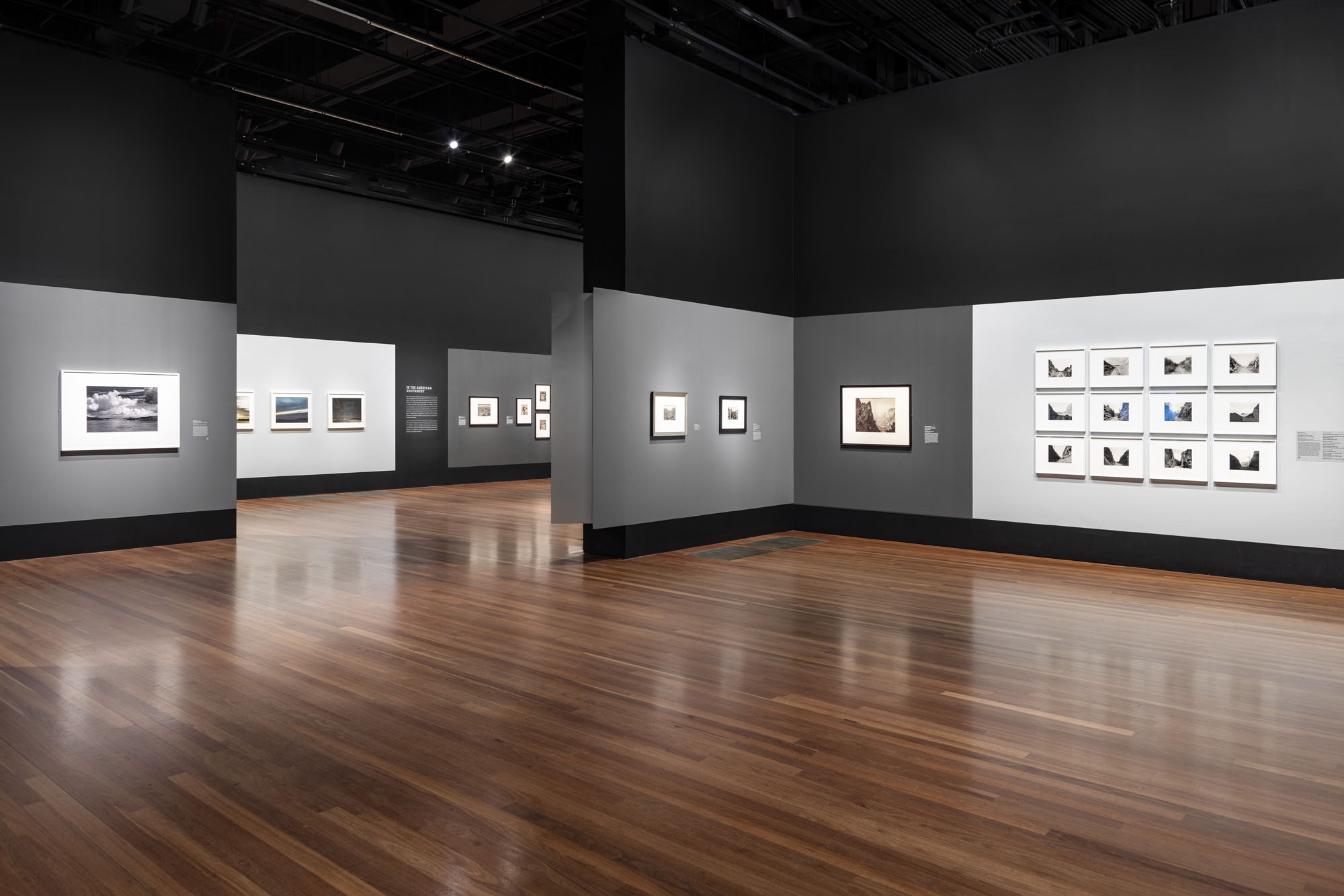
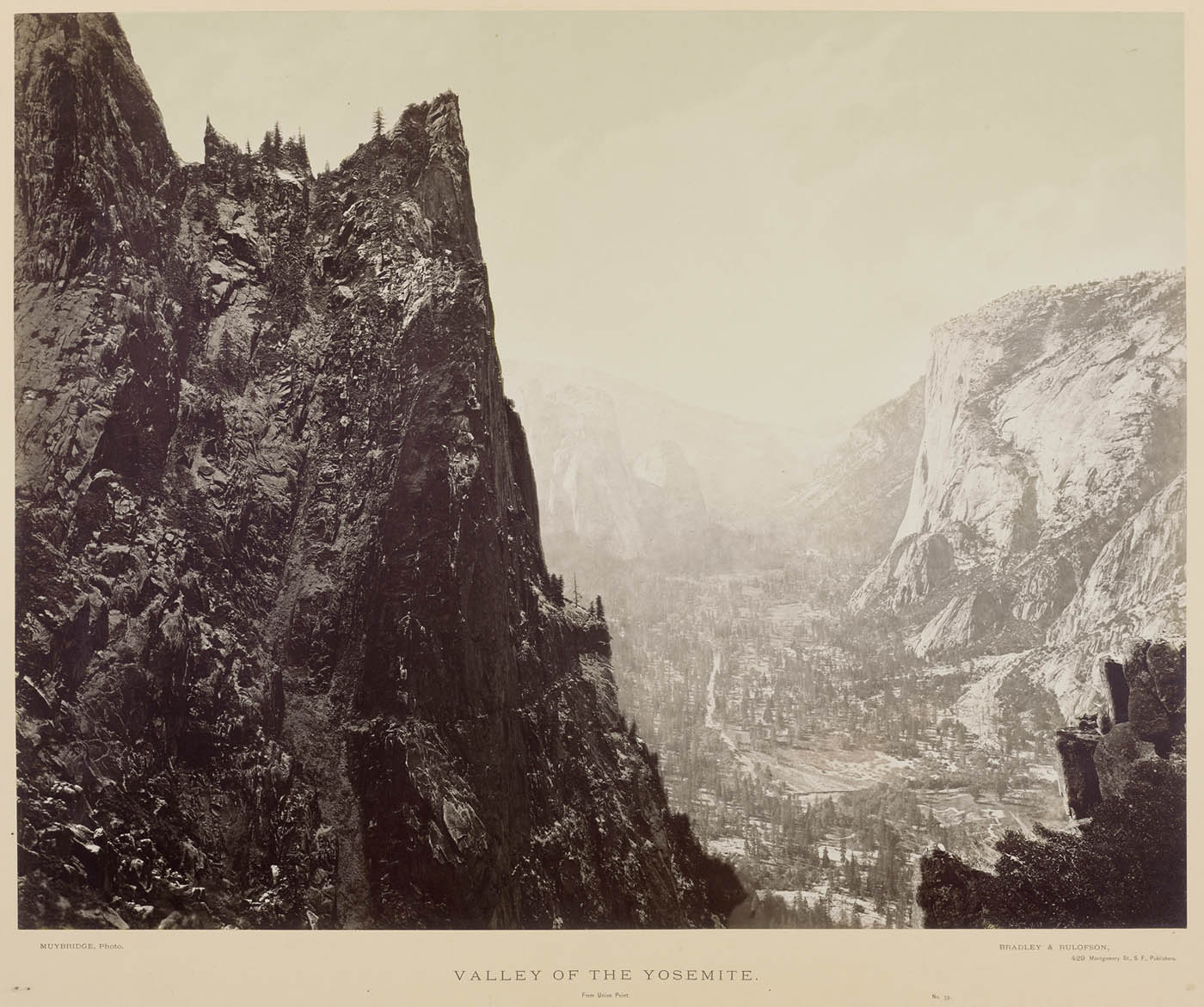
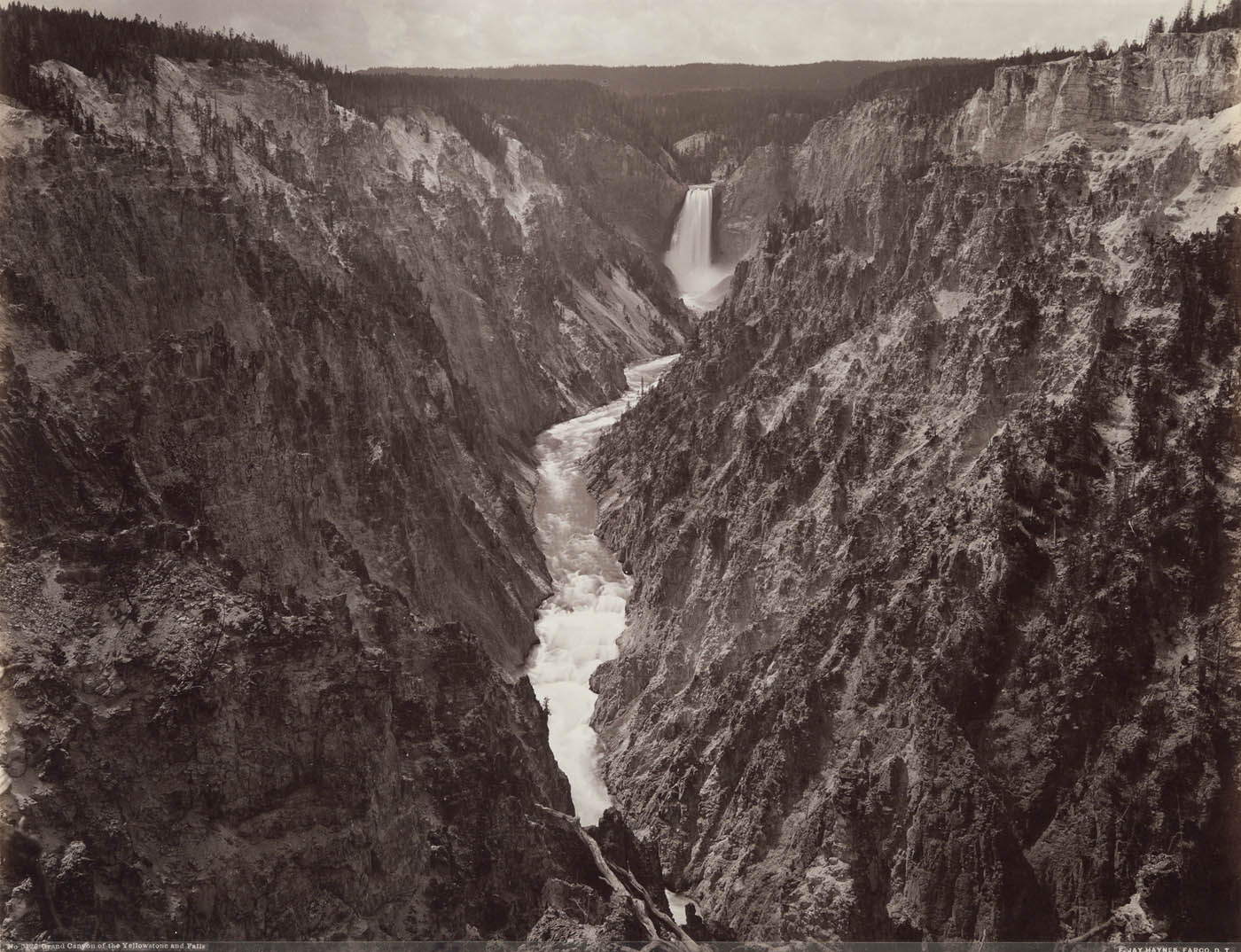
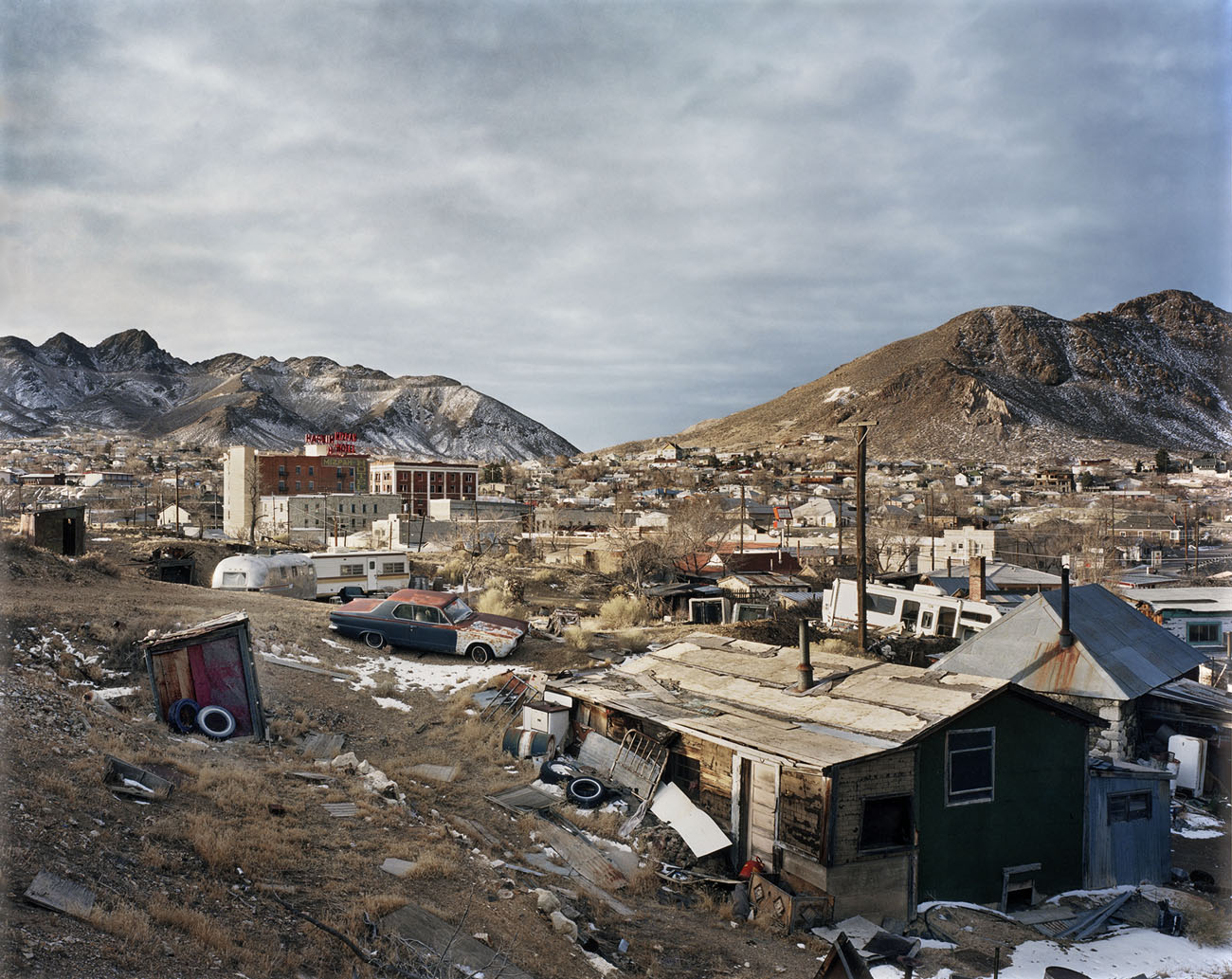
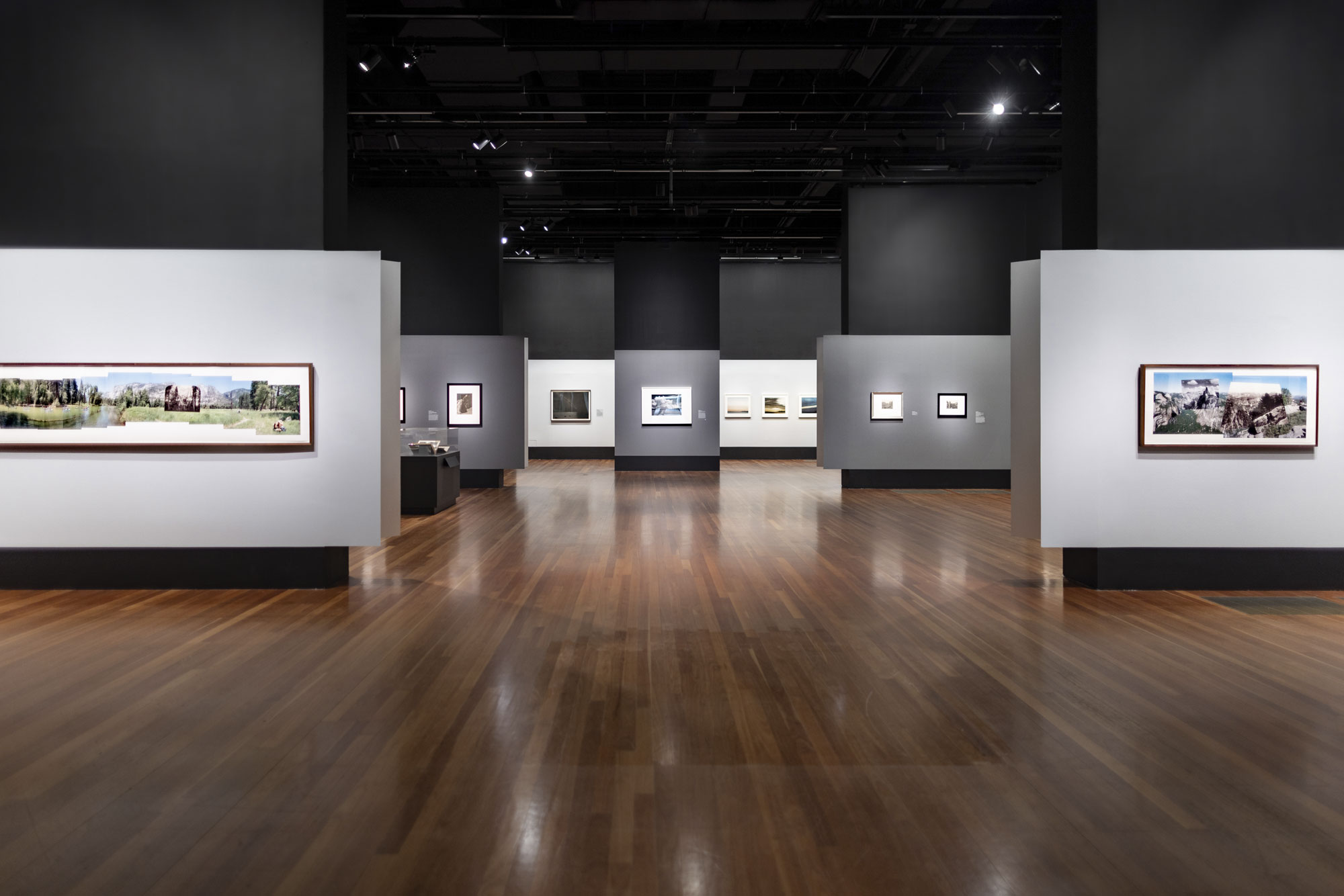
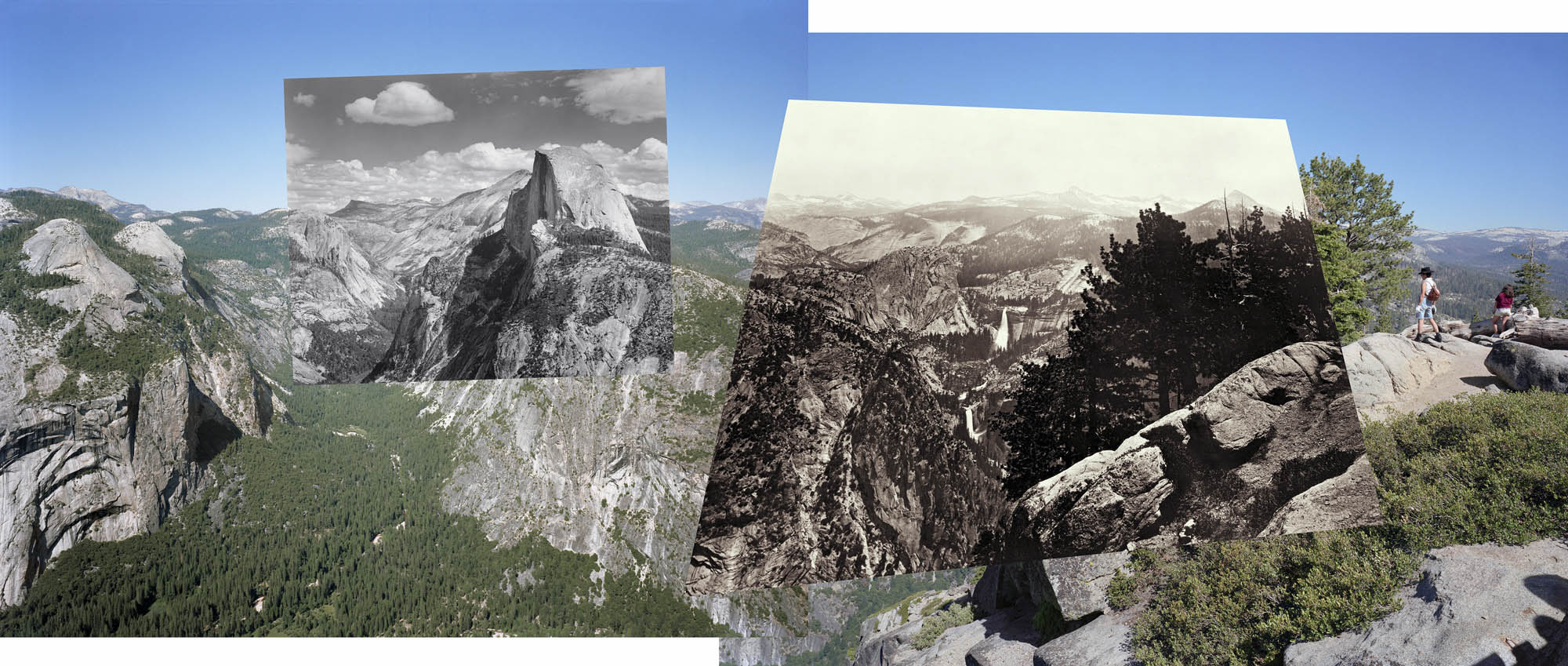
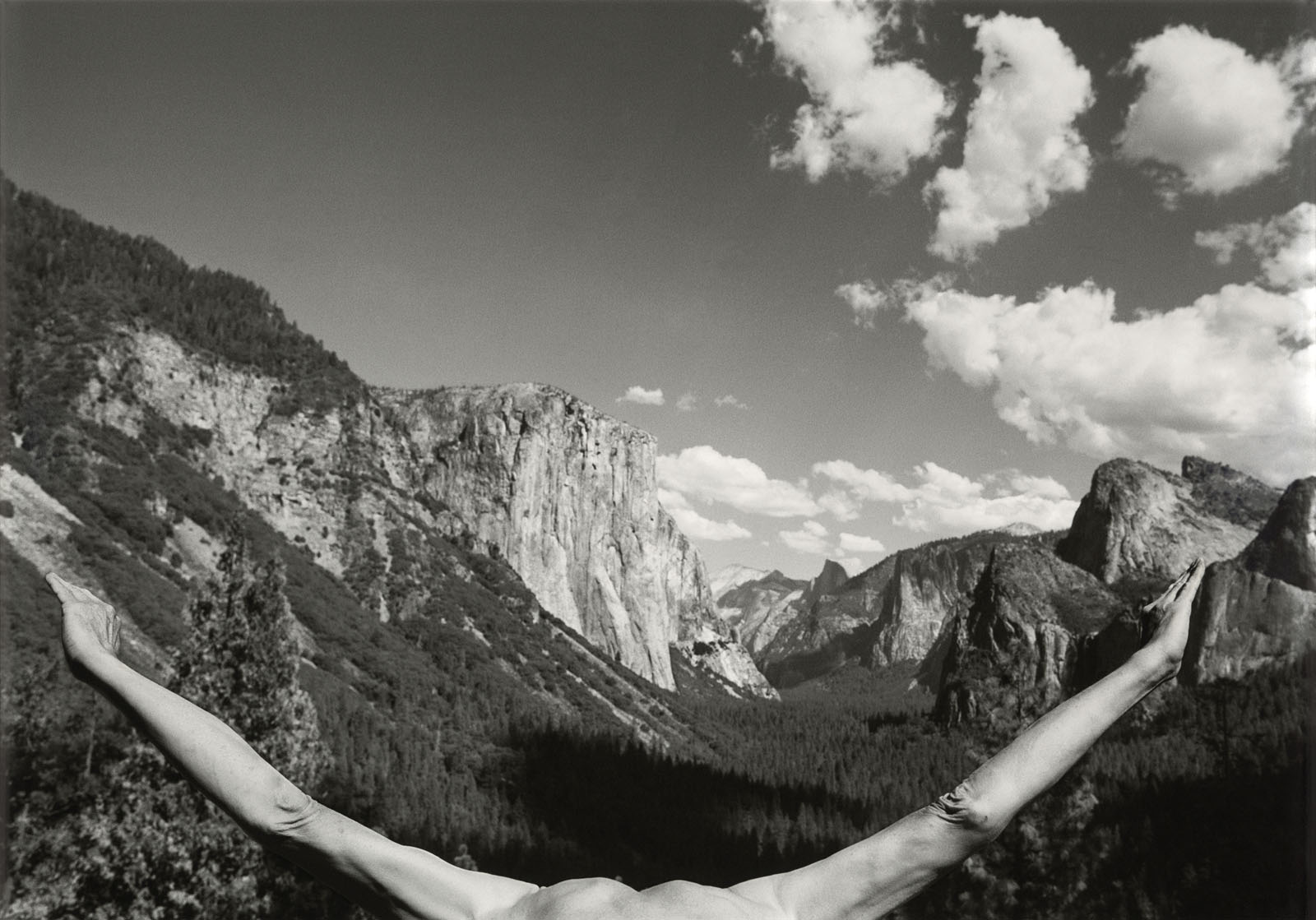
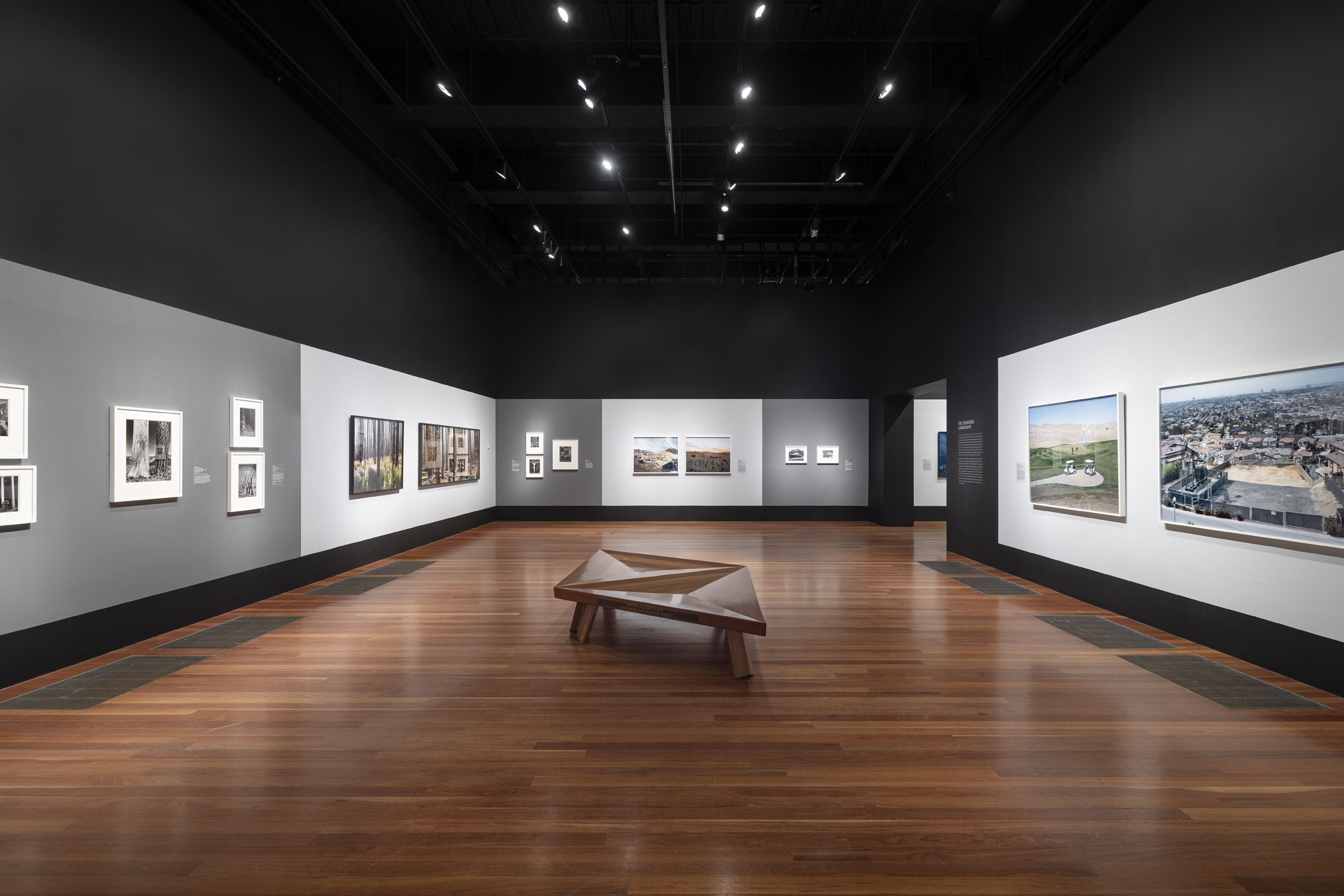
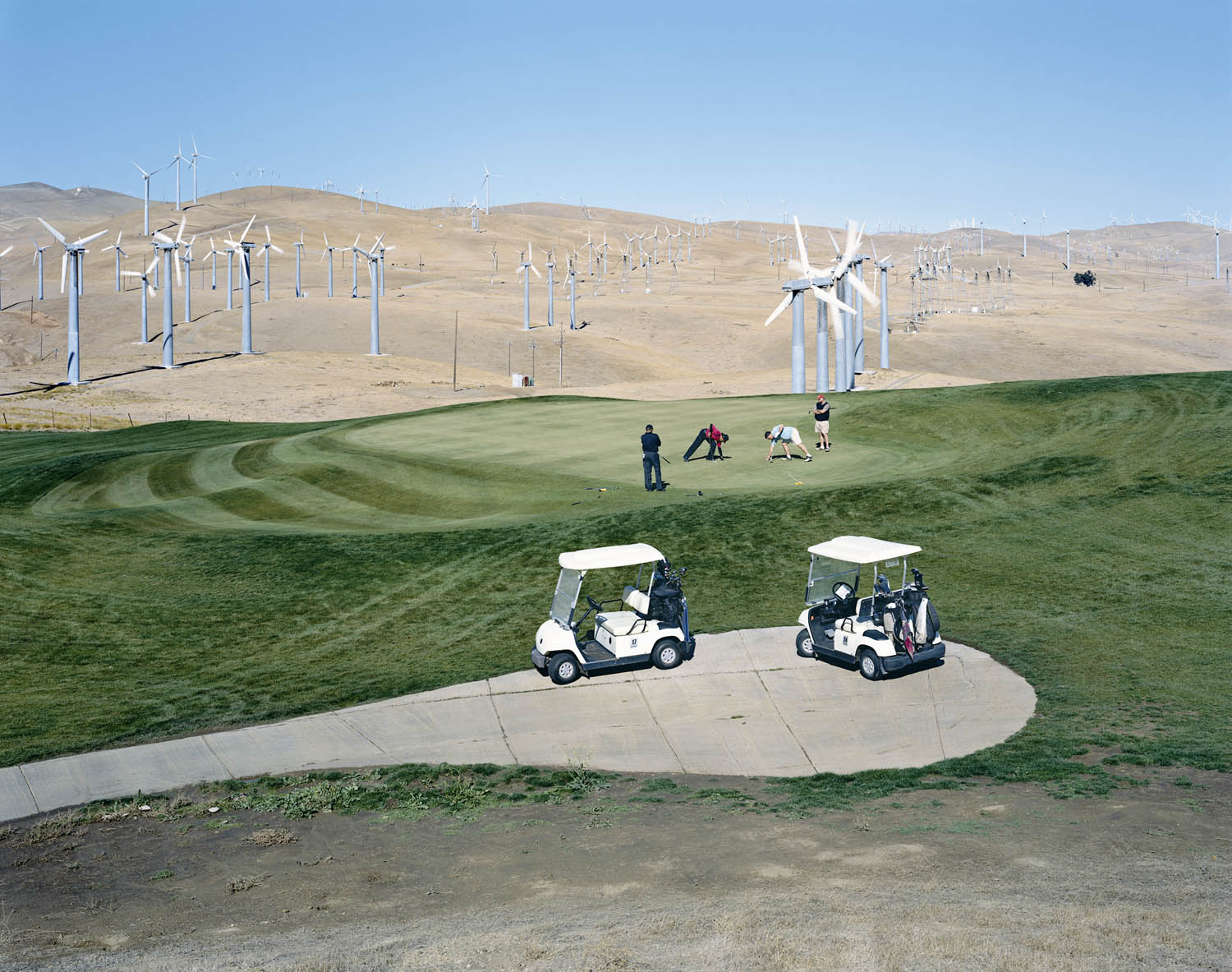
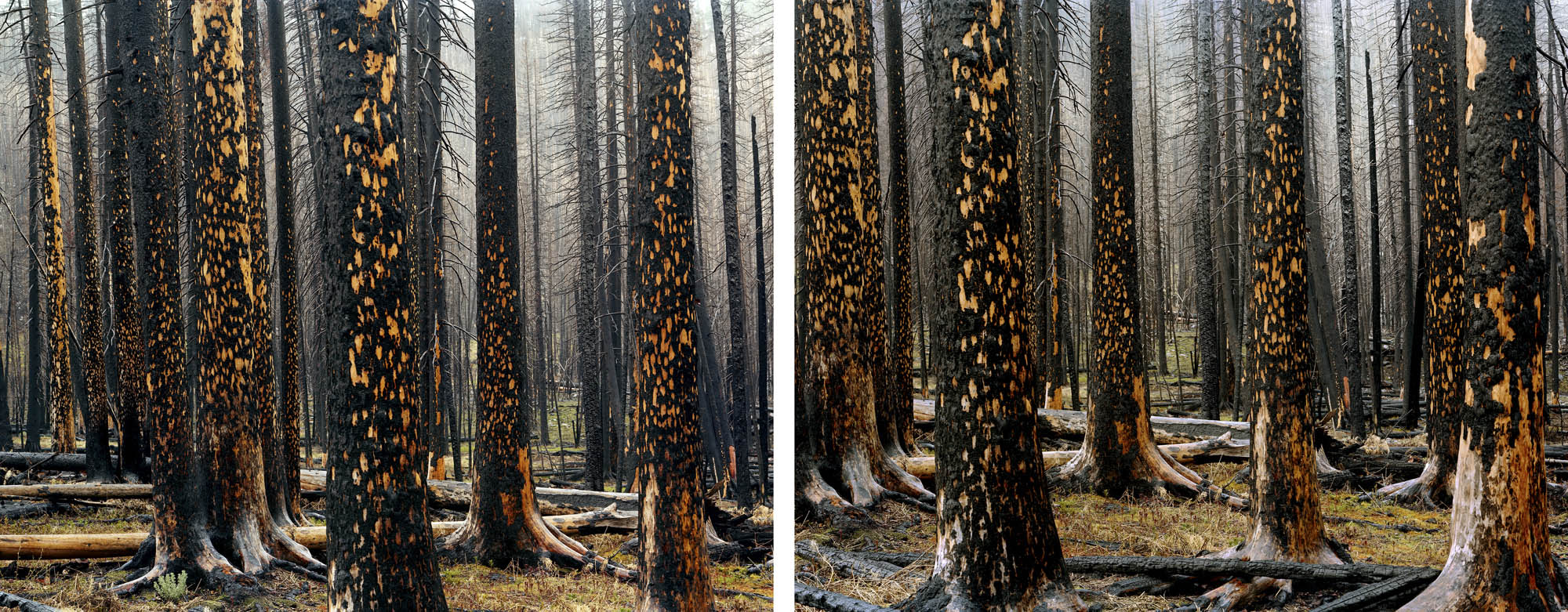
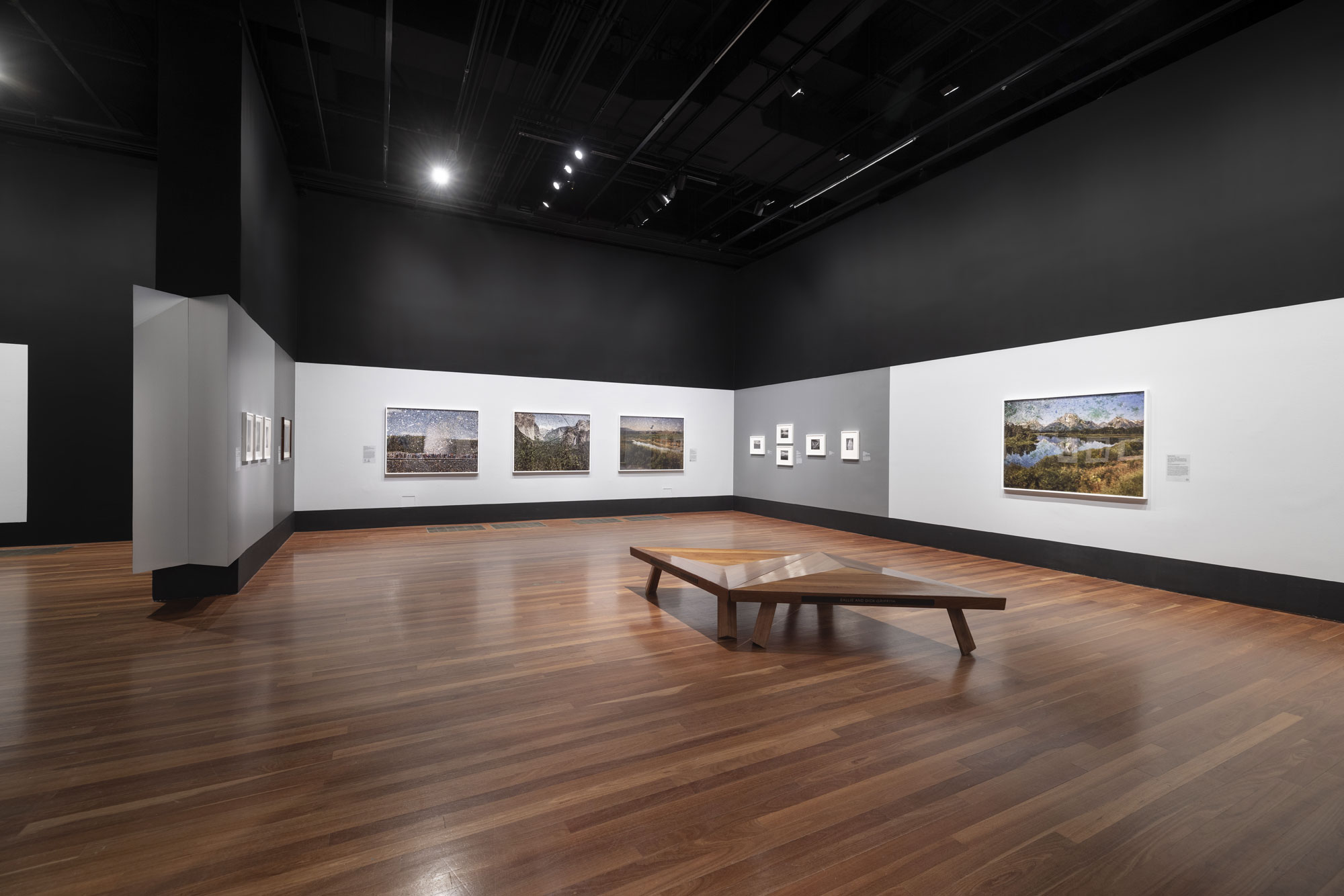
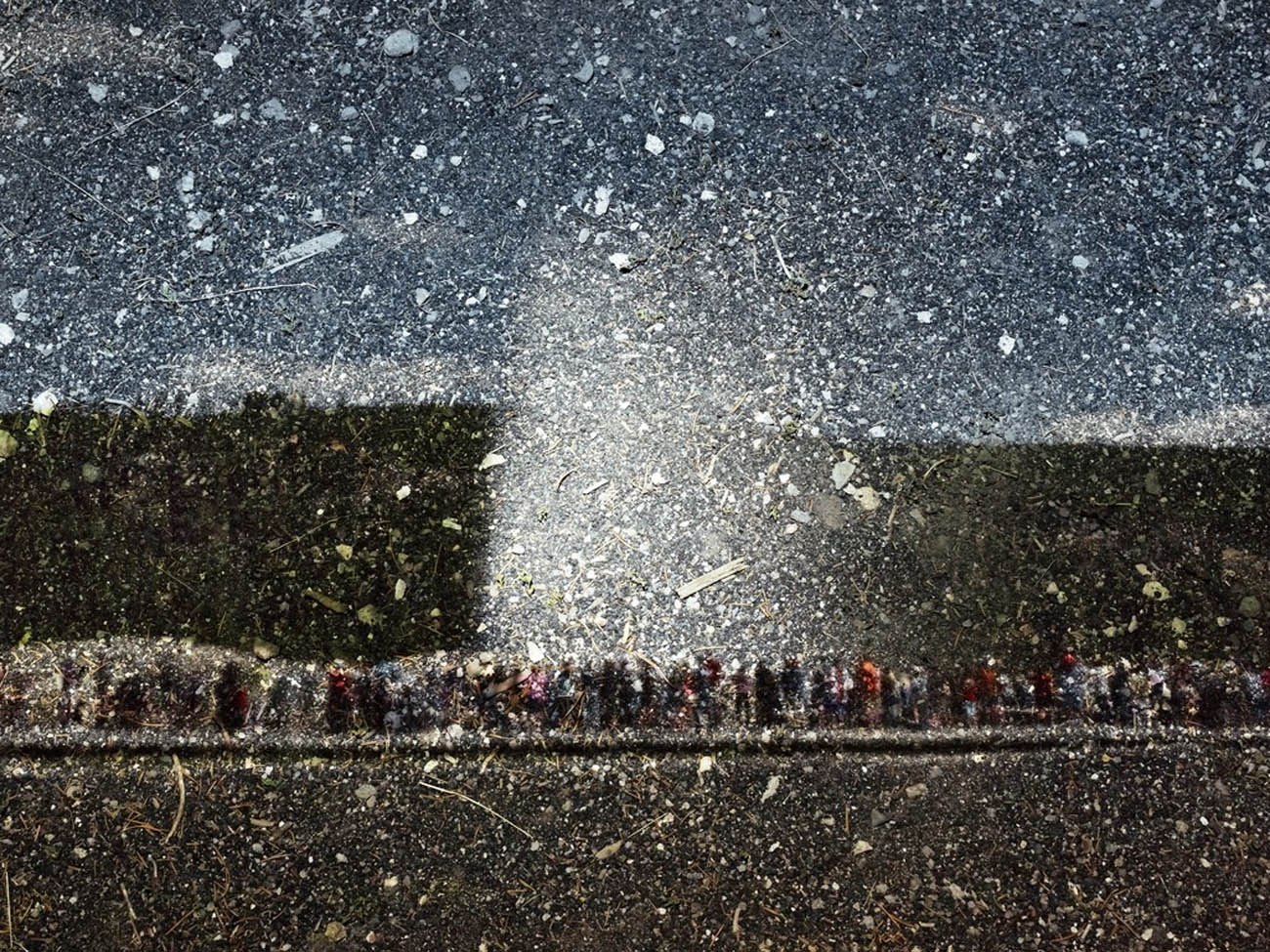
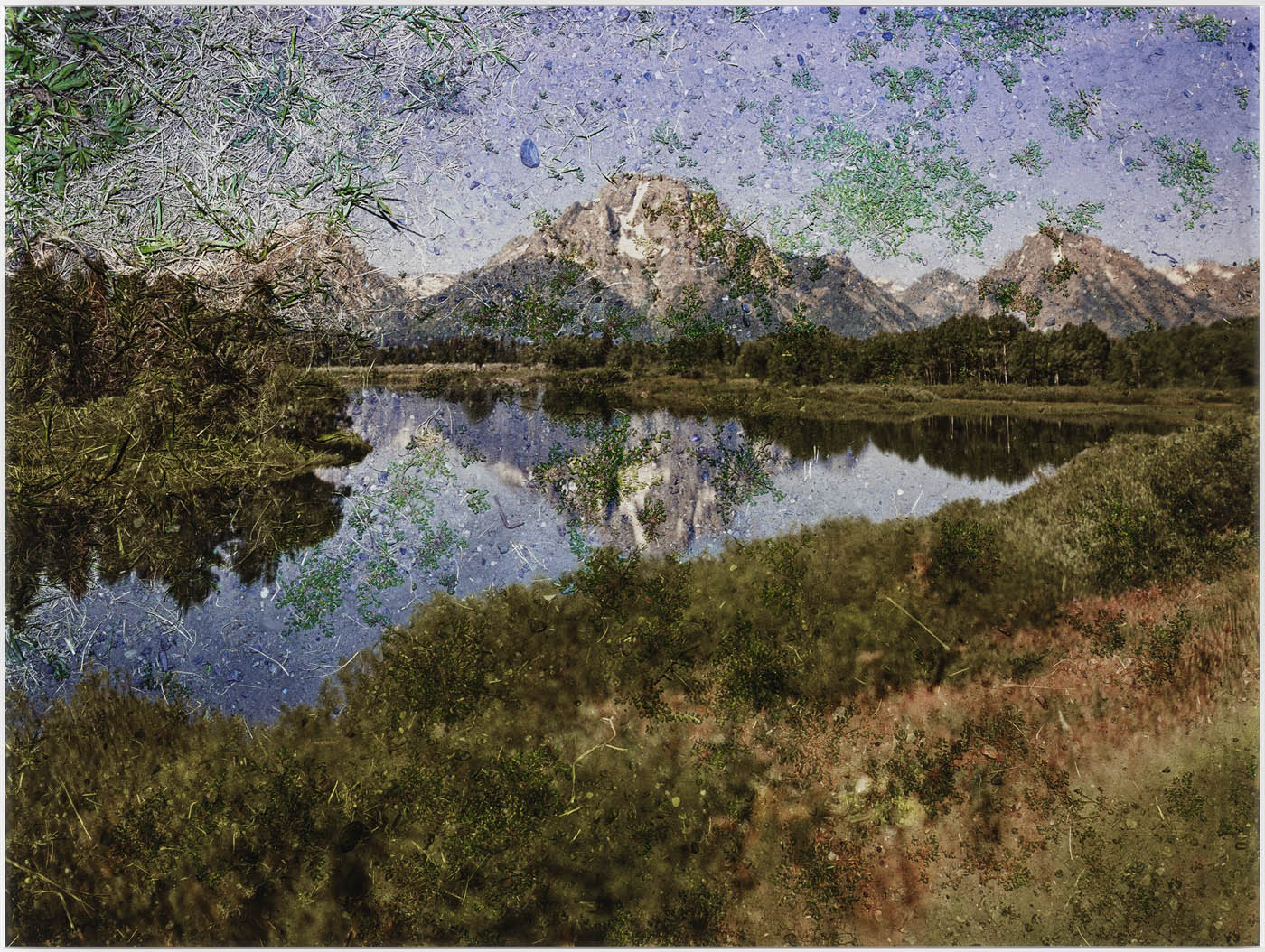

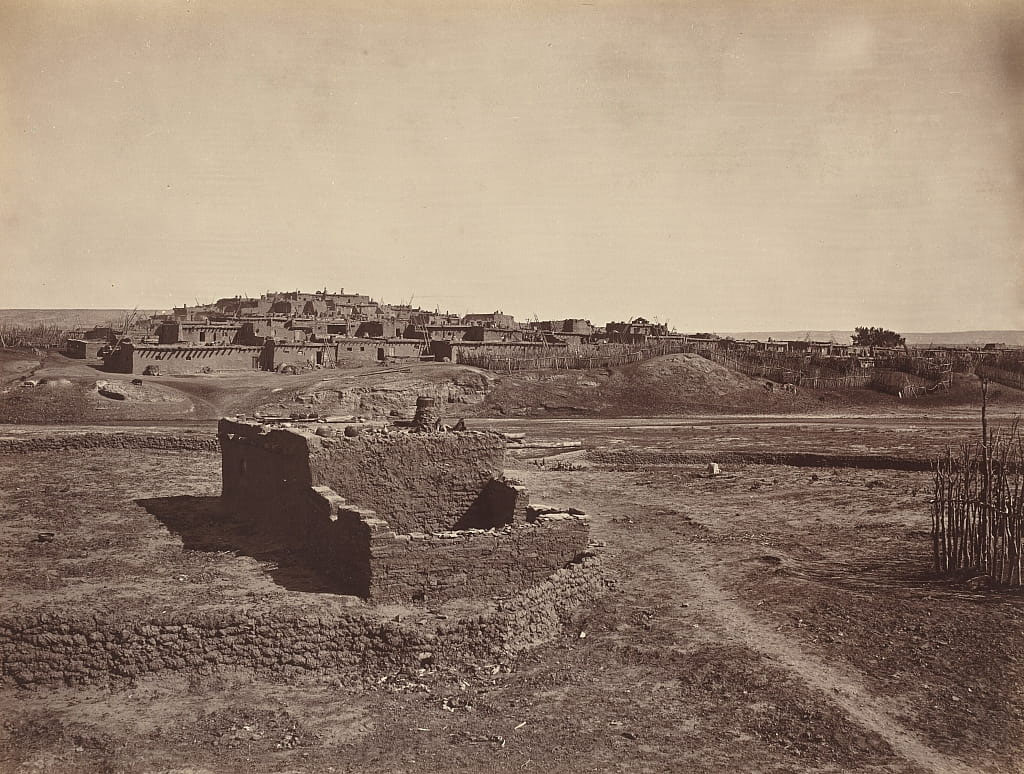
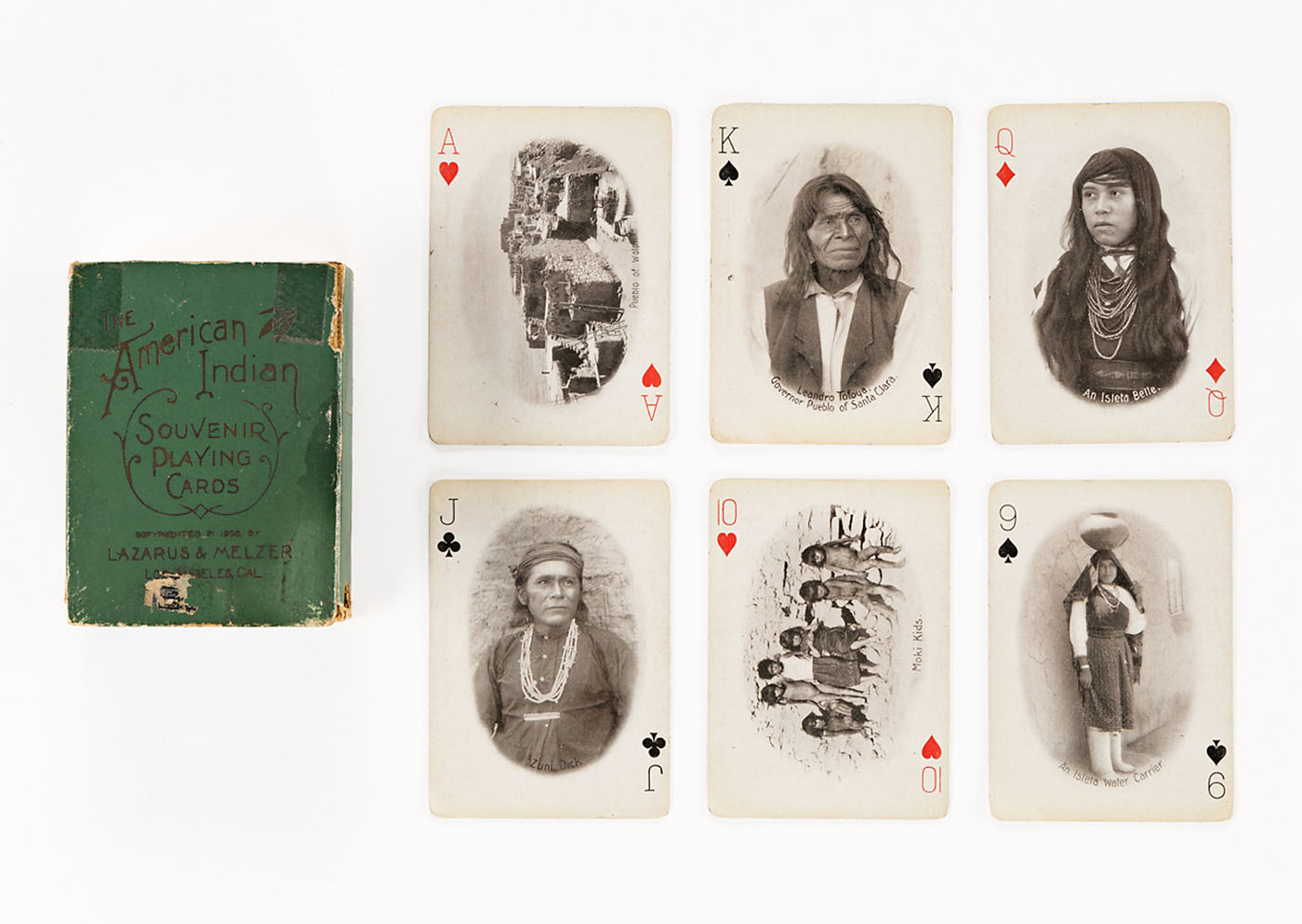
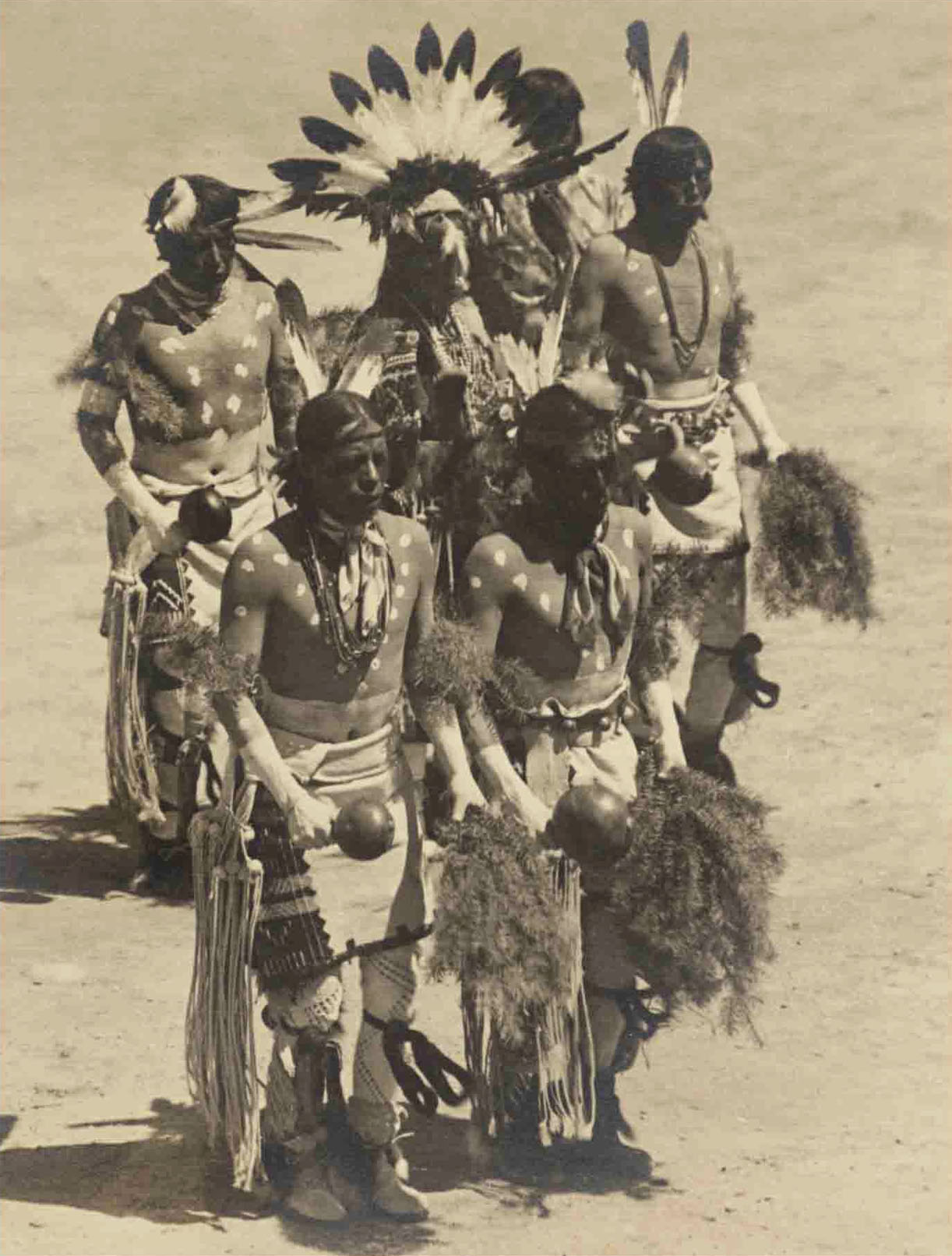
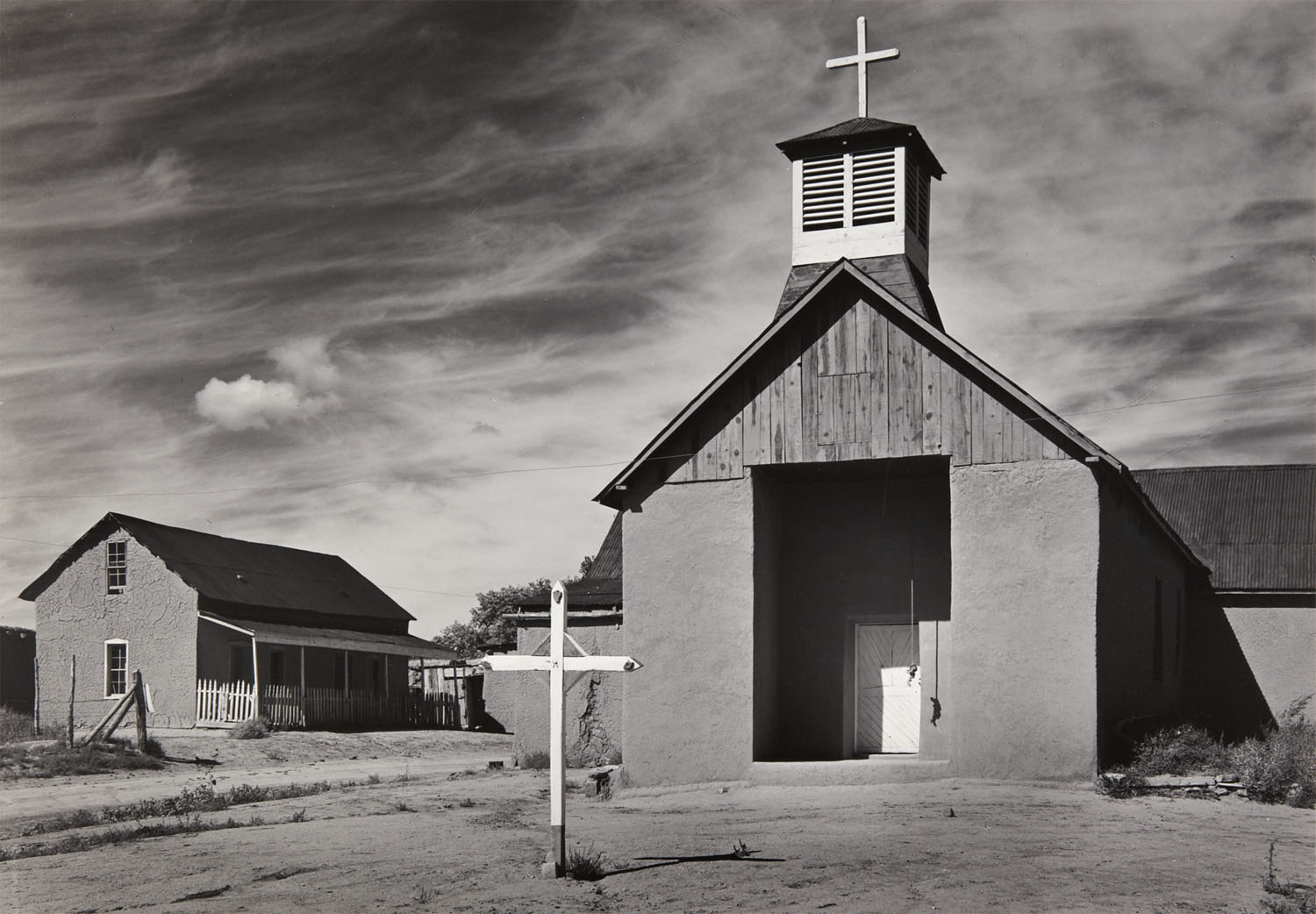
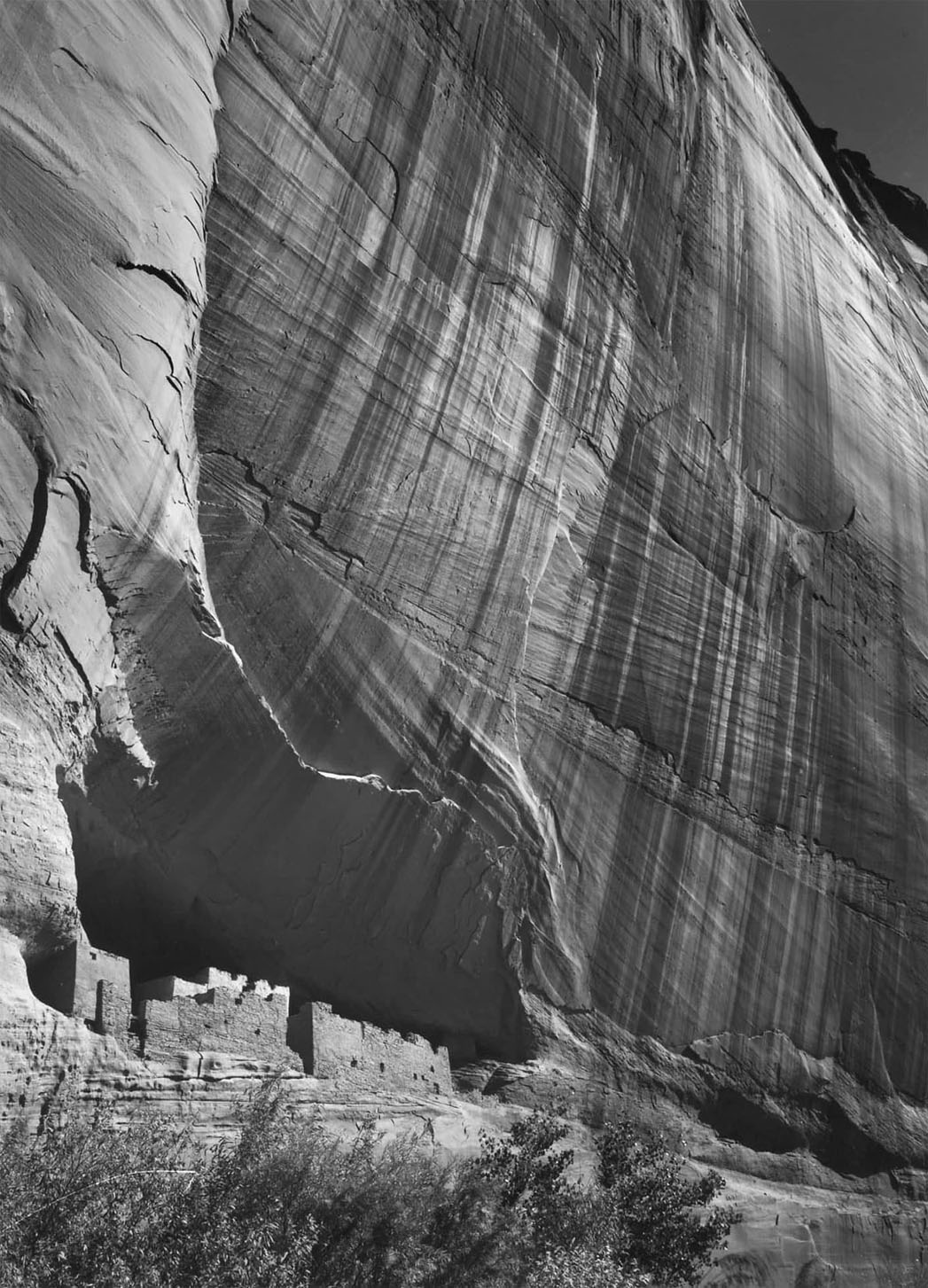
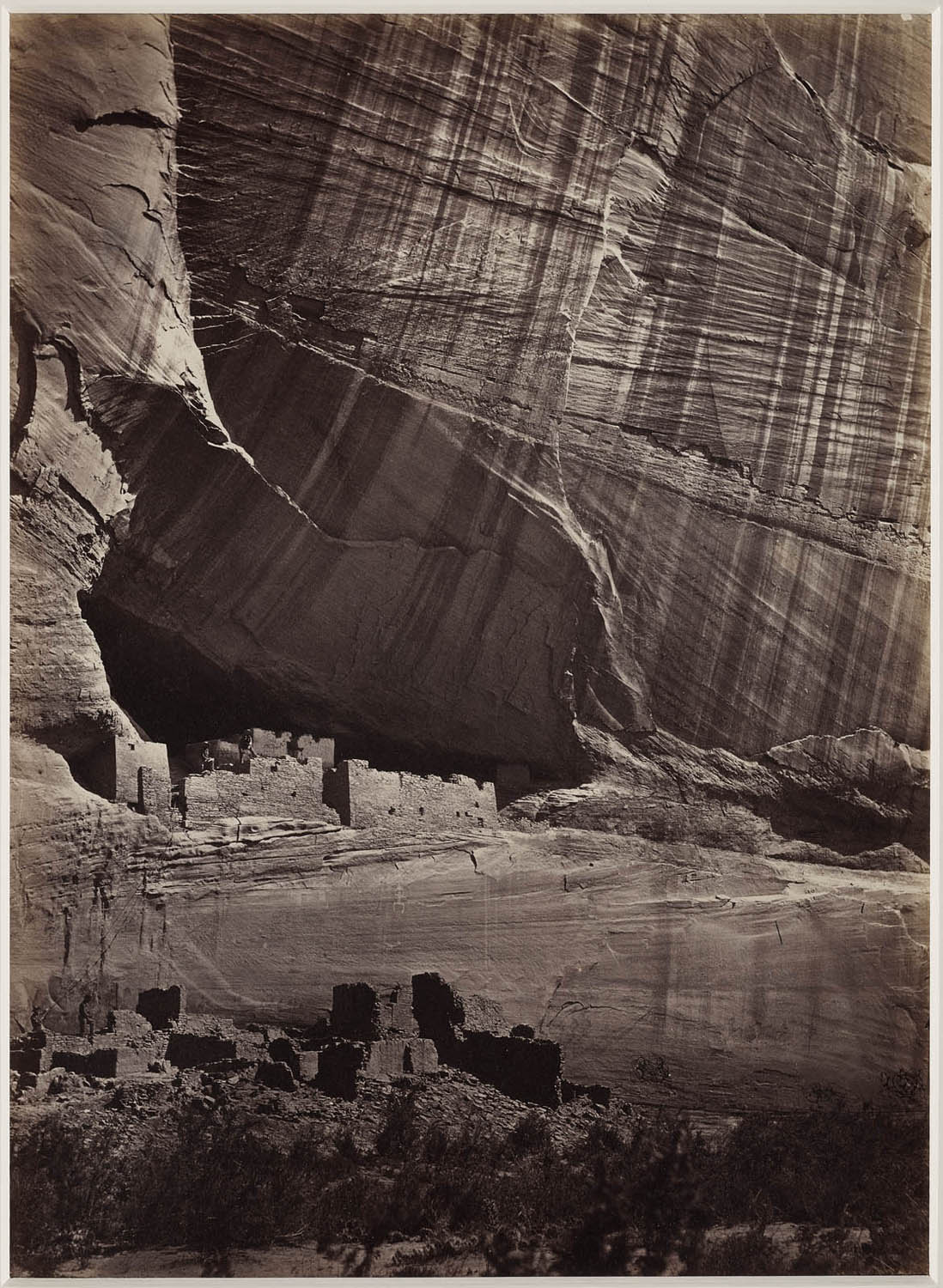
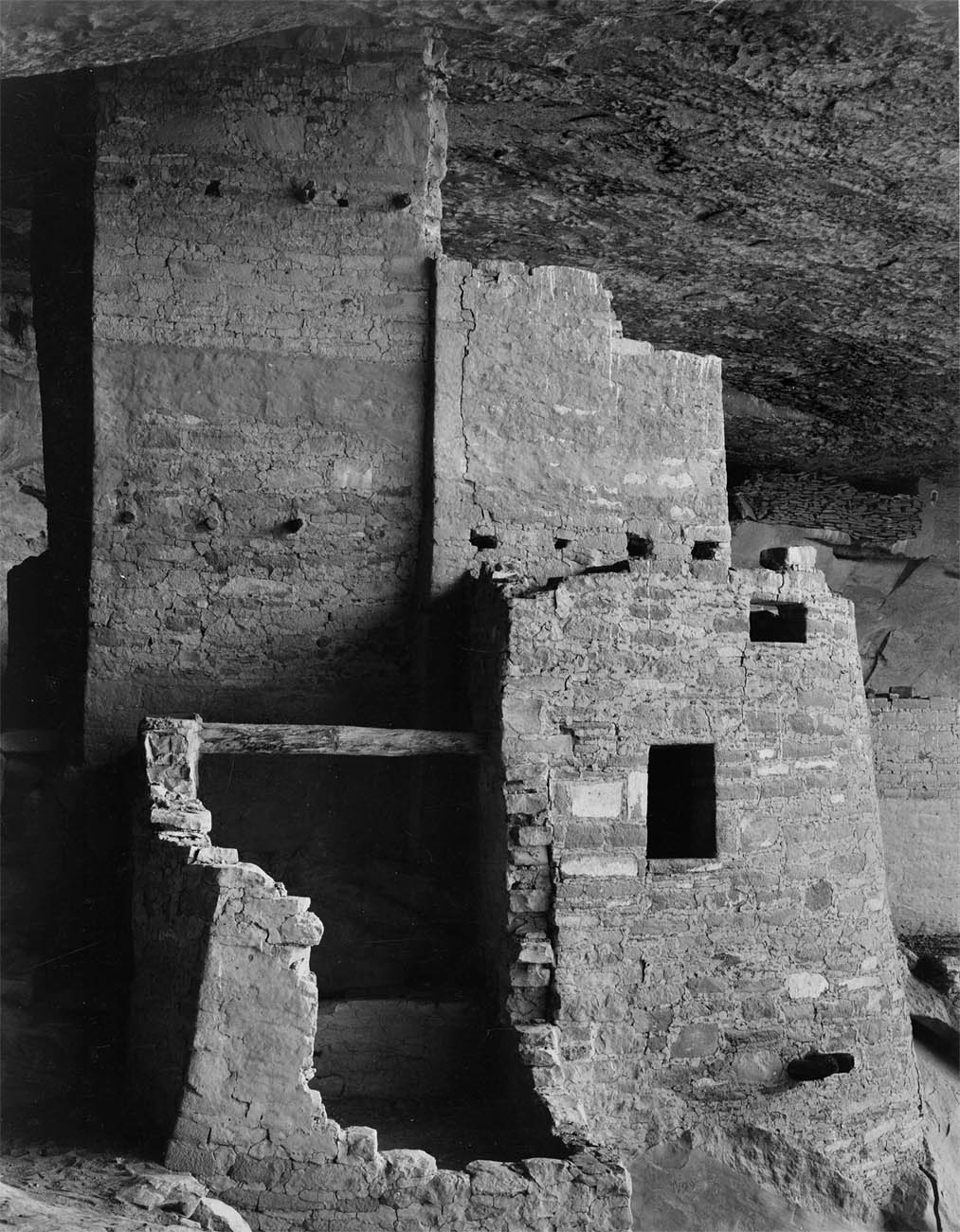
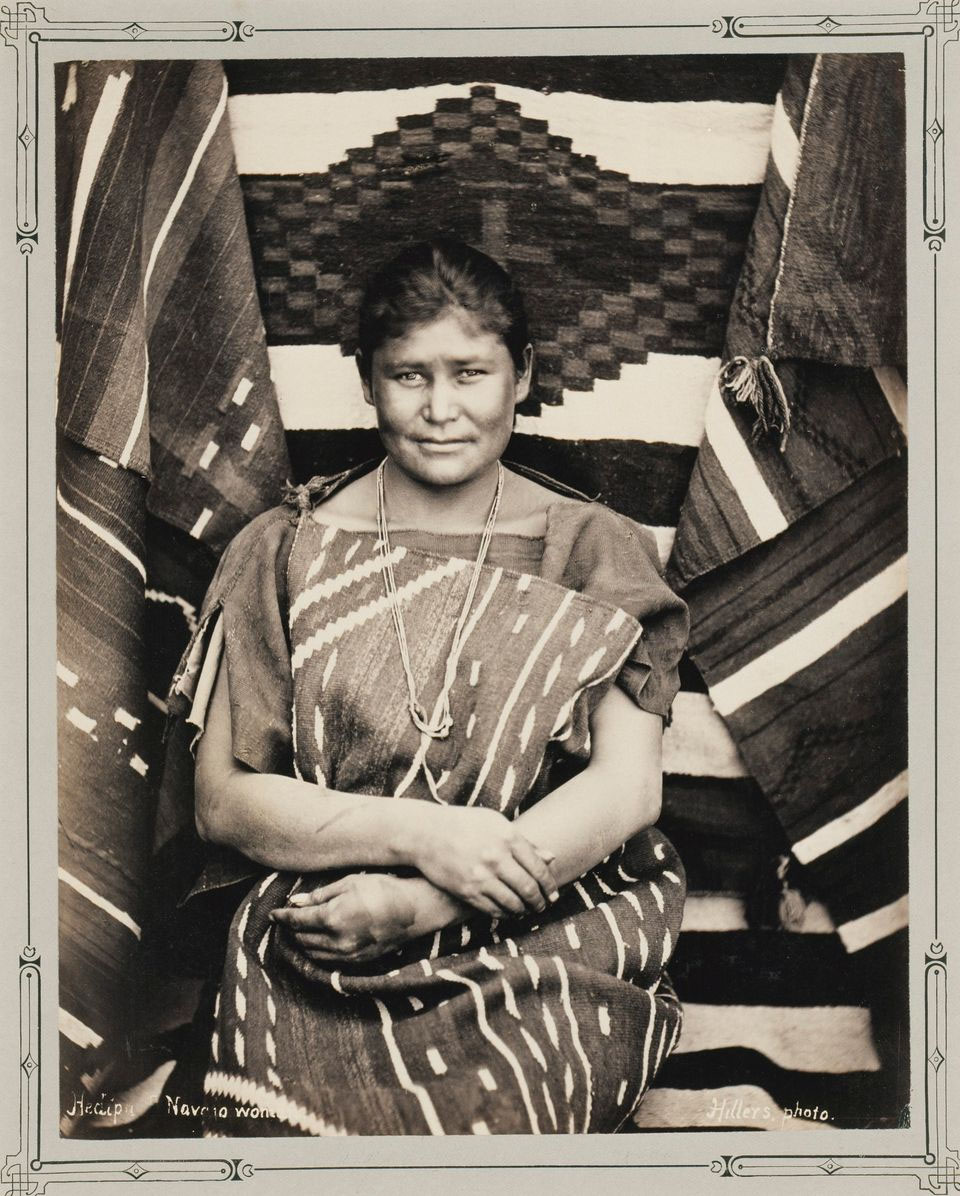
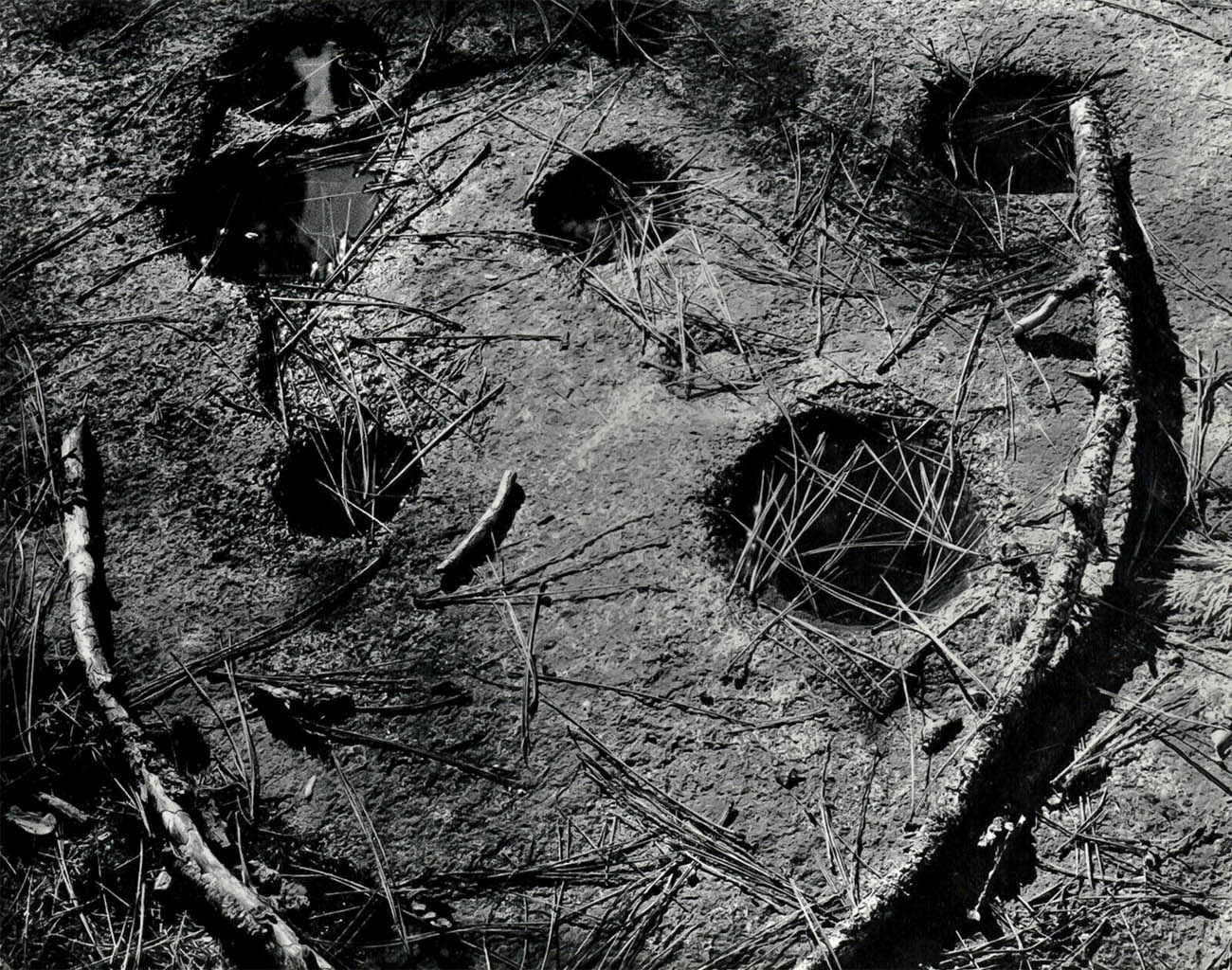

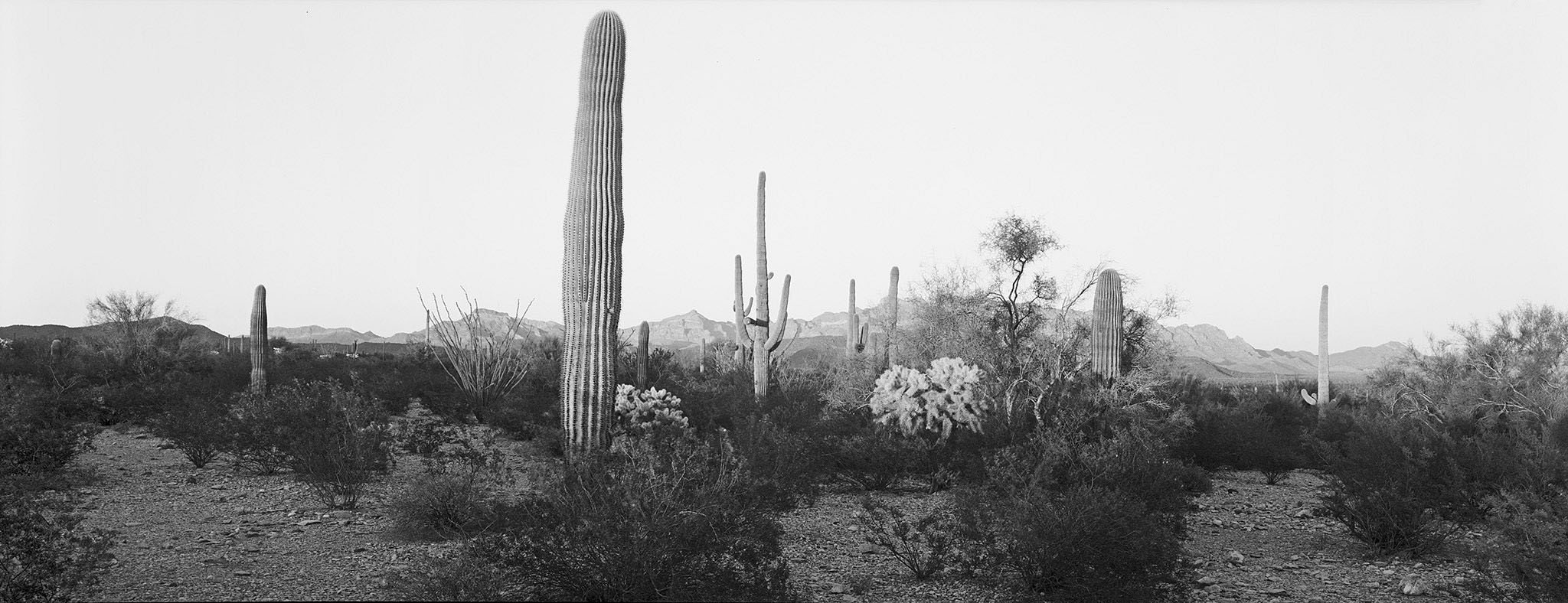
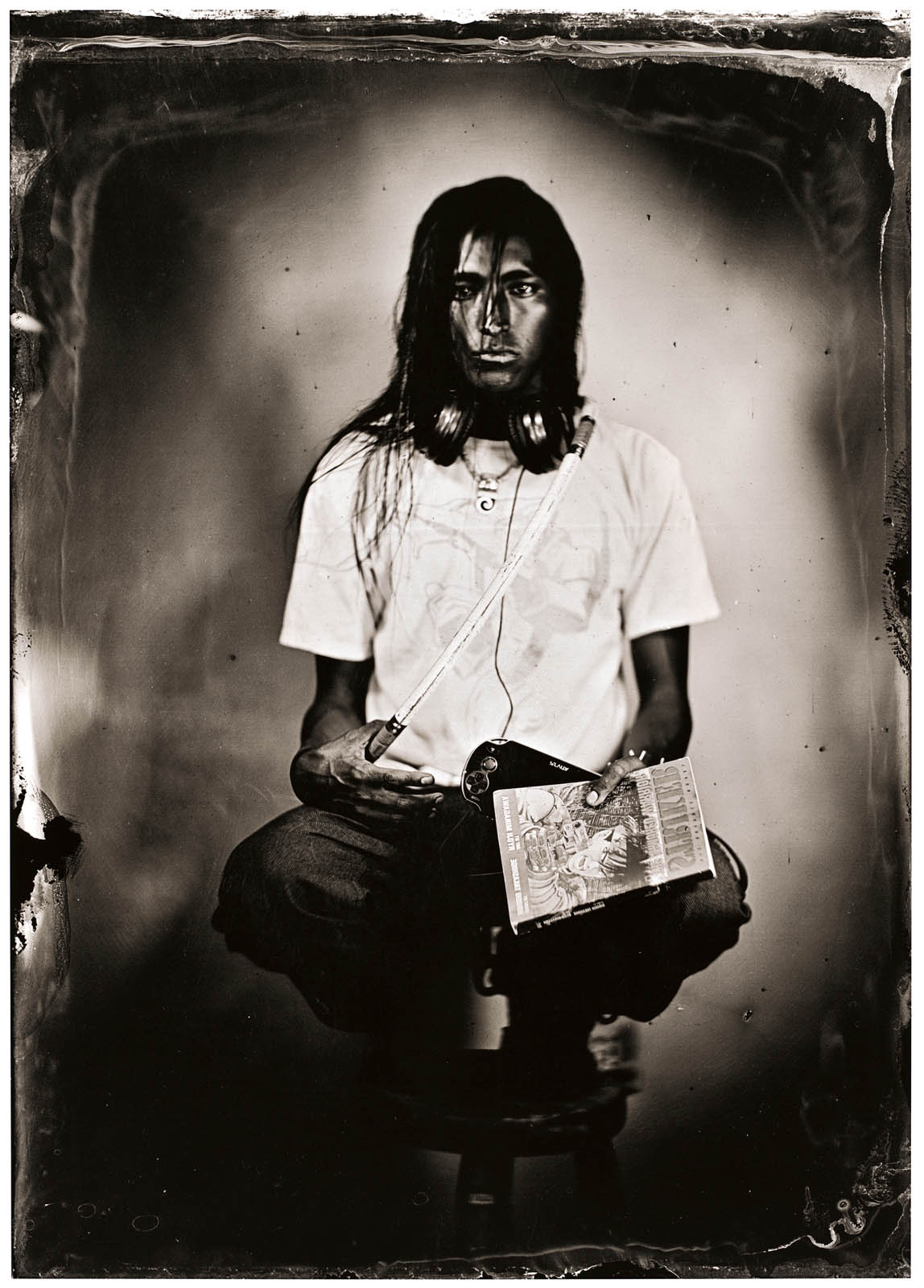
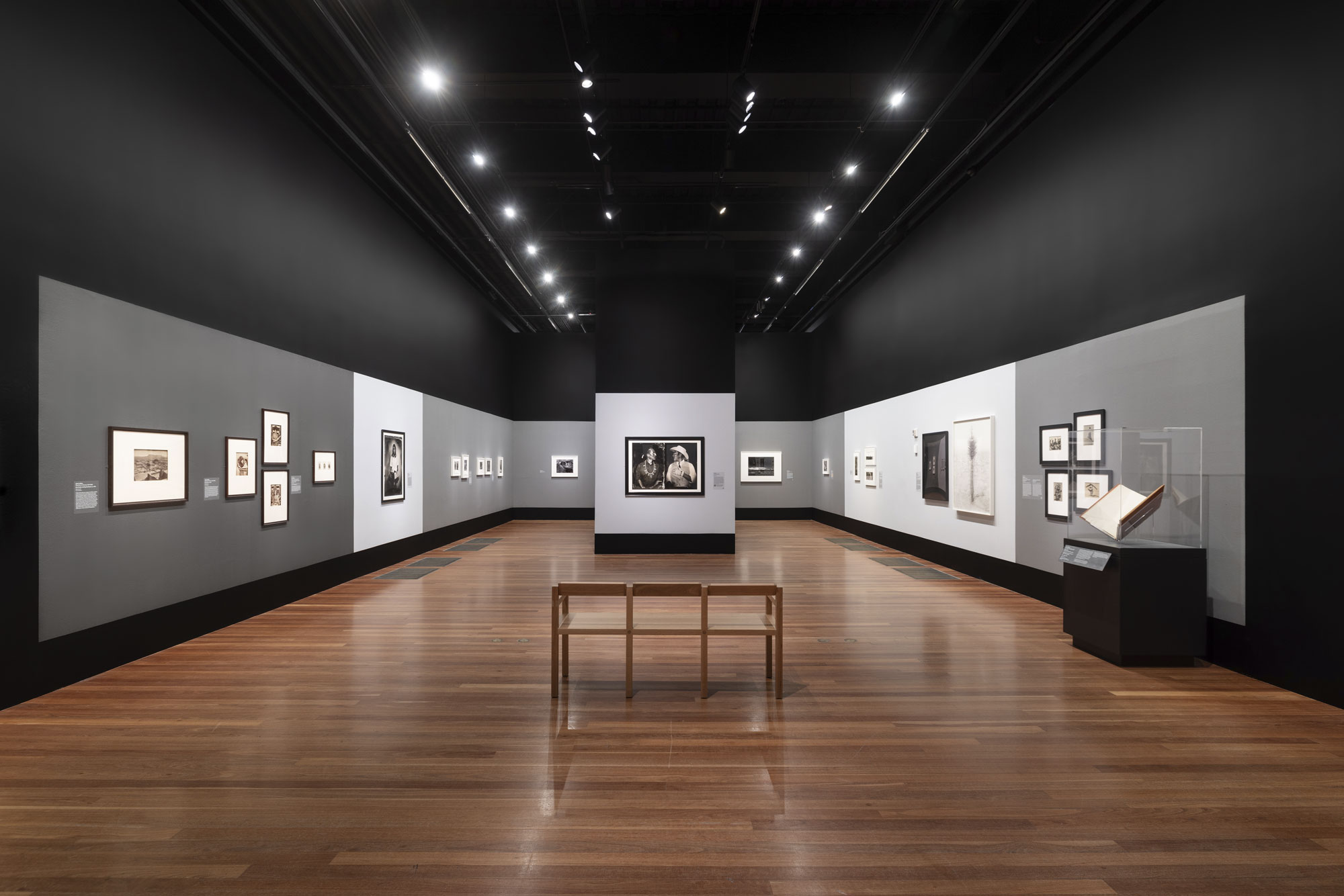

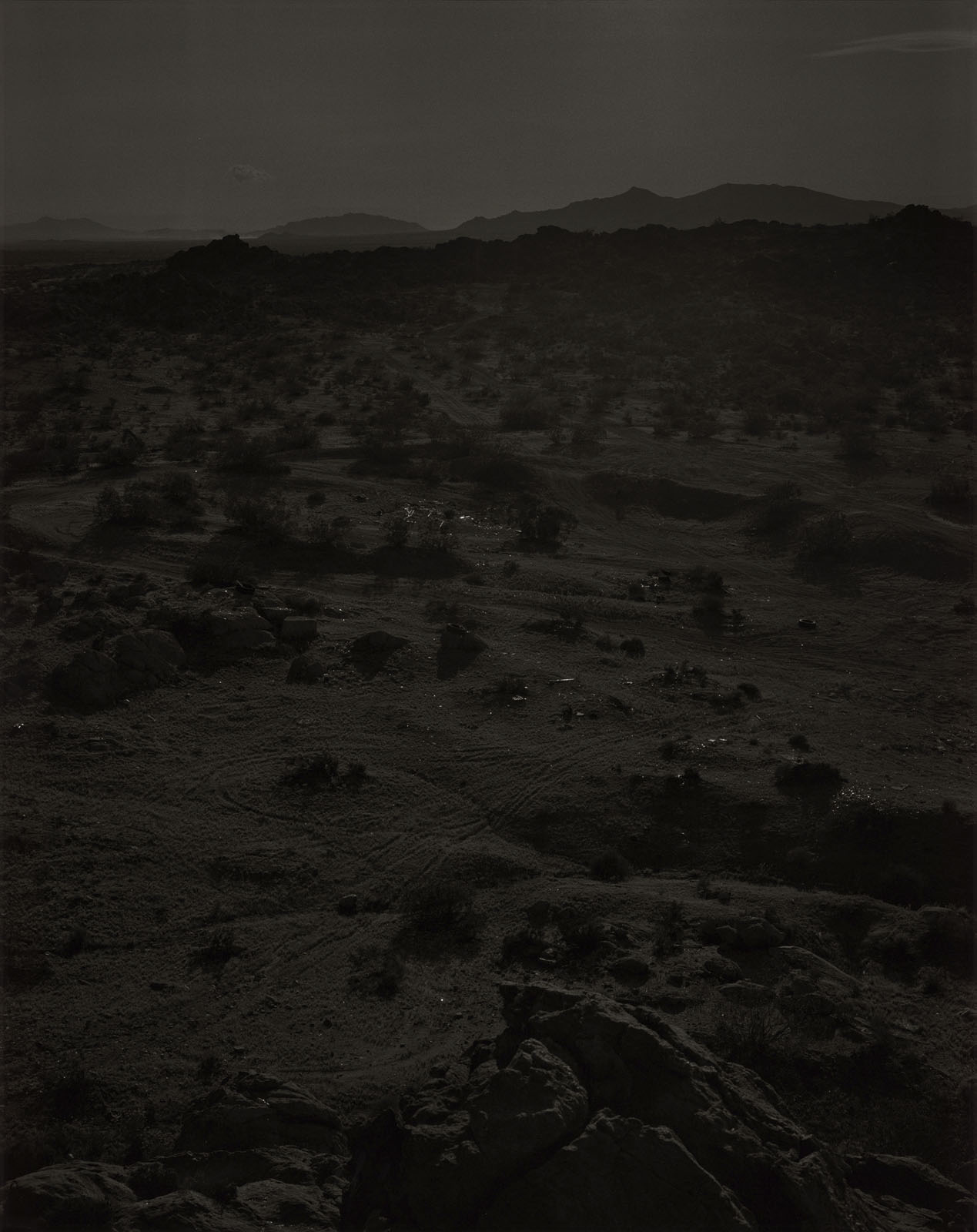
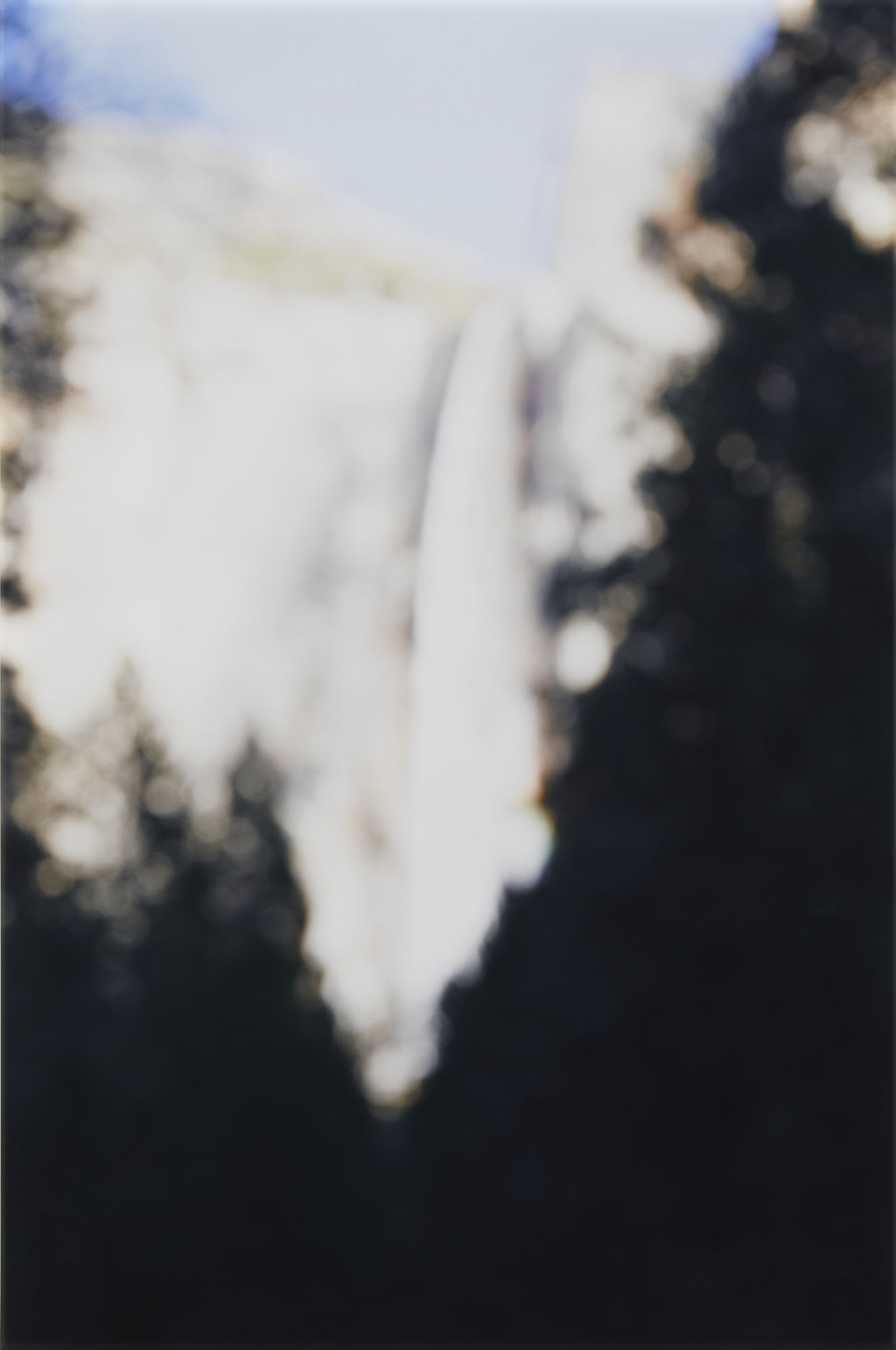
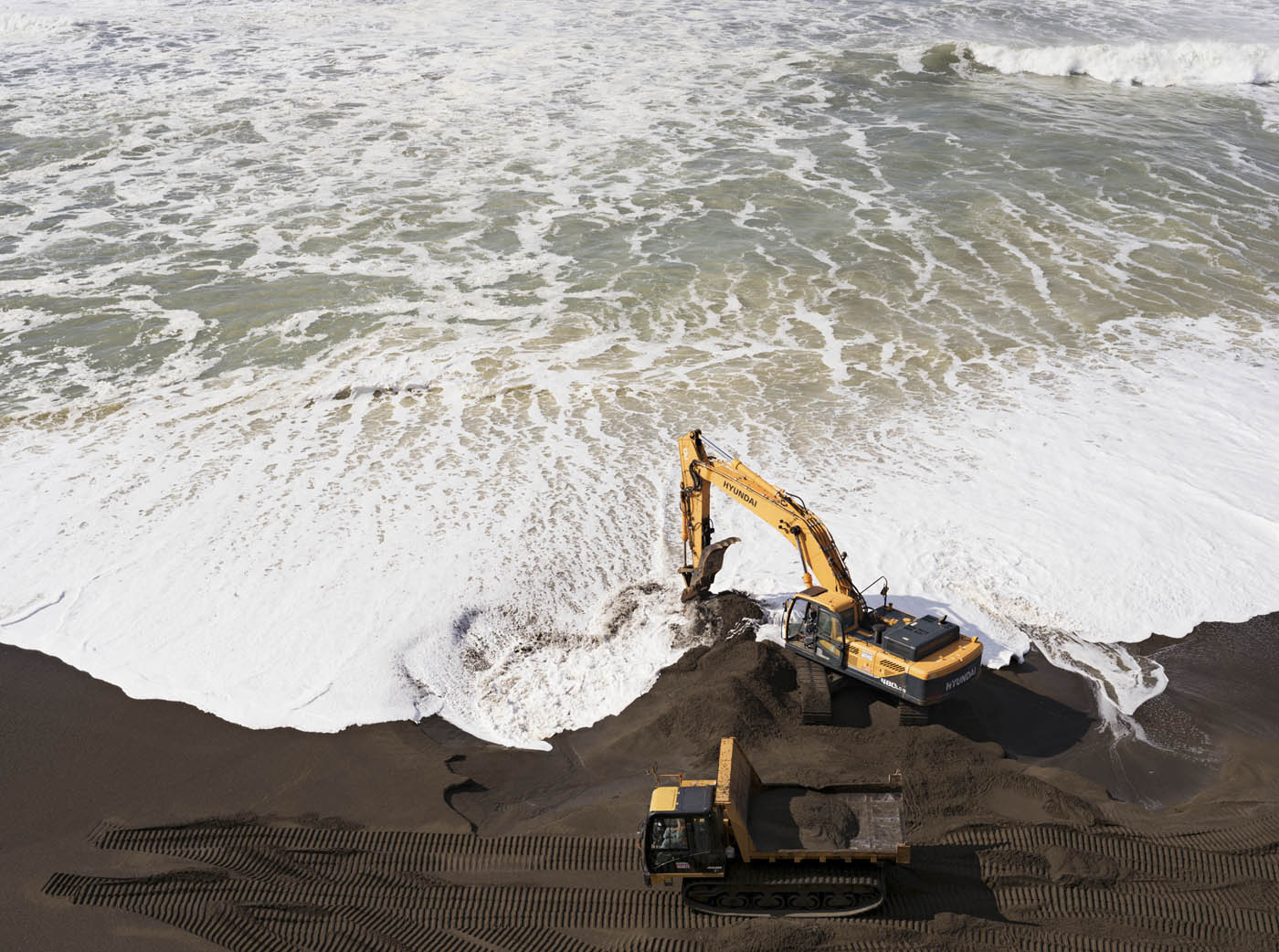
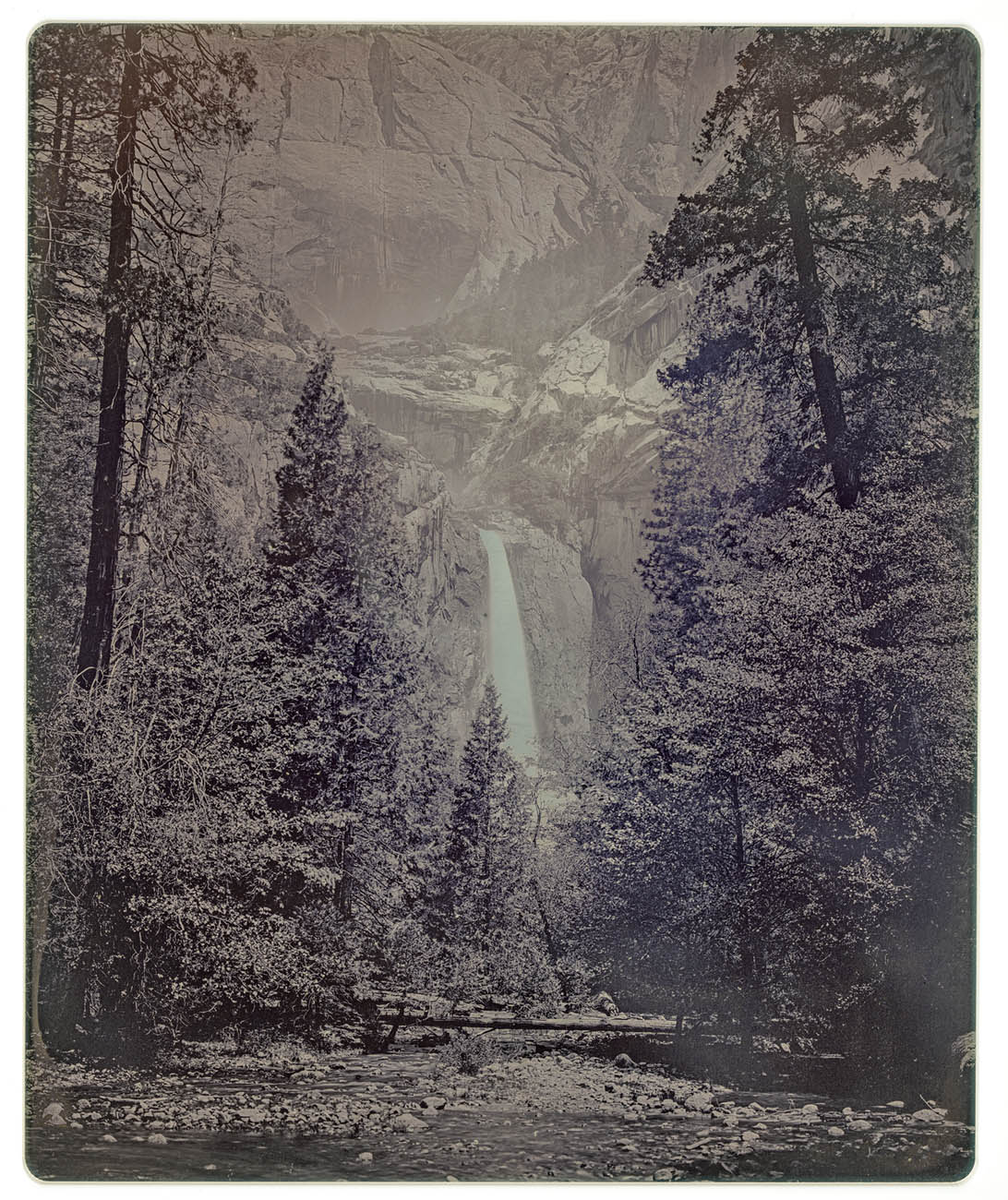
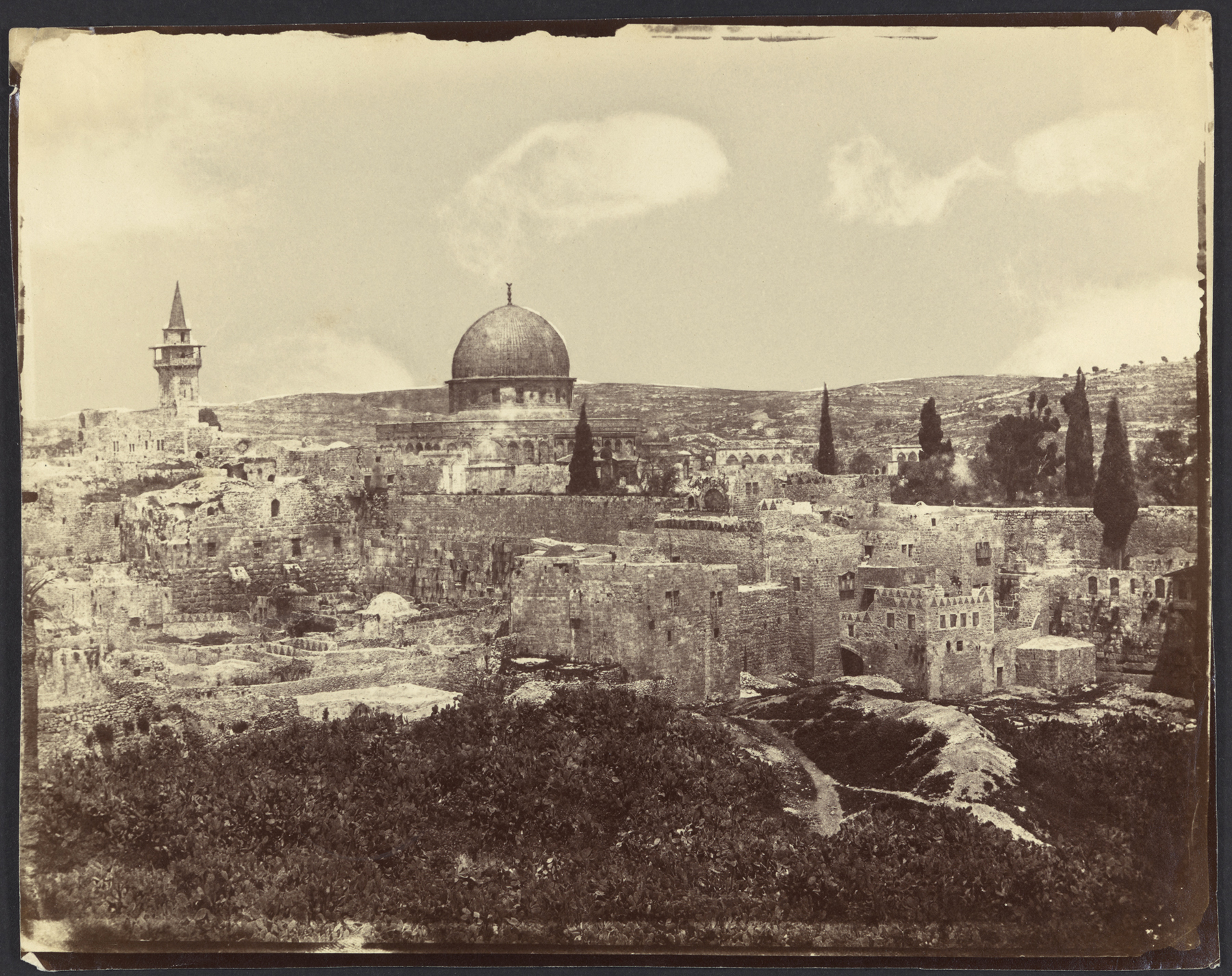
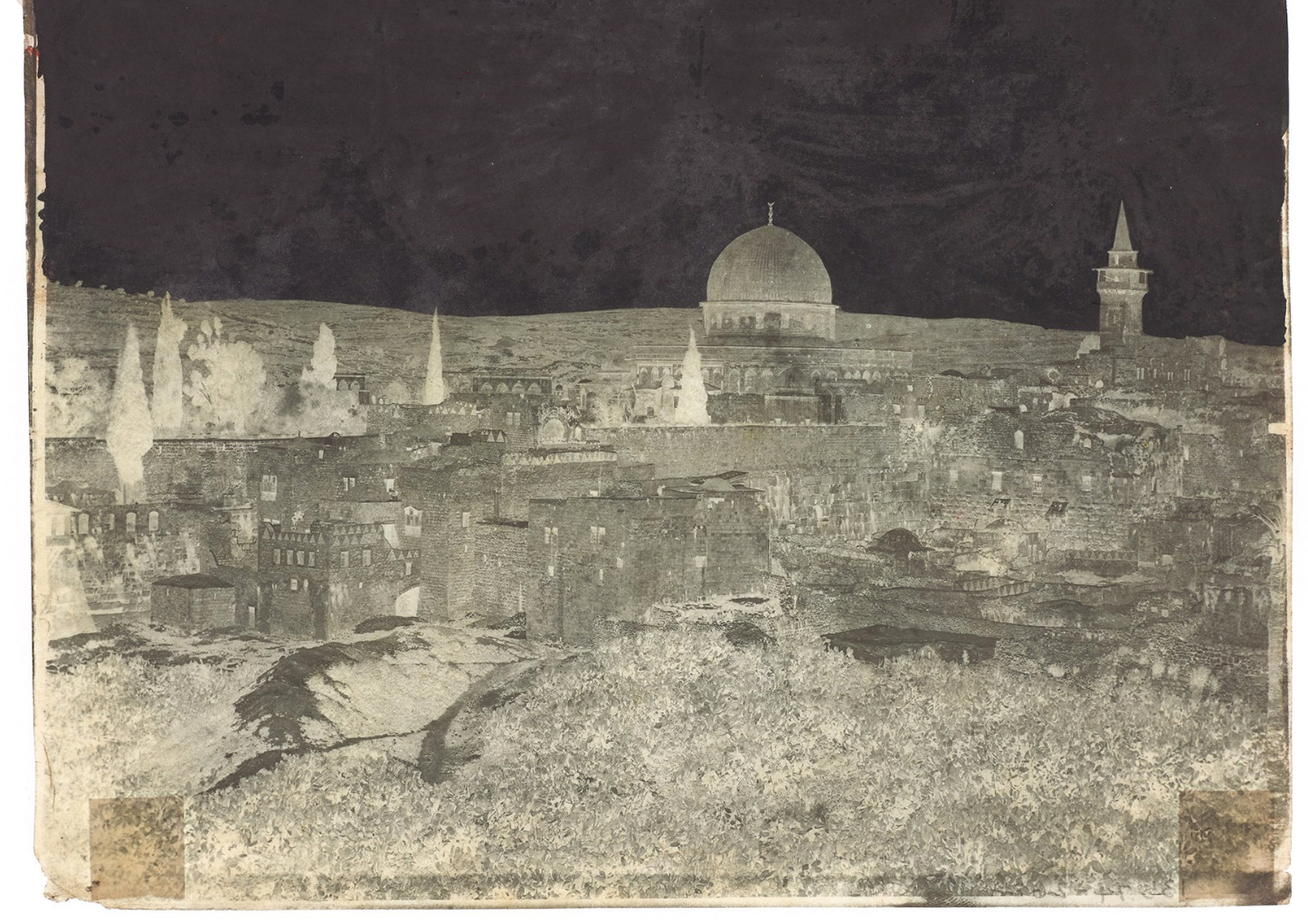
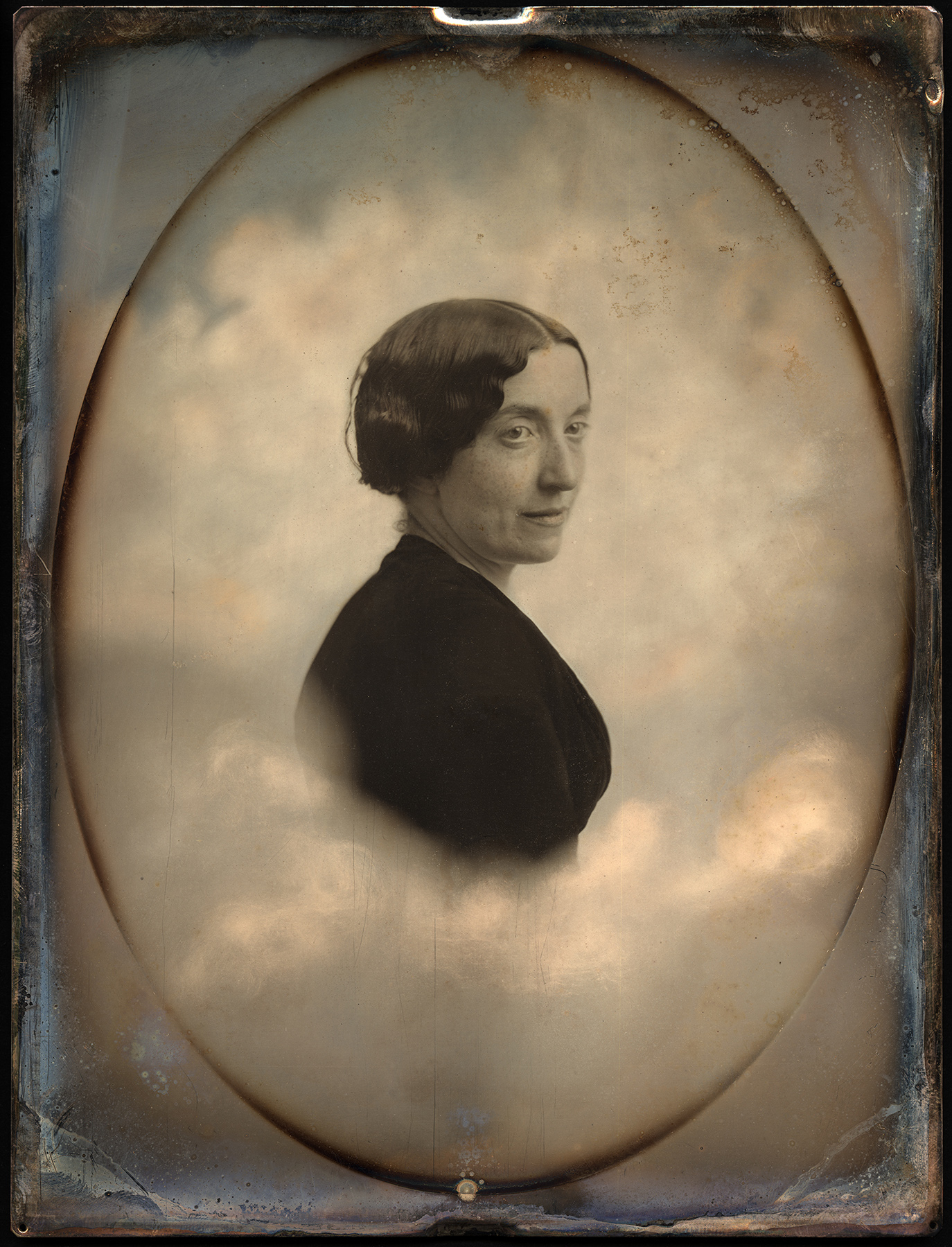
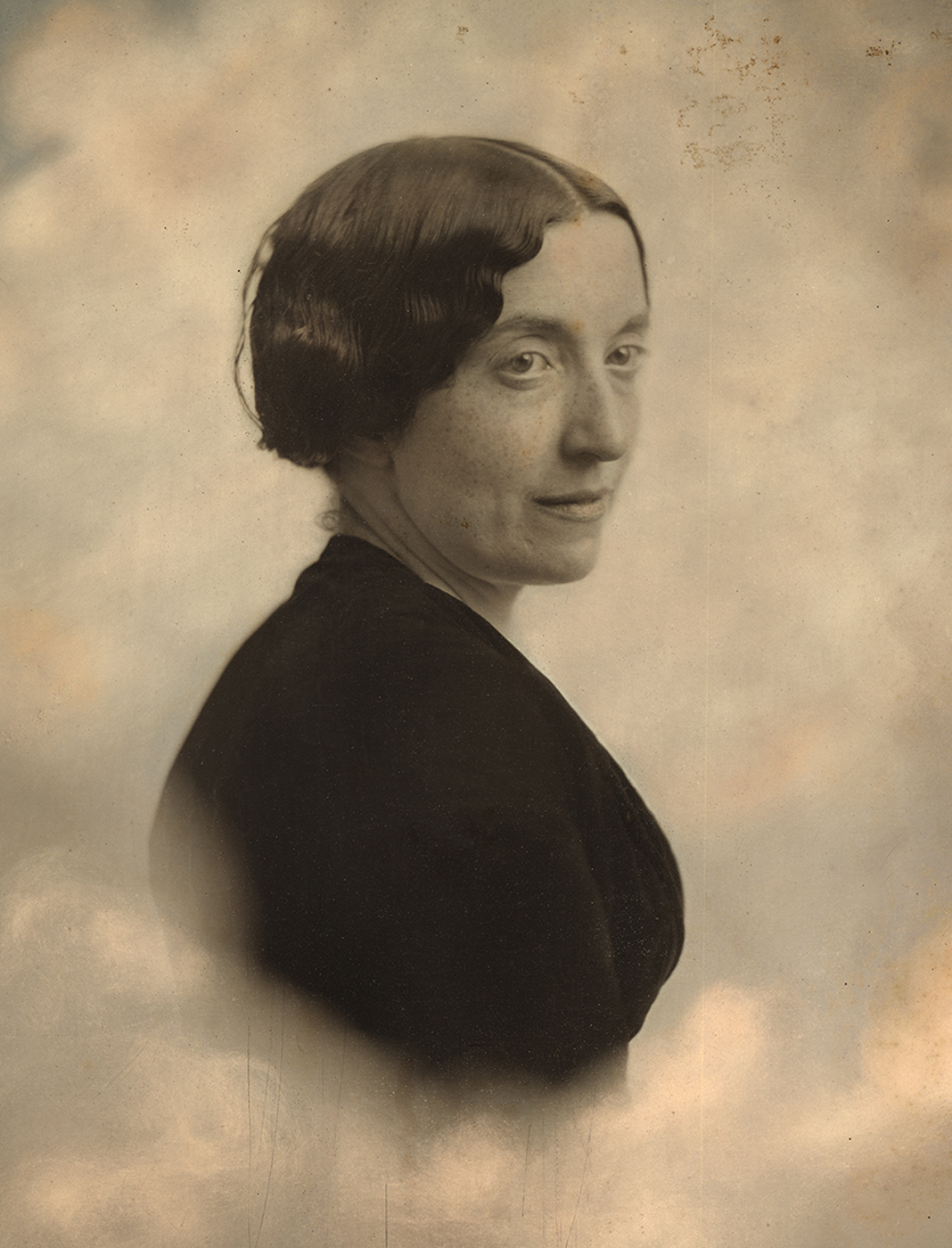
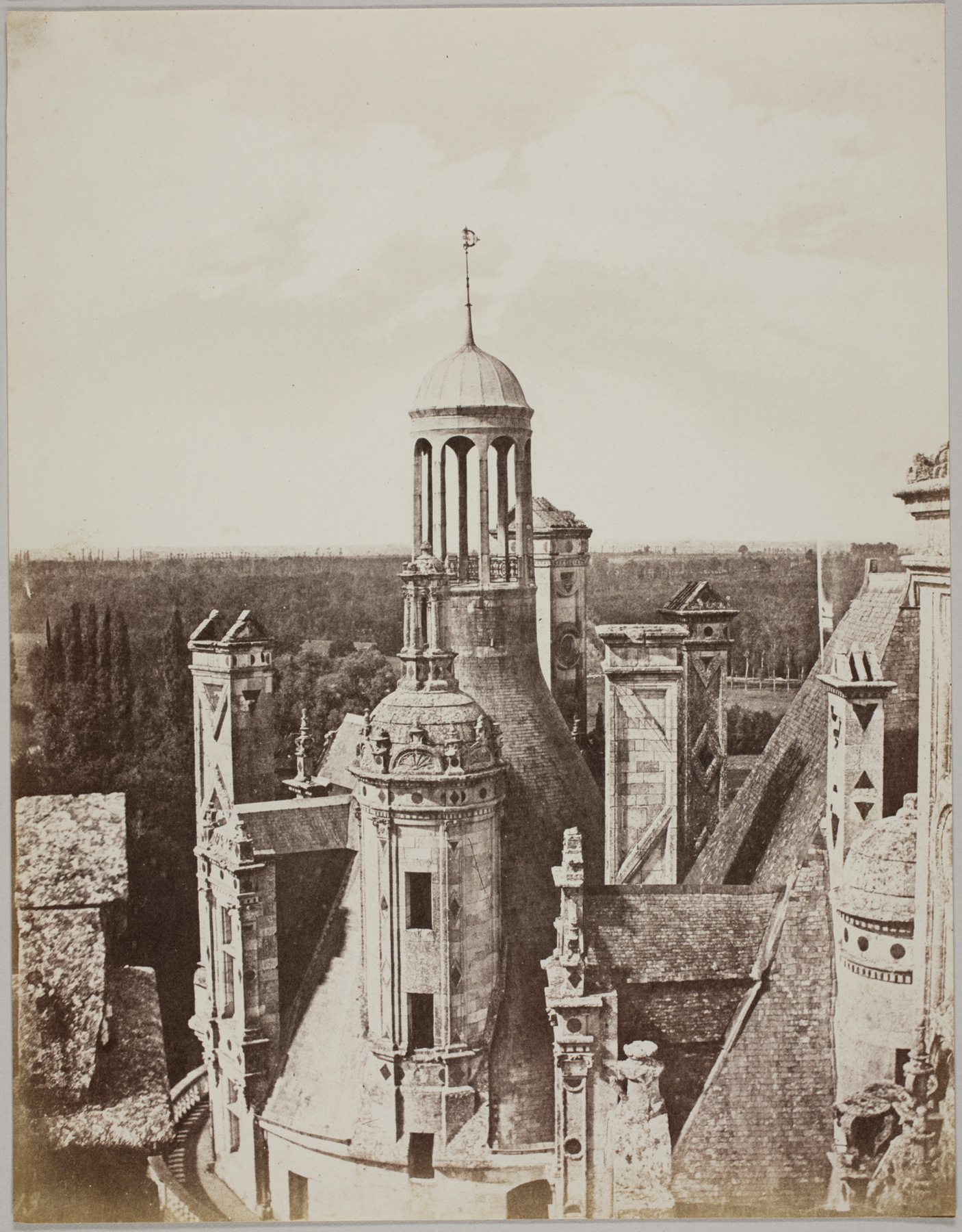
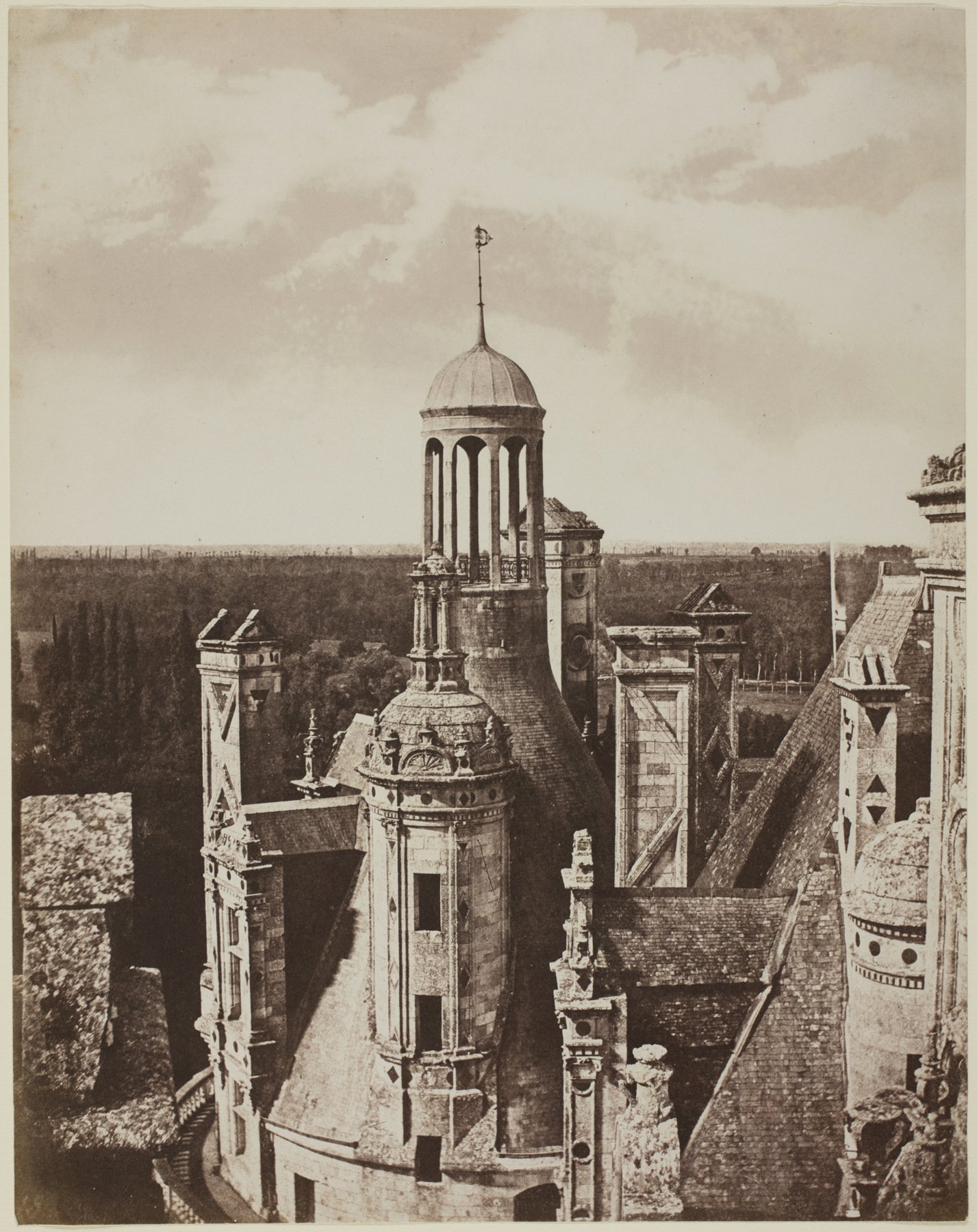
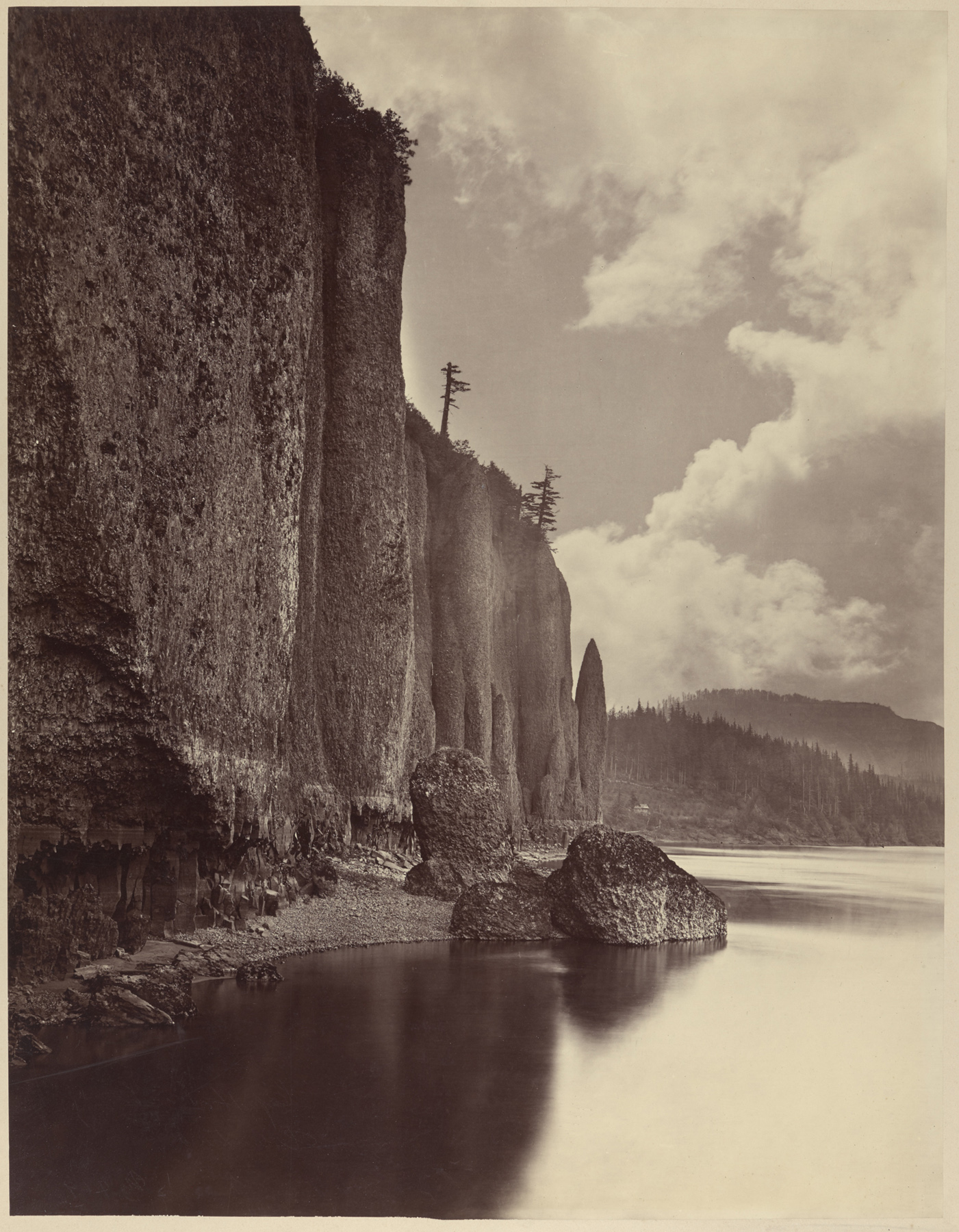
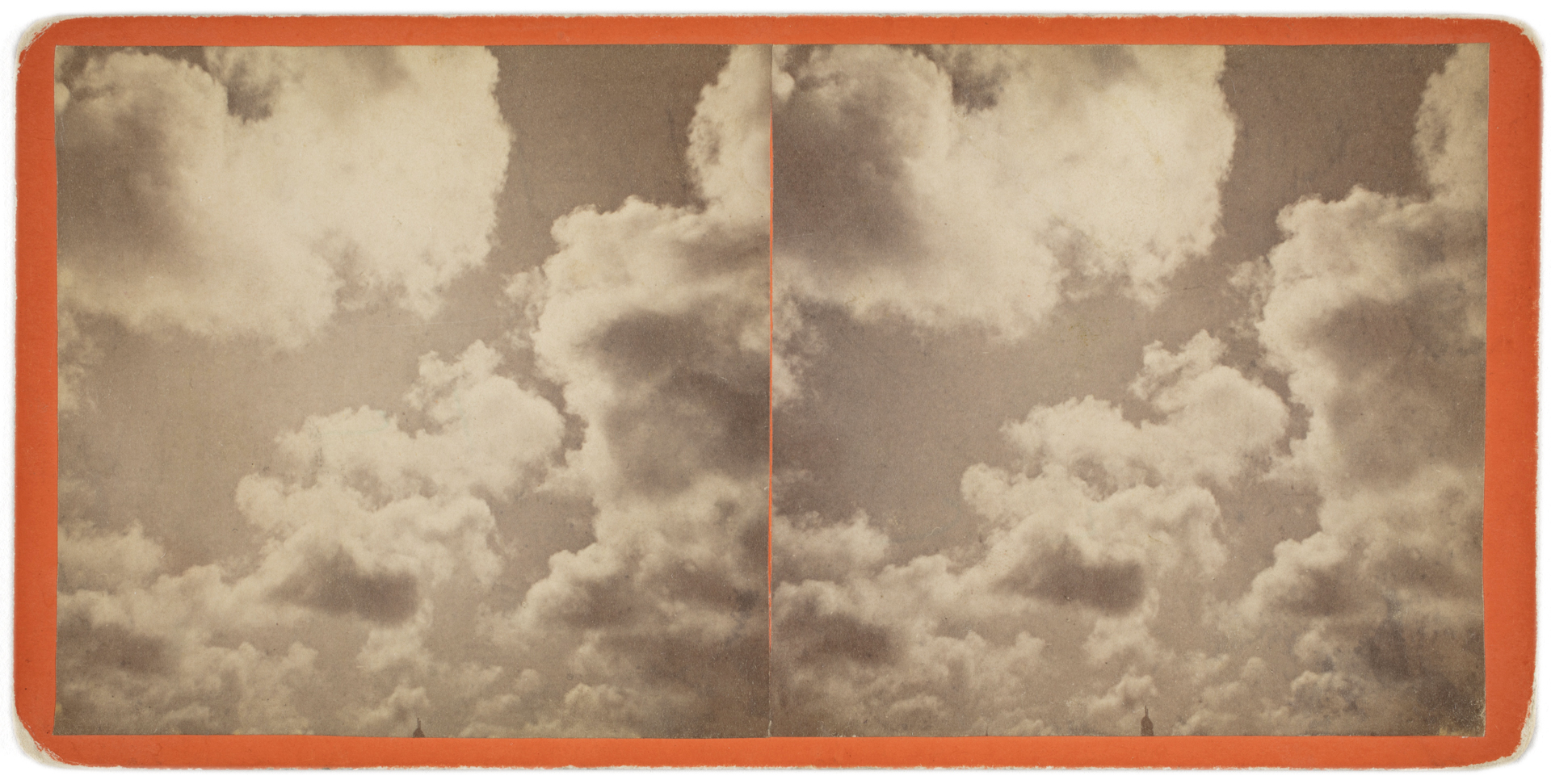
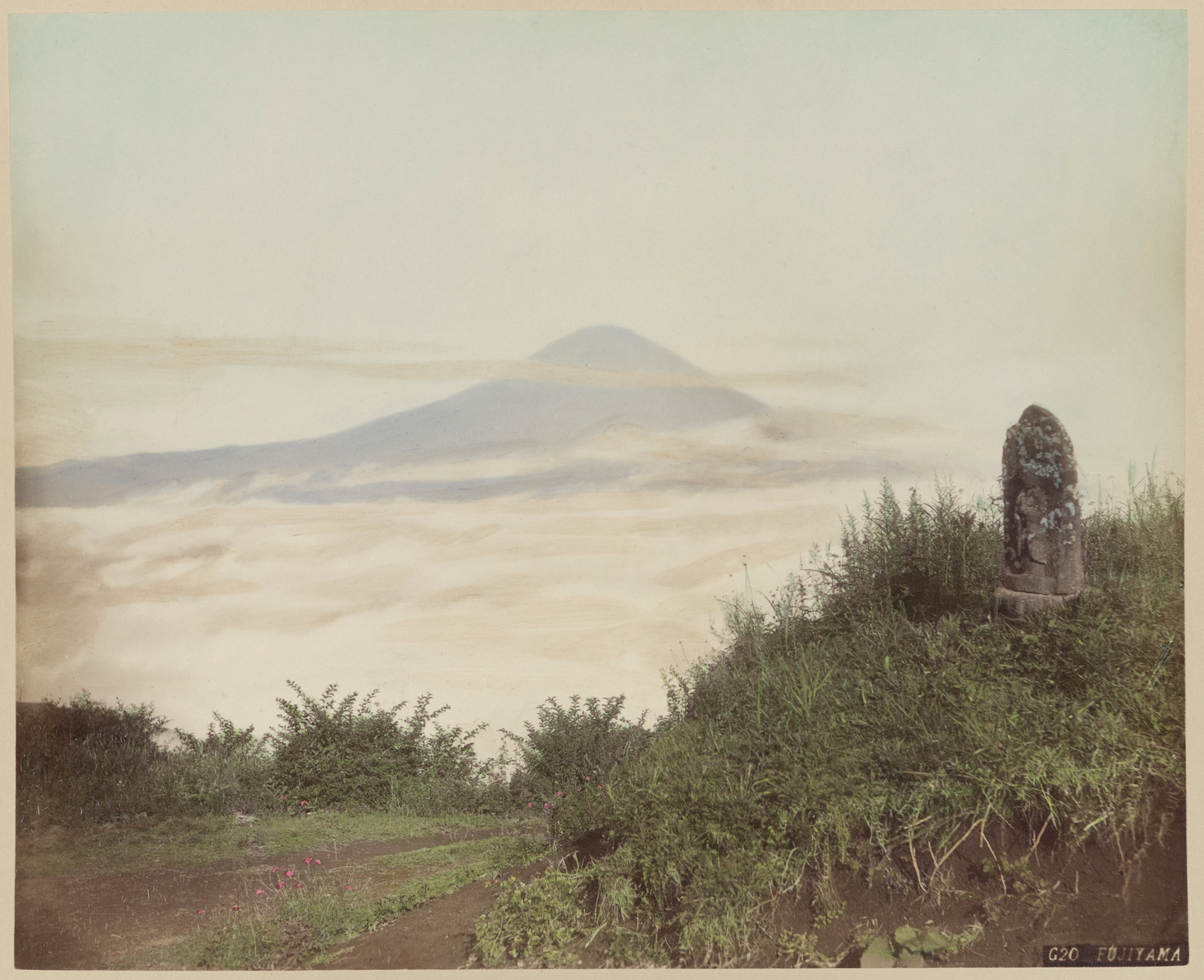
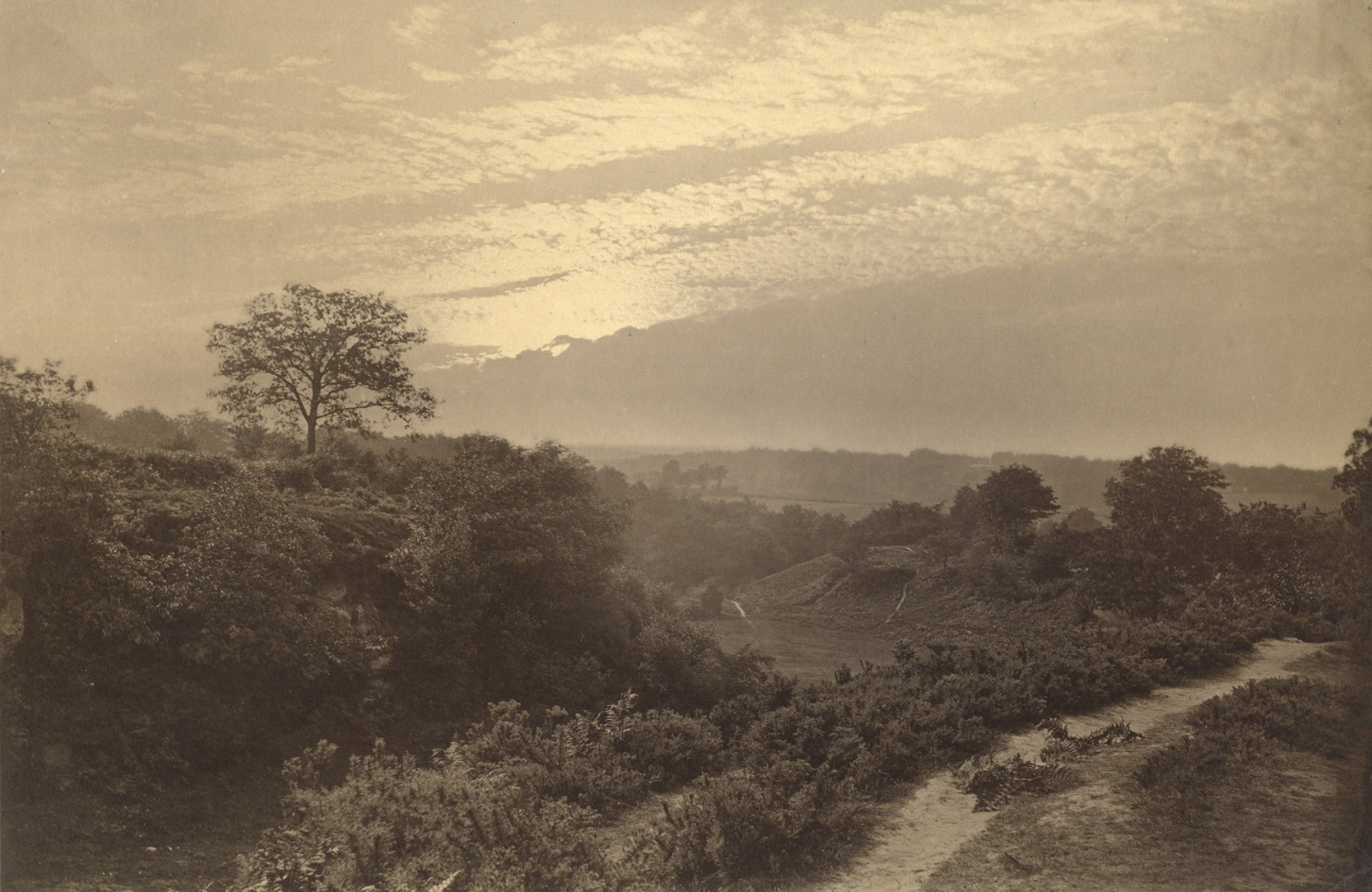
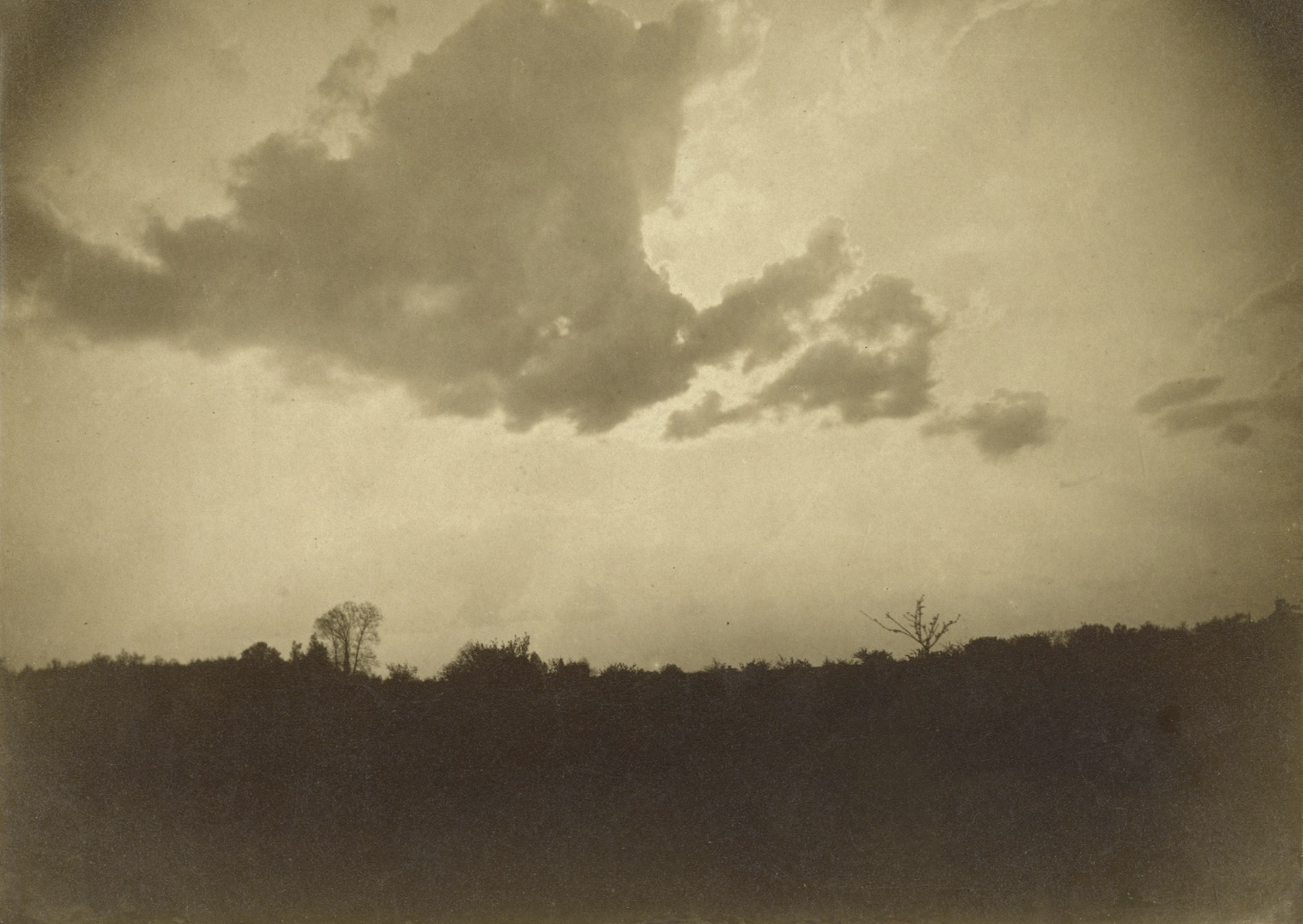
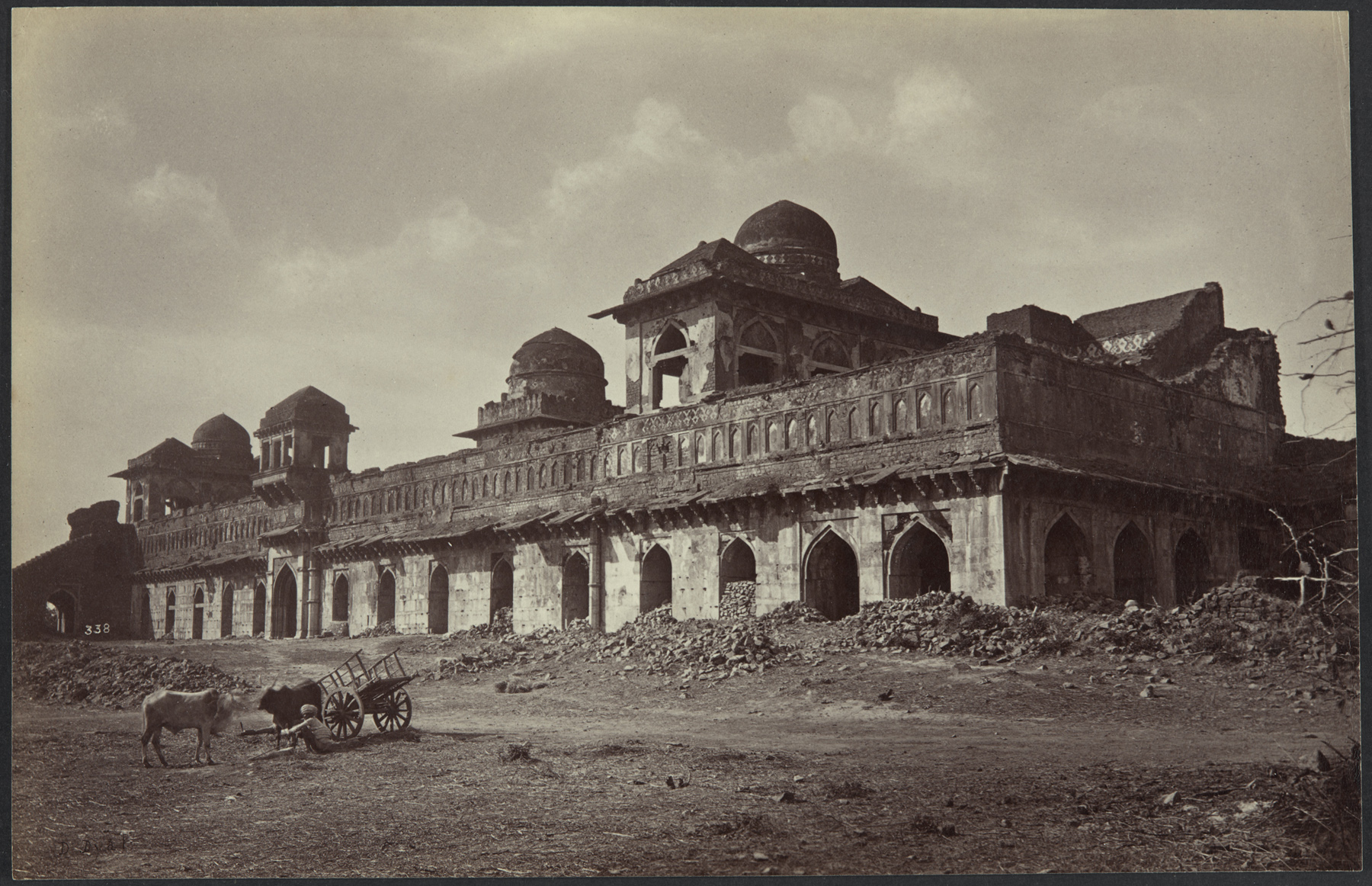
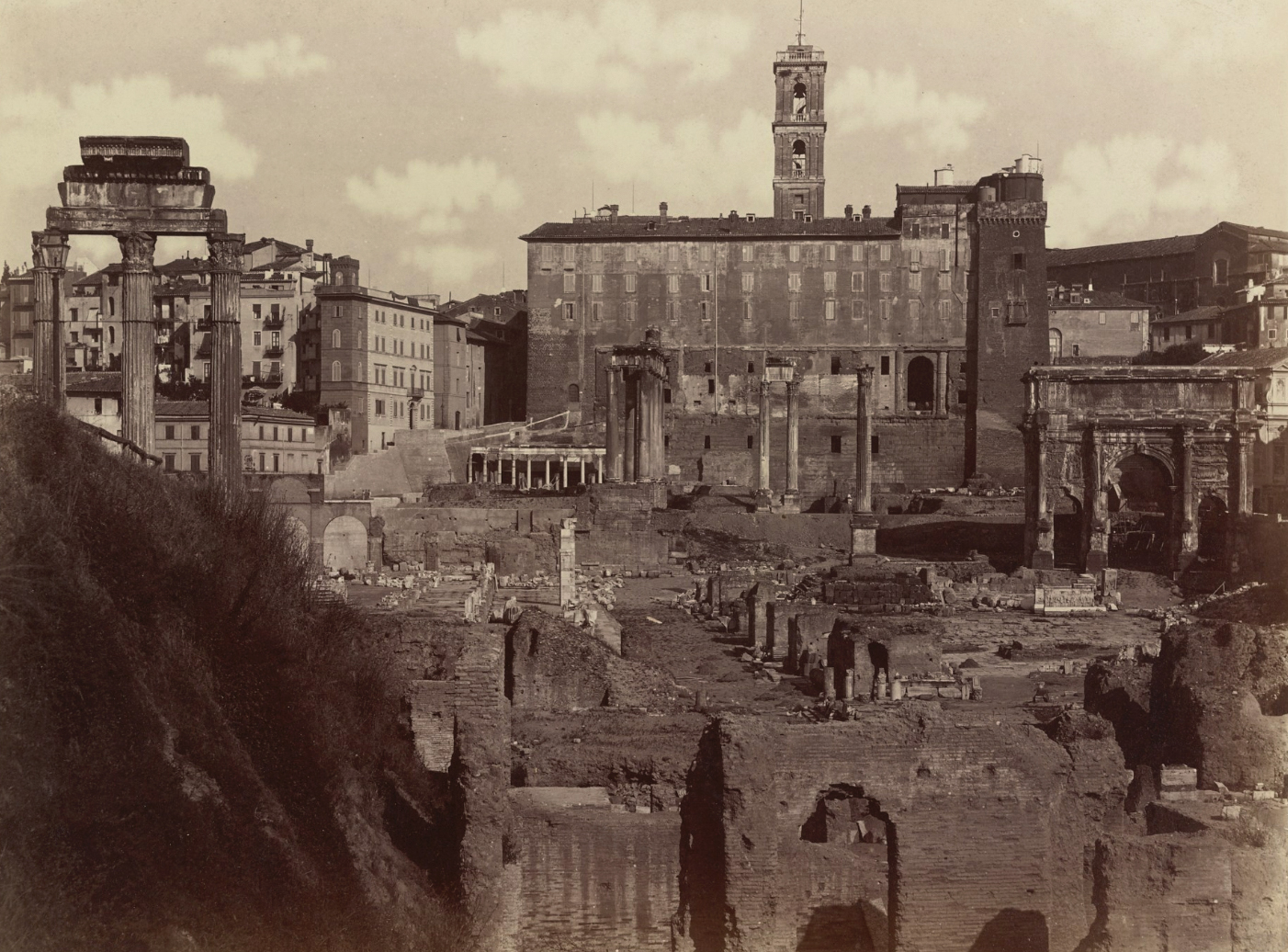
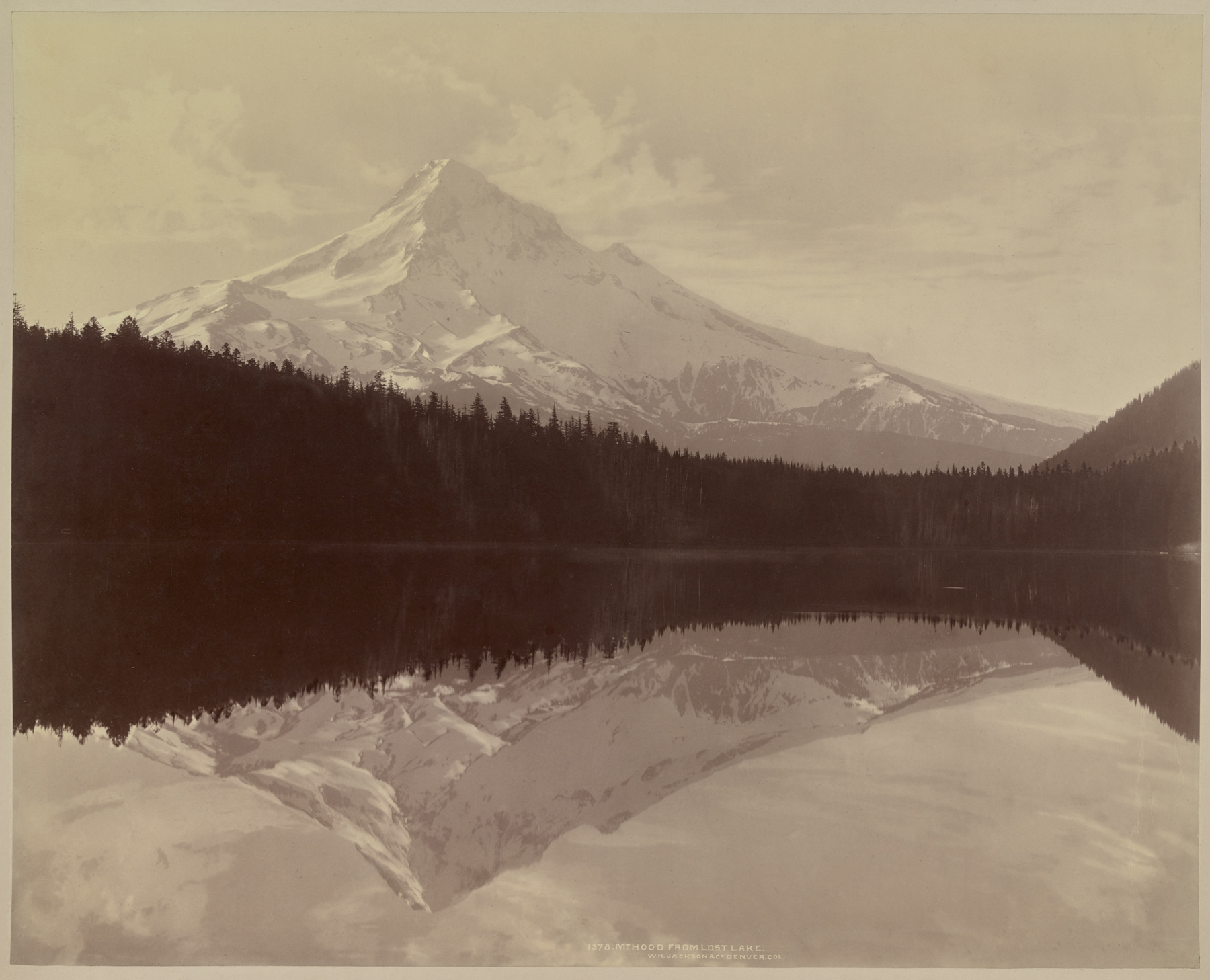
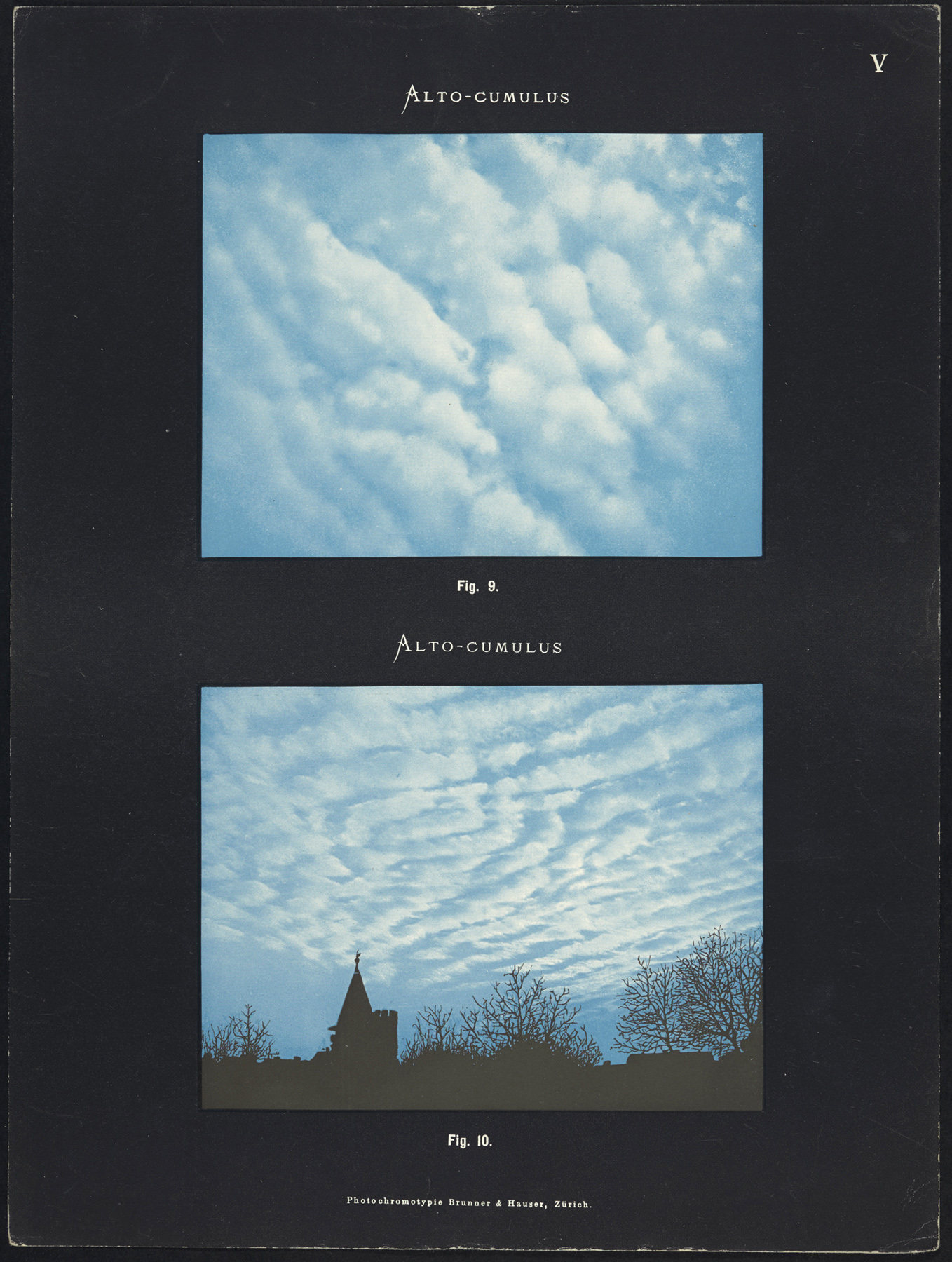
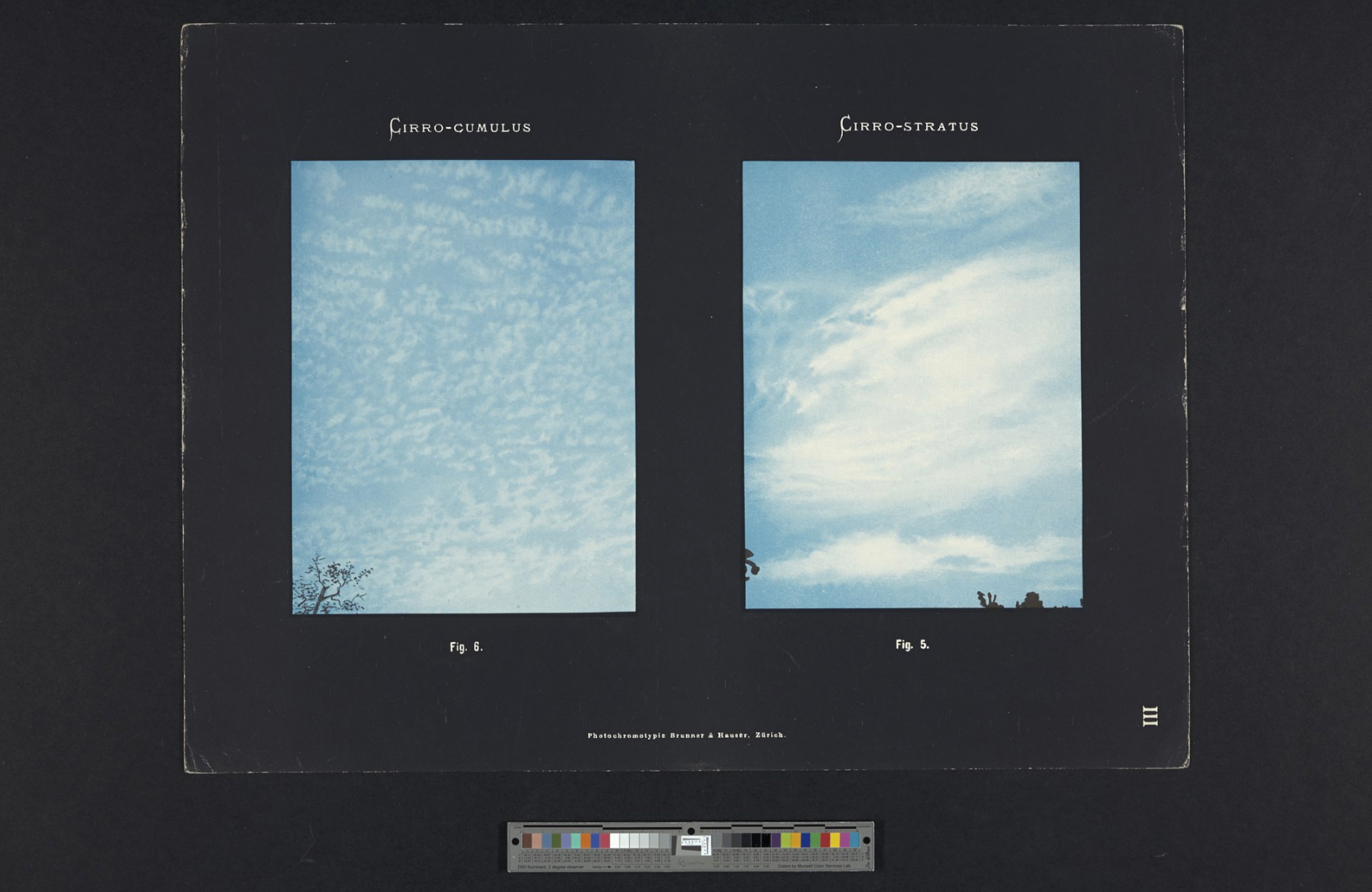
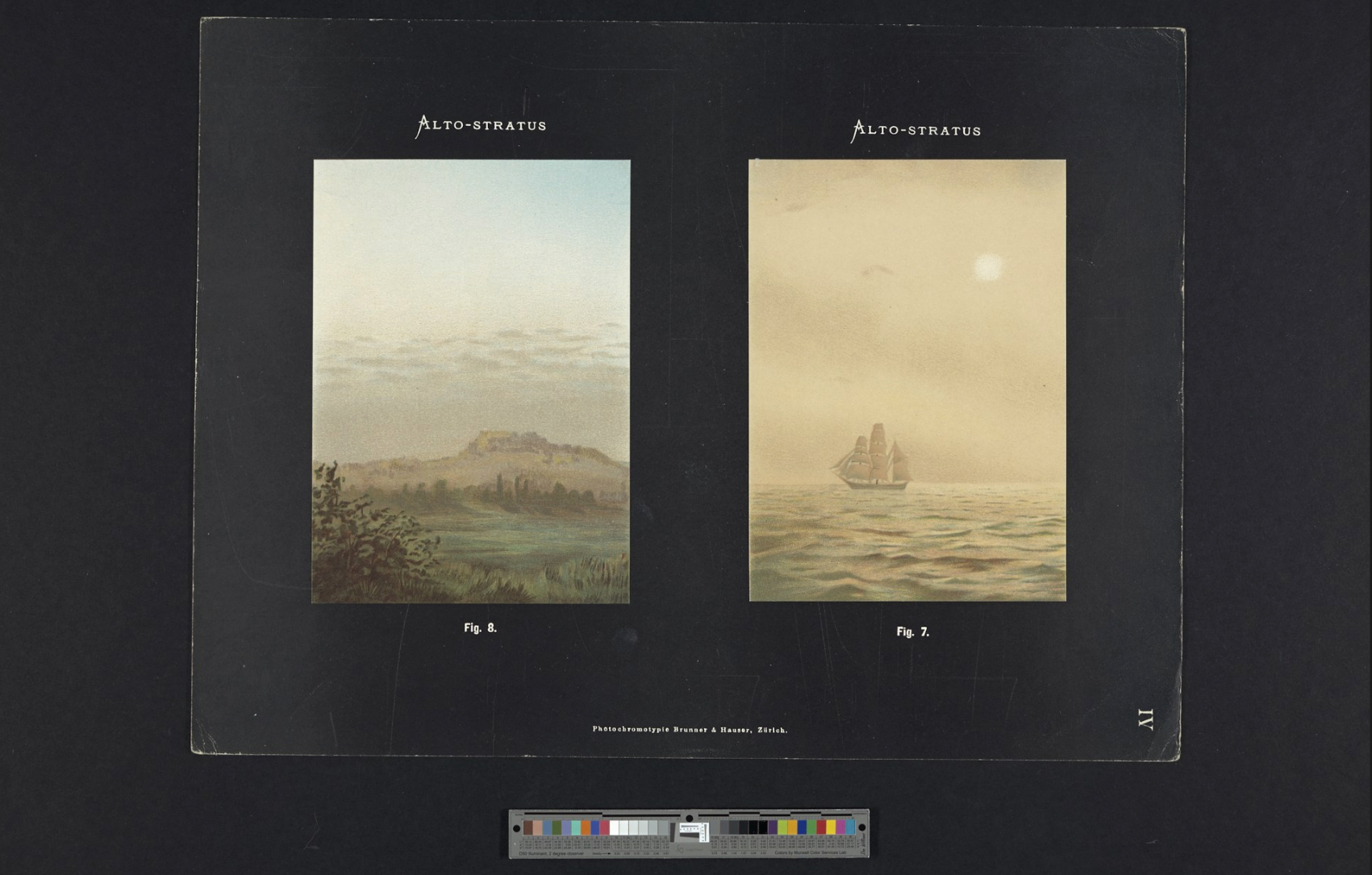
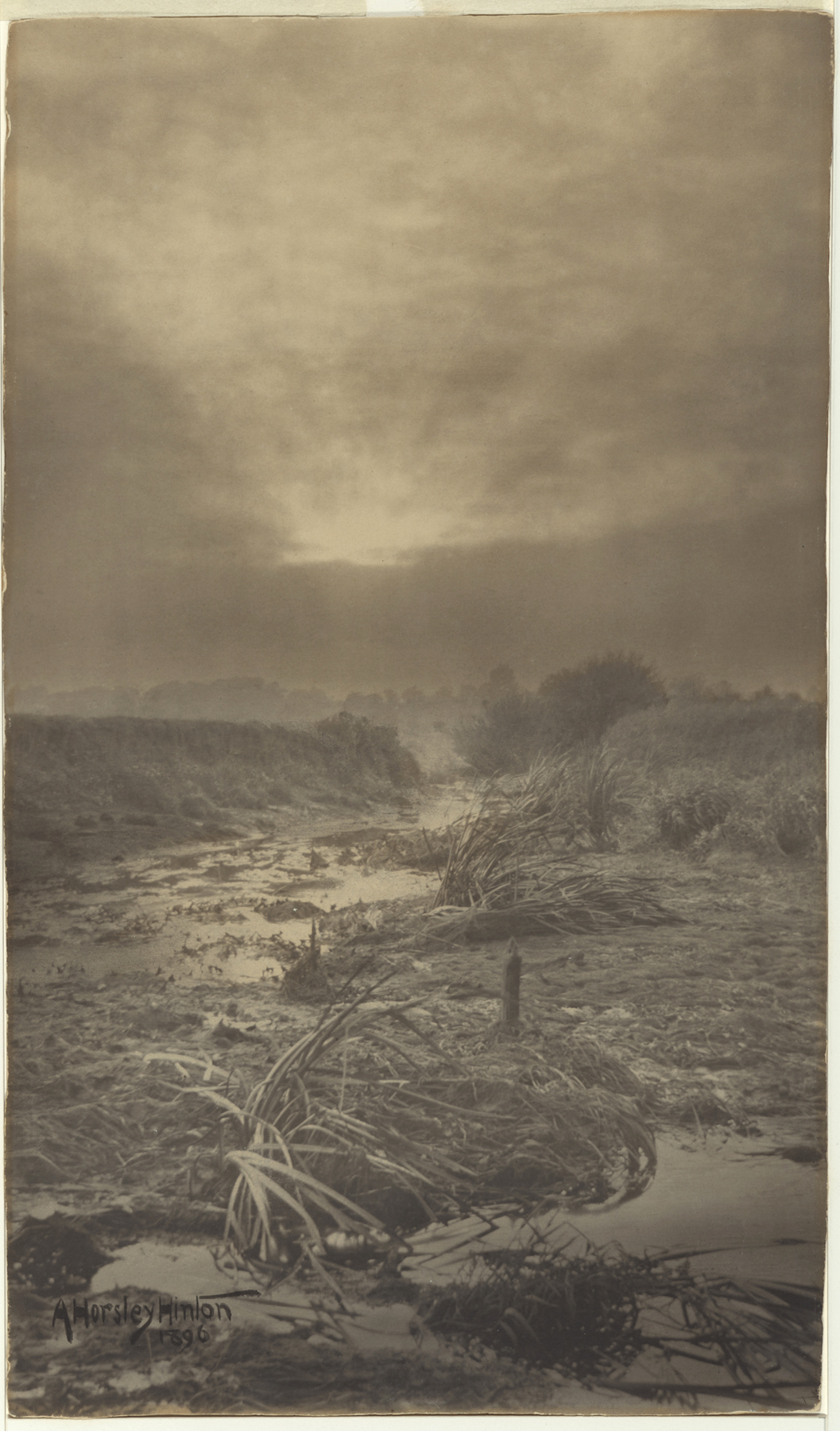
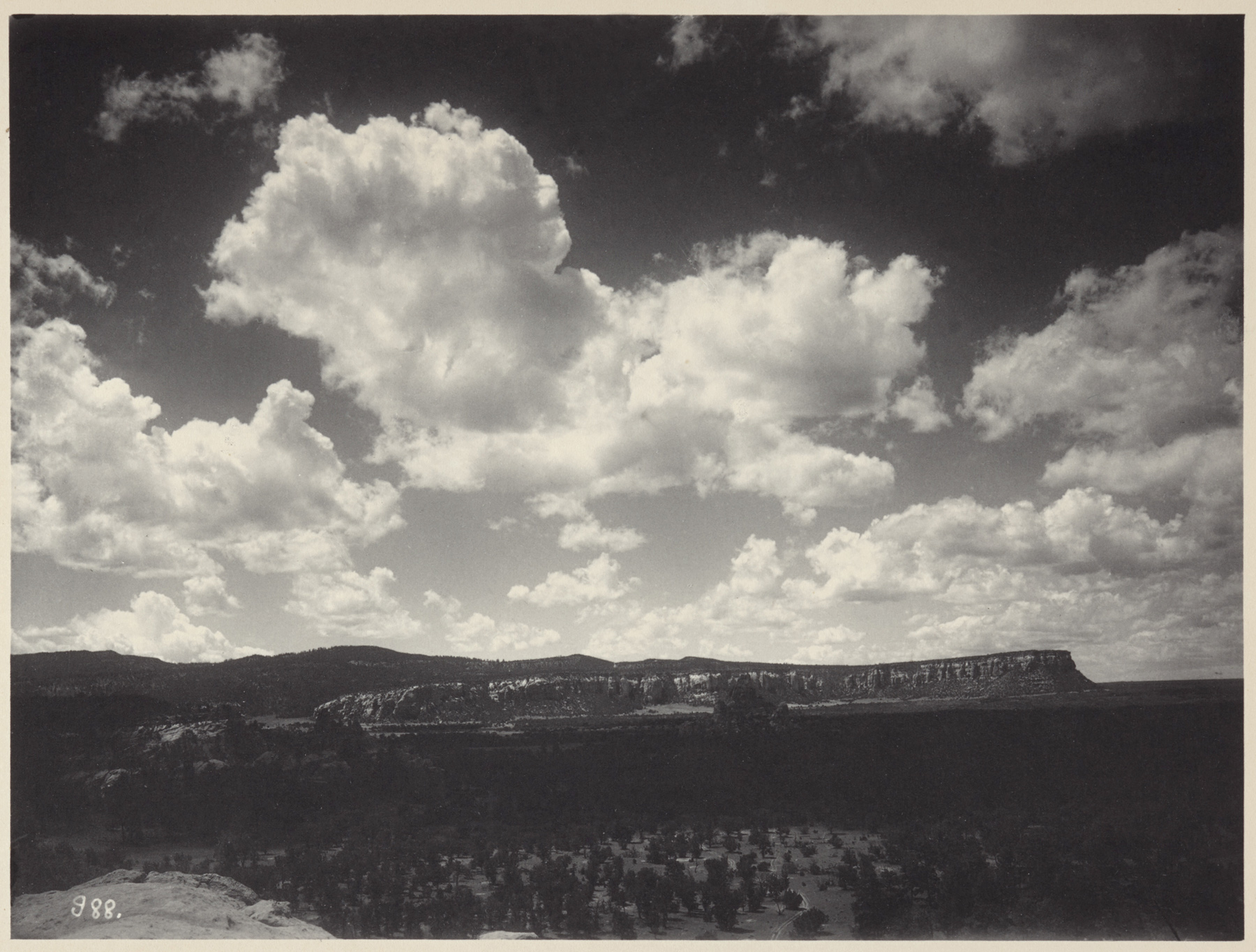
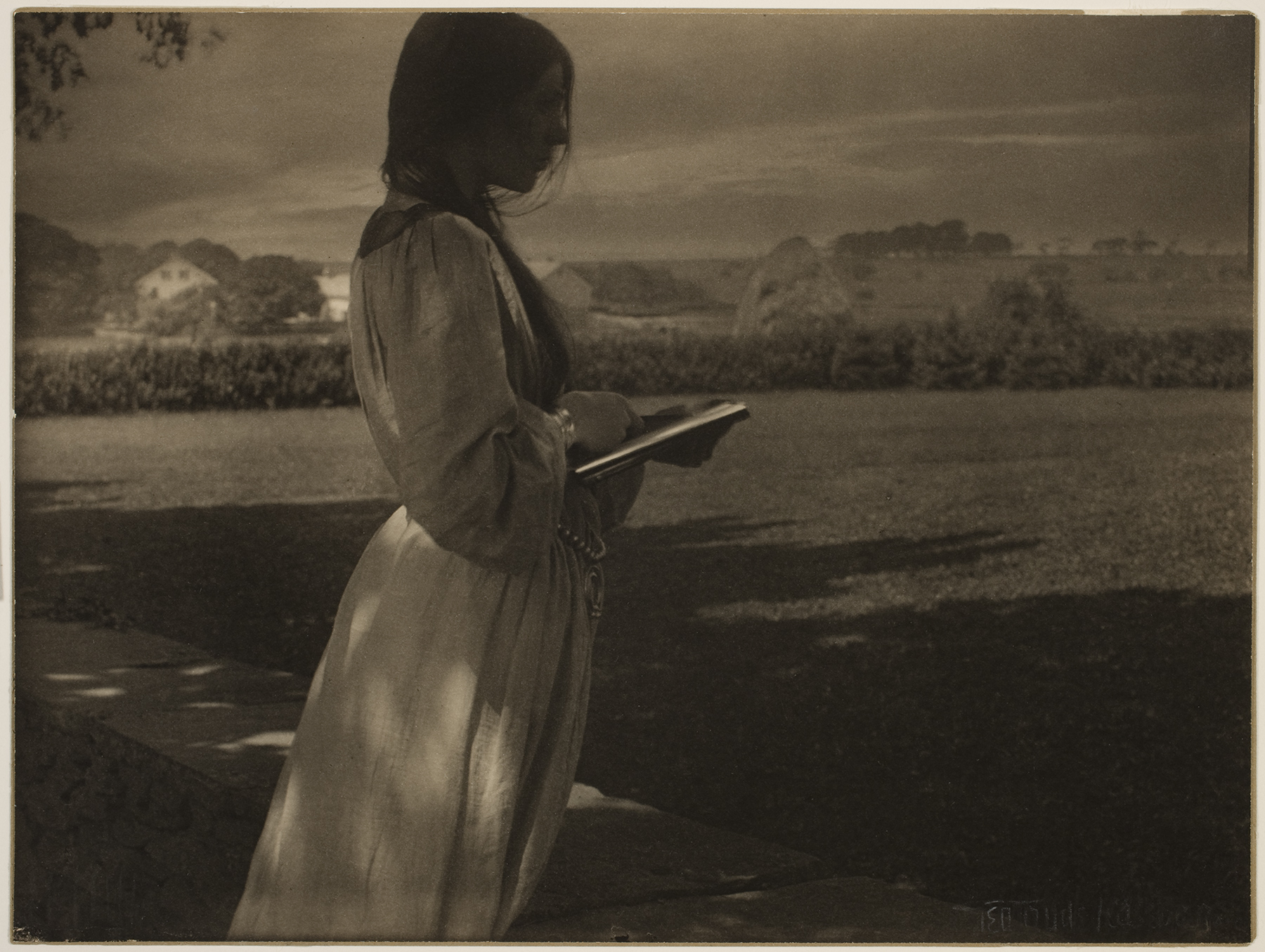
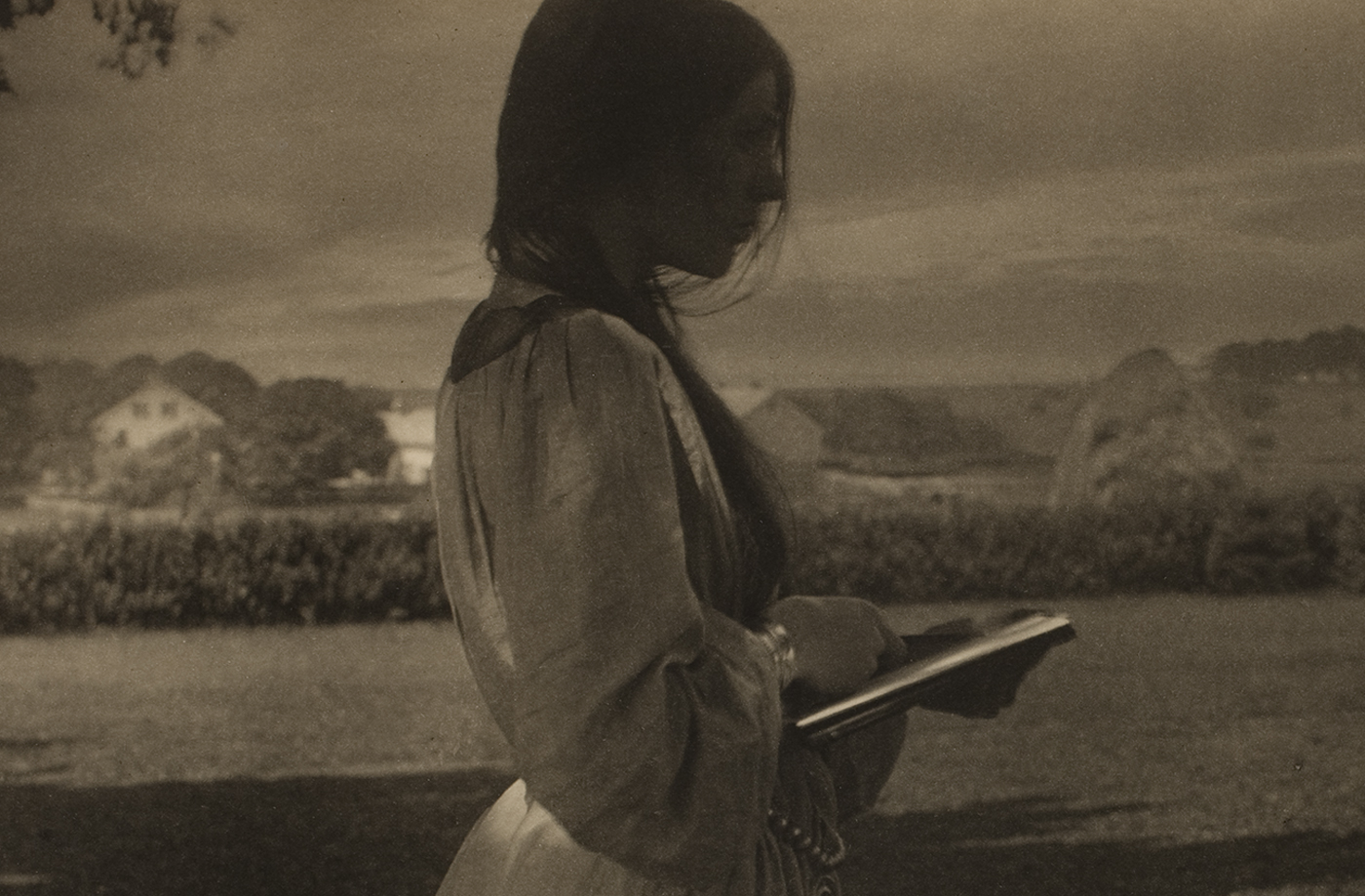
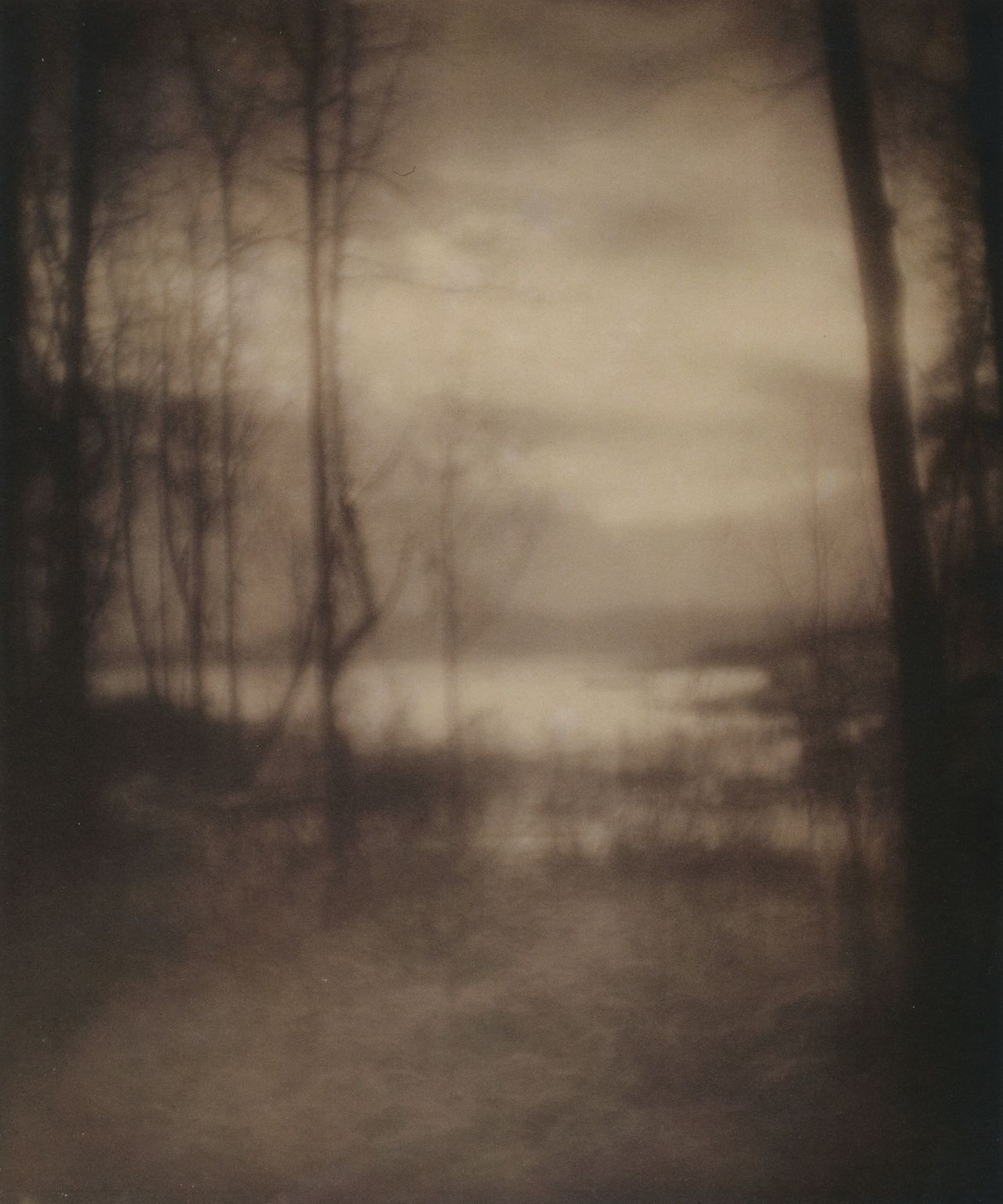
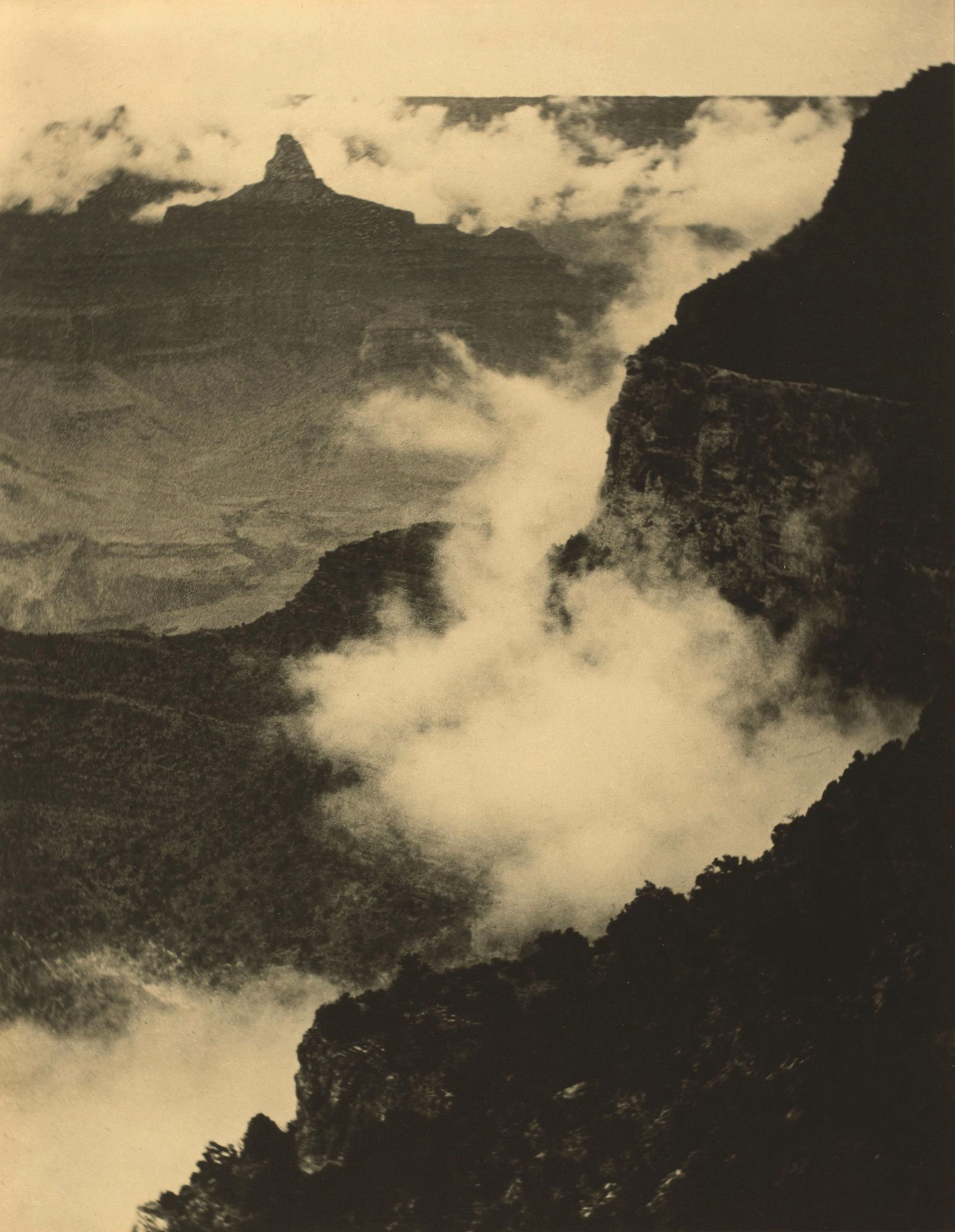
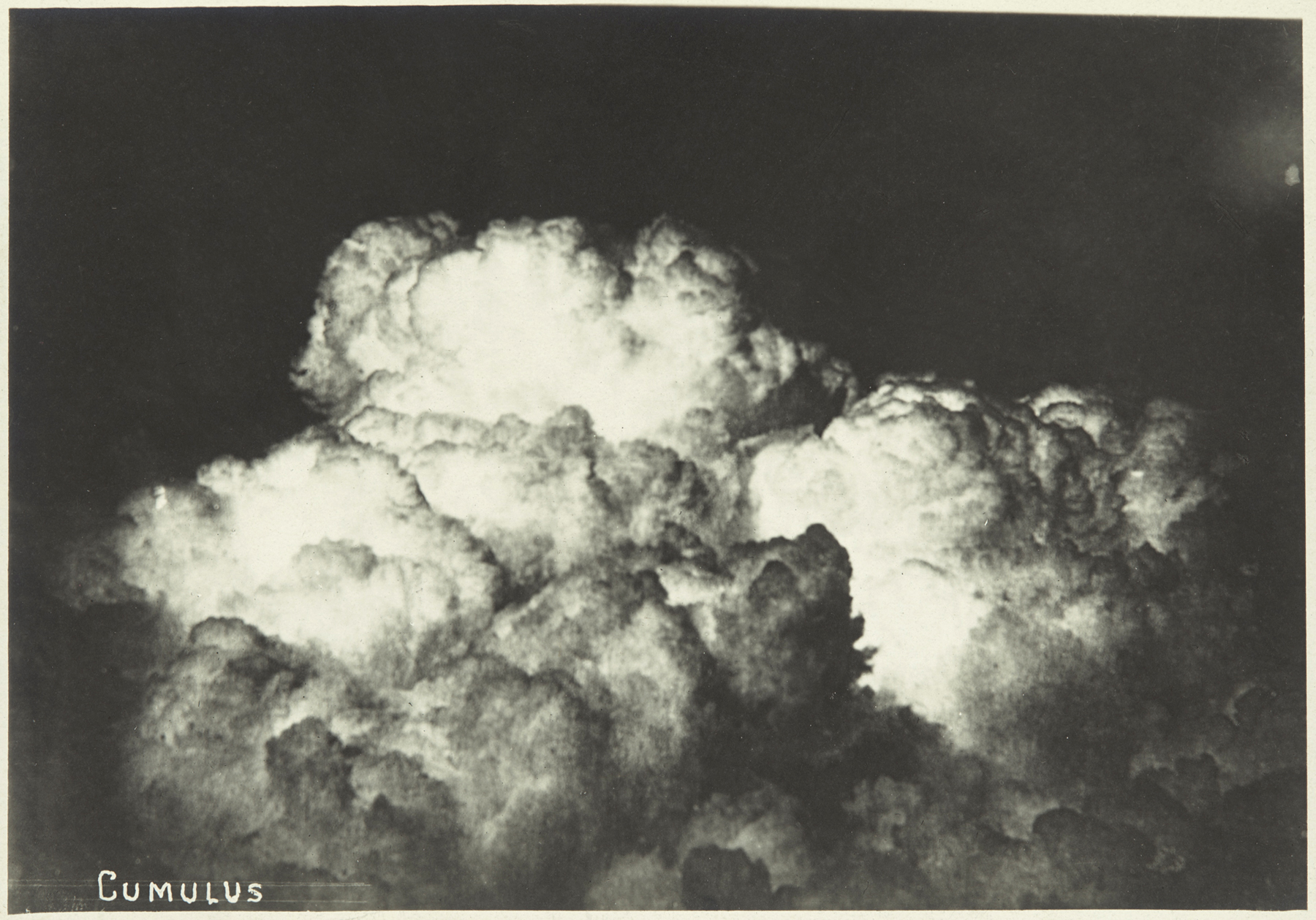
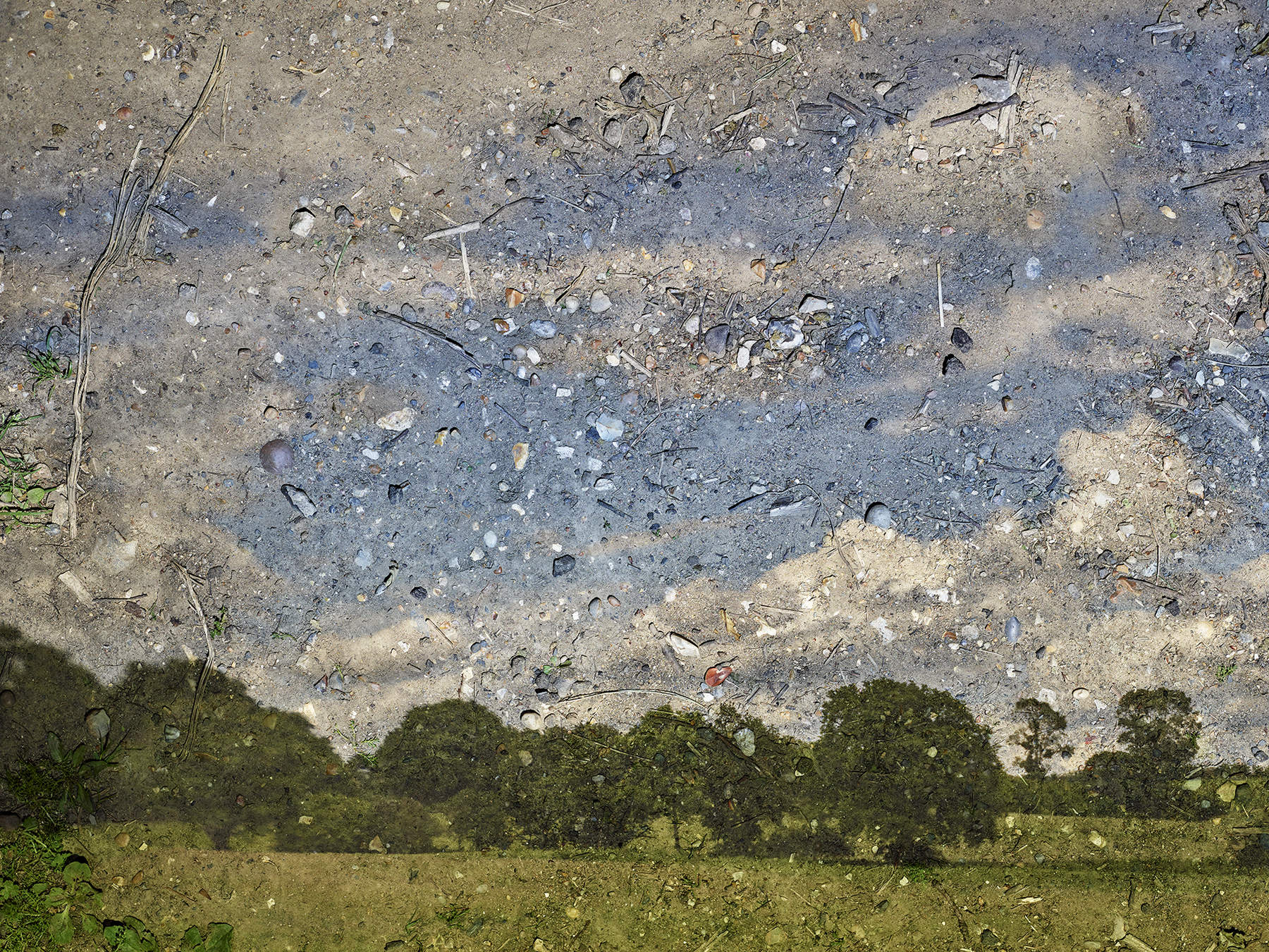
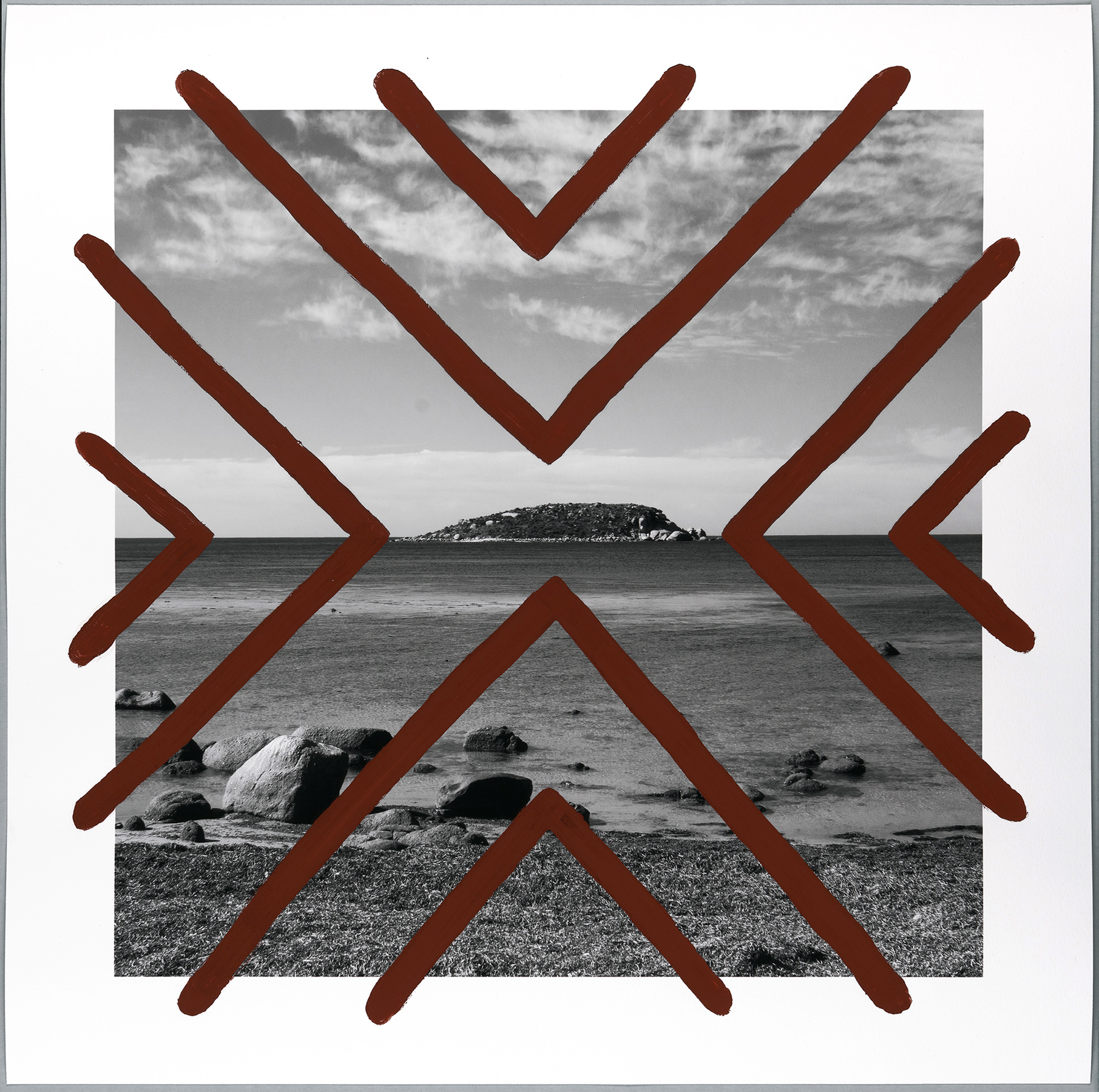


![Lewis Carroll (British, Daresbury, Cheshire 1832 - 1898 Guildford) '[Alice Liddell]' June 25, 1870 from the exhibition '2020 Vision: Photographs, 1840s-1860s' at the Metropolitan Museum of Art, New York, Dec 2019 - Dec 2020](https://artblart.com/wp-content/uploads/2020/07/lewis-carroll-alice-liddell.jpg "Lewis Carroll (British, Daresbury, Cheshire 1832 - 1898 Guildford) '[Alice Liddell]' June 25, 1870 from the exhibition '2020 Vision: Photographs, 1840s-1860s' at the Metropolitan Museum of Art, New York, Dec 2019 - Dec 2020")
![Unknown photographer (American) '[Surveyor]' c. 1854](https://artblart.com/wp-content/uploads/2020/07/anon-surveyor-a.jpg "Unknown photographer (American) '[Surveyor]' c. 1854")
![Unknown photographer (American) '[Surveyor]' c. 1854](https://artblart.com/wp-content/uploads/2020/07/anon-surveyor-b.jpg "Unknown photographer (American) '[Surveyor]' c. 1854")

![Hippolyte Bayard (French, 1801-1887) '[Classical Head]' probably 1839](https://artblart.com/wp-content/uploads/2020/07/bayard-classical-head.jpg "Hippolyte Bayard (French, 1801-1887) '[Classical Head]' probably 1839")
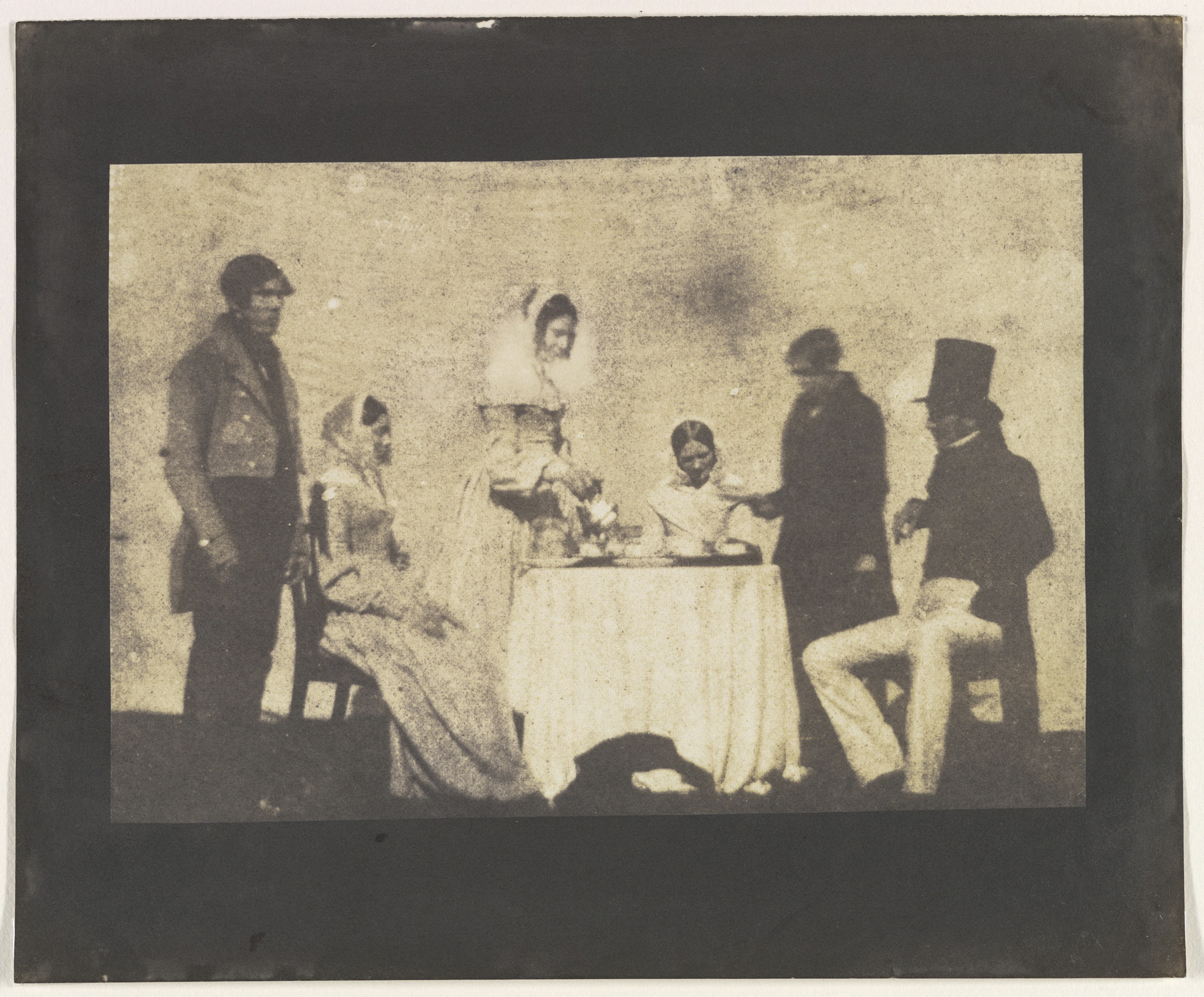
![Unknown artist. '[Carte-de-visite Album of Collaged Portraits]' 1850s-1860s](https://artblart.com/wp-content/uploads/2020/07/anon-collaged-portraits-a.jpg "Unknown artist. '[Carte-de-visite Album of Collaged Portraits]' 1850s-1860s")
![Unknown artist. '[Carte-de-visite Album of Collaged Portraits]' 1850s-1860s](https://artblart.com/wp-content/uploads/2020/07/anon-collaged-portraits-b.jpg "Unknown artist. '[Carte-de-visite Album of Collaged Portraits]' 1850s-1860s")
![Unknown artist. '[Carte-de-visite Album of Collaged Portraits]' 1850s-1860s](https://artblart.com/wp-content/uploads/2020/07/anon-collaged-portraits-c.jpg "Unknown artist. '[Carte-de-visite Album of Collaged Portraits]' 1850s-1860s")
![Unknown artist. '[Carte-de-visite Album of Collaged Portraits]' 1850s-1860s](https://artblart.com/wp-content/uploads/2020/07/anon-collaged-portraits-d.jpg "Unknown artist. '[Carte-de-visite Album of Collaged Portraits]' 1850s-1860s")
![Unknown artist. '[Carte-de-visite Album of Collaged Portraits]' 1850s-1860s](https://artblart.com/wp-content/uploads/2020/07/anon-collaged-portraits-e.jpg "Unknown artist. '[Carte-de-visite Album of Collaged Portraits]' 1850s-1860s")
![Unknown artist. '[Carte-de-visite Album of Collaged Portraits]' 1850s-1860s](https://artblart.com/wp-content/uploads/2020/07/anon-collaged-portraits-f.jpg "Unknown artist. '[Carte-de-visite Album of Collaged Portraits]' 1850s-1860s")
![Unknown artist. '[Carte-de-visite Album of Collaged Portraits]' 1850s-1860s](https://artblart.com/wp-content/uploads/2020/07/anon-collaged-portraits-g.jpg "Unknown artist. '[Carte-de-visite Album of Collaged Portraits]' 1850s-1860s")
![Unknown artist. '[Carte-de-visite Album of Collaged Portraits]' 1850s-1860s](https://artblart.com/wp-content/uploads/2020/07/anon-collaged-portraits-h.jpg "Unknown artist. '[Carte-de-visite Album of Collaged Portraits]' 1850s-1860s")
![Unknown artist (American) '[Studio Photographer at Work]' c. 1855](https://artblart.com/wp-content/uploads/2020/07/unknown-artist-american-studio-photographer-at-work-c-1855.jpg "Unknown artist (American) '[Studio Photographer at Work]' c. 1855")
![Unknown artist (American) '[Boy Holding a Daguerreotype]' 1850s](https://artblart.com/wp-content/uploads/2020/07/unknown-american-active-1850s-boy-holding-a-daguerreotype-1850s.jpg "Unknown artist (American) '[Boy Holding a Daguerreotype]' 1850s")
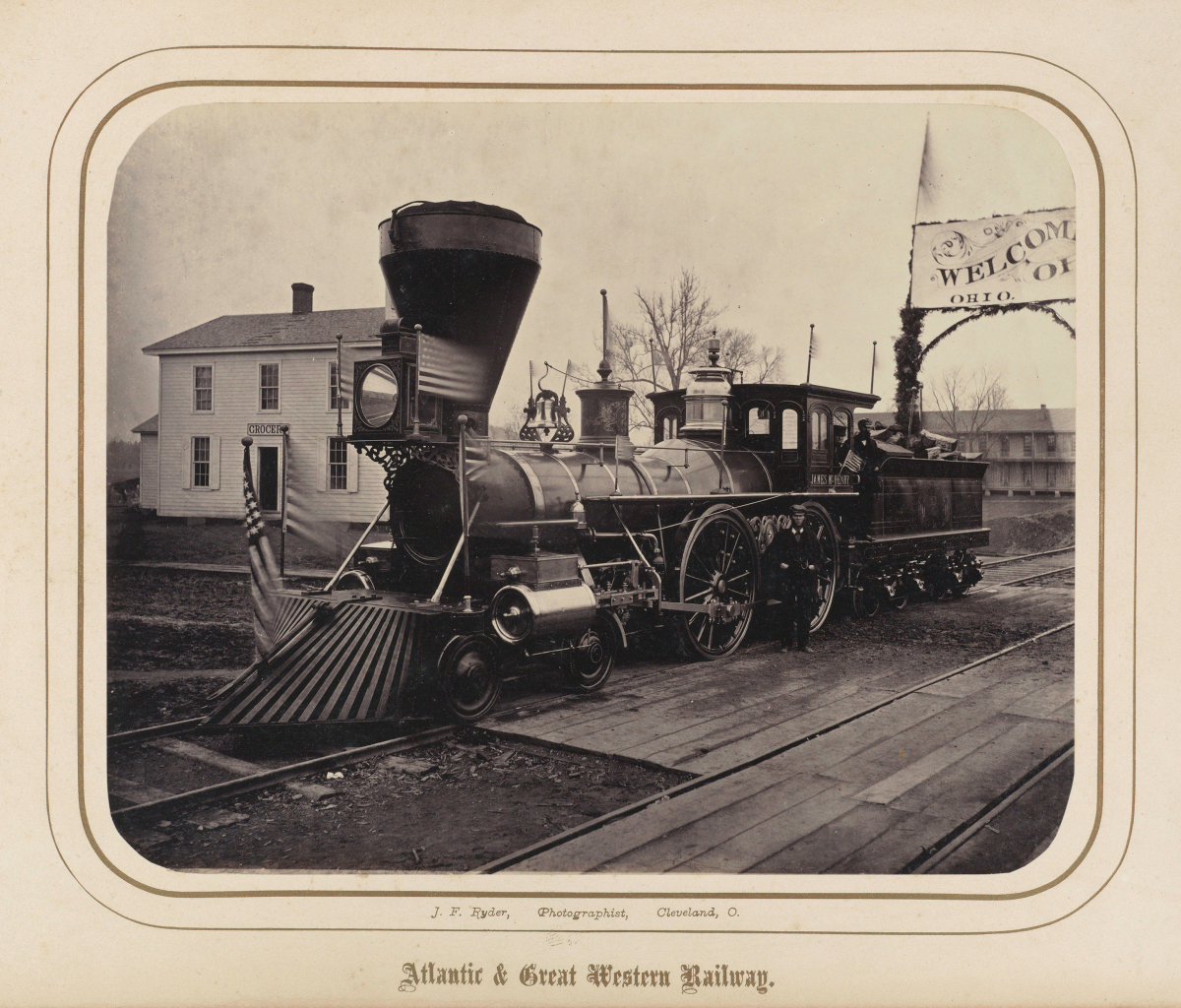

![Carleton E. Watkins (American, 1829-1916) '[California Oak, Santa Clara Valley]' c. 1863](https://artblart.com/wp-content/uploads/2020/07/watkins-california-oak-santa-clara-valley.jpg "Carleton E. Watkins (American, 1829-1916) '[California Oak, Santa Clara Valley]' c. 1863")
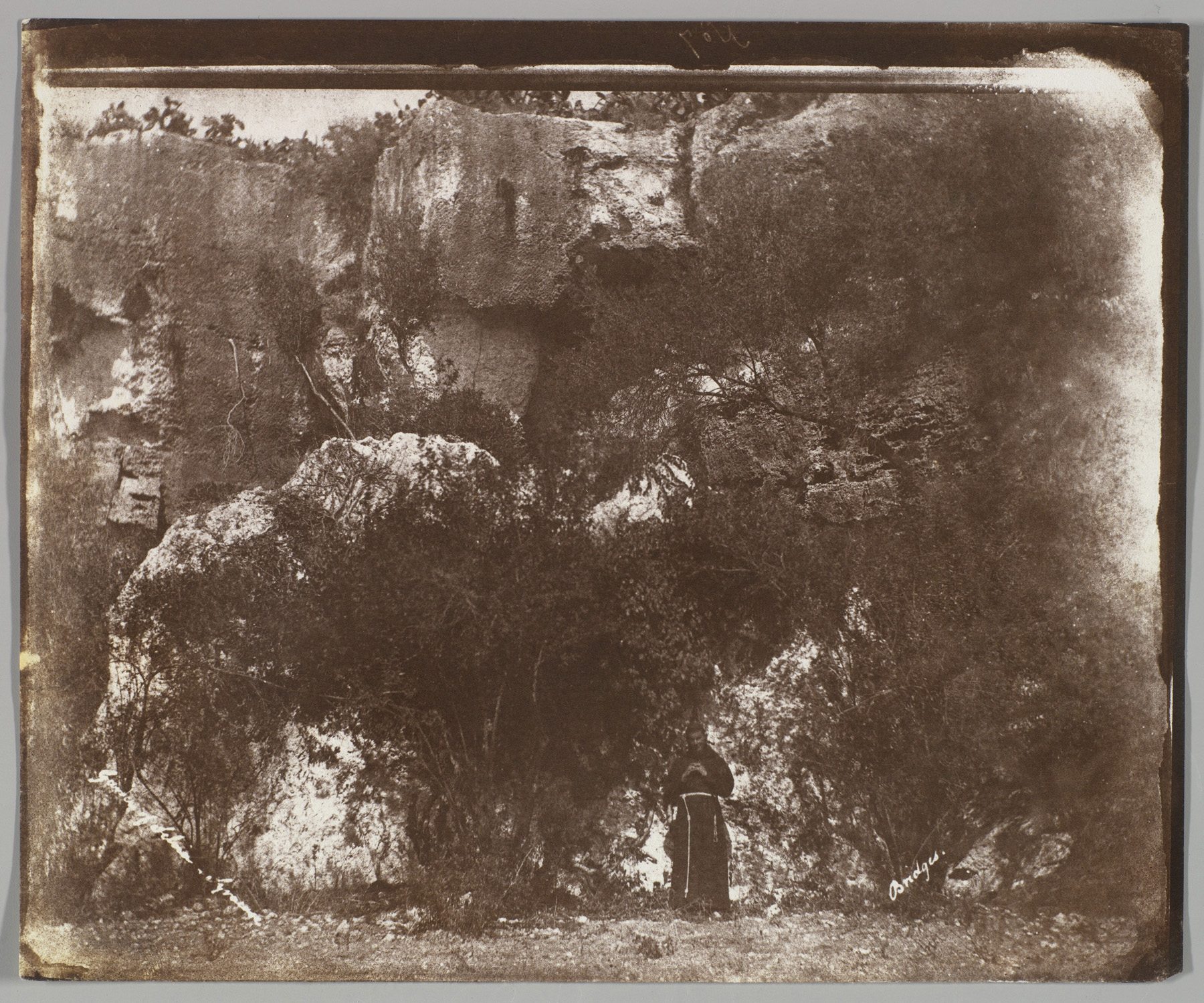
![Pietro Dovizielli (Italian, 1804-1885) '[Spanish Steps, Rome]' c. 1855](https://artblart.com/wp-content/uploads/2020/07/dovizielli-spanish-steps.jpg "Pietro Dovizielli (Italian, 1804-1885) '[Spanish Steps, Rome]' c. 1855")
![Edouard Baldus (French (born Prussia), 1813-1889) '[Amphitheater, Nîmes]' c. 1853](https://artblart.com/wp-content/uploads/2020/07/baldus-amphitheater.jpg "Edouard Baldus (French (born Prussia), 1813-1889) '[Amphitheater, Nîmes]' c. 1853")

![Lewis Dowe (American, active 1860s-1880s) '[Dowe's Photograph Rooms, Sycamore, Illinois]' 1860s](https://artblart.com/wp-content/uploads/2020/07/lewis-dowe-dowes-photograph-rooms-sycamore-illinois-1860s.jpg "Lewis Dowe (American, active 1860s-1880s) '[Dowe's Photograph Rooms, Sycamore, Illinois]' 1860s")
![E. & H. T. Anthony (American) '[Specimens of New York Bill Posting]' 1863](https://artblart.com/wp-content/uploads/2020/07/e-h-t-anthony-specimens-of-new-york-bill-posting-1863.jpg "E. & H. T. Anthony (American) '[Specimens of New York Bill Posting]' 1863")
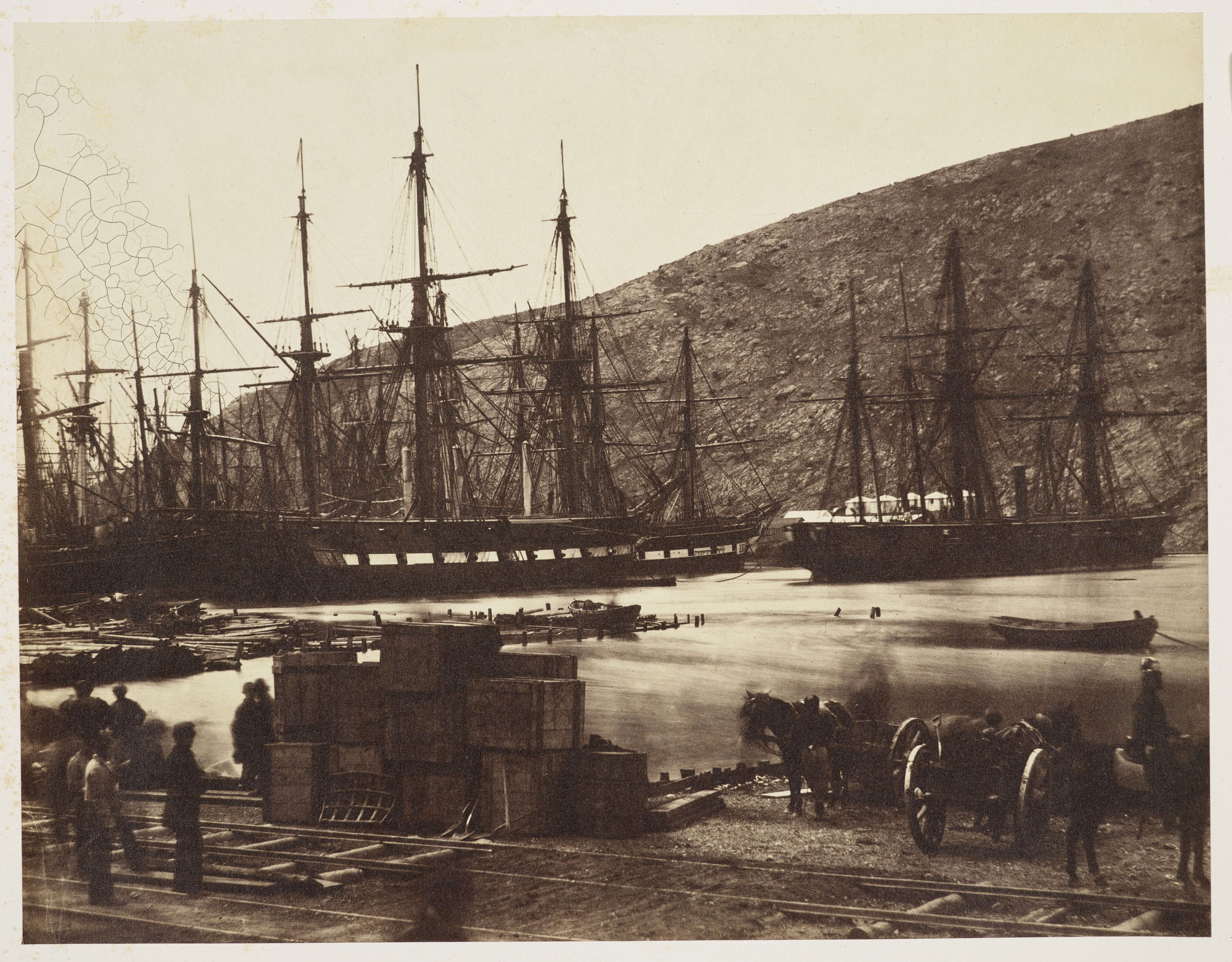

![Felice Beato (British (born Italy), Venice 1832-1909 Luxor) and James Robertson (British, 1813-1881) [Dome of the Rock, Jerusalem] 1856-1857](https://artblart.com/wp-content/uploads/2020/07/beato-dome.jpg "Felice Beato (British (born Italy), Venice 1832-1909 Luxor) and James Robertson (British, 1813-1881) [Dome of the Rock, Jerusalem] 1856-1857")
![R.C. Montgomery (American, active 1850s) '[Self-Portrait (?)]' 1850s](https://artblart.com/wp-content/uploads/2020/07/r.c.-montgomery-self-portrait-1850s.jpg "R.C. Montgomery (American, active 1850s) '[Self-Portrait (?)]' 1850s")


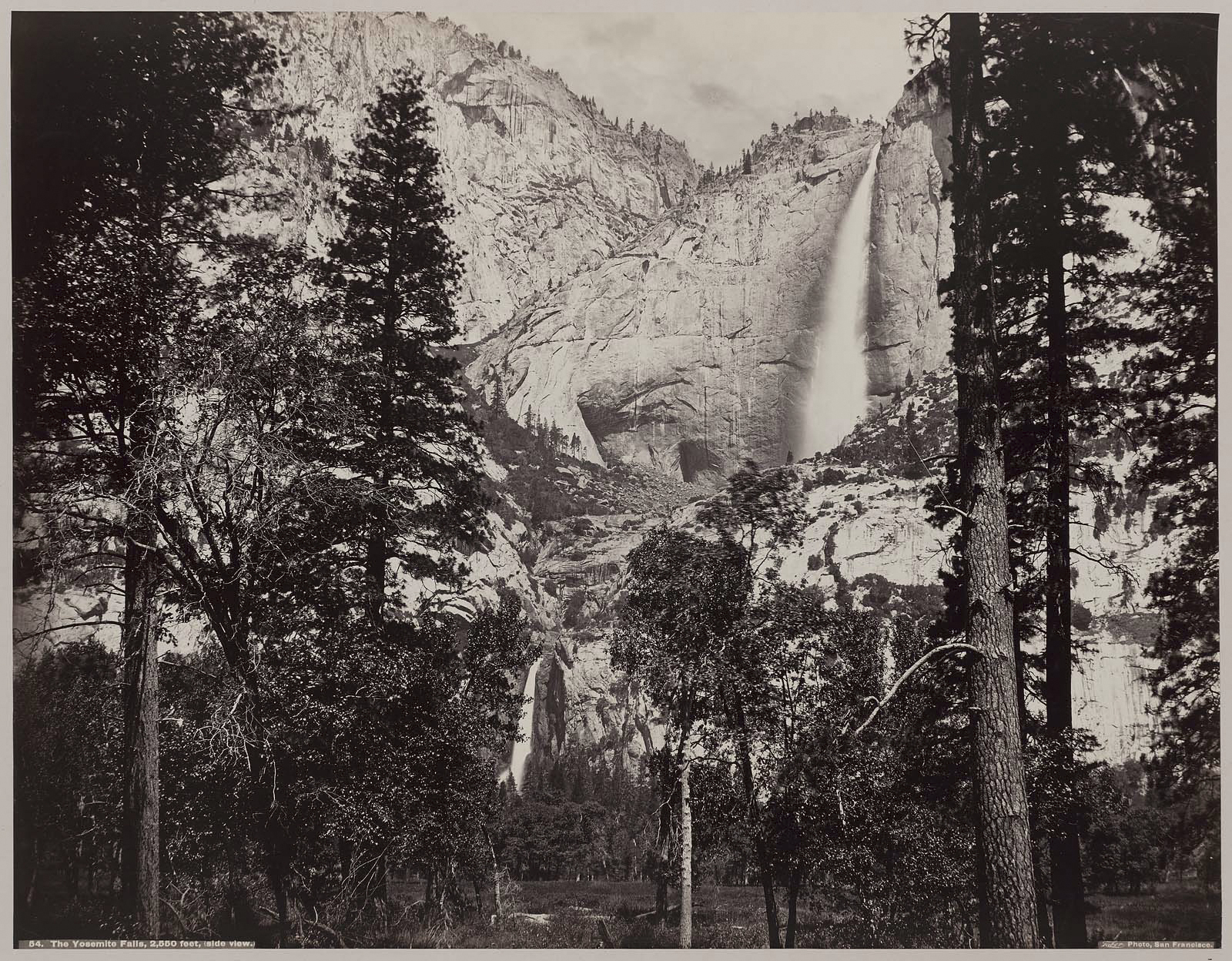

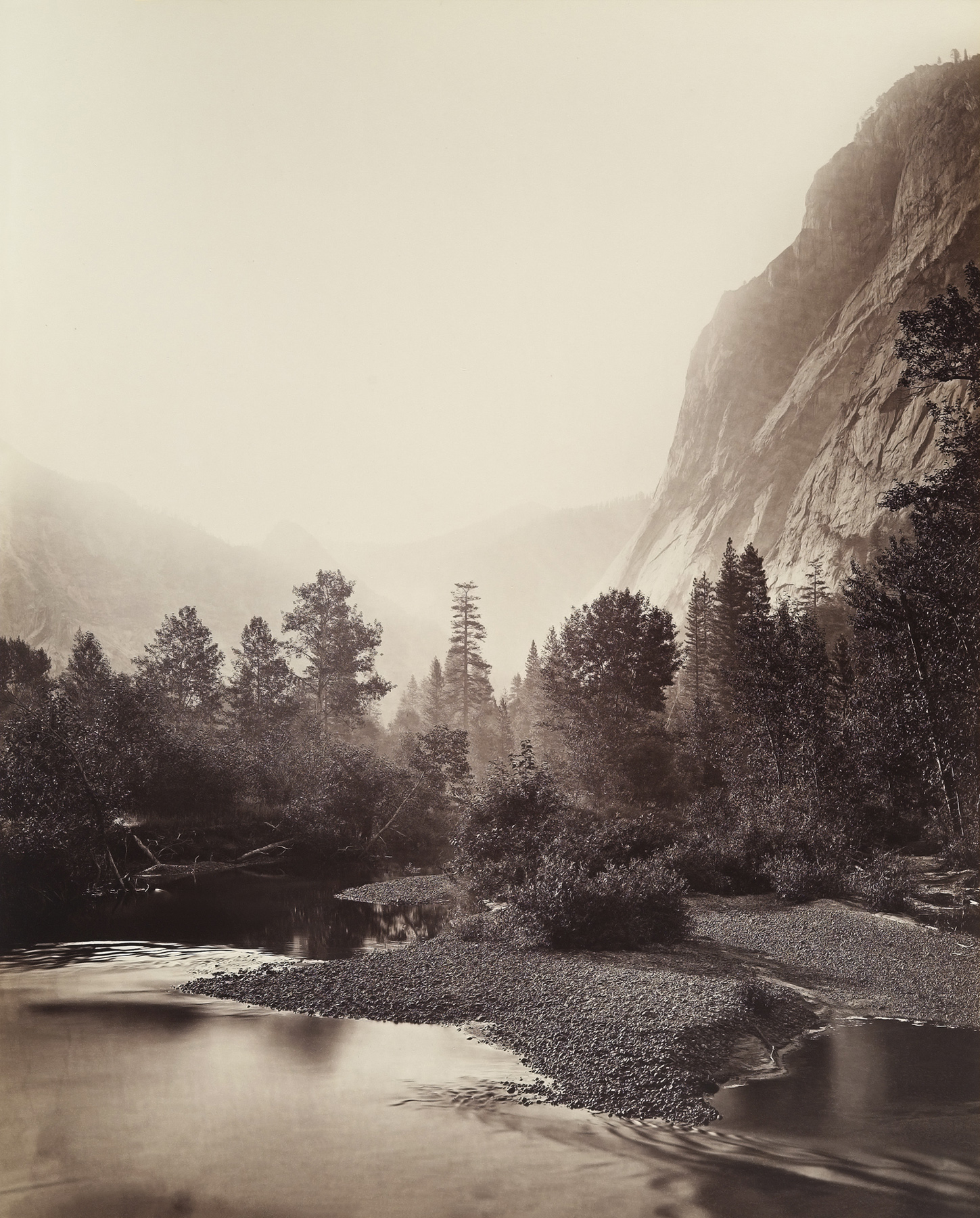
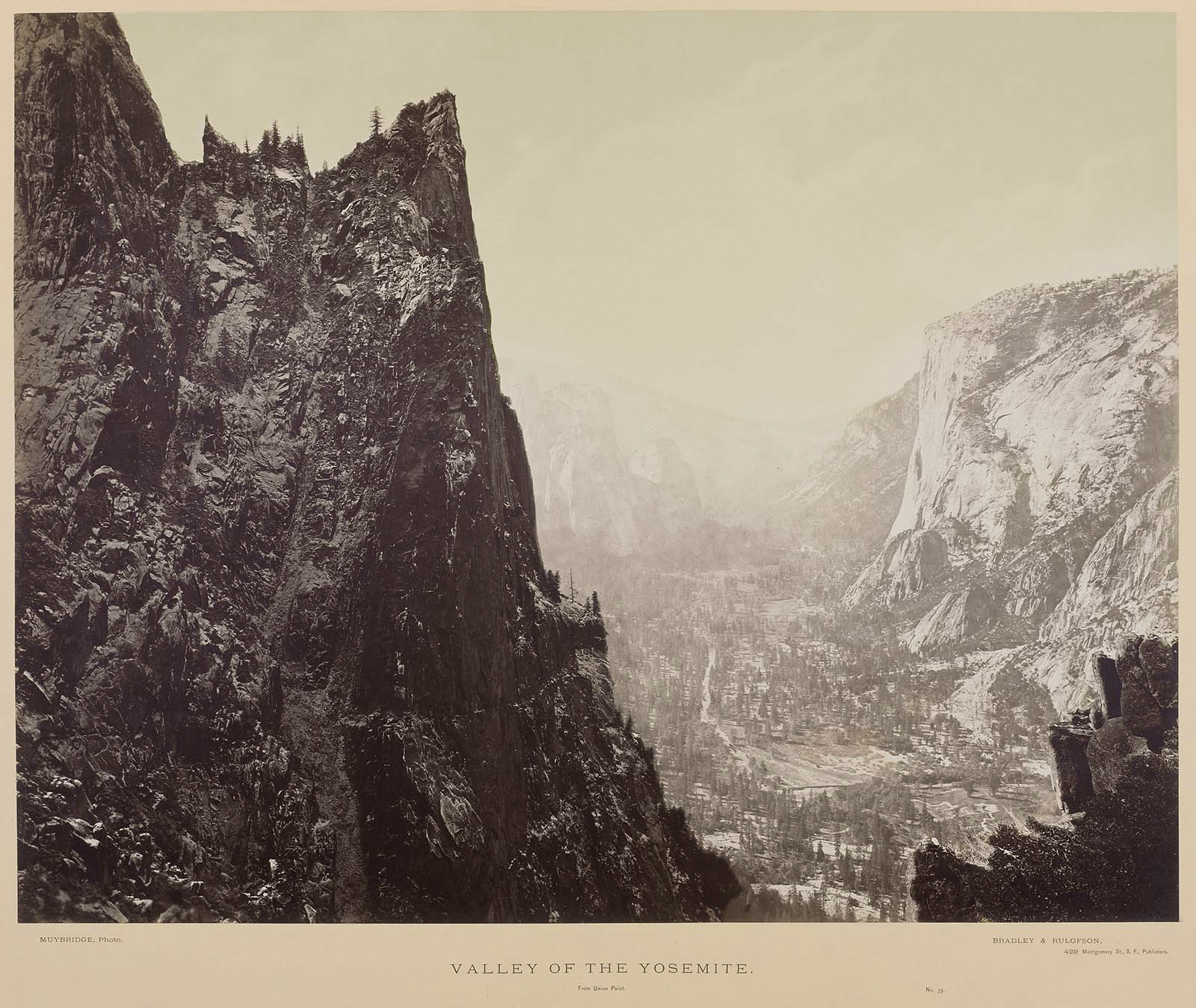


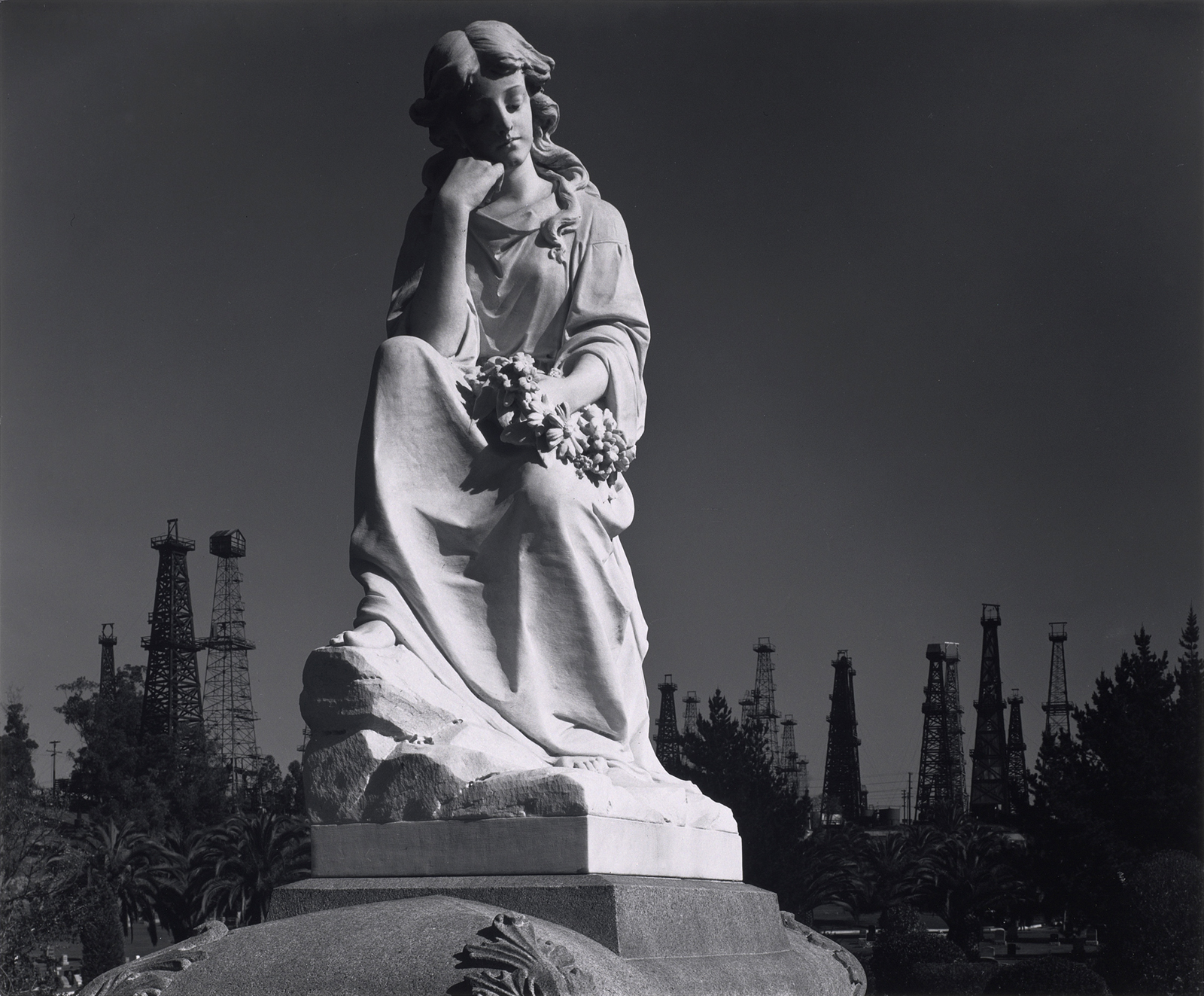



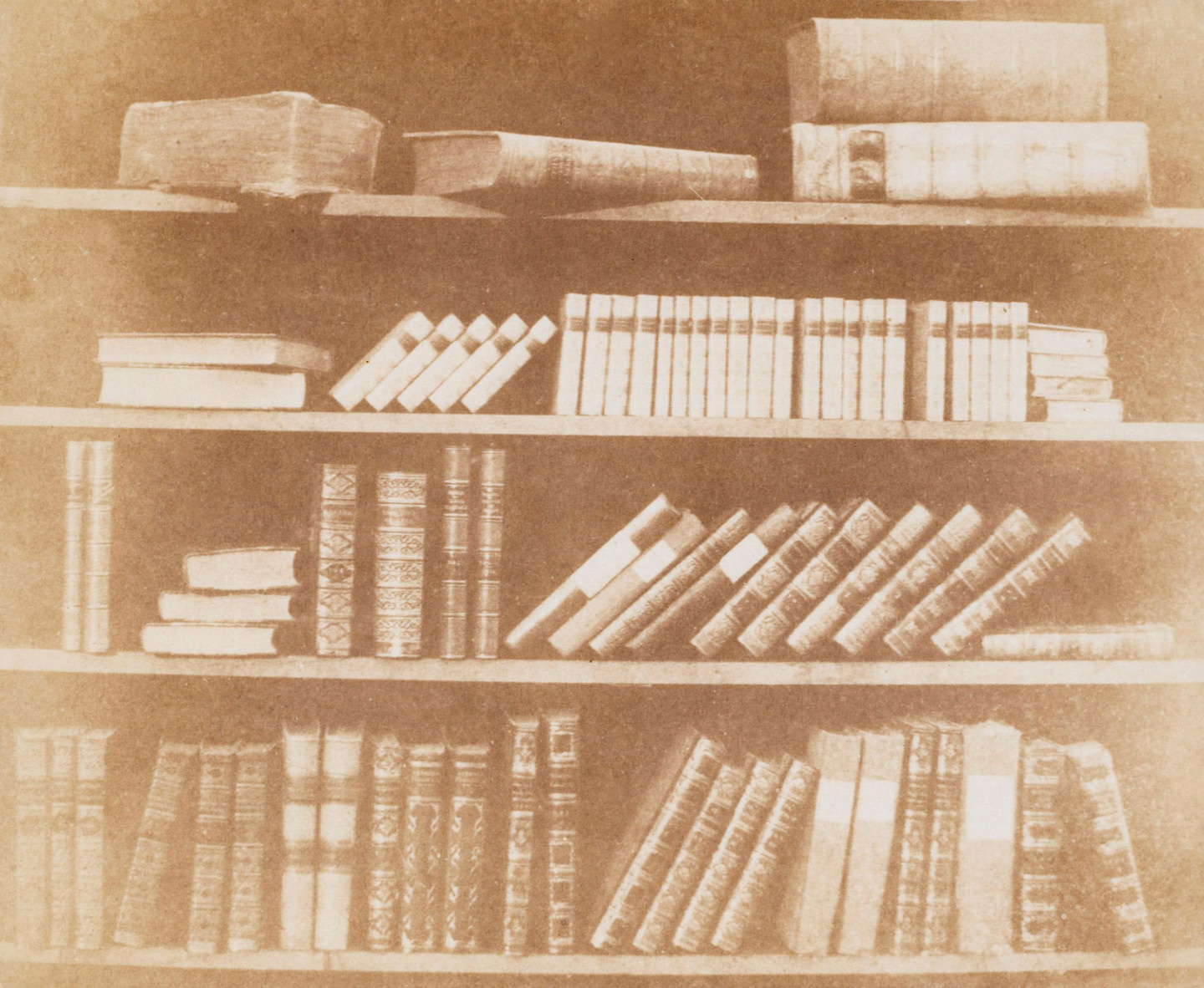
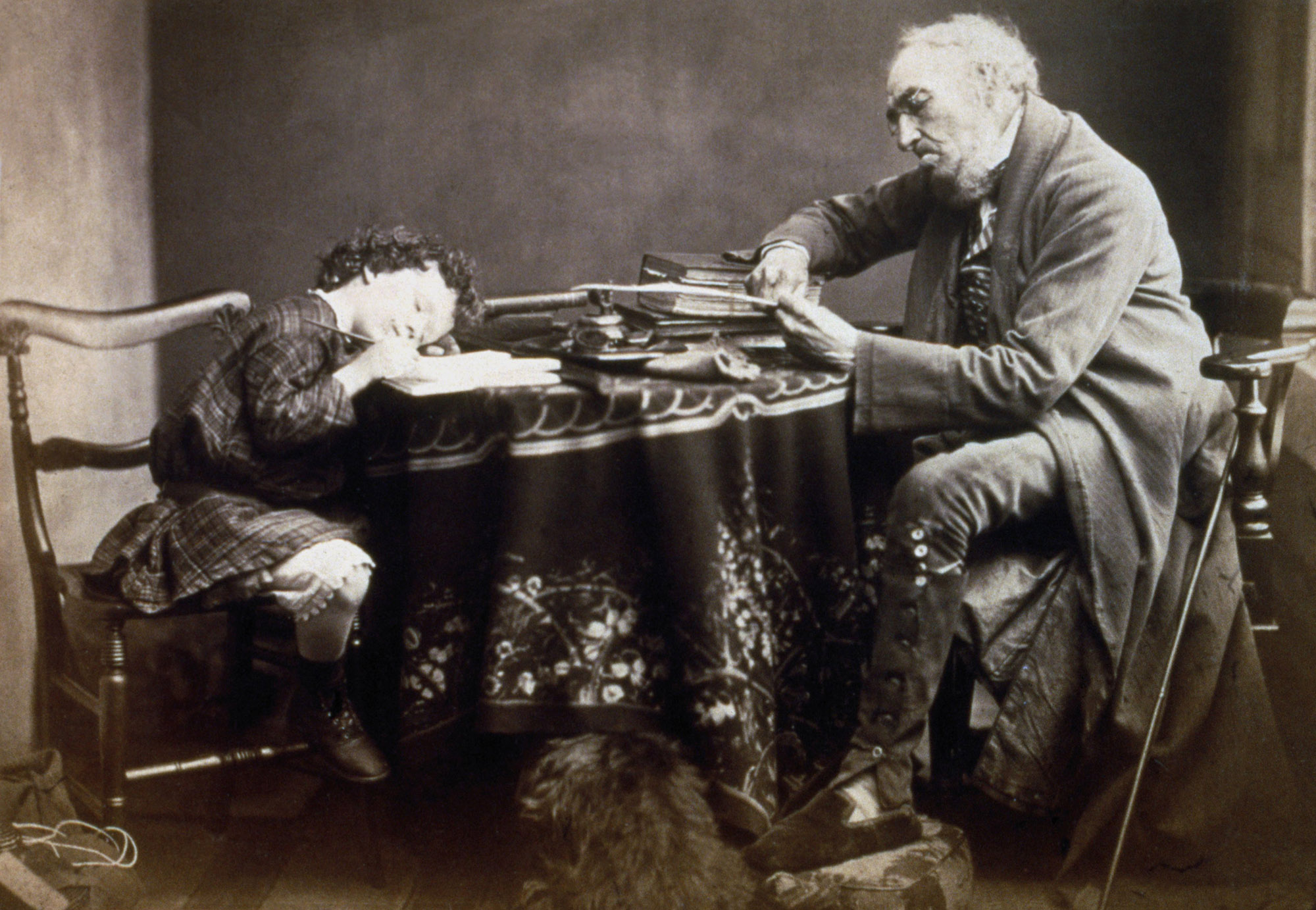
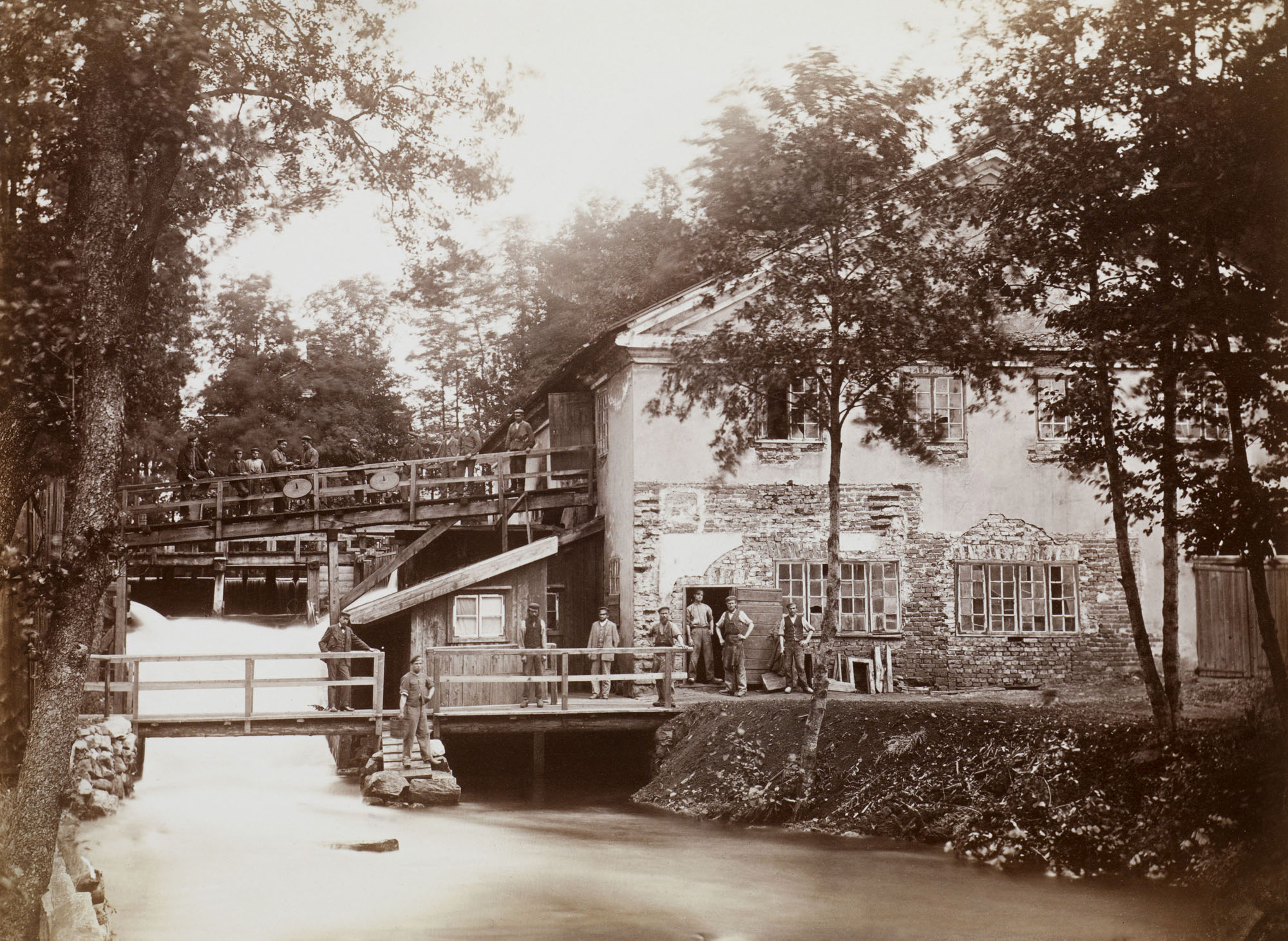

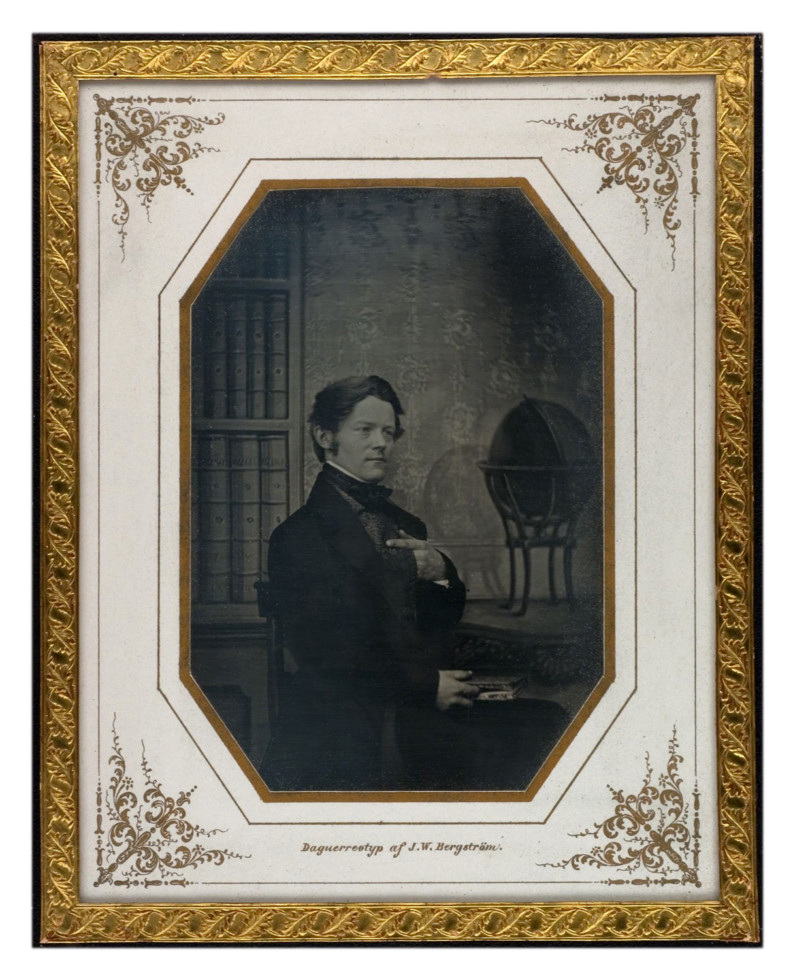

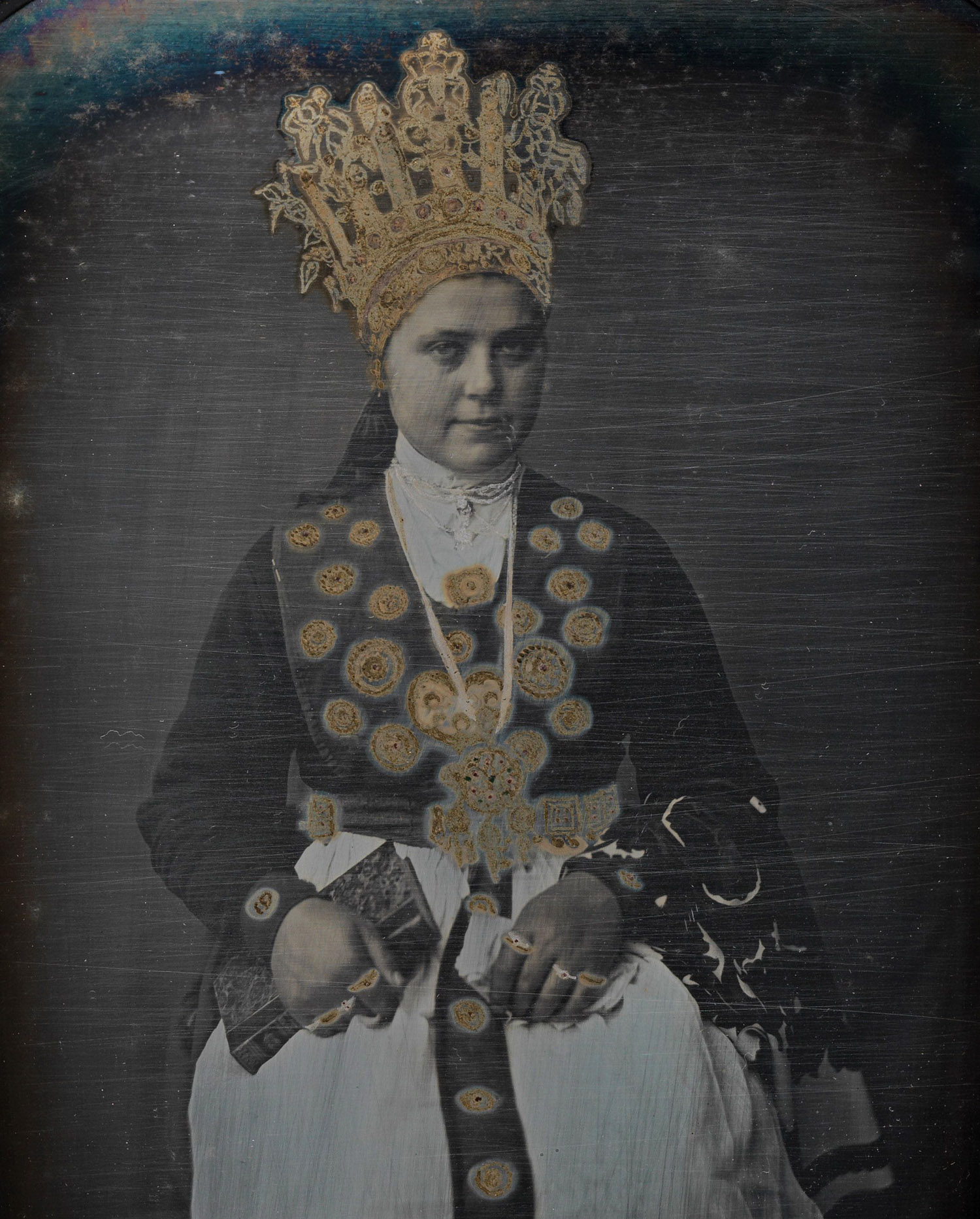

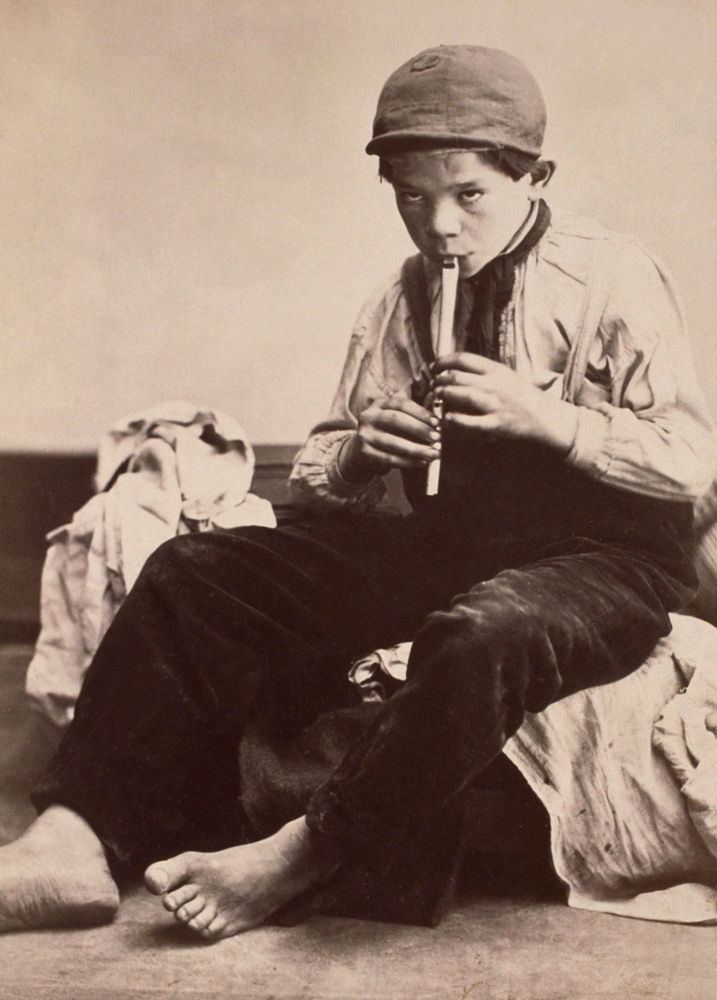

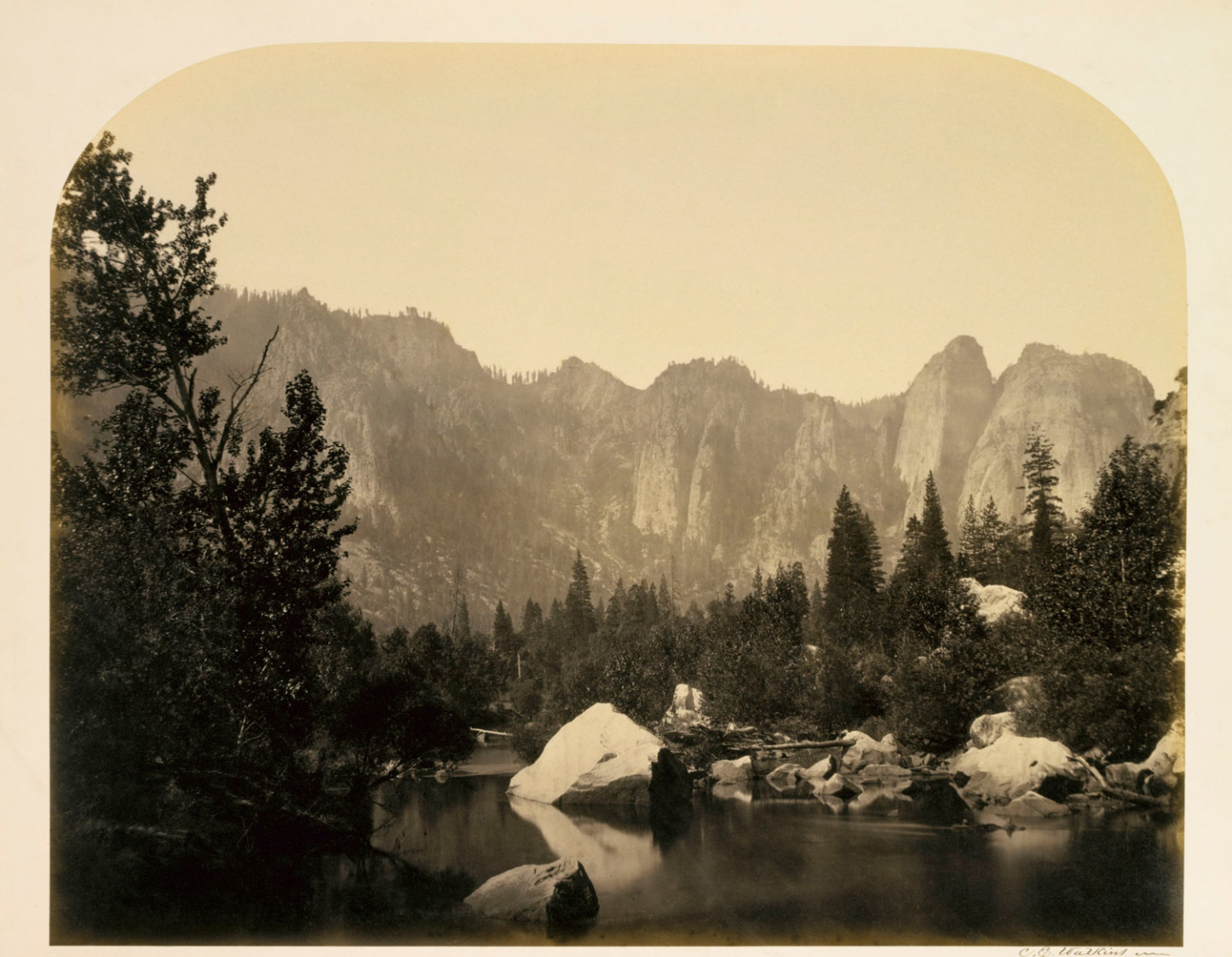


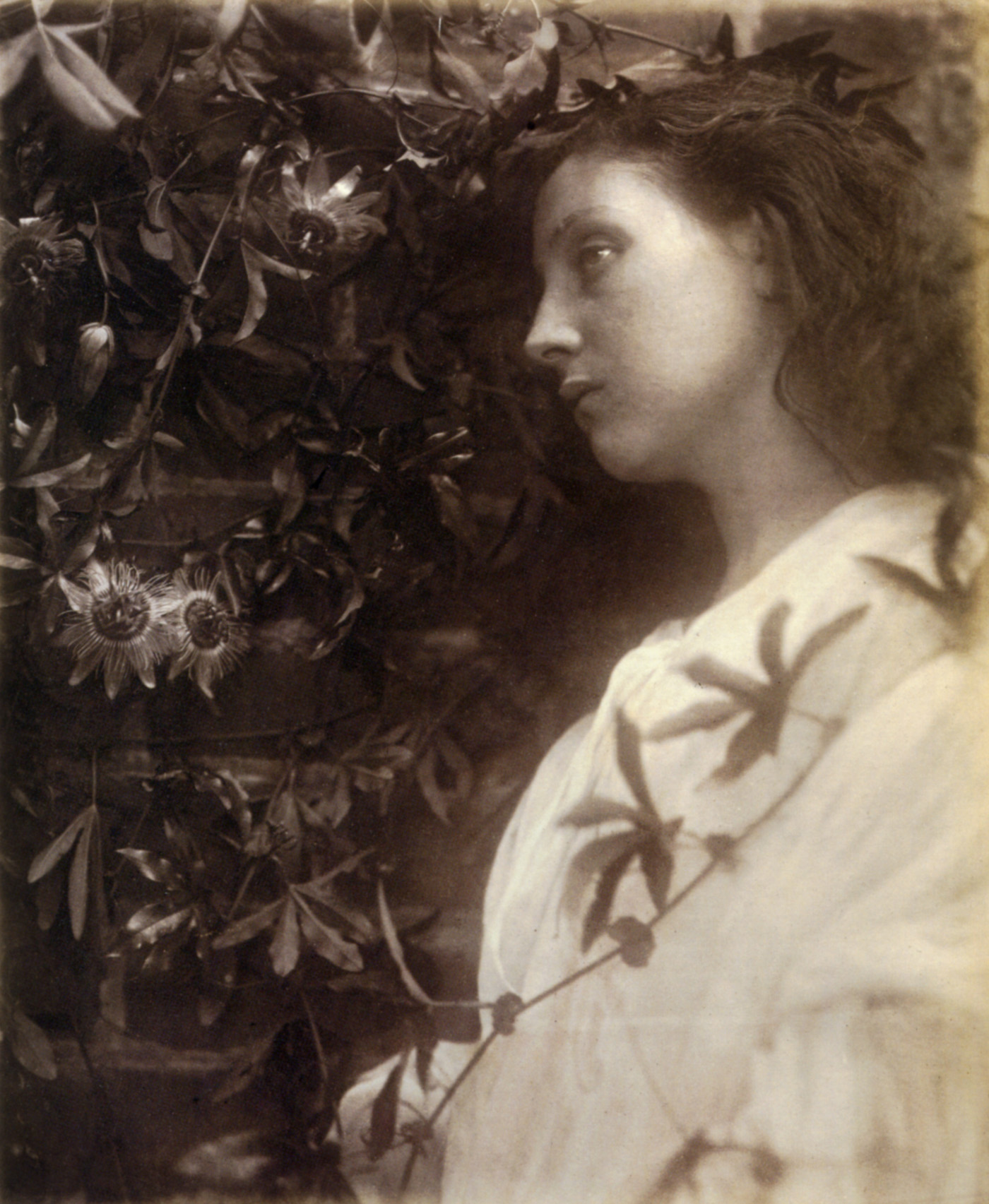


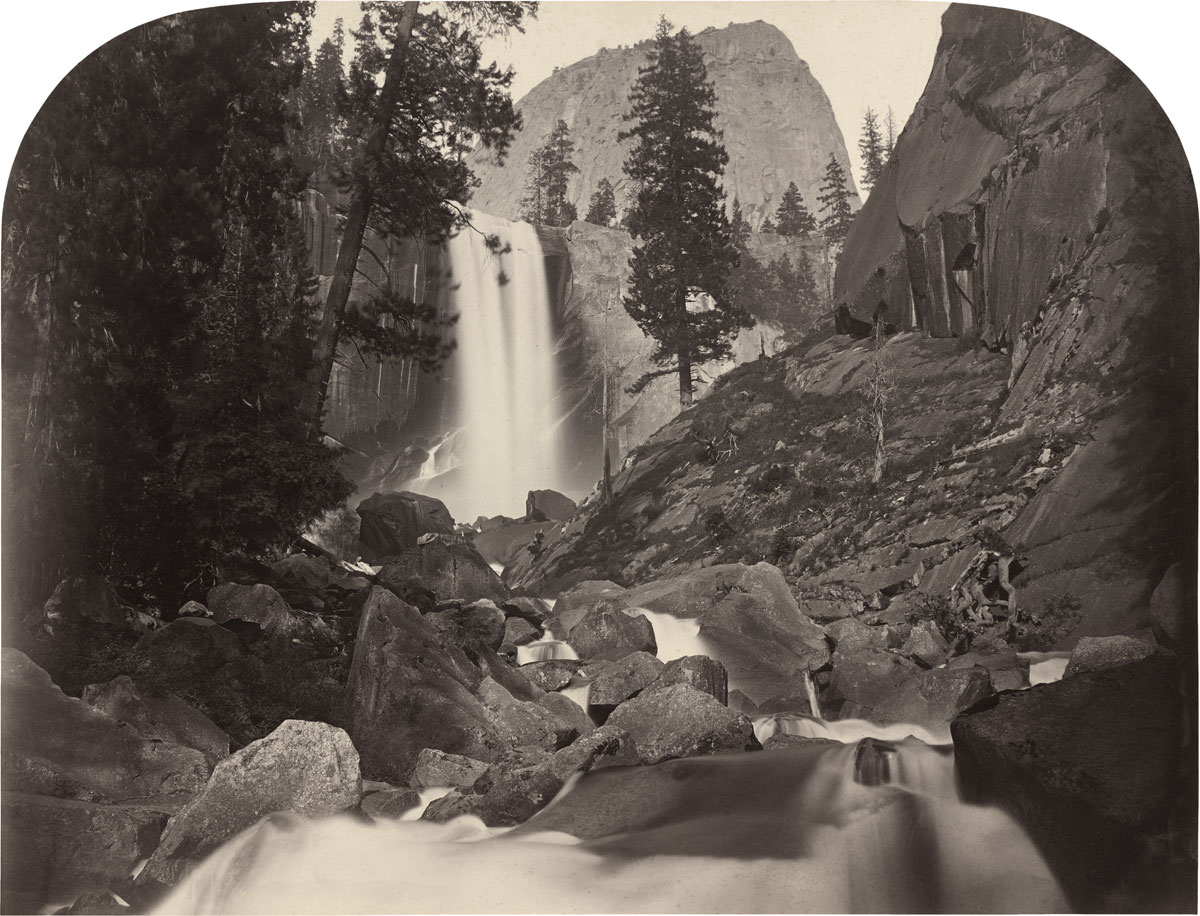
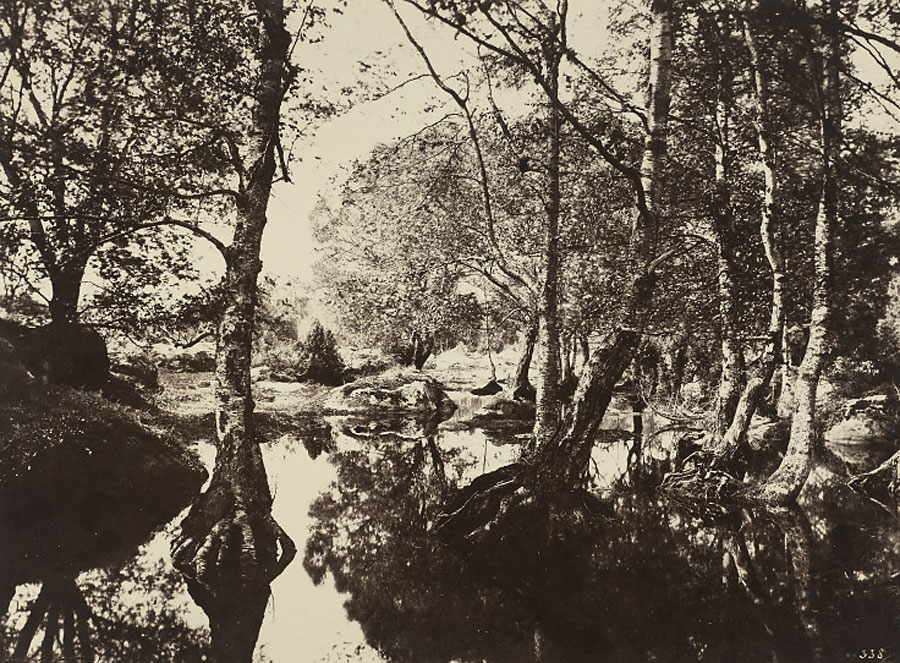


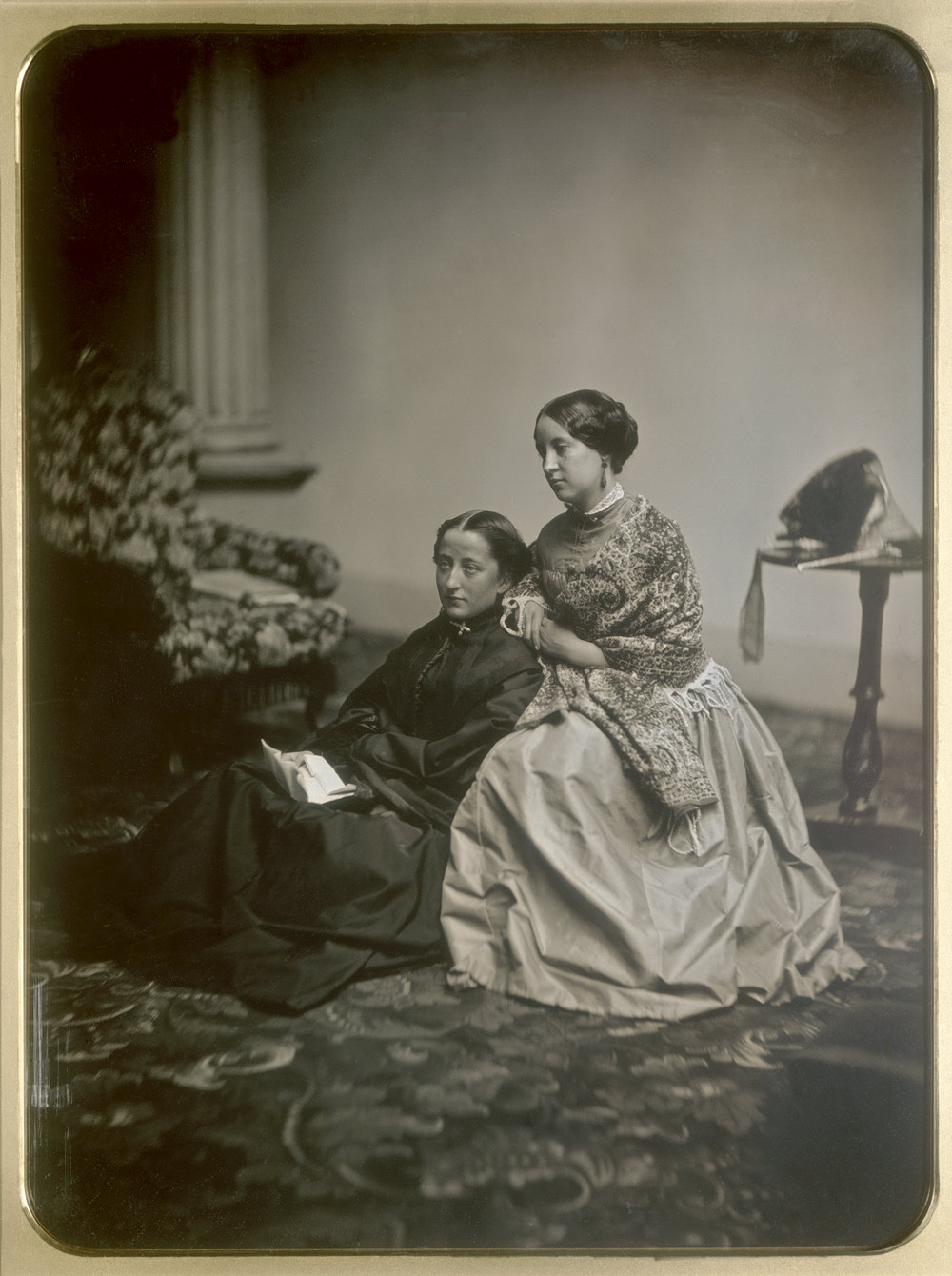

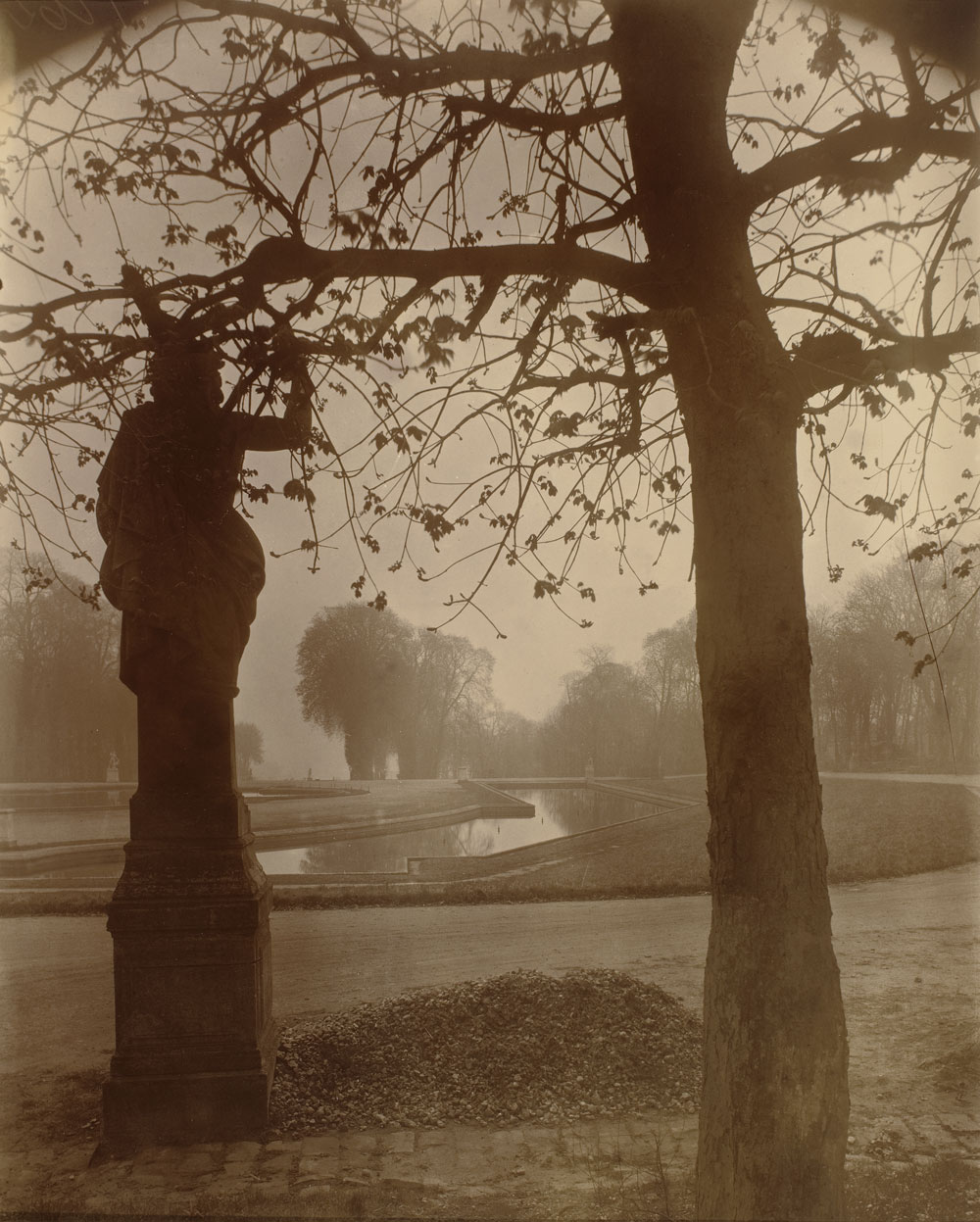



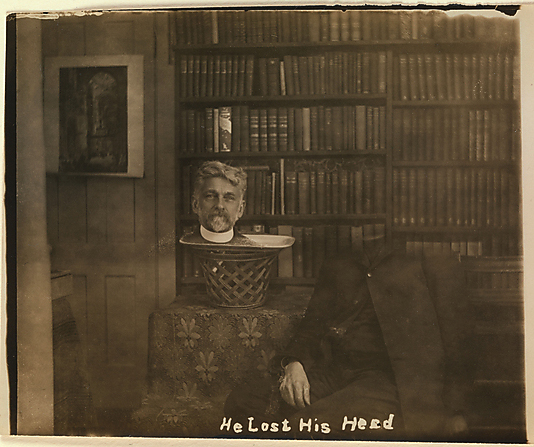


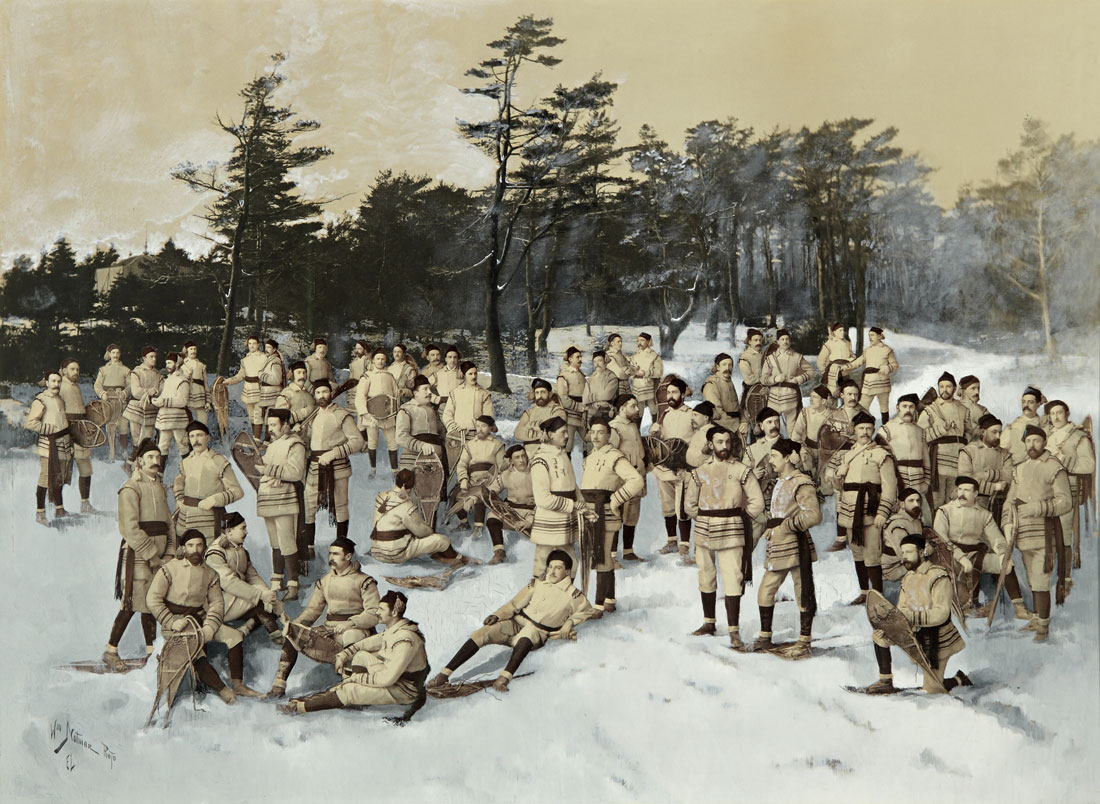

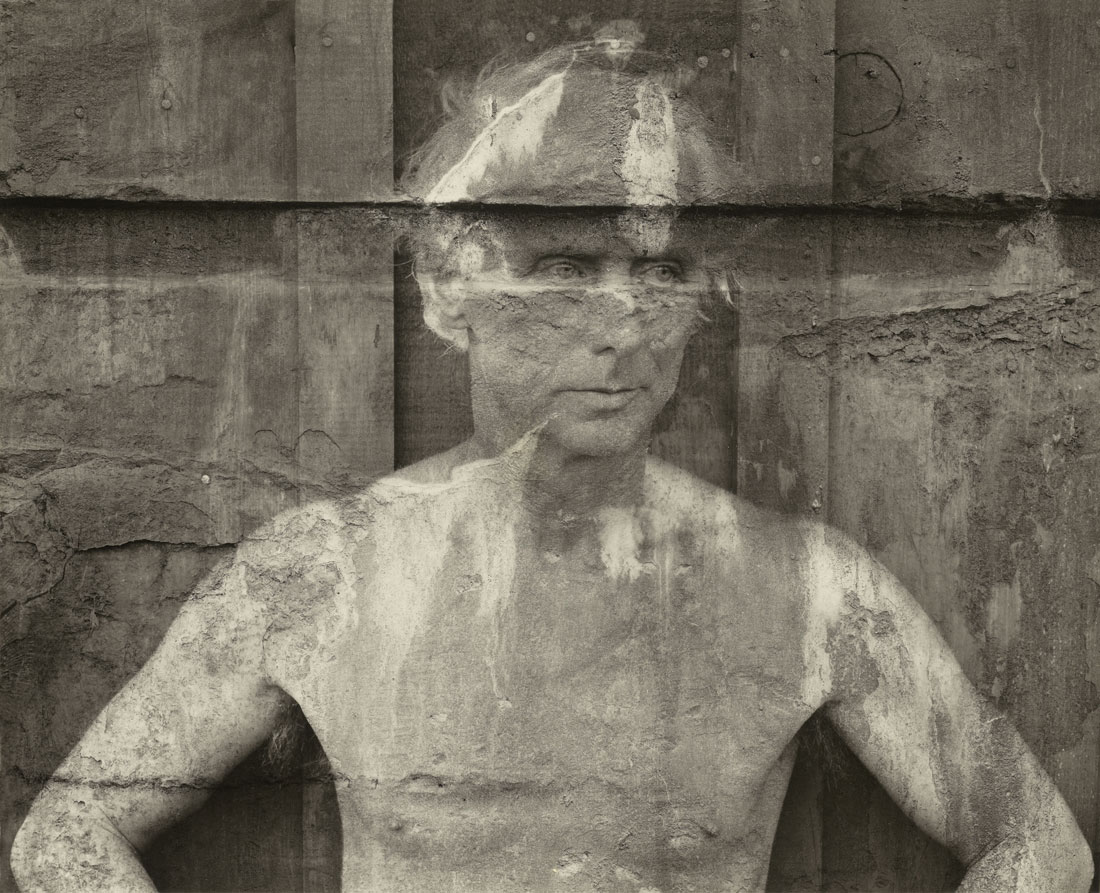
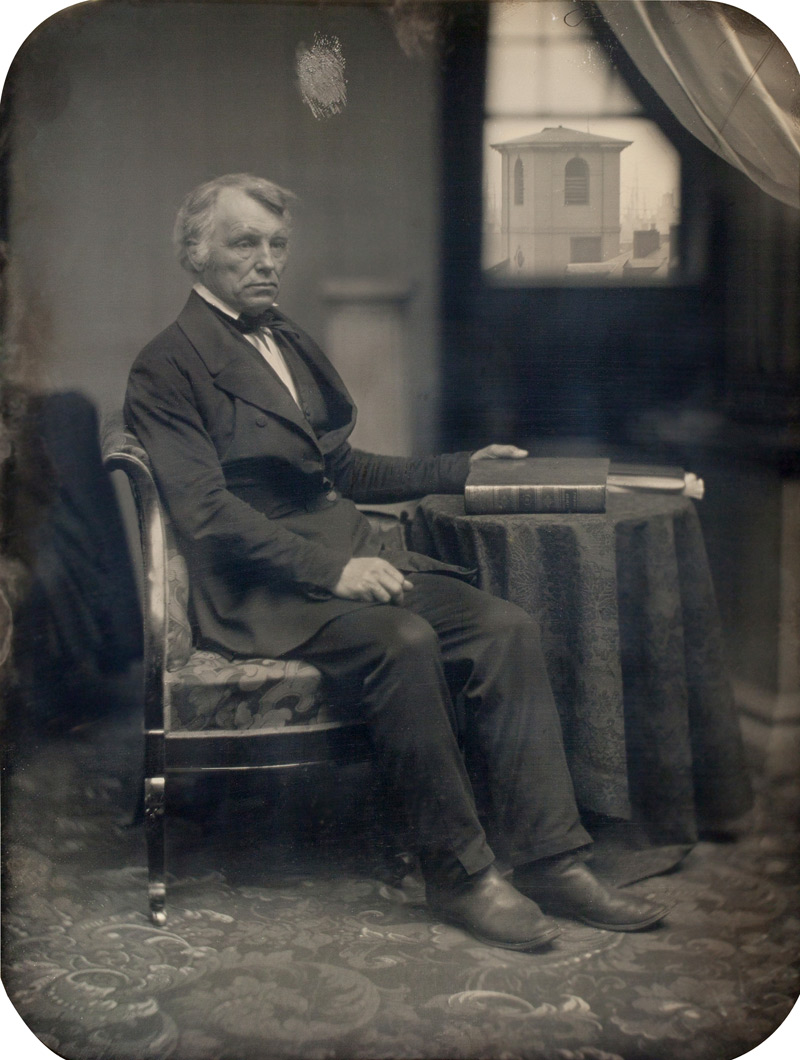
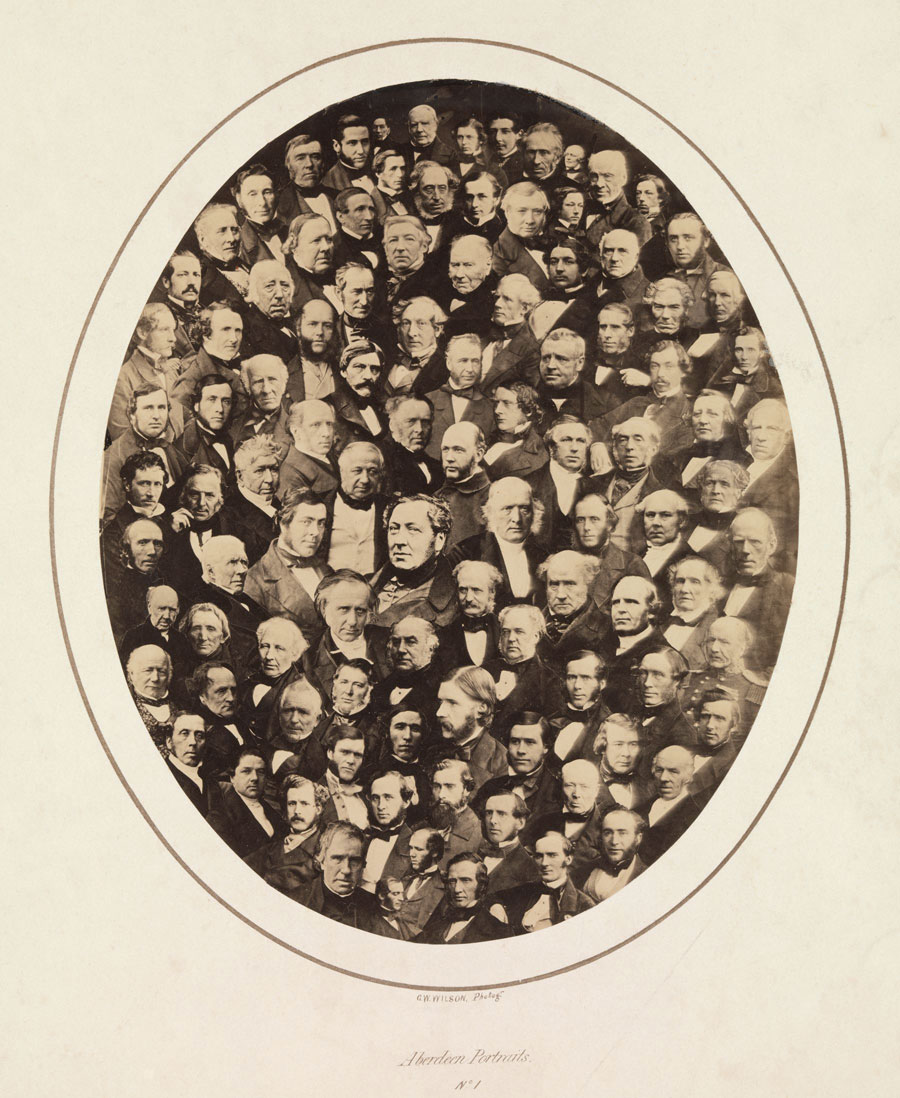
![Unknown (American) '[Decapitated Man with Head on a Platter]' c. 1865](https://artblart.com/wp-content/uploads/2013/02/unknown-american-decapitated-man-with-head-on-a-platter-c-1865.jpg "Unknown (American) '[Decapitated Man with Head on a Platter]' c. 1865")
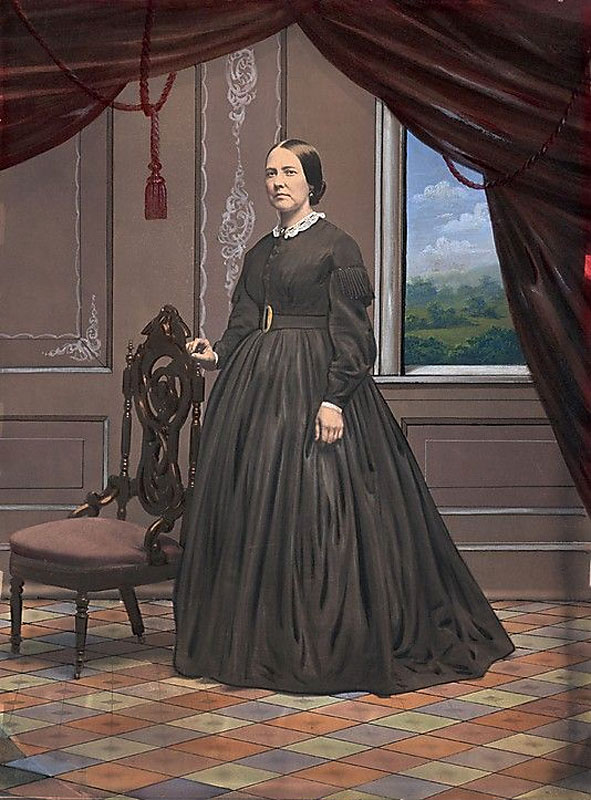
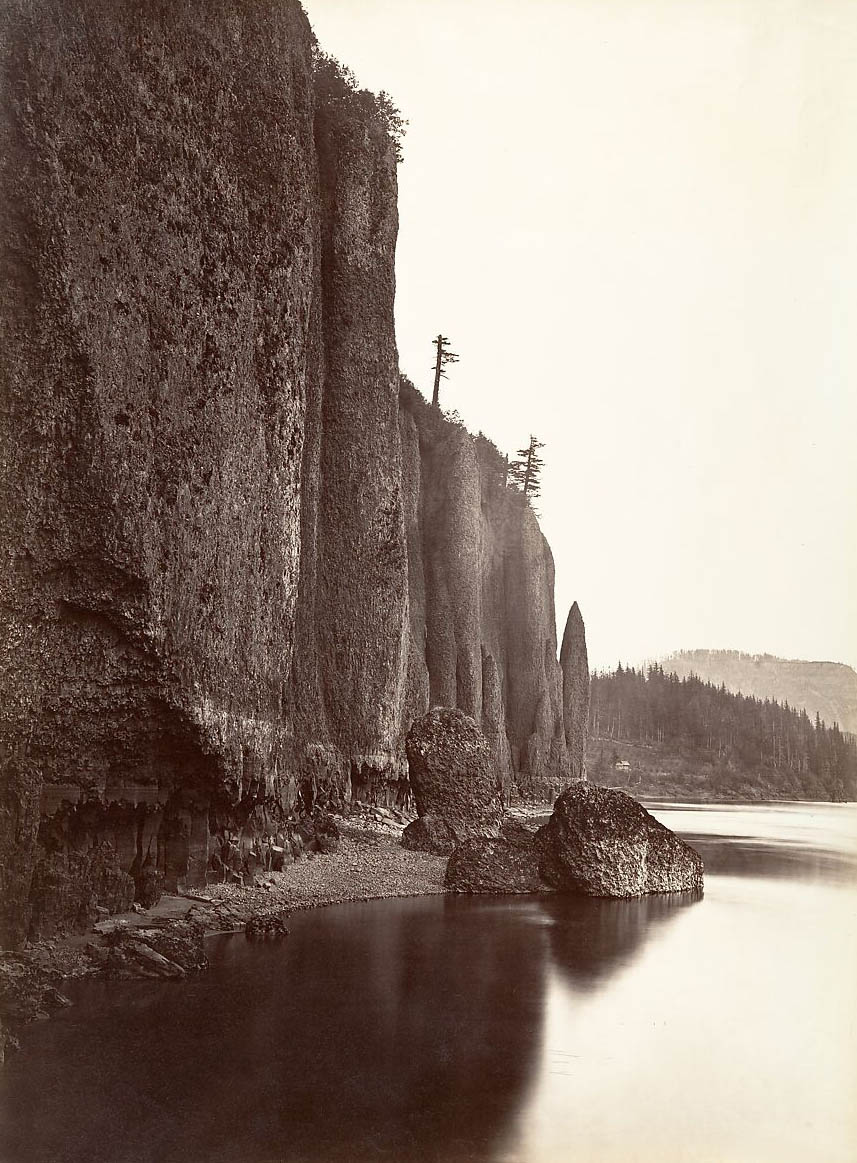
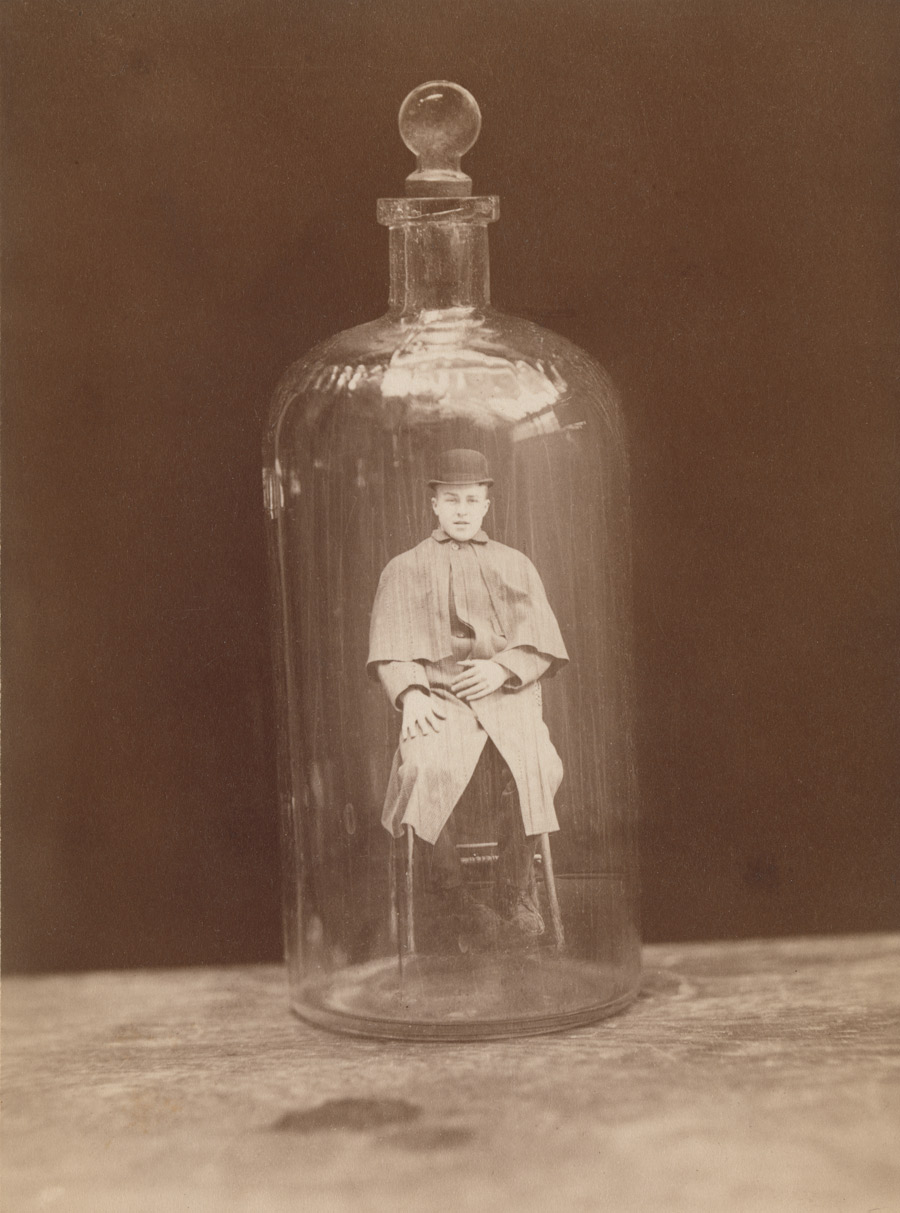
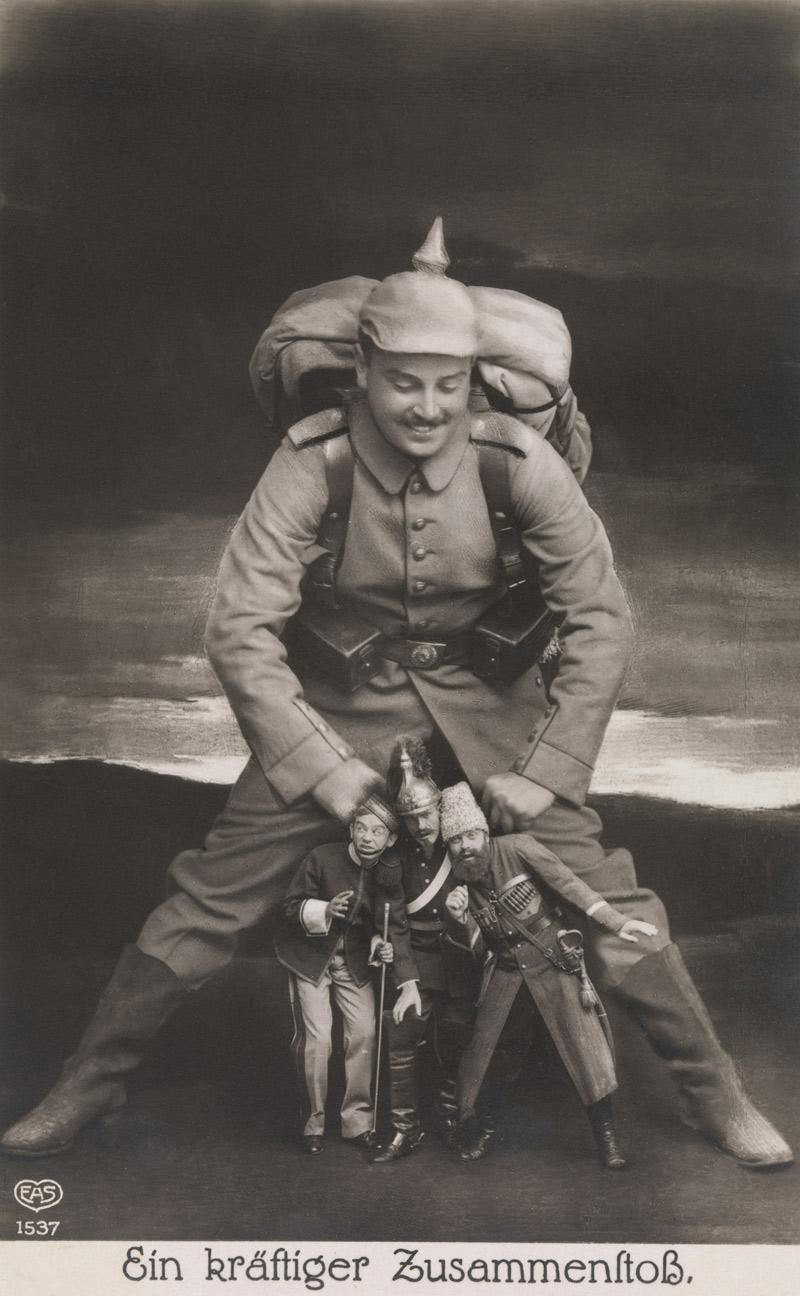


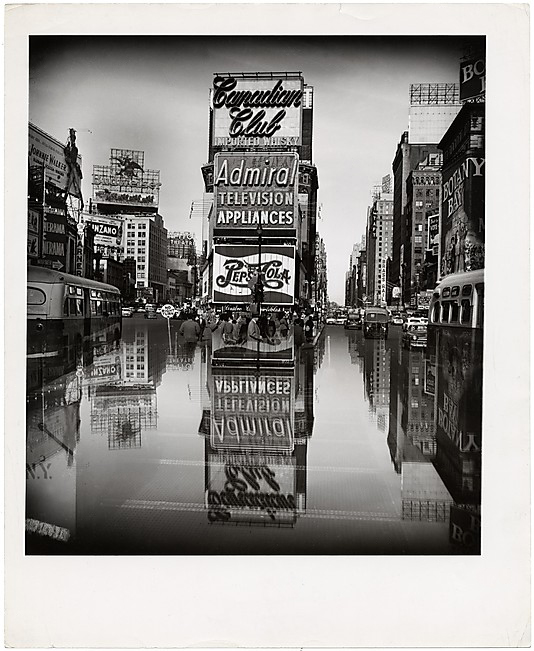

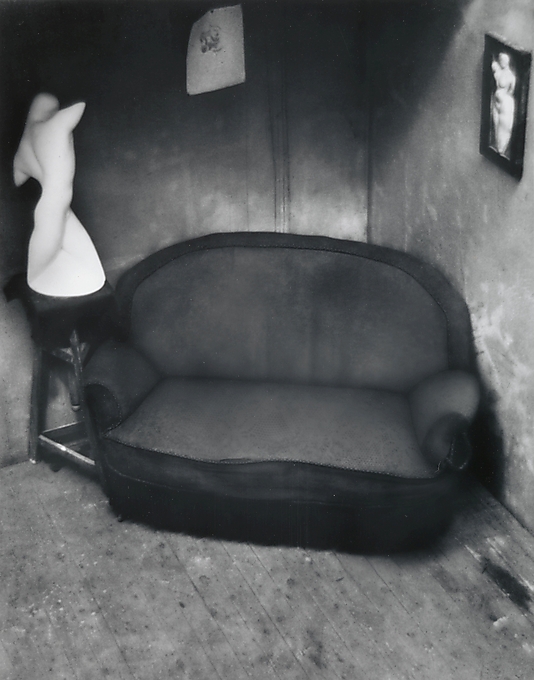

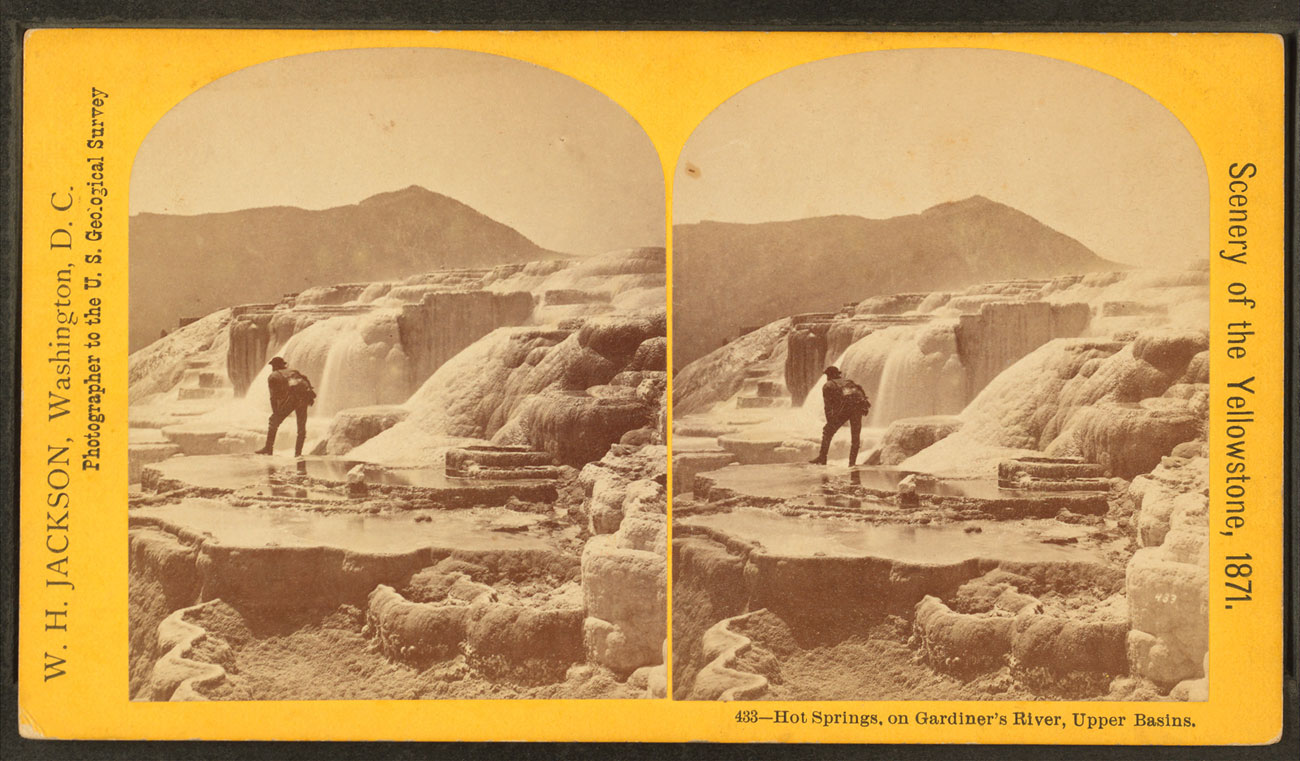
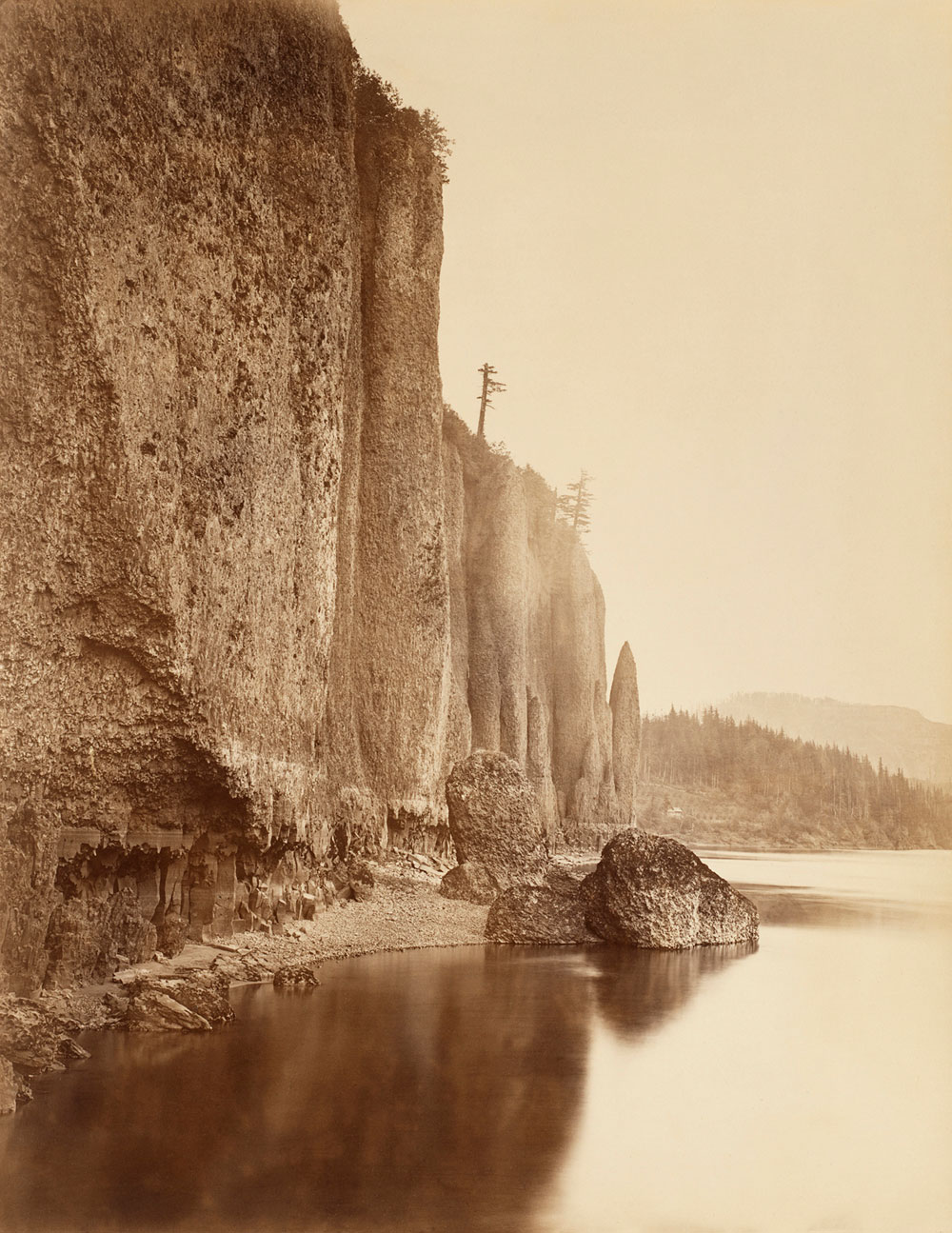


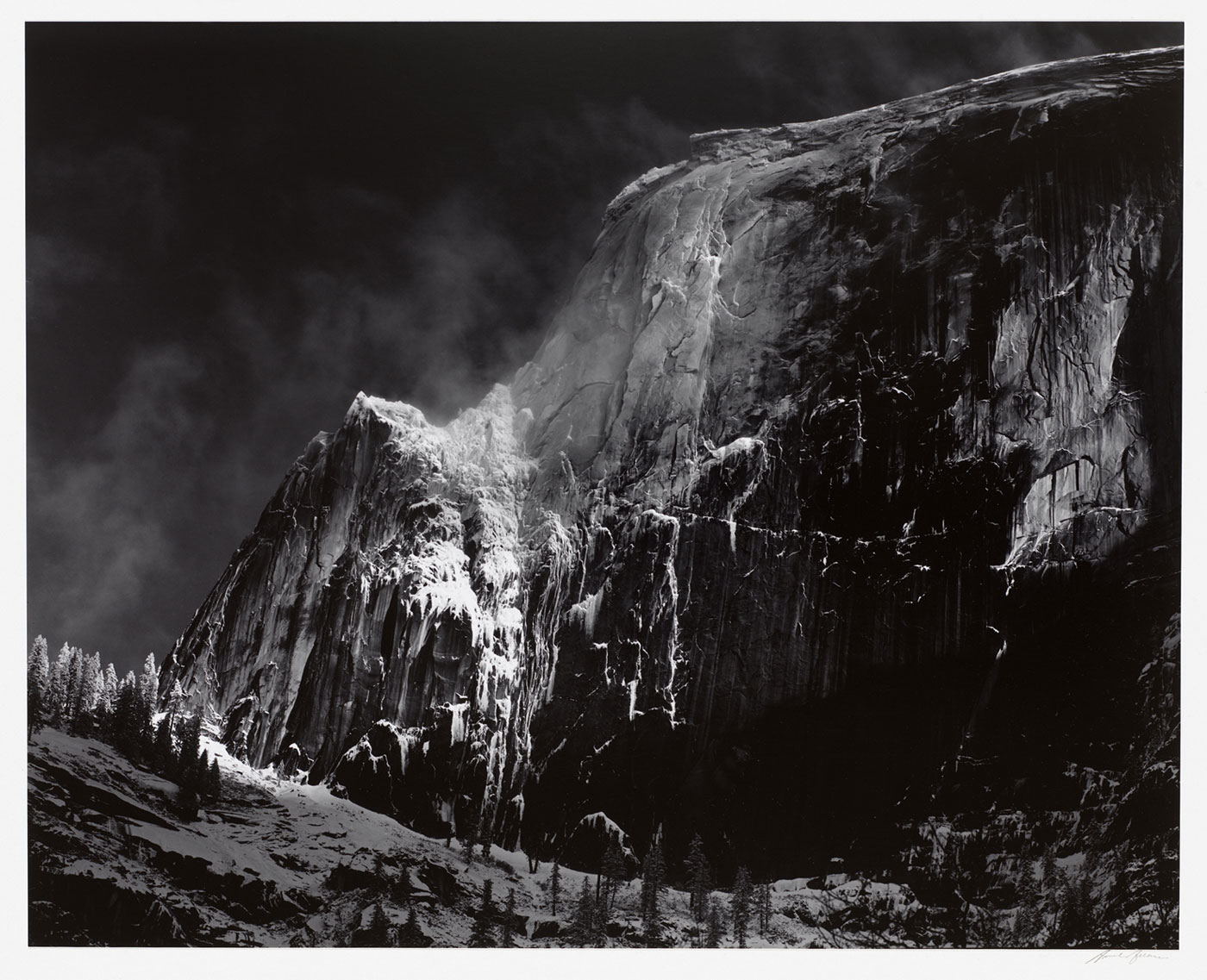
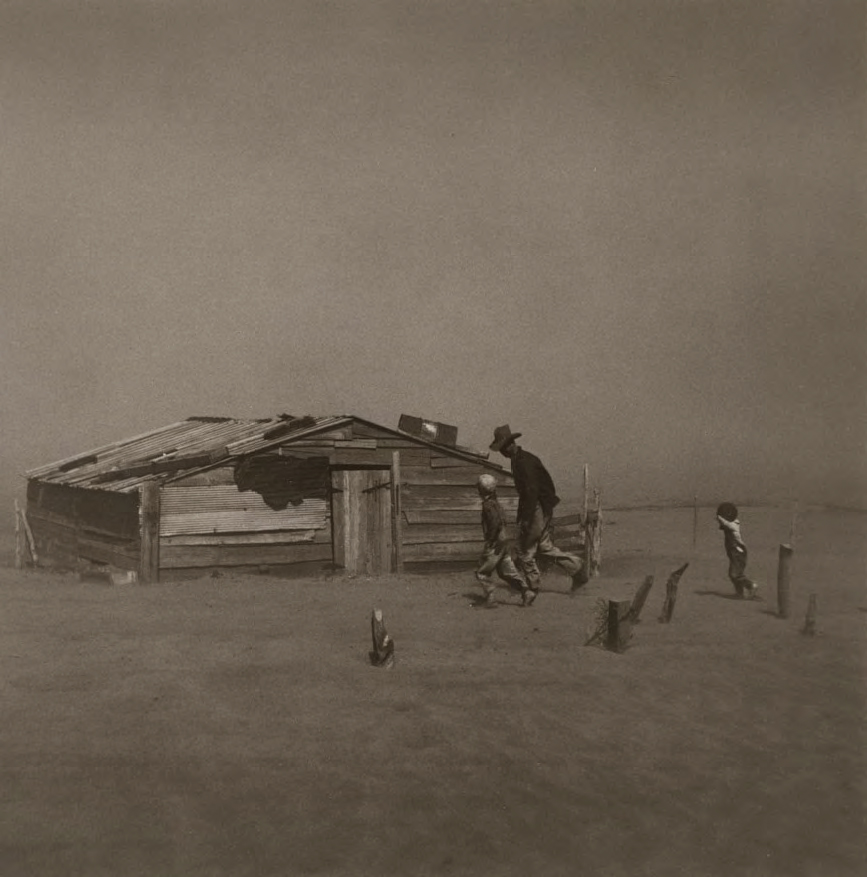
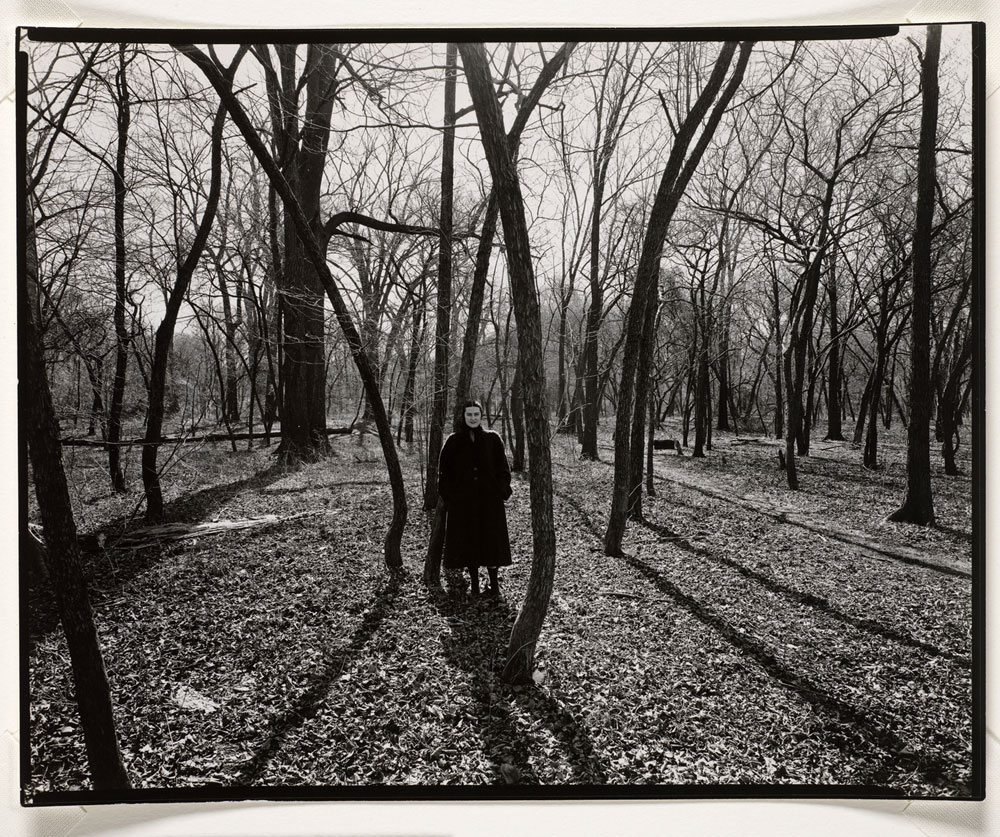
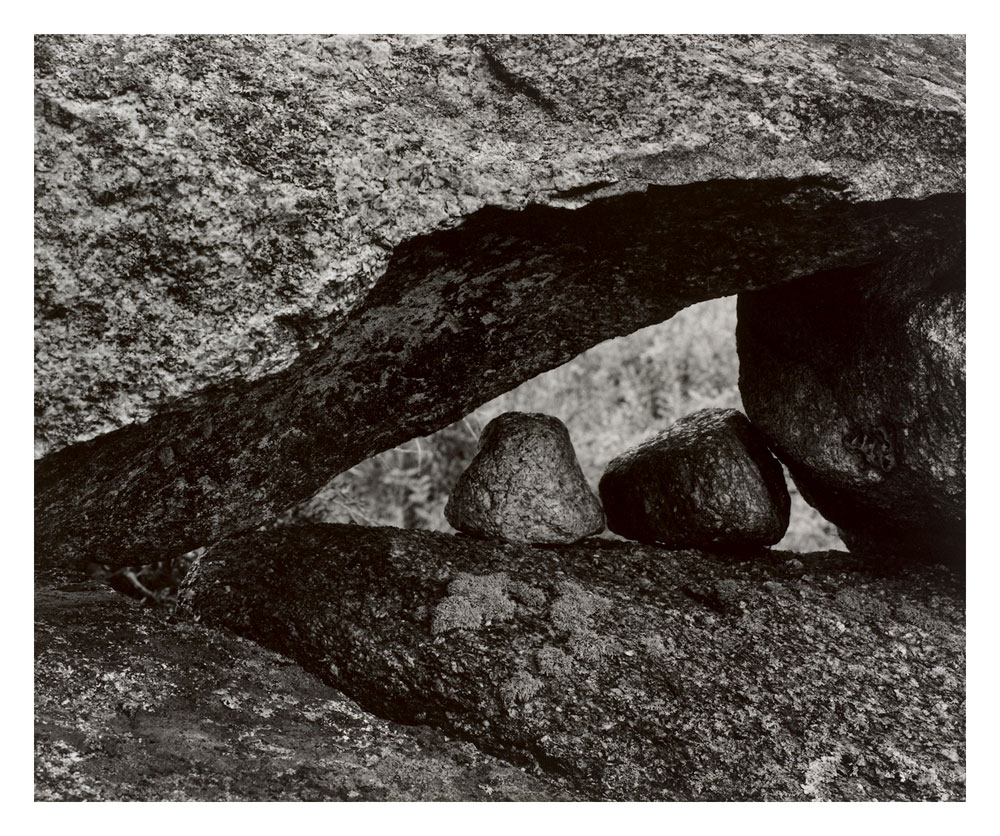
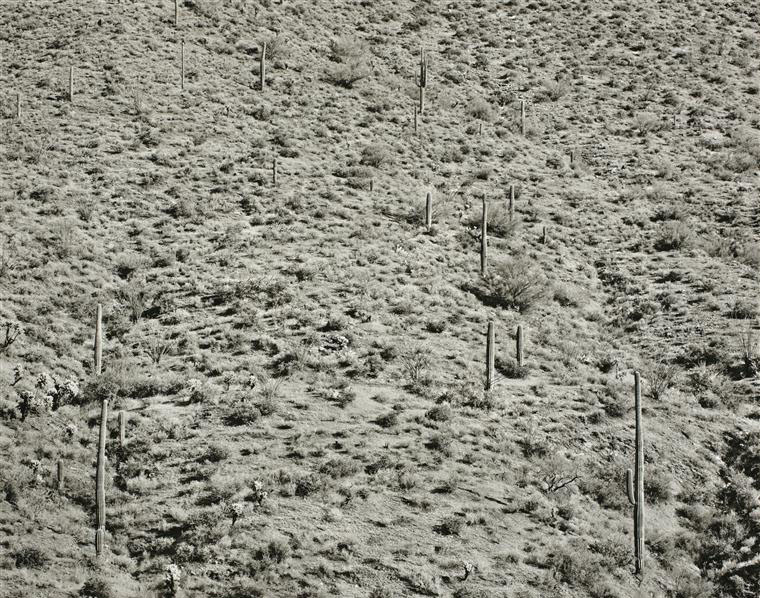
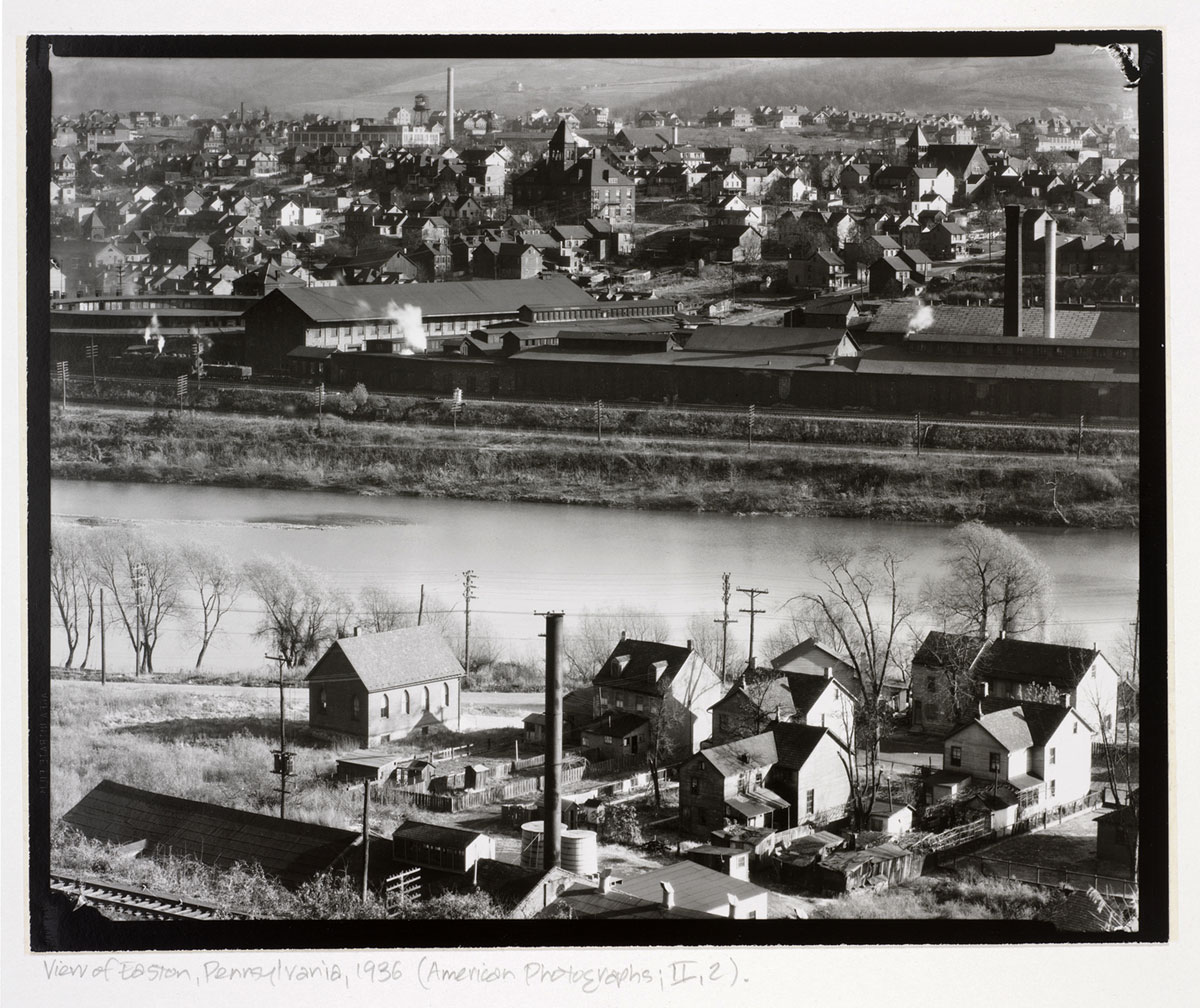
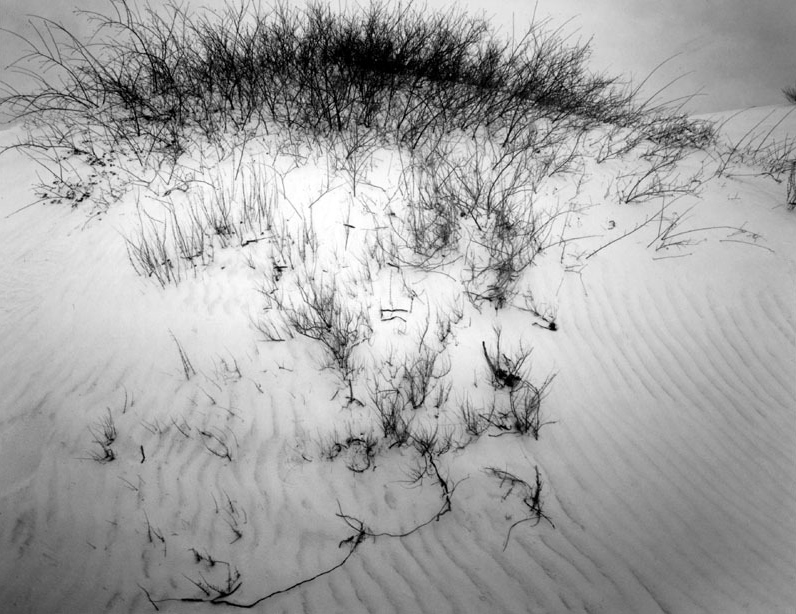
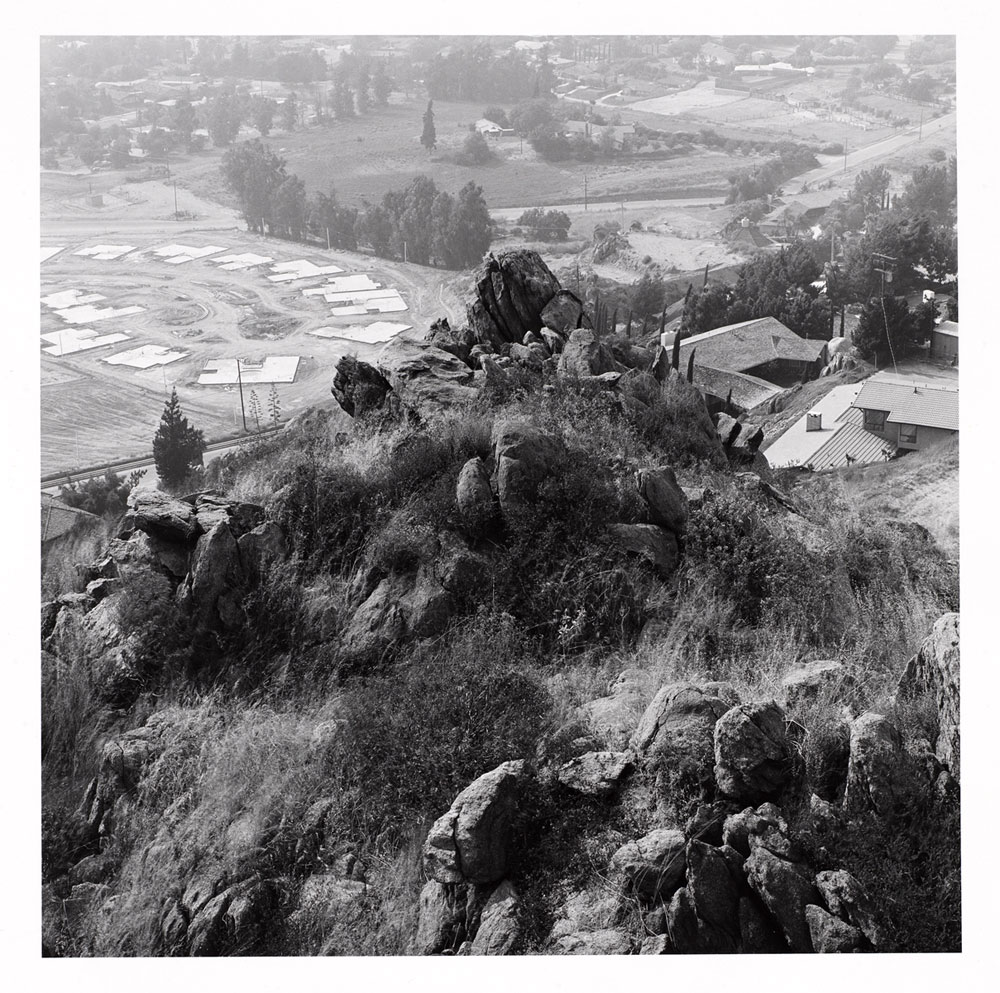

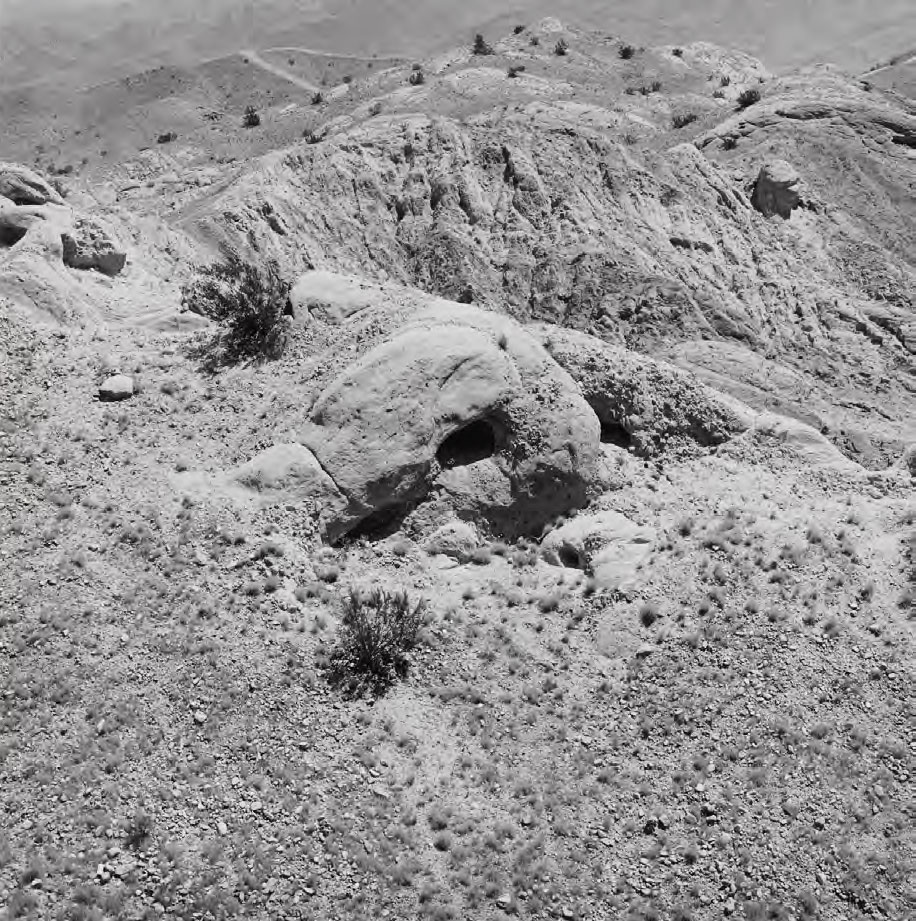


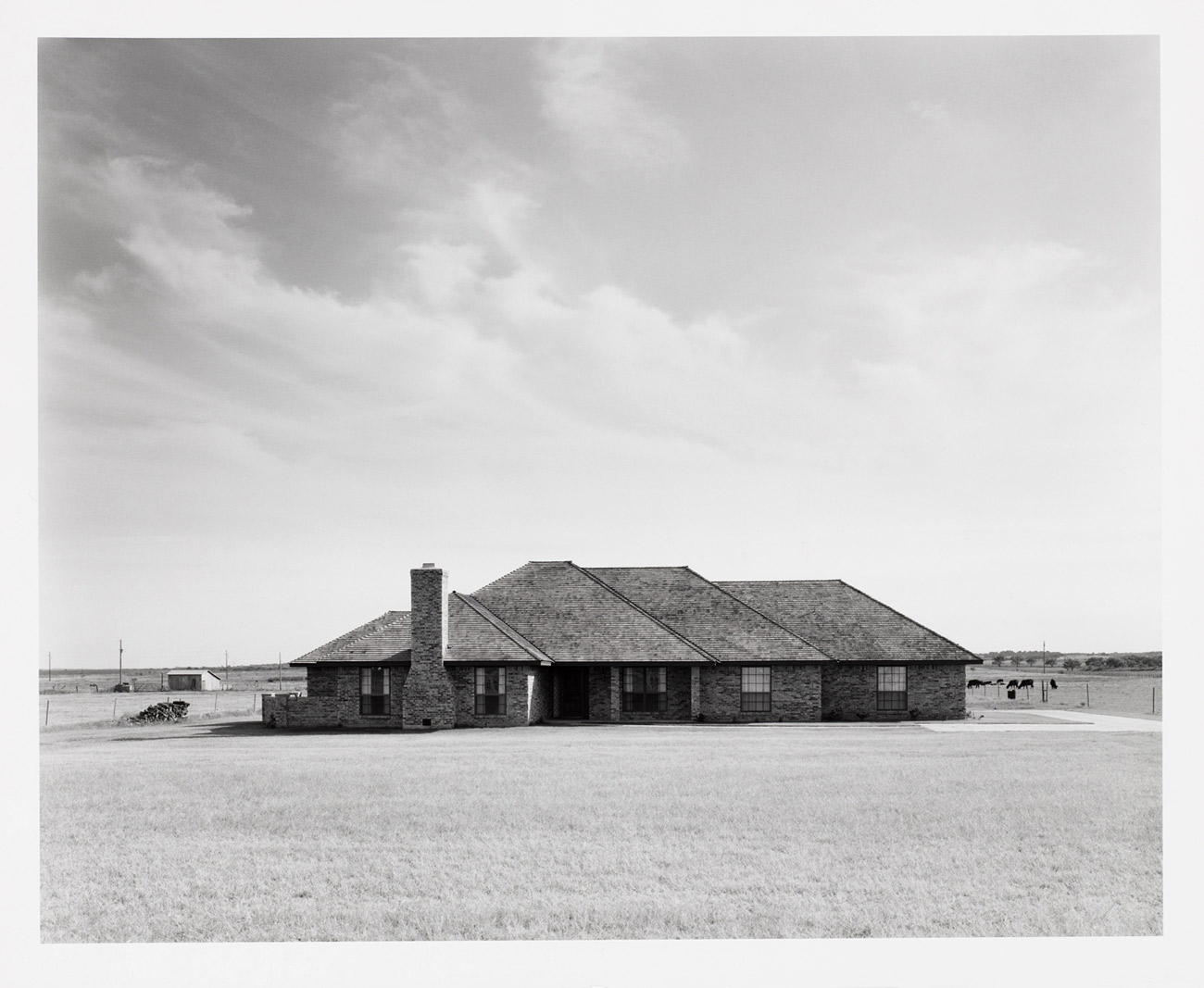


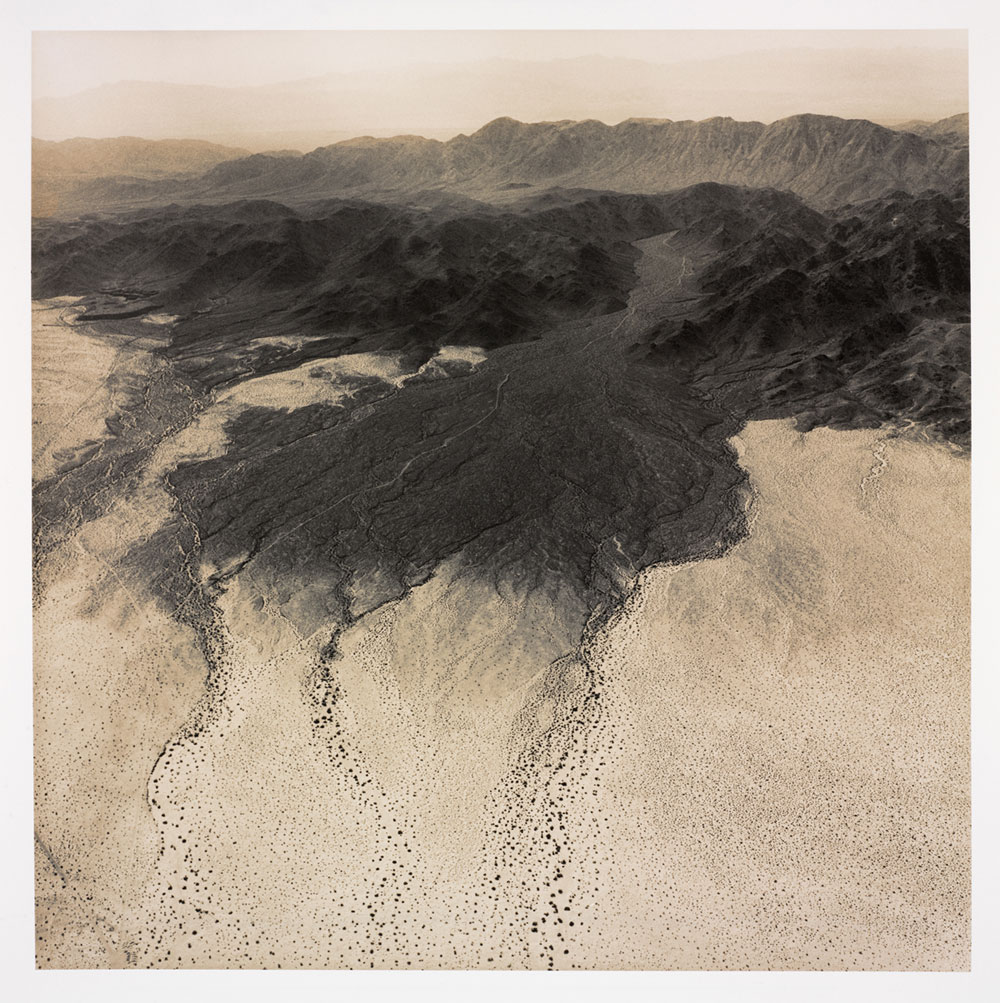

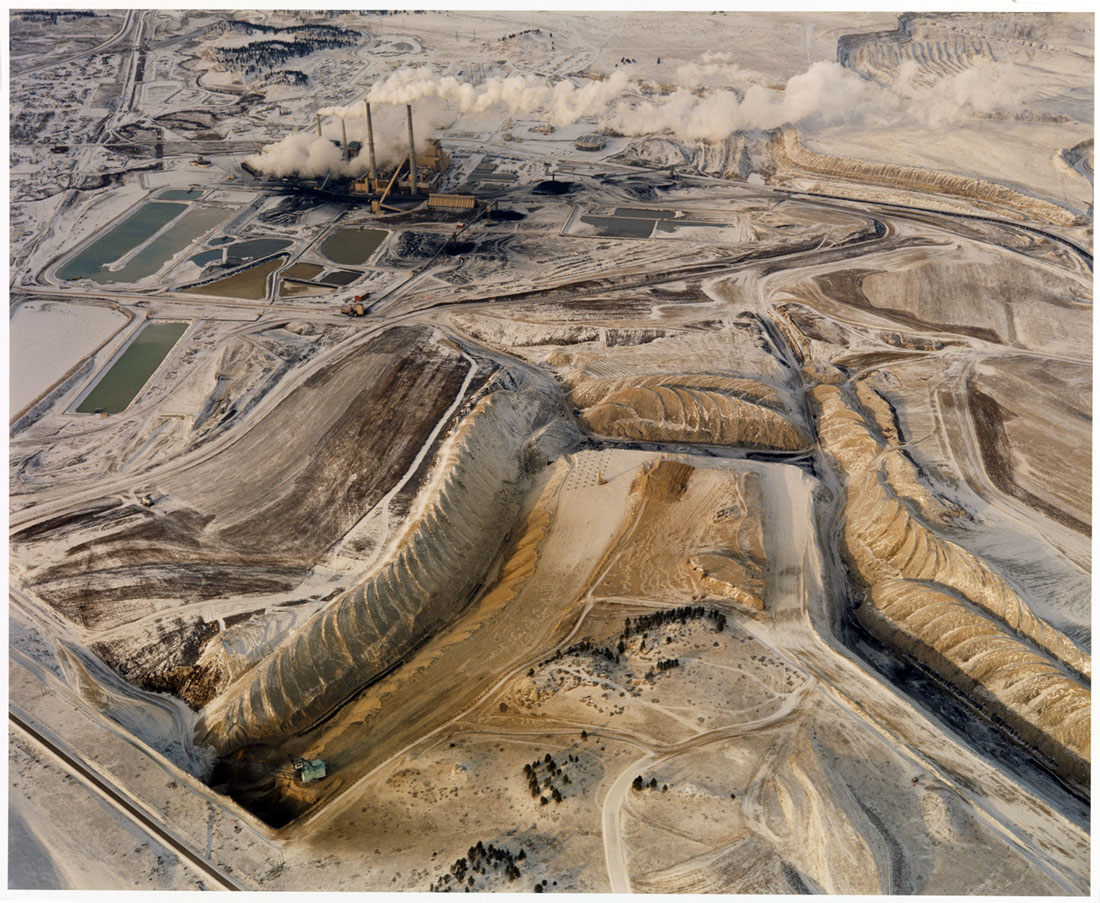
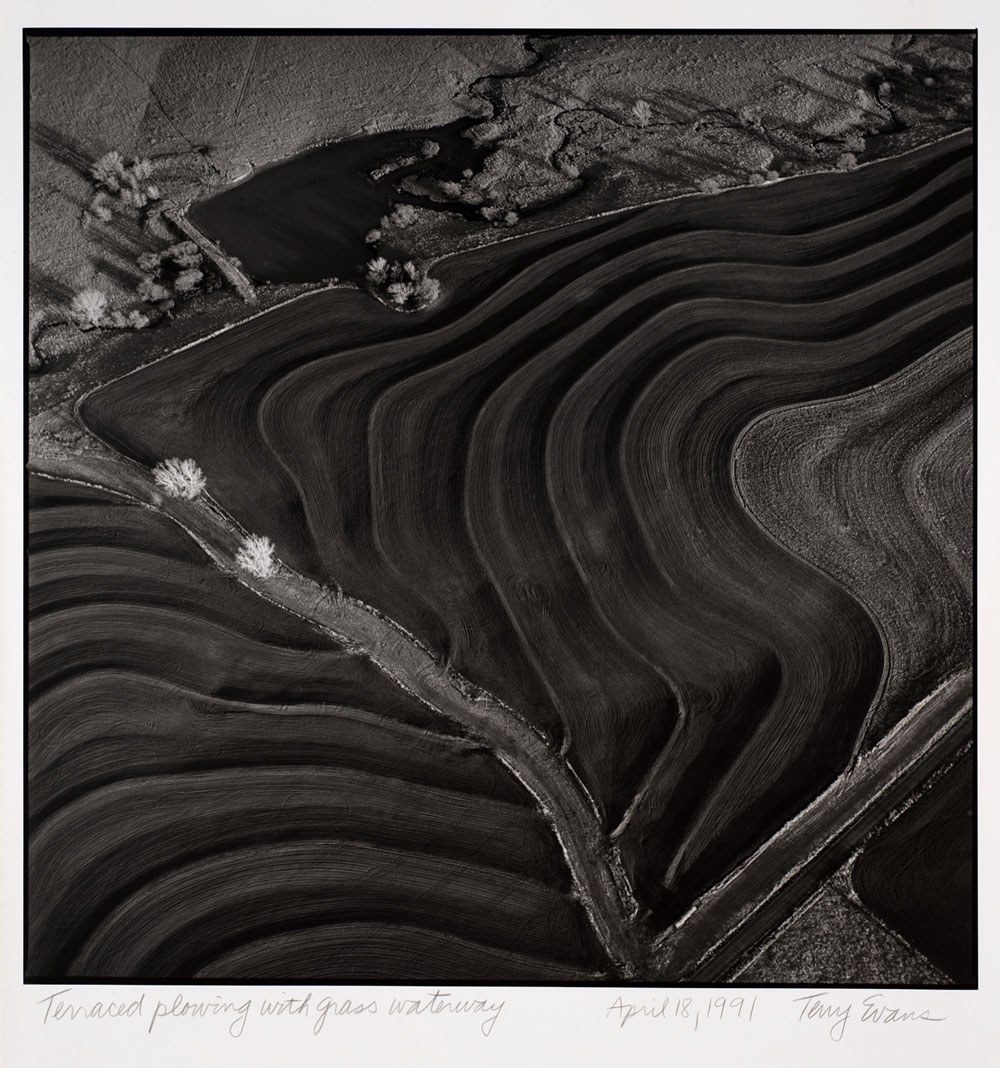
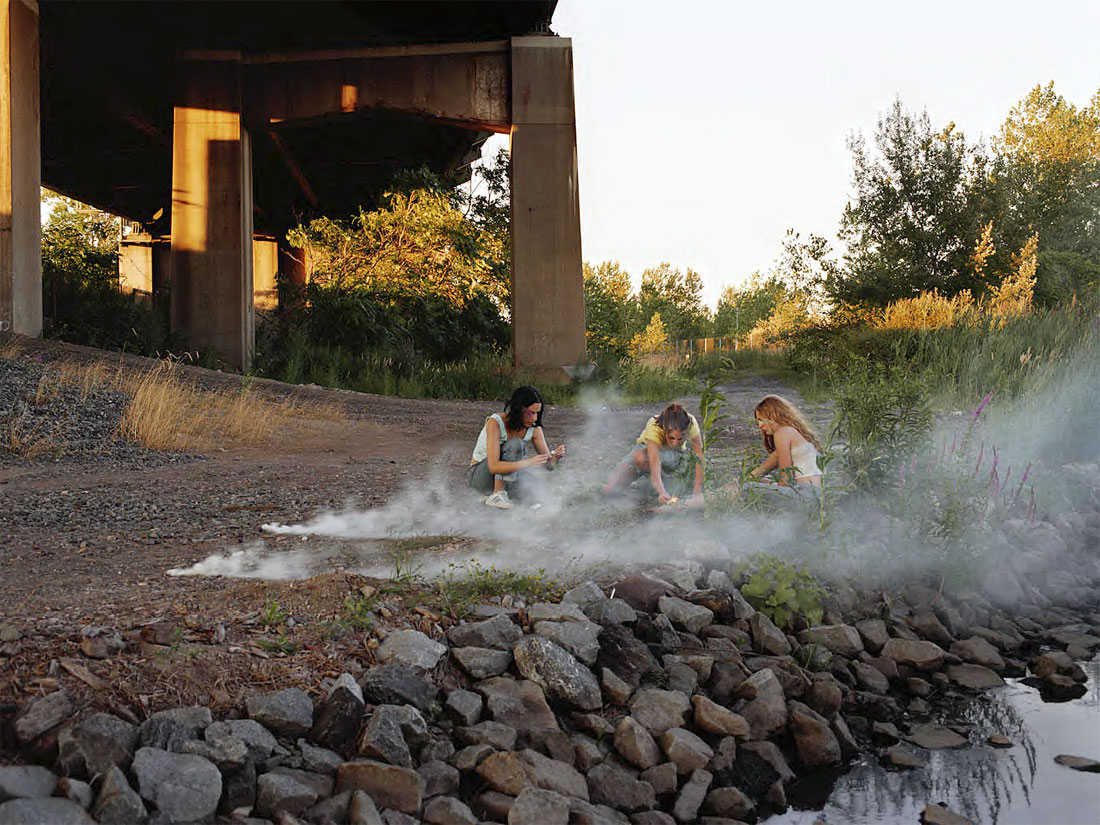

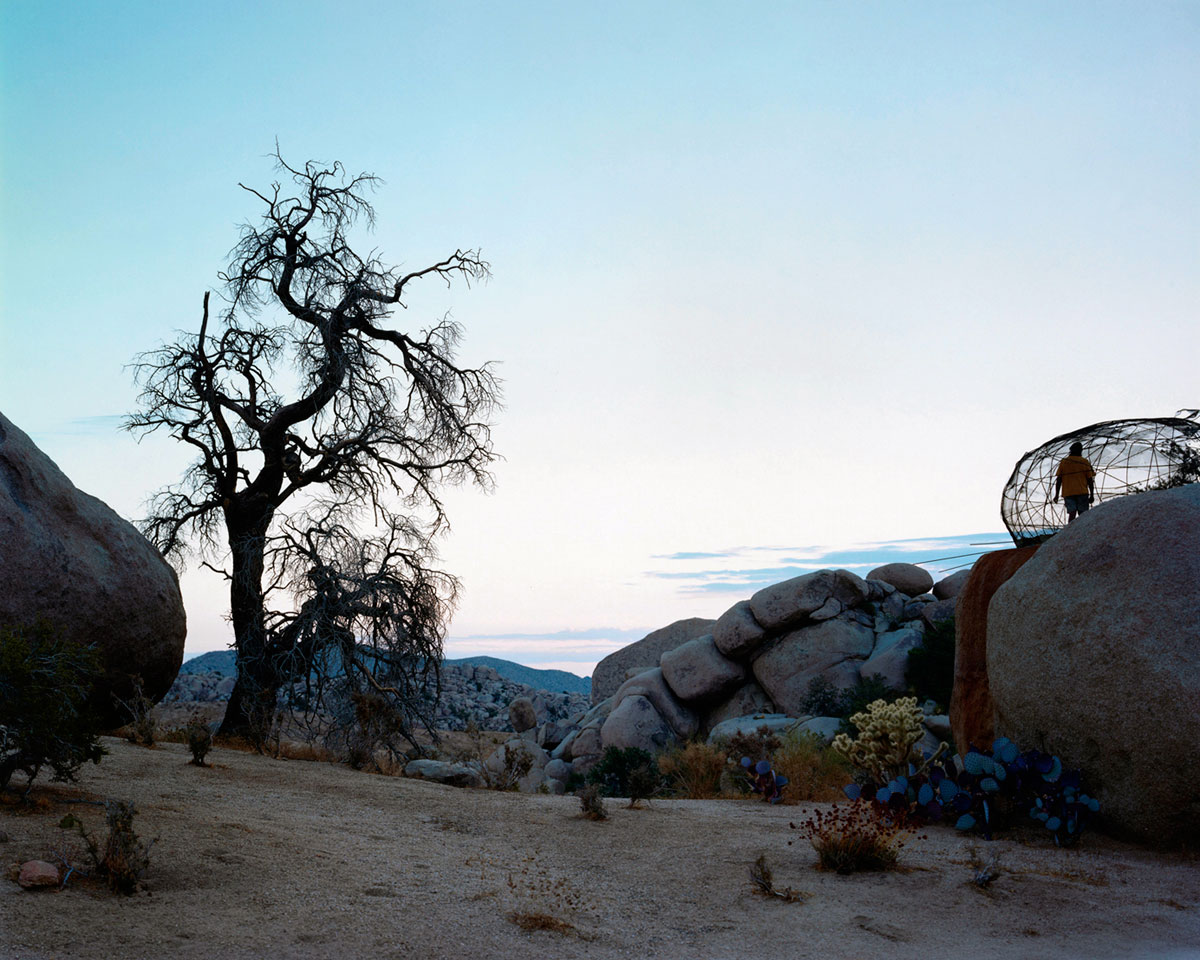
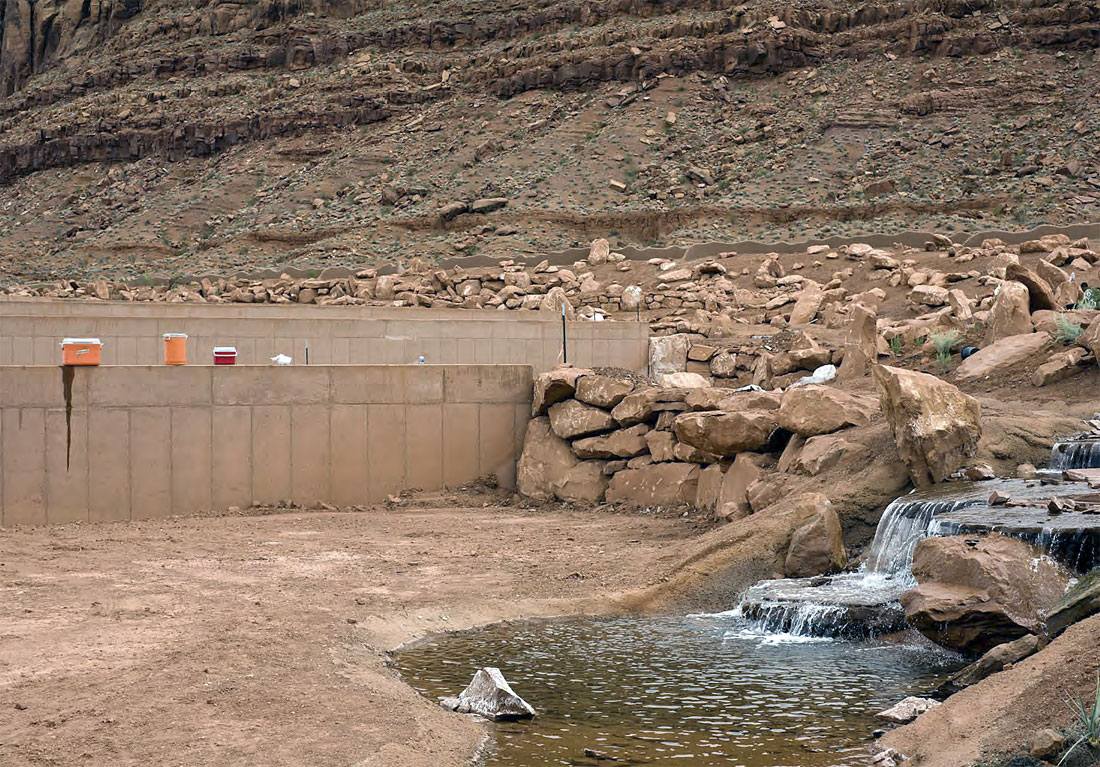
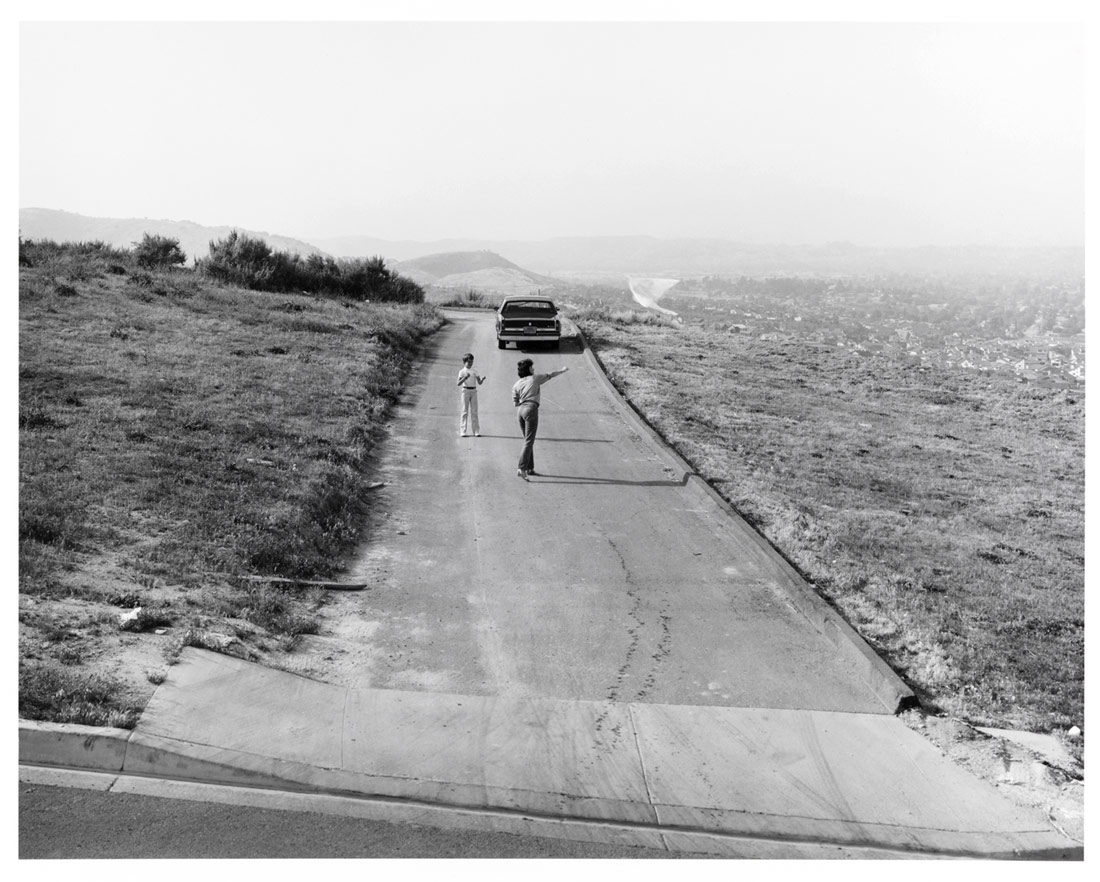

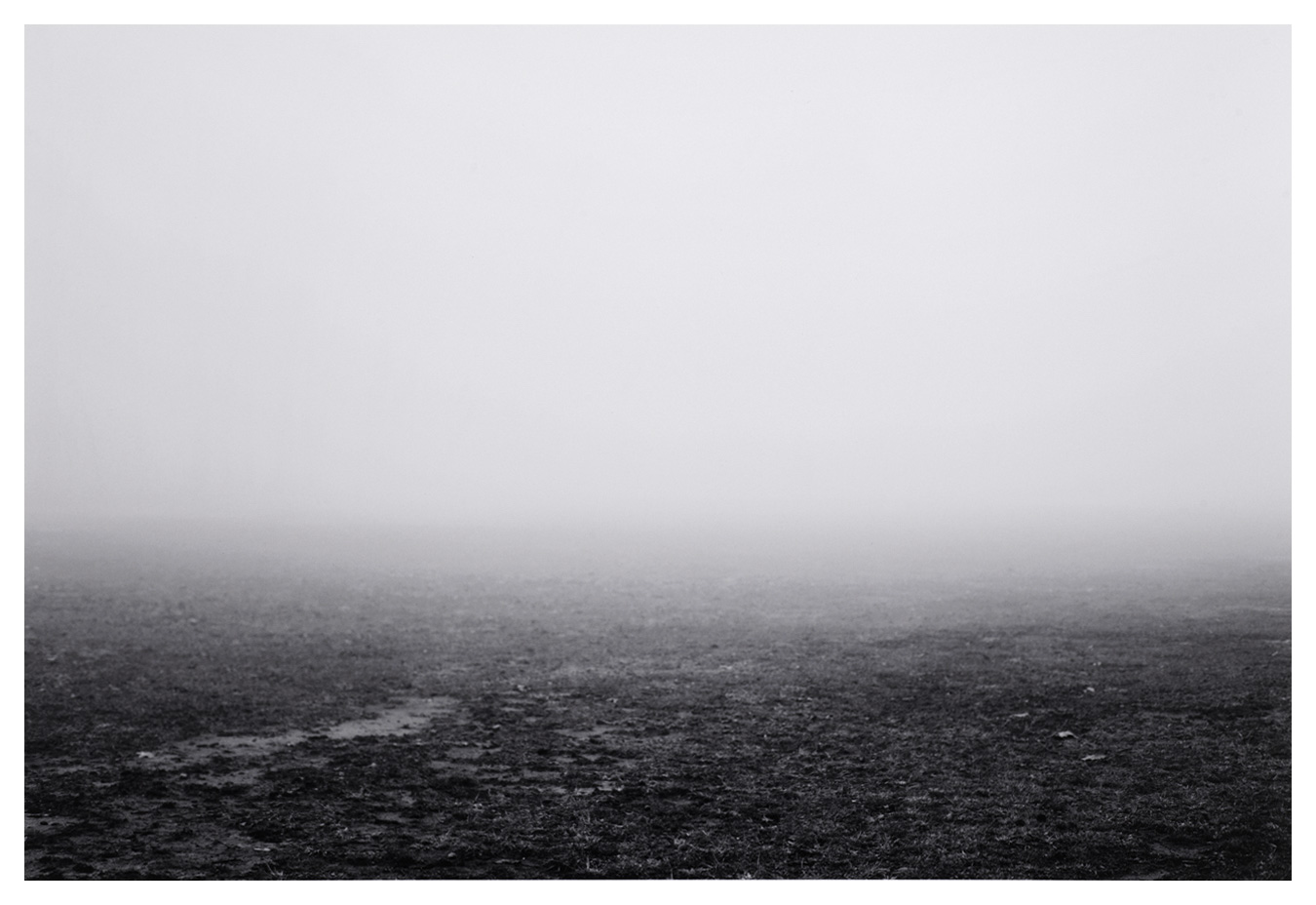
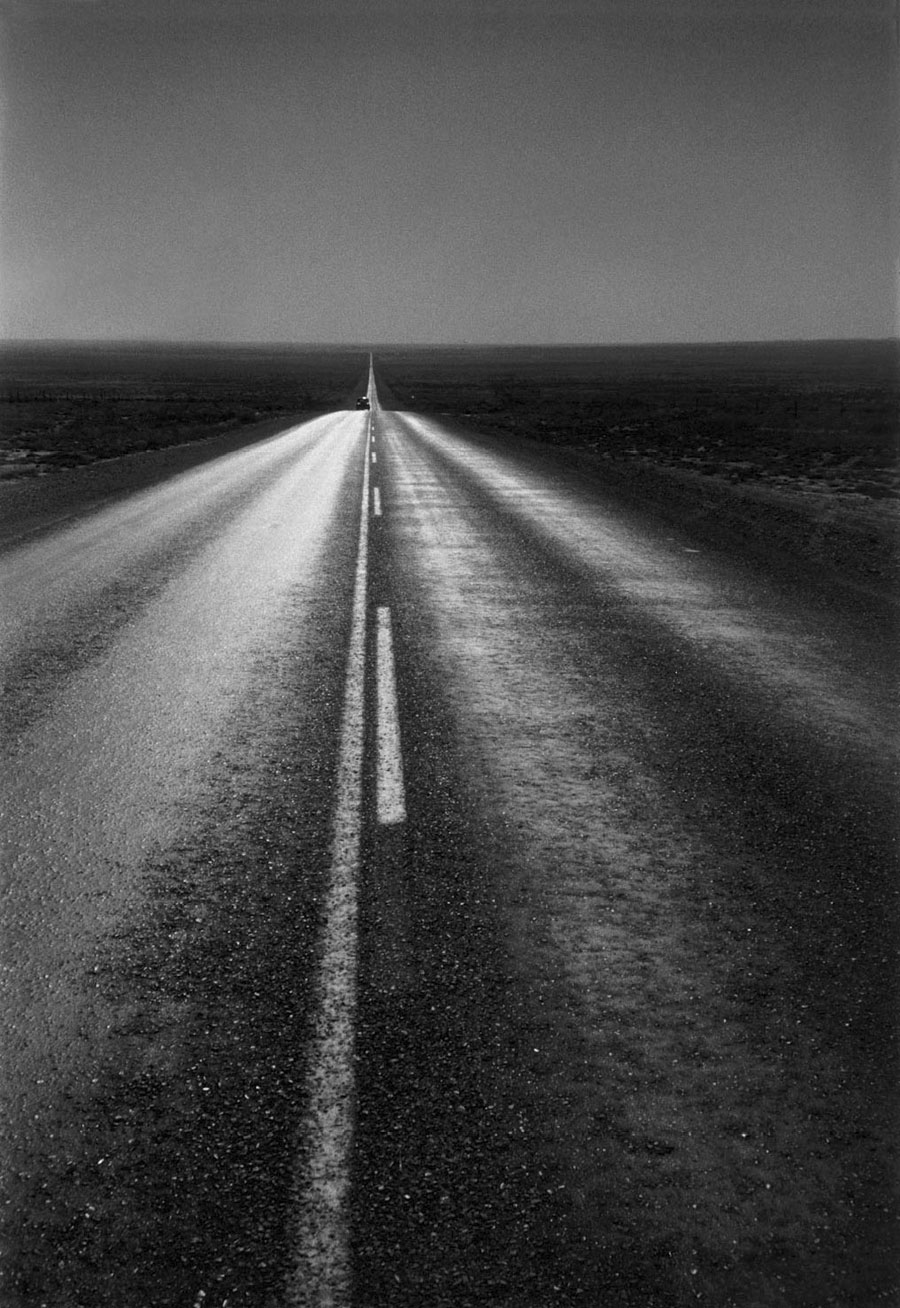
 Art Blart _ art and cultural memory archive
You must be logged in to post a comment.