Curator: Maria L. Kelly, High Museum of Art assistant curator of photography
Aaron Siskind (American, 1903-1991) Pleasures and Terrors of Levitation #37 1953 Gelatin silver print High Museum of Art, Atlanta, gift of Adair and Joe B. Massey in honour of Gus Kayafas
Aaron Siskind was recognised for the ways he rendered his surroundings into often stark shapes and forms, which reflected his fascination with contemporary trends in abstract art. He was an influential teacher at Chicago’s Institute of Design, which was founded by László Moholy-Nagy as the New Bauhaus. This image of a person flying or falling comes from a series Siskind made of the contorted bodies of divers plunging into Lake Michigan. He masterfully created its disorienting effect through tight focus on the floating figure without contextual elements.
Text from the High Museum of Art website
While contemporarily AI-powered technologies are revolutionising the way we interact with and consume media, enabling us to “to process and analyse vast amounts of data quickly, making it easier to find and access the information we need” in the 1920s and 1930s there was also a revolution in the way artists (and their use of the camera) viewed and felt the world – one not based on information, image quality or duplicity in the veracity of the image but one based on the word, perspective – be that point of view, context, close ups, surreality, fragmentation, scale, concept, construction, colour, aesthetics, identity, gender, or radical experimentation.
In this departure from traditional photographic methods, “New Vision photographers foregrounded experimental techniques, including photograms, photomontages and compositions that favoured extreme angles and unusual viewpoints, and these extended to movements such as surrealism and constructivism.” (Press release)
To me, this New Vision is about experiencing different perspectives – experiencing, sensing, feeling and seeing the world in a new light. After the disasters and machine-ations, the destruction of a conservative way of life before the First World War, here was a way to grasp hold of (and picture) the speed of a new world order, the dreams of physiological analysis, the diversity of new identities, and the fluidity of rapidly evolving technological and social cultures.
While today this (r)evolution continues at an ever expanding pace with the consumption of huge amounts of information and images, I believe it may be advantageous to rest for a while on certain experiences and images … so that we let the daggers drop from our eyes, to ‘not make images’ in our minds eye but just to be present in the viewing of a photograph, so that we appreciate and understand every aspect of the great life spirit of this wondrous earth.
Then and now, new vision.
Dr Marcus Bunyan
Many thankx to the High Museum of Art for allowing me to publish the photographs in the posting. Please click on the photographs for a larger version of the image.
The New Vision movement of the 1920s and 1930s offered a revolutionary approach to seeing the world. It represented a rebellion against traditional photographic methods and an embrace of avant-garde experimentation and innovative techniques. László Moholy-Nagy, an artist and influential teacher at the Bauhaus in Germany, named this period of expansion the “New Vision.” Today, the term encompasses photographic developments that took place between the two World Wars in Europe, America, and beyond. New Vision photographers foregrounded inventive techniques, including photograms, photomontages, and light studies, and made photographs that favoured extreme angles and unusual viewpoints. These approaches – which also extended to more defined movements like Surrealism – spoke to a desire to find and see different perspectives in the wake of World War I.
Uniting more than one hundred works from the High’s photography collection, the exhibition traces the movement’s impact, from its origins in the 1920s to today, and demonstrates its long-standing effect on subsequent generations.
Text from the High Museum of Art website
Photography’s New Vision: Experiments in Seeing
Named by the influential German artist and teacher László Moholy-Nagy, the “New Vision” comprised an expansive variety of photographic exploration that took place in Europe, America, and beyond in the 1920s and 1930s. The movement was characterised by its departure from traditional photographic methods. New Vision photographers foregrounded experimental techniques, including photograms, photomontages, and light studies, and made photographs that favoured extreme angles and unusual viewpoints.
This exhibition, uniting more than one hundred works from the High’s robust photography collection, will trace the impact of the New Vision movement from its origins in the 1920s to today. Photographs from that era by Ilse Bing, Alexander Rodchenko, Imogen Cunningham, and Moholy-Nagy will be complemented by a multitude of works by modern and contemporary artists such as Barbara Kasten, Jerry Uelsmann, Hiroshi Sugimoto, and Abelardo Morell to demonstrate the long-standing impact of the movement on subsequent generations.
Text from the High Museum of Art website
Installation views of the exhibition Photography’s New Vision: Experiments in Seeing at the High Museum of Art, Atlanta, June 2025 – January 2026 Photos: Mike Jensen
The High Museum of Art presents “Photography’s New Vision: Experiments in Seeing” (June 13, 2025 – Jan. 4, 2026), an exhibition uniting more than 100 works from the High’s robust photography collection to trace the impact of the New Vision movement from its origins in the 1920s to today. Works include century-old photographs exemplifying themes from the movement and modern and contemporary images that emphasise the relevance of current artistic and social practices as a response to the technological and cultural changes that occurred in the early 20th century.
“This exhibition provides an opportunity to illuminate photographers’ creativity and innovative practices, all inspired by the progression of the medium in the 1920s and 30s,” said High Museum of Art Director Rand Suffolk. “Many of the works are rarely on view, so it will be an exciting experience for visitors to see them and learn about photographers’ abilities as they reflect reality while experimenting with technique and perspective.” Named by the influential German artist and teacher László Moholy-Nagy, the “New Vision” comprised an expansive variety of photographic exploration that took place in Europe, America and beyond in the 1920s and 1930s. The movement was characterised by its departure from traditional photographic methods. New Vision photographers foregrounded experimental techniques, including photograms, photomontages and compositions that favoured extreme angles and unusual viewpoints, and these extended to movements such as surrealism and constructivism.
“Experiments in Seeing” features nearly 100 photographers. It also demonstrates how the New Vision movement revolutionised the medium of photography in the early 20th century in response to the great societal, economic and technological shifts spurred by the upheaval of the two World Wars. Photographs from that era by Ilse Bing, Alexander Rodchenko, Imogen Cunningham and Moholy-Nagy have been complemented by a multitude of photographs by modern and contemporary artists such as Barbara Kasten, Jerry Uelsmann, Hiroshi Sugimoto and Abelardo Morell to demonstrate the long-standing impact of the movement on subsequent generations.
The first section of the exhibition delves into experimental techniques that foreground the light-sensitive aspects of photography, followed by works created through in-camera manipulations or additions to the surfaces of the prints. Subsequent sections explore inventive methods of capturing unexpected views of the world articulated with radical angles or detailed close-ups. Other works showcase surreal approaches to subjects such as humanlike forms and bodies, the use of mirrors and doubling, and everyday scenes heightened by uncanny moments or distorted through the interplay of light, shadow and water.
“Not only does the early 20th century and its art movements continue to be influential, but that time also echoes our current moment – one that feels similarly consequential and innovative with the development of new emerging technologies and methods of communicating,” said Maria L. Kelly, the High’s assistant curator of photography. “The movements and happenings of a century ago are akin to those of today and those shown in the exhibition. There remains a desire for alternative ways to see and approach the world through art, and particularly through photography.”
“Photography’s New Vision: Experiments in Seeing” is on view in the Lucinda W. Bunnen Galleries for Photography located on the Lower Level of the High’s Wieland Pavilion.
Press release from the High Museum of Art
“Light was considered the medium that permits photography. But for me it became the main subject: the protagonist of my photography.”
Ilse Bing, c. 1920s
Light Experimentation
After the trauma of World War I, many artists felt compelled to reconsider conventional art making methods to better reflect and engage with the world. Some photographers turned their attention to the essential element of photography: light. Through innovative visual investigations, cameraless photographs were produced, viewes of the world altered, and scientific discoveries made.
Experimentations with illumination and light-sensitive paper in the darkroom gave rise to photograms, enabling artists to pursue abstraction and to wield light as a sculptural element. The process of solarisation – reversing tones in a print using a flash of light during developing – provided an unconventional view of a subject. Early attempts to capture traces of light on film led to scientific innovations such as using strove lights to freeze movement, depicting magnetic fields, and tracing electrical currents on light sensitive paper.
These processes aim to reveal the invisible, with the elements of change as a constant companion. While artists can insert some control over the elements, the process ultimately shapes the final image. Many artworks in this section exist as unique prints, challenging the assumption of the reproducibility of photography, and emphasising the singularity of the creative moment.
Wall text from the exhibition
Francis Bruguière (American, 1879-1945) The Light That Never Was on Land or Sea c. 1925 Gelatin silver print High Museum of Art, Atlanta, purchase with funds from Georgia-Pacific Corporation
Nathan Lerner (American, 1913-1977) Light Drawing #8 (Smoke) 1938-1939 Gelatin silver print High Museum of Art, Atlanta, gift of Hilary Leff and Elliot Groffman
Ilse Bing (American born Germany, 1899-1998) Untitled [Seated Woman with Necklace, Solarized] 1943 Gelatin silver print High Museum of Art, Atlanta, gift of the Estate of Ilse Bing Wolff
Inspired by William Henry Fox Talbot, an inventor of photography who was fascinated with electromagnetic conduction, Hiroshi Sugimoto began applying charges of electricity directly to unexposed photographic film. After months of honing his technique in the darkroom, he managed to achieve remarkable results with a handheld wand charged by a generator. His Lightning Fields photographs are made without a camera or lens. Here, the abstract visual trace of an electric charge measuring over 400,000 volts sweeps across the composition, reading like the textures of a human hand, the upward tentacles of a fern, or the stark branches of a tree.
V. Elizabeth Turk is an Atlanta-based photographer whose work explores the connections between the human body and the natural world. To make this print, Turk used an analog process from the 1800s that involves coating a large sheet of paper with light-sensitive chemicals. She then arranged her model on top of the sheet and exposed it to light, creating a ghostly silhouette, before repeating the exposure with plants. The resulting photogram is a unique image in which botanical forms intersect with the body, alluding to bones, veins, and skin and suggesting a visceral bond between humans and the environment.
Text from the High Museum of Art website
“The limits of photography are incalculable; everything is so recent that even the mere act of searching may lead to creative results. […] The illiterate of the future will be the person ignorant of the use of the camera as well as of the pen.”
László Moholy-Nagy 1928
Radical Viewpoints
From photography’s inception in 1839, camera technology involved cumbersome equipment and time-consuming development processes until the advent of lightweight cameras in the 1920s. Photographers were then able to work more nimbly, transforming photography into a medium capable of capturing fleeting moments, unusual viewpoints, and multiple perspectives. The exploration of unexpected angles became a hallmark of New Vision photography. Sharp diagonals, extreme vantage points, and shortened perspectives opened novel pathways of perceiving otherwise commonplace environments.
Alexander Rodchenko, a pioneer in this method, championed the camera’s ability to reveal, stating, “in order to teach man to see from all viewpoints, it is necessary to photograph […] from completely unexpected viewpoints and in unexpected positions […] We don’t see what we are looking at. We don’t see marvellous perspectives.” This approach aimed to provide a fuller impression of subjects, prompting viewers to seek and appreciate what might otherwise be overlooked.
Though these early photographs may not appear groundbreaking today, their makers’ carefully considered methods transferred how photography is used. This is evident in photographers’ creative interpretations of their surroundings over the past century.
Alexander Rodchenko was a key figure in the movements of New Vision and Constructivism – abstract and functional art that reflected an industrial society. Advocating “to achieve a revolution in our visual thought,” he explored various methods, such as photographing from unexpected angles, to capture dynamic views and expose new realities. With a new, lightweight 35 mm camera, he often photographed from his apartment balcony to create dramatic scenes of the street below. The perspective in this photograph flattens the building’s stories into one visual field, giving the image a theatrical quality as an onlooker peers over the railing.
A central figure among twentieth-century American photographers, Walker Evans created works in his early career that sample from the New Vision aesthetic, which he may have encountered while abroad in Paris in 1926. His photographs of New York City, made after he returned to the United States, feature dramatically angled or cropped scenes of architecture and city life. Evans made numerous photographic studies of the Brooklyn Bridge from both below and on the bridge, portraying it less as a recognisable landmark and more as a hulking expanse whose form fills each tight frame.
Text from the High Museum of Art website
László Moholy-Nagy (Hungarian 1895-1946) Stage Set for Madame Butterfly 1931 Gelatin silver print High Museum of Art, Atlanta, purchase with funds from Georgia-Pacific Corporation
Moholy-Nagy, a leader of the New Vision, had an expansive artistic practice that included painting, photography, sculpture, film, and more. As a teacher at the Bauhaus, which connected art and industry, he believed in technology’s potential to advance art and society. In 1929, he became set designer at the Kroll Opera House and created avant-garde sets with translucent and perforated materials, often making light itself a sculptural element. Lucia Moholy, a photographer, writer, teacher, and Moholy-Nagy’s first wife, was commissioned as Kroll’s stage photographer. In this image, which either artist may have made, the sharp angle shot from above complicates the set of Madame Butterfly, emphasising intersecting, moving elements and heightening areas of light and shadow.
Similar to the practice of using unusual angles to offer unexpected perspectives, some photographers began capturing highly detailed, close-up views of objects. This approach affords a study of texture, pattern, and structure that may otherwise go unnoticed by the human eye. By eliminating surroundings that could offer a narrative, the physicality of the object becomes the primary focus, allowing it to transcend beyond its everyday existence.
Practitioners of straight photography in the United States and the concurrent New Objectivity movement in Germany shared a core desire to unearth a balance of the familiar and the foreign within intricate images of forms. While Imogen Cunningham and Edward Weston perfected carefully composed studies of plants and other natural matter, Albert Renger-Patzsch, Alexander Rodchenko, and Ralph Steiner explored scientific and industrial objects. Such images celebrated the technological advancements of the time and revealed how mechanical structures often mimic those found in nature, suggesting a shared framework, and a shared beauty, between humanmade and natural. The emphasis on detail and abstraction invites viewers to reconsider their perceptions of both the ordinary and the extraordinary in the world around them.
Eugenia de Olazabal (Mexican, b. 1936) Espinas c. 1985 Gelatin silver print High Museum of Art, Atlanta, gift of the artist
“Surrealism lies at the heart of the photographic enterprise: in the very creation of a duplicate world, of a reality in the second degree, narrower but more dramatic than the one perceived by natural vision.”
Susan Sontag, 1973
Surreality
Surrealism emerged as an artistic movement in reaction to the horrors of World War I. The often disconcerting imagery and literature of the movement reflected a world that felt disorienting and chaotic and captured how the very foundations of reason and humanity were tested and questioned through the realities of war. In his Surrealist Manifesto (1924), French writer Andre Breton advocates for a rejection of rational ways of approaching the world in four of dreams and imagination as pathways to new creative expressions.
Photography played an important role in the Surrealist movement. Artists valued how the medium could capture spontaneous moments that reveal the unexpected, be manipulated to stage scenes, or be altered with darkroom processes. They harness photography in a multitude of ways to create dreamlike and unconscious associations with reality. In these galleries, artists explore uncanny moments and create links to the human psyche by focusing on humanlike forms and fragmented body parts, mirrored and doubled views, and the impact of light and shadows in space.
Eugène Atget was the great chronicler of Paris at the turn of the century. His vast photographic archive captures a city on the precipice of modernisation. Though his photographs of empty city streets were documentary in nature, the Surrealists admired their dreamlike quality and claimed Atget as one of their own despite his protestations. They believed any photograph could shed its original context and intent when viewed with a surrealist sensibility. Atget’s photograph of mannequins peering out of a shop window appealed to the movement by embodying the uncanny valley, where the human likeness of a nonhuman entity evokes both affinity and discomfort in viewers.
Text from the High Museum of Art website
Florence Henri (Swiss born United States, 1893-1982) Composition 1932, printed 1972 Gelatin silver print High Museum of Art, Atlanta, gift of Dr. Joe B. Massey in honor of Maria L. Kelly
Florence Henri is well known for her manipulations of light and form that create complex, surrealist scenes. She used angled mirrors to frame, obscure, and replicate portions of scenes to dissolve a sense of perspective and space, as seen in this still life comprising mirrors, pears, and an image of the sea. After only one semester studying under László Moholy-Nagy at the Bauhaus in 1927, Henri shifted her focus from painting to photography and began using various experimental techniques such as photomontage, multiple exposures, photograms, and negative printing.
Barbara Kasten’s art is as much about the process of setting up innovative still life scenes as it is about the photographs she makes of them. Her Constructs series focuses on large-scale complex assemblages that she builds in her studio using a wide variety of materials, including painted wood, plaster, mirrors, screens, and fibers. Her work is not digitally altered; instead, she complicates the scene using mirrors and light, much in the tradition of Florence Henri, whose photograph is also on view in the exhibition.
Text from the High Museum of Art website
Manipulations
This final section features photographers from the New Vision period to the present day who experiment with physically manipulating photographs. Through approaches such as double exposure, photomontage, surface alteration, and multilayering, they challenge and expand our perceptions of reality. The artworks in this section prioritise the creative process through labour, intention, intervention, and theatricality.
Double exposures is the process of photographing multiple images with the same negative within the camera, resulting in layered images that often provide a frenetic, multifaceted view of a scene. In contrast to the in-camera process of double exposure, photomontage combines separate images in the darkroom to produce a final photograph that emphasises the image’s artifice and absurdity. Physically disrupting the surface of photographs with alterations such as adding unnatural colour, drawing connections, stitching into prints, or inscribing texts augments the visual experience and offers emotional and narrative depth. Finally, whether through ancient visual techniques like the camera obscure or new technologies like digital screens, these artists create enigmatic scenes by layering and physically transforming subject, composition, and image.
Wall text from the exhibition
Barbara Morgan (American, 1900-1992) Protest 1940 Gelatin silver print High Museum of Art, Atlanta, purchase
Noémie Goudal (French, b. 1984) Phoenix V 2021 Dye coupler print High Museum of Art, Atlanta, purchase through funds provided by patrons of Collectors Evening 2023
Noémie Goudal visualises “deep time” (geological history of the planet) and paleoclimatology (study of past climates) to challenge our perception of the world. Referring to the ancient continental split two billion years ago that formed South America and Africa, this image features the Phoenix atlantica, a palm tree that grows on both sides of the Atlantic. Goudal arranged strips of photographic prints of the palms made on one continent in front of the physical palms on the other and rephotographed the scene. The resulting image interweaves the two continents, creating a glitchy, kaleidoscopic view meant to unsettle our sense of stability and the constancy of the planet.
Text from the High Museum of Art website
Naima Green (American, b. 1992) It Lingers Sweetly 2022 Pigmented inkjet print High Museum of Art, Atlanta, purchase with funds from the LGBTQIA+ Photography Centennial Initiative
Naima Green’s practice centres connection and collaboration to cast a tender lens on her own queer community of colour. Her lyrical portraits take shape in intimate domestic spaces and airy outdoor environments that embody havens for the people in those spaces. Through double exposure and serial photographs, she provides what she calls “multiple entry points” into a moment in time, translating movements and emotions into a single image. She explains her interest in double exposure “as a means of capturing things that can’t be held in just one way … ,” allowing her to “play with loosening the narrative and letting go of some control.”
Text from the High Museum of Art website
The High Museum of Art 1280 Peachtree St NE Atlanta, GA 30309
Organised by Roxana Marcoci, The David Dechman Senior Curator of Photography, with Dana Ostrander, Curatorial Assistant, and Caitlin Ryan, Curatorial Assistant, Department of Photography, MoMA
Lotte Jacobi (American, 1896-1990) Head of the Dancer Niura Norskaya 1929 Gelatin silver print 7 1/2 × 9 3/8″ (19.1 × 23.8cm) The Museum of Modern Art, New York Gift of Helen Kornblum in honour of Roxana Marcoci
With a focus on people, this is a challenging exhibition that can only scratch the surface of the importance of the photographic work of women artists to the many investigations critical to the promotion of equality and diversity in a complex and male orientated world.
Germaine Krull is always a favourite, as is the work of neutered genius (and my hero), Claude Cahun. Susan Meiselas’s immersive work is also impressive in its “understanding of social, political and global issues and of the potentially complex ethical relationship between photographer and subject”, especially in her early work Carnival Strippers (1972-1975). I also particularly like the sensibility of the Mexican women photographers: sensitive portraits of strong women.
The most cringe worthy photograph that illustrates some of the ills associated with a male-orientated society is Ruth Orkin’s staged but spontaneous photograph, American Girl in Florence, Italy (1951, below) which was “an instant conversation starter about feminism and street harassment long… [and which is] more relevant now than ever for what it truly represents: independence, freedom and self-determination.”
“The photos ran in Cosmopolitan magazine in 1952 in a photo essay, “When You Travel Alone…”, offering tips on “money, men and morals to see you through a gay trip and a safe one.” The article encourages readers to buy ship and train tickets ahead of time. It reminds them to bring their birth certificate and check in with the State Department. The caption on the photo of Craig walking down the street reflects cultural mores of the era.
“Public admiration … shouldn’t fluster you. Ogling the ladies is a popular, harmless and flattering pastime you’ll run into in many foreign countries. The gentlemen are usually louder and more demonstrative than American men, but they mean no harm.”
It’s a far cry from what we tell women these days, but for its time the mere notion of encouraging women to travel alone was progressive. That’s what made the photos so special, Craig says. They offered a rare glimpse of two women – behind and in front of the camera – challenging the era’s gender roles and loving every minute of it.”1
Talking of challenging gender roles, I’m rather surprised there aren’t any photographs by Diane Arbus, Cindy Sherman or Francesca Woodman for example, critical women photographers who challenge our orientation towards our selves and the world. Many others could have been included as well. But that is the joy and paradox of collecting: what do you collect and what do you leave out. You have to focus on what you like and what is available.
“Rather than presenting a chronological history of women photographers or a linear account of feminist photography, the exhibition prompts new appraisals and compelling dialogues from a contemporary, intersectional feminist perspective. African-diasporic, queer, and postcolonial / Indigenous artists have brought new mindsets and questions to the canonical narratives of art history. Our Selves will reexamine a host of topics, countering racial and gender invisibility, systemic racial injustice, and colonialism, through a diversity of photographic practices, including portraiture, photojournalism, social documentary, advertising, avant-garde experimentation, and conceptual photography.” (Press release)
Many thankx to the Museum of Modern Art for allowing me to publish the photographs in the posting. Please click on the photographs for a larger version of the image.
The Museum of Modern Art announces Our Selves: Photographs by Women Artists from Helen Kornblum, an exhibition that will present 90 photographic works by female artists from the last 100 years, on view from April 16 to October 2, 2022. Drawn exclusively from the Museum’s collection, thanks to a transformative gift of photographs from Helen Kornblum in 2021, the exhibition takes as a starting point the idea that the histories of feminism and photography have been intertwined.
Installation views of the exhibition Our Selves: Photographs by Women Artists from Helen Kornblum at the Museum of Modern Art (MoMA), New York
How have women artists used photography as a tool of resistance? Our Selves: Photographs by Women Artists from Helen Kornblum reframes restrictive notions of womanhood, exploring the connections between photography, feminism, civil rights, Indigenous sovereignty, and queer liberation. “Society consumes both the good girl and the bad girl,” wrote artist Silvia Kolbowski in 1984. “But somewhere between those two polarities, space must be made for criticality.”
Spanning more than 100 years of photography, the works in this exhibition range from Frances Benjamin Johnston’s early documentary photographs of racially segregated education in turn-of-the-century United States, to a contemporary portrait by Chemehuevi artist Cara Romero that celebrates the specificity of Indigenous art forms. A tribute to the generosity of collector Helen Kornblum, Our Selves features women’s contributions to a diversity of practices, including portraiture, photojournalism, social documentary, avant-garde experimentation, advertising, and performance.
As we continue to reckon with equity and diversity, Our Selves invites viewers to meditate on the artist Carrie Mae Weems’s evocative question: “In one way or another, my work endlessly explodes the limits of tradition. I’m determined to find new models to live by. Aren’t you?”
Text from the MoMA website
Alma Lavenson (American, 1897-1989) Self-Portrait 1932 Gelatin silver print 9 × 11 7/8″ (22.9 × 30.2cm) The Museum of Modern Art, New York Gift of Helen Kornblum in honour of Roxana Marcoci
Germaine Krull (Dutch born Germany, 1897-1985) The Hands of the Actress Jenny Burnay c. 1930 Gelatin silver print 6 1/2 × 8 5/8″ (16.5 × 21.9cm) The Museum of Modern Art, New York Gift of Helen Kornblum in honour of Roxana Marcoci
Germaine Krull (Dutch born Germany, 1897-1985)
Germaine Krull was a pioneer in the fields of avant-garde photomontage, the photographic book, and photojournalism, and she embraced both commercial and artistic loyalties. Born in Wilda-Poznań, East Prussia, in 1897, Krull lived an extraordinary life lasting nine decades on four continents – she was the prototype of the edgy, sexually liberated Neue Frau (New Woman), considered an icon of modernity and a close cousin of the French garçonne and the American flapper. She had a peripatetic childhood before her family settled in Munich in 1912. She studied photography from 1916 to 1918 at Bayerische Staatslehranstalt für Lichtbildwesen (Instructional and Research Institute for Photography), and in 1919 opened her own portrait studio. Her early engagement with left-wing political activism led to her expulsion from Munich. Then, on a visit to Russia in 1921, she was incarcerated for her counterrevolutionary support of the Free French cause against Hitler. In 1926, she settled in Paris, where she became friends with artists Sonia and Robert Delaunay and intellectuals André Malraux, Jean Cocteau, Colette, and André Gide, who were also subjects of her photographic portraits.
Krull’s artistic breakthrough began in 1928, when she was hired by the nascent VU magazine, the first major French illustrated weekly. Along with photographers André Kertész and Éli Lotar, she developed a new form of reportage rooted in a freedom of expression and closeness to her subjects that resulted in intimate close-ups, all facilitated by her small-format Icarette, a portable, folding bed camera. During this period, she published the portfolio, Metal (Métal) (1928), a collection of 64 pictures of modernist iron giants, including cranes, railways, power generators, the Rotterdam transporter bridge, and the Eiffel Tower, shot in muscular close-ups and from vertiginous angles. Krull participated in the influential Film und Foto, or Fifo, exhibition (1929-1930), which was accompanied by two books, Franz Roh’s and Jan Tschichold’s Foto-Auge (Photo-Eye) and Werner Gräff’s Es kommt der neue Fotograf! (Here Comes the New Photographer!).Fifo marked the emergence of a new critical theory of photography that placed Krull at the forefront of Neues Sehen or Neue Optik (New Vision) photography, a new direction rooted in exploring fully the technical possibilities of the photographic medium through a profusion of unconventional lens-based and darkroom techniques. After the end of World War II, she traveled to Southeast Asia, and then moved to India, where, after a lifetime dedicated to recording some of the major upheavals of the twentieth century, she decided to live as a recluse among Tibetan monks.
Introduction by Roxana Marcoci, Senior Curator, Department of Photography, 2016
Ruth Orkin (American, 1921-1985) American Girl in Florence, Italy 1951 Gelatin silver print 8 1/2 × 11 15/16″ (21.6 × 30.3cm) The Museum of Modern Art, New York Gift of Helen Kornblum in honour of Roxana Marcoci
Although this photograph appears to be a street scene caught on the fly-an instance of what Henri Cartier-Bresson called the “decisive moment” – it was actually staged for the camera by Orkin and her model. “The idea for this picture had been in my mind for years, ever since I had been old enough to go through the experience myself,” Orkin later wrote. While travelling alone in Italy, she met the young woman in the photograph at a hotel in Florence and together they set out to reenact scenes from their experiences as lone travellers. “We were having a hilarious time when this corner of the Piazza della Repubblica suddenly loomed on our horizon,” the photographer recalled. “Here was the perfect setting I had been waiting for all these years… And here I was, camera in hand, with the ideal model! All those fellows were positioned perfectly, there was no distracting sun, the background was harmonious, and the intersection was not jammed with traffic, which allowed me to stand in the middle of it for a moment.” The picture, with its eloquent blend of realism and theatricality, was later published in Cosmopolitan magazine as part of the story “Don’t Be Afraid to Travel Alone.”
Text from the Metropolitan Museum of Art website
Imogen Cunningham (American, 1883-1976) Three Harps 1935 Gelatin silver print 9 5/8 × 7 1/2″ (24.4 × 19.1cm) The Museum of Modern Art, New York Gift of Helen Kornblum in honour of Roxana Marcoci
Consuelo Kanaga (American, 1894-1978) School Girl, St. Croix 1963 Gelatin silver print 12 13/16 × 8 15/16″ (32.5 × 22.7cm) The Museum of Modern Art, New York Gift of Helen Kornblum in honour of Roxana Marcoci
Gertrud Arndt (German, 1903–2000) Untitled (Masked Self-Portrait, Dessau) 1930 Gelatin silver print 9 × 5 5/8 in. (22.9 × 14.3cm) The Museum of Modern Art, New York Gift of Helen Kornblum in honour of Roxana Marcoci
Gertrud Arndt (German, 1903-2000)
Gertrud Arndt (born Gertrud Hantschk in Upper Silicia) set out to become an architect, beginning a three-year apprenticeship in 1919 at the architecture firm of Karl Meinhardt in Erfurt, where her family lived at the time. While there, she began teaching herself photography by taking pictures of buildings in town. She also attended courses in typography, drawing, and art history at the Kunstgewerbeschule (School of design). Encouraged by Meinhardt, a friend of Walter Gropius, Arndt was awarded a scholarship to continue her studies at the Bauhaus in Weimar. Enrolled from 1923 to 1927, Arndt took the Vorkurs (foundation course) from László Moholy-Nagy, who was a chief proponent of the value of experimentation with photography. After her Vorkurs, Georg Muche, leader of the weaving workshop, persuaded her to join his course, which then became the formal focus of her studies. Upon graduation, in March 1927, she married fellow Bauhaus graduate and architect Alfred Arndt. The couple moved to Probstzella in Eastern Germany, where Arndt photographed buildings for her husband’s architecture firm.
In 1929, Hannes Meyer invited Alfred Arndt to teach at the Bauhaus, where Arndt focused her energy on photography, entering her period of greatest activity, featuring portraits of friends, still-lifes, and a series of performative self-portraits, as well as At the Masters’ Houses, which shows the influence of her studies with Moholy-Nagy as well as her keen eye for architecture. After the Bauhaus closed, in 1932, the couple left Dessau and moved back to Probstzella. Three years after the end of World War II the family moved to Darmstadt; Arndt almost completely stopped making photographs.
Introduction by Mitra Abbaspour, Associate Curator, Department of Photography, 2014
Claude Cahun (Lucy Schwob) (French, 1894-1954) M.R.M (Sex) c. 1929-1930 Gelatin silver print 6 × 4 in. (15.2 × 10.2cm) The Museum of Modern Art, New York Gift of Helen Kornblum in honour of Roxana Marcoci
Juliet Jacques: I’m Juliet Jacques. I am a writer and filmmaker based in London. You’re looking at a photomontage by the French artist Claude Cahun, entitled M.R.M (Sex). It’s a photomontage of Cahun’s self-portraits.
Claude Cahun was born in 1894 in France into a family of prominent Jewish intellectuals and began making photomontages in 1912 when she was 18. The works were often exploring Cahun’s own identity in terms of gender and sexuality, but also this sense of a complex and fragmented personhood. Nonbinary pronouns, as we’d understand them now, weren’t officially in existence in the 1920s. Cahun actually wrote “Masculine? Feminine? It depends on the situation. Neuter is the only gender that always suits me.” So, I think either she or they is appropriate.
M.R.M was published as one of the illustrations in Cahun’s book Aveux non Avenus in 1930. Throughout the book you see this playing with the possibilities of gender expression that are kind of funny, sometimes melancholic, but are very emotionally complicated and do really speak to a sense of sometimes being trapped by the confines of gender and sometimes finding these very playful and beautiful ways to break out of it.
Artists and writers, we’re supposed to be dreamers, I think, and people who want to come up with a better world. And of course Cahun’s work is really suggesting different possibilities of free expression.
It’s hard to know how Cahun might have felt about being included in an exhibition of women artists. But, I think Cahun definitely deserves a place within this feminist canon, if not a strictly female one.
Transcript of audio from the MoMA website
Claude Cahun (Lucy Schwob) (French, 1894-1954) Aveux non avenus (Disavowals or Cancelled Confessions) 1930 Illustrated book with photogravures Cover (closed) approx. 8 11/16 × 6 11/16″ (22 × 17cm) The Museum of Modern Art, New York Gift of Helen Kornblum in honour of Roxana Marcoci
Juliet Jacques: My name is Juliet Jacques.
You’re looking at Claude Cahun’s book Aveux non Avenus, which has been translated variously as “denials” or “disavowals” or “cancelled confessions.”
It’s an autobiographical text that doesn’t just refuse the conventions of memoir, it also really refuses to open up to the reader in a clearly understandable way. It’s this mixture of photography and aphorisms and longer prose-poetic passages. It doesn’t have a formalised narrative. It’s rather just exploring the fragmented and somewhat chaotic nature of their own consciousness and what they are able to access.
I’ve just flipped to page 91. Cahun writes:
“Consciousness. The carver. My enthusiasms, my impulses, my little passions were irksome. … Come on, then. … By a process of elimination, what is necessary about me? … The material is badly cut. I want it to be straightened up. A clumsy snip with the scissors. Bach! Let’s even it up on the other side. … A stain? We’ll cover it up. Let’s trim it again. I no longer exist. Perfect. Now nothing can come between us.”
The affinity I felt with Cahun is because I ended up doing a lot of writing that got bracketed as confessional or sort of first-person autobiographical writing. You can get yourself into a situation where you’re constantly expected to give away details about your personal life. And what I have always found really interesting about Cahun is the refusal of that trap, even in the project of putting oneself on the page.
I was always looking for queer and trans writers, and Cahun’s work gave me this gender non-conforming take on art that I thought always should have been there.
Transcript of audio from the MoMA website
Hulleah J. Tsinhnahjinnie (Native American (Seminole-Muscogee-Navajo)) Vanna Brown, Azteca Style 1990 Photocollage 15 11/16 × 22 13/16″ (39.9 × 58cm) The Museum of Modern Art, New York Gift of Helen Kornblum in honour of Roxana Marcoci
Veronica Passalacqua: My name is Veronica Passalacqua, and I’m a curator at the C.N. Gorman Museum at the University of California Davis. My research focus is upon contemporary Native American art with a specialty in photography. This is a work called Vanna Brown, Azteca Style by the Navajo-Tuskegee artist Hulleah Tsinhnahjinnie.
It’s a hand collage that depicts Tsinhnahjinnie’s friend, dressed in her Azteca dancing regalia within the frame of a Philco television set. It was the beginning of a series of works and videos related to a project called NTV, or Native Television. She wanted to create her own vision of what she’d like to see on television.
Curator, Roxana Marcoci: The photograph makes reference to Wheel of Fortune, a televised game show where contestants guess words and phrases one letter at a time. Vanna White has been the show’s co-host for 40 years.
Veronica Passalacqua: Vanna White was always dressed in these elaborate gowns to show the letters of the enduring game show. She was there really as a symbol of the idealised beauty that television was portraying. Tsinhnahjinnie changes the name from Vanna White to Vanna Brown, addressing the beauty that she sees in her friend. What Tsinhnahjinnie wanted to focus on was this notion that you can create these beautiful images when you have a relationship with the sitter.
I’d like to read you a quote by Tsinhnahjinnie: “No longer is the camera held by an outsider looking in, the camera is held with brown hands opening familiar worlds. We document ourselves with a humanising eye, we create new visions with ease, and we can turn the camera to show how we see you.”
Transcript of audio from the MoMA website
Laura Gilpin (American, 1881-1979) Navajo Weaver 1933 Platinum print 13 1/8 × 9 3/8 in. (33.3 × 23.8cm) The Museum of Modern Art, New York Gift of Helen Kornblum in honour of Roxana Marcoci
Lola Alvarez Bravo (Mexican, 1907-1993) Frida Kahlo c. 1945 Gelatin silver print 8 3/8 × 6 1/4″ (21.3 × 15.9cm) The Museum of Modern Art, New York Gift of Helen Kornblum in honour of Roxana Marcoci
Lucia Moholy (British born Prague, 1894-1989) Frau Finsler 1926 Gelatin silver print 7 7/8 × 10″ (20 × 25.4cm) The Museum of Modern Art, New York Gift of Helen Kornblum in honour of Roxana Marcoci
Margaret Bourke-White (American, 1904-1971) Woman, Locket, Georgia 1936 Gelatin silver print 13 × 9 3/4″ (33 × 24.8cm) The Museum of Modern Art, New York Gift of Helen Kornblum in honour of Roxana Marcoci
Margrethe Mather (American, 1885-1952) Buffie Johnson, Painter 1933 Gelatin silver print 3 3/4 × 2 7/8″ (9.5 × 7.3cm) The Museum of Modern Art, New York Gift of Helen Kornblum in honour of Roxana Marcoci
Meridel Rubenstein (American, b. 1948) Fatman with Edith 1993 Palladium print 18 1/2 × 22 1/2″ (47 × 57.2cm) The Museum of Modern Art, New York Gift of Helen Kornblum in honour of Roxana Marcoci
Helen Kornblum: I’m Helen Kornblum. If there’s a theme in my collection, I’d say it’s people. My interest in people, meeting people, knowing people, learning about people.
I have felt about my photographs almost like a third child. Each one actually has its own story for me. Where I found them, who led me to them. I’ve just attached myself in different ways to each one.
One, for instance, is Fatman with Edith by Meridel Rubenstein. With this photograph she conflates war with the feminine. She has the inhumanly destructive warhead, the plutonium bomb, called Fatman, dropped on Nagasaki, juxtaposed with a portrait of a woman, Edith Warner, and a nurturing, warm cup of tea.
Curator, Roxana Marcoci: In the early 1940s Robert Oppenheimer, a physicist in charge of The Manhattan Project developed the first atomic bomb.This photograph belongs to a series that explores encounters in New Mexico between indigenous communities and the scientists who created the bomb. These two worlds collided in the home of Edith Warner, who ran a tearoom in Los Alamos.
Helen Kornblum: Oppenheimer knew Edith Warner, who lived near Santa Fe. And when he came to create the bomb at Los Alamos, he asked Edith if he could bring scientists to her home for a place away from the creation of this bomb, and he would come with them for dinner, all during the Manhattan Project.
Roxana Marcoci: By pairing two seemingly dissimilar images, Rubenstein said she hopes “to enlarge the lives of ordinary people, and strip the mythic characters of history down to their ordinariness.”
Transcript of audio from the MoMA website
Edith Warner (1893-1951), also known by the nickname “The Woman at Otowi Crossing”, was an American tea room owner in Los Alamos, New Mexico, who is best known for serving various scientists and military officers working at the Los Alamos National Laboratory during the original creation of the atomic bomb as a part of the Manhattan Project. Warner’s influence on the morale and overall attitude of the people there has been noted and written about by various journalists and historians, including several books about her life, a stage play, a photography exhibition, an opera, and a dance.
Rosemarie Trockel (German, b. 1952) Untitled 2004 Chromogenic print 20 3/4 × 19″ (52.7 × 48.3 cm) The Museum of Modern Art, New York Gift of Helen Kornblum in honour of Roxana Marcoci
Tatiana Parcero (Mexican, b. 1967) Interior Cartography #35 1996 Chromogenic print and acetate 9 3/8 × 6 3/16 in. (23.8 × 15.7cm) The Museum of Modern Art, New York Gift of Helen Kornblum in honour of Roxana Marcoci
Artist, Tatiana Parcero
My name is Tatiana Parcero. I’m from Mexico and I’m a visual artist and a psychologist. The work is called Interior Cartography #35, and belongs to the series of the same name.
Cartography is a science that deals with maps. I am interested in working with the body as a territory, where I can explore different paths at a physical and also in a symbolic level.
I am the one that appears in all the photographs. When I did this specific shot, I wanted to show a moment of introspection and calm. And when you see my hands near my cheeks, I wanted to represent a way to be in touch with myself, not just in a physical way, but in a more spiritual way.
The image superimposed on the face is from the Codex Tudela of the 16th century. The codices are documents that were created by ancient civilisations, like Mayans, Aztecs, that represent the pre-Columbian cultures of Mexico, their amazing universe, and the way that they lived.
When I moved to New York from Mexico, I was feeling a little bit out of place and I wanted to recreate a sense of belonging. The work is a way to connect myself with my country and the ancient cultures that are before me.
I decided to study psychology because I wanted to help people. I wanted to be able to understand emotions and be able to translate personal experiences into images and make them more accessible. It’s important for me to give the viewer several layers so that you can really explore the image and make your own interpretations and reflections. I think art can transform you and take you to a parallel universe. That is where I feel that you can be able to heal and to cure.
Transcript of audio from the MoMA website
Lorie Novak (American, b. 1954) Self-Portraits 1987 Chromogenic print 22 1/2 × 18 9/16″ (57.2 × 47.1cm) The Museum of Modern Art, New York Gift of Helen Kornblum in honour of Roxana Marcoci
The Museum of Modern Art announces Our Selves: Photographs by Women Artists from Helen Kornblum, an exhibition that will present 90 photographic works by female artists from the last 100 years, on view from April 16 to October 2, 2022. Drawn exclusively from the Museum’s collection, thanks to a transformative gift of photographs from Helen Kornblum in 2021, the exhibition takes as a starting point the idea that the histories of feminism and photography have been intertwined. Our Selves: Photographs by Women Artists from Helen Kornblum is organised by Roxana Marcoci, The David Dechman Senior Curator, with Dana Ostrander, Curatorial Assistant, and Caitlin Ryan, Curatorial Assistant, Department of Photography, MoMA.
Rather than presenting a chronological history of women photographers or a linear account of feminist photography, the exhibition prompts new appraisals and compelling dialogues from a contemporary, intersectional feminist perspective. African-diasporic, queer, and postcolonial / Indigenous artists have brought new mindsets and questions to the canonical narratives of art history. Our Selves will reexamine a host of topics, countering racial and gender invisibility, systemic racial injustice, and colonialism, through a diversity of photographic practices, including portraiture, photojournalism, social documentary, advertising, avant-garde experimentation, and conceptual photography. Highlighting both iconic and rare or lesser-known images, the exhibition’s groupings and juxtapositions of modern and contemporary works will encourage unexpected connections in the Museum’s fifth-floor collection galleries, which are typically devoted to art from the 1880s through the 1940s.
Our Selves will open with a wall of self-portraits and portraits of female artists by such modernist photographers as Lola Álvarez Bravo, Gertrud Arndt, Lotte Jacobi, and Lucia Moholy, alongside contemporary practitioners including Tatiana Parcero, Rosemarie Trockel, and Lorie Novak. Inviting viewers to consider the structural relationship between knowledge and power, Frances Benjamin Johnston’s Penmanship Class (1899) – a depiction of racially segregated education at the turn of the 20th century in the United States – will hang near Candida Höfer’s Deutsche Bucherei Leipzig IX (1997) – a part of Höfer’s series documenting library interiors weighted by forms of social inequality and colonial supremacy. Lorna Simpson’s Details (1996), a portfolio of 21 found photographs, signals how both the camera and language can culturally inscribe the body and reinforce racial and gender stereotypes.
Works by Native artists including Cara Romero and Hulleah J. Tsinhnahjinnie, and non-Native practitioners such as Sharon Lockhart and Graciela Iturbide, explore indigeneity and its relationship to colonial history. Photographs by Flor Garduño, Ana Mendieta, Marta María Pérez Bravo, and Mariana Yampolsky attest to the overlapping histories of colonialism, ethnographic practice, and patriarchy in Latin America.
Our Selves is accompanied by a richly illustrated catalogue that features more than 100 colour and black-and-white photographs. A critical essay by curator Roxana Marcoci asks the question, “What is a Feminist Picture?” and a series of 12 focused essays by Dana Ostrander, Caitlin Ryan, and Phil Taylor address a range of themes, from dance to ecology to perception. The catalogue offers both historical context and critical interpretation, exploring the myriad ways in which different photographic practices can be viewed when looking through a feminist lens.
Press release from the MoMA website
Installation view of the exhibition Our Selves: Photographs by Women Artists from Helen Kornblum at the Museum of Modern Art (MoMA), New York.
The images below before the next installation image are left to right in the above installation image.
Graciela Iturbide (Mexican, b. 1943) Mujercita 1981 Gelatin silver print 10 1/8 × 6 3/4″ (25.7 × 17.1cm) The Museum of Modern Art, New York Gift of Helen Kornblum in honour of Roxana Marcoci
Mariana Yampolsky (Mexican, 1925-2002) Mujeres Mazahua 1989 Gelatin silver print 13 5/8 × 18 1/2″ (34.6 × 47cm) The Museum of Modern Art, New York Gift of Helen Kornblum in honour of Roxana Marcoci
Flor Garduño (Mexican, b. 1957) Reina (Queen) 1989 Gelatin silver print 12 1/4 × 8 3/4″ (31.1 × 22.2cm) The Museum of Modern Art, New York Gift of Helen Kornblum in honour of Roxana Marcoci
Barbara Morgan (American, 1900-1992) Corn Stalks Growing 1945 Gelatin silver print 12 3/16 × 9″ (31 × 22.9cm) The Museum of Modern Art, New York Gift of Helen Kornblum in honour of Roxana Marcoci
Sonya Noskowiak (American born Germany, 1900-1975) Plant Detail 1931 Gelatin silver print 9 11/16 × 7 1/2″ (24.6 × 19.1cm) The Museum of Modern Art, New York Gift of Helen Kornblum in honour of Roxana Marcoci
Imogen Cunningham (American, 1883-1976) Agave Design I 1920 Gelatin silver print 12 7/8 × 9 13/16″ (32.7 × 24.9cm) The Museum of Modern Art, New York Gift of Helen Kornblum in honour of Roxana Marcoci
Florence Henri (Swiss born United States, 1893-1982) Composition Nature Morte 1931 Gelatin silver print 3 3/8 × 4 1/2″ (8.6 × 11.4cm) The Museum of Modern Art, New York Gift of Helen Kornblum in honour of Roxana Marcoci
Alma Lavenson (American, 1897-1989) Eucalyptus Leaves 1933 Gelatin silver print 12 × 9″ (30.5 × 22.9cm) The Museum of Modern Art, New York Gift of Helen Kornblum in honour of Roxana Marcoci
Ruth Bernhard (American born Germany, 1905-2006) Angel Wings 1943 Gelatin silver print 9 5/8 × 6 1/4″ (24.4 × 15.9cm) The Museum of Modern Art, New York Gift of Helen Kornblum in honour of Roxana Marcoci
Nelly (Elli Sougioultzoglou-Seraidari) (Greek born Turkey, 1899-1998) Elizaveta “Lila” Nikolska in the Parthenon, Athens, Greece November 1930 Gelatin silver print 6 × 8 1/2″ (15.2 × 21.6cm) The Museum of Modern Art, New York Gift of Helen Kornblum in honour of Roxana Marcoci
Installation view of the exhibition Our Selves: Photographs by Women Artists from Helen Kornblum at the Museum of Modern Art (MoMA), New York
The images below before the next installation image are left to right in the above installation image.
Laurie Simmons (American, b. 1949) Three Red Petit-Fours 1990 Chromogenic print 23 × 35″ (58.4 × 88.9cm) The Museum of Modern Art, New York Gift of Helen Kornblum in honour of Roxana Marcoci
Kati Horna (Mexican, 1912-2000) Figurines c. 1933 Gelatin silver print 8 1/2 × 8″ (21.6 × 20.3cm) The Museum of Modern Art, New York Gift of Helen Kornblum in honour of Roxana Marcoci
Dora Maar (French 1907-1997) Mannequin in Window 1935 Gelatin silver print 9 1/2 × 6″ (24.1 × 15.2 cm) The Museum of Modern Art, New York Gift of Helen Kornblum in honour of Roxana Marcoci
Inge Morath (Austrian, 1923-2002) Siesta of a Lottery Ticket Vendor, Plaza Mayor, Madrid 1955 Gelatin silver print 7 3/16 × 4 3/4″ (18.3 × 12.1cm) The Museum of Modern Art, New York Gift of Helen Kornblum in honour of Roxana Marcoci
Ringl + Pit (German) Grete Stern (Argentine born Germany, 1904-1999) Ellen Auerbach (German, 1906-2004) Columbus’ Egg 1930 Gelatin silver print 8 3/4 × 7 1/2″ (22.2 × 19.1cm) The Museum of Modern Art, New York Gift of Helen Kornblum in honour of Roxana Marcoci
Yva (Else Ernestine Neuländer) (German, 1900-1942) Untitled 1935 Gelatin silver print 9 1/16 × 6 11/16″ (23 × 17cm) The Museum of Modern Art, New York Gift of Helen Kornblum in honour of Roxana Marcoci
Marie Cosindas (American, 1923-2017) Masks, Boston 1966 Dye transfer print 10 × 7″ (25.4 × 17.8cm) The Museum of Modern Art, New York Gift of Helen Kornblum in honour of Roxana Marcoci
Kati Horna (Mexican, 1912-2000) Man and Candlesticks c. 1933 Gelatin silver print 8 × 7 3/4″ (20.3 × 19.7cm) The Museum of Modern Art, New York Gift of Helen Kornblum in honour of Roxana Marcoci
Barbara Probst (German, b. 1964) Exposure #78, NYC, Collister and Hubert St. 2010 Two inkjet prints (diptych) 18 3/4 × 28″ (47.6 × 71.1cm) The Museum of Modern Art, New York Gift of Helen Kornblum in honour of Roxana Marcoci
Barbara Probst (German, b. 1964)
Artist, Barbara Probst: I am Barbara Probst. I’m an artist working with photography. I’m born in Munich, in Germany, and I live in New York.
I’m interested in photography as a phenomenon that seemingly and supposedly depicts reality. But maybe it is the subjectivity of the photographer, which determines the image. And not the objectivity of the world.
I get a set of pictures from the same moment. By comparing these pictures, it becomes quite clear that the link between reality and photography is very thin and fragile because every picture from this moment gives a different take of this moment.
None of these images is more true or more false than any others. They are equally truthful. The viewpoints and angles and settings of the cameras and the framing and all these things determine the picture.
It’s not what is in front of the camera that determines the picture. It’s the photographer behind the camera that decides how reality is translated into an image.
Installation view of the exhibition Our Selves: Photographs by Women Artists from Helen Kornblum at the Museum of Modern Art (MoMA), New York
The images below before the next installation image are left to right in the above installation image.
Carrie Mae Weems (American, b. 1953) Untitled (Woman and Daughter with Makeup) 1990 Gelatin silver print 27 3/16 × 27 3/16″ (69.1 × 69.1cm) The Museum of Modern Art, New York Gift of Helen Kornblum in honour of Roxana Marcoci
“My work endlessly explodes the limits of tradition.”
~ Carrie Mae Weems
What does it mean to bear witness to history? The artist Carrie Mae Weems has asked this question for decades through photography, video, performance, installation, and social practice. For Weems, to examine the past is to imagine a different future. “In one way or another, my work endlessly explodes the limits of tradition,” she declared in an interview with her friend, the photographer Dawoud Bey. “I’m determined to find new models to live by. Aren’t you?”1
Weems was trained as both a dancer and a photographer before enrolling in the folklore studies program at the University of California, Berkeley, in the mid-1980s, where she became interested in the observation methods used in the social sciences. In the early 1990s, she began placing herself in her photographic compositions in an “attempt to create in the work the simultaneous feeling of being in it and of it.”2 She has since called this recurring figure an “alter-ego,” “muse,” and “witness to history” who can stand in for both the artist and audience. “I think it’s very important that as a Black woman she’s engaged with the world around her,” Weems has said, “she’s engaged with history, she’s engaged with looking, with being. She’s a guide into circumstances seldom seen.”3
In her 1990 Kitchen Table series – 20 gelatin silver prints and 14 texts on silkscreen panels – Weems uses her own persona to “respond to a number of issues: woman’s subjectivity, woman’s capacity to revel in her body, and the woman’s construction of herself, and her own image.”4 Weems, or rather her protagonist, inhabits the same intimate domestic interior throughout the series. Anchored around a wooden table illuminated by an overhead light, scenes such as Untitled (Man smoking) and Untitled (Woman and Daughter with Makeup) portray the protagonist alongside a rotating cast of characters (friends, children, lovers) and props (posters, books, playing cards, a birdcage). In Untitled (Woman and Daughter with Makeup), for example, the woman sits at the table with a young girl; they gaze into mirrors at their own reflections, applying lipstick in parallel gestures. The photograph shows that gender is a learned performance, at the same time tenderly centering its Black women subjects.
With projects such as From Here I Saw What Happened and I Cried (1995), the act of witnessing is suggested in the first-person title. The J. Paul Getty Museum commissioned the work in 1994, inviting the artist to respond to 19th-century photographs of African American subjects collected by the lawyer Jackie Napoleon Wilson. In 28 chromogenic photographic prints overlaid with text on glass, Weems appropriated images from a variety of sources: Wilson’s collection, museum and university archives, The National Geographic, and the work of photographers like Walker Evans, Robert Frank, and Garry Winogrand. The artist cropped and reformatted these photographs, adding blue and red tints, text, and circular mats resembling a camera lens. Through this reframing, Weems poses a question about power: Who is doing the looking, and for what reasons?
Among the rephotographed images are four daguerreotypes by photographer J. T. Zealy of enslaved men and women – two father-and-daughter pairs, named Renty, Delia, Jack, and Drana – commissioned as racial types by Swiss naturalist Louis Agassiz in 1850. Weems exposes Agassiz’s racist pseudoscience and the violence of the white Anglo-American gaze through the addition of texts that address the subjects: “You became a scientific profile,” “a negroid type,” “an anthropological debate,” “& a photographic subject.” Discussing the daguerreotypes, the artist has described the sitters as agents of resistance and refusal: “In their anthropological way, most of these photographs were meant to strip the subjects of their humanity. But if you look closely, what you see is the evidence of a contest of wills over contested territory, contested terrain – contested by the by the owner of the Black body and the photographer’s attempt to conquer it vis-à-vis the camera.”5
Caitlin Ryan, Curatorial Assistant, Department of Photography, 2021
1/ “Carrie Mae Weems by Dawoud Bey,” BOMB, July 1, 2009, https://bombmagazine.org/articles/carrie-mae-weems/ 2/ Ibid. 3/ Ibid. 4/ Weems, quoted in Carrie Mae Weems: The Kitchen Table Series (Houston: Contemporary Arts Museum Houston, 1996), 6. 5/ Weems to Deborah Willis, “In Conversation with Carrie Mae Weems,” in To Make Their Own Way in the World: The Enduring Legacy of the Zealy Daguerreotypes, eds. Ilisa Barbash, Molly Rogers, and Deborah Willis (Cambridge, MA: Peabody Museum Press; New York, NY: Aperture, 2020), 397.
Curator, Roxana Marcocci: We’re looking at a photograph from Carrie Mae Weems’s larger body of work, the Kitchen Table series.
Artist, Carrie Mae Weems: About 1990, I think, I had been really thinking a lot about what it meant to develop your own voice. And so I made this body of work.
It started as a kind of response to my sense of what needed to happen, what needed to be and these ideas about the sort of spaces of domesticity that have historically belonged to women.
Roxana Marcoci: In this image, Weems applies makeup in front of a mirror while a young girl seated in front of another mirror, puts on lipstick and looks at her own reflection. The two enact beauty in a synchronised performance, through posing, mirroring, and self-empowerment.
Carrie Mae Weems: I made them all in my own kitchen, using a single light source hanging over the kitchen table. It just swung open this door of what I could actually do in my own environment. What I’m suggesting really is that the battle around the family, the battle around monogamy, the battle around polygamy, the social dynamics that happens between men and women, that war gets carried on in that space.
The Kitchen Table series would not be simply a voice for African-American women, but more generally for women.
Cara Romero (Native American (Chemehuevi), b. 1977) Wakeah 2018 Inkjet print 52 × 44″ (132.1 × 111.8cm) The Museum of Modern Art, New York Gift of Helen Kornblum in honour of Roxana Marcoci
Artist, Cara Romero: My name is Cara Romero, and this photograph is called Wakeah.
The inspiration for the First American Girl series was a lifetime of seeing Native American people represented in a dehumanised way. My daughter was born in 2006 and I really wanted her self image to be different. But all of the dolls that depict Native American girls were inaccurate. They lacked the detail. They lacked the love. They lacked the historical accuracy. So the series began with Wakeah.
Wakeah is Wakeah Jhane Myers and she is an incredible artist in her own right. She descends from both the Kiowa and Comanche tribes of Oklahoma. We posed Wakeah in the doll box much like you would find on the store shelves, placing all of her cultural accoutrement around her. She is wearing a traditional Southern Buckskin dress. She has a change of moccasins and her fan that she uses in dance. A lot of people ask me about the suitcase, and this is an inside joke between Native people, many of us carry our regalia in a suitcase as a way to keep it safe.
It took five family members over a year to make her regalia that she wears to compete at the pow wow dance. These contemporary pieces of regalia are really here against all odds. They exist through activism, through resistance.
A lot of what I’m doing is constructing these stories about resisting these ideas of being powerless, of being gone. Instead, I’m constructing a story of power and of knowledge and of presence. I want the viewer to fall in love. I want them to see how much I love the people that I’m working with.
Transcript of audio from the MoMA website
Catherine Opie (American, b. 1961) Angela Scheirl 1993 Silver dye bleach print 19 5/16 × 15″ (49.1 × 38.1cm) The Museum of Modern Art, New York Gift of Helen Kornblum in honour of Roxana Marcoci
Louise Lawler (American, b. 1947) Sappho and Patriarch 1984 Silver dye bleach print 39 3/4 × 27 1/2″ (101 × 69.9cm) The Museum of Modern Art, New York Gift of Helen Kornblum in honour of Roxana Marcoci
Installation view of the exhibition Our Selves: Photographs by Women Artists from Helen Kornblum at the Museum of Modern Art (MoMA), New York
The images below before the next installation image are left to right in the above installation image.
Candida Höfer (German, b. 1944) Deutsche Bücherei Leipzig IX 1997 C-print The Museum of Modern Art, New York Gift of Helen Kornblum in honour of Roxana Marcoci
Sharon Lockhart (American, b. 1964) Untitled 2010 Chromogenic print 37 × 49″ (94 × 124.5cm) The Museum of Modern Art, New York Gift of Helen Kornblum in honour of Roxana Marcoci
Installation view of the exhibition Our Selves: Photographs by Women Artists from Helen Kornblum at the Museum of Modern Art (MoMA), New York
The images below are left to right in the above installation image.
Mary Ellen Mark (American, 1940-2015) Tiny, Halloween, Seattle 1983 Gelatin silver print Image: 13 5/16 × 9″ (33.8 × 22.9cm) Sheet: 14 × 11″ (35.6 × 27.9cm) The Museum of Modern Art, New York Gift of Helen Kornblum in honour of Roxana Marcoci
Dorothea Lange (American, 1895-1965) Mother and Child, San Joaquin Valley 1938 Gelatin silver print 7 × 9 1/2″ (17.8 × 24.1cm) The Museum of Modern Art, New York Gift of Helen Kornblum in honour of Roxana Marcoci
Anne Noggle (American, 1922-2005) Shirley Condit de Gonzales 1986 Gelatin silver print 18 1/8 × 13″ (46 × 33cm) The Museum of Modern Art, New York Gift of Helen Kornblum in honour of Roxana Marcoci
Nell Dorr (American, 1893-1988) Mother and Child 1940 Gelatin silver print 13 15/16 × 10 13/16″ (35.4 × 27.5cm) The Museum of Modern Art, New York Gift of Helen Kornblum in honour of Roxana Marcoci
Susan Meiselas (American, b. 1948) Carnival Strippers 1976 New York: Farrar, Straus and Giroux. The Museum of Modern Art Library, New York
Susan Meiselas (American, b. 1948) Tentful of Marks, Tunbridge, Vermont 1974, printed c. 2000 Gelatin silver print 7 11/16 × 11 3/4″ (19.5 × 29.9cm) The Museum of Modern Art, New York Gift of Helen Kornblum in honour of Roxana Marcoci
Wary of photography’s power to shape our understanding of social, political and global issues and of the potentially complex ethical relationship between photographer and subject, Susan Meiselas has developed an immersive approach through which she gets to know her subjects intimately. Carnival Strippers is among her earliest projects and the first in which she became accepted by the community she was documenting. Over the summers of 1972 to 1975, she followed an itinerant, small-town carnival, photographing the women who performed in the striptease shows. She captured not only their public performances, but also their private lives. To more fully contextualise these images, Meiselas presents them with audio recordings of interviews with the dancers, giving them voice and a measure of control over the way they are presented.
Additional text from “Seeing Through Photographs online course”, Coursera, 2016
Susan Meiselas (American, b. 1948)
Artist, Susan Meiselas: My name is Susan Meiselas. I’m a photographer based in New York.
Carnival Strippers is my first real body of work. The idea of projecting a self to attract a male gaze was completely counter to my sense of culture, what I wanted for myself. So I was fascinated by women who were choosing to do that. I just felt, magnetically, I need to know more.
The feminists of that period were perceiving the girl shows as exploitative institutions that should be closed down. I actually was positioned in the place of feeling these voices should be heard. They should self-define as to who they are and what their economic realities are.
Getting to know the women was very much one by one, obviously I’m in the public fairgrounds making this photograph so there are many other people surrounding me. There weren’t many other cameras. I mean, if we were making this picture today, it’s interesting the differences of how many people would have been with cameras, iPhones, etc. So I don’t think she’s performing for me. She’s performing for the public.
The girl show moves around from town to town. My working process was to be somewhere on a weekend, go back to Boston, which at the time was my base, and process the work and bring back the contact sheets and show whoever was there the following weekend, what the pictures were. And they left little initials saying, I like this one, I don’t like that one.
This negotiated or collaborative space with photography really still fascinates me. It’s a kind of offering, it’s a moment in which someone says, I want you to be here with us. The challenge of making that moment, creating that moment, that’s what still intrigues me, I think, and keeps me engaged with photography.
Transcript of audio from the MoMA website
Susan Meiselas (American, b. 1948) Traditional mask used in the popular insurrection, Monimbo, Nicaragua 1978 Chromogenic print 23 1/2 × 15 3/4″ (59.7 × 40cm) The Museum of Modern Art, New York Gift of Helen Kornblum in honour of Roxana Marcoci
Traditional Indian dance mask from the town of Monimbó, adopted by the rebels during the fight against Somoza to conceal identity, Nicaragua
Susan Meiselas (American, b. 1948) A Funeral Procession in Jinotepe for Assassinated Student Leaders. Demonstrators Carry a Photograph of Arlen Siu, an FSLN Guerilla Fighter Killed in the Mountains Three Years Earlier 1978 Chromogenic print 15 3/8 × 23 1/4″ (39.1 × 59.1cm) The Museum of Modern Art, New York Gift of Helen Kornblum in honour of Roxana Marcoci
“The camera…gives me both a point of connection and a point of separation.”
~ Susan Meiselas
“The camera is an excuse to be someplace you otherwise don’t belong,” said the photographer Susan Meiselas. “It gives me both a point of connection and a point of separation.” Meiselas studied anthropology before turning to teaching and photography, and her photographic work has remained firmly rooted in those early interests.
Beginning in 1972, Meiselas spent three consecutive summers documenting women who performed stripteases as part of itinerant, small-town carnivals throughout New England. She not only photographed them at work and during their down time, but she made audio recordings of interviews she conducted with the dancers (and the men who surrounded them), to add context and give her subjects a voice. Meiselas later reflected, “The feminists of that period were perceiving the girls’ shows as exploitative institutions that should be closed down, and so I actually was positioned in the place of feeling these voices should be heard, they should self-define as to who they are and what their economic realities are.”1 Meiselas travelled with the dancers from town to town, eventually becoming accepted by the community of women. This personal connection comes across in the intimacy of the scenes. Her photo book Carnival Strippers2 was published in 1976, the same year that Meiselas was invited to join the international photographic cooperative Magnum Photos.
Over the last 50 years, Meiselas has remained dedicated to getting to know her subjects, and she maintains relationships with them, sometimes returning to photograph them decades after the initial project. One place she has photographed again and again is Nicaragua, starting with the burgeoning Sandinista revolution. From June 1978 to July 1979, she documented the violent end of the regime of dictator Anastasio Somoza Debayle. In 1990 she returned to the country with her book of photographs made at that time, Nicaragua3, and used it as a tool to track down as many subjects of those photographs as she could: “Now I want to retrace my steps, to go back to the photos I took at the time of the insurrection, and search for the people in them. What brought them to cross my path at the moment they did? What’s happened to them since? What do they think now? What do they remember?”4 She gathered their testimonies and co-directed a film, Pictures from a Revolution 5, that explored the Nicaraguan people’s hardships after the revolution. She went back to Nicaragua yet again in 2004, on the 25th anniversary of Somoza’s overthrow, and worked with local communities to install murals of her photographs on the sites where they were taken.6 It is the job of a photojournalist to bear witness, but Meiselas also considers ways in which she can challenge and confront future communities with the scenes she has witnessed.
In 1997, Meiselas completed a six-year-long project about the photographic history of the Kurds, working to piece together a collective memory of people who faced extreme displacement and destruction. She gathered these memories in a book – Kurdistan: In the Shadow of History7 – an exhibition and an online archive that can still be added to today. Throughout this project Meiselas worked with both forensic and historical anthropologists who added their own specialised context; the innumerable oral accounts from the Kurdish people themselves provide a perspective often left out of history books.
Referring to her early studies in anthropology, Meiselas said, “Those very primary experiences of diversity led me to be more curious about the world, putting me into a certain mode of exploration and openness to difference at a young age.” She has long understood the importance of giving a voice to her often little-known and marginalised subjects, and through her work she draws attention to a wide variety of human rights and social justice issues. Meiselas constantly considers the challenging relationship between photographer and subject, and the relationship of images to memory and history, always looking for new cross-disciplinary and collaborative ways to evolve the medium of documentary storytelling.
Jane Pierce, Carl Jacobs Foundation Research Assistant, Department of Photography
1/ The Museum of Modern Art, New York, “Seeing Through Photographs,” YouTube video, 5:03. February 13, 2019 https://youtu.be/HHQwAkPj8Bc 2/ Susan Meiselas, Carnival Strippers (New York: Noonday Press, 1976) and a revised second edition with bonus CD (New York: Steidl, 2003). 3/ Susan Meiselas, Nicaragua (New York: Pantheon Books, 1981). 4/ Susan Meiselas, Alfred Guzzetti and Richard P. Rogers, Pictures from a Revolution, DVD (New York: Kino International Corp., 1991). 5/ Susan Meiselas, Alfred Guzzetti, and Richard P. Rogers, Pictures from a Revolution, DVD (New York: Kino International Corp., 1991). 6/ Susan Meiselas, Alfred Guzzetti, and Pedro Linger Gasiglia, Reframing History, DVD (2004). 7/ Susan Meiselas, Kurdistan: In the Shadow of History (New York: Random House, 1997).
Frances Benjamin Johnston (American, 1864-1952) Penmanship Class 1899 Platinum print 7 3/8 × 9 3/8 in. (18.7 × 23.8cm) The Museum of Modern Art, New York Gift of Helen Kornblum in honour of Roxana Marcoci
Frances Benjamin Johnston (American, 1864-1952)
After setting up her own photography studio in 1894, in Washington, D.C., Frances Benjamin Johnston was described by The Washington Times as “the only lady in the business of photography in the city.”1 Considered to be one of the first female press photographers in the United States, she took pictures of news events and architecture and made portraits of political and social leaders for over five decades. From early on, she was conscious of her role as a pioneer for women in photography, telling a reporter in 1893, “It is another pet theory with me that there are great possibilities in photography as a profitable and pleasant occupation for women, and I feel that my success helps to demonstrate this, and it is for this reason that I am glad to have other women know of my work.”2
In 1899, the principal of the Hampton Normal and Agricultural Institute in Virginia commissioned Johnston to take photographs at the school for the 1900 Exposition Universelle in Paris. The Hampton Institute was a preparatory and trade school dedicated to preparing African American and Native American students for professional careers. Johnston took more than 150 photographs and exhibited them in the Exposition Nègres d’Amerique (American Negro Exhibit) pavilion, which was meant to showcase improving race relations in America. The series won the grand prize and was lauded by both the public and the press.
Years later, writer and philanthropist Lincoln Kirstein discovered a leather-bound album of Johnston’s Hampton Institute photographs. He gave the album to The Museum of Modern Art, which reproduced 44 of its original 159 photographs in a book called The Hampton Album, published in 1966. In its preface, Kirstein acknowledged the conflict inherent in Johnston’s images, describing them as conveying the Institute’s goal of assimilating its students into Anglo-American mainstream society according to “the white Victorian ideal as criterion towards which all darker tribes and nations must perforce aspire.”3 The Hampton Institute’s most famous graduate, educator, leader, and presidential advisor Booker T. Washington, advocated for black education and accommodation of segregation policies instead of political pressure against institutionalised racism, a position criticised by anti-segregation activists such as author W. E. B. Du Bois.
Johnston’s pictures neither wholly celebrate nor condemn the Institute’s goals, but rather they reveal the complexities of the school’s value system. This is especially clear in her photographs contrasting pre- and post-Hampton ways of living, including The Old Well and The Improved Well (Three Hampton Grandchildren). In both images, black men pump water for their female family members. The old well system is represented by an aged man, a leaning fence, and a wooden pump that tilts against a desolate sky, while the new well is handled by an energetic young boy in a yard with a neat fence, a thriving tree, and two young girls dressed in starched pinafores. Johnston’s photographs have prompted the attention of artists like Carrie Mae Weems, who has incorporated the Hampton Institute photographs into her own work to explore what Weems described as “the problematic nature of assimilation, identity, and the role of education.”4
Johnston’s photographs of the Hampton Institute were only a part of her long and productive career. Having started out by taking society and political portraits, she later extensively photographed gardens and buildings, hoping to encourage the preservation of architectural structures that were quickly disappearing. Her pictures documenting the changing landscape of early-20th-century America became sources for historians and conservationists and led to her recognition by the American Institute for Architects (AIA). At a time when photography was often thought of as scientific in its straightforwardness, Johnston recognised its expressive power. As she wrote in 1897, “It is wrong to regard photography as purely mechanical. Mechanical it is, up to a certain point, but beyond that there is great scope for individual and artistic expression.”5
Introduction by Kristen Gaylord, Beaumont and Nancy Newhall Curatorial Fellow, Department of Photography, 2016
1/ “Washington Women with Brains and Business,” The Washington Times, April 21, 1895, 9. 2/ Clarence Bloomfield Moore, “Women Experts in Photography,” The Cosmopolitan XIV.5 (March 1893), 586. 3/ Lincoln Kirstein, “Introduction,” in The Hampton Album: 44 photographs by Frances B. Johnston from an album of Hampton Institute (New York: The Museum of Modern Art, 1966), 10. 4/ Quoted in Denise Ramzy and Katherine Fogg, “Interview: Carrie Mae Weems,” Carrie Mae Weems: The Hampton Project (New York: Aperture, 2000), 78. 5/ Frances Benjamin Johnston, “What a Woman Can Do with a Camera,” The Ladies’ Home Journal (September 1897): 6-7.
Installation views of the exhibition Our Selves: Photographs by Women Artists from Helen Kornblum at the Museum of Modern Art (MoMA), New York
The Museum of Modern Art 11 West 53 Street New York, NY 10019 Phone: (212) 708-9400
Opening hours: 10.30am – 5.30pm Open seven days a week
Curators:The New Woman Behind the Camera is curated by Andrea Nelson, Associate Curator in the Department of Photographs, National Gallery of Art, Washington, D.C. The Met’s presentation is organised by Mia Fineman, Curator, with Virginia McBride, Research Assistant, both in the Department of Photographs.
Marion Post Wolcott (American, 1910-1990) [Haircutting in Front of General Store and Post Office on Marcella Plantation, Mileston, Mississippi] 1939 Gelatin silver print 9 13/16 × 12 11/16 in. (25 × 32.2cm) Ford Motor Company Collection, Gift of Ford Motor Company and John C. Waddell, 1987 Metropolitan Museum of Art Public domain
This is the first of two postings on this exhibition, this first one when it is taking place at the Metropolitan Museum of Art, New York. The second posting will be its iteration at the National Gallery of Art, Washington starting on 31st October, with many more images. I will write more about the exhibition in the second posting.
The only thing you really need to know is… I bought the catalogue. Rarely do I buy catalogues, but that’s how important I think this exhibition is.
My favourite photographs in this posting are two atmospheric self-portraits: Gertrud Arndt’s Masked Self-Portrait (No. 16) (1930, below) and Marta Astfalck-Vietz’s Self-Portrait (nude with lace) (c. 1927, below). The most disturbing but uplifting are Margaret Bourke-White’s photographs of the liberation of Buchenwald concentration camp: after all that he had gone through, how the young man can smile at the flash of the camera is miraculous.
But really, there is not a dud photograph in this posting. They are all strong, intelligent, creative images. I admire them all.
Dr Marcus Bunyan
Many thankx to the Metropolitan Museum of Art for allowing me to publish the photographs in the posting. Please click on the photographs for a larger version of the image.
The New Woman of the 1920s was a powerful expression of modernity, a global phenomenon that embodied an ideal of female empowerment based on real women making revolutionary changes in life and art. Featuring more than 120 photographers from over 20 countries, this groundbreaking exhibition explores the work of the diverse “new” women who embraced photography as a mode of professional and artistic expression from the 1920s through the 1950s. During this tumultuous period shaped by two world wars, women stood at the forefront of experimentation with the camera and produced invaluable visual testimony that reflects both their personal experiences and the extraordinary social and political transformations of the era.
The exhibition is the first to take an international approach to the subject, highlighting female photographers’ innovative work in studio portraiture, fashion and advertising, artistic experimentation, street photography, ethnography, and photojournalism. Among the photographers featured are Berenice Abbott, Ilse Bing, Lola Álvarez Bravo, Florestine Perrault Collins, Imogen Cunningham, Madame d’Ora, Florence Henri, Elizaveta Ignatovich, Consuelo Kanaga, Germaine Krull, Dorothea Lange, Dora Maar, Tina Modotti, Niu Weiyu, Tsuneko Sasamoto, Gerda Taro, and Homai Vyarawalla. Inspired by the global phenomenon of the New Woman, the exhibition seeks to reevaluate the history of photography and advance new and more inclusive conversations on the contributions of female photographers.
The New Woman Behind the Camera Virtual Opening
The New Woman of the 1920s through the 1950s was a powerful expression of modernity, a global phenomenon that embodied an ideal of female empowerment based on real women making revolutionary changes in life and art. During this tumultuous period shaped by two world wars, women stood at the forefront of experimentation with the camera and produced invaluable visual testimony that reflects both their personal experiences and the extraordinary social and political transformations of the era.
Join Mia Fineman, Curator in the Department of Photographs, for a tour of The New Woman Behind the Camera, a groundbreaking exhibition, which features more than 120 photographers from over 20 countries and explores the work of the diverse “new” women who embraced photography as a mode of professional and artistic expression.
New Woman Behind the Camera
The New Woman of the 1920s was a powerful expression of modernity, a global phenomenon that embodied an ideal of female empowerment based on real women making revolutionary changes in life and art. Featuring more than 120 photographers from over 20 countries, this groundbreaking exhibition explores the work of the diverse “new” women who embraced photography as a mode of professional and artistic expression from the 1920s through the 1950s. During this tumultuous period shaped by two world wars, women stood at the forefront of experimentation with the camera and produced invaluable visual testimony that reflects both their personal experiences and the extraordinary social and political transformations of the era.
Consuelo Kanaga (American, 1894-1978) Annie Mae Merriweather 1935 Gelatin silver print 32.9 × 24.8cm (12 15/16 × 9 3/4 in.) Purchase, Dorothy Levitt Beskind Gift, 1974 Metropolitan Museum of Art
Consuelo Kanaga photographed Annie Mae Merriweather for the October 22, 1935 issue of New Masses (vol. 17, no. 4). This portrait accompanies a Merriweather’s account of a lynch mob in Lowndes County, Alabama. In response to a strike of the Sharecropper’s Union, members of the mob terrorised demonstrators, attacking Merriweather and murdering her husband.
The artist created this portrait of Annie Mae Meriwether for New Masses magazine, an Marxist periodical published in the United States from 1926 to 1948. The picture was commissioned to accompany an account of Meriwether’s escape from the lynch mob that had murdered her husband as retribution for his involvement with an Alabama sharecroppers’ union.
Consuelo Kanaga (American, 1894-1978)
Born in Astoria, Oregon, Consuelo Kanaga came from a family that valued ideals of social justice. After completing high school, she began writing for the San Francisco Chronicle in 1915. Within three years, she had learned darkroom technique from the paper’s photographers and become a staff photographer. She met Imogen Cunningham, Edward Weston, and Dorothea Lange through the California Camera Club, and was interested in the fine-art photography in Alfred Stieglitz’s Camera Work. A series of three marriages and one canceled engagement precipitated Kanaga’s periodic relocations between New York and San Francisco, where she established a portrait studio in 1930. While not an official member of the f/64 group, her images were exhibited in its first exhibition at San Francisco’s M. H. de Young Memorial Museum in 1932. Kanaga was involved in West Coast liberal politics, and when she returned to New York in 1935, she was associated with the leftist Photo League; she lectured there in 1938 with Aaron Siskind, then occupied with his Harlem Document. Her photography was championed by Edward Steichen, who included her in ‘The Family of Man’ exhibition in 1955. Kanaga’s work was featured in the 1979 ICP exhibition “Recollections: Ten Women of Photography,” and she was the subject of a retrospective at the Brooklyn Museum of Art in 1992.
In terms of photographic technique and depiction of subjects, romantic instincts characterise Kanaga’s work. An advocate for the rights of African-Americans and other people of colour, Kanaga distinguished her portraits from the documentary images of the Farm Security Administration by conveying her subject’s physical comfort and personal pride. The tactile sense of volume in her work is reinforced by strong contrasts in printing light and dark forms.
Meredith Fisher in Handy et al. Reflections in a Glass Eye: Works from the International Center of Photography Collection, New York: Bulfinch Press in association with the International Center of Photography, 1999, p. 219 published on the International Center of Photography website [Online] Cited 16/07/2021.
Barbara Morgan (American, 1900-1992) Martha Graham – Lamentation 1935 Gelatin silver print 12 5/16 × 10 9/16 in. (31.2 × 26.9cm) Purchase, Dorothy Levitt Beskind Gift, 1974 Metropolitan Museum of Art
Barbara Morgan (American, 1900-1992)
Barbara Morgan (July 8, 1900 – August 17, 1992) was an American photographer best known for her depictions of modern dancers. She was a co-founder of the photography magazine Aperture.
Morgan is known in the visual art and dance worlds for her penetrating studies of American modern dancers Martha Graham, Merce Cunningham, Erick Hawkins, José Limón, Doris Humphrey, Charles Weidman and others. Morgan’s drawings, prints, watercolours and paintings were exhibited widely in California in the 1920s, and in New York and Philadelphia in the 1930s. …
In 1935 Barbara attended a performance of the young Martha Graham Dance Company. She was immediately struck with the historical and social importance of the emerging American Modern Dance movement:
“The photographers and painters who dealt with the Depression, often, it seemed to me, only added to defeatism without giving courage or hope. Yet the galvanising protest danced by Martha Graham, Humphrey-Weidman, Tamiris and others was heartening. Often nearly starving, they never gave up, but forged life affirming dance statements of American society in stress and strain. In this role, their dance reminded me of Indian ceremonial dances which invigorate the tribe in drought and difficulty.”
Morgan conceived of her 1941 book project Martha Graham: Sixteen Dances in Photographs – the year she met Graham. From 1935 through the 1945 she photographed more than 40 established dancers and choreographers, and she described her process:
“To epitomise… a dance with camera, stage performances are inadequate, because in that situation one can only fortuitously record. For my interpretation it was necessary to redirect, relight, and photographically synthesise what I felt to be the core of the total dance.”
Many of the dancers Morgan photographed are now regarded as the pioneers of modern dance, and her photographs the definitive images of their art. These included Valerie Bettis, Merce Cunningham, Jane Dudley, Erick Hawkins, Hanya Holm, Doris Humphrey, José Limón, Sophie Maslow, May O’Donnell, Pearl Primus, Anna Sokolow, Helen Tamiris, and Charles Weidman. Critics Clive Barnes, John Martin, Elizabeth McCausland, and Beaumont Newhall have all noted the importance of Morgan’s work.
Graham and Morgan developed a relationship that would last some 60 years. Their correspondence attests to their mutual affection, trust and respect. In 1980, Graham stated:
“It is rare that even an inspired photographer possesses the demonic eye which can capture the instant of dance and transform it into timeless gesture. In Barbara Morgan I found that person. In looking at these photographs today, I feel, as I felt when I first saw them, privileged to have been a part of this collaboration. For to me, Barbara Morgan through her art reveals the inner landscape that is a dancer’s world.”
Lucia Moholy (British born Austria-Hungary, 1894-1989)
Lucia Moholy was one of the most prolific photographers at the Bauhaus between 1923 and 1928, while her husband, László Moholy-Nagy, was an instructor there. For both, photography was not simply a transparent window onto objective reality but a specific technology to be systematically explored in the modern spirit of exuberant experimentation. Here, illustrating the effect of selective focus, Moholy imprints his hand against the invisible picture plane that separates viewer and subject-a playful, disorienting gesture that collapses illusionistic depth into the concrete reality of the photographic image.
Lucia Moholy’s 1925-26 image of her celebrated photographer husband, László Moholy-Nagy, extending his hand in front of the camera was long assumed to be his own self-portrait, but research has led scholars to conclude that his wife shot the image. A wall label calls it “a striking example of the tendency to attribute the work of women artists to their male partners”.
Text from Nancy Kenney. “Triumphant in their time, yet largely erased later: a Met exhibition explores ‘The New Woman Behind the Camera’,” on The Art Newspaper website 1st July 2021 [Online] Cited 22/07/2021
Wanda Wulz (Italian, 1903-1984) Io + gatto (Cat + I) 1932 Gelatin silver print 11 9/16 × 9 1/8 in. (29.4 × 23.2cm) Ford Motor Company Collection, Gift of Ford Motor Company and John C. Waddell, 1987 Metropolitan Museum of Art
Wulz, a portrait photographer loosely associated with the Italian Futurist movement, created this striking composite by printing two negatives – one of her face, the other of the family cat – on a single sheet of photographic paper, evoking by technical means the seamless conflation of identities that occurs so effortlessly in the world of dreams.
Lucy Ashjian (1907-1993) was an American photographer best known as a member of the New York Photo League. Her work is included in the collections of the Metropolitan Museum of Art, New York, the Center for Creative Photography in Tucson, Arizona and the Museum of the City of New York.
Groundbreaking Exhibition to Explore How Women Photographers Worldwide Shaped the Medium from the 1920s to the 1950s
The New Woman of the 1920s was a powerful expression of modernity, a global phenomenon that embodied an ideal of female empowerment based on real women making revolutionary changes in life and art. Opening July 2, 2021 at The Metropolitan Museum of Art, The New Woman Behind the Camera will feature 185 photographs, photo books, and illustrated magazines by 120 photographers from over 20 countries. This groundbreaking exhibition will highlight the work of the diverse “new” women who made significant advances in modern photography from the 1920s to the 1950s. During this tumultuous period shaped by two world wars, women stood at the forefront of experimentation with the camera and produced invaluable visual testimony that reflects both their personal experiences and the extraordinary social and political transformations of the era.
The exhibition is made possible in part by the Horace W. Goldsmith Foundation, The Daniel and Estrellita Brodsky Foundation, and the National Endowment for the Arts. It is organised by the National Gallery of Art, Washington, in association with The Metropolitan Museum of Art, New York.
Max Hollein, Marina Kellen French Director of The Met, commented, “The international scope of this project is unprecedented. Though the New Woman is often regarded as a Western phenomenon, this exhibition proves otherwise by bringing together rarely seen photographs from around the world and presenting a nuanced, global history of photography. The women featured are responsible for shifting the direction of modern photography, and it is exhilarating to witness the accomplishments of these extraordinary practitioners.”
The first exhibition to take an international approach to the subject, The New Woman Behind the Camera will examine women’s pioneering work in a number of genres, from avant-garde experimentation and commercial studio practice to social documentary, photojournalism, ethnography, and sports, dance, and fashion photography. It will highlight the work of photographers such as Ilse Bing, Lola Álvarez Bravo, Claude Cahun, Florestine Perrault Collins, Elizaveta Ignatovich, Dorothea Lange, Lee Miller, Niu Weiyu, Tsuneko Sasamoto, Gerda Taro, and Homai Vyarawalla, among many others.
About the exhibition
Known by different names, from nouvelle femme and neue Frau to modan gāru and xin nüxing, the New Woman of the 1920s was easy to recognise but hard to define. Her image – a woman with bobbed hair, stylish dress, and a confident stride – was everywhere, splashed across the pages of magazines and projected on the silver screen. A symbol that broke down conventional ideas of gender, the New Woman was inspiring for some and controversial for others, embraced and resisted to varying degrees from country to country.
For many of these daring women, the camera was a means to assert their self-determination and artistic expression. The exhibition begins with a selection of compelling self-portraits, often featuring the photographer with her camera. Highlights include innovative self-portraits by Florence Henri, Annemarie Heinrich, and Alma Lavenson.
For many women, commercial studios were an important entry point into the field of photography, allowing them to forge professional careers and earn their own income. From running successful businesses in Berlin, Buenos Aires, and Vienna to earning recognition as one of the first female photographers in their respective country, women around the world, including Karimeh Abbud, Steffi Brandl, Trude Fleischmann, Annemarie Heinrich, Eiko Yamazawa, and Madame Yevonde, reinvigorated studio practice. Photography studios run by Black American women, such as Florestine Perrault Collins, not only preserved likenesses but also countered racist images then circulating in the mass media.
The availability of smaller, lightweight cameras spurred a number of women photographers to explore the city and the diversity of urban experience outside the studio. The exhibition features stunning street scenes and architectural views by Alice Brill, Rebecca Lepkoff, Helen Levitt, Lisette Model, Genevieve Naylor, and Tazue Satō Matsunaga, among others. Creative formal approaches – such as photomontage, photograms, unconventional cropping, and dizzying camera angles – came to define photography during this period. On view are experimental works by such artists as Valentina Kulagina, Dora Maar, Tina Modotti, Lucia Moholy, Toshiko Okanoue, and Grete Stern, all of whom pushed the boundaries of the medium.
During this period, many women traveled extensively for the first time and took photographs documenting their experiences abroad in Africa, China, Afghanistan, and elsewhere. Others, including Marjorie Content, Eslanda Goode Robeson, and Anna Riwkin, engaged in more formal ethnographic projects. This period also gave rise to new ideas about health and sexuality and to changing attitudes about movement and dress. Women photographers such as Lotte Jacobi, Jeanne Mandello, and Germaine Krull produced images of liberated modern bodies, from pioneering photographs of the nude to exuberant pictures of sport and dance.
The unprecedented demand for fashion and advertising pictures between the world wars provided new employment opportunities for many female photographers, including Lillian Bassman, Louise Dahl-Wolfe, Toni Frissell, Frances McLaughlin-Gill, Margaret Watkins, Caroline Whiting Fellows, and Yva. Fashion magazines such as Vogue and Harper’s Bazaar visually defined the tastes and aspirations of the New Woman and offered a space in which women could experiment with pictures intended for a predominantly female readership.
The rise of the picture press also established photojournalism and social documentary photography as dominant forms of visual expression. Galvanised by the effects of a global economic crisis and growing political unrest, many women photographers, including Lucy Ashjian, Margaret Bourke-White, Kati Horna, Dorothea Lange, and Hansel Mieth, created powerful images that exposed injustice and swayed public opinion. While women photojournalists often received so-called “soft assignments” on the home front, others risked their lives on the battlefield. The exhibition features combat photographs by Thérèse Bonney, Galina Sanko, and Gerda Taro, as well as unsparing views of the liberation of Nazi concentration camps by Lee Miller. Views of Hiroshima by Tsuneko Sasamoto and photographs of the newly formed People’s Republic of China by Hou Bo and Niu Weiyu underscore the global complexities of the postwar era.
Credits
The New Woman Behind the Camera is curated by Andrea Nelson, Associate Curator in the Department of Photographs, National Gallery of Art, Washington, D.C. The Met’s presentation is organised by Mia Fineman, Curator, with Virginia McBride, Research Assistant, both in the Department of Photographs.
Following its presentation at The Metropolitan Museum of Art, the exhibition will travel to the National Gallery of Art, Washington, D.C., where it will be on view from October 31, 2021 through January 30, 2022. The exhibition is accompanied by a fully illustrated catalogue, published by the National Gallery of Art, Washington, D.C., and distributed by DelMonico Books.
Press release from The Metropolitan Museum of Art
Elizabeth Buehrmann (American, 1886-1965) Advertisement for Robert Burns Cigar c. 1920 Gelatin silver print mounted in press book Image: 19.69 x 18.42cm (7 3/4 x 7 1/4 in.) The Miriam and Ira D. Wallach Division of Art, Prints and Photographs: Photography Collection, The New York Public Library
Elizabeth Buehrmann (1886-1965)
Elizabeth “Bessie” Buehrmann (1886-1965) was born June 13, 1886, in Cape Girardeau, Missouri. Elizabeth was an American photographer and artist who was one of the pioneers of taking formal portraits of people in their own homes rather than in a studio. …
At about the age of 15 she enrolled in painting and drawing classes at the Art Institute of Chicago. While she was still a teenager she began assisting Eva Watson-Schütze in her photography studio on West 57th Street, and it was there that she learned both the technical and aesthetic aspects of photography. She made such progress that by the time she was just 18 years old she was accepted as an Associate Member in Alfred Stieglitz’s important Photo-Secession.
Buehrmann specialised in taking portraits of clients in their homes, and she never used artificial scenery or props. She said “I have never had a studio at home but take my pictures in houses. A person is always much more apt to be natural, and then I can get different background effects.” She also did not pose her subjects; instead she would “spend several hours getting acquainted with her subjects before attempting to reproduce the character found in an interesting face.” Leading businessmen and diplomats commissioned her as well as prominent society women, and she was well known for both her artistry and her ability to capture “some of the soul along with the physical features of her sitters.”
In 1906-1907 she spent a year living in London and Paris in order to learn the latest techniques and styles of European photographers. As another sign of her prominence, she was invited to join the Photo-Club de Paris, where she worked for several months.
When she returned, the Art Institute of Chicago gave her a large exhibition of 61 prints, including portraits, landscapes and still lifes. Included among her portraits were photographs of Alvin Langdon Coburn, Robert Demachy, Russell Thorndike, Fannie Zeisler, Sydney Greenstreet and Helena Modjeska.
In 1909 Stieglitz included three of her prints in the prominent National Arts Club exhibition which he organised. Another photographer, Robert Demachy, insisted her prints be included in an important show he was organising in Paris the next year. She is shown as still living with her parents, in Chicago, in the 1910 census. She continued doing portraiture until the late 1910s when she began exploring the then relatively new market for advertising photography. She spent the next decade working on a variety of advertising commissions. Her last known commercial photography took place in the early 1930s.
Charlotte Rudolph (German, 1896-1983) Gret Palucca 1925 Gelatin silver print 8 13/16 × 6 9/16 in. (22.4 × 16.6cm) National Gallery of Art, Washington, DC, Alfred H. Moses and Fern M. Schad Fund
Charlotte Rudolph (German, 1896-1983)
Charlotte Rudolph (1896-1983) was a German photographer. After training with Hugo Erfurth, Charlotte Rudolph opened a photo studio in Dresden in 1924 and concentrated on portrait and dance photography. In particular, Rudolph became known through her photographs of dancers such as Gret Palucca, with whom she was friends, Mary Wigman , Vera Skoronel and countless Wigman students such as Chinita Ullmann.
Her photos of the avant-garde German dancers of the 1920s and 1930s are among the most important documents of expressive dance today. In contrast to other photographers, Charlotte Rudolph did not take the dancers in a pose, but in action. Her pictures of Gret Palucca’s jumps made a major contribution to Palucca’s international fame in 1924 and were also Charlotte Rudolph’s breakthrough. As a result, many women went to their studio because they were hoping for such jump pictures from Rudolph.
Charlotte Rudolph continued to work in Germany during the Nazi era, and temporarily also in the USA after the Second World War. Her archives and her studio in Dresden, which she took over in 1938 after the death of Genja Jonas, were destroyed in the Second World War when Dresden was bombed on February 13, 1945.
Gret Palucca, born Margarethe Paluka (8 January 1902 – 22 March 1993), was a German dancer and dance teacher, notable for her dance school, the Palucca School of Dance, founded in Dresden in 1925.
Yvonne Chevalier (French, 1899-1982). Coming from a well-to-do background, Yvonne Chevalier went to study drawing and painting after high school. Her first photographs of seascapes and cliffs date back to 1909. She married a doctor in 1920, with whom she had a daughter the following year. She and her husband welcomed and socialised with many artists and writers, including her friends Colette (1873-1954), Adrienne Monnier (1892-1955) and Mariette Lydis (1887-1990), whom she photographed. In 1929 she devoted herself entirely to her art and in 1930 she opened a portrait studio which was a great success. She became the official photographer of painter Georges Rouault. In 1936 she joined the association of French illustrator and advertising photographers, Le Rectangle, founded by Emmanuel Sougez, René Servant and Pierre Adam, which demanded a return to classicism.
The artist exhibited her photos of nudes, architecture and landscapes during two solo exhibitions, in 1935 and 1937. She explored portraiture and photojournalism (Algeria and Southern France, 1937), worked on sculpture (Rodin, 1935), architecture (Thoronet Abbey, 1936) and objects, particularly musical instruments. She tightly framed images – hands, for example – and used high- and low-angle shots, close-ups, shadow and light effects. In 1932 her portrait of Colette submerged in almost total darkness left only the writer’s eye fully illuminated. Included in many group exhibitions, she also regularly published in various magazines, such as Arts et métiers graphiques, Cinégraph and Musica. Following the bombings of of the Second World War, the majority of her works disappeared in a fire.
In 1946 she became one of the founding members of the group XV, which wanted photography to be recognised as an art in and of itself. She exhibited with this group on several occasions. Together with the writer Marcelle Auclair, in 1949 she made a long report on the Spanish Carmelites to commemorate the foundation of the order by Teresa of Avila. She continued working extensively as a book illustrator, but stopped taking photographs in 1970. In 1980 the artist sorted and destroyed a large number of her prints.
Catherine Gonnard. “Yvonne Chevalier,” on the AWARE: Archives of Women Artists, Research and Exhibitions website [Online] Cited 24/08/2021
Karimeh Abbud (Palestinian, 1893-1940) Three Women 1930s Gelatin silver print 3 1/2 × 5 1/2 in. (8.9 × 14 cm) Issam Nassar
Gertrud Arndt (German born Poland, 1903-2000) Masked Self-Portrait (No. 16) 1930 Gelatin silver print 8 15/16 × 6 15/16 in. (22.7 × 17.6cm) Museum Folkwang, Essen
Costuming played a central role at the Bauhaus. From the very beginning, masquerade balls were celebrated regularly under a wide variety of mottoes. And the Bauhaus people rushed over, sometimes preparing for weeks in the workshops and privately the Bauhaus festivals that were popular beyond the walls of the school: Decorations, demonstrations, but above all their costumes – made of simple materials – transformed the Bauhaus people into miraculous figures, incarnate objects and masked beings. Gertrud Arndt’s mask photographs (a series of 43 self-portraits) derive directly from these Bauhaus festivals. …
Arndt’s mask photos are private photographs and were never intended for the public. The mask photographs were taken, rather, independently of viewers, as an experimental excursion into the possibilities and limits of one’s own face – and into the many different characters Arndt transformed herself into in her pictures. They are the record of an intimate conversation conducted between Arndt and her camera. The special thing about Gertrud Arndt’s mask photos is that they were taken in a comprehensive series. Within the 43 photos in the series, smaller picture series can be recognized. In her mask photos, Gertrud Arndt developed a kind of external image of herself, a “visual identity.”12 Arndt only rarely photographed herself once in the same costume. She often made two, three or four pictures in the same costume (or with minor changes). Here the pose, facial expression or picture detail change. In a series of three pictures within the series, Arndt shows herself in a high-necked top with a frill collar and hat, frontally with her eyes closed, then looking directly into the camera in a half-profile, and finally posing in a larger frame with a surprised facial expression. In another mini-series consisting of two photos, Arndt once photographed herself with her eyes closed, her head raised high, and in the next picture, squinting at her nose. The true woman behind the façade is not visible to the viewer. The pictures can illustrate the conflict women faced during the Weimar Republic: faced by entrenched, conservative notions of femininity on the one hand while opposed models for how a modern emancipated woman might act were also present, if to a lesser degree. The contradictory models available within society may be one source behind Arndt’s decision to use her mask photographs as a means to observe herself from the outside, as it were, and to investigate to what degree the many women into whom she transformed herself were actually part of her own feminine persona. At the same time, perhaps unconsciously, she may have also used her portrait project in the service of the traditionally feminine image expected of her, which also did not necessarily correspond to reality. Stereotypical ideas of womanhood with broad social currency circulating during the Weimar Republic included conservative images of women – such as the wife and mother, the widow and the naïve young girl – and these clichés are present in Arndt’s photographs. Or was it that she deliberately exaggerated these role models because she herself felt like a “non-doer” at the Bauhaus, was uncomfortable in this role and felt herself degraded by being thought thusly when her own self-image was that of an emancipated a modern woman? And then again, perhaps Gertrud Arndt’s mask photos are actually merely the result of her “boredom,” which she was desperately trying to alleviate, with role plays.
Extract from Anja Guttenberger. “Festive and Theatrical: The Mask Photos of Gertrud Arndt and Josef Albers as an Expression of Festival Culture,” on the Bauhaus Imaginista Journal website Nd [Online] Cited 16/09/2021
Edith Tudor-Hart (Austrian-British, 1908–1973) Man Selling Lemons, Vienna c. 1932, printed later Gelatin silver print 9 1/16 × 9 7/16 in. (23 × 24cm) Collection of Peter Suschitzky. Julia Donat and Misha Donat
Edith Tudor-Hart (née Suschitzky; 28 August 1908 – 12 May 1973) was an Austrian-British photographer and spy for the Soviet Union. Brought up in a family of socialists, she trained in photography at Walter Gropius’s Bauhaus in Dessau, and carried her political ideals through her art. Through her connections with Arnold Deutsch, Tudor-Hart was instrumental in the recruiting of the Cambridge Spy ring which damaged British intelligence from World War II until the security services discovered all their identities by the mid-1960s. She recommended Litzi Friedmann and Kim Philby for recruitment by the KGB and acted as an intermediary for Anthony Blunt and Bob Stewart when the rezidentura at the Soviet Embassy in London suspended its operations in February 1940.
Ilse Bing (German, 1899-1998) Ballet “L’Errante”, Paris 1933 Gelatin silver print Image: 28.3 x 22.2 cm (11 1/8 x 8 3/4 in.) National Gallery of Art, Washington, Alfred H. Moses and Fern M. Schad Fund
Andrea Nelson, an associate curator in the department of photographs at the National Gallery of Art (NGA) in Washington, DC who conceived and organised the exhibition, says the idea for it arose after she was hired in 2010 and was ruminating about generating shows drawn from the NGA’s permanent collection. She was struck by a trove of 90 images by the interwar photographer Ilse Bing that were variously donated by the artist or left by her estate after Bing died in 1998. “She was actually one of the few women photographers that the National Gallery had collected in depth,” Nelson said in an interview. (The show, which was originally scheduled to open first at the NGA last September but was then deferred because of the coronavirus pandemic, travels there this autumn.)
Born into a Jewish family in Frankfurt, Bing became interested in photography while creating architectural illustrations for her art history dissertation there, and eventually gave up her academic studies to pursue a career with the camera. She bought a Leica 35mm model in 1929 and moved the following year to Paris, where she met leading lights in avant-garde photography including Brassaï and André Kertész. Bing began experimenting compositionally and with light effects in self-portraits, images of Parisian streets and photographs of quotidian objects, followed by a striking series of pictures of dancers at the Moulin Rouge and other performers as well as commercial and fashion work in the burgeoning German and French magazine industry.
Known to the cognoscenti as “the Queen of the Leica”, she became a firmament in the constellation of Modernist photographers, included in important exhibitions in Paris and New York. Then the Second World War intervened, and Bing and her husband were both interned with other Jews in the south of France before fleeing to New York in 1941. Her photographic career gradually diminished after that, and she gave it up altogether in 1959.
Yet what she achieved from 1930 to 1940 remains a wonder to behold. “To me, she represents the established narrative of the interwar photographer,” says Nelson. “And as I began to dive deeper, I started to think about this larger community of women photographers who were entering the field, particularly in Germany and France. Did they have the same experiences as Bing, different experiences? But then I just started asking, wait a minute, was that true elsewhere [in the world]? What I really wanted to do was hopefully move beyond the Euro-American narrative that has really structured the history of photography.”
“I just felt that there wasn’t a look at the greater diversity of practitioners during the Modern period. So I took off down that road.”
Extract from Nancy Kenney. “Triumphant in their time, yet largely erased later: a Met exhibition explores ‘The New Woman Behind the Camera’,” on The Art Newspaper website 1st July 2021 [Online] Cited 22/07/2021
Germaine Krull (German, French, and Dutch (born Poland) 1897-1985 Wetzlar, Germany) La Tour Eiffel (The Eiffel Tower) c. 1928 Gelatin silver print 8 7/8 in. × 6 in. (22.5 × 15.2cm) Museum Folkwang, Essen
Elfriede Stegemeyer (German, 1908-1988) Glühbirne, Spiralfeder, Quadrate und Kreise (Light Bulb, Spring, Squares, and Circles) 1934 Gelatin silver photogram Image: 23.5 x 17.1cm (9 1/4 x 6 3/4 in.) The Sir Elton John Photography Collection
From 1929 to 1932, Stegemeyer (German, 1908-1988) studied art in Berlin and Cologne. In Cologne she was involved in the activities of the Cologne Progressive art association together with Raoul Ubac, Heinrich Hoerle and others. From 1932 to 1938 Stegemeyer concentrated on photographic experiments such as cameraless photography, multiple exposure, photomontage and object studies. Meeting Raoul Hausmann in his Ibiza exile in 1935 nourished her photographic studies of landscape and rural architecture (also during travels in Eastern Europe in the late 1930s). Stegemeyer took part in underground political resistance activities in Nazi Germany, which led to her imprisonment in 1941. Her archive was destroyed during air raids in Berlin in 1943. After the war, Stegemeyer’s work shifted towards drawing, painting, writing and prize-winning animation. In her late work in the 1980s, the artist turned to montage work of different materials.
Text from the Kicken Berlin website [Online] Cited 16/09/2021
From 1930 to 1934 Maar turned her camera to the inhabitants of the streets of Paris and London, blending documentary and Surrealist modes. Her photographs often focus on socially marginal figures such as the poor or disabled, revealing her own political engagement. In this striking image, an adolescent with rumpled hair protectively grasps a cat to his chest, his gaze challenging Maar’s camera. The boy’s expression and posture imbue this chance encounter – and the composition – with an arresting psychological dimension.
Marjorie Content (American, 1895-1984) Adam Trujillo and His Son Pat, Taos Summer 1933 Gelatin silver print 4 1/2 × 5 9/16 in. (11.5 × 14.2 cm) National Gallery of Art, Washington, DC, Purchased as the Gift of the Gallery Girls
Marjorie Content (1895-1984) was an American photographer from New York City active in modernist social and artistic circles. Her photographs were rarely published and never exhibited in her lifetime. Since the late 20th century, collectors and art historians have taken renewed interest in her work. Her photographs have been collected by the Metropolitan Museum of Art and the Chrysler Museum of Art; her work has been the subject of several solo exhibitions.
Margaret Bourke-White (American, 1904-1971) Fort Peck Dam, Montana 1936 Gelatin silver print 12 15/16 × 10 13/16 in. (32.9 × 27.4cm) National Gallery of Art, Washington, DC, Patrons’ Permanent Fund
Margaret Bourke-White (American, 1904-1971) World’s Highest Standard of Living 1937 Gelatin silver print
Kati Horna (Mexican born Hungary, 1912-2000) Stairway to the Cathedral, Spain 1938 Gelatin silver print 9 1/2 × 7 1/16 in. (24.1 × 17.9cm) National Gallery of Art, Washington, DC, Alfred H. Moses and Fern M. Schad Fund
Kati Horna (Mexican born Hungary, 1912-2000) Sin titulo (Milicianos en una trinchera/Militiamen in a trench) 1937-1938 Gelatin silver print 7 1/2 × 7 1/2 in. (19 × 19cm) National Gallery of Art, Washington, DC, R. K. Mellon Family Foundation
Kati Horna (Mexican born Hungary, 1912-2000)
Kati Horna (May 19, 1912 – October 19, 2000), born Katalin Deutsch, was a Hungarian-born Mexican photojournalist, surrealist photographer and teacher. She was born in Budapest and lived in France, Berlin, Spain, and later was naturalised Mexican. Most of her work was lost during the Spanish Civil War. She was also one of the most influential women artists/photographers of her time. Through her photographs she was able to change the way that people viewed war. One way that Horna was able to do this was through the utilisation of a strategy called “gendered witnessing”. Gendered witnessing consisted of putting a more “feminine” view on the notion that war was a predominantly masculine thing. Horna became a legendary photographer after taking on a woman’s perspective of the war, she was able to focus on the behind the scenes, which led her to portraying the impact the war had on women and children. One of her most striking images is the Tête de poupée. Horna worked for various magazines including Mujeres and S.NOB, in which she published a series of Fétiches; but even her more commercial commissions often contained surreal touches. …
In 1937, during the Spanish Civil War, she moved to Barcelona, commissioned by the Spanish Republican government and the Confédération Générale du Travail, to document the war as well as record the everyday life of communities on the front lines, such as Aragón, Valencia, Madrid, and Lérida. She photographed elderly women, young children, babies and mothers, and was considered visionary for her choice of subject matter. She was editor of the magazine Umbral (where she me José Horna). Kati Horna collaborated with other magazines, most of which were anarchic, such as Tiempos Nuevos, Libre-Studio, Mujeres Libres and Tierra y Libertad. Her images of scenes from the civil war not only revealed her Republican sympathies but also gained her almost legendary status. Some of her photos were used as posters for the Republican cause.
Lisette Model (American born Austria, 1901-1983) Blind Man Walking, Paris 1933-1938 Gelatin silver print on newspaper mount 11 3/16 × 8 3/4 in. (28.4 × 22.3cm) National Gallery of Art, Washington, DC, Pepita Milmore Memorial Fund
Dorothea Lange (American, 1895-1965) Japanese-American owned grocery store in Oakland, California March 1942 Gelatin silver print National Gallery of Art, Washington, DC, Gift of Daniel Greenberg and Susan Steinhauser
Dorothea Lange (American, 1895-1965) Children of the Weill Public School shown in a flag pledge ceremony, San Francisco, California April 1942, printed c. 1965 Gelatin silver print 9 1/4 × 6 7/8 in. (23.5 × 17.4cm) National Gallery of Art, Washington, DC, Gift of Daniel Greenberg and Susan Steinhauser
Hansel Mieth (German, 1909-1998) March of Dimes Dance 1943 Gelatin silver print Collection of Ron Perisho
Homai Vyarawalla (Indian, 1913-2012) The Victoria Terminus, Bombay early 1940s, printed later Inkjet print 11 9/16 × 11 13/16 in. (29.3 × 30cm) Homai Vyarawalla Archive / The Alkazi Collection of Photography
Homai Vyarawalla (Indian, 1913-2012)
Homai Vyarawalla (9 December 1913 – 15 January 2012), commonly known by her pseudonym Dalda 13, was India’s first woman photojournalist. She began work in the late 1930s and retired in the early 1970s. In 2011, she was awarded Padma Vibhushan, the second highest civilian award of the Republic of India. She was amongst the first women in India to join a mainstream publication when she joined The Illustrated Weekly of India. …
Vyarawalla started her career in the 1930s. At the onset of World War II, she started working on assignments for Mumbai-based The Illustrated Weekly of India magazine which published many of her most admired black-and-white images. In the early years of her career, since Vyarawalla was unknown and a woman, her photographs were published under her husband’s name. Vyarawalla stated that because women were not taken seriously as journalists she was able to take high-quality, revealing photographs of her subjects without interference:
People were rather orthodox. They didn’t want the women folk to be moving around all over the place and when they saw me in a sari with the camera, hanging around, they thought it was a very strange sight. And in the beginning they thought I was just fooling around with the camera, just showing off or something and they didn’t take me seriously. But that was to my advantage because I could go to the sensitive areas also to take pictures and nobody will stop me. So I was able to take the best of pictures and get them published. It was only when the pictures got published that people realised how seriously I was working for the place.
~ Homai Vyarawalla in Dalda 13: A Portrait of Homai Vyarawalla (1995)
Eventually her photography received notice at the national level, particularly after moving to Delhi in 1942 to join the British Information Services. As a press photographer, she recorded many political and national leaders in the period leading up to independence, including Mohandas Gandhi, Jawaharlal Nehru, Muhammad Ali Jinnah, Indira Gandhi and the Nehru-Gandhi family.
The Dalai Lama in ceremonial dress enters India through Nathu La in Sikkim on 24 November 1956, photographed by Homai Vyarawalla. In 1956, she photographed for Life Magazine the 14th Dalai Lama when he entered Sikkim in India for the first time via the Nathu La.
Most of her photographs were published under the pseudonym “Dalda 13”. The reasons behind her choice of this name were that her birth year was 1913, she met her husband at the age of 13 and her first car’s number plate read “DLD 13”.
Margaret Bourke-White (American, 1904-1971) Buchenwald Prison 13th April 1945 Gelatin silver print
Margaret Bourke-White (American, 1904-1971) The Liberation of Buchenwald April 1945 Gelatin silver print
Caption from LIFE. “Deformed by malnutrition, a Buchenwald prisoner leans against his bunk after trying to walk. Like other imprisoned slave labourers, he worked in a Nazi factory until too feeble.”
Margaret Bourke-White (American, 1904-1971) Self-Portrait with Camera c. 1933 Gelatin-silver print, toned 13 1/4 × 9 1/8 in. (33.66 × 23.18cm)
Sometime in the 1930s, Hungarian photographer Anna Barna shot “Onlooker,” a picture of a boy standing on a chair seen from behind as he peers over a palisade.
As his shadow stretches out across the planks blocking his way, it takes the shape of a bearded profile that reads as a second “onlooker” in the shot. A bit further off stands yet a third “looker” who, though quite invisible in the image, was very much present in the mind of any prewar viewer who saw the shot’s photo credit: That looker is Anna Barna, a woman who has dared to pick up the camera that would normally have been held by a man. Like all the camera-wielding women of her era, Barna made a bold move that gave her a powerful cultural presence.
That presence is on display in “The New Woman Behind the Camera,” an inspired and inspiring exhibition at the Metropolitan Museum of Art through Oct. 3. In late October, it moves on to the National Gallery of Art in Washington. Curated by Andrea Nelson of the NGA, the show has been installed at the Met by Mia Fineman.
The more than 200 pictures on view, taken from the 1920s through the ’50s, let us watch as women everywhere become photo pros. I guess some of their shots could have been snapped by men, but female authorship shaped what these images meant to their contemporaries. It shapes what we need to make of them now, as we grasp the challenges their makers faced.
The Met shows women photographing everything from factories to battles to the oppressed, but also gowns and children and other traditionally “feminine” subjects. Sometimes the goal is straight documentation: Figures like Dorothea Lange in the United States and Galina Sanko in the Soviet Union recorded the worlds they moved through, often at the request of their governments. But many of their sisters prefer the aggressive viewpoints and radical lightings of what was then called the New Vision, as developed at the Bauhaus and other hot spots of modern style. It was to sight what jazz was to sound.
That made the New Vision a perfect fit for the New Woman, a term that went global early in the 20th century to describe all the many women who took on roles and responsibilities – new personas and even new powers – they’d rarely had before. When a New Woman took up photography, she often turned her New Vision on herself, as one of the modern world’s most striking creations.
A self-portrait by American photographer Alma Lavenson leaves out everything but her hands and the camera they’re holding; the only thing we need to know is that Lavenson is in control of this machine, and therefore of the vision it captures.
German photographer Ilse Bing shoots into the hinged mirrors on a vanity, giving us both profile and head-on views of her face and of the Leica that almost hides it. Since antiquity, the mirror had been a symbol of woman and her vanities; Bing claims that old symbol for herself, making it yield a new image.
The mirror deployed by the German Argentine photographer Annemarie Heinrich is a silvered sphere; capturing herself and her sister in it, she depicts the fun-house pleasures, and distortions, of being a woman made New.
Heinrich’s European peers sometimes go further in disturbing their self-presentation. In “Masked Self-Portrait (No. 16),” Gertrud Arndt double- or maybe triple-exposes her face, as though to convey the troubled identity she’s taken on as a woman who dares to photograph. (Multiple exposure is almost a hallmark of New Woman photographers; maybe that shouldn’t surprise us.) In a collage titled “I.O.U. (Self-Pride),” French photographer Claude Cahun presents herself as 11 different masked faces, surrounded by the words “Under this mask, another mask. I’ll never be done lifting off all these faces.”
It’s as though the act of getting behind a camera turns any New Woman into an ancestor and avatar of Cindy Sherman, trying on all sorts of models for gender.
If there’s one problem with this show, it’s that it mostly gives us women who succeeded in achieving the highest levels of excellence, barely hinting at the much greater number of women who were prevented from reaching their creative goals by the rampant sexism of their era: talented women whose places in a photo school were given to men instead, or who were streamed into the lowest or most “feminine” tiers of the profession – retouching, or cheap kiddie portraits – or who were never promoted above studio assistant.
It’s a problem that bedevils all attempts at recovering the lost art of the disadvantaged: By telling the same stories of success that you do with white males, you risk making it look as though others were given the same chance to rise.
A quite straight shot of Chinese photojournalist Niu Weiyu may best capture what it really meant for the New Woman to start taking pictures. As snapped by her colleague Shu Ye, Niu stands perched with her camera at the edge of a cliff. Every female photographer adopted this daredevil pose, at least in cultural terms, just by clicking a shutter.
Several of the women featured at the Met actually took over studios originally headed by husbands or fathers. In the Middle East and Asia, this gave them access to a reality that men could not document: Taken in 1930s Palestine, a photo by an entrepreneur who styled herself as “Karimeh Abbud, Lady Photographer” shows three women standing before the camera with complete self-confidence – the youngest smiles broadly into the lens – in a relaxed shot that a man would have been unlikely to capture.
Gender was almost as powerfully in play for women in the West. If taking up a camera was billed as “mannish,” many a New Woman in Europe was happy to go with that billing: Again and again, they portray themselves coiffed with the shortest of bobs, sometimes so short they read as male styles. Cahun, who at times was almost buzz-cut, once wrote “Masculine? Feminine? It depends on the situation. Neuter is the only gender that always suits me.”
Margaret Bourke-White, an American photographer who achieved true celebrity, shoots herself in a bob long enough to just about cover her ears, but this almost girlish style is more than offset by manly wool slacks. (In the 1850s, Rosa Bonheur had to get a police license to wear pants when she went to draw the horse-breakers of Paris. As late as 1972, my grandmother, born into the age of the New Woman, boasted of the courage she’d recently mustered to start wearing pants to work.)
A New Woman clicking the shutter might seem almost as much on display as any subject before her lens. Bourke-White’s photo of the Fort Peck dam graced the cover of Life magazine’s first modern issue, in 1936, and it got that play in part because it had been shot by her: The editors go on about that “surprising” fact as they introduce their new magazine, and how they were “unable to prevent Bourke-White from running away with their first nine pages.”
When a subject is in fact another woman, shooter and sitter can collapse into one. Lola Álvarez Bravo, the great Mexican photographer, once took a picture of a woman with shadows crisscrossing her face, titling it “In Her Own Prison.” As a photographic Everywoman, Álvarez Bravo comes off as in that same jail.
To capture the predicament of women in Catholic Spain, Kati Horna double-exposed a girl’s face onto the barred windows beside a cathedral; it’s hard not to see the huge eye that looks out at us from behind those bars as belonging to Horna herself, peering through the viewfinder.
For centuries before they went New, women had been objectified and observed as few men were likely to be. Picking up the camera didn’t pull eyes away from a New Woman; it could put her all the more clearly on view. But thanks to photography, she could begin to look back, with power, at the world around her.
Bernice Kolko (American born Poland, 1905-1970) Photogram c. 1944 Gelatin silver print 9 3/4 × 11 1/2 in. (24.8 × 29.2cm) National Gallery of Art, Washington, DC, Alfred H. Moses and Fern M. Schad Fund
Bernice Kolko (American born Poland, 1905-1970)
Bernice Kolko (1905-1970) was a Polish-American photographer. During World War II, she joined the Women’s Army Corps as a photographer. In 1953 she became friends with Diego Rivera and Frida Kahlo, who she had met when they visited Chicago. They invited her to Mexico, where she travelled, taking pictures of the women of Mexico. She and Kahlo travelled frequently, with Kolko taking photos of Kahlo in the two years before Kahlo’s death. In 1955 she became the first woman to exhibit at the Palacio de Bellas Artes.
Rebecca Lepkoff (American, 1916–2014) 14th Street, New York City 1947-48 Gelatin silver print 10 5/8 × 12 9/16 in. (27 × 31.9cm) Purchase, Phillip and Edith Leonian Foundation Gift, 2012 Metropolitan Museum of Art
Rebecca Lepkoff (American, 1916-2014)
Rebecca Lepkoff (born Rebecca Brody; 1916-2014) was an American photographer. She is best known for her images depicting daily life in the Lower East Side neighbourhood of New York City in the 1940s. …
Fascinated by the area where she lived, she first photographed Essex and Hester Street which, she recalls, “were full of pushcarts.” They no longer exist today but then “everyone was outside: the mothers with their baby carriages, and the men just hanging out.” Her photographs captured people in the streets, especially children, as well as the buildings and the signs on store fronts.
In 1950, she also photographed people at work and play in Vermont. The images were used to illustrate the book Almost Utopia: The Residents and Radicals of Pikes Falls, Vermont, 1950, published by the Vermont Historical Society. They present the area before its character was changed with paved roads and vacationers. In the 1970s, she photographed the next generation of inhabitants in a series she called Vermont Hippies.
Rebecca Lepkoff was an active member of the Photo League from 1947 until 1951 when it was dissolved as a “communist organisation” in the McCarthy era.
Grete Stern (Argentinian born Germany, 1904-1999) Sueño No. 1: “Articulos eléctricos para el hogar” (Dream No. 1: “Electrical Household items”) 1949 Gelatin silver print 18 1/4 × 15 11/16 in. (46.4 × 39.8cm) Twentieth-Century Photography Fund, 2012 Metropolitan Museum of Art
In 1948 the Argentine women’s magazine Idilio introduced a weekly column called “Psychoanalysis Will Help You,” which invited readers to submit their dreams for analysis. Each week, one dream was illustrated with a photomontage by Stern, a Bauhaus-trained photographer and graphic designer who fled Berlin for Buenos Aires when the Nazis came to power. Over three years, Stern created 140 photomontages for the magazine, translating the unconscious fears and desires of its predominantly female readership into clever, compelling images. Here, a masculine hand swoops in to “turn on” a lamp whose base is a tiny, elegantly dressed woman. Rarely has female objectification been so erotically and electrically charged.
Alice Brill (Brazilian born Cologne, 1920-2013) Street Vendor at the Chá Viaduct, São Paulo c. 1953 Gelatin silver print 32 × 32cm (12 5/8 × 12 5/8 in.) Instituto Moreira Salles
Alice Brill (Brazilian born Germany, 1920-2013)
Alice Brill (December 13, 1920 – June 29, 2013) was a German-born Brazilian photographer, painter, and art critic.
Alice Brill Czapski was born in Cologne, Germany, in 1920. She was Jewish, the daughter of the painter Erich Brill [de] and the journalist Martha Brill [de]. In 1934 she and her parents left Germany to escape the National Socialist (Nazi) regime; her mother, long divorced from Erich Brill, emigrated to Brazil, and in 1935 Alice Brill and her father also emigrated there. Influenced by a schoolteacher, she recorded in a diary the trips made during exile, with a photographic camera given to her by her father. She passed through Spain, Italy and the Netherlands before landing in Brazil. Her father returned alone to Germany in 1936. He was subsequently imprisoned and died, a Holocaust victim, in 1942 at the Jungfernhof concentration camp.
At age 16 she studied with the painter Paulo Rossi Osir, who influenced her production of photographs and batik paintings. She participated in the Santa Helena Group, an informal association of painters from São Paulo, maintaining contact with artists such as Mario Zanini and Alfredo Volpi. In 1946, she won a Hillel Foundation scholarship to study at the University of New Mexico and the Art Students League of New York where she studied photography, painting, sculpture, engraving, art history, philosophy and literature.
After returning to Brazil in 1948, she worked as a photographer for Habitat magazine, coordinated by architect Lina Bo Bardi. She documented architecture, fine arts and made portraits of artists, as well as recording works and exhibitions of the São Paulo Art Museum and Sao Paulo Museum of Modern Art He also participated in an expedition in Corumbá organised by the Central Brazil Foundation, photographing the Carajás people. In 1950, she performed the essay at the Psychiatric Hospital of Juqueri at the invitation of the plastic artist Maria Leontina da Costa, registering the wing of the Free Art Workshop. In the same year, Pietro Maria Bardi commissioned an essay on São Paulo for the city’s fourth centennial. It portrayed the process of modernisation of the city between 1953 and 1954, but the publication project was not completed.
In addition to being a photographer, she worked as a painter, participating in the I and IX Bienal de São Paulo (1951 and 1967 respectively), as well as several individual and collective exhibitions. Her subjects involved urban landscapes and abstractionism, performing watercolours and batik paintings. She graduated in philosophy from PUC-SP in 1976, graduating in 1982 and a doctorate in 1994 and worked as an art critic, writing articles for the culture section of the newspaper O Estado de S. Paulo, which were later collected in the book “Da arte e da linguagem” (Perspectiva, 1988).
Frieda Gertrud Riess (German, 1890-1957) The Sculptor Renée Sintenis 1925, printed 1925-1935 Gelatin silver print 8 7/8 × 6 13/16 in. (22.6 × 17.3 cm) The Museum of Modern Art, New York. Thomas Walther Collection. Bequest of Gertrude Palmer, by exchange
Frieda Gertrud Riess (German, 1890-1957)
Frieda Gertrud Riess (1890 – c. 1955) was a German portrait photographer in the 1920s with a studio in central Berlin.
In 1918, she opened a business on the Kurfürstendamm in Berlin; it became one of the most popular studios in the city. Partly as a result of her marriage to the journalist Rudolf Leonhard in the early 1920s, she extended her clientele to celebrities such as playwright Walter Hasenclever, novelist Gerhart Hauptmann and actors and actresses including Tilla Durieux, Asta Nielsen and Emil Jannings. This group extended to include dancers, music-hall stars and fine artists: Anna Pavlova, Mistinguett, Lil Dagover, Renée Sintenis, Max Liebermann and Xenia Boguslawskaja. Other clients included representatives of the old aristocracy, diplomats, politicians and bankers. Boxers (and nudes thereof) were a notable group in which she specialised, including Erich Brandl, Hermann Herse, Max Schmeling, Ensor Fiermonte.
Such was her renown that she became known simply as Die Reiss. While on a trip to Italy in 1929, she was invited to photograph Benito Mussolini. In addition, she contributed to the journals and magazines of the day including Die Dame, Berliner Illustrierte Zeitung, Der Weltspiegel, Querschnit and Koralle. In 1932, after falling in love with Pierre de Margerie, the French ambassador in Berlin (1922-1931). She moved to Paris with him, and he died in 1942. She disappeared from the public eye during the Occupation. Even the date of her death cannot be clearly established and her place of burial remains unknown.
Renée Sintenis, née Renate Alice Sintenis (March 20, 1888, Glatz – April 22, 1965, West Berlin), was a German sculptor, medalist and graphic artist who worked in Berlin. She created mainly small-sized animal sculptures, female nudes, portraits (drawings and sculptures) and sports statuettes. …
In 1928 Sintenis won the bronze medal in the sculpture section of the art competition for the Summer Olympics in Amsterdam; she is thought to be the first LGBTQ+ Olympic medallist. Renée Sintenis took part in the 1929 exhibition of the German Association of Artists in the Cologne State House, with five small-format animal sculptures. In 1930 she met the French sculptor Aristide Maillol in Berlin. In 1931 she was appointed as the first sculptor, and second woman after Käthe Kollwitz, together with 13 other artists, to join the Berlin Academy of the Arts – Fine Arts section, although the National Socialists forced her to leave in 1934.
Due to her body size, slim figure, charisma, her self-confident, fashionable demeanor and androgynous beauty, she was often portrayed by artists like her husband, Emil Rudolf Weiß and Georg Kolbe, and by photographers, like Hugo Erfurth, Fritz Eschen and Frieda Riess. She embodied perfectly the type of the ‘new woman’ of the 1920s, even if she appeared rather reserved.
The exhibition conceptualised a utopian and melancholic gallery that follows the tracks of lesbian forms of pleasure and experience as well as lesbian identity constructions and lifestyles. In this context, the exhibition understood and recognised the term “lesbian” in its broadest sense, which is to say that desire and gender can be fluid.
Yevonde Cumbers Middleton (British, 1893–1975) Lady Bridget Poulett as ‘Arethusa’ 1935 Vivex colour print 14 3/4 × 10 3/4 in. (37.5 × 27.3cm) National Portrait Gallery, London, Given by Madame Yevonde, 1971
Yevonde Philone Middleton (English, 1893-1975)
Yevonde Philone Middleton (English, 1893-1975) was an English photographer, who pioneered the use of colour in portrait photography. She used the professional name Madame Yevonde. …
Cumbers sought, and was given, a three-year apprenticeship with the portrait photographer Lallie Charles. With the technical grounding she received from working with Charles, and a gift of £250 from her father, at the age of 21 Yevonde set up her own studio at 92 Victoria Street, London, and began to make a name for herself by inviting well-known figures to sit for free. Before long her pictures were appearing in society magazines such as the Tatler and The Sketch. Her style quickly moved away from the stiff “pouter pigeon” look of Lallie Charles, toward a still formal, but more creative, style. Her subjects were often pictured looking away from the camera, and she began using props to creative effect.
By 1921 Madame Yevonde had become a well-known and respected portrait photographer, and moved to larger premises at 100 Victoria Street. Here she began taking advertising commissions and also photographed many of the leading personalities of the day, including A.A. Milne, Barbara Cartland, Diana Mitford, Louis Mountbatten and Noël Coward.
In the early 1930s, Yevonde began experimenting with colour photography, using the new Vivex colour process from Colour Photography Limited of Willesden. The introduction of colour photography was not universally popular; indeed photographers and the public alike were so used to black-and-white pictures that early reactions to the new process tended toward the hostile. Yevonde, however, was hugely enthusiastic about it and spent countless hours in her studio experimenting with how to get the best results. Her dedication paid huge dividends. In 1932 she put on an exhibition of portrait work at the Albany Gallery, half monochrome and half colour, to enthusiastic reviews.
In 1933, Madame Yevonde moved once again, this time to 28 Berkeley Square. She began using colour in her advertising work as well as her portraits, and took on other commissions too. In 1936, she was commissioned by Fortune magazine to photograph the last stages in the fitting out of the new Cunard liner, the Queen Mary. This was very different from Yevonde’s usual work, but the shoot was a success. People printed twelve plates, and pictures were exhibited in London and New York City. One of the portraits was of artist Doris Zinkeisen who was commissioned together with her sister Anna to paint several murals for the Queen Mary. Another major coup was being invited to take portraits of leading peers to mark the coronation of King George VI and Queen Elizabeth. She joined the Royal Photographic Society in 1933, and became a Fellow in 1940. The RPS Collection holds examples of her work.
Yevonde’s most famous work was inspired by a theme party held on 5 March 1935, where guests dressed as Roman and Greek gods and goddesses. Yevonde subsequently took studio portraits of many of the participants (and others), in appropriate costume and surrounded by appropriate objects. This series of prints showed Yevonde at her most creative, using colour, costume and props to build an otherworldly air around her subjects. She went on to produce further series based on the signs of the zodiac and the months of the year. Partly influenced by surrealist artists, particularly Man Ray, Yevonde used surprising juxtapositions of objects which displayed her sense of humour.
This highly creative period of Yevonde’s career would only last a few years. At the end of 1939, Colour Photographs Ltd closed, and the Vivex process was no more. It was the second major blow to Yevonde that year – her husband, the playwright Edgar Middleton, had died in April. Yevonde returned to working in black and white, and produced many notable portraits. She continued working up until her death, just two weeks short of her 83rd birthday, but is chiefly remembered for her work of the 1930s, which did much to make colour photography respectable.
Lady Bridget Elizabeth Felicia Henrietta Augusta Poulett (English, 1912-1975), was an English socialite, sometime model of Cecil Beaton.
Tina Modotti (Italian, 1896-1942) La técnica [or, Mella’s Typewriter] 1928 Gelatin silver print 24 × 19.2cm (9 7/16 × 7 9/16 in.) The Museum of Modern Art, New York, Anonymous gift
Irene Bayer-Hecht (American, 1898-1991) Female Student with Beach Ball c. 1925 Gelatin silver print 4 1/8 × 3 1/16 in. (10.5 × 7.8cm) The J. Paul Getty Museum, Los Angeles
Irene Bayer-Hecht (1898-1991) was an American born photographer involved in the Bauhaus movement. Her photographs “feature experimental approaches and candid views of life at the Bauhaus.”
Berenice Abbott (American, 1898-1991) Jean Cocteau with Gun, Paris c. 1926 From Faces of the 20’s Gelatin silver print 34 x 25.5cm (13.4 x 10 in.)
Berenice Abbott in an undated photo. Photographer and source unknown 1930s Public domain
Annelise Kretschmer (1903-1987) was a German portrait photographer. Kretschmer is best known for her depictions of women in Germany in the early 20th century and is credited with helping construct the ‘Neue Frau’ or New Woman image of modern femininity.
Claude Cahun (French, 1894-1954) I.O.U. (Self-Pride) in Aveux non avenus 1930 Book Open: 8 3/4 × 12 1/2 in. (22.2 × 31.8cm) Closed: 8 3/4 × 6 3/4 in. (22.2 × 17.2cm) National Gallery of Art Library, Washington, DC,
Claude Cahun (French, 1894-1954) Self-portrait (reflected image in mirror with chequered jacket) 1927 Silver gelatin print
Ruth Harriet Louise (American, 1906-1944) Carmel Myers 1925-1930 Gelatin silver print 12 7/16 × 9 1/4 in. (31.6 × 23.5cm) The Marjorie and Leonard Vernon Collection, gift of The Annenberg Foundation, acquired from Carol Vernon and Robert Turbin
Ruth Harriet Louise (American, 1906-1944)
Ruth Harriet Louise (born Ruth Goldstein, January 13, 1903 – October 12, 1940) was an American photographer. She was the first woman photographer active in Hollywood, and she ran Metro-Goldwyn-Mayer’s portrait studio from 1925 to 1930.
Ruth Harriet Louise was born Ruth Goldstein in New York City and raised in New Brunswick, New Jersey. She was the daughter of Klara Jacobson Sandrich Goldstein, who was born in Rajec, Hungary (present-day Slovakia) and Jacob Goldstein, who was a rabbi originally from England. Her brother was director Mark Sandrich, and she was a cousin of silent film actress Carmel Myers.
Louise began working as a portrait photographer in 1922, working out of a music store down the block from the New Brunswick temple at which her father was a rabbi. Most of her photographs from this period are of family members and members of her father’s temple congregation.
In 1925 she moved to Los Angeles and set up a small photo studio on Hollywood and Vine. Louise’s first published Hollywood photo was of Vilma Banky in costume for Dark Angel, and appeared in Photoplay magazine in September 1925. When Louise was hired by MGM as chief portrait photographer, she was twenty-two years old, and the only woman working as a portrait photographer for the Hollywood studios. In a career that lasted only five years, Louise photographed all the stars, contract players, and many of the hopefuls who passed through the studio’s front gates, including Greta Garbo (Louise was one of only seven photographers permitted to make portraits of her), Lon Chaney, John Gilbert, Joan Crawford, Marion Davies, Anna May Wong, Nina Mae McKinney, and Norma Shearer. It is estimated that she took more than 100,000 photos during her tenure at MGM. Today she is considered an equal with George Hurrell Sr. and other renowned glamour photographers of the era.
In addition to paying close attention to costume and setting for studio photographs, Louise also incorporated aspects of modernist movements such as Cubism, futurism, and German expressionism into her studio portraits.
Carmel Myers (American, 1899-1980) was an American actress who achieved her greatest successes in silent film.
Myers left for New York City, where she acted mainly in theatre for the next two years. She was signed by Universal, where she emerged as a popular actress in vamp roles. Her most popular film from this period – which does not feature her in a vamp role – is probably the romantic comedy All Night, opposite Rudolph Valentino, who was then a little-known actor. She also worked with him in A Society Sensation. By 1924, she was working for Metro-Goldwyn-Mayer, making such films as Broadway After Dark, which also starred Adolphe Menjou, Norma Shearer, and Anna Q. Nilsson.
In 1925, she appeared in arguably her most famous role, that of the Egyptian vamp Iras in Ben-Hur, who tries to seduce both Messala (Francis X. Bushman) and Ben-Hur himself (Ramón Novarro). This film was a boost to her career, and she appeared in major roles throughout the 1920s, including Tell It to the Marines in 1926 with Lon Chaney, Sr., William Haines, and Eleanor Boardman. Myers appeared in Four Walls and Dream of Love, both with Joan Crawford in 1928; and in The Show of Shows (1929), a showcase of popular contemporary film actors.
Myers had a fairly successful sound career, mostly in supporting roles, perhaps due to her image as a vamp rather than as a sympathetic heroine. Subsequently, she began giving more attention to her private life following the birth of her son in May 1932. Amongst her popular sound films are Svengali (1931) and The Mad Genius (1931), both with John Barrymore and Marian Marsh, and a small role in 1944’s The Conspirators, which featured Paul Henreid, Peter Lorre, and Sydney Greenstreet.
Hildegard Rosenthal (Brazilian born Switzerland, 1913-1990) Street Scene, São Paulo c. 1940, printed later Gelatin silver print 24 × 36cm (9 7/16 × 14 3/16 in.) Instituto Moreira Salles
Hildegard Rosenthal (Brazilian born Switzerland, 1913-1990)
Hildegard Baum Rosenthal (March 25, 1913 – September 16, 1990) was a Swiss-born Brazilian photographer, the first woman photojournalist in Brazil. She was part of the generation of European photographers who emigrated during World War II and, acting in the local press, contributed to the photographic aesthetic renovation of Brazilian newspapers.
Rosenthal was born in Zurich, Switzerland. Until her adolescence, she lived in Frankfurt (Germany), where she studied pedagogy from 1929 until 1933. She lived in Paris between 1934 and 1935. Upon her return to Frankfurt, she studied photography for about 18 months in a program led by Paul Wolff [de]. Wolff emphasised small, portable cameras that used 35 mm film. These were a recent innovation at the time, and could be used unobtrusively for street photography. She also studied photographic laboratory techniques at the Gaedel Institute.
In this same period, she had entered a relationship with Walter Rosenthal. Rosenthal was Jewish, and Jews were increasingly persecuted in Germany in the 1930s under the National Socialist (Nazi) regime that took power in 1933. Walter Rosenthal emigrated to Brazil in 1936. Hildegard joined him in São Paulo in 1937. That same year she began working as a laboratory supervisor at the Kosmos photographic materials and services company. A few months later, the agency Press Information hired her as a photojournalist and she did news reports for national and international newspapers. During this period, she took photographs of the city of São Paulo and the state countryside of Rio de Janeiro and other cities in southern Brazil, as well as portraying several personalities from the São Paulo cultural scene, such as the painter Lasar Segall, the writers Guilherme de Almeida and Jorge Amado, the humorist Aparicio Torelly (Barão de Itararé) and the cartoonist Belmonte. Her images sought to capture the artist at his moment of creation, in obvious connection with his spirit of reporter. She interrupted her professional activity in 1948, after the birth of her first daughter. And in 1959, after her husband died, she took over the management of her family’s company.
Her photographs remained little known until 1974, when art historian Walter Zanini [pt] held a retrospective of her work at the Museum of Contemporary Art of the University of São Paulo. The following year the Museum of Image and Sound of São Paulo (MIS) was opened with the exhibition Memória Paulistana, by Rosenthal. In 1996 the Instituto Moreira Salles acquired more than 3,000 of her negatives, in which urban scenes of São Paulo from the 1930s and 1940s stood out, during which time the city underwent a vertiginous growth, both material and cultural. Other negatives were donated by her during her life to the Lasar Segall Museum.
“Photography without people does not interest me,” she said at the Museum of Image and Sound of São Paulo in 1981.
Astfalck-Vietz‘s works offer a “range of her personal responses to the social, sexual and political transformations that shaped the German metropolis after World War One. Inspired by film and dance, they are all mediated realities in which human figures imply the figurative: a black dancer embraces a white woman, stirring Germany’s fears and fascinations about blackness and the primitive; a woman’s decapitated head conjures gutter-press reports of the grisly stigmata borne by victims of Berlin’s seedy underworld. Comprising mostly self-portraits, this show is a rich microcosm of creative registers: courage, black humour and sexual passion. In Astfalck-Vietz’s erotic images, domestic objects take on a powerful fantasy life – with a piece of lace she becomes a high society lady, a remote goddess, a masked seductress. The erotic atmosphere in these photographs encompasses dream and loneliness, joie de vivre and the mourning of lost love. Berlin, oft mythologised as a mercurial woman, is reflected in this romantic, bittersweet array of female fortunes; through it, Marta Astfalck-Vietz makes the city her own.
Almost all of her archive was lost when her Berlin home was bombed in 1943. What remains was discovered by the curator Janos Frecot in 1989 and is now housed at the Berlinische Galerie in Berlin. Sadly, her original photographs are in bad condition and rarely travel. This show, however, is a precious opportunity to see reproduction prints. These works are a valuable addition to the history of Berlin’s avant-garde, but they have wider significance. They add a new facet to the practice of female self-portraiture in photography. Like Lady Hawarden before her and Cindy Sherman after, Marta Astfalck-Vietz is model, stylist and creative director in images that provocatively examine the construction of identity. As she once put it:Only when your self is no longer visible, may you be as you are.
Anonymous text from The Glasgow School of Art website 2012 [Online] Cited 22/07/2021.
Dorothy Frances Edith Wilding (10 January 1893 – 9 February 1976) was an English professional portrait photographer from Gloucester, who established successful studios in both London and New York. She is known for her portraits of the British Royal Family, some of which were used to illustrate postage stamps, and in particular for her studies of actors and celebrities which fused glamour with modernist elegance. The historian Val Williams noted Wilding’s combination of business savvy and deep understanding of aesthetic impact: ‘nobody knew better than Dorothy Wilding the power of the photograph to create or destroy the desired image’.
Diana Wynyard, CBE (born Dorothy Isobel Cox, 16 January 1906 – 13 May 1964) was an English stage and film actress.
Yva (Else Ernestine Neuländer-Simon) (German, 1900-1944) Fashion Photograph c. 1930 National Gallery of Art, Washington, Corcoran Collection
Yva (26 January 1900 – 31 December 1944) was the professional pseudonym of Else Ernestine Neuländer-Simon who was a German Jewish photographer renowned for her dreamlike, multiple exposed images. She became a leading photographer in Berlin during the Weimar Republic.
When the Nazi Party came to power, she was forced into working as a radiographer. She was deported by the Gestapo in 1942 and murdered, probably in the Majdanek concentration camp during World War II.
Marianne Breslauer (German, 1909-2001) Circus, Berlin 1931
Marianne Breslauer (German, 1909-2001)
Marianne Breslauer (married surname Feilchenfeldt, 20 November 1909 – 7 February 2001) was a German photographer, photojournalist and pioneer of street photography during the Weimar Republic.
Marianne was born in Berlin, the daughter of the architect Alfred Breslauer (1866-1954) and Dorothea Lessing (the daughter of art historian Julius Lessing). She took lessons in photography in Berlin from 1927 to 1929, and she admired the work of the then well-known portrait photographer Frieda Riess and later of the Hungarian André Kertész.
In 1929 she travelled to Paris, where she briefly became a pupil of Man Ray, whom she met through Helen Hessel, a fashion correspondent for the Frankfurter Zeitung and family friend. Man Ray encouraged Breslauer to “go her own way without his help.” A year later she started work for the Ullstein photo studio in Berlin, headed up by Elsbeth Heddenhausen, where she mastered the skills of developing photos in the dark-room. Until 1934 her photos were published in many leading magazines such as the Frankfurter Illustrierten, Der Querschnitt, Die Dame, Zürcher Illustrierten, Der Uhu and Das Magazin.
In the early 1930s, Breslauer travelled to Palestine and Alexandria, before traveling with her close friend, the Swiss writer, journalist, and photographer Annemarie Schwarzenbach, whom she met through Ruth Landshoff and whom she photographed many times. She described Schwarzenbach as: “Neither a woman nor a man, but an angel, an archangel.” In 1933 they travelled together to the Pyrenees to carry out a photographic assignment for the Berlin photographic agency Academia. This led to Marianne’s confrontation with the anti-Semitic practices then coming into play in Germany. Her employers wanted her to publish her photos under a pseudonym, to hide the fact that she was Jewish. She refused to do so and left Germany. However her photo Schoolgirls won the “Photo of the Year” award at the “Salon international d’art photographique” in Paris in 1934.
She emigrated in 1936 to Amsterdam where she married the art dealer Walter Feilchenfeldt [de] – he had previously left Germany after seeing Nazis break up an auction of modern art. Her first child, Walter, was born here. Family life and work as an art dealer hindered her work in photography, which she gave up to concentrate on her other activities. In 1939 the family fled to Zurich where her second son, Konrad, was born.
After the war, in 1948, the couple set up an art business specialising in French paintings and 19th-century art. When her husband died in 1953 she took over the business, which she ran with her son Walter from 1966 to 1990. She died in Zollikon, near Zurich.
Breslauer’s work demonstrates an interest in overlooked or marginalised subjects. Her earlier work in Paris, encouraged by the surrealist photographer Man Ray, focused on the homeless along the river Seine.
Her portraits show influence from the photographic experiments of Bauhaus students and the contemporary style Neues Sehen. Nonetheless, her photography conveys a strong personal interest in and approach to capturing dynamic motion, conveyed partially through her selection of bustling urban settings.
Breslauer ended work in her photographic career in 1936 due to the rise of Nazism.
Sandra Weiner (Polish-American, 1921-2014) Boy Smoking c. 1948 Gelatin silver print 6 1/4 x 9 3/8in (16.58 x 24.7cm)
Sandra Weiner (née Smith; 1921-2014) was a Polish-American street photographer and children’s book author.
Weiner was born in Drohiczan, Poland, and emigrated to the United States in 1928. She joined the Photo League in 1942. There, she first studied under photographers Paul Strand, and Dan Weiner whom she would later marry. Following the dissolution of the Photo League in 1951, she was a commercial photographer in the 1950s and later wrote four published children’s books.
Lola Álvarez Bravo (Mexican, 1903-1993) The Freeloaders c. 1955 Gelatin silver print 9 5/8 × 11 3/4 in. (24.4 × 29.8cm) Collection of Daniel Greenberg and Susan Steinhauser
The Metropolitan Museum of Art 1000 Fifth Avenue at 82nd Street New York, New York 10028-0198 Phone: 212-535-7710
Curators: Jim Ganz, senior curator of photographs at the Getty Museum in collaboration with Getty curators Mazie Harris, Virginia Heckert, Karen Hellman, Arpad Kovacs, Amanda Maddox, and Paul Martineau.
Imagine having these photographs in your collection!
My particular favourite is Hiromu Kira’s The Thinker (about 1930). For me it sums up our singular 1 thoughtful 2 imaginative 3 ephemeral 4 ether/real 5 existence.
“Aether is the fifth element in the series of classical elements thought to make up our experience of the universe… Although the Aether goes by as many names as there are cultures that have referenced it, the general meaning always transcends and includes the same four “material” elements [earth, air, water, fire]. It is sometimes more generally translated simply as “Spirit” when referring to an incorporeal living force behind all things. In Japanese, it is considered to be the void through which all other elements come into existence.” (Adam Amorastreya. “The End of the Aether,” on the Resonance website Feb 16, 2015 [Online] Cited 23/02/2020)
Dr Marcus Bunyan
Many thankx to the J. Paul Getty Museum for allowing me to publish the photographs in the posting. Please click on the photographs for a larger version of the image.
Carleton Watkins (American, 1829-1916) [Guadalupe Mill] 1860 Salted paper print Image (dome-topped): 33.8 × 41.6cm (13 5/16 × 16 3/8 in.) The J. Paul Getty Museum, Los Angeles
Hiromu Kira (1898-1991) was one of the most successful and well-known Japanese American photographers in prewar Los Angeles. He was born in Waipahu, O’ahu, Hawai’i on April 5, 1898, but was sent to Kumamoto, Japan, for his early education. When he was eighteen years old, he returned to the United States and settled in Seattle, Washington, where he first became interested in photography. In 1923, he submitted prints to the Seattle Photography Salon which accepted two of the photographs. In 1923, his work was accepted in the Pittsburg Salon and the Annual Competition of American Photography. He found work at the camera department of a local Seattle pharmacy and began meeting other Issei, Nisei and Kibei photographers such as Kyo Koike and joined the Seattle Camera Club.
In 1926, Kira moved to Los Angeles with his wife and two young children. Although he was never a member of the Japanese Camera Pictorialists of California, a group that was active in Los Angeles at that time, he developed strong friendships with club members associated with the pictorialist movement of the 1920s and ’30s such as K. Asaishi and T. K. Shindo. In 1928, Kira was named an associate of the Royal Photography Society, and the following year he was made a full fellow and began exhibiting both nationally and internationally. In 1929 alone, Kira exhibited ninety-six works in twenty-five different shows. In the late twenties, he worked at T. Iwata’s art store. In 1931, his photograph The Thinker, made while showing a customer how to use his newly purchased camera properly, appeared on the March 1931 issue of Vanity Fair magazine.
On December 5, two days before the attack on Pearl Harbor, Kira was selected to be included in the 25th Annual International Salon of the Camera Pictorialists of Los Angeles. Within a few months, he was forced to store his camera, photography books and prints in the basement of the Nishi Hongwanji Buddhist Temple in Little Tokyo, Los Angeles for the duration of World War II. He and his family were incarcerated at Santa Anita Assembly Center and the Gila River, Arizona concentration camp from 1942-1944, leaving the latter in April 1944.
Following his release, he lived briefly in Chicago before returning to Los Angeles in 1946, where he remained for the rest of his life. In Los Angeles, he worked as a photo retoucher and printer for the Disney, RKO and Columbia Picture studios but never exhibited again as he had before the war.
Text from the Hiromu Kira page on the Densho Encyclopedia website [Online] Cited 23/02/2020
Markéta Luskačová (born 1944) is a Czech photographer known for her series of photographs taken in Slovakia, Britain and elsewhere. Considered one of the best Czech social photographers to date, since the 1990s she has photographed children in the Czech Republic, Slovakia, and also Poland…
In the 1970s and 1980s, the communist censorship attempted to conceal her international reputation. Her works were banned in Czechoslovakia, and the catalogues for the exhibition Pilgrims in the Victoria and Albert Museum were lost on their way to Czechoslovakia.
Luskačová started photographing London’s markets in 1974. In the markets of Portobello Road, Brixton and Spitalfields, she “[found] a vivid Dickensian staging”.
In 2016 she self-published a collection of photographs of street musicians, mostly taken in the markets of east London, under the title To Remember – London Street Musicians 1975-1990, and with an introduction by John Berger.
During the 1960s Nagano observed the period of intense economic growth in Japan, depicting the lives of Tokyo’s sarariman with some humour. The photographs of this period were only published in book form much later, as Dorīmu eiji and 1960 (1978 and 1990 respectively).
Nagano exhibited recent examples of his street photography in 1986, winning the Ina Nobuo Award. He published several books of his works since then, and won a number of awards. Nagano had a major retrospective at the Tokyo Metropolitan Museum of Photography in 2000.
Nagano died two months short of his 94th birthday, on January 30, 2019.
A three-panel silkscreen print on glass, Succulent Screen depicts a detail view of one of the signature miter-cut windows of Frank Lloyd Wright’s Freeman House. The house was built in the Hollywood Hills in 1923, was listed on the National Register of Historic Places in 1971 as a California Historical Landmark and as Los Angeles Historic-Cultural Monument #247 in 1981; it was bequeathed to the USC School of Architecture in 1986.
The Getty Museum holds one of the largest collections of photographs in the United States, with more than 148,000 prints. However, only a small percentage of these have ever been exhibited at the Museum. To celebrate the 35th anniversary of the founding of the Department of Photographs, the Getty Museum is exhibiting 200 of these never-before-seen photographs and pull back the curtain on the work of the many professionals who care for this important collection in Unseen: 35 Years of Collecting Photographs, on view December 17, 2019 – March 8, 2020.
“Rather than showcasing again the best-known highlights of the collection, the time is right to dig deeper into our extraordinary holdings and present a selection of never-before-seen treasures. I have no doubt that visitors will be intrigued and delighted by the diversity and quality of the collection, whose riches will support exhibition and research well into the decades ahead,” says Timothy Potts, director of the J. Paul Getty Museum.
The exhibition includes photographs by dozens of artists from the birth of the medium in the mid-19th century to the present day. The selection also encompasses a variety of photographic processes, including the delicate cyanotypes of Anna Atkins (British, 1799-1871), Polaroids by Carrie Mae Weems (American, born 1953) and Mary Ellen Mark (American, 1940-2015) and an architectural photographic silkscreen on glass by Veronika Kellndorfer (German, born 1962).
Visual associations among photographs from different places and times illuminate the breadth of the Getty’s holdings and underscore a sense of continuity and change within the history of the medium. The curators have also personalised some of the labels in the central galleries to give voice to their individual insights and perspectives.
Growth of the collection
In 1984, as the J. Paul Getty Trust was in the early stages of conceiving what would eventually become the Getty Center, the Getty Museum created its Department of Photographs. It did so with the acquisition of several world-famous private collections, including those of Sam Wagstaff, André Jammes, Arnold Crane, and Volker Kahmen and Georg Heusch. These dramatic acquisitions immediately established the Museum as a leading center for photography.
While the founding collections are particularly strong in 19th and early 20th century European and American work, the department now embraces contemporary photography and, increasingly, work produced around the world. The collection continues to evolve, has been shaped by several generations of curators and benefits from the generosity of patrons and collectors.
Behind the scenes
In addition to the photographs on view, the exhibition spotlights members of Getty staff who care for, handle, and monitor these works of art.
“What the general public may not realise is that before a single photograph is hung on a wall, the object and its related data is managed by teams of professional conservators, registrars, curators, mount-makers, and many others,” says Jim Ganz, senior curator of photographs at the Getty Museum. “In addition to exposing works of art in the collection that are not well known, we wanted to shed light on the largely hidden activity that goes into caring for such a collection.”
Collecting Contemporary Photography
The department’s collecting of contemporary photography has been given strong encouragement by the Getty Museum Photographs Council, and a section of the exhibition will be dedicated to objects purchased with the Council’s funding. Established in 2005, this group supports the department’s curatorial program, especially with the acquisition of works made after 1945 by artists not yet represented or underrepresented in the collection. Since its founding, the Council has contributed over $3 million toward the purchase of nearly five hundred photographs by artists from Argentina, Australia, Canada, Japan, Korea, Malaysia, South Africa, and Taiwan, as well as Europe and the United States.
Looking ahead
The exhibition also looks towards the future of the collection, and includes a gallery of very newly-acquired works by Laura Aguilar (American, 1959-2018), Osamu Shiihara (Japanese, 1905-1974), as well as highlights of the Dennis Reed collection of photographs by Japanese American photographers. The selection represents the department’s strengthening of diversity in front of and behind the camera, the collection of works relevant to Southern California communities, and the acquisition of photographs that expand the understanding of the history of the medium.
“With this exhibition we celebrate the past 35 years of collecting, and look forward to the collection’s continued expansion, encompassing important work by artists all over the world and across three centuries,” adds Potts.
Unseen: 35 Years of Collecting Photographs is on view December 17, 2019 – March 8, 2020 at the Getty Center. The exhibition is organised by Jim Ganz, senior curator of photographs at the Getty Museum in collaboration with Getty curators Mazie Harris, Virginia Heckert, Karen Hellman, Arpad Kovacs, Amanda Maddox, and Paul Martineau.
Press release from the J. Paul Getty Museum [Online] Cited 09/20/2020
Julia Margaret Cameron (British born India, 1815-1879) [Spring] 1873 Albumen silver print 35.4 × 25.7cm (13 15/16 × 10 1/8 in.) The J. Paul Getty Museum, Los Angeles
Reverend William Ellis (British, 1794-1872) and Samuel Smith [Portrait of a Black Couple] about 1873 Albumen silver print 24.1 × 18.6cm (9 1/2 × 7 5/16 in.) The J. Paul Getty Museum, Los Angeles
Prince Roland Napoleon Bonaparte (French, 1858-1924) Jacobus Huch, 26 ans about 1888 Albumen silver print 15.9 × 10.9cm (6 1/4 × 4 5/16 in.) The J. Paul Getty Museum, Los Angeles
Underwood & Underwood (American, founded 1881, dissolved 1940s) Les Chiens du Front, eux-mems, portent des masques contre les gaz May 27, 1917 Rotogravure 22 × 20.4cm (8 11/16 × 8 1/16 in.) The J. Paul Getty Museum, Los Angeles
Munkácsi was a newspaper writer and photographer in Hungary, specialising in sports. At the time, sports action photography could only be done in bright light outdoors. Munkácsi’s innovation was to make sport photographs as meticulously composed action photographs, which required both artistic and technical skill.
Munkácsi’s break was to happen upon a fatal brawl, which he photographed. Those photos affected the outcome of the trial of the accused killer, and gave Munkácsi considerable notoriety. That notoriety helped him get a job in Berlin in 1928, for Berliner Illustrirte Zeitung, where his first published photo was a motorcycle splashing its way through a puddle. He also worked for the fashion magazine Die Dame.
More than just sports and fashion, he photographed Berliners, rich and poor, in all their activities. He traveled to Turkey, Sicily, Egypt, London, New York, and Liberia, for photo spreads in Berliner Illustrirte Zeitung.
The speed of the modern age and the excitement of new photographic viewpoints enthralled him, especially flying. There are aerial photographs; there are air-to-air photographs of a flying school for women; there are photographs from a Zeppelin, including the ones on his trip to Brazil, where he crossed over a boat whose passengers wave to the airship above.
On 21 March 1933, he photographed the fateful Day of Potsdam, when the aged President Paul von Hindenburg handed Germany over to Adolf Hitler. On assignment for Berliner Illustrirte Zeitung, he photographed Hitler’s inner circle, although he was a Jewish foreigner.
Munkácsi left for New York City… Munkácsi died in poverty and controversy. Several universities and museums declined to accept his archives, and they were scattered around the world.
Erwin Blumenfeld (American born Germany, 1897-1969)
Blumenfeld was born in Berlin on 26 January 1897. As a young man he worked in the clothes trade and wrote poetry. In 1918 he went to Amsterdam, where he came into contact with Paul Citroen and Georg Grosz. In 1933 he made a photomontage showing Hitler as a skull with a swastika on its forehead; this image was later used in Allied propaganda material in 1943.
He married Lena Citroen, with whom he had three children, in 1921. In 1922 he started a leather goods shop, which failed in 1935. He moved to Paris, where in 1936 he set up as a photographer and did free-lance work for French Vogue. After the outbreak of the Second World War he was placed in an internment camp; in 1941 he was able to emigrate to the United States. There he soon became a successful and well-paid fashion photographer, and worked as a free-lancer for Harper’s Bazaar, Life and American Vogue. Blumenfeld died in Rome on 4 July 1969.
Barbara Morgan (American, 1900-1992) City Shell 1938 Gelatin silver print 49.2 × 39.4cm (19 3/8 × 15 1/2 in.) Reproduced courtesy of the Barbara and Willard Morgan Photographs and Papers, Library Special Collections, Charles E. Young Research Library, UCLA The J. Paul Getty Museum, Los Angeles
Henry Holmes Smith (1909-1986) was an American photographer and one of the most influential fine art photography teachers of the mid 20th century. He was inspired by the work that had been done at the German Bauhaus and in 1937 was invited to teach photography at the New Bauhaus being founded by Moholy-Nagy in Chicago. After World War II, he spent many years teaching at Indiana University. His students included Jerry Uelsmann, Jack Welpott, Robert W. Fichter, Betty Hahn and Jaromir Stephany.
Smith was often involved in the cutting edge of photographic techniques: in 1931 he started experimenting with high-speed flash photography of action subjects, and started doing colour work in 1936 when few people considered it a serious artistic medium. His later images were nearly all abstract, often made directly (without a camera, i.e. like photograms), for instance images created by refracting light through splashes of water and corn syrup on a glass plate. However, although acclaimed as a photographic teacher, Holmes’ own photographs and other images did not achieve any real recognition from his peers.
Otto Steinert (German, 1915-1978) Schlammweiher 2 Negative 1953, print about 1960s Gelatin silver print 39.6 x 29.1cm (15 9/16 x 11 7/16 in.) The J. Paul Getty Museum, Los Angeles Courtesy Galerie Johannes Faber
Exhibition dates: 8th February – 2nd November, 2014
The Edward Steichen Photography Galleries, third floor
Curators: Organised by Quentin Bajac, The Joel and Anne Ehrenkranz Chief Curator, with Lucy Gallun, Assistant Curator, Department of Photography
Peter Hujar (American, 1934-1987) David Wojnarowicz 1981 Gelatin silver print 14 x 14″ (35.6 x 35.6cm) The Fellows of Photography Fund Museum of Modern Art Collection
Many thankx to MoMA for allowing me to publish four of the photographs in the posting. The rest of the images were sourced from the Internet in order to give the reader a more comprehensive understanding of what this exhibition is actually about – especially if you are thousands of miles away and have no hope of ever seeing it!
Please click on the photographs for a larger version of the image.
The exhibition is divided into 6 themes each with its own gallery space:
1/ Surveying the Studio 2/ The Studio as Stage 3/ The Studio as Set 4/ A Neutral Space 5/ Virtual Spaces 6/ The Studio, from Laboratory to Playground
A Neutral Space
Harry Callahan (American, 1912-1999) Eleanor 1948 Gelatin silver print 4 1/2 x 3 1/4″ (11.4 x 8.3cm) Gift of the artist Museum of Modern Art Collection
Charles Harry Jones (English, 1866-1959) Brussels Sprouts c. 1900 Gelatin silver printing-out-paper print 6 1/8 × 8 1/16″ (15.5 × 20.5cm) Acquired through the generosity of Robert B. Menschel Museum of Modern Art Collection
Charles Harry Jones (1866 – 15 November 1959) was an English gardener and photographer, noted for his still lifes of fruit and vegetables.
The photographs were probably made between 1895 and 1910, and likely while he was employed at Ote Hall. Jones’ work was never exhibited in his lifetime, and was largely unknown even to his family, until the photographic prints were discovered by accident in 1981. Sean Sexton found a suitcase containing hundreds of prints of vegetables, fruits and flowers at Bermondsey antiques market. Other than a very few exceptions, Jones’ photographs exist only in unique examples. None of the glass-plate negatives have been located.
Jones isolated his vegetables, fruits and flowers against neutral dark or light backgrounds, in the manner of formal studio portraits. He used long exposures and small apertures to give depth of field.
Imogen Cunningham (American, 1883-1976) Cala Leaves 1932 Gelatin silver print 9 9/16 x 7 9/16″ (24.3 x 19.2cm) Gift of Paul F. Walter Museum of Modern Art Collection
Richard Avedon (American, 1923-2004) Carl Hoefert, unemployed blackjack dealer, Reno, Nevada, from the series In the American West August 30, 1983 Gelatin silver print, printed 1985 47 1/2 x 37 1/2″ (120.6 x 95.2cm) Gift of the artist Museum of Modern Art Collection
Peter Hujar (American, 1934-1987) Pascal (Paris) 1980 Gelatin silver print 14 5/8 x 14 11/16″ (37.1 x 37.3cm) Gift of David Wojnarowicz Museum of Modern Art Collection
Valérie Belin (French, b. 1964) Untitled from the series Mannequins 2003 Gelatin silver print 61 x 49″ (154.9 x 124.5cm) Purchase Museum of Modern Art Collection
Laurie Simmons (American, b. 1949) Allan McCollum (American, b. 1944) Untitled from the series Actual Photos 1985 Silver dye bleach print 9 5/16 x 6 5/16″ (23.7 x 16.1cm) Joel and Anne Ehrenkranz Fund Museum of Modern Art Collection
Josephine Meckseper (German, b. 1964) Blow-Up (Michelli, Knee-Highs) 2006 Chromogenic colour print 78 5/8 x 62 5/8″ (199.7 x 159.1cm) Fund for the Twenty-First Century Museum of Modern Art Collection
Christian Marclay (American and Swiss, b. 1955) Allover (Genesis, Travis Tritt, and Others) 2008 Cyanotype Composition and sheet: 51 1/2 x 97 3/4″ (130.8 x 248.3cm) Publisher and printer: Graphic studio, University of South Florida, Tampa Acquired through the generosity of Steven A. and Alexandra M. Cohen Museum of Modern Art Collection
Luigi Veronesi (28 May 1908 – 25 February 1998) was an Italian photographer, painter, scenographer and film director born in Milan.
Thomas Ruff (German, b. 1958) phg.06 2012 Chromogenic colour print 100 3/8 x 72 13/16″ (255 x 185cm) Courtesy David Zwirner, New York/London Museum of Modern Art Collection
Man Ray (American, 1890-1976) Rayograph 1923 Gelatin silver print 9 7/16 x 7″ (23.9 x 17.8cm) Purchase Museum of Modern Art Collection
György Kepes (American born Hungary, 1906-2001) Abstraction – Surface Tension #2 c. 1940 Gelatin silver print 14 x 11 1/8″ (35.6 x 28.3cm) Gift of the artist Museum of Modern Art Collection
The Studio, from Laboratory to Playground
Barbara Morgan (American, 1900-1992) Pure Energy and Neurotic Man 1941 Gelatin silver print, printed 1971 19 1/8 x 15 1/2″ (48.6 x 39.3cm) Gift of the artist Museum of Modern Art Collection
Barbara Morgan (American, 1900-1992) Cadenza 1940 Gelatin silver print, printed 1971 17 7/8 x 15″ (45.4 x 38.2cm) Gift of the artist Museum of Modern Art Collection
Berenice Abbott (American, 1898-1991) Focusing Water Waves, Massachusetts Institute of Technology 1958-1961 Gelatin silver print 6 9/16 x 7 15/16″ (16.7 x 20.1cm) Gift of Ronald A. Kurtz Museum of Modern Art Collection
Berenice Abbott (American, 1898-1991) Wave Pattern with Glass Plate, Massachusetts Institute of Technology 1958-1961 Gelatin silver print 6 9/16 x 7 9/16″ (16.7 x 19.2cm) Gift of Ronald A. Kurtz Museum of Modern Art Collection
Heinz Hajek-Halke (German, 1898-1983) Embrace (Umarmung) 1947-1951 Gelatin silver print 15 5/8 x 11 3/8″ (39.7 x 29.0cm) Gift of the artist Museum of Modern Art Collection
Harold Edgerton (American, 1903-1990) Lead Falling in a Shot Tower 1936 Gelatin silver print 7 9/16 x 9 1/2″ (19.3 x 24.2cm) Gift of Gus and Arlette Kayafas Museum of Modern Art Collection
Harold Edgerton (American, 1903-1990) Bouncing Ball Bearing 1962 Gelatin silver print 9 9/16 x 7 11/16″ (24.3 x 19.5cm) Gift of Gus and Arlette Kayafas Museum of Modern Art Collection
Harold Edgerton (American, 1903-1990) This is Coffee 1933 Gelatin silver print 9 7/8 x 12 7/8″ (25.1 x 32.7cm) Gift of the artist Museum of Modern Art Collection
Roman Signer (Swiss, b. 1938) Sand Curtain (Sandvorhang) 1983 Super 8 film transferred to video (colour, silent) Approximately 2 min. Committee on Media Funds Museum of Modern Art Collection
Roman Signer (Swiss, b. 1938) Sand Stairs (Sandtreppe) 1975 Super 8 film transferred to video (colour, silent) Approximately 2 min. Committee on Media Funds Museum of Modern Art Collection
Roman Signer (Swiss, b. 1938) Rubber Motor (Gummimotor) 1983 Super 8 film transferred to video (colour, silent) Approximately 2 min. Committee on Media Funds Museum of Modern Art Collection
Roman Signer (Swiss, b. 1938) Sand Cone (Sandkegel) 1984 Super 8 film transferred to video (colour, silent) Approximately 2 min. Committee on Media Funds Museum of Modern Art Collection
Roman Signer (Swiss, b. 1938) Sand Pillar (Sandturm) 1987 Super 8 film transferred to video (colour, silent) Approximately 2 min. Committee on Media Funds Museum of Modern Art Collection
Roman Signer (Swiss, b. 1938) Sand (Sand) 1988 Super 8 film transferred to video (colour, silent) Approximately 2 min. Committee on Media Funds Museum of Modern Art Collection
Roman Signer (Swiss, b. 1938) Umbrella (Schirm) 1989 Super 8 film transferred to video (colour, silent) Approximately 2 min. Committee on Media Funds Museum of Modern Art Collection
Roman Signer (Swiss, b. 1938) Barrel (Fass) 1985 Super 8 film transferred to video (colour, silent) Approximately 2 min. Committee on Media Funds Museum of Modern Art Collection
Roman Signer (Swiss, b. 1938) Carriage (Wagen) 1982 Super 8 film transferred to video (colour, silent) Approximately 2 min. Committee on Media Funds Museum of Modern Art Collection
Roman Signer (Swiss, b. 1938) Tube (Schlauch) 1982 Super 8 film transferred to video (colour, silent) Approximately 2 min. Committee on Media Funds Museum of Modern Art Collection
Roman Signer (b. 1938 in Appenzell, Switzerland) is principally a visual artist who works in sculpture, installations photography, and video. Signer’s work has grown out of, and has affinities with both land art and performance art, but they are not typically representative of either category.It is often being described as following the tradition of the Swiss engineer-artist, such as Jean Tinguely and Peter Fischli & David Weiss.
Signer’s “action sculptures” involve setting up, carrying out, and recording “experiments” or events that bear aesthetic results. Day-to-day objects such as umbrellas, tables, boots, containers, hats and bicycles are part of Signer’s working vocabulary. Following carefully planned and strictly executed and documented procedures, the artist enacts and records such acts as explosions, collisions, and the projection of objects through space. Signer advocates ‘controlled destruction, not destruction for its own sake’.Action Kurhaus Weissbad (1992) saw chairs catapulted out of a hotel’s windows; Table (1994) launched a table into the sea on four buckets; Kayak (2000) featured the artist being towed down a road in a canoe. In documenta 8 (1987), he catapulted thousands of sheets of paper into the air to create an ephemeral wall in the room for a brief, but all the more intense moment. As the Swiss representative at the Venice Biennale in 1999, he made 117 steel balls fall from the ceiling on to lumps of clay lying on the ground.Many of his happenings are not for public viewing, and are only documented in photos and film.Video works like Stiefel mit Rakete (Boot with Rocket) are integral to Signer’s performances, capturing the original setup of materials that self-destruct in the process of creating an emotionally and visually compelling event.
Kiki Smith (American born Germany, b. 1954) My Secret Business 1993 Lithograph 23 9/16 x 18 1/8″ (59.8 x 46cm) Gift of Howard B. Johnson Museum of Modern Art Collection
Adrian Piper (American, b. 1948) Food for the Spirit #2 1971, printed 1997 Gelatin silver print 14 9/16 x 15″ (37 x 38.1cm) The Family of Man Fund Museum of Modern Art Collection
Adrian Piper (American, b. 1948) Food for the Spirit #8 1971, printed 1997 Gelatin silver print 14 9/16 x 14 15/16″ (37 x 38cm) The Family of Man Fund Museum of Modern Art Collection
Adrian Piper (American, b. 1948) Food for the Spirit #14 1971, printed 1997 Gelatin silver print 14 9/16 x 15″ (37 x 38.1cm) The Family of Man Fund Museum of Modern Art Collection
Harold Edgerton (American, 1903-1990) Indian Club Demonstration 1939 Gelatin silver print 13 x 10″ (33.0 x 26.0cm) Gift of the artist Museum of Modern Art Collection
Harold Edgerton (American, 1903-1990) Bobby Jones with an Iron 1938 Gelatin silver print 9 5/8 x 11 1/2″ (24.4 x 29.2cm) Gift of the artist Museum of Modern Art Collection
John Divola (American, b. 1949) Untitled from the series Vandalism 1974 Gelatin silver print 7 1/16 x 7 1/16″ (18.0 x 18.0cm) Purchase Museum of Modern Art Collection
John Divola (American, b. 1949) Untitled from the series Vandalism 1974 Gelatin silver print 7 x 7″ (17.9 x 17.9cm) Purchase Museum of Modern Art Collection
Robert Frank (American born Switzerland, 1924-2019) Boston (detail) March 20, 1985 Colour instant prints (Polaroids) with hand-applied paint and collage Each 27 3/4 x 22 1/4″ (70.3 x 56.4cm) Acquired through the generosity of Polaroid Corporation Museum of Modern Art Collection
Anna Blume (German, 1937-2020) Bernhard Blume (German, 1937-2011) Kitchen Frenzy (Küchenkoller) (detail) 1986 Gelatin silver prints Each 66 15/16 x 42 1/2″ (170 x 108cm) Acquired through the generosity of the Contemporary Arts Council of The Museum of Modern Art Museum of Modern Art Collection
Anna Blume (née Helming; 21 April 1936 – 18 June 2020) and Bernhard Johannes Blume (8 September 1937 – 1 September 2011) were German art photographers. They created sequences of large black-and-white photos of staged scenes in which they appeared themselves, with objects taking on a “life” of their own. Their works have been shown internationally in exhibitions and museums, including New York’s MoMA. They are regarded as “among the pioneers of staged photography”. …
Anna and Bernhard Blume together created installations, sequences of large photo scenes and, mostly in the 1990s, Polaroids. Both created drawings. They staged and photographed scenes in which they appeared themselves, with objects taking on a “life” of their own. According to the Deutsche Börse Photography Foundation, their process was to create their picture sequences together and complete all related tasks without outside help. That included designing the sets and costumes, developing the negatives, and producing enlargements; at each stage the artwork was refined, polished and painted. Anna said: “Wir malen mit der Kamera, und diese malerische Arbeit findet auch noch im Labor statt.” (We paint with our camera, and this painterly work continues in the lab, too.) The images were produced without the aid of digital manipulation or post-production montages. Taking pictures of a “flying, crashing, and swirling world”, the artists used safety features such as ropes, nets and mattresses.
Alexander Alland (Ukranian-American, 1902-1989, born Sevastopol, Ukraine) Untitled (Brooklyn Bridge)
1938
Gelatin silver print
The Jewish Museum, New York Purchase: William and Jane Schloss Family Foundation Fund
Conscience of the brave
Bradley Manning.
A slight, bespectacled, intelligent gay man.
A man who has the courage of his convictions.
He revealed truth at the heart of the world’s largest “democracy.”
There is something insidious about the American nation. Not its citizens, not its place, but its government. This government has perpetrated evil in the name of its people. Think of Iraq and Afghanistan, invasions in the name of freedom, the support of puppet governments, the assassinations, the military advisors on the ground, the profits made.
The torture. The deaths.
Bradley Manning revealed all of this because he has a mighty moral compass. He knows right from wrong. He was not afraid to expose the hypocrisy that for many years has beaten, unfettered, in the breast of a nation. The home of the brave and the free is sadly under attack from within. In the name of its people.
And why is this text relevant to this posting?
So often in the history of America, dissension is shut down because of some imagined menace, from within or without. Here another group of people (photographers documenting American social conditions) were persecuted for standing up for social causes, for the freedom to expose injustice where it lives. The paranoia of patriotism.
As Harold Pinter has so pithily observed,
“The crimes of the United States have been systematic, constant, vicious, remorseless, but very few people have actually talked about them. You have to hand it to America. It has exercised a quite clinical manipulation of power worldwide while masquerading as a force for universal good. It’s a brilliant, even witty, highly successful act of hypnosis.”
Except the hypnotist is a deranged psychopath, a divided split personality arraigning god, greed and guns. Out of one, many sins.
Dr Marcus Bunyan
Many thankx to The Norton Museum of Art for allowing me to publish the photographs in the posting. Please click on the photographs for a larger version of the image.
“When the persecution of an individual who has exposed an evil is pursued so ruthlessly and yet the evil itself is studiedly ignored, all of us know that there is something very wrong with the way that our society is conducting itself. And if we do not protest in the strongest terms about what is being done in our name, then we become complicit.”
Alan Moore
“The US has shown remarkable energy in its pursuit of alleged whistleblowers. Has it investigated the deaths of those innocent civilians with the same vigour? With any vigour whatsoever? And which would you consider a crime? To conceal the deaths of innocent civilians, or to reveal them? I know what my answer would be.”
Les Barker
“To suggest that lives were put in danger by the release of the WikiLeaks documents is the most cynical of statements. Lives were put in danger the night we invaded the sovereign nation of Iraq, an act that had nothing to do with what the Bradley Mannings of this country signed up for: to defend our people from attack. It was a war based on a complete lie and lives were not only put in danger, hundreds of thousands of them were exterminated. For those who organised this massacre to point a finger at Bradley Manning is the ultimate example of Orwellian hypocrisy.”
Michael Moore
“Private Manning is the world’s pre-eminent prisoner of conscience, having remained true to the Nuremberg principle that every soldier has the right to ‘a moral choice.’ His suffering mocks the notion of the land of the free.”
John Pilger
Louis Stettner (American, 1922-2016) Coming to America c. 1951
Gelatin silver print The Jewish Museum, New York Purchase: Photography Acquisitions Committee Fund
Louis Stettner
Louis Stettner (November 7, 1922 – October 13, 2016) was an American photographer of the 20th century whose work included streetscapes, portraits and architectural images of New York and Paris. His work has been highly regarded because of its humanity and capturing the life and reality of the people and streets. Starting in 1947, Stettner photographed the changes in the people, culture, and architecture of both cities. He continued to photograph New York and Paris up until his death. …
Back from the war Stettner joined the Photo League in New York. Stettner visited Paris in 1946 and in 1947 moved there. From 1947 to 1949 he studied at the “Institut des Hautes Études Cinématographiques” in Paris and received a Bachelor of Arts in Photography & Cinema. He went back and forth between New York and Paris for almost two decades and finally settled permanently in Saint-Ouen, near Paris, in 1990. Stettner still frequently returned to New York.
Stettner’s professional work in Paris began with capturing life in the post-war recovery. He captured the everyday lives of his subjects. In the tradition of the Photo League, he wanted to investigate the bonds that connect people to one another. In 1947 he was asked by the same Photo League to organise an exhibition of French photographers in New York. He gathered the works of some of the greatest photographers of the era, including Doisneau, Brassaï, Boubat, Izis, and Ronis. The show was a big success and was largely reviewed in the annual issue of U.S. Camera. Stettner had begun a series of regular meetings with Brassaï who was a great mentor and had significant influence on his work. In 1949, Stettner had his first exhibition at the “Salon des Indépendants” at the Bibliothèque Nationale, Paris.
In 1951 his work was included in the famous Subjektive Fotografie exhibition in Germany. During the 1950s he free-lanced for Time, Life, Fortune, and Du (Germany). While in Paris he reconnected with Paul Strand, who had also left New York because of the political intolerance of the McCarthy era – Strand had been a founder of the Photo League that would be blacklisted and then banned during those years.
In the 1970s Stettner spent more time in New York City, where he taught at Brooklyn College, Queens College, and Cooper Union.
Erika Stone (German, b. 1924) Lower Eastside Facade
1947
Gelatin silver print
Columbus Museum of Art, Ohio, Photo League Collection
Museum purchase with funds provided by Elizabeth M. Ross, the Derby Fund,
John S. and Catherine Chapin Kobacker, and the Friends of the Photo League
Stone’s adroit cropping of this image emphasises the coy upward gaze of the woman in the advertisement, away from the laundry line (emblem of poverty), and suggests the social mobility of the postwar era.
Erika Stone’s documentary photographs reflect her long, active career as a photo journalist and magazine photographer. In the 40’s, Stone was a member of the legendary Photo League, an organisation of photo documentarians which she feels most influenced her approach to her personal photographic work. It was during the years as a League member that she developed her interest in documenting people and at the age of seventeen, produced her Bowery series.
Although she considers herself mostly self-taught, she studied at the New School of Social Research with Bereniece Abbott and George Tice.
Stone was a stringer for both Time and Der Spiegel magazines and worked as a general photojournalist until 1960. After the birth of her two sons, she made photographing children and family her specialty. Her photographs have been and are widely published in magazines and textbooks around the world.
Anonymous. “Erika Stone,” on the American Photography Archives Group website Nd [Online] Cited 13/07/2024
Marvin E. Newman (American, 1927-2023) Halloween, South Side 1951
Gelatin silver print
The Jewish Museum, New York Purchase: Photography Acquisitions Committee Fund
Marvin Newman
Born in New York; Newman attended Brooklyn College, where he studied sculpture with Burgoyne Diller and photography with Walter Rosenblum. Following Rosenblum’s suggestion, he joined the Photo League in 1948, taking classes with John Ebstel. The Photo League, founded in 1936, blazed a trail for serious photographers for 15 years, providing a forum for ideas, cheap darkroom space, and the vision of using the art of picture taking to change the world. Newman then attended the Institute of Design, Chicago (1949-52), where, after studying with Harry Callahan and Aaron Siskind, he received one of the first MS degrees in photography (1952).
During this time, Newman won national contests, including one sponsored by American Photography (1950) and another by Time, Inc. (1951). His work appeared in the Always a Young Stranger exhibition at the Museum of Modern Art, New York, and in a one-man show at Roy De Carava’s A Photographer’s Gallery (1956). Well-known as a photojournalist, Newman has been a major contributor to Sports Illustrated since its inception (1953), as well as to Life, Look, Newsweek, and Smithsonian magazines. In addition, he has been the national president of the American Society of Magazine Photographers, authored or coauthored eight books on photography, and received the Art Director’s Gold Medal for Editorial Photography.
Ida Wyman (American, 1926-2019) Spaghetti 25 Cents, New York
1945
Gelatin silver print
The Jewish Museum, New York Purchase: Photography Acquisitions Committee Fund
This Italian restaurant was near the offices of Acme Newspictures, where Wyman became the company’s first female photo printer in 1943. After the war she lost her job at the agency. The “Ladies Invited” sign on the window is a reminder of a time when unescorted women were not always welcome in public dining establishments.
Ida Wyman
When I began working in the 1940s, few women were doing magazine photography in a field that was almost exclusively male. As I progressed from box camera to Speed Graphic (my first professional camera), and then to a Rolleiflex, I stopped thinking about the mechanics of film speed, f-stops, shutter speed, and began focusing on subject matter that interested me. What interested me so much were ordinary people and their everyday activities. Early on, I had documented children’s games and unusual architectural details in my Bronx neighbourhood. I decided to expand, to go elsewhere, taking the subway to Harlem, Chinatown, and lower Manhattan, exploring those neighbourhoods and looking for photos.
I became a member of the Photo League in 1946. I considered myself a documentary photographer and the League’s philosophy of honest photography appealed to me. I also began to understand the power of photos to help improve the social order by showing the conditions under which many people lived and worked. Even after leaving the League the following year, I continued to emphasise visual and social realities in my straightforward photographs.
Beginning with my earliest photos seeing New York City with my feet, and in whatever part of the country I was in, I continued my own walkabout, learning the area, engaging my subject, listening, and respecting their dignity. This continued to be my approach when taking photos. My photographs depicted daily life in America’s modern metropolitan centres, including Chicago and Los Angeles as well as New York.
Aaron Siskind (American, 1903-1991) The Wishing Tree
1937, printed later
from Harlem Document, 1936-40
Gelatin silver print
The Jewish Museum, New York Purchase: Lillian Gordon Bequest
Harlem’s legendary Wishing Tree, bringer of good fortune, was once a tall elm that stood outside a theatre at 132nd Street and Seventh Avenue. When it was cut down in 1934 Bill “Bojangles” Robinson, the celebrated tap dancer, moved the stump to a nearby block and planted a new Tree of Hope beside it to assume wish granting duties. A piece of the original trunk is preserved in the Apollo Theatre on 125th Street, where performers still touch it for luck before going onstage.
Sonia Handelman Meyer (American, 1920-2022) Hebrew Immigration Aid Society
c. 1946
Gelatin silver print
The Jewish Museum, New York
Purchase: Mimi and Barry J. Alperin in memory of Max Alperin
The efforts of the New York based Hebrew Immigration Aid Society (HIAS) to rescue European Jews during the war were severely hampered by US immigration laws. After the war it aided in the resettlement of some 150,000 displaced persons, including, presumably, these three, whom Handelman Meyer has chosen to photograph in close-up. She conveys both their common suffering and their individuality, emphasising differences in body language and dress.
Sonia Handelman Meyer
I first heard of the Photo League from Lou Stoumen in Puerto Rico in 1942. I was working for the U.S. Army Signal Corps and Lou was preparing to join Yank Magazine. When I returned to New York City, I walked up the rickety stairs to League Headquarters and took a beginners class with Johnny Ebstel. I bought a used Rolleicord for a precious $100, and dared to go out on the city streets to photograph the life around me. Soon the guys began to come back from the war and the heady life of Photo League workshops, exhibits, lectures, photo hunts, and committee assignments intensified. I took eye-heart-soul opening workshops with Sid Grossman, worked as the paid (!) secretary for a year or so, and worked on the Lewis Hine Committee under Marynn Ausubel.
I photographed in Spanish Harlem, Greenwich Village, midtown Manhattan, at the Hebrew Immigration Aid Society, at an anti-lynching rally in Madison Square Park, at a Jehovah’s Witness convention in Yankee Stadium, and on Coney Island. Mostly, I photographed children and reflections of my city – rough-edged, tender, and very beautiful in its diversity. Some of this work was shown in the major 1949 exhibition, This is the Photo League.
The heartbreaking end of the League coincided with a huge change in my personal life. I got married and my husband began to go to college and we were out of NY for a while. And then the biggest change: our own family arrived and the joys of our son, and later our daughter, absorbed my time. Prints and negatives were stashed away in boxes and I lost track of all the old friends at the League. After so many years of being in the shadows, you can imagine my pleasure, at 90+ years of age, to have my photographs out of their boxes and onto walls where they can be seen, thought about, and enjoyed – and perhaps again take their place in the history of the Photo League.
Arthur Leipzig (American, 1918-2014) Chalk Games, Prospect Place, Brooklyn
1950
Gelatin silver print
The Jewish Museum, New York Purchase: Rictavia Schiff Bequest
Arnold Eagle (Hungarian-American, 1909-1992) Chatham Square Platform, New York City
c. 1939
Silver gelatin print
Joe Schwartz (American, 1913-2013) Slums Must Go! May Day Parade, New York
c. 1936
Gelatin silver print
Columbus Museum of Art, Ohio, Photo League Collection
Museum Purchase with funds provided by Elizabeth M. Ross, the Derby Fund, John S. and Catherine Chapin Kobacker, and the Friends of the Photo League
Morris Huberland (Polish-American, 1909-2003 born Warsaw, Poland) Union Square, New York
c. 1942
Gelatin silver print
The Jewish Museum, New York Purchase: Mimi and Barry J. Alperin Fund
The Norton Museum of Art’s newest special exhibition, The Radical Camera: New York’s Photo League, 1936-1951, is a formidable survey of the League’s history, and its artistic, cultural, social, and political significance. Opening March 14 and on view through June 16, 2013, this striking exhibition includes nearly 150 vintage photographs from Photo League collections at the Columbus Museum of Art, Ohio, and The Jewish Museum in New York City.
The exhibition is organised by Mason Klein, Curator of Fine Arts at The Jewish Museum and Catherine Evans, the William and Sarah Ross Soter Curator of Photography of the Columbus Museum of Art. It premiered in at The Jewish Museum in 2011 to rave reviews. The New York Times called The Radical Camera a “stirring show,” and the New York Photo Review hailed it as “nothing short of splendid.” The New Yorker named the exhibition one of the top 10 photography exhibitions of 2011. The Norton is the final venue on the exhibition’s tour.
The exhibition explores the fascinating blend of aesthetics and social activism at the heart of the Photo League. League members were known for capturing sharply revealing, compelling moments from everyday life. The League focused on New York City and its vibrant streets – a shoeshine boy, a brass band on a bustling corner, a crowded beach at Coney Island. Many of the images are beautiful, yet harbour strong social commentary on issues of class, race, and opportunity. The organisation’s members included some of the most noted photographers of the mid-20th century – W. Eugene Smith, Weegee (Arthur Fellig), Lisette Model, Berenice Abbott and Aaron Siskind, to name a few.
In 1936, a group of young, idealistic photographers, most of them Jewish, first-generation Americans, formed an organisation in Manhattan called the Photo League. Their solidarity centred on a belief in the expressive power of the documentary photograph, and on a progressive alliance in the 1930s of socialist ideas and art. (The Photo League also helped validate photography as a fine art, presenting student work and guest exhibitions by established photographers.) The Radical Camera presents the development of the documentary photograph during a tumultuous period that spanned the New Deal reforms of the Depression, World War II, and the Cold War. Offering classes, mounting exhibitions, and fostering community, members of the Photo League focused on social reform and the power of the photograph to motivate change. At the height of their influence, their membership included the most important photographers of their day including Berenice Abbot, Aaron Siskind, Barbara Morgan, Sid Grossman, Weegee (Arthur Fellig), and Lisette Model. Featuring more than 175 works by these artists as well as many more Photo League members, The Radical Camera traces the organisation’s interests, attitudes toward photography, and impact during its 15-year lifespan.
The innovative contributions of the Photo League during its 15-year existence (1936-1951) were significant. As it grew, the League mirrored monumental shifts in the world starting with the Depression, through World War II, and ending with the Red Scare. Born of the worker’s movement, the Photo League was an organisation of young, idealistic, first-generation American photographers, most of them Jewish, who believed in documentary photography as an expressive medium and powerful tool for exposing social problems. It was also a school with teachers such as Sid Grossman, who encouraged students to take their cameras to the streets and discover the meaning of their work as well as their relationship to it. The League had a darkroom for printing, published an acclaimed newsletter called Photo Notes, offered exhibition space, and was a place to socialise.
The Photo League helped validate photography as a fine art, presenting student work and guest exhibitions by established photographers such as Eugène Atget, Henri Cartier-Bresson, and Edward Weston, among others. These affecting black and white photographs show life as it was lived mostly on the streets, sidewalks and subways of New York. Joy and playfulness as well as poverty and hardship are in evidence. In addition to their urban focus, “Leaguers” photographed rural America, and during World War II, took their cameras to Latin America and Europe. The exhibition also addresses the active participation of women who found rare access and recognition at the League. The Radical Camera presents the League within a critical, historical context. Developments in photojournalism were catalysing a new information era in which photo essays were appearing for the first time in magazines such as Life and Look. As time went on, its social documentary roots evolved toward a more experimental approach, laying the foundation for the next generation of street photographers.
In 1947, the League came under the pall of McCarthyism and was blacklisted for its alleged involvement with the Communist Party. Ironically, the Photo League had just begun a national campaign to broaden its base as a “Center for American Photography.” Despite the support of Ansel Adams, Beaumont and Nancy Newhall, Paul Strand, and many other national figures, this vision of a national photography centre could not overcome the Red Scare. As paranoia and fear spread, the Photo League was forced to disband in 1951. The Radical Camera: New York’s Photo League, 1936-1951 has been organised by The Jewish Museum, New York, and the Columbus Museum of Art, Ohio. Major support was provided by the Phillip and Edith Leonian Foundation, the National Endowment for the Arts, and Limited Brands Foundation.”
Press release from The Norton Museum of Art website
Sy Kattelson (American, 1923-2018) Untitled (Subway Car) 1949
Gelatin silver print
The Jewish Museum, New York Purchase: The Paul Strand Trust for the benefit of Virginia Stevens Gift
Lee Sievan (American, 1907-1990) Salvation Army Lassie in Front of a Woolworth Store
c. 1940
Gelatin silver print
The Jewish Museum, New York
Purchase: Horace W. Goldsmith Foundation Fund
This is a classic photograph. Look at the triangle that forms the central part of the image, from the girl at left looking with disdain at the matriarch singing then down to the look on the organ players face. Notice the girl at right covering her ears so she cannot hear the racket. Imagine the legs of the organ player going up and down, pumping air into the organ; and finally observe the shadow of a man’s face captured by reflection in the shop window as he walks past the scene. Magic.
Rosalie Gwathmey (American, 1908-2001) Shout Freedom, Charlotte, North Carolina c. 1948
Gelatin silver print
The Jewish Museum, New York Purchase: Gay Block and Malka Drucker Fund of the Houston Jewish Community Foundation
Weegee (Arthur Fellig) (American born Ukraine, 1899-1968) Max Is Rushing in the Bagels to a Restaurant on Second Avenue for the Morning Trade c. 1940
Gelatin silver print
The Jewish Museum, New York Purchase: Joan B. and Richard L. Barovick Family Foundation and Bunny and Jim Weinberg Gifts
Bernard Cole (English, 1911-1992, born London, England) Shoemaker’s Lunch 1944
Gelatin silver print
The Jewish Museum, New York, Purchase: The Paul Strand Trust for the benefit of Virginia Stevens Gift
Rebecca Lepkoff (American, 1916-2014) Broken Window on South Street, New York
1948
Gelatin silver print
The Jewish Museum, New York Purchase: Esther Leah Ritz Bequest
Arthur Leipzig (American, 1918-2014) Ideal Laundry
1946
Gelatin silver print
The Jewish Museum, New York Purchase: Esther Leah Ritz Bequest
Consuelo Kanaga (American, 1894-1978) Untitled (Tenements, New York)
c. 1937
Gelatin silver print
The Jewish Museum, New York Purchase: The Paul Strand Trust for the benefit of Virginia Stevens Gift
Leftist political activism was a strong element in Kanaga’s work, beginning with her photographs of a labor strike in San Francisco in 1934. She provided photographs for progressive publications such as New Masses, Labor Defender, and Sunday Worker. Underlying this formal study of tenement laundry lines (a common motif in League imagery) is Kanaga’s empathy for the living conditions of the working class.
Ruth Orkin (American, 1921-1985) Boy Jumping into Hudson River 1948
Gelatin silver print The Jewish Museum, New York
Purchase: Horace W. Goldsmith Foundation Fund
Sol Prom (Solomon Fabricant) (American, 1906-1989) Untitled (Dancing School)
1938
from Harlem Document, 1936-40
Gelatin silver print
The Jewish Museum, New York Purchase: Horace W. Goldsmith Foundation Fund
Mary Bruce opened a dancing school in Harlem in 1937. For fifty years she taught ballet and tap, giving free lessons to those who could not afford them. Her illustrious pupils included Katherine Dunham, Nat King Cole, Ruby Dee, and Marlon Brando.
The Norton Museum of Art
1451 S. Olive Avenue
West Palm Beach, FL 33401 Phone: (561) 832-5196
Exhibition dates at the MMA: 11th October 2012 – 27th January 2013
Unidentified American artist Two-Headed Man
c. 1855
Daguerreotype
The Nelson-Atkins Museum of Art, Kansas City, Missouri, Gift of Hallmark Cards, Inc.
What a fascinating subject. Having completed multiple exposure work under the black and white enlarger I can attest to how difficult it was to get a print correctly exposed. I was using multiple negatives, moving the piece of photographic paper and printing in grids. Trying to get the alignment right was quite a task but the outcomes were very satisfying. Of course today these skills have mainly been lost to be replaced by other technological skills within the blancmange that is Photoshop. Somehow it’s not the same. My admiration for an artist like Jerry Uelsmann will always remain undimmed for the undiluted joy, beauty and skill of their analogue imagery.
I will post different photographs in this exhibition from the National Gallery of Art hang when I receive them!
Many thankx to the The Metropolitan Museum of Art, New York for allowing me to publish the photographs in the posting. Please click on the photographs for a larger version of the image.
George Washington Wilson (Scottish, 1823-1893) Aberdeen Portraits No. 1
1857
Albumen silver print from glass negative
The Metropolitan Museum of Art, The Horace W. Goldsmith Foundation Fund, through Joyce and Robert Menschel, 2011
Henry Peach Robinson (English, 1830-1901) Fading Away
1858
Albumen silver print from glass negatives
The Royal Photographic Society Collection at the National Media Museum, Bradford, United Kingdom
Unidentified artist
De Torbechet, Allain & Cie (publisher) Man Juggling His Own Head
c. 1880
Albumen silver print from glass negative
Collection of Christophe Goeury
Maurice Guibert (French, 1856-1913) Henri de Toulouse-Lautrec as Artist and Model
c. 1900
Gelatin silver print
Philadelphia Museum of Art
F. Holland Day (American, 1864-1933) The Vision (Orpheus Scene)
1907
Platinum print
The Royal Photographic Society Collection at the National Media Museum, Bradford, United Kingdom
Unidentified American artist Man on Rooftop with Eleven Men in Formation on His Shoulders
c. 1930
Gelatin silver print
Collection of George Eastman House, International Museum of Photography and Film, Rochester
Unidentified American artist Dirigible Docked on Empire State Building, New York
1930
Gelatin silver print
The Metropolitan Museum of Art, Twentieth-Century Photography Fund, 2011
While digital photography and image-editing software have brought about an increased awareness of the degree to which camera images can be manipulated, the practice of doctoring photographs has existed since the medium was invented. Faking It: Manipulated Photography Before Photoshop at The Metropolitan Museum of Art is the first major exhibition devoted to the history of manipulated photography before the digital age. Featuring some 200 visually captivating photographs created between the 1840s and 1990s in the service of art, politics, news, entertainment, and commerce, the exhibition offers a provocative new perspective on the history of photography as it traces the medium’s complex and changing relationship to visual truth. The exhibition is made possible by Adobe Systems Incorporated. The photographs in the exhibition were altered using a variety of techniques, including multiple exposure (taking two or more pictures on a single negative), combination printing (producing a single print from elements of two or more negatives), photomontage, overpainting, and retouching on the negative or print. In every case, the meaning and content of the camera image was significantly transformed in the process of manipulation.
Faking It is divided into seven sections, each focusing on a different set of motivations for manipulating the camera image. “Picture Perfect” explores 19th-century photographers’ efforts to compensate for the new medium’s technical limitations – specifically, its inability to depict the world the way it looks to the naked eye. To augment photography’s monochrome palette, pigments were applied to portraits to make them more vivid and lifelike. Landscape photographers faced a different obstacle: the uneven sensitivity of early emulsions often resulted in blotchy, overexposed skies. To overcome this, many photographers, such as Gustave Le Gray and Carleton E. Watkins, created spectacular landscapes by printing two negatives on a single sheet of paper – one exposed for the land, the other for the sky. This section also explores the challenges involved in the creation of large group portraits, which were often cobbled together from dozens of photographs of individuals. For early art photographers, the ultimate creativity lay not in the act of taking a photograph but in the subsequent transformation of the camera image into a hand-crafted picture.
“Artifice in the Name of Art” begins in the 1850s with elaborate combination prints of narrative and allegorical subjects by Oscar Gustave Rejlander and Henry Peach Robinson. It continues with the revival of Pictorialism at the dawn of the twentieth century in the work of artist-photographers such as Edward Steichen, Anne W. Brigman, and F. Holland Day. “Politics and Persuasion” presents photographs that were manipulated for explicitly political or ideological ends. It begins with Ernest Eugene Appert’s faked photographs of the 1871 Paris Commune massacres, and continues with images used to foster patriotism, advance racial ideologies, and support or protest totalitarian regimes. Sequences of photographs published in Stalin-era Soviet Russia from which purged Party officials were erased demonstrate the chilling ease with which the historical record could be falsified. Also featured are composite portraits of criminals by Francis Galton and original paste-ups of John Heartfield’s anti-Nazi photomontages of the 1930s.
“Novelties and Amusements” brings together a broad variety of amateur and commercial photographs intended to astonish, amuse, and entertain. Here, we find popular images of figures holding their own severed heads or appearing doubled or tripled. Also included in this light-hearted section are ghostly images by the spirit photographer William Mumler, “tall-tale” postcards produced in Midwestern farming communities in the 1910s, trick photographs by amateurs, and Weegee’s experimental distortions of the 1940s. ”Pictures in Print” reveals the ways in which newspapers, magazines, and advertisers have altered, improved, and sometimes fabricated images in their entirety to depict events that never occurred – such as the docking of a zeppelin on the tip of the Empire State Building. Highlights include Erwin Blumenfeld’s famous “Doe Eye” Vogue cover from 1950 and Richard Avedon’s multiple portrait of Audrey Hepburn from 1967.
“Mind’s Eye” features works from the 1920s through 1940s by such artists as Herbert Bayer, Maurice Tabard, Dora Maar, Clarence John Laughlin, and Grete Stern, who have used photography to evoke subjective states of mind, conjuring dreamlike scenarios and surreal imaginary worlds. The final section, “Protoshop,” presents photographs from the second half of the 20th century by Yves Klein, John Baldessari, Duane Michals, Jerry Uelsmann, and other artists who have adapted earlier techniques of image manipulation – such as spirit photography or news photo retouching – to create works that self-consciously and often humorously question photography’s presumed objectivity.
Press release from The Metropolitan Museum of Art website
William Mortensen (American, 1897-1965) Obsession
c. 1930
Gelatin silver print
18.4 x 14.5cm
The Elisha Whittelsey Collection, The Elisha Whittelsey Fund, 1975
Maurice Tabard (French, 1897-1984) Room with Eye
1930
Gelatin silver print
The Metropolitan Museum of Art, The Elisha Whittelsey Collection, The Elisha Whittelsey Fund, 1962
Barbara Morgan (American, 1900-1992) Hearst over the People
1939
Collage of gelatin silver prints with applied media
The Nelson-Atkins Museum of Art, Kansas City, Missouri, Gift of Hallmark Cards, Inc.
Grete Stern (Argentinian born Germany, 1904-1999) Dream No. 1: Electrical Appliances for the Home
1948
Gelatin silver print
The Metropolitan Museum of Art, Twentieth-Century Photography Fund, 2012
Courtesy of Galería Jorge Mara – La Ruche, Buenos Aires
Weegee (Arthur Fellig) (American, 1899-1968) Judy Garland
1960
Silver gelatin photograph
Copyright Weegee/International Center of Photography/Getty Images
Weegee (Arthur Fellig) (American, 1899-1968) Draft Johnson for President
c. 1968
Gelatin silver print
International Center of Photography, Bequest of Wilma Wilcox, 1993
Copyright Weegee/International Center of Photography/Getty Images.
Richard Avedon (American, 1923-2004) Audrey Hepburn, New York, January 1967
1967
Collage of gelatin silver prints, with applied media, mylar overlay with applied media
Exhibition dates: 9th December 2011 – 1st April 2012
Edward Steichen (American, 1879-1973) Nocturne – Orangery Staircase, Versailles 1908
Purchased 1976
National Gallery of Canada, Ottawa
Stunning photographs in this posting: Steichen’sNocturne – Orangery Staircase, Versailles (1908) is just sublime; Sheeler’s Side of a White Barn (1917) is early Modernist perfection, rivalling Paul Strand’s The White Fence, Port Kent (1916); Barbara Morgan’s photograph of dancer Martha Graham (1940) portraying, radiantly, her divine dissatisfaction; and the most beautiful portrait by Imogen Cunningham of Frida Kahlo (1931). Every time I see this portrait I nearly burst into tears – the light falling from the right and from the left onto the boards behind her, the texture of her cloak, the languorous nature of her hands, her absolute poise and beauty – looking straight into the camera, looking straight into your soul. What a beautiful women, such strength and vulnerability. A stunning photograph of an amazing women. The photograph just takes your breath away…
Dr Marcus Bunyan
Many thankx to the National Gallery of Canada for allowing me to publish the photographs in the posting. Please click on the photographs for a larger version of the image.
Charles Sheeler (American, 1883-1965) Side of a White Barn, Pennsylvania
1917
Gelatin silver print
7 5/8 x 9 5/8 in.
The J. Paul Getty Museum
“Lines and texture define this view of the side of a white barn. In the photographic rendering, the white barn is a soft gray, punctuated by knots in the wood and shadows cast by the uneven boards. In the lower right corner of the image, a small window, a fence, and a chicken standing atop a pile of hay add visual weight yet surrender to the repetitive, vertical domination of the structure. Like every other line, the horizontal line dividing the areas of wood and plaster is drawn without a straight edge.”
Barbara Morgan (American, 1900-1992) Martha Graham, Letter to the World, “Kick” 1940, printed c. 1945
Gelatin silver print
38.6 x 48.2cm
National Gallery of Canada, Ottawa
“There is a vitality, a life force, a quickening that is translated through you into action, and because there is only one of you in all time, this expression is unique. And if you block it, it will never exist through any other medium and be lost. The world will not have it. It is not your business to determine how good it is, nor how valuable it is, nor how it compares with other expressions. It is your business to keep it yours clearly and directly, to keep the channel open. You do not even have to believe in yourself or your work. You have to keep open and aware directly to the urges that motivate YOU. Keep the channel open… No artist is pleased… There is no satisfaction whatever at any time. There is only a queer, divine dissatisfaction; a blessed unrest that keeps us marching and makes us more alive than the others.”
Martha Graham to Agnes DeMille
In the first five decades of the 20th century photography came into its own – both as an art form and as a tool to document social and political change. American photographers were exploring both the poetic and transformative expressiveness of the medium, as well as recording the growth and change of the country in its various phases of industrial development. On view until April 1, 2012, Made in America 1900-1950: Photographs from the National Gallery of Canada looks at both approaches, and the divisions between the two, as they are necessarily porous and somewhat arbitrary.
“The Gallery’s collection is so rich in 20th century American photographs that it needs an exhibition in two parts and a catalogue in two volumes. This first presentation focuses on the period between 1900 and 1950,” noted NGC director Marc Mayer. “This comprehensive collection has been amassed in large part through the generosity of brilliant collectors.”
“Each of [the decades] is characterised by tremendous growth, change, and creative thought about the medium and its reception in the United States,” noted curator Ann Thomas in the catalogue, American Photographs 1900-1950.
It was a period of great technical and technological change: such as the introduction of the personal 35mm camera in the early 1920s, following the German model developed by Leica, and Ansel Adams’ and Fred Archer’s creation of the zone system to determine optimal film exposure and development.
Composed of over 130 photographs, two issues of Camera Work, one issue of Manuscripts, and several period cameras, the exhibition Made in America celebrates the exceptional contribution that American photographers made to the history of art in the 20th century. Made been 1900-1950, these photographs represent an extraordinarily fertile period in the evolution of photography. They include stunning works by Alfred Stieglitz, Edward Steichen, Clarence White, Paul Strand, Walker Evans, Margaret Bourke-White, Dorothea Lange, Berenice Abbott, Ansel Adams, Lisette Model, Weegee, and members of New York’s Photo League.
Made in America is the fourth in a series of exhibitions and catalogues presenting the Gallery’s outstanding collection of international photographs. It follows Modernist Photographs (2007), 19th Century French Photographs (2010), and 19th Century British Photographs (2011).
Made in America 1900-1950: Photographs from the National Gallery of Canada explores a dynamic period in the history of photography when the medium was emerging as both an art form and a tool for documenting social change. Presenting 134 works from the National Gallery’s extraordinary collection of American photographs, this exhibition chronicles the evolution of the medium, beginning with Pictorialism and moving through modernism, straight photography and documentary work. On the walls are some truly magnificent, iconic works by the most influential photographers, among them Alfred Stieglitz’s The Steerage, Edward Steichen’s Nocturne – Orangerie Staircase, Versailles, Ansel Adams’ Moonrise, Hernandez, New Mexico and Barbara Morgan’s Martha Graham, Letter to the World (Kick).
At the turn of the 20th century, American photographers were fully engaged in the Pictorialist aesthetic, creating pastoral landscapes, foggy street scenes and idealised portraits of women and children. With their soft focus and gentle lighting, the images convey a romantic moodiness. Pictorialist photographers often manipulated their negatives and prints to achieve painterly effects. Gertrude Käsebier’s Serbonne, for instance, is reminiscent of an Impressionist painting.
Around the mid-teens, artists such as Stieglitz, Paul Strand and Walker Evans came to reject the notion of photography imitating painting, and instead sought to take advantage of the medium’s inherent, unique characteristics, especially its ability to achieve sharp definition, even lighting and smooth surfaces. The result was ground-breaking modernist work such as Stieglitz’s Equivalent series, Alvin Langdon Coburn’s Vortograph and Charles Sheeler’s Side of White Barn.
Out on the west coast in the early 1930s, Group f.64 was committed to the ideal of pure, un-manipulated, or “straight” photography. Edward Weston’s nudes and juniper trees, and Imogen Cunningham’s portrait of Frida Kahlo demonstrate the hallmarks of f.64: crisp detail, sharp focus, and often a sensual minimalism.
The first decades of the 20th century also provided rich subject matter for documentary photographers, as social and economic changes dramatically transformed daily life. Lewis Hine’s photographs of immigrants and child labourers tell fascinating stories, as do images of the Depression by Dorothea Lange and Walker Evans. The Photo League sent its members out into New York’s streets to capture ordinary people on film. Helen Levitt, Jerome Liebling and Sol Libsohn chronicled small dramas unfolding on sidewalks.
Visitors familiar with Ansel Adams’ grand, sublime landscapes might be surprised by his more contemplative series of foaming Pacific waves, titled Surf Sequence. Sharing the gallery space is Minor White’s poetic series Song Without Words, made along the same coast. Both demonstrate an almost cinematic approach to photograph-making and plunge the viewer into seaside reverie.
Press release from the National Gallery of Canada website
Alvin Coburn (American, 1882-1966) Vortograph
1917
Gelatin silver print
11 1/8 × 8 3/8″ (28.2 × 21.2cm)
Courtesy of George Eastman House, International Museum of Photography and Film
The intricate patterns of light and line in this photograph, and the cascading tiers of crystalline shapes, were generated through the use of a kaleidoscopic contraption invented by the American / British photographer Alvin Langdon Coburn, a member of London’s Vorticist group. To refute the idea that photography, in its helplessly accurate capture of scenes in the real world, was antithetical to abstraction, Coburn devised for his camera lens an attachment made up of three mirrors, clamped together in a triangle, through which he photographed a variety of surfaces to produce the results in these images. The poet and Vorticist Ezra Pound coined the term “vortographs” to describe Coburn’s experiments. Although Pound went on to criticise these images as lesser expressions than Vorticist paintings, Coburn’s work would remain influential.
Gallery label from Inventing Abstraction, 1910-1925, December 23, 2012 – April 15, 2013.
Gertrude Kasebier (American, 1852-1934) Serbonne 1902, printed 1903
From Camera Work, January 1903
Gum bichromate, halftone
National Gallery of Canada, Ottawa
Imogen Cunningham (American, 1883-1976) Frida Kahlo
1931
Gelatin silver print
National Gallery of Canada, Ottawa
Ralph Steiner (American, 1899-1986) Model T 1929, printed later
Gelatin silver print Image: 24.2 x 19.7cm
National Gallery of Canada, Ottawa

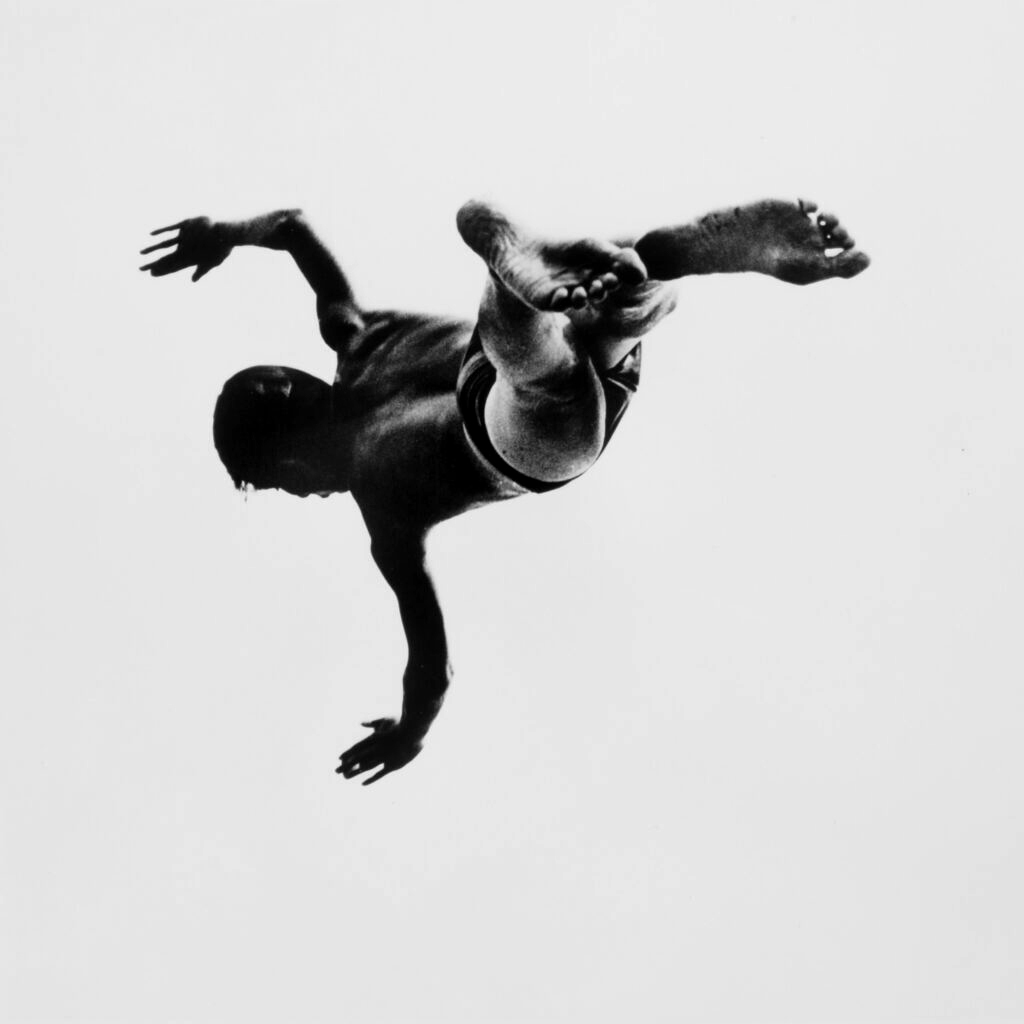


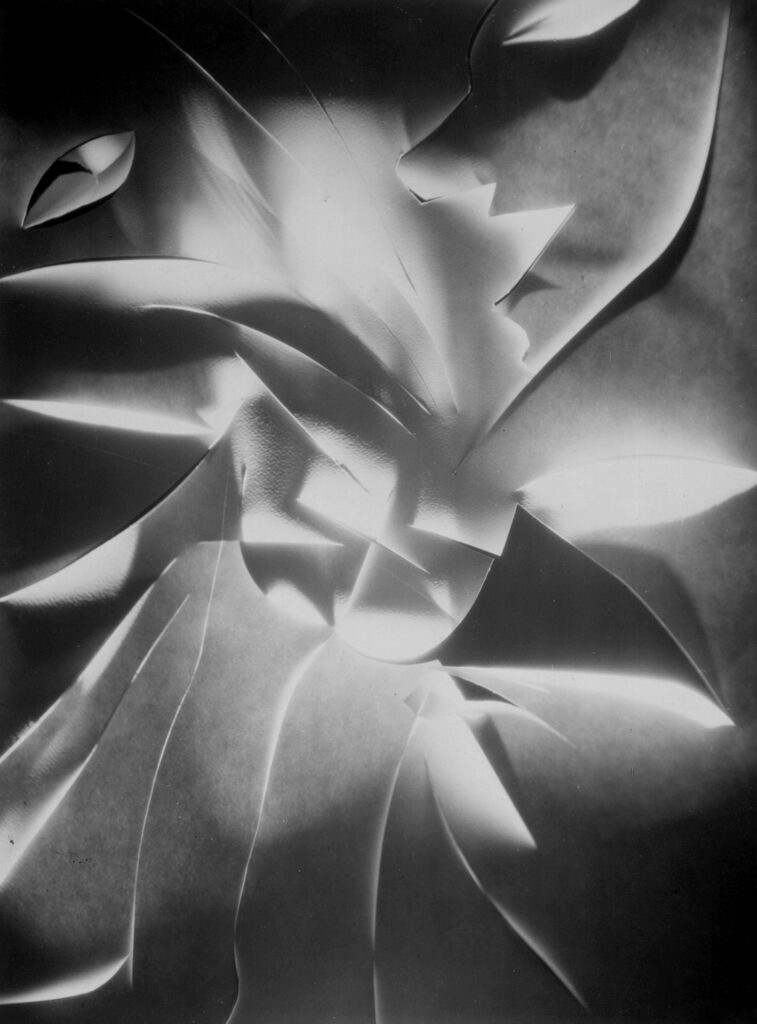
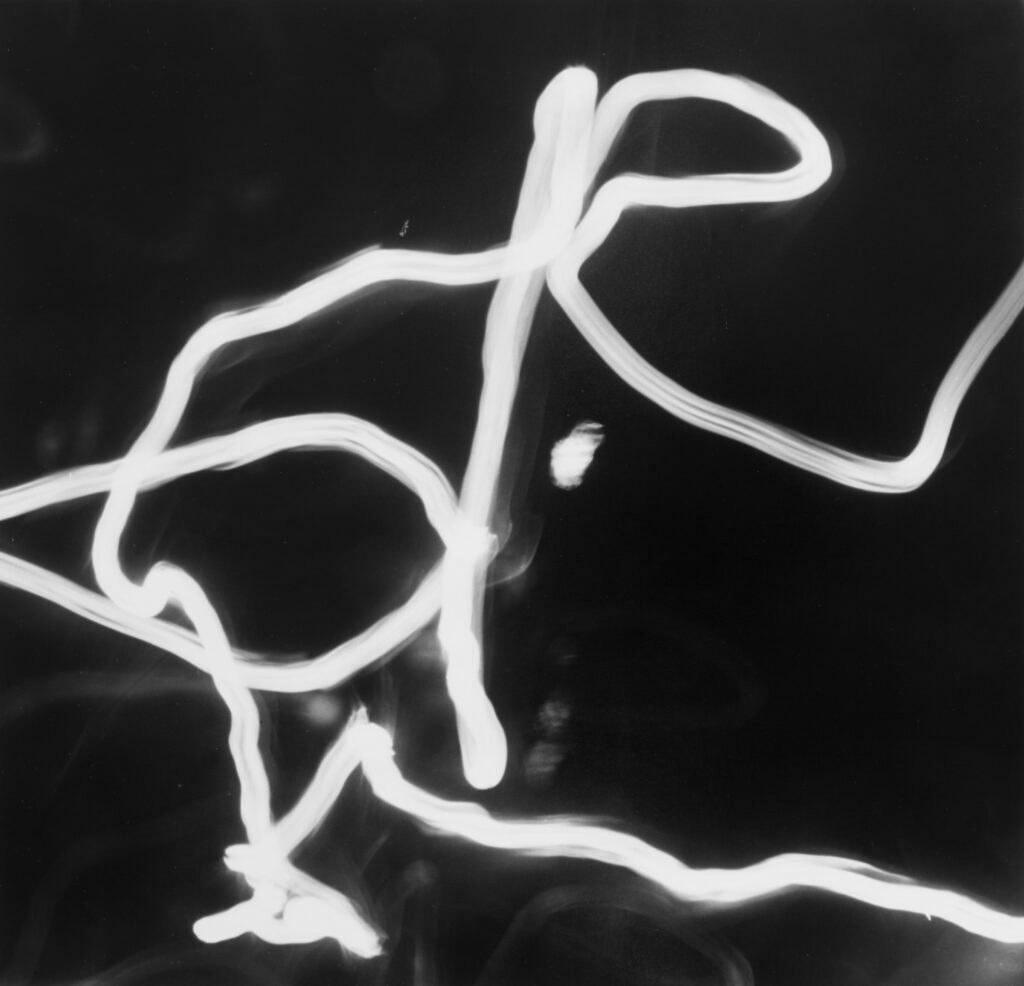
![Ilse Bing (American born Germany, 1899-1998) 'Untitled [Seated Woman with Necklace, Solarized]' 1943](https://artblart.com/wp-content/uploads/2025/10/ilse-bing-seated-woman-with-necklace.jpg "Ilse Bing (American born Germany, 1899-1998) 'Untitled [Seated Woman with Necklace, Solarized]' 1943")
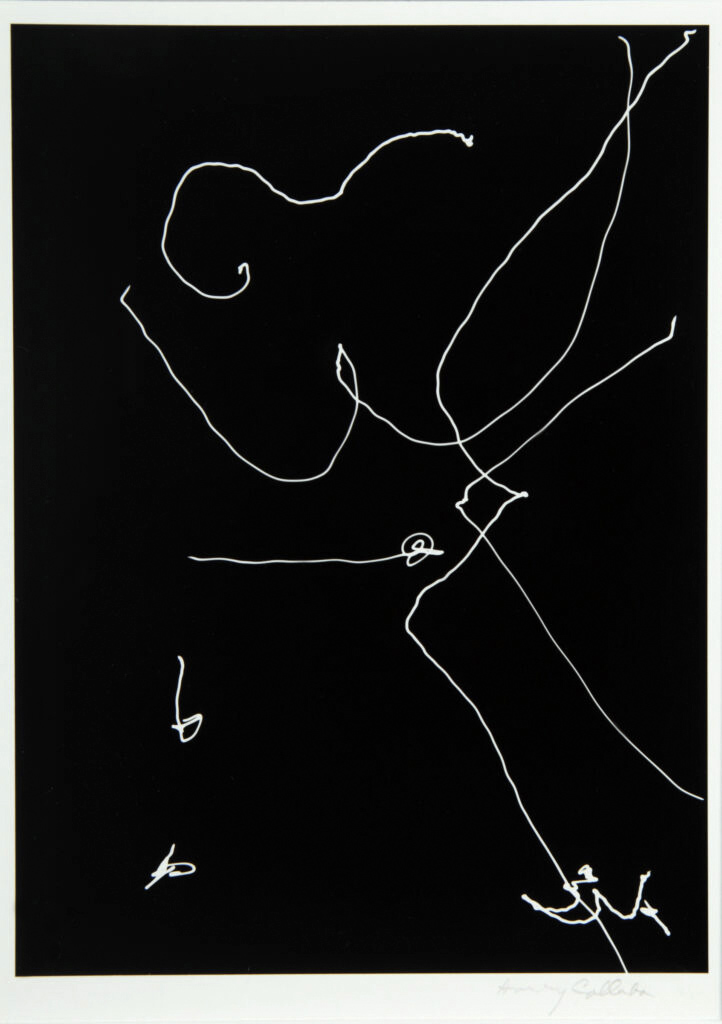

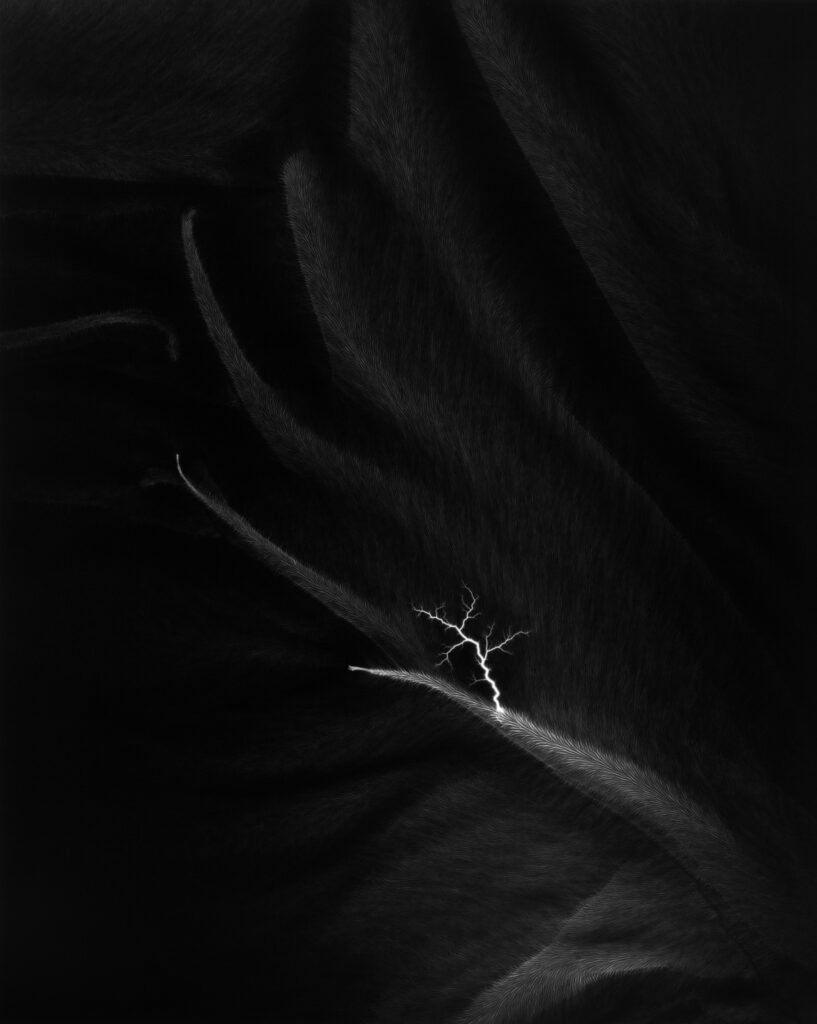


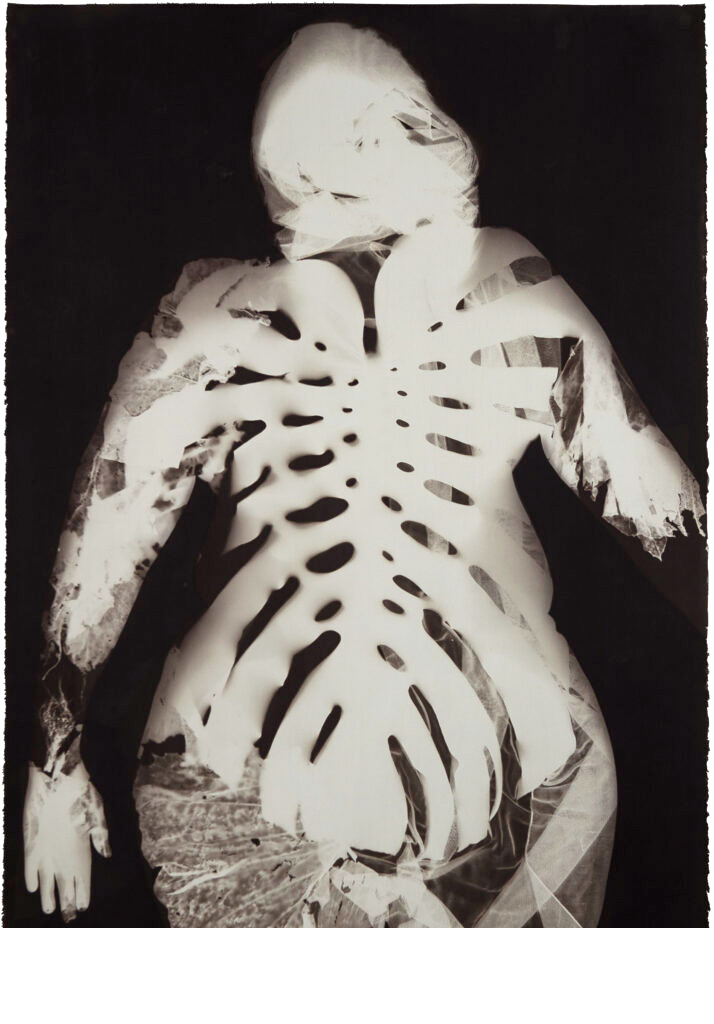
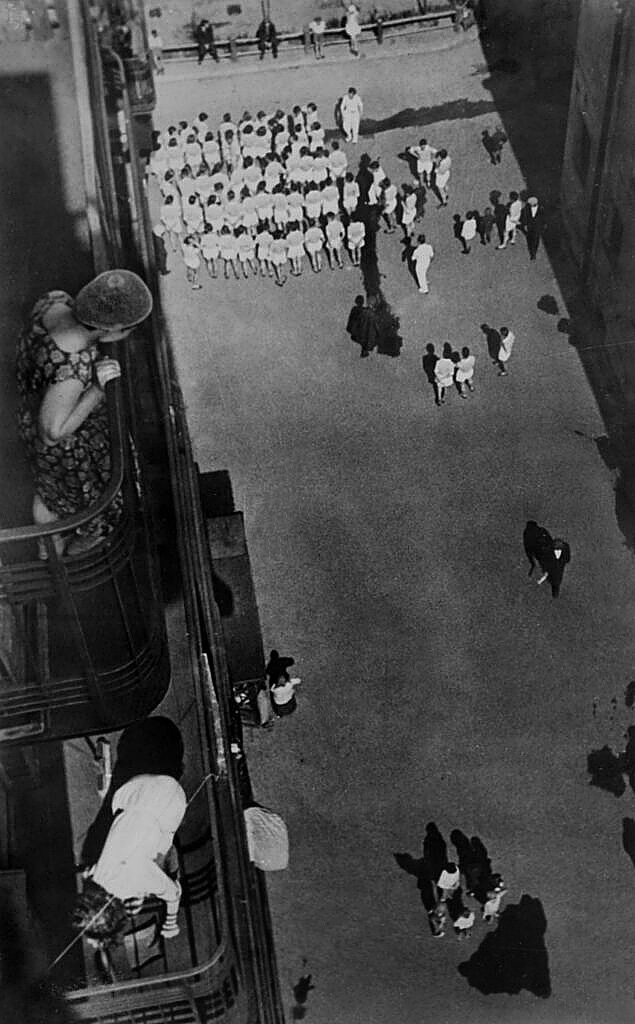


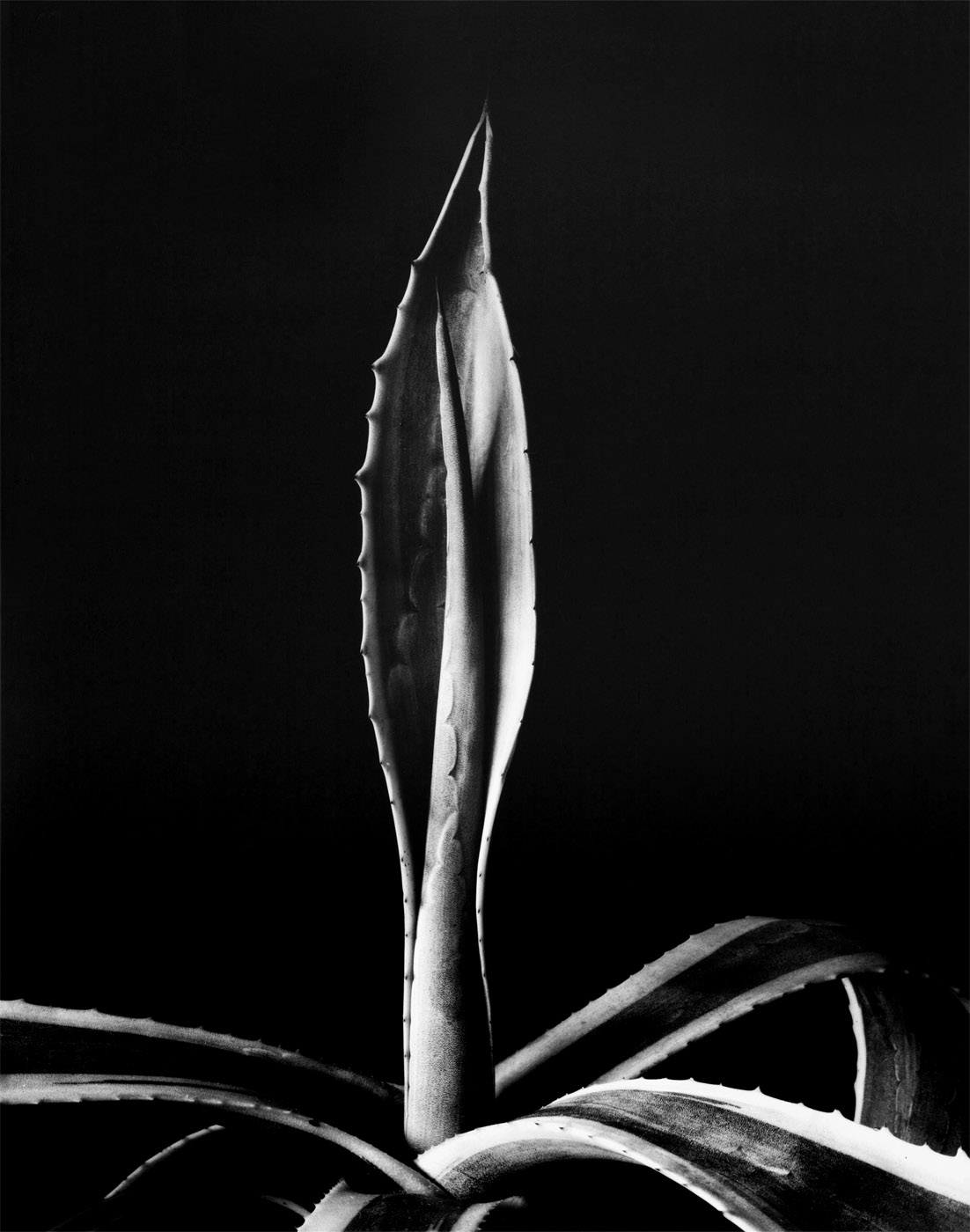
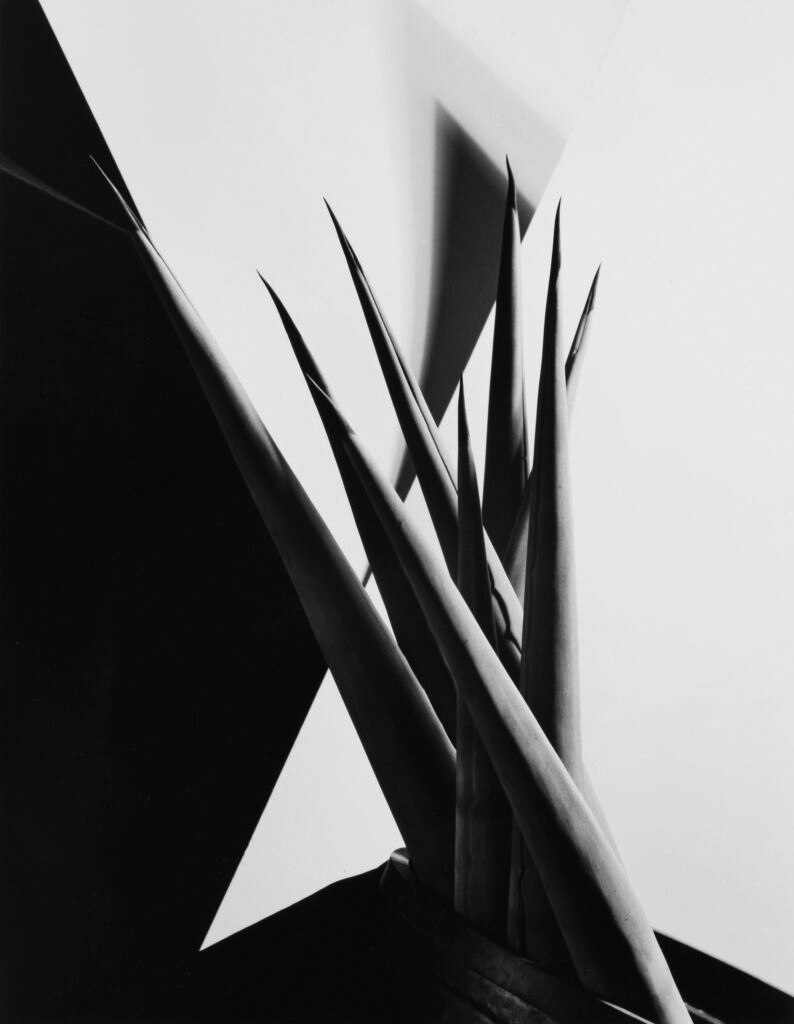
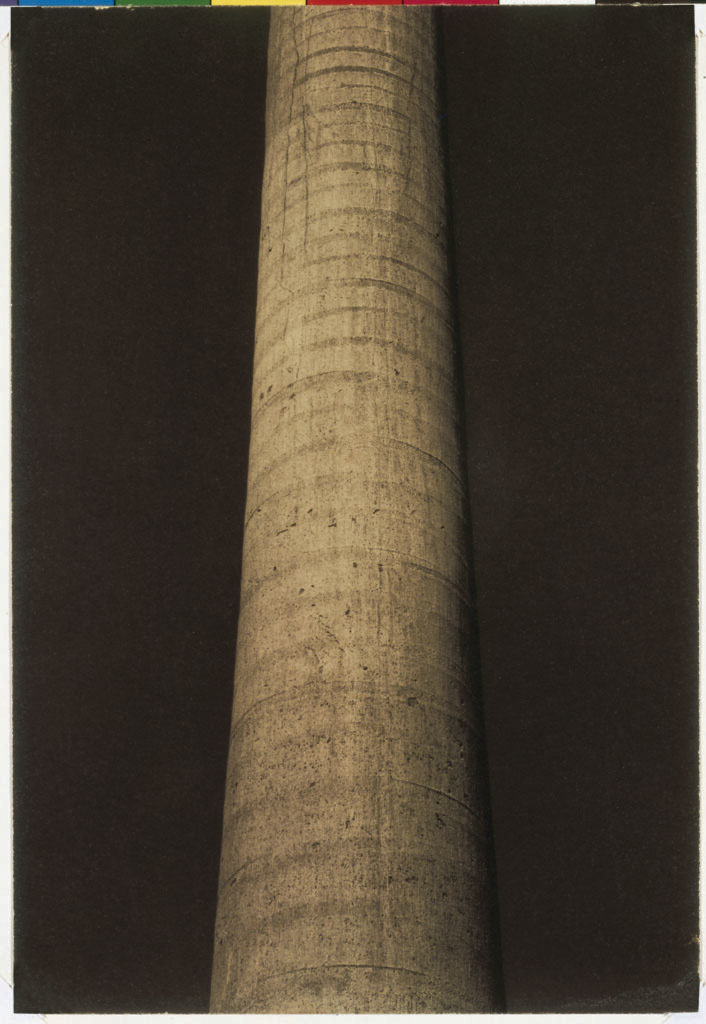

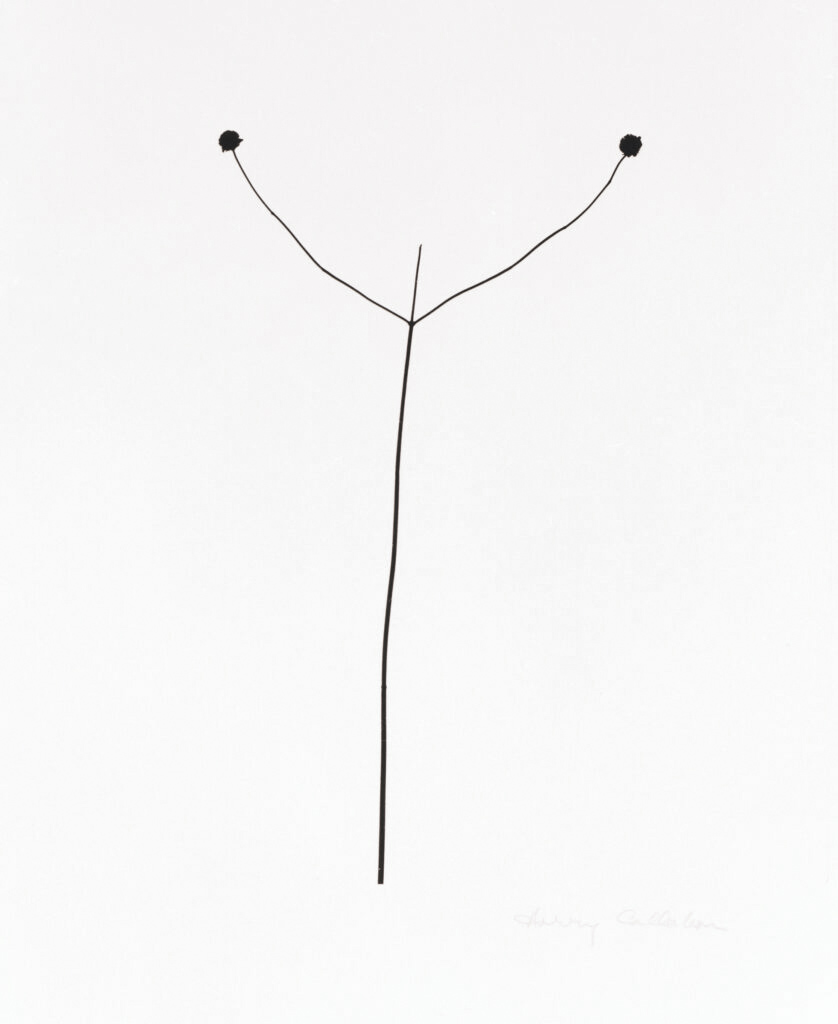
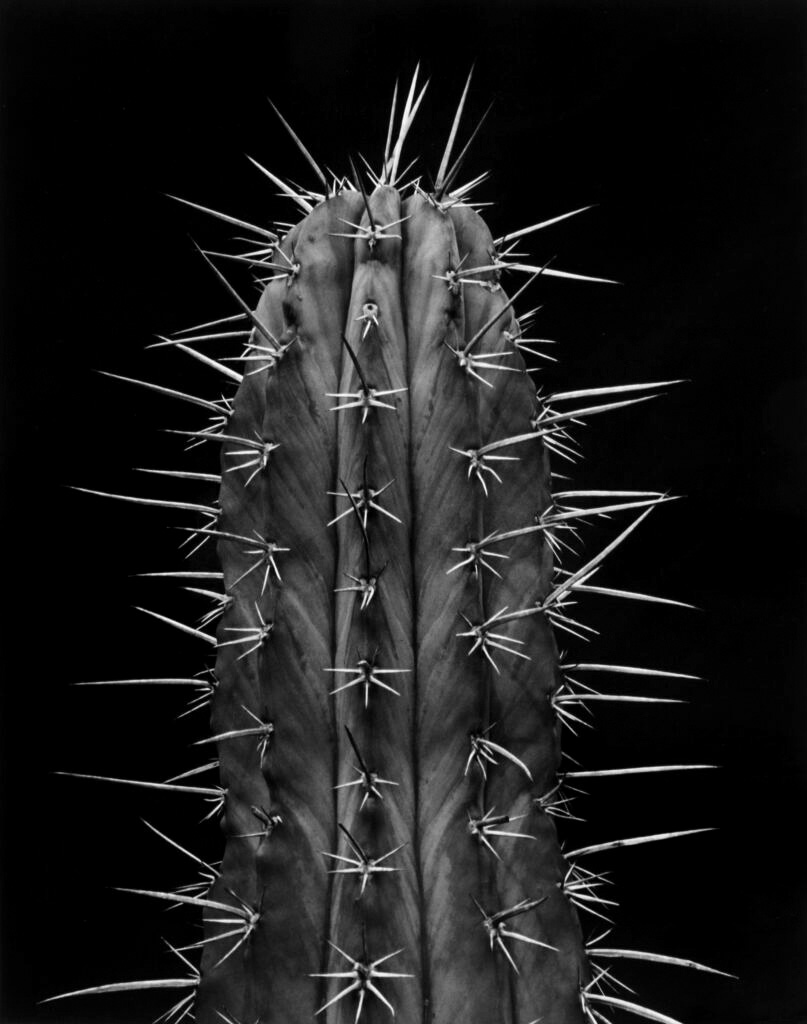


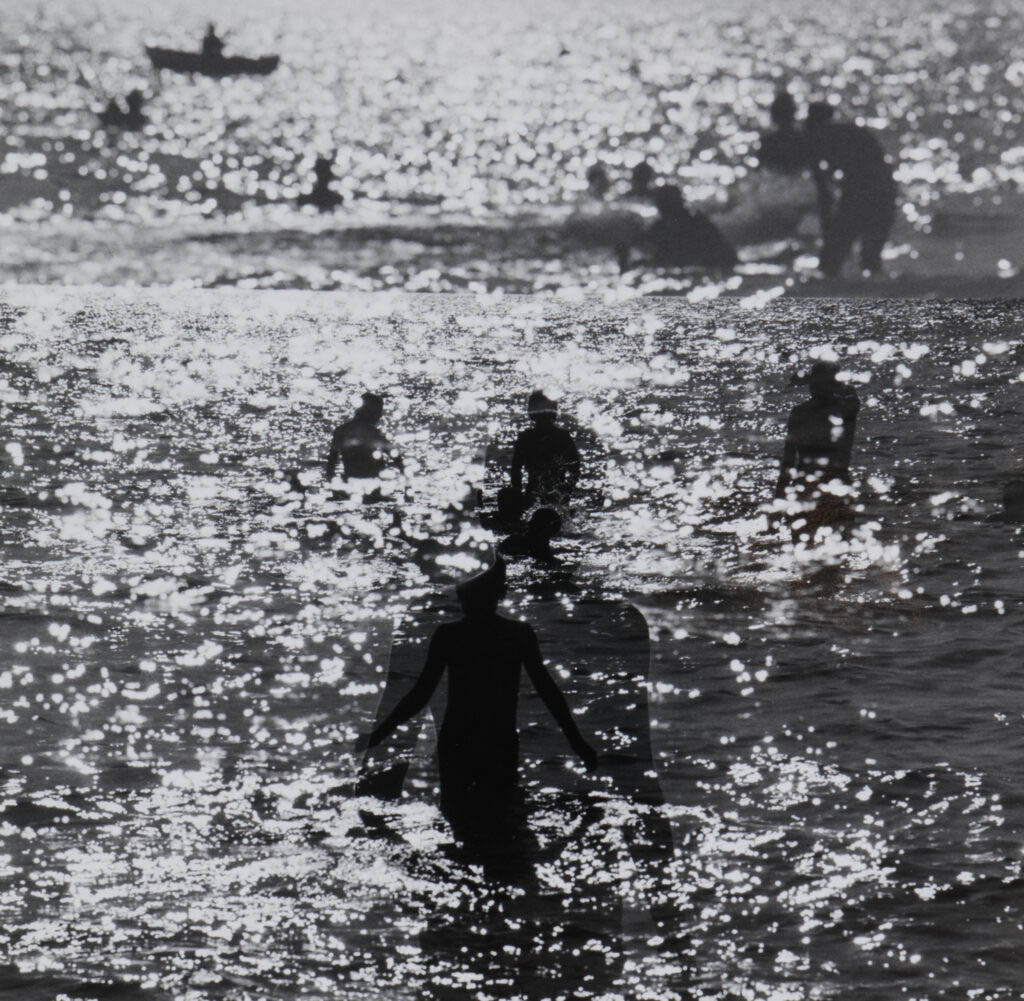


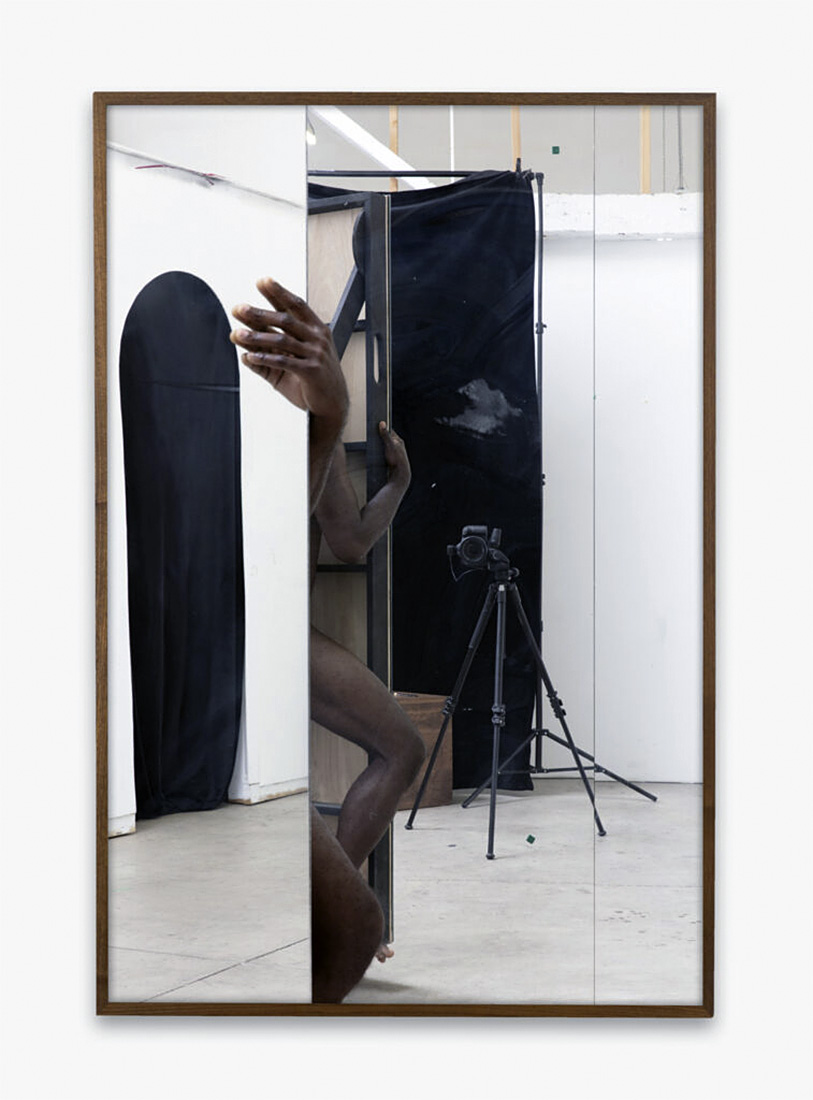
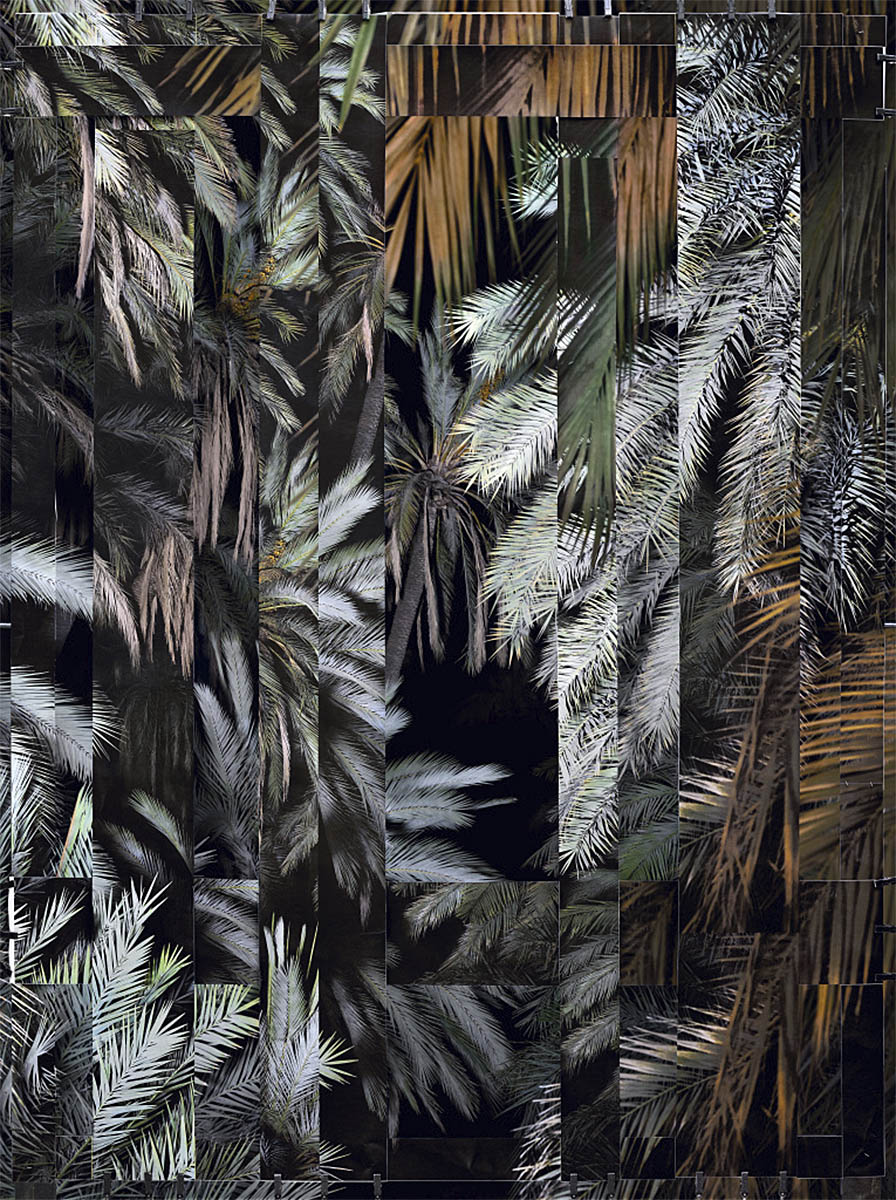
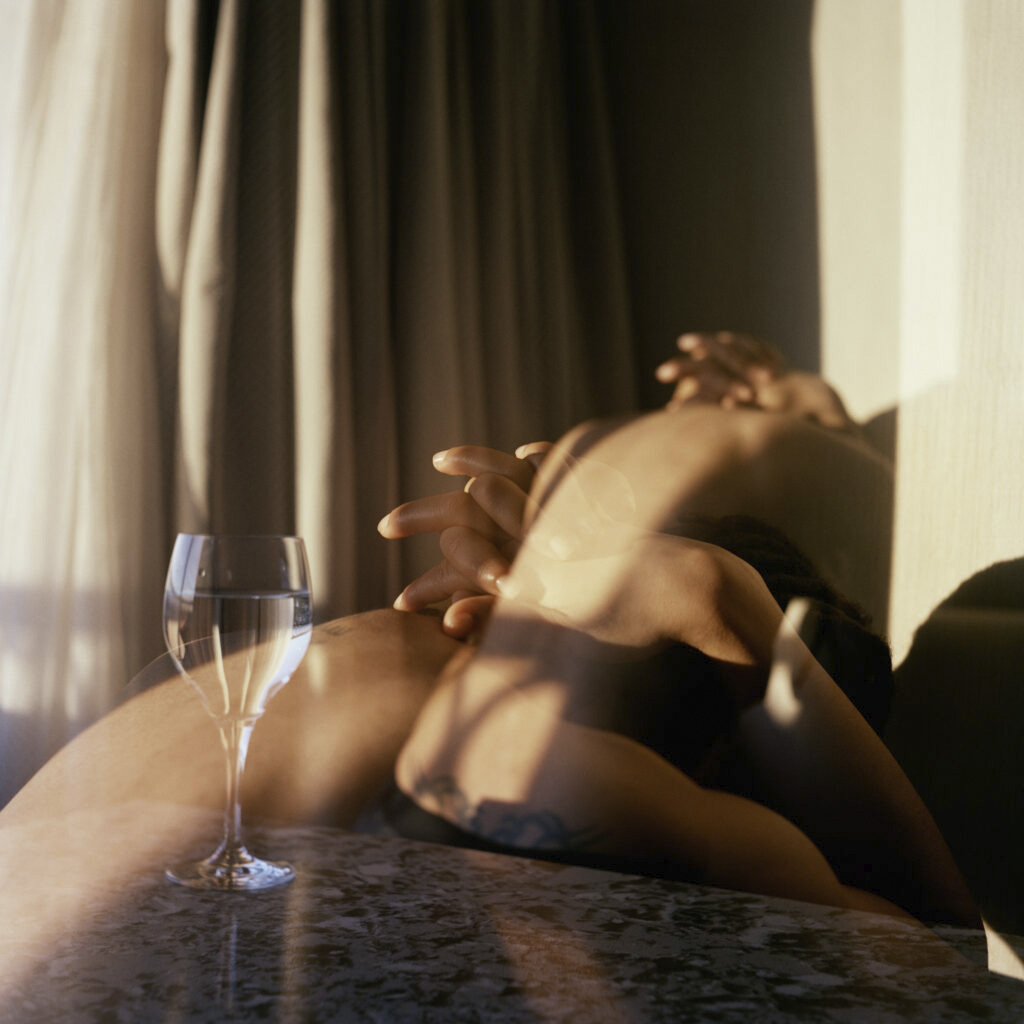


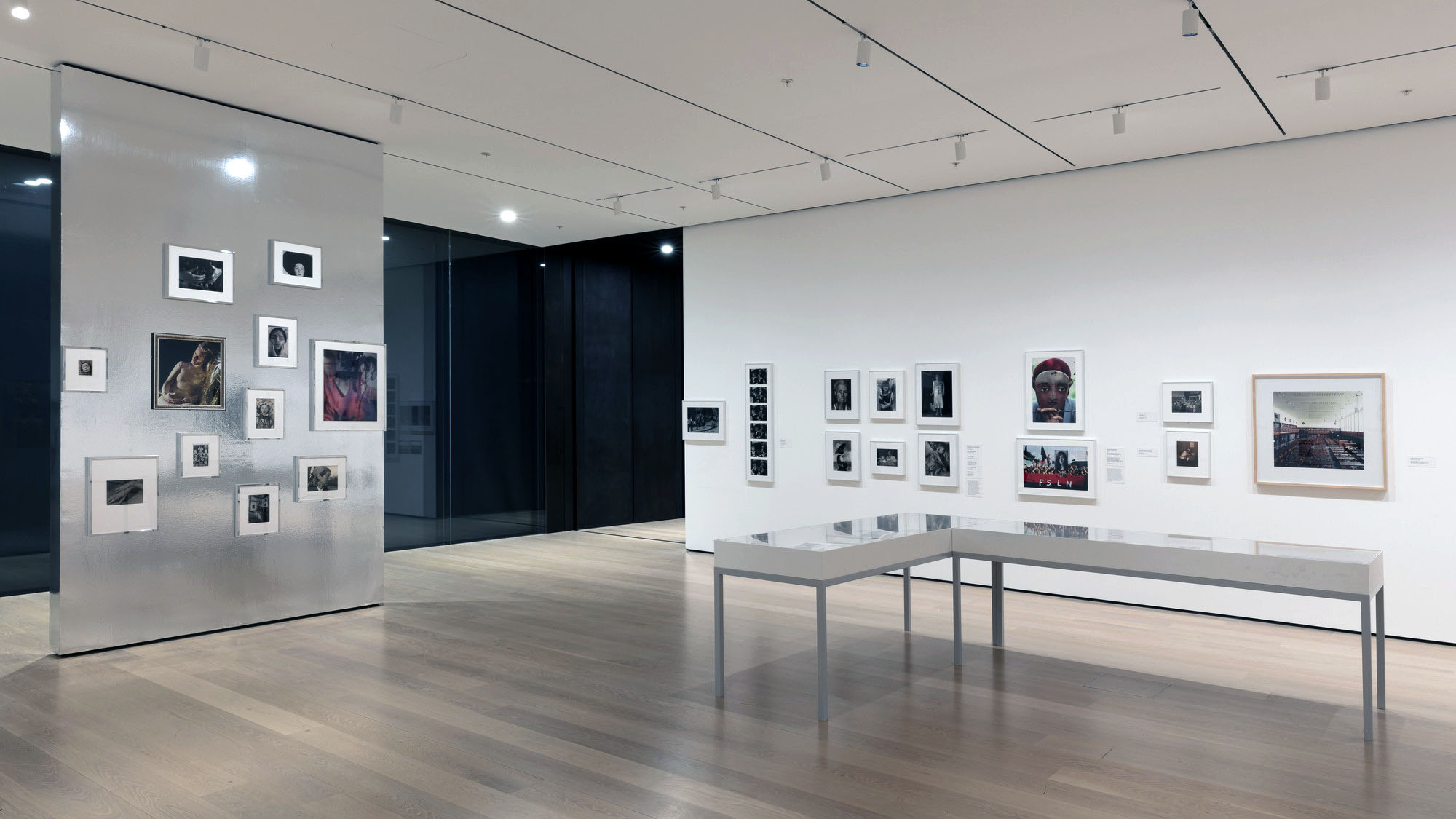


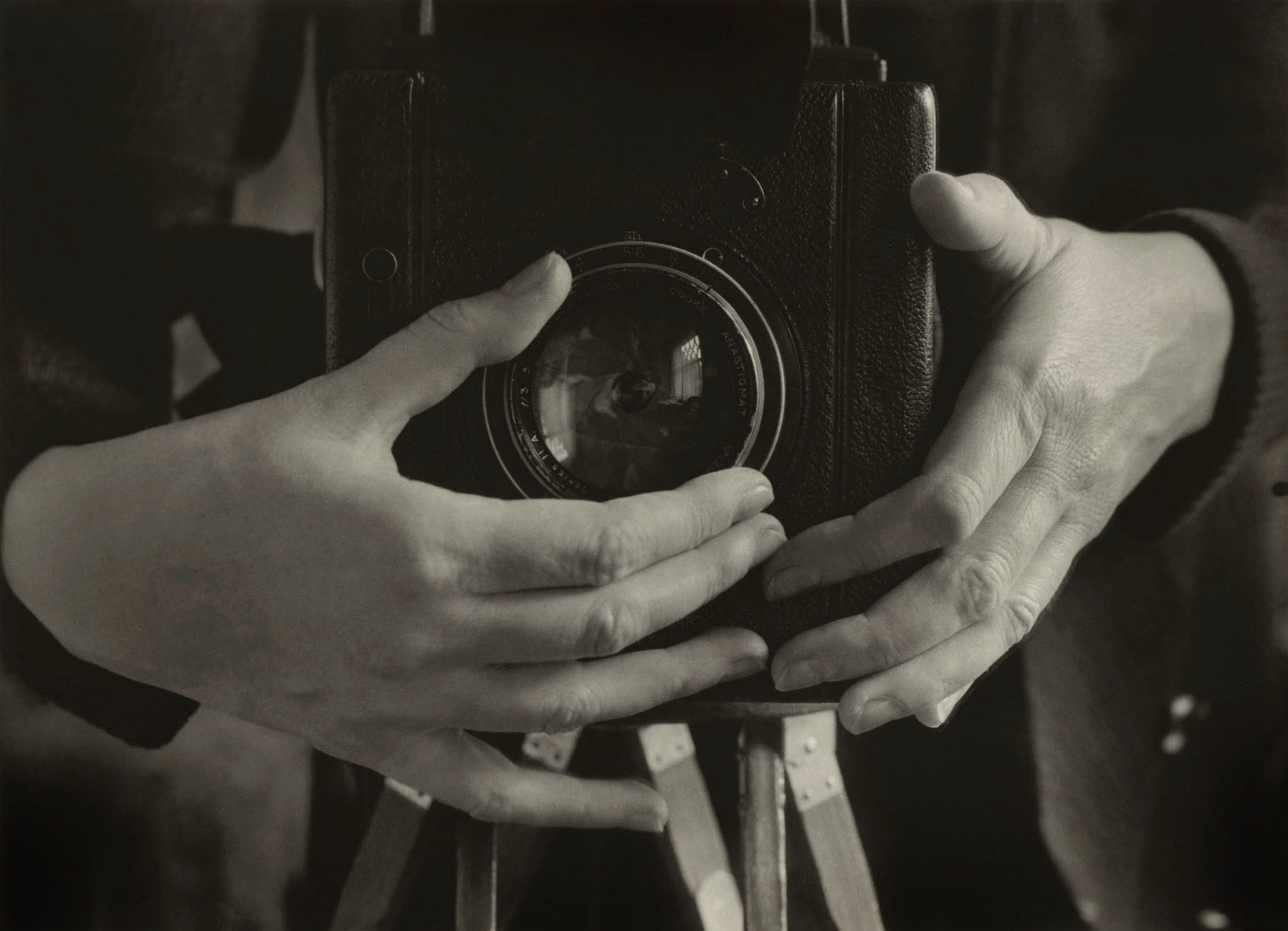

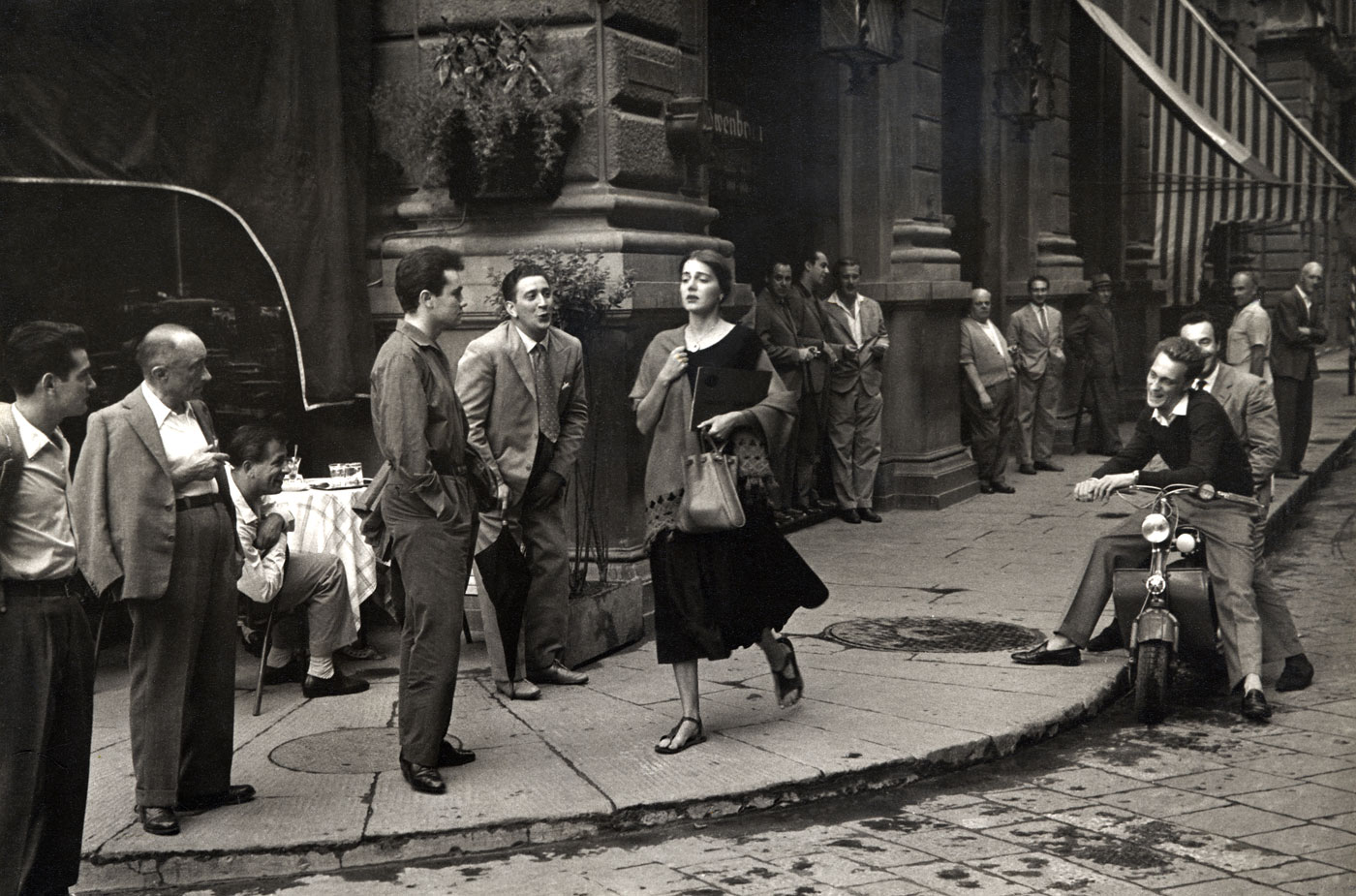

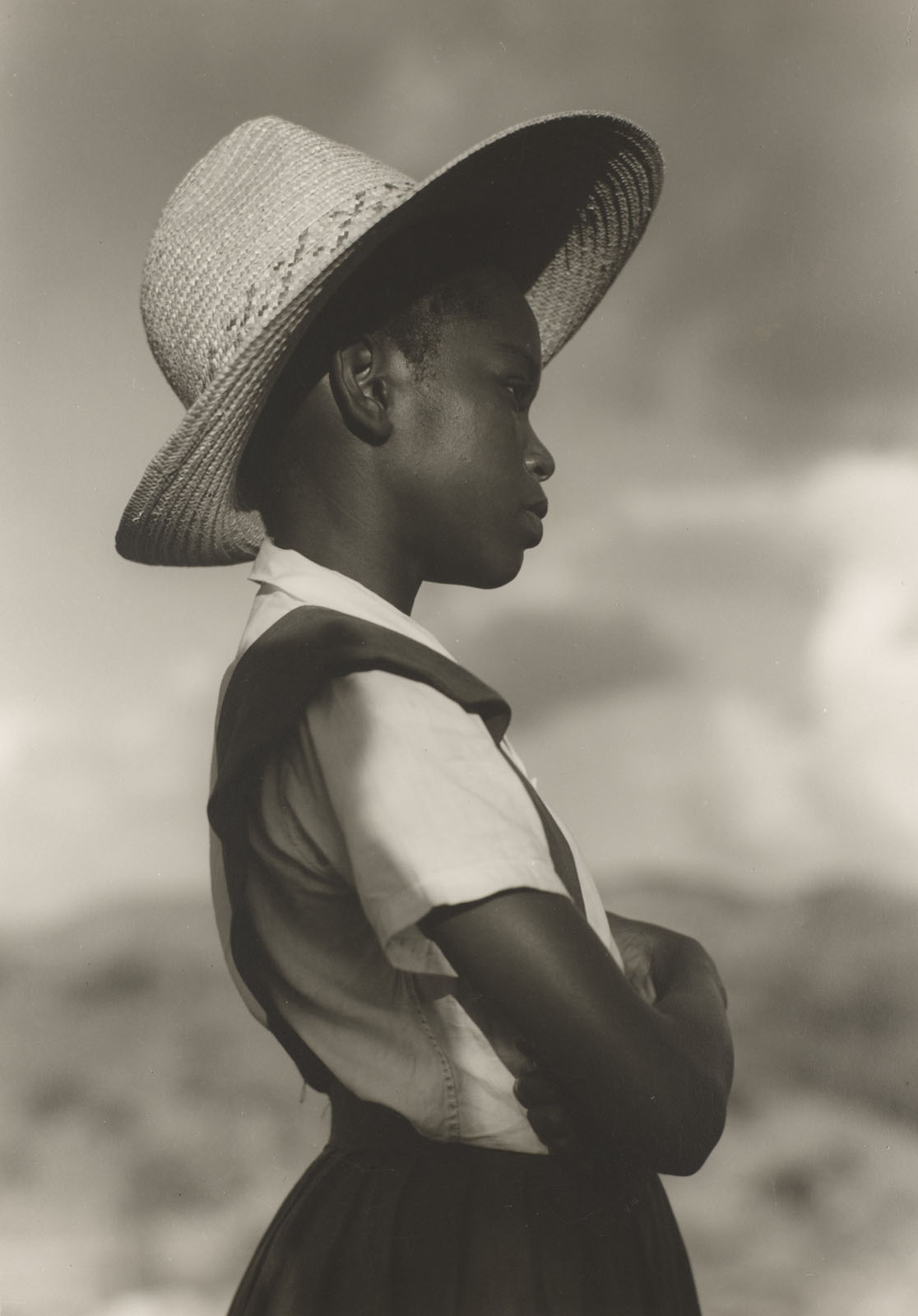

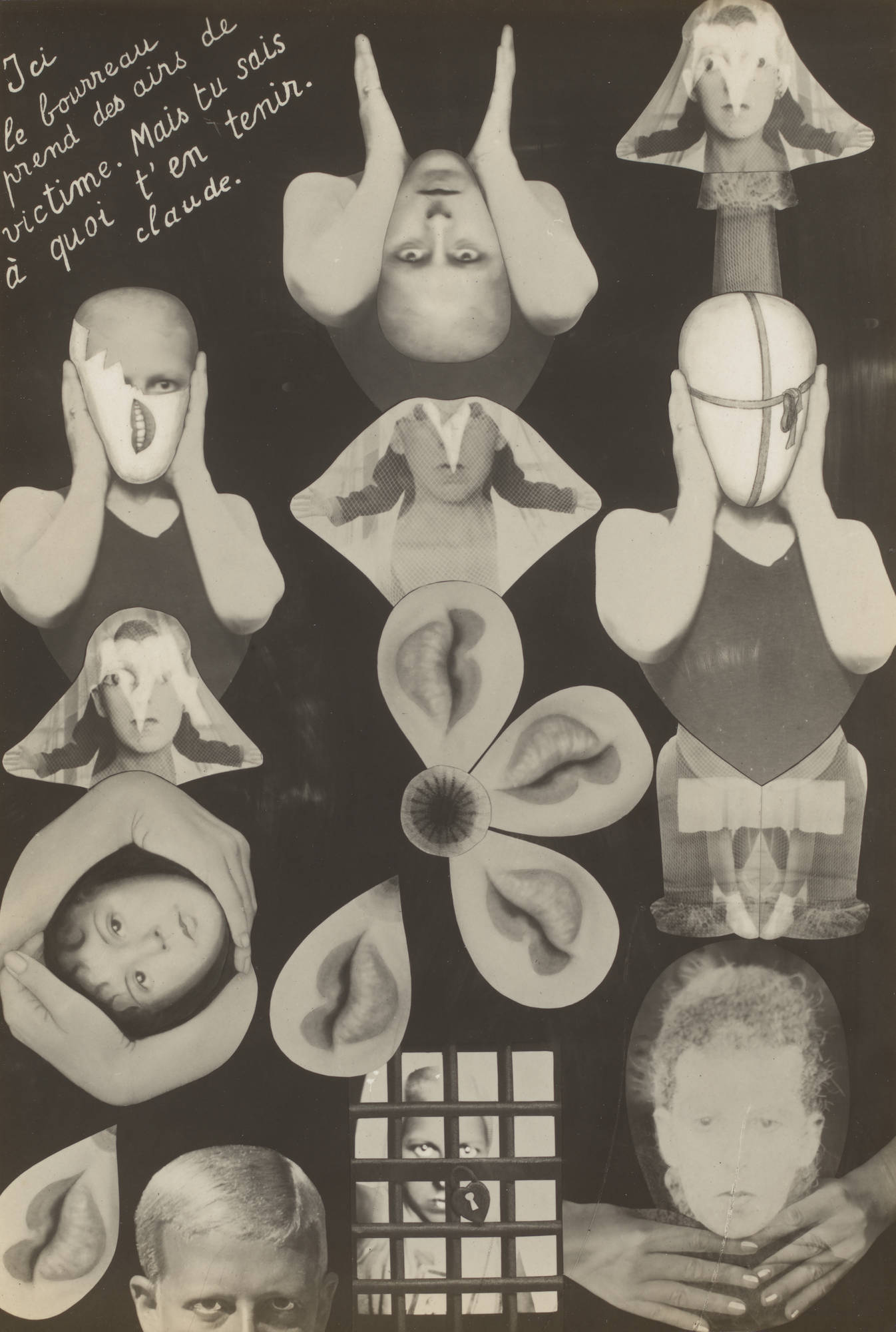
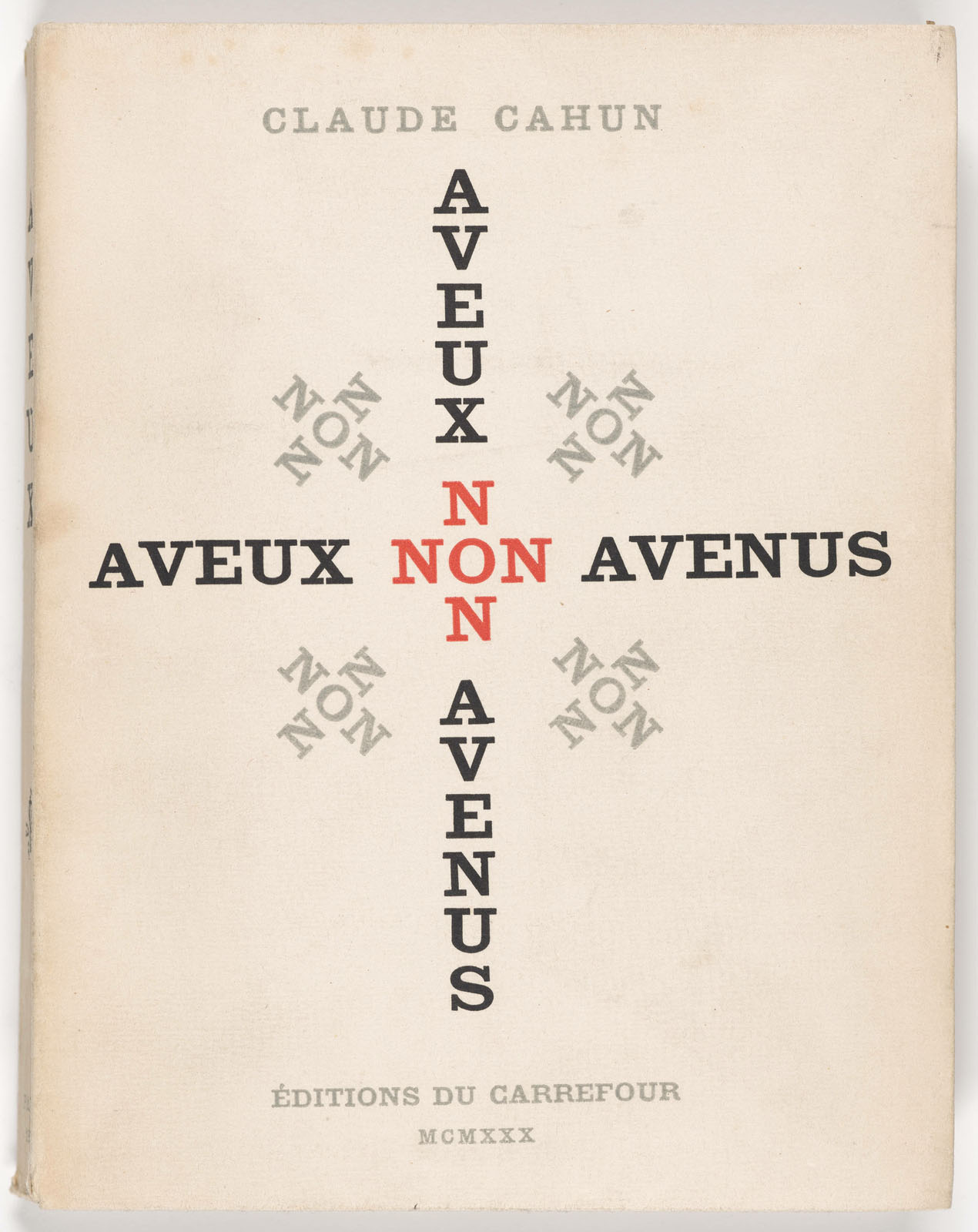

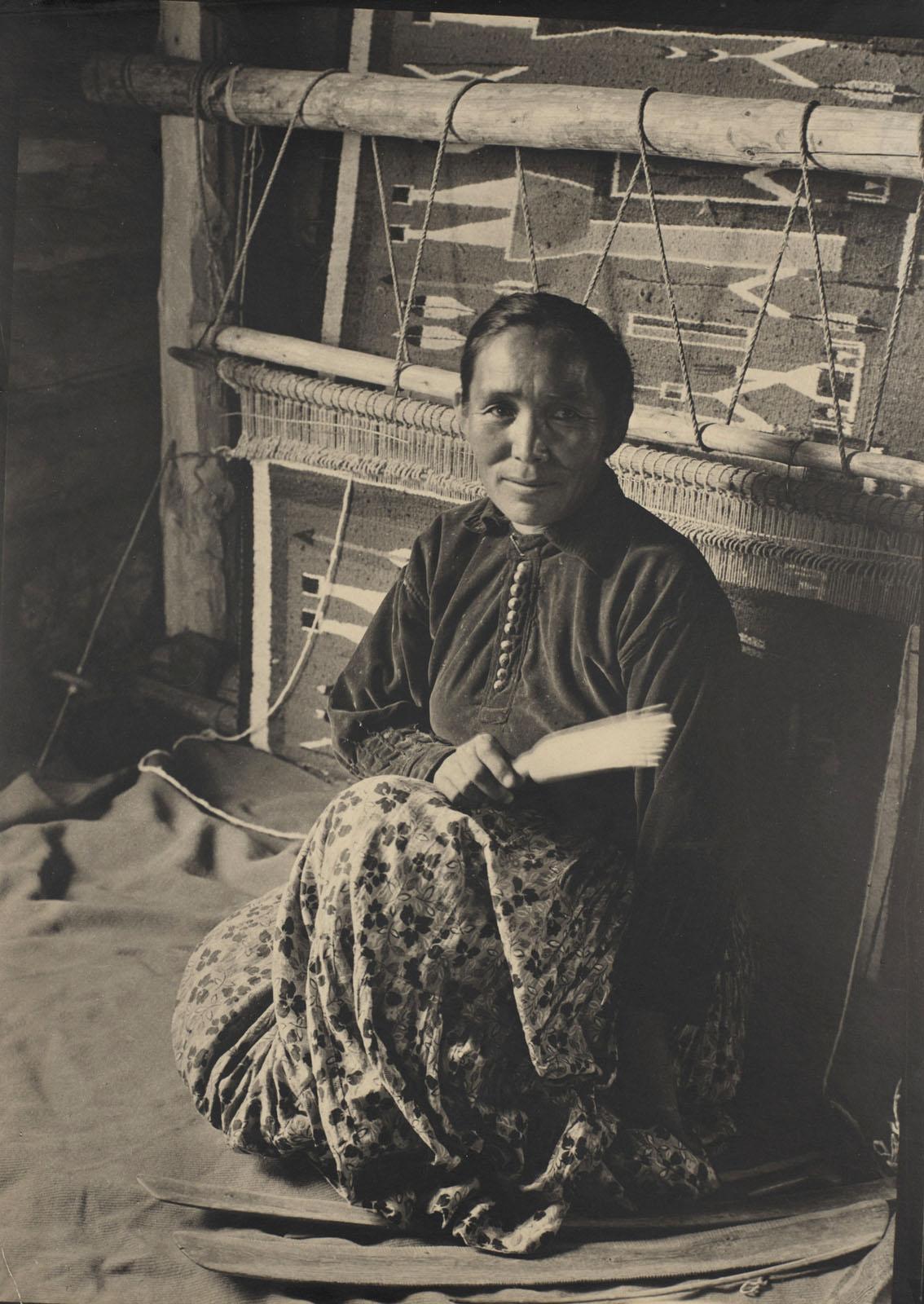

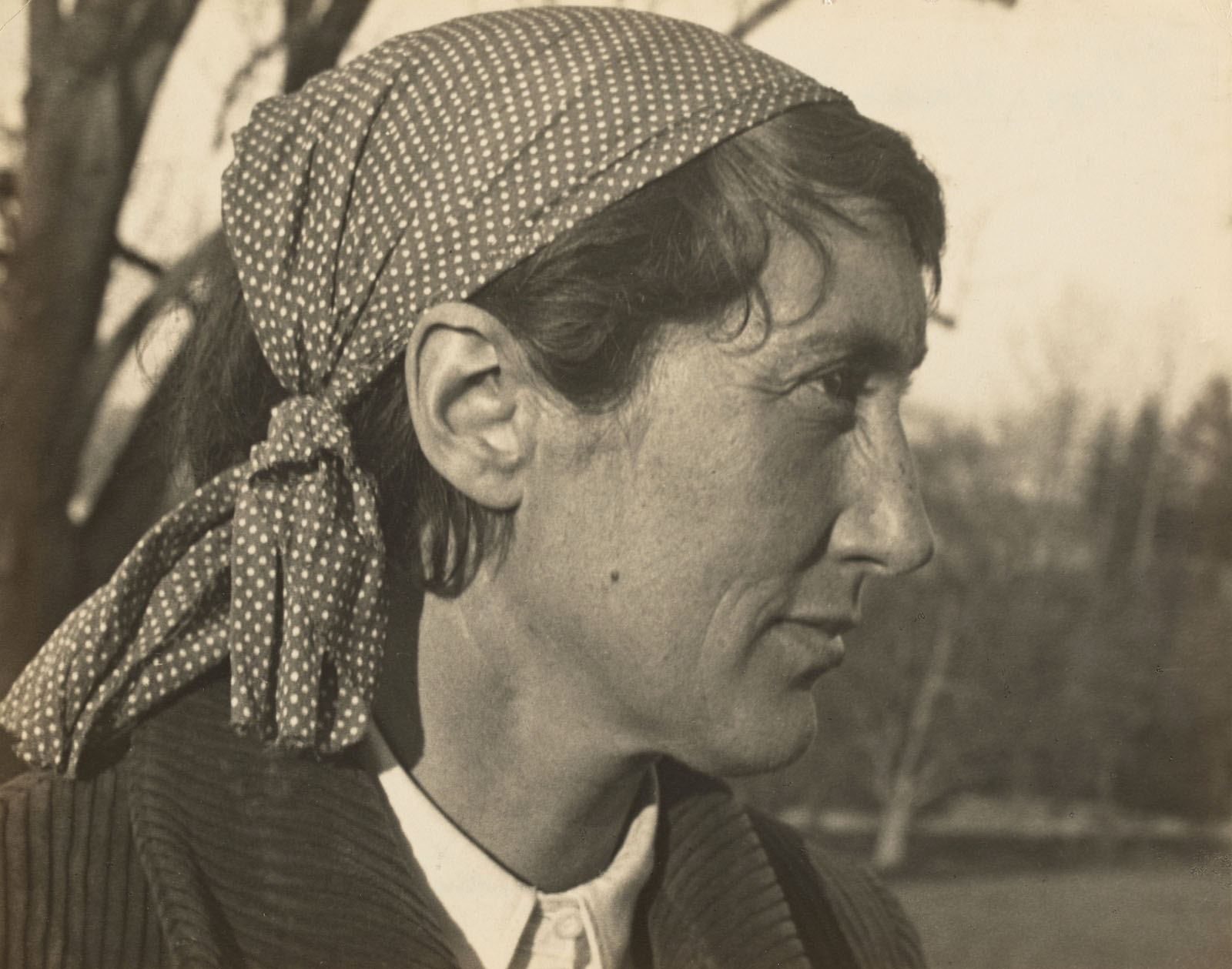
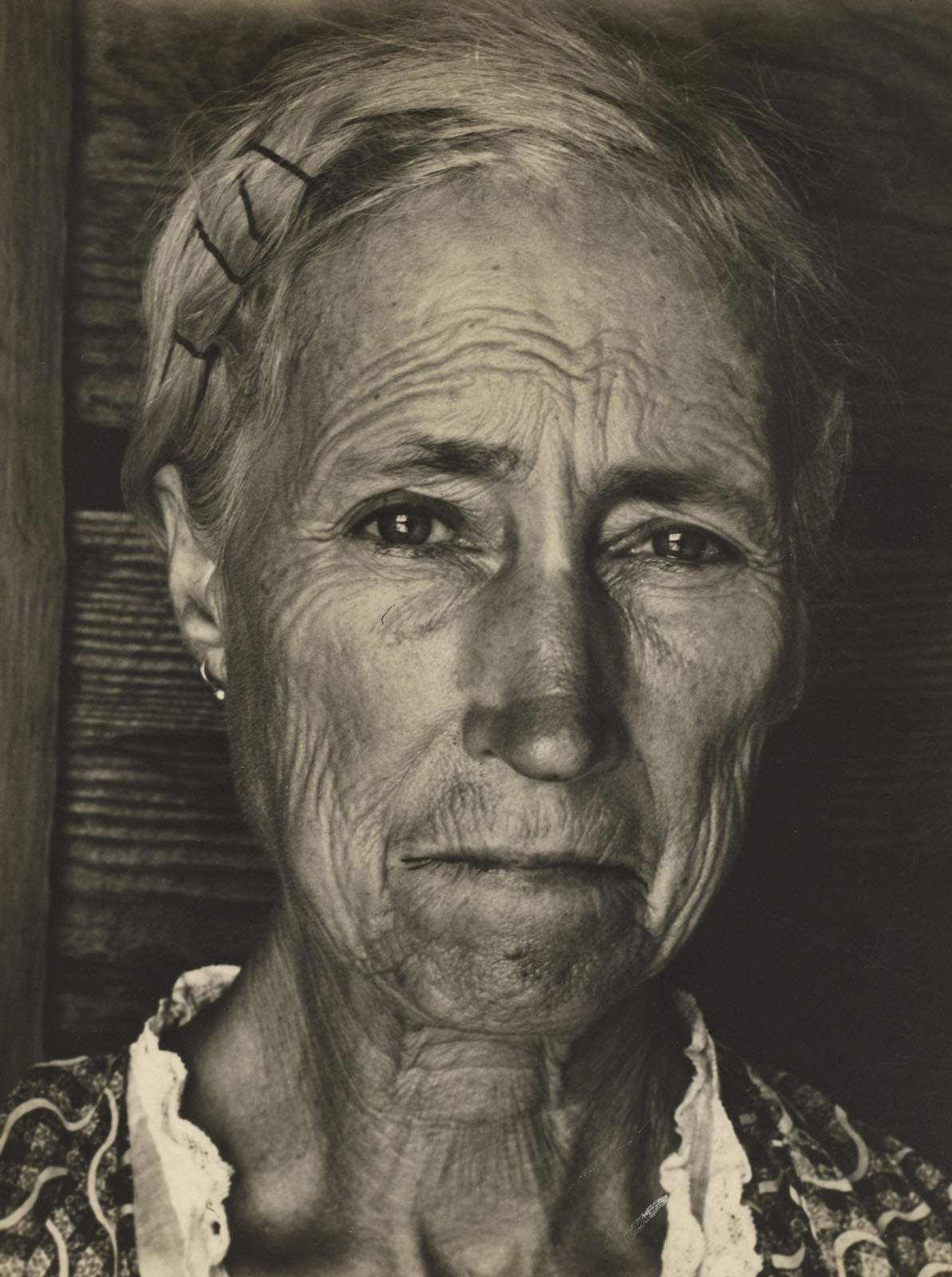

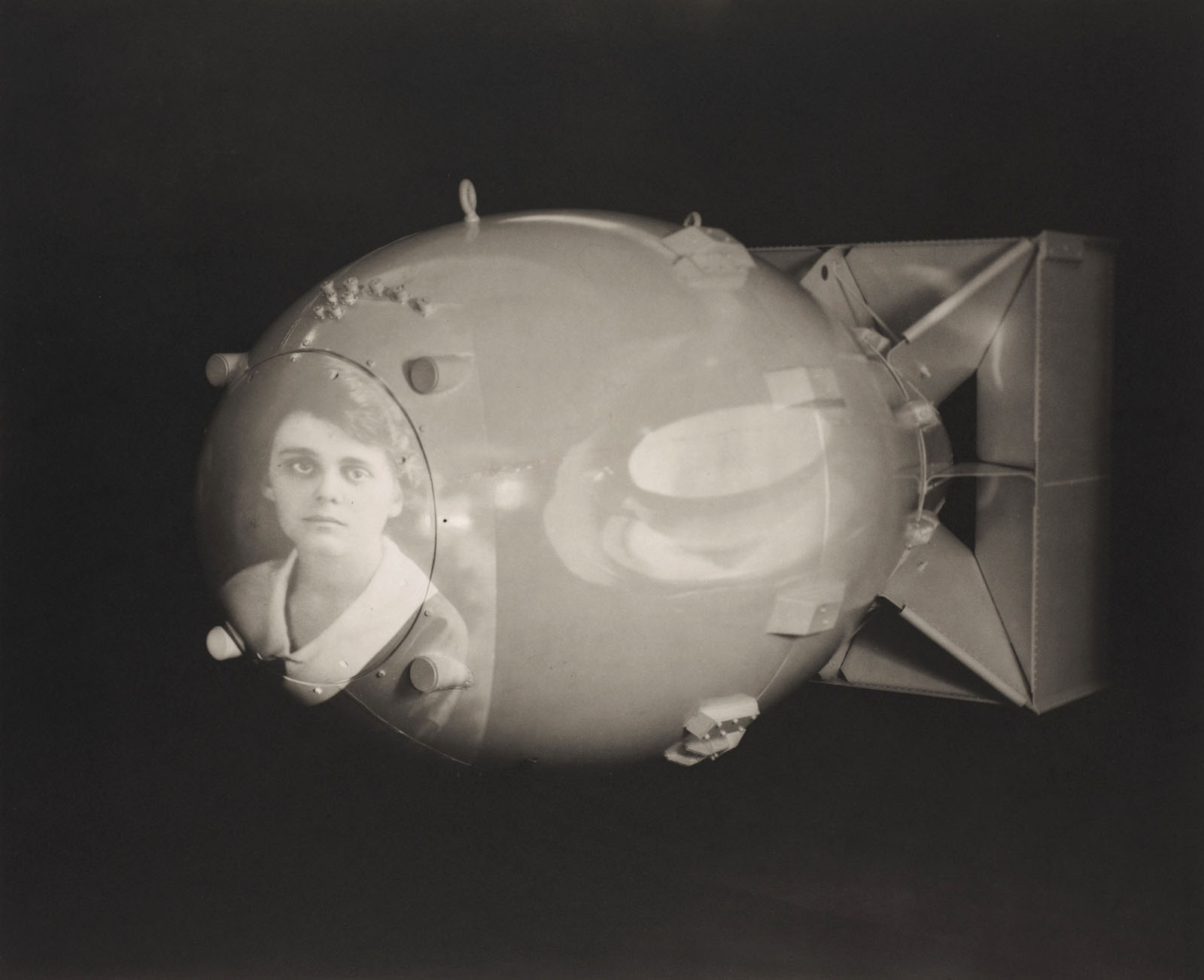
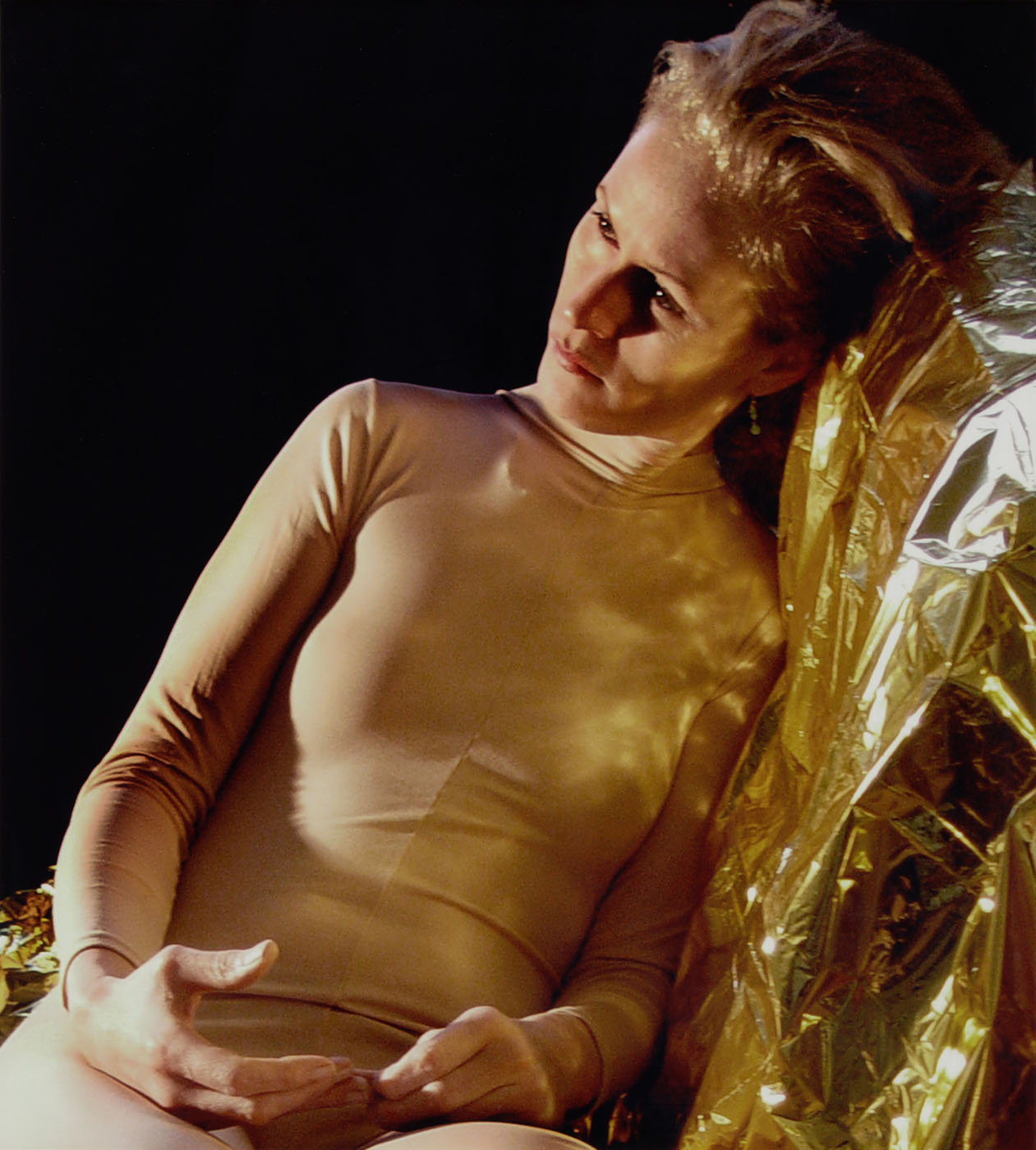
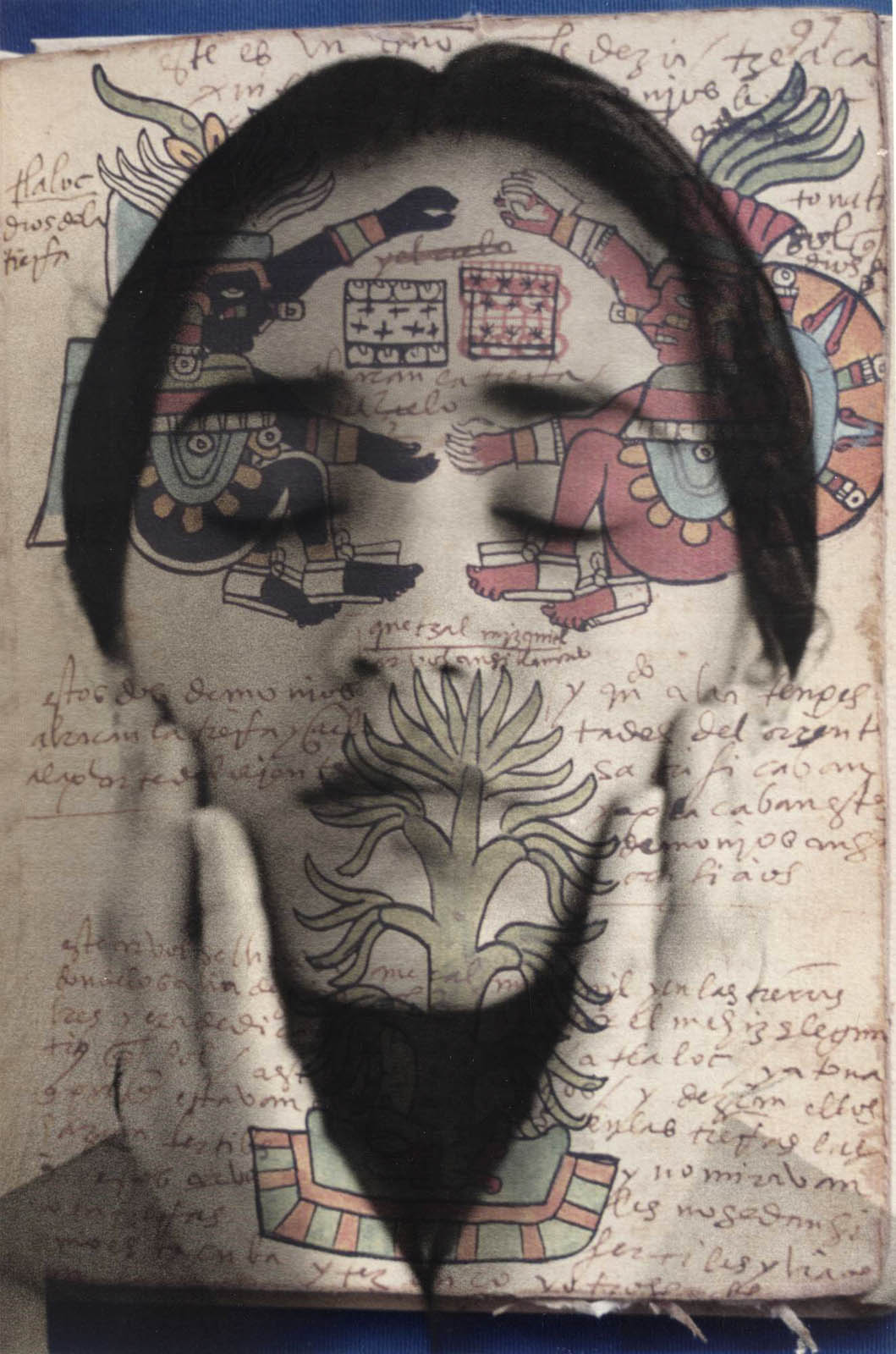
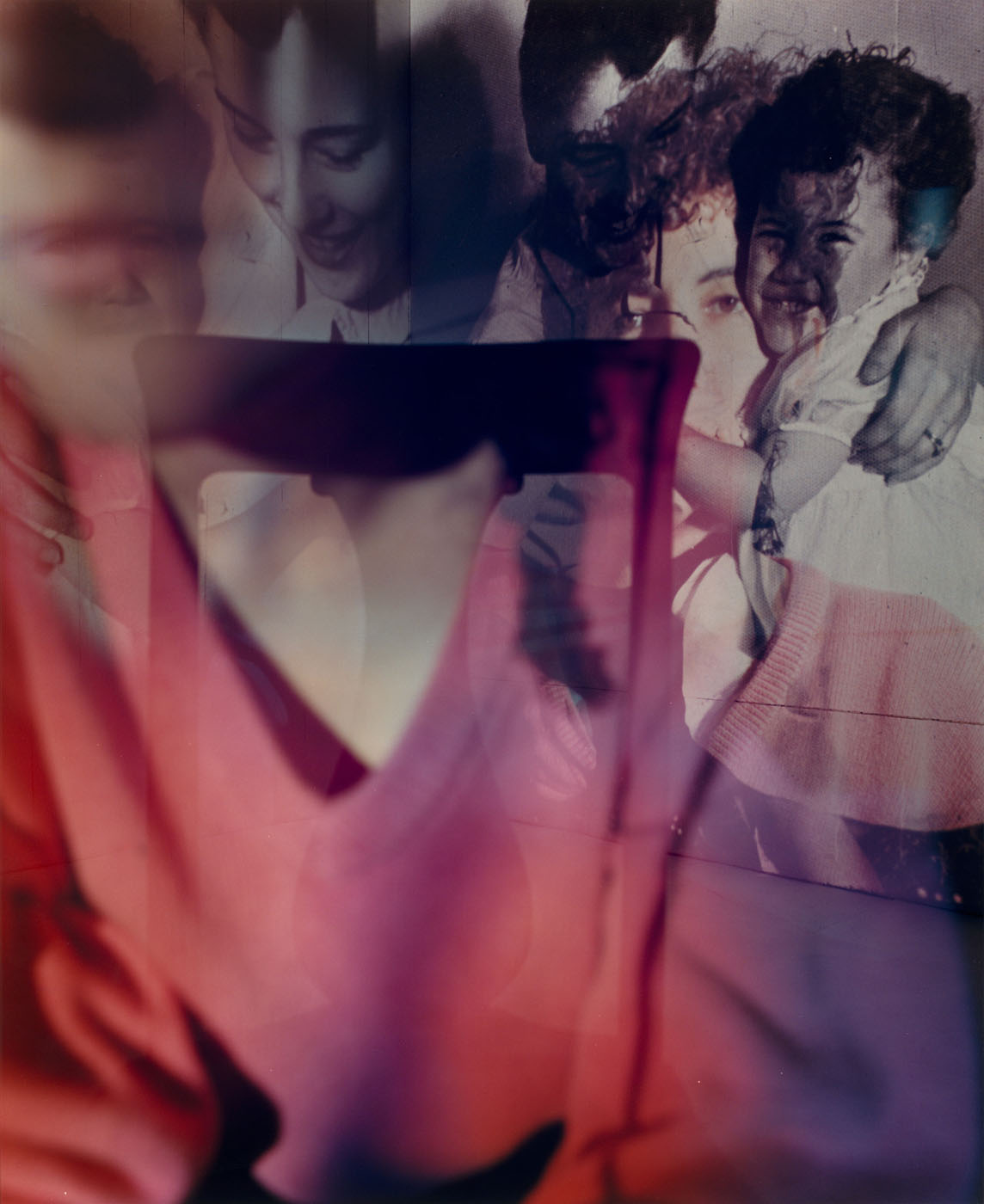


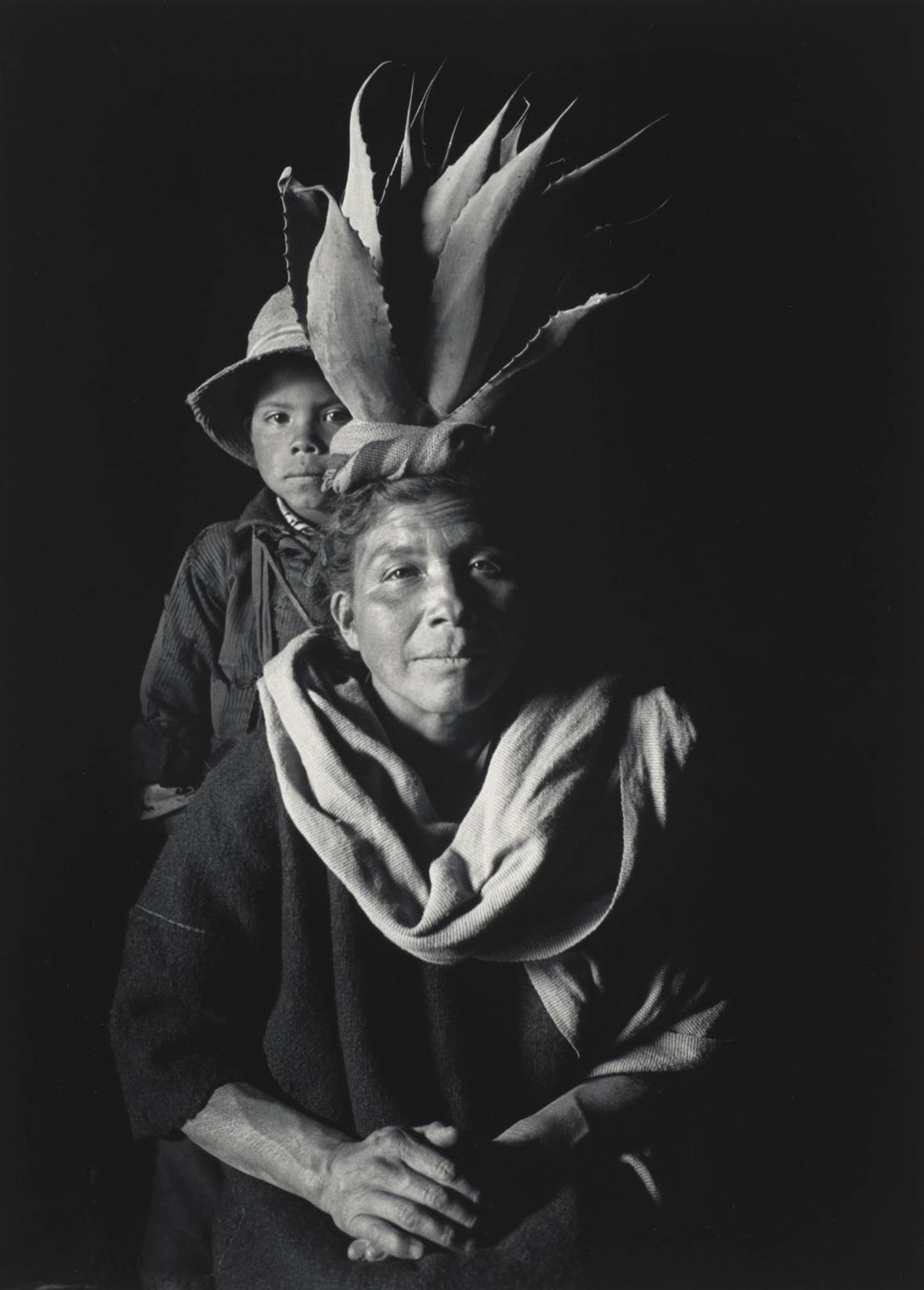


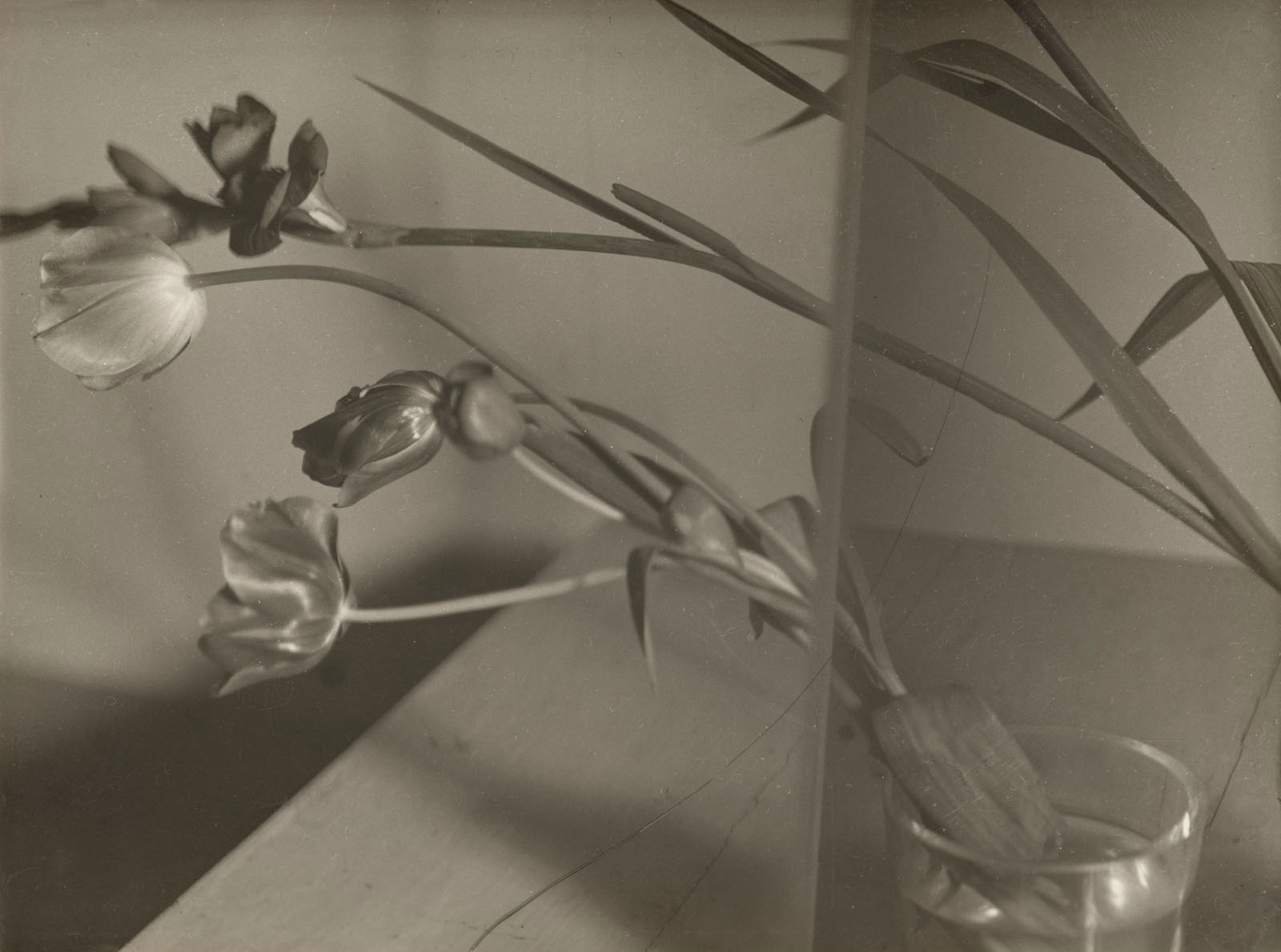


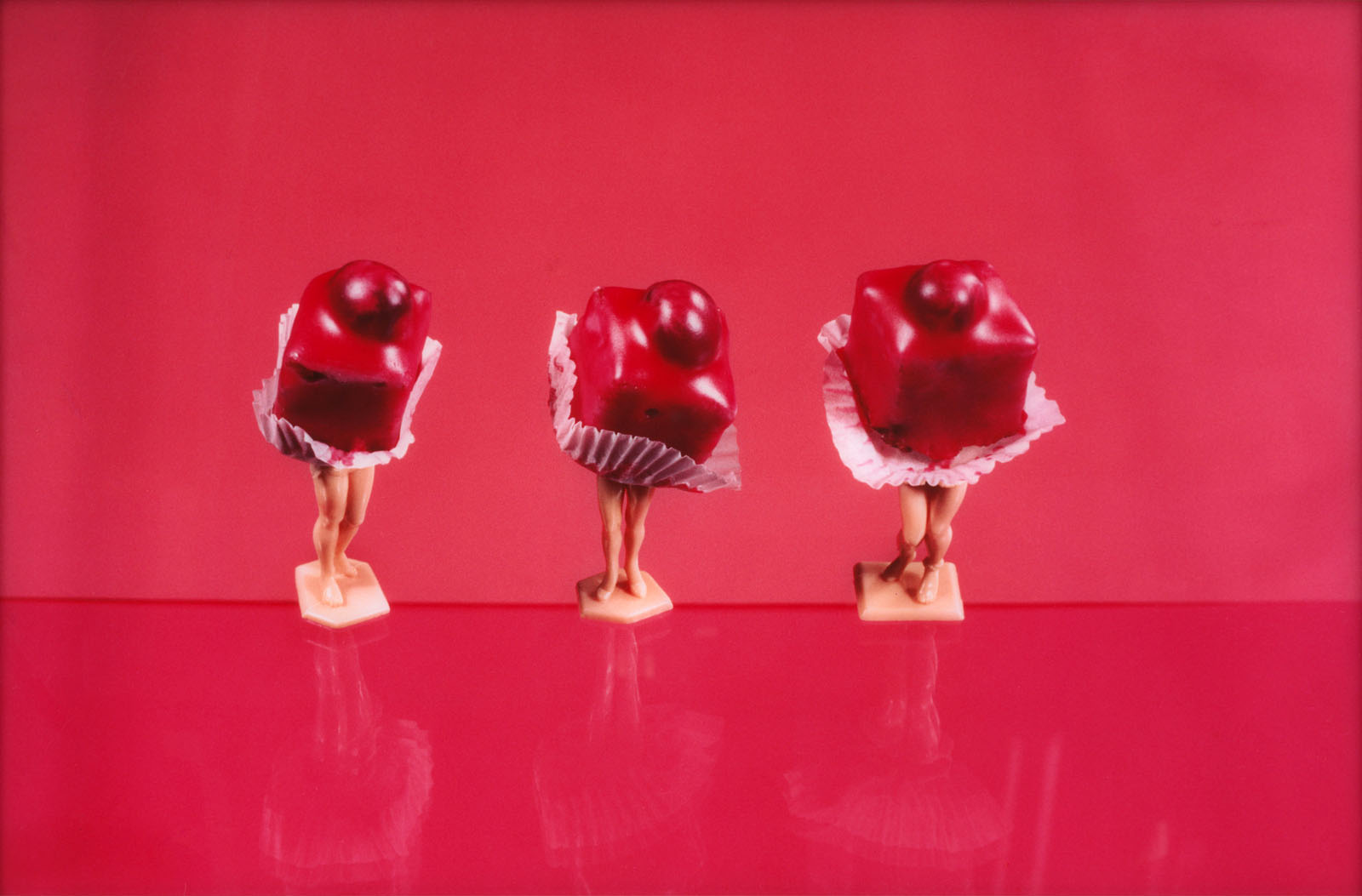

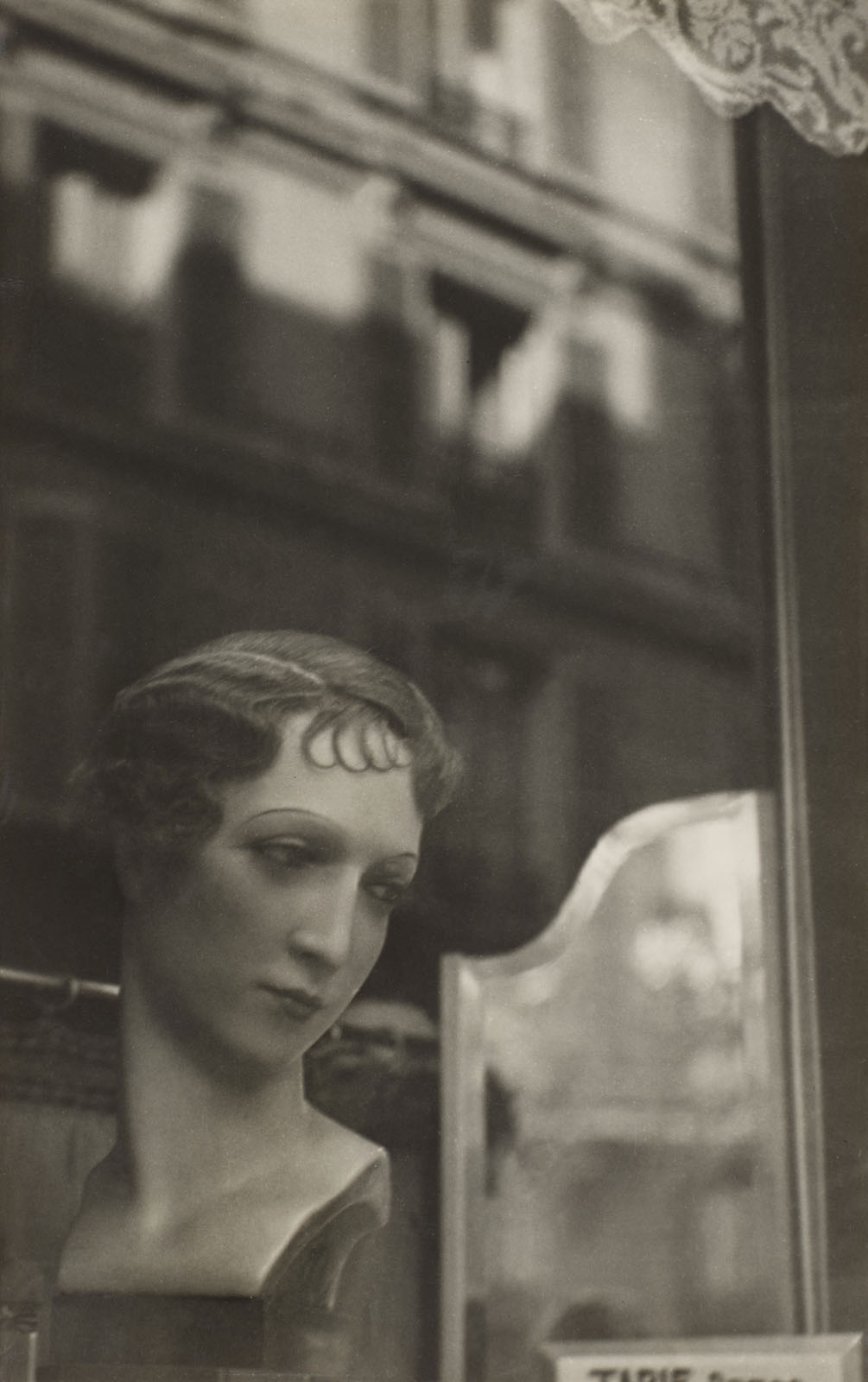
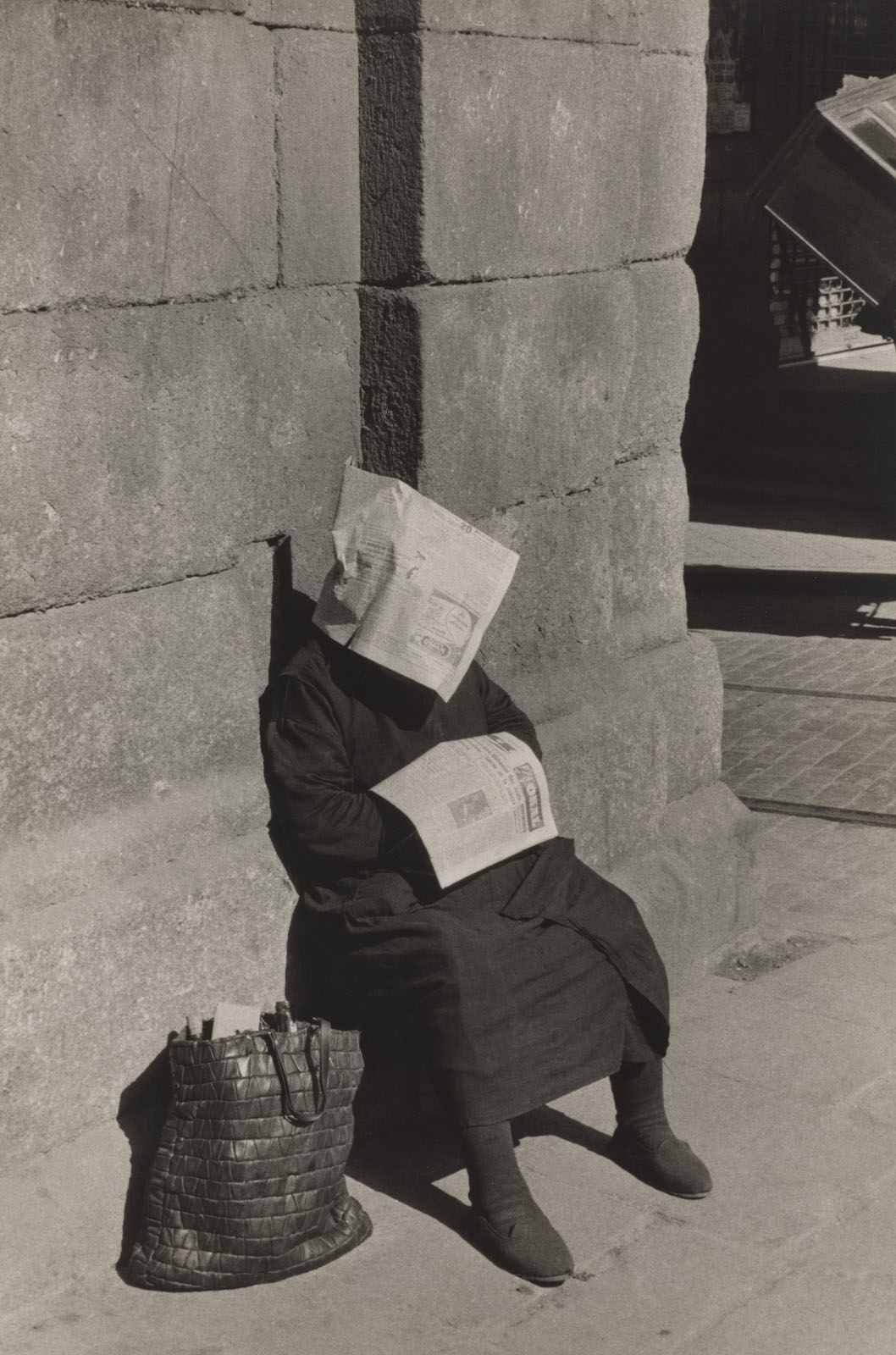


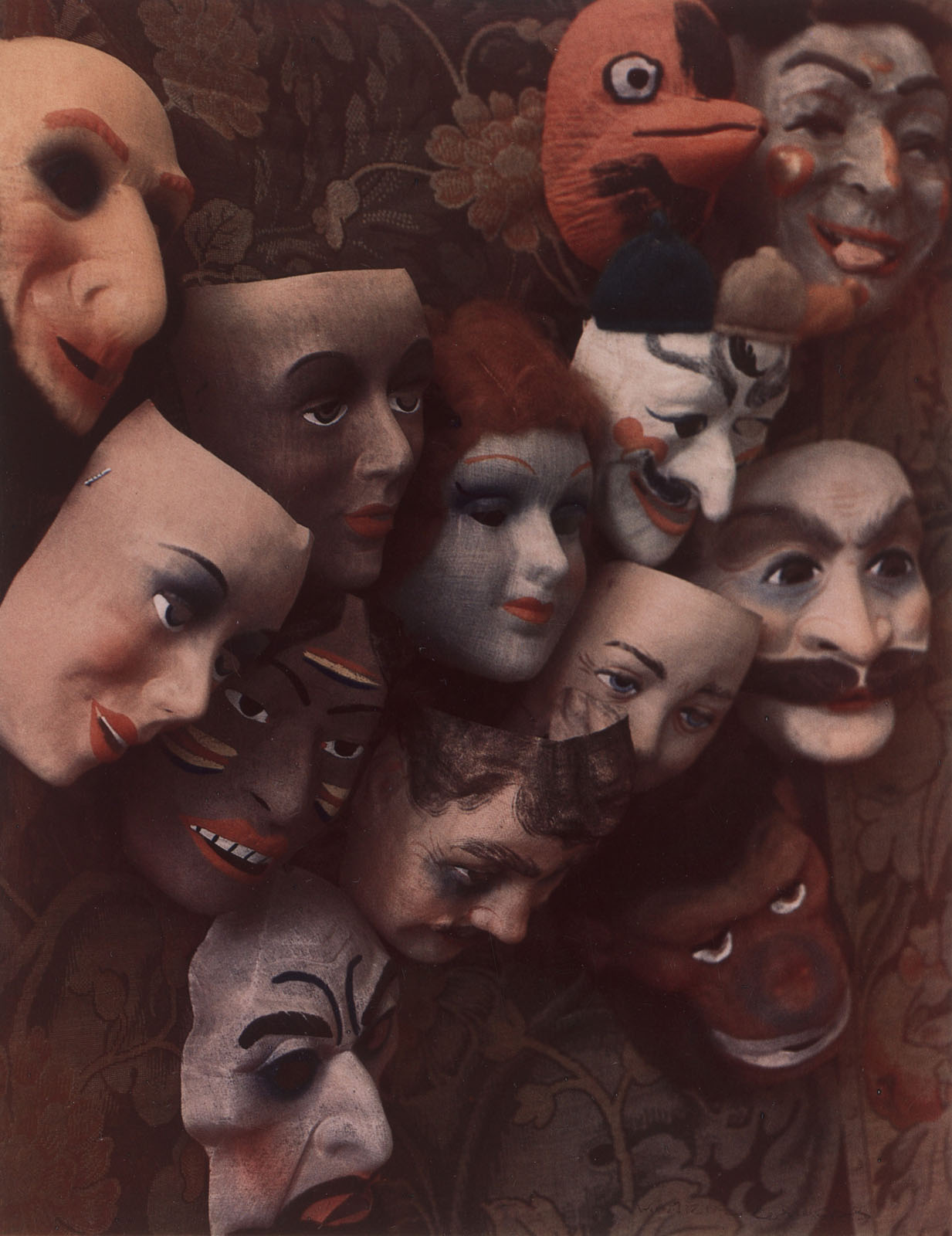

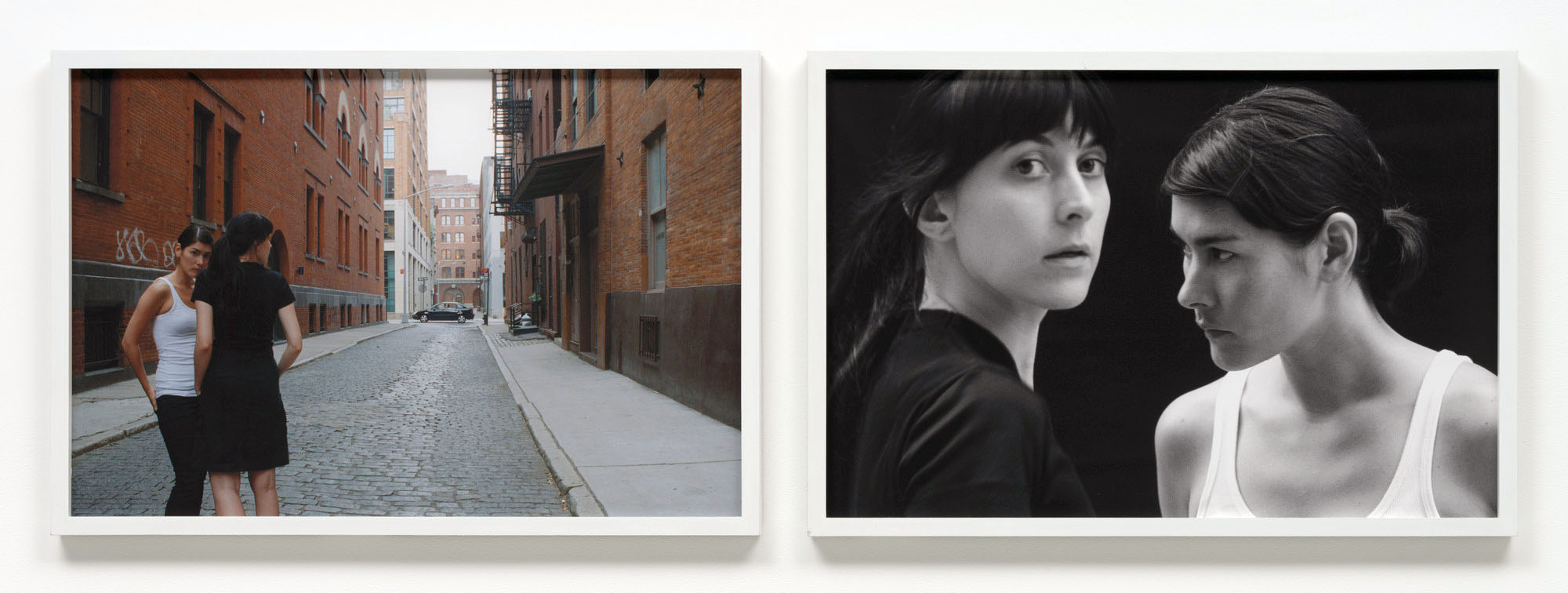
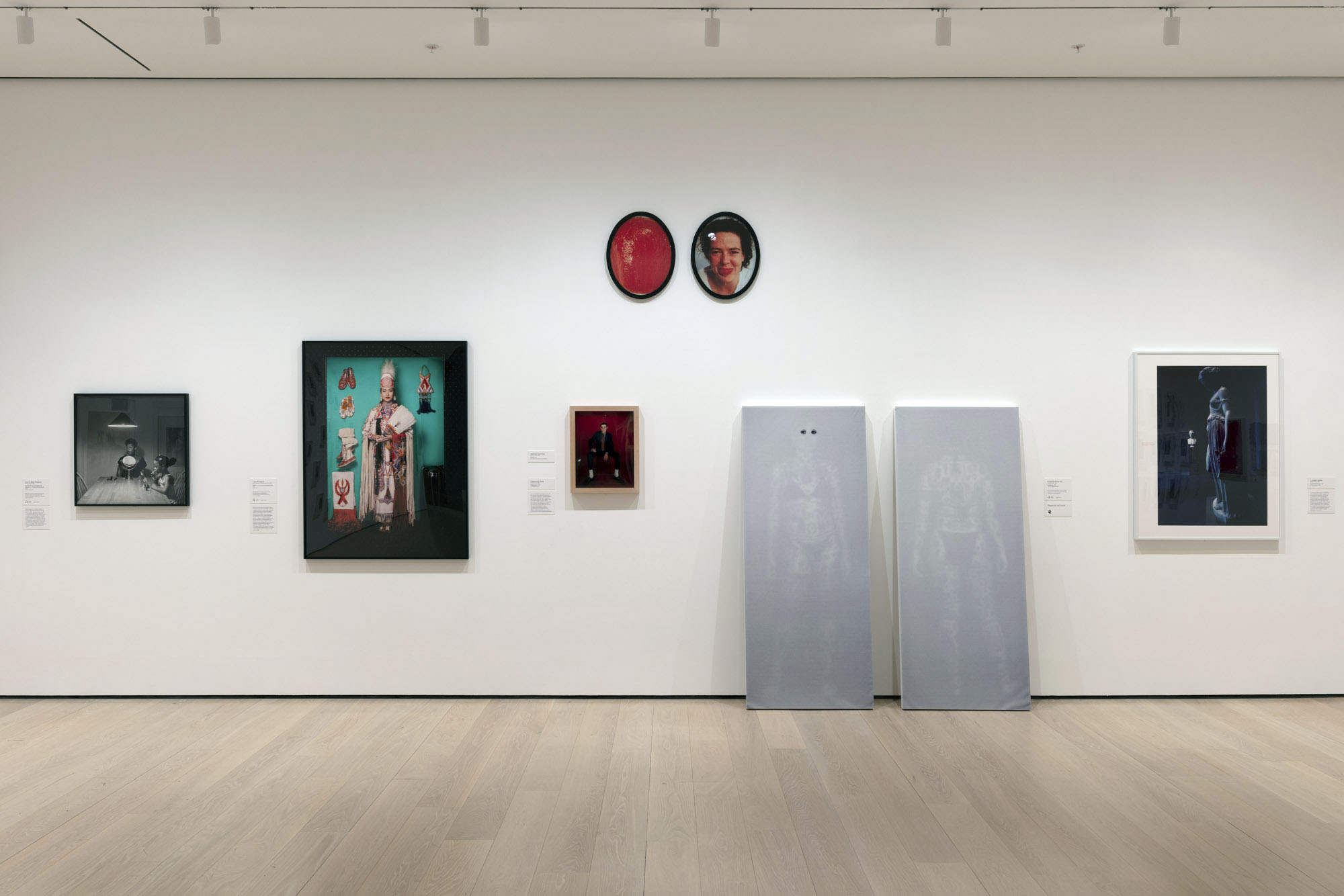


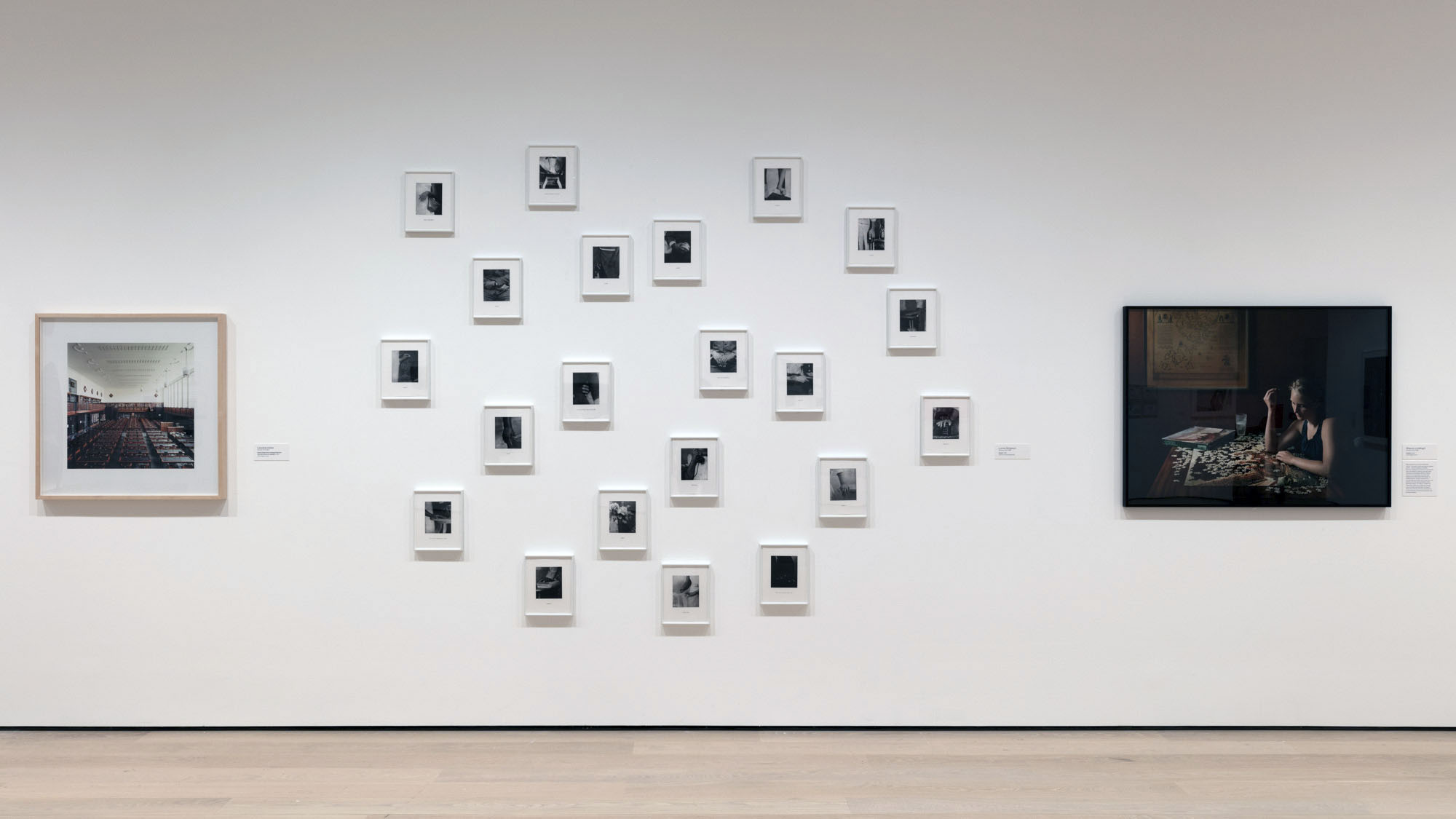
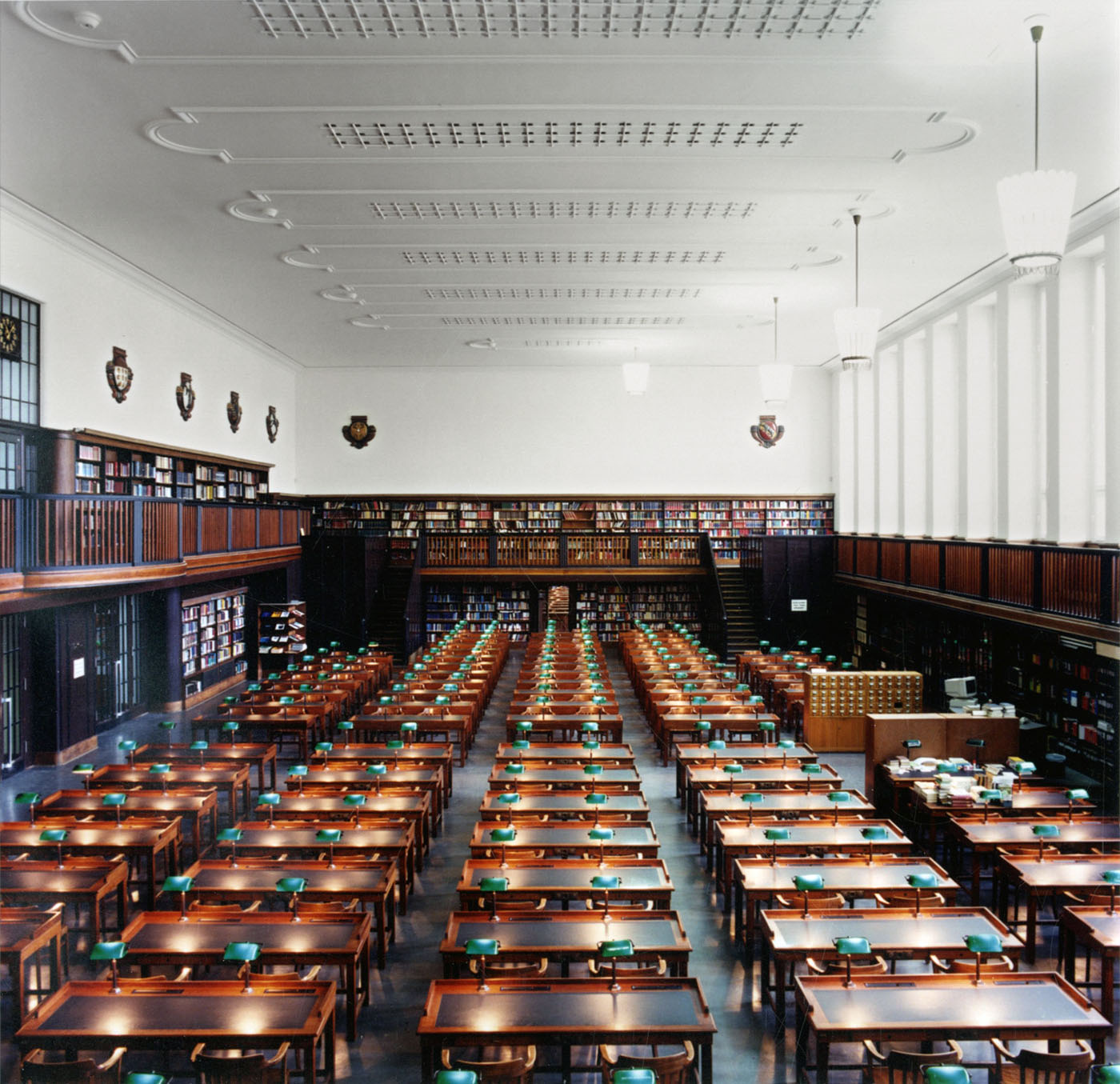

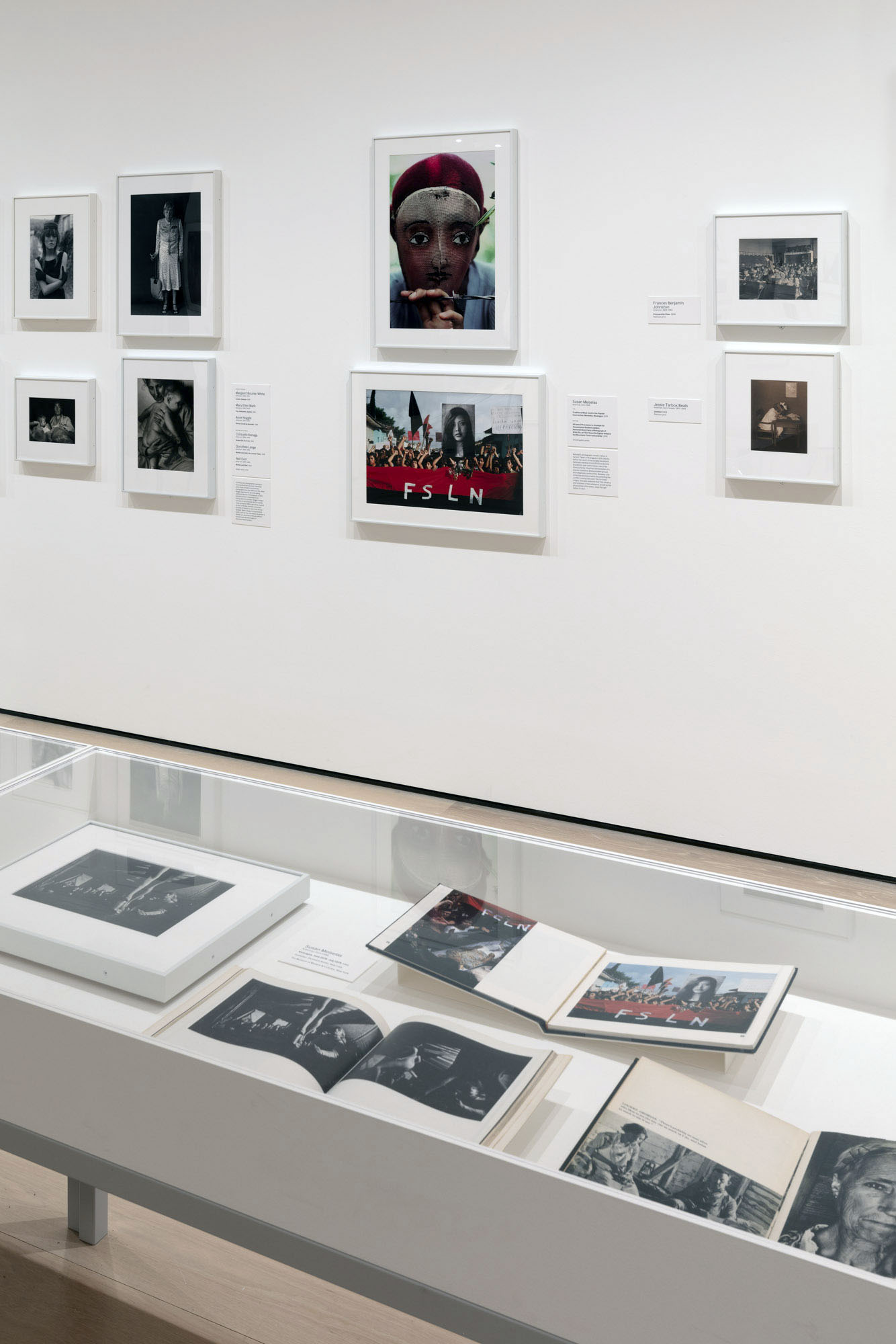


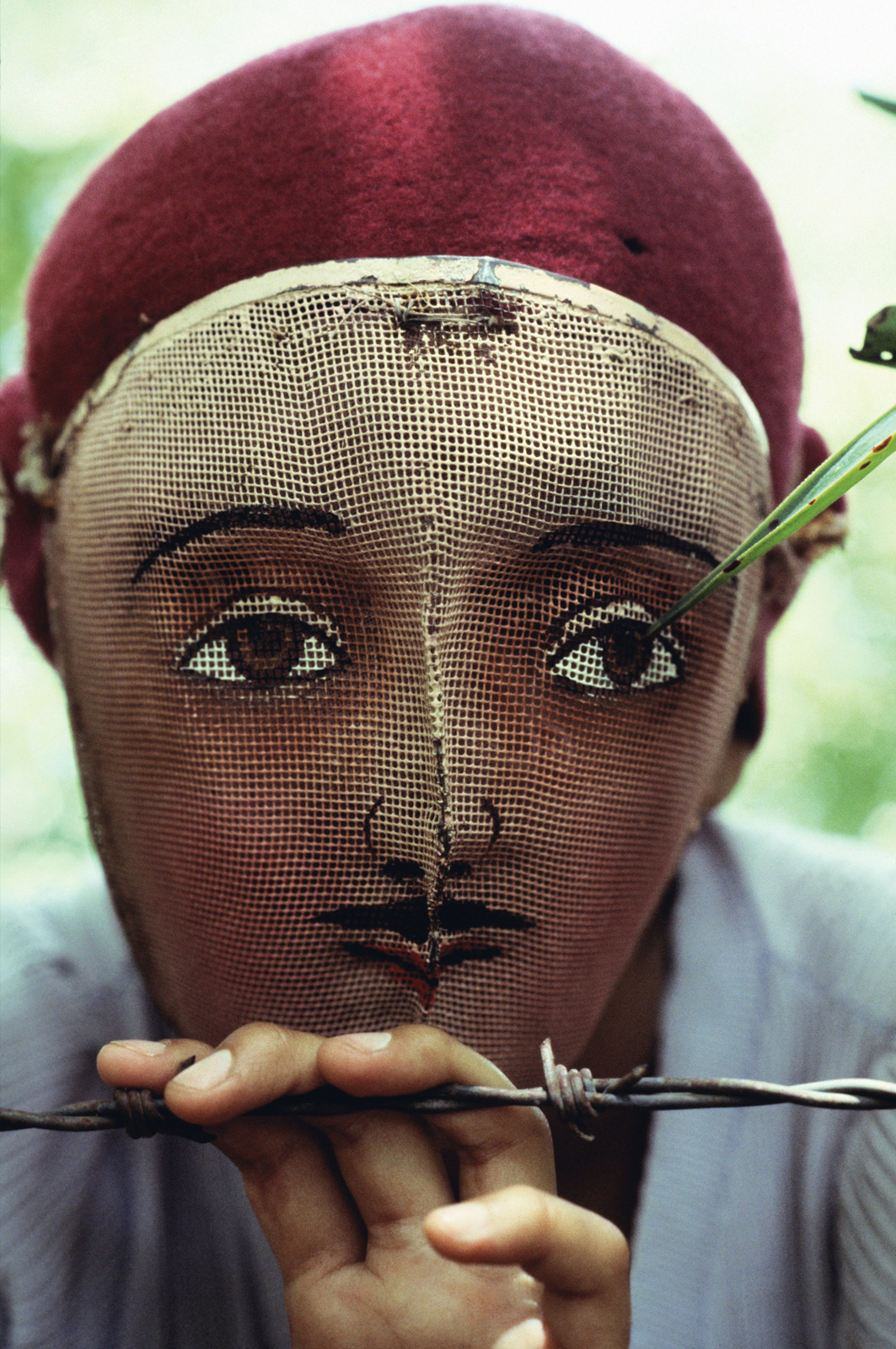


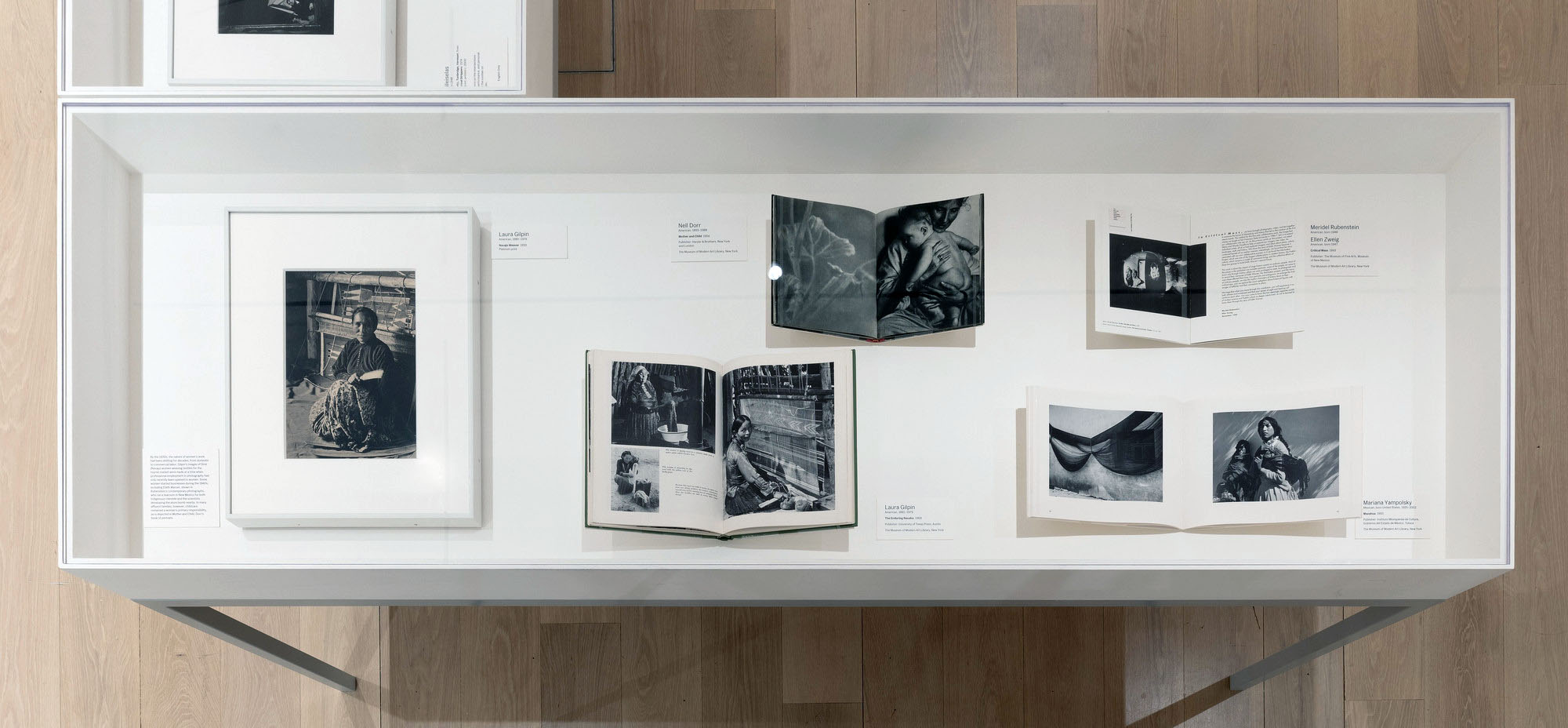

![Marion Post Wolcott (American, 1910-1990) '[Haircutting in Front of General Store and Post Office on Marcella Plantation, Mileston, Mississippi]' 1939 from the exhibition 'The New Woman Behind the Camera' at the Metropolitan Museum of Art, New York, July - Oct, 2021](https://artblart.com/wp-content/uploads/2021/07/wolcott-haircutting.jpg "Marion Post Wolcott (American, 1910-1990) '[Haircutting in Front of General Store and Post Office on Marcella Plantation, Mileston, Mississippi]' 1939 from the exhibition 'The New Woman Behind the Camera' at the Metropolitan Museum of Art, New York, July - Oct, 2021")

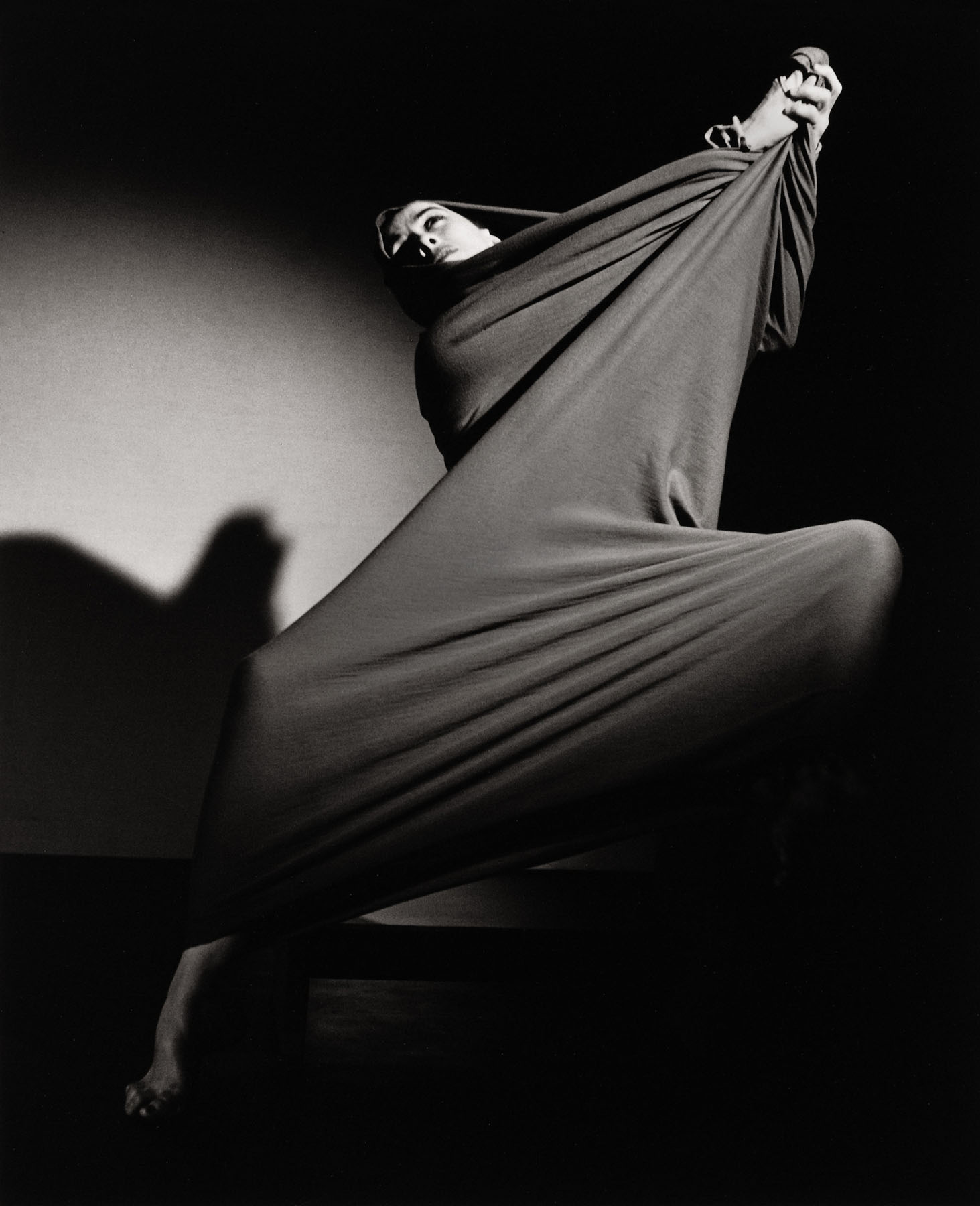


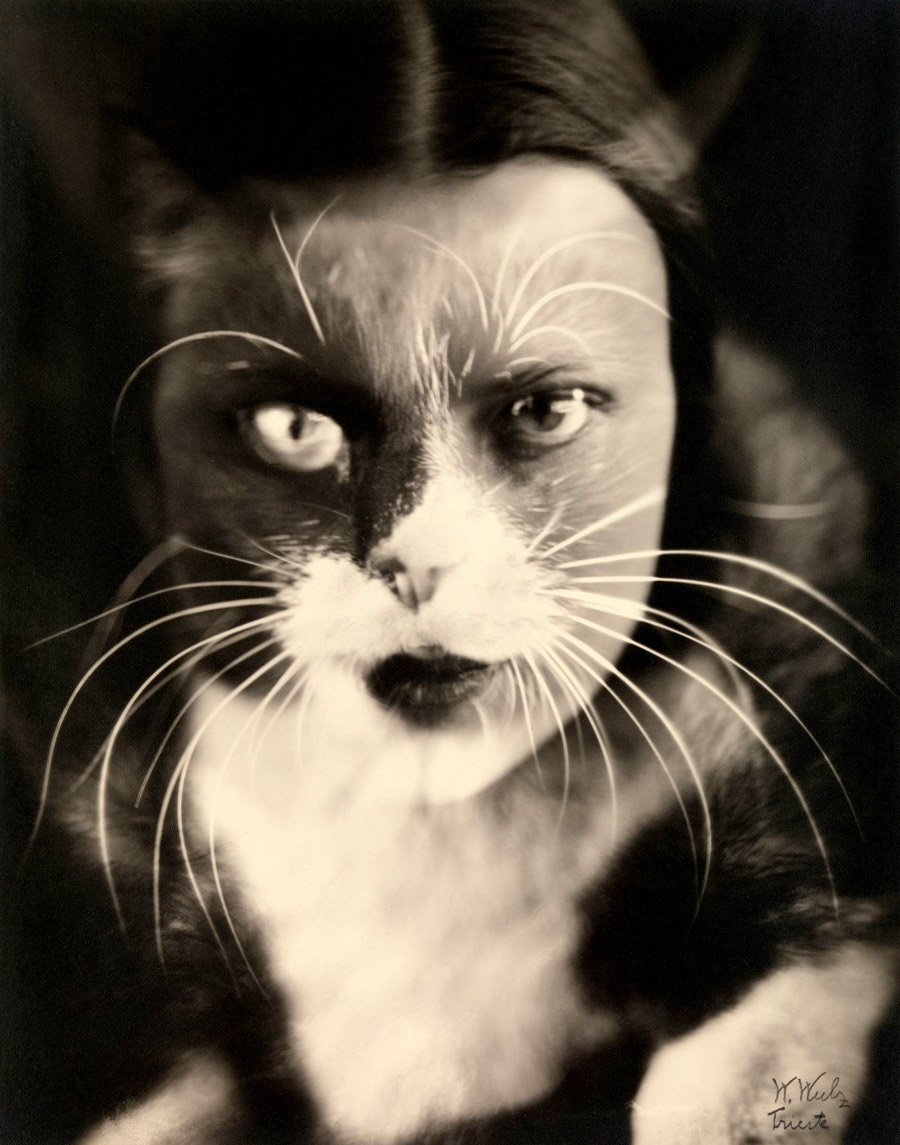
![Lucy Ashjian (American, 1907-1993) '[Savoy Dancers]' 1935-1943](https://artblart.com/wp-content/uploads/2021/07/lucy-ashjian-savoy-dancers.jpg "Lucy Ashjian (American, 1907-1993) '[Savoy Dancers]' 1935-1943")

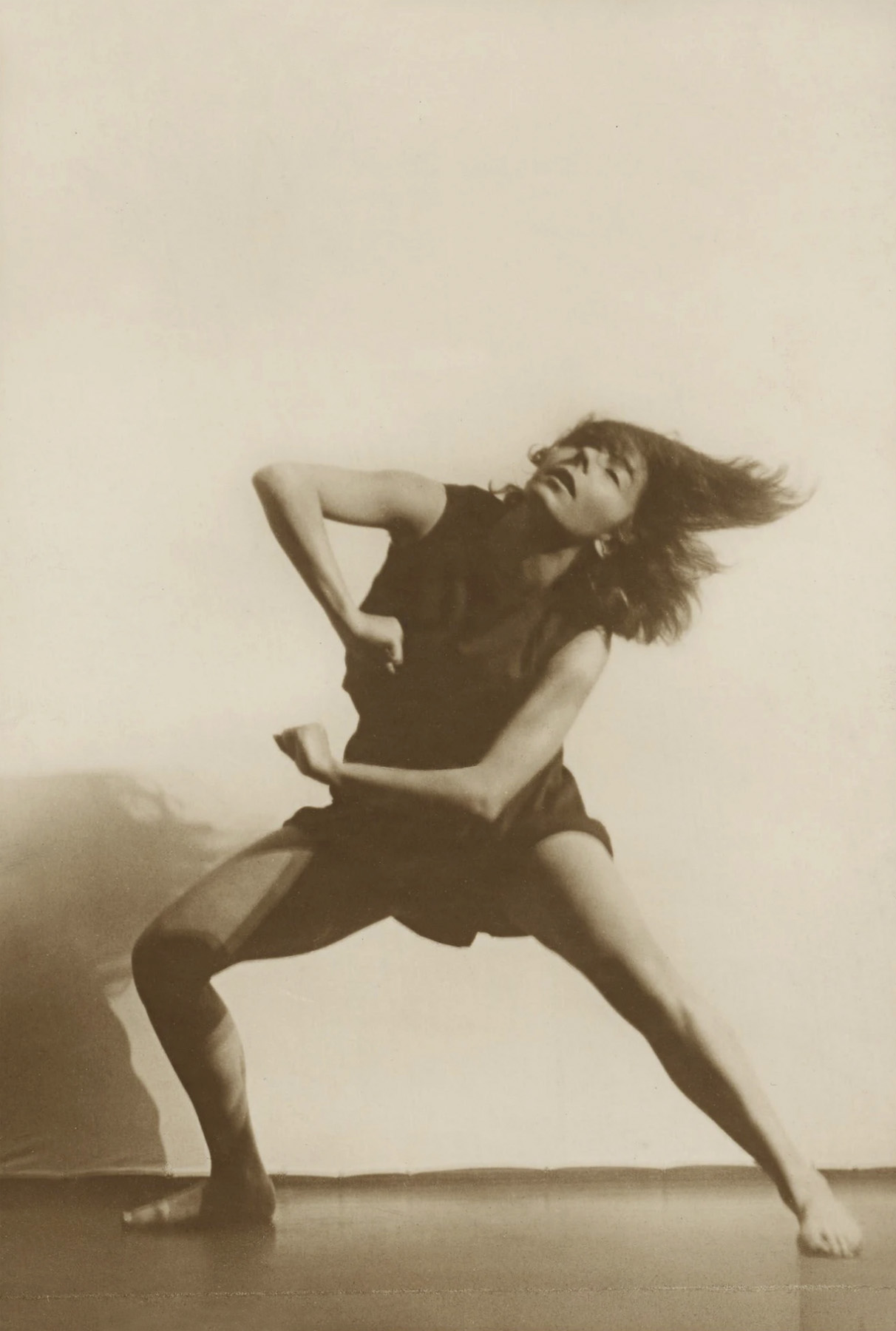


![Dora Maar (French, 1907-1997) '[Boy with a Cat]' 1934](https://artblart.com/wp-content/uploads/2021/07/dora-maar-boy-with-a-cat.jpg "Dora Maar (French, 1907-1997) '[Boy with a Cat]' 1934")
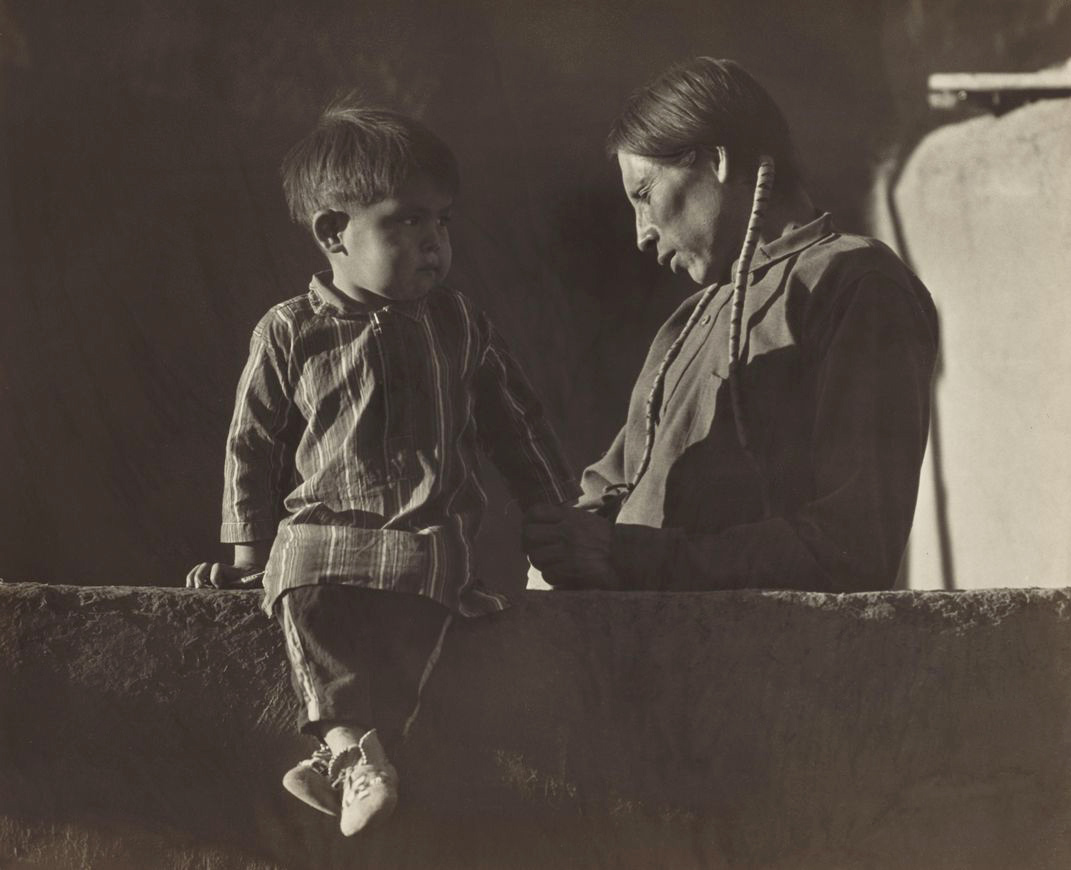
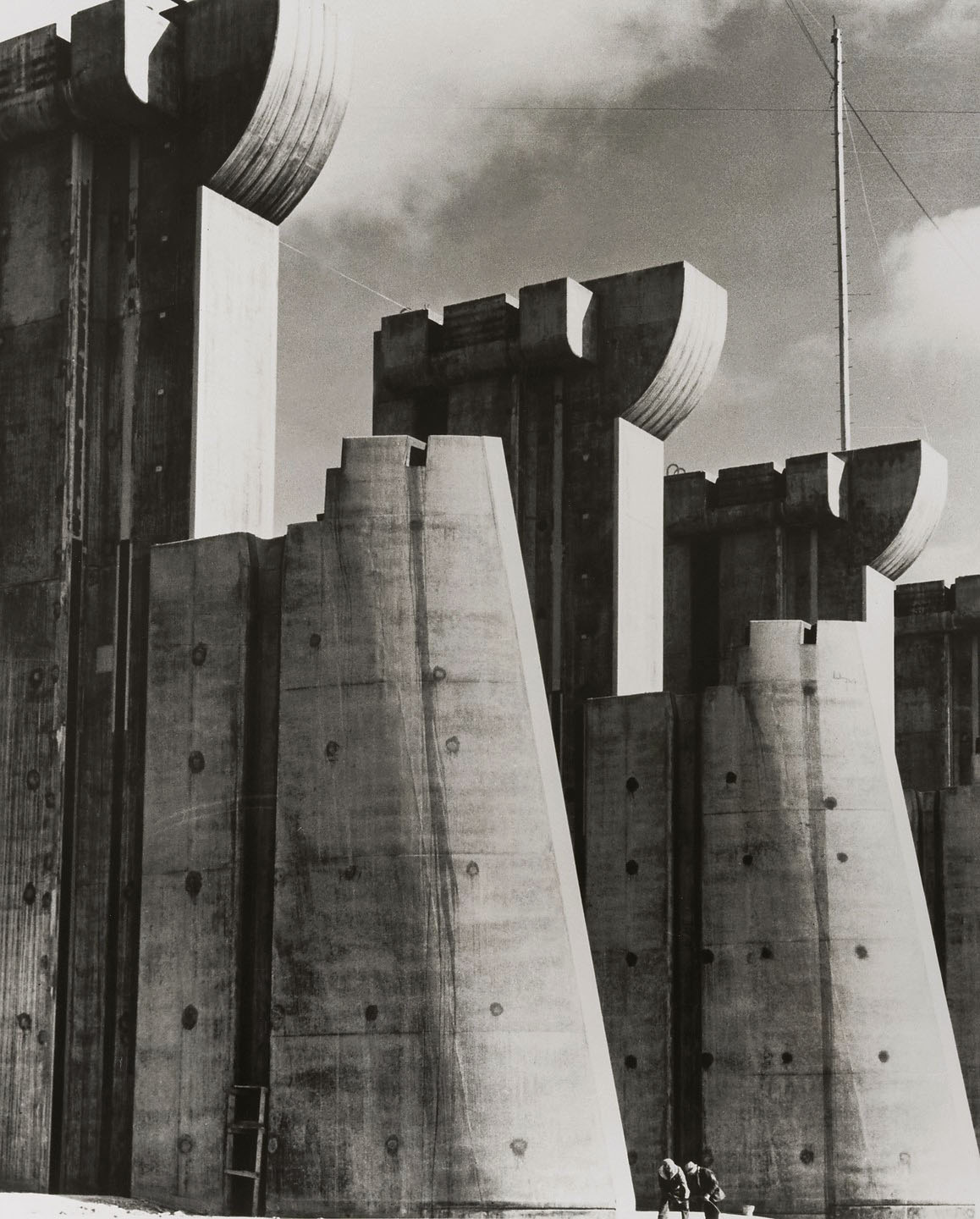


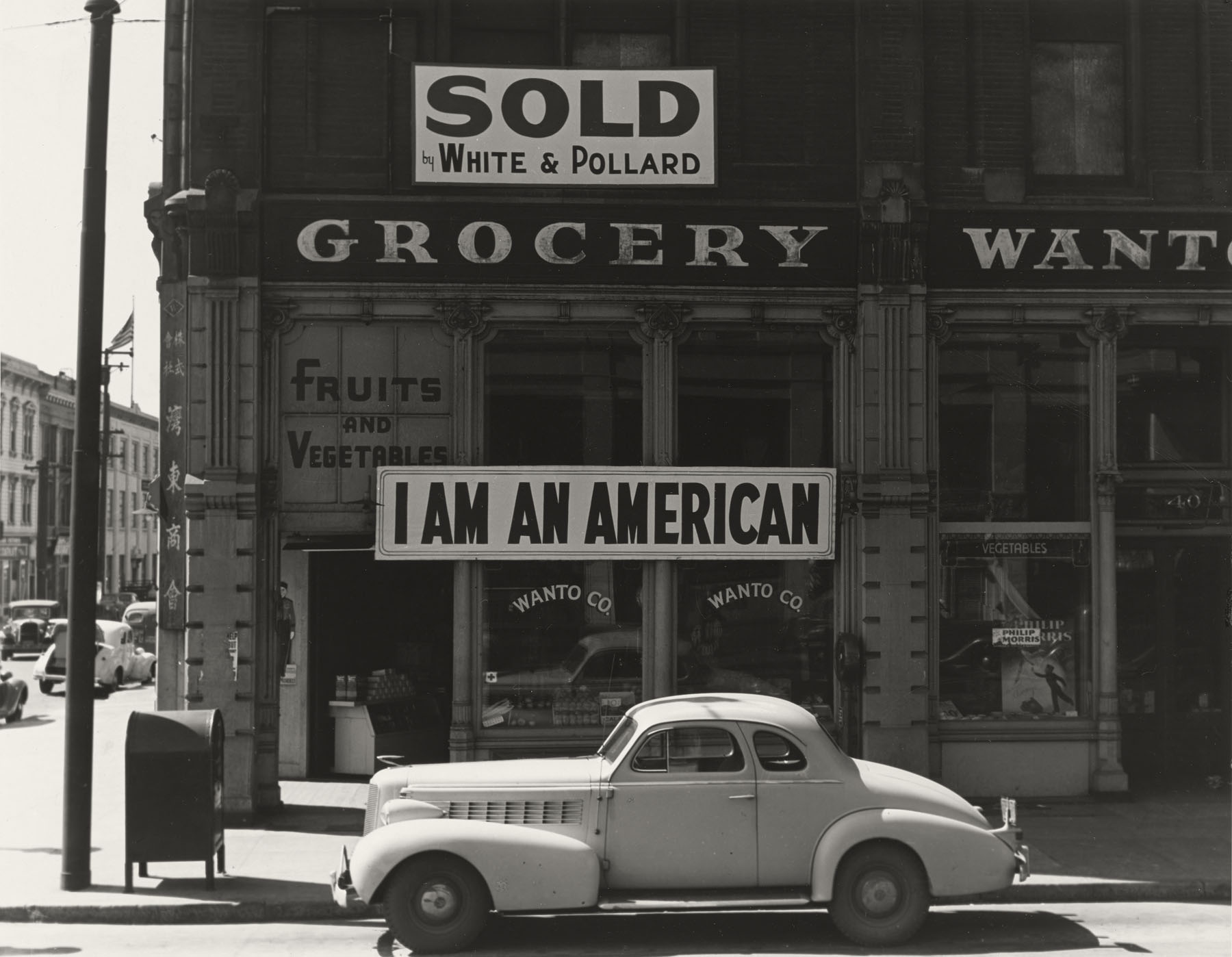




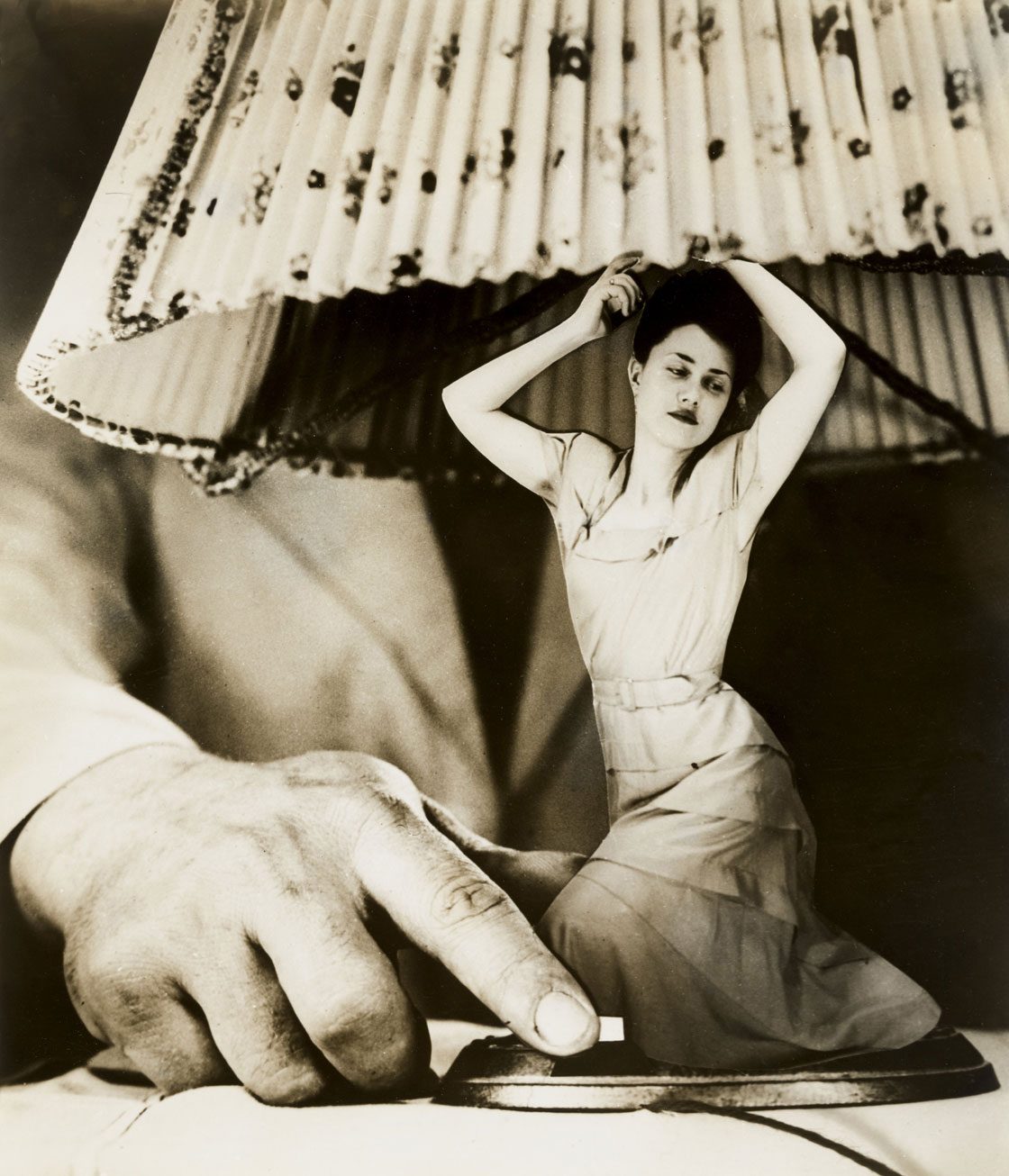
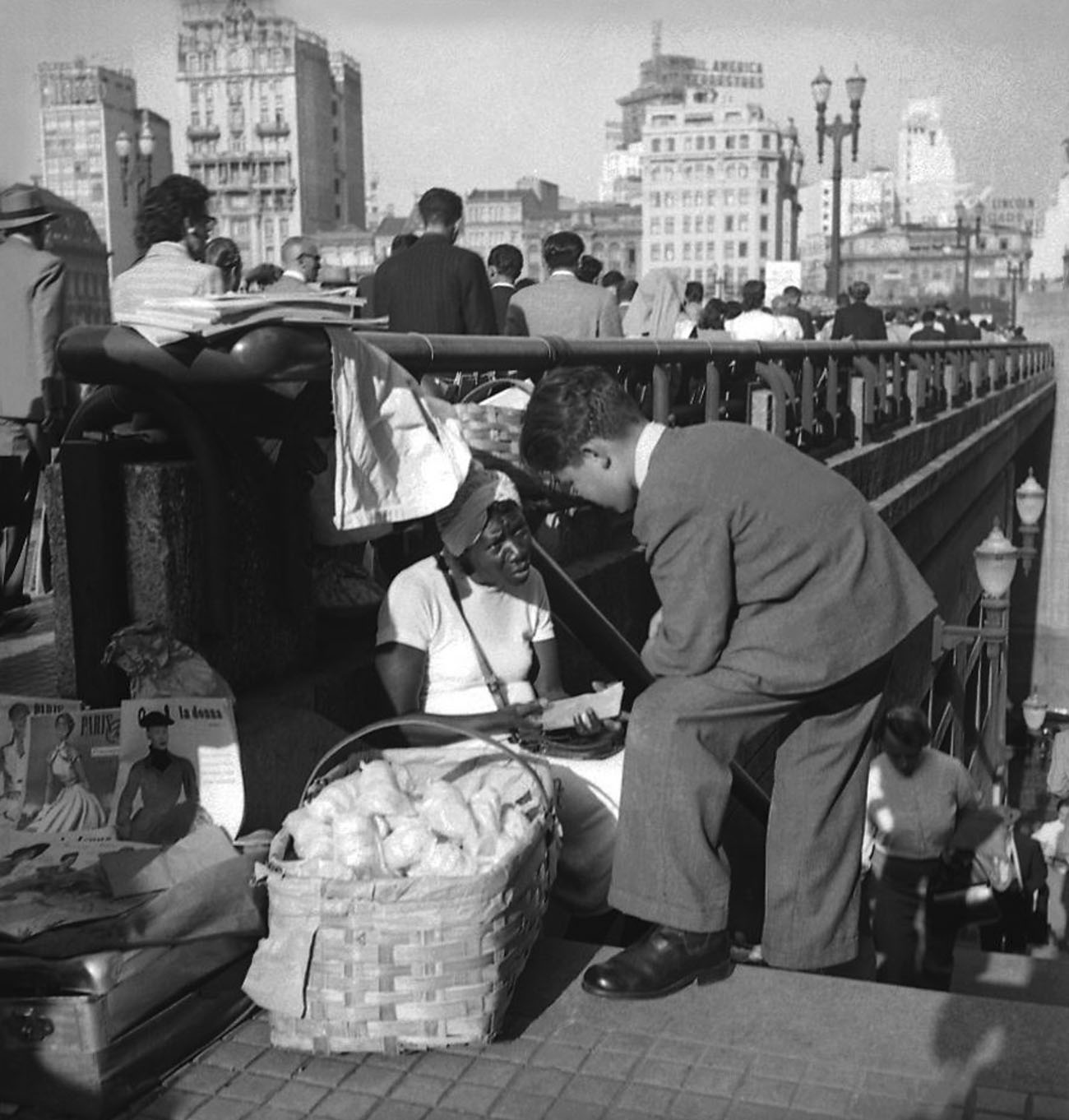

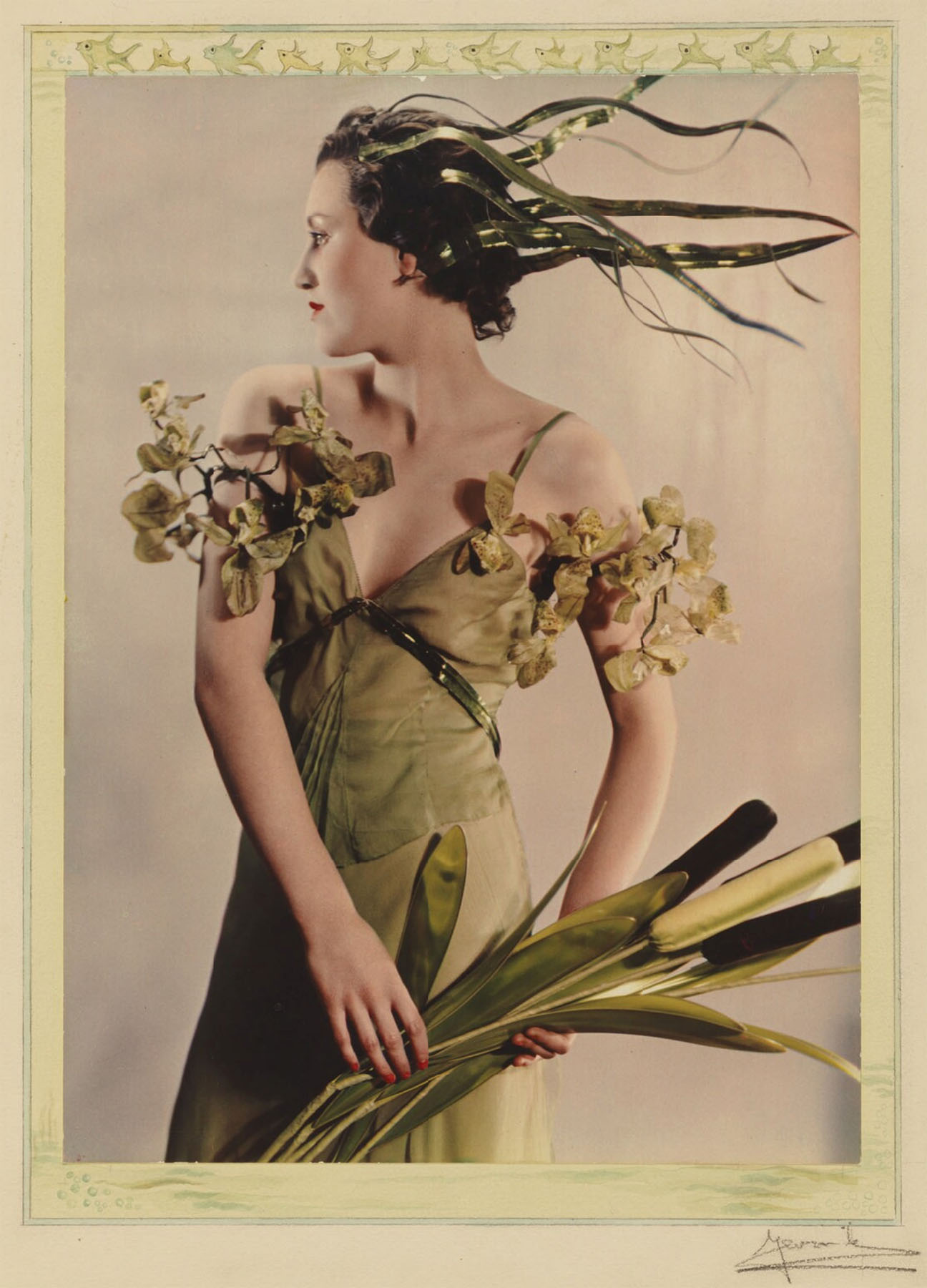
![Tina Modotti (Italian, 1896-1942) 'La técnica [or, Mella's Typewriter]' 1928](https://artblart.com/wp-content/uploads/2021/07/tina-modotti-la-technica.jpg "Tina Modotti (Italian, 1896-1942) 'La técnica [or, Mella's Typewriter]' 1928")
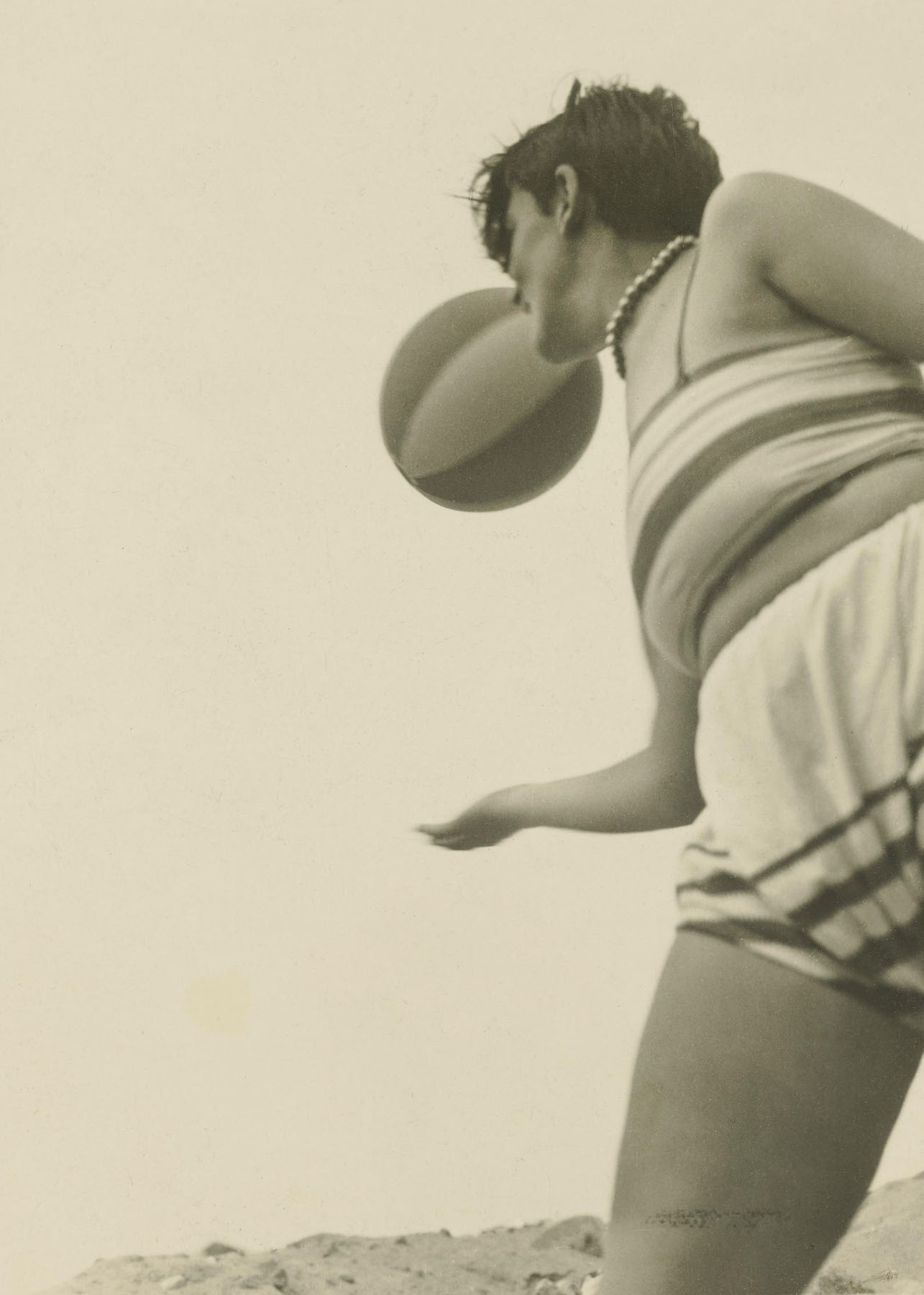

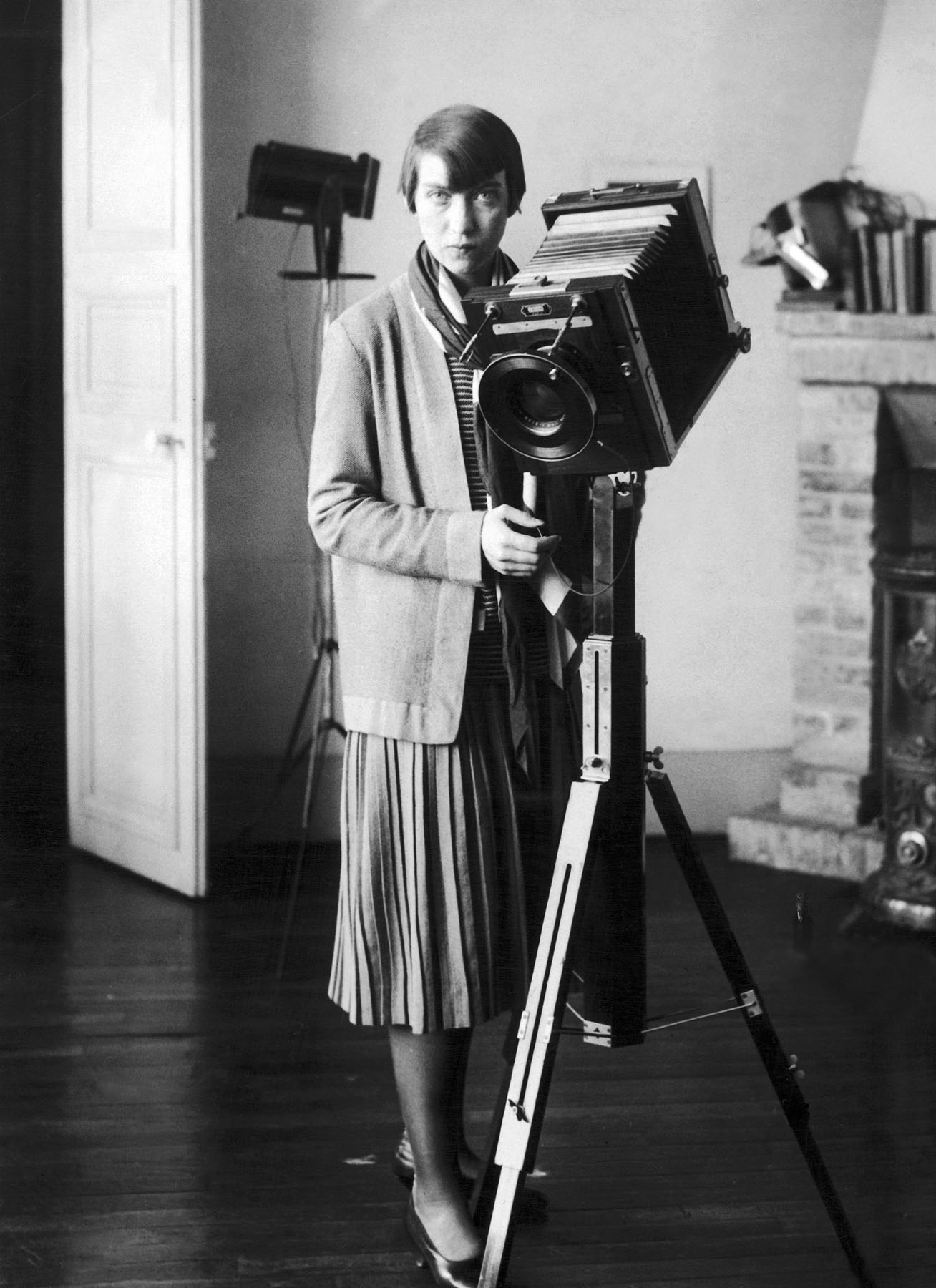

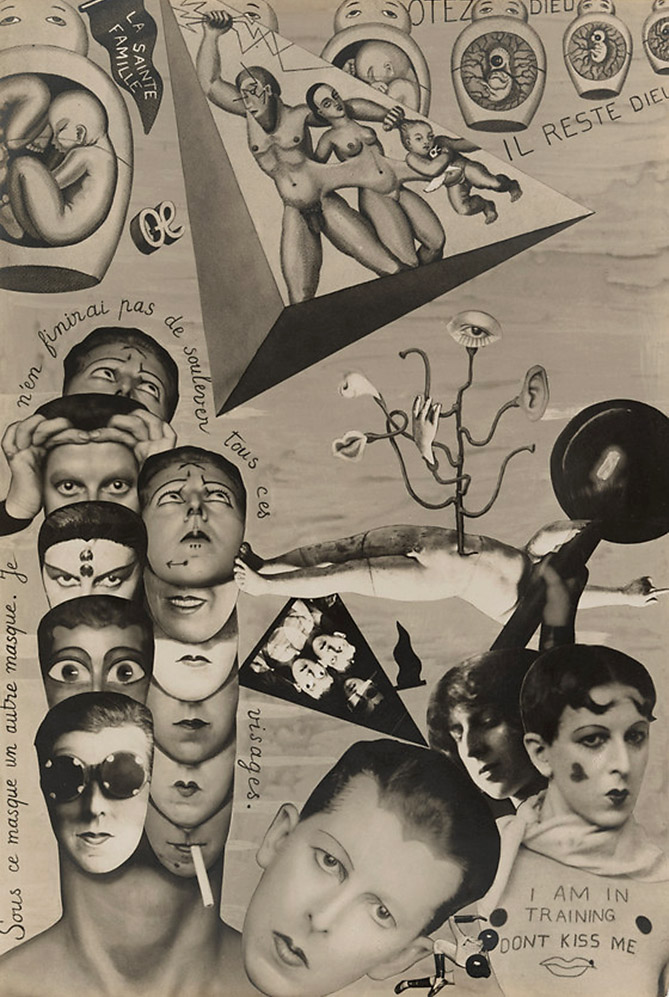

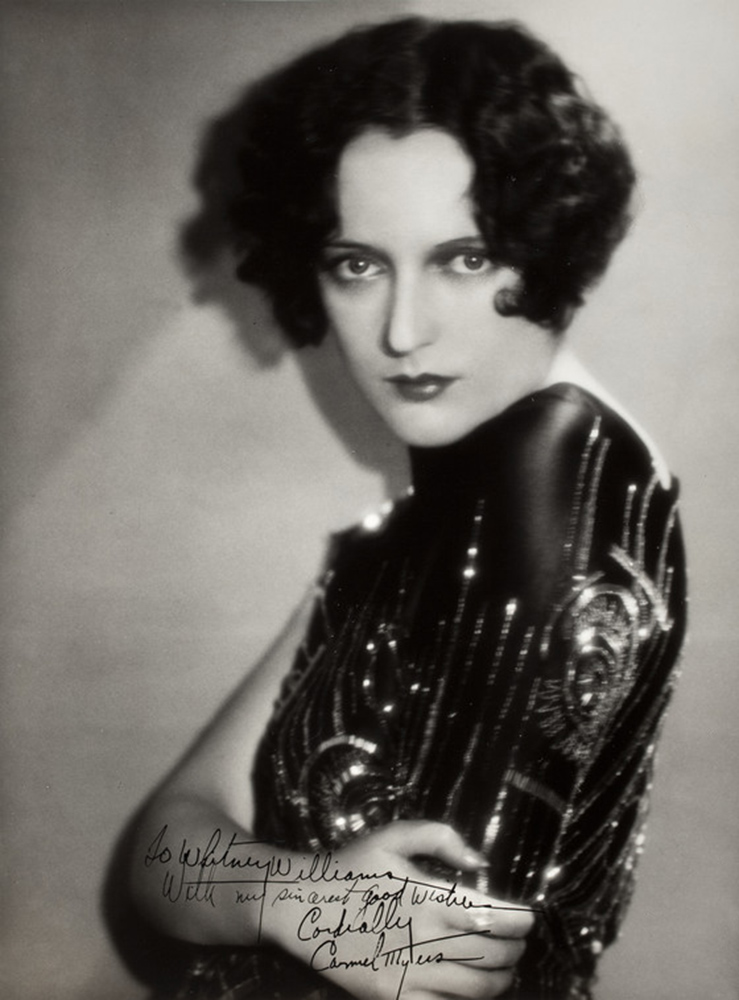


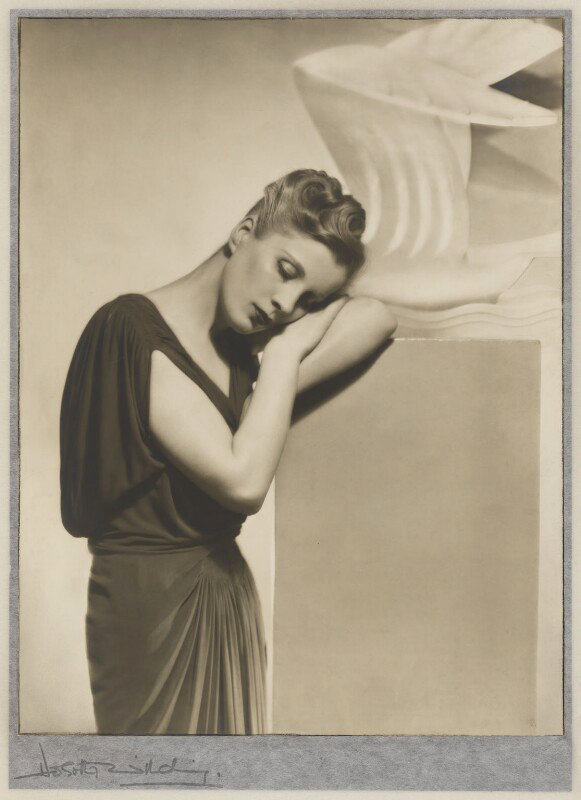

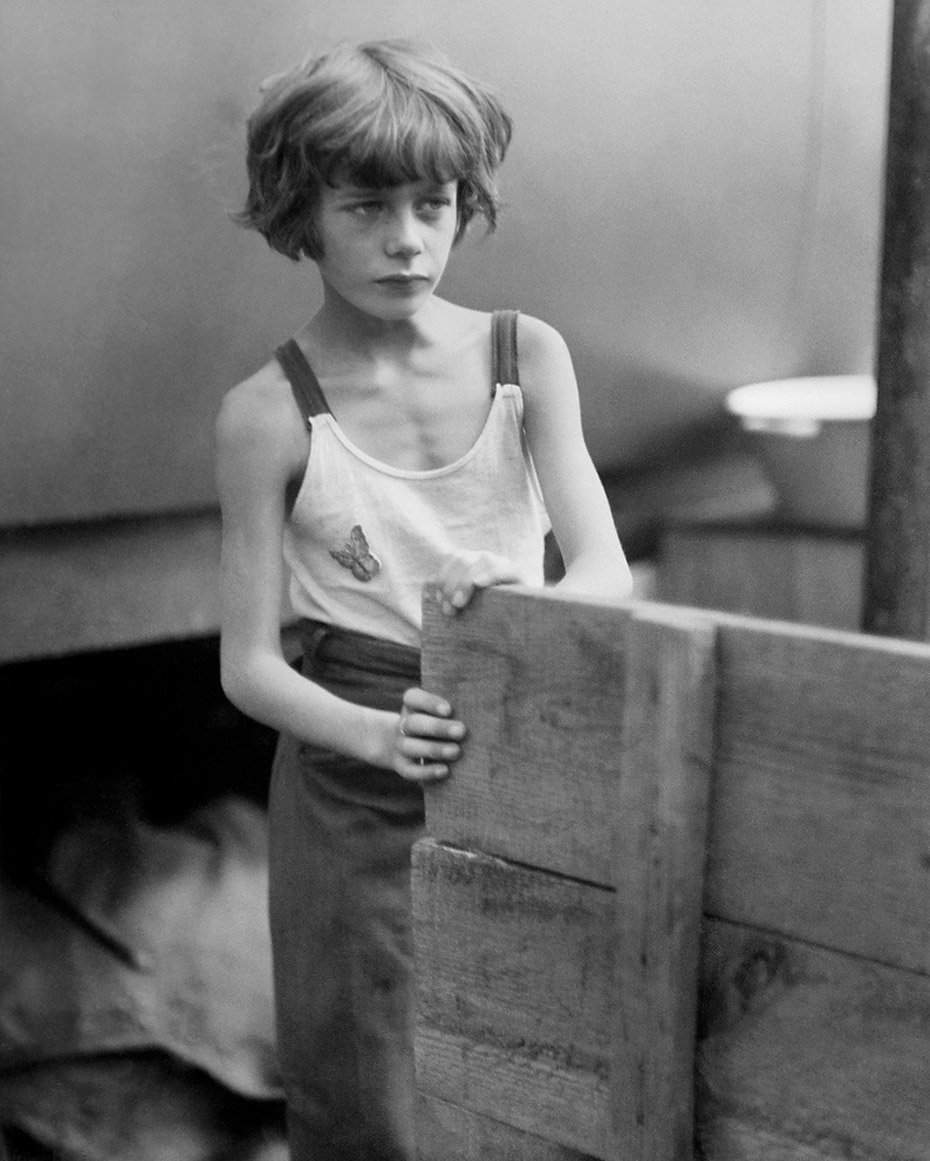


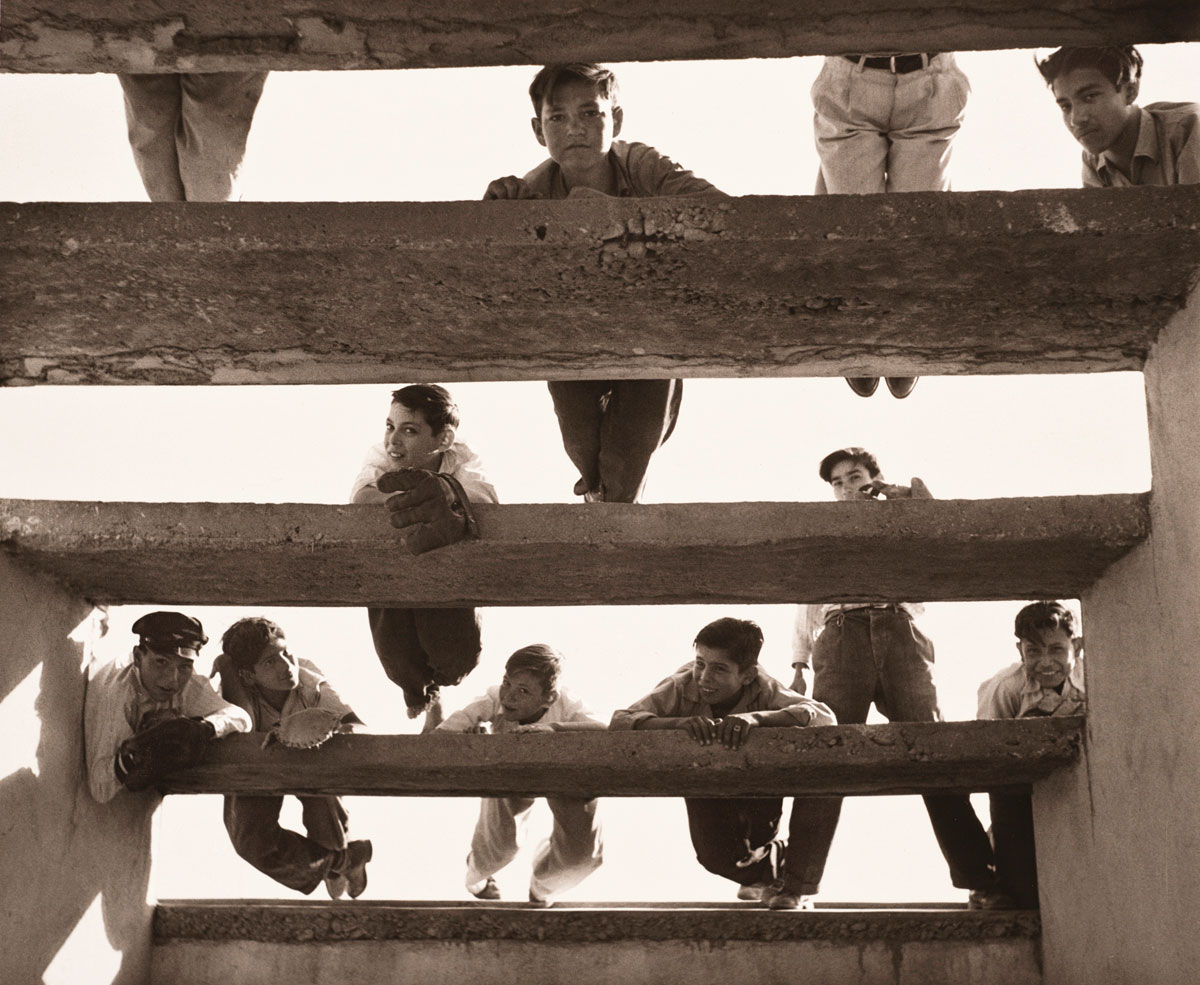
![Weegee (Arthur Fellig) (American born Austria, 1899-1968) '[Calypso]' about 1944; before 1946 from the exhibition Exhibition: 'Unseen: 35 Years of Collecting Photographs' at the J. Paul Getty Museum, Los Angeles, Dec 2019 - March 2020](https://artblart.com/wp-content/uploads/2020/02/gm_04305501_2000x2000.jpg "Weegee (Arthur Fellig) (American born Austria, 1899-1968) '[Calypso]' about 1944; before 1946 from the exhibition Exhibition: 'Unseen: 35 Years of Collecting Photographs' at the J. Paul Getty Museum, Los Angeles, Dec 2019 - March 2020")
![Carleton Watkins (American, 1829-1916) '[Guadalupe Mill]' 1860 from the exhibition Exhibition: 'Unseen: 35 Years of Collecting Photographs' at the J. Paul Getty Museum, Los Angeles, Dec 2019 - March 2020](https://artblart.com/wp-content/uploads/2020/02/gm_06196501_2000x2000.jpg "Carleton Watkins (American, 1829-1916) '[Guadalupe Mill]' 1860 from the exhibition Exhibition: 'Unseen: 35 Years of Collecting Photographs' at the J. Paul Getty Museum, Los Angeles, Dec 2019 - March 2020")


![Marinus Jacob Kjeldgaard (Danish, 1884-1964, active Paris, France late 1930s - late 1940s) '[Collage: Balance of Powers]' about 1939](https://artblart.com/wp-content/uploads/2020/02/gm_05085801_2000x2000.jpg "Marinus Jacob Kjeldgaard (Danish, 1884-1964, active Paris, France late 1930s - late 1940s) '[Collage: Balance of Powers]' about 1939")
![Paul Outerbridge (American, 1896-1958) '[Egg in Spotlight]' 1943](https://artblart.com/wp-content/uploads/2020/02/gm_32105401_2000x2000.jpg "Paul Outerbridge (American, 1896-1958) '[Egg in Spotlight]' 1943")
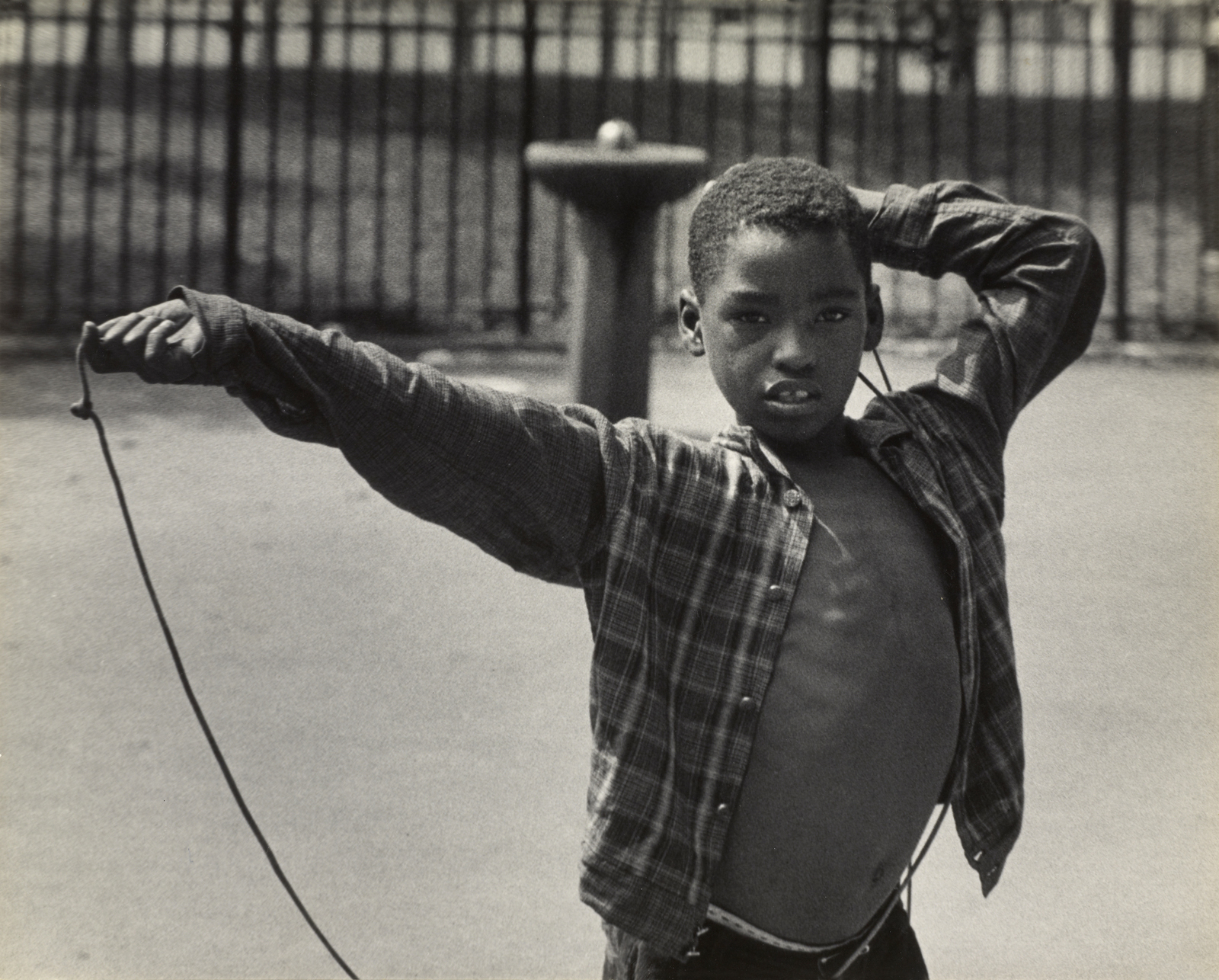
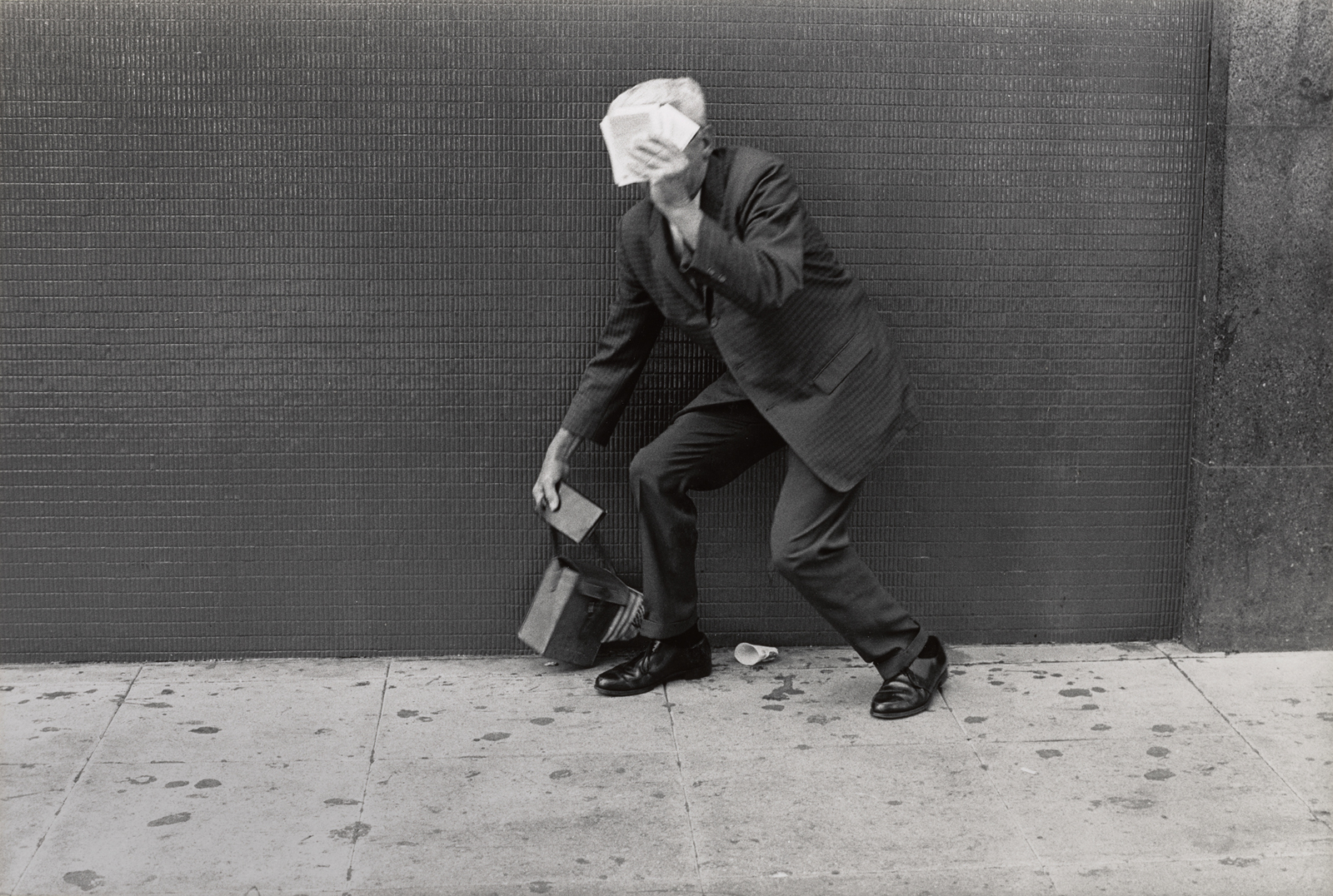


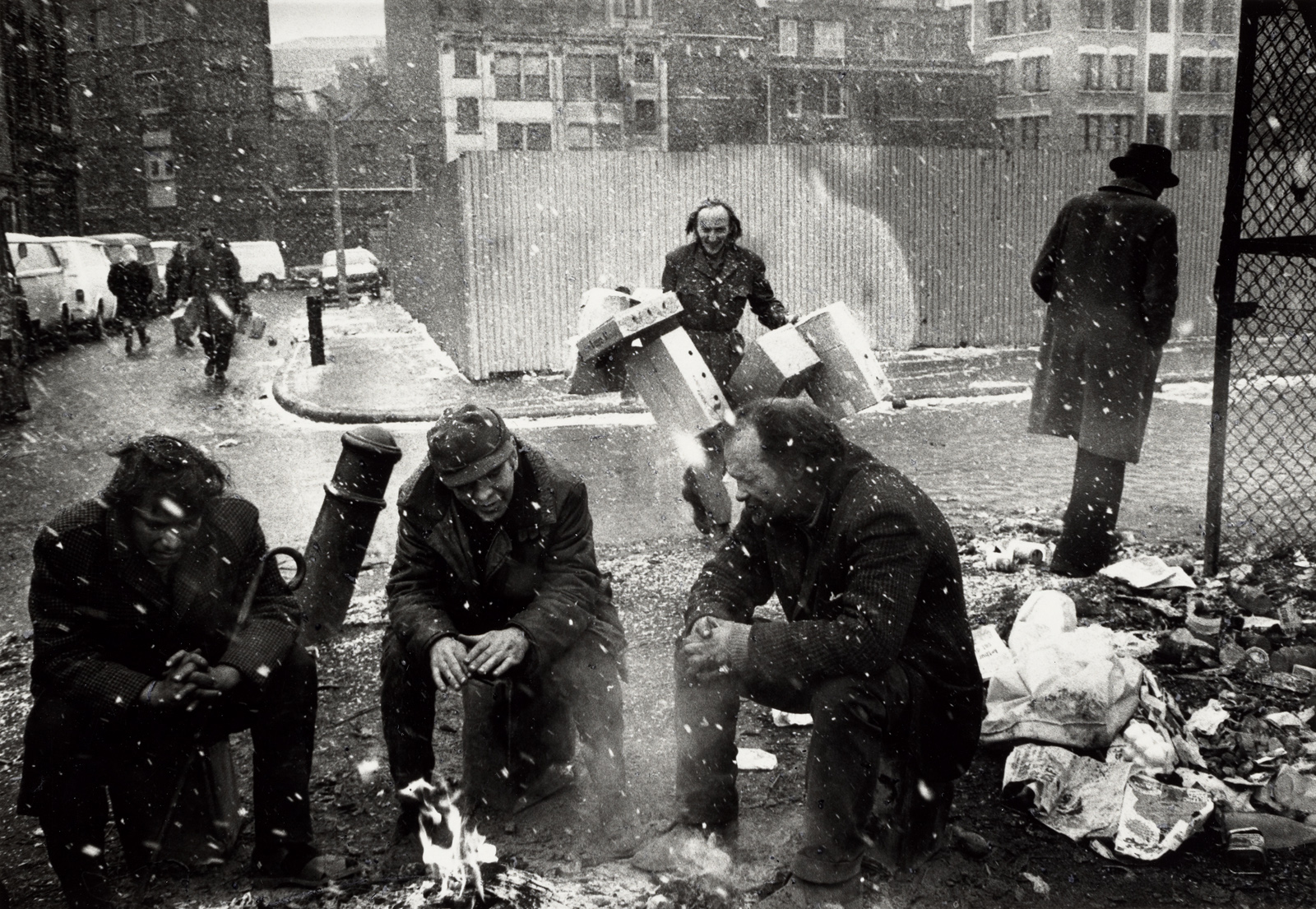
![Shigeichi Nagano (Japanese, 1925-2019, active Tokyo, Japan) '[Tokyo, Aobadai (Nishi Saigoyama Park), Meguro Ward]' 1988](https://artblart.com/wp-content/uploads/2020/02/gm_30687901_2000x2000.jpg "Shigeichi Nagano (Japanese, 1925-2019, active Tokyo, Japan) '[Tokyo, Aobadai (Nishi Saigoyama Park), Meguro Ward]' 1988")



![Julia Margaret Cameron (British born India, 1815-1879) '[Spring]' 1873](https://artblart.com/wp-content/uploads/2020/02/gm_06520801_2000x2000.jpg "Julia Margaret Cameron (British born India, 1815-1879) '[Spring]' 1873")
![Reverend William Ellis (British, 1794-1872) and Samuel Smith. '[Portrait of a Black Couple]' about 1873](https://artblart.com/wp-content/uploads/2020/02/gm_133436t1v1_2000x2000.jpg "Reverend William Ellis (British, 1794-1872) and Samuel Smith. '[Portrait of a Black Couple]' about 1873")

![László Moholy-Nagy (American born Hungary, 1895-1946) '[The Law of the Series]' 1925](https://artblart.com/wp-content/uploads/2020/02/gm_05309301_2000x2000.jpg "László Moholy-Nagy (American born Hungary, 1895-1946) '[The Law of the Series]' 1925")


![Paul Wolff (German, 1887-1951) and Dr Wolff & Tritschler OHG (German, founded 1927, dissolved 1963) '[Dog at the beach]' 1936](https://artblart.com/wp-content/uploads/2020/02/gm_041552t1v1_2000x2000-1.jpg "Paul Wolff (German, 1887-1951) and Dr Wolff & Tritschler OHG (German, founded 1927, dissolved 1963) '[Dog at the beach]' 1936")
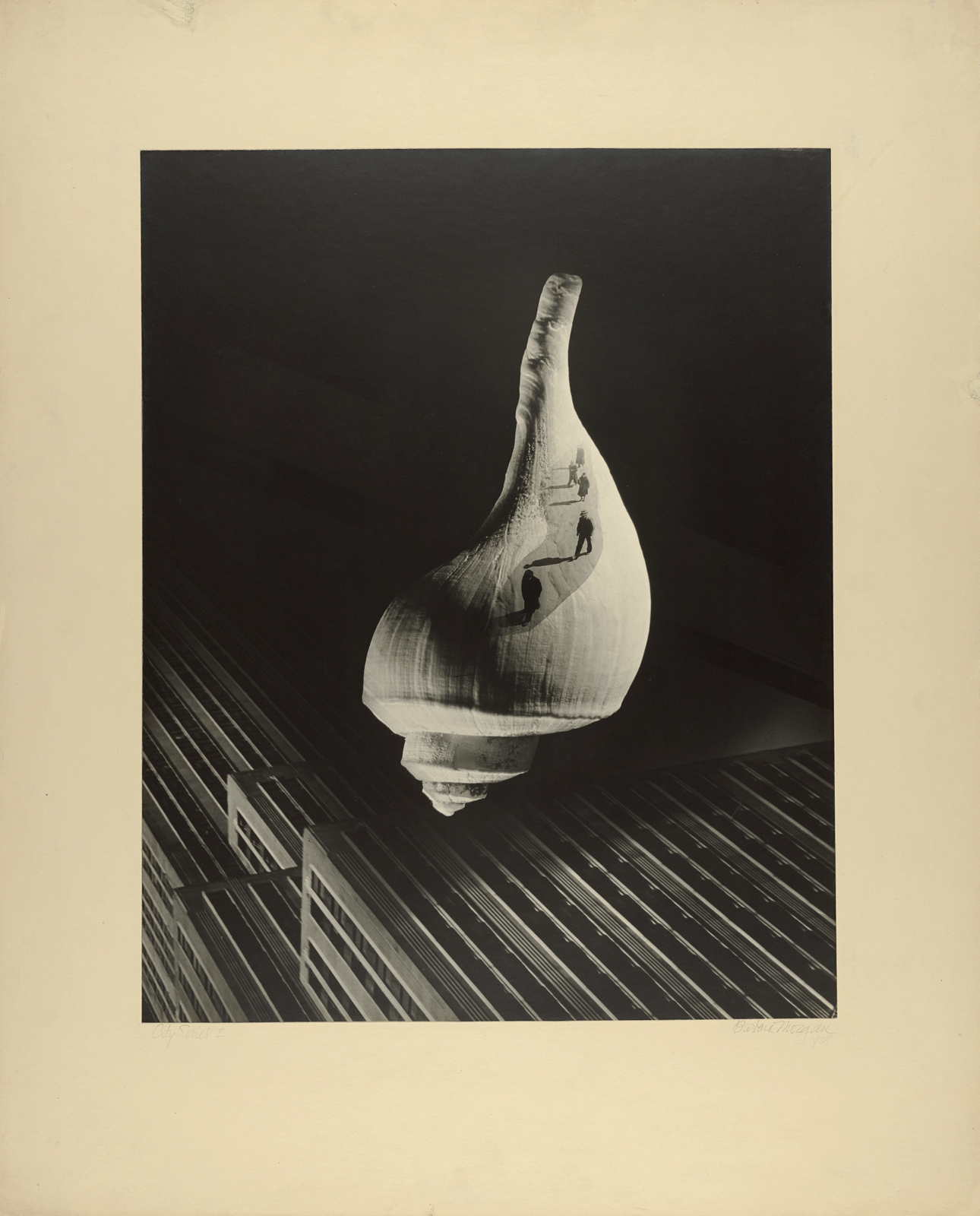
![Walker Evans (American, 1903 - 1975) '[Two Giraffes, Circus Winter Quarters, Sarasota]' 1941](https://artblart.com/wp-content/uploads/2020/02/gm_05269601_2000x2000.jpg "Walker Evans (American, 1903 - 1975) '[Two Giraffes, Circus Winter Quarters, Sarasota]' 1941")
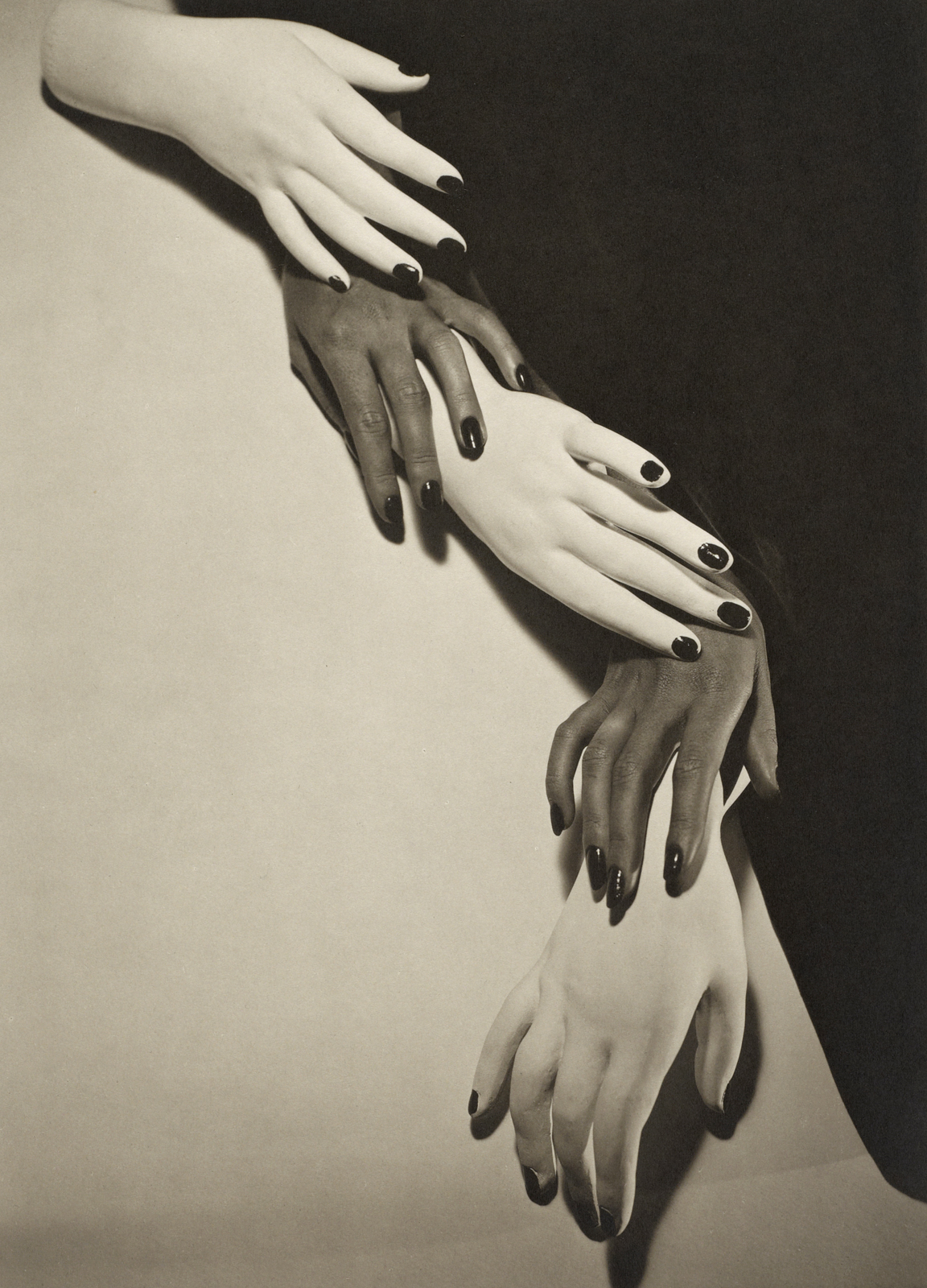


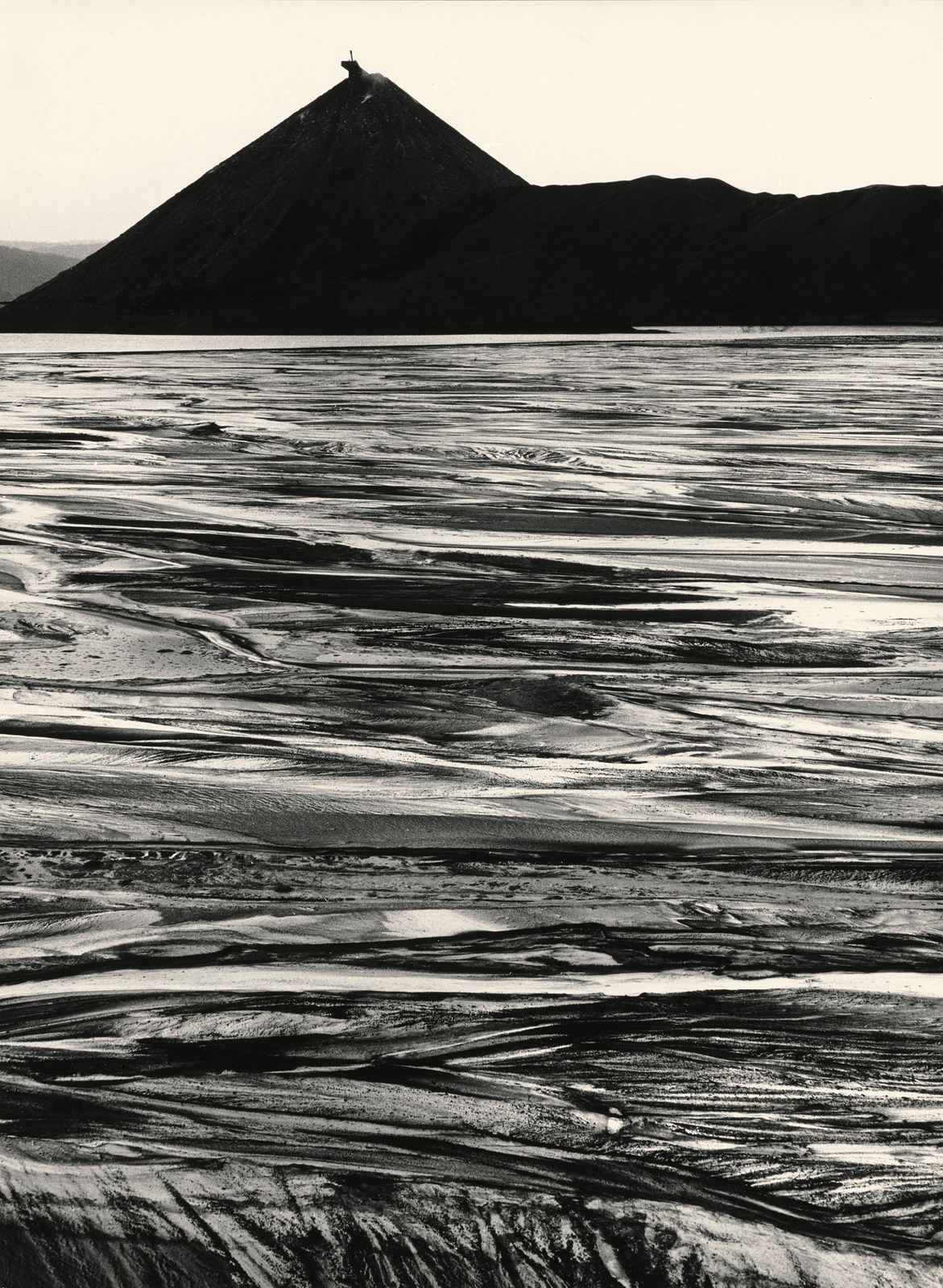

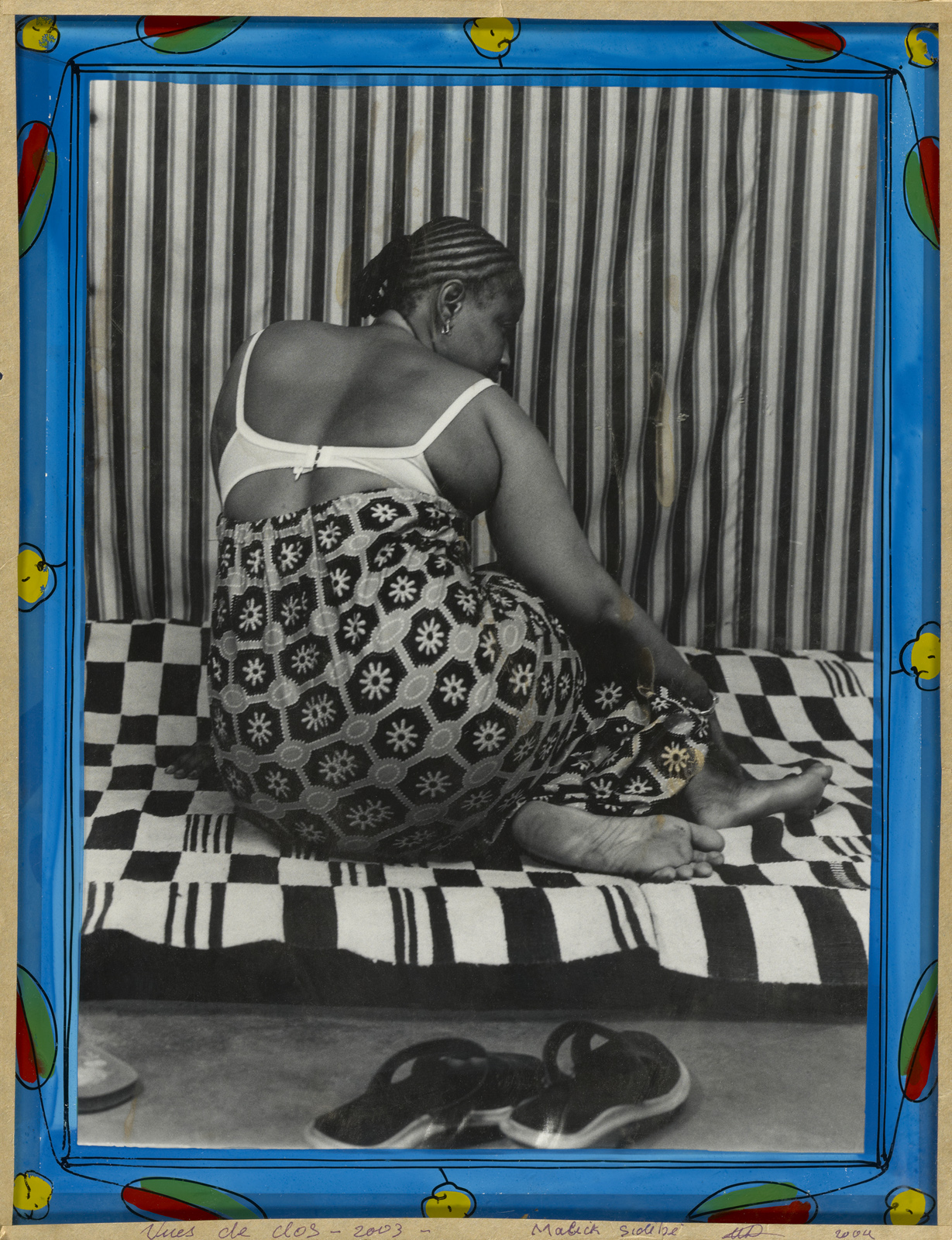

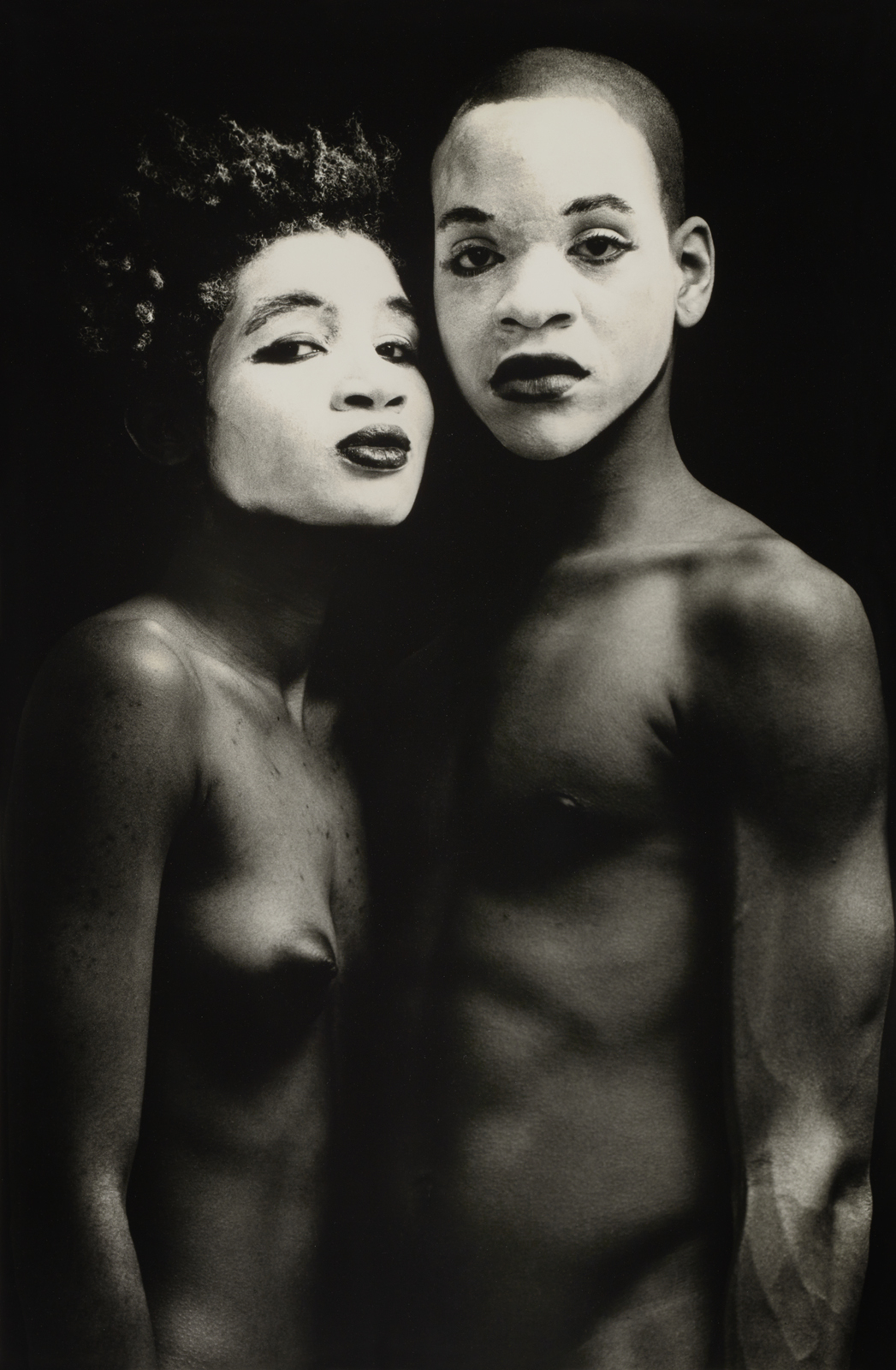
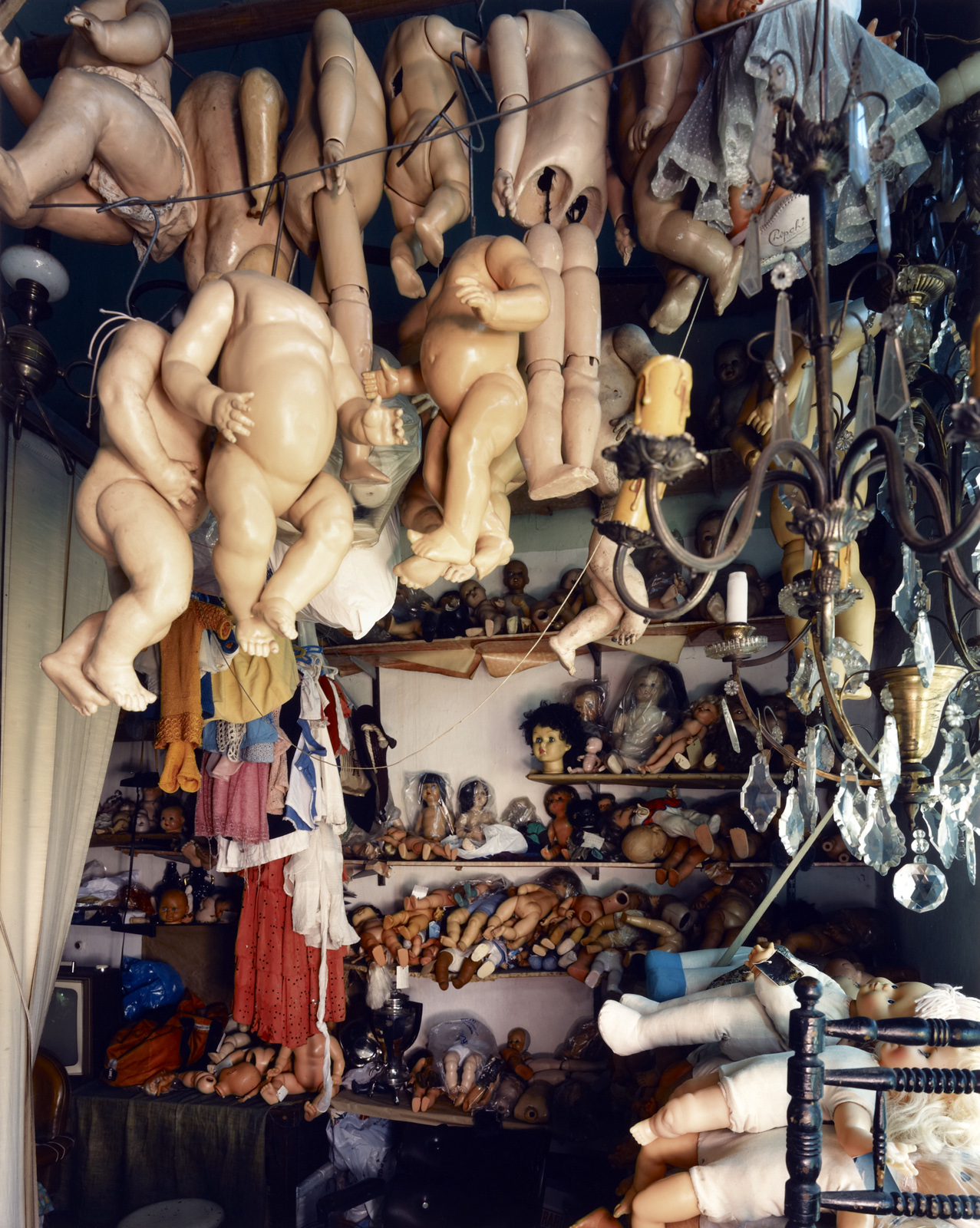

![Myoung Ho Lee (South Korean, b. 1975) '[Tree #2]' 2006](https://artblart.com/wp-content/uploads/2020/02/gm_31977201_2000x2000.jpg "Myoung Ho Lee (South Korean, b. 1975) '[Tree #2]' 2006")
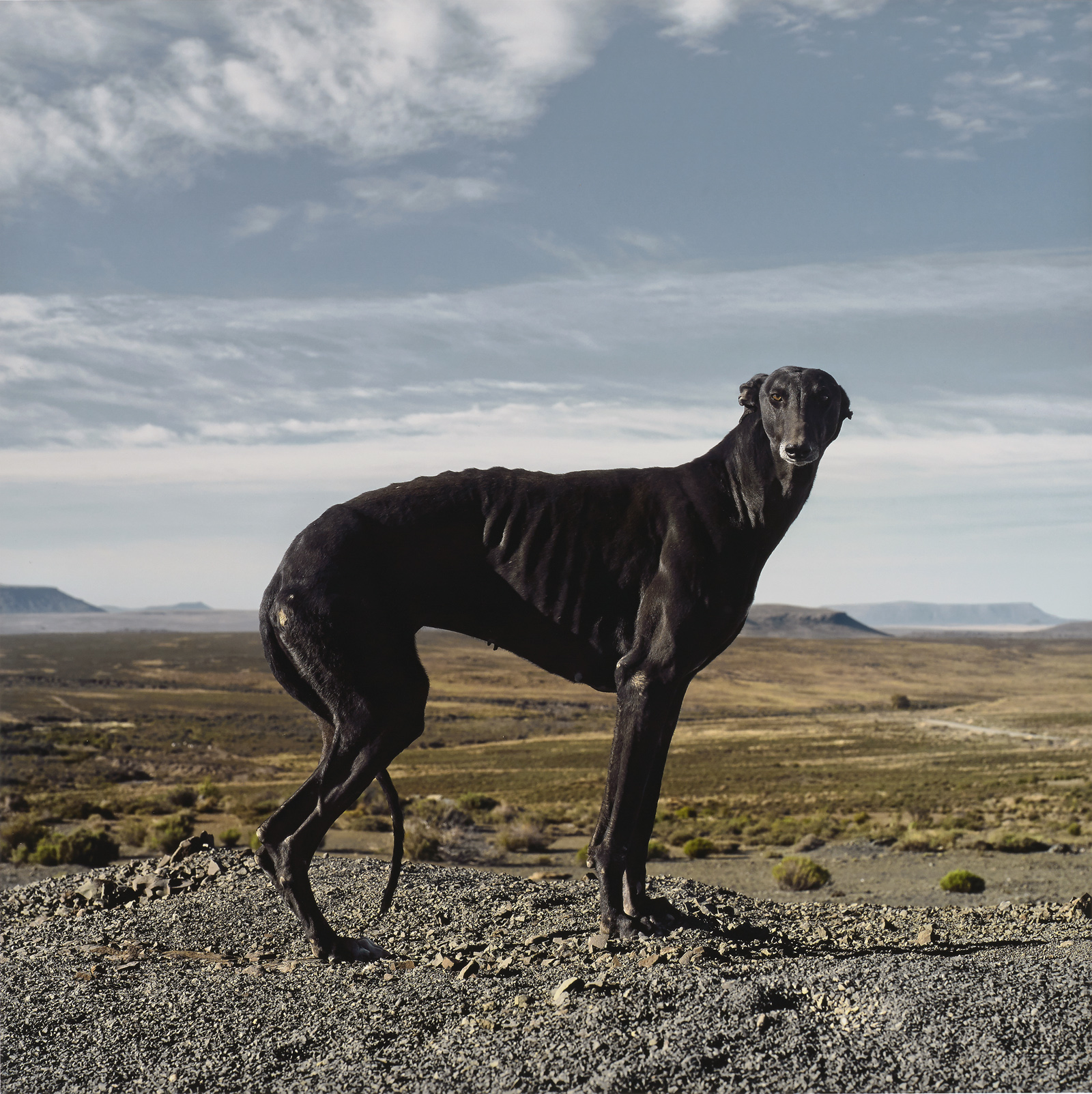
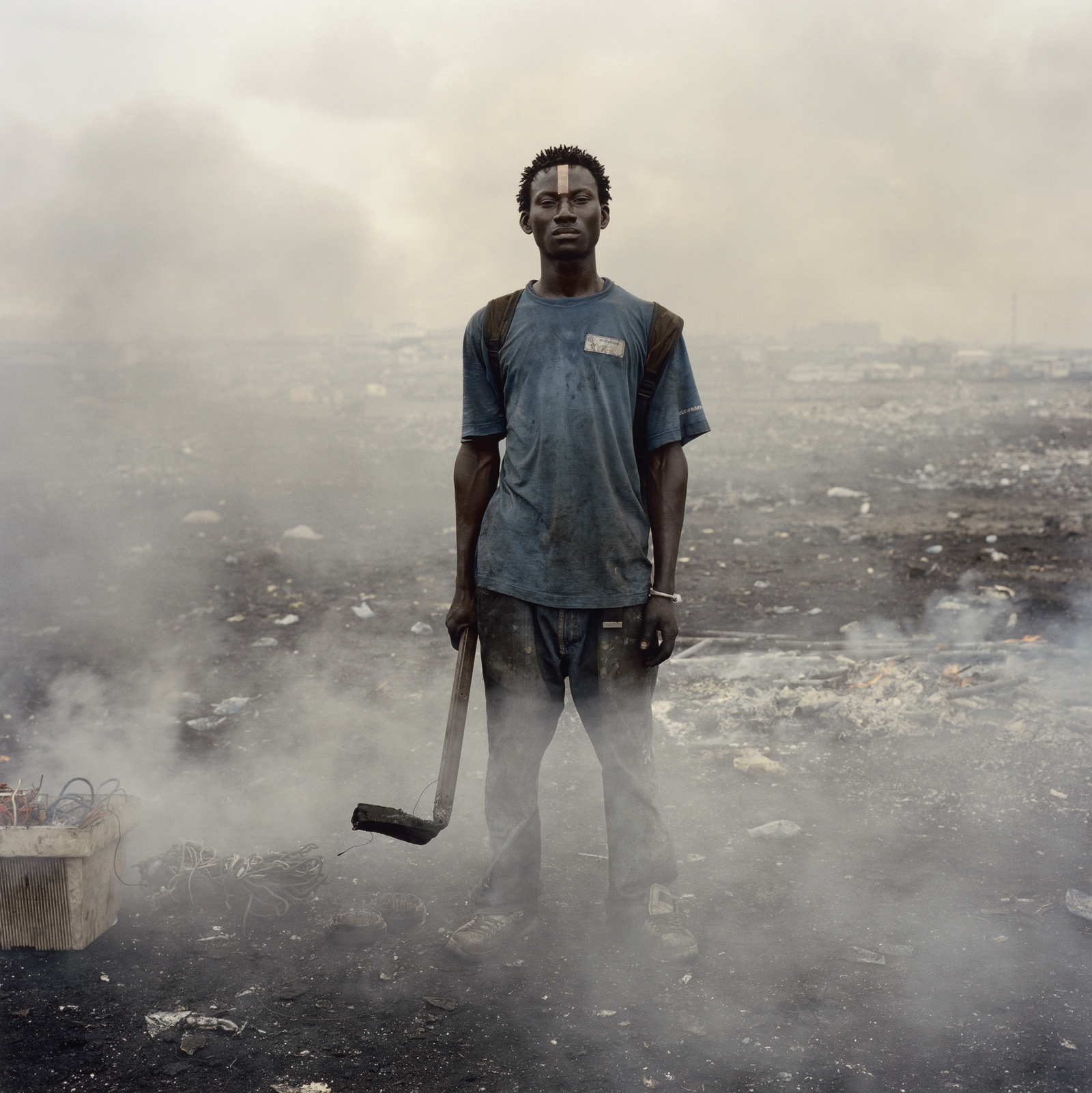

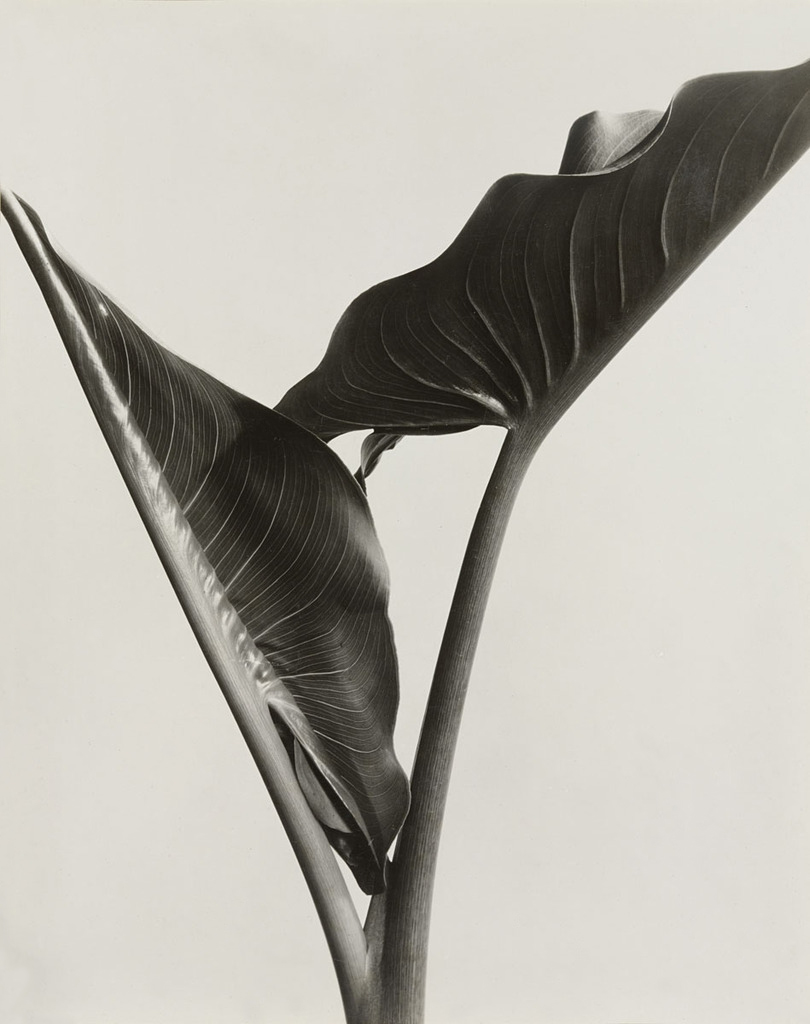
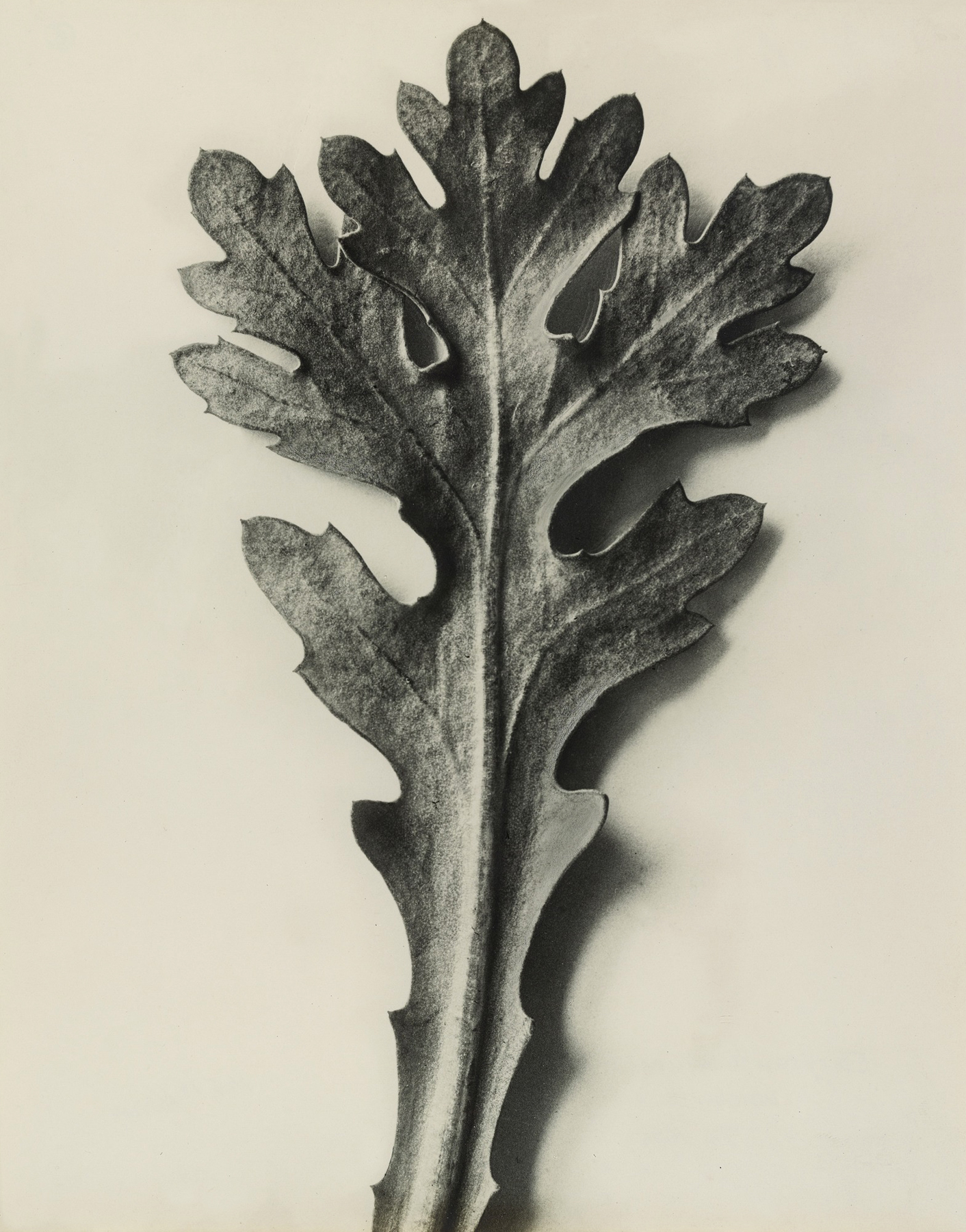
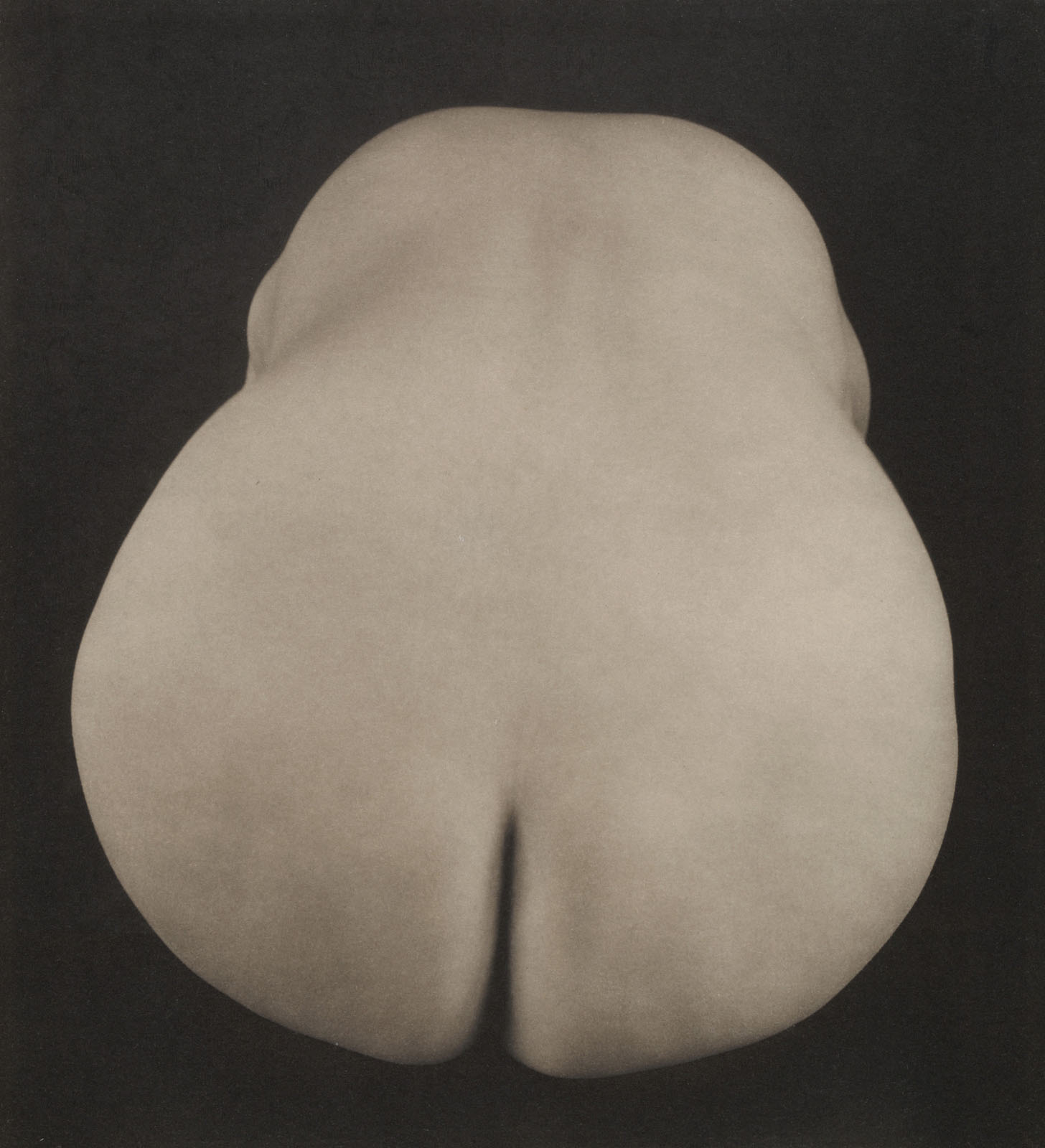

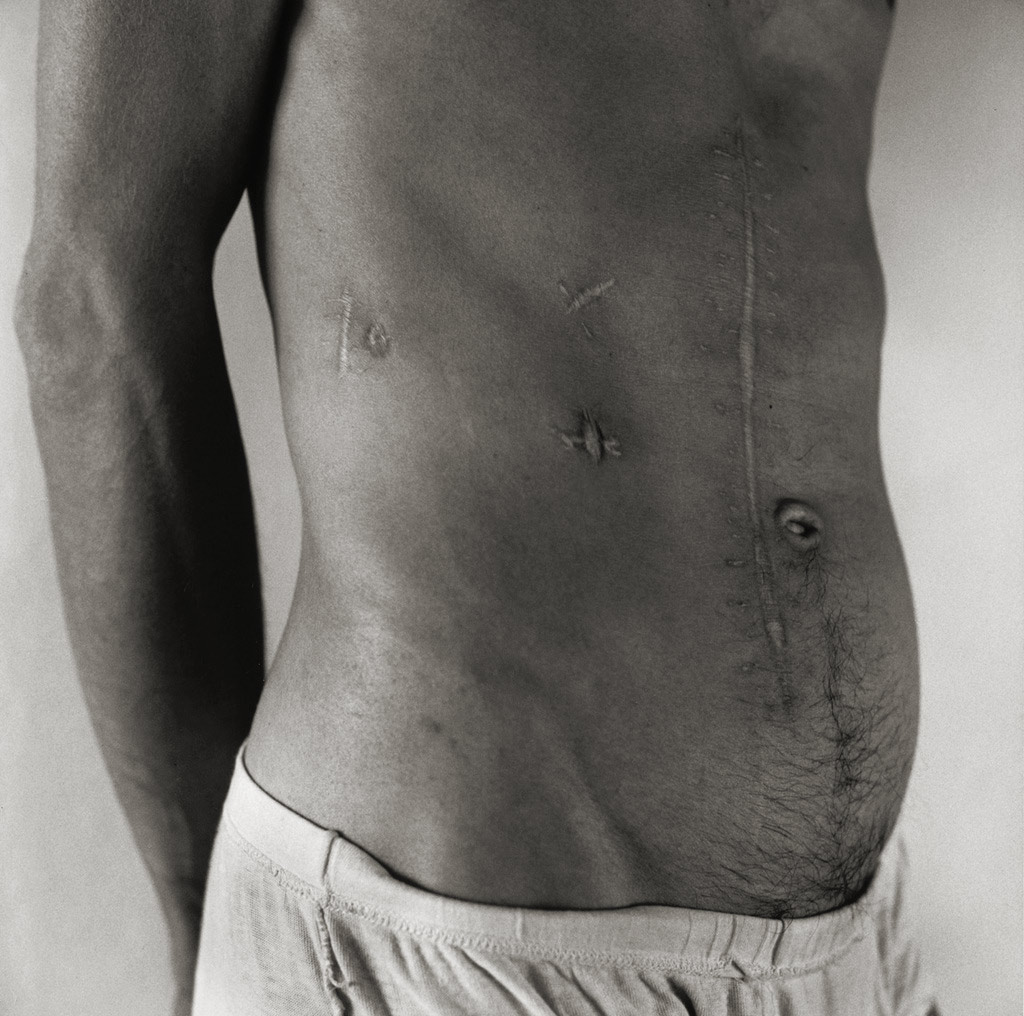
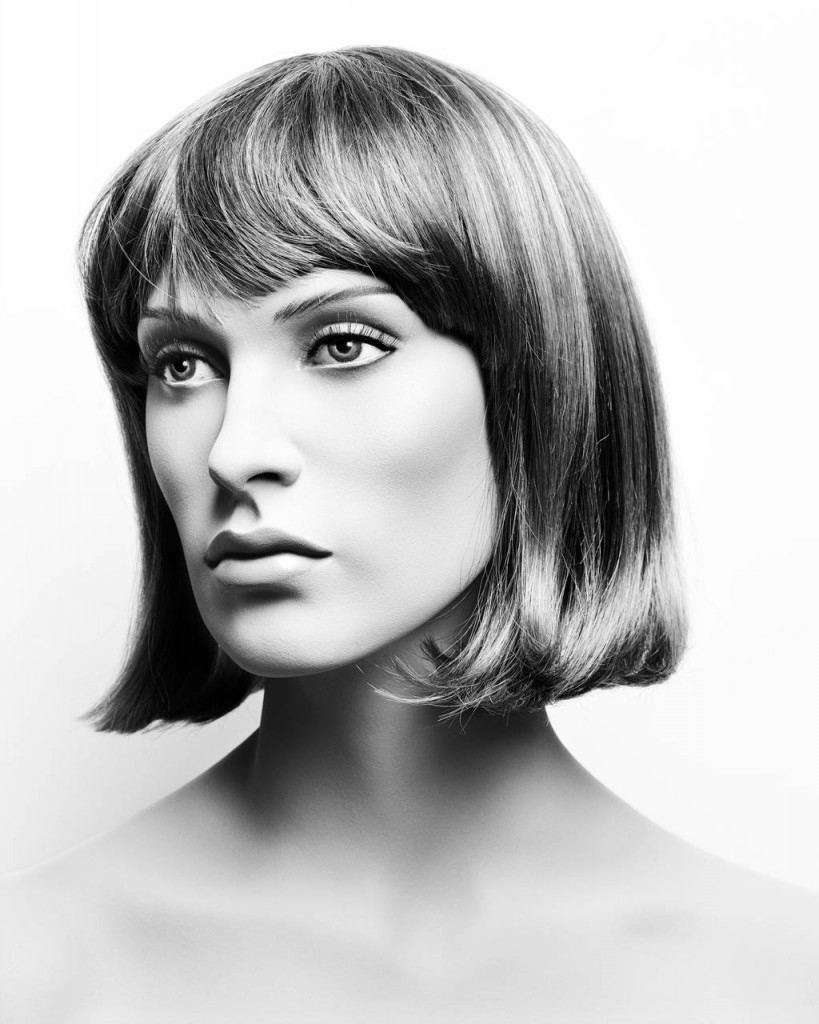
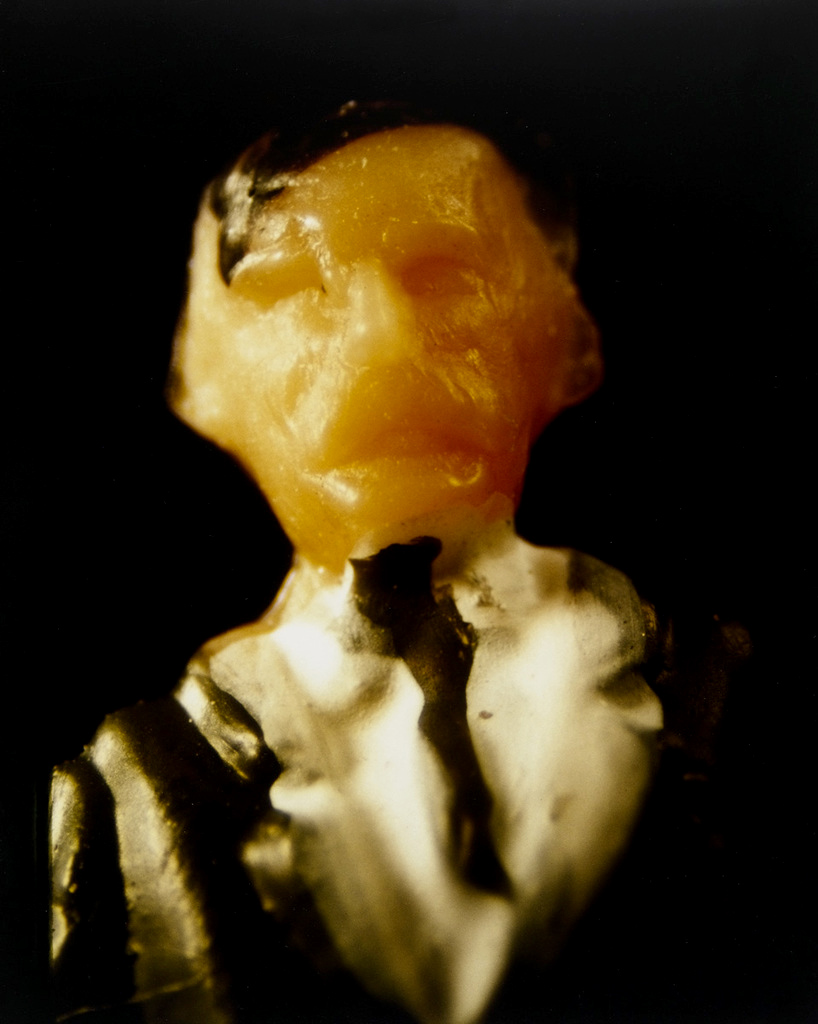
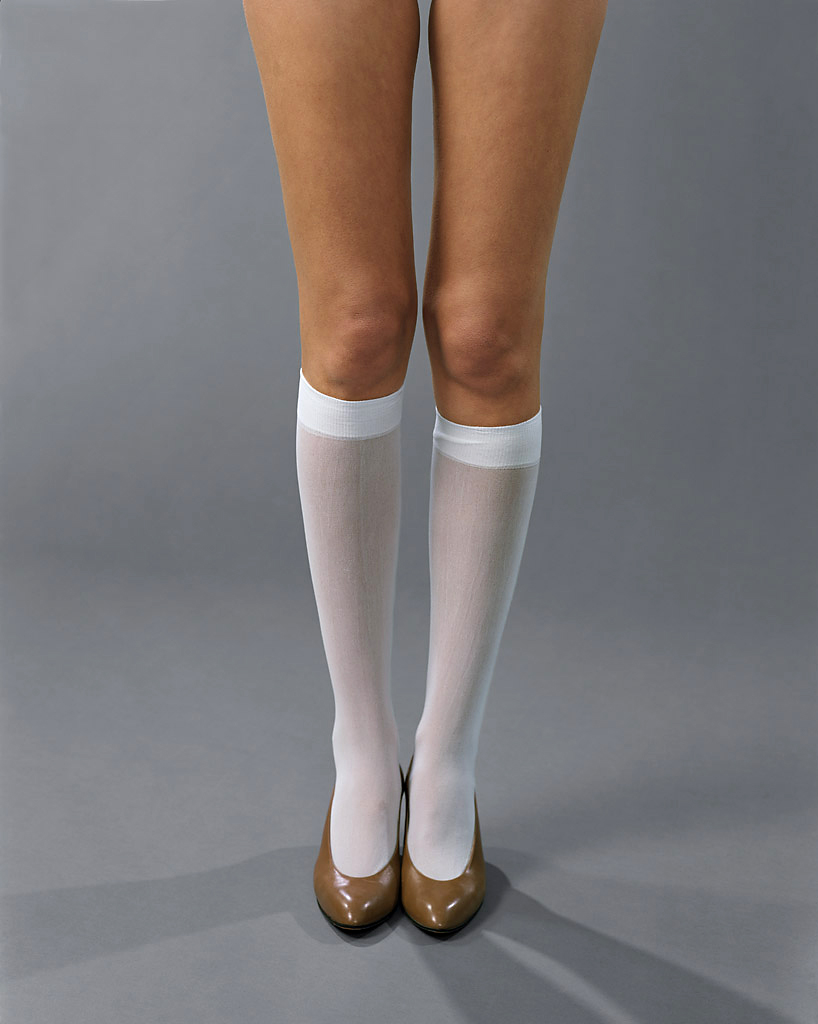
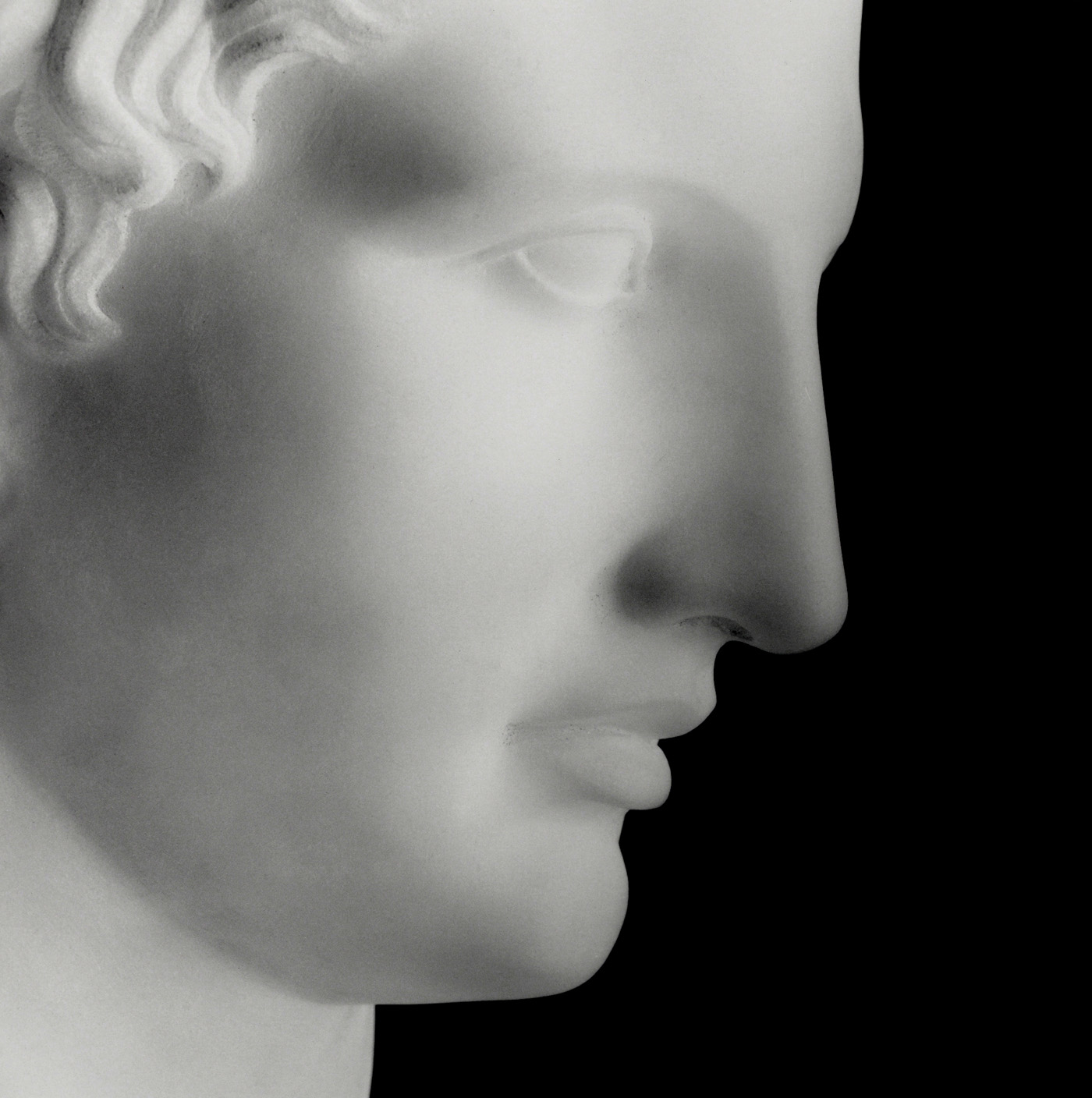


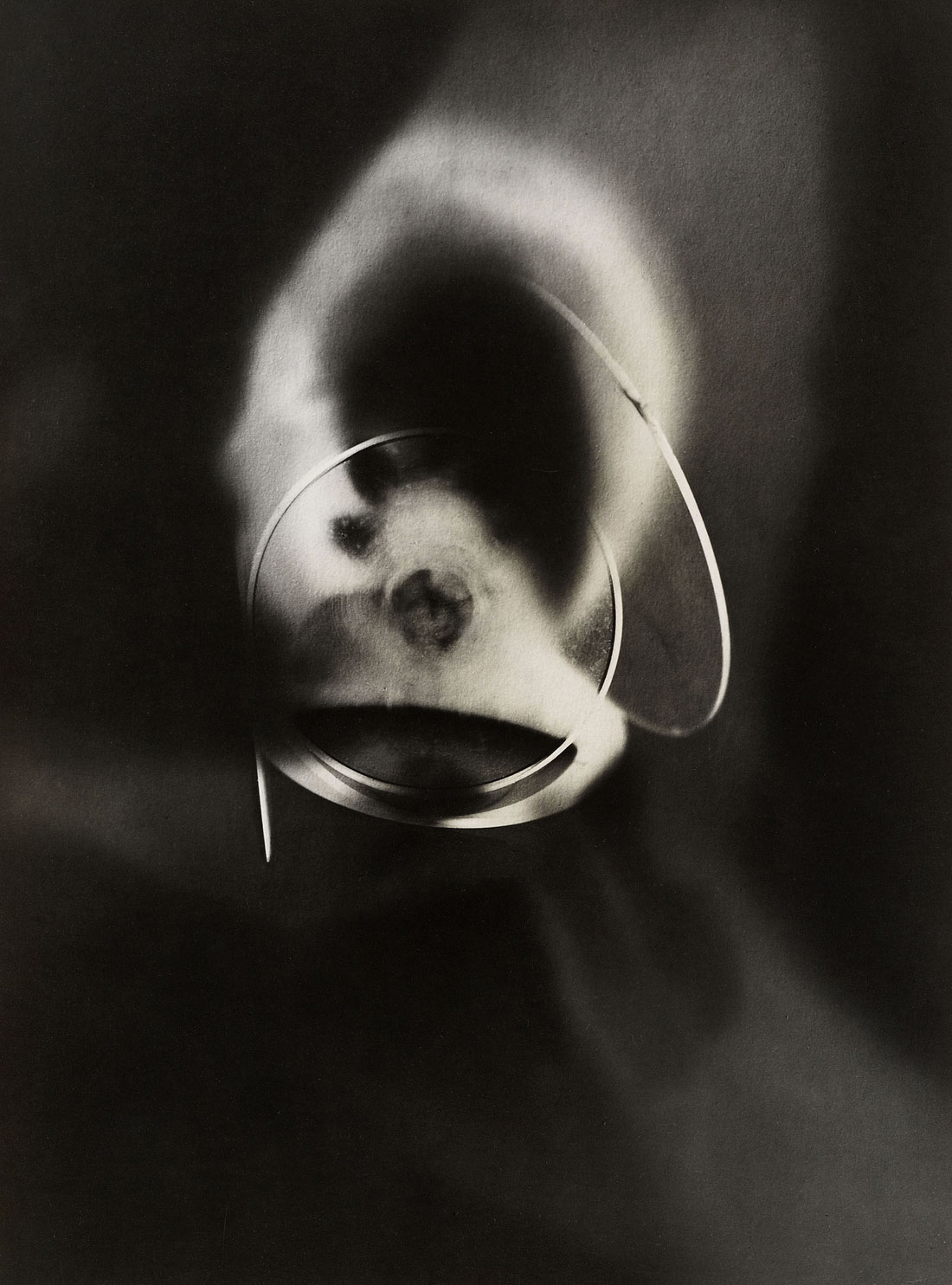
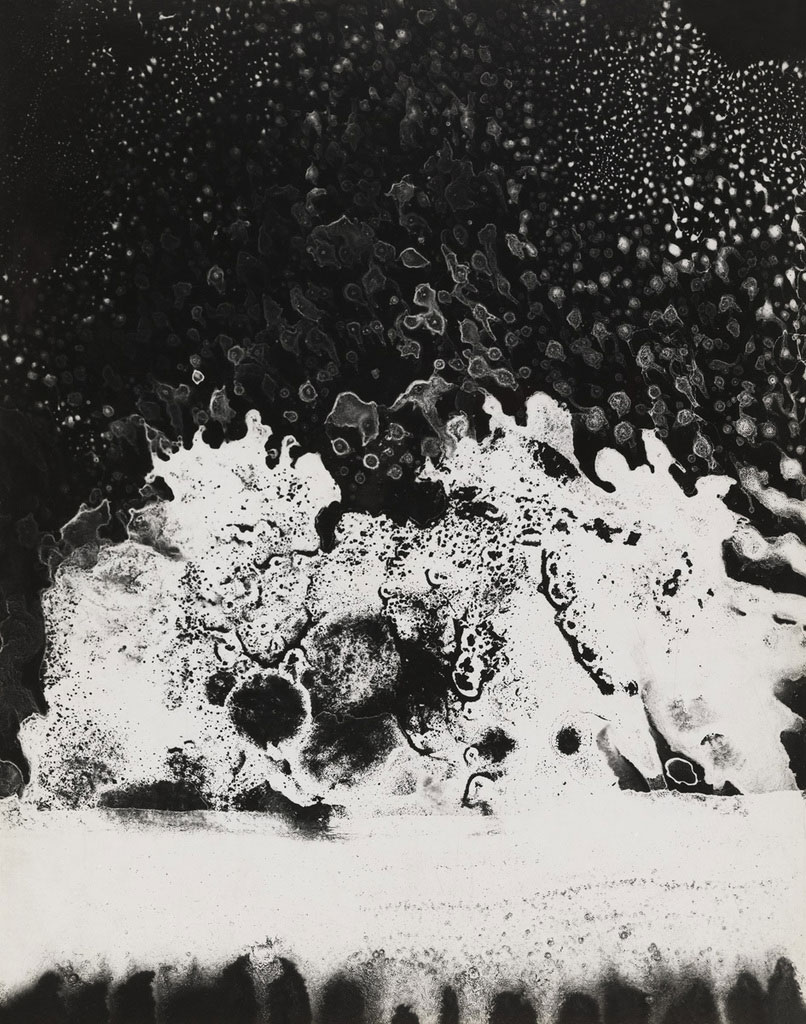


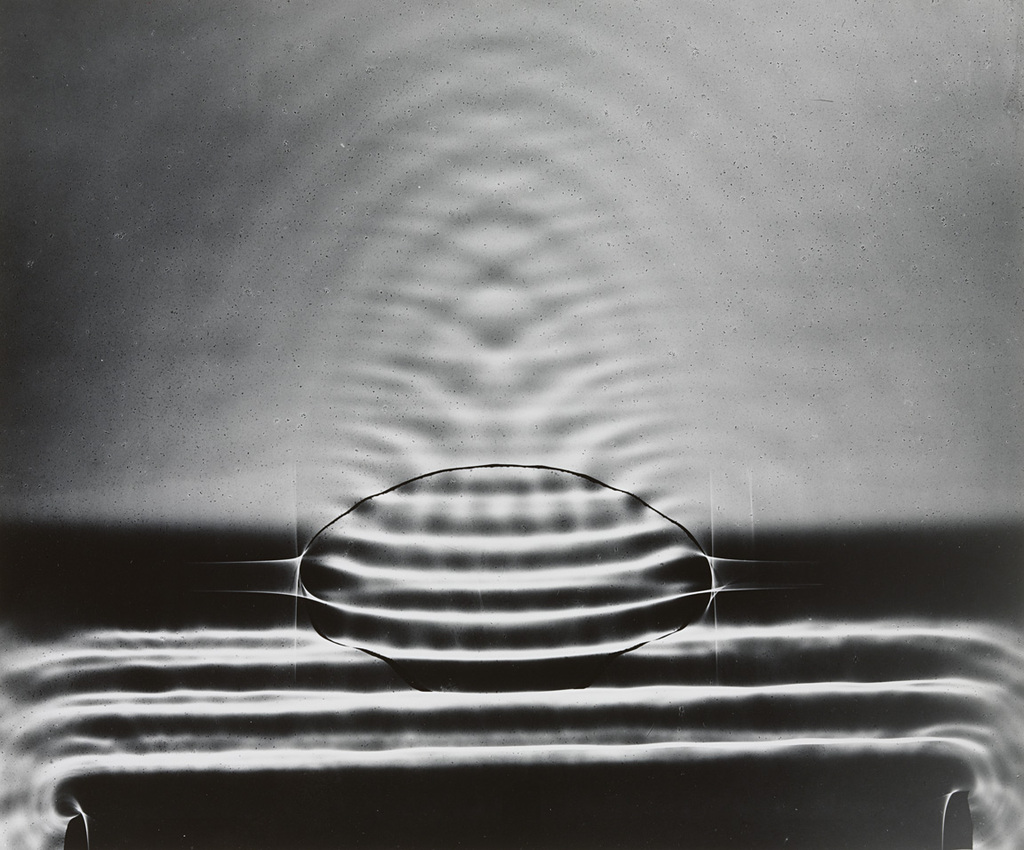

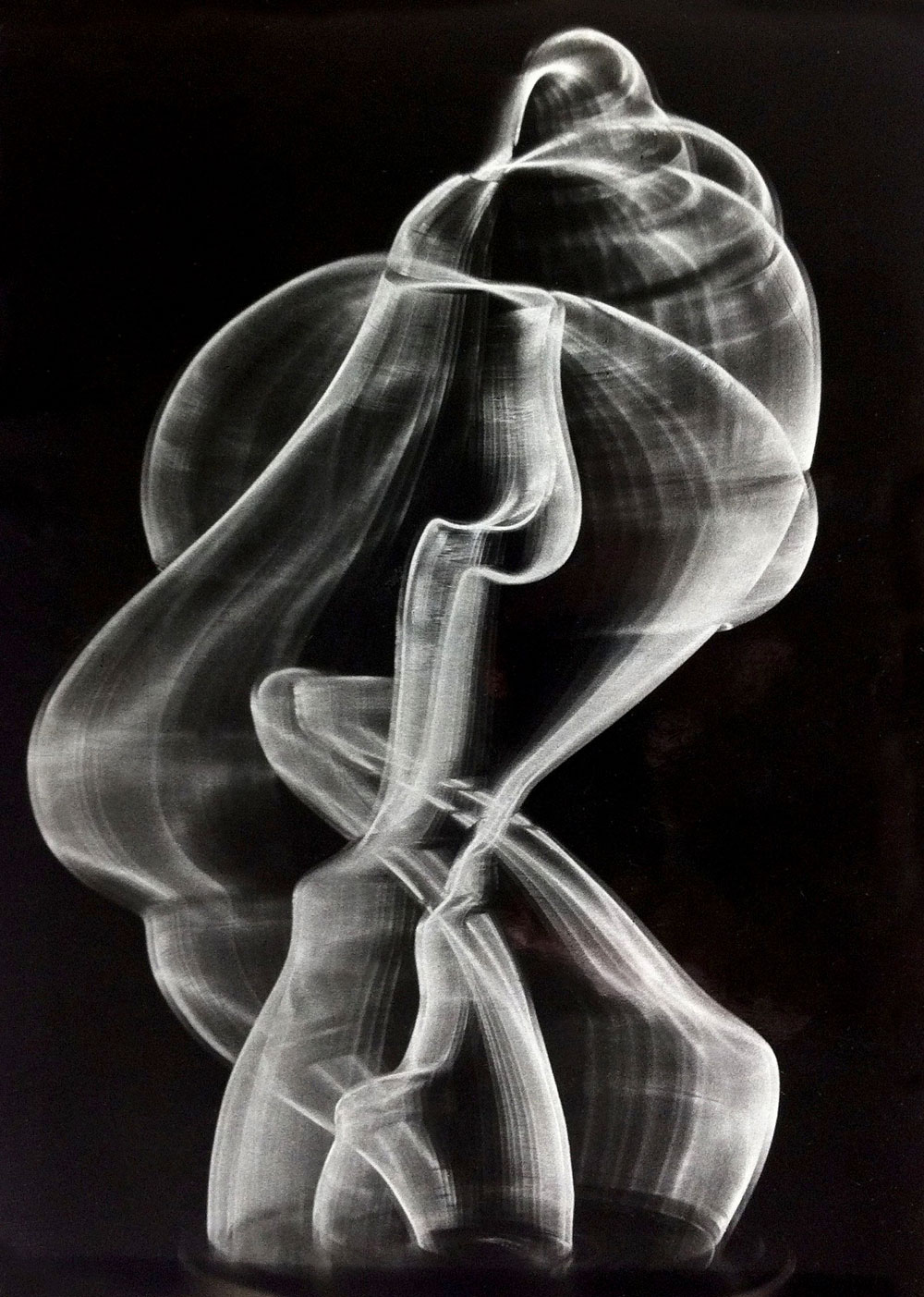
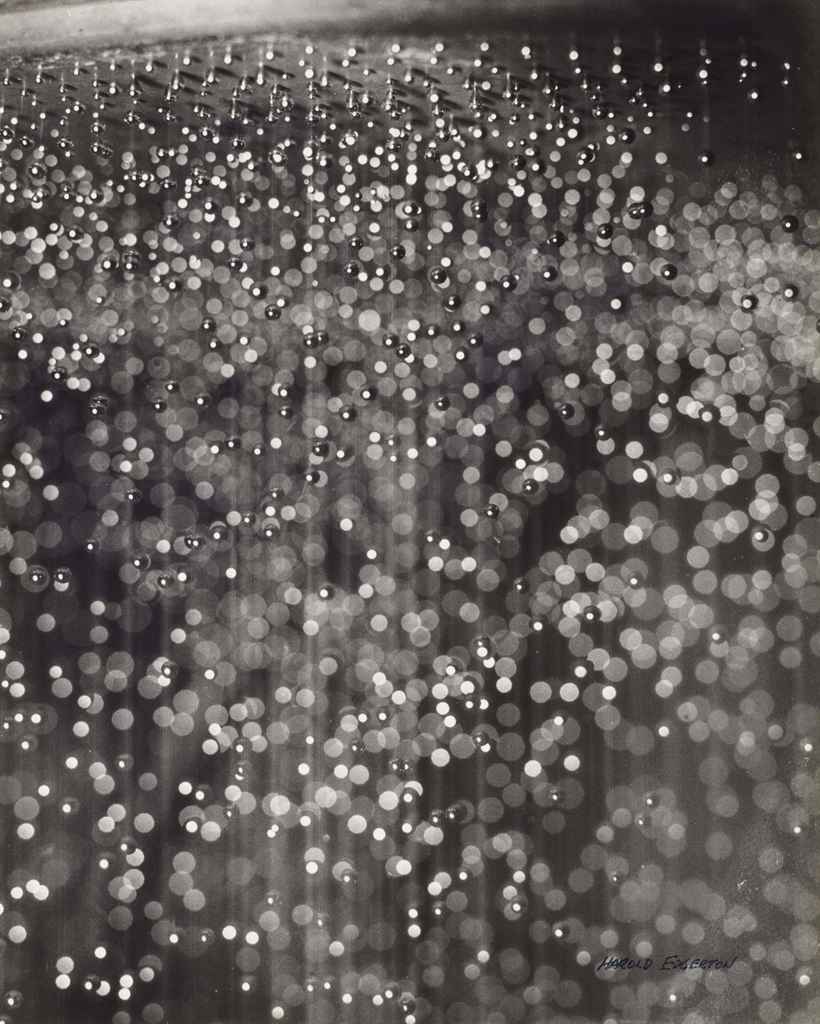

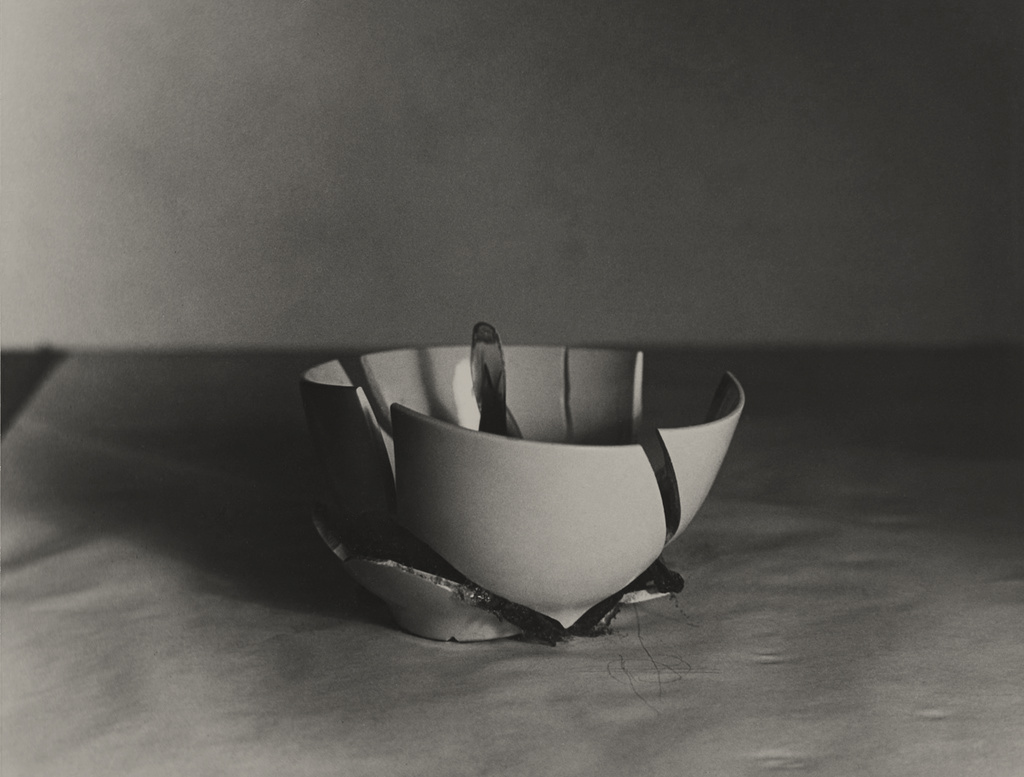


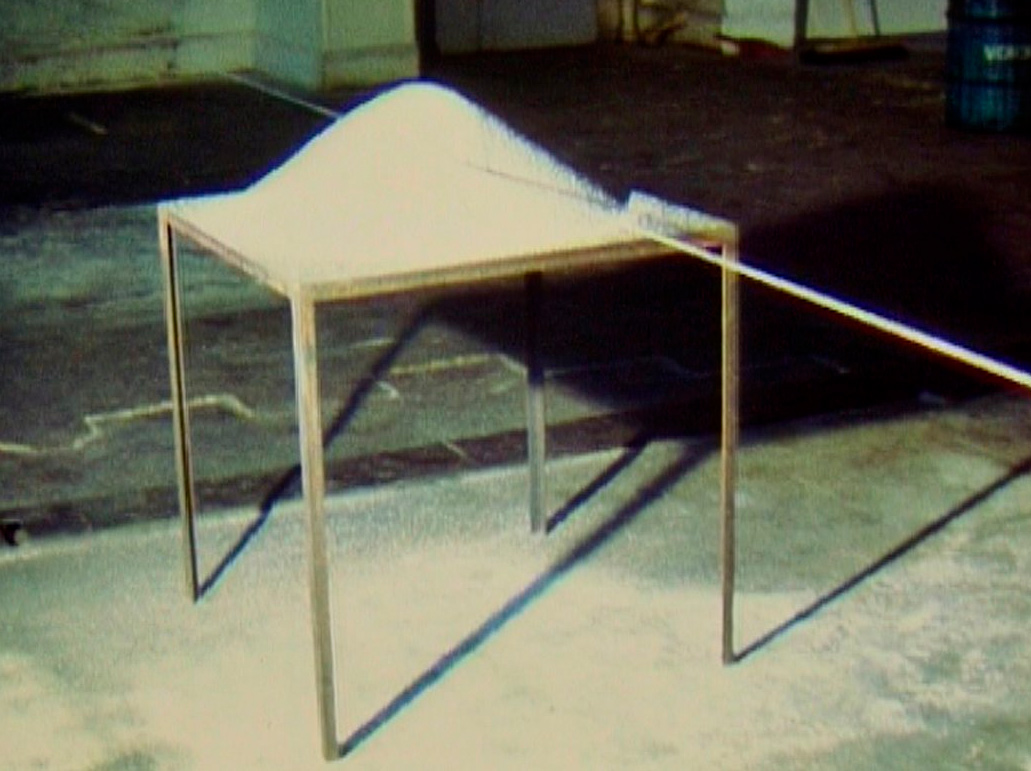

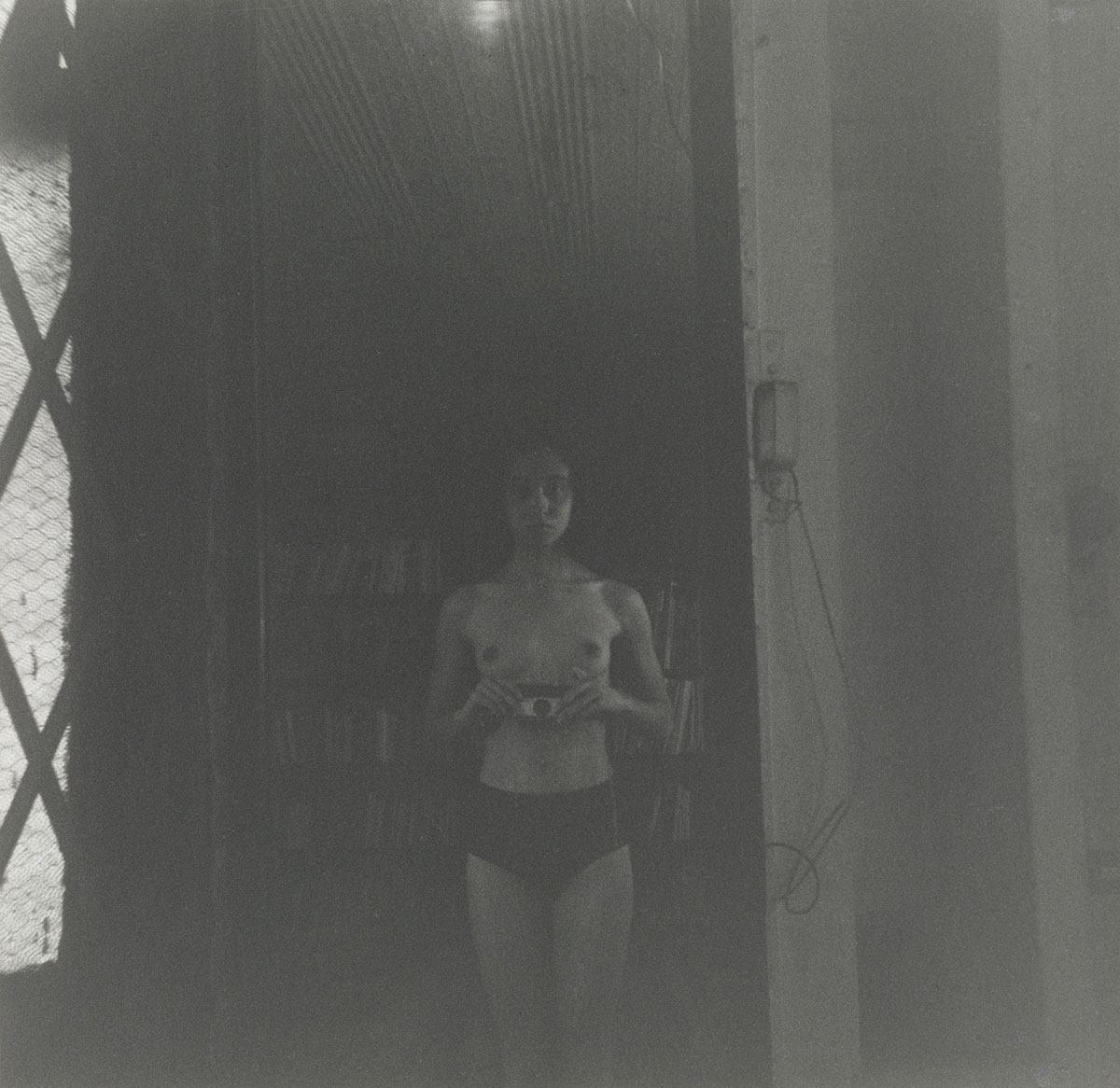


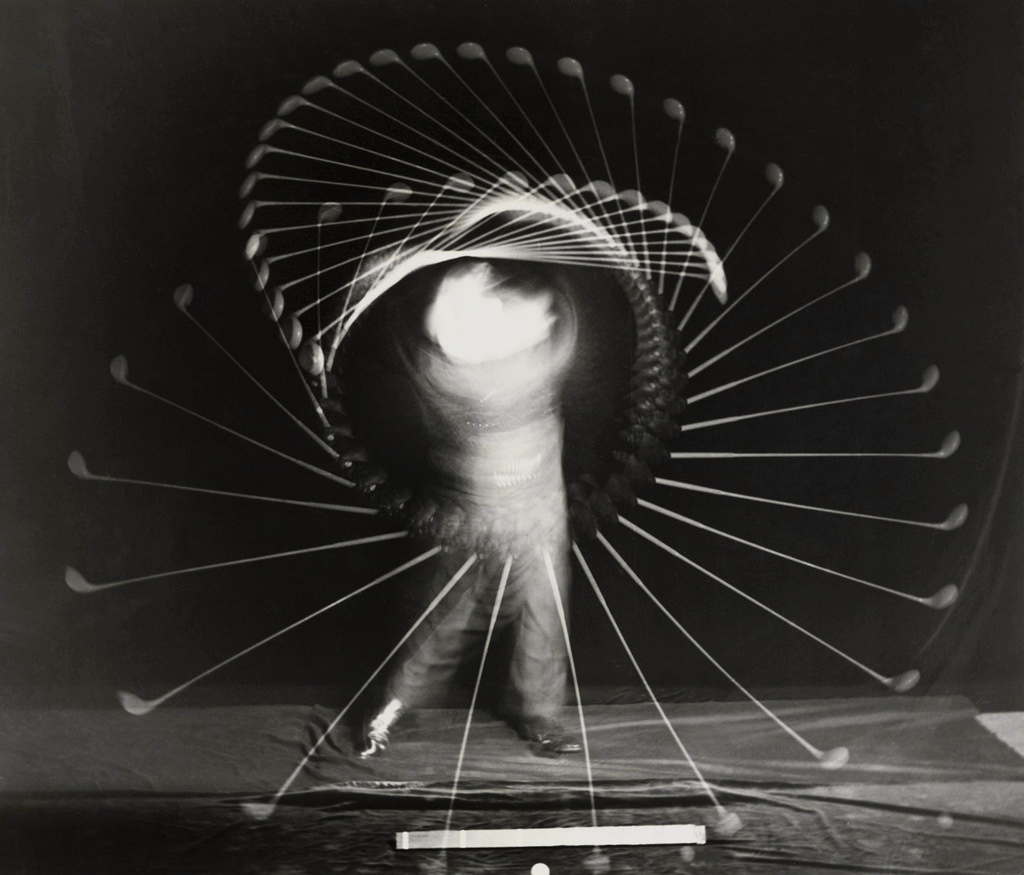
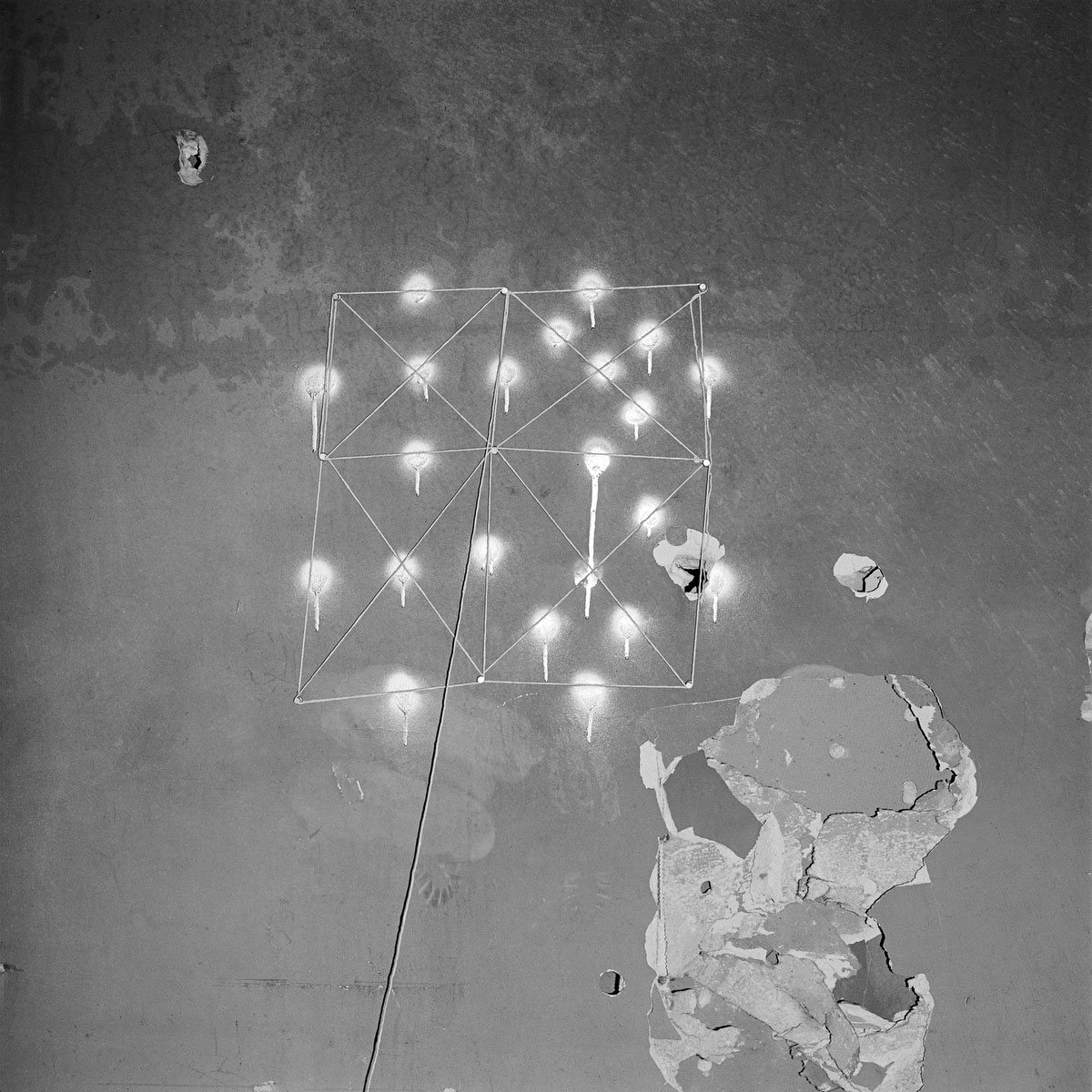
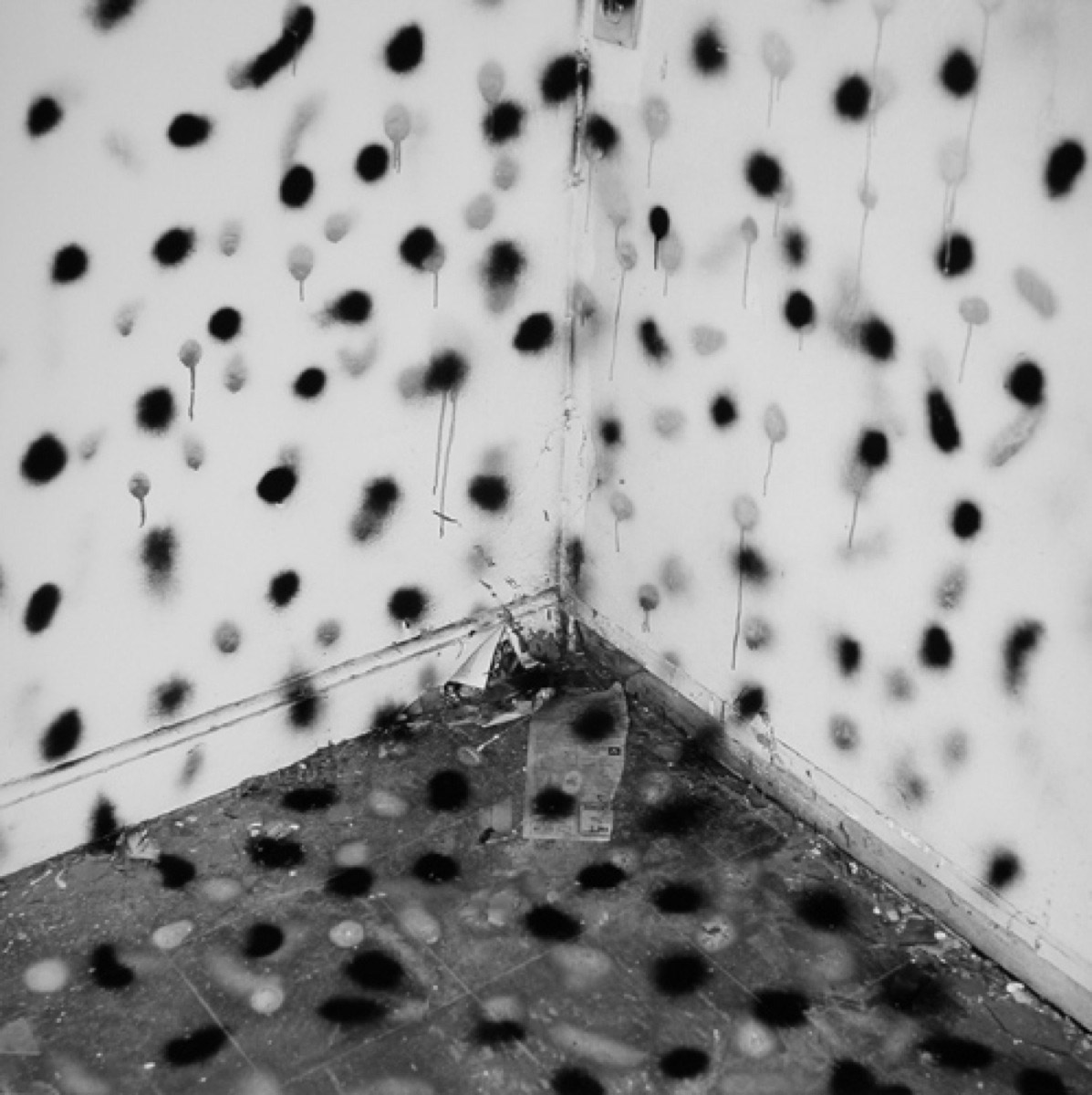
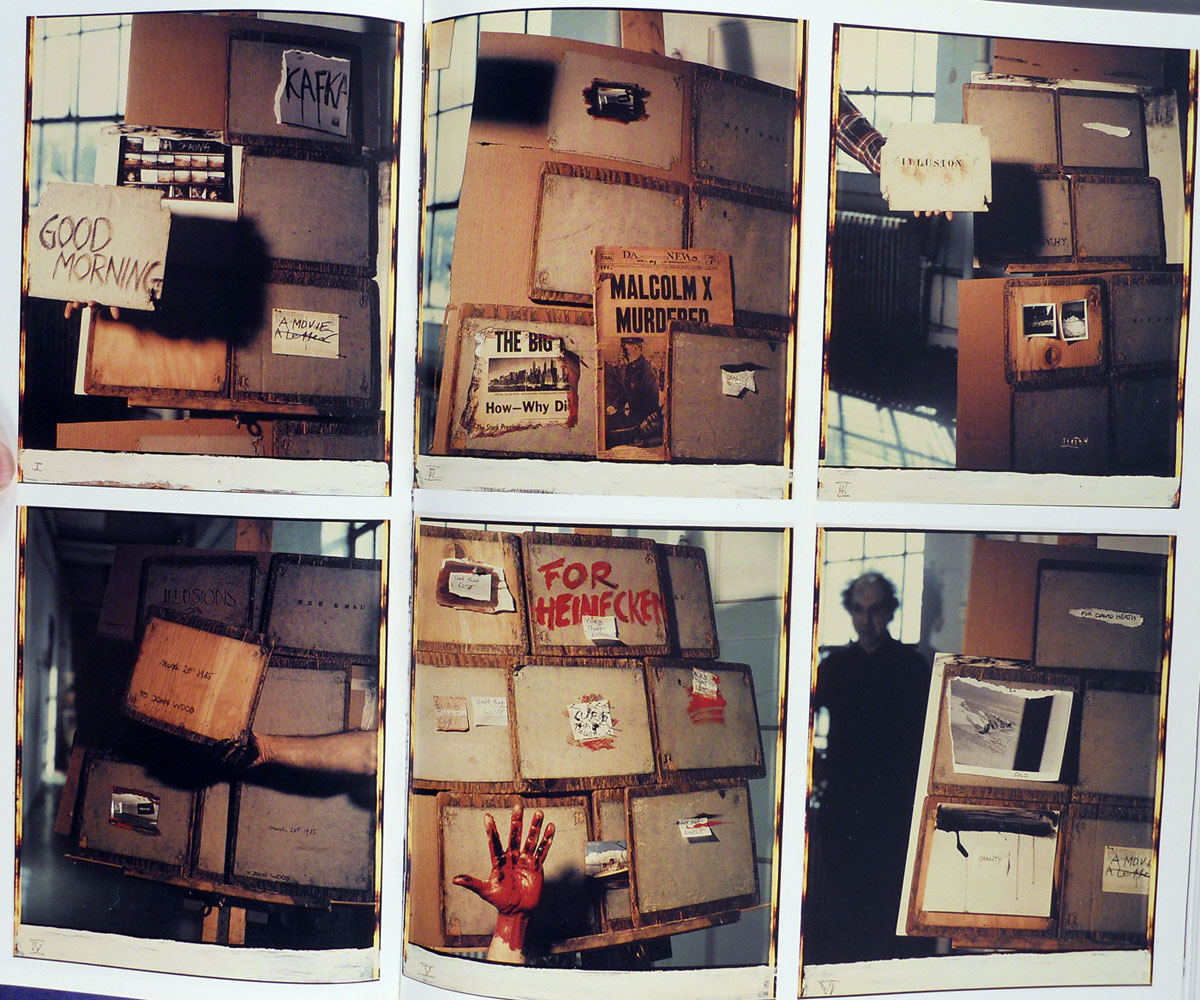







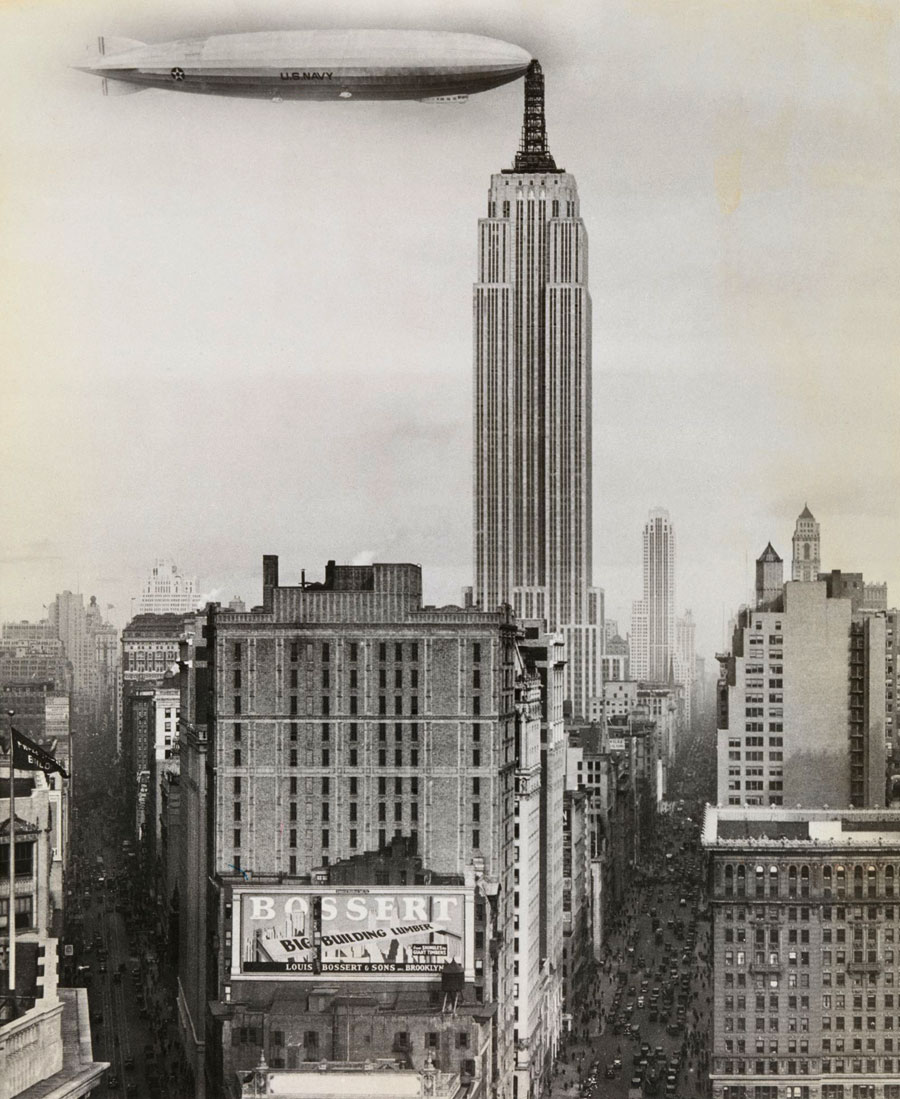
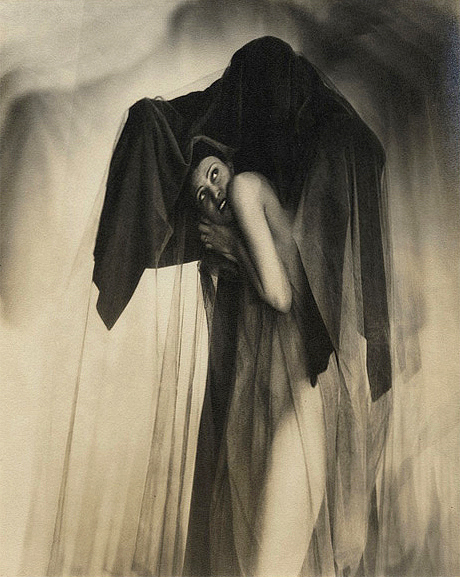

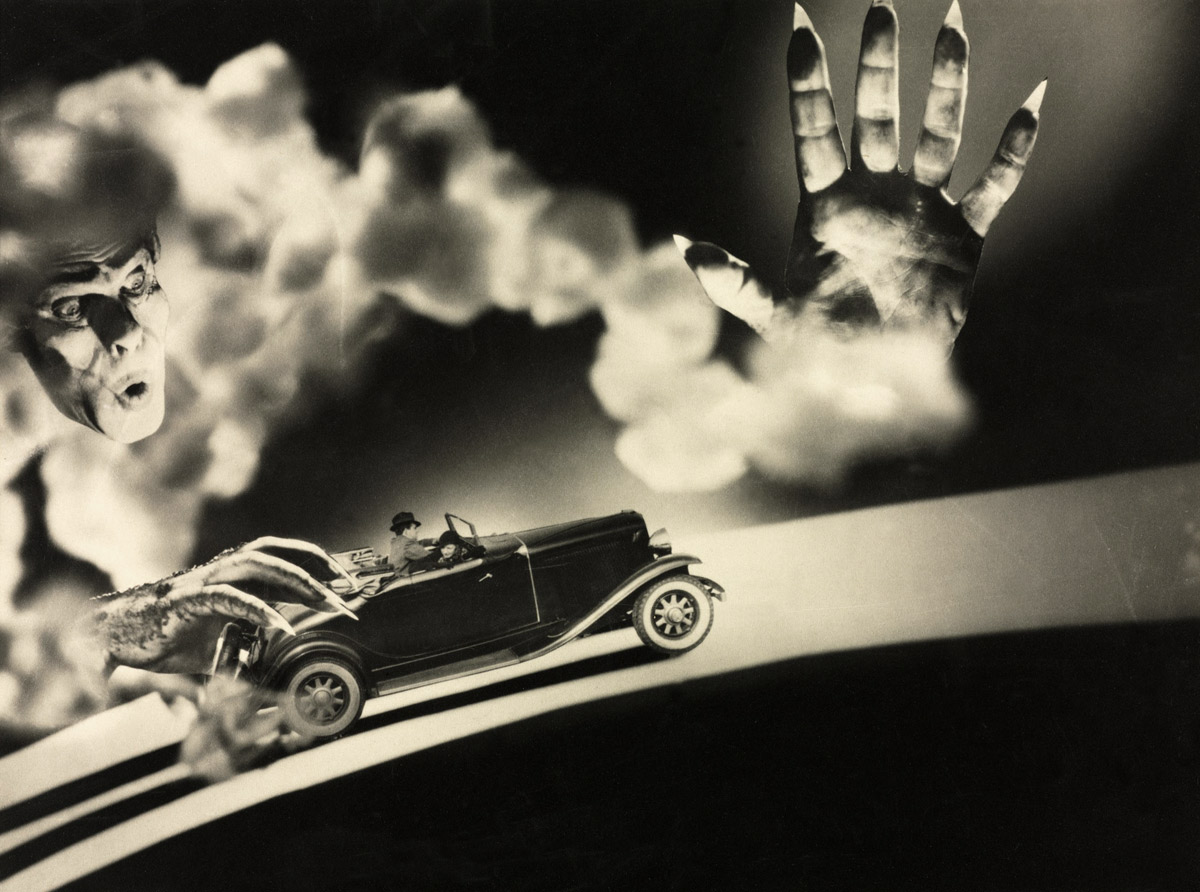
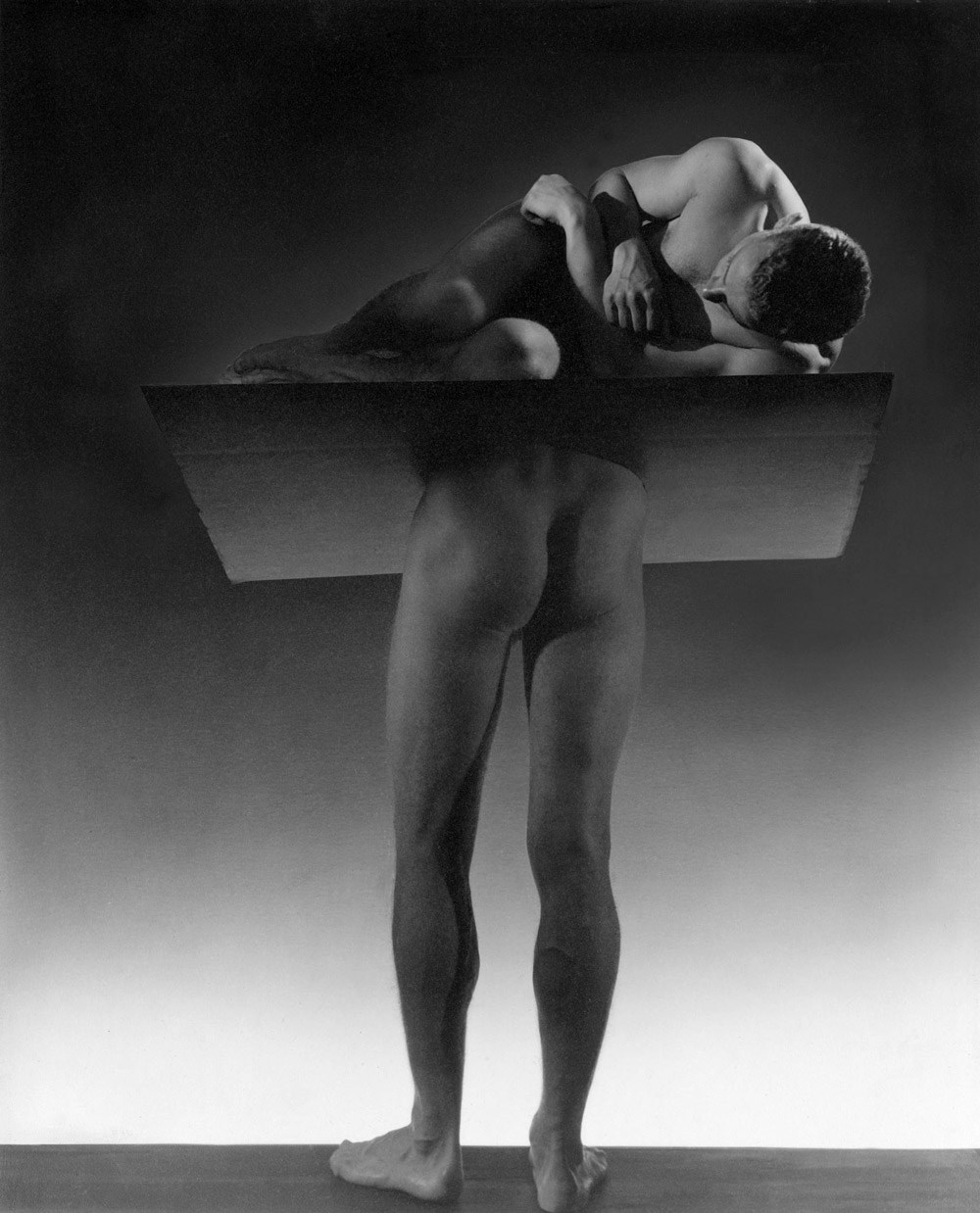
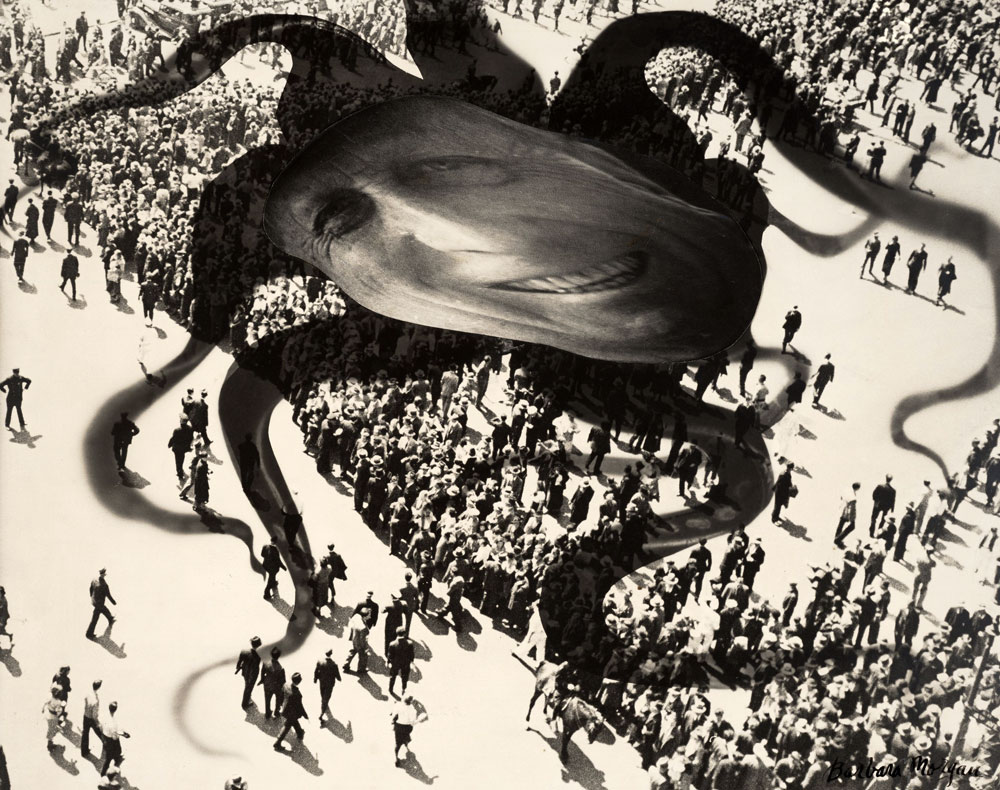


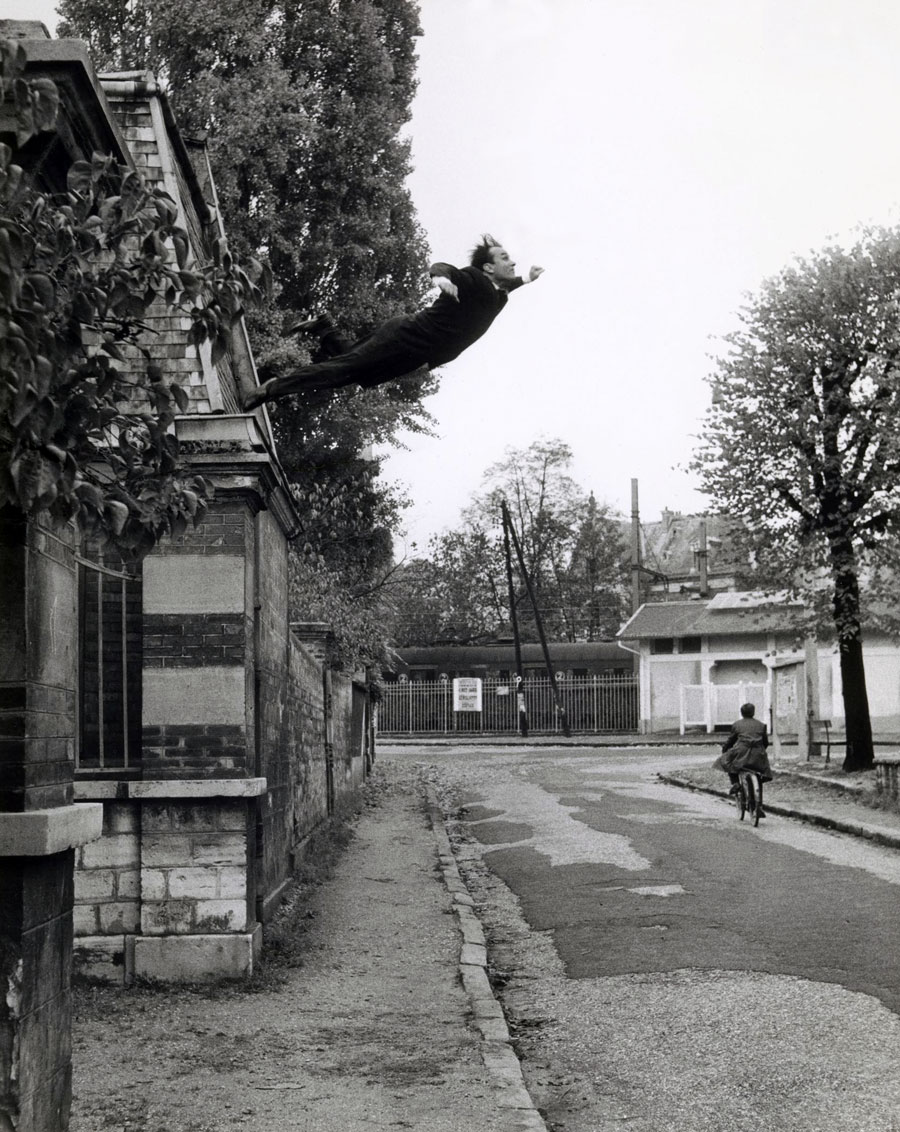


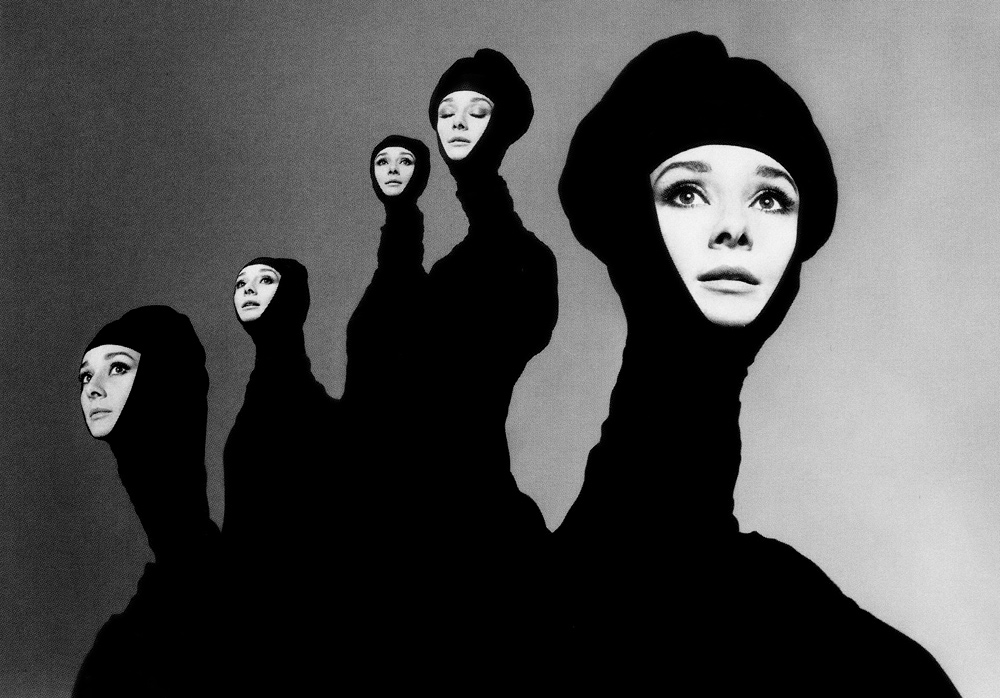

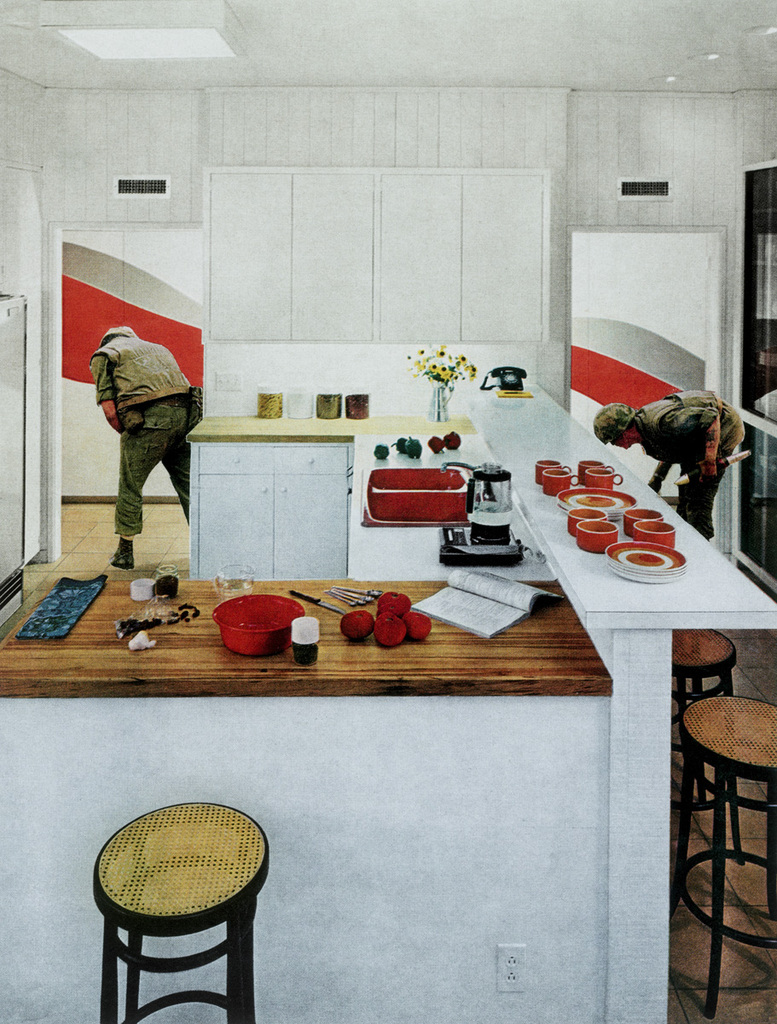
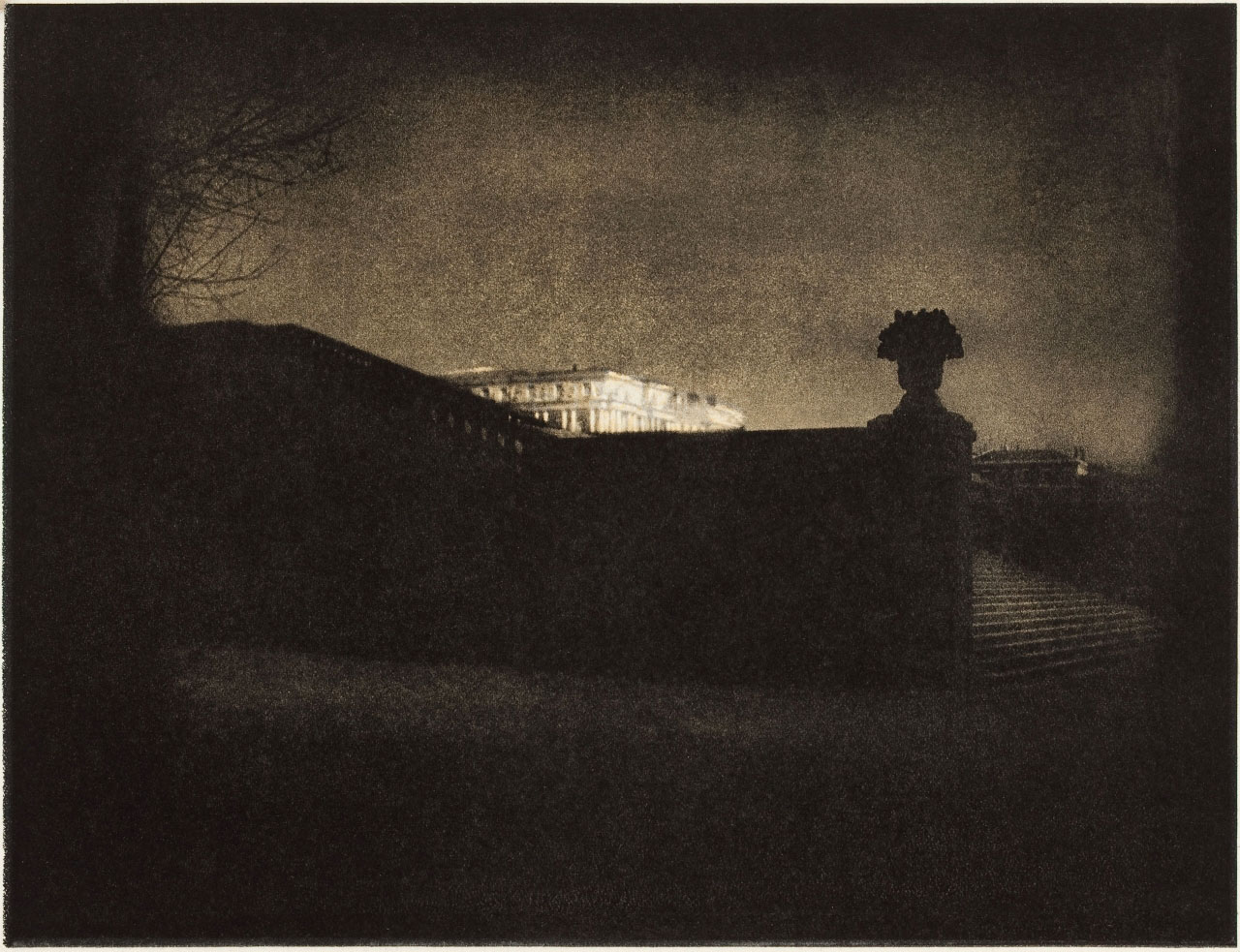


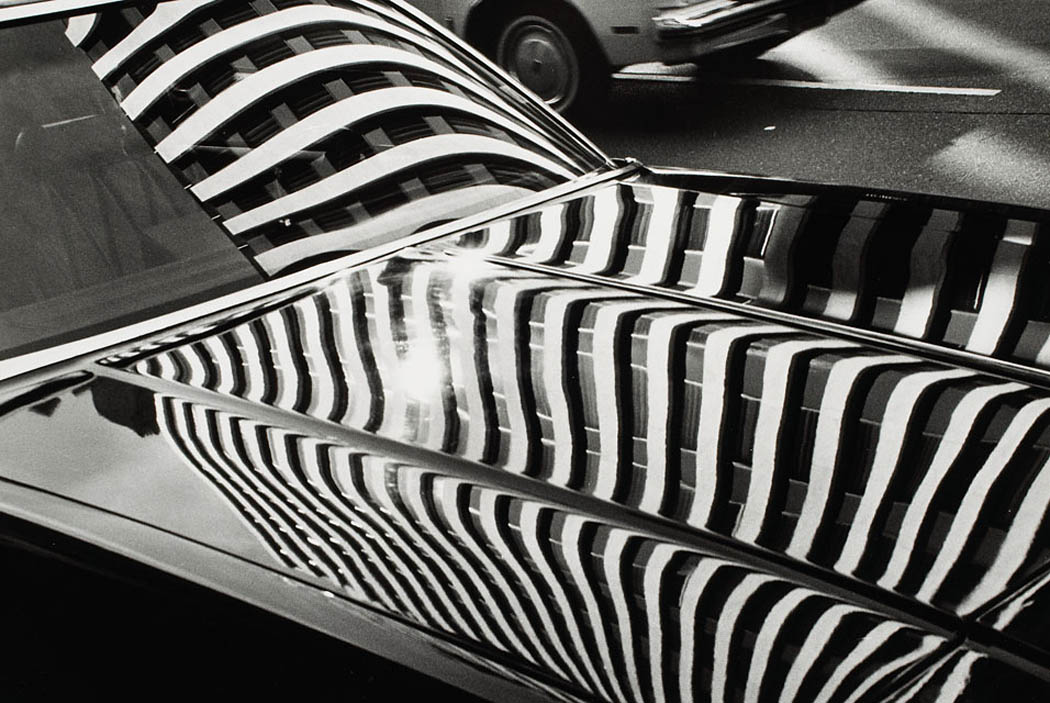


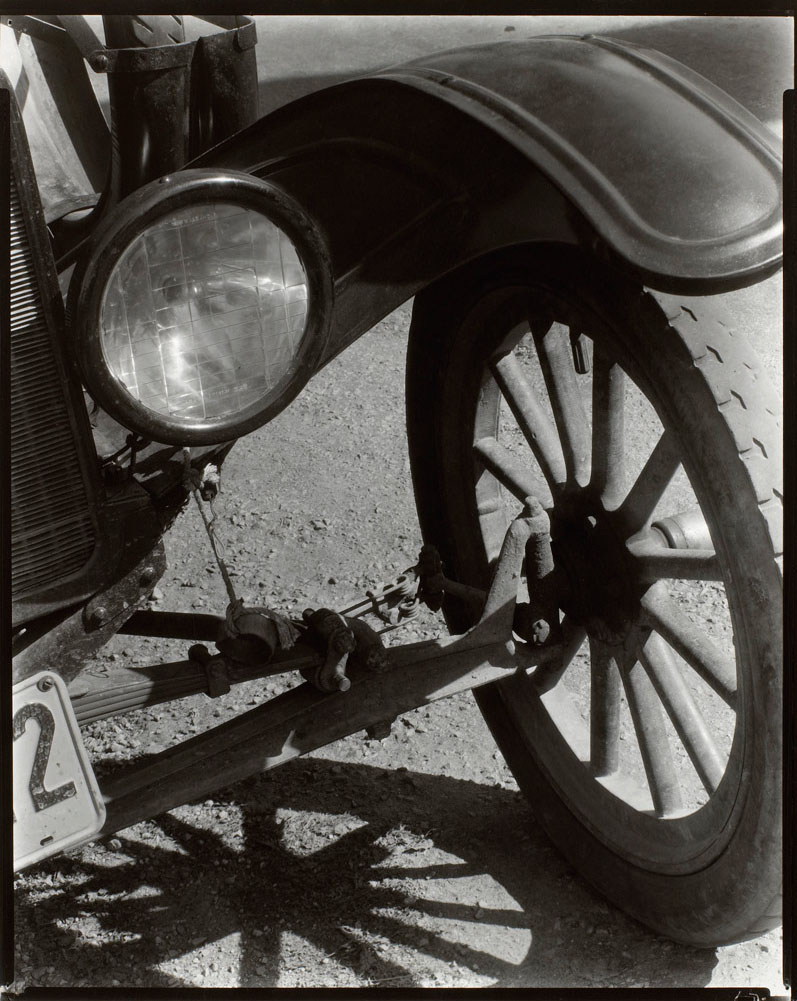
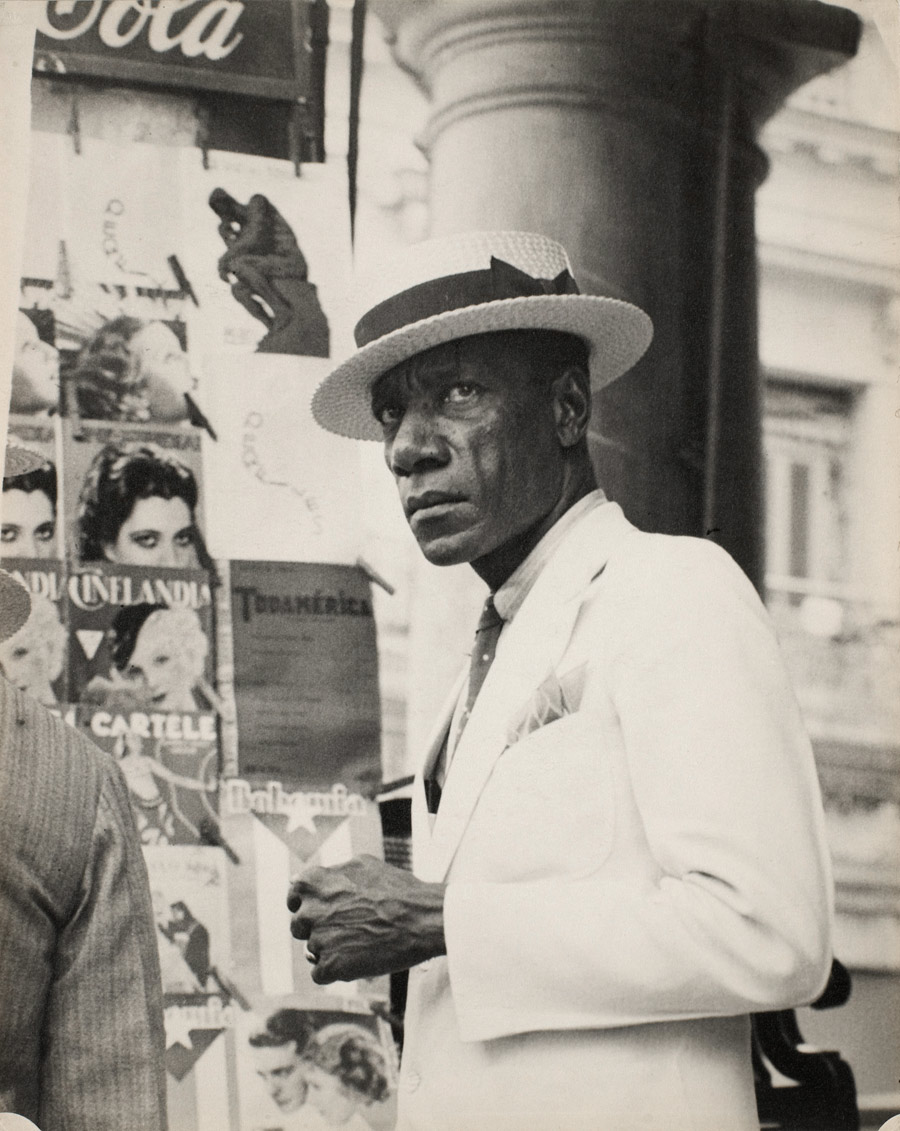
 Art Blart _ art and cultural memory archive
You must be logged in to post a comment.