A Christmas present to myself… my most complex and enigmatic sequence to date.
Shot in Japan, all of the images come from two 1950s photography albums, one of which has a large drawing of a USAF bomber on it’s cover. The images were almost lost they were so dirty, scratched and deteriorated. It has taken me four long years to scan, digitally clean and restore the images, heightening the colour already present in the original photographs.
Sometimes the work flowed, sometimes it was like pulling teeth. Many times I nearly gave up, asking myself why I was spending my life cleaning dirt and scratches from these images. The only answer is… that I wanted to use these images so that they told a different story.
Then to sequence the work in such a way that there is an enigmatic quality, a mystery in that narrative journey. Part auteur, part cinema – a poem to the uncertainty of human dreams.
Photographs are available from this series for purchase. As a guide, a digital colour 16″ x 20″ costs $1000 plus tracked and insured shipping. For more information please see my Store web page.
A selection of individual images from the sequence
Exhibition dates: 30th September – 12th November, 2017
Curators: Naomi Cass and Pippa Milne
Living artists include: Laurence Aberhart, Brook Andrew, Rushdi Anwar, Warwick Baker, Paul Batt, Robert Billington, Christian Boltanski, Pat Brassington, Jane Brown, Daniel Bushaway, Sophie Calle, Murray Cammick, Christian Capurro, Steve Carr, Mohini Chandra, Miriam Charlie, Maree Clarke, Michael Cook, Bill Culbert, Christopher Day, Luc Delahaye, Ian Dodd, William Eggleston, Joyce Evans, Cherine Fahd, Fiona Foley, Juno Gemes, Simryn Gill, John Gollings, Helen Grace, Janina Green, Andy Guérif, Siri Hayes, Andrew Hazewinkel, Lisa Hilli, Eliza Hutchison, Therese Keogh, Leah King-Smith, Katrin Koenning, O Philip Korczynski, Mac Lawrence, Kirsten Lyttle, Jack Mannix, Jesse Marlow, Georgie Mattingley, Tracey Moffatt, Daido Moriyama, Harry Nankin, Jan Nelson, Phuong Ngo.
Historic photographers: Hippolyte Bayard (French, 1801-1887), Charles Bayliss (Australian born England, 1850-1897), Bernd and Hilla Becher (German; Bernd Becher 1931-2007, Hilla Becher 1934-2015), Lisa Bellear (Australian / Goernpil, 1962-2006), James E. Bray (Australian, 1832-1891), Jeff Carter (Australian, 1928-2010), Harold Cazneaux (Australian, 1878-1953), Olive Cotton (Australian, 1911-2003), Peter Dombrovskis (Australian, 1995-1996), Max Dupain (Australian, 1911-1992), Joyce Evans (Australian, 1929-2019), Walker Evans (American, 1903-1975), Sue Ford (Australian, 1943-2009), Marti Friedlander (New Zealand born Britain, 1928-2016), Kate Gollings (Australian, 1943-2017), André Kertész (Hungarian, 1894-1985), J. W. Lindt (Australian born Germany, 1845-1926), W. H. Moffitt (Australian, 1888-1948), David Moore (Australian, 1927-2003), Michael Riley (Australian / Wiradjuri/Kamilaroi, 1960-2004), Robert Rooney (Australian, 1937-2017), Joe Rosenthal (American, 1911-2006), Mark Strizic (Australian, 1928 -2012), Ingeborg Tyssen (Australian, 1945-2002), Aby Warburg (German, 1866-1929), Charles Woolley (Australian, 1834-1922).
(1) J W Lindt (Australian, 1845-1926) Body of Joe Byrne, member of the Kelly Gang, hung up for photography, Benalla 1880 Courtesy State Library Victoria, Pictures Collection
Thought to be the first press photograph in Australia, this shows Joe Byrne, a member of the Kelly Gang, strung up for documentation days after his death, which followed the siege at Glenrowan. Byrne is displayed for an unknown photographer and the painter Julian Ashton who is standing to the left with possibly a sketchbook under his arm. Lindt’s photograph captures not only the spectacle of Byrne’s body but the contingent of documentarians who arrived from Melbourne to record and widely disseminate the event for public edification.
Double take
I was a curatorial interlocutor for this exhibition so it was very interesting to see this exhibition in the flesh.
An unorthodox flow of images is a strong exhibition, splendidly brought to fruition by curators Naomi Cass and Pippa Milne at the Centre for Contemporary Photography (CCP), Melbourne. To be able to bring so many themes, images, ideas and people together through a network of enabling, and a network of images, is an impressive achievement.
The exhibition explores the notion of connectivity between images in our media saturated world – across context, time and space. “With a nod to networked image viewing behaviour and image sharing – in one long line – the flow also impersonates the form of a sentence.” While the viewer makes their own flows through the works on view, they must interpret the interpolation of images (much like a remark interjected in a conversation) in order to understand their underlying patterns of connection. Like Deleuze and Guattari’s horizontal rhizome theory1 – where the viewer is offered a new way of seeing: that of infinite plateaus, nomadic thought and multiple choices – here the relationship between the photograph and its beholder as a confrontation between self and other, and the dynamic relation between time, subjectivity, memory and loss is investigated … with the viewer becoming an intermediary in an endless flow of non-hierarchical images/consciousness.
In this throng of dialects, the exhibition meanders through different “sections” which are undefined in terms of their beginning and end. The starting point for this flow is the public demonstration of trauma for the edification of society (the photographs of the aftermath of the siege of Ned Kelly and his gang at Glenrowan), notably what is thought to be the first press photograph in Australia, J W Lindt’s Body of Joe Byrne, member of the Kelly Gang, hung up for photography, Benalla (1880, above), and the flow then gathers its associations through concepts such as studio work, the gaze, disruption, truth, performance and traces, to name just a few. The exhibition ceaselessly establishes connections between semiotic chains, organisations of power and contextual circumstances, moving forward and backwards in time and space, jumping across the gallery walls, linking any point to any point if the beholder so desires. In this sense (that of an expanded way of thinking laterally to create a democracy of sight and understanding), the exhibition succeeds in fostering connections, offering multiple entryways into the flow of images that proposes a new cultural norm.
For Deleuze and Guattari these assemblages (of images in this case), “… are the processes by which various configurations of linked components function in an intersection with each other, a process that can be both productive and disruptive. Any such process involves a territorialization; there is a double movement where something accumulates meanings (re-territorialization), but does so co-extensively with a de-territorialization where the same thing is disinvested of meanings.”2 Now here’s the rub (or the trade-off if you like) of this exhibition, for everything in life is a trade-off: the accumulation of new meaning that such a flow of images creates is balanced by what has been lost. Both an accumulation and disinvestment of meaning.
I have a feeling that in such a flow of images the emotion and presence of the subject has been lost, subsumed into a networked, hypermedia flow where, “images become more and more layered until they are architectural in design, until their relationship to the context from which they have grown cannot be talked about through the simple models offered by referentiality, or by attributions of cause and effect.”3 The linear perspective developed during the Renaissance and its attendant evidence of truth / objective reality (the logic of immediacy) is disrupted. It is no longer about being there, about the desire for presence, but about a logic of hypermediacy that privileges fragmentation, process, and performance. Of course, immediacy / hypermediacy are part of a whole and are not exclusionary to each other. But here contemporary art, and in particular contemporary photography, keeps coming back to the surface, redefining conceptual and aesthetic spaces.
This is where I was plainly unmoved by the whole exhibition. Conceptually and intellectually the exhibition is very strong but sequentially and, more importantly, emotionally – the flow of images failed to engage me. The dissociative association proposed – like a dissociative identity disorder – ultimately becomes a form of ill/literation, in which the images seem drained of their passion, a degenerative illness in which all images loose their presence and power. In a media saturated world what does it mean to pluck these images from a variable spatio-temporal dimensionality and sequence them together and hope they give meaning to each other? Ultimately, it’s a mental exercise of identity organisation that is pure construct.
Further, this (re)iteration is a repetition that is supposed to bring you successively closer to the solution of a problem: what is the relevance of the stream of image consciousness in contemporary society? What happens to the referentiality and presence of the individual image?
With this in mind, let us return to the first image in the flow of images, J W Lindt’s Body of Joe Byrne, member of the Kelly Gang, hung up for photography, Benalla (1880, above). Here Byrne is displayed for an unknown photographer and the painter Julian Ashton who is standing to the left with possibly a sketchbook under his arm. Amongst other things, the image is by a photographer taking a photograph of another photographer taking a photograph of the body of Joe Byrne. Immediately, the triangular relationship of camera / subject / viewer (cause and effect) is disrupted with the addition of the second photographer. There is a doubling of space and time within this one image, as we imagine the image the photographer in the photograph would have taken. And then we can see two variations of that internal photograph: Photographer unknown Joe Byrne’s Body, Benalla Gaol, 29 June 1880 (below) and William J. Burman’s Joe Byrne’s Body, Benalla Gaol, 29 June 1880 (1880, below) which 1/ appears to solve who the “photographer unknown” is (unless Burman purchase the rights to use another’s photographers’ negatives); and 2/ is a more tightly framed image than the first iteration. If you look at the top of the head in the second image the hair goes over the metal hinge of the door behind… so the photographer (the same one) has moved closer and dropped the height of the camera, so that the camera looks up more, at the body.
Other details fascinate. The ring on the left finger of Joe Byrne; his stripped shirt; the rope under his arms used to help support his weight; the rope disappearing out of picture to help string him up; and questions such as, how did they get his left hand to stay in that position? This is also, “an image of an audience as much as a portrait of the deceased … Members of the public are also documented; children, men – trackers perhaps, bearing witness to the public display of retribution that was intended to restore social order.” To the left we have what is presumably the photographers’ coat hung on a tree; a man wiping his nose with his thumb; and Aboriginal man; and a boy looking at the camera. Through his silhouette the Aboriginal man can probably be identified as Tracker Johnny, one of five trackers who helped track Ned Kelly, and we can see a portrait of him in an albumen photograph held by the Queensland Police Museum (1880, below). A picture of the ‘Other’, both outsiders, the outlaw and the Aboriginal, detailing the social order. The blurred image of the boy looking at the camera shows the length of the time exposure for the glass plate, but it is his “Janus-faced” visage that I am fascinated with… as he both looks forwards and backwards in time. Whilst most images within An unorthodox flow of images are conceptually grounded, they also evidence only one direct meaning in relationship to themselves within that network, “each one connected to those on either side,” – from point to point to point. Conversely, in this image the interpretation is open-ended, WITHIN THE ONE IMAGE. It is a network all of its own. I also remember, emotionally, the other images of the burnt out Glenrowan Inn, the place where the rails were taken up (I was there!), the bodies in the coffins, the preparation for the photograph of the Kelly Gang Armour laid out in a muddy field for documentation, and the burnt to a cinder, charred remains rescued from the ashes of the Glenrowan Inn laid out on a piece of wood. There is a physicality to these photographs, and an emotional charge, that no other photograph in this exhibition matches. I think, then, not of Joe Bryne’s lifeless body and its/the photographs morbidity, but of him as a younger man – standing legs crossed, one hand on hip, the other resting on the surface of a table, imagining his touch on that table in reality – a son, an outlaw, a living being.
I wish the curators had been braver. I wish that they had given these images more chance to breathe. I wish they had cut the number of images and sequenced them so that the space between them (what Minor White calls ice/fire, that frisson of space between two images that adds to their juxtaposed meaning) provided opportunity for a more emotional engagement with what was being presented. Yes, this is a strong exhibition but it could have been so much more powerful if the flow had not just meandered through the sentence, but cried out, and declaimed, and was quiet. Where was the punctum? Where was the life blood of the party, if only disappearing in a contiguous flow of images.
Dr Marcus Bunyan
Word count: 1,642
Footnotes
1/ Deleuze, Gilles and Guattari, Felix. A Thousand Plateaus: Capitalism and Schizophrenia. Minneapolis and London: University of Minneapolis Press, 1987
2/ Wood, Aylish. “Fresh Kill: Information technologies as sites of resistance,” in Munt, Sally (ed.,). Technospaces: Inside the New Media. London: Continuum, 2001, p. 166
3/ Burnett, Ron. Cultures of Vision: Images, Media, & the Imaginary. Bloomington: Indiana University Press, 1995, pp. 137-138.
Many thankx to the CCP for allowing me to publish the photographs in the posting. Please click on the photographs for a larger version of the image. The numbers in brackets refer to the number of the image in the field guide. The text is taken from the field guide to the exhibition [Online] Cited 01/11/2017. No longer available online.
J W Lindt (Australian, 1845-1926) Body of Joe Byrne, member of the Kelly Gang, hung up for photography, Benalla (details) 1880 Courtesy State Library Victoria, Pictures Collection
An unorthodox flow of images commences with what is known as the first press photograph in Australia and unfurls through historic, press, portraiture, popular and art photography, some in their intended material form and others as reproductions. An unbroken thread connects this line of still and moving images, each tied to those on either side through visual, conceptual, temporal, material or circumstantial links.
This is a proposition about photography now. Relationships between images are sometimes real, and sometimes promiscuous. Unorthodox brings new contexts to existing artworks whilst celebrating the materiality of real photographs, in real time and critically, honouring the shared democratic experience of the public gallery space.
This image appears to the one of the images taken by the photographer in J. W. Lindt’s Body of Joe Byrne, member of the Kelly Gang, hung up for photography, Benalla 1880(above)
William J. Burman (Australian born England, 1814-1890) Joe Byrne’s Body, Benalla Gaol, 29 June 1880 1880 At 209 Bourke Street, East Melbourne 1878-1888 Albumen carte de visite 6.5 × 10.5cm
This image appears to the one of the images taken by the photographer in J. W. Lindt’s Body of Joe Byrne, member of the Kelly Gang, hung up for photography, Benalla 1880.
Unknown photographer Untitled [Portrait of Tracker Johnny from Maryborough District one of five trackers who helped track Ned Kelly] (detail, not in exhibition) c. 1880 Albumen photograph Queensland Police Museum Non-commercial – Share Alike (cc)
“As objects of contemplation, images of the atrocious can answer to several different needs. To steel oneself against weakness. To make oneself more numb. To acknowledge the existence of the incorrigible.”
~ Susan Sontag, Regarding the Pain of Others (2003)
In her comments on a related photograph by Bray, Helen Ennis writes, “What you see pictured, presumably as part of the official documentation are the thoroughly blackened remains of either Dan Kelly or Steve Hart… Relatives raked what remained of the bodies… from the ashes of the Glenrowan Inn. These were then photographed before family members took them home on horseback and buried them. … [These photographs] also underscore the brutality and barbarism of the post-mortem photographs – the violence physically enacted on the body in the first instance and then visually in terms of the photographic representation.”
Helen Ennis. “Portraiture in extremis” in Photogenic Essays / Photography / CCP 2000-2004, Daniel Palmer (ed.), 2005, CCP, pp. 23-39, p. 34
W. E. (William Edward) Barnes (Australian, 1841-1916) Steve Hart (1859-1880) (not in exhibition) c. 1878 Albumen carte de visite State Library of Victoria
(9) Piero della Francesca (Italian, 1415-1492) Flagellation of Christ 1455-1460 Oil and tempera on wood, reproduced as digital print on wallpaper 58.4 × 81.5 cm, reproduced at 20 × 30 cm
The meaning of della Francesca’s Flagellation and exact identity of the three foreground figures in fifteenth century dress, is widely contested. In the context of this flow of images, the painting represents the pubic display of suffering as punishment, for the edification of society. In both J.W. Lindt’s documentary photograph and the possibly allegorical Flagellation, the broken body of Joe Byrne and that of Christ are isolated from other figures and subject of conversation and debate by gathered figures. Other formal similarities include framing of the tableau into shallow and deep space the organising role of architecture in signifying the key subject.
(10) Joosep Martinson Police Hostage Situation Developing at the Lindt Café in Sydney 2014 Digital print on wallpaper 20 × 30cm
The scene outside the Lindt Cafe siege, caught by the photojournalist in a moment of public trauma. This bears formal resemblance to J.W. Lindt’s photograph of Joe Byrne, and even further back to Piero della Francesca.
(13) Tracey Moffatt (Australian, b. 1960) I made a camera 2003 photolithograph 38 × 43cm, edition 201 of 750 Private collection
Returning to J.W. Lindt’s photograph in particular the hooded central figure photographing Joe Byrne – Tracey Moffatt’s picturing of children role-playing calls to mind the colonial photographer’s anthropological gesture.
(14) Siri Hayes (Australian, b. 1977) In the far reaches of the familiar 2011 C-type print 88 × 70 cm, exhibition print Courtesy the artist
The photographer’s hood is the photographer.
(15) Janina Green (Australian born Germany, b. 1944) Self Portrait 1996 Digital version of a hand-coloured work in early Photoshop 44 × 60cm Courtesy the artist and M.33, Melbourne
(16) Georgie Mattingly Portrait IV (After Arthroplasty) 2016 Hand-tinted silver gelatin print 36 × 26cm Unique hand print Courtesy the artist
The photographer’s hood has become a meat-worker’s protective gear, tenderly hand-coloured. [And spattered with blood ~ Marcus]
(17) Lisa Hilli (Makurategete Vunatarai (clan) Gunantuna / Tolai People, Papua New Guinea) In a Bind 2015 Pigment print on cotton rag 76 × 51.5cm Courtesy the artist
‘The woven material that hoods the artist’s identity is a reference to collected Pacific artefacts, which are usually of a practical nature. Magimagi is a plaited coconut fibre used for reinforcing architectural structures and body adornment within the Pacific. Here it emphasises the artist’s feeling of being bound by derogatory Western and anthropological labels used by museums and the erasure of Pacific bodies and narratives within public displays of Pacific materiality.’ ~ Lisa Hilli 2017, in an email to the curator
In an era of ‘tumbling’ images, An unorthodox flow of images presents visual culture in a novel way: commencing with Australia’s first press photograph, 150 images unfurl in flowing, a-historical sequences throughout the gallery. Each work is connected to the one before through formal, conceptual or material links.
An unorthodox flow of images draws upon the photographic image in its many forms, from significant historical photographs by major Australian artists, such as J.W. Lindt, Olive Cotton and Max Dupain, through to contemporary international and Australian artists, such as Tracey Moffatt, Michael Parekowhai, Christian Boltanski and Daido Moriyama. This exhibition brings early career artists into the flow, including Georgie Mattingley, Jack Mannix and James Tylor.
Celebrating the breadth of photographic technologies from analogue through to digital, including hand made prints, a hand-held stereoscope, early use of Photoshop, iPhone videos and holography, An unorthodox flow of images propels the viewer through a novel encounter with technology, art, and the act of looking. Rather than a definitive narrative, this exhibition is a proposition about relationships between images: sometimes real and sometimes promiscuous, and is inevitably open to alternative readings. Contemporary culture necessitates quick, networked visual literacy. So viewers are invited to make their own readings of this unorthodox flow.
Akin to how images are experienced in our personal lives and perhaps to how artists are influenced by the multiverse of photography, this extraordinary gathering also includes spirited incursions from other kinds of images – rare prints of grizzly 19th century photojournalism abuts contemporary video first shared on Instagram, and surrealist French cinema nestles in with Australian image-makers.
This exhibition aims to bring new contexts to existing artworks to highlight networked image-viewing behaviour, whilst honouring the materiality of real photographs, in real time and critically, honouring the shared democratic experience of the public gallery space. An unorthodox flow of images is presented as part of the 2017 Melbourne Festival.
Press release from the CCP
(30)Siri Hayes (Australian, b. 1977) Plein air explorers 2008 C-type print 108 × 135cm, edition 4 of 6 Collection of Jason Smith
An artist’s studio in the landscape.
(31) Robyn Stacey (Australian, b. 1952) Wendy and Brett Whiteley’s Library 2016 From the series Dark Wonder C-type print 110 × 159cm, edition of 5 + 3 artist proofs Courtesy the artist and Jan Manton Gallery, Brisbane
The landscape brought into the studio by a camera obscura. Robyn Stacey captures the perfect moment of light and clarity, in this instance, also turning the egg-object into an orb of light.
(37) Pat Brassington (Australian, b. 1942) Vedette 2015 Pigment print 75 × 60cm, edition of 8, Courtesy the artist and ARC ONE Gallery, Melbourne and Bett Gallery, Hobart
Two orbs, a positive and a negative space.
(38) Anne Noble (New Zealand, b. 1954) Ruby’s Room 10 1998-2004 Courtesy the artist and Two Rooms Gallery Auckland
(43) Leah King-Smith (Australian / Bigambul, b. 1957) Untitled #3 1991 From the series Patterns of connection C-type print 102 × 102cm, edition 6 of 25 Private collection
‘I was seeing the old photographs as both sacred family documents on one hand, and testaments of the early brutal days of white settlement on the other. I was thus wrestling with anger, resentment, powerlessness and guilt while at the same time encountering a sense of deep connectedness, of belonging and power in working with images of my fellow Indigenous human beings.’ ~ L King-Smith, White apron, black hands, Brisbane City Hall Gallery, 1994, p. 7. In this series, the artist superimposes the colonial portrait onto images of the subject’s own landscape, returning the dispossessed to country.
Unorthodox: a field guide
We could have started anywhere. Perhaps every image ever made connects with another image in some way. But, we have begun with what is known as the first press photograph in Australia – a grisly depiction of Kelly Gang member Joe Byrne, strung up some days after his execution, for a group of onlookers, including a group of documentarians who came in by train to record the event: a painter and several photographers. This is an image of an audience as much as a portrait of the deceased. A hooded photographer bends to his tripod, and a painter waits in line. Perhaps a seminal moment between competing technologies of record, magnificently captured by colonial photographer, J. W. Lindt (1845-1926): this is as decisive a moment as current technology permitted. Members of the public are also documented; children, men – trackers perhaps, bearing witness to the public display of retribution that was intended to restore social order.
From here, Unorthodox draws a thread of images together, each one connected to those on either side, whether through visual, conceptual, temporal, material or circumstantial ties, or by something even more diffuse and smoky – some images just conjure others, without a concrete reason for their bond. Spanning the entire gallery space, nearly 150 images unfurl with links that move through historic, press, portraiture, popular and art photography.
You are invited to wander through CCPs nautilus galleries, and make what you will of this flow because unlike a chain of custody, there is no singular narrative or forensic link: you are invited to explore not just connections between works but to see individual works in a new light.
At the core of this exhibition is an attempt to lay bare the way that images inform and seep into everyday life, underpinning the way that we see, interpret and understand the world. With a nod to networked image viewing behaviour and image sharing – in one long line – the flow also impersonates the form of a sentence.
The act of looking. Looking is a process, informed by context – where and when we see something, and what surrounds it. Here, images are unbuckled from their original context, indeed there are no museum labels on the wall. But this is often the way when viewing images on the internet, or reproduced in books, referenced in ads, reenacted in fashion shoots, or reinterpreted by artists. The notion of reproductions within photography is slippery, made more so by the rapid circulation of images whereby we sometimes only know certain originals through their reproductions. In this exhibition, sometimes we have the original images, at others we proffer ‘reproductions’, setting out a swathe of contemporary and historical approaches to the craft of photography and video, unhampered by traditional constraints of what we can or cannot show within a non-collecting contemporary art space.
This exhibition moves through a number of notional chapters, for example visual connections can be made between orbs made by soap bubbles (no. 32, 34) and moons (no. 33); eyes (no. 40, 41, 42), gaping mouths (no. 37), the balletic body in space (no. 45); and light from orbs (no. 44, 46) and then moonlight on the ocean (no. 47), which tumbles into salty connections, with photographs exposed by the light of the moon through seawater (no. 48) connecting to an image of salt mines (no. 50), and on to salt prints (no. 51).
We have been influenced by observing how audiences view exhibitions, traversing the space, seemingly drawing connections, making their own flows through works on view. In spite of its indexicality to the world, photography is particularly open to multiple readings due to its reproducibility and its vulnerability to manipulation. A key to this permeability is the intention of the photographer, which can become opaque over time. For example, installation artist Christian Boltanski’s found photograph (no. 137) has been taken out of its time and context so as to mean something quite different from what the photographer intended.
Importantly, due to their multiple readings, many works could be equally effective if placed in other sections of the exhibition. For example, of the many places to position Leah King-Smith’s Untitled #3 (no. 43), we have elected to locate it amongst compositions that include orbs. However, it is also a staged work; a constructed or collaged photograph; it embodies an Indigenous artist returning the colonial gaze and, due to the age of her source photograph, it represents a deceased person. And, in her own words King-Smith is responding to the trauma of settlement. ‘I was thus wrestling with anger, resentment, powerlessness… while at the same time encountering a sense of deep connectedness, of belonging and power in working with images of my fellow Indigenous human beings.’
A curious process indeed, we have been open to many repositories of images while gathering this flow – from our work with artists at CCP; to childhood memories of images and personal encounters with photography and video; to our trawling of the Internet and books; as well as conversations with writers, artists and collectors. From these stores, we have also considered which works were available in their material form, as opposed to reproductions on wallpaper, postcards and record covers. While we exhibit a broad timespan and multiple technologies, our primary desire as a contemporary art space is to create new contexts for the exhibition of contemporary photography and video.
Unorthodox is a proposition about relationships between images: sometimes real and sometimes promiscuous, and is inevitably open to alternative readings. It brings new contexts to existing artworks whilst celebrating the materiality of real photographs, in real time and critically, honouring the shared democratic experience of the public gallery space.
Naomi Cass and Pippa Milne
(62) Brook Andrew (Australian, b. 1970) I Split Your Gaze 1997, printed 2005 Silver gelatin print 160 × 127cm Private collection Courtesy the artist and Tolarno Galleries, Melbourne; Roslyn Oxley9 Gallery, Sydney; and Galerie Nathalie Obadia, Paris and Brussels
(63) Brassaï (French, 1899-1984) Young couple wearing a two-in-one suit at Bal De La Montagne Saint-Genevieve c. 1931 Gelatin silver print Reproduced as digital print on wallpaper 23.2 × 15.9cm, reproduced at 24.5 × 19cm
(64) William Yang (Australian, b. 1943) Alter Ego 2000 from the series Self Portraits Inkjet print, edition 2 of 30 68 × 88cm Courtesy the artist
(65) Sue Ford (Australian, 1943-2009) Lyn and Carol 1961 Silver gelatin print, edition 3 of 5 44 × 38cm Courtesy Sue Ford Archive
(76) Harold Cazneaux (Australian, 1878-1953) Spirit of Endurance 1937 Silver gelatin print 16.8 × 20.4cm Private collection
In the following two works, a critical change of title by the artist reveals what, alone, the eye cannot see. This photograph had already achieved iconic status as a symbol of the noble Australian landscape when, following the loss of his son who died aged 21 at Tobruk in 1941, Cazneaux flipped the negative and presented the image under the new title Spirit of Endurance. The tree is now classified on the National Trust of South Australia’s Register of Significant Trees.
(77) Jeff Carter (Australian, 1928-2010) The Eunuch, Marree, South Australia 1964 Silver gelatin print 37.5 × 27.2cm Private collection
Changing a title can dramatically alter the meaning of an image. This work has had several titles:
Morning Break 1964; Dreaming in the sun at Marree, outside the towns single store 1966; At times there is not too much to do except just sit in the sun… 1968; ‘Pompey’ a well known resident of Marree; and finally The Eunuch, Marree, South Australia 2000
Under early titles, the photograph appeared to be a simple portrait of “Pompey”, a local Aboriginal man in Marree who worked at the town’s bakery. The final title draws viewers’ attention away from what might have seemed to be the man’s relaxed approach to life, and towards the violence enacted on Aboriginal communities in castrating young boys.
(82) Photographer undisclosed Persons Of Interest – ASIO surveillance images 1949 -1980 ‘Frank Hardy under awning Caption: Author Frank Hardy shelters under an awning, in the doorway of the Building Workers Industrial Union, 535 George St, Sydney, August 1955’ C-type prints 22 × 29cm each Private collection
The Australian Security and Intelligence Organisation (ASIO) employed photographers to spy on Australian citizens. The photographs which were annotated to indicate persons of interest, were retained by ASIO along with other forms of material gathered through espionage.
(85) Luc Delahaye (French, b. 1962) L’Autre (detail) 1999 Book published by Phaidon Press, London 17 × 22cm Private collection
In the footsteps of Walker Evans’ classic candid series, Rapid Transit 1956
(94) David Moore (Australian, 1927-2003) Migrants arriving in Sydney 1966 Silver gelatin print 35.7 × 47cm Private collection
In 2015, Judy Annear said of this famous photograph: “It’s great to consider that it’s not actually what it seems.” Years after the photo was published, it emerged that four of the passengers in it were not migrants but Sydneysiders returning home from holiday.
(95) Joe Rosenthal (American, 1911-2006) Raising the Flag on Iwo Jima 1945 Digital print on wallpaper, reproduced at 20 × 25cm
While not present at the the raising of the first flag over Iwo Jima, Rosenthal witnessed the raising of the replacement flag. Some maintain that this Pulitzer Prize winning photograph was staged, while others hold that it depicts the replacement of the first flag with a larger one.
(103) Charles Kerry (Australian, 1857-1928) Aboriginal Chief c. 1901-1907 Carte de visite 13.7 × 8.5 cm Private collection
No name or details are recorded of this sitter from Barron River, QLD. He was a member of the touring Wild West Aboriginal troupe, which staged corroborees, weapon skills and tableaux of notorious encounters between armed Native Police and unarmed local communities.
(104) Brook Andrew (Australian, b. 1970) Sexy and Dangerous 1996 Computer-generated colour transparency on transparent synthetic polymer resin, included here as postcard of artwork original 146.0 × 95.6cm, included here at 15.3 × 10.5cm The artist is represented by Tolarno Galleries, Melbourne; Roslyn Oxley9 Gallery, Sydney; and Galerie Nathalie Obadia, Paris and Brussels
(116) William Eggleston (American, b. 1939) Untitled (glass on plane) 1965-1974 C-type print 41 × 56cm Private collection
(117) Bill Culbert (New Zealand, b. 1935) Small glass pouring Light, France 1997 Silver gelatin print, edition of 25 40.5 × 40.5cm Courtesy the artist and Roslyn Oxley9 Gallery, Sydney and Hopkinson Mossman Gallery, Auckland
(118) Olive Cotton (Australian, 1911-2003) Teacup Ballet 1935 Silver gelatin print 35.5 × 28cm Courtesy Tony Lee
(119) David Moore (Australian, 1927-2003) Sisters of Charity 1956 Silver gelatin print 40.5 × 27.1cm Private collection
(123) Max Dupain (Australian, 1911-1992) Backyard, Forster, New South Wales 1940 Silver gelatin print 44 × 39cm Private collection
(138) Joyce Evans (Australian, 1929-2019) Budapest Festival 1949 Inkjet print 7.6 × 7.6cm Courtesy the artist
(145) Jeff Wall (Canadian, b. 1946) A sudden gust of wind (after Hokusai) 1993 Transparency on lightbox, included here as postcard of artwork 250 × 397 × 34cm, included here at 15.3 × 10.5cm Artist is represented by Marian Goodman Gallery; Gagosian; and White Cube Gallery
(147) Masayoshi Sukita (Japanese, b. 1938) David Bowie – Heroes 1977 Record cover 31 × 31cm
Sukita: In gesture and gaze, Sukita’s photograph for David Bowie’s 1977 cover harks back 60 years to Weimar Republic artist, Erich Heckel’s 1917 painting, Roquairol, which is in Bowie’s art collection.
(148) Francis Alÿs (Belgian based Mexico, b. 1959) Railings (Fitzroy square) London, 2004 4.03 min. Francis Alÿs website
We posit Fitzroy Square at this point; in honour of your journey through this unorthodox flow of images.
Exhibition dates: 30th September – 12th November, 2017
Curators: Naomi Cass and Pippa Milne
Living artists include: Laurence Aberhart, Brook Andrew, Rushdi Anwar, Warwick Baker, Paul Batt, Robert Billington, Christian Boltanski, Pat Brassington, Jane Brown, Daniel Bushaway, Sophie Calle, Murray Cammick, Christian Capurro, Steve Carr, Mohini Chandra, Miriam Charlie, Maree Clarke, Michael Cook, Bill Culbert, Christopher Day, Luc Delahaye, Ian Dodd, William Eggleston, Cherine Fahd, Fiona Foley, Juno Gemes, Simryn Gill, John Gollings, Helen Grace, Janina Green, Andy Guérif, Siri Hayes, Andrew Hazewinkel, Lisa Hilli, Eliza Hutchison, Therese Keogh, Leah King-Smith, Katrin Koenning, O Philip Korczynski, Mac Lawrence, Kirsten Lyttle, Jack Mannix, Jesse Marlow, Georgie Mattingley, Tracey Moffatt, Daido Moriyama, Harry Nankin, Jan Nelson, Phuong Ngo.
Historic photographers: Hippolyte Bayard (French, 1801-1887), Charles Bayliss (Australian born England, 1850-1897), Bernd and Hilla Becher (German; Bernd Becher 1931-2007, Hilla Becher 1934-2015), Lisa Bellear (Australian / Goernpil, 1962-2006), James E. Bray (Australian, 1832-1891), Jeff Carter (Australian, 1928-2010), Harold Cazneaux (Australian, 1878-1953), Olive Cotton (Australian, 1911-2003), Peter Dombrovskis (Australian, 1995-1996), Max Dupain (Australian, 1911-1992), Joyce Evans (Australian, 1929-2019), Walker Evans (American, 1903-1975), Sue Ford (Australian, 1943-2009), Marti Friedlander (New Zealand born Britain, 1928-2016), Kate Gollings (Australian, 1943-2017), André Kertész (Hungarian, 1894-1985), J. W. Lindt (Australian born Germany, 1845-1926), W. H. Moffitt (Australian, 1888-1948), David Moore (Australian, 1927-2003), Michael Riley (Australian / Wiradjuri/Kamilaroi, 1960-2004), Robert Rooney (Australian, 1937-2017), Joe Rosenthal (American, 1911-2006), Mark Strizic (Australian, 1928 -2012), Ingeborg Tyssen (Australian, 1945-2002), Aby Warburg (German, 1866-1929), Charles Woolley (Australian, 1834-1922).
Installation photographs of the exhibition
The installation photographs (some of the 148 images in the exhibition) proceed in spatial order, in the flow that they appear in the gallery spaces. The numbers in brackets refer to the number of the image in the field guide. The text is taken from the field guide to the exhibition (Online cited 01/11/2017. No longer available online).
An unorthodox flow of images commences with what is known as the first press photograph in Australia and unfurls through historic, press, portraiture, popular and art photography, some in their intended material form and others as reproductions. An unbroken thread connects this line of still and moving images, each tied to those on either side through visual, conceptual, temporal, material or circumstantial links.
This is a proposition about photography now. Relationships between images are sometimes real, and sometimes promiscuous. Unorthodox brings new contexts to existing artworks whilst celebrating the materiality of real photographs, in real time and critically, honouring the shared democratic experience of the public gallery space.
Text from the CCP website
Installation view of the exhibition An Unorthodox Flow of Images at the CCP, Melbourne with at right, wallpaper of J. W. Lindt’s Body of Joe Byrne, member of the Kelly Gang, hung up for photography, Benalla 1880, to open the exhibition Photo: Marcus Bunyan
(1) J W Lindt (Australian, 1845-1926) Body of Joe Byrne, member of the Kelly Gang, hung up for photography, Benalla 1880 Courtesy State Library Victoria, Pictures Collection
J W Lindt: Thought to be the first press photograph in Australia, this shows Joe Byrne, a member of the Kelly Gang, strung up for documentation days after his death, which followed the siege at Glenrowan. Byrne is displayed for an unknown photographer and the painter Julian Ashton who is standing to the left with possibly a sketchbook under his arm. Lindt’s photograph captures not only the spectacle of Byrne’s body but the contingent of documentarians who arrived from Melbourne to record and widely disseminate the event for public edification.
J. E. Bray: “As objects of contemplation, images of the atrocious can answer to several different needs. To steel oneself against weakness. To make oneself more numb. To acknowledge the existence of the incorrigible.”
~ Susan Sontag, Regarding the Pain of Others (2003)
Installation view of the exhibition An Unorthodox Flow of Images at the CCP, Melbourne showing (7) J. E. Bray’s Untitled [“McDonnell’s Tavern opposite Railway Station, remains of Dan Kelly and Hart in coffins”] 1880 cabinet card (right) and (8) a photograph by an unknown photographer Hunters of Ned Kelly 1880 (left) Photo: Marcus Bunyan
Installation views of the exhibition An Unorthodox Flow of Images at the CCP, Melbourne showing (13) Tracey Moffatt’s I Made a Camera 2003 Photos: Marcus Bunyan
Moffatt: Returning to J.W. Lindt’s photograph – in particular the hooded central figure photographing Joe Byrne – Tracey Moffatt’s picturing of children role-playing calls to mind the colonial photographer’s anthropological gesture.
Installation view of the exhibition An Unorthodox Flow of Images at the CCP, Melbourne showing (14) Siri Hayes’ In the far reaches of the familiar 2011 (right) and (15) Janina Green’s Self Portrait 1996 (left) Photo: Marcus Bunyan
Installation view of the exhibition An Unorthodox Flow of Images at the CCP, Melbourne showing (15) Janina Green’s Self Portrait 1996 Photo: Marcus Bunyan
Green: Although celebrated for her hand coloured prints, this is in fact made with the second version of Photoshop.
Installation view of the exhibition An Unorthodox Flow of Images at the CCP, Melbourne showing (16) Georgie Mattingley’s Portrait IV (After Arthroplasty) 2016 (right) and (17) Lisa Hilli’s In a Bind 2015 (middle) Photo: Marcus Bunyan
Mattingley: The photographer’s hood has become a meat-worker’s protective gear, tenderly hand-coloured.
Hilli: ‘The woven material that hoods the artist’s identity is a reference to collected Pacific artefacts, which are usually of a practical nature. Magimagi is a plaited coconut fibre used for reinforcing architectural structures and body adornment within the Pacific. Here it emphasises the artist’s feeling of being bound by derogatory Western and anthropological labels used by museums and the erasure of Pacific bodies and narratives within public displays of Pacific materiality.’ ~ Lisa Hilli 2017, in an email to the curator
Installation view of the exhibition An Unorthodox Flow of Images at the CCP, Melbourne showing (18) Fiona Pardington’s Saul 1986 (right), (19) Fiona MacDonald’s 12 Artists 1987 (postcard, middle), and (20) Jack Mannix’s Still Life, Footscray 2013 (left) Photo: Marcus Bunyan
Pardington: A portrait of Joe Makea in his beekeeper’s helmet.
MacDonald: A vintage Victorian Centre for Photography (VCP) postcard, prior to its change of name to CCP.
Mannix: A vanitas is a still life artwork which includes various symbolic objects designed to remind the viewer of their mortality and of the worthlessness of worldly goods and pleasures.
Installation view of the exhibition An Unorthodox Flow of Images at the CCP, Melbourne showing (27) Wolfgang Sievers’ The writer Jean Campbell, in her flat in East Melbourne 1950 (right); (26) André Kertész’s Chez Mondrian, Paris 1926 (middle top); (28) Gisèle Freund’s Vita Sackville-West 1938 (middle bottom); and (29) Anne Zahalka’s Home #3 (mirror) 1998 (left) Photo: Marcus Bunyan
Sievers: Wolfgang’s inscription on the back of this particular print reads: The writer Jean Campbell in her near-eastern flat with her portrait by Lina Bryans.
Kertész: A studio is site for the artist’s gathering of images.
Freund: Vita Sackville-West’s writing studio was in an Elizabethan tower at Sissinghurst in Kent, overlooking her famous white garden. It remains, exactly as she left it.
Zahalka: The boundary between home and studio is often blurred when an artist has a small child.
Installation views of the exhibition An Unorthodox Flow of Images at the CCP, Melbourne showing in the bottom image (30) Siri Hayes’ Plein air explorers 2008 Photos: Marcus Bunyan
Hayes: An artist’s studio in the landscape.
Installation view of the exhibition An Unorthodox Flow of Images at the CCP, Melbourne showing (31) Robyn Stacey’s Wendy and Brett Whiteley’s Library from the series Dark Wonder 2016 Photo: Marcus Bunyan
Stacey: The landscape brought into the studio by a camera obscura. Robyn Stacey captures the perfect moment of light and clarity, in this instance, also turning the egg-object into an orb of light.
Installation view of the exhibition An Unorthodox Flow of Images at the CCP, Melbourne showing (33) NASA Images’ A lunar disc as seen from the Apollo 15 spacecraft 1971 (top); (34) Steve Carr’s Smoke Bubble No. 30 2010 (right); and (35) National Geographic Vol. 174, No. 6, December 1988 (left) Photo: Marcus Bunyan
Carr: Smoke filled soap orb, reminiscent of a planet.
National Geographic: The subtitle to this special 1988 issue of National Geographic, which has a holographic front and back cover is: “As We Begin Our Second Century, the Geographic Asks: Can Man Save this Fragile Earth?”
Installation view of the exhibition An Unorthodox Flow of Images at the CCP, Melbourne showing (39) Jesse Marlow’s Santa 2002 Photo: Marcus Bunyan
Installation view of the exhibition An Unorthodox Flow of Images at the CCP, Melbourne showing (44) Susan Fereday’s Köln 2016 Photo: Marcus Bunyan
Installation view of the exhibition An Unorthodox Flow of Images at the CCP, Melbourne showing (49) W. H. Moffitt’s Beach Scene, Collard #3 c. 1944 Photo: Marcus Bunyan
W. H. Moffitt: The bromoil process was invented in 1907 by Englishman C. Wellbourne Piper. A bromoil print is simply a black and white photograph printed on a suitable photographic paper from which the silver image is removed and lithography inks applied.
Installation view of the exhibition An Unorthodox Flow of Images at the CCP, Melbourne showing (51) Sarah Brown’s Quietly 2017 (right); (52) Robert Billington’s Narrabeen Baths 1994 (middle bottom); and (53) Trent Parke’s Untitled #92 1999-2000 (middle top) Photo: Marcus Bunyan
Brown: The salted paper technique was created in the mid-1830s by Henry Fox Talbot. He made what he called “sensitive paper for “photogenic drawing” by wetting a sheet of writing paper with a weak solution of ordinary table salt, blotting and drying it, then brushing one side with a strong solution of silver nitrate.
Installation view of the exhibition An Unorthodox Flow of Images at the CCP, Melbourne showing (55) Charles Bayliss’ Ngarrindjeri people, Chowilla Station, Lower Murray River, South Australia 1886 (right) and (56) Anne Noble’s Antarctic diorama, Polaria Centre, Tromso, Norway 2005 (left) Photos: Marcus Bunyan
Bayliss: Water looks like glass in this colonial photograph where the subjects perform for Bayliss. “Bayliss here re-creates a ‘native fishing scene’ tableau, reminiscent of a museum diorama.”
Noble: Water is glass in this diorama; photographed as if it were from nature.
Installation view of the exhibition An Unorthodox Flow of Images at the CCP, Melbourne showing (55) Charles Bayliss’ Ngarrindjeri people, Chowilla Station, Lower Murray River, South Australia 1886 Photo: Marcus Bunyan
Installation view of the exhibition An Unorthodox Flow of Images at the CCP, Melbourne showing (58) Andrew Hazewinkel’s Staring together at the stars, #1 2013 (right); (59) Ian Dodd’s Wet Hair 1974 (second right); (60) Juno Gemes’ One with the Land 1978 (middle); (61) David Rosetzky’s Milo 2017 (upper left); and (62) Brook Andrew’s I Split Your Gaze 1997 (left) Photo: Marcus Bunyan
Gemes: The subtitle to this photograph in some collections reads: ‘waiting for the sacred fish the Dunya and Wanra to come in, Mornington Island, Queensland’.
Installation views of the exhibition An Unorthodox Flow of Images at the CCP, Melbourne showing at centre right in the bottom image (64) William Yang’s Alter Ego 2000 and at right, Brook Andrew’s I Split Your Gaze 1997 Photos: Marcus Bunyan
Brook Andrew (Australian, b. 1970) I Split Your Gaze 1997 Gelatin silver print
Installation view of the exhibition An Unorthodox Flow of Images at the CCP, Melbourne showing (65) Sue Ford’s Lyn and Carol 1961 (right) Photo: Marcus Bunyan
Sue Ford (Australian, 1943-2009) Lyn and Carol 1961 Gelatin silver print
Installation view of the exhibition An Unorthodox Flow of Images at the CCP, Melbourne showing (67) a stereoscope by an unknown photographer titled Affection c. 1882 Photo: Marcus Bunyan
Kilburn Brothers, Littleton, N. H. (publisher): In the stereoscope, the double image combines to create the illusion of three-dimensional space. Compelled to make meaning from disrupted information, the brain merges two slightly different images into a seemingly single three-dimensional image.
Installation view of the exhibition An Unorthodox Flow of Images at the CCP, Melbourne showing (68) a photograph by an unknown photographer (Courret Hermanos Fotografía – Eugenio Courret 1841 – c. 1900) titled Lima Tapadas c. 1887 Photo: Marcus Bunyan
Installation view of the exhibition An Unorthodox Flow of Images at the CCP, Melbourne showing (76) Harold Cazneaux’s Spirit of Endurance 1937 Photo: Marcus Bunyan
Cazneaux: In the following two works, a critical change of title by the artist reveals what, alone, the eye cannot see. This photograph had already achieved iconic status as a symbol of the noble Australian landscape when, following the loss of his son who died aged 21 at Tobruk in 1941, Cazneaux flipped the negative and presented the image under the new title Spirit of Endurance. The tree is now classified on the National Trust of South Australia’s Register of Significant Trees.
Harold Cazneaux (Australian born New Zealand, 1878-1953) Spirit of endurance 1937 Gelatin silver print
Installation view of the exhibition An Unorthodox Flow of Images at the CCP, Melbourne showing (77) Jeff Carter’s The Eunuch, Marree, South Australia 1964 (NB. note reflections in the image from the gallery) Photo: Marcus Bunyan
Carter: Changing a title can dramatically alter the meaning of an image. This work has had several titles:
Morning Break 1964; Dreaming in the sun at Marree, outside the towns single store 1966; At times there is not too much to do except just sit in the sun… 1968; ‘Pompey’ a well known resident of Marree; and finally The Eunuch, Marree, South Australia 2000
Under early titles, the photograph appeared to be a simple portrait of “Pompey”, a local Aboriginal man in Marree who worked at the town’s bakery. The final title draws viewers’ attention away from what might have seemed to be the man’s relaxed approach to life, and towards the violence enacted on Aboriginal communities in castrating young boys.
Jeff Carter (Australian 1928-2010) Morning Break, Marnee SA 1964 Silver gelatin print
Installation view of the exhibition An Unorthodox Flow of Images at the CCP, Melbourne showing (78) Lisa Bellear’s The Black GST Protest at Camp Sovereignty 2006 Photo: Marcus Bunyan
Bellear (Minjungbul/Goernpil/Noonuccal/Kanak): Is the demonstrator leading the policeman? Is the policeman arresting this demonstrator? Or is this tenderness between two men? This is a photograph of a photograph. As was her practice, Lisa Bellear always gave the original to her subject.
Installation views of the exhibition An Unorthodox Flow of Images at the CCP, Melbourne showing (82) photographer undisclosed ASIO surveillance images 1949-1980 Photos: Marcus Bunyan
ASIO: The Australian Security and Intelligence Organisation (ASIO) employed photographers to spy on Australian citizens. The photographs which were annotated to indicate persons of interest, were retained by ASIO along with other forms of material gathered through espionage.
Installation view of the exhibition An Unorthodox Flow of Images at the CCP, Melbourne showing (83) O. Philip Korczynski’s Unwanted Witness and Run 1980s Photo: Marcus Bunyan
Installation views of the exhibition An Unorthodox Flow of Images at the CCP, Melbourne showing (85) pages from Luc Delahaye’s book L’Autre 1999 Photos: Marcus Bunyan
Delahaye: In the footsteps of Walker Evans’ classic candid series, Rapid Transit 1956.
Installation view of the exhibition An Unorthodox Flow of Images at the CCP, Melbourne showing (88) Tracey Lamb’s Surveillance Image #3 2015 Photo: Marcus Bunyan
Installation view of the exhibition An Unorthodox Flow of Images at the CCP, Melbourne showing (89) Walker Evans’ Family Snapshots on Farmhouse Wall 1936 (right) with (91) Photographer unknown Lee family portrait before the funeral c. 1920 (top left); and (92) Photographer unknown Lee family portrait with portrait of dead father added c. 1920 (bottom left) Photo: Marcus Bunyan
Evans: During his celebrated work for the Farm Security Administration documenting the effects of the Great Depression, Walker Evans secretly removed these photographs from the home of his subject, and seemingly hurriedly pinned them to the exterior wall of the house, and photographed them without permission.
Installation view of the exhibition An Unorthodox Flow of Images at the CCP, Melbourne showing (90) photographer unknown In memoriam album 1991 Photo: Marcus Bunyan
Memoriam: Double exposure enables the impossible in this personal memorial album.
Installation view of the exhibition An Unorthodox Flow of Images at the CCP, Melbourne showing (91) Photographer unknown Lee family portrait before the funeral c. 1920 (top) and (92) photographer unknown Lee family portrait with portrait of dead father added c. 1920 (bottom) Photo: Marcus Bunyan
Funeral: When the family photographer arrived at the Lee home – the day of grandfather’s funeral – he asked them to pose with smiles so that, in the absence of a family portrait, he could create a composite portrait, which was given to the family some days later.
Installation view of the exhibition An Unorthodox Flow of Images at the CCP, Melbourne showing (93) Kate Gollings’ Lee family portrait 1986 (right) and (94) David Moore’s Migrants arriving in Sydney 1966 (left) Photo: Marcus Bunyan
Gollings: A studio portrait of the Lee family, some 60 years following the previous two photographs. The young man is now grandfather. Still the photographer continues to craft the family, in this case through positioning the subjects, in ways which may or may not reflect actual family relationships.
Moore: In 2015, Judy Annear said of this famous photograph: “It’s great to consider that it’s not actually what it seems.” Years after the photo was published, it emerged that four of the passengers in it were not migrants but Sydneysiders returning home from holiday.
Installation view of the exhibition An Unorthodox Flow of Images at the CCP, Melbourne showing (98) Hippolyte Bayard’s Self-portrait as a Drowned Man 1840 (right); (99) J. W. Lindt’s Untitled (Seated Aboriginal man holding Boomerangs) c. 1874 (top middle); (100) J. W. Lindt’s Untitled (Aboriginal man with Snake) c. 1875 (bottom middle); and (101) Charles Woolley’s Truccanini, last female Aborigine of Tasmania with shell necklace 1886 (left) Photo: Marcus Bunyan
Bayard: With its telling title, this staged image is the first instance of intentional photographic fakery, made in protest by Bayard because he felt aggrieved that his role in the invention of photography was unrecognised.
Lindt: For white colonialists, photography became “a vehicle for recording new and exotic lands and informing the ‘unexotic’ Europe of the strange landscape, flora, fauna, and people. In the case of the postcard print fashion from around 1900; to entice tourists to cruise to [exotic] places … Ultimately and blatantly however, photography became another tool of colonialism, to label, control, dehumanise and disempower their subjects who could only reply in defiant gaze at the lens controlled by someone else.” ~ Djon Mundine from Fiona Foley: River of Corn, exh. cat. University of South Florida Contemporary Art Museum, Tampa, USA, 2001
Installation view of the exhibition An Unorthodox Flow of Images at the CCP, Melbourne showing (101) Charles Woolley’s Truccanini, last female Aborigine of Tasmania with shell necklace 1886 (right); (102) Christian Thompson’s (Bidjara) Untitled (self portrait) Image No 1 from Emotional Striptease 2003 (middle); (103) Charles Kerry’s Aboriginal Chief c. 1901-1907 (top left); and (104) Brook Andrew’s Sexy and Dangerous 1996 (bottom left) Photo: Marcus Bunyan
Thompson: Contemporary Indigenous artists return the colonial photographer’s gaze. “For Indigenous people the camera’s central role has been in transforming but really stereotyping our cultures.” In more recent times, “Indigenous people have moved behind the camera, firstly replacing the documenter, then creatively reinterpreting their photographic history.” ~ Djon Mundine from Fiona Foley: River of Corn, exh. cat. University of South Florida Contemporary Art Museum, Tampa, USA, 2001
Kerry: No name or details are recorded of this sitter from Barron River, QLD. He was a member of the touring Wild West Aboriginal troupe, which staged corroborees, weapon skills and tableaux of notorious encounters between armed Native Police and unarmed local communities.
Installation view of the exhibition An Unorthodox Flow of Images at the CCP, Melbourne showing (105) Fiona Foley’s (Badtjala) Wild Times Call 2 2001 (right); (106) Murray Cammick’s Bob Marley p owhiri, White Heron Hotel, April 1979 1979 (second right); and (107) Kirsten Lyttle’s (Waikato, Tainui A Whiro, Ngāti Tahinga) Twilled Work 2013 (middle left) Photo: Marcus Bunyan
Foley: Referencing Hollywood’s representation of the Wild West, Fiona Foley stands with Seminole Indians.
Lyttle: This is woven using the Maori raranga (plaiting) technique for making kete whakario (decorated baskets). According to Mick Pendergrast, the pattern is not named, but attributed to Te Hikapuhi, (Ngati Pikiao), late 19th Century. ~ Pendergrast, M (1984), Raranga Whakairo, Coromandel Press, NZ, pattern 19.
Installation view of the exhibition An Unorthodox Flow of Images at the CCP, Melbourne showing (107) Kirsten Lyttle’s (Waikato, Tainui A Whiro, Ngāti Tahinga) Twilled Work 2013 (right) and (108) Michael Riley’s (Wiradjuri/Kamilaroi) Maria 1985 (left) Photo: Marcus Bunyan
Installation view of the exhibition An Unorthodox Flow of Images at the CCP, Melbourne showing (109) Maree Clarke’s (Mutti Mutti, Yorta Yorta, BoonWurrung) Nan’s House (detail of installation) 2017 (right); (110) photographer unknown Writer, Andre Malraux poses in his house of the Boulogne near Paris working at his book Le Musee Imaginaire or Imaginary Museum 2nd volume 1953 (middle top); and (111) Clare Rae’s Law Library 2016 (bottom left) Photo: Marcus Bunyan
Clarke: This work is currently on display at the National Gallery of Australia, Canberra, as a hologram of the artist’s grandmother’s house, as remembered by the artist.
Unknown: ‘The imaginary museum’ or ‘the museum without walls’ (as it is often translated) is a collection reflecting Andre Malraux’s eurocentric conception of art history.
Installation view of the exhibition An Unorthodox Flow of Images at the CCP, Melbourne showing (117) Bill Culbert’s Small glass pouring Light, France 1997 (right) and (119) David Moore’s Sisters of Charity 1956 (left) Photo: Marcus Bunyan
David Moore (Australian, 1927-2003) Sisters of Charity 1956 Gelatin silver print
Installation view of the exhibition An Unorthodox Flow of Images at the CCP, Melbourne showing (119) David Moore’s Sisters of Charity 1956 (bottom right); (118) Olive Cotton’s Teacup Ballet c. 1935 (top right); and (120) Bernd and Hilla Becher’s Kies-und Schotterwerke (Gravel Plants) 2006 (left) Photo: Marcus Bunyan
Installation view of the exhibition An Unorthodox Flow of Images at the CCP, Melbourne showing (120) Bernd and Hilla Becher’s Kies-und Schotterwerke (Gravel Plants) 2006 Photo: Marcus Bunyan
Installation view of the exhibition An Unorthodox Flow of Images at the CCP, Melbourne showing (120) Bernd and Hilla Becher’s Kies-und Schotterwerke (Gravel Plants) 2006 (right) and (121) Robert Rooney’s Garments: 3 December – 19 March 1973 1973 (left) Photo: Marcus Bunyan
Installation view of the exhibition An Unorthodox Flow of Images at the CCP, Melbourne showing (122) Helen Grace’s Time and motion study #1 ‘Women seem to adapt to repetitive-type tasks…’ 1980, printed 2011 (detail) Photo: Marcus Bunyan
Installation view of the exhibition An Unorthodox Flow of Images at the CCP, Melbourne showing (122) Helen Grace’s Time and motion study #1 ‘Women seem to adapt to repetitive-type tasks…’ 1980, printed 2011 (detail, right) and (123) Max Dupain’s Backyard, Forster 1940 (left) Photo: Marcus Bunyan
Max Dupain (Australian, 1911-1992) Backyard, Forster, New South Wales 1940 Gelatin silver print
Installation view of the exhibition An Unorthodox Flow of Images at the CCP, Melbourne showing (123) Max Dupain’s Backyard Forster 1940 (right) and (124) Marie Shannon’s Pussy 2016 (left) Photo: Marcus Bunyan
Shannon: Also a trace of the cat.
Installation view of the exhibition An Unorthodox Flow of Images at the CCP, Melbourne showing (127) Mac Lawrence’s Five raised fingers 2016 Photo: Marcus Bunyan
Lawrence: Watery trace.
Installation view of the exhibition An Unorthodox Flow of Images at the CCP, Melbourne showing (136) Simon Terrill’s Arsenal vs Fenerbahce 2009
Terrill: The long exposure leaves only a trace of the football crowd, that has disappeared for the day.
Installation view of the exhibition An Unorthodox Flow of Images at the CCP, Melbourne showing (137) Christian Boltanski’s L’ecole de la Große Hamburger Straße, Berlin 1938 1993 Photo: Marcus Bunyan
Boltanski: Photography records the passing or death of a particular moment. This is a photograph of a Jewish School in Berlin in 1938.
Installation view of the exhibition An Unorthodox Flow of Images at the CCP, Melbourne showing (138) Joyce Evans’ Budapest Festival 1949 (top) and (139) photographer unknown Nina Dumbadze, Honoured Master of Sports of the USSR, world champion in discus throwing from the series Women of the Soviet Georgia c. 1953 (bottom) Photo: Marcus Bunyan
Installation view of the exhibition An Unorthodox Flow of Images at the CCP, Melbourne showing (139) photographer unknown Nina Dumbadze, Honoured Master of Sports of the USSR, world champion in discus throwing from the series Women of the Soviet Georgia c. 1953 Photo: Marcus Bunyan
Installation view of the exhibition An Unorthodox Flow of Images at the CCP, Melbourne showing (141) Harry Burrell’s Thylacine or Tasmanian Tiger, cover image for The Australian Magazine 1958, September, Vol 12, No 11 1958 Photo: Marcus Bunyan
Burrell: Published in this museum journal, there is now some contention as to whether Burrell’s series of photographs of the extinct thylacine were made from life, or staged using a taxidermied animal.
Installation view of the exhibition An Unorthodox Flow of Images at the CCP, Melbourne showing (148) Francis Alÿs’ Fitzroy Square 2004 (video stills) Photos: Marcus Bunyan
(148) Francis Alÿs Railings (Fitzroy square) London, 2004 4.03 min. Francis Alÿs website
We posit Fitzroy Square at this point; in honour of your journey through this unorthodox flow of images.
Jeff Busby (Australian, b. 1952) William Heimerman c. 1975-1980 Silver gelatin print
William Heimerman: the essence of 344
Imagine a gallery in a land far far way, that for a period of 10 years or so brought the very best of West Coast/East Coast North American and European, mainly male fine art photography to that land for the edification of artists, students and the viewing public.
Imagine a land that had never seen many fine art prints by such luminaries as Edouard Boubat, Harry Callahan, Paul Caponigro, Larry Clark, William Clift, William Eggleston, Franco Fontana, Oliver Gagliani, Ralph Gibson, Emmet Gowin, Eikoh Hosoe, Eliot Porter, Duane Michals, Lisette Model, August Sander, Aaron Siskind, and Brett Weston before. Imagine the impact that this gallery (together with Brummels and Church Street Photographic Centre) had on the development of photography as an art form in this land during the period 1975-85.
No, this is not the internationally famous art gallery 291 that was located in Midtown Manhattan at 291 Fifth Avenue in New York City, created and managed by Alfred Stieglitz; but rather The Photographers’ Gallery located at 344 Punt Road, South Yarra, run from 1975 onwards by that dynamic duo, William (Bill) Heimerman and Ian Lobb, until Bill took over the sole running of the gallery in 1980. Such is the importance of this gallery to the history and development of art photography in that far away land, Australia, that the number 344 should be enshrined in the legend that this gallery has become during this time period. As Ian Lobb has observed, “The initial philosophy was simply to let people see the physical difference between the production of prints overseas and locally. After a while this moved from the Fine Print to other concerns both aesthetic and conceptual.”
Personally, I cannot speak of the early years at the gallery, for I only arrived in Australia in 1986… but I have done enough research to know of the incredible impact that the exhibitions and workshops at the gallery had on the photographic community in Australia at the time. The gallery was run on a shoe-string budget and never made any money, but both Bill and Ian were so passionate about the endeavour, about what they were trying to achieve – that there was an absolute integrity to their mission, undertaken with so much knowledge and insight into photography, art, and life, that drew people to them and to the gallery. There was so much energy and fun, that was the critical thing fun, to be had at the gallery.
I will be forever grateful to William Heimerman. Bill was the first person to give me a solo exhibition at a commercial gallery in 1992, during the second year of my Bachelor of Arts (Fine Art Photography) at what was then Phillip Institute out at Bundoora. Incidentally, Ian Lobb was one my lecturers out at Bundoora. I was only just finding my way as an artist producing classical black and white fine art photographs, a wet behind the ears 34 year old at the beginning of his path, following his dream as an artist. Two other solo exhibitions followed in 1993 (black and white) and 1995 (colour, conceptual Master of Arts exhibition). I also co-curated with Bill, John Cato’s retrospective, ‘…and his forms were without number’ at The Photographers’ Gallery in 2002. What an enlightening experience that was.
I also vividly remember getting an absolutely terrible review of one of my first two exhibitions at the Gallery by a now well known academic in one of the only two big newspapers in Melbourne, the Herald Sun, and being absolutely distraught upon reading it. It was soul destroying. Bill sat me down and, in that laid-back Wisconsin accent, comforted me and told me it was ok, that I should not give up, but I should keep on doing what I was doing, and that everything would be ok. To follow my path no matter what. I’ll never forget Bill’s kindness in that moment of despair, his compassion and honest forthrightness with advice. It bring tears to my ears even now. 25 years later I am still an artist, and I am still in love with photography.
Bill was handsome, charming, urbane, erudite, witty, and above all, fun. I remember the openings we had at the gallery, the glasses of wine out the back in the garden with Bill and friends; the long talks in the back space of the gallery about art and photography. I have a photograph, a Polaroid of me in a satin yellow shirt with Bill in the background smiling, at one of the openings… but blow if I can find it at the moment. That was Bill, enjoying the sunshine, the art, the education, the friends and the fun.
While the gallery never really made any money during the early period – and while their was a feminist reaction during the 1970s “against the technocratic and patriarchal American West Coast ‘fine print’ tradition then being promoted by the Photographers’ Gallery” – one can never underestimate or demean the achievement of Bill (and Ian) in bringing to Australia the work of such notable artists. Geoff Strong, writing the catalogue essay “The Melbourne Movement: Fashion and Faction in the Seventies” for the exhibition The Thousand Mile Stare at the Victorian Centre for Photography in 1988, likened Bill and Ian to a “pair of blinkered bulldozers” in their promotion of the gallery’s programme, proposing that Carol Jerrems was of another stream, people who wanted to change the world in the great tradition of the European avant-garde movements of the 1920s.
But here we have photographs of Jerrems by Bill and Bill by Jerrems (how strange to see them both looking through the camera lens at each other); and we have wonderful photographs of Bill and Ian taken by Jerrems, with their 35mm and Rollei SL66 cameras sitting behind them at the Dog Rocks near Geelong. This is what it was about: exploration, passion, photography, friendship, and fun. The Photographers’ Gallery did change the photographic art world in Australia as people knew it through the charisma and hard work of two men. As Ian said at the recent gathering for Bill, ‘Ralph Gibson said to us, “what am I doing here with you guys in Melbourne, Australia – they want me in Berlin and Tokyo, yet I’m here with you!”‘
To Bill I say, thank you for the memories, for your advice, for your friendship and above all, for your unblinking passion and commitment to photography and art. An exhibition at the Photographers’ Gallery was an honour. You can look back on those comments by Geoff Strong as a badge of courage, and with pride … because you had the foresight to go out there and get the job done. And for that vision Bill, you will forever be remembered in the annals of the history of photography in Australia. Respect.
Carol Jerrems (Australian, 1949-1980) Ayer’s Dog Rock [Bill Heimerman looking through his Rolleiflex] 1975 Silver gelatin print (Digital clean by Marcus Bunyan)
William Heimerman (Australian born America, 1950-2017) Untitled [Carol Jerrems looking through her camera, Dog Rocks near Geelong] c. 1975 Silver gelatin print
Carol Jerrems (Australian, 1949-1980) Untitled [Bill Heimerman and Ian Lobb at the Dog Rocks near Geelong] 1975 Silver gelatin print (Digital clean by Marcus Bunyan)
Carol Jerrems (Australian, 1949-1980) Untitled [Bill Heimerman and Ian Lobb at the Dog Rocks near Geelong] 1975 Silver gelatin print (Digital clean by Marcus Bunyan)
William Heimerman 1950-2017
William Heimerman, who has died aged 67, was the long-term director of the Photographers’ Gallery and Workshop in South Yarra where museum quality exhibitions were held from the mid 1970’s. The Photographers’ Gallery, was established in 1973 by Rod McNicol, Paul Cox, and John Williams, then sold to photographer Ian Lobb who convinced William to assist in running the gallery, from that point known as the Photographers’ Gallery & Workshop. They set out on a journey to exhibit Australian and international photographic work of the highest quality. After a few years of co-directorship, from 1977 until 2015 William was the sole director energetically seeking out the finest work from Australia, the USA, and Europe.
Many renowned photographers have had solo or group exhibitions at the Gallery over many years including Jennifer Aitken, Lynn Bender, Robert Besanko, Edouard Boubat, Warren Breninger, Wynn Bullock, Marcus Bunyan (3), Francis Busby (3), Jeff Busby, Harry Callahan, Paul Caponigro (2), Jack Cato, John Cato, Larry Clark, William Clift, Christine Cornish, John Divola, Rennie Ellis, William Eggleston, Franco Fontana, Oliver Gagliani, Ralph Gibson, Christine Godden, Michael Goldsmith, Emmet Gowin (2), Marion Hardman, Paul Hill, Paul Hopper, Eikoh Hosoe, Graham Howe, Carol Jerrems, Christopher Koller, Jean-Marc Le Péchoux, Peter Leiss (5+1, 2 person), Ian Lobb (2), Steven Lojewski, Rod McNicol, Duane Michaels, Lisette Model, Boone Morrison, Eliot Porter, August Sander, Aaron Siskind, Ingeborg Tyssen, Greg Wayn, Brett Weston, Konrad Winkler.
The gallery also offered workshops in all aspects of photography taught by Australian & international photographers including John Cato, William Clift, Ralph Gibson, Ian Lobb, Stephen Lojewski, and Les Walkling. At the invitation of The Photographers’ Gallery renowned photographer Harry Callahan visited Australia to present a public lecture. Tony Perry in 1980 wrote about the gallery, “Today the Photographers’ Gallery is run solely by Bill Heimerman… with an enviable record of exhibitions and workshops is seen as the premier gallery in Australia; a show there is a genuine honour.”
William Lee Heimerman was born 13th January 1950 in Appleton, Wisconsin, the son of the late Peter and Rose Heimerman. William grew up in Menasha, Wisconsin, attending St Patrick’s grade school then St Mary’s high school. During his high school years he enjoyed and excelled in all sporting activities, receiving a scholarship to attend the University of Wisconsin, Milwaukee. Following his undergraduate studies he secured a Master’s Degree (Cum Laude) from the University of Wisconsin, Oshkosh. After graduating from University he taught English at Winneconne High School, Wisconsin, and coached both the football and the debate teams.
In 1974 William accepted a teaching position with the Victorian Education Department and taught English at Coburg Technical School. It was here that he met Ian Lobb and the late Carol Jerrems, both avid photographers, who initiated his interest in and appreciation of photography. William subsequently moved to Brighton Technical College where he and other staff established a photography programme.
A few years later William was teaching photography at Melbourne State College and the Council of Adult Education in Melbourne, inculcating students in the techniques of fine printing and the zone system. William was himself an accomplished photographer, producing work in abstract, portrait and landscape veins. His is art of great poetry that will be exhibited in a posthumous exhibition that is in preparation.
William passed away on October 1 at Hammond Care in Caulfield after a relatively short period of declining health. Siblings, Patricia, Jane, Jeff, Kevin, Ted, brother in law Tom, sisters in law Sarah, Diane, and Paula, many nieces and nephews, extended relatives and friends, survive him. His brother Robert preceded William in death. He will be greatly missed by lifelong friend Barbara Derrick, and the many artists and art collectors that he befriended.
Barbara, Louise and Jeff (William’s brother)
Peter Leiss (Australian born England, b. 1951) Untitled [Bill Heimerman and Ian Lobb at the rear of the Photographers’ Gallery] c. 1975-1980 Silver gelatin print
Jeff Busby (Australian, b. 1952) Untitled [William Heimerman and friend outside the Photographers’ Gallery (344)] c. 1978 Silver gelatin print
Louise Bradley Untitled [William Heimerman adjusting Robert Besanko prints in the main space of the Photographers’ Gallery] c. 1975-1980 Silver gelatin print (Digital clean by Marcus Bunyan)
Jeff Busby (Australian, b. 1952) Untitled [Bill Heimerman and friends at the Photographers’ Gallery] c. 1975-1980 Silver gelatin print
The Photographers’ Gallery: A very brief history
The Photographers Gallery & Workshop was founded by Paul Cox, Ingeborg Tyssen, John F. Williams and Rod McNicoll in 1973, and the Gallery was then taken over in late 1974 by Ian Lobb, his first exhibition as director being at the beginning of 1975; Bill Heimerman joined as joint director at the beginning of 1976.
Shows of American photography became relatively commonplace in Melbourne and it was the first time Australian photographers and the general public had access to such a concentration of international photography in a variety of styles. From 1975-1981 every second exhibition at The Photographers Gallery was an international exhibition. Some of the exhibitions during this period included work by August Sander (German – arranged by Bill Heimerman), Edouard Boubat (France), Emmet Gowin (USA – twice), Paul Caponigro (USA – twice), Ralph Gibson (UK – twice, once of his colour work), William Eggelston (USA), Eliot Porter (USA), Wynn Bullock (USA), William Clift (USA), Harry Callahan (USA), Aaron Siskind (USA – twice, once with a show hung at Ohnetitel) Jerry Uelsmann (USA), Brett Weston (USA). The artists often came out to Australia, presenting a series of lectures and workshops during their exhibitions.
Very few prints were ever purchased by the National Gallery of Victoria or the National Gallery of Australia during this period, for a variety of reasons (mainly personal, financial and institutional). As Ian Lobb observes,
“The initial philosophy was simply to let people see the physical difference between the production of prints overseas and locally. After a while this moved from the Fine Print to other concerns both aesthetic and conceptual. The gallery at best, just paid for itself. During international shows the attendance at the gallery was high. During Australian shows the attendance was low.”
Exhibitors at The Photographers’ Gallery (solo exhibitions)
Jennifer Aitken, Lynn Bender, Robert Besanko, Edouard Boubat, Warren Breninger, Wynn Bullock, Marcus Bunyan (3), Francis Busby (3), Jeff Busby, Harry Callahan, Paul Caponigro (2), Jack Cato, John Cato, Larry Clark, William Clift, Christine Cornish, John Divola, Rennie Ellis, William Eggleston, Franco Fontana, Oliver Gagliani, Ralph Gibson, Christine Godden, Michael Goldsmith, Emmet Gowin (2), Marion Hardman, Paul Hill, Paul Hopper, Eikoh Hosoe, Graham Howe, Carol Jerrems, Christopher Koller, Jean-Marc Le Péchoux, Peter Leiss (5+1, 2 person), Ian Lobb (2), Steven Lojewski, Rod McNicol, Duane Michaels, Lisette Model, Boone Morrison, Eliot Porter, August Sander, Aaron Siskind, Ingeborg Tyssen, Greg Wayn, Brett Weston, Konrad Winkler.
Workshops by
Harry Callahan, William Clift, John Cato, Ralph Gibson, Ian Lobb, Stephen Lojewski, Les Walkling.
William Heimerman (Australian born America, 1950-2017) Carol Jerrems c. 1975-1980 Silver gelatin print
Peter Leiss (Australian born England, b. 1951) William Heimerman c. 1975-1980 Silver gelatin print
Peter Leiss (Australian born England, b. 1951) Untitled [Bill Heimerman at the Photographers’ Gallery] c. 1975-1980 Silver gelatin print
Peter Leiss (Australian born England, b. 1951) Untitled [Bill and Barbara] c. 1975-1980 Silver gelatin print
The Photographers’ Gallery
The most significant time for contemporary Australian photography was the period from mid 1975 to 1977. Three singular events occurred which provided local artist/ photographers with more hope and encouragement than some thought they had any right to expect. In the latter half of 1975 Bill Heimerman and lan Lobb took over the Photographers’ Gallery in South Yarra. With a new and dynamic policy they challenged the status quo and, in time, changed the course of the previous five years.
While actively seeking new, local work they were determined the gallery would never compromise itself, and only photographs of the highest quality would be exhibited in the hope that Australian standards would be lifted to an international level. After an initial, brief flirtation with local photography it became evident that the homegrown product was noticeably shabby, and the gallery embarked on the risky program of bringing the best contemporary, international work to Australia.
By doing this it was hoped that a better understanding of print quality would follow, that internationally acclaimed work would break down the public resistance to photography as an artistic medium and that buyers, both public and private, would respond to a venue which allowed them to view overseas work before purchasing. The gallery was to become a locus and the means whereby Australians, working at home, could gain credibility overseas. By 1977, with a series of first class exhibitions behind them, Heimerman and Lobb organised the first workshop to be conducted here by an American photographer, Ralph Gibson. In previous years we had seen lecture tours by Szarkowski and Friedlander but these were poorly publicised and attended. The gallery has also sponsored visits by William Clift and Harry Callahan who have both inspired and encouraged those lucky enough to meet them. Today the Photographers’ Gallery is run solely by Bill Heimerman, lan Lobb having left to pursue his photography, and with an enviable record of exhibitions and workshops is seen as the premier gallery in Australia; a show there is a genuine honour.
~ Tony Perry 1980
Print Letter No.25 Jan/Feb. 1980 Vol. 5 No. 1 pp. 8-9
Peter Leiss (Australian born England, b. 1951) Untitled [The note] Melbourne, 2017 Digital photograph
Peter Leiss (Australian born England, b. 1951) Untitled [At the gathering for William Heimerman: Jeff Busby, Conrad Winkler and Marcus Bunyan] Melbourne, 2017 Digital photograph
Peter Leiss (Australian born England, b. 1951) Untitled [At the gathering for William Heimerman] Melbourne, 2017 Digital photograph
Left to right standing: Jeff Busby, Konrad Winkler, Francis Busby, Andrew Daly, Barbara Anne Smith, Robert Besanko, Marcus Bunyan, Philip Ingamells, Mae O’Laughlin, Sandy Sonderal, Angelo Kara Karavitis Sitting: Louise Bradley, Barbara Derrick, Ian Lobb, Kalli Pulos, Ros Winkler, Diana Haig, Jon Conte Dogs: Yoshi, Sophie
There is nothing that I need to add about the themes, re-sources and beauty of the photographs in this exhibition, than has not been commented on in Christopher Allen’s erudite piece of writing “Bill Henson images reflect the dark past at NGV” posted on The Australian website. It is all there for the reader:
“Figurative works like these, which invite an intense engagement because of our imaginative and affective response to beauty, are punctuated with landscapes that offer intervals of another kind of contemplation, a distant rather than close focus, an impersonal rather than a personal response, a meditation on time and space. …
Henson’s pictorial world is an intensely, almost hypnotically imaginative one, whose secret lies in a unique combination of closeness and distance. He draws on the deep affective power of physical beauty, and particularly the sexually ambiguous, often almost androgynous beauty of the young body, filled with a kind of potential energy, but not yet fully actualised. Yet these bodies are distanced and abstracted by their sculptural, nearly monochrome treatment, and transformed by a kind of alchemical synthesis with the ideal, poetic bodies of art. …
The figures are bewitching but withdraw like mirages, disembodied at the sensual level, only to be merged with the images of memory, the echoes of great works of the past, and to be reborn from the imagination as if some ancient sculpture were arising from darkness into the light of a new life.”
What I can add are some further observations. Henson is not so serious as to miss sharing a joke with his audience, as when the elbow of the classical statue in Untitled 2008/09 is mimicked in the background by the elbow of a figure. Henson is also a masterful storyteller, something that is rarely mentioned in comment upon his work. When you physically see this exhibition – the flow of the images, the juxtaposition of landscape and figurative works, the lighting of the work as the photographs emerge out of the darkness – all this produces such a sensation in the viewer that you are taken upon a journey into your soul. I was intensely moved by this work, by the bruised and battered bodies so much in love, that they almost took my breath away.
Another point of interest is the relationship between the philanthropist, the artist and the gallery. Due to the extraordinary generosity of Bill Bowness, whose gift of twenty-one photographs by Henson makes the NGV’s collection of his work the most significant of any public institution, the gallery was able to stage this exhibition. This is how art philanthropy should work: a private collector passionate about an artist’s work donating to an important institution to benefit both the artist, the institution and the art viewing public.
But then all this good work is undone in the promotion of the exhibition. I was supplied with the media images: five landscape images supplemented by five installation images of the same photographs. Despite requests for images of the figurative works they were not forthcoming. So I took my own.
We all know of the sensitivity around the work of Henson after his brush with the law in 2008, but if you are going to welcome 21 photographs into your collection, and stage a major exhibition of the donated work… then please have the courage of your convictions and provide media images of the ALL the work for people to see. For fear of offending the prurient right, the obsequiousness of the gallery belittles the whole enterprise.
If this artist was living in New York, London or Paris he would be having major retrospectives of his work, for I believe that Bill Henson is one of the greatest living photographers of his generation.
Dr Marcus Bunyan in front of Bill Henson’s Untitled 2009/10 which features Rembrandt’s The return of the prodigal son c. 1662 which is in the Hermitage, St. Petersburg Photo: Jeff Whitehead
The solo exhibition, Bill Henson, will showcase recent works by the Australian photographer, who is celebrated for his powerful images that sensitively explore the complexities of the human condition.
The exhibition brings together twenty-three photographs selected by the artist, traversing the key themes in the artist’s oeuvre, including sublime landscapes, portraiture, as well as classical sculpture captured in museum settings.
Inviting contemplation, Henson’s works present open-ended narratives and capture an intriguing sense of the transitory. Henson’s portraits show his subjects as introspective, focused on internal thoughts and dreams; his landscapes are photographed during the transitional moment of twilight; and the images shot on location inside museums juxtapose graceful marble statues against the transfixed visitors observing them.
Henson’s work is renowned for creating a powerful sense of mystery and ambiguity through the use of velvet-like blackness in the shadows. This is achieved through the striking use of chiaroscuro, an effect of contrasting light and shadow, which is used to selectively obscure and reveal the form of the human body, sculptures and the landscape itself.
“Henson’s photographs have a palpable sense of the cinematic and together they form a powerful and enigmatic visual statement,” said Tony Ellwood, Director, NGV. “The NGV mounted Bill Henson’s first solo exhibition in 1975 when Henson was only 19. Over forty years later, audiences to the NGV will be captivated by the beauty of Henson’s images once more,” said Ellwood.
On display at the National Gallery of Victoria as part of the inaugural NGV Festival of Photography, the exhibition has been made possible by the extraordinary generosity of Bill Bowness, whose gift of twenty-one photographs by Henson makes the NGV’s collection of his work the most significant of any public institution.
Press release from the National Gallery of Victoria
Installation view of the exhibition Bill Henson at the National Gallery of Victoria. Presented as part of the NGV Festival of Photography Photo: Sean Fennessy
Installation view of the exhibition Bill Henson at the National Gallery of Victoria. Presented as part of the NGV Festival of Photography Photo: Wayne Taylor
Installation view of the exhibition Bill Henson at the National Gallery of Victoria. Presented as part of the NGV Festival of Photography Photo: Sean Fennessy
“A GREAT review Marcus. As always. A master piece.” ~ Peter Barker, artist
Installation view of the entrance to the exhibition Under the sun: Reimagining Max Dupain’s Sunbaker at Monash Gallery of Art, Melbourne Photo: Marcus Bunyan
The misery of too much sun
Simply put (where the work in this exhibition is anything but), this is one of the most depressing Australian group photography exhibitions that I have seen in a very long time. I left the exhibition feeling like I wanted to slit my wrists.
“Reimagining” an image is always going to be problematic, especially such an iconic photograph as Max Dupain’s no-face, monolithic, Uluru-shaped, low depth of field, wet, British male tourist lying on Culburra Beach, New South Wales in the 1930s – an image that “supposedly conveys a quintessential Australian identity,” a “casual holiday snap that came to symbolise leisure and freedom in the 1970s [which] was taken in the uncertain economic times before the Second World War.”
The scope for such a contemporary conceptual exercise is vast and the artists in this exhibition don’t waste the opportunity. Variously but not exclusively we have:
~ Snow White and the Seven Dwarfs, the Breakfast Club (1985), a movie in which five teenagers navigate identity issues ~ Indigenous massacres in Australia … positions of the planets between 1789 and 1928, when 63 massacres of Indigenous peoples took place ~ Samoan culture – malu – the female-Samoan tattoo (tatau) ~ The lifeless body of three-year-old refugee Aylan Kurdi, lying face down on a beach in Turkey which now haunts the figure of the Sunbaker ~ Sufi-inspired choreography, the dancers wearing a hammam cloth ~ 1920s swimwear based on wartime camouflage schemes ~ Reclaiming of the feminist body both as a medium of deliberate submission and active resistance through women’s strength, endurance and resilience by undertaking physical and psychological experiments that test the limits of her body, playfully and painfully ~ Denunciating the violence of the sand mining industry on the ecosystem, the land and its peoples ~ Grandfather opal-mine worker in South Australia excluded from Aboriginal rights until 1967 ~ Paradox of a nation seen as a sun-blessed paradise while its shores have been a place of contestation and misery ~ Memories of childhood landscapes and research into the Massacre Map published by the Koorie Heritage Trust, which identified sites where Indigenous massacres occurred between 1836 and 1853 ~ Digitally animated Sunbaker to make it resonate as a symbol of the 229 years since colonisation
How you get from a holiday snap of a tourist visiting Australia, having a swim, flopping down on the beach and all the joy that this entails to Snow White and the Seven Dwarfs, the Breakfast Club, female-Samoan tattoos, camouflage schemes, reclaiming the feminist body and more contestation and misery than you can poke a stick at – massacres, more massacres, symbol of 229 years of colonisation and a body of a three-year-old refugee which now supposedly haunts the figure of Sunbaker – is mind boggling. And no, the powerful image of that small body does not haunt Sunbaker. It never will. Only in the titular imagination of the artist!
Some of these reconceptualisations draw such a long bow that the arrow fell out of the sky long before the art work was finished. The trajectory of most of this work is so cerebral that you wonder whether the artists actually thought about visual and associative outcomes, something that the viewer would make connection to and with, before they started making the work. Is this really a good idea? Does the image, Sunbaker, actually evoke any of these relationships? For example, what have positions of the planets between 1789 and 1928 and identified sites where Indigenous massacres occurred between 1836 and 1853 have to do with a sun baker… other than to assuage white guilt over the invasion of Aboriginal land? That is the crux of the matter: it’s all about white guilt.
There is such a thing as acknowledging the past and letting it go, while taking responsibility for the present and the future. As a Black American friend of mine said to me recently, he doesn’t blame white people for slavery, and neither do most Black Americans… it’s history, acknowledge it and move on; take responsibility for present injustices. Of course, past, present and future time are linked; memory and history influence culture, narrative and identity. But to constantly conceptualise, as much contemporary Australian photography does, the past AS the present through existential angst ridden explorations that produce forgettable images simply beggars belief. Let’s have more contestation and misery; let’s perpetuate the cycle of guilt, shame, misery and despair that we acknowledge was totally wrong. Let’s invert Sunbaker into a demon – a fractured, negative identity – both literally and metaphysically. Two artists literally do this, as though by inverting an image using this trope, you give the negative image profound power.
Other than Anne Zahalka’s wonderful feminist re-imag(in)ing of Sunbaker, the most evocative excavation of relationship to the original image comes from that gorgeous photographer William Yang. Just a celebration of sun, sand, sea, and male identity through beautiful, intimate images of the male body – “At Bondi Beach, people were sunbathing. There was an attractive openness in the atmosphere…” An atmosphere and a generosity of spirit sorely lacking in the rest of the work.
Max Dupain (Australian, 1911-1992) Sunbaker c. 1937 Gelatin silver print Monash Gallery of Art, City of Monash Collection acquired 1980
Anne Zahalka (Australian, b. 1957) The sunbather #2 1989 From the series Bondi: playground of the Pacific Monash Gallery of Art, City of Monash Collection acquired 1997
Installation views of Sara Oscar’s Pleasant Island (The Pacific Solution) (2017) from the exhibition Under the sun: Reimagining Max Dupain’s Sunbaker at Monash Gallery of Art, Melbourne Photos: Marcus Bunyan
Sara Oscar (Australian born 1975, Sydney, NSW) Pleasant Island (The Pacific Solution) 2017 Inkjet print on Hahnemuehle paper Courtesy the artist
Sara Oscar draws connections between the present and the past. Interested in how time changes the meaning of images, her practice is drawn to allegory and metaphor.
In late 2015, photographs circulated widely of the lifeless body of three-year-old refugee Aylan Kurdi, lying face down on a beach in Turkey. The pose has come to symbolise the plight of all refugees and now haunts the figure of the Sunbaker. Nauru – a picturesque island in Micronesia that imprisons refugees to Australia under the Pacific Solution – is the subject of this series that draws connections between the themes of colonialism, beach culture and immigration.
Nasim Nasr’s multimedia practice explores the cultural differences between East and West, looking at the complex identities that exist at their nexus.
Shot on Culburra Beach, NSW – where Dupain photographed the Sunbaker – Still for Eighty Years juxtaposes traditional motifs from the Middle East with the Australian beach landscape. Here, the beach becomes a place for cross-cultural dialogue. Inviting us to contemplate their mesmerising Sufi-inspired choreography, the dancers wear a hammam cloth specifically woven for the performance. Nasr’s work is a meditation on the transient nature of identity.
Installation views of Nasim Nasr’s Still for Eighty Years (2017) from the exhibition Under the sun: Reimagining Max Dupain’s Sunbaker at Monash Gallery of Art, Melbourne Photos: Marcus Bunyan
Nasim Nasr (born 1964, Tehran, Iran; lives and works Sydney, NSW) Still for Eighty Years 2017 Production stills from video Courtesy the artist and Greenaway Art Gallery, Adelaide
Installation view of Justene Williams’ Home security: out of the sun (2017) from the exhibition Under the sun: Reimagining Max Dupain’s Sunbaker at Monash Gallery of Art, Melbourne Photo: Marcus Bunyan
Justene Williams (Australian, b. 1970, Sydney, NSW) Home security: out of the sun 2017 Dye sublimation print on chromaluxe metal Courtesy of the artist and Sarah Cottier Gallery, Sydney
Home security is inspired by Dupain’s involvement in the Department of Home Security during the Second World War as part of the Sydney Camouflage Group. Working for the Australian Government, the group deployed visual illusions inspired by surrealism, cubism and abstraction to conceal military equipment. With his astute photographic eye for shadows, exposure and patterns, Dupain contributed to The Art of Camouflage, a manual that described techniques he later taught to soldiers in Darwin and Papua-new Guinea.
Inspired by the sheltering trees of the Sydney College of the Arts Callan Park Campus and 1920s swimwear based on wartime camouflage schemes, this work continues Williams exploration of the poetics and politics of camouflage.
Installation view of Daniel von Sturmer’s Sunbaker (MGA replica) (2017) from the exhibition Under the sun: Reimagining Max Dupain’s Sunbaker at Monash Gallery of Art, Melbourne Photo: Marcus Bunyan
Continuing his After Images series (begun in 2013), Daniel von Sturmer has photographed the shadow cast by the replica of Dupain’s Sunbaker held in the Monash Gallery of Art collection. Using a specially constructed ‘set’, the resulting work – a 1:1 image of the Sunbaker shadow – questions the aura held by the original, iconic image. How relevant is the original when multiple reproductions exist?
Examining the ability of photography to accurately capture the real world, this abstract black square draws connections between an image’s meaning and how significance is transferred from the original to the shadow.
Daniel von Sturmer (Born 1972, Auckland, Aotearoa, New Zealand Lives and works in Melbourne, Vic) Sunbaker (MGA replica) 2017 Unique archival pigment print Courtesy the artist and Anna Schwartz Gallery, Melbourne / Sydney
Under the sun: Reimagining Max Dupain’s Sunbaker is a large-scale exhibition of new works commissioned from 15 artists responding to Australian photographer Max Dupain’s iconic ‘Sunbaker’ image. Artists include Peta Clancy, Christopher Day, Destiny Deacon, Michaela Gleave, Nasim Nasr, Sara Oscar, Julie Rrap, Khaled Sabsabi, Yhonnie Scarce, Christian Thompson, Angela Tiatia. Kawita Vatanajyankur, Daniel Von Sturmer, Justene Williams and William Yang. Under the sun is a travelling exhibition produced by the Australian Centre for Photography (ACP).
MGA Curator Stella Loftus-Hills said, “MGA is delighted to be hosting Under the sun and to be revisiting Max Dupain’s Sunbaker (1937) 80 years after its creation. Dupain’s iconic photograph entered MGA’s collection in 1980 and this exhibition is a wonderful opportunity for our audiences to view the work in the context of contemporary art and to reflect upon its relationship to current ideas around national identity.”
Under the sun explores views of our culture, our identity and our nationhood through works that surprise, challenge and enthuse audiences. Commissioned by ACP, the mix of artists reflects Australia’s multi-cultural, multi-ethnic and multi-faith nature, enabling a creative and often very personal exploration of the question ‘is there something new under the sun?’ These artists contemplate, challenge and interpret the representation of Max Dupain’s photograph – which became an icon of a particular time and a particular vision of Australian culture – while offering unique perspectives on what it could possibly signify in our current society.
ACP Curator, Claire Monneraye said: “Max Dupain’s ‘Sunbaker’, remains an iconic representation of the Australian way of life and a milestone in the history of Australian photography. In this exhibition, the 15 artists have interrogated the social and political implications embedded within this image but also challenged the status of this photograph in our visual culture. Pushing the boundaries of the photographic medium, their works expose the aesthetical complexities at play in discussions around collective identity.
Examining the legacy of the past and questioning the relevance that this image might retain in the future, the exhibition draws on a range of diverse practitioners and creative forms to consider questions of representation and cultural pluralism while also reflecting on the depiction of the idealised body, discussing gender issues, cultural and political ideas relating to immigration and colonisation, and our relationship with the land.”
In this video work, Kawita Vatanajyankur reflects on her experience of migrating to Australia, exploring the resulting shift of identity. Celebrating women’s strength, endurance and resilience, Vatanajyankur’s captivating, seductive – and yet disquieting – video work critiques the challenges faced by migrant Asian women in relation to everyday labour.
Referring to her performances as ‘meditation postures’, the artist undertakes physical and psychological experiments that test the limits of her body, playfully and painfully. The artist’s self-objectification is part of a feminist art tradition that reclaims the female body, both as a medium of deliberate submission and active resistance.
Installation views of Kawita Vatanajyankur’s Carrier (2017) from the exhibition Under the sun: Reimagining Max Dupain’s Sunbaker at Monash Gallery of Art, Melbourne Photos: Marcus Bunyan
Kawita Vatanajyankur (Born 1987, Bangkok, Thailand Lives and works Bangkok and Sydney, NSW) Carrier 2017 Video stills Courtesy the artist and Stills Gallery, Sydney
Installation views of Destiny Deacon’s Sand minding and Sand grabs (2017) from the exhibition Under the sun: Reimagining Max Dupain’s Sunbaker at Monash Gallery of Art, Melbourne Photos: Marcus Bunyan
Destiny Deacon (Born 1957, Maryborough, Qld Lives and works Melbourne, Vic KuKu (Cape York) and Erub/Mer (Torres Strait) peoples) Sand minding 2017 Archival inkjet pigment print Sand grabs 2017 Archival inkjet pigment prints Courtesy the artist and Roslyn Oxley9 Gallery, Sydney
Throughout her career Destiny Deacon has orchestrated a personal and political theatre of kitsch and poignant ‘Aboriginalia’ to expose and deconstruct Indigenous issues. Deacon’s anti-art aesthetic confronts us with the cruelty of racism and the sombre reality of Australia’s colonial history.
Acknowledging the sand as central to Dupain’s photograph, Destiny Deacon denunciates the violence of the sand mining industry on the ecosystem, the land and its peoples. While hands are performing a destructive soil surgery, two uncanny dolls emerge from the sand. Both whistleblowers and guardians of the land, they invite us to consider a topical issue and its consequences.
Installation view of Christopher Day’s Untitled (2017) from the exhibition Under the sun: Reimagining Max Dupain’s Sunbaker at Monash Gallery of Art, Melbourne Photo: Marcus Bunyan
Christopher Day (Born 1978, Melbourne, Vic, 1978 Lives and works Melbourne, Vic) Untitled 2017 Pigment print
After processing, developing and scanning the photographs shot on his 35 mm camera, Christopher Day assembles, crops, combines and rearranges his images, again and again. Blending personal and historical narratives, Day’s complex imagery is ambiguous, humorous and allegorical, challenging simplistic definitions of identity and gender.
In this work a shiny round apple bearing visible teeth marks alludes to the story of Snow White and the Seven Dwarfs – each character embodying a set of clichés including Snow White herself, whose beauty and feminine charm become her undoing. The artist also refers to The Breakfast Club (1985), a movie in which five teenagers navigate identity issues.
Installation view of Michaela Gleave’s Under One Sun (2017) from the exhibition Under the sun: Reimagining Max Dupain’s Sunbaker at Monash Gallery of Art, Melbourne Photo: Marcus Bunyan
Michaela Gleave (Born 1980, Alice Springs, NT Lives and works Sydney, NSW) Under One Sun (detail) 2017 Silver gelatin prints Courtesy the artist and Anna Pappas Gallery, Melbourne
Under One Sun highlights the complexity of colonial history and the ambivalence of representing identity. Using Wikipedia‘s listing of Indigenous massacres in Australia, Michaela Gleave highlights the lack of the associated verified historical data. Her zoomed out installation documents the positions of the planets between 1789 and 1928, when 63 massacres of Indigenous peoples took place.
James Cook’s first Pacific voyage, to document the 1769 Transit of Venus and investigate the existence of Terra Australis Incognita, opened the way for the European settlement of Australia. Drawing parallels between the development of photography, science and colonisation, the artist reminds us that technological advances in astronomy and navigation helped expand the British Empire, with science often justifying the atrocities committed.
Installation views of Yhonnie Scarce’s Working Class Man (Andamooka Opal Fields) (2017) from the exhibition Under the sun: Reimagining Max Dupain’s Sunbaker at Monash Gallery of Art, Melbourne Photos: Marcus Bunyan
Yhonnie Scarce (Born 1973, Woomera, SA Lives and works Melbourne, Vic and Adelaide, SA Kokatha and Nukunu peoples) Working Class Man (Andamooka Opal Fields) 2017 Inkjet print on cotton rag paper, vintage metal bucket, blown glass Courtesy the artist and This Is No Fantasy + Dianne Tanzer Gallery, Melbourne
In this deeply personal work, Yhonnie Scarce pays tribute to her grandfather, who endured many hardships during his life as an opal-mine worker in South Australia. Looking at this family photograph, Scarce felt compelled to tell the story of a man who provided for his family and contributed to society, yet remained excluded from the rights of Australian citizenship until 1967.
Beyond the nostalgic, Scarce includes vernacular photographs in her installations not only to control her personal narrative but also to reaffirm the presence of unsung heroes. ‘Politically motivated and emotionally driven’, Working Class Man (Andamooka Opal Fields) epitomises the experience of many Indigenous Australians while interrogating the effects of colonisation on future generations.
Installation views of Angela Tiatia’s Dark Light (2017) from the exhibition Under the sun: Reimagining Max Dupain’s Sunbaker at Monash Gallery of Art, Melbourne Photos: Marcus Bunyan
Angela Tiatia (Born 1973, Auckland, Aotearoa, New Zealand Lives and works in Sydney, NSW) Dark Light 2017 Video, duration: 4 min, self-adhesive inkjet pigment print Courtesy the artist and Alcaston Gallery, Melbourne
With Dark Light, Angela Tiatia deconstructs every element of the Sunbaker to reconfigure its exact opposite. The sensual tension created by this process forces us to re-examine the familiar.
Tiatia also reveals deeper contradictions. A chandelier symbolising opulence and power is hung over the artist’s body which is baring the malu – the female-Samoan tattoo (tatau). In pre-Christian times, the malu signified protection and shelter as young women entered womanhood. However, it was condemned by missionaries alongside their male equivalent (pe’a) and some Samoan communities still forbid women to publicly expose the malu. Dark Light sees Tiatia resisting the forces of colonialism embedded within Samoan culture.
Christian Thompson (Born 1978, Gawler, SA Lives and works in London, England Bidjara people) This Brutal World 2017 Inkjet pigment print Courtesy the artist and Michael Reid, Sydney / Berlin
With This Brutal World, Christian Thompson focuses on portraiture and its ability to trouble the relationship between past and present.
Where Dupain’s Sunbaker supposedly conveys a quintessential Australian identity, Thompson reminds us of assimilation policies first outlined at the Aboriginal Welfare Initial Conference of Commonwealth and State Aboriginal Authorities in 1937. Here the artist wears a costume borrowed from London’s National Theatre. His eyes are covered with dried roses and his body is superimposed on the glittering shallow creek beds – images captured during trips to his traditional homelands in outback Queensland. Thompson employs references to the natural world to evoke spirituality.
Installation views of Julie Rrap’s Speechless (2017) from the exhibition Under the sun: Reimagining Max Dupain’s Sunbaker at Monash Gallery of Art, Melbourne Photos: Marcus Bunyan
Julie Rrap (Born 1950, Lismore, NSW Lives and works Sydney, NSW) Speechless 2017 Bronze and steel Courtesy the artist and Roslyn Oxley9 Gallery, Sydney
Julie Rrap’s long interest in the politics of the human body informed her investigation of the Sunbaker pose. A casual holiday snap that came to symbolise leisure and freedom in the 1970s, Dupain’s photograph was taken in the uncertain economic times before the Second World War.
Exploring the ambivalence of the pose and transposing this contradiction to now, Rrap draws attention to the paradox of a nation seen as a sun-blessed paradise while its shores have been a place of contestation and misery. Speechless places the viewer in two positions, showing the viewpoint of both the person who speaks out and the one who keeps their head down.
Installation views of Peta Clancy’s Fissures in time (2017) from the exhibition Under the sun: Reimagining Max Dupain’s Sunbaker at Monash Gallery of Art, Melbourne Photos: Marcus Bunyan
Peta Clancy (Born 1970, Melbourne, Vic, Lives and works Melbourne, Vic) Fissures in time (L to R) #3 #1 #2 #4 2017 Archival pigment prints Courtesy the artist
Drawing on memories of childhood landscapes, Peta Clancy repeatedly visited several locations in Victoria, taking photographs with her large-format camera. Informed by her research into the Massacre Map published by the Koorie Heritage Trust, which identified sites where Indigenous massacres occurred between 1836 and 1853, the artist has produced placeless images that question our relationship to landscapes of trauma and how we perceive reality.
After photographing a site, Clancy returned to install a large print on a custom-designed frame in front of the same landscape; slicing through the paper, then revealing sections of the scene behind before re-photographing it. The resulting images challenge you to see with fresh eyes.
Installation views of William Yang’s SUMMER, A suite of images and My Time at South Bondi (2017) from the exhibition Under the sun: Reimagining Max Dupain’s Sunbaker at Monash Gallery of Art, Melbourne Photos: Marcus Bunyan
William Yang (Born 1943, Mareeba, Qld Lives and works Sydney, NSW) SUMMER, A suite of images 2017 Digital pigment prints Courtesy the artist and Stills Gallery, Sydney
My Time at South Bondi 2017 Video with music by Daniel Holdsworth Duration: 4 min Courtesy the artist and Stills Gallery, Sydney
A prolific documentary photographer, storyteller and performer, William Yang creates works that tell an intimate, autobiographical story.
For this installation, William Yang draws on his extensive archive of images, memories and sensual experiences, showing the unique atmosphere of freedom that prevailed on Sydney beaches in the 70s, 80s and 90s. Taken around Bondi and Tamarama, Yang has captured the joy of an era and the beauty of the elements with humour and generosity. More than reminiscence or exposé, Yang’s images reveal sensitive connections and insightful reflections about cultural identity.
William Yang (Born 1943, Mareeba, Qld Lives and works Sydney, NSW) Golden Summer 1987/2016 Digital print with gold foil Courtesy the artist and Stills Gallery, Sydney
William Yang (Born 1943, Mareeba, Qld Lives and works Sydney, NSW) Lifesaver Double 1987/2017 Digital print Courtesy the artist and Stills Gallery, Sydney
William Yang (Born 1943, Mareeba, Qld Lives and works Sydney, NSW) Lifesavers #3 1987/2017 Digital print Courtesy the artist and Stills Gallery, Sydney
William Yang (Born 1943, Mareeba, Qld Lives and works Sydney, NSW) Splashproof #1 1994/2017 Digital print with digital text Courtesy the artist and Stills Gallery, Sydney
William Yang (Born 1943, Mareeba, Qld Lives and works Sydney, NSW) Splashproof #2 1994/2017 Digital print Courtesy the artist and Stills Gallery, Sydney
William Yang (Born 1943, Mareeba, Qld Lives and works Sydney, NSW) Splashproof #3 1994/2017 Digital print Courtesy the artist and Stills Gallery, Sydney
William Yang (Born 1943, Mareeba, Qld Lives and works Sydney, NSW) Bondi Beach (1970s) 1970s/2017 Digital print with text Courtesy the artist and Stills Gallery, Sydney
William Yang (Born 1943, Mareeba, Qld Lives and works Sydney, NSW) Tamarama Lifesavers 1981/2017 Digital print Courtesy the artist and Stills Gallery, Sydney
William Yang (Born 1943, Mareeba, Qld Lives and works Sydney, NSW) Checking Out Bondi 1981/2017 Digital print Courtesy the artist and Stills Gallery, Sydney
William Yang (Born 1943, Mareeba, Qld Lives and works Sydney, NSW) Childhood of Icarus 1975/2017 Digital print Courtesy the artist and Stills Gallery, Sydney
Khaled Sabsabi has recreated the negative of the Sunbaker by reframing the image and playing with the essential codes of the photographic medium. Sabsabi has multiplied, handpainted and digitally animated the photograph to make it resonate as a symbol of the 229 years since colonisation.
229 challenges the representation of race by inverting black and white, forcing us to question the almost imperceptible alterations, and examine notions of copyright and origin. Ultimately, 229 asks the viewer to be actively engaged and socially responsible.
Installation views of Khaled Sabsabi’s 229 (2017) from the exhibition Under the sun: Reimagining Max Dupain’s Sunbaker at Monash Gallery of Art, Melbourne Photos: Marcus Bunyan
Khaled Sabsabi (Born 1965, Tripoli, Lebanon Lives and works Sydney, NSW) 229 2017 Production stills from video Courtesy the artist and Milani Gallery, Brisbane
Monash Gallery of Art 860 Ferntree Gully Road, Wheelers Hill Victoria 3150 Australia Phone: + 61 3 8544 0500
e e e e e e e e e e e e e e e e e e e e e e e e e e e e e e e e e e e e e e e e e e e e e e e e e e e e e e e e e e e e e e e e e e e e e e e e e e e e e e e e e e e e e e e e e e e e e e e e e e e e e e e e e e e e e e e e e e e e e e e e e e e e e e e e e e e e e e e e e e e e e e e e e e e e e e e e e e e e e e e e e e e e e e e e e e e e e e e e e e e e e e e e e e e e e e e e e e e e e e e e e e e e e e e e e e e e e e e e e e e e e e e e e e e e e e e e e e e e e e e e e e e e e e e e e e e e e e e e e e e e e e e e e e e e e e e e e e e e e e e e e e e e e e e e e e e e e e e e e e e e e e e e e e e e e e e e e e e e e e e e e e e e e e e e e e e e e e e e e e e e e e e e e e e e e e e e e e e e e e e e e e e e e e e e e e e e e e e e e e e e e e e e e e e e e e e e e e e e e e e e e e e e e e e e e e e e e e e e e e e e e e e e e e e e e e e e e e e e e e e e e e e e e e e e e e e e e e e e e e e e e e e e e e e e e e e e e e e e e e e e e e e e e e e e e e e e e e e e e e e e e e e e e e e e e e e e e e e e e e e e e e e e e e e e e e e e e e e e e e e e e e e e e e e e e e e e e e e e e e e e e e e e e e e e e e e e e e e e e e e e e e e e e e e e e e e e e e
E
This polymorphic album of an exhibition by Patrick Pound at NGV Australia, Melbourne is unfortunately stuck with a most ridiculous title.
The great “show and tell” consists of 6 large galleries which are crammed full of thousands of photographs from the artists collection and artefacts from the NGV collection which form a (according to the exhibition blurb) “diagrammatic network of intersections, and in that way shows one of the underlying ideas of the whole exhibition, which is to seek out patterns and similarities and connections across objects and works of art and ideas. In other words, one thing leads to another.”
Not necessarily.
Pound is interested in the writing of Georges Perec (a member of the Oulipo group of writers and mathematicians which formed in France in 1960) and his use of “restrictions in his writing as a way of encouraging new patterns and structures.” Perec wrote a whole novel in 1969, A Void, translated from the original French La Disparition (literally, “The Disappearance”) entirely without using the letter e (except for the author’s name). Oulipo writers sought to produce a document that undermines its own reliability. Through structures – or constraints – on composition, Oulipo writers sought to produce new and interesting works.
In a similar vein Pound restricts his collections of photographs to restrictive themes, such as people falling, sleepers, holes, readers, the air, lamps, listening to music, hands, shadows, interventions, backs, possibly dead people, holding cameras, self-portraits, doubles, entrants, etc. He seeks to gather his thoughts through these collections, and proposes that collecting found photographs “is like taking cuttings from the world.” A form of collage.
For me the grouping of all these “found” photographs together in display cases is a form of conceptual conceit: the collection of such varied instances of the shadow of the photographer appearing in every image, for example, means very little. Unlike the restrictions that Perec proposes which lead to interesting outcomes, Pound’s restrictions do not enrich the individual photographs by placing them all together, in fact the opposite. The totality is less than the sum of the parts. Reductio ad absurdum.
As individual photographs (as seen below in this posting), the images have presence, they have an aura which emanates from the moment, and context, in which the photograph was taken. Different in each instance. But in this exhibition we are overwhelmed by thousands of images and cannot give them due attention; the photographic “trace” becomes specious. The aura of the singular image is denuded; the aura of the collective does not exist. The collections become the collective photograph (of space) as reassurance: that the interrupting time freeze of individual photographs is not unique and occurs again and again and again. Pound’s collections are a form of photographic cancer… a kind of photographic plate-spinning, where the artist tries to keep all topics rotating in mid-air.
Pound’s existential typologies and classifications are a form of superficial play, using one photo to beget another. The addition of artefacts from the NGV collection only highlights the folly, in which two ceramic parrots paired with a photograph of two parrots is the indulgent nadir. The typologies and collections can, however, be seen as an ironic comment on the nature of our image saturated society, where millions of photographs are uploaded and viewed on the www every day. They can also be seen as a comment on the way people view photography in contemporary culture, where every selfie or picture of what I had for breakfast is posted online for consumption. While I admire Pound’s pugnaciousness and the obsessiveness needed to collect all of these images (being a collector myself) and, further, the tenacity required to catalogue and arrange them all – I really wonder about the clinamen, a term coined by Lucretius to describe the unpredictable swerve of atoms in his version of physics. It was adopted by the Oulipo set as – quoting Paul Klee – ‘the error in the system’. By gathering all of these photographs together in groups, the periphery becomes the centre … AND LOSES ITS UNPREDICTABILITY – the collective photographs loose their punctum, their unpredicatability. The photographs loose their individual transcendence of time. Perec’s missing eeeeeeeeeeeeeee’s at the beginning of this text thus exclude chaos, randomness, the capital E.
Other statements and ideas also grate. “The camera reduces the world to a list of things to photograph. When I click BUY on eBay – for me that’s the equivalent of taking a photograph. The mouse is my camera.” Well, no actually. The camera never reduces the world, it just is, it’s a machine. It is the person who takes the photograph, the human, that reduces the world to what they want to photograph. And when you click BUY on eBay it is not the equivalent of taking a photograph. You have used your money, your capitalism, your CAPITAL, to purchase your DESIRE. You are taking someone else’s vernacular, their moment of deciding what to photograph, to purchase their desire so that you can possess it yourself. You are coveting time and space. “Eventually every photograph is a photograph of a dead person.” Well, no actually, because not every photograph is of a person. “The camera is an idling hearse.” Yes, and so is your body, and the motor car, and walking across the road. The effect of these oblique statements is to further dumb down the public understanding of photography.
The work in the exhibition starts to come alive in Room 2 The Museum of There / Not there, where all of the things in the room are asked to stand in for an absence, where everything is a remnant or a trace. “Each thing here is a reminder of something else, it can be seen a surrogate or a partial representation.” The dissociative associations challenge the viewer to create their own connections and narratives from the objects placed before them. They mentally challenge the viewer to imagine. This challenge is further heightened in some of the best work in the exhibition, the series Portmanteau – definition: a large travelling bag; a word blending the sounds and combining the meanings of two others: podcast is a portmanteau, a made-up word coined from a combination of the words iPod and broadcast – in which visually disparate images (a cloud, a person blowing gum; a golf ball hovering over the cup, an eclipse) make unusual but sympathetic and intriguing connections across time and space. Photographs such as High wire act (2015) and The Fountainhead (2016, both below) are complex and creative examples of focused image making which reminded me of the Bauhaus collages of Josef Albers where Albers nowhere changes, “the rules of the game more profoundly than in his collages that feature a multitude of photographs. His collage of a bullfight in San Sebastian can be read as a short story or experimental film, where we as viewers recognise that we are being transported to a distant time and place, no less enchanting for its impossibility.” Randomness and synchronicity are back in the game.
Speaking of games, my favourite Pound objects in the exhibition were his Solander box series The game of things (2016, below). Their charm, wittiness, beauty, visual and mental acuity put paid to many other forced associations in the exhibition. He observes that, “Some things have little to do with each other until they come into contact.” But even when they do come into contact, they can still have very little to do with each other. Why The game of things series works so well is that Pound restricts himself (yes that Perec restriction that actually means something) in order / disorder to create something new and interesting, a document that undermines its own reliability (its a game!). The clinamen, the unpredictable swerve which, according to Lucretius occurs “at no fixed place or time” and which provides the “free will which living things throughout the world have” appears. Pound’s free will combines disparate elements in a pared down aesthetic, a playful game, where there is no need for thousands of photographs to focus his ideas.
While Pound’s description of multiplicities, repetitions and differences is engaging in a humorous and ironic way as “lines of escape from the generalities of society,” they create distance from laws and norms even while still re-enacting them. Much more interesting are Pound’s subversions of a singular reality through the overlapping of images – both mental and physical. While existing in a physical space, the “game of things” actually lives in my mind because humanness is the ultimate clinamen.
Dr Marcus Bunyan
Word count: 1,372
Many thankx to the National Gallery of Victoria for allowing me to publish the photographs in the posting. Please click on the photographs for a larger version of the image. See Part 1 of the posting.
A page from Georges Perec’s book Species of Spaces (Espèces d’espaces) and Other Pieces 1974
Entrance to the exhibition Patrick Pound: The Great Exhibition with the work The photographer’s shadow (2000-2017) right Photo: Wayne Taylor
Installation view of Patrick Pound’s work The photographer’s shadow (2000-2017, detail) Photo: Wayne Taylor
Installation view of Patrick Pound’s work The photographer’s shadow (2000-2017, detail) Photo: Wayne Taylor
Installation views of the exhibition Patrick Pound: The Great Exhibition at NGV Australia, Federation Square. Presented as part of the NGV Festival of Photography. Photos: Wayne Taylor
Installation views of Patrick Pound’s work Damaged 2008-2017 (detail) Photos: Wayne Taylor
Installation views of The Museum of there / Not there 2016-2017 (detail) with (above) John Brack’s Self-portrait (1955), David Potts Cat show, London (1953), Eugène Atget’s Eclipse (1911, top right), Lee Friedlander’s Mount Rushmore (1969, middle right) and Erich Salomon’s Banquet at the Quai d’Orsay, Paris, August 1931 (bottom right). Photos: Wayne Taylor
Erich Salomon (German, 1886-1944) Banquet at the Quai d’Orsay, Paris, August 1931. ‘A le voilà, le roi des indiscrets!’ 1931, printed 1970 Gelatin silver photograph, ed. 3/100 Purchased, 1971
Here are some examples of how The Museum of There / Not there works:
From Rodin’s marble head without its helmet …
to a sculpture that’s lost its head yet remains holding onto its hair …
and from a broken comb found in an Egyptian tomb to a novelty wig …
it is full of missing parts, surrogates and substitutions, apparitions and disappearing acts.
Every representation is, after all, something of a conjurer’s trick.
Patrick Pound
The Museum of There / Not there is a collection of my things, and the NGV’s things. All of the things in this room are asked to stand in for an absence. To make its presence shimmer.
From a ventriloquist’s dummy to a copy of Jean-Paul Sartre’s Being and Nothingness; from a photo of an empty shell to a nineteenth-century bustle; from an American toy border patrol car to a painting of an immigrant – everything in this room is a remnant or a trace. They speak of being there or not being all there.
Each thing here is a reminder of something else, it can be seen a surrogate or a partial representation. There are things that are unfinished or incomplete; there are ghosts and traces; things that are missing parts or that are simply missing. Meanings too might have changed, or become fluid, with the passing of time. In effect, this is a giant collage where things are asked to stand in for other things. They are material realisations of ephemeral and ethereal states.
There is also a soundtrack, featuring music ranging from Tom Petty’s “Refugee” to Aretha Franklin’s “I Wonder (Where You Are Tonight)”.
“To collect is to gather your thoughts through things.”
“When I began collecting photographs I was thinking of the way the camera reduces the world to a list of things to photograph. I thought that to photograph was to collect the world in the form of pictures… As writer Susan Sontag said, photography is not so much a representation of the world but a piece of it. Collecting found photos is like taking cuttings from the world. For me it is a form of collage.”
“I did suggest the call the show ‘Enough Already’ but they went with ‘The Great Exhibition’. Perhaps the best thing about that is that even people who really don’t like it will still have to call it ‘The Great Exhibition’.”
“The camera reduces the world to a list of things to photograph. When I click BUY on eBay – for me that’s the equivalent of taking a photograph. The mouse is my camera.”
“As Honoré de Balzac said, “A hobby, a mania, is pleasure transformed into the shape of an idea!””
“Some things have little to do with each other until they come into contact.”
“To collect is to look for like-minded things. One thing inevitably leads to another. When you pair one thing with another, some things start to make sense – or not. In the end, every collection is, after all, a reflecting pool.”
“Every representation is, after all, something of a conjurer’s trick.”
“Art traditionally becalms her sitters.”
“Photography stops people in their tracks. Eventually every photograph is a photograph of a dead person. The camera is an idling hearse.”
Patrick Pound
Patrick Pound: The Great Exhibition is the first comprehensive exhibition of the New Zealand-born, Melbourne-based artist. An avid collector, Patrick Pound is equally interested in systems and the ordering of objects: an attempt, perhaps, to make things coherent. As Pound says, ‘to collect is to gather your thoughts through things’.
Through complex arrangements and installations of objects drawn from the artist’s expansive archives, Pound’s work playfully and poetically explores the art of collecting, and the ways in which things can hold and project ideas. For this exhibition Pound has created several vast new collections, which he describes as ‘museums of things’. Objects that are seemingly redundant or overlooked are meticulously collected by the artist and put back into ‘use’ in these museums. There are museums of falling, sleepers, and of holes.
The Museum of there / not there houses objects ranging from a souvenir spoon to a mask, a mourning locket to a painted ruin – one thing standing in for another. Within each museum a new logic or narrative is created for the viewer to unravel or identify. In several of Pound’s museums, works from the NGV Collection are grouped into their own categories or sit alongside his ‘things’, with the artist inviting us to rethink these works and consider what it means to collect.
“This room started with my collection of photos of reflections, and of photos of pairs of things; of twins and double exposures. I then began researching the NGV Collection and found an abundance of “pairs and doubles”, assembled within paintings, decorative arts objects, prints and photographs.
To collect is to look for like-minded things. One thing inevitably leads to another. When you pair one thing with another, some things start to make sense – or not. In the end, every collection is, after all, a reflecting pool.”
William De Morgan & Co., London (manufacturer, England 1872-1911) William De Morgan (designer, England 1839-1917) Startled tigers, dish c. 1880 Earthenware Felton Bequest, 1980
Man Ray (born United States 1890, lived in France 1921-1939, 1951-1976, died France 1976) Solarised double portrait 1930s Gelatin silver photograph Purchased through The Art Foundation of Victoria with the assistance of Miss F. MacDonald Anderson and Mrs E. E. O. Lumsden, Founder Benefactors, 1983
Guercino (Italian, 1591-1666) Study for Esther before Ahasuerus c. 1639 Red chalk Felton Bequest, 1923
Patrick Pound (New Zealander/Australian, b. 1962) The collection of shelves (installation view) 1999-2017 Circles 1999-2015 28 (screwed) 2004 Knife blocks 1999-2017 Things Change 2015 The Collector 2000-2017 Some French things 2014 Museum darts 1989-2017 Twenty six and one books 2010 Tangled 2012-2015 Blade magazine 2014 Criminal records 2012 Index cards 2012 Lost birds 1999-2014 Index photos 2013 The names 2007 Small arms 2000-2017 Soldiers 2009 Lockets 1989-2016 26 brown things 2002 Site specific installation comprising objects collected by the artist Photos: Wayne Taylor
Installation view of Patrick Pound’s work Twenty six and one books 2010 (detail) Photo: Wayne Taylor
These shelves house a range of collections which Pound has been gathering over many years: they demonstrate how collections of things gradually evolved into works of art. These collections tend to be smaller than others seen throughout this exhibition, and each one operates according to a very specific constraint. Their organisational technique derives from Pound’s interest in the Oulipo group of writers and mathematicians which formed in France in 1960 and, specifically, in the writing of key member Georges Perec. Pound is fascinated by Perec’s use of restrictions in his writing as a way of encouraging new patterns and structures, and has translated some of those ideas into the formation of these collections.
In Pound’s work Twenty six and one books, 2010, each book has a number in the title, starting with Ground Zero, all the way through to Maxim Gorky’s story collection Twenty-Six and One. The entire 26 brown things, 2002, collection was found and purchased by the artist in one shop, on the same day, with everything being – you guessed it – brown.
Like some vast novel cycle, collections reflect the world. The use of such constraints when organising the collections allows for surprising and poetic responses. If we look closely enough, things are found to reflect, to hold and to project ideas.
Installation view of the exhibition Patrick Pound: The Great Exhibition at NGV Australia with the work Portmanteau (2015-2017) at middle centre. Presented as part of the NGV Festival of Photography. Photo: Wayne Taylor
Photographs, objects and curios sourced from the internet and op shops will be organised alongside artworks from the NGV Collection in a wondrous series of encyclopaedic displays for Patrick Pound’s major exhibition Patrick Pound: The Great Exhibition.
An avid collector, the New Zealand-born, Melbourne-based artist is fascinated by the categorisation and ordering of objects. Irreverently titled The Great Exhibition, with a knowing nod to the epic ambitions of the famous London exposition of 1851, in his largest ever presentation Pound will showcase more than 50 collections, which he describes as ‘museums of things’, featuring hundreds of items from the artist’s expansive archives.
Pound has also extensively researched the scope of the NGV Collection, identifying more than 300 works from across all of the NGV collecting departments to incorporate into his ‘museums of things’. The connections that Pound draws between objects will allow audiences to see the NGV’s diverse holdings in surprising new contexts.
Among the ‘museums’, viewers will encounter vast displays of found photographs which, at closer glance, reveal their common thread, such as The hand of the photographer, a display in which the eclipsing thumb of the photographer is ever-present, and Damaged, a huge display of photographs which have been defaced by their original owners; faces marred by cigarette burns, marker or ripped out of the photo entirely.
Other ‘museums’ incorporate seemingly disparate items, like The Museum of there / Not there, which explores the idea of absence and presence, illustrated by a curated selection of objects such as an obsolete Australian $2 banknote and a mourning locket alongside a milk jug produced to commemorate the forthcoming coronation of King Edward VIII, who abdicated before he was crowned.
Tony Ellwood, Director, NGV, commented, “Through complex arrangements of items drawn from the artist’s archives alongside works from the NGV Collection, Pound’s installations playfully explore the art of collecting, and the ways in which things can hold and project ideas. Within each museum a new logic or exciting narrative is created for the viewer to unravel or identify.”
Pound last exhibited at the NGV in the 2013 exhibition Melbourne Now with his popular “Gallery of Air”, a wunderkammer of diverse artworks and objects that held the idea of air, drawn from the NGV Collection and the artist’s archives.
Press release from the NGV
Room 5
Installation views of the exhibition Patrick Pound: The Great Exhibition at NGV Australia, Federation Square. Presented as part of the NGV Festival of Photography. Photos: Wayne Taylor
This room contains several of Pound’s collections which intersect with each other in various ways, revealing what the artist describes as a ‘matrix of connections’. Occasionally the collections also connect to works of art in the NGV Collection, and vice versa. The room is a vast diagrammatic network of intersections, and in that way shows one of the underlying ideas of the whole exhibition, which is to seek out patterns and similarities and connections across objects and works of art and ideas. In other words, one thing leads to another.
This installation also reflects the way in which Pound searches on the internet, and the ways in which the internet leads us from one thing to another via algorithms. The room is a visual representation of what Pound describes as ‘thinking through things’.
Man Ray (born United States 1890, lived in France 1921-1939, 1951-1976, died France 1976) Eye and tears 1930s, printed 1972 Gelatin silver photograph Purchased, 1973
The photographs collected by Patrick Pound include masses of family and vernacular snapshots, as well as newspaper archives and movie stills, which he describes as being ‘unhinged’ from their original sources. Pound does not create photographs in the traditional sense; rather, he spends hours searching for, sorting and buying prints on the internet. He describes this process as a form of ‘retaking’ the photograph.
The images are then organised according to an idea or theme or pattern, such as: ‘readers’, ‘the air’, ‘lamps’ or ‘listening to music’. Pound says he likes the idea of photographing something you cannot otherwise see. Unexpected connections, repetitions and coincidences emerge when the images are placed together in this way. Looking through these images reminds the viewer of the dramatic changes that have occurred in photography – not only in terms of the evolving technology of cameras and prints, but also in terms of what people photograph, why, and how these photographs are shared.
“When I began collecting photographs I was thinking of the way the camera reduces the world to a list of things to photograph. I thought that to photograph was to collect the world in the form of pictures. I love the way photography is so directly connected with the world. It has a remarkable familiarity. We all think we can understand it immediately. As writer Susan Sontag said, photography is not so much a representation of the world but a piece of it. Collecting found photos is like taking cuttings from the world. For me it is a form of collage.
Typically, the analogue photograph stopped life in its tracks. It couldn’t stop time, of course, but it could hold it up to a mirror. The vernacular snap reminds us that the camera is both a portal and a mirror. Photographers used to put photographs in albums and in boxes to be viewed and reviewed at will. Photographs were never made to be scanned and redistributed on eBay. Whether they are analogue or digital, printed photographs have an afterlife that no one saw coming. Photography used to be the medium of record. Now it is equally the medium of transmission.”
Wall text from the exhibition
Room 6
Installation view of the exhibition Patrick Pound: The Great Exhibition at NGV Australia with at left, People from behind 2016-2017; at centre, People who look dead but (probably) aren’t 2011-2014; and at right, The sleepers 2007-2017. Presented as part of the NGV Festival of Photography. Photo: Wayne Taylor
The exhibition ends as it began, with figures whose backs are turned to us. Alongside are images of people who are asleep for the moment, and some forever; this gallery houses images of people who are all somehow removed from us. They are absorbed in their actions; they are unconscious, or not conscious, of us as they look away. There is a peculiar aspect of voyeurism that is afforded by the camera; the people in these photographs cannot see us looking at them. The camera also has a long association with the idea of stopping time – of freezing, or embalming, fleeting moments.
As Pound says, “Photography stops people in their tracks. Eventually every photograph is a photograph of a dead person. The camera is an idling hearse.”
This project has been supported by the Victorian Government through Creative Victoria
PLEASE NOTE: I am still recovering from my hand operation which is going to take longer than expected. All of the text has been constructed using a dictation programme and corrected using only my right hand – a tedious process. I have to keep my mental faculties together, otherwise this hand will drive me to distraction… Marcus
Christian Thompson (Australian, b. 1978) Black gum 1-3 2007 From the series Australian graffiti C-type prints Collection of the National Gallery of Australia, Canberra Photo: Andrew Curtis
Still singing, still Dreaming, still loving… not dying.
This is a strong survey exhibition of the work of contemporary Australian Indigenous artist and Bidjara man exploring the world, Christian Thompson. As with any survey exhibition, it can only give us a glimpse into the long standing development of the artist’s work, inviting the viewer to then research more fully the themes, conceptual acts and bodies (of work) that have led the artist to this point in his artistic development. Having said that the exhibition, together with its insightful catalogue essays and additional images that do not appear in the exhibition, allow the viewer to be challenged intellectually, aesthetically and most importantly … spiritually. And to be somewhat conflicted by the art as well, it has to be said.
Thompson’s “multidisciplinary practice explores notions of cultural hybridity, along with identity and history, creating works that transcend cultural boundaries.” His self-reflexive and self-referential bodies of work, often with the artist using his body as an “armature for his characters, costumes and various props,” are intuitive and imaginative in how they relate Aboriginal and Australian/European history, taking past time into present time which influences future time. Time, memory, history, space, landscape are conflated into one point, enunciated through acts of ritual intimacy. These ritual intimacies, these performative acts, are enabled through an understanding of a regularised and constrained repetition of norms (in this case, the declarative power of colonialism), where the taking of a photograph of an Aboriginal person (for example), is “a ritual reiterated under and through constraint, under and through the force of prohibition and taboo, with the threat of ostracism and even death controlling and compelling the shape of the production…” (Judith Butler, Bodies That Matter. New York: Routledge, 1993, p. 95).
What is so heartening to see in this exhibition is a contemporary Indigenous artist not relying on re-animating colonial images of past injustices, but re-imagining these images to produce a spiritual connection to Country, to place, to people in the present moment. As Charlotte Day, Director, MUMA and Hetti Perkins, guest curator observe in the wall text at the beginning of the exhibition, “Rather than appropriating or restaging problematic ethnographic images of indigenous ancestors held in the Museum’s photographic collection, Thompson has chosen to spend significant periods of time with these images, absorbing their ‘aura’ and developing a personal artistic and deferential response that is decisively empowered.” As Marina Warner states in her excellent catalogue essay “Magical Aesthetics”, these ritual intimacies are a “magical re-animation and adopt time-honoured processes of making holy – of hallowing. Adornment is central to ritual and a prime way of glorifying and consecration.” What Thompson is doing is not quoting but translating the source-text into new material. As Mary Jacobus notes of the work of the painter Cy Twombly, “Quotation involves the repurposing of an existing text: translation requires a swerve from the source-text as it finds new directions and enters unknown terrain.” (Mary Jacobus. Reading Cy Twombly: Poetry in Paint. Princeton & Oxford: Princeton University Press, 2016, p. 7).
This auto-ethnographic exploration and adornment leads to a deterritorialisation and reterritorialisation of time in a heterotopic space, juxtaposing in a single real place several spaces, several sites of contestation – Thompson’s travels and research from around the world, the embodiment in his own culture and that of contemporary Australia, pop culture, fashion, music and language – where, as Hetti Perkins says, “the unknowable is a lovely thing” and where Thompson can affect and influence “the Zeitgeist through more subversive means.” These spaces of ritualised production overlaid with memory, imagination, desire, and nostalgia, these fragmented images, become a process and a performance in which Thompson seeks to ameliorate the objects aura through a process of ‘spiritual repatriation’. Thompson’s performativity is where the ritual of production and meaning is never fully predetermined at any stage of production and reception.
Here, in terms of ‘aura’ and ‘spirit’, I am interested in the word “repatriation”. Repatriation means to send (someone) back to their own country – from the verb repatriare, from re- ‘back’ + Latin patria ‘native land’. It has an etymological link to the word “patriot” – from late Latin patriota ‘fellow countryman’, from Greek patriōtēs, from patrios ‘of one’s fathers’, from patris ‘fatherland’ – and all the imperial connotations that are associated with the word. So, to send someone back (against their own will? by force?) or to be patriotic, as belonging to or coming from, the fatherland. A land that is father, farther away. Therefore, it is with regard to a centralised, monolithic body and its materialities (for the body is usually centrally placed in Thompson’s work) in Thompson’s instinctive works, that relations of discourse and power will always produce hierarchies and overlappings which are going to be contested. As Judith Butler notes,
“That each of those categories [body and materiality] have a history and a historicity, that each of them is constituted through the boundary lines that distinguish them and, hence, by what they exclude, that relations of discourse and power produce hierarchies and overlappings among them and challenge those boundaries, implies that these are both persistent and contested regions.” (Judith Butler. Bodies That Matter. New York: Routledge, 1993, pp. 66-67)
Thus performativity is the power of discourse, the politicisation of abjection, and the ritual of being.
This is where I become conflicted by much of this work. Intellectually and conceptually I fully understand the instinctive, intuitive elements behind the work (crystals, flowers, maps, butterflies, dreams) but aesthetically I feel little ‘aura’ emanating from the photographs. Thompson’s “peripatetic life and your bowerbird, magpie-like fascination” (p. 107) lead to all sorts of influences emerging in the work – orange from The Netherlands, Morris dancers from England, Jewish heritage, Aboriginal and Australian heritage, fashion, pop culture, music, language – all evidenced through “acts of concealment in his self-portraits.” (p. 75). Now there’s the rub!
In Thompson’s ritual intimacies the intimacy is performed only once, for the camera. It is not didactic, but it is interior and hidden, leaving much to the feelings of the viewer, looking. The re-presentation of that intimacy is performed by the viewer every time they look at the art. I think of the work of one of my favourite performance artists, Claude Cahun, where the artist inhabits her personas, adorning her androgynous face with costume after costume to become something that she wants to become – a buddha, a double, a harpy, a lunatic or a doll with equal ease. Cahun is always and emphatically herself, undermining a certain authority… and she produces indelible images that sear the mind.
I don’t get that from Thompson. I don’t know who he really is. Does it matter? Yes it does. In supposedly his most autobiographic work (according to Hetti Perkins), the video Heat (2010, below) the work emerges out of Thompson’s memories of growing up in the desert surrounding Barcaldine in central west Queensland where “heat captures the sensation that he associates with being on his country: the dry wind blowing through his hair.” Perhaps for him or someone from the desert country like Hetti Perkins (as she states in the catalogue), but not for me. I feel no ‘heat’ from these three beautiful woman standing in a contextless background with a wind machine blowing their hair. The only ‘heat’ I felt was perhaps the metaphoric heat of colonisation, violence and abuse thrust on a vulnerable culture.
Talking of vulnerable cultures, in the work Polari (2014, below) Thompson invokes the history of languages in an intimate ritual “as he seeks to reanimate and repossess vanishing knowledge. Polari is a private language … a kind of code used by sailors, circus and fairground folk, and in gay circles. … Thompson’s Polari series warns us that the artist has a language of his own, which we can overhear but not fully understand: something is withheld, in contrast to the imposed and implacable exposure which the subjects of scientific collections were made to suffer in the past.” (Warner, p. 74) But why is he using Polari specifically, a language that is strongly associated with the libertine gay culture of the 1950s-70s? Does he have a right to use this word and its linguistic heritage because he is gay? It is never stated, again another thing left hidden, concealed and unresolved.
Although no culture can ever fully own its language (language is a construct after all) … if Thompson is not gay, then I would take exception to his invoking the Polari language, just as an Indigenous artist would take exception to me using Bidjara language in an art work of my own. I remember coming out in London in 1975 and speaking Polari myself when it was still being used in pubs and clubs such as the A + B club in Soho. It was not being used as a language of resistance, far from it, but as a language of desire. It was a language used to inculcate that desire. As a video on YouTube observes of speaking Polari, “you didn’t think, oh God I’m so oppressed I can never speak about myself, you just did it, you just slipped into it without thinking.” It was your own language, like a comfortable pair of slippers. Does Thompson understand how using that word to title a body of work could be as offensive to some people as he finds the denaturing of his own culture? For me this is where the work really becomes problematic, when an artist does not enunciate these connections, where things, like sexuality, remain hidden. Similarly, with historical photographs of Indigenous people taken for ethnographic study, Thompson fails to acknowledge the work of academics such as Jane Lydon and her important books Eye Contact: Photographing Indigenous Australians (2005) and Photography, Humanitarianism, Empire (2016) where she unpacks the historical baggage of the images and notes that the photographs were not solely a tool of colonial exploitation. Lydon articulates an understanding in Eye Contact that the residents of Coranderrk, an Aboriginal settlement near Healsville, Melbourne, “had a sophisticated understanding of how they were portrayed, and they became adept at manipulating their representations.” Again, there is more than meets the eye, more than just ‘spiritual repatriation’ of aura.
For me, the magic of this exhibition arrives when Thompson lets go all obfuscation, let’s go all actions that make something obscure, unclear, or unintelligible. Where his ritual intimacies become grounded in language, earth and spirit. This happens in the video works, Desert slippers (2006, below), Refuge (2014, below), Gamu Mambu (Blood Song) (2011) and Dhagunyilangu (Brother) (2011, below). In these videos, the Other’s gaze disintegrates and we are left with poignant, heart felt words and actions that engage history, emotion, family and Country.
The video Desert slippers “features a Bidjara ritual in which a father and son transfer sweat. The desert slipper is a native cactus that symbolises the transferal of the spirit back to earth as the plant grows.” It is simple, eloquent, powerful, present. The other videos feature two baroque singers from Europe and Thompson singing in his native tongue Bidjara (Bidyara, Pitjara), a language that Wikipedia states “is an extinct Australian Aboriginal language. In 1980 it was spoken by twenty elders in Queensland, between Tambo and Augathella, Warrego and Langlo rivers.” Spelt out in black and white. Extinct. To hear Thompson sing a berceuse (French, from bercer ‘to rock’), or lullaby in his native language, a language taught to him by his father, is the most emotional of experiences. The work “combines evocative chanting and electronic elements to invoke the cultural experiences and narratives of his Bidjara culture,” and “is premised on the notion that if one word of Bidjara is spoken, or sung in this case, it remains a living language.” Amen to that.
This is the real hallowing, not the dress ups or the concealments. It is in these videos that the raw material of his and his cultures experience is transmuted into living, breathing stories, in an alchemical transmutation, a magical re-animation of past time into present and future time. My transfiguration into a more spiritual state was complete when listening in quiet contemplation. For I was given, if only for a very brief moment, access to the pain of our First Peoples and a vision of hope for their future healing.
Still singing, still Dreaming, still loving… and certainly not dying.
Christian Thompson (Australian, b. 1978) Black gum 1 (installation view) 2007 From the series Australian graffiti C-type print Collection of the National Gallery of Australia, Canberra Photo: Marcus Bunyan
Christian Thompson (Australian, b. 1978) Black gum 2 (installation view) C-type print 2007 From the series Australian graffiti Collection of the National Gallery of Australia, Canberra Photo: Marcus Bunyan
“While I’m interested in portraiture – I don’t consider my work as portraiture because that suggests that I’m trying to portray myself, my own visage, my own image. I employ images, icons, materials, metaphors to capture and idea and moment in time. There are many different things at play; taking a picture of myself is really the last thing that’s on my mind.”
Christian Thompson in conversation with Hetti Perkins, catalogue extract
“I’m interested in simple aesthetic gestures that can say something … something quite profound about the world that we live in. I tend to build images how I create a sculpture. I borrow from the world around me.”
On being away from home: “You’re able to remove yourself from the local discourse, and romanticise home. When you’re displaced you tend to gravitate towards certain memories … But this is who I am. It would be weird not to express that somehow. I combine memories of my past with my lived experience and an idea of where I’d like to be … it’s all montaged into one.”
“But Thompson makes things up. His ‘We bury our own’ does not let us see the early daguerreotype but improvises a series of fugues on its spiritual essence. This is the crucial step that Thompson has taken: if you repeat the spectacle you cannot escape the past. But if you, a spiritual descendant, transmogrify yourself in keeping with the aura of the image’s subject, during the prolonged period of encounter and immersion, you can ‘repatriate’ that forebear. Or so he desires.”
“Through these conjurings of the language his people spoke before colonisation set out to strip them of their culture as well as their land, Christian Thompson performs private ceremonies – to reach beyond visual statements of personal presence and reawaken the knowledge of his forebears, and allow us, his listeners and viewers, into their living story.”
Marina Warner. “Magical Aesthetics,” extracts from the catalogue essay
“At the heart of my practice is a concern with aura: what it is, how it can be photographed and how it can be repatriated.”
Christian Thompson
Christian Thompson: Ritual intimacy, installation view: Monash University Museum of Art, Melbourne 2017 Photo: Andrew Curtis
Christian Thompson (Australian, b. 1978) Untitled #6 2010 From the series King Billy C-type print Image courtesy of the artist, Sarah Scout Presents, Melbourne, and Michael Reid, Sydney and Berlin
Christian Thompson: Ritual intimacy, installation view: Monash University Museum of Art, Melbourne 2017 featuring stills from the video Berceuse (2017) Photos: Marcus Bunyan
Christian Thompson (Australian, b. 1978) Berceuse (extract installation view) 2017 Three-channel digital colour video, sound 5.47 minutes Sound design: Duane Morrison
Christian Thompson (Australian, b. 1978) Berceuse 2017 Three-channel digital colour video, sound 5.47 minutes Sound design: Duane Morrison
In this newly commissioned work, Thompson sings a berceuse – a cradle song or lullaby – that combines evocative chanting and electronic elements to invoke the cultural experiences and narratives of his Bidjara culture. Intended as a gesture of re-imagining his traditional Bidjara language, which is been categorised as extinct, the work is premised on the notion that if one word of Bidjara is spoken, or sung in this case, it remains a living language.
Thompson makes subtle reference to his maternal Sephardic Jewish roots by ruminating in this work on the lullaby Nani Nani:
Lullaby, lullaby The boy wants a lullaby, The mother’s son, Who although small will grow.
Oh, oh my lady open, Open the door, I come home tired, From ploughing the fields.
Oh, I won’t open them, You don’t come home tired, You’ve just come back, From seeing your new lover.
Christian Thompson: Ritual intimacy, installation view: Monash University Museum of Art, Melbourne 2017 featuring the series Museum of Others (2016) Photos: Marcus Bunyan
Installation view of Museum of Others (Othering the Ethnologist, Augustus Pitt Rivers) 2016 Photo: Marcus Bunyan
Christian Thompson (Australian, b. 1978) Museum of Others (Othering the Anthropologist, Walter Baldwin Spencer) 2016 From the series Museum of Others C-type print
Installation view of Museum of Others (Othering the Explorer, James Cook) 2016 Photo: Marcus Bunyan
Christian Thompson (Australian, b. 1978) Museum of Others (Othering the Explorer, James Cook) 2016 From the series Museum of Others C-type print
Christian Thompson (Australian, b. 1978) Equilibrium 2016 From the series Museum of Others C-type print
Museum of others is Thompson’s most recent photographic series and continues to reflect on his time at the University of Oxford. It features several ‘dead white males’ from the pantheon of British and Australian culture. The explorer, the ethnologist and the anthropologist all had roles in the process of colonisation in Australia but the art critic is particular to Thompson; Ruskin was the first Slade Professor of Fine Art at University of Oxford, just as Thompson was one of its first Australian Aboriginal students. Thompson explains his motivation for the series:
“Historically, it was the western gaze that was projected onto the ethnic other and I thought I’ll create a ‘museum of others’ and I’ll be the one othering, so to speak. ‘Equilibrium’ is based around the idea that the vessel is the equaliser. The vessel is the cradle of all civilisations. We all have that in common.”
Wall text from the exhibition
Christian Thompson: Ritual intimacy, installation view: Monash University Museum of Art, Melbourne 2017 featuring photographs from the series We bury our own 2010 (C-type prints) Photos: Andrew Curtis
We bury our own is a body of work that was developed in response to the historic collection of photography, featuring Aboriginal people from the late nineteenth century, at the Pitt Rivers Museum in Oxford. Thompson noted in 2012 that these early images “have permeated my work over the last year. They have remained at the forefront of every artistic experiment and they have pushed me into new territory, they have travelled with me… I was drawn to elements of opulence, ritual, homage, fragility, melancholy, strength and even a sense of play operating in the photographs…”
Each of Thompson’s lyrical photographic images from We bury our own and Pagan sun feature himself partially disguised with props and costumes. The works are virtually monochromatic with elements highlighted in full colour, and his eyes, or face, are partially concealed or painted. The use of votive objects is explained in his equally lyrical 2012 statement: “I lamented the passing of the flowers at the meadow, I lit candles and offered blood to the ancestral beings, looked into the black sparkling sea, donned the Oxford garb, visited the water by fire light and bowed at the knees of the old father ghost gum.”
Christian Thompson (Australian, b. 1978) Energy Matter 2010 From the series We bury our own C-type print
Christian Thompson (Australian, b. 1978) Lamenting the flowers 2010 From the series We bury our own C-type print
Christian Thompson (Australian, b. 1978) Forgiveness of Land 2010 From the series We bury our own C-type print
Christian Thompson (Australian, b. 1978) Down Under World 2010 From the series We bury our own C-type print
I conceived the We Bury Our Own series in 2010 after curator Christopher Morton invited me to develop a body of work that would be inspired by and in dialogue with the Australian photographic collection at the Pitt Rivers Museum…
The archival images have permeated my work over the last year. They have remained at the forefront of every artistic experiment and pushed me into new territory; they have travelled with me to residencies at the Fonderie Darling in Montreal and Greene Street Studio, New York. I was drawn to elements of opulence, ritual, homage, fragility, melancholy, strength and even a sense of play operating in the photographs. The simplicity of a monochrome and sepia palette, the frayed delicate edges and the cracks on the surface like a dry desert floor that reminded me of the salt plains of my own traditional lands.
I wanted to generate an aura around this series, a meditative space that was focused on freeing oneself of hurt, employing crystals and other votive objects that emit frequencies that can heal, ward off negative energies, psychic attack, geopathic stress and electro magnetic fields, and, importantly, transmit ideas.
I lamented the passing of the flowers at the meadow, I lit candles and offered blood to the ancestral beings, looked into the black sparkling sea, donned the Oxford garb, visited the water by fire light and bowed at the knees of the old father ghost gum. I asked the photographs in the Pitt Rivers Museum to be catalysts and waited patiently to see what ideas and images would surface in the work, I think with surprising results. Perhaps this is what art is able to do, perform a ‘spiritual repatriation’ rather than a physical one, fragment the historical narrative and traverse time and place to establish a new realm in the cosmos, set something free, allow it to embody the past and be intrinsically connected to the present?
I heard a story many years ago from some old men, they told me about a ceremony where young warriors would make incisions through the flesh exposing the joints, they would insert gems between the bones to emulate the creator spirits, often enduring infection and agonising pain or resulting in death. The story has stuck with me for many years, one that suggests immense pain fused with intoxicating beauty. The idea of aspiring to embody the creators, to transgress the physical body by offering to our gods our spiritual heart, freeing ourselves of suffering by inducing a kind of excruciating decadent torture. This was something that played on my mind during the production of this series of photos and video work. The deliverance of the spirit back to land – the notion that art could be the vehicle for such a passage, the aspiration to occupy a space that belongs to something higher than one’s physical self.
Christian Thompson: Ritual intimacy, installation view: Monash University Museum of Art, Melbourne 2017 featuring Ship of dreams, Ancient bloom, Death’s second self, and Gods and kings from the series Imperial relic 2015 (C-type prints) and a still from the video dead tongue 2015 Photo: Andrew Curtis
In Dead tongue Thompson continues to interrogate the implications of England’s empirical quest on the former colonies of the British Empire through the threat to or loss of Indigenous languages. In works such as this, Thompson actively challenges the perception that Aboriginal culture has become reduced to a captured trophy of Empire.
Wall text from the exhibition
Christian Thompson: Ritual intimacy, installation view: Monash University Museum of Art, Melbourne 2017 featuring Ship of dreams, Ancient bloom, Death’s second self, and Gods and kings from the series Imperial relic 2015 (C-type prints) Photo: Andrew Curtis
In … Imperial relic, he continues to use himself as the ‘armature for his characters, costumes and various props’. Drawing on his background in sculpture, he has created ‘wearable sculptures’ including a trumpet shaped shirt collar, an eruption of white flowers from a union jack hoodie, and an armature of maps. In each his face is partially or fully obscured again. “I’m interested in ideas of submission and domination,” he says. “So the trumpet headpiece is beautiful, but it also potentially muffles or silences the voice. The same thing with maps: they are purporting different kinds of historical narrative, depending who is telling the story. One is about the history of Indigenous people, one is about the history of white colonisers and then one is about the idea of charting the land and of discovery. I’m wearing it as an armature over my own body: that’s part of my own history but also of Australian history.”
Christian Thompson (Australian, b. 1978) Ancient bloom 2015 From the series Imperial relic C-type print on fuji pearl metallic paper 100 x 100cm Image courtesy of the artist, Sarah Scout Presents, Melbourne, and Michael Reid, Sydney and Berlin
Christian Thompson (Australian, b. 1978) Ship of dreams 2015 From the series Imperial relic C-type print on fuji pearl metallic paper 100 x 100 cm Image courtesy of the artist, Sarah Scout Presents, Melbourne, and Michael Reid, Sydney and Berlin
The series title Imperial relic, summarises the fundamental philosophy underpinning the colonial occupation of Australia. Like the nearby series We bury our own, it is closely connected to Thompson’s studies in the collections of the Pitt Rivers Museum and shares with the Australian graffiti series Thomson’s physical presence is standing in for the Australian landscape.
The work Ancient bloom alludes to the phonograph horn out which might be heard the voice of Fanny Cochran Smith, who’s wax cylinder recordings of songs are the only historical audio recordings of any of the Tasmanian Aboriginal languages. Is also represents a Victorian-era shirt collar – a motif that has appeared in Thompson’s work since his Emotional striptease series of 2003 – but here is exaggerated into a soft-sculptural form that both projects and stifles the voice.
In Death’s second self the artist’s face is uncovered but distorted by make up and digital postproduction effects.The title quotes William Shakespeare’s Sonnet 73:
As after sunset fadeth in the west, Which by and by black night doth take away, Death’s second self, that seals up all in rest.
In God and Kings Thompson is cloaked with a map of Aboriginal language groups like a coat of armour. In the Ship of dreams he reprises the motif of Australian flora obscuring his face but here his hoodie is stitched together from several flags: the red ensign (flown by British registered ships), the RAAF flag and the Australian flag.
“I’m interested in ideas of submission and domination … So the trumpet headpiece is beautiful, but it also potentially muffles or silences the voice. The same thing with maps: they are purporting different kinds of historical narrative, depending who is telling the story. One is about the history of Indigenous people, one is about the history of white colonisers and then one is about the idea of charting the land and of discovery. I’m wearing it as an armature over my own body: that’s part of my own history but also of Australian history.”
Christian Thompson: Ritual intimacy, installation view: Monash University Museum of Art, Melbourne 2017 featuring Isabella kept her dignity, I’m not going anywhere without you, Dead as a door nail and Hannah’s diary from the series Lost together 2009 (C-type prints) Photo: Andrew Curtis
On 13 February 2008 then Prime Minister Kevin Rudd made an official apology to Aboriginal Australians for the Stolen Generations – the children of Aboriginal and Torres Strait Islander descent who were removed from their families between 1910 and 1970 under the respective Federal and State government policies of assimilation. At the time, Thompson was preparing to leave Australia for further studies aboard and felt this historic gesture allowed him to proudly take his culture and history with him as he ventured into the world.
Thompson photographed the series Lost together in the Netherlands while studying at the DasArts Academy of Theatre and Dance at Amsterdam University. The theme of the orange throughout the series is a reference to the national colour of the Netherlands, while the tartan patterning refers to early clan societies in the United Kingdom. The combination of these different styles is based on counter-cultural aesthetics – particularly punk collage of 1970s London.
Christian Thompson (Australian, b. 1978) Hannah’s Diary 2009 From the series Lost Together C-type print Image courtesy of the artist, Sarah Scout Presents, Melbourne, and Michael Reid, Sydney and Berlin
MUMA | Monash University Museum of Art is proud to announce the first major survey exhibition of the work of Bidjara artist, Christian Thompson, one of Australia’s leading and most intriguing contemporary artists.
Thompson works across photography, video, sculpture, performance and sound, interweaving themes of identity, race and history with his lived experience. His work is held in the collections of major state and national art museums in Australia and internationally.
Thompson made history as one of the first two Aboriginal Australians to be accepted into the University of Oxford as a Charlie Perkins Scholar, where he completed his Doctorate of Philosophy (Fine Art) in 2016. Christian Thompson: Ritual Intimacy opens as the artist looks forward to the graduation ceremony in July, when he will be conferred his degree.
Featuring a major new commission created for this exhibition, Christian Thompson: Ritual Intimacy will survey Thompson’s diverse practice, spanning fifteen years, and will also be accompanied by the publication of the first monograph on the artist’s career and work, including essays by Brian Catling RA and Professor Dame Marina Warner DBE, CBE, FBA, FRSL.
The specially commissioned installation will be an ambitious multichannel composition, developing the sonic experimentation that is a signature of Thompson’s work. Incorporating Bidjara language, it will invite viewers into an immersive space of wall-to-wall imagery and sound:
“Bidjara is officially an endangered language but my work is motivated by the simple yet profound idea that if even one word of an endangered language is spoken it continues to be a living language,” Thompson says.
Christian Thompson: Ritual Intimacy explores the unique perspective and breadth of Thompson’s practice from the fashioning of identity through to his ongoing interest in Indigenous language as the expression of cultural survival. The new multichannel work will develop musical ideas Thompson has previously explored.
“It will be a much more ambitious iteration of a song in Bidjara. At one stage I’m singing on one screen and then other versions of me appear singing the melodies. I really see it as an opportunity to do something that’s more complex musically, more textured sonically – I also want it to be more intricate with my use of language,” the artist says.
Ritual Intimacy is curated by MUMA director Charlotte Day and guest curator Hetti Perkins. Day explains that the exhibition is part of MUMA’s Australian artist series, which affords the opportunity to look at each artist’s practice in depth. “Christian’s exhibition traces a particularly productive period of research and development, from early well-known works such as the Australian Graffiti series to more recent experiments with language in sound and song works,” Day says.
A long-time curatorial collaborator with Thompson, Perkins is the writer and presenter of art + soul, the ABC’s acclaimed television series about contemporary Aboriginal and Torres Strait Islander art. Thompson was accepted to Oxford University on an inaugural Charlie Perkins Scholarship, set up to honour Hetti Perkins’s famous father – a leader, activist and the first Aboriginal Australian to graduate from university. Perkins says the MUMA exhibition is well-earned recognition for Thompson’s work, which she featured in the second series of art + soul.
“Christian has spent periods of his adult life, as a practicing artist, away from home, but there is a common thread in his work, and it’s this connection to home or Country,” Perkins says. “In terms of the rituals or rites of the exhibition title, he is constantly reiterating that connection to home – through words, through performance, through his art, through ideas and writing,” she says.
Alongside performance and ritual, Thompson’s concept of “spiritual repatriation” is central to his work. Working with the Australian collection at famed ethnographic storehouse the Pitt Rivers Museum, Oxford, the artist was offered copies of colonial photographs of Aboriginal people but preferred not to work this way. Instead, he chose to spend significant periods of time with these ancestral images, absorbing their “aura” in order to then make his own artistic response that did not reproduce those original problematic images.
Dr Christian Thompson is a Bidjara contemporary artist whose work explores notions of identity, cultural hybridity, and history; often referring to the relationships between these concepts and the environment. Formally trained as a sculptor, Thompson’s multidisciplinary practice engages mediums such as photography, video, sculpture, performance, and sound. His work focuses on the exploration of identity, sexuality, gender, race, and memory. In his live performances and conceptual anti-portraits he inhabits a range of personas achieved through handcrafted sculptures and carefully orchestrated poses and backdrops.
Press release from MUMA
Christian Thompson: Ritual intimacy, installation view: Monash University Museum of Art, Melbourne 2017 featuring the series Polari (2014) Photos: Marcus Bunyan
‘Polari’ is a form of cant or cryptic slang that evolved over several centuries from the various languages that converged in London’s theatres, circuses and fairgrounds, the merchant navy and criminal circles. It came to be associated with gay subculture, as many gay men worked in theatrical entertainment or joined ocean liners as waiters, stewards and entertainers at a time when homosexual activity was illegal. This slang rendered the speaker unintelligible to hostile outsiders, such as policeman, but fell out of use after the Sexual Offences Act (1967) effectively decriminalised homosexuality in the United Kingdom. Attracted to the theatricality and defiant nature of Polari (which he likens to the situation of Australian Indigenous languages under assimilationist policies), Thompson borrowed its name for the series which examines how subcultures express themselves.
Christian Thompson (Australian, b. 1978) Siren 2014 From the series Polari C-type print Image courtesy of the artist, Sarah Scout Presents, Melbourne, and Michael Reid, Sydney and Berlin
Christian Thompson (Australian, b. 1978) Trinity II 2014 From the series Polari C-type print Image courtesy of the artist, Sarah Scout Presents, Melbourne, and Michael Reid, Sydney and Berlin
Christian Thompson (Australian, b. 1978) Trinity III 2014 From the series Polari C-type print Image courtesy of the artist, Sarah Scout Presents, Melbourne, and Michael Reid, Sydney and Berlin
Christian Thompson (Australian, b. 1978) Ariel 2014 From the series Polari C-type print Image courtesy of the artist, Sarah Scout Presents, Melbourne, and Michael Reid, Sydney and Berlin
Christian Thompson: Ritual intimacy, installation view: Monash University Museum of Art, Melbourne 2017 showing at left, Ellipse (2014, below) Photo: Marcus Bunyan
Christian Thompson (Australian, b. 1978) Ellipse 2014 From the series Polari C-type print Image courtesy of the artist, Sarah Scout Presents, Melbourne, and Michael Reid, Sydney and Berlin
Putting on the Dish – A short film in Polari
Polari was a form of slang used by gay men in Britain prior to the decriminalisation of homosexuality in 1967, used primarily as a coded way for them to discuss their experiences. It quickly fell out of use in the 70s, although several words entered mainstream English and are still used today. For more about Polari see Wikipedia.
Polari – The Story of Britain’s Gay Slang
Author and academic Paul Baker of Lancaster University discusses a form of gay slang known as Polari that was spoken in Britain. It was a secret type of language used mainly by gay men and some lesbians and members of the trans, drag and other communities in the United Kingdom in the 20th century until it largely died out by the early 1970s.
Christian Thompson (Australian, b. 1978) Refuge 2014 Video and sound 4 mins 18 secs
Refuge is a video work by contemporary Australian artist Christian Thompson. Thompson sings in the endangered Bidjara language of his heritage. A collaboration with James Young formerly of ‘Nico’ and recorded the original track in Oxford, United Kingdom.
Christian Thompson: Ritual intimacy, installation view: Monash University Museum of Art, Melbourne 2017 featuring stills from the video Heat (2010) Photos: Marcus Bunyan
Christian Thompson (Australian, b. 1978) Heat (extract) 2010 Three-channel digital colour video, sound 5.52 minutes
Like the Australian graffiti photographs [see photographs below], Heat come out of Thompson’s memories of growing up in the desert surrounding Barcaldine in central west Queensland. Barcaldine is famous for its role in the foundation organised labor in Queensland and ultimately the formation of the Australian Labor Party. It also holds historical significance for Thompson’s family as it is where his great-great-grandfather, Charlie Thompson, surreptitiously bought a block of land before Aboriginal people could legally buy land, creating a safe haven for his family and other Aboriginal families at the time when Aboriginal people had few legal rights. For Thompson, heat captures the sensation that he associates with being on his country: the dry wind blowing through his hair. It features the three granddaughters of Aboriginal rights pioneer Charlie Perkins, who are the daughters of Thompson’s Long time collaborator Hetti Perkins.
Christian Thompson: Ritual intimacy, installation view: Monash University Museum of Art, Melbourne 2017 featuring photographs from the series Australian graffiti (2007) Photo: Marcus Bunyan
Christian Thompson (Australian, b. 1978) Untitled (blue gum) 2007 From the series Australian graffiti C-type print Image courtesy of the artist, Sarah Scout Presents, Melbourne, and Michael Reid, Sydney and Berlin
Christian Thompson (Australian, b. 1978) Untitled (banksia) 2007 From the series Australian graffiti C-type print Monash University Collection
Australian graffiti was the last work that Thompson made before leaving Australia for Europe. It connects with his memories of growing up in the outback and its desert flowers, which he perceives to be both fragile and immensely powerful. I adorning himself with garlands of these flowers and flamboyant garments of the 1980s and 1990s – the period in which he grew up – Thompson juxtaposes these elements against his own Bidjara masculinity. By wearing native flora he also stands in for the landscape, invoking an Indigenous understanding of the landscape as a corporeal, living ancestral being.
Christian Thompson (Australian, b. 1978) Desert slippers (extract) 2006 Single-channel digital colour video, sound 34 seconds
Desert slippers was made at the time the Northern Territory government commissioned research into allegations of the abuse of children in Aboriginal communities. When the ‘Little Children are Sacred’ report was tabled the following year, the federal government under John Howard staged the Northern Territory Emergency Response (NTER), which quickly became known as ‘the intervention’. This action was enacted without consultation with Indigenous people and ignored the substantive recommendations of the report to which it was allegedly responding.
Thompson made this video, involving his father, and the ceremonial aspects of their daily lives, during this period. Desert slippers features a Bidjara ritual in which a father and son transfer sweat. The desert slipper is a native cactus that symbolises the transferal of the spirit back to earth as the plant grows.
Christian Thompson (Australian, b. 1978) Dhagunyilangu (Brother) (extract installation view) 2011 Single-channel digital colour video, sound, subtitled 2.19 minutes
Christian Thompson Dhagunyilangu (Brother) 2011 Single-channel digital colour video, sound, subtitled 2.19 minutes
Gamu Mambu (Blood Song) and Dhagunyilangu (Brother) were made in England and in the Netherlands respectively. While studying at the DasArts Academy of Theatre and Dance in Amsterdam, a centre for the study of early musical styles such as the baroque, Thompson realised that his own Bidjara language could be interpreted through the matrix of another cultural context and sphere. He undertook operatic training with this in mind, choosing in the end to work with specialist singers Sonja Gruys and Jeremy Vinogradov to realise the two works.
Monash University Museum of Art (MUMA) Ground Floor, Building F, Monash University Caulfield campus, 900 Dandenong Road, Caulfield East, VIC 3145 Phone: 61 3 9905 4217
John Berger once said, “The Renaissance artist imitated nature. The Mannerist and Classic artist reconstructed examples from nature in order to transcend nature. The Cubist realised that his awareness of nature was part of nature.”
And the postmodernist?
The postmodern artist regarded nature as a series of multiplicities that were impossibly complex to define, so were at once irrelevant but also beyond any new mythologizing. Nature was the green screen background used to mask (and transform) lives into any new series of narratives.
Thinking about the sculpture of Bronwyn Oliver in this magnificent retrospective of her work, I was struck by the classical beauty of form, attention to detail and delicacy of their construction. I noted their monochromatic palette and the self contained nature of all the works (with one word titles such as Wrap, Husk, Flare and Siren), as though they could not exist outside of themselves. And yet they do.
I thought long and hard about how Oliver’s biomorphic sculptures transcend time and space, how intractable metal becomes mutable object, metal into cosmos, nature. How they become a “form” (in energy terms) of transmitted, transmuted reality. And how you access that energy through their punctum, the shadows that they cast on the wall. And I had this feeling, of a lump in the throat, of a most visceral experience which made me have a tear in my eye for most of the time I was walking around the gallery.
For Oliver has created a new mythology through her imagination and in her nature through a series of multiplicities which is anything but irrelevant.
These objects from another time have an ancient feeling, slipping and slithering through the mud of evolution, nursing their young in enclosed spirals, or waiting for prey – open mouthed like pitcher plants – waiting for prey to drop into their interior. There is a darker side to these sculptures that is usually unacknowledged. Order and chaos, a formal, sculptural logic and poetic logic, always go hand in hand. In both dark light (ying yang), the complexity and simplicity of everything presented here vibrates and hums with energy. I imagine much like the artist herself.
When work is inspired like this, the sculptures seem to attain another temporal dimension. They take the viewer out of themselves and into another world. How does the artist make this happen?
Oliver makes this happen through reading either side of the sign. While there are obvious references to shell, heart, calligraphy, text, wrap, cloak, cell, flower, comet, spiral, sphere, ring and more in her work, she never didactically forces these signs on the viewer. She invites them to reimagine, to see the world and its land / marks in unfamiliar ways by shaping, twisting, and reinterpreting the sign. Individually and collectively, the nexus of the work (the series of connections linking two or more things) creates, “A presence, energy in my objects that a human being can respond to on the level of soul or spirit.”
This is the strength and beauty and energy of her work.
While the works look absolutely stunning in TarraWarra Museum of Art galleries, not everything is sunshine and light. Some of the shadows cast on the wall were unfocussed and lacked definition, inhibiting access to the appearance and disappearance of form and the multiplying physicality of the works. Stronger and more focused lighting was needed in these instances. Perhaps another curatorial opportunity was lost in not bringing together the numerous forms of sculpture such as Eddy 1993 and Swathe 1997 in one grouping within the gallery. On their own the forms became slightly repetitious; together, as Oliver notes of her circular works being in a series, “They each have the same format, but very different energies. Different lives.” I would have liked to have had the opportunity to compare and feel those different energies in a group, side by side. These are minor quibbles, however, as this is one of the most memorable exhibitions I have seen in years.
I cannot recommend this exhibition highly enough: not to be missed!
“I am trying to create life. Not in the sense of beings, or animals, or plants, or machines, but ‘life’ in the sense of a kind of force. A presence, energy in my objects that a human being can respond to on the level of soul or spirit.”
“I am quite please about the circular works being in a series. I have not worked through an idea like this before. I think they will look quite strong together. They each have the same format, but very different energies. Different lives.”
Bronwyn Oliver (1959-2006) was one of the most significant Australian sculptors of recent decades. This first comprehensive survey of 50 key works, from the mid-1980s to the final solo exhibition in 2006, includes early works made in paper, major sculptures from public collections, and maquettes for many of her much-loved public sculptures.
Emerging in the early 1980s when many artists were turning to installation, video and other ephemeral art forms, Oliver resolutely pursued making complex and substantial works in a variety of materials, eventually exclusively in metal. Studying in the UK and working in Europe, Oliver came to artistic maturity at the time of an international resurgence of sculpture; having attained a Masters degree at Chelsea School of Art in 1982-83, she witnessed the nascent years of the ‘New British Sculpture’.
This exhibition reveals Bronwyn Oliver’s lyrical sensibility and inventiveness. She developed an original, distinctive and enduring vocabulary that expressed her fascination with the inner life and language of form, and she tenaciously followed the beguiling demands of her chosen materials.
‘My work is about structure and order. It is a pursuit of a kind of logic: a formal, sculptural logic and poetic logic. It is a conceptual and physical process of building and taking away at the same time. I set out to strip the ideas and associations down to (physically and metaphorically) just the bones, exposing the life still held inside.’1
Oliver brought poetic brevity and decision to her sculpture. Many works suggest aspects of the natural world and its metaphorical potential, and a number of the public works are located in gardens. Yet works such as Home of a Curling Bird and Eddy evoke associations with shelter or natural movement or, as with Curlicue,conjure human mark-making with studied panache. Oliver’s work encompasses what appear to be archetypal forms, like shells, spirals, circles, and spheres; their delicate shapes trace shadows that become spectral drawings on the gallery wall, multiplying the physicality of the works.
Between 1986 and her death in 2006, Oliver presented 18 solo exhibitions and from 1983 participated in numerous group exhibitions in Australia and in Japan, the United Kingdom, France, Spain, Germany, New Zealand, Korea and China. At the same time, she undertook many commissions where she worked closely with clients and stakeholders, and for 19 years taught art to primary school students at Sydney’s Cranbrook School. Prodigiously hardworking, Oliver devised exquisite sculptures for the public domain, in locations as various as the Royal Botanic Gardens, Hilton Hotel and Quay Restaurant in inner-city Sydney, and at the University of New South Wales, as well as in Brisbane, Adelaide and Orange in regional NSW. Her work is held in most major Australian public collections, and in numerous collections in New Zealand, the United Kingdom, Europe and the USA.
As writer Hannah Fink memorably observed in 2006, ‘Bronwyn Oliver had that rarest of all skills: she knew how to create beauty.’ This exhibition is a tribute to that power.
Text from the TarraWarra Museum of Art website
1/ Bronwyn Oliver quoted in Hannah Fink, ‘Strange things: on Bronwyn Oliver’, in Burnt Ground, (ed. Ivor Indyk), Heat 4. New series, Newcastle: Giramondo Publishing Co, 2002, pp. 177-187.
“‘… the act of fabrication’ [is essential] … A couple of pairs of pliers, a wire-cutter, hand-drill, rivet gun and a Stanley knife is my usual kit. That’s what I’ll be taking to France. I’m compulsive. I’ll start work within 24 hours.” ~ Bronwyn Oliver, 1994
“All in this series have a ‘ruched’ copper surface in common, and the idea of a swelling / breathing form beneath the surface. (Idea began with a (dreadful) sculpture seen in the Musée d’Orsay in 1990-91. Sculpture of a gladiator, in bronze, wearing ‘ruched’ leggings, with musculature taut beneath the surface of the cloth). Final work completed in Hautvillers studio.”
Oliver developed an original, distinctive and enduring vocabulary that expressed her fascination with the inner life and language of form and the strict but beguiling demands of her chosen materials.
Above all, she brought an almost poetic brevity and decision to her sculpture. Many works suggest aspects of the natural world and its metaphorical potential, and some of the most successful public works are located in gardens. Yet Oliver always tenaciously followed the logic of her material, making works such as Eyrie or Eddy that evoke associations with shelter or natural movement or, as with Curlicue, conjure human mark-making with deliberate panache.
TarraWarra Director, Victoria Lynn, described the exhibition as a testament to the short but poignant contribution made by Oliver to Australian sculpture – a vision that remains exceptional in the history of Australian contemporary art.
“Oliver’s unique and labour-intensive approach involved joining threads of copper wire to create what appear to be woven forms that allow light to pass through their surface and cast shadows on the walls and floors. Her works resonate with the force of archetypes, and their green and brown patinas suggest an enduring presence that remains as relevant now as when they were first created. Some appear to be rescued from an archaeological past, while others resemble the quintessential forms found in nature: spirals, spheres, rings and loops,” Ms Lynn said.
Oliver was renowned for sensitive and inventive sculptures placed in the public domain, and she worked closely with clients, stakeholders and architects in their installation. This exhibition will include maquettes of some of Oliver’s much-loved public works, accompanied by working documents and images. Exhibition curator Julie Ewington said the exhibition, located within the museum building in TarraWarra’s magnificent grounds, will be the perfect setting for appreciating Oliver’s work.
Bronwyn Oliver (1959-2006)
Bronwyn Oliver was one of the outstanding Australian artists of her generation, and perhaps its leading sculptor. Originally working in cane and paper, by 1988 Oliver began working in metal, especially copper, and in the next two decades achieved a distinctive and enduring body of work. As writer Hannah Fink memorably observed in 2006, ‘Bronwyn Oliver had that rarest of all skills: she knew how to create beauty’.
Raised near Inverell in country New South Wales, in 1959, Bronwyn Oliver first studied sculpture in Sydney at Alexander Mackie College of Advanced Education from 1977-80. She said of her arrival at the College sculpture department, ‘I knew straight away I was in the right place’. After gaining the NSW Travelling Art Scholarship, Oliver completed a Masters’ degree in London at the Chelsea School of Arts in 1982-3. The recipient of numerous awards and fellowships, in 1988 Oliver was artist-in-residence in the French coastal city of Brest, where she studied Celtic metalworking; in 1994 she won the prestigious Moët & Chandon Award, which allowed her to spend a year living and working in France.
Oliver emerged in the 1980s at the same time as an international resurgence of contemporary sculpture. In response to the Conceptual and Minimal art of the prior decade, artists returned to the fabrication of sculptural form. Having attained a Masters of Sculpture at Chelsea School of Art in 1982-83, Oliver was witness to the nascent years of this celebration of form in British art, where it was known as ‘New British Sculpture’.
Between 1986, with her first solo show at Sydney’s Roslyn Oxley9 Gallery, and her death in 2006, Oliver presented 19 solo exhibitions, including a number at Christine Abrahams Gallery, Melbourne; in 2005-6, McClelland Gallery, at Langwarrin in Victoria, presented a selected survey of her work; and from 1983 onwards Oliver participated in numerous group exhibitions in Australia and internationally, including in Japan, the United Kingdom, France, Spain, Germany, New Zealand, Korea and China (her final solo exhibition was posthumous). At the same time, she undertook many commissions where she worked closely with clients and stakeholders, and for 19 years taught art to primary school students at Sydney’s Cranbrook School.
Prodigiously hardworking, Oliver was renowned for devising exquisite sculptures for the public domain, installed in locations as various as the Royal Botanic Gardens, the Hilton Hotel and Quay Restaurant in inner-city Sydney, and on the Kensington campus of the University of New South Wales. Other noted public works are in the Queen Street Mall, Brisbane, Hyatt Hotel, Adelaide and Orange Regional Gallery in regional NSW. Her work is also held in most major Australian public collections, and in numerous important public and private collections in New Zealand, the United Kingdom, Europe and the USA.
The Estate of Bronwyn Oliver is represented by Roslyn Oxley9 Gallery, Sydney.
There was hardly standing room at the opening of Beyond Eden: Polixeni Papapetrou at Monash Gallery of Art, Melbourne. As for car parking, I had to park the car on the grass out the back of the gallery it was so full. Inside, it was great to see Poli and the appreciative crowd really enjoyed her work.
It was the usual fair from the exhibition Glamour stakes: Martin Parr, a whirl of movement, colour, intensity – in the frenetic construction of the picture plane; in the feverish nature of encounter between camera and subject – and obnoxious detail in photographs from the series Luxury (2003-2009). Low depth of field, flash photography, fabulous hats, and vibrant colours feature in images that ‘document leisure and consumption and highlight the unintentional, awkward and often ugly sides of beauty, fashion and wealth’. Sadly, after a time it all becomes a bit too predictable and repetitive.
The pick of the bunch in the exhibition Dutch masters of light: Hendrik Kerstens & Erwin Olaf was the work of Hendrik Kerstens. Simple, elegant portrait compositions that feature, and subvert, the aesthetics of 17th-century Dutch master paintings. I love the humour and disruption in the a/historical account, “the différance [which] simultaneously contains within its neo-graphism the activities of differing and deferring, a distancing acted out temporally as well as spatially.” (Geoffrey Batchen)
Dr Marcus Bunyan
Many thankx to Monash Gallery of Art for allowing me to publish the photographs in the posting. Please click on the photographs for a larger version of the image.
It’s all about me comprises five photographs of the artist’s daughter wearing doll-like masks and sporting a series of T-shirts bearing sassy slogans. As in much of Papapetrou’s work, the aesthetic of role-playing is used to suggest an awkward relationship between social appearances and an authentic self. These works specifically explore the complex world that contemporary teenage live in and the way identities are created and manipulated through fashion, social media and the internet. In this respect, the gauche quality of the photographs reflects the awkward self-importance of teenagers reaching for adulthood.
Polixeni Papapetrou is a Melbourne-based photographic artist. She first began taking photographs in the 1980s, creating documentary-style portraits of drag queens, body builders and Elvis fans. Soon after the birth of her first child, Papapetrou’s artistic practice began to focus on projects that employed her children, Olympia and Solomon, as models. She is now known nationally and internationally for her staged images that show her children dressed in costumes and masks while performing in front of real and imaginary backgrounds.
This exhibition brings together three recent bodies of work by Papapetrou: Lost psyche (2014), It’s all about me (2016) and Eden (2016). Each of these studio-based series explores themes that have been central to Papapetrou’s practice for the past 30 years. In particular, they highlight her long-term interest in social identity being elaborated through the processes of role-playing and performance.
It is important to note that Papapetrou composes her photographs using a range of historical and contemporary references, thereby embedding these staged performances in a network of competing forces. As a result, there is often a purposefully awkward style to the images, which suggests that identity is continually being inherited, negotiated and perpetuated through the history of representation.
As with much of Papapetrou’s work, the series included in this exhibition either partly or wholly feature the artist’s children, who are now in their late teenage years. By photographing her children and at the same time concealing their identities, Papapetrou is able to create portraits that are grounded in her personal experience of parenting but reflect on more universal themes of childhood innocence and the transience of life.
Text from the Monash Gallery of Art website
Polixeni Papapetrou (Australian, 1960-2018) Flora 2016 From the series Eden Pigment print 127.3 x 85cm Courtesy of the artist and STILLS Gallery, Sydney
In Roman mythology, Flora (Latin: Flōra) was a Sabine-derived goddess of flowers and of the season of spring – a symbol for nature and flowers (especially the may-flower). While she was otherwise a relatively minor figure in Roman mythology, being one among several fertility goddesses, her association with the spring gave her particular importance at the coming of springtime, as did her role as goddess of youth. Her name is derived from the Latin word “flos” which means “flower”. In modern English, “Flora” also means the plants of a particular region or period.
Polixeni Papapetrou (Australian, 1960-2018) Blinded 2016 From the series Eden Pigment print 127.3 x 85cm Courtesy of the artist and STILLS Gallery, Sydney
Polixeni Papapetrou (Australian, 1960-2018) Eden 2016 From the series Eden Pigment print 127.3 x 85cm Courtesy of the artist and STILLS Gallery, Sydney
Dutch masters of light: Hendrik Kerstens and Erwin Olaf
This exhibition features work by the internationally acclaimed Dutch photographers, Hendrik Kerstens and Erwin Olaf. These photographers both create images that reflect an interest in paintings by Dutch Masters such as Rembrandt (1606-1669) and Vermeer (1632-1675). This is particularly evident in their manipulation of light and shade and also in their poetic use of everyday subject matter. Drawing on aesthetics of the past while also incorporating aspects of the present, these photographers create emotionally charged portraits that draw attention to the liminal nature of contemporary life.
Hendrik Kerstens took up photography in 1995 and has since been creating portraits of his daughter, Paula. His photographs began as documents and reflections on the fleeting nature of childhood. He later introduced the aesthetics of 17th-century Dutch master paintings to his portraits, creating a dialogue between painting and photography and between the past and the present.
Erwin Olaf is a multidisciplinary artist who is best known for his highly polished staged photographs that draw on his experiences of everyday life. His refined style and meticulous technique relate his background as a commercial photographer; and his use of light is inspired by painting. The subjects of his Keyhole series turn their gaze away from the camera in a way that evokes feelings of shame and humility.
Dutch masters of light: Hendrik Kerstens and Erwin Olaf is part of a series of events that mark the 400th anniversary of the first Dutch contact with Western Australia. On 25 October 1616, Dirk Hartog made landfall with his ship the Eendracht at Dirk Hartog Island, in the Shark Bay area.
Text from the Monash Gallery of Art website
Hendrik Kerstens (Dutch, b. 1956) Bag 2007 Ink-jet print 62.5 x 50.0cm Collection of the artist
Hendrik Kerstens (Dutch, b. 1956) Cosy 2012 Ink-jet print 62.5 x 50.0cm Collection of the artist
Martin Parr (British, 1952-2025) Australia, Melbourne 2008 From the series Luxury Pigment ink-jet print 50.8 x 76.2cm Courtesy of the artist and Niagara Galleries (Melbourne)
Martin Parr was born in Surrey in the United Kingdom in 1952. He studied photography at Manchester Polytechnic from 1970-73 and held his first exhibition the following year. He has since developed an international reputation as a photographer, filmmaker and curator and has been a full member of Magnum Photos since 1994.
Parr is known for his satirical social documentary photography. Focusing on particular aspects of contemporary consumer culture, he produces images that are a combination of the mundane and the bizarre. He uses the language of commercial photography, creating an aesthetic that is bright, colourful and seductive. However, his images often inspire viewers to cringe or laugh.
Glamour stakes: Martin Parr shows a selection of works from Parr’s Luxury series. This series is comprised of images taken predominantly between 2003 and 2009 in multiple destinations around the world. While creating Luxury, Parr photographed what he describes as ‘situations where people are comfortable showing off their wealth’, such as art fairs, car shows and horse races. The series is indicative of Parr’s practice in that the images document leisure and consumption and highlight the unintentional, awkward and often ugly sides of beauty, fashion and wealth.
The images in this series are not only documents but also critical and humorous reflections on contemporary society. By turning his camera to the world of luxury, Parr invites viewers to consider the sustainability of a culture that constantly demands the latest styles in fashion and the newest luxury items. This exhibition focuses specifically on Parr’s images of horse-racing events, particularly those taken in Melbourne in 2008.
Text from the Monash Gallery of Art website
Martin Parr (British, 1952-2025) Australia, Melbourne 2008 From the series Luxury Pigment ink-jet print 50.8 x 76.2cm Courtesy of the artist and Niagara Galleries (Melbourne)
Martin Parr (British, 1952-2025) Australia, Melbourne 2008 From the series Luxury Pigment ink-jet print 50.8 x 76.2cm Courtesy of the artist and Niagara Galleries (Melbourne)
Martin Parr (British, 1952-2025) Australia, Melbourne 2008 From the series Luxury Pigment ink-jet print 50.8 x 76.2cm Courtesy of the artist and Niagara Galleries (Melbourne)
Martin Parr (British, 1952-2025) Australia, Melbourne 2008 From the series Luxury Pigment ink-jet print 50.8 x 76.2cm Courtesy of the artist and Niagara Galleries (Melbourne)
Martin Parr (British, 1952-2025) Australia, Melbourne 2008 From the series Luxury Pigment ink-jet print 50.8 x 76.2cm Courtesy of the artist and Niagara Galleries (Melbourne)
Martin Parr (British, 1952-2025) South Africa, Durban 2005 From the series Luxury Pigment ink-jet print 101.6 x 152.4cm Courtesy of the artist and Niagara Galleries (Melbourne)
Martin Parr (British, 1952-2025) England, Ascot 2003 From the series Luxury Pigment ink-jet print 101.6 x 152.4cm Courtesy of the artist and Niagara Galleries (Melbourne)
Monash Gallery of Art 860 Ferntree Gully Road, Wheelers Hill Victoria 3150 Australia Phone: + 61 3 8544 0500


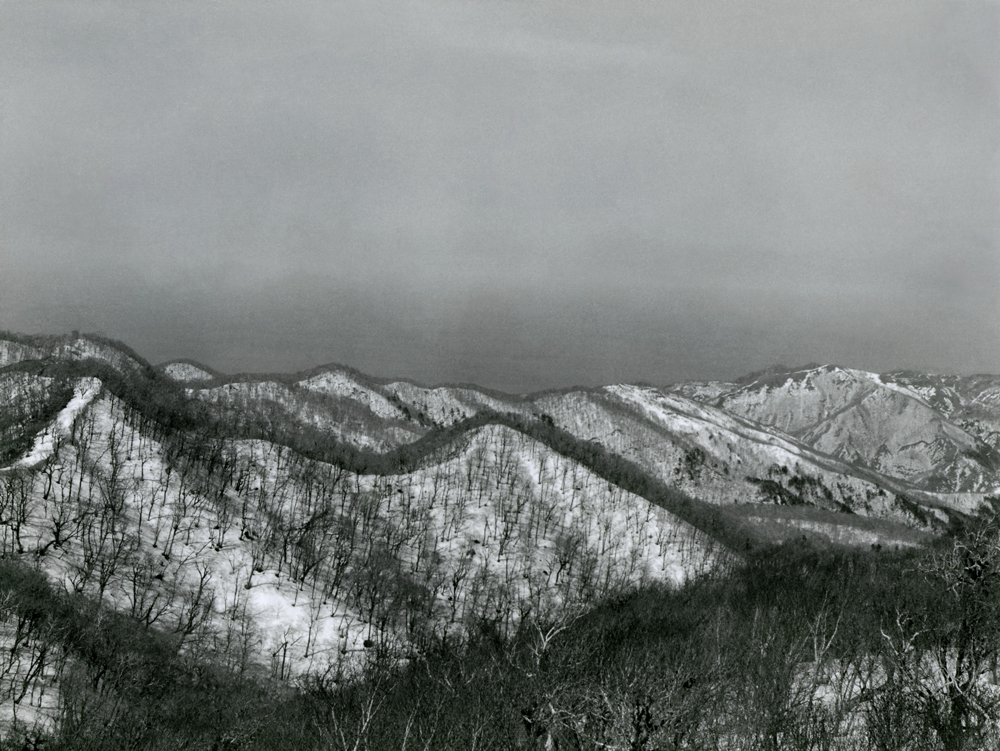
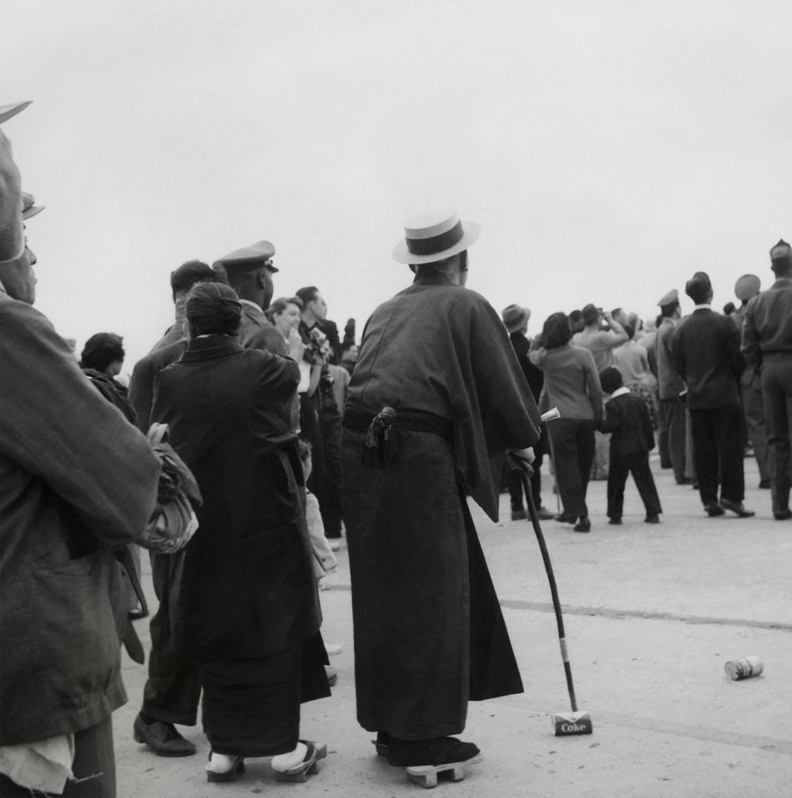
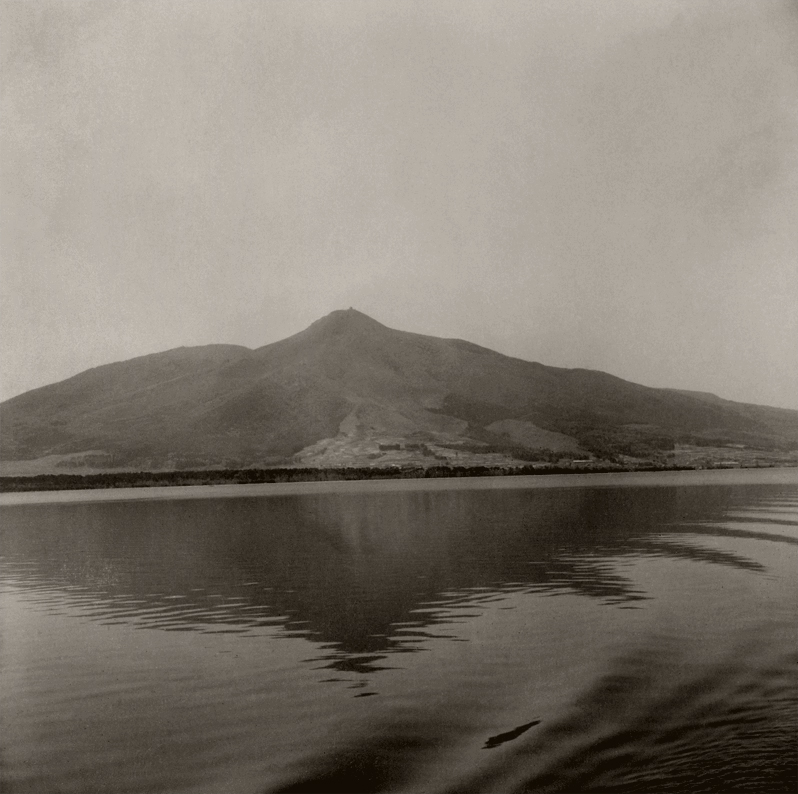
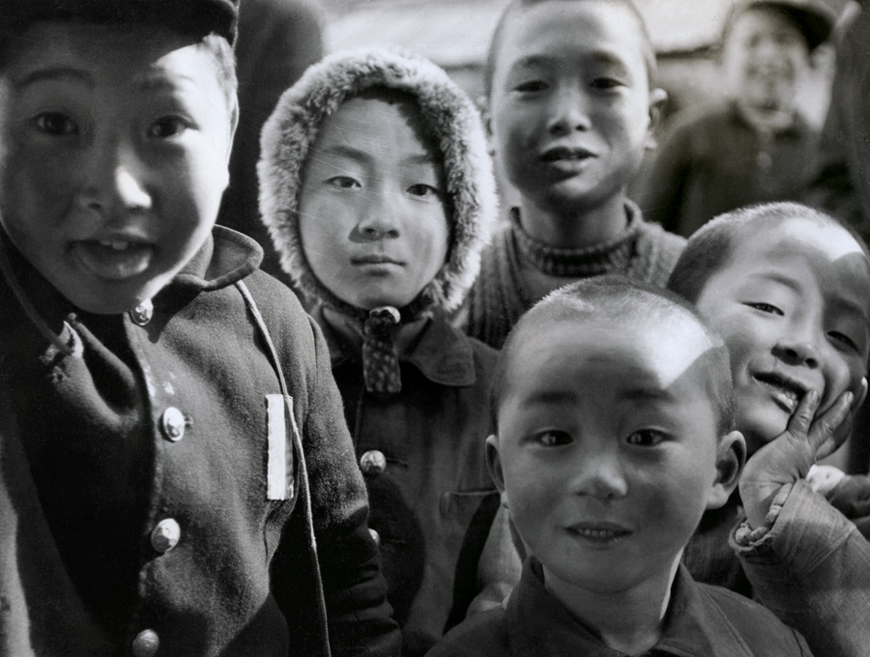
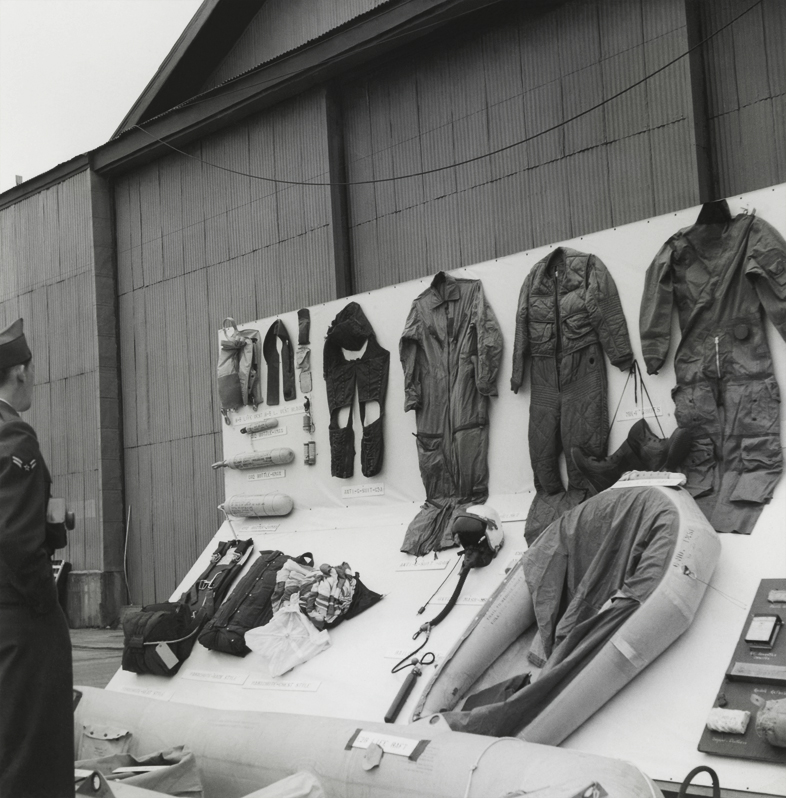
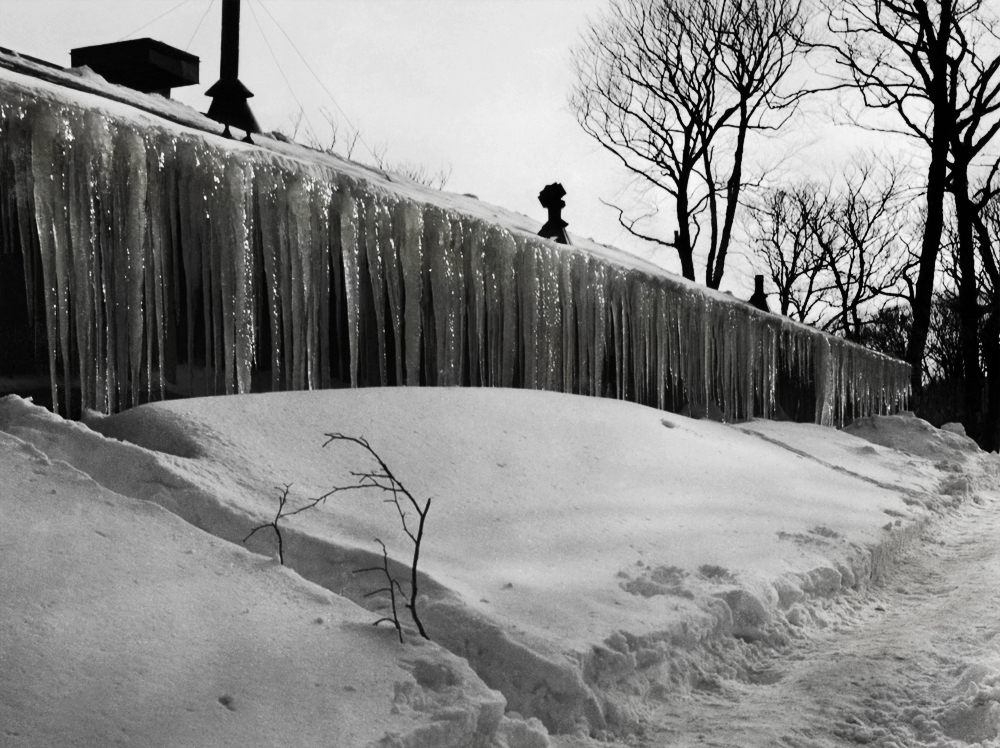
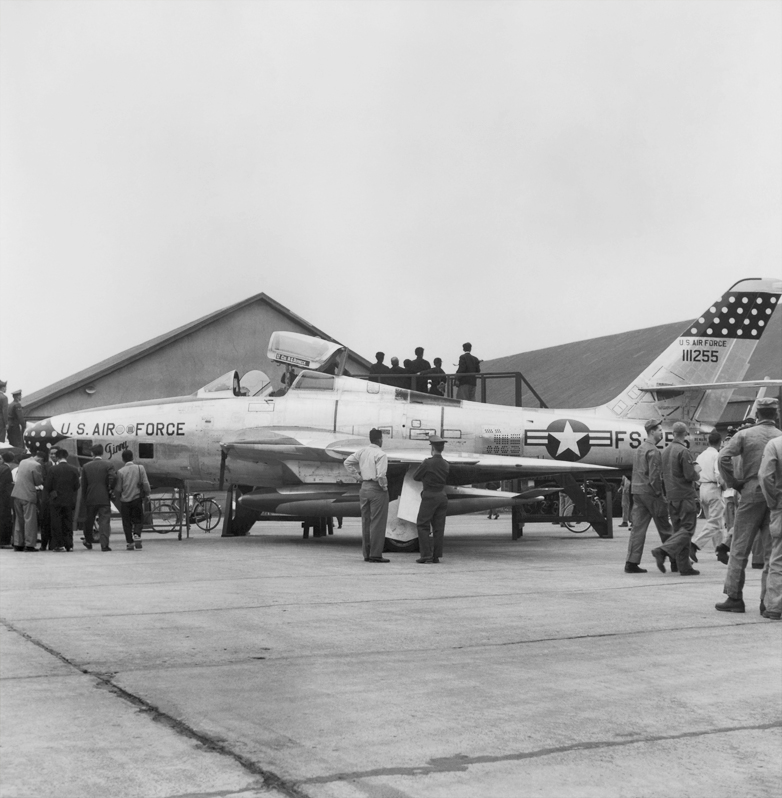
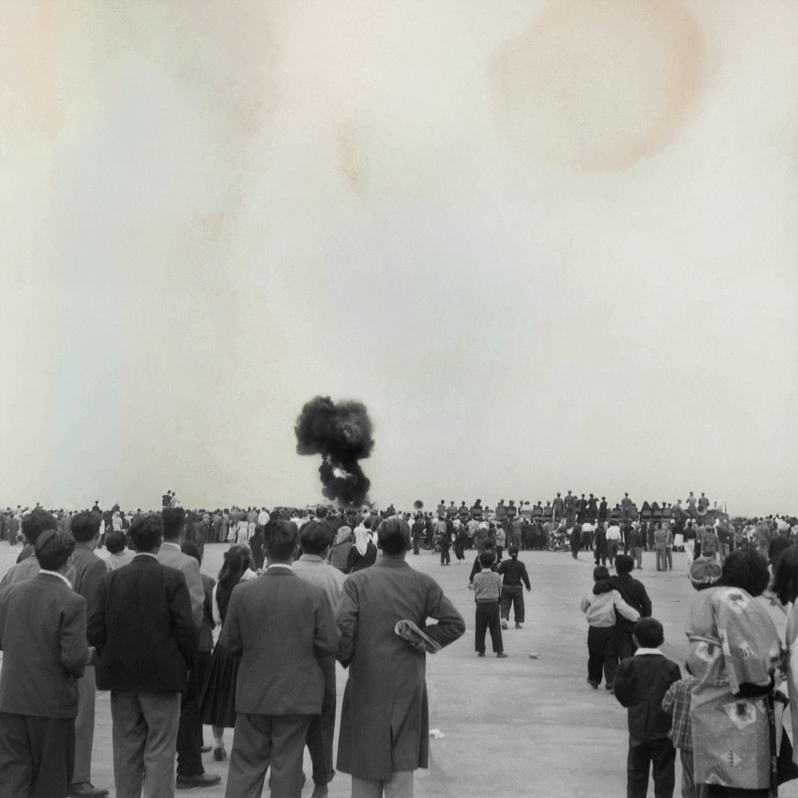

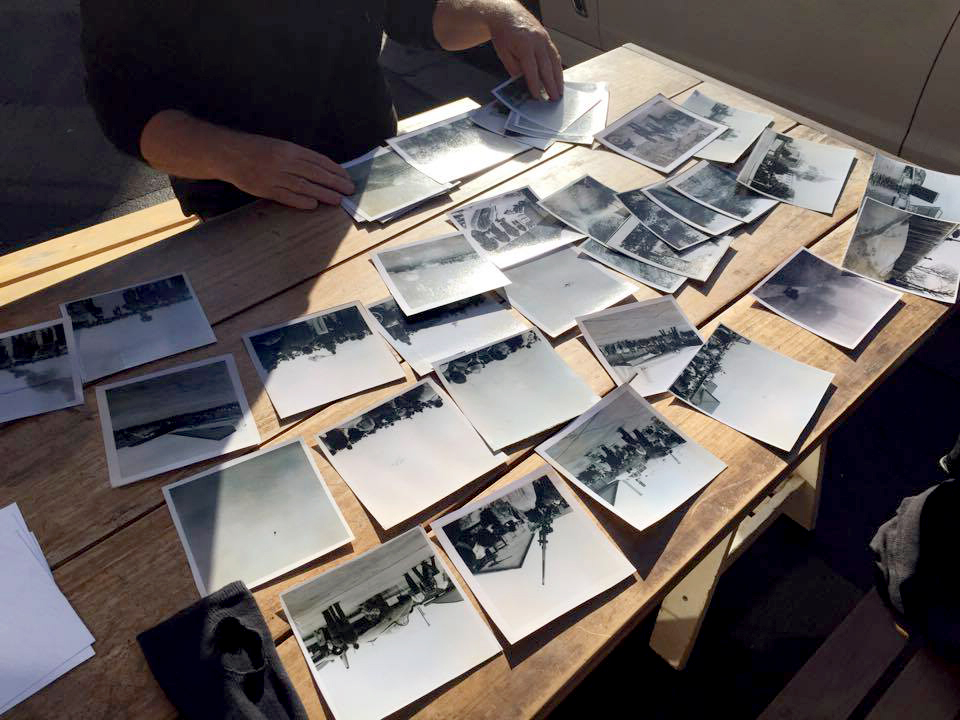
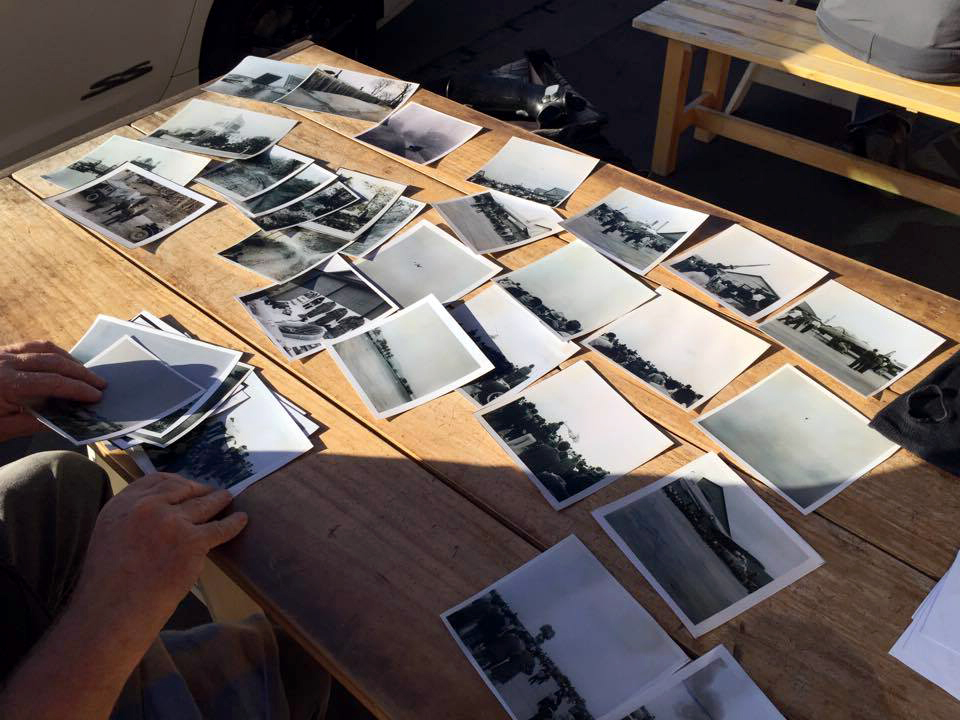
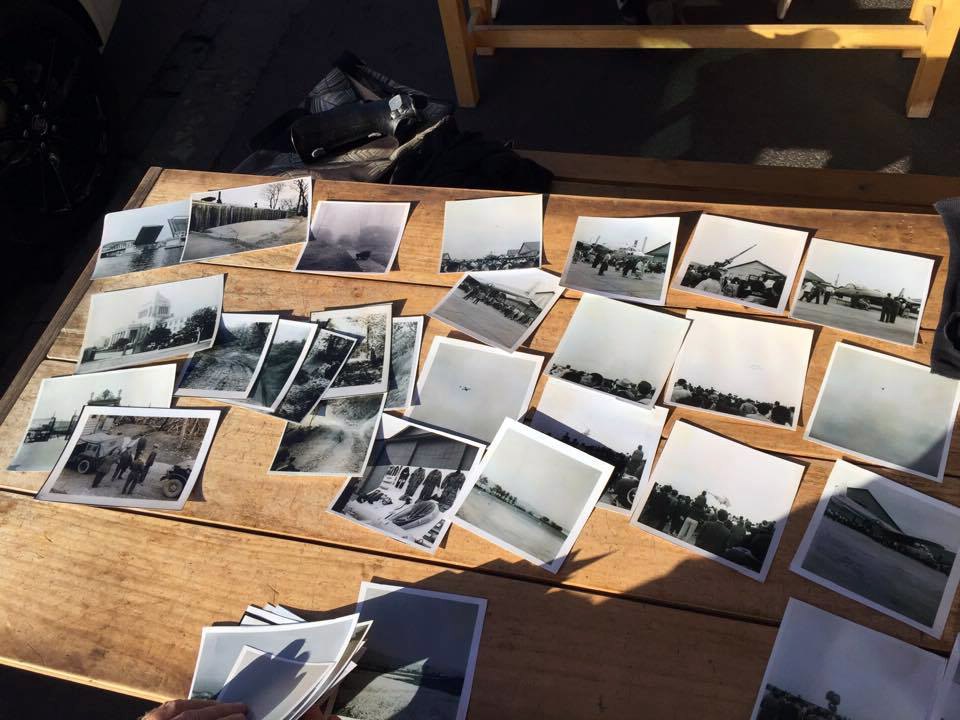


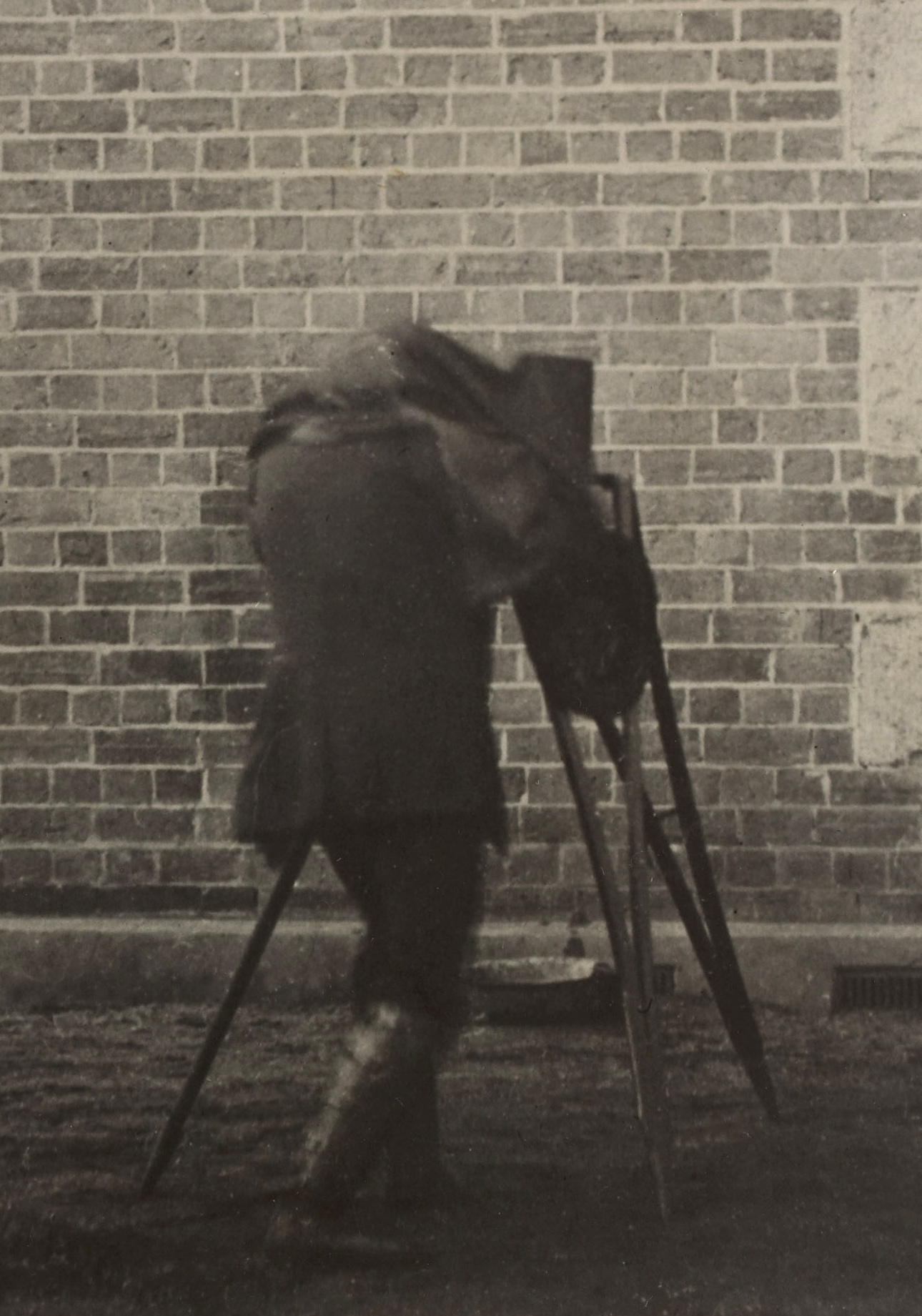

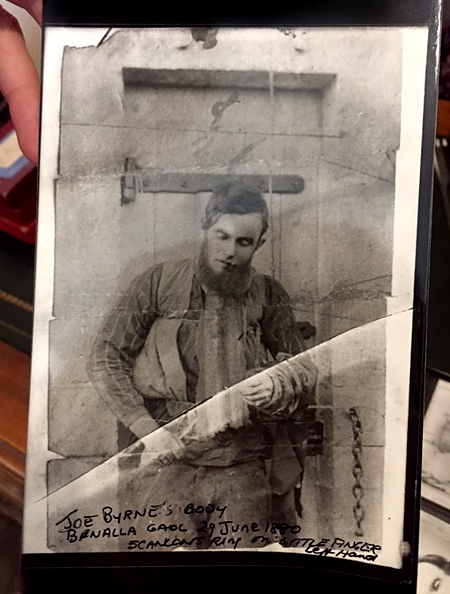

![Unknown photographer. 'Untitled [Portrait of Tracker Johnny from Maryborough District one of five trackers who helped track Ned Kelly]' c. 1880](https://artblart.com/wp-content/uploads/2017/10/portrait-of-tracker-johnny-from-maryborough-district-web.jpg "Unknown photographer. 'Untitled [Portrait of Tracker Johnny from Maryborough District one of five trackers who helped track Ned Kelly]' c. 1880")


![J. E. Bray (Australian, 1832-1891) 'Untitled ["McDonnell's Tavern opposite Railway Station, remains of Dan Kelly and Hart in coffins"]' 1880](https://artblart.com/wp-content/uploads/2017/10/bray-je-mcdonnells-railway-tavern-web.jpg "J. E. Bray (Australian, 1832-1891) 'Untitled [\"McDonnell's Tavern opposite Railway Station, remains of Dan Kelly and Hart in coffins\"]' 1880")
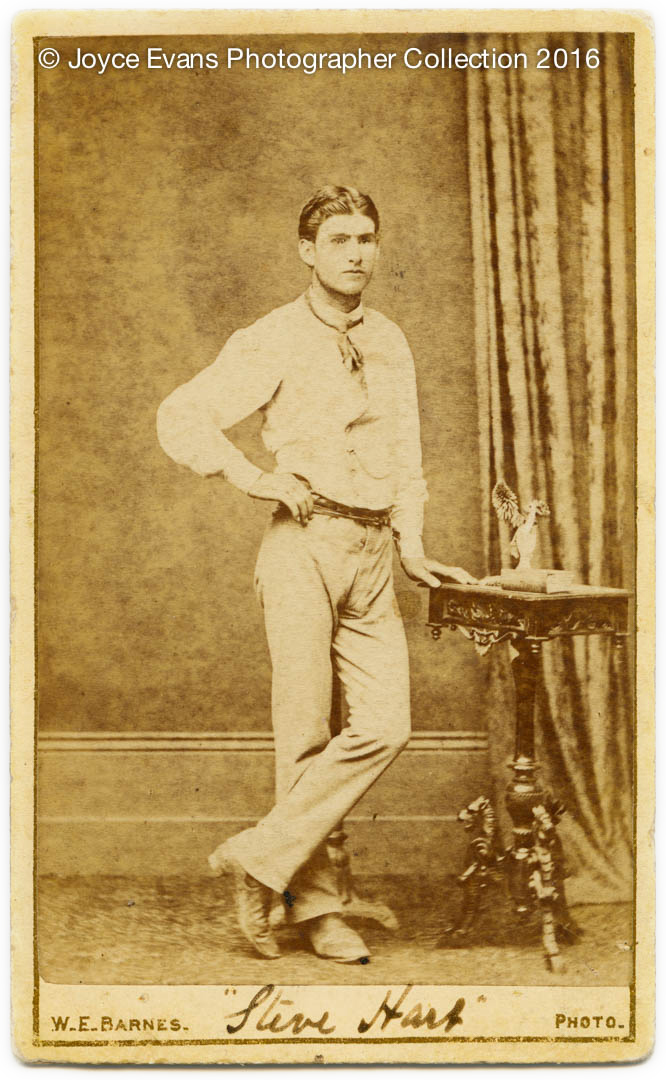


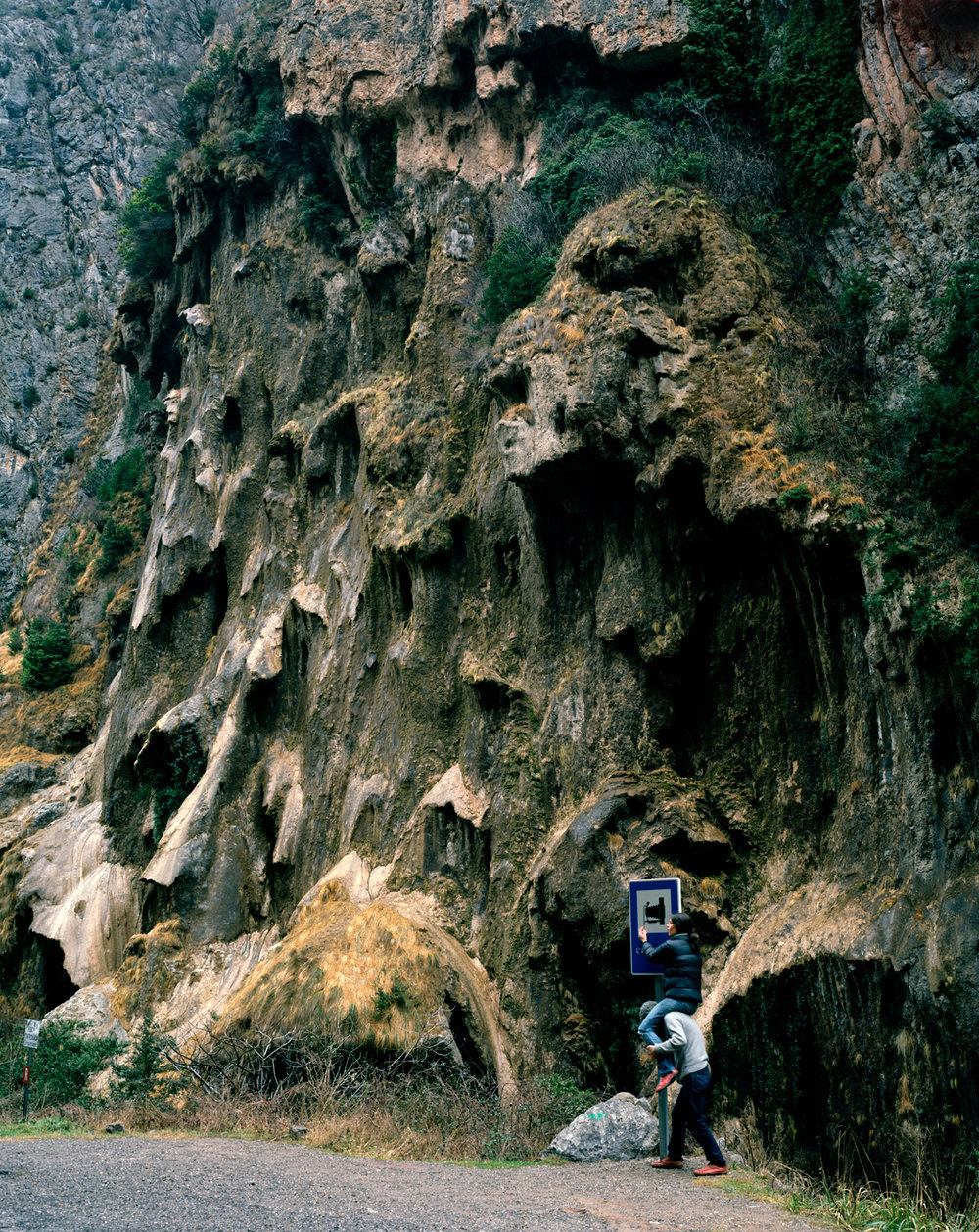


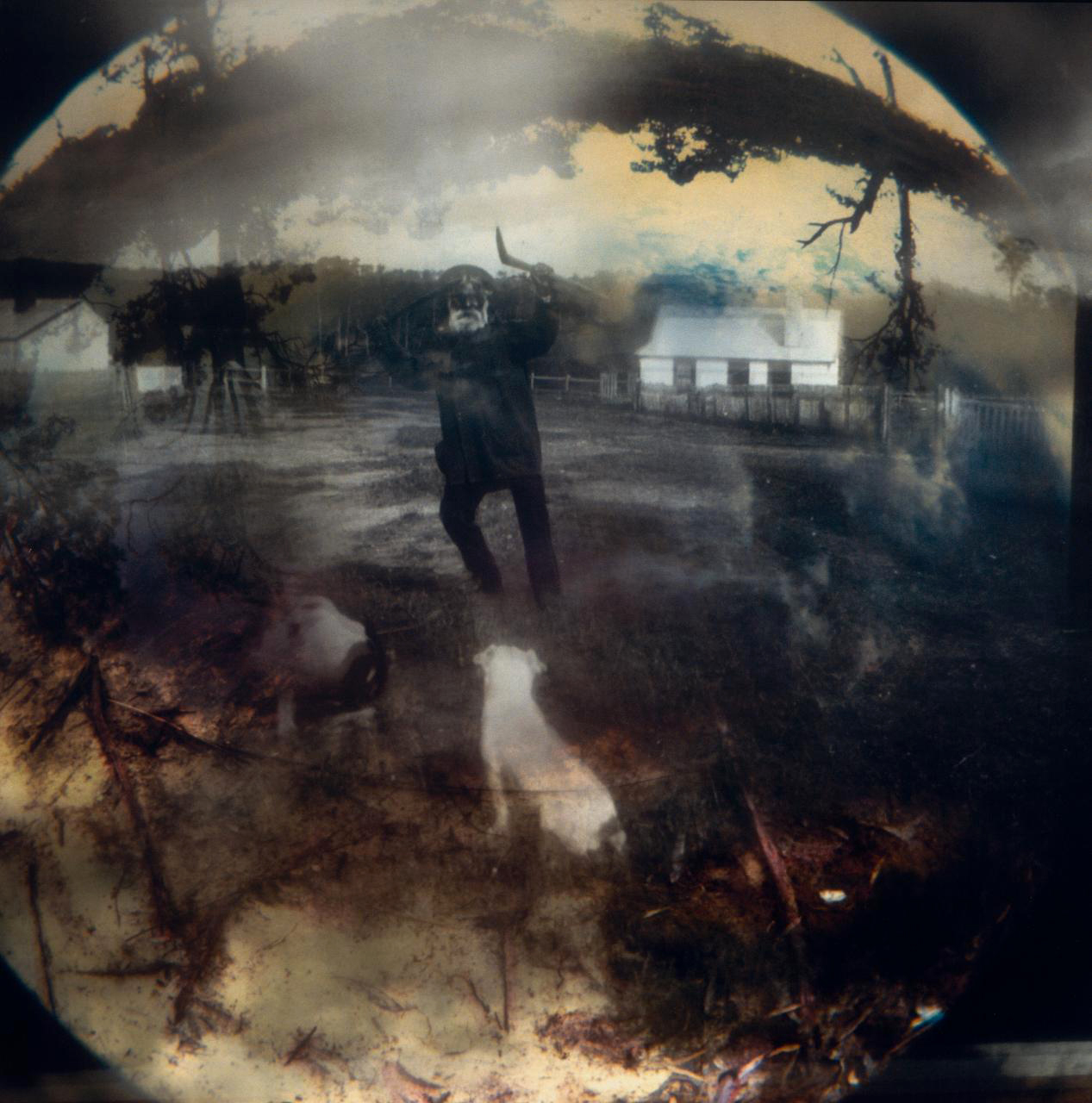

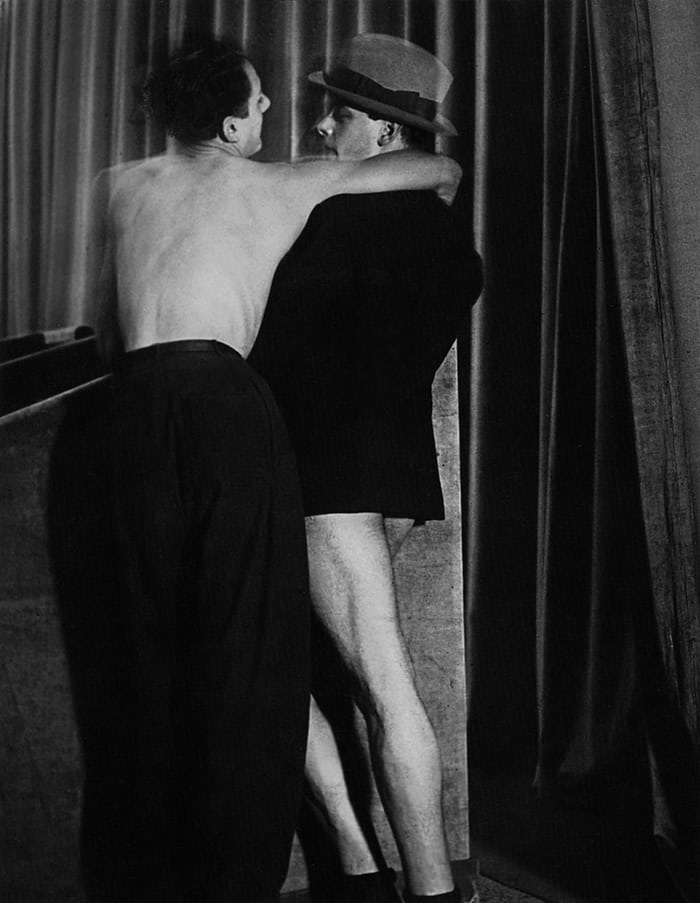


![Installation view of the exhibition 'An Unorthodox Flow of Images' at the Centre for Contemporary Photography (CCP), Melbourne, September - November 2017 showing (7) J. E. Bray's 'Untitled ["McDonnell's Tavern opposite Railway Station, remains of Dan Kelly and Hart in coffins"]' 1880 cabinet card (right) and (8) a photograph by an unknown photographer Hunters of Ned Kelly 1880 (left)](https://artblart.com/wp-content/uploads/2017/10/installation-d-web.jpg "Installation view of the exhibition 'An Unorthodox Flow of Images' at the Centre for Contemporary Photography (CCP), Melbourne, September - November 2017 showing (7) J. E. Bray's 'Untitled [\"McDonnell's Tavern opposite Railway Station, remains of Dan Kelly and Hart in coffins\"]' 1880 cabinet card (right) and (8) a photograph by an unknown photographer Hunters of Ned Kelly 1880 (left)")


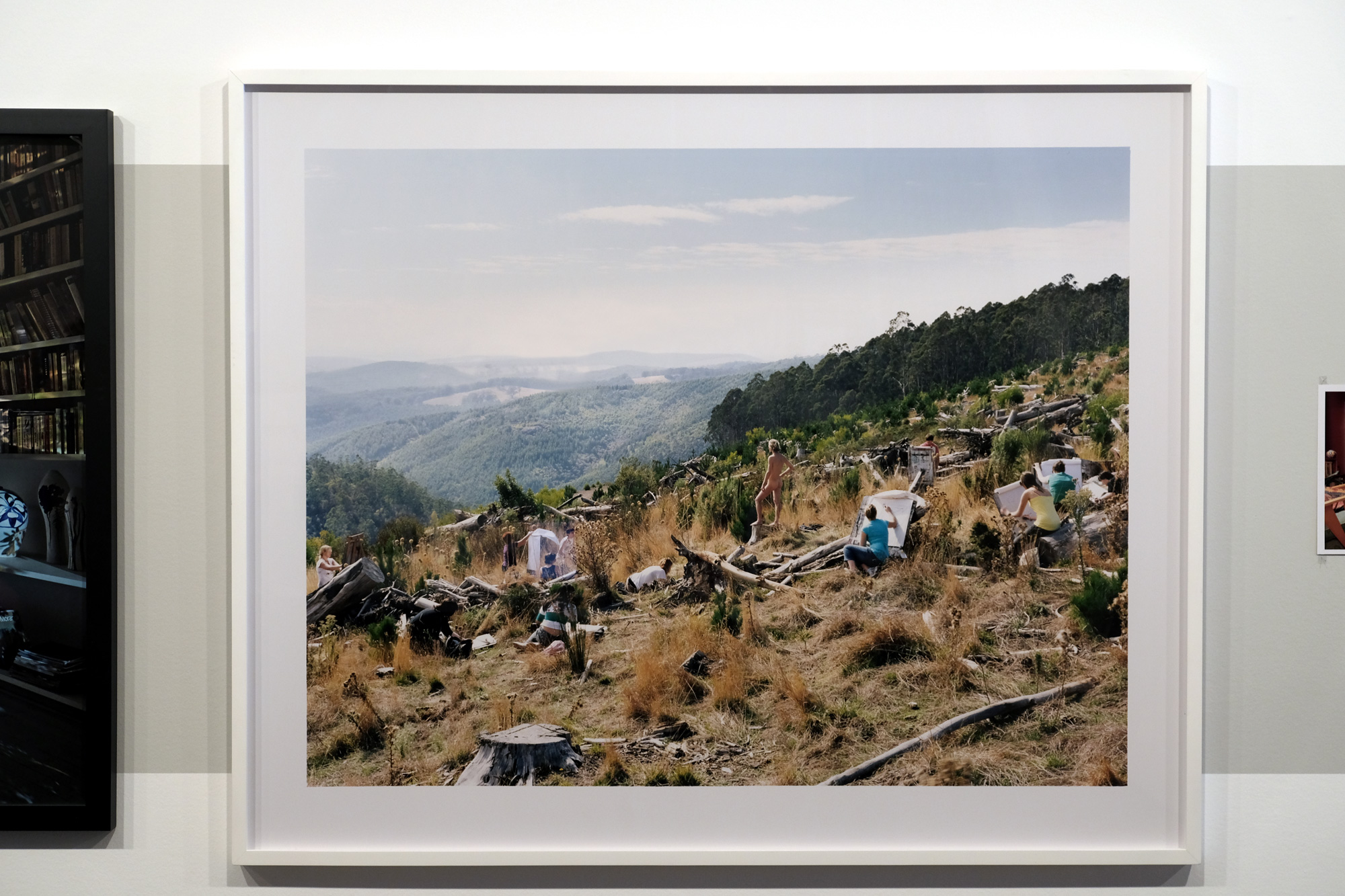


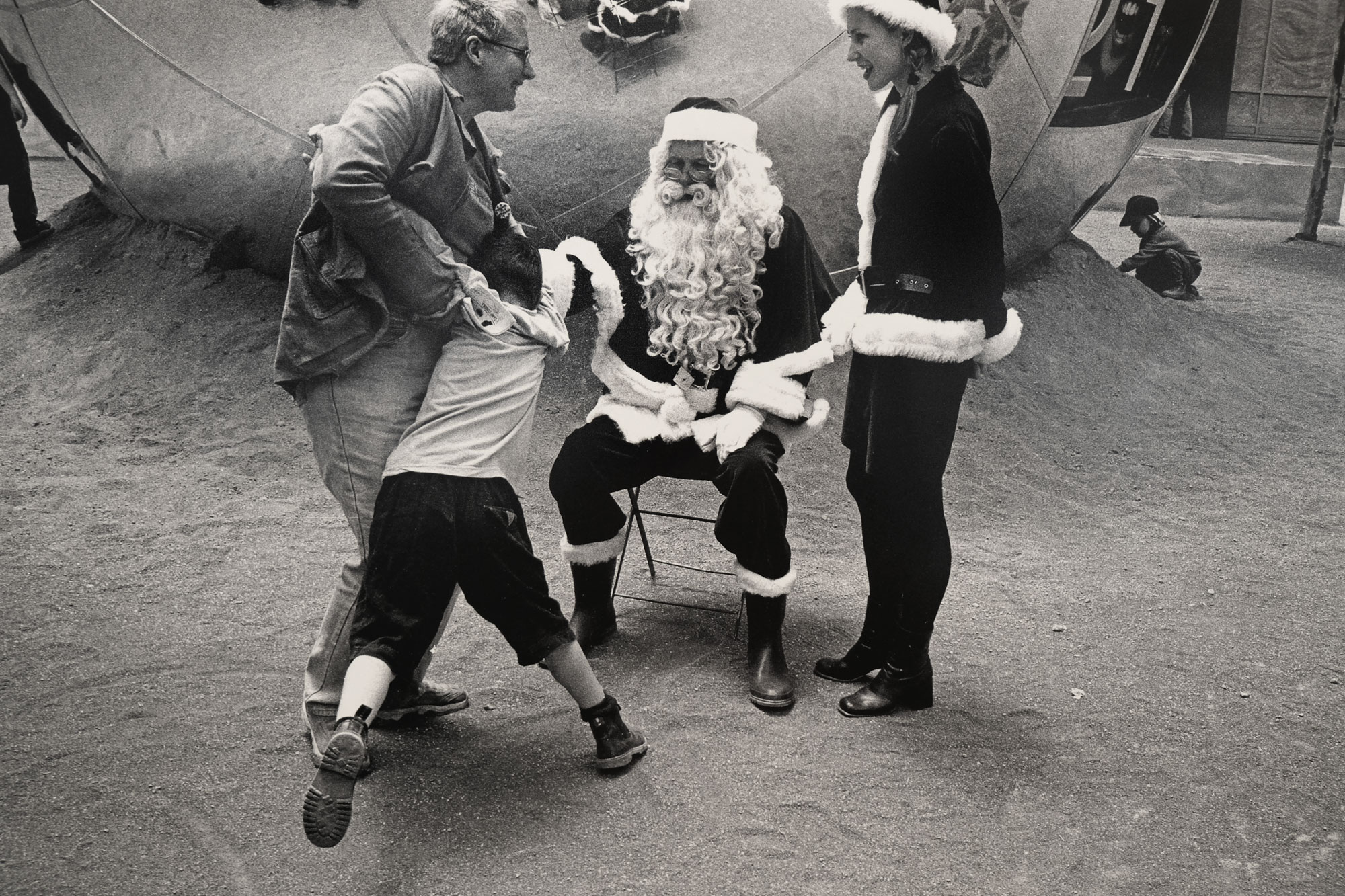
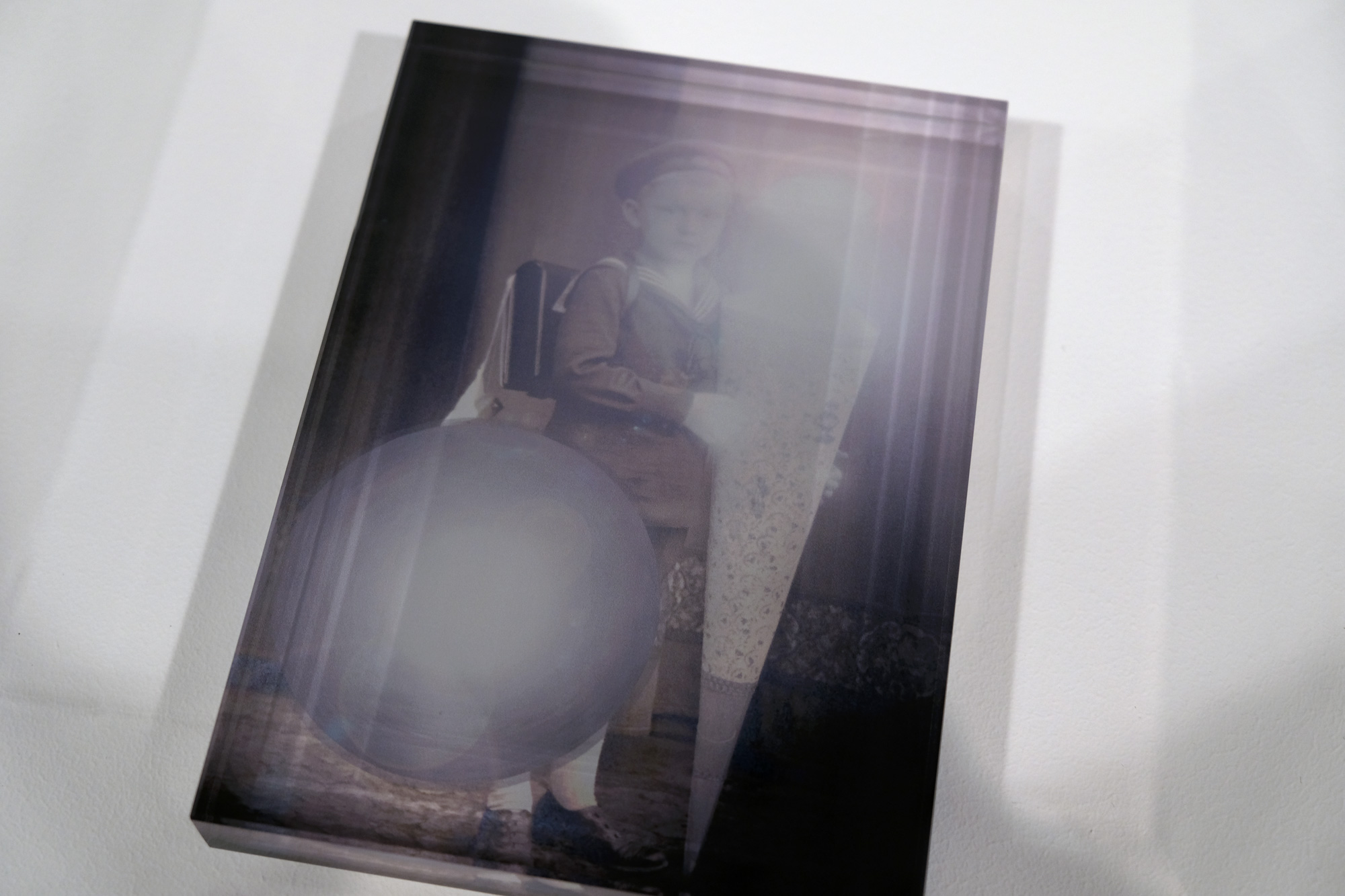


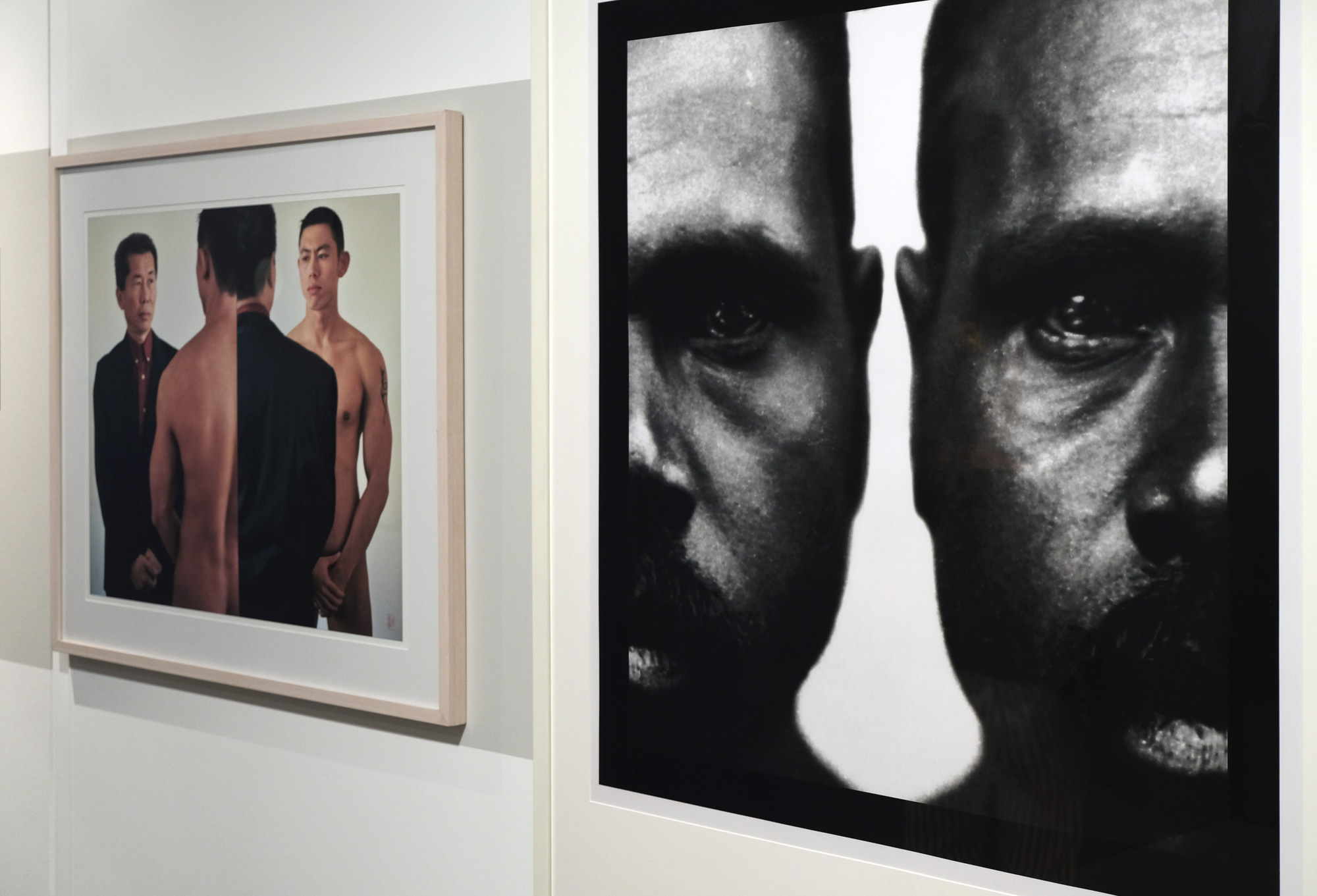


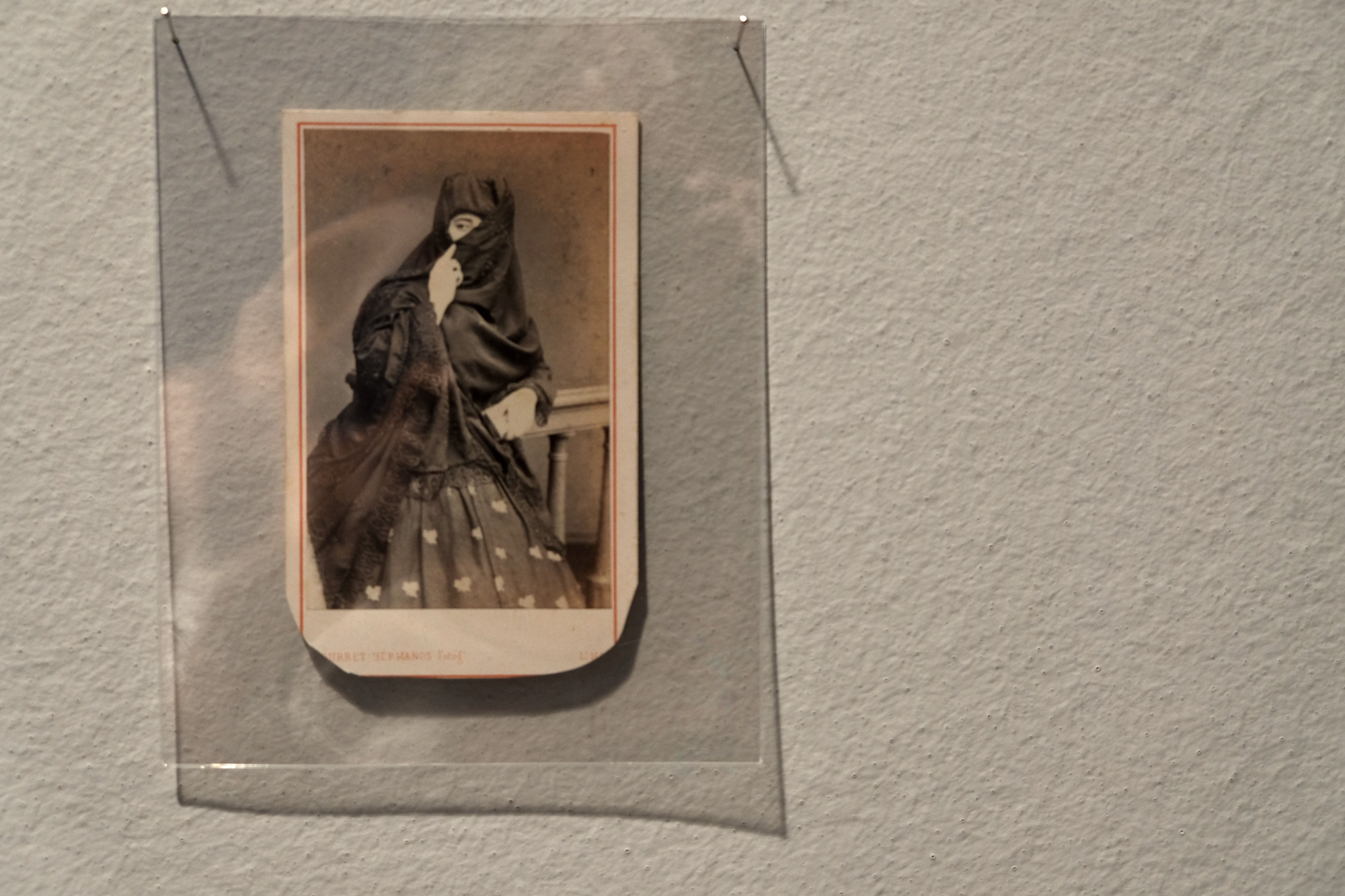


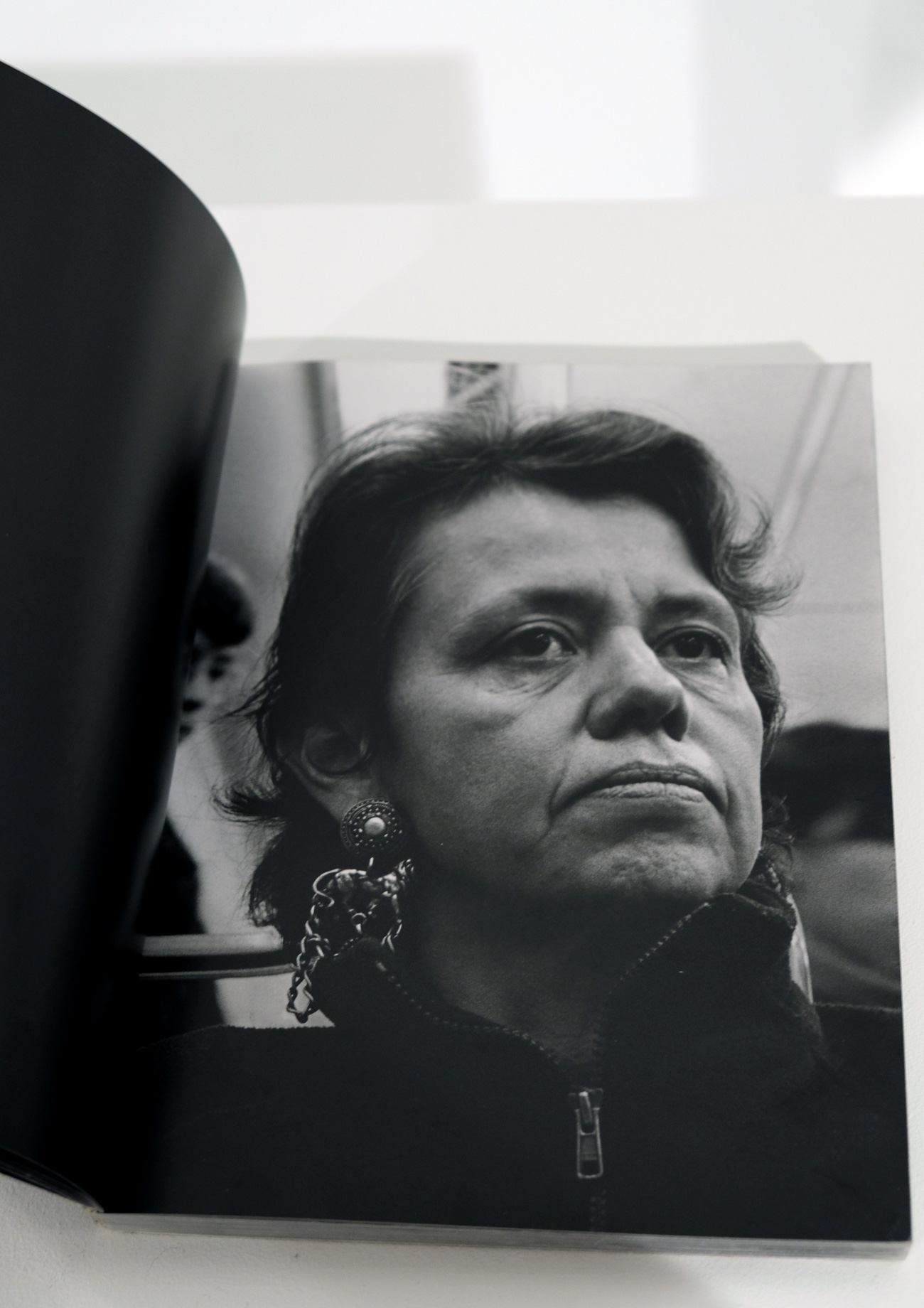


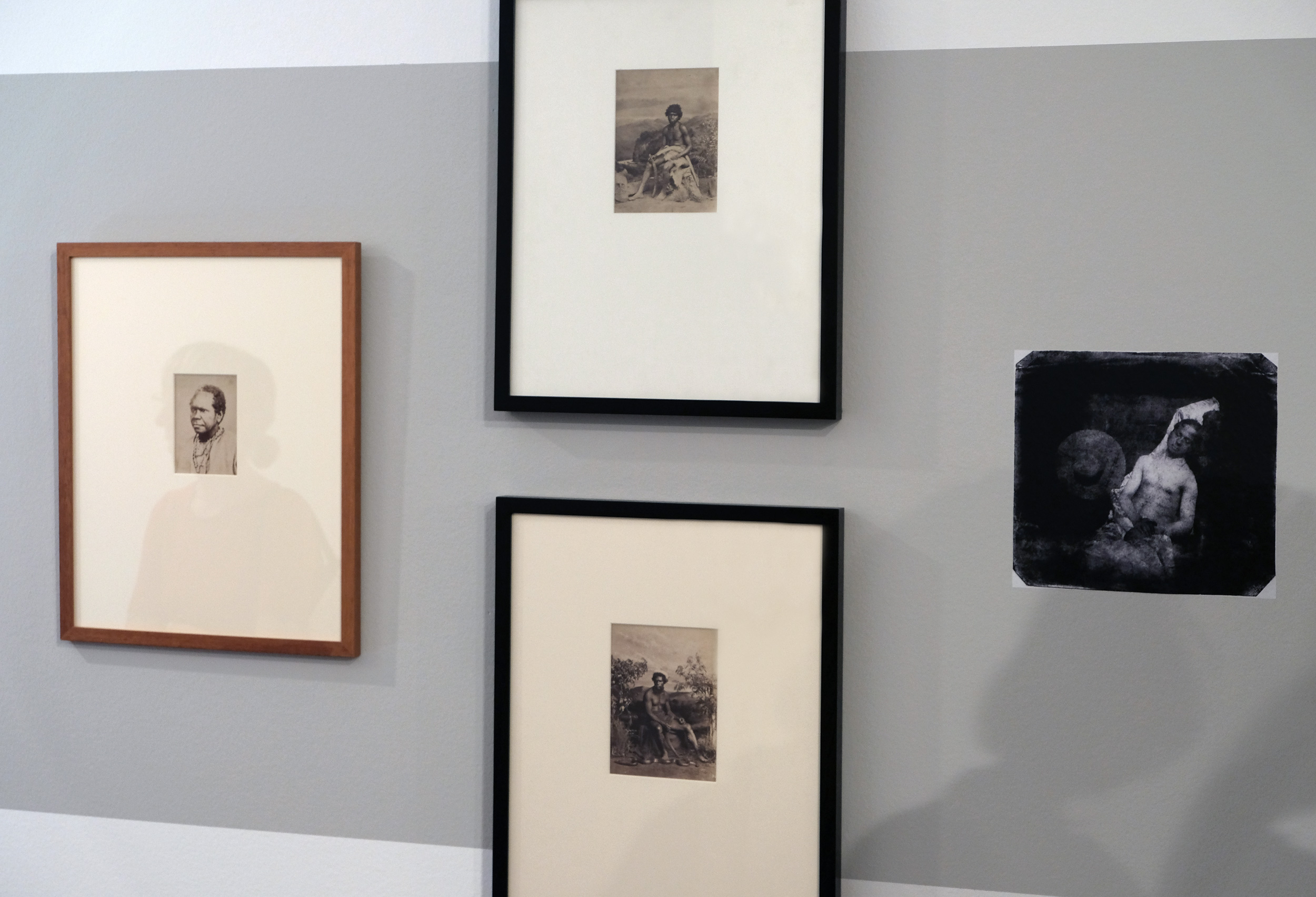


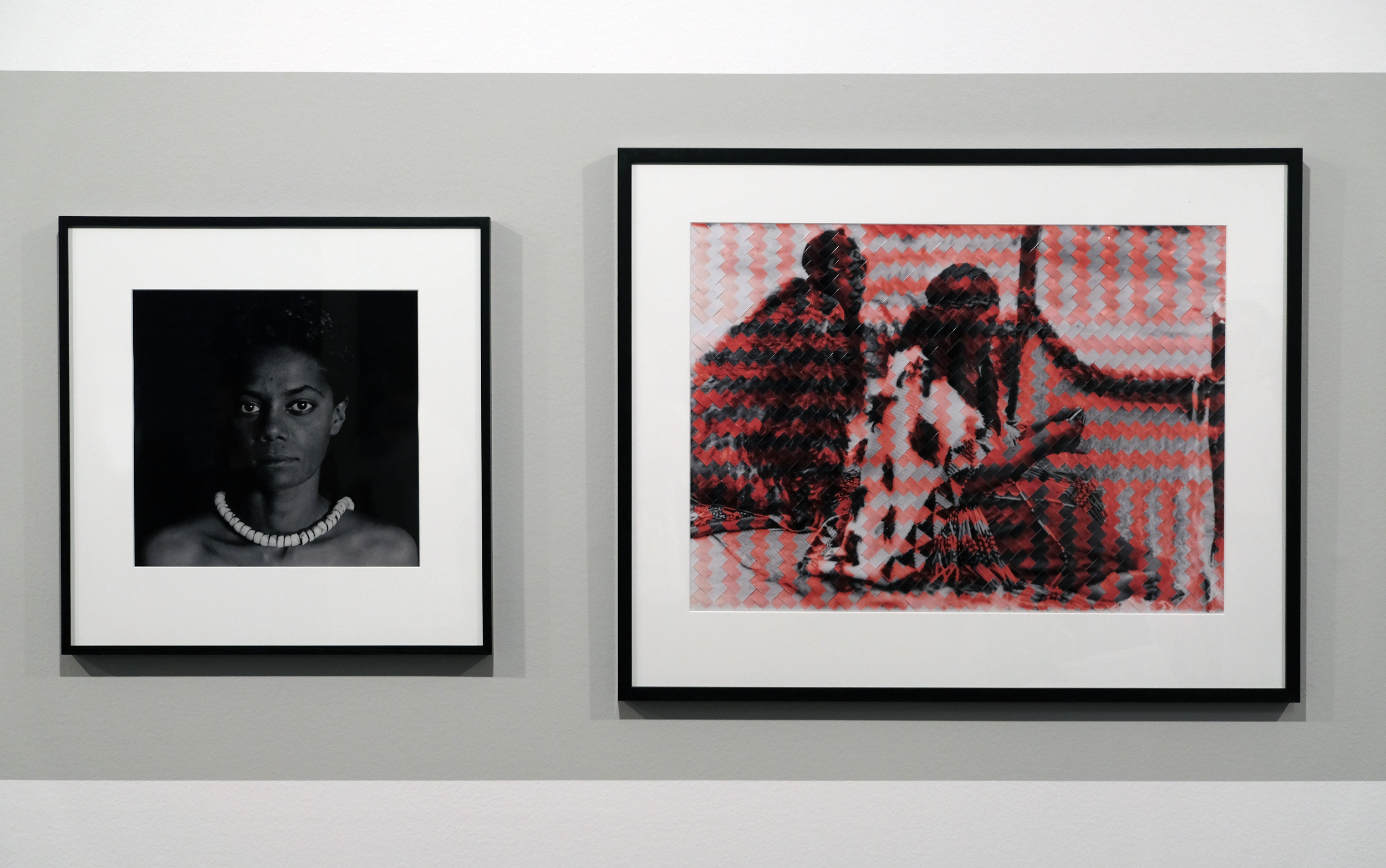


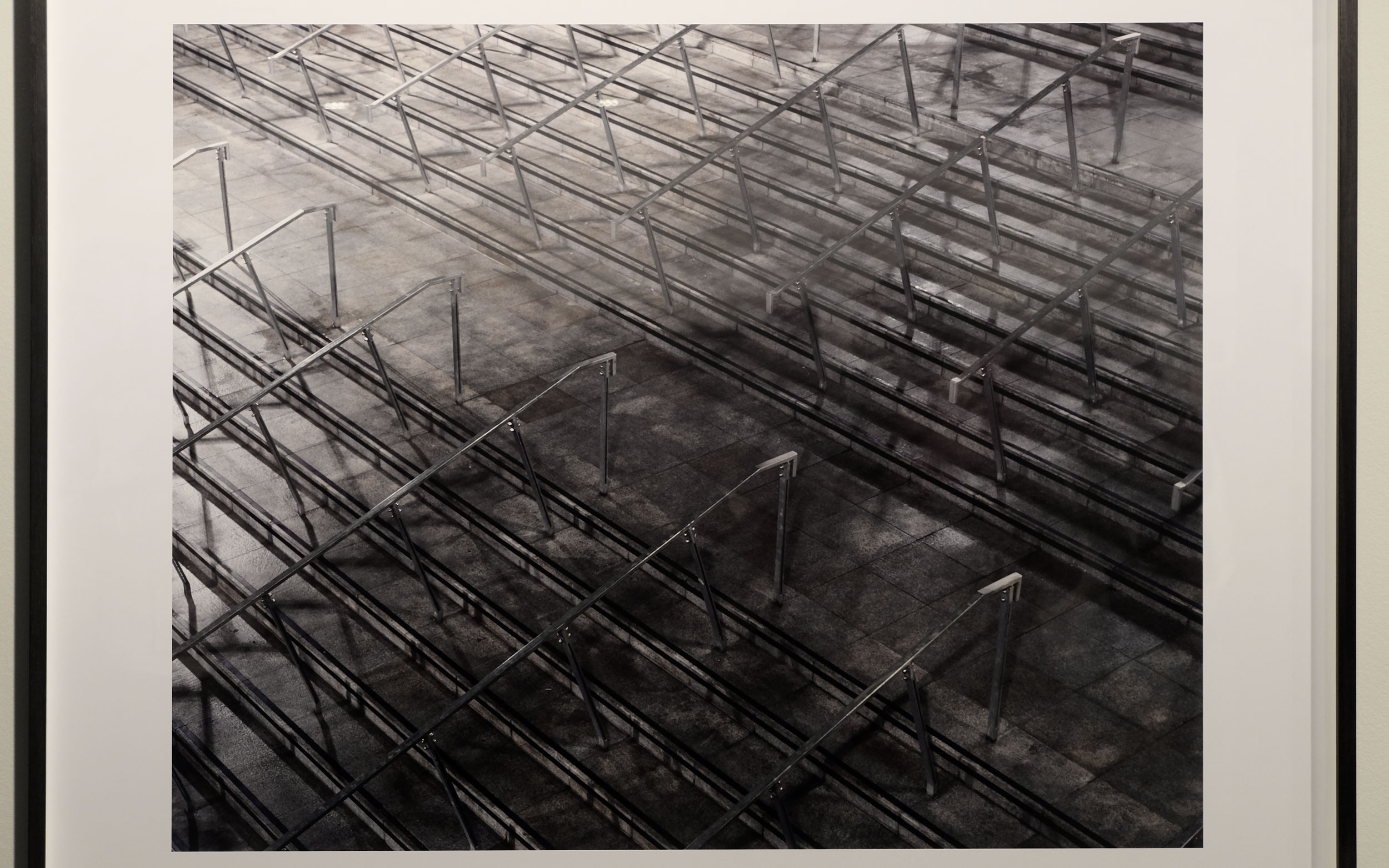
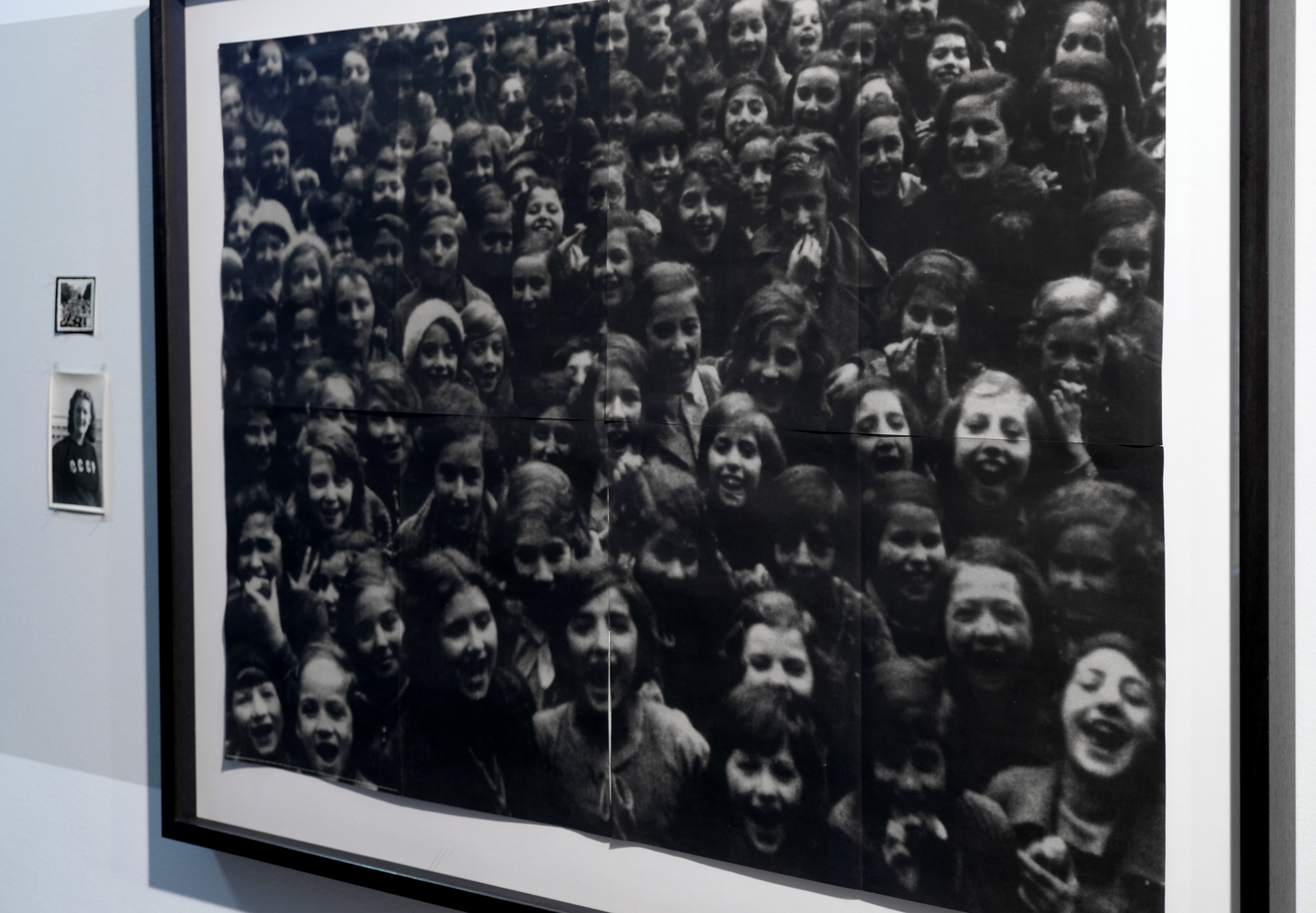


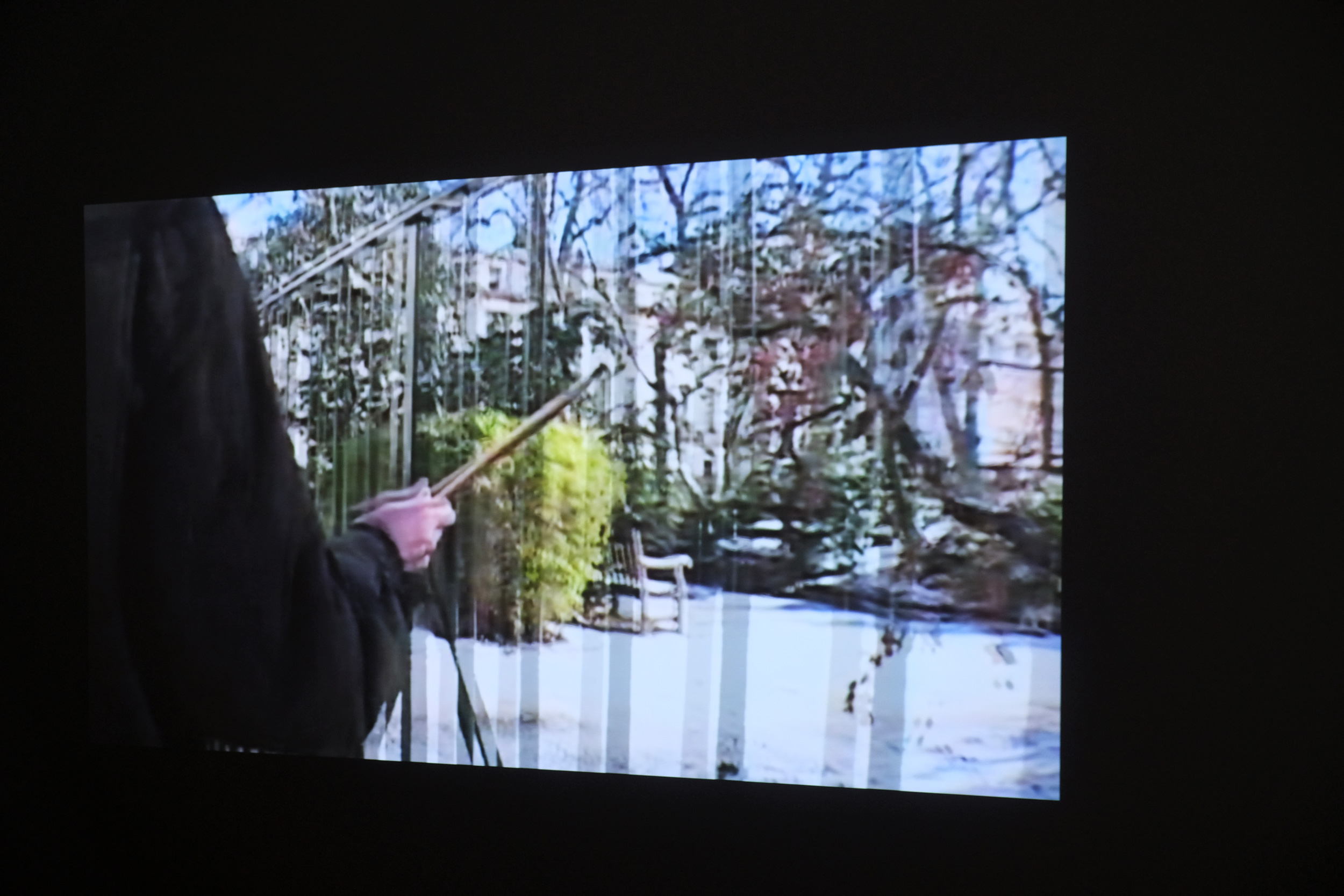

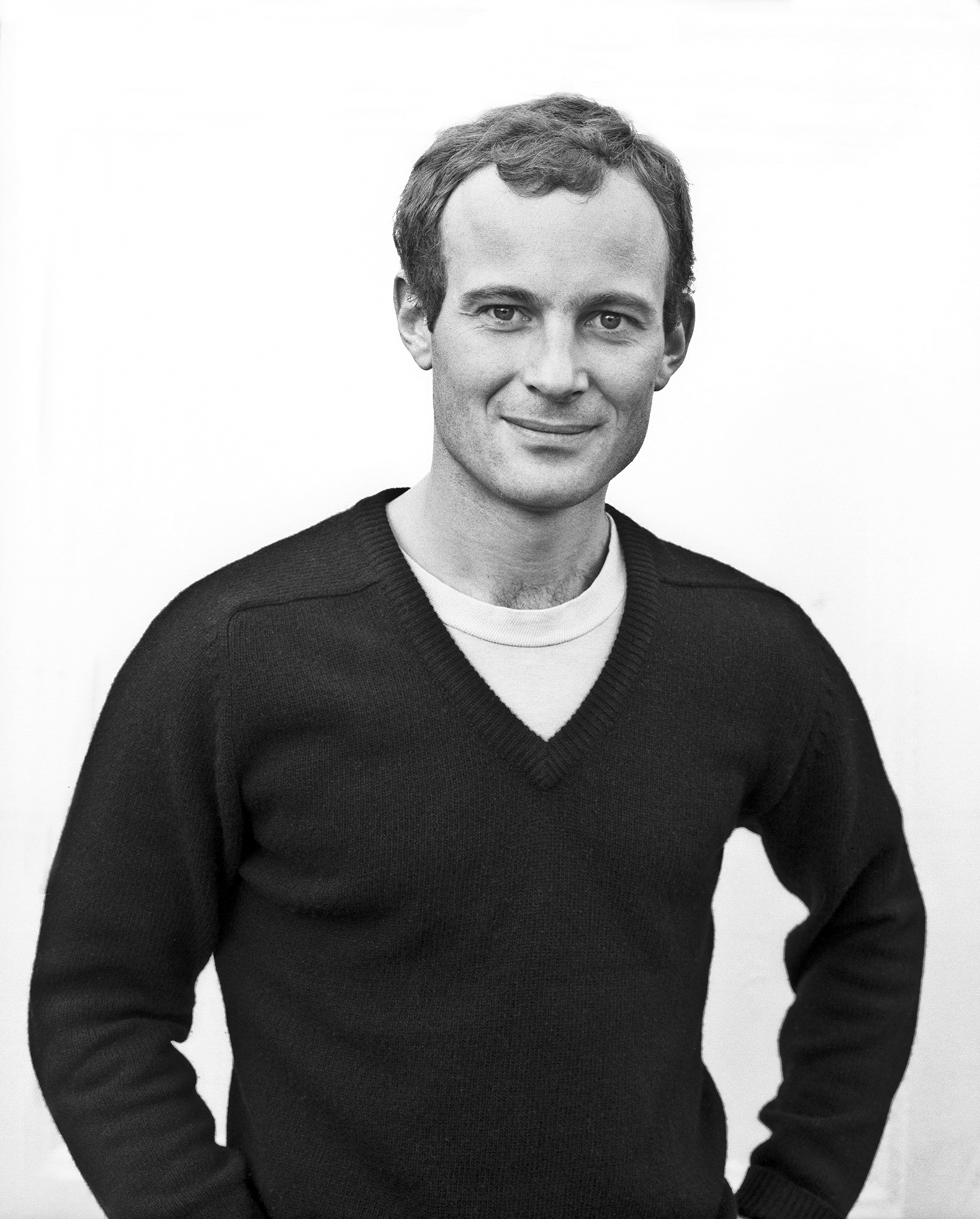
![Carol Jerrems (Australian, 1949-1980) 'Ayer's Dog Rock [Bill Heimerman looking through his Rolleiflex]' 1975](https://artblart.com/wp-content/uploads/2017/10/jerrems-william-heimerman-web.jpg "Carol Jerrems (Australian, 1949-1980) 'Ayer's Dog Rock [Bill Heimerman looking through his Rolleiflex]' 1975")
![William Heimerman (Australian born America, 1950-2017) 'Untitled [Carol Jerrems looking through her camera, Dog Rocks near Geelong]' c. 1975-1980](https://artblart.com/wp-content/uploads/2017/10/heimerman-carol-jerrems-web.jpg "William Heimerman (Australian born America, 1950-2017) 'Untitled [Carol Jerrems looking through her camera, Dog Rocks near Geelong]' c. 1975-1980")
![Carol Jerrems (Australian, 1949-1980) 'Untitled [Bill Heimerman and Ian Lobb at the Dog Rocks near Geelong]' 1975](https://artblart.com/wp-content/uploads/2017/10/jerrems-william-heimerman-ian-lobb-web.jpg "Carol Jerrems (Australian, 1949-1980) 'Untitled [Bill Heimerman and Ian Lobb at the Dog Rocks near Geelong]' 1975")
![Carol Jerrems (Australian, 1949-1980) 'Untitled [Bill Heimerman and Ian Lobb at the Dog Rocks near Geelong]' 1975](https://artblart.com/wp-content/uploads/2017/10/jerrems-william-heimerman-ian-lobb1-web.jpg "Carol Jerrems (Australian, 1949-1980) 'Untitled [Bill Heimerman and Ian Lobb at the Dog Rocks near Geelong]' 1975")
![Peter Leiss (Australian born England, b. 1951) 'Untitled [Bill Heimerman and Ian Lobb at the rear of the Photographers' Gallery]' c. 1975-1980](https://artblart.com/wp-content/uploads/2017/10/leiss-william-heimerman2-web.jpg "Peter Leiss (Australian born England, b. 1951) 'Untitled [Bill Heimerman and Ian Lobb at the rear of the Photographers' Gallery]' c. 1975-1980")
![Jeff Busby (Australian, b. 1952) 'Untitled [William Heimerman and friend outside the Photographers Gallery (344)]' c. 1978](https://artblart.com/wp-content/uploads/2017/10/busby-william-heimerman-and-friend-web.jpg "Jeff Busby (Australian, b. 1952) 'Untitled [William Heimerman and friend outside the Photographers Gallery (344)]' c. 1978")
![Louise Bradley. Untitled [William Heimerman adjusting Robert Besanko prints in the main space of the Photographers' Gallery] c. 1975-1980](https://artblart.com/wp-content/uploads/2017/10/louise-bradley-william-heimerman-web.jpg "Louise Bradley. Untitled [William Heimerman adjusting Robert Besanko prints in the main space of the Photographers' Gallery] c. 1975-1980")
![Jeff Busby (Australian, b. 1952) 'Untitled [Bill Heimerman and friends at the Photographers' Gallery]' c. 1975-1980](https://artblart.com/wp-content/uploads/2017/10/busby-william-heimerman1-web.jpg "Jeff Busby (Australian, b. 1952) 'Untitled [Bill Heimerman and friends at the Photographers' Gallery]' c. 1975-1980")
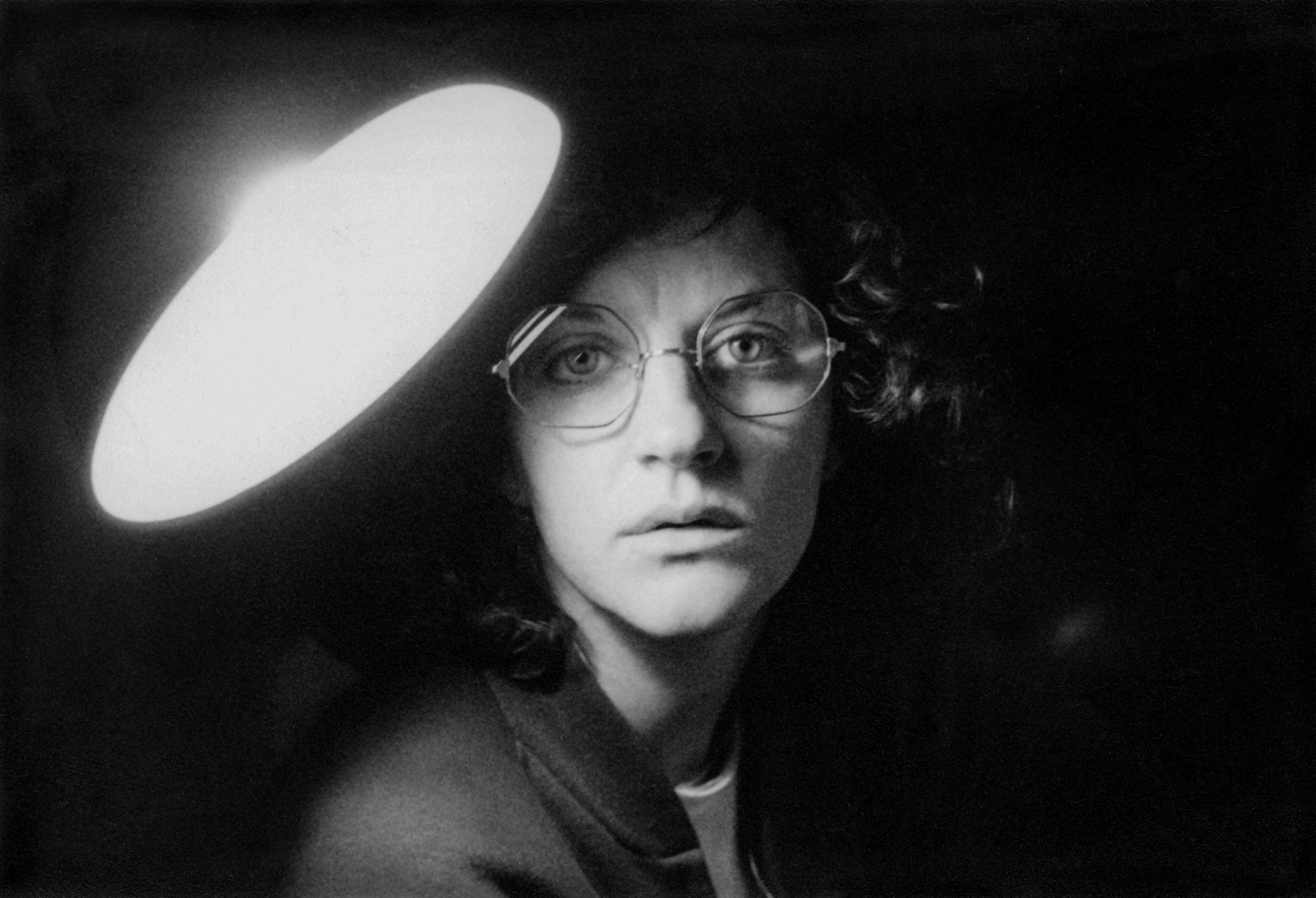
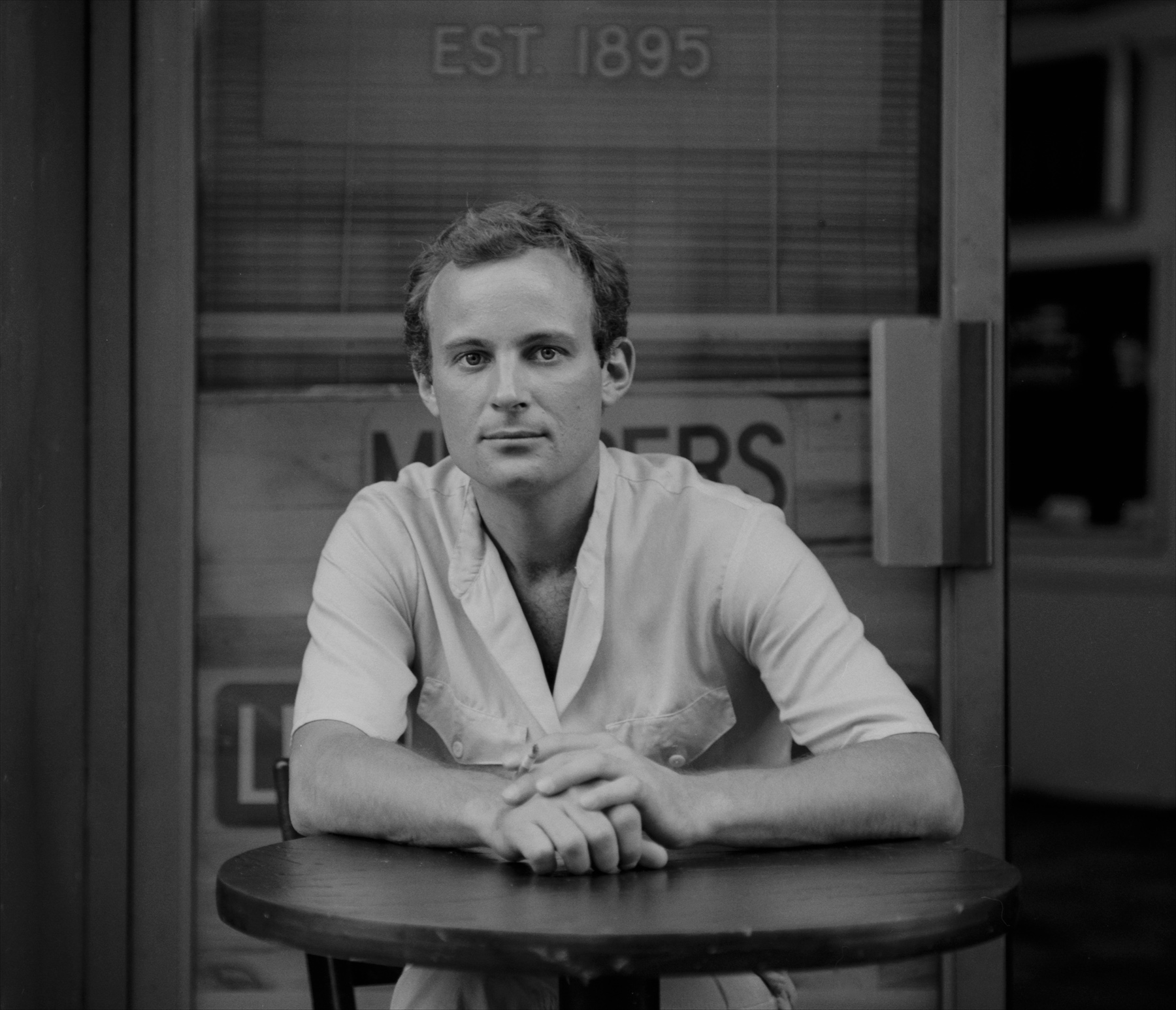
![Peter Leiss (Australian born England, b. 1951) 'Untitled [Bill Heimerman at the Photographers' Gallery]' c. 1975-1980](https://artblart.com/wp-content/uploads/2017/10/leiss-william-heimerman-web.jpg "Peter Leiss (Australian born England, b. 1951) 'Untitled [Bill Heimerman at the Photographers' Gallery]' c. 1975-1980")
![Peter Leiss (Australian born England, b. 1951) Untitled [Bill and Barbara]' c. 1975-1980](https://artblart.com/wp-content/uploads/2017/10/leiss-william-heimerman3-web.jpg "Peter Leiss (Australian born England, b. 1951) Untitled [Bill and Barbara]' c. 1975-1980")
![Peter Leiss (Australian born England, b. 1951) 'Untitled [The note]' Melbourne, 2017](https://artblart.com/wp-content/uploads/2017/10/leiss-the-note-web.jpg "Peter Leiss (Australian born England, b. 1951) 'Untitled [The note]' Melbourne, 2017")
![Peter Leiss (Australian born England, b. 1951) 'Untitled [At the gathering for William Heimerman: Jeff Busby, Conrad Winkler and Marcus Bunyan]' Melbourne, 2017](https://artblart.com/wp-content/uploads/2017/10/leiss-busby-winkler-bunyan-web.jpg "Peter Leiss (Australian born England, b. 1951) 'Untitled [At the gathering for William Heimerman: Jeff Busby, Conrad Winkler and Marcus Bunyan]' Melbourne, 2017")
![Peter Leiss (Australian born England, b. 1951) 'Untitled [At the gathering for William Heimerman]' Melbourne, 2017](https://artblart.com/wp-content/uploads/2017/10/leiss-heimerman-group-2017-web.jpg "Peter Leiss (Australian born England, b. 1951) 'Untitled [At the gathering for William Heimerman]' Melbourne, 2017")


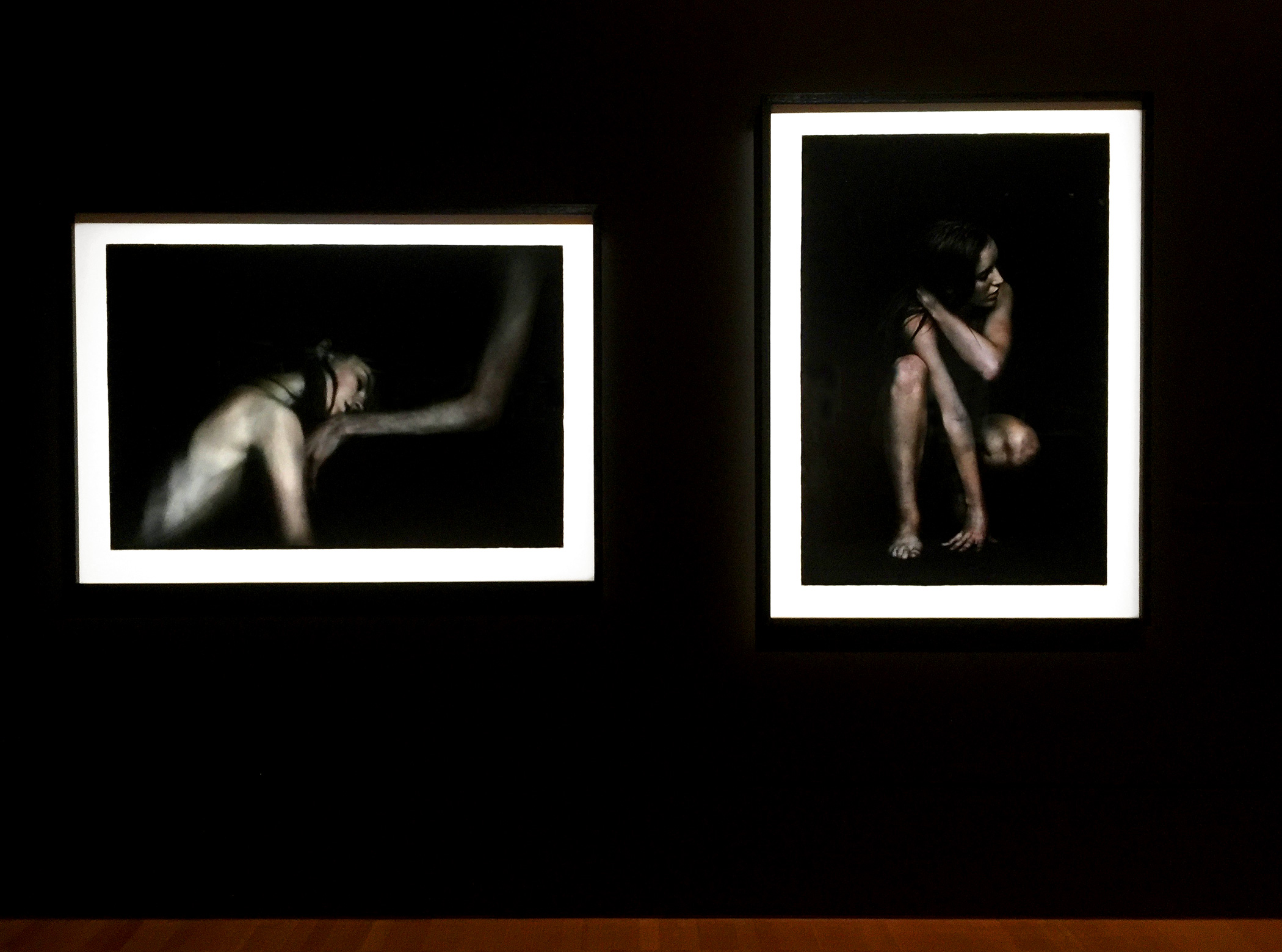

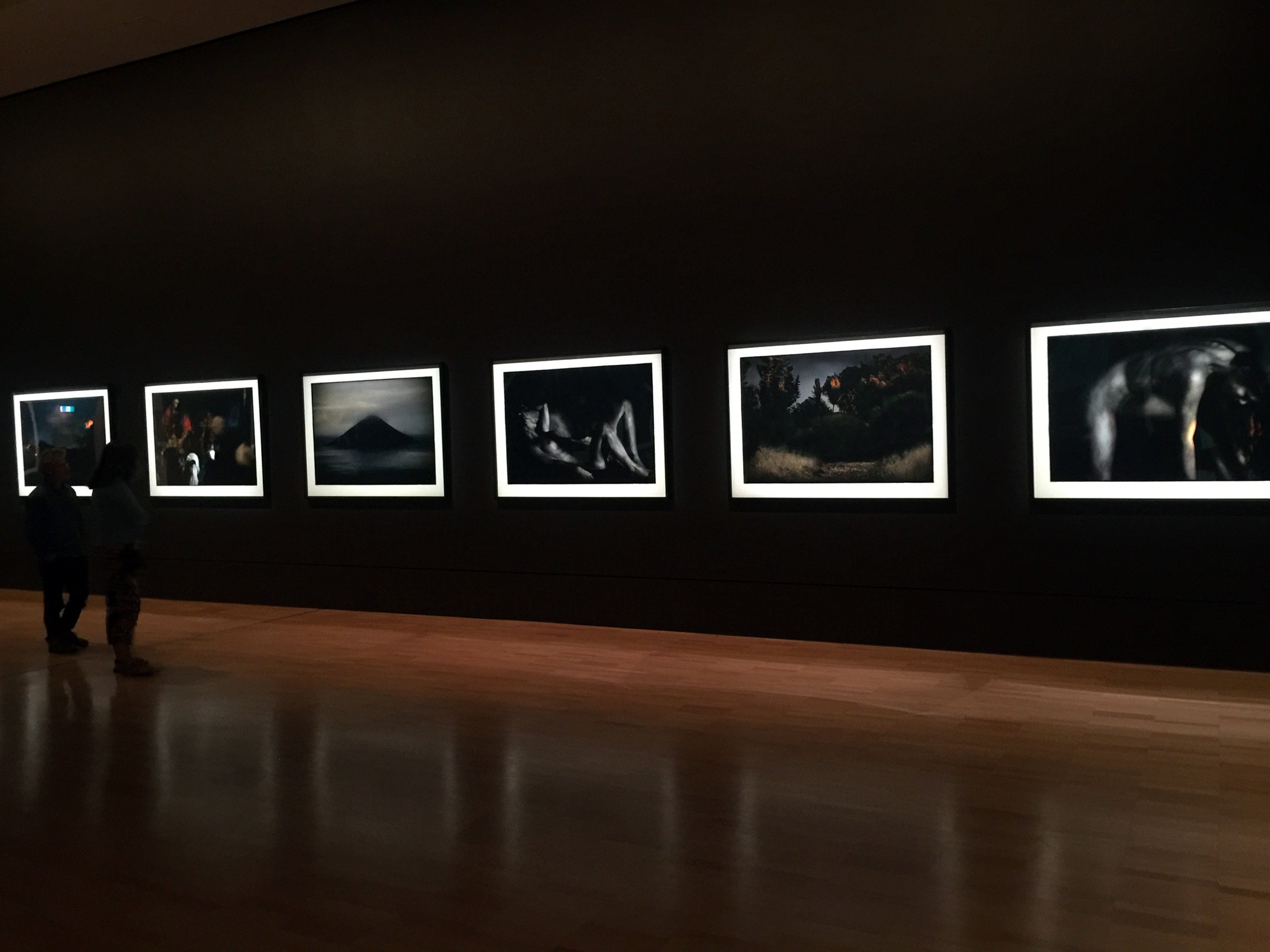

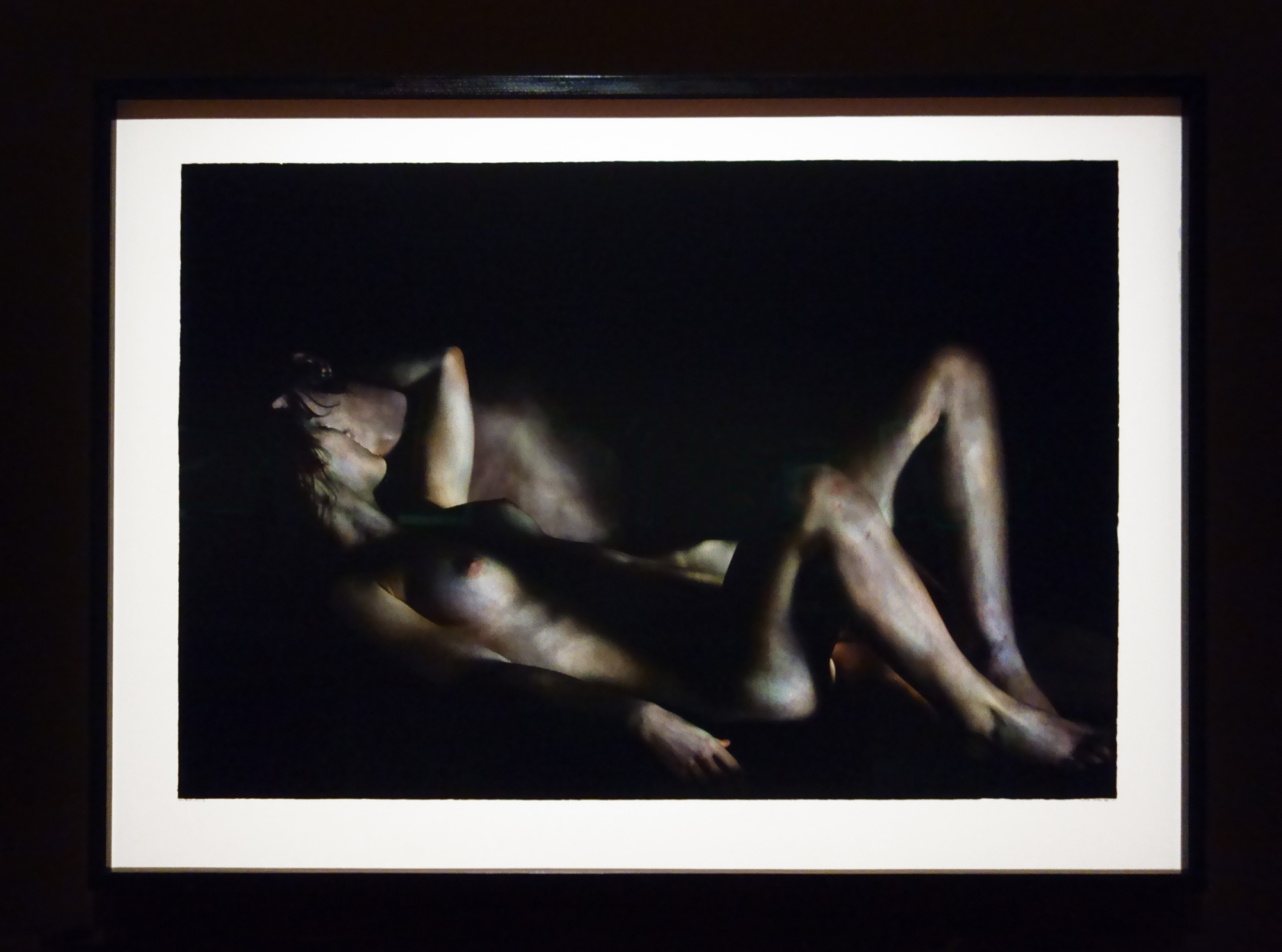
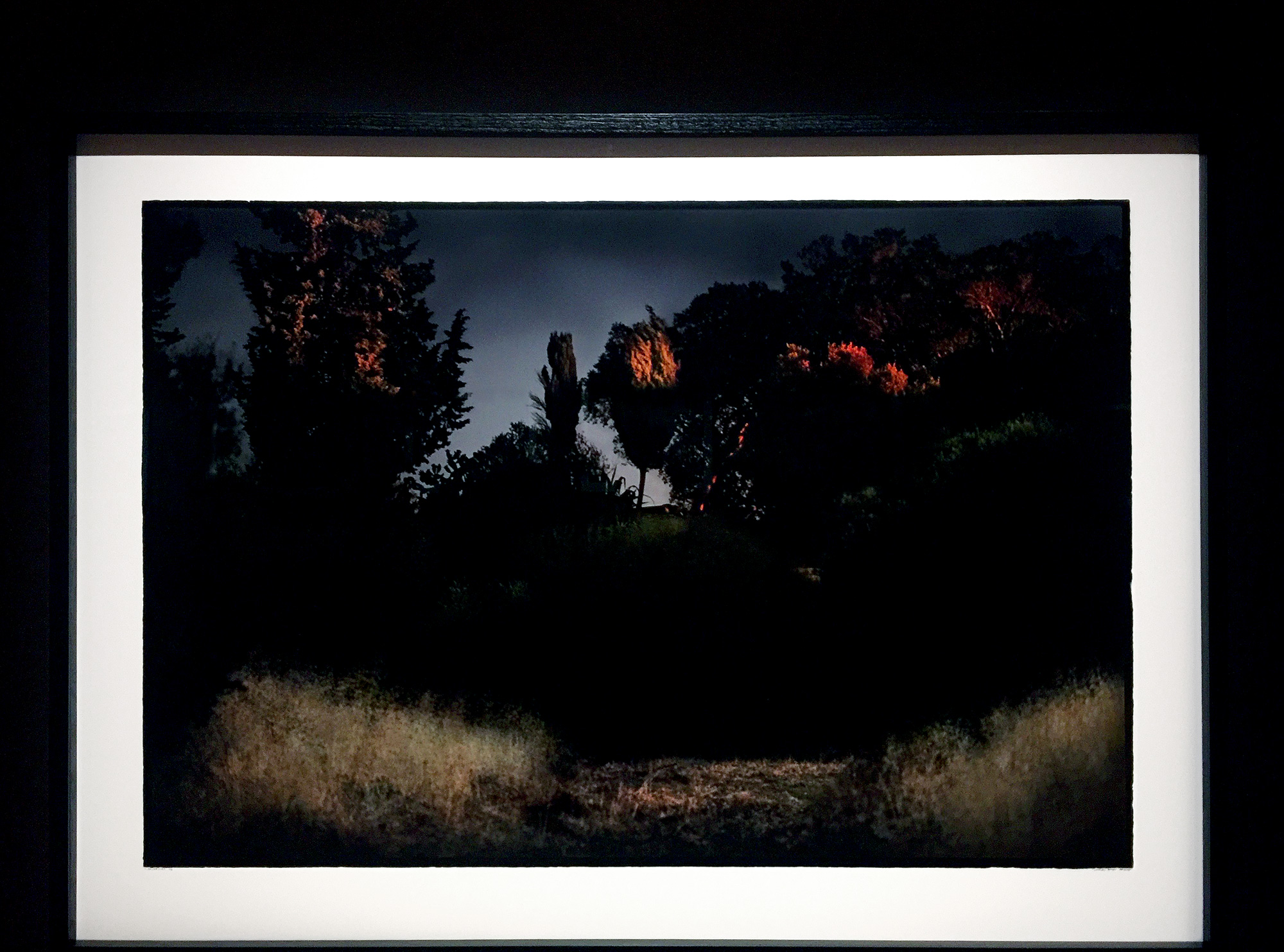


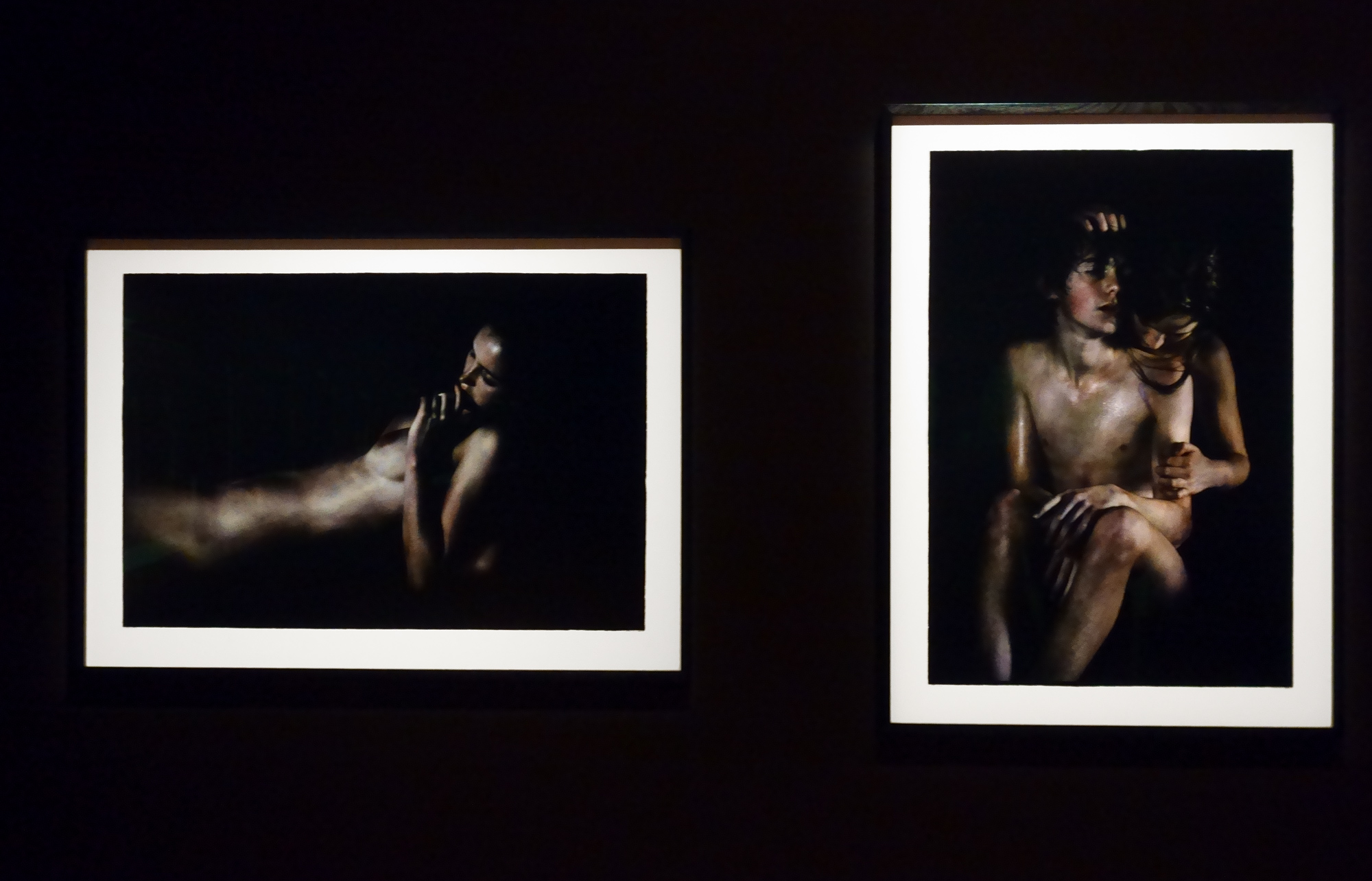
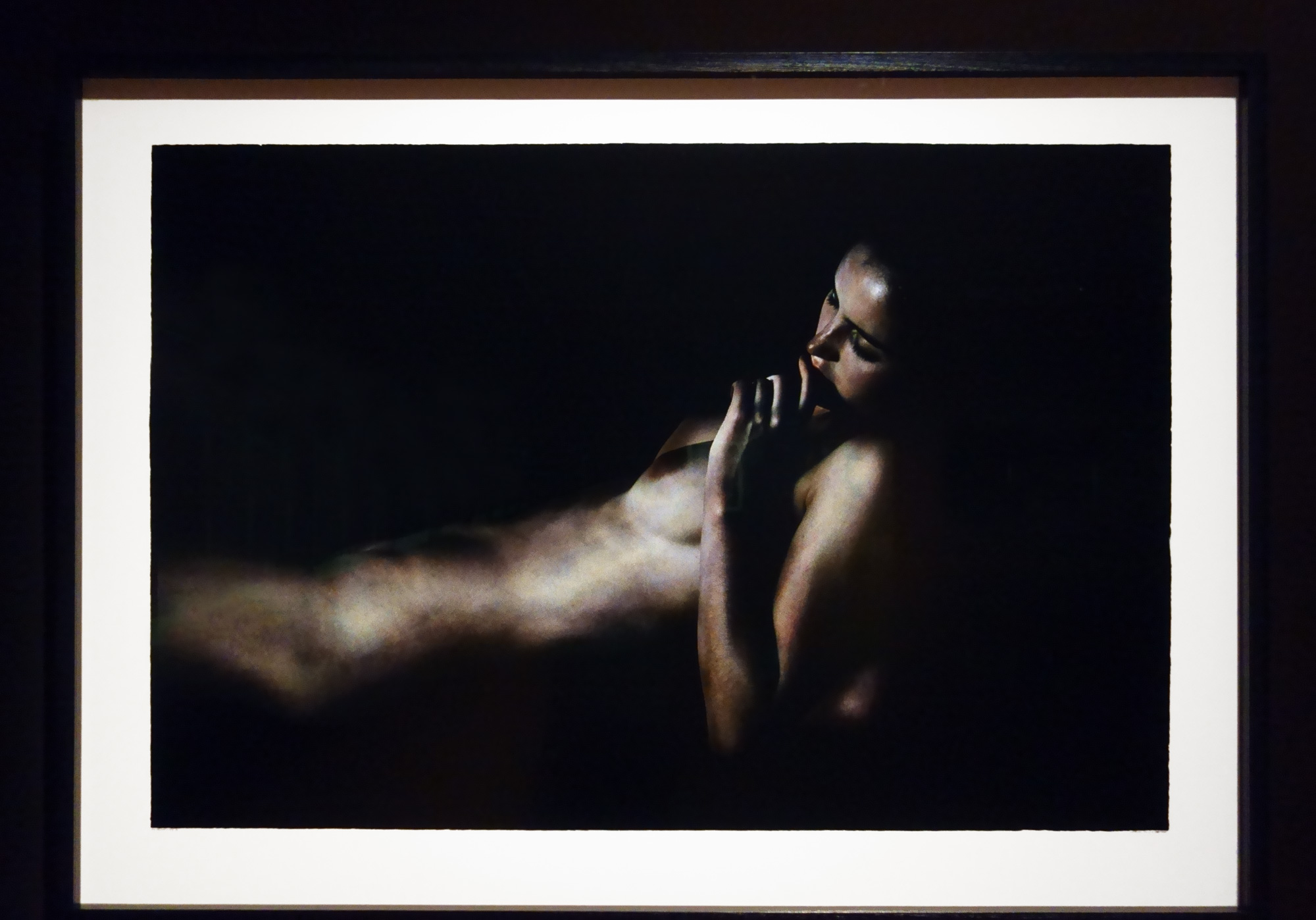
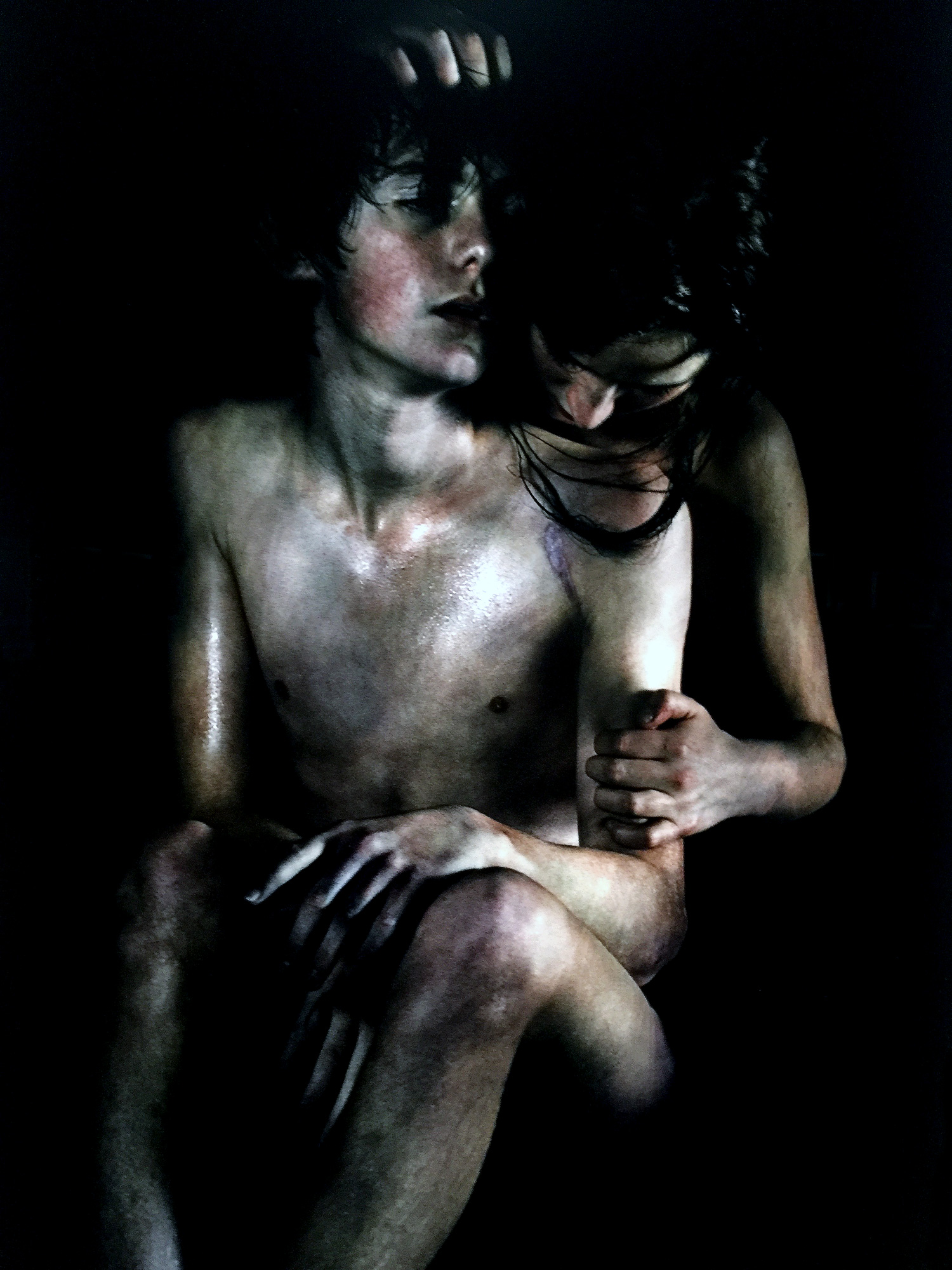

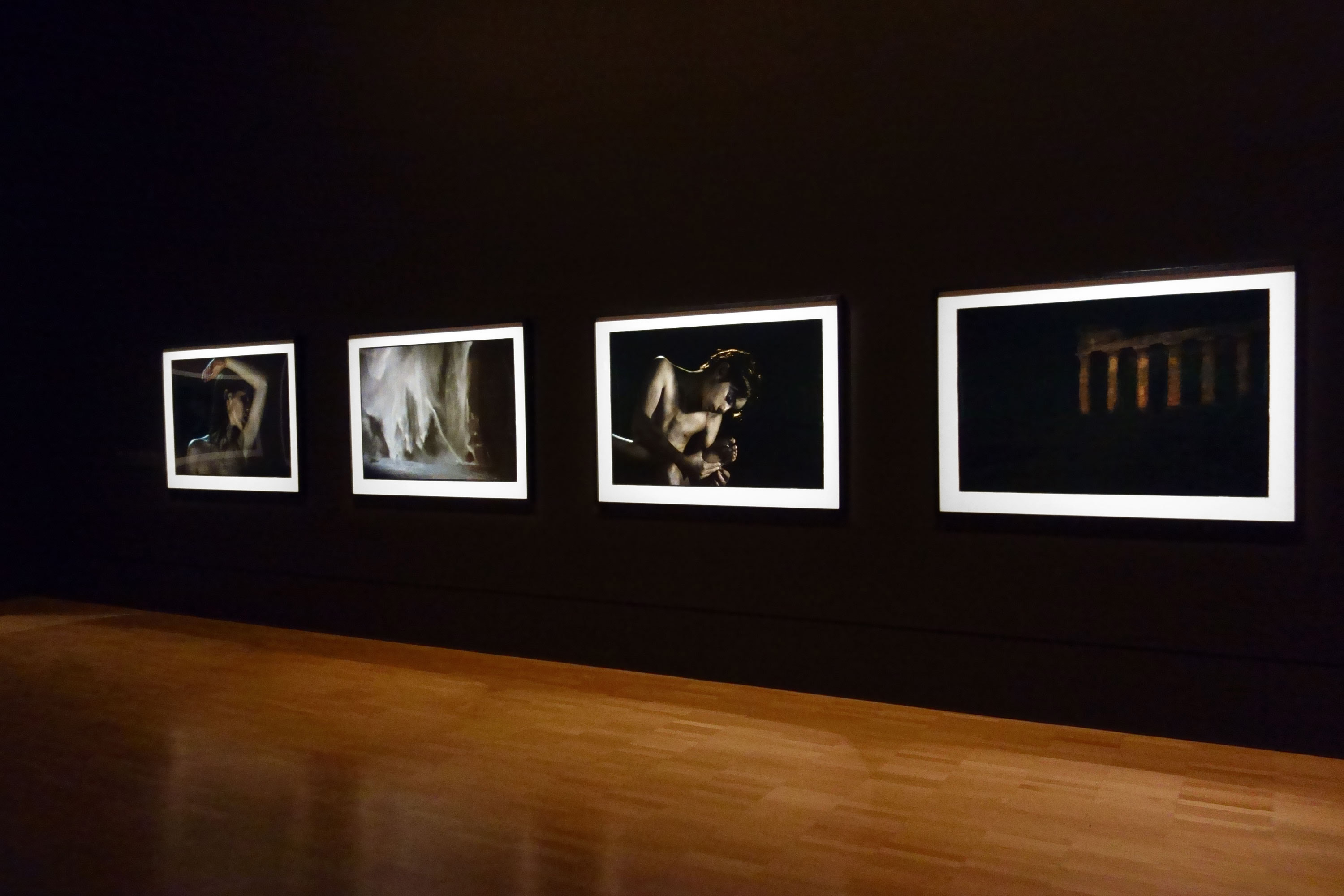
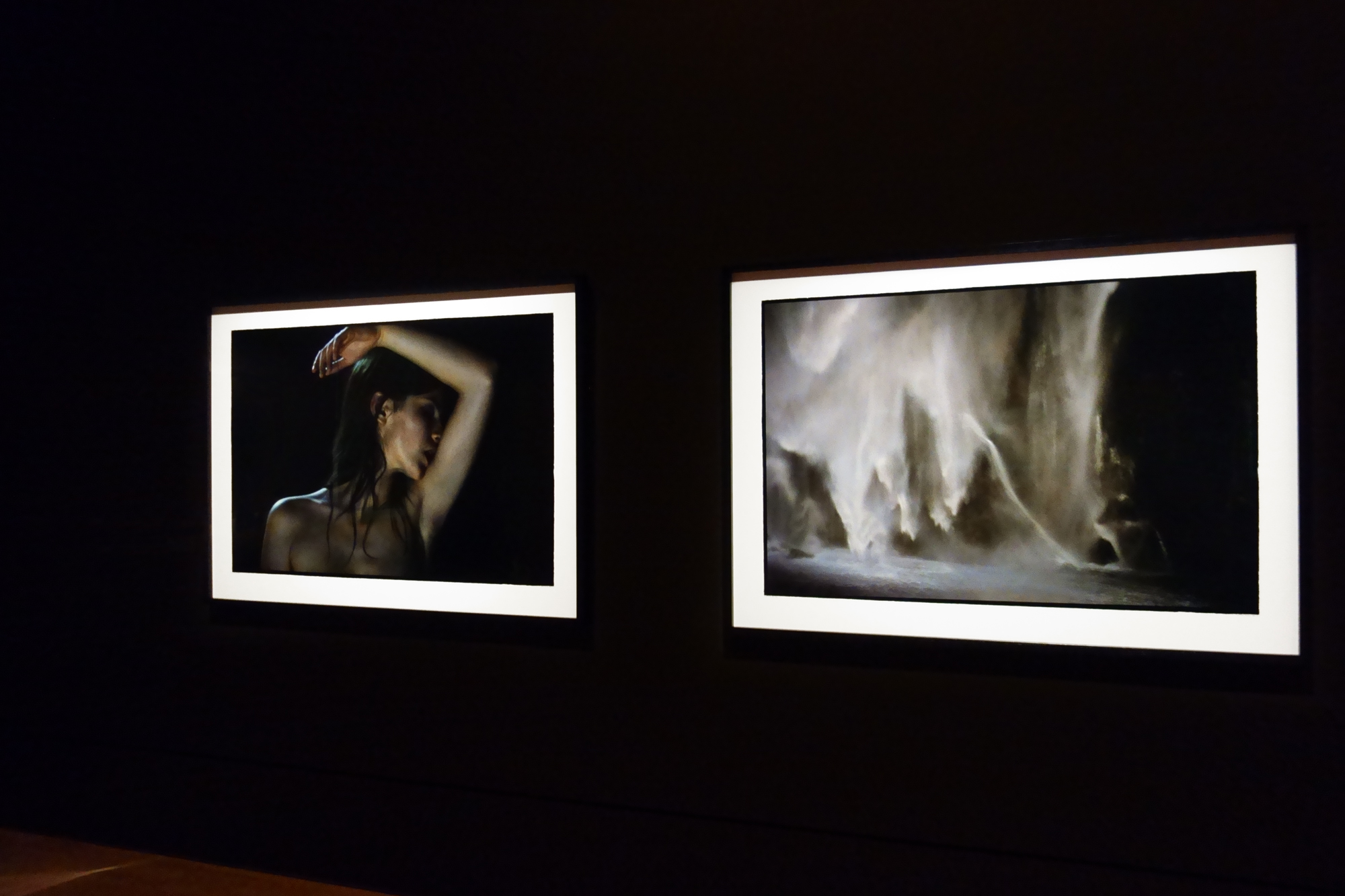






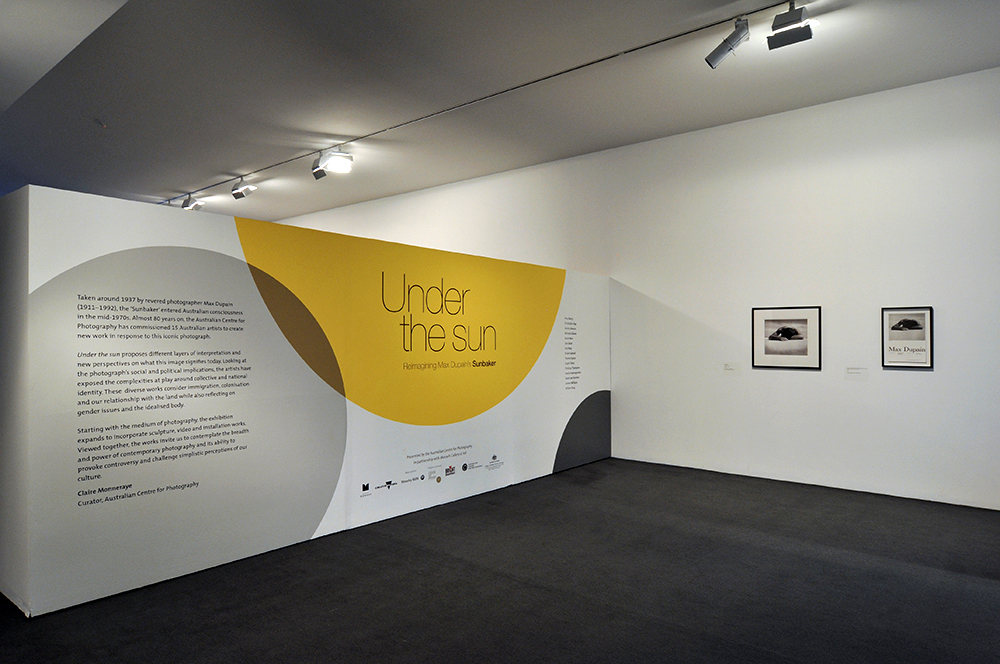
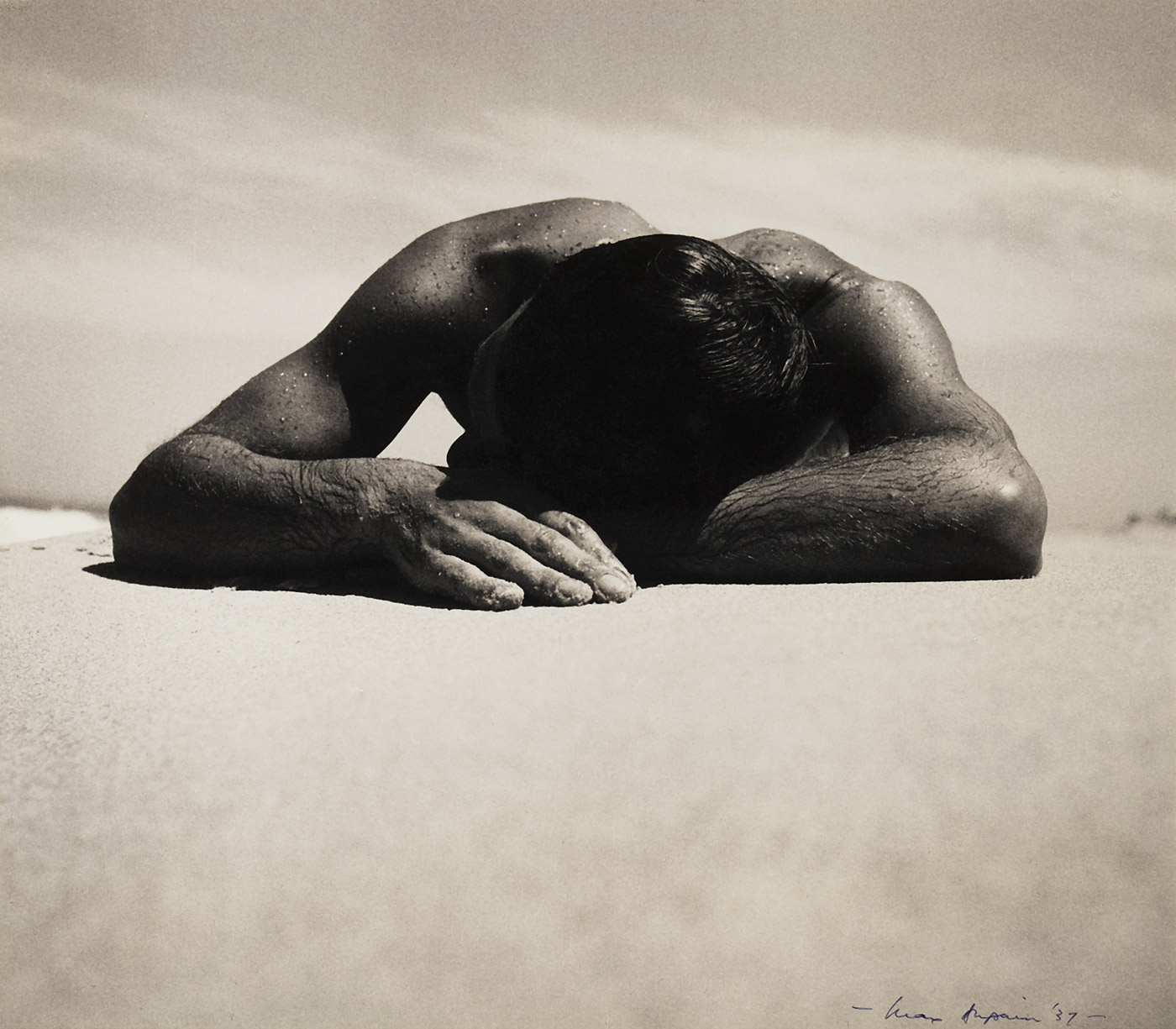
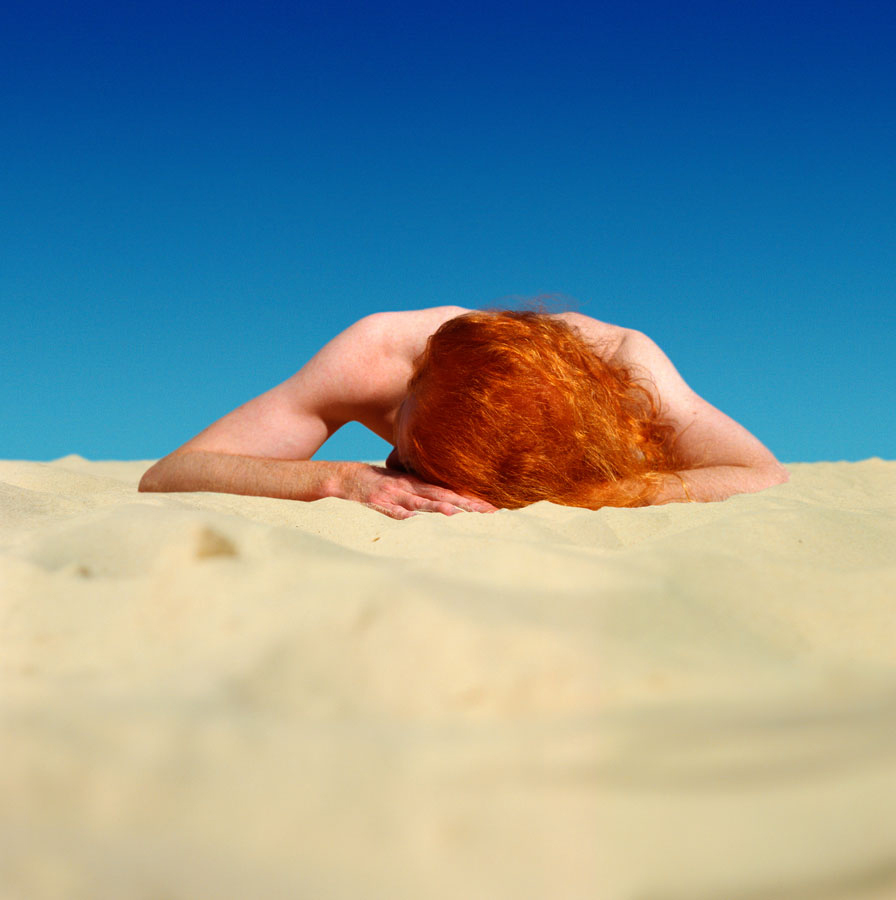
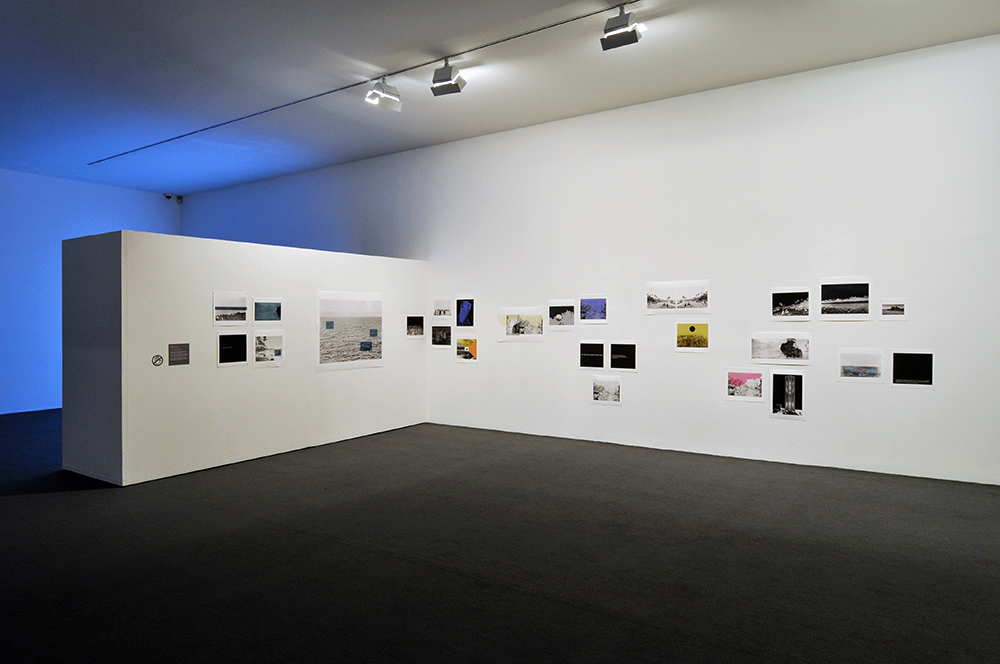
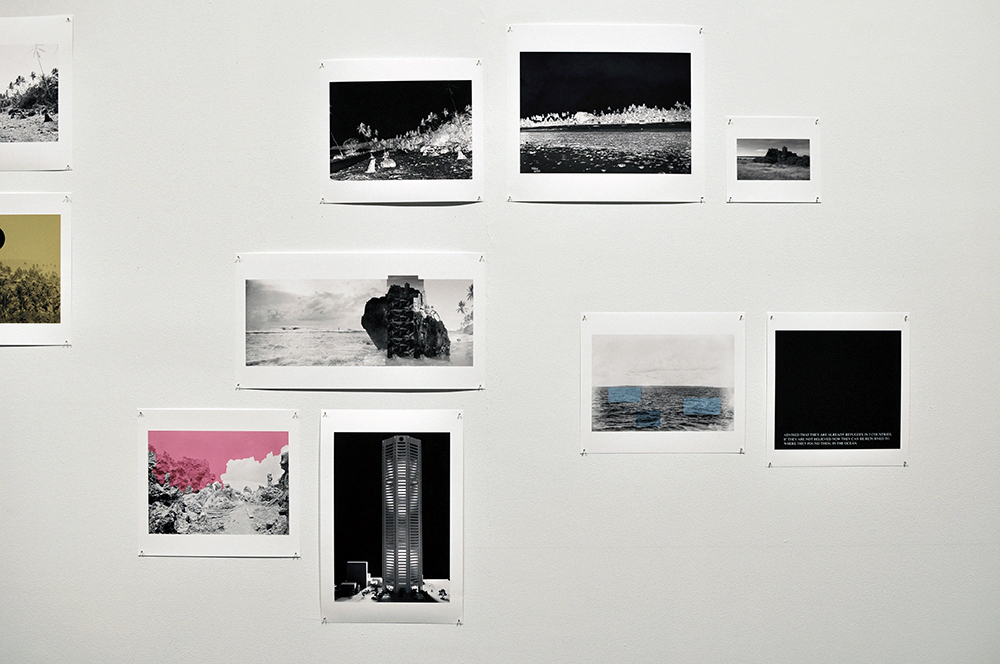
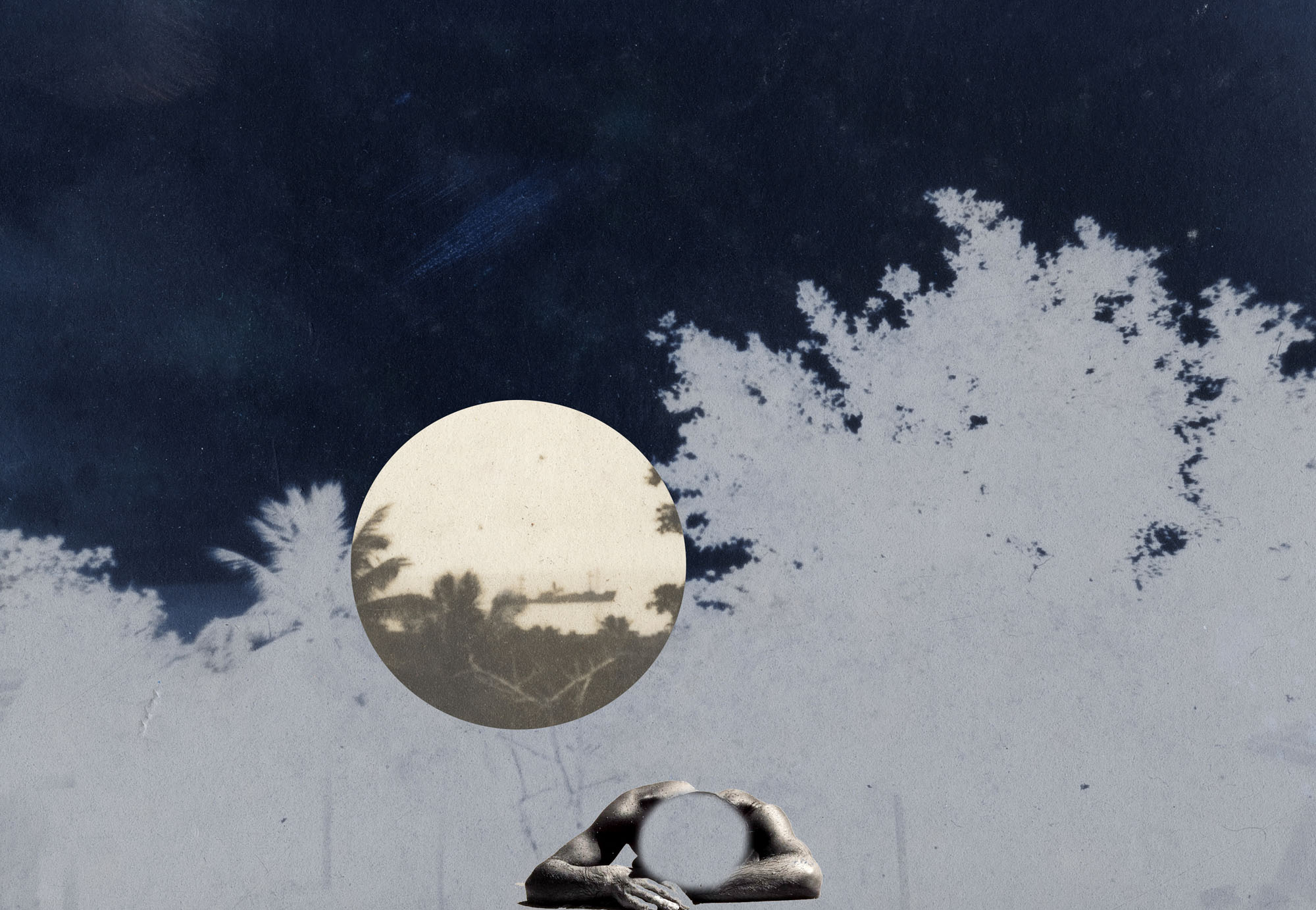
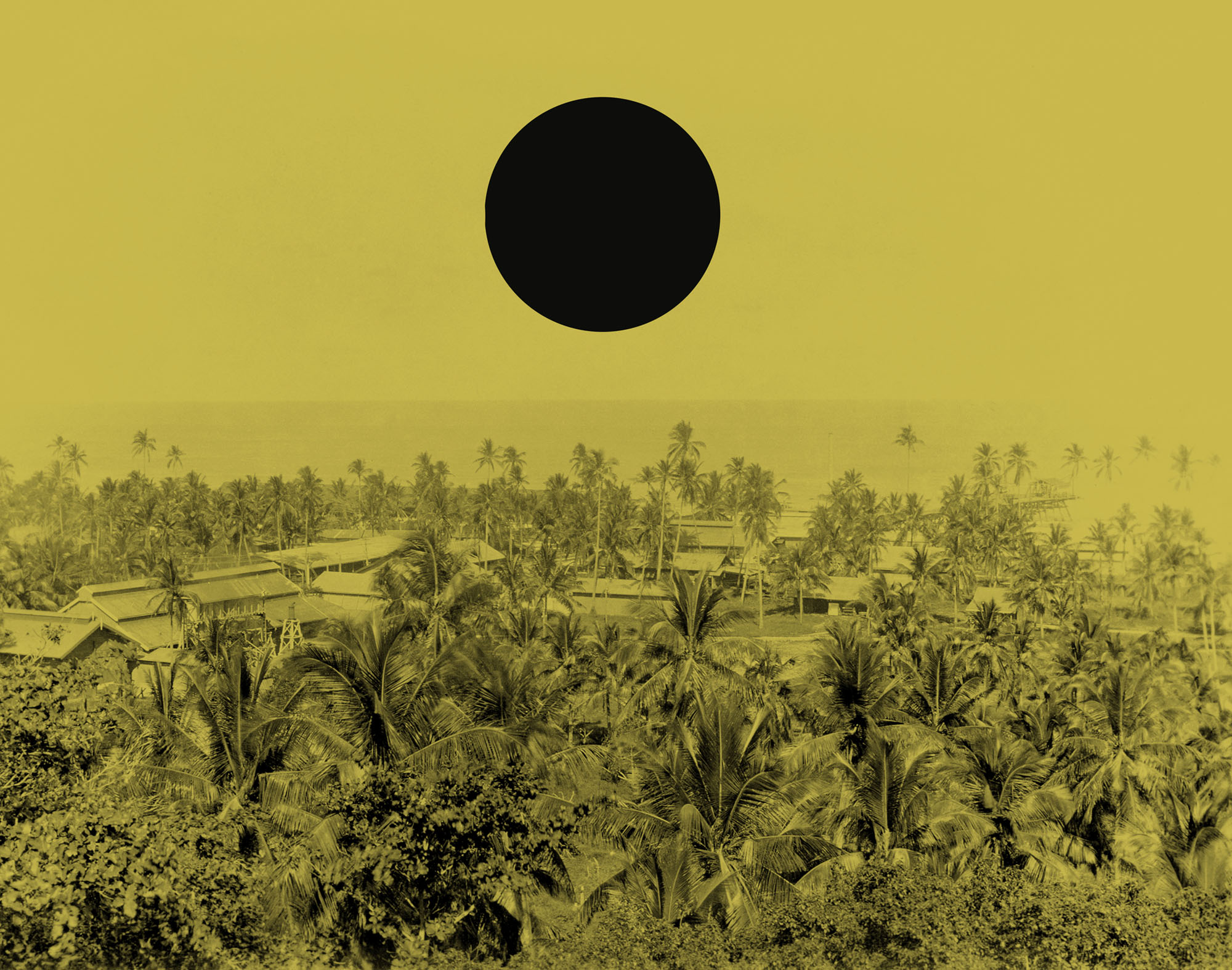
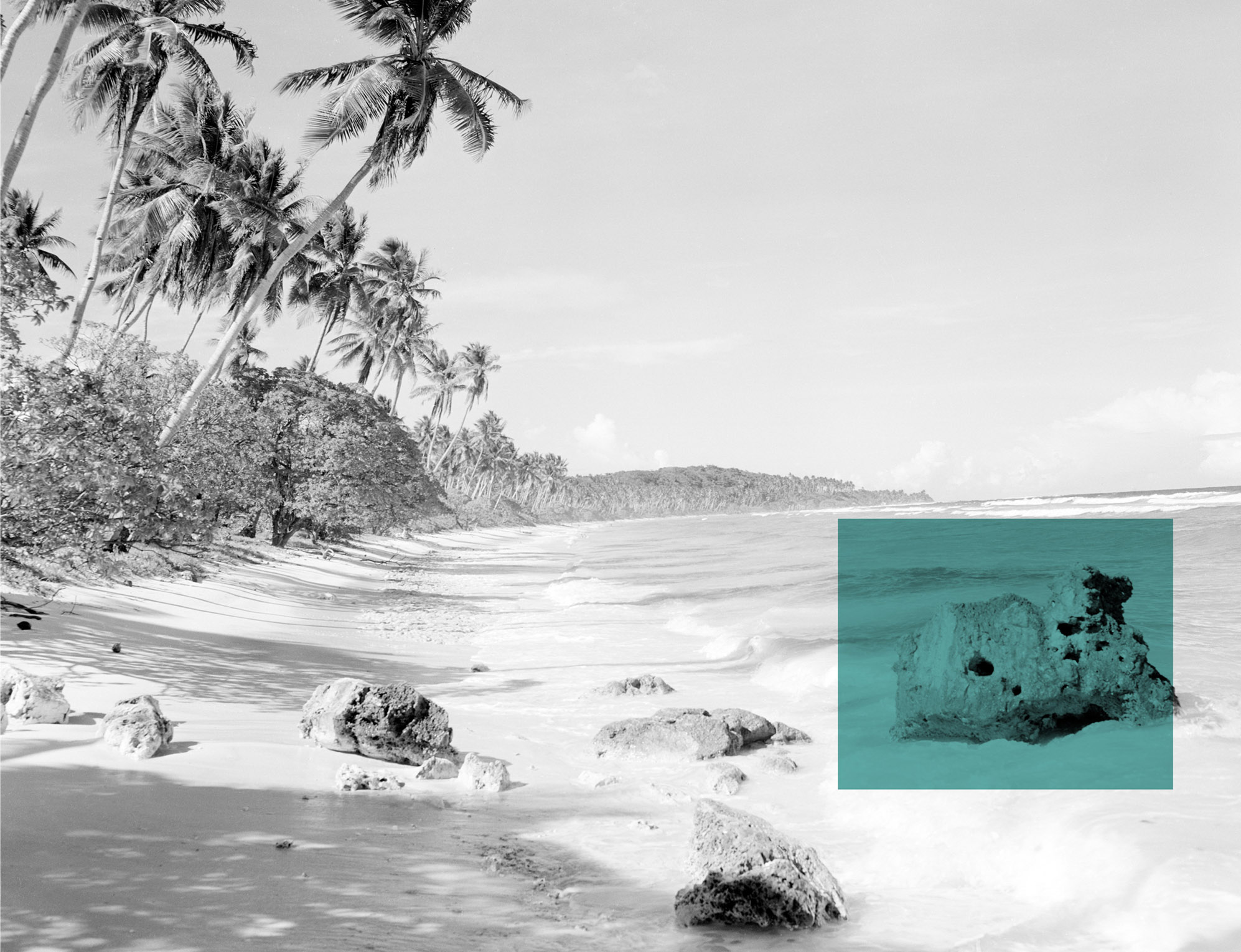
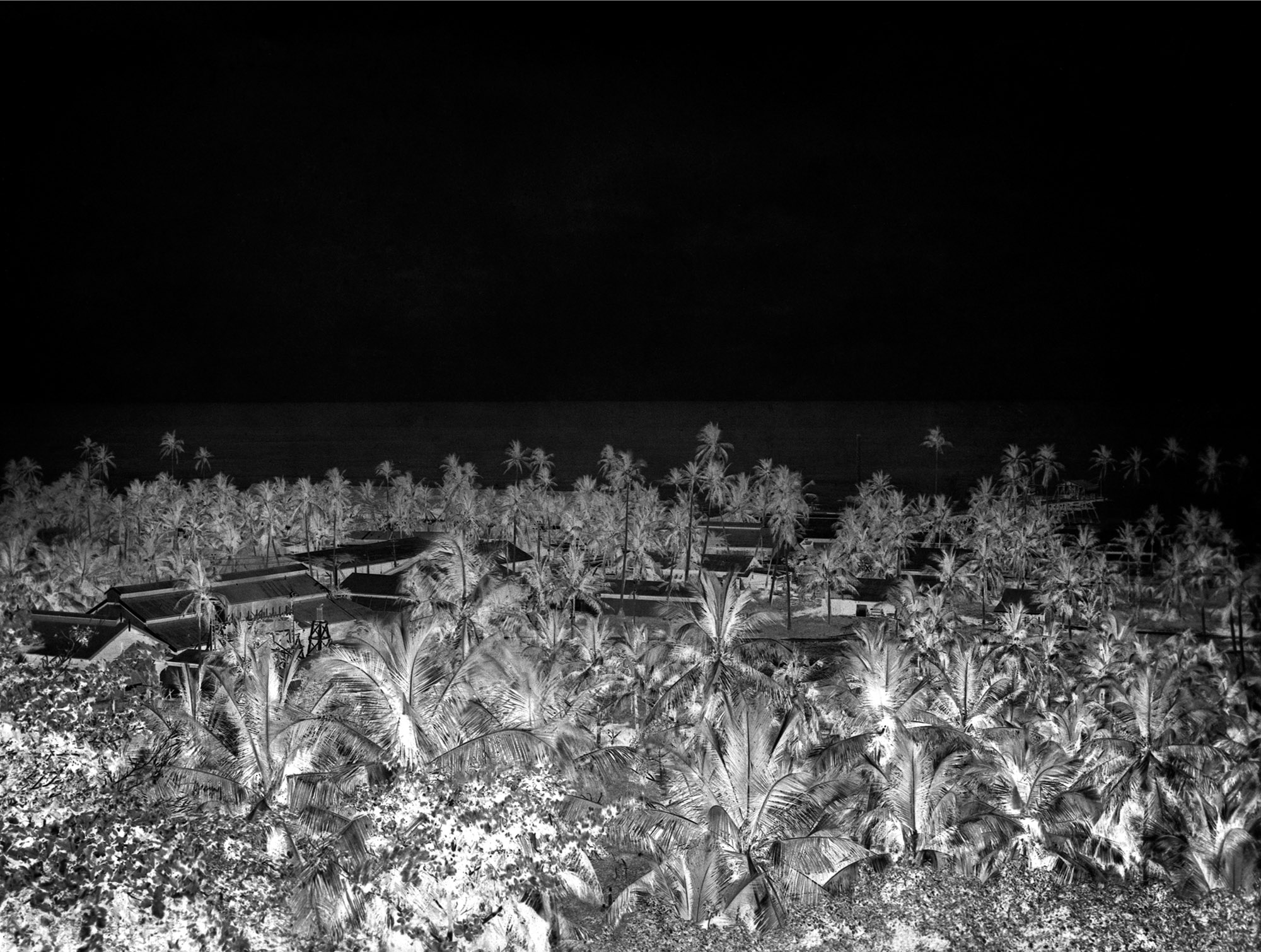
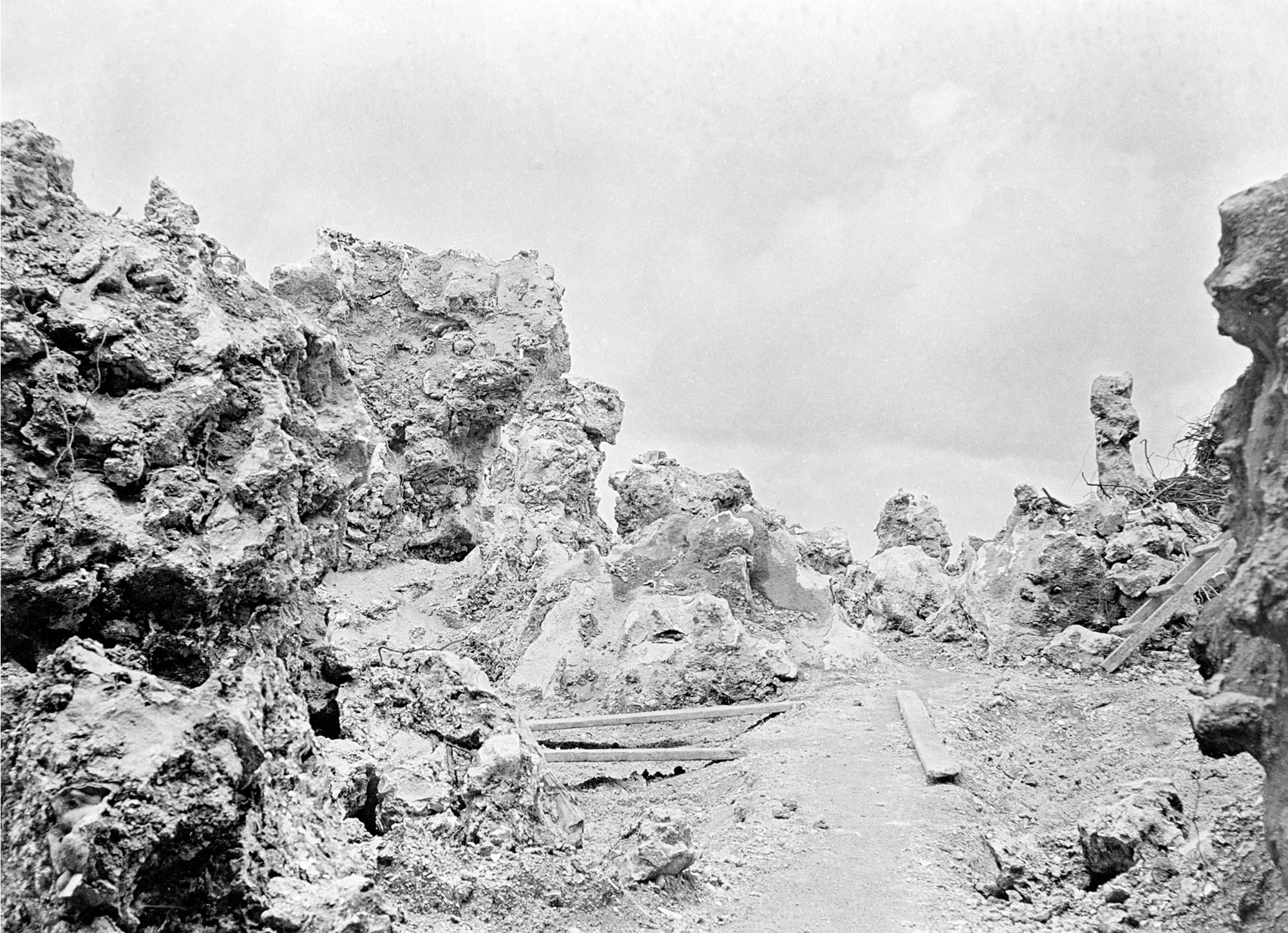
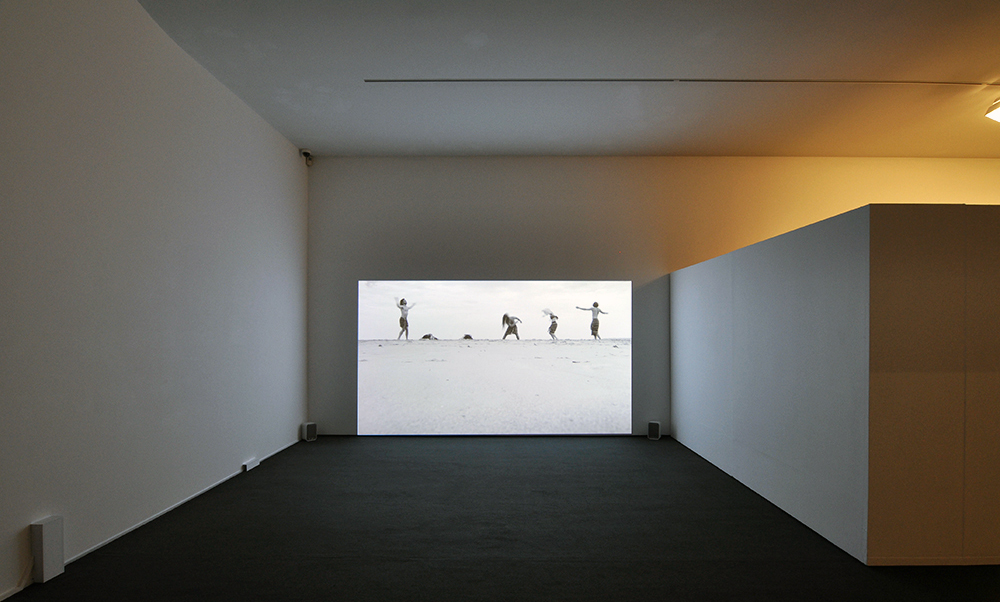
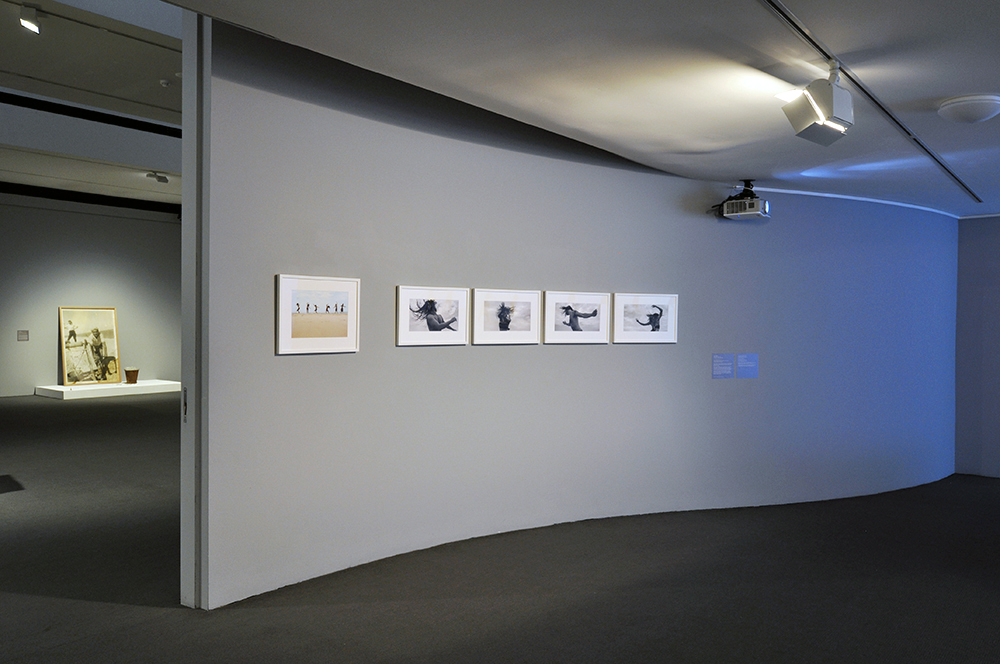
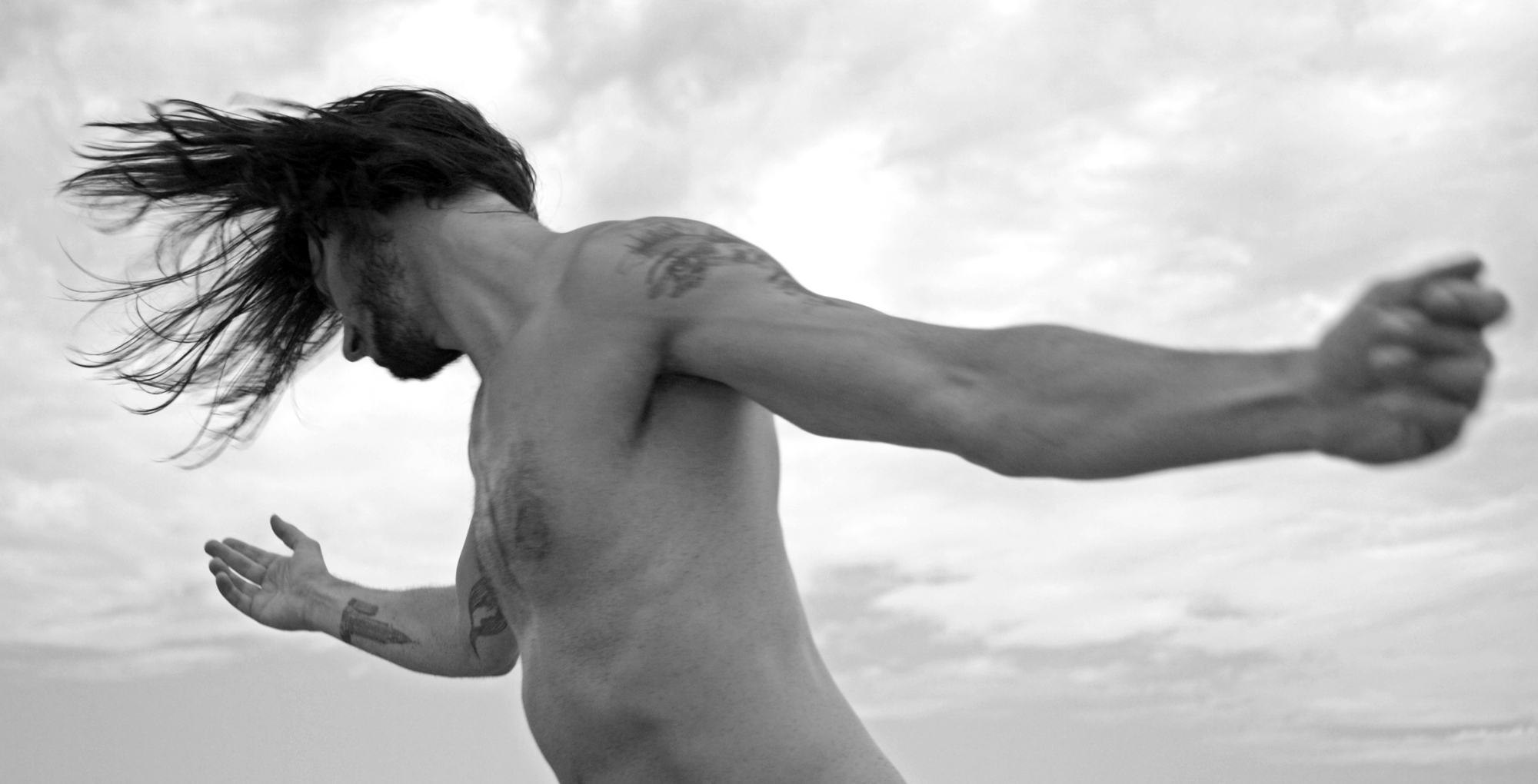
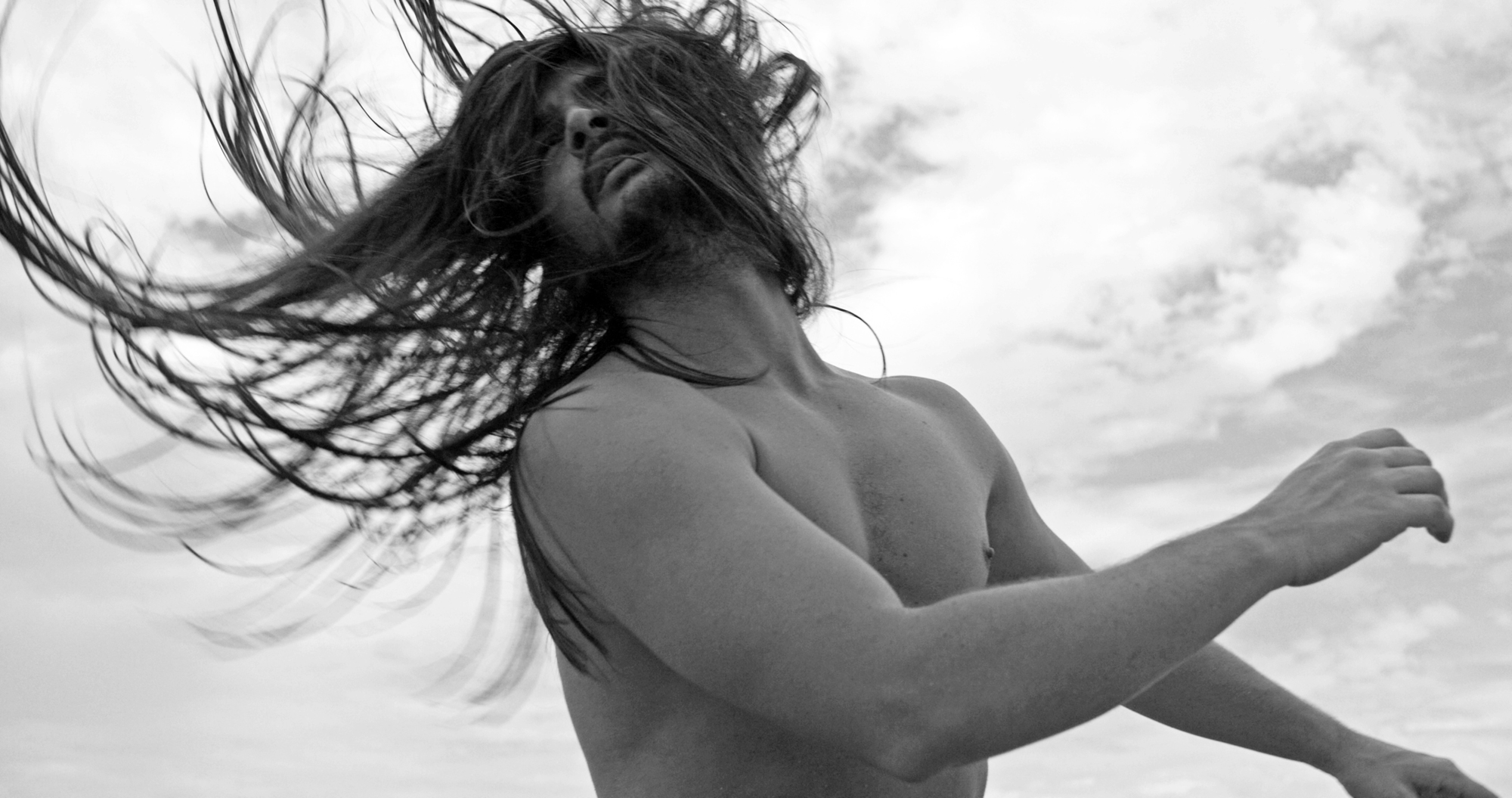
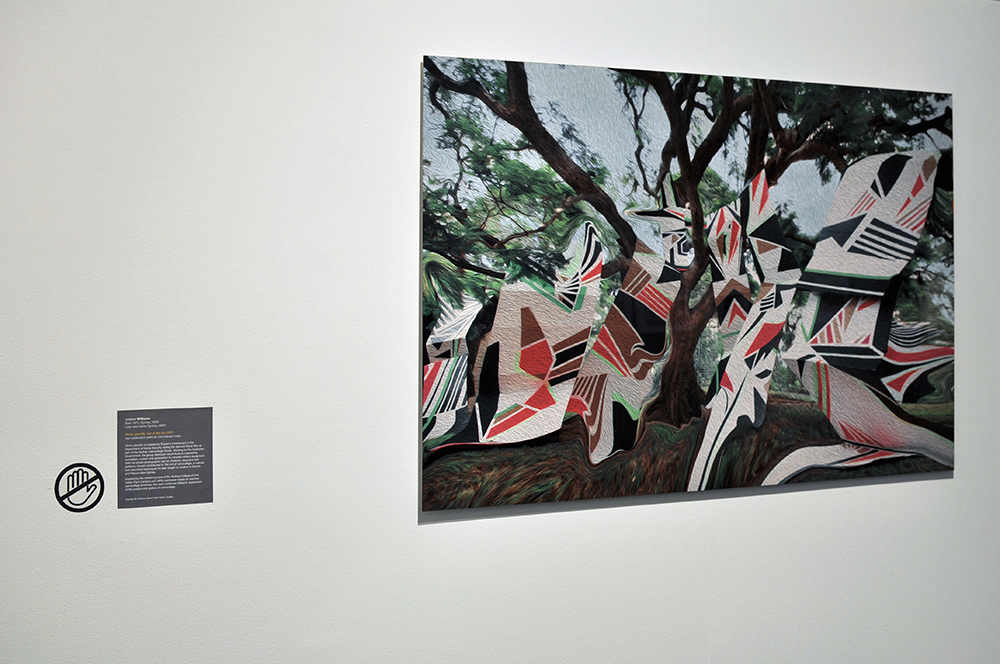
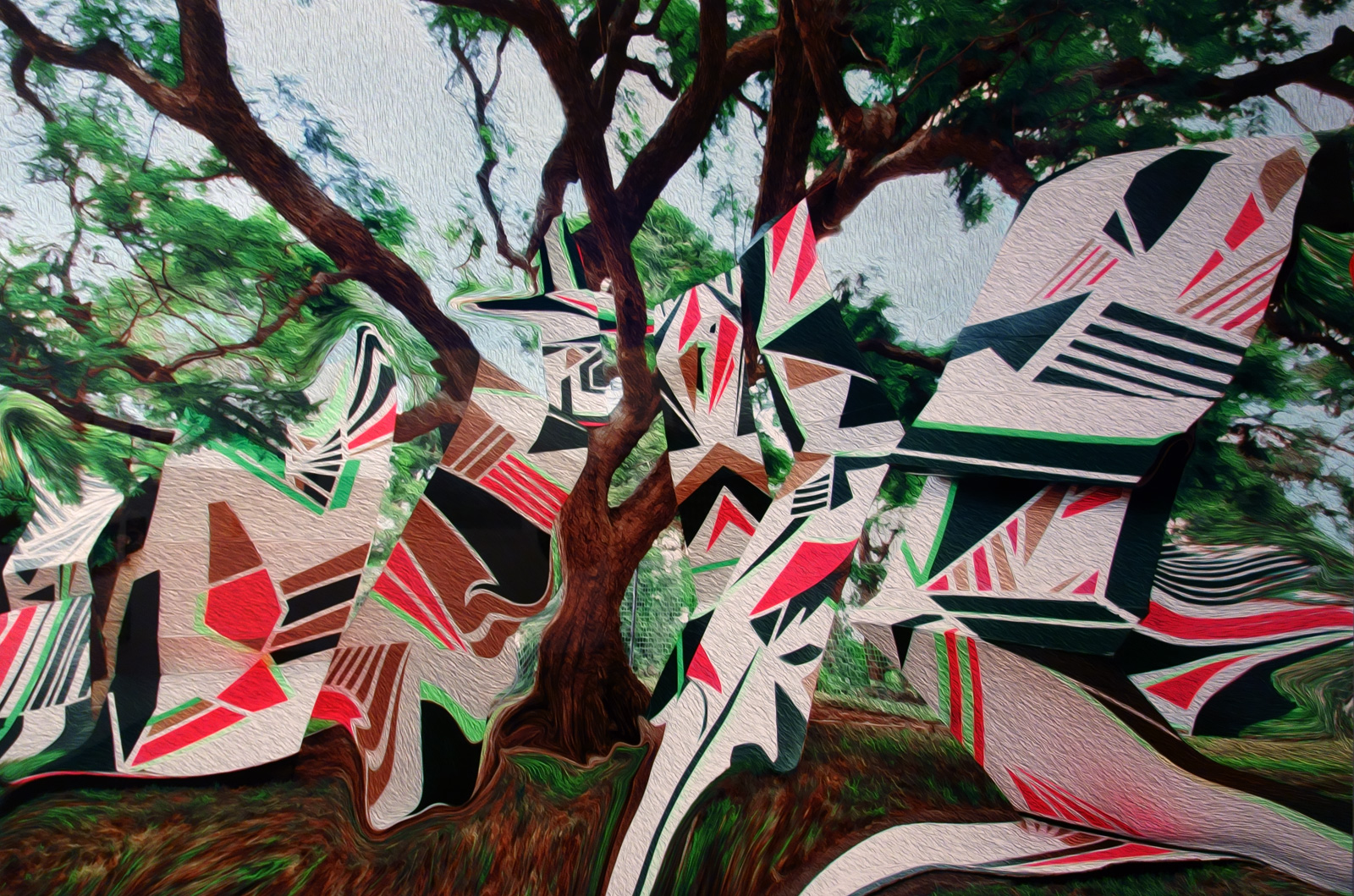
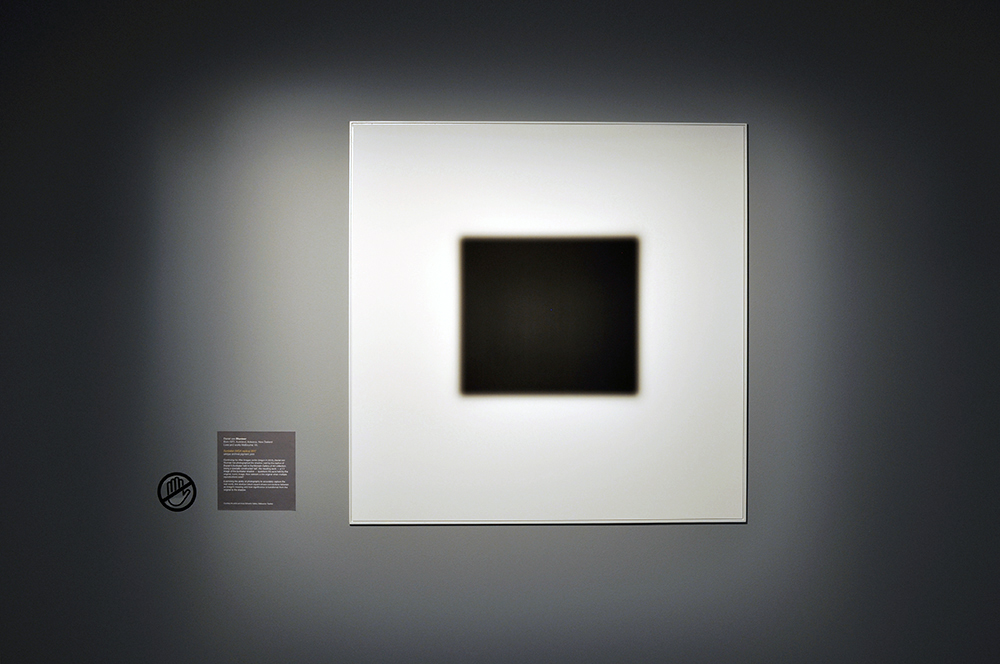

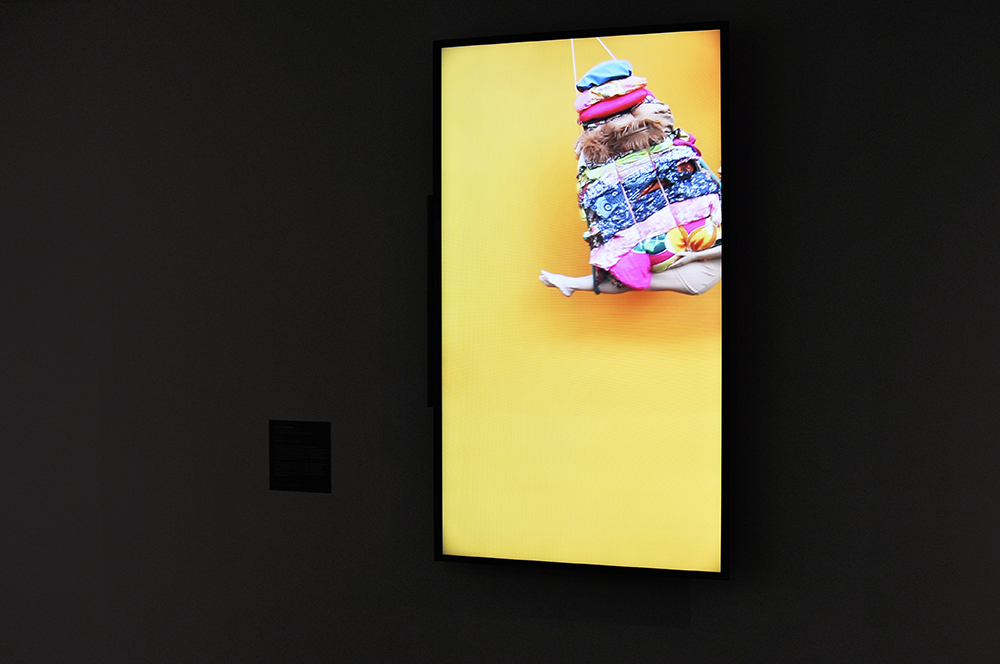
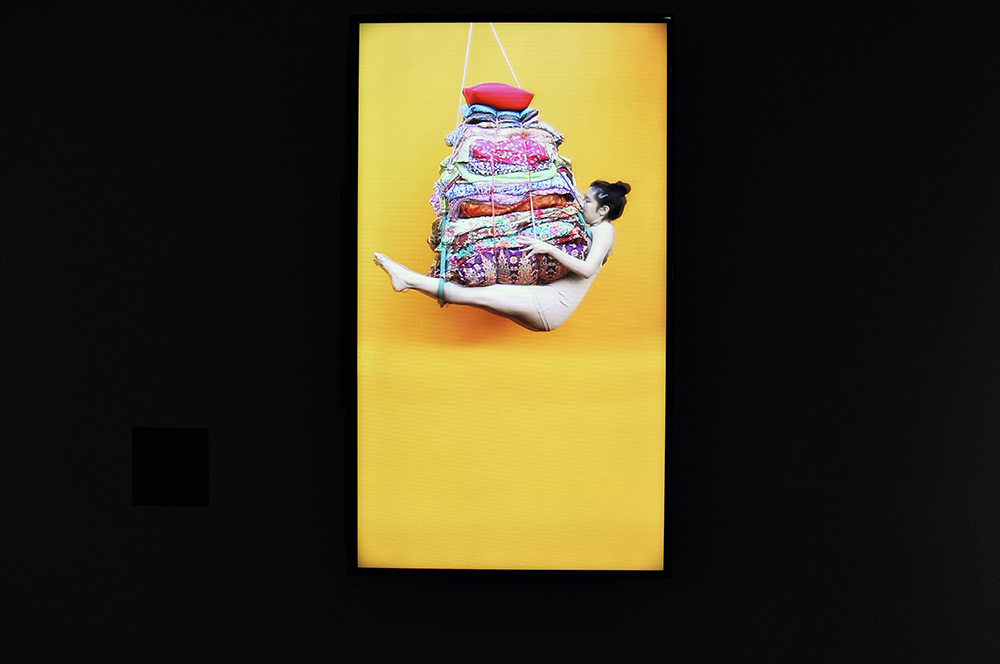


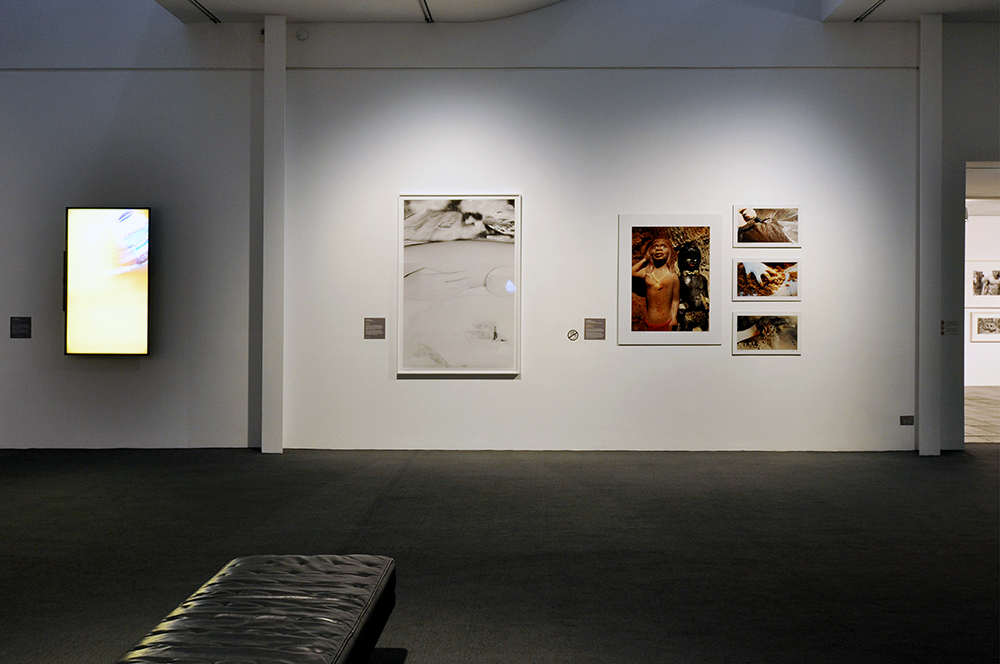
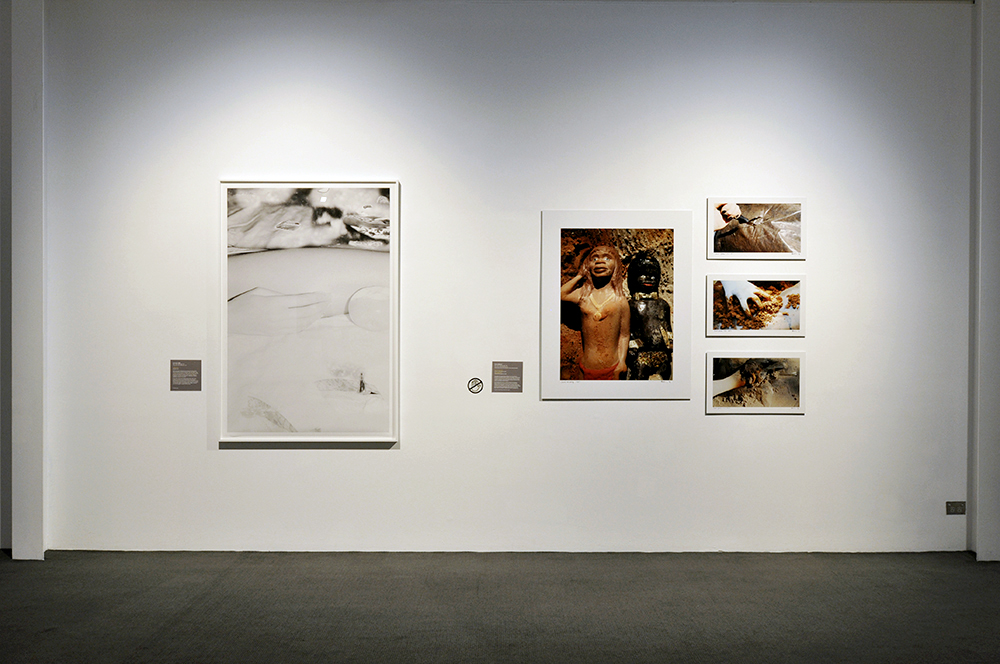
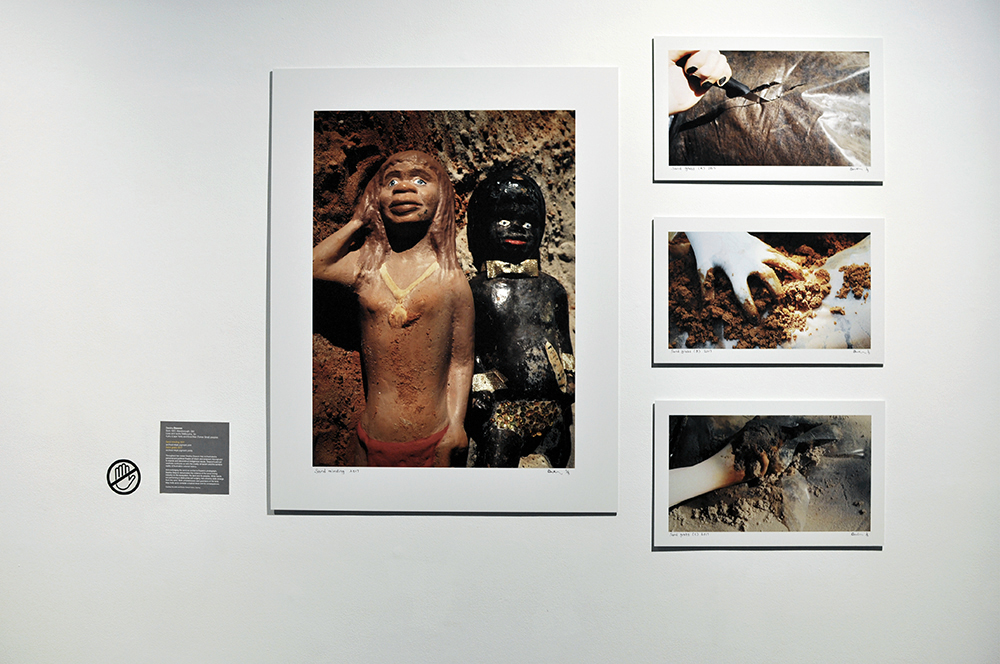
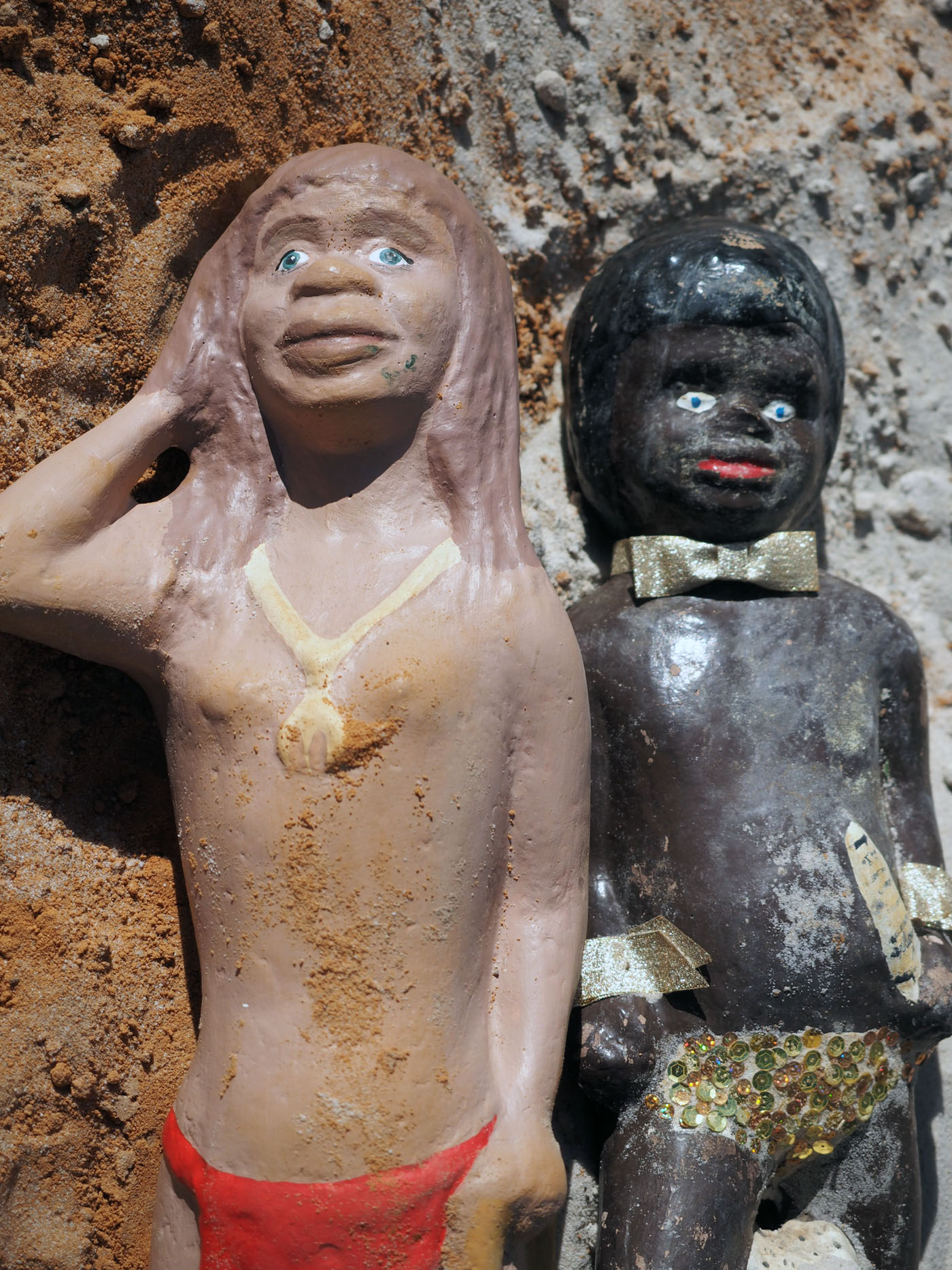
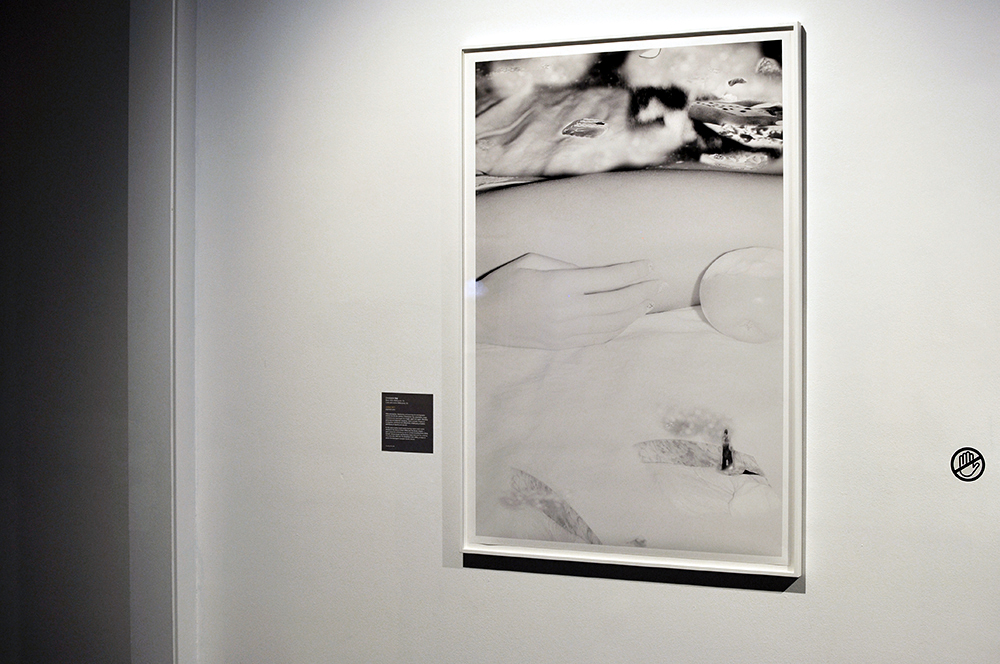

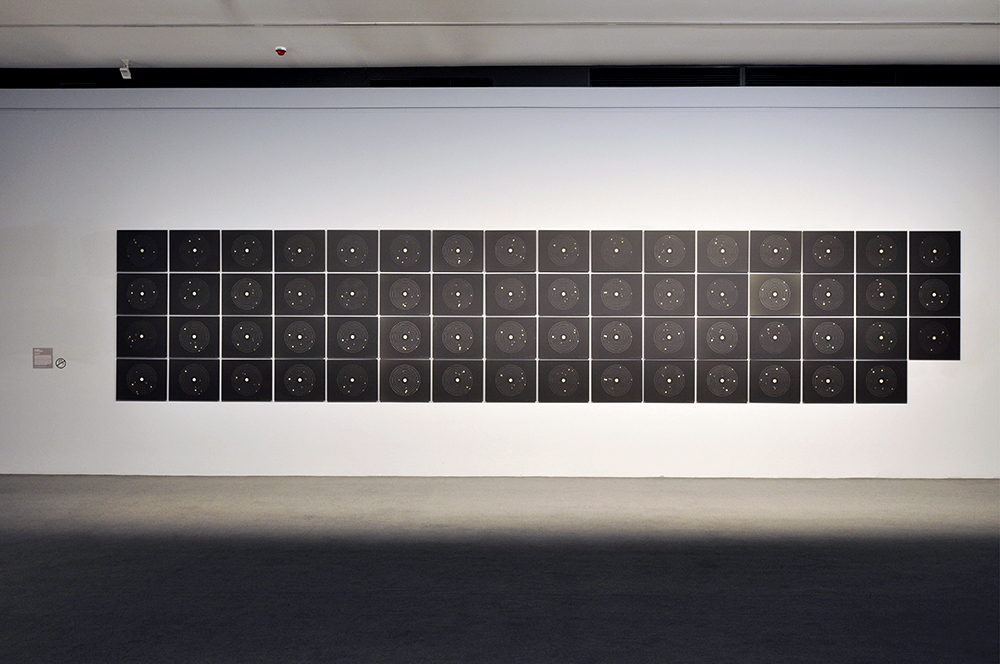

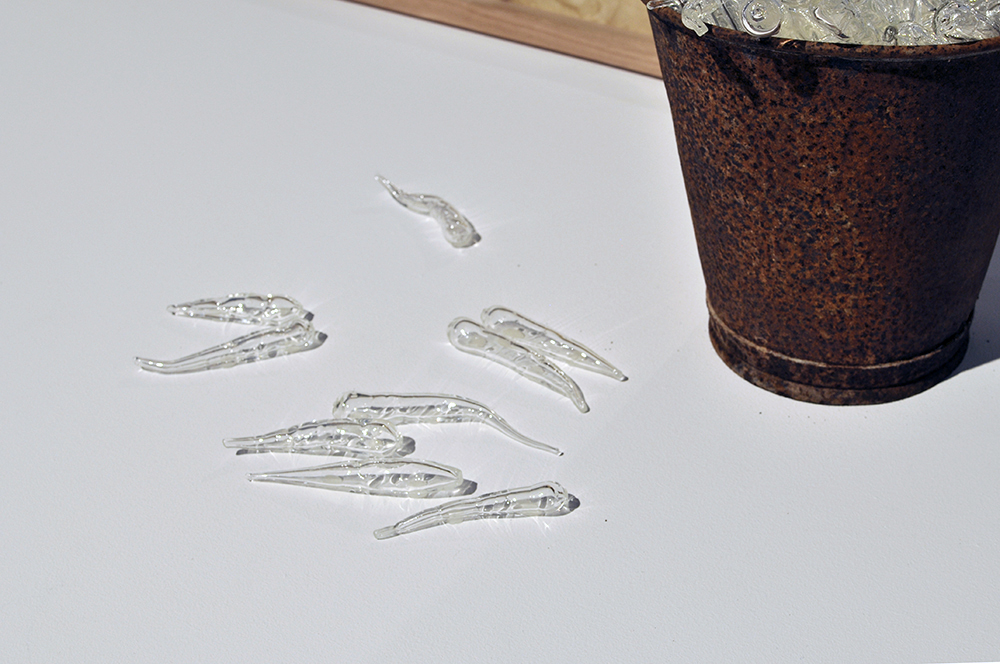
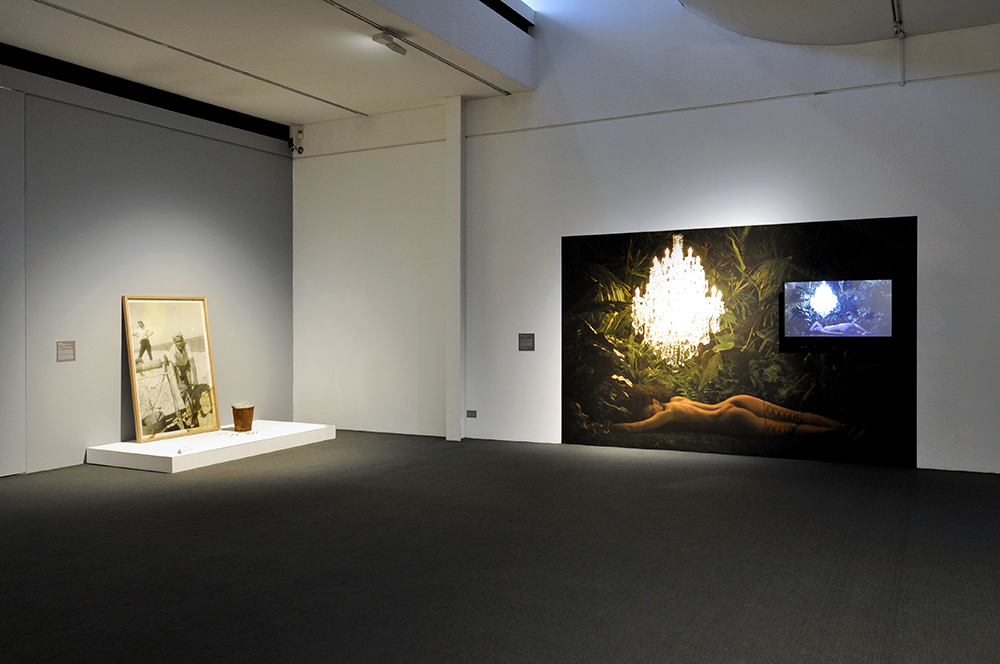
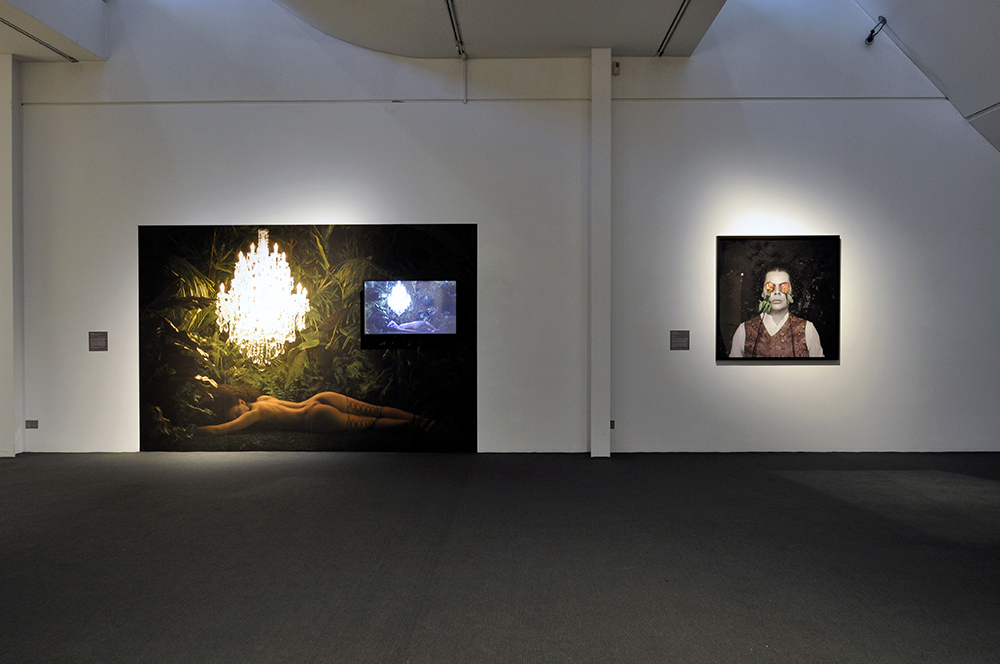
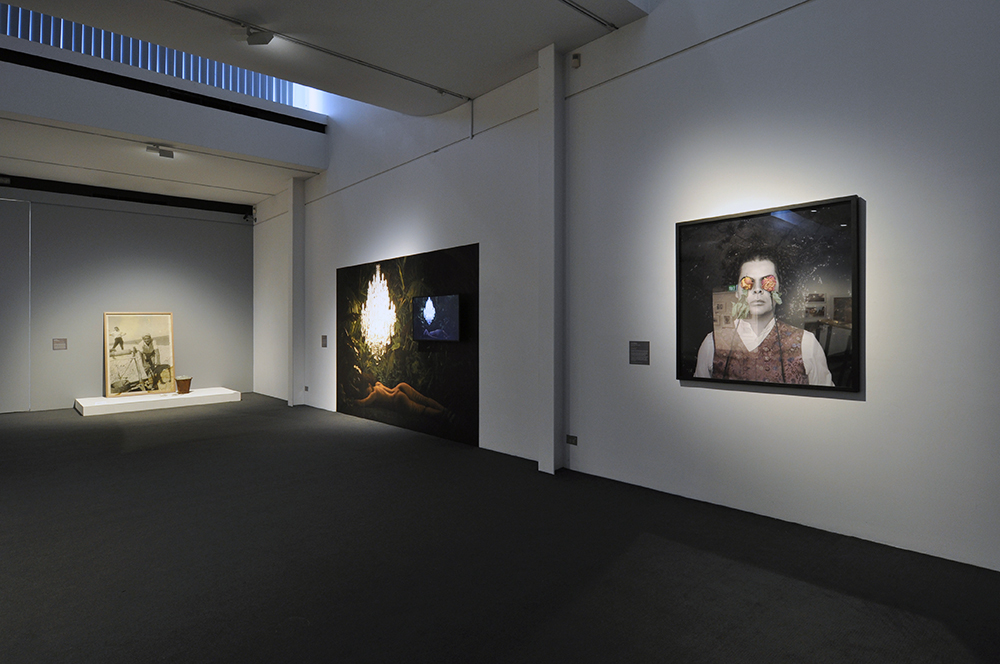
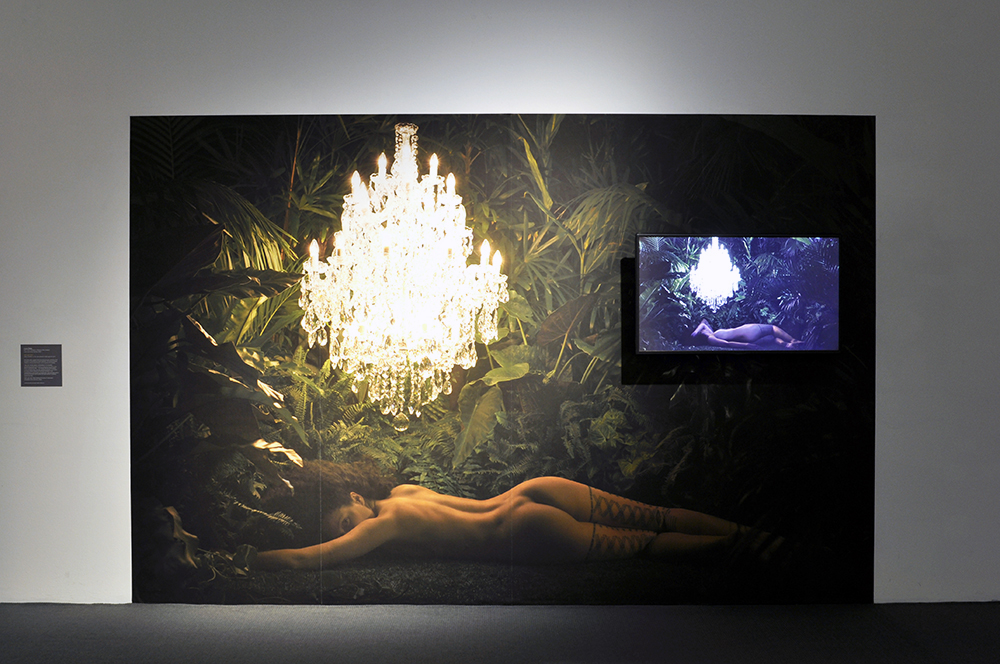
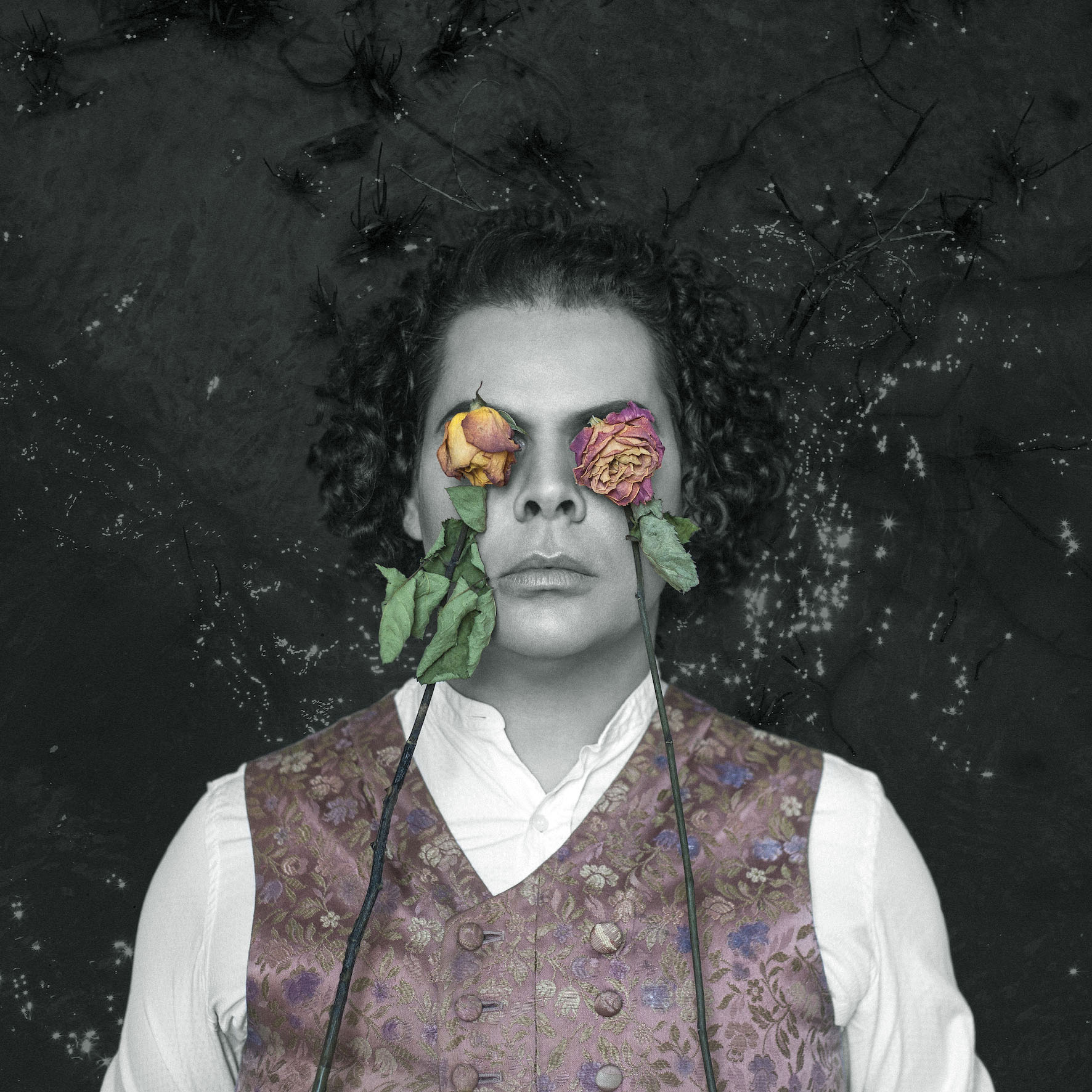
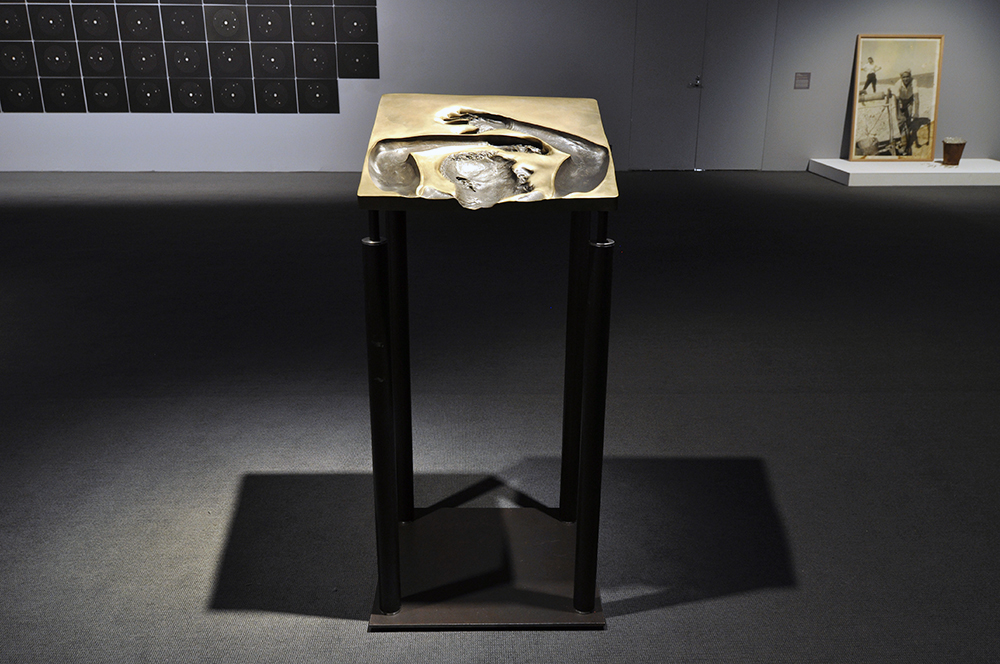
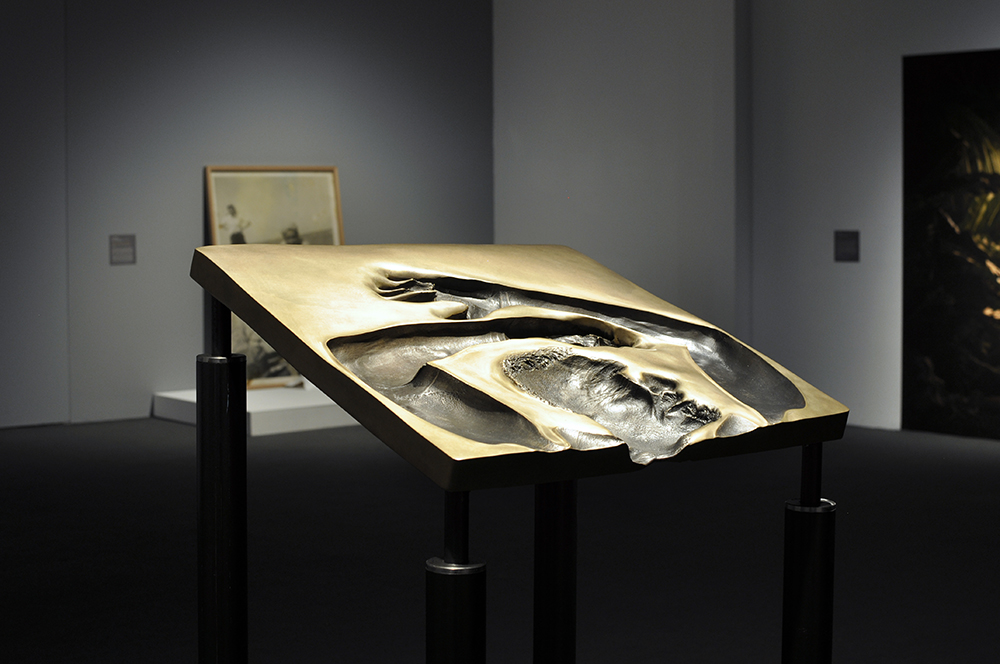
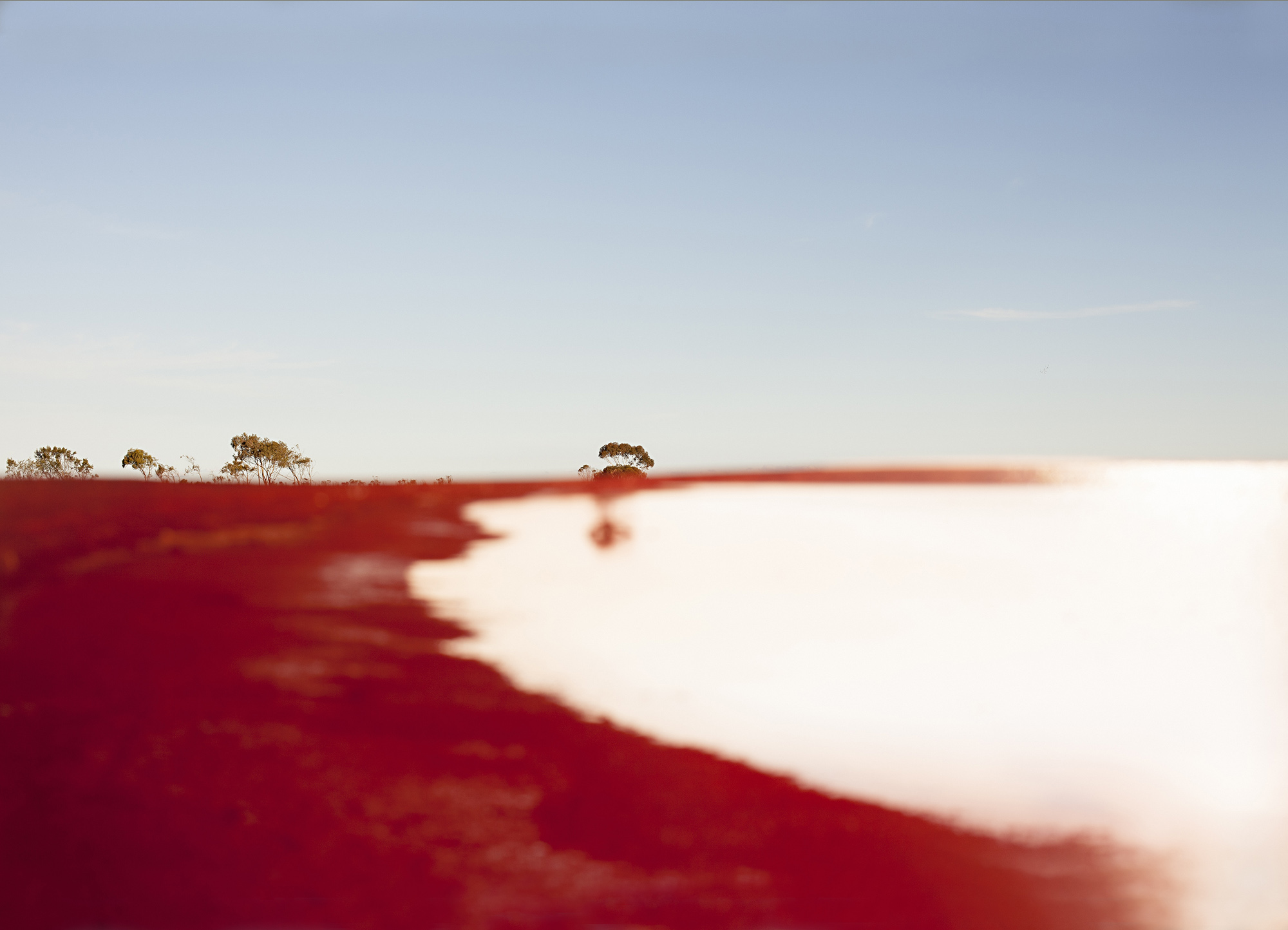
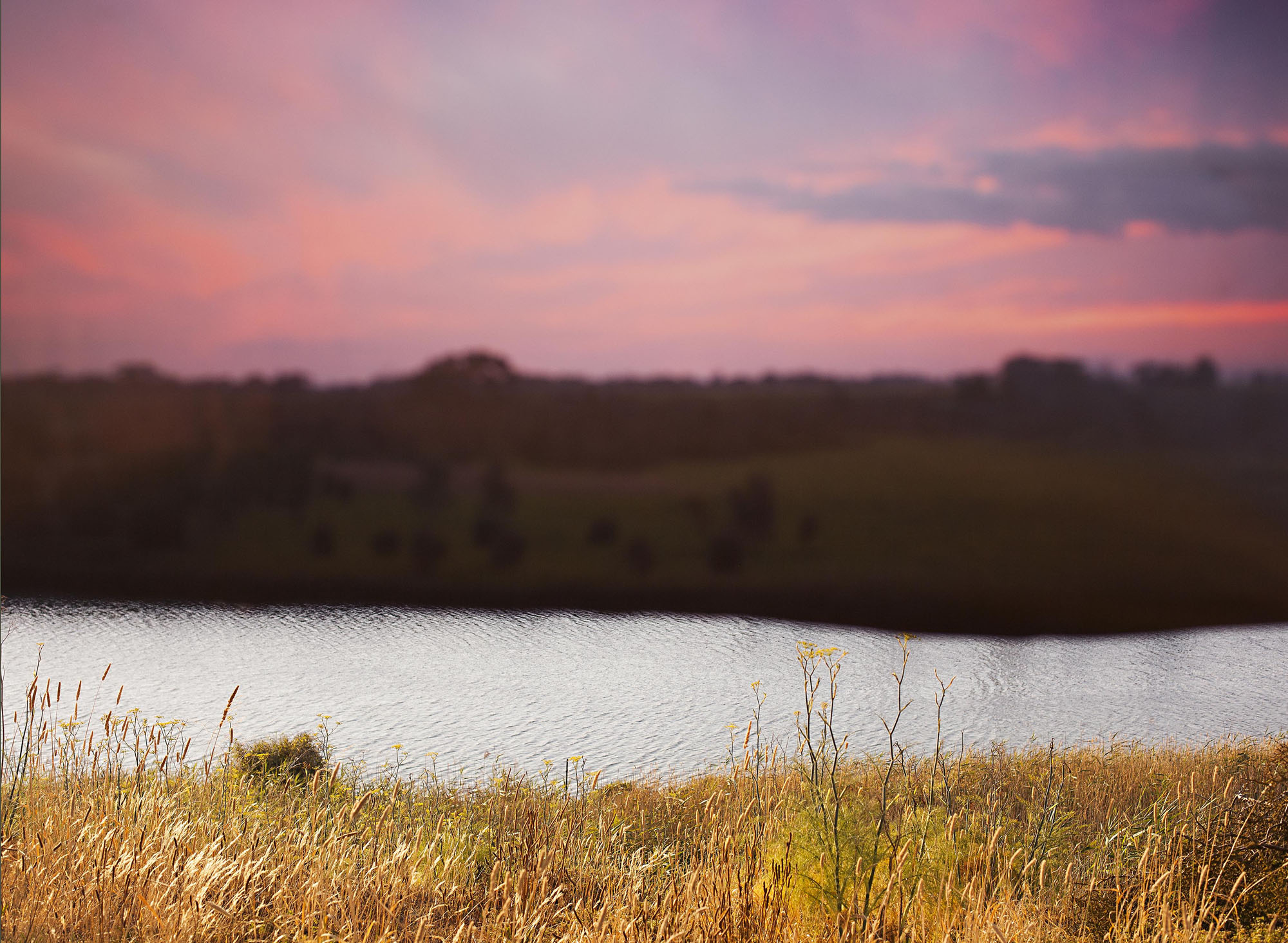
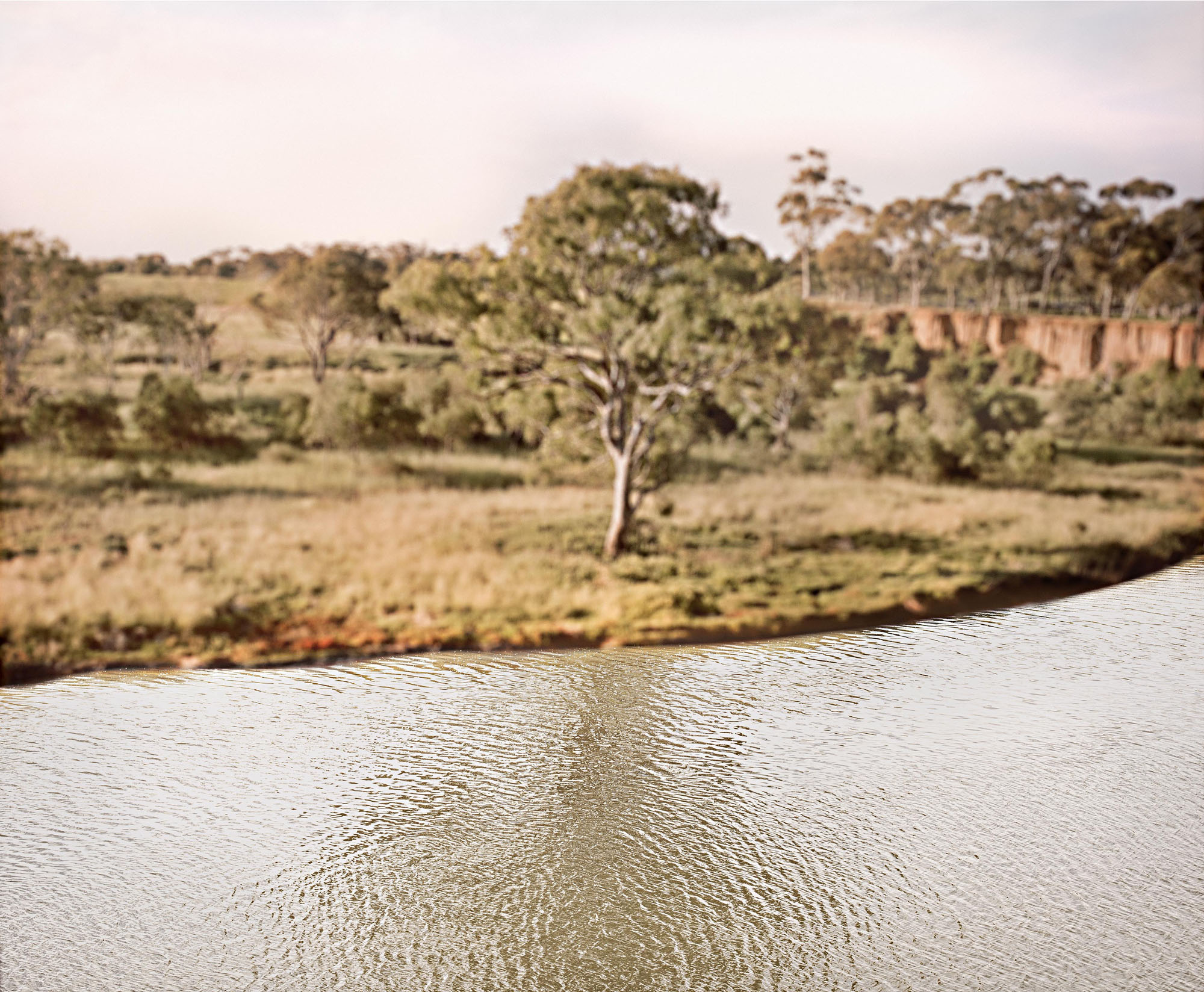
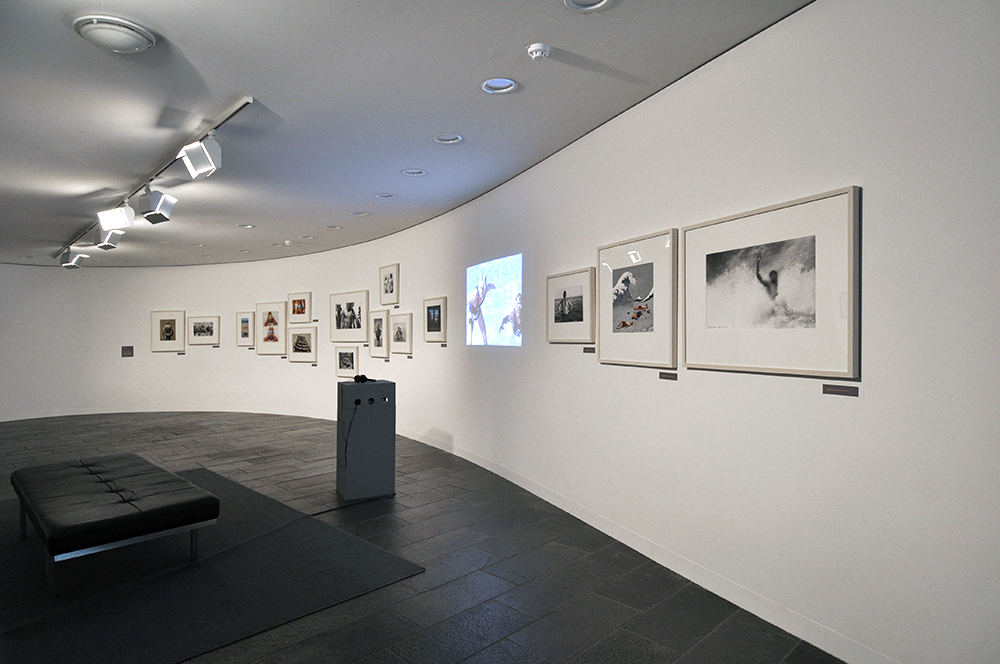
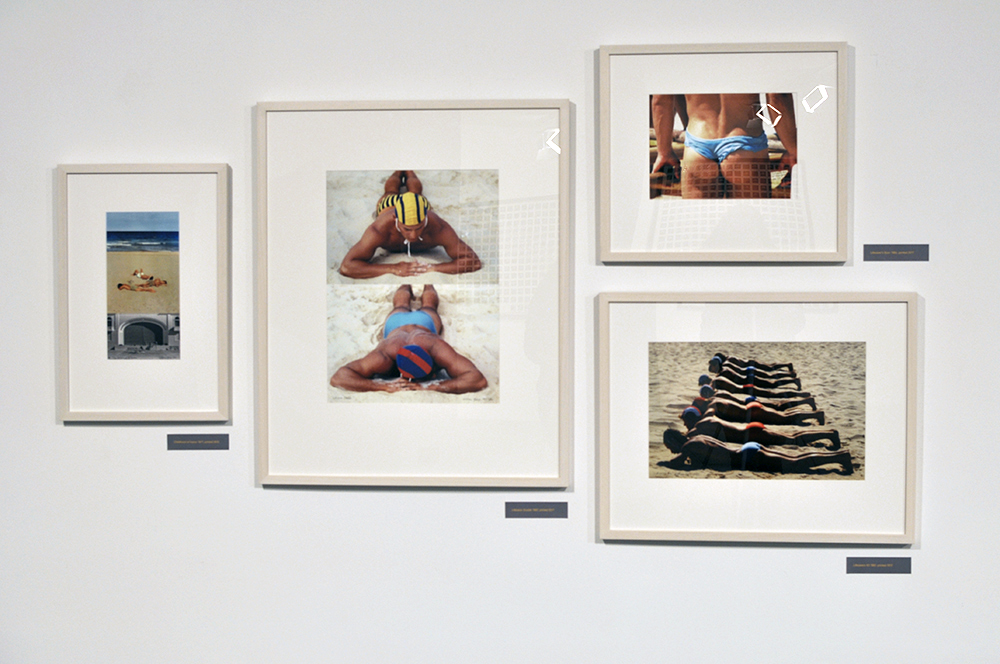
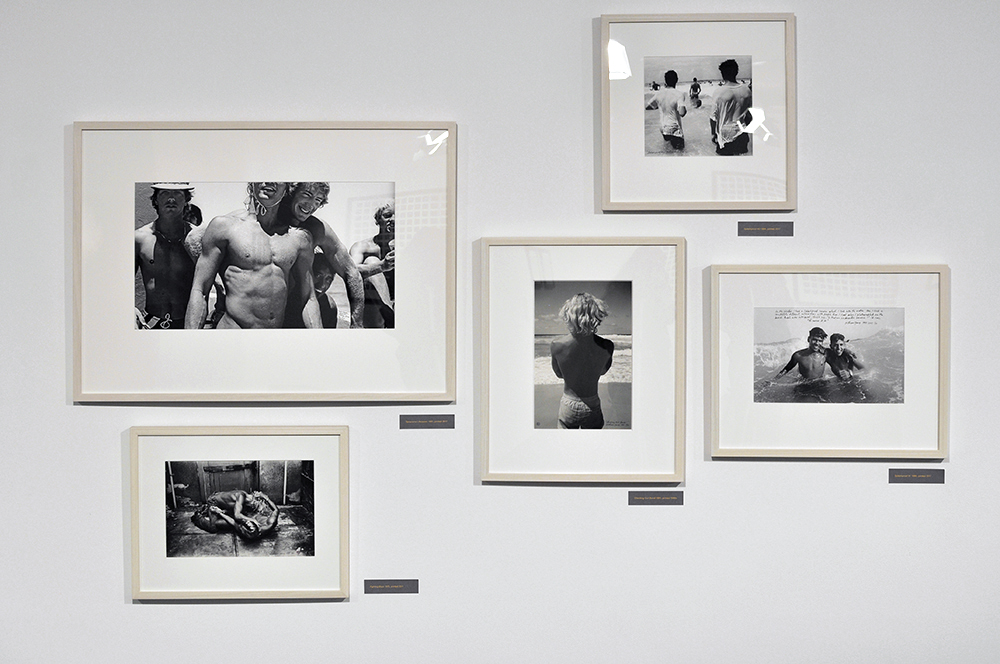
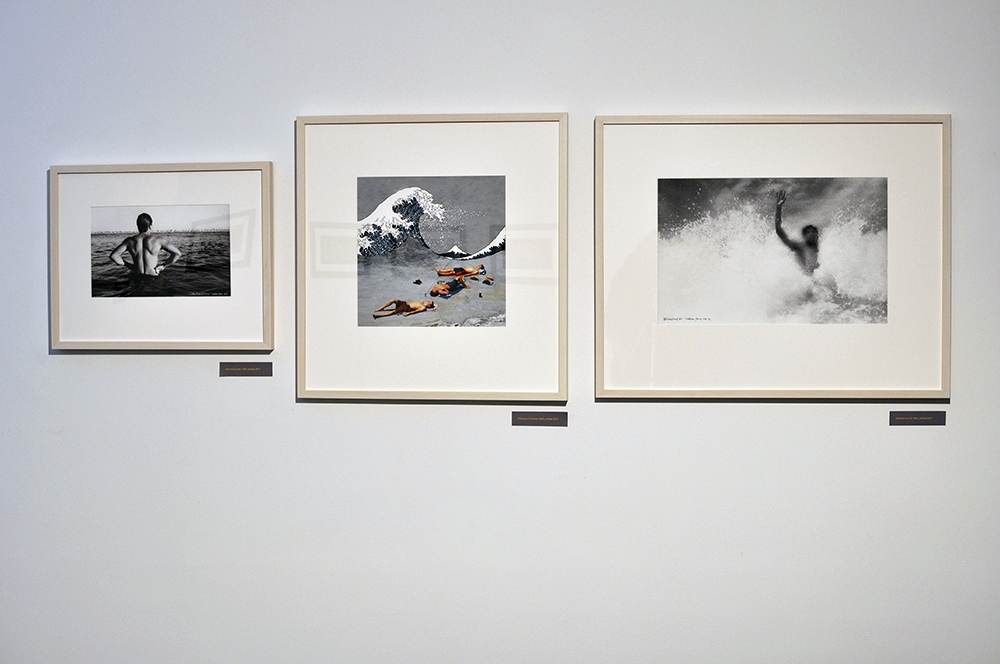


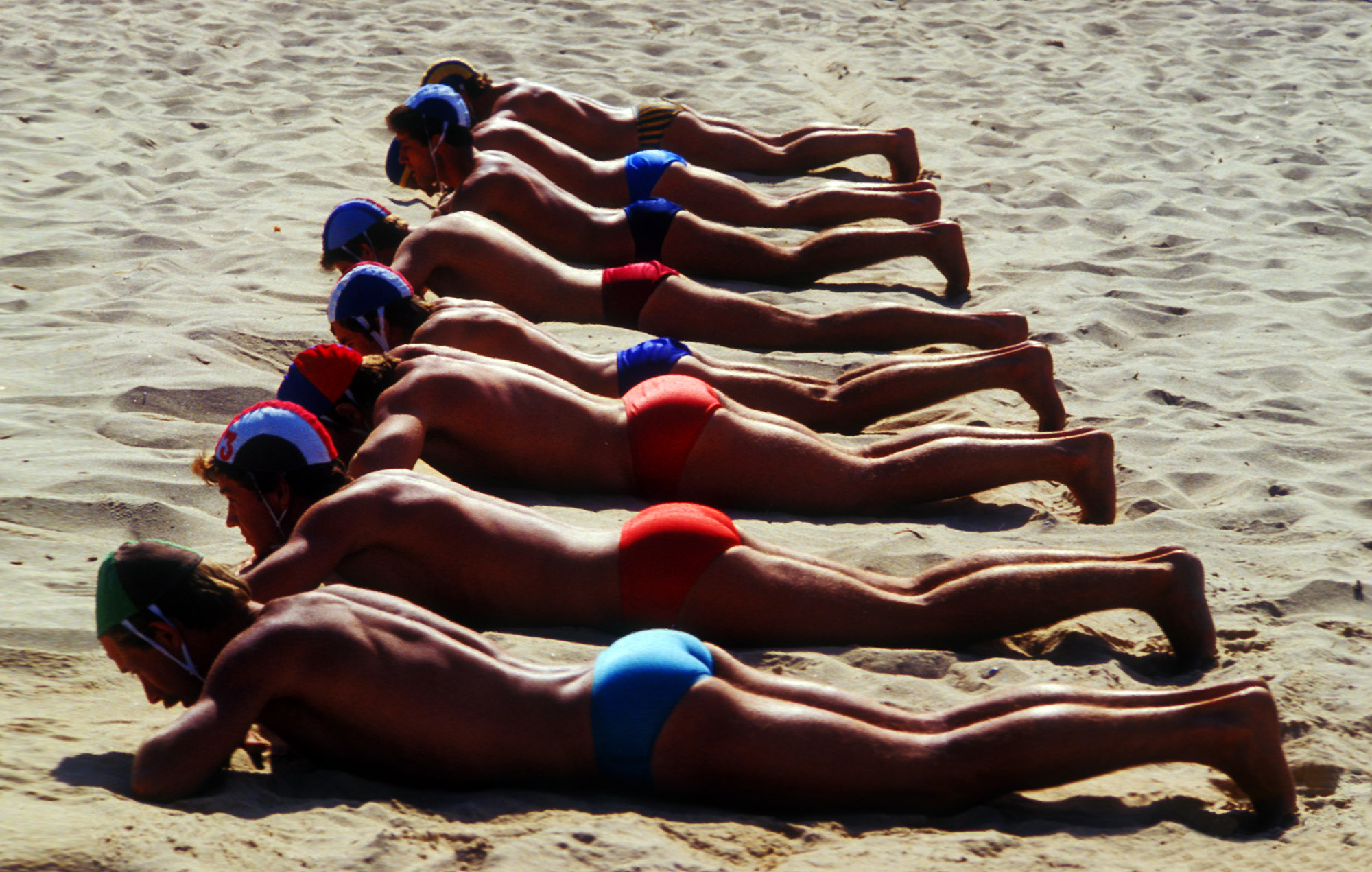
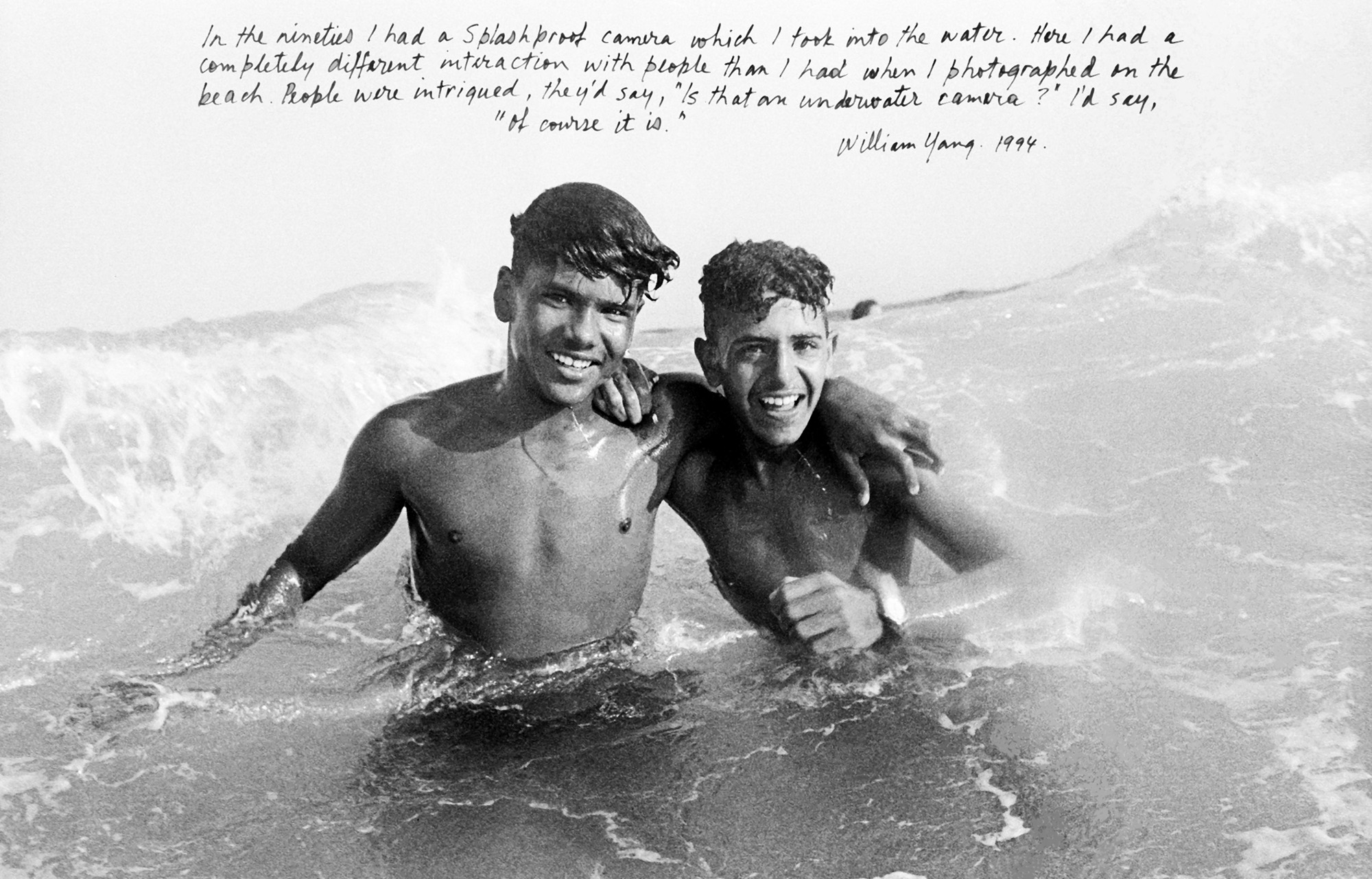
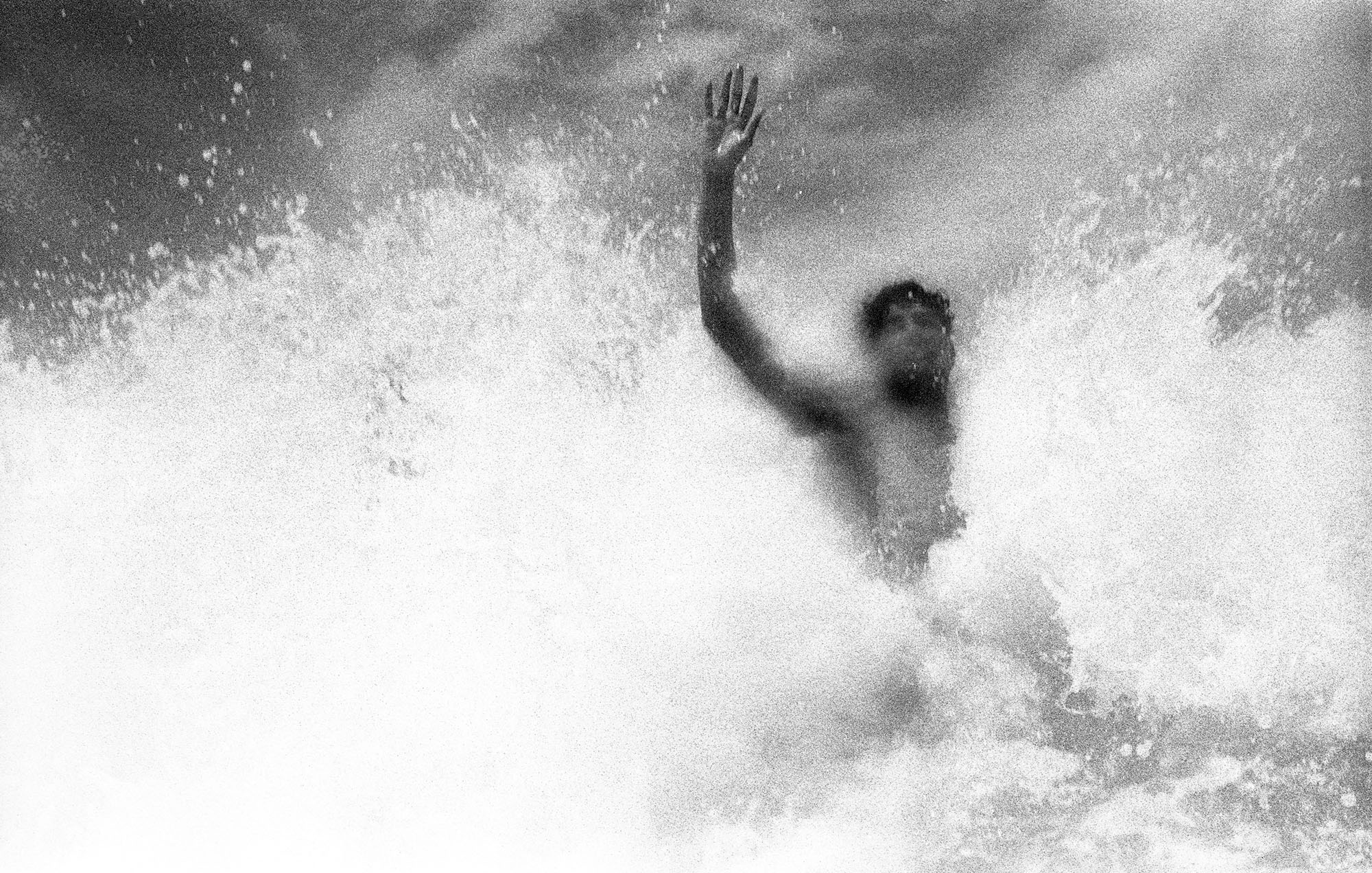
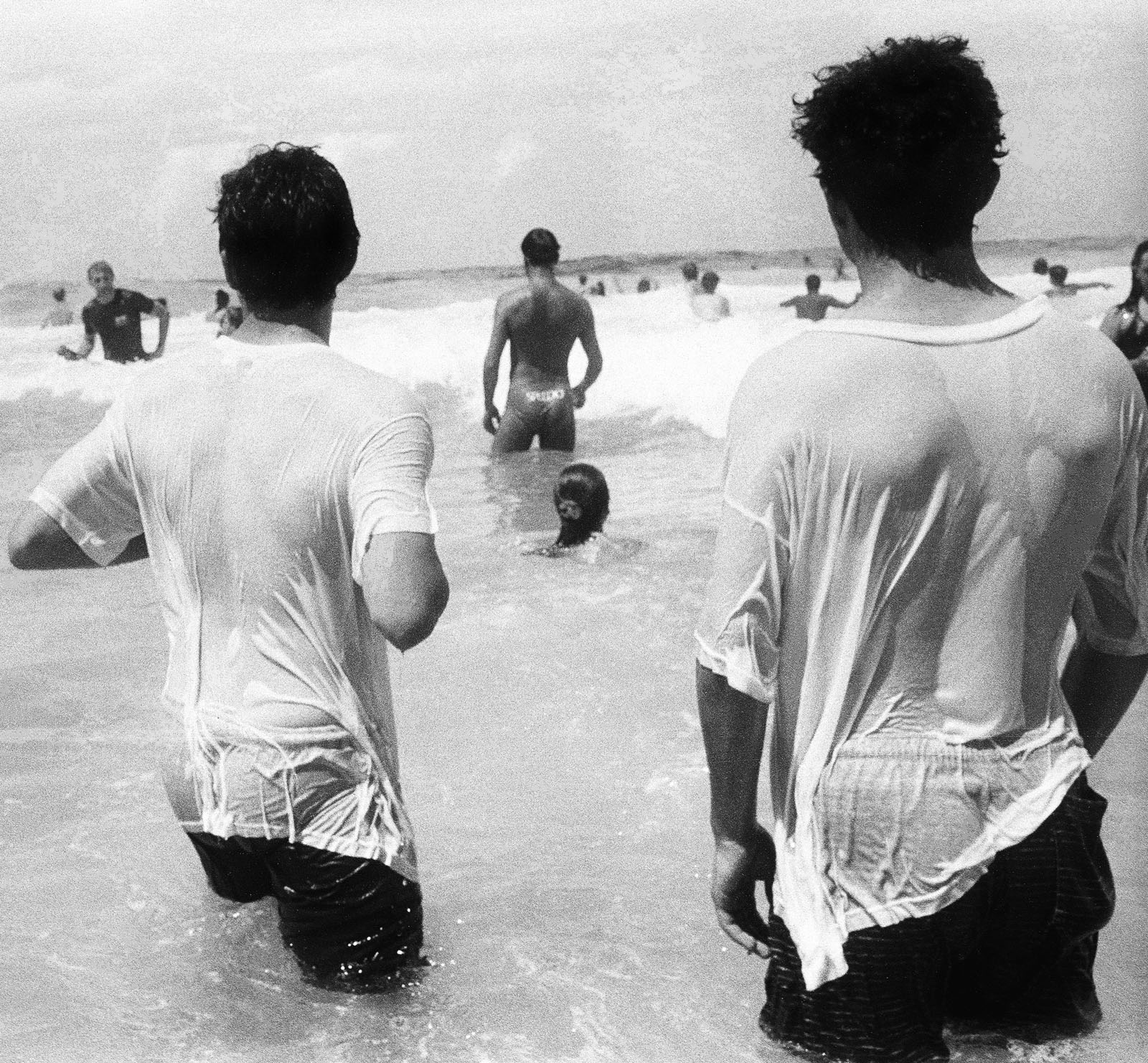
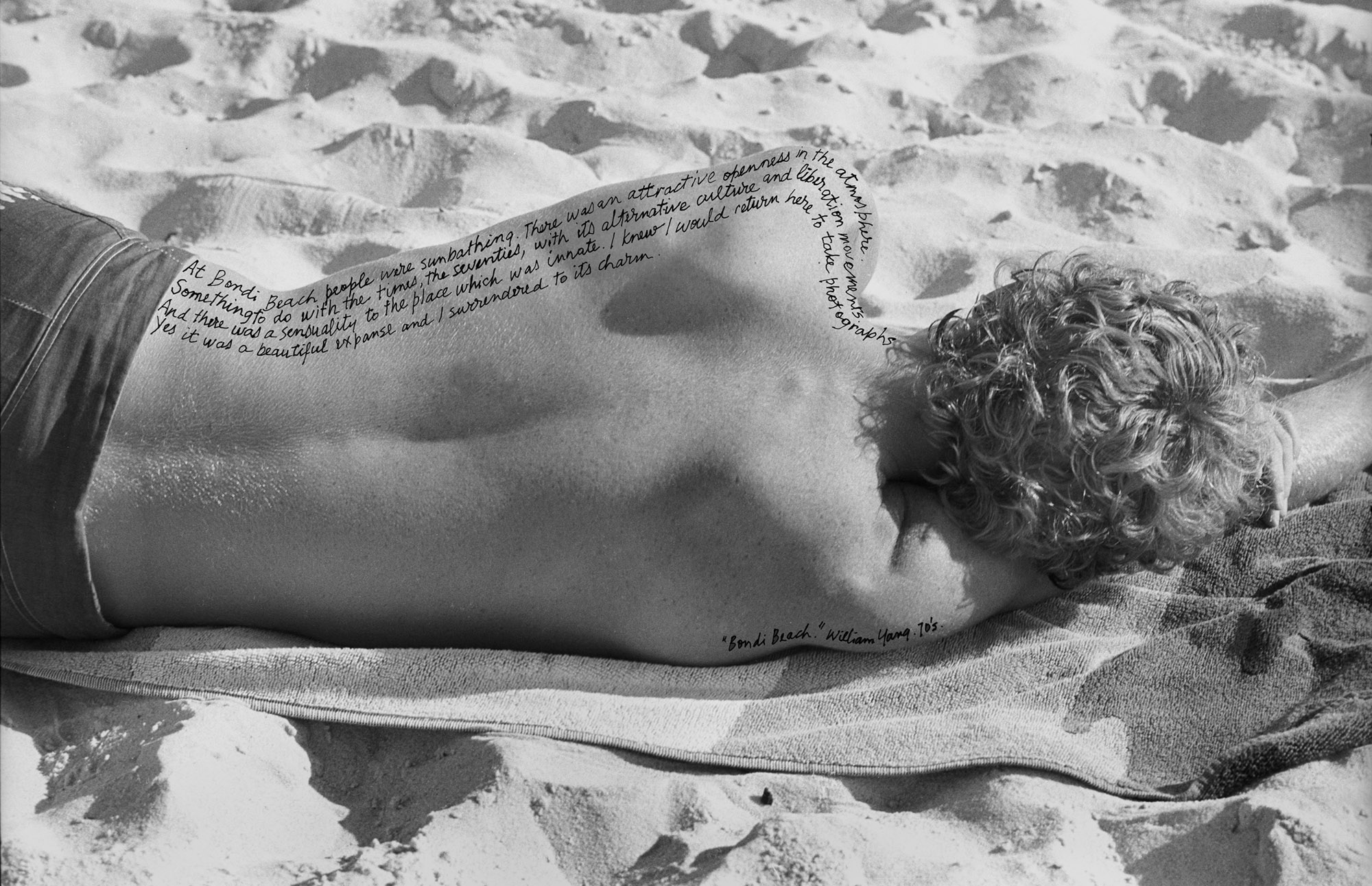
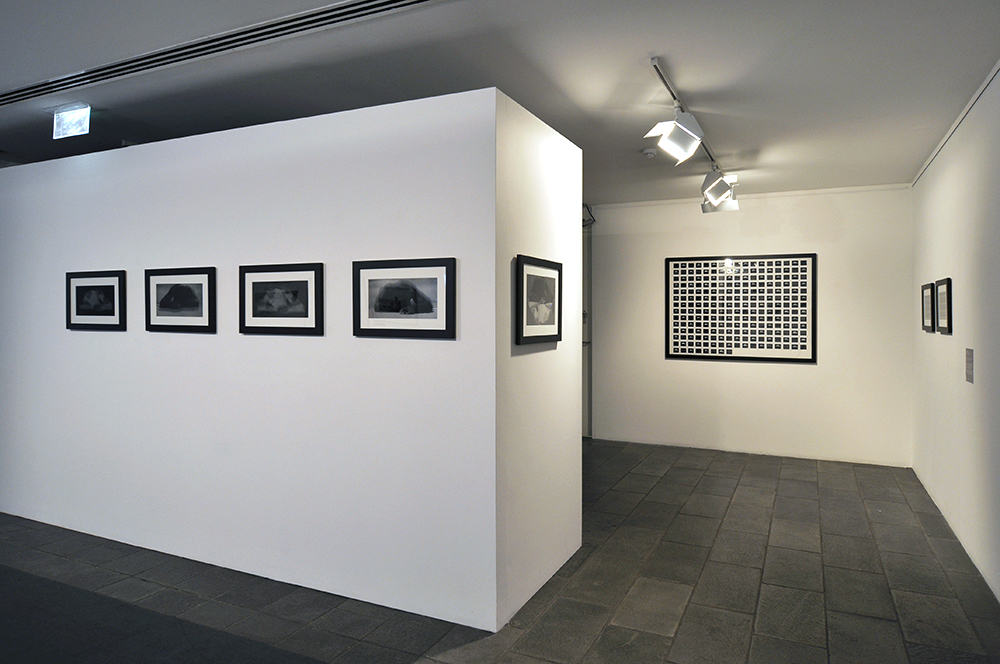
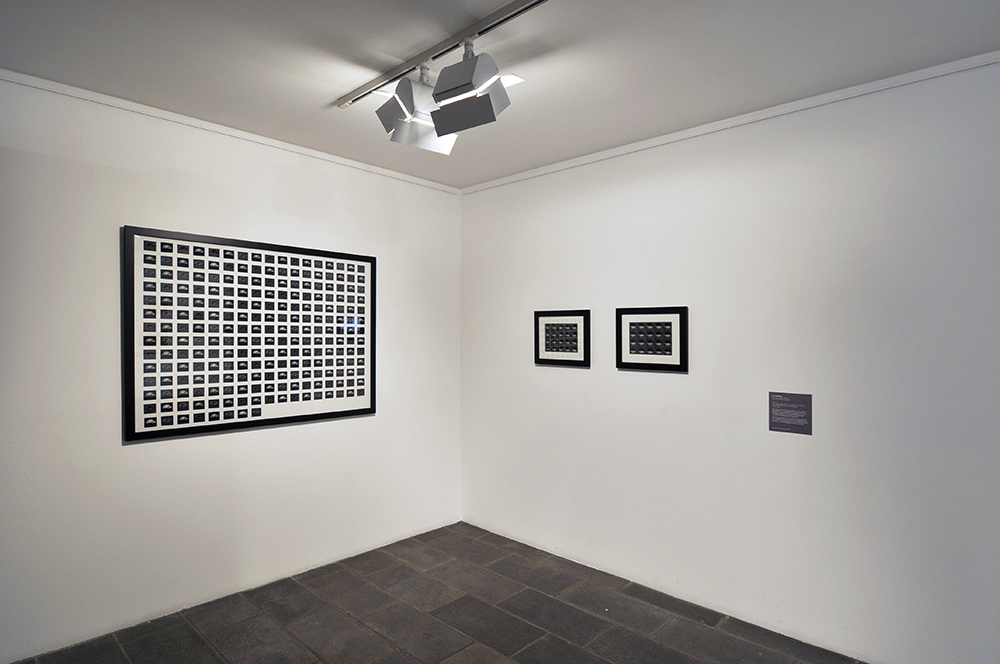
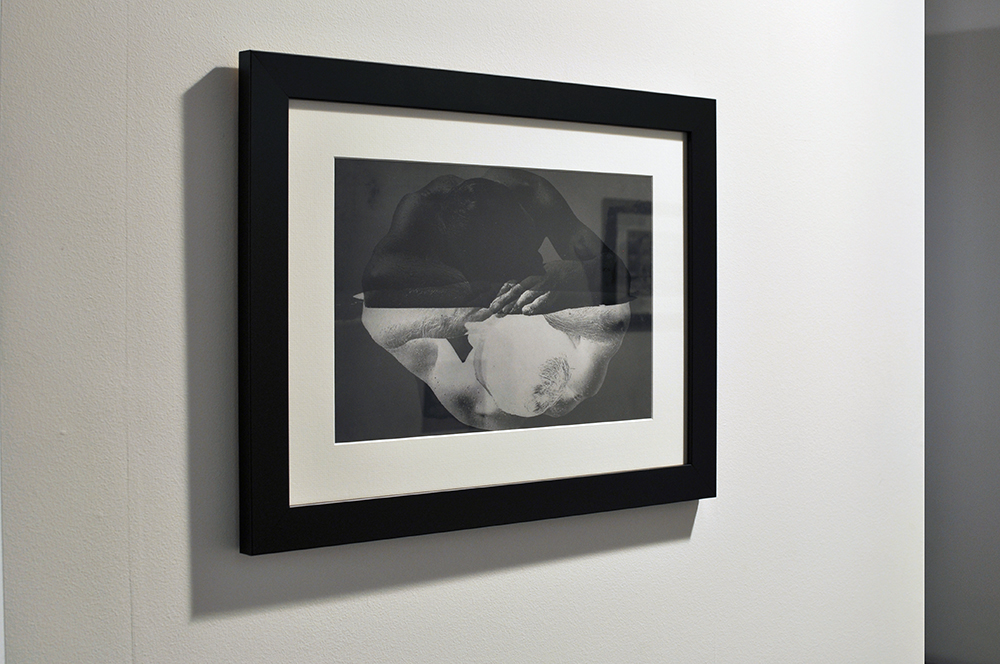
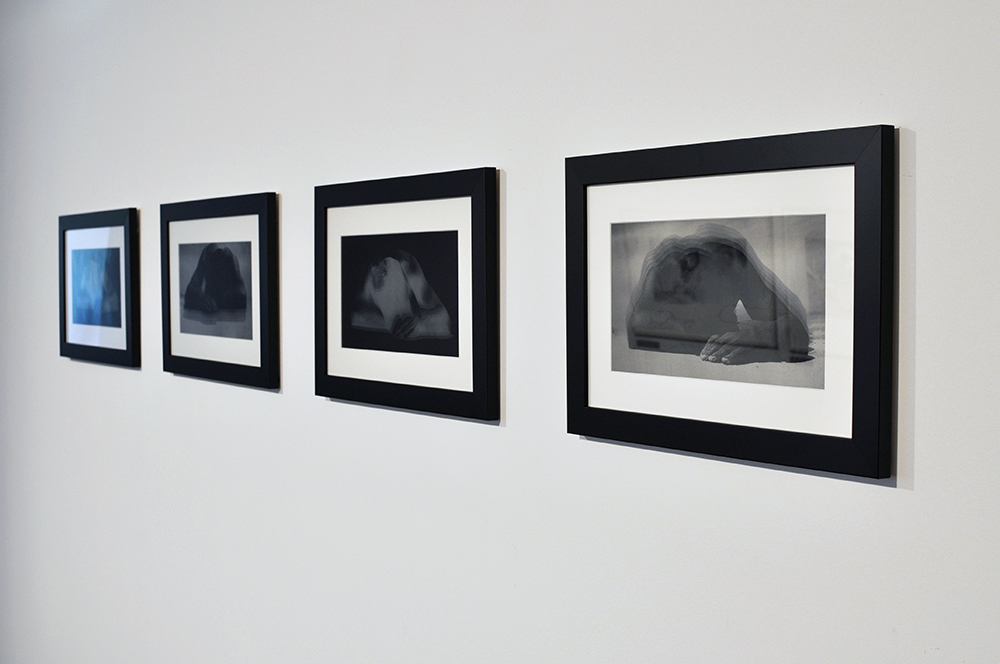
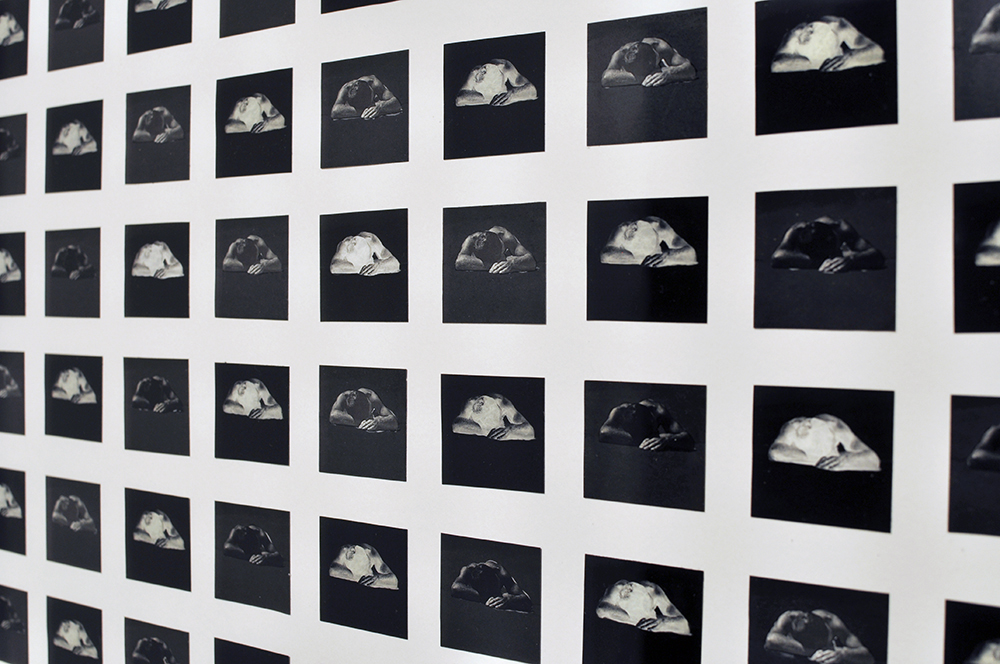
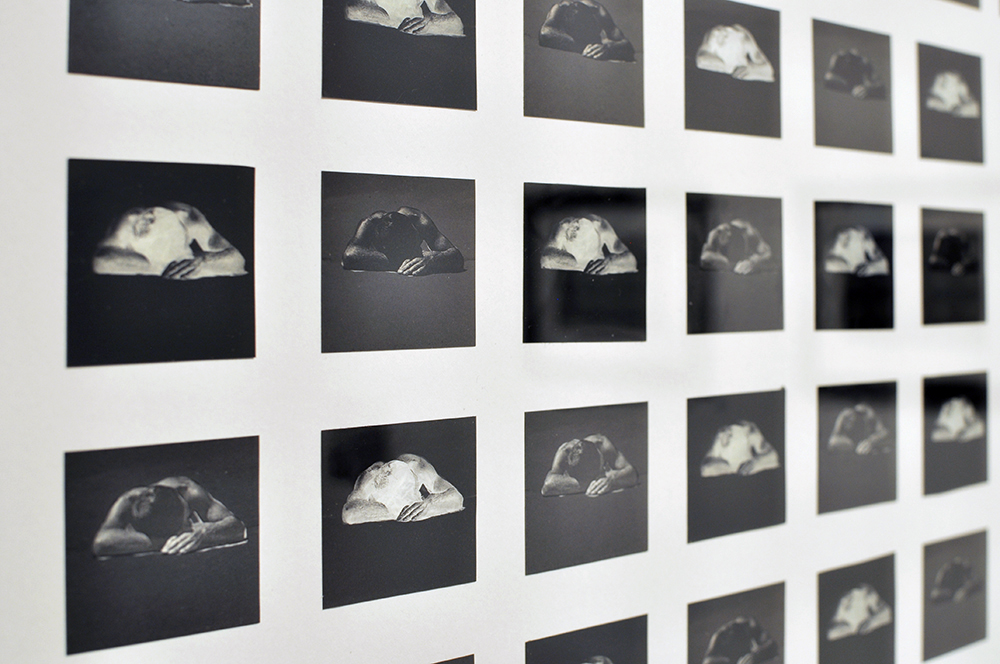
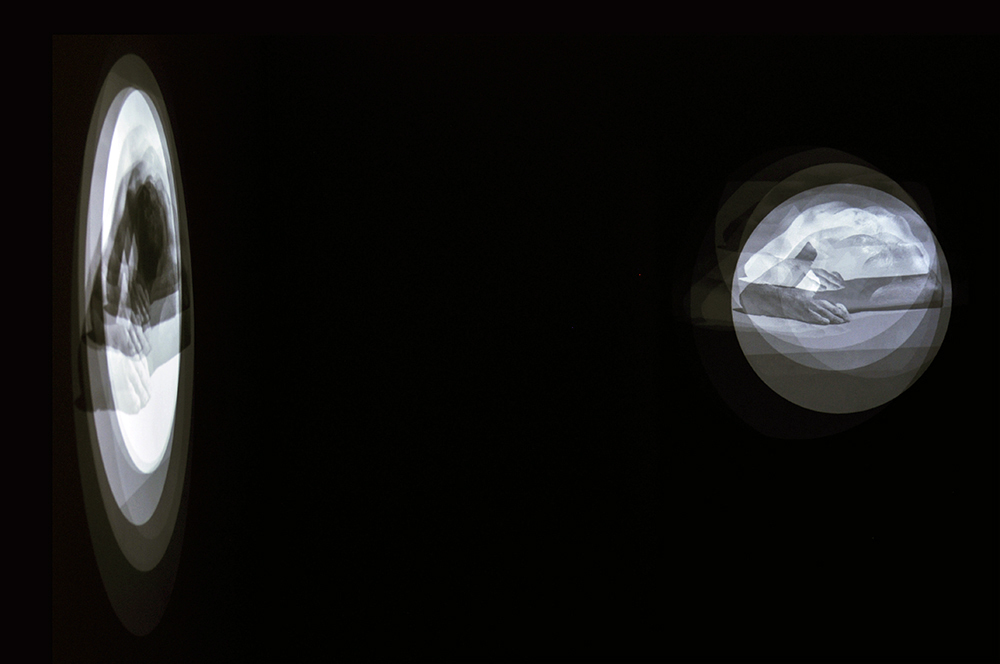
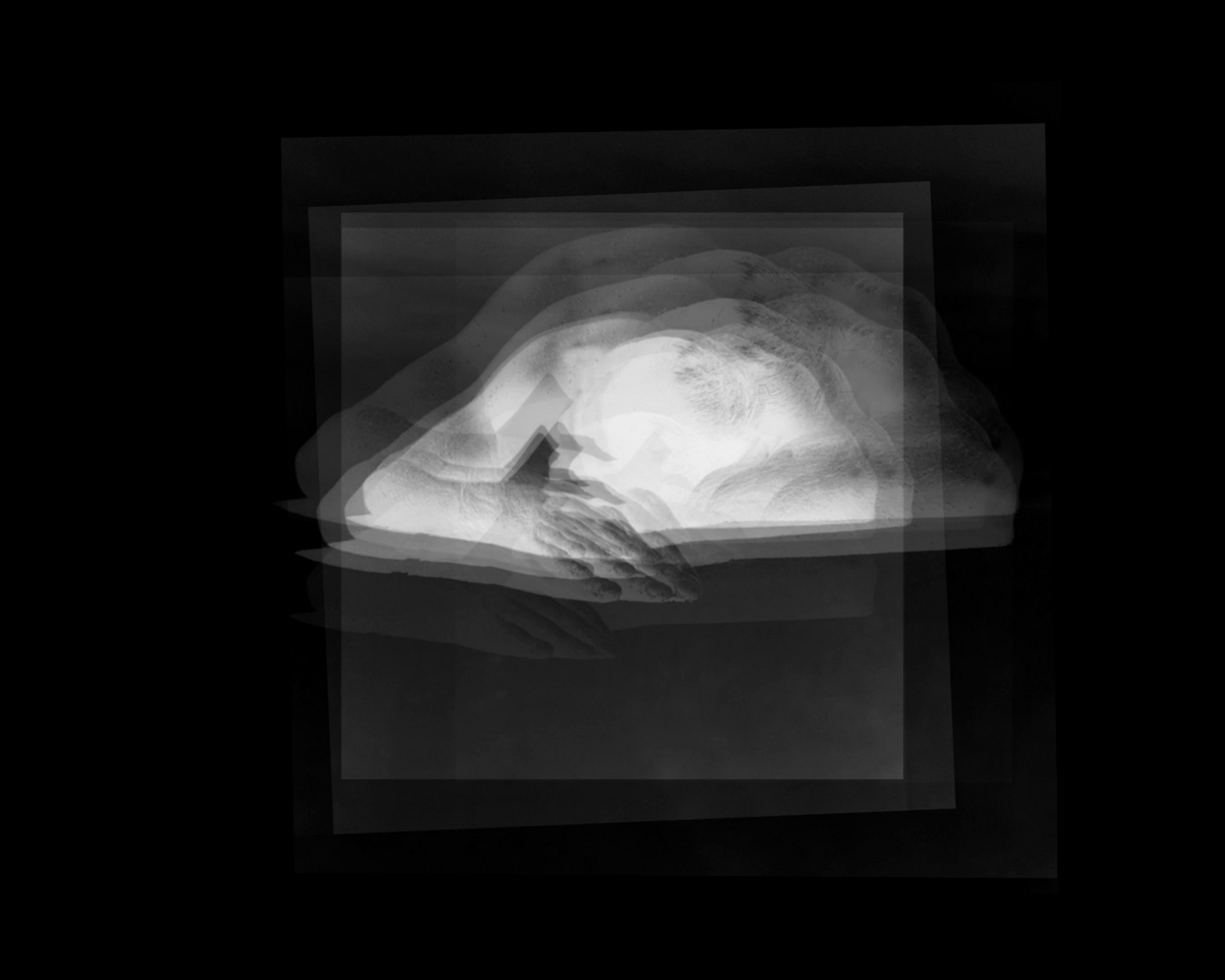
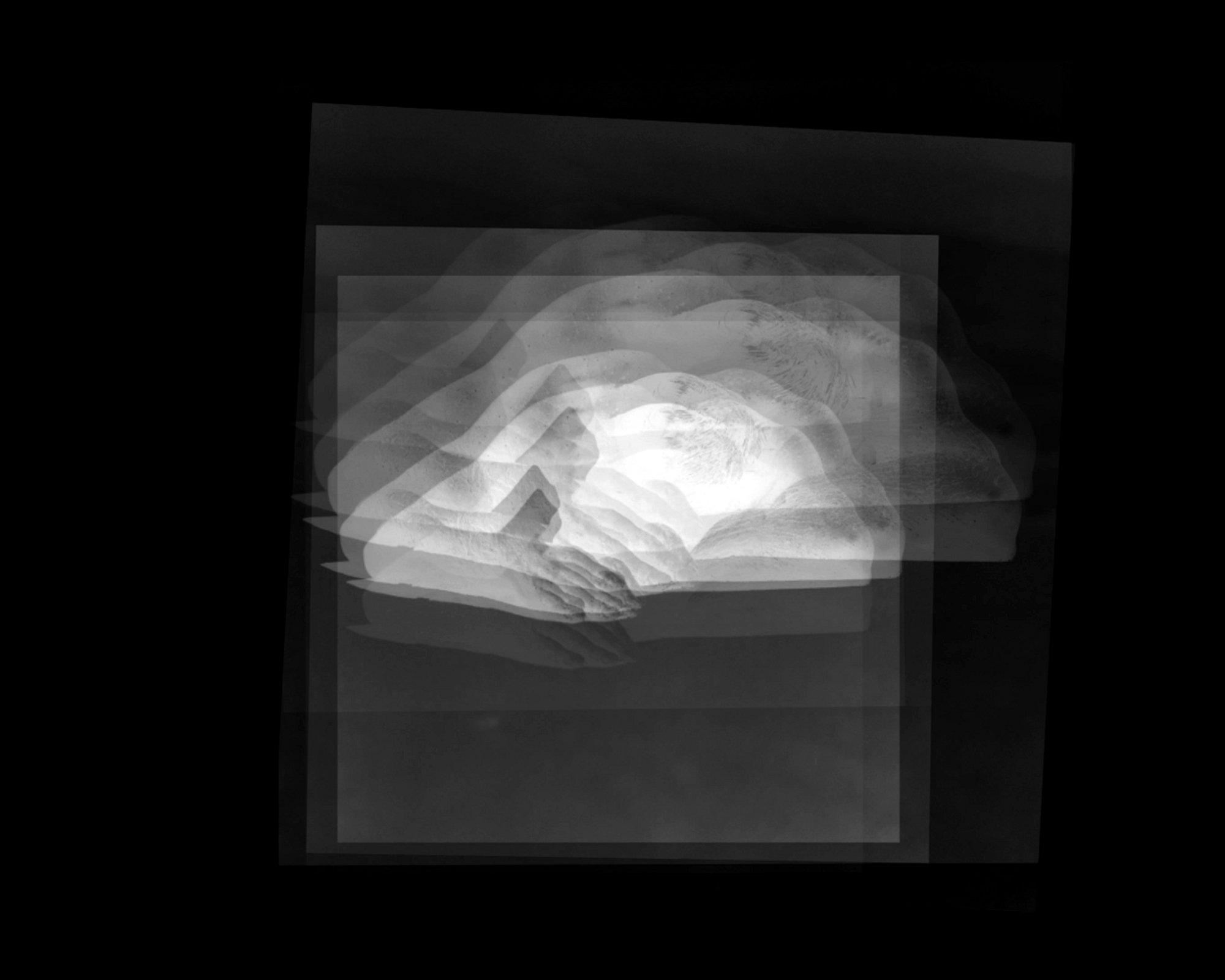
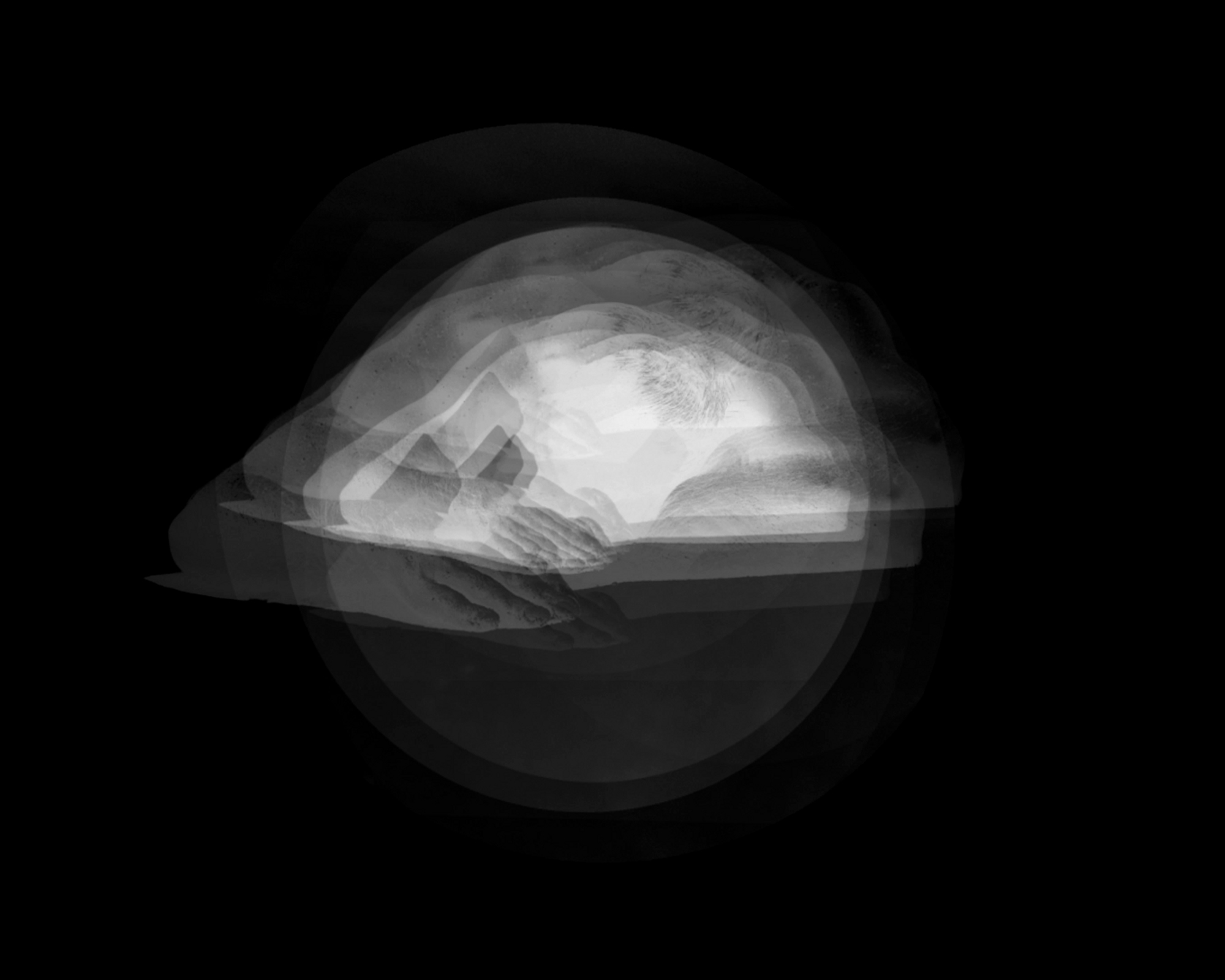
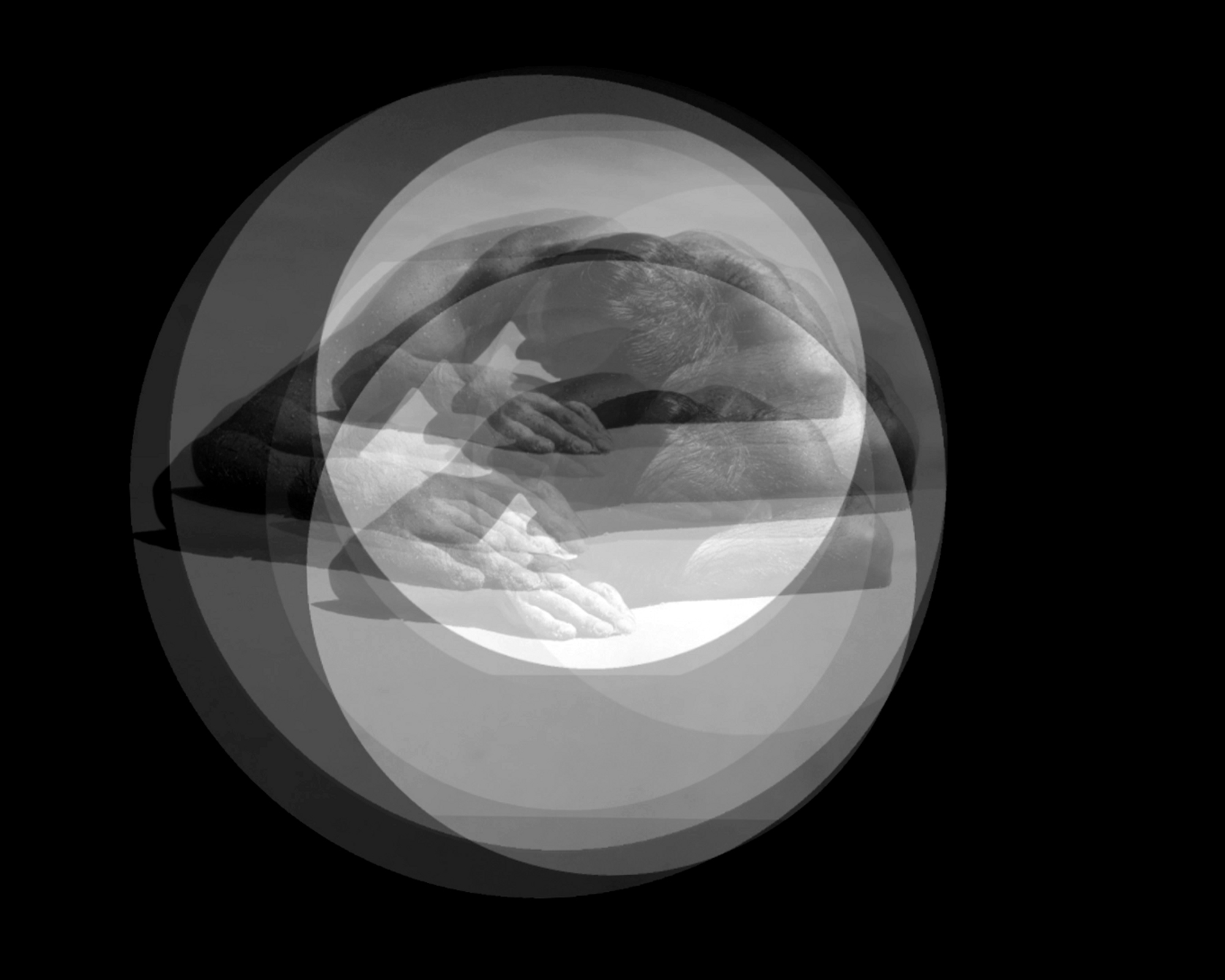
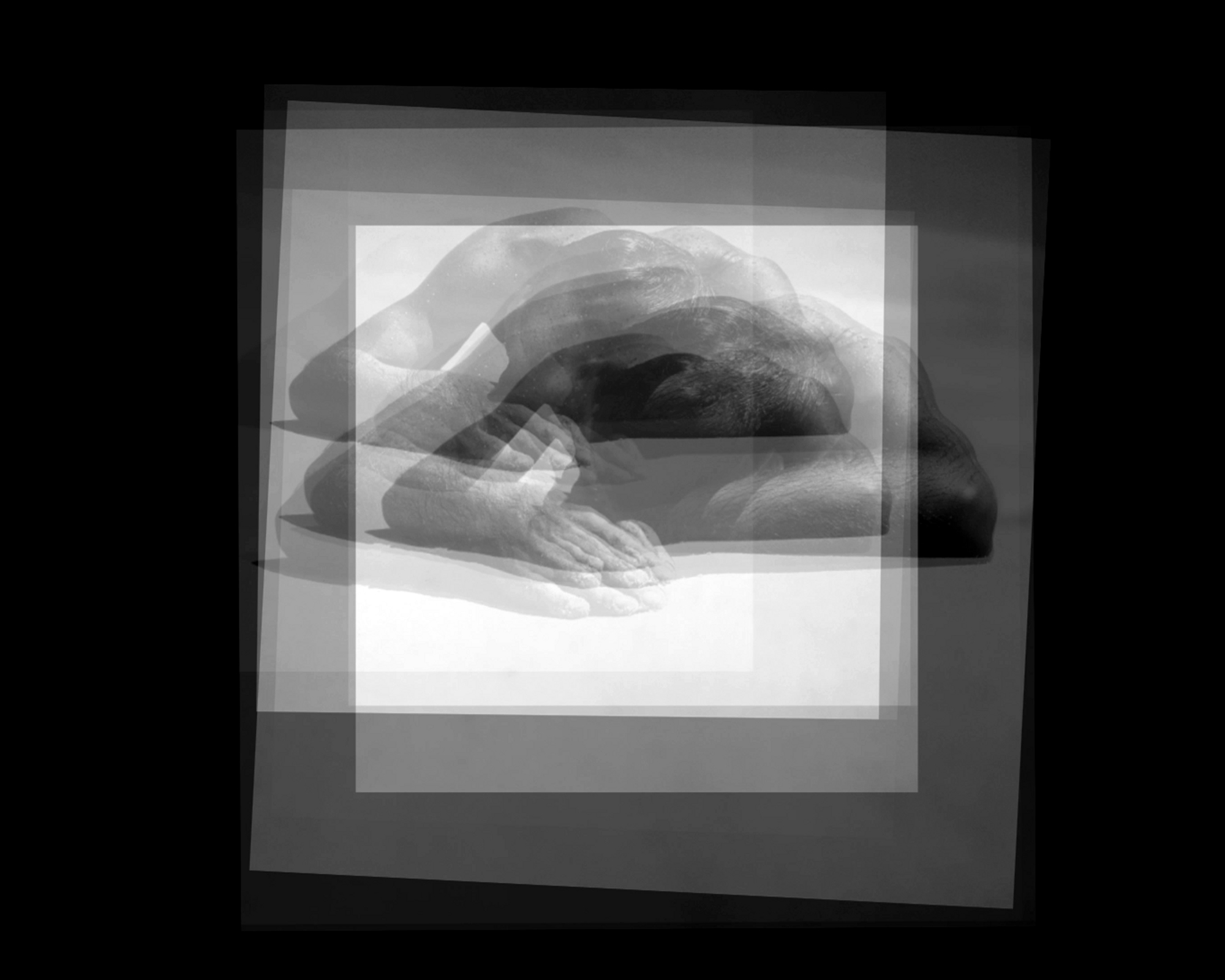
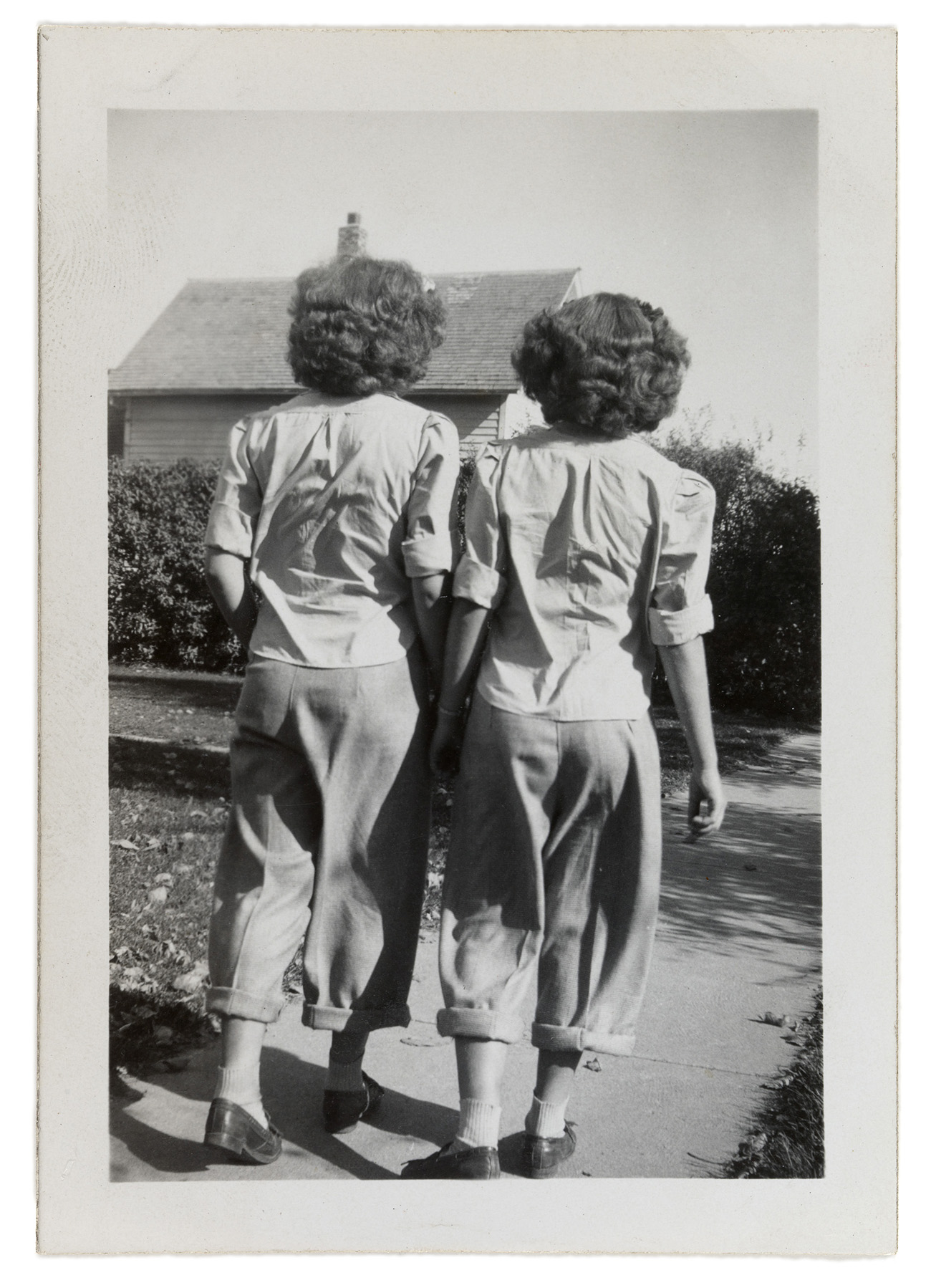
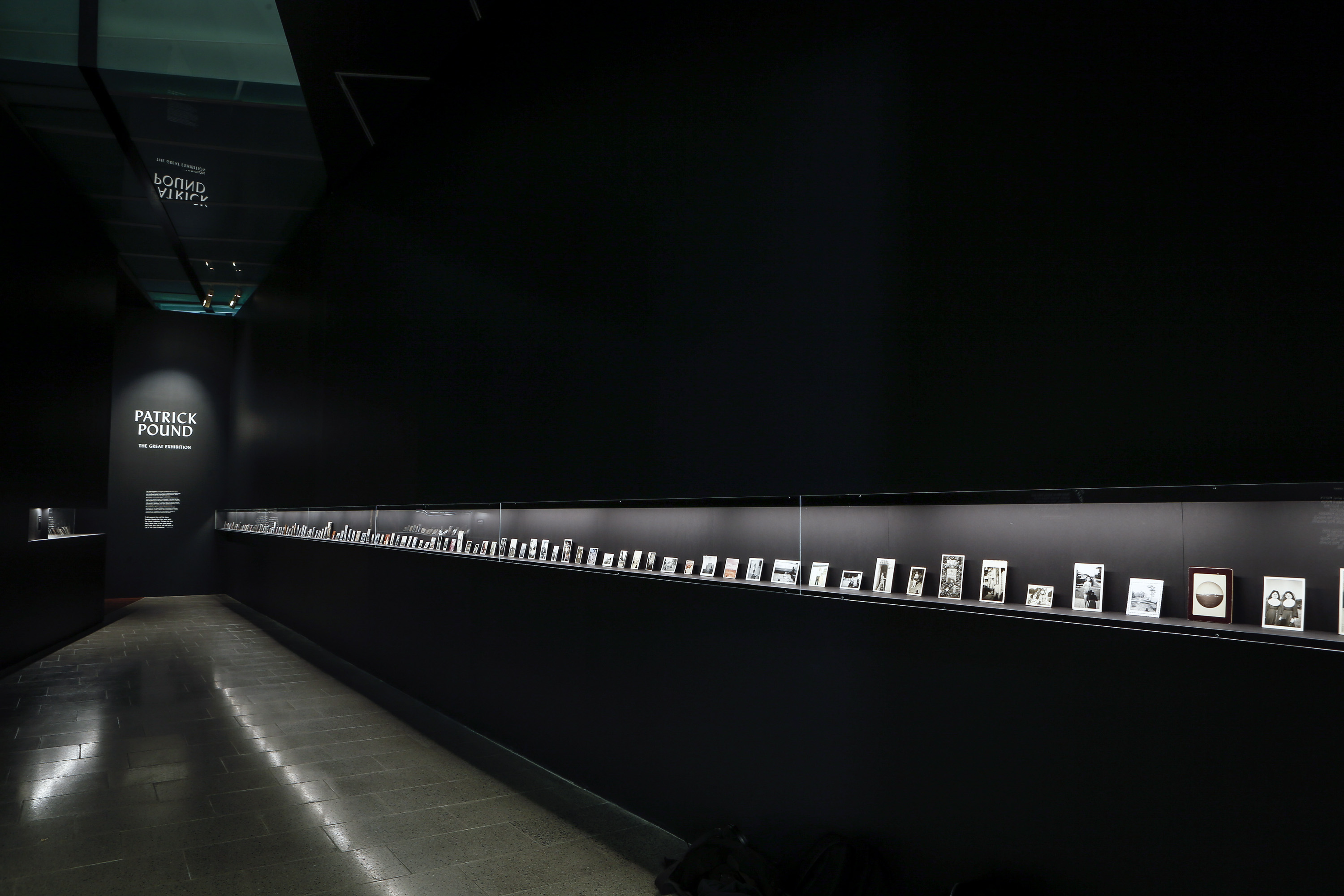
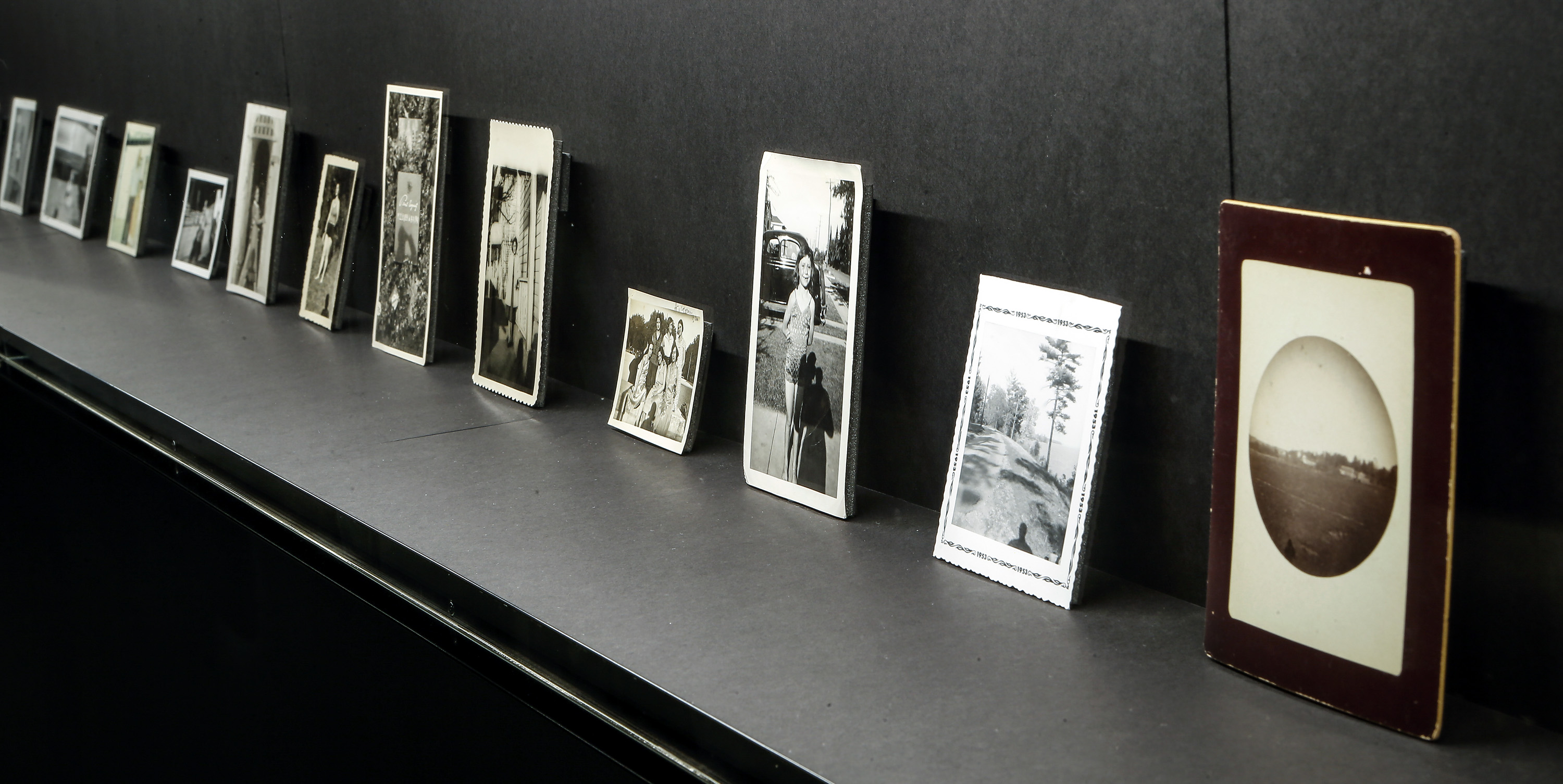
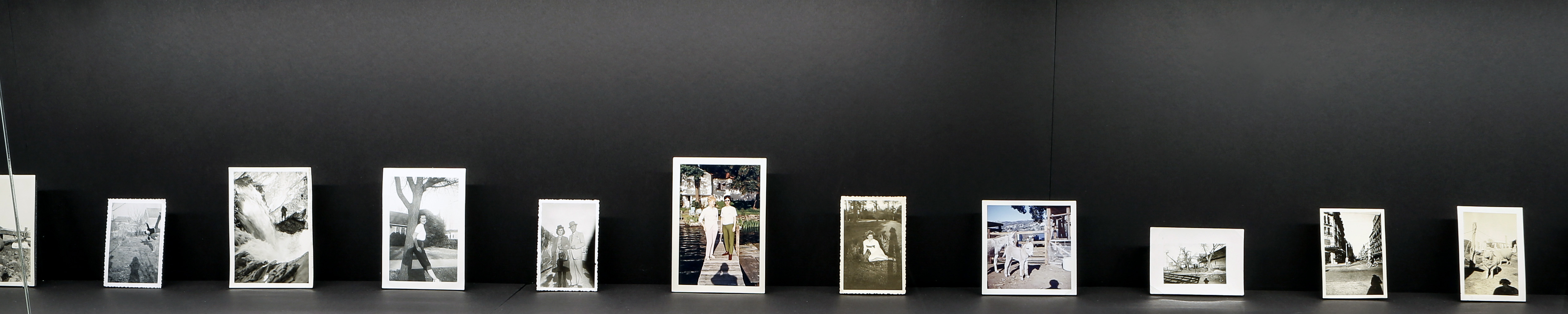

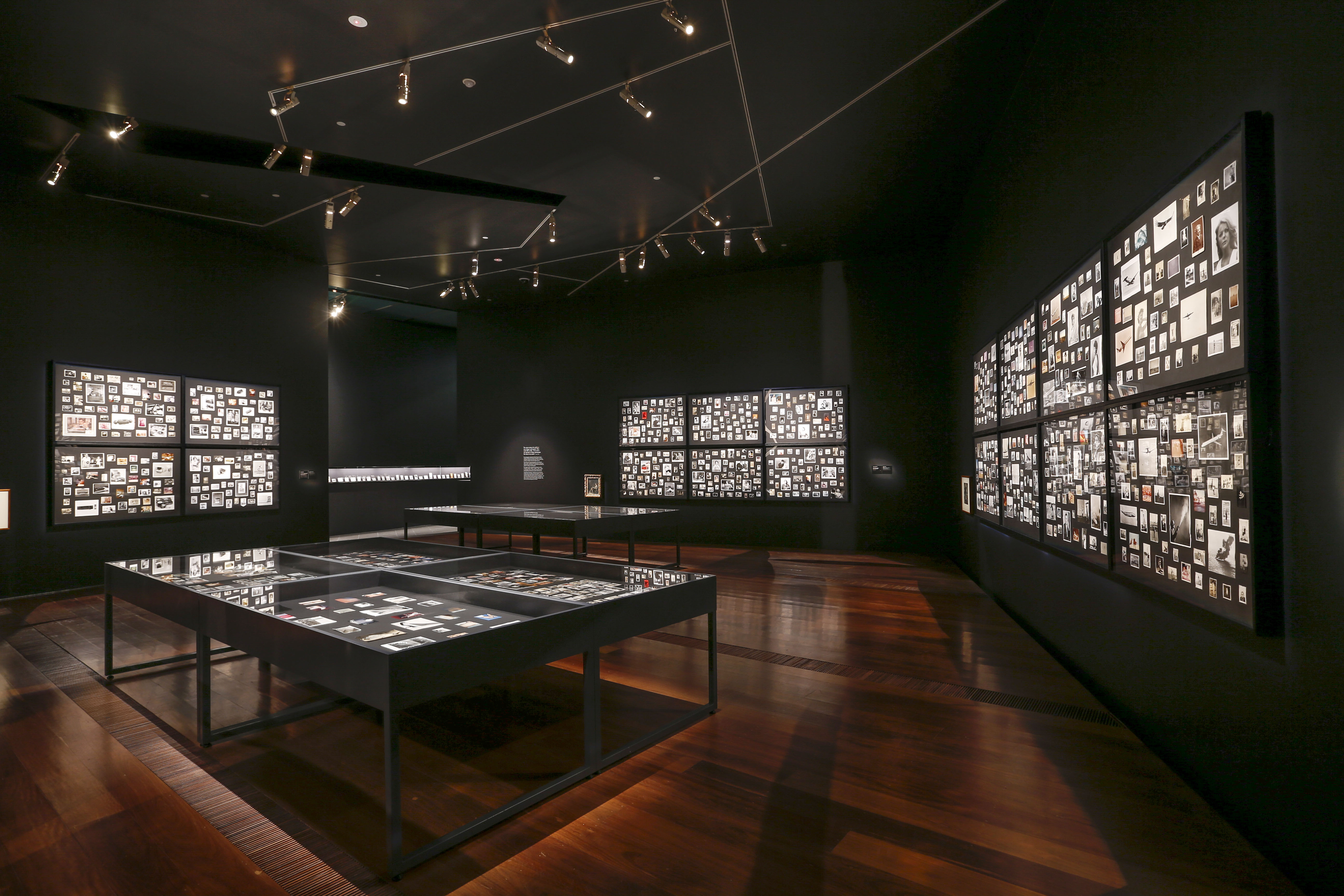
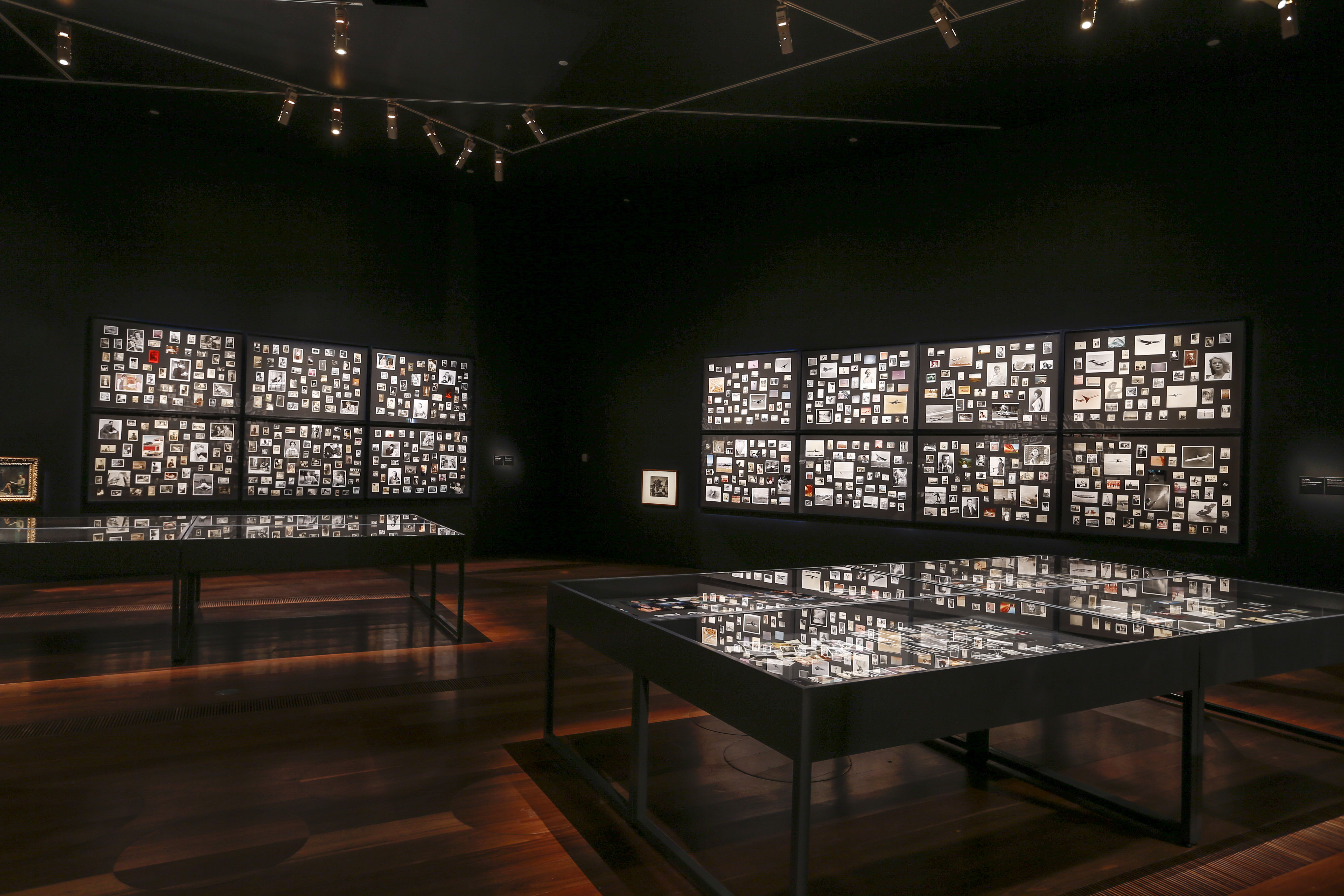

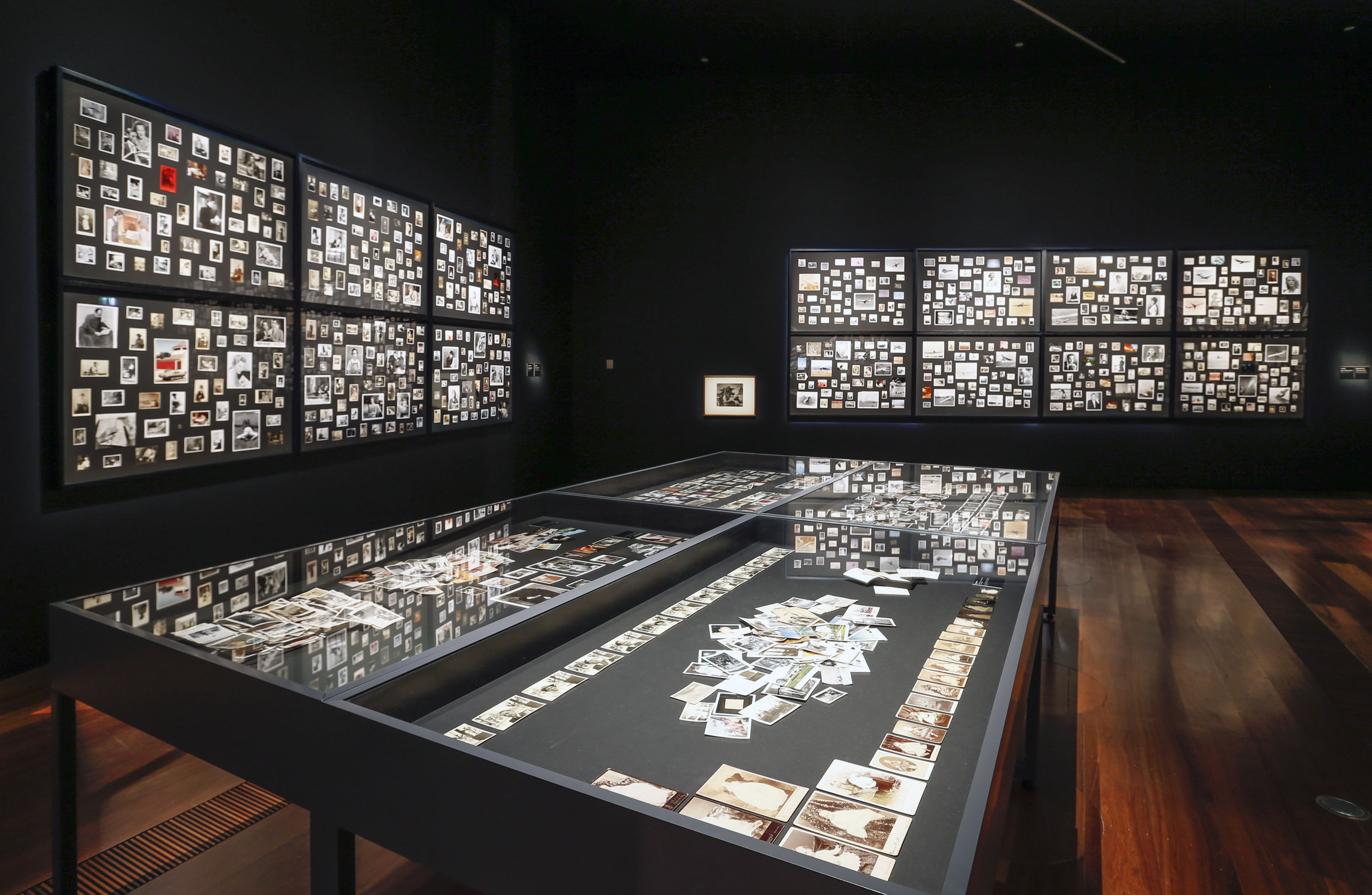
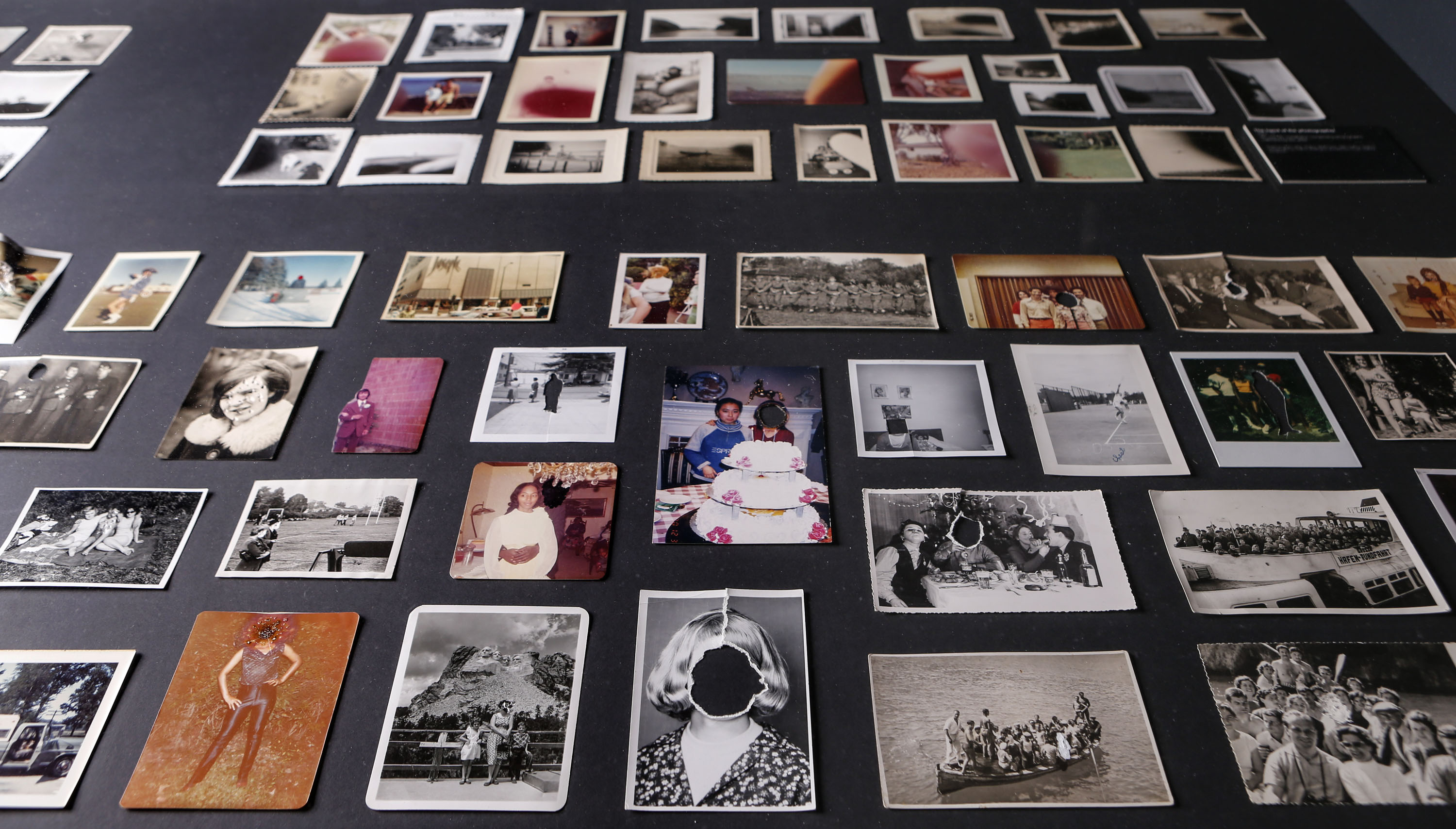

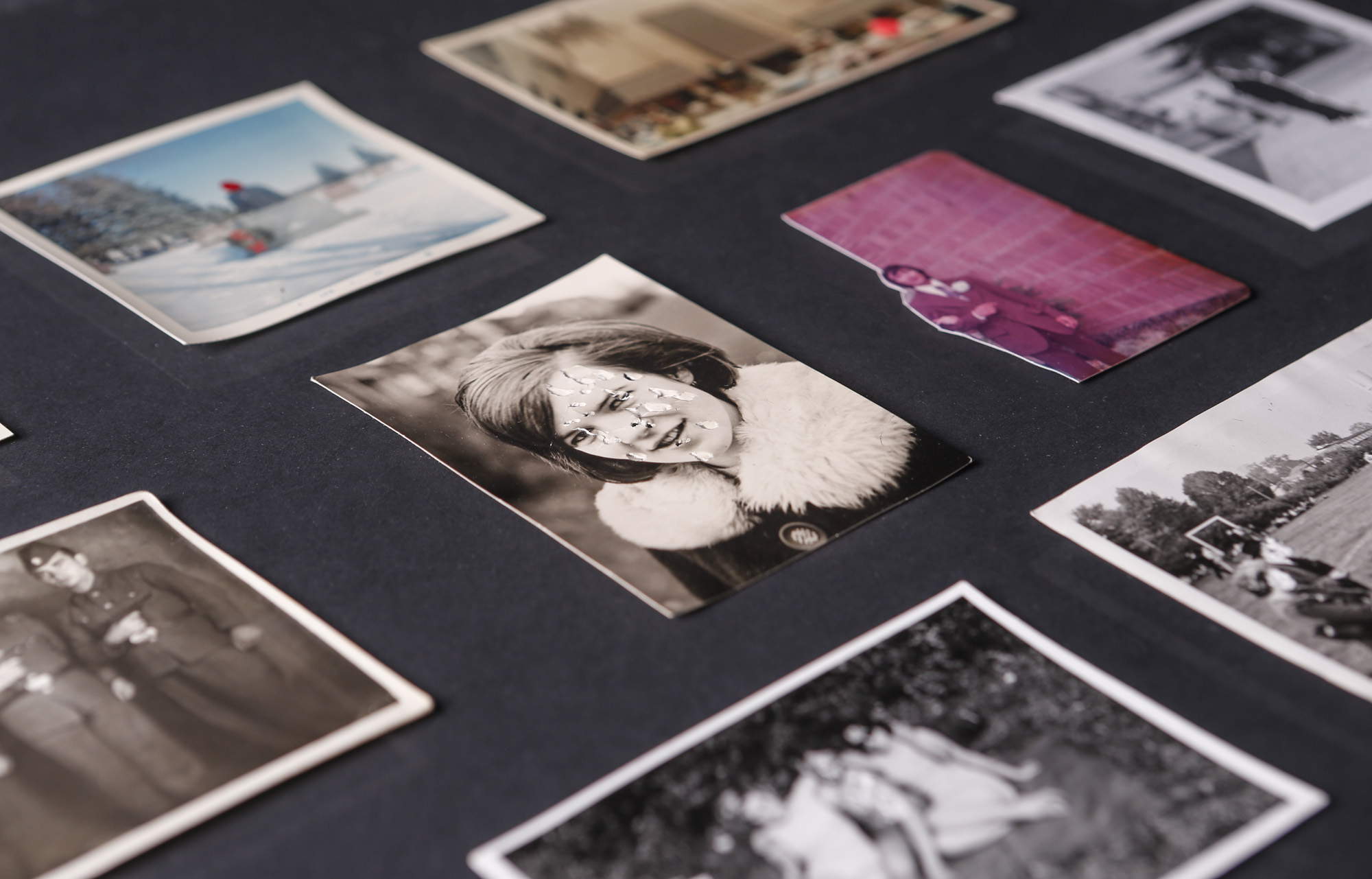

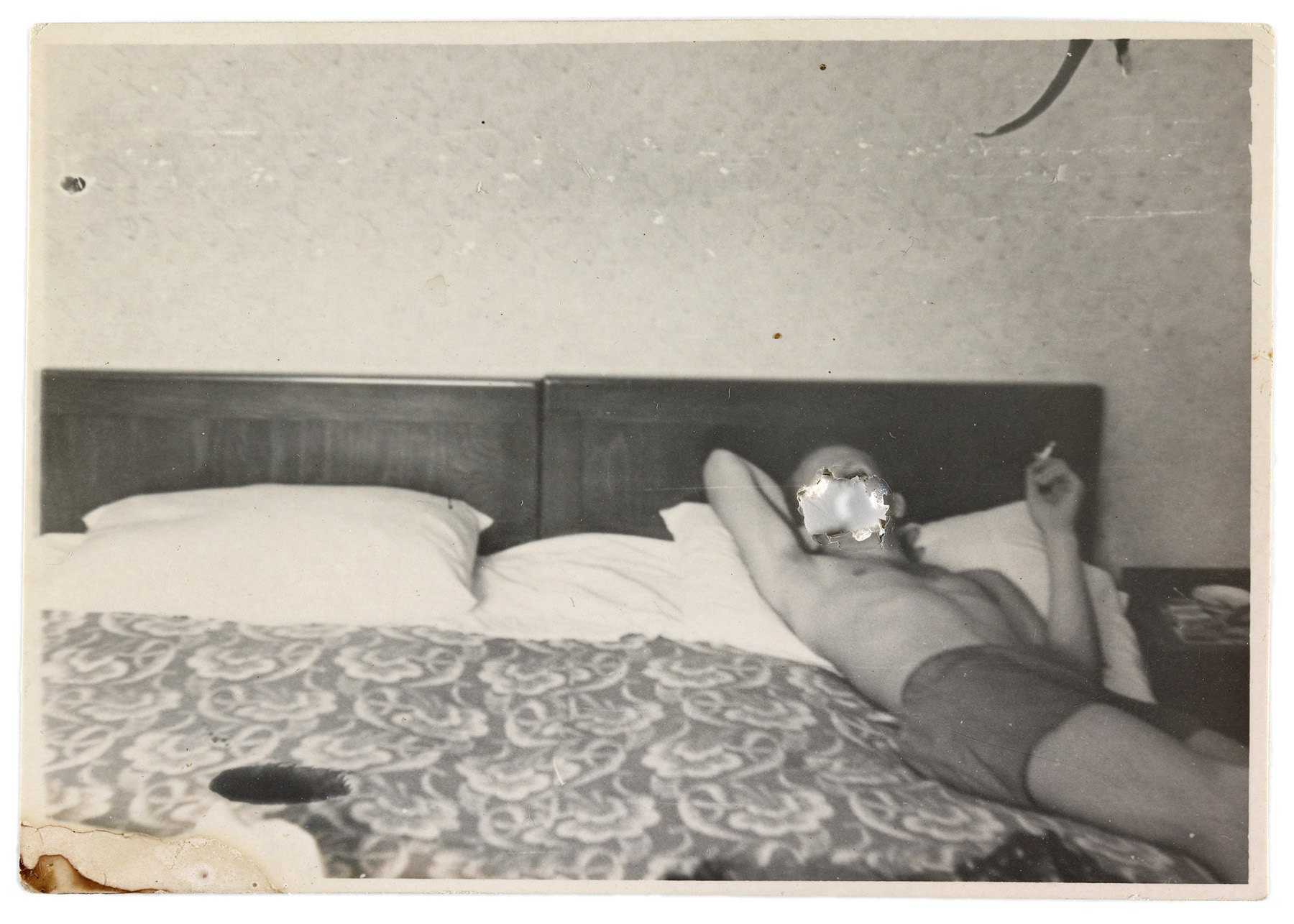
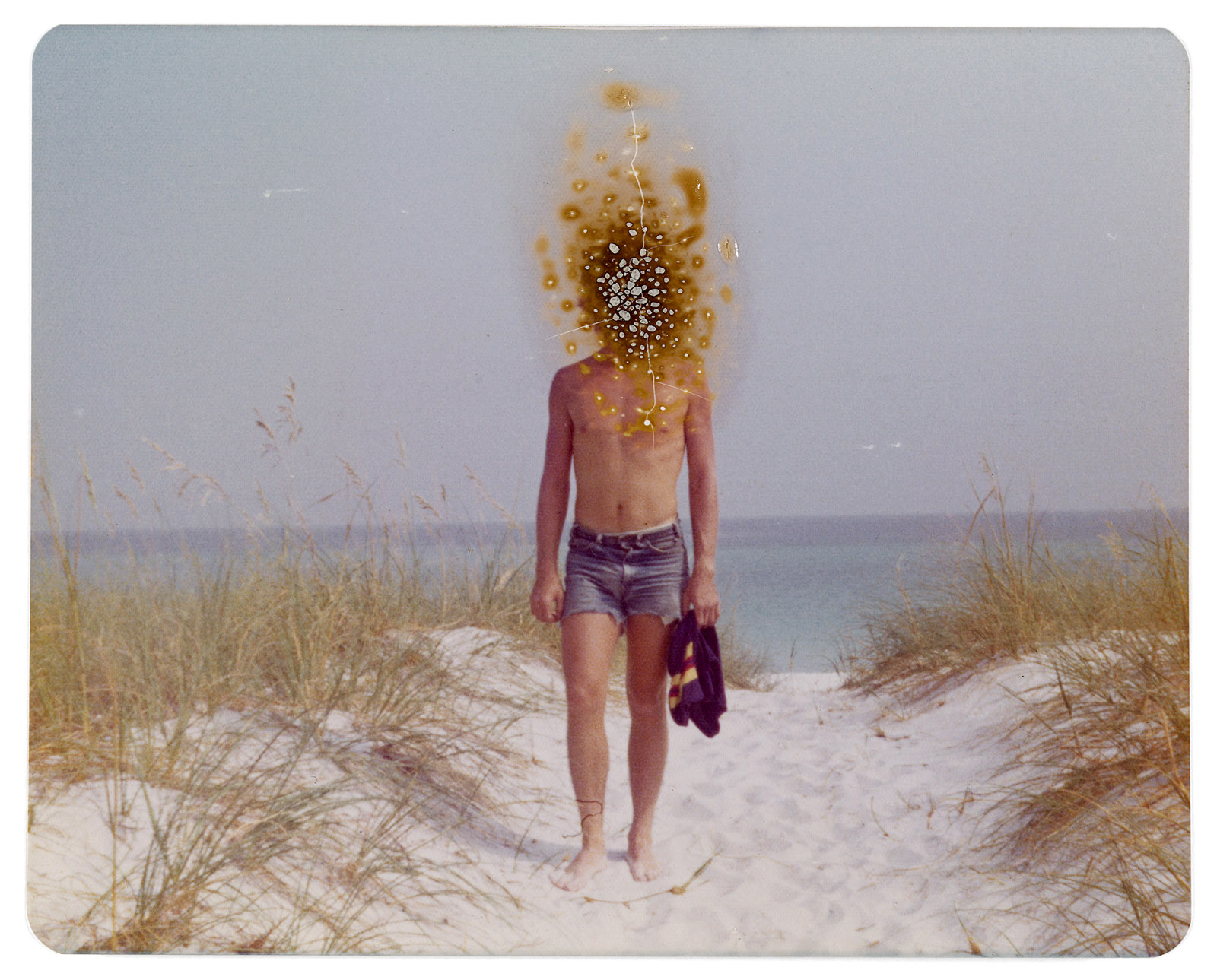
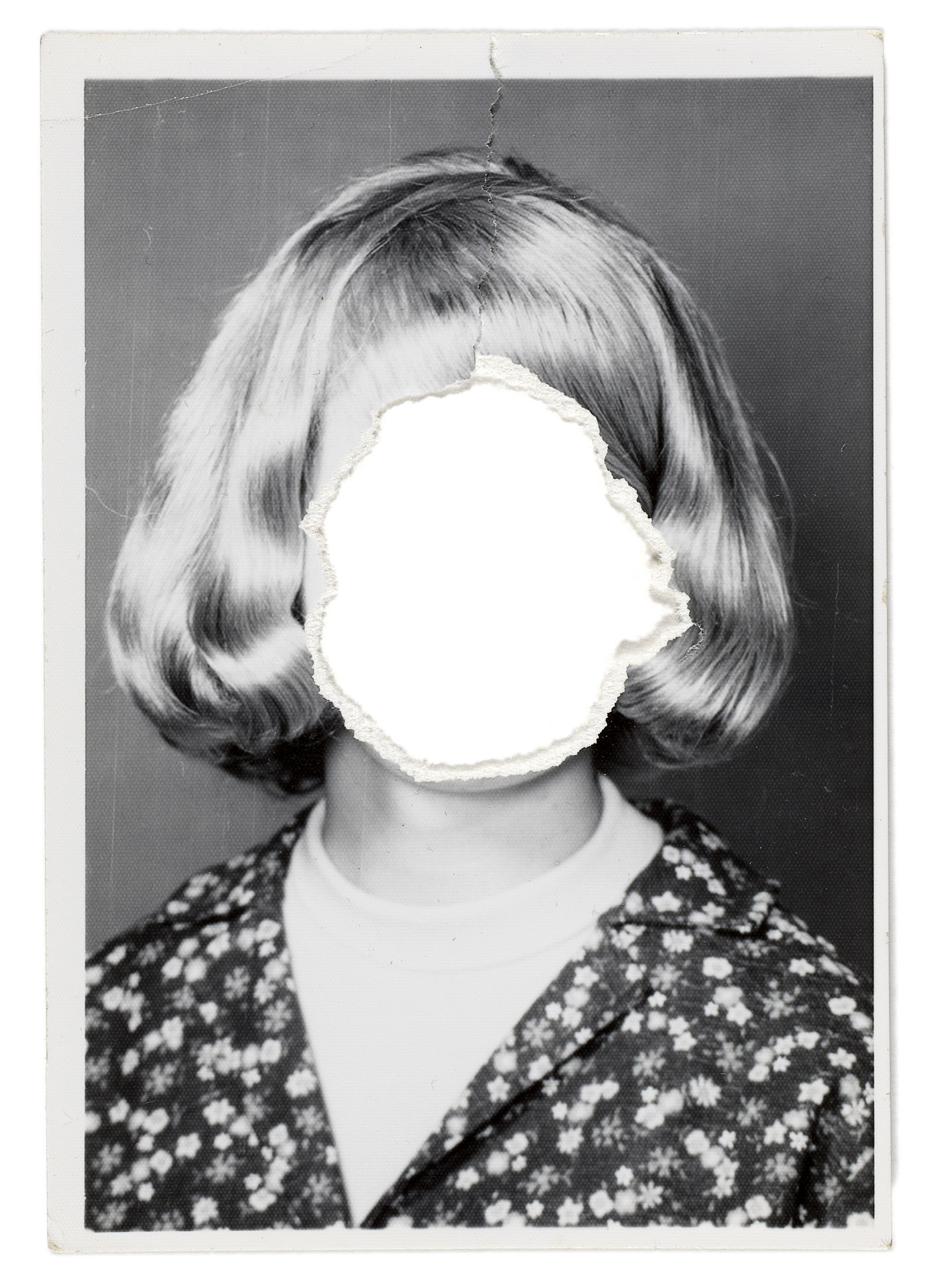


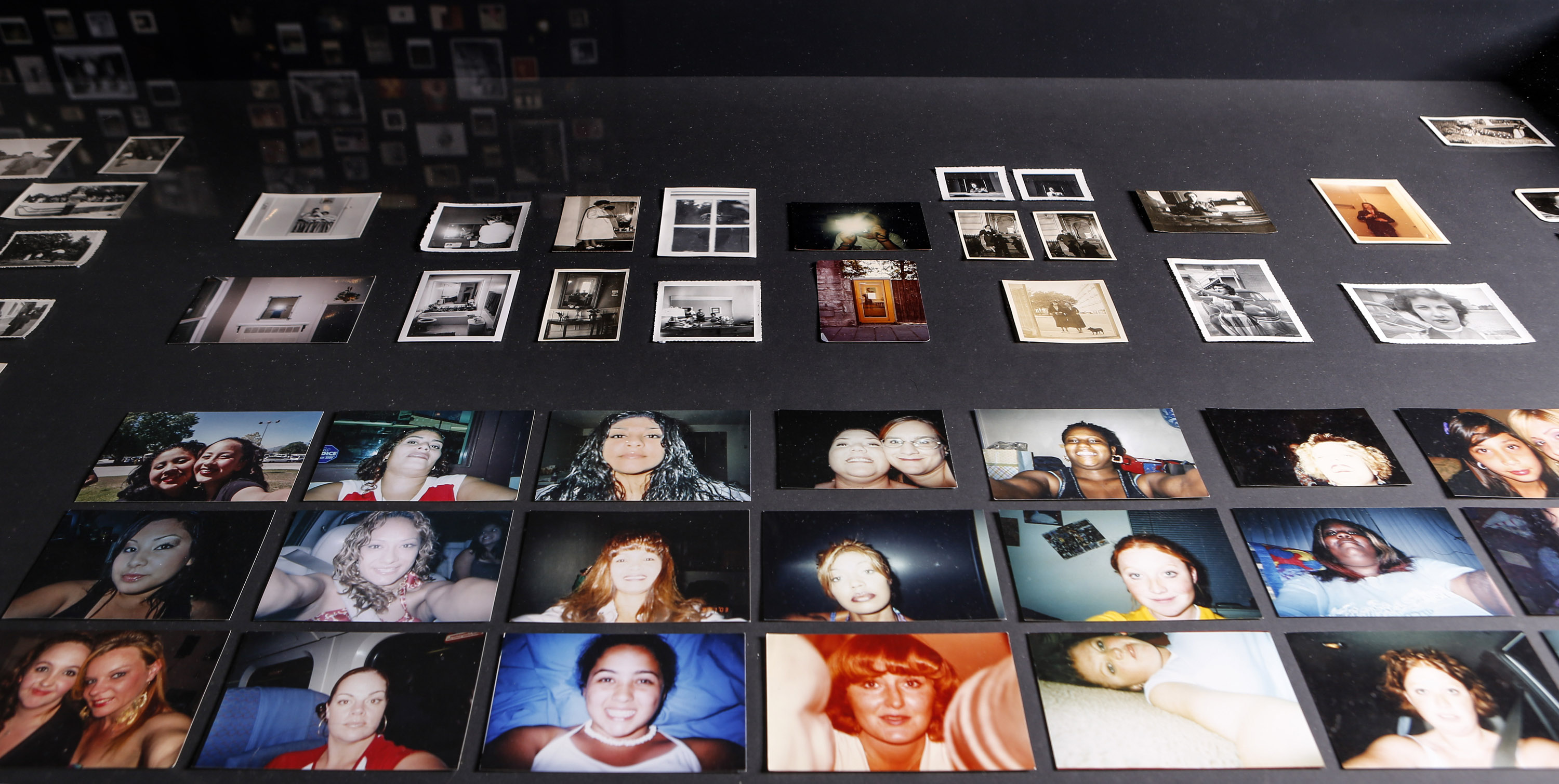
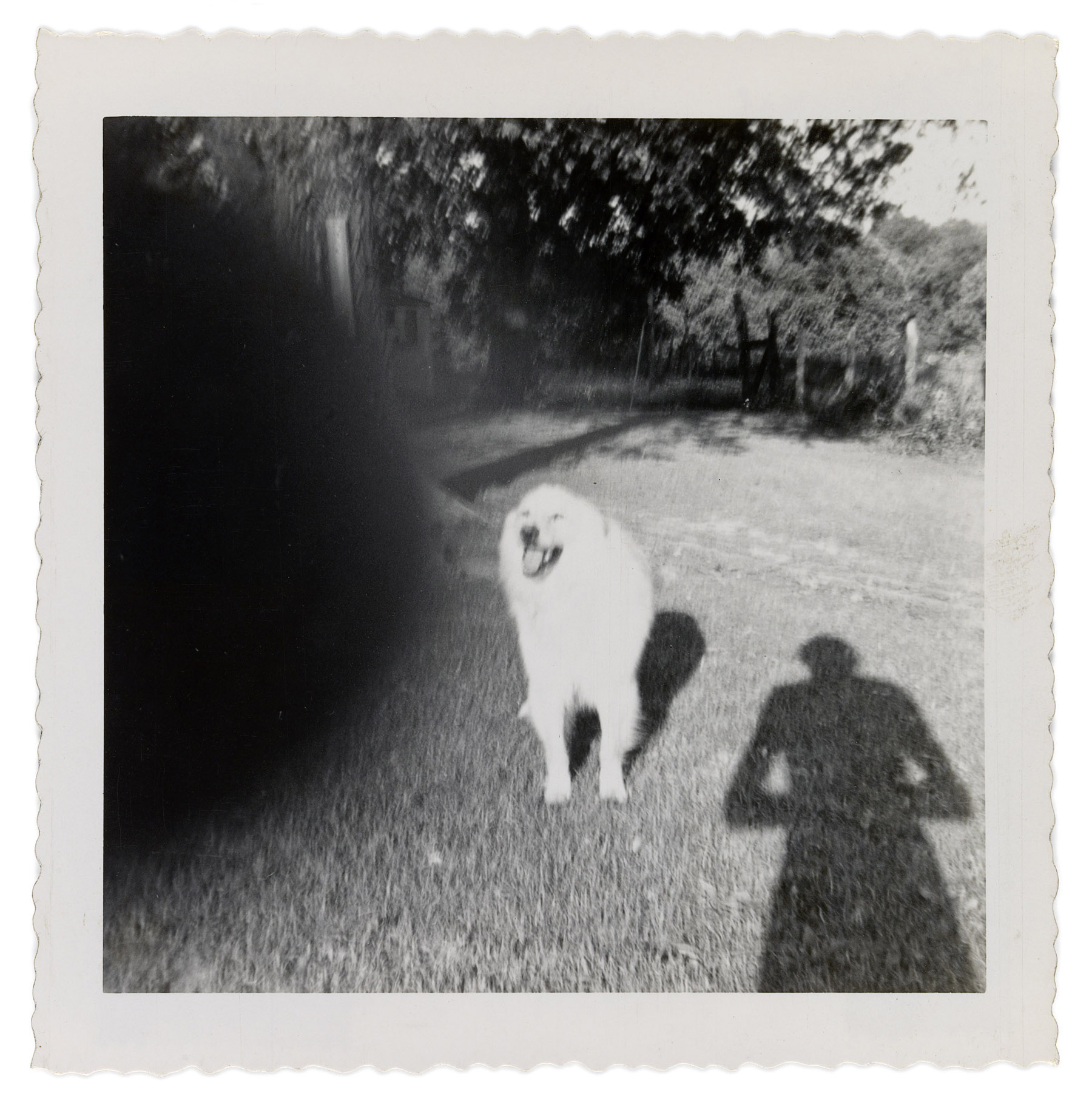


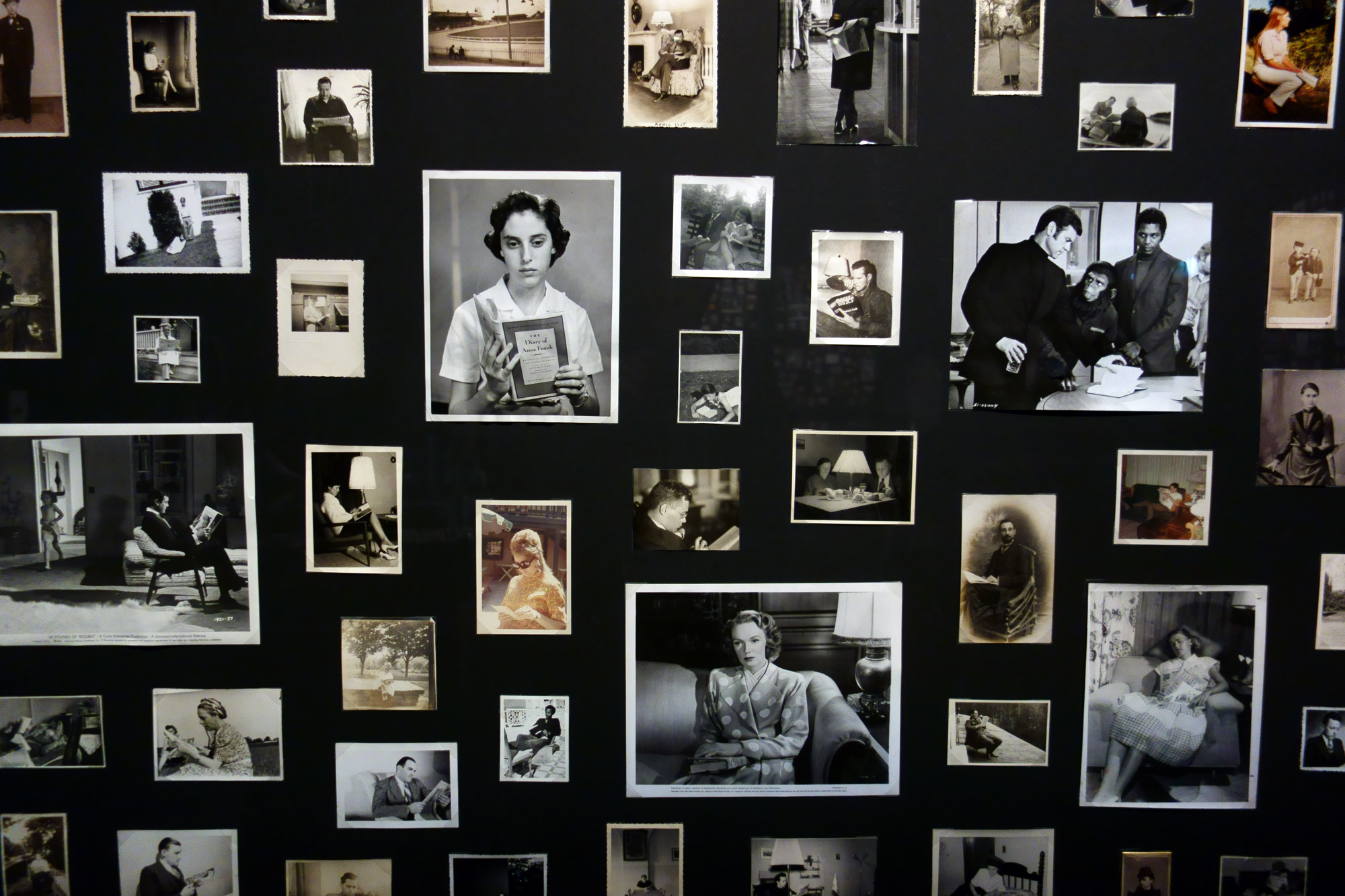


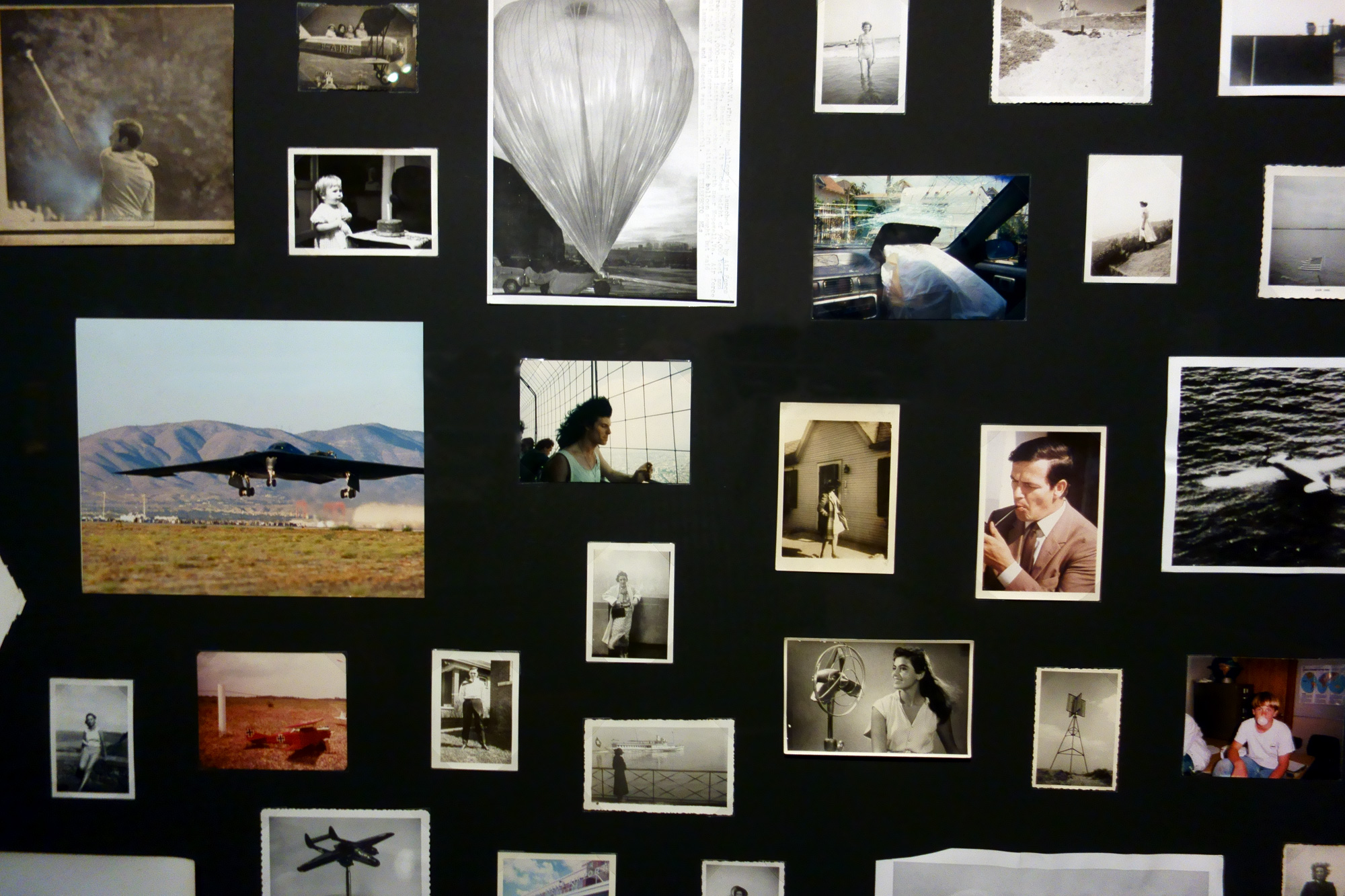
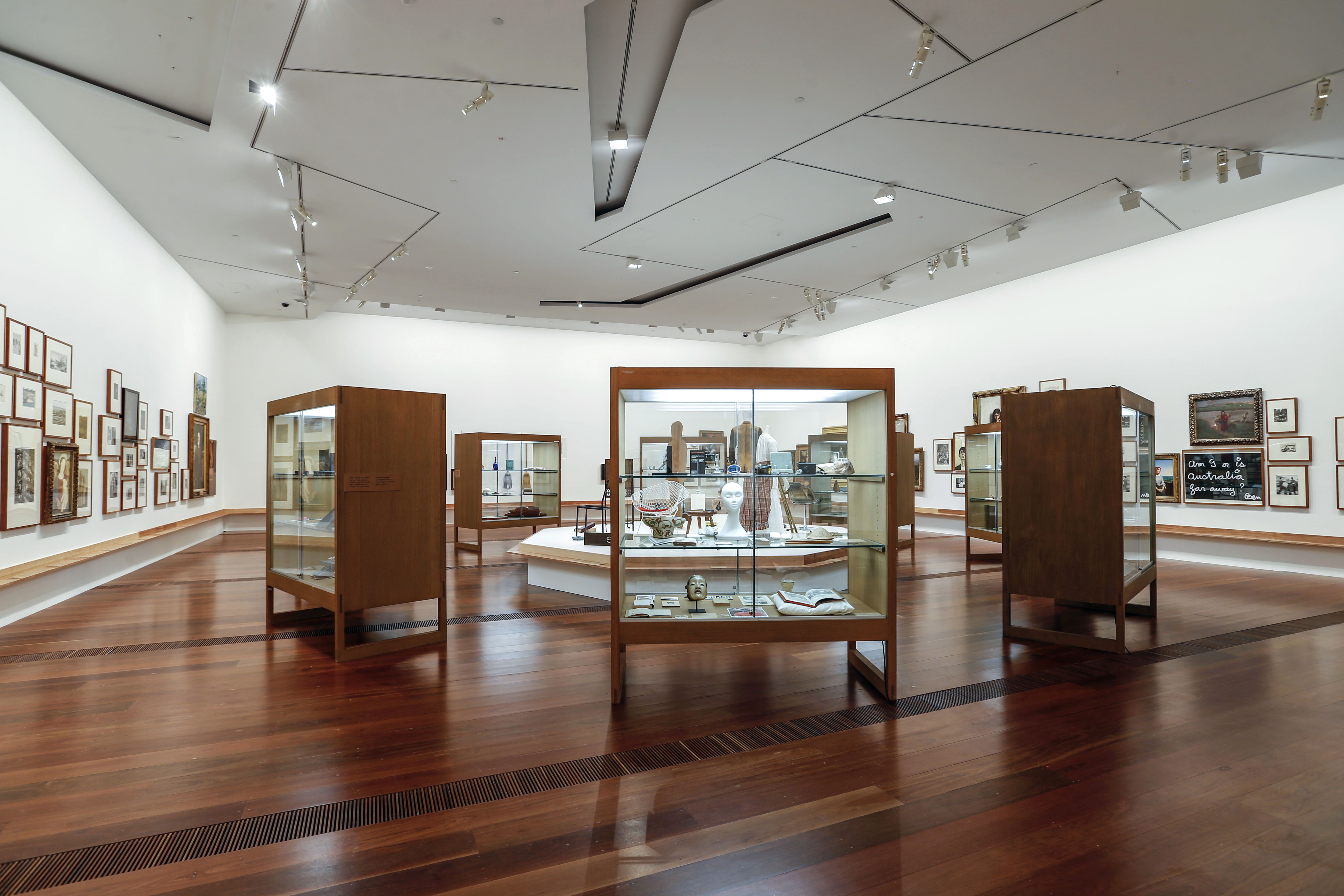


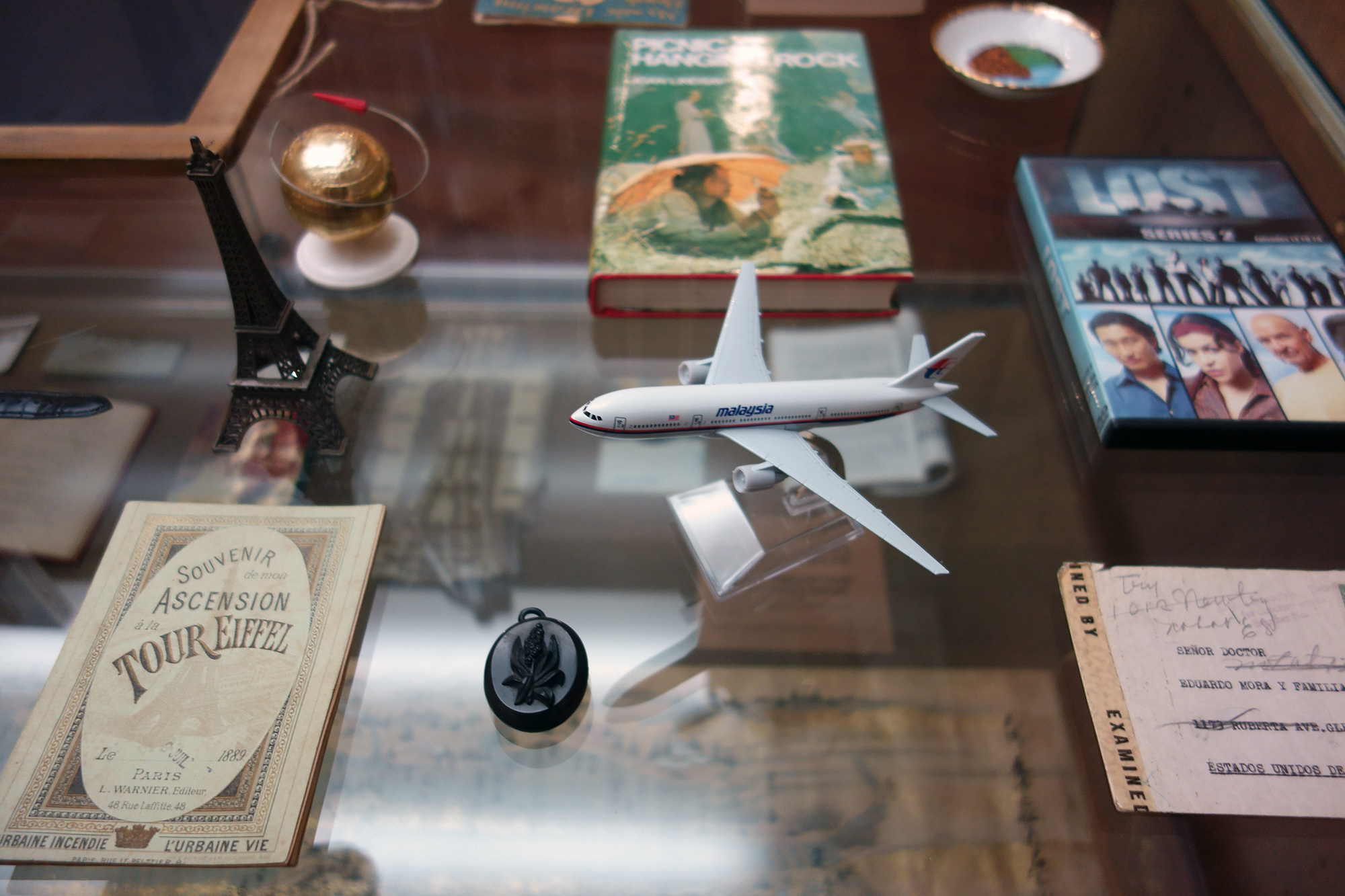

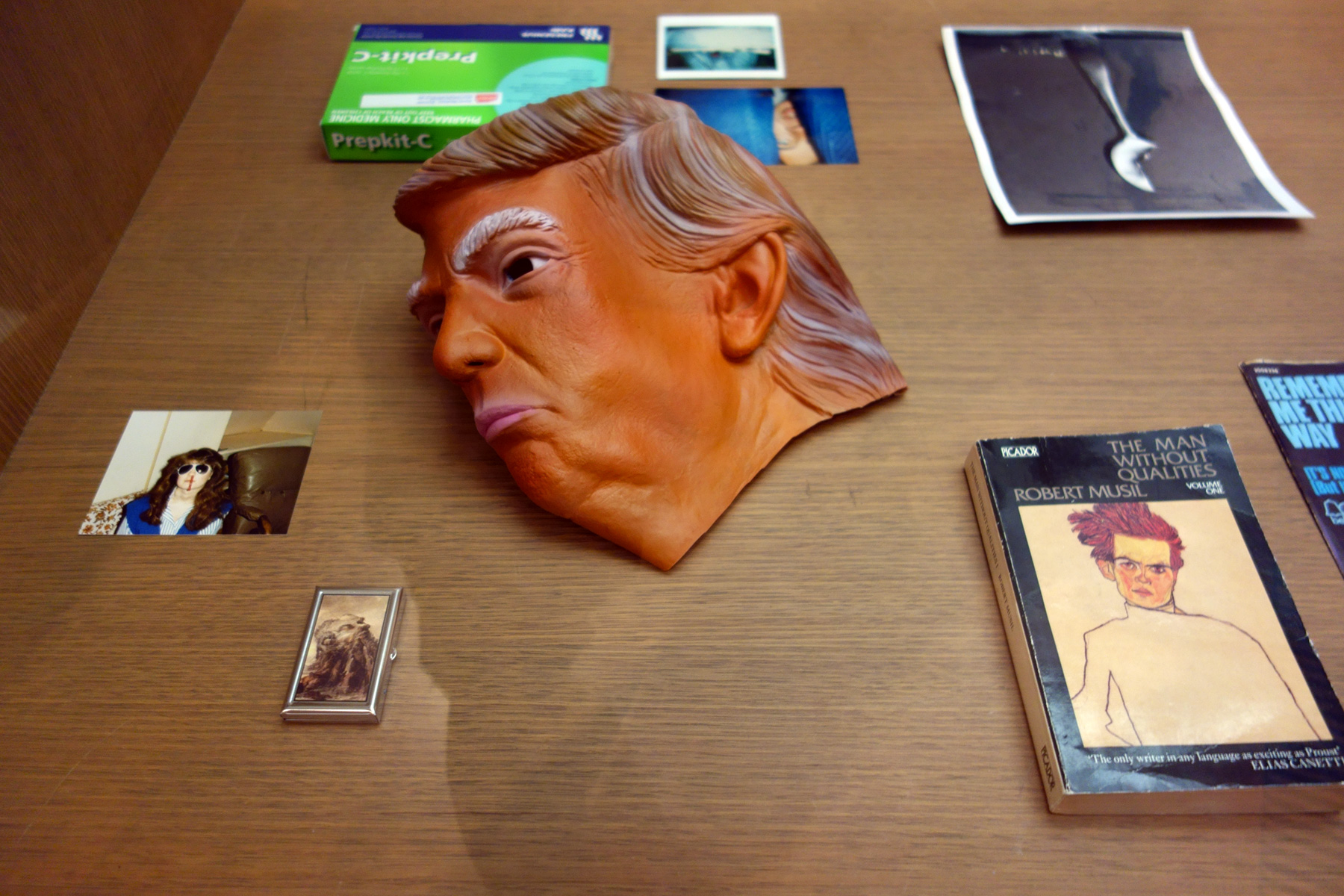
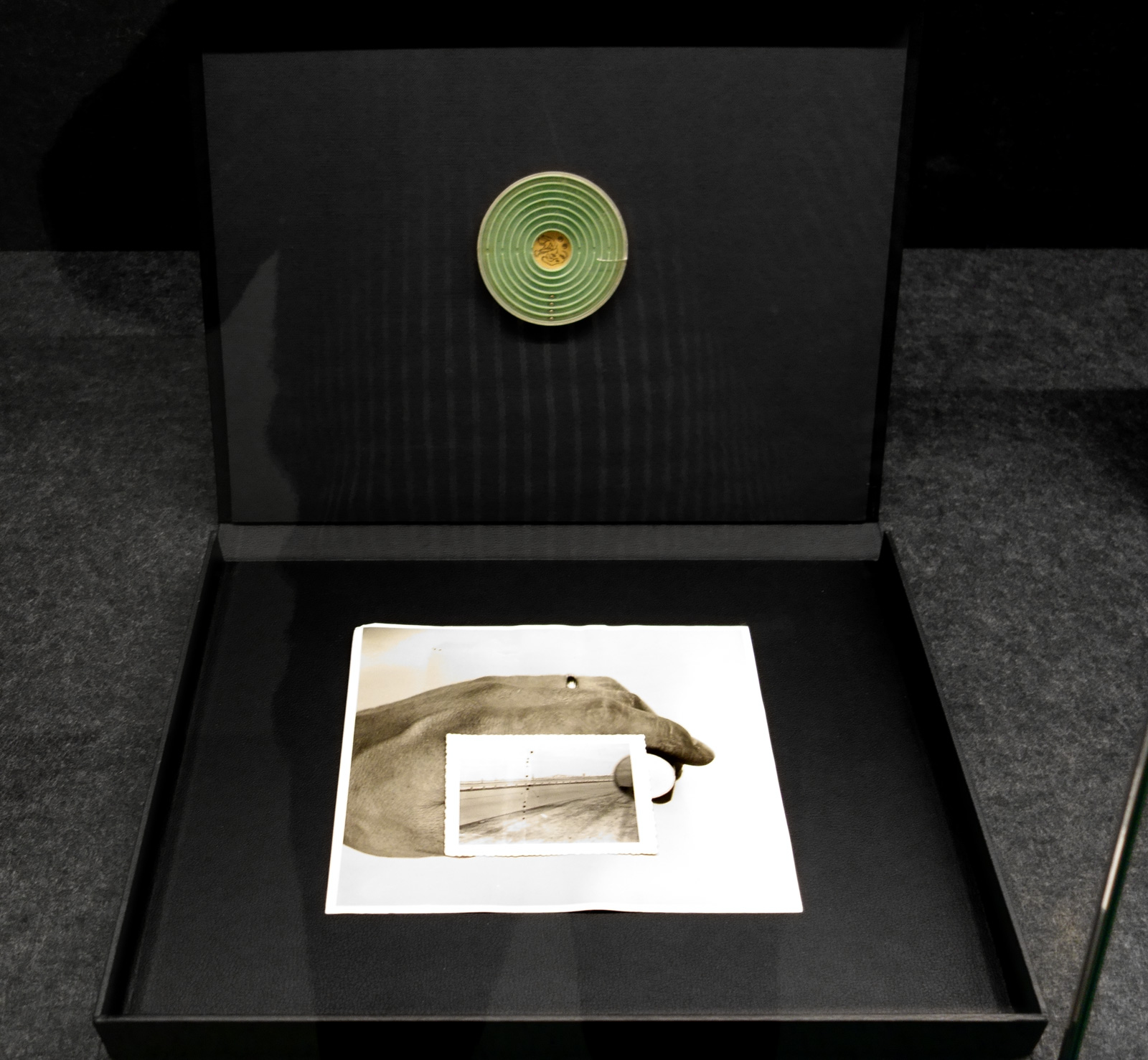


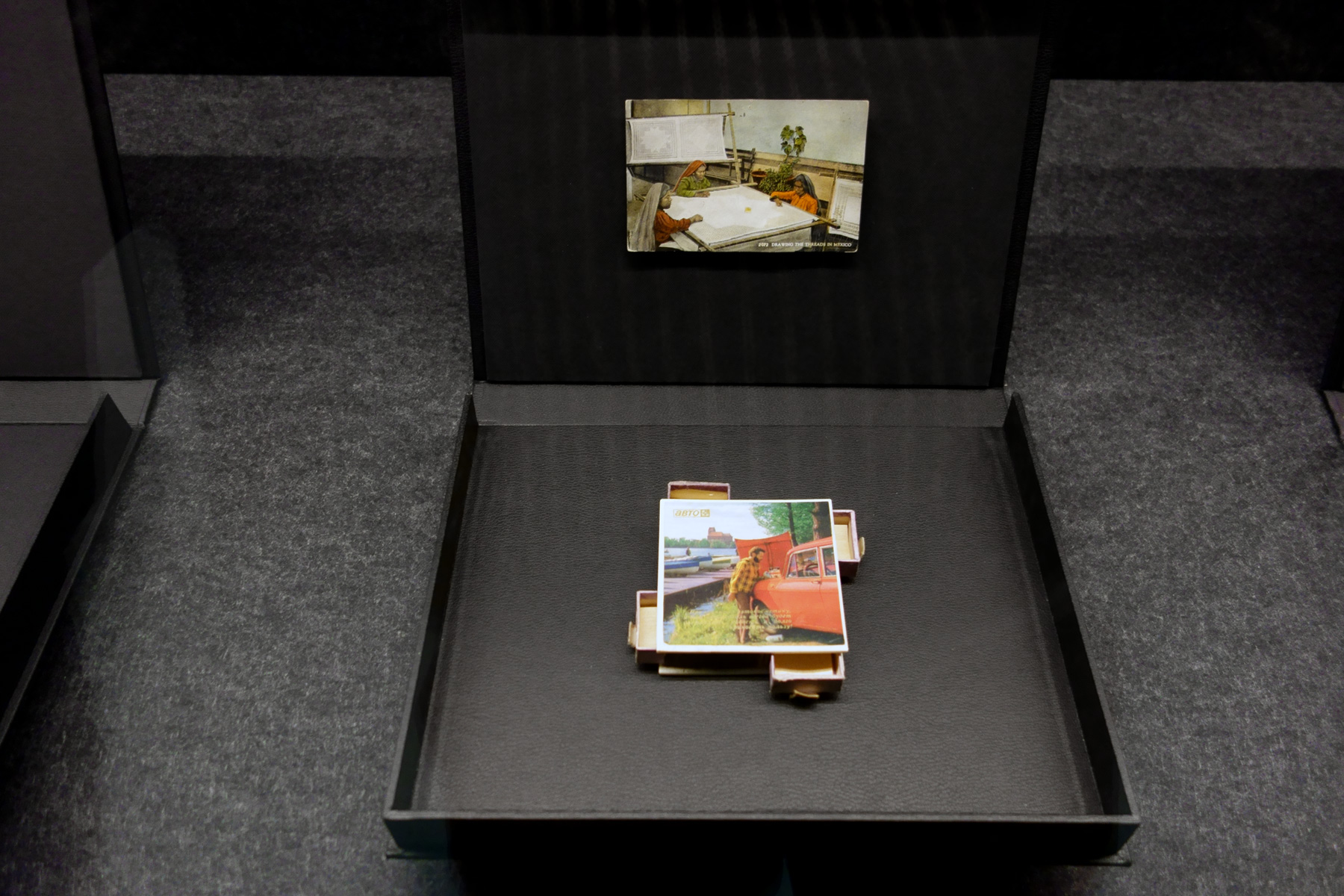
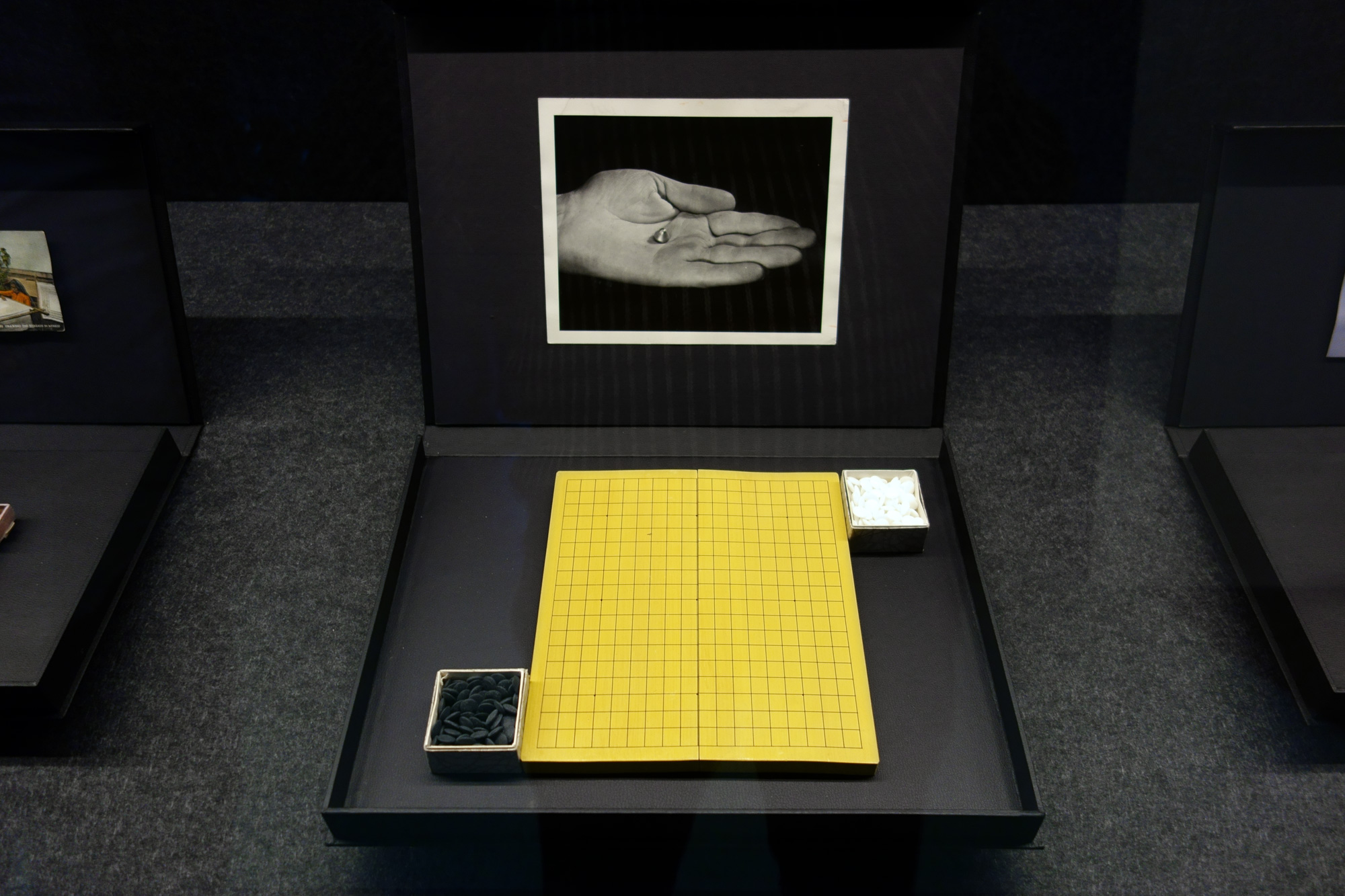
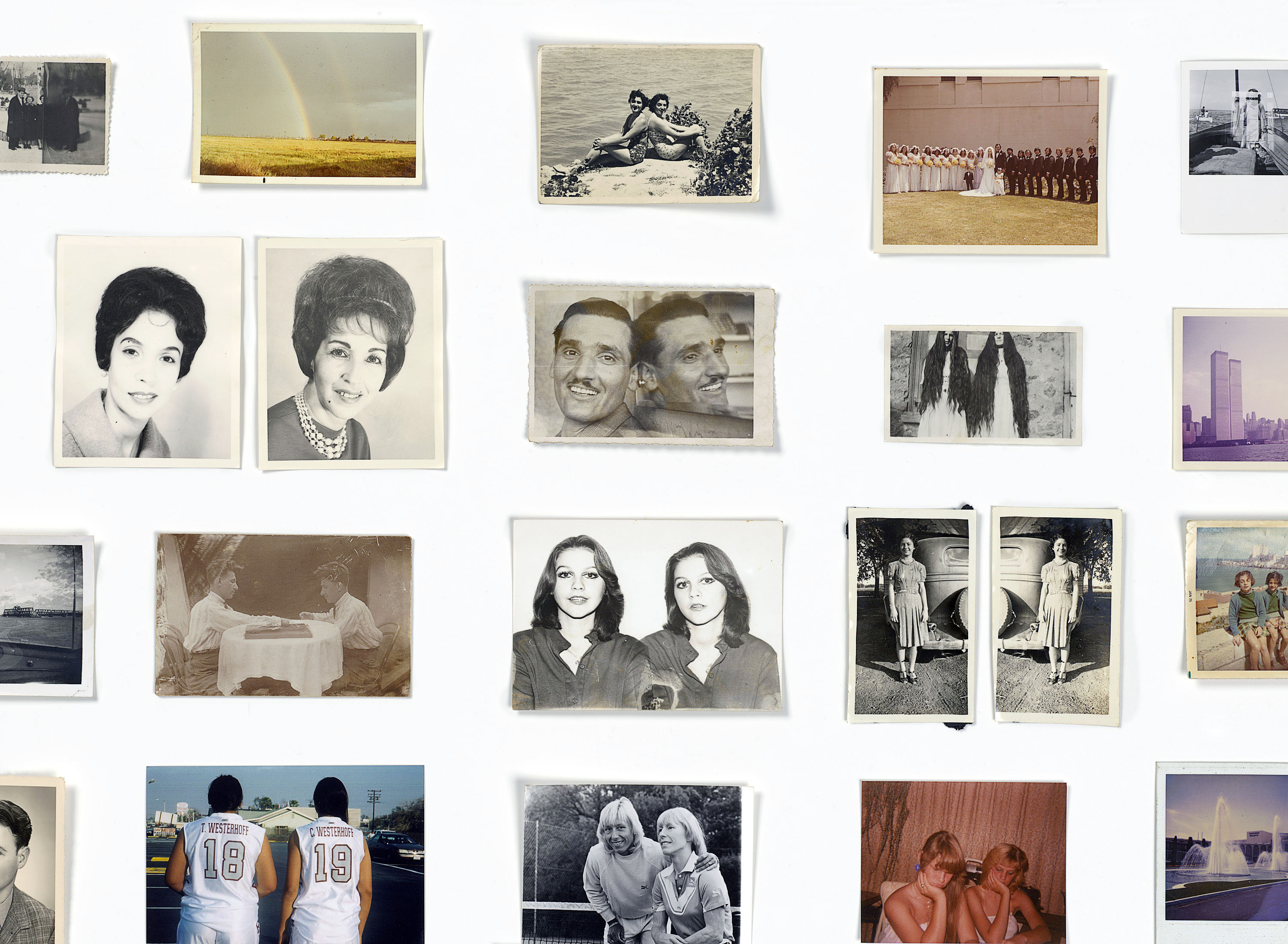
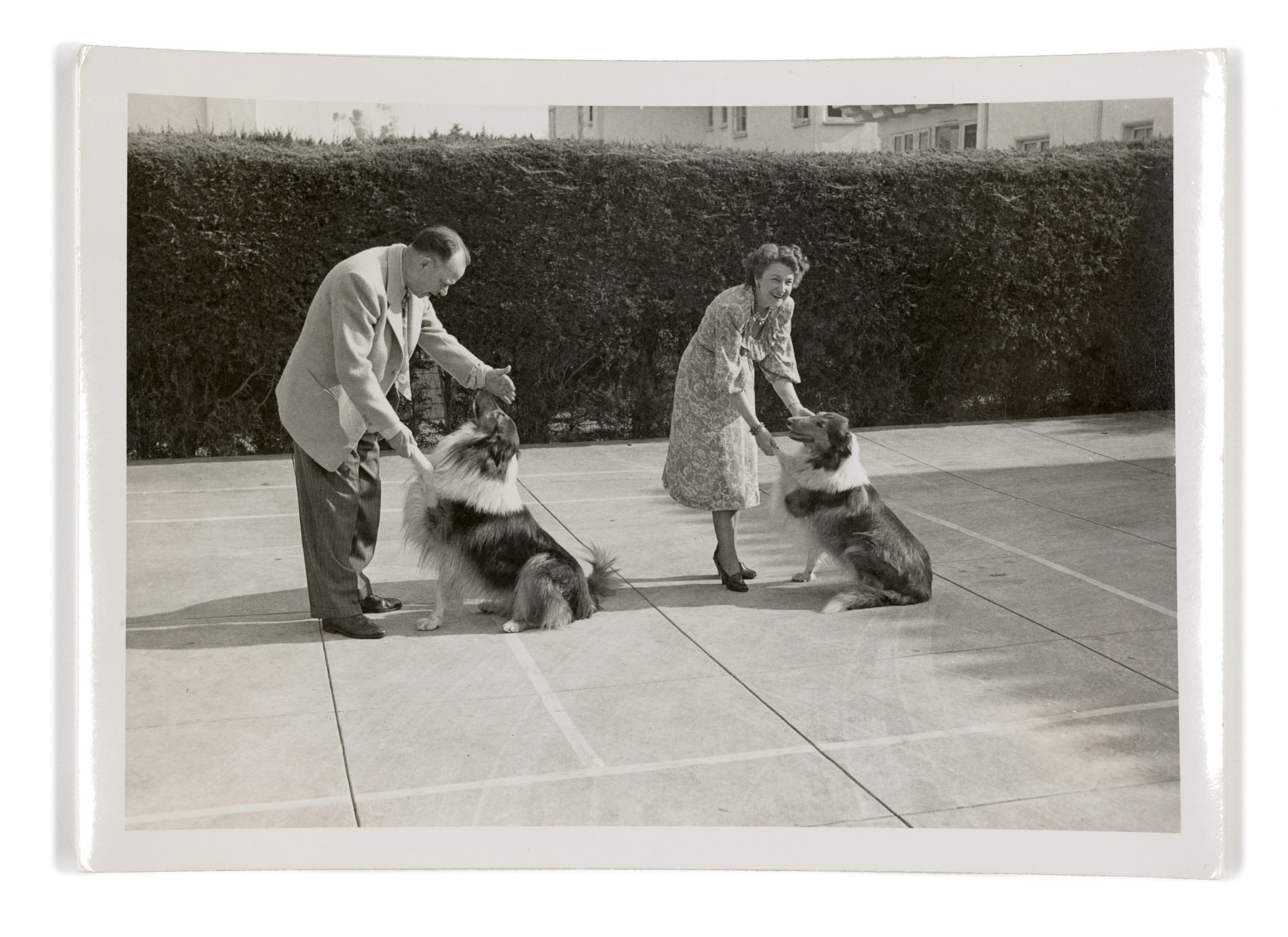
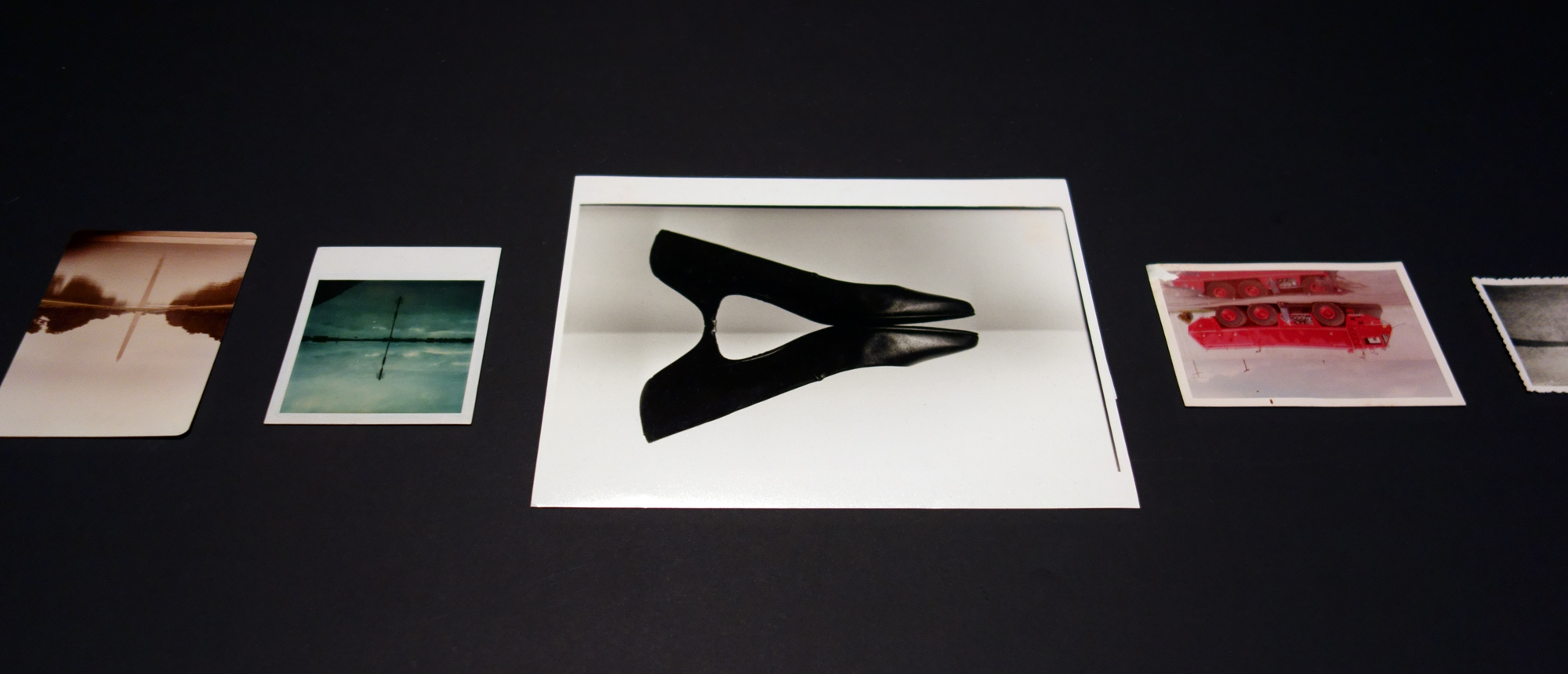


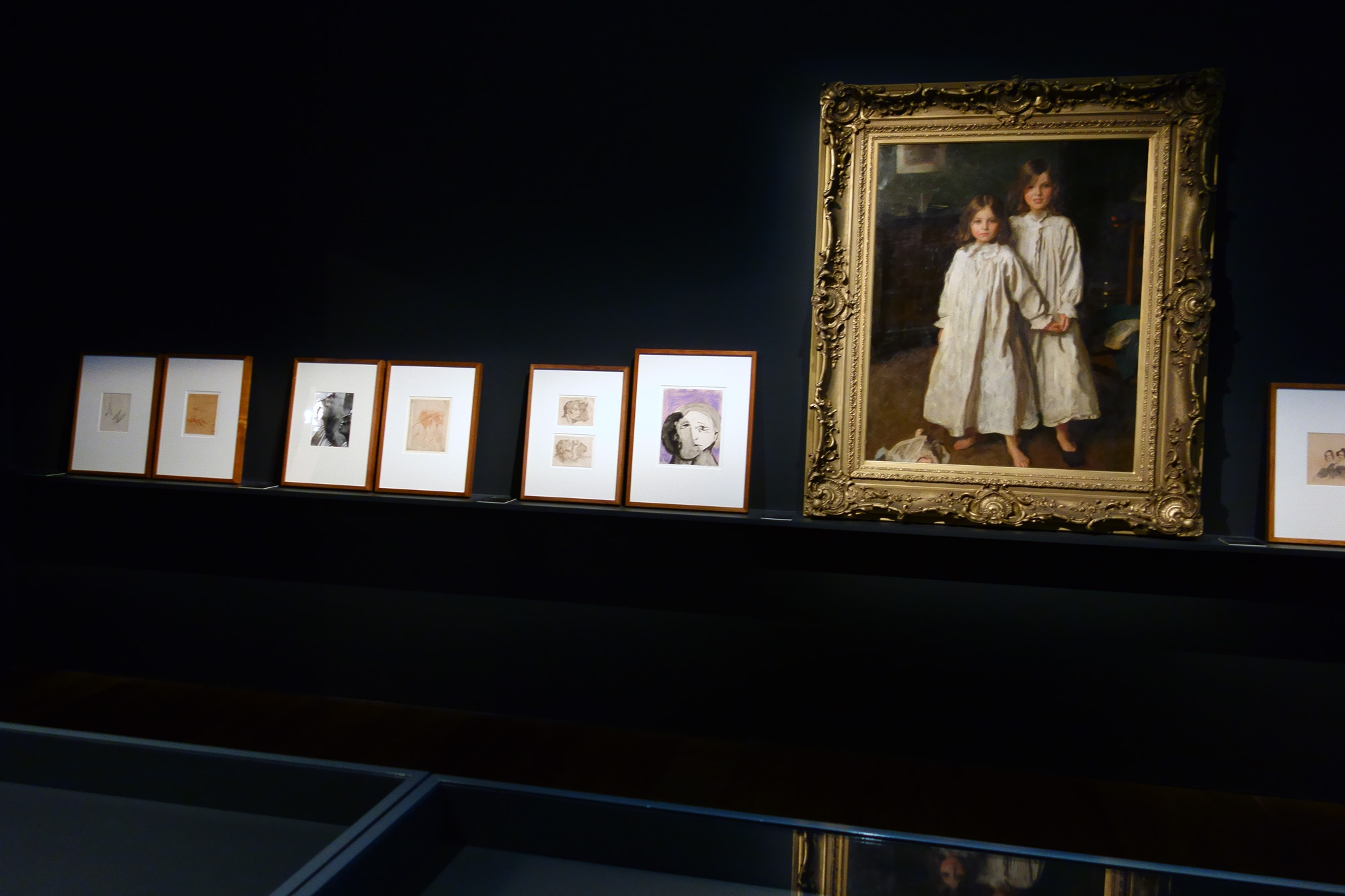
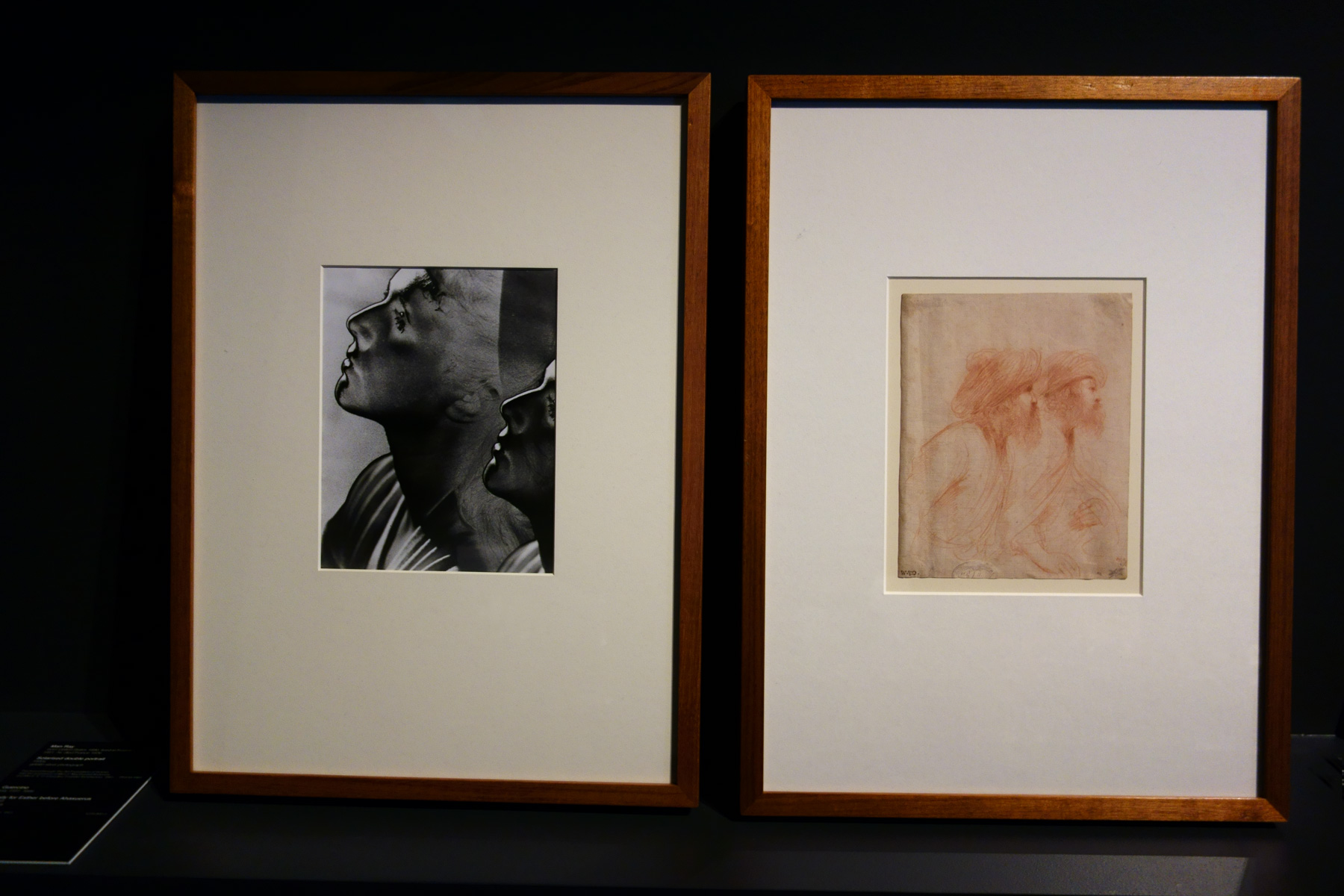
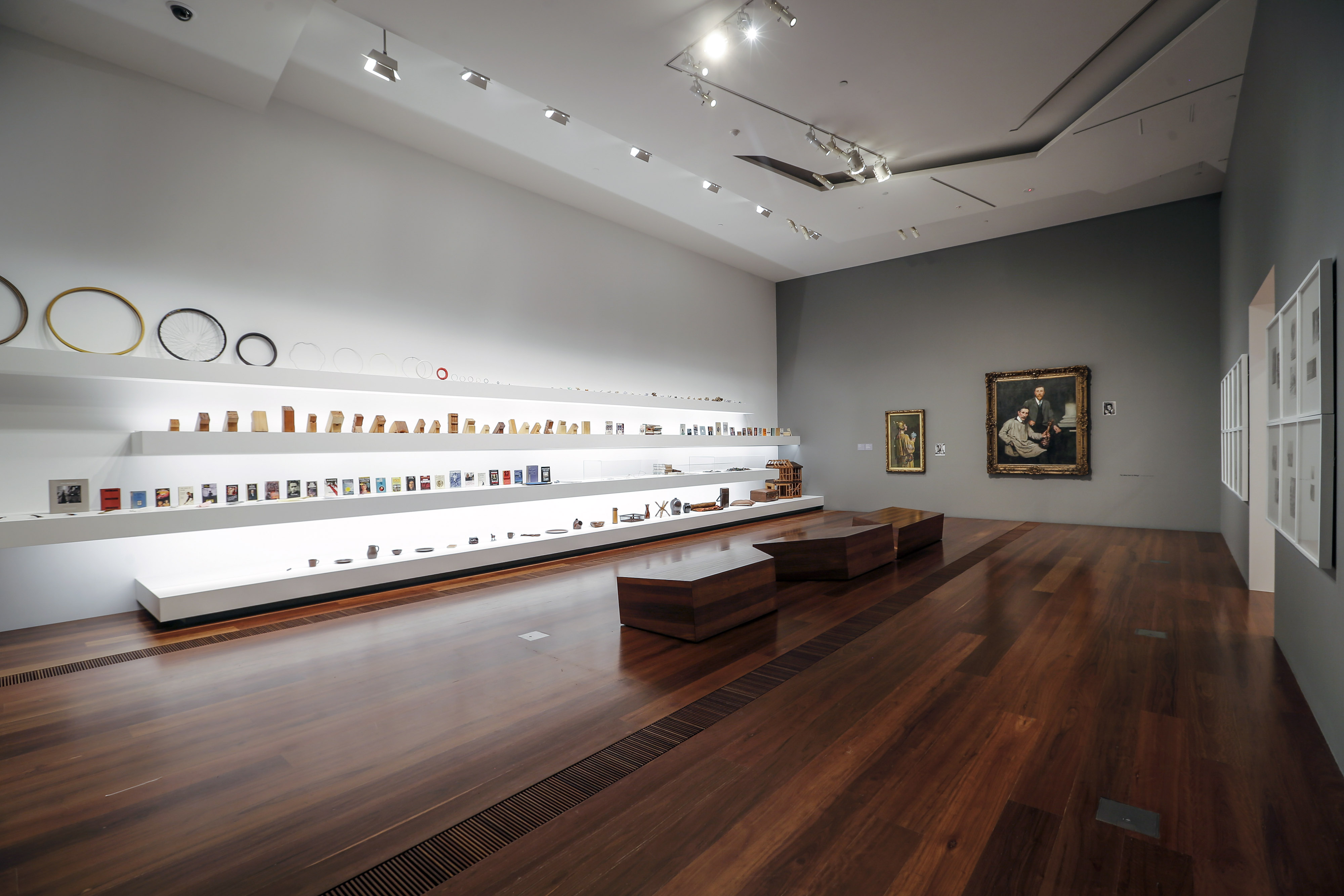
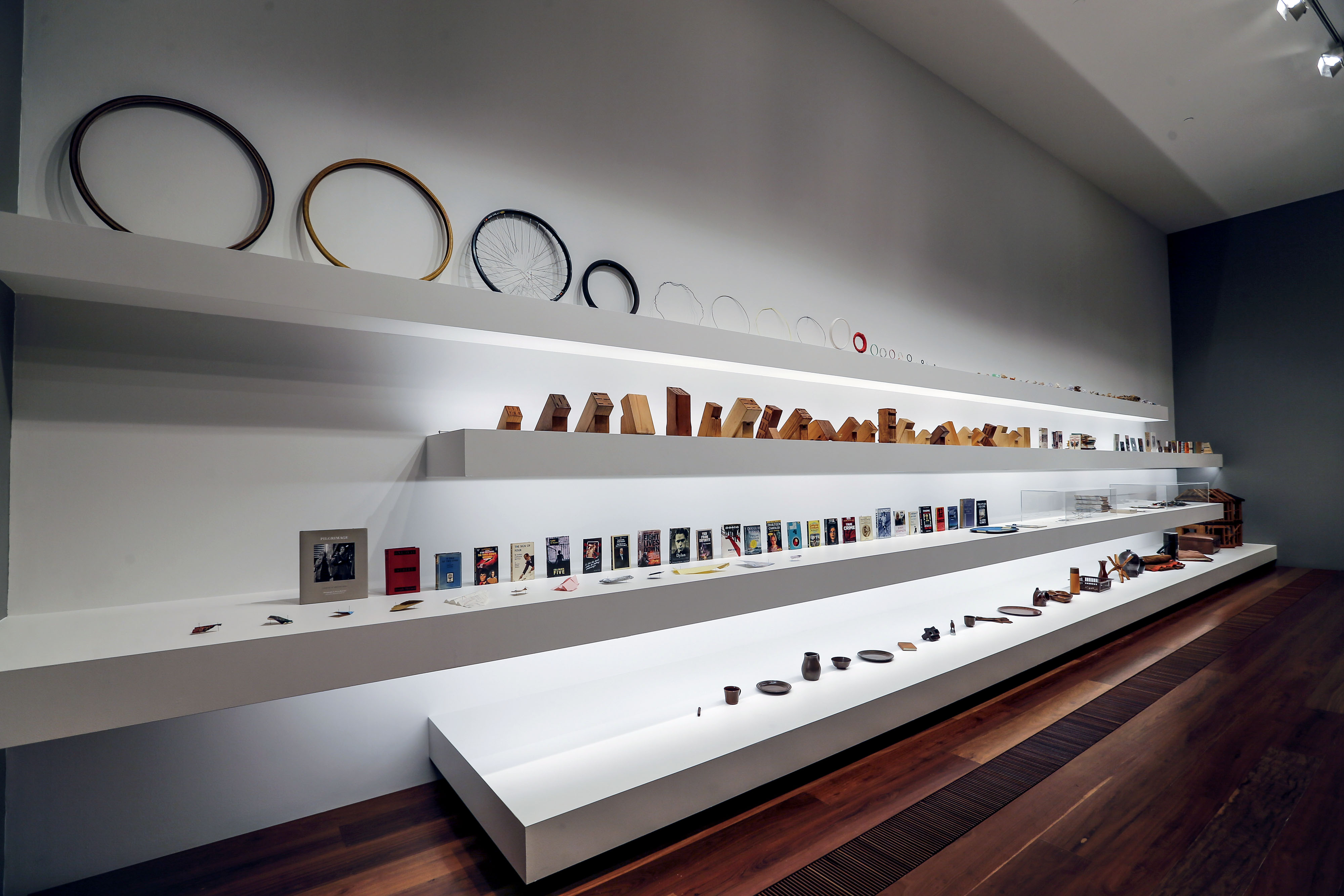

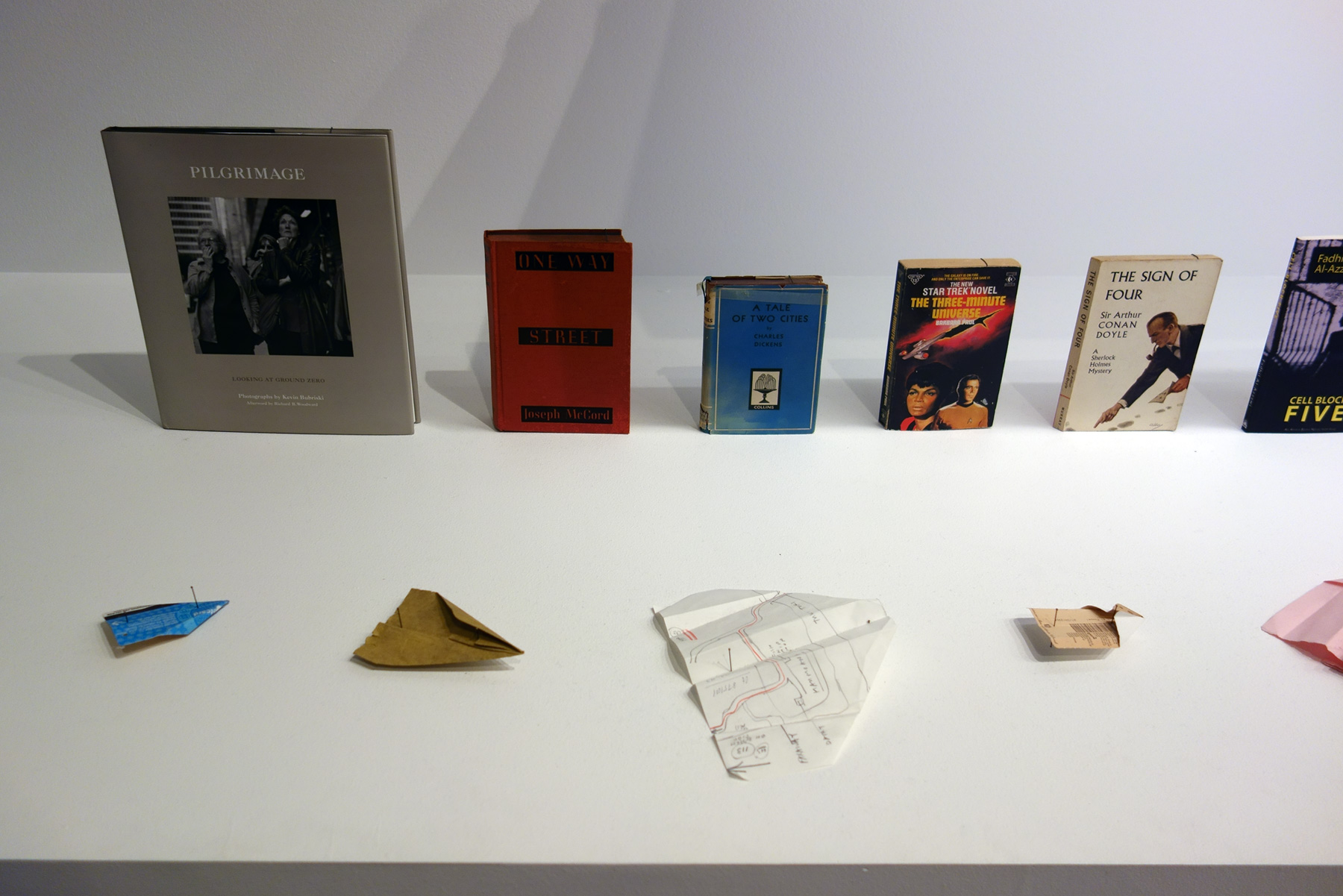


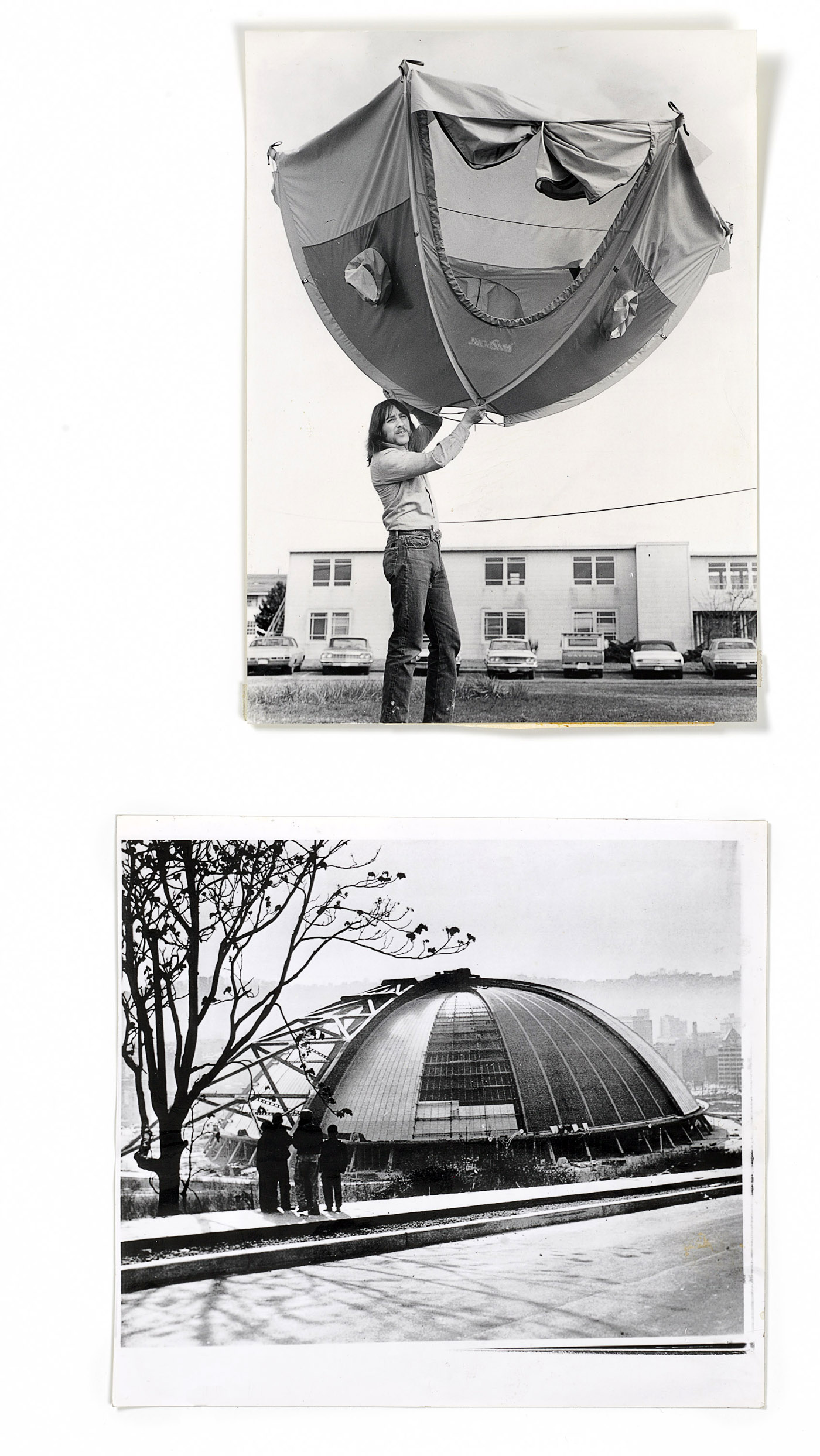
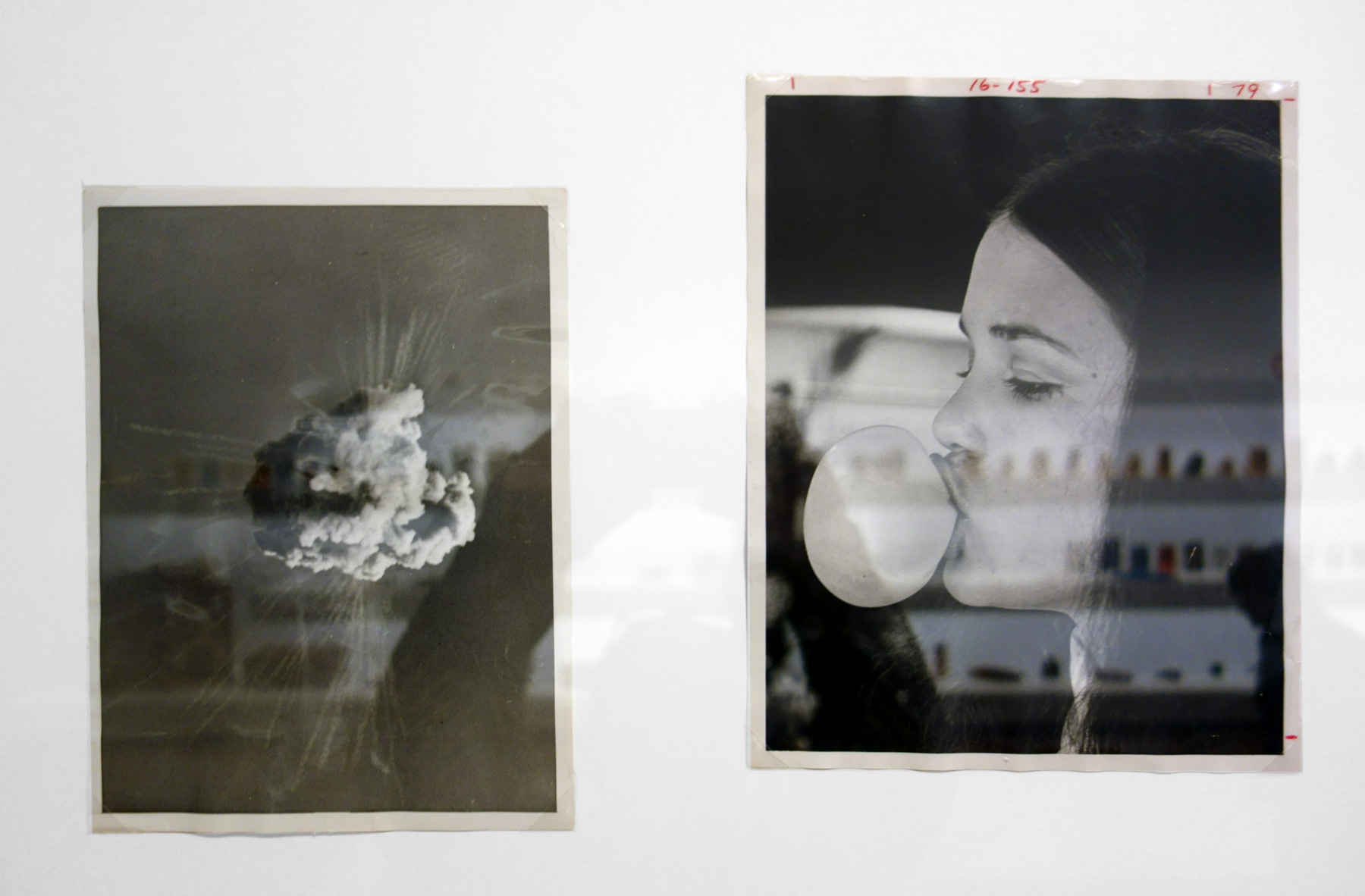
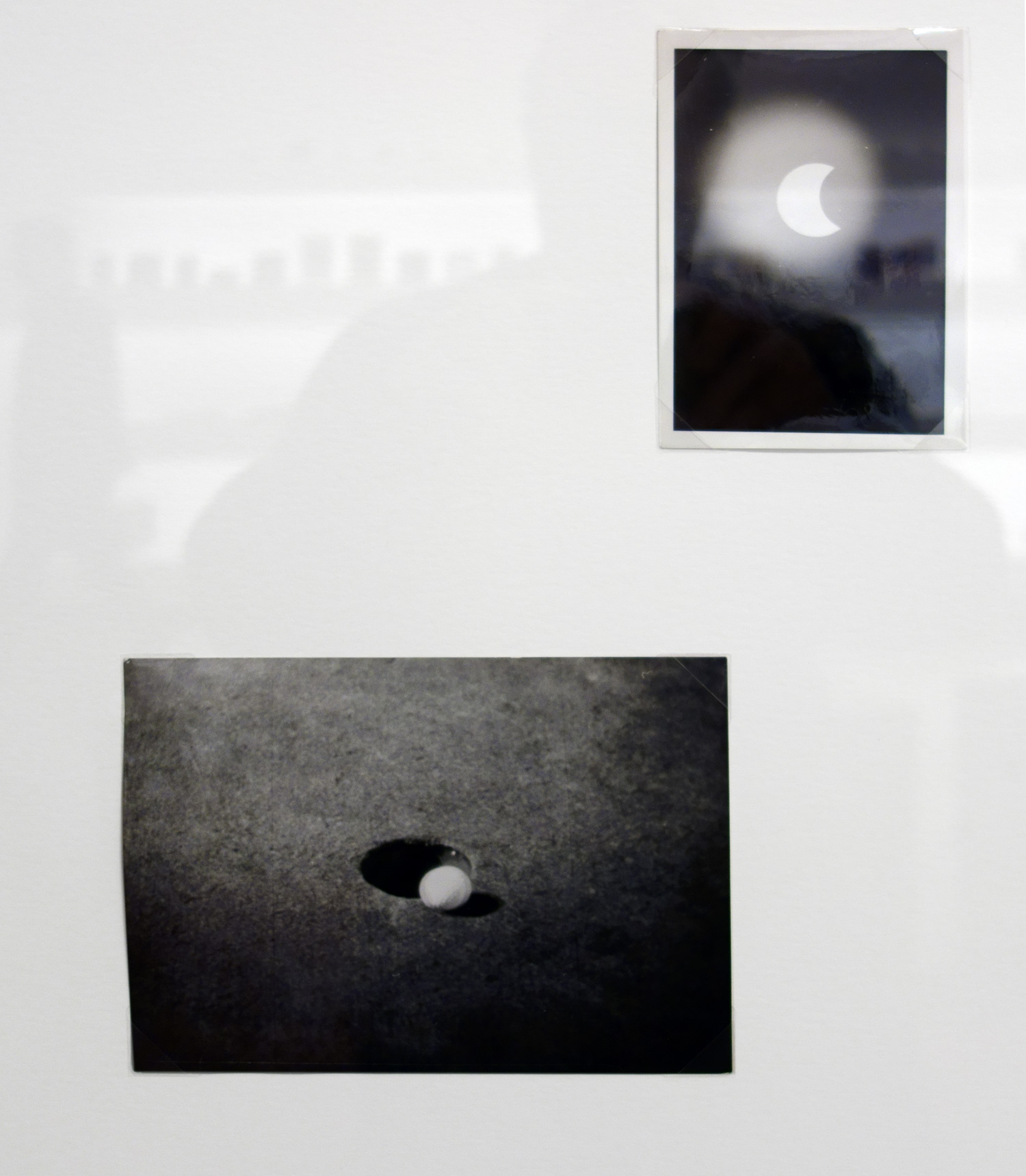
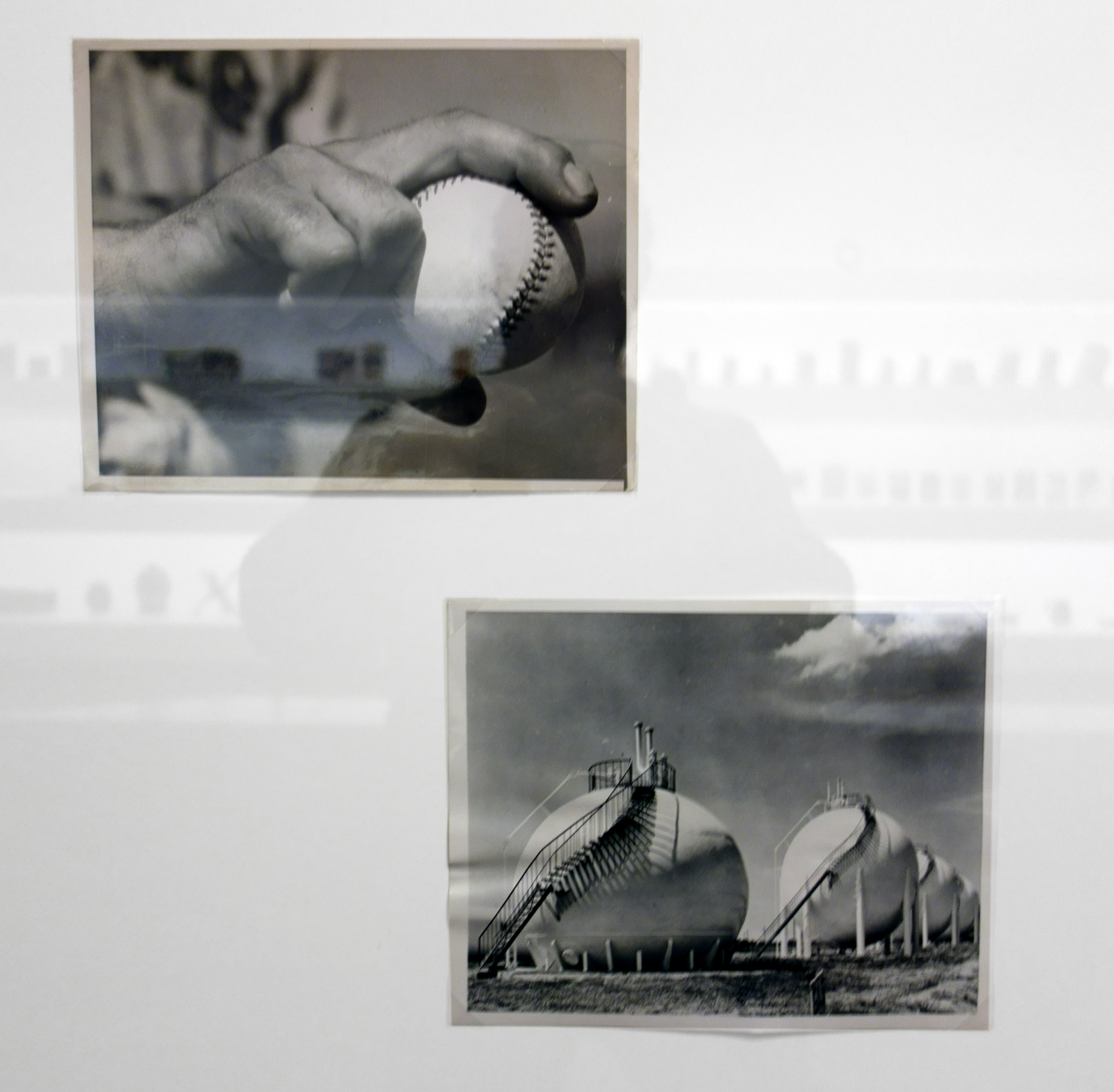
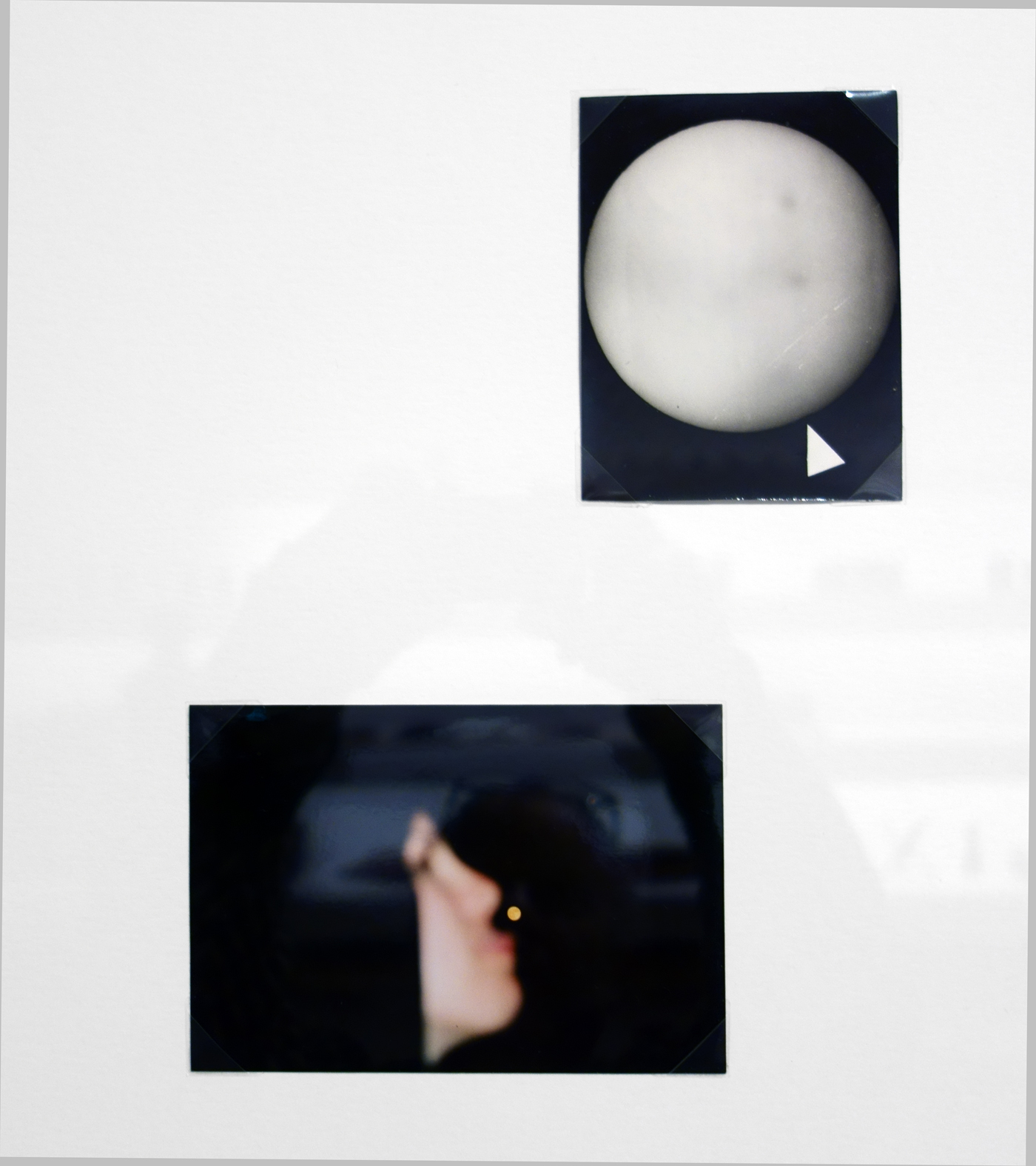

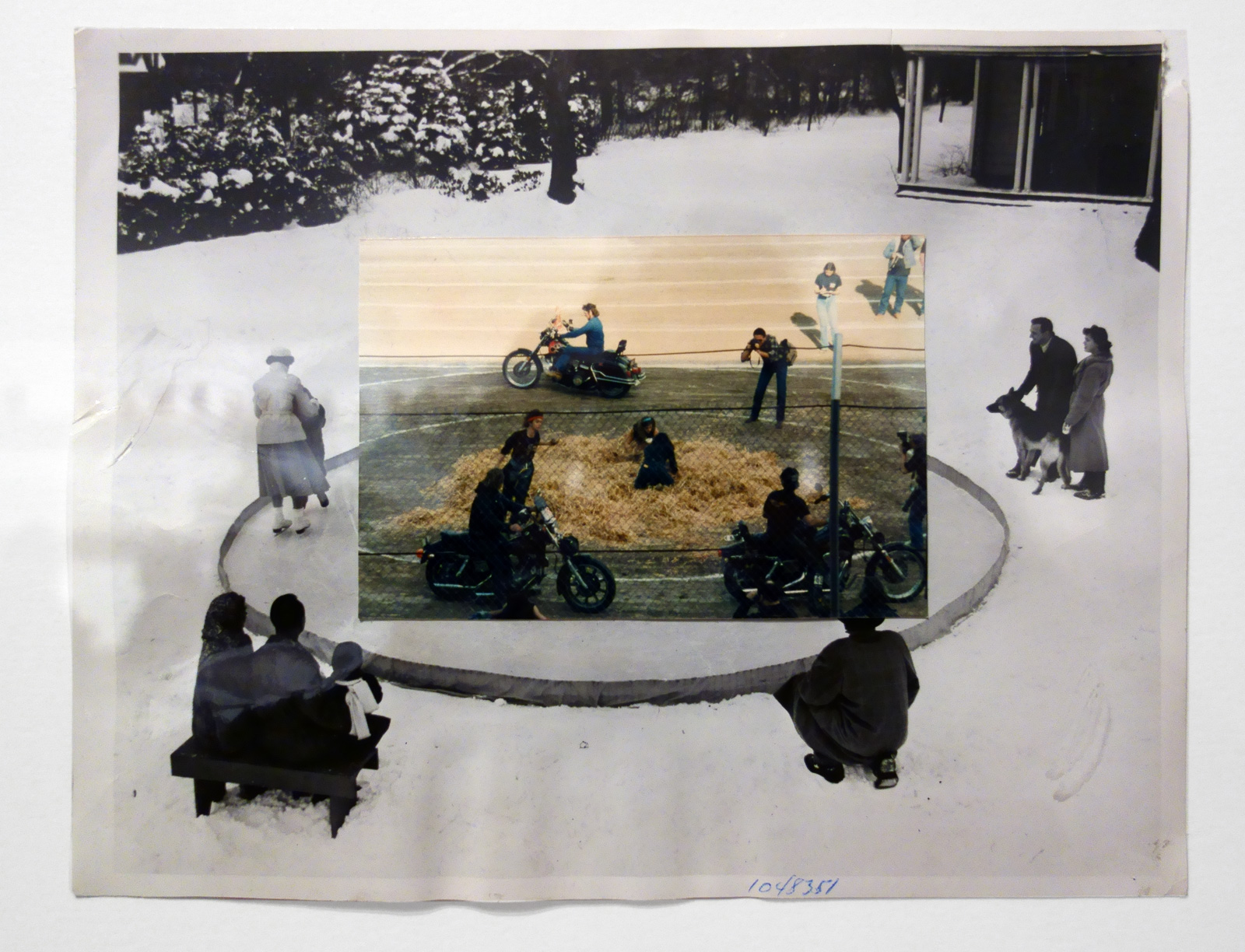
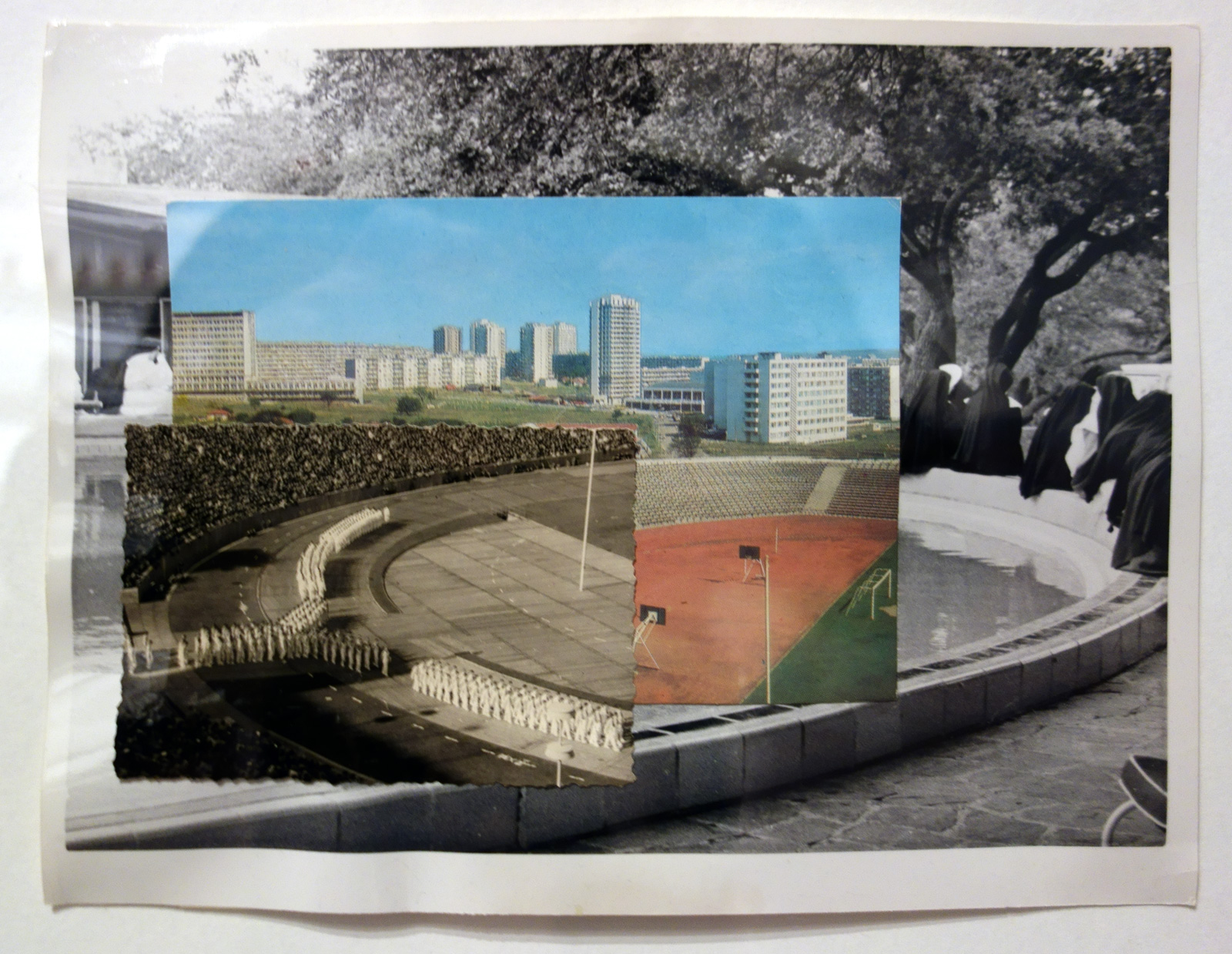
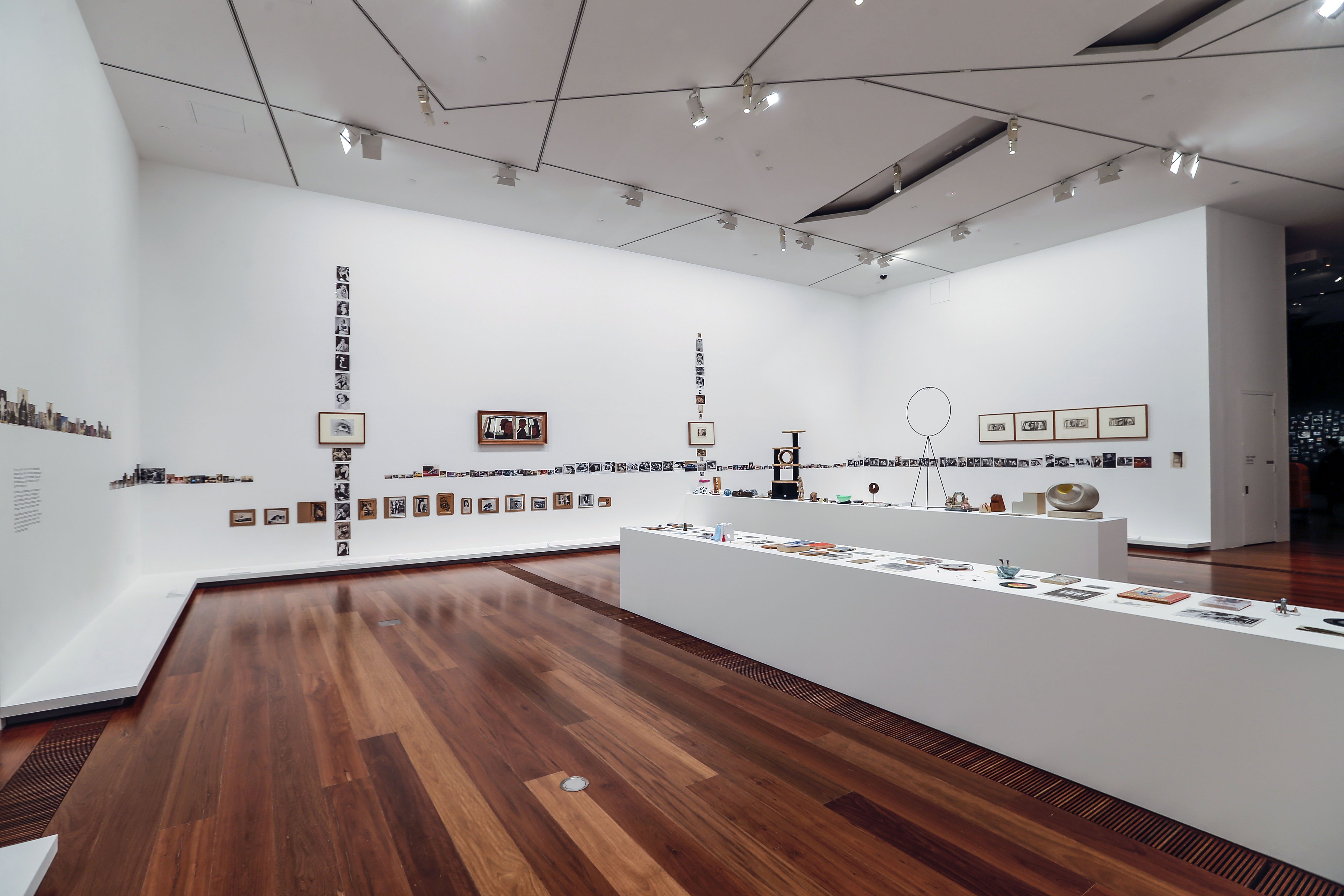


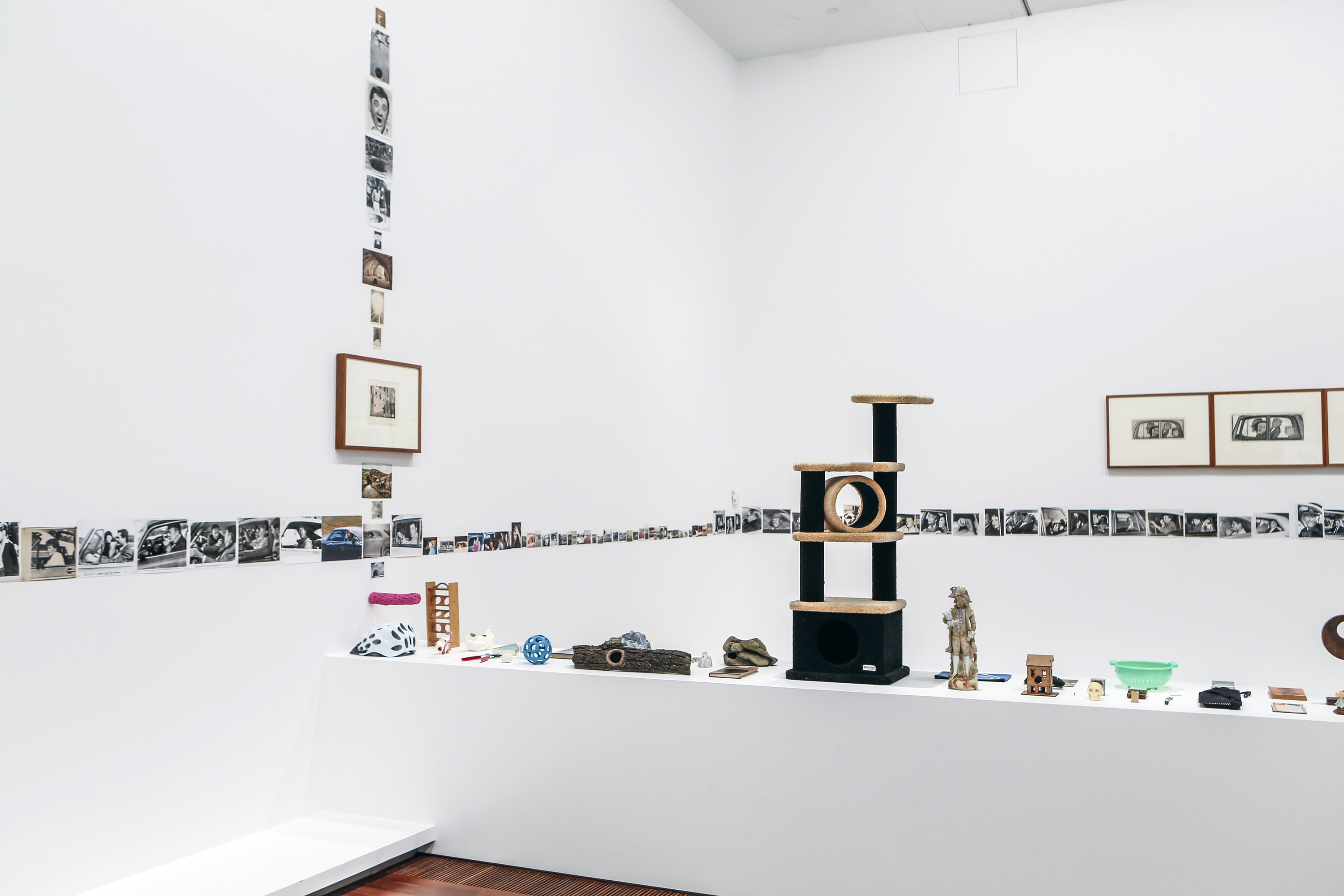


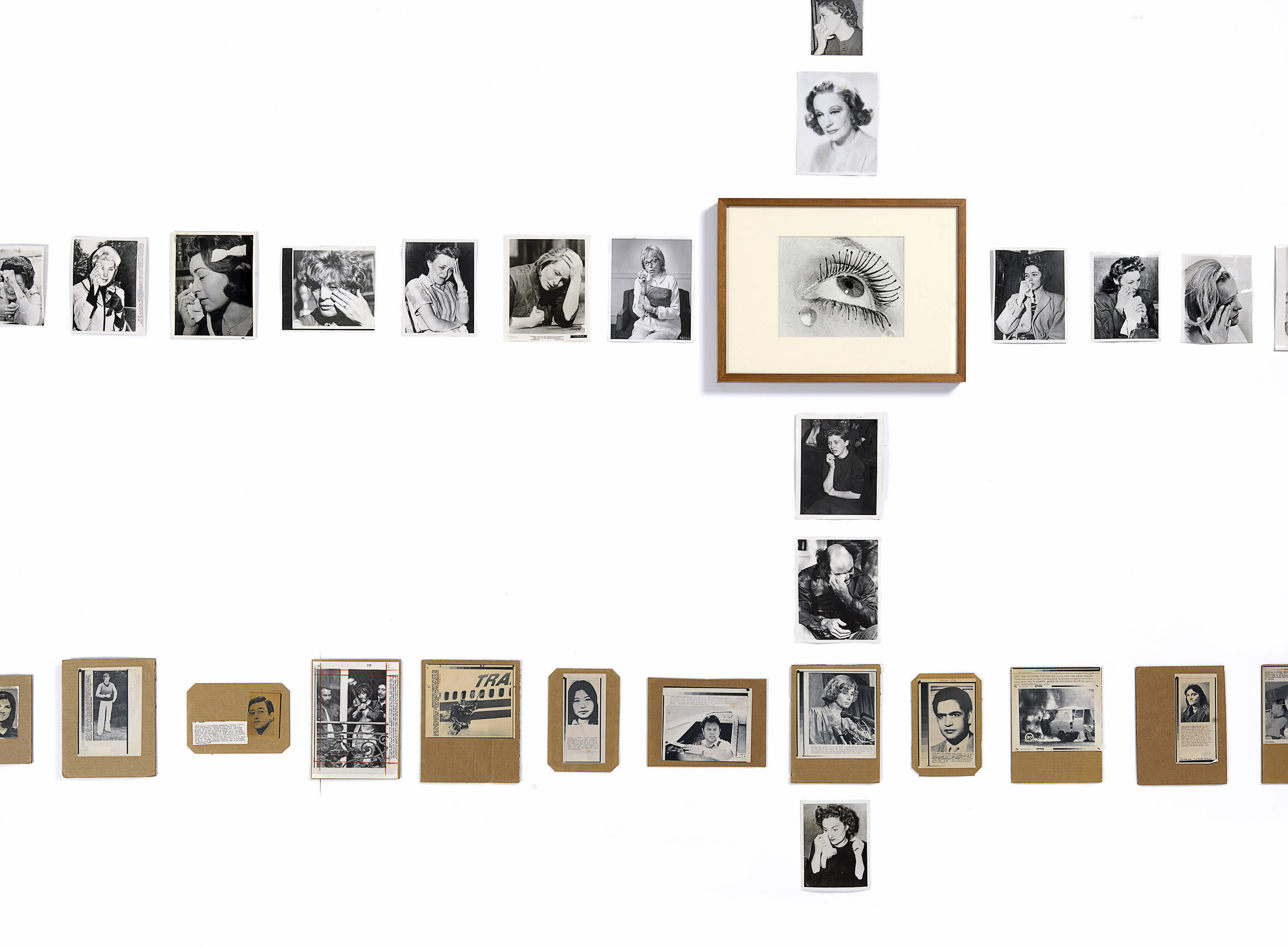

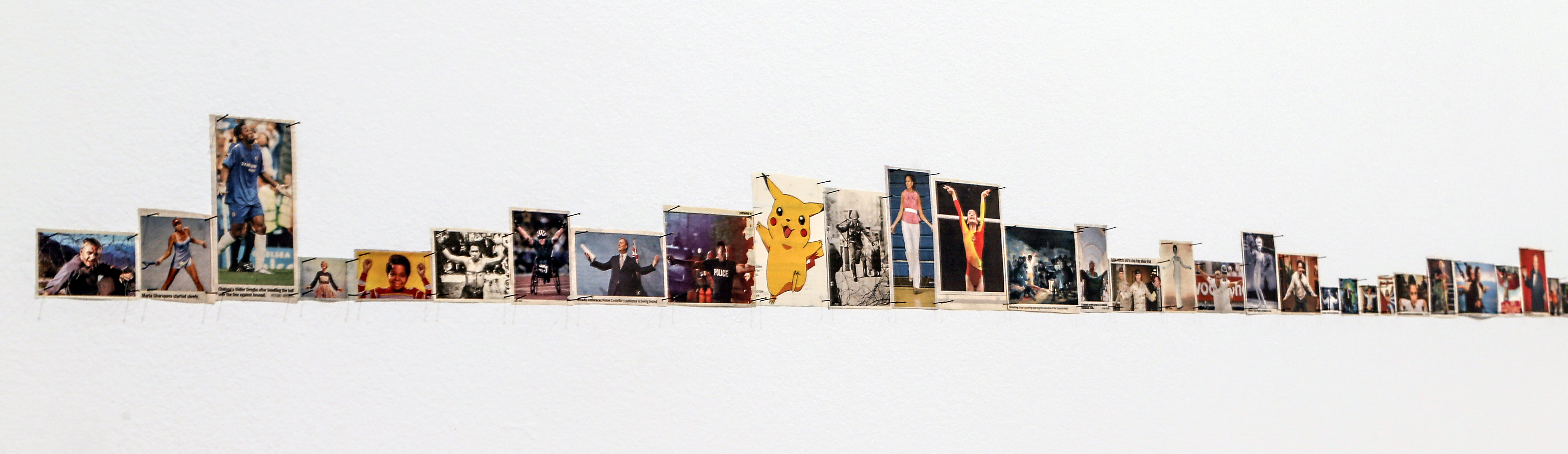


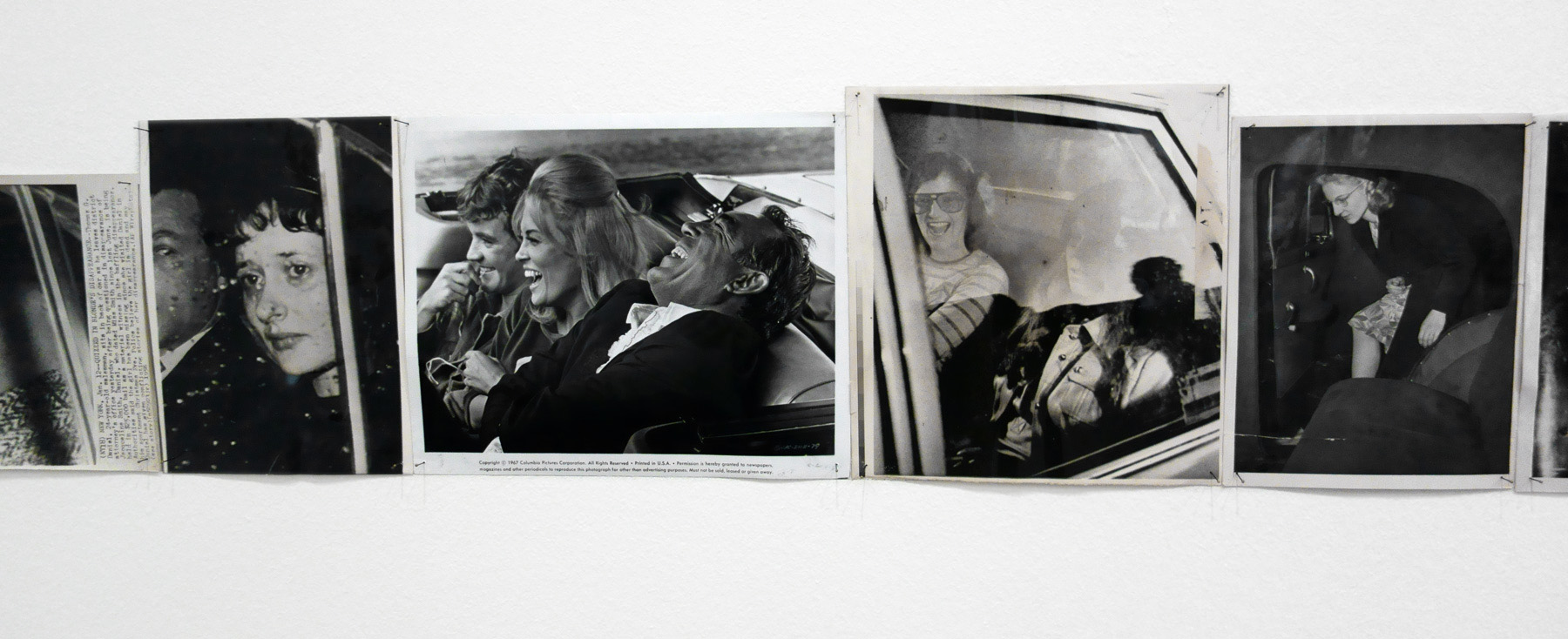
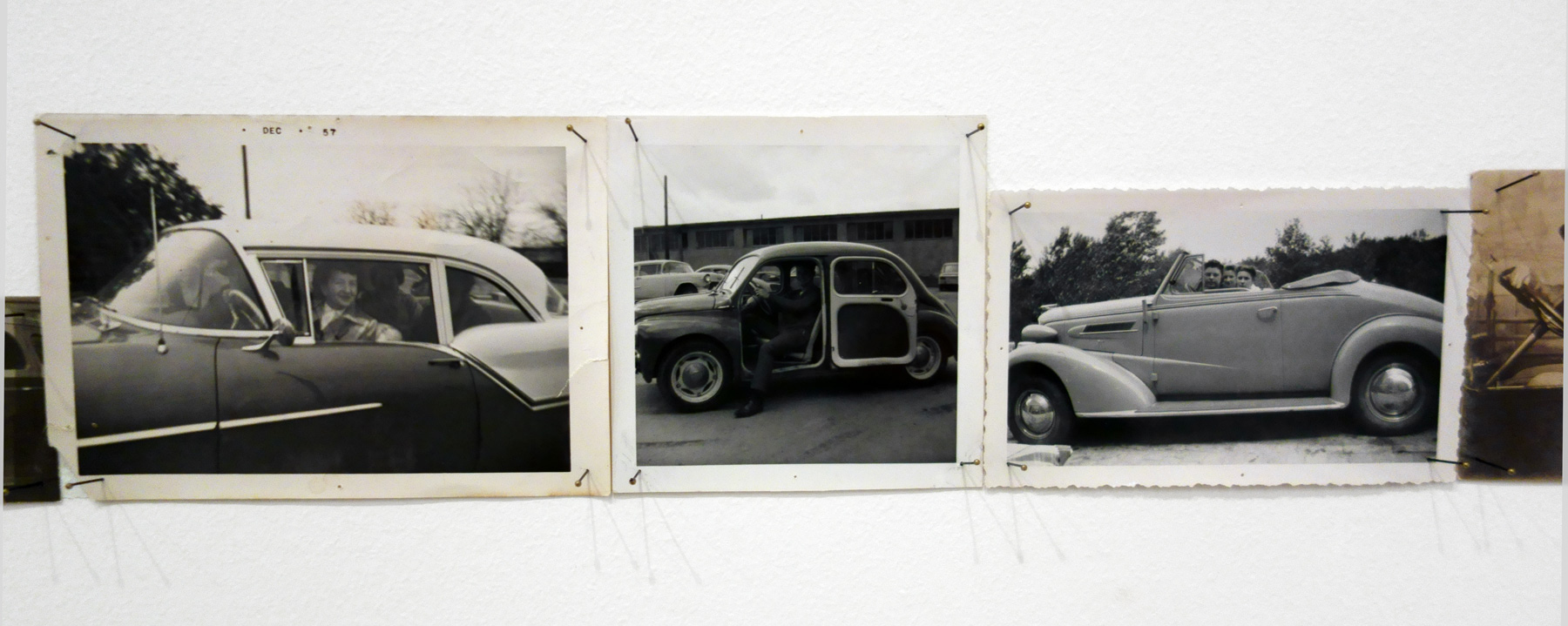
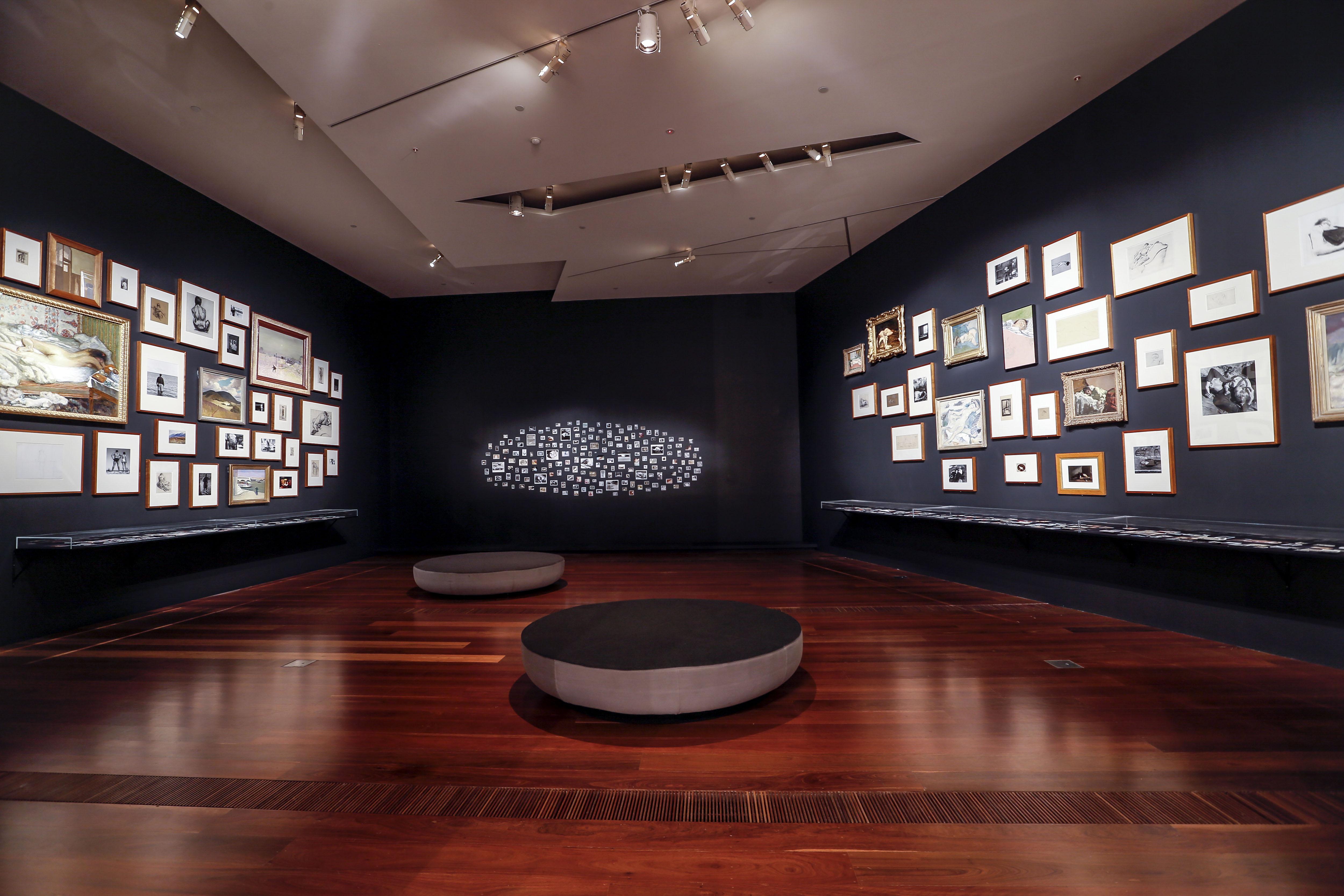
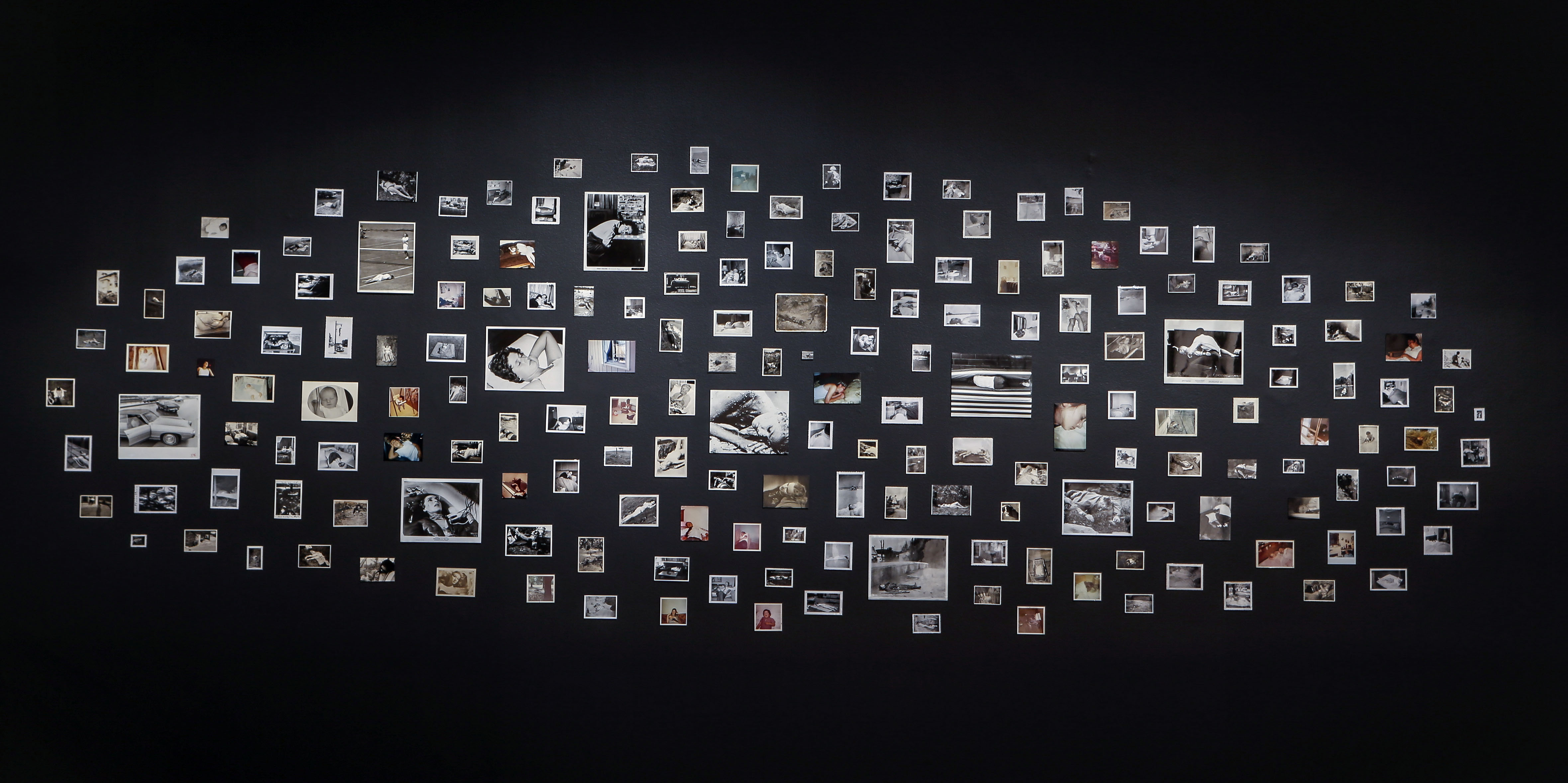
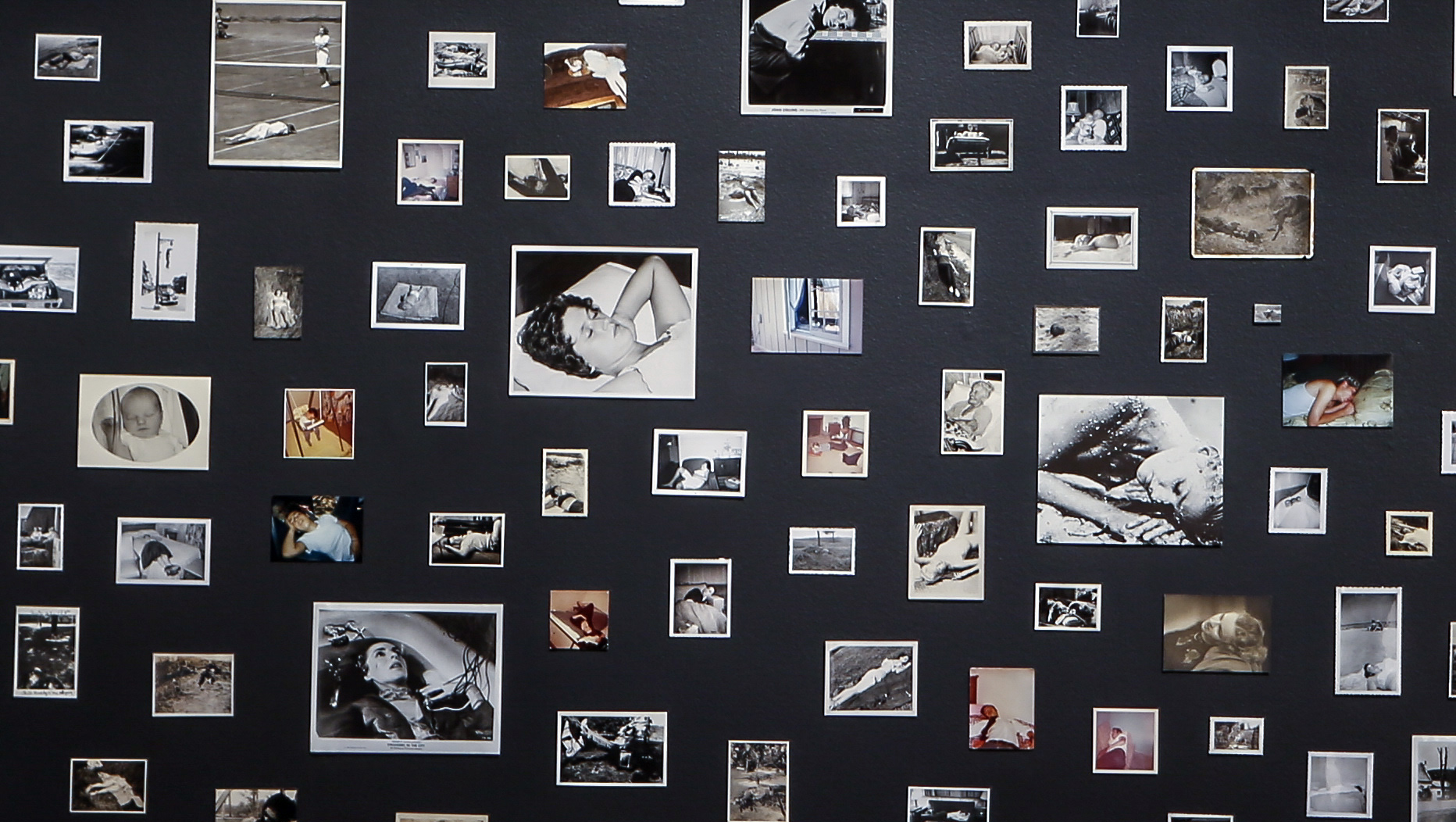
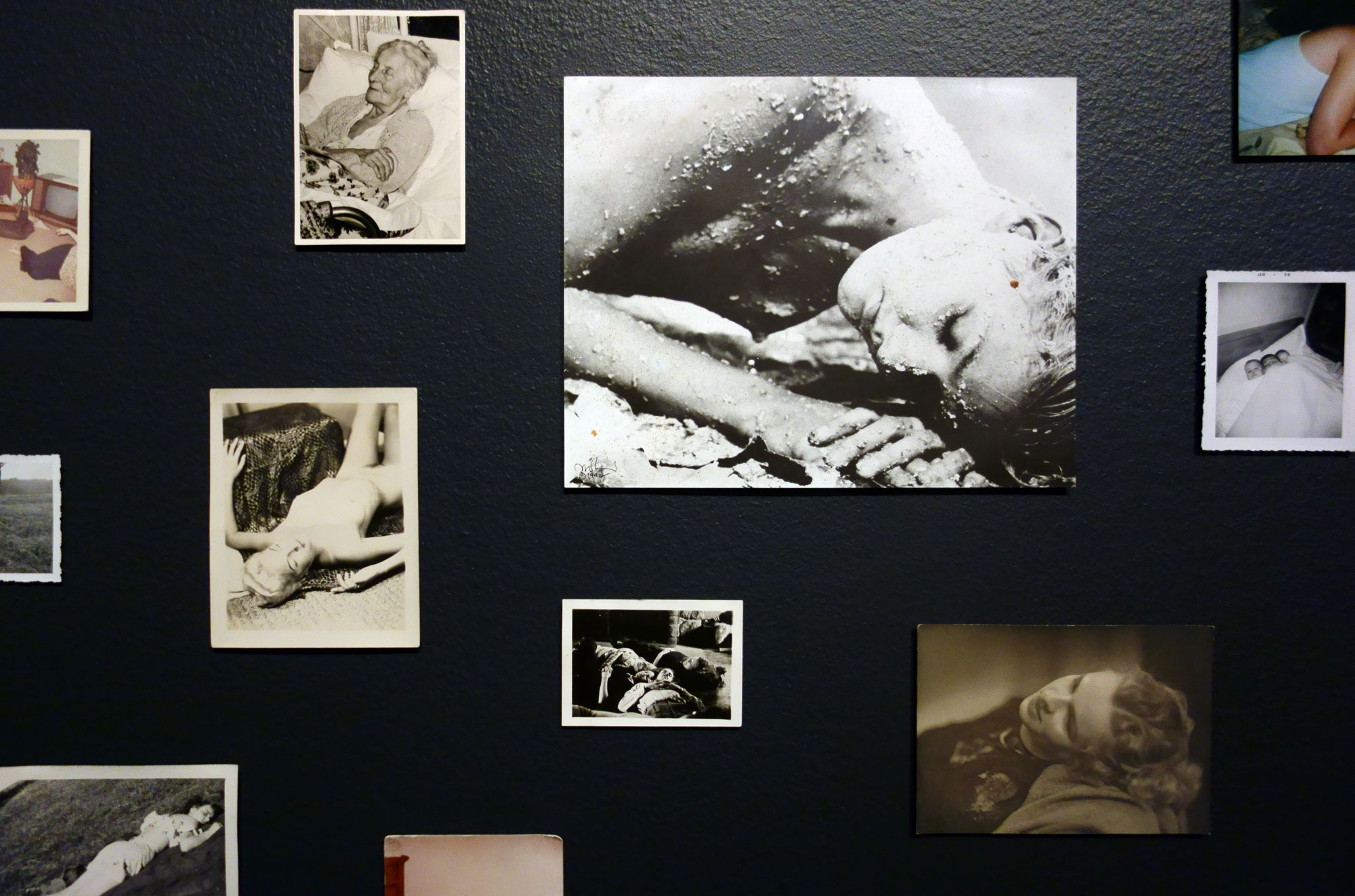
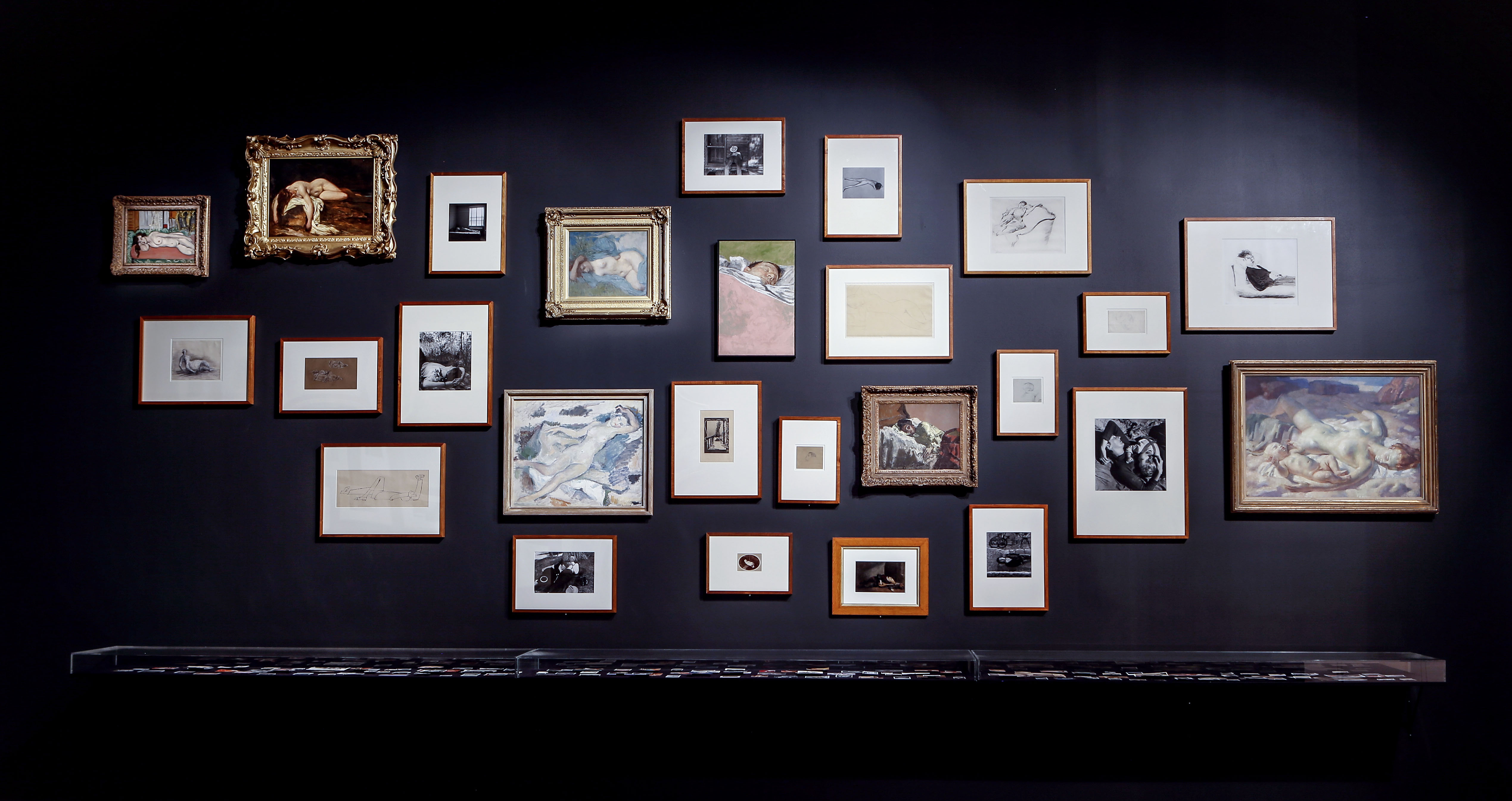


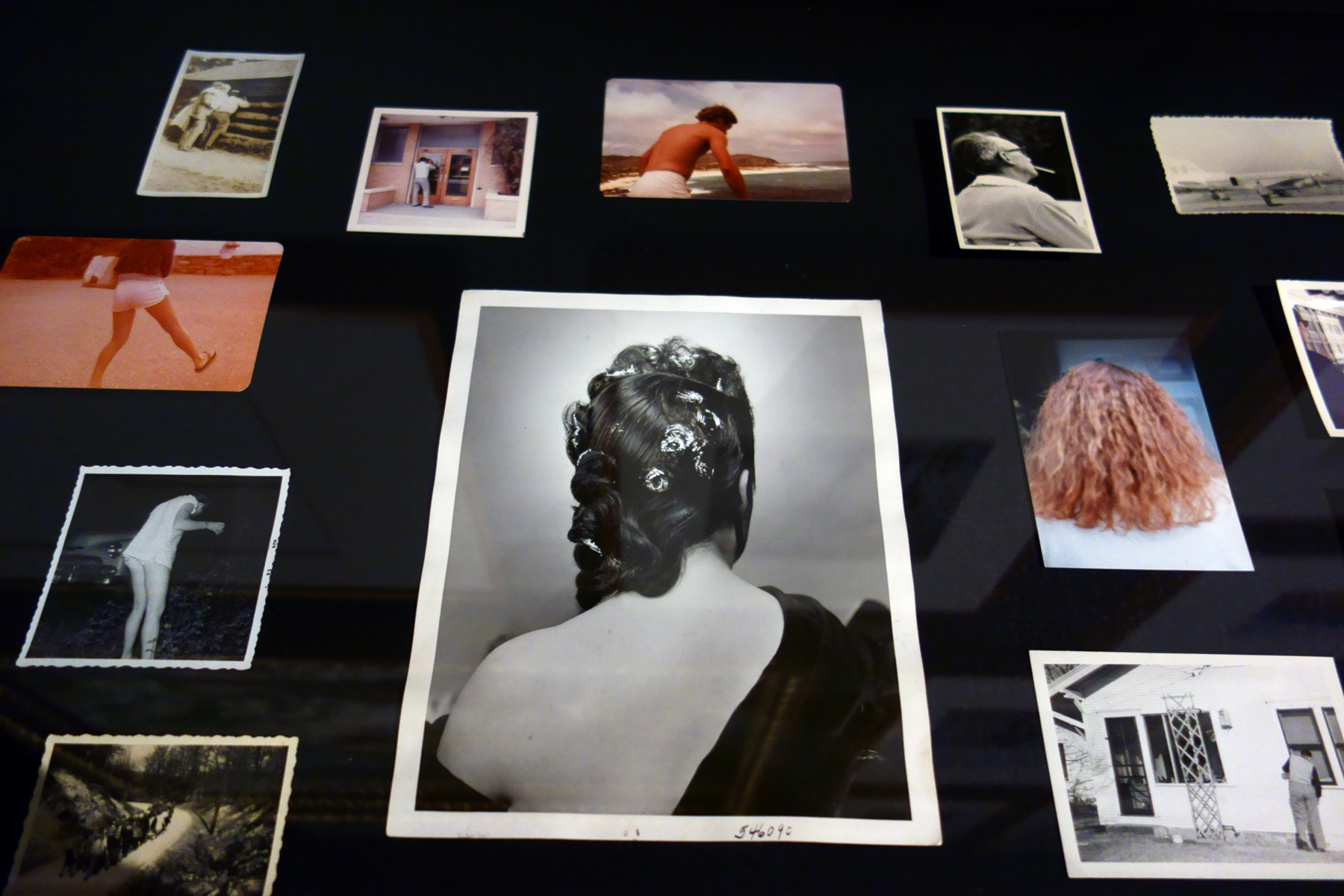
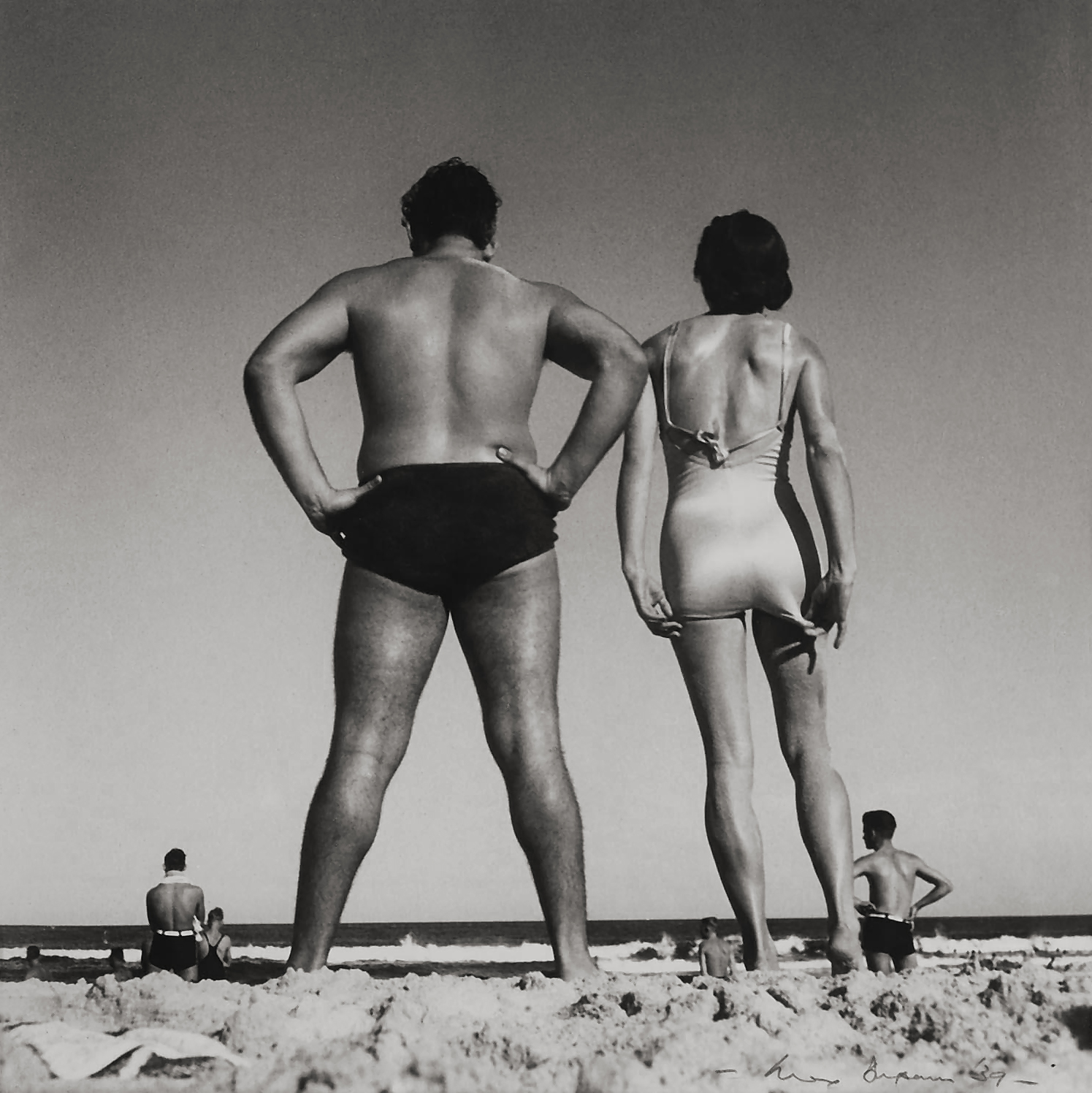
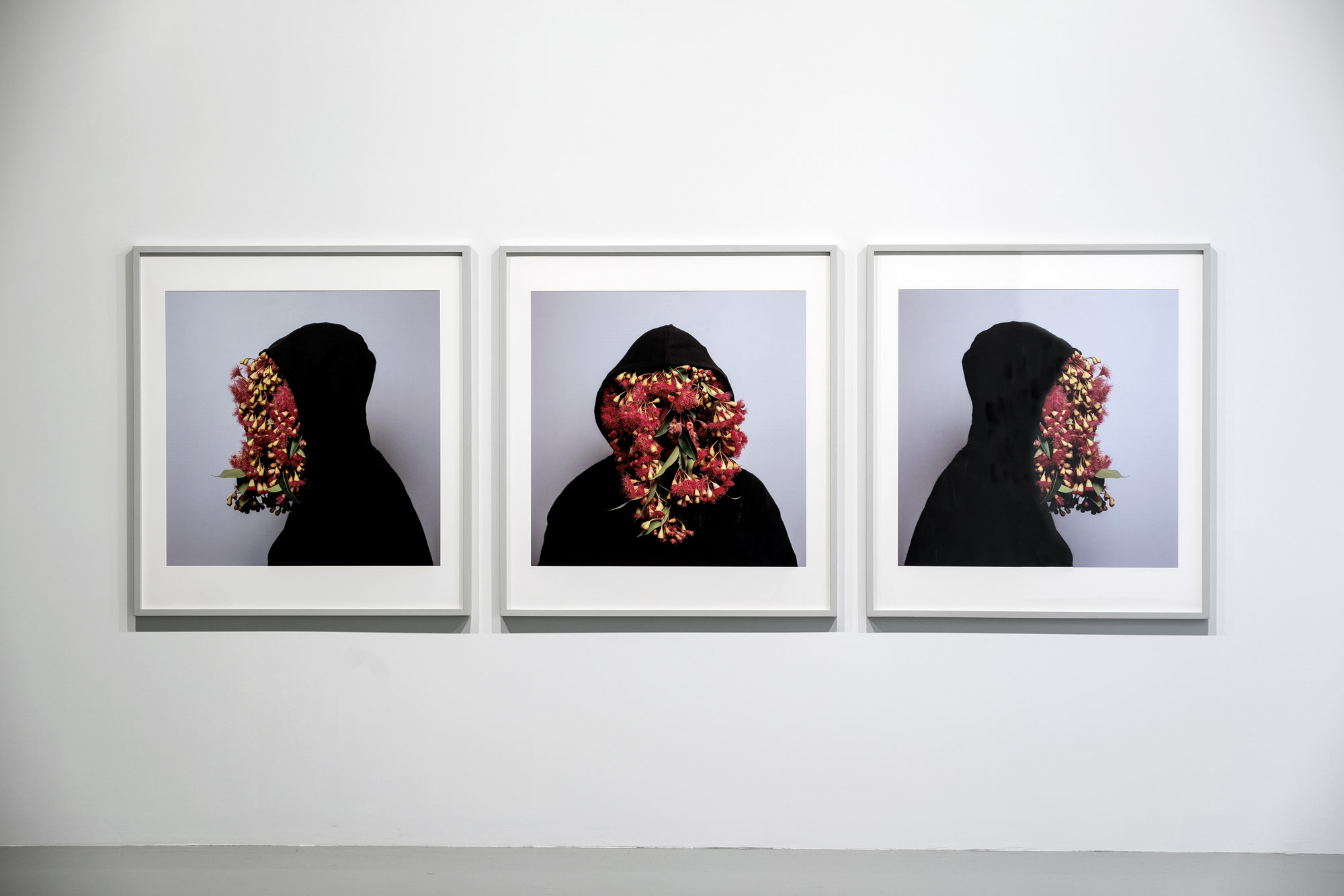

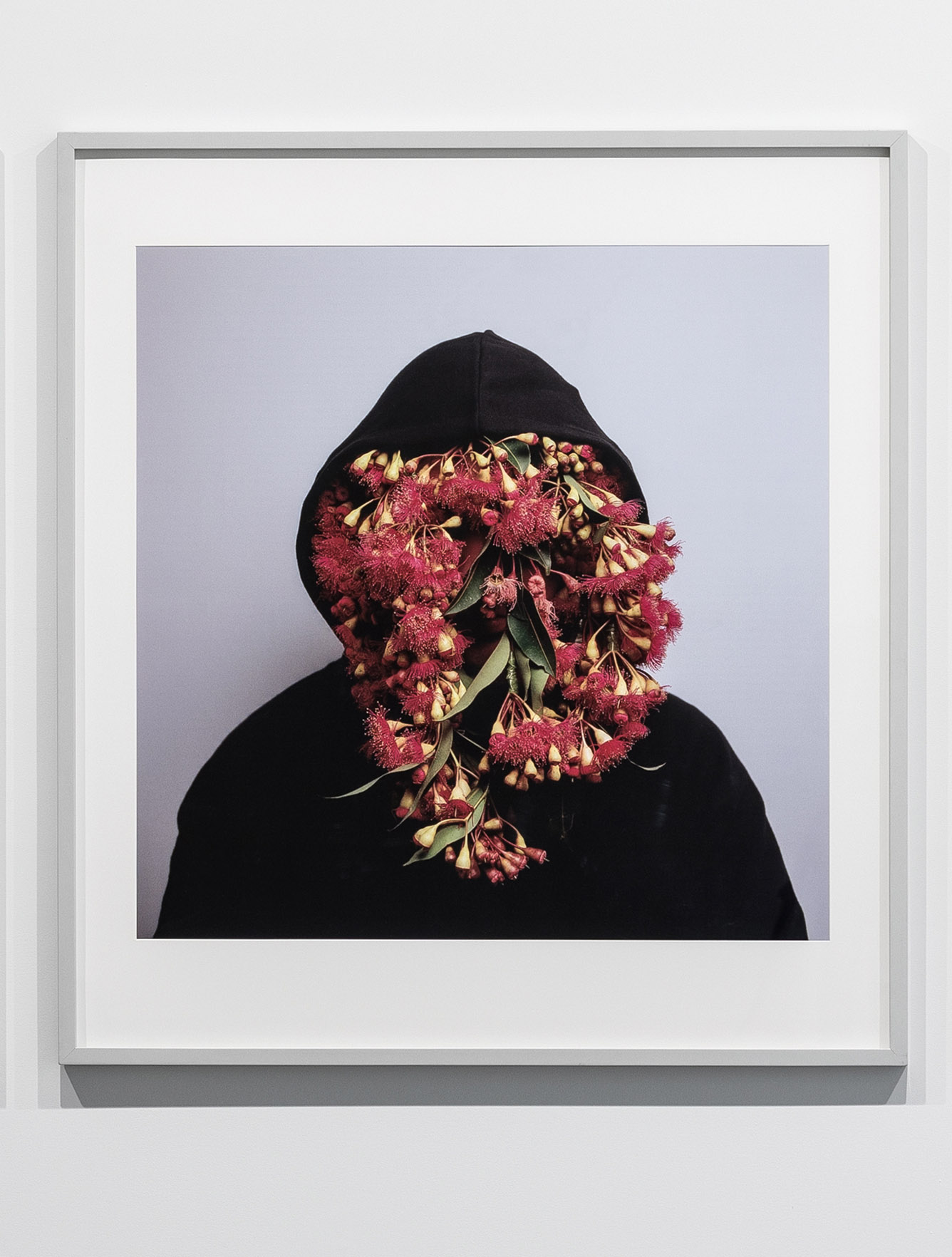
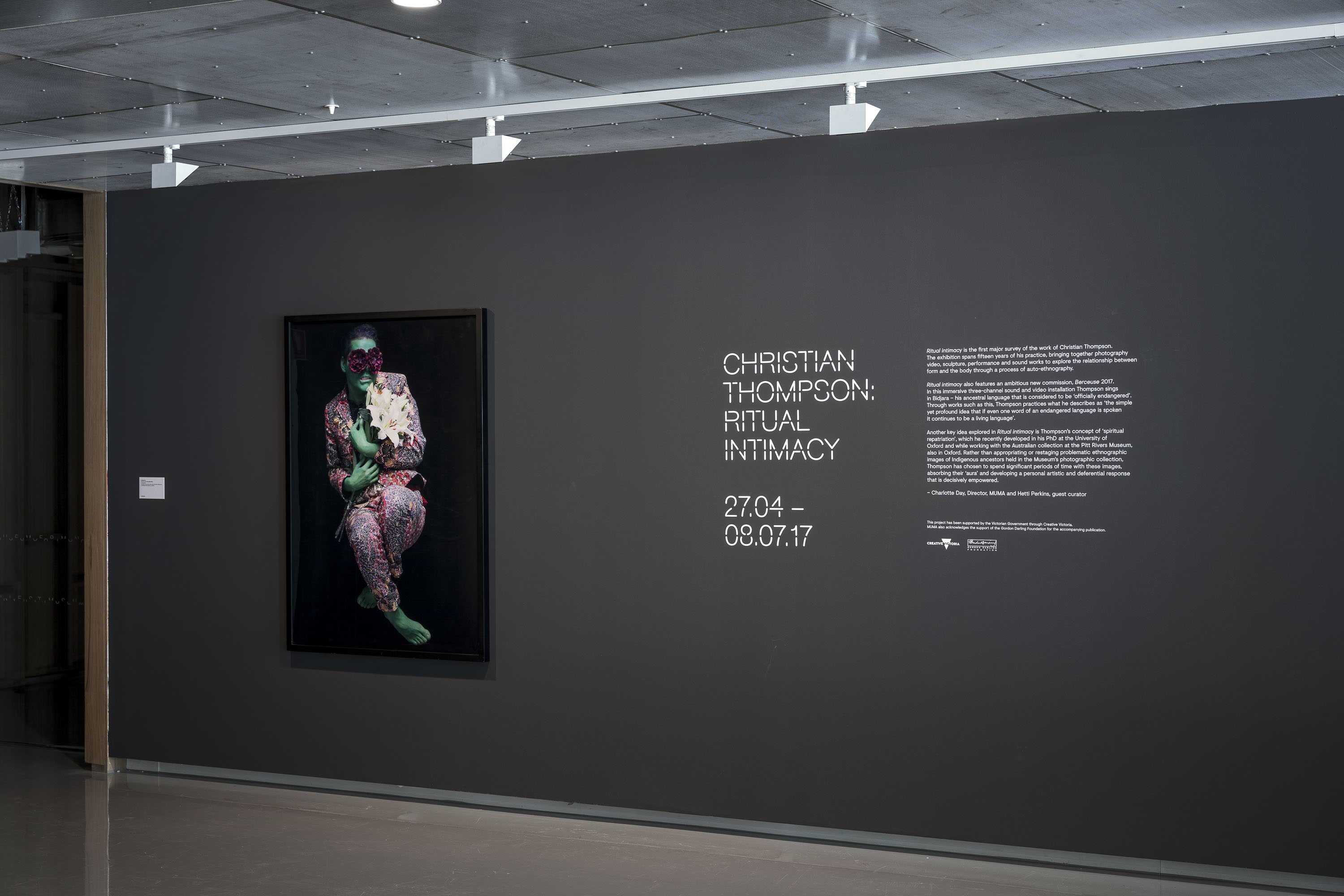


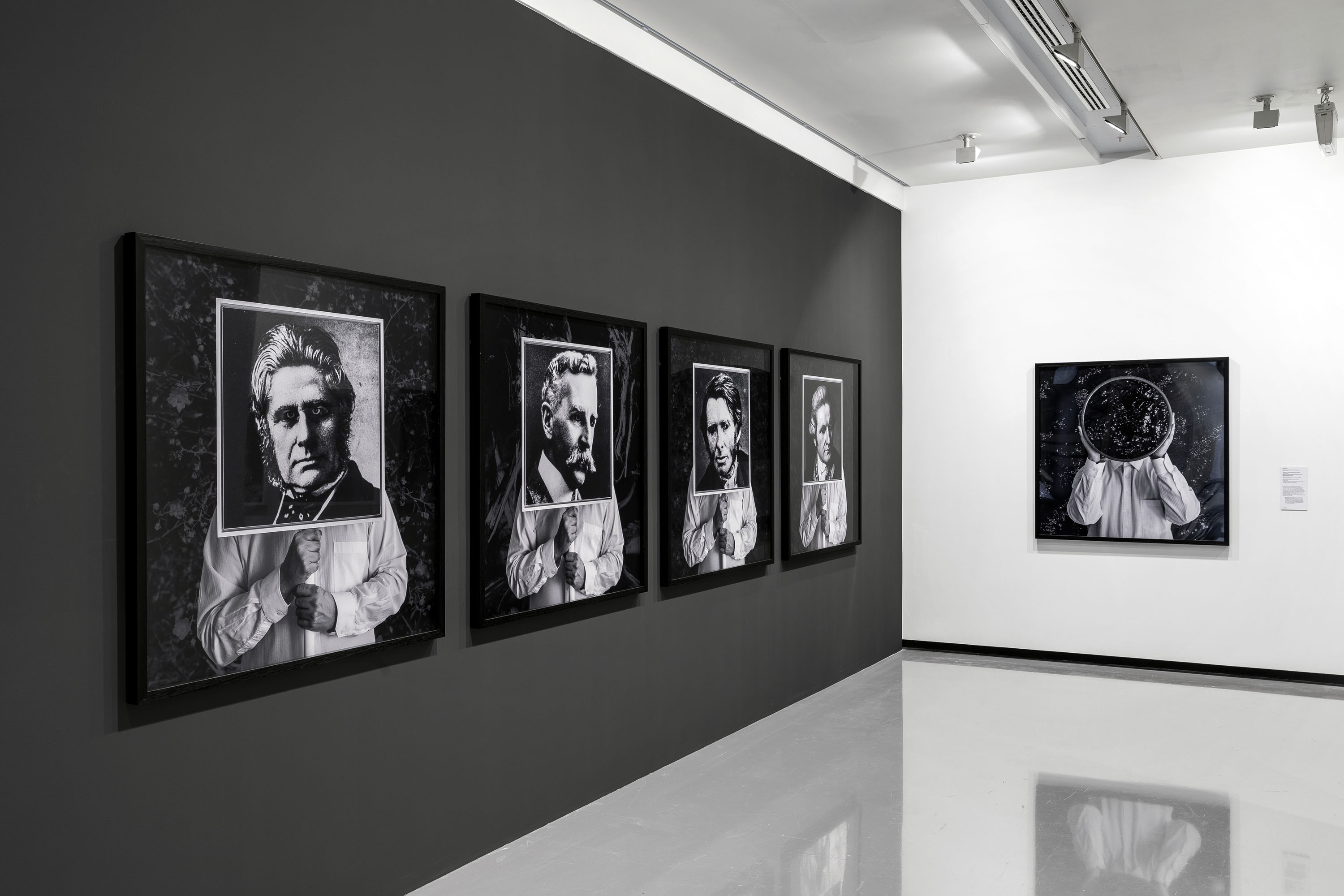
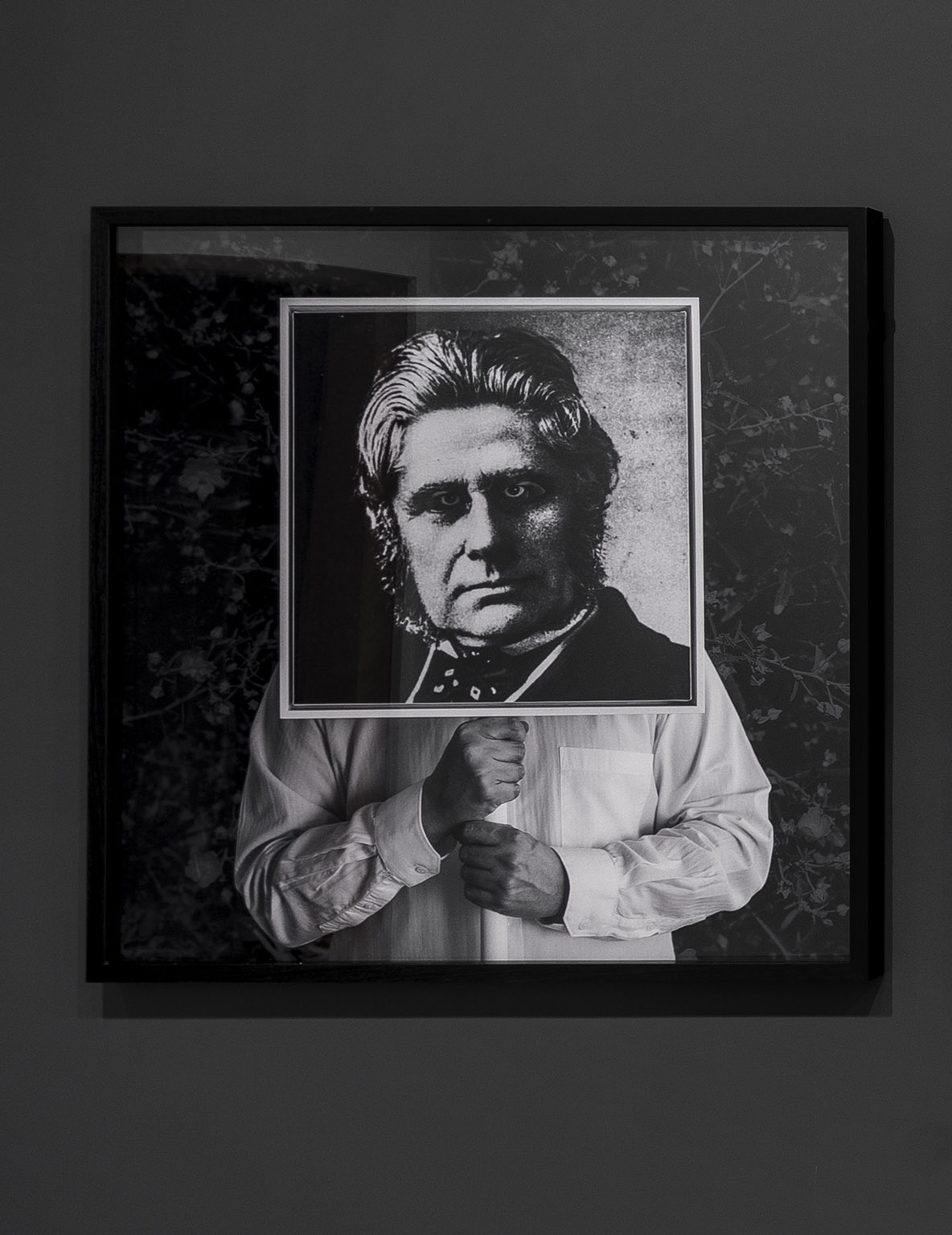


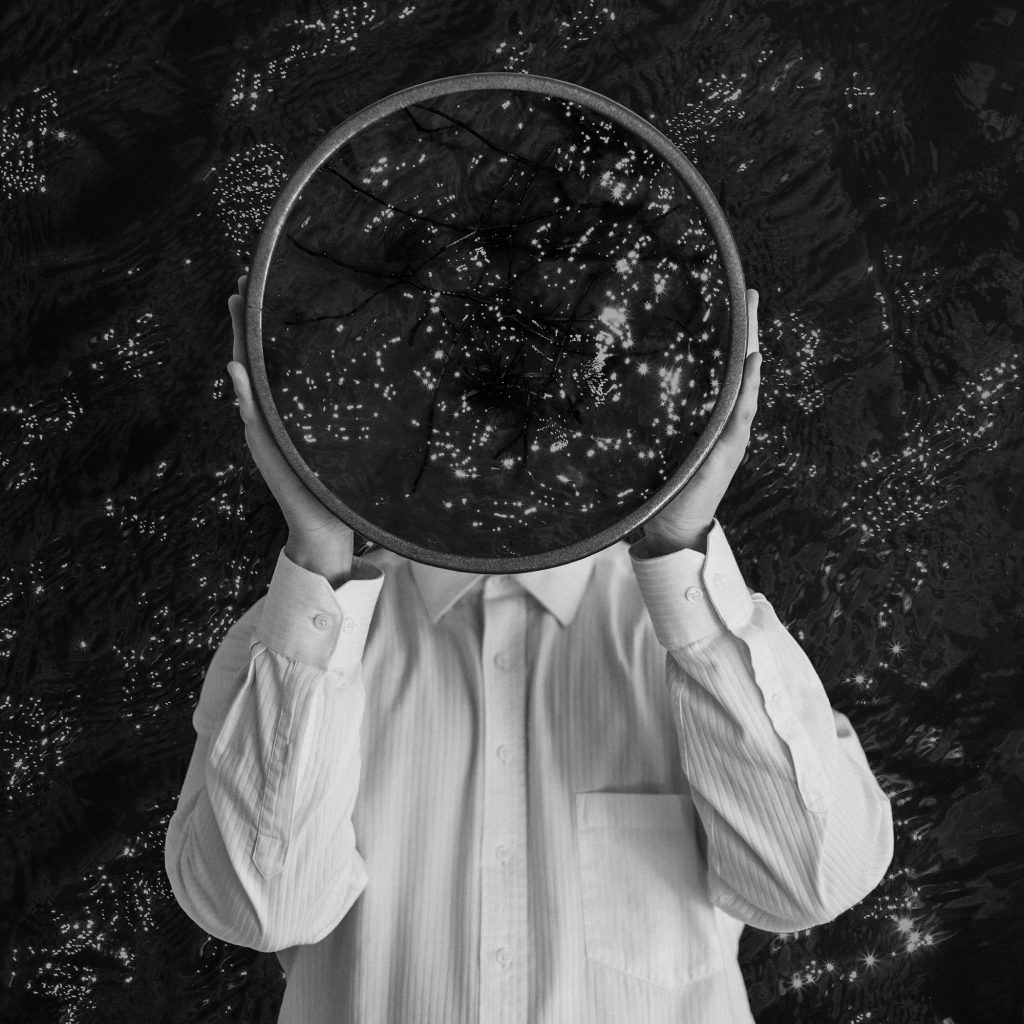

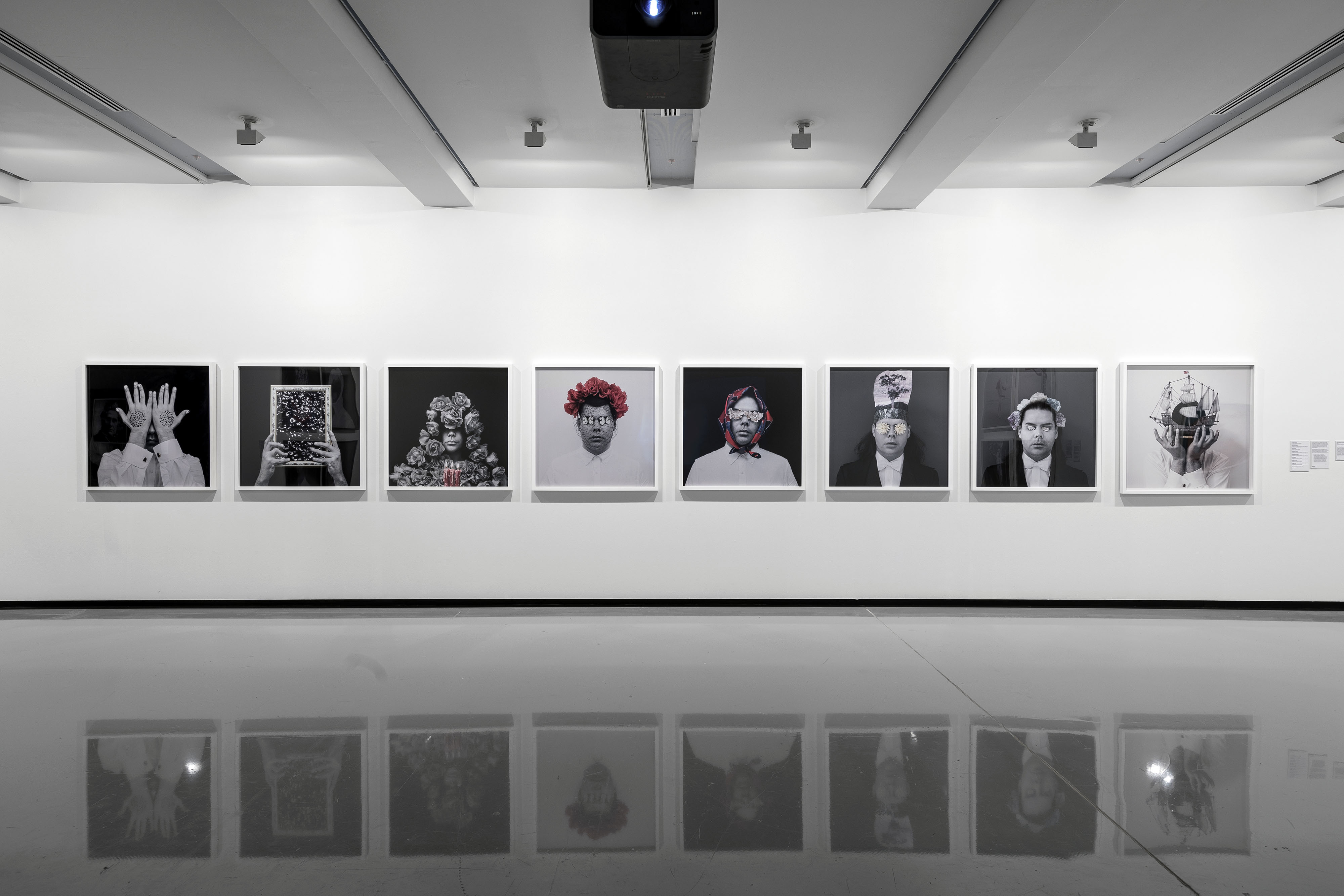


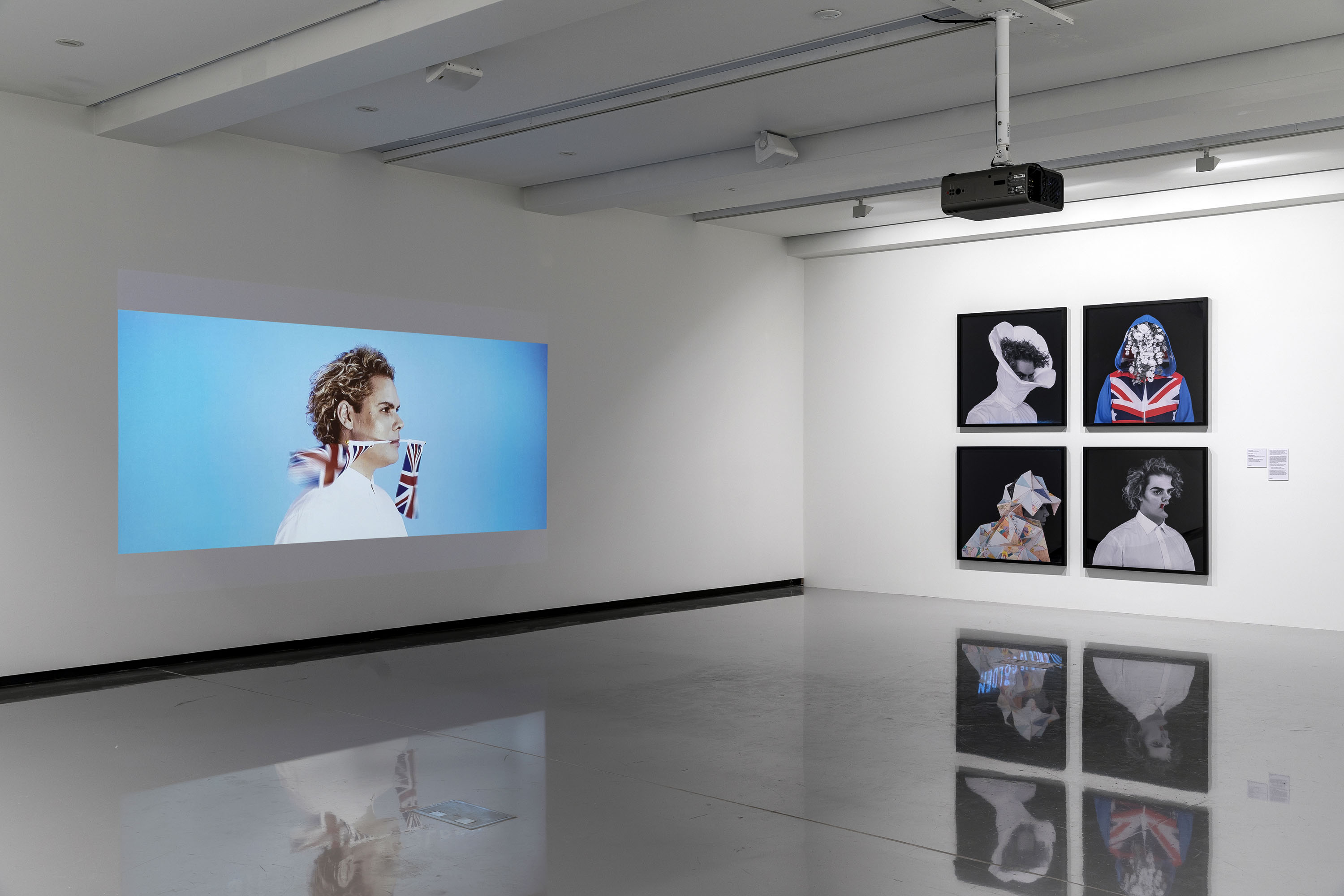


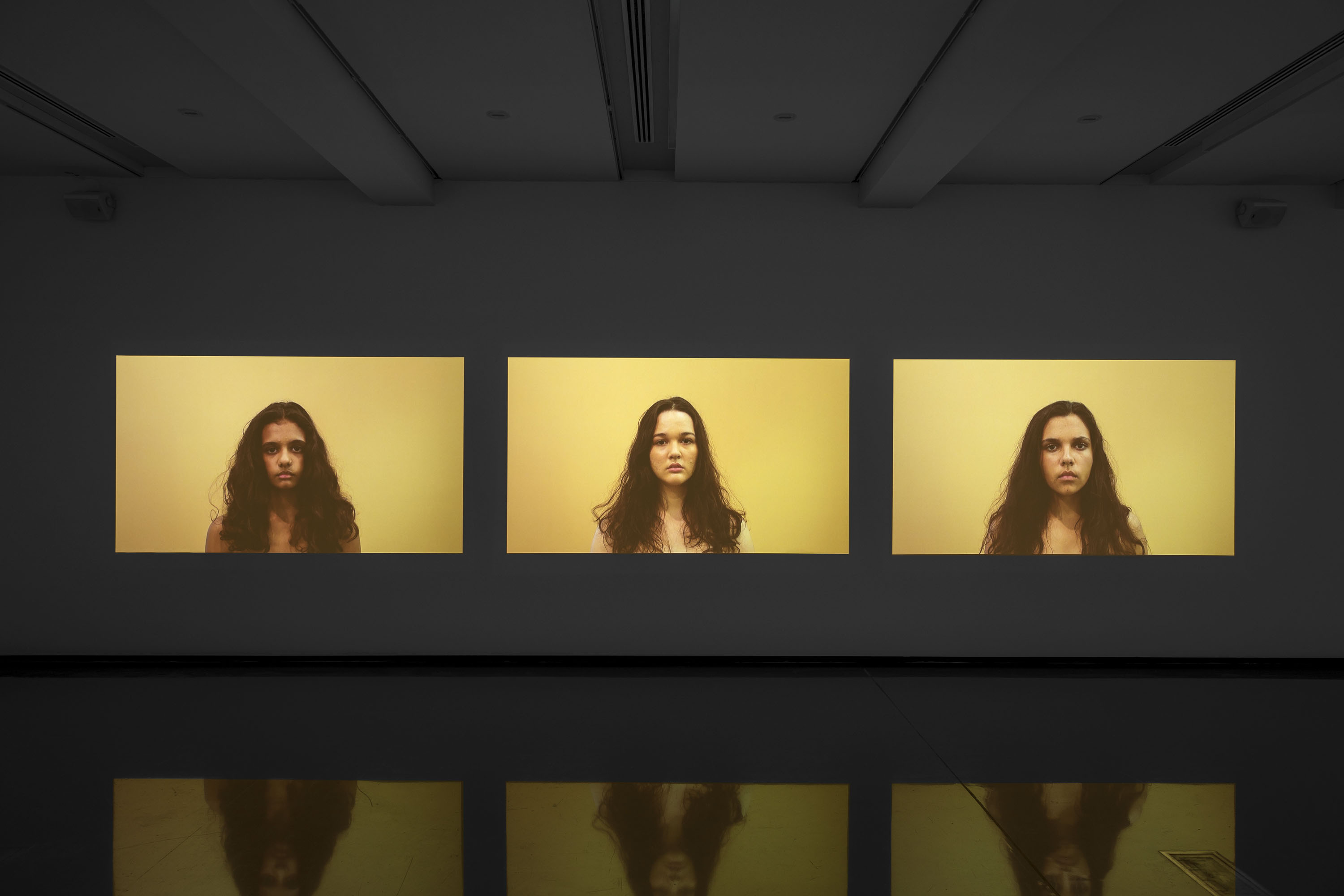

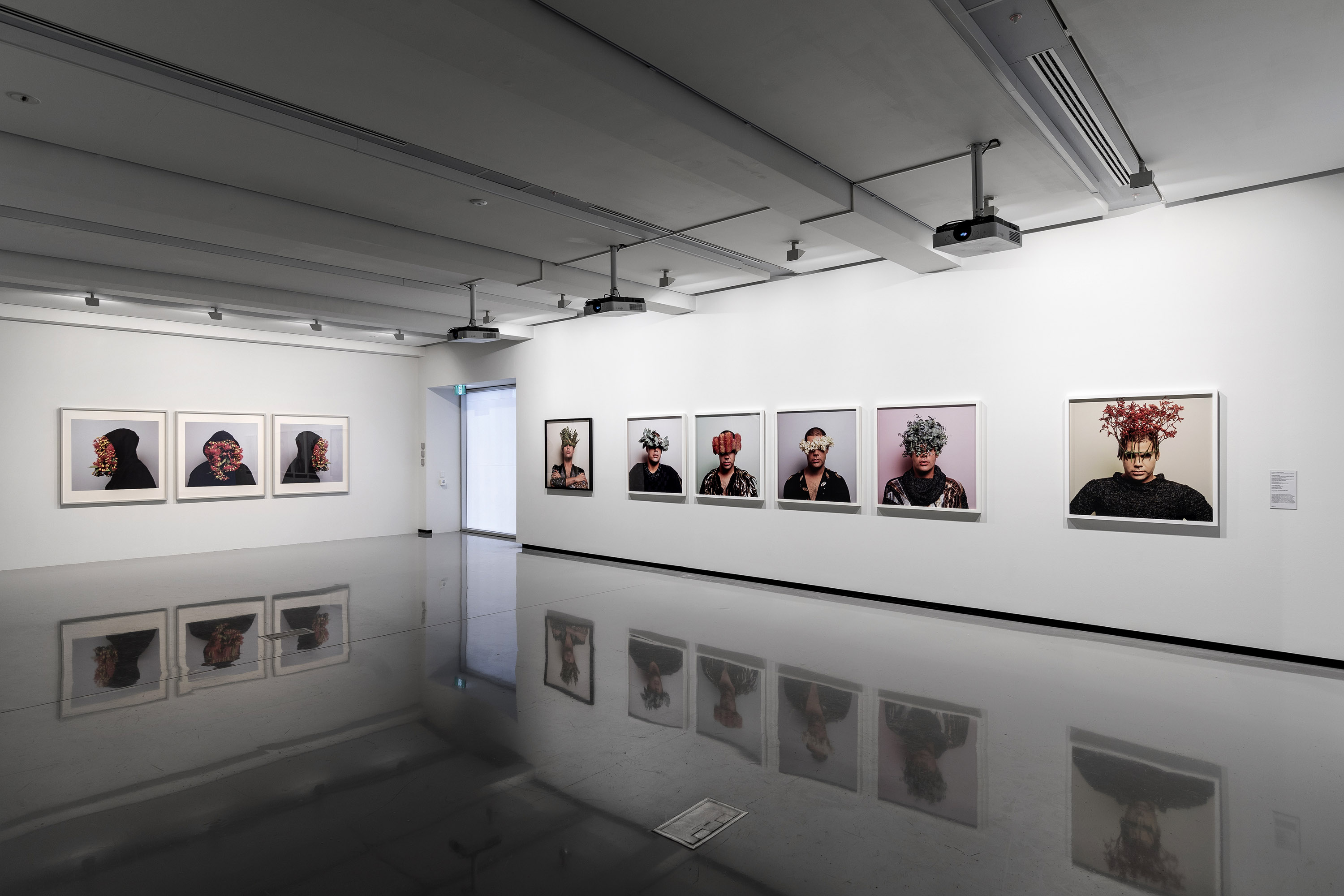
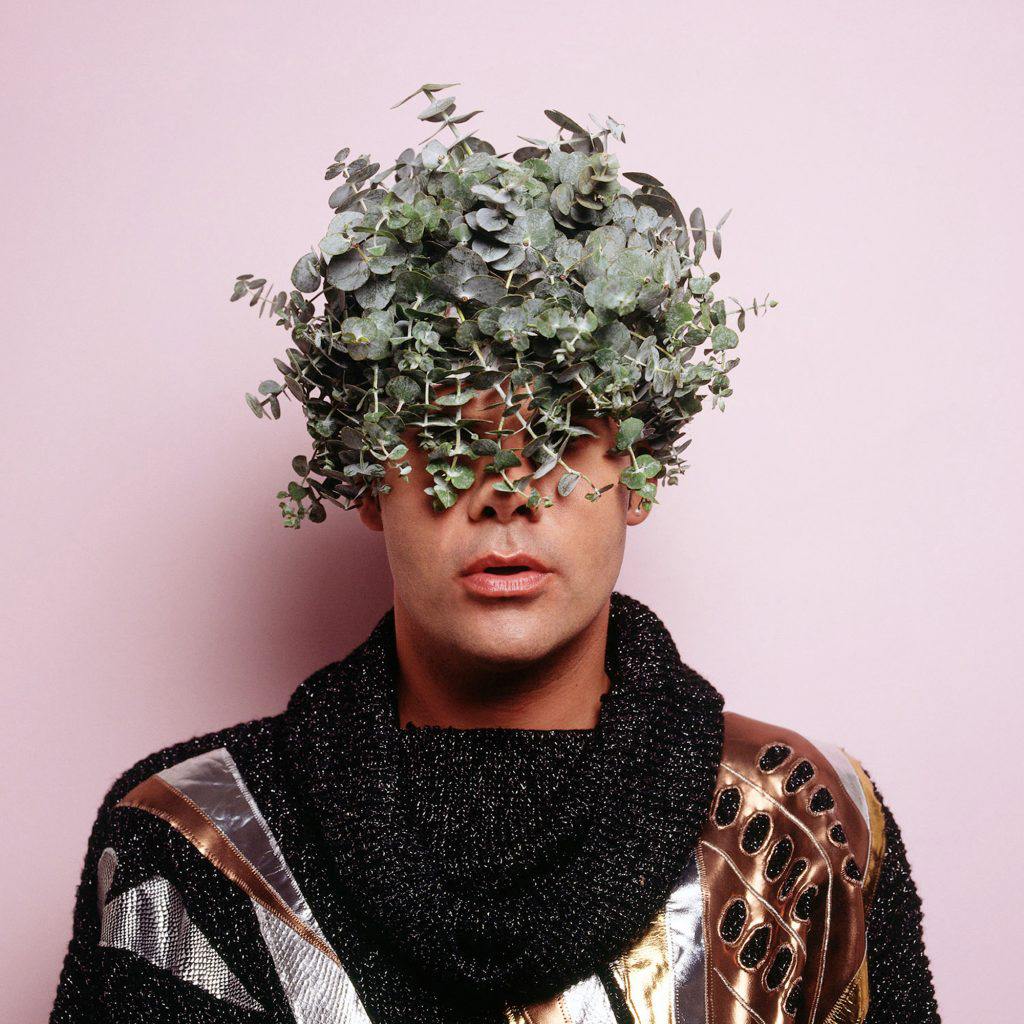



















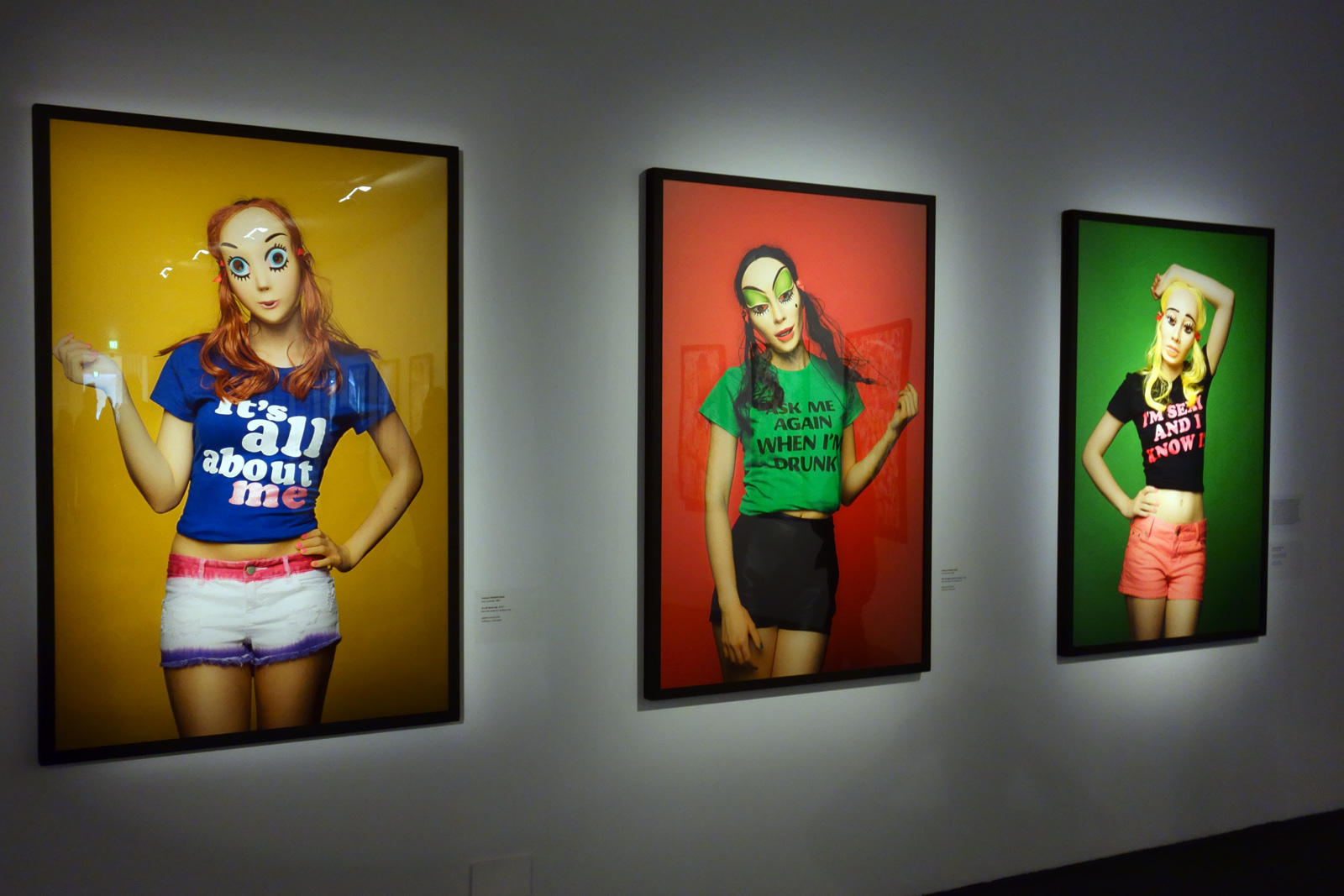


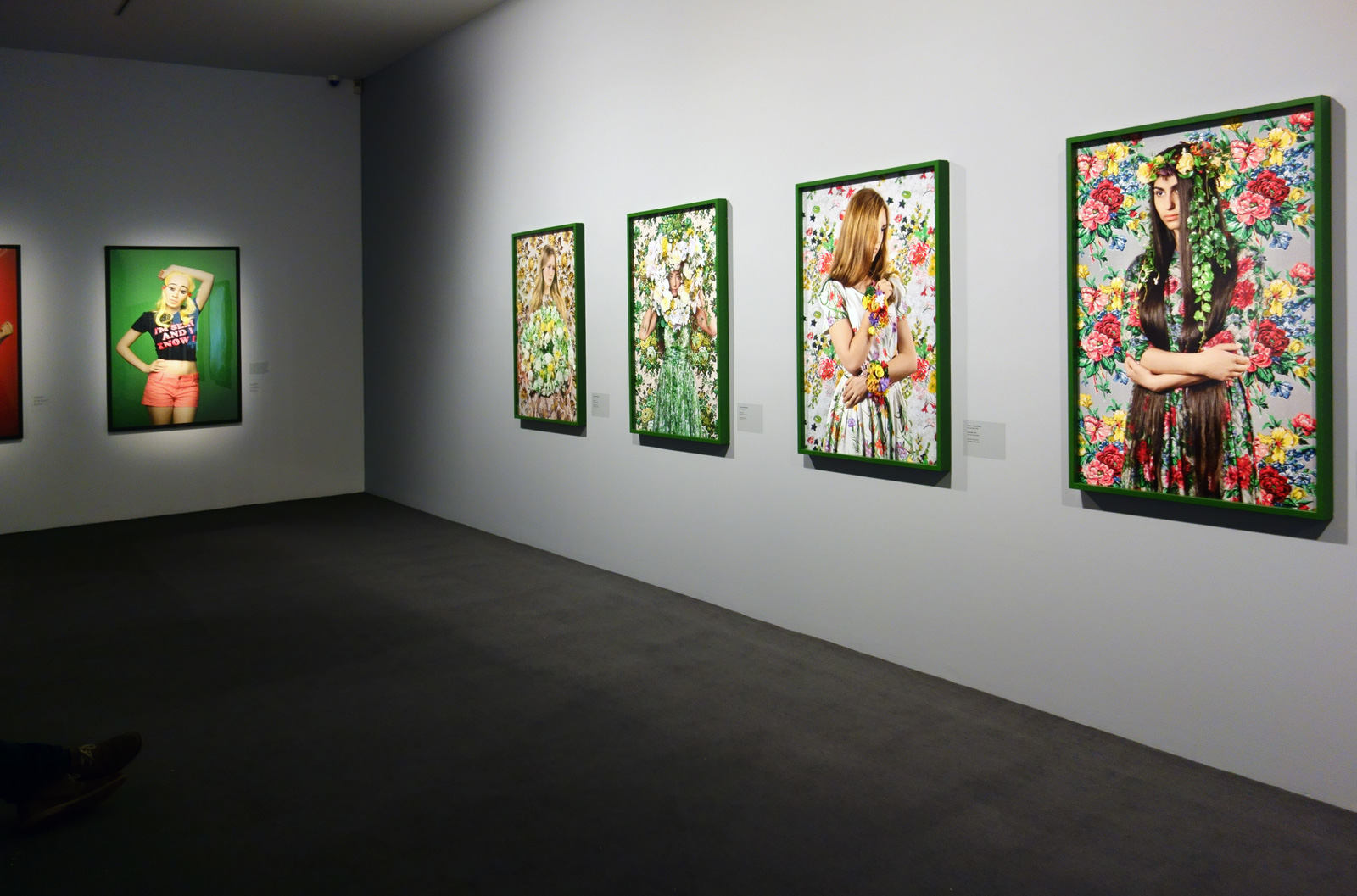
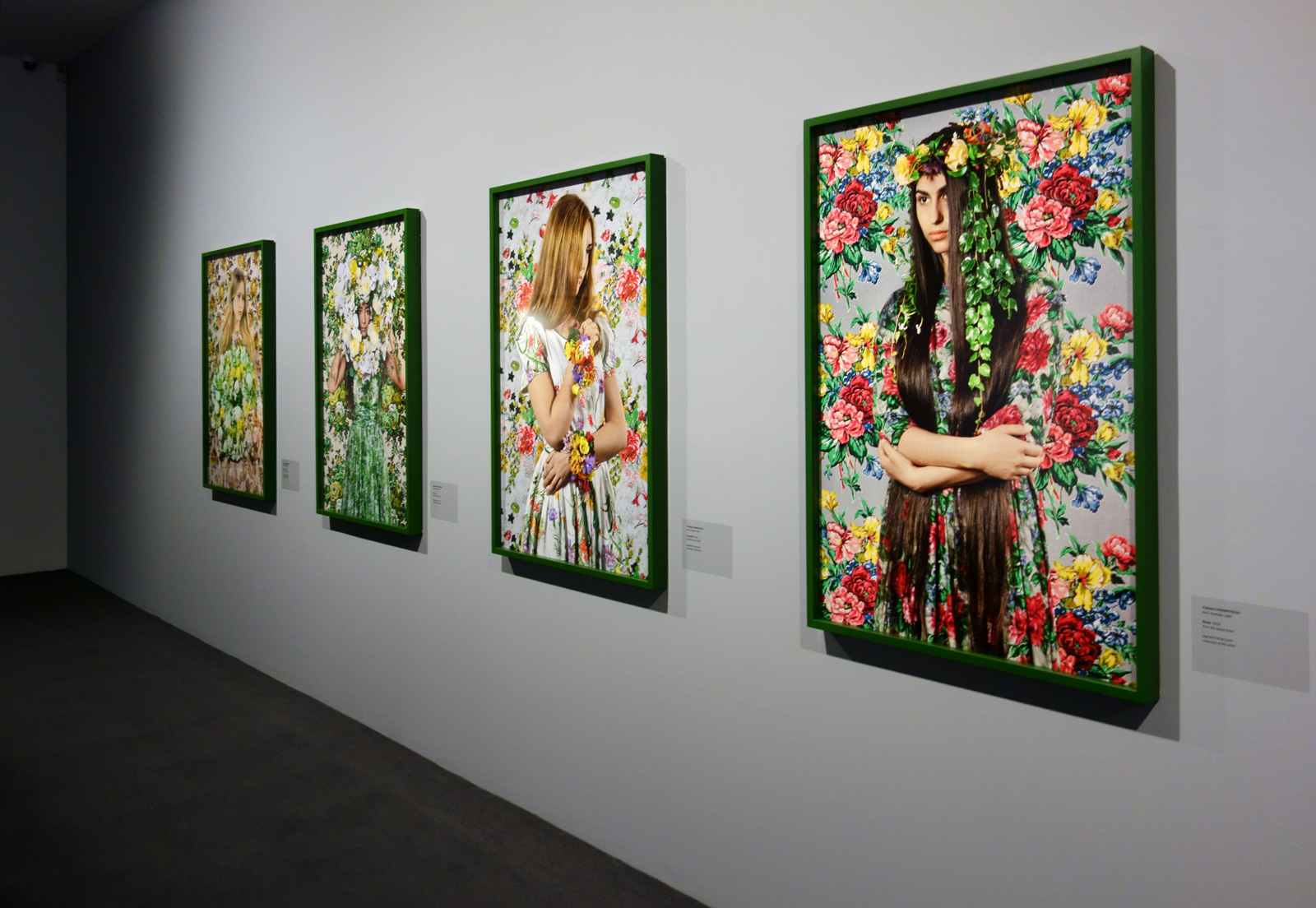


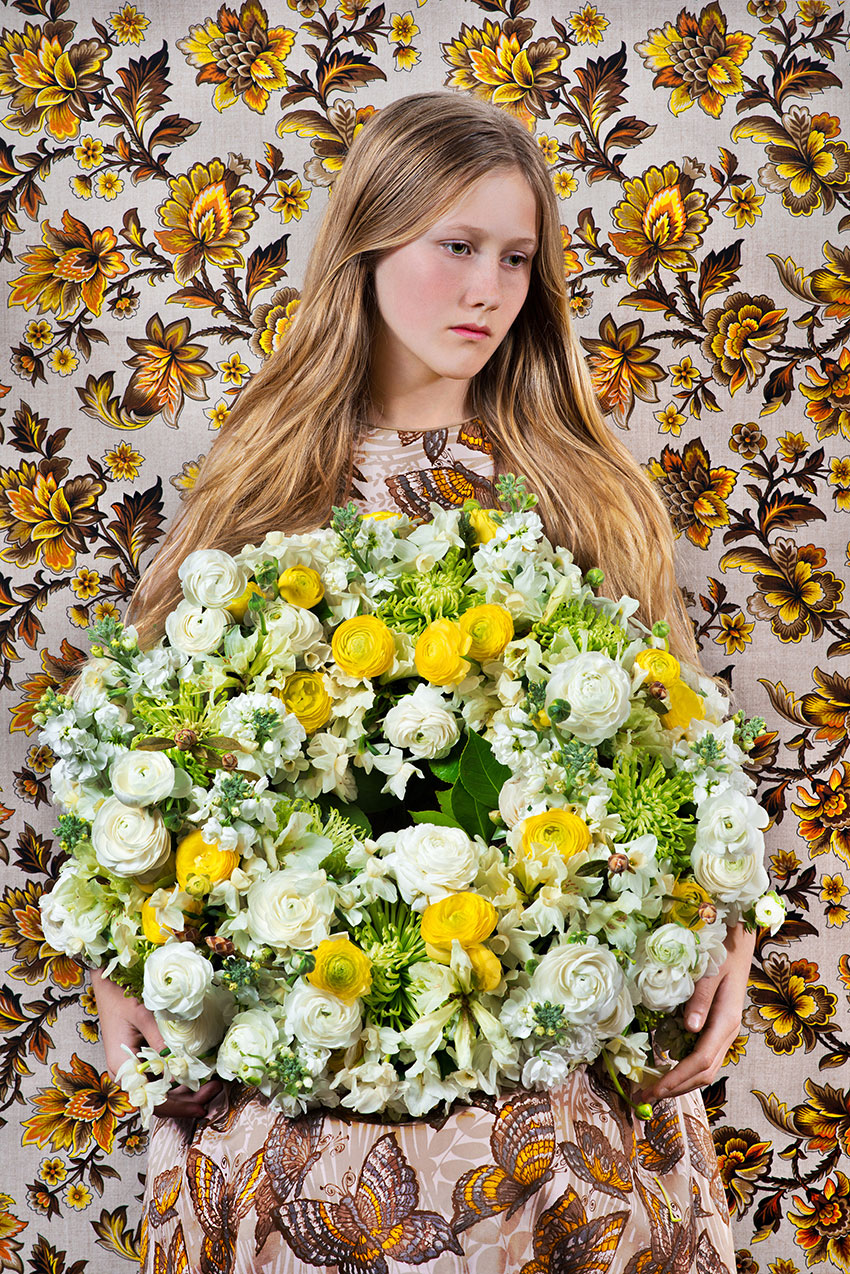


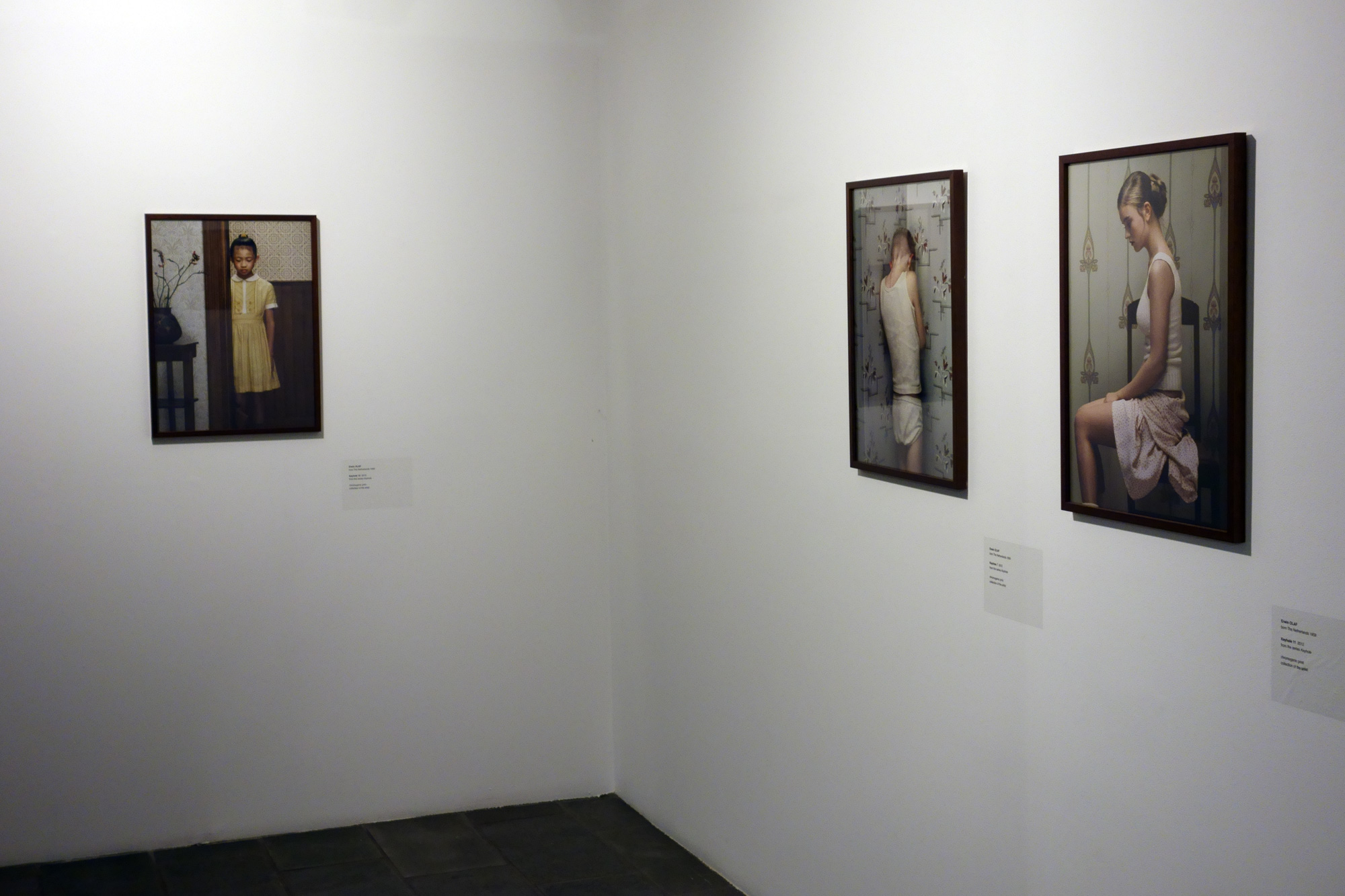


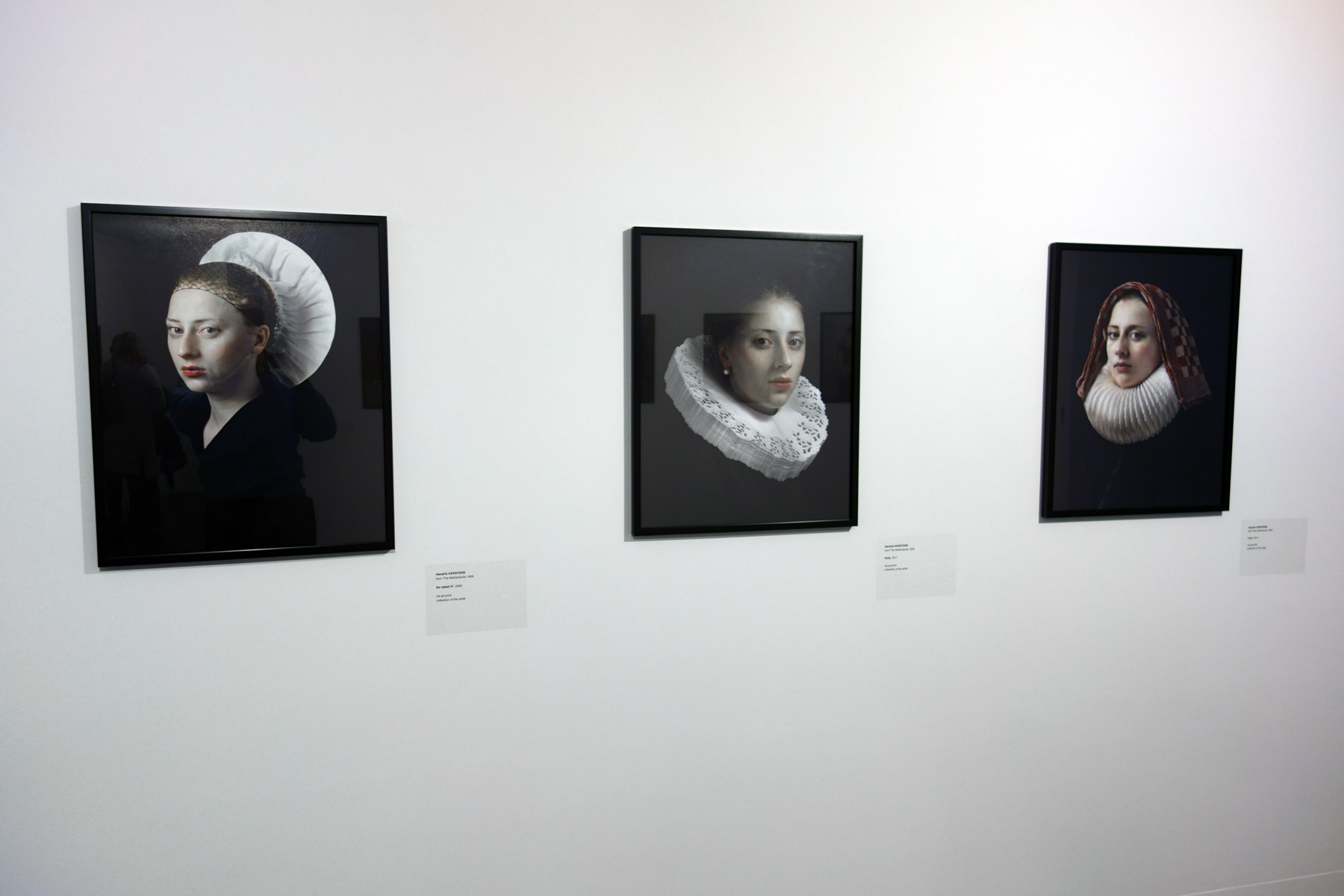
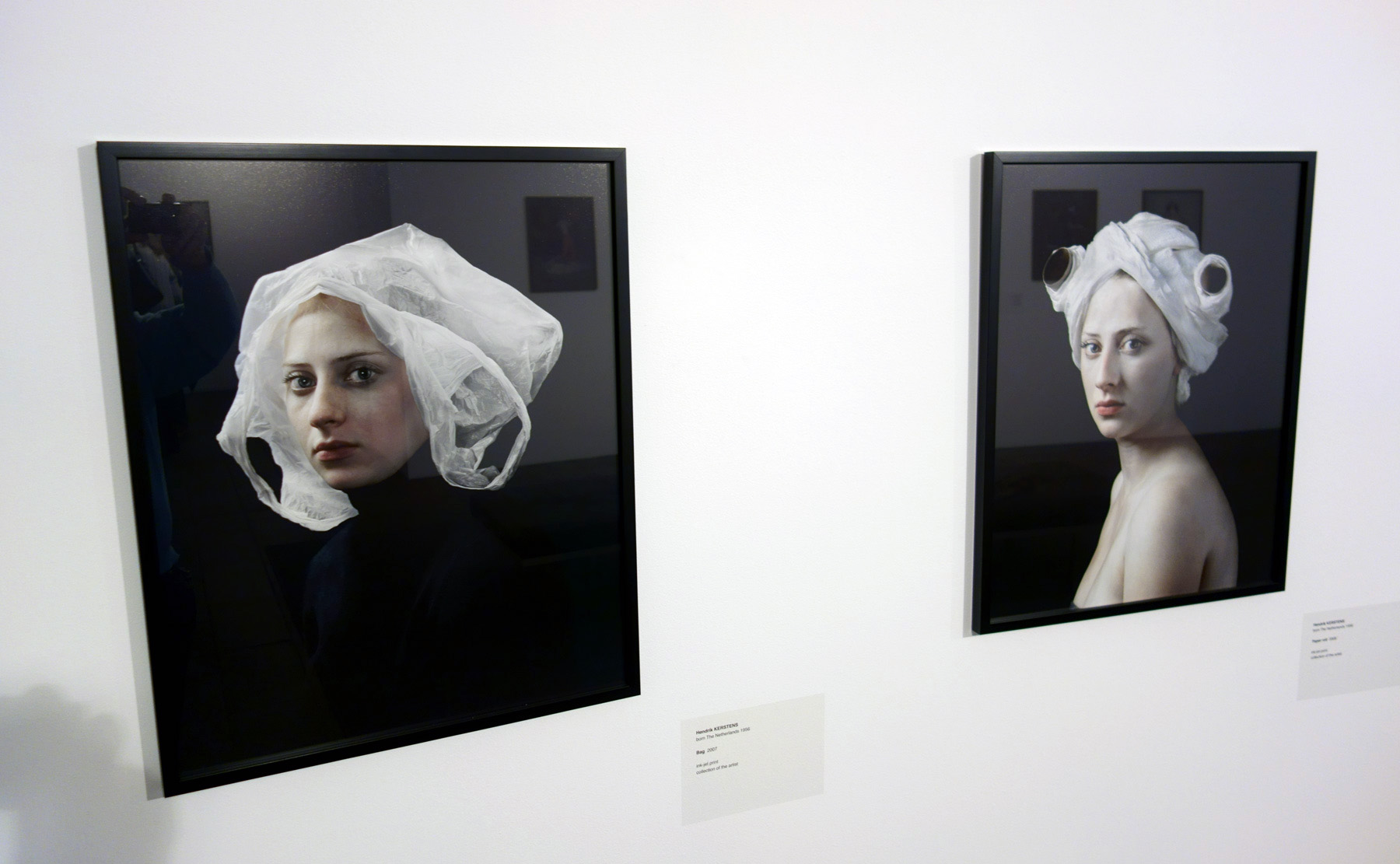
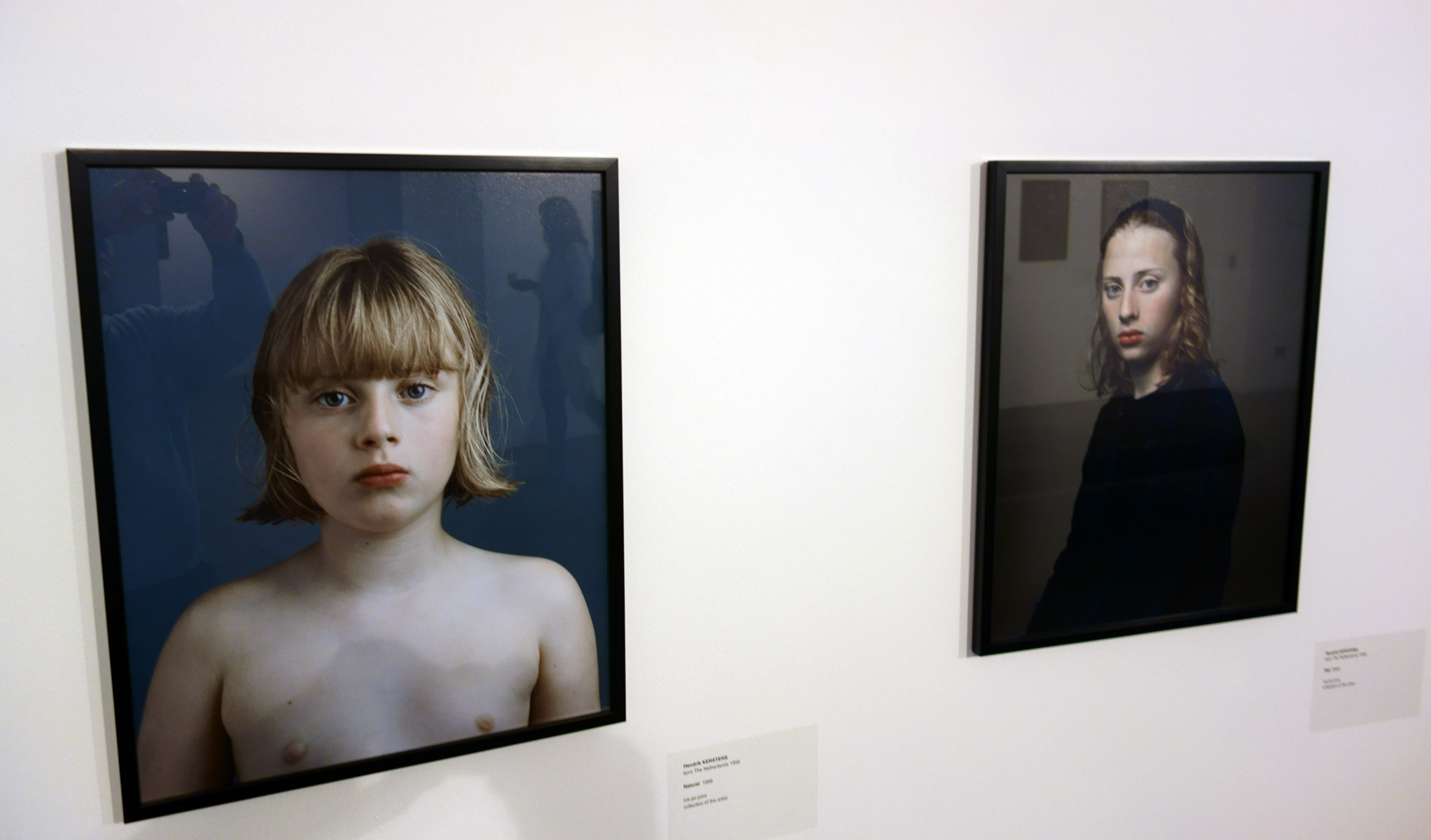


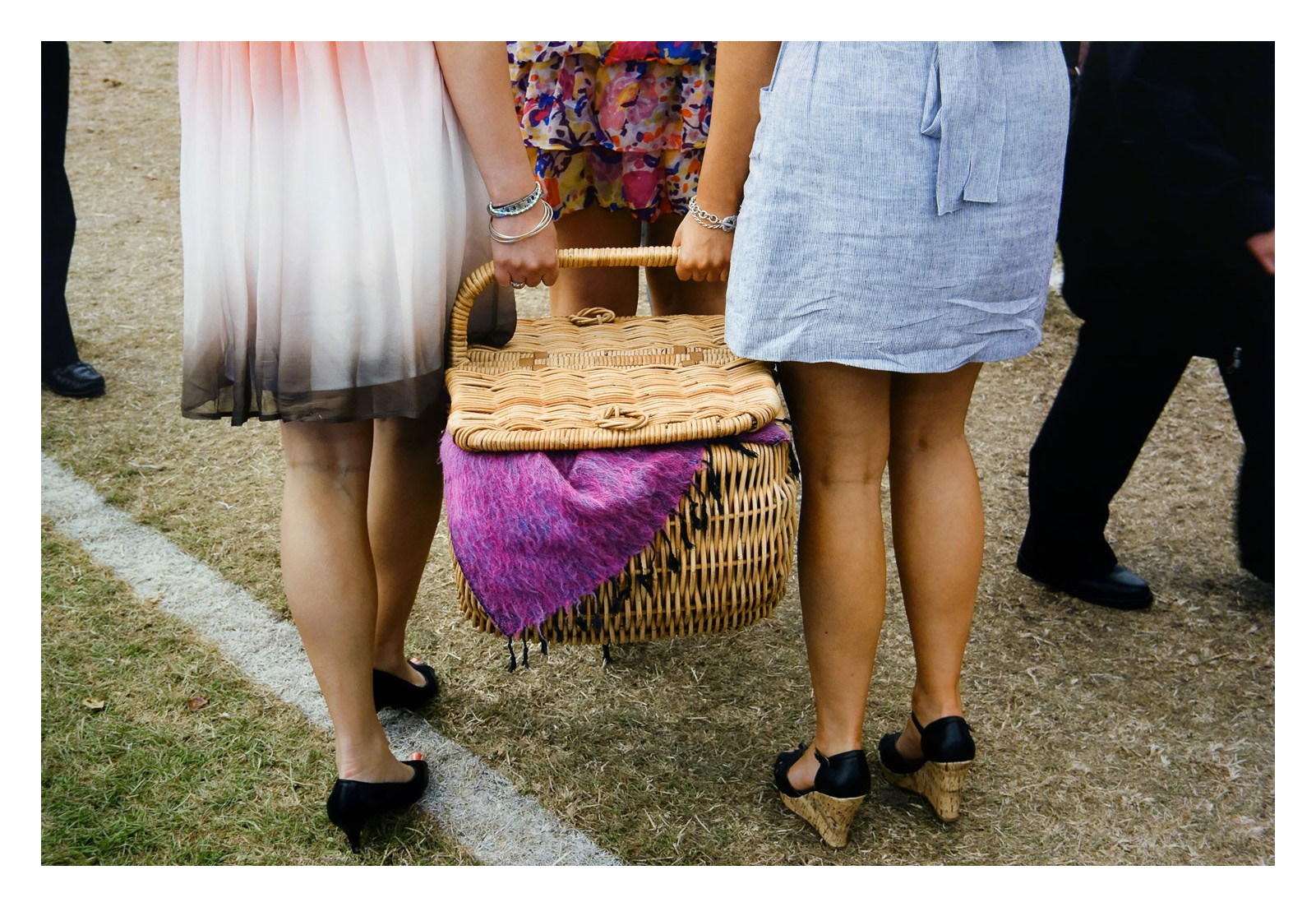
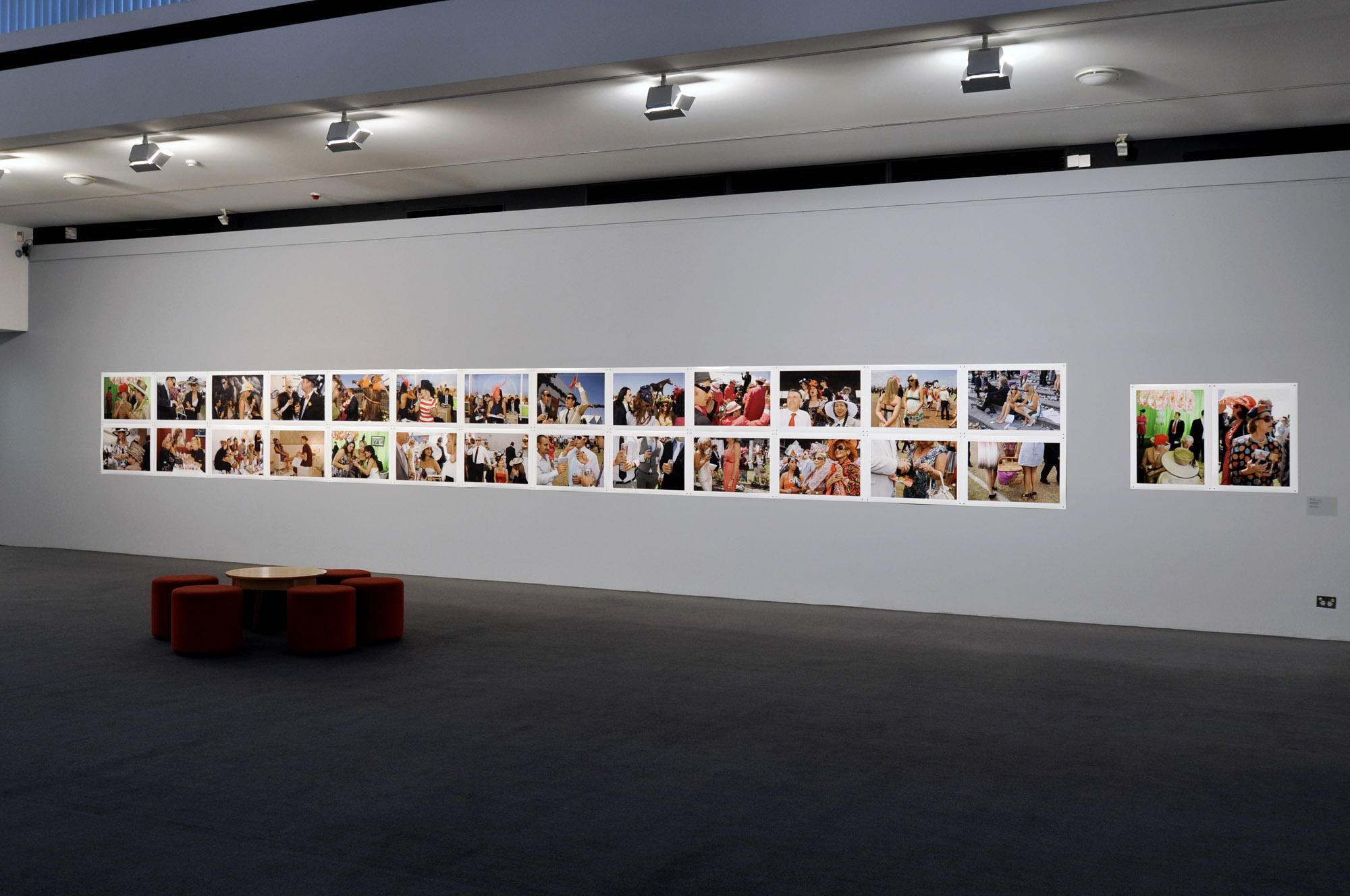


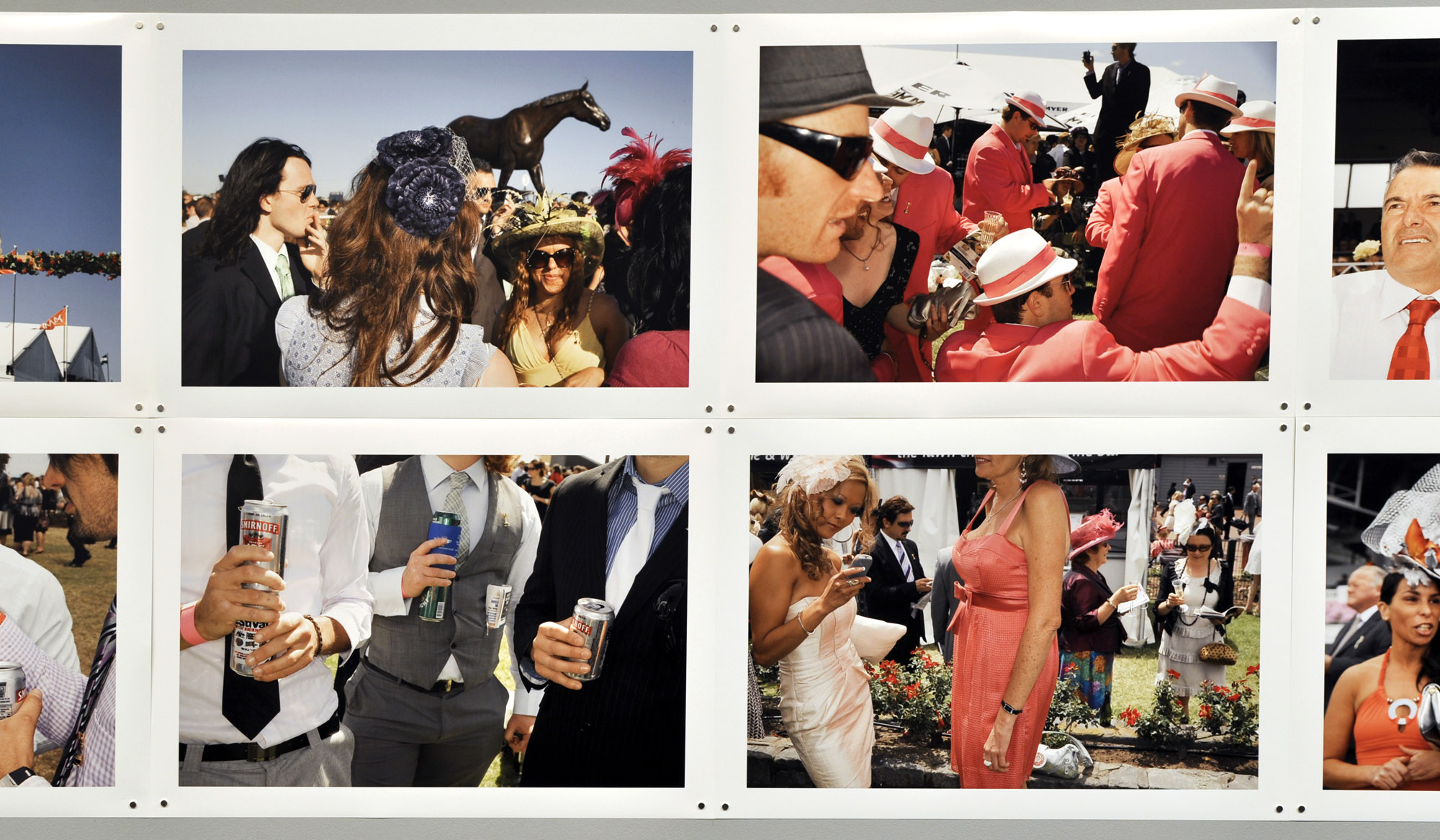


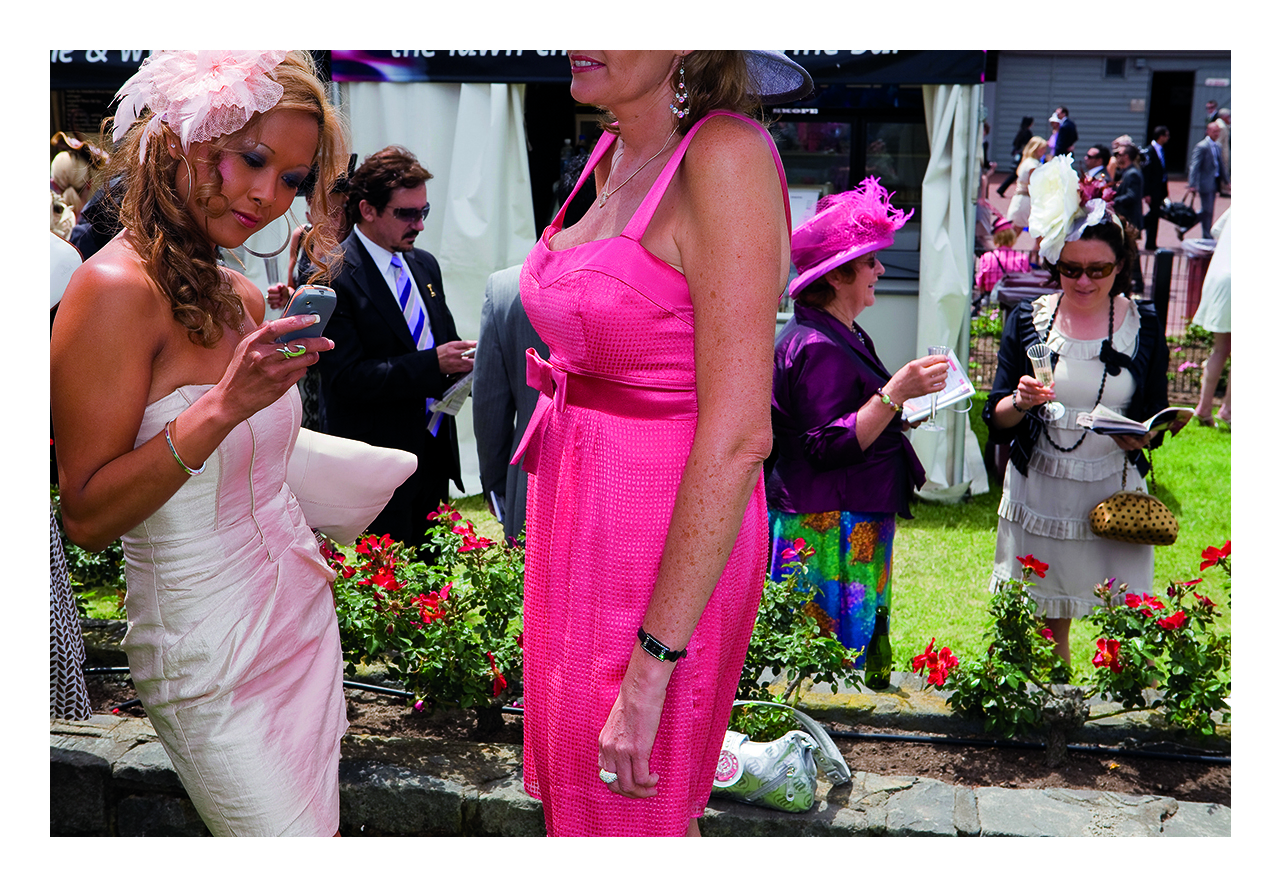




 Art Blart _ art and cultural memory archive
You must be logged in to post a comment.