Exhibition dates: 11th November 2022 – 2nd April 2023
Co-curated by Skirball curators Cate Thurston and Laura Mart and Lara Rabinovitch, renowned writer, producer, and specialist in immigrant food cultures. The exhibition was coordinated at New-York Historical by Cristian Petru Panaite with Marilyn Kushner, curator and head, Department of Prints, Photographs, and Architectural Collections.
Ei Katsumata (American) Carnegie Deli, New York, NY 2008 Photo by Ei Katsumata /Alamy Stock Photo
Culture and its history – past, present and future – is always so fascinating!
Dr Marcus Bunyan
Many thankx to the New-York Historical Society for allowing me to publish the photographs in the posting. Please click on the photographs for a larger version of the image.
Our special exhibition examines how Jewish immigrants, mostly from Central and Eastern Europe, imported and adapted traditions to create a uniquely American restaurant and reveals how Jewish delicatessens became a cornerstone of American food culture.
Organised by the Skirball Cultural Center, “I’ll Have What She’s Having”: The Jewish Deli examines how Jewish immigrants, mostly from Central and Eastern Europe, imported and adapted traditions to create a uniquely American restaurant and reveals how Jewish delicatessens became a cornerstone of American food culture.
The exhibition explores the food of immigration, the heyday of the deli in the interwar period, delis and Broadway, stories of Holocaust survivors and war refugees who worked in delis, the shifting and shrinking landscapes of delis across the country, and delis in popular culture. On display are neon signs, menus, advertisements, deli workers’ uniforms, and video documentaries. The local presentation is enriched with artwork, artefacts, and photography from New-York Historical’s collection along with restaurant signs, menus and fixtures from local establishments, mouthwatering interactives, and a Bloomberg Connects audio tour. And families: Be sure to pick up a copy of our kid-centric guide to the exhibition in the gallery.
Text from the New-York Historical Society website
2nd Ave Deli // “I’ll Have What She’s Having”: The Jewish Deli
New-York Historical Society
What makes the 2nd Ave Deli so special? The New-York Historical Society takes a trip to the Midtown landmark to talk to the owner, managers, workers, and customers about the special magic of the decades-old delicatessen where they “prepare the foods that our mothers and grandmothers made.”
James Reuel Smith (American, 1852-1935) Louis Klepper Confectionary and Sausage Manufacturers, 45 E. Houston Street, New York c. 1900 Patricia D. Klingenstein Library, New-York Historical Society
James Reuel Smith (1852-1935) was an American photographer and amateur historian who worked in the late 19th century to early 20th century. He was known for his documentary photographs of historical springs and wells in New York City before they were buried beneath the concrete of the rapidly growing city. Many of these natural water resources disappeared as the New York municipal water system developed.
Smith’s photographs documented a vanishing way of life in urban America. Drawing and fetching water had been an essential activity of daily life prior to the development of the modern municipal water system. In the 1870s New York City undertook efforts to eradicate the natural open wells and springs as they were perceived to be hazardous to health. The official municipal source for city water was the Croton Aqueduct which was endorsed by the NYC sanitation officers, rather than local neighbourhood wells and springs.
Hester Street, Lower East Side c. 1900 Postcard Patricia D. Klingenstein Library, New-York Historical Society
Unknown photographer (American) Anne Russ Federman serving customers at New York’s Russ & Daughters, with Hattie Russ Gold in the background 1939 From the collection of Russ & Daughters
Benjamin Segan (American, 1924-2017) Letter to Judith Berman, April 23, 1944 Caserta, Italy Patricia D. Klingenstein Library, New-York Historical Society
Benjamin David “Ben” Segan was born in New York City on 27 August 1924, to Jacob and Lillian Segan, immigrants from Vilnius, Lithuania. Ben attended George Washington High School in Manhattan, where he met his future wife, Judith “Judy” Berman. During his senior year he attended school by night to work in a defense plant by day.
Nineteen-year-old Ben was drafted into the United States Army as a private on 28 April 1943. His initial processing took place at Fort Dix, New Jersey, where he began his correspondence with Judy, writing to her almost daily until he left the service. By mid-May 1943 he was at Camp Croft, South Carolina, where he remained in basic training through late September and to operate radio equipment.
By October 1943 he was sent to Fort George G. Meade, Maryland, and from there shipped to Italy to join the 93rd Armored Field Artillery Battalion. In Europe he served in Italy, southern France, and Germany. During the Battle of Monte Cassino (a.k.a. the Battle for Rome), January-May 1944, he worked in the 93rd’s communication section.
Although he saw combat, Ben refrained from graphic descriptions in writing to his fianceé. Some of his reticence was due to restrictions imposed by the censors. For example, on 7 April 1945, during the liberation of the Buchenwald concentration camp from the Nazis, which he witnessed, Ben wrote, cryptically (in letter 574), “I’ve been extremely busy recently darling, & don’t think it’s so necessary to tell you as you must have a[n] inkling from the latest news reports on our progress.”
The war in Europe ended on 8 May 1945, but Ben was still there as late as November 10th (the date of his last letter in the collection), when he wrote from the French port of Le Havre, unsure of which ship he’d be on or indeed when it would sail.
Ben was honoured with the American Service Medal, the European-African-Middle Eastern Service Medal, the Good Conduct Medal, and the World War II Victory Medal.
Once home he married Judy on 10 March 1946 at Temple Ansche Chesed on Manhattan’s Upper West Side. They raised two children and worked together for many years in New York City’s Garment District.
Lionel S. Reiss (American born Poland, 1894-1988) Frankfurter and Lemonade from Manhattan Crosstown series c. 1945 Watercolour, black ink, white gouache, and graphite on paper 11 × 8 in. (27.9 × 20.3cm) New-York Historical Society, Foster-Jarvis Fund, and contribution of Harry Goldberg
Lionel S. Reiss (1894-1988) was a Polish-American Jewish painter born in Jaroslaw, Poland (then in the Austro-Hungarian Empire), and grew up on the Lower East Side of Manhattan where he studied commercial art. His family had moved to the United States in 1898 when he was four years old. As immigrants to the United States, Reiss’ parents joined the ranks of other Eastern European Jews who were fleeing their native countries at the start of the 20th century. Lionel Reiss’ family settled on New York’s Lower East Side neighbourhood and Reiss himself spent the majority of his life in the city. Reiss worked as a commercial artist for newspapers, publishers, and a motion picture company. Eventually he became art director for Paramount Studios and is credited to be the creator of the Leo the Lion logo of Metro-Goldwyn-Mayer Studios.
Reiss became known for his portraits of Jewish people and landmarks in Jewish history, which he made during his trip to Europe, Africa, and the Middle East in the early 1920s. Being American and Jewish himself, Reiss became fascinated with Jewish life in the Old World. In 1919 Reiss temporarily left the United States to travel to the aforementioned regions, and recorded the everyday life that he encountered in the ghettos. His trip resulted in exhibitions in major American cities.
At the dawn of the Holocaust in 1938, Reiss, who had long returned to the United States, published his book My Models Were Jews, in which he illustratively argued that there is no such thing as a “Jewish ethnicity”, but the Jewish people are rather a cultural group, whereby there is significant diversity within Jewish communities and between different communities in different geographical regions. Reiss was therefore presenting an argument against what he considered to be a common misconception that existed about the Jews. Later works included a 1954 book, New Lights and Old Shadows, which dealt with “the new lights” of a reborn Israel and the “old shadows” of an almost eradicated European Jewish culture. In his last book, A World of Twilight, published in 1972, with text by Isaac Bashevis Singer, Reiss presented a portrait of the Jewish communities in Eastern Europe before the Holocaust.
Reuben’s Delicatessen Menu [autographed by Arnold Reuben] 1946 Patricia D Klingenstein Library, New-York Historical Society
This fall, New-York Historical Society presents “I’ll Have What She’s Having”: The Jewish Deli, a fascinating exploration of the rich history of the Jewish immigrant experience that made the delicatessen so integral to New York culture. On view November 11, 2022 – April 2, 2023, the exhibition, organised by the Skirball Cultural Center in Los Angeles, where it is on view through September 18, examines how Jewish immigrants, mostly from Central and Eastern Europe, imported and adapted traditions to create a cuisine that became a cornerstone of popular culture with worldwide influence. The exhibition explores the food of immigrants; the heyday of the deli in the interwar period; delis in the New York Theater District; stories of Holocaust survivors and war refugees who found community in delis; the shifting and shrinking landscapes of delis across the country; and delis in popular culture. On display are neon signs, menus, advertisements, and deli workers’ uniforms alongside film clips and video documentaries. New-York Historical’s expanded presentation includes additional artwork, artefacts, photographs of local establishments, and objects from deli owners, as well as costumes from The Marvelous Mrs. Maisel, a mouthwatering interactive, and a Bloomberg Connects audio tour.
“It’s our great pleasure to present an exhibition on a topic so near and dear to the hearts of New Yorkers of all backgrounds,” said Dr. Louise Mirrer, president and CEO of New-York Historical. “‘I’ll Have What She’s Having’: The Jewish Deli tells a deeply moving story about the American experience of immigration – how immigrants adapted their cuisine to create a new culture that both retained and transcended their own traditions. I hope visitors come away with a newfound appreciation for the Jewish deli, and, with it, the story of the United States.”
“Whether you grew up eating matzoball soup or are learning about lox for the first time, this exhibition demonstrates how Jewish food became a cultural touchstone, familiar to Americans across ethnic backgrounds,” said co-curators Cate Thurston and Laura Mart. “This exhibition reveals facets of the lives of Central and Eastern European Jewish immigrants in the late 19th and early 20th centuries that echo in contemporary immigrant experiences. It shows how people adapt and transform their own cultural traditions over time, resulting in a living style of cooking, eating, and sharing community that is at once deeply rooted in their own heritage and continuously changing.”
“I’ll Have What She’s Having” is co-curated by Skirball curators Cate Thurston and Laura Mart along with Lara Rabinovitch, renowned writer, producer, and specialist in immigrant food cultures. It was coordinated at New-York Historical by Cristian Petru Panaite with Marilyn Kushner, curator and head, Department of Prints, Photographs, and Architectural Collections. The exhibition explores topics including deli culture, the proliferation of delis alongside the expansion of New York’s Jewish communities, kosher meat manufacturing, shortages during World War II, and advertising campaigns that helped popularise Jewish foods throughout the city.
Highlights include a letter in New-York Historical’s Patricia D. Klingenstein Library collection from a soldier fighting in Italy during World War II writing to his fiancée that he “had some tasty Jewish dishes just like home” thanks to the salami his mother had sent – a poignant addition to Katz’s famous “Send a Salami to Your Boy in the Army” campaign. Images show politicians and other notable figures eating and campaigning in delis. Movie clips and film stills include the iconic scene in Nora Ephron’s romantic comedy When Harry Met Sally…, which inspired the exhibition title. This and other movie scenes underscore the prominent role of Jewish delis in American popular culture.
Unique to New-York Historical’s presentation is a closer look at the expansion of Jewish communities at the turn of the 20th century, not just on the Lower East Side but also in Brooklyn, Queens, and the Bronx. In the 1930s, some 3,000 delis operated in the city; today, only about a dozen remain. The exhibition gives special attention to dairy restaurants, which offered a safe meatless eating experience; a portion of the neon sign from the Famous Dairy Restaurant on the Upper West Side is on display. Salvaged artefacts, like the 2nd Avenue Delicatessen storefront sign and vintage meat slicers and scales from other delis, are also on view, along with costumes by Emmy Award-winning costume designer Donna Zakowska from the popular Prime Video series The Marvelous Mrs. Maisel.
Visitors are invited to build their own sandwiches named after celebrities, such as Milton Berle, Sophie Tucker, Frank Sinatra, Ethel Merman, and Sammy Davis Jr., in a digital interactive inspired by menu items from Reuben’s Deli and Stage Deli. On the Bloomberg Connects app, exhibition goers can enjoy popular songs like “Hot Dogs and Knishes” from the 1920s, along with clips of Mayor Fiorello La Guardia discussing kosher meat pricing, 1950s radio ads, and interviews with deli owners forced to close during the pandemic lockdown.
In a nostalgic tribute to departed delis that continue to hold a place in the hearts of many New Yorkers, photographs show restaurants that closed in recent years. Eateries include the Upper West Side’s Fine & Schapiro Kosher Delicatessen, Jay & Lloyd’s Kosher Delicatessen in Brooklyn, and Loeser’s Kosher Deli in the Bronx. An exuberant hot dog-shaped sign from Jay & Lloyds Delicatessen, which closed in May 2020, and folk artist Harry Glaubach’s monumental carved and painted signage for Ben’s Best Kosher Delicatessen in Queens, also pay tribute to beloved establishments. The exhibition concludes on a hopeful note, highlighting new delis that have opened their doors in the past decade, such as Mile End and Frankel’s, both in Brooklyn, and USA Brooklyn Delicatessen, located steps from the site of the former Carnegie and Stage Delis in Manhattan.
Support
“I’ll Have What She’s Having”: The Jewish Deli is organised and circulated by the Skirball Cultural Center, Los Angeles, California. Exhibitions at New-York Historical are made possible by Dr. Agnes Hsu-Tang and Oscar Tang, the Saunders Trust for American History, the Evelyn & Seymour Neuman Fund, the New York City Department of Cultural Affairs in partnership with the City Council, and the New York State Council on the Arts with the support of the Office of the Governor and the New York State Legislature. WNET is the media sponsor.
Press release from the New-York Historical Society
Norman Rockwell (American, 1894-1978) Save Freedom of Worship: Buy War Bonds 1943 Poster; offset lithograph 28 x 20 inches Public domain
World War II poster encouraging individuals to buy war bonds. The poster includes an image by Norman Rockwell and was published by the United States Government Printing Office in Washington, DC, in 1943.
The poster depicts men and women of various races and faiths, including a woman with rosary beads, with hands clasped in prayer. Norman Rockwell was a 20th-century American painter and illustrator. His works enjoy a broad popular appeal in the United States for their reflection of American culture. Rockwell is most famous for the cover illustrations of everyday life scenarios he created for The Saturday Evening Post magazine for more than four decades. The Four Freedoms or Four Essential Human Freedoms is a series of four oil paintings that Rockwell produced in 1943 for reproduction in The Saturday Evening Post alongside essays by prominent thinkers of the day. Later they were the highlight of a touring exhibition sponsored by the Saturday Evening Post and the United States Department of the Treasury. The Four Freedoms theme was derived from the 1941 State of the Union Address by United States President Franklin Roosevelt in which he identified four essential human rights (Freedom of Speech, Freedom of Worship, Freedom from Want, and Freedom from Fear) that should be universally protected. The Office of War Information printed four million sets of Four Freedoms posters by the end of the war. World War II was a massive conflict which involved a majority of the nations of the world, and became the most widespread and deadliest event in human history; it had profound ramifications politically and economically that lasted into the next century. …
Posters were used extensively throughout the war by countries on both sides for purposes such as propaganda, morale, and the broad dissemination of information. The United States Office of War Information (OWI) was a U.S. government agency created during World War II to consolidate government information services. It operated from June 1942 until September 1945. It coordinated the release of war news for domestic use, and, using posters and radio broadcasts, worked to promote patriotism, warn about foreign spies and recruit women into war work. The office also established an overseas branch, which launched a large scale information and propaganda campaign abroad. The War Finance Committee was placed in charge of supervising the sale of all bonds, and the War Advertising Council promoted voluntary compliance with bond buying. More than a quarter of a billion dollars worth of advertising was donated during the first three years of the National Defense Savings Program. The government appealed to the public through popular culture. Norman Rockwell’s painting series, the Four Freedoms, toured in a war bond effort that raised $132 million.
Unknown photographer Rena Drexler on the day of her liberation from Auschwitz Poland, 1945 Private collection
Installation view of the exhibition “I’ll Have What She’s Having”: The Jewish Deli at the New-York Historical Society showing at centre, a photograph by an unknown photographer Rena and Harry Drexler at Drexler’s Deli, North Hollywood, CA (c. 1970s, below)
Unknown photographer (American) Rena and Harry Drexler at Drexler’s Deli, North Hollywood, CA c. 1970s Private collection
Unknown photographer (American) Vienna Beef Factory, inspecting sausages Chicago, IL c. 1950s Vienna Beef Museum
Unknown photographer (American) Vienna Beef Factory, curing pastrami Chicago, IL, c. 1950s Vienna Beef Museum
Paula Weissman’s Hotel and Restaurant Employees Union Books 1958-1983 Courtesy of Paula Weissman
Installation view of ads from the “You don’t have to be Jewish to love Levy’s real Jewish Rye” campaign (1960s). Despite the campaign’s success, the ads relied on both ethnic stereotypes and a narrowly focused white, Eurocentric view of Jewish identity that excluded Jews of Color. Photo by Robert Wedemeyer.
With a self-reflection that is arguably as Jewish as its subject, the exhibition doesn’t shy away from an awareness that the deli, created by Eastern and Central European immigrants, is an almost exclusively Ashkenazi institution, and thus limited in its view of Jewish life and culture. Take, for example, the commentary on the posters featuring the famous “You don’t have to be Jewish to love Levy’s” series of rye bread ads. Considered progressive for their time because of the diversity of the models, in retrospect the ads suggest that racial diversity among the Jewish community is an anomaly, which is not the case.
Howard Zieff (photographer) You don’t have to be Jewish to love Levy’s real Jewish Rye [New York : s.n., 1965?] Photomechanical print (poster): offset, colour Library of Congress Public domain
Howard Zieff (photographer) You don’t have to be Jewish to love Levy’s real Jewish Rye [New York : s.n., 1965?] Photomechanical print (poster): offset, colour Library of Congress Public domain
Menu from 2nd Avenue Delicatessen (outside cover) New York City, 1968 Patricia D. Klingenstein Library, New-York. Historical Society
Menu from 2nd Avenue Delicatessen New York City, 1968 Patricia D. Klingenstein Library, New-York. Historical Society
Katz’s Delicatessen Napkin 1980-2000 Paper Overall: 5 × 5 in. (12.7 × 12.7cm) Gift of Bella C. Landauer
Unknown photographer (American) Abe Lebewohl with hero, from the 2nd Ave Deli, New York, NY c. 1990
Unknown photographer (American) Snack at Manny’s Delicatessen Chicago, IL, 2010 Image Professionals GmbH / Alamy Stock Photo
New-York Historical Society 170 Central Park West at Richard Gilder Way (77th Street) New York, NY 10024 Phone: (212) 873-3400
Installation view of the exhibition Peter Hujar: Speed of Life at Jeu de Paume, Paris
“I photograph those who push themselves to any extreme, and people who cling to the freedom to be themselves.”
Peter Hujar
Free your mind
A huge posting to finish what has been a bumper year on Art Blart: two book chapters published, a photographic research trip to Europe in which I saw some incredible exhibitions and took over 7000 photographs for my art work, lots of postings and writing and, sadly, the loss of two friends – my mother in Australia, the bohemian photographer and poet Joyce Evans and vision impaired photographer Andrew Follows.
I couldn’t think of a better posting to finish the year than with a photographer who put it all on the line: Peter Hujar. Not for him the world of Apollonian perfection, wishing for fortune and fame, relying on some big time backer to promote him. Hujar stuck to his craft, carving images, performances if you like, from dystopian contexts and Dionysian revellers. “Hujar was the instigator of the performances captured in his portraits, as much as a director as a photographer.”
Paraphrasing Mark Durant, we might say that Hujar was a poet of the urban nocturne, a photographer of subjective desire known for his gritty, erotic, sentimental yet (im)personal images. Philip Gefter observes that, “A hallmark of Hujar’s portraiture is the invisibility of technique – a kind of visual innocence – as if the camera were not present and the subject had been happened upon.” Richard Woodward says that Hujar, “observed his companions in this outlaw life with what might be called warm objectivity.” Photographer Duane Michals says that, “Hujar was a pioneer, years ahead of Mapplethorpe in his sexual candor, as well as an artist whose photographs are less swank and less affected.”
Ah! what a time it was to be an artist and to be gay in New York, with the likes of Hujar, Warhol, Mapplethorpe, Wojnarowicz, Haring, Arthur Tress, and Duane Michals, to name but a few. A time of sexual liberation, followed by a period of disease and death. Hujar pictures this “scene” – the flowering of gay life and then the AIDS crisis of the 1980s. He pictures the constellations as they swirl around him. He allows the viewer to enter his world without judgement, just showing it how it was – a world of avant-garde dance, music, art, and drag performance; “glowing skyscrapers, assorted rubble, discarded rugs, boys in drag, and girls passed out in his doorway.” This is it he is saying, this is how I live, this is who surrounds me, suck it up and breathe it in. He allows the viewer to enter his world of ideas and possible metaphors. No judgement is offered nor accepted.
As my appreciation of his photographs grows, I reflect on the skill that it takes to make these photographs look effortless. Hujar, “a student of Lisette Model, admirer of August Sander, and friend of Diane Arbus, made his photographs distinctly his own: a perfect and unmistakable mirror of his own body and milieu.” A mirror of strength and determination / of friendship / of love – his pictures gather, together, a feeling for – the freedom of people, and places, to be themselves. Do places have feelings? yes they do! (I remember visiting the Coliseum in Rome and having to leave after 20 minutes the energy of the place was so bad; and then visiting the Loretta Sanctuary in Prague and feeling, such calm and peace in that place, that I have rarely felt before).
Hujar’s photographs are memorable. Nan Goldin and Vince Aletti said that his work, “like that of so few photographers, can’t be forgotten and becomes even deeper and more compelling over time.” His work is so compelling it’s like you can’t take tear your eyes away from the photographs. They demand repeat viewing. They seem possessed of an awareness of their own making. That is Hujar’s music, his signature.
Like any great artist, his images reveal themselves over time, expounding his love of life and his intimate and free engagement with the world. Hujar was, is, and always will be… a watcher, a dreamer, a cosmic spirit.
Dr Marcus Bunyan
Many thankx to Jeu de Paume for allowing me to publish the photographs in the posting. Many thankx to David for the iPhone installation images. Please click on the photographs for a larger version of the image.
The life and art of Peter Hujar (1934-1987) were rooted in downtown New York. Private by nature, combative in manner, well-read, and widely connected, Hujar inhabited a world of avant-garde dance, music, art, and drag performance. His mature career paralleled the public unfolding of gay life between the Stonewall uprising in 1969 and the AIDS crisis of the 1980s.
In his loft studio in the East Village, Hujar focused on those who followed their creative instincts and shunned mainstream success. He made, in his words, “uncomplicated, direct photographs of complicated and difficult subjects,” immortalising moments, individuals, and subcultures passing at the speed of life.
What was Hujar’s truth, his photographic truth? Hujar understood and utilized photography’s tension between document and theatricality. In the act of photographing there is a performance, not only on the part of the subject, but for the photographer as well. For Hujar, to photograph was a balancing act between fierce observation and manifesting his devotion. As Jennifer Quick observes in her essay for the catalogue, This Will Have Been: Art, Love & Politics in the 1980s, “While Arbus and Mapplethorpe are known for their detached postures, Hujar’s silent, tacit presence pervades his work. Like Avedon, Hujar was the instigator of the performances captured in his portraits, as much as a director as a photographer.” That Hujar is considered in the same company of Avedon, Arbus, and Mapplethorpe, reminds us that the retrospective Speed of Life is long overdue.
Hujar’s restlessness led him to wander beyond the confines of the studio. Like Brassai, Hujar was a poet of the urban nocturne, prowling the streets with his camera as the day unraveled. Brassai’s Paris is gritty, erotic, sentimental, yet impersonal. Hujar’s photographs of New York’s streets at night embrace emptiness and furtive gestures, glowing skyscrapers, assorted rubble, discarded rugs, boys in drag, and girls passed out in his doorway. His nighttime images of the Hudson river are disquieting, suggesting powerful currents not fully understood by the dappled surfaces. The thrill and danger of an anonymous sexual encounter is manifested in the 1981 image, Man Leaning Against Tree. It is the moment for Hujar to surveille and assess, when the object of desire is seen but has not yet turned his head to return the gaze. There is a little bit of softness in the image, due, perhaps, to the dim light or the camera moving while the shutter remained open. This image is as much a document of Hujar’s habits of looking as it is about the man leaning against the tree. Despite claims of photography’s objectivity or passive observation, the photographer, consciously or not, visually manifests subjective desire, and Hujar was masterful in this regard. …
While all photographs are tethered to mortality, there is something exemplary in Hujar’s cool acceptance of our temporality. He was fully engaged with his moment yet unsentimental in his attachment. Whether he was photographing a lover or an abandoned dog as elegant as it is scruffy, we can sense that Hujar’s interest was intellectual and physical in equal measure. He may not have been comfortable with the world as it was, but he embraced and even loved what was in front of his camera. “My work comes out of my life, the people I photograph are not freaks or curiosities to me,” he said. “I like people who dare.”
Hujar put his art to political use in 1969. In late June, a police raid inspired fierce resistance from the patrons of the Stonewall Inn, in the West Village. Hujar’s boyfriend at the time, Jim Fouratt, arrived on the scene to organise for the Gay Liberation Front (GLF), the first political group to cite homosexuality in its name. Hujar agreed to make a photograph for a GLF poster. Early one Sunday morning that fall, members of the group assembled and ran back and forth past the photographer on Nineteenth Street, west of Broadway. The poster, bearing the slogan COME OUT!!, appeared in late spring 1970 in advance of the gay liberation march that marked the first anniversary of Stonewall.
In September 1973, transgender Warhol Superstar Candy Darling (born James Lawrence Slattery) was hospitalised for lymphoma. She asked Hujar to make a portrait of her “as a farewell to my fans.” Out of several dozen exposures, Hujar chose to print this languorous pose. As rendered in the print, Candy’s banal, fluorescent-lit hospital room looks as elegant as the studio props in a Hollywood starlet’s portrait. Hujar later wrote that his style cues came from Candy, who was “playing every death scene from every movie.” The image, first seen in print in the New York Post after Candy’s death six months later, became the most widely reproduced of Hujar’s works during his lifetime.
Jeu de Paume presents a selection of 150 photographs of this singular artist from October 15th, 2019 to January 19th, 2020. The exhibition follows Hujar’s work from the beginnings mid 1950 until the 1980s, shaping a portrait of the underground New York City.
The life and art of Peter Hujar (1934-1987) were rooted in downtown New York. Private by nature, combative in manner, well-read, and widely connected, Hujar inhabited a world of avant-garde dance, music, art, and drag performance. His mature career paralleled the public unfolding of gay life between the Stonewall uprising* in 1969 and the AIDS crisis of the 1980s.
After graduating from high school in 1953, Hujar worked as an assistant to commercial photographers until 1968. Five years of contributing features to mass-market magazines convinced him that a fashion career “wasn’t right for me” and in 1973 he opted for an autonomous, near-penniless life as an artist. In his loft studio above a theater in the East Village, Hujar focused on those who obeyed their creative instincts and shunned mainstream success.
At age forty-two, he published his only monograph, Portraits in Life and Death, and opened his first solo gallery show. The searching intimacy he achieved as a portraitist carried over into unsentimental photographs of animals and plants, landscapes, buildings, and the unique features of nude bodies.
Hujar’s brief affair in 1981 with the young artist David Wojnarowicz evolved into a mentoring bond that changed both their lives. On their excursions to blighted areas around New York, Hujar crafted the portrait of a city in free fall, complementing Wojnarowicz’s dark vision of Reagan-era America.
Peter Hujar died of AIDS-related pneumonia in November 1987.
Press release from Jeu de Paume
Early years
In 1953, Peter Hujar finished high school in Manhattan, where he had studied photography. He then worked for some fifteen years as an assistant to commercial photographers. Punctuating those years were two long periods in Italy, buoyed by scholarships – a first one that was obtained by a boyfriend (1958-1959) and then his own (1962-1963). From 1968 to 1972, he tried to make it as a freelancer in the mass-market world of fashion, music, and advertising photography. The hustle “wasn’t right for me,” and he turned his back on the commercial mainstream. From this time on he lived on almost nothing, squeaking by on small jobs, taking paying jobs only when necessary and focusing on the subjects he found compelling. In 1973, he moved to the crumbling East Village, into a loft that would become the setting for his mature studio work, most notably the vast majority of his portraits.
Portraits
Portraiture was central to Hujar’s practice. The subjects of his art, Hujar wrote, were “those who push themselves to any extreme” and those who “cling to the freedom to be themselves.” “In a sense, I am still a fashion photographer. These people are chic but in a dark kind of way. Most of them are unknown or maybe known to just a few, but they have all been creative adventurers and possess a certain spirit.”
Most of his portraits were posed, but Hujar often expected his models to perform in front of the camera, which made many of the shoots truly collaborative ventures. Disguises and props were often incorporated, and his subjects were sometimes veiled, simultaneously revealing and masking themselves.
The reclining portrait is a photographic genre Hujar made his own. The pose features extensively in his 1976 monograph Portraits in Life and Death, and he continued to rely on it as a means of capturing something unique in his sitter: to face a camera lens from a reclining position is an unfamiliar and provoking experience.
New York
“The happiest times with Peter, when he wasn’t photographing, were walking around Manhattan, looking at the crowns of buildings, and the fantasies about ‘living there,'” remembers Gary Schneider, one of his close friends.
Born in New Jersey, Hujar spent all his life in New York, and more specifically in Manhattan, whose buildings, streets, and piers he started photographing more extensively in the second half of the 1970s. Divided between Downtown’s derelict areas and Midtown’s skyscrapers, Hujar’s New York is often a nocturnal city: a place of abandoned structures, night-time cruising, and early-dawn vistas. A few journeys outside New York, during the summer months, to the beaches of Fire Island in the Hamptons, and, in the early 1980s, to the countryside around Germantown, forty miles north of New York, along the Hudson River, offer other glimpses of Peter Hujar’s personal geography, testifying to the variety of subjects that he found worth photographing.
Bodies
Portraiture of bodies was another focal point of Hujar’s last decade of work. In 1978, some of his works were included in The Male Nude: A photographic Survey at the Marcuse Pfeifer Gallery in New York.
Bodies, he suggested, could be read as freely as faces for character, emotion, or life story.
He photographed bodies in the extremes of youth and old age, bodies displaying unique features, and bodies in transient states, notably pregnancy and arousal.
Whether photographing faces or bodies, Hujar was attentive to the characteristics conferred by time and experience, such as Manny Vasquez’s spinal tap scar and the imprint left by socks on Randy Gilberti’s ankles. “I want people to feel the picture and smell it,” he said of his nudes, which he contrasted to the idealised bodies in Robert Mapplethorpe’s work.
Gracie Mansion Gallery, 1986
When exhibiting his work, Hujar employed two distinct methods. He displayed prints either in isolation (notably in his loft, where just one photograph at a time was on view) or in large groupings, two images high, as on this wall. For the last exhibition during his lifetime, in January 1986 in New York, Hujar covered the walls of the Gracie Mansion Gallery with a frieze of seventy photographs in no apparent order. He fine-tuned the layout for days until no one type of image (portrait, nude, animal, still life, landscape, cityscape) appeared twice consecutively. Each of his subjects thus preserved its own identity and singularity rather than serving as a variation on an imposed theme.
The arrangement highlighted his inventive range, created echoes among seemingly unrelated images, and drew attention to preoccupations that had recurred throughout his career. The display in this room centres on images taken in the 1980s and is freely inspired by that 1986 exhibition.
Andy Warhol
In 1964 Peter Hujar was a regular visitor to The Factory, Andy Warhol’s studio at 231 East 47th Street in New York. He posed four times for Screen Tests, brief portraits filmed by Warhol and screened in slow motion. Together with his friend Paul Thek, Hujar was chosen as one of the “Thirteen Most Beautiful Boys”, whose film portraits were regularly shown at the Factory and at parties and events elsewhere. Among the other personalities figuring in the Screen Tests in 1964-1965 were the actor-directors Dennis Hopper and Jack Smith, together with writer-critic Susan Sontag and poet John Ashbery – both of whom would later pose for Hujar.
A hallmark of Hujar’s portraiture is the invisibility of technique – a kind of visual innocence – as if the camera were not present and the subject had been happened upon, discovered there, as Ludlam appears to be, in medias res.
“Hermetic appeal and an identification with psychic damage came together in Hujar’s last important relationship, with the meteoric younger artist David Wojnarowicz, who was a ravaged hustler when they met at a bar in late 1980 and who died from AIDS in 1992. They were lovers briefly, then buddies and soul mates. Wojnarowicz said that Hujar “was like the parent I never had, like the brother I never had.” In return, he inspired fresh energies in Hujar’s life and late work. In a breathtakingly intimate portrait of Wojnarowicz with a cigarette and tired eyes, from 1981, the young man’s gaze meets that of the camera, with slightly wary – but willing and plainly reciprocated – devotion: love, in a way. Their story could make for a good novel or movie – as it well may, in sketched outline in your mind, while you navigate this aesthetically fierce, historically informative, strangely tender show.”
Hujar observed his companions in this outlaw life with what might be called warm objectivity. Whatever the portrait subject – doll maker and transgender pioneer Greer Lankton, model Bruce St. Croix sitting naked on a chair and handling his huge erection, Warhol superstar Candy Darling on her death bed, or a pair of cows in a muddy field – he photographed them directly with his 2 1/4, often at close range, without props or gauzy lighting.
He began as a street photographer, on the prowl for unrehearsed gestures, as can be seen in a 1958 picture in Italy of a well-dressed young man touching his thick coif of dark hair and standing next to a pudgy boy in a cap who has his hands in his pockets.
Hujar’s indelible portraits of famous avant-garde artists and drag queens, and his curiously gothic landscapes and animal pictures, are so fastidiously exquisite, so fussily exact, so representative of a period past (“Speed of Life” is a very odd title) that they immediately summon the ratty hauteur, the necessary obsessions, and the cold-eyed dignity that helped most gay men survive, and not survive, in the early gay lib and AIDS years. …
… His portraits often combine the freakish curiosity of Arbus and the monumental candidness of his mentor Richard Avedon into something resembling momento mori portraits suitable for displaying atop a casket. They are unmistakably contemporary but they feel historic, as if burned to silver plates. (Not for nothing did Hujar make his own display prints.) That doesn’t mean there’s no life in those portraits; far from it, these are the essences of his subjects so well-distilled that there’s really no need to go on. We see nostalgia washing over the present.
In which the visions (ghosts?) in these haunting photographs live, breathe, and barely exist in a strange closed world. Where the subjects seem so vulnerable.
In which there is little sentimentality. The portraits emit a deep sense of melancholy in their re/pose, in the subjects temporal existence separated out from time. Heath photographs people as they are. He projects himself, not his ego, into this vision of vulnerable humanity.
In which this vision of truth illuminates the complex relationship between human nature and reality through emotional energy.
Dr Marcus Bunyan
Many thankx to The Photographers’ Gallery for allowing me to publish the photographs in the posting. Please click on the photographs for a larger version of the image.
“… the conundrum of the title is a reference about how to navigate the terrain of solitude one wishes to experience (to be alone), but also how to make that extend into a conversation with the subjects in front of you that will eventually become a single body of work for many to view (to be of more than one). This is of course conditional to your position within the world at large and how you view your presence within the greater universal ether. You must carry your solipsism like a rusty bucket of dirty brown well water. In Heath’s case, the solitary monologue and the ramble of the flaneur become something of a mantra – an incessant need to repeat, to be part of the cacophony of the worship of modern life in which the self and the crowd / city are forced to adjust to one another, but at safe distance with impassioned and yearning eyes.”
Extract from Brad Feuerhelm. “David Heath: “Dialogues With Solitudes”,” on the ASX website November 23, 2018 [Online] Cited 26/05/2019
“”A Dialogue with Solitude” is a self-portrait in which the artist himself never really appears, but is revealed and interpreted by every detail. Its revolt is alive with sympathy and acceptance of man’s modern placement in the world, mated with contradictory realization and resistance which deny and combat the absurdities of existence. This is expressed with a sincere poetry which is never shocked out of countenance by reality.”
Edwards, exh. label for A Dialogue of Solitude, 1963, on file in the Photography Department, Art Institute of Chicago quoted in Hugh Edwards. “Dave Heath,” on the Art Institute of Chicago website [Online] Cited 26/05/2019
The first major UK exhibition dedicated to the work of this hugely influential American photographer.
Heath’s psychologically charged images both reflect and respond to the alienation particularly prevalent in post war North American society. He was one of the first of a new generation of artists seeking new ways to try and make sense of the increasing sense of isolation and vulnerability that typified the age.
Predominantly self-taught, Heath was nonetheless extremely informed and versed in the craft, theory and history of photography and taught extensively throughout his life. Although greatly influenced by W. Eugene Smith and the photographers of the Chicago School, including Aaron Siskind and Harry Callahan, Heath cannot be neatly pigeonholed as either a documentary or experimental photographer. His work feels more at home within a narrative or poetic tradition, where an interior reality takes precedence.
Taking his masterwork and first publication, A Dialogue With Solitude, as a point of departure, this exhibition highlights Heath’s preoccupations with solitude and contemplation and further makes explicit the importance of sequencing in his practice. Heath was clear that “the central issue of my work is sequence” and held the belief that the relativity and rhythm of images offered a truer way of conveying a universal psychological state than a single image. He perfected a form of montage, often blending text and image to create visual poems, which captured the mood of the decade in a manner akin to a photographic protest song.
Heath’s photographs are shown in dialogue with cult American films from the 1960s similarly focused on themes of solitude and alienation. These include: Portrait of Jason by Shirley Clarke (1966); Salesman by Albert and David Maysles and Charlotte Mitchell Zwerin (1968); and The Savage Eye by Ben Maddow, Sidney Meyers and Joseph Strick (1960).
“The fact that I never had a family, a place or a story that defined me, inspired a need in me to join the community of mankind. I did so by inventing a poetic form linking this community, at least symbolically, in my imagination, through this form.” ~ Dave Heath
Curated by Diane Dufour, Director of LE BAL. Exhibition conceived by LE BAL with the support of Stephen Bulger Gallery (Toronto), Howard Greenberg Gallery (New York), Archive of Modern Conflict (London) and Les Films du Camélia (Paris).
Text from the Photographers’ Gallery website [Online] Cited 25/05/2019
The Photographers’ Gallery, in collaboration with LE BAL Paris, presents Dave Heath: Dialogues with Solitudes; the first major UK exhibition dedicated to the work of this hugely influential American photographer (b. 1931 USA, d. 2016 Canada).
Heath’s psychologically charged images both reflect and respond to the alienation particularly prevalent in post war North American society. He was one of the first of a new generation of artists seeking new ways to try and make sense of the increasing sense of isolation and vulnerability that typified the age. Predominantly self-taught, Heath was nonetheless extremely informed and versed in the craft, theory and history of photography and taught extensively throughout his life. Although greatly influenced by W. Eugene Smith and the photographers of the Chicago School, including Aaron Siskind and Harry Callahan, Heath cannot be neatly pigeonholed as either a documentary or experimental photographer. His work feels more at home within a narrative or poetic tradition, where an interior reality takes precedence.
Heath was born in Philadelphia in 1931 and had a turbulent childhood, abandoned by his parents at the age of four and consigned to a series of foster homes before being placed in an orphanage. He first became interested in photography as a teenager, and joined an amateur camera club. He was fascinated by the photo essays in Life Magazine and cites one in particular as having a decisive impact on his future. Bad Boy’s Story by Ralph Crane, charted the emotional landscape of a young orphan. Not only did Heath identify with the protagonist, he immediately recognised the power of photography as a means of self expression and as a way of connecting to others. In the following years he trained himself in the craft, taking courses in commercial art, working in a photo processing lab, and studying paintings at the Philadelphia Museum of Art. While stationed in Korea with the US Army, he began to photograph his fellow soldiers, eschewing the drama of the battlefield for quiet and private moments of subdued reflection.
On his return, Heath dedicated himself to photography, continuing his interest with capturing an “inner landscape” and training his lens on anonymous strangers whom he identified as similarly lost or fragile. Although he photographed in mostly public spaces, on the streets of Chicago and New York (where he moved to in 1957), his subjects seem detached from their physical context, shot in close-up, articulated by their isolation. His frames possess an intensity of concentration, showing single figures or close-knit couples entirely wrapped up in their own world. An occasional sidelong glance conveys a momentary awareness of being photographed, but for the most part Heath is an unobserved, unobtrusive witness. By concentrating on the fragility of human connection, focusing on the personal over the political, Heath gave ‘voice’ to those largely unheard and joined a growing community of artists searching for alternative forms of expression. His work was pivotal in depicting the fractured feeling of societal unease just prior to the rise of the civil rights movement and opposition to the Vietnam War and his ground-breaking approaches to narrative and image sequence, his exquisite printing techniques, handmade book maquettes, multimedia slide presentations culminated in his poetic masterwork, A Dialogue with Solitude, 1965. This sensitive exploration of loss, pain, love and hope reveals Heath as one the most original photographers of those decades.
After 1970, Dave Heath devoted much of his time to teaching (in particular at Ryerson University, Toronto) in Canada, where he later became a citizen. He died in 2016.
Press release from The Photographers’ Gallery website [Online] Cited 25/05/2019
Exhibition dates: 26th October, 2018 – 7th April, 2019
Curator: Keith F. Davis, Senior Curator, Photography
Ralston Crawford (American, 1906-1978) Unloading the Cargo c. 1942 Gelatin silver print 4 1/2 × 7 inches Gift of Neelon Crawford
Fascinated as he was “by the purified geometry of man-made things,” the best of these photographs from Ralston Crawford evidence a disciplined eye in the quest to portray a structured vision of the industrial world. While photographically there is nothing ground breaking here, these are strong images of abstract spaces – “precise and geometric, emphasising bold, simple forms.” What is of more interest is how “he applied a painter’s eye to the challenge of making interesting photographs.”
It is still amazing to me to think that anyone can just pick up a camera and call themselves a photographer, especially in today’s media saturated environment where everyone has a camera attached to their phone. You wouldn’t think of calling yourself a painter without years of experimentation and exploration of the medium and it’s abilities. And the same applies to being a photographic artist. To me, being an image maker takes years of looking, of understanding the medium, its history and its abilities, the construction of the picture plane, the light, the physicality of the print, the aura of the object.
Are these photographs well seen, framed and printed? Yes.
Are they memorable? Do they impinge on the consciousness like great photographs do and take you to a different plane of existence? No they don’t.
These are experiments, sketches, in light and form, static in their painting, immobile in their resilience.
Dr Marcus Bunyan
Many thankx to The Nelson-Atkins Museum of Art for allowing me to publish the photographs in the posting. Please click on the photographs for a larger version of the image.
Structured Vision: The Photographs of Ralston Crawford
Fascinated by the purified geometry of man-made things, Ralston Crawford (1906-1978) worked in a consistently formal, or abstract, manner across a variety of mediums. His photographs provide an essential look at a vital era of abstraction in American art, and at the cultural scenes and subjects from which that creative sensibility arose.
Crawford used the camera as a tool of both documentary and artistic expression. Some photographs served as studies for later paintings or prints. Most, however, were created and appreciated purely as photographs. His subjects ranged from urban and industrial themes to ships and sailing, jazz, the people and culture of New Orleans, bullfighting and religious processions in Spain, and the destructive power of the atomic bomb.
Ralston Crawford (American, 1906-1978) Dock Workers 1938 Gelatin silver print 6 1/2 × 8 15/16 inches Gift of Hallmark Cards, Inc.,
Ralston Crawford (American, 1906-1978) Grain Elevators, Buffalo c. 1942 Gelatin silver print 6 5/16 × 9 1/2 inches Gift of Neelon Crawford
Ralston Crawford (American, 1906-1978) Staging Area, Coulee Dam 1972 Gelatin silver print 13 × 19 1/8 inches Gift of Hallmark Cards, Inc.,
Ralston Crawford (American, 1906-1978) Grain Elevators with Shadows c. 1942 Gelatin silver print 9 1/8 × 7 3/16 inches Gift of the Hall Family Foundation
Ralston Crawford (American, 1906-1978) Flower Vases on Tomb, New Orleans c. 1959 Gelatin silver print 9 11/16 × 7 13/16 inches Gift of Neelon Crawford
Ralston Crawford (American, 1906-1978) Third Avenue Elevated 1948 Gelatin silver print 13 7/16 × 9 1/16 inches Gift of Hallmark Cards, Inc.,
Ralston Crawford (American, 1906-1978) Door with Striped Pole and Striped Wall, New Orleans 1967 Gelatin silver print 13 5/16 × 8 15/16 inches Gift of Neelon Crawford
Ralston Crawford, who celebrated the modern American industrial landscape in a precisionist style and captured the vitality of New Orleans jazz culture, is the subject of a photography exhibition opening at The Nelson-Atkins Museum of Art in Kansas City Oct. 26 through April 7, 2019. Structured Vision: The Photographs of Ralston Crawford, showcases the museum’s deep holdings of his work.
“Ralston Crawford’s photographs have a profound energy,” said Julián Zugazagoitia, Menefee D. and Mary Louise Blackwell CEO and Director of the Nelson-Atkins. “Throughout his career he juxtaposed creation and destruction, form and chaos. His body of work is wonderfully varied and reflects how complicated and rich one artistic sensibility can be.”
George Ralston Crawford (1906-1978) was born in Canada but grew up in Buffalo, New York, where his interest in docks, shipyards, bridges, and grain elevators blossomed. He was a sailor as a young adult and began studying art in the late 1920s, painting characteristically American subjects such as highways, bridges, and machines. His work was precise and geometric, emphasising bold, simple forms.
“Ralston Crawford is an important artist in the Nelson-Atkins collection because he applied a painter’s eye to the challenge of making interesting photographs,” said Keith F. Davis, Senior Curator, Photography. “There is enormous variety in his work, from industrial subjects to street life and cemeteries of New Orleans. Some of his pictures are about pure geometry; others celebrate the improvisational vitality of everyday life. Ultimately, all of Crawford’s work is about the interrelationship of structure and change.”
Crawford worked actively from the 1930s through the 1970s. He absorbed and expressed the basic energies of the mid-twentieth century, from the era’s industrial might to the destructive power of war and the atomic bomb. He celebrated the most basic of forces: creation, decay, time, and change. He travelled extensively throughout his life to paint, produce lithographs, take photographs, and teach. In addition to key gifts from the Hall Family Foundation, the artist’s son, Neelon Crawford, was instrumental in increasing the Nelson-Atkins’s holdings of his father’s photographs.
The exhibition is accompanied by a new book, The Photographs of Ralston Crawford, written by Davis, providing a fresh, comprehensive look at Crawford’s photographs from 1938 through the mid-1970s, including both well-known works and previously unpublished images. This volume, published by Yale University Press, is distributed for the Hall Family Foundation in association with the Nelson-Atkins.
Press release from The Nelson-Atkins Museum of Art
Ralston Crawford (American, 1906-1978) John “Papa” Joseph, Outside Barbershop, New Orleans 1958 Gelatin silver print 7 11/16 × 9 9/16 inches Gift of Neelon Crawford
Ralston Crawford (American, 1906-1978) Dancer and Meyer Kennedy at the Caravan Club, New Orleans 1953 Gelatin silver print, 9 1/2 × 7 9/16 inches Gift of Neelon Crawford
Ralston Crawford (American, 1906-1978) Tuxedo Brass Band, New Orleans 1959 Gelatin silver print 6 7/16 × 9 1/2 inches Gift of Neelon Crawford
Ralston Crawford (American, 1906-1978) Women in Sunday School Parade, New Orleans 1958 Gelatin silver print 6 3/16 × 9 9/16 inches Gift of Neelon Crawford
Ralston Crawford (American, 1906-1978) Bow and Rope 1972 Gelatin silver print 11 3/16 × 16 5/8 inches Gift of Neelon Crawford
Exhibition dates: 13th July – 30th September, 2018
Curators: This exhibition is co-curated by David Kiehl, Curator Emeritus, and David Breslin, DeMartini Family Curator and Director of the Collection.
David Wojnarowicz (American, 1954-1992) with Tom Warren Self-Portrait of David Wojnarowicz 1983-1984 Acrylic and collaged paper on gelatin silver print 60 × 40 in. (152.4 × 101.6cm) Collection of Brooke Garber Neidich and Daniel Neidich Photo: Ron Amstutz
Man on fire
… and two important ones I forgot: earth and spirit!
What an unforgettable, socially aware artist.
His work, and the concepts it investigates, have lost none of their relevance. With the rise of the right, Trump, fake news, discrimination and the ongoing bigotry of religion his thoughts and ideas, his writing, and his imagination are as critical as ever to understanding the dynamics of power and oppression. As Olivia Laing observes, ” …the forces he spoke out against are as lively and malevolent as ever.”
Remember: silence is the voice of complicity.
Although in his lifetime he never achieved the grace he desired, through his art the grace of his spirit lives on. Love and respect.
Dr Marcus Bunyan
Many thankx to the Whitney Museum of American Art for allowing me to publish the photographs in the posting. Please click on the photographs for a larger version of the image.
“I want to throw up because we’re supposed to quietly and politely make house in this killing machine called America and pay taxes to support our own slow murder, and I’m amazed that we’re not running amok in the streets and that we can still be capable of gestures of loving after lifetimes of all this.”
“It is exhausting, living in a population where people don’t speak up if what they witness doesn’t directly threaten them…”
“When I was told that I’d contracted this virus it didn’t take me long to realise that I’d contracted a diseased society, as well.”
“I’ve always painted what I see, and what I experience, and what I perceive, so it naturally has a place in the work. I think not all the work I do is about AIDS or deals with AIDS, but I think the threads of it are in the other work as well.”
“I think what I really fear about death is the silencing of my voice… I feel this incredible pressure to leave something of myself behind.”
“To make the private into something public is an action that has terrific ramifications.”
“I’m beginning to believe that one of the last frontiers for radical gesture is the imagination…”
“Smell the flowers while you can.”
“All I want is some kind of grace.”
David Wojnarowicz
The image of Rimbaud as a loner bad boy – shooting up, masturbating, prowling Times Square – embodied Wojnarowicz’s early view of what an artist should be: a guerrilla infiltrator, disrupter of what he called the “pre-invented world” that we’re all told is normal, a world of fake borders, gated hierarchies and controlling insider laws. …
A salon-like central gallery is lined with large-scale pictures from the mid-1980s that are basically the equivalent of the history paintings produced by Nicolas Poussin and Thomas Cole, big-thinking panoramas that addressed contemporary politics in a classical language of mythology and landscape. …
Wojnarowicz unabashedly turned, as he said, “the private into something public.” He collapsed political, cultural and personal history in a way that he hadn’t before. He took his outsider citizenship as a subject and weaponized it. The move was strategically effective: It got a lot of attention, including a barrage of right-wing attacks that have persisted into the near-present.”
“Wojnarowicz, the writer, painter, photographer, poet, printmaker and activist, was gay himself, and in his work addressed same-sex desire, the Aids crisis, the persecution of sexual minorities and the Reagan administration’s refusal to acknowledge their existence. But his work is really about America, a place he had described in his 1991 essay collection ‘Close to the Knives’ as an “illusion”, a “killing machine”, a “tribal nation of zombies … slowly dying beyond our grasp”.
“Long before the word intersectionality was in common currency, Wojnarowicz was alert to people whose experience was erased by what he called “the pre‑invented world” or “the one-tribe nation”. Politicised by his own sexuality, by the violence and deprivation he had been subjected to, he developed a deep empathy with others, a passionate investment in diversity.”
“AIDS is not history. The AIDS crisis did not die with David Wojnarowicz,” reads a mission statement displayed by protesters at the museum. “We are here tonight to honor David’s art and activism by explicitly connecting them to the present day. When we talk about HIV/AIDS without acknowledging that there’s still an epidemic – including in the United States – the crisis goes quietly on and people continue to die… The danger is when you look right now at young people, they think AIDS is over with. They don’t think anyone is living with HIV. They go to the museum and they see it as art – they don’t see AIDS as an urgent problem…”
This exhibition will be the first major, monographic presentation of the work of David Wojnarowicz (1954-1992) in over a decade. Wojnarowicz came to prominence in the East Village art world of the 1980s, actively embracing all media and forging an expansive range of work both fiercely political and highly personal. Although largely self-taught, he worked as an artist and writer to meld a sophisticated combination of found and discarded materials with an uncanny understanding of literary influences. First displayed in raw storefront galleries, his work achieved national prominence at the same moment that the AIDS epidemic was cutting down a generation of artists, himself included. This presentation will draw upon recently-available scholarly resources and the Whitney’s extensive holdings of Wojnarowicz’s work.
David Wojnarowicz’s Untitled (Buffalo) is one of the artist’s best-known works and perhaps one of the most haunting artistic responses to the AIDS crisis of the 1980s. The work depicts a herd of buffalo falling off a cliff to their deaths. The artist provides very little context for why and how the creatures got there. The work is in reality, a photograph of a diorama from a museum in Washington, DC depicting an early Native American hunting technique. Through appropriation of this graphic image, the artist evokes feelings of doom and hopelessness, making the work extremely powerful and provocative. Made in the wake of the artist’s HIV-positive diagnosis, Wojnarowicz’s image draws a parallel between the AIDS crisis and the mass slaughter of buffalo in America in the nineteenth century, reminding viewers of the neglect and marginalisation that characterised the politics of HIV/AIDS at the time.
Anonymous text from the Paddle 8 website Nd [Online] Cited 26/09/2022. No longer available online
Beginning in the late 1970s, David Wojnarowicz (1954-1992) created a body of work that spanned photography, painting, music, film, sculpture, writing, and activism. Largely self-taught, he came to prominence in New York in the 1980s, a period marked by creative energy, financial precariousness, and profound cultural changes. Intersecting movements – graffiti, new and no wave music, conceptual photography, performance, and neo-expressionist painting – made New York a laboratory for innovation. Wojnarowicz refused a signature style, adopting a wide variety of techniques with an attitude of radical possibility. Distrustful of inherited structures – a feeling amplified by the resurgence of conservative politics – he varied his repertoire to better infiltrate the prevailing culture.
Wojnarowicz saw the outsider as his true subject. Queer and later diagnosed as HIV-positive, he became an impassioned advocate for people with AIDS when an inconceivable number of friends, lovers, and strangers were dying due to government inaction. Wojnarowicz’s work documents and illuminates a desperate period of American history: that of the AIDS crisis and culture wars of the late 1980s and early 1990s. But his rightful place is also among the raging and haunting iconoclastic voices, from Walt Whitman to William S. Burroughs, who explore American myths, their perpetuation, their repercussions, and their violence. Like theirs, his work deals directly with the timeless subjects of sex, spirituality, love, and loss. Wojnarowicz, who was thirty-seven when he died from AIDS-related complications, wrote: “To make the private into something public is an action that has terrific ramifications.”
Text from the Whitney Museum of American Art
David Wojnarowicz in 1988
David Wojnarowicz (History Keeps Me Awake at Night) Whitney Museum of American Art
Beginning in the late 1970s, David Wojnarowicz (1954-1992) created a body of work that spanned photography, painting, music, film, sculpture, writing, and activism. Largely self-taught, he came to prominence in New York in the 1980s, a period marked by creative energy, financial precariousness, and profound cultural changes. Intersecting movements – graffiti, new and no wave music, conceptual photography, performance, and neo-expressionist painting – made New York a laboratory for innovation. Wojnarowicz refused a signature style, adopting a wide variety of techniques with an attitude of radical possibility. He saw the outsider as his true subject. Queer and later diagnosed as HIV-positive, he became an impassioned advocate for people with AIDS when an inconceivable number of friends, lovers, and strangers were dying due to government inaction.
Whitney Museum of American Art
This summer, the most complete presentation to date of the work of artist, writer, and activist David Wojnarowicz will be on view in a full-scale retrospective organised by the Whitney Museum of American Art. David Wojnarowicz: History Keeps Me Awake at Night is the first major re-evaluation since 1999 of one of the most fervent and essential voices of his generation.
Beginning in the late 1970s, David Wojnarowicz (1954-1992) created a body of work that spanned photography, painting, music, film, sculpture, writing, performance, and activism. Joining a lineage of iconoclasts, Wojnarowicz (pronounced Voyna-ROW-vich) saw the outsider as his true subject. His mature period began with a series of photographs and collages that honoured – and placed himself among – consummate countercultural figures like Arthur Rimbaud, William Burroughs, and Jean Genet. Even as he became well-known in the East Village art scene for his mythological paintings, Wojnarowicz remained committed to writing personal essays. Queer and HIV-positive, Wojnarowicz became an impassioned advocate for people with AIDS at a time when an inconceivable number of friends, lovers, and strangers – disproportionately gay men – were dying from the disease and from government inaction.
Scott Rothkopf, Deputy Director for Programs and Nancy and Steve Crown Family Chief Curator, remarked, “Since his death more than twenty-five years ago, David Wojnarowicz has become an almost mythic figure, haunting, inspiring, and calling to arms subsequent generations through his inseparable artistic and political examples. This retrospective will enable so many to confront for the first time, or anew, the groundbreaking multidisciplinary body of work on which his legacy actually stands.”
David Breslin noted, “With rage and beauty, David Wojnarowicz made art that questioned power, particularly why some lives are visible and others are hidden. Wojnarowicz wrote, ‘To make the private into something public is an action that has terrific ramifications.’ Present throughout his work and this exhibition is the will to show the desires, dreams, and politics of outsiders – like him – queer, economically marginalised, sick, vulnerable, and vibrantly idiosyncratic.”
Largely self-taught, Wojnarowicz came to prominence in New York in the 1980s, a period marked by great creative energy and profound cultural changes. Intersecting movements – graffiti, new and no wave music, conceptual photography, performance, neo-expressionist painting – made New York a laboratory for innovation. Unlike many artists, Wojnarowicz refused a signature style, adopting a wide variety of techniques with an attitude of radical possibility. Distrustful of inherited structures, a feeling amplified by the resurgence of conservative politics, Wojnarowicz varied his repertoire to better infiltrate the culture.
Wojnarowicz was a poet before he was a visual artist. His mature period began with Rimbaud in New York (1978-1979), in which he photographed friends wearing a mask of the nineteenth-century French poet’s face and posing throughout New York City. He became, in the 1980s, a figure in the East Village art scene, showing his paintings, photographs, and installations at galleries like Civilian Warfare, Gracie Mansion, and P.P.O.W. During a time when AIDS was ravaging the artistic community of New York, Wojnarowicz emerged as a powerful activist and advocate for the rights of people with AIDS and the queer community, becoming deeply entangled in the culture wars.
His essay for the catalogue accompanying the exhibition Witnesses: Against Our Vanishing (curated by Nan Goldin at Artists Space in 1989-1990) came under fire for its vitriolic attack on politicians and leaders who were preventing AIDS treatment and awareness. The National Endowment for the Arts (NEA) threatened to defund the exhibition, and Wojnarowicz fought against this and for the first amendment rights of artists.
The Whitney retrospective will include an excerpt of footage shot by Phil Zwickler, a filmmaker, fellow activist, and friend of Wojnarowicz who also died of AIDS, in which Wojnarowicz is seen preparing to talk to the press in the wake of the NEA controversy. Important text-photo works from this period, which incorporated writings from Close to the Knives: A Memoir of Disintegration, a collection of essays published a year prior to Wojnarowicz’s death, will also be in the Whitney show, including When I Put My Hands on Your Body (1990), Untitled (One day this kid…) (1989), and the iconic photograph Untitled (Falling Buffalo) (1988-1989).
The Whitney exhibition begins with the artist’s early experiments in collage and photography that were contemporaneous with the Rimbaud in New York series and features three of Wojnarowicz’s original journals that he kept during the time he was living in Paris and conceiving the Rimbaud photographs. Also on view will be the original Rimbaud mask the artist had his friends wear to pose for the photographs.
Wojnarowicz’s early stencil works first appeared on the streets of downtown Manhattan. These show him developing an iconographic language that he also used on the walls of the abandoned piers on the Hudson River and would figure in the more complex studio paintings that characterise his art later in the decade. An important group of spray and collage paintings in 1982 focus on an image of the artist Peter Hujar, his great friend and mentor. A group of Hujar’s photographs of Wojnarowicz will be shown in conversation with these paintings. By the mid-1980s, Wojnarowicz’s paintings combined mythological subject matter with elements that explored urbanism, technology, religion, and industry.
His masterful suite of four paintings from 1987, each named for one of the four elements, will be shown in their own gallery both to emphasise the centrality of painting and image-making during this moment and to mark the beginning of a period of mourning, rage, and action (both aesthetic and activist) marked by the death of Hujar and others to AIDS-related complications. His never-completed film, Fire in My Belly, will be shown among other unfinished film work that later would become the source for much of his photographic work from 1988-89: the Ant Series, The Weight of the World, and Spirituality (for Paul Thek). A gallery will be devoted to a recording of Wojnarowicz reading from his own writings in 1992 at The Drawing Center in Soho.
Installation view of David Wojnarowicz: History Keeps Me Awake at Night (Whitney Museum of American Art, New York, July 13-September 30, 2018). Clockwise, from top left: Andreas Sterzing, Something Possible Everywhere: Pier 34, NYC, 1983-1984; David Wojnarowicz, Fuck You Faggot Fucker, 1984; Peter Hujar, Untitled (Pier), 1983; Peter Hujar, Canal Street Piers: Krazy Kat Comic on Wall (by David Wojnarowicz), 1983; David Wojnarowicz, Untitled, 1982; David Wojnarowicz, Untitled (Slam Click), 1983 Photograph by Ron Amstutz
Installation view of David Wojnarowicz: History Keeps Me Awake at Night (Whitney Museum of American Art, New York, July 13-September 30, 2018) Photograph by Ron Amstutz
Installation view of David Wojnarowicz: History Keeps Me Awake at Night (Whitney Museum of American Art, New York, July 13-September 30, 2018)
Installation view of David Wojnarowicz: History Keeps Me Awake at Night (Whitney Museum of American Art, New York, July 13-September 30, 2018). From left to right: He Kept Following Me, 1990; I Feel A Vague Nausea, 1990; Americans Can’t Deal with Death, 1990; We Are Born into a Preinvented Existence, 1990. Photograph by Ron Amstutz
About the Artist
After hitchhiking across the U.S. and living for several months in San Francisco, and then in Paris, David Wojnarowicz settled in New York in 1978 and soon after began to exhibit his work in East Village galleries. He was included in the 1985 and 1991 Whitney Biennials, and was shown in numerous museum and gallery exhibitions throughout the United States and Europe. Previous exhibitions to focus on Wojnarowicz include “Tongues of Flame” at the University Galleries of Illinois State University (1990) and “Fever: The Art of David Wojnarowicz” at the New Museum (1999). Wojnarowicz was the author of a number of books, including Close to the Knives: A Memoir of Disintegration (1991). His artwork is in numerous private and public collections including the Whitney Museum of American Art; the Metropolitan Museum of Art; The Museum of Modern Art, New York; The Art Institute of Chicago; the Broad Art Foundation, Los Angeles; and Museo Nacional Centro de Arte Reina Sofía, Madrid, Spain.
Press release from the Whitney Museum of American Art
Gallery 1
Wojnarowicz, who aspired to be a writer in the 1970s, immersed himself in the work of William S. Burroughs and Jean Genet – two collages here feature them – but he felt a particular kinship to the iconoclastic nineteenth-century French poet Arthur Rimbaud. In the summer of 1979, just back from a stay in Paris with his sister, the twenty-four-year-old Wojnarowicz photographed three of his friends roaming the streets of New York wearing life-size masks of Rimbaud. Using a borrowed camera, Wojnarowicz staged the images in places important to his own story: the subway, Times Square, Coney Island, all-night diners, the Hudson River piers, and the loading docks in the Meatpacking District, just steps away from the Whitney Museum. Born one hundred years, almost to the month, before Wojnarowicz, Rimbaud rejected established categories and wanted to create new and sensuous ways to participate in the world. He, like Wojnarowicz, was the forsaken son of a sailor father, made his queerness a subject of his work, and knowingly acknowledged his status as an outsider (“Je est un autre” – “I is an other” – is perhaps Rimbaud’s most famous formulation).
David Wojnarowicz (American, 1954-1992) Arthur Rimbaud in New York 1978-1979 (printed 1990) Gelatin silver print 8 × 10 in. (20.3 × 25.4cm) Collection of the Estate of David Wojnarowicz Courtesy P.P.O.W, New York
David Wojnarowicz (American, 1954-1992) Arthur Rimbaud in New York (On Subway) 1978-1979 (printed 1990) Gelatin silver print 8 × 10 in. (20.3 × 25.4cm) Collection of the Estate of David Wojnarowicz Courtesy P.P.O.W, New York
David Wojnarowicz (American, 1954-1992) Arthur Rimbaud in New York (Duchamp, Pier) 1978-1979 (printed 2004) Gelatin silver print 10 × 8 in. (25.4 × 20.3cm) Collection of Philip E. Aarons and Shelley Fox Aarons Image courtesy the Estate of David Wojnarowicz and P.P.O.W., New York
David Wojnarowicz (American, 1954-1992) Untitled (Genet after Brassaï) 1979 Collage of offset-lithographs and coloured pencil 12 × 15 in. (30.5 × 38.1cm) Private collection Photo: Carson Zullinger
At the same time as he conceived the Rimbaud series, Wojnarowicz created homages to other personal heroes, including Jean Genet (1910-1986), the French novelist, poet, and political activist. Genet resonated with Wojnarowicz for his erotic vision of the universe, his embrace of the outsider, and his frank writing on gay sex. For Untitled (Genet after Brassaï), Wojnarowicz transforms the iconoclast writer into a saint; in the background, a Christ figure appears to be shooting up with a syringe. When later criticised by religious conservatives, Wojnarowicz explained that he saw drug addiction as a contemporary struggle that an empathetic Christ would identify with and forgive.
Gallery 2
In the early 1980s Wojnarowicz had no real income. He scavenged materials like supermarket posters and trashcan lids as well as cheap printed materials available in his Lower East Side neighbourhood. Incorporating them in his art, Wojnarowicz found radical possibilities in these discarded, forgotten artefacts and in the city itself. He embraced the abandoned piers on the Hudson River, particularly Pier 34 just off Canal Street, for the freedom they offered. He cruised for sex there, and he also wrote and made art on site. He appreciated their proximity to nature and the solitude he could find there.
Wojnarowicz began using stencils out of necessity. He was a member of the band, 3 Teens Kill 4, whose album, No Motive, can be played on the website. He produced posters for their shows, and to prevent their removal started making templates to spray-paint his designs on buildings, walls, and sidewalks. These images – the burning house, a falling man, a map outline of the continental United States, a dive-bombing aircraft, a dancing figure – became signature elements in his visual vocabulary, creating an iconography of crisis and vulnerability. Wojnarowicz frequently railed against what he called the “pre-invented world”: a world colonised and corporatised to such an extent that it seems to foreclose any alternatives. For him, using found objects, working at the abandoned piers for an audience of friends and strangers, and creating a language of his own were ways to shatter the illusion of the pre-invented world and make his own reality.
David Wojnarowicz (American, 1954-1992) Diptych II 1982 Spray paint with acrylic on composition board 48 × 96 in. (121.9 × 243.8cm) Collection of Raymond J. Learsy Image courtesy Raymond J. Learsy Photo: Brian Wilcox
David Wojnarowicz (American, 1954-1992) Jean Genet Masturbating in Metteray Prison (London Broil) 1983 Screenprint on supermarket poster 34 × 25 in. (86.4 × 63.5cm) Whitney Museum of American Art, New York Purchase, with funds from the Print Committee Photo: Mark-Woods.com
David Wojnarowicz (American, 1954-1992) Fuck You Faggot Fucker 1984 Four black-and-white photographs, acrylic, and collaged paper on Masonite 48 × 48 in. (121.9 × 121.9cm) Collection of Barry Blinderman Image courtesy Barry Blinderman, Normal, Illinois Photo: Jason Judd
This work was one of Wojnarowicz’s first to directly tackle homophobia and gay bashing and to embrace same-sex love. Its title comes from a scrap of paper containing a homophobic slur that Wojnarowicz found and affixed below the central image of two men kissing. Made with one of his stencils, these anonymous men are archetypes, stand-ins for a multitude of personal stories. Using photographs taken at the piers and in an abandoned building on Avenue B, Wojnarowicz also includes himself and his friends John Hall and Brian Butterick in this constellation. Maps like those in the background here often appear in Wojnarowicz’s work; for him, they represented a version of reality that society deemed orderly and acceptable. He often cut and reconfigured the maps to gesture toward the groundlessness, chaos, and arbitrariness of both man-made borders and the divisions between “civilisation” and nature.
David Wojnarowicz (American, 1954-1992) Fuck You Faggot Fucker (details) 1984 Four black-and-white photographs, acrylic, and collaged paper on Masonite 48 × 48 in. (121.9 × 121.9cm) Collection of Barry Blinderman Image courtesy Barry Blinderman, Normal, Illinois
David Wojnarowicz (American, 1954-1992) Prison Rape 1984 Acrylic and spray paint on posters on composition board 48 × 48 in. (121.9 × 121.9cm) Private collection Image courtesy Ted Bonin Photo: Joerg Lohse
Andreas Sterzing Something Possible Everywhere: Pier 34, NYC [Wojnarowicz’s Gagging Cow at the Pier] 1983 Courtesy the artist and Hunter College Art Galleries, New York
“So simple, the appearance of night in a room full of strangers, the maze of hallways wandered as in films, the fracturing of bodies from darkness into light, sounds of plane engines easing into the distance.”
~ David Wojnarowicz
Peter Hujar (American, 1934-1992) Canal Street Piers: Krazy Kat Comic on Wall (by David Wojnarowicz) 1983 Gelatin silver print 8 x 8 inches (20.3 x 20.3cm) Peter Hujar Archive, courtesy Pace/MacGill Gallery, New York, and Fraenkel Gallery, San Francisco
David Wojnarowicz (American, 1954-1992) Untitled (Two Heads) 1984 Acrylic on commercial screenprint poster 41 × 47 1/2 in. (104.1 × 120.7cm) Collection of the Ford Foundation Image courtesy the Fales Library and Special Collections, New York University
David Wojnarowicz (American, 1954-1992) Incident #2 – Government Approved 1984 Acrylic and collaged paper on composition board 51 × 51 × 7/8 in. (129.5 × 129.5 × 2.2cm) framed Collection of Howard Bates Johnson
Gallery 3
For his exhibition at the East Village gallery Civilian Warfare in May 1984, Wojnarowicz created a group of cast-plaster heads that he individualised by applying torn maps and paint. He made twenty-three of them, a reference to the number of chromosome pairs in human DNA, and explained that the series was about “the evolution of consciousness.” At the gallery, he installed these “alien heads” on long shelves on a wall painted with a bull’s-eye. Suggesting a ring line, the installation evoked the conflicts then ravaging Central and South America, from the Contra War in Nicaragua to the Salvadoran Civil War to the Argentine Dirty War. The spectre of torture, disappearance, and human-rights abuses cast a shadow over all of the Americas.
David Wojnarowicz (American, 1954-1992) Untitled 1984 From the Metamorphosis series Collaged paper and acrylic on plaster 9 1/2 × 9 1/2 × 9 1/2 in. (24.1 × 24.1 × 24.1cm) Collection of Beth Rudin DeWoody Image courtesy Beth Rudin DeWoody Photo: Monica McGivern
Gallery 4
Wojnarowicz met Peter Hujar in 1980. They were briefly lovers, but the relationship soon transitioned and intensified into a friendship that defied categorisation. The two frequently made artworks using the other as subject. Twenty years Wojnarowicz’s senior, Hujar was a photographer and a known figure in the New York art world, esteemed for his achingly beautiful, technically flawless portraits. At the time of their meeting, Wojnarowicz was still finding his way. It was Hujar who convinced him that he was an artist and, specifically, encouraged him to paint – something Wojnarowicz had never done. After Hujar’s death in 1987 due to complications from AIDS, Wojnarowicz would claim him as “my brother, my father, my emotional link to the world.”
David Wojnarowicz (American, 1954-1992) Peter Hujar Dreaming/Yukio Mishima: Saint Sebastian 1982 Acrylic and spray paint on Masonite 48 × 48 in. (121.9 × 121.9cm) Collection of Matthijs Erdman Image courtesy the Estate of David Wojnarowicz and P.P.O.W, New York
In this painting from 1982, Wojnarowicz composes a meditation on male desire. His friend and mentor Peter Hujar stretches across the bottom, reclining with his eyes closed, apparently dreaming the scene above. An image of the Japanese author Yukio Mishima (1925-1970) masturbating dominates the centre of the composition; it is inspired by the writer’s description of his first masturbatory experience, initiated by a reproduction of a Renaissance painting of Saint Sebastian. The torso of the Christian martyr – young, statuesque, and pierced with arrows – rises above, a glowing aura linking him to the night sky and offering him up as an icon of queerness.
This photograph of Wojnarowicz with his head bowed appeared on the cover of the June 28, 1983, edition of The Village Voice. It accompanied the article “Heartsick: Fear and Loving in the Gay Community” by Richard Goldstein. At the time of publication, very little was known about HIV and AIDS, including how it spread. Goldstein wrote: “If one were to devise a course of action based on incontrovertible evidence alone, there would be no conclusion to draw. Should I screen out numbers who look like they’ve been around? Should I travel to have sex? Should I look for lesions before I leap? How do I know my partner doesn’t have the illness in its (apparently protracted) dormant stage?” By the end of 1983, there were 2,118 reported AIDS-related deaths in the United States.
Peter Hujar (American, 1934-1992) David Wojnarowicz with Hand Touching Eye 1981 Gelatin silver print 14 3/4 x 14 3/4″ (37.4 x 37.4cm) The Museum of Modern Art, New York The Fellows of Photography Fund
Peter Hujar (American, 1934-1992) David Wojnarowicz Reclining (II) 1981 Gelatin silver print 14 11/16 x 14 13/16 in. (37.3 x 37.6cm) Princeton University Art Museum, Princeton, NJ Gift of Stephen Koch
David Wojnarowicz (American, 1954-1992) Untitled (Green Head) 1982 Acrylic on composition board 48 × 96 in. (121.9 × 243.8cm) Collection of Hal Bromm and Doneley Meris
Gallery 5
In the mid-1980s Wojnarowicz began to incorporate his disparate signs and symbols into complex paintings. A fierce critic of a society he saw degrading the environment and ostracising the outsider, Wojnarowicz made compositions that were dense with markers of industrial and colonised life. These include railroad tracks and highways, sprawling cities and factory buildings, maps and currency, nuclear power diagrams and crumbling monuments. Interspersed among them are symbols that he connected to fragility, such as blood cells, animals and insects, and the natural world. Wojnarowicz used these depictions as metaphors for a culture that devalues the lives of those on the periphery of mainstream culture. He made these paintings at a time when AIDS was ravaging New York, particularly the gay community. Although AIDS was first identified in 1981, President Ronald Reagan did not mention it publicly until 1985. By the end of that year, in New York alone there already had been 3,766 AIDS-related deaths.
David Wojnarowicz (American, 1954-1992) History Keeps Me Awake at Night (For Rilo Chmielorz) 1986 Acrylic, spray paint, and collaged paper on composition board 72 x 84 in. (170.2 x 200cm) Collection of John P. Axelrod Photo: Ron Cowie
In History Keeps Me Awake at Night (for Rilo Chmielorz) Wojnarowicz presents a dystopic vision of American life. Presenting simulated American currency and bureaucratic emblems alongside symbols of crime, monstrosity, and chaos, the painting’s threatening imagery runs counter to the apparently placid sleep of the man below. If the painting is about fear, perhaps the fear of staring down AIDS, Wojnarowicz presents it as an endemic condition in which new fears are built upon historical ones.
A nightmarish allegory of violence and capitalism, Das Reingold: New York Schism makes reference to Richard Wagner’s opera Das Rheingold (1854), in which the holder of a magical ring will gain the power to rule the world should he renounce love. This narrative assumed particular power at a moment when artists were joining the group ACT UP (AIDS Coalition to Unleash Power) to protest the profiteering of pharmaceutical companies and government mismanagement of the AIDS crisis.
The Death of American Spirituality contains a number of Wojnarowicz’s recurring symbols and imagery densely layered in a single composition. With its radically juxtaposed motifs that suggest different temporalities – from geologic landforms to emblems of the American West and the Industrial Revolution – the mythical tableau depicts destruction proliferating alongside technological advancement and geographic conquest.
David Wojnarowicz (American, 1954-1992) I Use Maps Because I Don’t Know How to Paint 1984 Acrylic and collaged paper on composition board 48 x 48 in. (121.9 x 121.9cm) Rubell Family Collection, Miami
David Wojnarowicz (American, 1954-1992) The Birth of Language II 1986 Acrylic, spray paint, and collaged paper on wood 67 x 79 in. (170.2 x 200.7cm) Collection of Matthijs Erdman
David Wojnarowicz (American, 1954-1992) Earth, Wind, Fire, and Water 1986 Acrylic and spray paint on canvas 78 3/4 in. × 157 1/2 in. (200 × 400cm) Private collection Image courtesy Daniel Buchholz and Christopher Müller, Cologne Photo: Nick Ash
Gallery 6
Wojnarowicz filmed constantly during this period, bringing his Super 8 camera with him on his frequent travels. At the end of October 1986, he went to Mexico where he filmed the Day of the Dead festivities and other scenes at Teotihuacán. This footage includes fire ants climbing on objects such as clocks, currency, and a crucifix that Wojnarowicz brought with him. Wojnarowicz, who was raised Roman Catholic, would later speak of Jesus Christ as one who “took on the suffering of all people.” As the AIDS crisis intensified, he sought to find a symbolic language that encapsulated ideas of spirituality, mortality, vulnerability, and violence. He began to edit the Mexican footage into a film entitled A Fire in My Belly, but it was never finished. Ravenous for the world and its offerings, Wojnarowicz used film as form of second sight, a visual notebook, and a record for us to see the world – at least in ashes – as he did.
David Wojnarowicz (American, 1954-1992) Still from an unfinished film Super 8 film, black and white, silent, 3 minutes Courtesy the Fales Library and Special Collections, New York University
David Wojnarowicz (American, 1954-1992) Unfinished Film (A Fire in My Belly) 1986-1987 Super 8 film transferred to digital video, black-and-white and colour, silent; 20:56 min. Fales Library and Special Collections, New York University
Original Silent Version of “A Fire in My Belly” by the late David Wojnarowicz. This film was censored by The National Portrait Gallery in early December, 2010.
Gallery 7
On September 17, 1987, Gracie Mansion Gallery opened an exhibition of Wojnarowicz’s work called The Four Elements. These symbolically and technically dense paintings – allegorical representations of earth, water, fire, and wind – are Wojnarowicz’s take on a theme with a long history in European art. By linking his contemporary moment to a historical subject, he claims a lineage for his work as he suggests the particularity – and particular violence – of his time.
David Wojnarowicz (American, 1954-1992) Water 1987 Acrylic, ink, and collaged paper on composition board 72 × 96 in. (182.9 × 243.8cm) Second Ward Foundation Image courtesy the Estate of David Wojnarowicz and P.P.O.W, New York
David Wojnarowicz (American, 1954-1992) Water (details) 1987 Acrylic, ink, and collaged paper on composition board 72 × 96 in. (182.9 × 243.8cm) Second Ward Foundation Image courtesy the Estate of David Wojnarowicz and P.P.O.W, New York
David Wojnarowicz (American, 1954-1992) Earth 1987 Acrylic and collaged paper on wood, two panels 72 × 96 in. (182.9 × 243.8cm) The Museum of Modern Art, New York Gift of Agnes Gund
David Wojnarowicz (American, 1954-1992) Wind (For Peter Hujar) 1987 Acrylic and collaged paper on composition board, two panels 72 × 96 in. (182.9 × 243.8cm) Collection of the Second Ward Foundation
Wind (For Peter Hujar) is the most personal and self-referential of Wojnarowicz’s Four Elements paintings. A red line running through an open window connects a baby – based on a photograph of his brother Steven’s newborn – to a headless paratrooper. Wojnarowicz, in his only painted self-portrait, stands behind. The bird’s wing dominating the upper left quarter of the painting is a copy of one of Hujar’s favorite works – a 1512 drawing by the German artist Albrecht Dürer. Hujar would die less than two months after this painting was first exhibited and Wojnarowicz later had the wing carved into his friend’s tombstone. Three days after Hujar’s death, Wojnarowicz wrote in his journal after visiting his grave: “He sees me, I know he sees me. He’s in the wind in the air all around me.”
David Wojnarowicz (American, 1954-1992) Fire 1987 Acrylic and collaged paper on wood, two panels 72 x 96 in. (182.9 x 243.8cm) The Museum of Modern Art, New York Gift of Agnes Gund and Barbara Jakobson Fund
Gallery 8: Sound Gallery
Writing and engaging in readings was an important part of David Wojnarowicz’s practice. The transcript on the website is text from audio recordings of Wojnarowicz reading his own work in 1992 at the Drawing Center, New York, at a benefit for Needle Exchange. He read excerpts from his books Close to the Knives: A Memoir of Disintegration (1991) and Memories That Smell Like Gasoline (1992); a short work, “Spiral,” which appeared in Artforum in 1992; and another brief piece that begins with the phrase “When I put my hands on your body,” which also appears in one of his photo-based works.
Gallery 9
Wojnarowicz was in the hospital room when Peter Hujar died from complications related to AIDS. He asked the others who were there to leave so that he could film and photograph his friend for the last time. The three tender images of Hujar’s head, hands, and feet installed here come from this final encounter. While Wojnarowicz would continue to draw and paint after Hujar’s death, photography and writing would preoccupy him until the end of his life. He moved into Hujar’s loft, which had a darkroom, enabling him to reconsider – and experiment with – the vast number of negatives he had accumulated over the years.
Wojnarowicz found himself at the centre of political debates involving the National Endowment for the Arts (NEA). In a newsletter that the American Family Association distributed to criticise NEA funding of exhibitions with gay content, the religious lobby group excerpted Wojnarowicz’s work out of context. He sued for copyright infringement and won. Wojnarowicz’s hand-edited affdavit and related materials are included here. The searing essay he contributed to the catalogue for Witnesses: Against Our Vanishing, an exhibition curated by artist Nan Goldin in 1989, triggered the NEA to withdraw its funding. In it Wojnarowicz strenuously criticised – and personally demonised conservative policy-makers for failing to halt the spread of AIDS by discouraging education about safe sex practices. One of its most memorable passages is the pronouncement: “WHEN I WAS TOLD THAT I’D CONTRACTED THIS VIRUS IT DIDN’T TAKE ME LONG TO REALIZE THAT I’D CONTRACTED A DISEASED SOCIETY AS WELL.”
David Wojnarowicz (American, 1954-1992) Bad Moon Rising 1989 Four gelatin silver prints, acrylic, string, and collage on composition board 36 3/4 x 36 5/8 x 2 1/4 in. (93.3 x 93 x 5.7cm) Collection of Steven Johnson and Walter Sudol Courtesy Second Ward Foundation
Phil Zwickler (b. 1954; Alexandria, VA; d. 1991; New York, NY) Footage of Wojnarowicz speaking about the National Endowment for the Arts controversy (extract) 1989 Video transferred to digital video, color, sound; 7:23 min. Fales Library and Special Collections, New York University; courtesy the Estate of Phil Zwickler
Artist David Wojnarowicz discusses right-wing backlash against the NEA and arts funding (circa 1989).
This 1989 video by Phil Zwickler, a filmmaker, journalist, and AIDS activist, was shot in Wojnarowicz’s apartment days before the opening of Witnesses: Against Our Vanishing, an exhibition that presented artists’ responses to the AIDS crisis. John Frohnmayer, the chairman of the National Endowment for the Arts (NEA), withdrew the NEA’s $10,000 grant to the exhibition in response to the essay that Wojnarowicz wrote for the catalogue. The grant was later partially reinstated, but with the stipulation that no money was to be used to support the catalogue. Zwickler filmed Wojnarowicz while the controversy was unfolding.
David Wojnarowicz (American, 1954-1992) Untitled (Hujar Dead) 1988-1989 Black-and-white photograph, acrylic, screenprint, and collaged paper on Masonite 39 × 32 in. (99.1 × 81.3cm) Whitney Museum of American Art, New York Gift of Steven Johnson and Walter Sudol in memory of David Wojnarowicz Image courtesy the Estate of David Wojnarowicz and P.P.O.W, New York
This painting presents an urgent condemnation of systemic homophobia and government inattention to people with AIDS – including, by that point, Wojnarowicz himself – and expresses the artist’s extreme anger at being at the mercy of those in power. The nine photographs at the centre of the painting are of Peter Hujar, taken shortly after his death. The painting was included in Witnesses: Against Our Vanishing at New York’s Artists Space from November 16, 1989, to January 6, 1990. Curated by Nan Goldin, the exhibition also included work by other artists responding to the AIDS crisis: David Armstrong, Tom Chesley, Dorit Cypris, Jane Dickson, Philip-Lorca DiCorcia, Darrel Ellis, Allen Frame, Peter Hujar, Greer Lankton, Siobhan Liddel, James Nares, Perico Pastor, Margo Pelletier, Clarence Elie Rivera, Vittorio Scarpati, Jo Shane, Kiki Smith, Janet Stein, Stephen Tashjian, Shellburne Thurber, and Ken Tisa.
David Wojnarowicz (American, 1954-1992) Childhood 1988 Acrylic, watercolour, and collaged paper on canvas 42 × 47 1/2 in. (106.7 × 120.7cm) Collection of Eric Ceputis and David W. Williams Photo: Michael Tropea
David Wojnarowicz (American, 1954-1992) Something from Sleep III (For Tom Rauffenbart) 1989 Acrylic and spray paint on canvas 48 1/2 x 39 x 1 5/8 in. (123.2 x 99.1 x 4.1cm) Collection of Tom Rauffenbart
Installation view of David Wojnarowicz: History Keeps Me Awake at Night at the Whitney Museum of American Art, New York showing some of the Ant series
David Wojnarowicz (American, 1954-1992) Untitled (Time and Money) 1988-1989 From the Ant Series Gelatin silver print 16 × 20 in. (40.6 × 50.8cm) Collection of Steve Johnson and Walter Sudol Courtesy Second Ward Foundation Image courtesy the Estate of David Wojnarowicz and P.P.O.W, New York
David Wojnarowicz (American, 1954-1992) Untitled (Desire) 1988-1989 From the Ant Series Gelatin silver print 16 x 20 in. (40.6 x 50.8cm) Collection of Steven Johnson and Walter Sudol Courtesy Second Ward Foundation
David Wojnarowicz (American, 1954-1992) Untitled (Violence) 1988-1989 From the Ant Series Gelatin silver print 16 x 20 in. (40.6 x 50.8cm) Collection of Steven Johnson and Walter Sudol Courtesy Second Ward Foundation
David Wojnarowicz (American, 1954-1992) Spirituality (For Paul Thek) 1988-1989 Gelatin silver prints on museum board 41 × 32 1/2 in. (104.1 × 82.6cm) Collection of Steve Johnson and Walter Sudol Courtesy Second Ward Foundation Image courtesy the Estate of David Wojnarowicz and P.P.O.W, New York
Wojnarowicz often presented a series of photographs as a single composition, as he does with Spirituality (For Paul Thek). This method allows the images to retain their singularity as they merge into one entity, and to serve as potent metaphors for the role – and importance – of the individual in the larger society. The central image of the crucifix was taken while Wojnarwicz was in Teotihuacán, north of Mexico City. He wanted to stage an image that suggested the eternal conflict between nature and man-made culture. Wojnarowicz considered ants to be evolved beings, writing in a 1989 text that they “are the only insects to keep pets, use tools, make war, and capture slaves.” The photograph of the reclining man was taken in 1980 and depicts Wojnarowicz’s friend Iola Carew, then a coworker at the nightclub Danceteria. Carew was the first person Wojnarowicz knew to be diagnosed with AIDS. The work is dedicated to the artist Paul Thek, who died of AIDS-related complications in 1988.
David Wojnarowicz (American, 1954-1992) Spirituality (For Paul Thek) (details) 1988-1989 Gelatin silver prints on museum board 41 × 32 1/2 in. (104.1 × 82.6cm) Collection of Steve Johnson and Walter Sudol Courtesy Second Ward Foundation Image courtesy the Estate of David Wojnarowicz and P.P.O.W, New York
The works in Wojnarowicz’s Sex Series are punctuated with circular insets containing an array of cropped details, including pornographic imagery. For Wojnarowicz, these voyeuristic “peepholes” evoked surveillance photos or objects under a microscope. This was one of his first projects after Hujar’s death and Wojnarowicz’s own diagnosis with HIV. “It came out of loss,” he said. “I mean every time I opened a magazine there was the face of somebody else who died. It was so overwhelming and there was this huge backlash about sex, even within the activist community… And it essentially came out of wanting some sexy images on the wall – for me. To keep me company. To make me feel better.”
The sole survey of Wojnarowicz’s work during his lifetime, David Wojnarowicz: Tongues of Flame, was held in 1990 at Illinois State University in Normal. In the lead-up to the exhibition, he began work on the four large-scale paintings of exotic flowers. Equating the beauty of the body with its very fragility, Wojnarowicz uses the flower as an allusion to the AIDS crisis, his own illness, and a continuum of loss. Importantly, the flower also suggests the possibility and necessity of beauty. The artist Zoe Leonard recalls showing Wojnarowicz, at the height of the AIDS crisis, her small work prints of clouds. Leonard, also an activist, recalls: “I felt guilty and torn. I felt detached – my work was so subtle and abstract, so apolitical on the surface. I remember showing those pictures to David and talking things over with him and he said – I’m paraphrasing – Don’t ever give up beauty. We’re fighting so that we can have things like this, so that we can have beauty again.”
David Wojnarowicz (American, 1954-1992) Weight of the Earth I 1988 Fourteen gelatin silver prints and watercolour on paper on board 39 x 41 1/4 in. (99.1 x 104.8cm) The Museum of Modern Art, New York; The Family of Man Fund
David Wojnarowicz (American, 1954-1992) Weight of the Earth II 1988-1989 Fourteen gelatin silver prints and watercolor on paper on board 39 x 41 1/4 in. (99.1 x 104.8cm) Collection of Dunja Siegel
Through compositions like these Wojnarowicz sought to create a language out of images. To him, the combination of images described something painful but also mysterious about the experience of being alive – “about captivity in all that surrounds us,” in his words, and the “heaviness of the pre-invented experience we are thrust into.”
David Wojnarowicz (American, 1954-1992) Fever 1988-1989 Three gelatin silver prints on museum board 31 × 25 in. (78.7 × 63.5cm) Collection of Michael Hoeh Image courtesy the Estate of David Wojnarowicz and P.P.O.W, New York
David Wojnarowicz (American, 1954-1992) Something from Sleep IV (Dream) 1988-1989 Gelatin silver print, acrylic, and collaged paper on Masonite 16 × 20 1/2 in. (40.6 × 52.1cm) Collection of Luis Cruz Azaceta and Sharon Jacques Image courtesy Luis Cruz Azaceta and Sharon Jacques Photo: by Dylan Cruz Azaceta
David Wojnarowicz (American, 1954-1992) I Feel A Vague Nausea 1990 Five gelatin silver prints, acrylic, string, and screenprint on composition board 62 × 50 × 3 in. (157.5 × 127 × 7.6cm) Collection of Michael Hoeh Image courtesy the Estate of David Wojnarowicz and P.P.O.W, New York
David Wojnarowicz (American, 1954-1992) Americans Can’t Deal with Death 1990 Two black-and-white photographs, acrylic, string, and screenprint on Masonite 60 × 48 in. (152.4 × 121.9cm) Collection of Eric Ceputis and David W. Williams Image courtesy the Estate of David Wojnarowicz and P.P.O.W, New York
“Americans can’t deal with death unless they own it. If they own it they will celebrate it…”
Gallery 11
Wojnarowicz’s work concerns itself with the mechanisms, politics, and manipulations of power that make some lives visible and others not. The will to make bodies present – the compulsion to clear a space for queer representations not commonly seen through language and image – was threaded throughout his work, exacerbated by the AIDS crisis, and crystallised in his work. Untitled (One Day This Kid… ) (1990-1991) is perhaps Wojnarowicz’s best-known work. Black script shapes the boundary of a boy’s body – a boy whom we know, with his high forehead, prominent teeth, and electric eyes, is Wojnarowicz as a child. He sits for what we assume is a school picture, and he’s no older than eight. The text that surrounds him projects the child into a future scarred by abuse and homophobia. This artwork, like many by Wojnarowicz, has rightly come to embody the spirit of protest, struggle, and resistance. Wojnarowicz died on July 22, 1992. By the end of that year, 38,044 others in New York had died from AIDS-related complications. In his essay “Postcards from America: X Rays from Hell,” Wojnarowicz states what is equally true of art and protest: “With enough gestures we can deafen the satellites and lift the curtains surrounding the control room.”
David Wojnarowicz (American, 1954-1992) Sub-Species Helms Senatorius 1990 Silver dye bleach print (Cibachrome) 16 x 20 in. (40.6 x 50.8cm) Whitney Museum of American Art, New York Gift of Steven Johnson and Walter Sudol
In this work, Senator Jesse Helms of North Carolina appears as a spider with a swastika on his back. In 1989, in response to the controversy regarding his essay for the Witnesses: Against Our Vanishing catalogue, Wojnarowicz drafted a press release that included a description of Helms as one of seven particularly bad actors in the fight against AIDS. It read, in part:
‘One of the more dangerous homophobes in the continental United States… Has introduced legislation that denies federal funding for any program that mentions homosexuality… Cut out any and all AIDS education funding that relates to gays and lesbians. Introduced legislation that we must now live with that prevents any HIV-positive people or PWA’s [people with AIDS] from entering any border of the U.S.A. as well as deporting people with green cards forcibly tested and found to be HIV-positive.’
David Wojnarowicz (American, 1954-1992) Bread Sculpture 1988-1989 Bread, string, and needle with newspaper 11 1/2 × 14 1/8 in. × 6 in. (29.2 × 35.9 × 15.2cm) Collection of Gail and Tony Ganz Photo: Ed Glendinning
Wojnarowicz used red string as a material throughout his practice. From his early supermarket posters to the flower paintings, he stitched red string into the surface of his compositions to suggest the seams and irreconcilable breaks in culture. In his unfinished film A Fire in My Belly (1986-1987, see above), Wojnarowicz included footage of the stitching together of a broken loaf of bread. This sculpture is a physical manifestation of that earlier idea. The film also included footage of what appeared to be a man’s lips being sewn together. A version of that image by Andreas Sterzing – picturing Wojnarowicz himself – would become one of the most galvanising images to come out of the AIDS crisis.
David Wojnarowicz (American, 1954-1992) What Is This Little Guy’s Job in the World 1990 Gelatin silver print 13 3/4 × 19 1/8 in. (34.9 × 48.6cm) Collection of Penelope Pilkington Image courtesy the Estate of David Wojnarowicz and P.P.O.W, New York
David Wojnarowicz (American, 1954-1992) Untitled (When I Put My Hands on Your Body) 1990 Gelatin silver print and screenprint on board 26 x 38 in. (66 x 96.5cm) Collection of Eric Ceputis and David W. Williams Promised gift to the Art Institute of Chicago
Wojnarowicz visited Dickson Mounds, a museum on the site of an ancient Indigenous community in Lewistown, Illinois, around the time of his 1989 exhibition at Illinois State University. There, he photographed a burial site displaying skeletons and artefacts that had been excavated in 1927. Wojnarowicz, facing his own mortality and the deaths of many whom he loved, returned to the photograph a few years later and layered it with his own text about loss to create this work. The exhibit at Dickson Mounds closed in 1992 after years of protests by Native American activists and their supporters who objected to the public display of human remains. Activists also were fighting at the national level around this time for legislation affirming Indigenous peoples’ right to protect the graves and remains of their ancestors. Wojnarowicz, who frequently wrote and spoke out in support of those who had been forgotten and disenfranchised due to U.S. policies, including Native Americans, recorded the following in an audio journal from 1989: “If I’m making a painting about the American West and I want to talk about the railroad bringing culture – white culture – across the country and exploiting or destroying Indian culture… I see that there’s a certain amount of information that is totally ignored in this country. That all this is built on blood.”
David Wojnarowicz (American, 1954-1992) Untitled (Face in Dirt) 1991 (printed 1993) Gelatin silver print 19 × 23 in. (48.3 × 58.4cm) Collection of Ted and Maryanne Ellison Simmons Image courtesy the Estate of David Wojnarowicz and P.P.O.W, New York
This photograph was taken in late May 1991 at Chaco Canyon in New Mexico while Wojnarowicz and his friend Marion Scemama took a road trip around the American Southwest. Cynthia Carr, Wojnarowicz’s biographer, describes how the photograph came to be:
‘He had been there before and knew exactly where he wanted to stage this. “We’re going to dig a hole,” he told her, “and I’m going to lie down.” They began digging without saying a word, a hole for his upper body and a bit for the legs. They used their hands. The dirt was loose and dry. He lay down and closed his eyes. Marion put dirt around his face till it was halfway up his cheeks and then stood over him, photographing his half buried face first with his camera and then with hers.’
Whitney Museum of American Art 99 Gansevoort Street New York, NY 10014 Phone: (212) 570-3600
I’ve never liked the term ‘”vernacular” photography’ because, for me, every time someone presses the shutter of the camera they have a purpose: to capture a scene, however accidental or incidental. That context may lie outside recognised networks of production and legitimation but it does not lie outside performance and ritual. As Catherine Lumby observes, what the promiscuous flow of the contemporary image culture opens up, “is an expanded and abstracted terrain of becoming… whereby images exceed, incorporate or reverse the values that are presumed to reside within them in a patriarchal social order.”1 Pace Evans.
His art of an alternate order, his vision of a terrain of becoming is so particular, so different it has entered the lexicon of America culture.
Dr Marcus Bunyan
1/ Lumby, Catharine. “Nothing Personal: Sex, Gender and Identity in The Media Age,” in Matthews, Jill (ed.,). Sex in Public: Australian Sexual Cultures. St. Leonards: Allen and Unwin, 1997, pp. 14-15.
Walker Evans: “The passionate quest to identify the fundamental features of American vernacular culture… the term “vernacular” designates those popular or informal forms of expression used by ordinary people for everyday purposes – essentially meaning all that falls outside art, outside the recognised networks of production and legitimation, and which in the US thus serves to define a specifically American culture. It is all the little details of the everyday environment that make for “Americanness”: wooden roadside shacks, the way a shopkeeper lays out his wares in the window, the silhouette of the Ford Model T, the pseudo-cursive typography of Coca-Cola signs. It is a crucial notion for the understanding of American culture.”
Text from press release
Many thankx to the Centre Pompidou for allowing me to publish the artwork in the posting. Please click on the art work for a larger version of the image.
Walker Evans (1903-1975) was one of the most important of twentieth-century American photographers. His photographs of the Depression years of the 1930s, his assignments for Fortune magazine in the 1940s and 1950s, and his “documentary style” influenced generations of photographers and artists. His attention to everyday details and the commonplace urban scene did much to define the visual image of 20th-century American culture. Some of his photographs have become iconic.
Conceived as a retrospective of Evans’s work as a whole, the Centre Pompidou exhibition presents three hundred vintage prints in a novel and revelatory thematic organisation. It highlights the photographer’s recurrent concern with roadside buildings, window displays, signs, typography and faces, offering an opportunity to grasp what no doubt lies at the heart of Walker Evans’ work: the passionate quest to identify the fundamental features of American vernacular culture. In an interview of 1971, he explained the attraction as follows: “You don’t want your work to spring from art; you want it to commence from life, and that’s in the street now. I’m no longer comfortable in a museum. I don’t want to go to them, don’t want to be ‘taught’ anything, don’t want to see ‘accomplished’ art. I’m interested in what’s called vernacular. For example, finished, I mean educated, architecture doesn’t interest me, but I love to find American vernacular”.
In the English-speaking countries, and in America more notably, the term “vernacular” designates those popular or informal forms of expression used by ordinary people for everyday purposes – essentially meaning all that falls outside art, outside the recognised networks of production and legitimation, and which in the US thus serves to define a specifically American culture. It is all the little details of the everyday environment that make for “Americanness”: wooden roadside shacks, the way a shopkeeper lays out his wares in the window, the silhouette of the Ford Model T, the pseudo-cursive typography of Coca-Cola signs. It is a crucial notion for the understanding of American culture. It is to be found in the literature as early as the 19th century, but it is only in the late 1920s that it is first deployed in a systematic study of architecture. Its importance in American art would be theorised in the 1940s, by John Atlee Kouwenhoven, a professor of English with a particular interest in American studies who was close to Walker Evans himself.
After an introductory section that looks at Evans’s modernist beginnings, the exhibition introduces the subjects that would fascinate him throughout his career: the typography of signs, the composition of window displays, the frontages of little roadside businesses, and so on. It then goes on to show how Evans himself adopted the methods or visual forms of vernacular photography in becoming, for the time of an assignment, an architectural photographer, a catalogue photographer, an ambulant portrait photographer, while all the time explicitly maintaining the standpoint of an artist.
This exhibition is the first major museum retrospective of Evans’s work in France. Unprecedented in its ambition, it retraces the whole of his career, from his earliest photographs in the 1920s to the Polaroids of the 1970s, through more than 300 vintage prints drawn from the most important American institutions (among them the Metropolitan Museum and the Museum of Modern Art, New York, the J. Paul Getty Museum, Los Angeles, the Art Institute of Chicago, and the National Gallery of Art, Washington D.C.) and also more than a dozen private collections. It also features a hundred or so other exhibits drawn from the post cards, enamel signs, print images and other graphic ephemera that Evans collected his whole life long.
“You don’t want your work to spring from art; you want it to commence from life, and that’s in the street now. I’m no longer comfortable in a museum. I don’t want to go to them, don’t want to be ‘taught’ anything, don’t want to see ‘accomplished’ art. I’m interested in what’s called vernacular.”
Walker Evans, interviewed by Leslie Katz (1971)
Through more than 400 photographs and documents, this retrospective of the work of Walker Evans (1903-1975) explores the American photographer’s fascination with his country’s vernacular culture. Evans was one of the most important of twentieth-century American photographers. His photographs of the Depression years of the 1930s, his “documentary style” and his interest in American popular culture influenced generations of photographers and artists. Bringing together the best examples of his work, drawn from the most important private and public collections, the exhibition also accords a large place to the artefacts that Evans himself collected throughout his life, to offer a fresh approach to the work of one of the most significant figures in the history of photography.
Study of his images – from the very first photographs of the 1920s to the Polaroids of his last years – reveals a fascination with the utilitarian, the domestic and the local. This interest in popular forms and practices emerged very early, when he started to collect postcards as a teenager. More than ten thousand items he had gathered by the time of his death are now held by the Metropolitan Museum, New York. Other everyday objects from his personal collection – enamel signs, handbills and adverts – are exhibited here.
Walker Evans’s attraction to the vernacular finds expression, above all, in his choice of subjects: Victorian architecture, roadside buildings, shopfronts, cinema posters, placards, signs, etc. His pictures also feature the faces and bodies of ordinary people, whether victims of the Depression or anonymous passers-by. Something else “typically American” was the underside of progress. During the 1930s in particular, the American landscape was strewn with ruin and waste. Evans kept an eye on them ever after. Industrial waste, building debris, automobile carcases, wooden houses in ruins, Louisiana mansions fallen in the world, antiques, garbage, faded interiors, bare patches in exterior render: these were the other face of America. Just as much as the towering skyscraper or the gleaming motor car, all this was an element of the modern. This concern with decline and obsolescence gave the photographer a critical edge and reveals a profound fascination with the mechanisms of overproduction and consumption characteristic of the age.
Evans didn’t just collect the forms of the vernacular, he also borrowed its methods. In many of his images, he adopts the codes of applied photography: the shots in series, the frontality, the apparent objectivity. Waiting, camera in hand on the corner of the street or in the subway, he accumulated portraits of city-dwellers by the dozen, releasing his shutter with the mechanical regularity of a photo booth. Working like a post-card photographer or architectural photographer, Evans built up, in surprisingly systematic fashion, a catalogue of churches, doors, monuments and small-town main streets. Sculptures, wrought-iron chairs, household tools: all seem to have been selected for their unique qualities as objects. The repetitivity, the apparent objectivity and the absence of emphasis in these images are typical of commercial photographs produced to order. In 1935, the Museum of Modern Art, New York, asked Evans to photograph the six hundred sculptures of the exhibition of “African Negro Art”. The method he adopted was that of the catalogue photographer, rigorously avoiding dramatic effects by eliminating shadow; tightly framed and set against a neutral background, the pieces find a new elegance. The photographer would often have recourse to this regime in the years that followed, notably for a portfolio entitled “Beauties of the Common Tool”, published in Fortune magazine in July 1955. This adoption of the forms and procedures of non-artistic photography even as Evans laid claim to art prefigures – some decades in advance! – the practices of the conceptual artists of the 1960s.
Clément Chéroux Julie Jones in Code Couleur, No. 28, May – August 2017, pp. 14-17
This “seminal” body of work by Nan Goldin allegedly changed the course of photography. In my opinion, not for the better.
There is little love and tenderness here, little magic or generosity of spirit. Goldin’s attitude to the world at the time seems to be one of hostility and resentment. It’s all very well portraying the underbelly of society – the depravity, violence and degradation – but if your point of departure is one of anger and animosity, this is always going to be reflected in your art. I remember going out with my friends partying in the 1980s, the drugs, the sex, the pushing it to the edge, but you know what – we cared about each other. Nothing could be further from the truth in Goldin’s hedonistic (not heuristic) approach to her aura.
Shooting indiscriminately, hoping to find the rough diamond of an image, cuts both ways. In the arbitrary voyeurism of this work – do I snap now or a second later, what is happening outside of the frame – you never know what you are missing. Often you get nothing, or you get a reflection of yourself that is not very appealing. (Today is a very different world from the 1980s, we just snap and upload everything. These images are very of their time). There is so much more that could have been said other than through this controlling, diaristic approach to the subject matter.
I repeat, there seems to be a less than generous spirit captured in this work, of how Goldin looked at the world at that time, and it is reflected back to us in her images. Nothing to do with HIV / AIDS, nothing to do with bohemianism – everything to do with the spirit of the artist.
Dr Marcus Bunyan
PS. The minimal hang of the exhibition adds nothing to the energy of the photographs, isolated as they are in the white walled gallery spaces.
Many thankx to the Museum of Modern Art for allowing me to publish the photographs in the posting. Please click on the photographs for a larger version of the image.
“Since David Armstrong and I were young he always referred to photography as “diving for pearls.” If you took a million pictures you were lucky to come out with one or two gems. … I never learned control over my machines. I made every mistake in the book. But the technical mistakes allowed for magic. … Random psychological subtexts that I never would have thought to intentionally create. The subconscious made visible – though whether mine or the camera’s I don’t know …”
Nan Goldin. “Diving for Pearls,” quoted in Hilton Als. “Nan Goldin’s Life in Progress,” on The New Yorker website, July 4, 2016 [Online] Cited 18/11/2021
Installation views of the exhibition Nan Goldin: The Ballad of Sexual Dependency at the Museum of Modern Art (MoMA), New York, June 2016 – February 2017
Comprising almost 700 snapshot-like portraits sequenced against an evocative music soundtrack, Nan Goldin’s The Ballad of Sexual Dependency is a deeply personal narrative, formed out of the artist’s own experiences around Boston, New York, Berlin, and elsewhere in the late 1970s, 1980s, and beyond. Titled after a song in Bertolt Brecht and Kurt Weill’s The Threepenny Opera, Goldin’s Ballad is itself a kind of downtown opera; its protagonists – including the artist herself – are captured in intimate moments of love and loss. They experience ecstasy and pain through sex and drug use; they revel at dance clubs and bond with their children at home; and they suffer from domestic violence and the ravages of AIDS.
“The Ballad of Sexual Dependency is the diary I let people read,” Goldin wrote. “The diary is my form of control over my life. It allows me to obsessively record every detail. It enables me to remember.”
The Ballad developed through multiple improvised live performances, for which Goldin ran through the slides by hand and friends helped prepare the soundtrack – from Maria Callas to The Velvet Underground – for an audience not unlike the subjects of the pictures. The Ballad is presented in its original 35mm format, along with photographs from the Museum’s collection that also appear as images in the slide show. Introducing the installation is a selection of materials from the artist’s archive, including posters and flyers announcing early iterations of The Ballad. Live performances will periodically accompany The Ballad during the course of the Museum’s presentation; performance details will be announced during the course of the exhibition presentation.
Janet Stein (designer) Poster for ‘The Ballad of Sexual Dependency’, slide show by Nan Goldin, with ‘Desperate Living’, a film by John Waters O.P. Screening Room, New York, March 29, 1982 Photocopy 11 × 8 1/2″ (27.9 × 21.6cm) Collection Nan Goldin
The Museum of Modern Art 11 West 53 Street New York, NY 10019 Phone: (212) 708-9400
Opening hours: 10.30am – 5.30pm Open seven days a week
To be honest, Robert Capa was not the most natural colour photographer, especially when you compare him to the likes of Paul Outerbridge and Saul Leiter who were working at around the same time. Even the official text from Jeu de Paume that accompanies the exhibition is littered with descriptions like “uninspired”, “the color photographs lack focus”, or worse, “Fleur Cowles at Look and Len Spooner at Illustrated were disappointed with the color images.”
His work in this medium is what I would call “observational” colour photography. The images are best when the subject is intimate, human and ‘on set’, preferably using a limited palette with splashes of subdued colour – such as in the gorgeous Model wearing Dior on the banks of the Seine, Paris, France (1948), the delicate Woman on the beach, Biarritz, France (1951), and the simpatico duo of Humphrey Bogart and Peter Lorre on the set of ‘Beat the Devil’, Ravello, Italy (April 1953) and Truman Capote and Jennifer Jones on the set of ‘Beat the Devil’, Ravello, Italy (April 1953). The photographs of Ava Gardner on set are also cracking images for their vitality and overall balance, as is the almost monochromatic Gen X girl, Colette Laurent, at the Chantilly racetrack, France (1952). Other ensemble tableaux might as well have been shot in black and white, such as Spectators at the Longchamp Racecourse, Paris, France (c. 1952).
Capa too often resorts to one or two strong primary colours for effect, as in Capucine, French model and actress, on a balcony, Rome, Italy (August 1951), Rambaugh Family Circus, Indiana, USA (1949) or American Judith Stanton, Zermatt, Switzerland (1950). In the the former two images the composition doesn’t work with the colour; only in the latter does it become a vigorous and joyous structural element.
Sometimes I think that Capa didn’t exactly know what to do with colour – Woman at an ice bar, Zürs, Austria (1949-1950) and Party, Rome, Italy (August 1951) are not very good at all – but here we must acknowledge an artist experimenting with a relatively new commercial medium, even as he seeks to sell these images to his clients.
Capa in Color is at his best when he employs subtlety, constructing strong human compositions with nuanced placement of shades and hues.
One of the most complex images in the posting is Anna Magnani on the set of Luchino Visconti’s ‘Bellissima’ (Rome, 1951-1952). Just look at this image: your eye plays over the surface, investigating every nook and cranny, every modular plane. The blue of the skirt, the brown of the top, the patterns of the two bikinis and the earthiness of tree and earth. I am reminded of the paintings of Paul Cézanne.
Dr Marcus Bunyan
Many thankx to Jeu de Paume for allowing me to publish the photographs in the posting. Please click on the photographs for a larger version of the image.
The first exhibition dedicated to Capa’s fourteen years of color photographs, Capa in Color has an ambition to evaluate and place these photographs in the timeline of his career and of their period. Capa in Color shows how color photography renewed his vision and how his work gained from a new sensibility after the war, by readapting his compositions in colour, but also to a public attracted to entertainment and to the discovery of new types of images.
Recently presented at the International Center of Photography and now available for travel, Capa in Color presents Robert Capa’s colour photographs to the European public for the first time. Although he is recognised almost exclusively as a master of black-and-white photography, Capa began working regularly with colour film in 1941 and used it until his death in 1954. While some of this work was published in the magazines of the day, the majority of these images have never been printed or seen in any form.
Capa in Color includes over 150 contemporary colour prints by Capa, as well as personal papers and tear sheets from the magazines in which the images originally appeared. Organised by Cynthia Young, curator of Capa Collections at ICP, the exhibition presents an unexpected aspect of Capa’s career that has been previously edited out of posthumous books and exhibitions, and show how he embraced colour photography and integrated it into his work as a photojournalist in the 1940s and 1950s.
Robert Capa’s (1913-1954) reputation as one of history’s most notable photojournalists is well established. Born Endre Ernö Friedmann in Budapest and naturalised as a U.S. citizen in 1946, he was deemed “The Greatest War Photographer in the World” by Picture Post in a late 1938 publication of his Spanish Civil War photographs. During World War II, he worked for such magazines as Collier’s and Life, extensively portraying preparation for war as well as its devastating aftermath. His best-known images symbolised for many the brutality and valour of war and changed the public perception of, and set new standards for, war photography.
July 27, 1938, while in China for eight months covering the Sino-Japanese war, Robert Capa wrote to a friend at his New York agency, “… send 12 rolls of Kodachrome with all instructions; … Send it “Via Clipper” because I have an idea for Life“. Although no colour film from China survives except for four prints published in the October 17, 1938, issue of Life, Capa was clearly interested in working with colour photography even before it was widely used by many other photojournalists.
In 1941, he photographed Ernest Hemingway at his home in Sun Valley, Idaho, in colour, and used colour for a story about crossing the Atlantic on a freighter with an Allied convoy, published in the Saturday Evening Post. While Capa is best known for the black-and-white images of D-Day, he also used colour film sporadically during World War II, most notably to photograph American troops and the French Camel Corps in Tunisia in 1943.
Capa’s use of colour film exploded in his postwar stories for magazines such as Holiday (USA ), Ladies’ Home Journal (USA ), Illustrated (UK), and Epoca (Italy). These photographs, which until now have been seen only in magazine spreads, brought the lives of ordinary and exotic people from around the world to American and European readers alike, and were markedly different from the war reportage that had dominated Capa’s early career. Capa’s technical ability coupled with his engagement with human emotion in his prewar black-and-white stories enabled him to move back and forth between black and white and colour film and integrate colour to complement the subjects he photographed. These early stories include photographs of Moscow’s Red Square from a 1947 trip to the USS R with writer John Steinbeck and refugees and the lives of new settlers in Israel in 1949-50. For the Generation X project, Capa traveled to Oslo and northern Norway, Essen, and Paris to capture the lives and dreams of youth born before the war.
Capa’s photographs also provided readers a glimpse into more glamorous lifestyles that depended on the allure and seduction of colour photography. In 1950, he covered fashionable ski resorts in the Swiss, Austrian, and French Alps, and the stylish French resorts of Biarritz and Deauville for the burgeoning travel market capitalised on by Holiday magazine. He even tried fashion photography by the banks of the Seine and on the Place Vendôme. Capa also photographed actors and directors on European film sets, including Ingrid Bergman in Roberto Rossellini’s Viaggio in Italia, Orson Welles in Black Rose, and John Huston’s Moulin Rouge. Additional portraiture in this period included striking images of Picasso, on the beach near Vallauris, France with his young son Claude.
Capa carried at least two cameras for all of his postwar stories: one with black-and-white film and one with colour, using a combination of 35mm and 4 x 5 Kodachrome and medium-format Ektachrome film, emphasising the importance of this new medium in his development as a photographer. He continued to work with colour until the end of his life, including in Indochina, where he was killed in May 1954. His colour photographs of Indochina presage the colour images that dominated the coverage from Vietnam in the 1960s.
Capa in Color is the first museum exhibition to explore Capa’s fourteen-year engagement with colour photography and to assess this work in relation to his career and period in which he worked. His talent with black-and-white composition was prodigious, and using colour film halfway through his career required a new discipline. Capa in Color explores how he started to see anew with colour film and how his work adapted to a new postwar sensibility. The new medium required him to readjust to colour compositions, but also to a postwar audience, interested in being entertained and transported to new places.
It is surprising, even shocking to some, that famous photojournalist Robert Capa (born Budapest 1913, died Indochina 1954) photographed in colour, and not just occasionally, but regularly after 1941. His coloured work is essentially unknown. Capa is considered a master of black-and-white war photography, a man who documented some of the most important political events of Western Europe in the mid-twentieth century. His photographs of 1930s Paris, the Spanish Civil War, World War II, postwar Europe, and his last images in Indochina are known to us in black-and-white. None of the posthumous retrospective projects of his work have included colour, with a few rare exceptions..
Capa first experimented with colour in 1938, two years after Kodak developed Kodachrome, the first colour roll film. While in China covering the Sino-Japanese War, he wrote to a friend at his New York agency, Pix, “Please immediately send 12 rolls of Kodachrome with all instructions; whether special filters are needed, etc. – in short, all I should know. Send it ‘Via Clipper’, because I have an idea for Life“. Only four colour images from China were published, but Capa’s enthusiasm for colour was born. He photographed with colour film again in 1941 and for the next two years he fought hard to persuade editors to buy his colour images in addition to the black-and-white. After the war, the magazines were eager to include colour and his colour assignments increased. For the rest of his life, he almost always carried at least two cameras: one for black-and-white and one for colour film.
Jay F. Shelley, Sr., 88, of Yuma,formerly of Scottsdale, Arizona, entered Eternity on June 6, 2004. Jay was born May 16, 1916, in Long Beach, California. He was a decorated B-17 Bomber Pilot during WWII and flew 54 combat missions. He received a degree in business administration with a major in accounting from University of Montana. Jay worked as an accountant until 1979 when he retired with his wife to Scottsdale, Arizona. Capt. Jay F Shelleywas assigned to the 301st BG 32nd Squadron.
In 1941, Capa produced his first colour film story for the Saturday Evening Post, about crossing the Atlantic from New York on a convoy. Once in England, he was also able to sell these images to the English magazine Illustrated, because the two magazines did not have the same readerships.
He made the crossing again the next year, carrying a larger format camera that made bigger, more spectacular portraits of the ship’s crew. The turnaround time for Kodachrome film was several weeks. As Kodak maintained secrecy surrounding the formula, the undeveloped film had to go to a special Kodak processing plant and then returned to the photographer. It was not ideal for timely news. The magazines published few of Capa’s colour images from the UK, but he persisted in using it. In 1943, he entered the battlefields of World War II in North Africa, first traveling on a troop ship from England to Casablanca. His last colour images from the war were taken on a boat from Tunisia to Sicily in July 1943, where he debarked and moved up to Naples with America soldiers over the following months. It appears that for the rest of the war he did not use colour film, apparently discouraged by a combination of the slow shutter speed of the film, long processing times, and the uneven commitment to his colour images by the magazines.
Soon after his return from England, in the fall of 1941, Capa traveled to Sun Valley, Idaho, to do a story for life on his friends, the writers Ernest Hemingway and Martha Gellhorn, whom he had met during the Spanish Civil War. After World War II, Capa sought out new relationships with magazines and holiday became one of his most important supporters.
A glamorous travel magazine that featured New Yorker – caliber writers, Holiday was launched in 1946 by the Philadelphia-based Curtis Publishing Company, which also carried The Saturday Evening Post and Ladies’ Home Journal. Born in full colour, it was a peacetime publication catering to an ideal of American postwar prosperity. Holiday covered American cities, but immediately assigned stories on stylish international hot spots, places readers could dream of visiting with the advent in 1947 of nonstop transatlantic flights. In 1950, Holiday sent Capa to Indianapolis, and while his pictures of a nuclear family of five exploring the city are uninspired, he also photographed a family-run traveling circus. Despite Capa’s lukewarm attitude toward American culture, the colour images present a strong vision of American small-town life.
The year 1947 was a turning point in Capa’s life. He founded Magnum, the photographers cooperative agency he had dreamed of since 1938. The same year, he traveled to the Soviet Union, a trip that he had wanted to make in 1937 and then in 1941, both times unable to obtain a visa or magazine support for the trip.
He teamed up with writer John Steinbeck to report on the lives and opinions of ordinary Russians in opposition to Cold War rhetoric. Their adventures were published in the book A Russian Journal the following year and syndicated in newspapers and international picture magazines. Although the colour images were well represented in the magazines and on the cover of Illustrated for a special issue, Capa did not shoot much colour film in the Soviet Union, and no colour was included in A Russian Journal, except for the cover. Either he deemed only a few places worthy of the new medium format Ektachrome colour film that did not require special processing – chiefly Moscow and collective farms in the Ukraine and Georgia – or he had only a limited amount of film and used it sparingly. The images of Red Square take full advantage of colour film.
Some of Capa’s colour works were considerably less successful than his black-and-white photographs. This was the case with his 1948 feature on Picasso, originally sold to look as a story about the artist’s pottery, but as Capa failed to take pictures of the pottery, it became a story about Picasso and his family.
He instructed his Magnum colleague Maria Eisner: “Look gave me a definite assignment but no price so you have to insist on $200 pro black and white and $300 pro coloured page, and $250 for expenses. If they are not willing to pay a reasonable sum, you can withdraw, but Madame Fleurs Cowles was so positive on this matter and the pictures are so exclusive that I could be very surprise[d] if this doesn’t work”. Both Fleur Cowles at Look and Len Spooner at Illustrated were disappointed with the colour images, although delighted with the story, which included Capa’s now famous picture of Picasso holding a sun umbrella over his ravishing young artist girlfriend, Françoise Gilot, parading on the beach.
Hungary
In 1948, Holiday sent Capa to his native Budapest and commissioned him to write the accompanying article. Capa had been widely praised for the hilarious and self-deprecating 1947 book about his wartime exploits, slightly out of focus, so the editors were hardly taking risk by asking him to write a long article.
Holiday used four colour images in the November 1949 issue. Unlike the glamorous destinations the magazine usually covered or that Capa would later cover for them, the images and accompanying article, one of the strongest texts he wrote about a place, functioned more as a letter from Budapest. He observes with fascination and humour the clashing end of one empire with the start of another, bittersweet against the reality of what his childhood city had become. While he seemed to have had more colour film on this assignment than in Russia, it was expensive to buy and process, so he still conserved, and there are many more black-and-white negatives of similar scenes than in colour.
Morocco
Capa’s 1949 trip to Morocco was one of the few postwar stories he made concerning a political subject, but it was a complicated sell and failed as an international news story.
The assignment was muddled from the start, as it combined Moroccan politics, lead mines, and the filming of The Black Rose with Orson Welles. Paris Match first published some of the pictures in a piece about the annual tour of the country by the Moroccan leader Sultan Sidi Mohammed. Illustrated published a story with only black-and-white images about the strange effects of the Marshall Plan, in which as a French colony Morocco received American aid through France, although the French General was not recognised as the leader in charge by the U.S. State Department. Some of the best images are portraits of the Moroccan people.
Capa’s big geopolitical assignment of the late 1940s took him to Israel. He first traveled there in 1948 to cover the Arab-Israeli war, then returned in 1949, for Holiday and Illustrated, with writer Irwin Shaw.
He came back in 1950 to continue photographing the new nation in transition, focusing on the influx of refugees arriving from Europe and neighbouring Arab countries, the ongoing repair of the physical destruction, portraits of immigrants, agricultural work, kibbutzim, and various Jewish festivities. While there is only one colour image from the 1948 trip, of the Altalena ship burning in the water off the beach in Tel Aviv – a result of the conflict between extreme right-wing Irgunists and the Israeli government – by the time Capa arrived in 1949, he seemed to have all the colour film he needed. His Israel stories were picked up by all the major international picture news magazines, spurred by the 1950 publication Report on Israel, with text by Shaw and photos by Capa.
Following the success of his skiing story, Capa proposed a piece on French seaside resorts. In the summer of 1950, he traveled to Deauville in Normandy, with its racetrack and casino, photographing only in black-and-white (all that appeared in Illustrated).
He knew he could do more with the story and pitched it to Holiday as a double feature with Biarritz, in Basque Country. A year later, he returned to Deauville with colour film to photograph the scene, capturing the mix of social classes at the horse races. He then traveled to Biarritz, covering the beach, nightlife, and traditional folklore. For this story, the black-and-white and colour images complement each other – the colour adding details to the black-and-white, which set the stage. The layout, not published until September 1953, balances the colour and black-and-white with Capa’s humorous, self-deprecating text about his time in each resort.
Capucine (6 January 1928 – 17 March 1990) was a French fashion model and actress known for her comedic roles in The Pink Panther (1963) and What’s New Pussycat? (1965). She appeared in 36 films and 17 television productions between 1948 and 1990. At age 17, while riding in a carriage in Paris, she was noticed by a commercial photographer. She became a fashion model, working for fashion houses Givenchy and Christian Dior.She adopted the name, “Capucine” (French for nasturtium). She met Audrey Hepburn while modelling for Givenchy in Paris. The two would remain close friends for the rest of Capucine’s life.
In 1957, film producer Charles K. Feldman spotted Capucine while she was modelling in New York City. Feldman brought her to Hollywood to learn English and study acting under Gregory Ratoff. She was signed to a contract with Columbia Pictures in 1958 and landed her first English-speaking role in the film Song Without End (1960) for which she was nominated for a Golden Globe Award. Over the next few years, Capucine made six more major motion pictures. They included North to Alaska (1960), a comedy, as a prostitute who becomes the love interest of John Wayne, and Walk on the Wild Side (1962), in which she portrayed a redeemed hooker, before moving to Switzerland in 1962.
Much of 1963’s hit film The Pink Panther was shot in Europe. A crime comedy that led to a number of sequels, the film starred David Niven and Peter Sellers along with Capucine. The risqué comedy What’s New Pussycat? (1965), which co-starred Sellers and Peter O’Toole, was filmed entirely in France. She continued making films in Europe until her death.
In his article on Norway for Holiday, Capa wrote: “I have revisited Budapest because i happen to have been born there, and because the place offered only a short season for revisiting. I even got to Moscow, which usually offers no revisiting at all. I kept on revisiting Paris because I used to live there before the war; London, because I lived there during the war; and Rome, because I was sorry that I had never lived there at all.”
Capa traveled to Rome for Holiday in 1951 and his pictures were published in April 1952, with a text authored by Alan Moorehead. A writer for The New Yorker at the time of the Rome assignment, Moorehead had been a correspondent for the Daily Express of London during World War II, and he and Capa had been together in North Africa, Sicily, and Normandy. Capa’s accompanying colour photographs pursued a glamorous city filled with beautiful people engaged in endless partying, reflecting a Rome removed from postwar destruction and entering the period of La Dolce Vita.
Skiing was one of Capa’s favourite pastimes and he vacationed annually in Klosters, Switzerland, to relax and recuperate. In 1948, he and a Magnum colleague were trying to drum up a story on Megève, France, a popular ski resort for Parisians, on its “dual personality … simple peasant life and gay, café society set.”
Capa photographed in Zürs, Austria, in early 1949, for a Life story, although the magazine ultimately killed it. Holiday pulled in after Life dropped out and, in late 1949, signed on to a feature about the great skiing resorts of Austria, Switzerland, and France, which would become one of Capa’s most joyous and successful colour stories. In fact, it was arguably better in colour, which provided the additional elements of glitter and humour that black-and-white often missed. For two months, he traveled from the Austrian resorts of Kitzbühel, St. Anton, Zürs, and Lech, to the Swiss towns of Davos, Klosters, and Zermatt, then over the French border to Val d’Isère. In each place, he found a glamorous circle to depict: director Billy Wilder and writer Peter Viertel from Hollywood, young international ski champions, and current and ex-European royalty, including the Queen and Prince of Holland. Everyone was healthy and the mood festive. Capa found a relaxed, casual confidence in his subjects.
Paris was Capa’s de facto home from 1933 to 1939 and then as his postwar base, usually in a back room of the elegant Hotel Lancaster off the Champs-Élysées, where he was friend with the owner.
Holiday‘s editor Ted Patrick commissioned Capa to provide photographs for a special issue on Paris in 1952, and Capa brought in other Magnum colleagues – Henri Cartier-Bresson, Chim, and the young Dennis Stock. The magazine included texts by Irwin Shaw, Paul Bowles, Ludwig Bemelmans, Art Buchwald, and Colette, among others, and is a romantic paean to the city, almost a stage set for romance, gastronomy, and history. Some of Capa’s best images from this story are the quirkiest ones and play with the contrasts that he seemed to revel in, between the young and old, human and animal, high-life and low-life, particularly at the horse races, about which he noted: “The sport of kings is also the sport of concierges”. For his photographs of plein air painters, Capa wrote: “Place du Tertre is a painter’s paradise. A few stops from Sacré Coeur we find an old gentleman in beard and beret looking like an American movie producer’s idea of the kind of French painter found in Montmartre”.
Capa developed Generation X, also known as Gen X, for Magnum on the mark of the half century in late 1949. McCall’s was originally behind the project, but had pulled out by 1951, when Capa insisted on injecting more political content.
Holiday filled the void and supported the project all the way to a three-part series published in early 1953. Capa observed, “it was one of those projects, of which many are born in the minds of people who have big ideas and little money. The funny thing about this project is that it was accomplished.” He assigned the photographers, including Chim, Cartier-Bresson, and Eve Arnold, to each create a portrait of a boy and/or girl in countries where they were already working or had worked. Each subject answered a detailed questionnaire about his or her life, family, personal beliefs, and goals. The project eventually included twenty-four individuals in fourteen countries on five continents. Capa photographed all his subjects – a French girl, a German boy, and Norwegian boy and girl – in colour and black-and-white, but only the Norwegian photos were published in colour. Capa’s biographer Richard Whelan suggested that Capa’s depiction of the French girl, Colette Laurent, was an oblique portrait of himself at the time: “Her life is superficial, artificial on the surface and holds none of the good things except the material ones.”
Capa was friends with a number of movie stars and directors and incorporated them into his professional work. He met John Huston in Naples in 1944, while Huston was making films for the Army Signal Corps, and Ingrid Bergman in 1945 when she was filming in Paris, before beginning a one-year love affair.
As part of his 1948 trip to Morocco, he included a story on The Black Rose and its star Orson Welles. He photographed the set of Huston’s Beat the Devil, written by Truman Capote and filmed in the hillside town of Ravello, Italy. The cast visited the set of Viaggio in Italia in nearby Almalfi with Bergman, Roberto Rossellini, and George Sanders and Capa also dipped down to Paestum with his friend Martha Gellhorn, casting her as a caryatid in the ancient ruins. Capa covered another Huston film, Moulin Rouge, about the life of painter Toulouse Lautrec, shot in Paris and at Shepparton Studios near London. Capa’s colour portraits of the actors eschew traditional head shots and capture the varied pace and playful moments on the set.
In 1953, Capa traveled to London to cover the coronation of the young Elizabeth II with friends Humphrey Bogart and John Huston. His colour images of crowds waiting for the parade of guests before the coronation, for which he used 35mm Kodachrome, suggest a new interest in colour for colour’s sake.
In 1954, he received an invitation from Mainichi Press to travel to Japan for six weeks with Japanese cameras and an unrestricted amount of film to shoot what he liked in return for images they could publish. The trip was an easy one, but the colour photographs lack focus. He wandered around markets, documented foreign signs, watched people visiting temples and shrines, and photographed Children’s Day in Osaka, but they are little better than tourist snaps. Only a few images of a May Day workers’ celebration in Tokyo, in bright colours, show some engagement, reminiscent of his 1930s images of workers in France and Spain.
In 1953, Capa expressed his readiness “to get back to real work, and soon. What and where I do not know, but the Deauville and Biarritz and motley movie period is over.”
In the same letter, he writes of his desire to go to “Indochina, or any other proposition which would get me back to reporting on my own type of territory”. While in Japan the next year, Capa received a cable from Life asking him to cover for their photographer in Indochina. The assignment was only for a few weeks and would bring in some needed money. He reached Hanoi on May 9 and on May 25, with Time reporter John Mecklin and Scripps-Howard correspondent John Lucas, left Mandihn with two cameras, a Contax with black-and-white film, and a Nikon with colour film. Their convoy traveled along a dirt road lined by rice paddies. Moving toward Thaibinh, Capa left the convoy and walked on by himself. He photographed the soldiers advancing through the fields, and as he climbed the dike along the road, he stepped on a land mine and was killed. While the colour images are some of the strongest war pictures he made, none were used in the press at the time, probably in part because of the extra time required to process the colour film.
Jeu de Paume – Château de Tours 25 avenue André Malraux 37000 Tours
Opening hours: Tuesday to Sunday: 2pm – 6pm Closed Mondays
Exhibition dates: 11th December, 2015 – 24th April, 2016
Curator: Max Delany, Senior Curator of Contemporary Art at the NGV
Marcus photographing the exhibition Andy Warhol | Ai Weiwei at the National Gallery of Victoria Photo: Nick Henderson
A monster posting of installation images of the exhibition Andy Warhol | Ai Weiwei at the National Gallery of Victoria, in chronological order. Thoughts to follow. See my review of the exhibition.
The assembly and replication of readymade bicycles in Ai’s Forever Bicycles series, ongoing since 2003, promotes an intensely spectacular effect. ‘Forever’ is a popular brand of mass-produced bicycles manufactured in China since the 1940s and desired by Ai as a child. Composed from almost 1500 bicycles, this installation suggests both the individual and the multitude, with the collective energy of social progress signalled in the assemblage and perspectival rush of multiple forms.
Forever Bicycles disconnects the bicycles from their everyday function – reconfiguring them as an immense labyrinth-like network. The multi-tiered installation also achieves an architectural presence, much like a traditional arch or gateway to the exhibition.
In Ai’s series of Coloured Vases, ongoing since 2006, Neolithic and Han dynasty urns are plunged into tubs of industrial paint to create an uneasy confrontation between tradition and modernity. In what might be considered an iconoclastic form of action painting, Ai gives ancient vessels a new glaze and painterly glow, appealing to new beginnings and cultural change through transformative acts of obliteration, renovation and renewal.
Ai’s photographic triptych Dropping a Han Dynasty Urn, 1995, which shows the artist holding, releasing and smashing a Han dynasty vase, is one of the artist’s most iconic works and demonstrates his critical engagement with China’s violent cultural tradition. Drawing attention to the desecration of cultural heritage, the artist’s performative action is presented matter-of-factly, with the viewer left to contemplate the event and what might be salvaged from the destruction. Ai has recreated the image here in children’s building blocks, in pixelated form, attesting to the distribution of images by digital technologies.
Bringing together a readymade cultural artefact (after Marcel Duchamp) and pop-cultural imagery (after Andy Warhol), Ai’s painted Neolithic vase presents a rich albeit uneasy confrontation of elements. The Coca-Cola logo – emblem of American capitalism and brand identity – adorns an ancient, revered Chinese artefact. In branding a unique handcrafted object with a product of mass-consumption, Ai delivers a nuanced cultural comment, candidly invoking the conflicted contemporary identity of Chinese cultural heritage, socialist government and capitalist economics.
Installation views of second room including at centre, Ai Weiwei’s Pillar through Round Table (2004-2005) with Ai’s black and white photographs behind
Pillar through Round Table is constructed from a pair of elmwood half-tables bisected horizontally by an ironwood pillar. It is one of an extensive body of works by Ai composed of furniture and architectural fragments from the Qing dynasty period (1644-1911) which have been dismantled and painstakingly reassembled with the assistance of highly skilled carpenters to create new and often confounding arrangements. Ai’s reinvention of historical forms serves to enliven traditional crafts and skills, while his disavowal of modern industrial production processes also acts as a counterpoint to contemporary models of productivity and efficiency in Chinese industrial production.
Ai Weiwei (Chinese, b. 1957) Tonne of Tea 2006 Compressed pu’er tea, wood base Ai Weiwei Studio, Beijing
Ai’s Tonne of Tea is a readymade object redolent of the artist’s cultural context and heritage. Ai’s compressed cube of Pu’er tea – a staple of Chinese life, trade and custom – recalls not only the commercial aesthetics of Warhol’s Brillo Soap Pads Box but also the minimalist sculpture of postwar American artists such as Donald Judd, while introducing a specifically Chinese historical reference and cultural narrative into the readymade tradition.
Andy Warhol (American, 1928-1987) Brillo Soap Pads Box 1964 Silkscreen ink and house paint on plywood The Andy Warhol Museum, Pittsburgh Founding Collection, Contribution The Andy Warhol Foundation for the Visual Arts, Inc.
First created in late 1963, Warhol’s Brillo Soap Pads Box recasts the Duchampian readymade through the lens of American popular culture. Warhol produced approximately 100 of these boxes for his exhibition at Stable Gallery, New York, in March 1964, where they were tightly packed and piled high in a display reminiscent of a grocery warehouse. Unlike Duchamp’s use of real objects as readymade works of art, Warhol’s Brillo Soap Pads Boxes are carefully painted and silkscreened to resemble everyday consumer items. For philosopher Arthur C. Danto, Warhol’s Brillo boxes marked the end of an art-historical epoch and represented a new model of how art could be produced, displayed and perceived.
Andy Warhol (American, 1928-1987) You’re in 1967 Spray paint, glass bottles, printed wooden crate The Andy Warhol Museum, Pittsburgh Founding Collection, Contribution The Andy Warhol Foundation for the Visual Arts, Inc.
Warhol was interested in the democratic cultural significance of mass-produced consumer goods. Popular grocery items distributed in vast quantities worldwide, at an affordable price, represented the best and brightest of American consumer society. Warhol’s first paintings of Coke bottles appeared in 1961. Here the artist turned to readymade objects as source material, coating the actual softdrink bottles with silver paint. Three years later Warhol went a step further by filling 100 silver bottles with a perfume he rakishly labelled ‘You’re In’ / ‘Eau d’Andy’. Not surprisingly, the Coca-Cola Company responded with a cease and desist letter.
A major international exhibition featuring two of the most significant artists of the twentieth and twenty-first centuries – Andy Warhol and Ai Weiwei – opened at the National Gallery of Victoria, Melbourne, on 11 December 2015.
Andy Warhol | Ai Weiwei, developed by the NGV and The Warhol, with the participation of Ai Weiwei, explores the significant influence of these two exemplary artists on modern art and contemporary life, focussing on the parallels, intersections and points of difference between the two artists’ practices. Surveying the scope of both artists’ careers, the exhibition at the NGV presents over 300 works, including major new commissions, immersive installations and a wide representation of paintings, sculpture, film, photography, publishing and social media.
The exhibition explores modern and contemporary art, life and cultural politics through the activities of two exemplary figures – one of whom represents twentieth century modernity and the ‘American century’; and the other contemporary life in the twenty-first century and what has been heralded as the ‘Chinese century’ to come. Ai Weiwei commented, “I believe this is a very interesting and important exhibition and an honour for me to have the opportunity to be exhibited alongside Andy Warhol. This is a great privilege for me as an artist.”
Andy Warhol | Ai Weiwei premieres a suite of major new commissions from Ai Weiwei, including an installation from the Forever bicycles series, composed from nearly 1500 bicycles; a major five metre-tall work from Ai’s Chandelier series of crystal and light; Blossom 2015, a spectacular installation in the form of a large bed of thousands of delicate, intricately designed white porcelain flowers; and a room-scale installation featuring portraits of Australian advocates for human rights and freedom of speech and information.
Ai Weiwei lived in the United States from 1981 until 1993, where he experienced the works of Marcel Duchamp, Andy Warhol and Jasper Johns, among others. The Philosophy of Andy Warhol (From A to B & Back Again) was the first book that Ai Weiwei purchased in New York, and was a significant influence upon his conceptual approach. Ai Weiwei’s relationship to Warhol is explicitly apparent in a photographic self-portrait, taken in New York in 1987, in which Ai Weiwei poses in front of Warhol’s multiple self-portrait, adopting the same gesture.
Each artist is also recognised for his unique approach to notions of artistic value and studio production. Warhol’s Factory was legendary for its bringing together of artists and poets, film-makers and musicians, bohemians and intellectuals, ‘drag queens’, ‘superstars’ and socialites, and for the serial-production of silkscreen paintings, films, television, music and publishing.
The studio of Ai Weiwei is renowned for its interdisciplinary approach, post-industrial modes of production, engagement with teams of assistants and collaborators, and strategic use of communications technology and social media. Both artists have been equally critical in redefining the role of ‘the artist’ – as impresario, cultural producer, activist and brand – and both are known for their keen observation and documentation of contemporary society and everyday life.
Blossom is a new installation in the form of a garden bed, comprising thousands of flowers made from fine white porcelain. In response to the Flowers for Freedom movement which grew out of the artist’s With Flowers project, Blossom serves as a memorial to people who live in restricted conditions because of their fight for freedom of speech or human rights. The work was fabricated in collaboration with the finest craftspeople from Jingdezhen, whose predecessors once produced the highest quality porcelain for emperors of the past. Because of its size, the technical aspect of manufacturing this work was highly complex.
By reassembling Qing Dynasty furniture, which was constructed by traditional joinery techniques without glue or nails, Ai transforms the meaning and function of these cultural artefacts. Here he reconfigures a collection of wooden stools into a group resembling an organically formed cluster of grapes. The arrangement serves as a metaphor for the relationship between the individual and the collective, signifying the deferral of personal interests to those of the community and state characteristic of China’s socialist history. The linked structure of Grapes also recalls the idea of networks and communication, which are recurrent motifs in the Ai work. Manufactured by skilled craftsmen, this type of three-legged stool was used for centuries in China by all kinds of people – the rich and the poor, in towns and in the country. Every family had one, and they were passed on through many generations.
In 2011 Ai was detained by Chinese authorities for eighty-one days without being charged. Upon his release, Ai’s passport was revoked and his studio placed under constant surveillance. With Flowers saw the artist place a fresh bunch of flowers in the basket of a bicycle outside his studio on a daily basis in a poetic protest against restriction on his right to travel. Images of the flowers were posted to Ai’s social media feeds, and an internet movement called Flowers for Freedom emerged. The project concluded upon the return of Ai’s passport in July 2015.
Composed of more than three million plastic building blocks, Ai Weiwei’s Letgo room is a new installation featuring portraits of Australian activists and champions of human rights and freedom of speech. Ai has chosen people who represent grassroots community activism and advocacy within the fields of international law and academia, social welfare and the rights of Indigenous people, asylum seekers, sex workers and the gender nonspecific, among other cultural contexts. Each subject was asked to provide a one-line statement reflecting their philosophy and views to accompany his or her portrait.
The work attests to Ai’s longstanding commitment to liberty, manifested in his work as an artist, social commentator, activist and public intellectual. Letgo room was intended to be constructed from LEGO blocks; however, the LEGO company declined to provide a bulk order of their product due to the purported ‘political’ nature of the proposed work. Instead, the installation is composed of building blocks manufactured in China, continuing the artist’s exploration of the copy and fake.
Andy Warhol (American, 1928-1987) Mao 1972 Colour silkscreens on paper, ed. 162/250 National Gallery of Australia, Canberra Purchased, 1973
The source image for Warhol’s numerous portraits of Mao Zedong is the frontispiece to the Chairman’s famous Little Red Book of quotations. Mao’s image was in the media spotlight in 1972, the year US President Richard Nixon travelled to China, and his official portrait could be seen on the walls of homes, businesses and government buildings throughout the country. It was also extremely popular among literary and intellectual circles in the West. Warhol’s repetition of the image as pop-cultural icon underlines the cult of celebrity surrounding Mao, and the ways in which the proliferation of images in media and advertising promotes consumer desire and identification.
These maquettes are sculptural models for Ai’s major installation S.A.C.R.E.D., a series of architecturally scaled dioramas depicting scenes from the detention cell where he was held without charge by the Chinese government for eighty-one days in 2011. The work consists of six parts to which its acronymic title refers: Supper, Accusers, Cleansing, Ritual, Entropy and Doubt. The maquettes serve as archaeological evidence of the denial of personal freedom and dignity that Ai and many other dissidents have experienced, and cast him in the dual roles of rebel and victim of oppression.
Ai Weiwei (Chinese, b. 1957) Feet 2005 Set of 13 fragments of sculpture from the Northern Wei dynasty CE 386-535 and North Qi dynasty CE 550-77 on a table stone, wood Queensland Art Gallery/Gallery of Modern Art, Brisbane Purchased, 2006
Ai Weiwei is a connoisseur of Chinese antiquity and Feet is an example of his practice of giving new life to found cultural artefacts. These stone feet are the remains of looted Buddhist statues dating from the Northern Wei (386-535 CE) and Northern Qi (550-577 CE) dynasties. Much destruction took place during periods of dynastic change in China as new regimes attempted to destroy the cultural and aesthetic achievements of former rulers. These fragments gathered by Ai demonstrate that the past cannot be erased that easily.
Ai Weiwei (Chinese, b. 1957) Handcuffs 2015 Jade Ai Weiwei Studio, Beijing
This pair of handcuffs sculpted in jade – the most precious stones in Chinese culture – replicate those worn by Ai during his imprisonment in 2011. Historically, the wearing of jade was reserved for high-ranking members of the imperial family, and today wearing jade jewellery is still believed to bestow good health and protection upon the wearer. Here Ai recasts this material and its historical cultural connotations in relation to the containment of dissident political expression in contemporary China.
Ai Weiwei’s Circle of Animals is based on twelve zodiac animal heads which functioned as a water clock-fountain in the European-style gardens of Yuanmingyuan palace, Beijing, designed in the eighteenth century by two European Jesuits for the Qing dynasty Emperor Qianlong. In 1860 Yuanmingyuan was ransacked by French and British troops and the heads were pillaged. In reinterpreting these objects, Ai focuses attention on the ethics of looting and repatriation, the role of the fake and the copy and power relations between China and the West.



!['Reuben's Delicatessen Menu [autographed by Arnold Reuben]' 1946](https://artblart.com/wp-content/uploads/2023/02/reubensdelicatessenmenu.jpg "'Reuben's Delicatessen Menu [autographed by Arnold Reuben]' 1946")


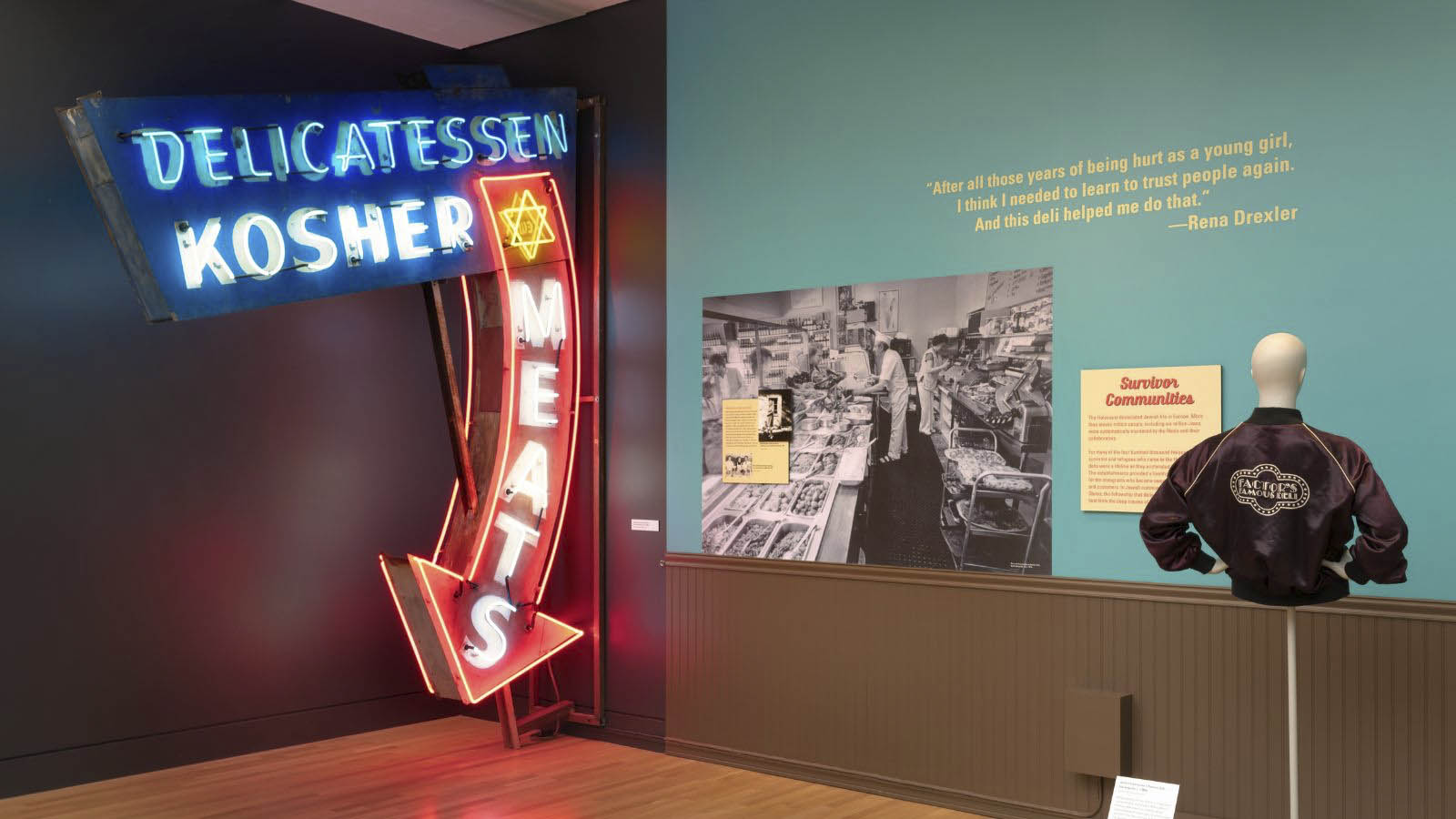


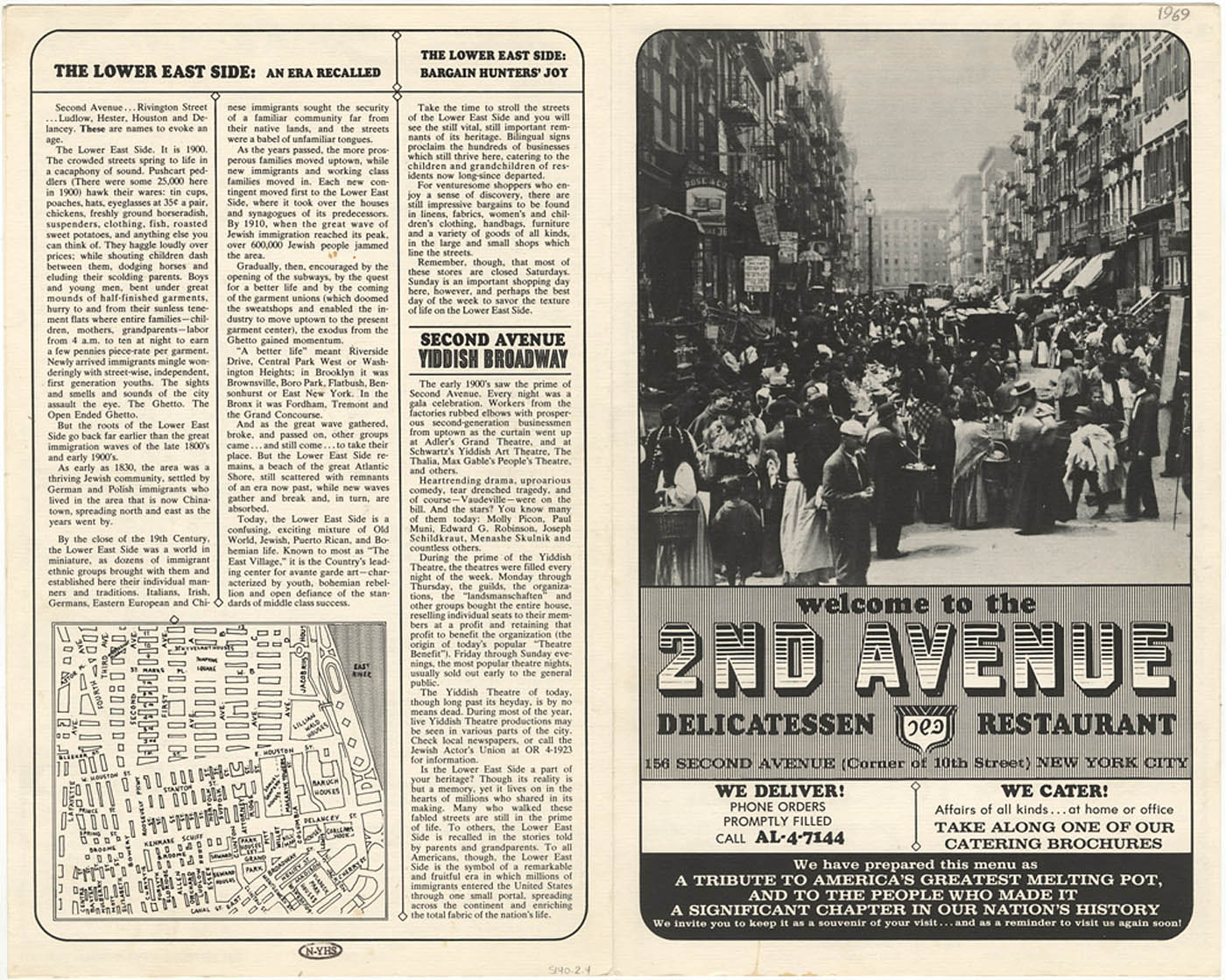


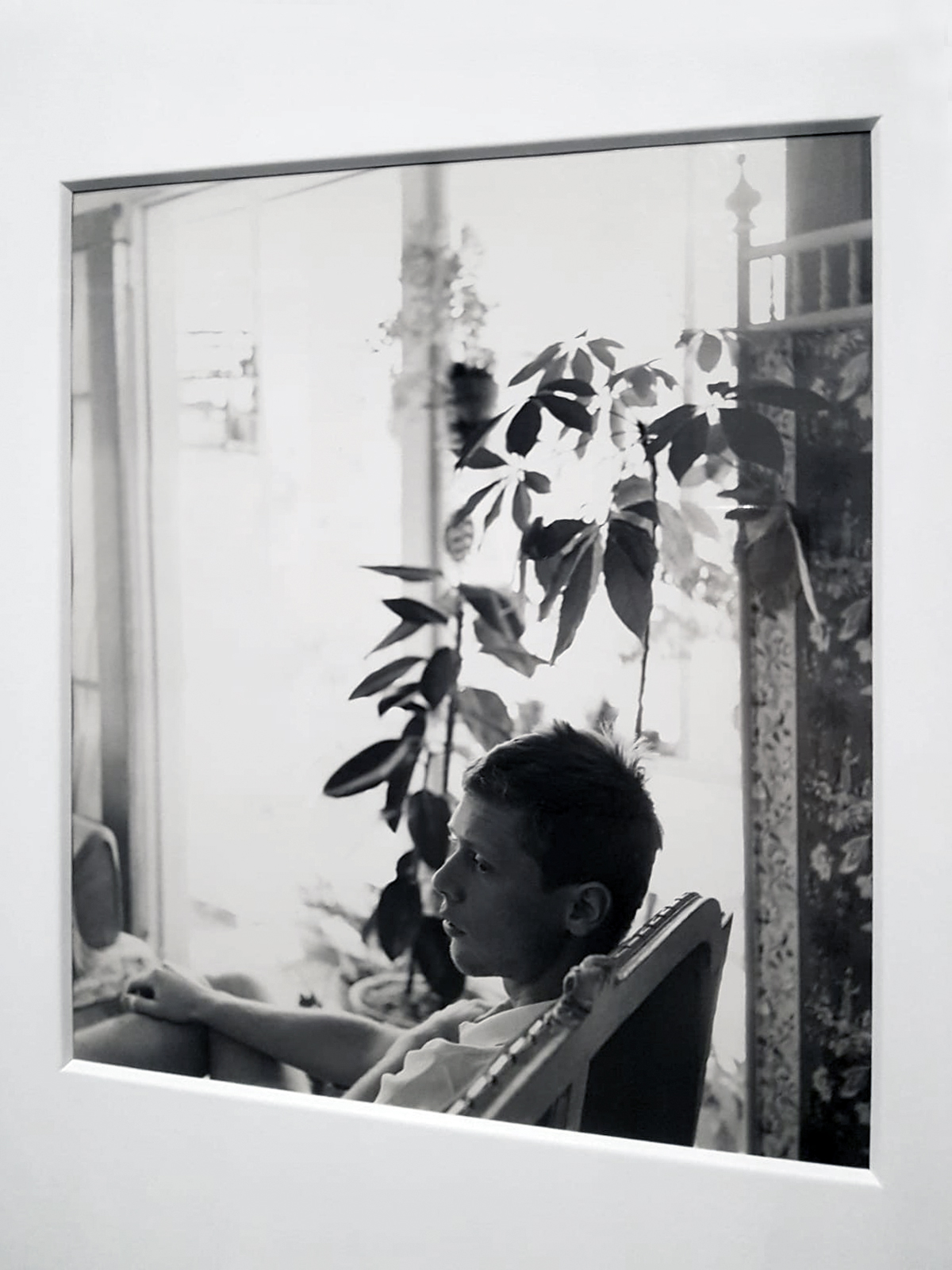

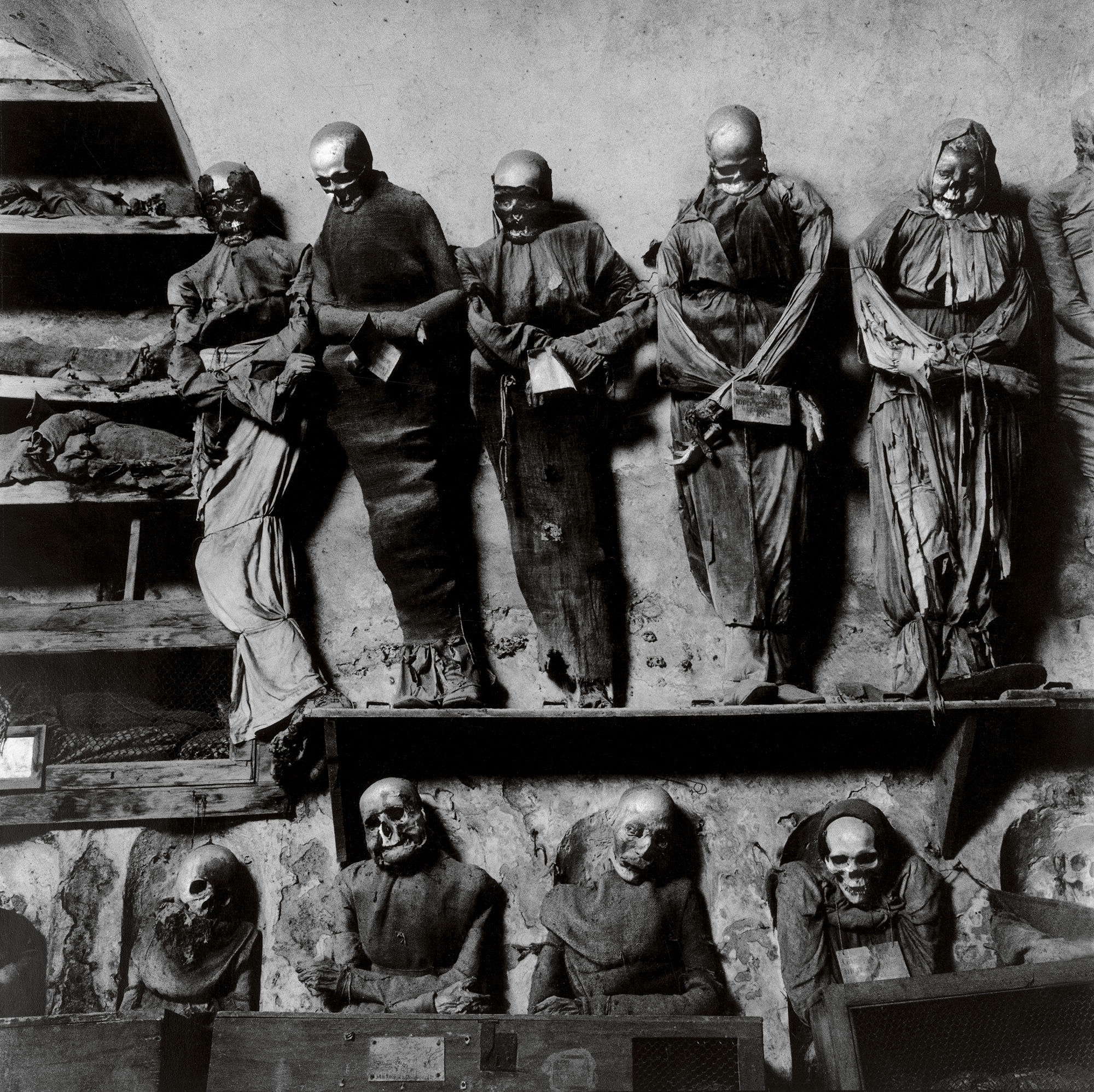


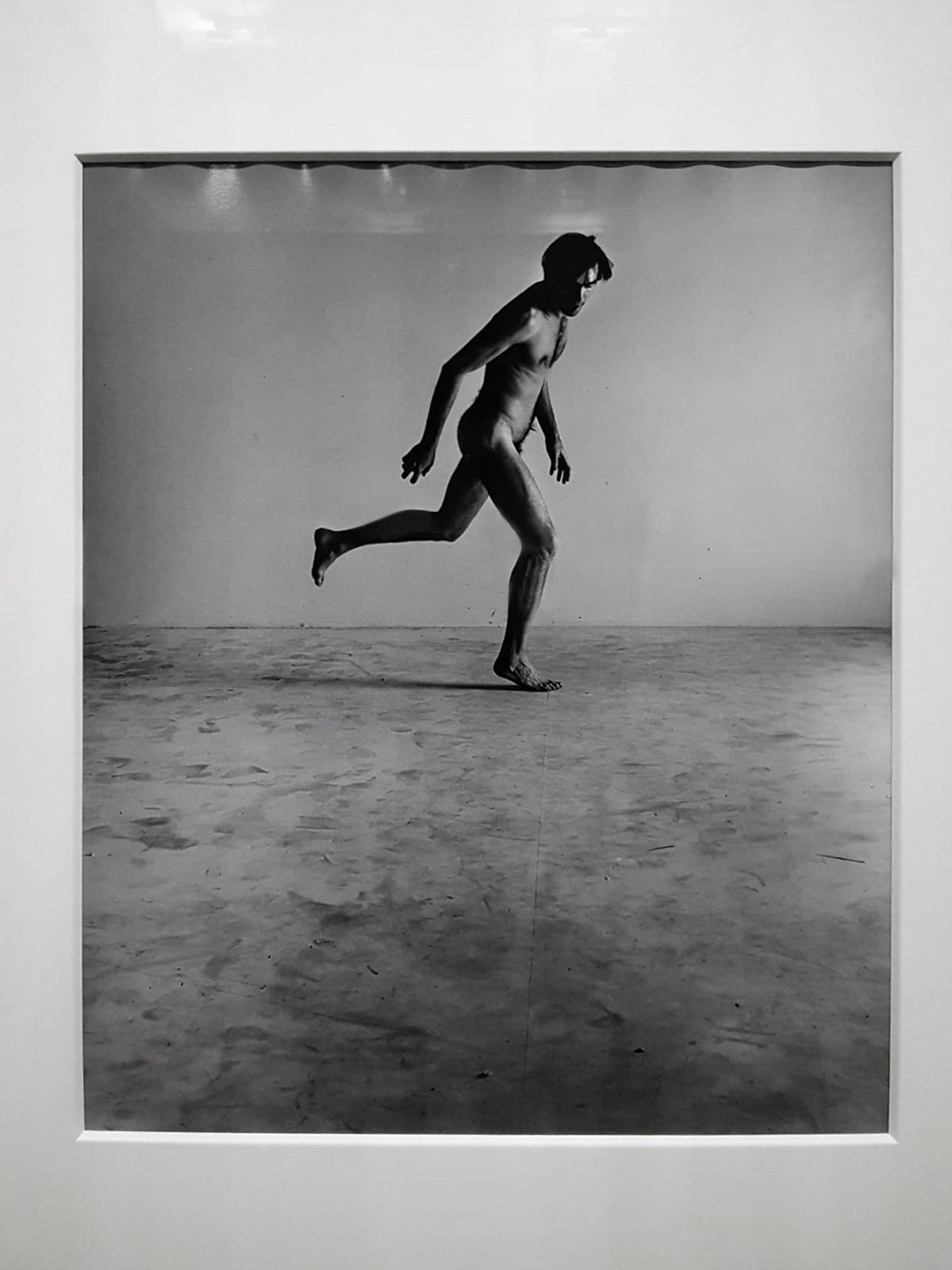


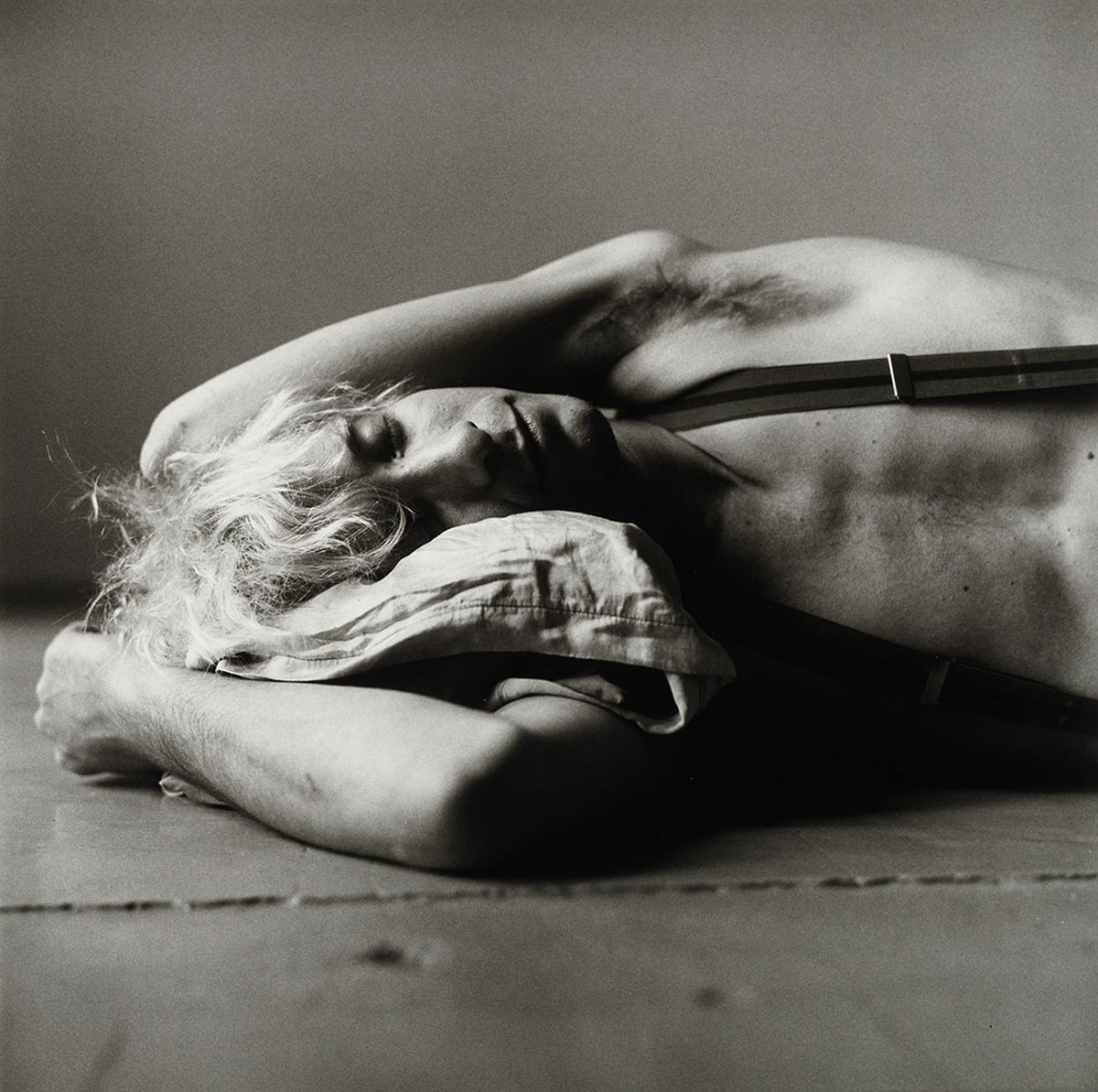


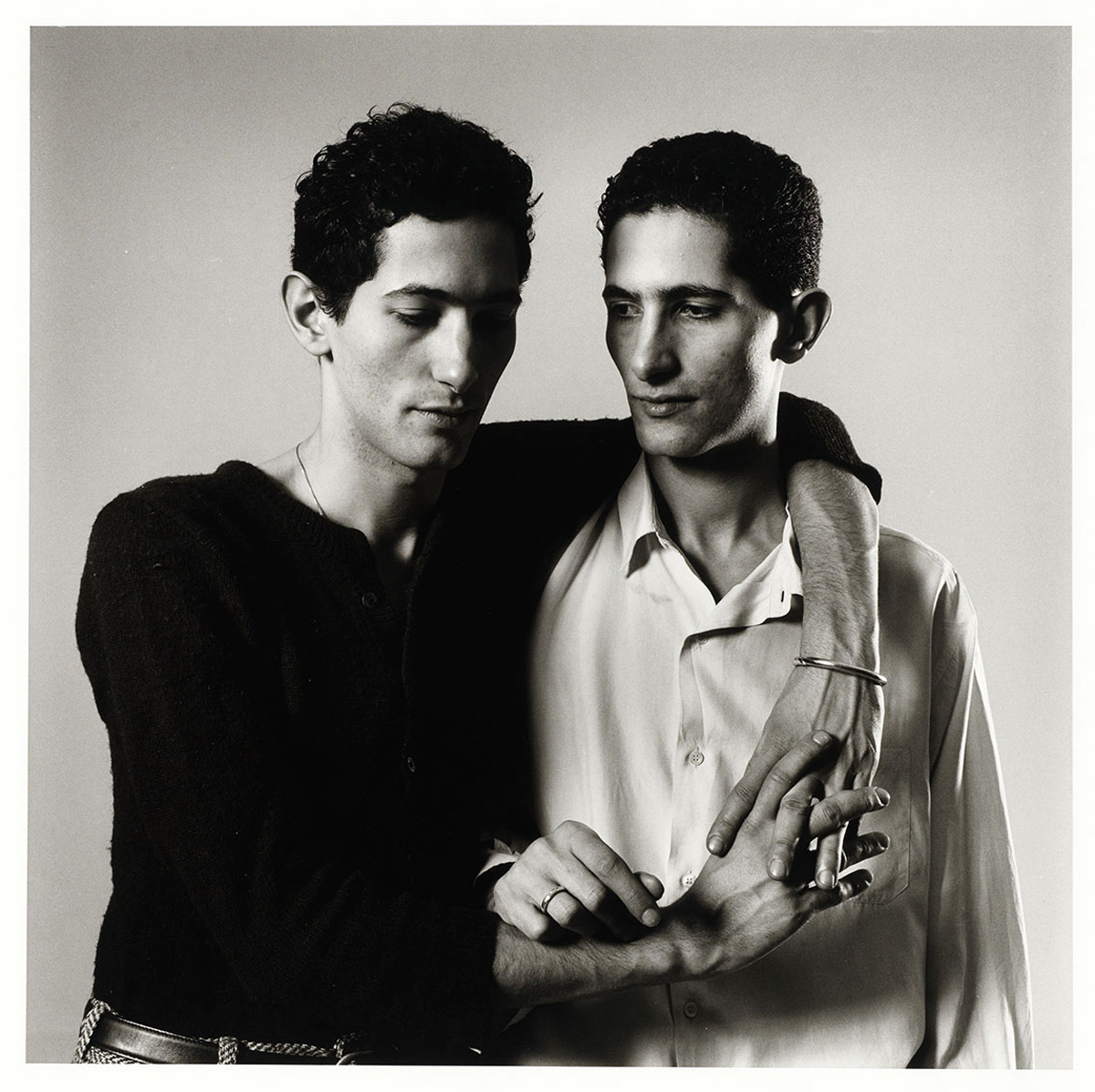


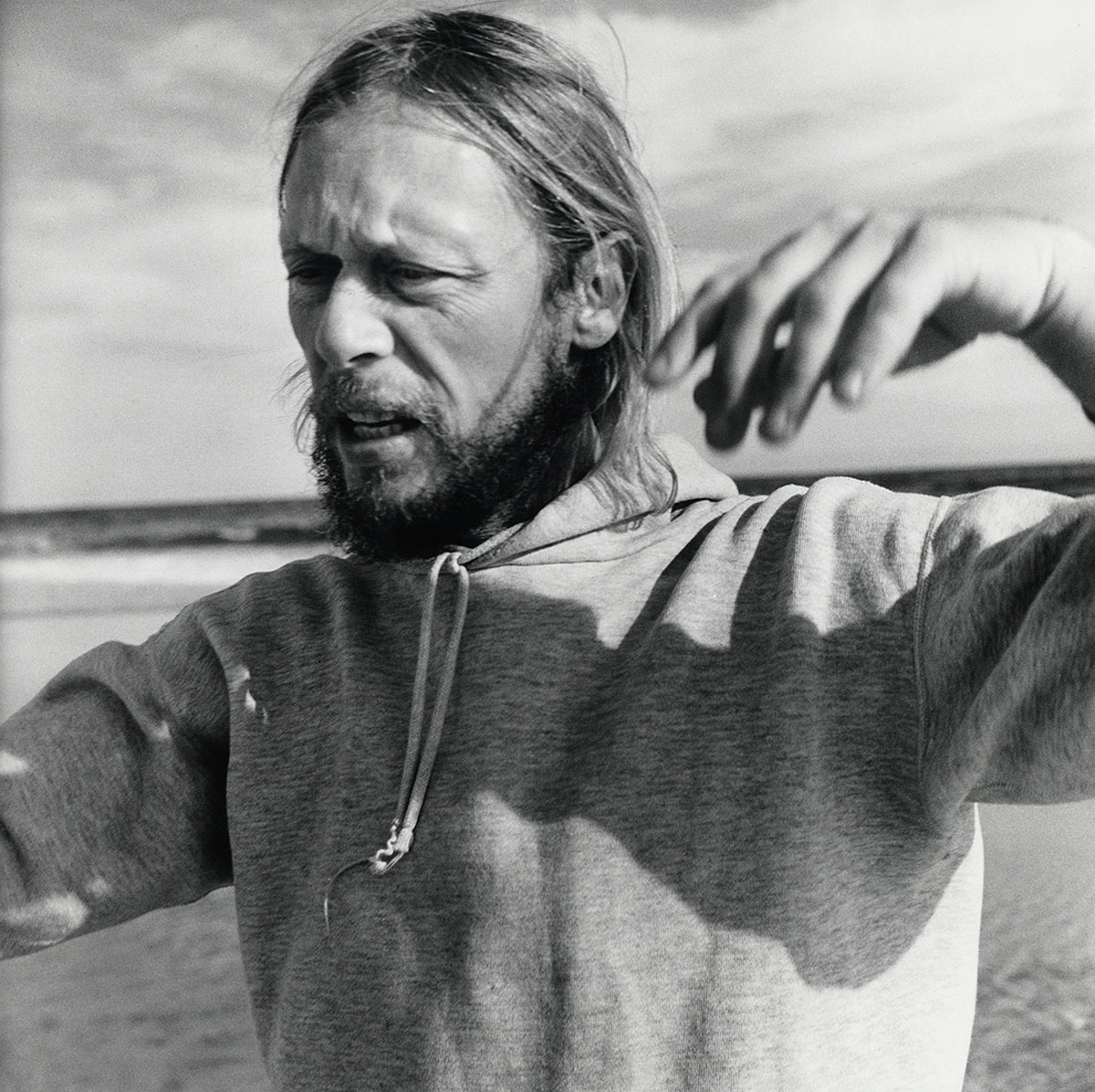


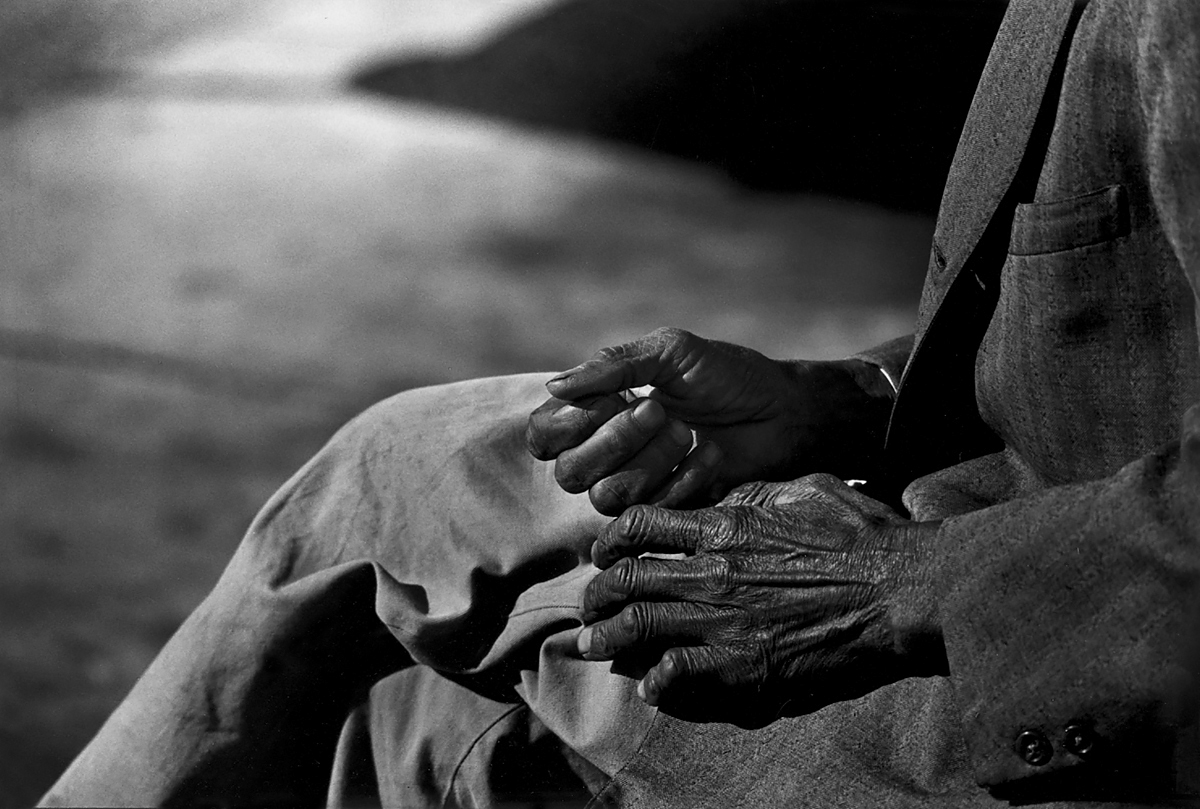
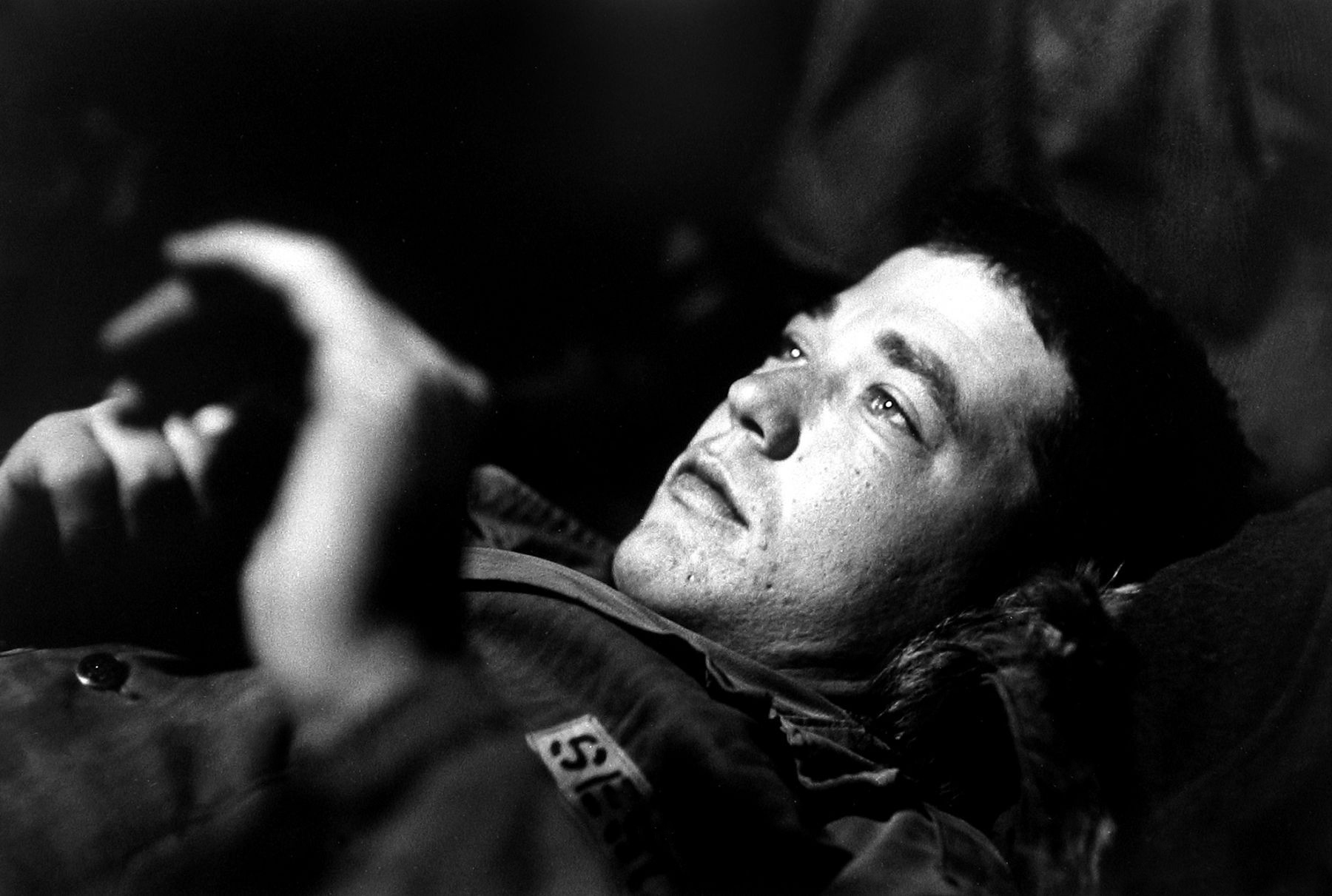
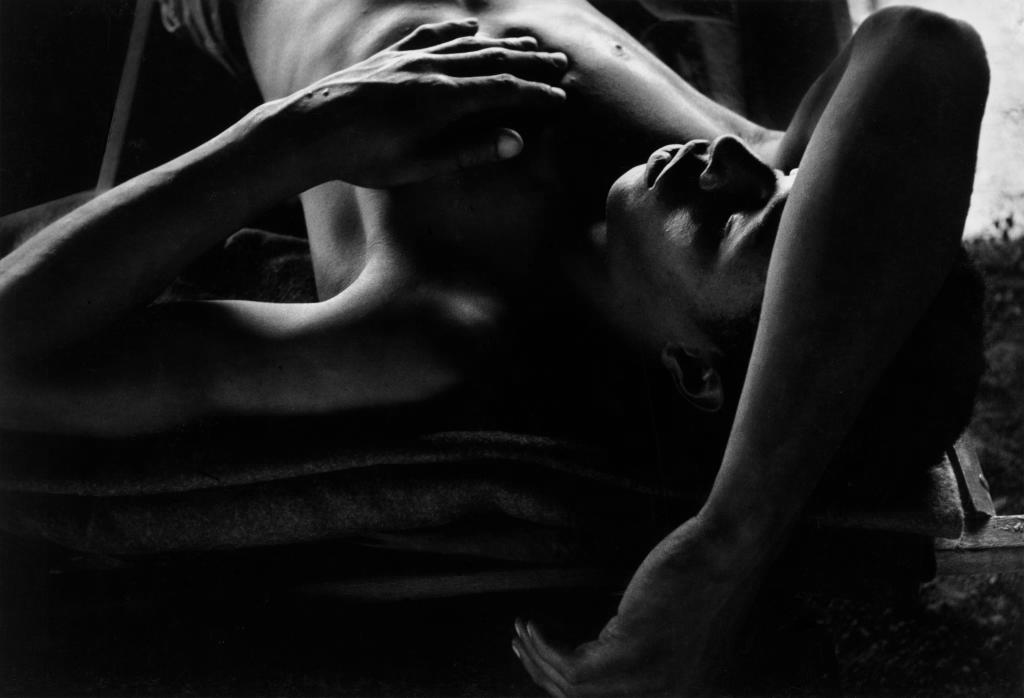
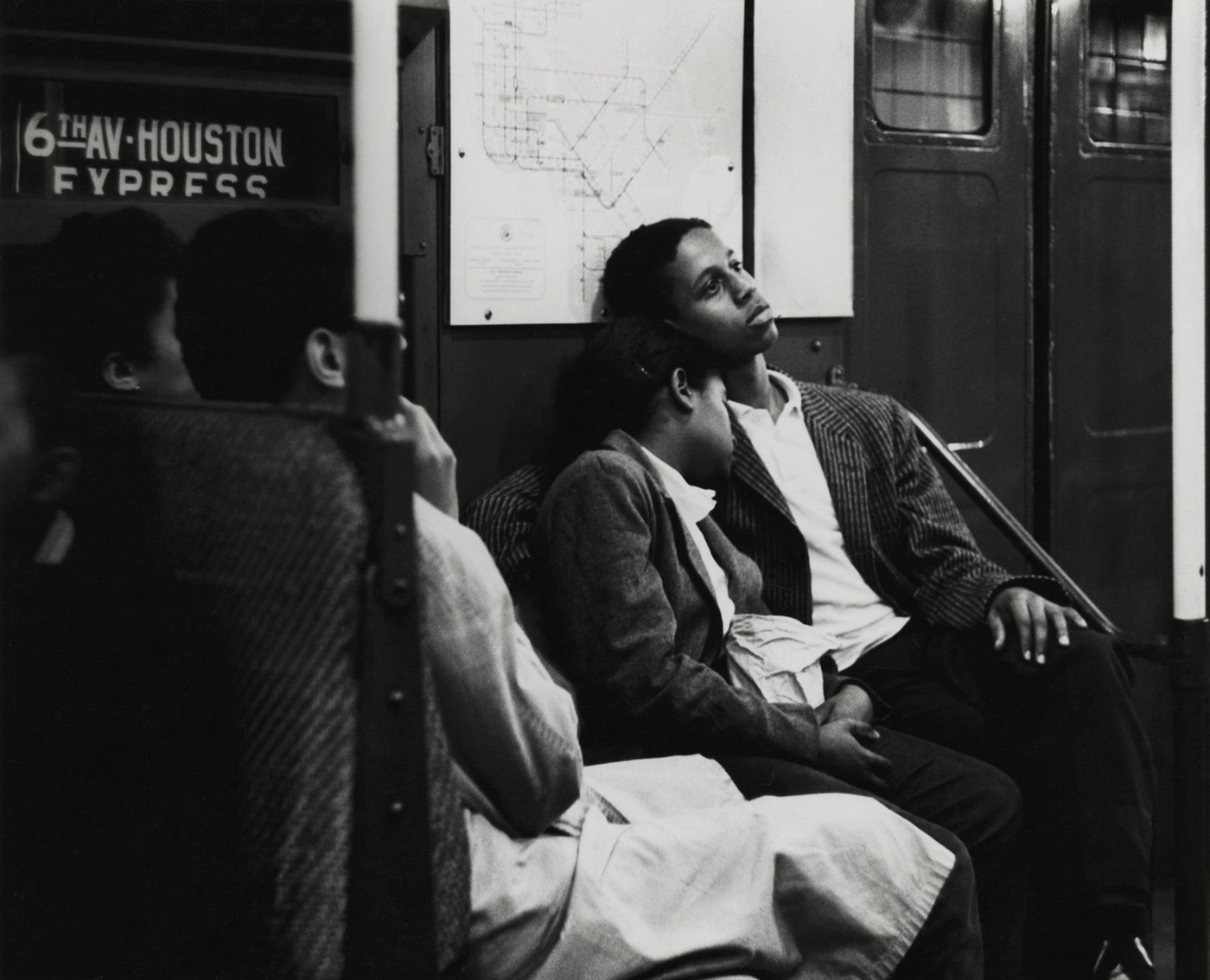
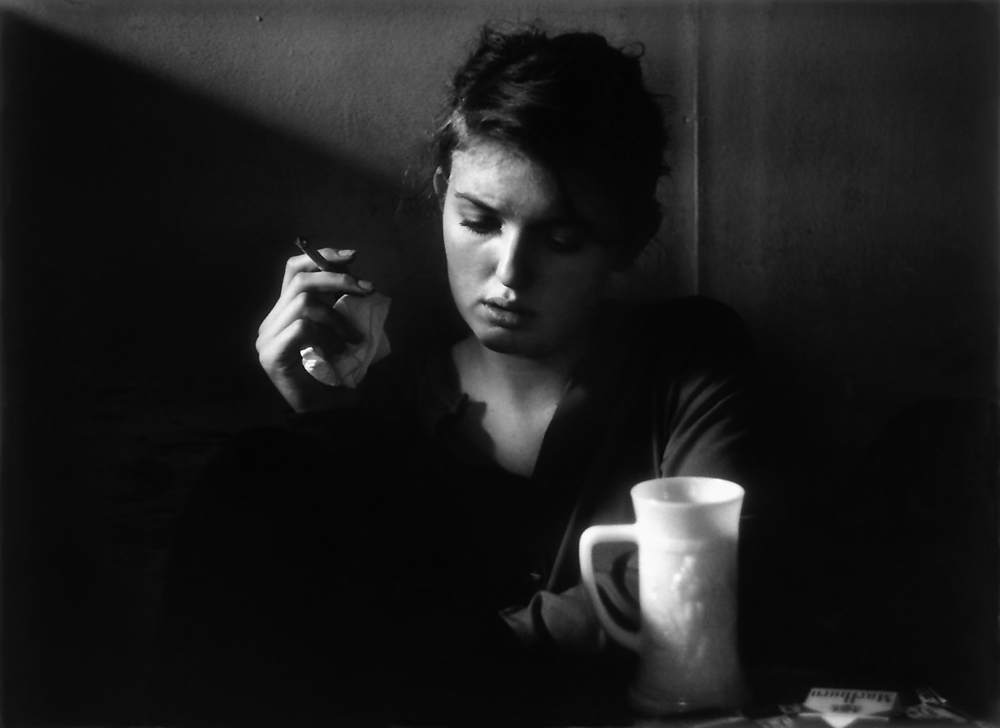
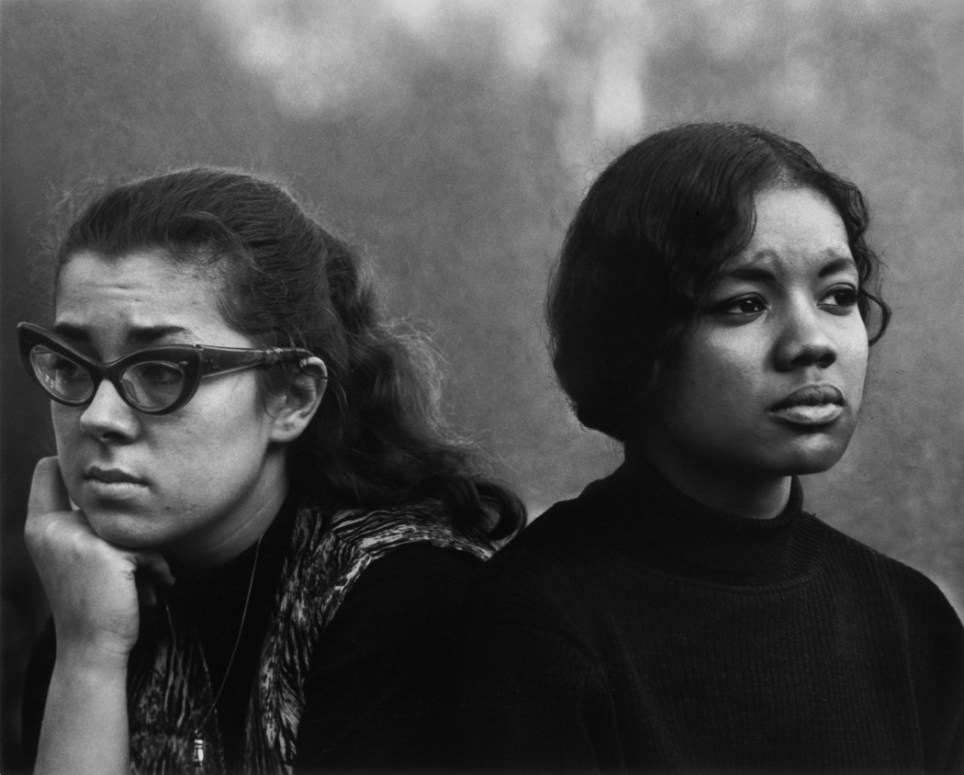
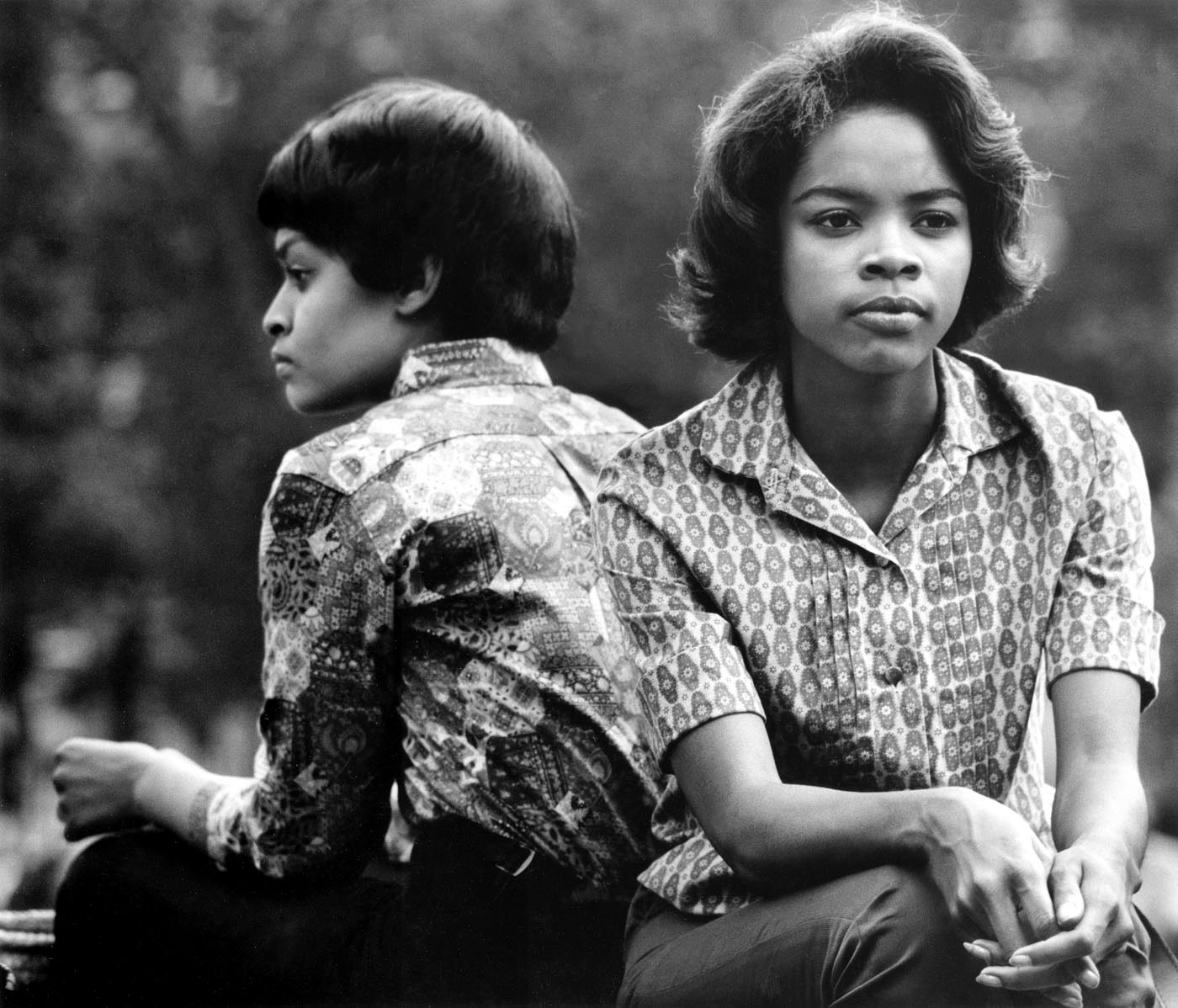
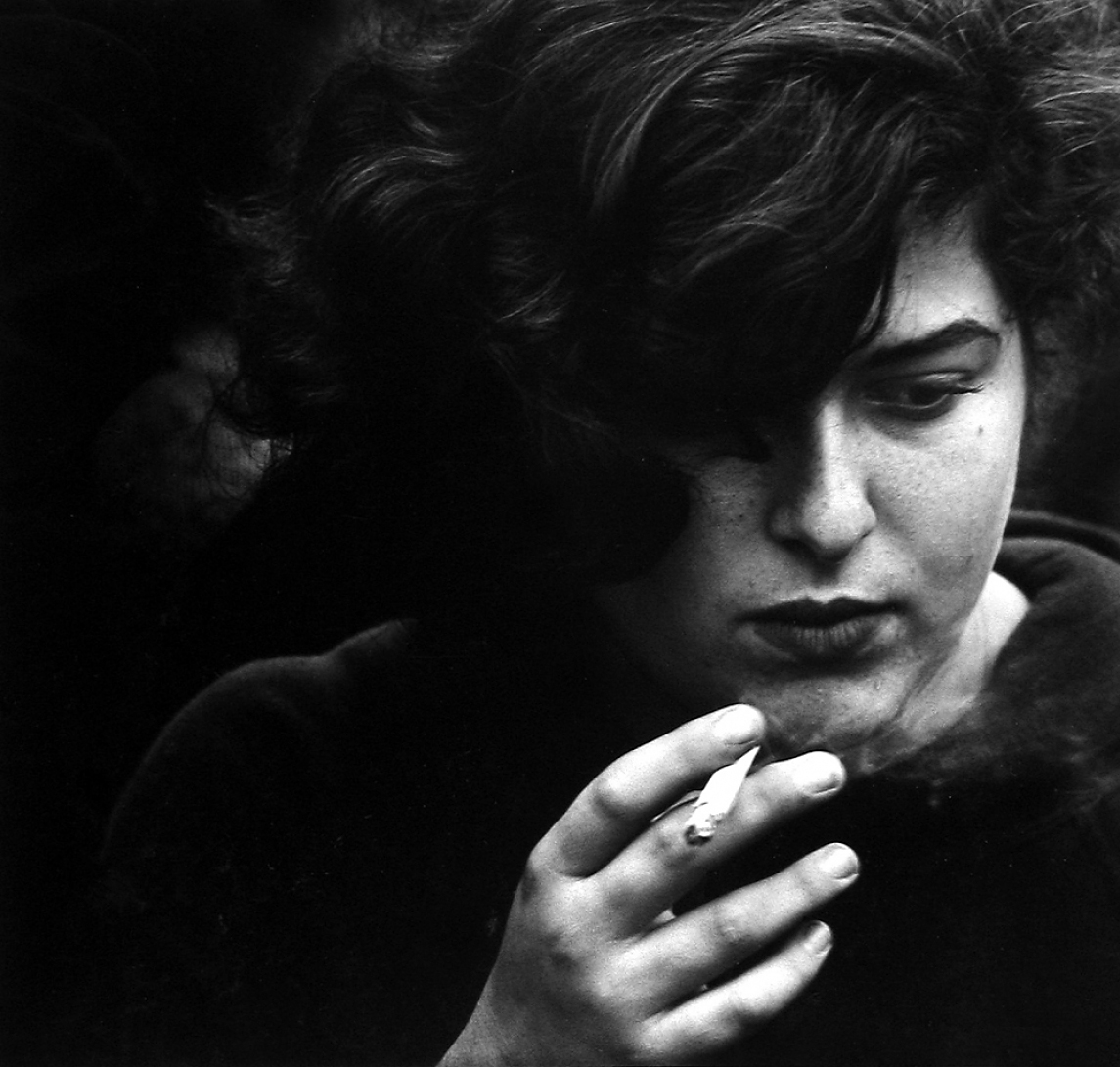
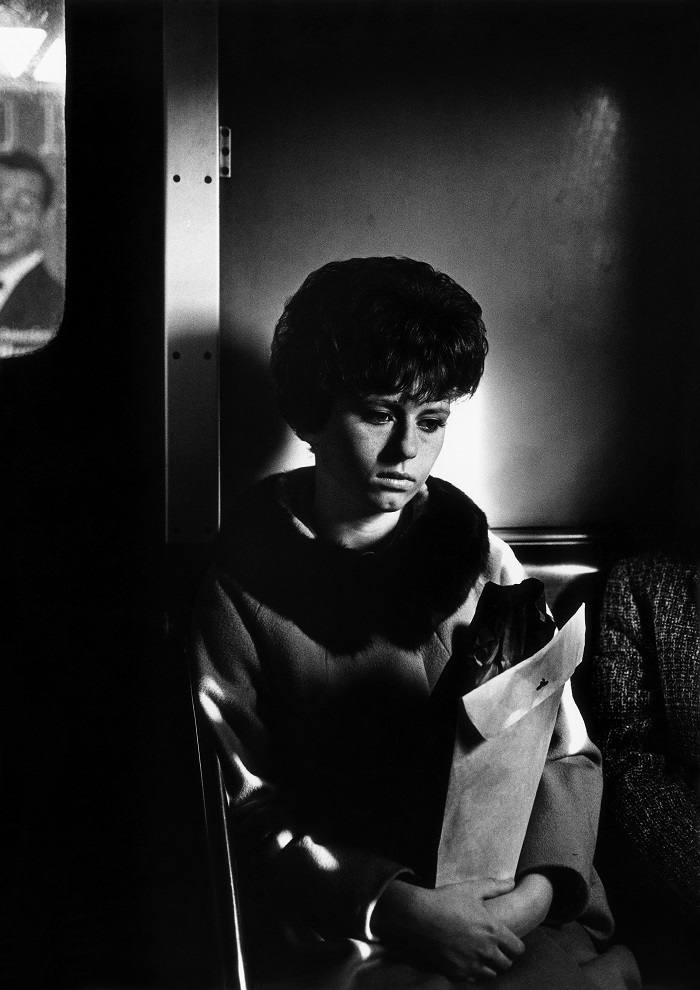


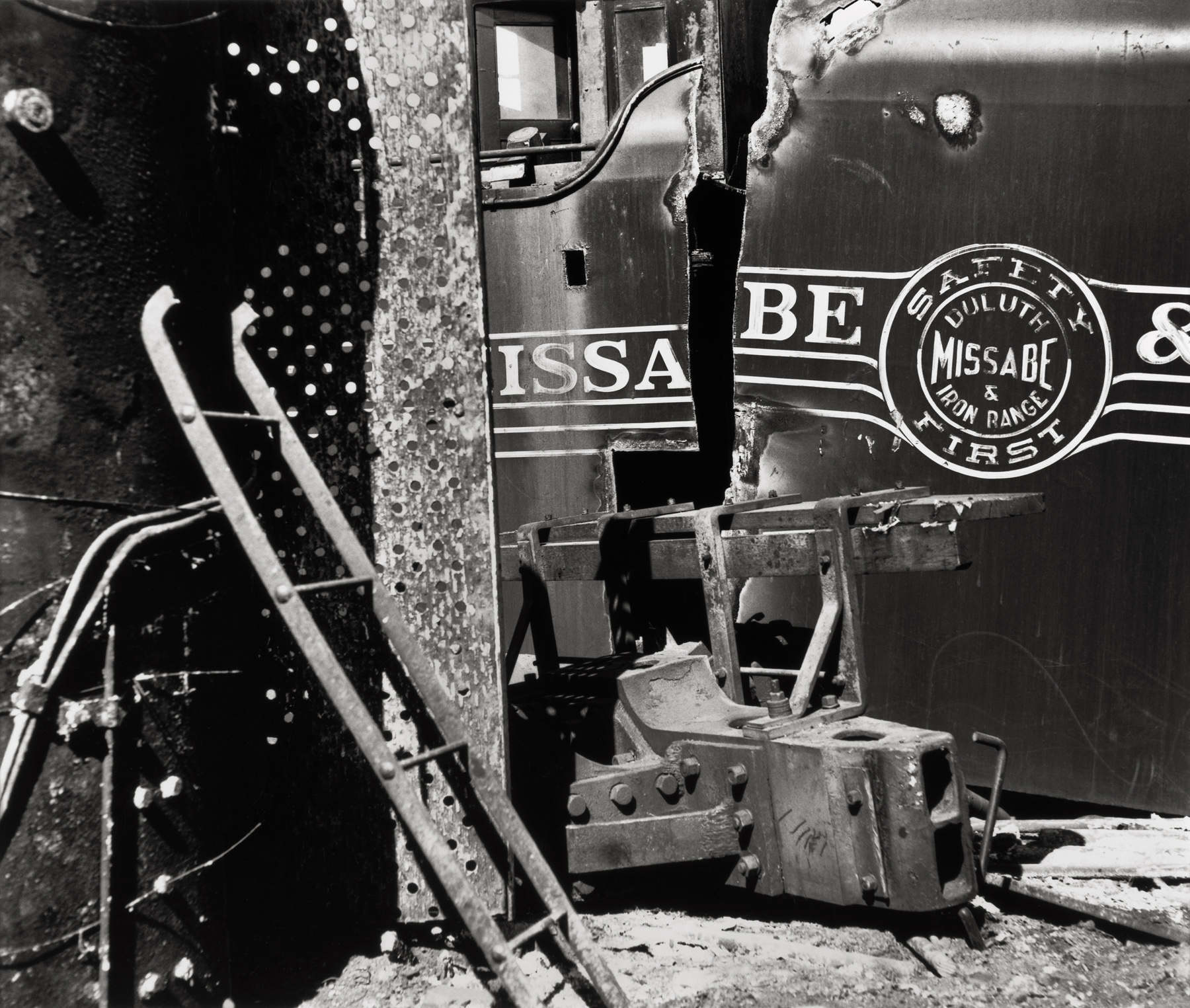


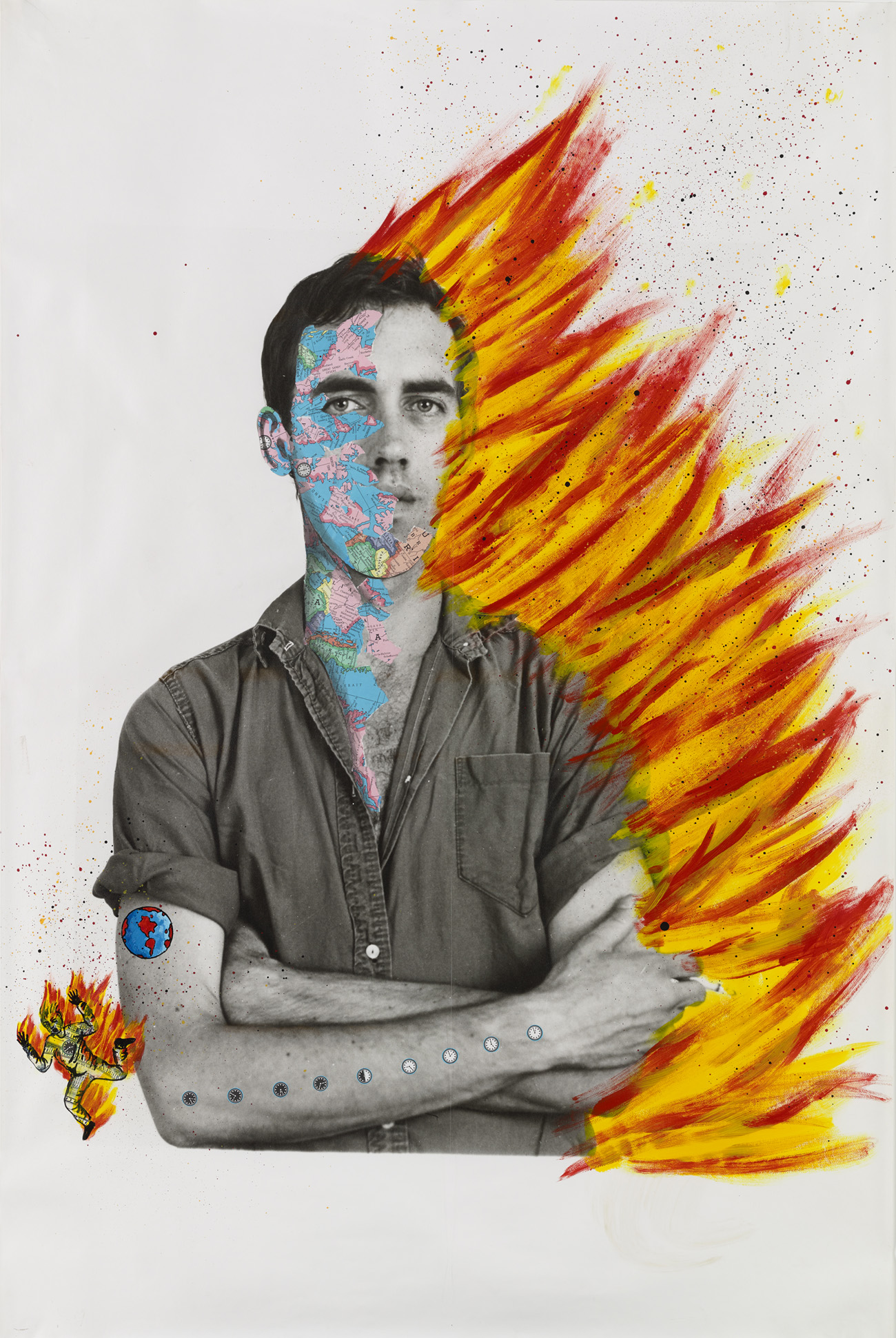
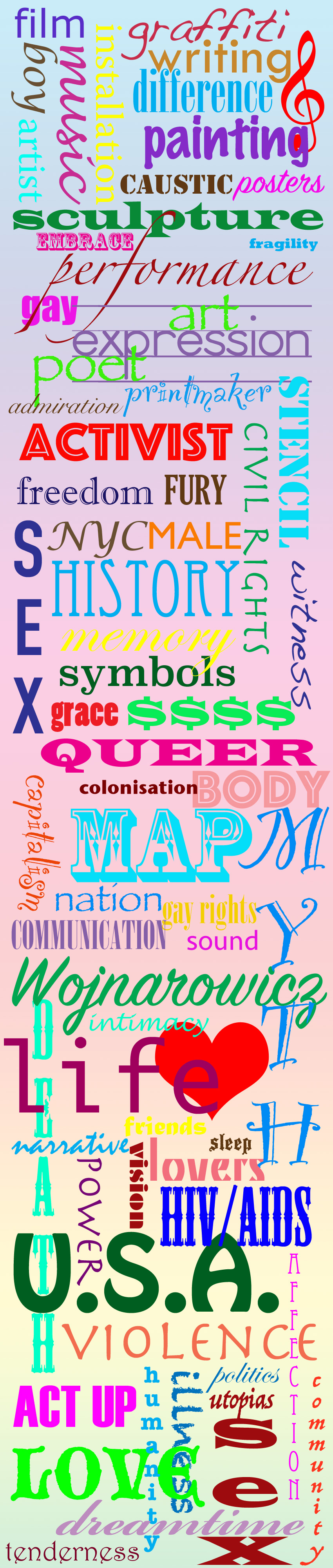


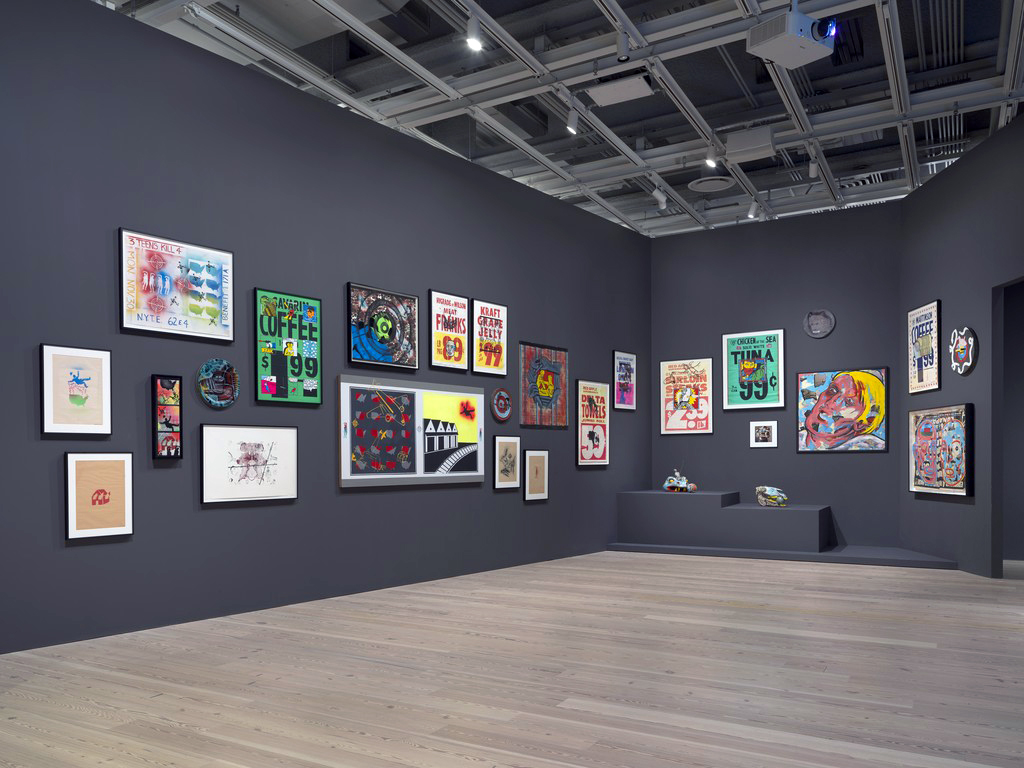


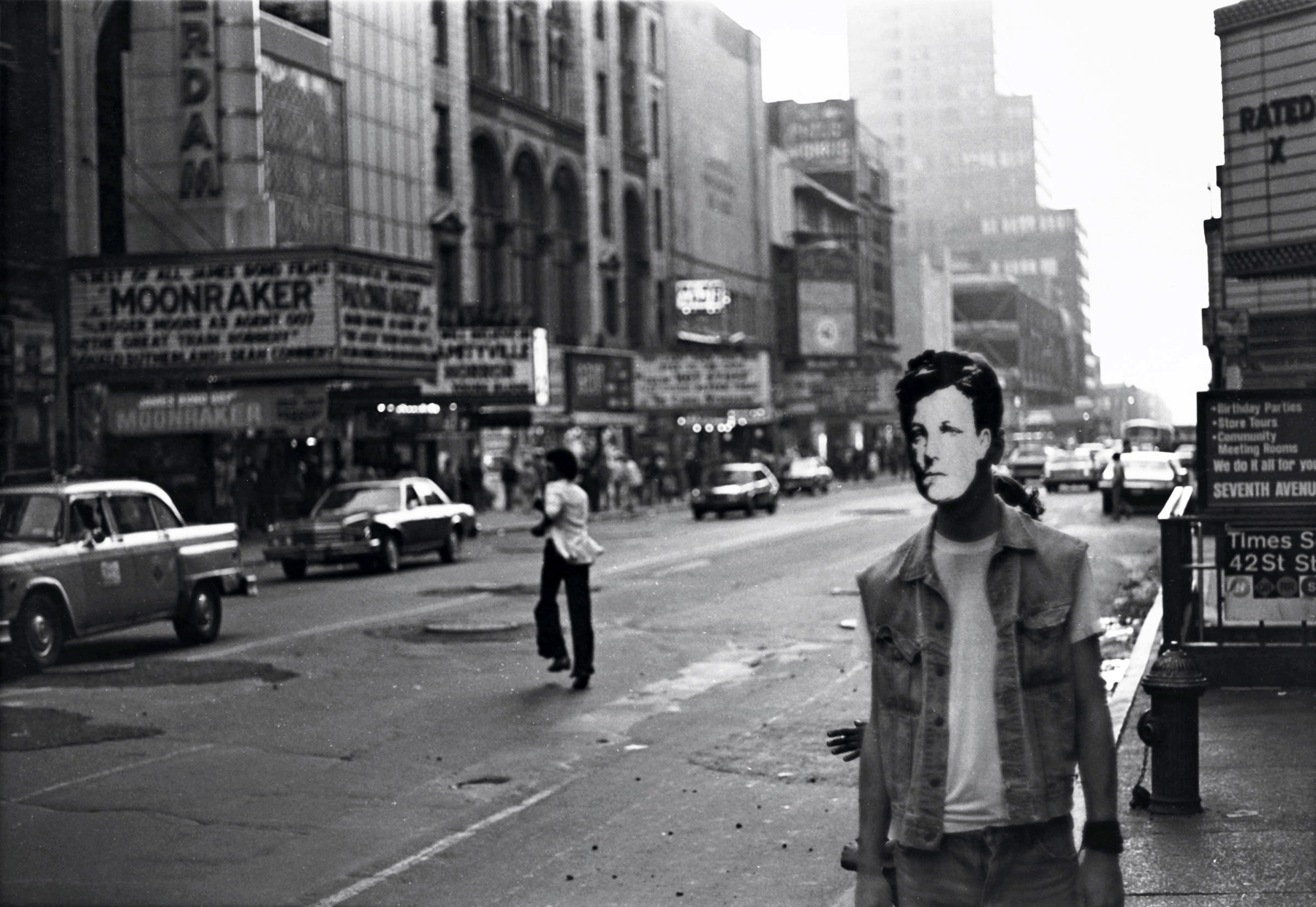

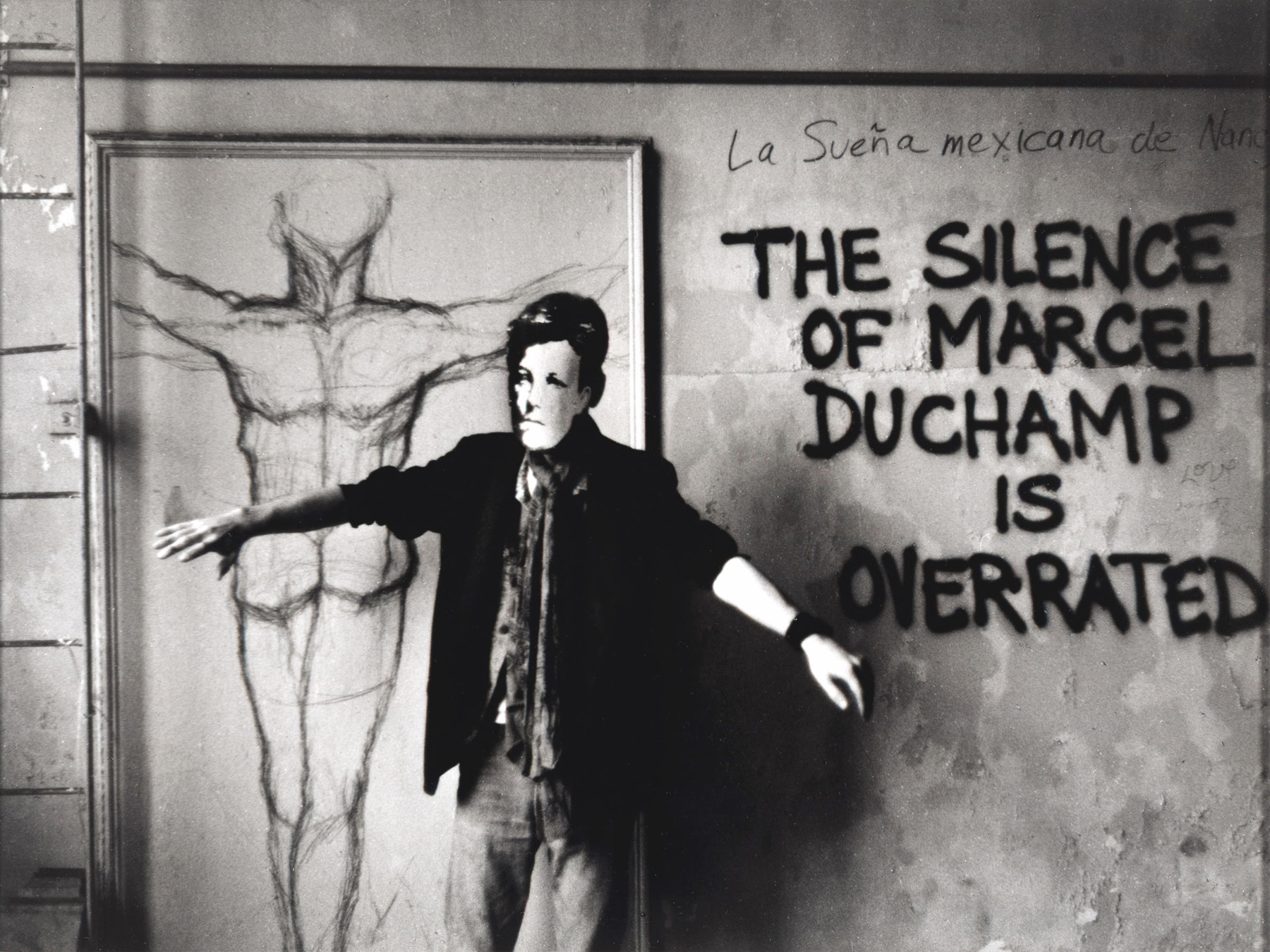
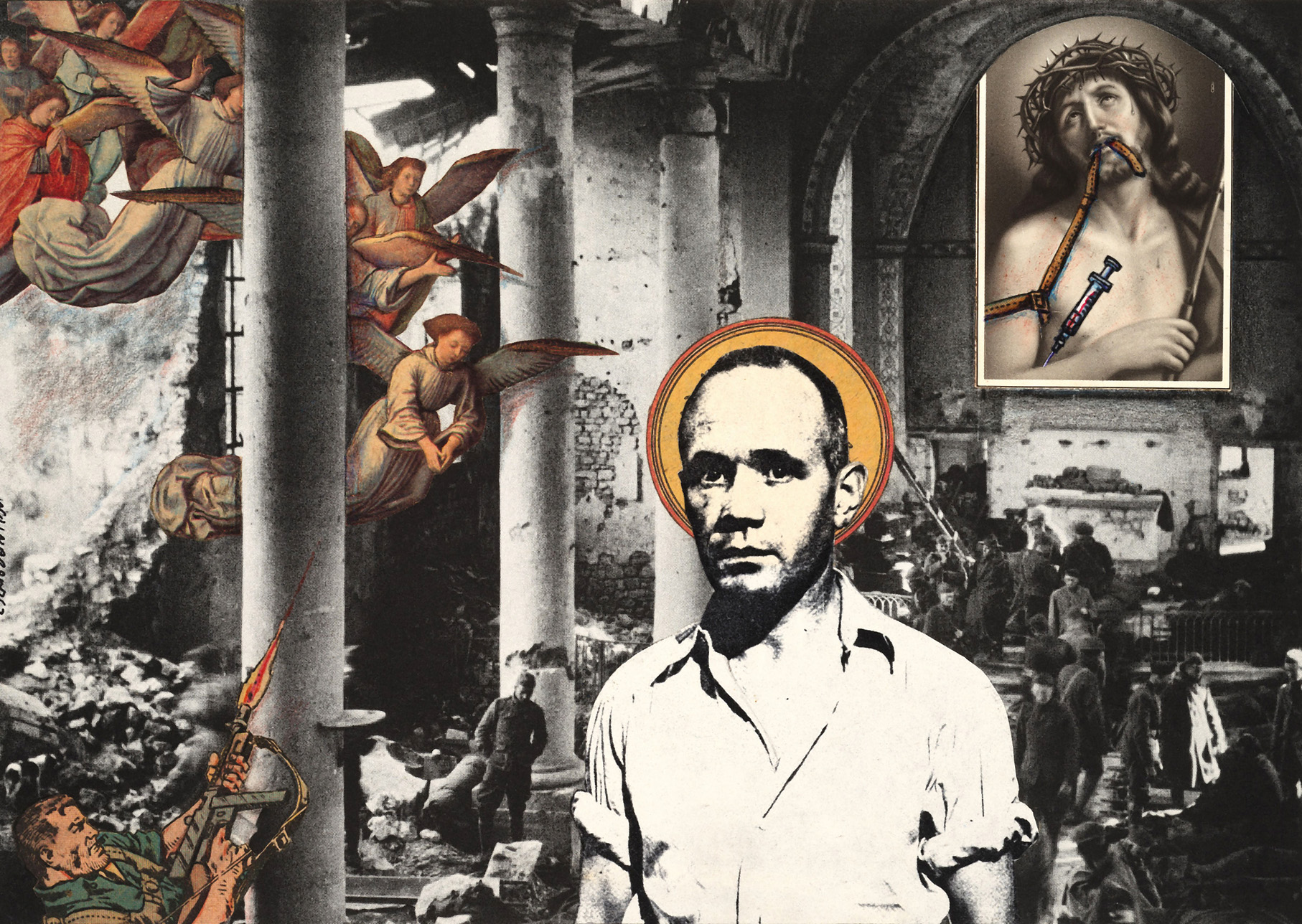
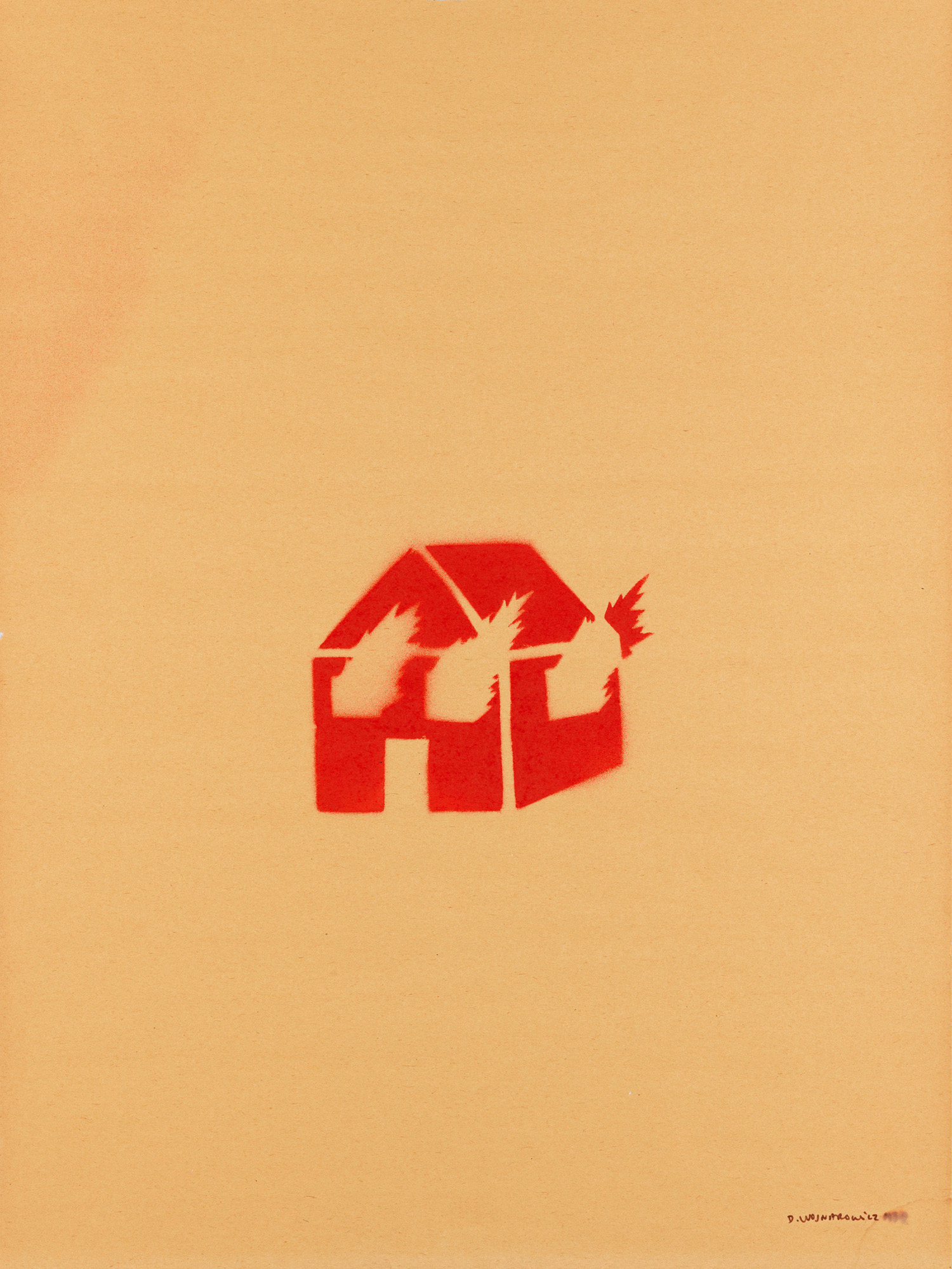
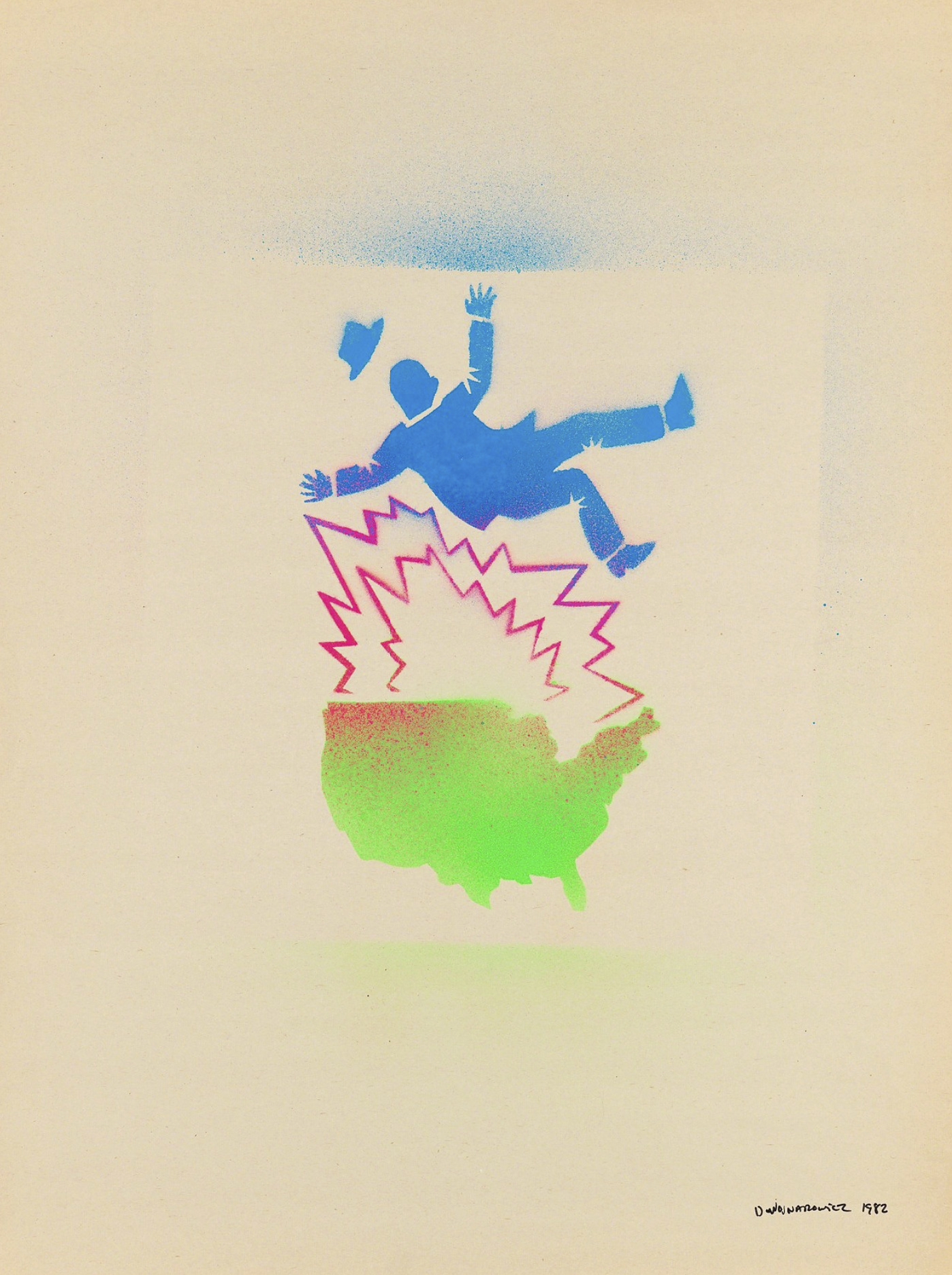
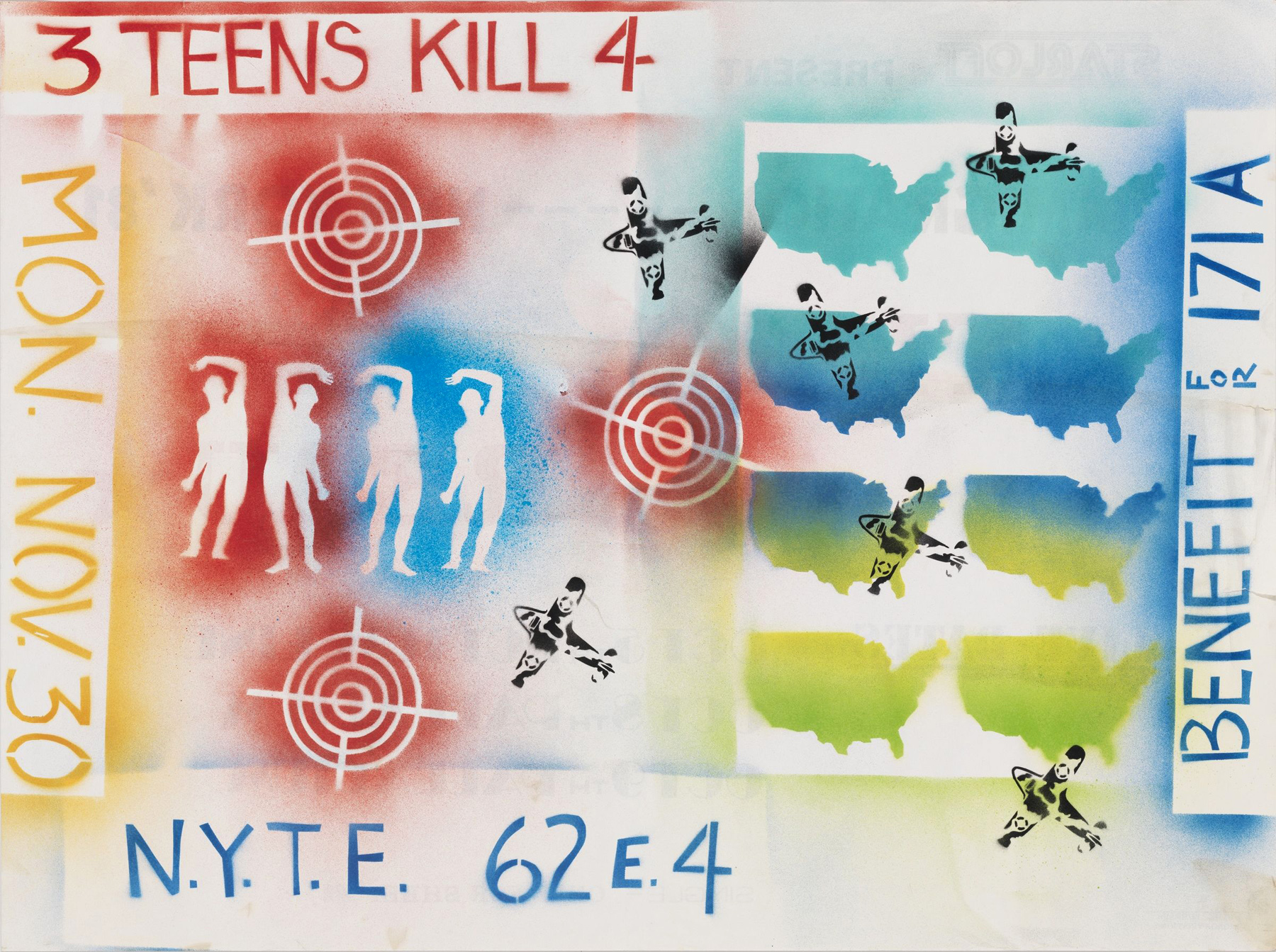


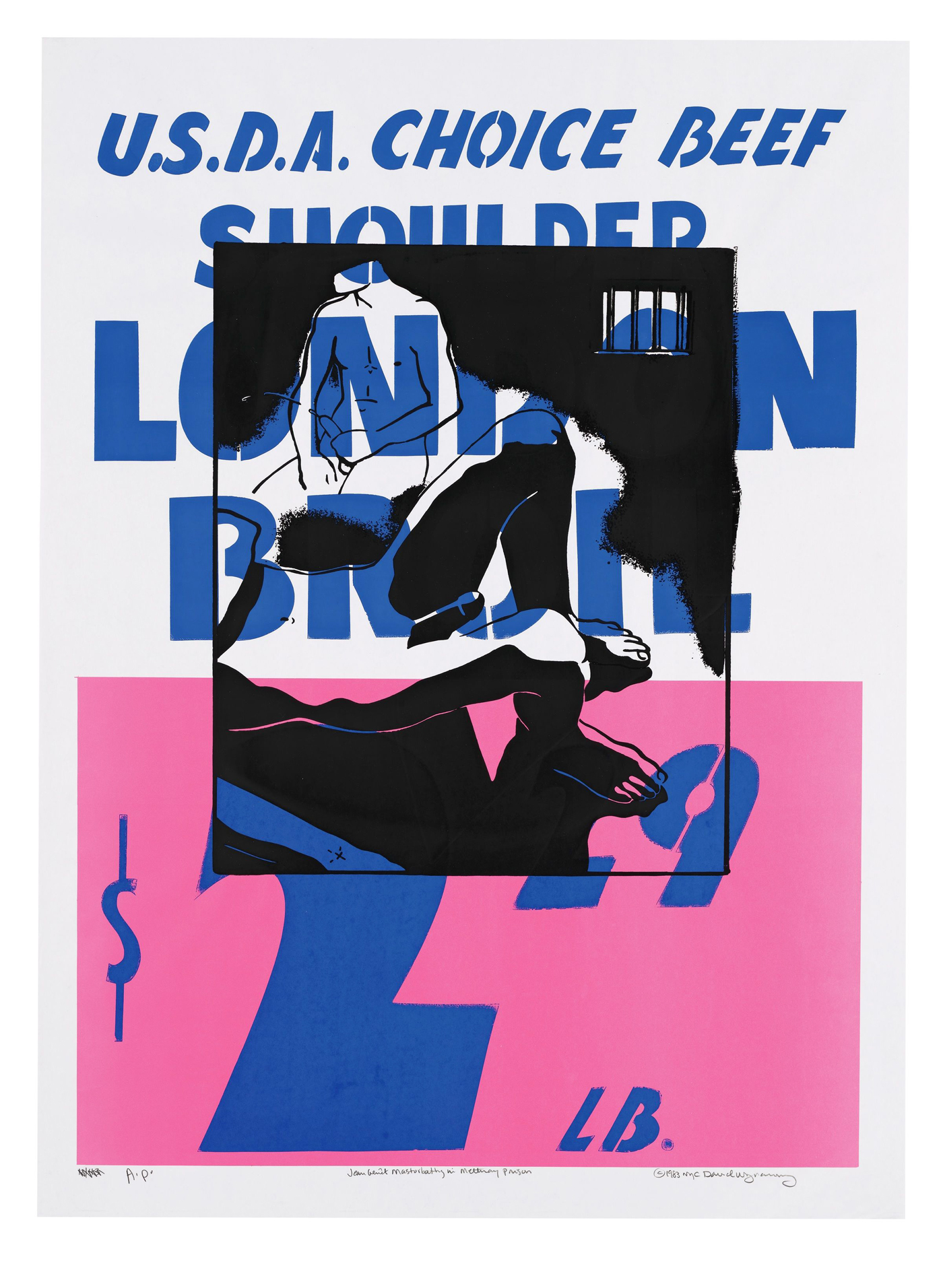
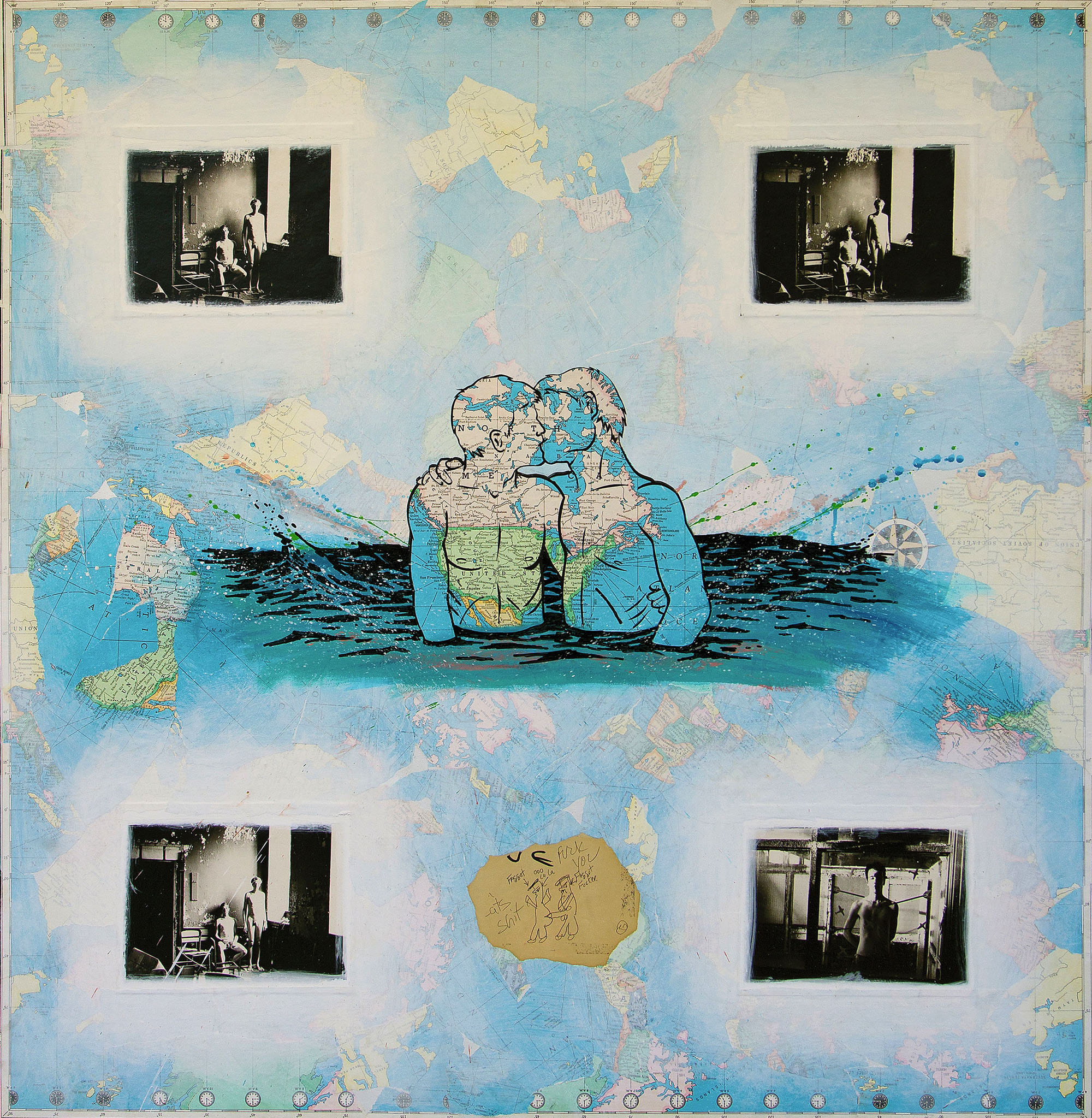
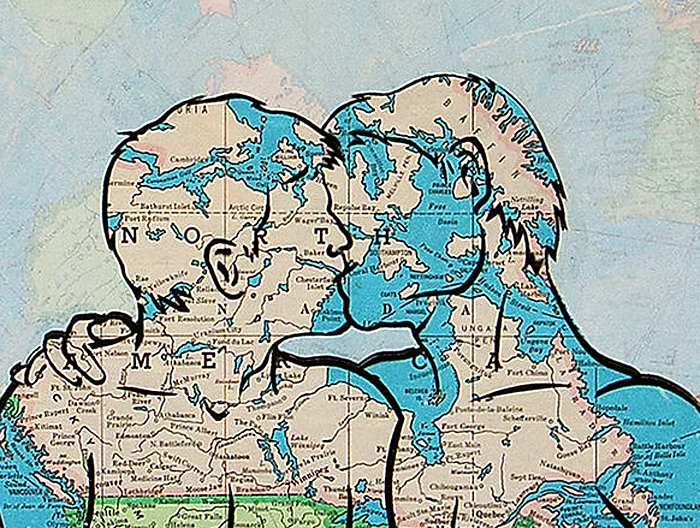
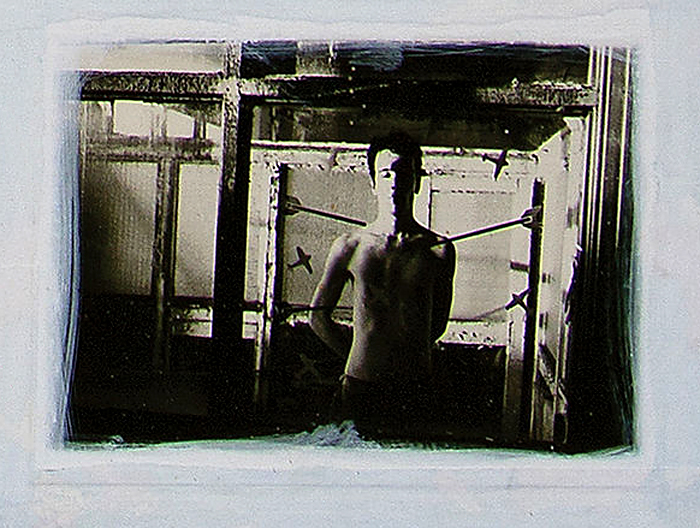
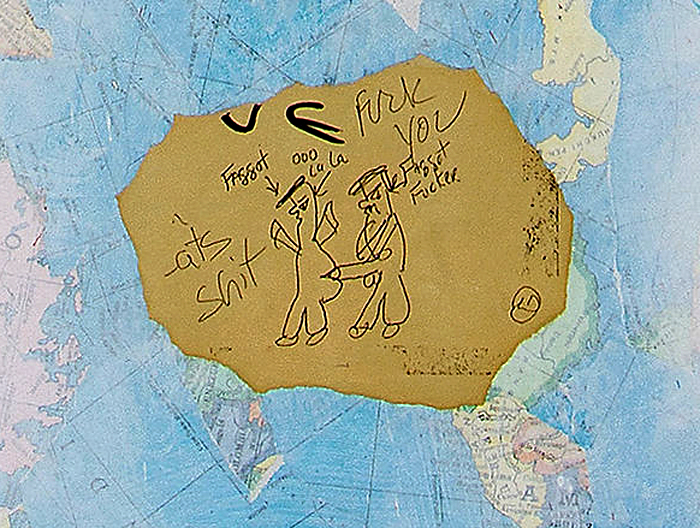
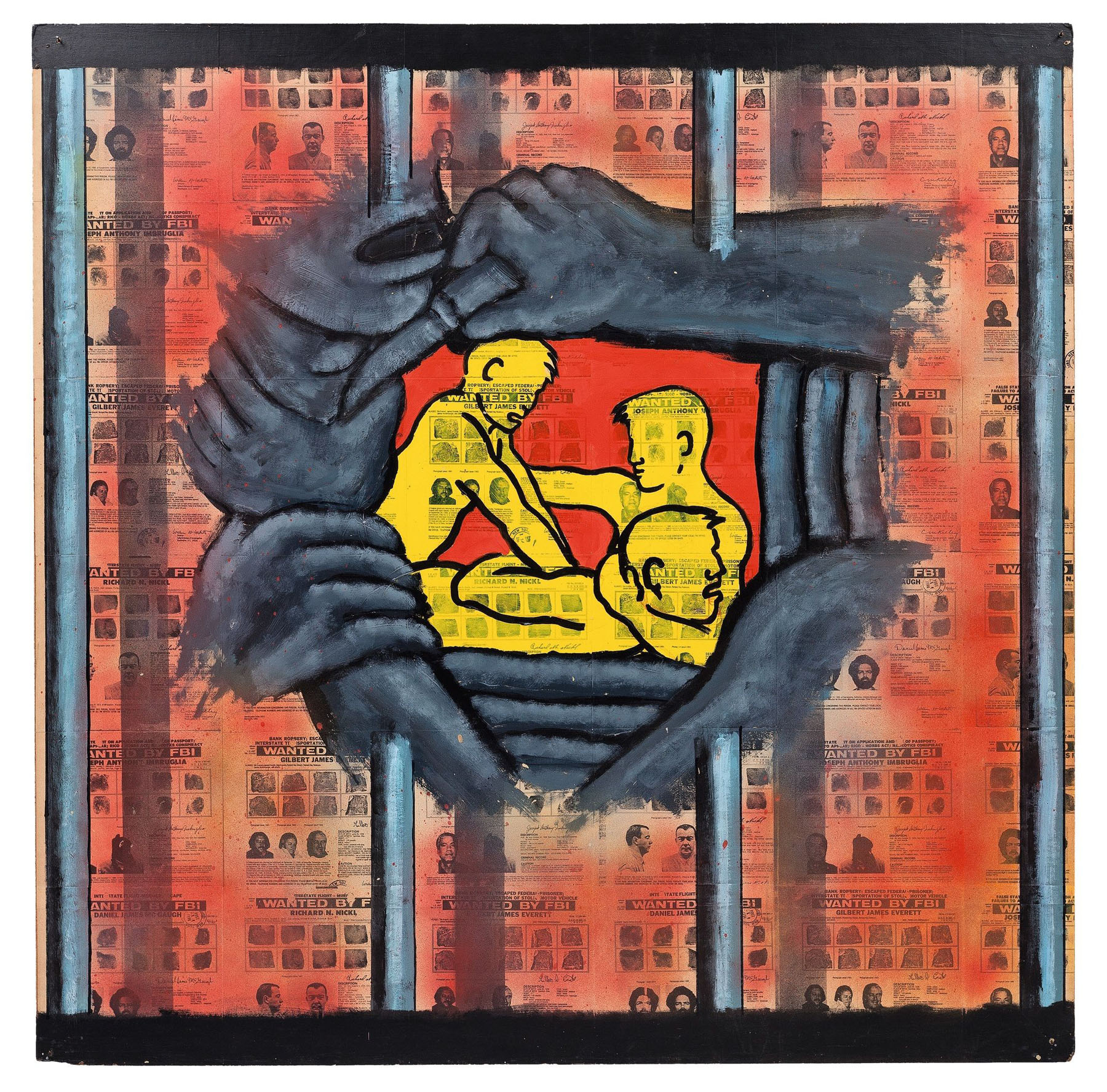

![Peter Hujar (American, 1934-1992) 'Canal Street Piers: Krazy Kat Comic on Wall [by David Wojnarowicz]' 1983](https://artblart.com/wp-content/uploads/2018/07/peter-hujar-canal-street-piers-krazy-kat-comic-on-wall-by-david-wojnarowicz-web.jpg "Peter Hujar (American, 1934-1992) 'Canal Street Piers: Krazy Kat Comic on Wall [by David Wojnarowicz]' 1983")


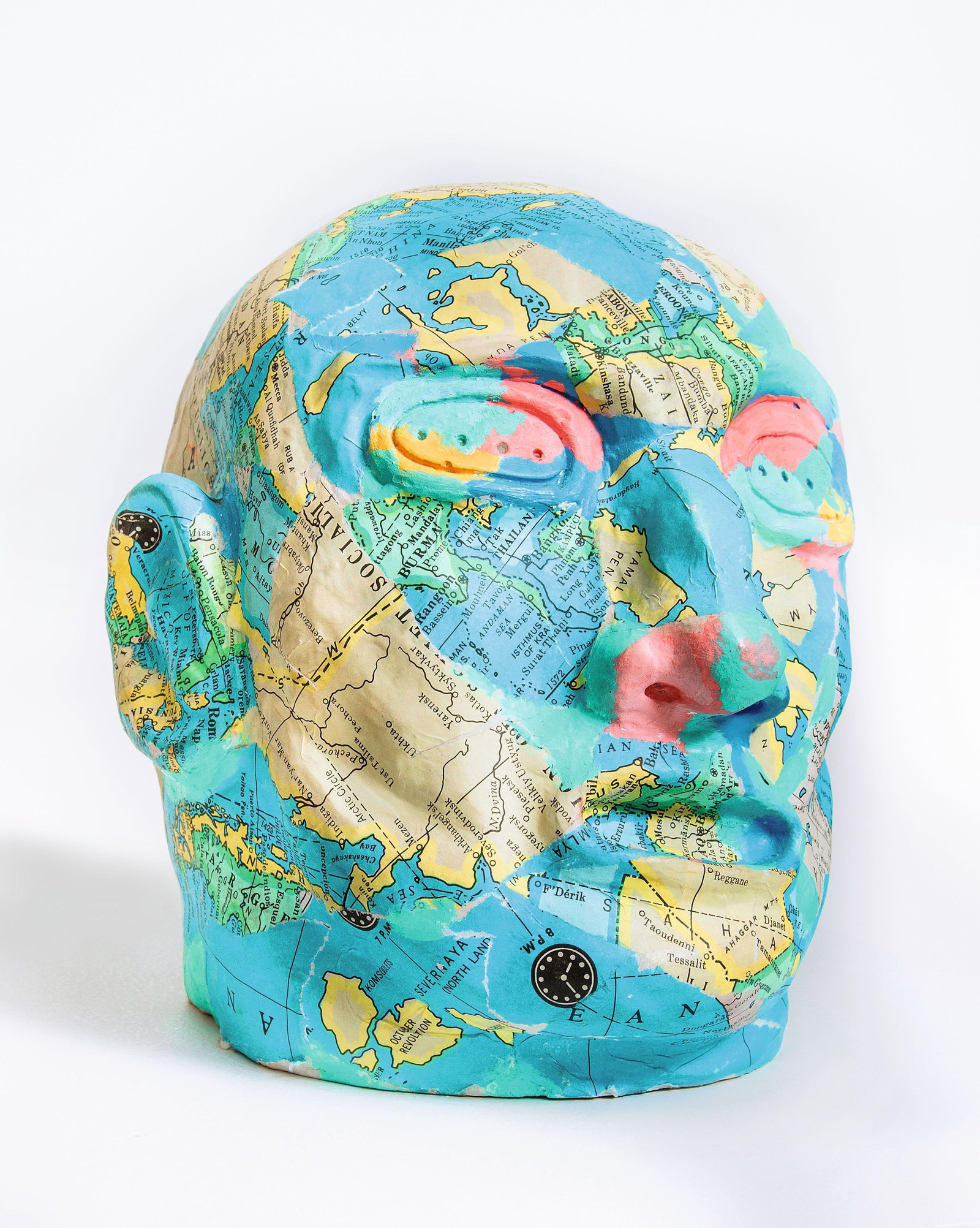
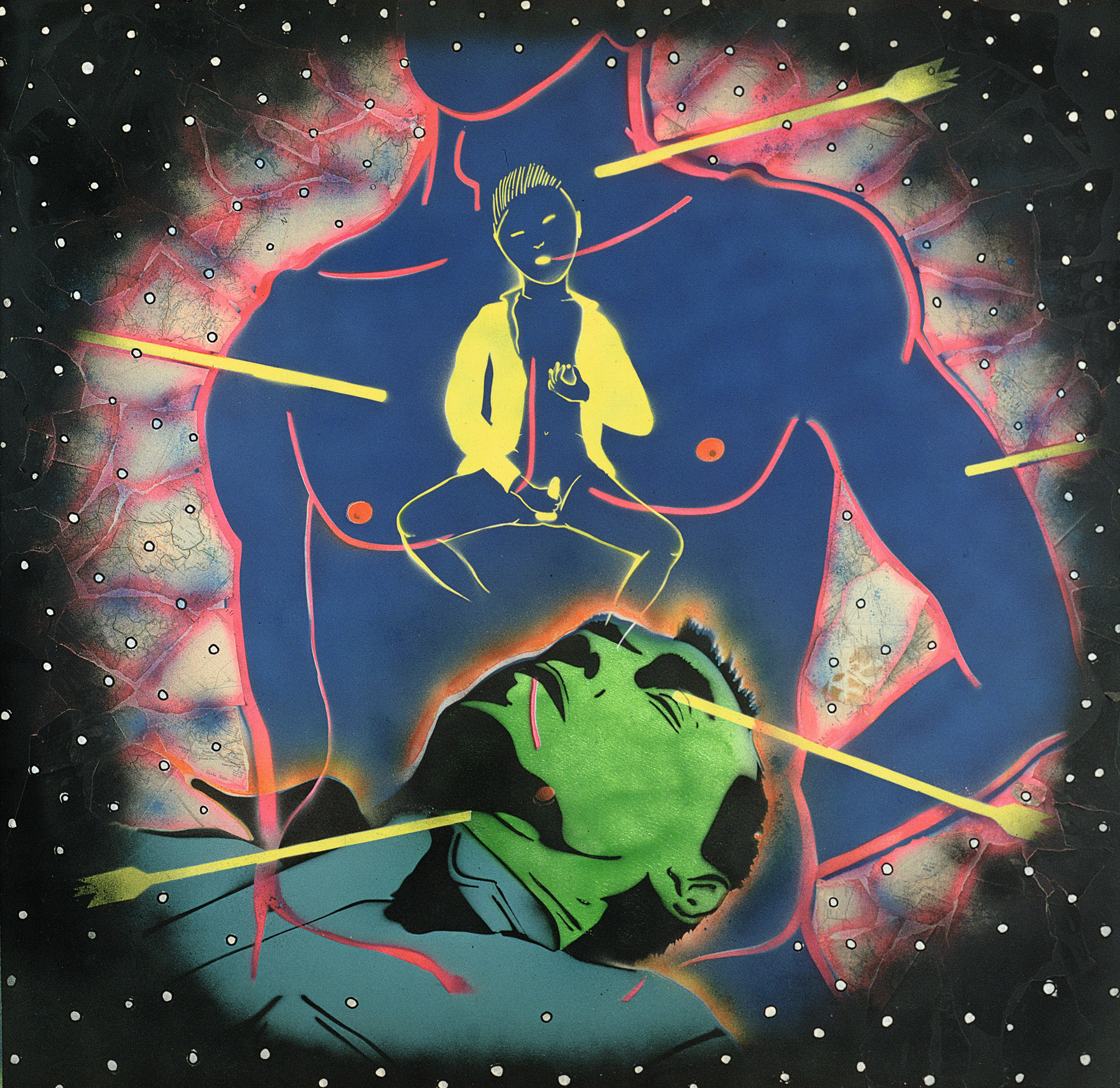
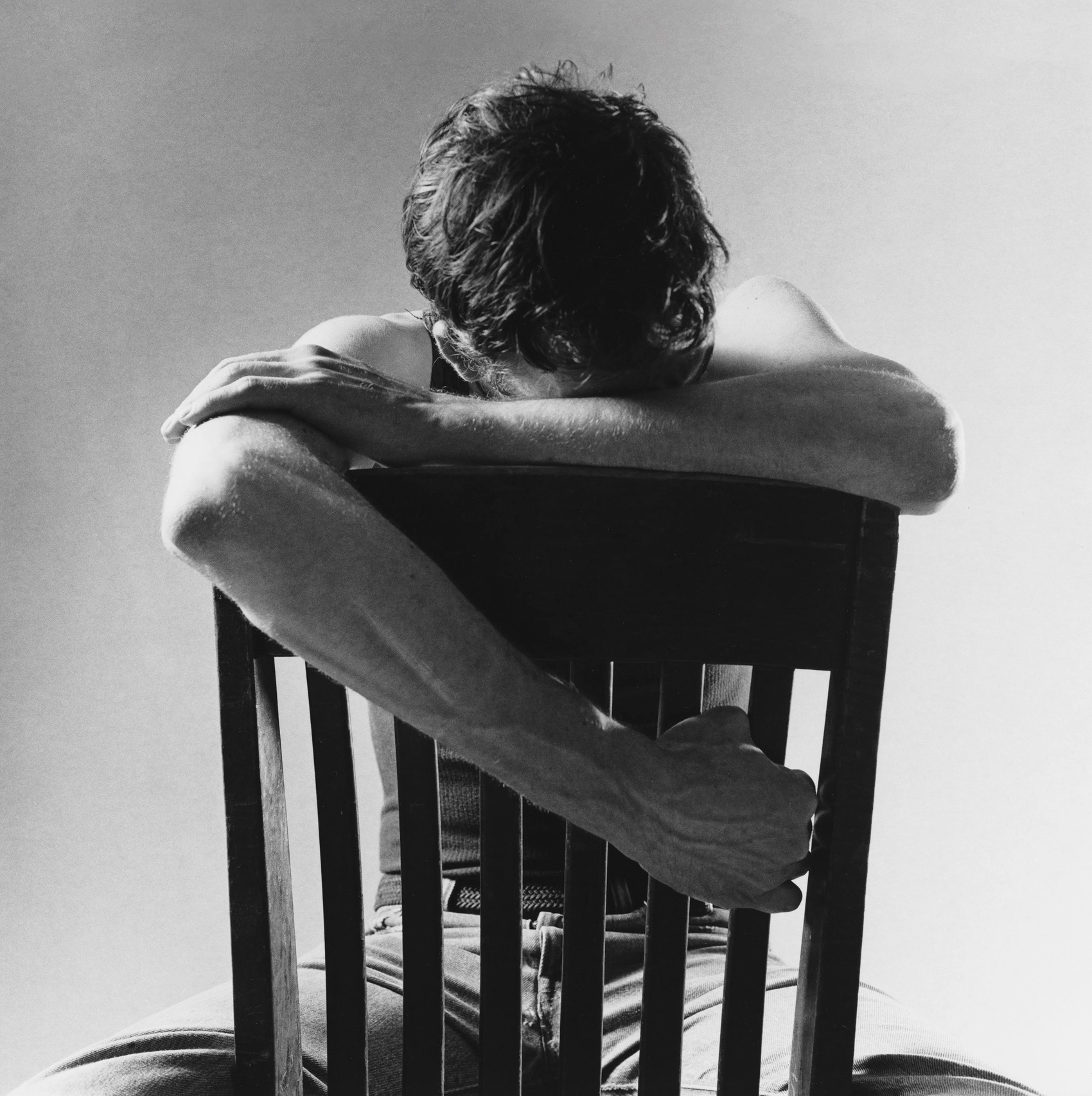

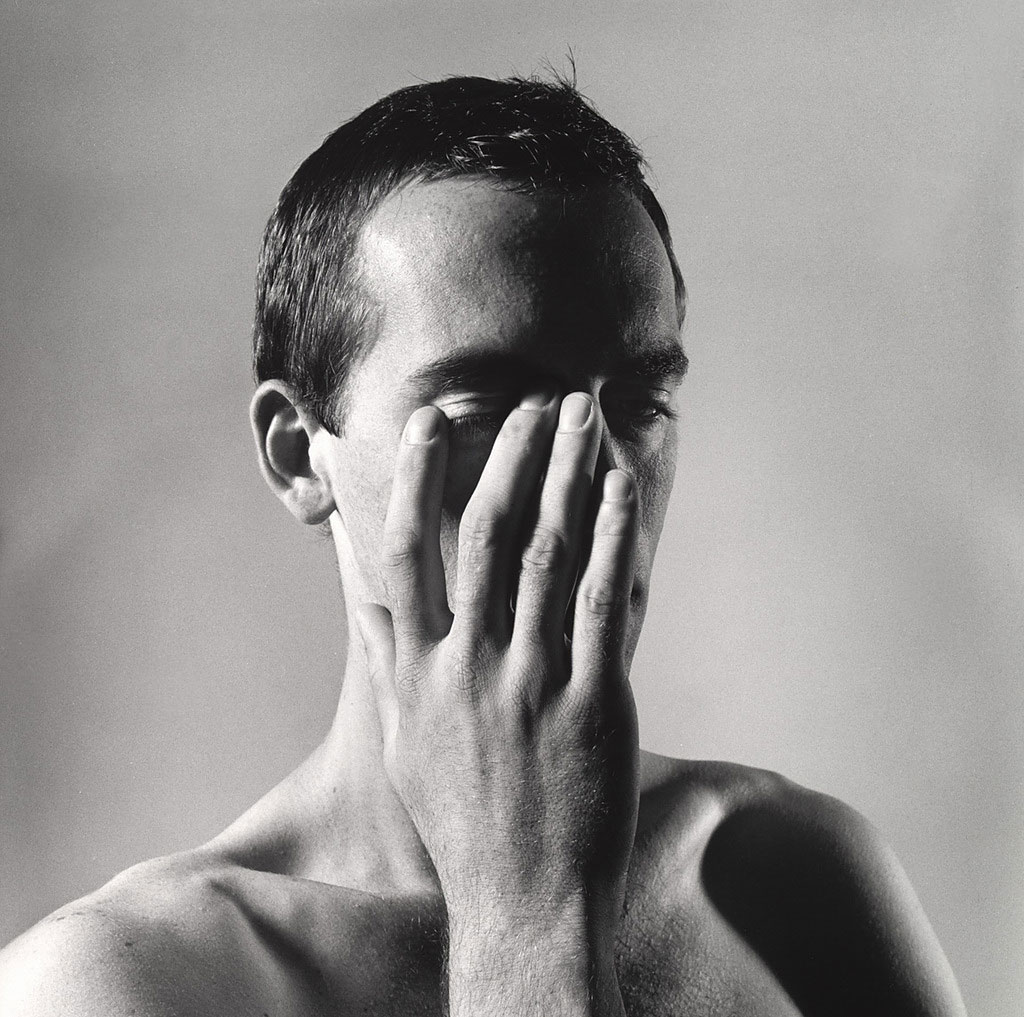

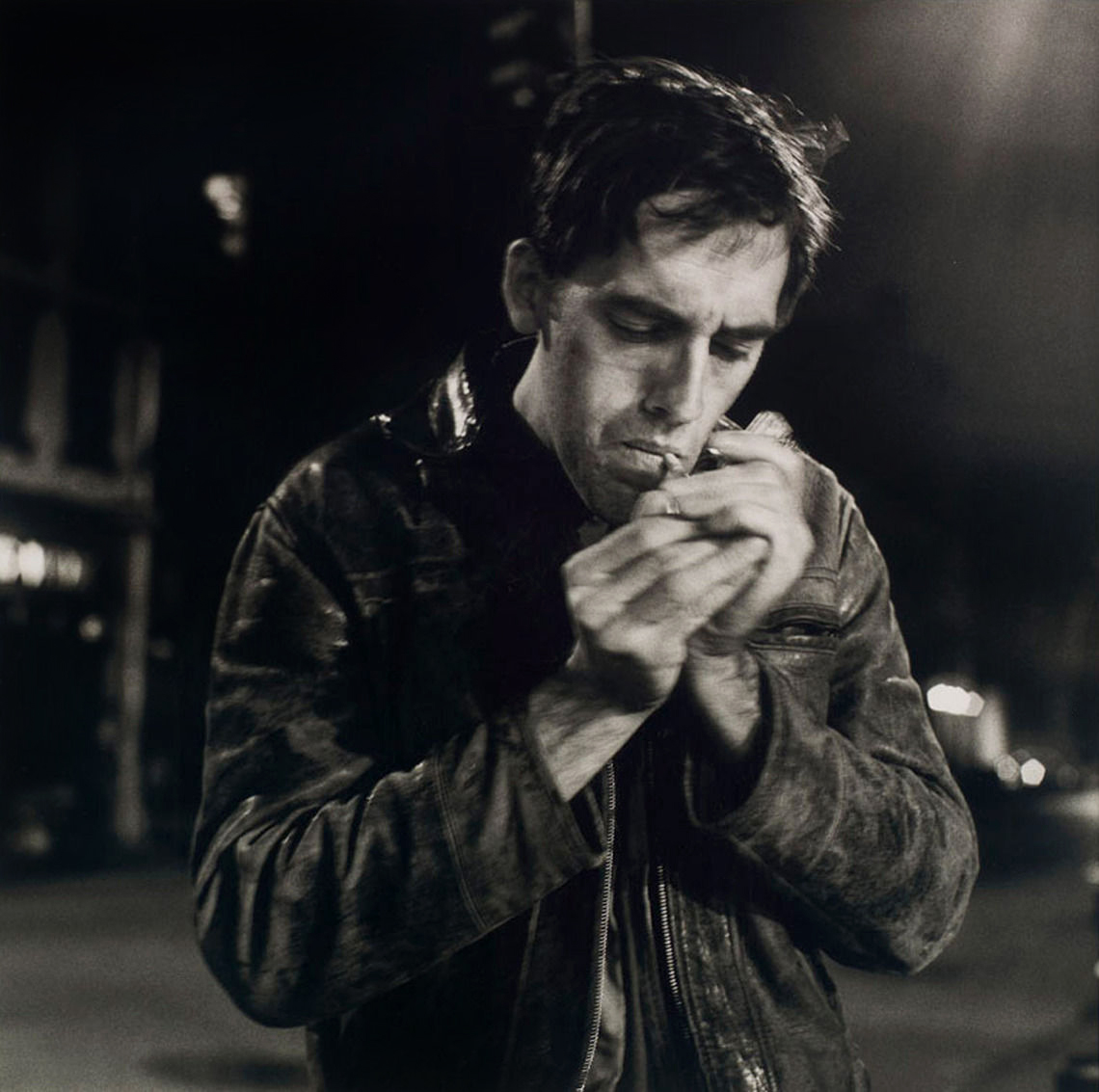

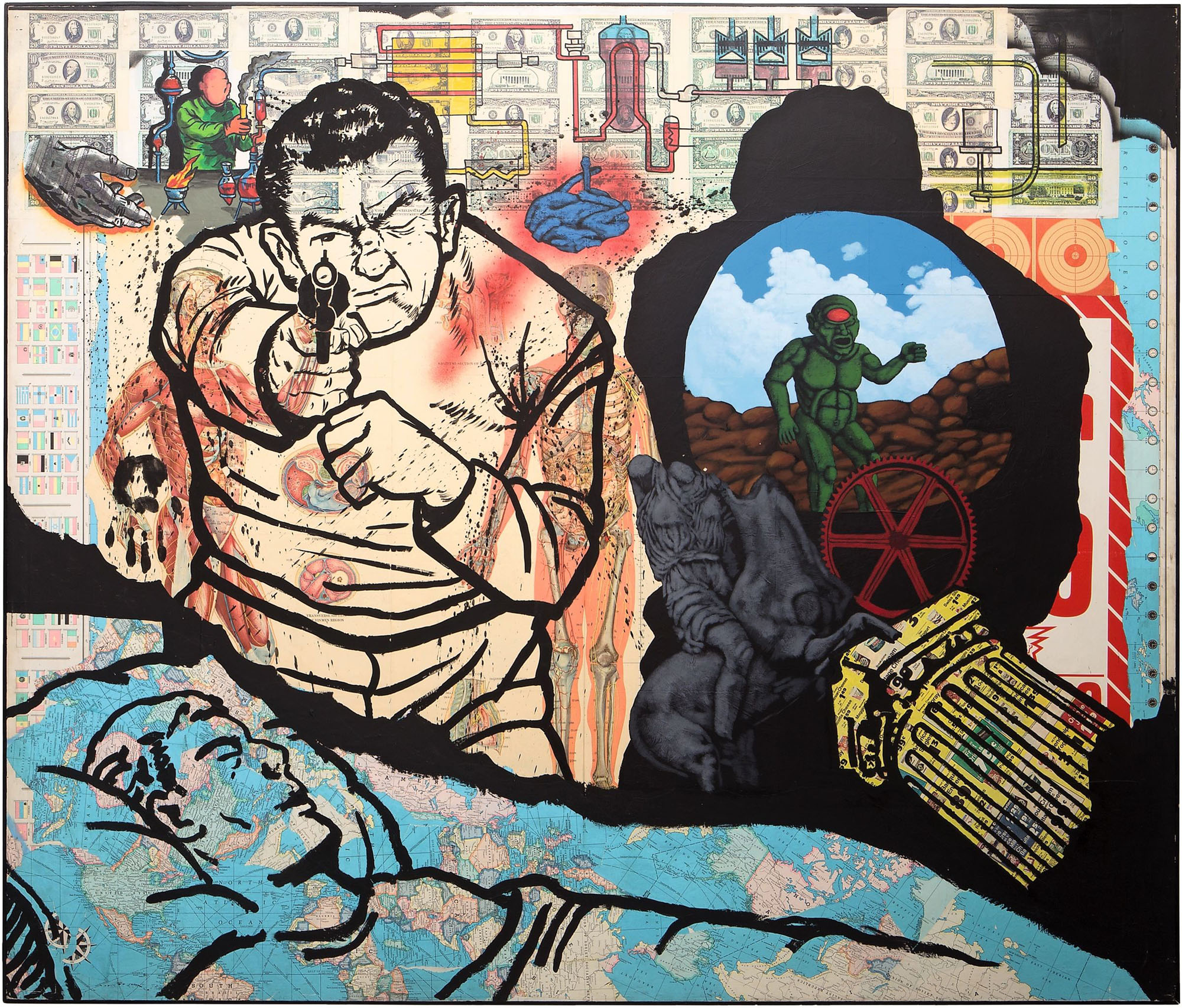
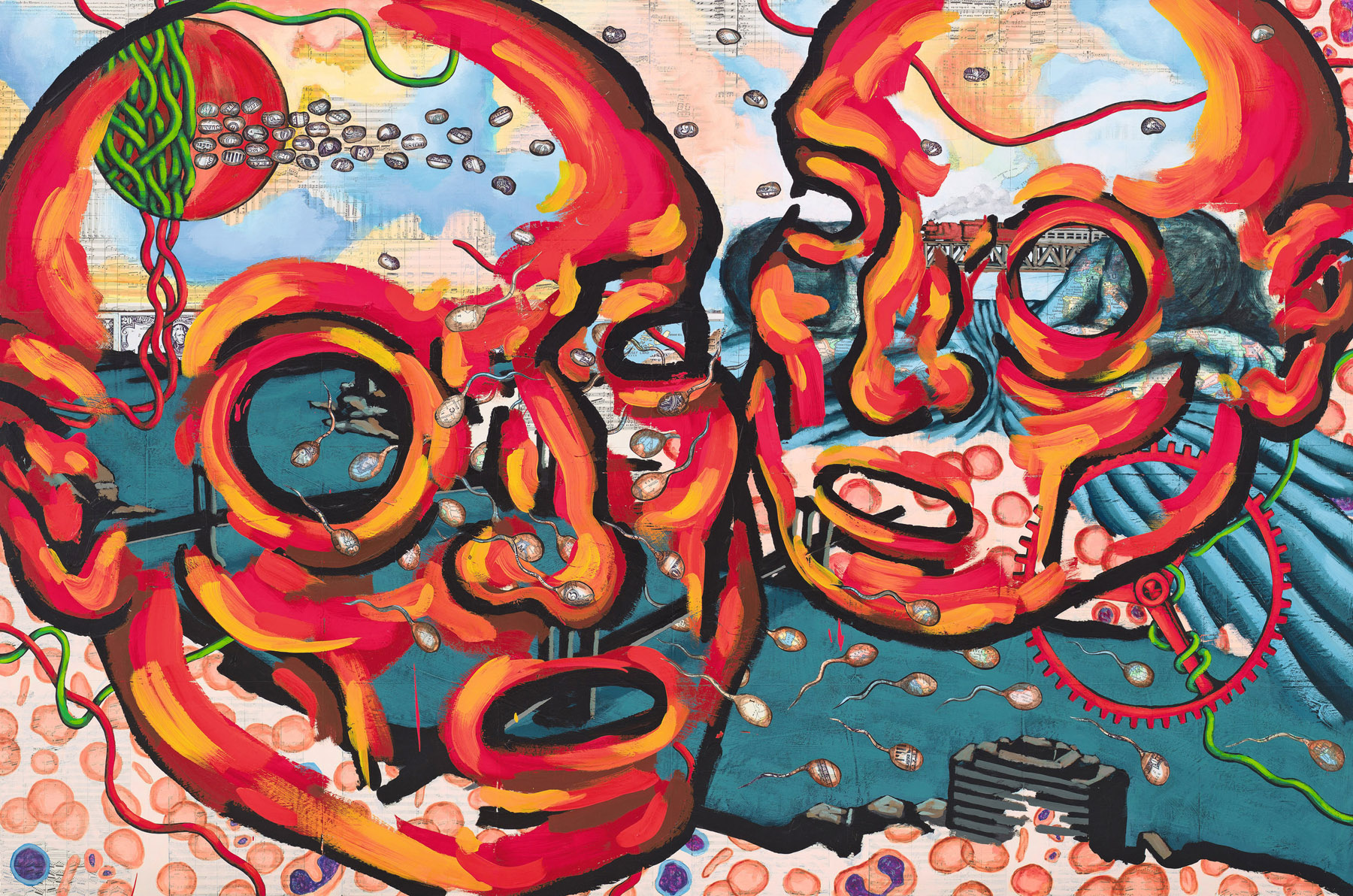
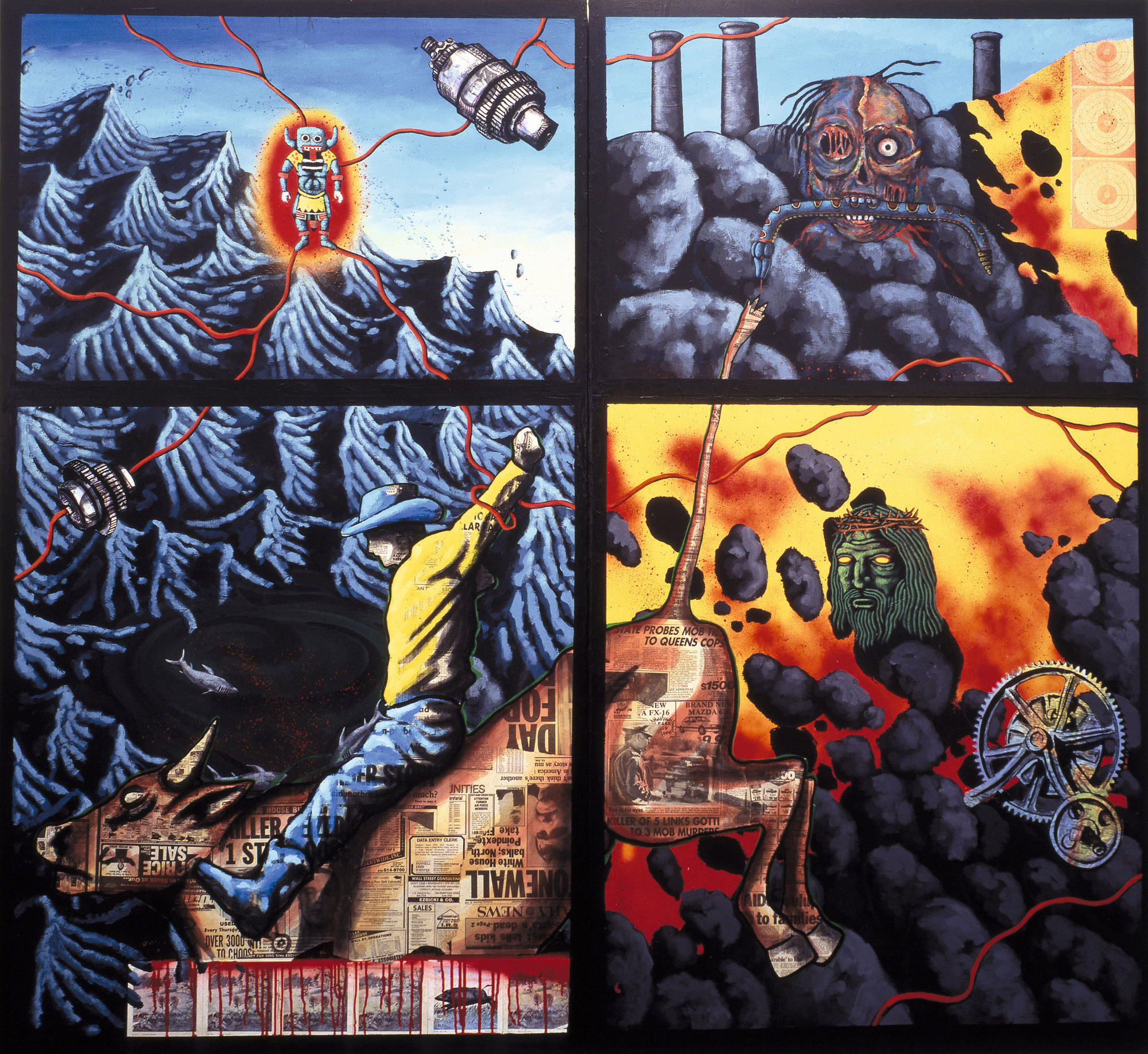


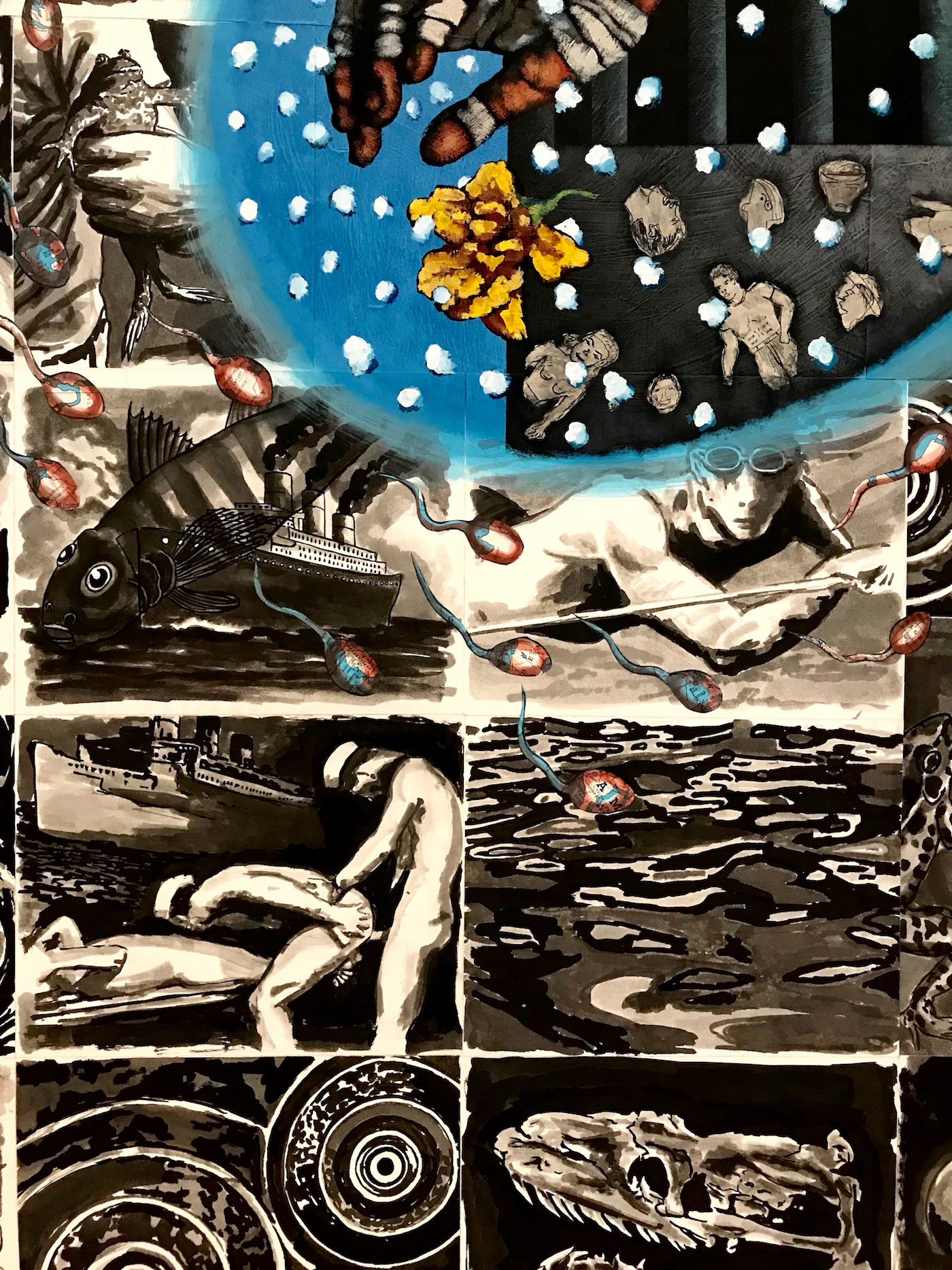
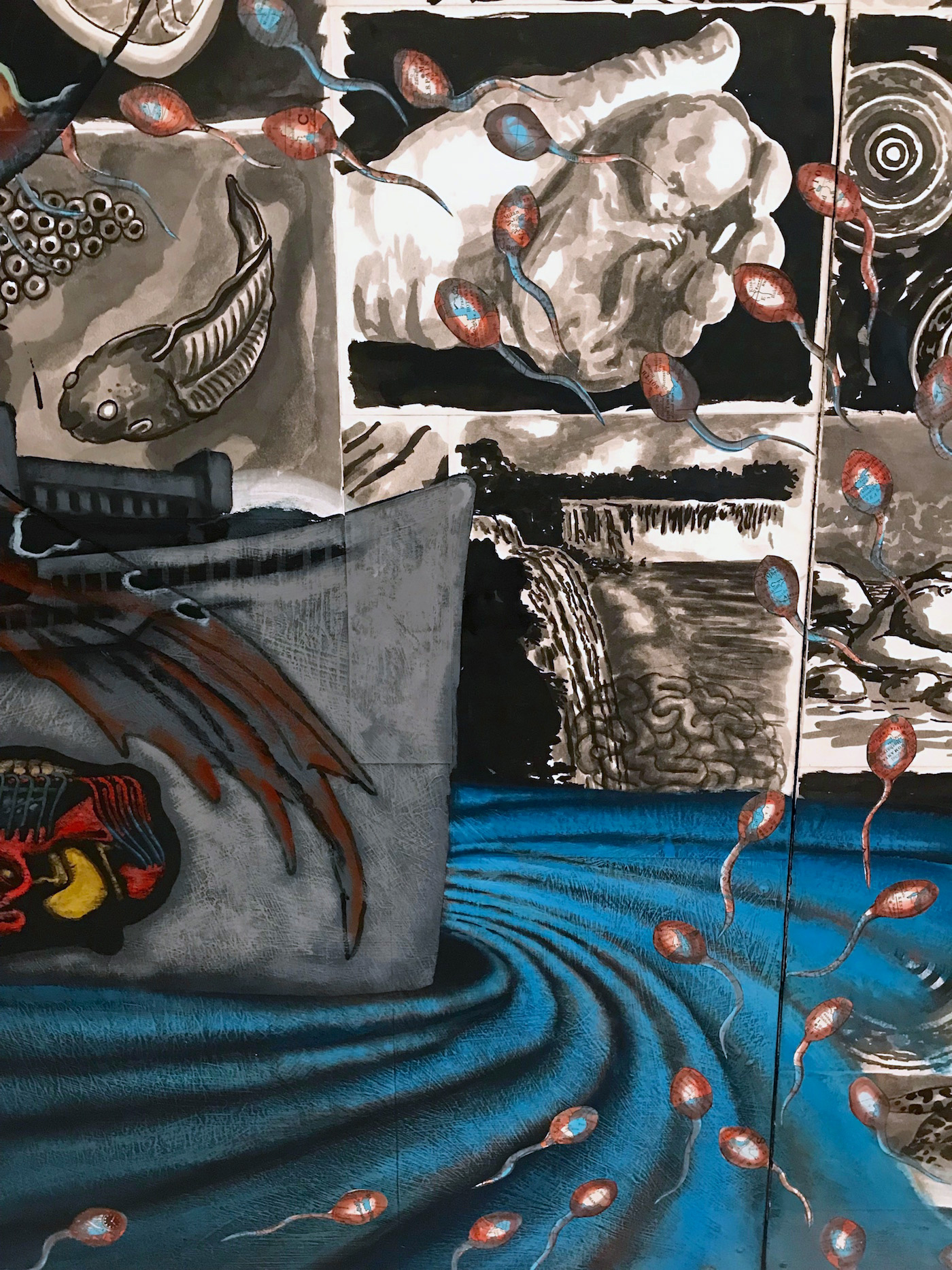

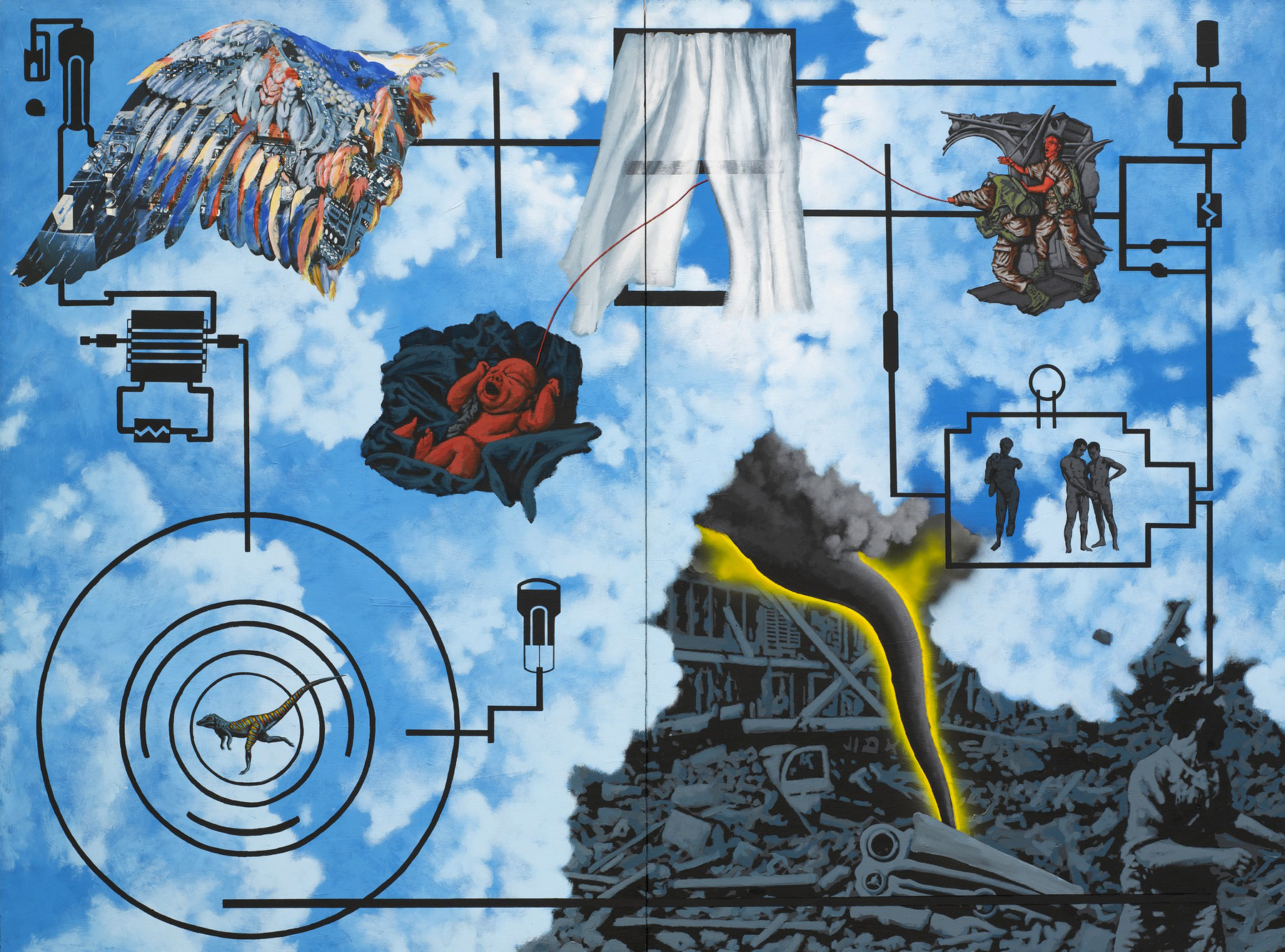

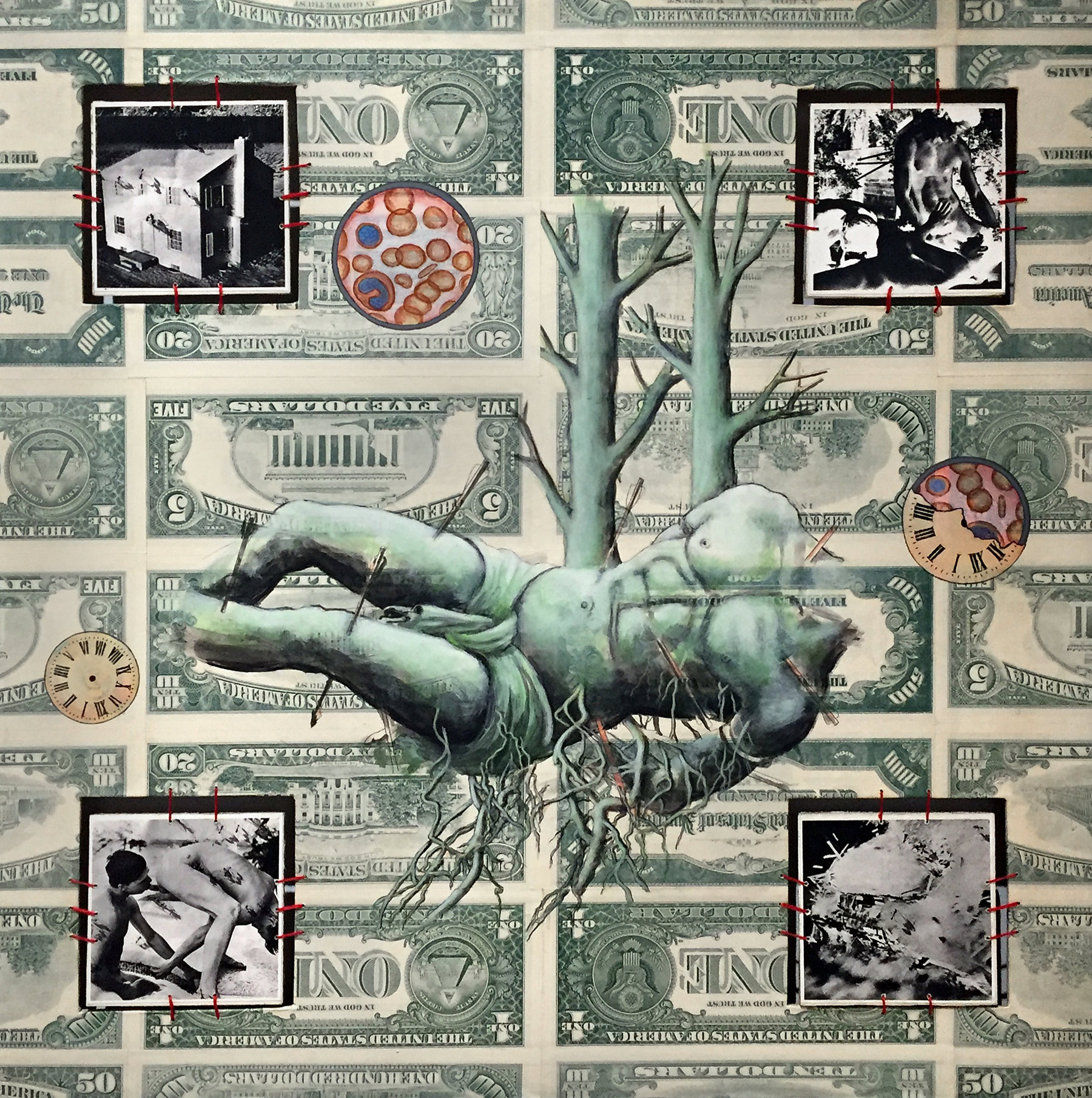
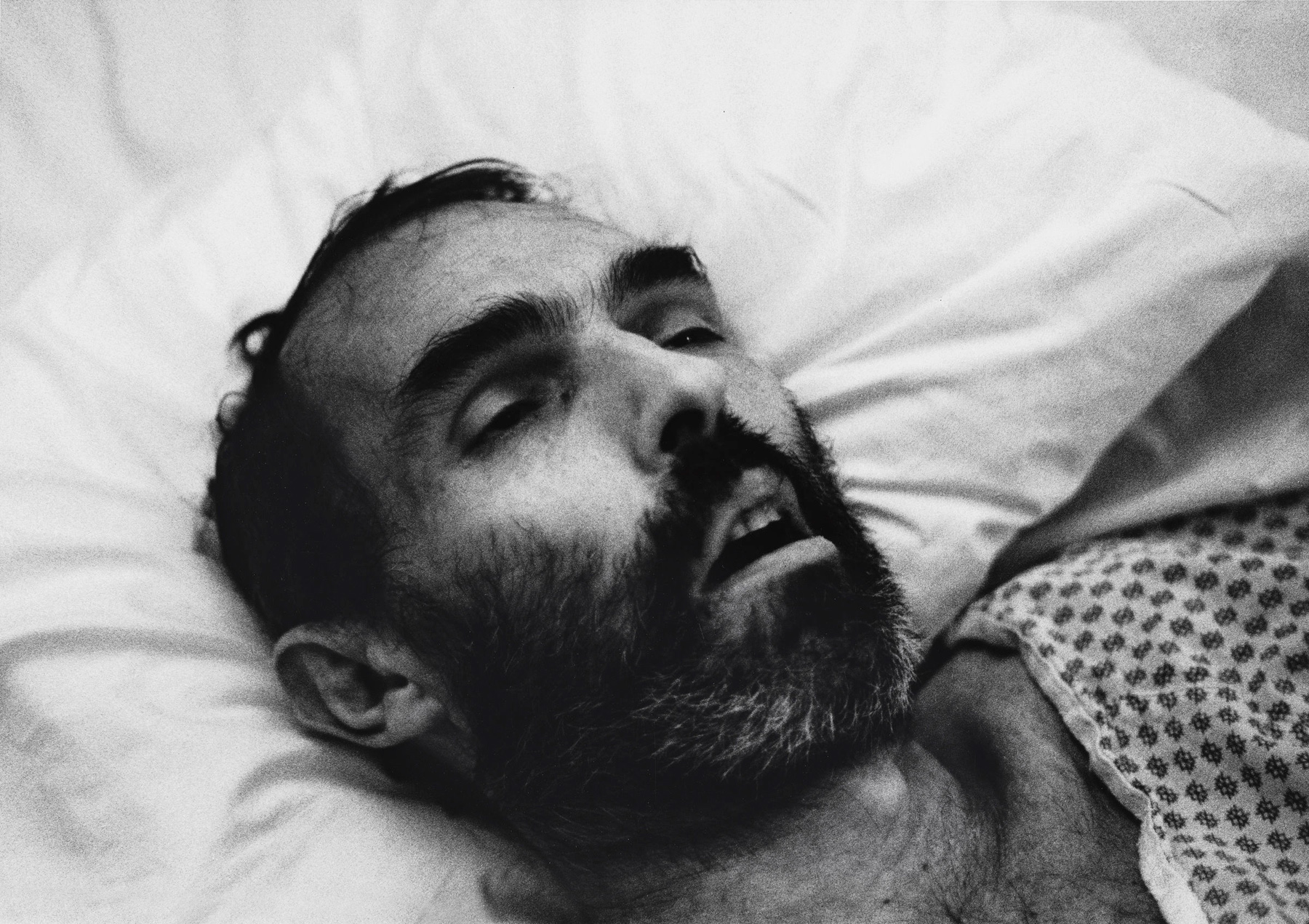
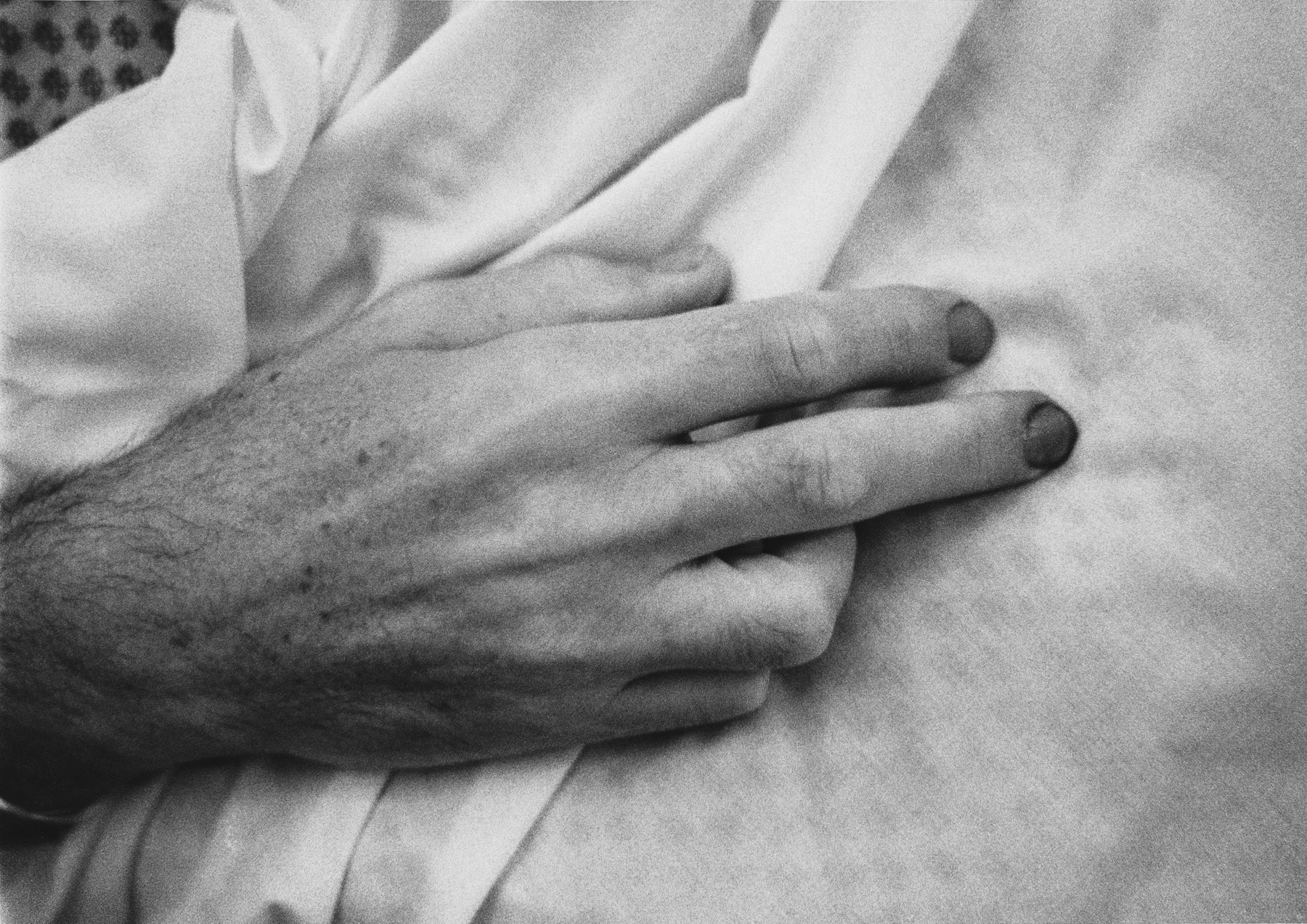
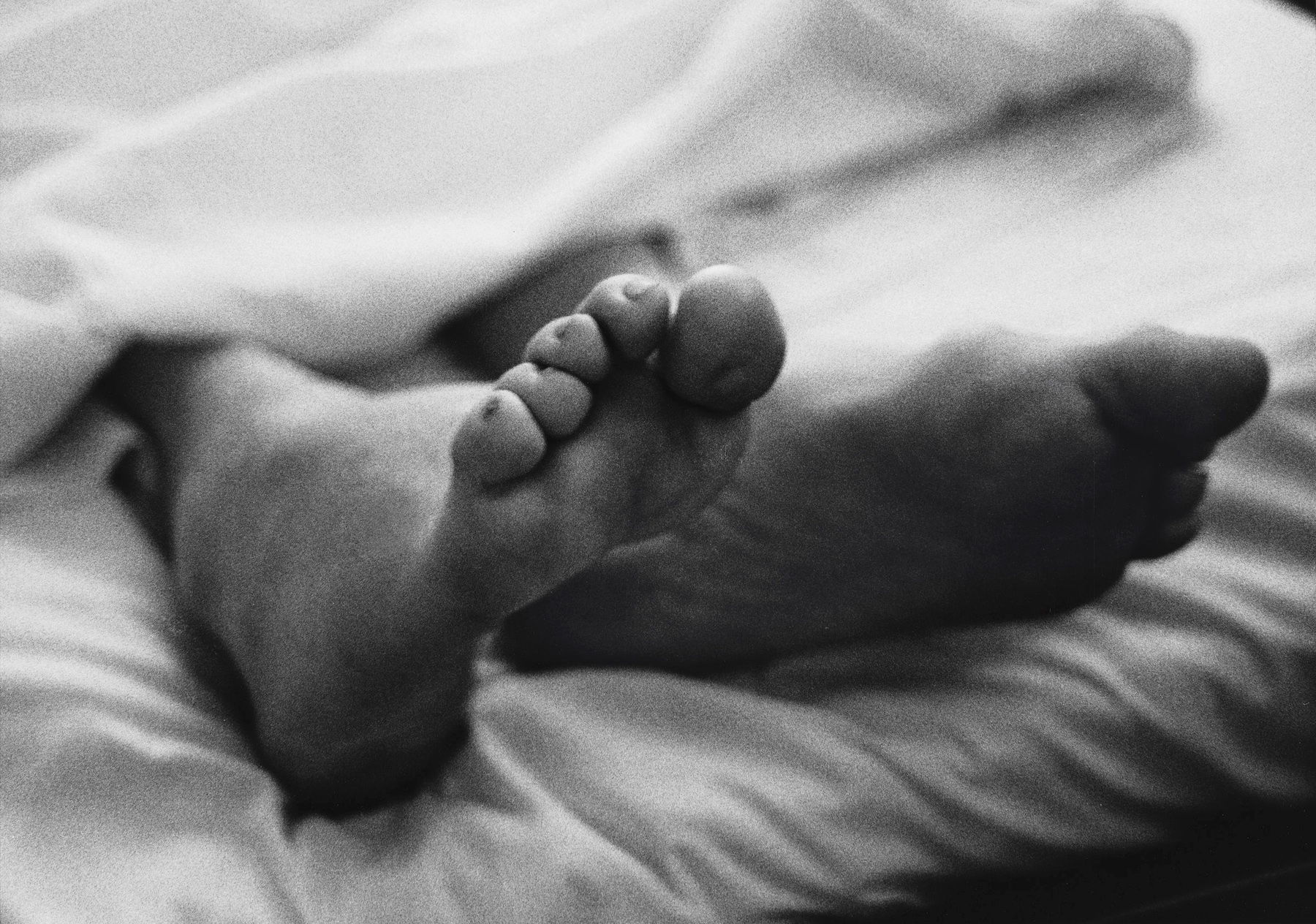
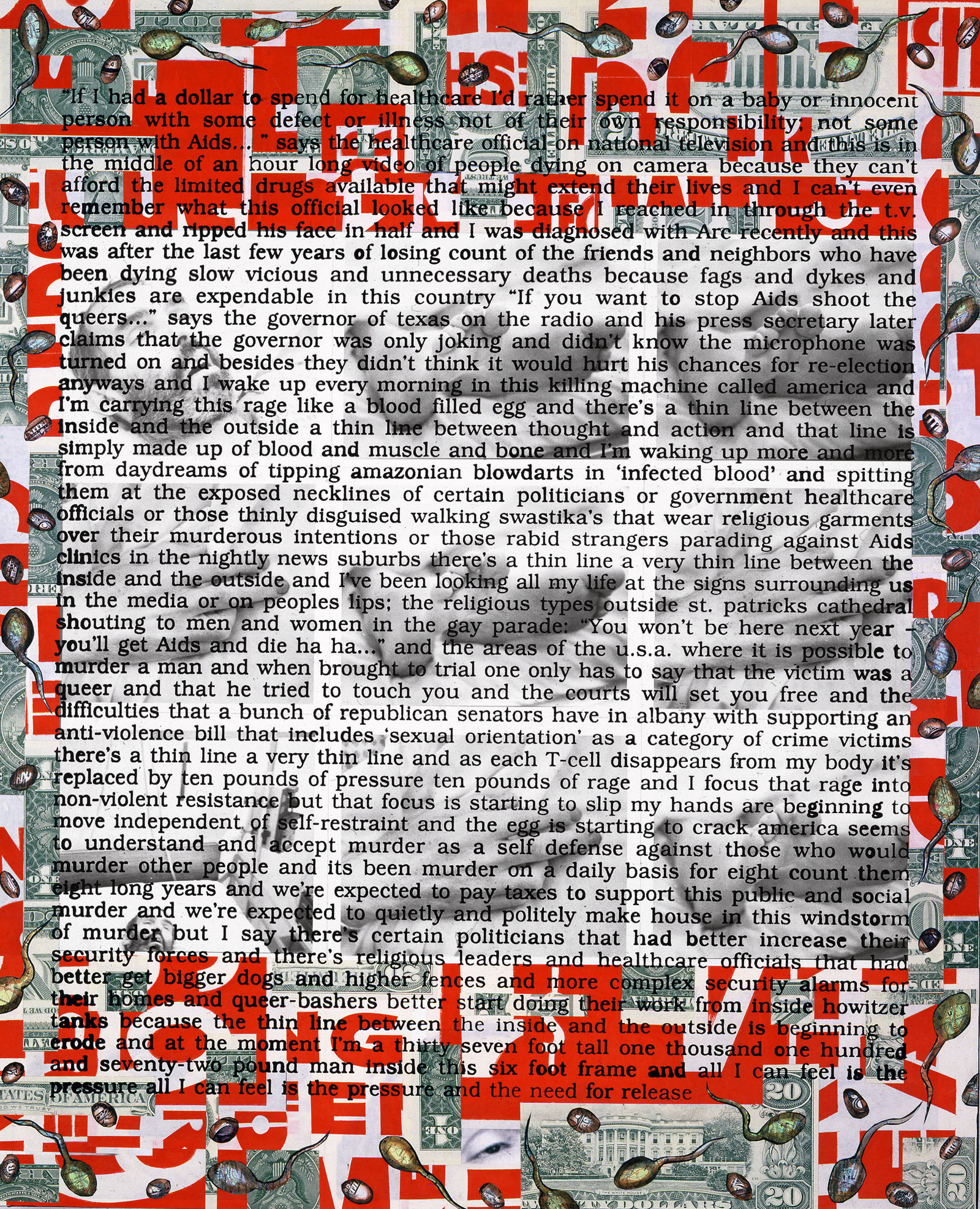
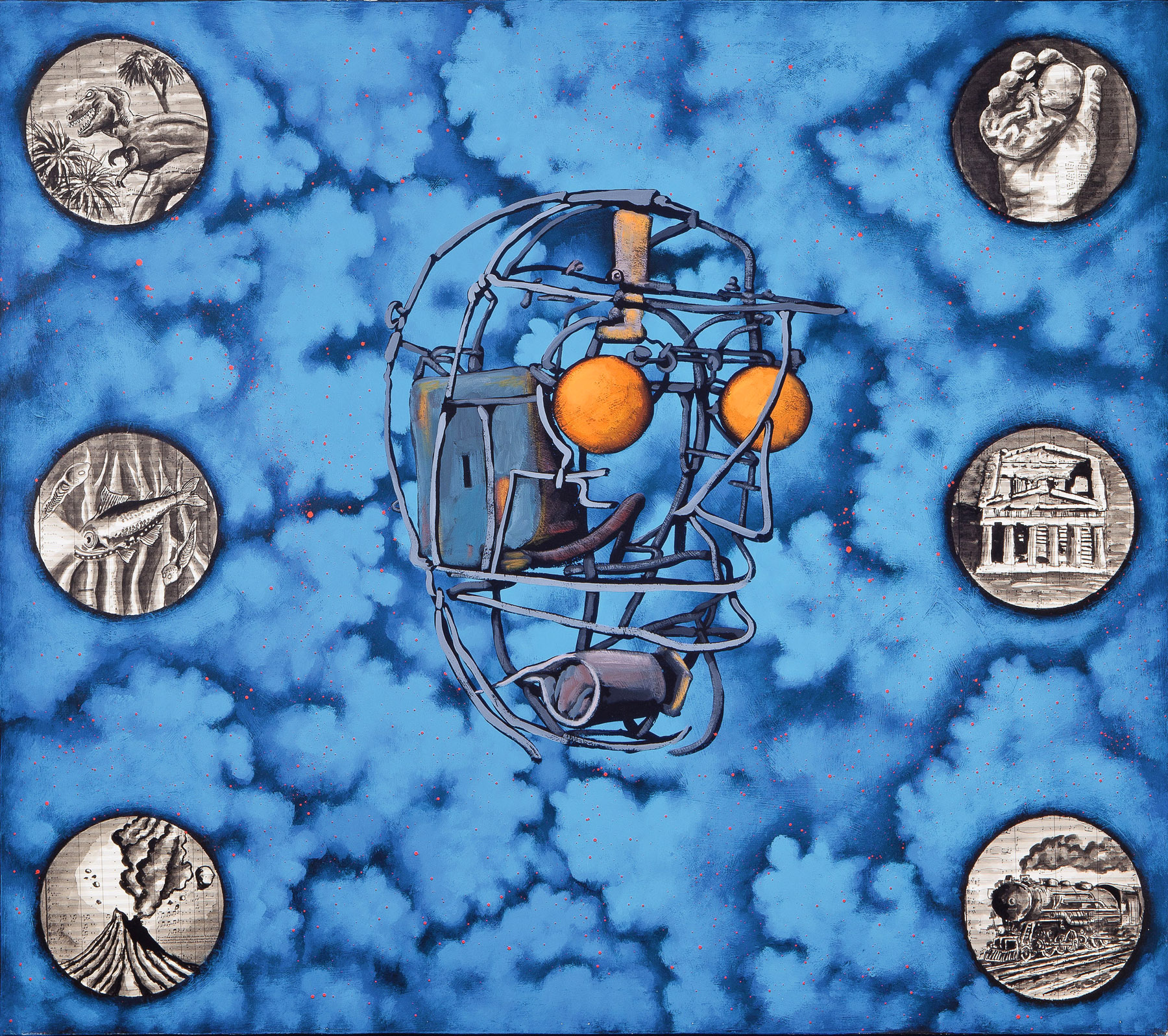

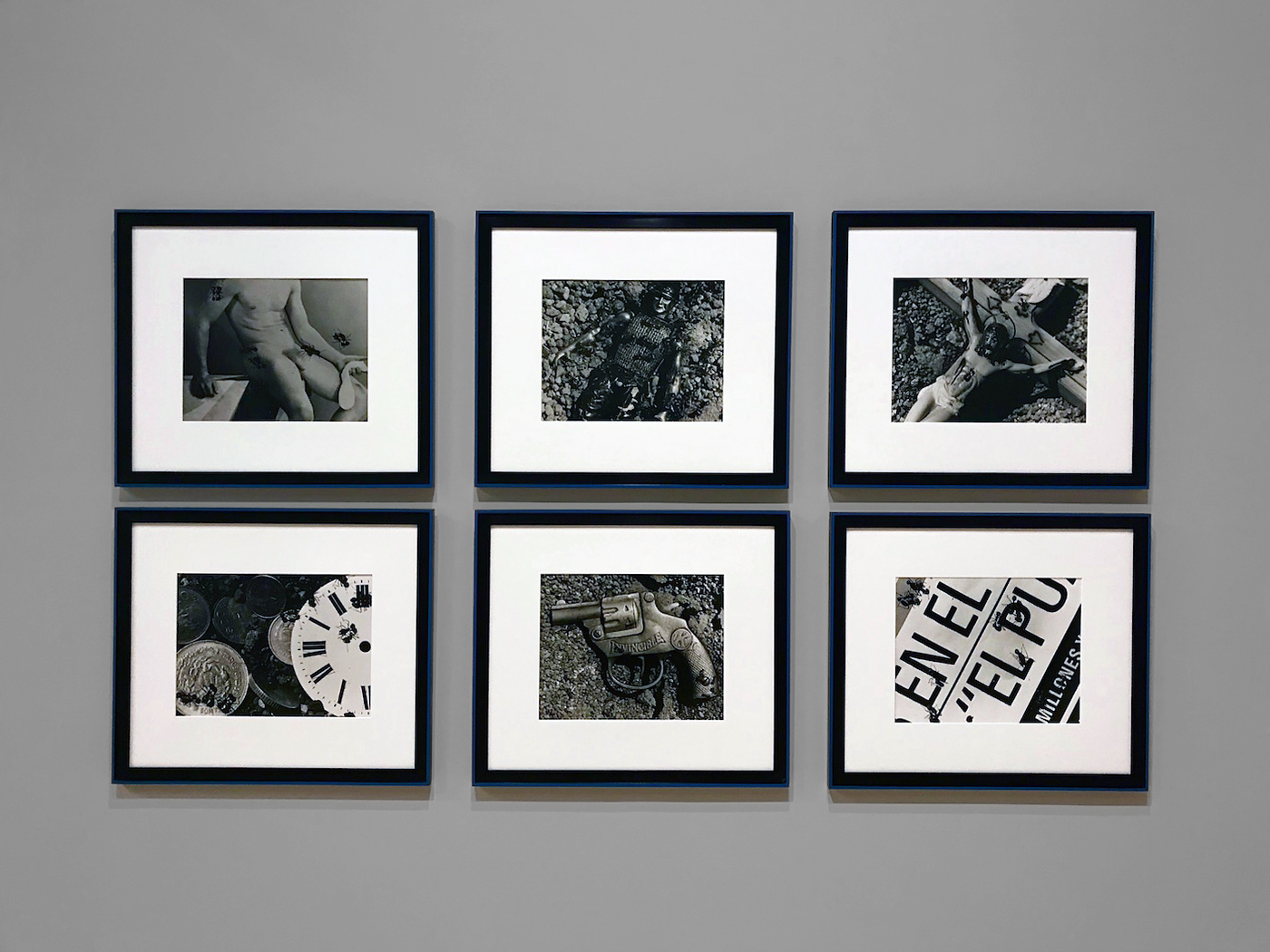
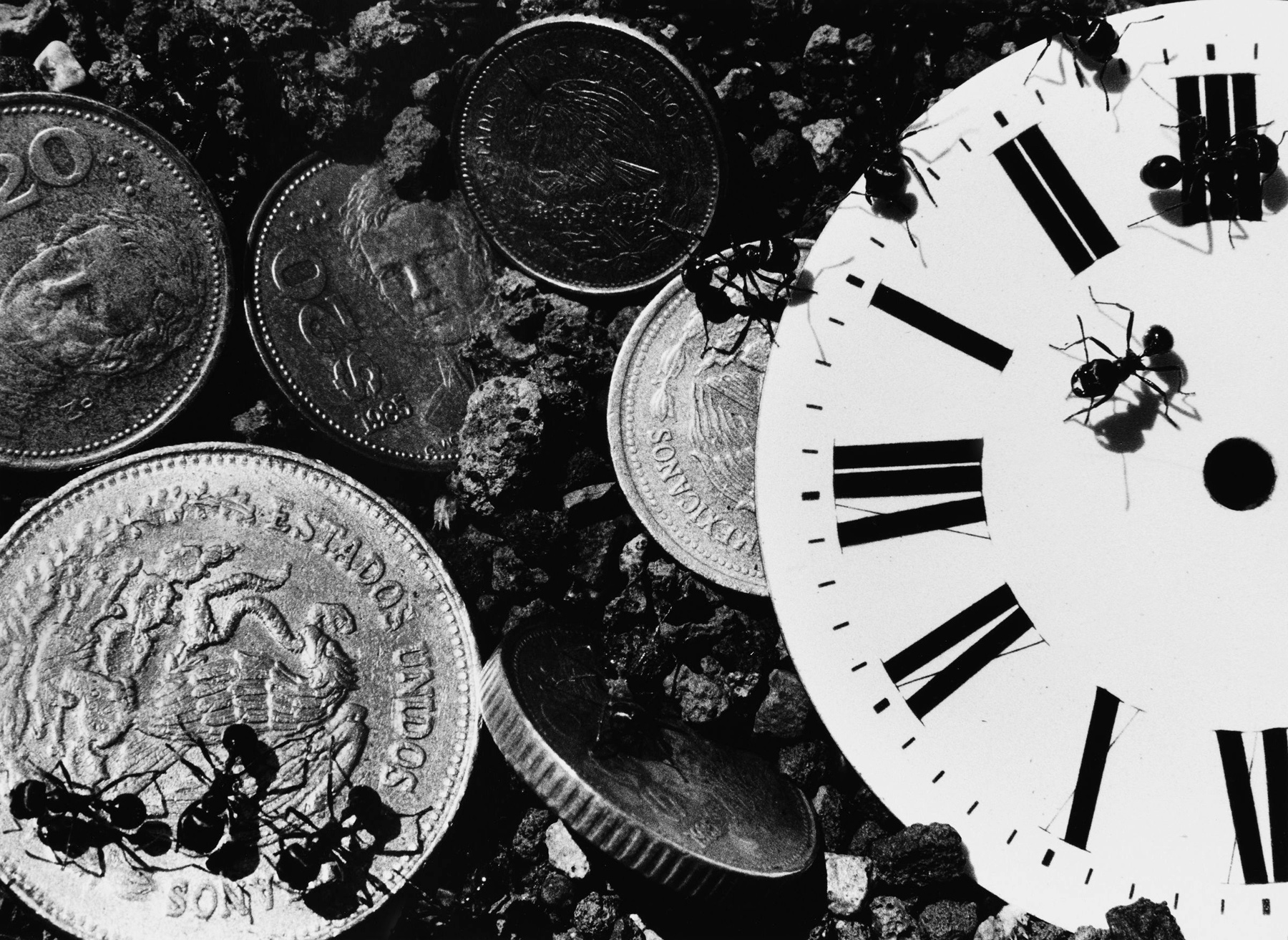

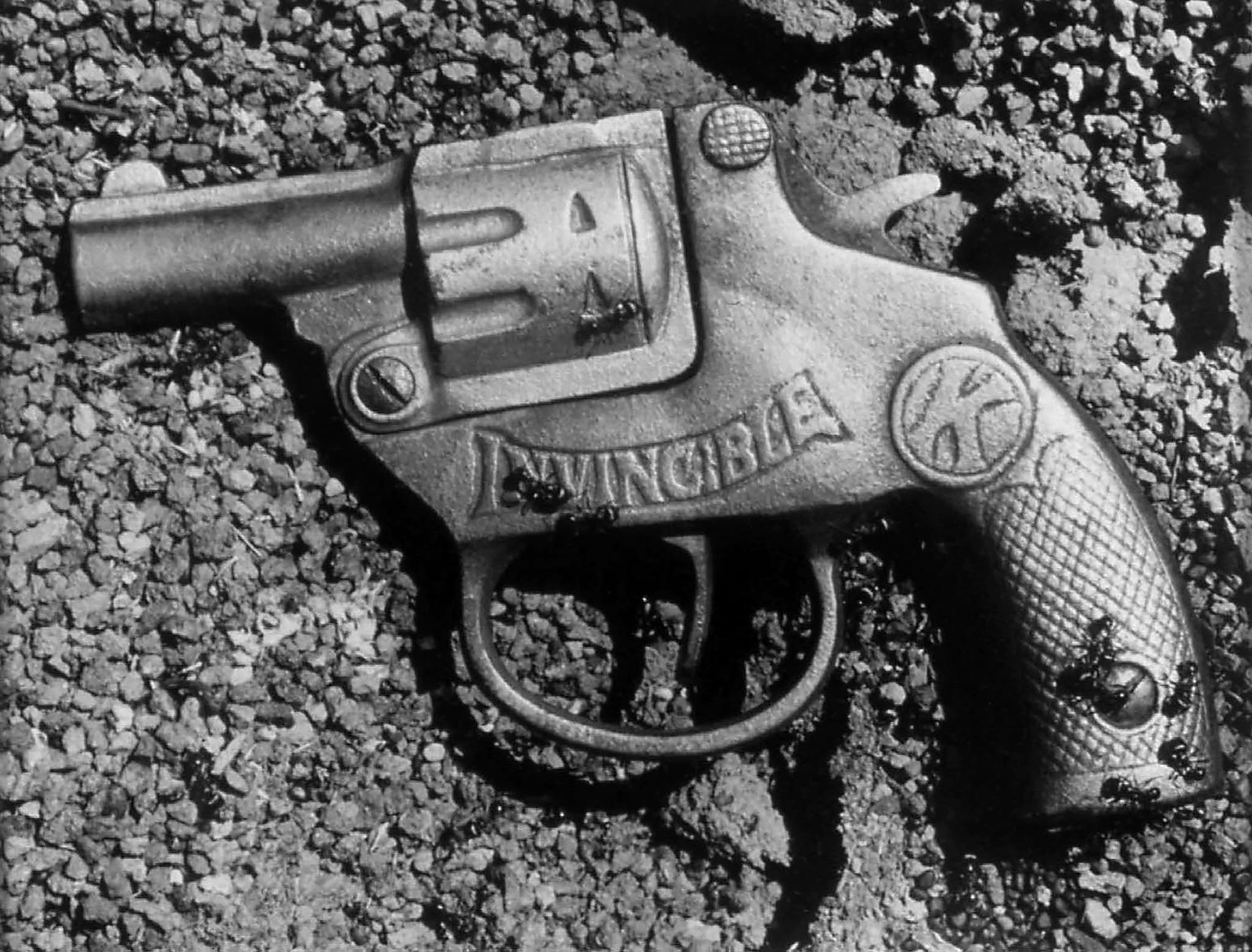
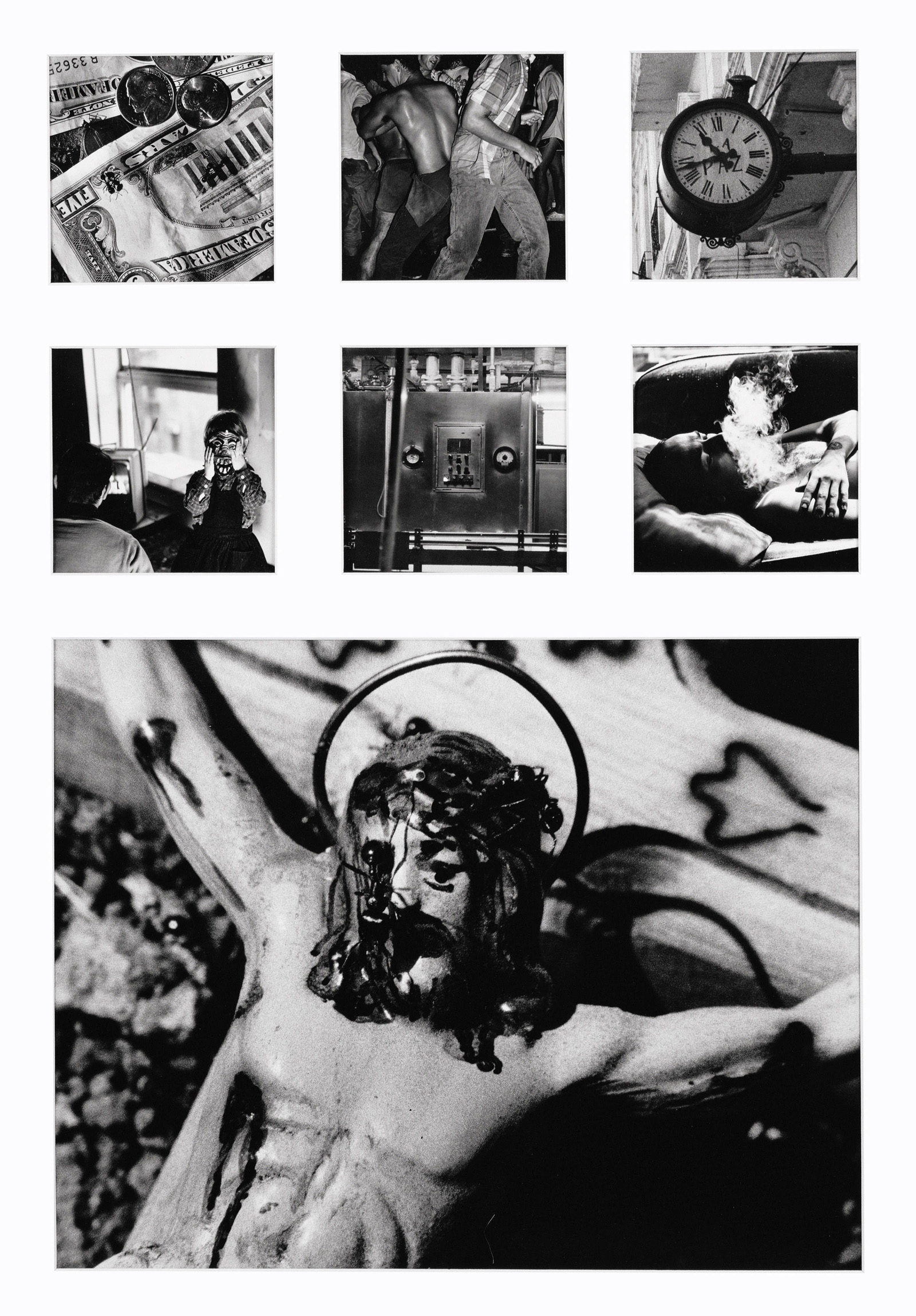


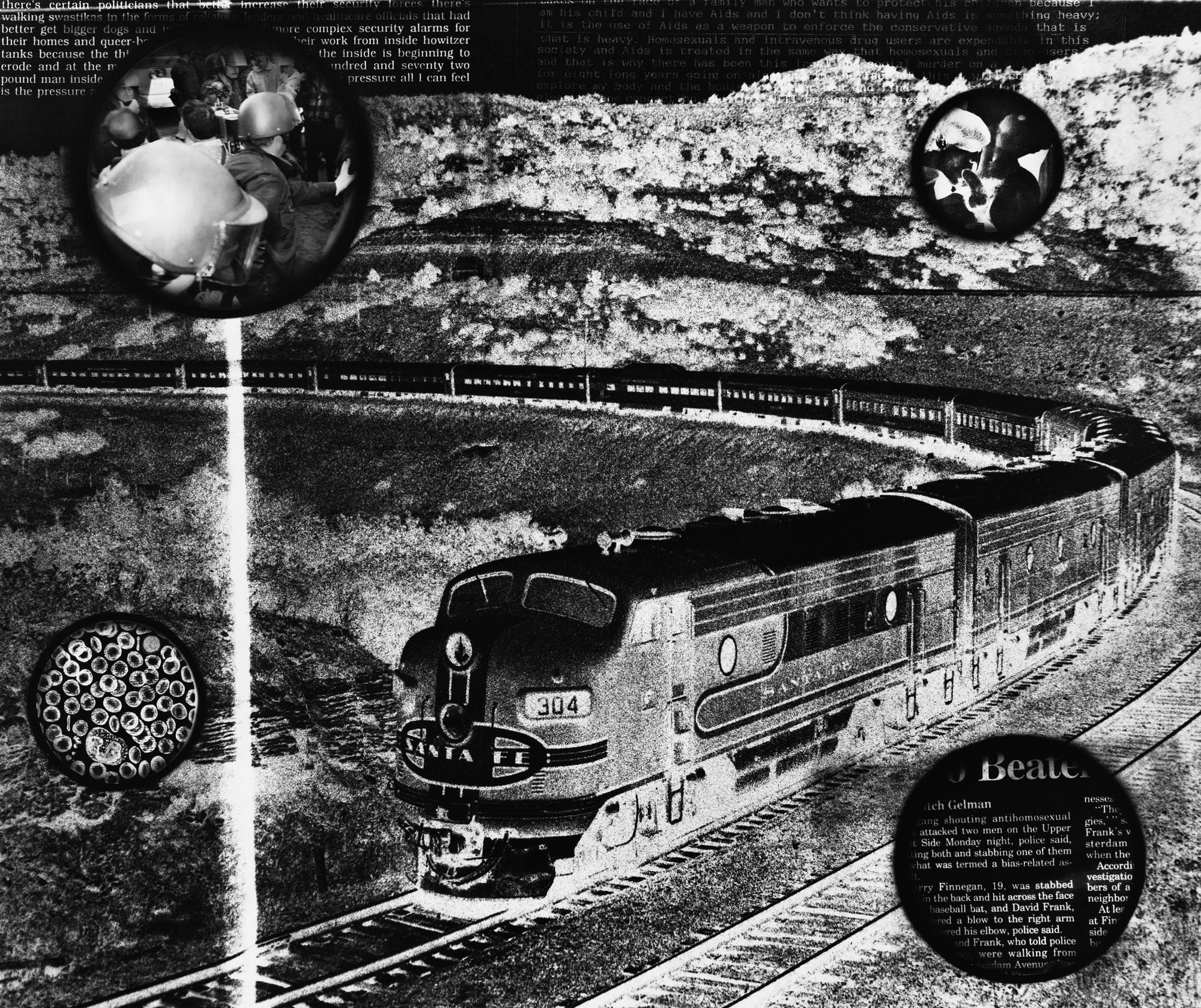


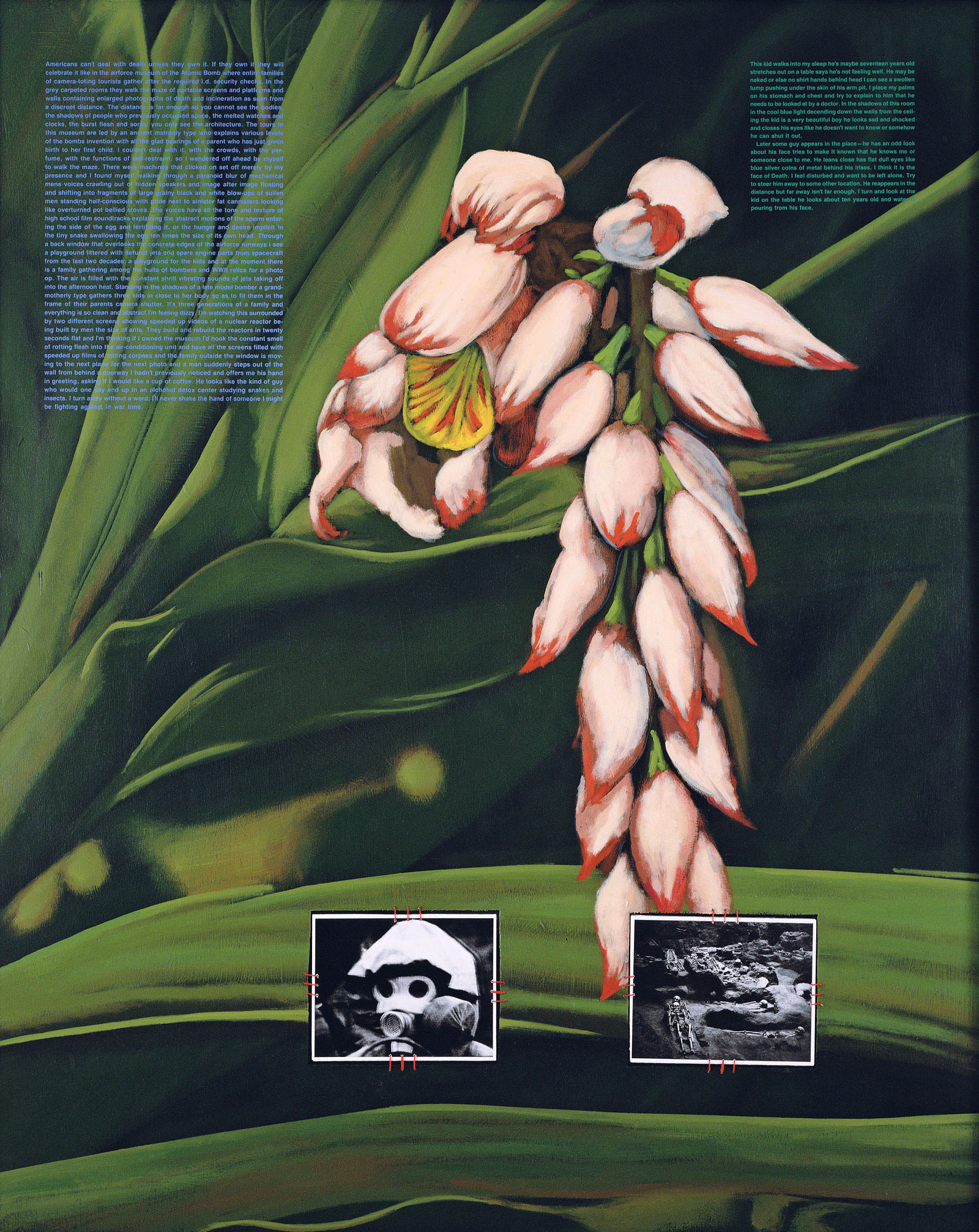
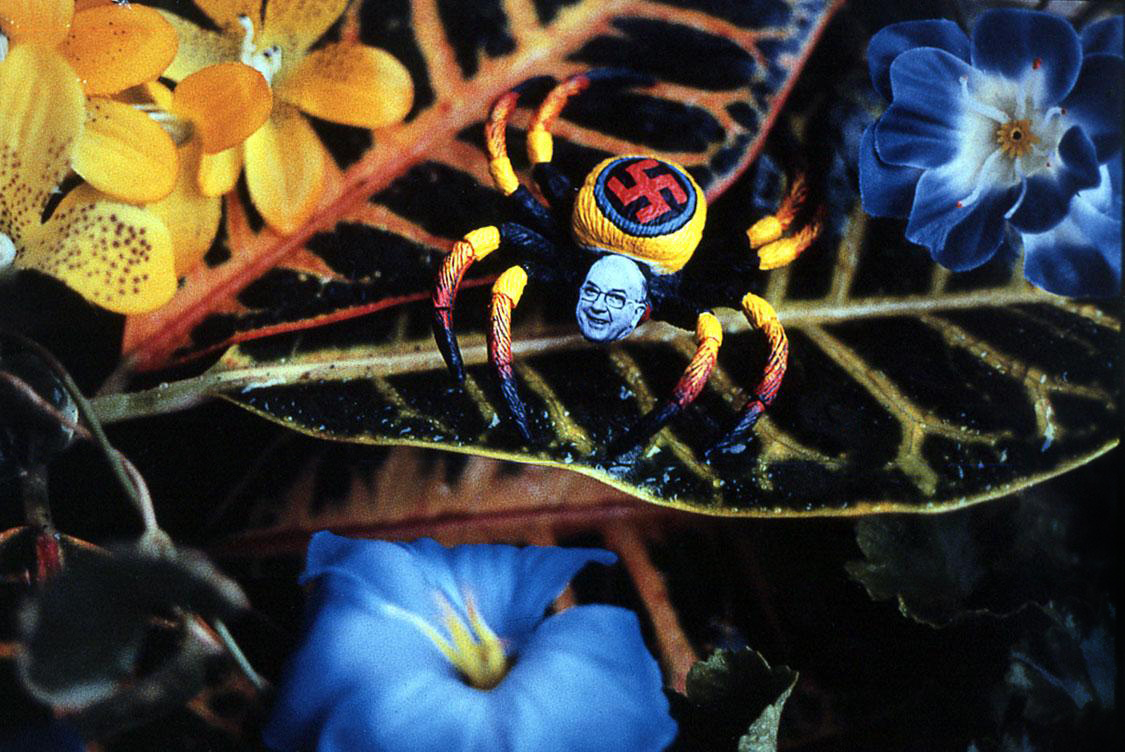

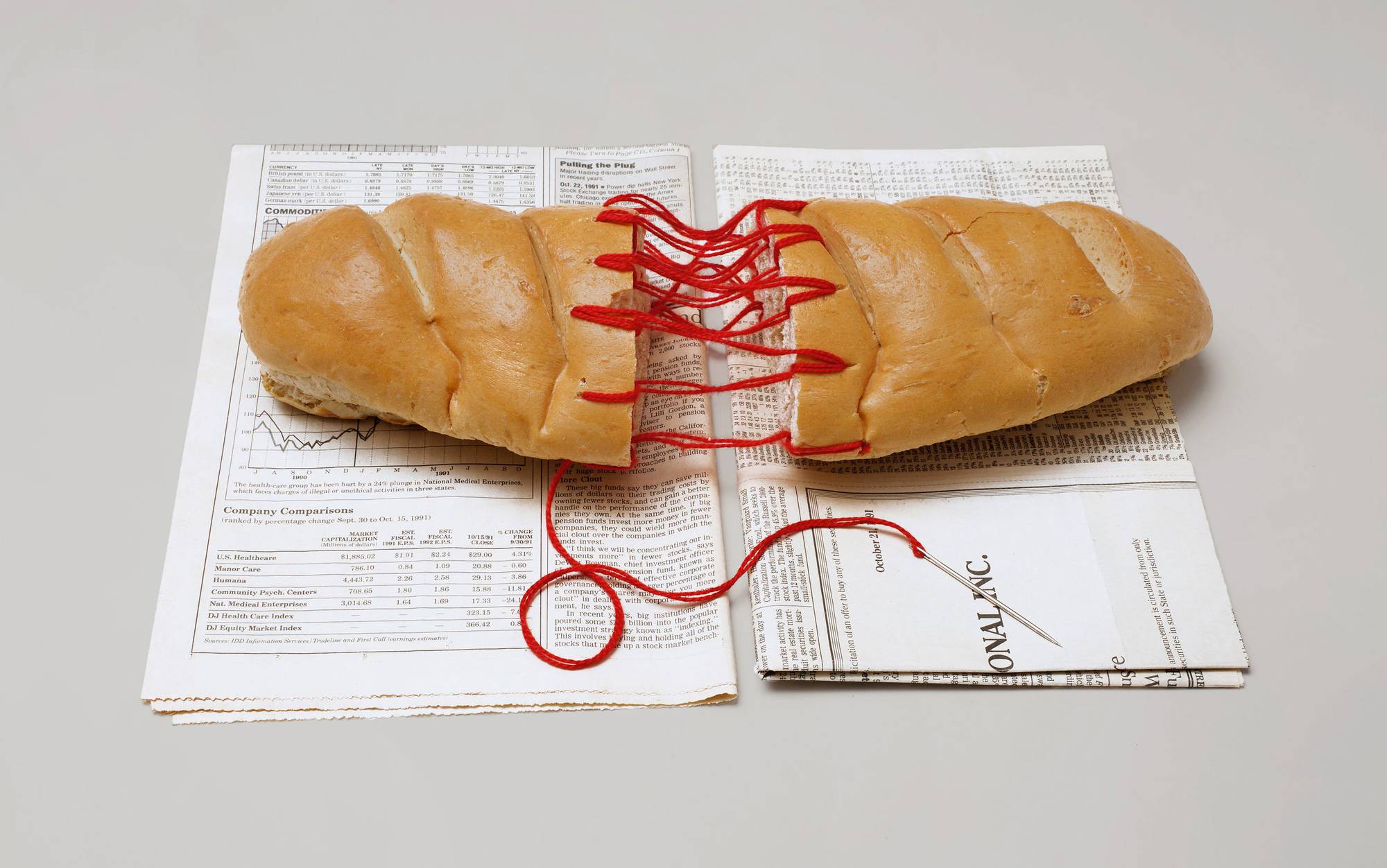


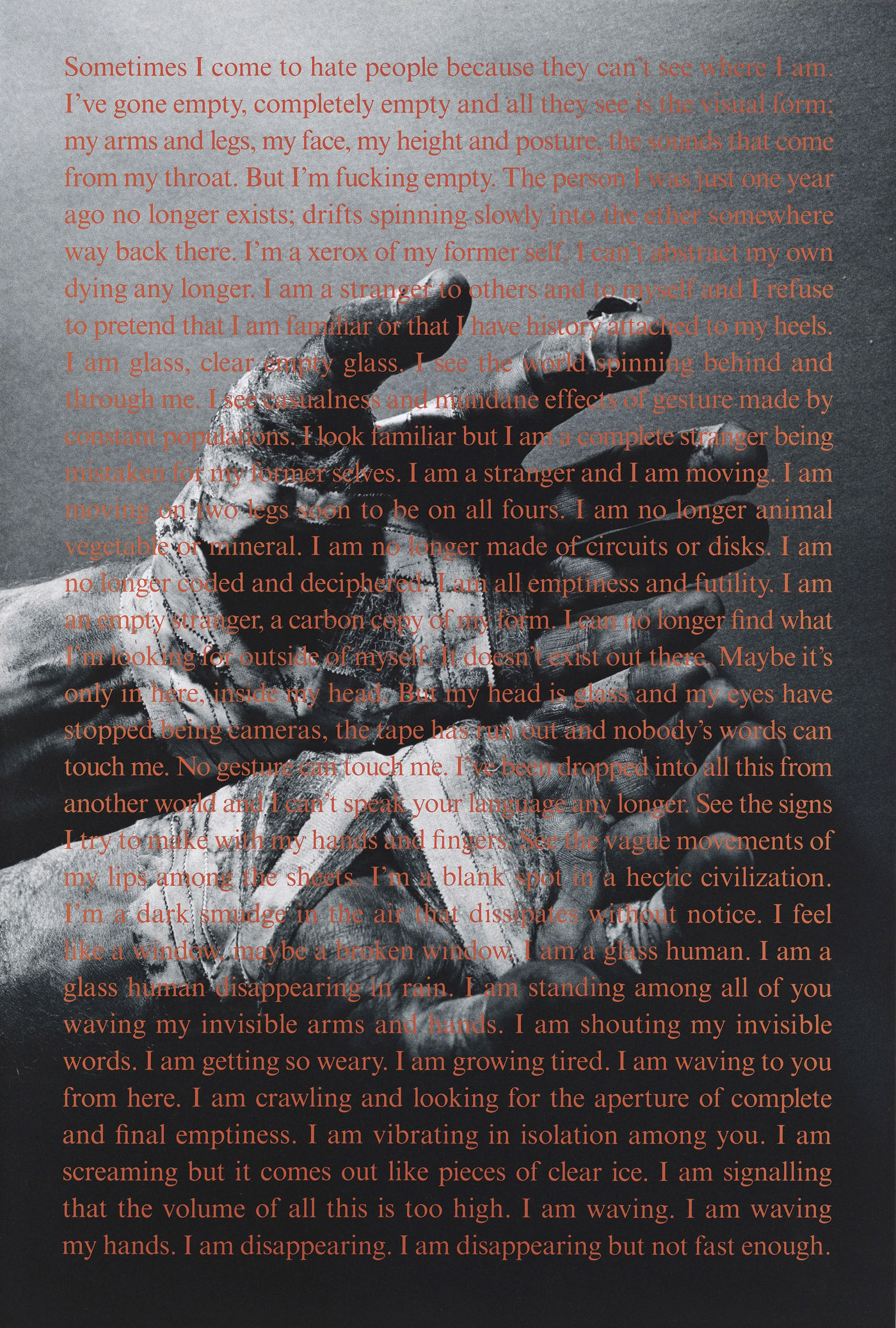
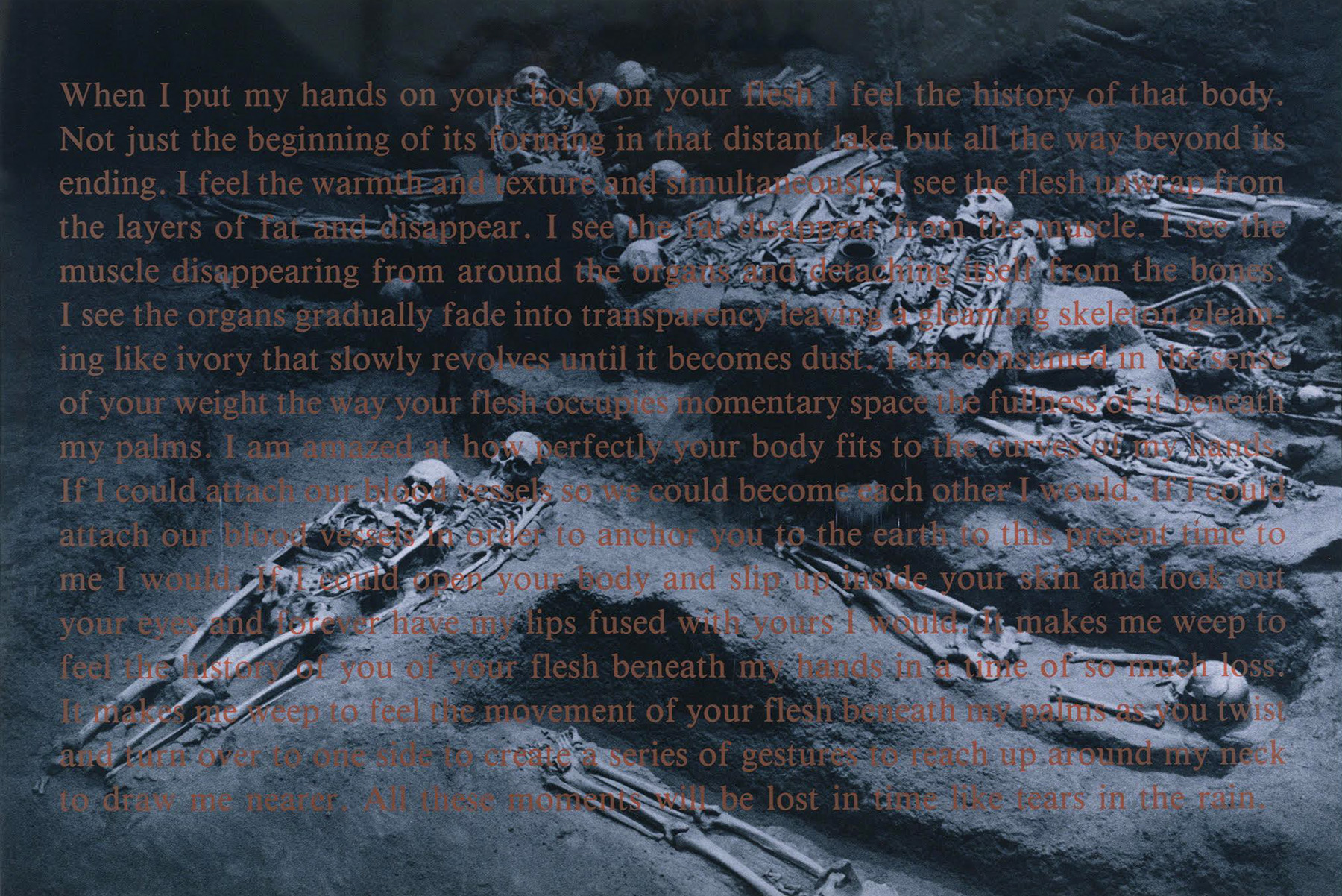
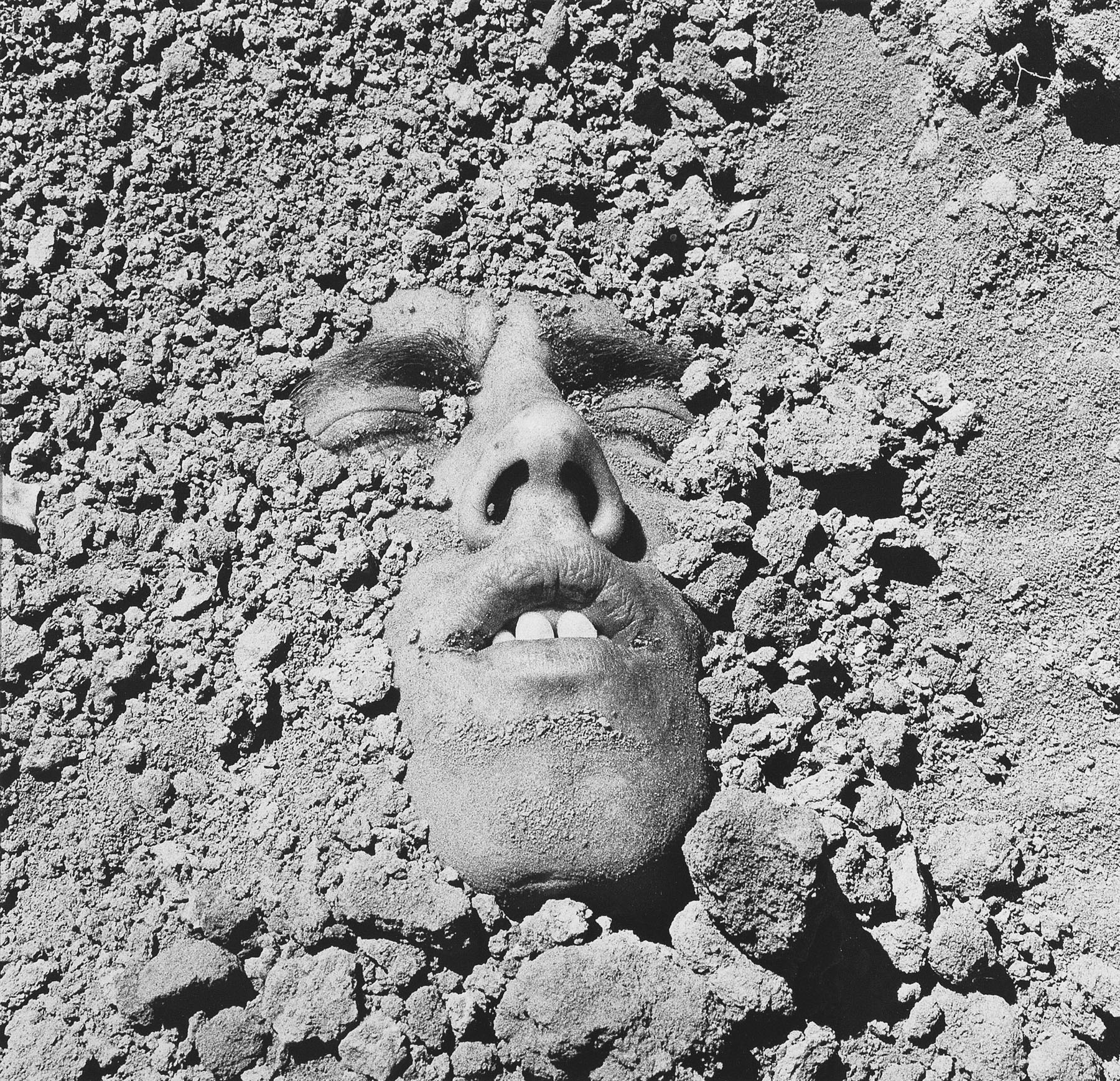
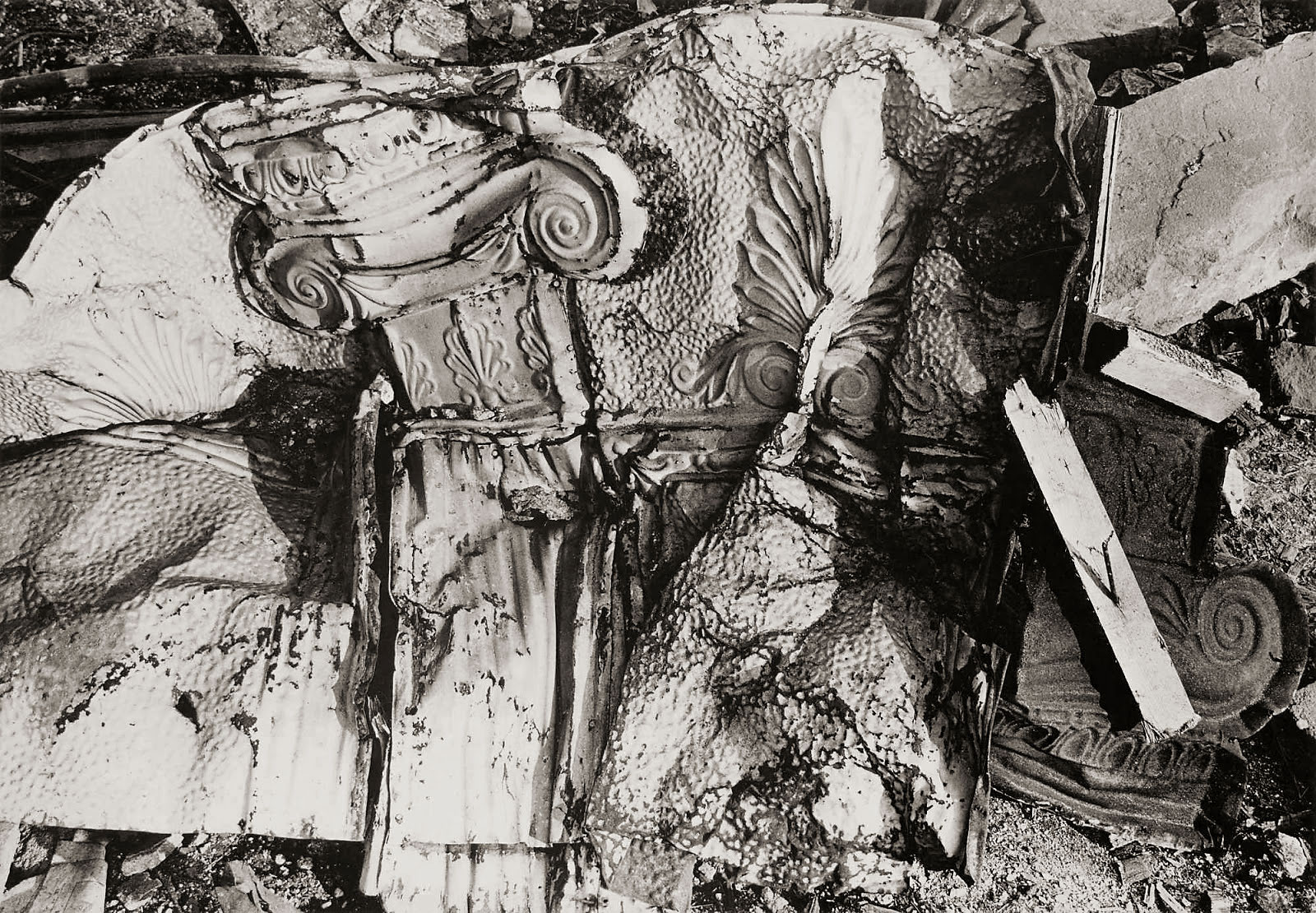
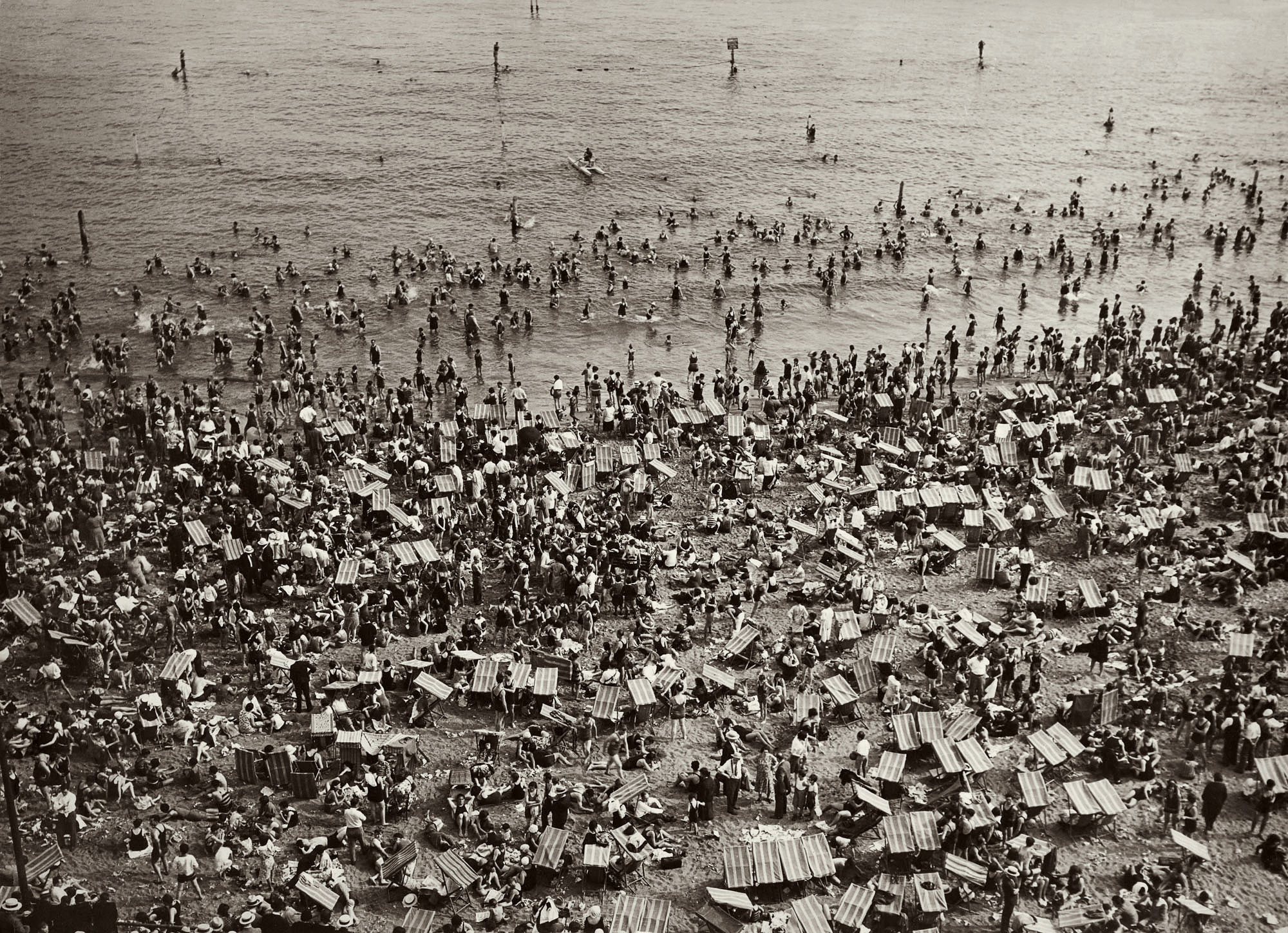
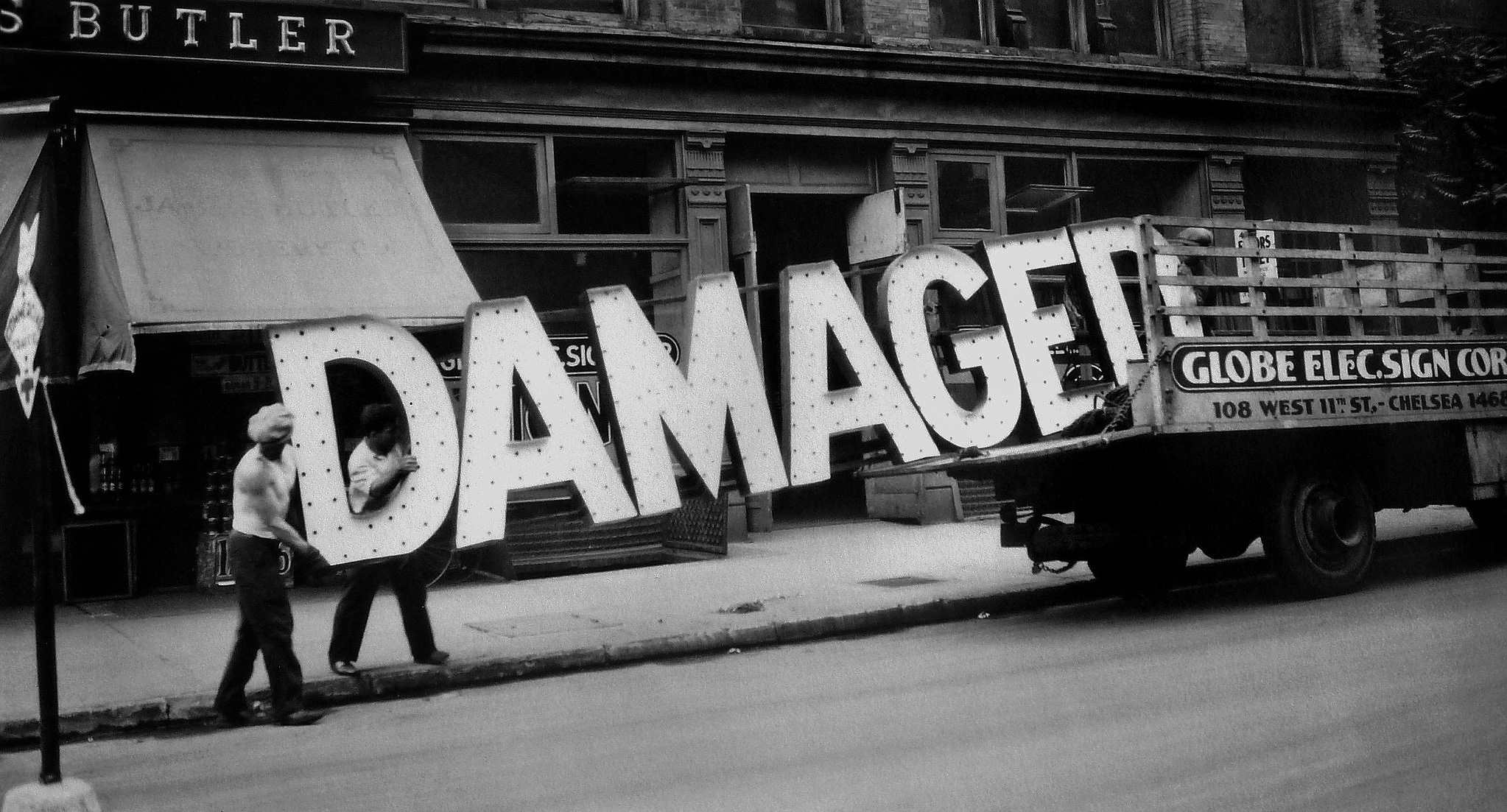
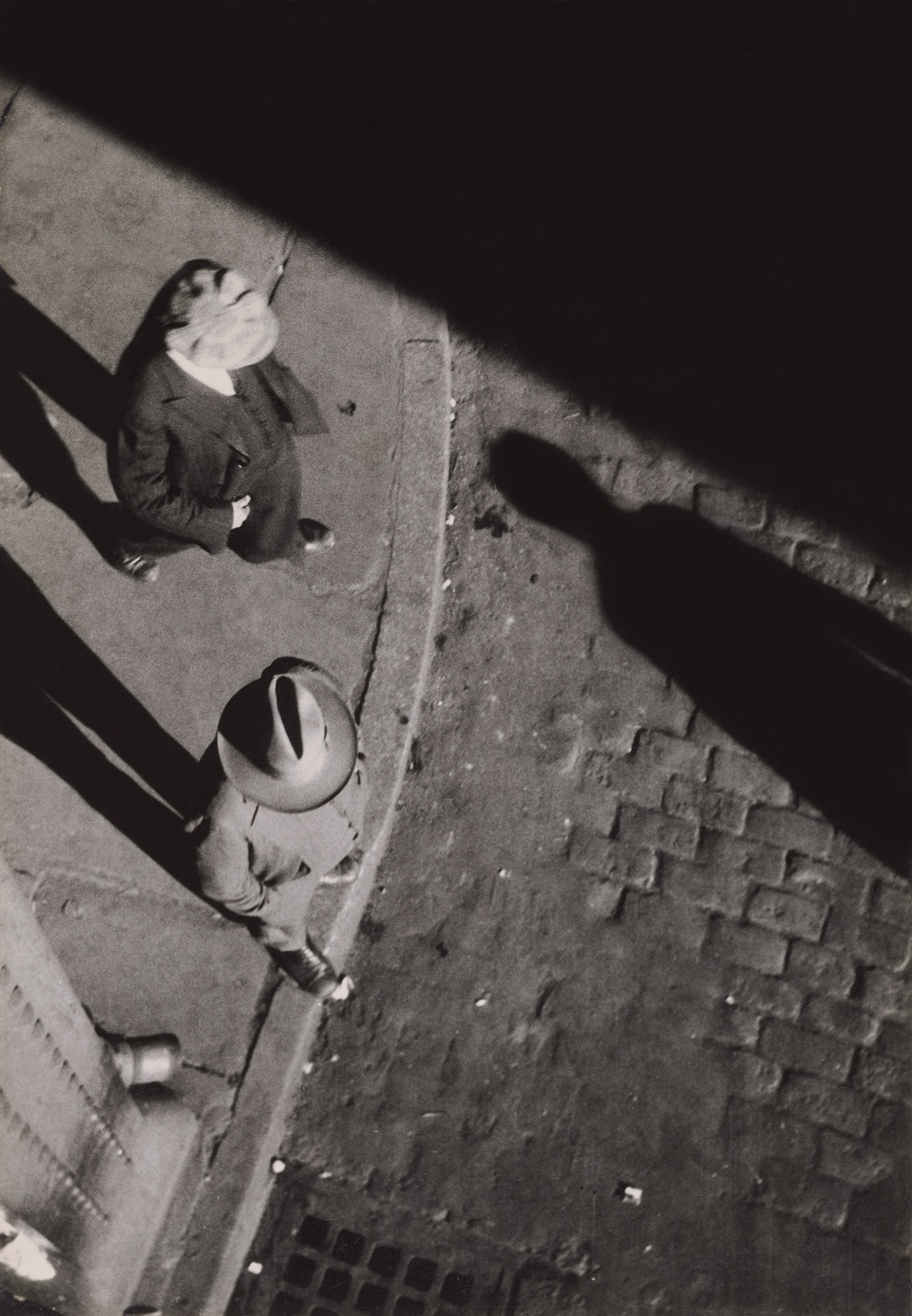
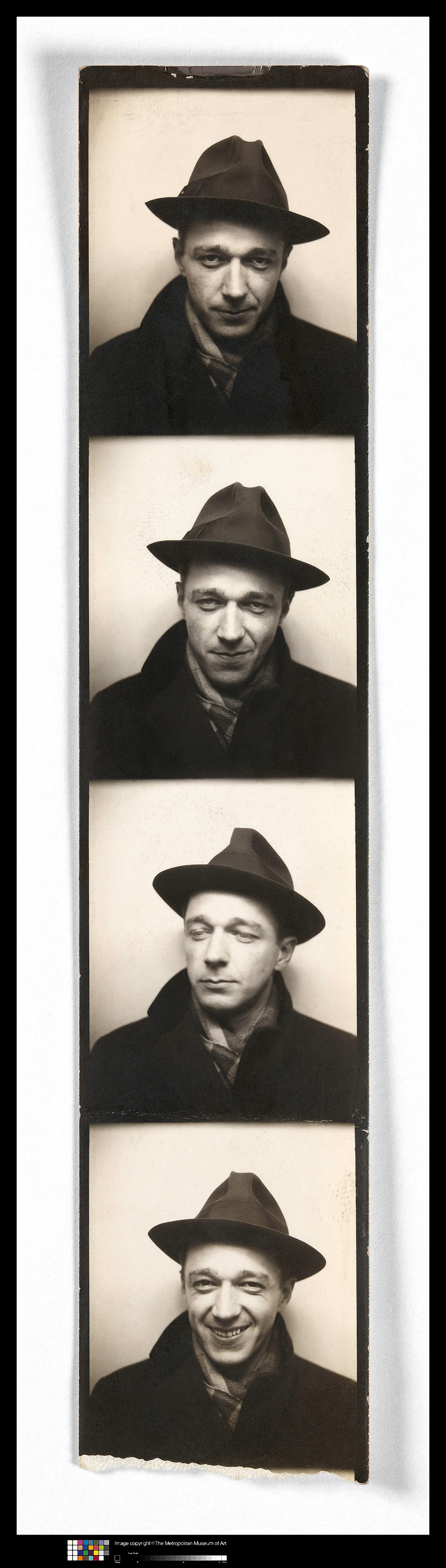

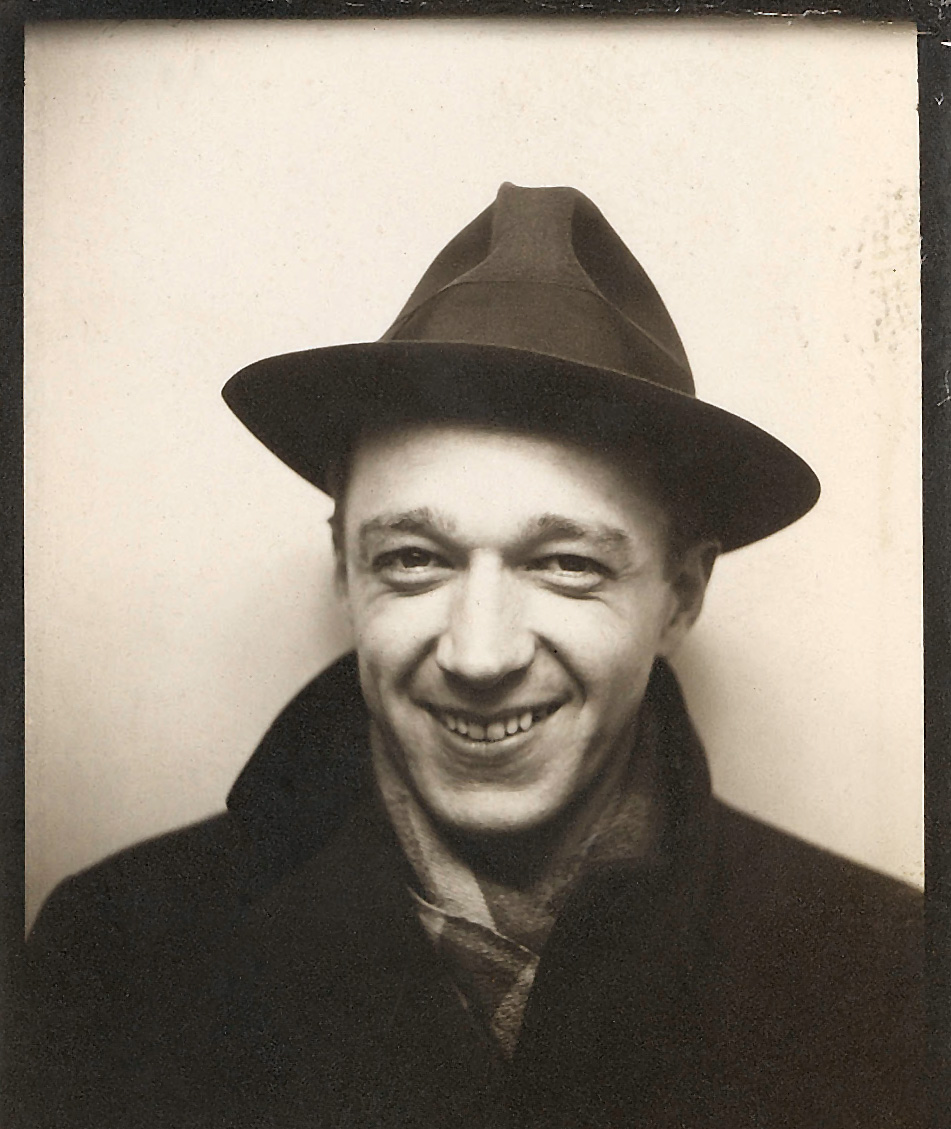
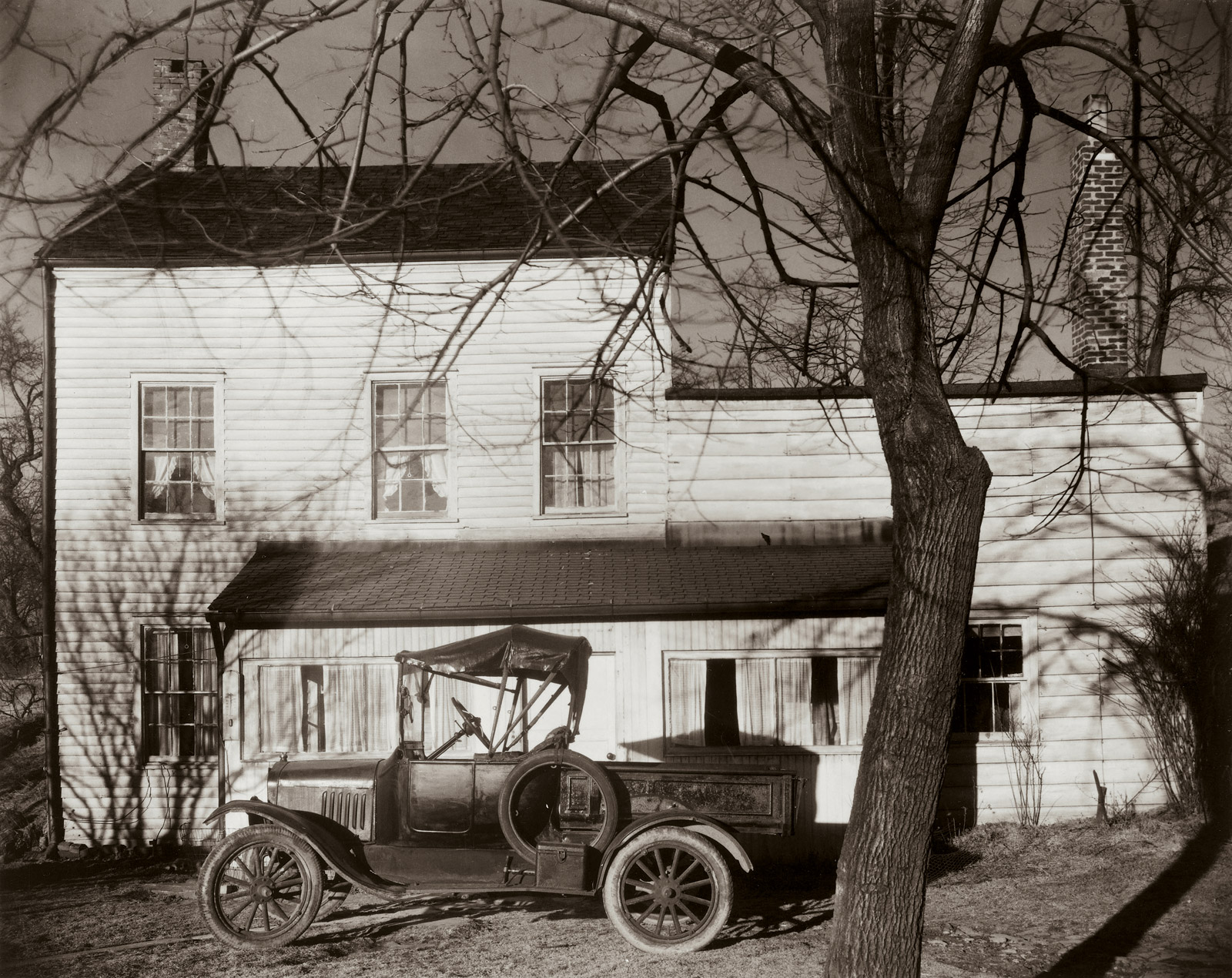





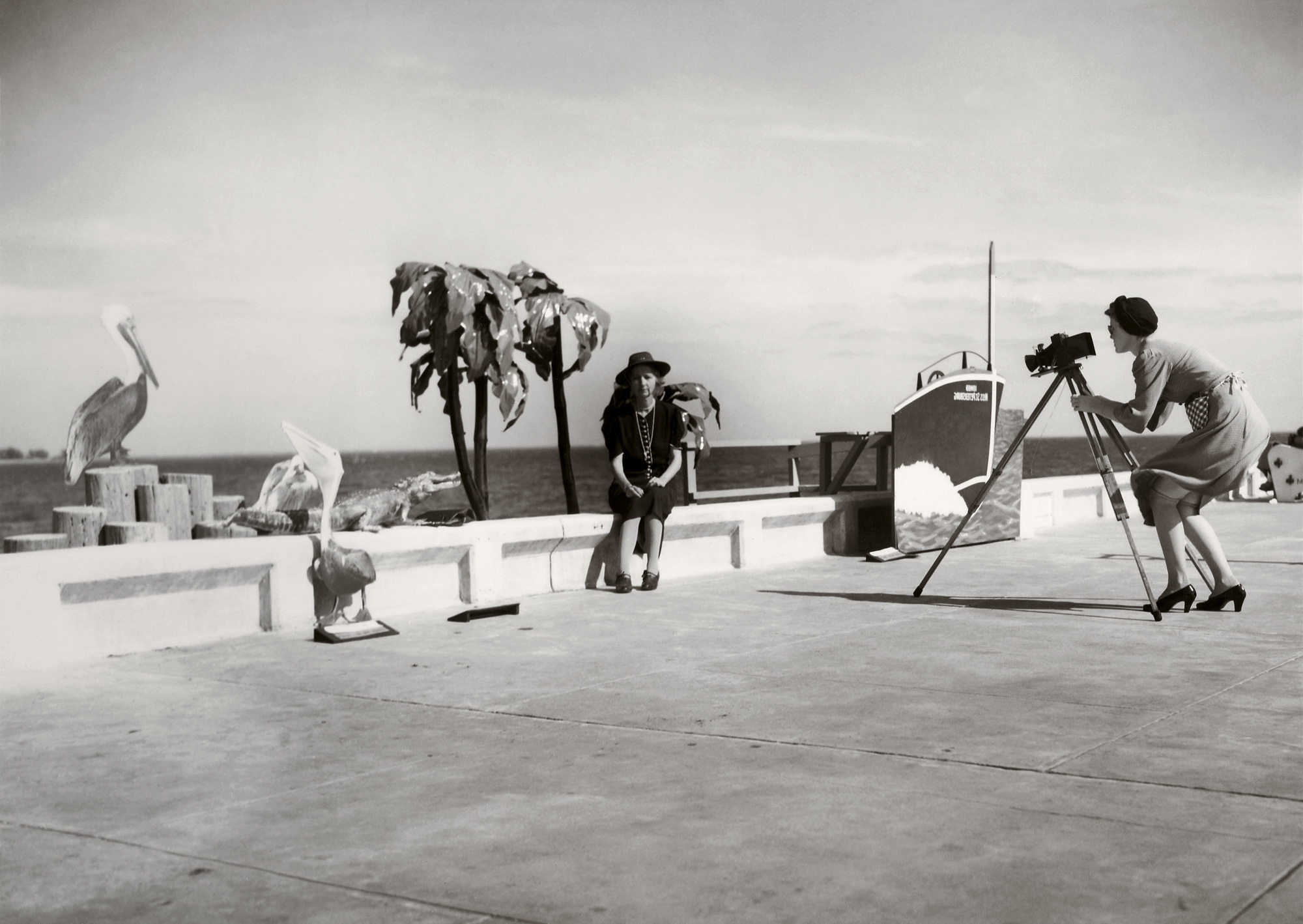
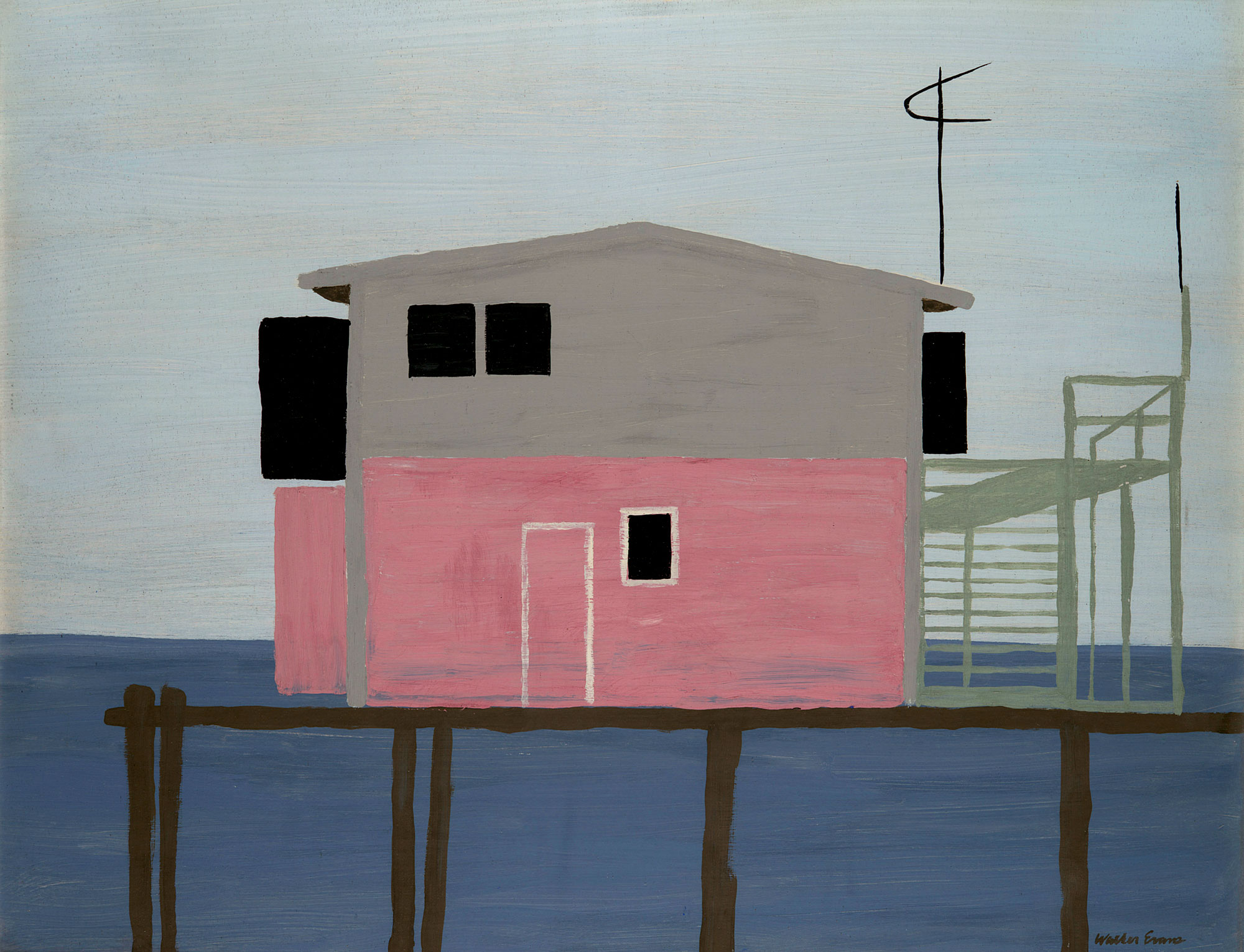


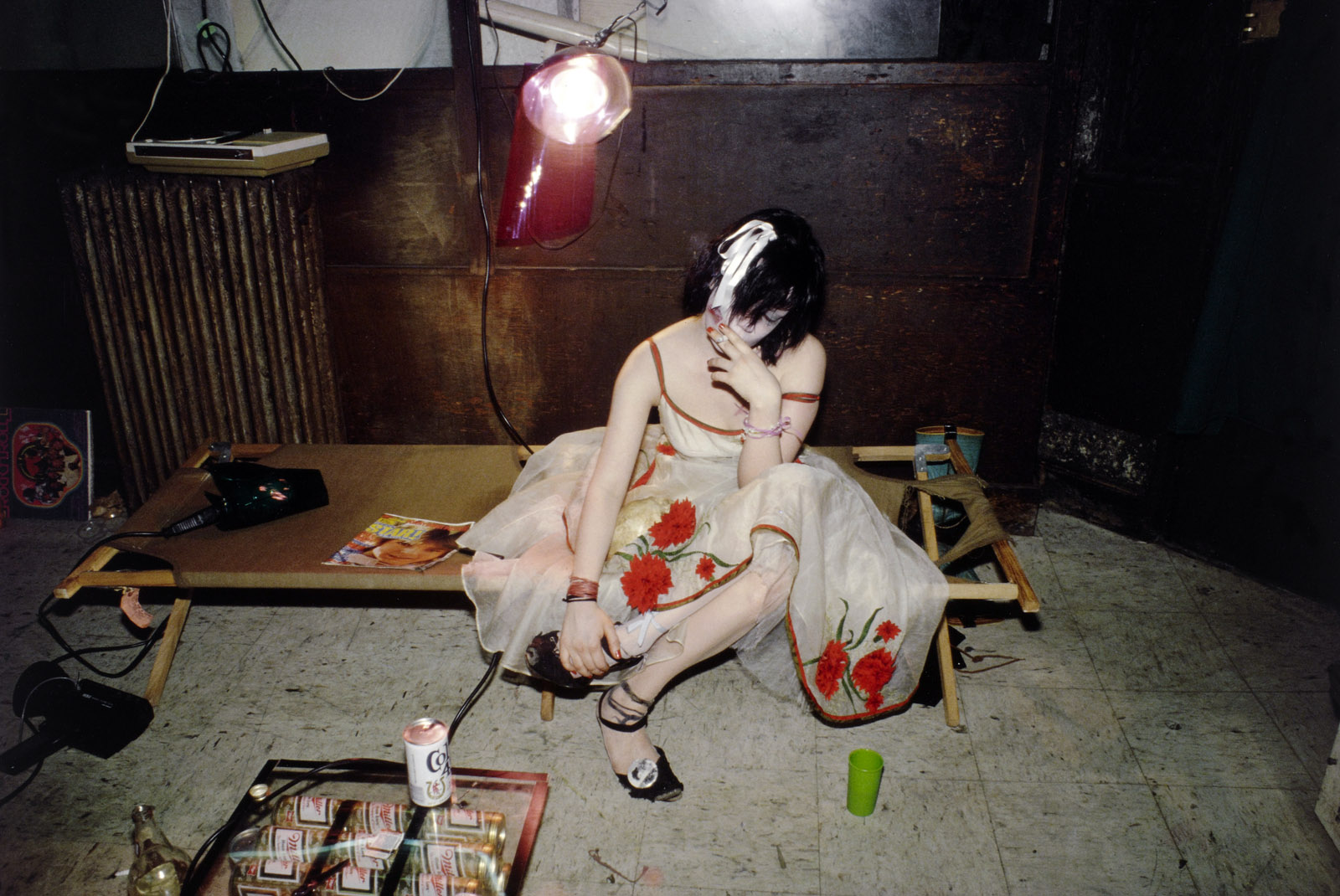
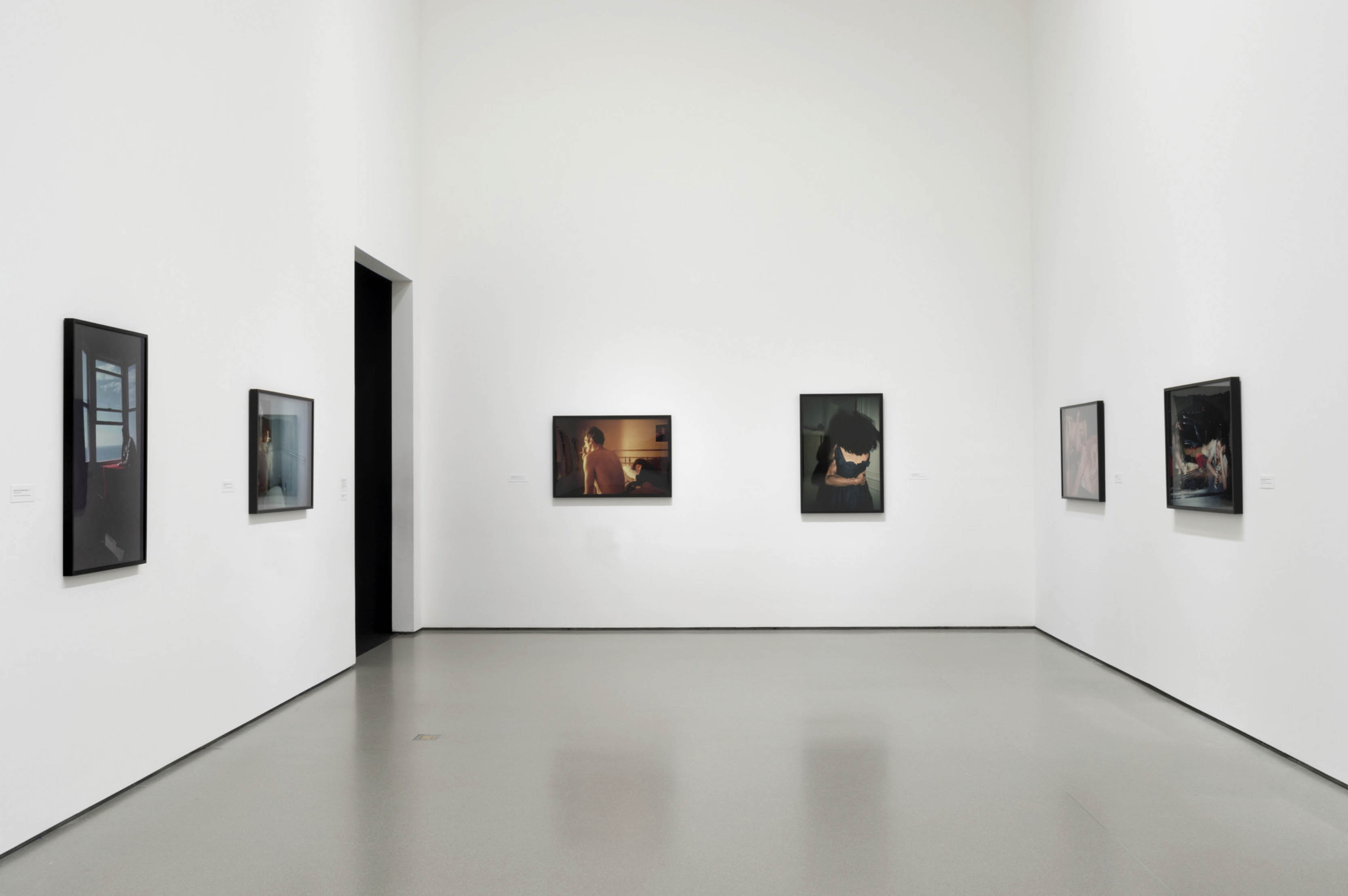
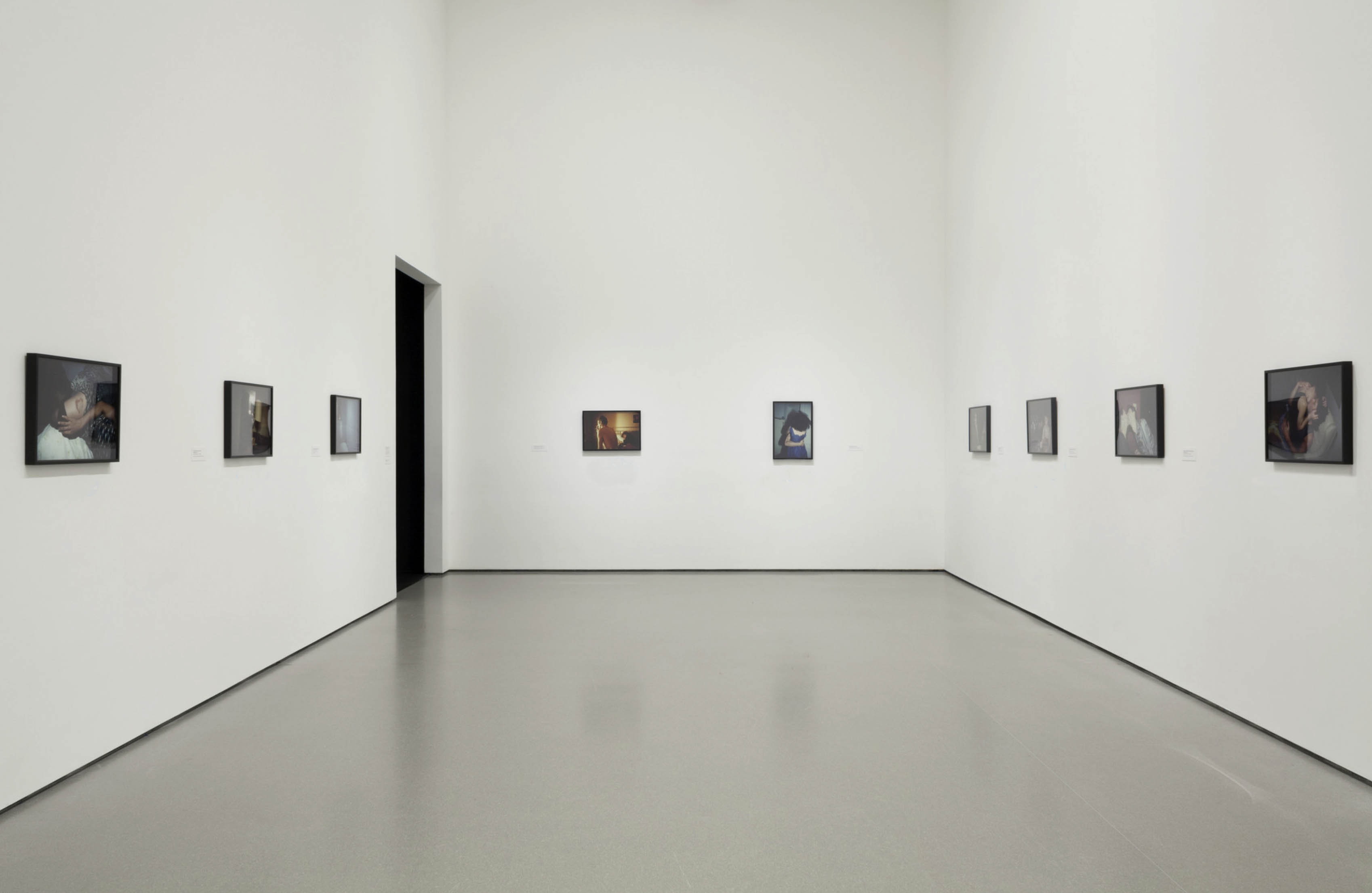
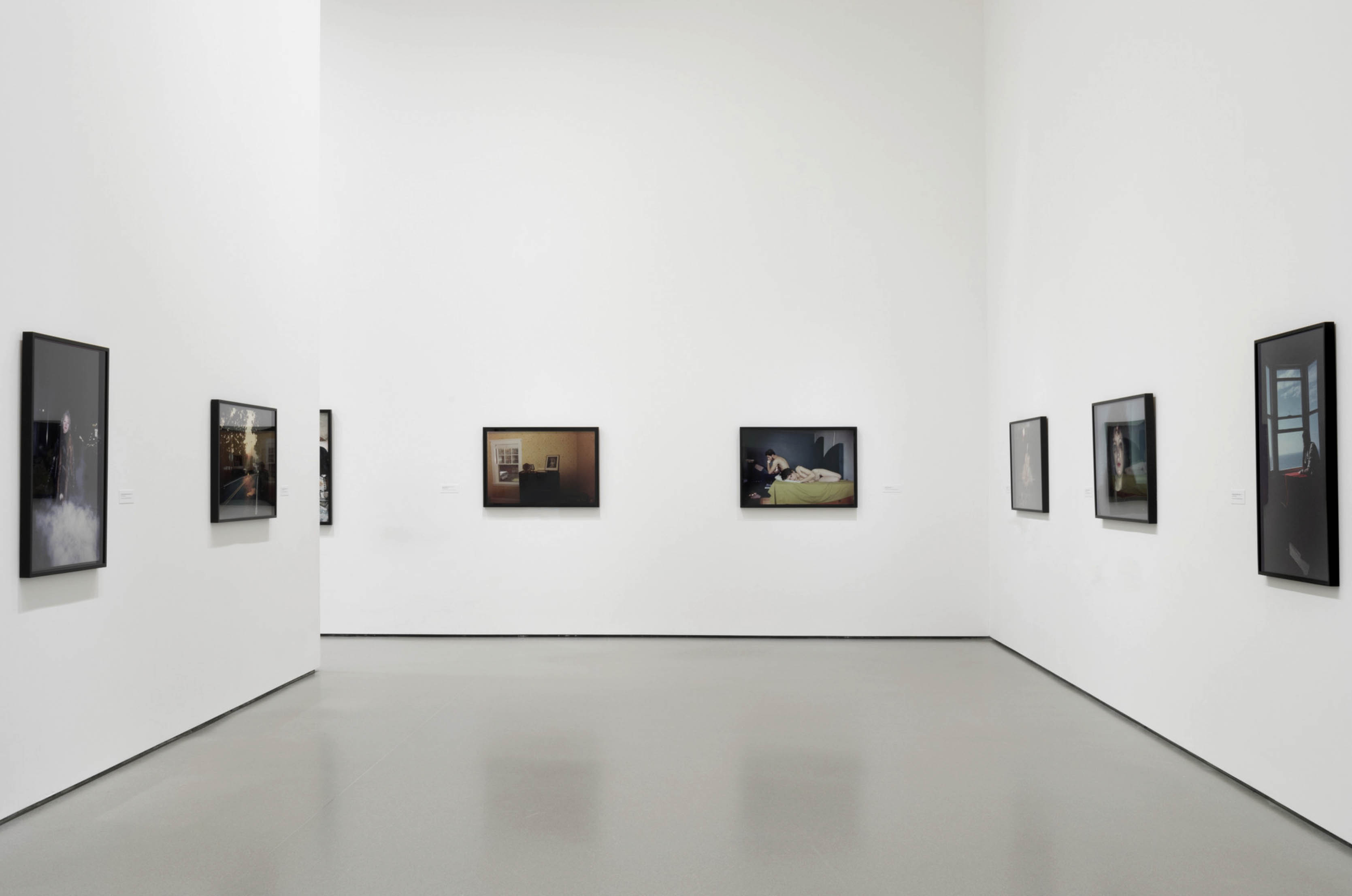

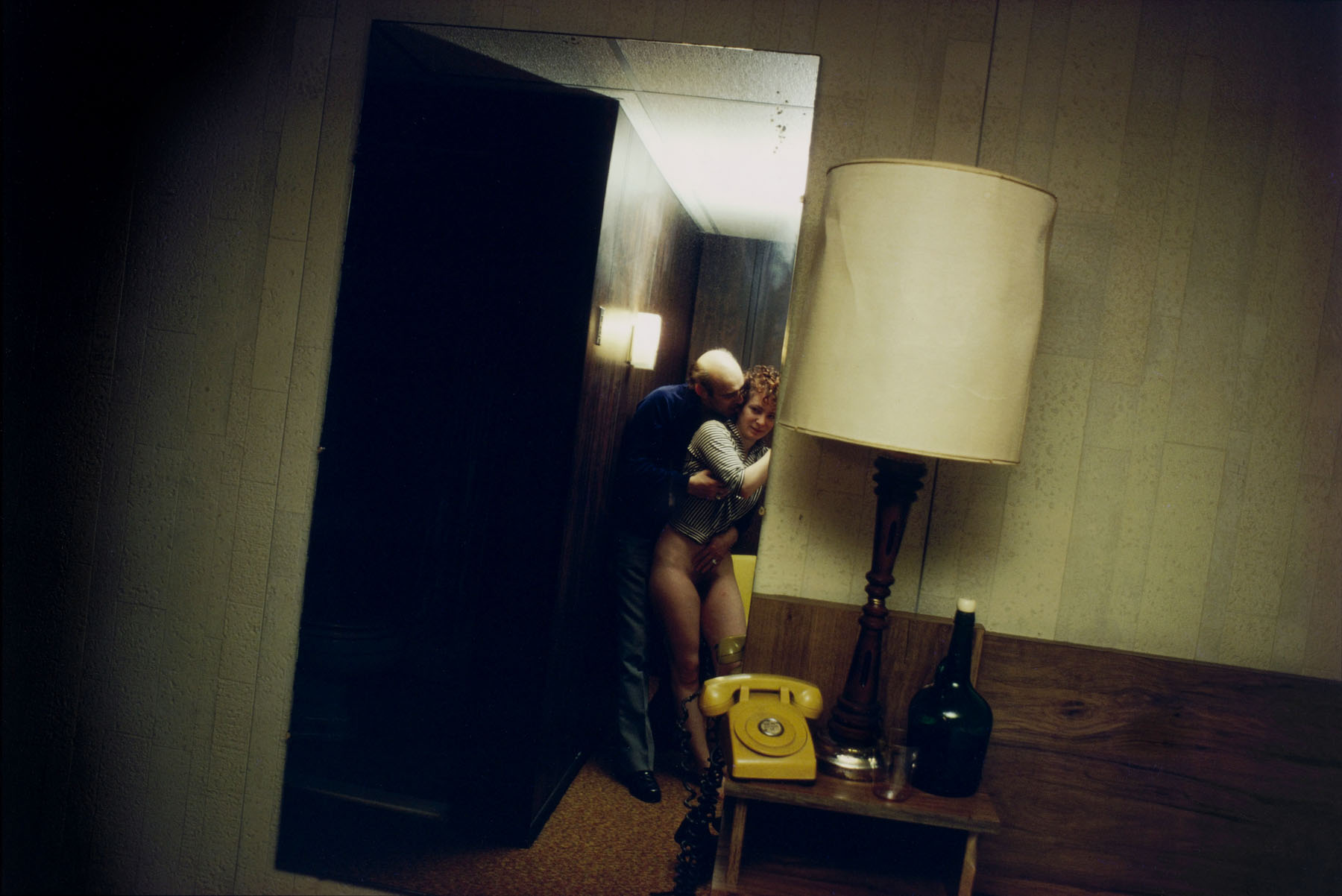
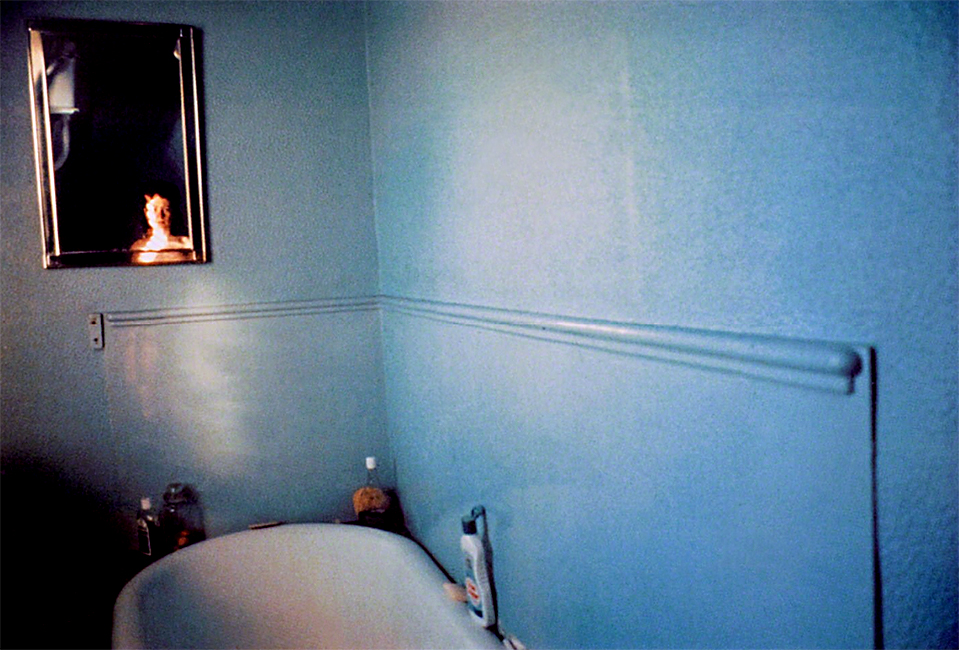

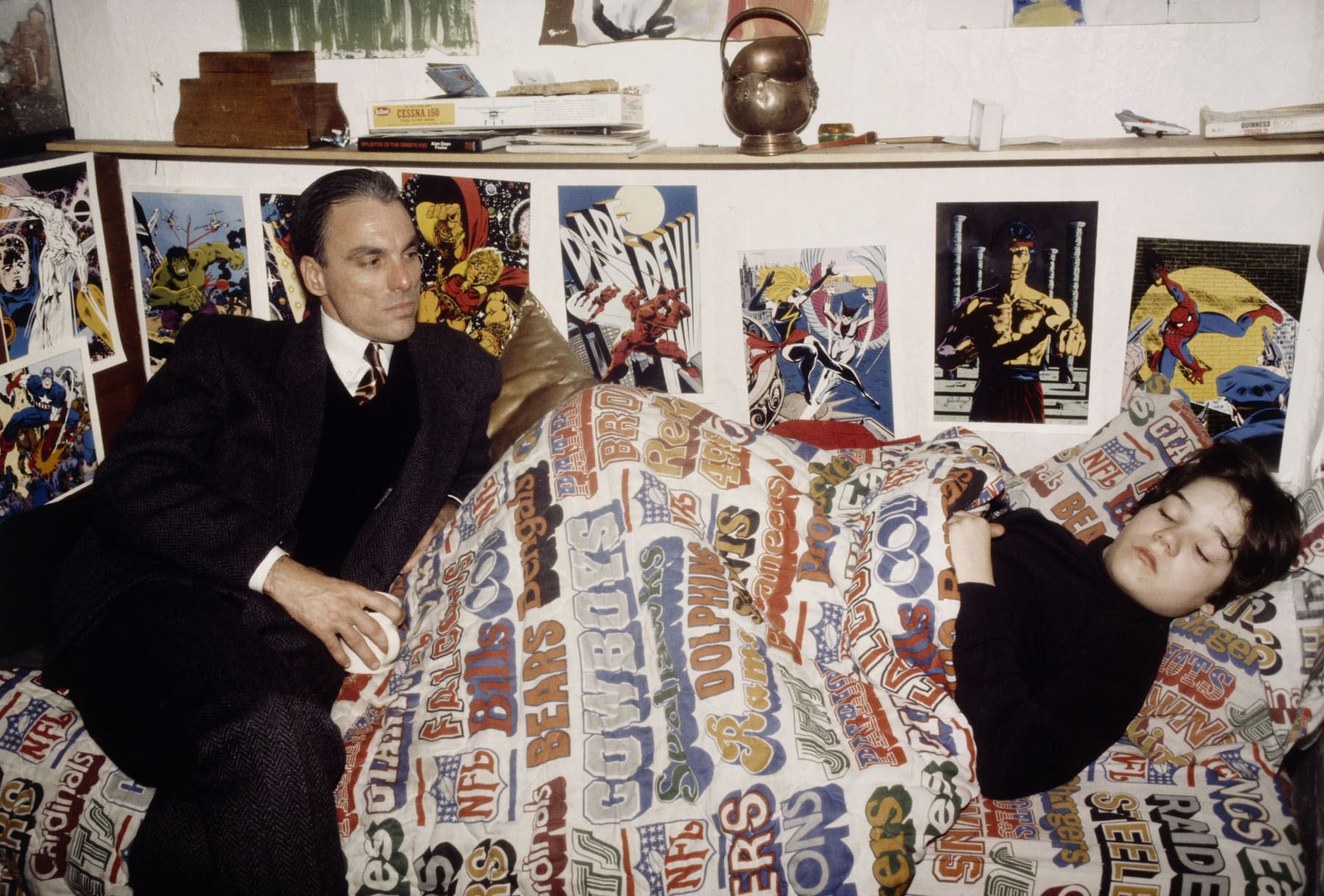

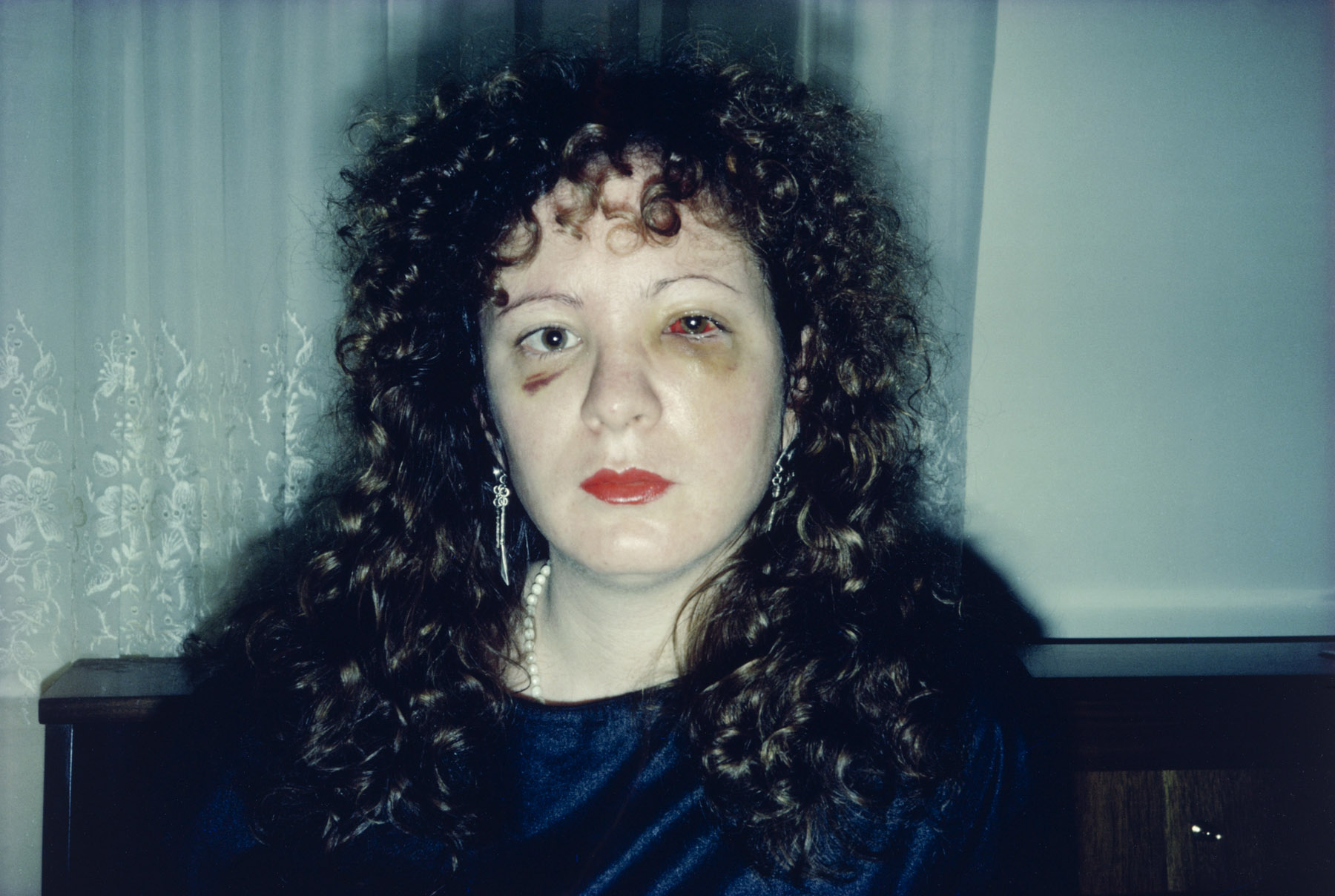
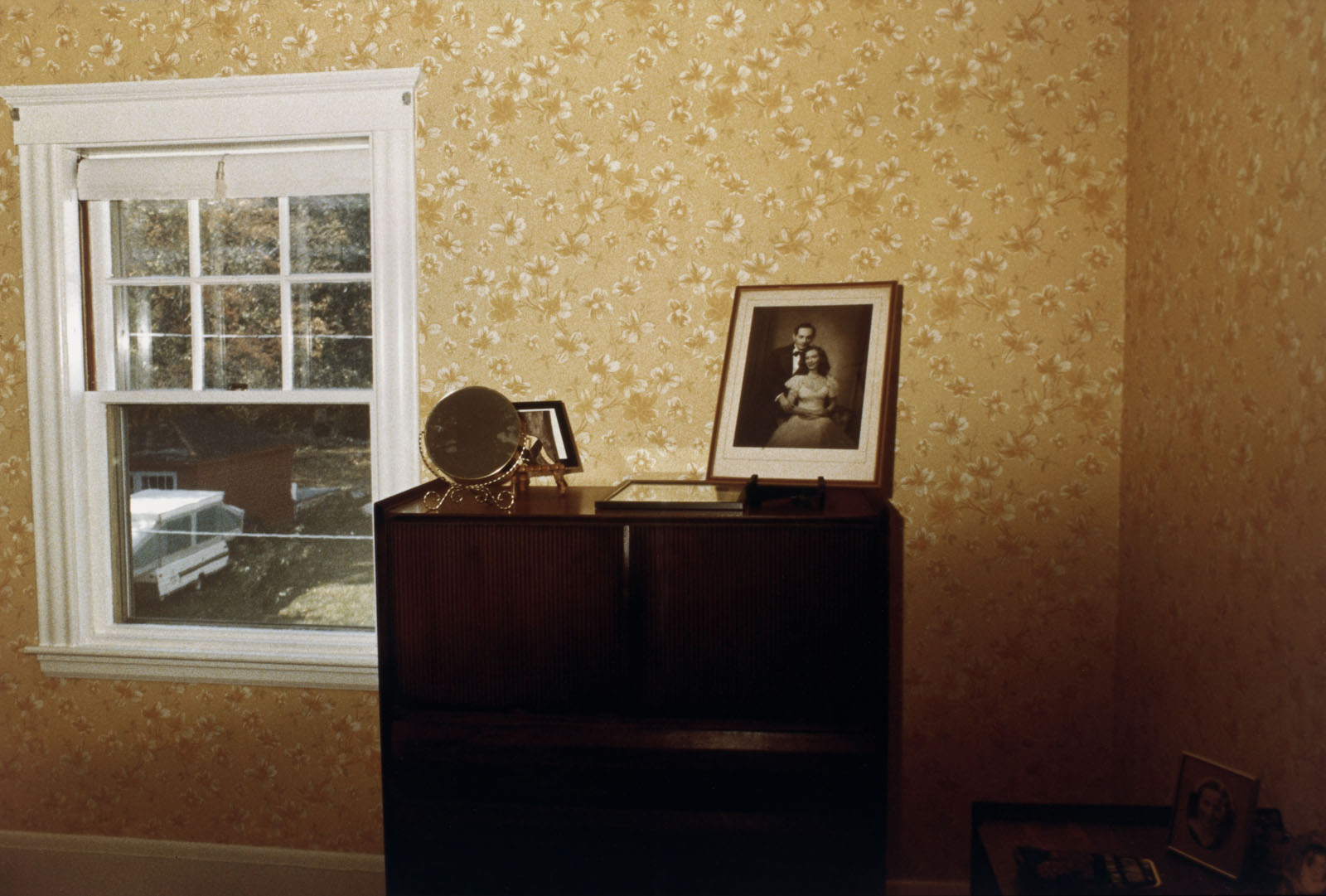
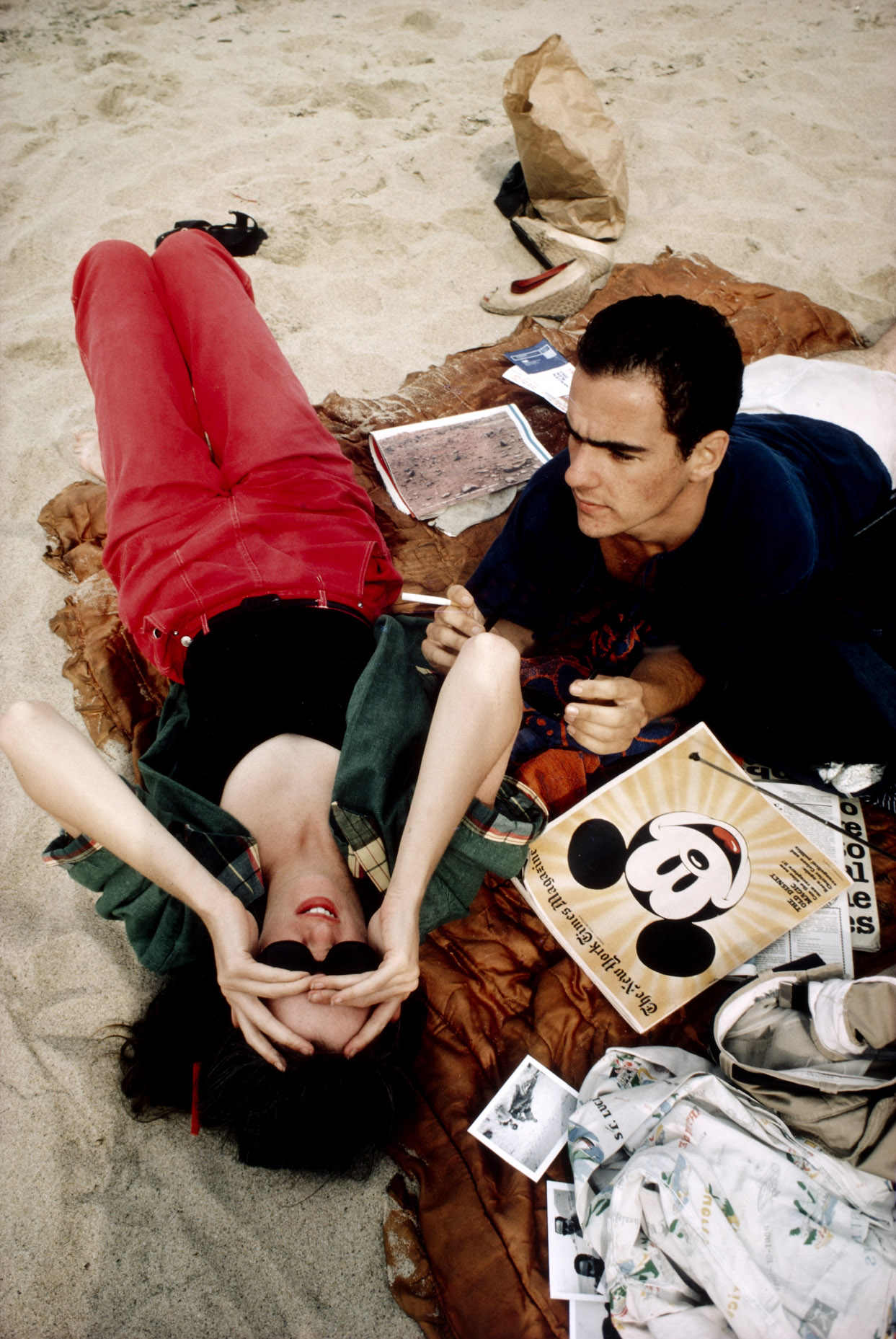
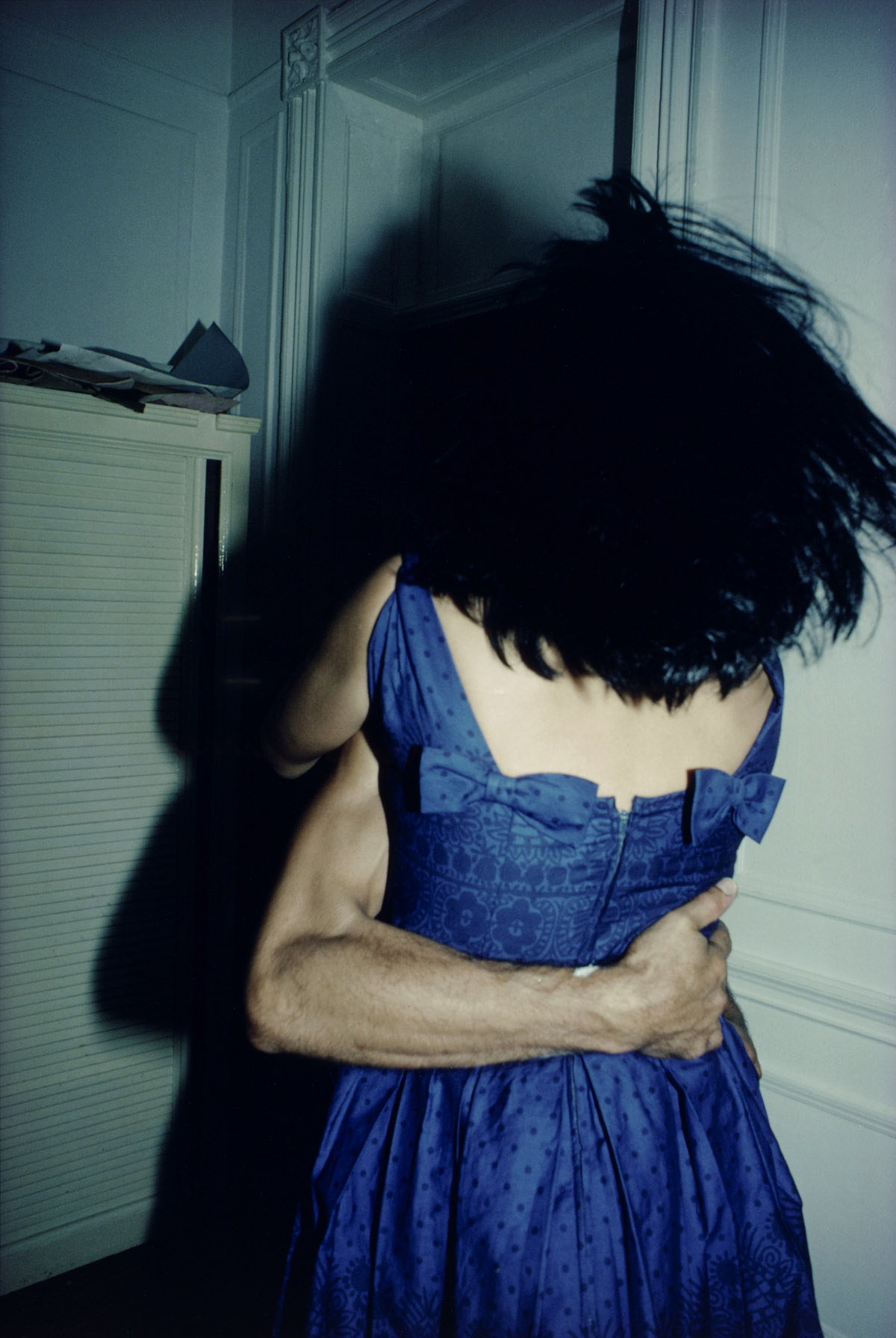
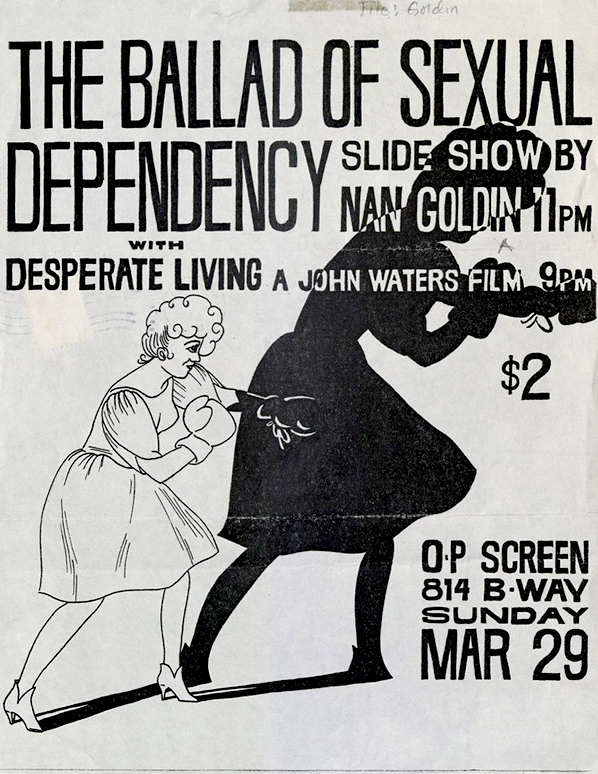


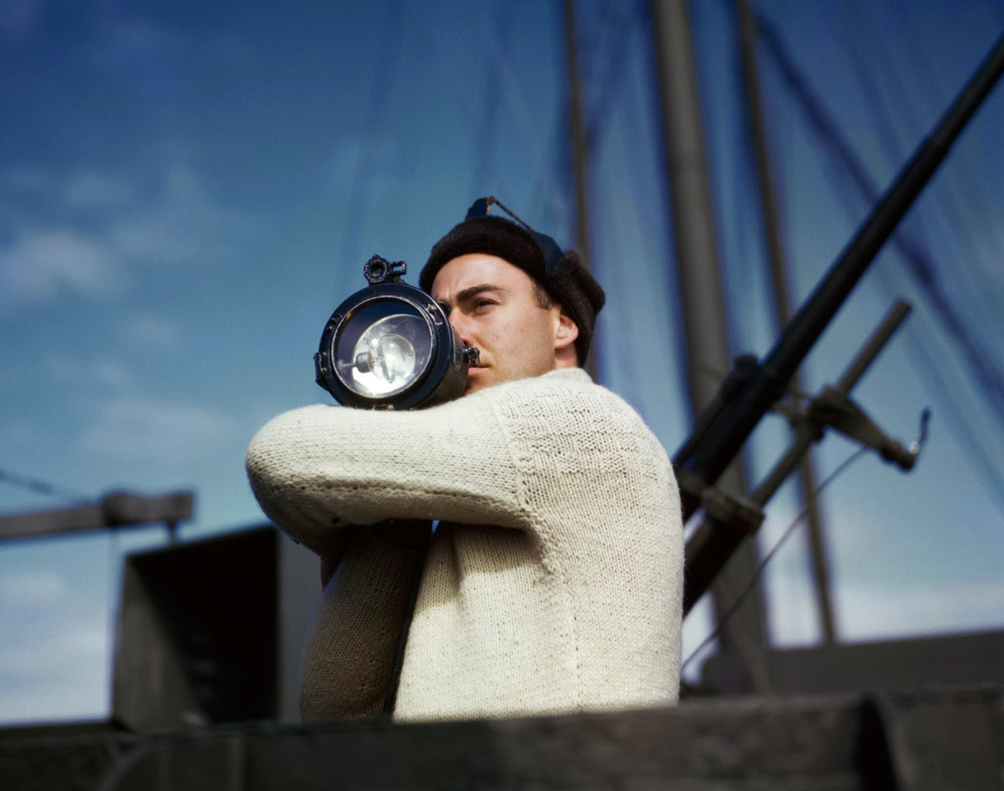


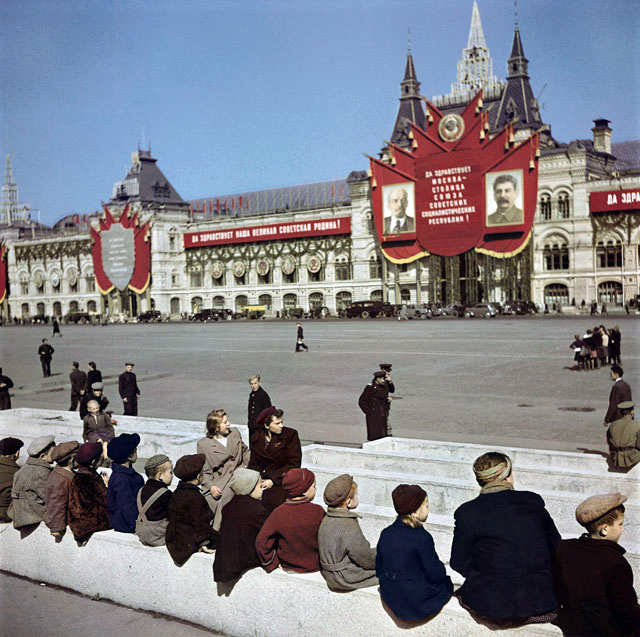





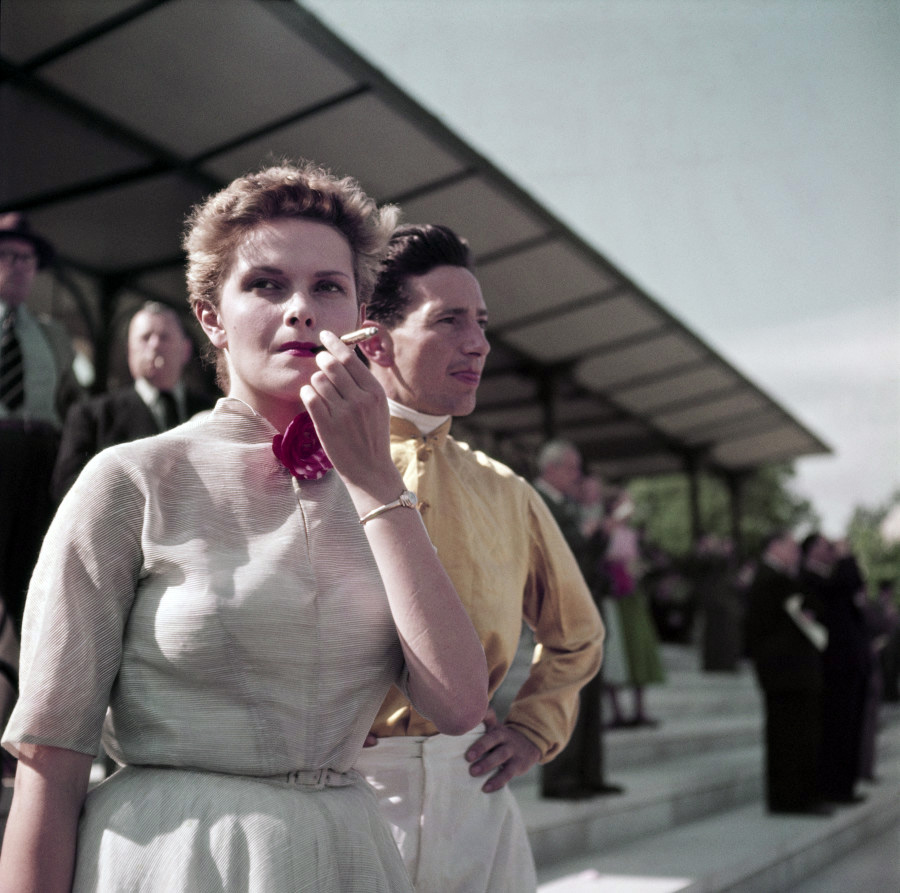
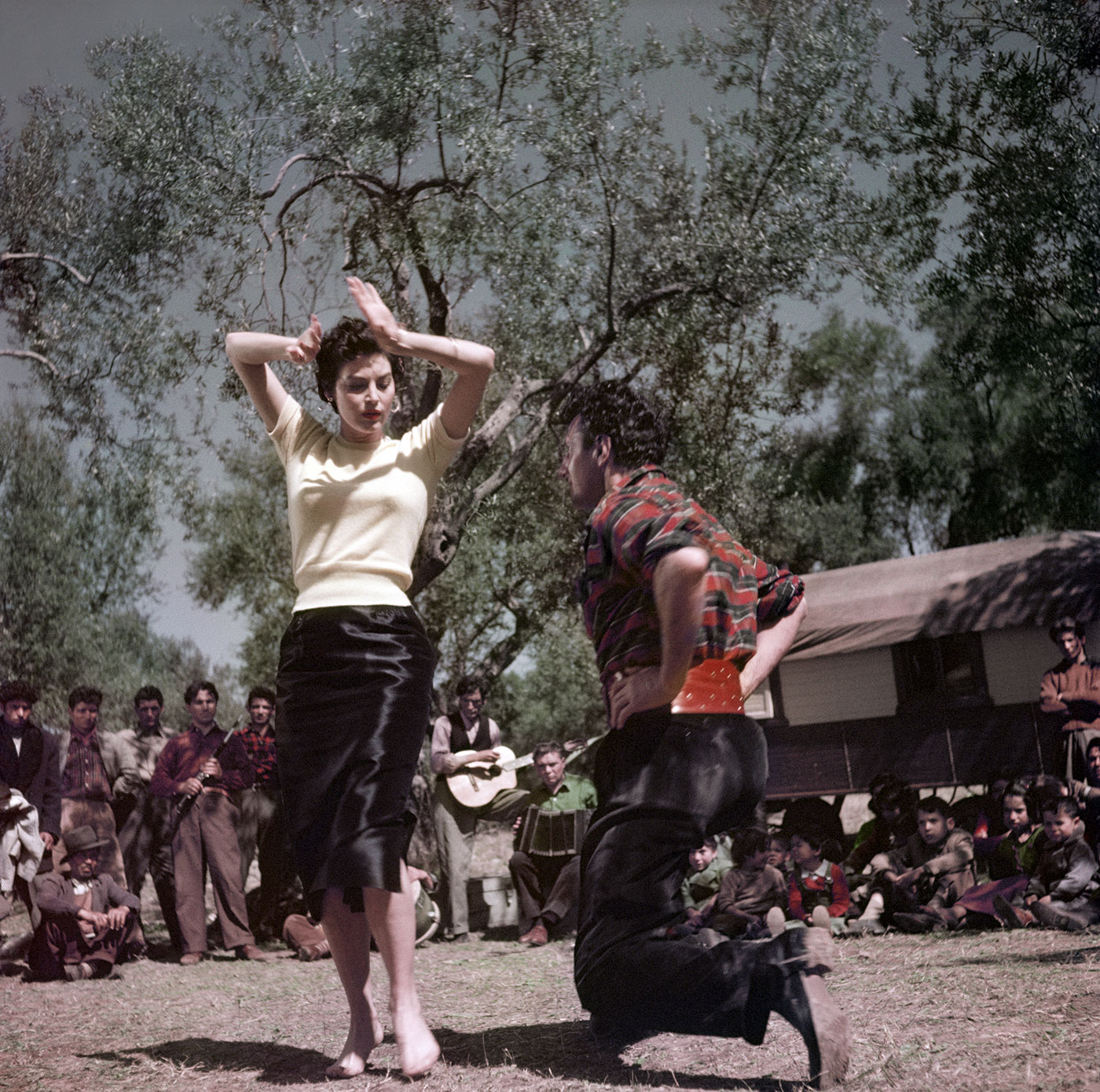


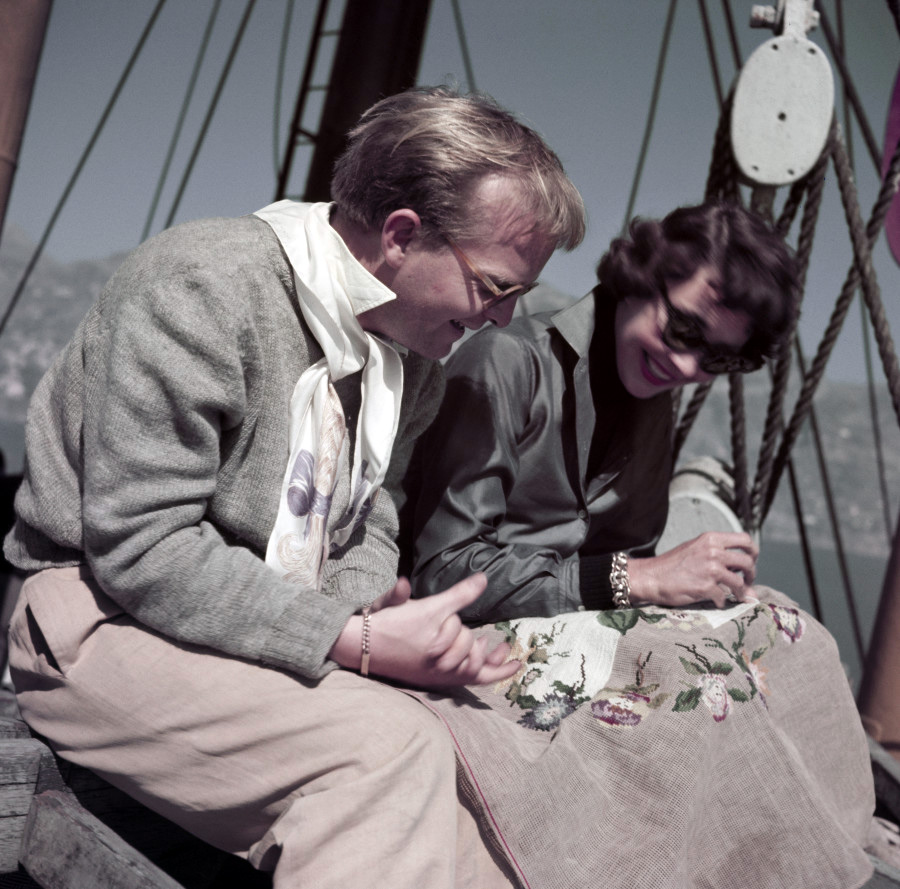


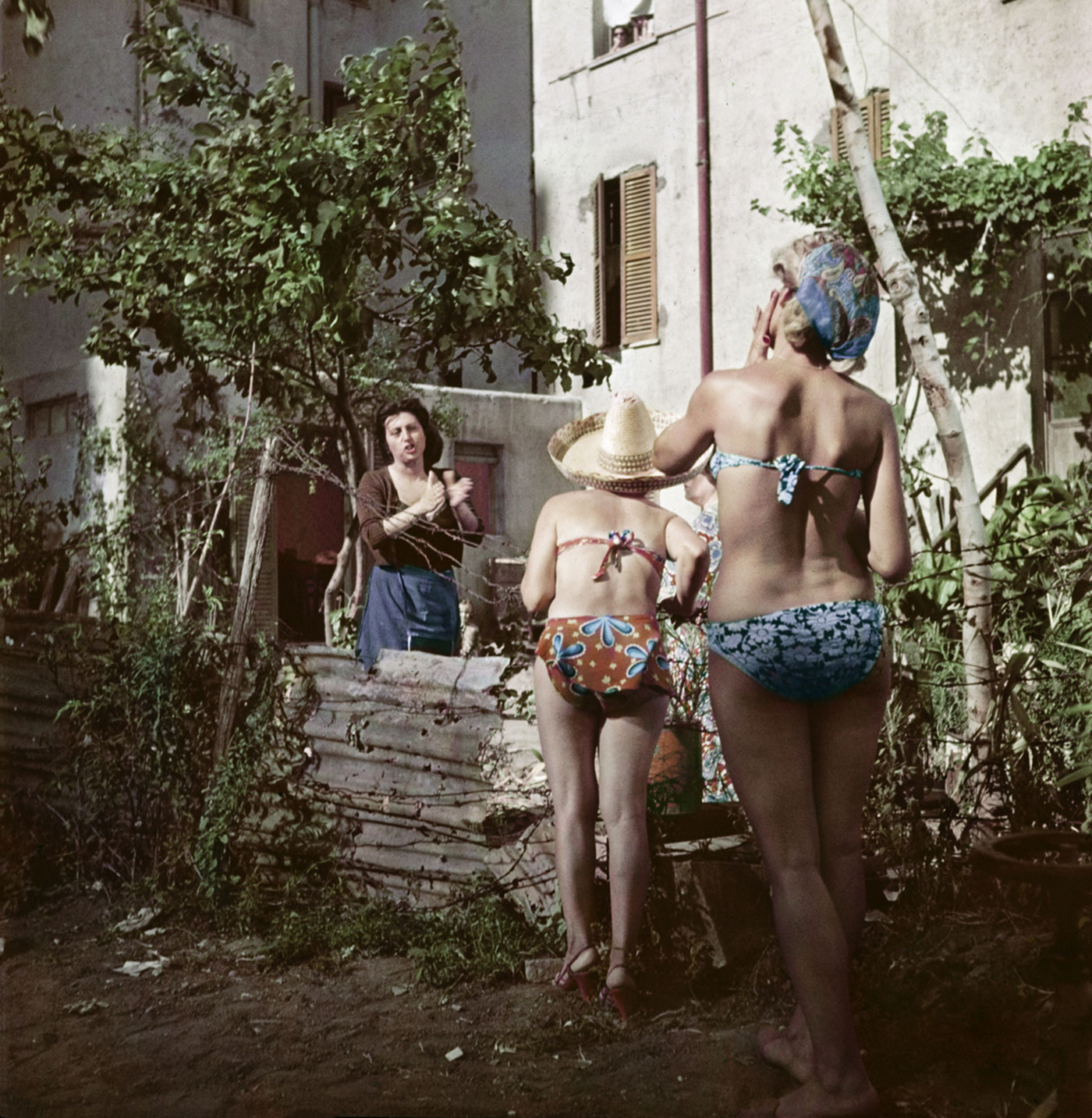


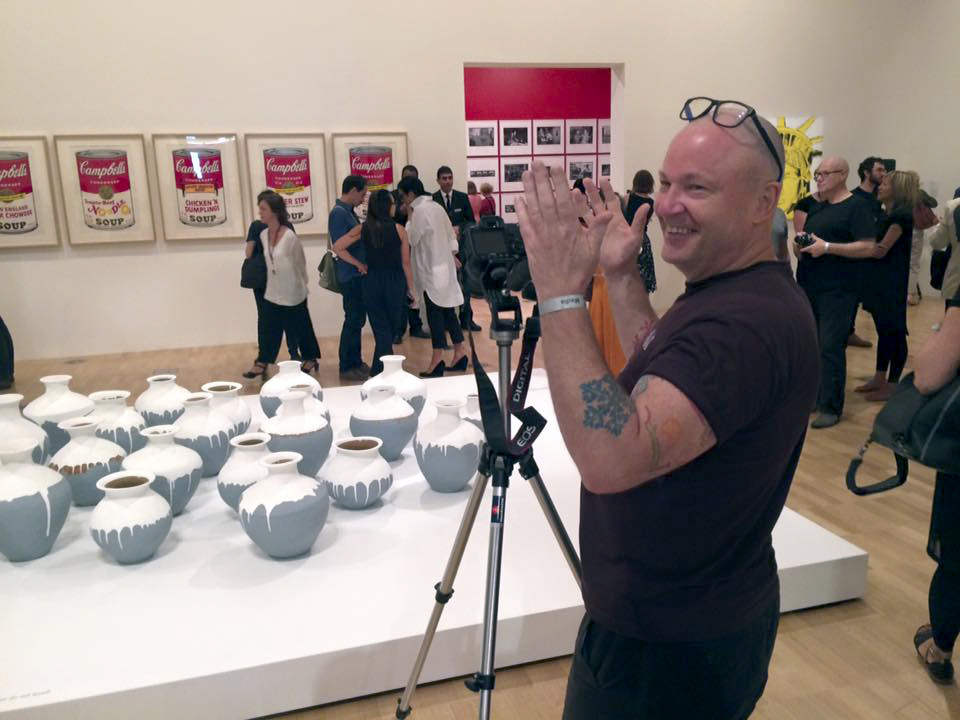
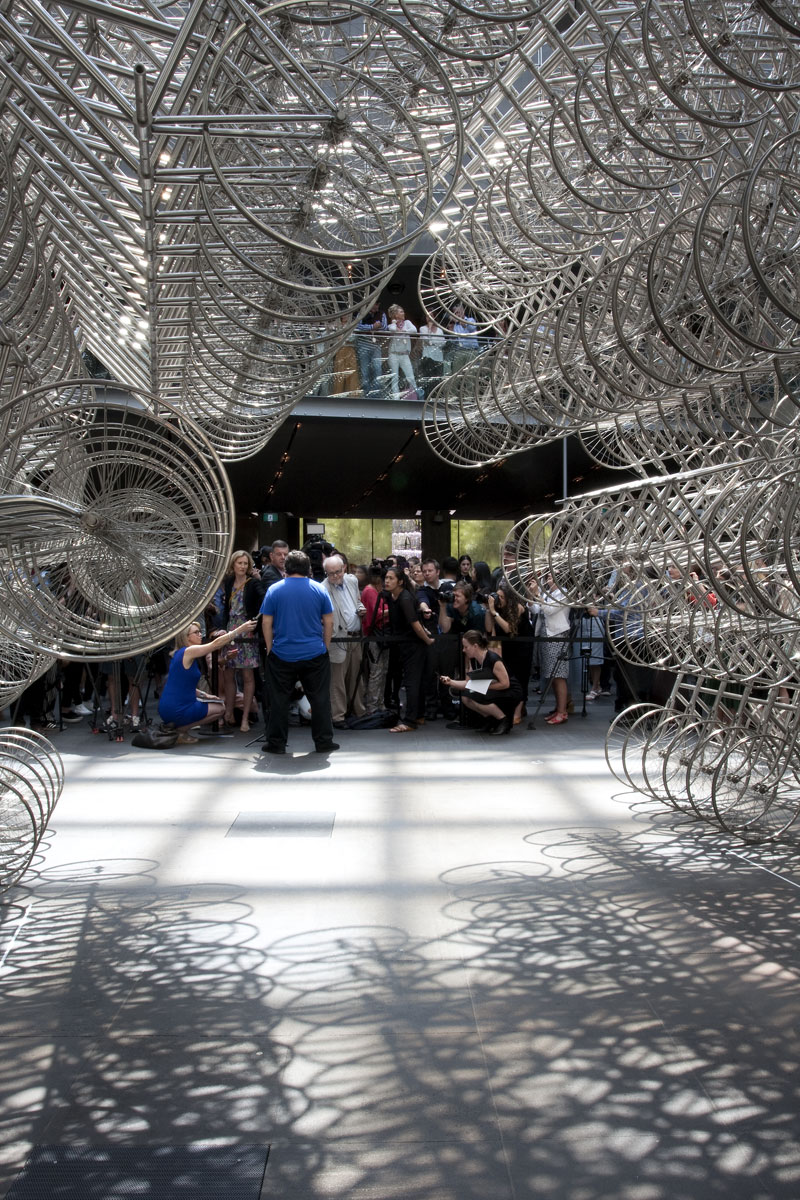
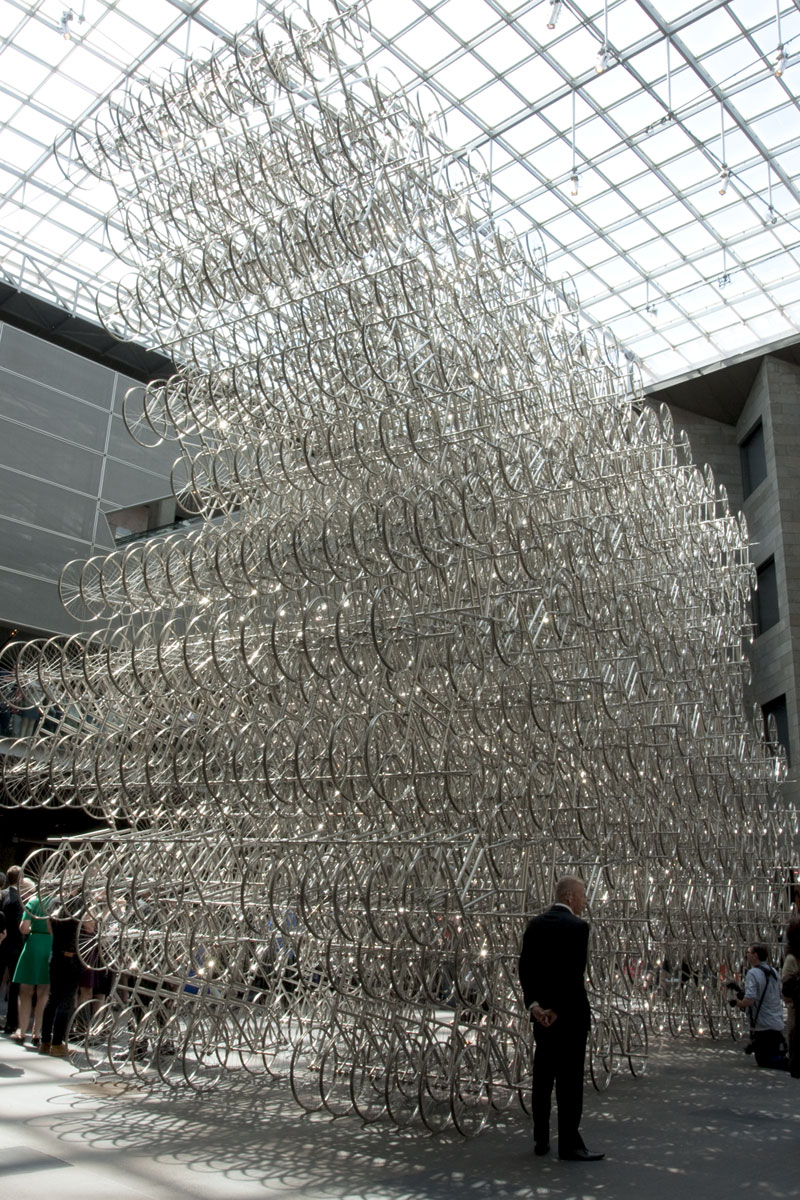
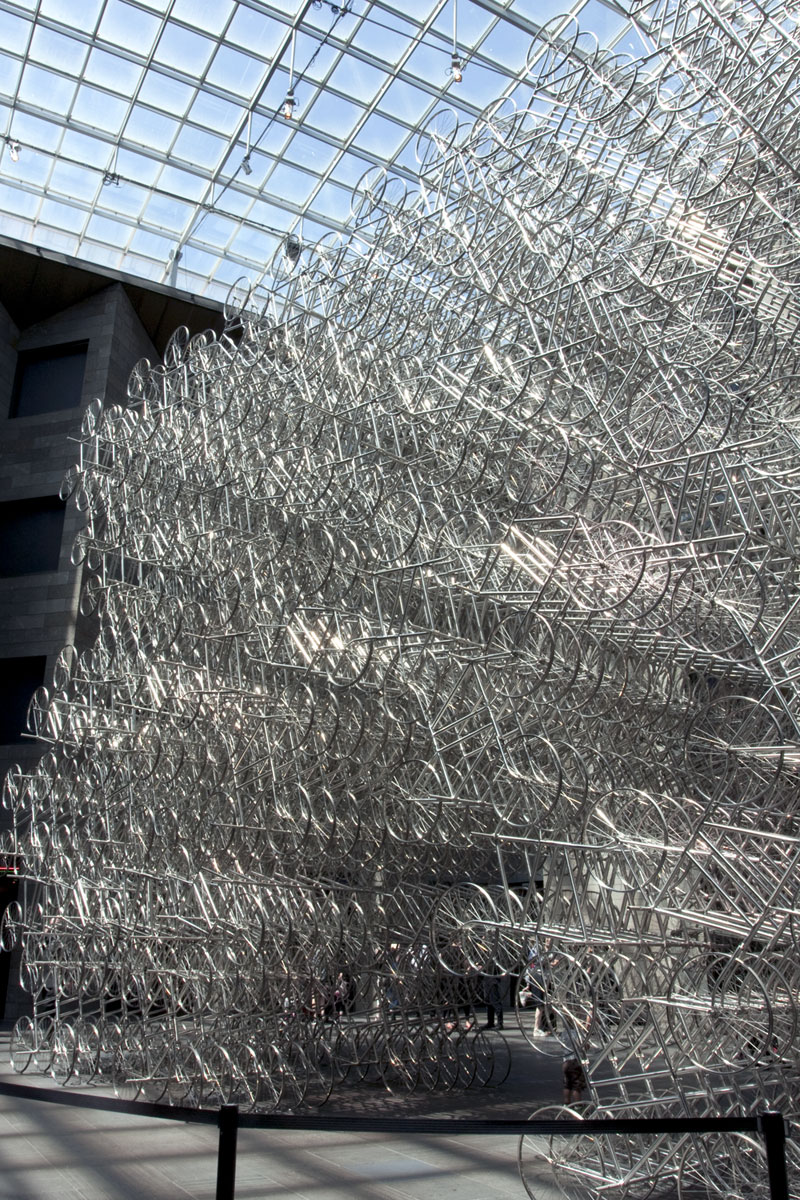
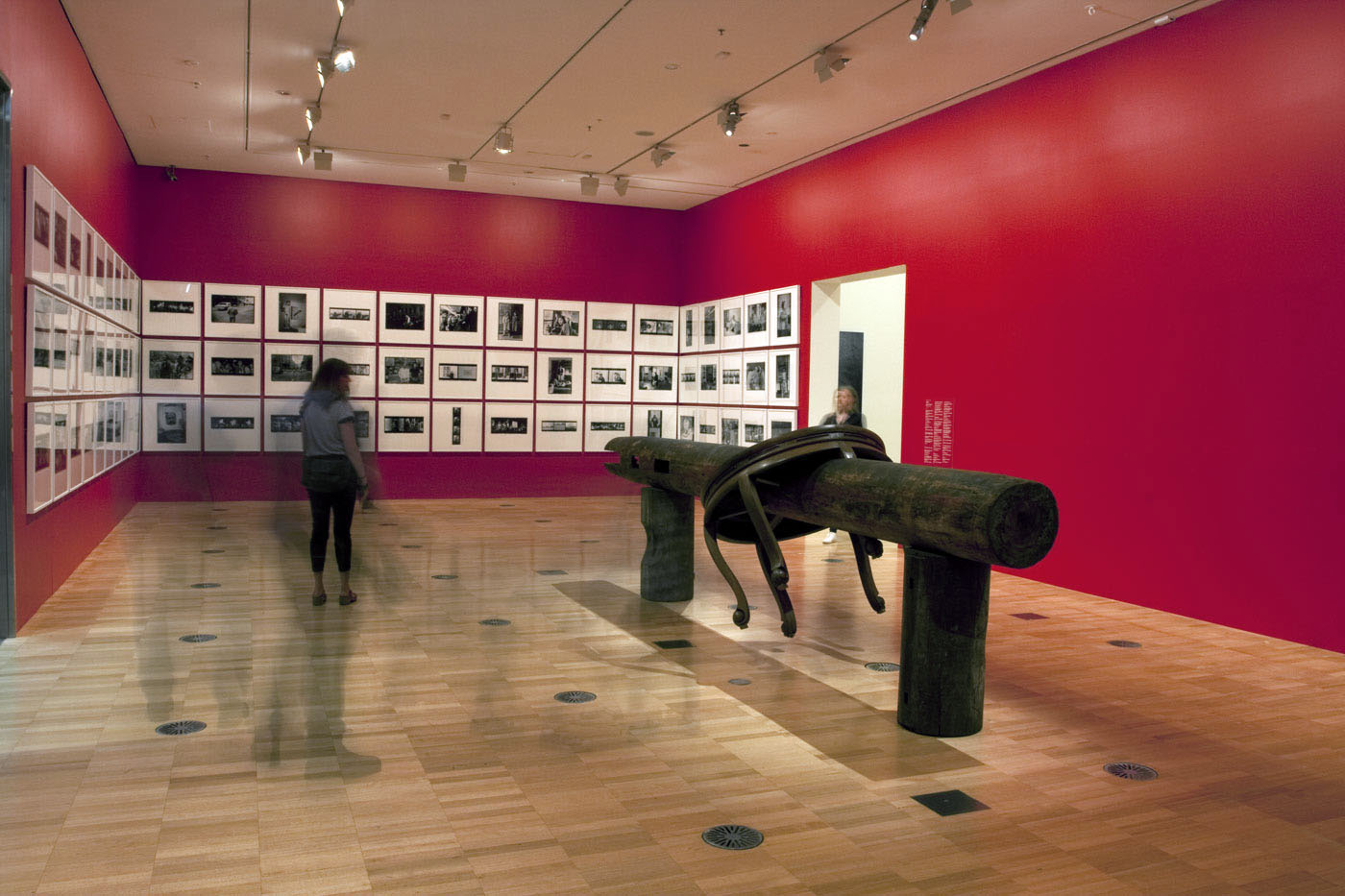
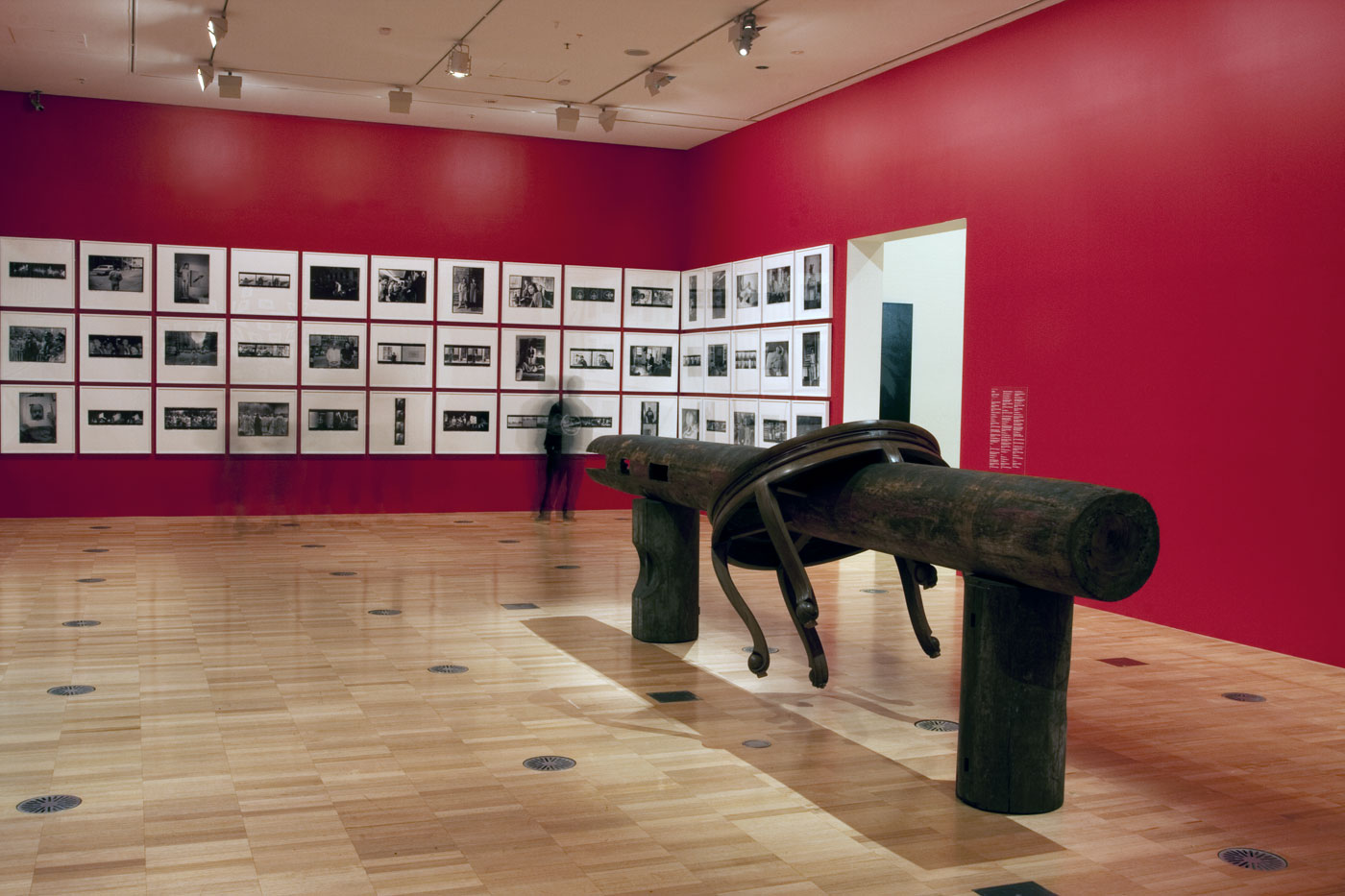
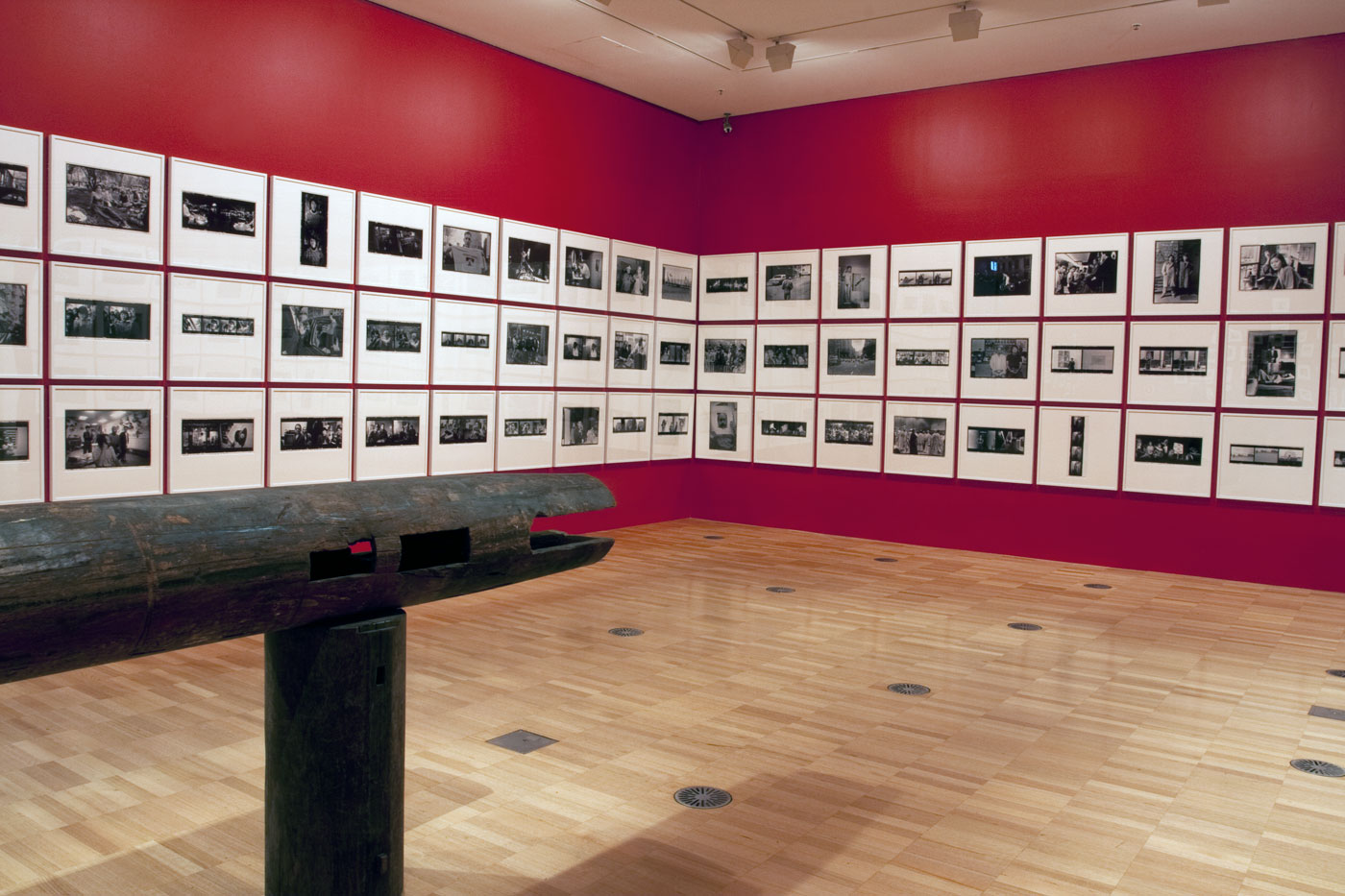
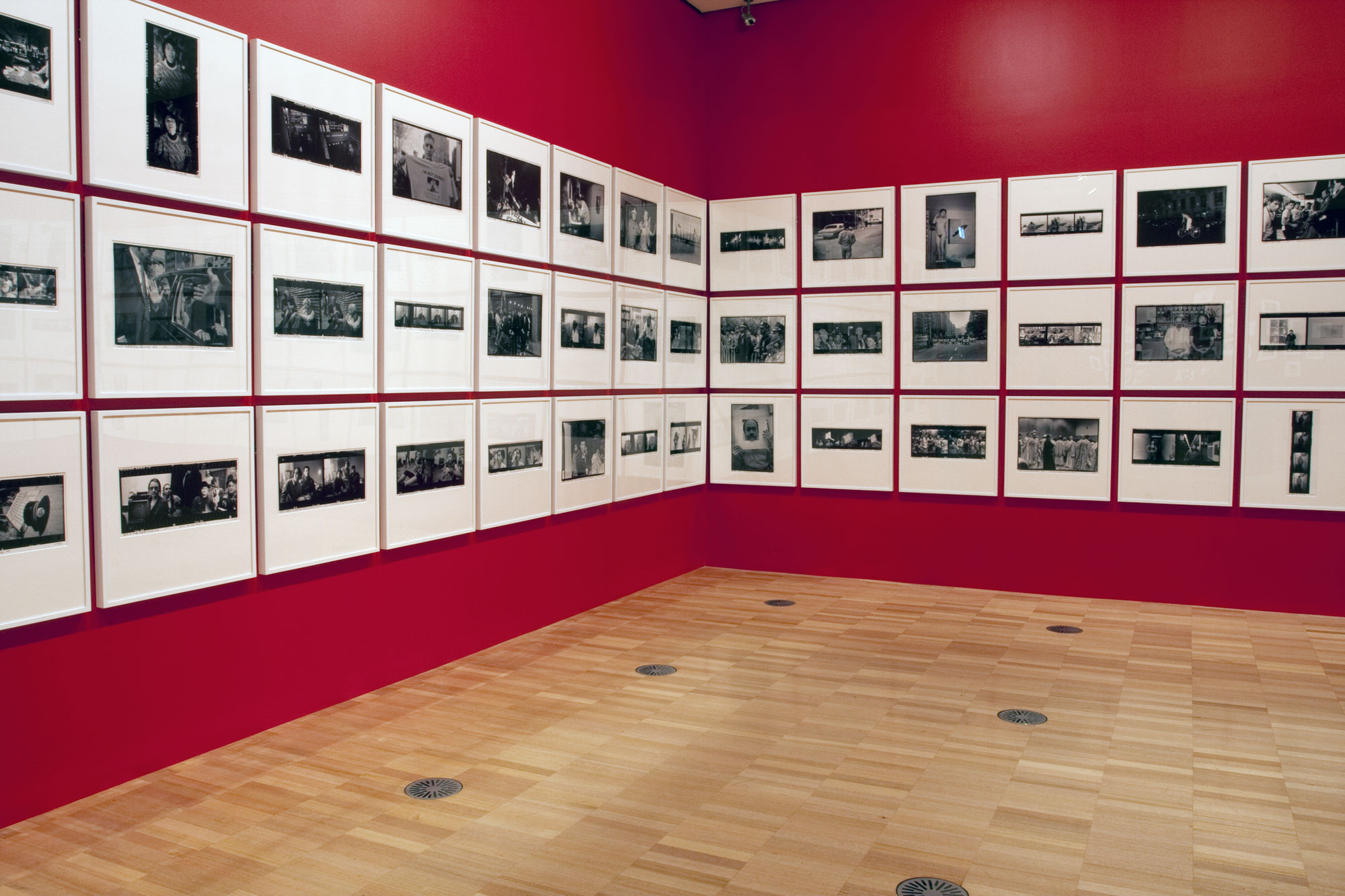
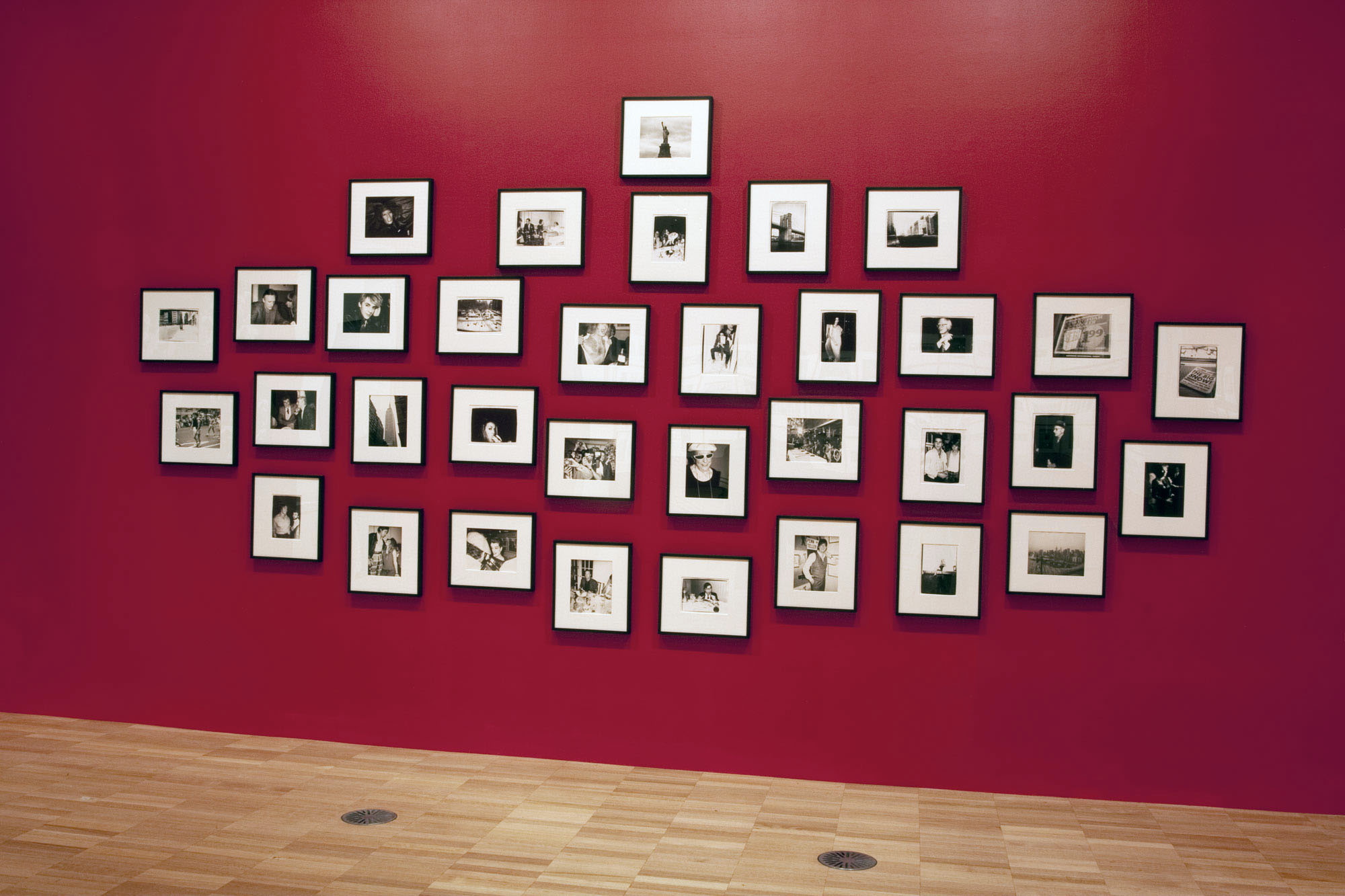
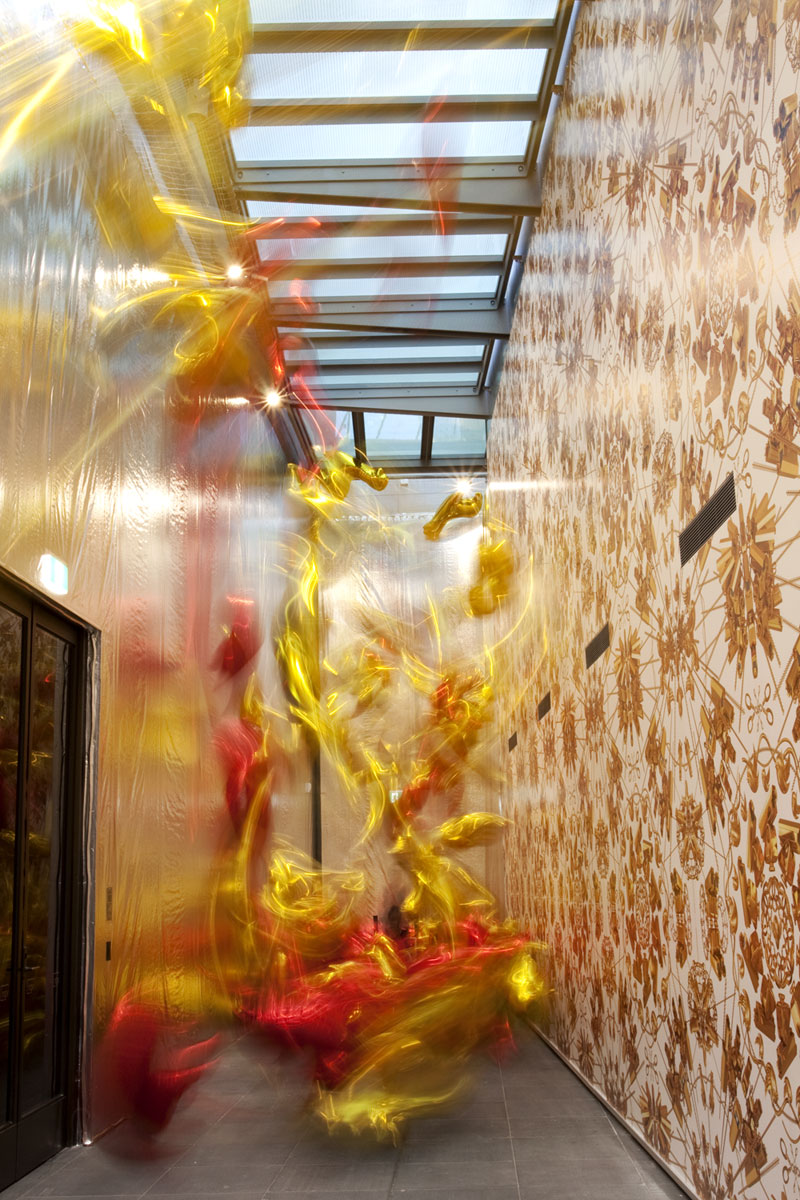
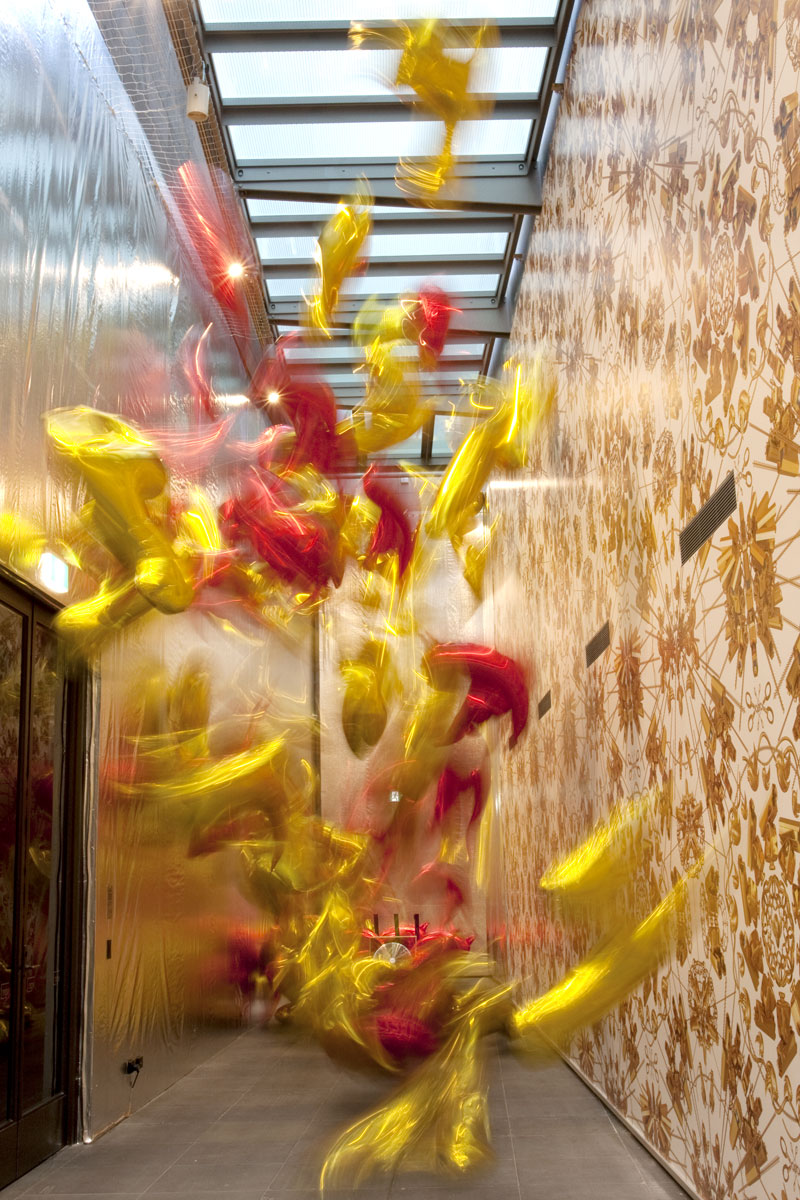
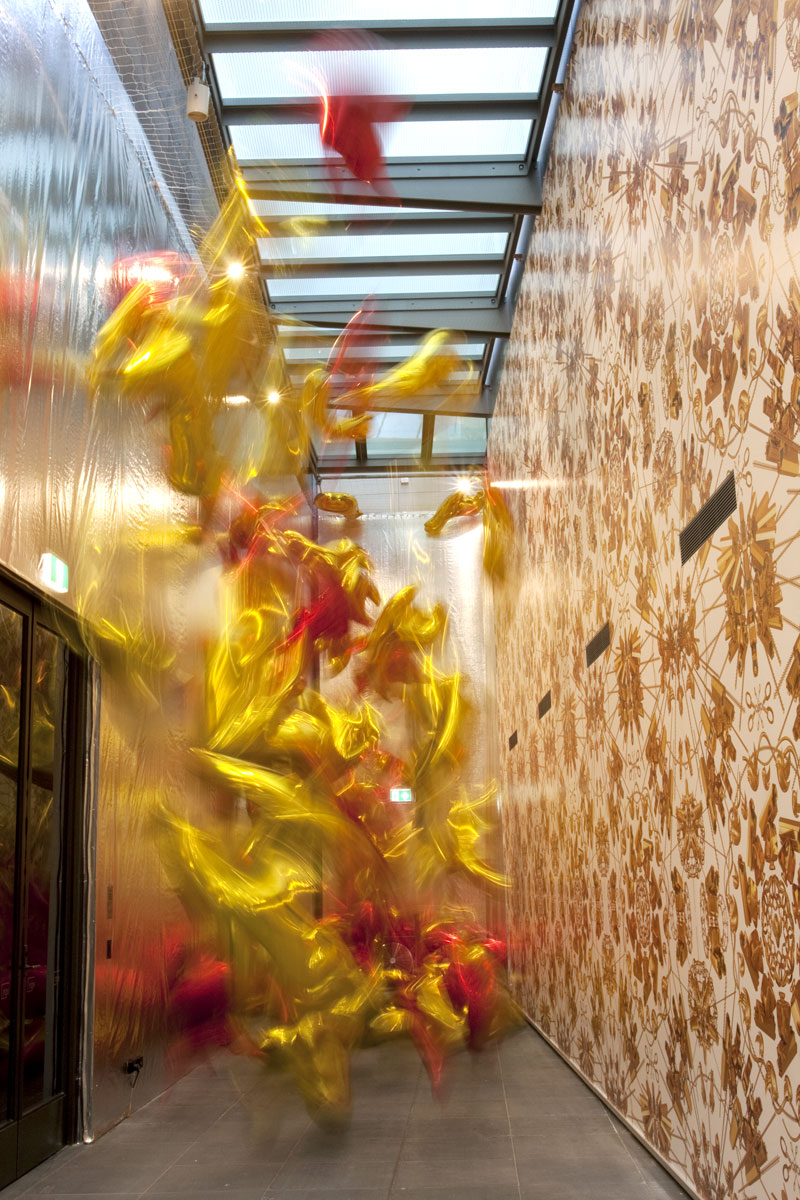
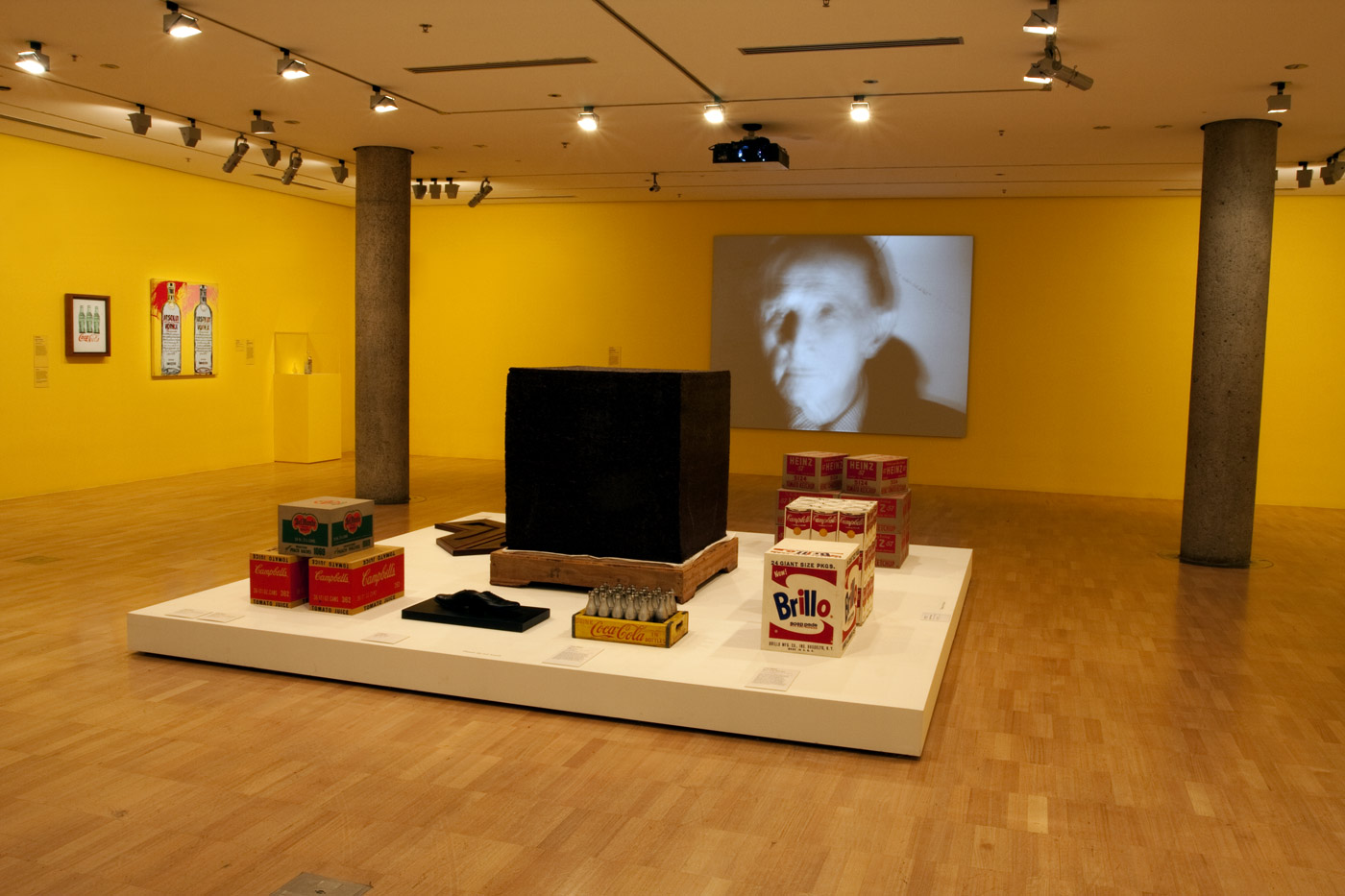
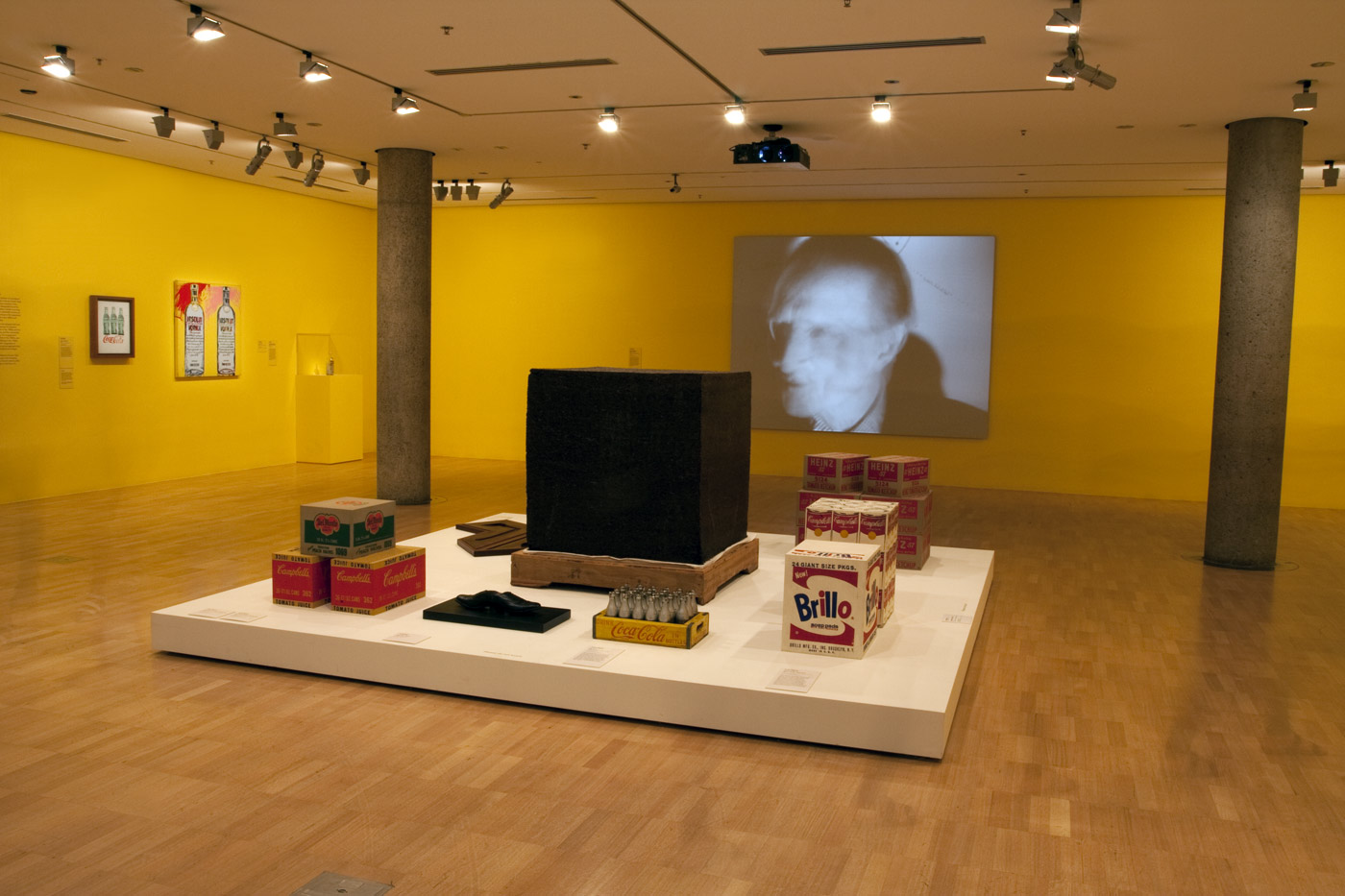
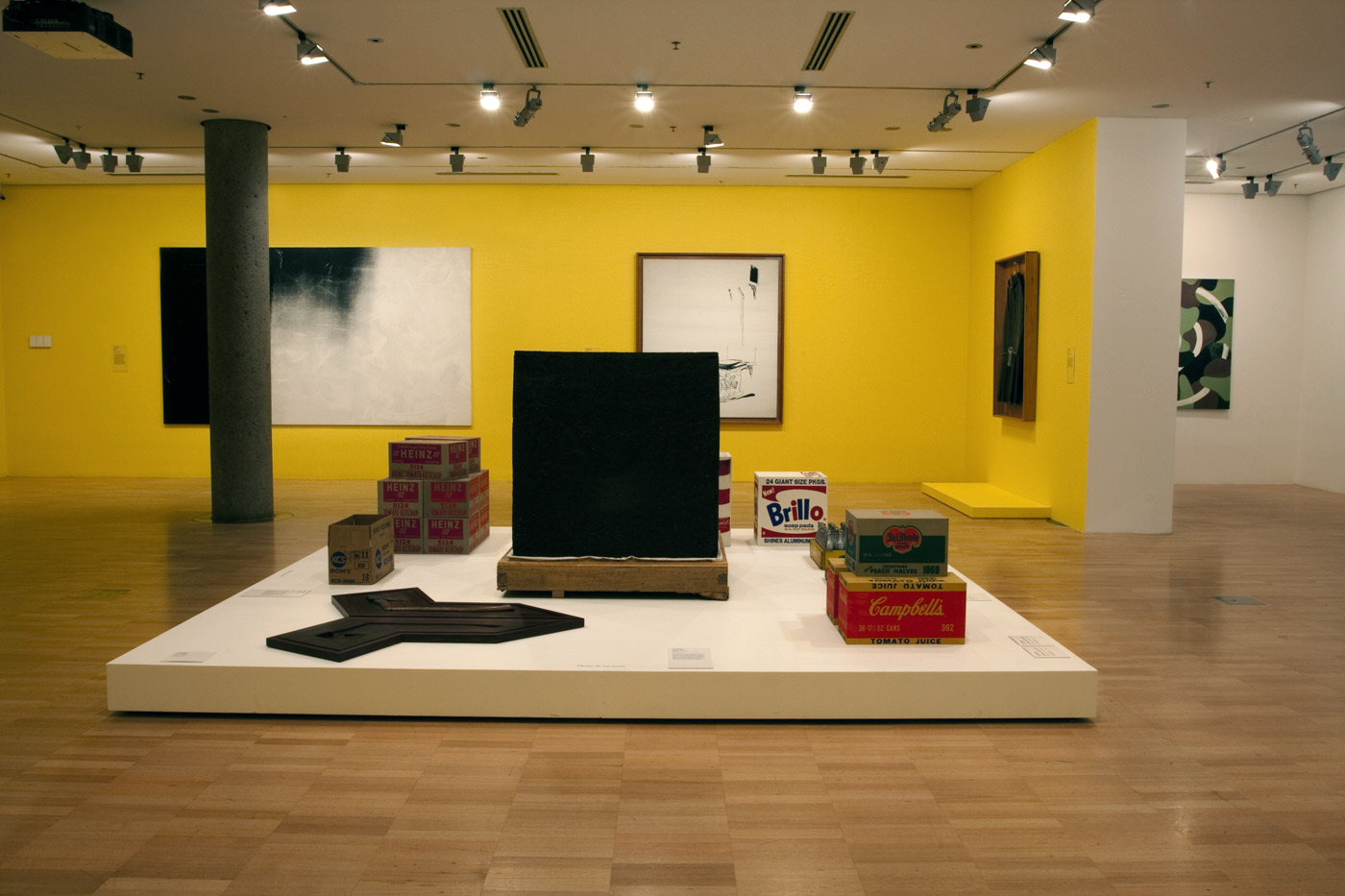
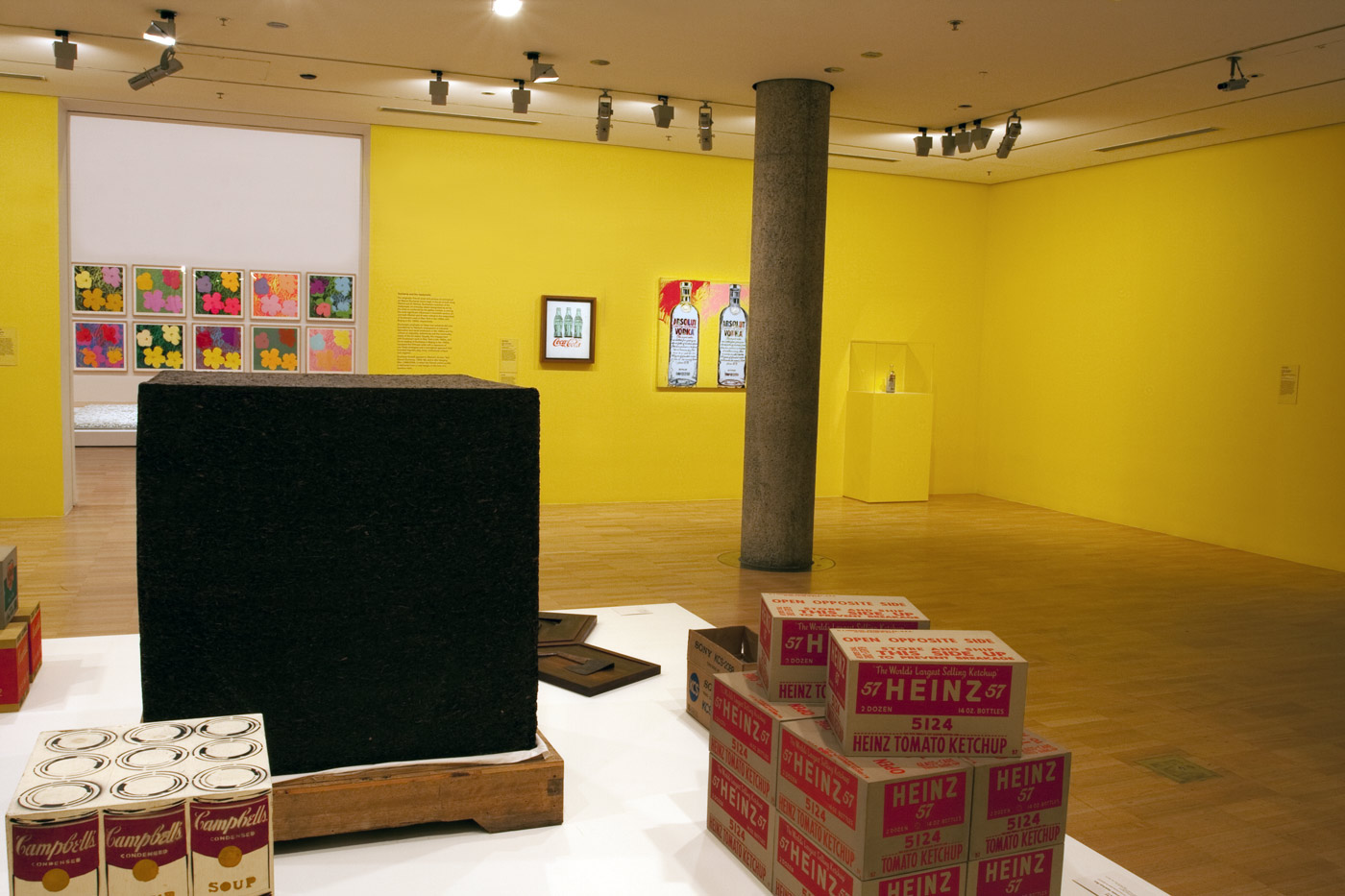
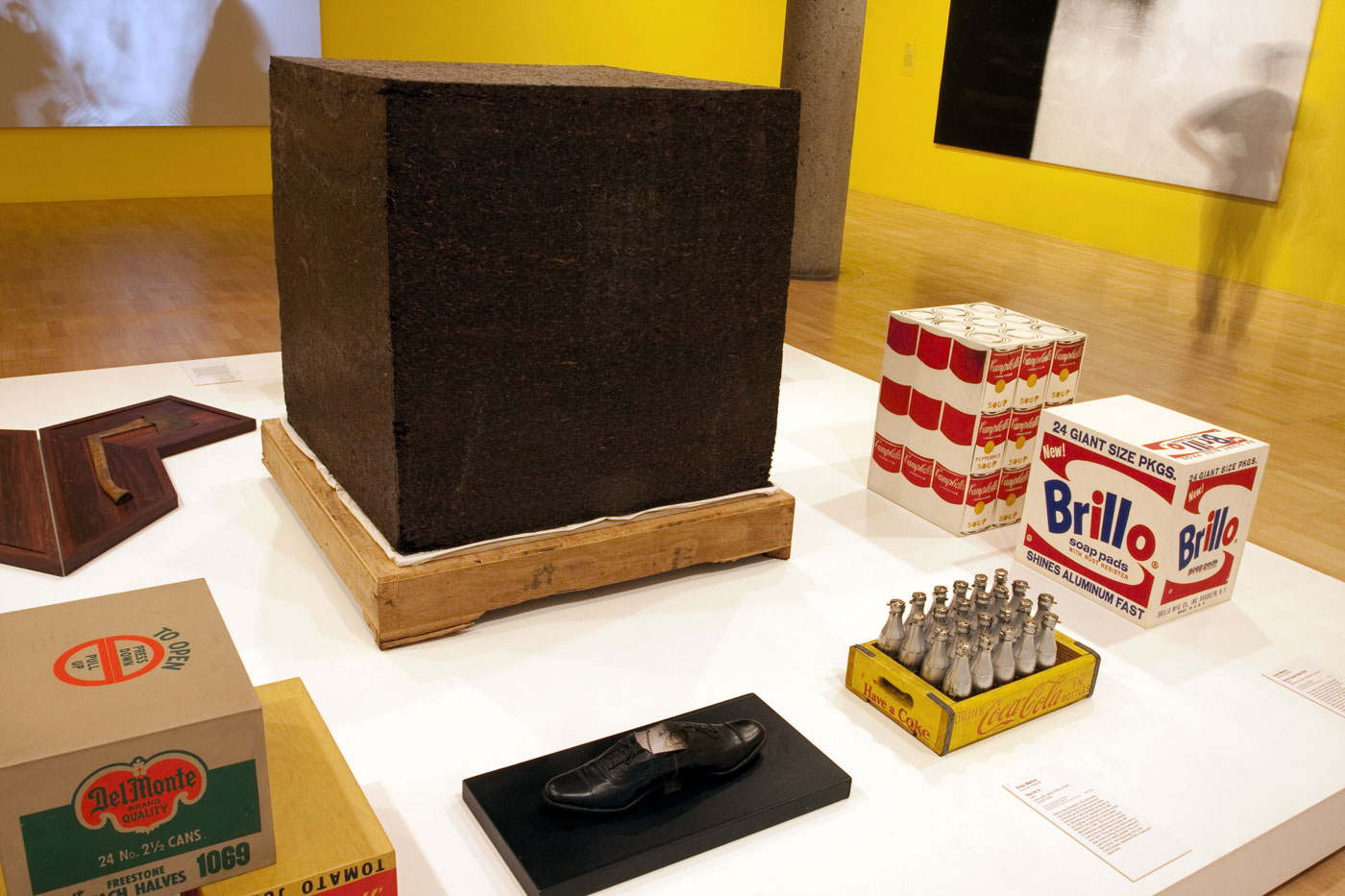
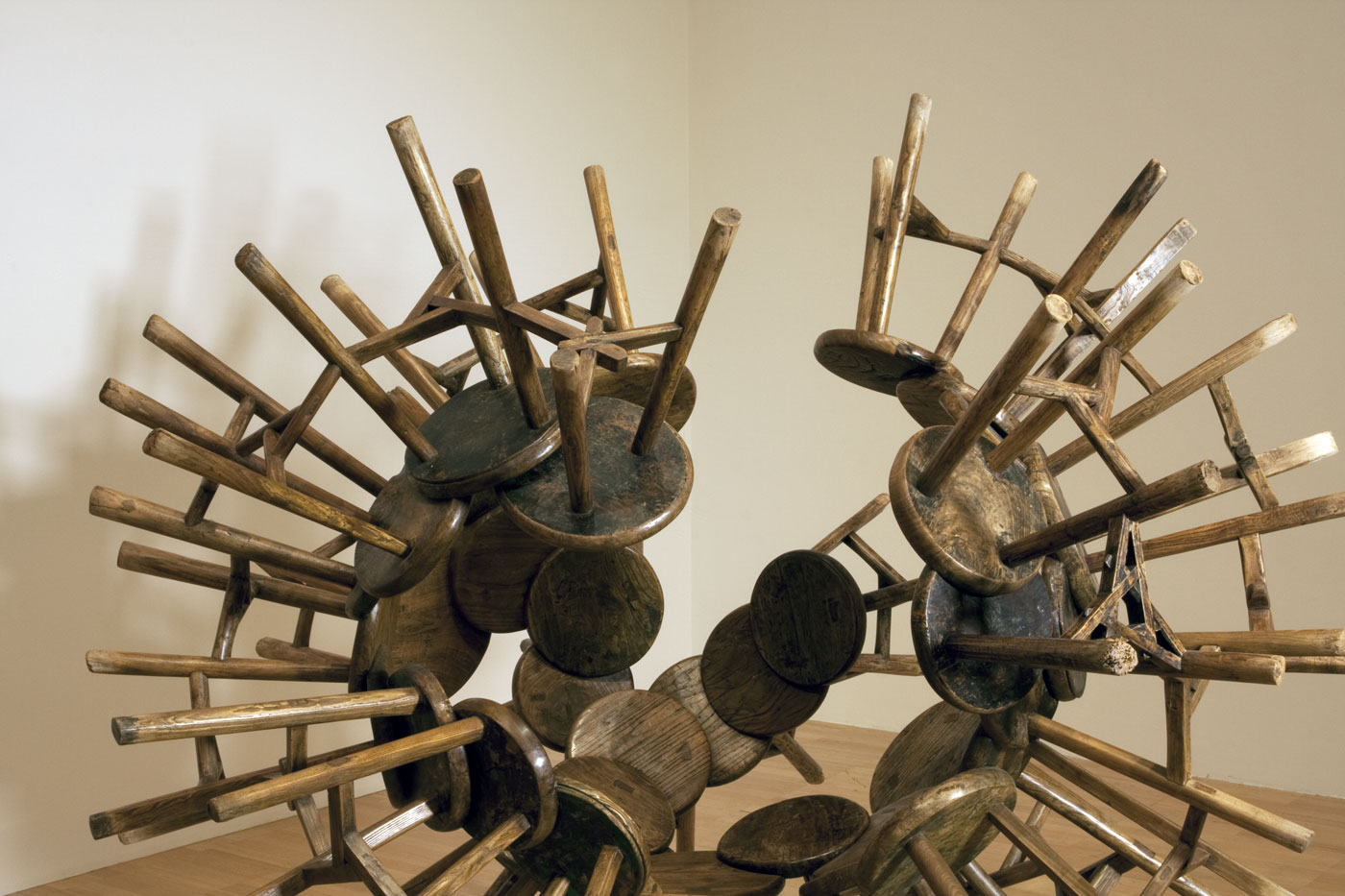
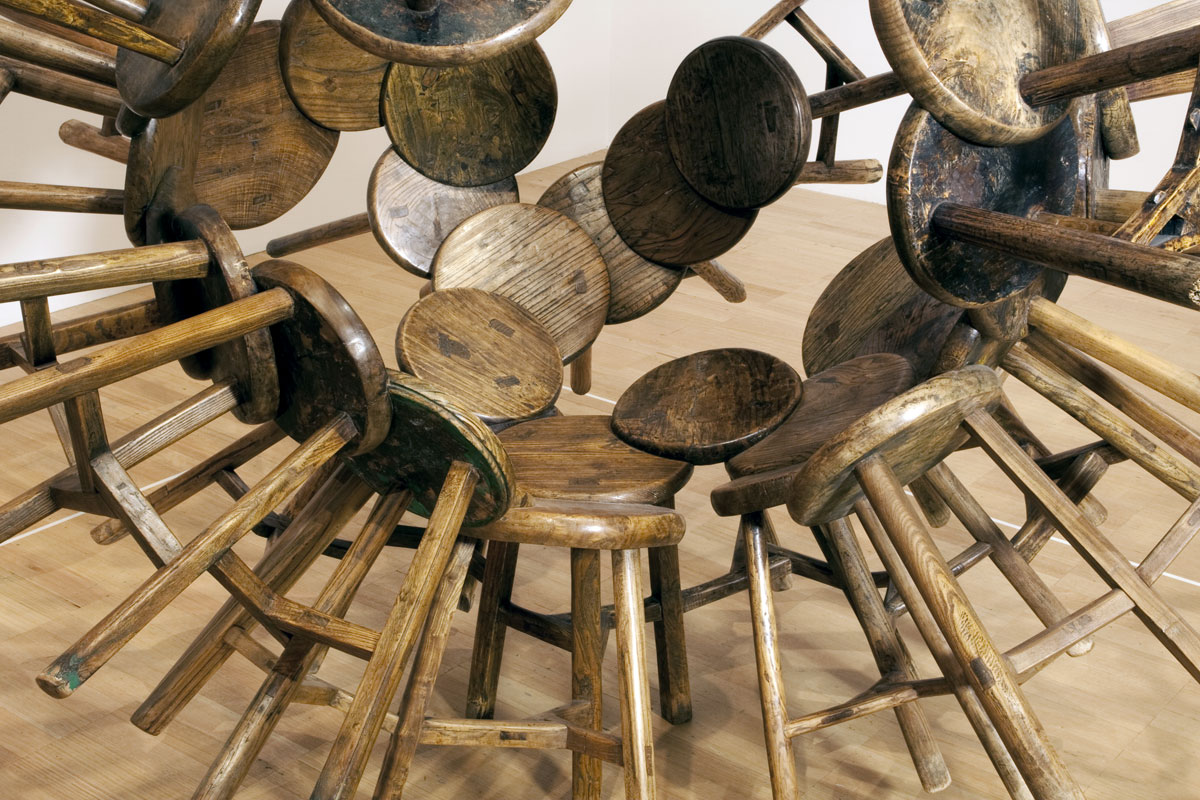
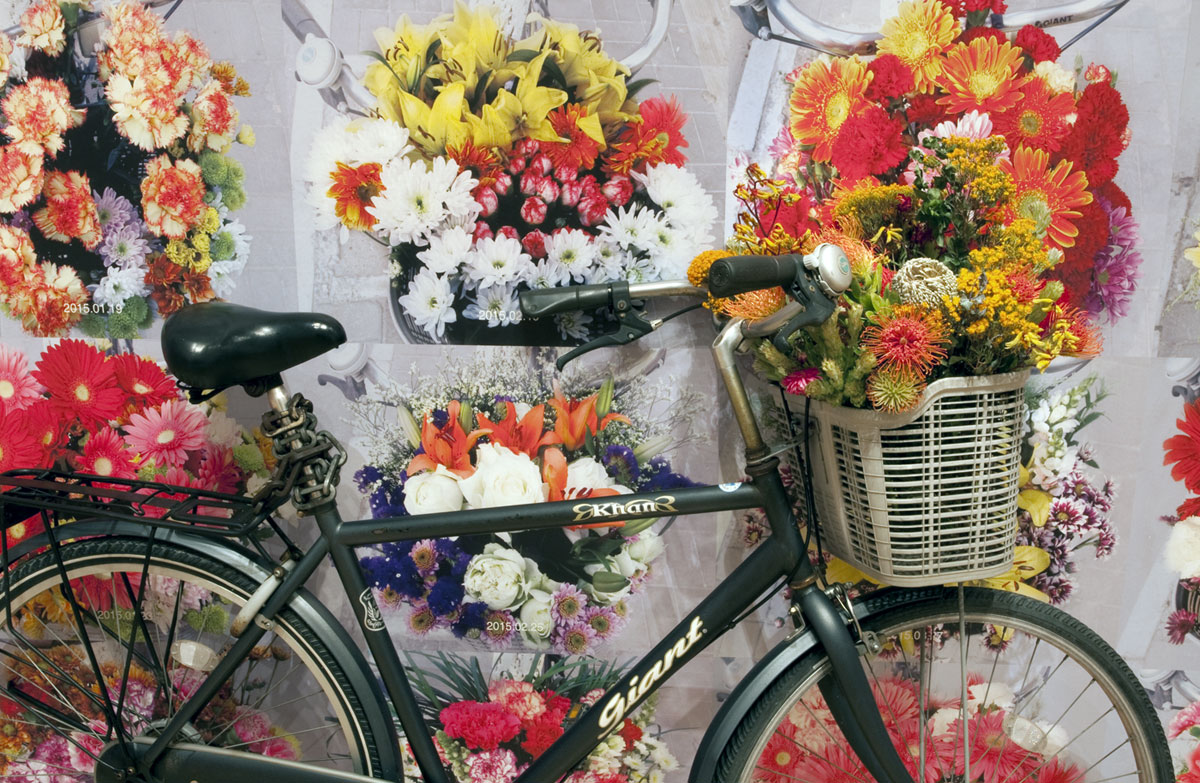
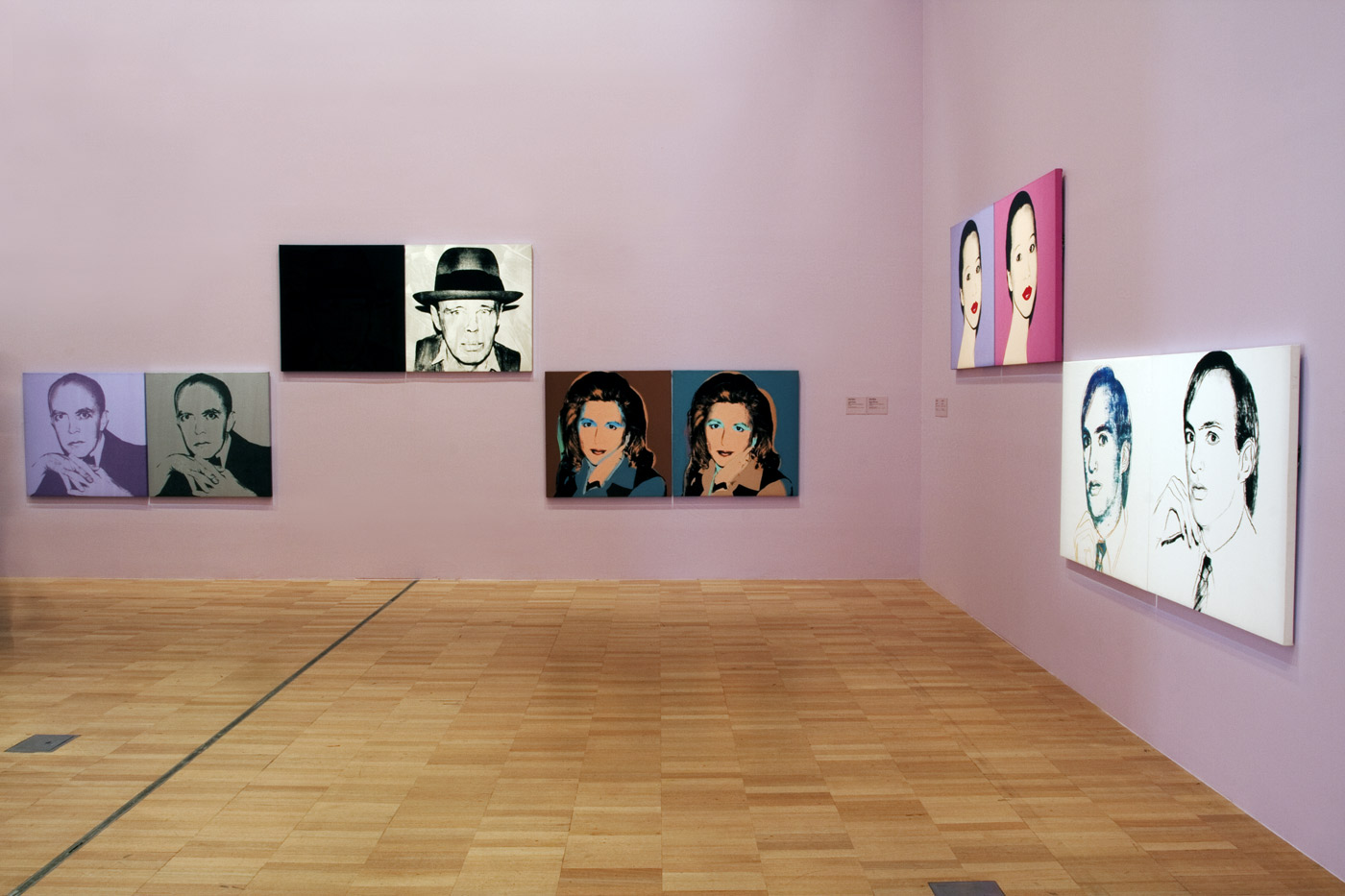
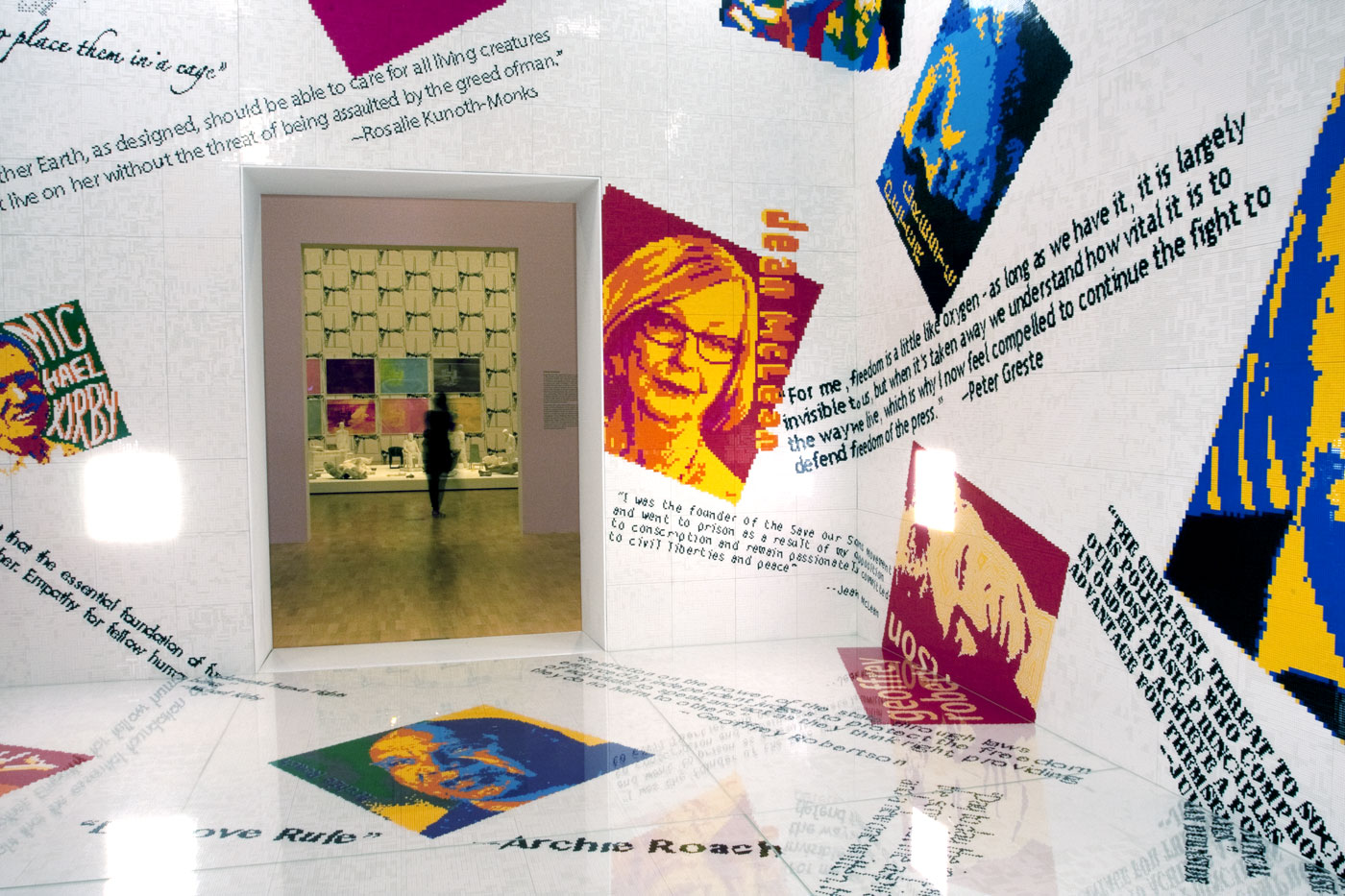
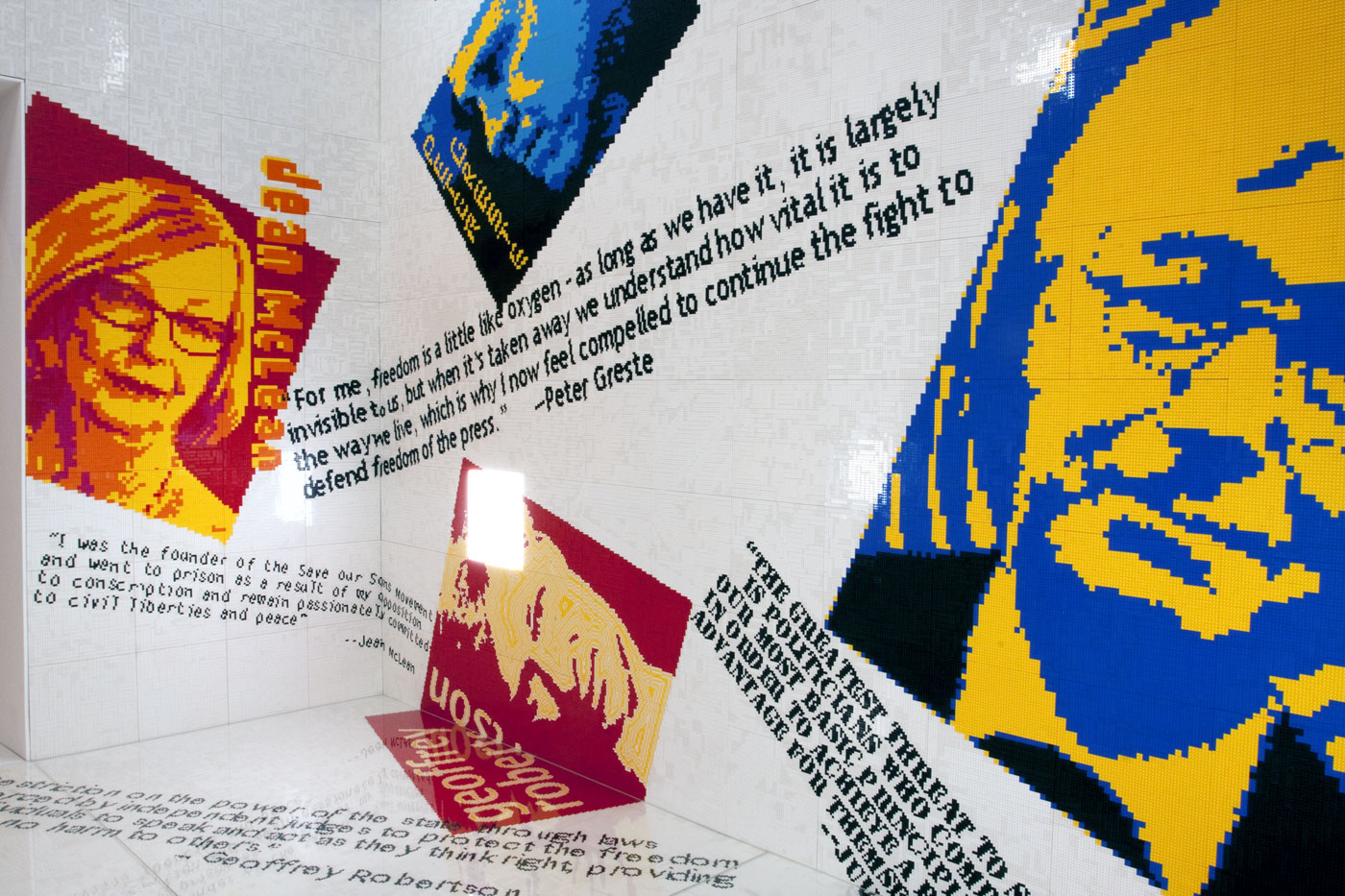
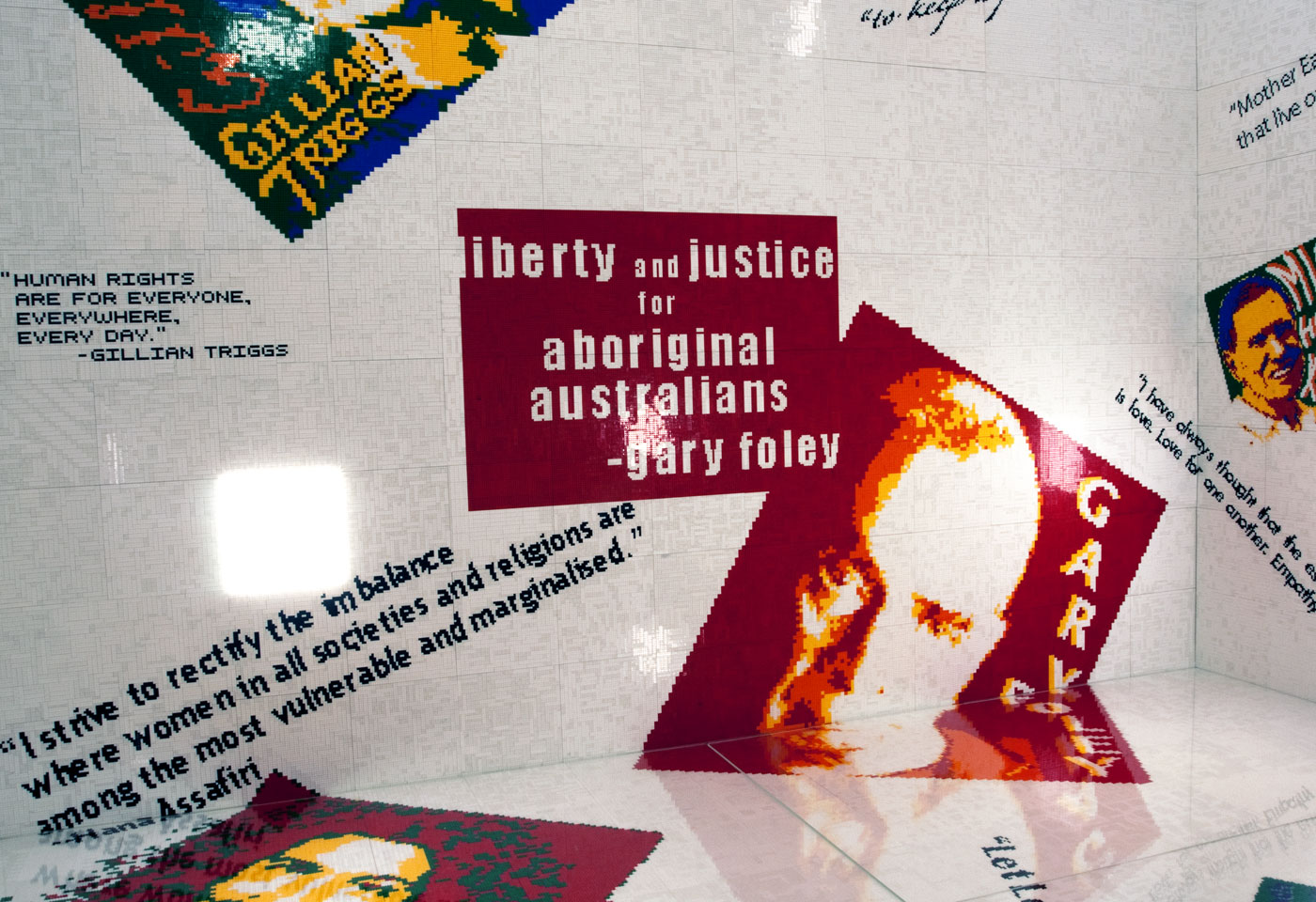
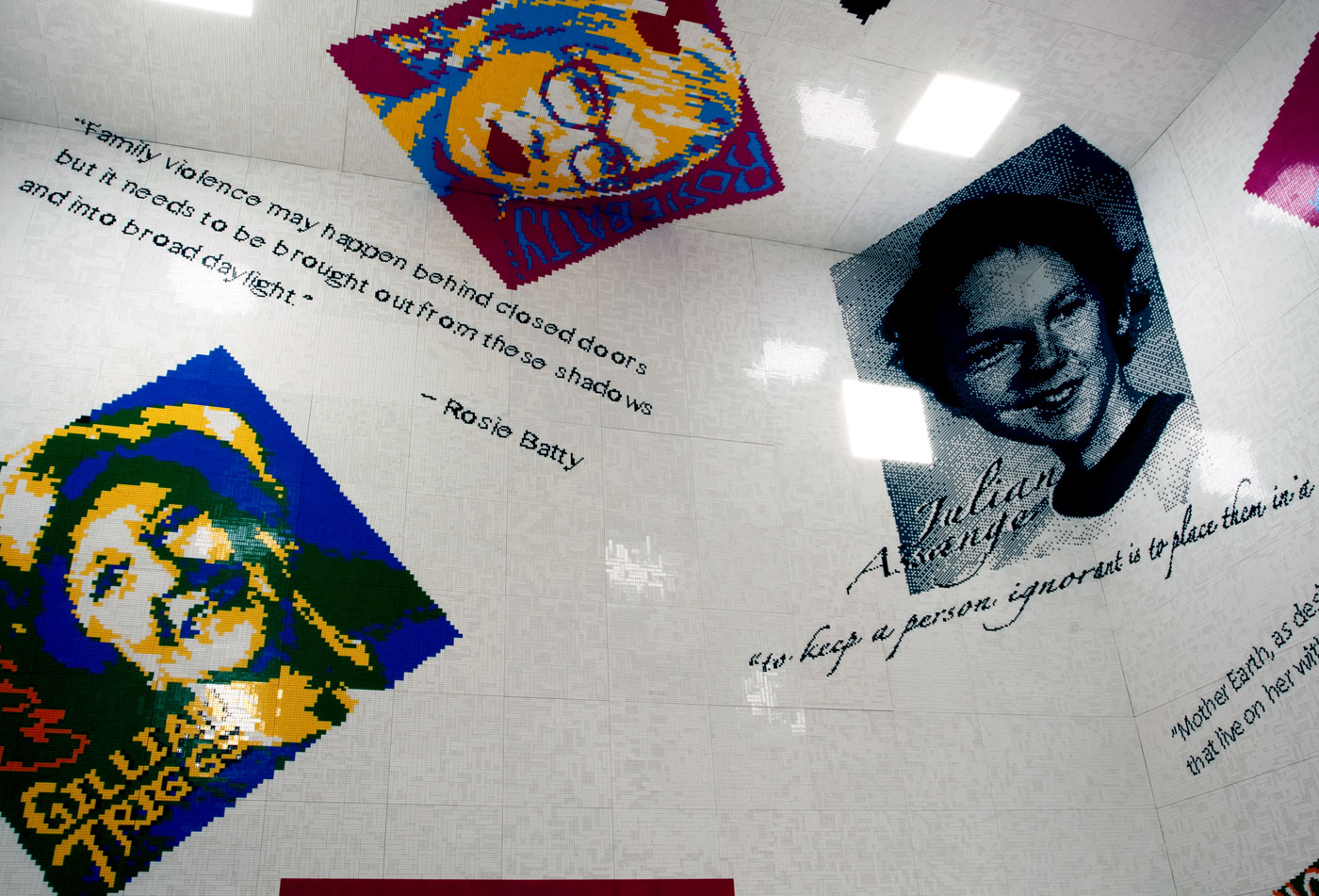
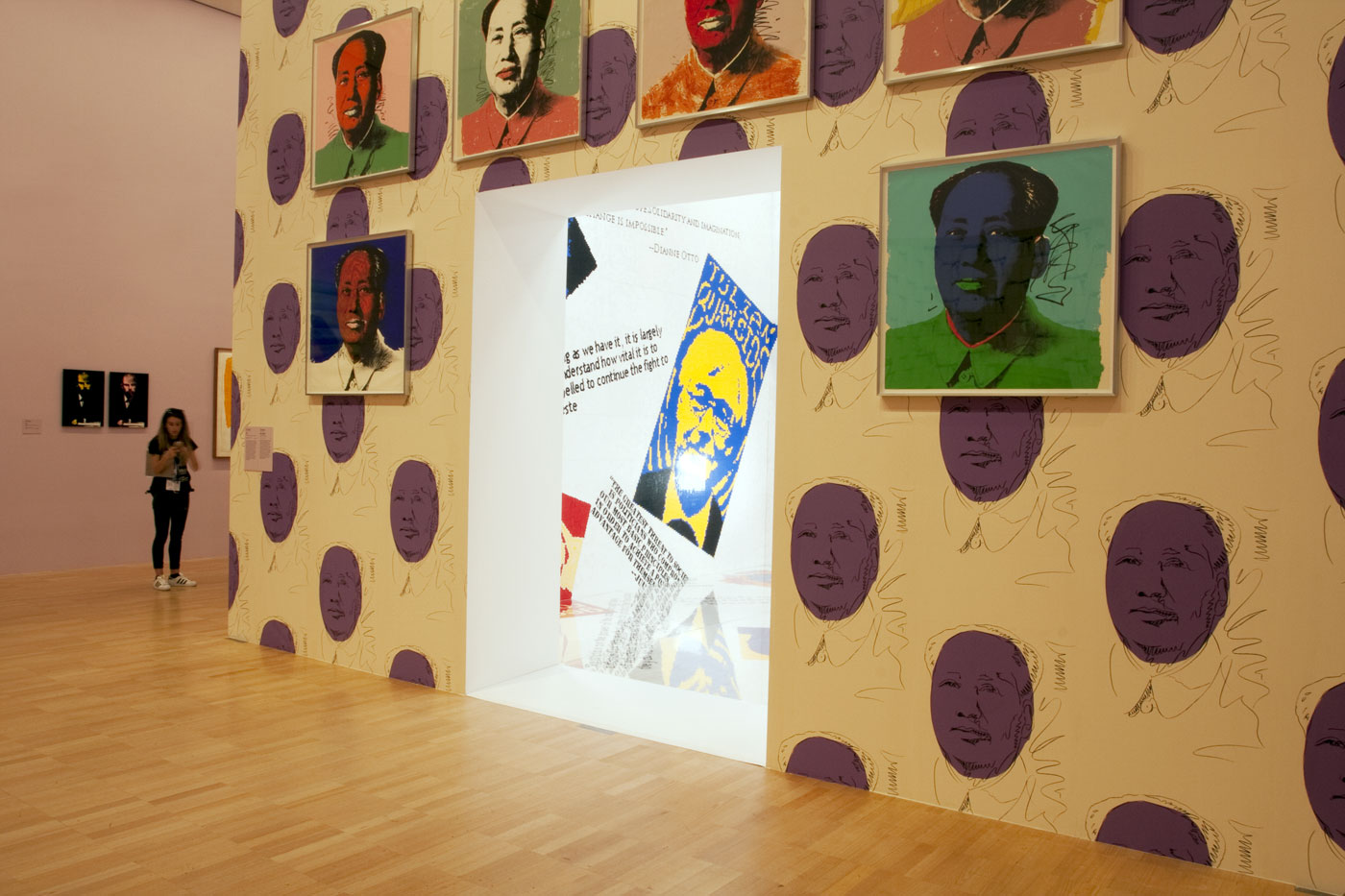
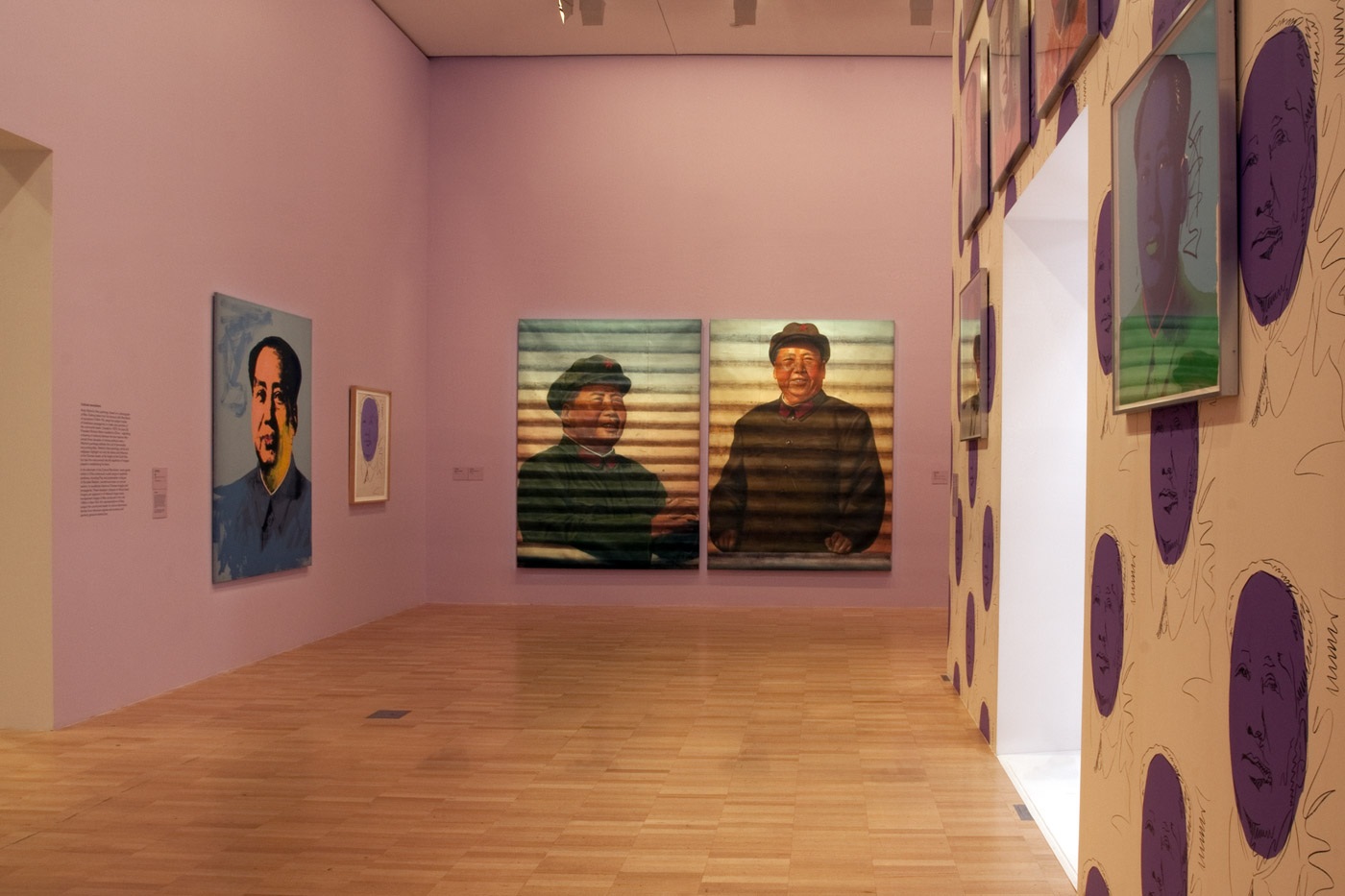
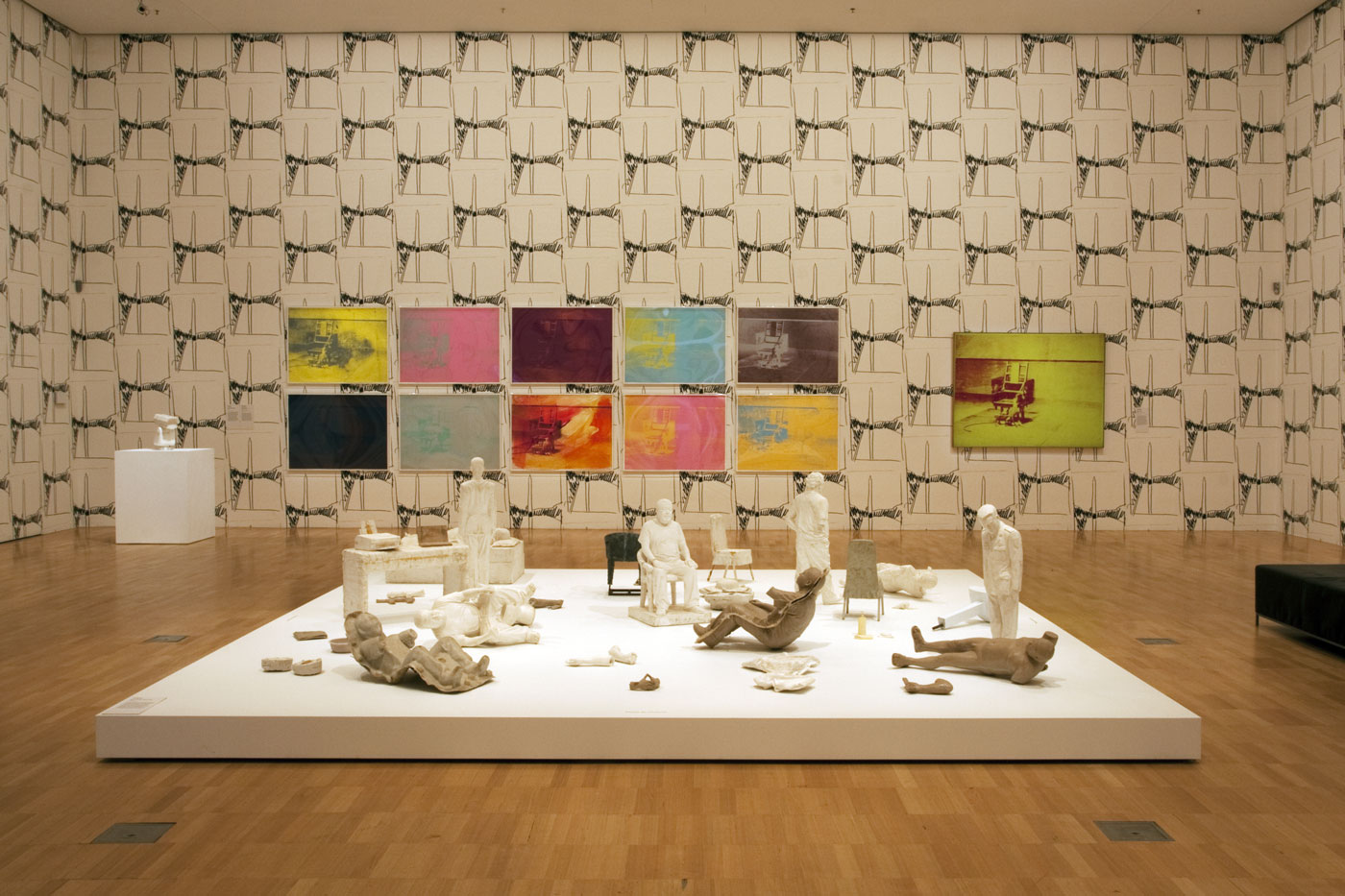
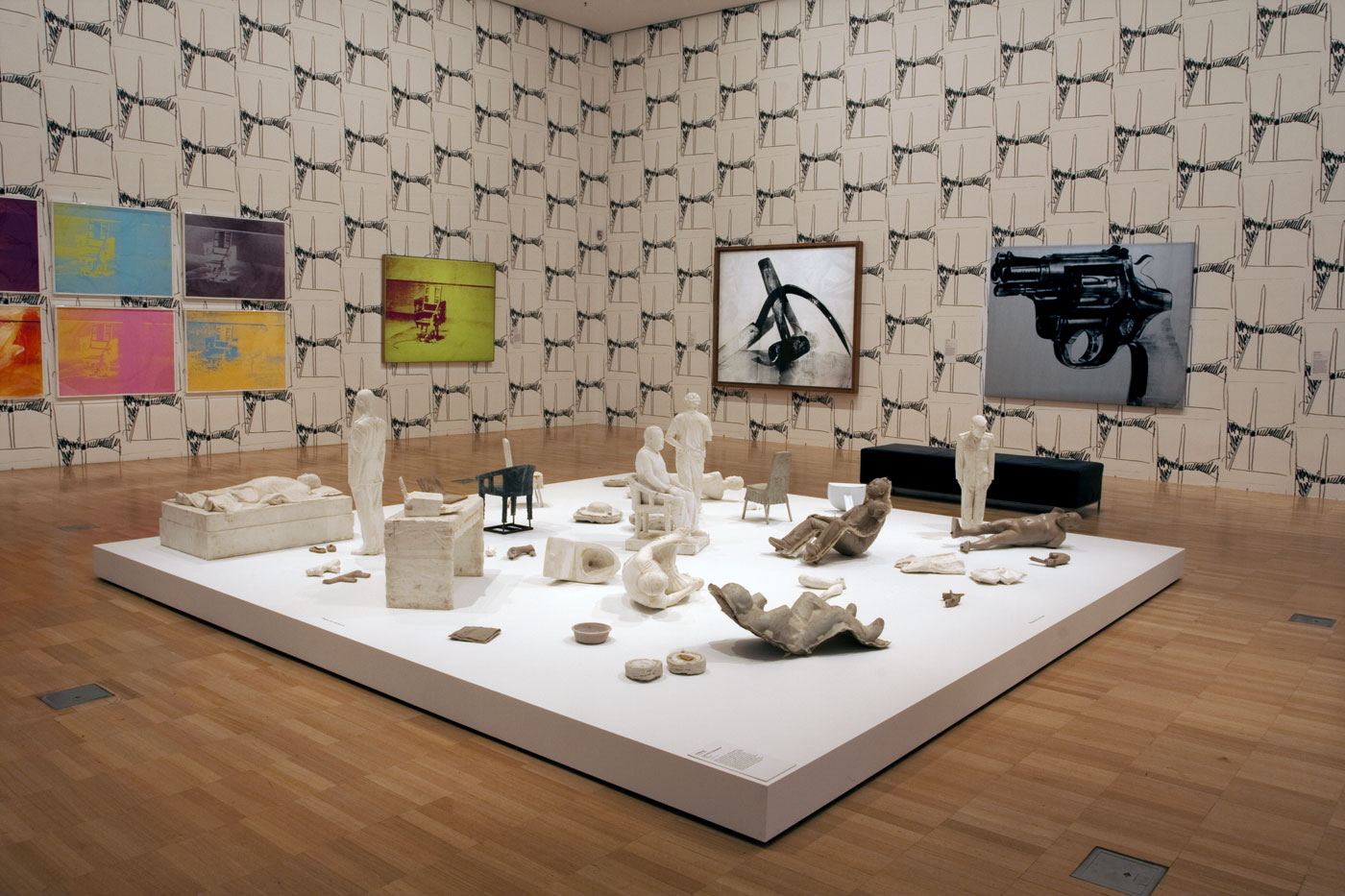
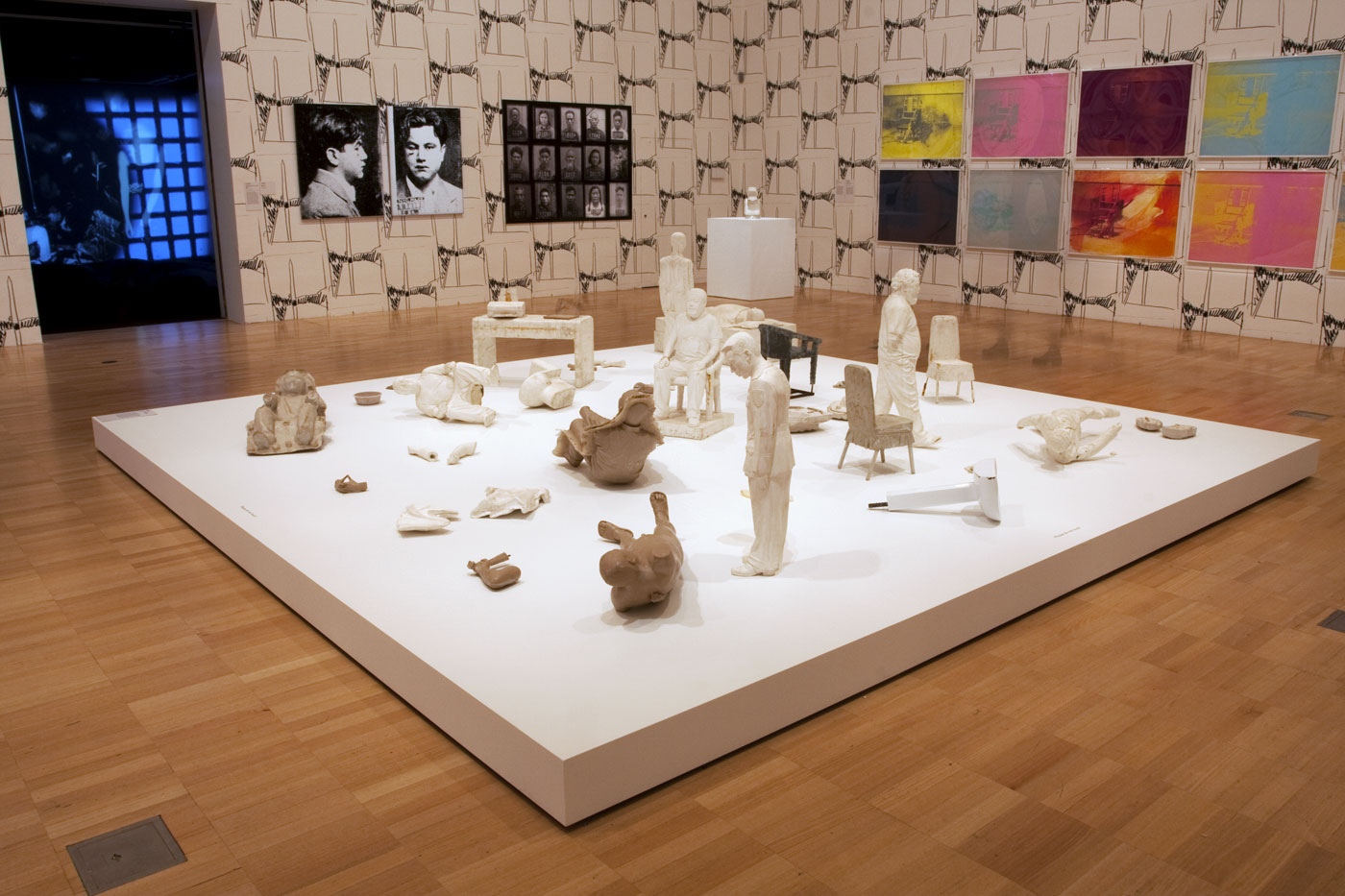
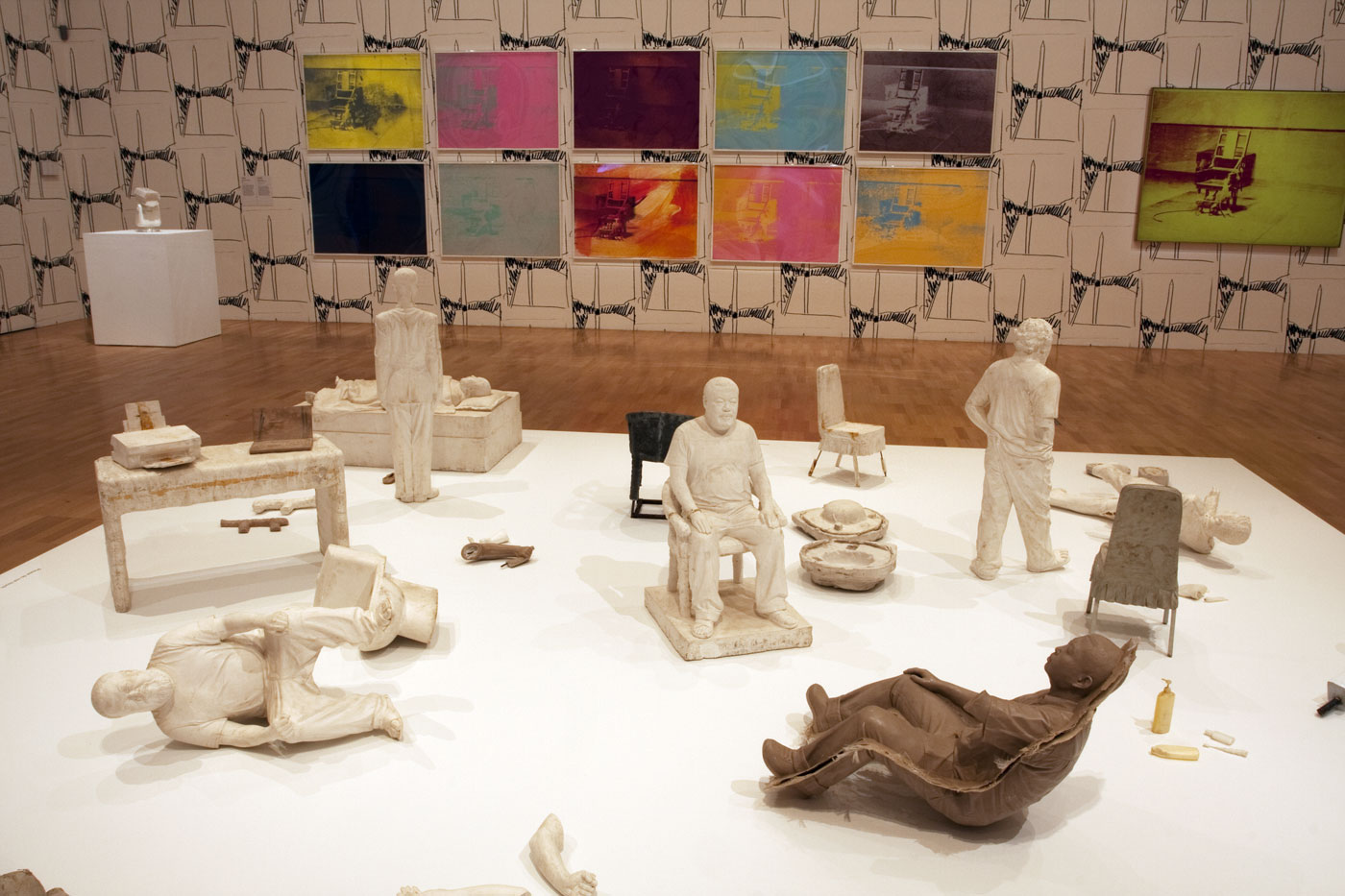
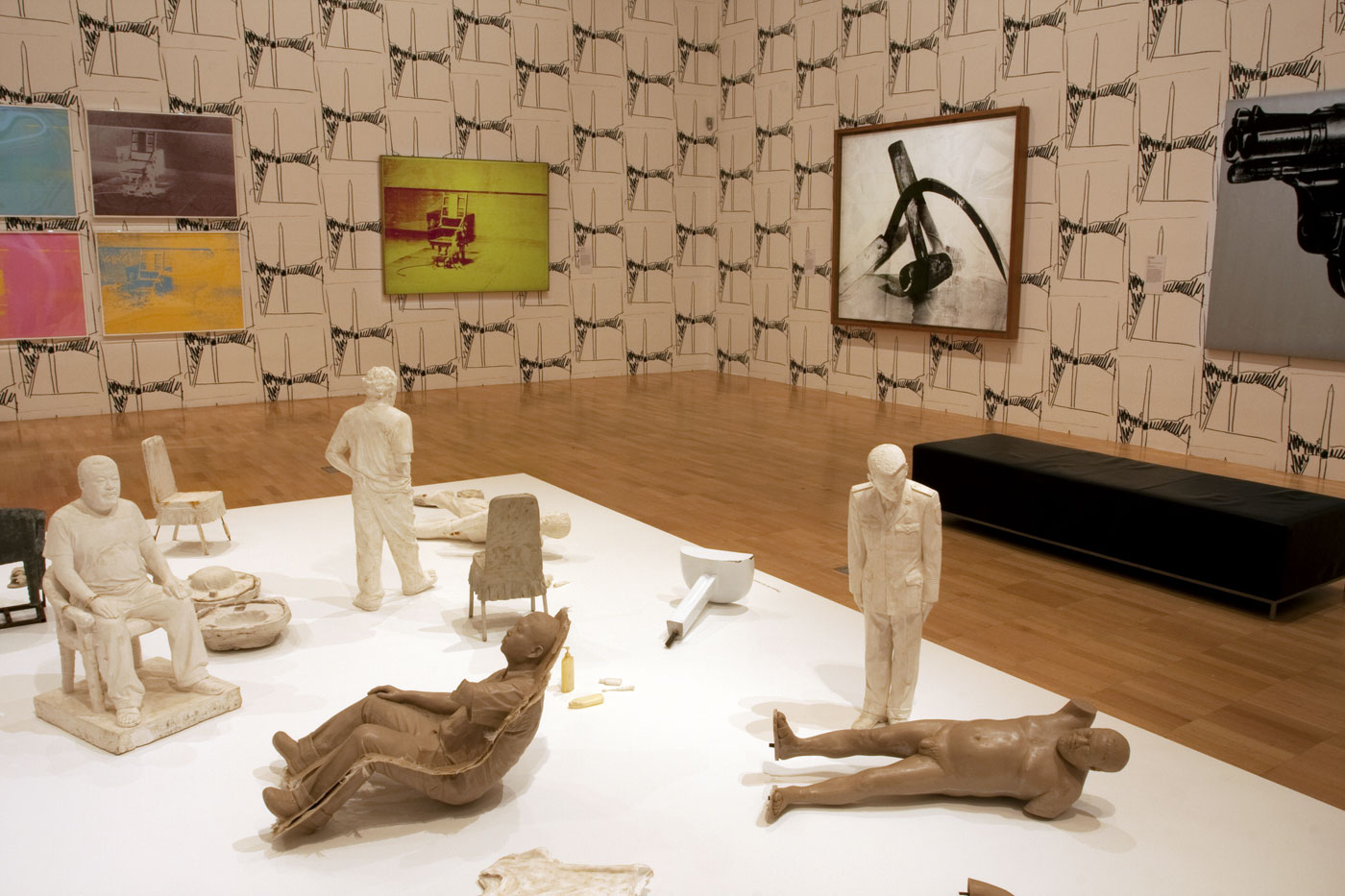
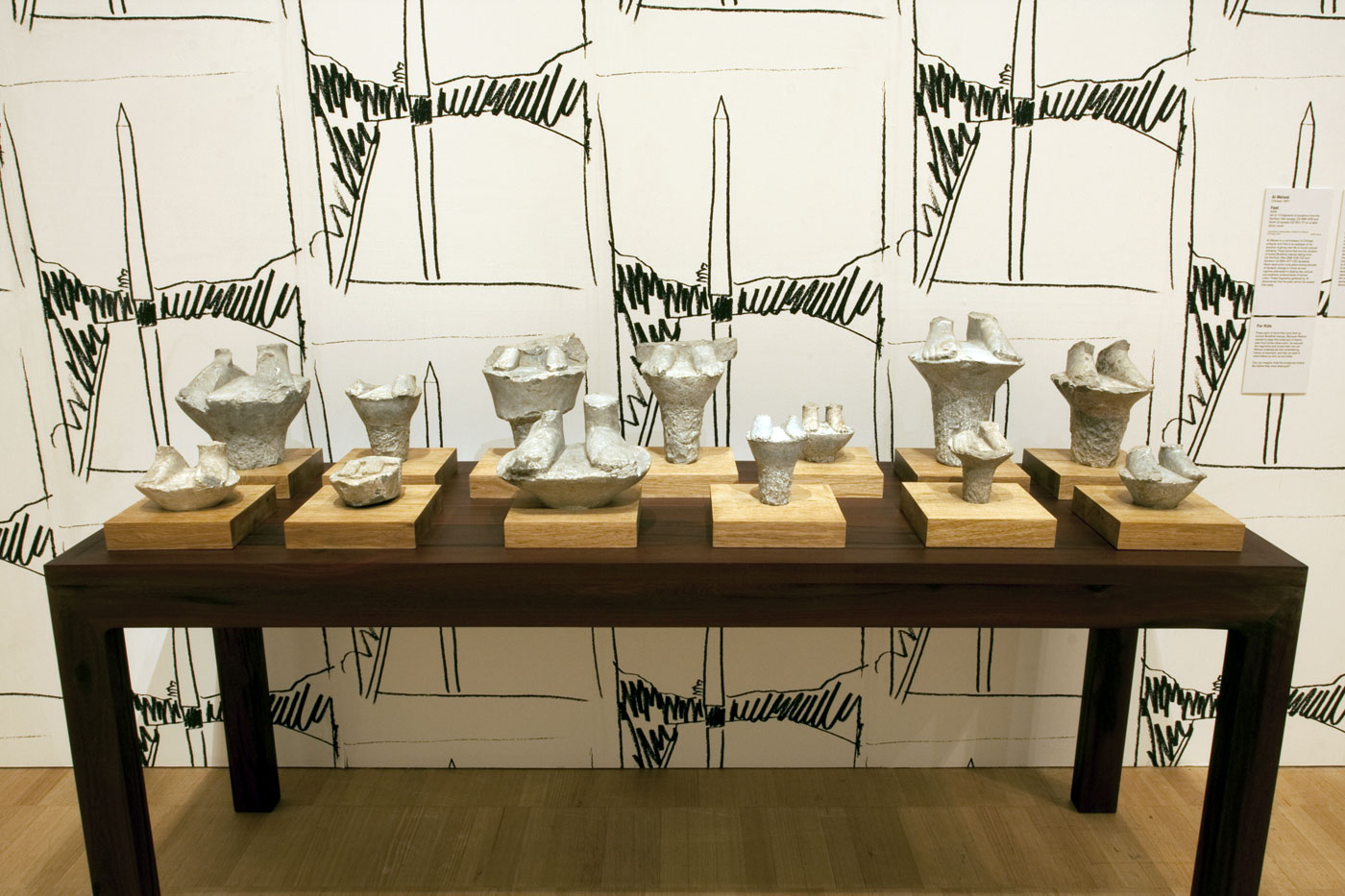
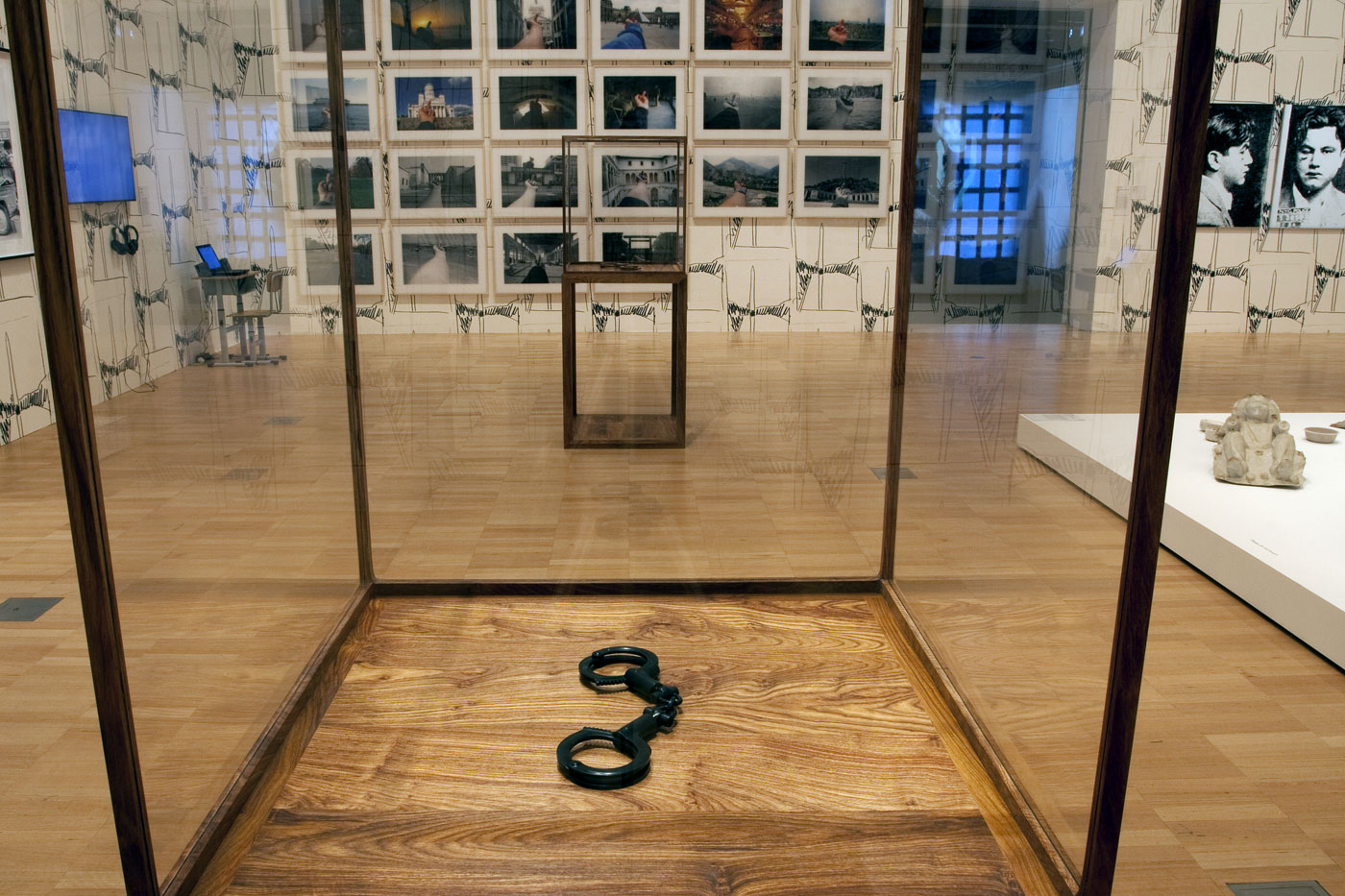
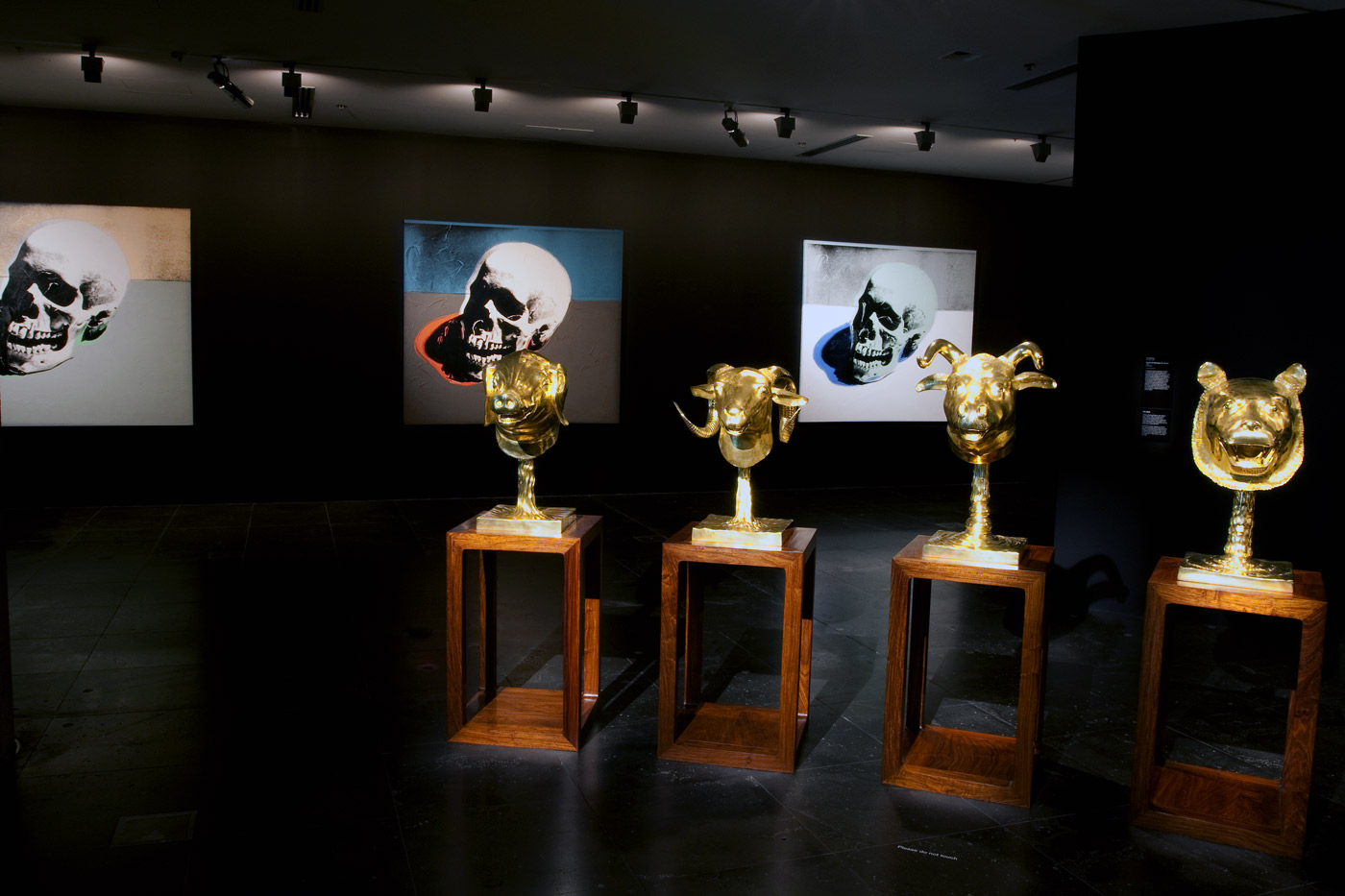
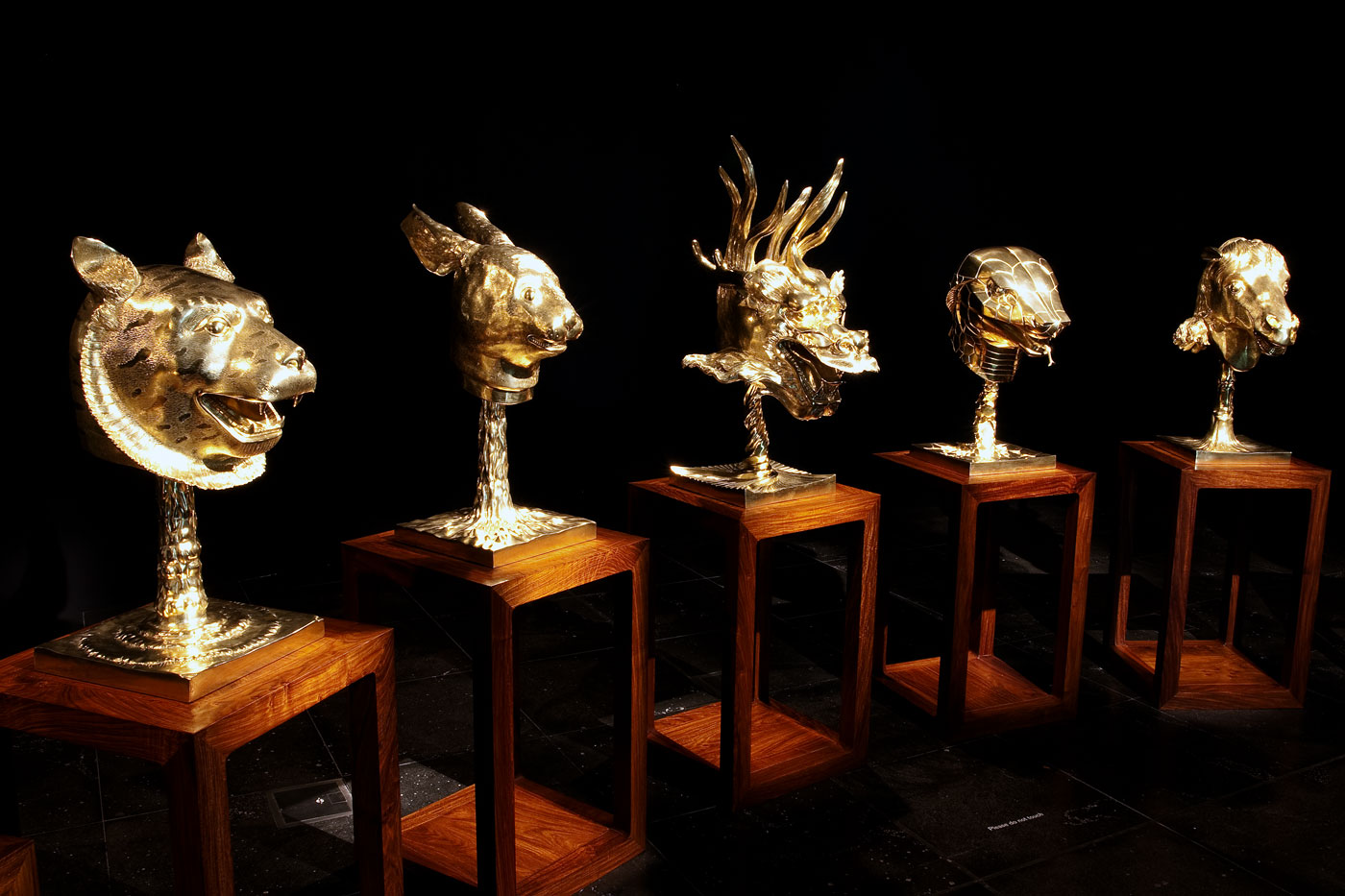
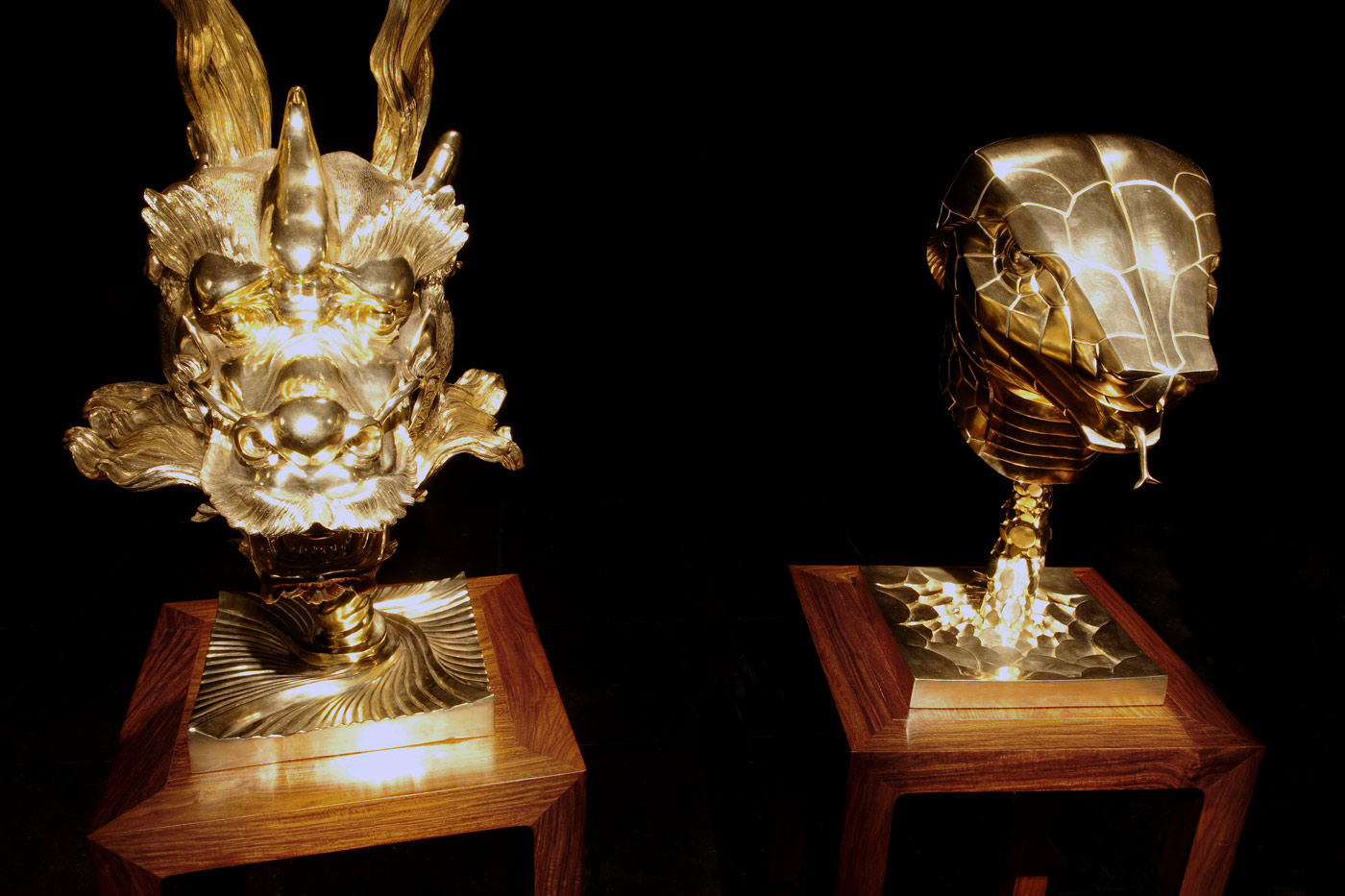
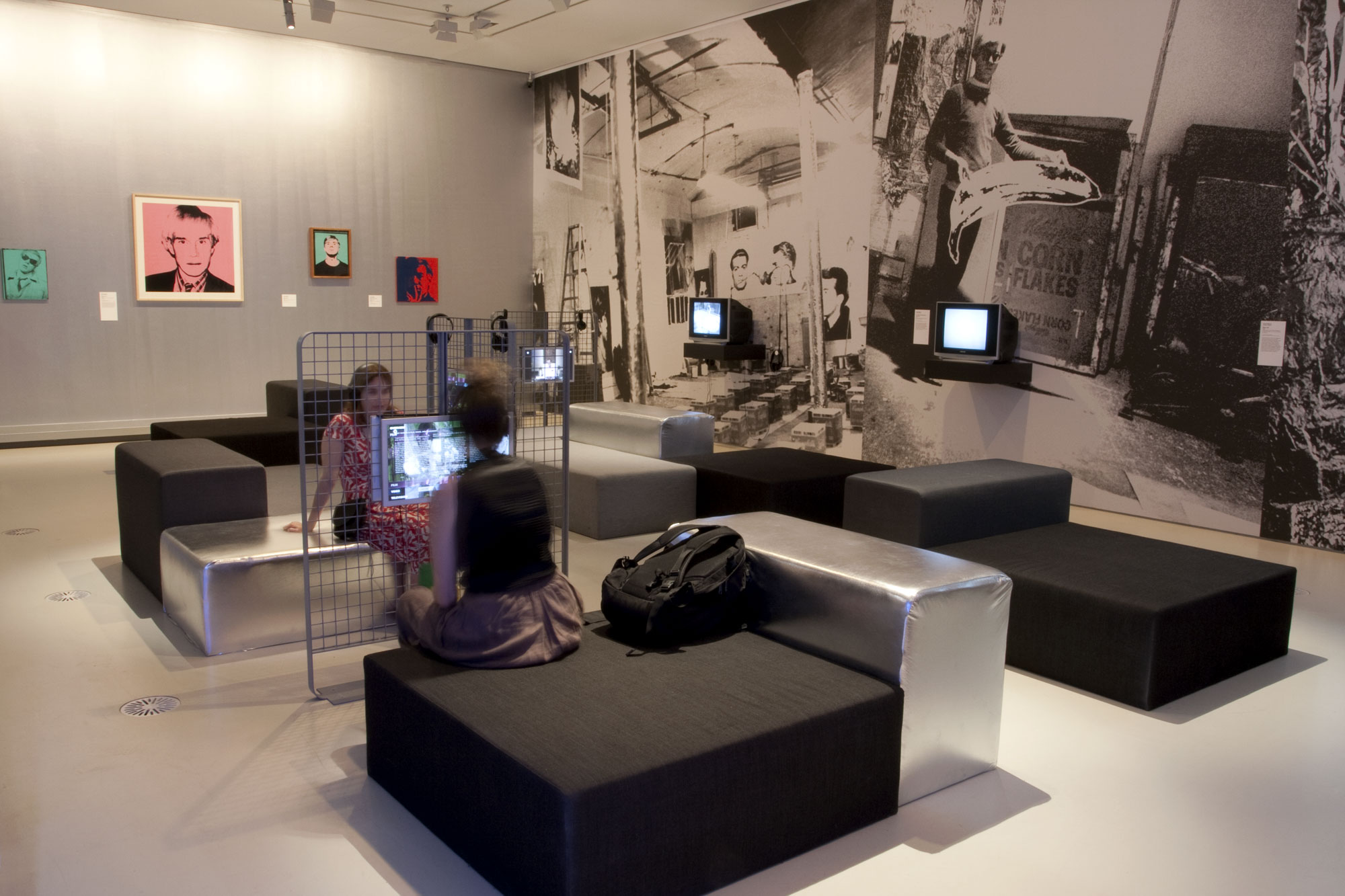
 Art Blart _ art and cultural memory archive
You must be logged in to post a comment.