The glorious paintings of Fritz Winter show a beautiful synergy with the abstract photographs. The relationship between painting and photography has always been a symbiotic one, a close mutualist relationship that has benefited both art forms.
This is fully evidenced in this outstanding posting, where I have tried to sequence the artworks to reflect the nature of their individuality and their interdependence.
Great blessings on the curators that assembled this exhibition: an inspired concept!
Dr Marcus Bunyan
Many thankx to the Pinakothek der Moderne, Munich for allowing me to publish the photographs in the posting. Please click on the photographs for a larger version of the image.
In his lesser known early work, the German painter Fritz Winter (1905-1976) made an obsessive analysis of the aesthetic aspects of light. As a Bauhaus student he was influenced by the international avant-garde’s boundless euphoria for light between Expressionism and Constructivism. The light of large cities with headlights, cinemas and illuminated advertisements gave a new impulse to aesthetics; x-rays, radioactivity and microphotography made it possible to perceive previously unknown sources of energy and natural phenomena.
In his pictures of light beams and crystals created in 1934-1936, Winter devoted himself with virtuosity to aspects such as the reflection, radiation and refraction of light. His virtually monochrome paintings incorporate crystal shapes and bundles of rays; they focus on the earth’s interior and the infinite expanse of the cosmos; they block the pictorial space with dark grids or lend it a glass-like transparency.
For the first time, 25 Licht-Bilder by Fritz Winter will be juxtaposed with an international selection of 40 of the earliest abstract photographs in history of art. In the 1910s to 1930s artists experimented with the most varied of photographic techniques to ascertain the genuine qualities of photography beyond the merely representative. The New Vision in photography and abstract painting become immediately obvious through the display of vintage prints and paintings side by side.
The exhibition combines 25 exceptional paintings by Fritz Winter from German museums and private collections as well as 40 international lenders of photographic works including Centre Pompidou, Paris, George Eastman House in Rochester, New York, Museum Folkwang, Essen, Museum für Kunst und Gewerbe, Hamburg, Neue Galerie Kassel, Kunsthalle Mannheim, Ann and Jürgen Wilde Foundation, Munich and Kunstmuseum Stuttgart.
Press release from the Pinakothek der Moderne website
Installation view of Jeff Wall Photographs at NGV Australia showing, at right, The Destroyed Room 1978 Photo: Marcus Bunyan
Installation shots of the new Jeff Wall exhibition at NGV Australia. Review to follow in due course.
Many thankx to Jemma Altmeier and all the media team at NGV for all their wonderful help and congratulations to the curators, Susan van Wyk and Dr Isobel Crombie, for their restrained yet contemporary installations and for getting the exhibitions to Melbourne. They look magnificent. Well done!
Installation view of Jeff Wall Photographs at NGV Australia showing, at left, The Destroyed Room 1978, and at right, Double Self-Portrait 1979 Photo: Marcus Bunyan
Installation view of Jeff Wall Photographs at NGV Australia showing, at right, Double Self-Portrait 1979 Photo: Marcus Bunyan
Installation view of Jeff Wall Photographs at NGV Australia showing, at left, Doorpusher 1984, and at right, Polishing 1998 Photo: Marcus Bunyan
Installation view of Jeff Wall Photographs at NGV Australia showing, at centre, Doorpusher 1984, and at right, Polishing 1998 Photo: Marcus Bunyan
Installation view of Jeff Wall Photographs at NGV Australia showing, at left, Diagonal Composition 1993, and at right, Doorpusher 1984 Photo: Marcus Bunyan
Installation view of Jeff Wall Photographs at NGV Australia showing, at right, A view from an apartment 2004-2005 Photo: Marcus Bunyan
Installation view of Jeff Wall Photographs at NGV Australia showing After ‘Invisible Man’ by Ralph Ellison, the Prologue 1999-2000 Photo: Marcus Bunyan
Curator: Felix Krämer, head of the department of modern art at the Städel Museum, Frankfurt
Many thankx to the Städel Museum for allowing me to publish the reproductions of the artwork in the posting. Please click on the photographs for a larger version of the image.
This slideshow requires JavaScript.
Installation photographs of the exhibition Dark Romanticism. From Goya to Max Ernst at the Städel Museum, Frankfurt Photos: Norbert Miguletz
Installation views of the exhibition Dark Romanticism. From Goya to Max Ernst at the Städel Museum, Frankfurt showing at left in the bottom image, Thomas Cole Expulsion: Moon and Firelight (c. 1828, below); at centre, Johann Henry Fuseli The Nightmare (The Incubus) (1781-1782, below); at second right, Samuel Colman The Edge of Doom (1836-1838, below); and at right, William Blake The Great Red Dragon and the Woman Clothed with the Sun (c. 1803-1805, below) Photos: Norbert Miguletz
Thomas Cole (American born England, 1801-1848) Expulsion: Moon and Firelight c. 1828 Oil on canvas 91.4 x 122cm (36.0 in x 48.0 in) Thyssen-Bornemisza Museum, Madrid
Johann Henry Fuseli (Swiss, 1741-1825) The Nightmare (The Incubus) 1781-1782 Oil on canvas 77cm (30.3 in) x 64cm (25.1 in) Goethehaus (Frankfurt) collection
Samuel Colman (British, 1780-1845) The Edge of Doom 1836-1838 Oil on canvas 54 x 78 1/2 in. (137.2 x 199.4cm) Brooklyn Museum
William Blake (British, 1757-1827) The Great Red Dragon and the Woman Clothed with the Sun c. 1803-1805 Watercolour, graphite and incised lines 43.7 x 34.8cm Brooklyn Museum, Gift of William Augustus White
Installation view of the exhibition Dark Romanticism. From Goya to Max Ernst at the Städel Museum, Frankfurt showing Paul Delaroche’s The Wife of the Artist, Louise Vernet, on her Death Bed (1845, below) Photo: Norbert Miguletz
Installation view of the exhibition Dark Romanticism. From Goya to Max Ernst at the Städel Museum, Frankfurt showing Gabriel von Max’s The White Woman (1900, below) Photo: Norbert Miguletz
Gabriel von Max (Austrian, 1840-1915) The White Woman 1900 Oil on canvas 100 x 72cm Private Collection
Johann Henry Fuseli (Swiss, 1741-1825) Sin Pursued by Death 1794-1796 Oil on canvas Kunsthaus, Zürich
Théodore Géricault (French, 1791–1824) Cuirassier blessé quittant le feu / The Wounded Cuirassier 1814 Oil on canvas 358cm (11.7 ft) x 294cm (115.7 in) Louvre Museum
The Wounded Cuirassier (French: Le Cuirassier blessé quittant le feu) is an oil painting of a single anonymous soldier descending a slope with his nervous horse by the French Romantic painter and lithographer Théodore Géricault (1791–1824). In this 1814 Salon entry, Géricault decided to turn away from scenes of heroism in favour of a subject that is on the losing side of the battle. On display in the aftermath of France’s disastrous military campaign in Russia, this life-size painting captured the feeling of a nation in defeat. There are no visible wounds on the figure, and the title has sometimes been interpreted to refer to soldier’s injured pride. The painting stood in stark contrast with Géricault’s Charging Chasseur, as it didn’t focus on glory or the spectacle of battle. Only his Signboard of a Hoofsmith, which is currently in a private collection, bears any resemblance in form or function to this painting.
The final salon version of The Wounded Cuirassier is at the Musée du Louvre and the smaller, study version, is located at the Brooklyn Museum.
Caspar David Friedrich (German, 1774-1840) Kügelgen’s Tomb 1821-1822 Oil on canvas 41.5 x 55.5cm Die Lübecker Museen, Museum Behnhaus Drägerhaus, on loan from private collection
Ernst Ferdinand Oehme (German, 1797-1855) Procession in the Fog 1828 Oil on canvas 81.5 x 105.5cm Galerie Neue Meister, Staatliche Kunstsammlungen Dresden
A veritable hymn to voluptuousness, The Indolent Woman is a painting which relies on contrasts: the title already clashes with the young woman’s posture. Her body with its tense muscles – the left foot is literally hooked on to the right thigh – belies any idea of rest or laziness. Similarly, the modest gesture of the arm across the breasts is contradicted by the spread thighs. Sinuous lines run throughout the composition, materialised by the dark shadows on the sheets still bearing the undulating line of the bodies and the heavy jumble of the bedclothes. The electric blue “smoke” drifting across the woman’s thigh and ankle and the sumptuous dark hair spread across the bed accentuate the painting’s erotic charge.
This woman spread out for all to see after lovemaking is the epitome of unveiled intimacy, violent, passionate and sombre and, in the end, very “fin de siècle”. We are also struck by the modernity of the composition seen from above, with its monumental bed which seems to tip towards the viewer. The woman’s body, gnawed by shadows, has a tonic vibrant texture which gives it a strong timeless presence.
This is a crucial work in Bonnard’s career because it is one of the first nudes he painted, previously showing little interest in the theme. It can be compared with two other canvases from the same period: Blue Nude from the Kaganovitch collection and Man and Woman.
After seeing this painting, the famous art dealer and publisher Ambroise Vollard asked Bonnard to illustrate a collection of Paul Verlaine’s poetry, Parallèlement, which was published in 1900.
The Städel Museum’s major special exhibition Dark Romanticism. From Goya to Max Ernst will be on view from September 26th, 2012 until January 20th, 2013. It is the first German exhibition to focus on the dark aspect of Romanticism and its legacy, mainly evident in Symbolism and Surrealism. In the museum’s exhibition house this important exhibition, comprising over 200 paintings, sculptures, graphic works, photographs and films, will present the fascination that many artists felt for the gloomy, the secretive and the evil. Using outstanding works in the museum’s collection on the subject by Francisco de Goya, Eugène Delacroix, Franz von Stuck or Max Ernst as a starting point, the exhibition is also presenting important loans from internationally renowned collections, such as the Musée d’Orsay, the Musée du Louvre, both in Paris, the Museo del Prado in Madrid and the Art Institute of Chicago. The works on display by Goya, Johann Heinrich Fuseli and William Blake, Théodore Géricault and Delacroix, as well as Caspar David Friedrich, convey a Romantic spirit which by the end of the 18th century had taken hold all over Europe. In the 20th century artists such as Salvador Dalí, René Magritte or Paul Klee and Max Ernst continued to think in this vein. The art works speak of loneliness and melancholy, passion and death, of the fascination with horror and the irrationality of dreams. After Frankfurt the exhibition, conceived by the Städel Museum, will travel to the Musée d’Orsay in Paris.
The exhibition’s take on the subject is geographically and chronologically comprehensive, thereby shedding light on the links between different centres of Romanticism, and thus retracing complex iconographic developments of the time. It is conceived to stimulate interest in the sombre aspects of Romanticism and to expand understanding of this movement. Many of the artistic developments and positions presented here emerge from a shattered trust in enlightened and progressive thought, which took hold soon after the French Revolution – initially celebrated as the dawn of a new age – at the end of the 18th century. Bloodstained terror and war brought suffering and eventually caused the social order in large parts of Europe to break down. The disillusionment was as great as the original enthusiasm when the dark aspects of the Enlightenment were revealed in all their harshness. Young literary figures and artists turned to the reverse side of Reason. The horrific, the miraculous and the grotesque challenged the supremacy of the beautiful and the immaculate. The appeal of legends and fairy tales and the fascination with the Middle Ages competed with the ideal of Antiquity. The local countryside became increasingly attractive and was a favoured subject for artists. The bright light of day encountered the fog and mysterious darkness of the night.
The exhibition is divided into seven chapters. It begins with a group of outstanding works by Johann Heinrich Fuseli. The artist had initially studied to be an evangelical preacher in Switzerland. With his painting The Nightmare (Frankfurt Goethe-Museum) he created an icon of dark Romanticism. This work opens the presentation, which extends over two levels of the temporary exhibition space. Fuseli’s contemporaries were deeply disturbed by the presence of the incubus (daemon) and the lecherous horse – elements of popular superstition – enriching a scene set in the present. In addition, the erotic-compulsive and daemonic content, as well as the depressed atmosphere, catered to the needs of the voyeur. The other six works by Fuseli – loans from the Kunsthaus Zürich, the Royal Academy London and the Staatsgalerie Stuttgart – represent the characteristics of his art: the competition between good and evil, suffering and lust, light and darkness. Fuseli’s innovative pictorial language influenced a number of artists – among them William Blake, whose famous water colour The Great Red Dragon from the Brooklyn Museum will be on view in Europe for the first time in ten years.
The second room of the exhibition is dedicated to the Spanish artist Francisco de Goya. The Städel will display six of his works – including masterpieces such as The Witches’ Flight from the Prado in Madrid and the representations of cannibals from Besançon. A large group of works on paper from the Städel’s own collection will be shown, too. The Spaniard blurs the distinction between the real and the imaginary. Perpetrator and victim repeatedly exchange roles. Good and evil, sense and nonsense – much remains enigmatic. Goya’s cryptic pictorial worlds influenced numerous artists in France and Belgium, including Delacroix, Géricault, Victor Hugo and Antoine Wiertz, whose works will be presented in the following room. Atmosphere and passion were more important to these artists than anatomical accuracy.
Among the German artists – who are the focus of the next section of the exhibition – it is Carl Blechen who is especially close to Goya and Delacroix. His paintings are a testimony to his lust for gloom. His soft spot for the controversial author E. T. A. Hoffmann – also known as “Ghost-Hoffmann” in Germany – led Blechen to paint works such as Pater Medardus (Alte Nationalgalerie, Berlin) – a portrait of the mad protagonist in The Devil’s Elixirs. The artist was not alone in Germany when it came to a penchant for dark and disturbing subjects. Caspar David Friedrich’s works, too, contain gruesome elements: cemeteries, open graves, abandoned ruins, ships steered by an invisible hand, lonely gorges and forests are pervasive in his oeuvre. One does not only need to look at the scenes of mourning in the sketchbook at the Kunsthalle Mannheim for the omnipresent theme of death. Friedrich is prominently represented in the exhibition with his paintings Moon Behind Clouds above the Seashore from the Hamburger Kunsthalle and Kügelgen’s Grave from the Lübecker Museums, as well as with one of his last privately owned works, Ship at Deep Sea with full Sails.
Friedrich’s paintings are steeped in oppressive silence. This uncompromising attitude anticipates the ideas of Symbolism, which will be considered in the next chapter of the exhibition. These ‘Neo-Romantics’ stylised speechlessness as the ideal mode of human communication, which would lead to fundamental and seminal insights. Odilon Redon’s masterpiece Closed Eyes, a loan from the Musée d’Orsay in Paris, impressively encapsulates this notion. Paintings by Arnold Böcklin, James Ensor, Fernand Khnopff or Edvard Munch also embody this idea. However, as with the Romantics, these restrained works are face to face with works where anxiety and repressed passions are brought unrestrainedly to the surface; works that are unsettling in their radicalism even today. While Gustave Moreau, Max Klinger, Franz von Stuck and Alfred Kubin belong to the art historical canon, here the exhibition presents artists who are still to be discovered in Germany: Jean-Joseph Carriès, Paul Dardé, Jean Delville, Julien-Adolphe Duvocelle, Léon Frédéric, Eugène Laermans and Lucien Lévy-Dhurmer.
The presentation concludes with the Surrealist movement, founded by André Breton. He inspired artists such as Ernst, Brassaϊ or Dalí, to create their wondrous pictorial realms from the reservoir of the subconscious and celebrated them as fantasy’s victory over the “factual world”. Max Ernst vehemently called for “the borders between the so-called inner and outer world” to be blurred. He demonstrated this most clearly in his forest paintings, four of which have been assembled for this exhibition, one of them the major work Vision Provoked by the Nocturnal Aspect of the Porte Saint-Denis (private collection). The art historian Carl Einstein considered the Surrealists to be the Romantics’ successors and coined the phrase ‘the Romantic generation’. In spite of this historical link the Surrealists were far from retrospective. On the contrary: no other movement was so open to new media; photography and film were seen as equal to traditional media. Alongside literature, film established itself as the main arena for dark Romanticism in the 20th century. This is where evil, the thrill of fear and the lust for horror and gloom found a new home. In cooperation with the Deutsches Filmmuseum the Städel will for the first time present extracts from classics such as Frankenstein (1931), Dracula (1931), Faust (1926), Vampyr (1931-32) and The Phantom Carriage (1921) within an exhibition.
The exhibition, which presents the Romantic as a mindset that prevailed throughout Europe and remained influential beyond the 19th century, is accompanied by a substantial catalogue. As is true for any designation of an epoch, Romanticism too is nothing more than an auxiliary construction, defined less by the exterior characteristics of an artwork than by the inner sentiment of the artist. The term “dark Romanticism” cannot be traced to its origins, but – as is also valid for Romanticism per se – comes from literary studies. The German term is closely linked to the professor of English Studies Mario Praz and his publication La carne, la morte e il diavolo nella letteratura romantica of 1930, which was published in German in 1963 as Liebe, Tod und Teufel. Die schwarze Romantik (literally: Love, Death and Devil. Dark Romanticism).
Witches’ Flight (Spanish: Vuelo de Brujas, also known as Witches in Flight or Witches in the Air) is an oil-on-canvas painting completed in 1798 by the Spanish painter Francisco Goya. It was part of a series of six paintings related to witchcraft acquired by the Duke and Duchess of Osuna in 1798. It has been described as “the most beautiful and powerful of Goya’s Osuna witch paintings.” …
At center point are three semi-nude witches wearing penitential coroza bearing aloft a writhing nude figure, their mouths close to their victim, as if to devour him or suck his blood. Below, two figures in peasants’ garb recoil from the spectacle: one has thrown himself to the ground covering his ears, the other attempts to escape by covering himself with a blanket, making the fig hand gesture to ward off the evil eye. Finally, a donkey emerges on the right, seemingly oblivious to the rest of the scene.
The general scholarly consensus is that the painting represents a rationalist critique of superstition and ignorance, particularly in religious matters: the witches’ corozas are not only emblematic of the violence of the Spanish Inquisition (the upward flames indicate that they have been condemned as unrepentant heretics and will be burned at the stake), but are also reminiscent of episcopal mitres, bearing the characteristic double points. The accusations of religious tribunals are thus reflected back on themselves, whose actions are implicitly equated with superstition and ritualised sacrifice. The bystanders can then be understood either as appalled but unable to do anything or wilfully ignorant and unwilling to intervene.
The donkey, finally, is the traditional symbol of ignorance.
Francisco de Goya (Spanish, 1746-1828) Flying Folly (Disparate Volante) From “The proverbs (Los proverbios)”, plate 5, 1816-1819, 1 Edition, 1864 Etching and aquatint 21.7 x 32.6cm Städel Museum, Frankfurt am Main
“I am not afraid of witches, goblins, apparitions, boastful giants, evil spirits, leprechauns, etc., nor of any other kind of creatures except human beings.”
Francisco Goya
An enthusiastic champion of Enlightenment values, Goya was also on close terms with the progressive nobility, but his doubts and disillusionment increased as the French Revolution was succeeded by the Terror, and Europe was torn apart by warring armies.
The deceptively clear distinction between enlightenment and obscurantism was now supplanted by the vision of a new, grey, frightening and uncertain world, in which no sharp line could be drawn between good and evil, reality and fantasy, reason and absurdity, the beliefs of the past and the revolutionary fervour of the present.
But instead of living in the past or doing nothing, Goya swapped his court painter’s brush for the etcher’s unsparing needle. Black in all its shades was the keynote of the many series of engravings he now produced on freely chosen themes, with only the Inquisition’s censors to contend with.
The Caprices, a series produced at the end of the 18th century, reflects his amazement and exasperation at the imaginative wealth of Spanish popular culture, steeped in the superstition, fanaticism and ignorance promoted by the Jesuits.
Ten years later, the atrocities which marked the war against Napoleon inspired The Disasters of War – a cry of outrage and horror at the barbaric excesses of the “Grande Nation” and the terrifying emptiness of a world with no God or morality.
Louis Candide Boulanger (French, 1806-1867) Les Fantômes 1829 Oil on canvas Maison de Victor Hugo
Carl Blechen (German, 1798-1840) Scaffold in Storm 1834 Oil on canvas and on board 29.5cm (11.6 in) x 46cm (18.1 in) Galerie Neue Meister
Carl Eduard Ferdinand Blechen (29 July 1798 – 23 July 1840) was a German landscape painter and a professor at the Academy of Arts, Berlin. His distinctive style was characteristic of the Romantic ideals of natural beauty.
Eugène Delacroix (French, 1798-1863) Hamlet and Horatio in the Graveyard 1839 Oil on canvas 29.5cm (11.6 in) x 36cm (14.1 in) Louvre Museum
Gustave Moreau (French, 1826-1898) Galatea c. 1880 Oil on panel 85.5cm (33.6 in) x 66cm (25.9 in) Musée d’Orsay
Jean Delville (Belgium, 1867-1953) L’Idole de la Perversité (The Idol of Perversity) 1891 81.5 x 48.5cm Museum Wiesbaden, Collection Ferdinand Wolfgang Neess
Eugène Grasset (French, 1845-1917) Trois Femmes et Trois Loups 1892 Pencil, watercolour, Indian ink and gold highlights on paper 35.3 x 27.3cm Musée des Arts Décoratifs, Paris
Franz Ritter von Stuck (February 23, 1863 – August 30, 1928), born Franz Stuck, was a German painter, sculptor, printmaker, and architect. Stuck was best known for his paintings of ancient mythology, receiving substantial critical acclaim with The Sin in 1892. In 1906, Stuck was awarded the Order of Merit of the Bavarian Crown and was henceforth known as Ritter von Stuck.
Odilon Redon (French, 1840-1916) La Mort: C’est moi qui te rends sérieuse: Enlaçons-nous (Death: It is I who Makes You Serious; Let Us Embrace) 1896 Plate 20 from the series “La Tentation de Saint-Antoine” (The Temptation of Saint Anthony) Lithograph Sheet: 17 1/8 in. x 13 in. (43.5 x 33cm)
La Mort: C’est moi qui te rends sérieuse: Enlaçons-nous is one of twenty-four prints by the French artist Odilon Redon (1840-1916) that illustrated Flaubert’s play Temptation of Saint Anthony, a lesser-known work of the literary giant but one that Flaubert laboured on painstakingly throughout his life. A contemporary to Flaubert, Redon had worked in lithography for about two decades when the final version of Temptation of Saint Anthony was published. Already working with a repertoire of dark and absurd subjects, Redon was drawn to the grotesque characters described by Flaubert and wrote fondly of the play, calling it “a literary marvel and a mine for me.”
La Mort depicts a scene in the play where Death and Lust, disguised respectively as an emaciated old woman and a fair young one, reveal their real likenesses after failed attempts to seduce Saint Anthony:
The winding-sheet flies open, and reveals the skeleton of Death. The robe bursts open, and presents to view the entire body of Lust, which has a slender figure, with an enormous development behind, and great, undulating masses of hair, disappearing towards the end.
Death tries to lead Saint Anthony to step into the abyss under the cliff and take his own life, thereby ending all pain. “It is I who make you serious, let us embrace each other,” she says, telling Saint Anthony that, by destroying himself, a work of God, he will become God’s equal.
Redon’s accomplished use of chiaroscuro, the sharp contrast between light and dark, underscores the dramatic nature of this moment. Death’s winding-sheet is enveloped by the dazzling rays of light radiating from the voluptuous body of Lust, and Lust’s hair vanishes into the darkness that seeps through Death;s skeletal body. Although the appearance of Lust differs greatly from that of Death, the overlap of their bodies suggests that they are but different phantoms created by the Devil.
Ningyi Xi. “Odilon Redon,” on the Davis Museum website 2017 [Online] Cited 11/08/2024. Used under fair use conditions for the purposes of education and research
Paul Dardé (French, 1888-1963) Eternelle douleur (Eternal Pain) 1913 Plaster, direct carving 50cm Musée de Lodève
Paul Dardé created Eternal Pain at 25, even though he had only just finished his year of training. Having gone through the Paris National School of Beaux-Arts and Rodin’s workshop, it is probably his journey to Italy and his mythological reading which fixed the theme of the Medusa in the mind of the artist. Carved from a block of plaster gleaned on the heights of Lodève, the piece would be exhibited seven years later side by side with the great Faun, at the Salon of French artists in 1920.
Exhibition dates: 5th September – 2nd December, 2012
Curator: Klaus Albrecht Schröder, Director of the Albertina
Ishiuchi Miyako (Japanese, b. 1947) 1906#38 Nd Courtesy by The Third Gallery Aya
“The past neglect of the body in social theory was a product of Western mind-body dualism that divided human experience into bodily and cognitive realms. The knowledge-body distinction identifies knowledge, culture, and reason with masculinity and identifies body, nature, and emotion with femininity. Viewing human reason as the principal source of progress and emancipation, it perceives “the rational” as separate from, and exalted over, the corporeal. In other words, consciousness was grasped as separate from and preceding the body (Bordo 1993; Davis 1997). Following feminist thinking about women’s bodies in patriarchal societies, contemporary social theories shifted focus from cognitive dimensions of identity construction to embodiment in the constitution of identities (Davis 1997). Social construction theories do not view the body as a biological given but as constituted in the intersection of discourse, social institutions, and the corporeality of the body. Body practices, therefore, reflect the basic values and themes of the society, and an analysis of the body can expose the intersubjective meaning common to society. At the same time, discourse and social institutions are produced and reproduced only through bodies and their techniques (Frank 1991, 91). Thus, social analysis has expanded from studying the body as an object of social control and discipline “in order to legitimate different regimes of domination” (Bordo 1993; Foucault 1975, 1978, 1980) to perceiving it as a subject that creates meaning and performs social action (Butler 1990). The body is understood as a means for self-expression, an important feature in a person’s identity project (Giddens 1991), and a site for social subversiveness and self-empowerment (Davis 1997).”
Orna Sasson-Levy and Tamar Rapoport. “Body, Gender, and Knowledge in Protest Movements: The Israeli Case,” in ‘Gender & Society’ 17, 2003, p. 381. No longer available online. Used under fair use conditions for the purposes of education and research
Despite my great admiration for John Coplans’ photographs of his body, on the evidence of these press photographs and the attached video, this exhibition seems a beautiful if rather tame affair considering the subject matter.
Of course these photographs of the body can be understood as a means for self-expression and self-empowerment but there seems little social subversiveness in the choice of work on display.
The two Mapplethorpe’s are stylised instead of stonkingly subversive. The exhibition could have been taken photographs from his ‘X’ portfolio (the self portrait of him with a bull whip up his arse would have been particularly pleasing to see in this context). The exhibition could also have included some of the many artists using the body as protest during the AIDS crisis (perhaps some photographs by David Wojnarowicz or William Yang’s Sadness), the famous Burning Monk – The Self-Immolation (1963) by Malcolm Browne, photographs by Stellarc, Arthur Tress, Duane Michals, Nan Goldin, Diane Arbus, Francesca Woodman, Sally Mann, Cindy Sherman to name but a few; even the Farm Security Administration photographs of share cropper families by Walker Evans and Dorothea Lange would have had more impact than some of the photographs on display here.
Having not seen the entire exhibition it is hard to give an overall reading, but on the selection presented here it would seem that this was a missed opportunity, an exhibition where the body did not protest enough.
Dr Marcus Bunyan
Many thankx to the Albertina, Vienna for allowing me to publish the photographs in the posting. Please click on the photographs for a larger version of the image.
John Coplans (British, 1920-2003) Self Portrait Interlocking Fingers No 6 1999 Silver gelatin paper Albertina, Wien
The exhibition The Body as Protest highlights the photographic representation of the human body – a motif that has provided a wide variety of photographers with an often radical means of expression for their visual protest against social, political, but also aesthetic norms.
The show centres on an outstanding group of works by the artist John Coplans from the holdings of the Albertina. In his serially conceived large-format pictures, the photographer focused on the rendering of his own nude body, which he defamiliarised through fragmentation far from current forms of idealisation. Relying on extremely sophisticated lighting, he presented himself in a monumental and sculptural manner over many years. His photographs can be understood as amalgamations of theoretical and artistic ideas, which in the show are accentuated through selective juxtapositions with works by other important exponents of body-related art.
The body also features prominently in the work of other artists such as Hannah Wilke, Ketty La Rocca, Hannah Villiger, Vito Acconci, Bruce Nauman, Robert Mapplethorpe, and Miyako Ishiuchi. By means of these positions, such diverse themes as self-dramatisation, conceptual photography, feminism, body language, and even transience are analysed within an expanded artistic range. Moreover, the exhibition offers a differentiated view of the critical depiction of the human body as it has been practiced since 1970.
Text from the Albertina website
Ketty La Rocca (Italian, 1938-1976) Craniologia 1973 Radiografie mit überblendeter Fotografie SAMMLUNG VERBUND
“The photos of Thorne-Thomsen are truly magical … they engage you wistfully, holding you in a quiet, silent, attentive dreamspace.” Dr Marcus Bunyan
Exhibition dates: 12th September – 17th November, 2012
RAY K. METZKER:Pictus Interruptus RUTH THORNE-THOMSEN:Expeditions
Ray K. Metzker (American, 1931-2014) Pictus Interruptus (77EY24) 1977 Gelatin silver print
I like both these bodies of work but it is the enigmatic Expeditions that leave the most lasting impression on my subconscious, out imagining the abstract distortions of Metzker in my mind’s eye. While the images of Pictus Interruptus are interesting in a textural way, the photographs of Thorne-Thomsen are truly magical – like a photographic version of Joseph Cornell’s boxes they engage you wistfully, holding you in a quiet, silent, attentive dreamspace. Some of the photographs are almost Jungian in their holistic balance. Photographs such as Levitating Man and Trio are truly memorable, and in our over saturated media environment it is wonderful to find images that make us slow down and inhale their aura
You contemplate these images: that is the word, contemplation. Enjoy.
PS. Prima Materia, a title of one of Thorne-Thomsen’s series, “is, according to alchemists, the alleged primitive formless base of all matter, given particular manifestation through the influence of forms… The alchemical operation consists essentially in separating the prima materia, the so-called Chaos, into the active principle, the soul, and the passive principle, Mind-body dichotomy, the body. They are then reunited in personified form in the coniunctio, the ritual combination of sol and Luna, which yields the magical child – filius philosophorum – the reborn self, known as the ultima materia.” (Wikipedia)
Jung undertook an analysis of the ritual and processes of alchemy and found that while the alchemists were trying to turn lead into gold by melting the lead down and reforming it as gold, what they were actually doing was letting go of their old identity and reforming it anew. This could be seen as an early form of psychoanalysis that encouraged the process of what Jung calls individuation, the emergence of a new identity as the ego dissolves into the Self. “The symbols of the individuation process… mark its stages like milestones’, prominent among them for Jungians being ‘”the shadow, the Wise Old Man… and lastly the anima (female) in man and the animus (male) in woman”‘. Thus ‘there is often a movement from dealing with the persona at the start… to the ego at the second stage, to the shadow as the third stage, to the anima or animus, to the self as the final stage. Some would interpose the Wise Old Man and the Wise Old Woman as spiritual archetypes coming before the final step of the Self’.” (Wikipedia)
I see elements of this inner work in the art of Ruth Thorne-Thomsen.
Dr Marcus Bunyan
Many thankx to the Laurence Miller Gallery for allowing me to publish the photographs in the posting. Please click on the photographs for a larger version of the image.
Ray K. Metzker (American, 1931-2014) Pictus Interruptus (77FK42) 1977 Gelatin silver print
Ray K. Metzker (American, 1931-2014) Pictus Interruptus (78AD23) 1978 Gelatin silver print
Ray K. Metzker (American, 1931-2014) Pictus Interruptus (78BW19) 1978 Gelatin silver print
Ray K. Metzker (American, 1931-2014) Pictus Interruptus (80FP9a) 1980 Gelatin silver print
Ray K. Metzker (American, 1931-2014) Pictus Interruptus (77FK28) 1977 Gelatin silver print
Ray K. Metzker (American, 1931-2014) Pictus Interruptus (77FW60) 1977 Gelatin silver print
Ray K. Metzker (American, 1931-2014) Pictus Interruptus (76EO4) 1976 Gelatin silver print
Laurence Miller Gallery is pleased to present Two of a Mind, photographs by Ray K. Metzker and Ruth Thorne-Thomsen, made between 1976 and 1991. Presently husband and wife, these two influential photographers independently created innovative and highly personal work that challenge our willingness to believe and stimulate our need to imagine.
Both achieved this by inserting images and objects into the view of the camera, turning reality on its head. Ray Metzker’s Pictus Interruptus series, made between 1976 and 1981, offers us inexplicable images – landscapes and cityscapes disrupted by abstract forms that combine, complement, and contrast with recognisable elements of the city or the land. Coat hangers, magazine images, folded paper and board were some of the items placed before the camera lens. Ruth Thorne-Thomsen’s Expeditions and Door series, as well as Prima Materia and Songs of the Sea, made between 1976 and 1991, also utilised the insertion of objects in front of her pin-hole camera, things like plastic and metal toys, children’s charms, ornaments and trinkets. The resulting images feel like poems come to life – credible enough to seem real, yet imaginary enough to seem like dreams.
Ray (1931-2014) and Ruth (born 1943) met in Chicago in 1980, and immediately felt a kinship of spirit and mind. Each had been pursuing a personal photographic vision which took reality as a starting point and then explored the world of the imagination to challenge the general belief that what a photograph presents is truth. Metzker was more intrigued by the possibilities of form and space, while Thorne-Thomsen pursued the possibilities of mythology and dreams. For each artist, reality and artifice became intertwined and inseparable. This is the first exhibition in which their photographs are presented together. This showing of Metzker’s images also coincides with a major retrospective of his work at the J. Paul Getty Museum in Los Angeles, opening September 25th and continuing through February 24, 2013.
Text from the Laurence Miller Gallery website
Ruth Thorne-Thomsen (American, b. 1943) Echo Wisconsin 1991 From the series Songs of the Sea Gelatin silver print
Ruth Thorne-Thomsen (American, b. 1943) Icarus Figure Wisconsin 1993 From the series Songs of the Sea Gelatin silver print
Ruth Thorne-Thomsen (American, b. 1943) Paper Palms, California 1981 From the Expeditions Series Gelatin silver print
Ruth Thorne-Thomsen works with a pinhole camera, which is essentially a simple box that lets light in through a tiny hole rather than a lens. This setup is well-suited for photographing what Thorne-Thomsen calls her “environmental collages:” mythical, imagined scenes populated with miniature, handmade cardboard props and figurines. In “Paper Palms, California,” the photographer pulls back the curtain a bit on her own craft, allowing the edges of the paper props to disrupt the illusion of real space.
Text from the Philadelphia Museum of Art Facebook page
Ruth Thorne-Thomsen (American, b. 1943) Trio Wisconsin 1991 From the series Songs of the Sea Gelatin silver print
Ruth Thorne-Thomsen (American, b. 1943) Levitating Man, Wisconsin 1983 From the Door Series Gelatin silver print
Ruth Thorne-Thomsen (American, b. 1943) Chair Over Point Wisconsin 1983 From the Door Series Gelatin silver print
Laurence Miller Gallery
There is no longer a physical exhibition space for this gallery. Laurence Miller Gallery currently operates as a private fine art photography dealer.
Opening hours: We are open by appointment only, with locations in New Hope, Pa. and New York City.
Exhibition dates: 12th October – 9th November, 2012
Curator: James Hyman
Edouard Baldus (French, 1813-1889) Vue generale de Paris pont neuf c. 1855 Salt print mounted on card 33.6 x 43.9cm (13.20 x 17.25 ins) Negative: Lower left inscribed in negative: no 82 Mount: Lower right beneath negative: stamped E. Baldus Lower left bottom: Vue generales des Paris pont neuf
A beautiful, complimentary post to the last one on the exhibition Eugène Atget: Old Paris. It is interesting to compare the styles of the two photographers and the change in photography that takes place between the 1850s and the 1890s. Baldus’ photographs are eloquent in their grandeur and frontality, tonality and texture. Atget’s photographs on the other hand are slightly claustrophobic in their intensity, the camera obliquely placed to capture old buildings, narrow cobbled streets and distant vanishing points. Both, in their own way, are very modern photographers. Baldus’ legacy, as Dr James Hyman correctly notes, was his influence on his German compatriots such as the Bechers, Thomas Struth and, to a lesser extent, Andreas Gursky. His rigorous frontality (the photographing of the thing itself) gives his photographs the simplicity of diagrams and emphasises their topographical state, while their density of detail offers encyclopaedic richness. This straightforward “objective” point of view was most notably used by Bernd and Hilla Becher in contemporary photography. Atget’s photographs, on the other hand, aroused an immediate interest “among the Surrealists because of the composition, ghosting, reflections, and its very mundanity.”
Conversely, it is the subjective signature of both artists that make their work truly great – not the mundanity, not the topographic objectivity but their intimate vision of this city, Paris. As I noted in an earlier posting on the Bechers,
“These are subjective images for all their objective desire. The paradox is the more a photographer strives for objectivity, the more ego drops away, the more the work becomes their own: subjective, beautiful, emotive… What makes great photographers, such as Eugène Atget, Walker Evans, August Sander and the Bechers, is the idiosyncratic “nature” of their vision: how Atget places his large view camera – at that particular height and angle to the subject – leaves an indelible feeling that only he could have made that image, to reveal the magic of that space in a photograph. It is their personal, unique thumbprint, recognisable in an instant.”
The same can be said of Baldus and these magnificent, ethereal photographs.
Dr Marcus Bunyan
Many thankx to James Hyman Gallery for allowing me to publish the photographs in the posting. Please click on the photographs for a larger version of the image.
Edouard Baldus (French, 1813-1889) Le Nouveau Louvre c. 1857 Salt print mounted on card 31.6 x 44.3cm (12.42 x 17.41 ins) Le Nouveau Louvre series: 1855-1857 Negative: Lower left inscribed in negative: no 107 Mount: Lower right beneath negative: stamped E. Baldus Lower left bottom: Le Nouveau Louvre
Mid-nineteenth century Paris was a city in the midst of modernisation, and as such, was ripe for documentation of its changing landscape. Counted as one of the premier photographers of his day, Edouard Baldus captured the aesthetic of the Second Empire’s ideology in his monumental views of both old and new Parisian landmarks. In 1855, Baldus received his largest commission, to document the construction of the Musee du Louvre. This rich salt print is a survey of the project as it nears almost full completion. Baldus produced over two thousand images of each part of the new Louvre, from large pavilions to small decorative statue. This photograph, however, takes a step back from the individual pieces of the lengthy project, and allows the viewer to appreciate the endeavour as a whole.
Edouard Baldus (French, 1813-1889) Le Pantheon 1853 Salt print mounted on card 33.8 x 43.5cm (13.28 x 17.10 ins) Negative: Lower left inscribed in negative: Le Pantheon Lower right inscribed in negative: Baldus Mount: Lower right beneath negative: stamped E. Baldus Lower left bottom: Le Pantheon
Due to the strength of his architectural imagery and work with the Mission Heliographique, Baldus would go on to gain the support of a government commission, Les Villes de France Photographies, which focused on the landmarks of Paris in particular, such as the Pantheon. Similar in style to the frontal views of the Louvre pavilions, this image is a precursor to that project, and also includes Saint Etienne du Mont in its background. The Pantheon is one of Paris’ best-known landmarks, and was originally built as a church dedicated to Saint Genevieve. Looking out over the whole of the city, it is now a mausoleum that houses the remains of distinguished French citizens.
Edouard Baldus (French, 1813-1889) Arc de Caroussel c. 1853 Salt print mounted on card 34.1 x 44.3 cms (13.40 x 17.41 ins) Negative: Lower left inscribed in negative: signature of E.Baldus Lower right inscribed in negative: no.81 Mount: Lower right beneath negative: stamped E.Baldus Lower left bottom: Arc de Caroussel Mount: 43.9 x 61 cms Image: 34.1 x 44.3 cms
One of Baldus’ greatest projects was to provide a photographic inventory of the New Louvre and adjoing Tuilleries. A number of these works are of particular interest, expecially those of the Tuilleries Palace, which would be burnt down in 1870-1871. All that remains today is the central triumphal arch, the Caroussel, which is depicted here, still with the palace visible in the background. Built between 1806 and 1808, the Arc de Caroussel is a monument commemorating Napolean’s military victories, with Peace riding a triumphal chariot atop the central archway. Two guards flank the sides of the arch, each atop their own horse, which not only provide for a sense of scale, but, being slightly blurred, also hint at the length of Baldus’ exposure. This enhances the effects of the delicately carved sculptures that adorn the archway, presented here with a clarity that defined the standard Baldus set with his architectural images.
James Hyman is proud to present a loan exhibition of one of the greatest photographers of the nineteenth century, Edouard Baldus. Remarkably, this is the first major exhibition of Edouard Baldus ever to be staged in London. Baldus was famed for his monumental photographs of the buildings of Paris at a time of massive transition under Napoleon III, Baron Haussman and Viollet Le Duc, as well as the depiction of the contemporary landscape of France. Acclaimed as the greatest architectural photographer of the nineteenth century, Baldus’s prints were some of the largest photographs in existence and pioneered an aesthetic of presenting modernity and the modern city that would have a profound influence on later photographers from the Bechers to John Davies.
Baldus was one of the great calotypists of the 1850s, producing works of an unprecedented range and scale. He moved to Paris in 1838 to study painting alongside other future photographers such as Le Gray, Le Secq, and Negre. He frequently retouched his paper negatives, adding pencil and ink, to add clouds or clarify details, then printing his own large-scale negatives. He was also adept at stitching several negatives together to re-create architectural views, most famously in his views of the cloisters of Saint Trophime.
Famed especially for his depiction of architecture, Baldus not only documented the modernisation of Paris but also travelled widely through France recording modernity and new construction – including new railways and aqueducts, as well as the building of the new Louvre. In 1851 the Commission des Monuments Historiques cited Baldus as one of the five best architectural photographers and he was commissioned to record the monuments of France for what became known as the Mission heliographic. His beginnings in photography are not well documented before his participation in the Mission heliographique, although it is known that he took photographs of Montmajour in 1849.
In 1852 he began Villes de France photographies to which the minister of Beaux-Arts subscribed until 1860. In 1854 he travelled with his student Petiot-Groffier in Auvergne and in 1855 the Baron James de Rothschild commissioned him to photograph the new Northern train line from Paris to Boulogne as a gift, in the form of a commemorative album, for Queen Victoria before her visit to the Exposition Universelle. Later, in his commission to document the reconstruction of the Louvre, Baldus took more than two thousand views in a period of three years. His last big commission was from 1861-1863 documenting the Paris-Lyon-Mediterranean train line illustrating seventy views of the train’s track. After this, Baldus tried to provide more commercial alternatives to his large-format works, creating smaller prints and heliogravures of his earlier work. Unfortunately, the effort was unsuccessful and Baldus passed away in bankruptcy and relative obscurity.
Press release from the James Hyman website
Edouard Baldus (French, 1813-1889) Pavillon Colbert, Nouveau Louvre, Paris c. 1855 Salt print mounted on card 43.2 x 34.1cm (16.98 x 13.40 ins) Stamped ‘E. Baldus’ on the lower right of the mount and titled lower left ‘Pavillon Colbert Nouveau Louvre’
Of the many photographs Baldus took of the Louvre during the period 1855-1857, it is his large-format photographs of the main pavilions that best demonstrate the stretch of his artistic achievements. Commissioned by the French government once again, Baldus was charged with documenting every aspect of the new Palace’s construction, which was to be the Second Empire’s largest building project. Consequently, over the course of two years, it also evolved into the largest photographic commission to date, and Baldus took over two thousand photographs ranging in subject matter from individual statuary to the grand frontal views of each completed pavilion, such as this example of the Pavillon Colbert.
This particular photograph is an astounding example of the precision and clarity wet plate negatives afforded Baldus in capturing the texture of New Louvre’s stonework. Each part of the façade, from the temple relief statuary to the columns flanking the entryway, is bathed in a bright light that emphasises the three-dimensionality of the new pavilion. The sense of crisp stonework evident in this image is only heightened by the blurred tree in the bottom left corner, as well as the trace of a ghostly figure in the foreground – a horse and cart that paused long enough to be captured, just barely, in Baldus’ long exposure.
The subject of this picture brings to bear the importance of the symbolism of the architecture of the Nouveau Louvre for the reign of Napoleon III. The relief and figures on the façade of the Pavillon Colbert highlight France’s greatest realms of achievement, from the conquering of nature through to industry. The upmost relief represents Earth and Water, while the figures to either side personify Science and Industry. Baldus has also ensured that a human figure on the right-hand side of the central entrance has stood still long enough to provide the viewer with a sense of the imposing scale of the statuary, as well as the entire façade. The result is a striking image that is sharper than any contemporary enlargement, exemplary of Baldus’ ability to isolate and capture architecture while giving a slight hint to the life that continued to move around it.
Edouard Baldus (French, 1813-1889) Pavillon de la Bibliotheque, Rue de Rivoli, Paris c. 1855 Salt print mounted on card 43.2 x 34.3cm (16.98 x 13.48 ins) Inscribed ‘no 103’ in the negative, lower left. Stamped E. Baldus on the lower right of the mount and titled lower left ‘Nouveau Louvre Rue Rivoli’
Edouard Baldus (French, 1813-1889) Pavillon Richelieu, Nouveau Louvre, Paris c. 1855 Salt print mounted on card 45 x 34.5cm (17.69 x 13.56 ins) Inscribed ‘no 79’ in the negative, lower left and signed in the negative lower right ‘E. Baldus’ Stamped E. Baldus on the lower right of the mount and titled lower left ‘Pavillon Richelieu Nouveau Louvre’
An image that the Metropolitan Museum of Art describes as “among the most spectacular of all Baldus photographs,” it is clear that Baldus took full advantage of the opportunity to use larger equipment, which was necessary to capture his tremendous subject. The technical advantages afforded by glass plate negatives allowed him to create equally large contact prints without joining separate negatives, as was his practice with many of his earlier images. Here, the resulting photograph depicts the Pavillon Richelieu in a striking range of tonality, from the crisp texture of the street to the glowing reflection of the pavilion’s new tiled roof.
Edouard Baldus (French, 1813-1889) Pavillon Sully, Nouveau Louvre, Paris c. 1857 Salt print mounted on card 44.5 x 34.5cm (17.49 x 13.56 ins) Inscribed ‘no 92’ in the negative, lower left. Stamped E. Baldus on the lower right of the mount and titled lower left ‘Pavillon Sully Nouveau Louvre’
Baldus returned to this particular pavilion numerous times, his earliest images of the structure produced while he was photographing for the Mission Heliographique. The Pavillon Sully was originally built during the Classical Period of Louis XIV in 1625, and served as a model for the Second Empire additions. One of the grandest of all the completed facades, the Pavillon Sully acquired many sculptural additions during the reconstruction, but the central clock from which the pavilion derived its original name (Pavillon de l’Horloge) remained central.
Taking an elevated view, Baldus depicted the Pavillon Sully with exemplary precision that is sharper than any contemporary enlargement. The result is one of the most imposing images of the Nouveau Louvre pavilions, giving the entire façade a commanding sense of presence as it rises above trees in the foreground, which are just blurred enough to reveal Baldus’ long exposure.
Edouard Baldus (French, 1813-1889) Saint Etienne du Mont, Paris c. 1858 Salt print mounted on card 44.1 x 34.2cm (17.33 x 13.44 ins) Stamped E Baldus on the lower right of the mount and titled lower left ‘St Etienne du Mont’ Mount: 61 x 43.9 cms Image: 44.1 x 34.2 cms
Edouard Baldus(French, 1813-1889) Notre Dame, Facade Principale, Paris 1857 Salt print mounted on card 44.5 x 34.2cm (17.49 x 13.44 ins) Inscribed ‘no 34’ in the negative, lower right. Stamped E. Baldus on the lower right of the mount and titled lower left ‘Notre Dame Facade Principal’ Dimensions Mount: 61 x 44 cms Image: 44.5 x 34.2 cms
This iconic image of Notre Dame embodies the direct and frontal style that came to define Baldus’ architectural images. Here, he has captured the majesty of one of Paris’ most notable landmarks by elevating his vantage point and placing the viewer at eye level with its magnificent rose window. This print is a carefully executed example of the type of balance and symmetry Baldus aimed to capture while working on this commission.
James Hyman Gallery 16 Savile Row London W1S 3PL Phone: 020 7494 3857
“Atget’s images reverberate (retentir) with an essence of life that flows onward in terms of time and space independent of their causality.” Dr Marcus Bunyan
Exhibition dates: 24th August – 4th November, 2012
Curator: Vigen Galstyan, Assistant Curator for Photographs at AGNSW
“… I have assembled photographic glass negatives… in all the old streets of Old Paris, artistic documents showing the beautiful civil architecture from the 16th to the 19th century. The old mansions, historic or interesting houses, beautiful façades, lovely doors, beautiful panelling, door knockers, old fountains, stylish staircases (wrought iron and wood) and interiors of all the churches in Paris… This enormous documentary and artistic collection is now finished. I can say that I possess the whole of Old Paris.”
Eugène Atget 1920
“The first time I saw photographs by Eugène Atget was in 1925 in the studio of Man Ray in Paris. Their impact was immediate and tremendous. There was a sudden flash of recognition – the shock of realism unadorned. The subjects were not sensational, but nevertheless shocking in their very familiarity. The real world, seen with wonderment and surprise, was mirrored in each print.”
Berenice Abbott 1964
Spaces That Matter…
[In revelatio, in revelation] the photographers trained eye is perhaps more of a hindrance than may at first be thought. The photographer may struggle with, “a sense of intense inevitability, insofar as this kind of image seems to be one that the photographer ‘could not not photograph’.”9 Awareness may become a double bind for the photographer. It may force the photographer to photograph because he can do nothing else, because he is aware of the presence of ‘punctum’ within a space, even an empty ‘poetic space’, but this awareness may then blind him, may ossify the condition of revealing through his directed gaze, unless he is very attentive and drops, as Harding says, “memory and imagination and desire, and just take what’s given.”10 The object, as Baudrillard notes,”isolates itself and creates a sense of emptiness … and then it irradiates this emptiness,”11 but this irradiation of emptiness does require an awareness of it in order to stabilise the transgressive fluctuations of the ecstasy of photography (which are necessarily fluid), through the making of an image that, as Baudrillard notes, “may well retrieve and immobilise subjective and objective punctum from their ‘thunderous surroundings’.”12 Knowledge of awareness is a key to this immobilisation and image making. The philosopher Krishnamurti has interesting things to say about this process, and I think it is worth quoting him extensively here:
“Now with that same attention I’m going to see that when you flatter me, or insult me, there is no image, because I’m tremendously attentive … I listen because the mind wants to find out if it is creating an image out of every word, out of every contact. I’m tremendously awake, therefore I find in myself a person who is inattentive, asleep, dull, who makes images and gets hurt – not an intelligent man. Have you understood it at least verbally? Now apply it. Then you are sensitive to every occasion, it brings its own right action. And if anybody says something to you, you are tremendously attentive, not to any prejudices, but you are attentive to your conditioning. Therefore you have established a relationship with him, which is entirely different from his relationship with you. Because if he is prejudiced, you are not; if he is unaware, you are aware. Therefore you will never create an image about him. You see the difference?”13
Now apply this attention to the awareness of the photographer. If he does not create images that are prejudice, could this not stop a photographer ‘not not’ photographing because he sees spaces with clarity, not as acts of performativity, spaces of ritualised production overlaid with memory, imagination, desire, and nostalgia?
Here an examination of the work of two photographers is instructive. The first, the early 20th century Parisian photographer Eugène Atget, brings to his empty street and parkscapes visions that elude the senses, visions that slip between dreaming and waking, between conscious and subconscious realms. These are not utopian spaces, not felicitous spaces that may be grasped and defined with the nostalgic fixity of spaces we love,14 but spaces of love that cannot be enclosed because Atget made no image of them.
I believe Atget moved his photographs onto a different spatio-temporal plane by not being aware of making images, aware-less-ness, dropping away the appendages of image making (technique, reality, artifice, reportage) by instinctively placing the camera where he wanted it, thus creating a unique artistic language. His images become a blend of the space of intimacy and world-space as he strains toward, “communion with the universe, in a word, space, the invisible space that man can live in nevertheless, and which surrounds him with countless presences.”15 These are not just ‘localised poetics’16 nor a memento of the absent, but the pre-essence of an intimate world space re-inscribed through the vision (the transgressive glance not the steadfast gaze) of the photographer. Atget is not just absent or present, here or there,17 but neither here nor there. His images reverberate (retentir), in Minkowski’s sense of the word, with an essence of life that flows onward in terms of time and space independent of their causality.18”
Dr Marcus Bunyan
Excerpt from the paper Spaces That Matter: Awareness and Entropia in the Imaging of Place (2002). Read the full paper…
Endnotes
9/ Barthes, Roland. Camera Lucida. (trans. Richard Howard). New York: Hill and Wang, 1981, p. 47, quoted in Zurbrugg, Nicholas. “‘Apocalyptic’? ‘Negative’? ‘Pessimistic’?: Baudrillard, Virilio, and techno-culture,” in Koop, Stuart (ed.,). Photography Post Photography. Melbourne: Centre for Contemporary Photography, 1995, p. 79.
10/ See Endnote 2. I believe that this form of attentiveness to present experience is not the same as Featherstone’s fragmentation of time into affect-charged experiences of the presentness of the world in postmodern culture. “Postmodern everyday culture is … a culture of stylistic diversity and heterogeneity (comprising different parts or qualities), of an overload of imagery and simulations which lead to a loss of the referent or sense of reality. The subsequent fragmentation of time into a series of presents through a lack of capacity to chain signs and images into narrative sequences leads to a schizophrenic emphasis on vivid, immediate, isolated, affect-charged experiences of the presentness of the world – of intensities.“ Featherstone, Mike. Consumer Culture and Postmodernism. London: Sage Publications, 1991, p. 124.
11/ Baudrillard, Jean. The Transparency of Evil. (trans. James Benedict). London: Verso, 1993, quoted in Zurbrugg, Nicholas. “‘Apocalyptic’? ‘Negative’? ‘Pessimistic’?: Baudrillard, Virilio, and techno-culture,” in Koop, Stuart (ed.,). Photography Post Photography. Melbourne: Centre for Contemporary Photography, 1995, p. 80.
12/ Baudrillard, Jean. The Art of Disappearance. (trans. Nicholas Zurbrugg). Brisbane: Institute of Modern Art, 1994, p.9, quoted in Zurbrugg, Nicholas. “‘Apocalyptic’? ‘Negative’? ‘Pessimistic’?: Baudrillard, Virilio, and techno-culture,” in Koop, Stuart (ed.,). Photography Post Photography. Melbourne: Centre for Contemporary Photography, 1995, p. 83.
13/ Krishnamurti. Beginnings of Learning. Harmondsworth: Penguin Books, 1978, pp. 130-131.
14/ Bachelard, Gaston. The Poetics of Space. (trans Maria Jolas). Boston: Beacon Press, 1994, p. xxxv.
15/ Ibid., p. 203.
16/ Palmer, Daniel. “Between Place and Non-Place: The Poetics of Empty Space,” in Palmer, Daniel (ed.,). Photofile Issue 62 (‘Fresh’). Sydney: Australian Centre for Photography, April 2001, p. 47.
17/ Bachelard, Gaston. The Poetics of Space. (trans Maria Jolas). Boston: Beacon Press, 1994, p. 212.
18/ See the editor’s note by Gilson, Etienne (ed.,) in Bachelard, Gaston. The Poetics of Space. (trans Maria Jolas). Boston: Beacon Press, 1994, p. xvi.
Many thankx to the Art Gallery of New South Wales for allowing me to publish the photographs in this posting. Please click on the photographs for a larger version of the image.
Eugene Atget: Old Paris
Lose yourself in the beauty of old Paris with over 200 rare and original prints from the founder of documentary photography.
His bellows camera, glass plates and printing technique may link him to earlier 19th-century photography, but the vision of Eugène Atget (1857-1927) was an astonishingly modern one.
The best of Atget’s work is revealed through his images of the streets of Old Paris. In a time of rapid transformation, Atget captured the buildings, gardens, old shops and streets that had not been touched by Baron Haussmann’s 19th-century modernisation program. We are shown a city remote from the clichés of the Belle Époque, a genuine glimpse into the past of this iconic metropolis.
Considered the founder of documentary photography, Atget and his enigmatic images inspired numerous artists including Brassaï, the Surrealists, Walker Evans and Berenice Abbott, as well as Man Ray, who collected some of the photographs included in the exhibition.
Eugène Atget (French, 1857-1927) Cour, 28 rue Bonaparte dépendant de l’abbaye de Saint-Germain, Editeur Ernest Leroux, 6ème arrondissement, Paris 1910 Albumen photograph Musée Carnavalet, Histoire de Paris
Eugène Atget (French, 1857-1927) Cabaret de l’Enfer, Boulevard de Clichy, Paris c. 1910 Albumen photograph
Eugène Atget (French, 1857-1927) Boulevard de Strasbourg 1912 Albumen photograph George Eastman House, International Museum of Photography and Film, Rochester
Eugène Atget (French, 1857-1927) Rue du Figuier 1924 Albumen photograph
Eugène Atget (French, 1857-1927) Un coin, rue de Seine 1924 Albumen photograph
Eugène Atget (French, 1857-1927) Le Dôme, boulevard Montparnasse June 1925 Albumen photograph
Eugène Atget (French, 1857-1927) Coin de la rue Valette et Pantheon, 5e arrondissement, matinee de mars 1925, printed 1978 Albumen photograph
The first comprehensive exhibition in Australia of Eugène Atget’s (1857-1927) work will showcase over 200 photographs primarily from the more than 4000 strong collection of Musée Carnavalet, Paris with the important inclusion of Atget’s work, as compiled by Man Ray, from the collection of George Eastman House, Rochester, USA.
Atget was considered a commercial photographer who sold what he called ‘documents for artists’, ie. photographs of landscapes, close-up shots, genre scenes and other details that painters could use as reference. As soon as Atget turned his attention to photographing the streets of Paris, his work attracted the attention of leading institutions such as Musée Carnavalet and the Bibliothèque Nationale which became his principal clients. It is in these photographs of Paris that we find the best of Atget, the artist who shows us a city remote from the clichés of the Belle Époque. Atget’s images of ‘old Paris’ depict areas that had not been touched by Baron Haussmann’s 19th century modernisation program of the city. We see empty streets and buildings, details that usually pass unnoticed, all presented as rigorous, original compositions that offer a mysterious group portrait of the city.
The exhibition is organised into 11 sections that correspond to the thematic groupings used by Atget himself. They are: small trades, Parisian types and shops 1898-1922; the streets of Paris 1898-1913; ornaments 1900-1921; interiors 1901-1910; vehicles 1903-1910; gardens 1898-1914; the Seine 1900-1923; the streets of Paris 1921-1924; and outside the city centre 1899-1913.
The equipment and techniques deployed by Atget link him to 19th-century photography. He had an 18 x 24cm wooden, bellows camera which was heavy and had to be supported on a tripod. The use of glass plates allowed Atget to capture every tiny detail with great precision. Also traditional was his printing method, usually on albumen paper made light-sensitive with silver nitrate, exposed under natural light and subsequently gold-tinted. Atget’s vision of photography was, however, an astonishingly modern one. The photographs selected by Man Ray, who met Atget in the 1920s, indicate the immediate interest that the work aroused among the Surrealists because of the composition, ghosting, reflections, and its very mundanity. The first to appreciate his talents and importance as an artist were the photographer Berenice Abbott and Man Ray himself, both of whom lobbied to preserve Atget’s photographs.
As a result, he inspired artists and photographers such as Brassaï, the Surrealists, Walker Evans and Bernd & Hilla Becher amongst many others, and he can also be considered a starting-point for 20th-century documentary photography.
Eugène Atget (French, 1857-1927) Porte d’Asnieres – cité Trébert 1913 Albumen print 21.7 x 18.0cm (trimmed) Collection of George Eastman House, International Museum of Photography and Film, Rochester
Eugène Atget (French, 1857-1927) Rue de l’Hôtel de Ville 1921 Gelatin silver photograph 22.8 x 17.7cm Collection Art Gallery of New South Wales
Eugène Atget (French, 1857-1927) Rue de l’Hôtel de Ville (detail) 1921 Gelatin silver photograph 22.8 x 17.7cm Collection Art Gallery of New South Wales
Art Gallery of New South Wales Art Gallery Road, The Domain Sydney NSW 2000, Australia
Opening hours: Open every day 10am – 5pm except Christmas Day and Good Friday
“Crewdson’s tableaux act as a kind of threshold or hinge of experience – between interior and exterior, viewer and photograph.” Dr Marcus Bunyan
Exhibition dates: 28th September – 11th November, 2012
Curators: Estelle Af Malmborg, Jens Erdman Rasmussen, and Felix Hoffmann
Installation photographs of the series Beneath the Roses (2003-2008) from the exhibition Gregory Crewdson: In A Lonely Place at the Centre for Contemporary Photography (CCP), Fitzroy, Melbourne Photos: Dr Marcus Bunyan
Downfall of a dream: (n)framing the enigma in Gregory Crewdson’s Beneath the Roses
After the excoriating diatribe by Robert Nelson in The Age newspaper (“Unreal stills, unmoving images” Wednesday October 17 2012) I hope this piece of writing will offer greater insight into the work of this internationally renowned artist. With some reservations, I like Crewsdon’s work, I like it a lot – as do the crowds of people flocking to the Centre for Contemporary Photography, Fitzroy to see the exhibition. Never have I seen so many people at the CCP looking at contemporary photography before and that can only be a good thing.
Let’s get the basics out of the way first. The early series Fireflies are small silver gelatin photographs that capture “the tiny insects’ transient moments of light as they illuminate the summer night.” These are minor works that fail to transcend the ephemeral nature of photography, fail to light the imagination of the viewer when looking at these scenes of dusky desire and discontinuous lives. The series of beautiful photographs titled Sanctuary (2010) evidence the “ruin of the legendary Cinecittà studios, which was founded by Mussolini in the 1930s and is associated with the great Italian film director Federico Fellini.” Wonderful photographs of doorways, temples, dilapidated stage sets with excellent use of soft miasmic light creating an atmosphere of de/generation (as though a half-remembered version of Rome had passed down through the generations) interfaced with contemporary Rome as backdrop. The digital prints show no strong specular highlights, no deep blacks but a series of transmutable grey and mid tones that add to the overall feeling of romantic ruin. It is a pity that these photographs are not printed as silver gelatin photographs, for they would have had much more depth of feeling than they presently possess. They just feel a little “thin” to me to sustain the weight of atmosphere required of them.
But it is the series Beneath the Roses (2003-2008) that has made Crewdson truly famous. Shot using a large format camera, Crewdson makes large-scale photographs of elaborate and meticulously staged tableaux, which have been described as “micro-epics” that probe the dark corners of the psyche. Working in the manner of a film director, he leads a production crew, which includes a director of photography, special effects and lighting teams, casting director and actors. He typically makes several exposures that he later digitally combines to produce the final image. Photographs in the series of “brief encounters” include external dioramas (shot in a down at heel Western Massachusetts town), where Crewdson shuts down streets and lights the whole scene; to interior dialogues where houses are built on sound stages and the artist can control every detail of the production. Influences on these works include, but are not limited to:
David Lynch (Blue Velvet, Twin Peaks), Alfred Hitchcock (Vertigo), Steven Spielberg (Close Encounters), the paintings of Edward Hopper, Diane Arbus (the detritus of her photographic interiors), film noir, psychoanalysis, American suburbia, the American dream, the photographs of Walker Evans, Cindy Sherman and surrealism. Concepts that you could link to the work include loneliness, alienation, apathy, resignation, mystery, contemplation and confusion, identity, desire, memory and imagination.
Now to the nuts and bolts of the matter.
Another major influence that I will add is that of the great Italian director Federico Fellini (La Dolce Vita – The Sweet Life) who shot most of that film on the sets at Cinecittà studios in Rome. It is perhaps no coincidence that Crewdson, on his first overseas film shoot, shot the series Sanctuary at the very same location. Crewdson’s photographs in the series Beneath the Roses are an American form of “The Sweet Life.” In 1961, the New York Times film critic Bosley Crowther praised Fellini’s “brilliantly graphic estimation of a whole swath of society in sad decay and, eventually, a withering commentary on the tragedy of the over-civilized… Fellini is nothing if not fertile, fierce and urbane in calculating the social scene around him and packing it onto the screen. He has an uncanny eye for finding the offbeat and grotesque incident, the gross and bizarre occurrence that exposes a glaring irony. He has, too, a splendid sense of balance and a deliciously sardonic wit that not only guided his cameras but also affected the writing of the script. In sum, it is an awesome picture, licentious in content but moral and vastly sophisticated in its attitude and what it says.”1
The same could equally be said of the Crewdson and his masterpieces in Beneath the Roses.
Crewdson is in love with Fellini’s gesture – of the uplifting of the characters and their simultaneous descent into “sweet” hedonism, debauchery and decadence using the metaphor of downfall (downfall links each scene in La Dolce Vita, that of a “downward spiral that Marcello sets in motion when descending the first of several staircases (including ladders) that open and close each major episode.”)2 Crewdson’s “spectacular apocalypses of social enervation”3 mimic Fellini’s gestural flourishes becoming Crewdson’s theme of America’s downfall, America as a moral wasteland. Crewdson’s is “an aesthetic of disparity” that builds up a cumulative impression on the viewer that finds resolution in an “overpowering sense of the disparity between what life has been or could be, and what it actually is.”4
Crewdson’s cinematic encounters are vast and pin sharp when seen in the flesh. No reproduction on the web can do their physical presence justice; it is the details that delight in these productions. You have to get up close and personal with the work. His dystopic landscapes are not narratives as such, not stills taken from a movie (for that implies an ongoing story) but open-ended constructions that allow the viewer to imagine the story for themselves. They do not so much evoke a narrative as invite the viewer to create one for themselves – they are an “invitation” to a narrative, one that explores the anxiety of the (American) imagination, an invitation to empathise with the dramas at play within contemporary environments.
For me, Crewdson’s extra ordinary photographs are a form of enigma (a puzzling or inexplicable occurrence or situation), the picture as master puzzle (where all the pieces fit perfectly together in stillness) that contains a riddle or hidden meaning. Clues to this reading can be found in one of the photographs from the series (Blue Period, see detail image, below) where Crewdson deliberately leaves the door of a bedside cupboard open to reveal a “Perfect PICTURE PUZZLE” box inside. The viewer has to really look into the image and understand the significance of this artefact.
Another reading that I have formulated is of the transience of space and time within Crewdson’s series. In the disquieting, anonymous townscapes people look out from their porches (or the verandas are lit and empty), they abandon their cars or walk down desolate streets hardly ever looking directly out at the viewer. The photographs become sites of mystery and wonder hardly anchored (still precisely anchored?) in time and space. This disparity is emphasised in the interior dialogues. The viewer (exterior) looks at a framed doorway or window (exterior) looking into an scene (interior) where the walls are usually covered with floral wallpaper (interior / exterior) upon which hangs a framed image of a Monet-like landscape (exterior) (see detail image, above). Exterior, exterior, interior, interior / exterior, exterior. The trees of the landscape invade the home but are framed; exterior/framed, interior/mind. There is something mysterious going on here, some reflection of an inner state of mind.
In his visual mosaics Crewdson engages our relationship with time and space to challenge the trace of experience. His tableaux act as a kind of threshold or hinge of experience – between interior and exterior, viewer and photograph. His photographs are a form of monism in which two forces (interior / exterior) try to absorb each other but ultimately lead to a state of equilibrium. It is through this “play” that the context of the photographs and their relationship to each other and the viewer are “framed.” This device emphasises the aesthetic as much as information and encourages the viewer to think about the relationship between the body, the world of which it is part and the dream-reason of time.5
This intertextual (n)framing (n meaning unspecified number in mathematics) encourages the viewer to explore the inbetween spaces in the non-narrative / meta-narrative,”and by leaps (intuitive leaps, poetic leaps, leaps of faith)”6 encourage escapism in the imagination of the viewer. It is up to us as viewers to seek the multiple, disparate significances of what is concealed in each photograph as “felt knowledge” (Walter Benjamin), recalling to mind the sensory data placed before our eyes, something that can be experienced but cannot be explained by man: “the single moment of the present amidst the transience of life and searching for some kind of eternal truth.”7
Finally, in a more adverse reading of the photographs from the series Beneath the Roses, I must acknowledge the physically (not mentally) static nature of the images where every detail of the mise-en-scène is fully articulated and locked down: from the perfect trickle of blood running from the woman’s vagina in Blue Period, to the reflections in mirrors, the detritus of living scattered on the bedroom floor, the dirty telephone, packed suitcases and keys in locks to the desolate looks of the participants that never engage with the viewer.
Despite allusions of despair, in their efficacy (their static and certain world order), there is no real chthonic madness here, no real messiness of the capture of death, murder and the wastage of human life (famine, AIDS, cancer or the blood running over the pavement in one of Weegee’s murder scenes for example). This is Fellini’s gross and bizarre LITE. Americurbana “is being addressed with the same reserve and elegance that ensures that the institution – artistic, political, what you will – is upheld and never threatened. It is pre-eminently legible, it elicits guilt but not so much as to cause offence.”8
I must also acknowledge the male-orientated viewpoint of the photographs, where men are seated, clothed, lazy or absent and all too often women are doing the washing or cooking, are naked and vulnerable. In their portrayal of (usually) half dressed or naked females the photographs evidence a particularly male view of the world, one that his little empathy or understanding of how a female actually lives in the world. For me this portrait of the feminine simply does not work. The male photographer maintains control (and power) by remaining resolutely (in)visible.
Overall this is a outstanding exhibition that thoroughly deserves that accolades it is receiving. Sitting in the gallery space for an hour and a half and soaking up the atmosphere of these magnificent works has been for me one of the art experiences of 2012. Make sure that you do not miss these mesmerising prophecies.
Dr Marcus Bunyan
Footnotes
1/ Crowther’s review first published in The New York Times, April 20, 1961. In Fava and Vigano, 105 quoted in Anon. “La Dolce Vita,” on Wikipedia Footnote 30 [Online] Cited 20/10/2012
2/ Anon. “La Dolce Vita,” on Wikipedia Footnote 30 [Online] Cited 20/10/2012
3/ Sultanik, Aaron. Film, a Modern Art. Cranbury, N.J: Cornwall Books, 1986, p. 408
4/ Richardson, Robert. “Waste Lands: The Breakdown of Order,” in Bondanella (ed.), Federico Fellini: Essays in Criticism, p. 111 quoted in Anon. “La Dolce Vita,” on Wikipedia Footnote 30 [Online] Cited 20/10/2012
5/ Bacon, Julie Louise. “Liquid Archive: On Ambivalence,” in Liquid Archive. Melbourne: Monash University Museum of Art (MUMA), 2012, p. 119
6/ Kirshenblatt-Gimblett, Barbara. “The Museum – A Refuge for Utopian Thought,” in Rüsen, Jörn; Fehr Michael, and Ramsbrock, Annelie (eds.). Die Unruhe der Kultur: Potentiale des Utopischen. Velbrück Wissenschaft, 2004. In German.
7/ Kataoka, Mami commenting on the work of Allan Kaprow. “Transient Encounters,” in Broadsheet: Criticism, Theory, Art Vol 41.3, September 2012, p. 174
8/ Geczy, Adam. “A dish served lukewarm,” in Broadsheet: Criticism, Theory, Art Vol 41.3, September 2012, p. 177
Many thankx to the artist, Gagosian Gallery and the Centre for Contemporary Photography for allowing me to publish the photographs in the posting. Special thankx to Director of the CCP Naomi Cass and Ms. James McKee from Gagosian Gallery for facilitating the availability of the media images. Please click on the photographs for a larger version of the image.
Details from Gregory Crewdson’s Untitled (Blue Period) (2003-2005, above) from the series Beneath the Roses (2003-2008) Photos: Dr Marcus Bunyan
“The American middle-class nightmare: nothing is clean, orderly, idyllic, or romantic. In his perfectly staged, hyperrealistic tableaux, photographer Gregory Crewdson reveals the claustrophobic limbo and abyss of spiritual repression that is the typical suburb. Here, hushed-up violence, alienation, isolation, and emptiness are nothing new or unfamiliar, but rather part of the everyday neighbourhood experience.”
Gregory Crewdson, In a Lonely Place, Abrams Publishing, New York, 2011
“I have always been fascinated by the poetic condition of twilight. By its transformative quality. Its power of turning the ordinary into something magical and otherworldly. My wish is for the narrative in the pictures to work within that circumstance. It is that sense of in-between-ness that interests me.”
In a Lonely Place presents selections from three major series by Gregory Crewdson, Fireflies (1996), Beneath the Roses (2003-2008), Sanctuary (2010) and, presented for the first time, the video Field Notes (2009). The exhibition title comes from Nicholas Ray’s 1950s film noir of the same name, one of many films that inspired Crewdson. In a Lonely Place is evocative of an underlying mood-a quiet feeling of alienation and loneliness that links the three series selected by curators Estelle Af Malmborg, Jens Erdman Rasmussen and Felix Hoffmann. In a Lonely Place presents the first comprehensive exhibition of Crewdson’s work in Australia.
In Beneath the Roses, anonymous townscapes, forest clearings and broad, desolate streets are revealed as sites of mystery and wonder; similarly, ostensibly banal interiors become the staging grounds for strange human scenarios. Crewdson’s scenes are tangibly atmospheric: visually alluring and often deeply disquieting. Never anchored precisely in time or place, these and the other narratives of Beneath the Roses are located in the dystopic landscape of the anxious American imagination. Crewdson explores the American psyche and the dramas at play within quotidian environments.
In his most recent series, Sanctuary (2010), Crewdson has taken a new direction, shooting for the first time outside the US. During a trip to Rome, he visited the legendary Cinecittà studios, which was founded by Mussolini in the 1930s and is associated with the great Italian film director Federico Fellini. Crewdson discovered fragments of a past glory, with occasional unexpected views of the surrounding contemporary Roman suburbia. Cinecittà is a lonely place deserted by the film crews who once used the site to recreate settings of ancient Rome, medieval Italy and nineteenth-century New York.
In the intimate photographs of Fireflies, Crewdson portrays the mating ritual of fireflies at dusk, capturing the tiny insects’ transient moments of light as they illuminate the summer night. Unlike the theatrical scale of the Beneath the Roses and Sanctuary series, Fireflies is a quiet meditation on the nature of light and desire, as the images reflect not only upon the fleeting movements of the insects in their intricate mating ritual, but upon the notion of photography itself, in capturing a single ephemeral moment.
Gregory Crewdson received a BA from the State University of New York, Purchase, New York in 1985 and an MFA in Photography from Yale School of Art, Yale University, New Haven, Connecticut in 1988. He has exhibited widely in the United States and Europe. He is Associate Professor and Director of Graduate Studies in Photography at the Yale School of Art, Yale University. Gregory Crewdson is represented by Gagosian Gallery and White Cube Gallery.
Press release from the Gagosian Gallery website
Installation photographs of the series Sanctuary (2010) from the exhibition Gregory Crewdson: In A Lonely Place at the Centre for Contemporary Photography (CCP), Fitzroy, Melbourne Photos: Dr Marcus Bunyan
In this Ovation TV original special, acclaimed photographers Albert Maysles, Sylvia Plachy, Andrew Moore and Timothy Greenfield-Sanders discuss the impact their work has on their lives and on culture as a whole.
Gregory Crewdson is an American photographer who is best known for elaborately staged, surreal scenes of American homes and neighborhoods.
In this interview, acclaimed photographer, Gregory Crewdson shares with us insight into his techniques.
“Fredric Jameson wrote that in the postmodern world, the subject is not alienated but fragmented. He explained that the notion of alienation presumes a centralized, unitary self who could become lost to himself or herself. But if, as a postmodernist sees it, the self is decentred and multiple, the concept of alienation breaks down. All that is left is an anxiety of identity. The personal computer culture began with small machines that captured a post-1960s utopian vision of transparent understanding. Today, the personal computer culture’s most compelling objects give people a way to think concretely about an identity crisis. In simulation, identity can be fluid and multiple, a signifier no longer points to a thing that is signified, and understanding is less likely to proceed through analysis than by navigation through virtual space.”
Sherry Turkle 1
As we navigate these (virtual) worlds a signifier no longer points to a thing that is signified. In other words there is a split between referent and (un)known reality = a severance of meaning and its object.
“The image has nothing to do with signification, meaning, as implied by the existence of the world, the effort of truth, the law and the brightness of the day. Not only is the image of an object not the meaning of that object and of no help in comprehending it, but it tends to withdraw it from its meaning by maintaining it in the immobility of a resemblance that it has nothing to resemble.”2
Such is the case in these photographs. In their isolation each becomes the simulacra, for example the restaged models that are Thomas Demand’s photographs. That they do not allow any true reference to reality means that they become the image of memory in the present space. As the press release notes, “What happens to real places if a space loses its usual significance and can be experienced on a virtual plane?”
Kenneth Gergen observes, “The current texts of the self are built upon those of preceding eras, and they in turn upon more distant forms of discourse. In the end we have no way of “getting down to the self as it is.” And thus we edge toward the more unsettling question: On what grounds can we assume that beneath the layers of accumulated understandings there is, in fact, an obdurate “self” to be located? The object of understanding has been absorbed into the world of representations.”3
So we return to the split between referent and reality, a severance of meaning and its object in representation itself. These photographs, our Self and our world are becoming artefacts of hyperreality, of unallocated (un/all/located) space in which a unitary self/world has always been “lost.”
Dr Marcus Bunyan
1/ Sherry Turkle. Life on The Screen: Identity in the Age of the Internet. New York: Simon and Schuster, 1995, p. 49
2/ Maurice Blanchot. The Gaze of Orpheus. New York: Barrytown, 1981, p. 85 quoted in Chris Townsend. Vile Bodies: Photography and the Crisis of Looking. Munich: Prestel, 1998, p. 10
3/ Kenneth Gergen. The Saturated Self: Dilemmas of Identity in Contemporary Life. New York: Basic Books, 2000, p. 122
Many thankx to the Hamburger Kunsthalle for allowing me to publish the photographs in the posting. Please click on the photographs for a larger version of the image.
In recent years, photography has reached a new peak in artistic media. Starting with the Düsseldorf School, with artists such as Andreas Gursky, Thomas Struth, Thomas Ruff or Candida Höfer, a young generation of artists developed that adopted different approaches by which to present the subject-matter of “space” and “place” in an era of historic change and social crises. With the exhibition Lost Places, the Hamburger Kunsthalle art museum dedicates itself to these new approaches, which document a wide range of different places and living spaces and their increasing isolation through the media of photography, film and installation works.
Joel Sternfeld’s documentary photographs depict places that were crime scenes. Thomas Demand restages real crime scenes, initially as models in order to then photograph them. In turn, in her large-scale photographs, Beate Gütschow constructs cityscapes and landscapes that are reminiscent of well-known places, but that do not allow any true reference. Sarah Schönfeld illustrates “the image of memory in the present space” in her photographs. She visits old places from her GDR childhood and captures these in their present state, whereby both points in time collide. In his fictional video installation Nostalgia, Omer Fast recounts the story of illegal immigrants from three different perspectives.
In his book The collective memory, French philosopher Maurice Halbwachs pointed out the significance of “spatial images” for the memory of social communities. Today the reliable spatial contextualisation of objects and memories (also due to digital photography) is under threat, hence this pretence begins to crumble. What happens to real places if a space loses its usual significance and can be experienced on a virtual plane?
The exhibition comprises about 20 different approaches of contemporary photography and video art with many loans from museums and private collections. The exhibition features the following artists: Thomas Demand (b. 1964), Omer Fast (b. 1972), Beate Gütschow (b. 1970), Andreas Gursky (b. 1955), Candida Höfer (b. 1944), Sabine Hornig (b. 1964), Jan Köchermann (b. 1967), Barbara Probst (b. 1964), Alexandra Ranner (b. 1967), Ben Rivers (b. 1972), Thomas Ruff (b. 1958), Gregor Schneider (b. 1969), Sarah Schönfeld (b. 1979), Joel Sternfeld (b. 1944), Thomas Struth (b. 1954), Guy Tillim (b. 1962), Jörn Vanhöfen (b. 1961), Jeff Wall (b. 1946) and Tobias Zielony (b. 1973).
Press release from the Hamburger Kunsthalle website
Joel Sternfeld (American, b. 1944) Mclean, Virginia 1978
Thomas Demand restages real crime scenes, initially as models, in order to photograph them. Haltestelle (2009) is a large-scale photograph of a life-size paper model resembling a space of significant cultural meaning. It is a non-descript rural German bus stop that happens to be located just outside of Magdeburg, where the pop sensation Tokio Hotel used to wait for their school bus every morning. Much to the residents’ anger, the bus stop became a worshipping ground for die-hard fans. To solve the problem of the influx of teenagers, they auctioned the bus stop online, not thinking about the fact that Tokio Hotel’s fans wouldn’t be able to afford such an expensive souvenir. In a slight alteration of the plan, they sawed the structure apart and sold the constituent parts online, with great success. Like much of Demand’s work, this image tests our reception of visual media and explores its influences on the structures of memory.
Anonymous. “The Narrative of Location,” in Aesthetica magazine August/September 2012, p. 22 online on the Aesthetica magazine website [Online] Cited 23/08/2024. No longer available. Used under fair use conditions for the purposes of education and research
Exhibition dates: 11th August – 23rd September, 2012
Curator: Juliana Engberg, Artistic Director of ACCA
This slideshow requires JavaScript.
Installation photographs of Pat Brassington: À Rebours at the Australian Centre for Contemporary Art (ACCA), Melbourne Photos: Marcus Bunyan
Life and imagination on the path to alienation
This is a disenchanting exhibition of Pat Brassington’s photographic work at the Australian Centre for Contemporary Art. Despite two outstanding catalogue essays by Juliana Engberg and Edward Colless (whose textual and conceptual pyrotechnics morphs À Rebours – against the grain / against nature – into a “rebus,” an iconographic puzzle, a cryptic device usually of a name made by putting together letters and words; who notes that the work has strong links to the idea of perversion (of nature) and that the artist corrupts the normal taxonomic ordering of the photogenic so that the work becomes alien ‘other’, “an army of invaders from ‘the other side’ of the print, who give away their identities with the flick of reptilian tongue or a vulval opening on the back of the neck”) – despite all of this, the smallish images fail to live in the large gallery spaces of ACCA and fall rather flat, their effect as pail and wane as the limited colour palette of the work itself (which is why, I perceive, some of the gallery walls have been painted a sky blue colour, to add some life to the work).
Unlike most, I have never been convinced of the perceived importance of Brassington’s mature style. The work might have seemed fresh when it was originally produced but it now seems rather dated, the pieces too contrived for the viewer to attain any emotional sustenance from the work. The vulvic openings, the blind steps on a path to nowhere, the libidinal tongues, fallen bodies, slits, effusions, effluxions and fleshy openings (where internal becomes external, where memories, dreams and alienness toward Self become self-evident) are too basic in their use of surrealist, psycho-sexual tropes, too singular in their mono-narrative statements to allow the viewer answers to the questions which the artist poses. In other words the viewer is left hanging.
While it is instructive to see the work collectively because it builds the narrative through a collection of themes of disembodiment the claim (in the video) that sight lines are important in this regard does not stand scrutiny because the work is too small for the viewer to discern at a distance the correlation between different works. Look at the slideshow at the top of the posting and notice how the gallery hang makes the work and the space feel dead: too few pieces hung at too large a distance apart only adds to the isolation, both physically and conceptually, of the work.
For me the revelation of the exhibition was the earlier work. As can be seen from the photographs posted here, the groupings of analogue silver gelatin prints within the gallery spaces have real presence and narrative power because the viewer can construct their own meanings which are not didactic but open ended. These pieces really are incredible. They remind me of the best work of one of my favourite artists David Wojnarowicz and that is a compliment indeed.
In the video Brassington rails against the serendipity of working with analogue photography whilst acknowledging that this was one of its strengths because you sometimes never knew what you would get – while working in Photoshop the artist has ultimate control. Perhaps some of that serendipity needs to be injected into the mature work!
I get the feeling from the analogue work that something really matters, but you are unsure whatwhereas the digital work has me fixed like a rabbit in the headlights and leaves no lasting impression or imprint on my memory.
It amazes me in these days of post-photography, post postmodernism where there is no one meta-narrative … how curators and collectors alike try to pigeon hole artists into one particular style, mainly so that they can compartmentalise and order the work that they produce: such and such produces this kind of work. Of course the other reason is that when a person walks into a room and there is a Henson, Arkeley or Brassington on the wall, the kudos and social standing of the person becomes obvious. Oh, you have a Bill Henson, how wonderful!
It’s like a signature dish at a restaurant and everybody expects it to be the same, every time you go there. In art this is because the curators have liked the work and the collectors have bought the work so the artist thinks, right, I’ll have some of that and they make more of the same. Does this make this artist’s “style” the best thing that they have done. Sadly no, and many artists get trapped in the honey pot and the work never progresses and changes.
Of course some artists have been more successful at evading this trap than others such as the master Picasso (who constantly reinvented himself in his style but not his themes) and in photography, Robert Mapplethorpe, who went from personal narrative to S & M photographs, to black men, to flowers and portraits as subject matter. What all of these transmogrifying artists do in all their bodies of work, however disparate they may be, is address the same thematic development of the work, ask the same questions of the audience in different forms. It is about time curators and collectors became more aware of this trend in contemporary art making.
In conclusion I would say to the artist – thank you for the strong, evocative work, especially the powerful analogue photographs, but how is the work going to develop further. Let’s see whether the journey has stalled or there is life and imagination yet on the path to alienation.
Dr Marcus Bunyan
Many thankx to the Australian Centre for Contemporary Art for allowing me to publish the photographs and text in the posting. Please click on the photographs for a larger version of the image.
Pat Brassington: Á Rebours, interview at ACCA 2012
Pat Brassington Speaks about her practice, Beauty, her use of source material and colour, and her show Á Rebours at the Australian Centre for Contemporary Art.
Pat Brassington (Australian, b. 1942) Installation and individual photographs from Cumulus Analysis 1986-1987 18 silver gelatin photographs Photos: Marcus Bunyan
As part of its Influential Australian Artist series, ACCA will present a survey of works by leading Australian photo-based artist Pat Brassington from August 11. Pat Brassington was one of the first artists to recognise the potential of the digital format, and has used it to create an enormous body of work – images that are hauntingly beautiful, deeply psychological, and sometimes disturbing.
Her works reference the tradition of surrealist photography. Recurring motifs usually include interior and domestic spaces and strange bodily mutations that take place within the human, predominantly female, form. The manipulation of the image is restrained, but the effect often uncanny and dramatic. À Rebours brings together works from Brassington’s exceptional 30 year career, presented over a series of small rooms aimed to emphasise the unsettling domesticity and claustrophobic atmosphere in her images. The exhibition title is inspired by the banned 1884 French novel of the same name, which in English translates as ‘against nature’ or ‘against the grain’.
Brassington was born in 1942 in Tasmania, and studied printmaking and photography at the Tasmanian School of Art in the early eighties She has exhibited in a number of group exhibitions including Feminism never happened, IMA, Brisbane (2010), On Reason and Emotion, Biennale of Sydney (2004) and in solo exhibitions at Art One Gallery, Melbourne, Monash University Museum of Art and Gertrude Contemporary, Melbourne. ACCA’s Influential Australian Artist series celebrates the works of artists who have made a significant contribution to the history of Australian art practice, and the exhibition will be accompanied by a substantial catalogue documenting the artists’ career.”
Press release from ACCA
Pat Brassington (Australian, b. 1942) Installation and individual photographs from Untitled (triptych) 1989 3 silver gelatin photographs Photos: Marcus Bunyan
The Secret: The Photo Worlds of Pat Brassington
Juliana Engberg
The photo-based works of Pat Brassington gained significant attention in the mid to late 1980s. Black and white images, sourced from reproductions, were arranged in grid and cluster formations to establish their status as a visual language which signified meaning beyond the apparent information they delivered. Adopting a modus operandi inherited from the montage, frisson-based tactics of surrealism, Brassington’s works seduced the viewer into a psycho-linguistic game of puns, Freudian jokes and visual metaphors by careful juxtaposition of images. Exploiting the license permitted by appropriation, and registering a knowledge of the use of signs and signifiers as part of an engagement with psychoanalysis and visual theory, Brassington’s works can be seen in the historical context of surrealist artists such as Max Ernst, Andre Breton, Brassai, Luis Buñuel and Raoul Ubac, as well as contemporary, post-modern artists, such as Barbara Kruger, Martha Rosler, John Baldessari and Silvia Kolbowski, who used image / linguistic associations and provocations to create meta-narratives.
Brassington’s early works, like The Gift, 1986, with its set of images showing details of the paintings of Christ as the ‘Man of Sorrows’ exposing the slit of wounded flesh, crops of cacti, hyper details of vampire movie stills in which blood gushes from a girl’s eyes, and the face of a man with eyes wide open and mouth agape, develop a disquieting set of associations – wounds, pricks, mouths, blood. These are the stuff of B-Grade horror movies, as well as evangelical ecstasy, and perhaps hint at more sinister rites. Similarly, Cumulus Analysis, 1987/8 with its play of clouds, shattered glass, fish, female body in the throws of a spasm, tensed hands, brail, hat crowns upturned to the sky, praying bodies, and angel statuettes, are a lexicon of signs that signify the female genitalia combined with violations and evangelical obsessions. Right of the grid, a solitary female face is seen, and with this simple exclusion from the ‘system’, Brassington turns the tables on the male gaze and replaces the ‘peephole image’ with a feminine look. Nevertheless in this ensemble, gathering analysis, the use of the female voyeur is an uncomfortable reversal. Instead of being witnesses to an oedipal drama, we are perhaps collusive on-lookers on an unspeakable trauma, along with a maternal watcher.
These earlier works of Brassington play out like story-boards for an inconclusive matrix of events. Like the early surrealists who looked outside ‘art’ towards forensic and medical images for their content, Brassington also borrows images from photographs depicting the research into hysteria conducted by Jean-Martin Charcot at the Salpetriere hospital, Paris: an infamous 19th century asylum for (so-called) insane and incurable women; and from medical photographs of biological abnormalities. As well as their links to surrealism, Brassington’s borrowings from medical archives also acknowledge the feminist revisioning that took place during the 1980s, which saw in these images of women patients used as ‘hysterical’ evidence for the photographic and medical gaze, a female oppression by the patriarchal system. With this evident historical distancing and their clear links to popular culture through the borrowing of images from films, media and art, these mid-1980s works adopt an almost academic detachment from the personal: the open ended narratives become more general and part of a semiotic universality to some extent. For this reason many commentators, then and since, have been comfortable in describing these mid ’80s works as being within the theoretical, psychological-based feminisms of the 1980s.
Before these elegant, crisp and delineated works of the mid 1980s, however, Brassington made a series of small black and white images that carried a heavier, subjective and domestic load. Untitled VI, 1980, shows a young girl bound in rope and in Untitled IV, 1980, a little girl carries a decapitated doll. These small black and white photographs, altered in the development and printing process through over-exposure and intentional fuzziness, seem to burn like afterimages from some other time. Through visual manipulation, innocuous play obtains a macabre, torturous character. These photographs court unsettling ambiguity and suggestiveness. Unlike the more academic photo grids, these works also seem closer to home.
In the series 1+1=3, 1984 a male figure haunts the domestic space, his blurry outline, highlighted from behind to accentuate hirsuteness, seems ominous and domineering, his body is oversized to the frame of the image. In accompanying images from the same series, child like legs protruding from under a table, the skirt and dressed legs of a woman viewed from above, and a dog lying under a cover, all photographed with a kind of forensic clarity, suggest some ‘incident’ and portray hiding, and partial truths. These small, early works establish a precedent in Brassington’s future images in which very often legs are oddly organised, hoisted and disjointed from bodies, peculiar points of view are shown and bodies in partial concealment are all activated to produce mystery and unease.
In the early 1990s, the development of digital-format photography, with its capacity for image building, akin to, but even more potentially malleable then analogue forms of montage and collage, saw Brassington return to the mood of these earlier and enigmatic works with their focus on interiors and curious figures. The digital format provided Brassington with the opportunity to blend, blur, almost shake, and stain the photographic paper to unleash a new subjectivism. Works from the ’90s also see Brassington moving from black and white formats to experimenting with colour, which becomes vivid, livid and adds a kind of visceral saturation and abstraction to images with mute tonality.
In the works of the 1990s and 2000s Brassington enters into an extra-surreal phase, producing images that are cast adrift from reality or popular culture references and built from the imagination. Brassington’s own visual language is developed in these works that manipulate figures, surfaces, textures and odd attachments and visual interventions. As her expertise in image building increases Brassington’s works take on dense, viscous, and sometimes translucent qualities that tamper with natural tactility. Figures become phantasmic and morph-like, at times transparent or artificially bulky. Nostalgic colours are played off against sharper, off-registered hues. Bio-morphs appear liked strange growths attaching themselves to, or coming forth from bodies, especially mouths.
Brassington’s reoccurring symbolism is confirmed in these works in which fish are clutched, wounds appear like stigmata in necks and on dresses, tongues protrude and become uncanny matter, mouths are gagged, hold things or bring forth pearls of blood-red caviar seeds. The use of fabric, stockings and lace add a weird feminine monstrosity to the muted subject – mostly a child. This digital phase of newest works produce beautiful visual qualities in pearlescent colours and shiny surfaces, which make their clandestine, convulsive subjects all the more disconcerting to consider. Brassington lures the viewer into a game of guessing and provokes us to know – to dig deep into our collective unconscious, which innately understands these unnatural things. In these later works there is little, if any academic distancing. The images are compellingly honest and close.
During this time Brassington’s affiliation with surrealism and its deployment of artistic intuition drawn from the unconscious is strongly evident. Equally evident is the deliberation in these images, which is clear and unavoidable given the digital process which cannot provide an ‘accident’ like over-exposure, shaking, mis-framing or those usual happy ‘chance’ things that gave analogue photography its exciting edge for finding the surreal moment in a snap of reality. Brassington consciously works the unconscious. The domestic setting also reasserts itself in these later works in which odd things play out. In the series Cambridge Road, 2007 the atmosphere of reality is used in an almost bland, de-saturated way to give greater emphasis to figures which become smudges, dogs that seem electrified with alertness to some danger outside the frame, strangely framed corners of furniture, beds, and dressing tables that appear as dramatic items in some bizarre theatre of domesticity.
In Cambridge Road coated humans wear animal and portrait masks and adopt roles that are unclear: a wire clothes hanger, leaning on the wall, hung on a hook or discarded in the background takes on a nasty aspect. In these works an over exposed flash adds a spectral, apparitional aspect to the scene, causing it to seem inhabited by a haunting, or ghostly return. In another series Below Stairs, 2009, an x-ray rat and small child emerge from a trap door in the floor of a barren room. In a further work the trap door is vanished and a grown woman stands, with her back to the viewer indicating a closure against these hallucinations. These works, which have affinities with Max Ernst’s drawing, The Master’s Bedroom, confirm Brassington’s knowing attachment to the idea of the room-box as theatre explored in surrealism by Max Ernst, Rene Magritte, Joseph Cornell and female surrealists such as Dorothea Tanning, Lenora Carrington and Louise Bourgeois.
Around the same time as these picture theatres Brassington has created single figures. A scarlet dressed woman walks, retreating through an imaginary landscape in By the Way, 2010: a bag or pillow slip over her head – still hiding, or not seeing – but escaping – surviving perhaps. A doll, dressed in a blue frock, Radar 2010, replaces the head with a light bulb stretched from the ceiling – rope like – unsettlingly similar to a noose, which demolishes cuteness. The bulb, standing in for the head, becomes a Cyclops, one-eyed thing, reminding us of the surrealist trope of the single eye ever used by Bataille, Ernst, Dali, Magritte, Man Ray, Buñuel and others, which in the surrealist visual language can so quickly become the mouth, the vagina dentate and object of possible castration. This bright spark of a doll is not all she seems.
These strange personages are like escapees from Brassington’s domestic dramas, new protagonists ready for their own story in the photo and digital world that Brassington has conjured from places we will never know, that are lived and returned in her own mind. Among these personae Brassington creates an image of a person wrapped head to feet in a shiny eiderdown, a lone hand exposed clutches the cover closed. The figure stands against the wall where shadow stripes stretch behind. This strangely real image reminds us of the small girl, in Untitled IV, 1980 once bound, who is now unleashed and protected, but still in hiding. In this most recent group Brassington has also delivered the compelling close-up face of a young child whose one eye turns inward towards the other. A torn blue piece of fabric covers the mouth. This image is called The Secret.
Juliana Engberg
Pat Brassington (Australian, b. 1942) Installation and individual photographs from The Gift 1986 11 silver gelatin photographs Photos: Marcus Bunyan
An interview with Pat Brassington
What sorts of things have inspired your work?
Ideas. Ideas that come from life’s experiences, from family and friends, the ideas embodied in the vast array of exhibited and published visual artworks. Literature, cinema and music, the natural world and human nature.
Are there any particular artists who have influenced you?
There is a moving feast of artist’s works that passes through one’s consciousness. Here are a few from the past that popped into my head as I write: Goya, Giacometti, Fuseli, Magritte, Ernst, Hoch, Hesse, Bourgeois….
Can you explain the processes and techniques in your work?
They vary but I often recycle a lot of material from my own photographic archive, something I continue to accumulate. As a work develops a specific requirement may arise so I will hunt around, or create the elements to produce a result I’m after. Clarification about the shape of new work emerges during the making process. It’s important to entertain possibilities and not shut them off unexplored: it can be like being in an extended state of uncertainty. But decisions are made.
When you began working digitally and using Photoshop and digital colour printing techniques how did this develop or change the themes in your work?
I didn’t have the opportunity to explore analogue colour photography, but I probably didn’t want to really. I liked working in black and white. My early digital work was monochromatic – the outcome of scanning black and white negatives – but I quickly realised that the potential was there to enhance the expressive qualities of an image by introducing colour.
How did you realise its potential?
It is part of the form of the visual world. Generally I don’t try to feel or deal separately with the components of an image
People comment on the personal nature of your work – what do you think about that?
I’m assuming that you are asking whether my work is autobiographical! I would certainly attribute or acknowledge that my life experience has influenced how I respond to, or interpret, ‘being in the world’. Some things stick, they become a part of you whether you like it or not. Art endeavours bring strange impressions back to life and create a different past, a new past with new phantoms miming actions and walking through walls.
Was the emergence of feminist theory and film theory guided by semiotics important to you?
Yes. And exposure to key texts was a liberating experience.
What kinds of literature do you enjoy reading?
Fiction mostly, including poetry on occasion. Just wish I could engage more often. The last book I read was Jonathan Franzen’s Freedom and that was at least 12 months. I have bookshelves containing books I have read. A few missing links mind you but those I have managed to keep are a reminder to me of where I have been.
How would your work have developed if the digital process had not become available?
Well there can be an unstable relationship between content and process. Maybe the subject matter may not have been much different in much of the work, but you can find yourself projecting ideas in the mind through process or more specifically in the forms typical of a process. Possibly the demonstrated capacity of computers to store, manipulate and converge images lead the way. Without drama it happened and the chemical playground moved over and the pixel playground dominated my thinking, not about what to do but how to do it.
Does the digital permit a freedom from reality?
Look if you did a count digital manipulation may provide a few more options more easily, but the real struggle for freedom is in the mind.
Installation views of the exhibition Pat Brassington: À Rebours at the Australian Centre for Contemporary Art (ACCA), Melbourne Photos: Marcus Bunyan
Pat Brassington (Australian, b. 1942) Sensors 2010
Installation view of the exhibition Pat Brassington: À Rebours at the Australian Centre for Contemporary Art (ACCA), Melbourne showing at centre, Brassington’s Radar (2009, below) Photo: Marcus Bunyan
Pat Brassington (Australian, b. 1942) Radar 2009
Installation view of the exhibition Pat Brassington: À Rebours at the Australian Centre for Contemporary Art (ACCA), Melbourne showing at left, Brassington’s By the Way (2010, below) Photo: Marcus Bunyan
Pat Brassington (Australian, b. 1942) By the Way 2010
Australian Centre for Contemporary Art (ACCA) 111 Sturt Street Southbank Victoria 3006 Australia
Opening hours: Tuesday – Friday 10am – 5pm Saturday – Sunday 11am – 5pm Monday by appointment Open all public holidays except Christmas Day and Good Friday



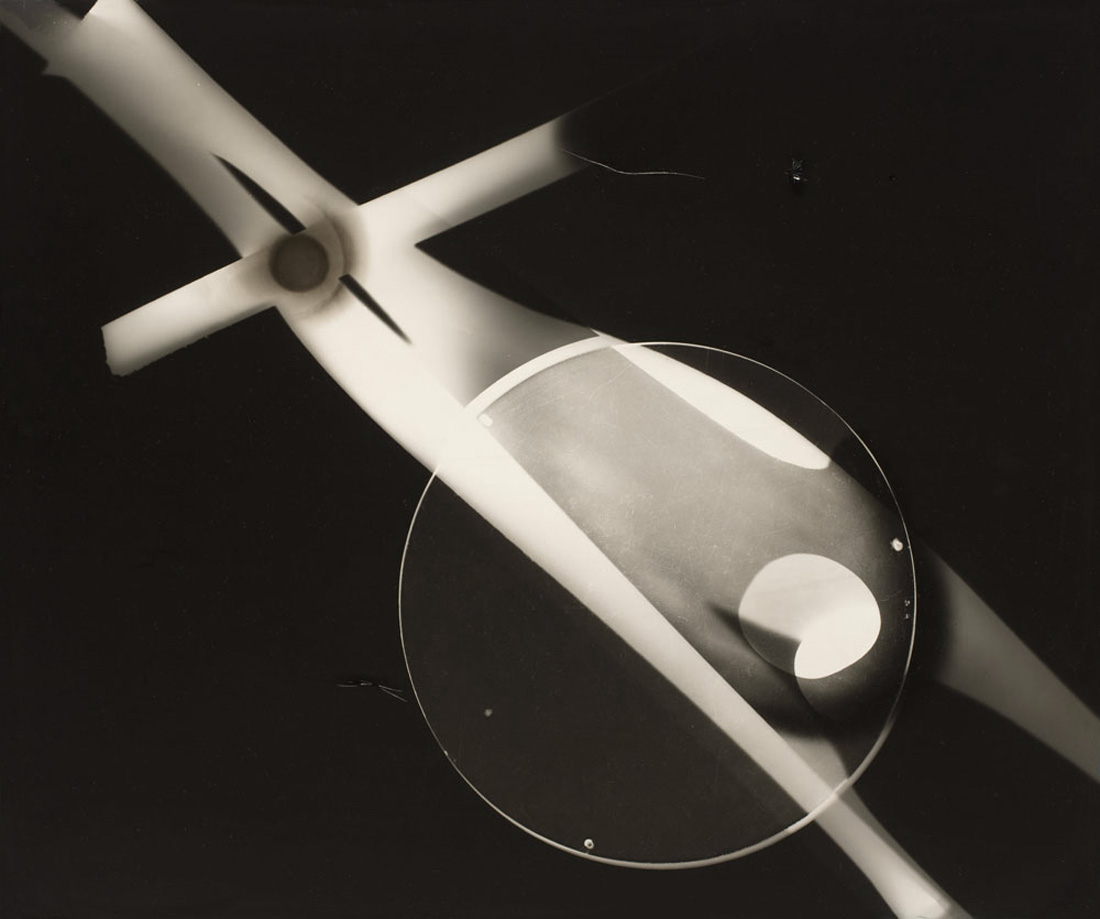
![Fritz Winter (German, 1905-1976) 'Stufungen [Gradations]' 1934](https://artblart.com/wp-content/uploads/2012/11/fritz-winter-stufungen-1934-web.jpg "Fritz Winter (German, 1905-1976) 'Stufungen [Gradations]' 1934")
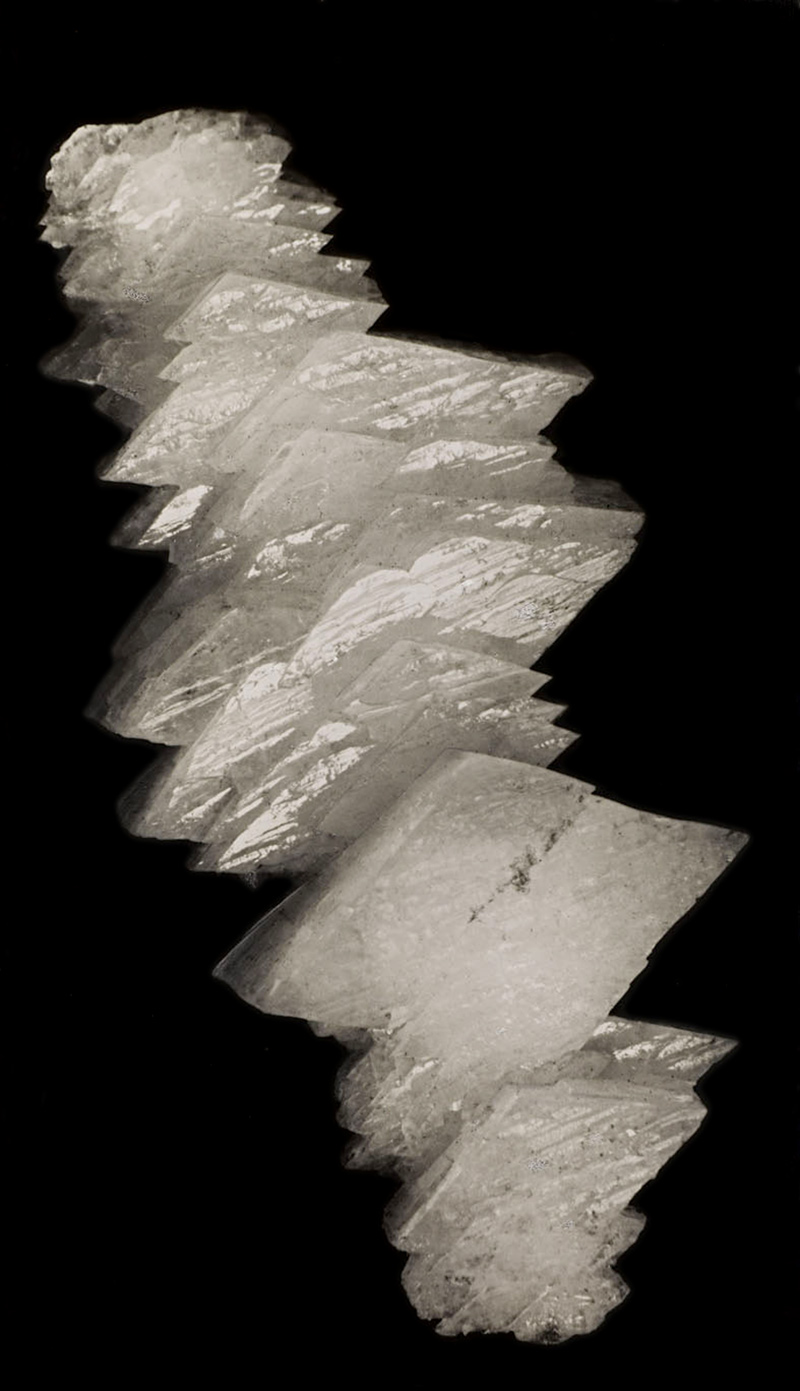
![Fritz Winter (German, 1905-1976) 'Weiß in Schwarz [White in Black]' 1934](https://artblart.com/wp-content/uploads/2012/11/fritz-winter-weic39f-in-schwarz-1934-web.jpg "Fritz Winter (German, 1905-1976) 'Weiß in Schwarz [White in Black]' 1934")


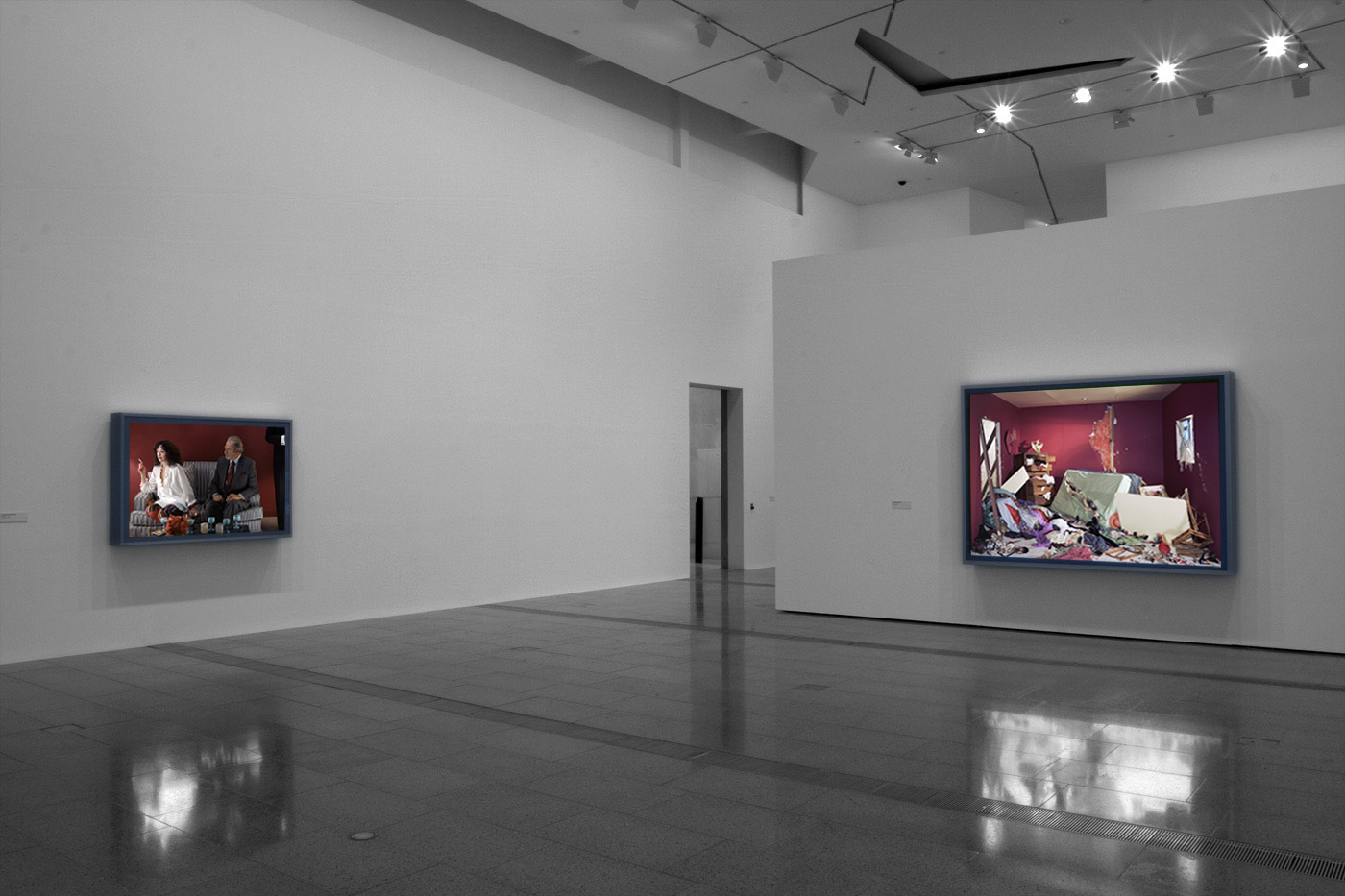
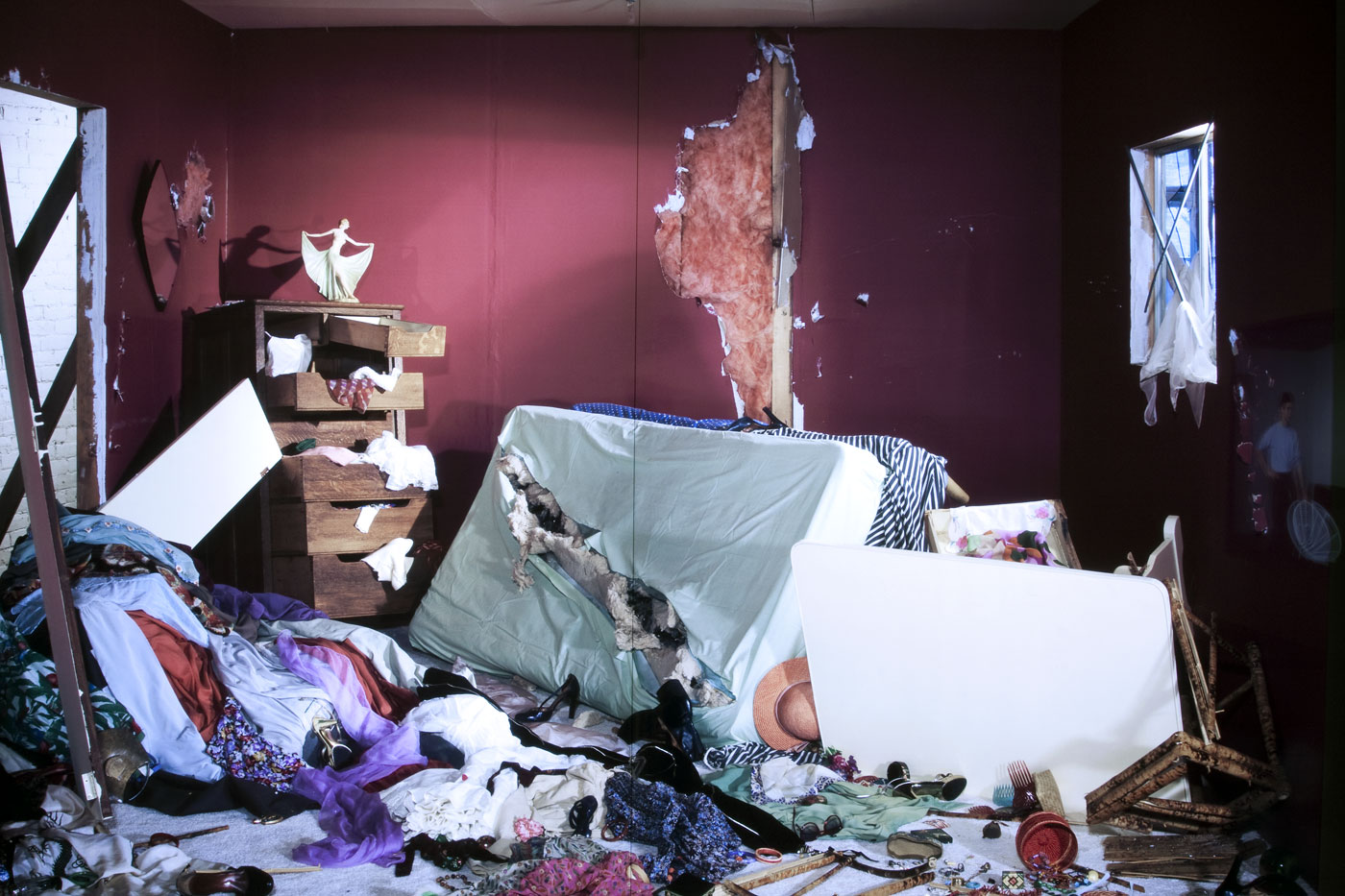
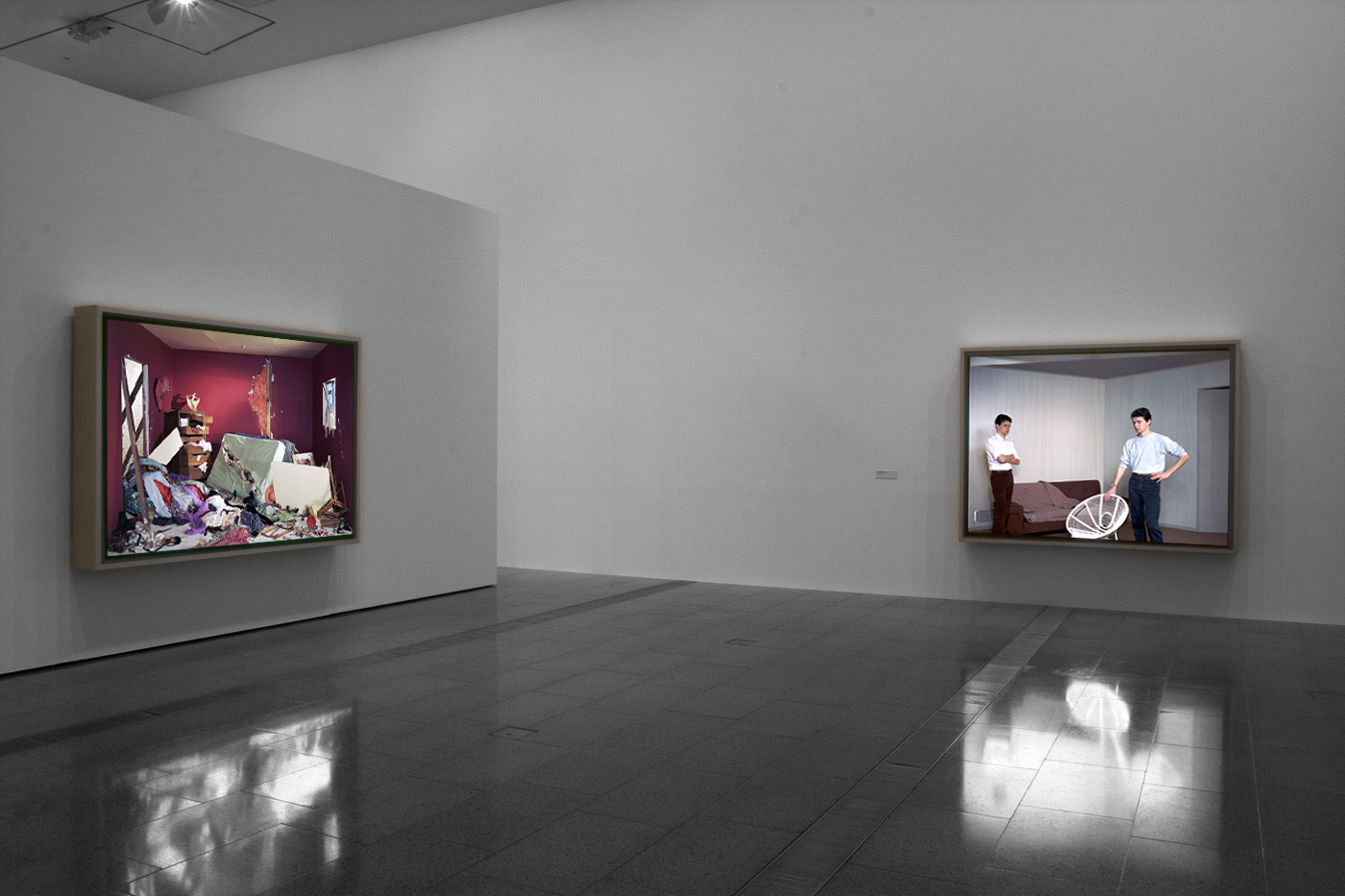
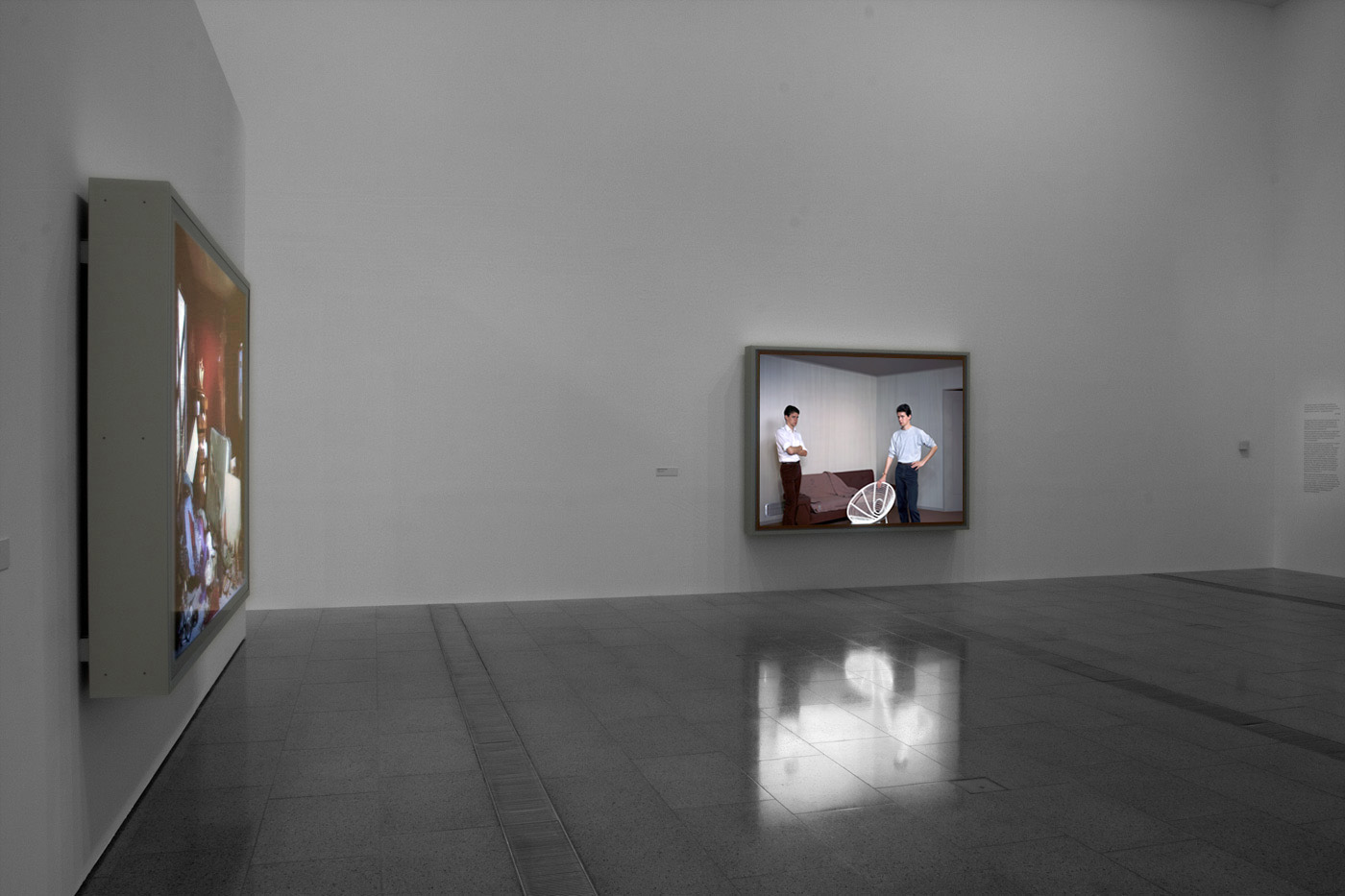
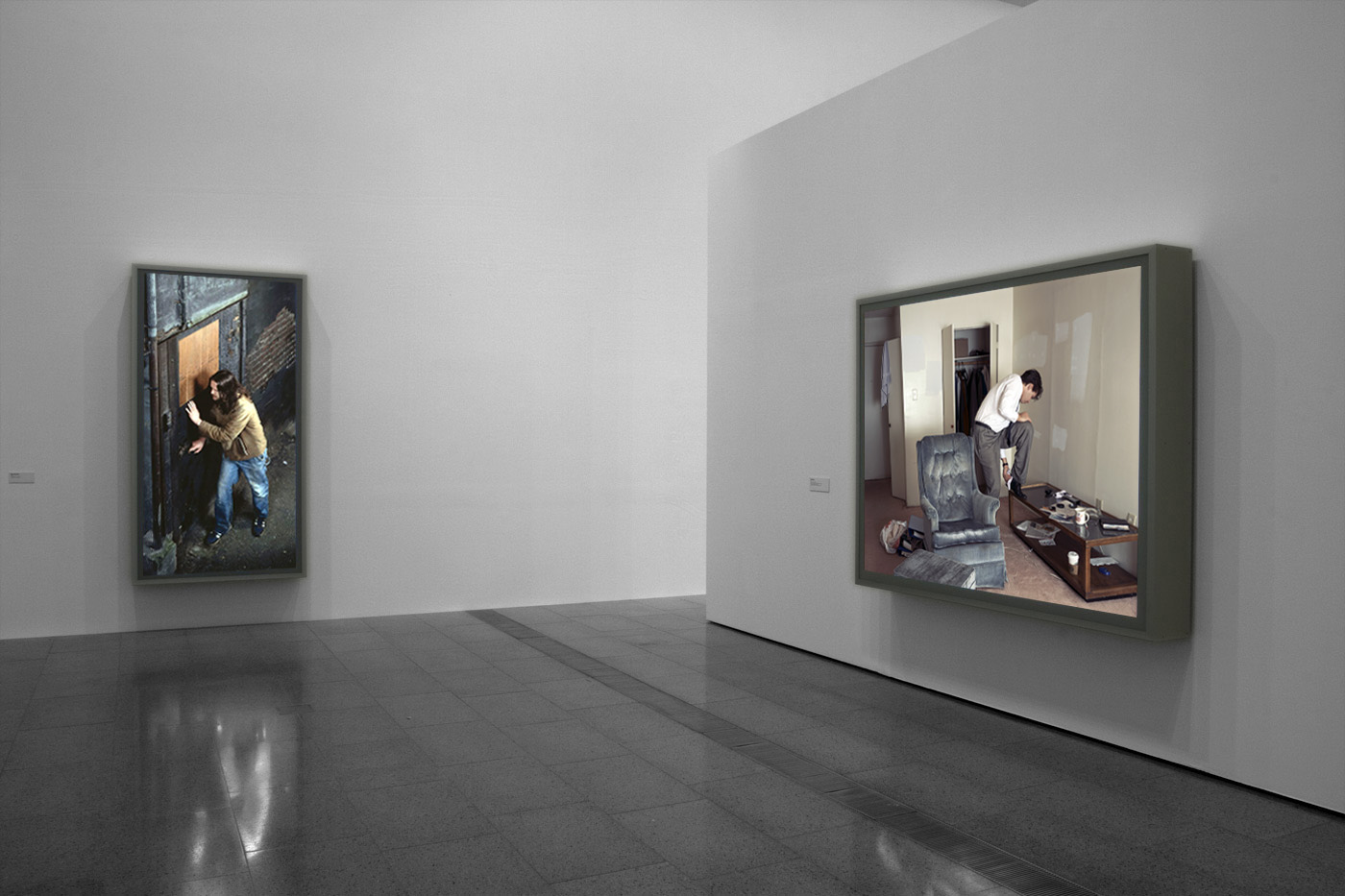
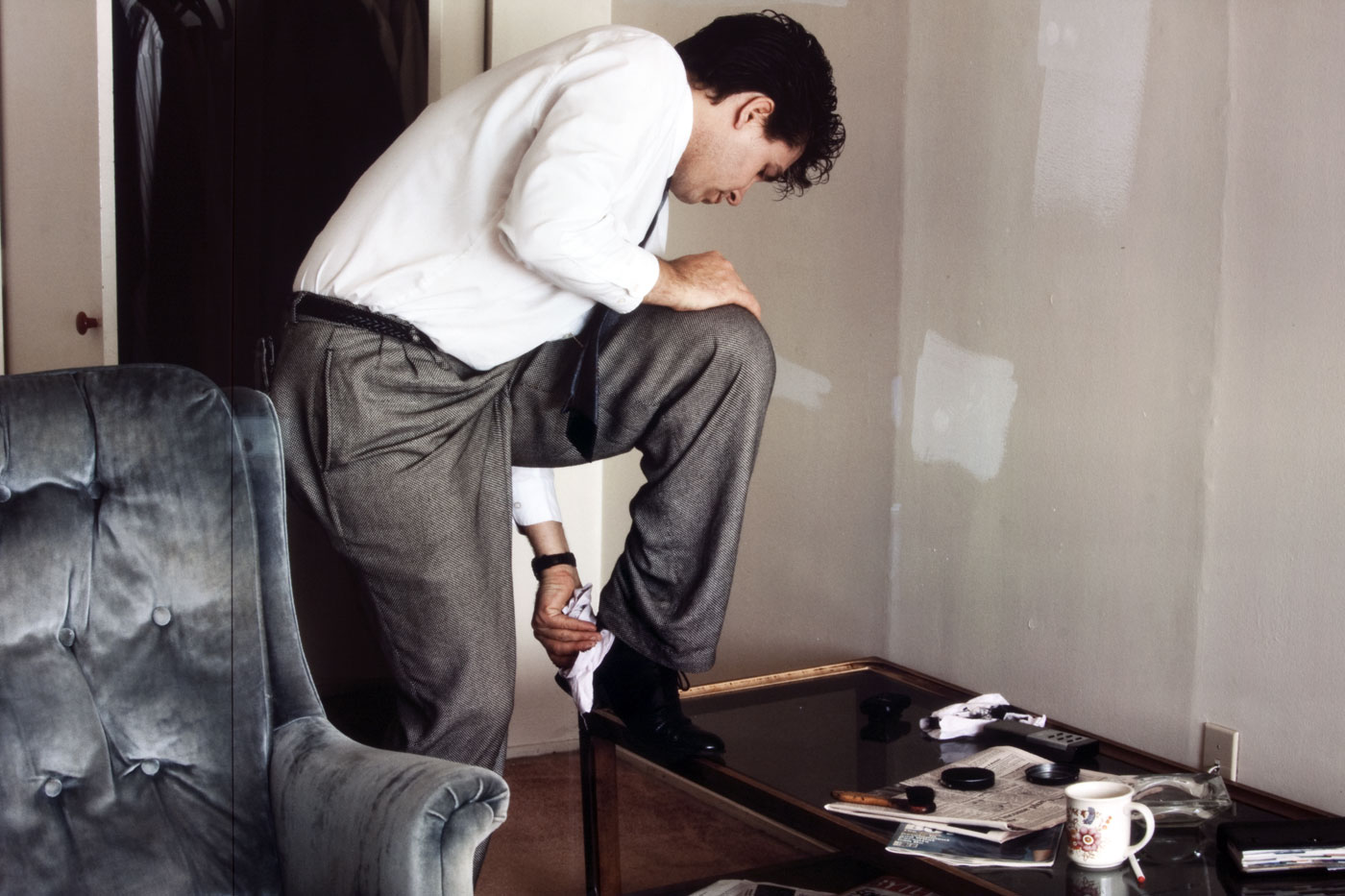
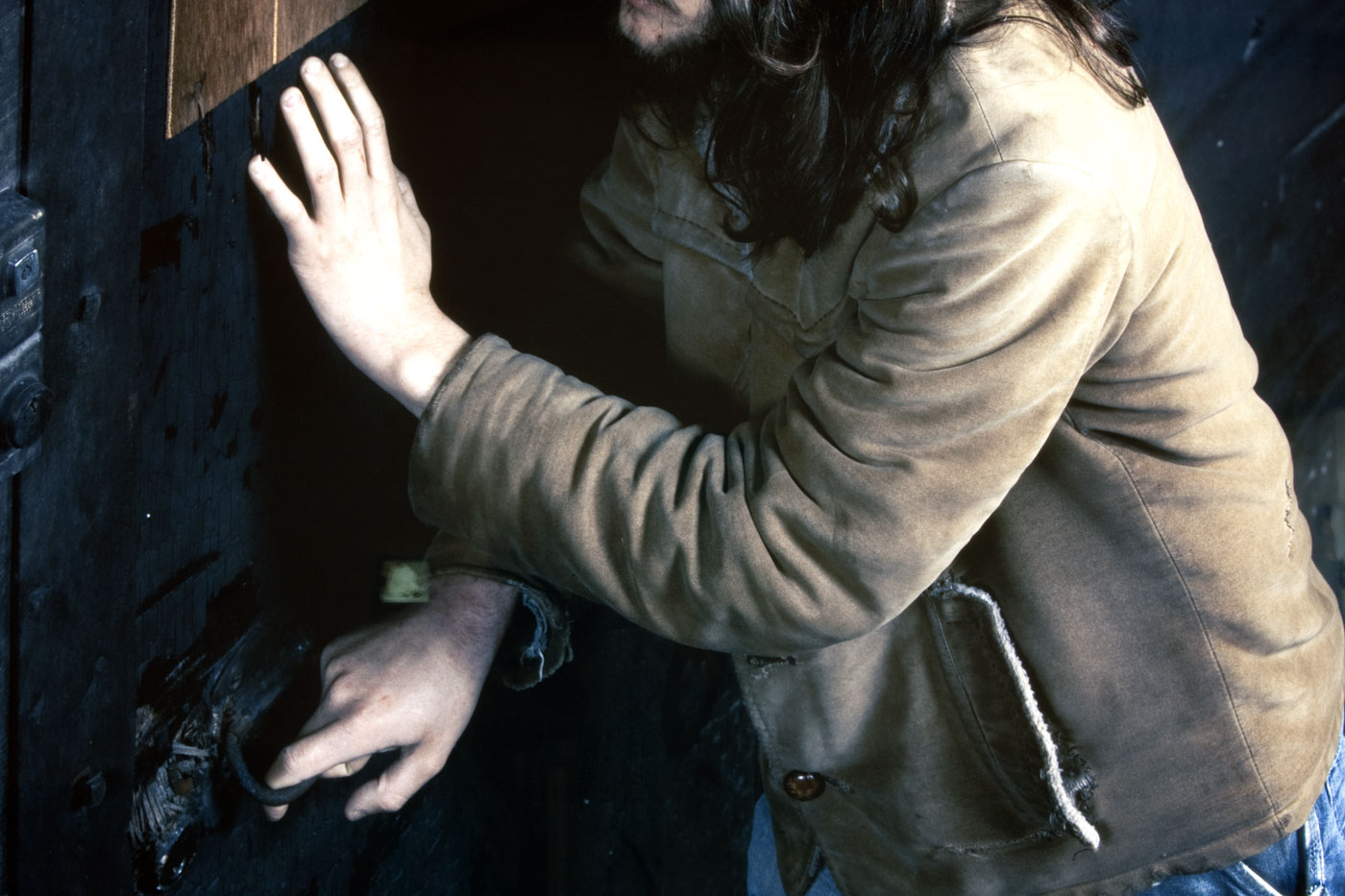
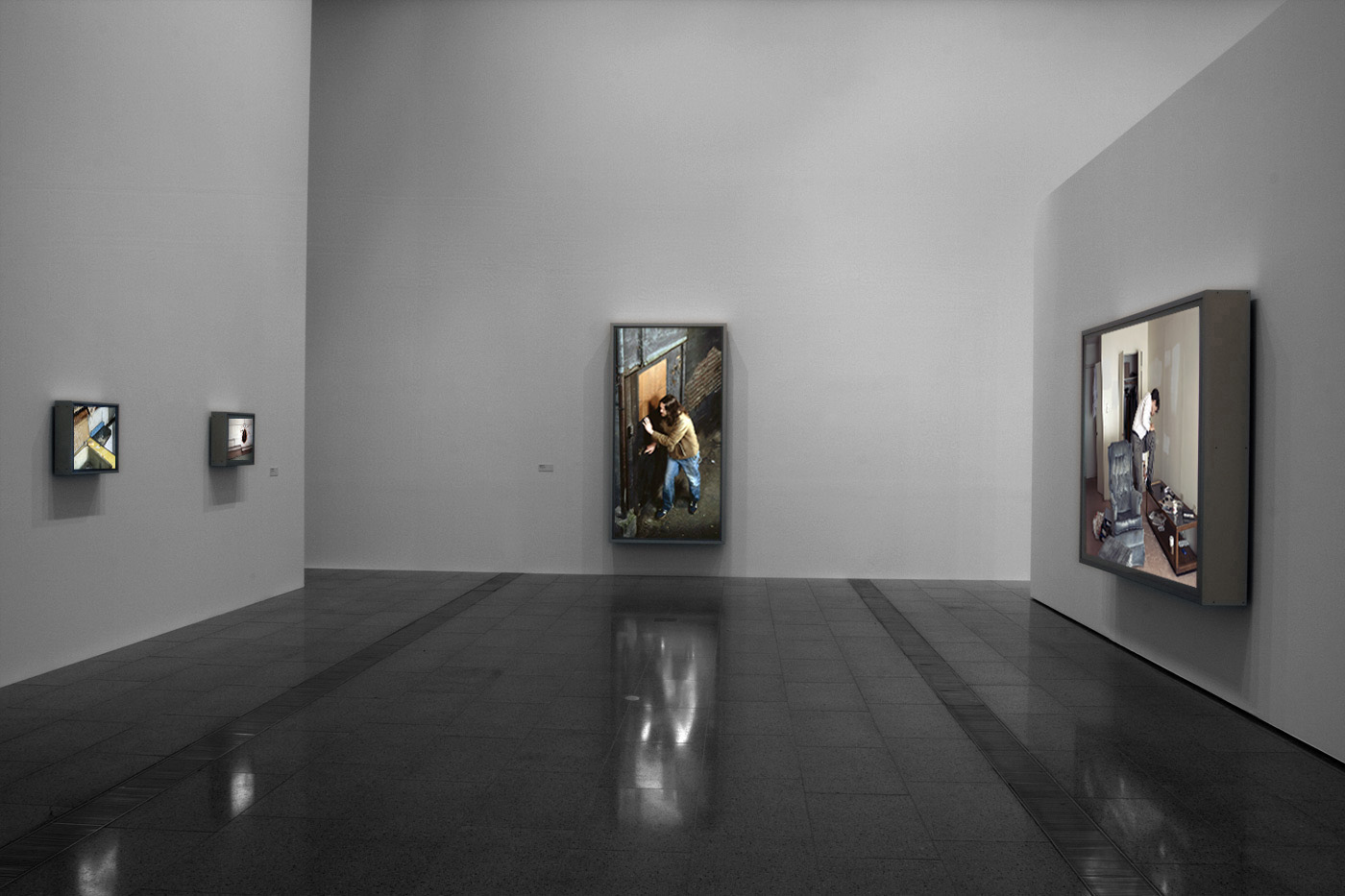
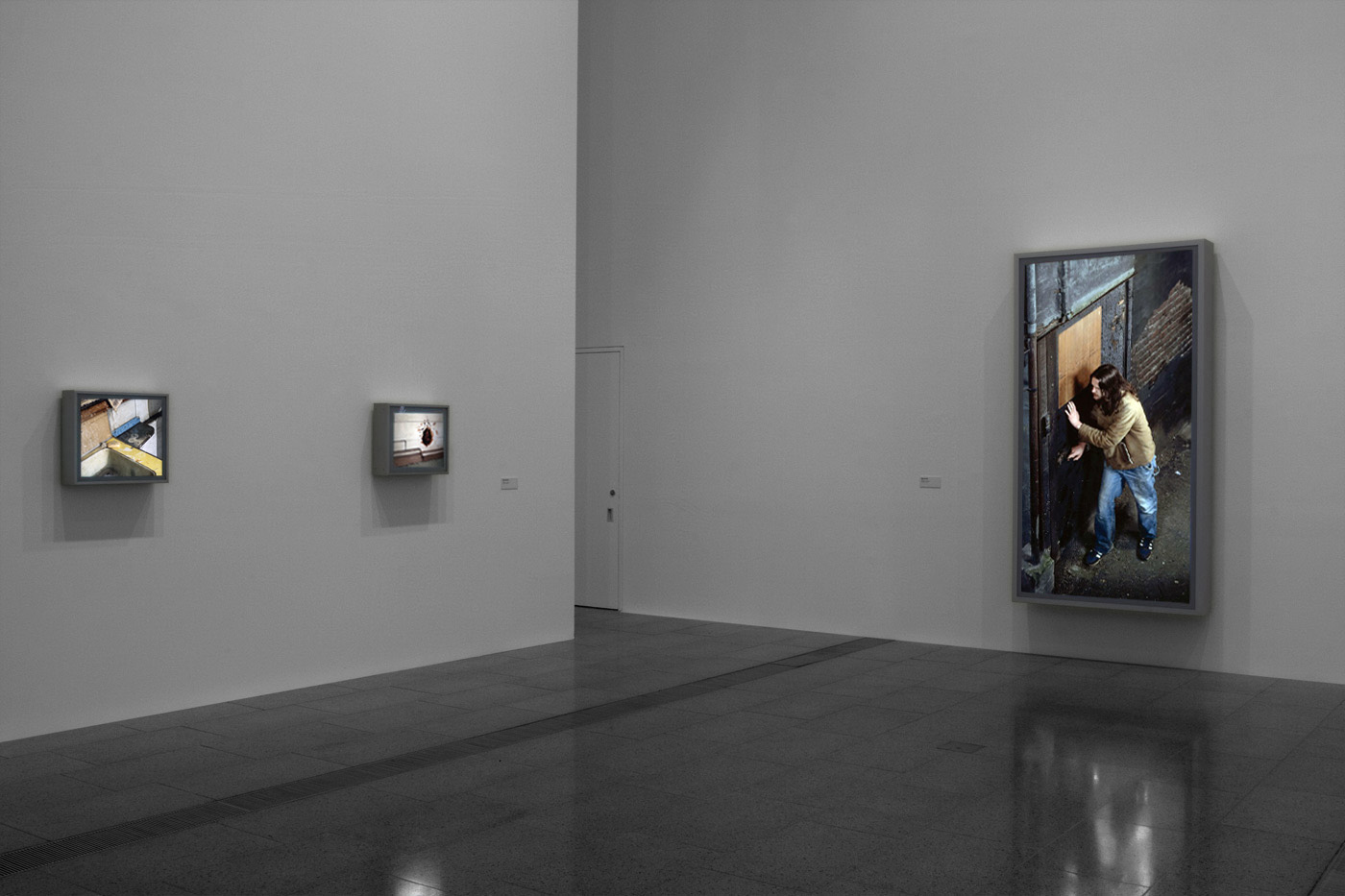
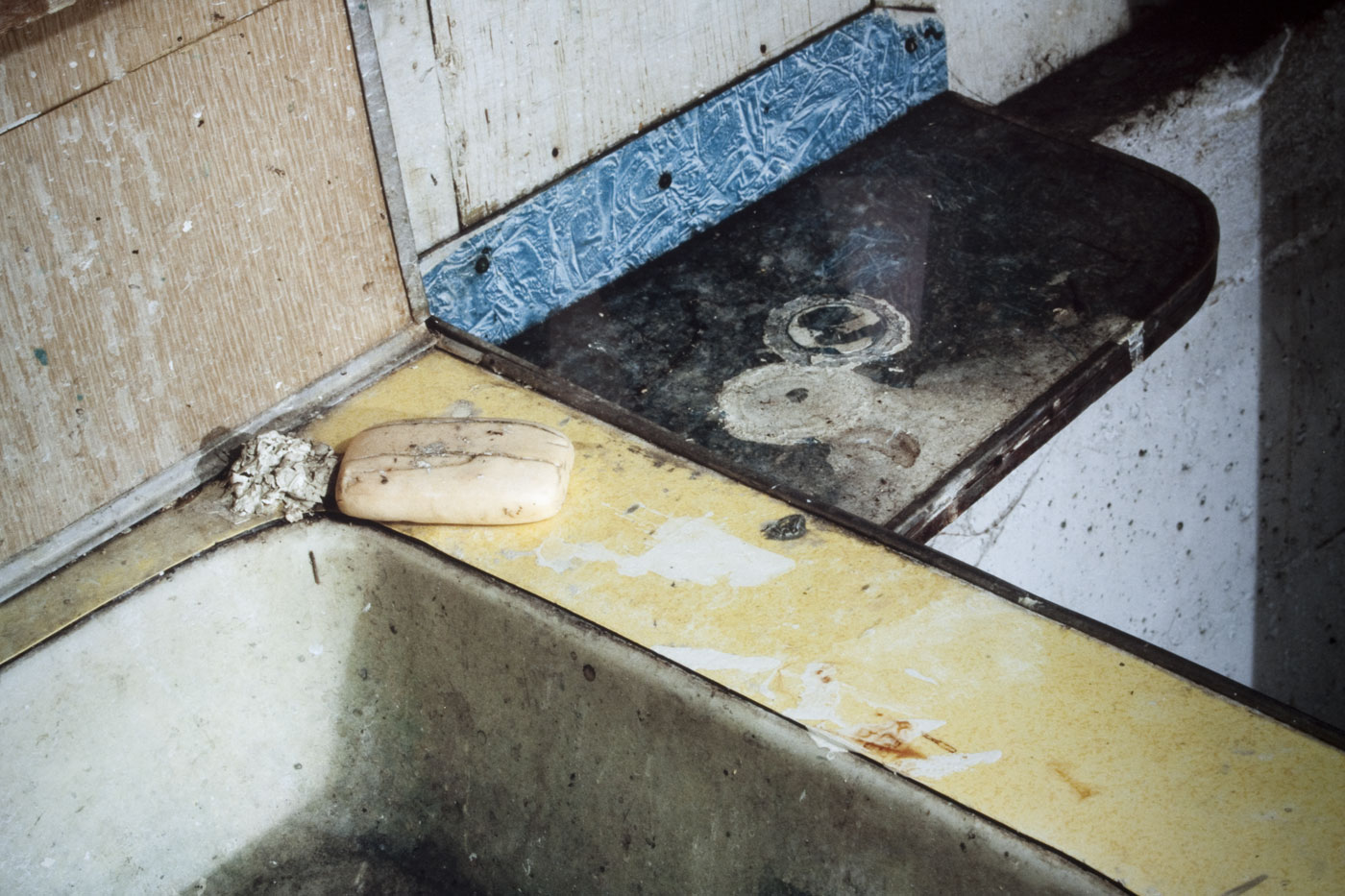
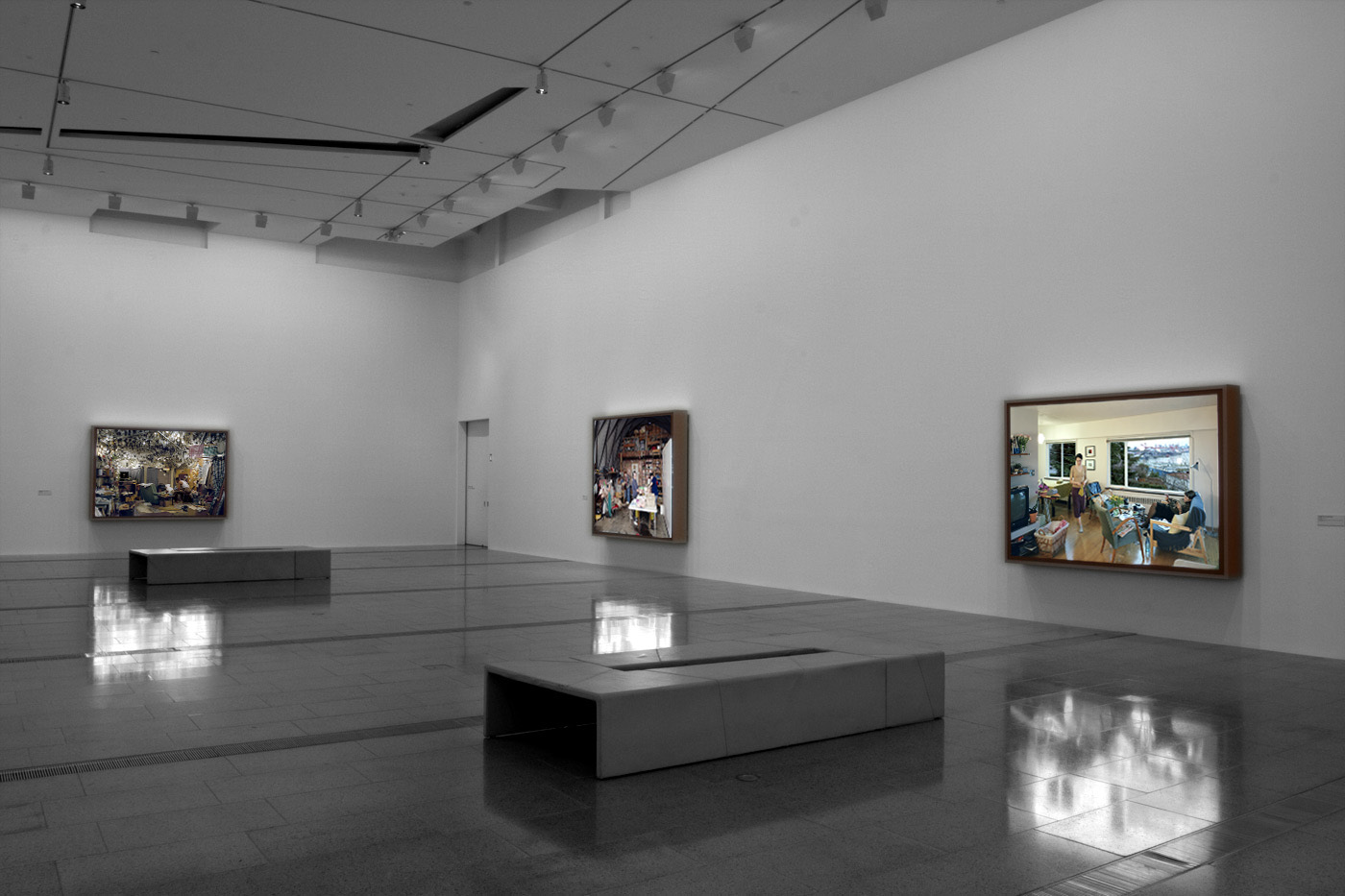
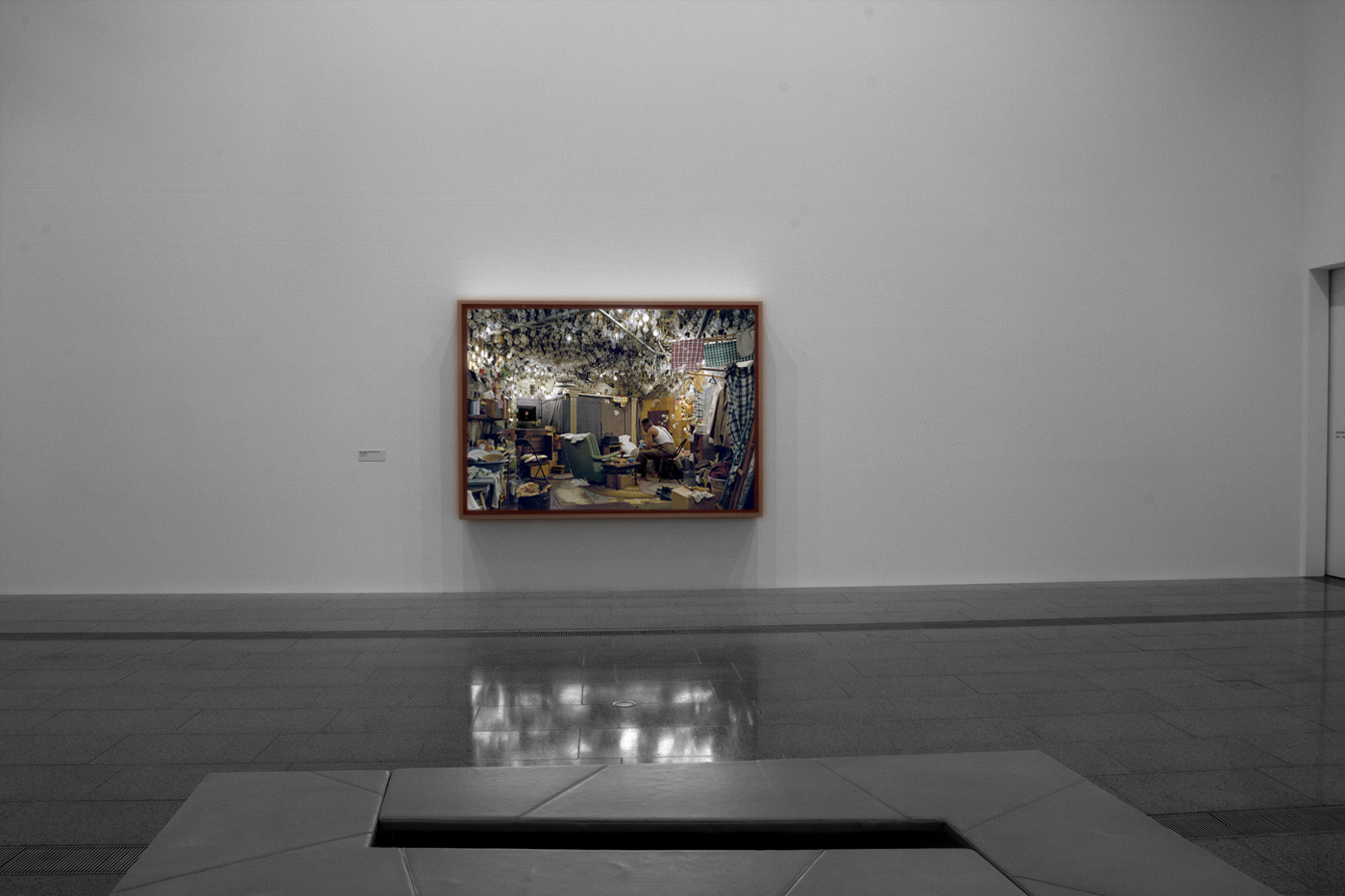
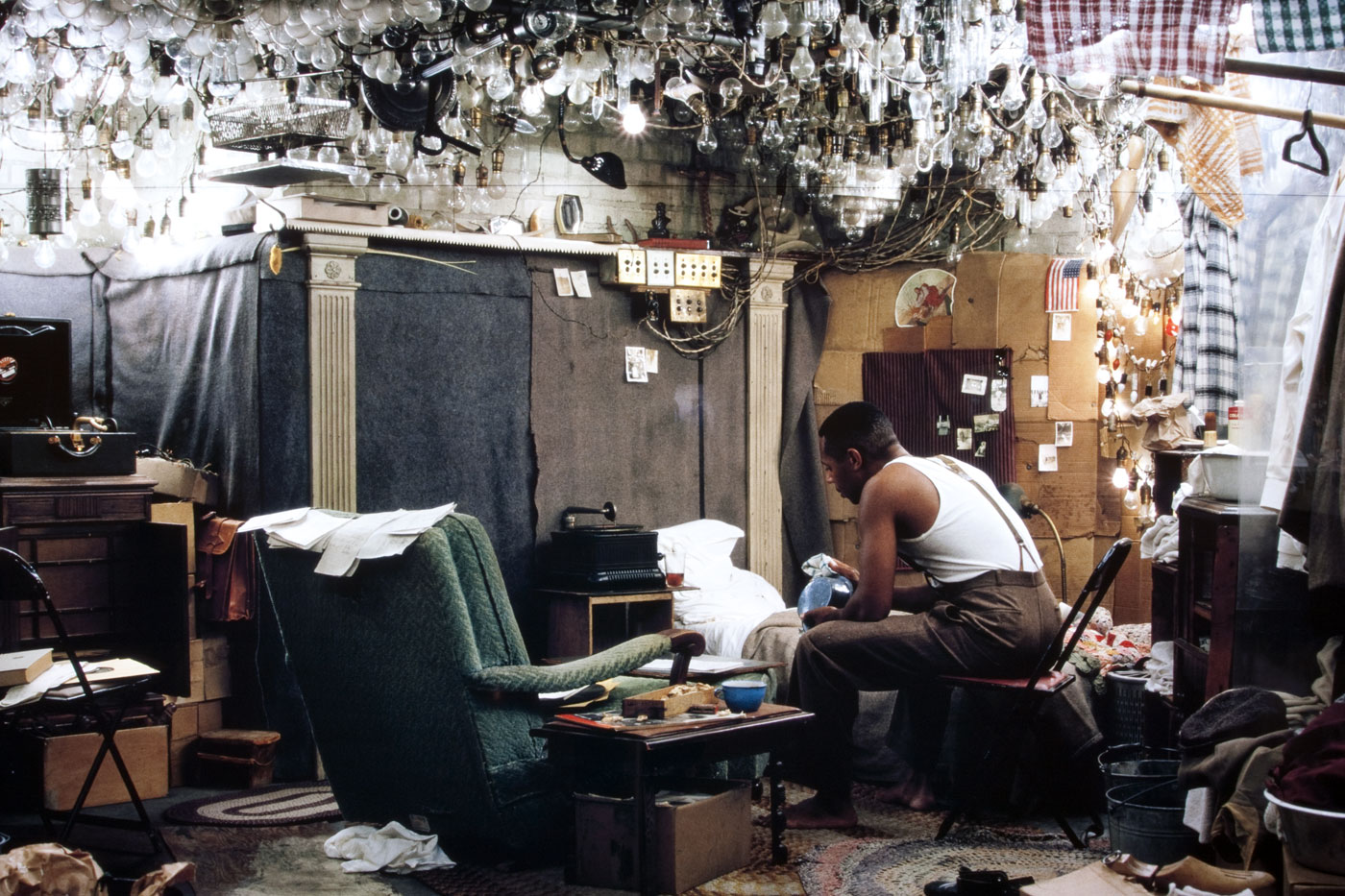
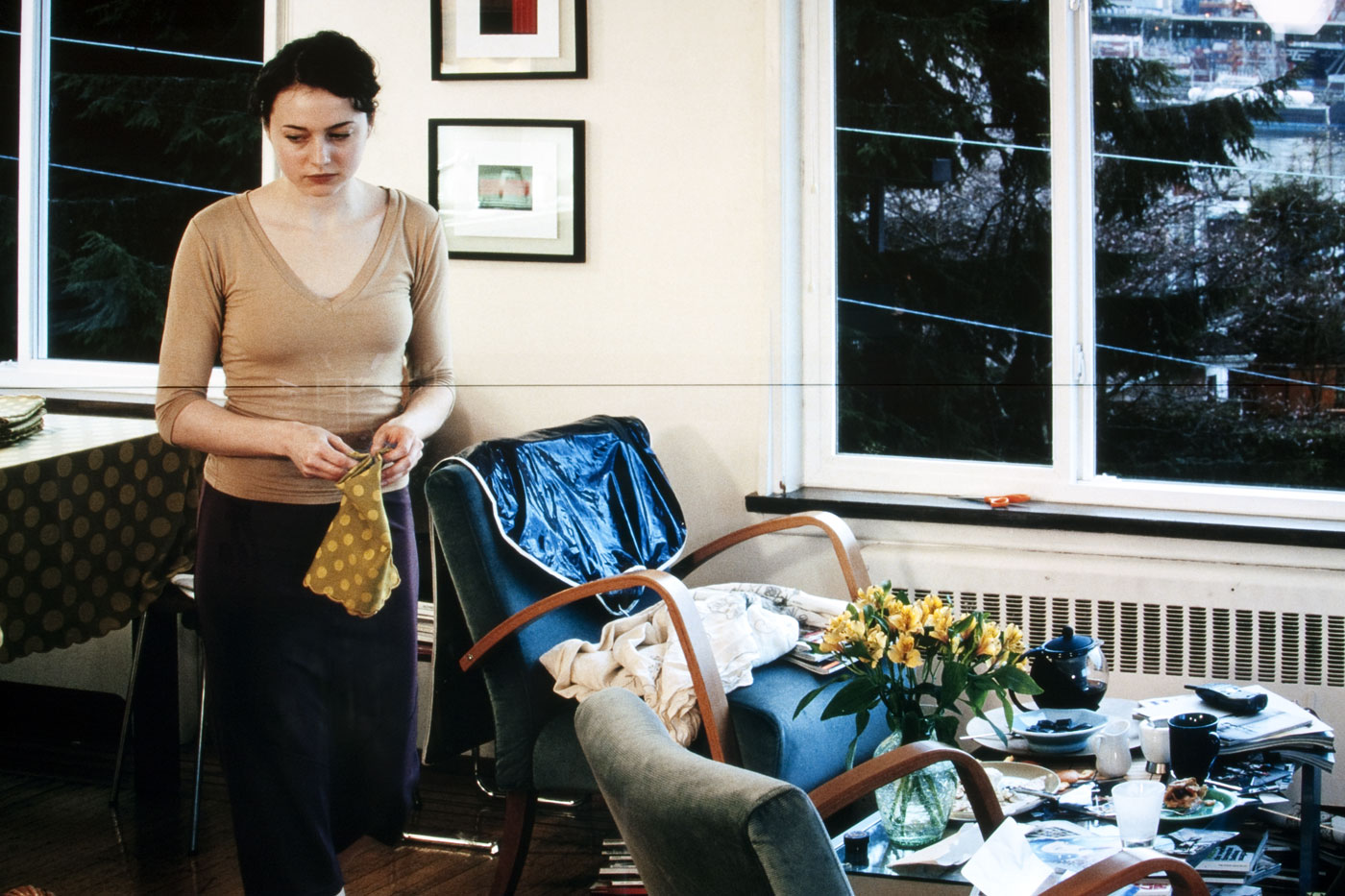
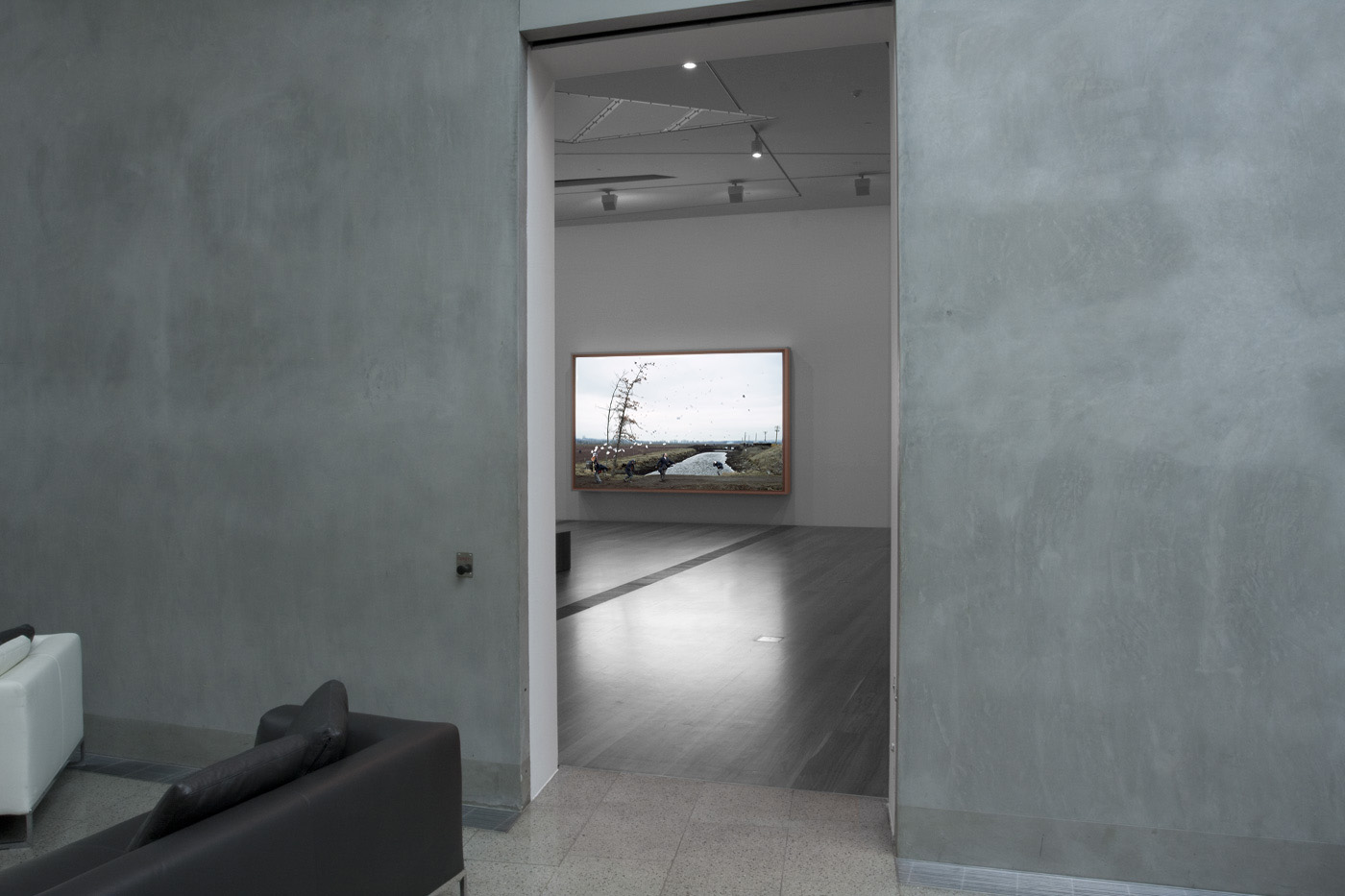
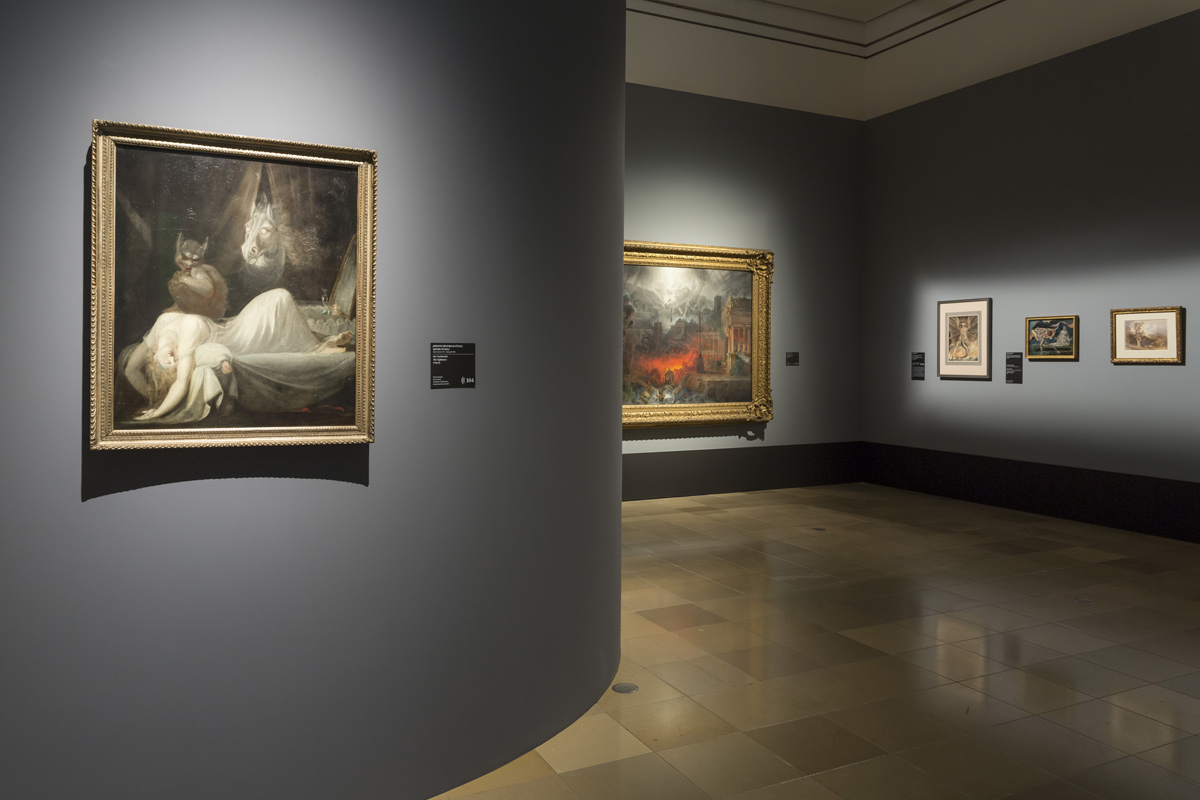
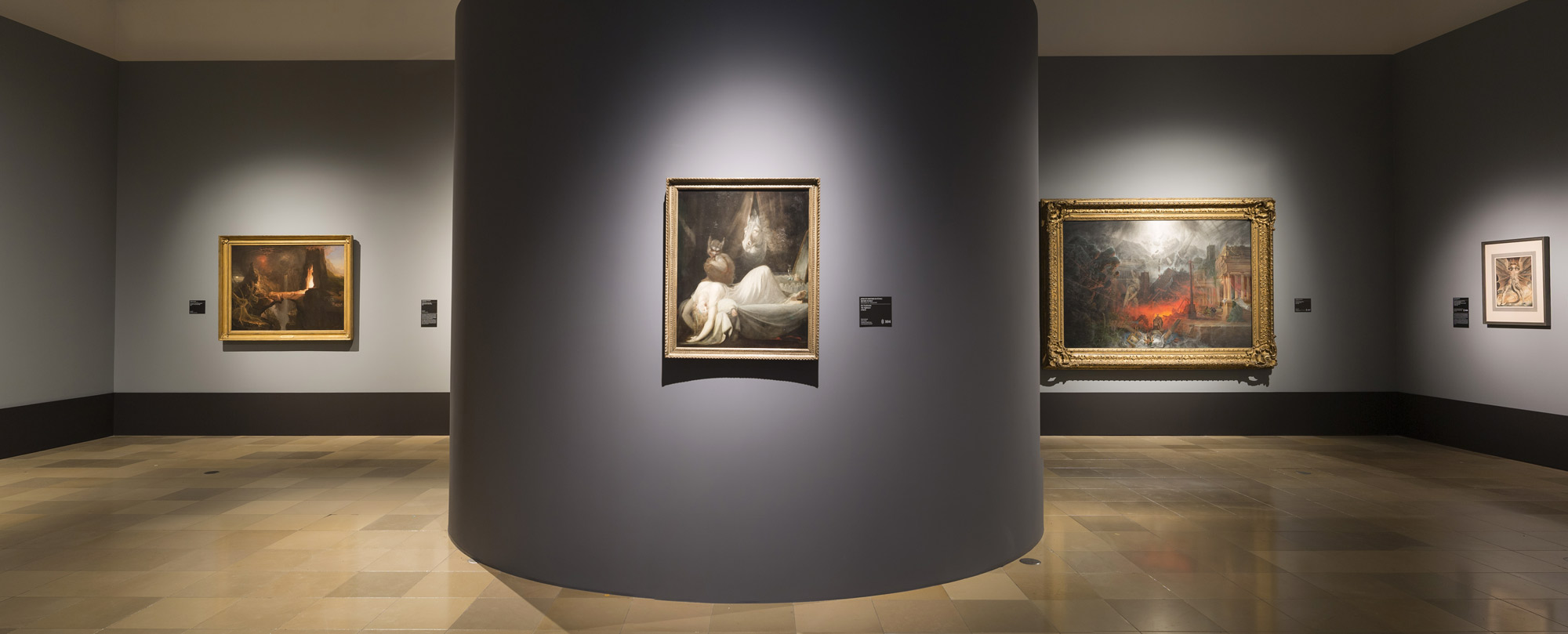
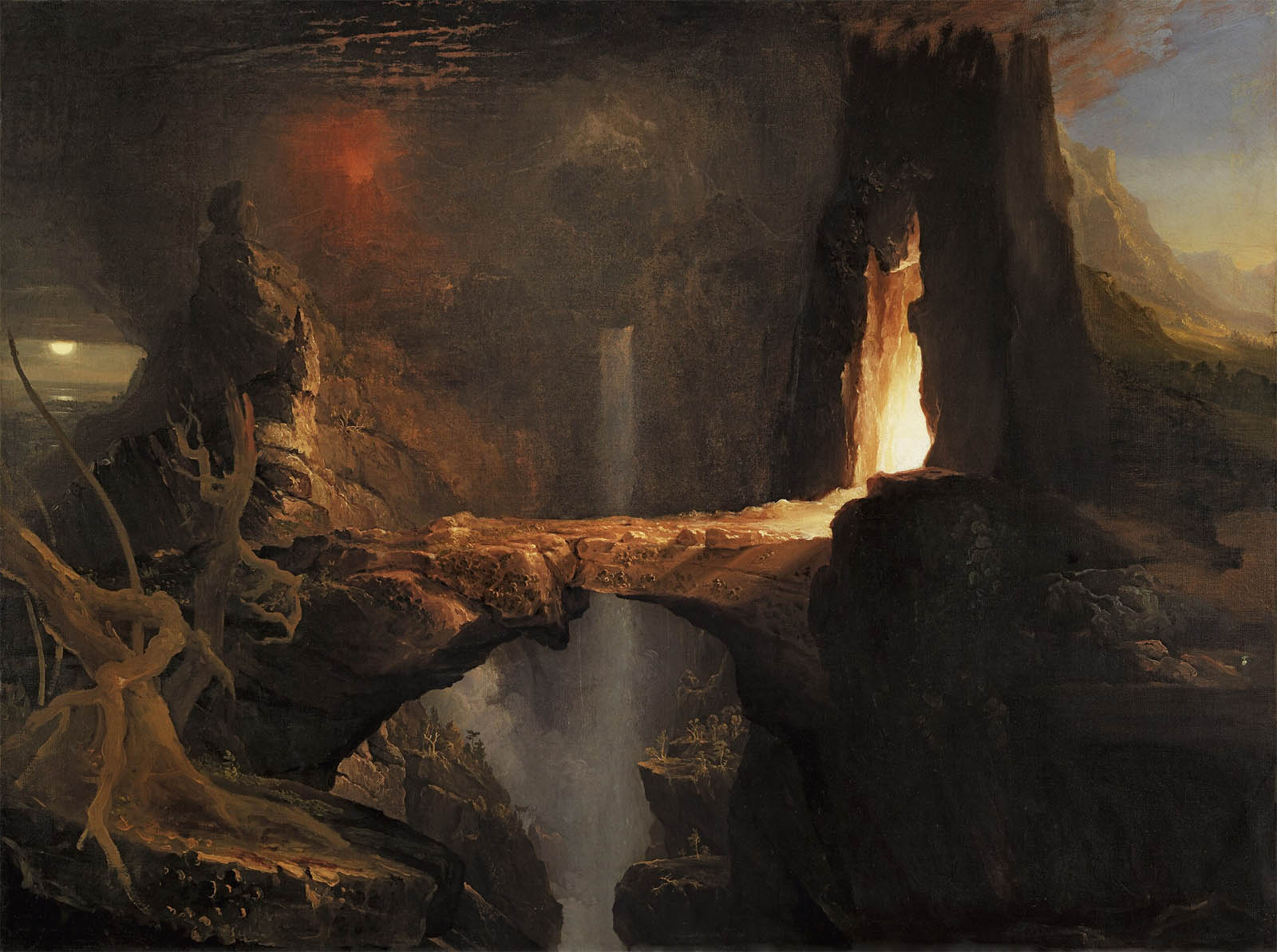
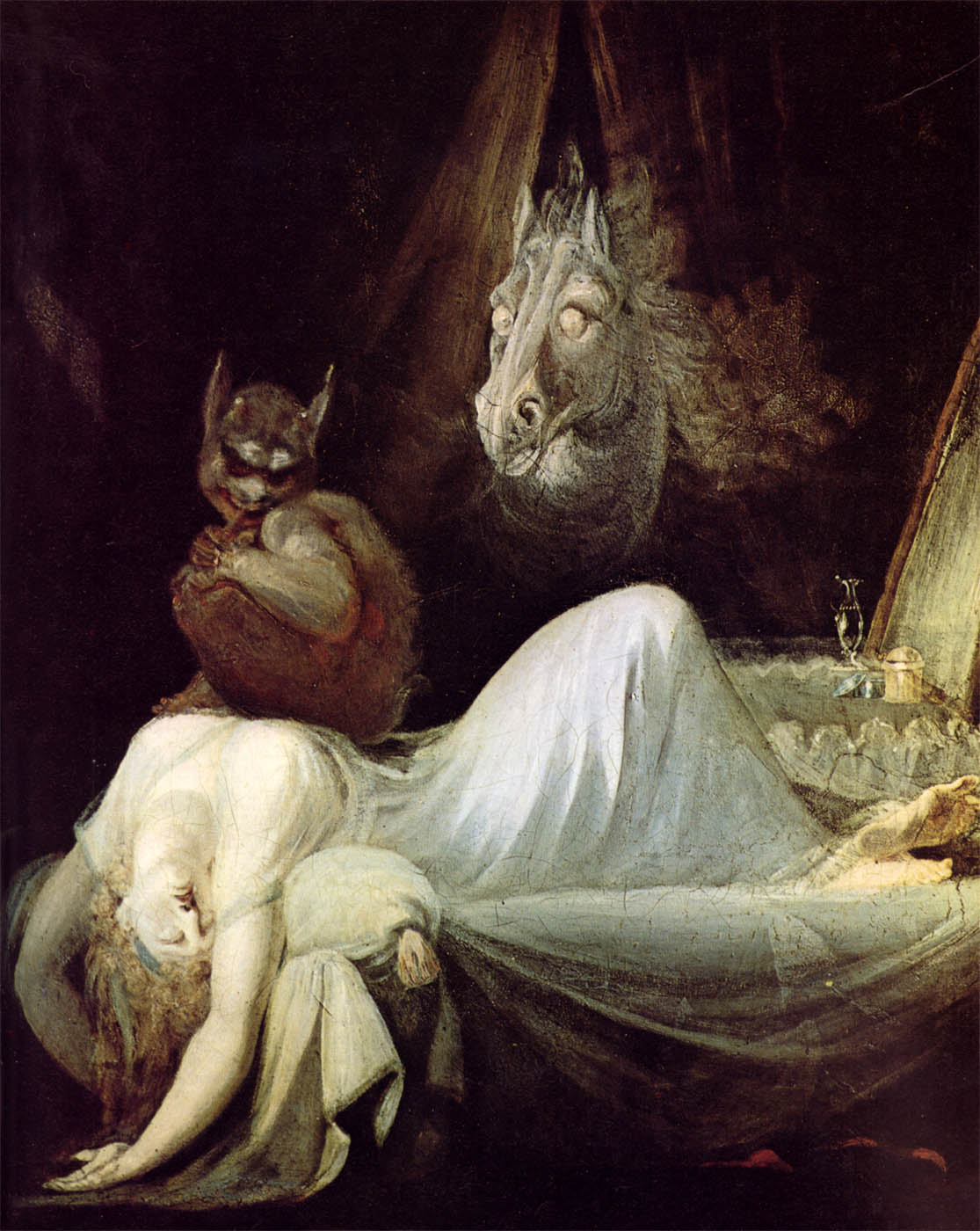
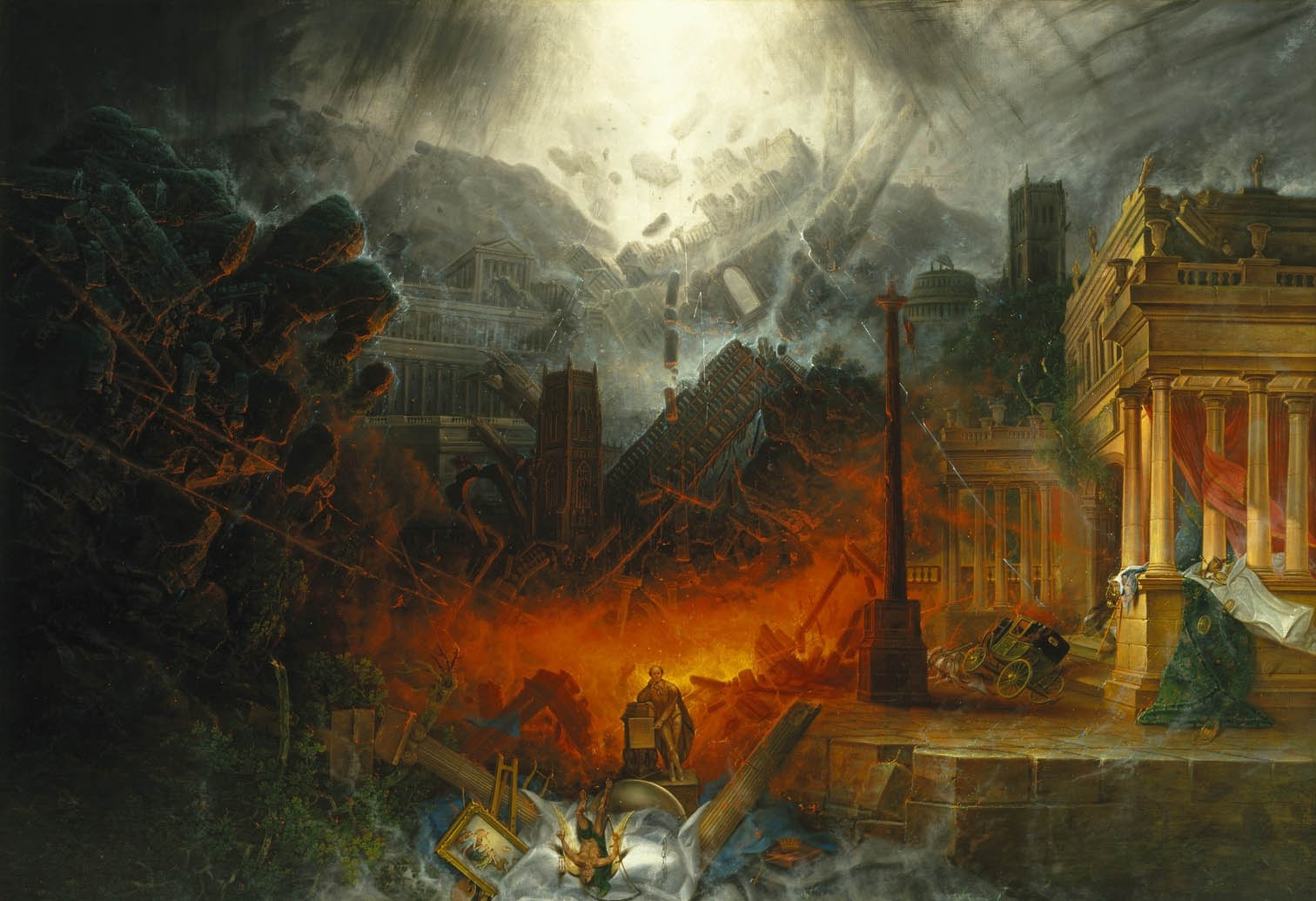

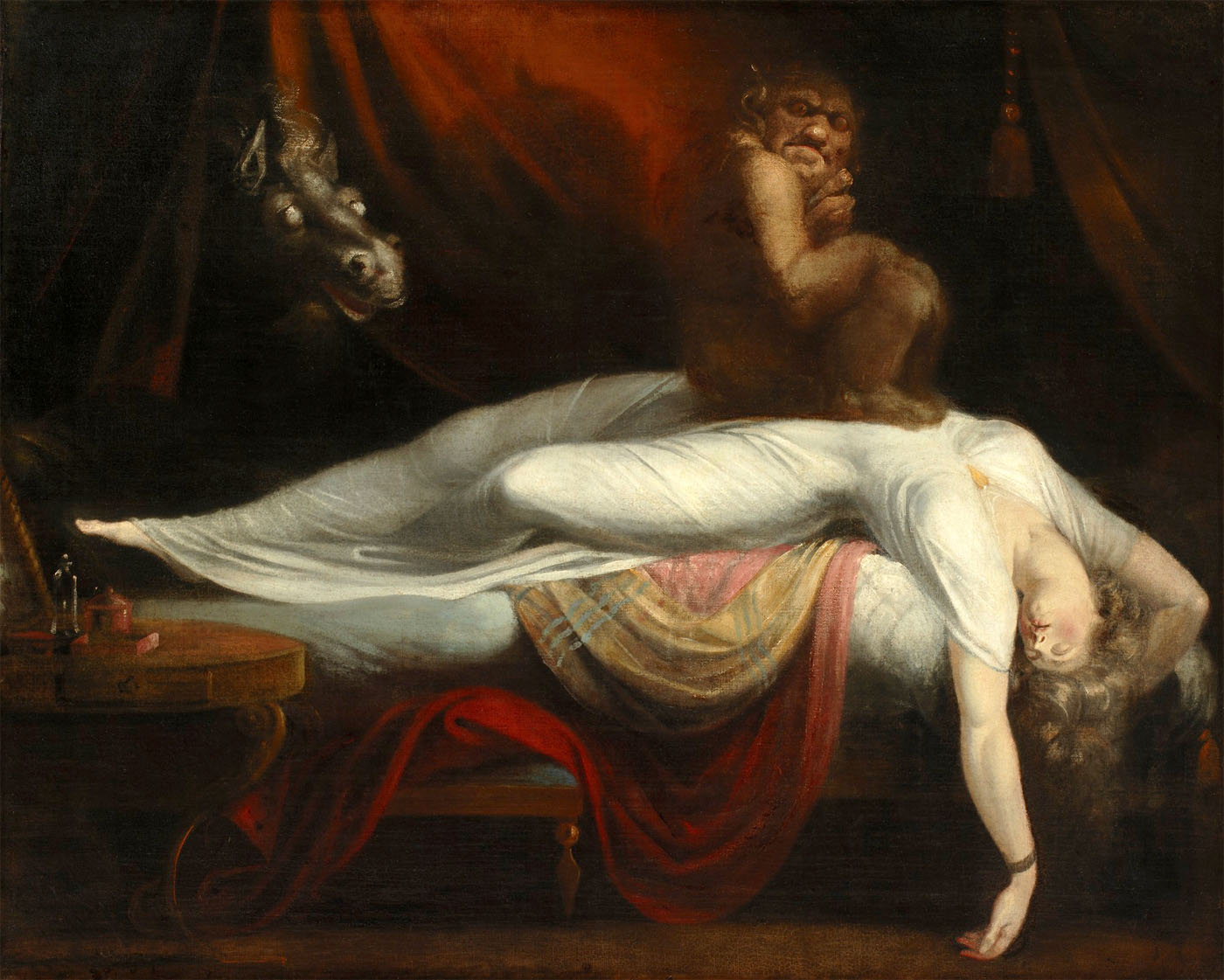
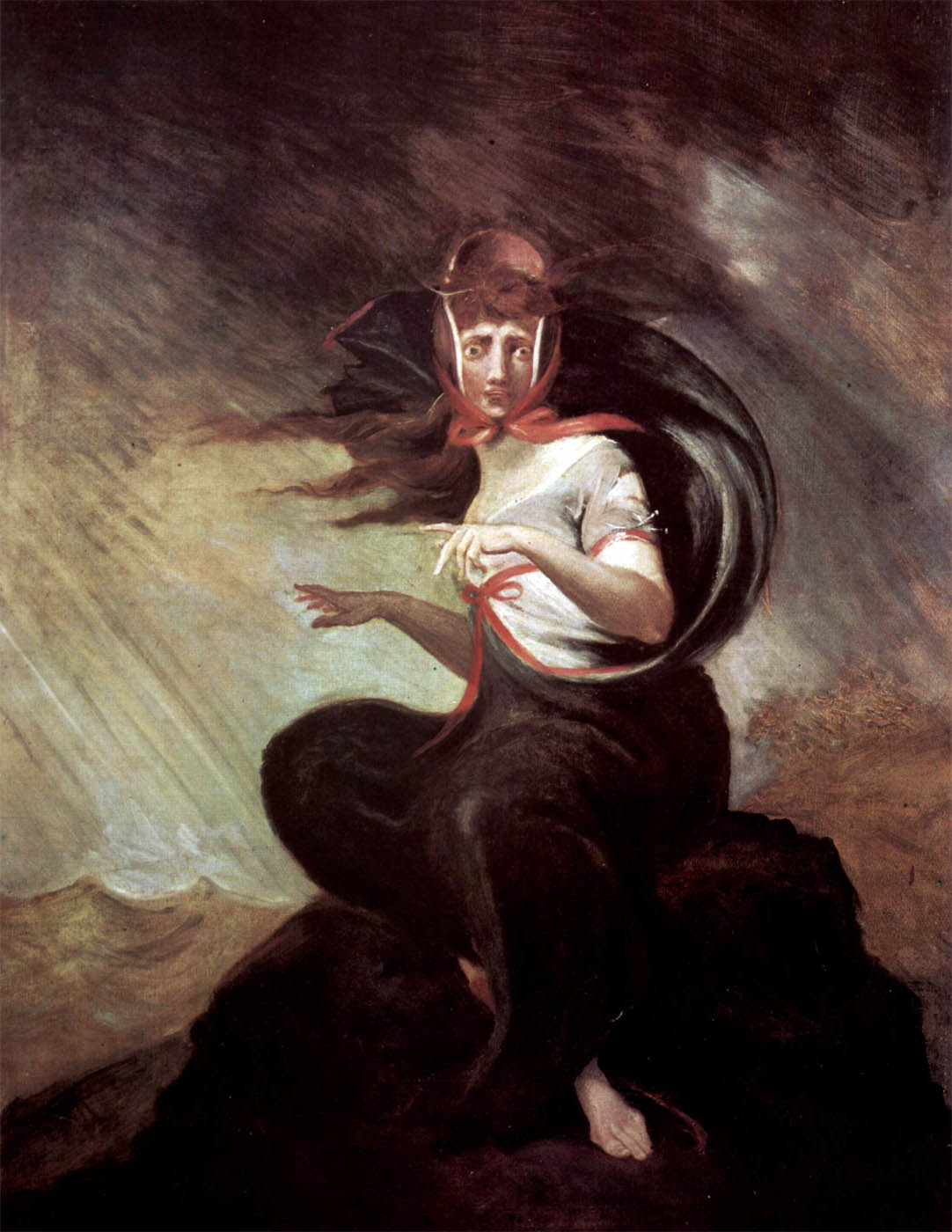


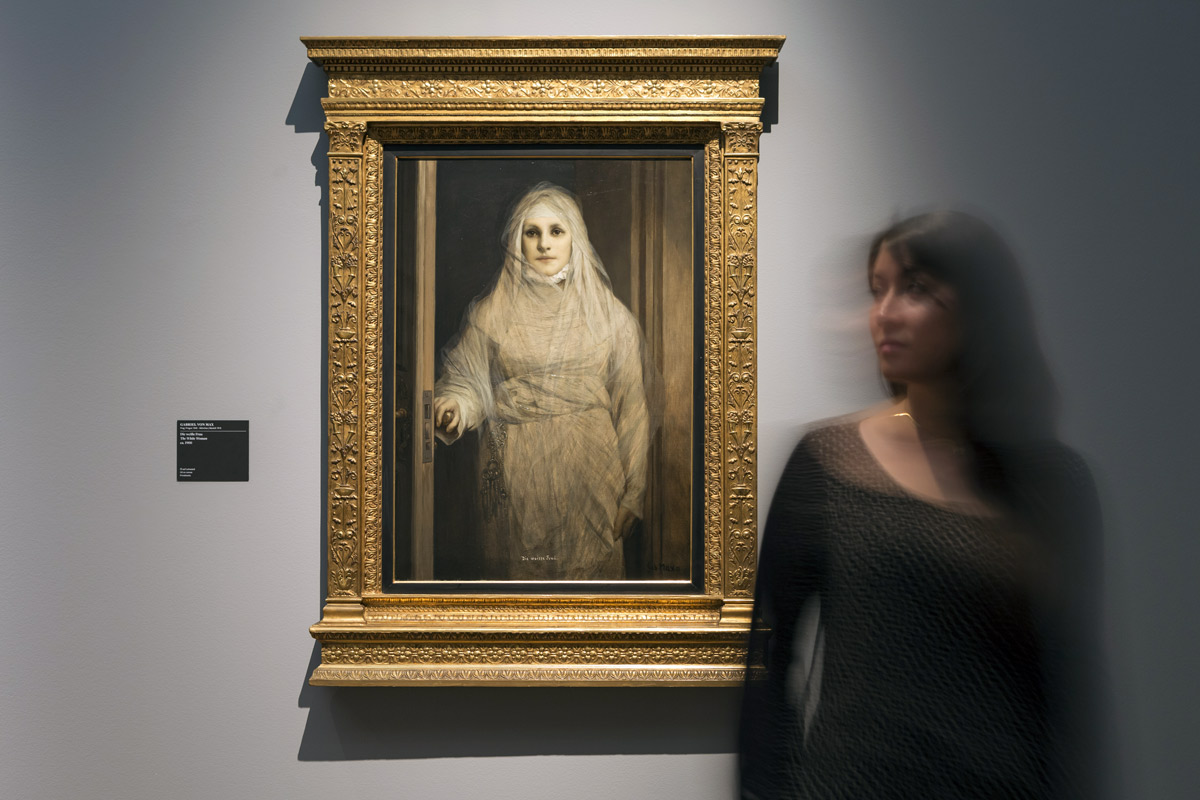
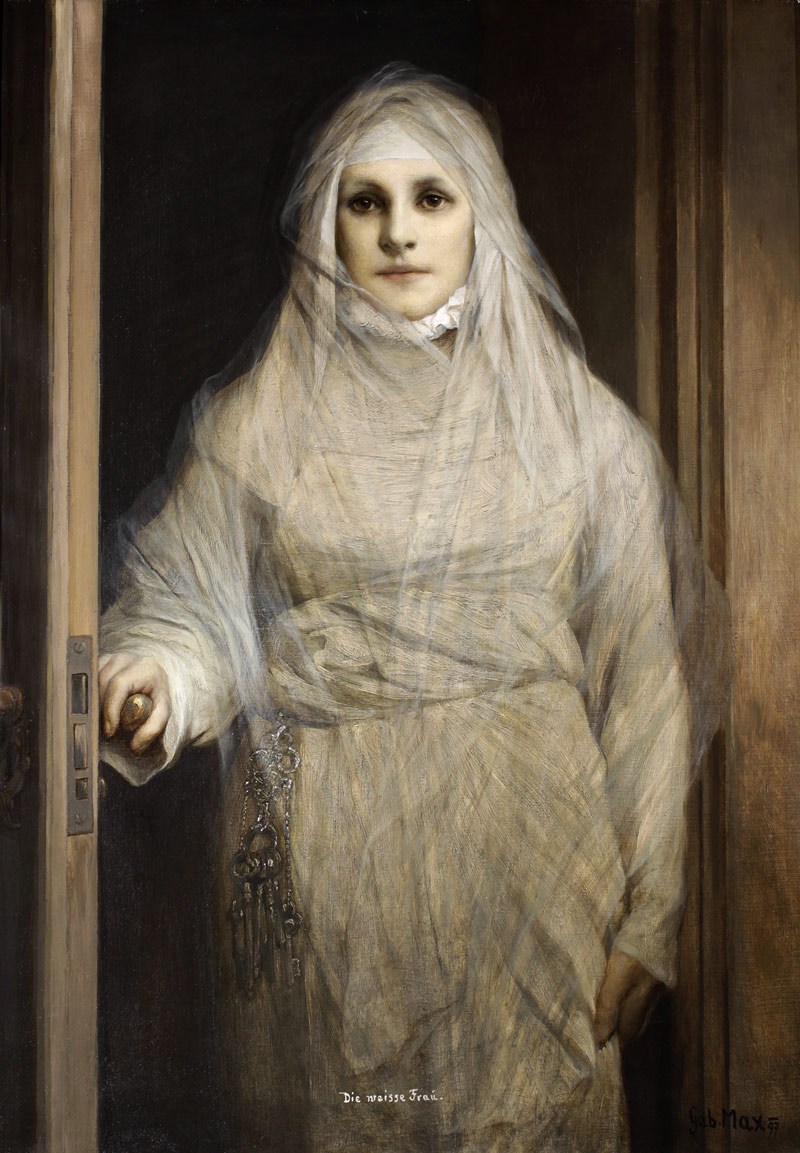
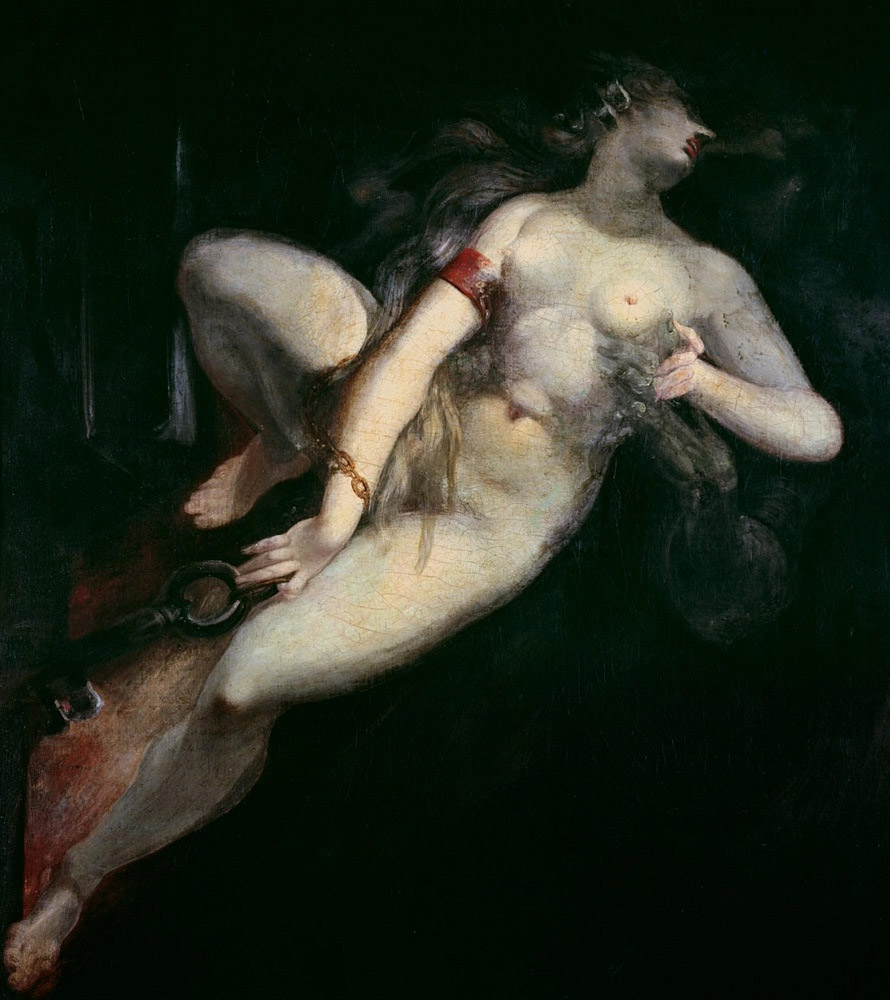
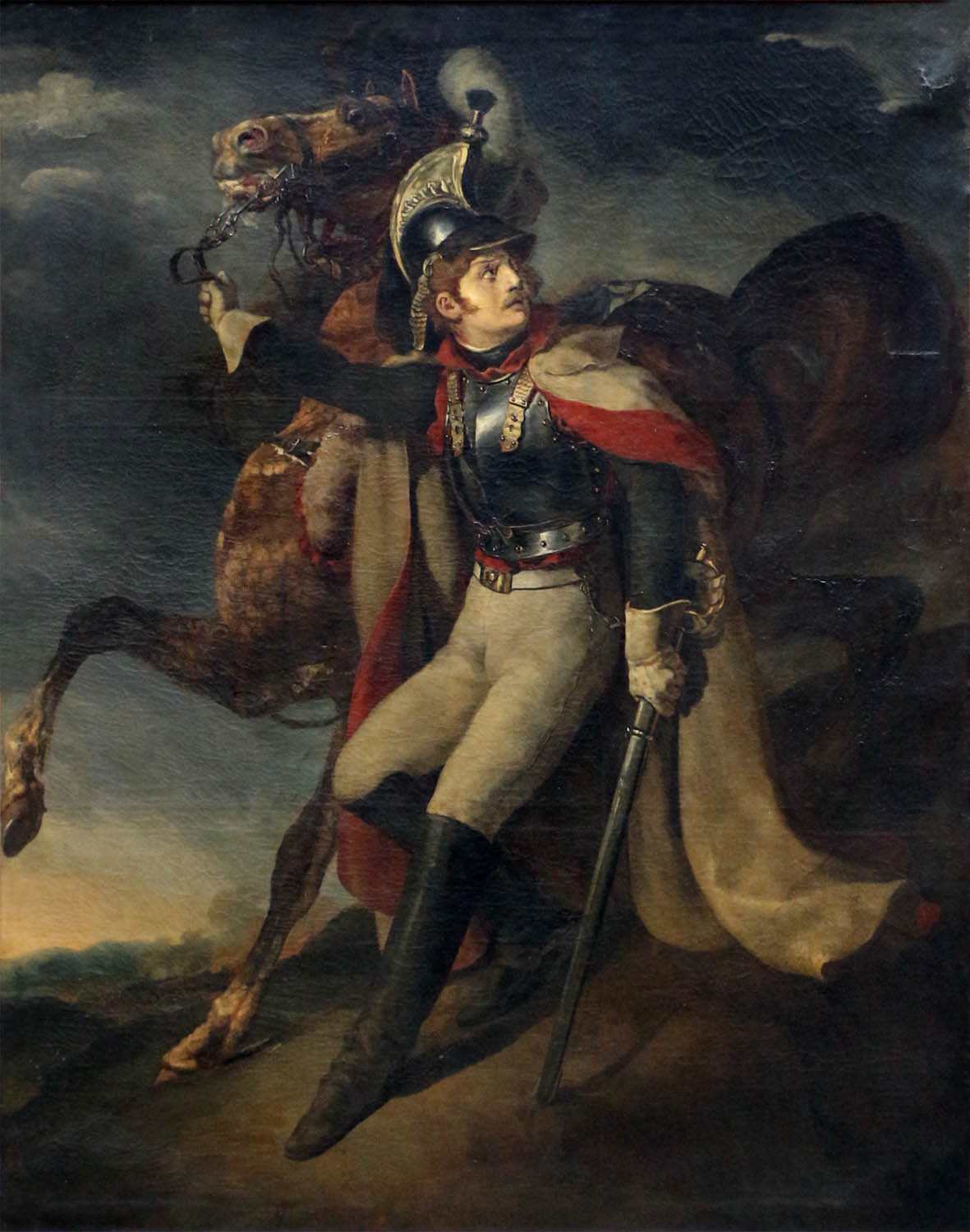


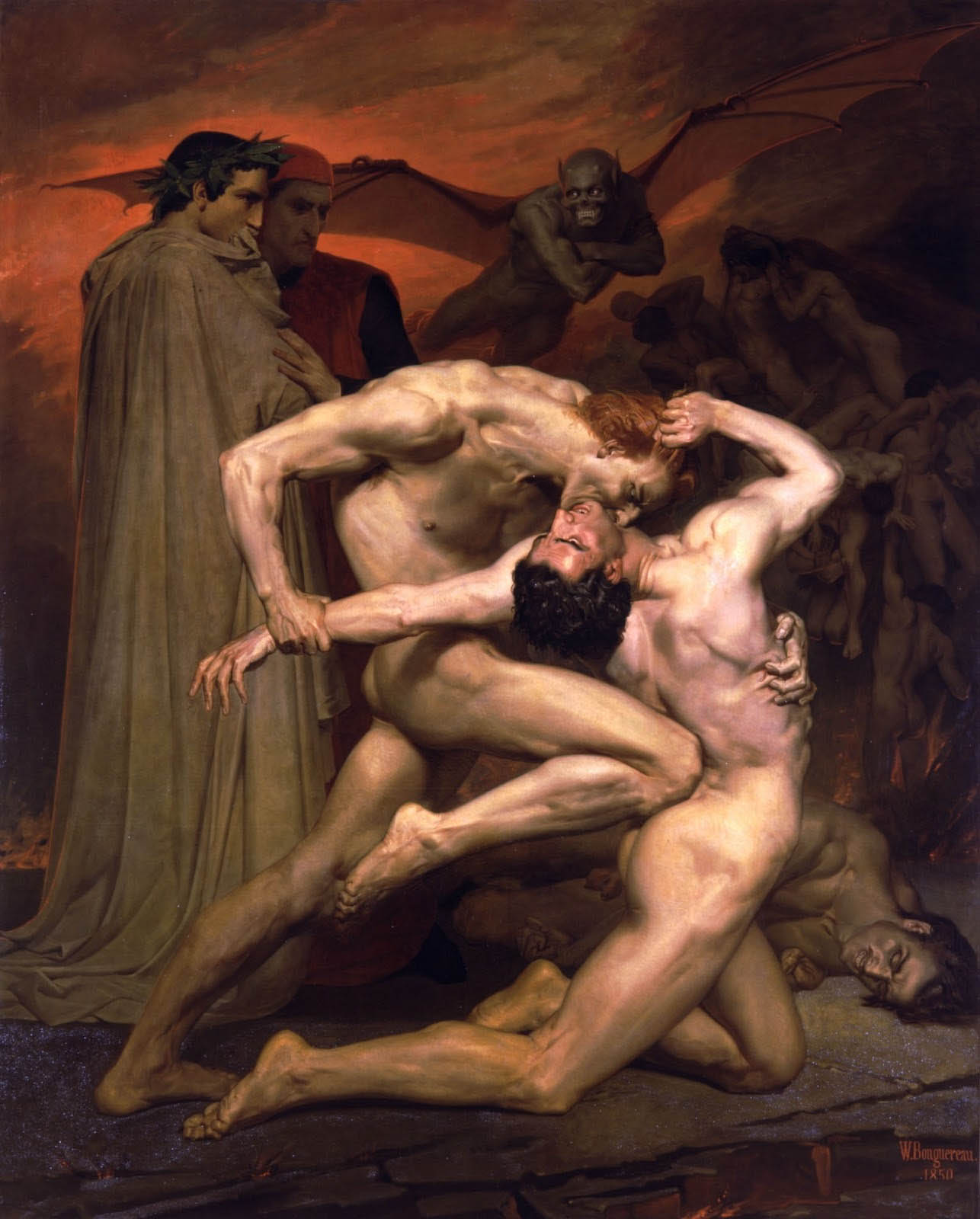

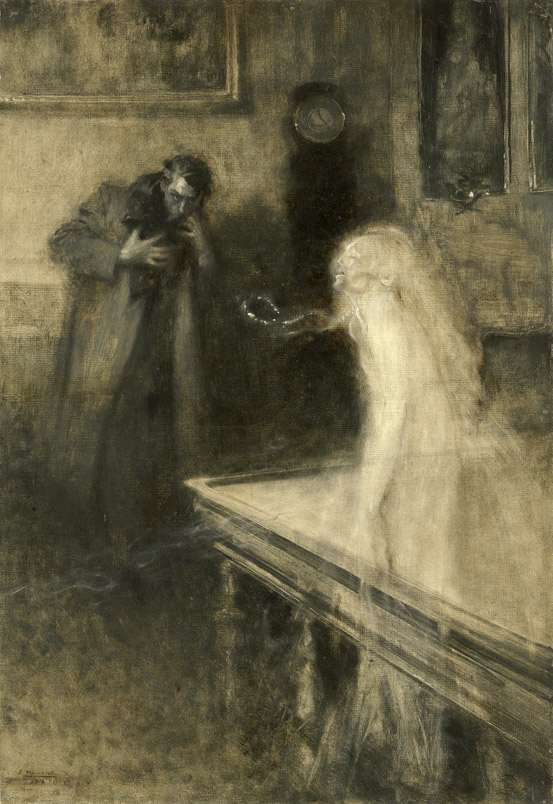
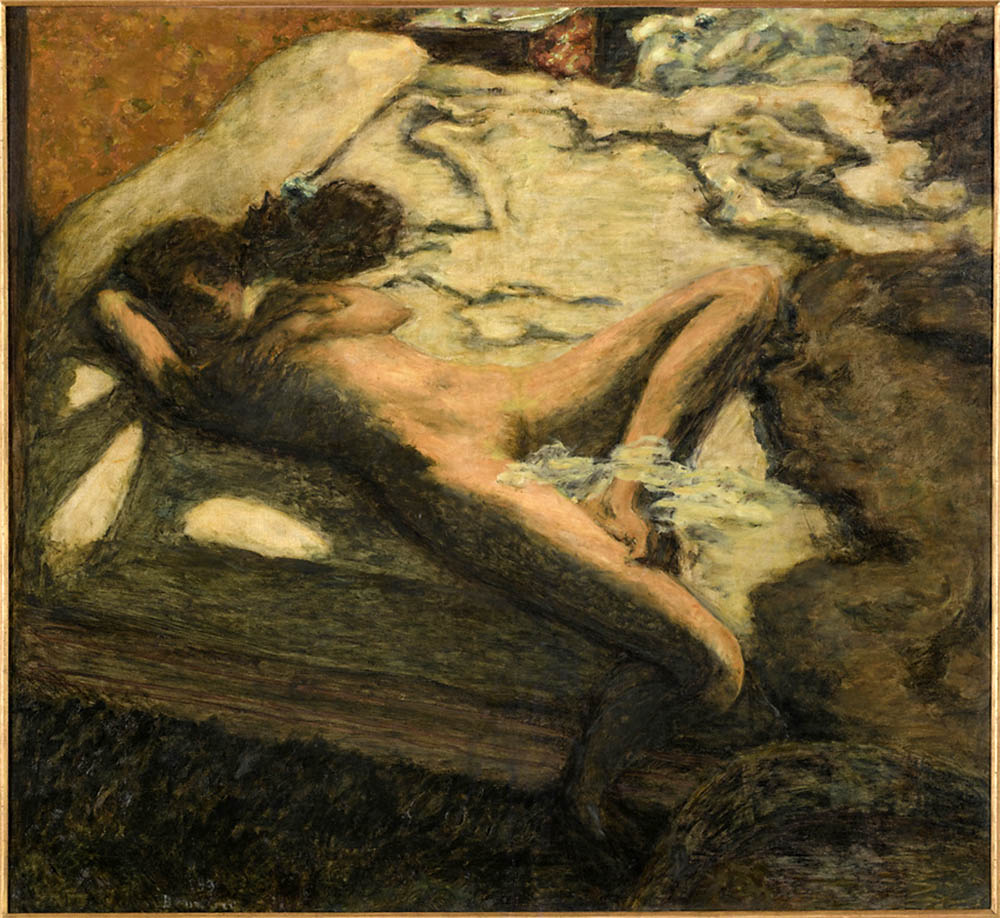


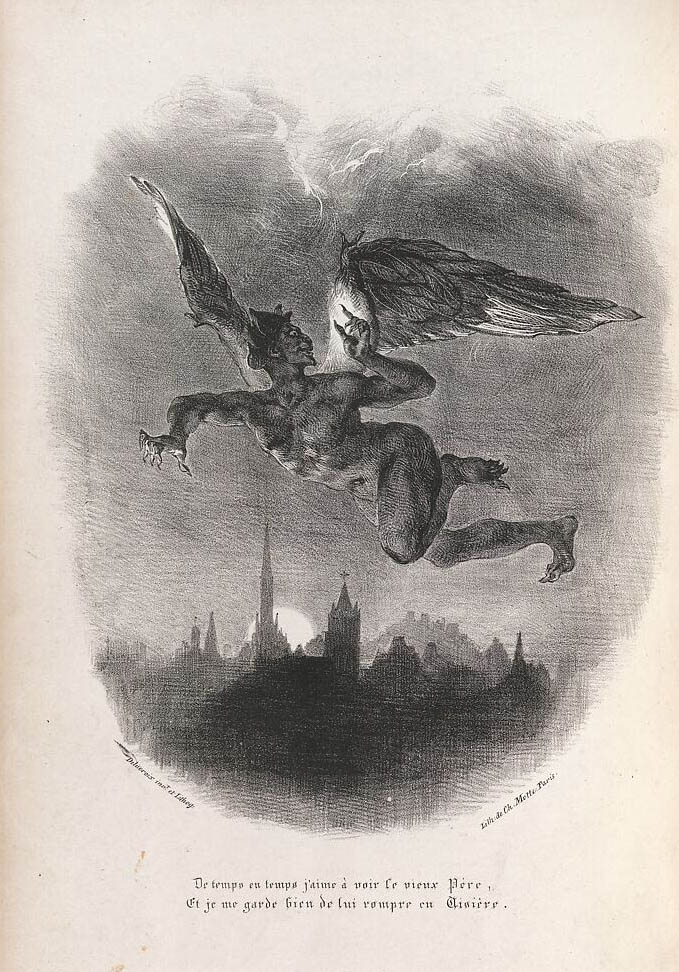

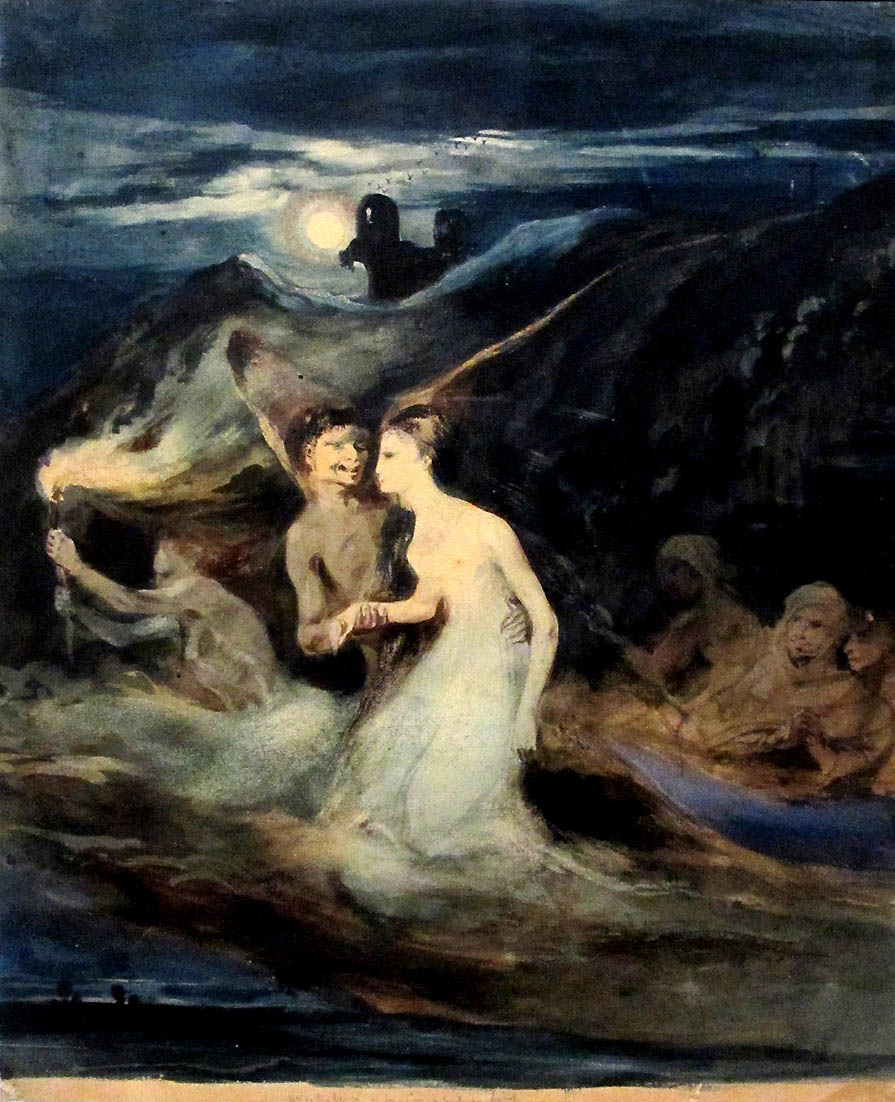

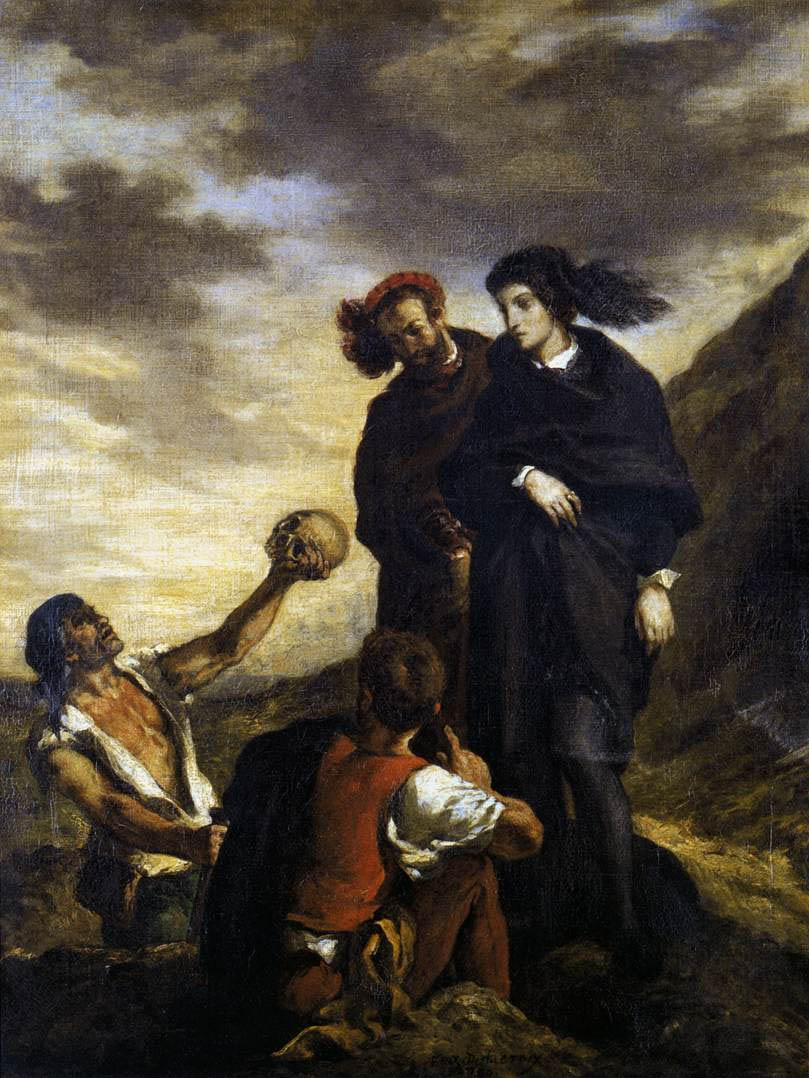
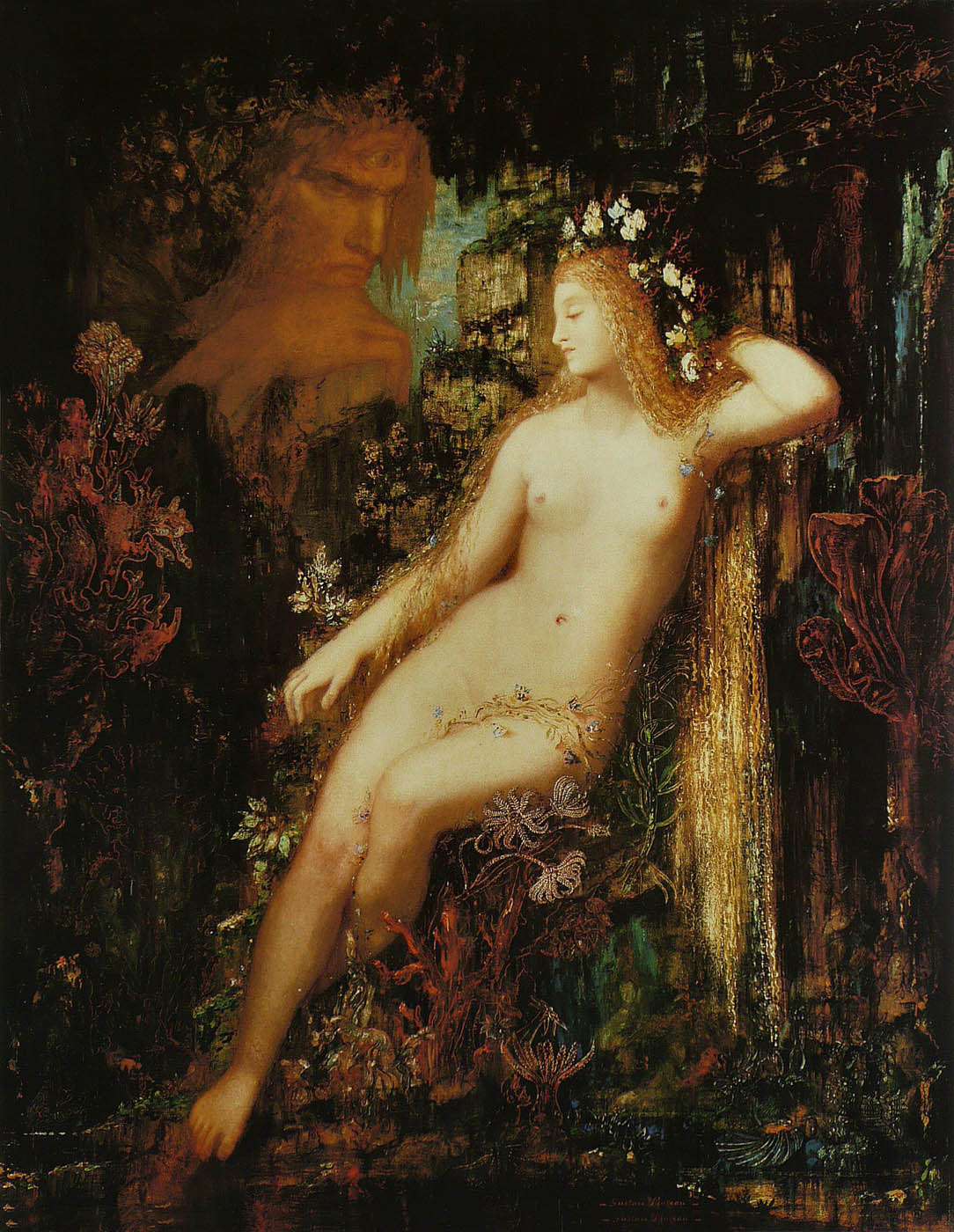
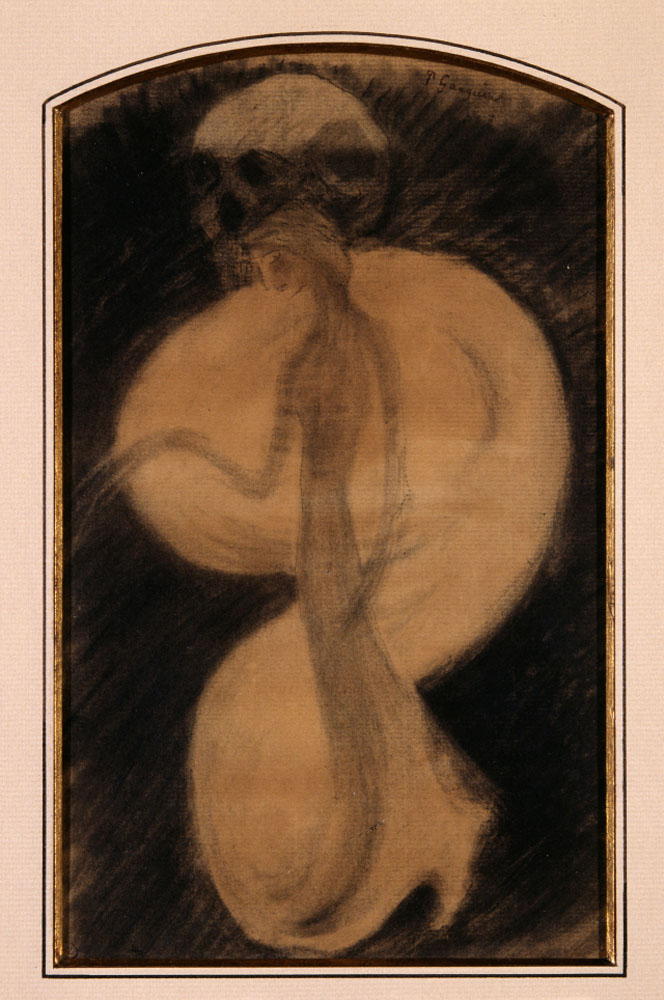
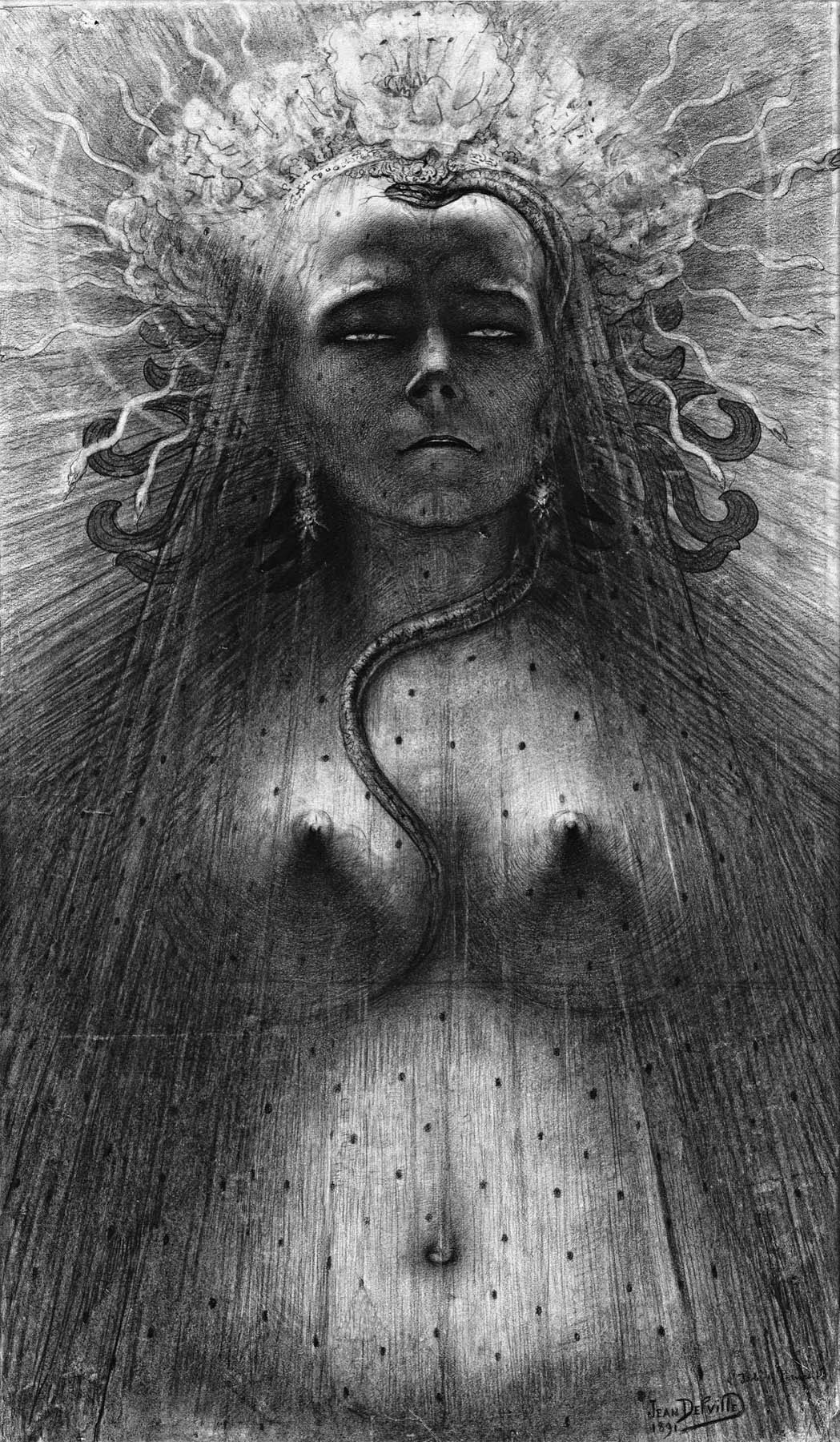
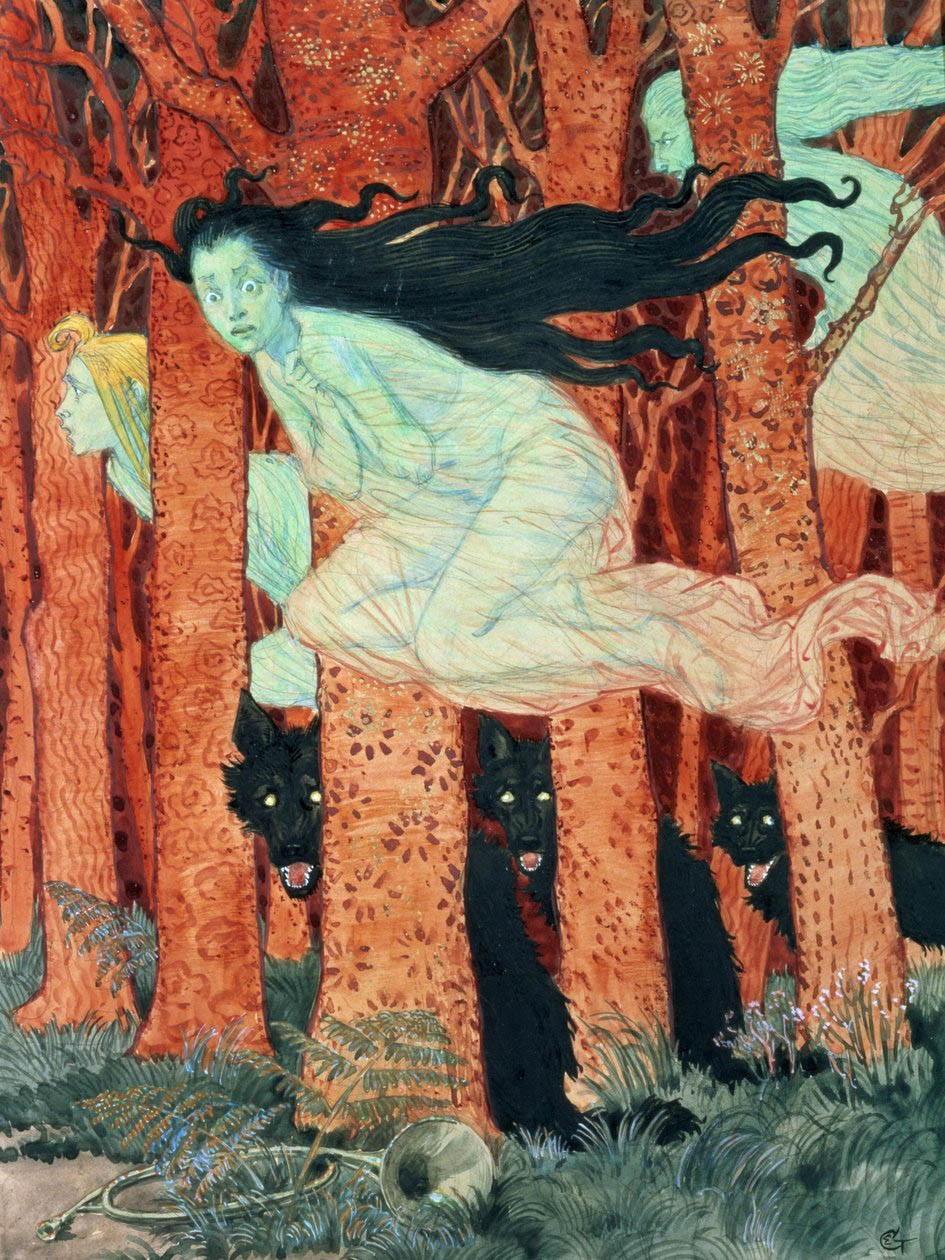


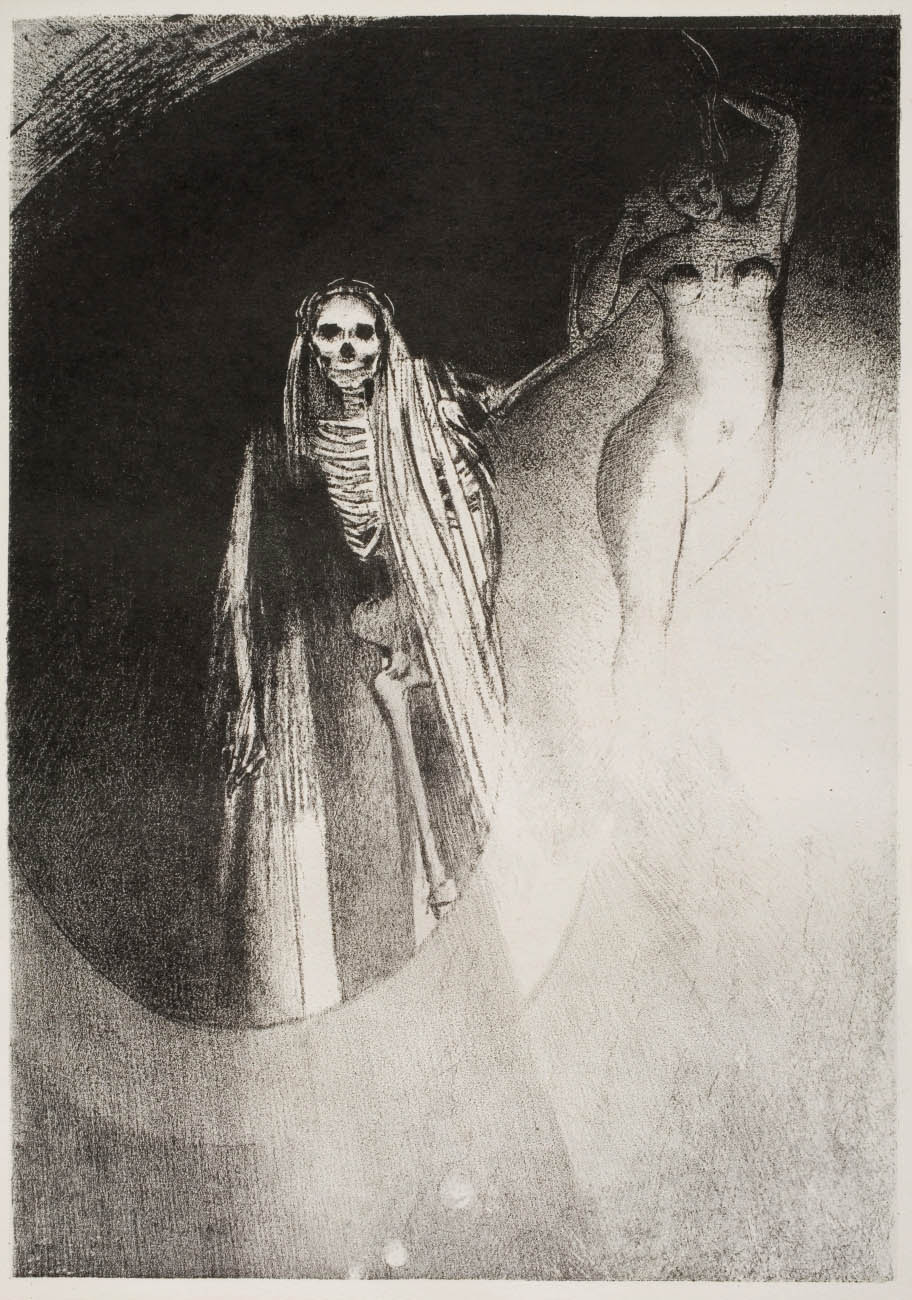
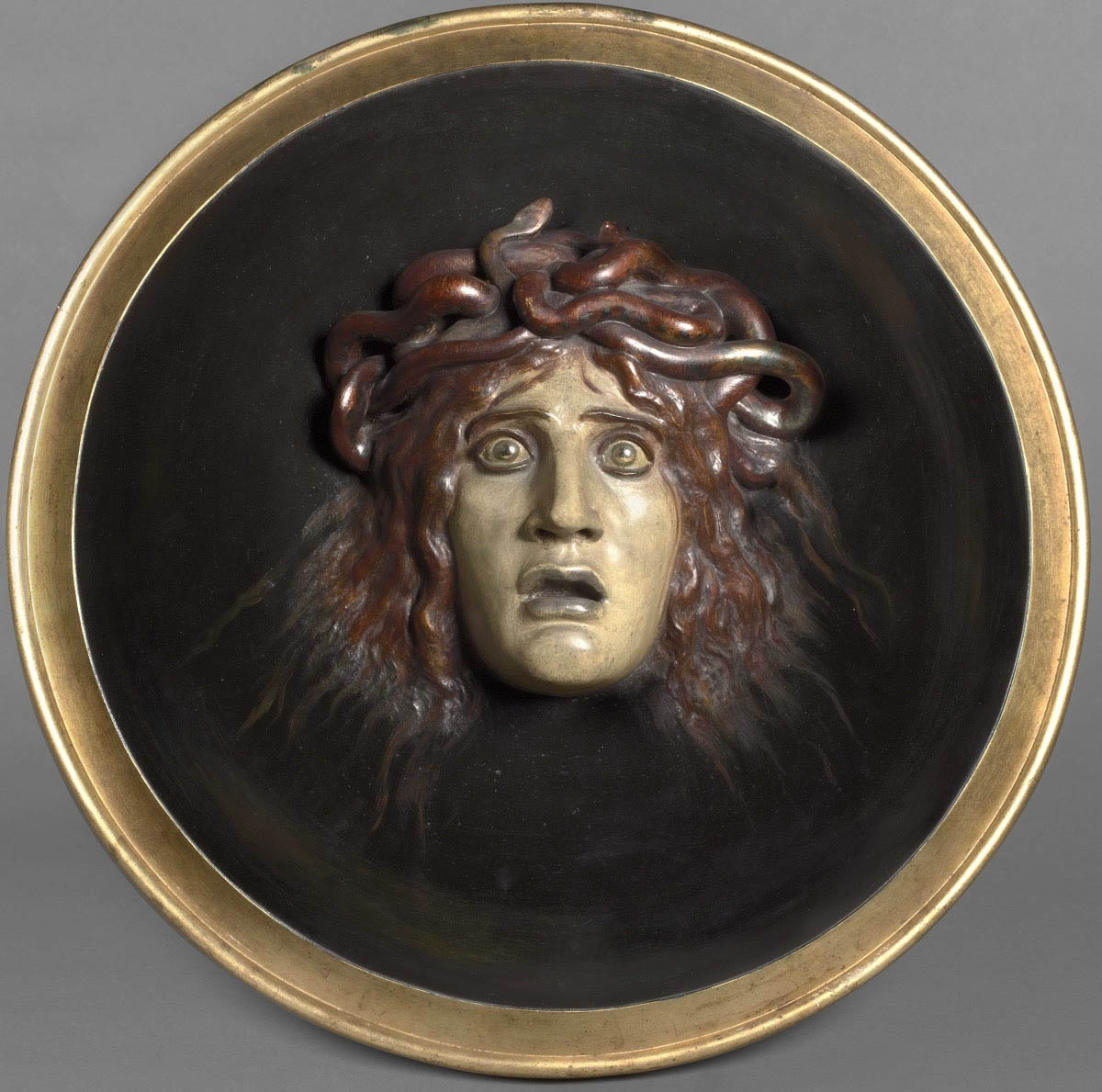
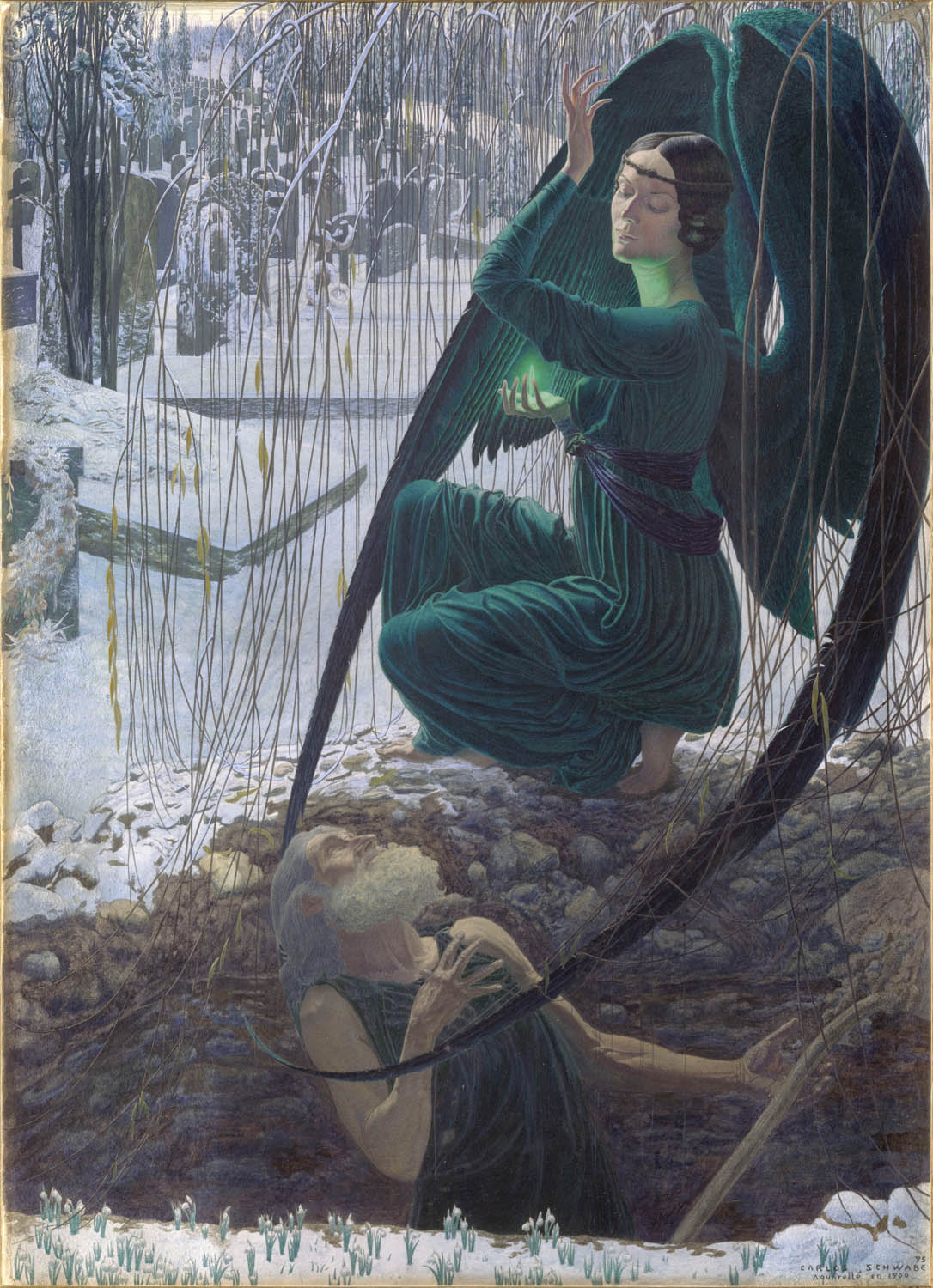

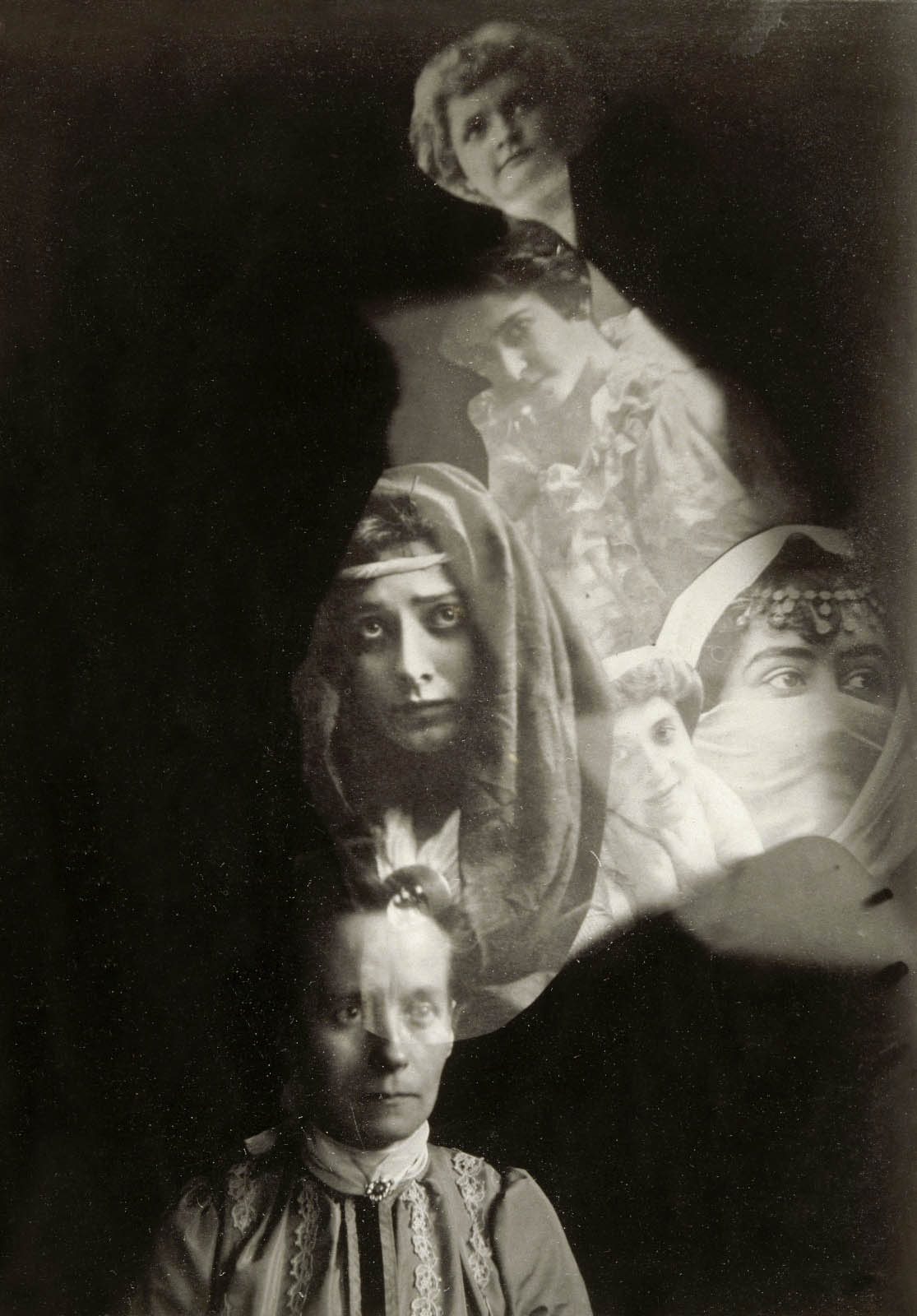


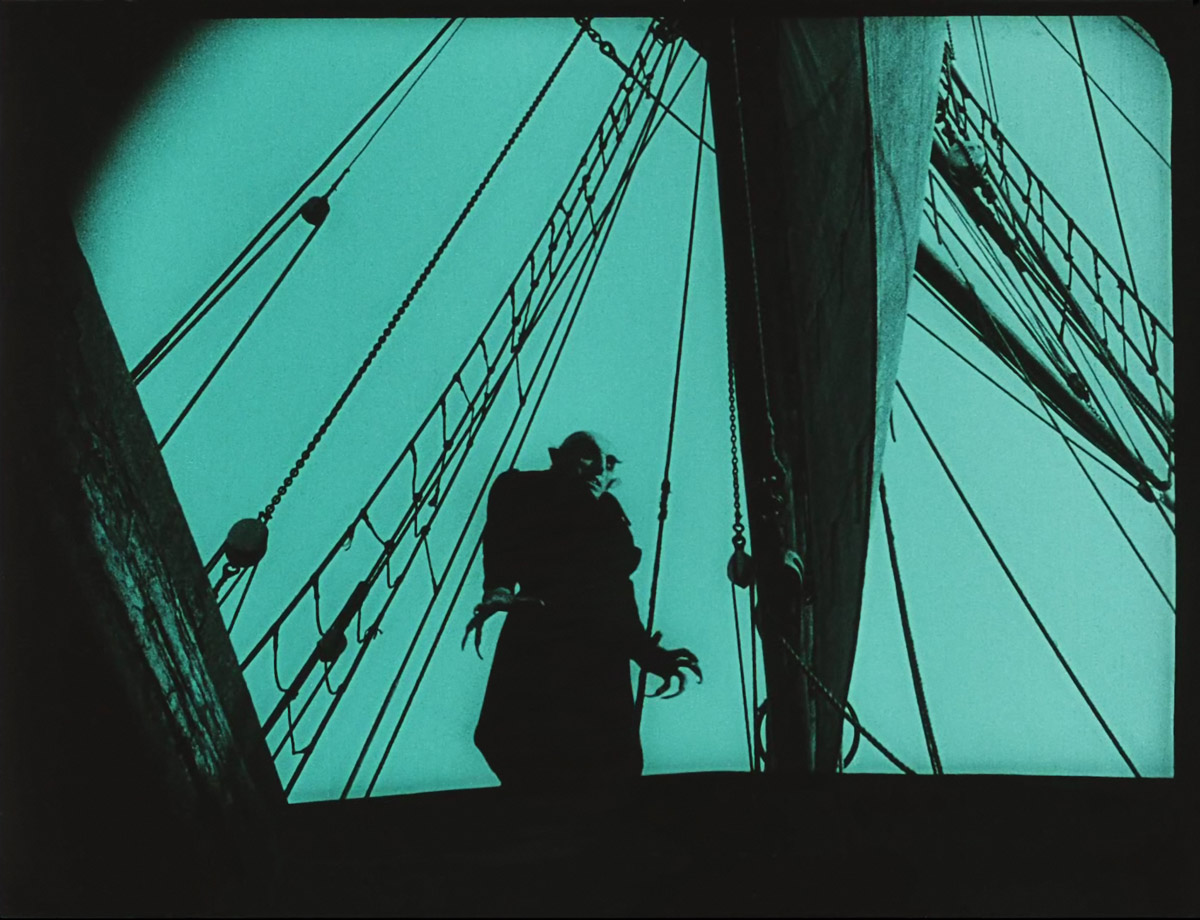

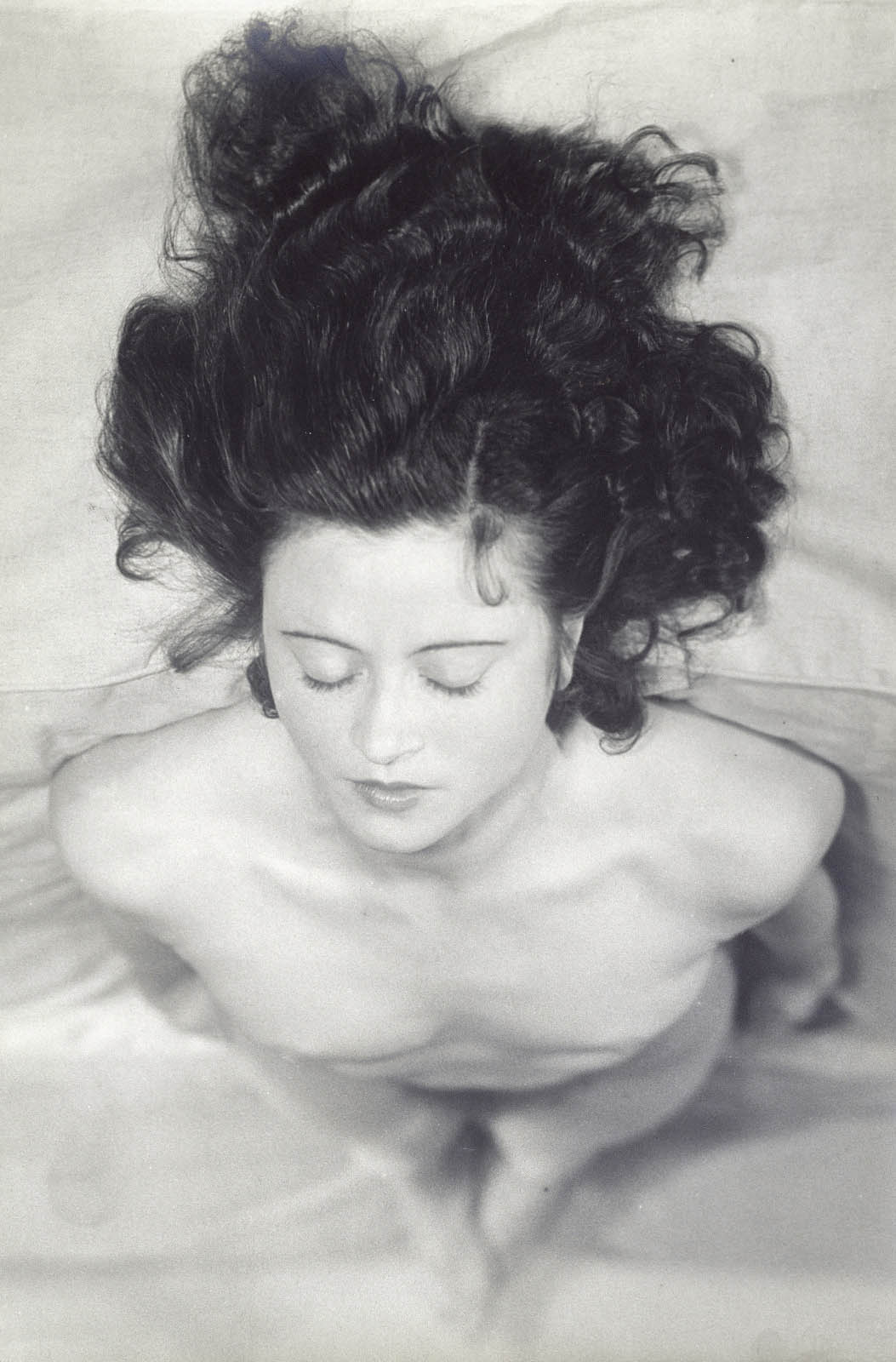
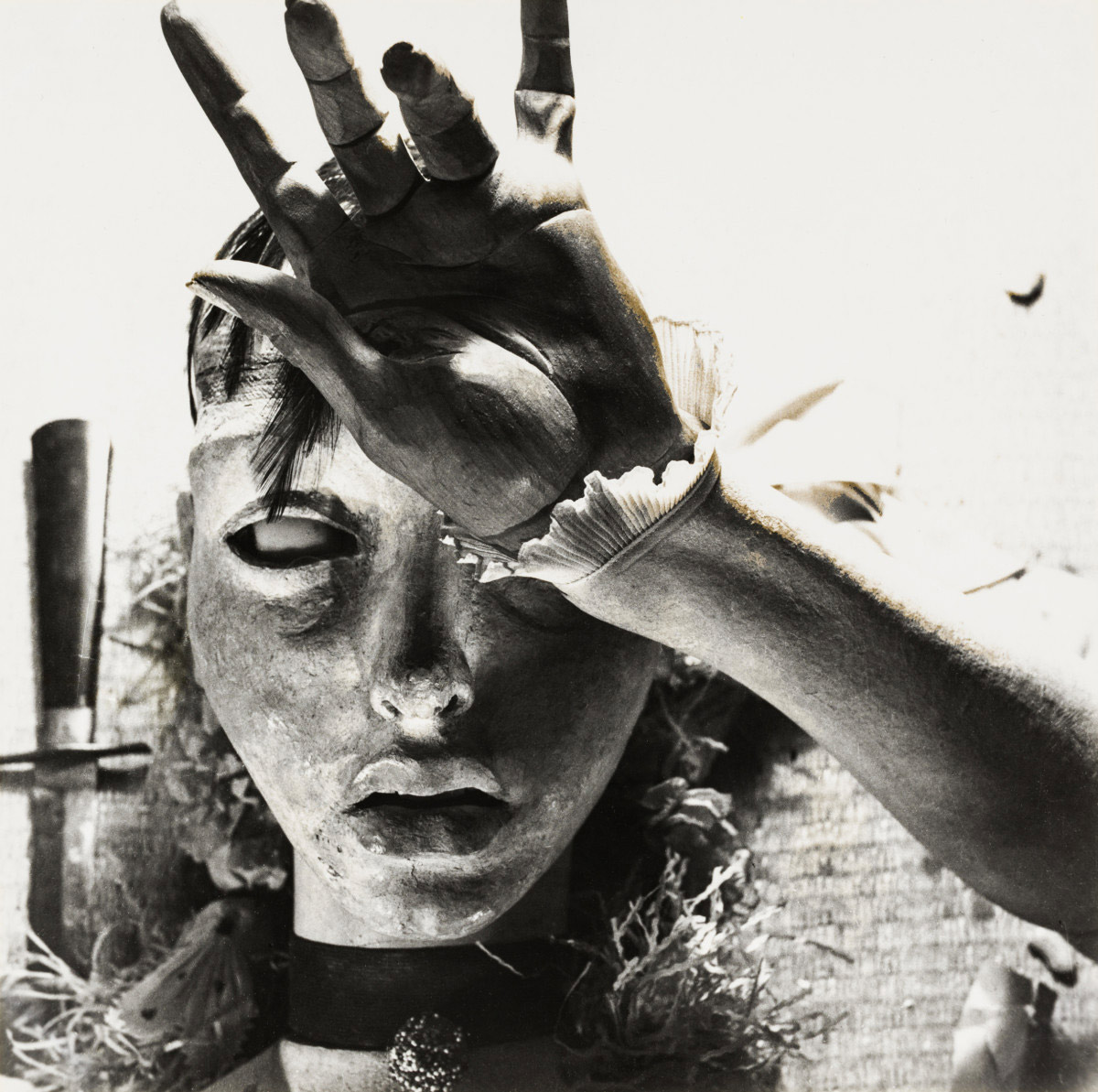
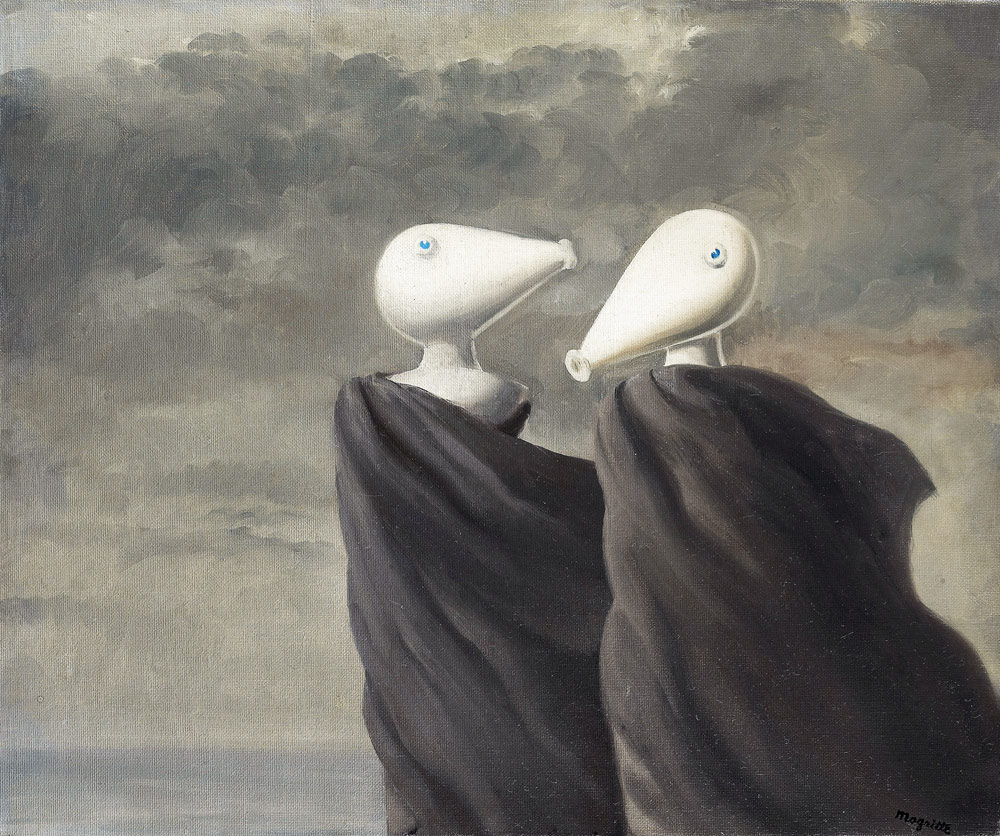
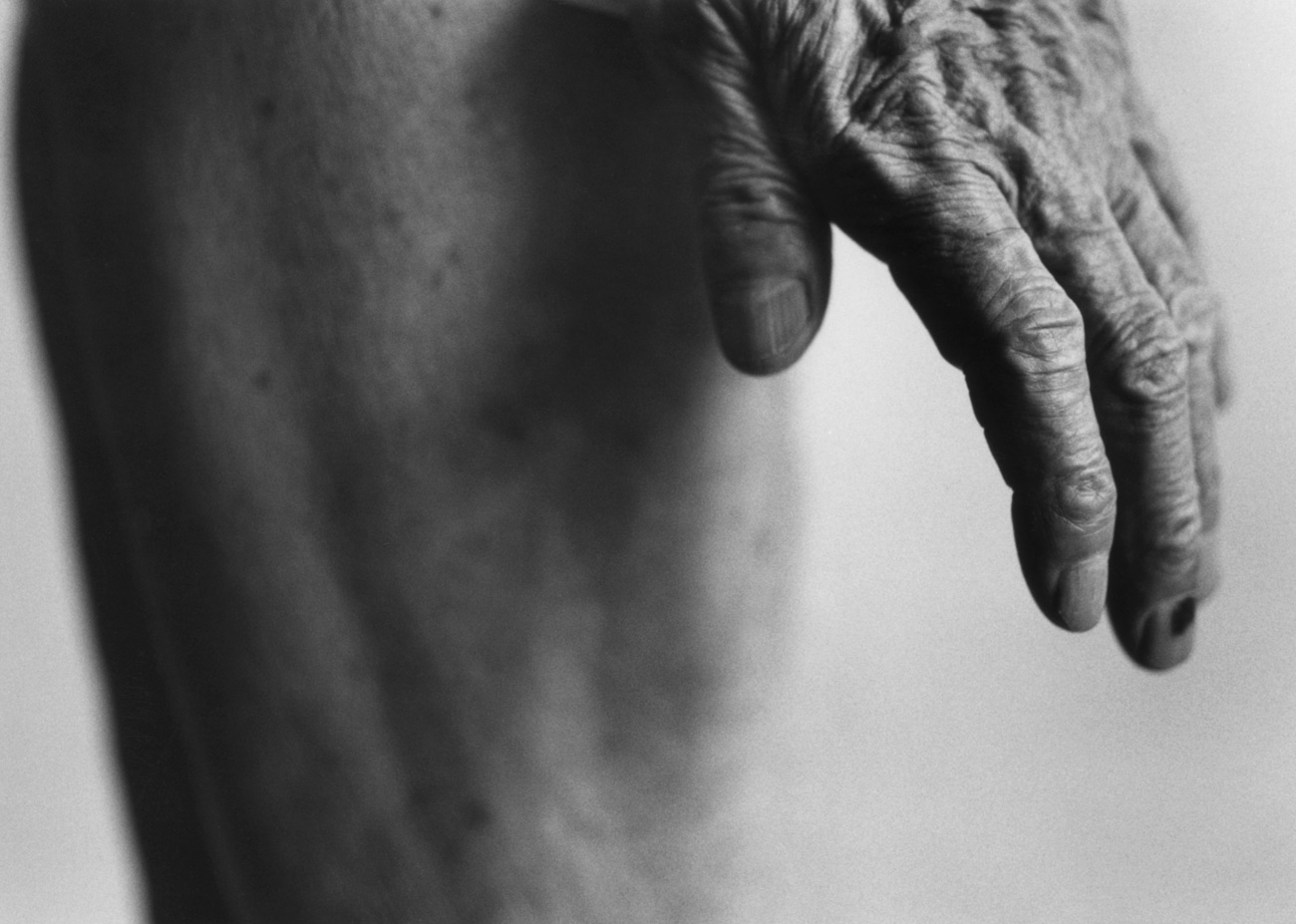


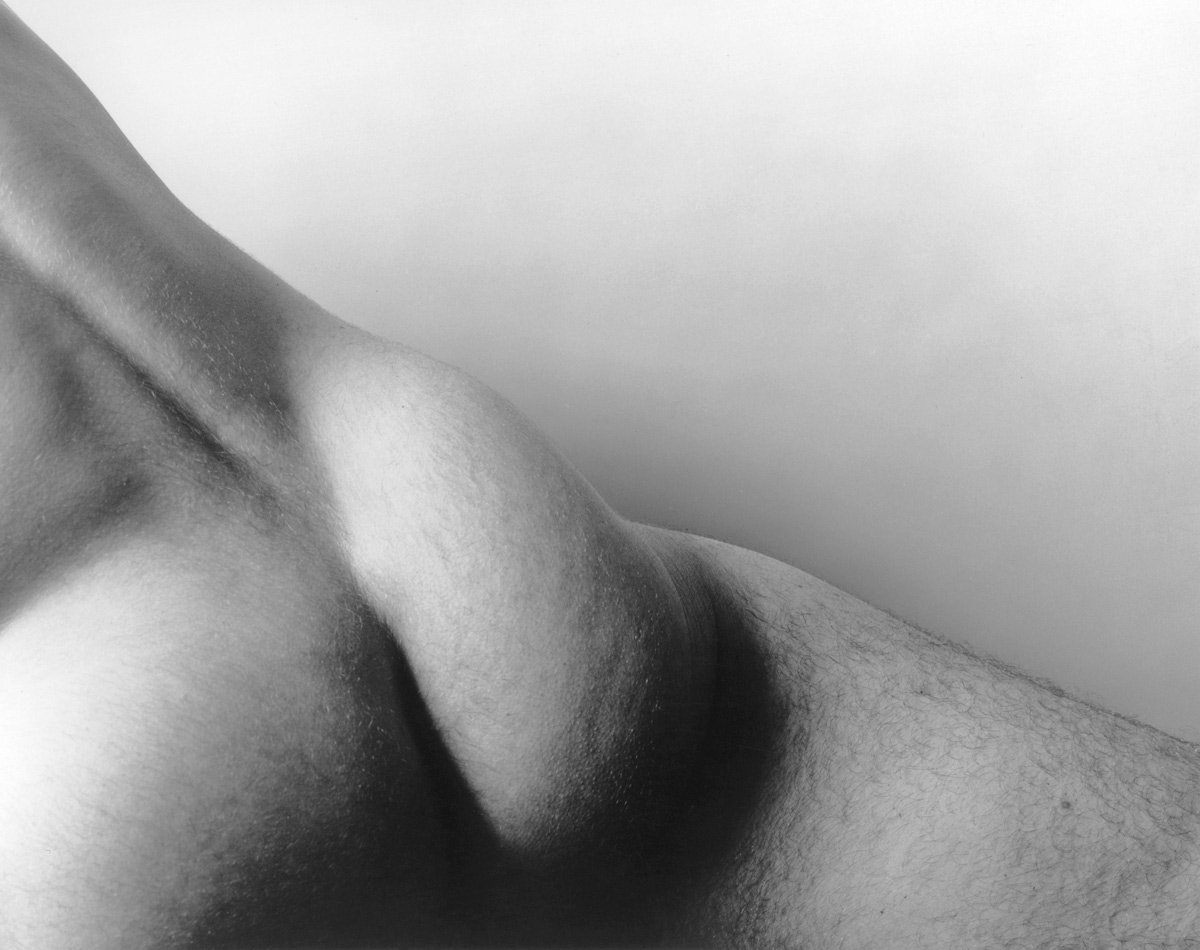

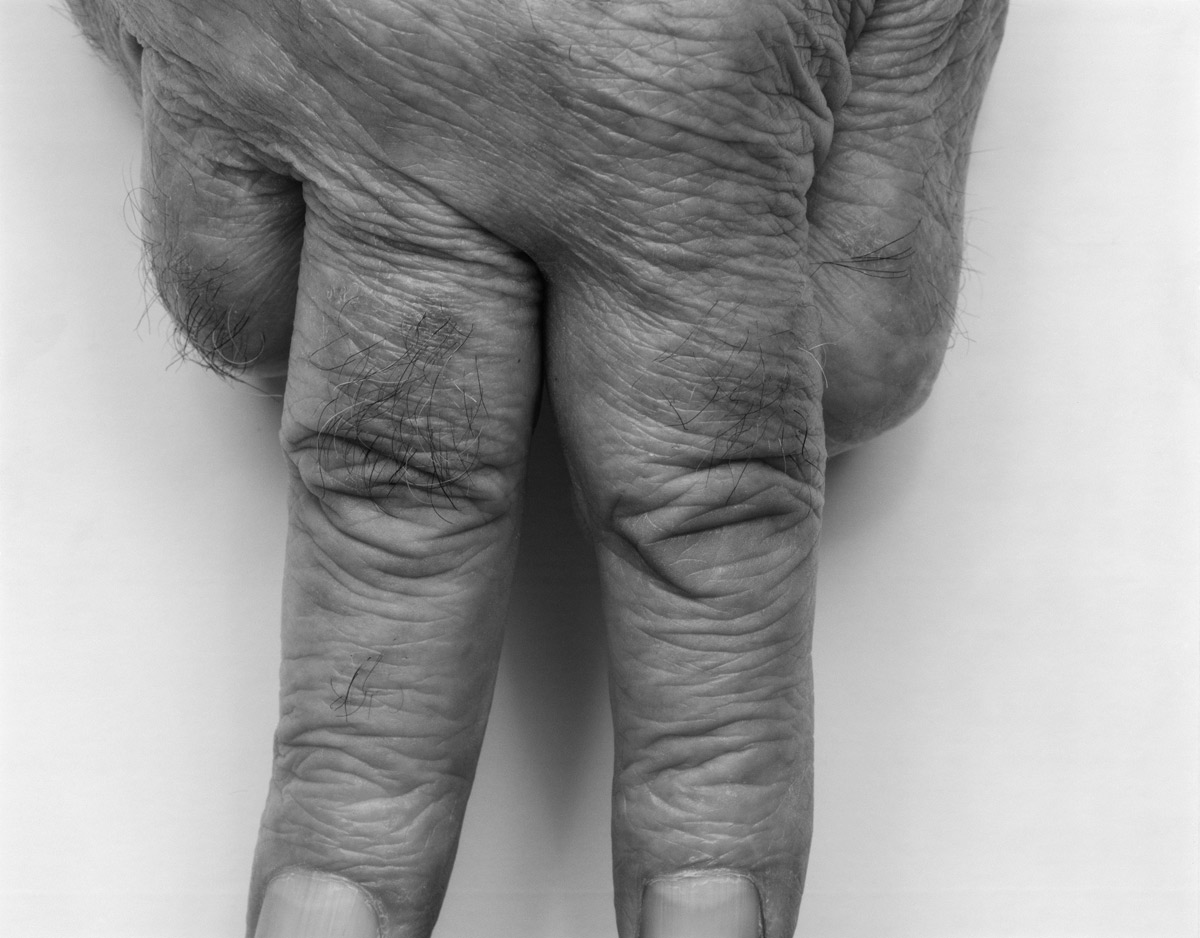
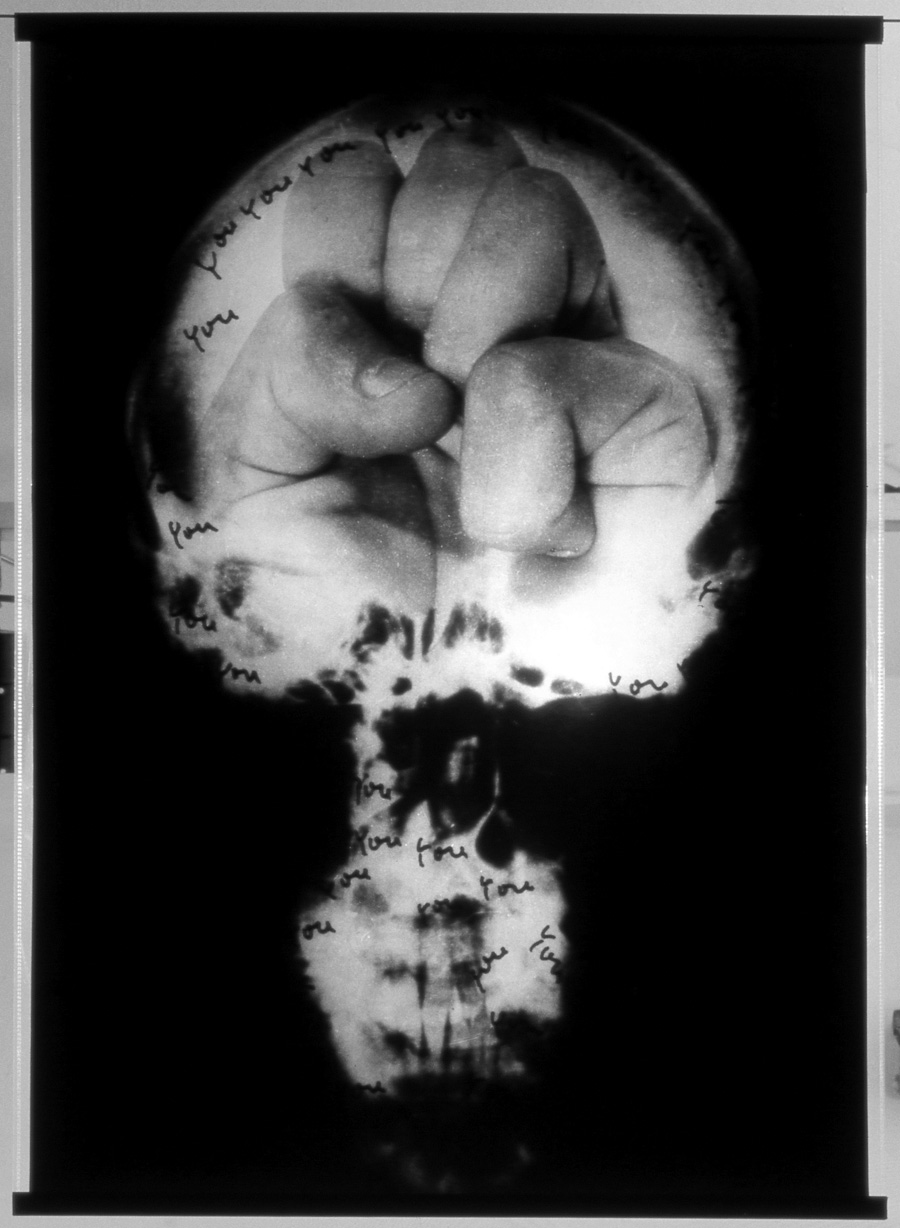

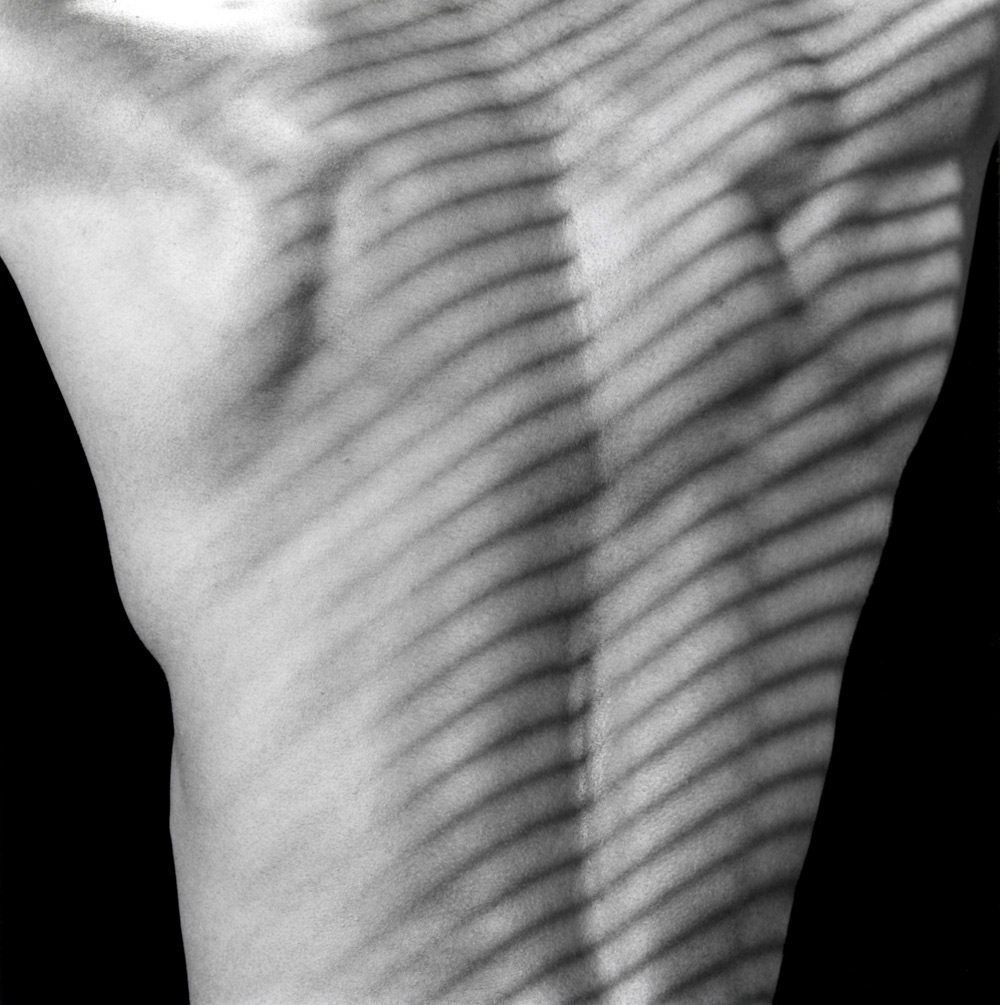

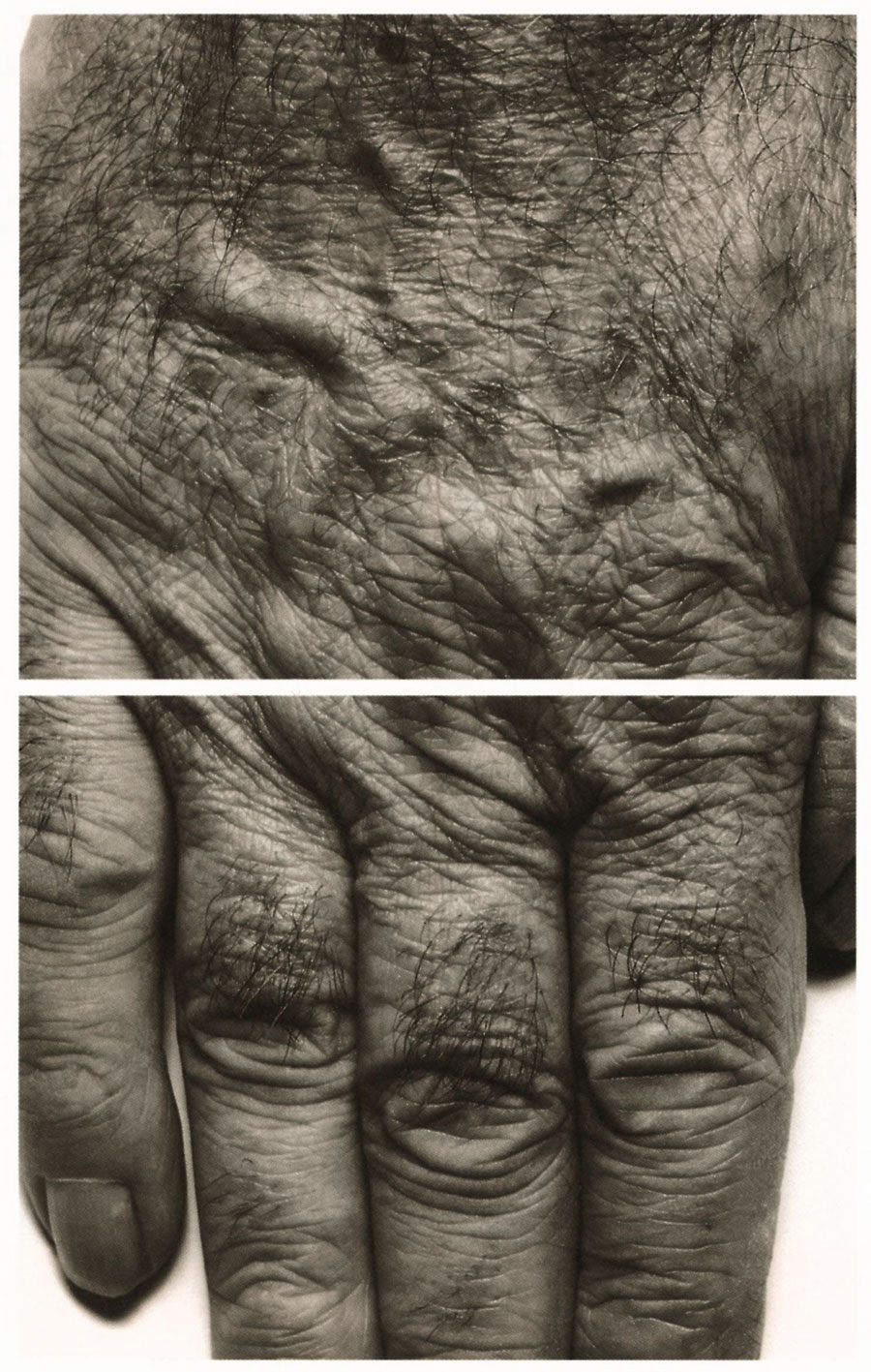
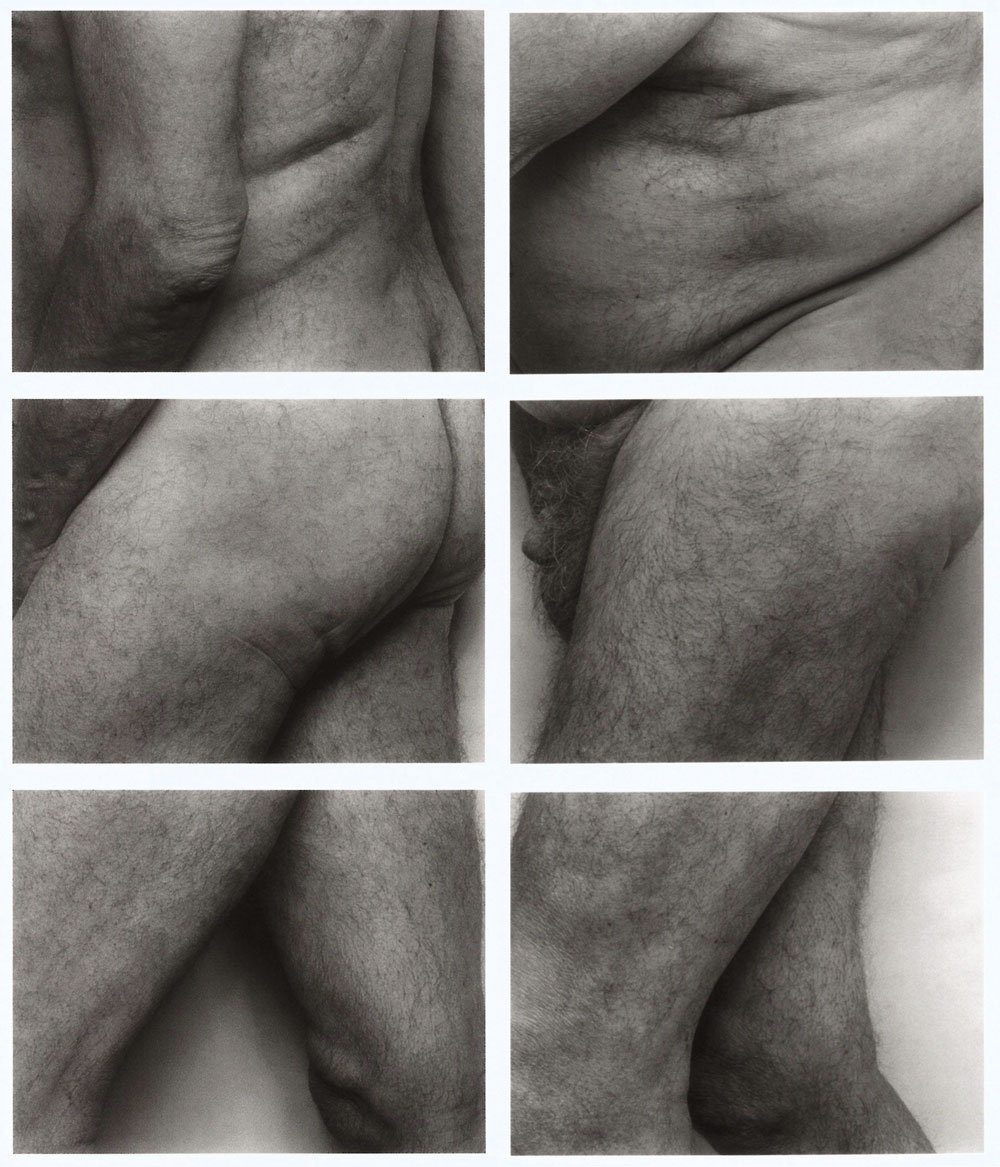
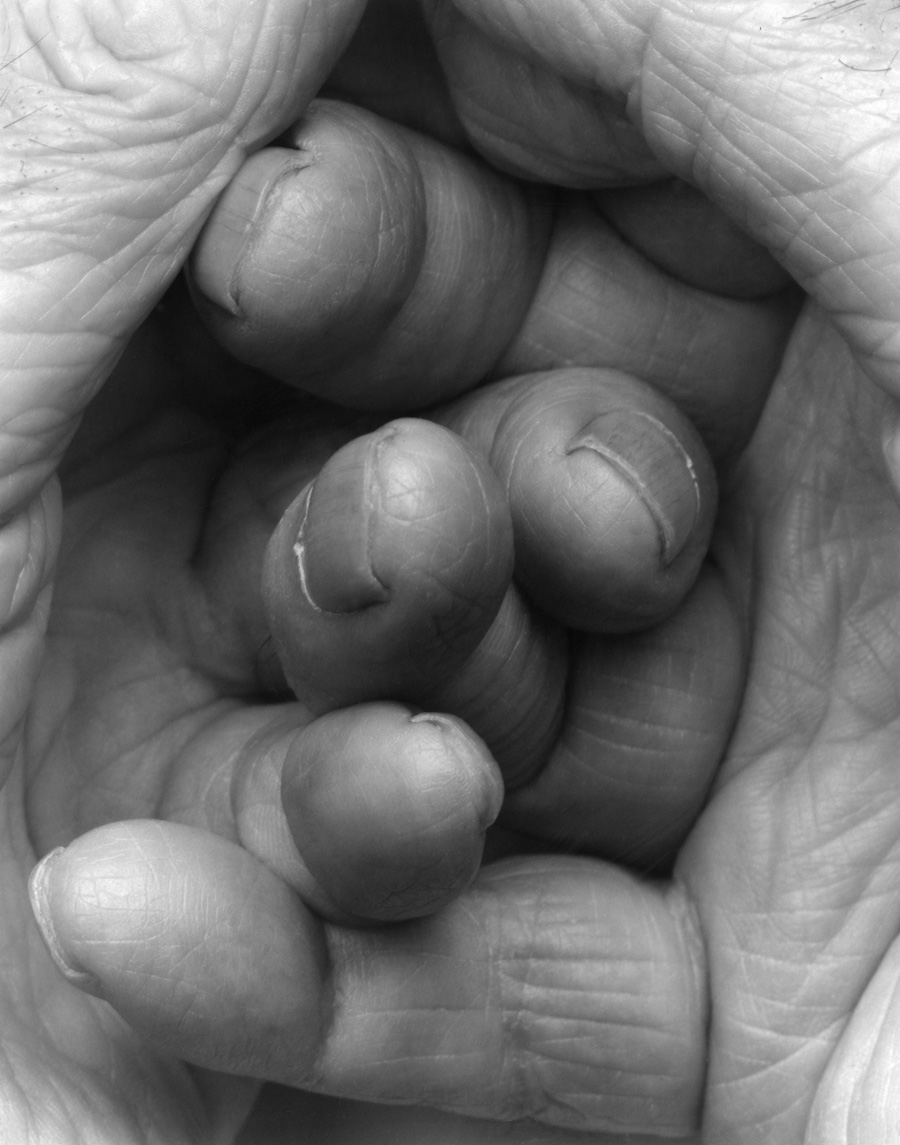
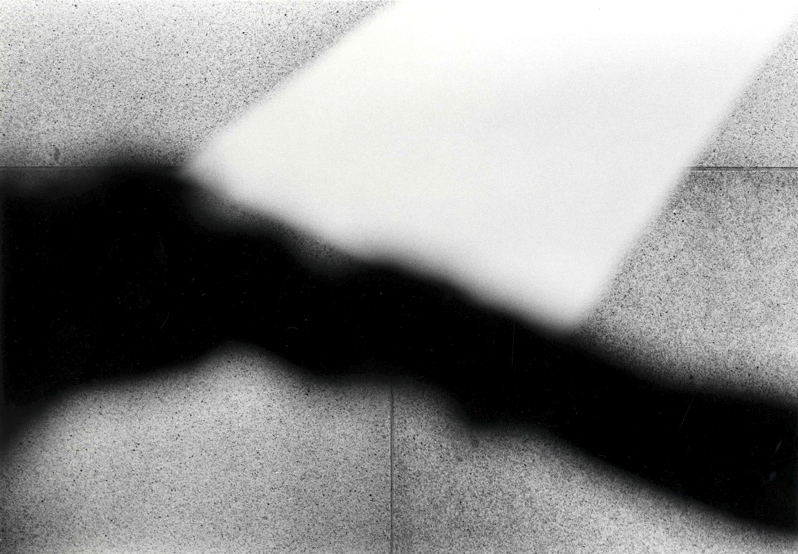
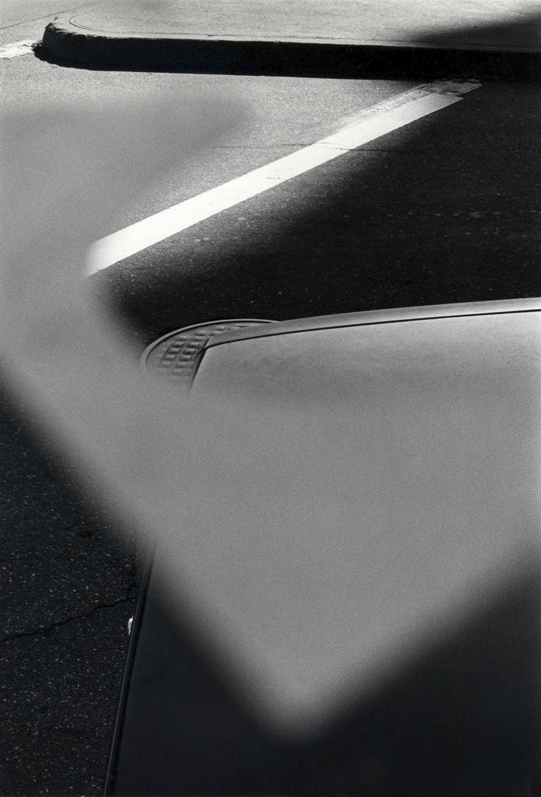
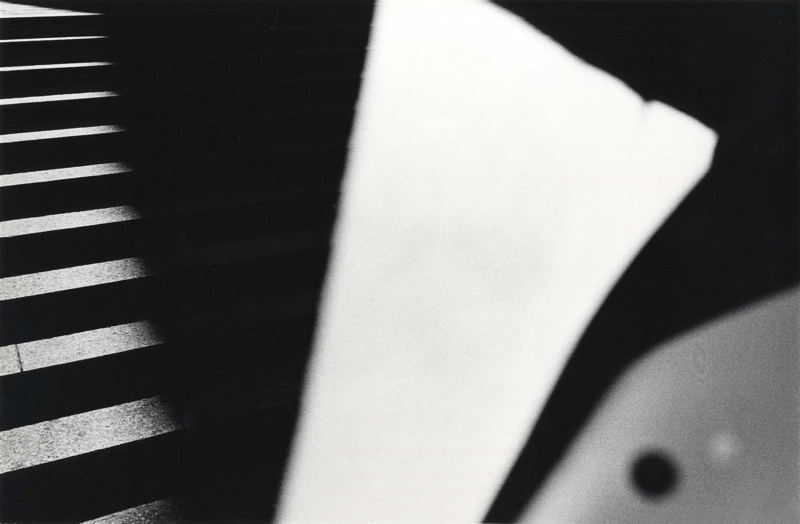
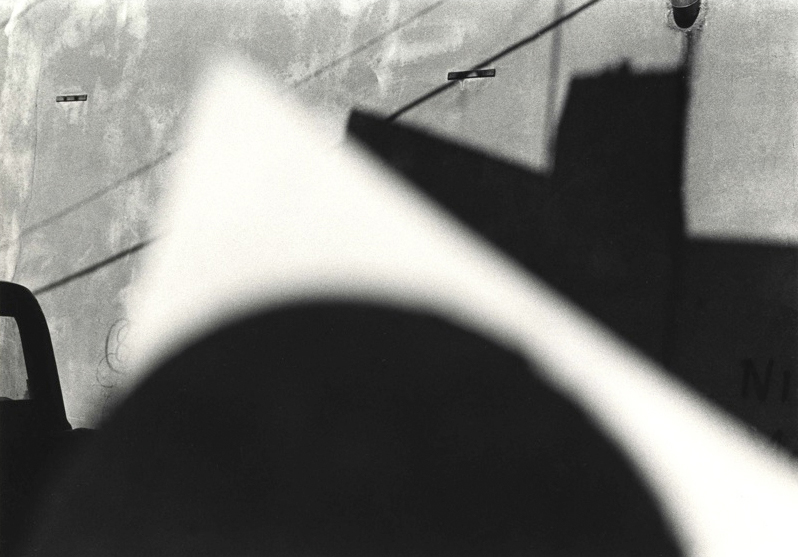

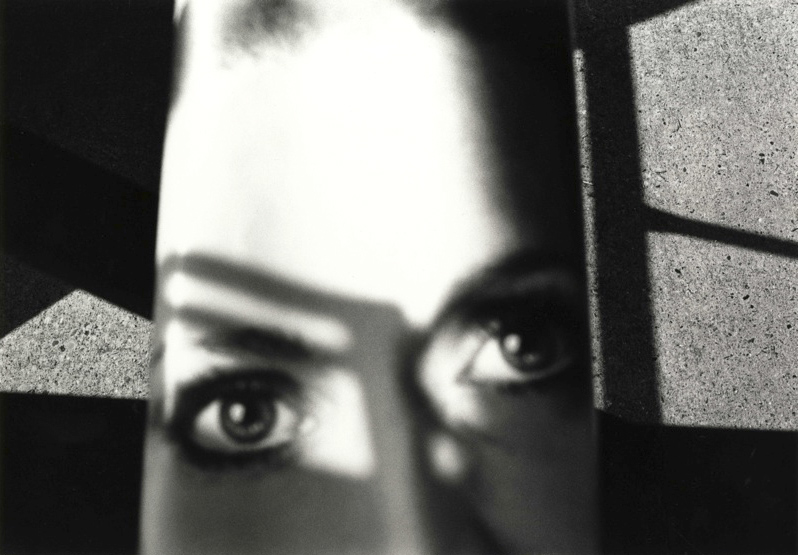

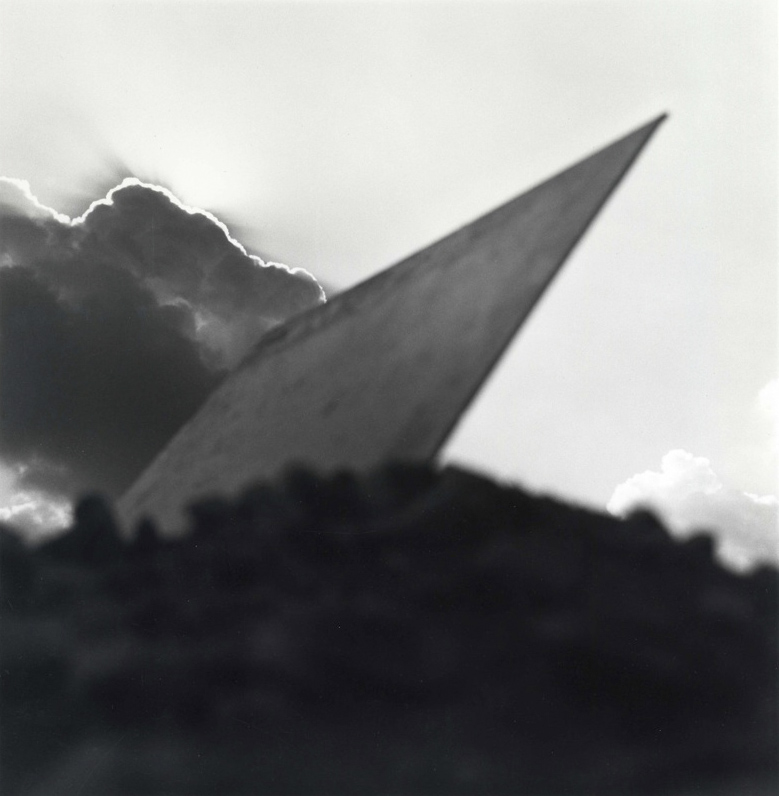
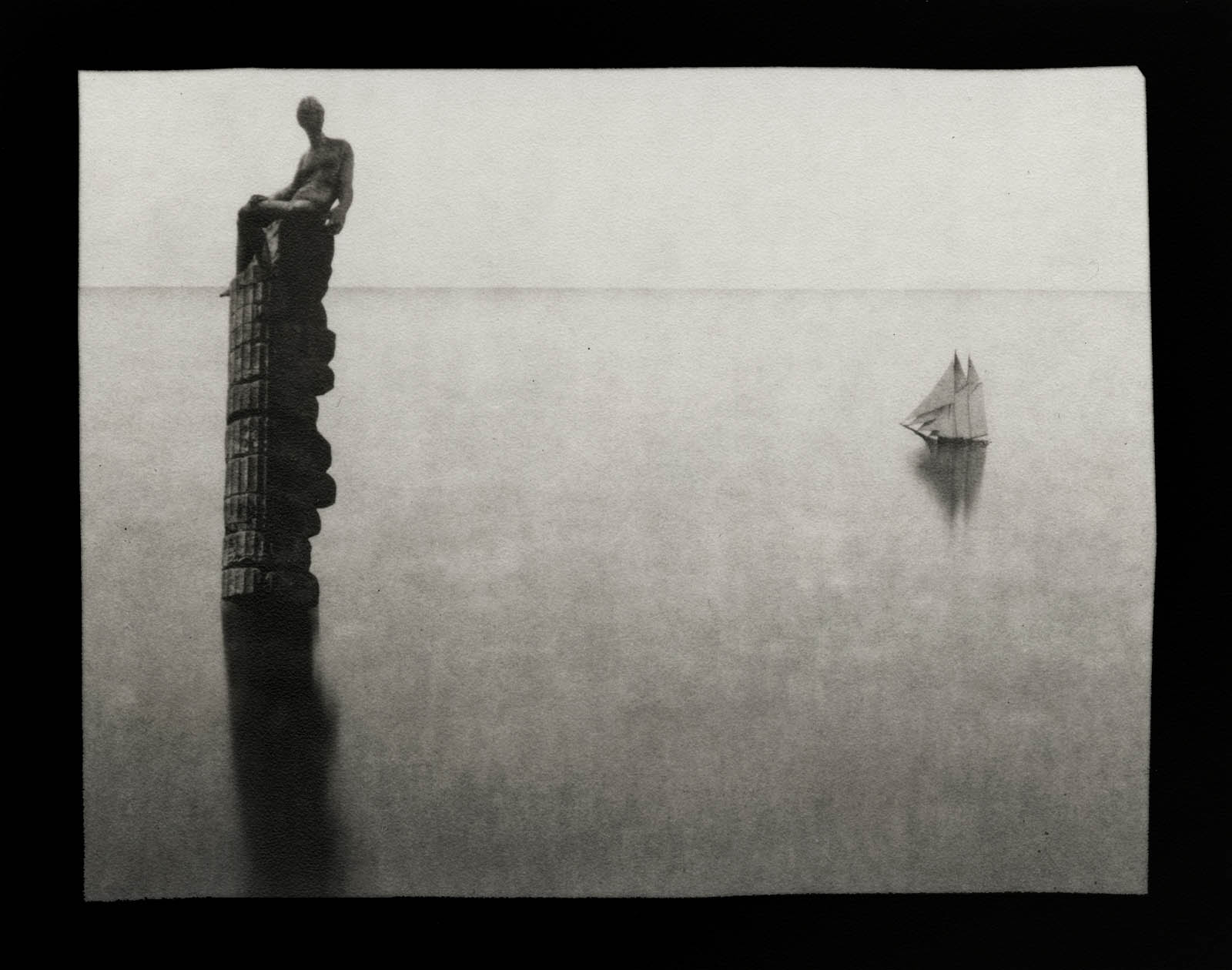
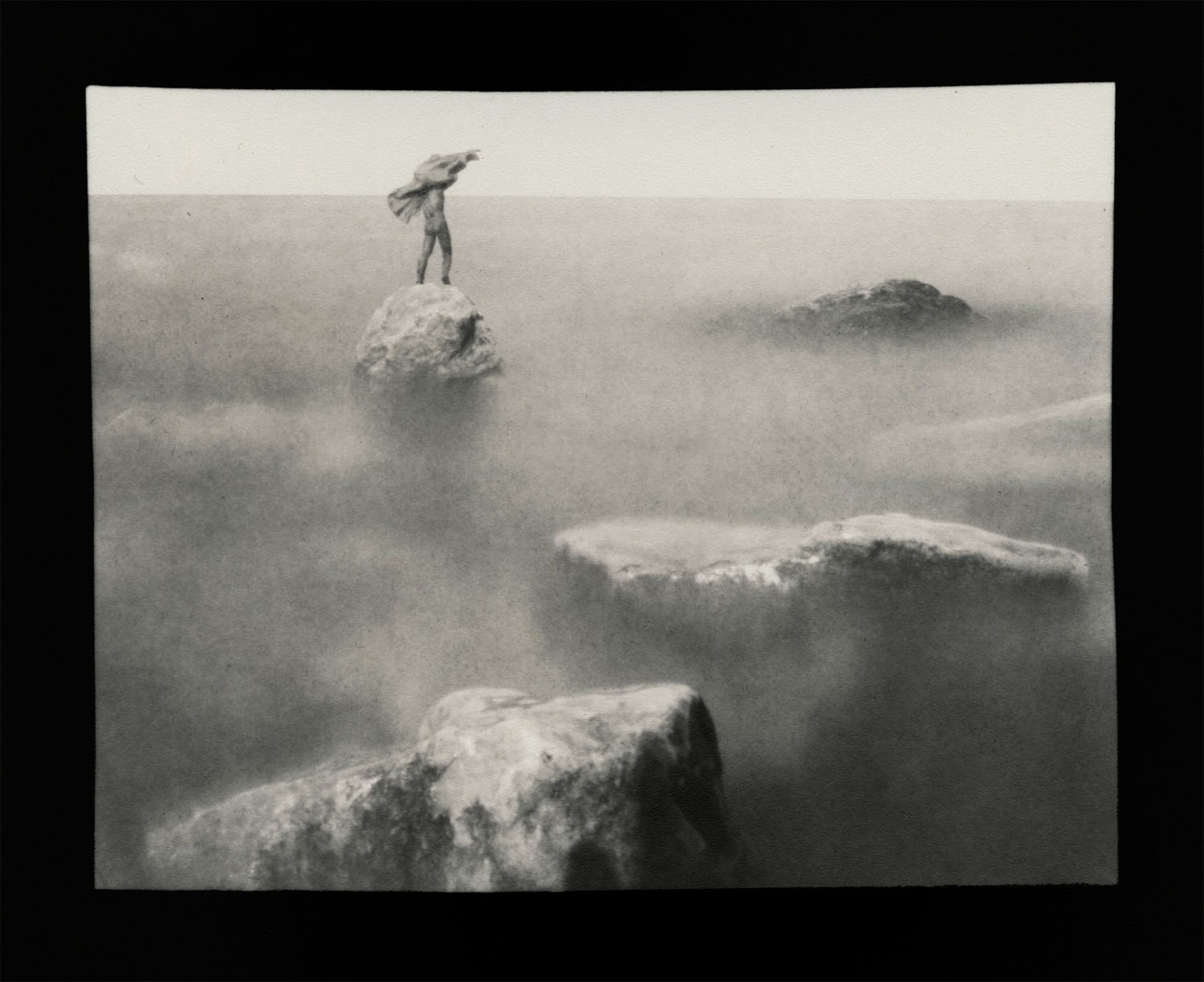
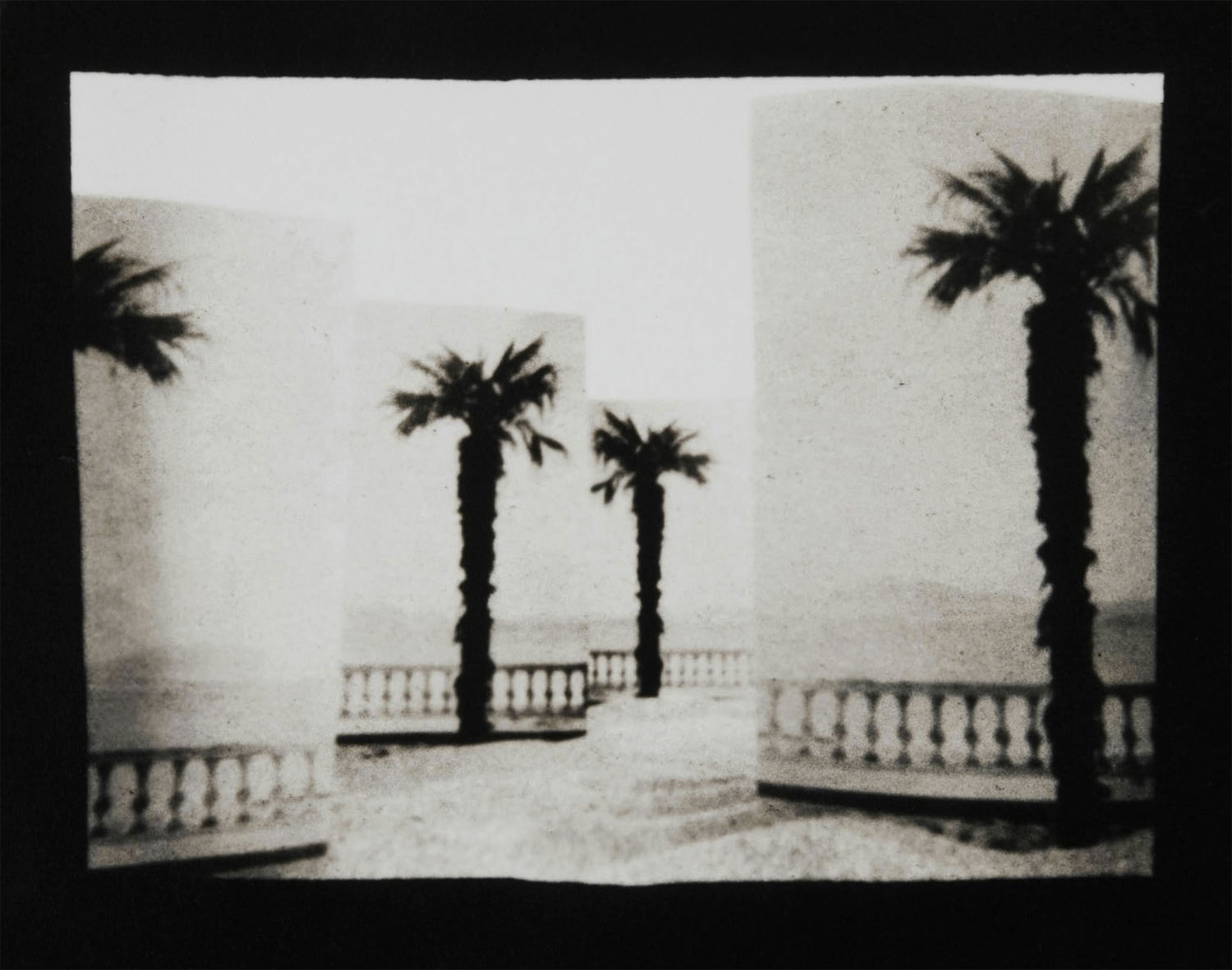
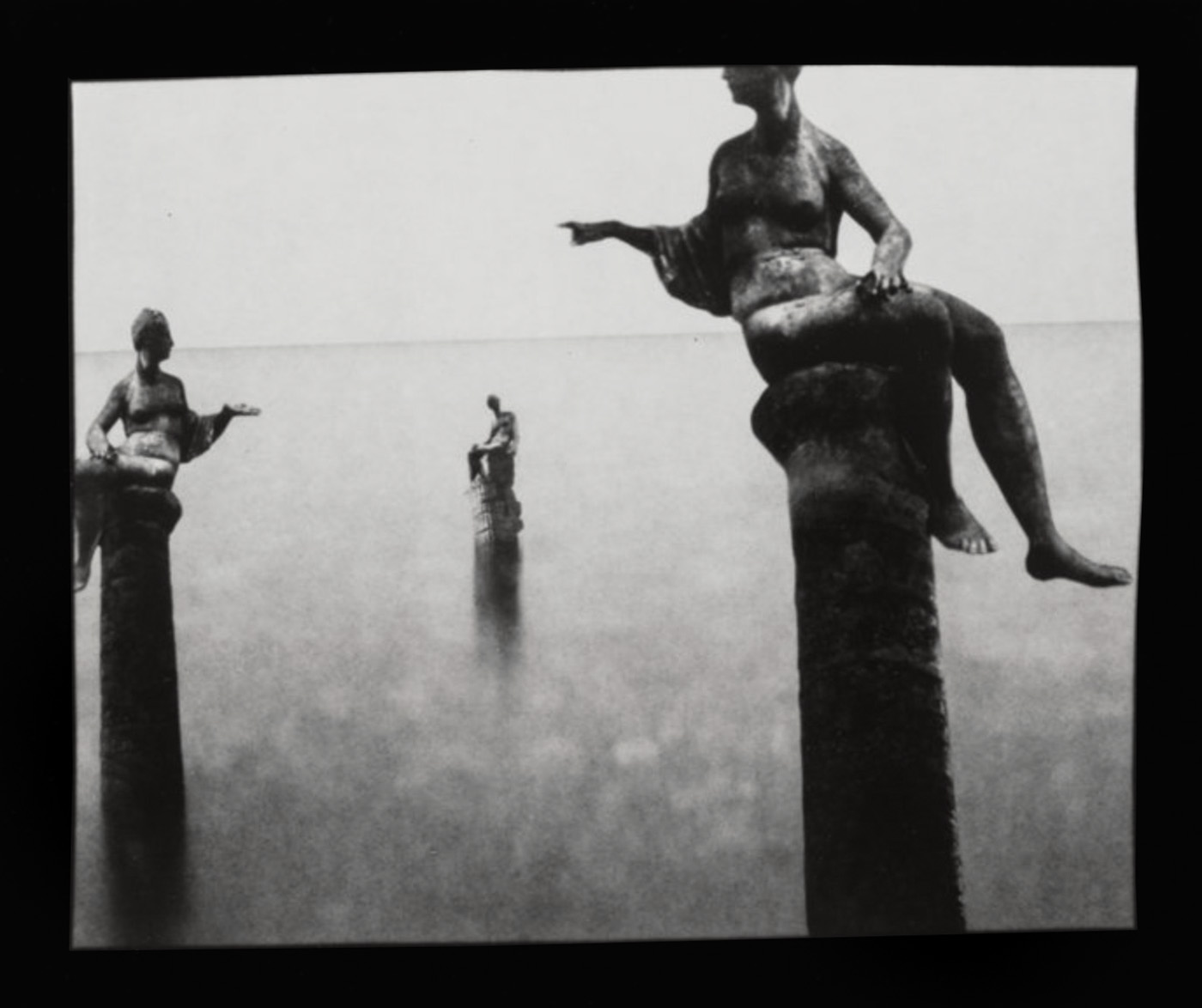
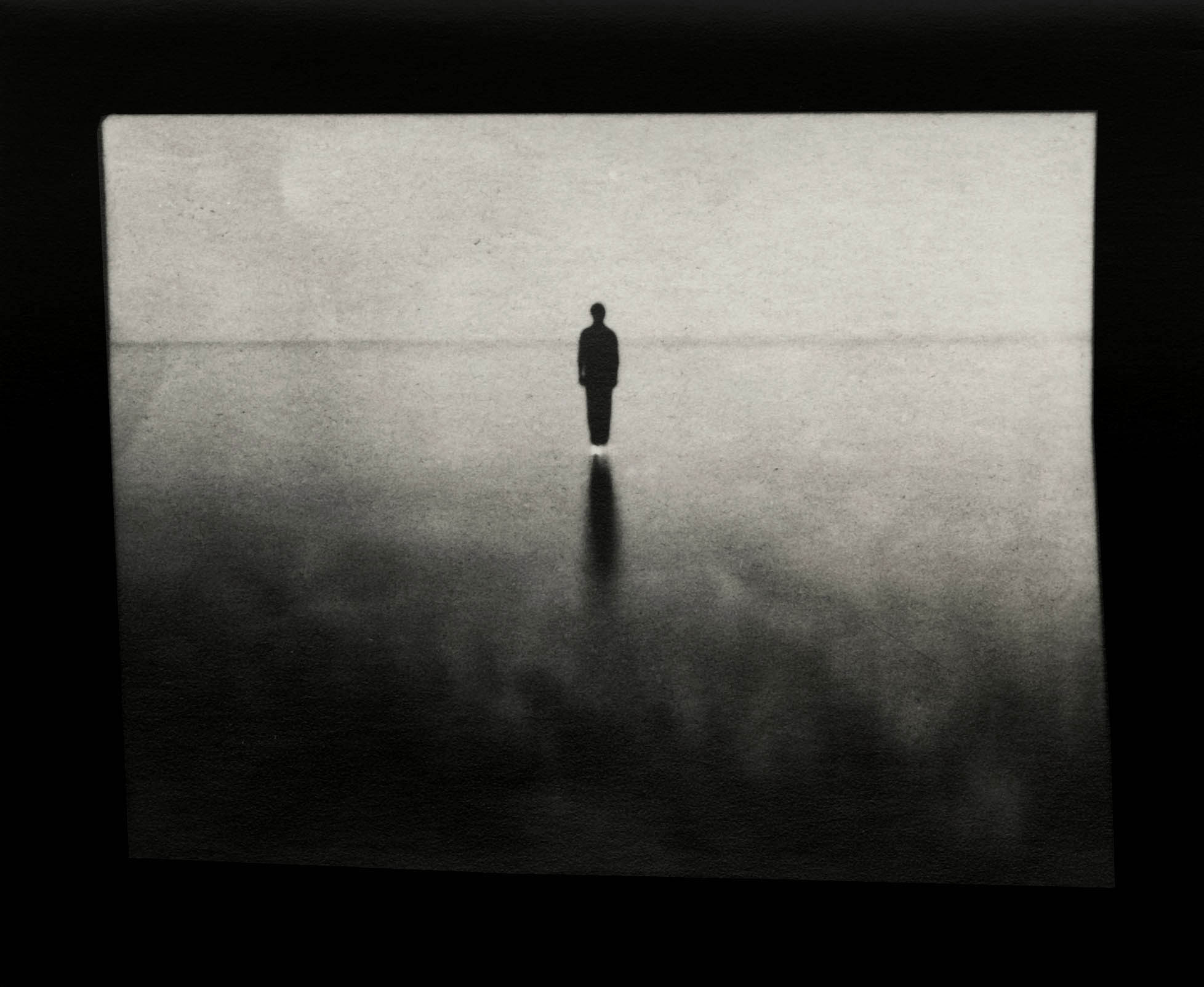


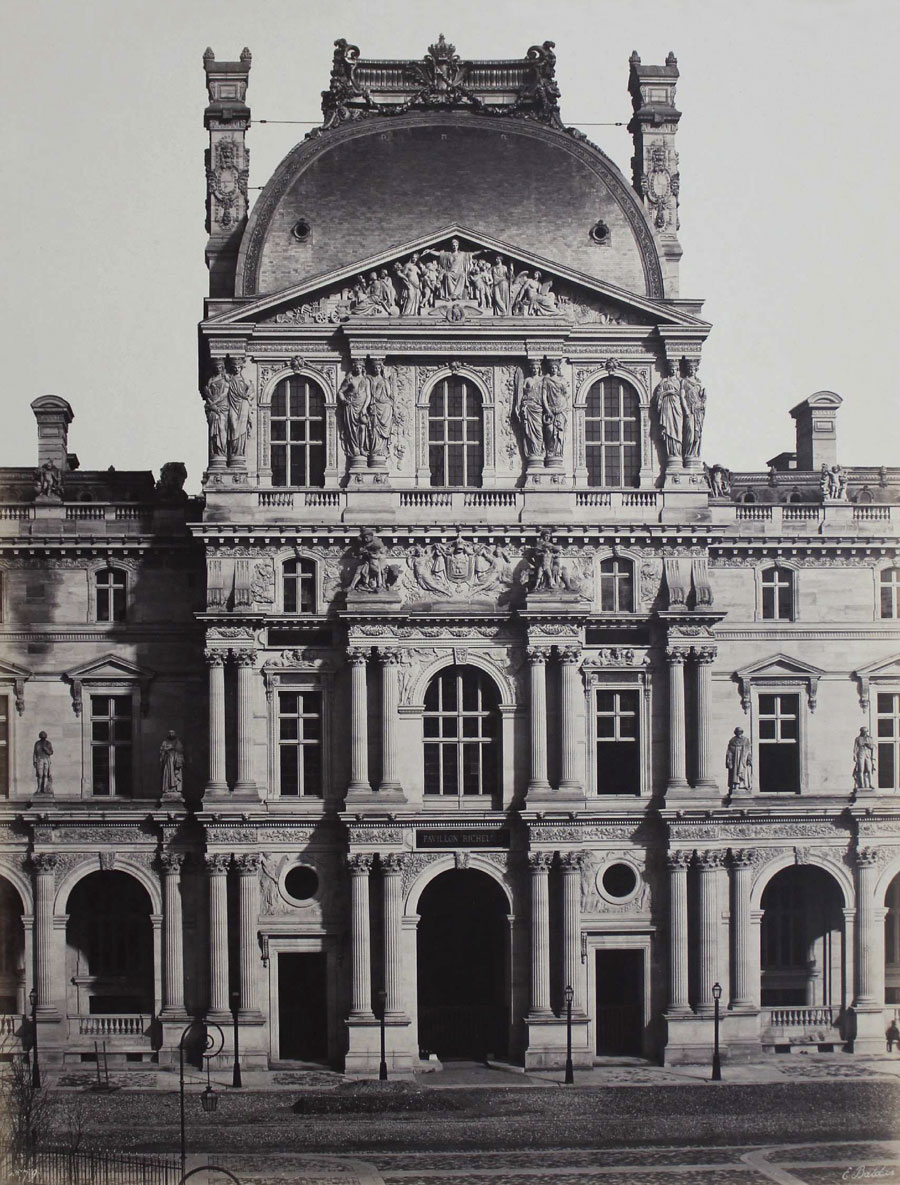


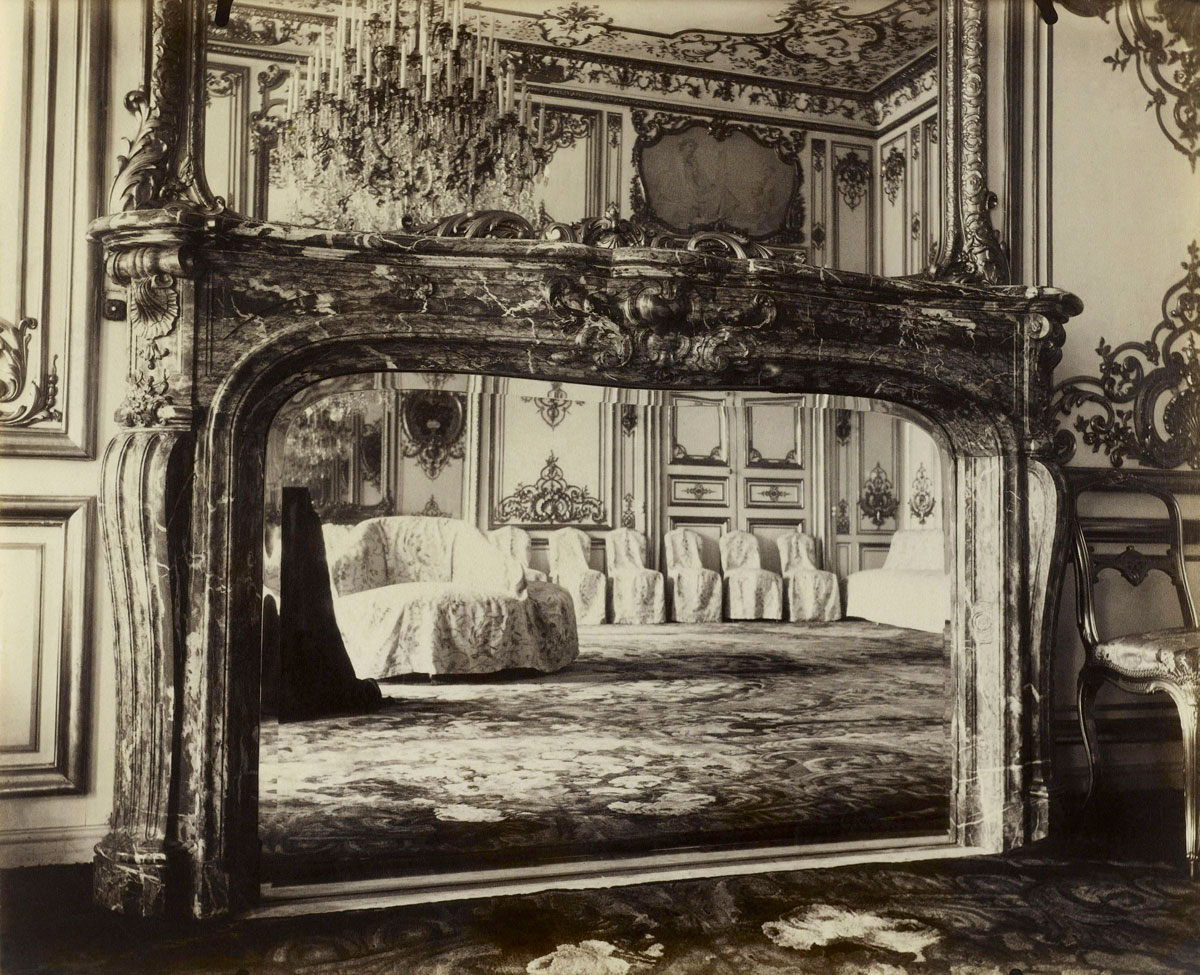

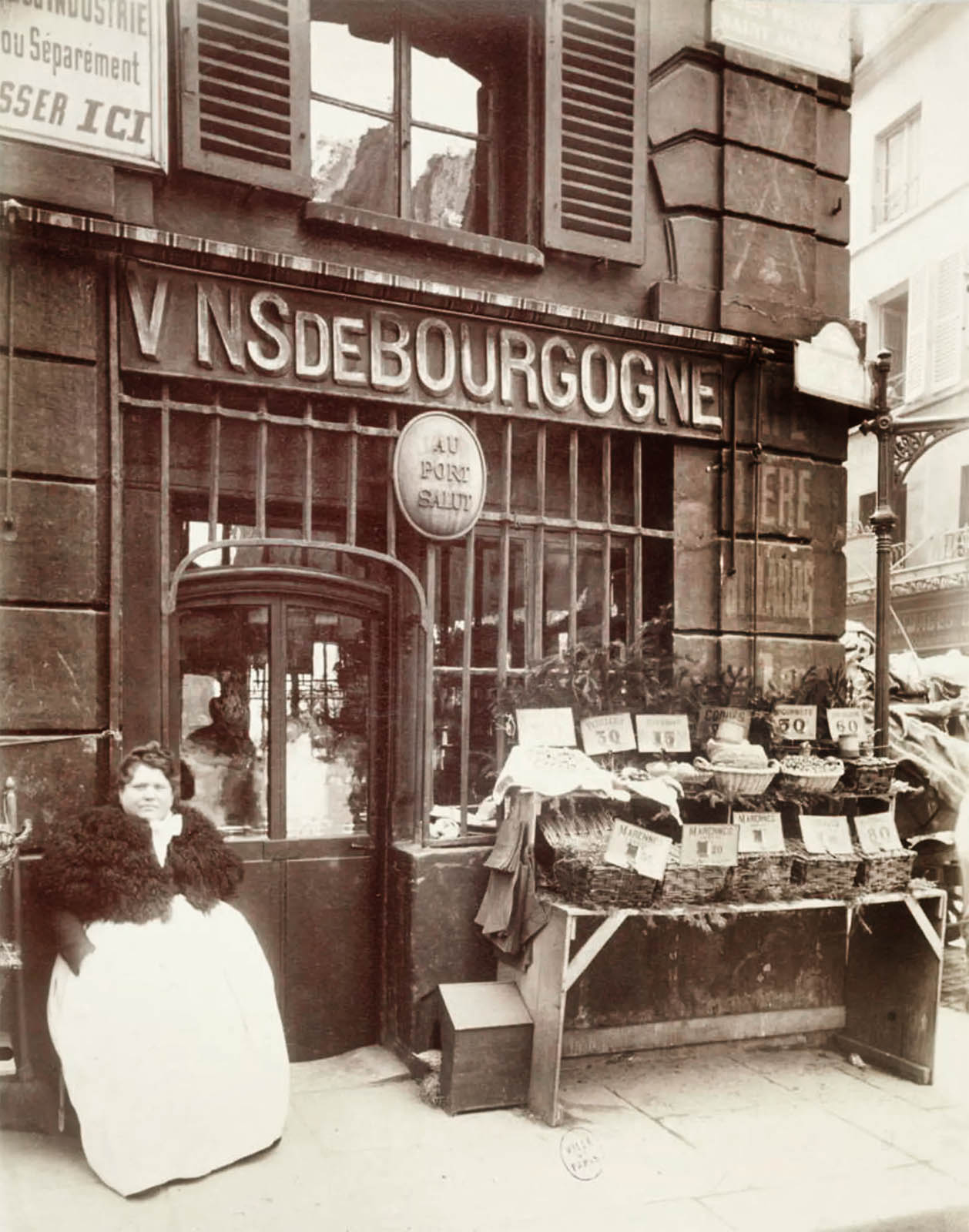
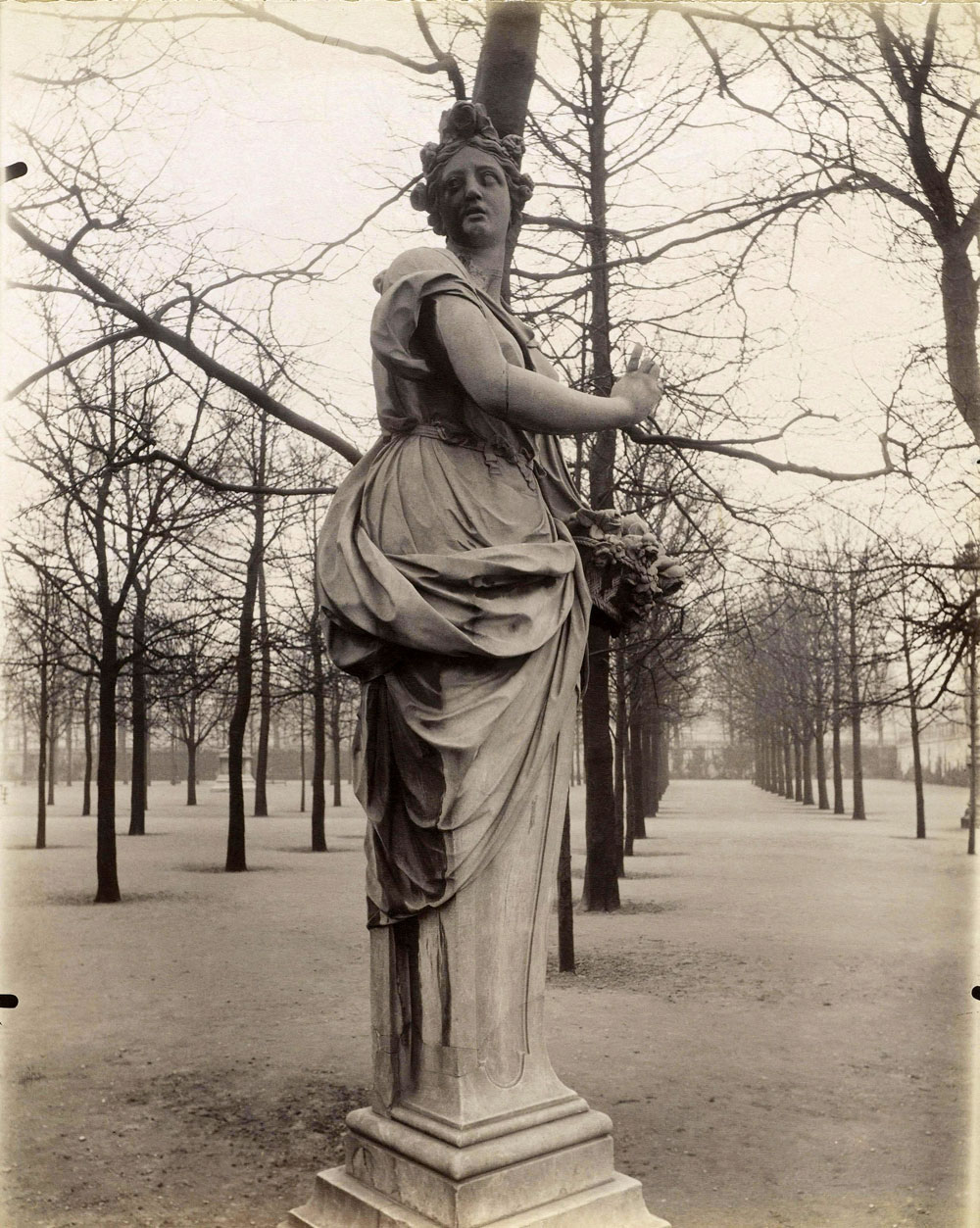
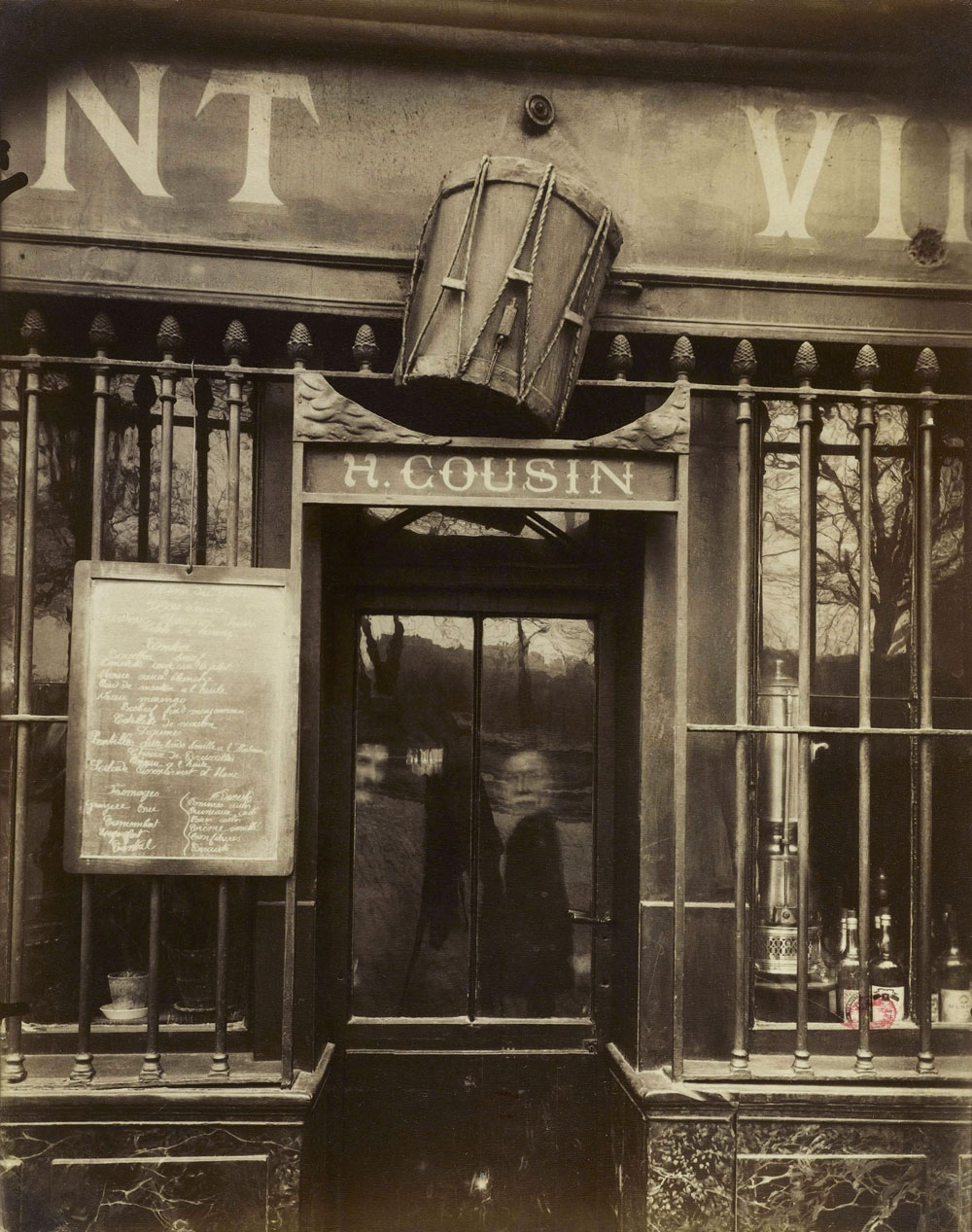
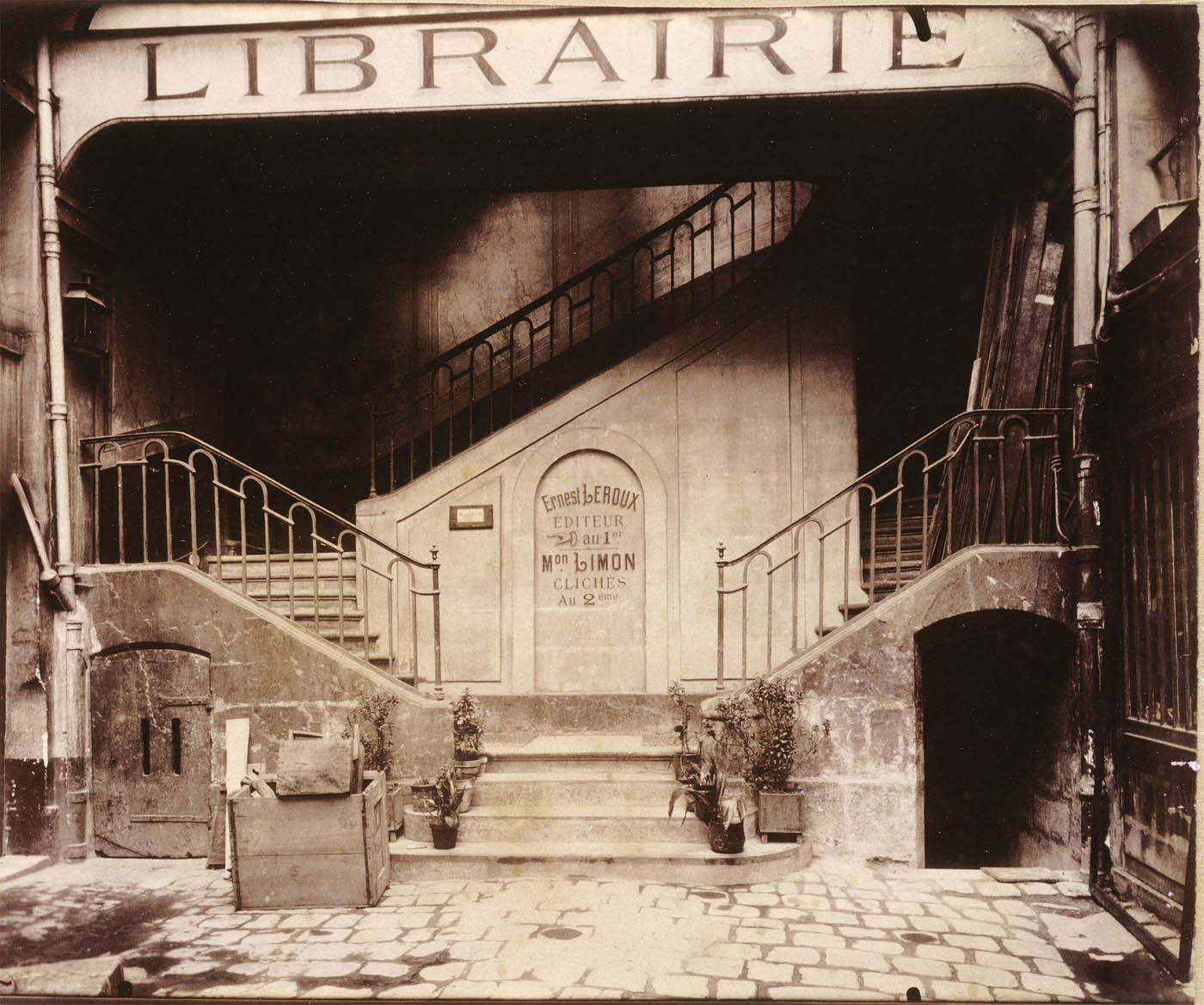
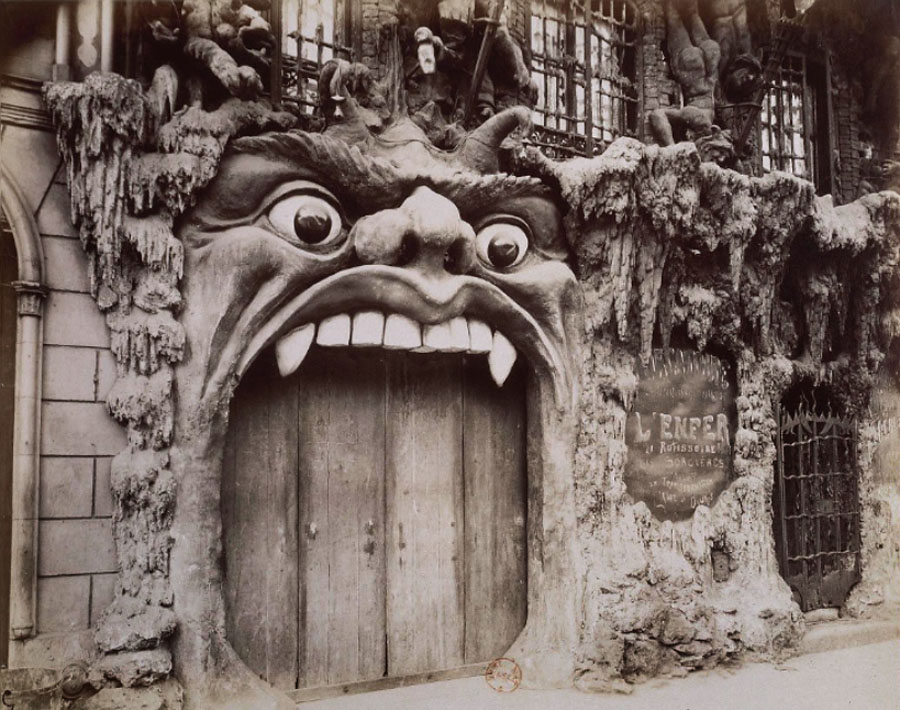
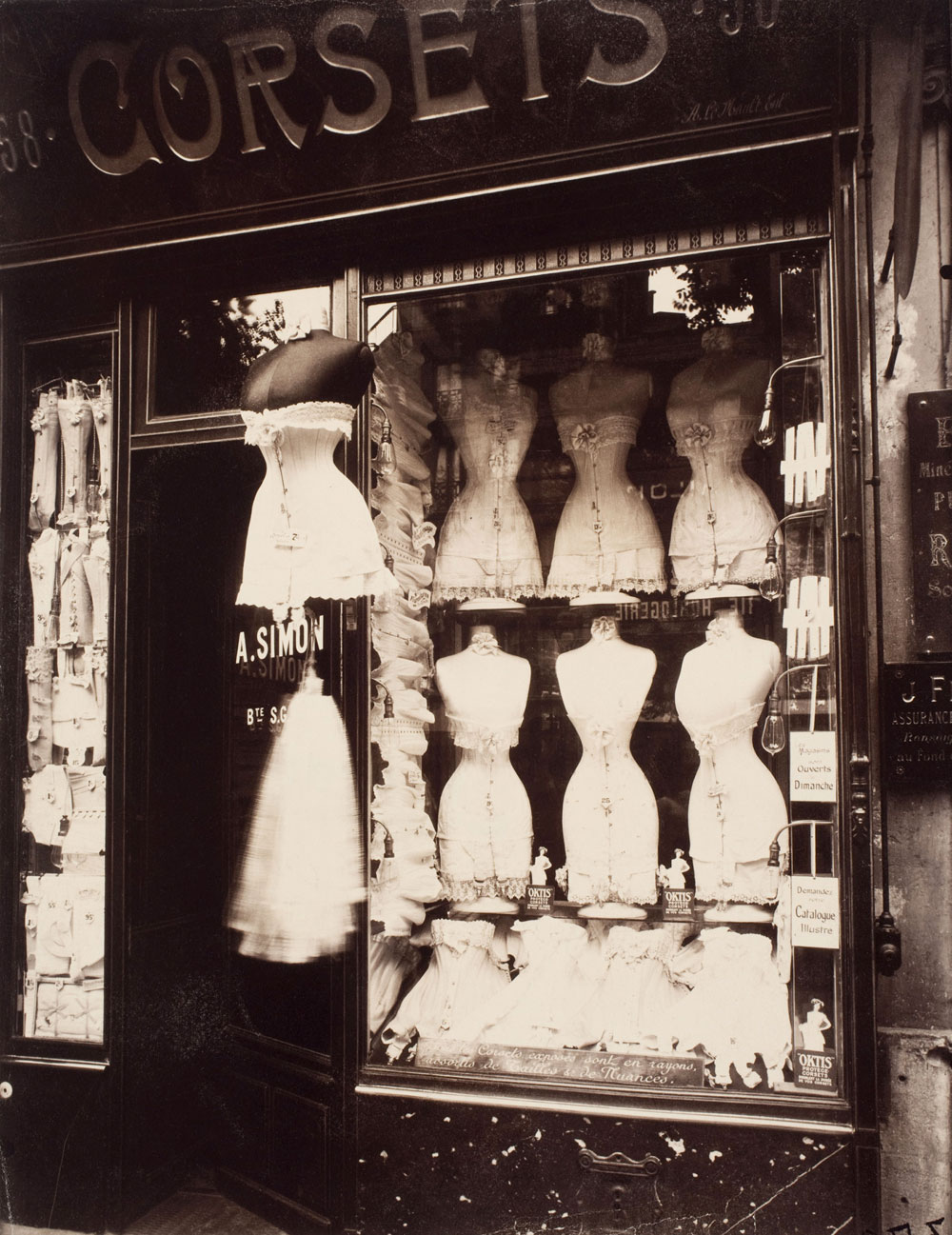


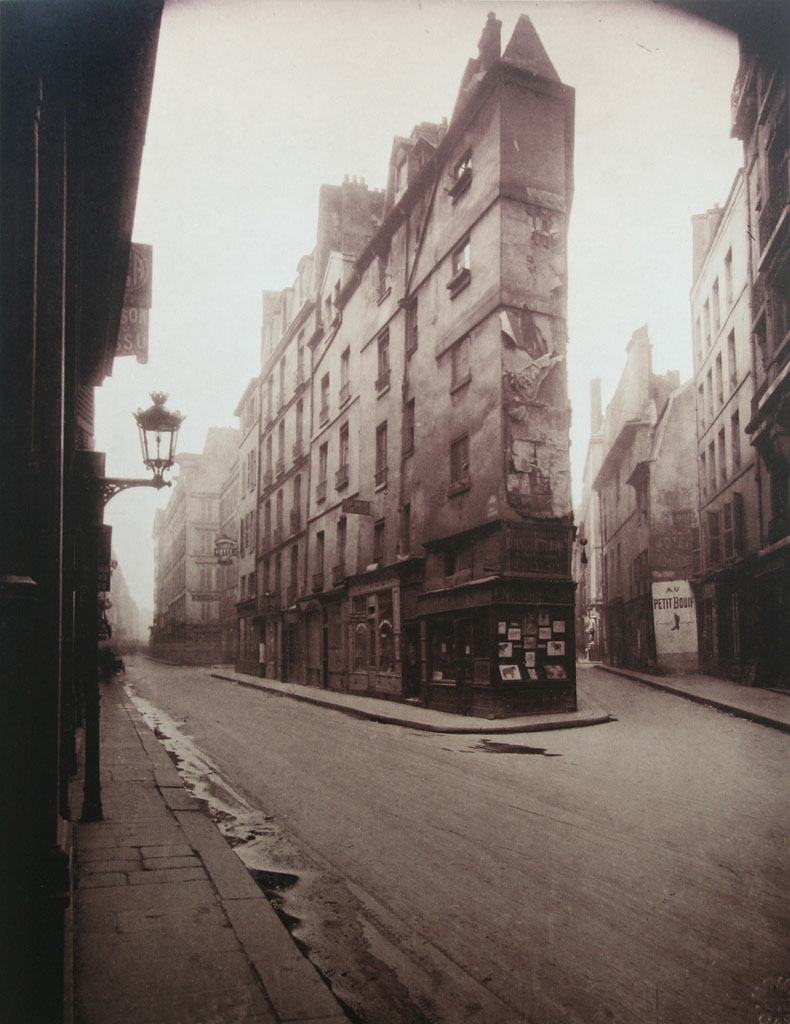
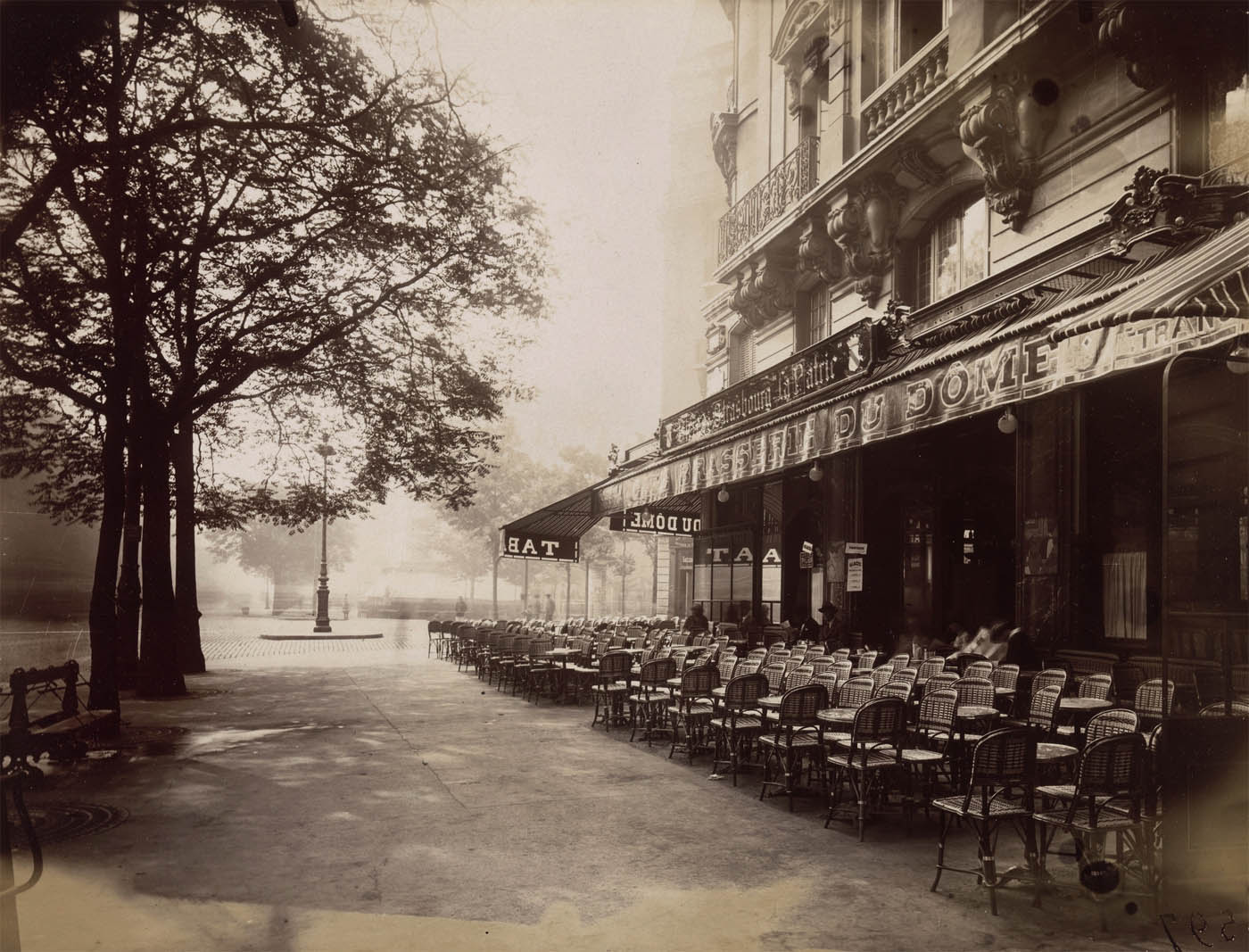
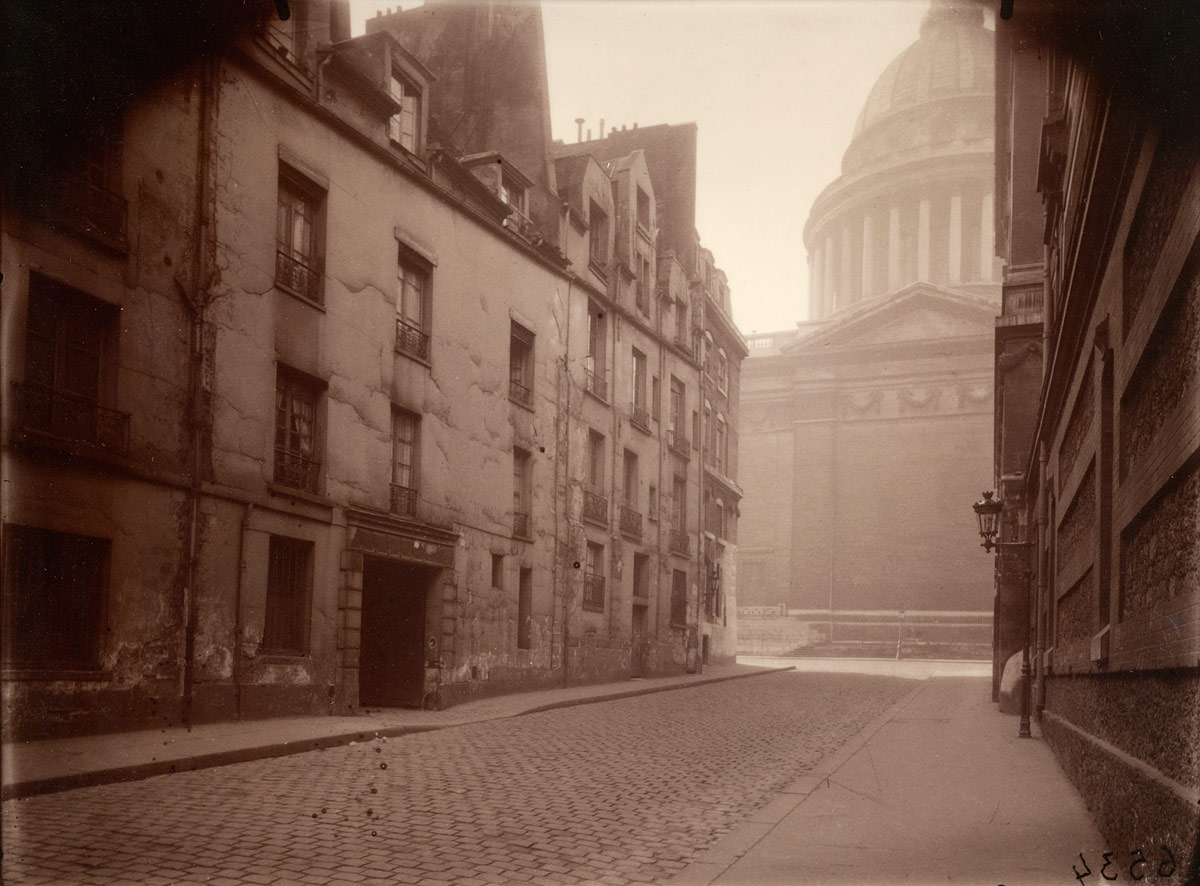
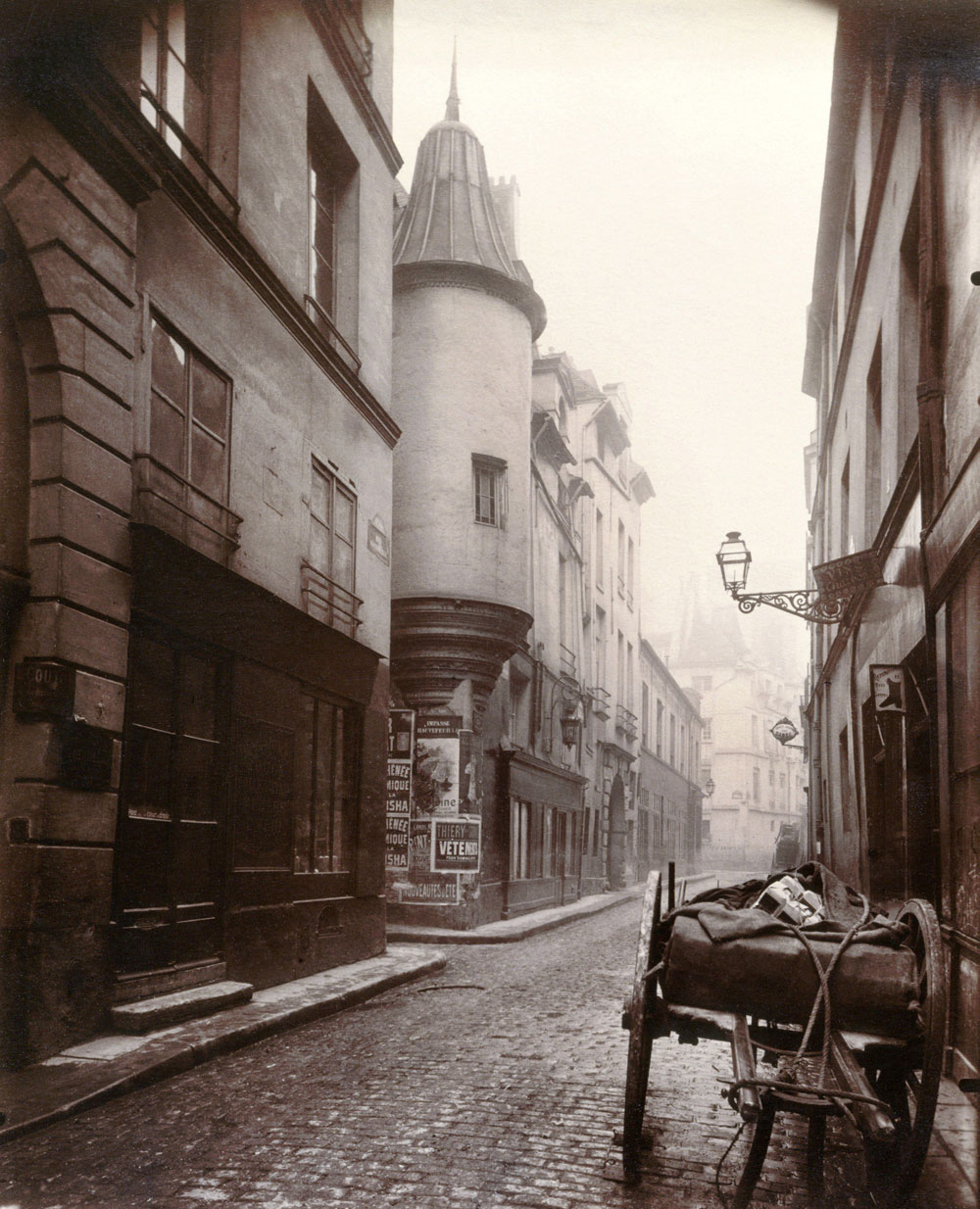

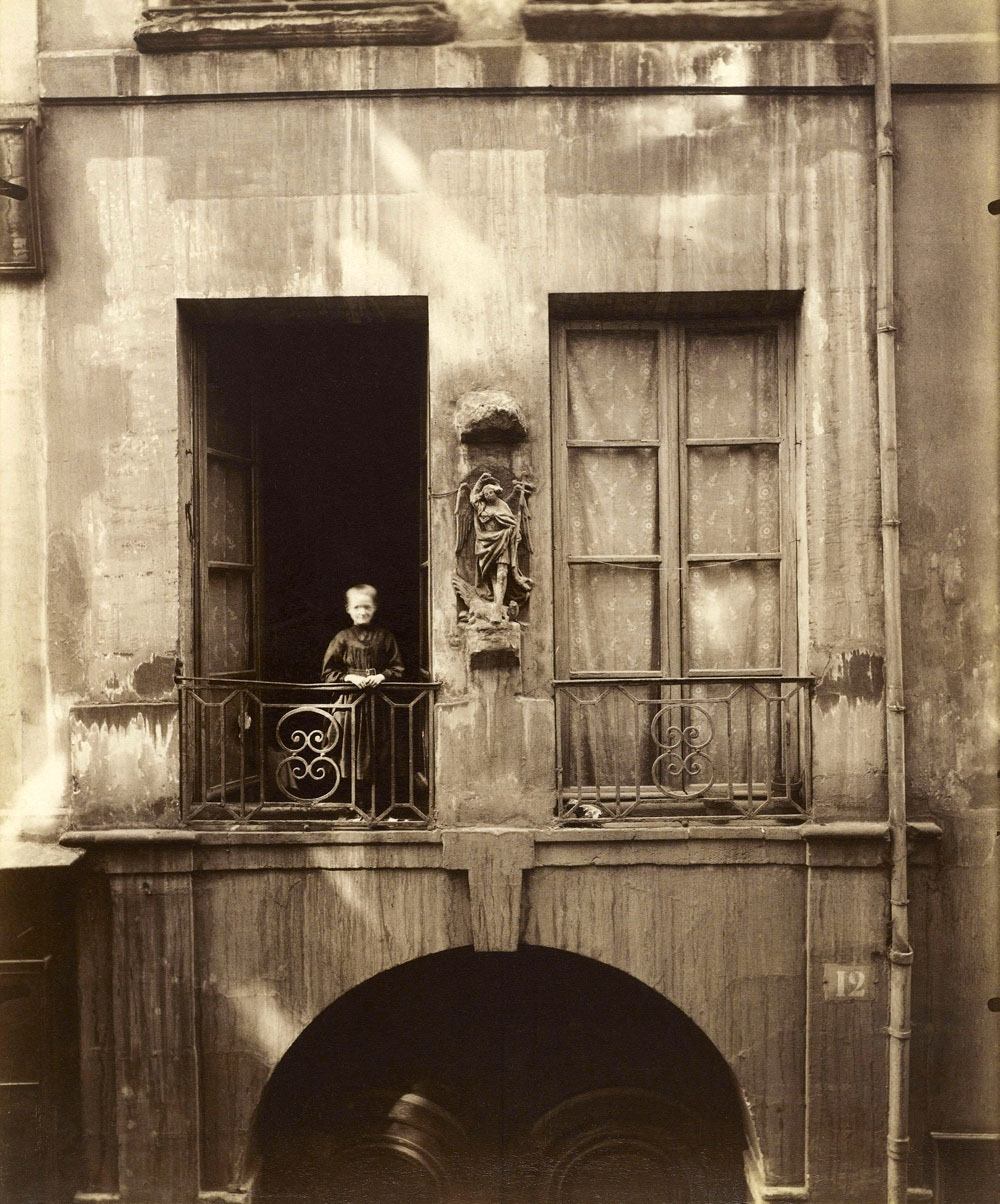
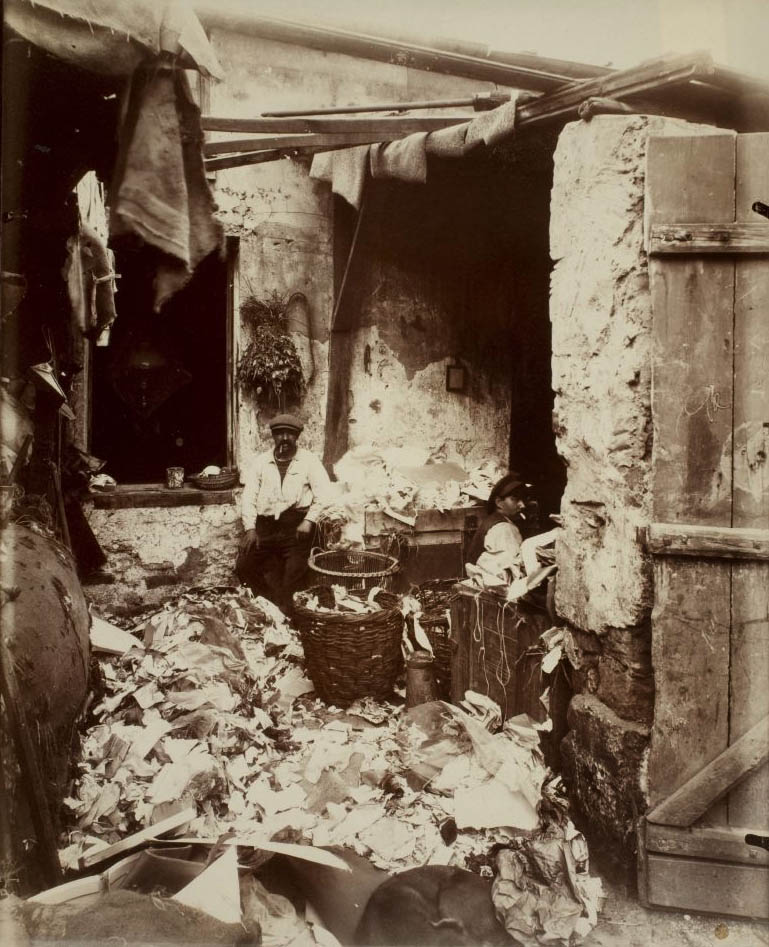

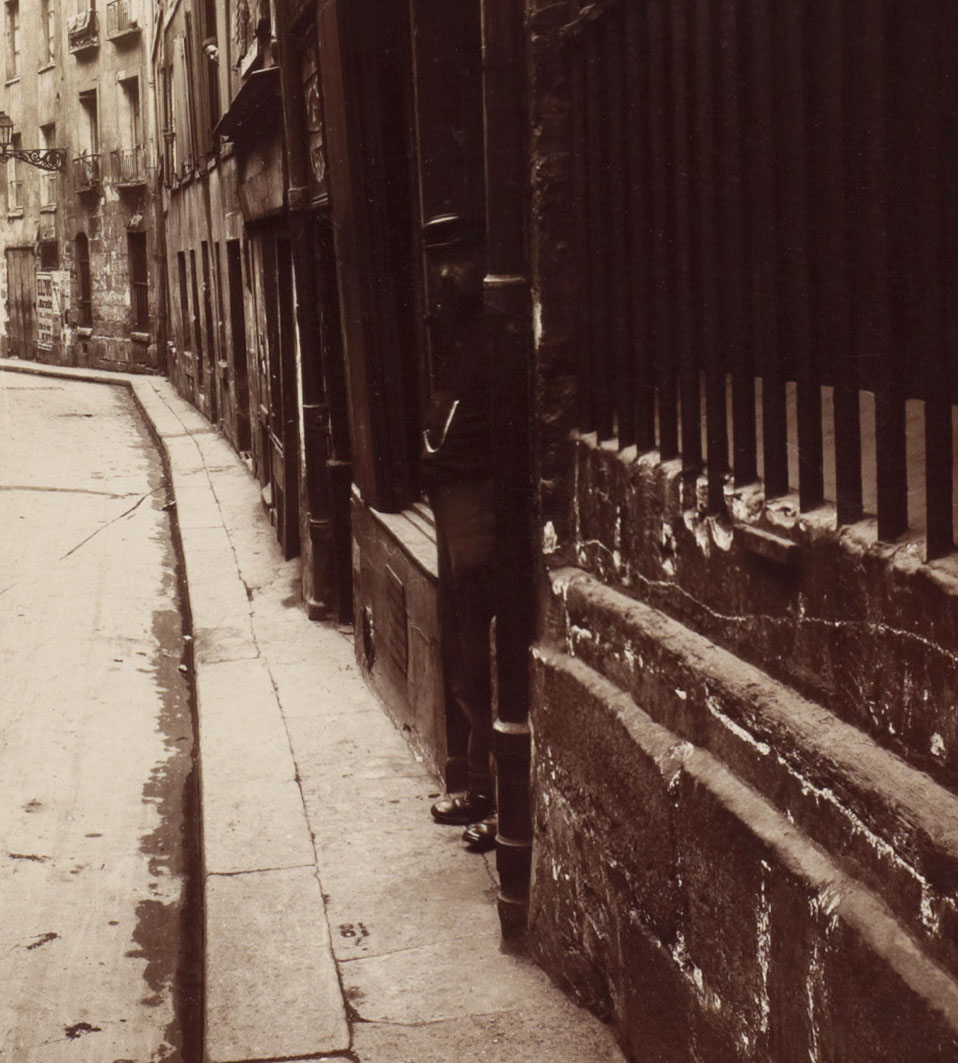

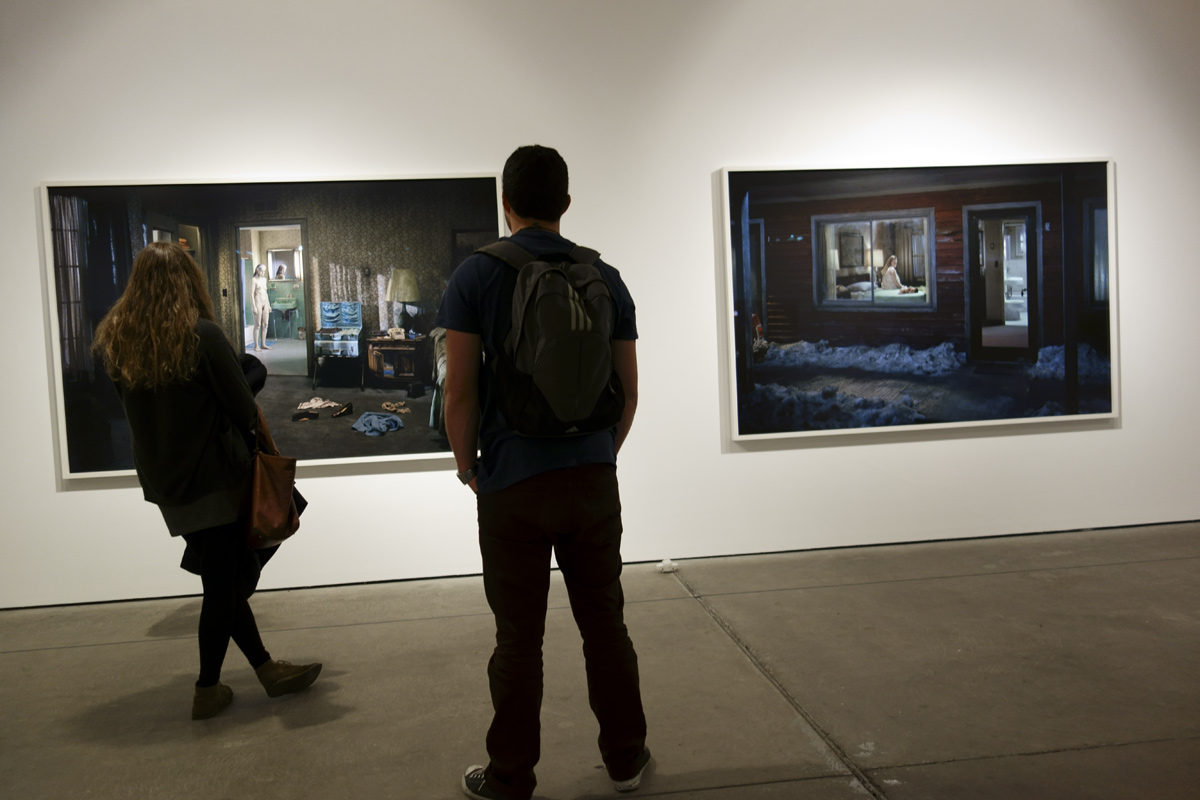


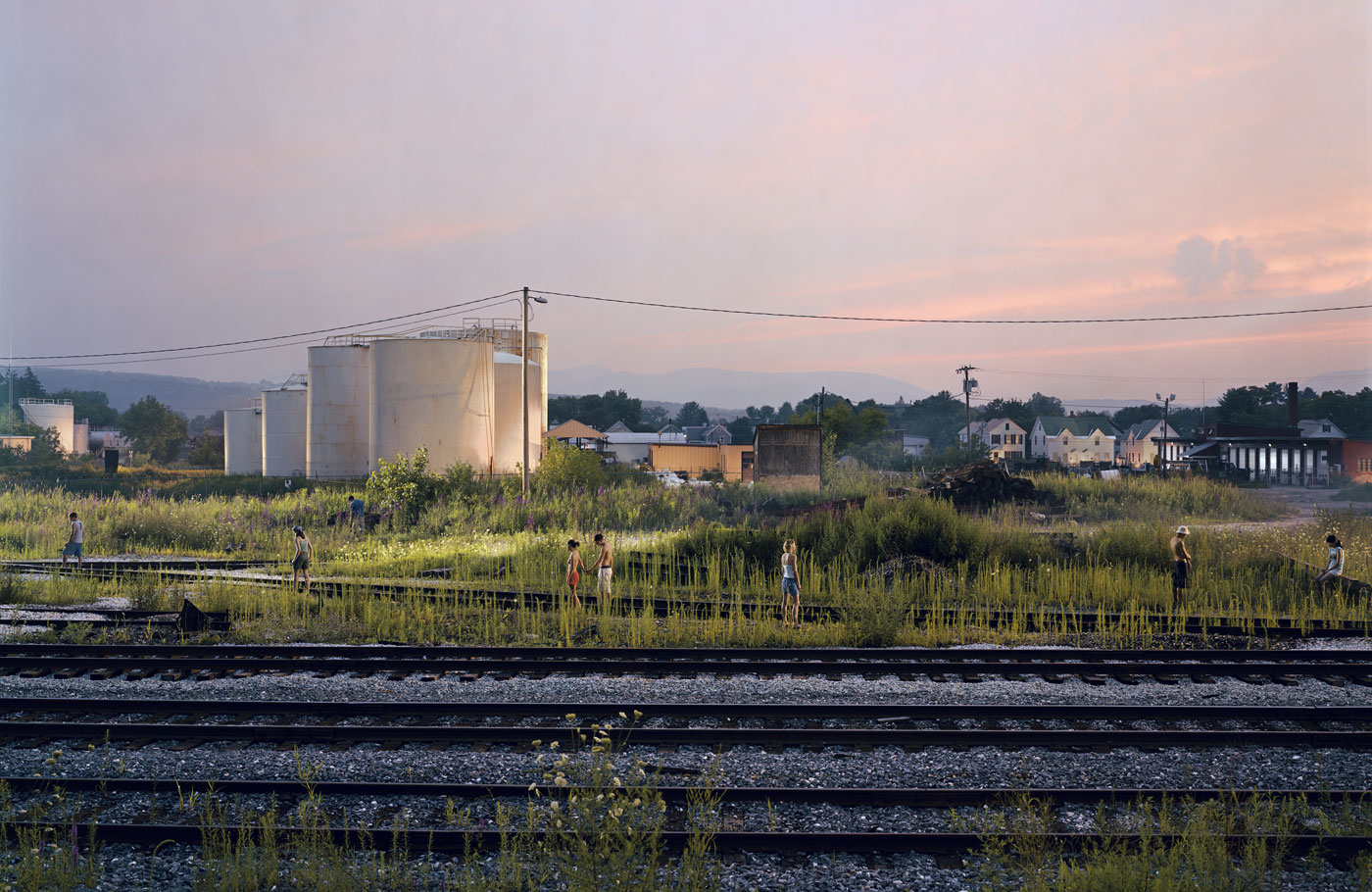


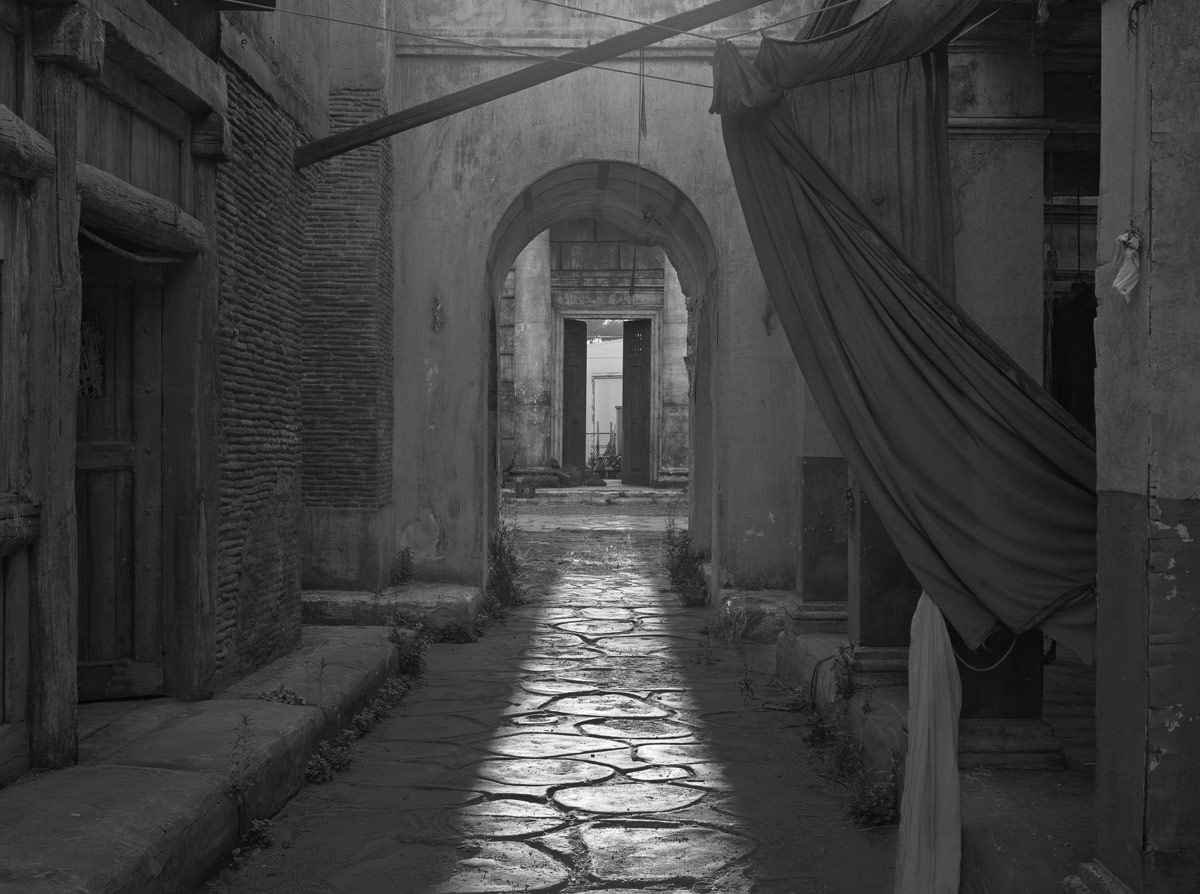


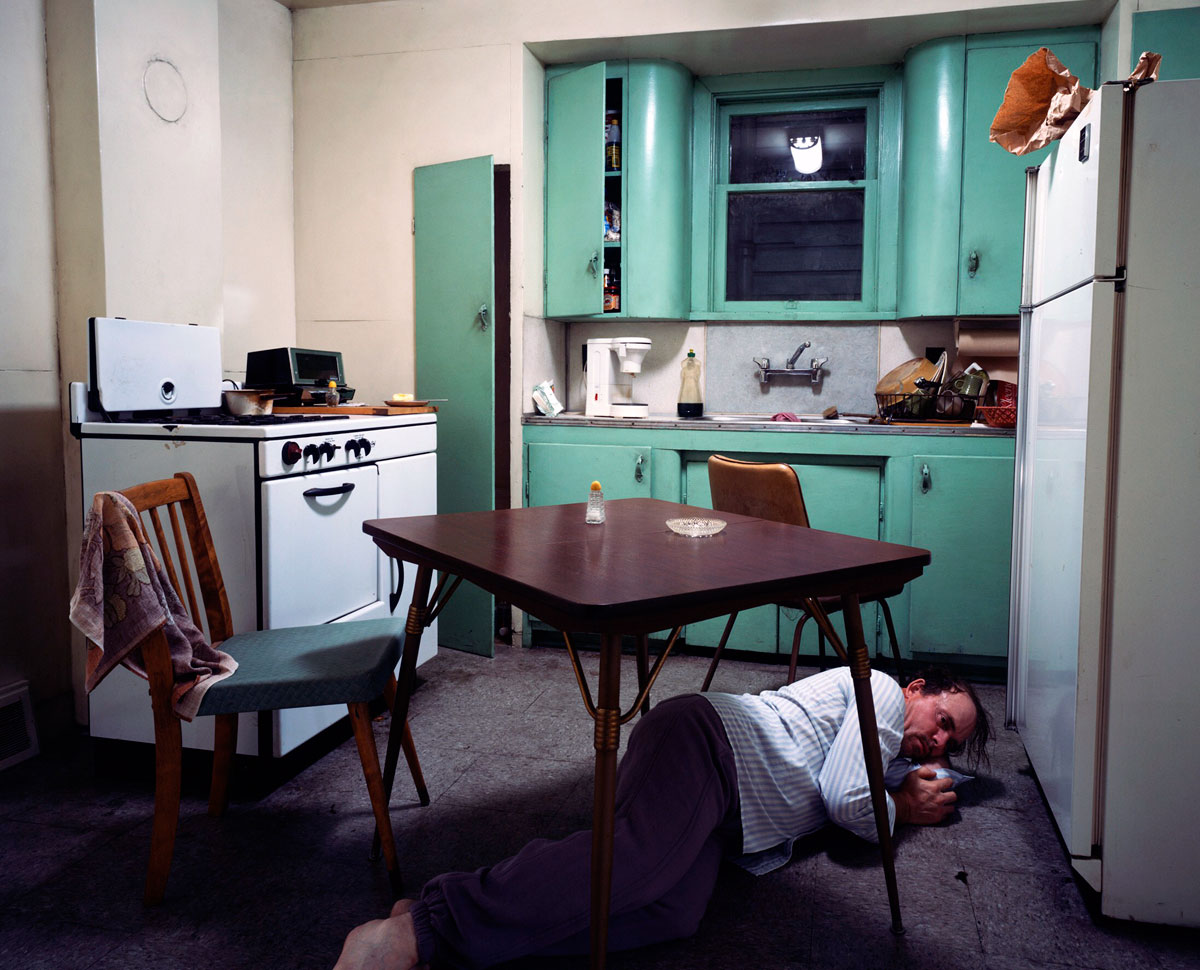


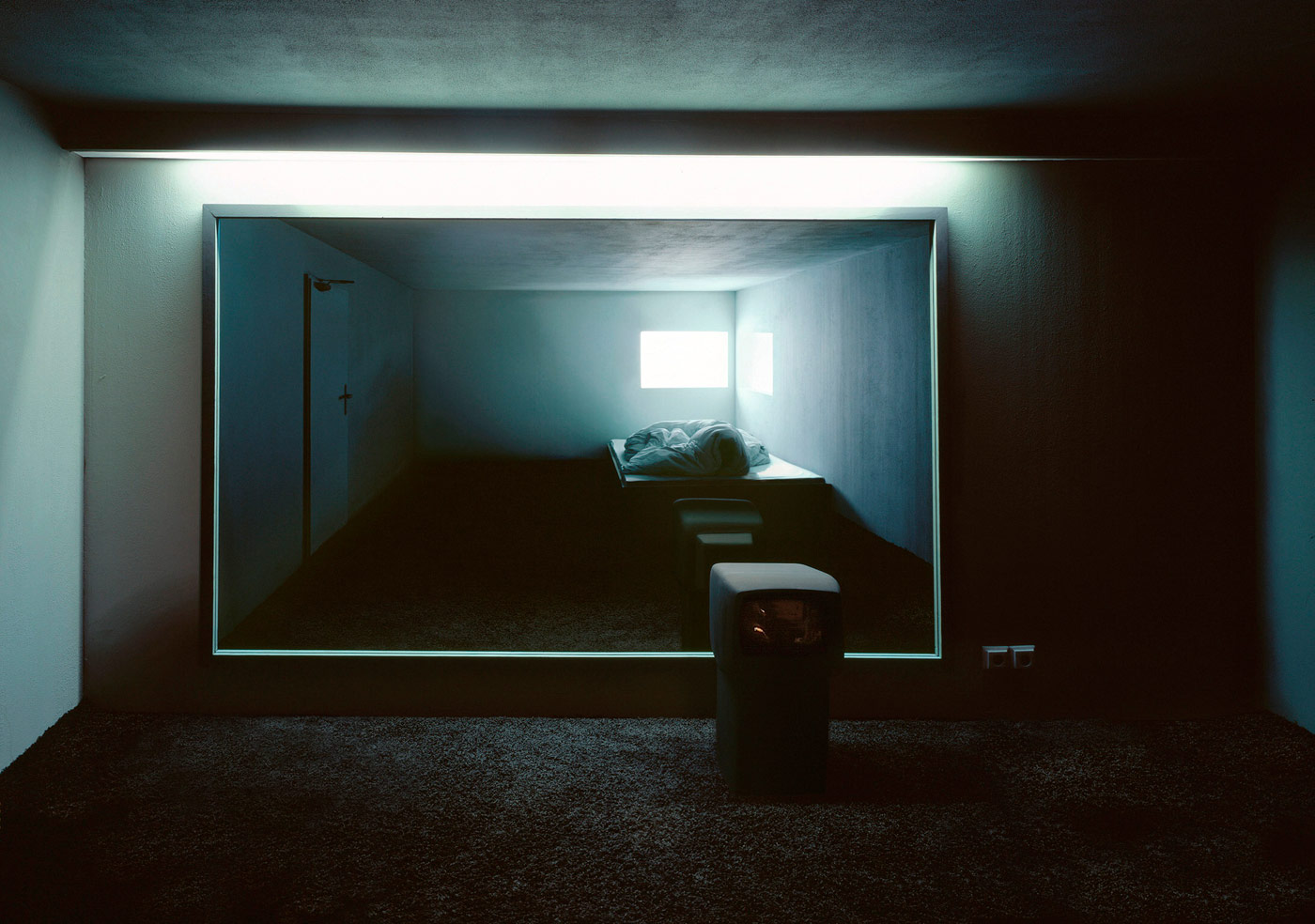


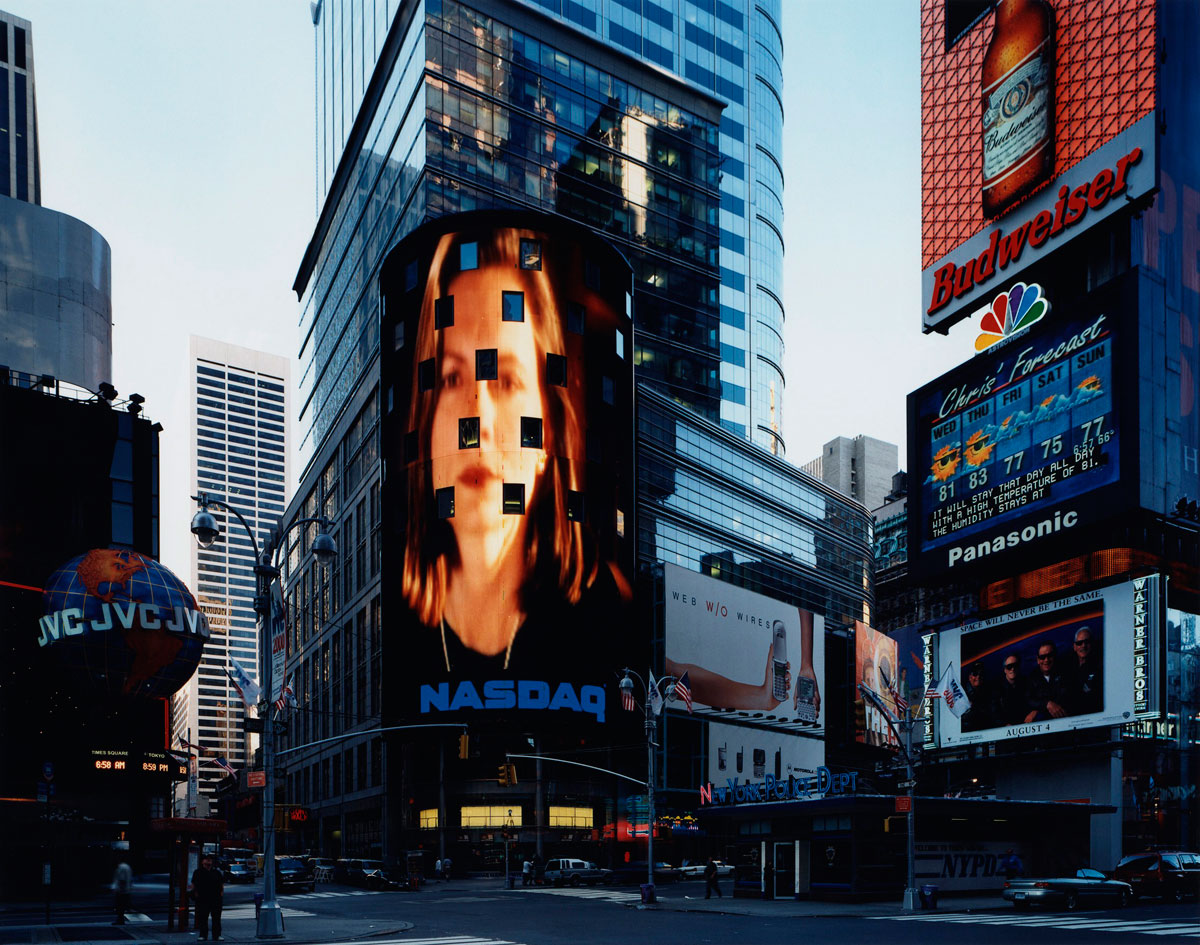


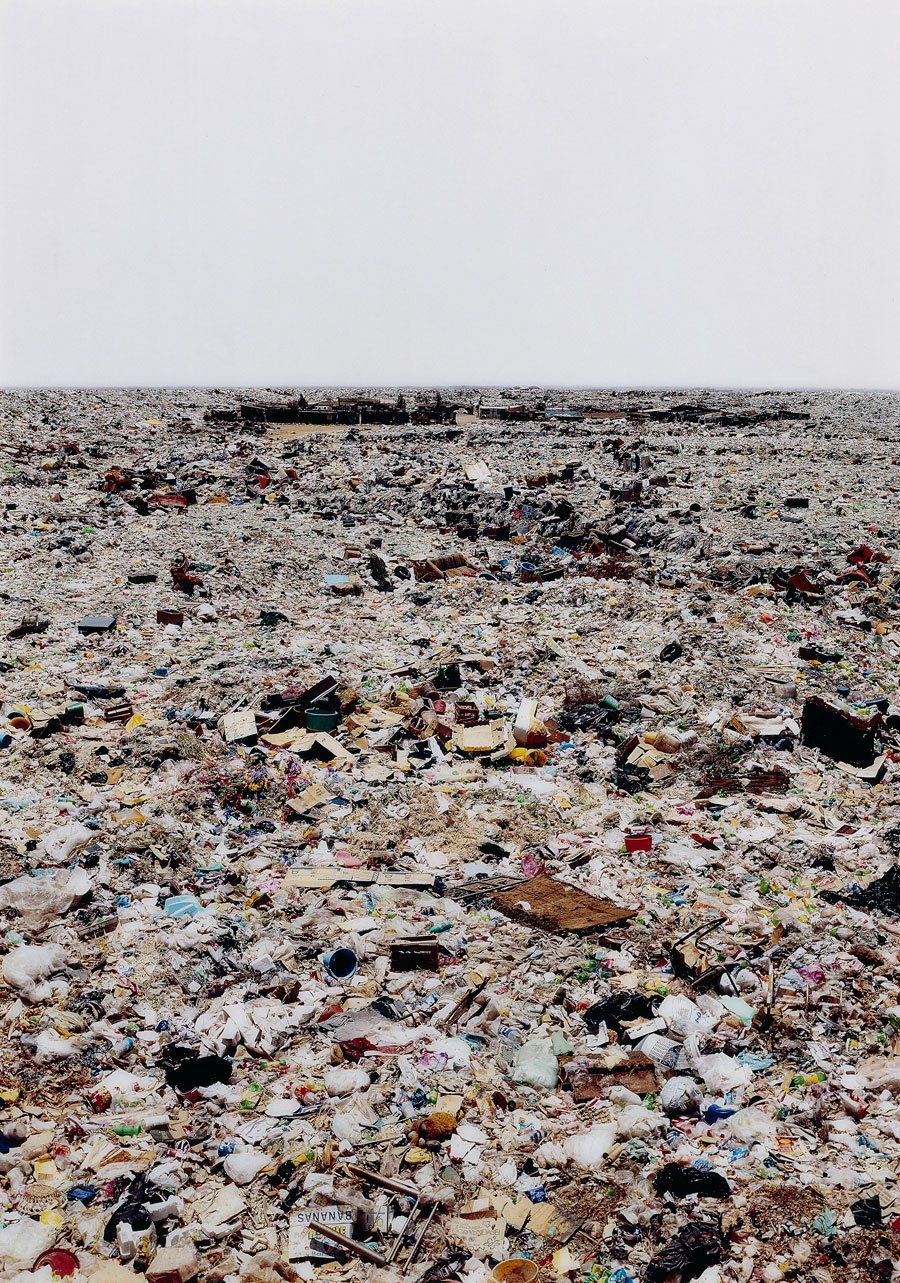


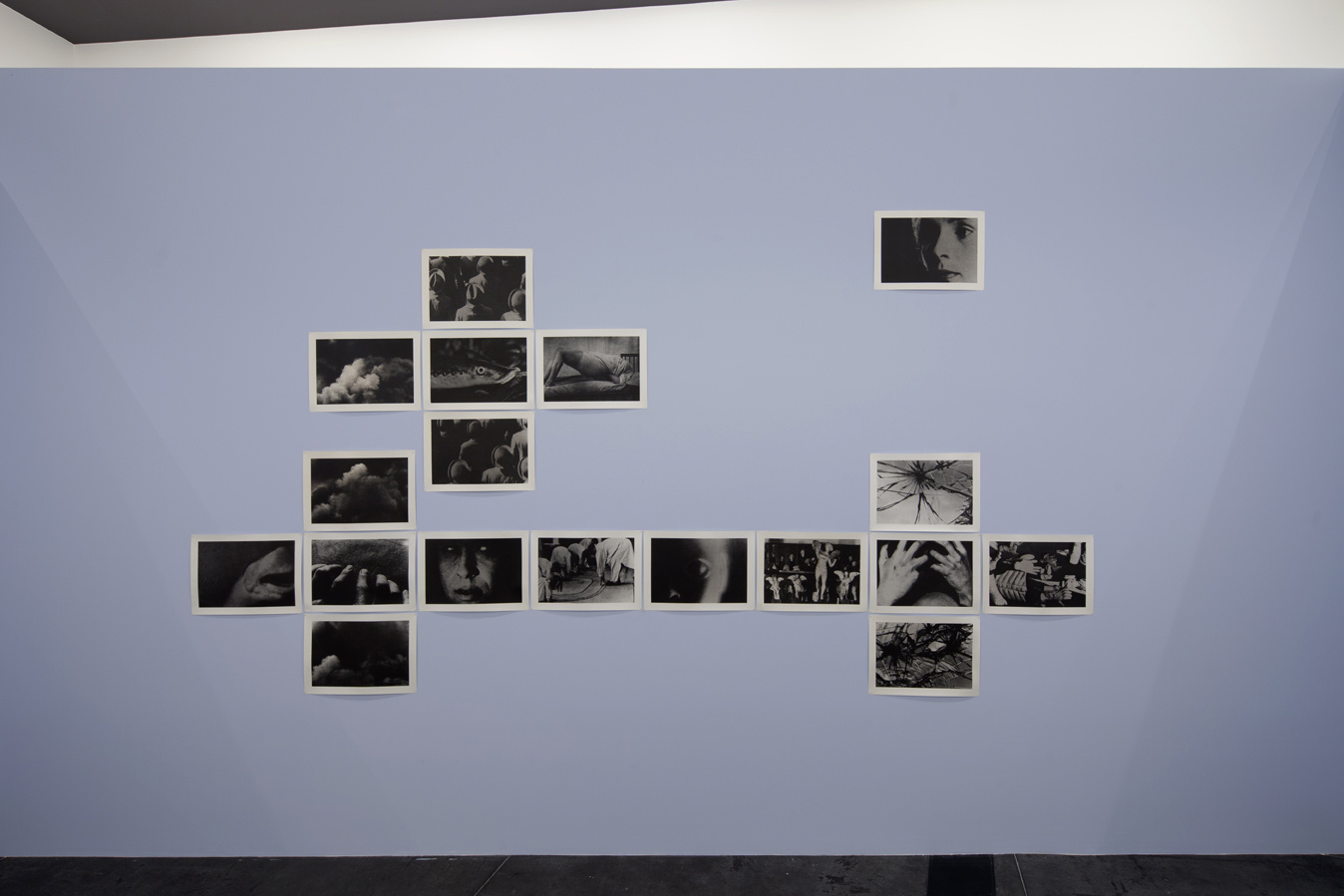
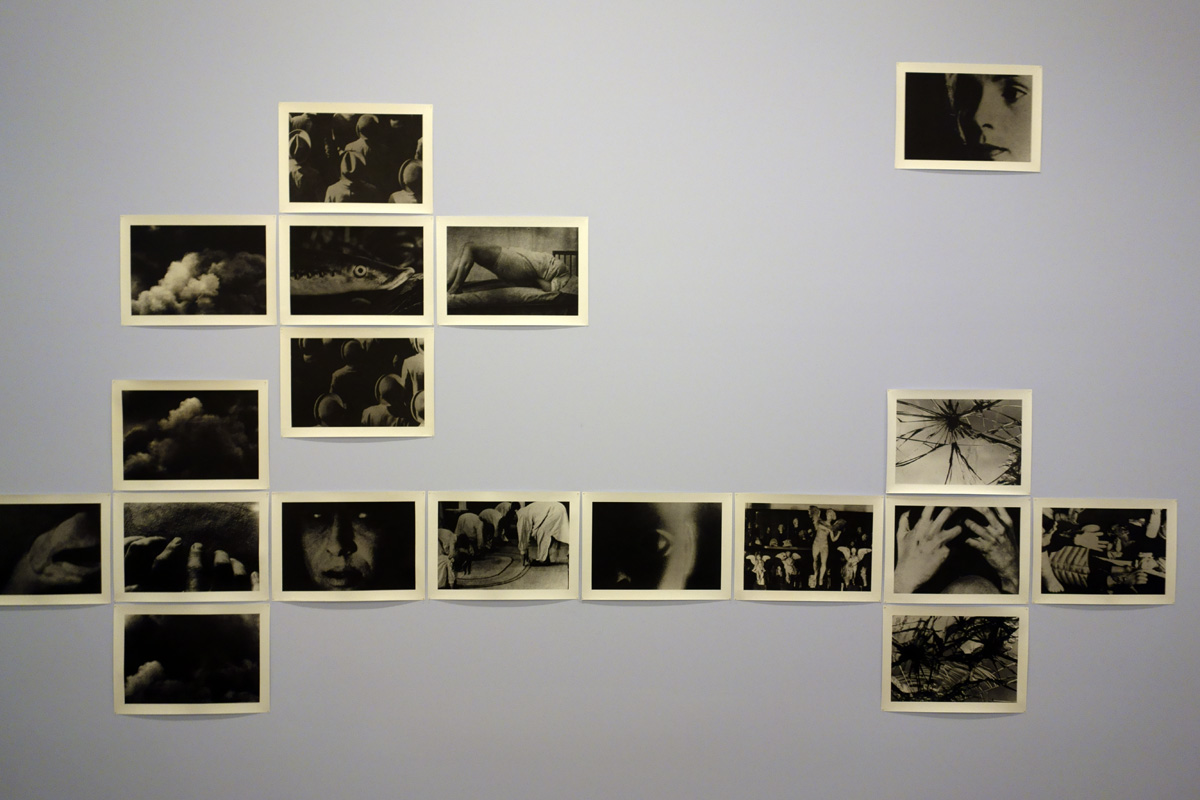
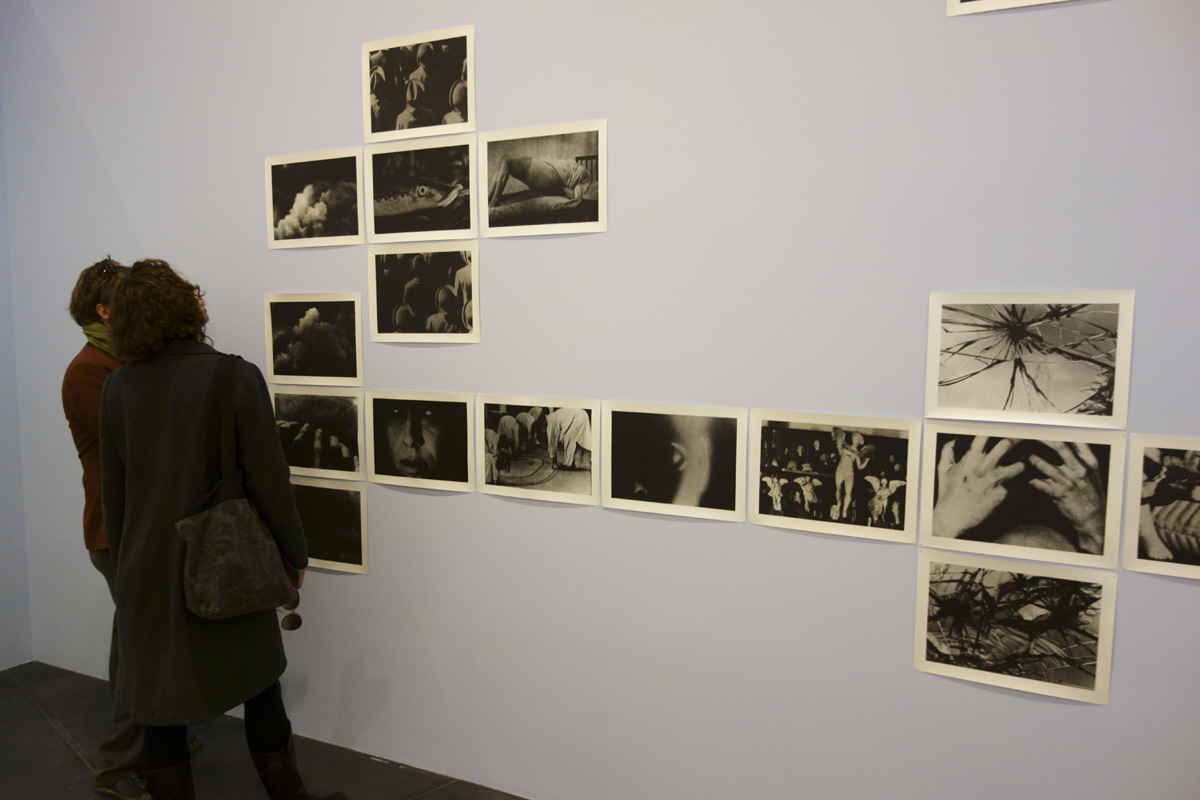
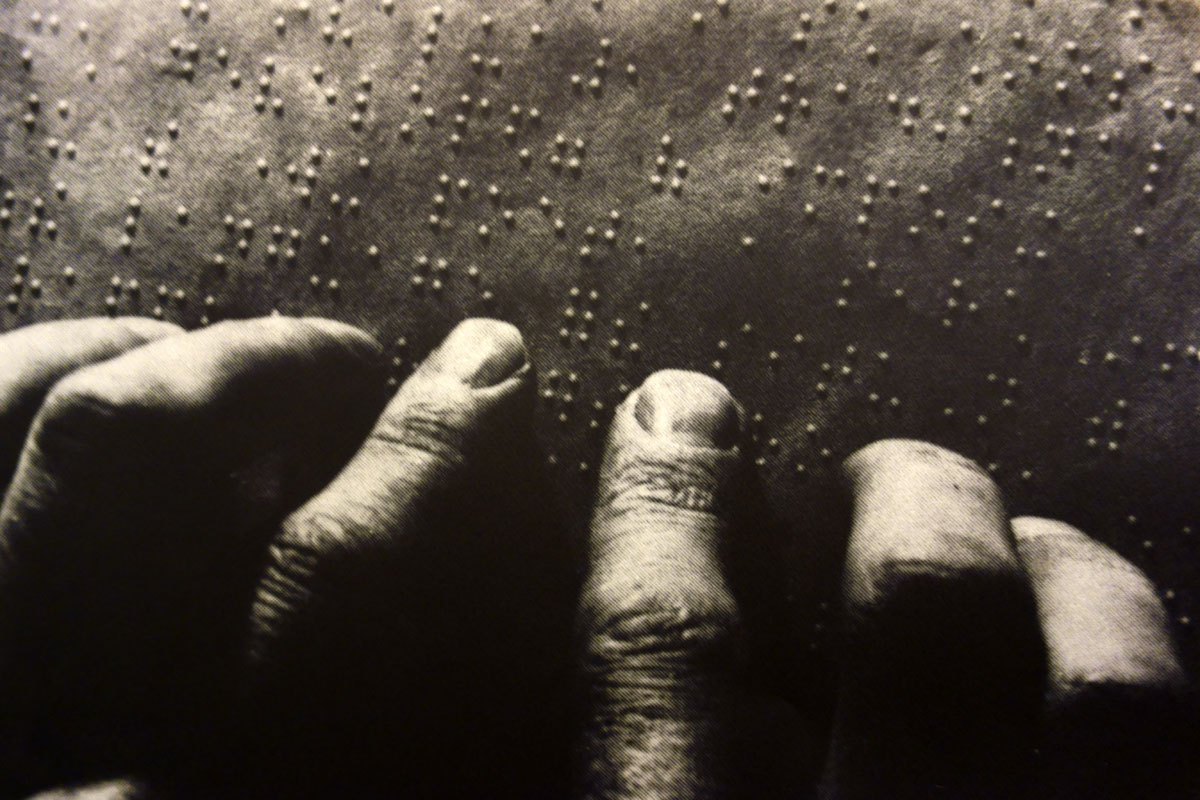
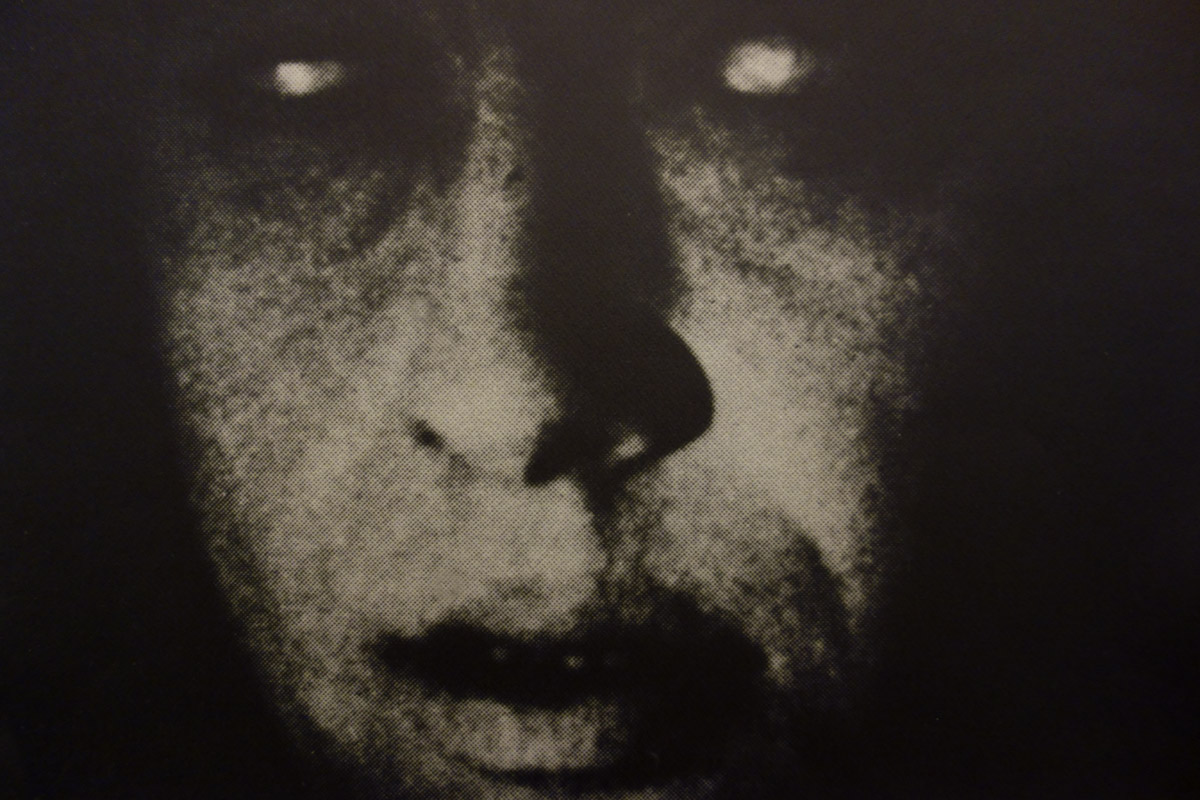
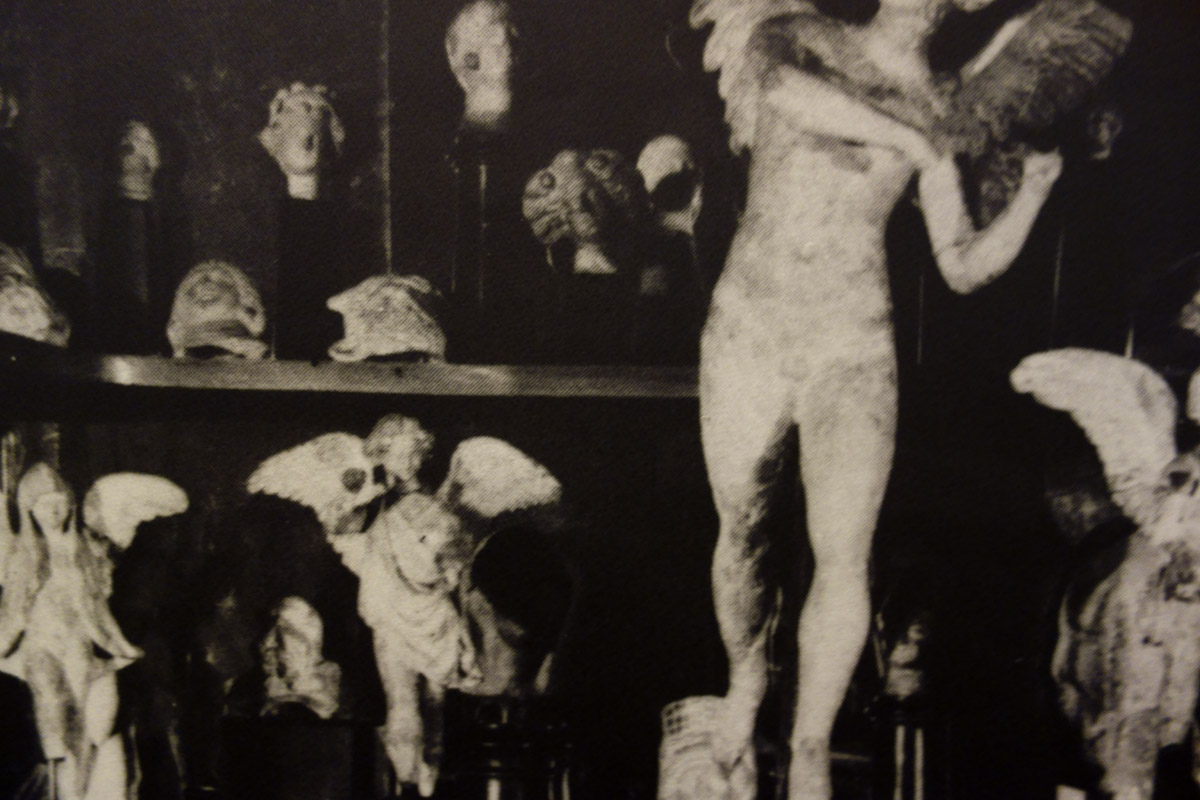
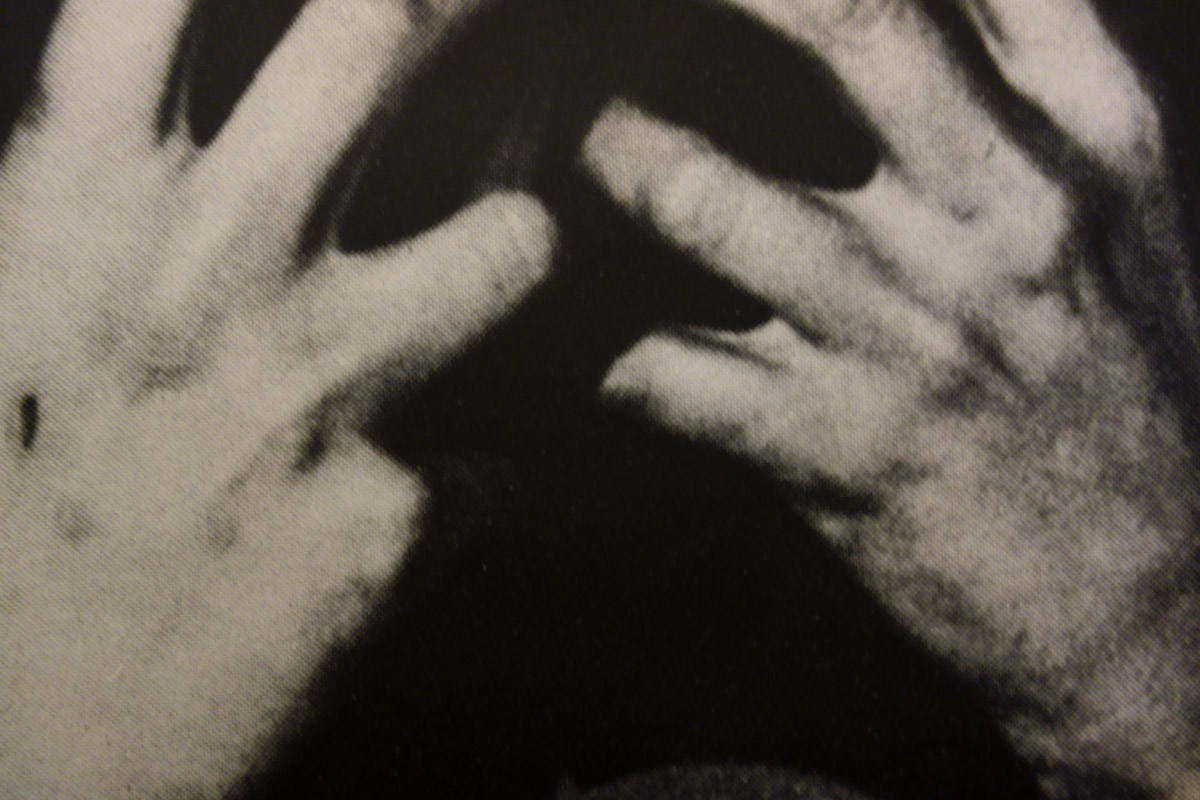
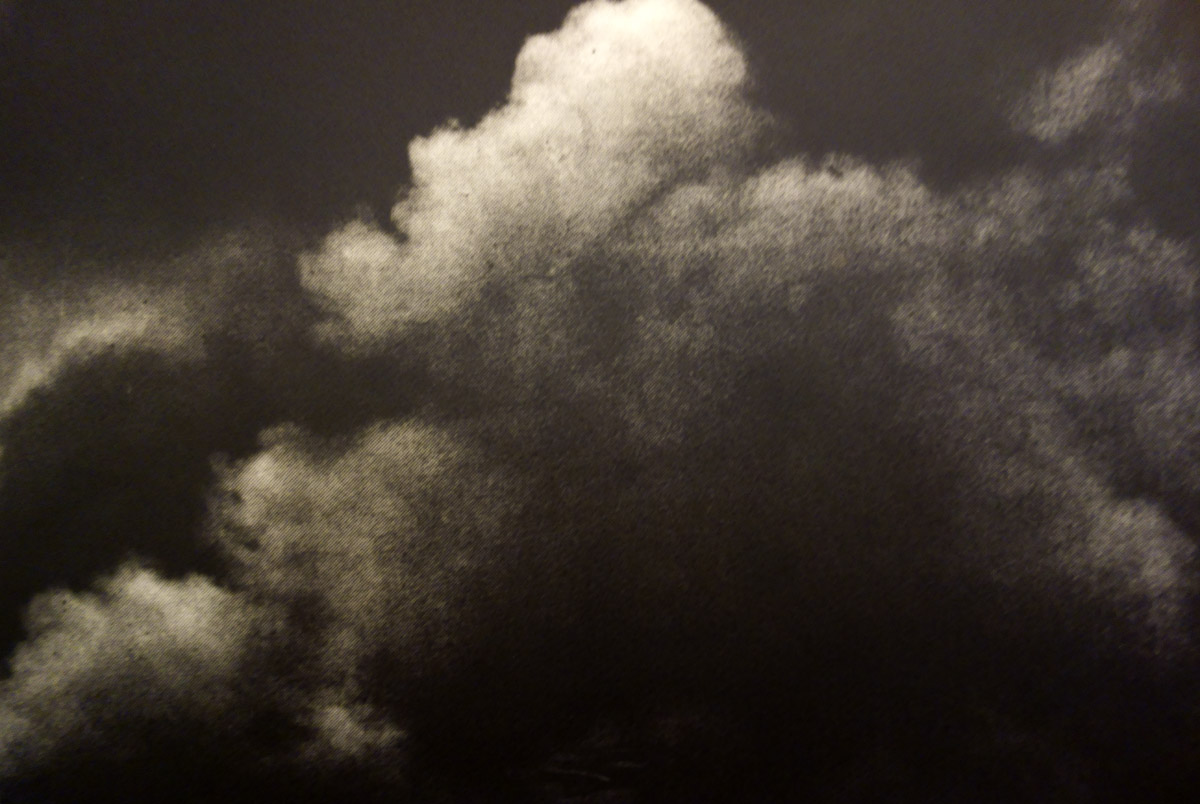
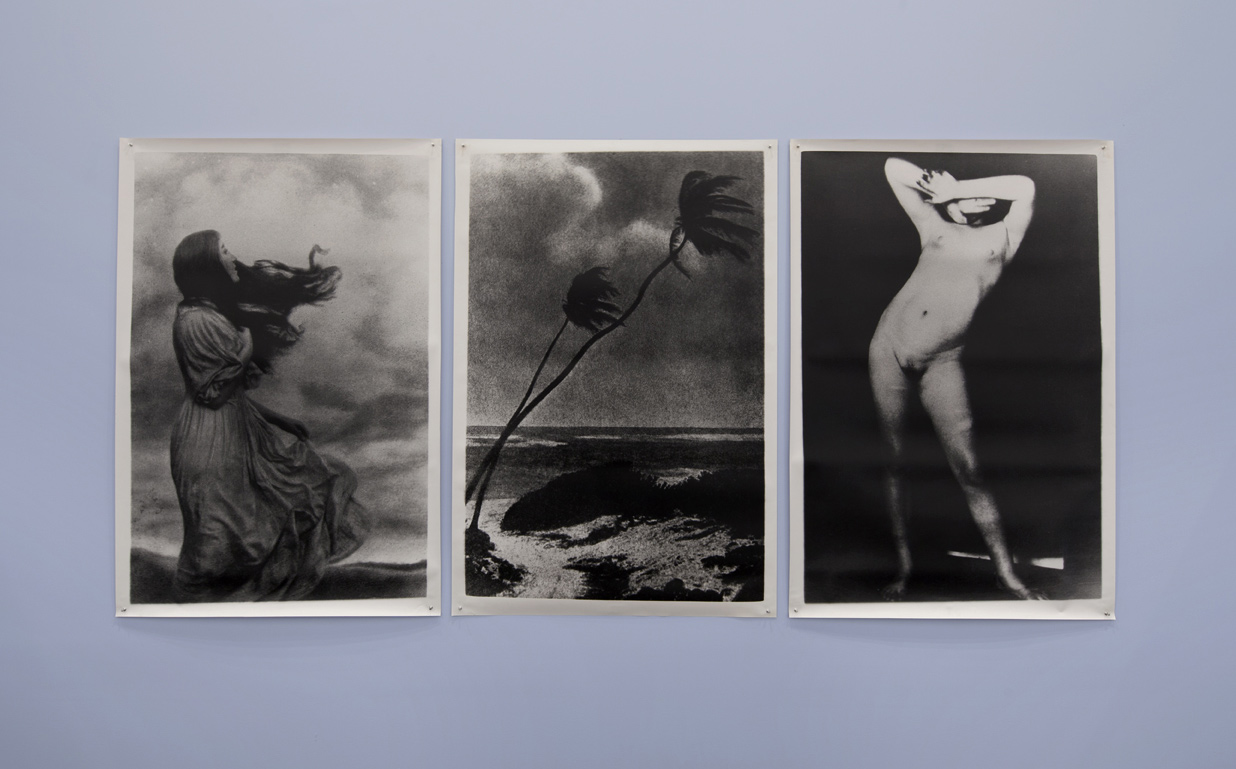
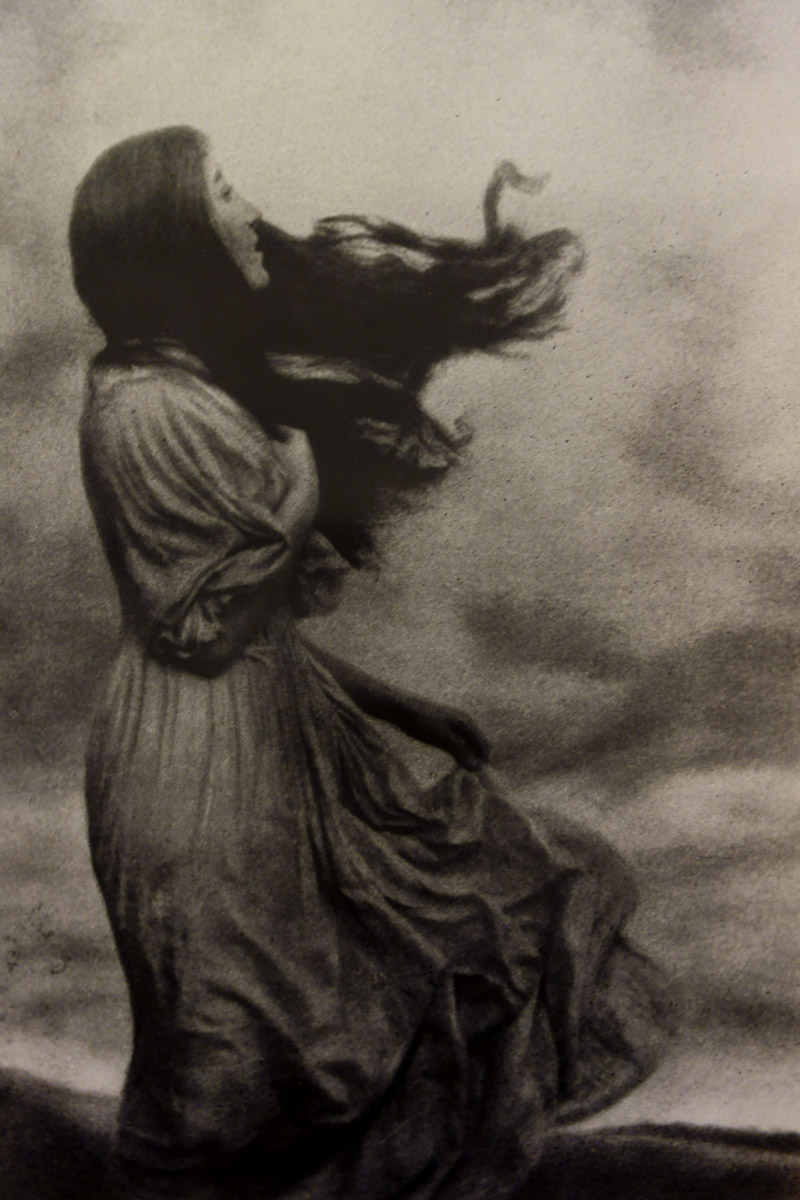
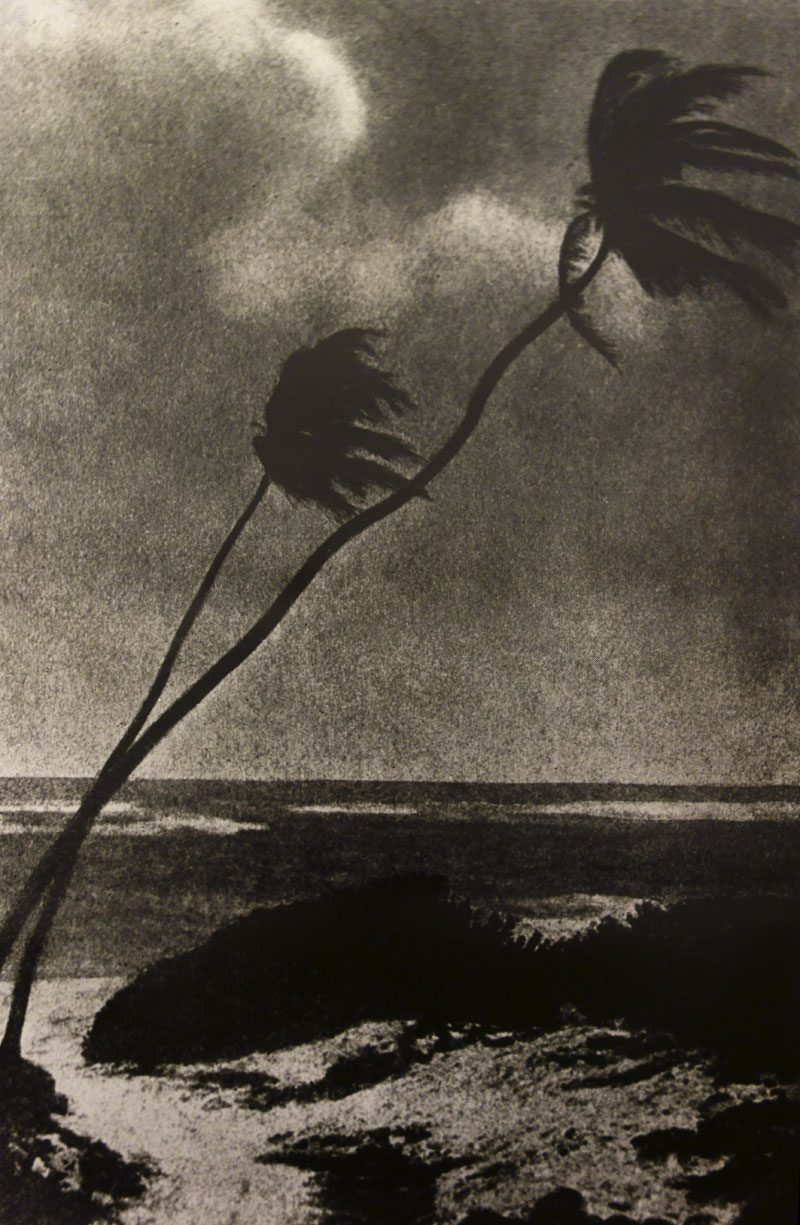
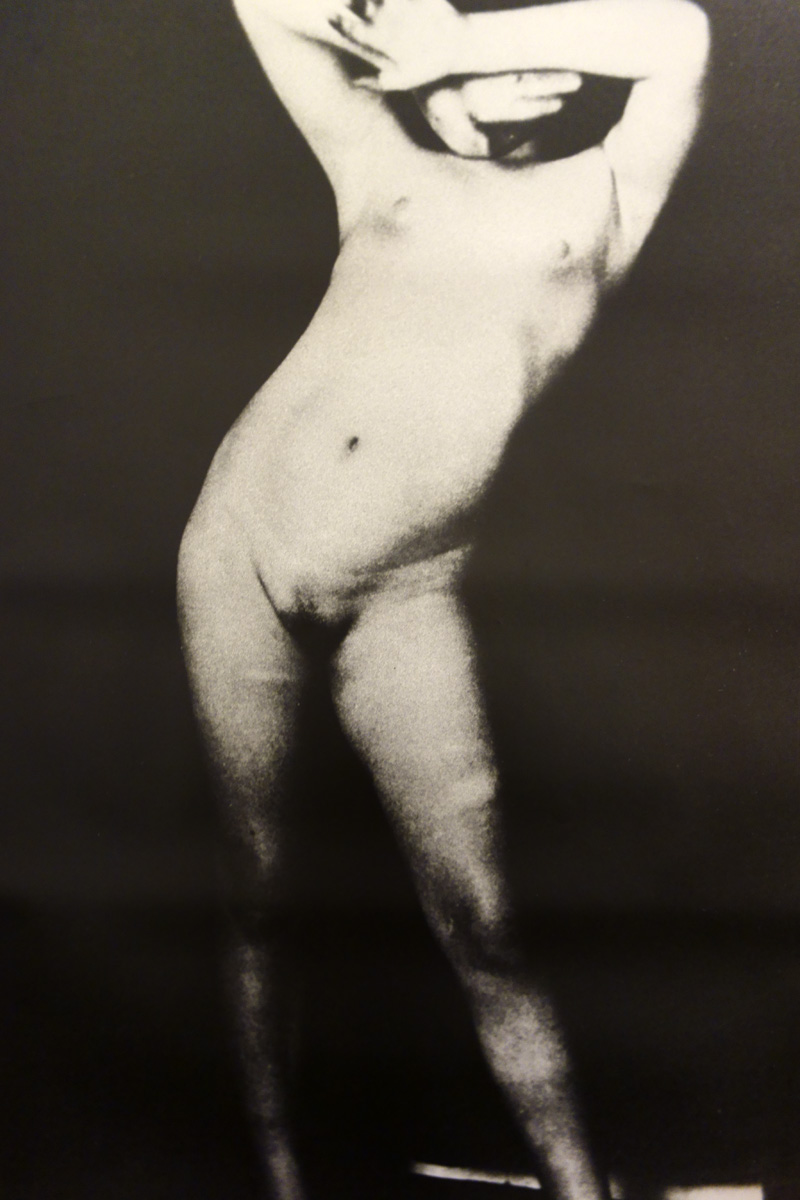
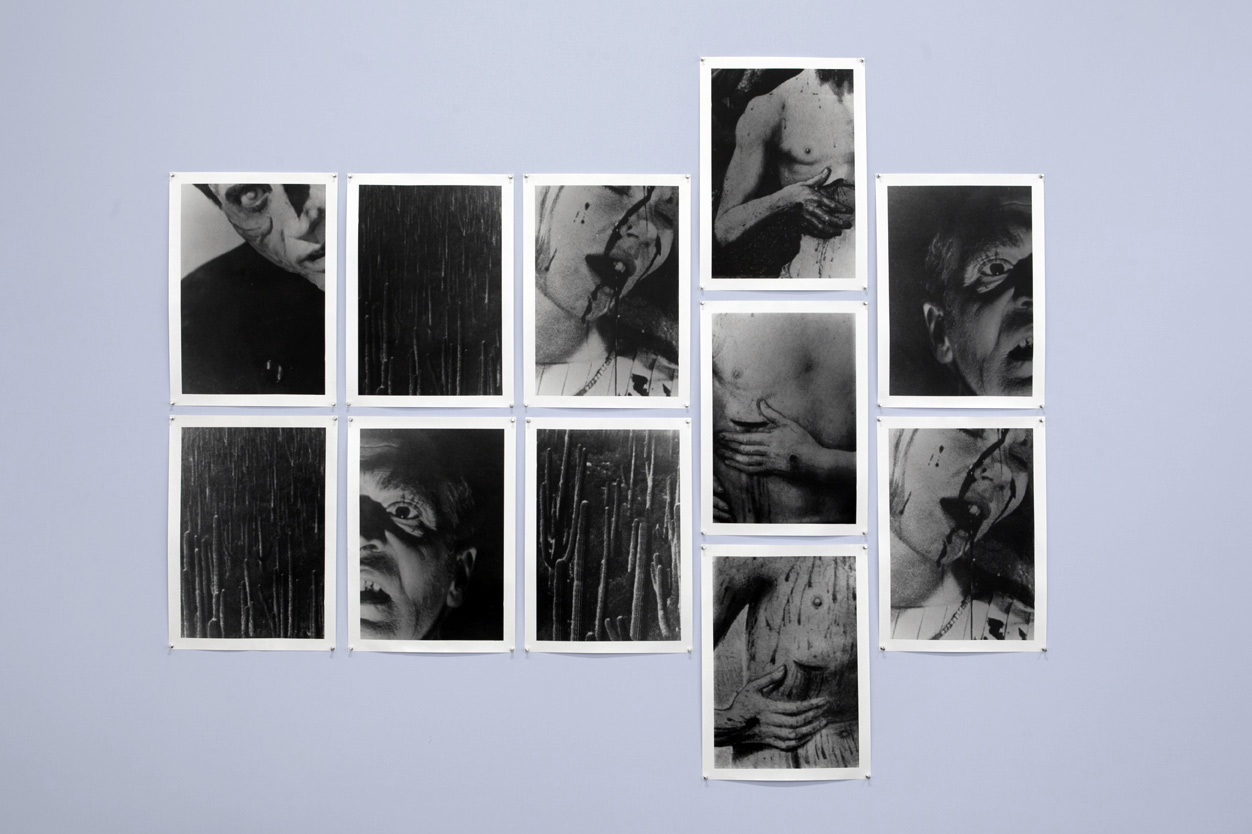
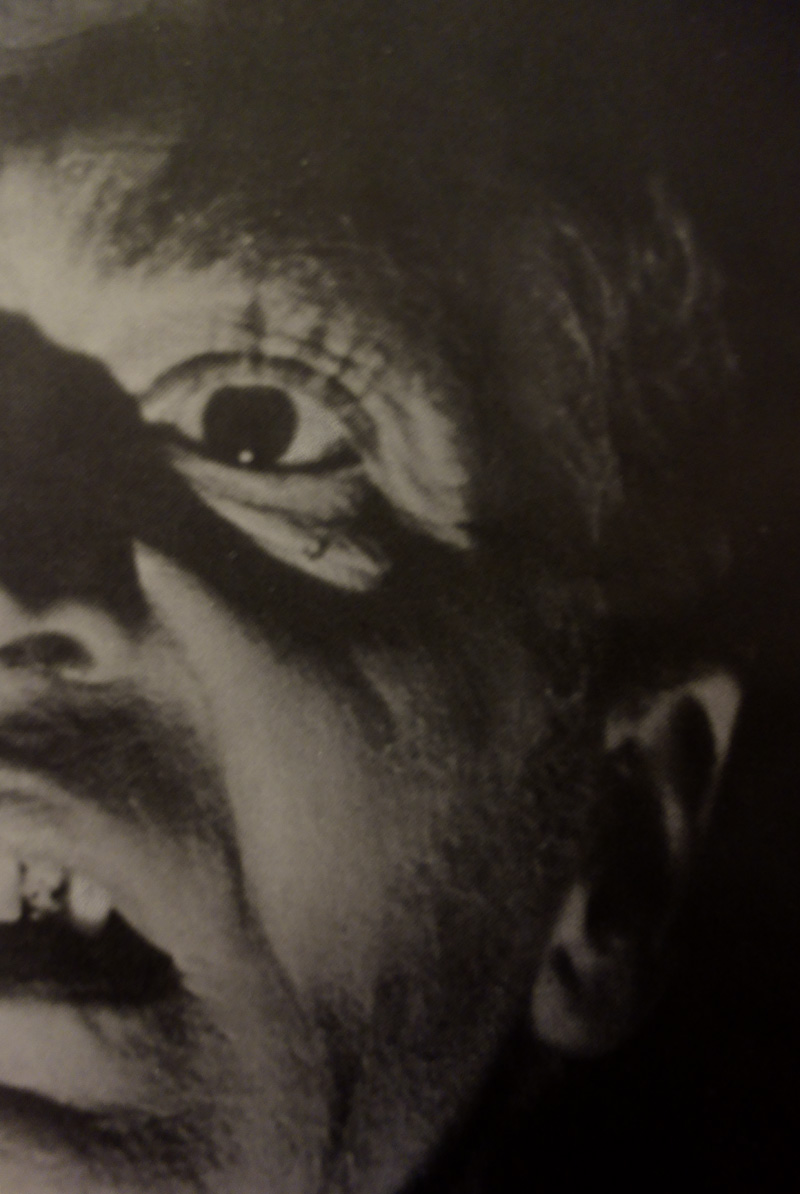
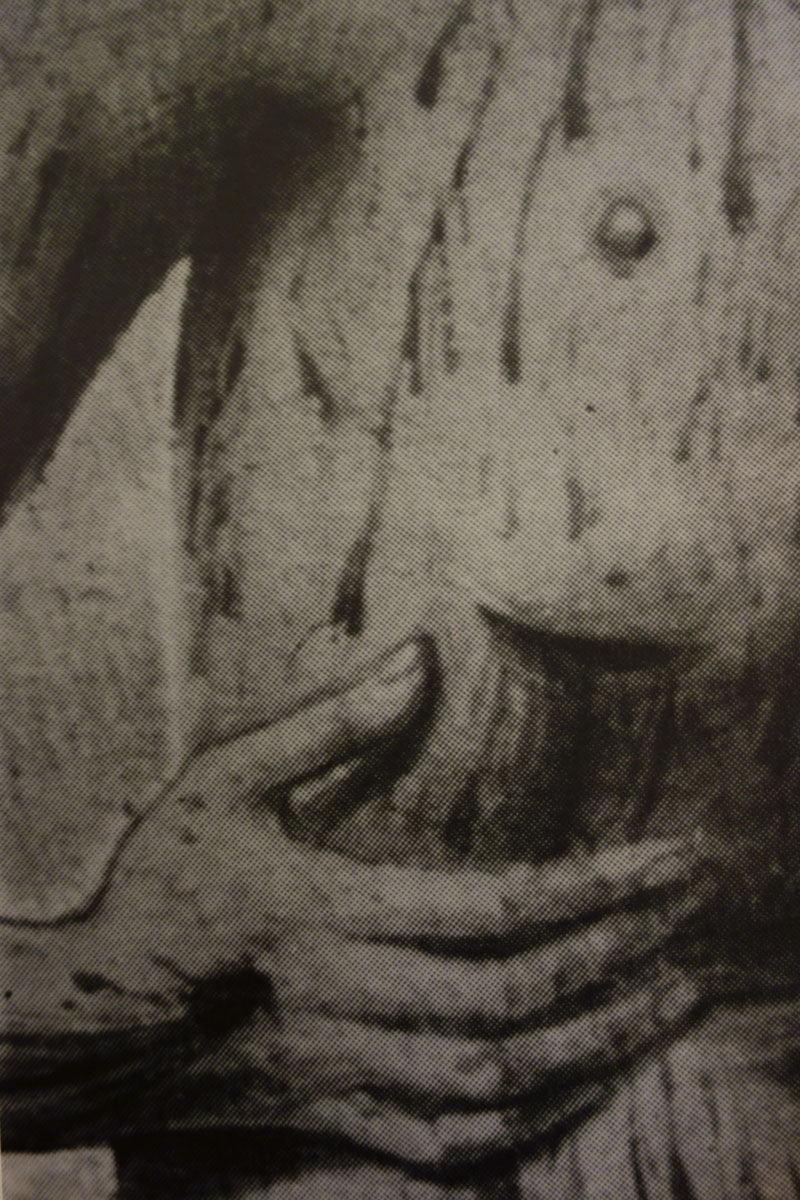
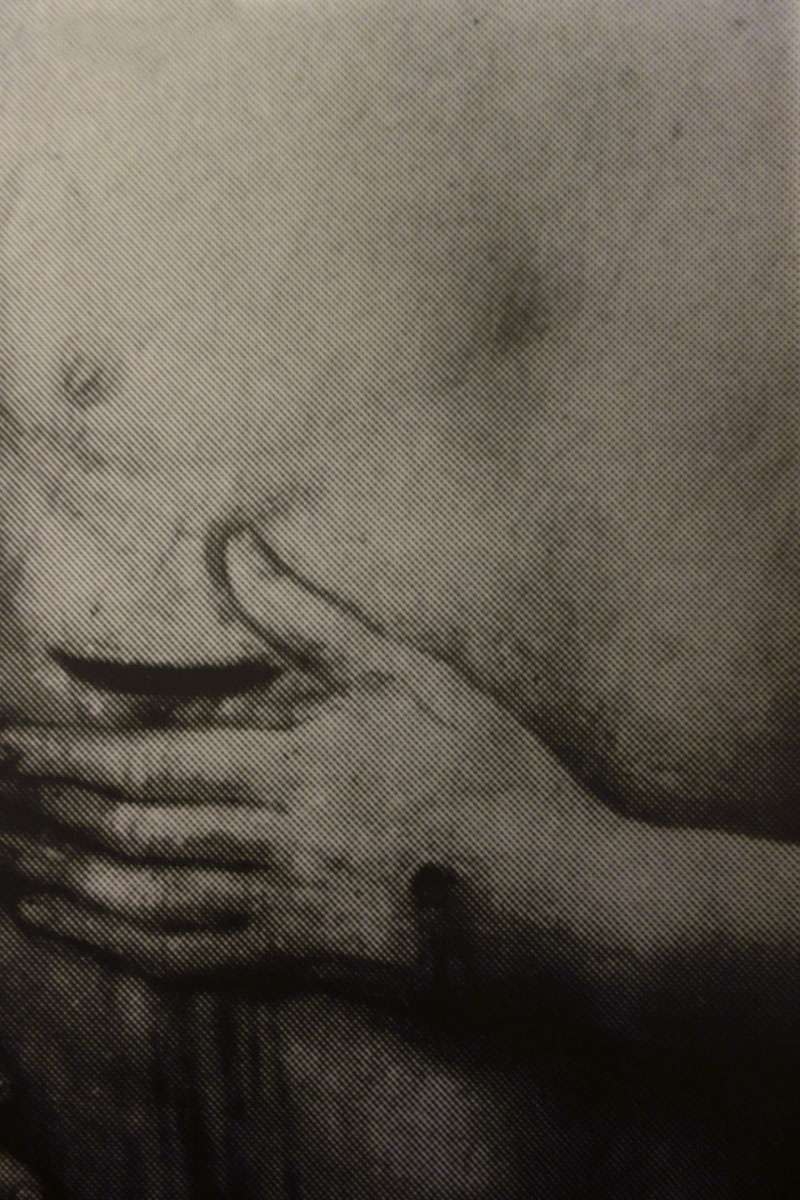
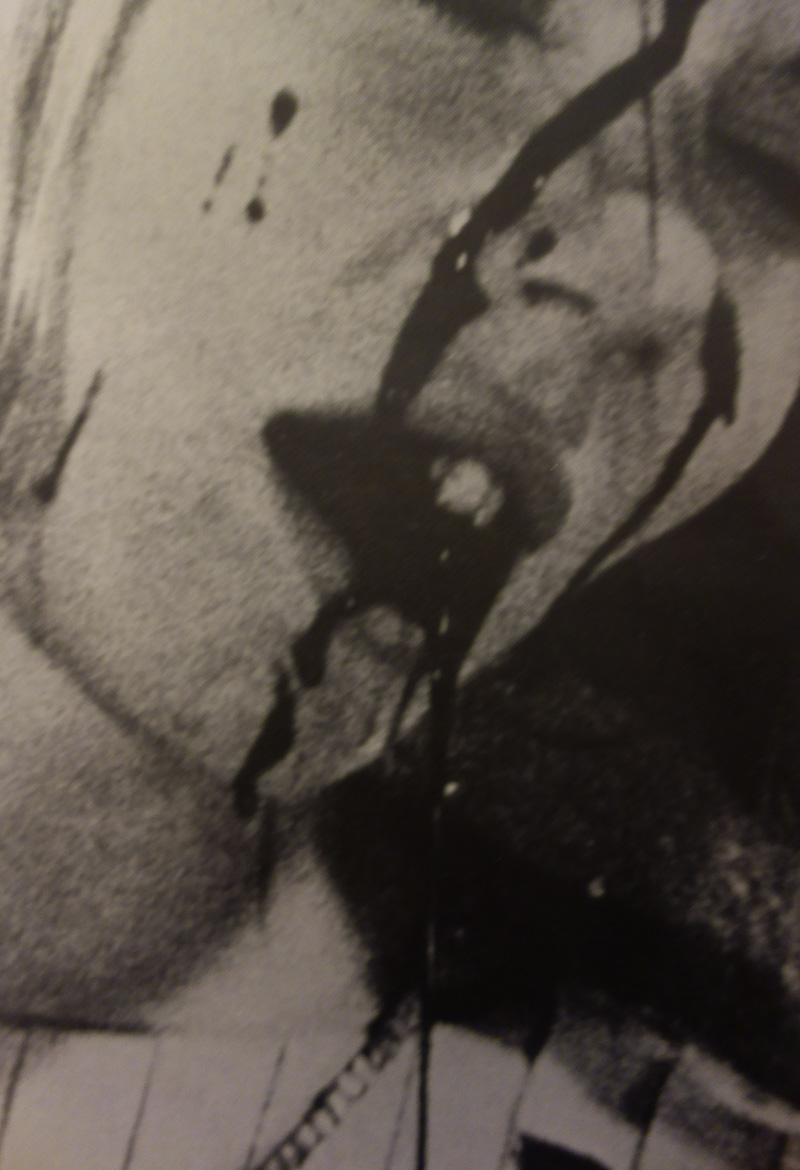

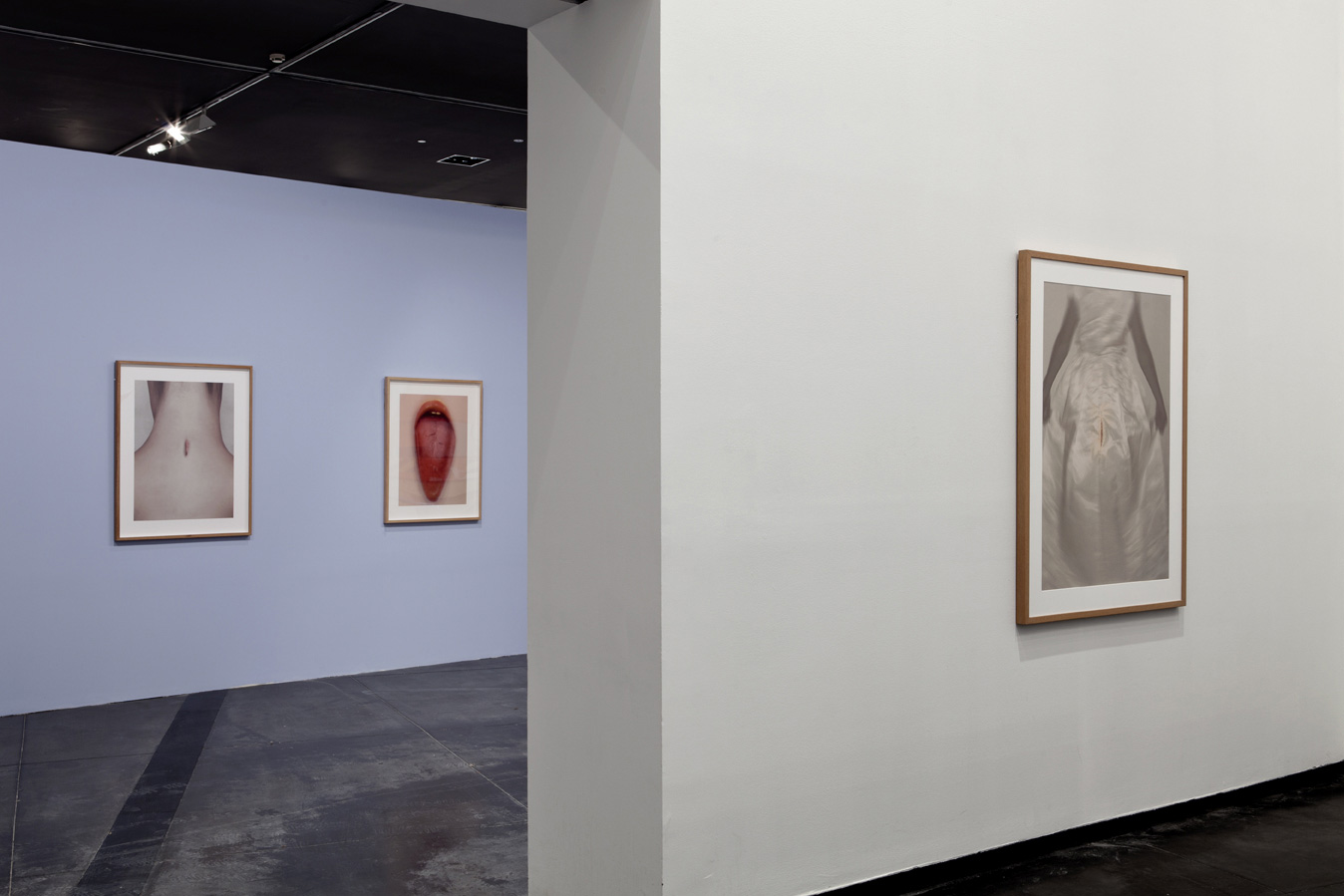
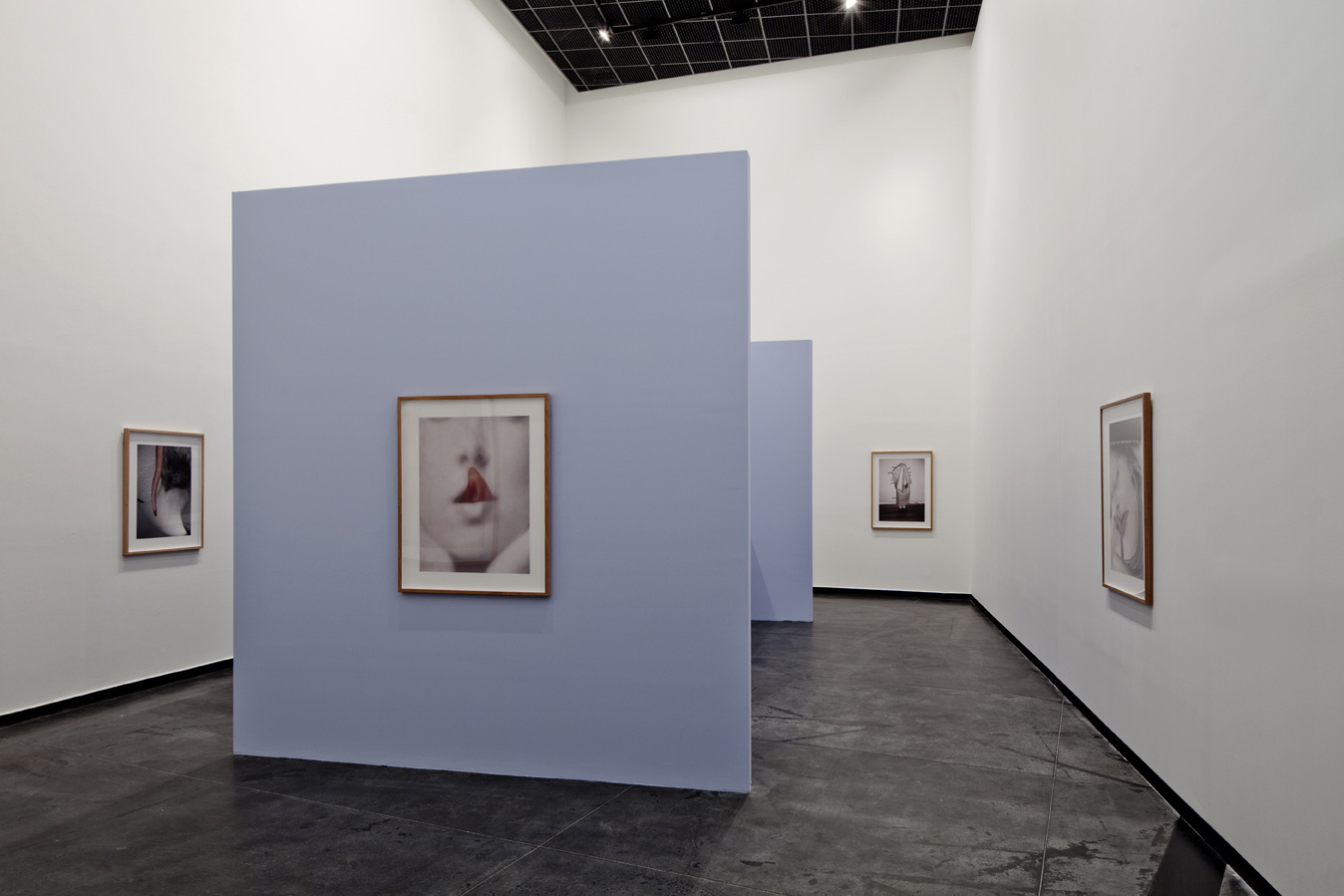




You must be logged in to post a comment.