This is a fascinating exhibition at The Ian Potter Museum of Art, one of the best exhibitions I have seen this year in Melbourne. Unlike the disappointing exhibition Earth Matters: contemporary photographers in the landscape at the Monash Gallery of Art this exhibition, which addresses roughly the same subject matter (climate change and its devastating impact on the earth’s many ecosystems; contemporary notions of nature and the sublime) this exhibition is nuanced and fresh, celebrating “the unique capacity art has to cut through prevailing rhetoric to stimulate individuals both intellectually and emotionally in the face of current environmental issues.”
Every piece of art in this exhibition is emotionally, intellectually and aesthetically challenging. There is no “dead wood” here. As the press release states, “Nature / Revelation features international and Australian artists who are engaged with poetic and philosophical concerns, and whose work offers potentially enlightening experiences that energise our relationship to the natural world.” And it is true!
I spent over two hours on a couple of visits to this exhibition and came away feeling en/lightened in mind and body. From the formal beauty of Ansel Adams classical black and white photographs to the mesmerising, eternal video Boulder Hand (2012) by Gabriel Orozco; from the delightful misdirection of Mel O’Callaghan’sMoons to the liminal habitats of Jamie North; and from the constructed clouds of Berndnaut Smilde to the best piece in the exhibition, Jonathan Delafield Cook’s Sperm whale (Physeter macrocephalus) (2013, below) – every piece deserved its place in this exhibition. I would go as far as to say that Delafield Cook’s Sperm whale is the best piece of art that I have seen since Mark Hilton’s dontworry(2013) which featured in the Melbourne Now exhibition at the National Gallery of Victoria. The sheer scale and beauty of the work (with its graphite on canvas attention to detail) and that doleful eye staring out at the viewer, is both empowering and unnerving. It deserves to be in an important collection.
While nature and the world we live in offers moments of revelation, so did the art in this exhibition. The art possesses moments of wonder for the viewer. Kudos to curator Joanna Bosse and The Ian Potter Museum of Art for putting on a top notch show.
Installation photograph of the exhibition Nature/Revelation at The Ian Potter Museum of Art, Melbourne showing photographs by Ansel Adams Photo: Marcus Bunyan
Installation photograph of the exhibition Nature/Revelation at The Ian Potter Museum of Art, Melbourne showing at right, photographs by Ansel Adams; and at left, a detail of Jonathan Delafield Cook’s Sperm whale (Physeter macrocephalus) 2013 Photo: Marcus Bunyan
Installation photograph of the exhibition Nature/Revelation at The Ian Potter Museum of Art, Melbourne showing Jonathan Delafield Cook’s Sperm whale (Physeter macrocephalus), 2013 Photos: Marcus Bunyan
Jonathan Delafield Cook (British, b. 1965) Sperm whale (Physeter macrocephalus) (detail) 2013 Graphite on canvas 6 panels: 245 x 1200 cm overall Courtesy the artist and Olsen/Irwin Gallery, Sydney Photo: Marcus Bunyan
Jonathan Delafield Cook’s life size drawing of a Sperm Whale specimen possesses a haunting melancholy… [He] creates an encounter that recalls those between Ahab and Moby Dick immortalised in Hermann Melville’s famous novel. Being face-to-face, eye-to-eye with this majestic sentient being – distinguished for having the largest brain of any creature known to have lived on the Earth – is an awe-inspiring experience. The overwhelming enormity of scale and the panorama-like expanse of the whale’s skin rouse an acute awareness of our own small presence in the room (in the world).
Delafield Cook’s work belongs to the naturalist tradition, and his detailed charcoal drawing intensifies the physical qualities of the subject in a way that renders it both a forensic study and an otherworldly fantasy. The personal history of this sleek leviathan is writ large, like graffiti, on its skin: the abrasions, the exfoliations, scars and its ragged tail tell of unknown adventures in an environment that lies beyond our own experience, but one not exempt from degradation or environmental change.
Installation photograph of the exhibition Nature/Revelation at The Ian Potter Museum of Art, Melbourne showing showing at centre right, photographs by Ansel Adams Photo: Marcus Bunyan
Gabriel Orozco(Mexican, b. 1962) Boulder Hand 2012 Video 54 seconds Courtesy of the artist
Installation photograph of the exhibition Nature/Revelation at The Ian Potter Museum of Art, Melbourne showing at left, Mel O’Callaghan’s Moons 2014; and at right, Gabriel Orozco’s video Boulder Hand 2012 Photo: Marcus Bunyan
Installation photographs of the exhibition Nature/Revelation at The Ian Potter Museum of Art, Melbourne showing Mel O’Callaghan’s Moons 2014 Photos: Marcus Bunyan
Mel O’Callaghan (Australian, b. 1975) Moons (II) 2014 pigmented inkjet print 100 x 100cm Courtesy the artist and Galerie Allen, Paris, and Galeria Belo Galsterer, Lisbon
Climate change and its devastating impact on the earth’s many ecosystems is arguably today’s most critical global issue. Nature/Revelation celebrates the unique capacity art has to cut through prevailing rhetoric to stimulate individuals both intellectually and emotionally in the face of current environmental issues. Focusing on contemporary notions of nature and the sublime, the exhibition affirms that the world we live in offers moments of revelation, and that nature can provoke a range of associations – both fantastical and grounded – that profoundly affect us.
Nature/Revelation features international and Australian artists who are engaged with poetic and philosophical concerns, and whose work offers potentially enlightening experiences that energise our relationship to the natural world. Artists include Ansel Adams, Jonathan Delafield Cook, David Haines, Andrew Hazewinkel and Susan Jacobs, Jamie North, Mel O’Callaghan, Gabriel Orozco and Berndnaut Smilde. The exhibition also raises questions about concepts of nature and culture following the arguments of philosopher Timothy Morton.
This exhibition forms a key component of the ‘Art+climate=change’ festival presented by Climarte: arts for a safer climate. This festival of climate change related arts and ideas includes curated exhibitions at a number of museums and galleries alongside a series of keynote lectures and forums featuring local and international speakers.
The University of Melbourne, with the Potter as project leader, is the Principal Knowledge Partner of the Climarte program.
Text from The Ian Potter Museum of Art website
Installation photographs of the exhibition Nature/Revelation at The Ian Potter Museum of Art, Melbourne showing at left on the floor, Jamie North’s Portal II and Slag bowl I & II 2014; and at right, David Haines’ Day & Night 2005-2015 Photos: Marcus Bunyan
Jamie North (Australian, b. 1971) Portal II 2014 Cement, marble waste, limestone, steel slag, coal ash, plastic fibre, tree fern slab, various Australian native plants and Spanish moss 2 components: 107.0 x 26.0 x 26.0cm each Courtesy the artist and Sarah Cottier Gallery, Sydney
Jamie North (Australian, b. 1971) Slag bowl I & II 2013 Concrete, coal ash, steel slag, Australian native plants and moss 15 x 37 x 37cm each Courtesy the artist and Sarah Cottier Gallery, Sydney Photos: Marcus Bunyan
Viewers often mistake Jamie North’s sculptures for actual relics. The sculptures are in fact carefully crafted to emulate liminal habitats where hardy plant species grow in inhospitable conditions. More than mere simulation, each work is itself a miniature ecosystem and has to be tended accordingly.
The sculptures are cast from materials that are commonly found in industrial settings (steel slag, coal ash, marble dust, and concrete) and include local native flora. The specifics of locality are important to North, and his work is a subtle investigation of local environmental systems and the character of place as well as the adaptability of nature in urban settings…
North has an interest in terraforming – the theoretical process of deliberately modifying the atmosphere, temperature, surface topography or ecology of a planet to be similar to the biosphere of Earth. Here, he creates his own terraforms as a reflection on the environmental manipulations that taking place in the everyday.
David Haines (Australian born England, 1966) Day & Night 2005-2015 Two channel video projection Courtesy of the artist and Sarah Cotter Gallery, Sydney
Throughout his practice – which comprises investigations into the elemental in carious media – David Haines explores sensation in both seen and unseen forms. He has a particular interest in latent energies, such as aromas, sound waves and electromagnetic currents.
Haines revisits the classic language of the sublime in his 2004 two-channel video installation Day & night. He presents dual images of the sublime: one an immense cliff face with a sea surging against its rocky base; the other a brooding cloudscape, its form gradually unfolding with a mesmeric momentum. The work is simultaneously serene and disturbing, and awakens that range of complex emotions that Kant named the ‘supersensible’ – beyond the range of what is normally perceptible by the senses. The over-riding emotional rush – the presentiment of danger – associated with this experience is a trademark of the sublime.
The abstract sense of danger shifts however when we notice the tiny figure clinging to the cliff face. The scene is abruptly divested of its fantastical quality (its symbolic power is suddenly made real), as we can’t help but identify with the solitary figure. No longer merely observers, we become participants in the scene before us. The perilous figure in Haines’ work provides a touchstone in terms of the overwhelming grandeur of nature. In the context of the exhibition, s/he could represent each of us as we confront the seemingly insurmountable environmental and humanitarian challenges resulting from the increasingly catastrophic effects of global warming.
Installation photographs of the exhibition Nature/Revelation at The Ian Potter Museum of Art, Melbourne showing at left, Berndnaut Smilde’s Nimbus – Probe 2012 and Nimbus D’Aspremont 2010; and at right, Jamie North’s Portal II and Slag bowl I & II 2014 Photo: Marcus Bunyan
Berndnaut Smilde (Dutch, b. 1978) Nimbus D’Aspremont 2012 Digital C-type print mounted on diabond 75 x 110cm Courtesy the artist and Ronchini Gallery, London
Berndnaut Smilde (Dutch, b. 1978) Nimbus – Probe 2010 Digital C-type print mounted on diabond 75 x 112cm Courtesy the artist and Ronchini Gallery, London
The Ian Potter Museum of Art The University of Melbourne, Corner Swanston Street and Masson Road Parkville, Victoria 3010
Curators: Carol Jacobi, Curator, British Art 1850-1915, Tate Britain, Simon Baker, Curator, Photography and International Art, Tate, and Hannah Lyons, Assistant Curator, 1850-1915, Tate
“Salt prints are the very first photographs on paper that still exist today. Made in the first twenty years of photography, they are the results of esoteric knowledge and skill. Individual, sometimes unpredictable, and ultimately magical, the chemical capacity to ‘fix a shadow’ on light sensitive paper, coated in silver salts, was believed to be a kind of alchemy, where nature drew its own picture.”
These salted paper prints, one of the earliest forms of photography, are astonishing. The delicacy and nuance of shade and feeling; possessing a soft, luxurious aesthetic that is astounding today… but just imagine looking at these images at the time they were taken. The shock, the recognition, the delight and the romance of seeing aspects of your life and the world around you, near and far, drawn in light – having a physical presence in the photographs before your eyes. The aura of the original, the photograph AS referent – unlike contemporary media saturated society where the image IS reality, endlessly repeated, divorced from the world in which we live.
The posting has taken a long time to put together, from researching the birth and death dates of the artists (not supplied), to finding illustrative texts and biographies of each artist (some translated from the French). But the real joy in assembling this posting is when I sequence the images. How much pleasure does it give to be able to sequence Auguste Salzmann’sTerra Cotta Statuettes from Camiros, Rhodes followed by three Newhaven fishermen rogues (you wouldn’t want to meet them on a dark night!), and then the totally different feel of Fenton’s Group of Croat Chiefs. Follow this up with one of the most stunning photographs of the posting, Roger Fenton’s portrait Captain Mottram Andrews, 28th Regiment (1st Staffordshire) Regiment of Foot of 1855 and you have a magnificent, almost revelatory, quaternity/eternity.
Dr Marcus Bunyan
Many thankx to Tate Britain for allowing me to publish the photographs in the posting. Please click on the photographs for a larger version of the image.
Calvert Jones (Welsh, December 4, 1804 – November 7, 1877) The Fruit Sellers c. 1843 Photograph, salted paper print from a paper negative
David Hill (Scottish, 1802-1870)and Robert Adamson (Scottish, 1821-1848) Five Newhaven fisherwomen c. 1844 Photograph, salted paper print from a paper negative
David Hill (Scottish, 1802-1870) and Robert Adamson (Scottish, 1821-1848) The Gowan [Margaret and Mary Cavendish] c. 1843-1844 Photograph, salted paper print from a paper negative
Salt and Silver: Early Photography 1840-1860 is the first major exhibition in Britain devoted to salt prints, the earliest form of paper photography. The exhibition features some of the rarest and best early photographs in the world, depicting daily activities and historic moments of the mid 19th century. The ninety photographs on display are among the few fragile salt prints that survive and are seldom shown in public. Salt and Silver: Early Photography 1840-1860 opens at Tate Britain on 25 February 2015.
In the 1840s and 50s, the salt print technique introduced a revolutionary new way of creating photographs on paper. It was invented in Britain and spread across the globe through the work of British and international photographers – artists, scientists, adventurers and entrepreneurs of their day. They captured historic moments and places with an immediacy not previously seen, from William Henry Fox Talbot’s images of a modern Paris street and Nelson’s Column under construction, to Linnaeus Tripe’s dramatic views of Puthu Mundapum, India and Auguste Salzmann’s uncanny studies of statues in Greece.
In portraiture, the faces of beloved children, celebrities, rich and poor were recorded as photographers sought to catch the human presence. Highlights include Fox Talbot’s shy and haunting photograph of his daughter Ela in 1842 to Nadar’s images of sophisticated Parisians and Roger Fenton’s shell-shocked soldiers in the Crimean war.
William Henry Fox Talbot unveiled this ground-breaking new process in 1839. He made the world’s first photographic prints by soaking paper in silver iodide salts to register a negative image which, when photographed again, created permanent paper positives. These hand-made photographs ranged in colour from sepia to violet, mulberry, terracotta, silver-grey, and charcoal-black and often had details drawn on like the swishing tail of a horse. Still lifes, portraits, landscapes and scenes of modern life were transformed into luxurious, soft, chiaroscuro images. The bold contrasts between light and dark in the images turned sooty shadows into solid shapes. Bold contrasts between light and dark turned shadows into abstract shapes and movement was often captured as a misty blur. The camera drew attention to previously overlooked details, such as the personal outline of trees and expressive textures of fabric.
In the exciting Victorian age of modern invention and innovation, the phenomenon of salt prints was quickly replaced by new photographic processes. The exhibition shows how, for a short but significant time, the British invention of salt prints swept the world and created a new visual experience.
Salt and Silver: Early Photography 1840 – 1860 is organised in collaboration with the Wilson Centre for photography. It is curated by Carol Jacobi, Curator, British Art 1850-1915, Tate Britain, Simon Baker, Curator, Photography and International Art, Tate, and Hannah Lyons, Assistant Curator, 1850-1915, Tate. ‘Salt and Silver’ – Early Photography 1840-1860 is published by Mack to coincide with the exhibition and will be accompanied by a programme of talks and events in the gallery.
Press release from the Tate website
William Henry Fox Talbot (British, 11 February 1800 – 17 September 1877) Scene in a Paris Street 1843 Photograph, salted paper print from a paper negative
By 1841, Talbot had dramatically reduced, from many minutes to just seconds, the exposure time needed to produce a negative, and on a trip to Paris to publicise his new calotype process he took a picture from his hotel room window, an instinctive piece of photojournalism. The buildings opposite are rendered in precise and exquisite detail, the black and white stripes of the shutters neat alternations of light and shade. In contrast to the solidity of the buildings are the carriages waiting on the street below; the wheels, immobile, are seen in perfect clarity, while the skittish horses are no more than ghostly blurs.
William Henry Fox Talbot (British, 11 February 1800 – 17 September 1877) Nelson’s Column Under Construction, Trafalgar Square 1844 Salted paper print from a glass plate negative
William Henry Fox Talbot (British, 11 February 1800 – 17 September 1877) Nelson’s Column Under Construction, Trafalgar Square 1844 Salted paper print from a glass plate negative
This is the first exhibition in Britain devoted to salted paper prints, one of the earliest forms of photography. A uniquely British invention, unveiled by William Henry Fox Talbot in 1839, salt prints spread across the globe, creating a new visual language of the modern moment. This revolutionary technique transformed subjects from still lifes, portraits, landscapes and scenes of daily life into images with their own specific aesthetic: a soft, luxurious effect particular to this photographic process. The few salt prints that survive are seldom seen due to their fragility, and so this exhibition, a collaboration with the Wilson Centre for Photography, is a singular opportunity to see the rarest and best early photographs of this type in the world.
“The technique went as follows: coat paper with a silver nitrate solution and expose it to light, thus producing a faint silver image. He later realised if you apply salt to the paper first and then spread on the silver nitrate solution the resulting image is much sharper. His resulting photos, ranging in colour from sepia to violet, mulberry, terracotta, silver-grey, and charcoal-black, were shadowy and soft, yet able to pick up on details that previously went overlooked – details like the texture of a horse’s fur, or the delicate silhouette of a tree.”
Priscilla Frank. “The First Paper Photographs Were Made With Salt, And They Look Like This,” on the Huffington Post website 03/06/2015 [Online] Cited 03/06/2015. Used under fair use conditions for the purposes of education and research
William Henry Fox Talbot (British, 11 February 1800 – 17 September 1877) Cloisters, Lacock Abbey 1843
William Henry Fox Talbot (11 February 1800 – 17 September 1877)
William Henry Fox Talbot (11 February 1800 – 17 September 1877) was a British scientist, inventor and photography pioneer who invented the salted paper and calotype processes, precursors to photographic processes of the later 19th and 20th centuries. Talbot was also a noted photographer who made major contributions to the development of photography as an artistic medium. He published The Pencil of Nature (1844), which was illustrated with original prints from some of his calotype negatives. His work in the 1840s on photo-mechanical reproduction led to the creation of the photoglyphic engraving process, the precursor to photogravure. Talbot is also remembered as the holder of a patent which, some say, affected the early development of commercial photography in Britain. Additionally, he made some important early photographs of Oxford, Paris, Reading, and York.
John Beasly Greene (French-American, 1832-1856) El Assasif, Porte de Granit Rose, No 2, Thébes 1854 Salted paper print from a waxed plate negative
John Beasly Greene (French-American, 1832-1856)
A French-born archeologist based in Paris and a student of photographer Gustave Le Gray, John Beasly Greene became a founding member of the Société Française de Photographie and belonged to two societies devoted to Eastern studies. Greene became the first practicing archaeologist to use photography, although he was careful to keep separate files for his documentary images and his more artistic landscapes.
In 1853 at the age of nineteen, Greene embarked on an expedition to Egypt and Nubia to photograph the land and document the monuments and their inscriptions. Upon his return, Louis Désiré Blanquart-Evrard published an album of ninety-four of these photographs. Greene returned to Egypt the following year to photograph and to excavate at Medinet-Habu in Upper Egypt, the site of the mortuary temple built by Ramses III. In 1855 he published his photographs of the excavation there. The following year, Greene died in Egypt, perhaps of tuberculosis, and his negatives were given to his friend, fellow Egyptologist and photographer Théodule Devéria.
James Robertson (British, 1813-1888) and Felice Beato (Italian-British, 1832 – 29 January 1909) Pyramids at Giza 1857 Photograph, salted paper print from a glass plate negative
James Robertson (British, 1813-1888)
James Robertson (1813-1888) was an English photographer and gem and coin engraver who worked in the Mediterranean region, the Crimea and possibly India. He was one of the first war photographers.
Robertson was born in Middlesex in 1813. He trained as an engraver under Wyon (probably William Wyon) and in 1843 he began work as an “engraver and die-stamper” at the Imperial Ottoman Mint in Constantinople. It is believed that Robertson became interested in photography while in the Ottoman Empire in the 1840s.
In 1853 he began photographing with British photographer Felice Beato and the two formed a partnership called Robertson & Beato either in that year or in 1854 when Robertson opened a photographic studio in Pera, Constantinople. Robertson and Beato were joined by Beato’s brother, Antonio on photographic expeditions to Malta in 1854 or 1856 and to Greece and Jerusalem in 1857. A number of the firm’s photographs produced in the 1850s are signed Robertson, Beato and Co. and it is believed that “and Co.” refers to Antonio.
In late 1854 or early 1855 Robertson married the Beato brothers’ sister, Leonilda Maria Matilda Beato. They had three daughters, Catherine Grace (born in 1856), Edith Marcon Vergence (born in 1859) and Helen Beatruc (born in 1861). In 1855 Robertson and Felice Beato travelled to Balaklava, Crimea where they took over reportage of the Crimean War from Roger Fenton. They photographed the fall of Sevastopol in September 1855. Some sources have suggested that in 1857 both Robertson and Felice Beato went to India to photograph the aftermath of the Indian Rebellion, but it is more probable that Beato travelled there alone. Around this time Robertson did photograph in Palestine, Syria, Malta, and Cairo with either or both of the Beato brothers.
In 1860, after Felice Beato left for China to photograph the Second Opium War and Antonio Beato went to Egypt, Robertson briefly teamed up with Charles Shepherd back in Constantinople. The firm of Robertson & Beato was dissolved in 1867, having produced images – including remarkable multiple-print panoramas – of Malta, Greece, Turkey, Damascus, Jerusalem, Egypt, the Crimea and India. Robertson possibly gave up photography in the 1860s; he returned to work as an engraver at the Imperial Ottoman Mint until his retirement in 1881. In that year he left for Yokohama, Japan, arriving in January 1882. He died there in April 1888.
James Robertson (British, 1813-1888) Base of the Obelisk of Theodosius, Constantinople 1855 Salted paper print from a glass plate negative
Exhibition of intriguing images that charts the birth of photography
Another week, another photography show about death. It’s not officially about death, mind you; it’s officially about the years 1840 to 1860, when photographers made their images on paper sensitised with silver salts. The process was quickly superseded, but the pictures created this way have a beautiful artistic softness and subtlety of tone, quite apart from the fact that every single new photograph that succeeded represented a huge leap forward in the development of the medium. You see these early practitioners start to grasp the scope of what might be possible. Their subjects change, from ivy-covered walls and carefully posed family groups to more exotic landscapes and subjects: Egypt, India, the poor, war.
By the time you get to Roger Fenton’s portrait Captain Lord Balgonie, Grenadier Guards of 1855 you have an inkling of how photography is changing how we understand life, for ever. Balgonie is 23. He looks 50. His face is harrowed by his service in the Crimean War, his eyes bagged with fatigue, fear and what the future may hold. He survived the conflict, but was broken by it, dying at home two years after this picture was taken. That is yet to come: for now, he is alive.
This sense of destiny bound within a picture created in a moment is what is new about photography, and you start to see it everywhere, not just in the images of war. It’s in William Henry Fox Talbot’s The Great Elm at Lacock: a huge tree against a mottled sky, battered by storms. It’s in John Beasly Greene’s near-abstract images of Egyptian statuary, chipped, cracked, alien. And it’s in the portraits of Newhaven fisherwomen by DO Hill and Robert Adamson (their cry was ‘It’s not fish, it’s men’s lives’). In a world where death is always imminent, photography arrives as the perfect way to preserve life, and the perfect way to leave your mark, however fleeting.
Chris Waywell. “Salt and Silver: Early Photography 1840-1860,” on the Time Out London website 22 July 2015 [Online] Cited 18/12/2022. Used under fair use conditions for the purposes of education and research
Eugène Piot was a French journalist, art critic, art collector and photographer. His pen name was Nemo. Piot was born in Paris.
Paul Marés (French) Ox cart in Brittany c. 1857 Photograph, salted paper print from a paper negative
One of the most beautiful photographs in this exhibition is Paul Marès Ox Cart, Brittany, c. 1857. At first it seems a picturesque scene of bucolic tranquillity, the abandoned cart an exquisite study in light and tone. But on the cottage wall are painted two white crosses, a warning – apparently even as recently as the 19th century – to passers-by that the household was afflicted by some deadly disease. Photography’s ability to indiscriminately aestheticise is a dilemma that has continued to present itself ever since, especially in the fields of reportage and war photography.
Around 1850 Frénet meets in Lyon personalities involved in the nascent photography, and he has to discover this technique to reproduce the frescoes he painted in Ainay. Curious, he is passionate about this new medium that offers him a respite space in the setbacks he suffers with his painting.
Frénet applies the stereotyped views taken of the time involving heavy stagings and is one of the first to practice the instant, the familiar and intimate subject. Five years before Nadar he produces psychological portraits and engages in close-up. He sees photography as an art, the opinion which has emerged in the first issue of the magazine La Lumière (The Light), text of the young and ephemeral gravure company founded in 1851. Frénet open a professional practice photography in 1866 and 1867 in Lyon. Unknown to the general public, his photographic work was discovered in 2000 at the sale of his photographic collection, many parts were purchased by the Musée d’Orsay.
In June 1856, in the midst of his work at the Louvre, Baldus set out on a brief assignment, equally without precedent in photography, that was in many ways its opposite: to photograph the destruction caused by torrential rains and overflowing rivers in Lyon, Avignon, and Tarascon. From a world of magnificent man-made construction, he set out for territory devastated by natural disaster; from the task of re-creating the whole of a building in a catalogue of its thousand parts, he turned to the challenge of evoking a thousand individual stories in a handful of transcendent images. Baldus created a moving record of the flood without explicitly depicting the human suffering left in its wake. The “poor people, tears in their eyes, scavenging to find the objects most indispensable to their daily needs,” described by the local Courier de Lyon, are all but absent from his photographs of the hard-hit Brotteaux quarter of Lyon, as if the destruction had been of biblical proportions, leaving behind only remnants of a destroyed civilization.
Malcolm Daniel. “Édouard Baldus (1813-1889),” in Heilbrunn Timeline of Art History. New York: The Metropolitan Museum of Art, 2000 [Online] Cited 16/12/2022. Used under fair use conditions for the purposes of education and research
Auguste Salzmann (French, 1824-1872) painter, photographer and archaeologist who pioneered the use of photography in the recording of historic sites. He excavated archaeological material in Rhodes in collaboration with Alfred Biliotti.
Roger Fenton (British, 28 March 1819 – 8 August 1869) Cossack Bay, Balaclava 1855
It is likely that in autumn 1854, as the Crimean War grabbed the attention of the British public, that some powerful friends and patrons – among them Prince Albert and Duke of Newcastle, secretary of state for war – urged Fenton to go the Crimea to record the happenings. He set off aboard HMS Hecla in February, landed at Balaklava on 8 March and remained there until 22 June. The resulting photographs may have been intended to offset the general unpopularity of the war among the British people, and to counteract the occasionally critical reporting of correspondent William Howard Russell of The Times.The photographs were to be converted into woodblocks and published in the less critical Illustrated London News. Fenton took Marcus Sparling as his photographic assistant, a servant known as William and a large horse-drawn van of equipment…
Despite summer high temperatures, breaking several ribs in a fall, suffering from cholera and also becoming depressed at the carnage he witnessed at Sebastopol, in all Fenton managed to make over 350 usable large format negatives. An exhibition of 312 prints was soon on show in London and at various places across the nation in the months that followed. Fenton also showed them to Queen Victoria and Prince Albert and also to Emperor Napoleon III in Paris. Nevertheless, sales were not as good as expected.
A woman who carries a canteen for soldiers; a vivandière.
Roger Fenton (British, 28 March 1819 – 8 August 1869) Captain Lord Balgonie, Grenadier Guards 1855 Photograph, salted paper print from a paper negative
Roger Fenton (British, 28 March 1819 – 8 August 1869) Captain Lord Balgonie, Grenadier Guards 1855 Photograph, salted paper print from a paper negative
If I had to choose a figure it would be the Franco-American, archaeological photographer John Beasly Greene. His career was short and dangerous, he died at 24, but he challenged the trend towards clarity that dominated his field. Instead, he used the limits of the medium – burn-out, shadow, halation and the beautiful grainy texture of the print itself – to explore the poetic ambiguity of Egyptian sites.
This revolutionary photographic process transformed subjects, still lifes, portraits, landscapes and scenes of daily life into images. It brings it’s own luxurious aesthetic, soft textures, matt appearance and deep rich red tones, the variations seen throughout this exhibition is fascinating to observe. It’s also an incredible opportunity to view the original prints in an exhibition format, which has never been done before on a scale like this before.
The process starts with dipping writing paper in a solution of common salt, then partly drying it, coating it with silver nitrate, then drying it again, before applying further coats of silver nitrate, William Henry Fox Talbot pioneered what became known as the salt print and the world’s first photographic print! The specifically soft and luxurious aesthetic became an icon of modern visual language.
The few salt prints that survive are rarely seen due to their fragility. This exhibition is extremely important to recognise this historical process as well as a fantastic opportunity to see the rarest and best up close of early photographs of this type in the world.
Anon. “Salt and Silver: Early Photography 1840-1860,” on the Films not dead website [Online] Cited 03/06/2015. No longer available online. Used under fair use conditions for the purposes of education and research
Tournachon’s nickname, Nadar, derived from youthful slang, but became his professional signature and the name by which he is best known today. Poor but talented, Nadar began by scratching out a living as a freelance writer and caricaturist. His writings and illustrations made him famous before he began to photograph. His keenly honed camera eye came from his successful career as a satirical cartoonist, in which the identifying characteristic of a subject was reduced to a single distinct facet; that skill proved effective in capturing the personality of his photographic subjects.
Nadar opened his first photography studio in 1854, but he only practiced for six years. He focused on the psychological elements of photography, aiming to reveal the moral personalities of his sitters rather than make attractive portraits. Bust- or half-length poses, solid backdrops, dramatic lighting, fine sculpturing, and concentration on the face were trademarks of his studio. His use of eight-by-ten-inch glass-plate negatives, which were significantly larger than the popular sizes of daguerreotypes, accentuated those effects.
At one point, a commentator said, “[a]ll the outstanding figures of [the] era – literary, artistic, dramatic, political, intellectual – have filed through his studio.” In most instances these subjects were Nadar’s friends and acquaintances. His curiosity led him beyond the studio into such uncharted locales as the catacombs, which he was one of the first persons to photograph using artificial light.
Lodoisch Crette Romet (1823-1872) A Lesson of Gustave Le Gray in His Studio [Antoine-Emile Plassan] 1850-1853 24.2 x 17.7cm Photograph, salted paper print from a paper negative
John S. Johnston (American, c. 1839 – December 17, 1899) One of Dr Kane’s Men [possibly William Morton] c. 1857
John S. Johnston was a late 19th-century maritime and landscape photographer. He is known for his photographs of racing yachts and New York City landmarks and cityscapes. Very little is known about his life. He was evidently born in Britain in the late 1830s, and was active in the New York City area in the late 1880s and 1890s. He died in 1899.
William Morton
“Belief in the Open Polar Sea theory subsided until the mid-1800s, when Elisha Kent Kane set forth on a number of expeditions north with hopes of finding this theorised body of water. On an 1850s expedition organised by Kane, explorer William Morton, believing he discovered the Open Polar Sea, described a body of water containing…
“Not a speck of ice… As far as I could discern, the sea was open… The wind was due N(orth) – enough to make white caps, and the surf broke in on the rocks in regular breakers.”
Morton, however, did not find the Open Polar Sea – he found a small oasis of water. Morton’s quote is likely tinged with a desire to raise the spirits of his boss, Kane, who saw the Polar Sea as a possible utopia, an area brimming with life amidst a harsh arctic world.”
Keith Veronese. “The Open Polar Sea, a balmy aquatic Eden at the North Pole?” on the Gizmodo website 4/20/12 [Online] Cited 03/06/2015. Used under fair use conditions for the purposes of education and research
David Hill (Scottish, 1802-1870)and Robert Adamson (Scottish, 1821-1848) Thought to be Elizabeth Rigby c. 1844 Photograph, salted paper print from a paper negative
Jean-Baptiste Frénet (French – Lyon, 31 January 1814 – Charly, 12 August 1889) Thought to be a Mother and Son c. 1855 Photograph, salted paper print from a collodion negative transferred from glass to paper support
William Henry Fox Talbot (British, 11 February 1800 – 17 September 1877) The Photographer’s Daughter, Ela Theresa Talbot 1843-1844
Roger Fenton (British, 28 March 1819 – 8 August 1869) Portrait of a Woman c. 1854 Photograph, salted paper print from a glass plate negative
John Wheeley Gough Gutch (1809-1862) was a British surgeon and editor. He was also a keen amateur naturalist and geologist, and a pioneer photographer.
In 1851, Dr. Gutch gave up his medical practice to become a messenger for Queen Victoria, and he began photographing the many cities he visited on his diplomatic missions. During a trip to Constantinople, he became seriously ill, resulting in permanent partial paralysis that ended his public service career. While undergoing experimental treatments in Malvern, England, Dr. Gutch again turned to photography as a cure for his melancholy. His works were exhibited throughout London and Edinburgh from 1856-1861, and he became a frequent contributor to the Photographic Notes publication. Dr. Gutch’s camera of choice was Frederick Scott Archer’s wet-plate camera because he liked the convenience of developing glass negatives within the camera, which eliminated the need for a darkroom. However, the camera proved too cumbersome for him to handle, and had to be manipulated by one of his photographic assistants. His photographs were printed on salt-treated paper and were placed into albums he painstakingly decorated with photographic collages.
Dr. Gutch’s “picturesque” photographic style was influenced by artist William Gilpin. Unlike his mid-nineteenth century British contemporaries who recorded urban expansion, he preferred focusing on ancient buildings, rock formations, archaeological ruins, and tree-lined streams. In 1857, an assignment for Photographic Notes took him to Scotland, northern Wales, and the English Lake District, where he photographed the lush settings, but not always to his satisfaction. Two years’ later, he aspired to photograph and document the more than 500 churches in Gloucestershire, a daunting and quite expensive task. He fitted his camera with a Ross Petzval wide-angle lens and managed to photograph more than 200 churches before illness forced him to abandon the ambitious project. Fifty-three-year-old John Wheeley Gough Gutch died in London on April 30, 1862.
Anonymous text. “John Wheeley Gough Gutch,” on the Historic Camera website Nd [Online] Cited 03/06/2015. Used under fair use conditions for the purposes of education and research
Co-curators: Elizabeth Siegel, Associate Curator of Photography, and Sarah Kelly Oehler, Gilda and Henry Buchbinder Associate Curator of American Art at the Art institute of Chicago
Again, I am drawn to these impressive avant-garde works of art. I’d have any of them residing in my flat, thank you very much. The Dalí, Delaunay and Léger in painting and drawing for me, and in photography, the muscular Ilse Bing, the divine Umbo and the mesmeric, disturbing can’t take your eyes off it, Witkiewicz self-portrait.
Dr Marcus Bunyan
Many thankx to the Art Institute of Chicago for allowing me to publish the art works in the posting. Please click on the photographs for a larger version of the image.
“Everything had broken down in any case, and new things had to be made out of the fragments.”
Luis Buñuel (Spanish, 1900-1983) and Salvador Dalí (Spanish, 1904-1989) Un Chien Andalou 1929
Director – Luis Buñuel Writers – Salvador Dali, Luis Buñuel Cast – Simone Mareuil, Pierre Batcheff
Un Chien Andalou (An Andalusian Dog) is a 1929 Franco-Spanish silent surrealist short film by Spanish director Luis Buñuel and artist Salvador Dalí. Buñuel’s first film, it was initially released in a limited capacity at Studio des Ursulines in Paris, but became popular and ran for eight months.
Un Chien Andalou has no plot in the conventional sense of the word. With disjointed chronology, jumping from the initial “once upon a time” to “eight years later” without events or characters changing, it uses dream logic in narrative flow that can be described in terms of the then-popular Freudian free association, presenting a series of tenuously related scenes.
Ballet Mécanique (1923-1924) is a Dadaist post-Cubist art film conceived, written, and co-directed by the artist Fernand Léger in collaboration with the filmmaker Dudley Murphy (with cinematographic input from Man Ray). It has a musical score by the American composer George Antheil. However, the film premiered in silent version on 24 September 1924 at the Internationale Ausstellung neuer Theatertechnik (International Exposition for New Theater Technique) in Vienna presented by Frederick Kiesler. It is considered one of the masterpieces of early experimental filmmaking.
Ballet mécanique (1924) | MoMA
Ballet mécanique, conceived by painter Fernand Léger and photographed by filmmaker Dudley Murphy (possibly with some involvement from Man Ray), is a rhythmic interplay between human and object. Affected by his experience of fighting in World War I, and in particular by the mustard gas attack that left him hospitalised for a year, Léger became fascinated with mechanical technology, which would feature heavily in his post-1917 art. Ballet mécanique, his only film, is an example of this juxtaposition of man and machine: gears and pendulums vs. eyes and mouths, pistons pumping vs. a woman’s endless climb up the stairs, clocks vs. legs. A kaleidoscopic combination of faces and kitchen utensils, Ballet mécanique was completely unlike contemporary commercial movies, and would pave the way for other revolutionary films like Metropolis and Limite.
If you were to see Ballet mécanique installed in one of our galleries or projected in one of our theaters, it would look a little different than it does here – the frameline would be stabilised and the edges of the picture would either be cropped or camouflaged with masking around the screen. However, we are presenting this version the way a scholar visiting the Film Study Center would see it on a flatbed viewing machine, with a slight bounce to the image and the sprocket holes visible, and without live musical accompaniment. (The score, composed by George Antheil and usually performed as a separate concert piece, was finished several years after Ballet mécanique premiered and is significantly longer than the film.)
MoMA text from the YouTube website
Claude Cahun (French, 1894-1954) Object 1936 The Art Institute of Chciago Through prior gift of Mrs. Gilbert W. Chapman
A century ago, society and life were changing as rapidly and radically as they are in today’s digital age. Quicker communication, faster production, and wider circulation of people, goods, and ideas – in addition to the outbreak of World War I – produced a profoundly new understanding of the world, and artists in the early years of the 20th century responded to these issues with both exhilaration and anxiety. Freeing themselves from the restraints of tradition, modern artists developed groundbreaking pictorial strategies that reflect this new shift in perception.
Shatter Rupture Break, the first exhibition in The Modern Series, explores the manifold ways that ideas of fragmentation and rupture, which permeated both the United States and Europe, became central conceptual and visual themes in art of the modern age. Responding to the new forms and pace of the metropolis, artists such as Robert Delaunay and Gino Severini disrupted traditional conventions of depth and illusionism, presenting vision as something fractured. Kurt Schwitters and George Grosz explored collage, using trash and bits and pieces of printed material in compositions to reflect social and political upheaval and produce something whole out of fragments. In the wake of new theories of the mind as well as the literal tearing apart of bodies in war, artists such as Hans Bellmer, Salvador Dalí, and Stanisław Witkiewicz produced photographs and objects revealing the fractured self or erotic dismemberment. The theme of fragmentation was ubiquitous as inspiration for both the formal and conceptual revolutions in art making in the modern age.
Shatter Rupture Break unites diverse objects from across the entire holdings of the Art Institute – paintings, sculpture, works on paper, photographs, decorative arts and designed objects, textiles, books, and films – to present a rich cacophony that exemplifies the radical and generative ruptures of modern art.
The Modern Series
A quintessentially modern city, Chicago has been known as a place for modern art for over a century, and the Art Institute of Chicago has been central to this history. The Modern Series exhibitions are designed to bring together the museum’s acclaimed holdings of modern art across all media, display them in fresh and innovative ways within new intellectual contexts, and demonstrate the continued vitality and relevance of modern art for today.
Text from the Art Institute of Chicago website
Robert Delaunay (French, 1885-1941) Champs de Mars: The Red Tower 1911/1923 The Art Institute of Chicago Joseph Winterbotham Collection
Stuart Davis (American, 1892-1964) Ready-to-Wear 1955 The Art Institute of Chicago Restricted gift of Mr. and Mrs. Sigmund W. Kunstadter; Goodman Endowment
Designed by Ruben Haley Made by Consolidated Lamp and Glass Company “Ruba Rombic” Vase 1928/1932 Art Institute of Chicago Raymond W. Garbe Fund in honor of Carl A. Erikson; Shirley and Anthony Sallas Fund
The Art Institute of Chicago is introducing an innovative new series of exhibitions that presents works from the museum’s acclaimed collection of modern art in reimagined ways that demonstrate the continued vitality and significance these works have today.
The Modern Series debuts with Shatter Rupture Break, opening Sunday, February 15, in Galleries 182 and 184 of the museum’s Modern Wing. The exhibition unites such diverse objects as paintings, sculpture, works on paper, photographs, decorative arts and designed objects, textiles, books, and films.
“We wanted to explore how the idea of rupture permeated modern life in Europe and the Americas,” said Elizabeth Siegel, Associate Curator of Photography, who, with Sarah Kelly Oehler, the Gilda and Henry Buchbinder Associate Curator of American Art, took the lead in organising the first exhibition. “It served as an inspiration for revolutionary formal and conceptual developments in art making that remain relevant today.”
A century ago, society was changing as rapidly and radically as it is in today’s digital age. Quicker communication, faster production, and wider circulation of people, goods, and ideas – in addition to the outbreak of World War I – produced a profoundly new understanding of the world, and artists responded with both anxiety and exhilaration. Freeing themselves from the restraints of tradition, modern artists developed groundbreaking pictorial strategies that reflected this new shift in perception.
Responding to the new forms and pace of cities, artists such as Robert Delaunay (French, 1885-1941) and Gino Severini (Italian, 1883-1966) disrupted traditional conventions of depth and illusionism, presenting vision as something fractured. Delaunay’s Champs de Mars: The Red Tower fragments the iconic form of the Eiffel Tower, exemplifying how modern life – particularly in an accelerated urban environment – encouraged new and often fractured ways of seeing. Picturesque vistas no longer adequately conveyed the fast pace of the modern metropolis.
The human body as well could no longer be seen as intact and whole. A devastating and mechanised world war had returned men from the front with unimaginable wounds, and the fragmented body became emblematic of a new way of understanding a fractured world. Surrealists such as Hans Bellmer (German, 1902-1975), Claude Cahun (French, 1894-1954) and Salvador Dalí (Spanish, 1904-1989) fetishised body parts in images, separating out eyes, hands, and legs in suggestive renderings. A more literal representation of the shattered body comes from Chicago’s own Ivan Albright, who was a medical draftsman in World War I. In his rarely shown Medical Sketchbook, he created fascinatingly gruesome watercolours that documented injured soldiers and the x-rays of their wounds.
Just as with the body, the mind in the modern era also came to be seen as fragmented. Stanislaw Witkiewicz (Polish, 1885-1939) produced a series of self-portraits as an act of psychological exploration. His work culminated in one stunning photograph made by shattering a glass negative, which he then reassembled and printed, thus conveying an evocative sense of a shattered psyche. The artistic expression of dreams and mental imagery perhaps reached a pinnacle not in a painting or a sculpture, but in a film. Luis Buñuel and Salvador Dalí’s film Un chien andalou (An Andalusian Dog) mystified viewers with its dreamlike narrative, dissolves from human to animal forms, dismembered body parts, and shockingly violent acts in an attempt to translate the unconscious mind onto a celluloid strip.
Kurt Schwitters (German, 1887-1948) and George Grosz (German, 1893-1959) explored collage, which took on new importance for avant-garde artists thanks to the aesthetic appeal and widespread availability of mass-produced media. Schwitters used the ephemera of German society to create what he called Merz, an invented term signifying an artistic practice that included collage, assemblage, painting, poems, and performance. The Art Institute owns a significant group of these collages by Schwitters, and six will appear in the exhibition. The use of thrown-away, ripped up, and scissored-out pieces of paper, divorced from their original meaning and reassembled with nails and glue into new objects, was an act that exposed the social and political disruptions of a German society that seemed broken and on the edge of collapse in the aftermath of World War I.
Shatter Rupture Break is unusual in that it unites objects from across the entire museum – from seven curatorial departments as well as the library. This multiplicity is significant because modern artists did not confine themselves to one medium, but explored different visual effects across a variety of media. As well, the show prominently features the voices of artists, writers, scientists, and other intellectuals of the period. The goal is to create a dynamic space that evokes the electrifying, disruptive, and cacophonous nature of modern art at the time.
“We hope to excite interest in the modern period as a crucial precursor to the changes of our own time, to show how what might seem old now was shockingly fresh then,” said Oehler.
Considered one of the finest and most comprehensive in the world, the Art Institute’s collection of modern art includes nearly 1,000 works by artists from Europe and the Americas. The museum was an early champion of modern artists, from its presentation of the Armory Show in 1913 to its early history of acquiring major masterpieces. This show highlights some recent acquisitions of modern art, but also includes some long-held works that have formed the core of the modern collection for decades. Shatter Rupture Break celebrates this history by bringing together works that visitors may know well, but have never seen in this context or with this diverse array of objects.”
Florence Henri is rapidly becoming one of my favourite photographers, an artist who emerged during one of the golden periods of photography, the avant-garde of the 1920s-30s. While we have seen some of these photographs before in a previous posting, there are some new and delightful images to enjoy here.
If you believe the text by Priscilla Frank, “Meet Florence Henri, The Under-Acknowledged Queen Of Surrealist Photography,” on the Huffington Post website [02/20/2015], you could be forgiven for thinking that her photography is based on Surrealist themes. Nothing could be farther from the truth. There is nothing about Henri’s photographs to suggest that they are based on the creative potential of the unconscious mind exemplified by the irrational juxtaposition of images. Henri’s photographs are quite logical and ordered, being an investigation into space, time and object using the “extension of the formal and structural aesthetics of Cubism, Purism and Constructivism.”
Her geometric abstractions “exploited the dialogue between realism and abstraction… and she explored spatial extension and fragmentation in her utter modern vocabulary. Her still life and abstract compositions achieved by balancing abstraction with a pure and essential subject were created in the spirit of the machine age. She viewed space as if it were elastic, distorting figure and ground and altering planes through the use of mirrors and lenses.”
Through attention and attentiveness to subject, Henri achieved her results by using created space to investigate the fragmentation and distortion of the world. Her art is not about the production of phenomena (the spectacle), but about the creation of volumes that are in an of space itself. As Donald Judd’s observes of his created volumes in 1981: “… familiar objects, objects as we habitually perceive them, assume physical neutrality because they and their environment are deactivated: “They are points in space, and space is an empty surround. Instead, what is needed is a created space, space made by someone, space that is formed as a solid, the two the same, with the space and the solid defining each other.” Objects in and of space, the two the same: this was the crux. Judd did more than set new solids into existing voids. He formed solids and their correlative spaces as an integrated operation, as if he were establishing an architecture from the ground up, creating the entire environment, intensifying it, saturating it with its own sensation.”1
In a photographic sense, Henri can be seen as a precursor to Judd’s volumes, creating her own worlds from the ground up, creating the entire environment where the space and the object are one and the same thing… only to then record and flatten that space into the essential nature of the photograph, its physicality. Her sensory affects “remain fixed in the concatenation of materials, structure and placement that generates it. They are the lived equivalent of those conditions, experienced as continuous in time – hence, timeless – remaining wholly the same until interrupted.”2 How appropriate for Henri’s photographs for they do indeed have a timeless “air”, a transcendence of the time and place they were taken, a transcendence of the space which her volumes inhabit. Objects in and of space, the two the same.
As Judd observes, “Time and space don’t exist [as idealised abstractions]; they are made by events and positions. Time and space can be made and don’t have to be found like stars in the sky or rocks on a hillside.” Time and space are grounded in being human: they exist when someone experiences them.”3 Here is the nub of the matter, for it matters that we experience Henri’s photographs each in its definite time and space. Henri’s being is immersed in these volumes and they hold our interest because the created environments are saturated with her own sensations.
Dr Marcus Bunyan
Footnotes
1/ Donald Judd quoted in Richard Shiff. “Sensous Thoughts,” in Marianne Stockebrand (ed.,). Donald Judd. The Multicolored Works. Yale University Press, 2014, p. 106
2/ Ibid.,
3/ Ibid., p. 107.
Many thankx to the Jeu de Paume for allowing me to publish the photographs in the posting. Please click on the photographs for a larger version of the image.
“With photography, what I really want to do is compose the image, as I do in painting. The volumes, lines, shadows and light should submit to my will and say what I would like them to say. All of this under the strict control of the composition, because I do not claim to be able to explain the world or to explain my own thoughts.”
Florence Henri in an interview with Attilio Colombo, “Specchio, essenzialità, geometría,” in ‘Florence Henri’ (Milan: Gruppo Editoriale Fabbri, 1983)
“Henri soon recognised the medium’s capacity as a pictorial language and outlet for creative expression. Upon returning to France [from the Bauhaus], Henri began to develop a large body of photographic work based upon her Bauhaus experience and an extension of the formal and structural aesthetics of Cubism, Purism and Constructivism. These non-objective principles forged an alternative to the then-dominant French art movement Surrealism. Henri transcended the avant-garde of one art form to that of another…
Henri’s greatest experimentation with geometric abstraction occurred during the period between 1929-1930… In the photographic work, Florence Henri exploited the dialogue between realism and abstraction, but always maintained a recognisable subject. She was concerned with transparency and movement, and she explored spatial extension and fragmentation in her utter modern vocabulary.
Her still life and abstract compositions achieved by balancing abstraction with a pure and essential subject were created in the spirit of the machine age. She viewed space as if it were elastic, distorting figure and ground and altering planes through the use of mirrors and lenses.”
Lynne Warren. ‘Encyclopedia of Twentieth-Century Photography’, 3-Volume set. Routledge, 2005, p. 691.
Florence Henri. Mirror of the avantgarde illustrates the desire of the Jeu de Paume to highlight the important role played by women photographers from the 1920s to the 1950s, and follows on from previous exhibitions devoted to Claude Cahun, Kati Horna, Eva Besnyö, Berenice Abbott, Lisette Model, Laure Albin Guillot and indeed, Lee Miller.
The exhibition brings together, for the first time in France, over 130 vintage prints by Florence Henri, as well as rare documents and publications, revealing the artist’s photographic production. Influenced by Constructivism, Cubism and Surrealism, Florence Henri’s work is part of the exciting creative tenor of the period, during which, photography, like cinema or architecture, embodied a spirit of innovation and progress, as well as a certain unconventionality in terms of the dominant visual order.
Familiar with Bauhaus, Florence Henri was one of the figures of the European artistic intelligentsia of the time. Her friendship with Fernand Léger, the Delaunays, Hans Arp, László Moholy-Nagy and Theo van Doesburg would have a profound influence on her work. In 1929, Florence Henri opened a photography studio in Paris. It soon rivalled that of Man Ray’s. Her classes were very well-attended and her talents as a portrait photographer were quickly recognised.
It is not so much the image alone as the constant research that brings Florence Henri’s work to life. Lines and geometric compositions are recurring elements in her photographs. Over the years, she made her compositions increasingly complex through the use of mirrors, industrial and natural objects, or through collage and superposition. The exhibition attempts to both decipher and highlight the work of Florence Henri in terms of reflections, perspective, the depth of field and photomontage – key technical experimentations in the history of modern photography.
“All that I know, and how I know this, is primarily made up of abstract elements: spheres, planes, and grids whose parallel lines provide numerous opportunities, without taking into account the mirrors I use, to present the same object from several different angles within a single photograph, in order to yield, in the same way, different visions that complement and complete each other, and which when taken as a whole, are better able to explain it. Essentially, all of this is much more difficult to explain than to do.”
Florence Henri in an interview with Attilio Colombo, “Specchio, essenzialità, geometría,” in ‘Florence Henri’ (Milan: Gruppo Editoriale Fabbri, 1983)
Florence Henri (New York 1893 – Compiègne (France) 1982) was a multi-faceted artist, who was first known for her paintings before making a name for herself as a major figure in avant-garde photography between the end of the 1920s and the beginning of the 1940s. She lived in Silesia, Munich, Vienna, Rome and above all Berlin, before finally settling in Paris in 1924 and devoting herself to photography. This medium enabled her to experiment new relationships with space, in particular by the use of mirrors and other objects in her compositions.
The Jeu de Paume is presenting a vast panorama of Florence Henri’s photographic production from 1927 to 1940, including her self-portraits, abstract compositions, portraits of artists, nudes, photomontages, photocollages, as well as documentary photos taken in Rome, Paris and Brittany. The exhibition comprises vintage prints, various documents and published material.
When she was young, Florence Henri studied music and painting in England and Germany. In 1919, when she was a student at the Berlin Academy of Arts, she made the acquaintance of writer and art historian Carl Einstein and became friends with several figures of the avant-garde, including Hans Arp, Adrian Ludwig Richter, John Heartfield and Lázló Moholy-Nagy. She took classes with Paul Klee and Vassily Kandinsky at the Bauhaus in Weimar. In 1924 she moved to Paris, where she followed classes at the Académie Montparnasse, whose director was André Lhote, then at the Académie moderne (founded by Fernand Léger and Amédée Ozenfant). In 1927, after a visit to Bauhaus in Dessau, she abandoned painting in favour of photography. It was at this time that she produced her famous self-portraits in mirrors and her still lifes; the result of her first steps in the spatial research that she would carry out through the medium of photography.
Between the end of the 1920s and the beginning of the 1930s, three mythical exhibitions in terms of the history of European photography took place in Germany: “Fotografie der Gegenwart” at the Folkwang Museum in Essen (1929); “Film ind Foto” (Fifo) organised the same year by the Deutscher Werkbund in Stuttgart and “Das Lichtbild” held in Munich (1931). These exhibitions bore witness to the rapid expansion of new photographic concepts and a rupture with tradition. Fifo marked the zenith of the Neues Sehen (New Vision) movement of which László Moholy-Nagy was an exponent and “Das Lichtbild” marked the triumph of Neue Sachlichkeit (New Objectivity), whose leading representative was Albert Renger-Patzsch.
Florence Henri was invited to show an important number of prints at these three exhibitions in recognition of her photographic production during this fundamental period that saw the photography used to free our vision and open out onto new experiences.
Florence Henri’s studio rivalled that of Man Ray, even if she had also opened a school of photography where Lisette Model and Gisèle Freund, amongst others, would enrol. In fact, despite the central position that her oeuvre occupied in avant-garde photography at the end of the 1920s, her reputation as a portraitist in Paris, and the fact that her photos had been published in many of the period’s illustrated magazines such as Arts et Métiers and Lilliput etc, Florence Henri’s body of work remains largely unknown.
László Moholy-Nagy’s* comments are a perfect illustration of Florence Henri’s position: “With Florence Henri’s photos, photographic practice enters a new phase, the scope of which would have been unimaginable before today. Above and beyond the precise and exact documentary composition of these highly defined photos, research into the effects of light is tackled not only through abstract photograms, but also in photos of real-life subjects. The entire problem of manual painting is taken onboard by the photographic process and is manifestly given a whole new depth thanks to this new optical instrument. Reflections and spatial relationships, superposition and intersections are just some of the areas explored from a totally new perspective and viewpoint.”
*László Moholy-Nagy, “Zu den Fotografien von Florence Henri”, i10, No 17-18, Amsterdam, December 20, 1928.
Her most well-known work is a self-portrait, in which Henri sits before a mirror, dolled up almost as if in drag. Two silver balls lay reflected up against the mirror, equivocal symbols of both testicles and breasts. Henri, influential in both her artistic style and personal styles, toyed with gender binaries, using her personal appearance to emphasise the performative nature of gender. The artist was married to a Swiss house servant, but went on to have other relationships with both men and women, including a longtime affair with artist and model Margarete Schall.
Henri established herself as a formidable photographer, and remained consistent in her work up until World War II. Then her work declined considerably, both due to lack of materials and the prohibitions imposed under the Nazi occupation. Henri briefly returned to painting, but her central period of output remained in the 1920s and 1930s. Her compositions, simultaneously warm, playful, clever and inquisitive, set the stage for future explorations into the limits of photography, or lack thereof.
Her earliest compositions introduce an element that would be fundamental for her artistic investigations, namely the mirror. Using a very limited number of elements, Henri created extremely complex images characterised by the fragmentation of space and the use of multiple viewpoints. They include one of her best-known works, the self-portrait looking in the mirror with two metal spheres, which may be said to embody the spirit of freedom typical of that period, conveying the image of a modern and emancipated female artist, one who failed to conform to the societal status traditionally assigned to women.
Multiple exposure
Florence Henri uses methods such as multiple exposures when shooting, or a combination of several negatives, some inverted, to obtain abstract images, in which she manages to bestow static objects with a sense of dynamism. Florence Henri’s output during this early phase can be described as a perfect synthesis between abstract geometrical painting and the innovations of New Vision photography.
“Florence Henri’s work lured me to come to Paris in 1929. I wanted to live in a place where images were made that coincided with my own concepts.”
~ Ilse Bing, quoted in Gisèle Freund’s preface to Ilse Bing 1929/1955: Femmes de l’enfance à la vieillesse
Advertising photography
In the field of professional photography, Florence Henri stands out for her very personal approach to advertising photography. Indeed, her images are the natural extension of her photographic experimentation and investigations using objects and mirrors.
Collages
She quickly substitutes industrial objects with natural elements in her compositions. In addition, she introduces a new tool in her work: collage. She makes them with fragments of prints, and then reproduces them to create the final print. She also introduces a new technique into her work – collage – thereby underlining her interest in autonomous images that move away from a simple reproduction of reality, all the while emphasising the conceptual work of the artist.
Shadows
Her quest for experimentation leads Florence Henri to work on the shadows passing vertically through the frame, creating a dark gap that interrupts and fragments the continuity of the image.
Nu composition
Their aesthetic characteristics clearly place the works grouped under the title Nu composition as part of the formal research Florence Henri carried out from the early 1930s, where the mastery of the composition obviously remains the central concern of her work.
Here, the camera is positioned at a slight distance in order to capture the sensuality of the female form, while natural objects – hyacinths and shells – or other more enigmatic elements, such as a comb or cards, also appear in the frame.
Rome
In late 1931 and early 1932, Florence Henri visits Rome where she takes a series of photographs, notably at the Roman Forum, but also at Saint Peter’s Square, which she uses, upon her return to Paris, as material for numerous collages, developing the technique she had already used in certain of her still lifes.
Portrait composition
The series Portrait Composition, is characterised by the tight framing of the central figurer – though some are models, most are her friends, including Grete Willers, Sonia Delaunay, Woty Werner, Kurt Wilhelm-Kästner, Fernand Léger, and Tulia Kaiser. The artist often makes use of harsh lighting, which marks the traits or make-up of her subjects with a diagonal composition or even distorts the image.
Brittany
The photographs taken in Brittany, which at first glance could be seen as purely documentary, reveal a very carefully considered attention to structure. In some of the more general shots, Florence Henri inserts a blurred, graphic element between the lens and the landscape, thereby going against the idea of photography as merely capturing reality, and once again, reinforcing the notion of composition.
Store windows
When Florence Henri strolls through Paris with her camera, her images reveal a very different preoccupation to that of other photographers. Faithful to her attention to structure, in the reflections of store windows she finds the same spirit that brings life to her studio compositions using mirrors. In 1936, Florence Henri moves to the Rue Saint-Romain in Montparnasse, where she makes use of the terrace to work in natural light, and to pursue her study of the fragmentation of the image through the use of shadows and reflections. She also returns to her self-portrait work.
The Prince saw the Parthenon on 30 May, the day before Bedford took this photograph. The group drove there in a carriage at 8am, stopping on the way to see a newly excavated amphitheatre. At the Acropolis, the royal party was joined by the Director of Antiquities who showed them the site. The Prince described the ruins as ‘beautiful’.
The photograph is signed, dated and captioned in the negative, ‘F Bedford Athens 163’, 31 May 1862. See RCIN 2861702 for another print of the same image.
These photographs are absolutely glorious!
Bedford had one advantage… what subject matter to work with. The quality is outstanding and the images really bring these treasures alive. The photographs breathe history, but they also breathe the space and light that surround these great monuments.
It takes special skill as an artist to position the camera in just the right place – to tension the image, to let it breathe, to capture the magic of their continued existence – like Charles Marville and Eugène Atget did with the streets of Old Paris. You can see why Francis Bedford was considered one of the finest landscape photographers in Victorian England.
Just look at the space in photographs such as Acropolis and Temple of Jupiter Olympus (31 May 1862, below) and, my favourite, Tombs of the Memlooks at Cairo (25 Mar 1862, below). In the latter, vibrations in the energy of the air and the earth – oscillating at numerous frequencies simultaneously – flow towards the viewer like a sound wave, akin to musical harmonics.
These works veritably sing to you. You only have to look at the stereograph by an anonymous photographer of the same subject to realise what a master photographer like Bedford can achieve.
Please look at these photographs at the large size. They are truly stunning.
Dr Marcus Bunyan
Many thankx to The Queen’s Gallery for allowing me to publish the photographs in the posting. Please click on the photographs for a larger version of the image.
“This exhibition follows the journey taken by the Prince of Wales (later King Edward VII) in 1862, as he undertook a four month tour around the Middle East. Seen through the photographs of Francis Bedford (1815-1894), the first photographer to travel on a royal tour, it explores the cultural and political significance Victorian Britain attached to the region, which was then as complex and contested as it remains today.
The tour took the Prince to Egypt, Palestine and the Holy Land, Syria, Lebanon, Turkey and Greece where he met rulers, politicians and other notable figures, and travelled in a manner not associated with royalty – by horse and camping out in tents. On the royal party’s return to England, Francis Bedford’s work was displayed in what was described as “the most important photographic exhibition that has hitherto been placed before the public.”
The photograph shows marble blocks from the frieze that ran around all four sides of the Parthenon, a temple dedicated to the goddess Athena. The frieze was sculpted probably between 438 and 432 BC. In the early 19th century, Thomas Bruce the 7th Earl of Elgin removed about half of the surviving marble blocks from the Parthenon. In 1816 they ended up in the British Museum. The head of the Prince’s party, Robert Bruce, was the younger son of the 7th Earl. Bedford photographed several of the blocks which remained in Athens.
The photograph is signed, captioned and dated in the negative, ‘F Bedford Athens’, 31 May 1862. See RCIN 2861704 for another print of the same image.
After leaving Constantinople, the royal party sailed to Athens. Their first stop upon arrival was to visit the King and Queen of Greece. They then spent two days sightseeing and shopping before rejoining the Royal Yacht. The Erechtheum, set on the Acropolis, is a Greek temple probably built between 421 and 406 BC. The figures of six maidens (the ‘caryatids’) are used to support the porch.
The photograph is signed, captioned and dated in the negative, ‘F Bedford Athens’, 30 May 1862. See RCIN 2861708 for another print of this image.
The best-known and most-copied examples are those of the six figures of the Caryatid Porch of the Erechtheion on the Acropolis at Athens. One of those original six figures, removed by Lord Elgin in the early 19th century, is now in the British Museum in London. The Acropolis Museum holds the other five figures, which are replaced onsite by replicas. The five originals that are in Athens are now being exhibited in the new Acropolis Museum, on a special balcony that allows visitors to view them from all sides. The pedestal for the Caryatid removed to London remains empty. From 2011 to 2015, they were cleaned by a specially constructed laser beam, which removed accumulated soot and grime without harming the marble’s patina. Each Caryatid was cleaned in place, with a television circuit relaying the spectacle live to museum visitors.
Although of the same height and build, and similarly attired and coiffed, the six Caryatids are not the same: their faces, stance, draping, and hair are carved separately; the three on the left stand on their right foot, while the three on the right stand on their left foot. Their bulky, intricately arranged hairstyles serve the crucial purpose of providing static support to their necks, which would otherwise be the thinnest and structurally weakest part.
The columns in the foreground are part of the remains of the Olympieion, also known as the Temple of Olympic Zeus. This vast temple was dedicated to Zeus, King of the Gods. During the Roman period, it was renowned as the largest temple in Greece. The Acropolis, with the ruins of the Parthenon, can be seen beyond.
The photograph is signed, captioned and dated in the negative, ‘F Bedford Athens’, 31 May 1862. See RCIN 2861698 for another print of this image.
The royal party spent about a day and a half exploring Baalbek. Most of the time was spent in and around this temple. The Prince wrote in his journal that ‘Mr Bedford took some excellent views of it, which will be a great addition to his collection of photographs.’
The photograph is signed, captioned and dated in the negative, ‘F Bedford Baalbec’. The number in the Day & Son series is 111.
The six standing columns are all that remain of the colonnade that ran around the outside of the Temple of Jupiter. The columns are the largest in the world, at a height of 22.9 metres. A legend about the founding of Baalbek stated that a race of giants constructed the buildings.
The photograph is signed, captioned and dated in the negative, ‘F Bedford Baalbec’. It is number 106 in the Day & Son series.
In 334 BC, Alexander The Great conquered Baalbek and the process of Hellenization began. After the death of Alexander the Great, the Ptolemies of Egypt invaded Baalbek and they renamed it to Heliopolis, the City of the Sun. They identified Baal with Zeus and the temple was mentioned as a place of oracular divination. During the Greek era, the court was enlarged and a podium was completed to support a classic temple that was never built.
During the Roman era, Baalbek entered its golden age. In 15 BC, Julius Caesar settled in Baalbek and began the construction of a temple complex consisting of three temples: Jupiter (God of sky and thunder), Bacchus (God of agriculture and wine), and Venus (God of love and beauty). On a nearby hill, the Romans built the temple of Mercury. The construction of the temple complex was completed in several phases over three centuries during the Roman Empire.
Extract from Lauren Zak, “Baalbek: The Unsolved Enigma,” on the Exposing the Truth website, June 23, 2014 [Online] Cited 12/07/2021. Used under fair use conditions for the purposes of education and research
The ‘colossi’ are two statues of the Pharaoh Amenhotep III, standing about 18 m (60 ft) high. They are all that remain of a large mortuary temple to Amenhotep, originally serving as guardians to the entrance of the temple. During the Roman period, one of the statues was believed to ‘sing’ at dawn and thus was linked to the legendary figure of Memnon. As the son of Eos the dawn, he was believed to greet her each morning with a sigh.
The photograph is signed, captioned and dated in the negative. The number in the Day & Son series is 38.
The twin statues depict Amenhotep III (fl. 14th century BC) in a seated position, his hands resting on his knees and his gaze facing eastwards (actually ESE in modern bearings) towards the river. Two shorter figures are carved into the front throne alongside his legs: these are his wife Tiy and mother Mutemwiya. The side panels depict the Nile god Hapy.
The statues are made from blocks of quartzite sandstone which was quarried at el-Gabal el-Ahmar (near modern-day Cairo) and transported 675 km (420 mi) overland to Thebes. (They are too heavy to have been transported upstream on the Nile.) The blocks used by later Roman engineers to reconstruct the northern colossus may have come from Edfu (north of Aswan). Including the stone platforms on which they stand – themselves about 4 m (13 ft) – the colossi reach a towering 18 m (60 ft) in height and weigh an estimated 720 tons each The two figures are about 15 m (50 ft) apart.
Both statues are quite damaged, with the features above the waist virtually unrecognisable. The southern statue is a single piece of stone, but the northern figure has a large extentive crack in the lower half and above the waist consists of 5 tiers of stone. These upper levels consist of a different type of sandstone, and are the result of a later (Roman Empire) reconstruction attempt. It is believed that originally the two statues were identical to each other, although inscriptions and minor art may have varied.
The original function of the Colossi was to stand guard at the entrance to Amenhotep’s memorial temple (or mortuary temple): a massive construct built during the pharaoh’s lifetime, where he was worshipped as a god-on-earth both before and after his departure from this world. In its day, this temple complex was the largest and most opulent in Egypt. Covering a total of 35 hectares (86 acres), even later rivals such as Ramesses II’s Ramesseum or Ramesses III’s Medinet Habu were unable to match it in area; even the Temple of Karnak, as it stood in Amenhotep’s time, was smaller.
The Prince and his companions visited the pyramids on camels, which the Prince described as ‘not at all an unpleasant mode of conveyance’. They viewed the Sphinx just before sunset and decided to set up an encampment below the pyramids where they slept for the night in order to climb the Great Pyramid before sunrise the following day.
The photograph is signed, captioned and dated in the negative, ‘F Bedford Pyramids Gizeh’. The number in the Day & Son series is 14.
In 1862, the 20-year-old Prince of Wales, eldest son of Queen Victoria and Prince Albert (and the future King Edward VII), embarked on a tour of the Middle East, accompanied by the photographer Francis Bedford. The resulting images, produced little more than 20 years after the arrival of photography, were the first-ever visual record of a royal tour.
A new exhibition Cairo to Constantinople: Early Photographs of the Middle East on view at The Queen’s Gallery, Buckingham Palace this Friday reveals the Prince’s journey through Egypt, Palestine and the Holy Land, Syria, Lebanon, Turkey and Greece in over 100 spectacular photographs.
The Prince of Wales’s four-month tour, the first official royal tour of the Middle East, had been carefully planned by his parents to occupy him after university and before he was married. Despite Prince Albert’s sudden death just two months earlier in December 1861, Queen Victoria was determined that her son’s visit should go ahead. The Prince travelled in a manner unassociated with royalty at the time, by horse and camping in tents, and met rulers, politicians and other notable figures throughout his journey. He diligently recorded his travels in a private journal, which is on show for the first time.
Photography of a royal tour was a new concept, inspired in part by Queen Victoria and Prince Albert’s avid interest in the medium. Francis Bedford had already impressed the Queen with his photographs of places associated with Prince Albert’s childhood in Germany, an earlier royal commission. In mid-February 1862, the Photographic News announced that the Prince of Wales was to be accompanied by ‘eight gentlemen only’, including Mr Bedford, on a tour to be undertaken ‘in as private a manner as possible’. The presence of a photographer was “the first public act which illustrates that the heir to England’s throne takes as deep an interest in photography as his late royal father.”
The main purpose of Bedford’s work was to capture historic and sacred landscapes – the young Prince and his companions appear in only three of the 191 surviving photographs. Two of these were taken in Egypt, showing the party in front of the pyramids at Giza and at the Temple of Amun at Karnak, ancient Thebes. In the third, they are having lunch under a fig tree at Capernaum, on the northern shore of the Sea of Galilee. The rest of the photographs reflect a growing public demand for romantic images of biblical sites, Egyptian and Greek ruins, and mosques. By the 1860s leisure travel to the Middle East was increasing, stimulated by major archaeological discoveries in the region. The introduction of steamships to Alexandria in 1840 had cut journey times and made the area more accessible for European pilgrims and tourists.
In his lifetime, Francis Bedford was considered one of the greatest British photographers, and on his return from the Middle East many of his photographs of the royal tour were exhibited to the public in a gallery on New Bond Street. Among those now on display for the first time since then are views of the Colossi of Memnon and of the Temple of Horus at Edfu on the west bank of the Nile, in which Bedford’s portable darkroom can be seen in the shadow of the temple. Bedford would have had to take a large amount of equipment with him, including plates, tripods, lenses, chemicals and a darkroom, as well as the camera itself.
A number of antiquities collected by the Prince also are on display for the first time. They include an ancient Egyptian papyrus inscribed with the Amduat, a funerary text which describes the journey of regeneration of Re, the Egyptian sun god, and pottery vessels from an excavation on the island of Rhodes. Also among the objects is a marble fragment from Syria inscribed From the remains of the Christian Quarter at Damascus, May. 1862. Syria, reflecting the devastation caused by the 1860 conflict between the Christian Maronites and the Druze, when the Christian quarter in Damascus was destroyed. A marble bust of Princess Alexandra, who married the Prince the following year, shows her wearing a brooch set with one of the scarabs acquired by the Prince in Egypt, which is also on display.
Sophie Gordon, Royal Collection Trust, curator of the exhibition, said, “Today royal tours are widely photographed, and the pictures are transmitted instantly around the world. Bedford’s photographs were not seen by the public until over a month after the royal party’s return to England, but his presence on the tour was widely reported in the press. The intense interest in his work at the time shows just how innovative and ground-breaking a move it was to invite Bedford to accompany the tour.”
Writer and broadcaster John McCarthy, who has written the foreword to the exhibition publication, said, “The first thing that strikes me about Bedford’s photographs is how good they are. It is only 20 or 30 years after the invention of the medium, and yet the quality of the images is stunning. They manage to bring alive the places the royal party visited, capturing the majesty and romance of what were then largely unvisited sites. One hundred and fifty years on and the Middle East continues to hold our attention – for the wonderful sites, but also for the political landscape in which they are set.
A group of eight men, with the Prince of Wales (later Edward VII) at the centre and Prince Louis of Hesse standing on the right. The Prince of Wales rests his hand against his face, while an open book is held in front of him.
This photograph was taken at the beginning of the Prince of Wales’s tour to the Middle East. He travelled out by train through Europe, meeting various dignitaries en route. Prince Louis of Hesse (who was to marry the prince’s sister, Princess Alice, in July 1862) met the royal party in Darmstadt on 8 February 1862. The Prince of Wales and Prince Louis were photographed with a number of the party who accompanied the Prince from Windsor. The Prince wrote about the occasion in his journal, ‘before luncheon we went through the ordeal of being photography by Mr. Albert and the result was very successful’.
Edfu is the site of an important temple complex to the falcon-headed god Horus, constructed between 237 and 51 BC. The main gateway, properly known as the First Pylon, is covered in carvings showing the Pharaoh Ptolemy XII defeating his enemies in the presence of the god Horus and goddess Hathor, both of whom appear twice, on either side of the gateway.
The photograph is signed, captioned and dated in the negative, ‘F Bedford Edfou’. The number in the Day & Son series is 23.
Edfu is the site of an important temple complex to the falcon-headed god Horus, constructed between 237 and 51 BC. The main gateway, properly known as the First Pylon, is covered in carvings showing the Pharaoh Ptolemy XII defeating his enemies in the presence of the god Horus and goddess Hathor, both of whom appear twice, on either side of the gateway.
The photograph is signed, captioned and dated in the negative, ‘F Bedford Edfou’. The number in the Day & Son series is 22.
Edfu was one of several temples built during the Ptolemaic period, including Dendera, Esna, Kom Ombo and Philae. Its size reflects the relative prosperity of the time. The present temple, which was begun “on 23 August 237 BC, initially consisted of a pillared hall, two transverse halls, and a barque sanctuary surrounded by chapels.” The building was started during the reign of Ptolemy III and completed in 57 BC under Ptolemy XII. It was built on the site of an earlier, smaller temple also dedicated to Horus, although the previous structure was oriented east-west rather than north-south as in the present site. A ruined pylon lies just to the east of the current temple; inscriptional evidence has been found indicating a building program under the New Kingdom rulers Ramesses I, Seti I and Ramesses II. A naos of Nectanebo II, a relic from an earlier building, is preserved in the inner sanctuary, which stands alone while the temple’s barque sanctuary is surrounded by nine chapels.
The temple of Edfu fell into disuse as a religious monument following Theodosius I’s edict banning non-Christian worship within the Roman Empire in 391. As elsewhere, many of the temple’s carved reliefs were razed by followers of the Christian faith which came to dominate Egypt. The blackened ceiling of the hypostyle hall, visible today, is believed to be the result of arson intended to destroy religious imagery that was then considered pagan.
Over the centuries, the temple became buried to a depth of 12 metres (39 ft) beneath drifting desert sand and layers of river silt deposited by the Nile. Local inhabitants built homes directly over the former temple grounds. Only the upper reaches of the temple pylons were visible by 1798, when the temple was identified by a French expedition. In 1860 Auguste Mariette, a French Egyptologist, began the work of freeing Edfu temple from the sands.
The Temple of Edfu is nearly intact and a very good example of an ancient Egyptian temple. The Temple of Edfu’s archaeological significance and high state of preservation has made it a centre for tourism in Egypt and a frequent stop for the many riverboats that cruise the Nile. In 2005, access to the temple was revamped with the addition of a visitor centre and paved carpark. A sophisticated lighting system was added in late 2006 to allow night visits.
Once the royal party returned to Cairo, Francis Bedford spent some time photographing the sites alone while the Prince undertook a separate programme of events. Bedford visited a number of fine examples of Islamic architecture. Emir Qawsun was one of the most powerful emirs during the 14th century. His tomb and khanqah (a large hall for gatherings for prayer and meditation) were built in 1335-1336.
The photograph is signed, captioned and dated in the negative, ‘F Bedford Cairo’. The number in the Day & Son series is 9.
Anonymous photographer View of the Tombs of the Memlook Kings, Cairo, Egypt Nd 7.75 x 4.2 inches From the collection of Dr Paula Sanders, Rice University
View of Mosque of Mohammed Ali in Cairo, Egypt. Alabaster building seen across square, with 2 tall minarets centre. Single row of columns supporting round arches lining court, left. The mosque was built in the Ottoman style between 1830 and 1848 for the son of the ruler Muhammad Ali Pasha (Mehmet Ali). The Prince of Wales and his party visited the mosque on 3 March 1862. They climbed to the roof to get a view of the town and country, and were able to see the pyramids in the distance. They also visited Mehmet Ali’s tomb within the mosque (he died in 1849).
The photograph is signed, captioned and dated in the negative, ‘F Bedford Cairo’. The number in the Day & Son series is 10.
The Prince spent a few days in Cairo before travelling down the Nile. The royal party were taken to visit the Mosque of Muhammad Ali (r. 1805-1848), who was the founder of the dynasty ruling the country at that time. The Mosque, only completed in 1857, remains today one of the most prominent landmarks in the city.
The photographer, Francis Bedford, wrote in his catalogue of this scene, “This light and elegant edifice has long and justly been celebrated as one of the most beautiful fountains in the mosks of Cairo. As is apparent in the Photograph, it is fast hastening to decay; and it is altogether to be lamented that among the inhabitants of modern Egypt so little provision is made for the repair and preservation of interesting monuments of ancient art.” (Bedford photographic catalogue 1862, pp. 4-5).
The photograph is signed, captioned and dated in the negative, ‘F Bedford Cairo’. The number in the Day & Son series is 11.
The Garden of Gethsemane has always been identified as an olive grove. Here the carefully tended, centuries-old olive trees are easily identified.
The photograph is signed, captioned and dated (incorrectly as 2 March 1862) in the negative, ‘F Bedford Gethsemane’. The number in the Day & Son series is 68.
The Mount of Olives rises to the east of Jerusalem. The walled enclosure to the right contains the site identified as the Garden of Gethsemane. After the Last Supper, Jesus went to the garden where he prayed, accompanied by St Peter, St John and St James the Greater. Jesus was subsequently betrayed by Judas in the garden and arrested.
The photograph is signed, captioned and dated (incorrectly as 2 March 1862) in the negative, ‘F Bedford Jerusalem’. The number in the Day & Son series is 63.
The Islamic shrine was constructed on a site traditionally identified with Solomon’s Temple, which was later replaced with the Second Temple only to be destroyed by the Romans. The Dome of the Rock was constructed between 688 and 691 AD. The ‘rock’ is believed to be the place from where the prophet Muhammad ascended to Heaven in his Night Journey. Other traditions identify the rock as the place where Abraham was asked to sacrifice Isaac.
The photograph is signed, captioned and dated in the negative, ‘F Bedford Jerusalem’. The number in the Day & Son series is 55.
The Royal Yacht reached Jaffa (modern-day Tel Aviv) on 29 March. The following day the royal party set out on horses in the direction of Jerusalem. En route they visited Beit Ur al-Foqa from where they could view the Valley of Ajalon, the site of a famous biblical battle, fought by Joshua, the leader of the Israelites, against the Amorite kings.
The photograph is signed, captioned and dated in the negative, ‘F Bedford Bethoron’. The number in the Day & Son series is 50.
View across rooftops of dilapidated buildings in Damascus. Minarets and dome of Great Mosque visible in distance, left. The ruins were a consequence of the conflict during the 1860 massacres.
The photograph is signed, captioned and dated in the negative, ‘F Bedford Damascus’. The number in the Day & Son series is 95.
View up Straight Street – narrow lane running between Christian and Jews’ Quarter in Damascus. Buildings either side stand in ruins.
The ‘Street called Straight’ led out of the Christian quarter. Signs of the 1860 conflict are still apparent in the photograph. The street, however, was known as the place where St Paul (formerly Saul) regained his sight and converted to Christianity, having been blinded by holy light three days earlier while travelling on the road to Damascus. The Christian quarter is to the north-east of the street. This reflects a decision made in 636 by Khalid Ibn al-Walid, the Muslim conqueror of Damascus, to retain the orthodox churches in this area and to continue to provide access for the Christians to these buildings.
The photograph is signed, captioned and dated in the negative, ‘F Bedford Damascus’. The number in the Day & Son series is 97.
View of the Galata Tower, in the Galata district of Constantinople [Istanbul]. The tower was built by the Genoese community in 1348 and was known as the ‘Christea Turris’ [Tower of Christ]. Various restoration works have taken place over the years, and the tower now has a conical turret at the top, rather than the two-storey pavilion seen in the photograph. The Prince of Wales makes no mention in his journal of visiting or climbing the tower. It was not far from the arsenal and the Nusretiye Mosque, which he visited on 21 May 1862.
The photograph is signed and captioned in the negative, ‘F Bedford Constantinople’. See RCIN 2861678 for another print of this image.
The Romanesque style tower was built as Christea Turris (Tower of Christ) in 1348 during an expansion of the Genoese colony in Constantinople. Galata Tower was the tallest building in Istanbul at 219 1/2 feet (66.9 m) when it was built in 1348. It was built to replace the old Tower of Galata, an original Byzantine tower named Megalos Pyrgos (English: Great Tower) which controlled the northern end of the massive sea chain that closed the entrance to the Golden Horn. That tower was on a different site and was largely destroyed in 1203, during the Fourth Crusade of 1202-1204.
The upper section of the tower with the conical cap was slightly modified in several restorations during the Ottoman period when it was used as an observation tower for spotting fires. According to the Seyahatname of Ottoman historian and traveller Evliya Çelebi, in circa 1630-1632, Hezarfen Ahmet Çelebi flew as an early intercontinental aviator using artificial wings for gliding from this tower over the Bosphorus to the slopes of Üsküdar on the Anatolian side, nearly six kilometres away. Evliyâ Çelebi also tells of Hezarfen’s brother, Lagari Hasan Çelebi, performing the first flight with a rocket in a conical cage filled with gunpowder in 1633.
Starting from 1717 the Ottomans began to use the tower for spotting fires in the city. In 1794, during the reign of Sultan Selim III, the roof of the tower made of lead and wood, and the stairs were severely damaged by a fire. Another fire damaged the building in 1831, upon which a new restoration work took place.
In 1875, during a storm, the conical roof on the top of the building was destroyed. The tower remained without this conical roof for the rest of the Ottoman period. Many years later, during the restoration works between 1965 and 1967, the conical roof was reconstructed. During this final restoration in the 1960s, the wooden interior of the tower was replaced by a concrete structure and it was commercialised and opened to the public.
The Colossus of Rhodes, one of the seven wonders of the ancient world, was said to have straddled the entrance to the harbour into Rhodes Town. The Colossus was a statue of the Titan Helios, standing at about 30 m (107 ft) high. It was constructed to commemorate an unsuccessful siege of the island in 305 BC.
The photograph is signed and captioned in the negative, ‘F Bedford Rhodes’.
The Grotto, or ‘Great Cave’, on the small island of Antiparos, has been a tourist attraction for hundreds of years. The Prince of Wales described his visit, “A ride of 45 minutes brought us to the entrance of a large grotto or cave which is 60 fathoms in depth. We descended it by means of rope and rope ladders, and it was by no means an easy job. … There are some very fine stalactites in the cave.”
The photograph is signed and captioned in the negative, ‘F Bedford Antiparos’. See RCIN 2861673 for another print of this image.
Photographic title page from Francis Bedford’s Middle East views of 1862. Includes a copy of Bedford’s view of the ‘Mosque of Omar from the Governor’s House’ in Jerusalem
A carte-de-visite portrait of the Prince of Wales (right) with Prince Louis of Hesse (Grand Duke Ludwig IV). Prince Louis was engaged to marry the Prince’s sister, Princess Alice.
This photograph was taken when the Prince was travelling across Europe in order to meet the royal yacht at Venice, in order to commence his tour of the Middle East. Both princes wear overcoats and hats, and are smoking cigarettes; the Prince of Wales is holding a cane. The Prince later wrote about this occasion in his journal, “Before luncheon we went through the ordeal of being photographed by Mr Albert and the result was very successful” (11 February 1862).
The Queen’s Gallery Buckingham Palace Road, London SW1A 1AA, United Kingdom Phone: +44 20 7766 7300
Opening hours: 10.00 – 17.30 Closed Tuesdays and Wednesdays
Curators: Ann Temkin, The Marie-Josée and Henry Kravis Chief Curator of Painting and Sculpture, and Paulina Pobocha, Assistant Curator, Department of Painting and Sculpture
Many thankx to MoMA for allowing me to publish the photographs in the posting. Please click on the photographs for a larger version of the image.
“Begun in 1984, the sink series appeared during the darkest period of the AIDS epidemic. Gober, who is gay, responded to the tragedy with poetic indirection: the sinks’ cold air of clinical hygiene. The Times critic John Russell nailed the artistic effect: “Minimal forms with maximum content.” The fact that the content must be intuited by the viewer, who is free to regard the sinks as just cleverly manufactured found objects, typifies Gober’s circumspection. His works are enigmatic but not coy, morally driven but not aggrieved. They radiate a quality that is as rare in life as it is in art: character. …
The heart is an excitable physical organ that registers sensations of fight or flight and of love or aversion: the first and last unimpeachable witness to what can’t help but matter, for good and for ill, in every life.”
Peter Schjeldahl. “Found Meanings: A Robert Gober Retrospective,” October 6, 2014 in ‘The Art World’ October 13, 2014 Issue on ‘The New Yorker’ website [Online] Cited 09/07/2021. Used under fair use conditions for the purposes of education and research
Chronicling a 40-year career, Robert Gober: The Heart Is Not a Metaphor is the first large-scale survey of Robert Gober’s (American, b. 1954) work to take place in the United States. The exhibition is on view from October 4, 2014 to January 18, 2015, and features approximately 130 works across several mediums, including individual sculptures, immersive sculptural environments, and a distinctive selection of drawings and prints. Robert Gober: The Heart Is Not a Metaphor is organised by Ann Temkin, The Marie-Josée and Henry Kravis Chief Curator, and Paulina Pobocha, Assistant Curator, Department of Painting and Sculpture, MoMA, working in close collaboration with the artist.
Early on, Gober’s sculptures declared themselves an indispensable part of the landscape of late-twentieth century art; since then they have continued to evolve while remaining tightly bound to the principles outlined by the artist almost four decades ago. Gober places narrative at the centre of his endeavour, embedding themes of sexuality, religion, and politics into work drawn from everyday life. Spare in its use of images and motifs while protean in its capacity to generate meaning, Gober’s work is an art of contradictions: intimate yet assertive, straightforward yet enigmatic. Taking imagery familiar to anyone – doors, sinks, legs – Gober dislocates, alters, and estranges what we think we know. Although a first glance might suggest otherwise, all of Gober’s objects are entirely handmade, by the artist and by collaborators with the necessary expertise.
The earliest works in the exhibition date from the mid-to-late 1970s when Gober was largely working in two dimensions. A painting of the house he grew up in Connecticut hangs at the entrance to the galleries. The first room of the exhibition offers an introduction to Gober’s career, as told through five works: a sculpture of a paint can, a man’s leg, and a closet, as well as a drawing and a small print.
Between 1983 and 1986, Gober created more than 50 sculptures of sinks and scores of related drawings. Based on real sinks, including one in the artist’s childhood home, Gober built them from wood, plaster, and wire lath, and finished them with multiple coats of paint to mimic the appearance of enamel. But, crucially, they lack faucets and plumbing. The sinks’ appearance coincided with the early years of the AIDS epidemic, and their uselessness spoke to the impossibility of cleansing oneself. The sculptures on view in the second gallery of the exhibition were featured in Gober’s first show of sinks, held at the Daniel Weinberg Gallery, Los Angeles, in 1985.
Gober’s early and straightforward sink sculptures gave way in 1985 to a group of distorted sinks whose bodies are variably stretched, bent, multiplied, and divided. The evolution of form registers in the works’ titles: self-evident descriptions become increasingly expressive (eg. The Sink Inside of Me). By the mid-1980s, the artist’s preoccupation with domestic objects expanded to include sculptures of furniture such as beds and playpens, as well as an armchair, on view in the third gallery. Between 1986 and 1987, Gober created Two-Partially Buried Sinks, among the last sink sculptures of the decade. This work is positioned outside the walls of the Museum on a scaffold, and can be viewed through the gallery’s window.
In 1989 at the Paula Cooper Gallery, Gober exhibited his first room-sized installations. Each is framed by wallpapers: a pattern pairing a sleeping white man and a lynched black man in one, and line drawings of male and female genitalia in the other, both of which are on view in the following galleries. These backdrops powerfully inflect the sculptures contained within: a freestanding bridal gown and hand-painted plaster cat litter bags in the first room and a bag of donuts with cast-pewter drains inset into the walls in the second. With characteristic concision, Gober sets off a complex swirl of questions about the unease surrounding issues to everyday life in America.
Gober made Slides of a Changing Painting between 1982 and 1983. During this year, he painted on a small Masonite board and photographed the imagery as it changed over time. Eventually, he had accumulated more than 1,000 slides, which he edited down and organised into a slide projection that he showed in 1984. After the exhibition, Gober put the slides away. When he revisited the project around 1990, he realised that he had unknowingly employed many of the same images in his subsequent sculptures. Slides of a Changing Painting has continued to be generative; it provides a nearly complete index of Gober’s visual themes and vocabulary. The work is on view in a gallery centrally located within the exhibition.
The human figure was absent from Gober’s sculptural repertoire until 1989, when he made his first sculpture of a man’s leg, a breakthrough that ushered in many related works. Single legs wearing trousers and shoes and truncated at mid-shin were followed by pairs of legs that Gober left whole to the waist. He showed these surreal sculptures in a 1991 exhibition in Paris, recreated in the following gallery. Three pairs of legs, augmented by candles, drains, and a musical score, are positioned around the perimeter of a room wallpapered with a kaleidoscopic landscape of a beech forest in autumn. In the centre of the gallery sits a human-sized cigar composed of tobacco sheafs purchased from a Pennsylvania supplier. To learn how to preserve this organic material as it aged, Gober consulted an expert at the American Museum of Natural History. Seeking out specialists’ advice on complicated projects is a hallmark of the artist’s craft based practice.
The works on view in the following gallery were made by artists Anni Albers, Robert Beck, Cady Noland, and Joan Semmel; photographs by Nancy Shaver hang in the adjoining space. Gober brought these objects together for the first time in an exhibition he organised at the Matthew Marks Gallery, New York in 1999. Gober has been curating exhibitions since the mid-1980s, most recently focusing on monographic presentations of the works by American artists Charles Burchfield and Forrest Bess. The contemporary artists included in this gallery share with Gober daring approaches to the representation of sexuality, violence, and American culture.
The immersive installation Gober conceived for a 1992 exhibition at the Dia Center for the Arts, New York is on view nearby. All three rooms of that original presentation are reconstructed: an antechamber, a central gallery, and a dark cul-de-sac. The main space features a hand-painted mural, executed in a paint-by-number method by scenic painters, depicting a forest inspired by the landscape of Long Island’s North Fork. Barred prison windows, through which a blue sky is visible, interrupt the verdant panorama. Placed throughout the gallery are hand-painted plaster sculptures of boxes of rat bait and bundles of newspapers – actually photolithographic facsimiles of newspapers featuring real and invented content. After a six-year absence from Gober’s work, sinks reappeared in the installation at Dia, water now running freely from their faucets.
Following the introduction of mens’ legs into his sculptural vocabulary, Gober cast the leg of a young boy and used that mould as the basis for several subsequent works, including a fireplace where legs take the place of firewood, a vision invoking childhood nightmares and uncensored fairy tales. Also on view is a sculpture of a suitcase that occupies space below ground as well as above. Its lid opens to reveal a sewer grate and a brick shaft that leads to a subterranean tidal pool complete with seaweed, mussel shells, and starfish. Visible through the depths of the water, amid the marine life, are the legs of a man and baby, one holding the other in a manner suggestive of baptism. While primarily a sculptor, Gober has worked across a range of media throughout his career including drawing and printmaking. Drawings sit the closest to his work in three dimensions; most of his sculptures and installations are preceded by preparatory drawings. A selection of Gober’s works on paper is also on view in this gallery.
The final installation included in the exhibition was made in response to the attacks of September 11, 2001, and results from Gober’s desire to create a space of refuge and reflection. The overall structure evokes the interior of a church: a central aisle separating rows of pews leads to an altar-like area flanked by two chapels. From the nipples of a headless Christ, regenerative “living water” flows into a large hole jackhammered into the floor. In the pastel drawings hanging on the side walls, the power of human embrace confronts the harrowing news contained within the photo-lithographed pages of the September 12, 2001, issue of The New York Times. In this installation, the overt references to Catholicism explore the vitality of such symbolism in the wake of contemporary tragedy.
Over the past decade, Gober’s sculptures have become increasingly complex, both technically and iconographically. The artist sometimes uses casts of existing sculptures and combines them to create hybrid objects, as in the conjunction of a chest, a stool, and a twisted network of children’s legs. Elsewhere, Gober pushes recognisable imagery into unpredictable terrain: a sink’s backsplash morphs into gnarled planks of wood interwoven with casts of fragmented arms. New motifs, such as a surrealistically melting rifle, also have entered the artist’s visual universe. The strangeness of these new sculptures is presaged by Prayers Are Answered (1980-1981), an early work loosely based on a Catholic church on 7th Street and Avenue B in the East Village. Rather than the traditional religious scenes to be found in paintings lining the walls, Gober has furnished the church with murals depicting the harshness of daily life in the city.
The exhibition’s final gallery presents works made as early as 1979 and as recently as this past spring. Images of domestic objects and architecture and themes of childhood and the body reverberates across the decades. The dollhouse placed on the floor is one of several that Gober designed and built during his first years in New York City, as one way of earning a living. The sculpture and installations that would follow may be considered life-size realisations of the imaginative potential contained within these small structures.
Published in conjunction with the exhibition and prepared in close collaboration with the artist, Robert Gober: The Heart Is Not a Metaphor traces the development of his work, highlighting themes and motifs to which he has returned throughout the decades. The book features an essay by Hilton Als – a text both wide-ranging and personal – and an in-depth narrative of Gober’s life. The rich selection of images illustrates every phase of the artist’s career, and includes previously unpublished photographs from his own archive. Hardcover. 6.5″w x 9.75″h; 272 pages; 169 illustrations. ISBN: 978-0-87070-946-3. $45.
Ann Temkin
The Marie-Josée and Henry Kravis Chief Curator of Painting and Sculpture The Museum of Modern Art
Ms. Temkin assumed the role of Chief Curator of Painting and Sculpture in 2008, after joining The Museum of Modern Art in 2003 as Curator. During her tenure, Ms. Temkin has worked extensively with her colleagues on reimagining the Painting and Sculpture collection galleries at the Museum. Along with Robert Gober: The Heart Is Not A Metaphor, her exhibitions at MoMA include Ileana Sonnabend: Ambassador for the New (2013); Abstract Expressionist New York(2010); Gabriel Orozco (2009); and Color Chart: Reinventing Color, 1950 to Today (2008). Prior to MoMA, Ms. Temkin was the curator of modern and contemporary art at the Philadelphia Museum of Art from 1990 to 2003, where she organised such exhibitions as Barnett Newman (2002), Constantin Brancusi (1995), and Thinking is Form: The Drawings of Joseph Beuys (1994).
Paulina Pobocha
Assistant Curator, Department of Painting and Sculpture The Museum of Modern Art
Ms. Pobocha is an assistant curator in the Department of Painting and Sculpture at The Museum of Modern Art. She joined the Museum in 2008 and has worked on the exhibitions Gabriel Orozco (2009) and Abstract Expressionist New York (2010). In 2013 she co-organised Claes Oldenburg: The Street and The Store. She has also worked extensively with the Museum’s collection. Prior to MoMA, Ms. Pobocha was a Joan Tisch Fellow at the Whitney Museum of American Art, where she lectured on a broad range of subjects in contemporary and modern art. In 2011, she was appointed Critic at the Yale University School of Art.
Press release from the MoMA website
Robert Gober (American, b. 1954)
X Pipe Playpen 2013-14
Wood and bronze
26 1/8 x 55 x 55″ (66.4 x 139.7 x 139.7cm)
Collection the artist
Steichen, Penn, Avedon, Newman – and then there is Horst, master of them all. Style, elegance, lighting, framing, colour but above all panache – the guts and talent to push it just that little bit further.
Dr Marcus Bunyan
Many thankx to the Victoria & Albert Museum for allowing me to publish the photographs in the posting. Please click on the photographs for a larger version of the image.
“Fashion is an expression of the times. Elegance is something else again.”
This autumn, the V&A will present the definitive retrospective exhibition of the work of master photographer Horst P. Horst (1906-1999) – one of the leading photographers of the 20th century. In his illustrious 60-year career, German-born Horst worked predominantly in Paris and New York and creatively traversed the worlds of photography, art, fashion, design, theatre and high society.
Horst: Photographer of Style will display 250 photographs, alongside haute couture garments, magazines, film footage and ephemera. The exhibition explores Horst’s collaborations and friendships with leading couturiers such as Coco Chanel and Elsa Schiaparelli in Paris; stars including Marlene Dietrich and Noël Coward; and artists and designers such as Salvador Dalí and Jean-Michel Frank. Highlights of the exhibition include photographs recently donated to the V&A by Gert Elfering, art collector and owner of the Horst Estate, previously unpublished vintage prints, and more than 90 Vogue covers by Horst.
The exhibition will also reveal lesser-known aspects of Horst’s work: nude studies, travel photographs from the Middle East and patterns created from natural forms. The creative process behind some of his most famous photographs, such as the Mainbocher Corset, will be revealed through the inclusion of original contact sheets, sketches and cameras. The many sources that influenced Horst – from ancient Classical art to Bauhaus ideals of modern design and Surrealism in 1930s Paris – will be explored.
Martin Roth, Director of the V&A said: “Horst was one of the greatest photographers of fashion and society and produced some of the most famous and evocative images of the 20th century. This exhibition will shine a light on all aspects of his long and distinguished career. Horst’s legacy and influence, which has been seen in work by artists, designers and performers including Herb Ritts, Robert Mapplethorpe, Bruce Weber and Madonna, continues today.”
Horst’s career straddled the opulence of pre-war Parisian haute couture and the rise of ready-to-wear in post-war New York and his style developed from lavish studio set-ups to a more austere approach in the latter half of the 20th century. The exhibition will begin in the 1930s with Horst’s move to Paris and his early experiments in the Vogue studio. Among his first models and muses were Lisa Fonssagrives, Helen Bennett and Lyla Zelensky. Vintage black and white photographs from the archive of Paris Vogue will be displayed alongside garments in shades of black, white, silver and gold by Parisian couturiers such as Chanel, Lanvin, Molyneux and Vionnet.
The exhibition will then focus on Horst’s Surreal-inspired studies and collaborations with Salvador Dalí and Elsa Schiaparelli. Fashion photographs will be shown with trompe l’oeil portraits and haunting still life. Horst excelled at portraiture and in the 1930s he captured some of Hollywood’s brightest stars: Rita Hayworth, Bette Davis, Vivien Leigh, Noël Coward, Ginger Rogers, Marlene Dietrich and Joan Crawford, to name a few.
Horst travelled widely throughout the 1940s and 1950s to Israel, Iran, Syria, Italy and Morocco. An escape from the world of fashion and city environs, his little-known travel photographs reveal a fascination for ancient cultures, landscapes and architecture. On display will be works taken in Iran such as the Persepolis Bull, Horst’s powerful image of a vast sculpture head amidst the ruins of a once magnificent palace, and images documenting the annual migration of the nomadic Qashqai clan.
Detailed studies of natural forms such as flowers, minerals, shells and butterfly wings from the project Patterns From Nature, will be shown alongside a series of kaleidoscopic collages made by arranging photographs in simple repeat; his intention was that these dynamic patterns could be used as designs for textiles, wallpaper, carpets, plastics and glass.
Horst was admired for his dramatic lighting and became one of the first photographers to perfect the new colour techniques of the 1930s. A short film of him at work in the Vogue studios during the 1940s will be shown with an introduction to his peers including Lee Miller, Cecil Beaton and Irving Penn. The advent of colour enabled a fresh approach and Horst went on to create more than 90 Vogue covers and countless pages in vivid colour. A selection of 25 large colour photographs, newly printed from the original transparencies from the Condé Nast Archive, will demonstrate Horst’s exceptional skill as a colourist. These prints feature Horst’s favourite models from the 1940s and 50s, such as Carmen Dell’Orefice, Muriel Maxwell and Dorian Leigh, and will be shown together with preparatory sketches, which have never previously been exhibited.
In the early 1950s, Horst created a series of male nudes for an exhibition in Paris for which the models were carefully posed and dramatically lit to accentuate their musculature. The series evokes the classical sculpture that Horst so admired throughout his career. During the 1960s and 1970s, Horst photographed some of the world’s most beautiful and luxurious homes for House and Garden and Vogue under the editorship of his friend Diana Vreeland. A three-sided projection and interactive screens will present these colourful studies. Among the most memorable are the Art Deco apartment of Karl Lagerfeld, the three lavish dwellings of Yves Saint Laurent and the Roman palazzo of artist Cy Twombly.
In the latter years of Horst’s life, his early aesthetic experienced a renaissance. The period also witnessed a flurry of new books, exhibitions, and television documentaries celebrating his work. Horst produced new, lavish prints in platinum-palladium for museums and the collector’s market, selecting emblematic works from every decade of his career, which will be showcased as the finale to the exhibition.
A fore-runner of the timeless look of Chanel, here in brown and white check rayon with collar, cuffs and lapels in white piquè that matches the buttoned top.
Model (unidentified) and Dorian Leigh (r) in bathing suit and sleeveless shirt cover-up by Carolyn Schnurer 1951 Vogue
Haute Couture
When Horst joined Vogue in 1931, Paris was still the world’s undisputed centre of high fashion. Photography had begun to eclipse graphic illustration in fashion magazines and the publisher Condé Montrose Nast devoted large sums to improving the quality of image reproduction. He insisted that Vogue photographers work with a large format camera, which produced richly detailed negatives measuring ten by eight inches.
The creation of a Horst photograph was a collaborative process, involving the talents of the photographer and model, the art director, fashion editor, studio assistants and set technicians. The modelling profession was still in its infancy in the 1930s and many of those who posed under the hot studio lights were stylish friends of the magazine’s staff, often actresses or aristocrats.
By the mid 1930s, Horst had superseded his mentor George Hoyningen-Huene as Paris Vogue‘s primary photographer. His images frequently appeared in the French, British and American editions of the magazine. Many of the photographs on display in the exhibition are vintage prints from the company’s archive.
This film reveals the process of creating new colour prints for the exhibition Horst: Photographer of Style. Horst was quick to master new colour processes, introduced in the late 1930s, and he created hundreds of vibrant fashion photographs for Vogue.
The V&A team worked closely with specialists at the Condé Nast Archive and expert printer Ken Allen to select and print from Horst’s early transparencies, which date from the 1930s to the 1950s. The film includes insights into Horst’s dynamic approach from model Carmen Dell’Orefice and Vogue‘s International Editor at Large, Hamish Bowles.
Fashion in Colour
The 1930s ushered in huge technical advancements in colour photography. Horst adapted quickly to a new visual vocabulary, creating some of Vogue‘s most dazzling colour images. In 1935 he photographed the Russian Princess Nadejda Sherbatow in a red velveteen jacket for the first of his many Vogue cover pictures.
The occupation of Paris transformed the world of fashion. The majority of French ateliers closed and many couturiers and buyers left the country. Remaining businesses struggled with extreme shortages of cloth and other supplies. The scarcity of French fashions in America, however, enabled American designers to come into their own.
Horst’s colour photographs are rarely exhibited because few vintage prints exist. Colour capture took place on a transparency which could be reproduced on the magazine page without the need to create a photographic print. The size of the new prints displayed in this room of the exhibition echoes the large scale of a group of Horst images printed in 1938 at the Condé Nast press.
At 17, in Beverly Hills wearing a tabletop dress by Howard Greer. Tabletop dresses looked good from the waist up when stars were photographed sitting in restaurants and nightclub.
Stage and Screen
Horst’s portraits spanned a wide cross-section of subjects, from artists and writers to presidents and royalty. In the 1930s, he became aware of a new focus for his work. As he later noted in his book Salute to the Thirties (1971), glamorous Hollywood movie stars were imperceptibly assuming the place left vacant by Europe’s vanishing royal families. With the approach of the Second World War, the escapism offered by theatre and cinema gained in popularity. Horst began to photograph these new, classless celebrities, both in costume and as themselves.
The first well-known star Horst photographed was the English performer Gertrude Lawrence, then appearing in Ronald Jeans’ play Can the Leopard…? at the Theatre Royal, Haymarket. Horst’s first portrait of a Hollywood actress, Bette Davis, appeared in Vogue‘s sister magazine Vanity Fair in 1932.
The 1980s witnessed a flurry of new books, exhibitions and television documentaries about Horst. He produced new prints for museums and the collector’s market, selecting emblematic works from every decade of his career to be reprinted in platinum-palladium, sometimes with new titles. This was a complex and expensive technique, employing metals more expensive than gold. Failing eyesight finally forced him to stop working in 1992.
Horst’s platinum-palladium prints are treasured for their nuanced tones, surface quality and permanence. His style had experienced a renaissance in 1978 when Francine Crescent, French Vogue‘s editor in chief, had invited him to photograph the Paris collections. Horst’s work for her echoed his atmospheric, spot-lit studies of the 1930s. His use of the platinum process for creating new and reproducing early works ensured his mastery of light, mood and composition would be enjoyed by a new audience.
In the early 1950s Horst produced a set of distinctive photographs unlike much of his previous output. These male figure studies were exhibited for the first time in Paris in 1953 and reprinted using the platinum-palladium process in the 1980s. The studies exemplify Horst’s sense of form. All emphasis is on the idealised human body, expressive light and shadow. Monumental and anonymous nudes resemble classical sculptures. As Mehemed Agha (1929-78), art director of American Vogue, commented:
“Horst takes the inert clay of human flesh and models it into the decorative shapes of his own devising. Every gesture of his models is planned, every line controlled and coordinated to the whole of the picture. Some gestures look natural and careless, because carefully rehearsed; the others, like Voltaire’s god, were invented by the artist because they did not exist.”
The Surrealist art movement explored unique ways of interpreting the world, turning to dreams and the unconscious for inspiration. During the 1930s Surrealism escaped its radical avant-garde roots and transformed design, fashion, advertising, theatre and film. Horst’s photographs of this period feature mysterious, whimsical and surreal elements combined with his classical aesthetic. He created trompe l’oeil still life, photographed the surreal-infused dress designs of his friend Elsa Schiaparelli and collaborated with the artist Salvador Dalí. He shared with the Surrealists a fascination with the representation of the female body, often fragmenting and eroticising the human form in his images.
His most celebrated photograph of the era is Mainbocher Corset (1939). Decades after the photograph was made, Main Bocher himself expressed his admiration for Horst’s virtuosity, writing,
“Your photographs are sheer genius and delight my soul … each one is perfect by itself.”
Horst’s second book, Patterns from Nature (1946), and the photographs from which it originated, are a surprising diversion from the high glamour of his fashion and celebrity photographs. These close-up, black and white images of plants, shells and minerals were taken in New York’s Botanical Gardens, in the forests of New England, in Mexico, and along the Atlantic and Pacific coasts.
This personal project was partly inspired by photographs of plants by Karl Blossfeldt (1865-1932). Horst was struck by “their revelation of the similarity of vegetable forms to art forms like wrought iron and Gothic architecture.” Horst’s interest was also linked to the technical purity of ‘photographic seeing’, a philosophy associated with the New Objectivity movement of the 1920s and ’30s. Practitioners took natural forms out of their contexts and examined them with such close attention that they became unfamiliar and revelatory.
In the summer of 1949, Horst journeyed to the Middle East with his partner Valentine Lawford, then political counsellor at the British Embassy in Tehran. They travelled by road from Beirut to Persepolis, where Horst was able to photograph parts of the ancient Persian city that had only recently been uncovered. Afterwards, Horst visited the newly established State of Israel on a photographic assignment for Vogue.
The trip left a strong impression on Horst and he returned in the spring of 1950. He spent a week with Lawford at the relatively remote south-eastern shore of the Caspian Sea, before documenting the annual migration of the Qashqa’i clan. Horst and Lawford were invited by Malik Mansur Khan Qashqa’i to spend ten days with his tribe as they travelled by camel and horse, in search of vegetation for their flocks.
In 1947 Horst acquired five acres of land in Oyster Bay Cove, Long Island, part of the estate once owned by the designer Louis Comfort Tiffany. On the land he described as ‘everything I had ever dreamed of’, Horst built a unique house and landscaped garden. British diplomat Valentine Lawford visited for the first time in 1947, with Noël Coward, Christopher Isherwood, and Greta Garbo. It was the beginning of a relationship with Horst that would last until Lawford’s death in 1991.
They welcomed many friends and visitors to Long Island, including the dynamic editor Diana Vreeland. She left Harper’s Bazaar for Vogue in 1962 and soon put the couple to work on Vogue‘s ‘Fashions in Living’ pages. The homes and tastes of everyone from Jackie Onassis to the Duke and Duchess of Windsor, Andy Warhol and Karl Lagerfeld featured in their articles. Horst’s creative chemistry with Vreeland brought him a new lease of life.
During the 1940s Horst worked primarily in the Condé Nast studio on the 19th floor of the Graybar Building, an Art Deco skyscraper on Manhattan’s Lexington Avenue. The busy studio was well equipped with a variety of lights and props and Horst worked closely with talented art director Alexander Liberman. Like Horst, he had found refuge in the artistic circles of Paris and New York, and enjoyed a long career with Condé Nast.
By 1946 dressing the American woman had become one of the country’s largest industries, grossing over six billion dollars a year. The staff of Vogue expanded accordingly. In 1951 Horst found a studio of his own, the former penthouse apartment of artist Pavel Tchelitchew, with high ceilings and a spectacular view over the river. Horst developed a new approach to photography in response to the abundance of daylight and for a time his famous atmospheric shadows disappeared.
Victoria and Albert Museum Cromwell Road, London SW7 2RL
Opening hours: The V&A is open daily from 10.00 to 17.45 and until 22.00 on Fridays
This exhibition looks fantastic. I really love the sensitivity and melancholy of the individual images, I just wish I could see the whole exhibition up close in order to comprehend the scientific, surreal dreamscape narratives. In the top two installation photographs there is reference to Ed Ruscha’s folder books but in the large installation photographs (the wooden panels) I see more a cinematic archive form rather than a book form. Film strips as a puzzle (with echoes of Robert Heinecken) that can be read vertically, horizontally and in the round. What most interests Singh about photography is its dissemination in unusual and interesting ways. For her, the book and the choreography of the photographs within it (the sequencing) is the work.
There are so many excellent exhibitions finishing before 4th January 2015 I hope I get them all, including a huge two part posting on Robert Frank, a posting on Paul Strand and Nicholas Nixon’s The Brown Sisters. Keep your fingers crossed I have time…
Dr Marcus Bunyan
Many thankx to the MMK Museum für Moderne Kunst Frankfurt for allowing me to publish the photographs in the posting. Please click on the photographs for a larger version of the image.
“The art world would like to have one image, the art world would like to have three images, I would like to have a hundred images, maybe five hundred images – so books are really essential to enable me to do all that.”
“With more than seven hundred photographs, the internationally renowned photographer Dayanita Singh is providing in-depth insights into the past thirty years of her artistic work.”
Her exhibition Go Away Closer is a museum in a museum: in installations she calls “museum structures”, Singh arranges her photographs and presents them in structures she had developed as her form. These archives structures stand in the exhibition like open oversize books. Each of the expansive, multiply convertible wooden structures holds between 70 and 140 black-and-white photographs – series of works edited and arranged in sequences by the artist, but theoretically capable of being rearranged and supplemented in any number of ways. The photos unite to form fictional narratives full of allusions and enigmas. The artist has given the various structures such titles as Museum of Little Ladies, Museum of Embraces, Museum of Machines or Museum of Chance. She quite deliberately chooses not to label or date the individual photographs.
Dayanita Singh, who refers to herself as a “book artist”, made a name for herself above all with her carefully designed artist’s books, which she has always thought of as portable museums. The “museum structures” have their origins in these books. This special exhibition form lends the images a quality of seemingly never-ending process. With the ‘museum structures’, Singh moreover broadens our conception of photography and how to approach it by introducing sculptural and architectonic aspects.
Singh’s photographs, which she processes with superb craftsmanship and great technical precision, are characterised by a balance between empathy and distance. In her pictures, with their underlying melancholy mood, she finds simple translations for complex states of mind. In the photographic essays, countless images of her past merge with perceptions of the present, as in a dreamlike state. European music, literature and movie history are as much a part of the artist’s work as the people, structures and places of her surroundings in New Delhi.
The exhibition is further enhanced by Singh’s latest video work, Mona and Myself, which she produced for the German pavilion at the 2013 Venice Biennale. Singh describes the striking video portrait as her first “moving still”. “This film demonstrates the true concern of my work: it’s like a dream, like the brief moment between sleeping and waking,” the artist explains.
Singh first met the film’s protagonist, the eunuch Mona Ahmed, in 1989; since that time the two have been close friends. Talking about the work, the artist says: “Mona tells what it’s like when you belong neither here nor there, are neither male nor female, neither an eunuch nor someone like me.”
Publication
On the occasion of the exhibition at the MMK 3, Dayanita Singh created a new artist’s book entitled Museum of Chance, published by Steidl Verlag, Göttingen. The 88 photographs featured on the inside of the clothbound book also each appear as front and back cover illustrations, so that there are 88 different versions of the publication. The book Museum of Chance is in English, costs 48 EUR and is available at the MMK shop. The exhibition was organised in cooperation with the Hayward Gallery in London.”
Text from the Museum für Moderne Kunst website
Dayanita Singh – Slide Lecture: Chandigarh Lalit Kala Akademi: Amrita Sher-Gil National Art Week
Olivo Barbieri (Italian; lives and works in Modena, Italy) Philip-Lorca diCorcia (American; lives and works in New York) Jason Evans (British; lives and works in London) Paul Graham (British; lives and works in New York) Mark Lewis (Canadian; lives and works in London) Jill Magid (American; lives and works in New York) James Nares (American; lives and works in New York) Barbara Probst (German; lives and works in New York) Jennifer West (American; lives and works in Los Angeles) Michael Wolf (German; lives and works in Paris and Hong Kong)
Installation view by Rob Deslongchamps
Watching the watcher watching…
Dr Marcus Bunyan
Many thankx to the Cincinnati Art Museum for allowing me to publish the photographs in the posting. Please click on the photographs for a larger version of the image.
“Some of the artists in ‘Eyes on the Street’ made their work at street level; others sought higher vantage points. Some sharpen our appreciation for individuals, while others underscore universal urban traits. Some work with still images, while others create films and videos. What links them, and binds them to the historical tradition of street photography, is the quality of attention they give these bustling environments. They are watchful. What distinguishes them from the twentieth-century street-photography tradition, however, is that these artists are also acutely conscious of the active roles cameras play in making urban public places today. They know they are part of a greater system of watching.”
Brian Sholis, Associate Curator of Photography, Cincinnati Art Museum
Installation view by Rob Deslongchamps
Barbara Probst (German, b. 1964) Exposure #106: N.Y.C., Broome & Crosby Streets, 04.17.13, 2:29 p.m. 2013 Ultrachrome ink on cotton paper in twelve parts Each 29 x 44 inches Courtesy of the artist and Murray Guy, New York
On January 7, 2000, Barbara Probst first deployed a photographic technique that has become her signature and which she is still fruitfully exploring. On that night she used a remote-control device to synchronise the shutters of twelve cameras, creating as many perspectives on the same scene. In that work, and the more than one hundred that have followed, Probst dissects the photographic moment. Take, for example, the twelve-panel Exposure #106, exhibited here, which combines colour and black-and-white film, multiple photographic genres, staged and unscripted elements, and a patchwork of vantage points. One can’t help but “read” these individual images sequentially, creating a false sense of narrative momentum from a collection of pictures taken in the same instant. One likewise builds, as Probst has called it, a “sculpture in the mind” by piecing together a three-dimensional scene from two-dimensional fragments. The process is never perfect, underscoring, as does all of Probst’s work, the incompleteness and partiality of any photograph.
“Probst forcefully deconstructs the notion of photographic truth, not by specifically questioning that photographic truth but merely by pointing out its necessary incompleteness.
~ Jens Erdman Rasmussen, Dutch curator.
Jason Evans (Welsh, b. 1968) Untitled from the series NYLPT 2008 Gelatin silver print 24 x 24 inches Courtesy of the photographer
Jason Evans is a street photographer who, in his words, simply likes to “walk around and look at things, follow people, and get lost.” The series exhibited here, NYLPT, was made between 2005 and 2012 in New York, London, Paris, and Tokyo. Evans would expose a roll of 35-mm black-and-white film in one of these cities, then rewind and set aside the roll until his travels brought him to another. There, he would reload the film and re-expose the frames, doing so up to five times without knowing what the results would look like. Sometimes a fragment of language or familiar landmark reveals where part of the picture was made. More often, however, the textures, shapes, and surreal combinations of built environments come together to connote urbanness as a category of experience. Aware that people consume images in myriad ways, Evans not only developed the photographs in a darkroom, but also worked closely with a book publisher and digital programmers to create versions of the series specific to different mediums.
Olivo Barbieri (Italian, b. 1954) site specific_Istanbul #4 2011 Archival pigment print 45 x 61 inches Courtesy of the artist and Yancey Richardson Gallery, New York
Between 2003 and 2013, the Italian artist Olivo Barbieri photographed more than forty of the world’s cities from low-flying helicopters. Fascinated by the expanding megalopolises, Barbieri sought a new visual language to present their shifting forms. He hit upon the idea of using a tilt-shift lens – normally used to correct the apparent convergence of parallel lines in pictures of buildings – to render sections of his images out of focus. By also slightly overexposing the photographs, Barbieri created a diorama-like effect; the people and places he captured seemed to inhabit miniature worlds. His pictures contained enormous amounts of information yet placed some of it tantalisingly out of focus.
This visual effect became so popular that Barbieri sought other ways to push photography’s language in response to the cities that inspired him. In recent years he has adopted a wide array of digital post-production techniques to modify his images, all in service of representing the dizzying state of cities today.
“Captivated by a vision of the twenty-first-century city as a kind of site-specific installation – temporary, malleable, and constantly in flux – [Barbieri] sought a photographic corollary for the radical mutations of urban form that he saw taking place.”
~ Christopher S. Phillips, curator
Installation view by Rob Deslongchamps
Cameras are an integral part of our lives, and the Cincinnati Art Museum’s new exhibition, Eyes on the Street, on view Oct. 11, 2014 – Jan. 4, 2015, examines how they can be used in public spaces. Through a collection of photographs, films and videos by 10 internationally renowned artists – most of whom have never previously exhibited in Cincinnati – the exhibition reimagines street photography and reveals how cameras shape perceptions of cities. Eyes on the Street is the Art Museum’s contribution to the region-wide FotoFocus festival and is a celebration of street photography in the twenty-first century.
“Street photography is a perennial subject of museum exhibitions, but by emphasising the role cameras’ technical capabilities play in making these artworks, I hope to broaden our understanding of the genre,” said Brian Sholis, associate curator of photography. “At the same time, it’s important to recognise that we are not merely subject to faceless surveillance, but can use cameras to amplify the invigorating aspects of city life.”
Eyes on the Street reimagines the genre of street photography and demonstrates how cameras shape our perceptions of cities. It features ten internationally renowned artists who work in photography, film, and video, each of whom deliberatively uses the camera’s technical capabilities to reveal new aspects of the urban environment. Through high-speed and high-definition lenses, multiple or simultaneous exposures, “impossible” film shots, and appropriated surveillance-camera footage, these artists breathe new life into the genre and remind us that urban public places are sites of creative and imaginative encounters.
The exhibition title comes from influential urban theorist Jane Jacobs, who wrote, in her classic treatise The Death and Life of Great American Cities, of “eyes on the street” being crucial to urban neighbourhoods’ vitality – and their ability to accommodate different people and activities. Today, discussion of cameras in public spaces often revolves around surveillance tactics or battles over first-amendment rights. Eyes on the Street reflects the diversity of urban experience and shows us how cameras can help us comprehend the complex urban environment.
The show includes artworks made in New York, San Francisco, Paris, Beirut, Tokyo, Istanbul, and elsewhere by artists who have exhibited widely and have received numerous grants, fellowships, and prizes. Most have never before exhibited in the Cincinnati area.
Press release from the Cincinnati Art Museum
Philip-Lorca diCorcia (American, b. 1951) Head #23 2001 Fujicolor Crystal Archive print 48 x 60 inches Courtesy of the artist and David Zwirner, New York/London
To make the photographs exhibited in Eyes on the Street, Philip-Lorca diCorcia affixed a powerful strobe flash to construction scaffolding above a sidewalk in Times Square. He placed his camera some distance away, so as to remain unnoticed, and photographed unwitting strangers bathed in a halo of light. This outdoor “studio” married control and chance, isolating people from their busy surroundings. Their pensive faces reveal complex interior lives it would be easy to miss if we passed them on a busy street.
The resulting series, Heads, comprises a few dozen photographs chosen from the thousands that diCorcia made between 1999 and 2001. Erno Nussenzweig, the subject of Head #13, discovered the photograph of him in 2005. He sued the photographer for using his image without permission. The case went to the New York Court of Appeals, where judges ruled that diCorcia’s images qualify as art, not as advertising, thereby exempting him from privacy protections afforded by law. The case has become an important precedent for artists who wish to take pictures in public places.
Jill Magid (American, b. 1973) Control Room 2004 Still from a two-channel digital video, ten minutes Courtesy of the artist and Galerie Yvon Lambert, Paris
For more than a decade artist Jill Magid has deliberately worked with institutions of authority to create videos, books, installations, and other artworks. For a series made in Liverpool in 2004, Magid spent thirty-one days in the English port city – the length of time footage from its Citywatch surveillance system is stored. Wearing a red trench coat, she aimed “to use the CCTV system as a film crew, to act as the protagonist, and to be saved in [its] evidence locker.”
During the project she developed relationships with the camera operators. In the video Trust, Magid closes her eyes and allows a CCTV operator to verbally guide her safely through the city’s busy streets. She has described the interaction as one of the most intimate she has experienced, and wrote the Subject Access Request Forms, used to obtain the footage, in the form of love letters. As she later said, “Only by being watched, and influencing how I was watched, could I touch the system and become vulnerable to it.”
Installation view of James Nares’s film Street. Photo by Rob Deslongchamps.
James Nares Street
James Nares moved to New York during the 1970s and joined the experimental music and art scenes as a filmmaker, painter, sculptor, musician, and performer. Today he is perhaps best known for his beautiful abstract paintings, but he has made still- and moving-image work throughout his career. His 2012 film STREET has drawn renewed attention to his work with cameras. STREET uses the remarkable clarity offered by a high-speed, high-definition camera to mesmerising effect. Shot from the window of a car, “the camera is moving in one line at a constant speed,” he has said. “I take small fragments of time and extend them. […] I just wanted to see the drama in small things that happen all the time, everywhere, the little dramas that become big along the way.”
STREET is an unscripted 61-minute high definition video filmed by artist James Nares over one week in September 2011. The final video is a mesmerising experiment in the nuance and beauty of everyday people and people-watching; providing a global view that extends beyond the streets of New York where it was filmed: from Battery Park to the furthest reaches of Upper Broadway, and West Side to East Side in Nares’ personal homage to actualité films. In Nares’ words, “I wanted the film to be about people. All it needed were magical moments, and there are enough of those happening every moment of any given day.”
The scenes are drawn from more than sixteen hours of material and accompanied by a guitar soundtrack performed by Thurston Moore of Sonic Youth.
Eyes on the Street
Brian Sholis
Associate Curator of Photography Cincinnati Art Museum
The title of this exhibition comes from the architecture writer and urban activist Jane Jacobs, who, in her classic 1961 treatise The Death and Life of Great American Cities, wrote of eyes on the street being crucial to the vitality of urban neighbourhoods, in particular their ability to accommodate different people and activities. She was celebrating her Greenwich Village neighbours, “allies whose eyes help us natives keep the peace of the street,” the “lucky possessors of a city order that makes it relatively simple to keep the peace.” She was quick to add, “there is nothing simple about that order itself, or the bewildering number of components that go into it.” Fifty years later the elements that make urban life vibrant and challenging are even greater in number, and the omnipresence of cameras is one of the greatest changes to the ways we manage a city’s order. Today, discussion of cameras in public places often concentrates on issues of surveillance, personal privacy, and first-amendment rights. As the writer Tom Vanderbilt asked in a 2002 essay that touches on Jacobs’s legacy, “Why is a police surveillance camera on a public street any more intrusive than a patrolman stationed on the corner? […] The real question in all of this is motive, not means: who’s doing the watching, and for what purpose?” The artworks brought together in Eyes on the Street offer ways to think about the social, political, legal, and architectural implications of these questions.
The photographs, films, and videos exhibited here also offer ways to reimagine the genre of street photography, which art historians typically associate with Jacobs’s mid-twentieth-century era. At the time she was drafting the ideas quoted above, photographers like Robert Frank, Henri Cartier-Bresson, and Garry Winogrand prowled Western cities, 35-mm cameras in hand, taking pictures of the daily sidewalk ballet. They worked tirelessly, often photographing rapidly and without introducing themselves to their subjects, whom they corralled into rectangular compositions that expressed some of the dynamism of the passing parade. By contrast, the artists in Eyes on the Street, all working in the twenty-first century, respond to the changed conditions of the city in part by using more deliberative strategies to capture their subjects. They recognise the pervasive influence of cameras on the urban environment by employing their own cameras’ special capabilities to show things our eyes may not see or our minds might not notice. For photographers working half a century ago, the lens was a natural extension of their hands and a relatively simple conduit of their artistic sensibilities. The artists in Eyes on the Street work more self-consciously to disclose the forces conditioning the urban environment and to acknowledge cameras’ active role in that process. In so doing, they create stunning still- and moving-image artworks that show us such places as New York, Shanghai, Beirut, Paris, Chicago, and Istanbul as we’ve never seen them before.
Faces in the Crowd
Writing more than a century ago, German sociologist Georg Simmel diagnosed the mental life of people living in rapidly modernising cities, suggesting that our psychological survival depended upon separating ourselves from the many stimulations of the urban environment. The influence of Simmel’s thinking upon the social sciences has been profound, but scholars today increasingly identify an inversion of his theory as true: for the survival of the metropolis, we must overcome narrow individualism to empathise with others who share it with us. However, one’s capacity to relate to others is necessarily limited, and this cosmopolitan ethics can be difficult to maintain. James Nares’s 2012 film Street uses the remarkable clarity offered by a high-speed, high-definition camera to offset the potentially numbing effect of so many encounters. By slowing down his footage of New York sidewalks, taken from the window of a car moving thirty miles per hour, Nares isolates small vignettes unspooling on the sidewalk. Peoples’ movements are picked out in fine detail, their individual gestures and expressions heightened into a slow-motion monumentality. A similar effect characterises the photographs in Philip-Lorca diCorcia’s series Heads (1999-2001). To make these works, diCorcia, affixed a flash strobe to construction scaffolding on a sidewalk in Times Square. Placing his camera far enough away to be unnoticed, he pre-focused his lens on the spot illuminated by the flash and captured unwitting strangers bathed in a halo of light. His improvised outdoor studio married control and chance, isolating people from their busy surroundings and catching them in moments of inwardness. Their pensive faces reveal complex interior lives it would be all too easy to ignore should we be strolling past them. The quality of attention afforded by Nares and diCorcia’s cameras results in the humanism of their work and grants the dignity we can read in these faces. As the critic Ken Johnson observed of Street, what results is an update of “Walt Whitman’s poetic embrace of humanity. The camera gazes at all with the same equanimity and finds each person, in his or her own way, dignified, loveable, and even beautiful.”
In his series NYLPT, photographer Jason Evans reverses this penchant for individuation. The acronym stands for “New York London Paris Tokyo.” Working over a period of eight years, Evans would expose a roll of 35-mm black-and-white film in one of these cities, then rewind and set aside the roll until his travels brought him to another. There, he would reload the film and re-expose the frames, sometimes doing so up to five times without knowing what the results would look like. As he has said, “The ‘decisive moment’ was no longer out there waiting to be hunted down,” as with traditional street photography. Instead, “it had moved behind the lens, onto the film plane.” Sometimes a fragment of language or familiar landmark reveals where part of the picture was made. More often, however, the textures, shapes, and surreal combinations of built environments come together to connote urbanness as a category of experience.
Jennifer West (American, b. 1966) One Mile Film (5,280 feet of 35mm film negative and print taped to the mile-long High Line walk way in New York City for 17 hours on Thursday, September 13th, 2012 with 11,500 visitors – the visitors walked, wrote, jogged, signed, drew, touched, danced, parkoured, sanded, keyed, melted popsicles, spit, scratched, stomped, left shoe prints of all kinds and put gum on the filmstrip – it was driven on by baby stroller and trash can wheels and was traced by art students – people wrote messages on the film and drew animations, etched signs, symbols and words into the film emulsion lines drawn down much of the filmstrip by visitors and Jwest with highlighters and markers – the walk way surfaces of concrete, train track steel, wood, metal gratings and fountain water impressed into the film; filmed images shot by Peter West – filmed Parkour performances by Thomas Dolan and Vertical Jimenez – running on rooftops by Deb Berman and Jwest – film taped, rolled and explained on the High Line by art students and volunteers) 2012 Still from 35-mm film transferred to high-definition video Commissioned and produced by Friends of the High Line and the New York City Department of Parks and Recreation Courtesy of the artist and Marc Foxx, Los Angeles
Jennifer West is resolutely experimental in her approach to film, and is known in particular for the ways she treats her film stock: submerging it in seawater, bathing it in chemicals, or exposing it to different types of radiation, usually to psychedelic effect. Her One Mile Film … (2012), commissioned by and for the High Line, an elevated park in New York, documents free-running practitioners – athletes who explore environments without limitations of movement – climbing, jumping, and exploring the park and its environs. Here, though, her “treatment” is an alternative method of recording people in this public space. Once she had completed filming, West affixed her film stock to the High Line’s footpaths, inviting park visitors – some 11,500 of them – to walk on, roll over, draw on, and otherwise imprint their presence upon her work. The finished film appears semi-abstract but is in fact a trace of the people who passed through that particular place on that September 2012 day, like the rubbings people make of manholes and headstones.
Michael Wolf (German, 1954-2019) Night #20 2007 Digital c-print 48 x 60 inches Courtesy of the artist and Bruce Silverstein Gallery, New York
The number of both people and buildings tucked into Hong Kong’s small landmass inspired Michael Wolf to express the verticality and compactness of that unique place. His series Architecture of Density emphasises the repetition inherent to most large-scale construction by zeroing in on building facades and eliminating the ground, the sky, and all other elements that might reveal the picture’s scale. The residential towers seem to stretch on forever; the only variation comes from small human elements, such as laundry hung out to dry. The buildings depicted in the series Transparent City, made in 2007 and 2008 in Chicago, are not quite as close together, and Wolf subsequently created looser compositions. He likewise took advantage of a 300-mm lens and the buildings’ glass curtain-wall construction to peer through the windows at the life inside. “I became acutely aware of being a voyeur,” Wolf said.
Mark Lewis (Canadian, b. 1958) Beirut 2011 Still from a high-definition video, 8 minutes 11 seconds Courtesy of the artist and Daniel Faria Gallery, Toronto
In his short films, Mark Lewis repeatedly isolates the fundamental gestures of cinema, exaggerating a zoom or a tracking shot to reveal the constructedness of a seemingly natural scene. Without sacrificing beauty or mystery, Lewis’s meticulously planned works uncover the kinds of artifice that big-budget popular movies aim to conceal. In his eight-minute film Beirut (2011), Lewis crafts a Steadicam shot to explore the multiple cultures and tangled histories represented on a Lebanese street. In a remarkable single take, the camera rounds a corner, proceeds down the street, then lifts magically into the air, floating above roofline to situate these histories in the larger urban fabric. And the end of this short film reminds us of the life that continues around us even as we focus only at street level.
Cincinnati Art Museum 953 Eden Park Drive Cincinnati, Ohio 45202 Phone: (513) 721-ARTS (2787)
Curator: Roger Taylor (Professor Emeritus of Photographic History, De Montfort University). Conceived and organised in collaboration with Sarah Greenough (Senior Curator and Head of the Department of Photographs, National Gallery of Art) and Malcolm Daniel (then at the Museum of Fine Arts, Houston).
Linnaeus Tripe (British, 1822-1902) Royacottah: View from the Top of the Hill, Looking North-Northwest and by North, December 1857 – January 1858 c. 1857-1858 26 x 35.6cm (10 1/4 x 14 in.) Collection of Charles Isaacs and Carol Nigro
Part two of this wonderful posting, including Tripe’s most famous photograph: Elephant Rock, End View, January – February 1858 (below).
Many thankx to the National Gallery of Art for allowing me to publish the photographs in the posting. Please click on the photographs for a larger version of the image. Most of the text underneath the images is from the British Library website.
Captain Linnaeus Tripe (English, 1822-1902)
From an upper-middle-class family in Devonport, England, Tripe joined the British East India Company in 1839 and was assigned to the 12th Madras Native Infantry. After several years of deployment in India, he returned to England in 1851 and began to explore an interest in photography. In 1853 he joined the Photographic Society of London.
Reflecting his military training as an officer in the British army, Tripe had great technical success in India and Burma, even though the tropical heat and humidity affected photographic chemistry. Yet Tripe’s destiny as a photographer was linked to the fate of the British Empire in India. Despite his professional achievements and technical innovations, rebellions in the late 1850s prompted a new era of oversight and regulations for the recently nationalized East India Company, and the British government took over the administration and rule of India, making it a crown colony. Tripe was forced to close his studio in 1860 because of cost-cutting measures, and he almost completely abandoned photography as a result.
Photograph by Linnaeus Tripe, from a portfolio of 120 prints, with a close view of the wood-carving at the corner of a kyaung (monastery) near where the British delegation was housed at Amarapura in Burma (Myanmar). Tripe wrote of this kyaung, ‘This small monastery, near the Residency, attracted much attention from the richness of its carving and the beauty of its situation’. The Burmese are highly skilled at wood-carving, creating designs of great beauty, intricacy and fluidity.
Photograph by Linnaeus Tripe, from a portfolio of 120 prints, with a close-up detail of the wood-carved balcony of a kyaung (monastery) at Amarapura in Burma (Myanmar). Wood-carving is a living tradition in Burma, its artisans are supremely skilled in carving a rich repertoire of motifs from myths and legends and floral patterns into different types of woods. Tripe wrote of this scene, ‘This is open scroll-work, and very beautiful’.
Linnaeus Tripe (British, 1822-1902) Rangoon: Near View of the Shwe Dagon Pagoda, November 1855 1855 34.5 × 27.2cm (13 5/8 × 10 3/4 in.) National Gallery of Art, Washington, Edward J. Lenkin Fund
The Shwedagon Pagoda, officially named Shwedagon Zedi Daw and also known in English as the Great Dagon Pagoda and the Golden Pagoda, is a gilded pagoda and stupa 99 metres (325 ft) in height[citation needed] that is located in Yangon, Burma. The pagoda lies to the west of Kandawgyi Lake, on Singuttara Hill, thus dominating the skyline of the city. It is the most sacred Buddhist pagoda for the Burmese people. According to legend, the Shwedagon Pagoda has existed for more than 2,600 years, making it the oldest historical pagoda in Burma and the world. According to some historians and archaeologists, however, the pagoda was built by the Mon people between the 6th and 10th centuries AD.
Photograph by Linnaeus Tripe, from a portfolio of 120 prints, with a view of the hinthas or hamsas (mythical birds) atop sacred flagstaffs or dagun-daings of the Shwe Dagon Pagoda at Rangoon (Yangon) in Burma (Myanmar). Linnaeus Tripe wrote, ‘These, painted in bright colours diapered with gold and silver (traces of which still remain) must have had a very gay appearance. Henza [hintha] staves are attached to all pagodas’. The hintha bird (or hamsa in Sanskrit) features in many Jataka tales: the stories which narrate details of the Buddha’s previous lives.
Linnaeus Tripe (British, 1822-1902) Rangoon: Signal Pagoda, November 1855 1855 26 × 34.6cm (10 1/4 × 13 5/8 in.) Private Collection, Courtesy Hans P. Kraus Jr.
Photograph by Linnaeus Tripe, from a portfolio of 120 prints, showing the Signal Pagoda at Rangoon (Yangon) in Burma (Myanmar). In this view of the pagoda the chinthes or leogryphs (Burmese temple guardian figures) can be glimpsed facing the roadway at the entrance. The circular object hanging from a yard at the top of the pagoda is presumably a time ball. Tripe wrote, ‘From this a very extended view of the town and river can be had. It is used as a signal station because of the distance at which a ship coming up the river can be descried. It is also known as Sale’s Pagoda’. The Sale referred to is Sir Robert Henry Sale, who was stationed on the site with a picket during the First Anglo-Burmese War (1824-1826). Sale (1782-1845) was an army officer who had served in India, and then played an active role in the capture of Rangoon as commander of the 13th. At the time of the mission’s visit the administration of the rapidly growing port was not well-developed. The pilot system did not work well, there was no pilot service and pilotage was left to private initiative, there were rival bands of pilots with their own pilot-brigs. They later combined to form the Pilot Club and this club fixed the rate of pilotage by agreement with the owners and captains of the vessels. The signalling station was at the Sale Barracks where the pagoda known as Sale’s Pagoda was used for the purpose and thenceforth began to be called the Signal Pagoda of Rangoon.
Linnaeus Tripe (British, 1822-1902) Beekinpully: Permaul’s Swing at Mariammah Covil, December 1857 – January 1858 c. 1857-1858 26 × 35.6cm (10 1/4 × 14 in.) Collection of Charles Isaacs and Carol Nigro
Linnaeus Tripe (British, 1822-1902) Between Chittumputty and Teramboor: Elephant Rock, End View, January – February 1858 1858 23.8 × 36.8cm (9 3/8 × 14 1/2 in.) The British Library, London
This photograph of the Elephant Rock near Madurai in Tamilnadu, is part of a collection entitled Photographic Views in Madurai (Madras, 1858) and was taken by Linnaeus Tripe in 1858. It shows a general view of ‘an enormous mass of granite or sienite situated to the north of the town of Madura, altogether isolated from the neighbouring hills, and when viewed from the S.E. or S.W. bearing a strong resemblance to a couchant elephant, with its trunk extended in front… The rock is about 11/4 miles long; and 250 feet high, measuring to the top of the elephant’s head.’
Linnaeus Tripe (British, 1822-1902) Madura: The Vygay River, with Causeway, across to Madura, January – February 1858 1858 23.1 x 35.4cm (9 1/8 x 14 in.) National Gallery of Art, Washington The Carolyn Brody Fund and Horace W. Goldsmith Foundation through Robert and Joyce Menschel
Linnaeus Tripe (British, 1822-1902) Madura: Pillars in the Recessed Portico in the Raya Gopurum, with the Base of One of the Four Sculpted Monoliths, January – February 1858 1858 35.6 × 28.1cm (14 × 11 in.) The British Library, London
This photograph of an architectural detail from the Meenakshi Sundareshvara temple, Madurai, Tamilnadu, is part of a collection entitled ‘Photographic Views in Madurai’ (Madras, 1858) and was taken by Linnaeus Tripe in 1858. The Meenakshi Sundareshvara Temple is dedicated to Shiva and his consort Meenakshi, an ancient local divinity. The construction of this imposing temple-town was made possible by the magnificence of Tirumala Nayak (1623-1659). The rectangular precinct covers 6 hectares and has 11 huge towers and 4 entrance gopurams. Inside this enclosure there are columned mandapas, tanks, shrines and the two temples of Shiva and Meenakshi. East of the temple Tirumala Nayak began the construction of a new gopuram which was never completed. The most remarkable feature are 4 monolithic pillars. This view shows the base of one of the monoliths together with the elaborately carved pillars in the recessed north portico of the Raja Gopuram.
Linnaeus Tripe (British, 1822-1902) Madura: The Blackburn Testimonial, January – February 1858 1858 25.3 × 35.1cm (10 × 13 7/8 in.) The British Library, London
This photograph of the temple jewels of the Meenakshi Sundareshvara temple, Madurai, Tamilnadu, is part of a collection entitled Photographic Views in Madurai (Madras, 1858) and was taken by Linnaeus Tripe in 1858. The Meenakshi Sundareshvara Temple is dedicated to Shiva and his consort Meenakshi, the fish-eyed goddess Parvati. The construction of this imposing temple-town was made possible by the magnificence of Tirumala Nayak (1623-1659). The rectangular precinct covers 6 hectares and has 11 huge towers and 4 entrance gopurams. Inside this enclosure there are columned mandapas, tanks, shrines and the two temples of Shiva and Meenakshi. This is a collection of jewels and ornaments for use on festival occasions, including crowns, necklaces, gold and pearl pieces and naga images.
Linnaeus Tripe (British, 1822-1902) Tanjore: Wrought-Iron Gun on a Cavalier in the Fort, March – April 1858 1858 26.1 × 36.1 cm (10 1/4 × 14 1/4 in.) The British Library, London
The term Cavalier has been adopted from the French as a term in fortification for a work of great height constructed in the interior of a fort, bastion or other defence, so as to fire over the main parapet without interfering with the fire of the latter. A greater volume of fire can thus be obtained, but the great height of the cavalier makes it an easy target for a besieger’s guns.
The Amaravati Sculptures, Amaravati Marbles or the Elliot Marbles are a series of monumental sculptures and inscriptions that once furnished the religious mound known as the Great Stupa at Amaravati. While some artefacts remain in situ, many are scattered in various museums across the world, with the two principal collections held at the Government Museum in Chennai and the British Museum in London.
The figurative sculptures are nearly all in relief, with many of the most crowded scenes illustrating some of the Jataka tales, a large body of literature with complicated and fanciful accounts of the previous lives of the Buddha. The collection in the museum in Chennai (formerly Madras) has a large number of sculptures in relief, which they have classified by four periods of activity starting in the second century BC and stretching to the second century AD. The first period covers the 100 years between 200 and 100 BC, the second period covers 200 years from 100 BC to AD 100, the third covers AD 100 to 150, and the fourth covers 150 to 200. Early interest in the stupa and its sculptures was in part because it was wrongly thought to contain early evidence of Christianity in India.
In 1845, Sir Walter Elliot of the Madras Civil Service explored the area around the stupa and excavated near the west gate of the railing, removing many sculptures to Madras (now Chennai). They were kept outside the local college before being transported to the Madras Museum. At this time India was run by the East India Company and it was to that company that the curator of the museum appealed. The curator Dr Edward Balfour was concerned that the artefacts were deteriorating so in 1853 he started to raise a case for them to be moved. By 1855 he had arranged for both photographs and drawings to be made of the artefacts now called the Elliot Marbles. 75 photographs taken by Captain Linnaeus Tripe are now in the British Library.
“The photographs are of variable quality, and the volume contains a short preface explaining the reasons for this: ‘These photographs were taken by Captain tripe in the months of May and June, after a wearying tour through the Trichinopoly, Madura, and Tanjore Districts, during the preceding four months and a half. Many of the subjects being heavy masses, and therefore not easily to be transported into the open air, were taken as they were lying, in the rooms of the Museum. To enable him to attempt them at all he was obliged to use a dry collodion process, with which he had only recently made acquaintance. He would point to both these circumstances to account for the unsatisfactory pictures he has made of some of the Sculptures. In printing from the above mentioned negatives, their density, though apparently in their favor, increased the liability to yellowness in the lights, so much complained of in toning a print on albumenised paper with gold…'”
Linnaeus Tripe, Photographs of the Elliot Marbles; and other subjects; in the Central Museum Madras (Madras, 1858-59)
National Gallery of Art National Mall between 3rd and 7th Streets Constitution Avenue NW, Washington

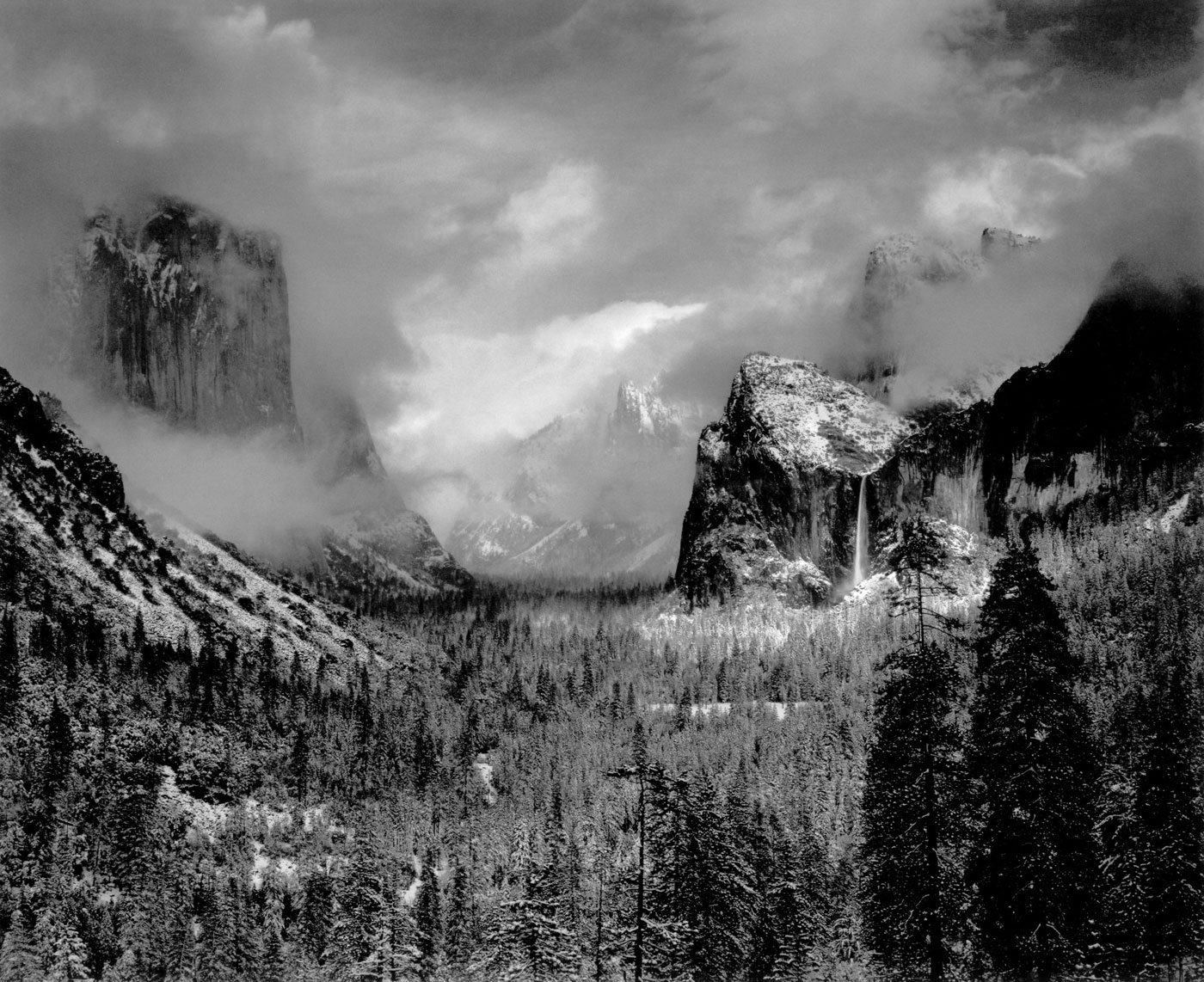
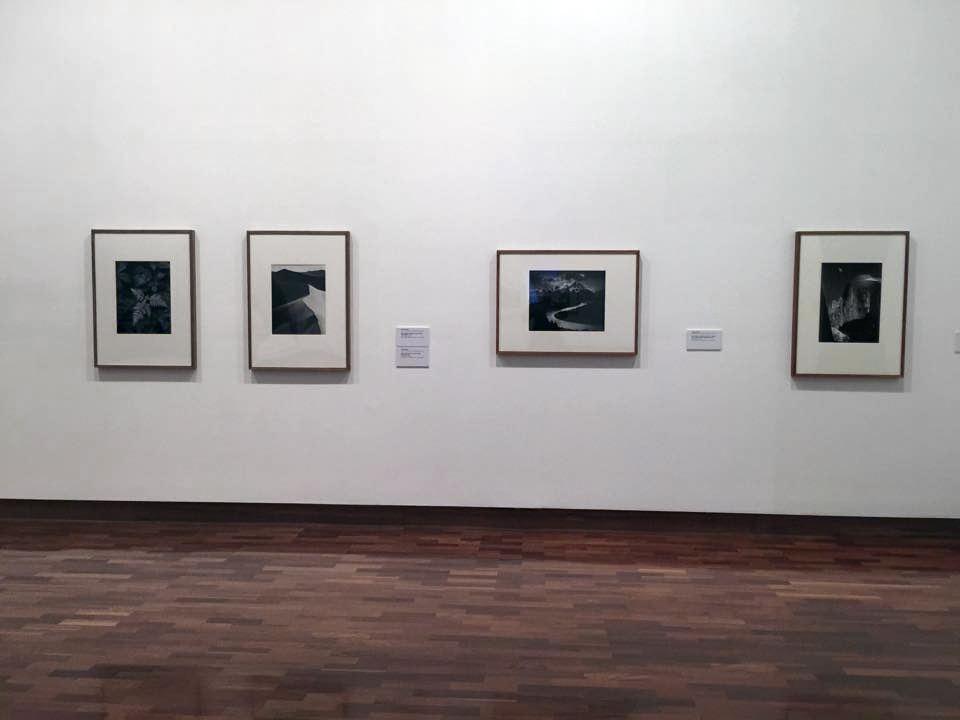
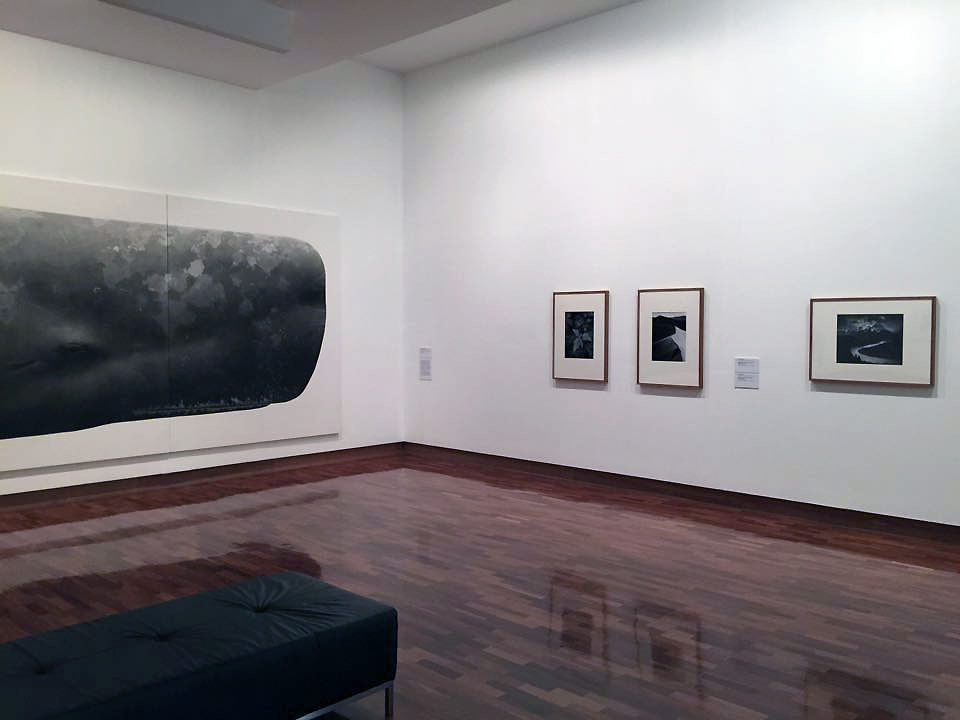
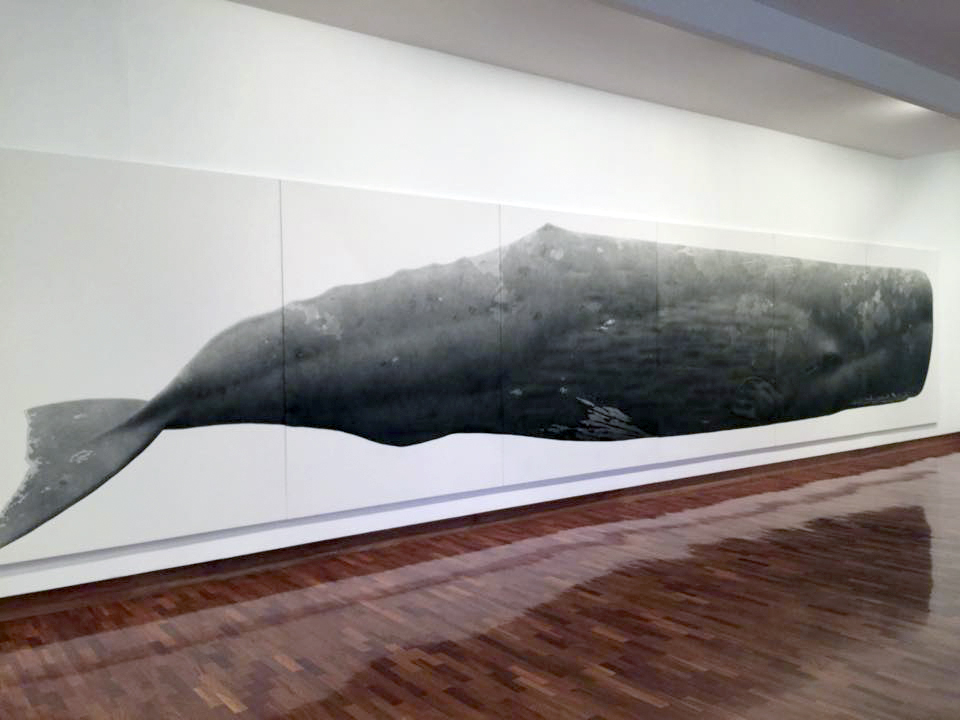
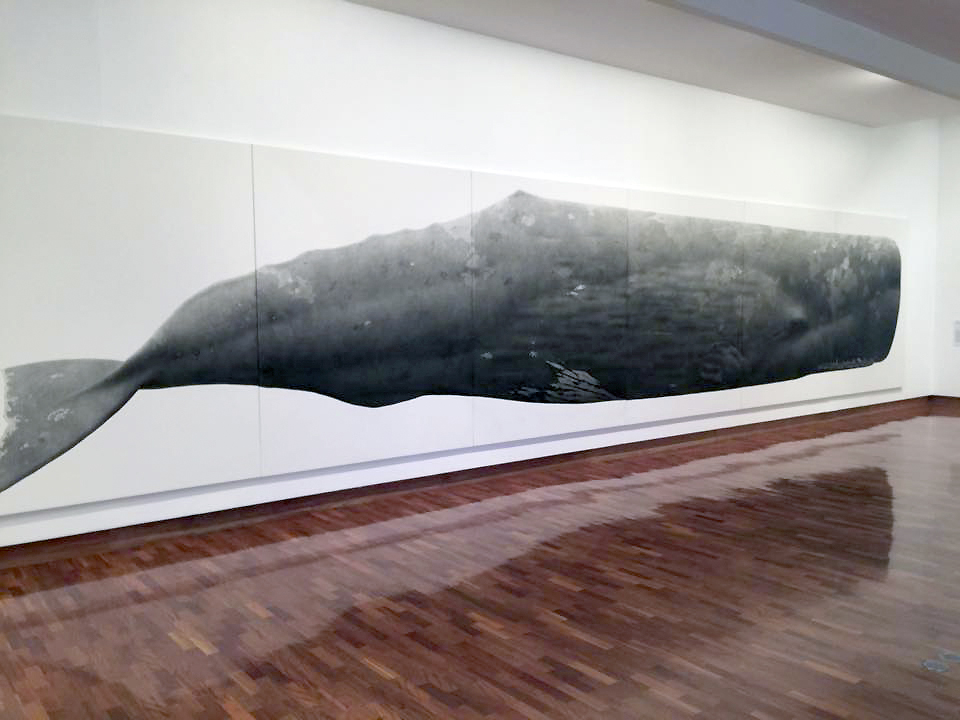
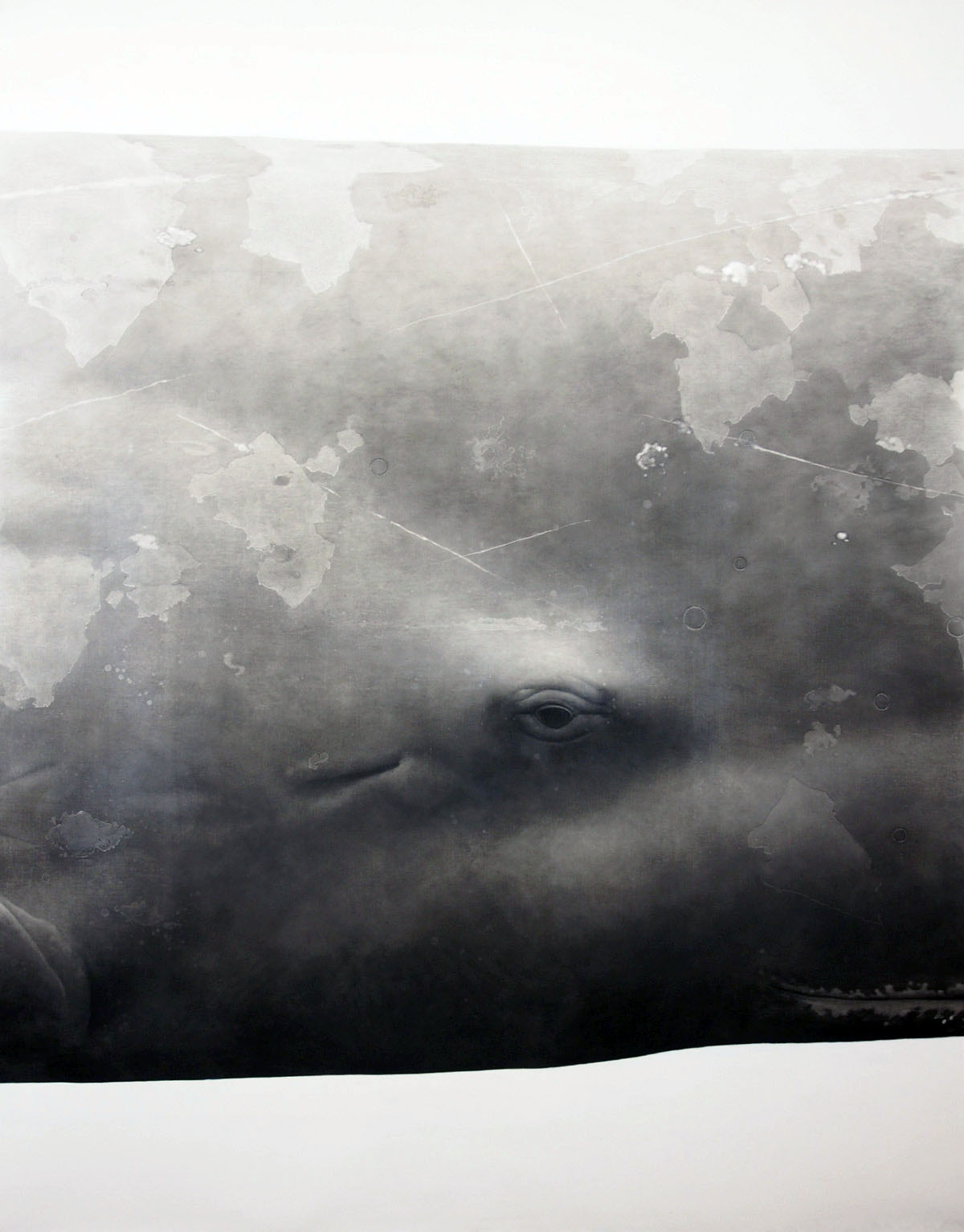
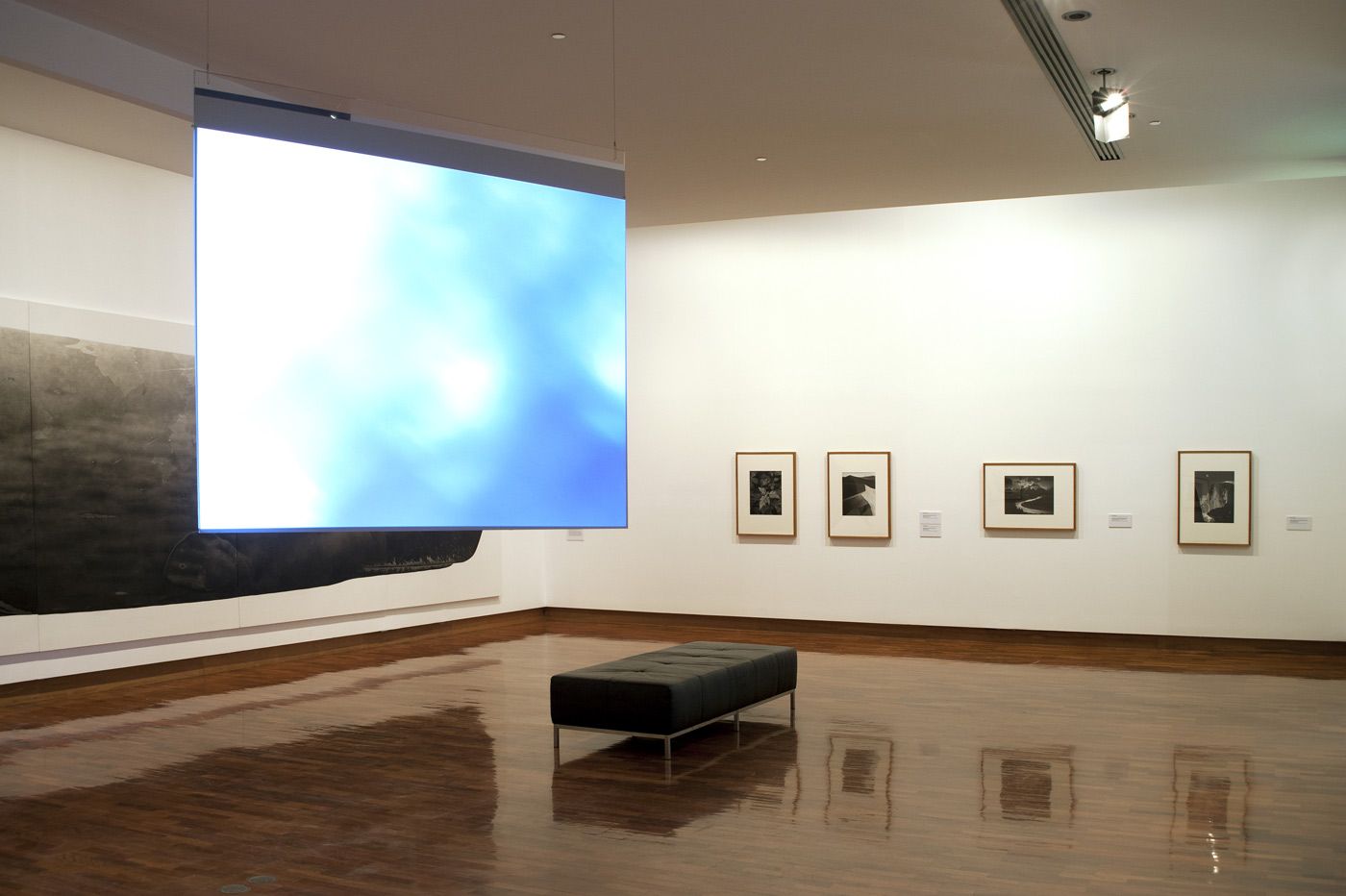
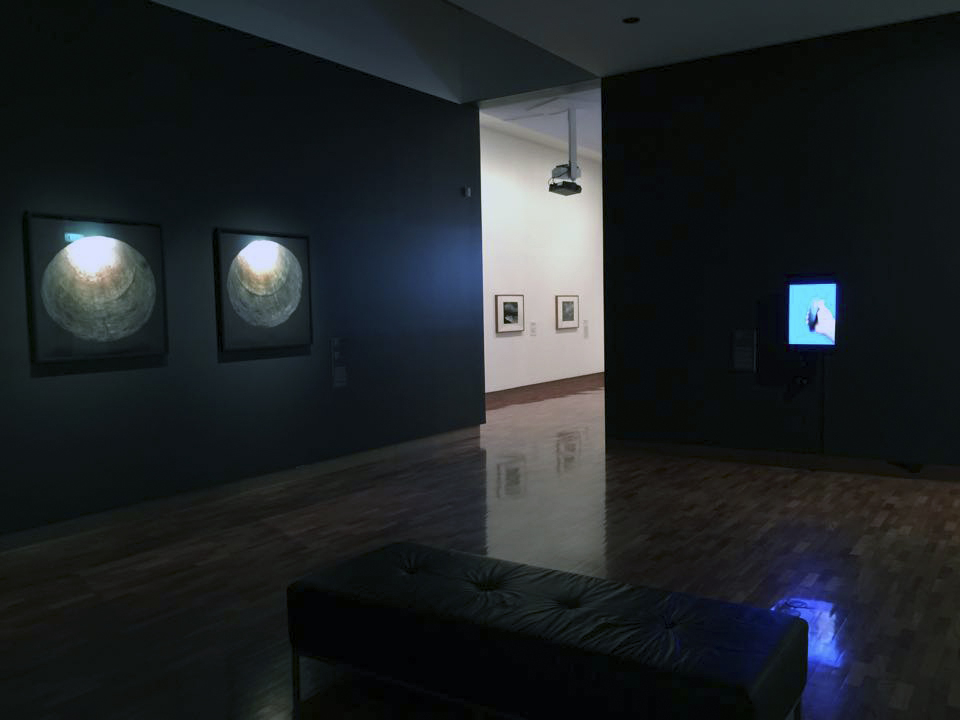
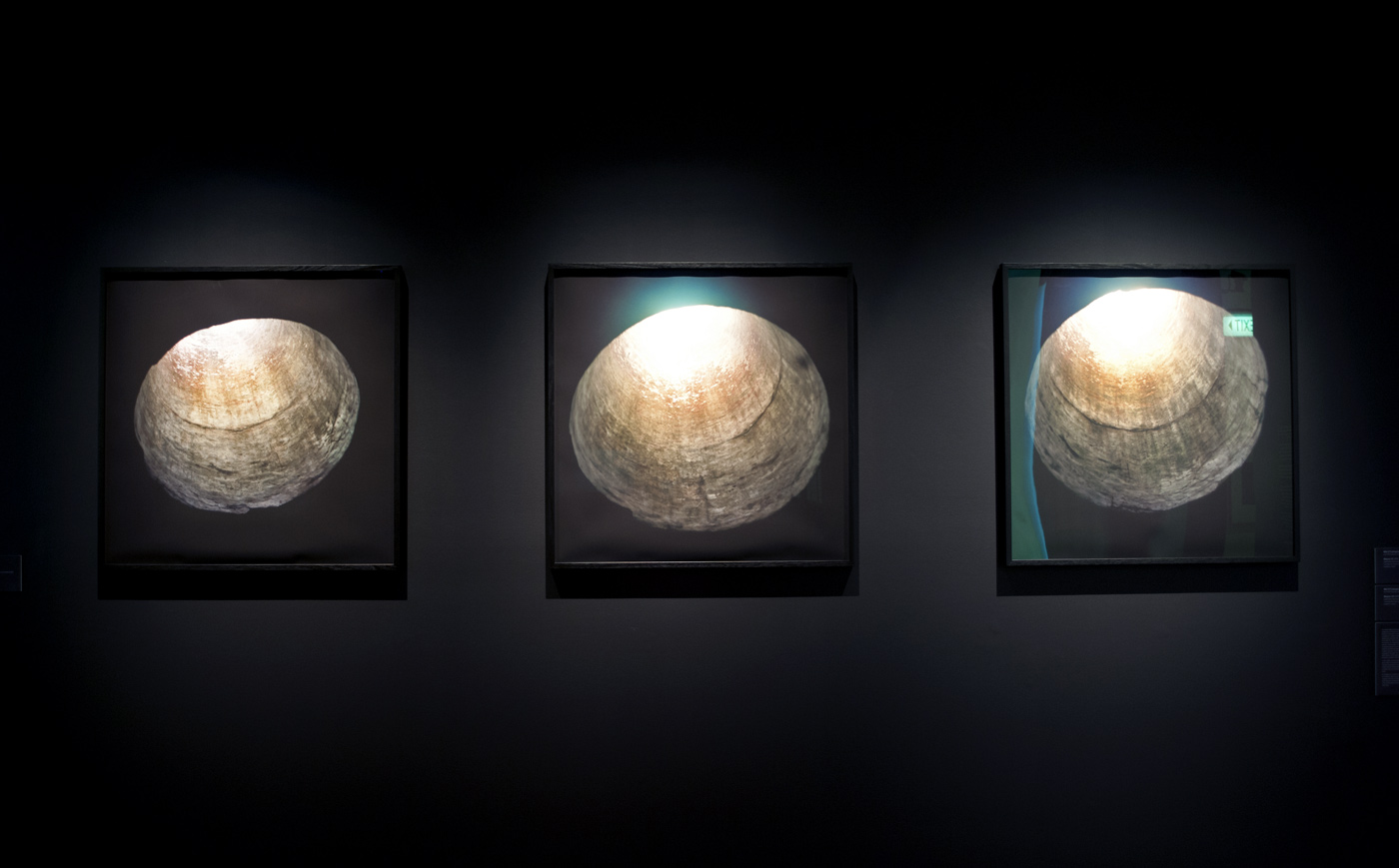
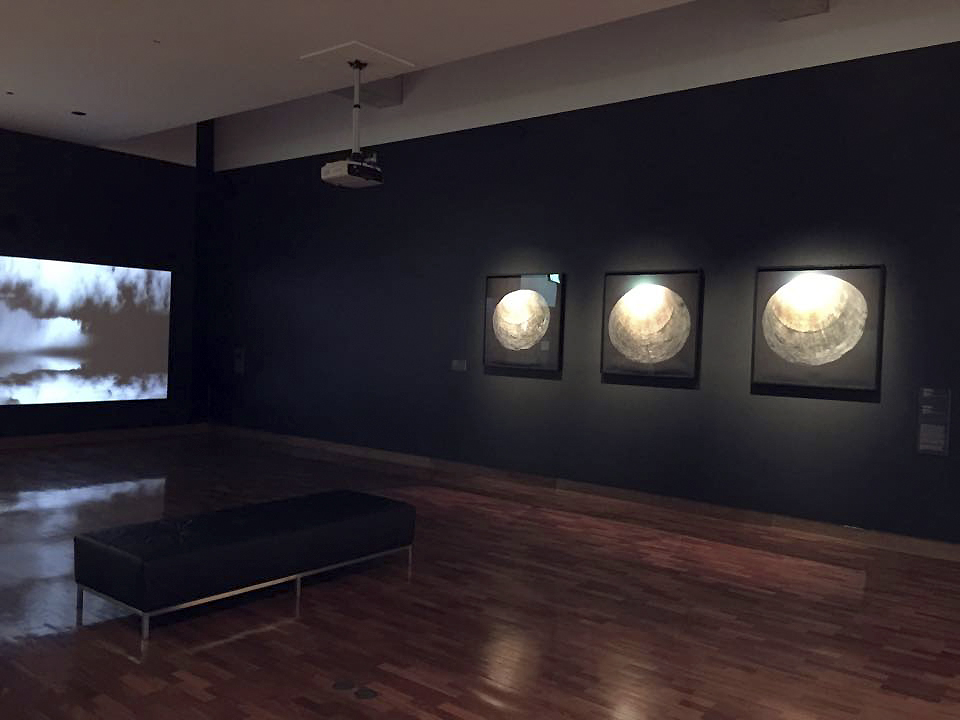
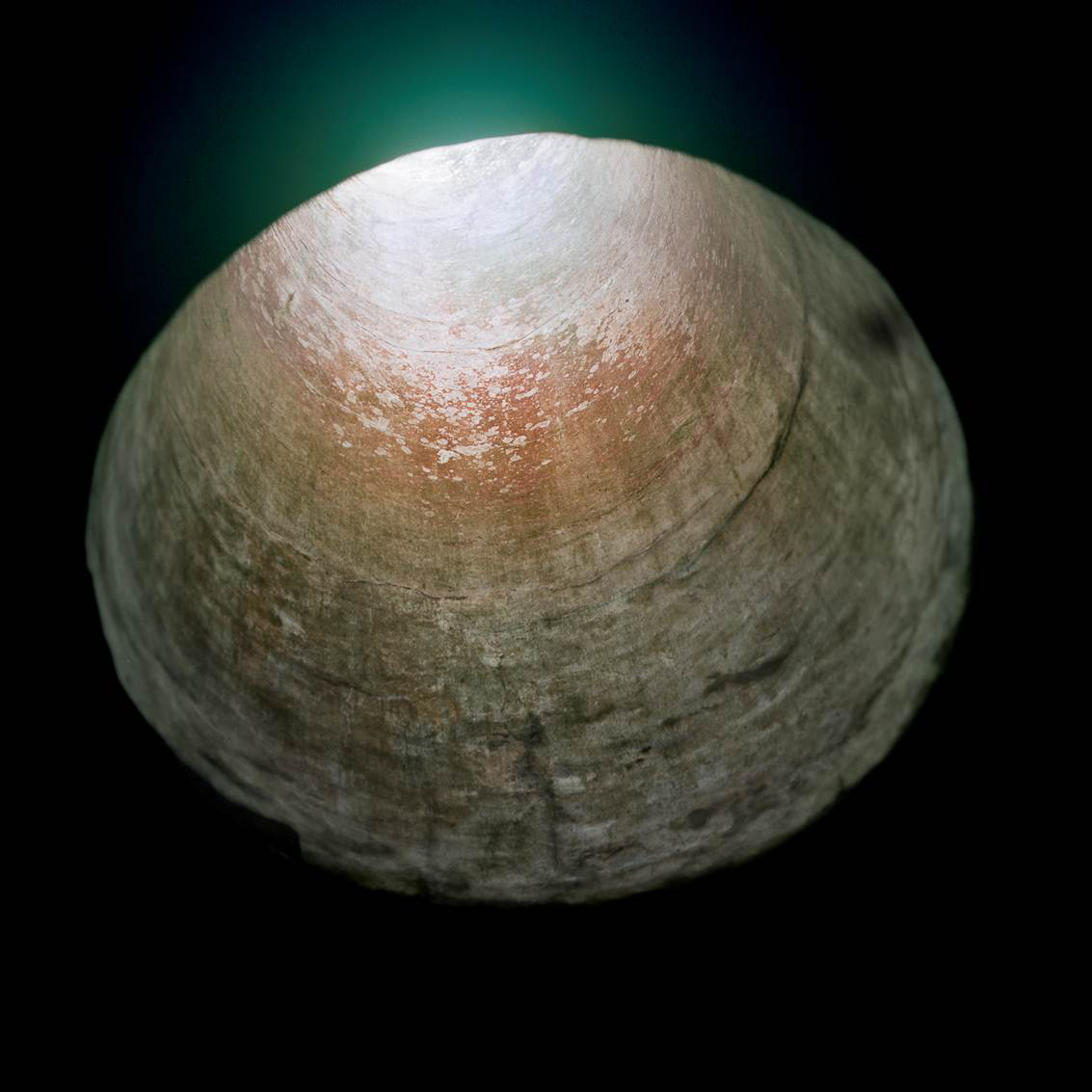
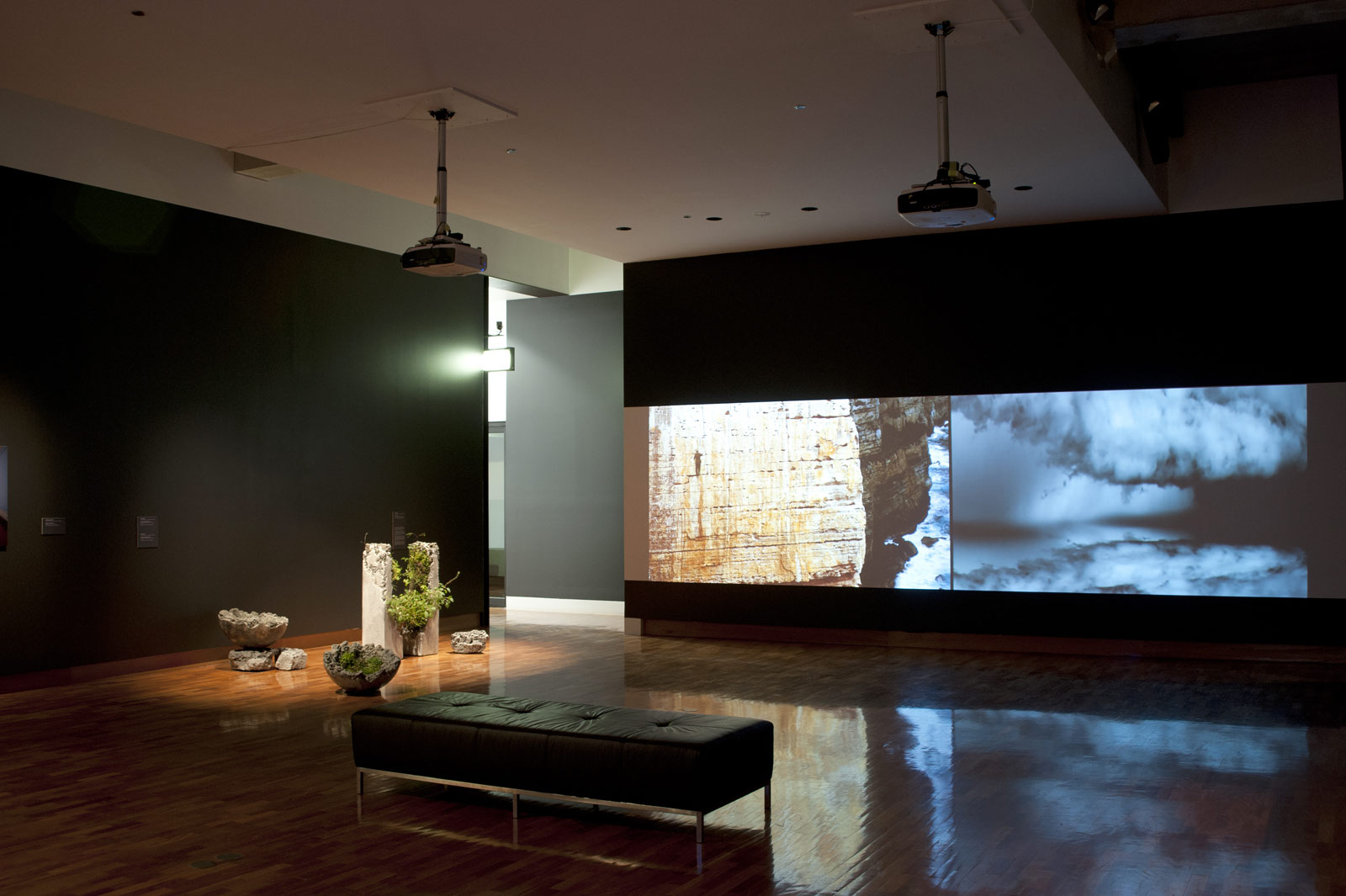
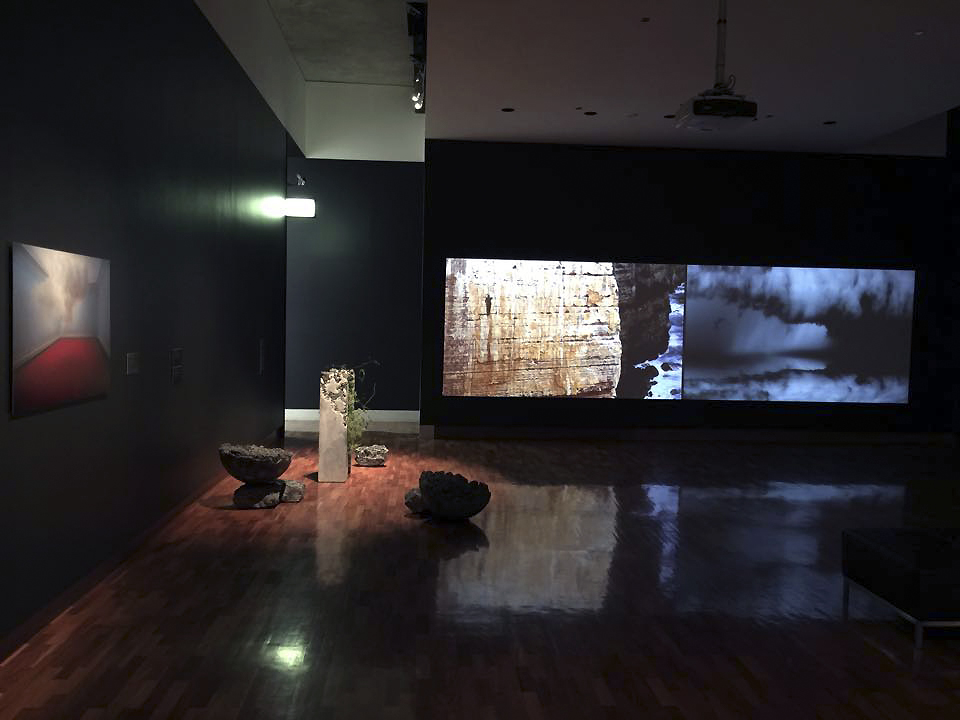
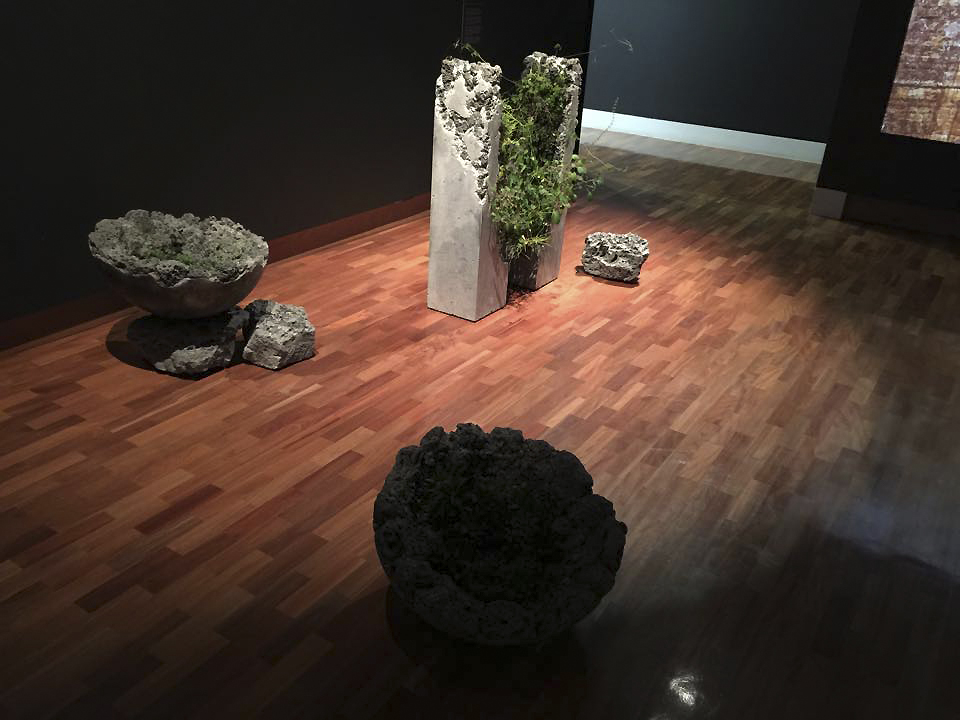
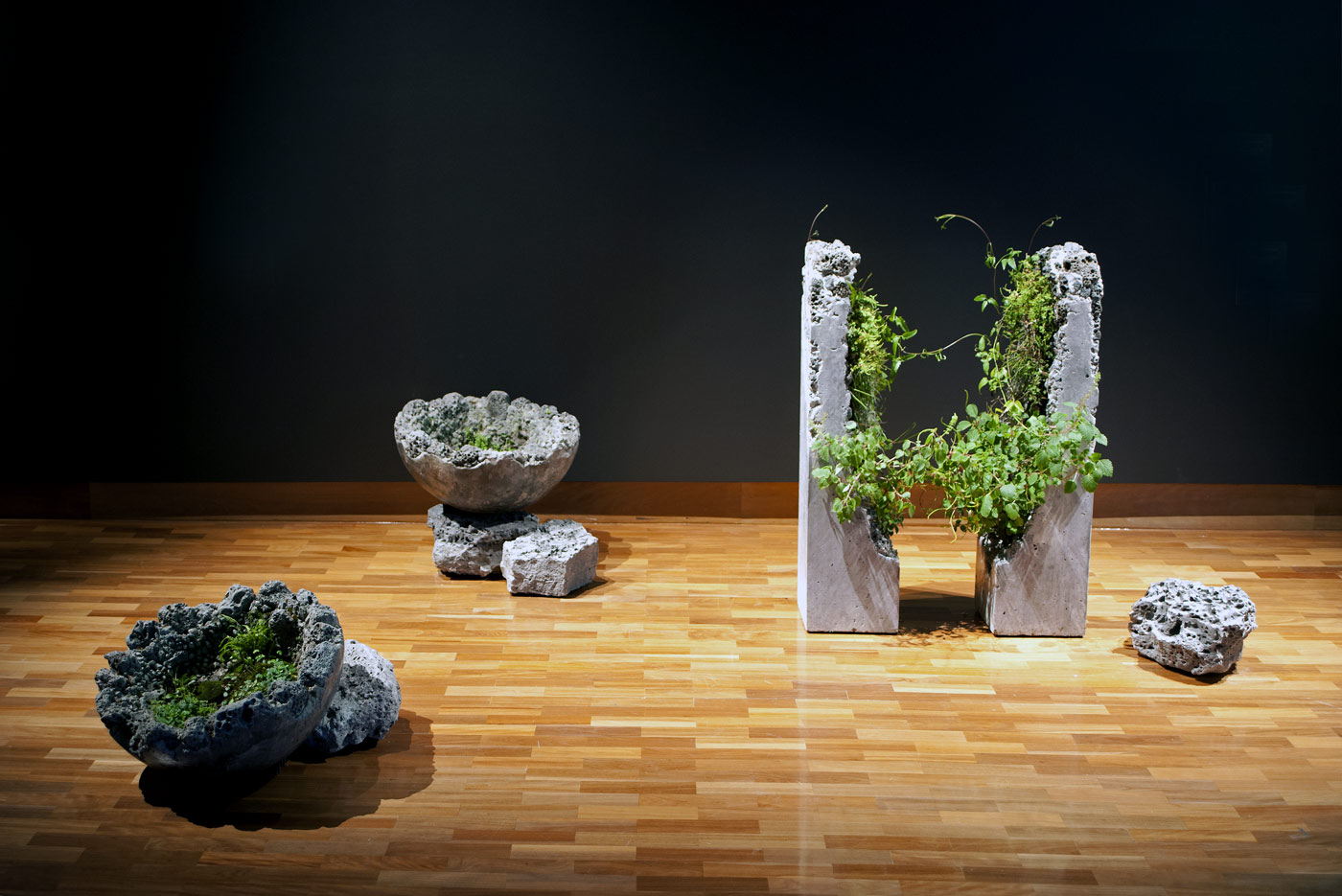
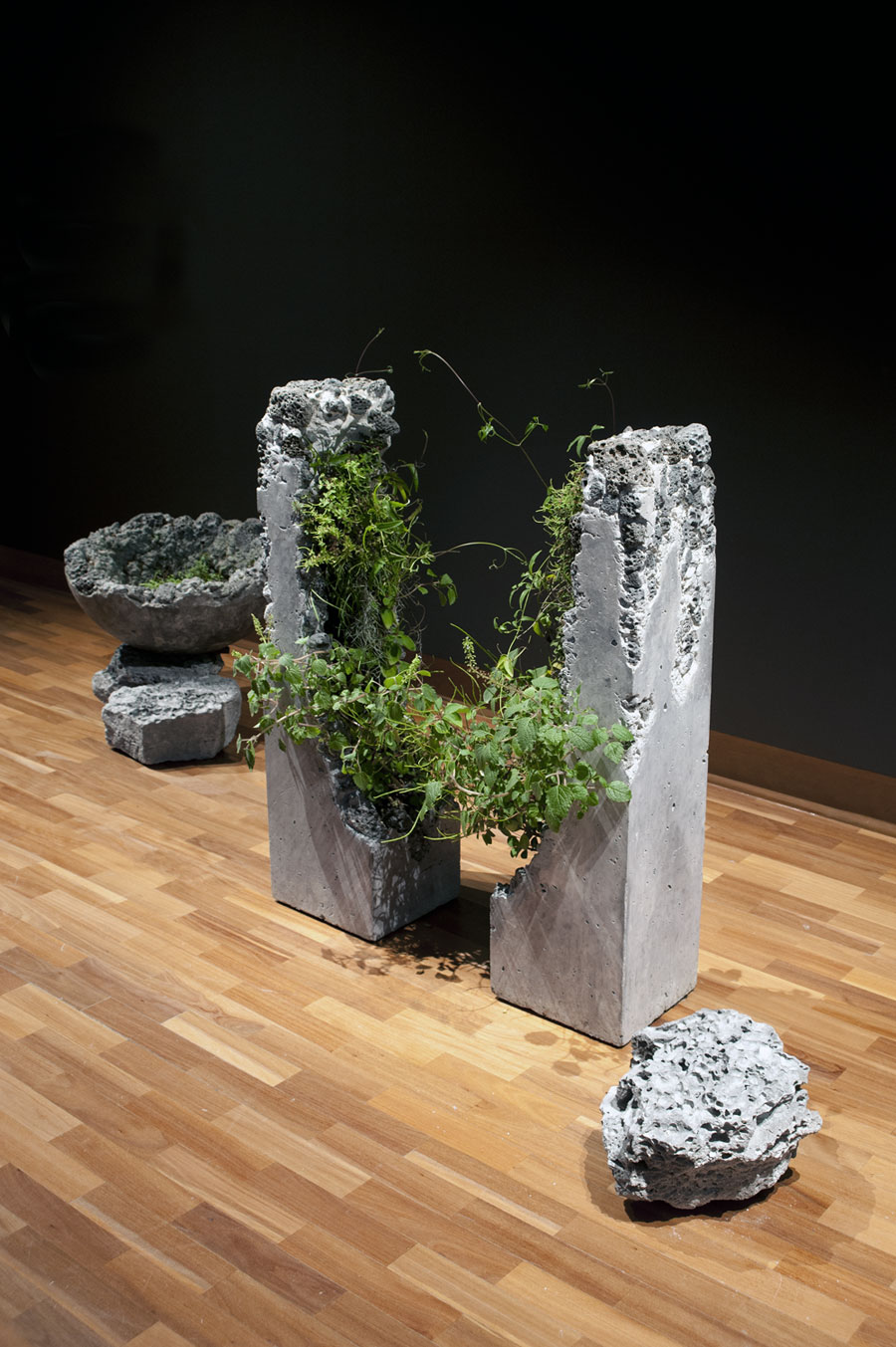
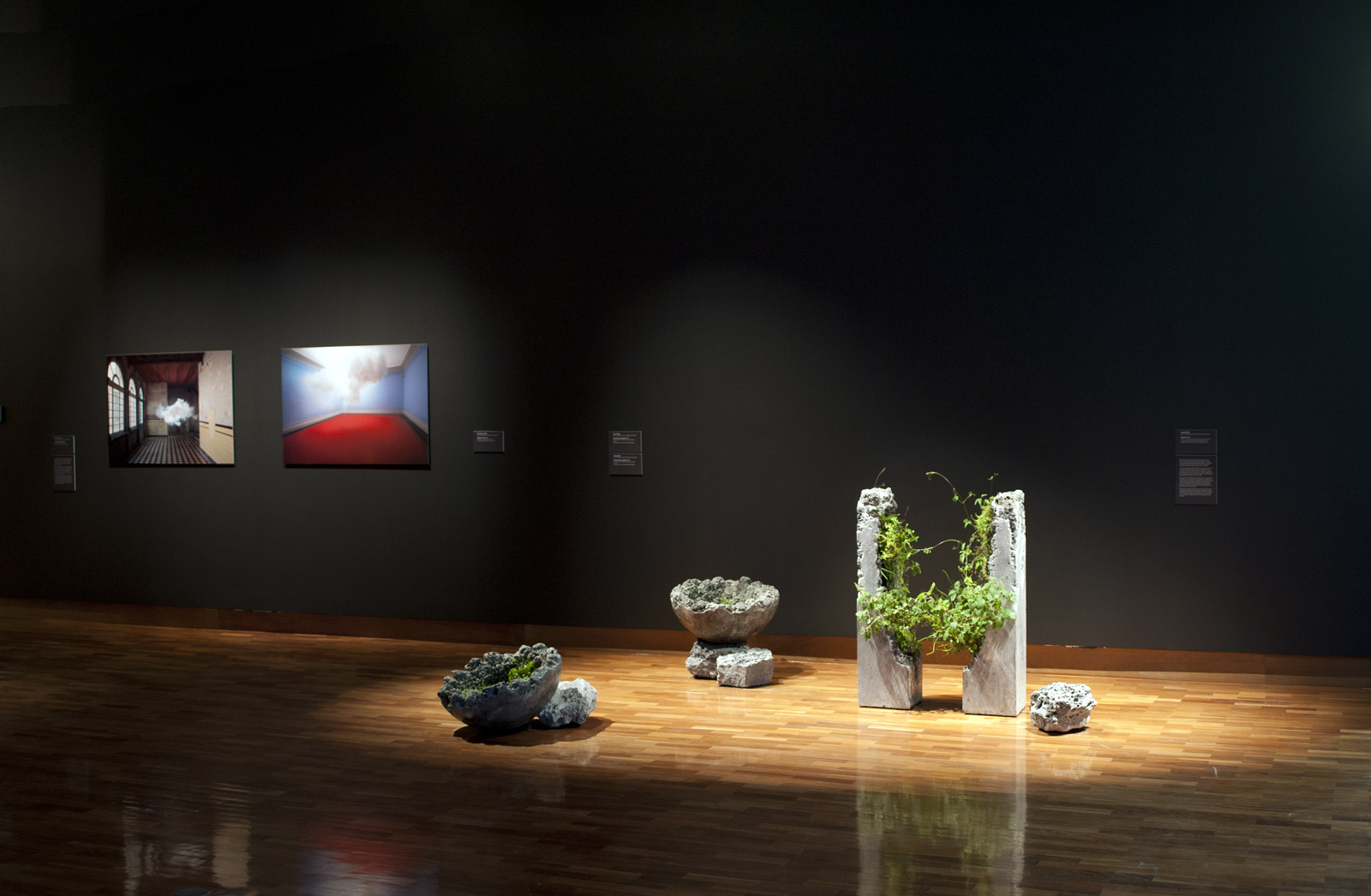
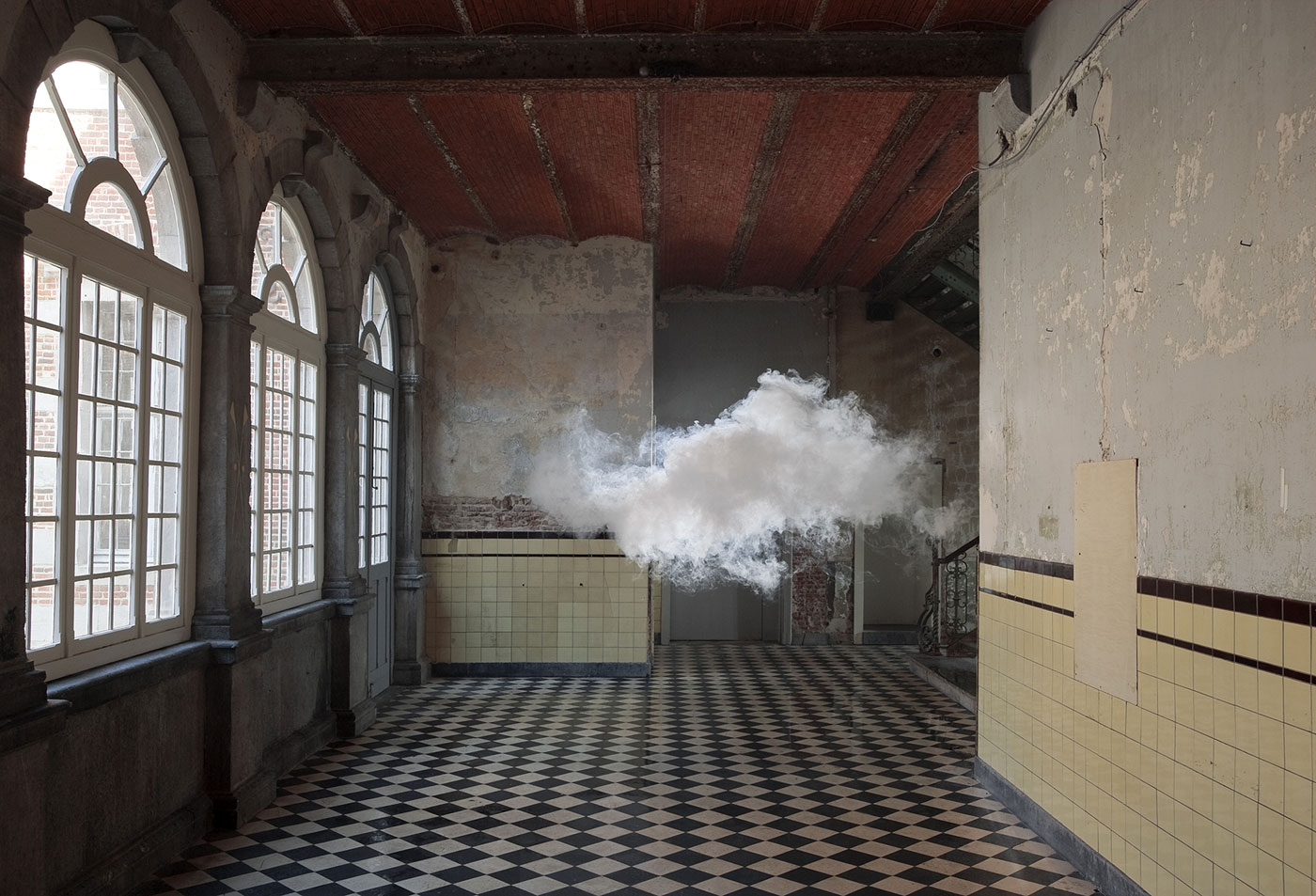
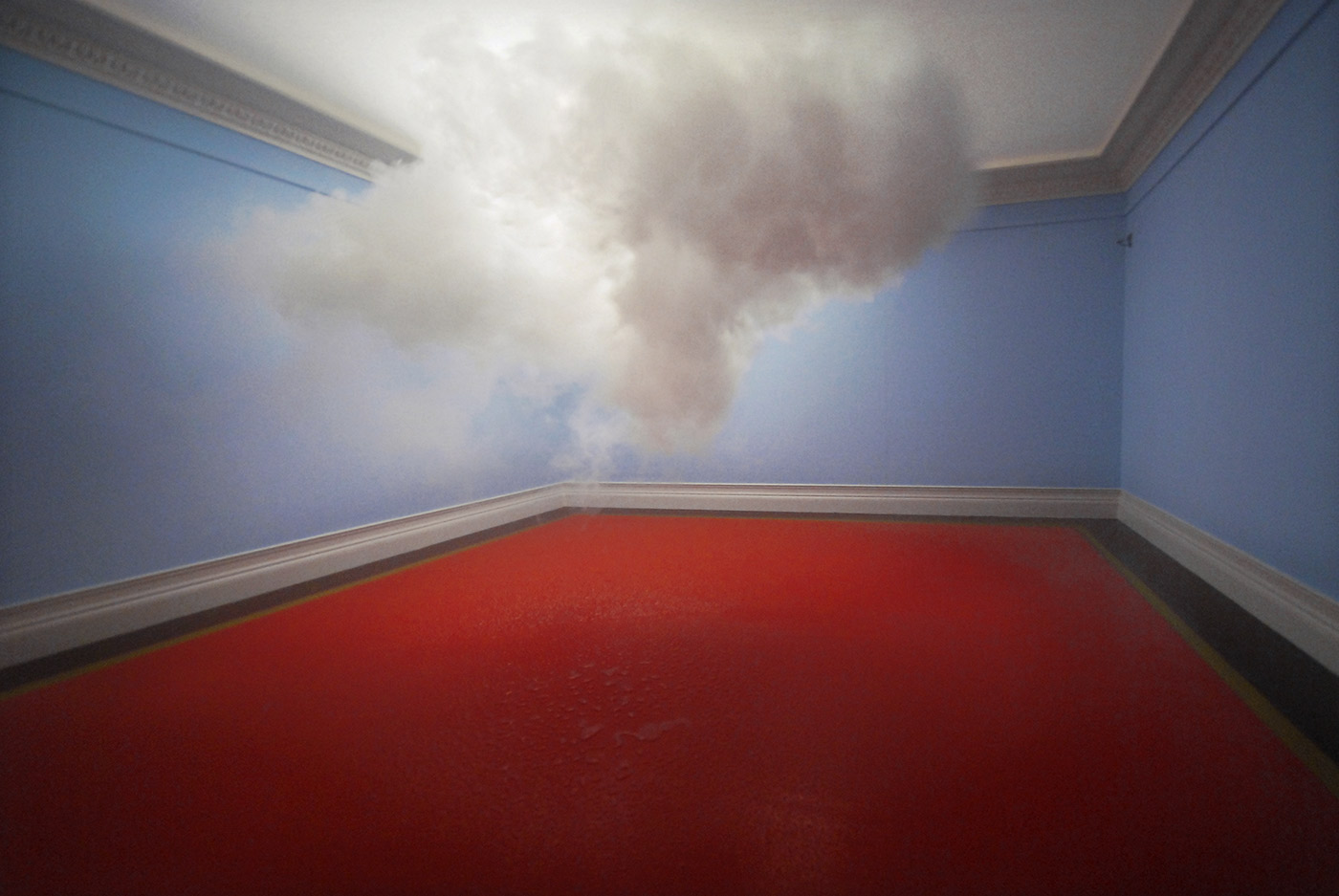


![David Hill (Scottish, 1802-1870) and Robert Adamson (Scottish, 1821-1848) 'The Gowan [Margaret and Mary Cavendish]' c. 1843-1848](https://artblart.com/wp-content/uploads/2015/06/david-hill-and-robert-adamson-the-gowan-margaret-and-mary-cavendish-c-1843-1848-web.jpg "David Hill (Scottish, 1802-1870) and Robert Adamson (Scottish, 1821-1848) 'The Gowan [Margaret and Mary Cavendish]' c. 1843-1848")


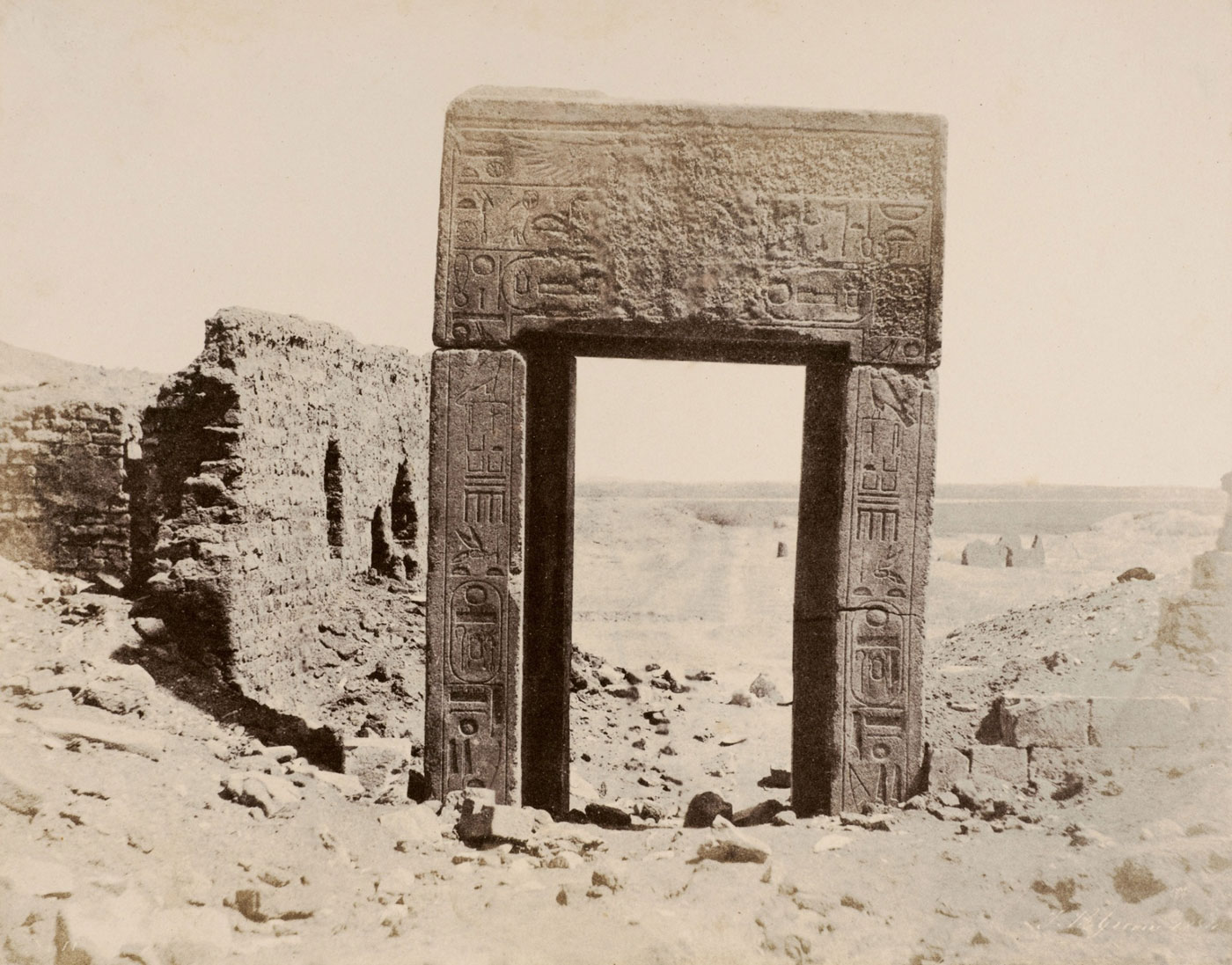


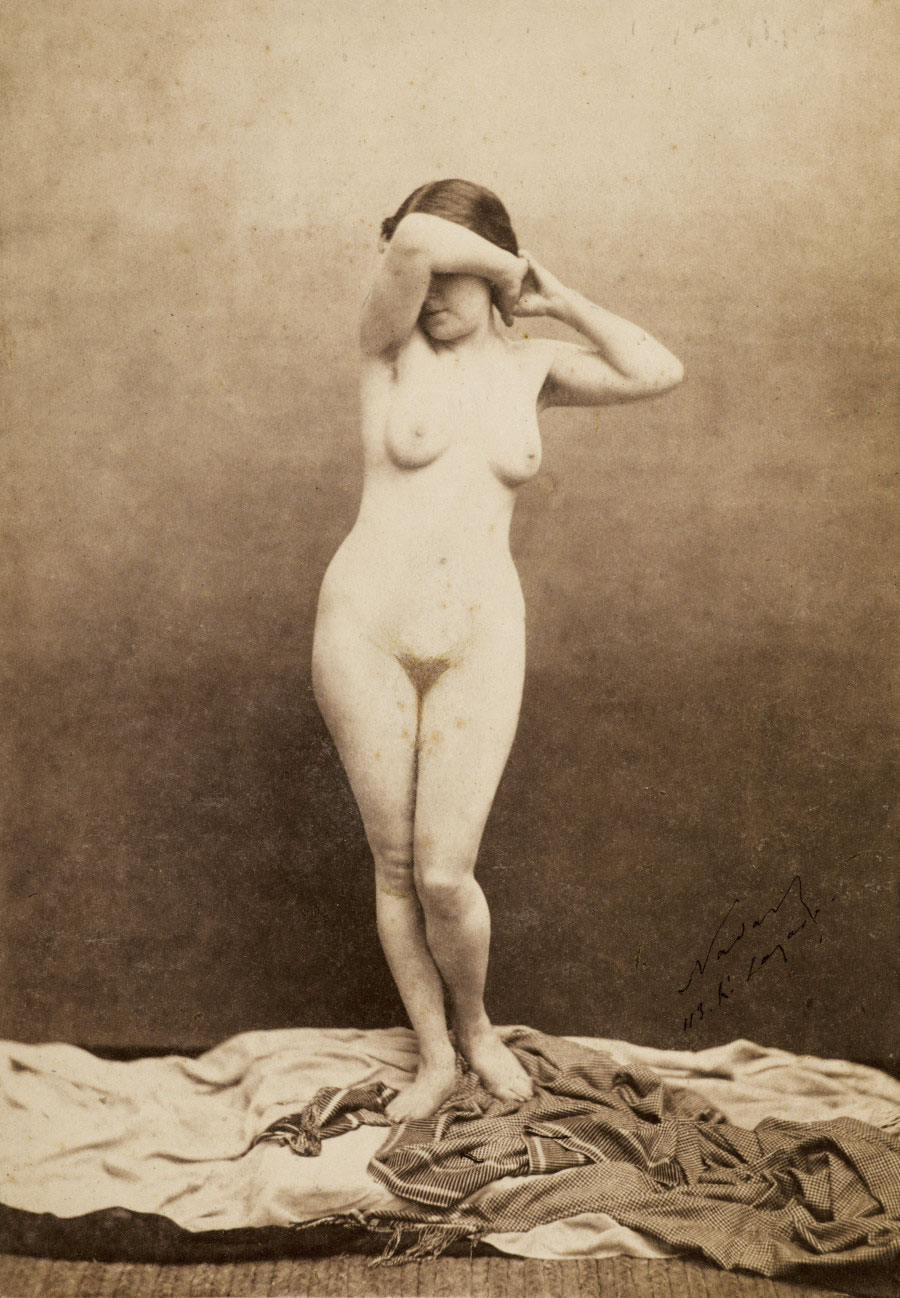


![John S. Johnston (American, c. 1839 - December 17, 1899) 'One of Dr Kane’s Men [possibly William Morton]' c. 1857](https://artblart.com/wp-content/uploads/2015/06/john-s-johnston-one-of-dr-kanes-men-possibly-william-morton-c-1857-web.jpg "John S. Johnston (American, c. 1839 - December 17, 1899) 'One of Dr Kane’s Men [possibly William Morton]' c. 1857")


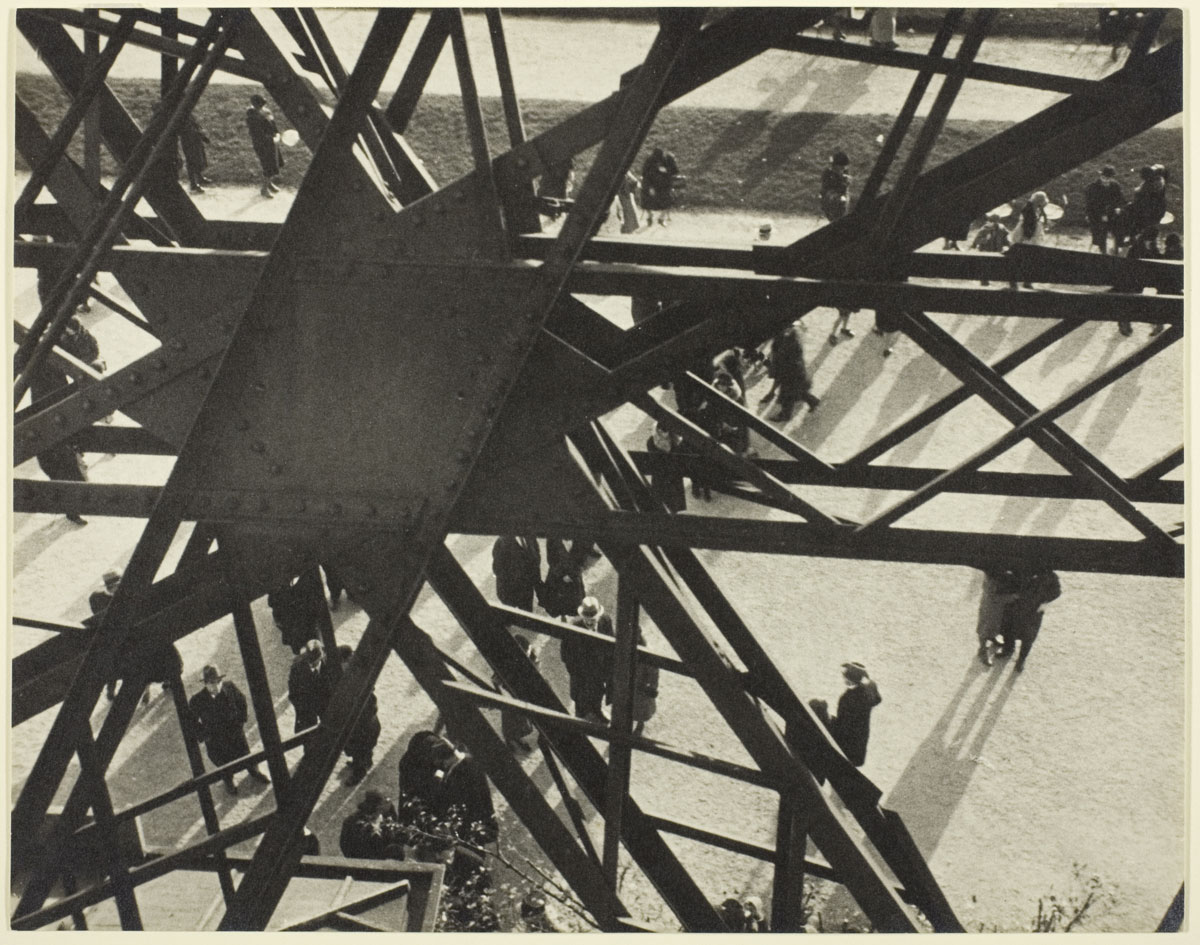
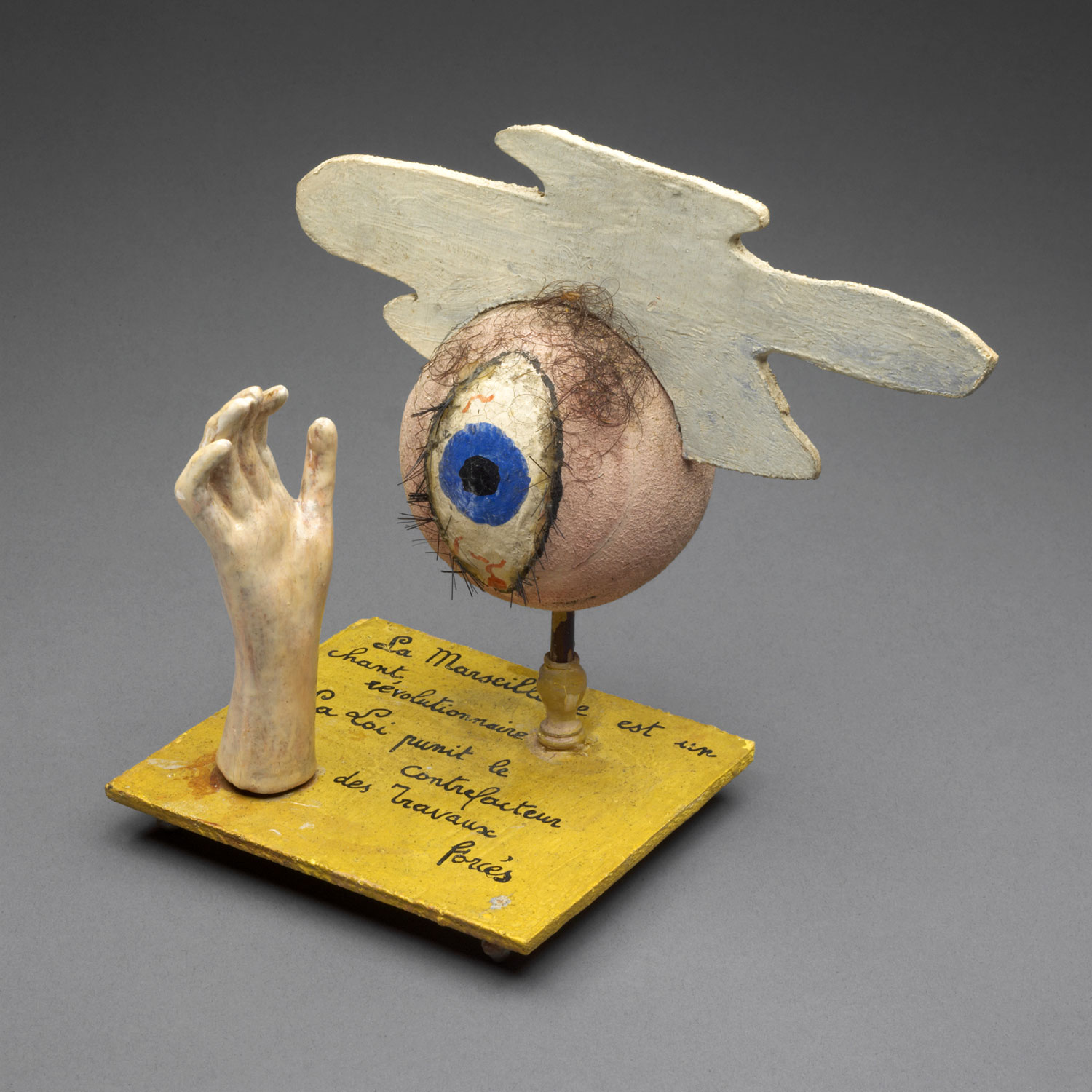


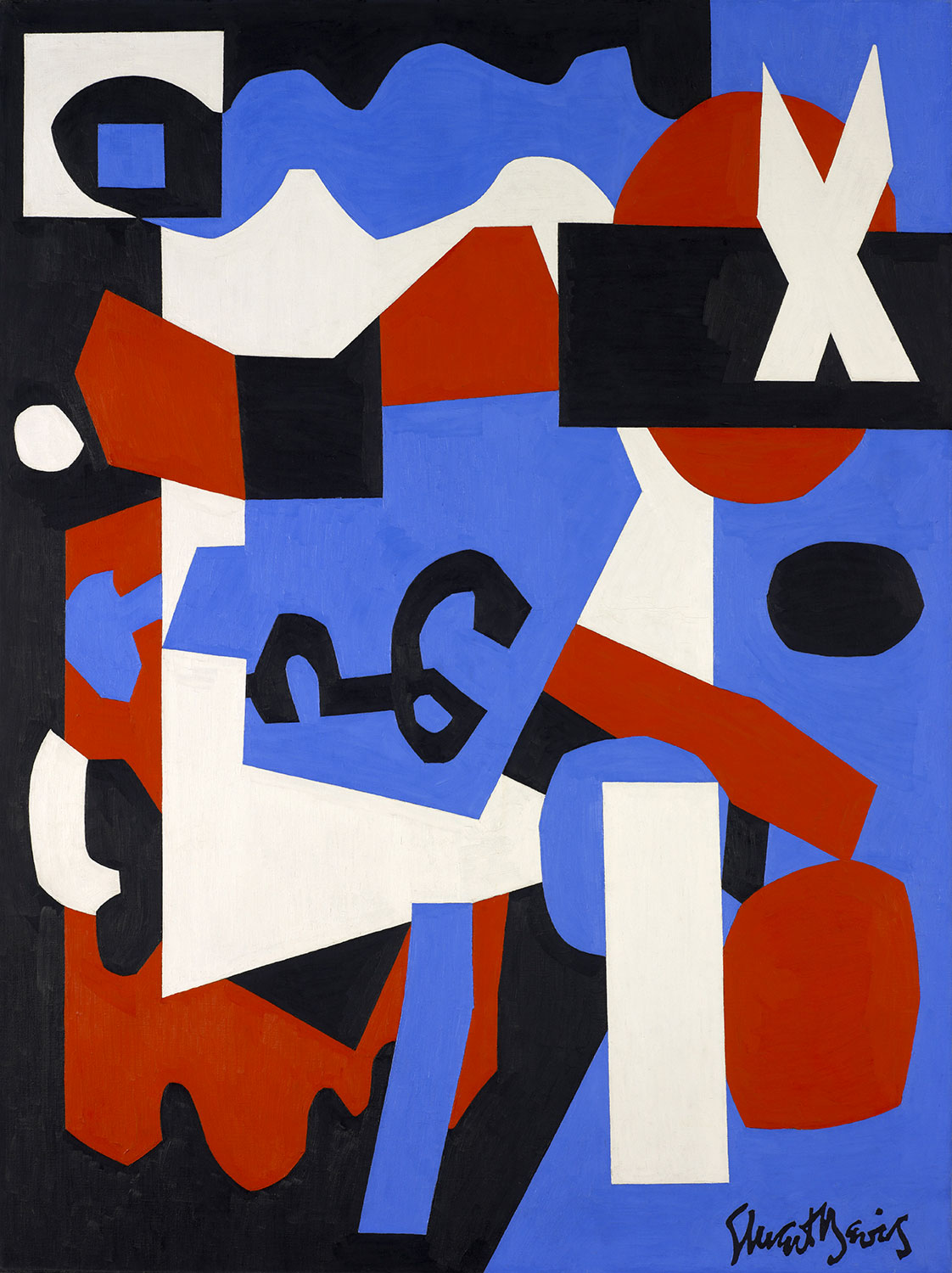


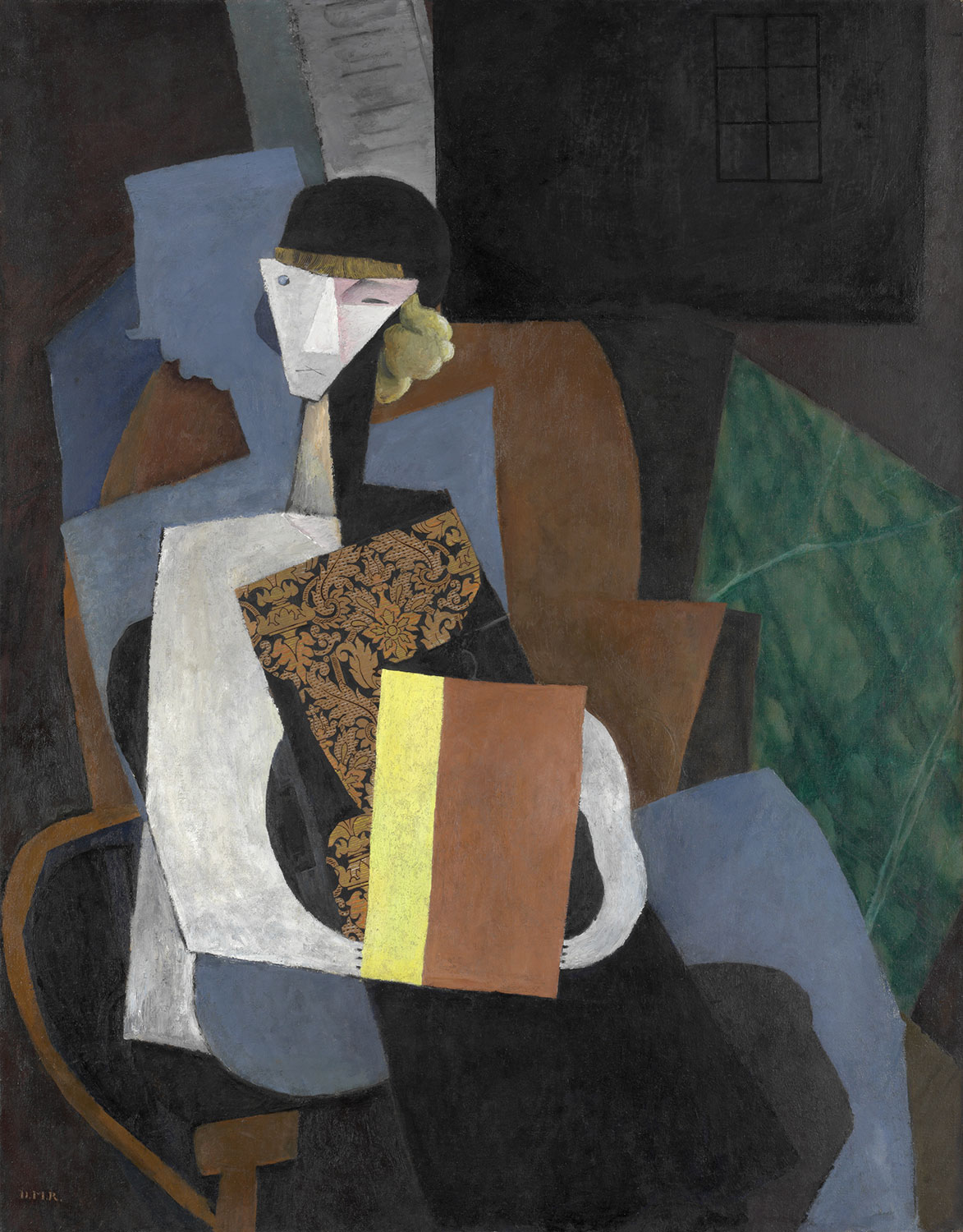
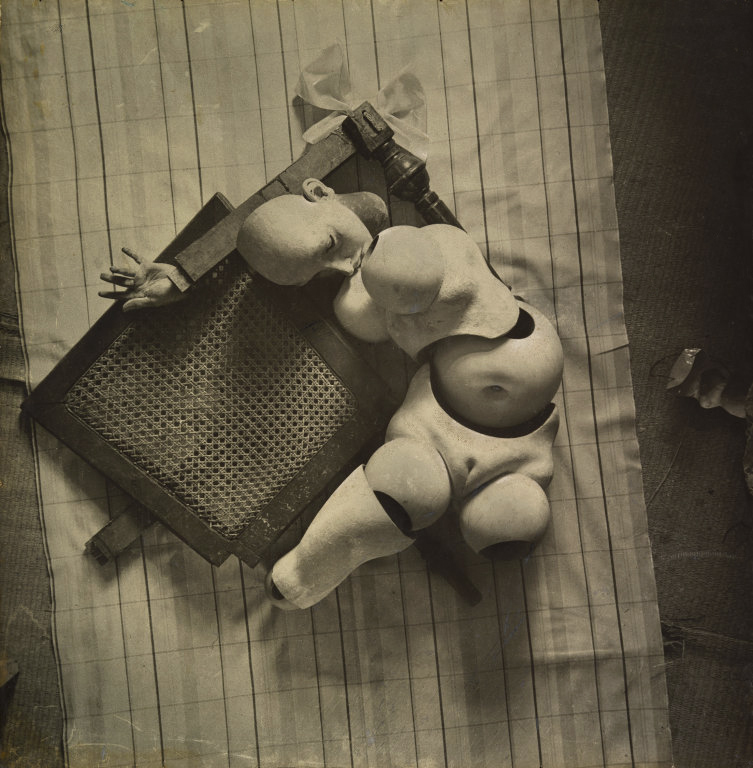

![Stanisław Ignacy Witkiewicz (Polish, 1885-1939) 'Self-Portrait, Zakopane [Broken Glass]' 1910](https://artblart.com/wp-content/uploads/2015/03/witkiewicz_self-portrait-zakopane-web.jpg "Stanisław Ignacy Witkiewicz (Polish, 1885-1939) 'Self-Portrait, Zakopane [Broken Glass]' 1910")
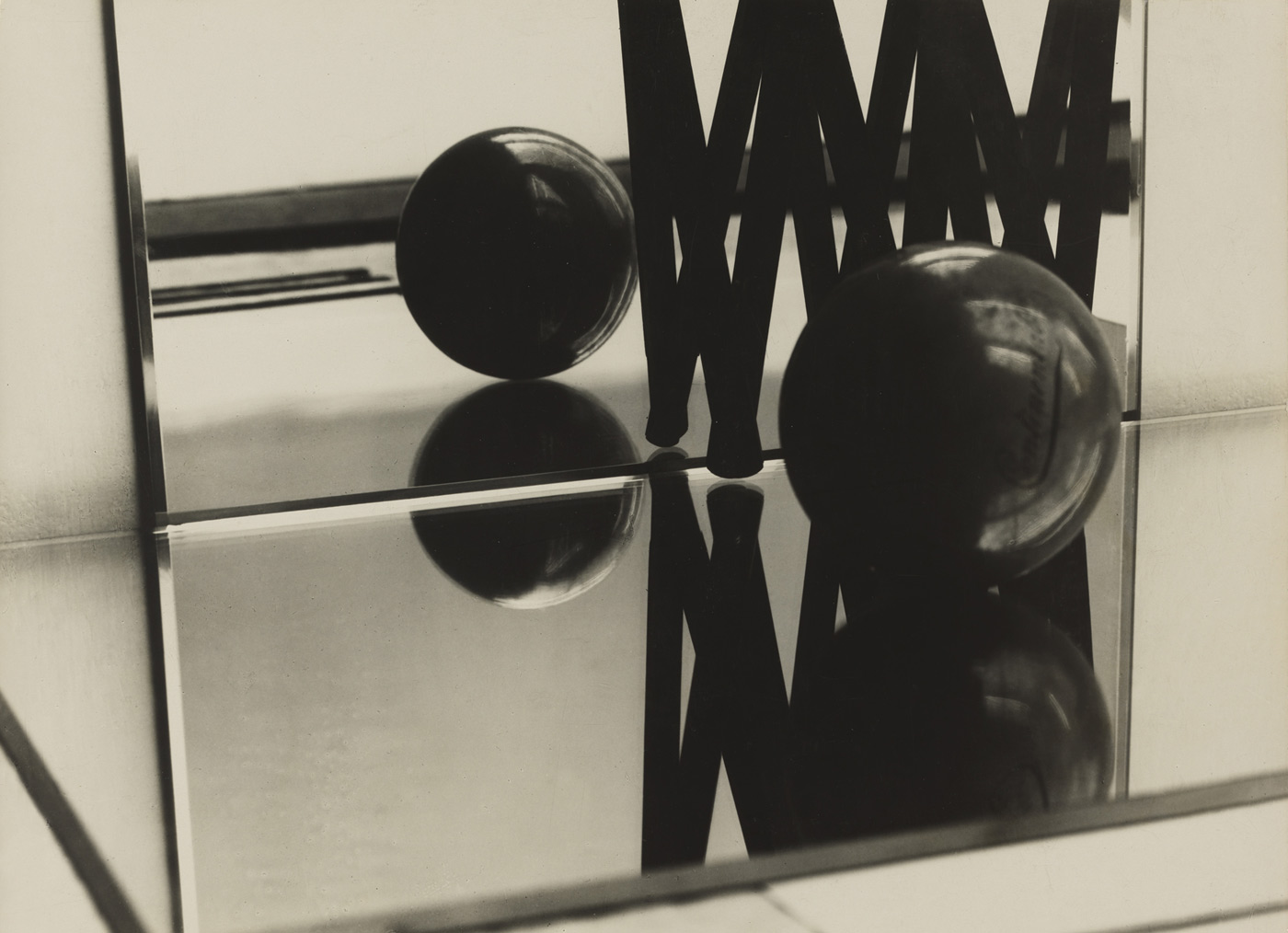

![Florence Henri (New York 1893 - Compiègne 1982) 'Composition abstraite [Still-life composition]' 1929](https://artblart.com/wp-content/uploads/2015/03/florencehenri_08_compositionabstraite-web.jpg "Florence Henri (New York 1893 - Compiègne 1982) 'Composition abstraite [Still-life composition]' 1929")

![Florence Henri (New York 1893 - Compiègne 1982) 'Mannequin de tailleur [Tailor's mannequin]' 1930-1931](https://artblart.com/wp-content/uploads/2015/03/florencehenri_05__mannequindetailleur-web.jpg "Florence Henri (New York 1893 - Compiègne 1982) 'Mannequin de tailleur [Tailor's mannequin]' 1930-1931")
![Florence Henri (New York 1893 - Compiègne 1982) 'Composition Nature morte [Still-life composition]' 1931](https://artblart.com/wp-content/uploads/2015/03/florencehenri_10_compositionnaturemorte-web.jpg "Florence Henri (New York 1893 - Compiègne 1982) 'Composition Nature morte [Still-life composition]' 1931")
![Florence Henri (New York 1893 - Compiègne 1982) 'Pont [Bridge]' 1930-1935](https://artblart.com/wp-content/uploads/2015/03/florencehenri_21_pont-web.jpg "Florence Henri (New York 1893 - Compiègne 1982) 'Pont [Bridge]' 1930-1935")


![Florence Henri (New York 1893 - Compiègne 1982) 'Autoportrait [Self-portrait]' 1928](https://artblart.com/wp-content/uploads/2015/03/florencehenri_01_autoportrait-web.jpg "Florence Henri (New York 1893 - Compiègne 1982) 'Autoportrait [Self-portrait]' 1928")
![Florence Henri (New York 1893 - Compiègne 1982) 'Femme aux cartes [Woman with cards]' 1930](https://artblart.com/wp-content/uploads/2015/03/florencehenri_11_femmeauxcartes-web.jpg "Florence Henri (New York 1893 - Compiègne 1982) 'Femme aux cartes [Woman with cards]' 1930")
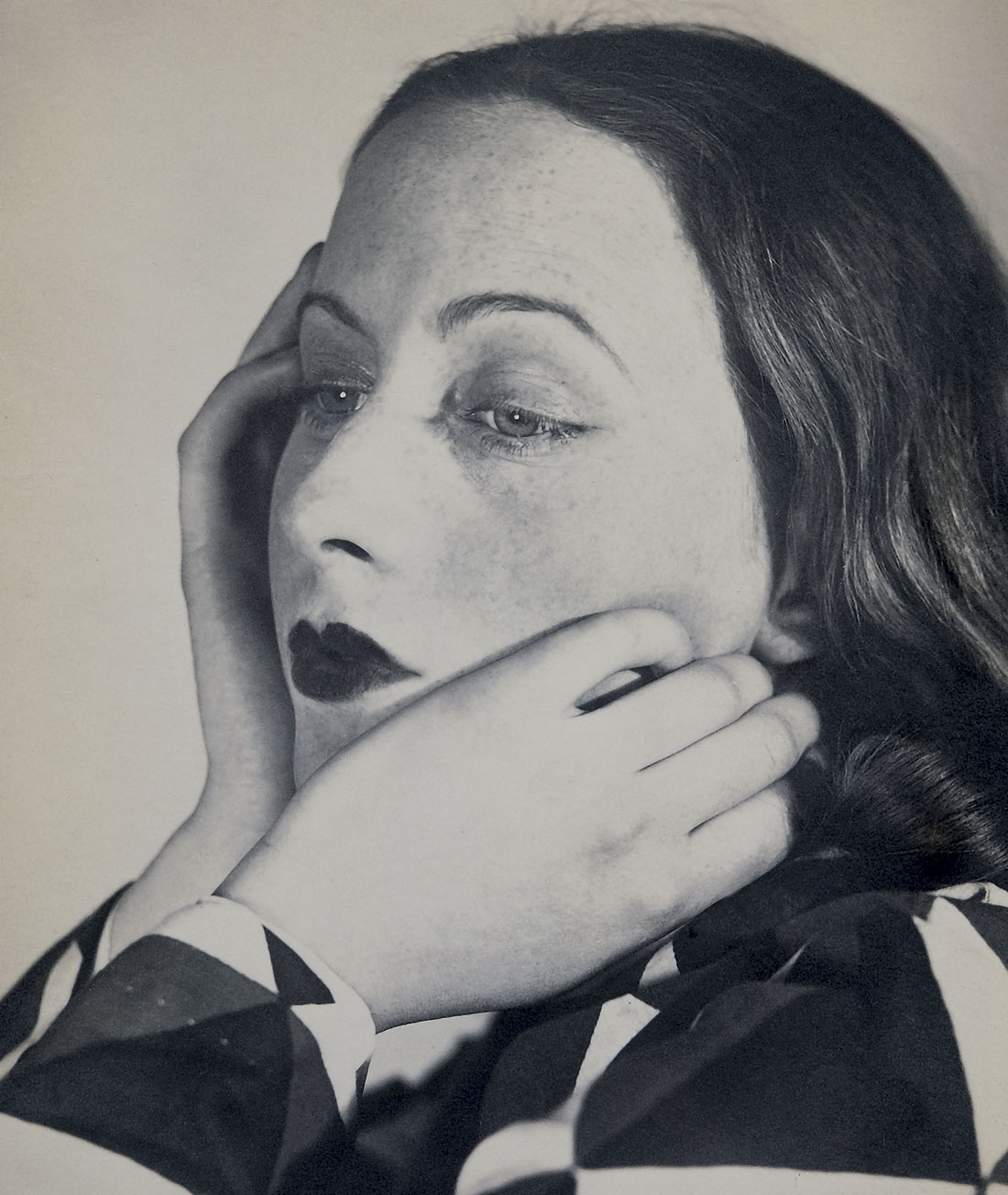

![Florence Henri (New York 1893 - Compiègne 1982) 'Fenêtre [Window]' 1929](https://artblart.com/wp-content/uploads/2015/03/florencehenri_06_fenetre-web.jpg "Florence Henri (New York 1893 - Compiègne 1982) 'Fenêtre [Window]' 1929")
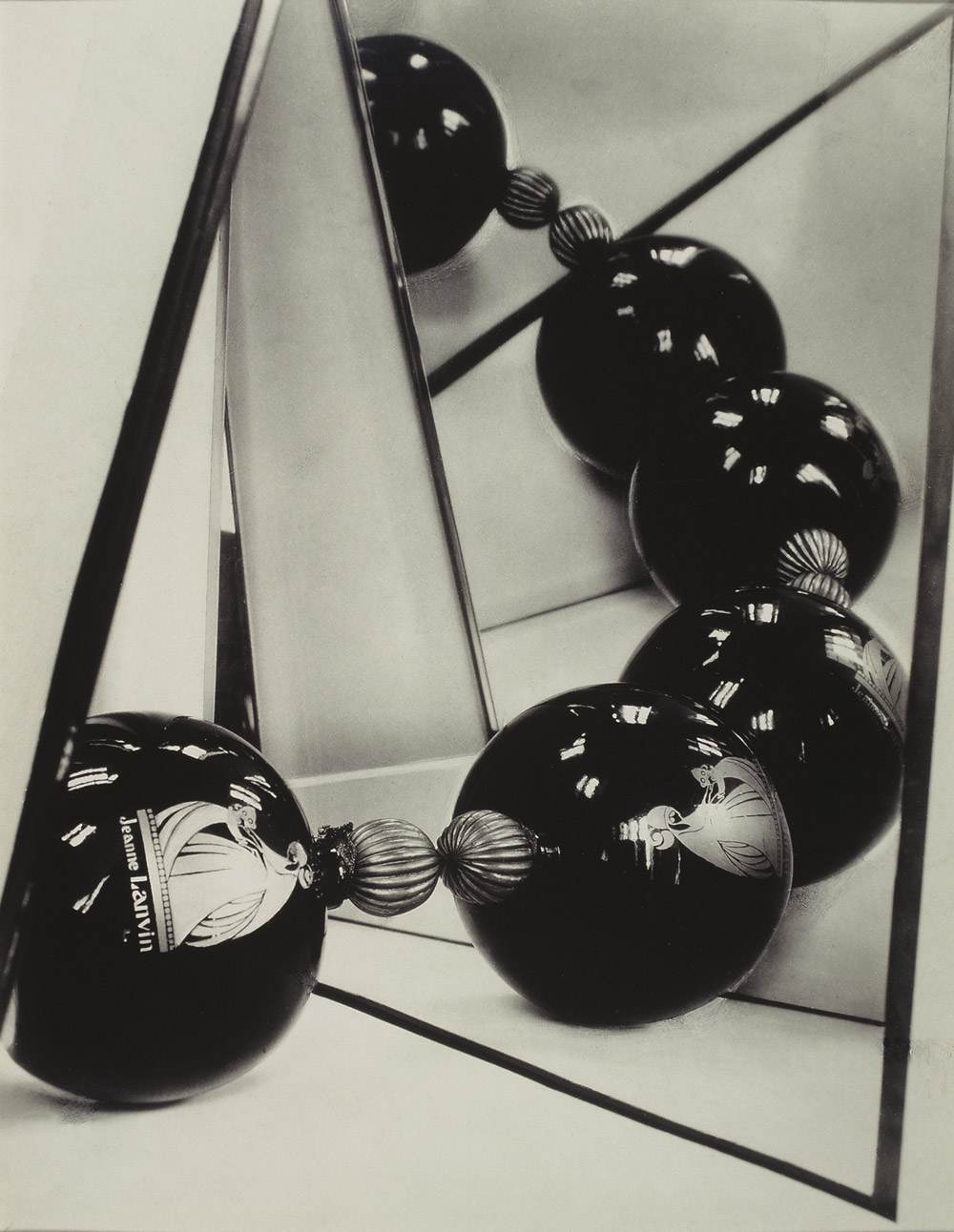
![Florence Henri (New York 1893 - Compiègne 1982) 'Composition Nature morte [Still-life composition]' 1931](https://artblart.com/wp-content/uploads/2015/03/florencehenri_09_compositionnaturemorte-web.jpg "Florence Henri (New York 1893 - Compiègne 1982) 'Composition Nature morte [Still-life composition]' 1931")
![Florence Henri (New York 1893 - Compiègne 1982) 'Composition Nature morte [Still-life composition]' c. 1933](https://artblart.com/wp-content/uploads/2015/03/florencehenri_17_compositionnaturemorte-web.jpg "Florence Henri (New York 1893 - Compiègne 1982) 'Composition Nature morte [Still-life composition]' c. 1933")

![Florence Henri (New York 1893 - Compiègne 1982) 'Robert Delaunay' c. 1935 'Bretagne [Brittany]' 1937-1940](https://artblart.com/wp-content/uploads/2015/03/florencehenri_19_bretagne-web.jpg "Florence Henri (New York 1893 - Compiègne 1982) 'Robert Delaunay' c. 1935 'Bretagne [Brittany]' 1937-1940")
![Florence Henri (New York 1893 - Compiègne 1982) 'Structure (intérieur du Palais de l'Air, Paris, Exposition Universelle) [Structure (Interior of the Palais de l'Air, Paris, World's Fair)]' 1937](https://artblart.com/wp-content/uploads/2015/03/florencehenri_20_structure-web.jpg "Florence Henri (New York 1893 - Compiègne 1982) 'Structure (intérieur du Palais de l'Air, Paris, Exposition Universelle) [Structure (Interior of the Palais de l'Air, Paris, World's Fair)]' 1937")
![Florence Henri (New York 1893 - Compiègne 1982) 'Autoportrait [Self-portrait]' 1938](https://artblart.com/wp-content/uploads/2015/03/florencehenri_18_autoportrait-web.jpg "Florence Henri (New York 1893 - Compiègne 1982) 'Autoportrait [Self-portrait]' 1938")
![Francis Bedford (English, 1815-1894) (photographer) 'South West View of the Parthenon [on the Acropolis, Athens, Greece]' 31 May 1862 from the exhibition 'Cairo to Constantinople: Early Photographs of the Middle East' at The Queen's Gallery, Buckingham Palace, London, November 2014 - February 2015](https://artblart.com/wp-content/uploads/2015/02/south-west-view-of-the-parthenon-web.jpg "Francis Bedford (English, 1815-1894) (photographer) 'South West View of the Parthenon [on the Acropolis, Athens, Greece]' 31 May 1862 from the exhibition 'Cairo to Constantinople: Early Photographs of the Middle East' at The Queen's Gallery, Buckingham Palace, London, November 2014 - February 2015")
![Francis Bedford (English, 1815-1894) (photographer) 'Portions of the Frieze of the Parthenon [Athens, Greece]' 31 May 1862 from the exhibition 'Cairo to Constantinople: Early Photographs of the Middle East' at The Queen's Gallery, Buckingham Palace, London, November 2014 - February 2015](https://artblart.com/wp-content/uploads/2015/02/portions-of-the-frieze-of-the-parthenon-web.jpg "Francis Bedford (English, 1815-1894) (photographer) 'Portions of the Frieze of the Parthenon [Athens, Greece]' 31 May 1862 from the exhibition 'Cairo to Constantinople: Early Photographs of the Middle East' at The Queen's Gallery, Buckingham Palace, London, November 2014 - February 2015")
![Francis Bedford (English, 1815-1894) (photographer) 'The Caryatid porch of the Erechtheum [Athens, Greece]' 30 May 1862](https://artblart.com/wp-content/uploads/2015/02/the-caryatid-porch-of-the-erechtheum-web.jpg "Francis Bedford (English, 1815-1894) (photographer) 'The Caryatid porch of the Erechtheum [Athens, Greece]' 30 May 1862")
![Francis Bedford (English, 1815-1894) (photographer) 'Acropolis and Temple of Jupiter Olympus [Olympieion, Athens]' 31 May 1862](https://artblart.com/wp-content/uploads/2015/02/acropolis-and-temple-of-jupiter-olympus-web.jpg "Francis Bedford (English, 1815-1894) (photographer) 'Acropolis and Temple of Jupiter Olympus [Olympieion, Athens]' 31 May 1862")
![Francis Bedford (English, 1815-1894) (photographer) 'The Temple of Jupiter from the north west [Baalbek, Lebanon]' 3 May 1862](https://artblart.com/wp-content/uploads/2015/02/the-temple-of-jupiter-web.jpg "Francis Bedford (English, 1815-1894) (photographer) 'The Temple of Jupiter from the north west [Baalbek, Lebanon]' 3 May 1862")
![Francis Bedford (English, 1815-1894) (photographer) 'The Temple of the Sun and Temple of Jupiter [Baalbek, Lebanon]' 4 May 1862](https://artblart.com/wp-content/uploads/2015/02/the-temple-of-the-sun-web.jpg "Francis Bedford (English, 1815-1894) (photographer) 'The Temple of the Sun and Temple of Jupiter [Baalbek, Lebanon]' 4 May 1862")
![Francis Bedford (English, 1815-1894) (photographer) 'The Colossi on the plain of Thebes [Colossi of Memnon]' 17 Mar 1862](https://artblart.com/wp-content/uploads/2015/02/the-colossi-on-the-plain-of-thebes-web.jpg "Francis Bedford (English, 1815-1894) (photographer) 'The Colossi on the plain of Thebes [Colossi of Memnon]' 17 Mar 1862")

![Joseph Albert (German, 1825-1886) (photographer) '[The Prince of Wales with Prince Louis of Hesse, and companions, in Munich, February 1862]' 1862](https://artblart.com/wp-content/uploads/2015/02/the-prince-of-wales-and-companions-web.jpg "Joseph Albert (German, 1825-1886) (photographer) '[The Prince of Wales with Prince Louis of Hesse, and companions, in Munich, February 1862]' 1862")
![Francis Bedford (English, 1815-1894) (photographer) 'View through the Great Gateway into the Grand Court of the Temple of Edfou [Temple of Horus, Edfu]' 14 Mar 1862](https://artblart.com/wp-content/uploads/2015/02/view-through-the-great-gateway-web.jpg "Francis Bedford (English, 1815-1894) (photographer) 'View through the Great Gateway into the Grand Court of the Temple of Edfou [Temple of Horus, Edfu]' 14 Mar 1862")
![Francis Bedford (English, 1815-1894) (photographer) 'The Great Propylon of the Temple at Edfou [Pylon of the Temple of Horus, Edfu]' 14 Mar 1862](https://artblart.com/wp-content/uploads/2015/02/the-great-propylon-of-the-temple-at-edfou-web.jpg "Francis Bedford (English, 1815-1894) (photographer) 'The Great Propylon of the Temple at Edfou [Pylon of the Temple of Horus, Edfu]' 14 Mar 1862")
![Francis Bedford (English, 1815-1894) (photographer) 'Tombs of the Memlooks at Cairo [Mausoleum and Khanqah of Emir Qawsun]' 25 Mar 1862](https://artblart.com/wp-content/uploads/2015/02/tombs-of-the-memlooks-at-cairo-web.jpg "Francis Bedford (English, 1815-1894) (photographer) 'Tombs of the Memlooks at Cairo [Mausoleum and Khanqah of Emir Qawsun]' 25 Mar 1862")
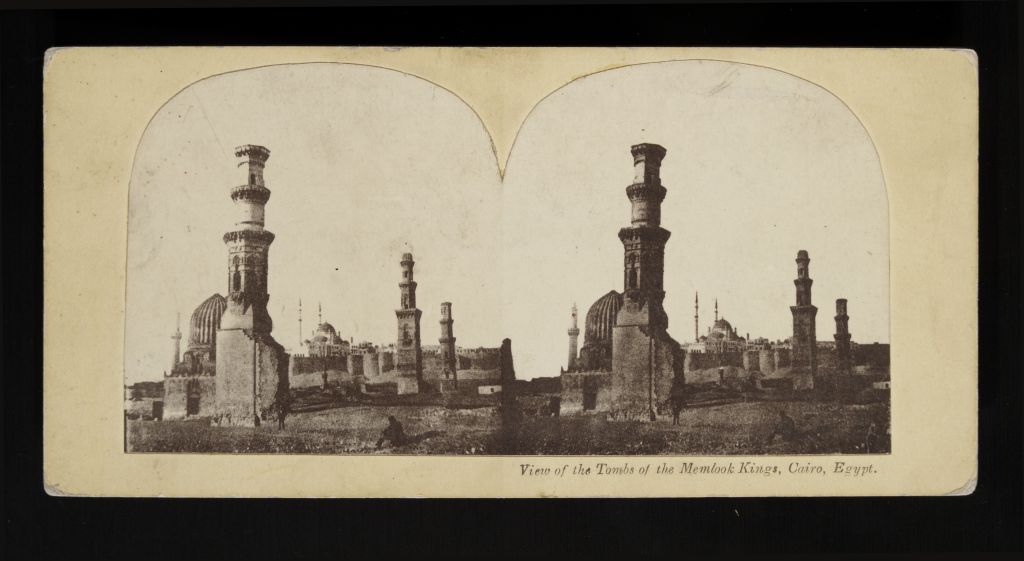
![Francis Bedford (English, 1815-1894) (photographer) 'Mosque of Mehemet Ali [Mosque of Muhammad Ali, Cairo]' 8 March 1862](https://artblart.com/wp-content/uploads/2015/02/mosque-of-mehemet-ali-web.jpg "Francis Bedford (English, 1815-1894) (photographer) 'Mosque of Mehemet Ali [Mosque of Muhammad Ali, Cairo]' 8 March 1862")
![Francis Bedford (English, 1815-1894) (photographer) 'Fountain in the Court of the Mosque of Mehemet Ali [Mosque of Muhammad Ali, Cairo]' 3 Mar 1862](https://artblart.com/wp-content/uploads/2015/02/fountain-in-the-court-of-the-mosque-web.jpg "Francis Bedford (English, 1815-1894) (photographer) 'Fountain in the Court of the Mosque of Mehemet Ali [Mosque of Muhammad Ali, Cairo]' 3 Mar 1862")
![Francis Bedford (English, 1815-1894) (photographer) 'Garden of Gethsemane [Jerusalem]' 2 Apr 1862](https://artblart.com/wp-content/uploads/2015/02/garden-of-gethsemane-web.jpg "Francis Bedford (English, 1815-1894) (photographer) 'Garden of Gethsemane [Jerusalem]' 2 Apr 1862")
![Francis Bedford (English, 1815-1894) (photographer) 'The Mount of Olives and Garden of Gethsemane [Jerusalem]' 2 Apr 1862](https://artblart.com/wp-content/uploads/2015/02/the-mount-of-olives-web.jpg "Francis Bedford (English, 1815-1894) (photographer) 'The Mount of Olives and Garden of Gethsemane [Jerusalem]' 2 Apr 1862")
![Francis Bedford (English, 1815-1894) (photographer) 'West Front of the Mosque of Omar [Dome of the Rock, Jerusalem]' 1 Apr 1862](https://artblart.com/wp-content/uploads/2015/02/west-front-of-the-mosque-of-omar-web.jpg "Francis Bedford (English, 1815-1894) (photographer) 'West Front of the Mosque of Omar [Dome of the Rock, Jerusalem]' 1 Apr 1862")
![Francis Bedford (English, 1815-1894) (photographer) 'Upper Bethoron [Beit Ur al-Foqa and the Valley of Ajalon]' 31 Mar 1862](https://artblart.com/wp-content/uploads/2015/02/upper-bethoron-web.jpg "Francis Bedford (English, 1815-1894) (photographer) 'Upper Bethoron [Beit Ur al-Foqa and the Valley of Ajalon]' 31 Mar 1862")
![Francis Bedford (English, 1815-1894) (photographer) 'Damascus - from a minaret in the Christian quarter [Syria]' 30 Apr 1862](https://artblart.com/wp-content/uploads/2015/02/damascus-web.jpg "Francis Bedford (English, 1815-1894) (photographer) 'Damascus - from a minaret in the Christian quarter [Syria]' 30 Apr 1862")
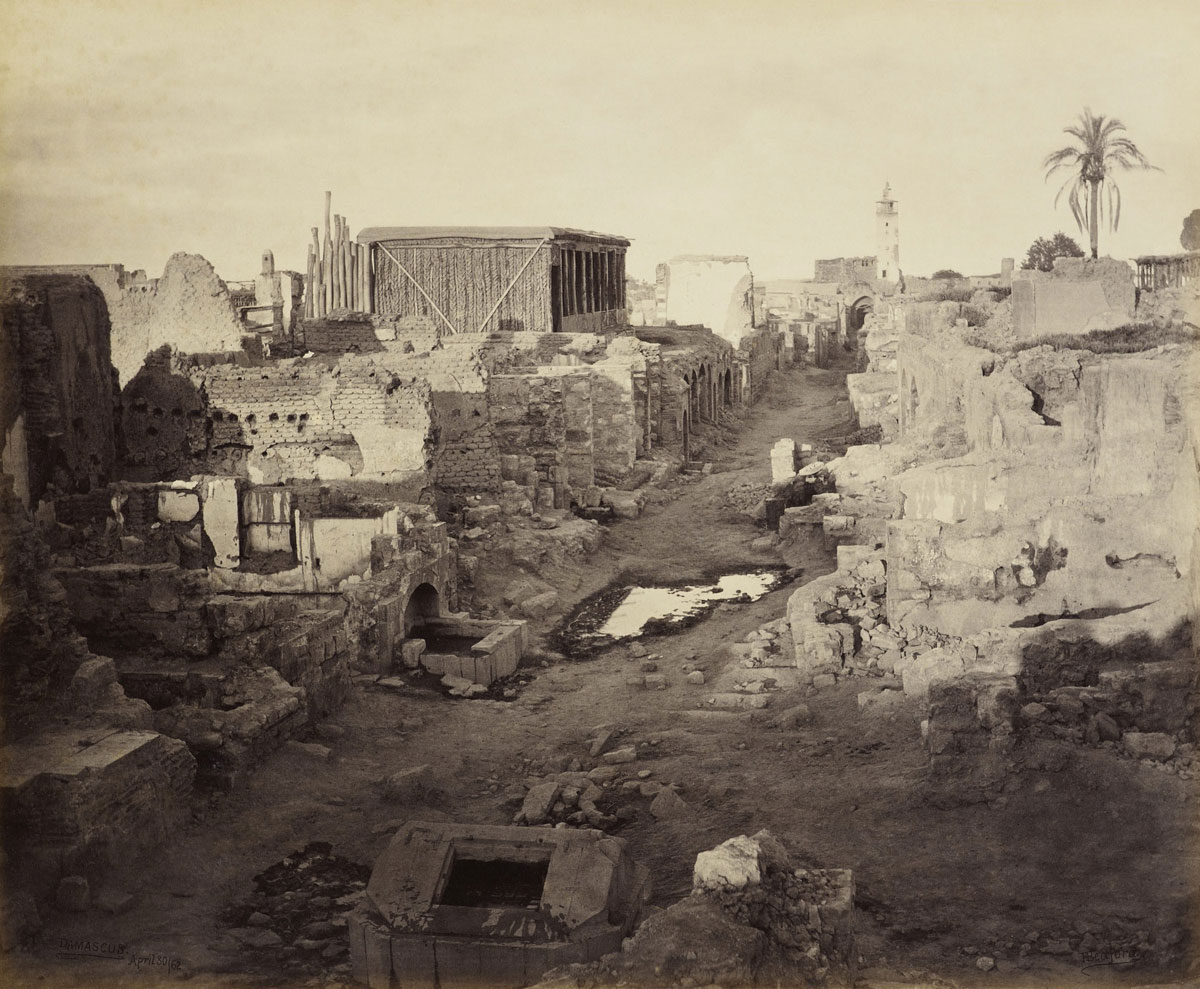
![Francis Bedford (English, 1815-1894) (photographer) 'Tower of Galata and part of Turkish burial ground [Istanbul, Turkey]' 21 May 1862](https://artblart.com/wp-content/uploads/2015/02/tower-of-galata-web.jpg "Francis Bedford (English, 1815-1894) (photographer) 'Tower of Galata and part of Turkish burial ground [Istanbul, Turkey]' 21 May 1862")
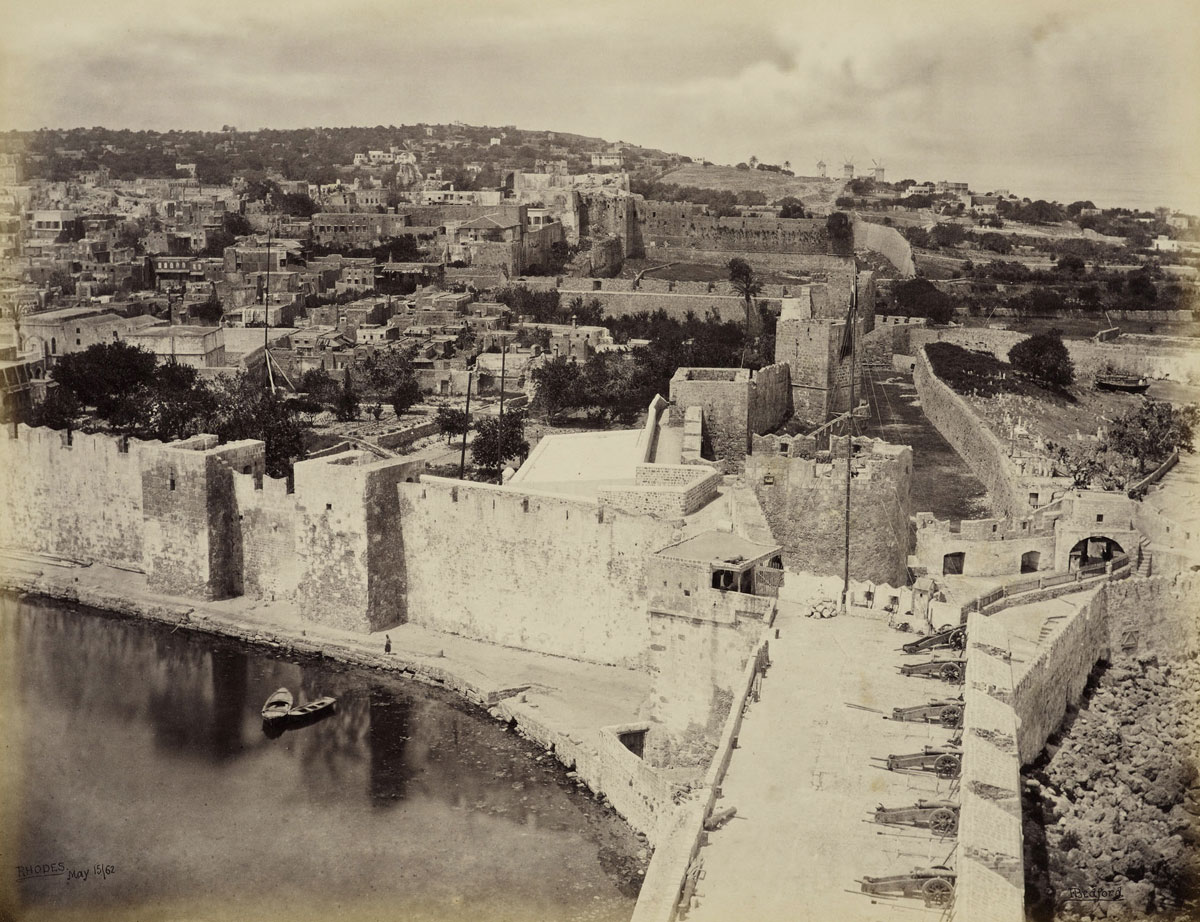


![Joseph Albert (English, 1825-1886) (photographer) '[The Prince of Wales and Prince Louis of Hesse, 11 February 1862]' Feb 1862](https://artblart.com/wp-content/uploads/2015/02/the-prince-of-wales-web.jpg "Joseph Albert (English, 1825-1886) (photographer) '[The Prince of Wales and Prince Louis of Hesse, 11 February 1862]' Feb 1862")


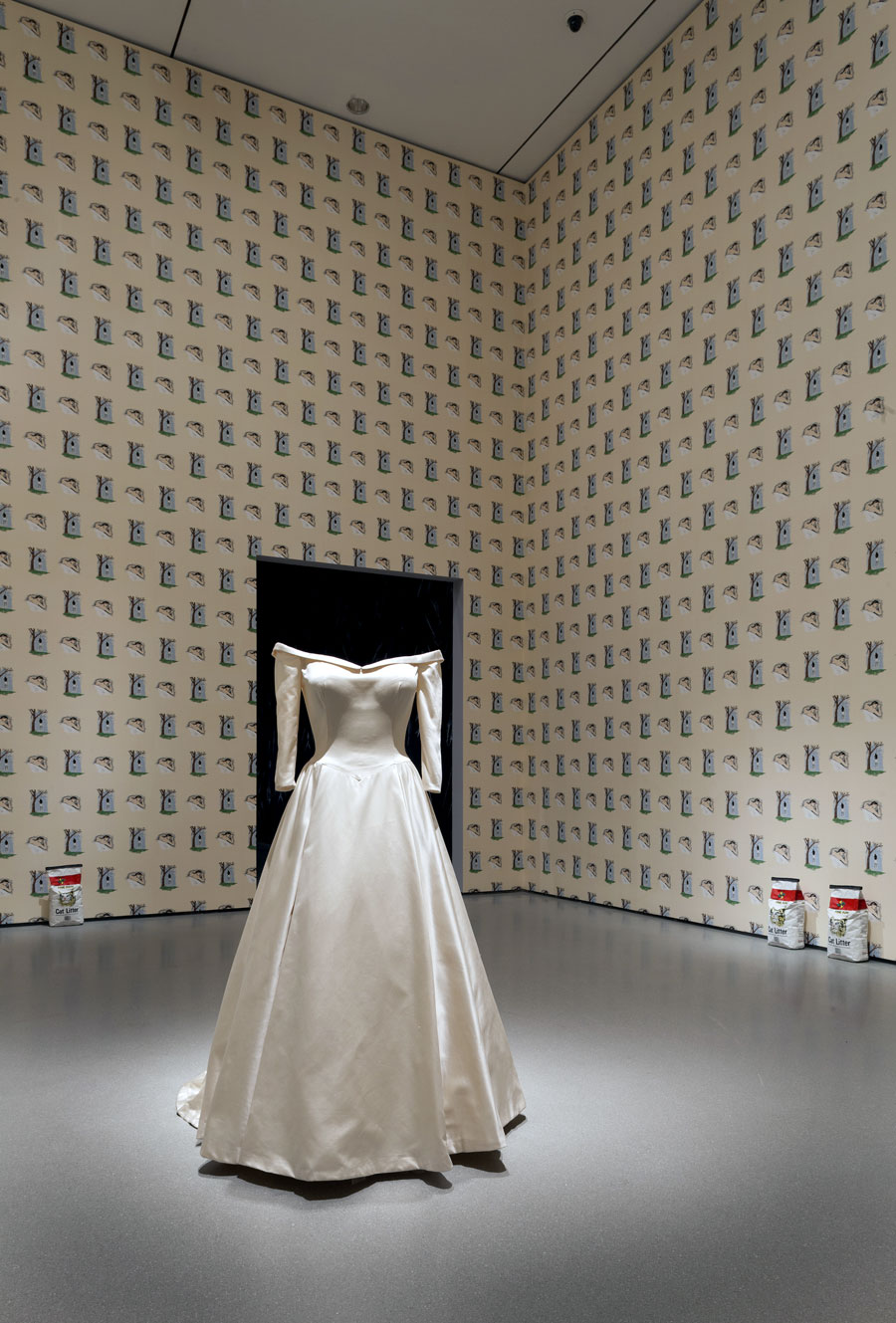

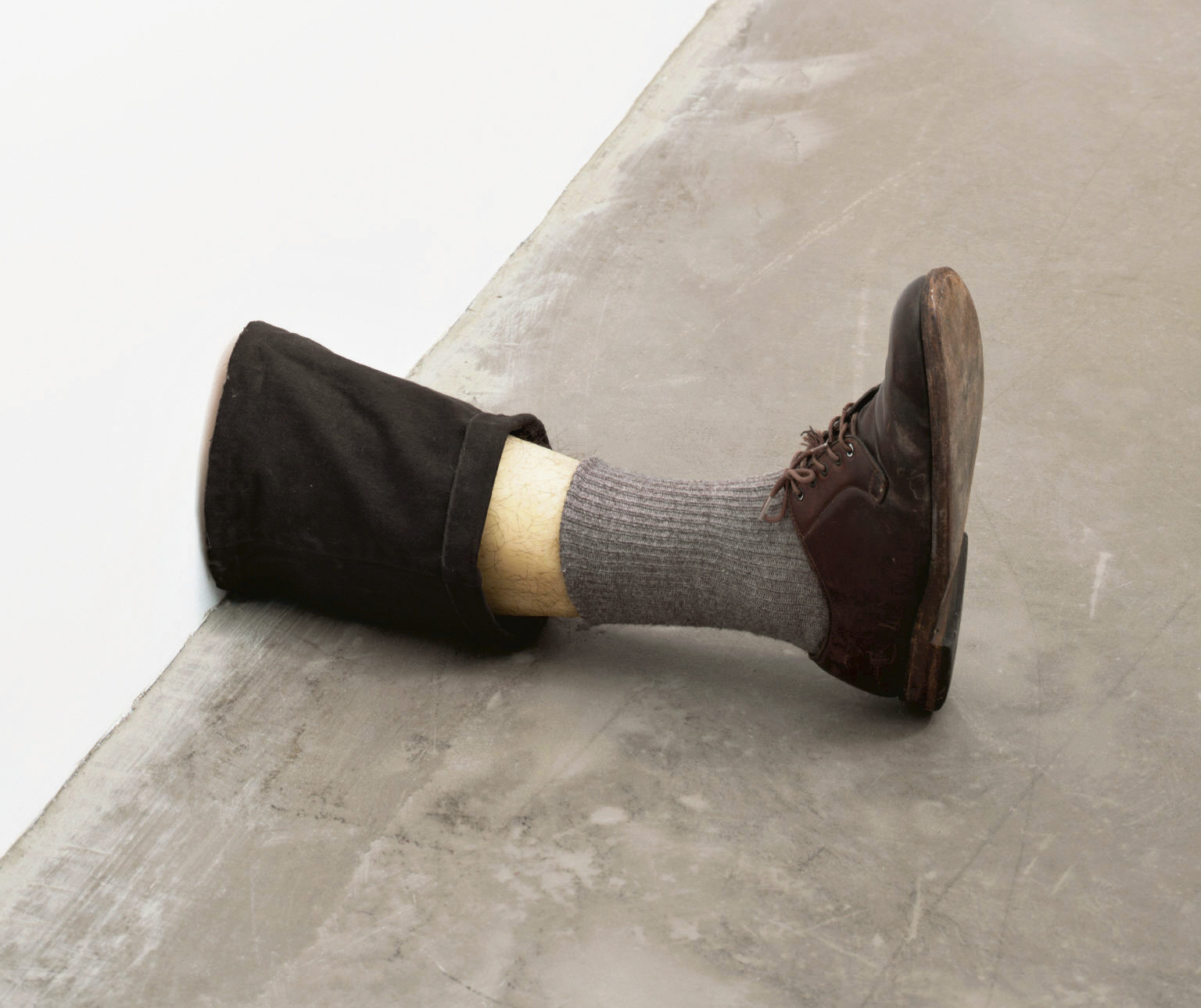

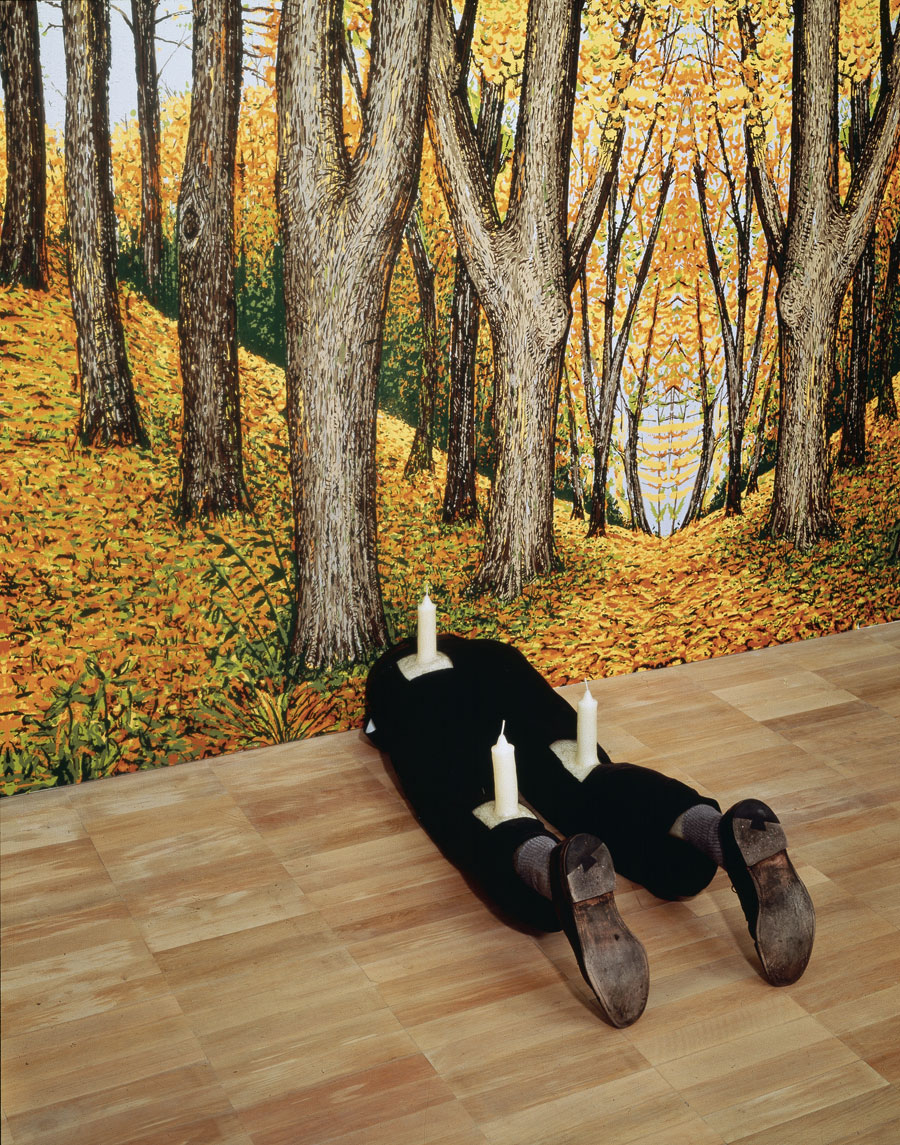


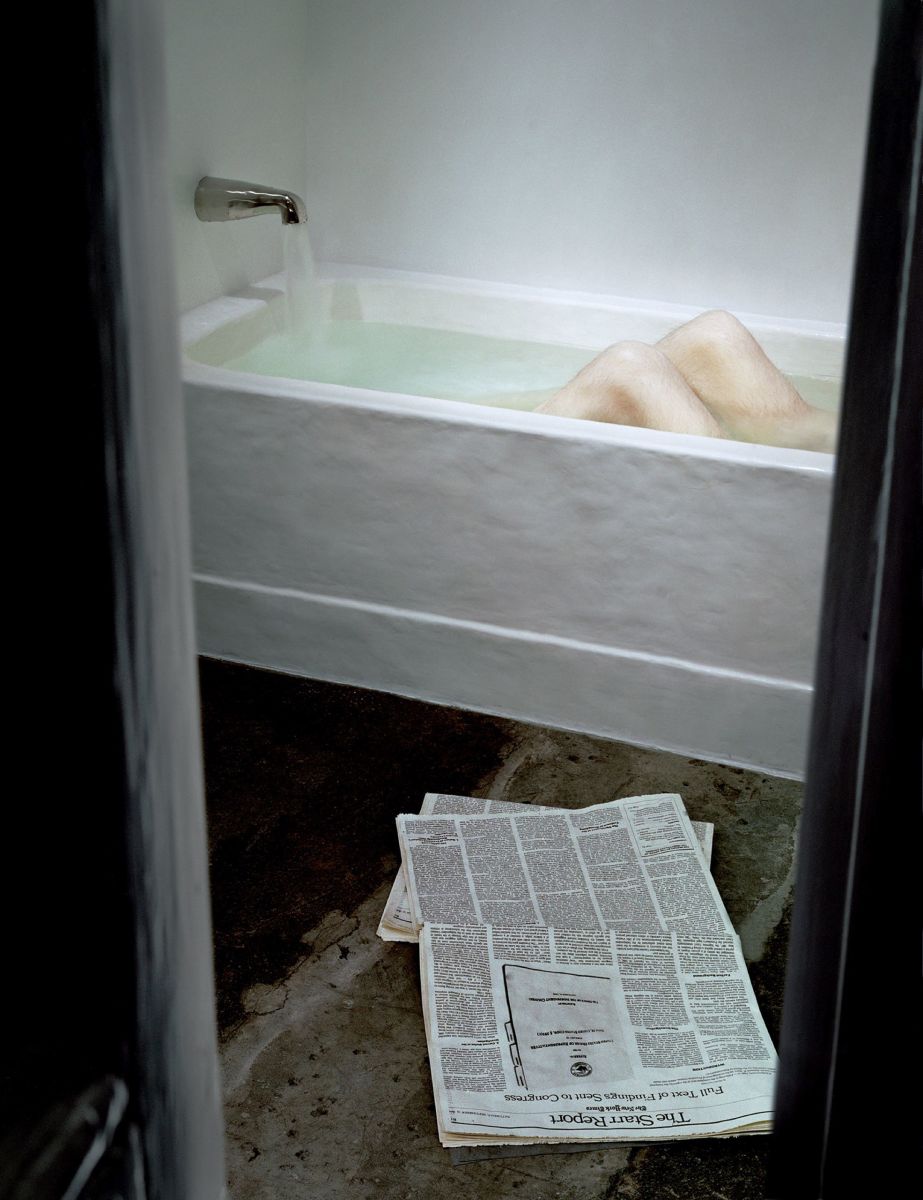

















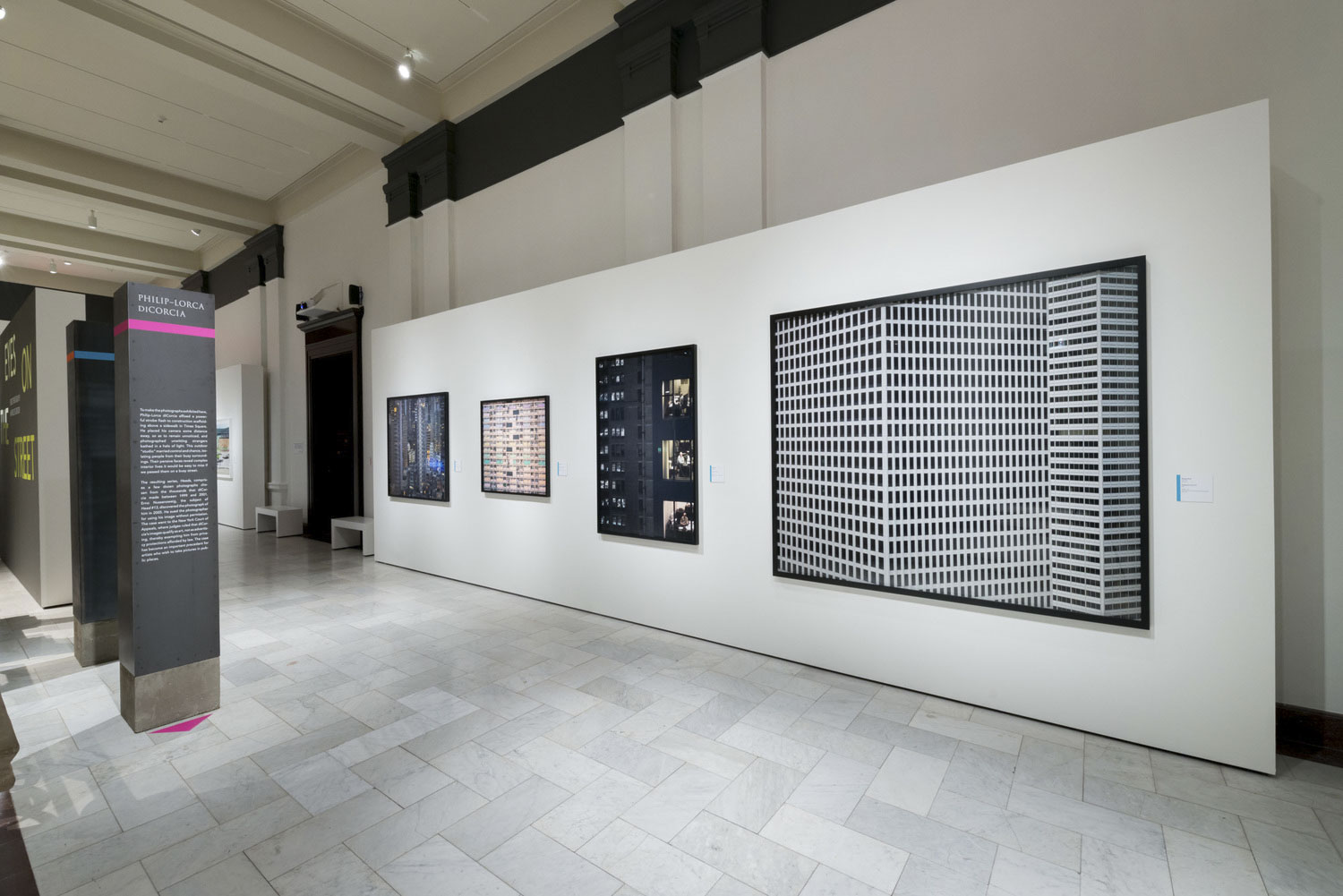

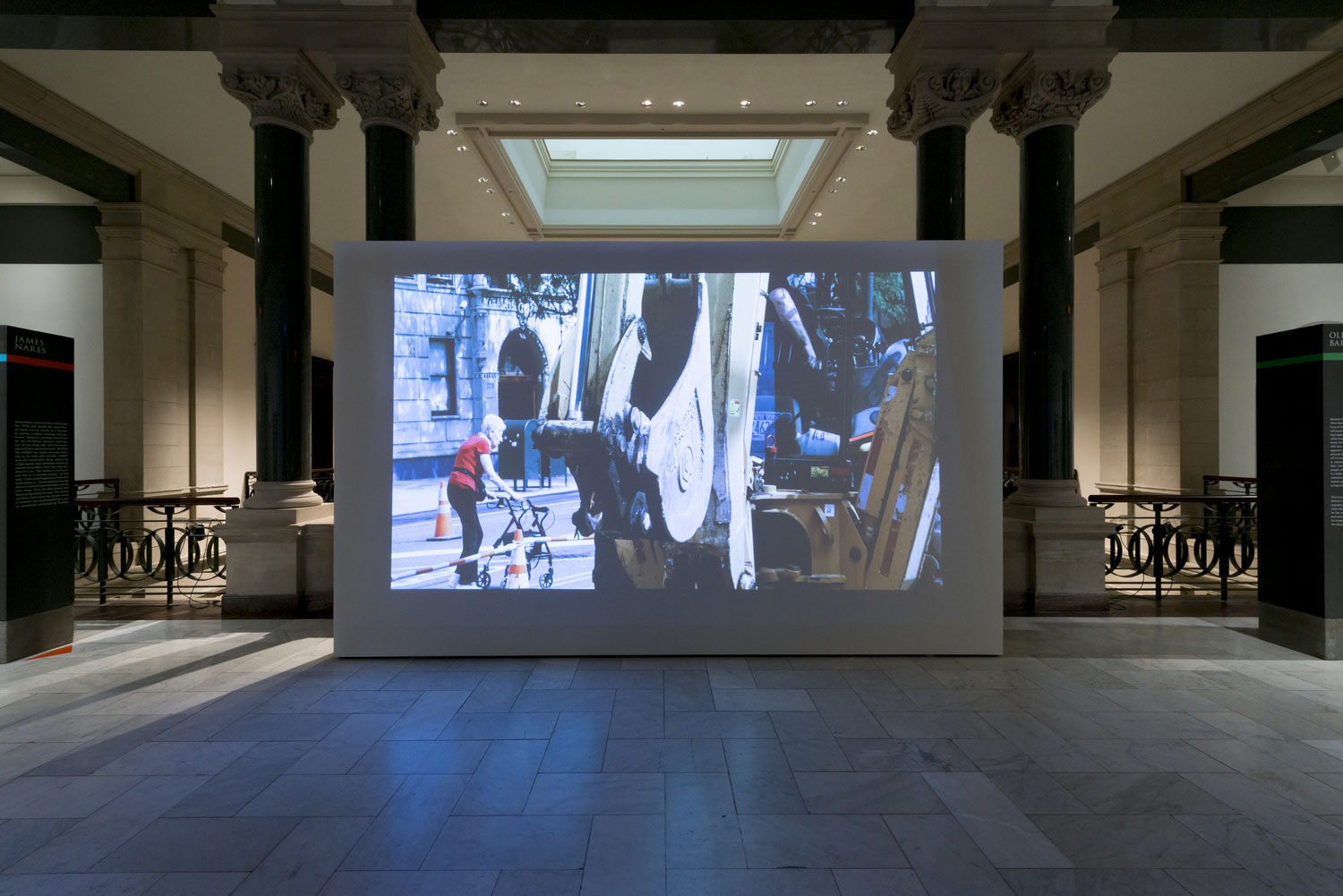
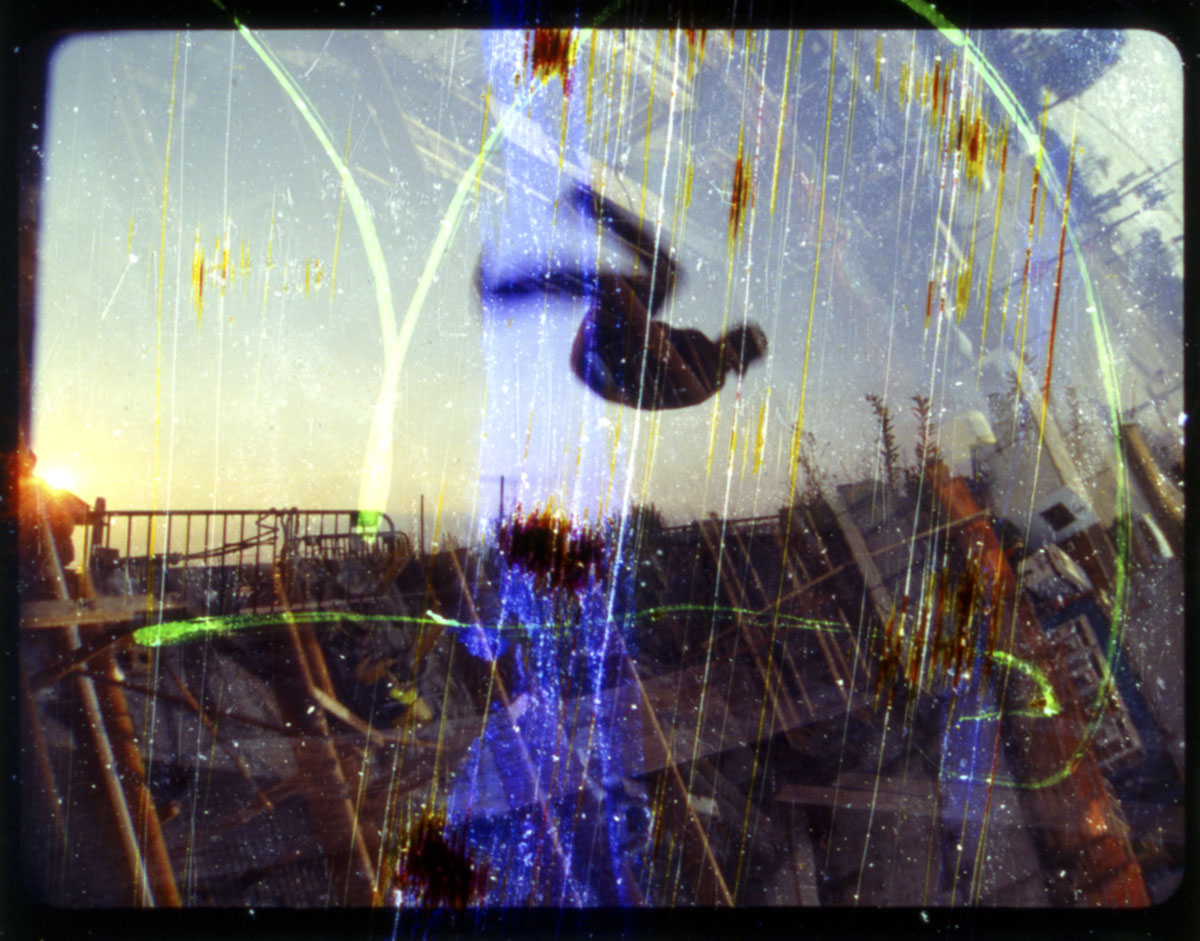

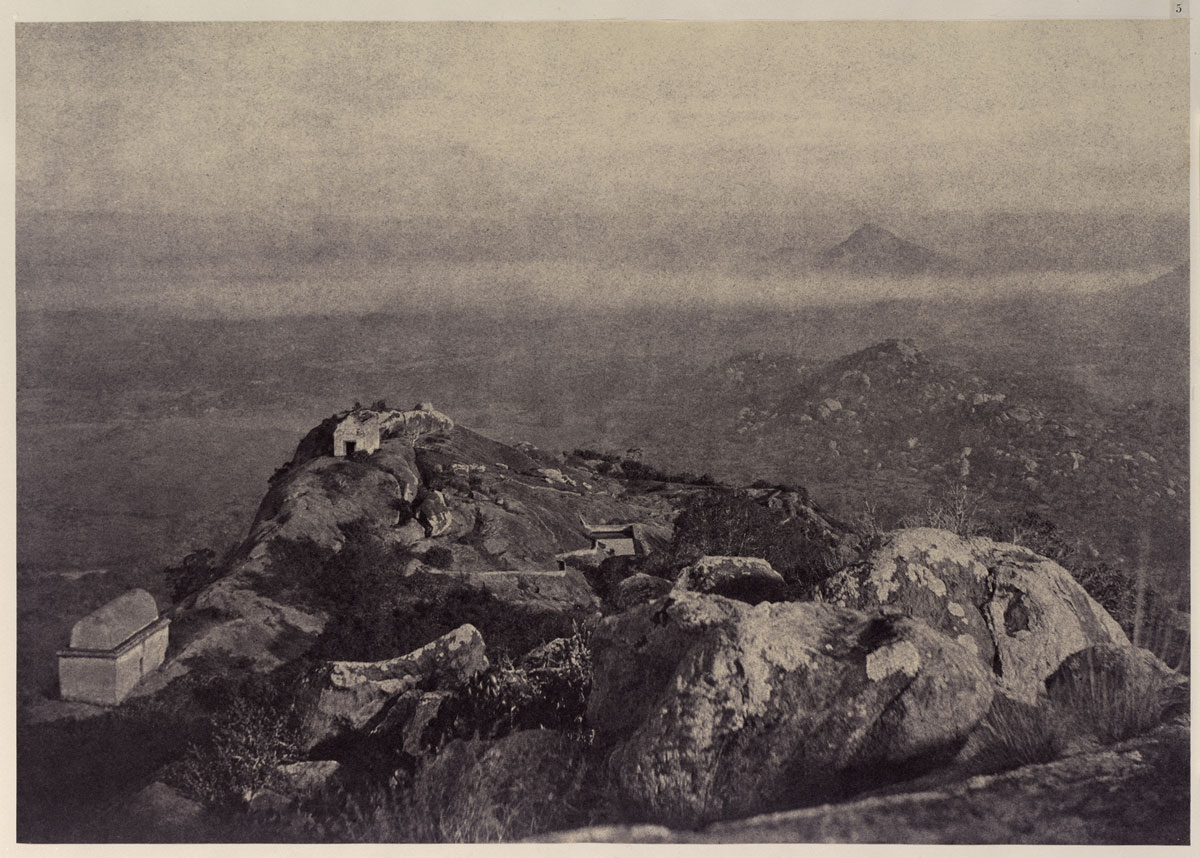
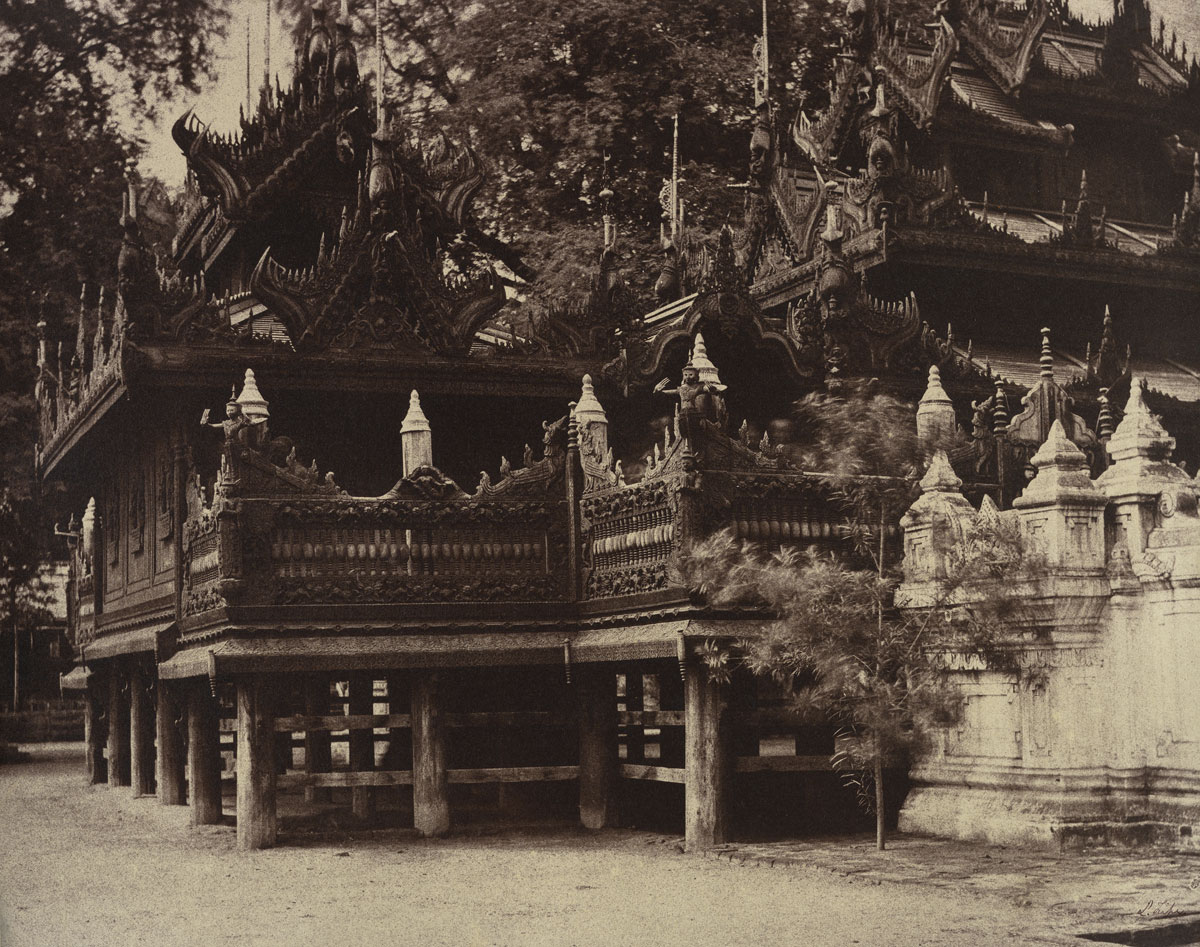
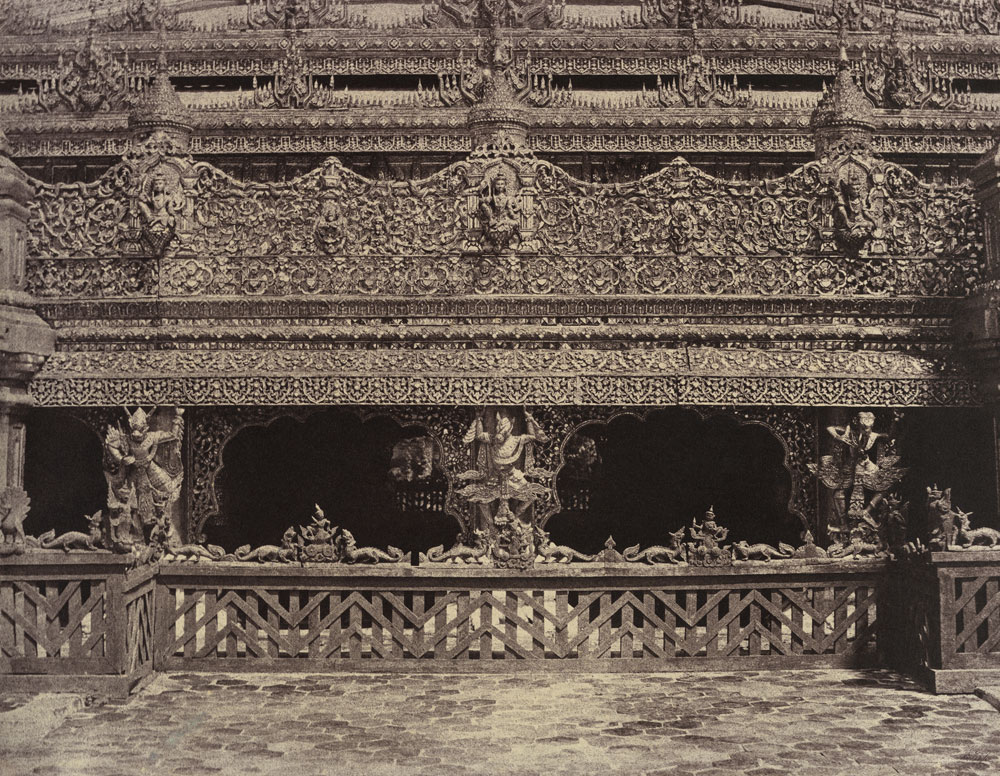
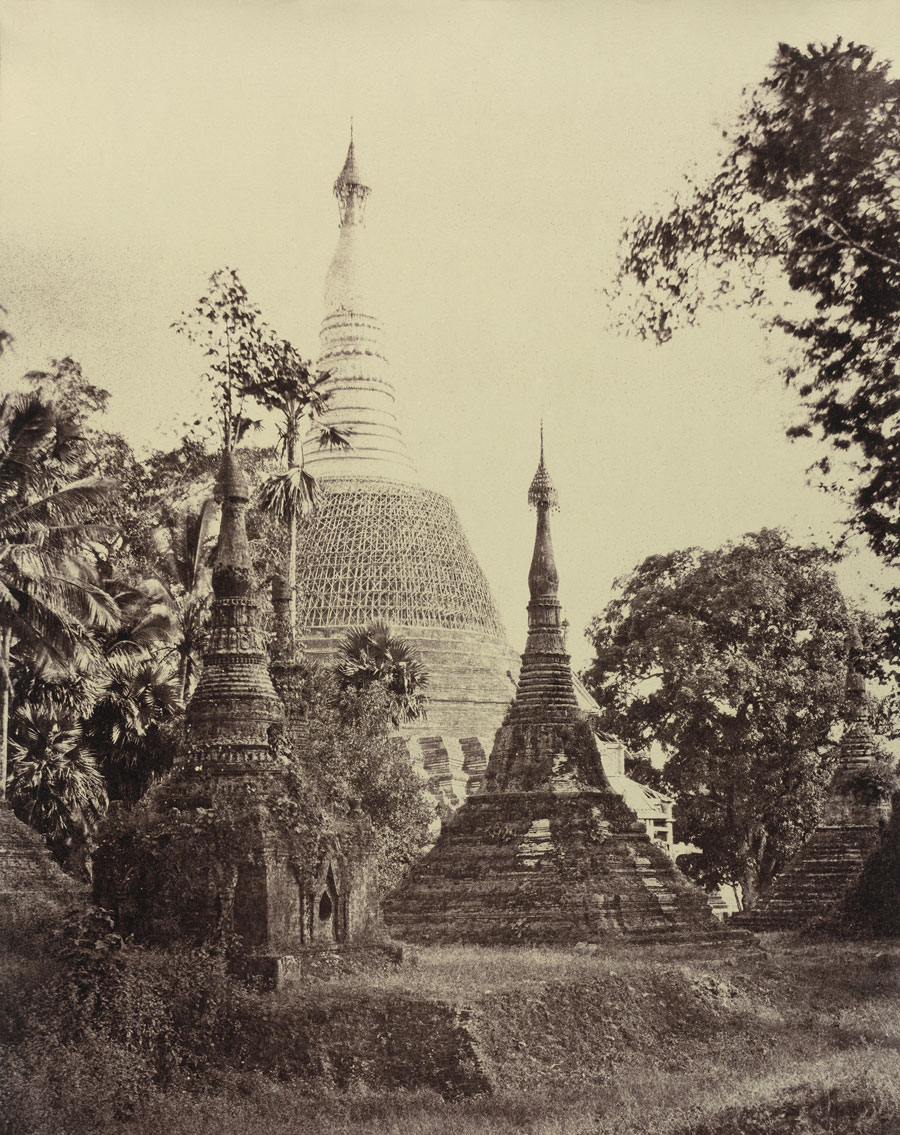
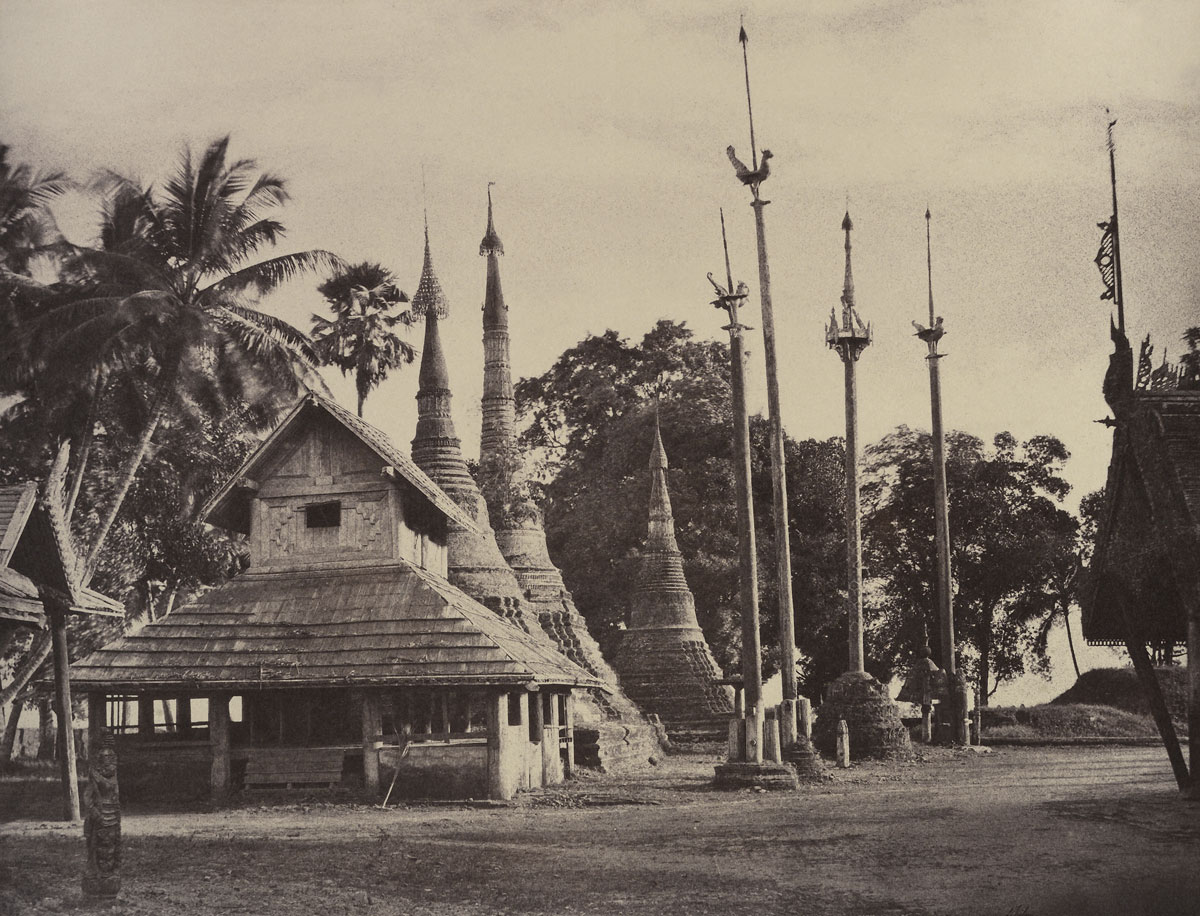
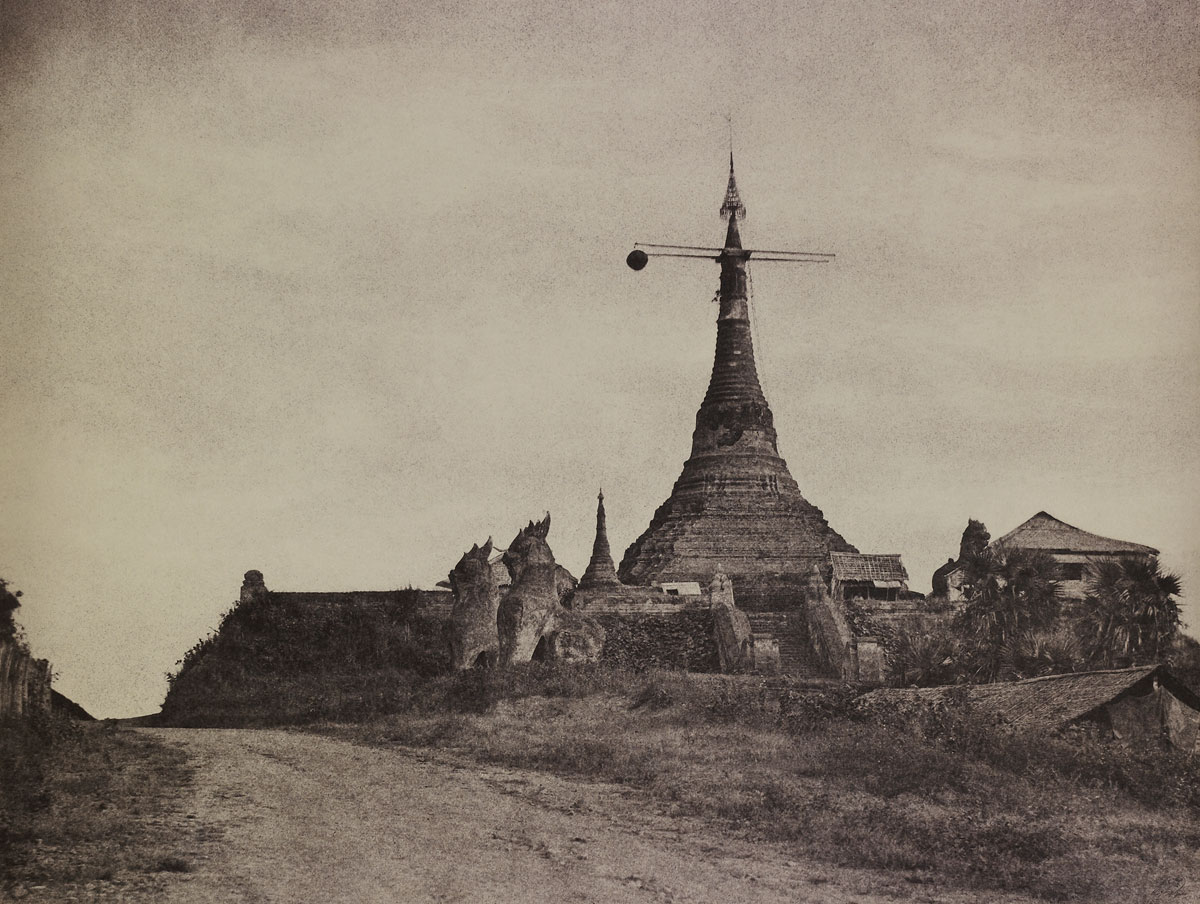
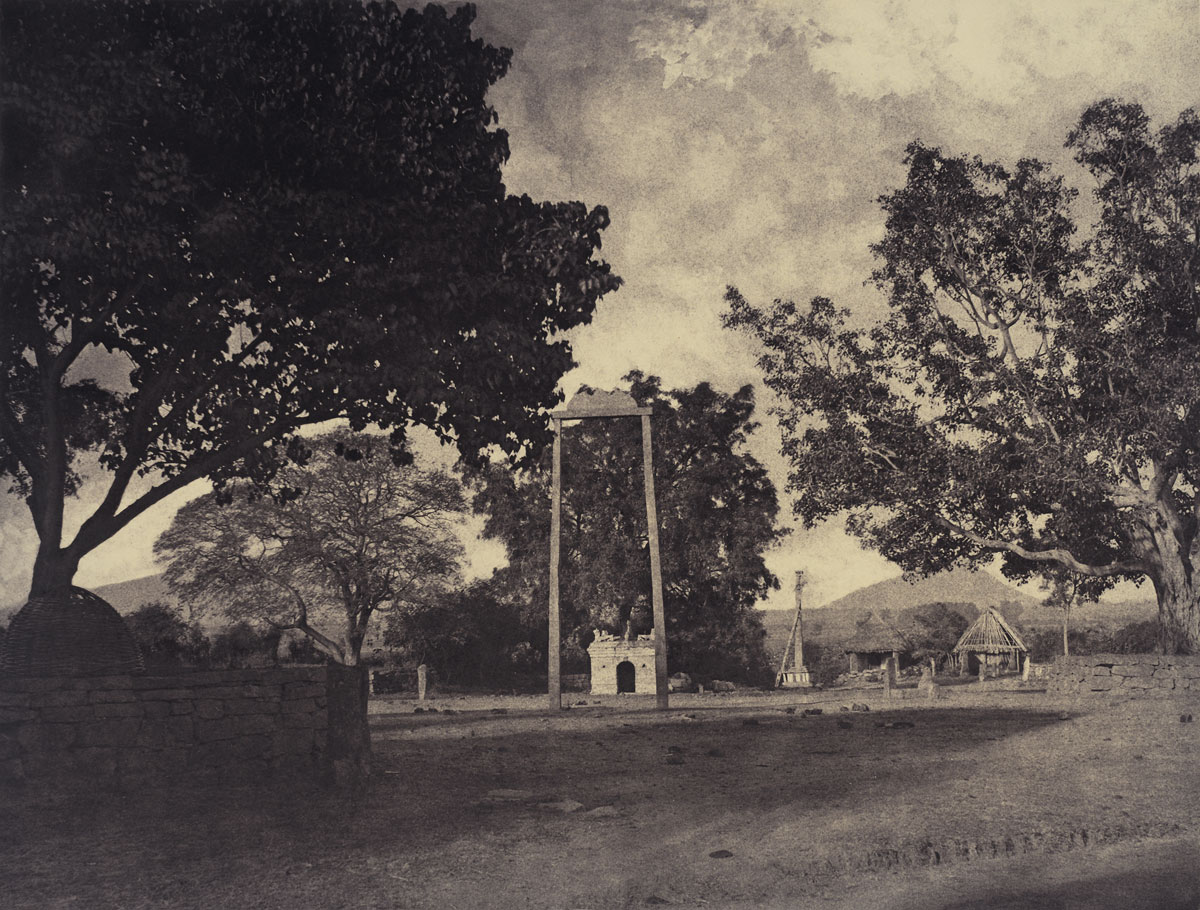
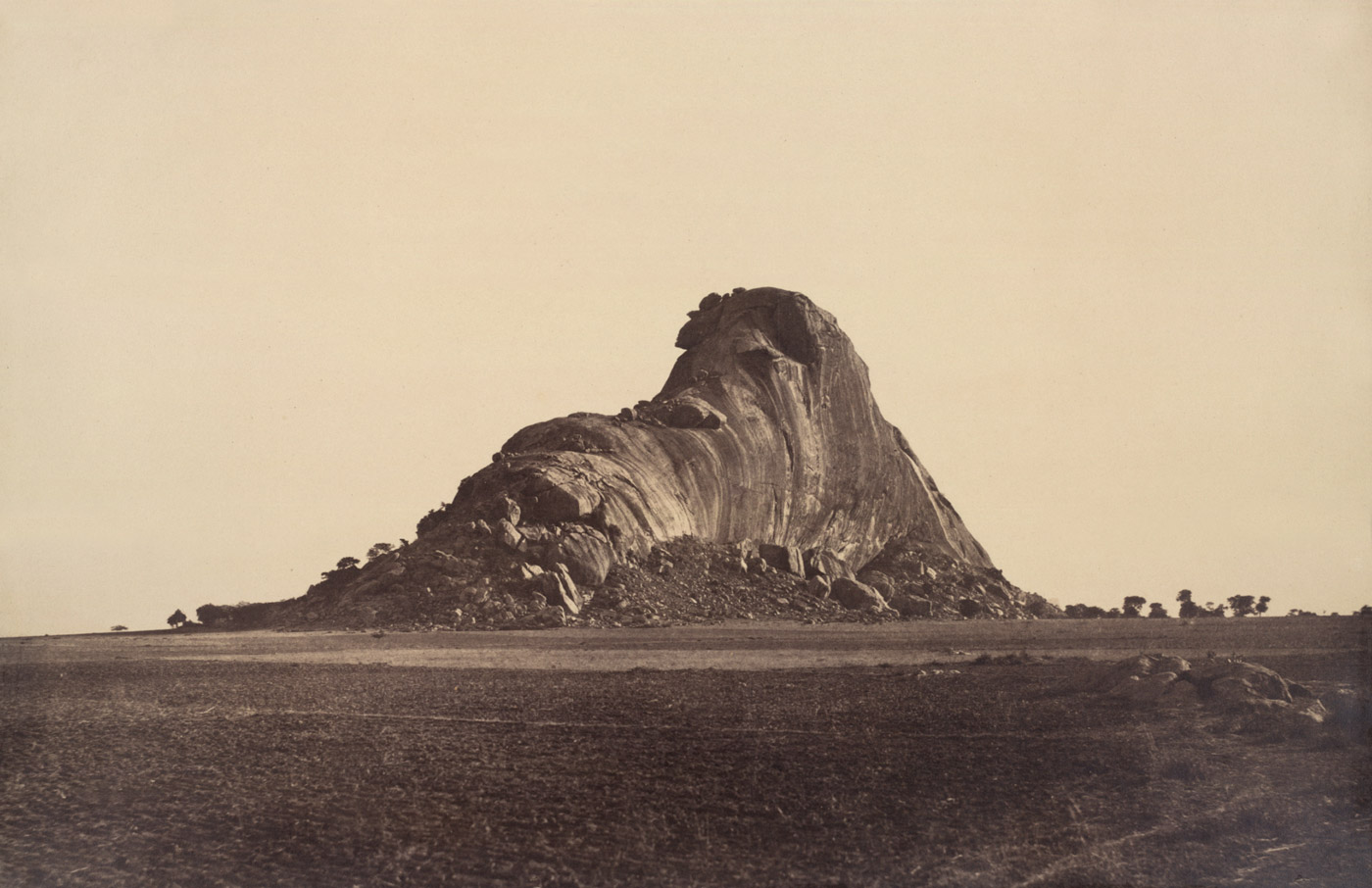
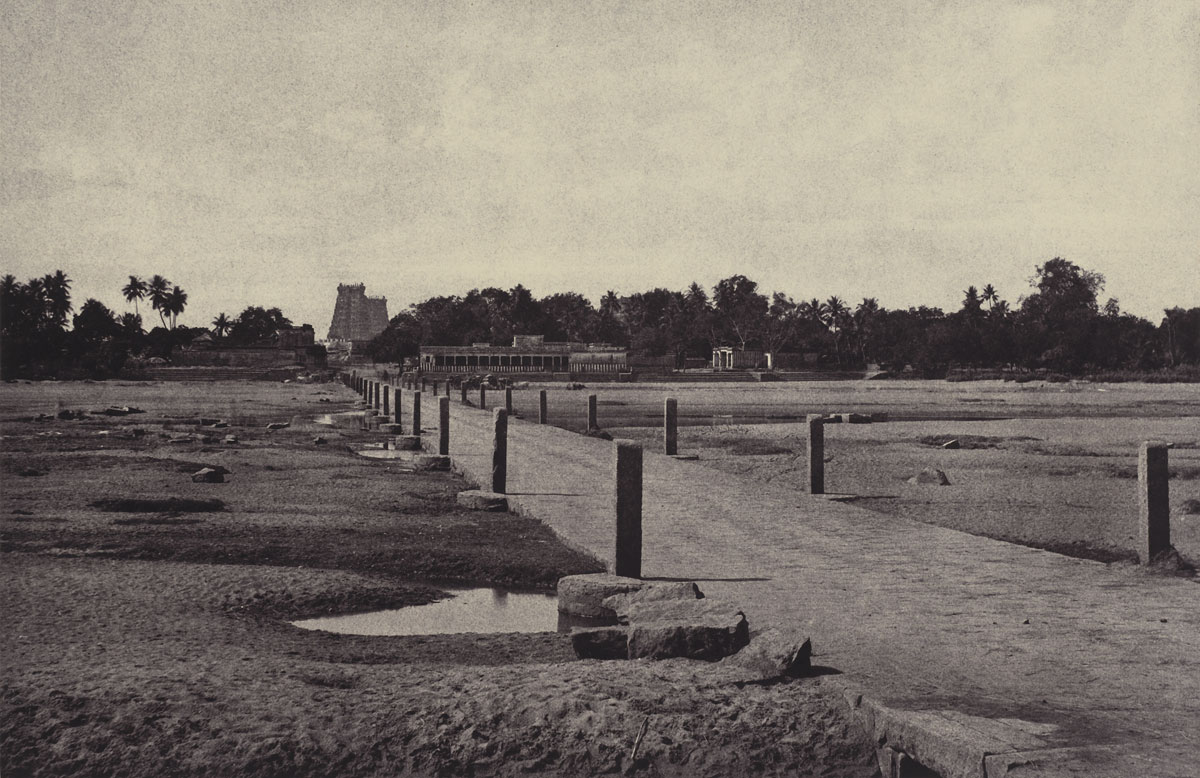
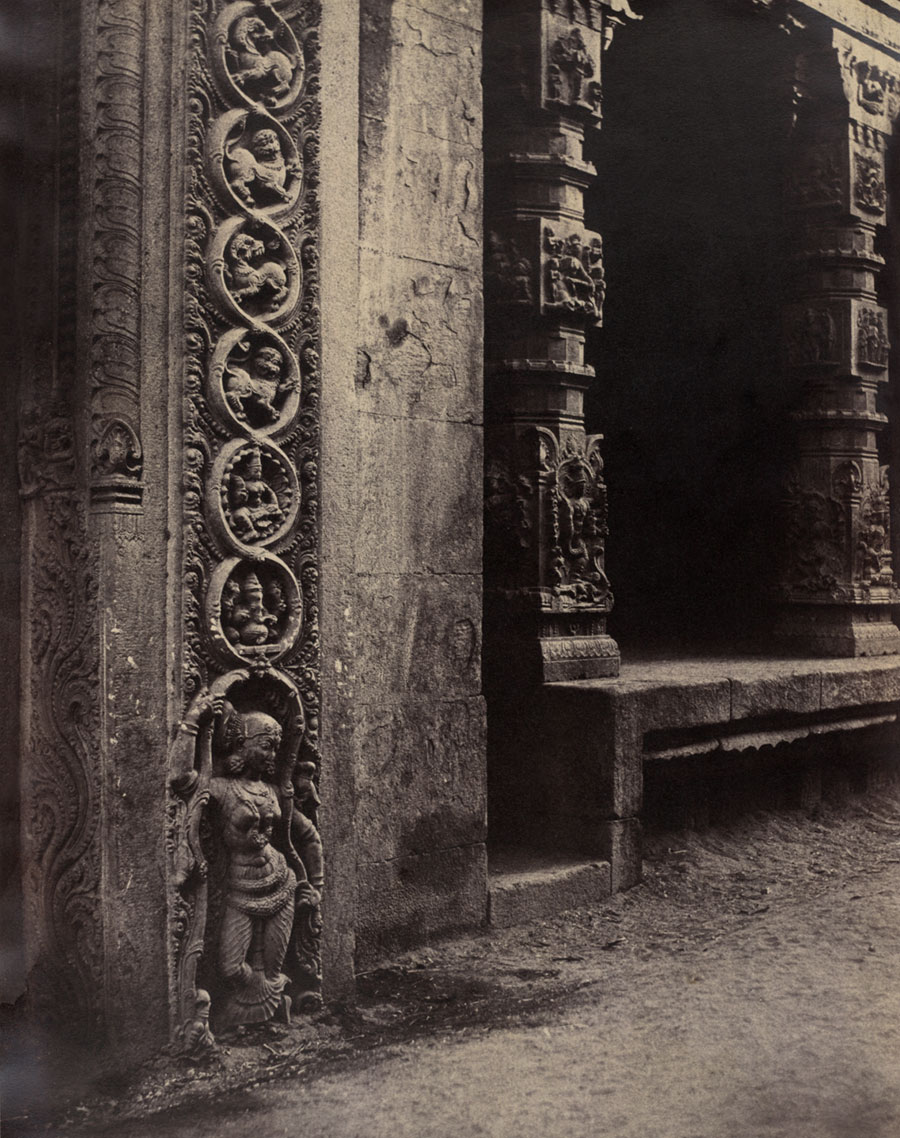
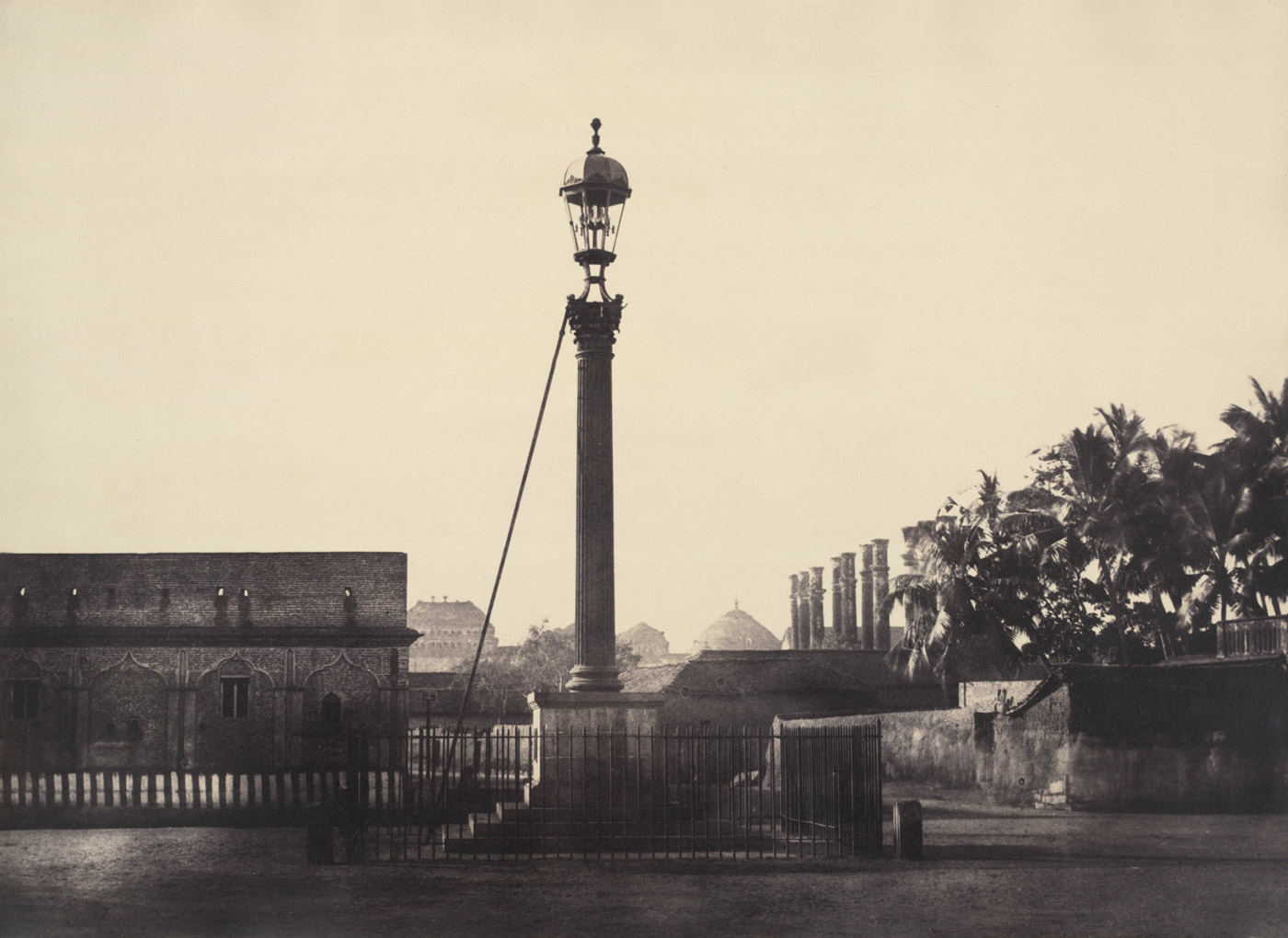
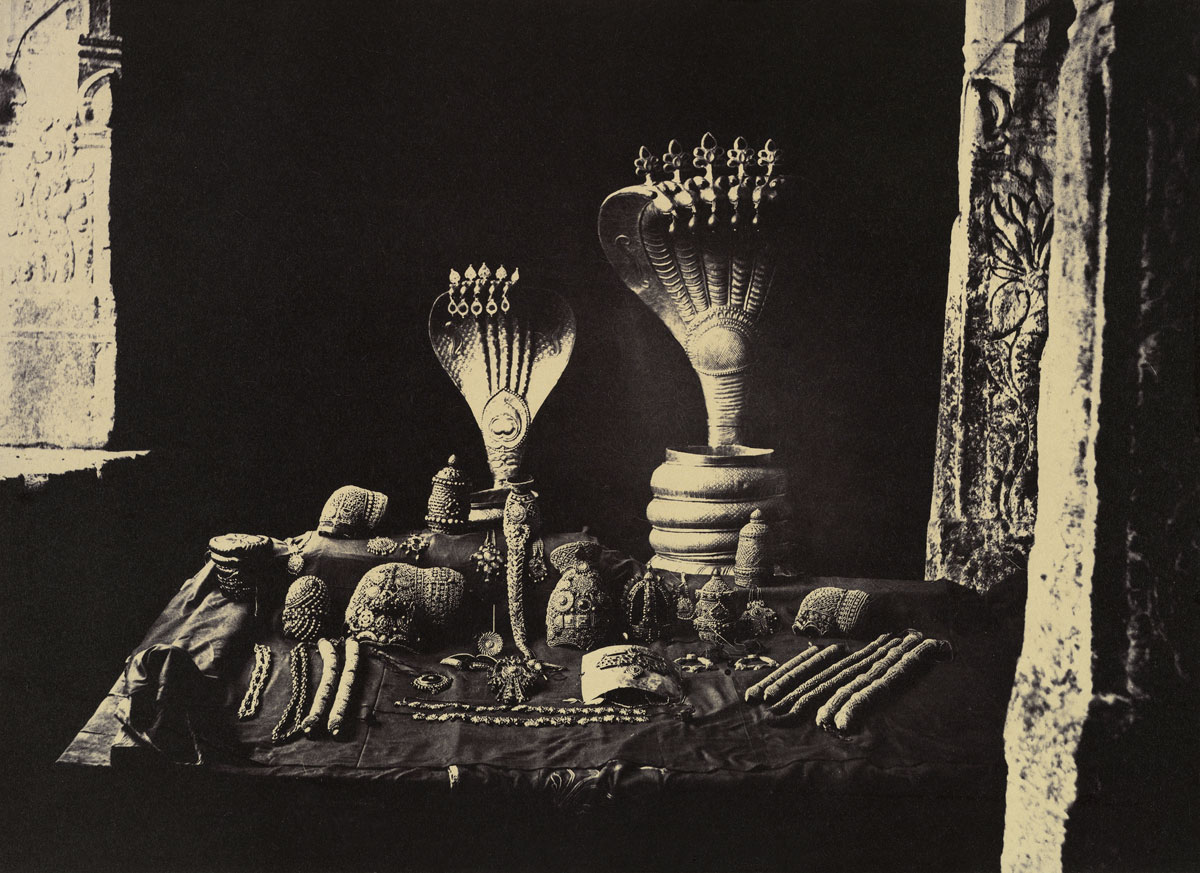
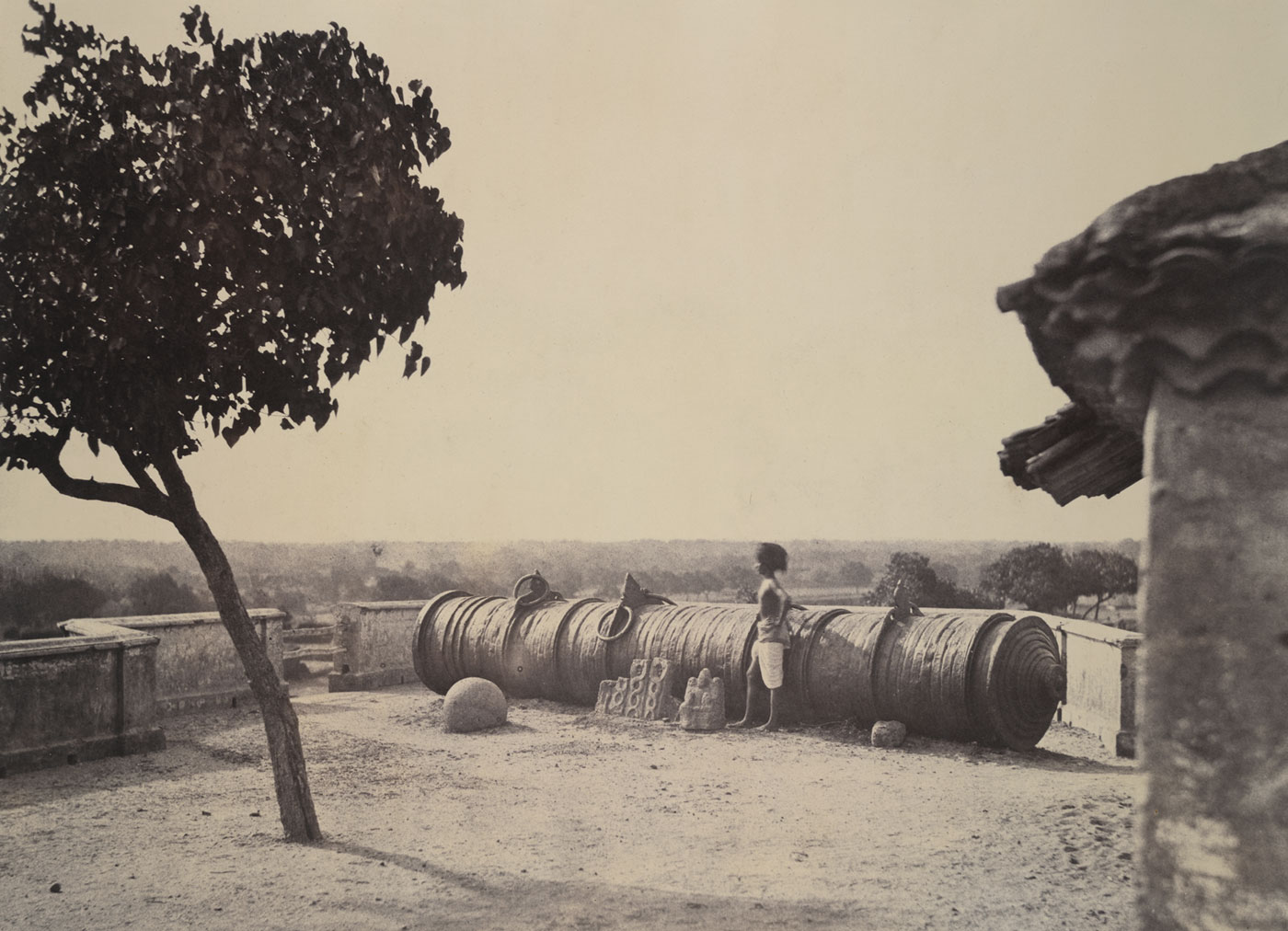
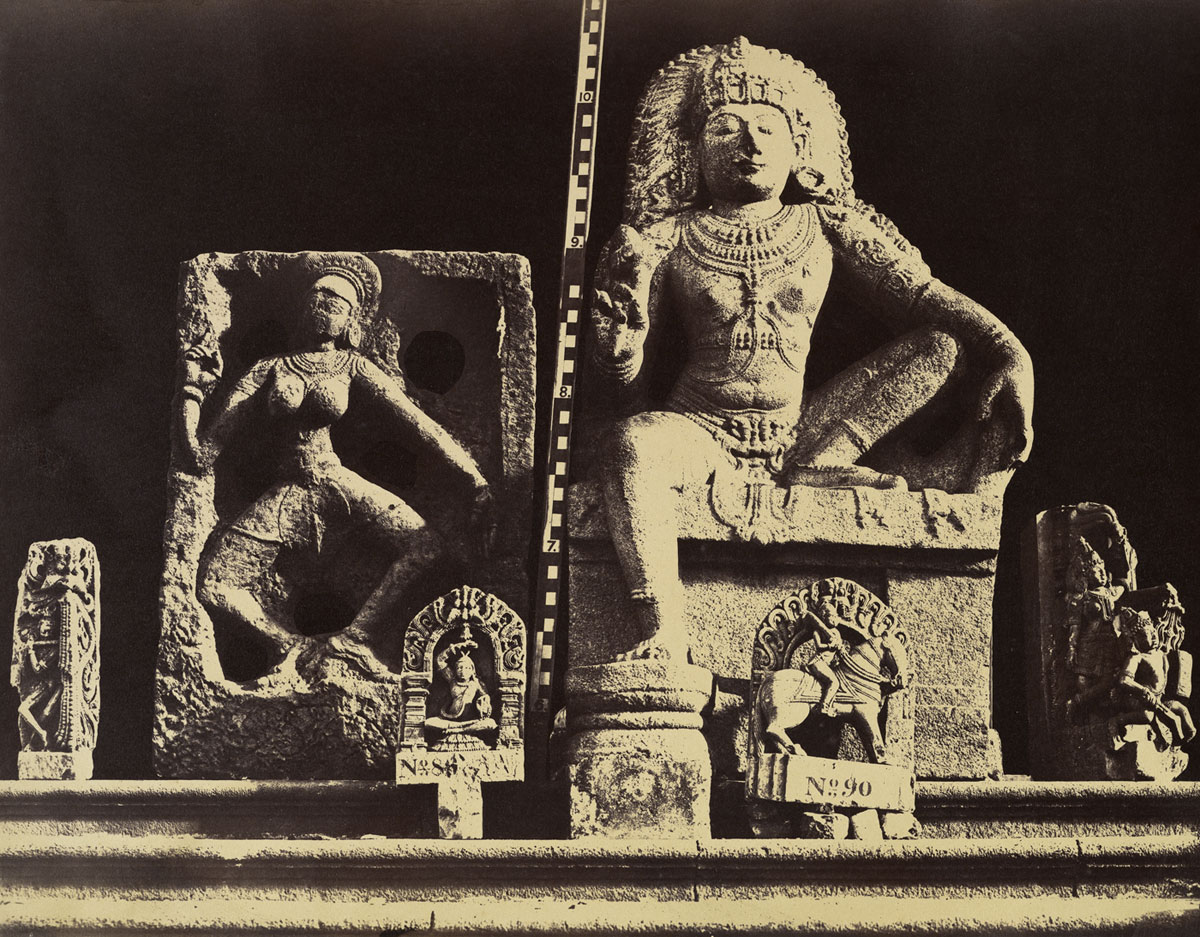
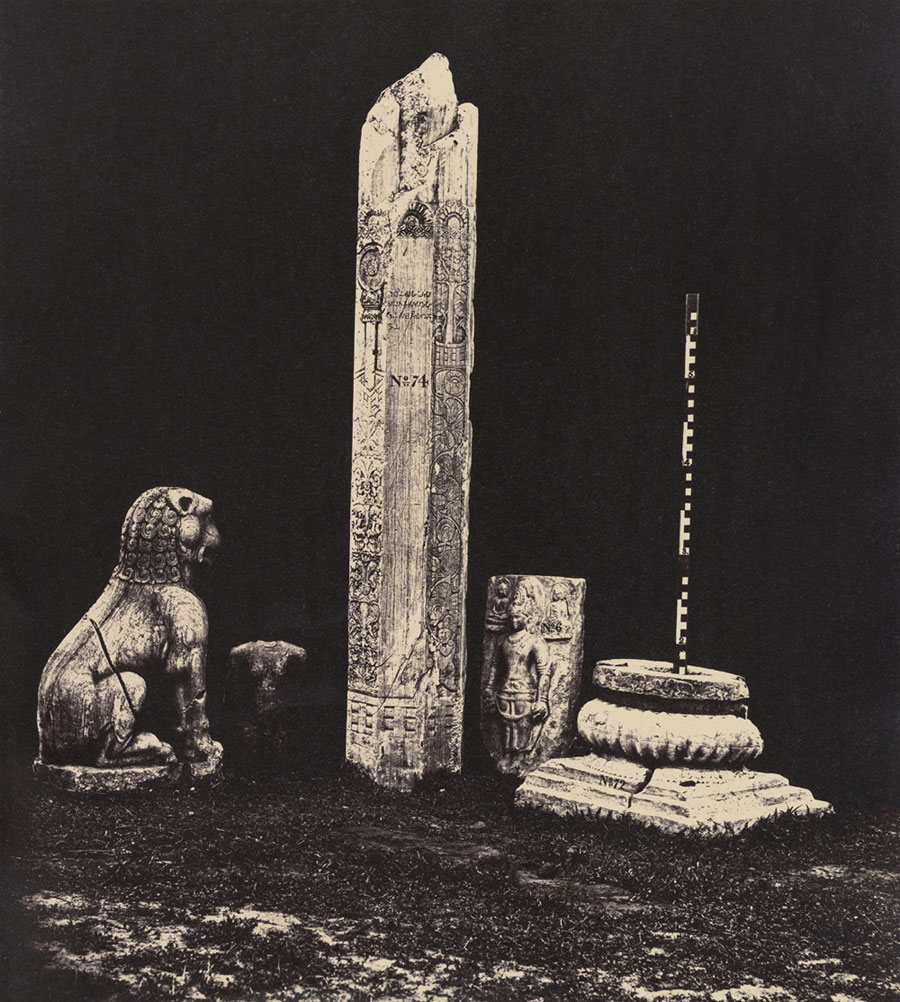
 Art Blart _ art and cultural memory archive
You must be logged in to post a comment.