Gary Krueger (American, b. 1945) Los Angeles, 1975 1975 8 x 10 inches Vintage gelatin silver print Signed, titled and dated in pencil on verso
Fallen Angels
Love these.
Krueger’s street photography inverts the normal meaning of bathos… in that a silly or very ordinary subject suddenly changes to a beautiful or important one.
For no reason that we can see, a clown stands in sunlight next to a tree on a street in Los Angeles. What is he doing there? How did he get there? The incongruity of the scene takes on an importance and pathos that is hard to decipher. A pair of 76’s; a snarling dog in a Mustang; the legs of a man on a contraption doing god knows what; and a “majorette” captured mid-air: was she pushed, did she trip, will she fall or recover from this impossible angle, this suspended aerobatic display silently watched by the camera lens and two parked School Buses.
There is black humour aplenty in these photographs, as they picture the happenstance anachronisms of a major American city. They make me think, they make me laugh in that small, tight way when you are not sure you should be laughing at all. The banana on roller skates, the hairy jacket and the man covered in Band Aids, his head wrapped in bandages. What the hell!
Remember what was happening in 1971-80 in Los Angeles. A 6.6-magnitude earthquake centred in Sylmar causes 65 deaths and $505 million in damage; an oil tanker explodes in Los Angeles Harbor killing five people and injuring 50; Los Angeles passes its gay and lesbian civil rights bill; Eula Love, a 39-year-old African-American mother was shot and killed on January 3, 1979 by Los Angeles Police Department (nothing changes!); the Skid Row Stabber (who has never been found) kills 11 homeless people; Los Angeles experiences severe flooding and mudslides; and in 1981 the first case of AIDS appears in Los Angeles County. The man with the Band AIDS seems rather prescient now.
“Through the 20th century, immigrants were attracted by a promised paradise: endless orange groves, a temperate climate and money to be made, as described by aggressively promoted booster campaigns. Families were told to leave the cold, increasingly crowded cities of the east and midwest far behind – the City of Angels was portrayed as a heaven on Earth.” While Neil Simon once described Los Angeles as “like paradise with a lobotomy,” Krueger’s bizarre photographs depict ‘the City of Angels’ as everything and anything but, a utopian paradise.
Dr Marcus Bunyan
Many thankx to Joseph Bellows Gallery for allowing me to publish the photographs and the text (reproduced with permission) in the posting. Please click on the photographs for a larger version of the image.
“It’s not what I put into a photo;
it’s what I take out of a photo.”
Gary Krueger
Gary Krueger (American, b. 1945) Los Angeles, 1976 1976 8 x 10 inches Vintage gelatin silver print Signed, titled and dated in pencil on verso
Gary Krueger (American, b. 1945) Los Angeles, 1973 1973 8 x 10 inches Vintage gelatin silver print Signed, titled and dated in pencil on verso
Gary Krueger (American, b. 1945) Los Angeles, 1973 1973 8 x 10 inches Vintage gelatin silver print Signed, titled and dated in pencil on verso
Gary Krueger (American, b. 1945) Hollywood, 1971 1971 8 x 10 inches Vintage gelatin silver print Signed, titled and dated in pencil on verso
Gary Krueger (American, b. 1945) Los Angeles, 1971 1971 8 x 10 inches Vintage gelatin silver print Signed, titled and dated in pencil on verso
Gary Krueger (American, b. 1945) Los Angeles, 1973 1973 8 x 10 inches Vintage gelatin silver print Signed, titled and dated in pencil on verso
Gary Krueger (American, b. 1945) Los Angeles, 1974 1974 8 x 10 inches Vintage gelatin silver print Signed, titled and dated in pencil on verso
Joseph Bellows Gallery is pleased to present Gary Krueger’s City of Angels, 1971-1980, a collection of sometimes frenetic and often bizarre photographs of Los Angeles, California. Krueger’s curiosity and instincts helped to create a remarkable body of street photography that he describes as “split-second juxtapositions in life.” After graduating High School in 1963, Gary Krueger (1945- ) drove his 1954 Ford west from Cleveland, Ohio, to study graphic design and photography at the Chouinard Art Institute in Los Angeles from 1964 to 1967. Later Cal Arts, Chouinard was a professional art school founded in 1921 by Nelbert Murphy Chouinard. In 1961, Walt and Roy Disney guided the merger of Chouinard and the Los Angeles Conservatory of Music to establish the California Institute of the Arts. Notable alumni include Ed Ruscha, Larry Bell, Robert Irwin, Joe Goode, and Allen Ruppersberg, with whom Krueger collaborated on Ruppersberg’s narrative photo works, including 23 Pieces (1969) and 24 Pieces (1970). Upon graduation from Chouinard, Krueger was hired by WED, Disney’s “Imagineering” Division to photograph the Park and its events. He eventually left WED to pursue a successful career as a commercial and editorial photographer.
“Gary Krueger’s plain ol’ photographs (unless I’m missing a point) – small, tough, and sharp – are good, granite reportage. Baldessari’s “Fables” and Krueger’s no-nonsense photos cut like a hot ripsaw through the cool, marshmallow quality of both exhibitions.” – Peter Plagens, from a 1973 ARTFORUM review of the exhibition, Southern California: Attitudes 1972, at the Pasadena Art Museum.
Krueger’s work is represented in The Minneapolis Institute of Art, Museum of Fine Arts, Houston, Center for Creative Photography, Tucson, AZ, the Los Angeles County Museum of Art, and the Santa Barbara Museum of Art.
Press release from the Joseph Bellows Gallery [Online] Cited 28/02/2021
Gary Krueger (American, b. 1945) Los Angeles, 1972 1972 8 x 10 inches Vintage gelatin silver print Signed, titled and dated in pencil on verso
Gary Krueger (American, b. 1945) Los Angeles, 1970 1970 8 x 10 inches Vintage gelatin silver print Signed, titled and dated in pencil on verso
Gary Krueger (American, b. 1945) Los Angeles, 1974 1974 8 x 10 inches Vintage gelatin silver print Signed, titled and dated in pencil on verso
Gary Krueger (American, b. 1945) Los Angeles, 1971 1971 8 x 10 inches Vintage gelatin silver print Signed, titled and dated in pencil on verso
Gary Krueger (American, b. 1945) Los Angeles, 1971 1971 8 x 10 inches Vintage gelatin silver print Signed, titled and dated in pencil on verso
Gary Krueger (American, b. 1945) Hollywood, CA, 1971 1971 8 x 10 inches Vintage gelatin silver print Signed, titled and dated in pencil on verso
Gary Krueger (American, b. 1945) Los Angeles, 1973 1973 8 x 10 inches Vintage gelatin silver print Signed, titled and dated in pencil on verso
Gary Krueger (American, b. 1945) Los Angeles, 1976 1976 8 x 10 inches Vintage gelatin silver print Signed, titled and dated in pencil on verso
Gary Krueger (American, b. 1945) Los Angeles, 1979 1979 8 x 10 inches Vintage gelatin silver print Signed, titled and dated in pencil on verso
Gary Krueger (American, b. 1945) Los Angeles Zoo, 1971 1971 8 x 10 inches Vintage gelatin silver print Signed, titled and dated in pencil on verso
Gary Krueger (American, b. 1945) Los Angeles, 1980 1980 8 x 10 inches Vintage gelatin silver print Signed, titled and dated in pencil on verso
Gary Krueger (American, b. 1945) Hollywood, 1971 1971 8 x 10 inches Vintage gelatin silver print Signed, titled and dated in pencil on verso
Gary Krueger (American, b. 1945) Los Angeles, 1980 1980 8 x 10 inches Vintage gelatin silver print Signed, titled and dated in pencil on verso
Gary Krueger (American, b. 1945) Los Angeles, 1975 1975 8 x 10 inches Vintage gelatin silver print Signed, titled and dated in pencil on verso
Joseph Bellows Gallery 7661 Girrard Avenue La Jolla, California Phone: 858 456 5620
Opening hours: Tuesday – Saturday 11am – 5pm and by appointment
Early in his career, Bey realised the importance of collaborating with his subjects to make a picture that would also serve as a dialogue between artist and subject: “I wanted to photograph this man in the bowler hat who was talking to a group of three friends and I had no idea how to interrupt their conversation in order to do so. This is when I first realised that it wasn’t just about the photograph; it was also about establishing a relationship out of which comes the photograph.”
I have always admired artists who have a social conscience, who investigate their subject matter with intelligence, empathy and insight.
I have always admired artist who examine their subject matter from different perspectives, turning the diamond of the world in light, to probe the moral and existential questions of existence.
I have always admired artists who develop their practice, never repeating for the sake of it the same constructs over and over – from a lack of imagination, to be successful, or to follow the money trail.
One such artist is Dawoud Bey.
From formal to informal portraiture, through conceptual “bodies”, Bey’s work visualises Black American history in the present moment, not by using the trope of reusing colonial photographs or memorabilia, but by presenting afresh the history of injustice enacted on a people and a culture, picturing their ongoing pain and disenfranchisement – in the here and now – through powerful and deeply political photographs. As the press release observes, Bey “has used his camera to create poignant meditations on visibility, race, place, and American history.”
“His art is grounded in the concept of citizenship, community and belonging, and especially in centring the experiences and histories of Black Americans at the forefront of our culture. His photographs actively work to provide space, voice and visibility for communities who have long been excluded from dominant narratives, especially in institutions like museums.”
From his early street photographs through the later large format Polaroid work and on to the conceptual series, Bey’s photographs have an engaging directness and candour to them. There are no photographic or subjective histrionics here, just immensely rich social documentary photographs that speak truth to subject. The subjects stare directly at the camera and reveal themselves with a poignant honesty.
The series that affected me most deeply was The Birmingham Project.
“On September 15, 1963, the Ku Klux Klan dynamited the 16th Street Baptist Church in Birmingham, Alabama, murdering four African American girls inside. Two Black boys were also killed later that same day in the violence that ensued. Bey’s series The Birmingham Project commemorated the fiftieth anniversary of this horrific event, rendering it painfully immediate. Bey made formal portraits of Birmingham children the same ages as the victims and adults fifty years older – the ages the victims would have been had they lived. He then paired the photographs in diptychs that both honour the community’s unthinkable loss and make tangible the continued impact of racism, violence, and trauma in the present.”
All the suffering, all the ongoing pain and misery of an unfair world was, to me, wrapped up in these unforgettable images. The violence against other human beings, against people of difference 50 years ago brought into the present. Thinking about what these people could have achieved in the world, what life they would have led, what they would have looked like. Photography transcending time and space, Bey intelligently bringing past into present future. As Bey says, “I wanted to give those young people a more tangible, less-mythic, palpable presence… I wanted to figure out how to show the passage of time and the tragic loss of possibility.”
In my imagination I try to construct this tragic loss of possibility through the agency of Bey’s photographs. They produce sadness, anger, and empathy in me. They bring the possibility of change to the forefront of my mind, and an acknowledgment that we can all do better, that the world must do better. And that experience is a powerful thing.
Dr Marcus Bunyan.
Many thankx to the High Museum of Art for allowing me to publish the photographs in the posting. Please click on the photographs for a larger version of the image.
“I’ve come to believe that the best works tend to result not from the imposition of an idea on a situation, but to be responsive to what’s going on once you get there.”
“How can one visualise African American history and make that history resonate in the contemporary moment?”
Dawoud Bey
“Dreams are spaces that do not yet exist, except by escape through an unknown night.”
Anna Mirzayan
“I Never Had White Folks That Was Good To Me, EVER… We all worked jest like dogs and had about half enough to eat and got whupped for everything. Our days was a constant misery to us… My old Master was Dave Giles, the meanest man that ever lived. He didn’t have many slaves, my mammy, and me, and my sister, Uncle Bill, and Truman. He had owned my grandma but he give her a bad whupping and she never did git over it and died. We all done as much work as a dozen niggers – we knowed we had to. I seen old Master git mad at Truman and he buckled him down across a barrel and whupped him till he cut the blood out of him and then he rubbed salt and pepper in the raw places. It looked like Truman would die it hurt so bad. I know that don’t sound reasonable that a white man in a Christian community would do such a thing but you can’t realise how heartless he was. People didn’t know about it and we dassent tell for we knowed he’d kill us if we did. You must remember he owned us body and soul and they wasn’t anything we could do about it. Old Mistress and her three girls was mean to us too. One time me and my sister was spinning and old Mistress went to the well-house and she found a chicken snake and killed it. She brought it back and she throwed it around my sister’s neck. She jest laughed and laughed about it. She thought it was a big joke. Old Master stayed drunk all the time. I reckon that is the reason he was so fetched mean. My, how we hated him! He finally killed hisself drinking and I remember Old Mistress called us in to look at him in his coffin. We all marched by him slow like and I jest happened to look up and caught my sister’s eye and we both jest natchelly laughed – Why shouldn’t we? We was glad he was dead. It’s a good thing we had our laugh fer old Mistress took us out and whupped us with a broomstick. She didn’t make us sorry though.”
Annie Hawkins, formerly enslaved Afrikan who was sold from Georgia to Texas. This interview was done in Colbert, Oklahoma where her and her family moved after emancipation. Interview, conducted Spring, 1937 with a date stamp of August 16, 1937. Ms. Hawkins was 90 years old at the time of the interview and what she relates occurred in Texas. Source: Library of Congress
Since the beginning of his career in the 1970s, Dawoud Bey (American, b. 1953) has used his camera to create poignant meditations on visibility, race, place, and American history. From early street portraits made in Harlem to a recent series imagining an escape from slavery on the Underground Railroad, Bey explores photography’s potential to reveal communities and stories that have been underrepresented or even unseen. Both a form of personal expression and an act of political responsibility, Bey’s art insists on the power of photography to transform stereotypes, convene communities, and create dialogue.
Dawoud Bey: An American Project traces these through lines across the forty-five years of Bey’s career and his profound engagement with the young Black subject and African American history. The title intentionally inserts his photographs into a long-running conversation about what it means to represent America with a camera. The questions of who is considered an American photographer, or simply an American, and whose story is an American story are particularly urgent today. Bey’s work offers a potent corrective to the gaps in our picture of American society and history – and an emphatic reminder of the ongoing impact of those omissions.
Dawoud Bey on visualising history
Photographer Dawoud Bey’s work grapples with history. The artist asks, “How can one visualise African American history and make that history resonate in the contemporary moment?” Here he discusses several series, sited from Harlem to Birmingham to the Underground Railroad routes of northeastern Ohio, each of which works to make histories visible.
Bey’s landmark black-and-white 1975-78 series “Harlem, USA” documents portraits and street scenes with locals of the historic neighbourhood in New York. As a young man growing up in Queens, Bey was intrigued by his family’s history in Harlem, where his parents met and where he visited family and friends throughout childhood. The series premiered at the Studio Museum in Harlem in 1979, when Bey was just 26.
“His art is grounded in the concept of citizenship, community and belonging, and especially in centring the experiences and histories of Black Americans at the forefront of our culture. His photographs actively work to provide space, voice and visibility for communities who have long been excluded from dominant narratives, especially in institutions like museums.”
Throughout the 1980s, Bey continued to use a handheld 35 mm camera. This lightweight apparatus allowed him to respond intuitively and quickly to whatever captivated his eye, and his photographs during this time reflect his knowledge of contemporary street photography and his growing interest in capturing flux, movement, and the play of light and shadow. Although he continued to photograph people, he moved away from formal portraiture, instead endeavouring to capture individuals in more spontaneous ways.
In 1985, during a residency at Light Work, a photography nonprofit affiliated with Syracuse University, New York, Bey photographed the city’s African American community. For him, it was both a political and aesthetic choice: “By then I felt that was part of my agenda: to make the African American subject a visible and resonant presence through my photographs […] it was as much about making a certain kind of photograph, and operating within a certain tradition, as it was a deliberate choice to foreground the black subject […] giving them a place … on the wall of galleries and museums.”
By the end of the 1980s, Bey had thoroughly digested the lessons of working spontaneously with a small camera and desired to work in a way that would allow him to engage more directly with his subjects. He began to make formal “street portraits” with a large-format (4 × 5-inch) camera and Polaroid Type 55 film, which produced both instant pictures that he gave to the sitters and negatives that he used to make large-scale, highly detailed prints that could be enlarged to create monumental portraits. Bey was increasingly ambivalent about the ethics of traditional documentary photography and sought more equitable, reciprocal relationships with his sitters. He began to approach the strangers he wished to portray openly and deliberately, giving, as he writes, “the black subjects [a space] to assert themselves and their presence in the world, with their gaze meeting the viewer’s on equal footing.”
Few images of tenderness have such resounding power as this lush portrait of a young, stylish couple embracing in Brooklyn’s Prospect Park. Note how perfectly their bodies fit together as he relaxes his shoulders, allowing her to easily wrap her arms around him protectively, declaring with the upward tilt of her chin and her direct gaze at us that they are together, united in love. Pictures as openly intimate as this one emerged from Bey’s deep and abiding interest in “wanting to describe the Black subject in a way that’s as complex as the experiences of anyone else.”
For more than four decades, renowned photographer Dawoud Bey has created powerful and tender photographs that portray underrepresented communities and explore African American history. From portraits in Harlem and classic street photography to nocturnal landscapes and large-scale studio portraits, his works combine an ethical imperative with an unparalleled mastery of his medium. The High Museum of Art celebrates his important contributions to photography as the exclusive Southeast venue for Dawoud Bey: An American Project, the artist’s first full career retrospective in 25 years.
Co-organised by the San Francisco Museum of Modern Art (SFMOMA) and the Whitney Museum of American Art, New York, the exhibition features approximately 80 works that span the breadth of Bey’s career, from his earliest street portraits made in Harlem in the 1970s to his most recent series reimagining sites of the Underground Railroad (2017).
The High has enjoyed a long and fruitful relationship with Bey, who was commissioned in 1996 for the Museum’s inaugural “Picturing the South” series, which asks noted photographers to turn their lens toward the American South. For his project, Bey collaborated with Atlanta high school students to create empathetic, larger-than-life portraits. Made with the monumental 20-by-24-inch Polaroid camera, these photographs explore the complexity of adolescence as a time of critical identity formation and expand the concept of portraiture. The High now holds more than 50 photographs by Bey, one of the most significant museum collections of his work.
“Bey’s portraits are remarkable for their keen sensitivity and for how they elicit and honour their subjects’ sense of self, which is partly an outcome of the artist’s collaborative practice,” remarked Sarah Kennel, the High’s Donald and Marilyn Keough Family curator of photography. “Given the museum’s long relationship with Bey and the strength of our holdings, we are thrilled to present this important retrospective. We look forward to sharing the artist’s photographs and his powerful and moving reflections on African American history and identity in their country with our visitors.”
Bey, born in 1953 in Queens, New York, began to develop an interest in photography as a teenager. He received his first camera as a gift from his godmother in 1968, and the next year, he saw the exhibition “Harlem on My Mind” at The Metropolitan Museum of Art. Widely criticised for its failure to include significant numbers of artworks by African Americans, the exhibition’s representation of Black subjects nonetheless made an impression on Bey and inspired him to develop his own documentary project about Harlem in 1975. Since that time, he has worked primarily in portraiture, making tender, psychologically rich and direct portrayals, often in collaboration with his subjects. More recently, he has explored seminal moments in African American history through both portraiture and landscape.
Dawoud Bey: An American Project includes work from the artist’s eight major series and is organised to reflect the development of Bey’s vision throughout his career and to highlight his enduring engagement with portraiture, place and history.
Press release from The High Museum of Art
Installation views of the exhibition Dawoud Bey: An American Project at the High Museum of Art, Atlanta. Images courtesy of the artist and High Museum. Photos by Mike Jensen.
Dawoud Bey Photo: Sean Kelly Gallery
About Dawoud Bey
Dawoud Bey was born in Queens, New York, and began his career as a photographer in 1975 with a series of photographs, Harlem, USA, that were later exhibited in his first solo exhibition at the Studio Museum in Harlem in 1979.
Since then his work has been featured in exhibitions at numerous institutions worldwide, including the Addison Gallery of American Art, Andover, Massachusetts; the Art Institute of Chicago; the Brooklyn Museum; the Detroit Institute of Arts; the Fogg Museum, Harvard University; the High Museum of Art, Atlanta; the Museum of Contemporary Art, Chicago; the Museum of Contemporary Photography (MoCP), Chicago; the National Gallery of Art, Washington, D.C.; and the Walker Art Center, Minneapolis, among many others.
His photographs are represented in collections worldwide, and his critical writings on photography have appeared in numerous publications and exhibition catalogues. Bey received the prestigious MacArthur “Genius” fellowship in 2017 and is also the recipient of fellowships from the Guggenheim Foundation and the National Endowment for the Arts. He holds a Master of Fine Arts degree from Yale University and is currently Professor of Art and a Distinguished College Artist at Columbia College Chicago, where he has taught since 1998.
“It was a sort of snapshot of America through its young people at that particular moment. I started working in Chicago, then to New York, California and Florida. I wanted it to be geographically representative of the country. I’ve always been acutely aware that photographs tell you a lot less than what they do tell you. There’s certain things you would never know just from looking at them. You wouldn’t know from a portrait if someone is an only child, whether they have siblings, who their parents are. There’s a lot of information outside of a photograph. For Class Pictures, I thought that was important to bring that information into the construct of work and to create a space of self-representation. The young people who I photographed could give a sense of who they were.”
Summer Evans. “Photographer Dawoud Bey Shines A Light On America’s Underrepresented Communities,” on the WABE website Nov 18, 2020 [Online] Cited 01/03/2021
Bey has long understood that the act of representation – as well as the corollary act of being seen – is both powerful and deeply political. In this series, he once again turned his attention to teenagers, a population he felt was underrepresented and misjudged, seen either as “socially problematic or as engines for a certain consumerism.” Class Pictures (2001-2006) originated during a residency at the Smart Museum of Art in Chicago, where Bey began working with local high school students. He later expanded it to capture a geographically and socioeconomically diverse slice of American adolescence.
Working in empty classrooms between class periods, Bey made formal colour portraits of teens that attend, carefully and tenderly, to their gestures and expressions. He also invited them to write brief autobiographical statements, giving his subjects visibility as well as voice. Class Pictures can also be understood as a play on words, for in several cases, Bey chose to photograph students at elite private schools as well as teens from nearby, poorer neighbourhoods, bringing together these subjects in a single space.
On September 15, 1963, the Ku Klux Klan dynamited the 16th Street Baptist Church in Birmingham, Alabama, murdering four African American girls inside. Two Black boys were also killed later that same day in the violence that ensued. Bey’s series The Birmingham Project commemorated the fiftieth anniversary of this horrific event, rendering it painfully immediate. Bey made formal portraits of Birmingham children the same ages as the victims and adults fifty years older – the ages the victims would have been had they lived. He then paired the photographs in diptychs that both honour the community’s unthinkable loss and make tangible the continued impact of racism, violence, and trauma in the present.
“Together the sitters for The Birmingham Project are simultaneously surrogates, mourners, witnesses, community, and agents of their own narratives. These subjects, then are not symbols but flesh and bone.”
In 2012, the project was created as a commission from the Birmingham Museum of Art. It memorialises the victims of the 1963 bombing of the 16th Street Baptist Church in Birmingham. Four African-American girls were killed in the bombing, and two boys were later killed in riots that followed.
“I decided to make portraits of young African-Americans in Birmingham who were the exact same ages as those six young people who had been killed that day. I wanted to give those young people a more tangible, less-mythic, palpable presence.” Bey continues, “It still felt somewhat complete. I wanted to figure out how to show the passage of time and the tragic loss of possibility. Then, I started thinking about making portraits of African-Americans in Birmingham who were the ages of the six young people would have been their age today. I begun pairing those portraits with those young people, which embodied 50 years.”
Summer Evans. “Photographer Dawoud Bey Shines A Light On America’s Underrepresented Communities,” on the WABE website Nov 18, 2020 [Online] Cited 01/03/2021
Night Coming Tenderly, Black
Dawoud Bey’s large-scale photographs dive into art and literary history while trying to re-create the experience of slaves fleeing on the Underground Railroad.
“I consider myself to be making photographs both in conversation with the history of photography and also the history of Black representation within photography. I wanted to use what I learned early on from looking at photographs by Irving Penn, Richard Avedon, Walker Evans and Mike Disfarmer – along with what I learned from Roy DeCarava, who was African American – and apply all of that to my own African American subjects as I began to build my vocabulary of picture-making. Because I’m African American myself, and because so few representations of African Americans are made from inside that experience, I set out to make that my space, to make work that operated at the level of those other photographs but with Black subjects, since those were the people I knew best. I also wanted to add something to the history of Black expressive culture. …
Night Coming Tenderly, Black continues my interest in visualising African American history by visualising the past in the contemporary moment. It takes as its conceptual touchstones the photographs of DeCarava, which are about the Black subject and often printed very darkly, some almost black. The blackness of his prints is a very beautiful and materially lush blackness. And the Black subjects inhabit this wonderful material darkness in a way that is not foreboding but is beautiful.” ~ Dawoud Bey
The photographs in this series are some of the most sensual and layered. These are sights that are at first confining then liberating when you understand them through the lens of history.
In their grandeur and mystery, they transform houses masked in darkness, bodies of water, and fields into an emblematic hope. A pristine fencepost and a homestead visible through the haze of the darkness; a wetland glistening in nightfall; a jungle thick with small trees; an image of Lake Erie, with the expansive sky and horizon forewarning the freedom that lies beyond.
The Underground Railroad
Night Coming Tenderly, Black contains 25 large-scale images of homesteads with wooded or grassy grounds that are believed to have formed the part of the said Underground Railroad. The Underground Railroad is an actual invisible web of routes and safe houses believed to have made the final way station for more than 100,000 fugitive slaves escaping to Canada. But according to the artist himself, some of the images may be of actual Underground Railroad.
The meaning of the title
This series is also a tribute to poet Langston Hughes (1901-1967) and photographer Roy DeCarava (1919-2009), who each played significant roles in addressing the experience of African Americans by representing what DeCarava described as a world shaped by blackness. Bey was inspired by DeCarava’s incredible ability to print a spectrum of dark hues, making him picture landscapes of twilight uncertainty.
On the other hand, Hughes Langston wrote a poem titled Dream Variations in 1926, in which he yearned for a time when the black American worker, extremely tired by the daily hustle of hard labor and prejudice, might be truly free. However, this freedom, he imagined, would not be obtained in the glare of daylight, but instead under the ominous, protective cover of the night.
Upending a dominant literary conceit, blackness, rather than whiteness, functioned as an allegory for hope and transcendence. A night coming tenderly, black like me, (Hughes poem), helped the fight for racial equality and justice. The metaphor in the poem is central to Dawoud Bey’s series Night Coming Tenderly, Black.
Influenced by Roy DeCarava
Bey has never stopped waxing lyrical on the influence of the two figures that inspired his artistic career, especially Roy DeCarava, who was one of the most prominent photographers of his generation. The images he took were visually rich and redolent, and they pushed the aesthetic limits of photography…
Dawoud Bey noted that DeCarava’s images were characteristically printed in dark and rich colour range. In this context, the dark prints served as a symbol for black subjects and experience. Bey says:
“DeCarava used blackness as an affirmative value, as a kind of beautiful blackness through which his subjects both moved and emerged. His work was formative to my own thinking early on, and these dark landscapes are a kind of material conversation with his work, using the darkness of the landscape and the photographic print as an evocative space of blackness through which the unseen and imaginary black fugitive subject is moving.” …
The artist printed these images in a large size to encase the viewer and deliberately dark to reveal his subject matter: He took the photos of the sites in and near Cleveland associated with the Underground Railroad that guided the slaves to liberation.
Anonymous. “Dawoud Bey’s somber ‘Night Coming Tenderly, Black’ project,” on the Public Delivery website January 30, 2021 website [Online] Cited 02/03/2021
“I ranged far and wideout there since there were expansive rural landscapes that looked as they might have in the 18th and 19th centuries. The landscape and the history there have not been built over…
Some of the photographs, to the extent that we know, are actual Underground Railroad sites, and the majority of them are placed in the landscape that I identified in proximity to some of those locations, where I could make work that suggested the movement of fugitive slaves through the landscape…
I wanted the photographs to almost involuntarily pull you back to the experience of the landscape through which those fugitive black bodies were moving in the 19th century to escape slavery. So I had to learn, for the first time, how to make photographs in the kind of space…
It is a tender one, through which one moves. That is the space I imagined the fugitive black subjects moving through as they sought their self-liberation, moving through the dark landscape of America and Ohio toward freedom under cover of a munificent and blessed blackness.” ~ Dawoud Bey
Bey’s most recent work imagines the flight of enslaved Black Americans along the leg of the Underground Railroad that operated in Ohio – the last fifty or so miles before they reached the vast expanse of Lake Erie, on the other side of which lay Canada, and freedom.
“The photographs are meant to imagine or reimagine the path of self-liberation in Northeastern Ohio along what is called the ‘Underground Railroad’. Formerly slaved Africans, and then African-Americans moved towards freedom by way of Lake Eerie in Ohio. I began to think about the fugitive moving through this tender space of blackness.”
Anonymous. “Dawoud Bey’s somber ‘Night Coming Tenderly, Black’ project,” on the Public Delivery website January 30, 2021 website [Online] Cited 02/03/2021
The gelatin silver prints in Night Coming Tenderly, Black are moody and dim, overlaid with a sheen that is almost gritty in texture thanks to the coated paper they are printed on. The trees, fences, lakes, and buildings in the photos are initially obscured, purposefully made more difficult to see through Bey’s printing methods (which take advantage of the light sensitivity of silver particles as well as their ability to be chemically “toned” through the introduction of other substances). These images resist both reproduction and easy interpretation. That one also has to wait for one’s eyes to adjust to the darkness, before slowly traveling over the terrain of each picture, reminds the viewer that the formerly enslaved people who traversed these sites often did so under cover of darkness. Darkness here is multivalent: its obscuring power, which prevents viewers from immediately processing the whole of Bey’s photographs, aided formerly enslaved people in their escape. The Underground Railroad, as the artist has noted, occupies a semi-mythological place in American history, and some of the places Bey photographs are only cannot be confirmed to have been stops on the Railroad. Like the experience of slavery, these places are unrepresentable. They are half-shrouded locales that evade being captured on a map or in a photo.
Though these photographs are dark, they are shot in the daylight and processed in such a way as to make them initially appear to be taken at night. They bring to mind Hiroshi Sugimoto’s eerily beautiful “Seascapes” series (1980 – ongoing), which are shot at night, the film exposed for different lengths of time in order to reveal how light plays even after dark. Yet there is no analogous method for bringing night to the day. Bey may make his photos dark, but this is achieved through processing and glazing the finish image, which occurs after the initial act of taking the photograph. How can we account for Bey’s artificial night?
The philosopher François Laruelle’s 2011 book The Concept of Non-Photography suggests one answer to this question. In essence, Laruelle starts with the premise that works of art cannot and do not represent anything, be it objects, thoughts, concepts, or movements. He posits art as an entirely self-sufficient engagement with the world (which he calls the Real), independent even of viewer and creator. Art is a machine; the medium, processes, and even the artist are its materials. What art “shows,” Laurelle argues, is only the world according to itself – which he terms the world-in-painting, the world-in-photo, and so on. He turns to photography in part because of its connection to modern scientific advancement and its attempts literally to illuminate the world “objectively.” Non-photography aims to re-conceptualise the photographic flash, which Laruelle associates with the flash of logos or reason, as a form of potential insurrection against its traditional association with illumination, and against photography’s constant reproduction of the asymmetrical dichotomy between light and dark.
Anna Mirzayan. “”Artificial night”: on Dawoud Bey’s America,” on the Art Agenda website December 15 2020 [Online] Cited 01/03/2021
“I was thinking about this narrative of the Black subject — the unseen Black subject, in this case — a fugitive slave moving through the darkness of night,” Bey explains. “And that darkness of night being the kind of Black space that would lead to liberation.”
As a covert network of safe houses and churches, the sites of the Underground Railroad were by necessity secret, and Bey’s landscapes suggest, rather than document, the experience. Photographed by day but printed in shades of grey and black so deep they resemble nocturnes, the sensuous prints conjure a darkness at once ominous and lush. The series title, which is drawn from the last couplet of Langston Hughes’s poem “Dream Variations” (1926), suggests a black night that envelops the fugitives in a darkness that serves as a protective embrace: “Night coming tenderly / Black like me.”
The High Museum of Art 1280 Peachtree St NE Atlanta, GA 30309
Marcus Bunyan (Australian, b. 1958) Tall Bamboo 1994-1996 Gelatin silver print
I am scanning my negatives made during the years 1991-1997 to preserve them in the form of an online archive as a process of active memory, so that the images are not lost forever. These photographs were images of my life and imagination at the time of their making, the ideas I was thinking about and the people and things that surrounded me.
Photographs are available from this series for purchase. As a guide, a vintage 8″ x 10″ silver gelatin print costs $700 plus tracked and insured shipping. For more information please see my Store web page.
Marcus Bunyan (Australian, b. 1958) Baby, Oslo 1994-1996 Gelatin silver print
Marcus Bunyan (Australian, b. 1958) Baby, Oslo 1994-1996 Gelatin silver print
Marcus Bunyan (Australian, b. 1958) Baby, Oslo 1994-1996 Gelatin silver print
Marcus Bunyan (Australian, b. 1958) Baby, Oslo 1994-1996 Gelatin silver print
Marcus Bunyan (Australian, b. 1958) Barrows 1994-1996 Gelatin silver print
Marcus Bunyan (Australian, b. 1958) Barrows 1994-1996 Gelatin silver print
Marcus Bunyan (Australian, b. 1958) Bellows 1994-1996 Gelatin silver print
Marcus Bunyan (Australian, b. 1958) Bonsai 1994-1996 Gelatin silver print
Marcus Bunyan (Australian, b. 1958) Bricks and cups 1994-1996 Gelatin silver print
Marcus Bunyan (Australian, b. 1958) Cabbage 1994-1996 Gelatin silver print
Children and flowers
Marcus Bunyan (Australian, b. 1958) Children and flowers I 1994-1996 Gelatin silver print
Marcus Bunyan (Australian, b. 1958) Children and flowers II 1994-1996 Gelatin silver print
Marcus Bunyan (Australian, b. 1958) Children and flowers III 1994-1996 Gelatin silver print
Marcus Bunyan (Australian, b. 1958) Children and flowers IV 1994-1996 Gelatin silver print
______________________________
Marcus Bunyan (Australian, b. 1958) Corrugations I 1994-1996 Gelatin silver print
Marcus Bunyan (Australian, b. 1958) Corrugations II 1994-1996 Gelatin silver print
Marcus Bunyan (Australian, b. 1958) Corrugations III 1994-1996 Gelatin silver print
Marcus Bunyan (Australian, b. 1958) Corrugations IV 1994-1996 Gelatin silver print
Marcus Bunyan (Australian, b. 1958) Crazy paving 1994-1996 Gelatin silver print
Marcus Bunyan (Australian, b. 1958) Marguerite Daisy I 1994-1996 Gelatin silver print
Marcus Bunyan (Australian, b. 1958) Marguerite Daisy II 1994-1996 Gelatin silver print
______________________________
Marcus Bunyan (Australian, b. 1958) Doll face I 1994-1996 Gelatin silver print
Marcus Bunyan (Australian, b. 1958) Doll face II 1994-1996 Gelatin silver print
Marcus Bunyan (Australian, b. 1958) Drainpipe I 1994-1996 Gelatin silver print
Marcus Bunyan (Australian, b. 1958) Drainpipe II 1994-1996 Gelatin silver print
Marcus Bunyan (Australian, b. 1958) Face I (William Klein) 1994-1996 Gelatin silver print
Marcus Bunyan (Australian, b. 1958) Face II (William Klein) 1994-1996 Gelatin silver print
Marcus Bunyan (Australian, b. 1958) Gate I 1994-1996 Gelatin silver print
Marcus Bunyan (Australian, b. 1958) Gate II 1994-1996 Gelatin silver print
Marcus Bunyan (Australian, b. 1958) Chalice I 1994-1996 Gelatin silver print
Marcus Bunyan (Australian, b. 1958) Chalice II 1994-1996 Gelatin silver print
Marcus Bunyan (Australian, b. 1958) Chalice III 1994-1996 Gelatin silver print
Marcus Bunyan (Australian, b. 1958) Cracked 1994-1996 Gelatin silver print
Marcus Bunyan (Australian, b. 1958) Gumnuts 1994-1996 Gelatin silver print
Marcus Bunyan (Australian, b. 1958) Hat I 1994-1996 Gelatin silver print
Marcus Bunyan (Australian, b. 1958) Hat II 1994-1996 Gelatin silver print
Marcus Bunyan (Australian, b. 1958) Helicopter, flag pole and sun 1994-96 Gelatin silver print
Marcus Bunyan (Australian, b. 1958) If? 1994-1996 Gelatin silver print
Marcus Bunyan (Australian, b. 1958) Jubilee Street, Melbourne 1994-1996 Gelatin silver print
Marcus Bunyan (Australian, b. 1958) Kids horse I 1994-1996 Gelatin silver print
Marcus Bunyan (Australian, b. 1958) Kids horse II 1994-1996 Gelatin silver print
Marcus Bunyan (Australian, b. 1958) Monster 1994-1996 Gelatin silver print
Marcus Bunyan (Australian, b. 1958) Marquetry 1994-1996 Gelatin silver print
Marcus Bunyan (Australian, b. 1958) Saint Gregory I 1994-1996 Gelatin silver print
Marcus Bunyan (Australian, b. 1958) Saint Gregory II 1994-1996 Gelatin silver print
Marcus Bunyan (Australian, b. 1958) Saint Gregory III 1994-96 Gelatin silver print
Melbourne gay pride 1994
Marcus Bunyan (Australian, b. 1958) Melbourne gay pride 1994 Gelatin silver print
Marcus Bunyan (Australian, b. 1958) Body painting, Melbourne gay pride 1994 Gelatin silver print
Marcus Bunyan (Australian, b. 1958) Body painting, Melbourne gay pride 1994 Gelatin silver print
Marcus Bunyan (Australian, b. 1958) Body painting, Melbourne gay pride 1994 Gelatin silver print
Marcus Bunyan (Australian, b. 1958) Body painting, Melbourne gay pride 1994 Gelatin silver print
Marcus Bunyan (Australian, b. 1958) James Dean, Melbourne gay pride 1994 Gelatin silver print
Marcus Bunyan (Australian, b. 1958) Banquet table, Melbourne gay pride 1994 Gelatin silver print
Marcus Bunyan (Australian, b. 1958) Eagle brand, Melbourne gay pride 1994 Gelatin silver print
Marcus Bunyan (Australian, b. 1958) Pentagram, Melbourne gay pride 1994 Gelatin silver print
Marcus Bunyan (Australian, b. 1958) Love, Melbourne gay pride 1994 Gelatin silver print
Marcus Bunyan (Australian, b. 1958) Dragons wing, Melbourne gay pride 1994 Gelatin silver print
Marcus Bunyan (Australian, b. 1958) Rose Kennedy, Melbourne gay pride 1994 Gelatin silver print
Marcus Bunyan (Australian, b. 1958) Om, Melbourne gay pride 1994 Gelatin silver print
This is the second part of my posting on 88 colour slides of nude women that I bought in Daylesford (an hour and a half from Melbourne) at an antique centre. I have spent hours digitally restoring these slides for they were in a poor state. Unfortunately the colour has gone but I felt the slides were so interesting, so beautiful, that they were worth preserving.
Compared to the women in Part 1 of the posting, the women in these photographs are more knowing of their sexuality and the part they are playing in their own representation, the acting for the camera. Even so, there is nothing prudish or smutty about these photographs. Despite the professional? amateur? photographer being almost certainly male (and all the appellations that the male gaze brings with it), the women are joyful when displaying their bodies, unafraid and uninhibited in the posing of their bodies before the camera. Here “the enshrining of Woman as a blank screen upon which the ideas and desires of both artist and viewer are projected” is balanced by the identity, presence and vitality of the women themselves. They take possession of their image, not simply as passive participants in the act of representation, but as active, engaged, powerful human beings who have a vital role in their own portrayal.
This selection features images that have a more British flavour including shots in a traditional back garden of an English house with lawn, crazy paving and roses (reminding me of my mother’s garden). Other photographs are shot in a flat – one in front of curtain, another using flash in a temporary studio made from rolls of paper hung down behind the model. Further photographs are shot in what looks like a rental bedsit using flash – against a door with the edge of the bed appearing at left, or in a small bedside mirror with overhead light, guest instructions for the room appearing at left. One can only surmise the arrangements made for the model and photographer to meet up in such a small, dingy space. Did they know each other beforehand, was money exchanged, did they have sex afterwards or part without ever seeing each other again, and what was going on in each of their lives, that they ended up in this space at this time for these photographs? What brought them to this place, and what happened to their lives afterwards? One can only surmise…
The setting of domestic suburbia is prevalent in many of these intimate images. Women lie on couches with cats; sit on a stool surrounded by chair, curtain and floral carpet; and are photographed as a pair using numerous props including a chair and a table covered with a bedspread, while on the ground a blanket is laid on the carpet for them to sit on. It’s all very amateur and experimental, using whatever surroundings and objects were available. My personal favourite is a magnificent woman, head titled down and away from the camera, strong dark shadow with the profile of a classical bust falling on the bed and wall behind, flattening the space of the image. Three Vincent van Gogh posters are tacked to the wall of the habitat behind: beauty and bed meets beauty and bed, that of van Gogh’s The Bedroom Arles 1888 (see below). I wonder what Vincent would have made of this Venus, how he would have painted her.
At the bottom of the posting you can see examples of naturist magazines, for the posing in these photographs has historical links to the history and photography of naturism (naturism is a lifestyle of non-sexual nudity, and the cultural movement which advocates for and defends that lifestyle). Of particular interest to me are the advertisements for the “Spielplatz” in St Albans, for my mother was a member for many years at this nudist retreat in the heart of Hertfordshire, owning a caravan and enjoying the summer months in England swimming and sunbathing nude. The Spielplatz (meaning playground) – “the place to be when you have nothing on” – is the UK’s longest-operating naturist resort founded in 1929 by Charles Macaskie and his wife Dorothy, and still going strong. Other magazines, such as the Australian Figure and Vigour (A Controversial Periodical Devoted to Fearless Fact … SEXOLOGY – ART – THEATRE – BEAUTY) and Australasian Post concentrate on the more salacious side of sex and the portrayal of the female body (for the desires of men): ‘ARE WE SLAVES TO SEX?’ screams the headline, and ‘IS OUR SOCIETY SEX-SICK?’ or, ‘SPANKED WOMEN! * YOU’LL BE SHOCKED! Meekly, at the word of a cruel husband or parent, they submit themselves to pain and utter humiliation!’ Meekly – there is the key word (in a quiet, gentle, and submissive manner) – women become subservient to men, submitting themselves to pain and humiliation not just from a husband, but even a parent. This is so wrong on so many levels.
Titles such as “The Triumph of Naturism”, “Health and Efficiency” “Health and Sunshine” emphasise the link between nature, the body and the machine, how a healthy body promotes a healthy mind, all the while lurking in the background are half-remembered links to the discredited science of eugenics (a set of beliefs and practices that aim to improve the genetic quality of a human population, historically by excluding people and groups judged to be inferior or promoting those judged to be superior) and to the 1935 Nazi propaganda film directed, produced, edited, and co-written by Leni Riefenstahl titled Triumph of the Will, which chronicles the 1934 Nazi Party Congress in Nuremberg, which was attended by more than 700,000 Nazi supporters. Meanwhile, portrayals of the male body in some of the very same magazines concentrate on the mightiest men of muscledom, bulging pinups and masters of muscle. A youthful Arnold Schwarzenegger (photographed by that wonderful artist Gregor Arax) poses in all his glory for these physical culture magazines, as does a very young Sean Connery – the muscular phallic body of the muscle gods transferring across to the desirability and availability of such a body in gay porn photographs from the 1970s. As they say in ‘Master of muscle’, “It begins with a picture…”
On 30 October 2021 I received a wonderful email from Miss Ulrike Muehlbachler in Austria. She gave me some valuable information with regard to these colour slides as below:
“All of them should be digitalised at the highest possible resolution as soon as possible. 1960’s colour slides now tend to chemical reactions – which destroys the images more and more through the years (this has been done!)
“The slides seem to be a mixture of models from different countries including the UK, as I can name a few. Also I’d say that although several of the models posed for Harrison Marks none of the shots are taken by him. They were originally published as sets under ‘Esquire Color Slides’ and were notorious for going red!
They were not taken at Ewhurst Manor [a legendary UK-filming location at 37 Furzehill Road, Borehamwood used for “glamour” photography, now sadly totally demolished], at least those I’ve seen taken in the gardens. I know the grounds of Ewhurst fairly well having studied numerous images of the place over the years. I can safely say there wasn’t a walled round pond there 🙂
I will need to look through the slides again, but I can see Sue Owen, Models named Robyn and Georgina and a few others I recognise.
These slides seem to turn up all over the place, so the distribution must have been pretty good even back in the 1960’s.
Vincent van Gogh (1853-1890) The Bedroom Arles, October 1888 Oil on canvas 72.4 cm x 91.3 cm Van Gogh Museum, Amsterdam
While he was in Arles, Van Gogh made this painting of his bedroom in the Yellow House. He prepared the room himself with simple furniture and with his own work on the wall. The bright colours were meant to express absolute ‘repose’ or ‘sleep’. Research shows that the strongly contrasting colours we see in the work today are the result of discolouration over the years. The walls and doors, for instance, were originally purple rather than blue. The apparently odd angle of the rear wall, meanwhile, is not a mistake on Van Gogh’s part – the corner really was skewed. The rules of perspective seem not to have been accurately applied throughout the painting, but this was a deliberate choice. Vincent told Theo in a letter that he had deliberately ‘flattened’ the interior and left out the shadows so that his picture would resemble a Japanese print. Van Gogh was very pleased with the painting: ‘When I saw my canvases again after my illness, what seemed to me the best was the bedroom.’
Text from the Van Gogh Museum website [Online] Cited 21/02/2021
“Are We Slaves to Sex?” Figure and Vigour Vol. 1, No. 5 November 1952
Sun Bathing Review Autumn 1955
“Spanked Women!” Australasian Post December 8 1955
Sunbathing For Health January 1956
Health And Efficiency February 1956
Health And Efficiency February 1957 Adverts for Photographic Art Albums
The Naturist Vol. XX, No. 7 June 1957
The Naturist Vol. XX, No. 10 September 1957
Sun Bathing Review Vol. 16, No. 61 Spring 1958
The Naturist Monthly Vol. XXII, No. 3 February 1959
Advert for Nudist Life at Spielplatz by Charles Sennet. The Naturist Monthly Vol. XXII, No. 3 February 1959
Spielplatz
1/ playground
2/playing field
Herbert Rittlinger (German, 1909-1978) “An Island Paradise” Health and Sunshine Special Edition XIV 1960s
Herbert Rittlinger was not only known for his writing. His photographic work is equally popular. He dealt with nude photography in the sense of naturism. He also published several photo textbooks and illustrated books. For years he was also the author of a monthly column on the subject of “nude photography” in the photo magazine. From 1963 until his death he was a member of the DGPh (German Society for Photography). Above all, he dealt with the subject of water sports in photography and writing.
In many of his books, he joined committed to nudism a (nude), even in the more prudish 1950s. Rittlinger wrote as early as 1950 about the then disreputable term “nudity culture”:
“But to apply this beautiful expression to the very simple, very natural and in the appropriate place quite often practiced nudism, or to the honest nudist groups (many of their members are not by chance canoeists!) With their […] free and sporty and clean atmosphere – is impolite and, at best, shows gross ignorance. Only – the obscenity of the philistine is by no means “impolite” anymore, but rather malicious! “Naturism” (FKK) is also not a happy word. But it has asserted and naturalised itself from the distance to all speculative machinations. From the proper sportswear to Petrarcaup to here the jump is not that big: Our shores of the sun also call for ultimate physical freedom. What the gift of nudity in the air and sun means for women in particular, who withdraw three quarters of their bodies from the vital demand “let air on their skin”, even when doing sport, will be best appreciated by them. Fortunately, under the thicket of narrow and conventional convention, most people have enough cleanliness of sensation to enjoy fresh naturalness. In the face of venerable, dreamy Moselle towns, or under the peering amused or even evil glances of the honest rural population, any unintended challenge is strictly forbidden, if only for reasons of [good …] taste. But if you are in a lonely area.” ~ The new school of canoeing. River-sea-whitewater-open-air life. p. 295.
Herbert Rittlinger’s text and images in the “Sun Friends” and “HELIOS” magazine described the ideal opportunities to combine canoeing with naturism. So also the special editions written and illustrated by Rittlinger: “Dalmatian Summer”, “We moved to Friuli” and “Sun trip to Provence” from these then leading nudist publishers.
Installation view of DESTINY at The Ian Potter Centre: NGV Australia, Melbourne, 2020 Photo: Tom Ross
“There is no excuse for ignorance, and you should make an effort to understand what happens in our world. How else can you be contemporary?”
Destiny Deacon
Embodied Ab/origin
This is a strong, powerful if rather repetitive exhibition by Destiny Deacon at NGV Australia, Melbourne. It’s like being hit over the head with a blakly ironic blunt object many times over, just like Aboriginal people have had both physical and cultural violence enacted upon them many times over since the arrival of the white man in terra nullius, a misnomer if ever there was one.
“Drawing from her vast collection of Aboriginalia, Deacon interrogates the way in which Aboriginal people have been, and continue to be, misrepresented within popular culture.” Aboriginalia is repurposed “historicised, interpreted and recast through Aboriginal eyes”, especially through the use of white-appropriated and conceptualised Blak dolly models that allegedly “possess a liveliness and personality, making the violence enacted on to them all the more confronting.” Deacon photographs her reclaimed dollies using Polaroids from which colour prints are enlarged. Technically and aesthetically this means the photographs loose the uniqueness, size and aura of a Polaroid, perhaps not the best outcome for the use of the instant photography process in the making of memorable images.
The exhibition never strays far from its theme: that whities will never understand the symbols of racism perpetrated against Blaks embedded in white culture, unless they are pointed out to them. This concept is expressed through the silent voice of the archetypal Blak doll – dis/embodied, headless, amputated, tied up, trapped in a blizzard, over the fence, adopted – inserted placelessly into whatever scenario bigotry and racism rears its head, a snatched headline of dispossession and grief. While the Blak dolls are a paradigm that Deacon uses to represent the “collective lives” of Aborigines under the heal of a repressive regime, no idea is ever investigated fully for the viewer is only given a snippet of information. Holistically, these snippets add up to a terrible indictment of a dominant race lording it over a vanquished one.
“Marcia Langton once described Destiny Deacon’s work as a ‘barometer of postcolonial anxiety’.” Personally, I don’t feel any sense of postcolonial anxiety when I look at Deacon’s work. I just feel sad, very sad and guilty. Sad for the invasion, sad and guilty for the lives lost, dispossession, poor health, shorter life spans, racism and inequality, the ongoing discrimination and neglect. It’s like sticking the knife in over and over again. I so wish it was different. We KNOW, if we are informed sentient beings, the injustices that Aboriginal people suffered and continue to suffer. As Deacon says, there is no excuse for ignorance. But this is preaching to the converted. How many Joe Public will come and see this exhibition to be informed and to change their mind? As a friend of mine succinctly said, “Don’t come to this exhibition if you don’t want your racism challenged.” Many will not bother. For others this will be a confronting exhibition. And in all this reclaiming of Aboriginalia, all this confrontation, all this looking back, the dredging up of every little inequality – it leaves me thinking: what is the future, where is the positiveness, where is the forward looking cultural creativity of a great people?
I believe that this contemporary reconceptualisation of history from a singular standpoint – that of a unified Ab/original people represented by Blak dolly – is pure hokum. Aboriginal culture is made up of many mobs, many voices, reflecting the difference in backgrounds and experiences of different communities which come together in diversity to present “a statement about the unity of Aboriginal people, the defiant continuity of their cultural traditions and the personal search of many individual artists for their own Aboriginal identity.”1 In this exhibition, where are the homosexual Aboriginals, the lesbian Aboriginals, the transgender Sista Girls, or an investigation into interracial marriages that are loving and kind, instead of just more and more works that reinforce injustices (of history) in the here and now, through the dis/embodied plastic body of a silent doll. Where is the positivity for the future, for example an acknowledgement of the thousands of people that attended Invasion Day rallies this year?
Collectively, the exhibition powerfully questions the processes of a problematic cultural assimilation using repurposed Aboriginalia but today Aboriginal identities, like all identities, are in a state of transformation and flux. I look at the work of contemporary African artists and I see joy, hope, colour, movement, new identities, new sites of conceptualisation in the evolving struggle to engage new definitions of nationhood in relation to the autonomous, self-governing body. They acknowledge history, discrimination, the struggle for freedom, but are more forward looking, more engaged with the possibilities of the future rather than the deficits of the past expressed in the inequalities of the present. When is a positive voice of embodied (not disembodied, decapitated) Ab/origin going to emerge in contemporary art?
Dr Marcus Bunyan
1/ Jennifer Isaacs. “Introduction,” in Jennifer Isaacs (ed.,). Aboriginality: Contemporary Aboriginal Paintings and Prints. University of Queensland Press, 1996, p. 8.
Many thankx to the NGV for allowing me to publish some of the photographs in the posting. All the other images, as noted, are iPhone images of the exhibition by Marcus Bunyan. Please click on the photographs for a larger version of the image.
Destiny Deacon is one of Australia’s boldest and most acclaimed contemporary artists. In the largest retrospective of her work to date, DESTINY marks the artist’s first solo show in over 15 years. Featuring more than 100 multi-disciplinary works made over a 30-year period, the exhibition includes the premiere of newly-commissioned works. Numerous early video works created with the late Wiradjuri / Kamilaroi photographer Michael Riley and West Australian performance artist Erin Hefferon are also on display.
A descendant of the Kuku and Erub / Mer people from Far North Queensland and Torres Strait, Deacon is internationally known for a body of work depicting her darkly comic, idiosyncratic worldview. Offering a nuanced, thoughtful and, at times, intensely funny snapshot of contemporary Australian life, Deacon reminds us that ‘serious’ art can also have a sense of humour.
Melbourne-based, Deacon works across photography, video, sculpture and installation to explore dichotomies such as childhood and adulthood, comedy and tragedy, and theft and reclamation. Her chaotic worlds, where disgraced dolls play out sinister scenes for audience amusement, subvert cultural phenomena to reflect and parody the environments around us.
Installation view of Destiny Deacon and Virginia Fraser’s Abi see da classroom 2006 on display in DESTINY at The Ian Potter Centre: NGV Australia, Melbourne, 2020 Photo: Tom Ross
Destiny Deacon (Kuku/Erub/Mer b. Australia 1957-2024) Virginia Fraser (Australian, d. 2021) Abi see da classroom (stills) 2006 10 min. sound National Gallery of Victoria Photos: Marcus Bunyan
Abi see da classroom
For the fiftieth anniversary of the Australian Broadcasting Commission (ABC), Destiny Deacon and her long-time collaborator Virginia Fraser were given unrestricted access to the ABC’s archive, possibly the most significant collection of film and television held in Australia. By searching for any keywords that started with ‘Aborigin’ they were able to uncover a large assortment of videos.
In this installation, two CRT television screens play alongside each other, creating a mashup of noise and black-and-white moving images. The television on the right shows archival footage of Aboriginal children attending school, reading and playing musical instruments, while the television on the left presents a series of short clips of people in varying degrees of blackface. Switching from uncomfortable to distasteful, to overtly racist, the two channels juxtapose extreme versions of how Aboriginal people have historically been depicted on television. The footage is problematic and offensive; though, some might say ‘it was a different time’. The flashback to the 1950s prompts audiences to consider Australia’s legacy of televised racism and poses the question: how far have we actually come?
Installation view of Destiny Deacon’s Blak lik mi 1991 on display in DESTINY at The Ian Potter Centre: NGV Australia, Melbourne, 2020 Photo: Tom Ross
Historically photography has been used as a tool to categorise and document Aboriginal people and their lives. In this work Destiny Deacon reclaims three images taken from a 1960s reproduction of a 1957 Axel Poignant photograph, from his photo essay, originally titled Picaninny Walkabout, later renamed Bush Walkabout. Deacon turns the colonial gaze back on the coloniser, photographing the photograph, and subverting her position as both subject and photographer.
The title Blak lik mi is a reference to John Howard Griffin’s autobiographical novel, Black Like Me, in which Griffin took large doses of an anti-vitiligo drug and spent hour daily under an ultraviolet lamp in order to change the appearance of his skin so that he ‘passed’ as Black. Deacon’s work offers a window into her own interrogation about what constitutes her Aboriginal identity. On this, Deacon often jokes that she ‘took the c, out of black little c**t’. Rude words beginning with ‘c’, of which there are many, are often used as offensive slights, and Deacon recalls being taunted with these words as a child.
‘Blak’, unlike ‘Black’, was Deacon’s way of self-determining her identity, and originating a version of the self that comes entirely from within. The legacy of this work has been massive. Countless Aboriginal people now self-determine their identity as Blak, so much so that a Google search of ‘Blak’ returns a nearly all Australian Indigenous search result.
Installation view of DESTINY at The Ian Potter Centre: NGV Australia, Melbourne, 2020 Photo: Tom Ross
Installation view of Destiny Deacon’s Me and Virginia’s doll (Me and Carol) 1997 at left, Last laughs 1995 at centre, and Where’s Mickey 2002 at right, on display in DESTINY at The Ian Potter Centre: NGV Australia, Melbourne, 2020
Destiny Deacon (Kuku/Erub/Mer b. Australia 1957-2024) Me and Virginia’s doll (Me and Carol) 1997, printed 2020 Lightjet print from Polaroid original
Destiny Deacon began her professional career in photography in her late thirties as a way to express herself and her political beliefs. A self-taught artist, Deacon is primarily known for her photographs and videos where she subverts familiar icons with humour and wit. Often when Deacon photographs people she poses them like paintings. In this image, Deacon presents herself as Frida, staging the image as an homage to Kahlo’s 1937 painting Me and my doll.
In this image Deacon both reclaims and ridicules a genre of colonial photography, which historically depicted Aboriginal women as a highly sexualised or exotic ‘other’. In the nineteenth century it was commonplace for Aboriginal women to appear naked in ethnographic photographs that were mass reproduced and distributed as souvenirs around the world. In Last laughs three Blak women pose for the camera, limbs intertwined, performing their sexuality. Unlike in the colonial photography it references, the subjects in this work are the ones in control.
Destiny Deacon (Kuku/Erub/Mer b. Australia 1957-2024) Where’s Mickey? 2002, printed 2016 Exhibition version printed 2020 Lightjet print from Polaroid original National Gallery of Victoria, Melbourne
Where’s Mickey? plays on the Australian slang phrase ‘Mickey Mouse’, used to refer to something that is substandard, poorly executed or amateurish. Mickey Mouse is also the archetypal figure of an (often white) American consumerist culture. In this portrait of Luke Captain, Deacon pokes fun at the cartoon icon, suggesting his animated spirit has possessed the body of an Aboriginal Australian man, who is dressed as a woman.
Installation view of DESTINY at The Ian Potter Centre: NGV Australia, Melbourne, 2020 showing at left, Where’s Mickey? 2002, and at right Meloncholy 2000 Photo: Tom Ross
In 1970 African-American film director, Melvin Van Peebles released Watermelon Man, a movie in which a fictional, white insurance salesman wakes up one morning only to discover he has turned Black overnight. The film is inspired by John Howard Griffin’s autobiographical novel, Black Like Me. In this image Deacon gives the watermelon a double meaning. The emptied peel of the melon cradles the doll’s body, kind of like the coolamon [Coolamon is an anglicised NSW Aboriginal word used to describe an Australian Aboriginal carrying vessel], but it is also a fruit that has been severed from its skin. She challenges the relationship between identity, skin colour, and how the world perceives and responds to both Blackness and Blakness.
Destiny Deacon (Kuku/Erub/Mer b. Australia 1957-2024) Adoption (installation view) 2000; printed 2020 Lightjet print from Polaroid original Purchased, Victorian Foundation for Living Australian Artists, 2016; copy printed 2020 Photo: Marcus Bunyan
In this image Destiny Deacon has placed a collection of plastic, black toy babies into paper cupcake shells. Titled Adoption, this work directly references Australia’s shameful history of government-sanctioned Aboriginal child removal. In addition, Adoption also pokes fun at the deeply offensive misnomer of the nineteenth century that Aboriginal mothers were both infanticidal, as well as cannibals of their newborns. Deacon describes how she came to collect dolls, saying ‘in the beginning I wanted to rescue them, because otherwise they’d end up in a white home or something, somewhere no one would appreciate them’.
Destiny Deacon, one of Australia’s boldest and most acclaimed contemporary artists, will be celebrated in her largest retrospective to date opening at the National Gallery of Victoria on 23 November 2020.
DESTINY will mark Deacon’s first solo show in over 15 years, featuring more than 100 multi-disciplinary works made over a 30-year period, and including the premiere of newly-commissioned works created with the artist and her long-term collaborator Virginia Fraser. The exhibition will also feature a number of early video works created with the late Wiradjuri / Kamilaroi photographer Michael Riley and West Australian performance artist Erin Hefferon.
A descendant of the Kuku and Erub / Mer people from Far North Queensland and Torres Strait, Deacon is internationally known for a body of work depicting her darkly comic, idiosyncratic world view. Offering a nuanced, thoughtful and, at times, intensely funny snapshot of contemporary Australian life, Deacon reminds us that art can have both pathos and humour.
Melbourne-based, Deacon works across photography, video, sculpture, and installation to explore dichotomies such as childhood and adulthood, comedy and tragedy, and theft and reclamation. Her chaotic worlds, where disgraced dolls play out sinister scenes for audience amusement, subvert cultural phenomena to reflect and parody the environments around us.
Featuring early videos which mock negative stereotypes of Aboriginal Australians – Home video 1987, Welcome to my Koori world 1992, I don’t wanna be a bludger 1999 – the exhibition will also feature an installation of a lounge room housing Deacon’s own collection of ‘Koori kitsch’. Deacon and Fraser’s highly acclaimed installation Colourblinded 2005 will also be on display. A powerful combination of photographs, sculptures, and video projections, this interactive work leaves the viewer both literally and metaphorically ‘colourblinded’.
“Featuring new NGV commissions and some of the highlights of Deacon’s 30-year career, the retrospective DESTINY pays tribute to an artist who has been challenging audiences for more than 30 years,” said Tony Ellwood AM, Director, National Gallery of Victoria. “Destiny Deacon has never shied away from confronting our country’s difficult history and her work continues to make a vital contribution to Australian cultural discourse,” said Ellwood.
Press release from the National Gallery of Victoria
Installation view of DESTINY at The Ian Potter Centre: NGV Australia, Melbourne, 2020 showing at second right, Meloncholy 2000 and at right, Over the fence 2000 Photo: Tom Ross
Destiny Deacon (Kuku/Erub/Mer b. Australia 1957-2024) Over the fence (installation view) 2000, printed 2000 Exhibition version printed 2020 From the Sad & Bad series Lightjet print from Polaroid original Purchased, Victorian Foundation for Living Australian Artists, 2016 Photo: Marcus Bunyan
The nostalgic qualities in Deacon’s poignant photograph Over the fence reinforce a narrative familiar to many Aboriginal people. Two segregated dollies peer at each other across a suburban, wooden fence, leaving the audience wondering who is fenced in, and who is fenced out? The image illustrates an ‘us’ and ‘them’ mentality towards race, which many Aboriginal people would recognise beneath this seemingly ‘friendly’ neighbourhood encounter.
Destiny Deacon (Kuku/Erub/Mer b. Australia 1957-2024) Portrait of Peter Blazey, writer (installation view) 2004, printed 2020 Lightjet print from Polaroid original Photo: Marcus Bunyan
Peter Blazey, journalist, author and gay activist.
Blazey was born in Melbourne in 1939 and worked for The Australian, the National Times and as a regular columnist for OutRage, a gay magazine. He published a number of books, including a political biography of Henry Bolte, and was co-editor of the short fiction anthology, Love Cries. His personal memoir, Screw Loose, appeared after his death from AIDS in 1997.
“Peter was someone with a lion’s head of loose ends that could never fit into some ideologically sound and tidy space. Storyteller, mythomane, and one of the last great conversationalists in a country wary of the free flow of uncensored language, he was a comet who flashed his tail at everyone.” ~ Tim Herbert, OutRage, 1997.
Text from the University of Melbourne Scholarship website [Online] Cited 29/01/2021
Destiny Deacon (Kuku/Erub/Mer b. Australia 1957-2024) Portrait of Gary Foley, activist (installation view) 1995, printed 2020 Lightjet print from Polaroid original Photo: Marcus Bunyan
Often in Deacon’s portrait photography, sitters are posed like those in paintings. In these three images, Deacon presents Gary Foley, an Aboriginal Gumbainggir activist, academic, writer and actor; Peter Blazey, the late journalist, author and gay activist; and Richard Bell, and activist and artist of the Kamilaroi, Kooma, Jiman and Gurang Gurang communities. All three men are posed in a near identical way to the 1932 painting The boy at the basin by Australian landscape and portrait artist William Dobell.
This image is a reference to Charlie Drake’s 1961 song ‘My Boomerang Won’t Come Back’. Drake sings in a halting and staccato manner, wildly grunting ‘ho’ and ‘ugh’ as he narrates the story of an effeminate young Aboriginal boy named Mac, who has been banished from his tribe because he is ‘a big disgrace to the Aborigine [sic] race’ because his ‘boomerang won’t come back’. A single hand (Lisa Bellear’s) reachers upward, grasping a bloody boomerang in front of a black background. Deacon suggests that Drake, whose song is at best a kind of vaudevillian blackface, has assassinated himself.
Destiny Deacon (Kuku/Erub/Mer b. Australia 1957-2024) Hear come the judge (installation view) 2006 Exhibition version printed 2020 Lightjet print from Polaroid original Photo: Marcus Bunyan
Deacon references the 1968 comedic funk song ‘Here Comes the Judge’ by American entertained Dewey ‘Pigmeat’ Markham, which is regarded by many to be the first recorded hip-hop song. Markham’s lyrics ridicule the formalities of courtroom etiquette by painting a picture of a make-believe world where justice is in the hands of Black people. Deacon’s photograph uses humour to disarm and interrogate something that is inherently unfunny. The Blak / Black judge is only comical because it is supposedly unbelievable, a notion Deacon challenges audiences to reconsider.
Destiny Deacon (Kuku/Erub/Mer b. Australia 1957-2024) Border patrol (installation view) 2006, printed 2020 Lightjet print from Polaroid original Photo: Marcus Bunyan
“And they figured a dispossessed people as racial types, suggesting that authentic Aboriginal identity was purely tribal and something to be trivialised as curios and knick-knacks…
But the figurines of a racialised people, of warriors, beautiful girls and adorable children, took this interest into a different realm of curiosity, namely objectification.
Elder women, who were often savagely vilified in popular newspapers as “unsightly frights”, never appear among these figurines. Lithe young women, deep-chested warrior tribesmen, dignified elder “noble savages” and sweetly smiling “piccaninnies” were particularly prized. In the early prints of artists Peg Maltby and Brownie Downing, endearing Aboriginal children are orphaned by the bush rather than being at home in the country of their birthright. They find playmates with baby native animals but are divested of family and community. They seem to be crying out for the care that only the state, it was thought, could properly provide. …
The figures found in Aboriginalia evoke a troubling presence, in which visual appeal, sometimes libidinal, stands in for the profound ambivalence at the heart of settler-colonialism, which has benefited from the violent dispossession of a people.
While townships were campaigning to exclude Aboriginal kids from schools, families from housing and adults from pubs, these nostalgic, perplexing images were being taken into white homes in the form of bric-a-brac.
Sociologist Adrian Franklin has described the “semiotic drenching” of souvenirs with Aboriginal motifs and argues “these objects became ‘repositories of recognition’ of what was often entirely absent, denied or undermined in the everyday political and policy spheres”.
These objects, he suggests, gave some expression to the sadness surrounding dispossession and removal. In more recent years, Indigenous artists such as Destiny Deacon and Tony Albert have repurposed Aboriginalia.
Thus it is finally being historicised, interpreted and recast through Aboriginal eyes.
Deacon uses dolls and kitsch ephemera from her own extensive collection to turn the tables on the uncritical consumption of racist imagery. In one of her best backhanders, she puts plastic, black babies in cupcake shells and titles the photograph Adoption.”
Extract from Dr Liz Conor. “Friday essay: the politics of Aboriginal kitsch,” on The Conversation website March 3, 2017 [Online] Cited 29/01/2021 CC
Installation views of DESTINY at The Ian Potter Centre: NGV Australia, Melbourne, 2020 showing at right Border patrol 2006 Photos: Tom Ross
Installation view of DESTINY at The Ian Potter Centre: NGV Australia, Melbourne, 2020 showing at second left, Heart broken 2006 Photo: Marcus Bunyan
This image takes its name from a cheeky nursery rhyme Deacon recalls learning when living in Port Melbourne as a child. The playful limerick teases audiences with the threat of a rude word: ‘Ask your mum for sixpence, to see the big giraffe, pimples on his whiskers, and pimples on his – ask your mum for sixpence’. The work was originally displayed in juxtaposition with a photograph of a half-built Crown Casino in Melbourne, challenging audiences to consider the dynamic between the main character, a Blak woman working in service sweeping up coins, and the multinational gambling corporation.
Installation views of Destiny Deacon and Michael Riley’s I don’t wanna be a bludger 1999 on display in DESTINY at The Ian Potter Centre: NGV Australia, Melbourne, 2020 Photos: Tom Ross
Wall text from the exhibition
Installation view of DESTINY at The Ian Potter Centre: NGV Australia, Melbourne, 2020 with at left, Whitey’s watching 1994; and at right, Moomba princess and Moomba princeling (both 2004) Photo: Tom Ross
Installation view of DESTINY at The Ian Potter Centre: NGV Australia, Melbourne, 2020 showing at centre, Moomba princess and Moomba princeling (both 2004), and at right Thought cone (A-F) 1997 Photo: Marcus Bunyan
Destiny Deacon (Kuku/Erub/Mer b. Australia 1957-2024) Moomba princess (installation view) 2004, printed 2020 Lightjet print from Polaroid original Photo: Marcus Bunyan
Moomba princess and Moomba princeling show Deacon’s young niece and nephew dressed in the robes and regalia of Moomba sovereigns. Moomba is an annual parade and community festival held in Melbourne, which each year crowns a ‘Moomba monarch’. The portraits reference Elizabethan Armada portraiture, a style of painting which first depicted the Tudor queen seated in royal garb and surrounded by symbols against a backdrop depicting the defeat of the Spanish Armada in 1588. At first glance, the Moomba portraits can be read as innocent children playing dress ups, but by presenting two Aboriginal models in this type of colonial ceremonial dress, Deacon challenges audiences to consider the legacy and impact of British invasion.
Destiny Deacon (Kuku/Erub/Mer b. Australia 1957-2024) Moomba princeling (installation view) 2004, printed 2020 Lightjet print from Polaroid original Photo: Marcus Bunyan
Destiny Deacon (Kuku/Erub/Mer b. Australia 1957-2024) Thought cone (A-F) (installation view details) 1997, printed 2020 Lightjet print from Polaroid original Photos: Marcus Bunyan
Installation view of Destiny Deacon’s Whitey’s watching 1994 on display in DESTINY at The Ian Potter Centre: NGV Australia, Melbourne, 2020 Photo: Tom Ross
Installation view of Destiny Deacon’s Whitey’s watching 1994 on display in DESTINY at The Ian Potter Centre: NGV Australia, Melbourne, 2020 Photo: Marcus Bunyan
For more than thirty years Destiny Deacon has forged a path as an international artist with a distinct brand of artistic humour unlike any other. Descended from the Kuku and Erub / Mer peoples of Far North Queensland and the Torres Strait, Deacon has been living and working in Melbourne since she arrived here as a small child.
Deacon’s work sits in the uncomfortable but compelling space between comedy and tragedy, and contrasts seemingly innocuous childhood imagery with scenes from the dark side of adulthood. She actively resists interpretation and so called ‘art speak’, instead choosing to let her work speak for itself. The more we look, the greater we understand that the world Deacon conjures is a complex one. Drawing from her vast collection of Aboriginalia, Deacon interrogates the way in which Aboriginal people have been, and continue to be, misrepresented within popular culture. Decapitated, amputated, pants down, tied up, trapped in a blizzard or flying through the air, the characters in Deacon’s world both reflect and parody the one in which we live.
Installation view of DESTINY at The Ian Potter Centre: NGV Australia, Melbourne, 2020 showing at right, Regal eagles (A-B) 1994 Photo: Tom Ross
Destiny Deacon (Kuku/Erub/Mer b. Australia 1957-2024) Regal eagles (A-B) (installation views) 1994, printed 2020 Lightjet print from Polaroid original Photos: Marcus Bunyan
Academic, historian and Indigenous rights activist Marcia Langton once described Destiny Deacon’s work as a ‘barometer of postcolonial anxiety’. This diptych combines two congruent images: the photo on the left shows a pair of young, white boys holding plastic Union Jacks and eating in front of a disregarded, spread-eagled Black doll. The image on the right shows another Black dolly in a Koori flag T-shirt pinned onto a board surrounded by appropriated Aboriginalia. As always in Deacon’s work, the dolls possess a liveliness and personality, making the violence enacted on to them all the more confronting.
Installation views of DESTINY at The Ian Potter Centre: NGV Australia, Melbourne, 2020 Photos: Tom Ross
Installation views of DESTINY at The Ian Potter Centre: NGV Australia, Melbourne, 2020 showing Destiny Deacon and Virginia Fraser’s Melbourne Noir 2013 Photos: Tom Ross
Adapting the quotidian formats of snapshot photography, home videos, community TV and performance modes drawn from vaudeville and minstrel shows, Deacon’s artistic practice is marked by a wicked yet melancholy comedic and satirical disposition. In decidedly lo-fi vignettes, friends, family and members of Melbourne’s Indigenous community appear in mischievous narratives that amplify and deconstruct stereotypes of Indigenous identity and national history. For Melbourne Now, Deacon and Fraser present a trailer for a film noir that does not exist, a suite of photographs and a carnivalesque diorama. The pair’s playful political critiques underscore a prevailing sense of postcolonial unease, while connecting their work to wider global discourses concerned with racial struggle and cultural identity.
Installation views of DESTINY at The Ian Potter Centre: NGV Australia, Melbourne, 2020 showing Destiny Deacon and Virginia Fraser’s Melbourne Noir 2013 Photos: Marcus Bunyan
Digital prints, Digital prints on plywood, wood, gelatin silver photographs, high-definition video, sound National Gallery of Victoria, Melbourne
Wall text from the exhibition
Installation views of DESTINY at The Ian Potter Centre: NGV Australia, Melbourne, 2020 showing in the foreground Snow storm 2005 Photos: Tom Ross
Colour Blinded
Man & doll (a) Man & doll (b) Man & doll (c) Baby boomer Back up Pacified 2005, printed 2020 Lightfoot print from orthochromatic film negative
Wall text from the exhibition
Destiny Deacon (Kuku/Erub/Mer b. Australia 1957-2024) Virginia Fraser (Australian) Snow storm (installation views) 2005 Golliwogs, polystyrene and perspex cube National Gallery of Victoria, Melbourne Photos: Marcus Bunyan
Destiny Deacon (Kuku/Erub/Mer b. Australia 1957-2024) Man & doll (installation view details) 2005, printed 2020 Lightfoot print from orthochromatic film negative Photos: Marcus Bunyan
Installation views of DESTINY at The Ian Potter Centre: NGV Australia, Melbourne, 2020 showing Destiny Deacon and Virginia Fraser’s Koori lounge room 2021 Photos: Tom Ross
Wall text from the exhibition
Installation views of DESTINY at The Ian Potter Centre: NGV Australia, Melbourne, 2020 showing Destiny Deacon and Virginia Fraser’s Koori lounge room 2021 Photos: Marcus Bunyan
Destiny Deacon (Kuku/Erub/Mer b. Australia 1957-2024) Ebony and Ivy face race (installation view) 2016, printed 2020 Lightjet print Photo: Marcus Bunyan
Destiny Deacon (Kuku/Erub/Mer b. Australia 1957-2024) Sand minding / Sand grabs (installation views) 2017, printed 2020 Inkjet print from digital image on archival paper Photos: Marcus Bunyan
More than half of all mining projects in Australia are in close proximity to Indigenous communities. This relationship has long been, and continues to be, the source of much debate. In this work Deacon condemns the violence committed by the sand mining industry on the ecosystem, the land and its people. A latex-gloved hand makes an incision in a bag of soil, destructively releasing the sand inside. The white hand grasps the contents and takes a handful. Two disturbing characters look on with a seemingly perplexed expression, perhaps inviting us to consider the consequences of mining.
Installation views of DESTINY at The Ian Potter Centre: NGV Australia, Melbourne, 2020 showing at left, Arrears windows 2009; at centre, Sand minding / Sand grabs 2017; and in the background Koori lounge room 2021
Gossip walks Look out! Action men Arrears windows Come on in my kitchen
In 2009 Deacon produced the series Gazette. These now eerily familiar scenes appear like vignettes, offering windows into the lives of those living inside Melbourne’s public housing towers. Recent scenes from the news are echoed in Arrears windows, which shows Deacon’s collection of black and brown dolls crammed into yellow plastic tubs. The series draws attention to the individual lives and struggles of residents within these buildings, while also reminding viewers of the often-overcrowded conditions these residents live in. Each image brings to light Deacon’s idiosyncratic take on current global and national events with her semi-autobiographical edge.
Destiny Deacon (Kuku/Erub/Mer b. Australia 1957-2024) Dolly eyes (A-H) 2020 Lightjet print Photos: Marcus Bunyan
A doll with piercing blue eyes and dark brown skin is among the unblinking, manic faces that make up Destiny Deacon’s most recent series, Dolly Eyes, 2020. While people of colour can and do have an array of different-coloured eyes, blue eyes are often seen as a signifier of whiteness. Deacon’s tightly cropped images reduce these dollies to just eyes and skin tone, highlighting the problematic nature of using physical features to signify of racial identity.
Destiny Deacon (Kuku/Erub/Mer b. Australia 1957-2024) Dolly lips (A-E) 2017, printed 2020 Lightjet print Photo: Tom Ross
Dolly lips extracts surprising expressions from some of Deacon’s regular models. Some of these dolls have been posing for Deacon for decades, but these sensitive and suggestive images show them in a new light.
Installation view of Destiny Deacon’s Smile 2017 on display in DESTINY at The Ian Potter Centre: NGV Australia, Melbourne, 2020 Photo: Tom Ross
Deacon undercuts our trust in the innocuous smiley face emoji and prompts the viewer to look more closely at the everyday symbols that proliferate in our lives. The dolls appear decapitated, but perhaps even more ominously the disembodied heads are actually poking through a yellow sheet. Deacon uses an op-shop boomerang to complete the smile. When broken down, the individual features that make up the happy face are all racially charged. However, when viewed at a glance, all people see is the familiar smiley face emoji.
In the lead-up to the Sydney 2000 Olympics, Deacon produced Oz, a series of works parodying the 1939 film The Wizard of Oz. In the original film, Dorothy Gale is swept away from a farmhouse in Kansas to the magical land of Oz. In this series, Deacon transforms the journey undertaken by the original characters into a contemporary recognition of Aboriginality. Dorothy, now known as the ‘traveller’, appears alongside a ‘sad’ tin man, a ‘slow’ scarecrow in blackface and a ‘scared’ cowardly lion. The character’s quest for self-realisation resembles the personal journeys many Aboriginal people go through every day.
Installation views of DESTINY at The Ian Potter Centre: NGV Australia, Melbourne, 2020 showing at right, On reflection 2019 (below)
Escape – from the whacking spoon Whacked to sleep (B) Fence sitters (A) The goodie hoodie family Waiting for the bust Whacked & coming home
2007, printed 2020 Lightjet print
This series of photographs references familiar imagery from news media and contemporary culture, making a link between themes of terrorism, surveillance, suppression and Australian nationalism. Playing with stereotypes, Deacon and her friends have masked themselves in long johns with disturbing painted faces. The images use sinister humour to highlight shared similarities between fanatics around the world.
Installation view of Destiny Deacon’s Postcards from Mummy 1998 on display in DESTINY at The Ian Potter Centre: NGV Australia, Melbourne, 2020 Photo: Tom Ross
Installation view of DESTINY at The Ian Potter Centre: NGV Australia, Melbourne, 2020 showing at left Dolly eyes (A-H) 2020; and at right, Blak 2020 Photo: Tom Ross
Throughout her career, this cast of characters has become central to Deacon’s practice, as has her subversive use of language. For Deacon, language, and in particular spelling, has provided an opportunity to reframe and assert her identity on her own terms. In its deceptive simplicity the recasting of ‘Black’ to ‘Blak’ resonated with Aboriginal communities everywhere. What started as Deacon asserting her personal identity as a Kuku / Erub / Mer woman, has since morphed into a Community-owned declaration of Aboriginal pride. It is fitting to conclude this exhibition with a singular photographic work: the letters b-l-a-k emblazoned across the surface with seventeen of Deacon’s regular dolly models.
Destiny Deacon (Kuku/Erub/Mer b. Australia 1957-2024) Blak (installation view) 2020 Light jet print Photo: Marcus Bunyan
The Ian Potter Centre: NGV Australia
Federation Square Corner of Russell and Flinders Streets, Melbourne
Before lockdown struck Melbourne I travelled up to Daylesford (an hour and a half from the city) and purchased a Hanimex carousel containing approximately 88 colour slides of nude women, from an antique centre for $80. Mounted in Kodak Ready-mounts, the slide film itself has no markings – no number and no name, completely blank. These could therefore be dupe (duplicate) slides, where the film has no brand.
I have spent hours digitally restoring these slides for they were in a poor state. You can see a detail from an unrestored slide below. Unfortunately the colour has gone but I felt the slides were so interesting, so beautiful, that they were worth preserving. What makes them rare is that most of the slides are Australian, set on the beach and in the bush. I have never seen anything like them in Australian photography before. This posting features the most Australian of the slides with background of surf, sand and sea, Australian gums and fauna.
There is nothing prudish or smutty about these photographs. Despite the professional? amateur? photographer being almost certainly male (and all the appellations that the male gaze brings with it), the women are joyful when displaying their bodies, unafraid and uninhibited in the posing of their bodies before the camera. Here “the enshrining of Woman as a blank screen upon which the ideas and desires of both artist and viewer are projected” is balanced by the identity, presence and vitality of the women themselves. They take possession of their image, not simply as passive participants in the act of representation, but as active, engaged, powerful human beings who have a vital role in their own portrayal.
This posing has historical links to the history and photography of naturism (naturism is a lifestyle of non-sexual nudity, and the cultural movement which advocates for and defends that lifestyle. Both may also be referred to as nudism) and vitalist1, movements which sprung up around the world before and after the First World War.2 Examples of magazines and pamphlets from 1921-1949 can be seen at the bottom of the posting including an Australian publication, Physique Culture Art Album, c. 1936-1940. As with early male physique magazines, early naturist magazines link the beauty of the physical form to the classical ideal; and being natural, in the sun, outdoors to health and vitality (“A Magazine for all interested in Physical Fitness, Hygiene, Diet, Sunbathing, and a Healthy Natural Life”).
Whether these photographs were for personal use, or for publication, remains unknown. Either way, the photographer has access to numerous models. In this posting there seem to be 6 separate photo sessions featuring different models – 1-9, 10-14, 15-19, 20-22, 23-32, and 33-37. Numbers 1-9 and 10-14 may be the same model but I am unsure of this.
What I am sure of is this: the photographer is not some drongo who does not know how to use a camera. He is wonderfully proficient with a camera, an artist in every sense of the word. I just look at the line of the body in No. 4 and 5 and note the light, the placement of the figure against the background and the position of the horizon line, the elongation of the female form, the sensuous curve of the body… similarly, the beauty, suppleness, lighting and placement of the body in No’s 23-27 is a delight. How he fills the pictorial frame with the horizontal body in No. 25 with the knee touching the edge of the frame on the right hand side, the feet and hands touching the sand, the head thrown back and cropped, the upper line of the body following the line of the dam behind, the undulating curve of the upper and lower body mimicking the curve of the hand, low depth of field and beautiful light, is superlative.
I have never had the opportunity to photograph the female form but in finding these colour slides, rescuing them from oblivion, studying them, imbibing them, the process has given me a greater insight into the vitality and beauty of the female form, a deeper understanding of the anima (originally used to describe ideas such as breath, soul, spirit or vital force, Jung began using the term in the early 1920s to describe the inner feminine side of men),3 and of mother / earth.
On 30 October 2021 I received a wonderful email from Miss Ulrike Muehlbachler in Austria. She gave me some valuable information with regard to these colour slides as below:
“All of them should be digitalised at the highest possible resolution as soon as possible. 1960’s colour slides now tend to chemical reactions – which destroys the images more and more through the years (this has been done!)
“The slides seem to be a mixture of models from different countries including the UK, as I can name a few. Also I’d say that although several of the models posed for Harrison Marks none of the shots are taken by him. They were originally published as sets under ‘Esquire Color Slides’ and were notorious for going red!
They were not taken at Ewhurst Manor [a legendary UK-filming location at 37 Furzehill Road, Borehamwood used for “glamour” photography, now sadly totally demolished], at least those I’ve seen taken in the gardens. I know the grounds of Ewhurst fairly well having studied numerous images of the place over the years. I can safely say there wasn’t a walled round pond there 🙂
I will need to look through the slides again, but I can see Sue Owen, Models named Robyn and Georgina and a few others I recognise.
These slides seem to turn up all over the place, so the distribution must have been pretty good even back in the 1960’s.
Russ”
Footnotes
1/ “Faced with ‘a queasy sickening feeling that all was not right’, by the fin-de-siècle many Modernists in America, Australia, Britain, Canada and Europe expanded the field of art into raw nature, ethnic communities and tribal cultures as vitalisers of energy that could be emotionally and creatively liberating. Following theories of Vitalism by Henri Bergson, Hans Driesch, Alois Riegl and Friedrich Nietzsche, ‘the vital state’ (‘l’élan vital’) became widely engaged for its conception of life as a constant process of metamorphosis, impelled by the free flow of energies able to generate what Bergson called ‘creative evolution’. Imbricated within Neo-Lamarckian ecological evolutionary theories, Vitalism was also embraced for being anti-rationalist and anti-mechanistic, particularly in its opposition to Thomas Huxley’s conception of plants and animals as machines, and its reconception of them as inspiring organisms within unspoiled nature, perpetually mutating into increasingly complex species and solidarist colonies following the Transformist concept of ‘life-force’.
Pitched against mechanistic productivity and repressive materialism, Vitalism spawned an expanding field of Modernist art in which artists embraced nature, intuition, instinct, spontaneity, chance, intense emotion, memory, unconscious states, uncanny vibrations, and a psychology of time. This pursuit was enhanced by the further expansion of art into Anthroposophy, Organicism, Supernaturalism, Magnetism, Eurhythmics, Freikorperkultur, Heliotherapy, Herbalism, Homeopathy, Naturopathy, Nudism, Theosophy and Vegetarianism, free dance plus regenerative new sports and physical cultures. The artists exploring this expanded field were doing so … within cultures as geopolitically widespread as Britain, China, France, Iceland, Oslo, Switzerland and the Soviet Union.”
Anonymous. “Vitalist Modernism,” on the Association for Art History website [Online] Cited 27/01/2021.
2/ Body culture
The terrible physical losses and psychological traumas of the First World War changed Australian society and prompted anxious concerns about the direction of the nation. For some this meant an inward-looking isolationism, a desire that Australian culture should develop independently and untouched by the ‘degenerate’ influences of Europe.
The search for rejuvenation frequently involved explorations of the capabilities and vulnerabilities of the human body. In the hands of artists, corporeal forms came to symbolise nationhood, most often expressed through references to the art of Classical Greece and mythological subjects. The evolution of a new Australian ‘type’ was also proposed in the 1930s – a white Australian drawn from British stock, but with an athletic and streamlined shape honed by time spent swimming and surfing on local beaches.
This art often has a distinctive quality to it, which in the light of history can sometimes make for disquieting viewing. With the terrible knowledge of how the Nazi Party in Germany subsequently used eugenics in its systematic slaughter of those with so-called ‘bad blood’, the Australian enthusiasm for ‘body culture’ can now seem problematic. Images of muscular nationalism soon lost their cache in Australia following the Second World War, tainted by undesirable fascistic overtones.
In the 1930s Max Dupain responded to Henri Bergson’s book Creative Evolution (1907) in which he considered creativity and intuition as central to the renewed development of society, and the artist as prime possessor of these powers. Vitalism, as this philosophy was termed, was believed to be expressed through polarised sexual energies. …
The invocation of the Classical body as a modern prototype was a powerful idea in the 1930s. The Graeco- Roman goddess Diana, the virgin patron goddess of the hunt, was popularly invoked as an ideal of female perfection, and represented with a slender and athletic physique.
Anonymous wall text from the exhibition Brave New World: Australia 1930s at the Ian Potter Centre: NGV Australia, Melbourne, July – October 2017
3/ Anima originated from Latin, and was originally used to describe ideas such as breath, soul, spirit or vital force. Jung began using the term in the early 1920s to describe the inner feminine side of men.
Anima: The inner self of an individual; the soul. In Jungian psychology, the unconscious or true inner self of an individual, as opposed to the persona, or outer aspect of the personality. In Jungian psychology, the feminine inner personality as present in the unconscious of the male.
Athletic Publications Ltd. (London) (Publisher) Through the Day. How workers can easily increase their health, efficiency, and happiness 1921
Vivre Integralement #103 15th October 1931 French Naturist Magazine
Health & Physical Culture Publishing Co. Ltd. (Sydney Australia) (Publisher) Physique Culture Art Album c. 1936-1940
Sun Bathing Review Vol. 7, No. 26 Summer 1939
Health & Efficiency Volume XI, No. 4 April 1941
Health & Efficiency Volume XI, No. 4 April 1941
The Naturist May 1943
The Naturist Vol. VI, No. 6 May 1943
Sun Bathing Review Vol. II, No. 43 Autumn 1943
Rosemary Andrée My Life Story 1945
British performer, actress, dancer and physical culture expert Rosemary Andrée. Andrée became known as Britain’s “Pocket Venus” and toured internationally in stage shows, modelled for Britain’s finest photographers, made home exercise movies for women and enjoyed great public appeal during the 1930’s and 1940’s.
Douglas Stewart Beauty and Naturism Paperback April 1947
Edvard Munch (Norwegian, 1863-1944) Self-Portrait in Åsgårdstrand 1904 Silver gelatin contact print
The camera is located so close to Munch that his looming head is out of focus. Reversing photographic norms, the background is in sharp focus, revealing a chest that had been given to the artist by his on-and-off-girlfriend Tulla Larsen, and a lithograph tacked to the wallpaper above it – a bitterly satirical commentary on their relationship.
Munch says to a woman friend – “What do you think of me?” She says, “I think you are the Christ”
Peter Watkins (director) Edvard Munch (film) 1974
The semi-transparent self
What a fascinating study of an artist in motion – physically and spiritually.
Through his informal, experimental photographs, Munch explores issues of identity and self-representation, friendship, work and location. In his photographs, he “assumes a range of personalities, from the vulnerable patient at the clinic to the vital, naked artist on the beach”, many of which undermine “the function of a camera as a straight-forward documentary tool.”
“Faulty” focus, distorted perspectives and eccentric camera angles combined with low and selective depth of field allow Munch to create a body of self-images in which “the artist himself appears in some pictures as a shadow or a smear rather than a physical presence.” There is a subtle mystery to much of the artist’s photographic work, a sense of loneliness and isolation trading off visions of heroic creatures; mirror images questioning the stability of him/self playing off the vitalism of male body culture; and variations of melancholy opposing a better life which lay in nature and good health, stages in the theatre of life.
His ghost-like, semi-transparent self-image appears as if seen in a far off dream – flickering images in light – out of space and time / asynchronous with the effects of time and motion.
What strong, e-motionless photographs of self these are. Here is observation but not self pity. Here is Munch investigating, probing, the mirror stage of “the formation of the Ego via the process of identification, the Ego being the result of identifying with one’s own specular image.”1 (Lacan). Munch explores the tension between the subject and the image, between the whole and fragmented body as revealed in psychoanalytic experience, seeking access to representations of the unified self, in order to understand the human condition, of becoming. Who am I? How am I represented to myself, and to others?
The attempt to locate a fixed subject proves ever elusive. “The mirror stage is a drama… which manufactures for the subject, caught up in the lure of spatial identification, the succession of phantasies that extends from a fragmented body-image to a form of its totality.” (Écrits 4). With its link to a belief in spiritualism (popular in his day), Munch speculates that if we had different eyes we would be able to see our external astral casing, our different shapes. The exhibition text notes, “It is easy to read his layered, flickering images in light of such speculation.” Indeed it is. But the spectres that haunt Munch’s photographs are as much grounded in the reality of the everyday struggle to live a life on earth as they are in the spirit world. They are of the order of something, something that haunts and perturbs the mind, a questioning as to the nature of the self: am I a good person, am I worthy of a good life, where does the path lead me. I have been there, I am still there, I know his joy and pain.
Dr Marcus Bunyan
1/ The specular image refers to the reflection of one’s own body in the mirror, the image of oneself which is simultaneously oneself and other – the “little other”.
Many thankx to the National Nordic Museum for allowing me to publish the photographs in the posting. Please click on the photographs for a larger version of the image.
Edvard Munch (Norwegian, 1863-1944) Caricature: The Assault 1903 Lithograph printed in black on medium heavy cream paper Sheet: 237 x 487mm Image: 180 x 415mm
Internationally celebrated for his paintings, prints, and watercolours, Norwegian artist Edvard Munch (1863-1944) also took photographs. This exhibition of his photographs, prints, and films emphasises the artist’s experimentalism, examining his exploration of the camera as an expressive medium. By probing and exploiting the dynamics of “faulty” practice, such as distortion, blurred motion, eccentric camera angles, and other photographic “mistakes,” Munch photographed himself and his immediate environment in ways that rendered them poetic. In both still images and in his few forays with a hand-held moving-picture camera, Munch not only archived images, but invented them.
On loan from the Munch Museum in Oslo, Norway, the 46 copy prints in the exhibition and the continuous screening of the DVD containing Munch’s films are accompanied by a small selection of prints from private collections, as well as contextualising panels and others that examine Munch’s photographic exploration. Similar to the ways in which the artist invented techniques and approaches to painting and graphic art, Munch’s informal photography both honoured the material before his lens and transmuted it into uncommon motifs.
” … these photographic images of the artist rise to the level of what Munch called “selfscrutinies”: emotional but hard-edged, and pierced with a dread of modern life that has outlived the Modernist era.” ~ New York Times
” … an unfinished playfulness with technical manipulation and subject matter that is not as readily seen in Munch’s more well-known work” ~ Hyperallergic
Edvard Munch (Norwegian, 1863-1944) Nurse at the Clinic, Copenhagen 1908-1909 Scan from negative
One of the nurses at Daniel Jacobson’s clinic in Copenhagen posed in a fontal manner that mirrors representations of women throughout Munch’s work. The slight movement of the camera blurs the figure and her surroundings, undermining the function of a camera as a straight-forward documentary tool.
Edvard Munch (Norwegian, 1863-1944) Nurse at the Clinic, Copenhagen 1908-09 Silver gelatin contact print
After a successful run at New York’s Scandinavia House that received great reviews from New York Times and others, the photography of Edvard Munch is currently on display at the National Nordic Museum in Seattle now through January 31, 2021. Curated by distinguished Munch scholar, Dr. Patricia Berman of Wellesley College, The Experimental Self: Edvard Munch’s Photography presents works from the rich collection of Oslo’s Munch Museum and shares new research on one of the most significant artists of his day.
“After displaying the journalistic photography of Jacob Riis this spring and discussing a picture’s power to change lives, it is wonderful to host another celebrated Nordic artist whose photography reflects the artistic potential found in the camera of the late 19th and early 20th century,” said Executive Director / CEO Eric Nelson.
Internationally celebrated for his paintings, prints, and watercolours, Norwegian artist Edvard Munch (1863-1944) experimented with both still photography and early motion picture cameras. The Experimental Self: Edvard Munch’s Photography displays his photographs and films in a way that emphasises the artist’s exploration of the camera as an expressive medium. By probing and exploiting the dynamics of “faulty” practice, such as distortion, blurred motion, eccentric camera angles, and other photographic “mistakes,” Munch photographed himself and his immediate environment in ways that rendered them poetic.
“In many ways, these works reveal an unknown Munch,” said Leslie Anne Anderson, Director of Collections, Exhibitions, and Programs at the National Nordic Museum. “The photographs were never displayed during the artist’s lifetime, and this exhibition invites visitors to peer into the keyhole of Munch’s private life.”
Press release from the National Nordic Museum
Ragnvald Vaering Munch in his Winter Studio in Ekely on his seventy fifth birthday 1938 Silver gelatin contact print
Introduction: The Experimental Self
Edvard Munch was among the first artists in history to take “selfies.” Like his paintings, prints and writings, his amateur photographs are often about self-representation. Munch assumes a range of personalities, from the vulnerable patient at the clinic to the vital, naked artist on the beach. Sometimes he staged himself and people around him almost theatrically. Munch pursued his informal photography as an experimental medium, just like his paintings and prints. The artist himself was more than often the experimental subject. This exhibition, containing around 60 photographs and movie fragments in dialogue with graphic works, highlights the connection between Munch’s amateur photography and his more recognised work as an artist.
Munch took up photography in 1902, months before he and his lover Tulla Larsen ended a multi-year relationship with a pistol shot that mutilated one of his fingers. This event, and an accelerating career, triggered a period of increasing emotional turmoil that culminated in a rest cure in the private Copenhagen clinic of Dr. Daniel Jacobson in 1908-09. After a pause of almost two decades, Munch picked up the camera again in 1927. This second period of activity lasted into the mid-1930s and was bracketed by triumphant retrospective exhibitions in Berlin and Oslo but also by a haemorrhage in his right eye, temporarily impairing his vision. This was also the time that Munch tried his hand at home movies.
Unlike his prints and paintings, however, Munch did not exhibit his tiny, copy-printed photographs. Yet he wrote in 1930, “I have an old camera with which I have taken countless pictures of myself, often with amazing results … Some day when I am old, and I have nothing better to do than write my autobiography, all my self-portraits will see the light of day again.”
The Amateur Photographer
Munch’s photographs are often out of focus, and the artist himself appears in some pictures as a shadow or a smear rather than a physical presence. As an amateur photographer, he seems to have exploited the expressive potential in photographic “mistakes” such as “faulty” focus, distorted perspectives and eccentric camera angles. By including the platforms on which he stabilised his small, hand-held camera, he created out-of-focus, undefined areas cutting across the foreground. What may have begun as accidents, eventually became a habitual element in his work.
In many of his self-portrait photographs, Munch moved during the camera’s exposure time, transforming his own body into a ghost-like figure. In the photographs from his studio, Munch and his work seem to exist out of space and time with one another. He often experimented with such effects: “Had we different, stronger eyes,” wrote Munch, “we would be able, like X-rays … to see our external astral casing – and we would have different shapes.” It is easy to read his layered, flickering images in light of such speculation. On the other hand, Munch also regarded his self-images with humour. Writing to his relative Ludvig Ravensberg in June 1904, he confessed: “When I saw my body photographed in profile, I decided, after consulting with my vanity, to dedicate more time to throwing stones, throwing the javelin, and swimming.”
Edvard Munch (Norwegian, 1863-1944) Self-Portrait on a Valise in the Studio, Berlin 1902 Collodion contact print
Munch took up photography in 1902, the same year that this picture was taken. There are three preserved versions of the motif, with subtle variations. Munch sent two of the images to his aunt Karen in Norway with the description: “Here are two photographs taken with a little camera I procured. You can see that I have just shaved off my moustache.”
Edvard Munch (Norwegian, 1863-1944) Self-Portrait on a Valise in the Studio, Berlin 1902 Collodion contact print
The artist stages himself amidst his paintings (see below) in the studio he rented in Berlin at the time. The valise doubles as furniture and a symbol of Munch’s restless nature – he was often on the move.
Edvard Munch (Norwegian, 1863-1944) Evening on Karl Johan 1892 Oil on canvas 84.5cm (33.2 in) x 121cm (47.6 in) KODE, Rasmus Beyers samlinger Public domain
Edvard Munch (Norwegian, 1863-1944) The Back Yard at 30B Pilestredet, Kristiania 1902(?) Silver gelatin contact print
Edvard Munch (Norwegian, 1863-1944) The Courtyard at 30B Pilestredet, Kristiania 1902(?) Silver gelatin contact print
This is assumed to be one of Munch’s earliest photographs, taken in one of his childhood homes. An inscription on the back reads “Outhouse window. 30-40 years old. Photograph of Pilestredet 30. A swan on the wall.” The swan that Munch refers to is actually a stain on the wall by the door. Can you see it? In moving the camera during the exposure, Munch erased the communal outhouse of his childhood and transformed it into a kind of dream image. This effect was later explored in avant-garde photography.
Edvard Munch (Norwegian, 1863-1944) Karen Bjølstad and Inger Munch on the steps of 2 & 4 Olaf Ryes Plass, Kristiania 1902(?) Silver gelatin contact print
Munch has photographed his aunt Karen and his sister Inger on the steps of one of his childhood homes in Oslo. The camera is stabilised on a flat surface that dominates the foreground of the image. This is the case in several of Munch’s photographs, perhaps to mark the camera’s position, create a sense of distance and frame the subjects. What likely began as the accident of an amateur eventually became an aesthetic choice.
In the summer of 1904, Munch organised an informal “health vacation” for several of his friends in Åsgårdstrand by the Oslo fjord. Munch had owned a small fisherman’s cabin there since 1898. In that period, he worked on the painting Bathing Young Men. Munch described to his relative and close associate Ludvig Ravensberg “a huge canvas … ready to be populated by the strong men wandering among the waters. Here we train our muscles by swimming, boxing, and throwing rocks.”
Edvard Munch (Norwegian, 1863-1944) Ludvig Ravensberg in Åsgårdstrand 1904 Collodion contact print
Ludvig Ravensberg was Munch’s close friend and relative who helped him organise exhibitions and get other practical work done. He also assisted Munch when the artist took some of his self-portraits in Åsgårdstrand. Here Ravensberg gets to pose in front of the camera himself.
Edvard Munch (Norwegian, 1863-1944) Self-Portrait in the Garden, Åsgårdstrand 1904 Collodion contact print
Was this picture taken by Munch himself or another person? The filtered light, the human shadow projected onto Munch’s body and the dynamics of his pose help set the stage for the subtle mystery.
Edvard Munch (Norwegian, 1863-1944) Self-Portrait in a Room on the Continent 1906(?) Silver gelatin contact print
This photograph exists in two versions. One mirrors the other, probably a result of Munch flopping the negative as he developed the picture. The mirroring of motifs is something Munch often explored in his graphic work, such as the woodcuts Evening. Melancholy and Melancholy III – perhaps a dynamic he wanted to emulate in his photography. Chemical stains on the print testify to Munch’s hands-on approach to development and printing. In contrast to the products of a commercial printing house, he was not terribly concerned with a perfect print.
Edvard Munch (Norwegian, 1863-1944) Self-Portrait in a Room on the Continent (mirrored) 1906(?) Silver gelatin contact print
Edvard Munch, Berlin (Norwegian, 1863-1944) M.W. Lassally, Berlin (printer) Evening. Melancholy I (Aften. Melankoli I) 1896 Woodcut Composition: 16 1/4 x 18″ (41.2 x 45.7cm) Sheet: 16 15/16 x 21″ (43 x 53.3cm)
Edvard Munch (Norwegian, 1863-1944) Melancholy III (Melankoli III) 1902 Woodcut with gouache additions Composition: 14 3/4 x 18 9/16″ (37.5 x 47.2cm) Sheet: 20 1/2 x 25 7/8″ (52 x 65.8cm)
Variations of Melancholy
Edvard Munch made his first woodcuts and lithographs in 1896. He mastered an innovative technique in which he used the wood grain to emphasise his own lines. Using this technique, he created a number of related woodcuts on the theme of melancholy, including Evening. Melancholy I (1896), in which the brooding figure sits facing right, under an imposing crimson sky.
Edvard Munch (Norwegian, 1863-1944) Edvard Munch and Ludvig Ravensberg, Åsgårdstrand 1904 Collodion contact print
Munch used himself and his friends as models for his canvas Bathing Men. Here is a description by his friend Christian Gierløff: “The sun baked us all day and we let it do so. Munch worked a little on a painting of bathers, but for most of the day, we lay, overcome by the sun, in the sand by the water’s edge, between the large boulders, and we let our bodies drink in all of the sun they could. No one asked for a bathing suit.”
Edvard Munch (Norwegian, 1863-1944) The Painting “Bathing Young Men” in the Garden, Åsgårdstrand 1904 Collodion contact print
Several photographs from the summer of 1904 picture Munch’s painting Bathing Young Men. Shadows cast by leaves at the upper left of the painting seem integral to canvas and have the effect of linking the painting to its natural surroundings. Ludvig Ravensberg stands on the extreme right, seemingly holding the painting. The out-of-focus foreground, the painted figures, and the living man holding the canvas aloft document not only the painting but, playfully, photographic representation itself.
Edvard Munch (Norwegian, 1863-1944) Bathing Young Men 1904 Oil on canvas Munch Museum Public domain
Bathers were a popular subject around the turn of the last century. Sojourns at health spas were fashionable and people pursued sports, nudism and the healthful effects of the natural environment. It was seen as cleansing to bathe in the sea, while the sun constituted a rejuvenating force of life.
In this painting we see a virile, muscular, naked man emerging from the cool, turquoise sea after a swim. The picture can be read as a reflection of the period’s “vitalism” – a world view that assumed all living things to be suffused with a magical life force. This philosophy found its pictorial expression in particular in dynamic motifs of naked men and youths.
As a cultural phenomenon, vitalism was a reaction against the decadence of the period, and against industrialism, with the great cities and ways of life it brought with it. Instead of cool-headed rationalism and scientific technology, vitalism preferred to emphasise instinct and intuition – and believed the key to a better life lay in nature and good health.
Text from the National Museum website
Edvard Munch (Norwegian, 1863-1944) Exhibition at Blomqvist, Kristiania 1902 Collodion contact print
Munch took this image of his one-man exhibition at the influential art dealer Blomqvist in 1902. He also recorded himself, standing in the background, out of focus, hands in his pockets, facing directly into the camera.
Edvard Munch (Norwegian, 1863-1944) Model in the Studio, Berlin 1902 Collodion contact print
This is among the few photographs that directly relate to Munch’s work in paint and graphic media. There are two versions of the motif, and subtle variations suggest that the photographer himself might have offered some instructions.
Edvard Munch (Norwegian, 1863-1944) Nude with Long Red Hair 1902 Oil on canvas
A Record of Healing
Munch often photographed in times and places where he struggled with his health and sought new energy. The pictures from the town of Warnemünde on Germany’s Baltic Coast show him as part of male body culture and include images of the artist naked and semi-naked on the beach. Munch also took tourist shots with his female models on the sand during the summers he spent there in 1907 and 1908.
In autumn 1908, Munch checked into a private clinic in Copenhagen managed by the physician Daniel Jacobson and his nurses. Munch was broken down by exhaustion, distress and alcoholism. The clinic became his home for over half a year. Within its walls, he painted, drew, created graphic motifs, organised exhibitions and took photographs in which he consistently appears semi-transparent. In the pictures of Munch’s room at the clinic we often get a glimpse of his paintings and prints. Sometimes he seems to have staged his body in postures that echo these paintings.
Edvard Munch (Norwegian, 1863-1944) Rosa Meissner at Hotel Rohn, Warnemünde 1907 Silver gelatin contact print
Most of Munch’s photographs cannot be firmly associated with specific artworks. This photograph is however closely related to the motif Weeping Woman, which Munch rendered in several oil versions, a lithograph and a sculpture. While the foreground figure has remained static, the figure in the background has moved. Blurred movement is specific to photography and film, a phenomenon that Munch exploited repeatedly in his photographs. The effect of motion reproduces the appearance of spirit photographs – the spectral bodies of the departed allegedly registered on photographic plates and film. Munch expressed interest in such photographs in the 1890s. Ghosts and spectres also began to appear in cinema in the medium’s infancy.
Edvard Munch (Norwegian, 1863-1944) Edvard Munch and his Housekeeper, Warnemünde 1907 Collodion contact print
In this picture, Munch has exploited the effects of movement and time. His housekeeper in Warnemünde has moved during exposure and is out of focus. Munch himself is sharply rendered in the background, and at the same time barely present. He has perched on a dark sofa long enough to be registered in detail and then moved out of the camera’s range. He now appears almost as a ghost where both the couch and the back wall are visible through his body. This effect mirrors his experimentation with layered woodblock printing in his graphic work, in which figures appear embedded in wood graining.
Edvard Munch (Norwegian, 1863-1944) Edvard Munch with Model on the Beach, Warnemünde 1907 Collodion contact print
This photograph stages the beach at Warnemünde as Munch’s outdoor studio. The painter is strategically covered beside his monumental canvas Bathing Men. The naked man is one of Munch’s models holding a pose depicted in the painting.
Edvard Munch (Norwegian, 1863-1944) Bathing Men 1907-1908 Oil on canvas 206 x 227cm
Edvard Munch (Norwegian, 1863-1944) Canal in Warnemünde 1907 Collodion contact print
Edvard Munch (Norwegian, 1863-1944) Self-Portrait with a Valise c. 1906 Collodion contact print
Back lit and smudged with chemicals, this photograph deviates from the instructions that accompanied the popular Kodak cameras intended for amateur use. Munch’s bodily envelopment by darkness and the light that dissolves the window in the background make this a staged image of isolation and longing. It echoes the mood and composition of the woodcut Evening. Melancholy I (above).
Edvard Munch (Norwegian, 1863-1944) Edvard Munch and Rosa Meissner on the Beach, Warnemünde 1907 Collodion contact print
Munch posed for this photograph with Rosa Meissner, a model with whom he had worked in Berlin and later in in Warnemünde. Rosa’s sister Olga Meissner, who appears in another photograph in the same location, may have taken the image. A similar picture exists with double exposure, perhaps as a result of instructions given by Munch himself.
Edvard Munch (Norwegian, 1863-1944) Edvard Munch and Rosa Meissner, Warnemünde (mirrored) 1907 Collodion contact print
By flopping the negative Munch demonstrated a curiosity with the dynamics of motif. This is something he explored over many years when he translated one of his painted motifs into a graphic image – the result was always mirrored. Sometimes Munch went even further and mirrored the motif itself on the printing stone or block – just as he did with this negative.
Edvard Munch (Norwegian, 1863-1944) Self-Portrait at the Clinic, Copenhagen 1908-09 Silver gelatin contact print
In the autumn of 1908 Munch suffered a psychological and physical collapse and sought treatment at the private Copenhagen clinic of Dr. Daniel Jacobson. He remained there for over half a year. Some years earlier, he had been wounded by a shot from his own pistol in a quarrel with his then lover Tulla Larsen. Munch’s voluminous writings attribute this event to the beginning of the decline for which he sought treatment. Here, the wounded hand is sharply focused in the foreground. Towards the end of his stay at the clinic, Munch painted a self-portrait which is related in posture and gesture, if not in mood, with this photograph.
Edvard Munch (Norwegian, 1863-1944) Self-Portrait in the Clinic 1909 Oil on canvas KODE, Rasmus Meyers samlinger
Edvard Munch (Norwegian, 1863-1944) Edvard Munch à la Marat at the Clinic, Copenhagen 1908-09 Silver gelatin contact print
Munch has staged himself semi-naked next to a bathtub, suggesting a reference to Jacques-Louis David’s canonical painting of the murdered French revolutionary Jean-Paul Marat. Munch made several paintings with the title The Death of Marat. The photograph can also be seen in relation to Munch’s painting On the operating table, which he made following the accident that wounded his hand. Unlike in his heroically staged nude self-portraits from Åsgårdstrand and Warnemünde, Munch appears softened and vulnerable. Whether this is a homage or satire, we can only imagine.
Edvard Munch (Norwegian, 1863-1944) The Death of Marat 1907 Oil on canvas
The starting point for The Death of Marat was the harrowing break-up with Tulla Larsen, who Munch was engaged to from 1898 to 1902. During a huge quarrel at his summer house at Aagaardsstrand in 1902, a revolver went off by accident, injuring Munch’s left hand. Munch laid the lame on Tulla Larsen and the engagement was broken off. The episode developed into a trauma which was to haunt Munch for many years, and which he worked on in several paintings, such as The Death of Marat I and The Death of Marat II, also called The Murderess.
The title Death of Marat refers to the murder of the French revolutionary Jean Paul Marat who, in 1793, was murdered by Charlotte Corday when he was lying in the bathtub. This was a motif many artists had treated up through the years. Marat was often presented as a hero, whilst Corday was regarded as a traitor.
Text from the Google Arts and Culture website
Edvard Munch (Norwegian, 1863-1944) Self-portrait on the Operating Table 1902-03 Oil on canvas
Edvard Munch (Norwegian, 1863-1944) Self-Portrait with a Sculpture Draft, Kragerø 1909-10 Silver gelatin contact print
Following his return to Norway in 1909, Munch tried his hand at designing a monument for the centennial of Norway’s constitution. He identified this composition as “Old Mother Norway and Her Son.” It is one of the few informal images that picture the artist at work, or posing as though in the process of making his art.
Munch’s Selfies
When Munch picked up the camera again in 1927, after a pause of over fifteen years, he often posed in and around his life’s work at his home. The small size and flexibility of the popular camera models that he had chosen – about the size of a smartphone – made it easy to hold the apparatus in one hand and take a picture. Munch’s “selfies”, sometimes playful and always self-analytical, reveal a public life lived in private. They show us the artist outside of public scrutiny, as his camera recorded both staged and spontaneous moments of his everyday life. In his many self-portraits, we might recognise our own daily practices as we turn the camera back on ourselves.
In the late spring of 1930, Munch suffered a haemorrhage in his right eye, seriously compromising his vision. In that year, he created a series of “selfies.” In one photograph of great pathos, Munch closed his eyes, transforming his camera into both mirror and eye. “The camera cannot compete with brush and palette as long as it cannot be used in Heaven or in Hell,” Munch had written. With Munch’s eye closed and his aperture open, his own camera – disclosing both humour and pain – surely came close.
Edvard Munch (Norwegian, 1863-1944) Edvard Munch’s Housekeeper, Ekely 1932 Silver Gelatin
In the years 1927-1932, during Munch’s second period of photographic activity, the artist almost exclusively took photographs of himself and his work. This is a rare exception. Munch’s housekeeper is posing in a doorway and is doubled as a reflection on the shiny table on which the artist placed the camera. In fact, the woman is tripled, as a light, located behind her, throws her shadow onto the door to her left. The shadowing and expressive use of the foreground seem to have been strategic – an electrical plug and cord, snaking around the door jamb, appear to lead to a light source behind the model.
Edvard Munch (Norwegian, 1863-1944) Self-Portrait with Paintings, Ekely 1930 Silver gelatin contact print
In several of Munch’s pictures, his body is transparent or ghosted as he moved his body during a time exposure. The images in the background (below), on the other hand, are rendered sharply. Perhaps the photograph tells us something about how volatile a human life is, while art endures.
Edvard Munch (Norwegian, 1863-1944) Woman with a Samoyed 1929-30 Watercolour
Edvard Munch (Norwegian, 1863-1944) Self-Portrait with Paintings, Ekely 1930 Silver gelatin contact print
Edvard Munch (Norwegian, 1863-1944) Fips on the Veranda, Ekely 1930 Silver gelatin contact print
This “self-portrait” with the artist’s dog together with his own shadow exploits the effects of architectural space and direct and reflected light. Charmingly, Fips’s head and right paw are perfectly aligned with the shadow of a wall and light thrown through its mullioned window. Munch often photographed motifs with his back to the sun, causing his shadow to fall into the frame. A similar exploration of shadows appears in his painting and prints, sometimes with foreboding or pathos, and sometimes, as seen here, with humour.
Edvard Munch (Norwegian, 1863-1944) Double Exposure of “Charlotte Corday”, Ekely c. 1930 Silver gelatin contact print
In this photograph of the painting Charlotte Corday, Munch appears almost as a ghost. To achieve this affect, he used double exposure, taking two pictures on top of each other. Shadow figures such as this were emblematic of an absent presence, a kind of haunting, in Munch’s work. What began as a “mistake” in amateur snapshot photography became a common motif in experimental photography of the 1920s and ’30s as well as macabre effects in horror films from the same period.
Edvard Munch (Norwegian, 1863-1944) Charlotte Corday 1930 Oil on canvas
Edvard Munch (Norwegian, 1863-1944) Self-Portrait at Ekely 1930 Silver gelatin contact print
This is one of several prints that carries the words: “Photo: E. Munch 1931. After the eye disease.”
Edvard Munch (Norwegian, 1863-1944) Self-Portrait at Ekely 1930 Silver gelatin contact print
In this image Munch is a spectral presence through which his well-lit paintings materialise. A similar union of body and material is found in the paintings and graphics, where figures become enmeshed in paint drips or wood grain patterning. Here the artist seems to stage himself as a figure in Evening. Melancholy (see above), embodying the contemplative state of mind conveyed by the title.
Edvard Munch (Norwegian, 1863-1944) Still Life with Cabbage and other Vegetables 1926-30 Oil on wooden panel
Edvard Munch (Norwegian, 1863-1944) Self-Portrait in front of “Metabolism”, Ekely 1931-32 Silver gelatin contact print
Munch stretches his arm outward and moves slightly to render himself out-of-focus. He appears almost transparent in this self-portrait at the feet of the figures in the painting Metabolism.
Edvard Munch (Norwegian, 1863-1944) Metabolism 1898-99 Oil on canvas
Munch’s Films
Munch’s short films can best be described as the charming experiments of an amateur. This was, however, an amateur with a long-term exploration of motion in art and photography. Electrified by cinema, Munch had even announced his intention of opening his own movie house. The short sequences he shot both mirror popular cinema, such as the films of Charlie Chaplin, and explore the industrial aesthetic of Dziga Vertov’s silent documentary Man with a Movie Camera from 1929.
Munch shot his “home movies” in the summer of 1927 using a Pathé-Baby camera that he had purchased in Paris. The portable device, which had come on the market in 1922, had helped to spark a surge of amateur home movies all over the world. The 9.5 mm projector that accommodated the film, and which Munch also owned, was likewise inexpensive and marketed for home projection. “Every decade extends the influence of cinema, enlarges its domain and multiplies its applications,” stated the Pathé promotional literature, ” …Today, in order to enter our home, it has made itself small, simple, affordable.”
Munch’s camera had a spring-loaded drive, rather than a hand-driven crank, allowing for a uniform recording speed and simplifying his act of filming. His fascination with the effects of time and motion are played out with humour and deliberation in his few forays into motion pictures. The artist peering into his own lens is a performance knowingly looking at a self that will be projected later, an actor in his large body of self-images.
Munch’s Films 1927 3:40
Munch’s short amateur films, stitched together in this video, were shot in Dresden, Oslo and on his property Ekely. One segment, a panning shot in a park, includes a man and woman seated on a bench, echoing Munch’s 1904 painting Kissing Couples in the Park. The high-angle shot of the boys looking through a fence, as we watch them, points to the artist’s canny and humorous analysis of point of view. Munch’s fragmentary films share the experimental camerawork with the genre of “city symphony” films of the 1920s.
Munch’s cameras
Munch purchased his first camera in Berlin in February 1902. This was most likely a Kodak Bulls-Eye No. 2, a simple and hugely popular amateur’s model. Because his later prints exist in three additional formats, he probably owned or borrowed other cameras. The first Kodak hand-held film camera was marketed in 1888. Successive innovations by Kodak made picture taking increasingly simple and inexpensive, establishing a mass market of amateur photographers. Early amateur photography was marketed as “fun” and “sport.” Munch was an early and eccentric practitioner.
The photographic manuals instructed amateurs to avoid mistakes such as out-of-focus or tilted images, ghosted figures, or shadows laid across the subjects. These were the very photographic elements that Munch repeated, turning the rules of good picture taking upside down.
Munch likely made his own contact prints using an Eastman Kodak-marketed kit outfitted for home use. There are both fingerprints and chemical spills on some of the images. He occasionally double-exposed his photographs or flopped the negative to achieve mirror-image prints, demonstrating a curiosity about the printing process itself. Munch’s exploration of the means and materials of amateur photography extends his groundbreaking strategies in lithography and woodcut.
Kodak Bulls-Eye No. 2
This popular portable model seems to have been the type that Munch had as his first camera. Because the camera used light-proof film cartridges, had a fixed focus lens, and a small window indicating the exposure number, Kodak advertised this model as “Easy Photography,” suitable for the unskilled amateur. An instruction manual from the Eastman Kodak Company was sold with each camera. It included helpful graphics to guide the aspiring amateur and warnings against “absolute failure” to follow instructions. These “failures” were the effects that Munch seemed to favour.
Kodak Vest-Pocket Autographic
This small, lightweight camera could be folded to fit a shirt pocket. Released during the Great War, it was advertised by Kodak to be “as accurate as a watch and as simple to use.” Requiring just a small pressure on the shutter release, the modest size and flexibility of the camera was well suited to some of the intimate images taken by Munch in the 1920s and 1930s.
Kodak No. 3A Series III
Eastman Kodak issued the No. 3A, its first postcard format camera, between 1903 and 1915. The company produced variants such as the Series III until 1943. A bellows that collapsed into a folding bed made the camera portable.
Kodak No. 3 Series III Folding Pocket Camera
Munch took most of the “selfies” at Ekely using this model. First produced from 1900 to 1915, and then with variants issued though the early 1940s, it was a camera that, like the No. 3A, could be operated by direct touch or via a pneumatic release.
Pathé Baby Ciné Camera
This is one of the first cinema cameras intended for home use. The lightweight apparatus had a built-in clockwork which enabled amateurs such as Munch to make hand-held films. Pathé’s projectors made it possible to view the results at home.
Unknown photographer Portrait of Edvard Munch Nd
Edvard Munch (Norwegian, 1863-1944)
Edvard Munch (Norwegian, 12 December 1863 – 23 January 1944) was a Norwegian painter. His best known work, The Scream, has become one of the most iconic images of world art.
His childhood was overshadowed by illness, bereavement and the dread of inheriting a mental condition that ran in the family. Studying at the Royal School of Art and Design in Kristiania (today’s Oslo), Munch began to live a bohemian life under the influence of nihilist Hans Jæger, who urged him to paint his own emotional and psychological state (‘soul painting’). From this emerged his distinctive style.
Travel brought new influences and outlets. In Paris, he learned much from Paul Gauguin, Vincent van Gogh and Henri de Toulouse-Lautrec, especially their use of colour. In Berlin, he met Swedish dramatist August Strindberg, whom he painted, as he embarked on his major canon The Frieze of Life, depicting a series of deeply-felt themes such as love, anxiety, jealousy and betrayal, steeped in atmosphere.
The Scream was conceived in Kristiania. According to Munch, he was out walking at sunset, when he ‘heard the enormous, infinite scream of nature’. The painting’s agonised face is widely identified with the angst of the modern person. Between 1893 and 1910, he made two painted versions and two in pastels, as well as a number of prints. One of the pastels would eventually command the fourth highest nominal price paid for a painting at auction.
As his fame and wealth grew, his emotional state remained insecure. He briefly considered marriage, but could not commit himself. A breakdown in 1908 forced him to give up heavy drinking, and he was cheered by his increasing acceptance by the people of Kristiania and exposure in the city’s museums. His later years were spent working in peace and privacy. Although his works were banned in Nazi Germany, most of them survived World War II, securing him a legacy.
This is one of my favourite photo essays of all time. The story Davidson tells of this male-orientated Brooklyn gang and its culture through his photographs is one of brotherhood, friendship, rivalry, love, longing, agony, depression and death at a time of utter poverty and rock ‘n roll rebellion. He produced “unflinchingly honest images of these American youths.” Now, all these years later, the photographs possess a powerful nostalgia for the era mixed with the desolation of destroyed lives and lost youth.
Davidson gets under the skin of his subjects, embeds himself firmly in their milieu. The subjects allow him to photograph their most intimate moments, seemingly free from worry or anxiety. There is an insouciance to their attitude, a knowing insouciance. In one photograph inside Helen’s Candy Store, Bob Powers stares directly and disarmingly at the camera while the girl playing with the yo-yo and the youth in the background also stare directly into the lens, forming a strong compositional triangle of the gaze. Powers said he was voted “most likely to die before I was 21 years old.” He lived with his seven siblings and alcoholic parents in a three-bedroom apartment that had a coal-powered cookstove and no hot water or central heating.
There is a dark undertone to the narrative. While there are moments of joy and happiness, you can sense the isolation and despair of these disaffected youths. Cathy O’Neal, seen in front of a cigarette machine at Coney Island, committed suicide by shotgun. Jimmie and his family were wiped out by drugs. Junior Rice became a heroin dealer. Lefty od’d in bed at 19. “He was the first in the group to die from a drug overdose… within a few years, drugs would claim the lives of many in the gang and in the neighbourhood.” In picturing their lives, the photographs gather moments (in time), enunciating how the gang members railed against the conformity and materialism of 1950s America whilst imbibing its rebellious iconography. Only occasionally does the artist pull back to show us the wider picture, the context of the action, with photographs of New York skyscrapers seen in the distance and the Statue of Liberty.
Davidson does not let his spontaneity slip. He is informed, aware, absent (but present) in all of these photographs waiting for that special moment. In the photograph above, a bird-like creature swoops down on something invisible on the ground. In informal yet tightly focused photographs – of sunbathing or walking the boardwalks of Coney Island, gang members fixing their hair, rolling up their sleeves, dead beat(s) in the back of the bus, making out in the back seat of a car, walking in the park or hooning around on the Metro – Davidson is there to capture the off-beat moments of gang existence and the members relationship to each other.
Through a superb eye, a feeling, a sensibility and connection towards the gang members desperation and isolation, universally acknowledged by the photographer himself, Davidson sets them all on the path to immortality. Do not forget, these photographs seem to be saying. For a few brief moments these people did exist, their lives were valuable, these rebels with a cause.
Dr Marcus Bunyan
Many thankx to the Cleveland Museum of Art for allowing me to publish the photographs in the posting. Please click on the photographs for a larger version of the image.
One of Davidson’s best-known series, Brooklyn Gang was inspired by a news story he read about a teenage gang called the Jokers.
Davidson contacted the Jokers, one of Brooklyn’s roughest gangs, through their social worker. In the summer of 1959, Davidson roamed the streets of New York with these teens, loitered in stores that the Jokers called their own, and sunbathed with them on the beach at Coney Island. Eventually they allowed him to photograph even their most intimate, private moments. He responded by producing unflinchingly honest images of these American youths.
Gang membership was exclusively male, but the members’ girlfriends appear frequently in Davidson’s photographs. Some of the pictures depict the teenagers exploring lust and love and the boys struggling to define and prove their masculinity. Looking back at the series in 1998, Davidson said that he felt “the reason that body of work has survived is that it’s about emotion. That kind of mood and tension and sexual vitality, that’s what those pictures were really about.”
The pleasures and agonies of teenage romance are captured in Bruce Davidson’s photographs of the gang’s dance parties, which were held variously in Brooklyn’s Prospect Park, at a neighbourhood school, and in members’ homes. The basement wallpaper seen here – with its fairy-tale figures, including horses, queens, knights, marionettes, and jokers – suggests a domestic setting. The event could have been a farewell party for an older gang member going off to join the army, which was a common occurrence.
This rooftop view in Park Slope, Brooklyn, was taken from a building in the gang’s “turf,” which was a block anchored by the intersection of 17th Street and 8th Avenue. Davidson spent the summer hanging out with the gang and photographing them. Describing his process, the artist said, “I stay a long time. … I am an outsider on the inside.” Park Slope, now one of New York’s most desirable neighbourhoods, was then a poor, mostly Irish area.
Davidson contacted the Jokers, one of Brooklyn’s roughest gangs, through their social worker. In the summer of 1959, Davidson roamed the streets of New York with these teens, loitered in stores that the Jokers called their own, and sunbathed with them on the beach at Coney Island. Eventually they allowed him to photograph even their most intimate, private moments. He responded by producing unflinchingly honest images of these American youths.
The pleasures and agonies of teenage romance are captured in Bruce Davidson’s photographs of the gang’s dance parties, which were held variously in Brooklyn’s Prospect Park, at a neighbourhood school, and in members’ homes.
Childhood pastimes like playing yo-yo were a thing of the distant past for 15-year-old Bob Powers, a Joker seen here leaning against a fixture in Helen’s Candy Store. He had already been in and out of the court system numerous times by 1959. Powers stabbed someone when he was 12 and had been incarcerated for bringing zip guns (homemade firearms) and chains to school, where, Powers said, he was voted “most likely to die before I was 21 years old.”
The gang members, most of whom were 15 or 16 years old, thought tattoos made them look older and might help them get served at bars. Tattoos were also a demonstration of masculinity and a rite of passage. Bob Powers, seen here at age 15 displaying his first tattoo, recalled years later that “the first time you get a tattoo it’s scary. I was sitting back with a cigarette like it’s nothing. Meanwhile, it was killing me. … I got ‘Bobby’ with stars around it. … They said, ‘Get your name.’ … I hated it forever.”
One of the gang members – Bob Powers – suggested that Davidson follow him to a rooftop on the gang’s block. “I remember thinking,” said Davidson, “‘This kid’s going to throw me off the roof and then rob me,’ but he’s pointing down at the stickball game (an informal form of baseball played in the street) and saying, ‘Get that,’ and saying: ‘Oh, there’s the Statue of Liberty. You can see it through all these television antennas.'”
The gang members were very concerned with their appearance, although they did not have much money to spend on grooming or clothes. “If you see a picture of me,” said former gang member Bob Powers, “the broken tooth, my teeth were green because I didn’t go to the dentist. We never had any money even though my father worked. … We used Vaseline petroleum jelly to make our hair stick like iron in a pompadour. We combed our hair constantly, wore sunglasses, and all thought we were Marlon Brandos.”
The Jokers’ slicked-back pompadours … and their clothing echoed the greaser style, a rebellious youth subculture that was promoted by cinematic antiheroes of the era. Role models included Marlon Brando’s portrayal of a motorcycle gang member in The Wild One (1953) and James Dean as a troubled teen in Rebel without a Cause (1955). The “bad boy” image flouted the aspirational role model of the time, the upwardly mobile white-collar worker in a business suit and short haircut.
Petey, a Jokers member who looks out the second-story window here, was injured in that fight. Petey’s best friend, fellow Jokers member Bob Powers, walks by the house. Housing in the gang’s neighbourhood, the then-impoverished Park Slope, Brooklyn, was overcrowded and rundown. Powers lived with his seven siblings and alcoholic parents in a three-bedroom apartment that had a coal-powered cookstove and no hot water or central heating.
One of the most highly respected and influential American documentary photographers of the past half century, Bruce Davidson spent several months photographing the daily lives of a teenage street gang for his 1959 series Brooklyn Gang. A new exhibition in the Cleveland Museum of Art’s Mark Schwartz and Bettina Katz Photography Gallery, Bruce Davidson: Brooklyn Gang features 50 black-and-white photographs from that series, which are part of a recent anonymous gift to the museum of extensive selections from the artist’s archives. The exhibition is on view now through February 28, 2021.
Brooklyn Gang was Davidson’s first major project after joining the distinguished photo agency Magnum and was the fruit of several months spent immersing himself in the daily lives of the Jokers, one of the many teenage street gangs worrying New York City officials at the time. He recorded the teenagers’ pleasures and frustrations as they attempted to define masculinity and mimic adult behaviour. The photographs reflect the group’s camaraderie but also their alienation from societal norms. While many officials and commentators at the time saw the gangs as evidence of social deterioration resulting from poverty, others regarded them as the most visible manifestations of a socially disengaged generation of males – rebels without a cause.
“Bruce Davidson: Brooklyn Gang presents an intimate portrayal of the teens’ lives,” said William Griswold, director of the Cleveland Museum of Art. “Davidson was an outsider, but one who spent so much time with the gang that he became, as he liked to say, ‘an outsider on the inside.’ Davidson offered an independent look at the lives of these disadvantaged youths; this view of society was quite different from the age of visual and social homogenisation of the 1950s presented in mainstream magazines such as Life and Look and predicts the social turmoil of the 1960s.”
The images reflect the time Davidson spent with the teens hanging out on street corners and in the local candy store and accompanying them to the beach at Coney Island with their girlfriends. Included are several sets of variant images, affording a rare glimpse into Davidson’s working process.
“Despite a more than ten-year age difference, Davidson describes recognising his own repression in his subjects and feeling a connection to their desperation,” said Barbara Tannenbaum, the CMA’s chair of prints, drawings, and photographs and curator of photography.
The museum owns several groups of images from the series taken during the same shoot at Coney Island. They provide a rare glimpse of the artist’s selection process (see 2018.688, 2018.696, 2018.697, 2018.701, 2018.706, and 2018.735). The size of these prints, and the fact that the artist printed them long after they were shot, suggest he considered all four images worthwhile. In an exhibition print, the white marks on the woman’s cheek here, made by dust on the negative, would have been covered up with ink or dye, a process known as spotting. This may be a work print, made to aid in decisions on exactly how to print this picture. It has become one of the better-known images from Brooklyn Gang.
In this photograph, gang member Bob Powers talks with friends in one of the many Coney Island bathhouses where people could change, shower, or swim in pools. “We’d come down on a Friday and sometimes we’d stay the whole weekend till Monday, down on the beach, me, Lefty, Junior,” Powers recalled. “The girls would stay too… We would light fires and bury all the cans of beer. I remember stealing cars and driving down there. We’d drive the car under the boardwalk and bring it right onto the bay and leave it there.”
Shown here on the Coney Island boardwalk, from left to right, are gang members Junior Rice, Bob Powers, and Lefty, who “was a pretty tough guy in the gang and then he went to jail for about a year,” according to Powers. “He came out and he just lost it. He wasn’t the same guy. Something happened and nobody knew what. … We protected him a bit, but he caught a couple of bad beatings and lost his reputation. He ate a lot of pills one night and never woke up. His mother found him dead. OD’d in bed at 19. He was the first in the group to die from a drug overdose.”
This print is vintage – made soon after the picture was shot – and its 8 x 10-inch size was typical of the period and preferred for making reproductions for magazines and books. As photography began gaining acceptance into the gallery and museum world in the 1980s, larger prints became the norm. The museum also owns an unusually large print of the same image, made in the 1990s or 2000s, which was created to be exhibited in galleries and museums. The two may look the same on the computer screen, but do not feel the same when viewed in real life.
After a day at the beach at Coney Island, the teens “would take the long bus ride back to their neighbourhood,” remembered Bruce Davidson. “As they sat in the rear of the bus, the sunlight burned through the windows, giving them an angelic glow. They would drift into their dreams and awake alert to the mean streets awaiting them.”
Bruce Davidson
Barbara Tannenbaum
Curator of Photography
A hot topic in the 1950s, gangs were avidly analysed by sociologists, the press, and artists. Gordon Parks’s photographs of a young black Harlem gang leader were published in Life magazine in 1948. The musical West Side Story, which pitted a Polish gang against a Puerto Rican one, debuted on Broadway in 1957. The following year, a seven-part series in the New York Times analysed the social, economic, and psychological causes of this juvenile delinquency.
In the summer of 1959, Bruce Davidson went to Brooklyn to meet and photograph a teenage street gang called the Jokers. Davidson’s series Brooklyn Gang provided an in-depth view into the daily activities of an Irish and Polish gang whose turf was a block in the impoverished Park Slope neighbourhood. The Jokers were teenagers who were mostly students at the neighbourhood Catholic school or dropouts. They shoplifted and fought with members of rival gangs in rumbles that involved bricks, bats, knives, and occasionally zip (homemade) guns.
At age 25, Davidson was an outsider to them. He had been raised in a Jewish family in suburban Chicago and held an MFA in photography from Yale University. His images were being published in major magazines, and he had just joined Magnum, a distinguished, artist-run photographic agency. The Jokers’ role models were the greasers, a rebellious youth subculture promoted by cinematic antiheroes such as Marlon Brando’s motorcycle gang member in The Wild One (1953) and James Dean’s troubled teen in Rebel without a Cause (1955). The gang members’ “bad boy” image, replete with Vaseline-slicked pompadours and blue-collar clothing, flouted the era’s aspirational role model of an upwardly mobile white-collar worker in a business suit and short haircut.
Davidson did not sport a pompadour, but making a living as a freelance photojournalist was itself a rebellion against the nine-to-five office world. He spent the summer with the Jokers, hanging out on street corners, in the local candy store, and on the beach at Coney Island. His images reflect their alienation and anxieties but also their camaraderie. The boys explore male bonding rituals and act out their visions of maleness and adulthood. They may roughhouse, but gang ethics dictated that they were not to hurt each other. Real violence was reserved for rival gangs and, like their criminal acts, was not shown by Davidson.
He did capture the teens’ early experiences with lust and love. The Lothario in the back seat of a car is Lefty, of whom Bob Powers, a gang member who wrote a memoir 40 years later, remarked, “We never thought he was good-looking, but all the girls loved him.” This well-known image of Lefty is joined in the exhibition by three others from that same make-out session. Together they form an almost cinematic progression. Several other groups of related images of events are also included in the exhibition. These rare glimpses into the artist’s shooting and editing processes are all drawn from the recent anonymous gift to the museum of 367 works from Davidson’s archive, selections that span his 70-year career.
Davidson was careful not to pass judgment in his Brooklyn Gang photographs. The youngsters’ hairstyles, tattoos, and underage drinking, smoking, and sex were considered ruinous behaviour at the time. The memoirs of Bob Powers and the reminiscences of other members give the Jokers’ story a dark tone. The best-known image in the series, taken in front of a cigarette machine at Coney Island, shows Artie Giammarino, who later became a transit police detective, and Cathy O’Neal, whom the boys considered “beautiful like Brigitte Bardot.” Cathy is seen here at age 13 or 14, around the time she began dating the “coolest” of the gang, Junior Rice. At 14 she got pregnant. Though they were both under the legal age, they married. They later divorced, and Junior became a heroin dealer and user; within a few years, drugs would claim the lives of many in the gang and in the neighbourhood. Years after their divorce, Cathy committed suicide by shotgun.
Davidson would always remain an outsider to the gang, but his working process allowed for intimacy and trust to grow between the gang members and the photographer. By the end of the summer, Davidson realised that he and the Jokers were all considered outsiders in the conformist, materialistic 1950s. “I could see my own repression in them, and I began to feel a connection to their desperation,” he remembered. “I began to feel their isolation and even my own.”
Although most of the gang members’ time was spent in their neighbourhood of Park Slope, Brooklyn, the Jokers sometimes took excursions. Few had access to cars, so most travel was by bus and subway. The subway fare of 15 cents – the equivalent of $1.33 today – would take them anywhere in New York City. Here a gang member and his girlfriend wait for a train on the neighbourhood subway platform. The beach at Coney Island was a favourite summer destination for the gang.
“We used to hang out in [Brooklyn’s] Prospect Park all the time,” recalled Jokers member Bob Powers. “We did a lot of drinking and sleeping overnight in the park. … The cops with their bats would push us along, tell us to move. We were very defiant. If we moved, we moved ten feet. Then they had to tell us to move another ten feet. We’d kind of like move around in a circle and come back to where we originally started. The cops were mean at that time, but then we weren’t the best of kids either.”
The Jokers roughhoused and fought among themselves but were not allowed to hurt each other. Real violence was reserved for those in other gangs or occasionally for civilians. “Did we fight with chains and pipes and knives? Yeah,” gang member Bob Powers reminisced years later. “Did people get stabbed? Yeah, people got stabbed. And people got their heads cracked open with bats.”
The gang member making out in the back seat of a car on the way home from Coney Island is Lefty, identifiable by his tattoo. “We always wondered why the girls liked him,” recalled Jokers member Bob Powers. “We never thought he was good-looking, but all the girls loved him. It was amazing.”
Jimmie, an older member of the gang, watched over the younger members with his brother Johnny. In 1998, Jokers member Bob Powers recalled, “Later, the whole family, all six of them … died, wiped out, mostly from drugs. It’s amazing because at this particular time, if you see Jimmie, he’s like the ‘Fonz,’ like James Dean – handsome. He was good-looking, he had the women, and he was always working on cars.”
Cleveland Museum of Art 11150 East Boulevard Cleveland, Ohio 44106
Max Dupain (Australian, 1911-1992) (Seven Yachts in the Bay) Nd Gelatin silver print 29 x 37cm (11.4 x 14.6 in.)
A second tranche of photographs from the Australian photographer Max Dupain. This means that Art Blart has one of the largest groups of his work online with larger images.
In this posting I have grouped the images through ships and boats; surf and beach; nudes / montage / surrealism; city and Harbour Bridge; dance and abstraction; portraits and Pictorialism – finishing with two stunning bromoil landscapes.
All images are used under fair use conditions for the purpose of educational research. Please click on the photographs for a larger version of the image.
Max Dupain (Australian, 1911-1992) Hero Towing Pamir to Sydney Heads c. 1940s Gelatin silver print 41 x 39.5cm
Pamir was a four-masted barque built for the German shipping company F. Laeisz. One of their famous Flying P-Liners, she was the last commercial sailing ship to round Cape Horn, in 1949. By 1957, she had been outmoded by modern bulk carriers and could not operate at a profit. Her shipping consortium’s inability to finance much-needed repairs or to recruit sufficient sail-trained officers caused severe technical difficulties. On 21 September 1957, she was caught in Hurricane Carrie and sank off the Azores, with only six survivors rescued after an extensive search.
Text from the Wikipedia website
A model of Pamir, a four-masted barque that was one of the famous Flying P-Liner sailing ships of the German shipping company F. Laeisz
Max Dupain (Australian, 1911-1992) Rigging Sails Nd Gelatin silver print 25.5 x 25cm
Max Dupain (Australian, 1911-1992) Life at the Spit Nd Gelatin silver print 23.5 x 22cm
Max Dupain (Australian, 1911-1992) (Aerial of Waters Edge) 1930s Gelatin silver print 26 x 24cm
Max Dupain (Australian, 1911-1992) (Aerial View of Manly Beach) 1938 Gelatin silver print 23 x 31cm
Max Dupain (Australian, 1911-1992) (Life Guards Marching with Reel) Nd Gelatin silver print 34.5 x 30cm
Max Dupain (Australian, 1911-1992) (Sunbaking by the Wall) Nd Gelatin silver print 30.5 x 32cm
Max Dupain (Australian, 1911-1992) (Surfboard, Umbrella and Crowds) Nd Gelatin silver print 29 x 25.5cm
Max Dupain (Australian, 1911-1992) Stiff Nor’Easter 1940s Gelatin silver print 38 x 40.5cm
Max Dupain (Australian, 1911-1992) Beach Watchers, Bondi 1940s Gelatin silver print 28.5 x 25.5cm
Max Dupain (Australian, 1911-1992) Surf Race Start 1947 Gelatin silver print 36 x 37cm
Max Dupain (Australian, 1911-1992) Picnicker Leaving the Beach Nd Gelatin silver print 30 x 34.5cm
Max Dupain (Australian, 1911-1992) Beach Play 1937 Gelatin silver print 30.5 x 36cm
Max Dupain (Australian, 1911-1992) (Nude Figures) 1930s Gelatin silver print 24 x 20cm
Max Dupain (Australian, 1911-1992) (Nude in Shadow on the Sand) 1937 Gelatin silver print 35.5 x 30cm
Max Dupain (Australian, 1911-1992) (Nude Montage) 1930s Gelatin silver print 34.5 x 33cm
Max Dupain (Australian, 1911-1992) (Standing Nude on Sand) 1930s Gelatin silver print 39 x 33.5cm
Max Dupain (Australian, 1911-1992) (Nude Sunbaker) 1939 Gelatin silver print 35 x 46.5cm
Max Dupain (Australian, 1911-1992) (Rhythmic Form) 1935 Gelatin silver print
Max Dupain (Australian, 1911-1992) Debussy Quartet in G 1937 Gelatin silver print 30.5 x 23.5cm
Max Dupain (Australian, 1911-1992) (Solarised Nude and Rays of Light) 1935 Gelatin silver print 12.5 x 9.5cm
Max Dupain (Australian, 1911-1992) (Nude and Pole) 1934 Gelatin silver print 45.5 x 36cm
Max Dupain (Australian, 1911-1992) Little Nude 1938 Gelatin silver print 41 x 31cm
Max Dupain (Australian, 1911-1992) Spontaneous Composition 1935 Gelatin silver print 38 x 41cm
Max Dupain (Australian, 1911-1992) (Moira in the Mirror) 1931 Gelatin silver print 25.5 x 28cm
Max Dupain (Australian, 1911-1992) (Elizabeth Street, Melbourne) Nd Gelatin silver print 40.5 x 39cm
Max Dupain (Australian, 1911-1992) (Angel Statue, 392 Bus and Terraces) Nd Gelatin silver print 28 x 38cm
Max Dupain (Australian, 1911-1992) (Australian Hotel, The Rocks) Nd Gelatin silver print 31 x 38cm
Max Dupain (Australian, 1911-1992) (Hickson Road) Nd Gelatin silver print 39 x 50.5cm
Max Dupain (Australian, 1911-1992) Darling Harbour from Studio Window 1940s Gelatin silver print 32 x 45cm
Max Dupain (Australian, 1911-1992) Brooms for Sale 1950 Gelatin silver print 31.5 x 44.5cm
Max Dupain (Australian, 1911-1992) George Street Silhouette 1940 Gelatin silver print 30.5 x 29.5cm
Max Dupain (Australian, 1911-1992) Central Station, Sydney 1939 Gelatin silver print 40 x 39cm
Max Dupain (Australian, 1911-1992) Collins Street, Melbourne 1946 Gelatin silver print 42 x 39.5cm
Max Dupain (Australian, 1911-1992) Morning, Kings Cross Ice Wagon Nd Gelatin silver print 45 x 40.5cm
Max Dupain (Australian, 1911-1992) Parking, Macquarie Street 1930s Gelatin silver print 39 x 48.5cm
Max Dupain (Australian, 1911-1992) Suburban Terraces Nd Gelatin silver print 28 x 38cm
Max Dupain (Australian, 1911-1992) Hobart Siesta 1947 Gelatin silver print 38.5 x 38cm
Max Dupain (Australian, 1911-1992) Diver, Northbridge Baths Nd Gelatin silver print 23 x 18.5cm
Max Dupain (Australian, 1911-1992) (Milson’s Point) Nd Gelatin silver print 30.5 x 32.5cm
Max Dupain (Australian, 1911-1992) (Harbour Bridge at Dusk) Nd Gelatin silver print 31 x 28.5cm
Max Dupain (Australian, 1911-1992) Sydney from South Pylon 1938 Gelatin silver print 38 x 50.5cm
Max Dupain (Australian, 1911-1992) (Harbour Bridge Closed at Night) 1946 Gelatin silver print 18 x 24cm
Max Dupain (Australian, 1911-1992) (Harbour Bridge with Traffic, Buses and Policeman) 1940-1950s Gelatin silver print 17.5 x 24cm
Max Dupain (Australian, 1911-1992) Observatory Hill, Looking North to the Sydney Harbour Bridge 1940 Gelatin silver print 40.5 x 40cm
Max Dupain (Australian, 1911-1992) (Four Graces) Nd Gelatin silver print 37 x 48cm
Max Dupain (Australian, 1911-1992) (Four Graces) Nd Gelatin silver print 24 x 30.5cm
Max Dupain (Australian, 1911-1992) Design – Suburbia 1933 Gelatin silver print 29.5 x 23cm
Max Dupain (Australian, 1911-1992) Design in Barred Light Nd Gelatin silver print 25 x 18.5cm
Max Dupain (Australian, 1911-1992) (Timelapse Nude Figure) Nd Gelatin silver print 23.5 x 29.5cm
Max Dupain (Australian, 1911-1992) (Nude Figure and Light) 1930s Gelatin silver print 30.5 x 36cm
Max Dupain (Australian, 1911-1992) (Portrait and Shadows) Nd Gelatin silver print 50 x 40cm
Max Dupain (Australian, 1911-1992) Domestic Poem, Douglas Stewart Nd Gelatin silver print 27 x 26cm
Max Dupain (Australian, 1911-1992) Jean 1936-1937 Gelatin silver print 37 x 31cm
Max Dupain (Australian, 1911-1992) Tired Soldier in Queensland Train 1943 Gelatin silver print 45 x 40.5cm
Max Dupain (Australian, 1911-1992) Hostel Breakfast Nd Gelatin silver print 31 x 41cm
Max Dupain (Australian, 1911-1992) (Three Men at Work) 1940s Gelatin silver print 52 x 49cm
Max Dupain (Australian, 1911-1992) Waiting for the Queen 1954 Gelatin silver print 38.5 x 39.5cm
Max Dupain (Australian, 1911-1992) (Waiting for the Queen) Nd Gelatin silver print 24.5 x 24cm
Max Dupain (Australian, 1911-1992) Enter The Queen 1954 Gelatin silver print 50 x 50cm
Max Dupain (Australian, 1911-1992) Gloucester Landscape 1951 Gelatin silver print 40.5 x 50.5cm
Max Dupain (Australian, 1911-1992) Sundown, Mona Vale Marshes 1932 18.5 x 24cm
Max Dupain (Australian, 1911-1992) The Flight of the Spectres 1932 Bromoil 27.5 x 29cm
This tiny but iconic masterpiece of twentieth-century photography is the second earliest work in the exhibition, and a gem in the Tenenbaum and Lee collection. Made while André Kertész was convalescing from a gunshot wound received while serving in the Austro-Hungarian army during World War I, it prefigures by some fifteen years his renowned mirror distortions produced in Paris. Displaying both Cubist and Surrealist influences, the photograph reveals the artist’s commitment to the spontaneous yet analytic observation of fleeting commonplace occurrences – one of the essential and most idiosyncratic qualities of the medium.
It’s a mystery
There are some eclectic photographs in this posting, many of which have remained un/seen to me before.
I have never seen the above version of Kertész’s Underwater Swimmer, Esztergom, Hungary (1917), with wall, decoration and water flowing into the pool at left. The usual image crops these features out, focusing on the distortion of the body in the water, and the lengthening of the figure diagonally across the picture frame. That both images are from the same negative can be affirmed if one looks at the patterning of the water. Even as the exhibition of Kertész’s work at Jeu de Paume at the Château de Tours that I saw last year stated that their version was a contact original… this is not possible unless the image has been cropped.
Other images by Alfred Stieglitz, Paul Outerbridge Jr., Eugène Atget, Walker Evans, Pierre Dubreuil, Ilse Bing, Bill Brandt, Dora Maar, Joseph Cornell, Nan Goldin, Laurie Simmons, Robert Gober, Rachel Whiteread, Zanele Muholi have eluded my consciousness until now.
What I can say after viewing them is this.
I am forever amazed at how deep the spirit, and the medium, of photography is… if you give the photograph a chance. A friend asked me the other day whether photographs had any meaning anymore, as people glance for a nano-second at images on Instagram, and pass on. We live in a world of instant gratification was my answer to him. But the choice is yours if you take / time with a photograph, if it possesses the POSSIBILITY of a meditation from its being. If it intrigues or excites, or stimulates, makes you reflect, cry – that is when the photographs pre/essence, its embedded spirit, can make us attest to the experience of its will, its language, its desire. In our presence.
The more I learn about photography, the less I find I know. The lake (archive) is deep – full of serendipity, full of memories, stagings, concepts and realities. Full of nuances and light, crevices and dark passages. To understand photography is a life-long study. To an inquiring mind, even then, you may only – scratch the surface to reveal – a sort of epiphany, a revelation, unknown to others. Every viewing is unique, every interpretation different, every context unknowable (possible).
Dr Marcus Bunyan
PS. When Minor White was asked, what about photography when he dies? When he is no longer there to influence it? And he simply says – photography will do what it wants to do. This is a magnificent statement, and it shows an egoless freedom on Minor White’s part. It is profound knowledge about photography, about its freedom to change.
Many thankx to the Metropolitan Museum of Art for allowing me to publish the photographs in the posting. Please click on the photographs for a larger version of the image.
This exhibition will celebrate the remarkable ascendancy of photography in the last century, and Ann Tenenbaum and Thomas H. Lee’s magnificent promised gift of over sixty extraordinary photographs in honour of The Met’s 150th anniversary in 2020. The exhibition will include masterpieces by the medium’s greatest practitioners, including works by Paul Strand, Dora Maar, Man Ray, and László Moholy-Nagy; Edward Weston, Walker Evans, and Joseph Cornell; Diane Arbus, Andy Warhol, Sigmar Polke, and Cindy Sherman.
The collection is particularly notable for its breadth and depth of works by women artists, its sustained interest in the nude, and its focus on artists’ beginnings. Strand’s 1916 view from the viaduct confirms his break with the Pictorialist past and establishes the artist’s way forward as a cutting-edge modernist; Walker Evans’s shadow self-portraits from 1927 mark the first inkling of a young writer’s commitment to visual culture; and Cindy Sherman’s intimate nine-part portrait series from 1976 predates her renowned series of “film stills” and confirms her striking ambition and stunning mastery of the medium at the age of twenty-two.
Text from the Metropolitan Museum of Art website
Alfred Stieglitz (American, 1864-1946) Georgia O’Keeffe 1918 Platinum print 9 1/2 × 7 1/2 in. (24.1 × 19.1cm) Ann Tenenbaum and Thomas H. Lee Collection The Metropolitan Museum of Art
This photograph marks the beginning of the romantic relationship between Alfred Stieglitz and Georgia O’Keeffe, which transformed each of their lives and the story of American art. The two met when Stieglitz included O’Keeffe, a then-unknown painter, in her first group show at his gallery 291 in May 1916. A year later, O’Keeffe had her first solo show at the gallery and exhibited her abstract charcoal No. 15 Special, seen in the background here. In the coming months and years, O’Keeffe collaborated with Stieglitz on some three hundred portrait studies. In its physical scope, primal sensuality, and psychological power, Stieglitz’s serial portrait of O’Keeffe has no equal in American art.
Paul Outerbridge Jr. (American, 1896-1958) Telephone 1922 Platinum print 4 1/2 × 3 3/8 in. (11.4 × 8.5cm) Promised Gift of Ann Tenenbaum and Thomas H. Lee, in celebration of the Museum’s 150th Anniversary The Metropolitan Museum of Art
A well-paid advertising photographer working in New York in the 1930s, Paul Outerbridge Jr. was trained as a painter and set designer. Highly influenced by Cubism, he was a devoted advocate of the platinum-print process, which he used to create nearly abstract still lifes of commonplace subjects such as cracker boxes, wine glasses, and men’s collars. With their extended mid-tones and velvety blacks, platinum papers were relatively expensive and primarily used by fine-art photographers like Paul Strand, Edward Steichen, and Alfred Stieglitz. This modernist study of a Western Electric “candlestick” telephone attests to Outerbridge’s talent for transforming banal, utilitarian objects into small, but powerful sculptures with formal rigour and startling beauty.
Edward Weston moved from Los Angeles to Mexico City in 1923 with Tina Modotti, an Italian actress and nascent photographer. They were each influenced by, and in turn helped shape, the larger community of artists among whom they lived and worked, which included Diego Rivera, Jean Charlot, and many other members of the Mexican Renaissance. In fall 1925 Weston made a remarkable series of nudes of the art critic, journalist, and historian Anita Brenner. Depicting her body as a pear-like shape floating in a dark void, the photographs evoke the hermetic simplicity of a sculpture by Constantin Brancusi. Brenner’s form becomes elemental, female and male, embryonic, tightly furled but ready to blossom.
Eugène Atget (French, 1857-1927) Boulevard de Strasbourg 1926 Gelatin silver print 8 7/8 in. × 7 in. (22.5 × 17.8cm) Ann Tenenbaum and Thomas H. Lee Collection The Metropolitan Museum of Art
Eugène Atget became the darling of the French Surrealists in the mid-1920s courtesy of Man Ray, his neighbour in Paris, who admired the older artist’s seemingly straight forward documentation of the city. Another American photographer, Walker Evans, also credited Atget with inspiring his earliest experiments with the camera. A talented writer, Evans penned a famous critique of his progenitor in 1930: “[Atget’s] general note is a lyrical understanding of the street, trained observation of it, special feeling for patina, eye for revealing detail, over all of which is thrown a poetry which is not ‘the poetry of the street’ or ‘the poetry of Paris,’ but the projection of Atget’s person.”
Walker Evans (American, 1903-1975) Self-portrait, Juan-les-Pins, France, January 1927 1927 Promised Gift of Ann Tenenbaum and Thomas H. Lee, in celebration of the Museum’s 150th Anniversary The Metropolitan Museum of Art
Walker Evans (American, 1903-1975) Shadow, Self-Portrait (Right Profile, Wearing Hat), Juan-les-Pins, France, January 1927 1927 Film negative Promised Gift of Ann Tenenbaum and Thomas H. Lee, in celebration of the Museum’s 150th Anniversary The Metropolitan Museum of Art, New York
Like many other European and American photographers, Pierre Dubreuil was indifferent to the industrialisation of photography that followed the invention and immediate global success of the Kodak camera in the late 1880s. A wealthy member of an international community of photographers loosely known as Pictorialists, he spurned most aspects of modernism. Instead, he advocated painterly effects such as those offered by the bromoil printing process seen here. What makes this photograph exceptional, however, is the modern subject and the work’s title, The Woman Driver. Dubreuil’s wife, Josephine Vanassche, grasps the steering wheel of their open-air car and stares straight ahead, ignoring the attention of her conservative husband and his intrusive camera.
Florence Henri (French, born America 1893-1982) Windows 1929 Gelatin silver print 14 1/2 × 10 1/4 in. (36.8 × 26cm) Promised Gift of Ann Tenenbaum and Thomas H. Lee, in celebration of the Museum’s 150th Anniversary The Metropolitan Museum of Art
A peripatetic French American painter and photographer, Florence Henri studied with László Moholy-Nagy at the Bauhaus in Germany in summer 1927. Impressed by her natural talent, he wrote a glowing commentary on the artist for a small Amsterdam journal: “With Florence Henri’s photos, photographic practice enters a new phase, the scope of which would have been unimaginable before today… Reflections and spatial relationships, superposition and intersections are just some of the areas explored from a totally new perspective and viewpoint.” Despite the high regard for her paintings and photographs in the 1920s, Henri remains largely under appreciated.
Ilse Bing trained as an art historian in Germany and learned photography in 1928 to make illustrations for her dissertation on neoclassical architecture. In 1930 she moved to Paris, supporting herself as a freelance photographer for French and German newspapers and fashion magazines. Known in the early 1930s as the “Queen of the Leica” due to her mastery of the handheld 35 mm camera, Bing found the old cobblestone streets of Paris a rich subject to explore, often from eccentric perspectives as seen here. She moved to New York in 1941 after the German occupation of Paris and remained here until her death at age ninety-eight.
Bill Brandt (British, 1904-1983) Soho Bedroom 1932 Gelatin silver print 8 7/16 × 7 5/16 in. (21.4 × 18.5cm) Ann Tenenbaum and Thomas H. Lee Collection The Metropolitan Museum of Art
Bill Brandt challenged the standard tenets of documentary practice by frequently staging scenes for the camera and recruiting family and friends as models. In this intimate study of a couple embracing, the male figure is believed to be either a friend or the artist’s younger brother; the female figure is an acquaintance, “Bird,” known for her beautiful hands. The photograph appears with a different title, Top Floor, along with sixty-three others in Brandt’s second book, A Night in London (1938). After the book’s publication, Brandt changed the work’s title to Soho Bedroom to reference London’s notorious Red Light district and add a hint of salaciousness to the kiss.
When Dora Maar first traveled to Barcelona in 1932 to record the effects of the global economic crisis, she was twenty-five and still finding her footing as a photographer. To sustain her practice, she opened a joint studio with the film designer Pierre Kéfer. Working out of his parents’ villa in a Parisian suburb, he and Maar produced mostly commercial photographs for fashion and advertising – projects that funded Maar’s travel to Spain. With an empathetic eye, she documents a mother and her child peering out of a makeshift shelter. Adapting an avant-garde strategy, she chose a lateral angle to monumentalise her subjects.
The nude as a subject for the camera would occupy Edward Weston’s attention for four decades, and it is a defining characteristic of his achievement and legacy. This physically small but forceful, closely cropped photograph is a study of the writer Charis Wilson. Although presented headless and legless, Wilson tightly crosses her arms in a bold power pose. Weston was so stunned by Wilson when they first met that he ceased writing in his diary the day after he made this photograph: “April 22 [1934], a day to always remember. I knew now what was coming; eyes don’t lie and she wore no mask… I was lost and have been ever since.” Wilson and Weston immediately moved in together and married five years later.
The exhibition Photography’sLast Century: The Ann Tenenbaum and Thomas H. Lee Collection celebrates the remarkable ascendancy of photography in the last hundred years through the magnificent promised gift to The Met of more than 60 extraordinary photographs from Museum Trustee Ann Tenenbaum and her husband, Thomas H. Lee, in honour of the Museum’s 150th anniversary in 2020. The exhibition will feature masterpieces by a wide range of the medium’s greatest practitioners, including Diane Arbus, Richard Avedon, Ilse Bing, Joseph Cornell, Walker Evans, Robert Frank, Andreas Gursky, Helen Levitt, Dora Maar, László Moholy-Nagy, Jack Pierson, Sigmar Polke, Man Ray, Laurie Simmons, Alfred Stieglitz, Paul Strand, Cindy Sherman, Andy Warhol, Edward Weston, and Rachel Whiteread.
The exhibition is made possible by Joyce Frank Menschel and the Alfred Stieglitz Society.
Max Hollein, Director of The Met, said, “Ann Tenenbaum brilliantly assembled an outstanding and very personal collection of 20th-century photographs, and this extraordinary gift will bring a hugely important group of works to The Met’s holdings and to the public’s eye. From works by celebrated masters to lesser-known artists, this collection encourages a deeper understanding of the formative years of photography, and significantly enhances our holdings of key works by women, broadening the stories we can tell in our galleries and allowing us to celebrate a whole range of crucial artists at The Met. We are extremely grateful to Ann and Tom for their generosity in making this promised gift to The Met, especially as we celebrate the Museum’s 150th anniversary. It will be an honour to share these remarkable works with our visitors.”
“Early on, Ann recognised the camera as one of the most creative and democratic instruments of contemporary human expression,” said Jeff Rosenheim, Joyce Frank Menschel Curator in Charge of the Department of Photographs. “Her collecting journey through the last century of picture-making has been guided by her versatility and open-mindedness, and the result is a collection that is both personal and dynamic.”
The Tenenbaum Collection is particularly notable for its focus on artists’ beginnings, for a sustained interest in the nude, and for the breadth and depth of works by women artists. Paul Strand’s 1916 view from the viaduct confirms his break with the Pictorialist past and establishes the artist’s way forward as a cutting-edge modernist; Walker Evans’s shadow self-portraits from 1927 mark the first inkling of a young writer’s commitment to visual culture; and Cindy Sherman’s intimate nine-part portrait series from 1976 predates her renowned series of “film stills” and confirms her striking ambition and stunning mastery of the medium at the age of 22.
Ms. Tenenbaum commented, “Photographs are mirrors and windows not only onto the world but also into deeply personal experience. Tom and I are proud to support the Museum’s Department of Photographs and thrilled to be able to share our collection with the public.”
The exhibition will feature a diverse range of styles and photographic practices, combining small-scale and large-format works in both black and white and colour. The presentation will integrate early modernist photographs, including superb examples by avant-garde American and European artists, together with work from the postwar period, the 1960s, and the medium’s boom in the late 1970s and early 1980s, and extend up to the present moment.
Photography’s Last Century: The Ann Tenenbaum and Thomas H. Lee Collection is curated by The Met’s Jeff L. Rosenheim, Joyce Frank Menschel Curator in Charge of the Department of Photographs.
Joseph Cornell is celebrated for his meticulously constructed, magical shadow boxes that teem with celestial charts, ballet stars, parrots, mirrors, and marbles. Into these tiny theatres he decanted his dreams, obsessions, and unfulfilled desires. Here, his subject is the Russian prima ballerina Tamara Toumanova. Known for her virtuosity and beauty, the dancer captivated Cornell, who met her backstage at the Metropolitan Opera and thereafter saw her as his personal Snow Queen and muse.
Tamara Toumanova (Georgian 2 March 1919 – 29 May 1996) was a Georgian-American prima ballerina and actress. A child of exiles in Paris after the Russian Revolution of 1917, she made her debut at the age of 10 at the children’s ballet of the Paris Opera.
She became known internationally as one of the Baby Ballerinas of the Ballet Russe de Monte Carlo after being discovered by her fellow émigré, balletmaster and choreographer George Balanchine. She was featured in numerous ballets in Europe. Balanchine featured her in his productions at Ballet Theatre, New York, making her the star of his performances in the United States. While most of Toumanova’s career was dedicated to ballet, she appeared as a ballet dancer in several films, beginning in 1944. She became a naturalised United States citizen in 1943 in Los Angeles, California.
Text from the Wikipedia website
Richard Avedon (American, 1923-2004) Noto, Sicily, September 5, 1947 September 5, 1947 Gelatin silver print 6 × 6 in. (15.2 × 15.2cm) Promised Gift of Ann Tenenbaum and Thomas H. Lee, in celebration of the Museum’s 150th Anniversary The Metropolitan Museum of Art
Richard Avedon believed this early street portrait of a young boy in Sicily was the genesis of his long fashion and portrait career. On the occasion of The Met’s groundbreaking 2002 exhibition on the artist, curators Maria Morris Hambourg and Mia Fineman described the work as “a kind of projected self-portrait” in which “a boy stands there, pushing forward to the front of the picture. … He is smiling wildly, ready to race into the future. And there, hovering behind him like a mushroom cloud, is the past in the form of a single, strange tree – a reminder of the horror that split the century into a before and after, a symbol of destruction but also of regeneration.”
Lee Friedlander (American, b. 1934) Philadelphia 1961 Gelatin silver print 12 1/16 × 17 15/16 in. (30.7 × 45.5cm) Promised Gift of Ann Tenenbaum and Thomas H. Lee, in celebration of the Museum’s 150th Anniversary The Metropolitan Museum of Art
Philadelphia is the earliest dated photograph from a celebrated series of television sets beaming images into seemingly empty rooms that Lee Friedlander made between 1961 and 1970. The pictures provided a prophetic commentary on the new medium to which Americans had quickly become addicted. Walker Evans published a suite of Friedlander’s TV photographs in Harper’s Bazaar in 1963 and noted: “The pictures on these pages are in effect deft, witty, spanking little poems of hate… Taken out of context as they are here, that baby might be selling skin rash, the careful, good-looking woman might be categorically unselling marriage and the home and total daintiness. Here, then, from an expert-hand, is a pictorial account of what TV-screen light does to rooms and to the things in them.”
This intentionally mundane work by the Los Angeles–based painter and printmaker, Ed Ruscha, appears in Twentysix Gasoline Stations (1963), the first of sixteen landmark photographic books he published between 1963 and 1978. The volume established the artist’s reputation as a conceptual minimalist with a mastery of typography, an appreciation for seriality and documentary practice, and a deadpan sense of humour. Early on, he was influenced by the photographs of Walker Evans. “What I was after,” said Ruscha, “was no-style or a non-statement with a no-style.”
While still in college, Nan Goldin spent two years recording performers at the Other Side, a Boston drag bar that hosted beauty pageants on Monday nights. This black-and-white study of Ivy, Goldin’s friend from the bar, walking alone through the Boston Common is one of the artist’s earliest photographs. The portrait evokes the glamorous world of fashion photography and hints at its loneliness. In all of her photographs, Goldin explores the natural twinning of fantasy and reality; it is the source of their pathos and rhythmic emotional beat. A decade after this elegiac photograph, she conceived the first iteration of her 1985 breakthrough colour series, The Ballad of Sexual Dependency, which was presented as an ever-changing visual diary using a slide projector and synchronised music.
Laurie Simmons began her career in 1976 with a series of enchantingly melancholic photographs of toy dolls set up in her apartment. The accessible mix of desire and anxiety in these early photographs resonates with, and provides a useful counterpoint to, Cindy Sherman’s contemporaneous “film stills” such as Untitled Film Still #48 seen nearby. Simmons and Sherman were foundational members of one of the most vibrant and productive communities of artists to emerge in the late twentieth century. Although they did not all see themselves as feminists or even as a unified group of “women artists,” each used the camera to examine the prescribed roles of women, especially in the workplace, and in advertising, politics, literature, and film.
Cindy Sherman (American, b. 1954) Untitled Film Still #48 1979 Gelatin silver print 6 15/16 × 9 3/8 in. (17.6 × 23.8cm) Promised Gift of Ann Tenenbaum and Thomas H. Lee, in celebration of the Museum’s 150th Anniversary The Metropolitan Museum of Art
A lone woman on an empty highway peers around the corner of a rocky outcrop. She waits and waits below the dramatic sky. Is it fear or self-reliance that challenges the unnamed traveler? Does she dread the future, the past, or just the present? So thorough and sophisticated is Cindy Sherman’s capacity for filmic detail and nuance that many viewers (encouraged by the titles) mistakenly believe that the photographs in the series are reenactments of films. Rather, they are an unsettling yet deeply satisfying synthesis of film and narrative painting, a shrewdly composed remaking not of the “real” world but of the mediated landscape.
Robert Mapplethorpe (American, 1946-1989) Coral Sea 1983 Platinum print 23 1/8 × 19 1/2 in. (58.8 × 49.5cm) Promised Gift of Ann Tenenbaum and Thomas H. Lee, in celebration of the Museum’s 150th Anniversary The Metropolitan Museum of Art
This study of a Midway-class aircraft carrier shows a massive warship not actually floating on the ocean’s surface but seemingly sunken beneath it. The rather minimal photograph is among the rarest and least representative works by Robert Mapplethorpe, who is known mostly for his uncompromising sexual portraits and saturated flower studies, as well as for his mastery of the photographic print tradition. Here, he chose platinum materials to explore the subtle beauty of the medium’s extended mid-grey tones. By rendering prints using the more tactile platinum process, Mapplethorpe hoped to transcend the medium; as he said it is “no longer a photograph first, [but] firstly a statement that happens to be a photograph.”
Although Robert Gober is not often thought of as a photographer, his conceptual practice has long depended on a camera. From the time of his first solo show in 1984 Gober has documented temporal projects in hundreds of photographs, and today many of his site-specific installations survive as images. His photography resists classification, seeming to split the difference between archival record and independent artwork. Here, across three frames, flimsy white dresses advance and recede into a deserted wood. Gober sewed the garments from fabric printed by the painter Christopher Wool in the course of a related collaboration. Seen together, Gober’s staged photographs record an ephemeral intervention in an unwelcoming, almost fairy-tale landscape.
Hiroshi Sugimoto (Japanese, b. 1948) Imperial Montreal 1995 Gelatin silver print 20 × 24 in. (50.8 × 61cm) Ann Tenenbaum and Thomas H. Lee Collection The Metropolitan Museum of Art
A self-taught expert on the history of photography and Zen Buddhism, Hiroshi Sugimoto posed a question to himself in 1976: what would be the effect on a single sheet of film if it was exposed to all 172,800 photographic frames in a feature-length movie? To visualise the answer, he hid a large-format camera in the last row of seats at St. Marks Cinema in Manhattan’s East Village and opened the shutter when the film started; an hour and a half later, when the movie ended, he closed it. The series (now forty years in the making) of ethereal photographs of darkened rooms filled with gleaming white screens presents a perfect example of yin and yang, the classic concept of opposites in ancient Chinese philosophy.
To produce this quasi-architectural study of a barren luxury store display, Andreas Gursky used newly available software both to artificially stretch the underlying chemical image and to digitally generate the billboard-size print. At ten feet wide, the work is a Frankensteinian glimpse of what would transform the medium of photography over the next two decades. Gursky seems to have fully understood the Pandora’s box he had opened by using digital tools to manipulate his pictures, which put into question their essential realism: “I have a weakness for paradox. For me… the photogenic allows a picture to develop a life of its own, on a two-dimensional surface, which doesn’t exactly reflect the real object.”
How might one solidify water other than by freezing it? In New York in June 1998, a translucent 12 x 9-foot, 4 1/2-ton sculpture created by Rachel Whiteread landed like a UFO atop a roof at the corner of West Broadway and Grand Street. The artist described the work – a resin cast of the interior of one of the city’s landmark wooden water tanks – as a “jewel in the Manhattan skyline.” This print is a poetic trace of the massive sculpture, which was commissioned by the Public Art Fund. The original work of art holds and refracts light just like the acrylic resin applied to the surface of this print.
Gregory Crewdson (American, b. 1962) Untitled 2005 Chromogenic print 57 × 88 in. (144.8 × 223.5cm) Promised Gift of Ann Tenenbaum and Thomas H. Lee, in celebration of the Museum’s 150th Anniversary The Metropolitan Museum of Art
Gregory Crewdson describes his highly scripted photographs as single-frame movies; to produce them, he engages teams of riggers, grips, lighting specialists, and actors. The story lines in most of his photographs centre on suburban anxiety, disorientation, fear, loss, and longing, but the final meaning almost always remains elusive, the narrative unfinished. In this photograph something terrible has happened, is happening, and will likely happen again. A woman in a nightgown sits in crisis on the edge of her bed with the remains of a rosebush on the sheets beside her. The journey from the garden was not an easy one, as evidenced by the trail of petals, thorns, and dirt. Even so, the protagonist cradles the plant’s roots with tender regard.
Catherine Opie (American, b. 1961) Football Landscape #8 (Crenshaw vs. Jefferson, Los Angeles, CA) 2007 Chromogenic print 48 × 64 in. (121.9 × 162.6cm) Ann Tenenbaum and Thomas H. Lee Collection The Metropolitan Museum of Art
High school football is not a conventional subject for contemporary artists in any medium. Neither are freeways nor surfers, each of which are series by the artist Catherine Opie. A professor of photography at the University of California, Los Angeles, Opie spent several years traveling across the United States making close-up portraits of adolescent gladiators as well as seductive, large-scale landscape views of the game itself. Poignant studies of group behaviour and American masculinity on the cusp of adulthood, the photographs can be seen as an extension of the artist’s diverse body of work related to gender performance in the queer communities in Los Angeles and San Francisco.
Zanele Muholi (South African, b. 1972) Vukani II (Paris) 2014 Gelatin silver print 23 1/2 in. × 13 in. (59.7 × 33cm) Promised Gift of Ann Tenenbaum and Thomas H. Lee, in celebration of the Museum’s 150th Anniversary The Metropolitan Museum of Art
The South African photographer Zanele Muholi is a self-described visual activist and cultural archivist. In the artist’s hands, the camera is a potent tool of self-representation and self-definition for communities at risk of violence. Muholi has chosen the nearly archaic black-and-white process for most of their portraits “to create a sense of timelessness – a sense that we’ve been here before, but we’re looking at human beings who have never before had an opportunity to be seen.” Challenging the immateriality of our digital age, Muholi has restated the importance of the physical print and connected their work to that of their progenitors. In this recent self-portrait, Muholi sits on a bed, sharing a quiet moment of reflection and self-observation. The title, in the artist’s native Zulu, translates loosely as “wake up.”
The Metropolitan Museum of Art 1000 Fifth Avenue at 82nd Street New York, New York 10028-0198 Phone: 212-535-7710


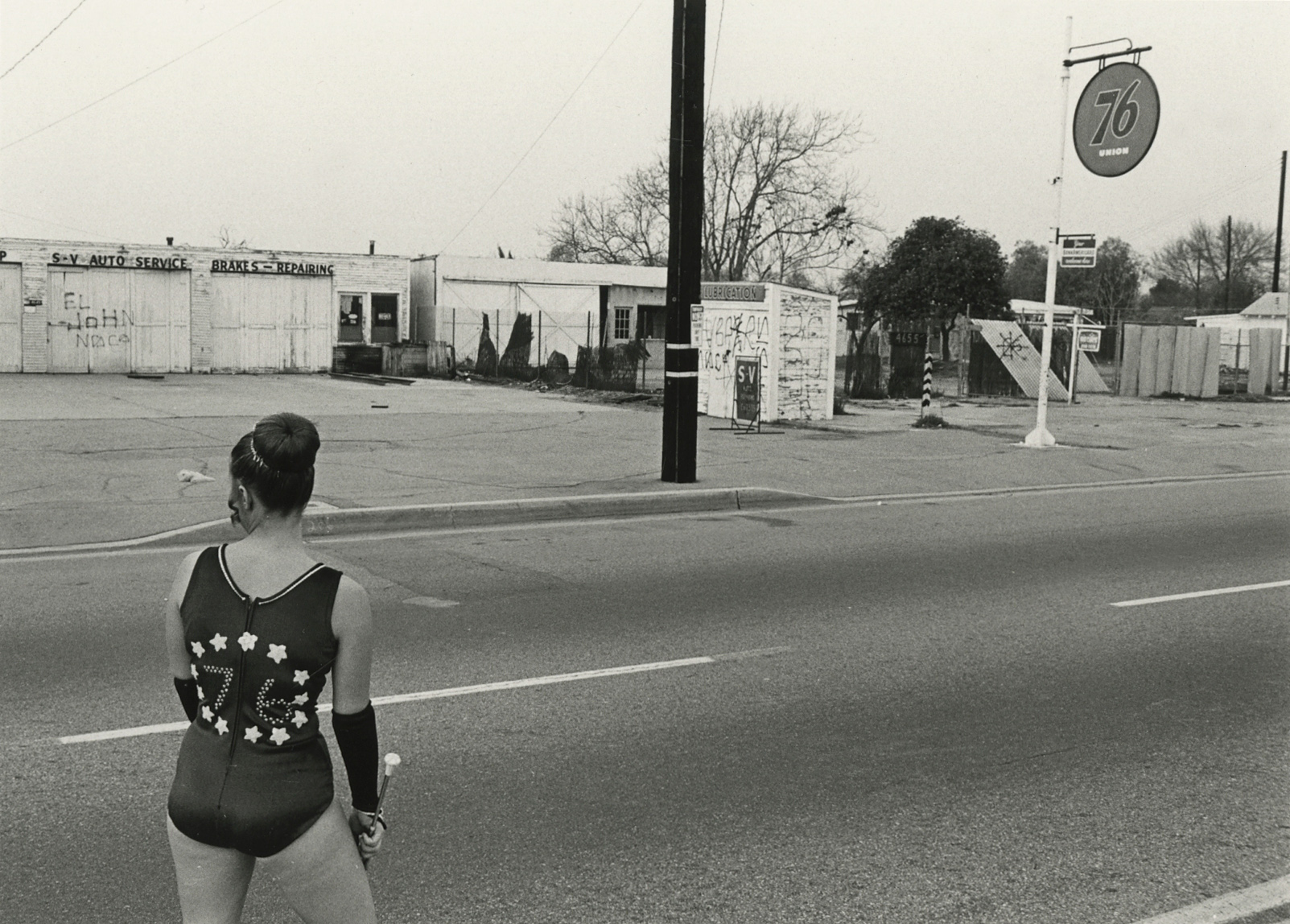
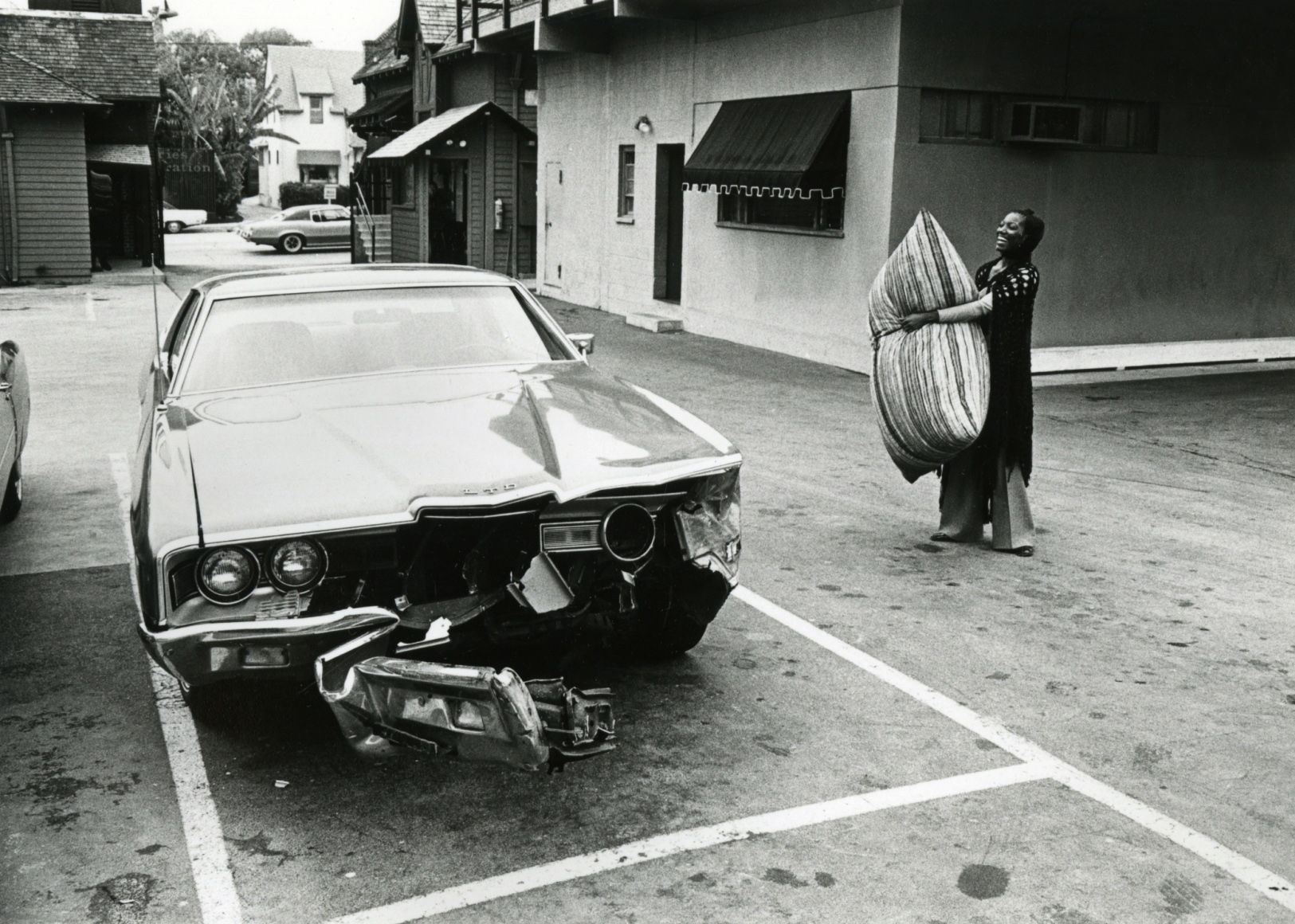


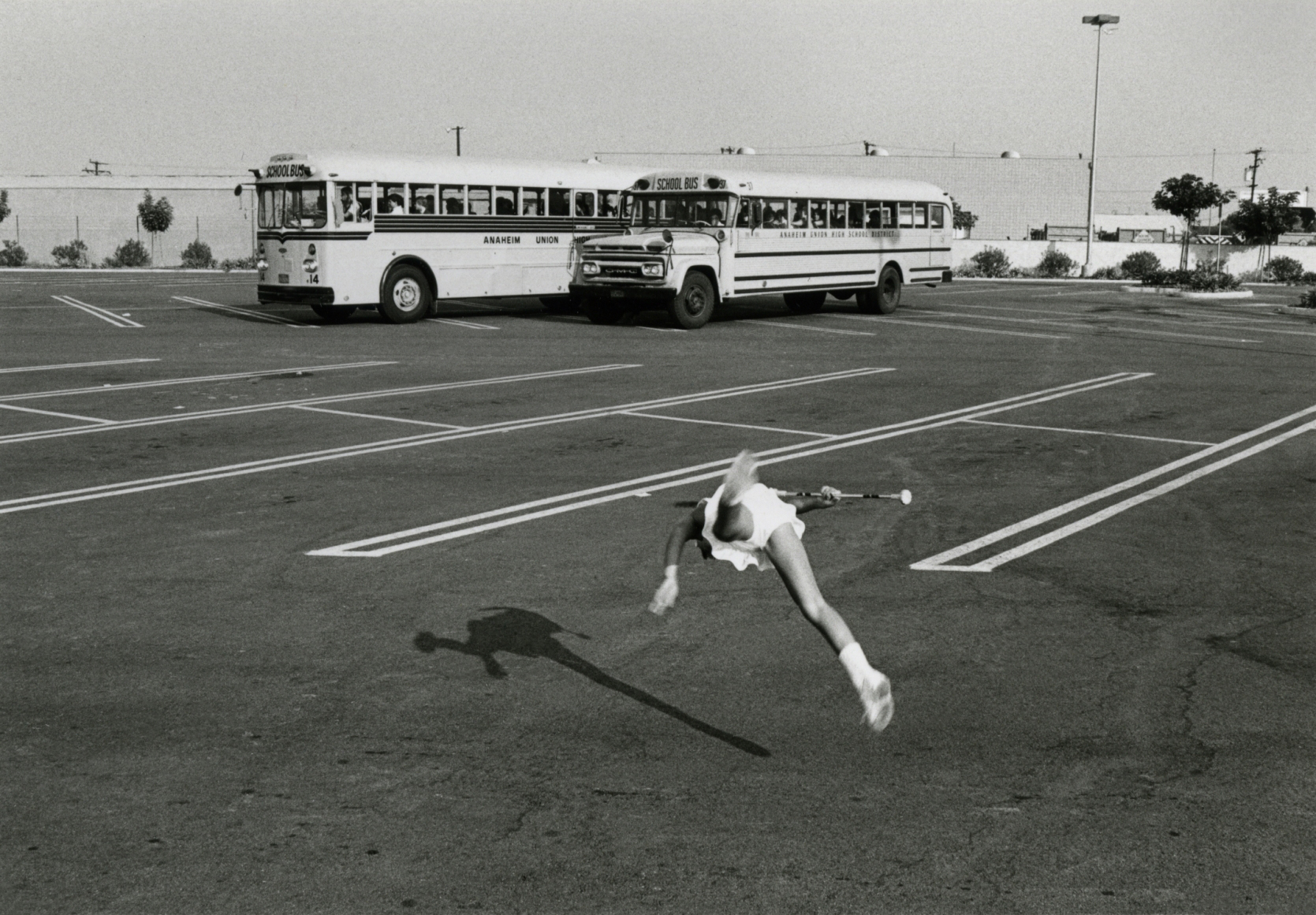

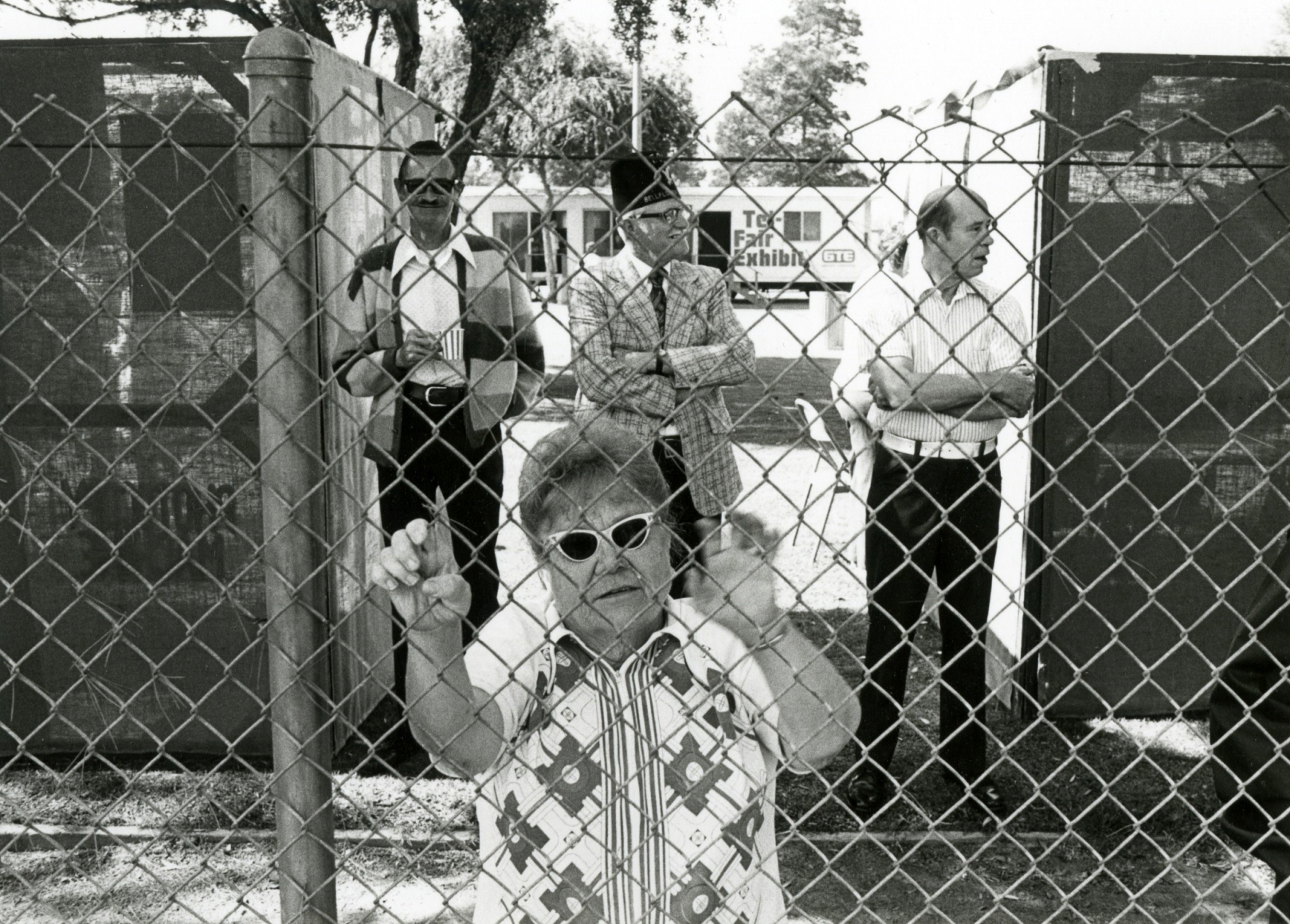


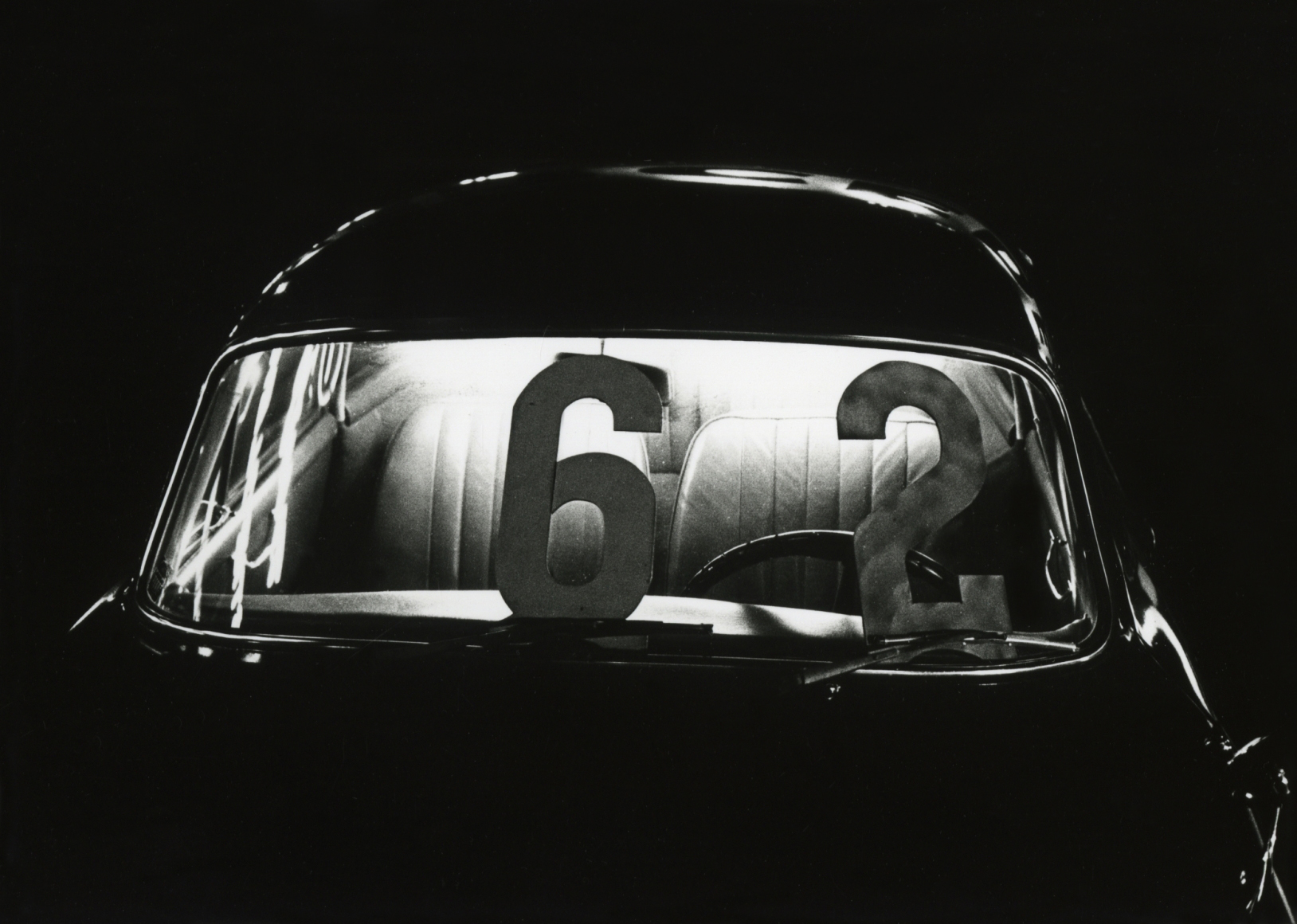


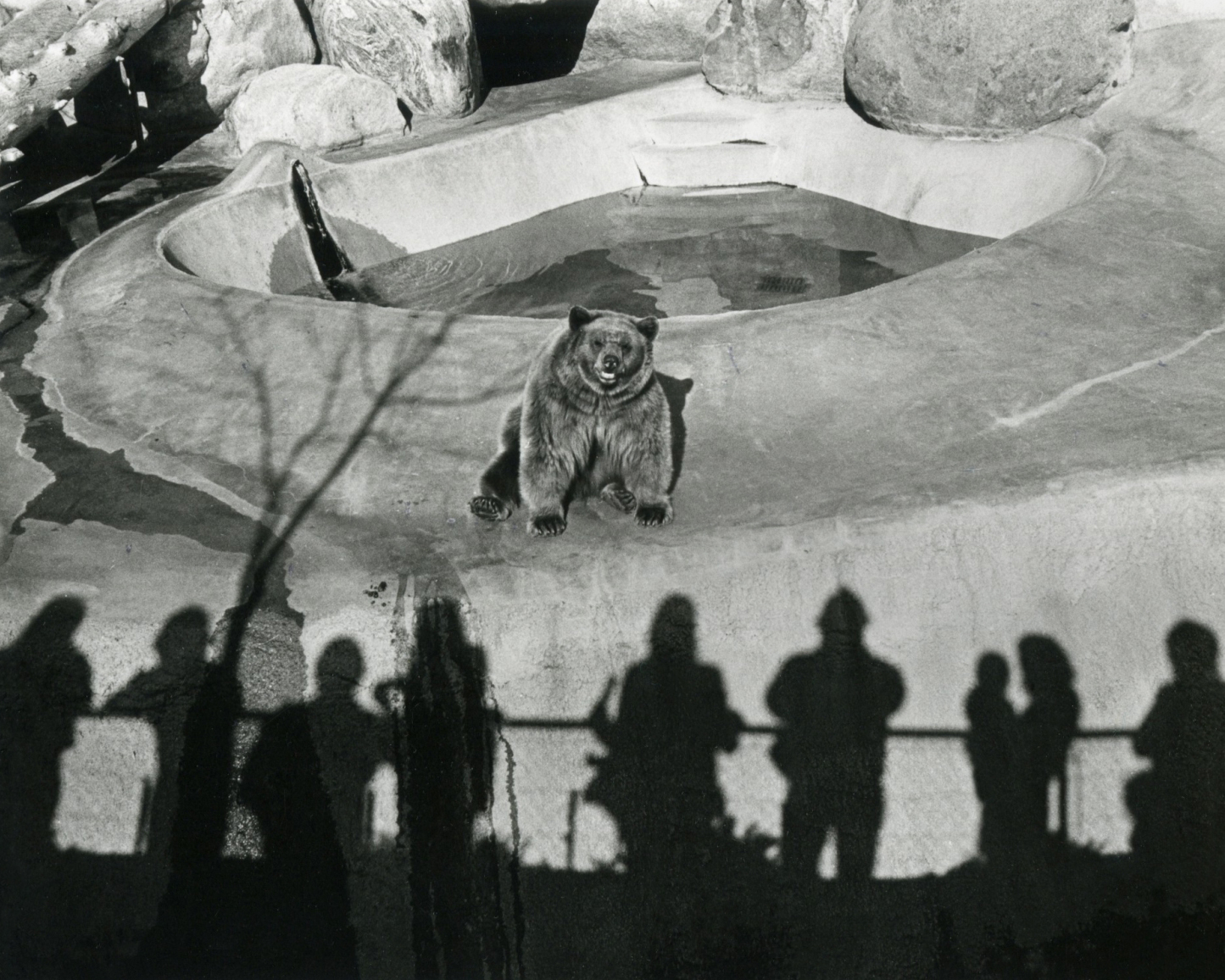
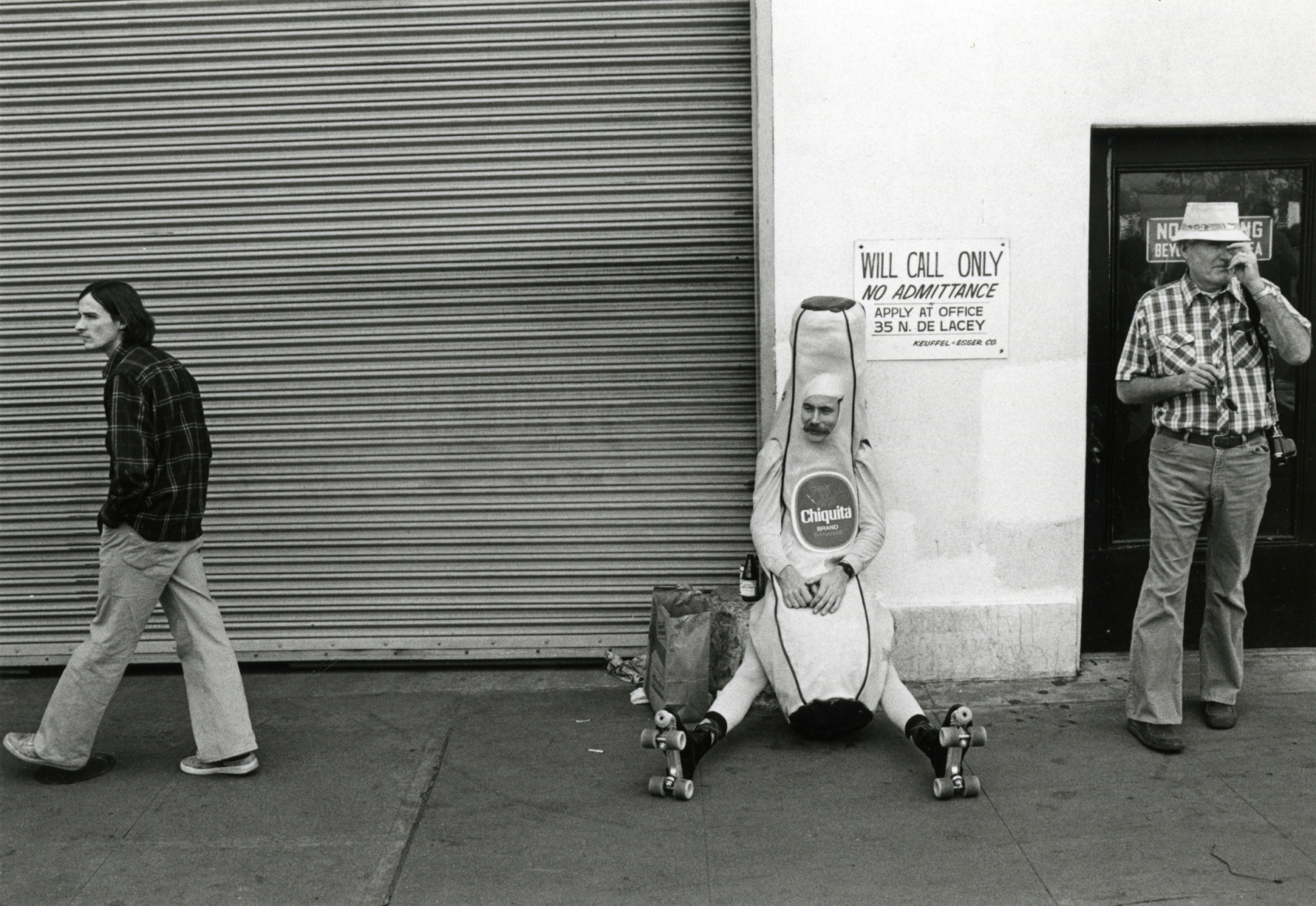
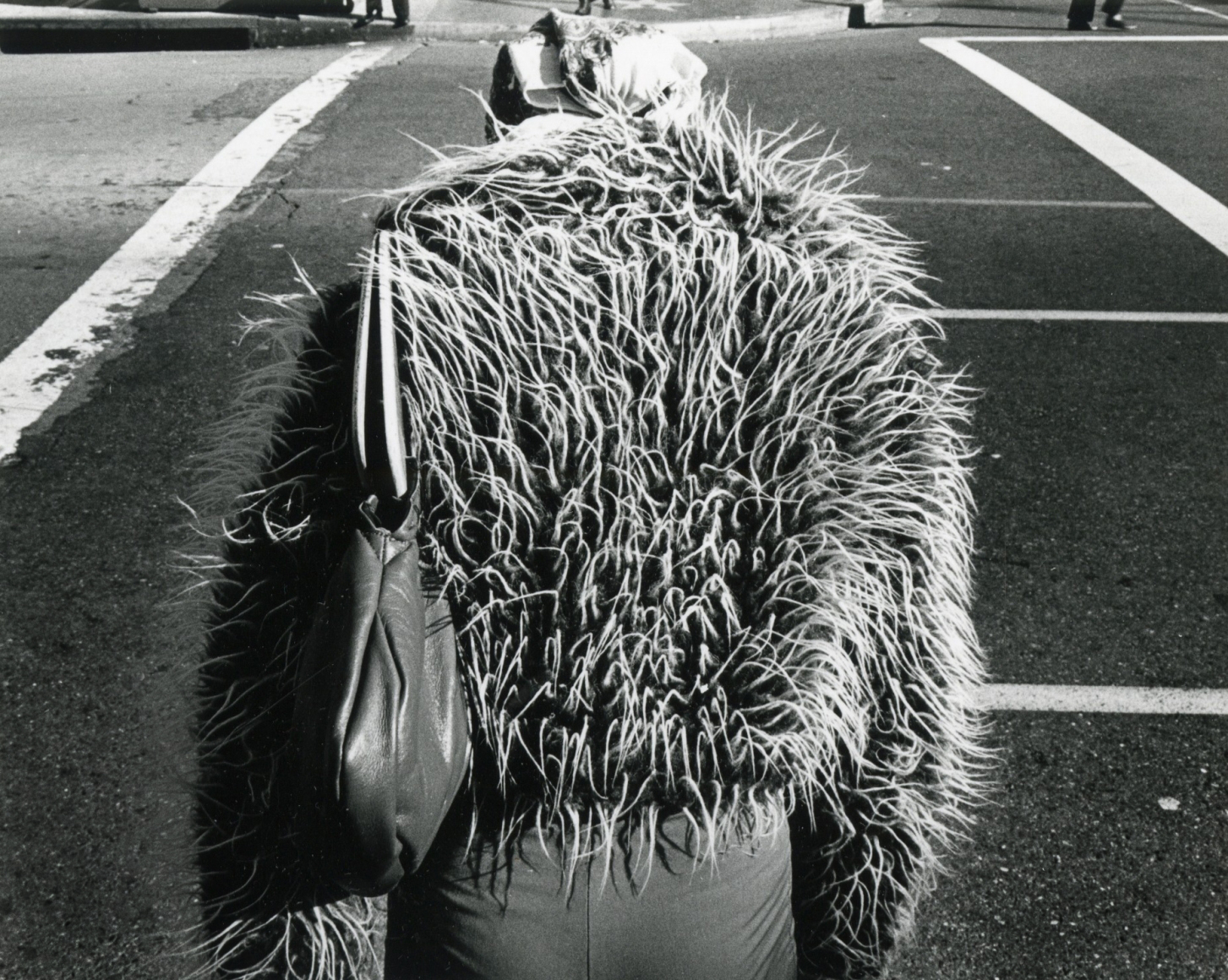
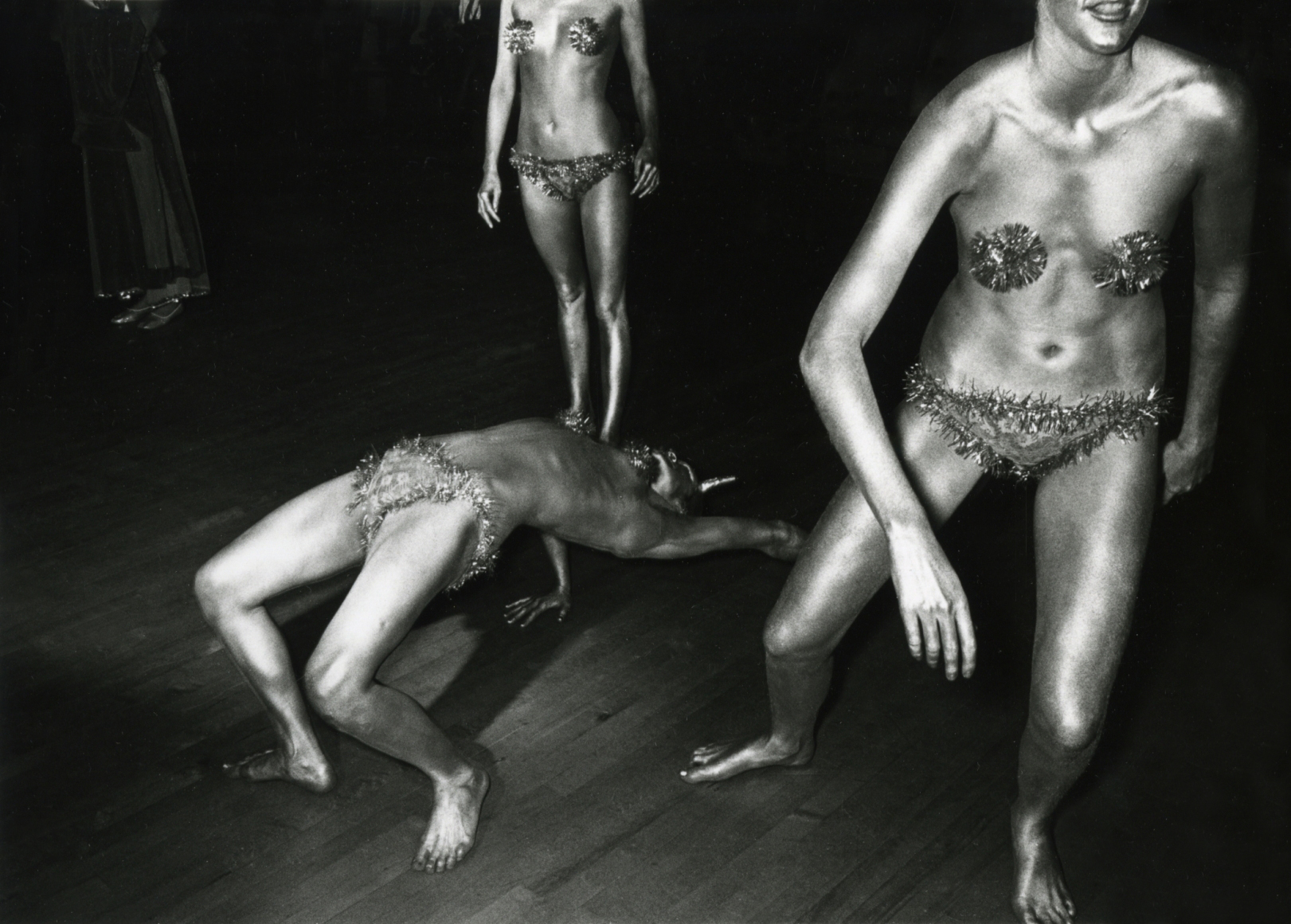


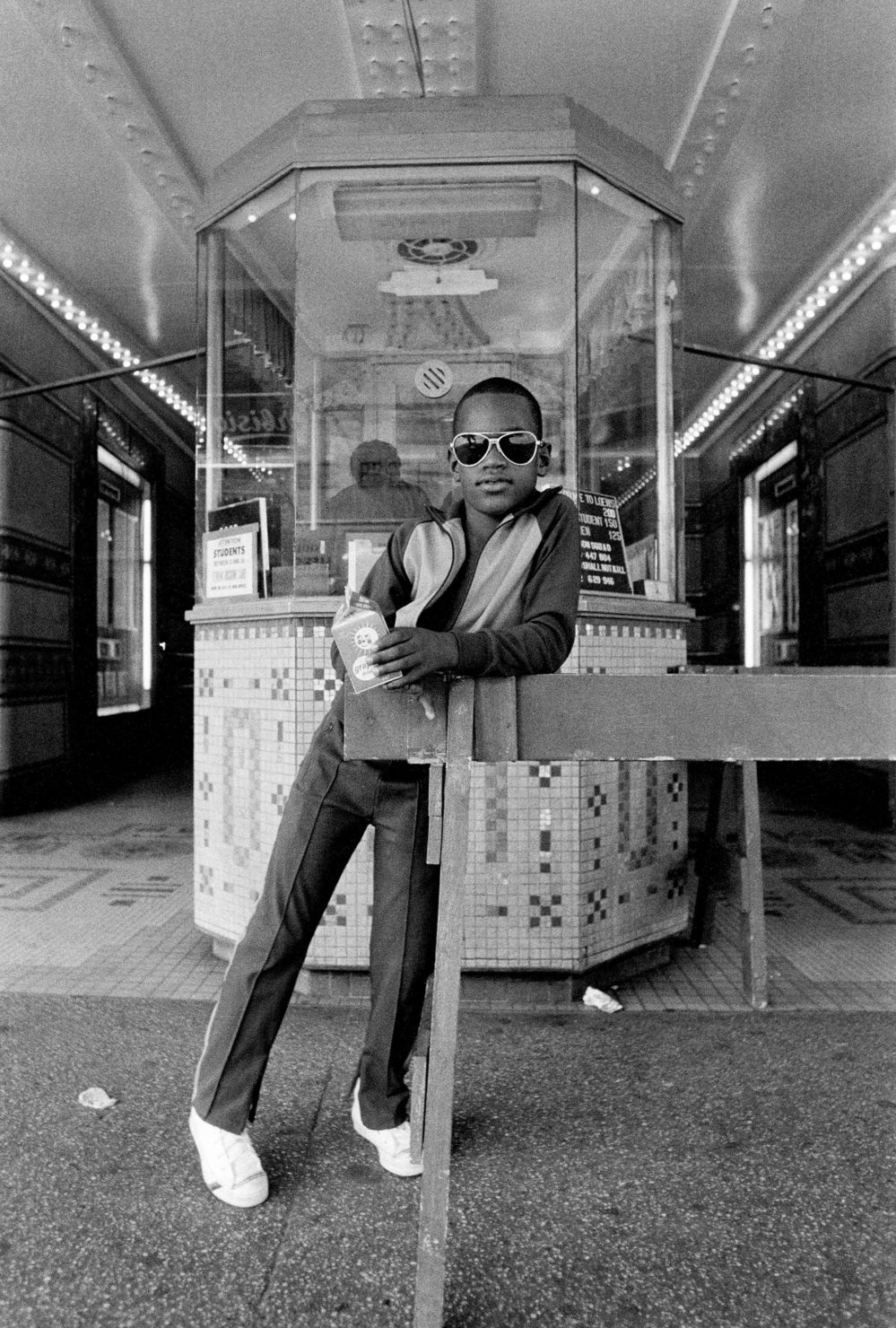


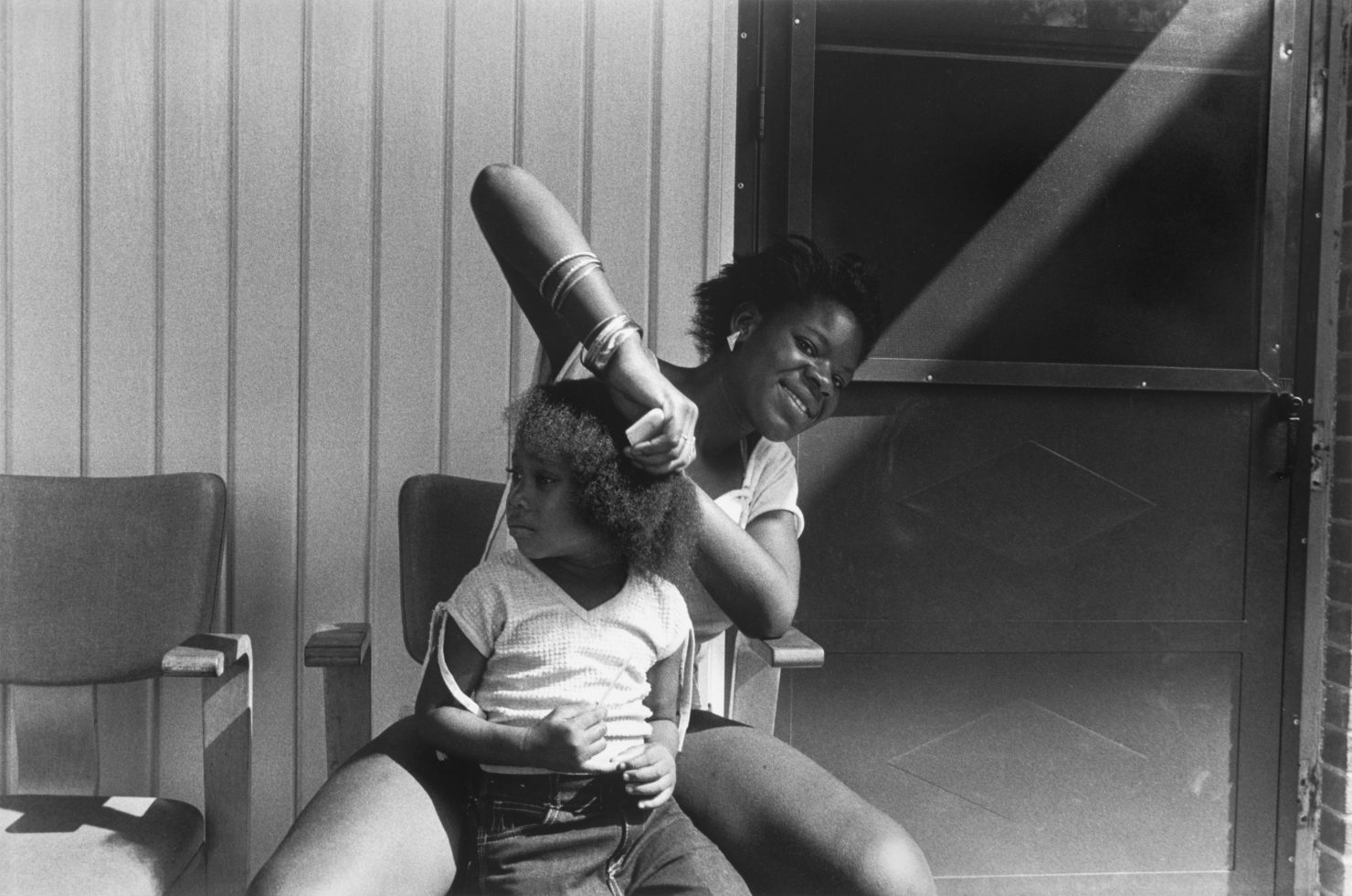


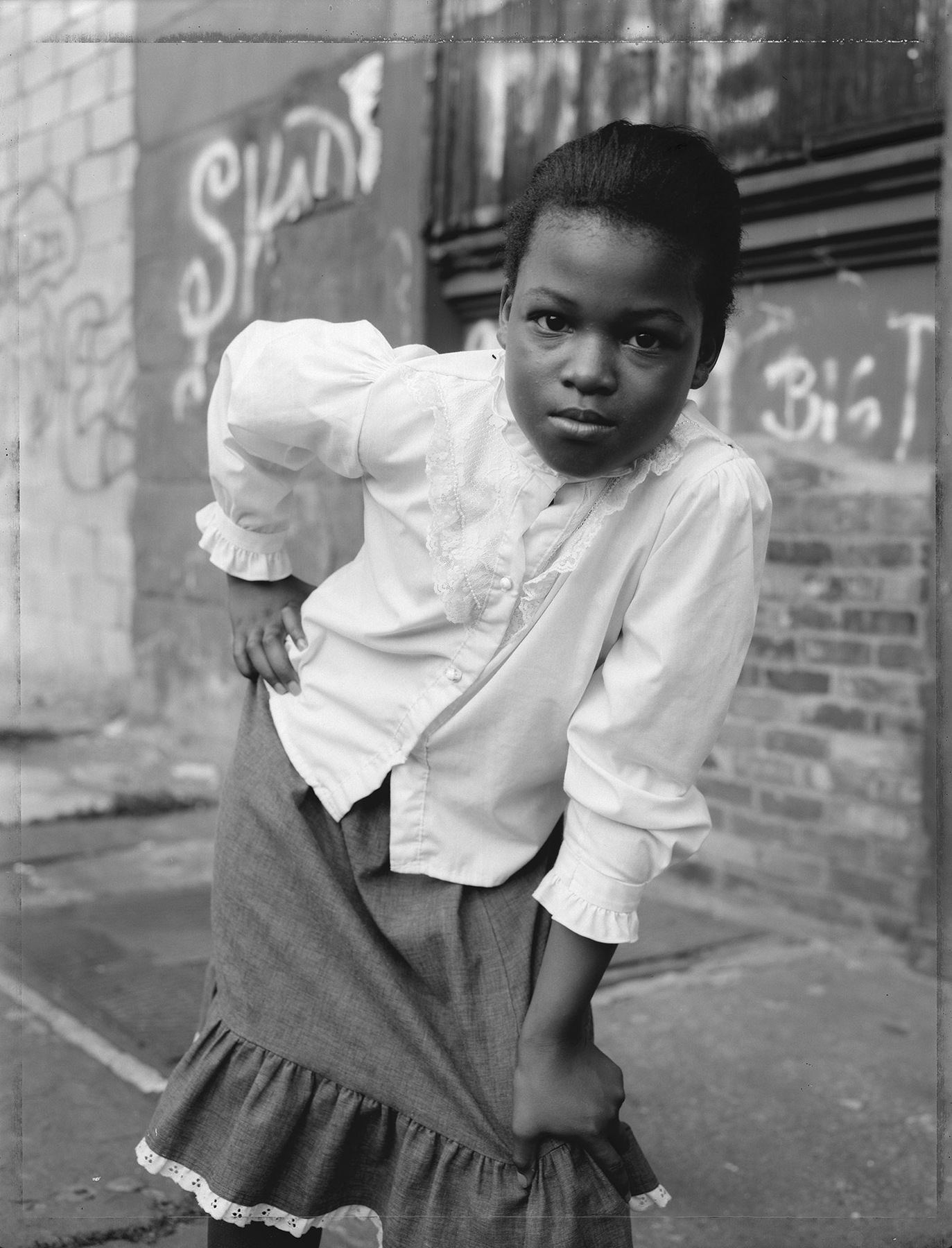


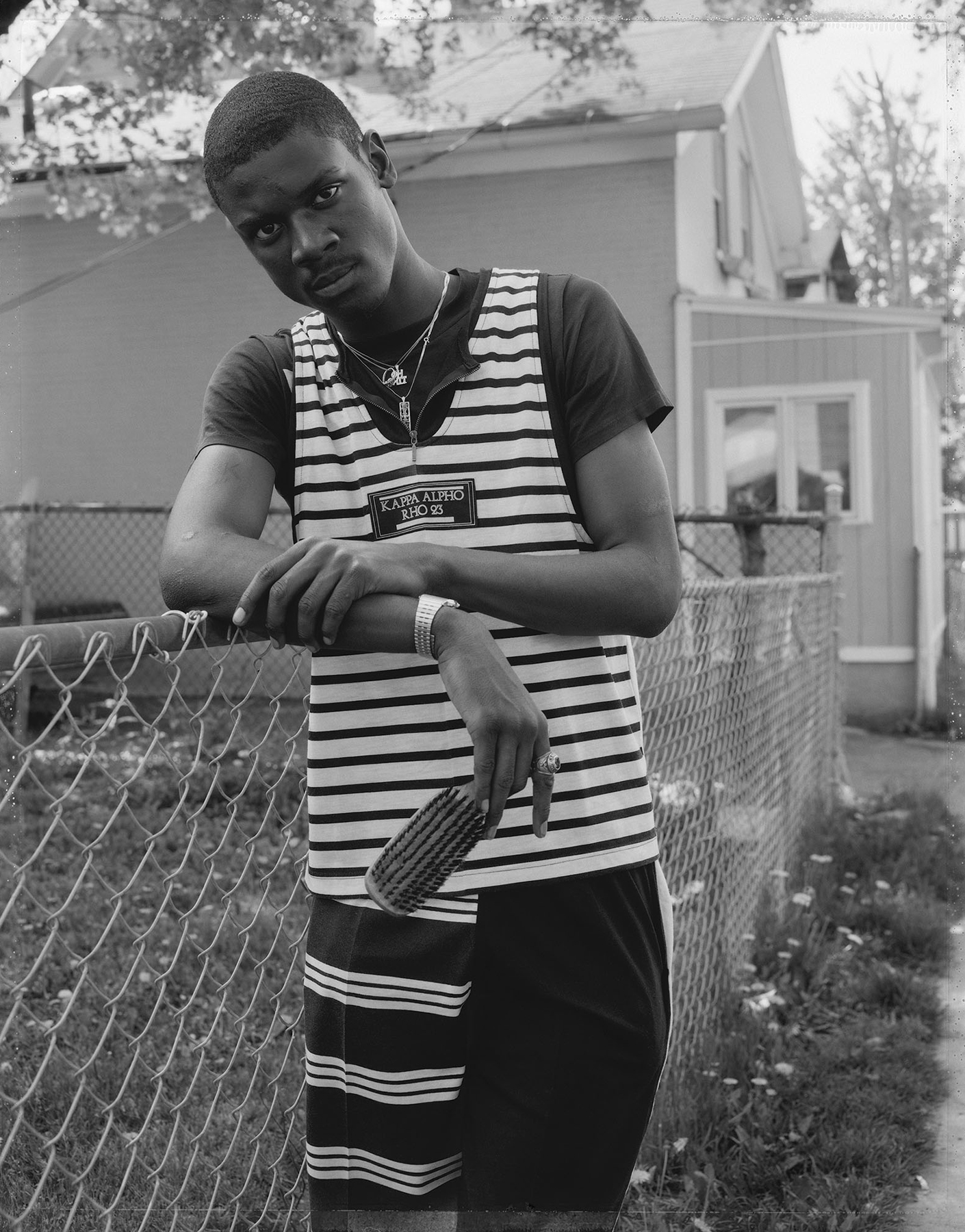


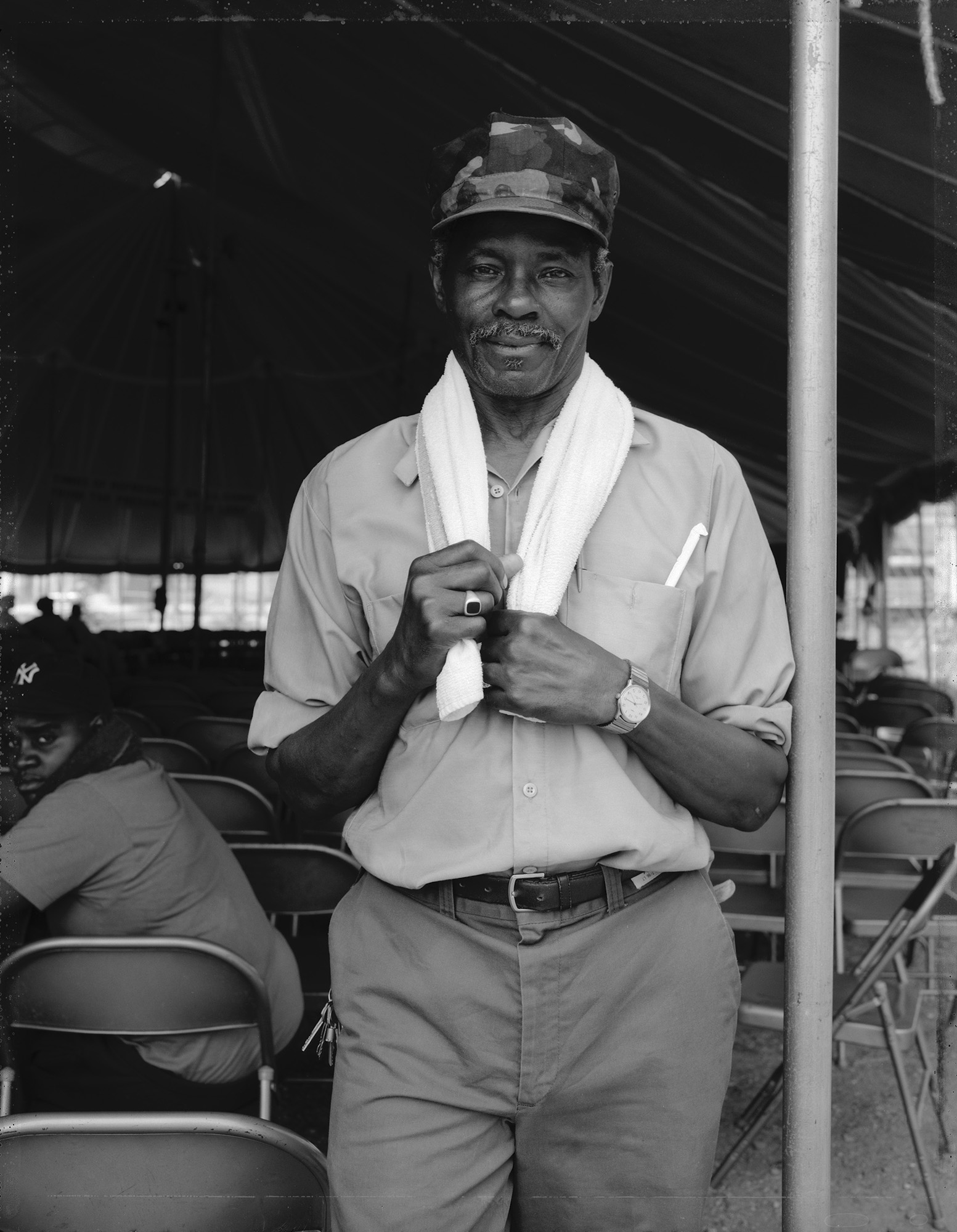


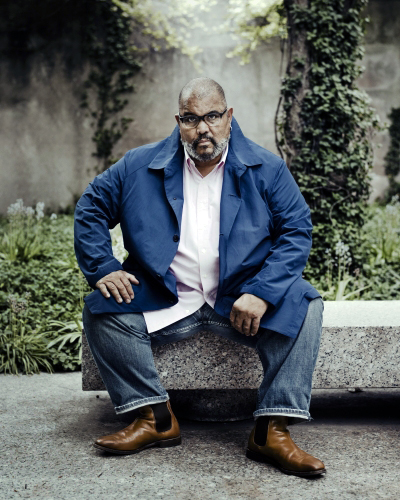


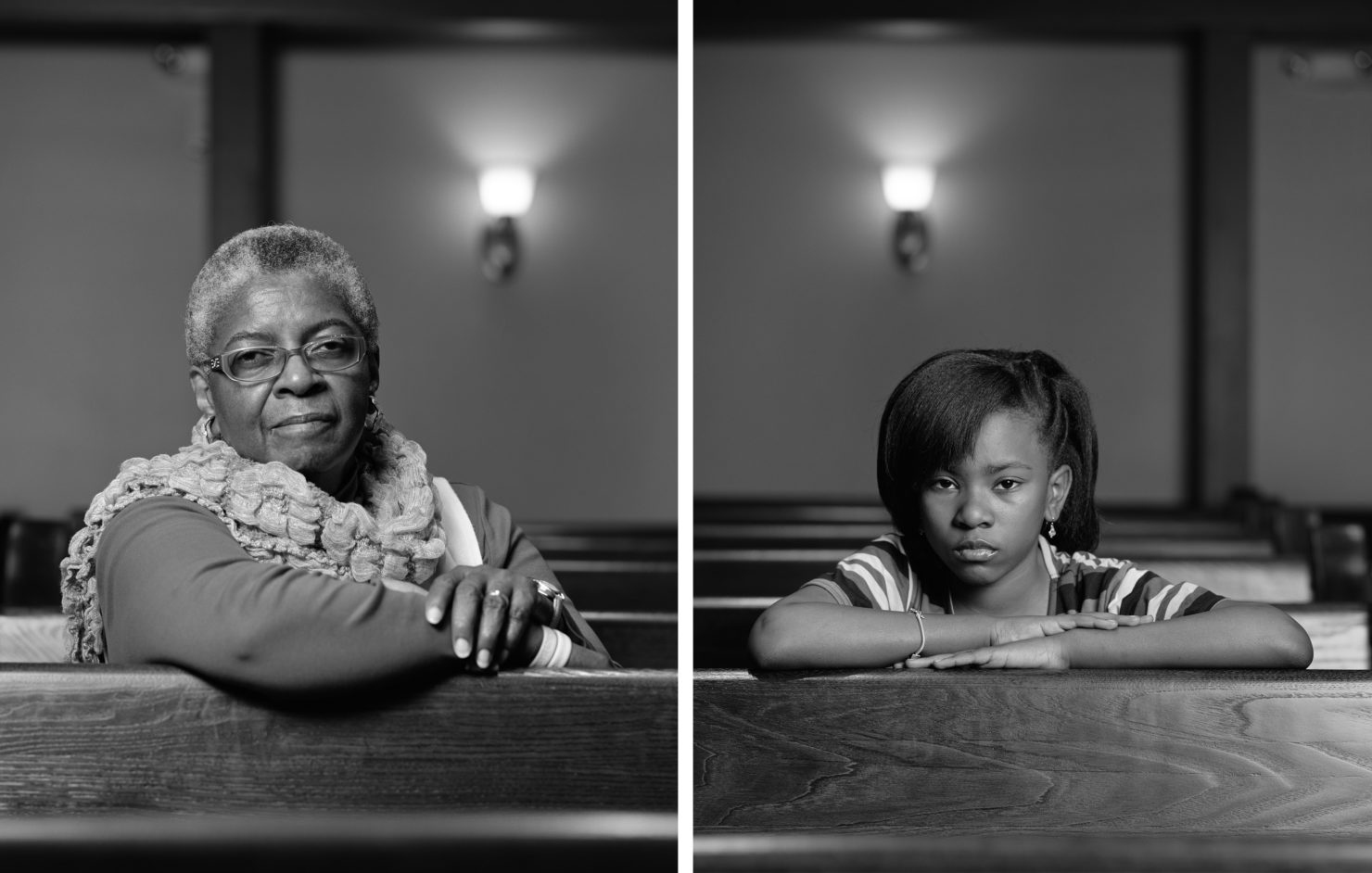

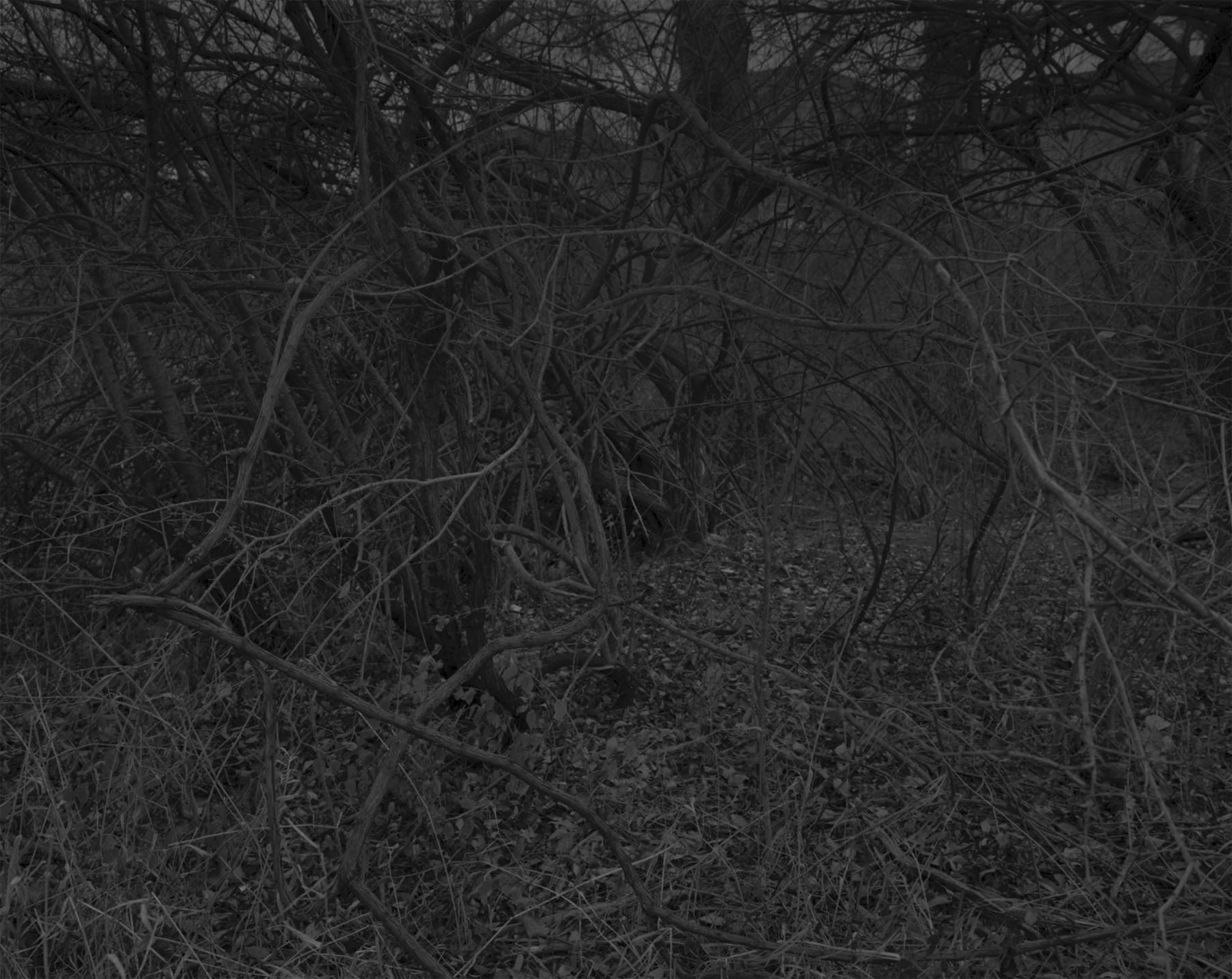


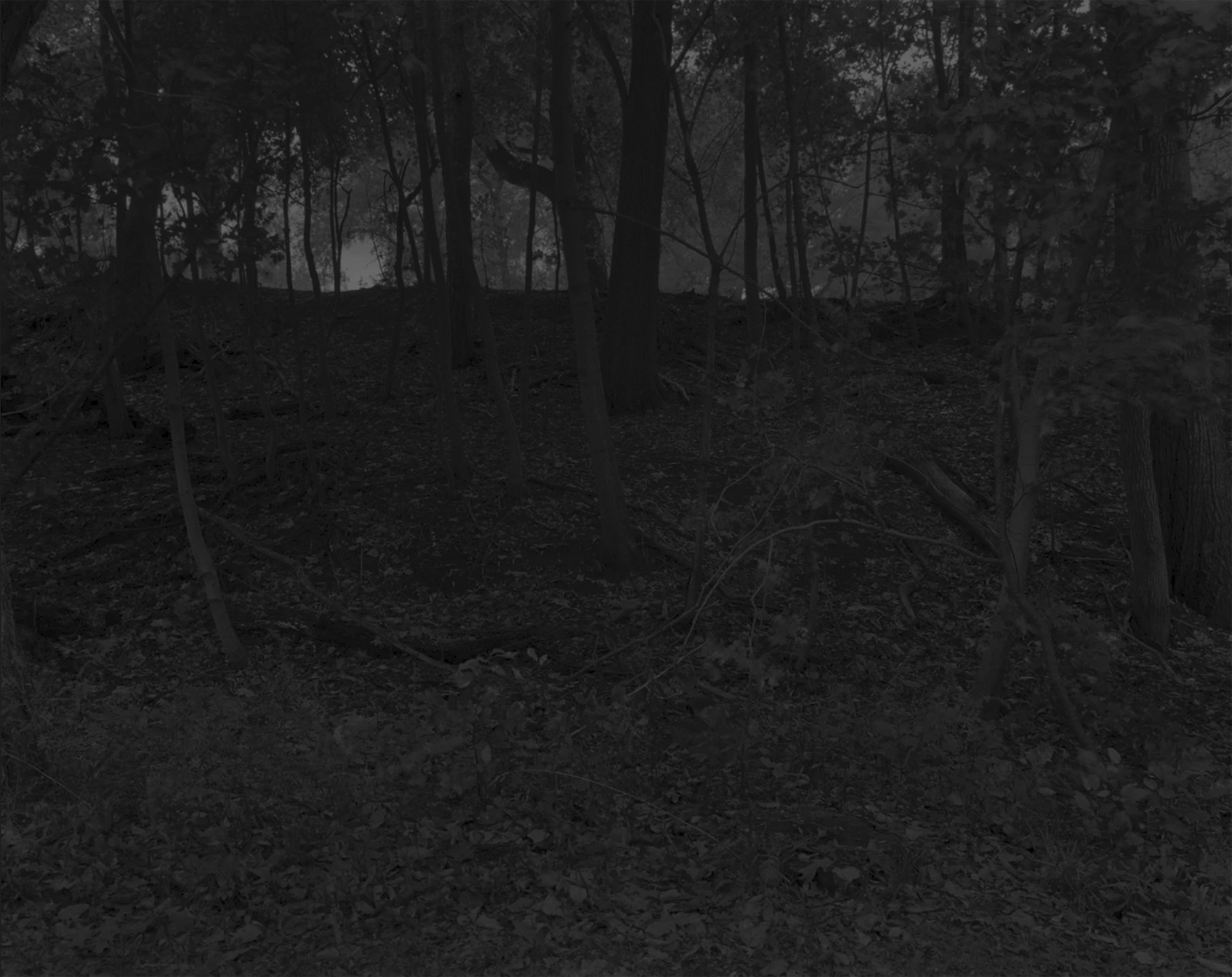


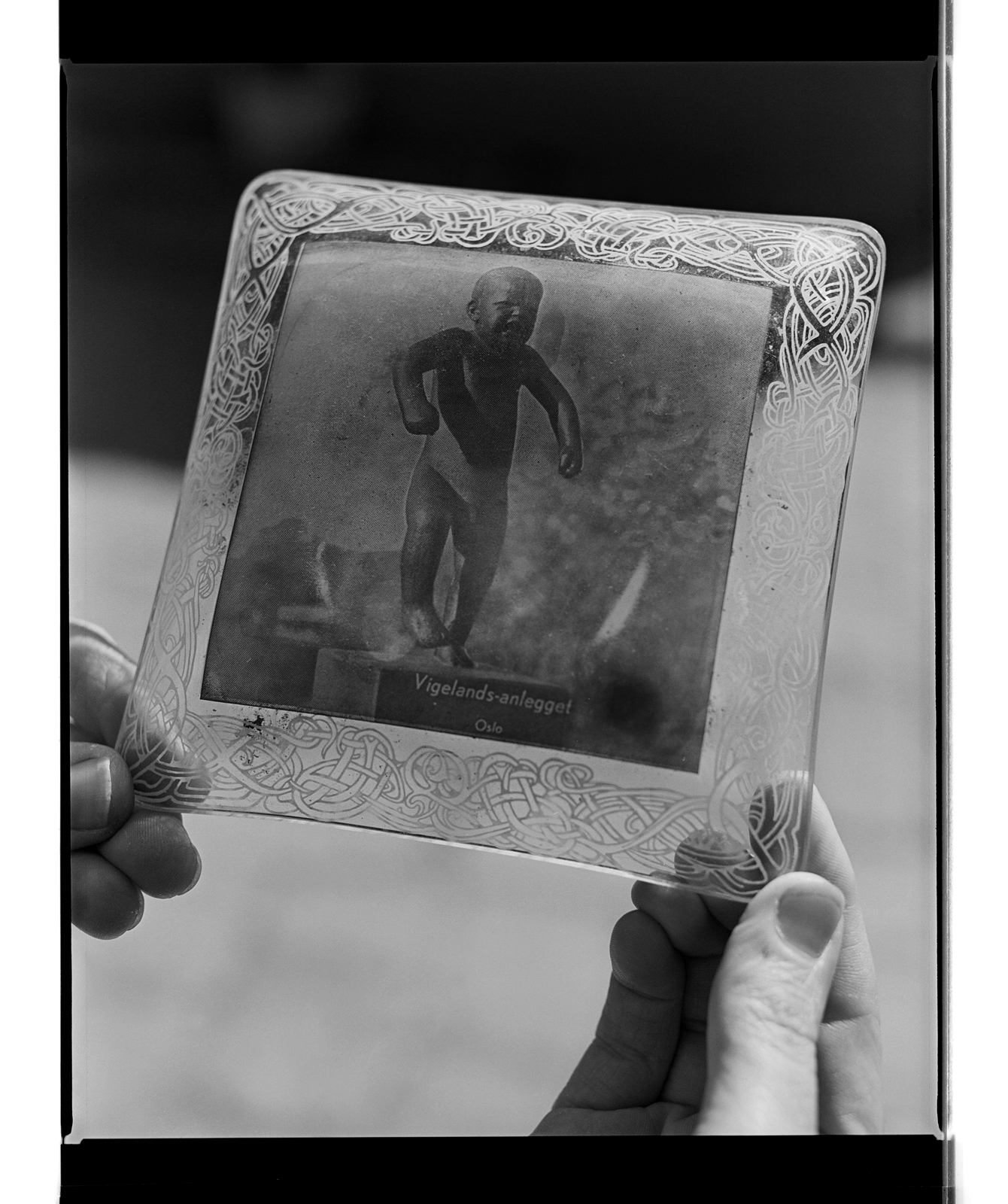


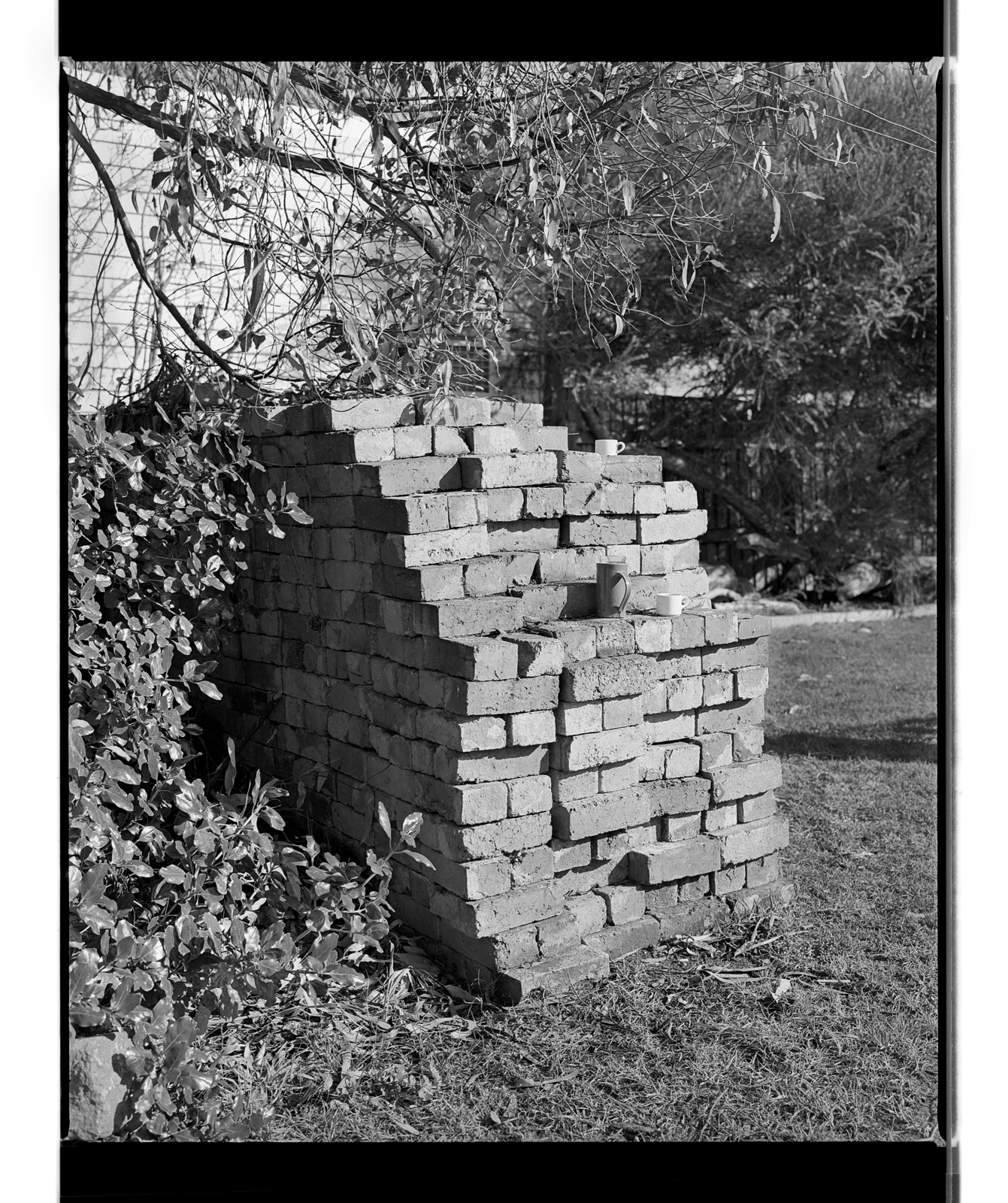


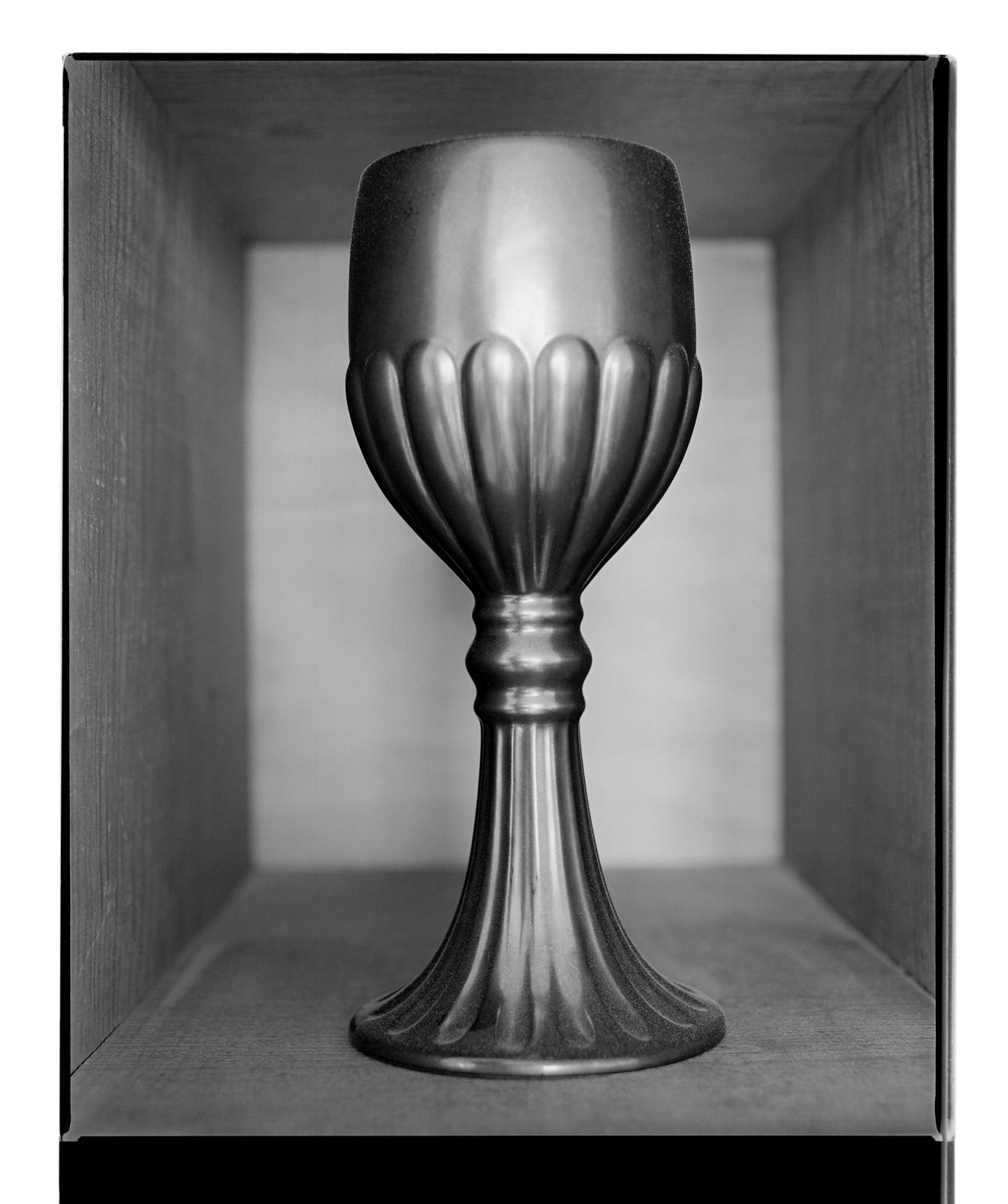


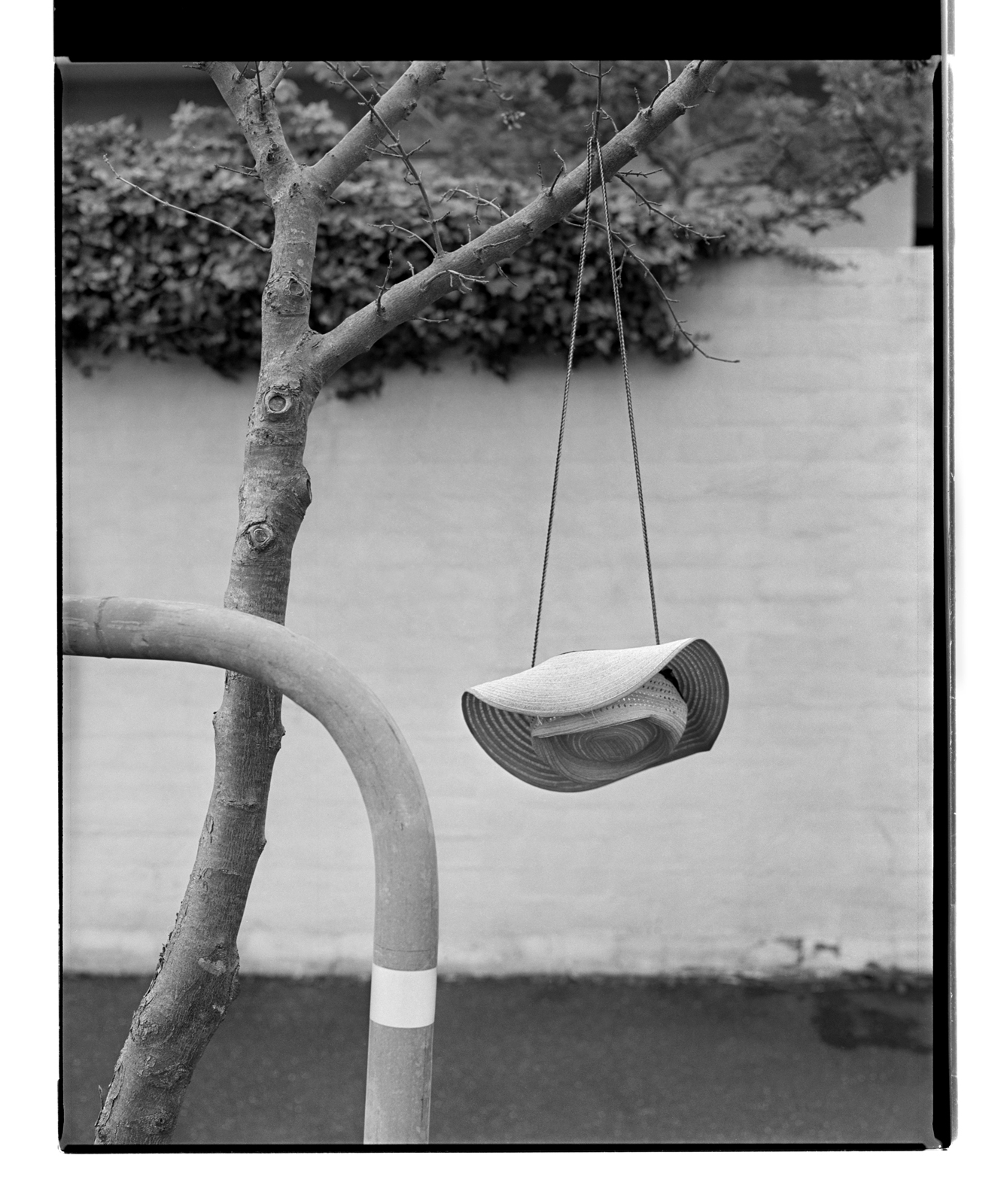


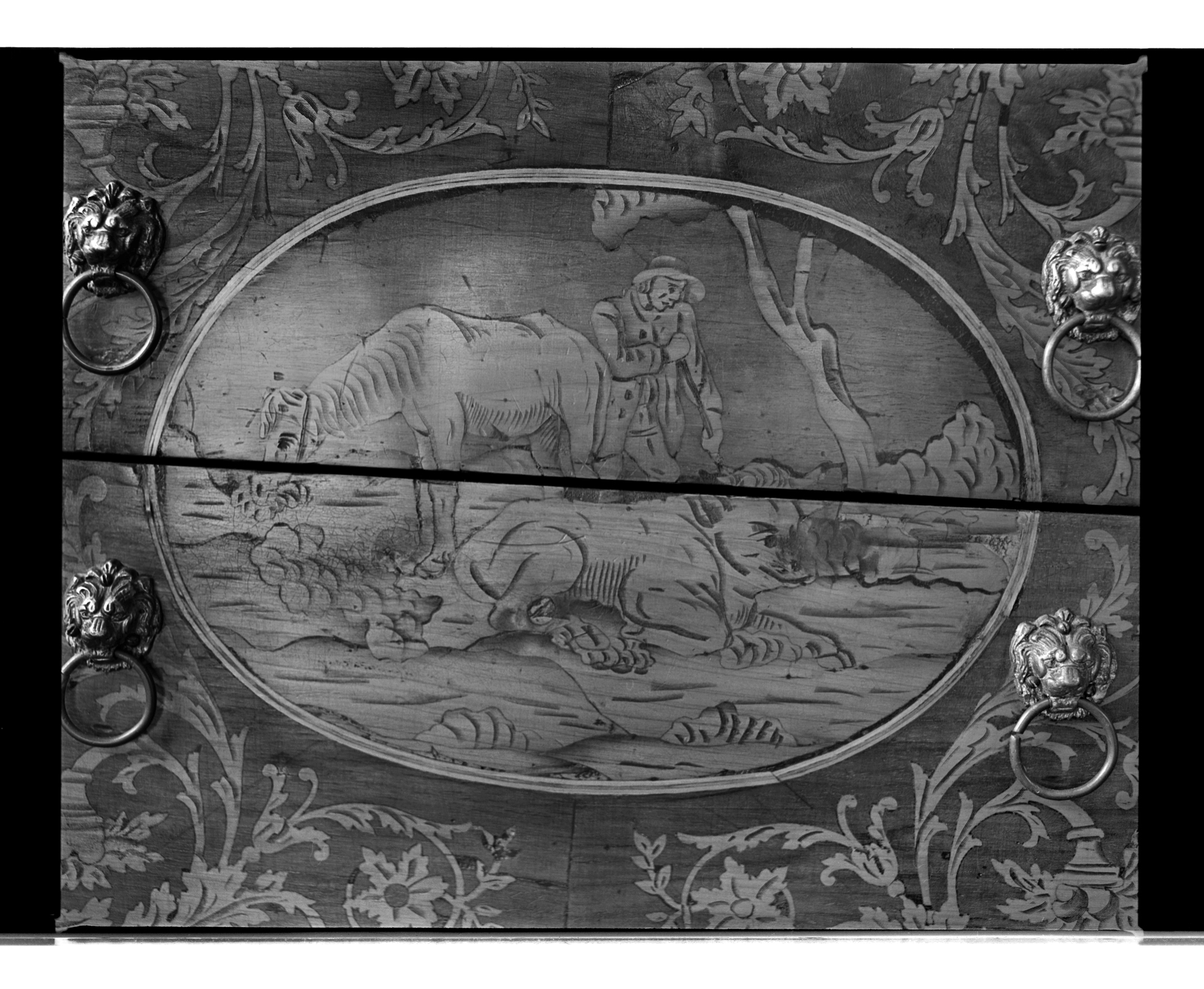


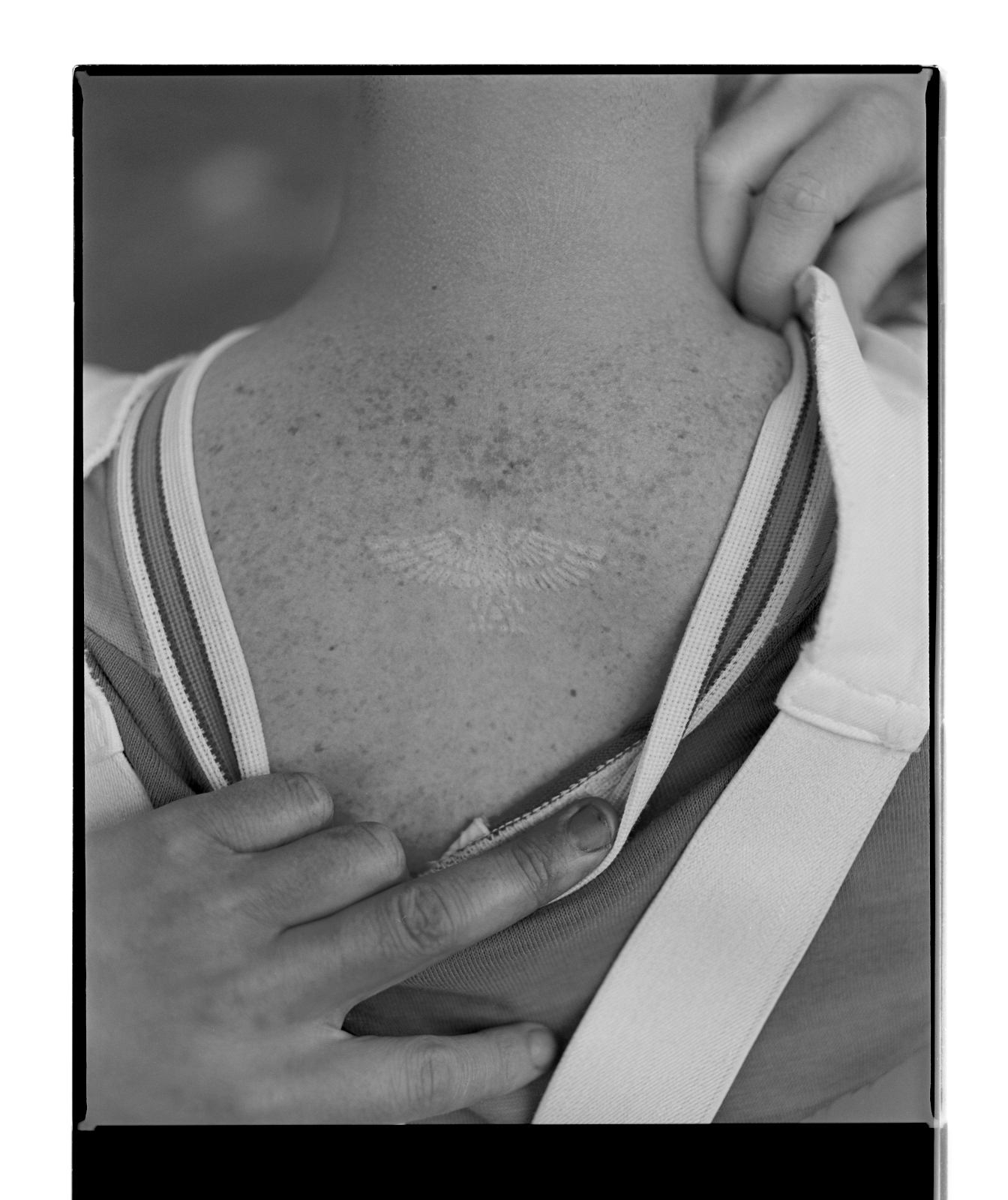


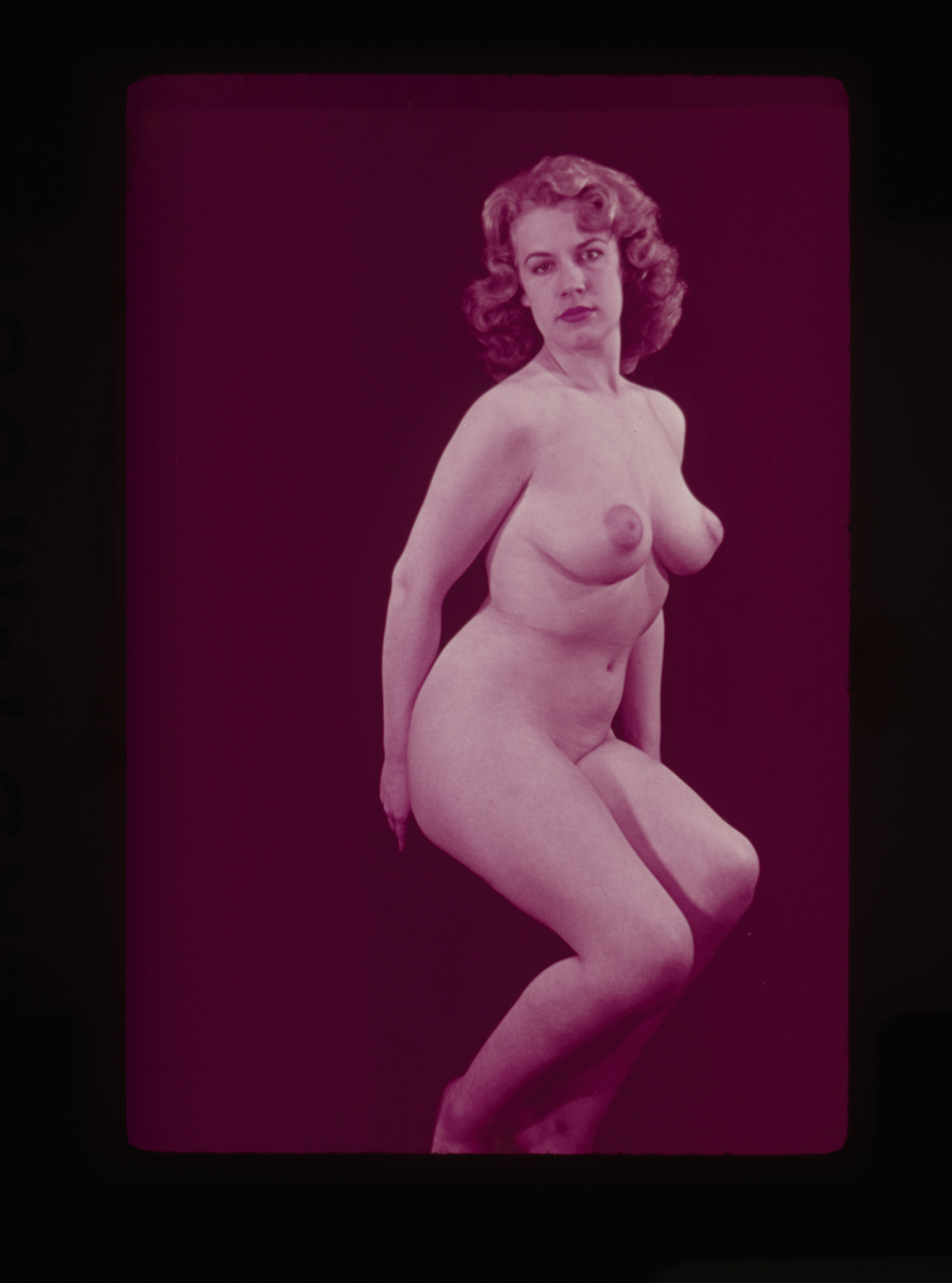


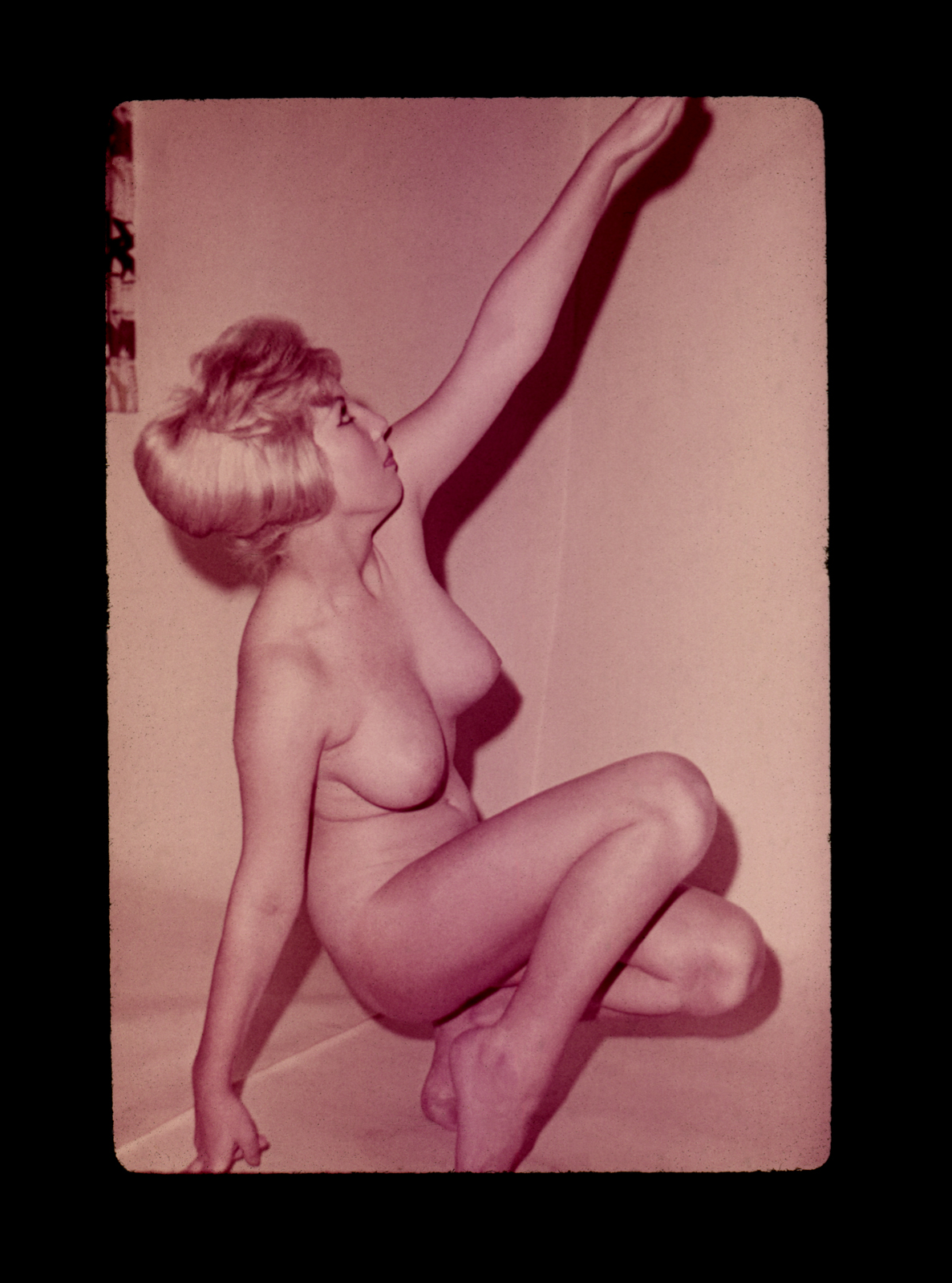


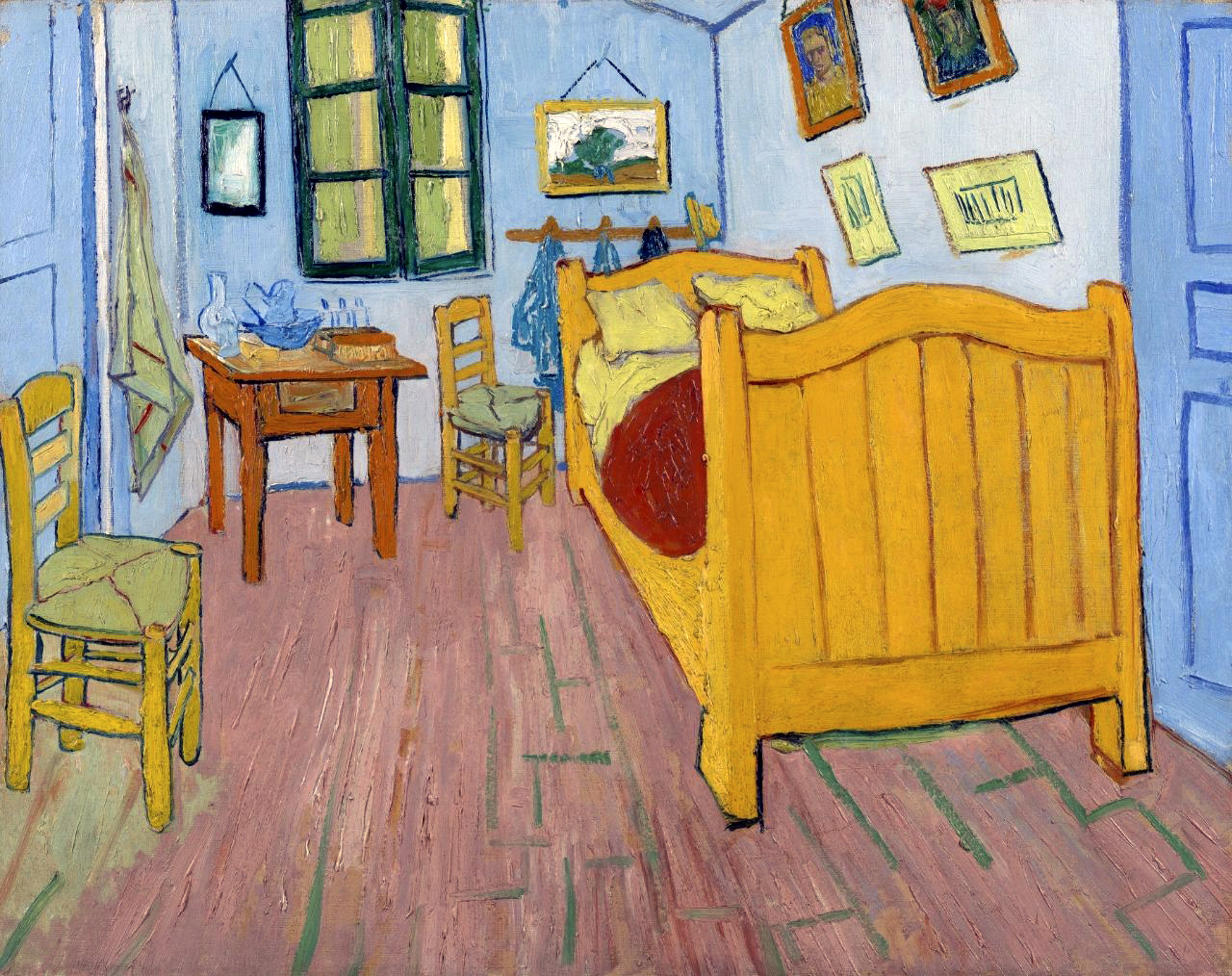




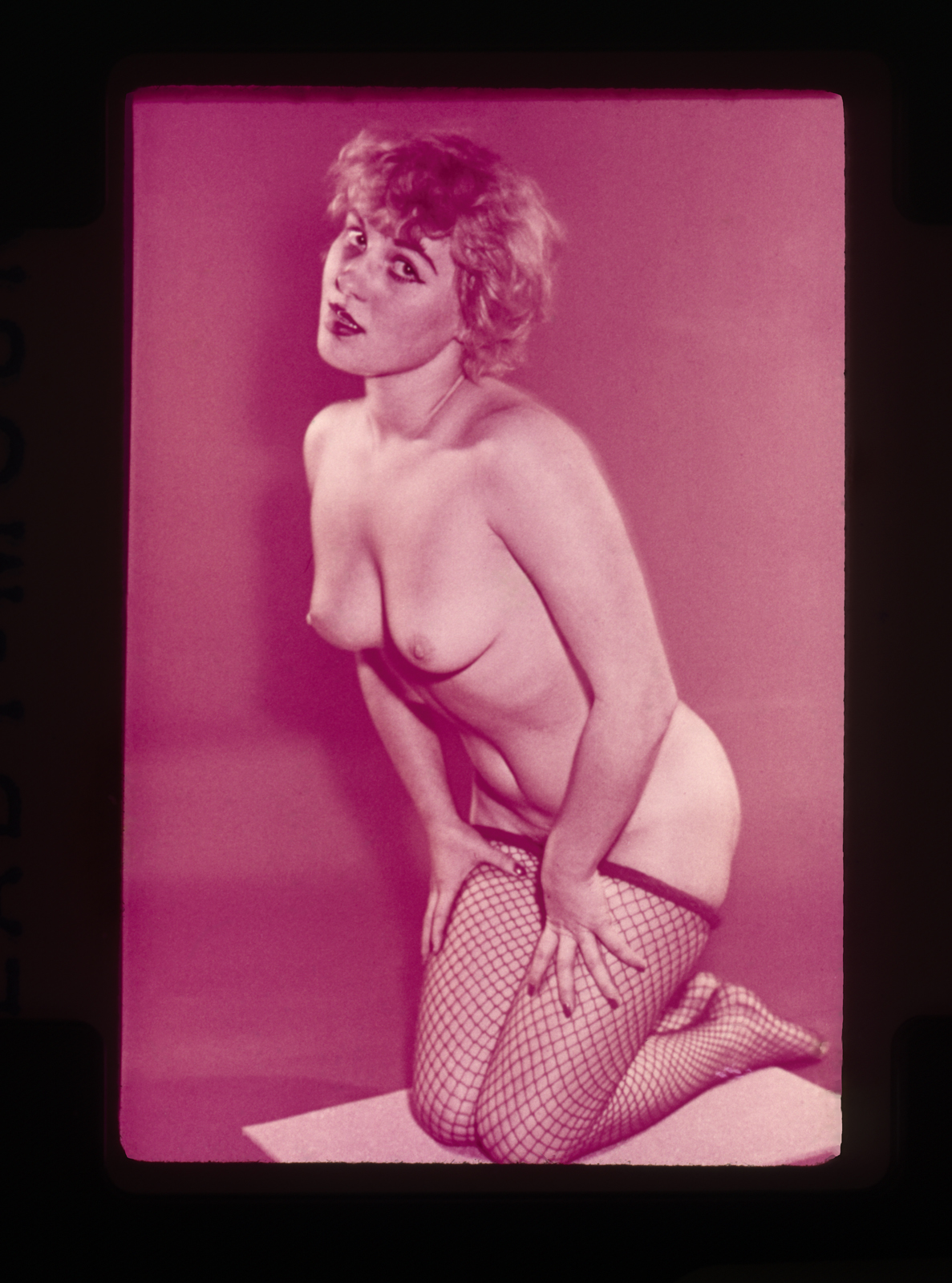


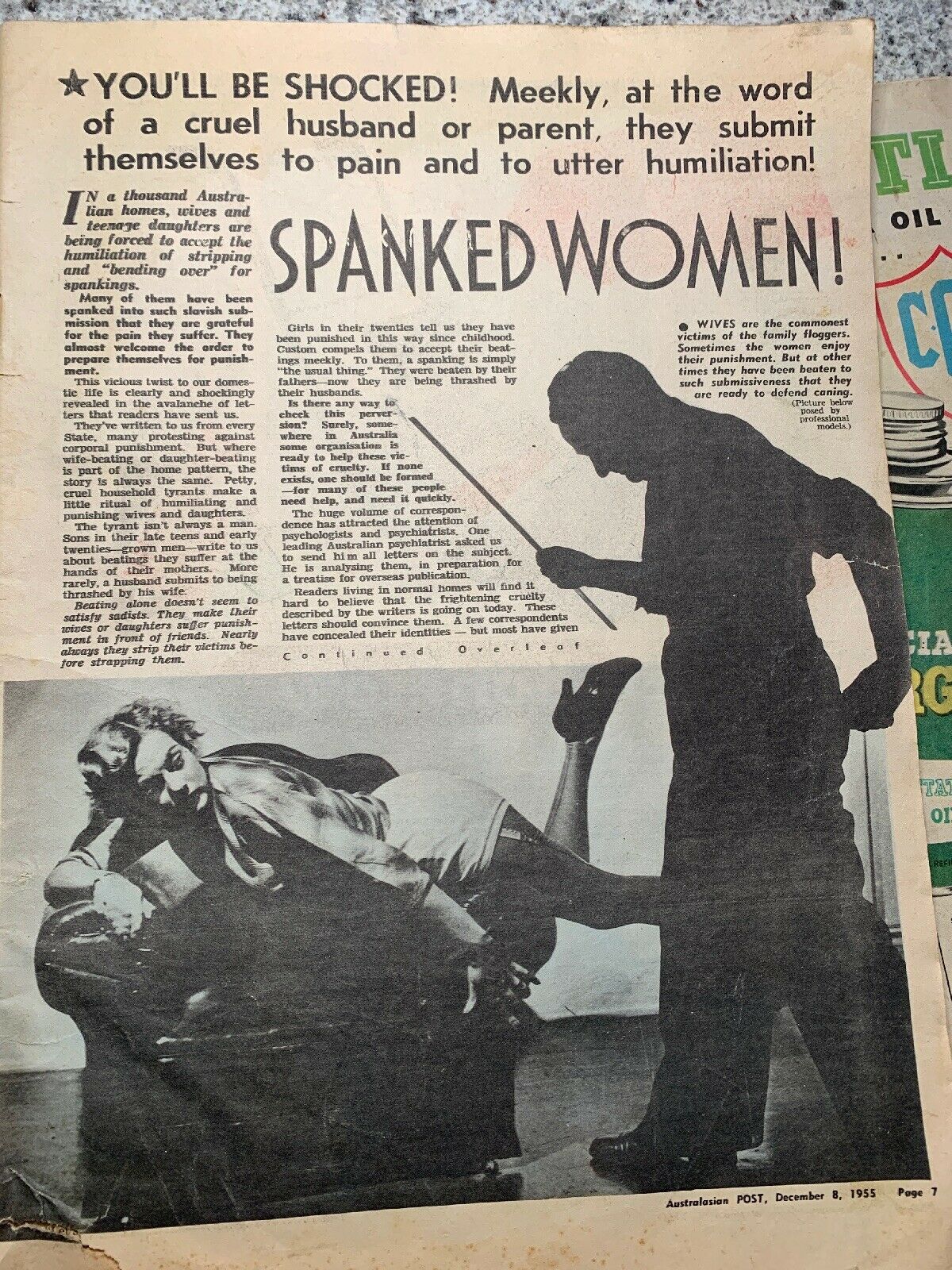


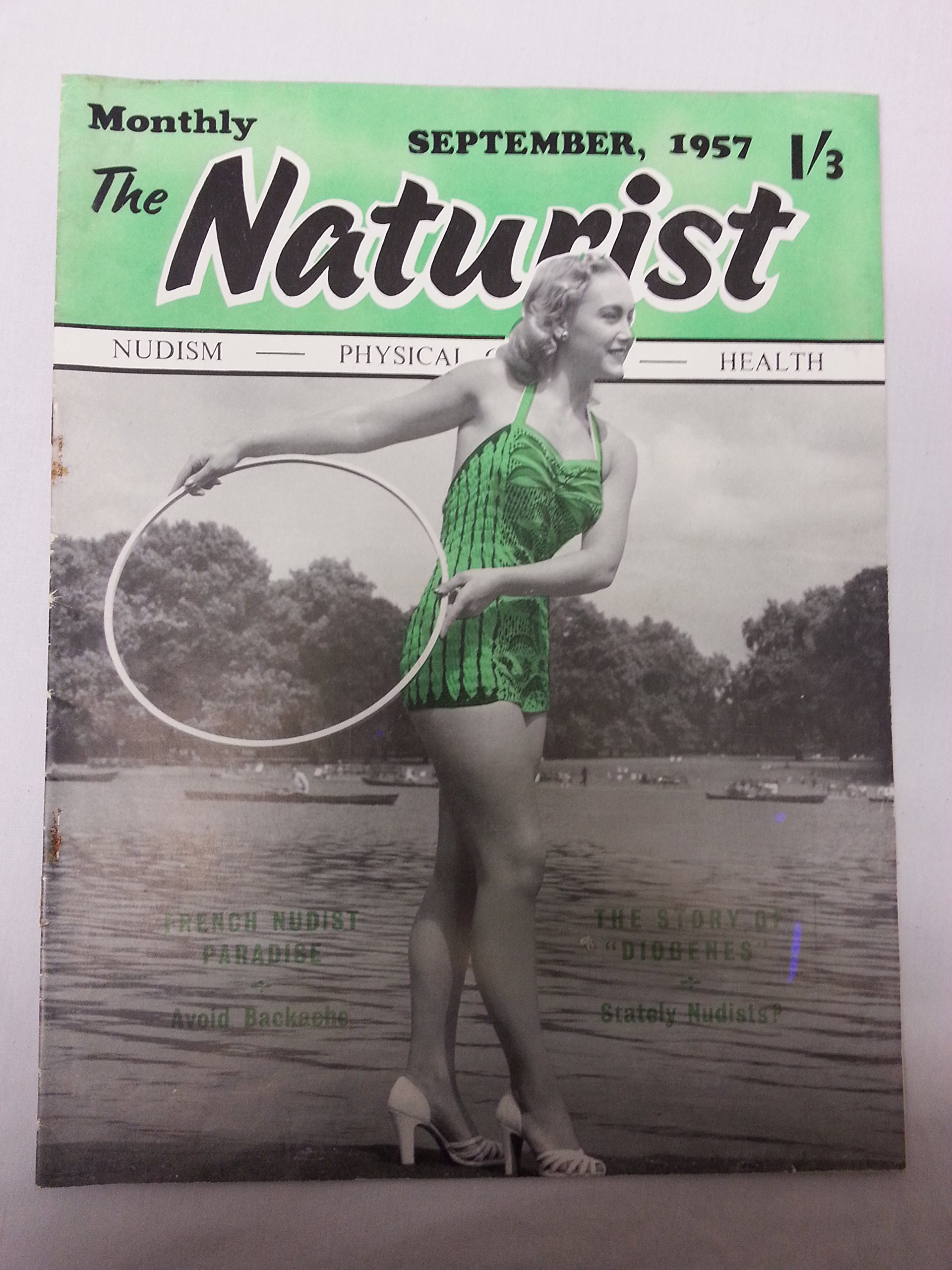


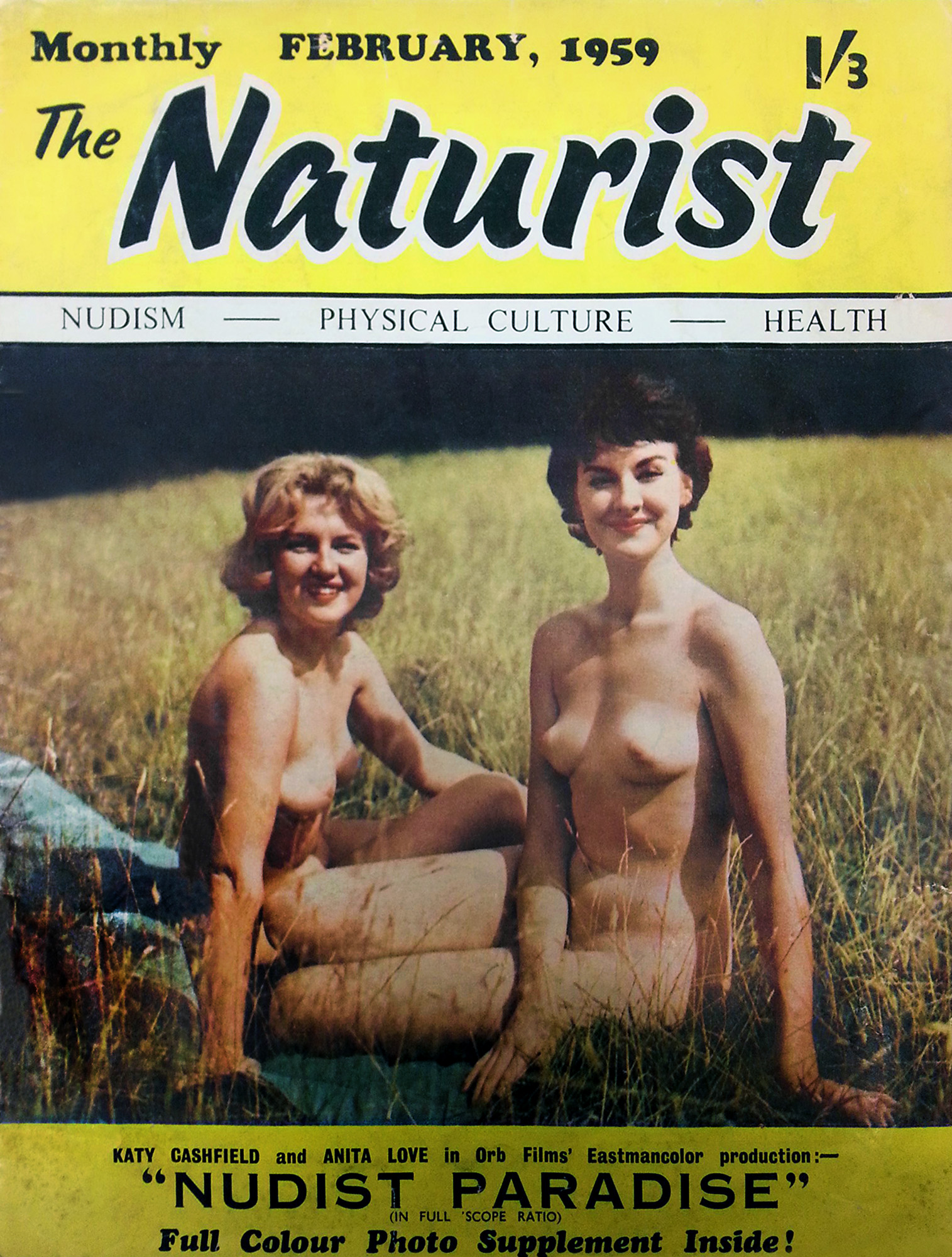


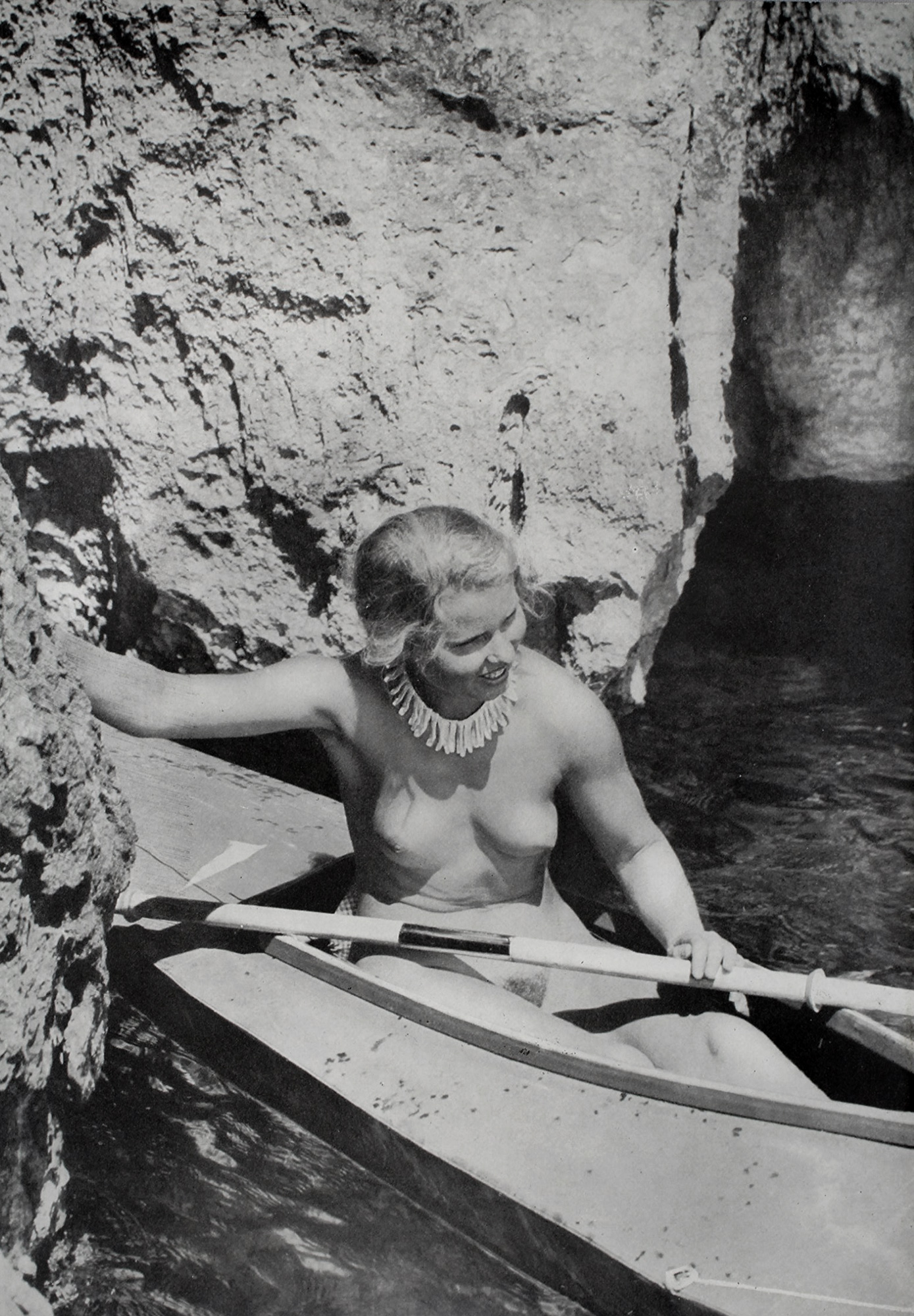

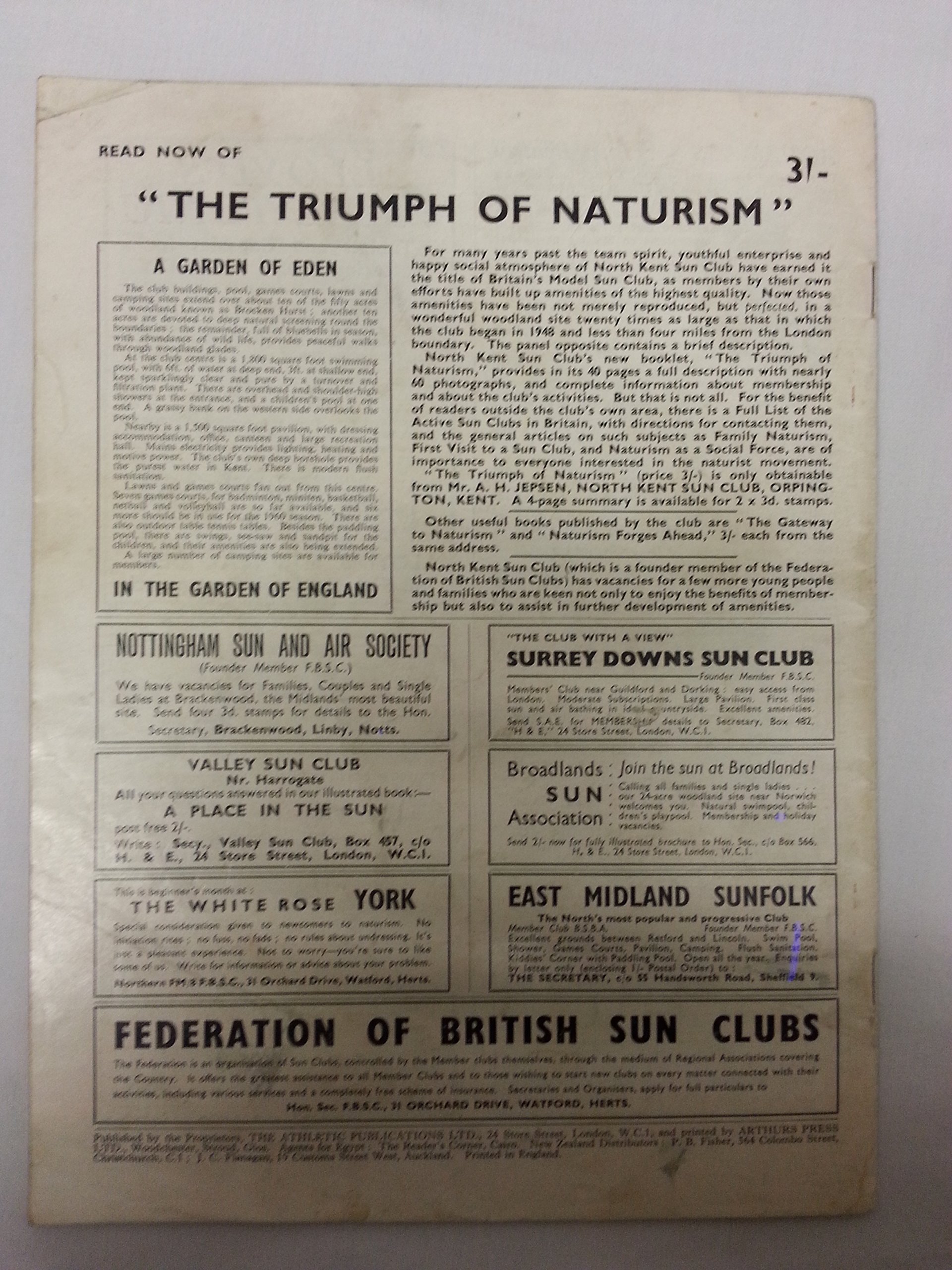


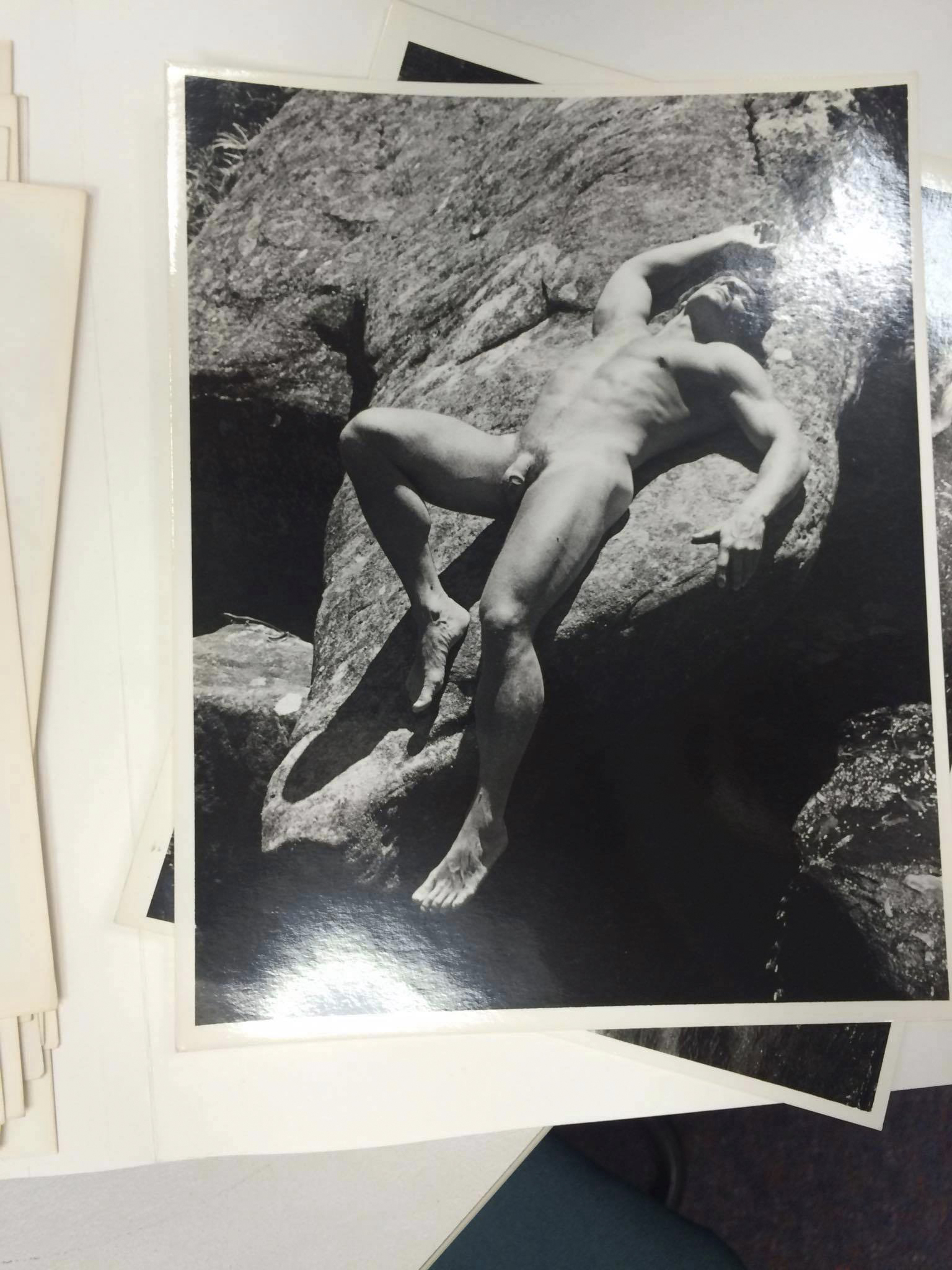

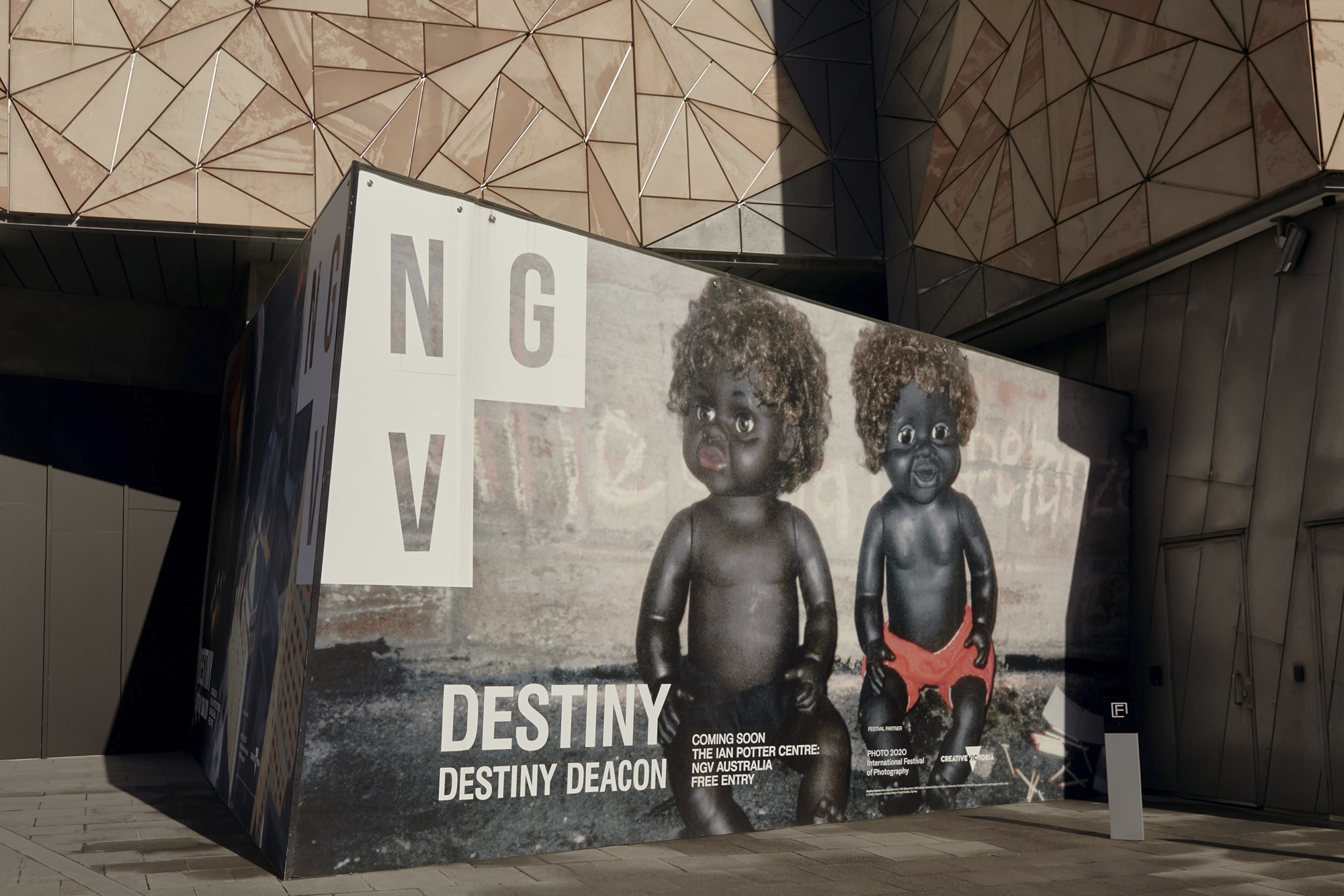
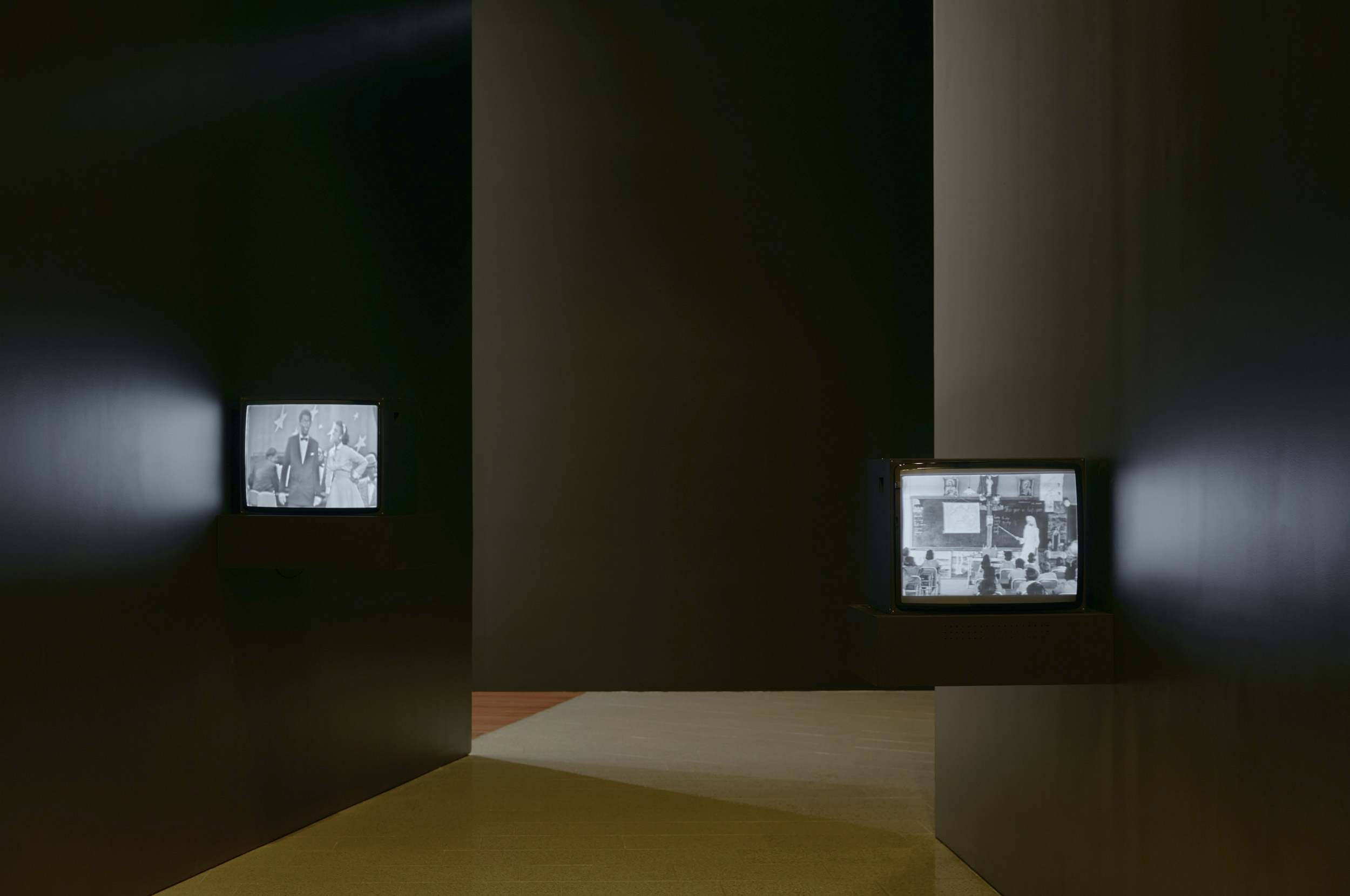


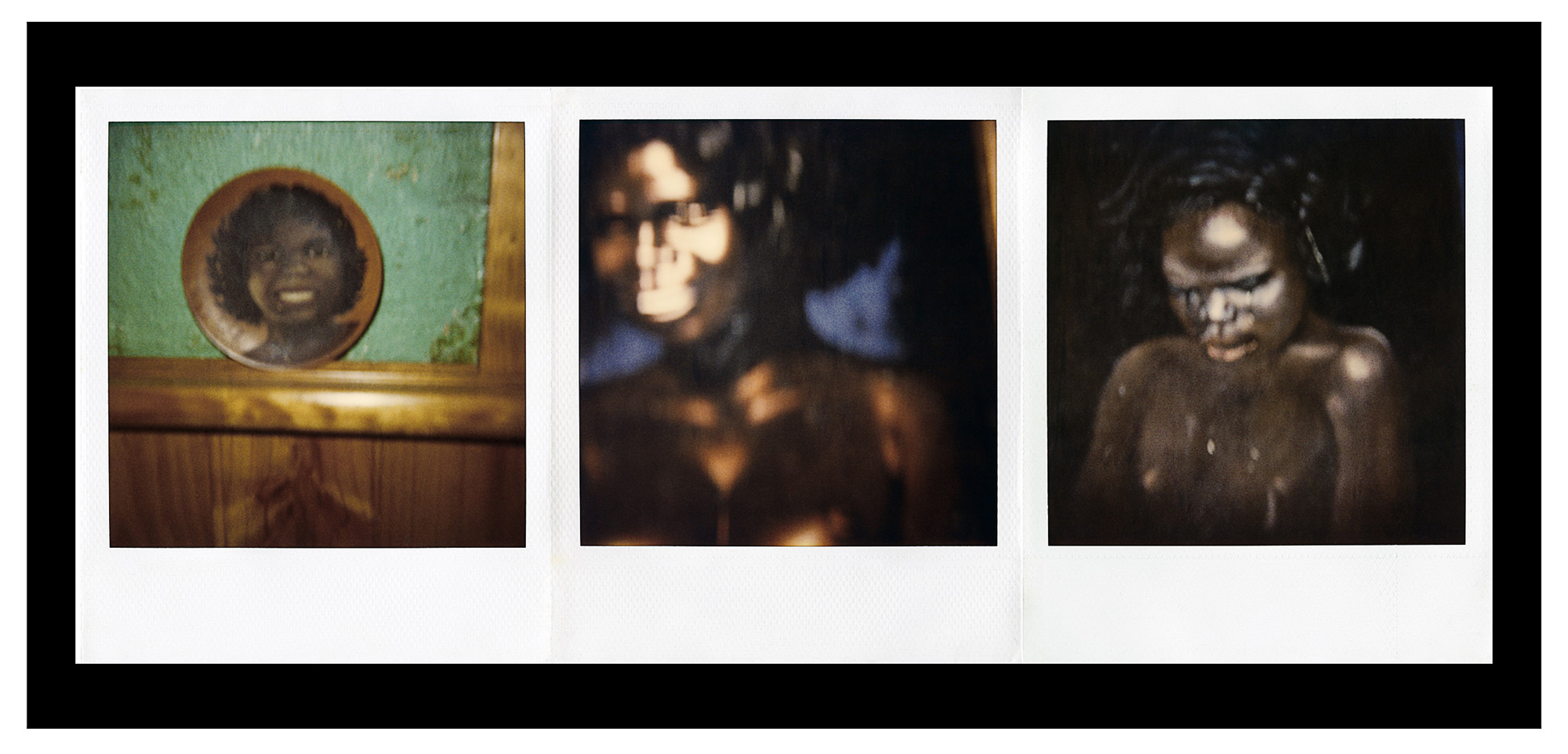

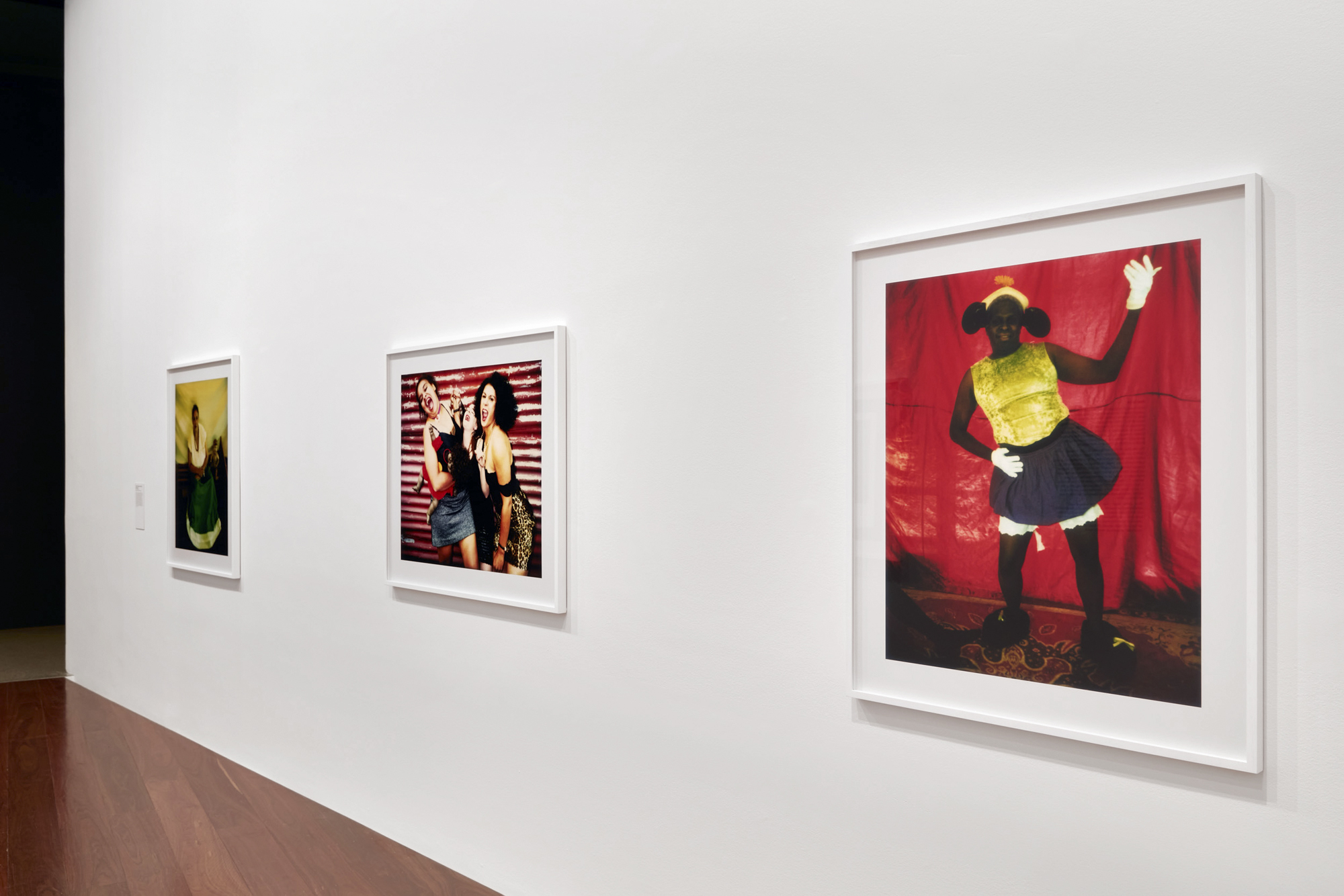
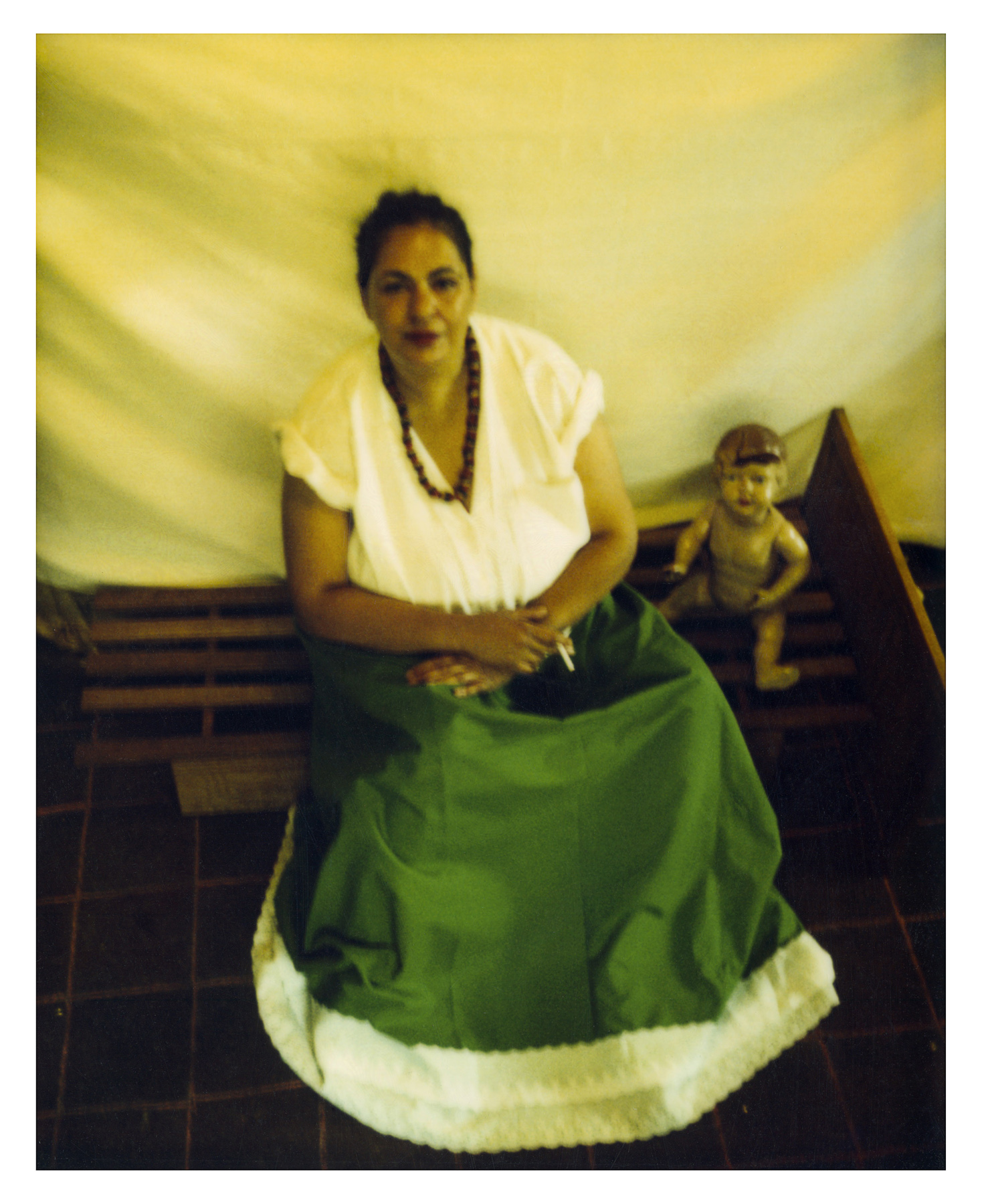
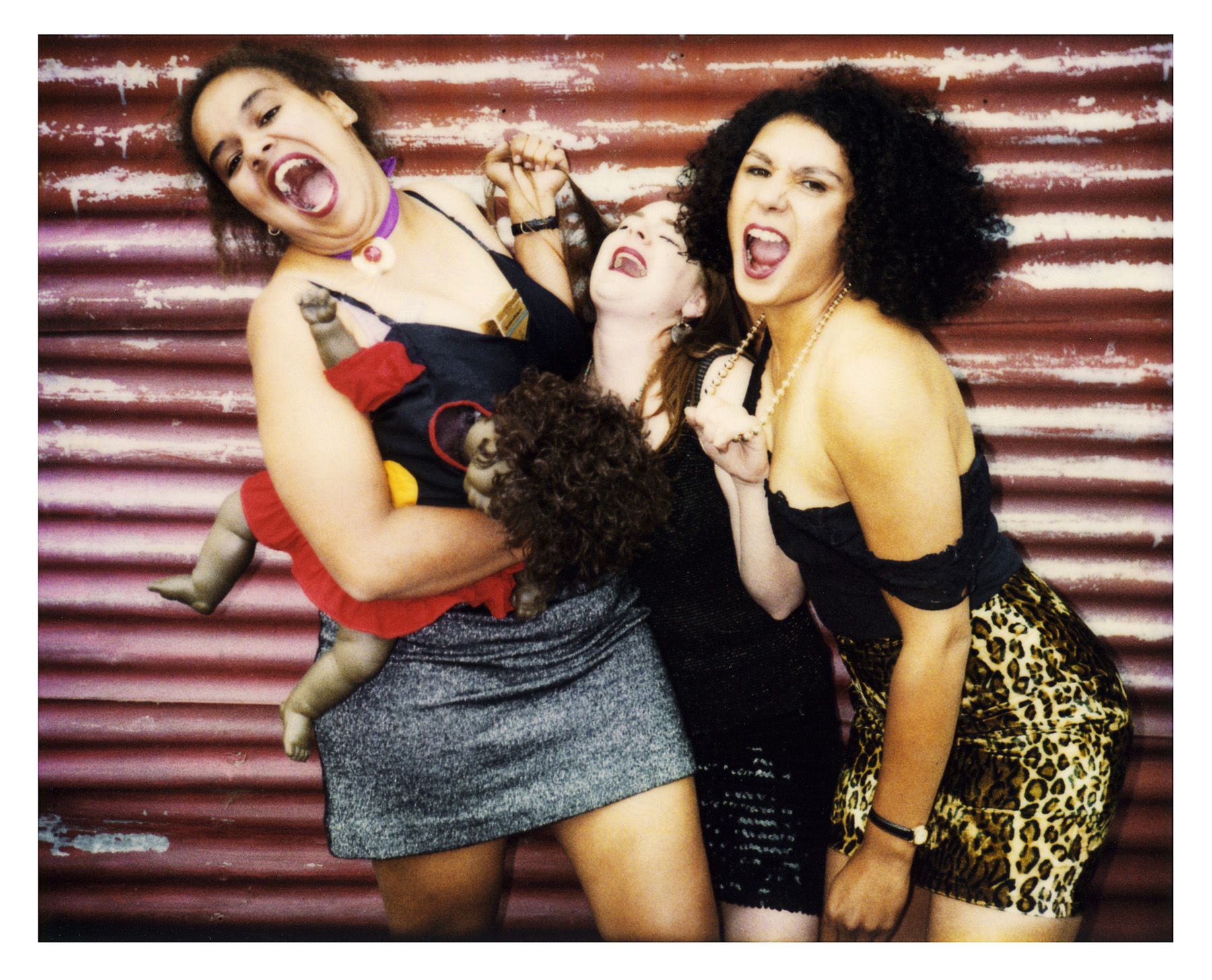


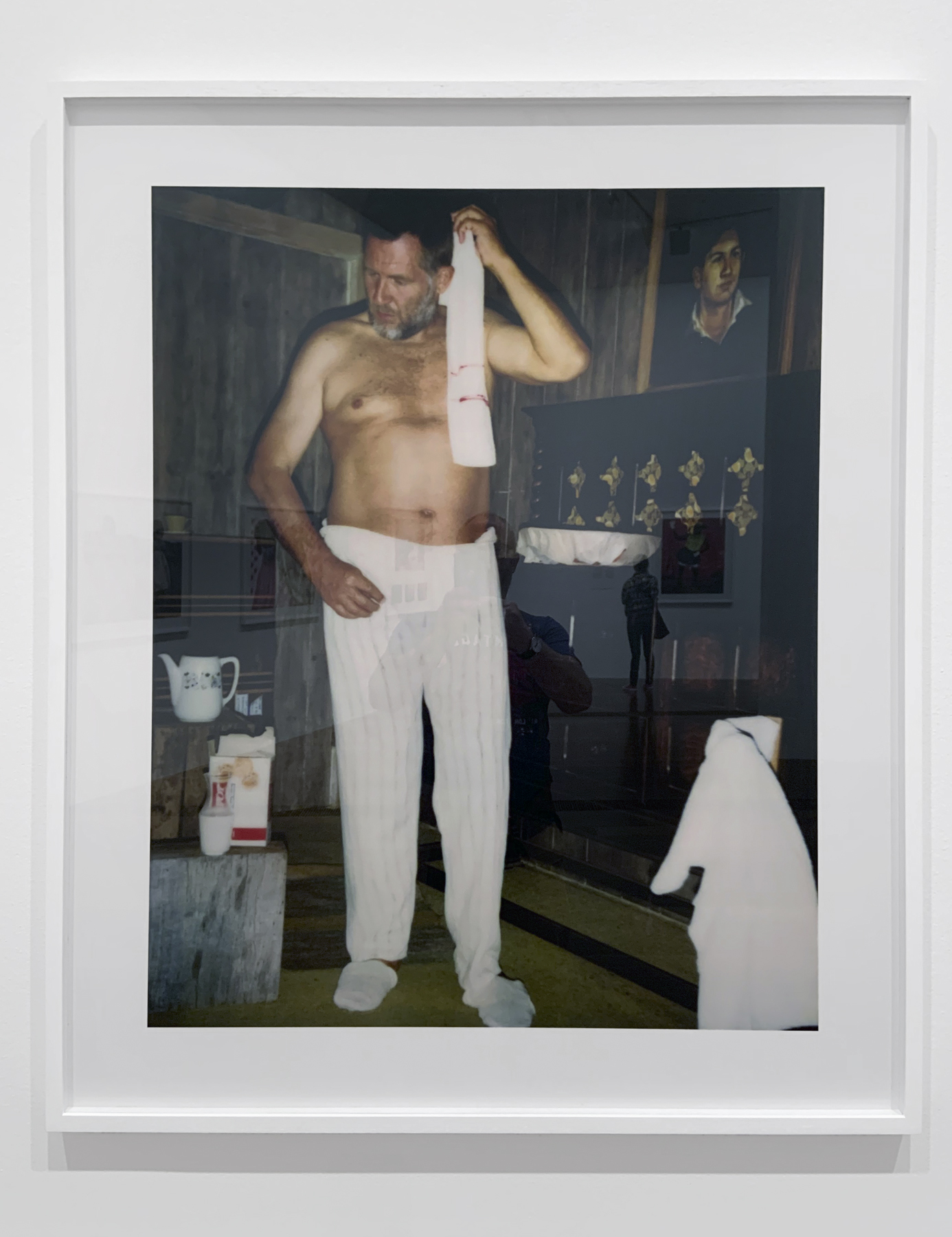

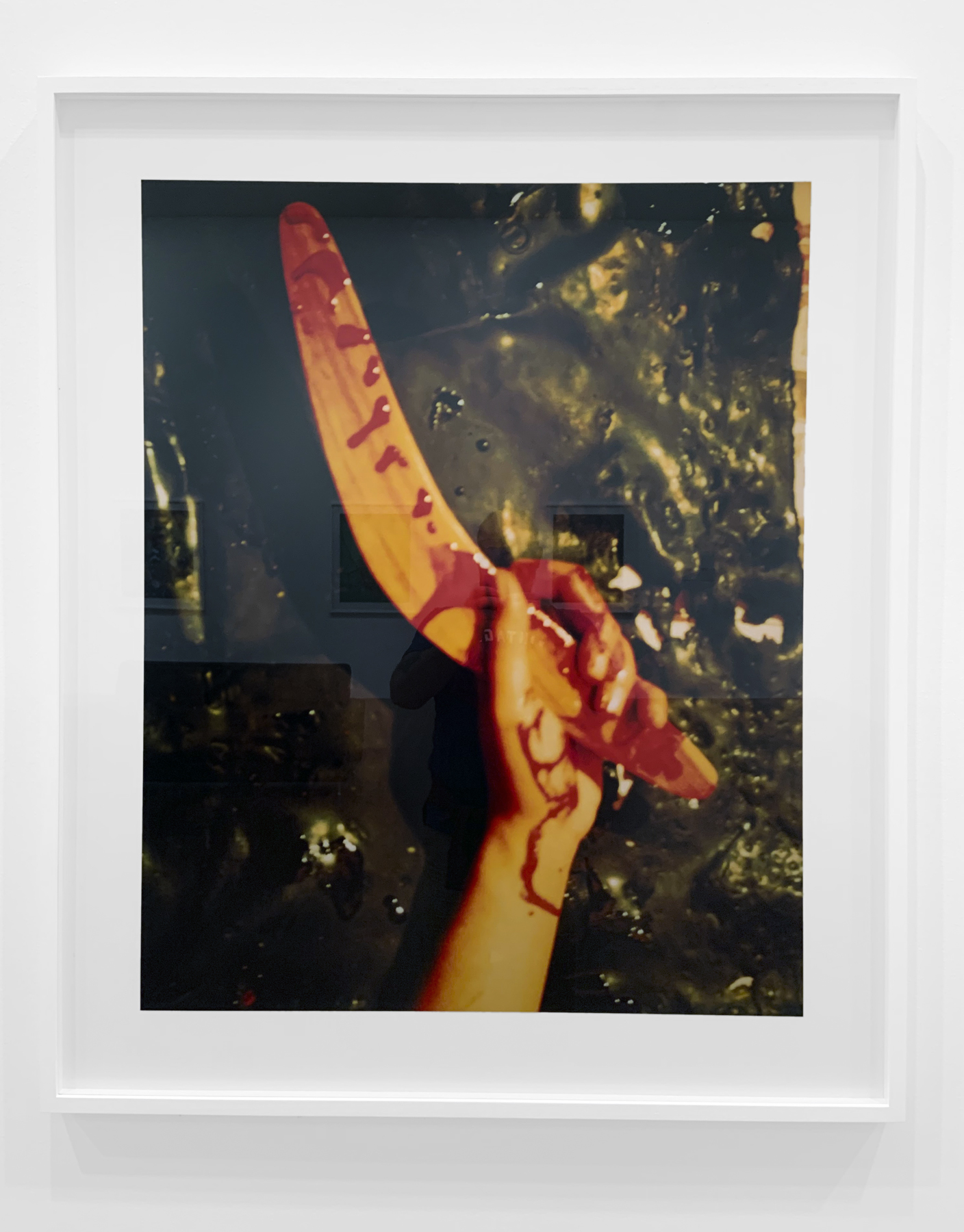

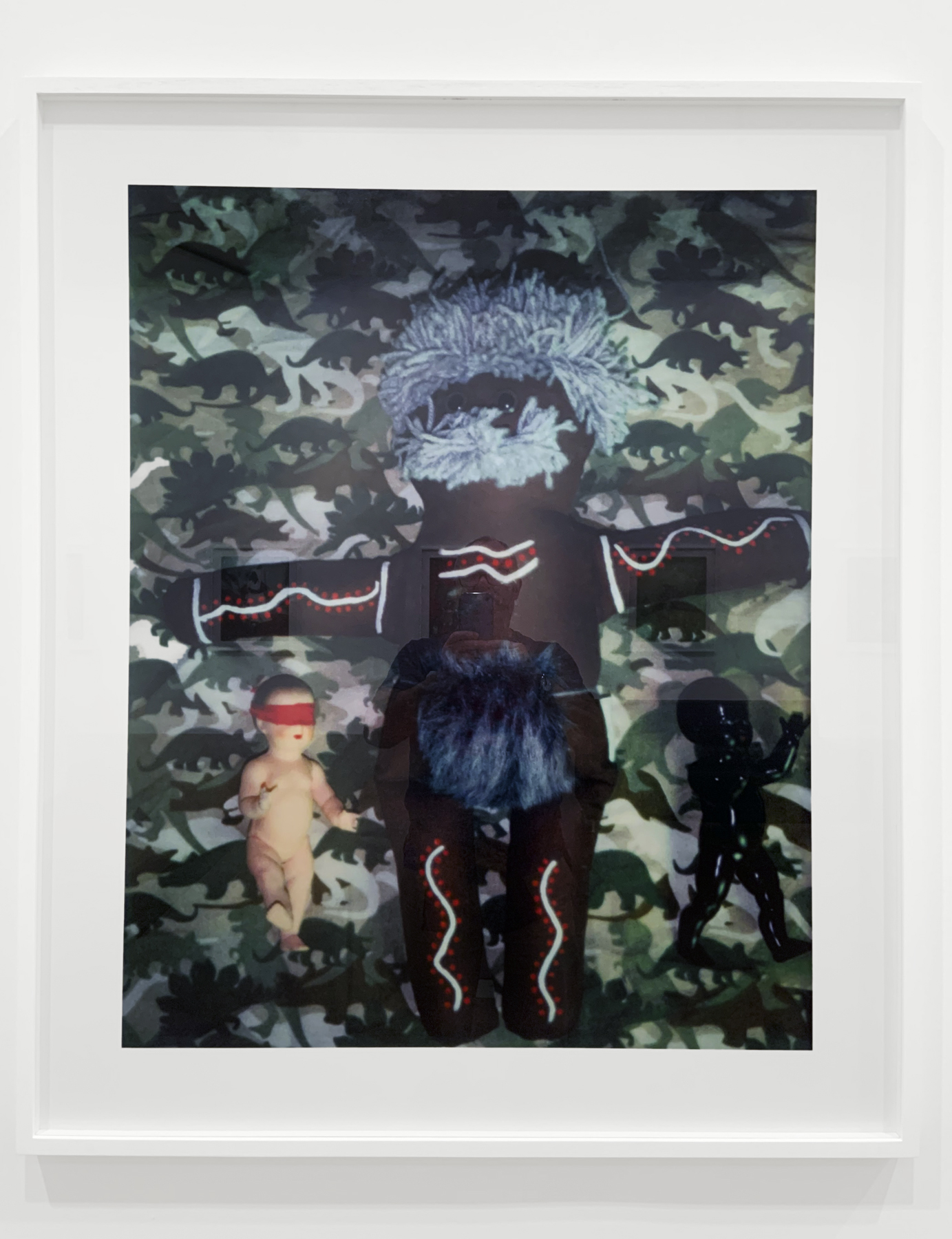
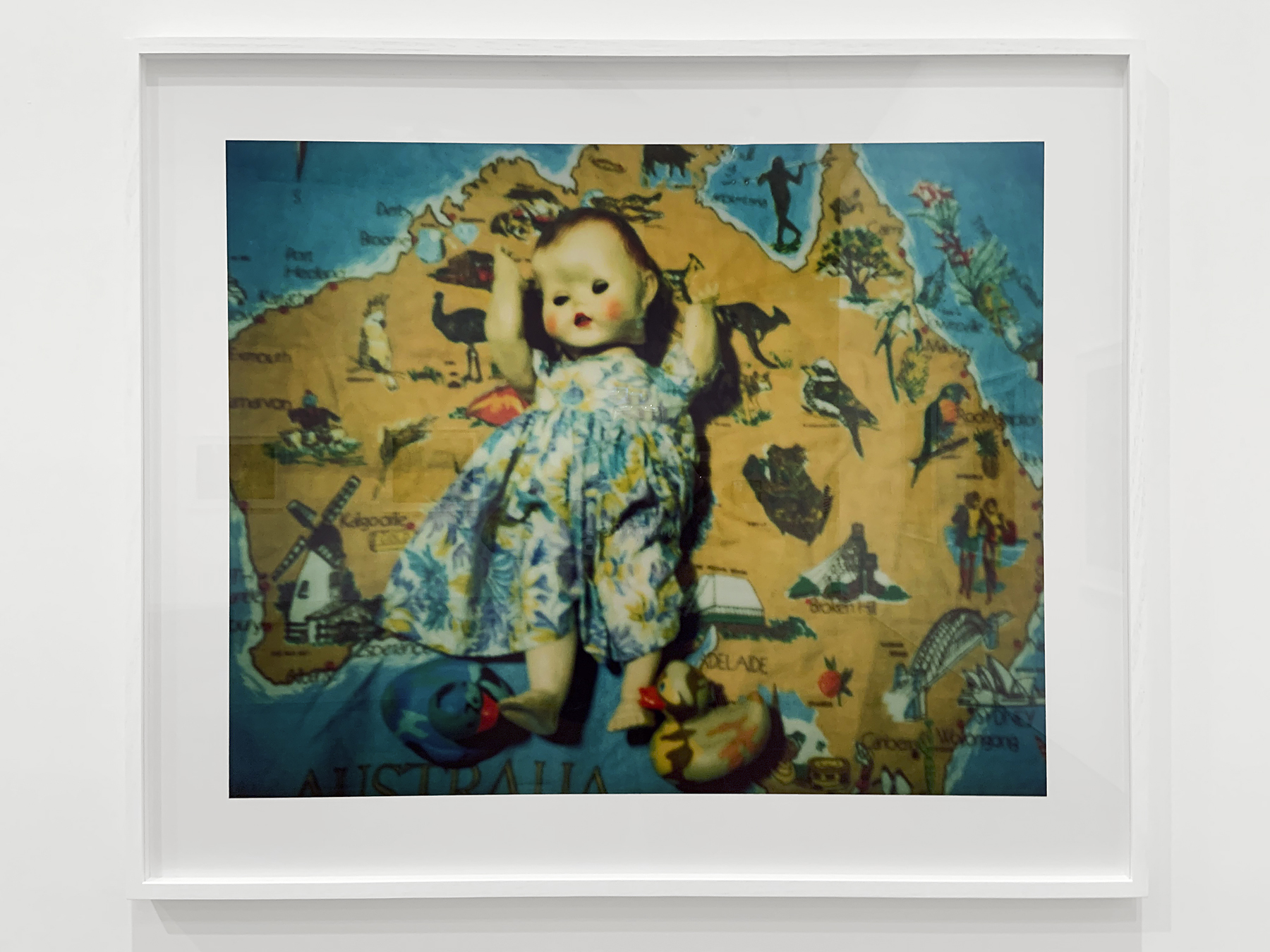
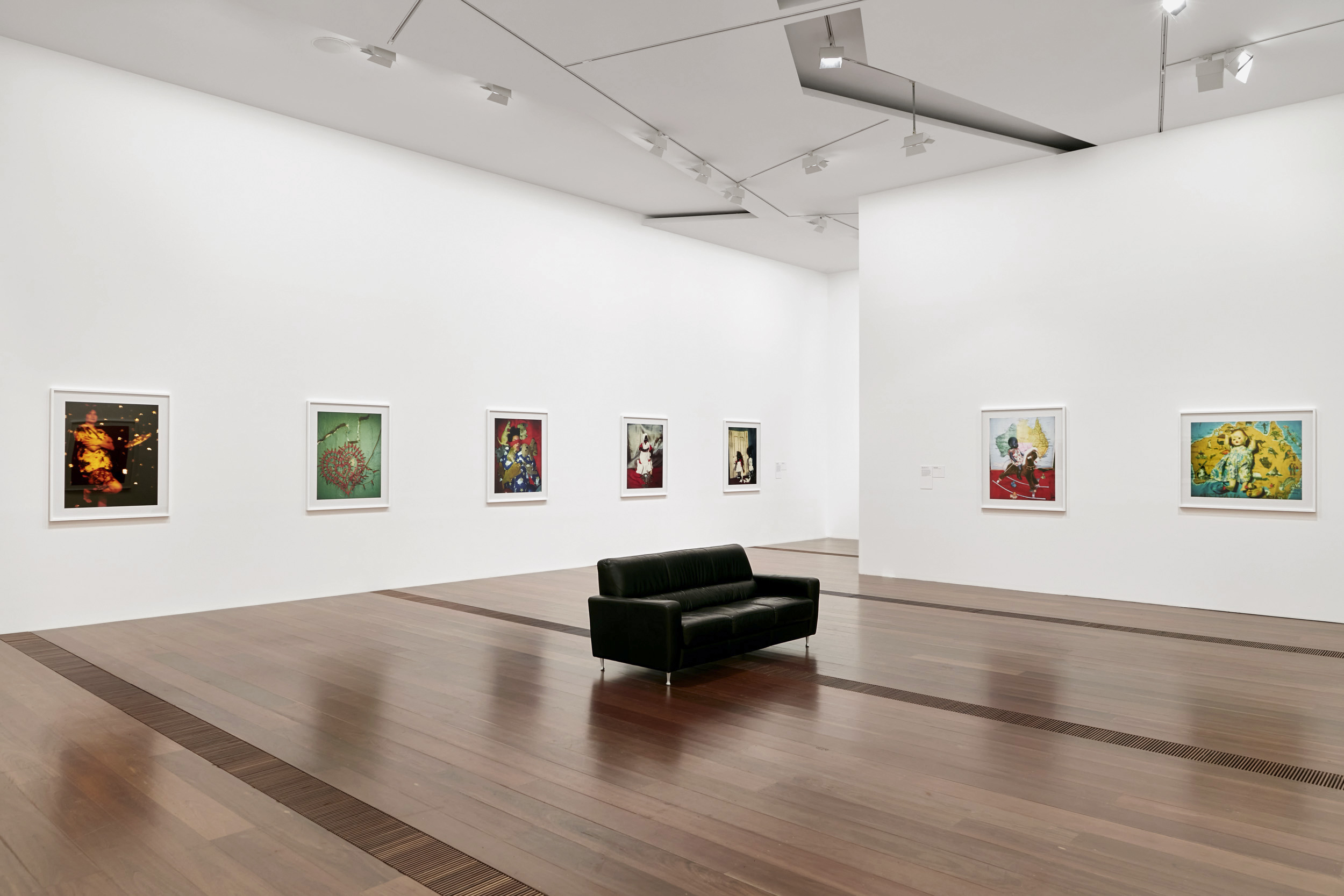

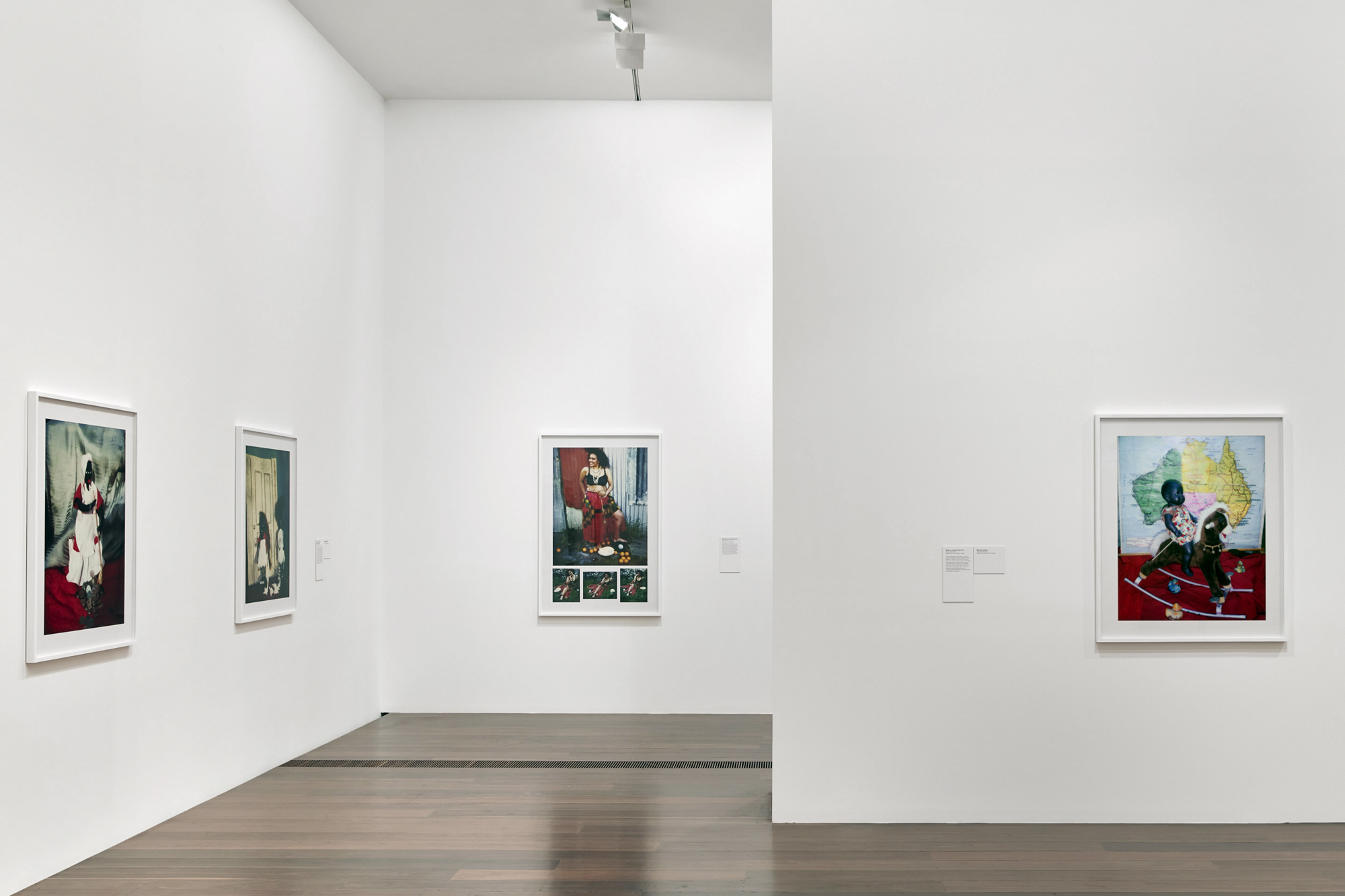
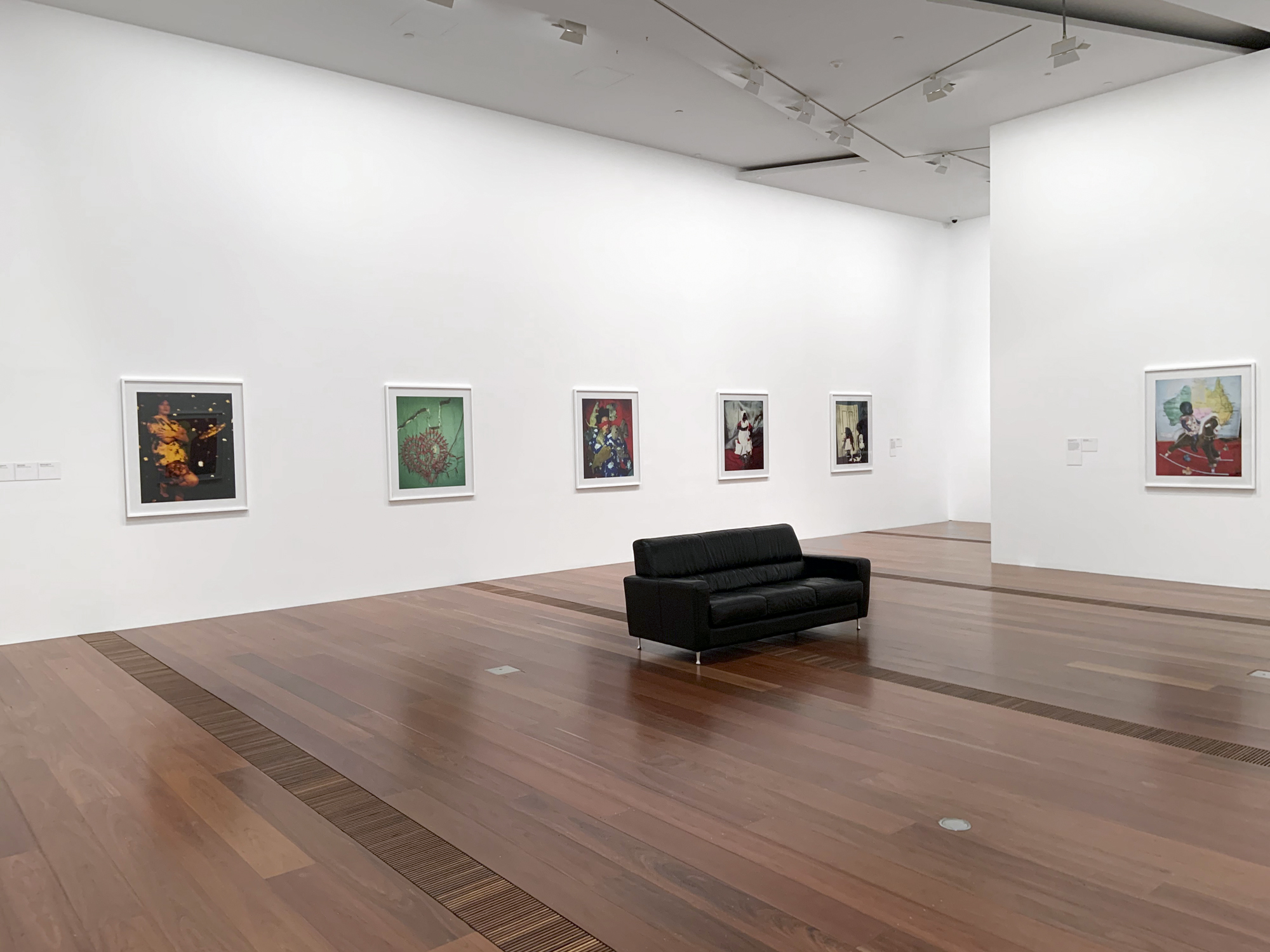


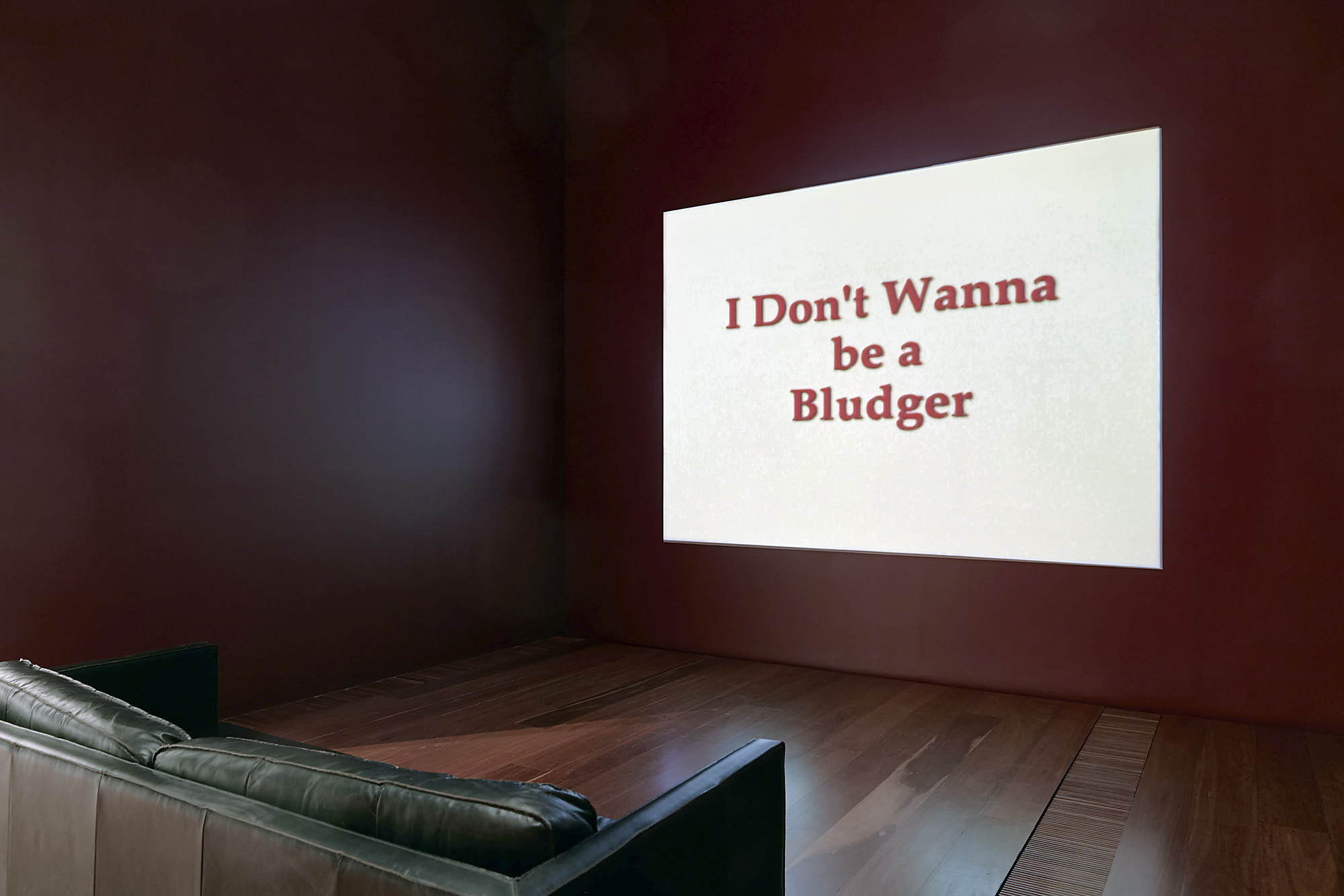
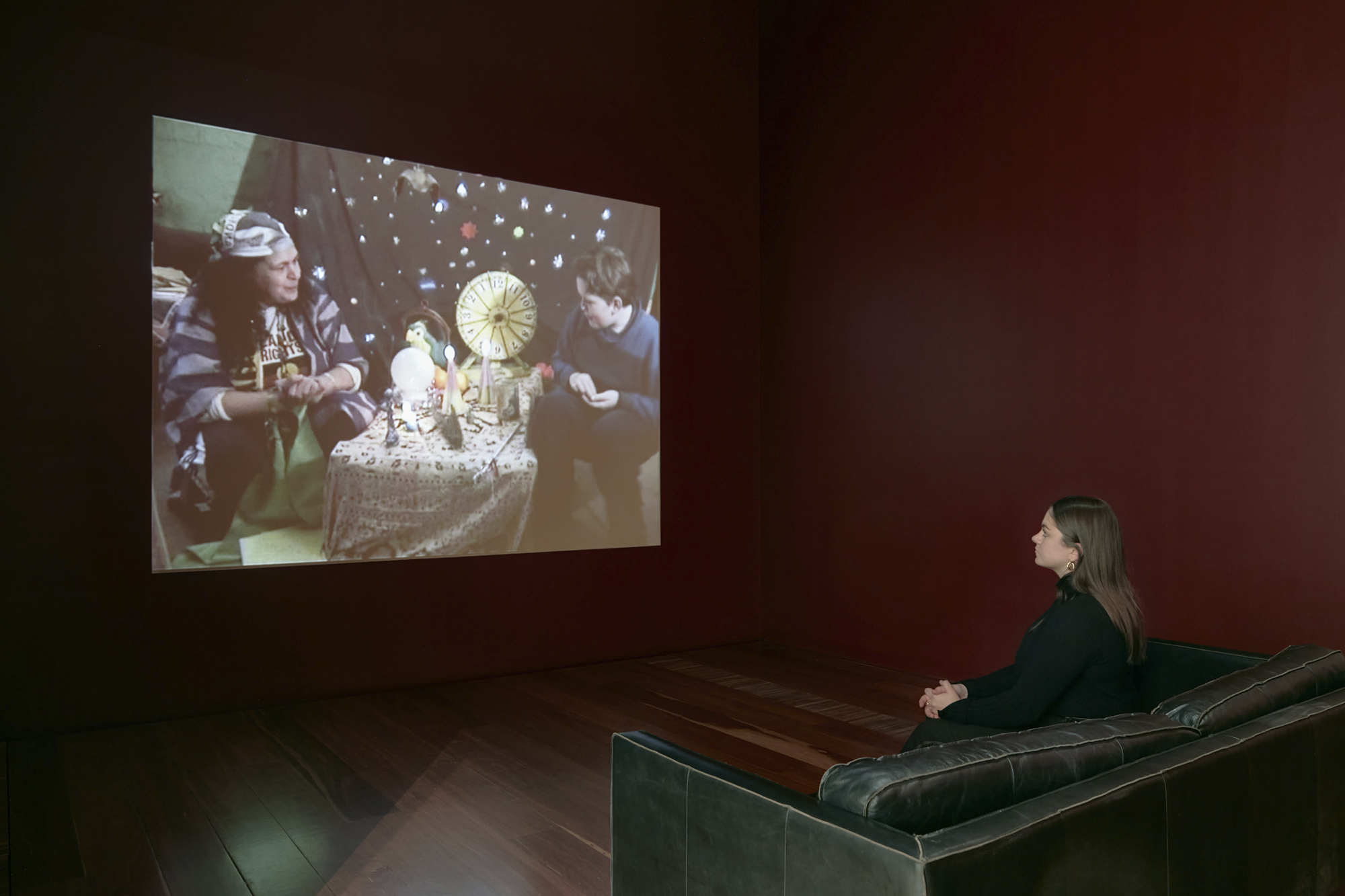
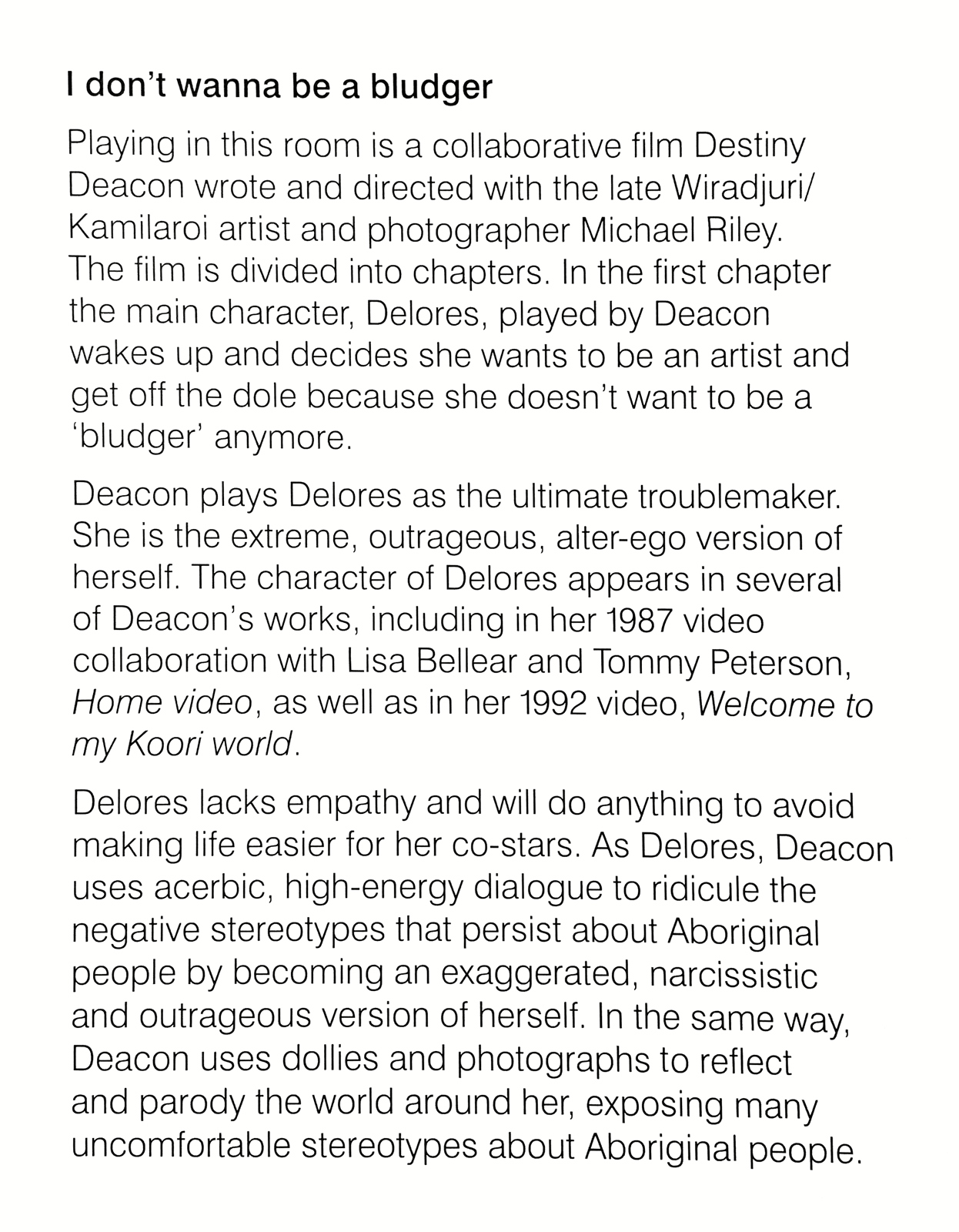

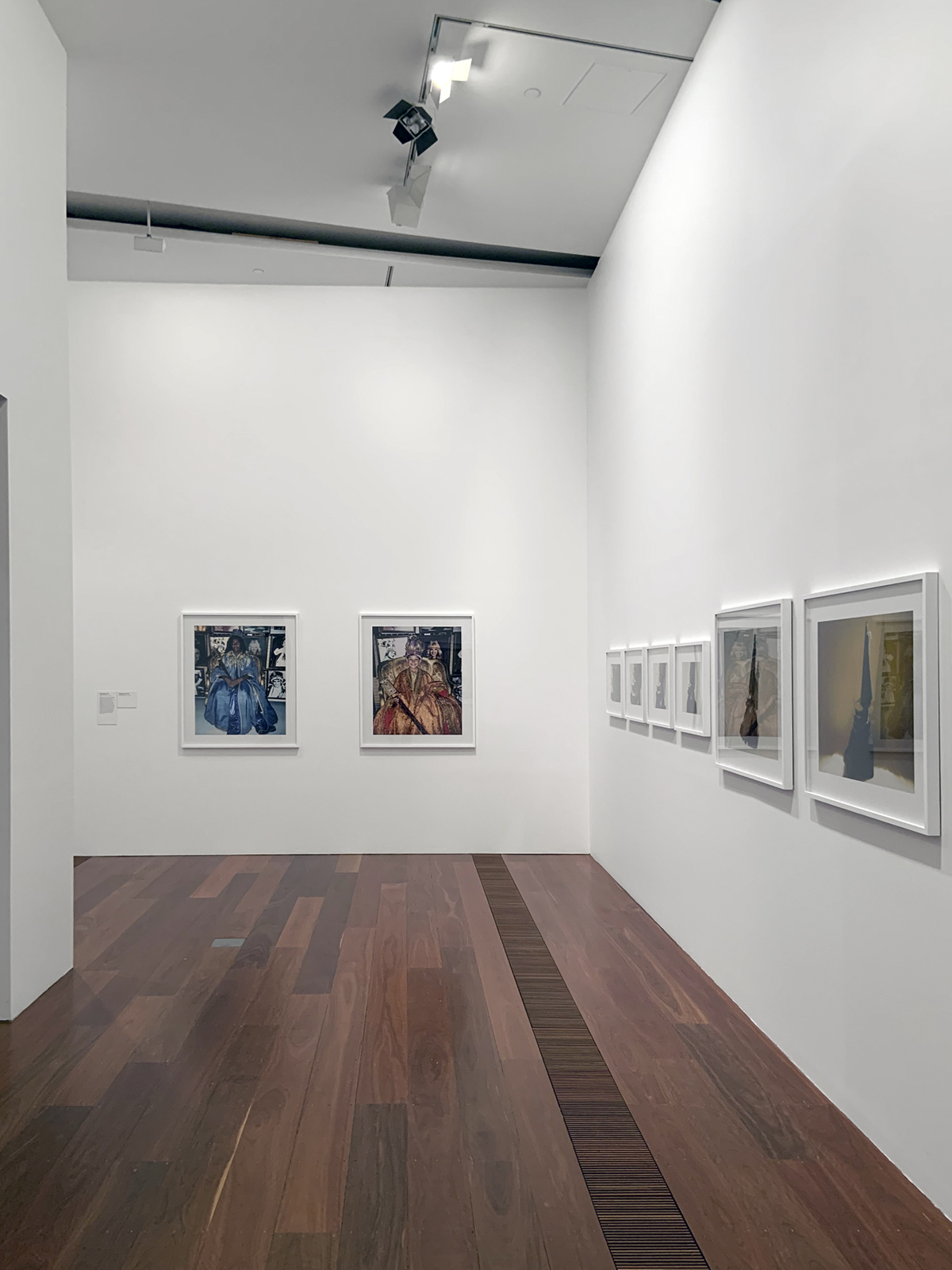


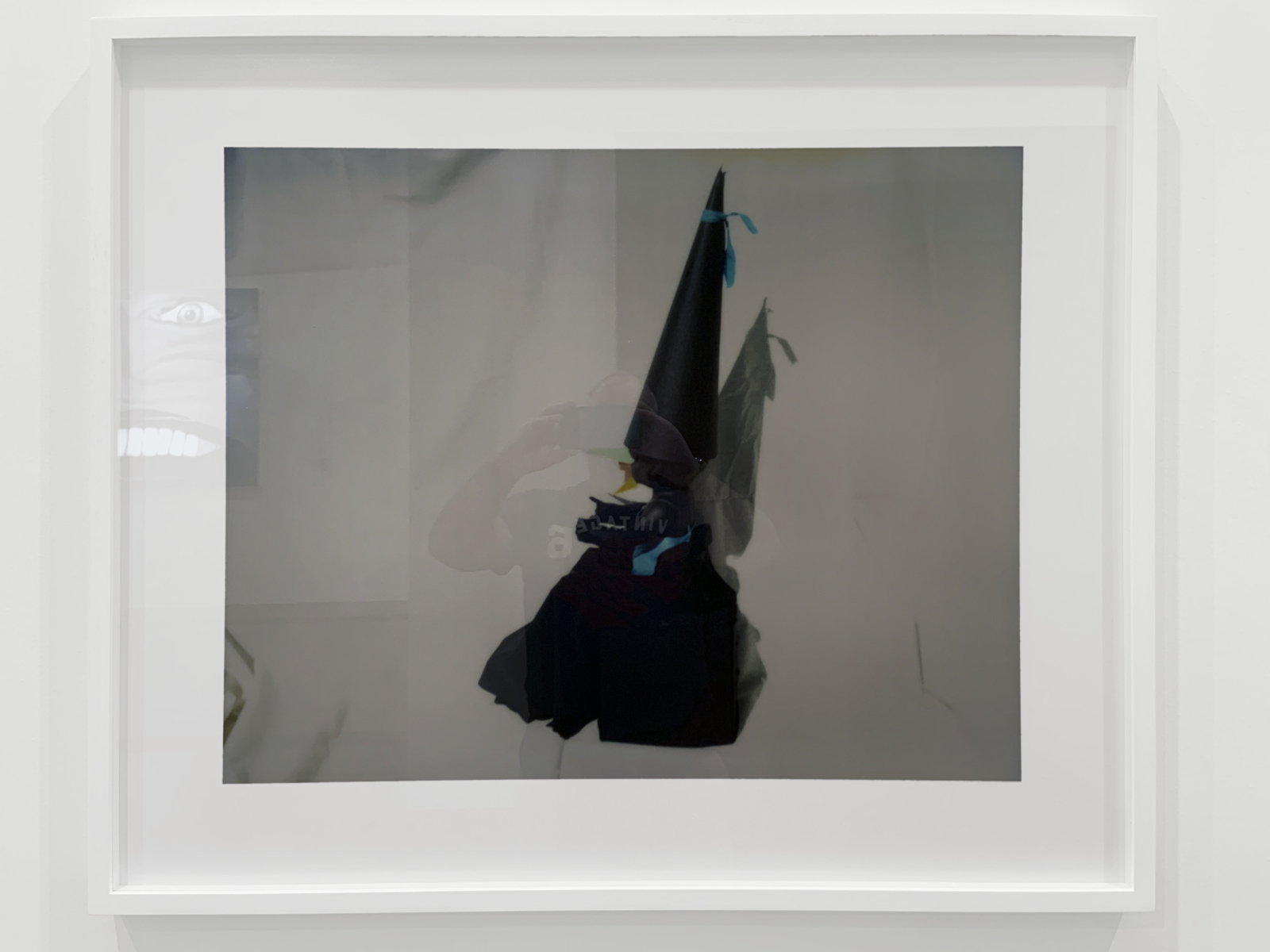
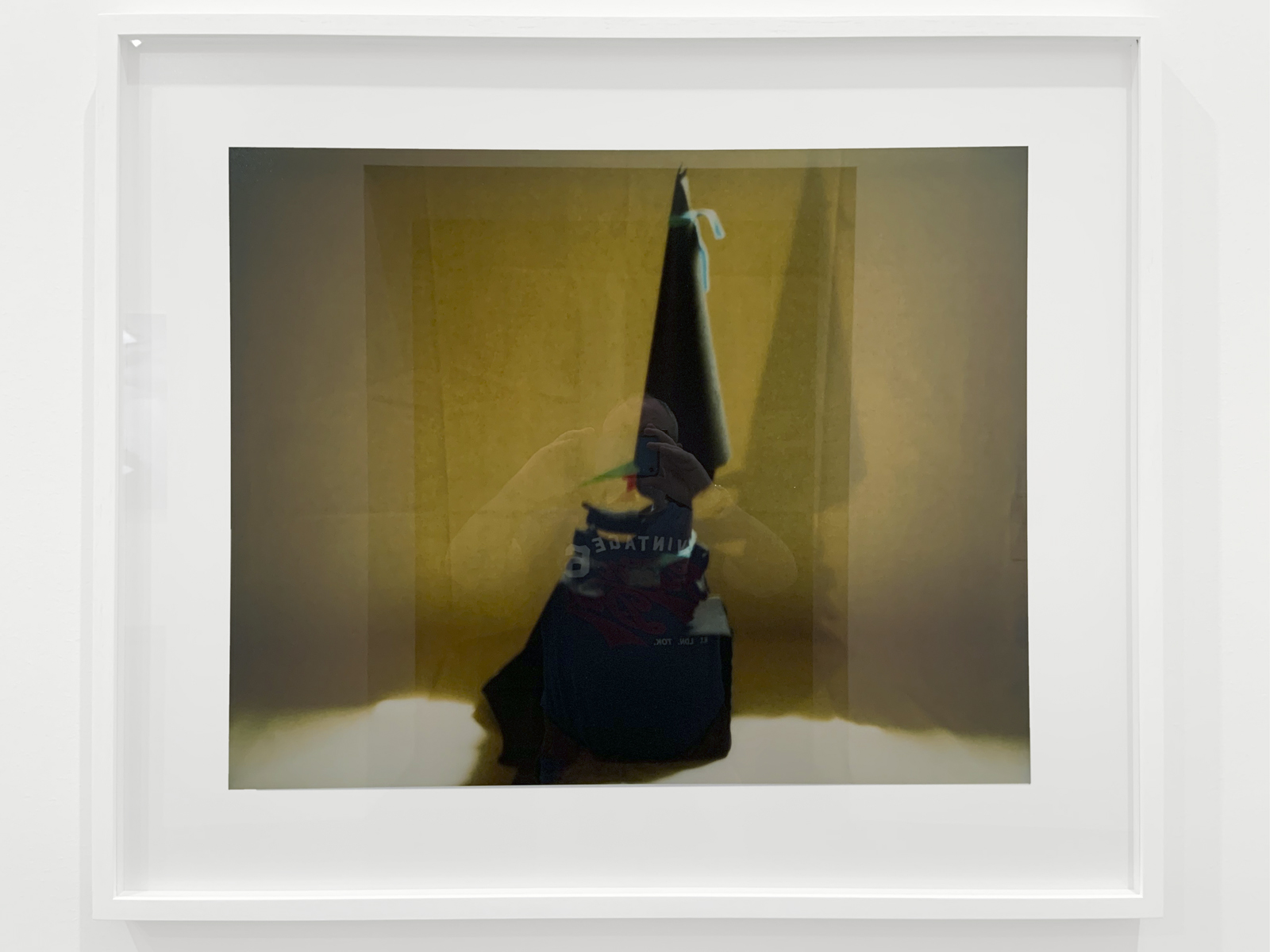
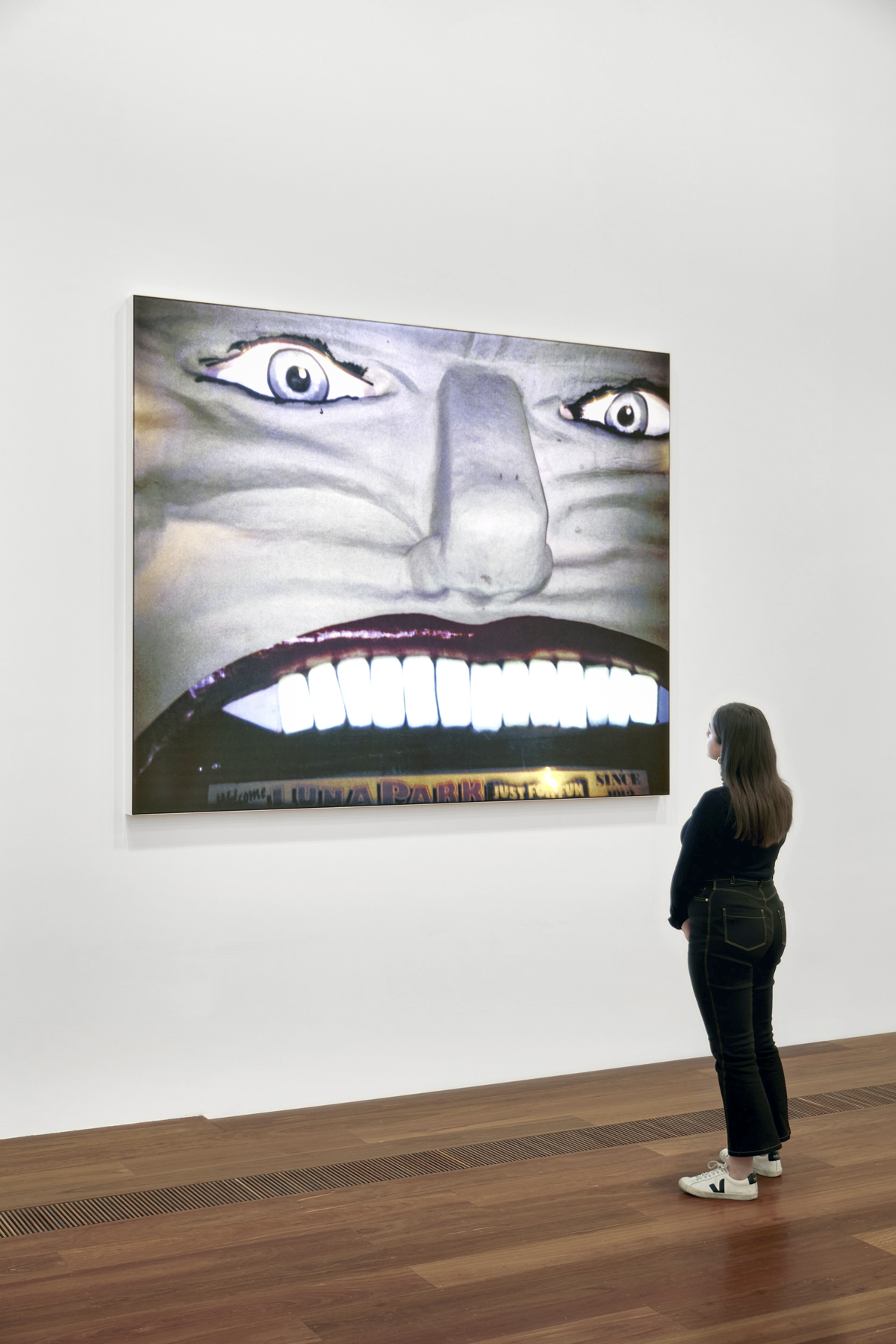

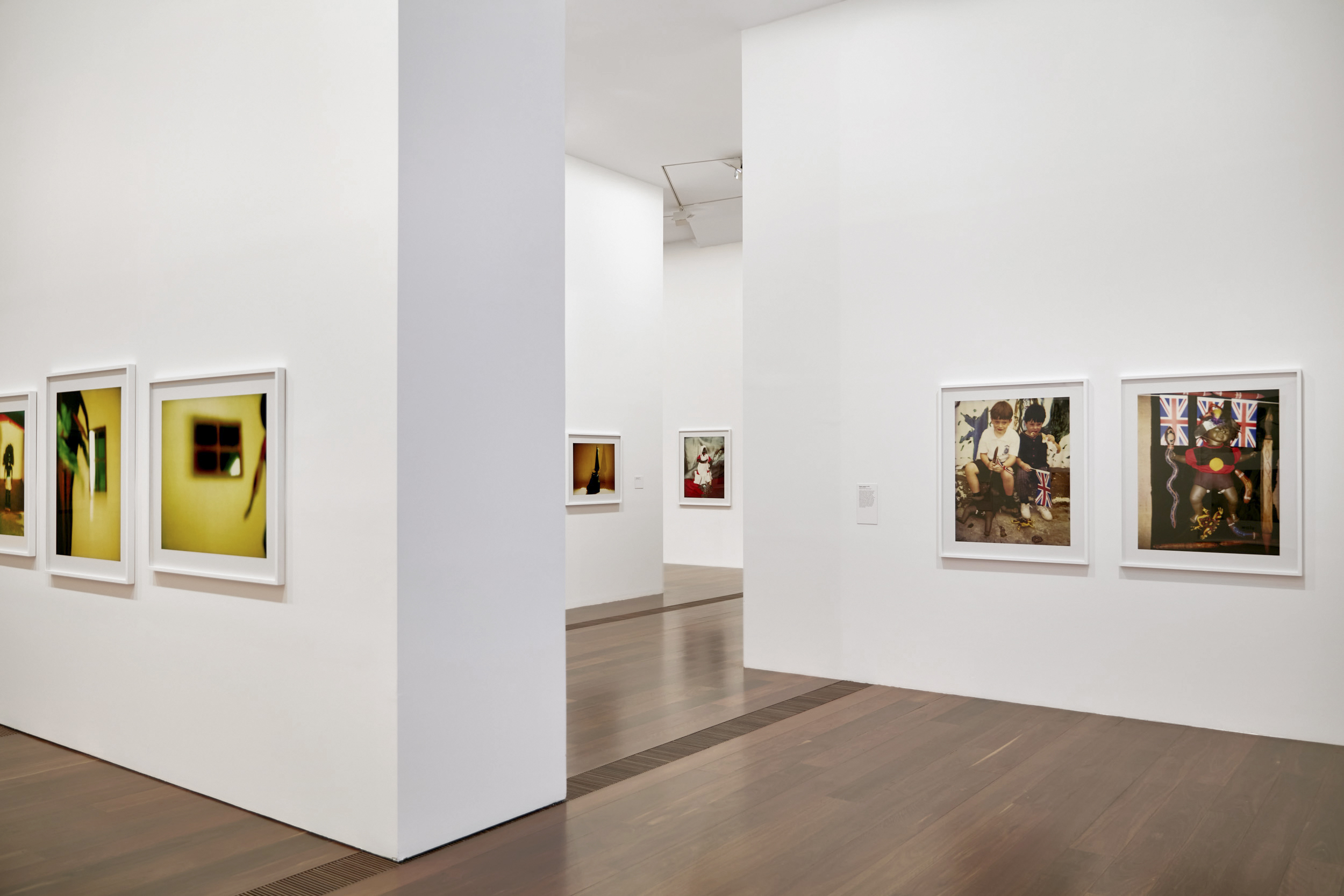
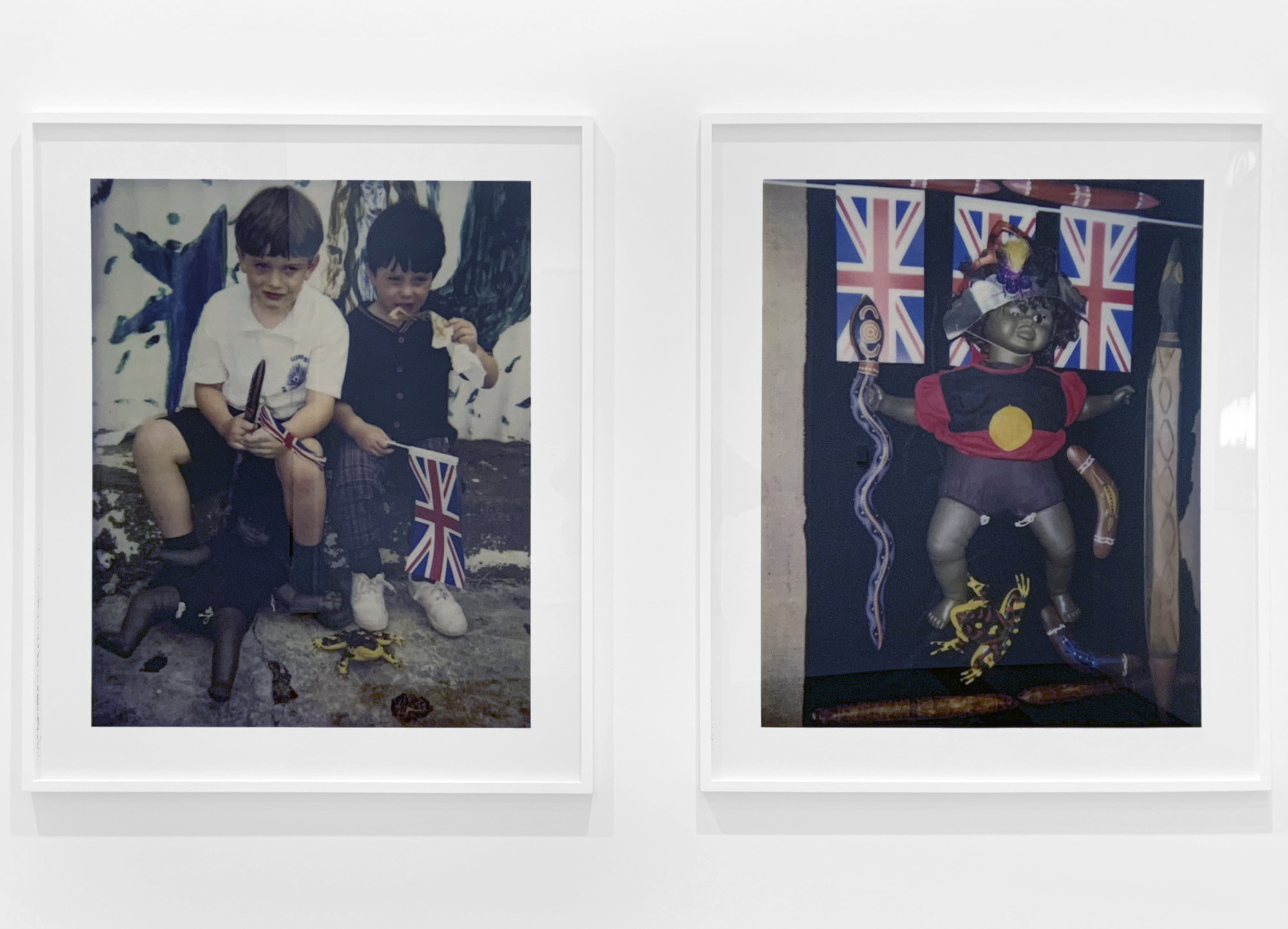

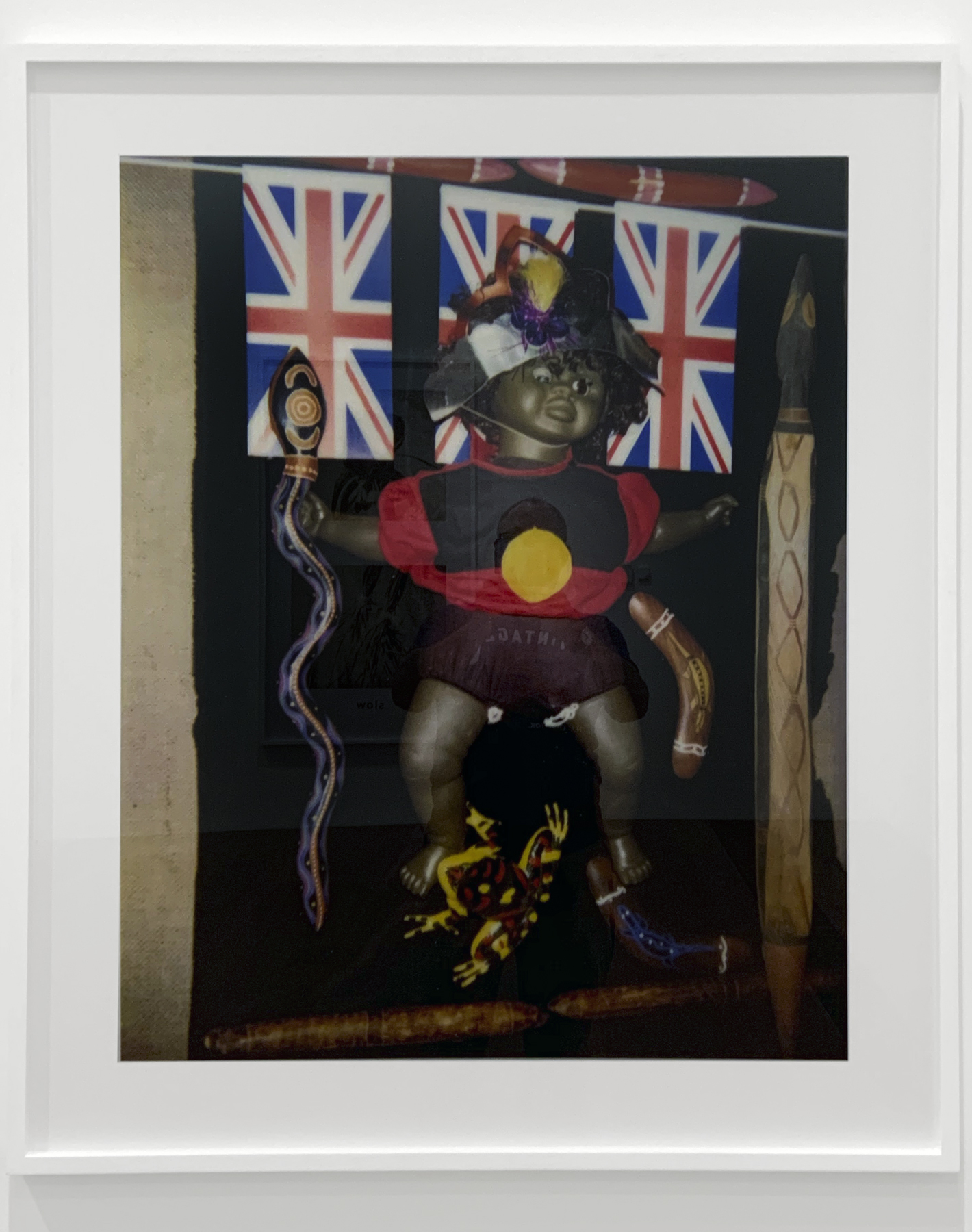
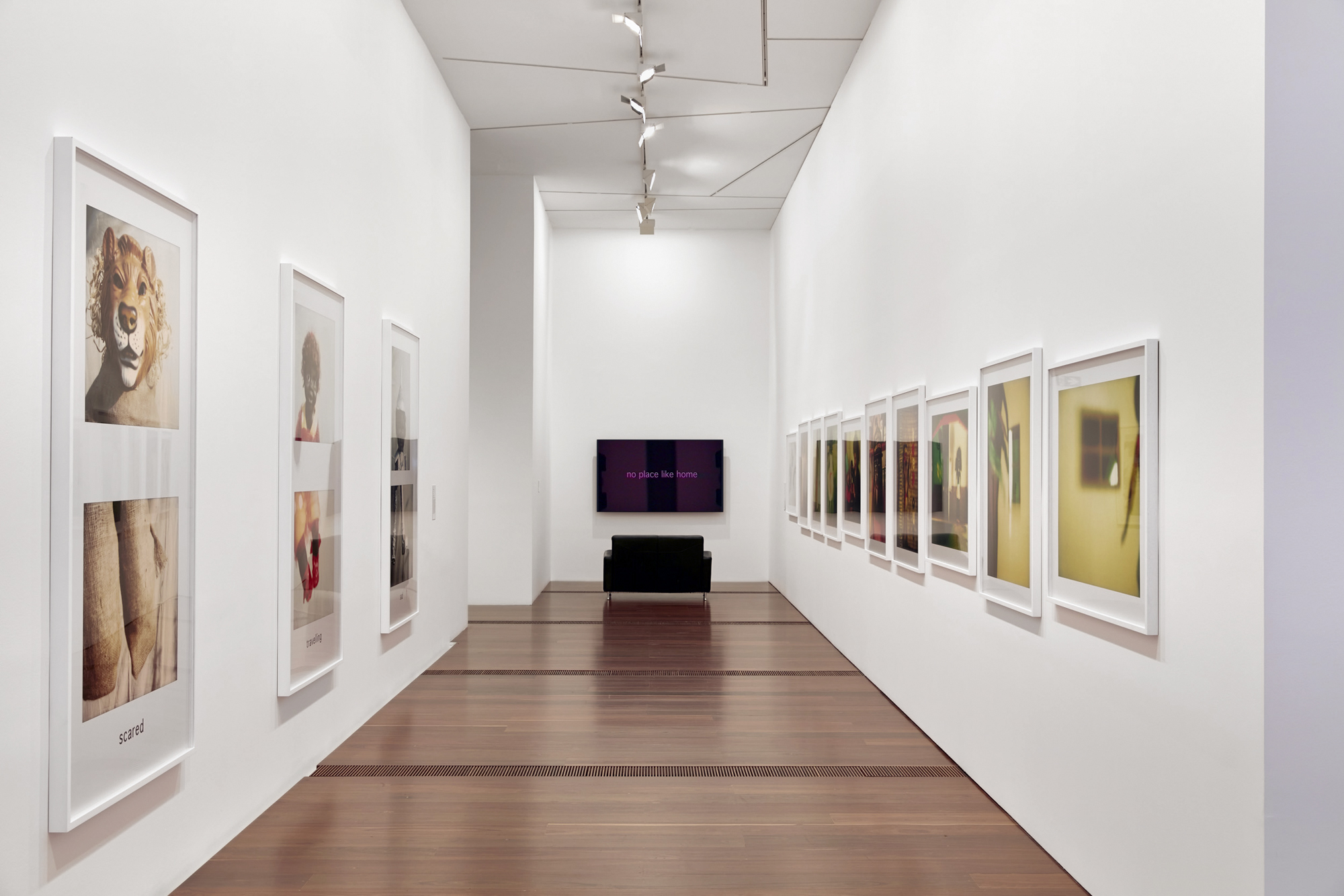
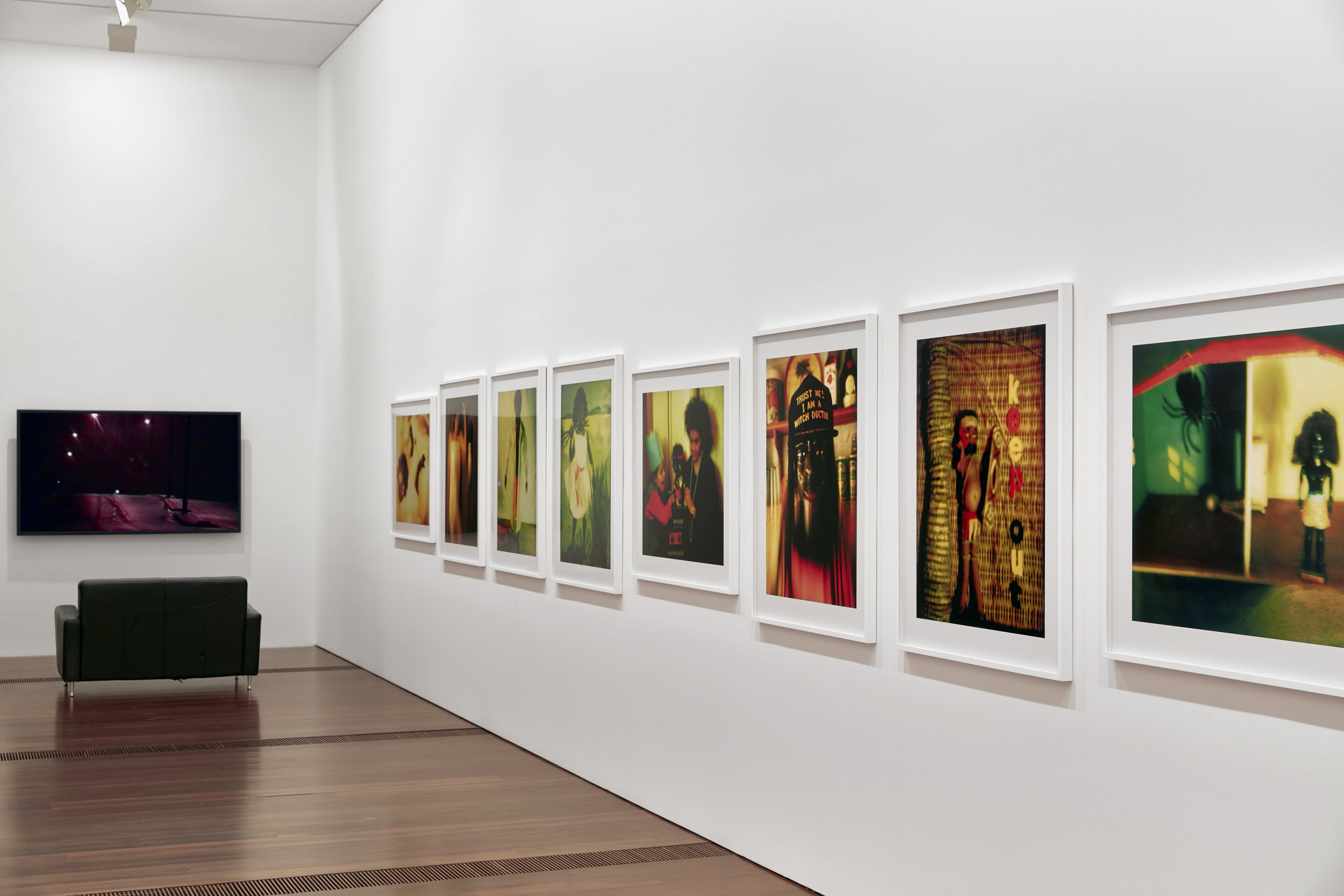



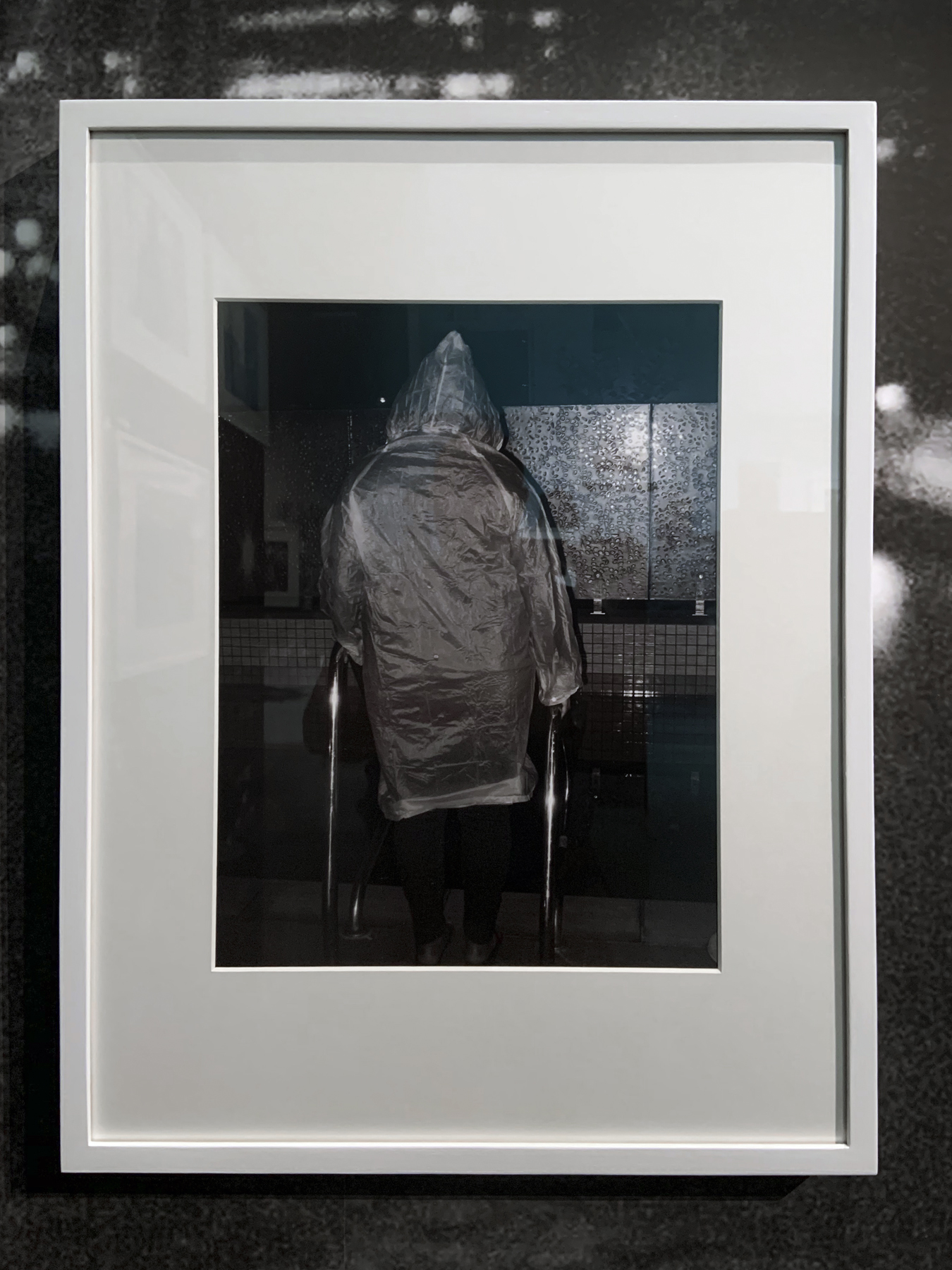
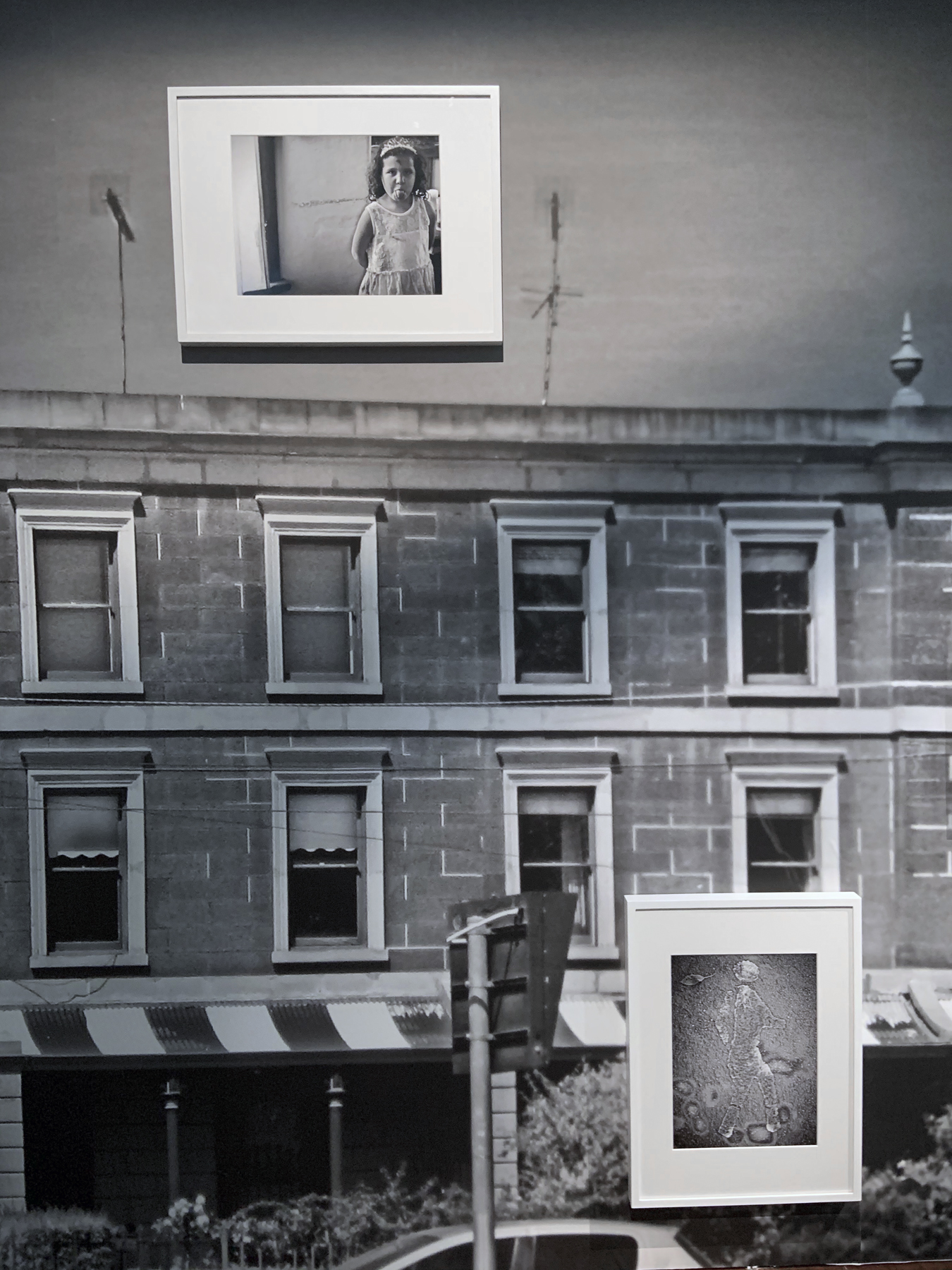

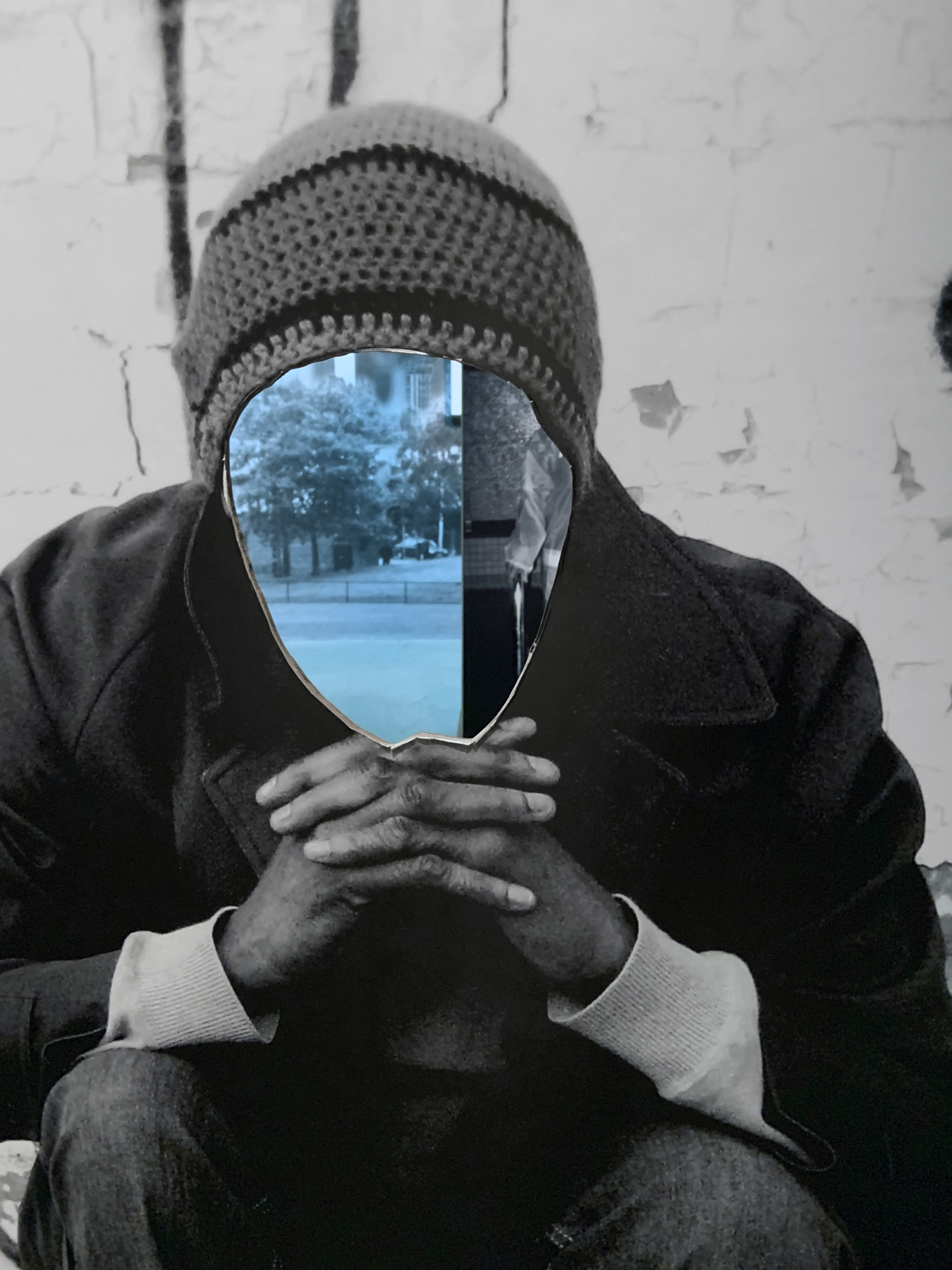

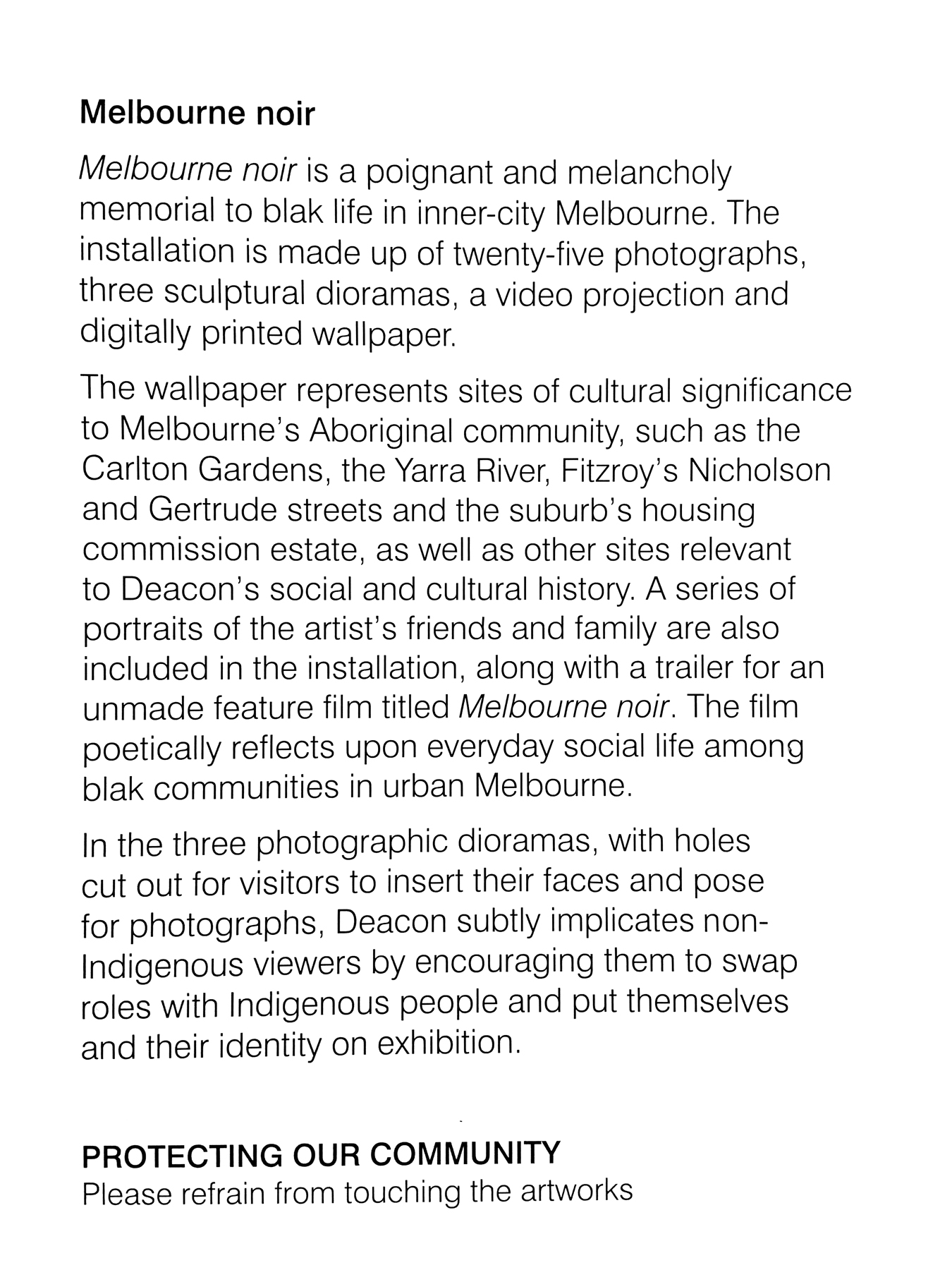
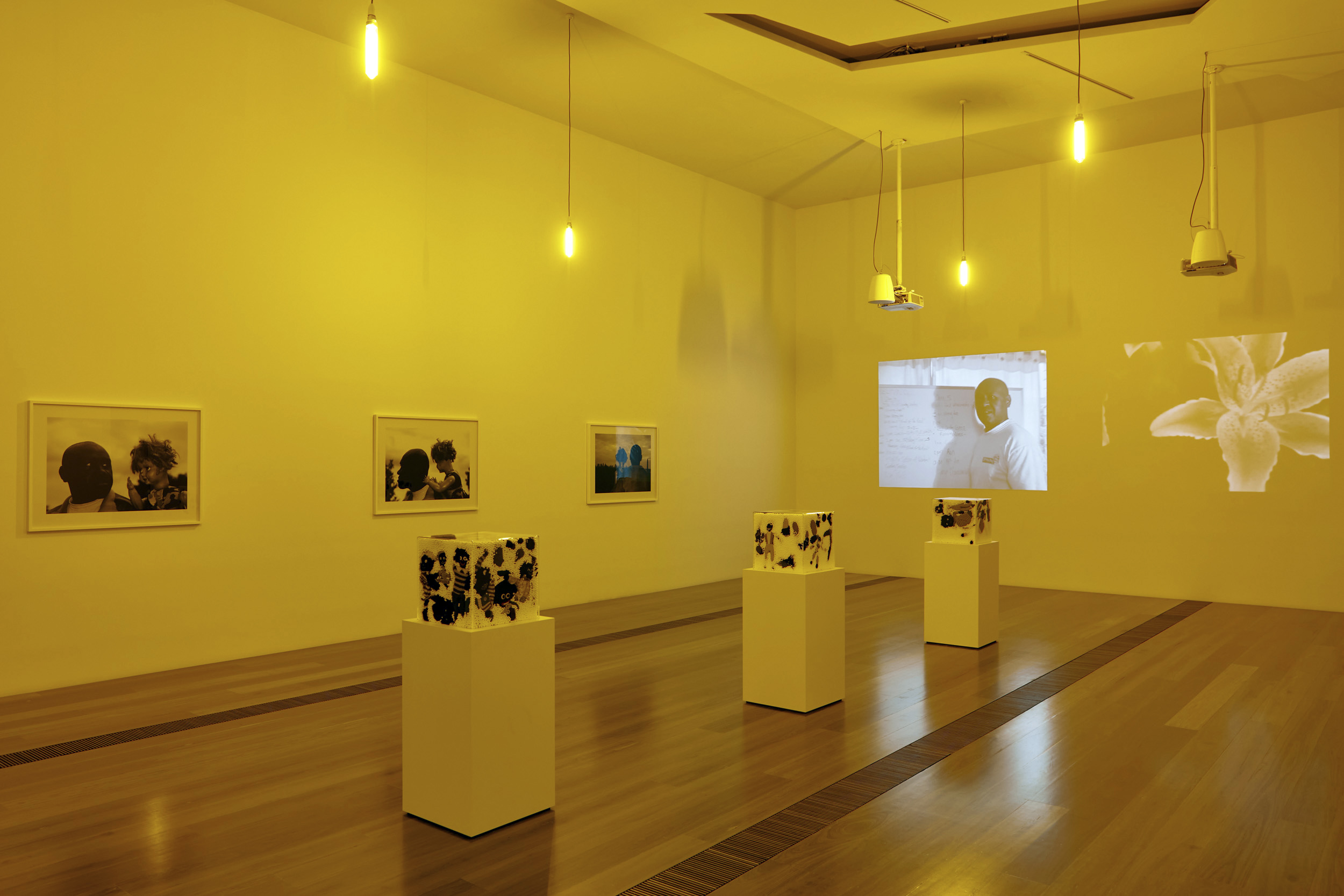
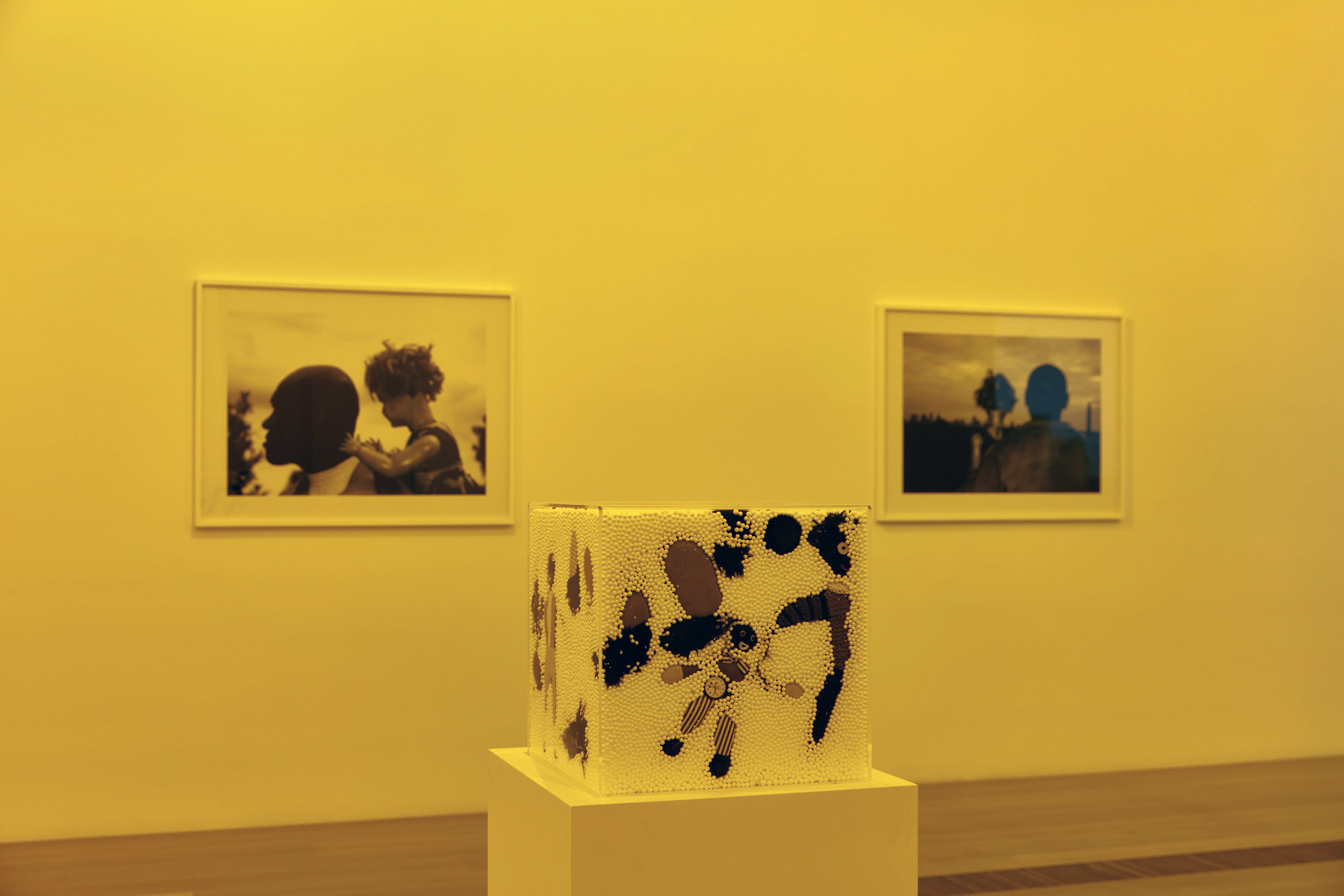
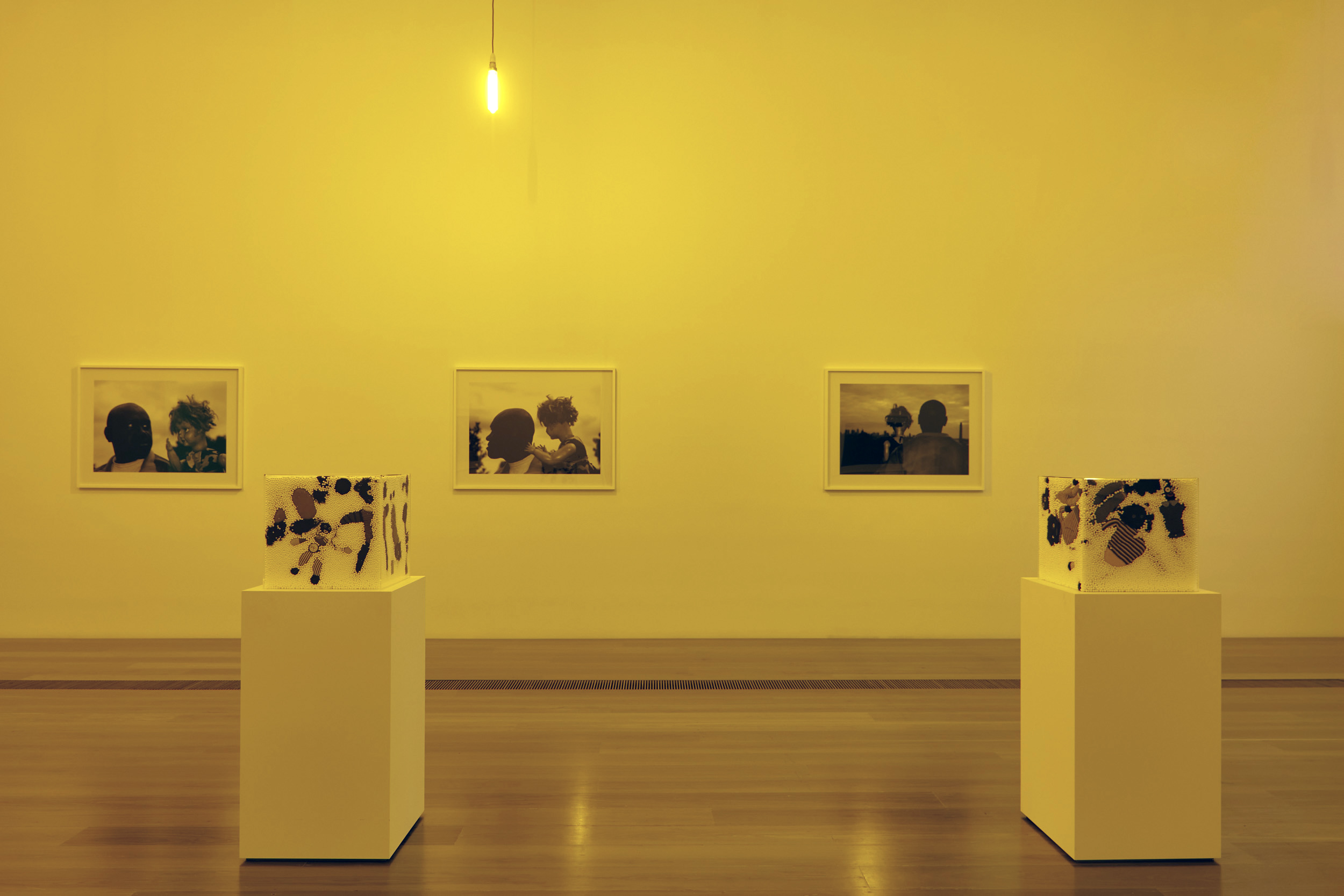
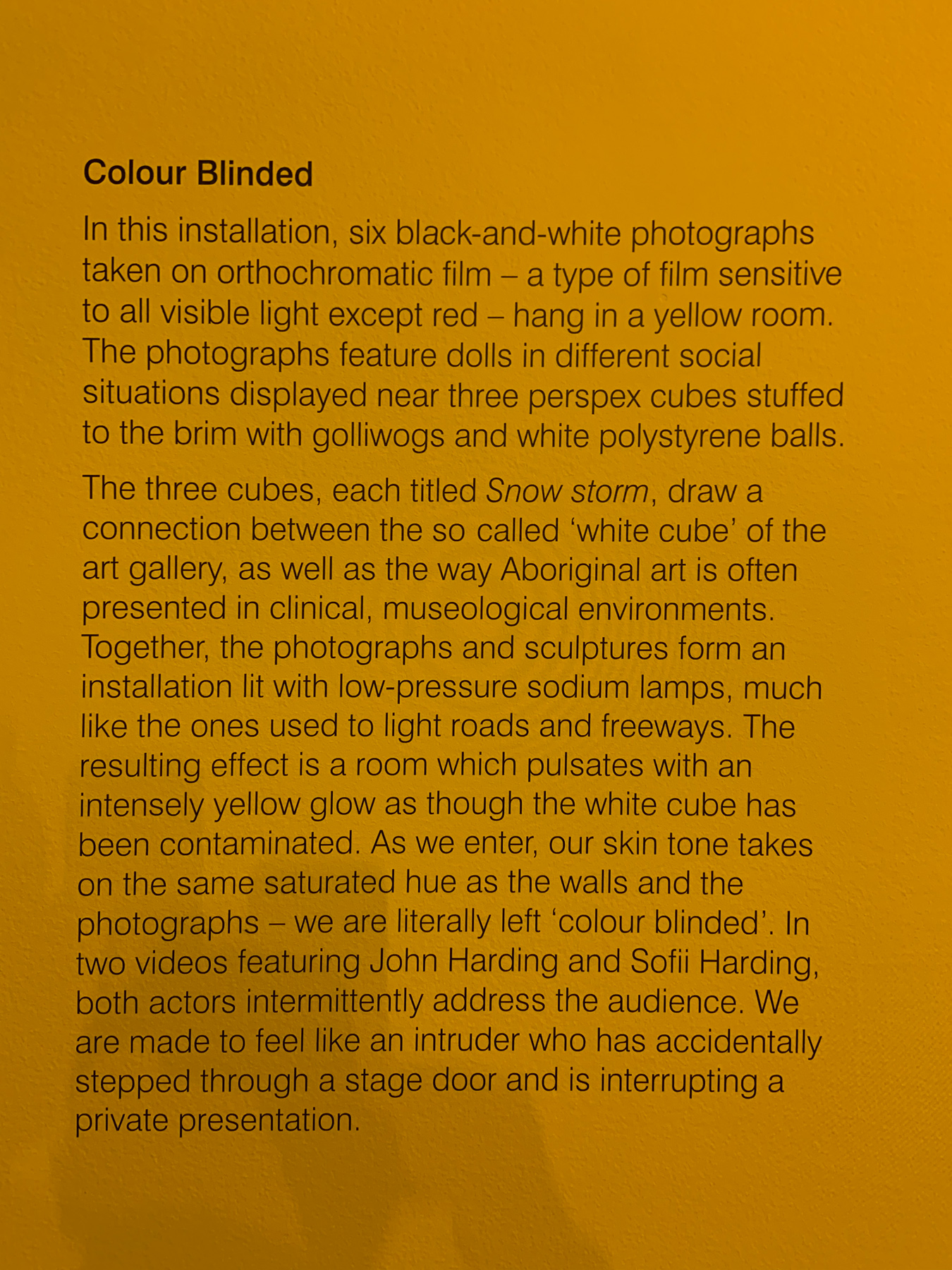
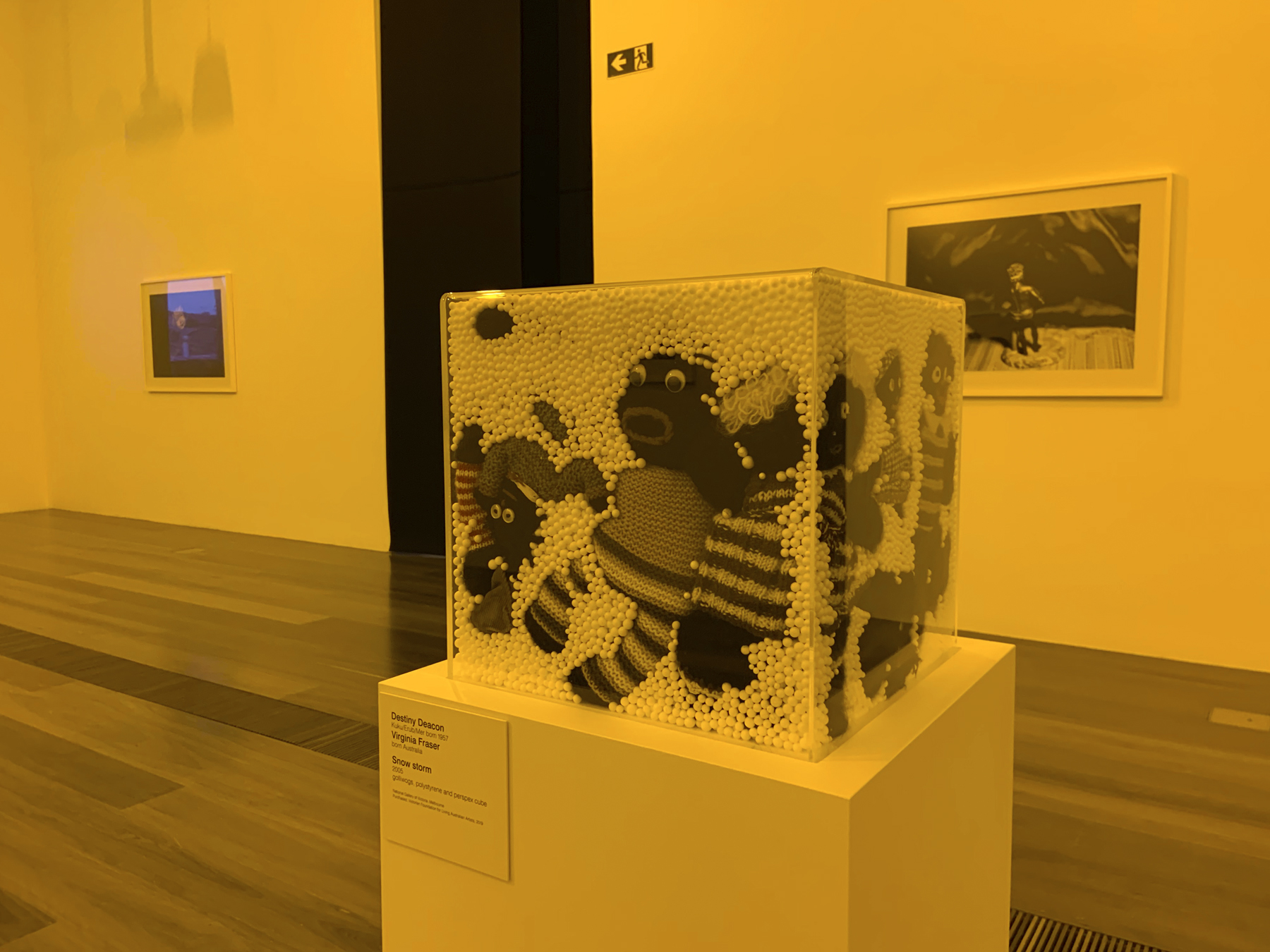
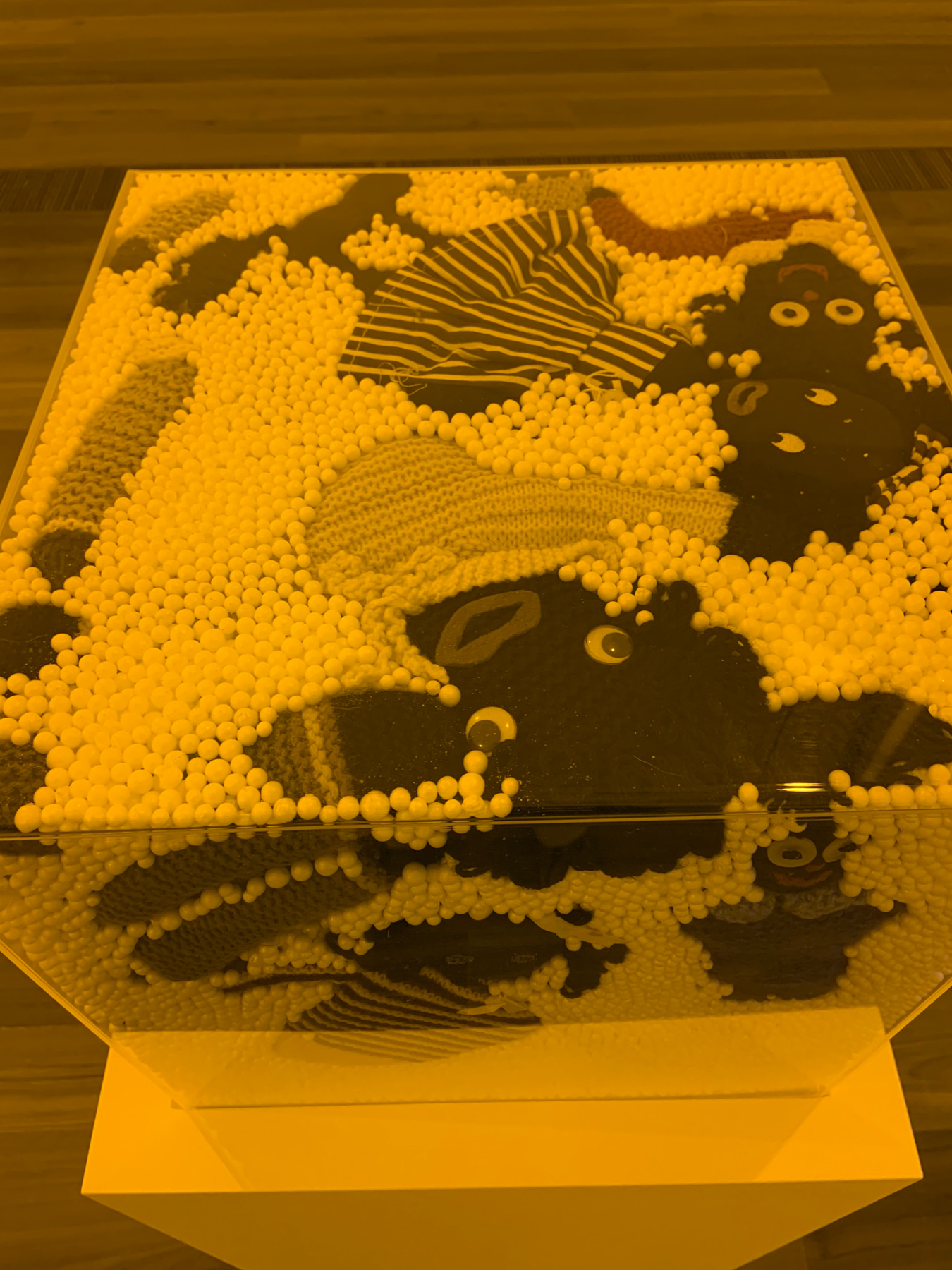

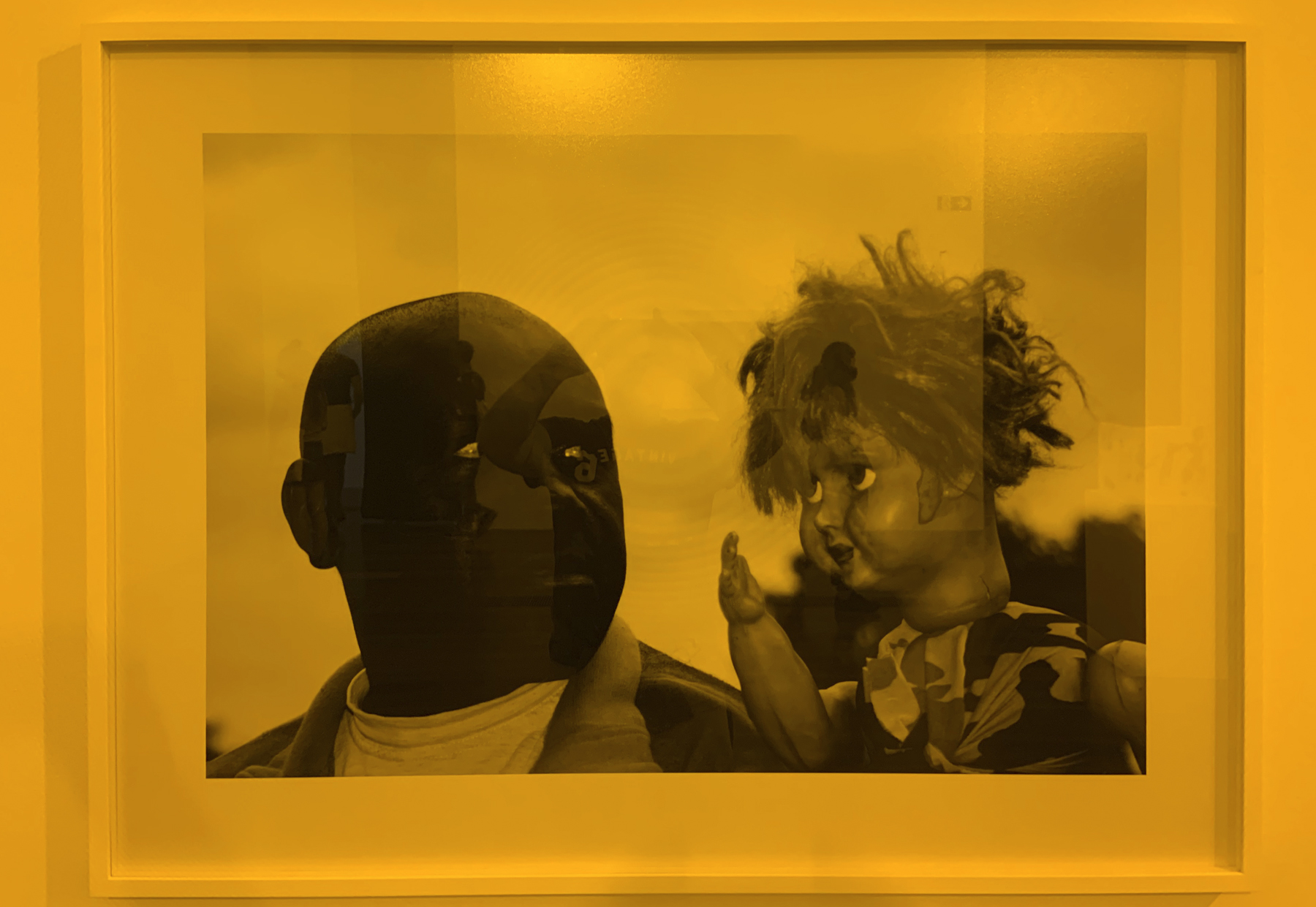


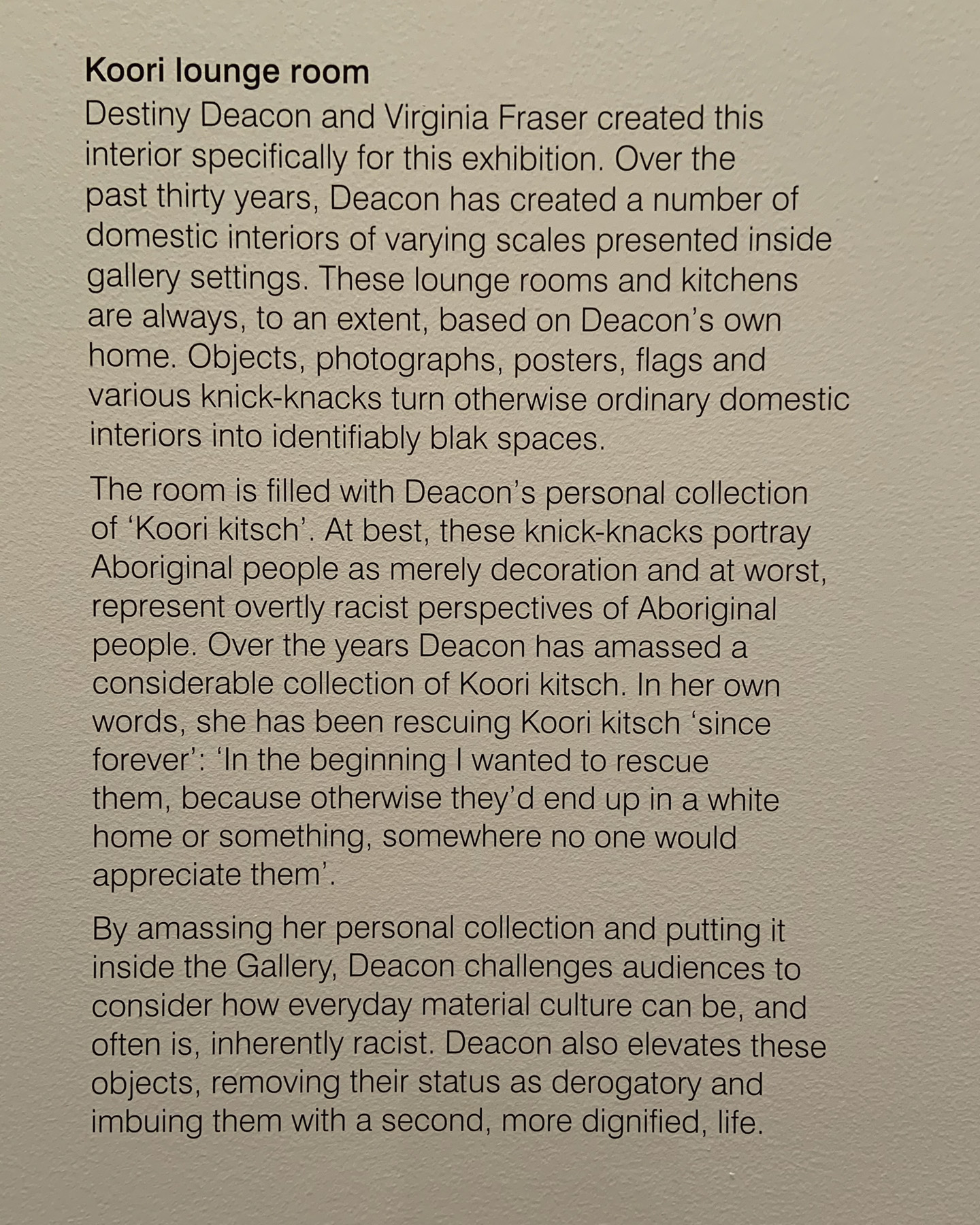
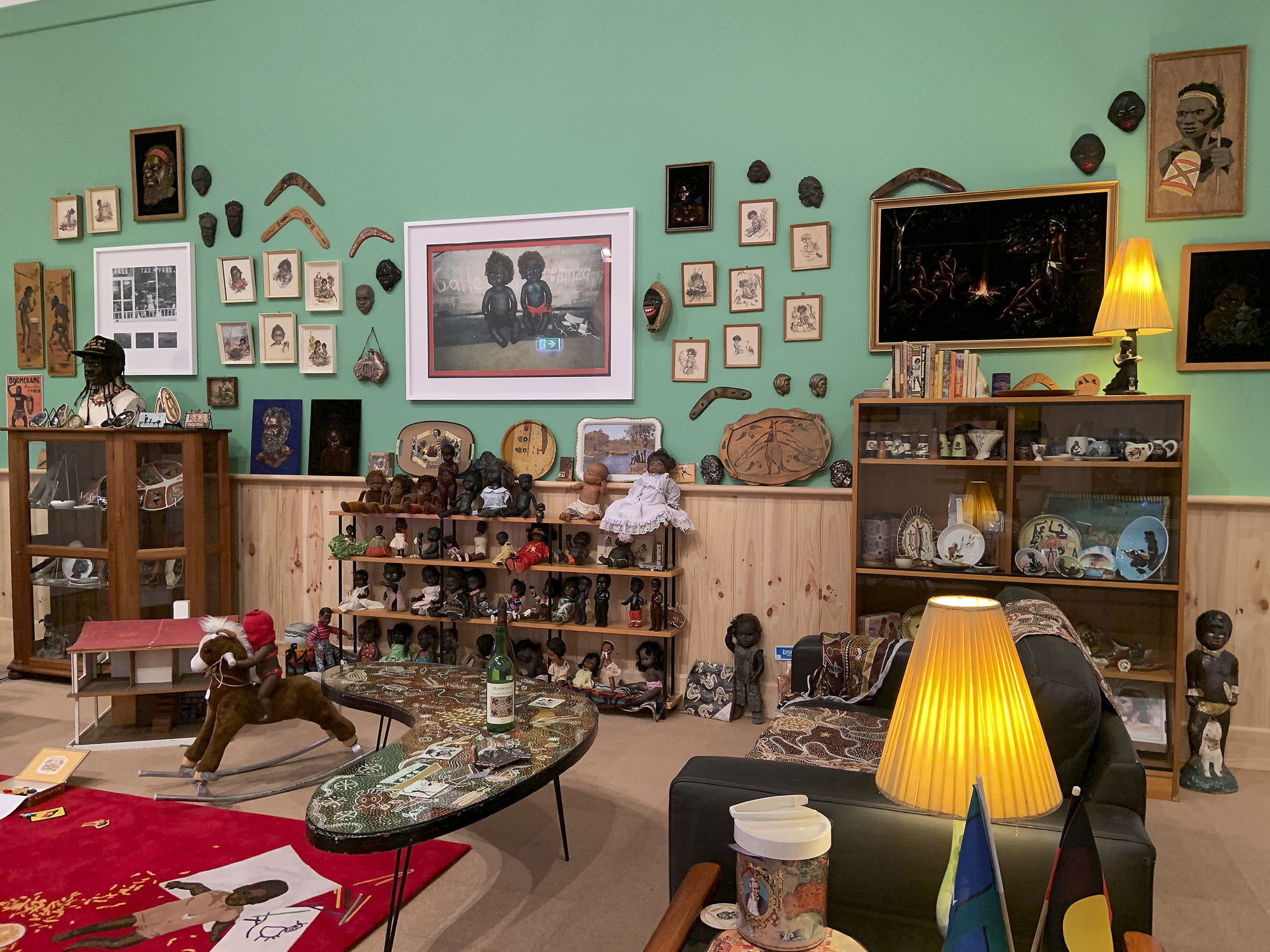

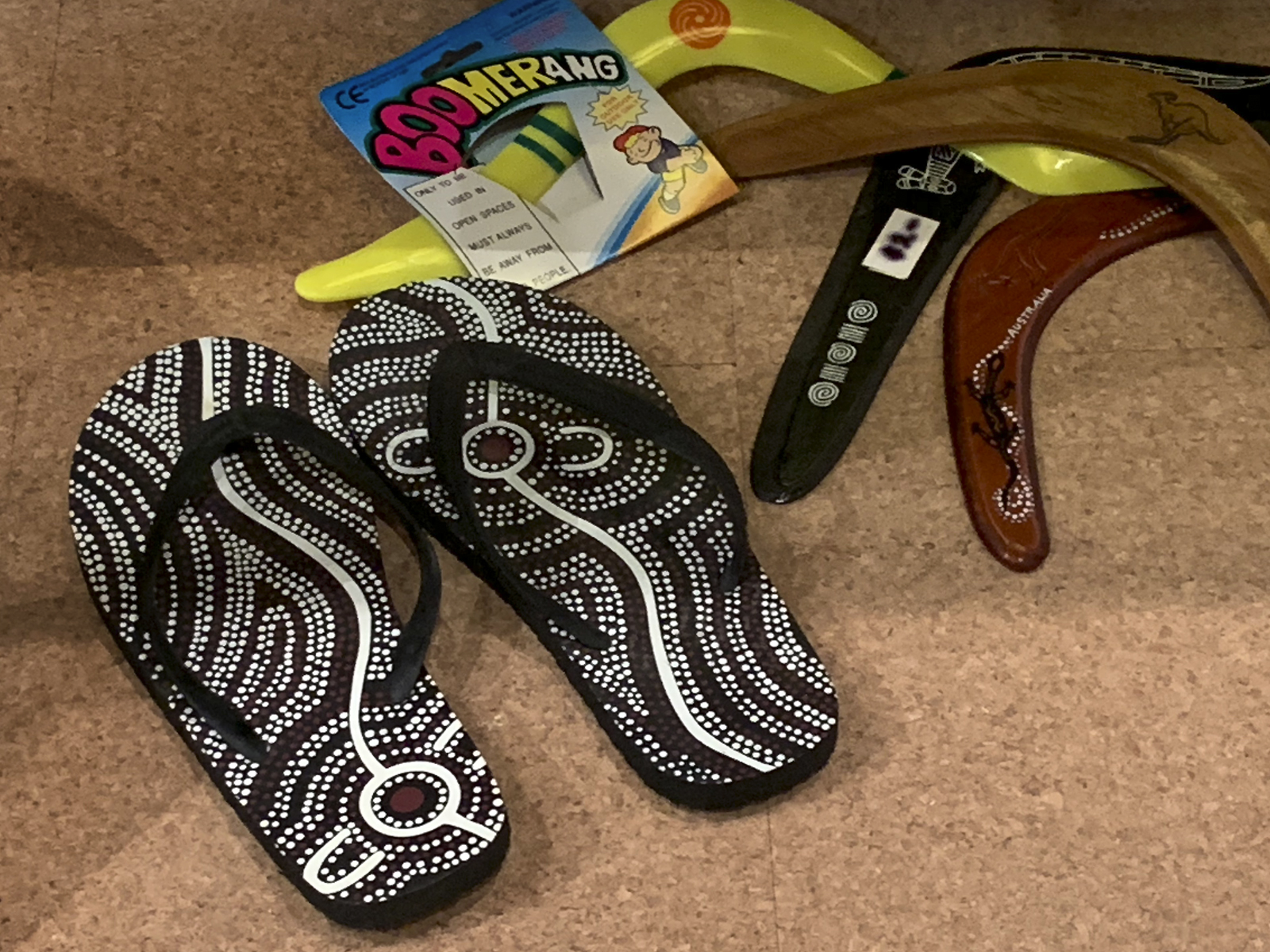


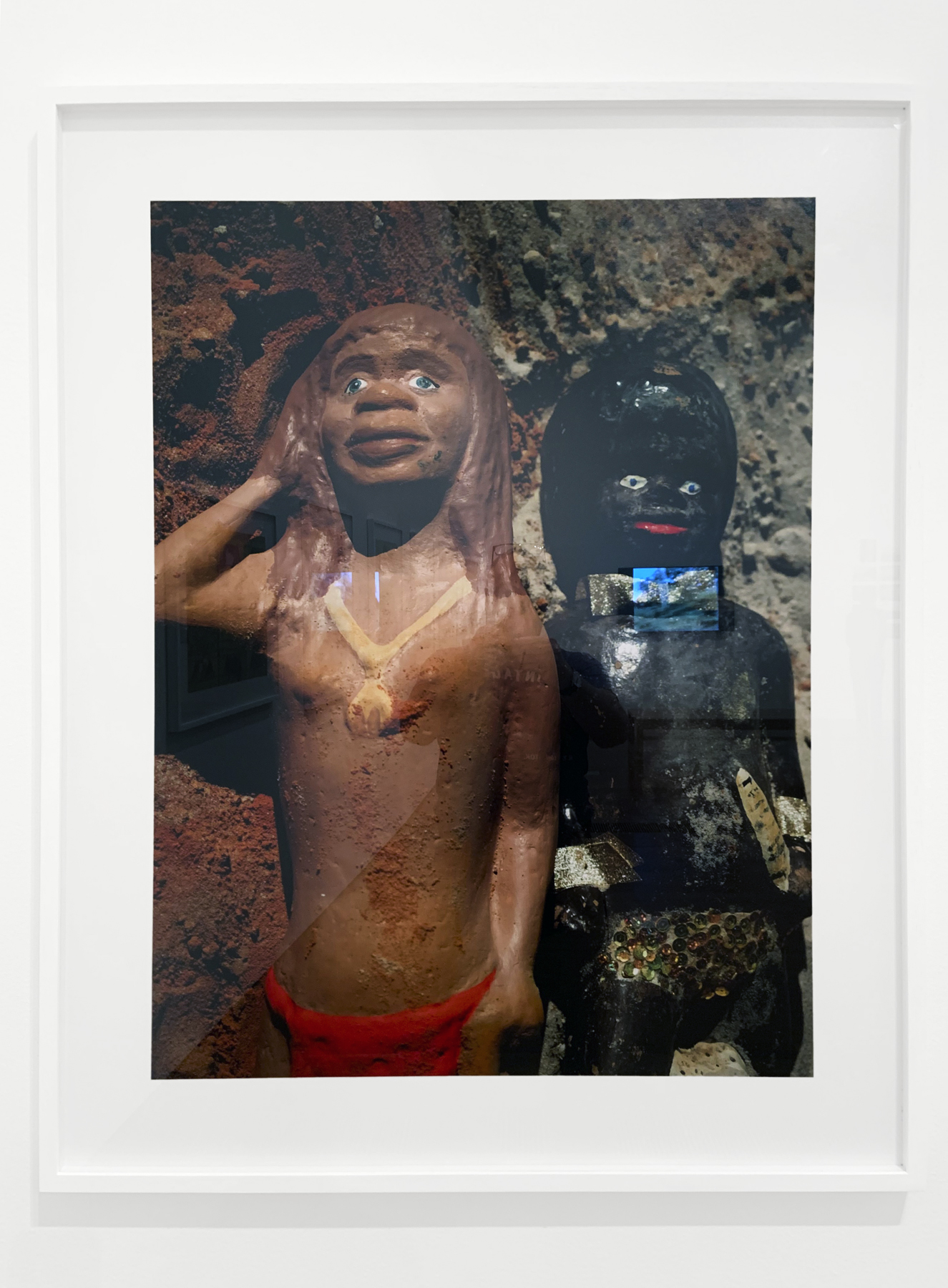

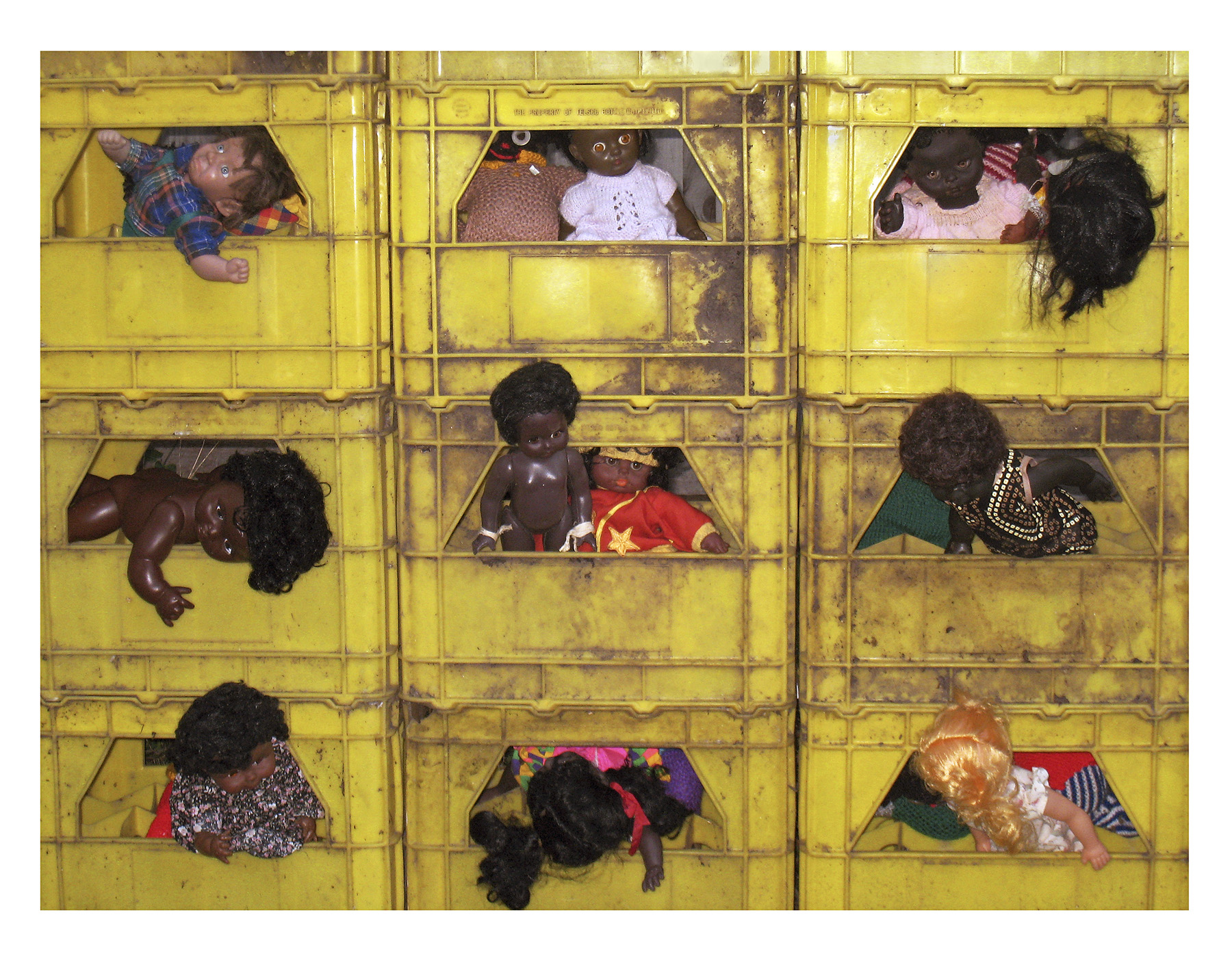
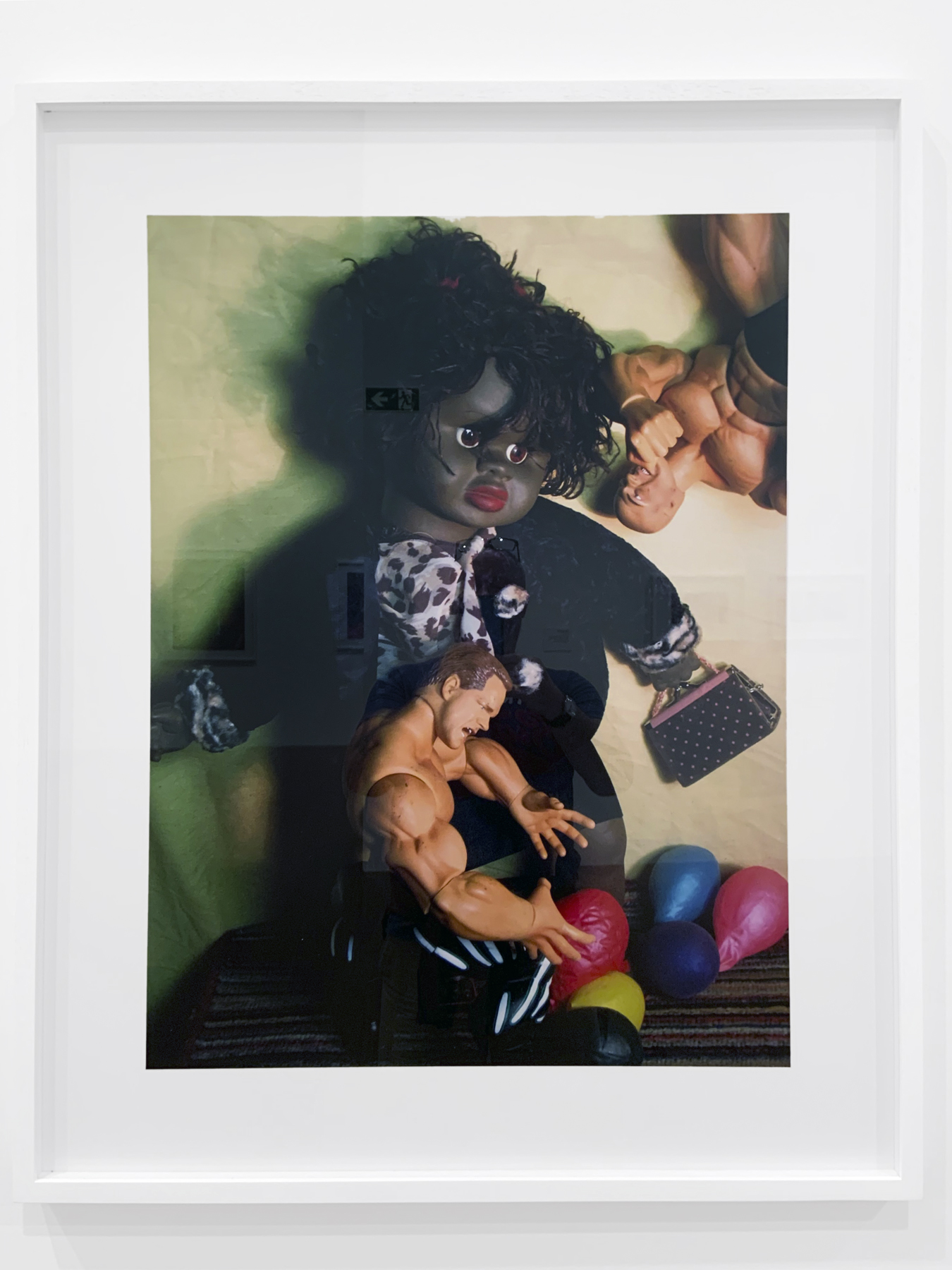

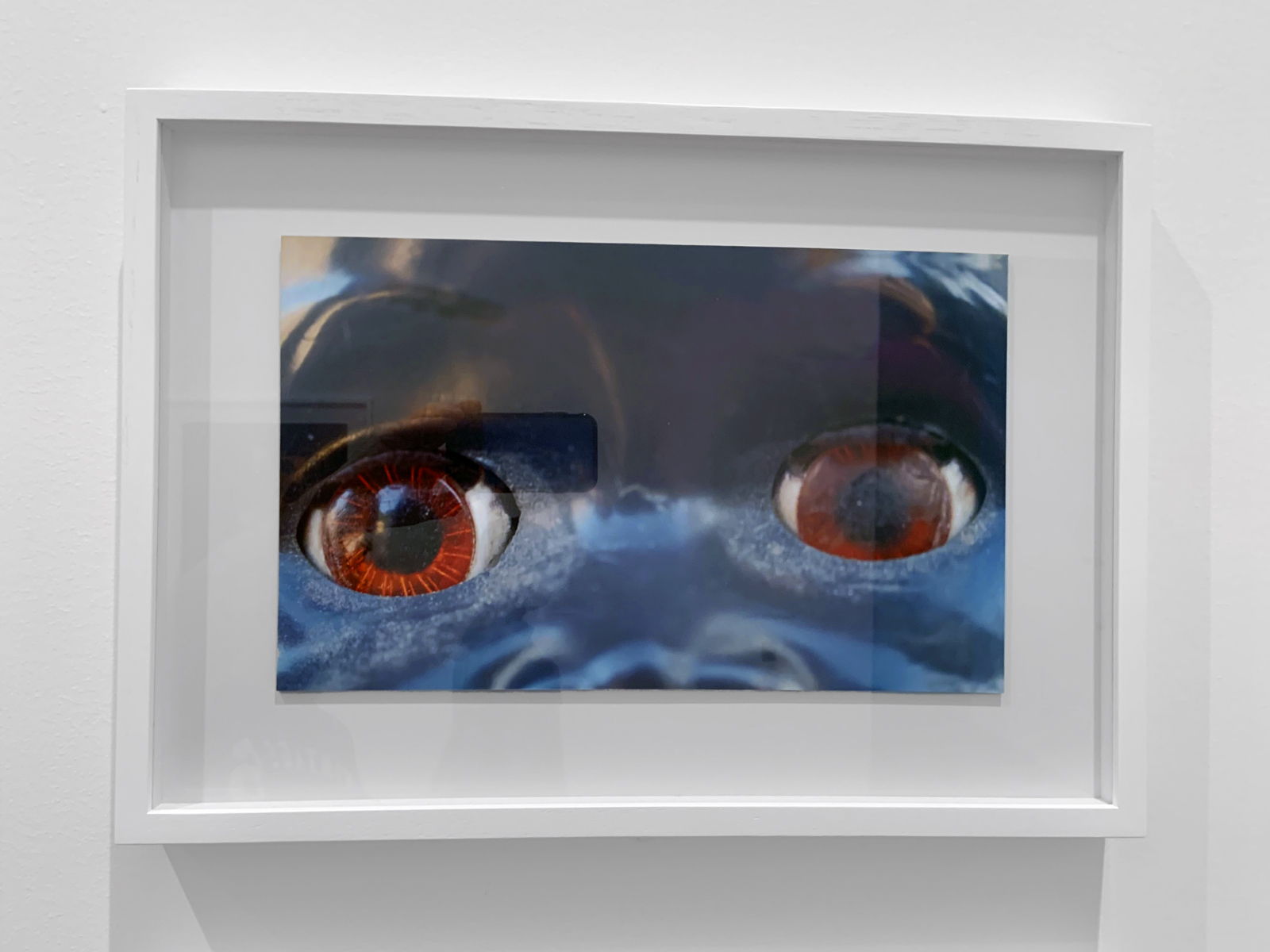
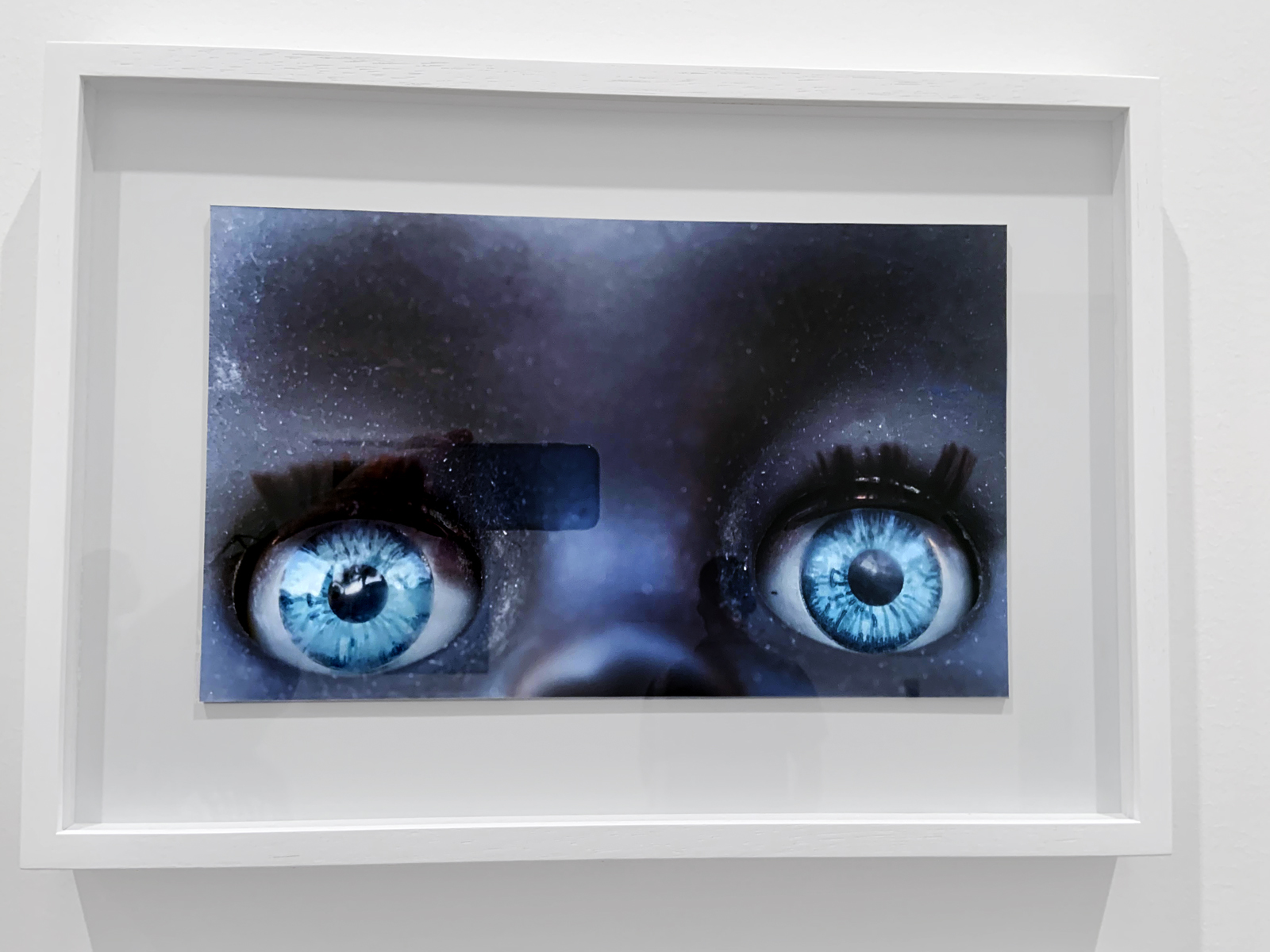

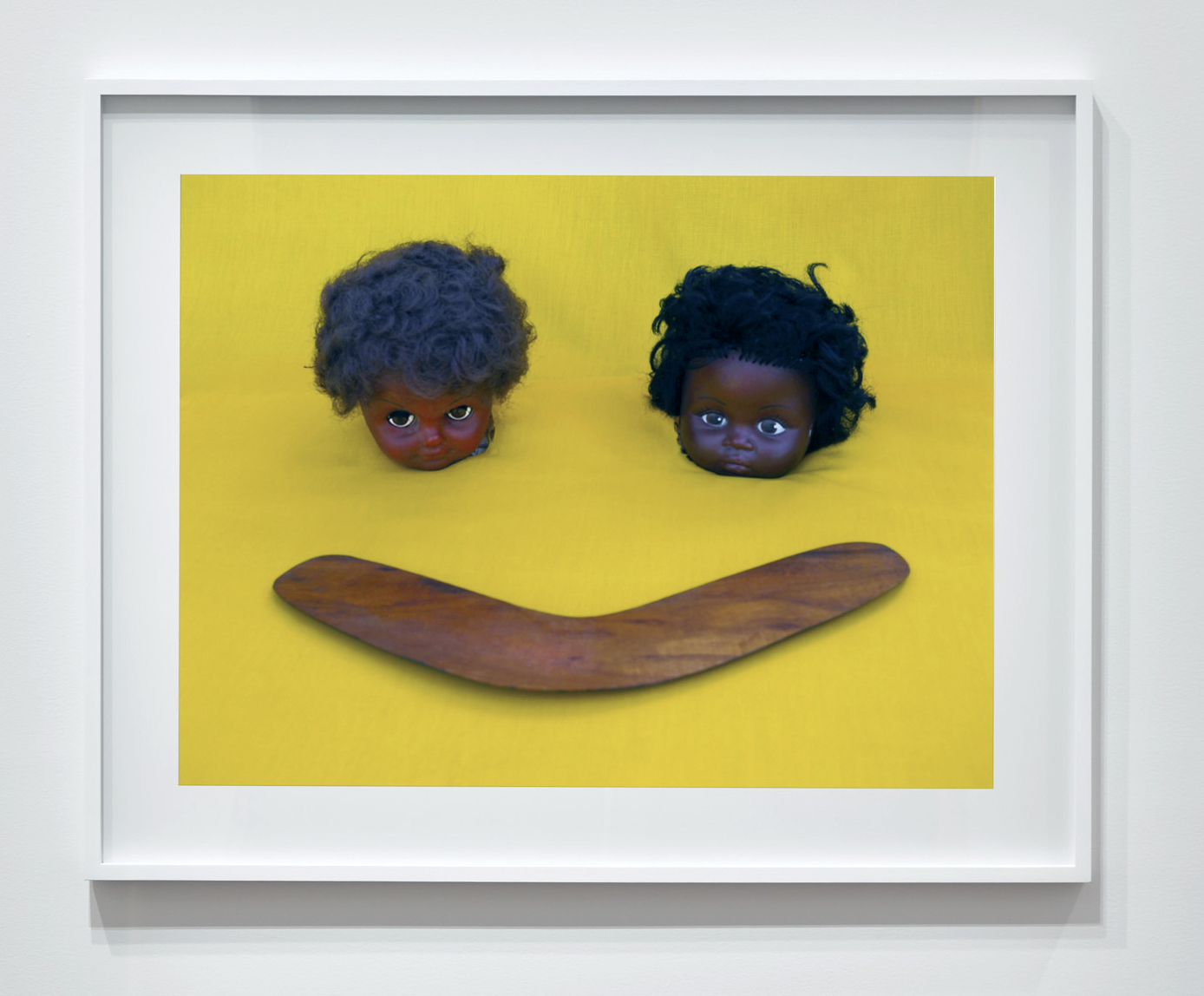
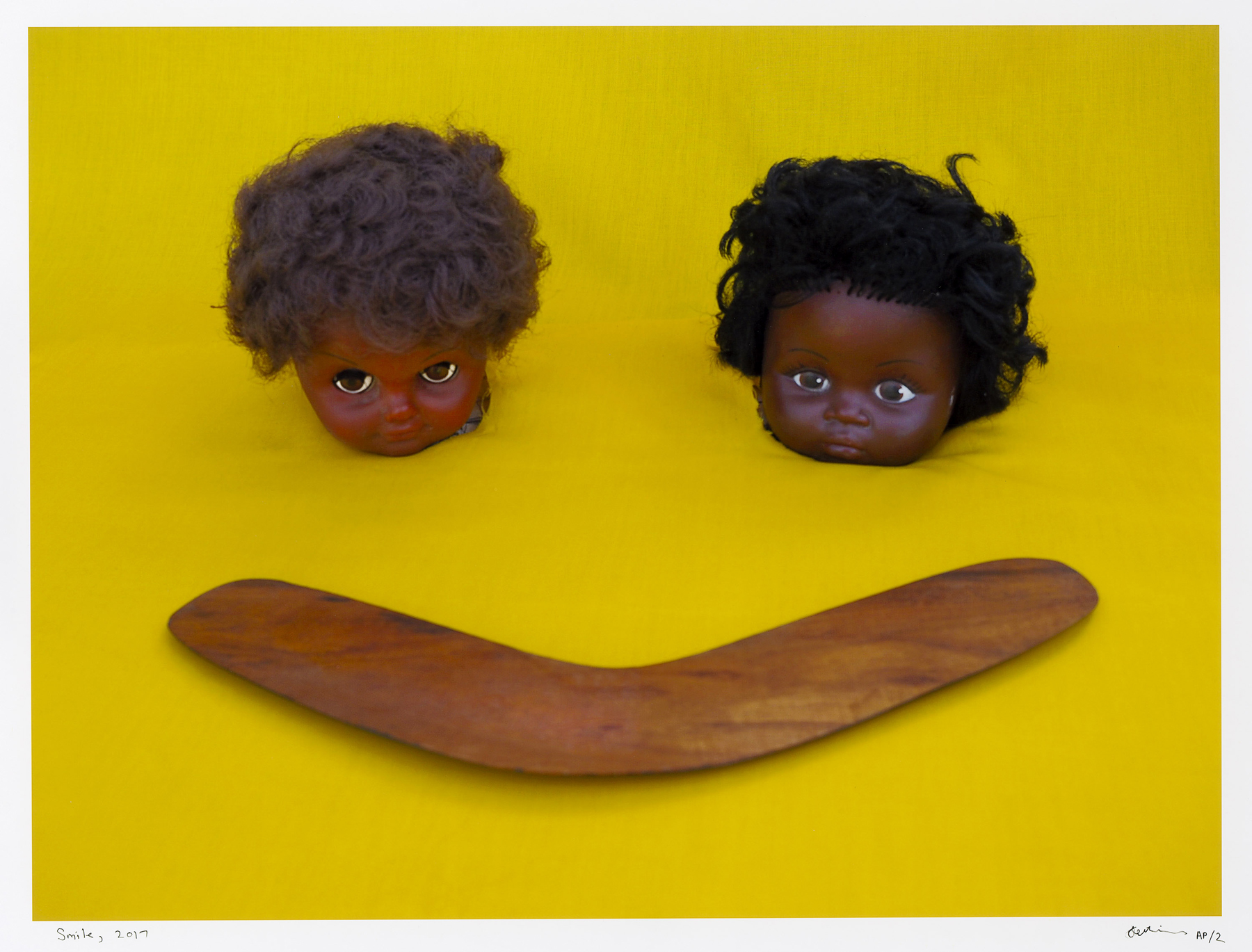
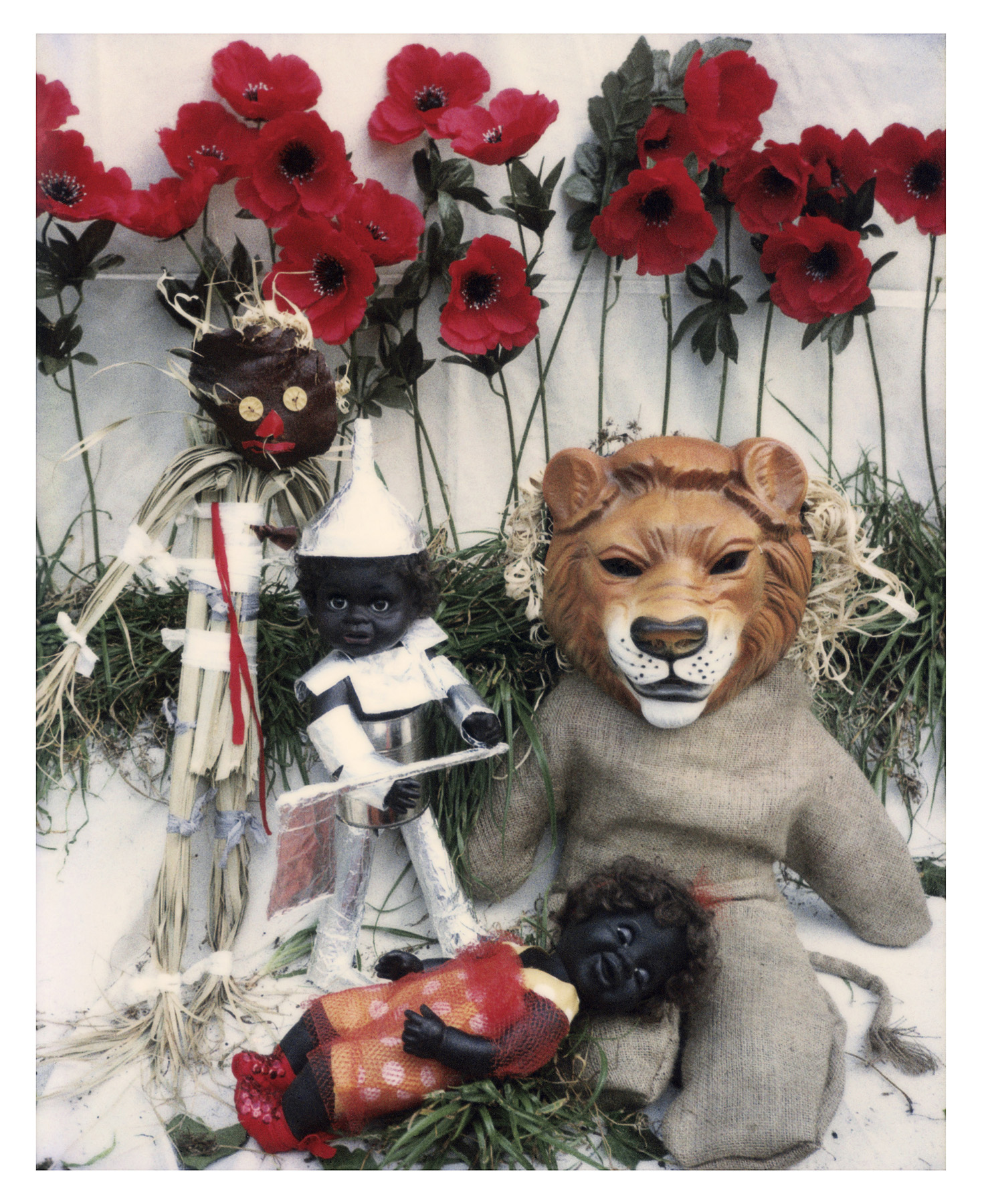
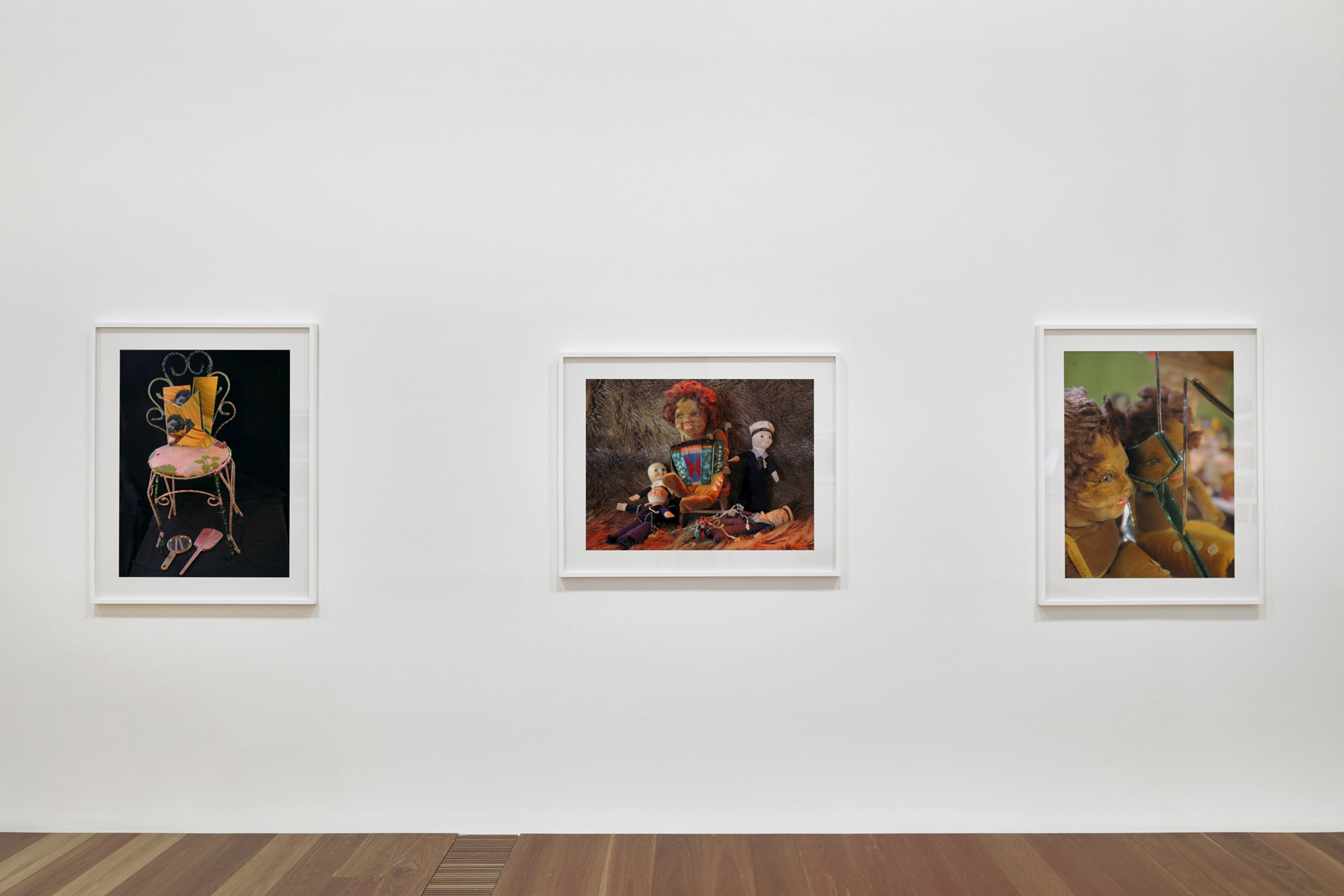
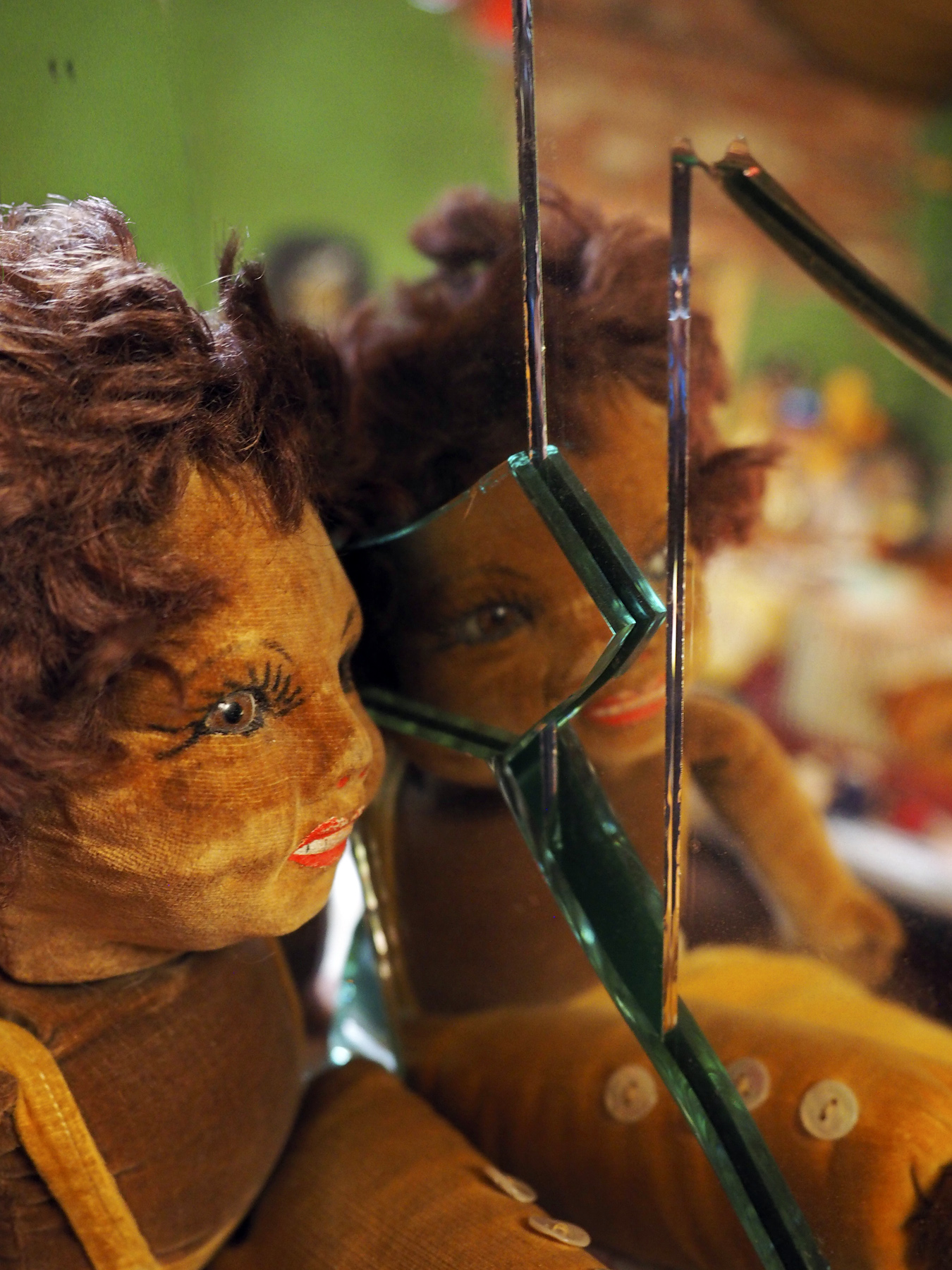
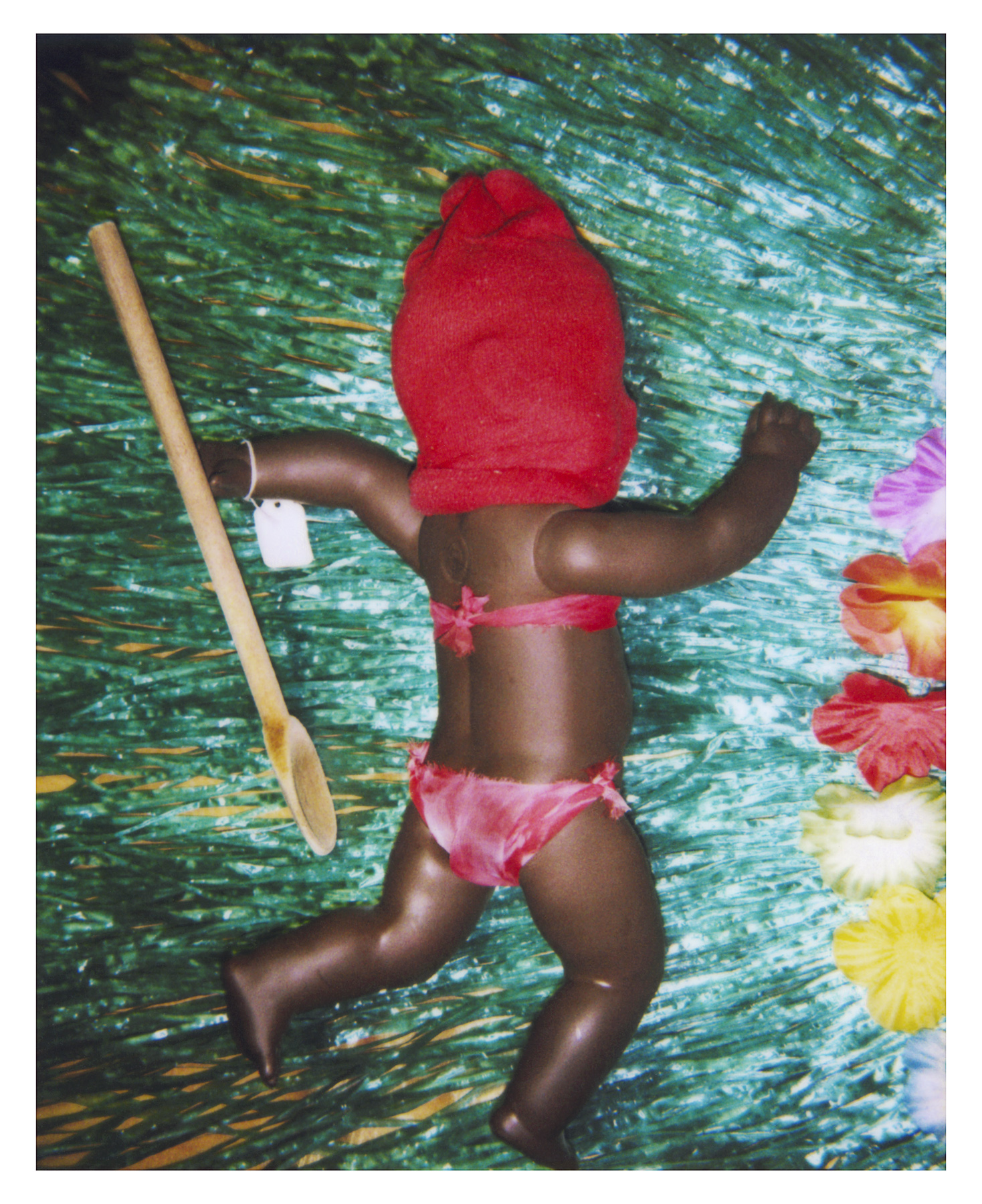
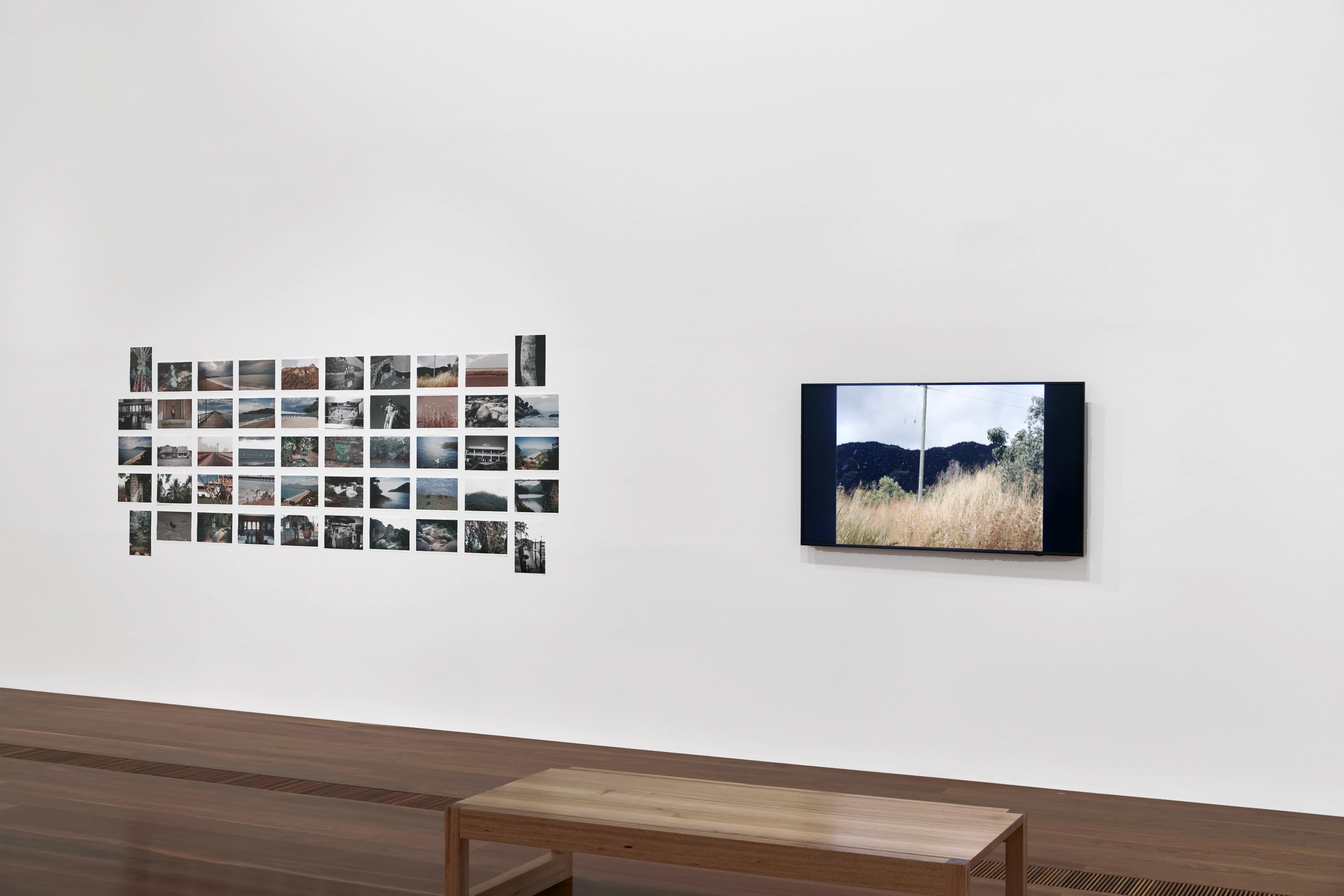
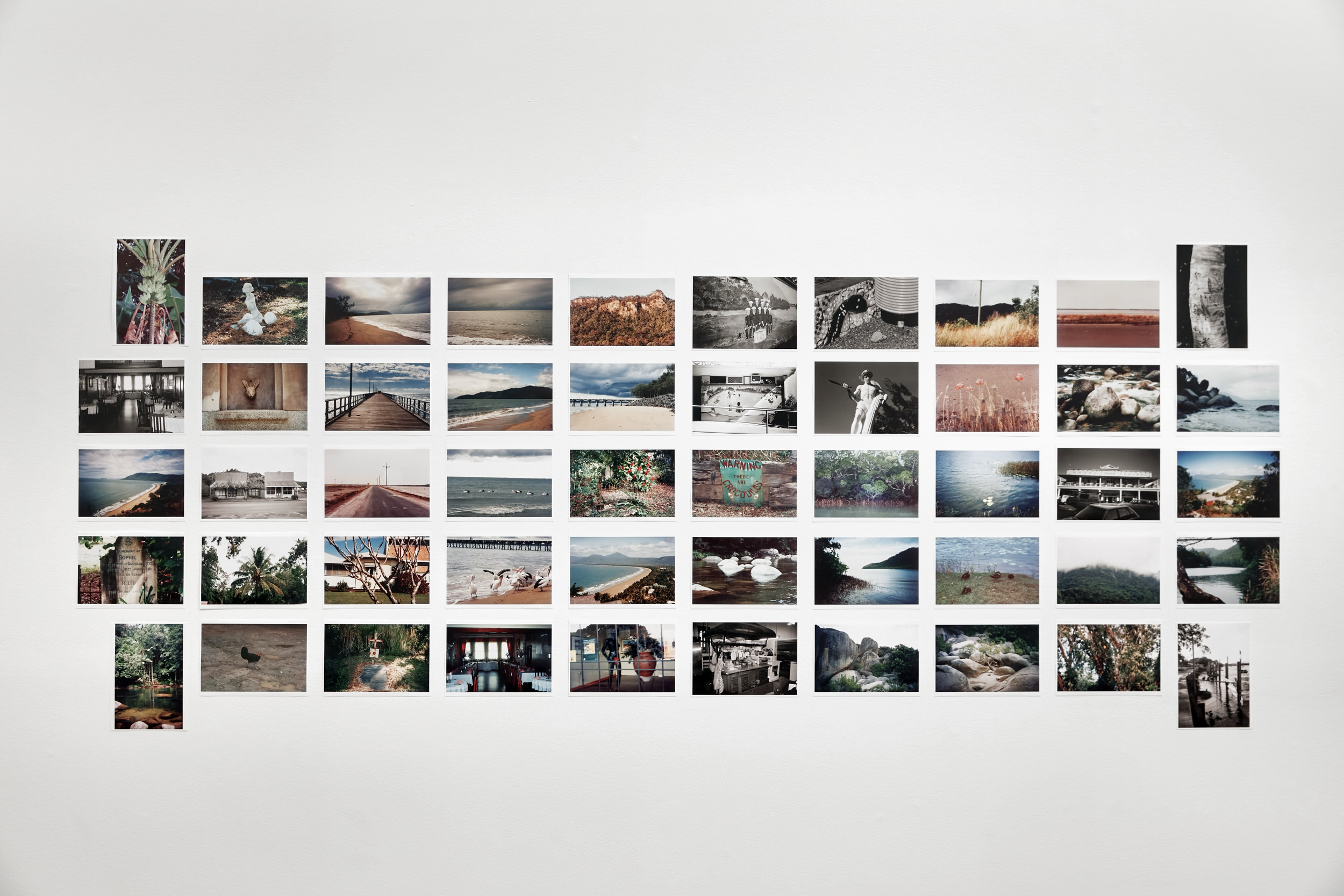
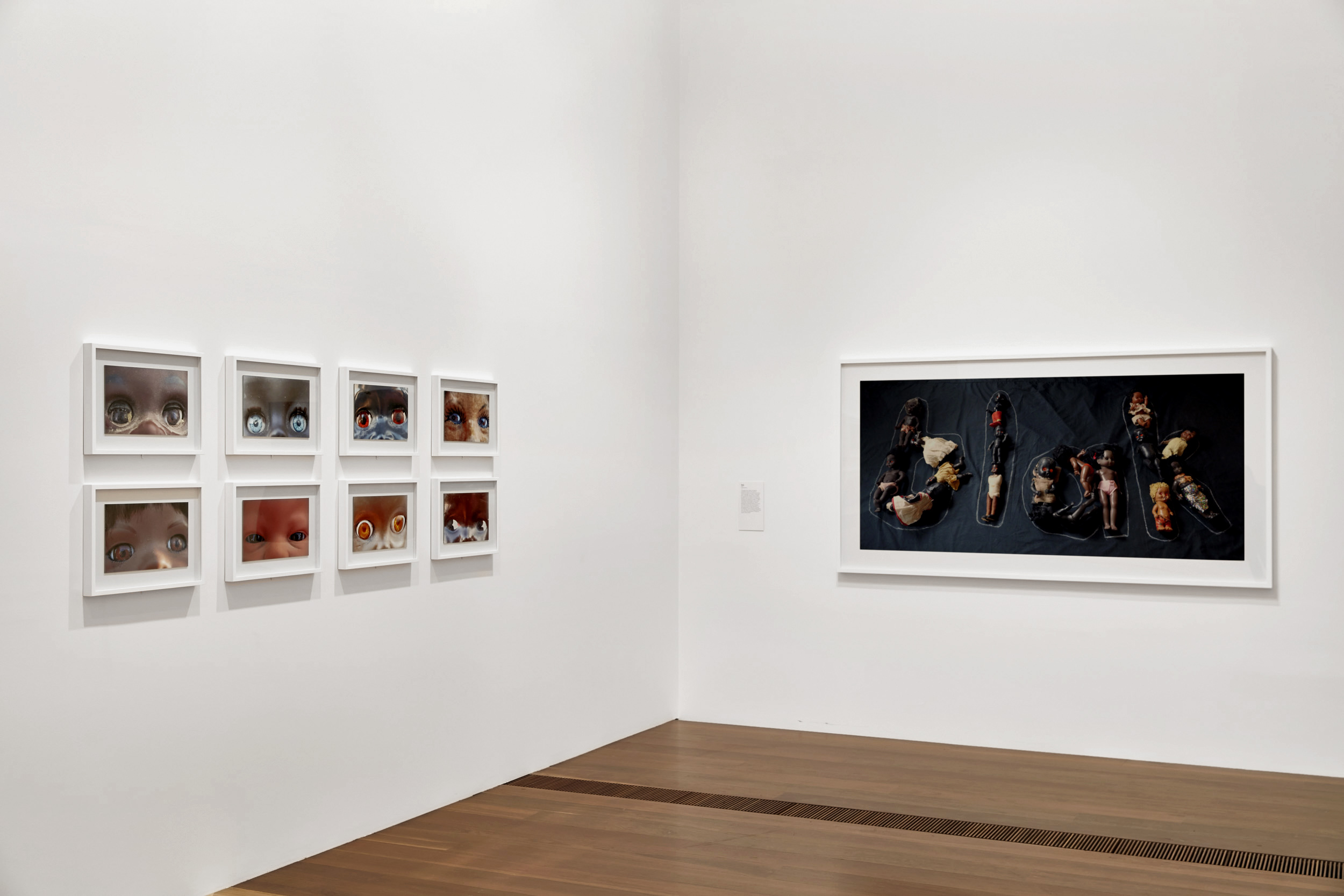


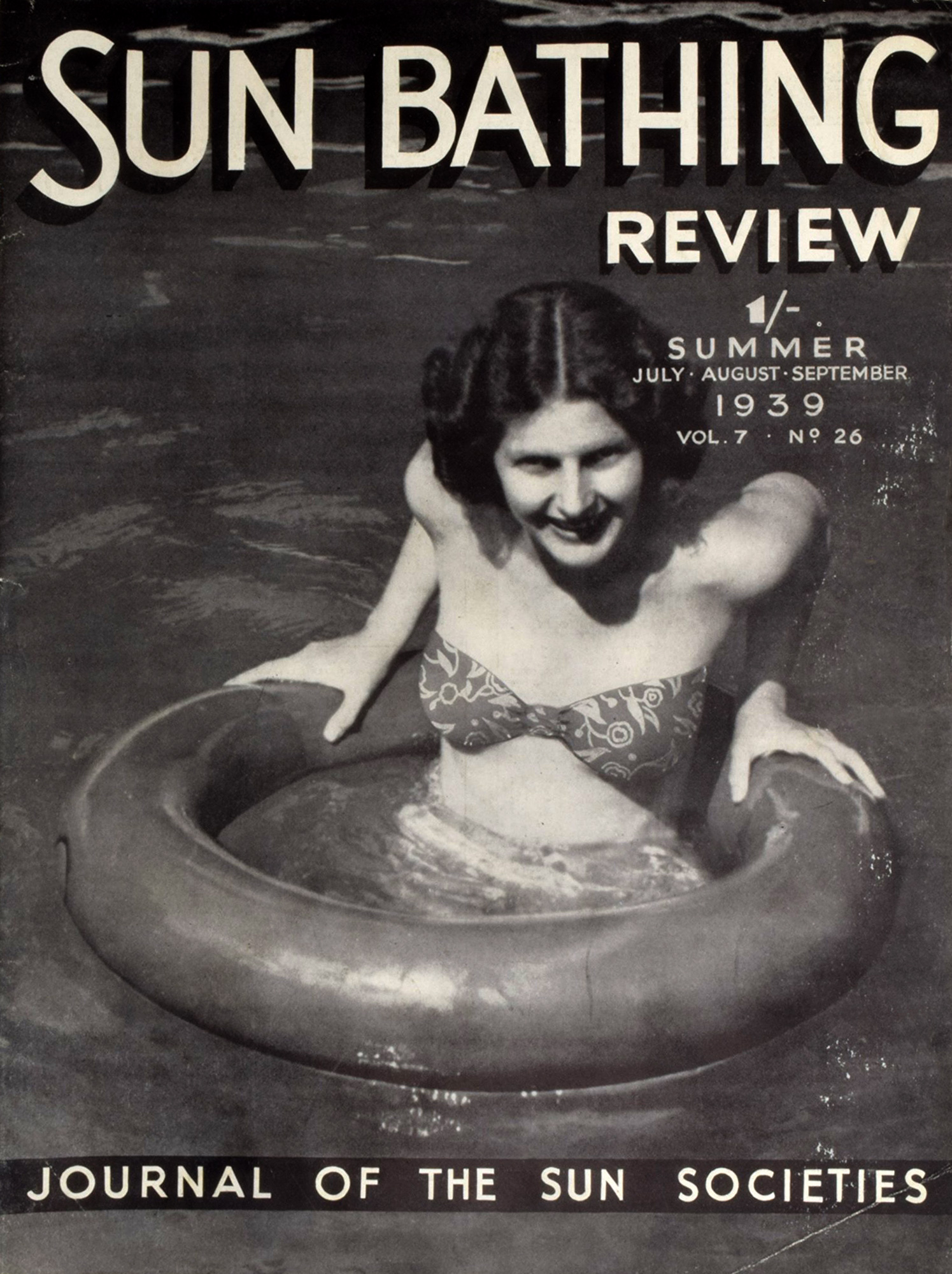
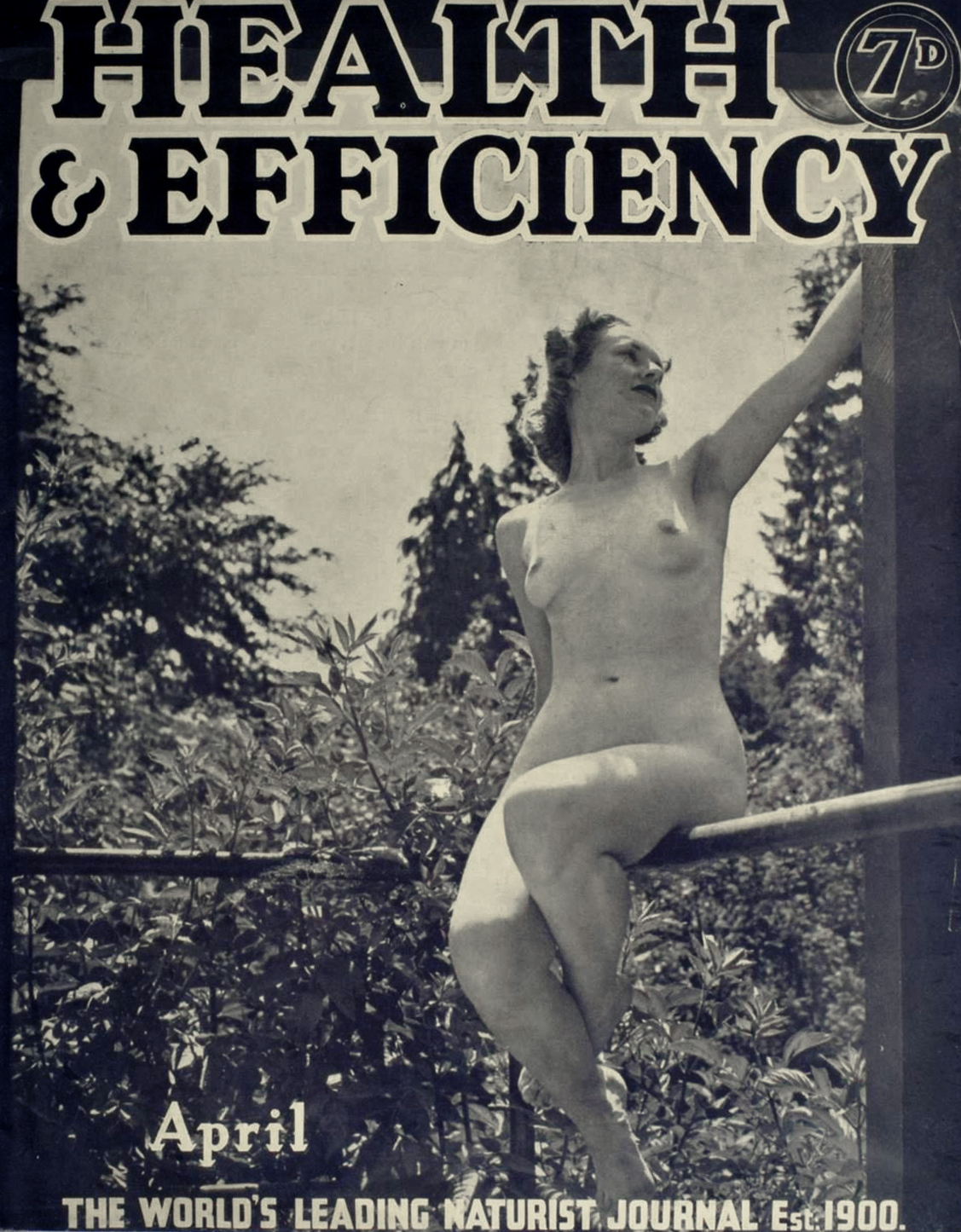


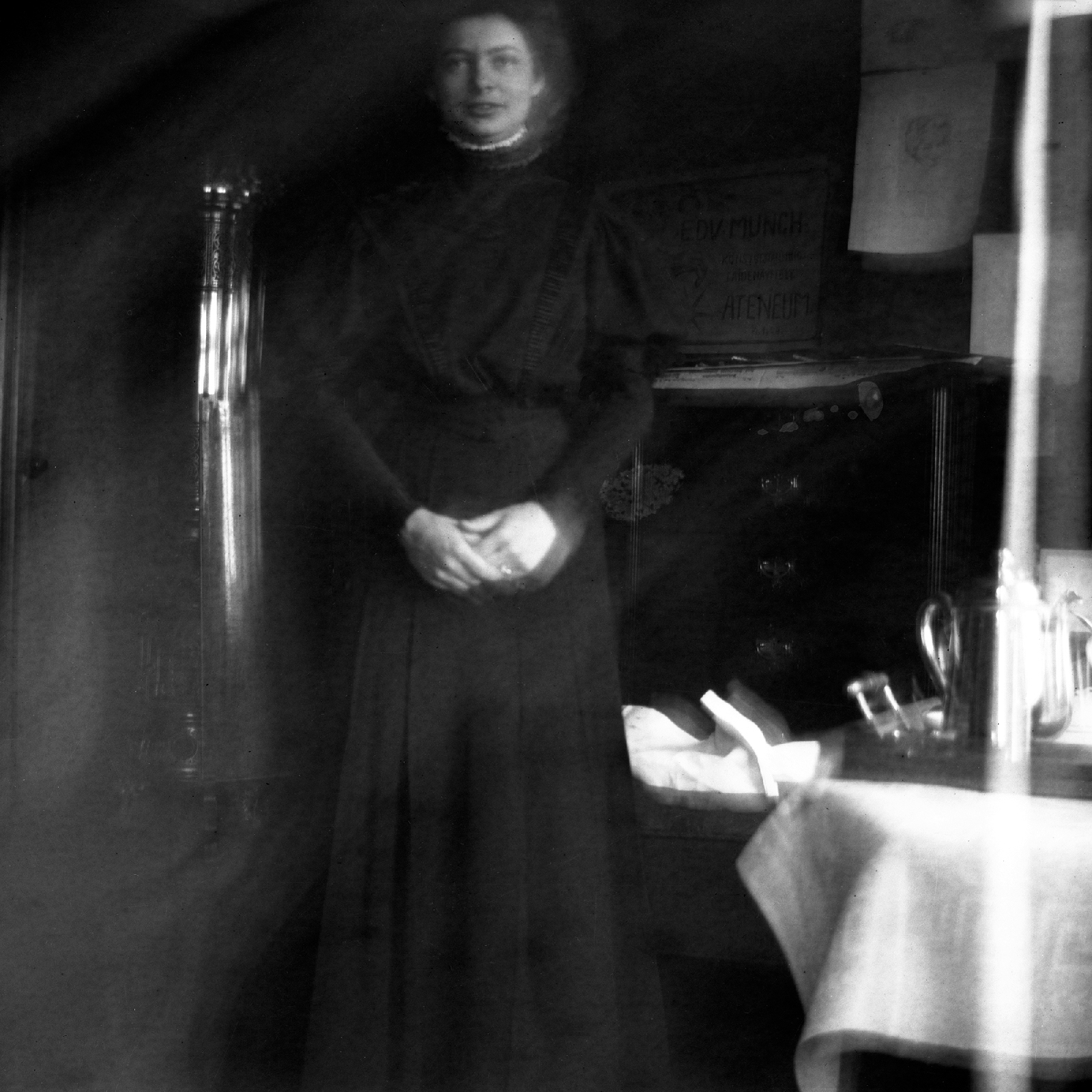
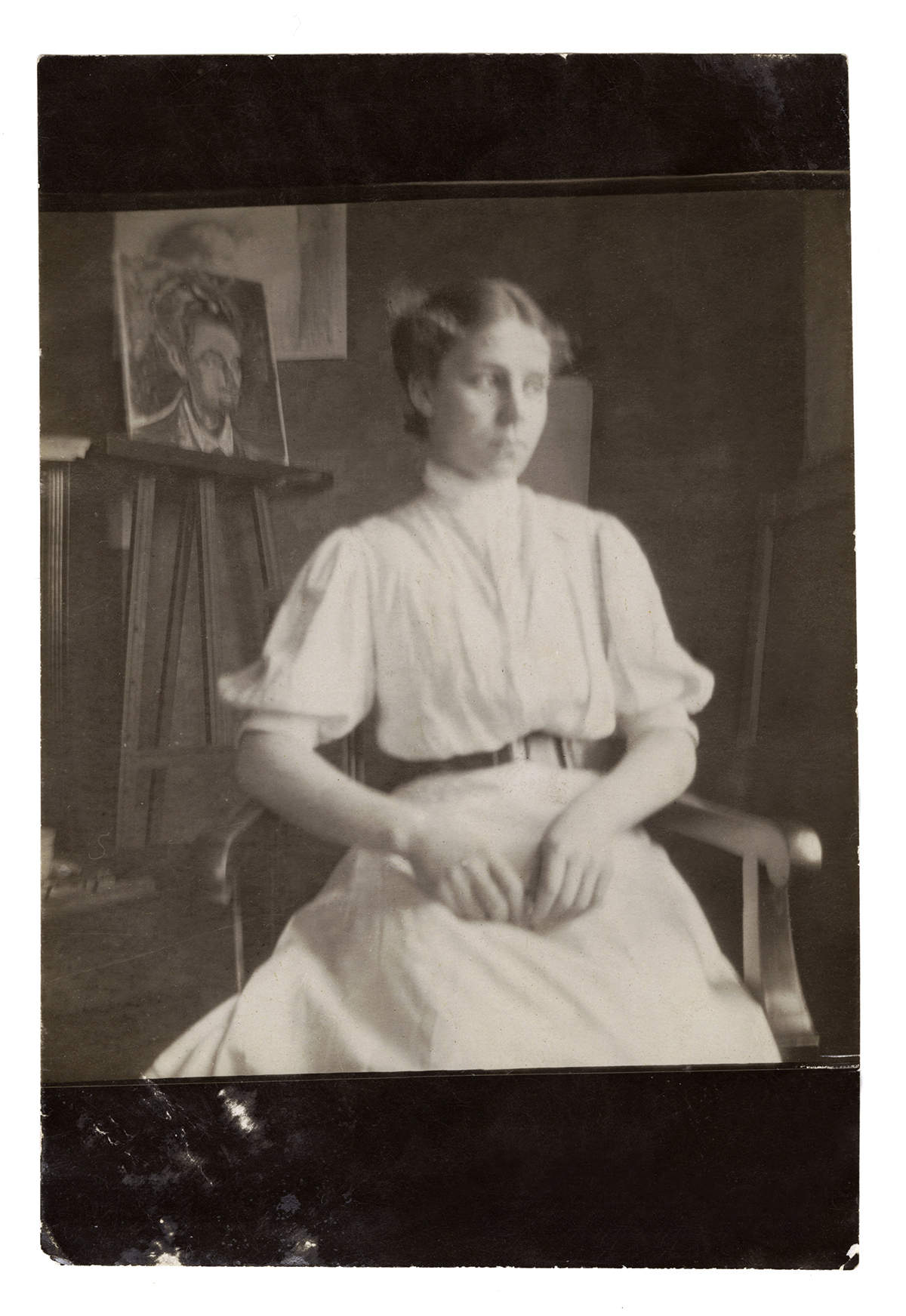
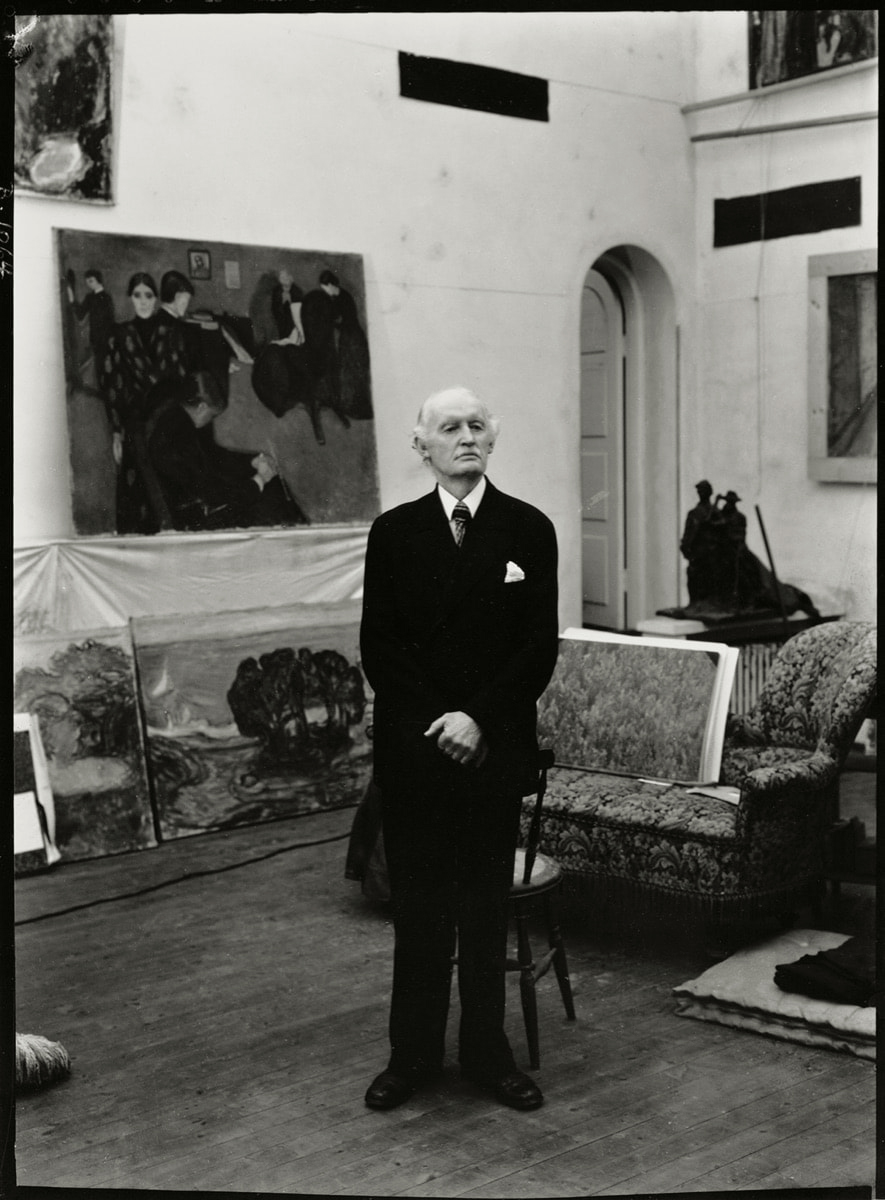
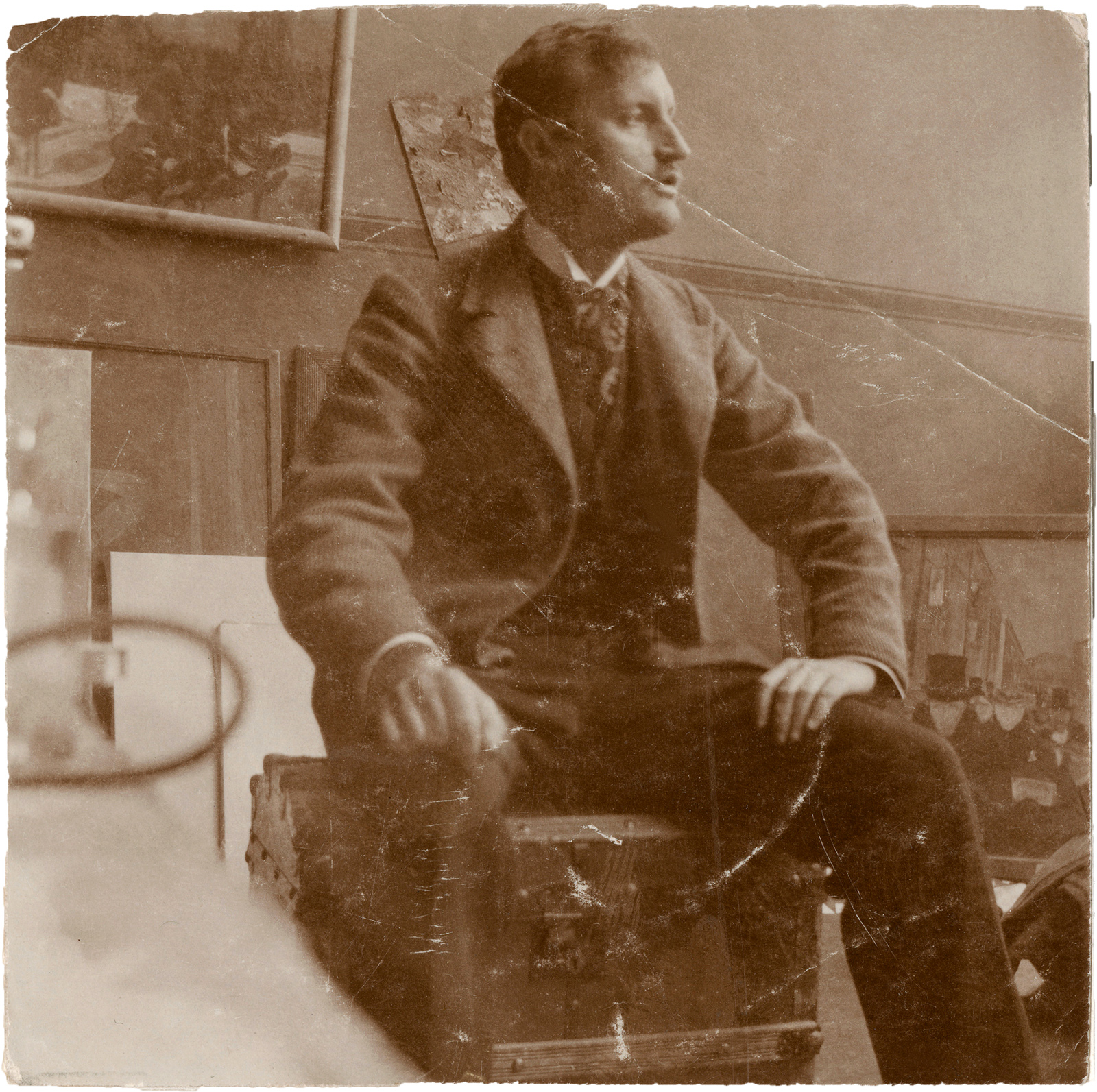
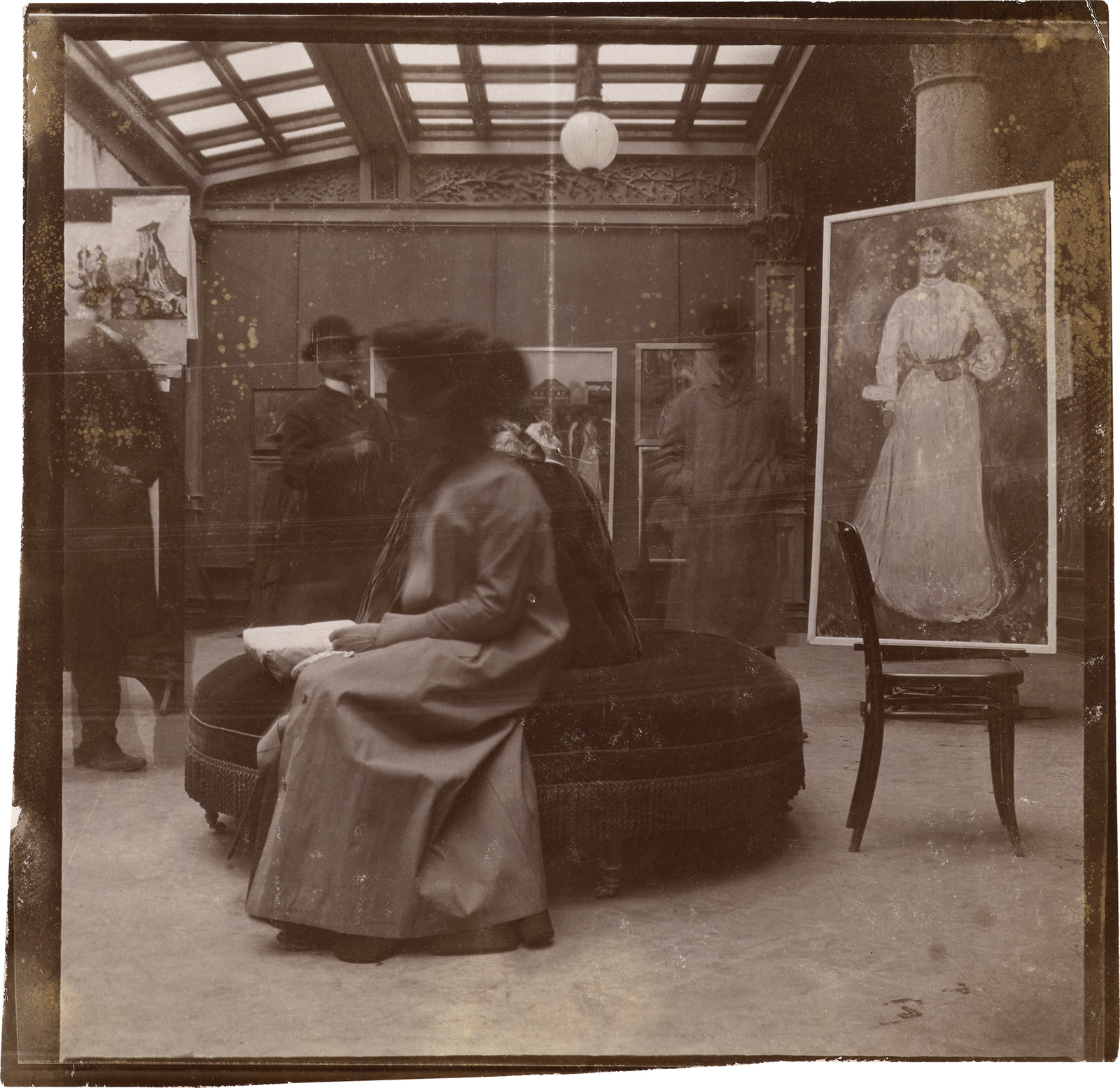
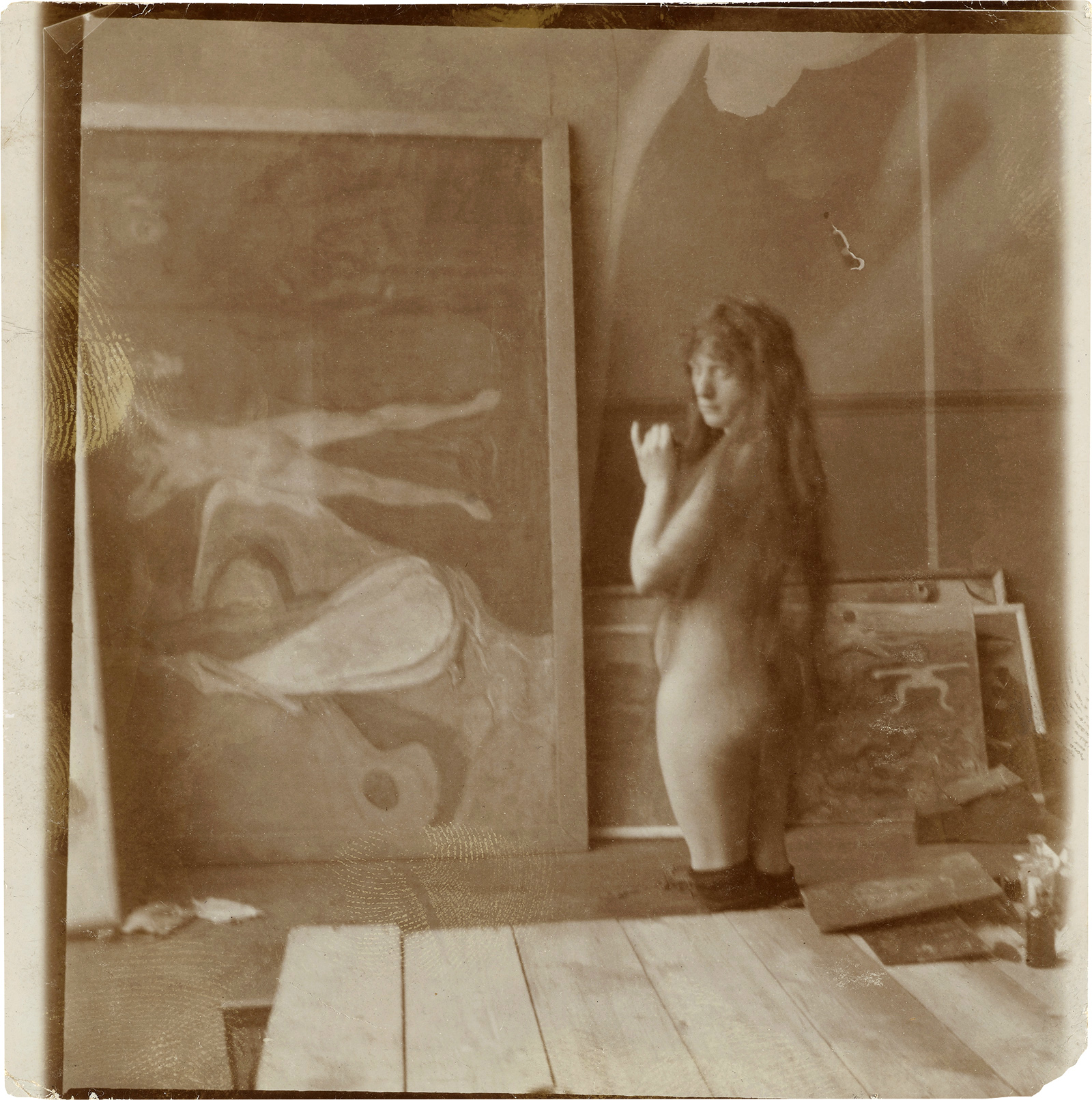
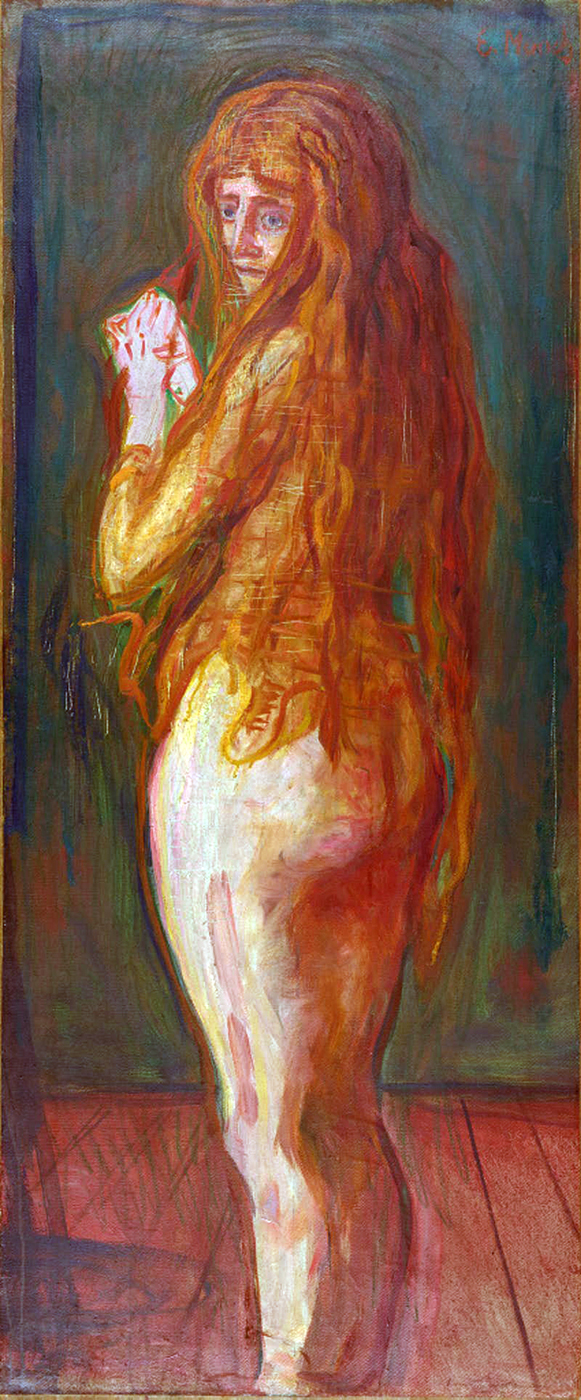
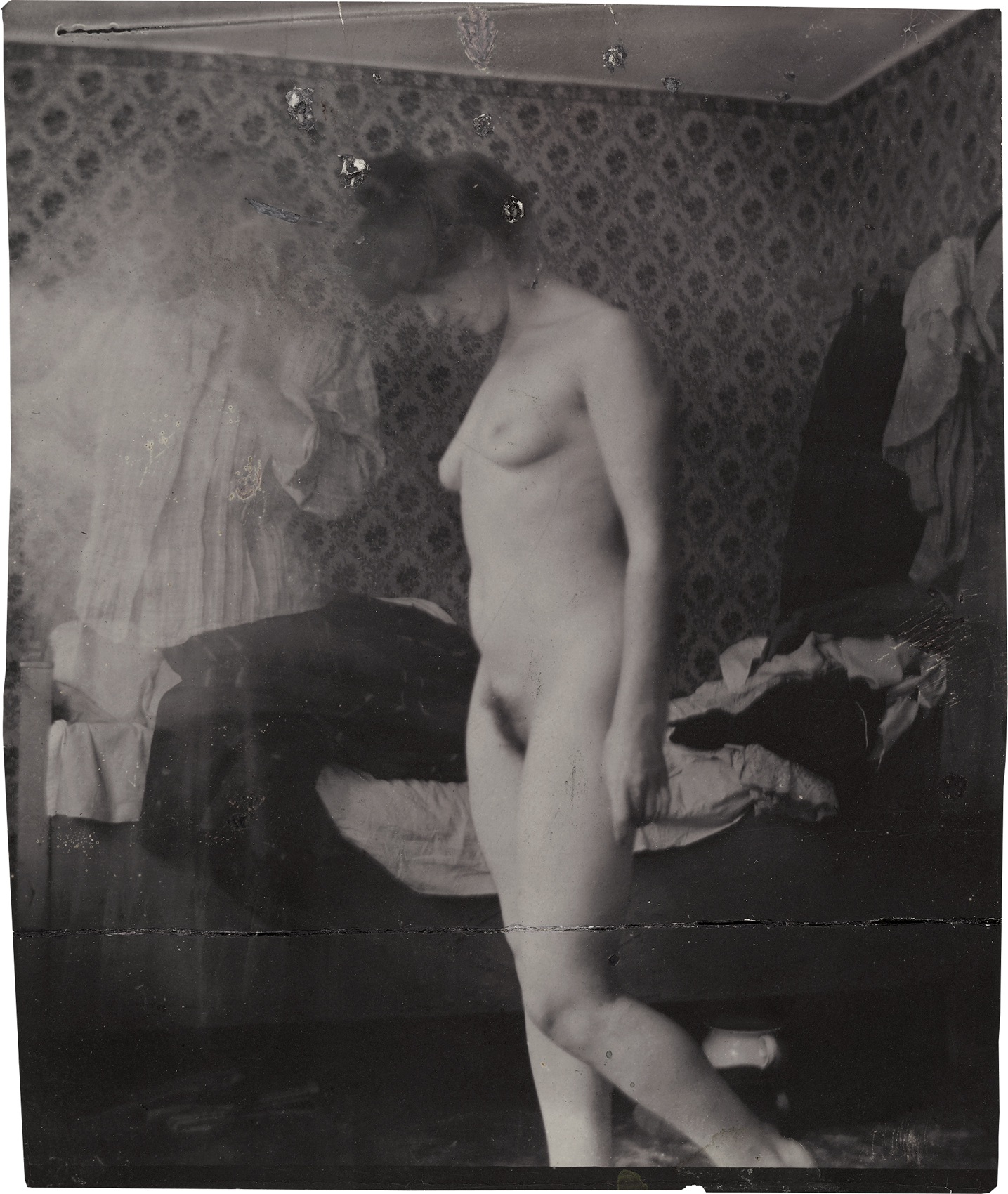
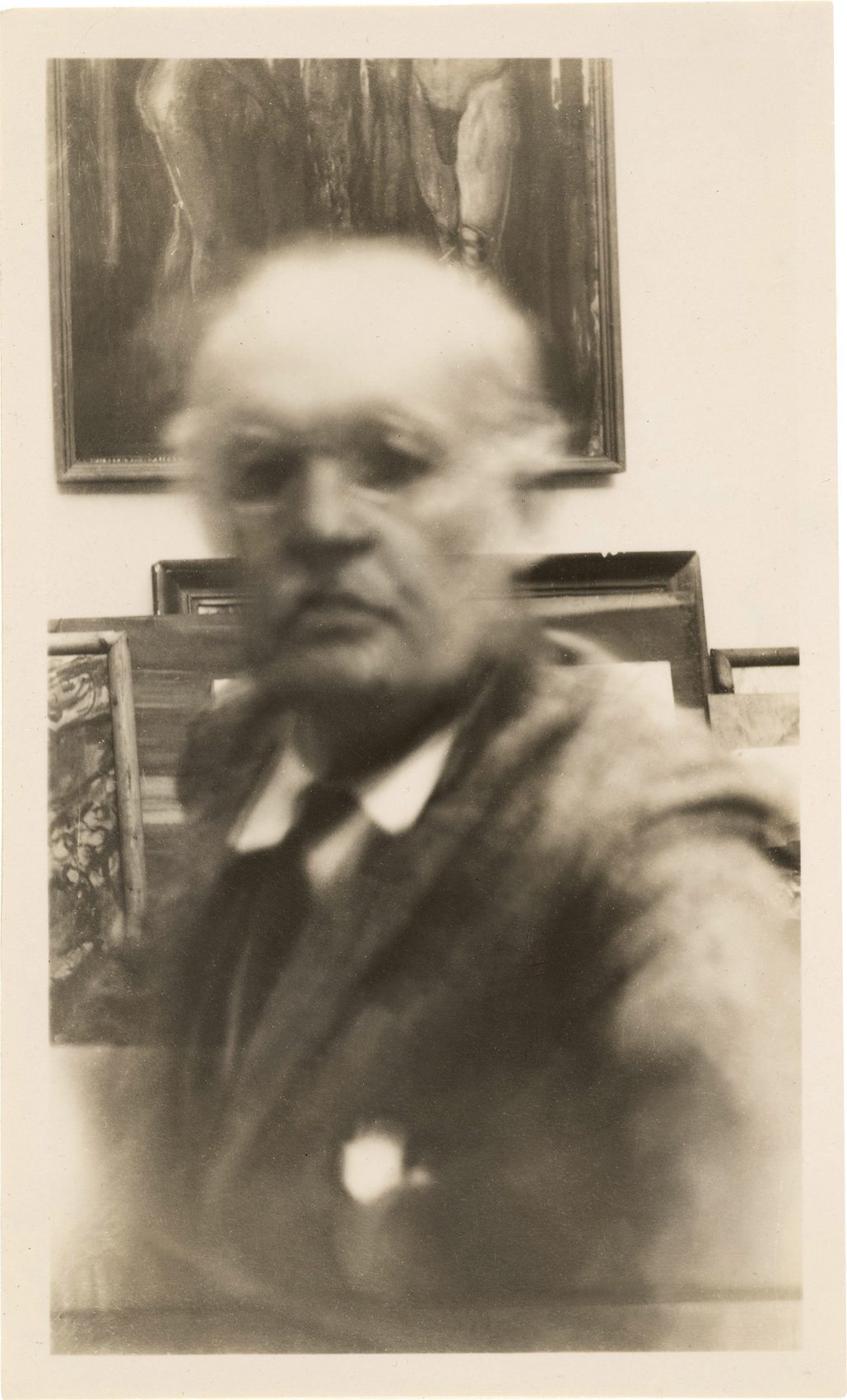
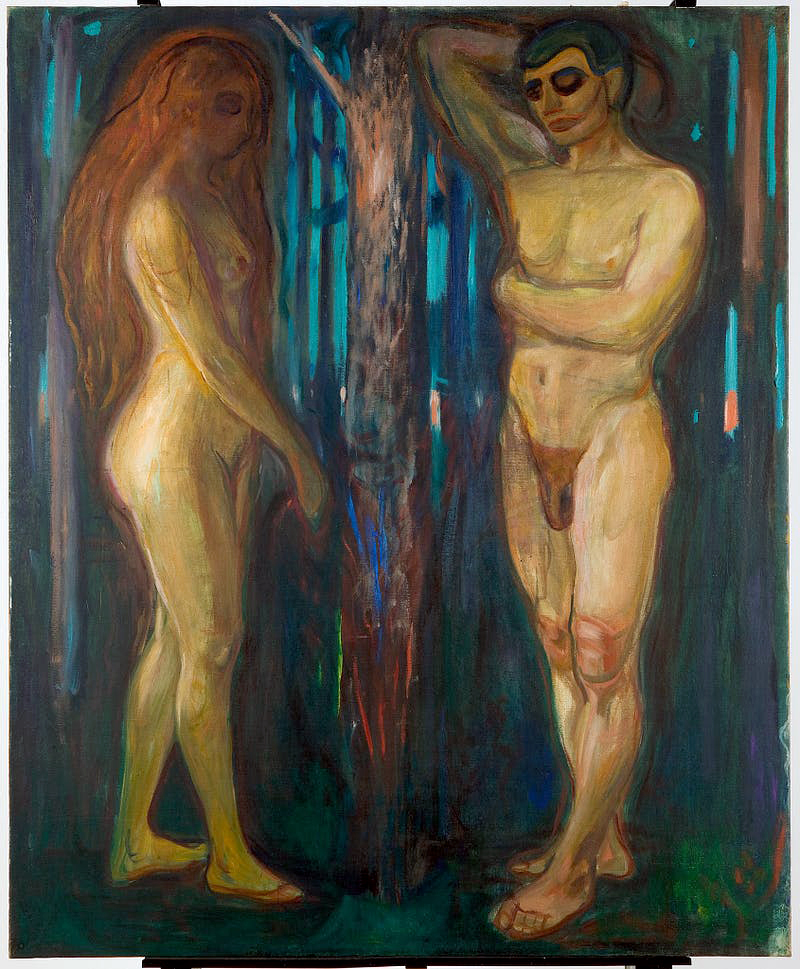
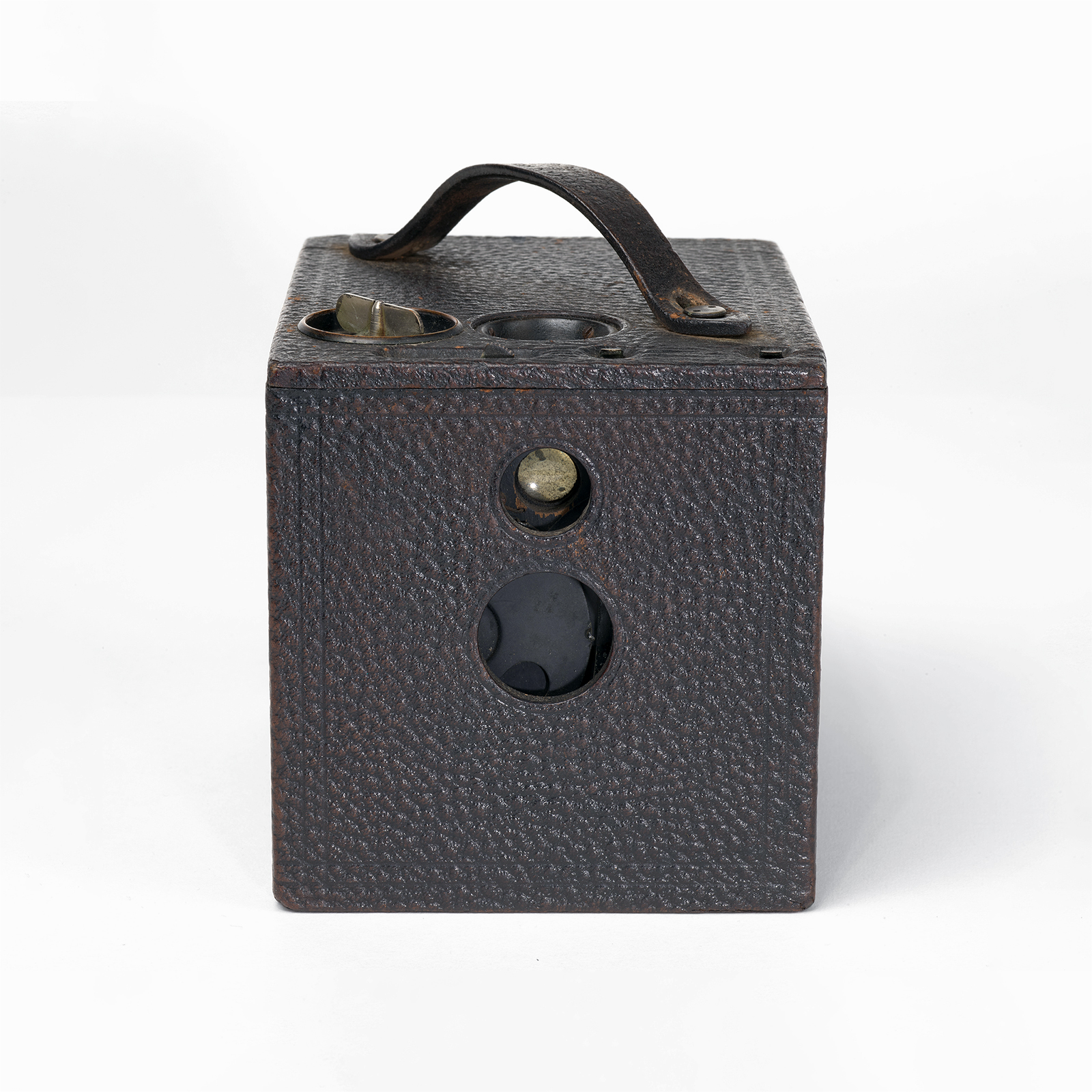
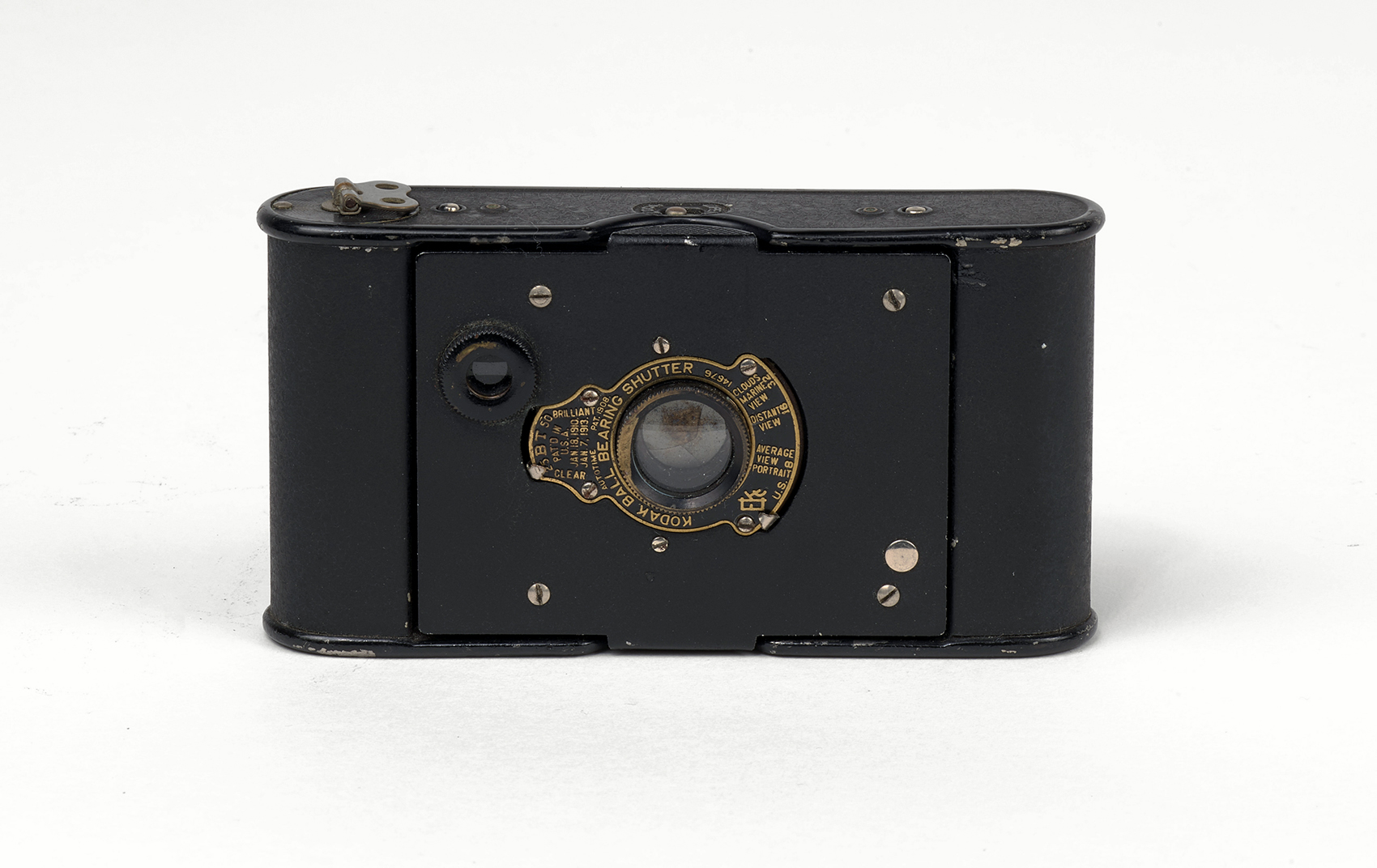
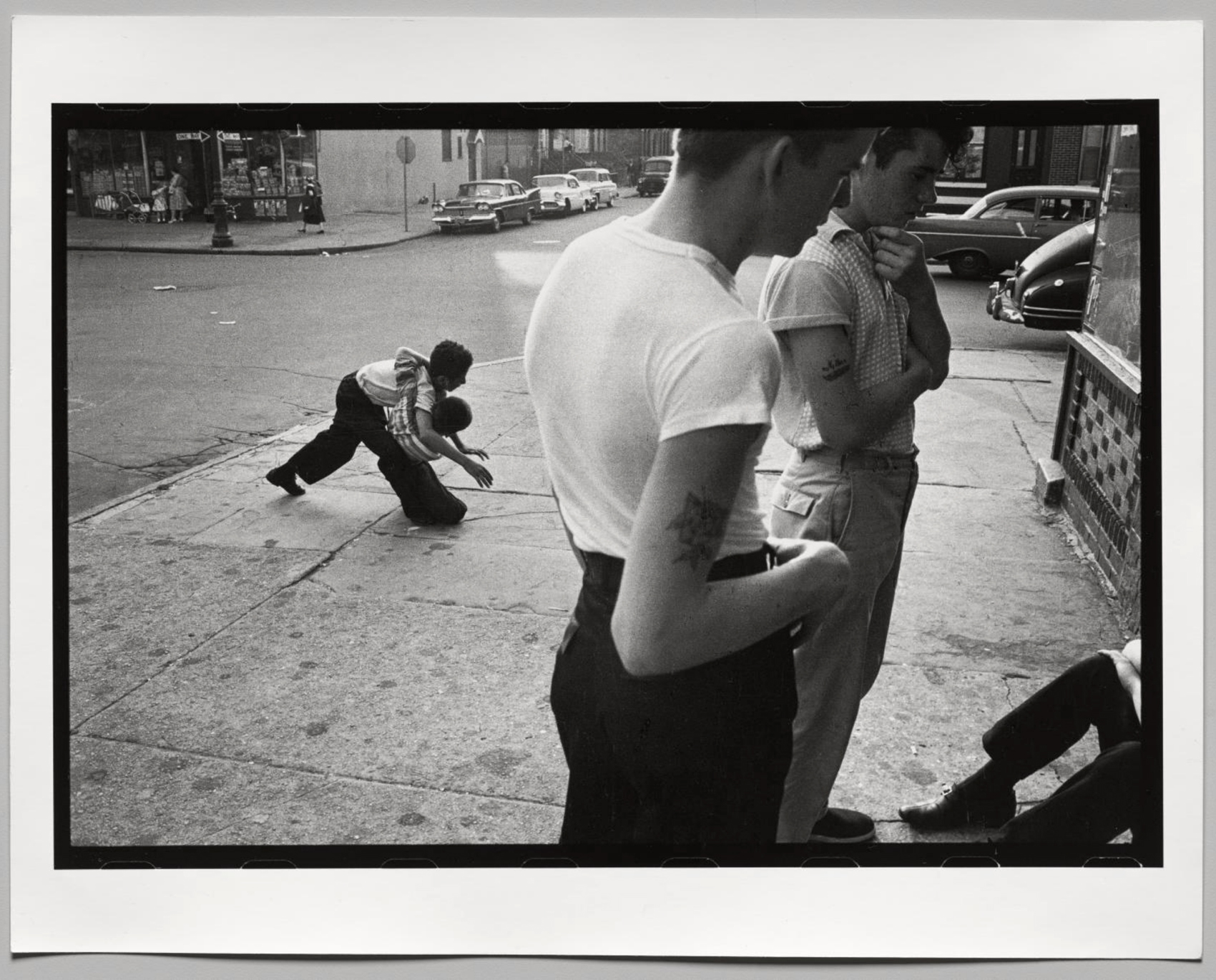
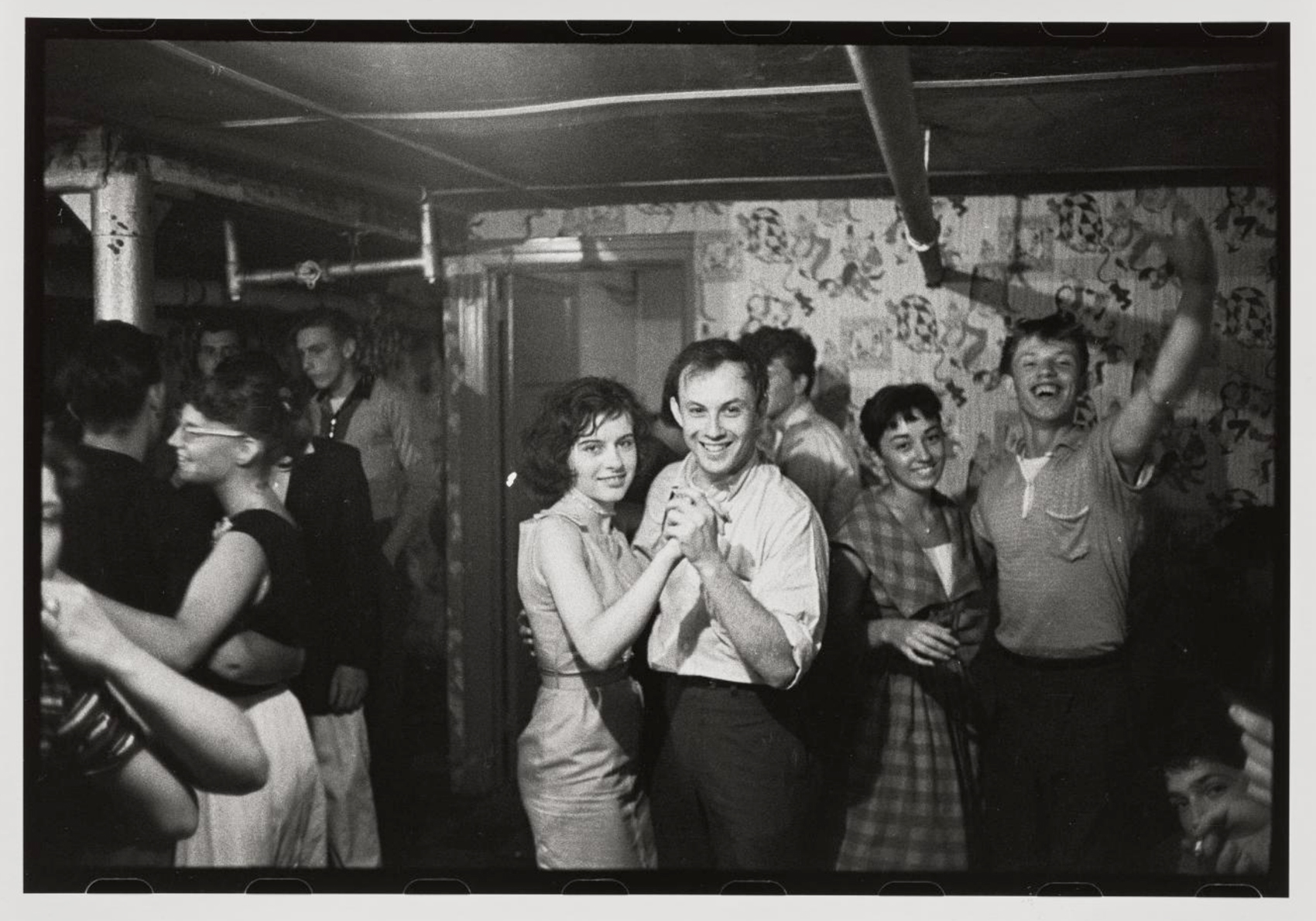
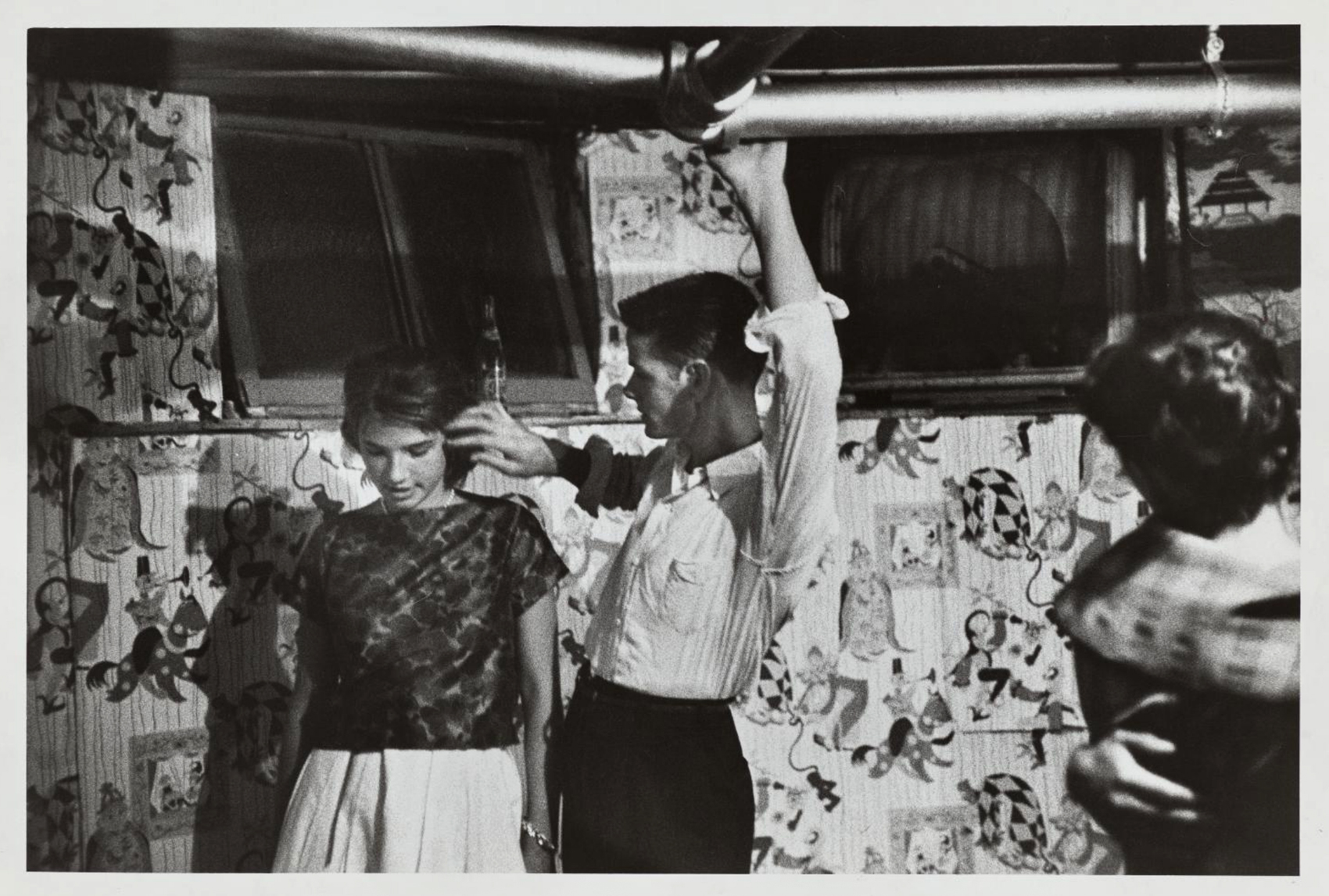
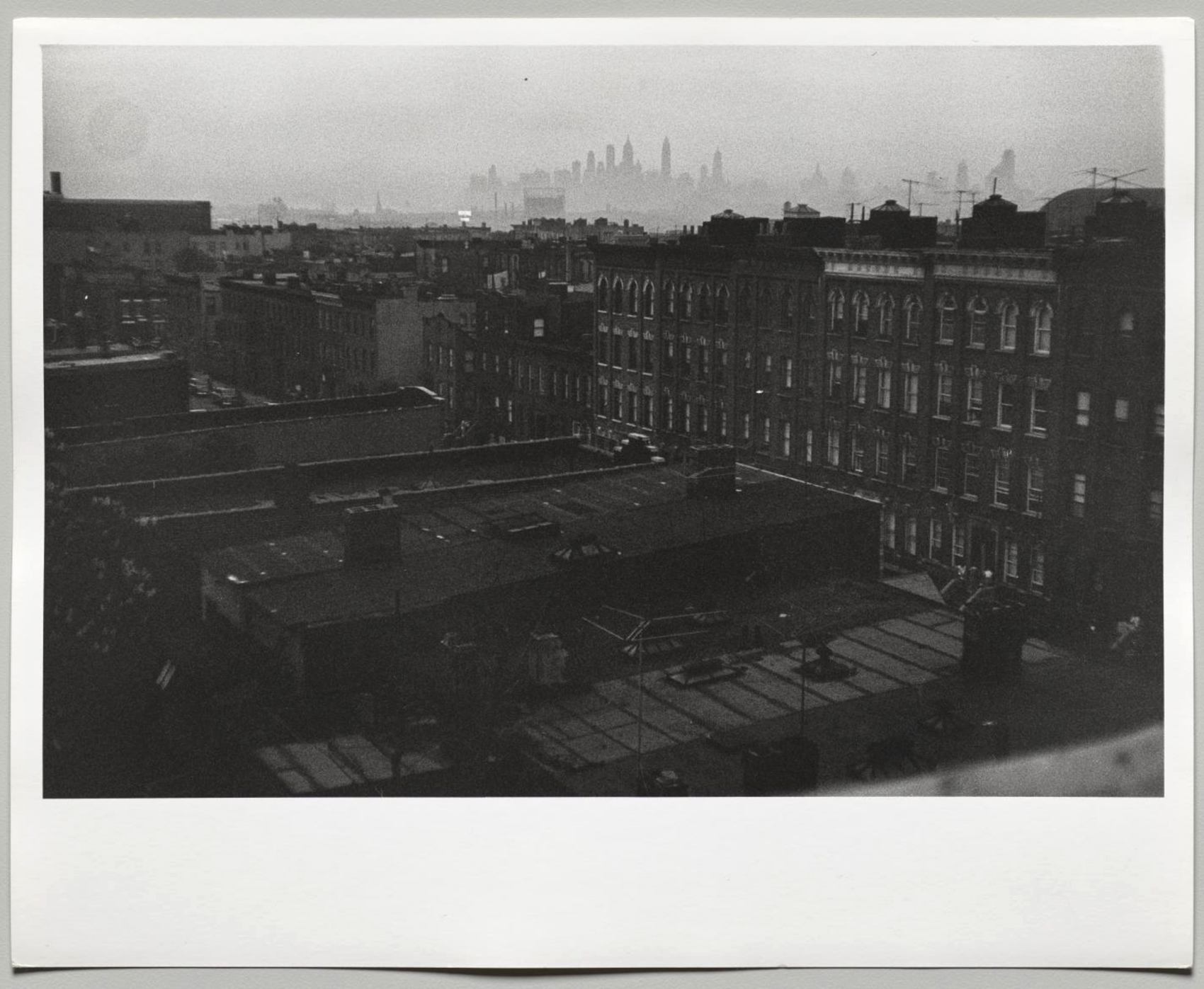
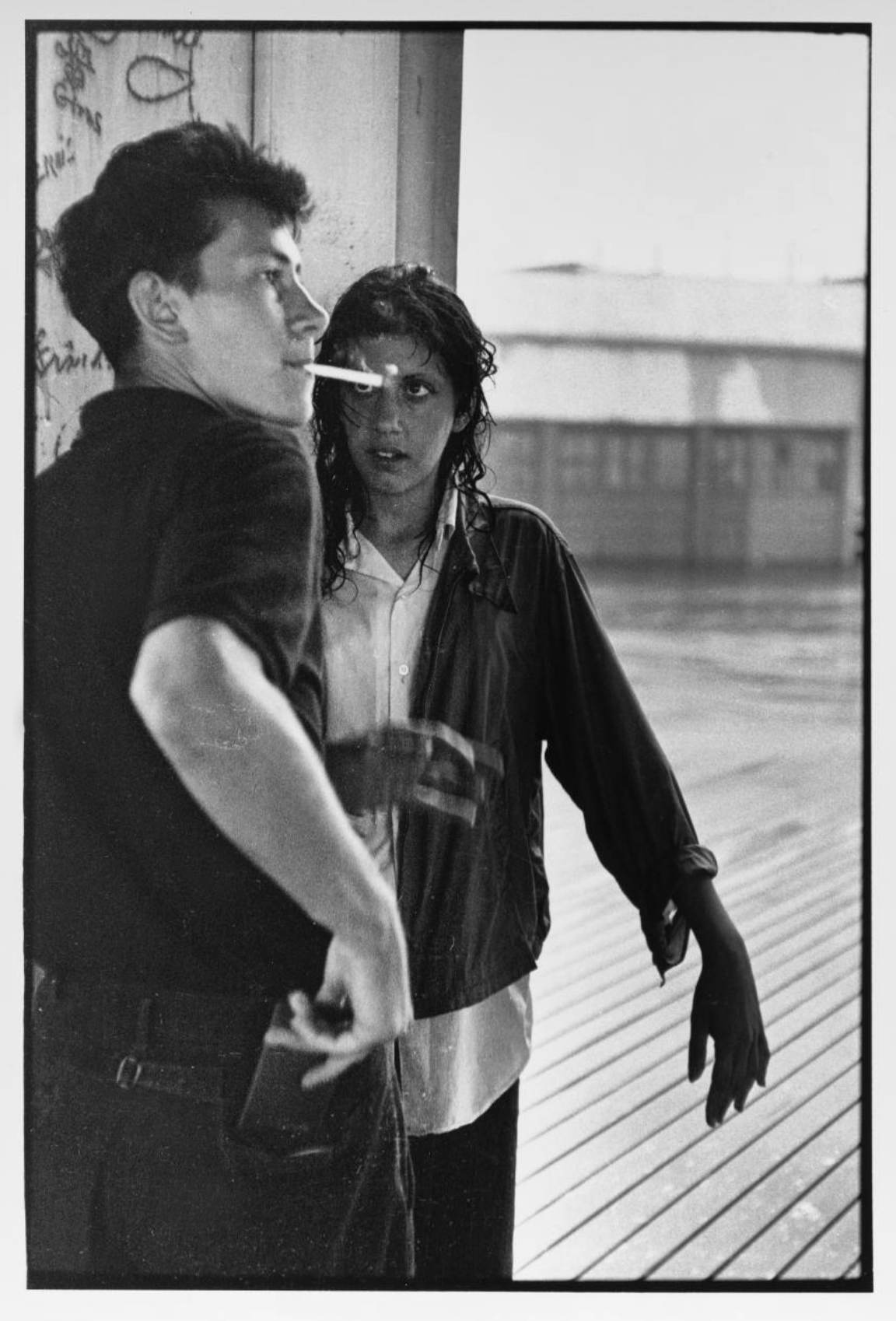
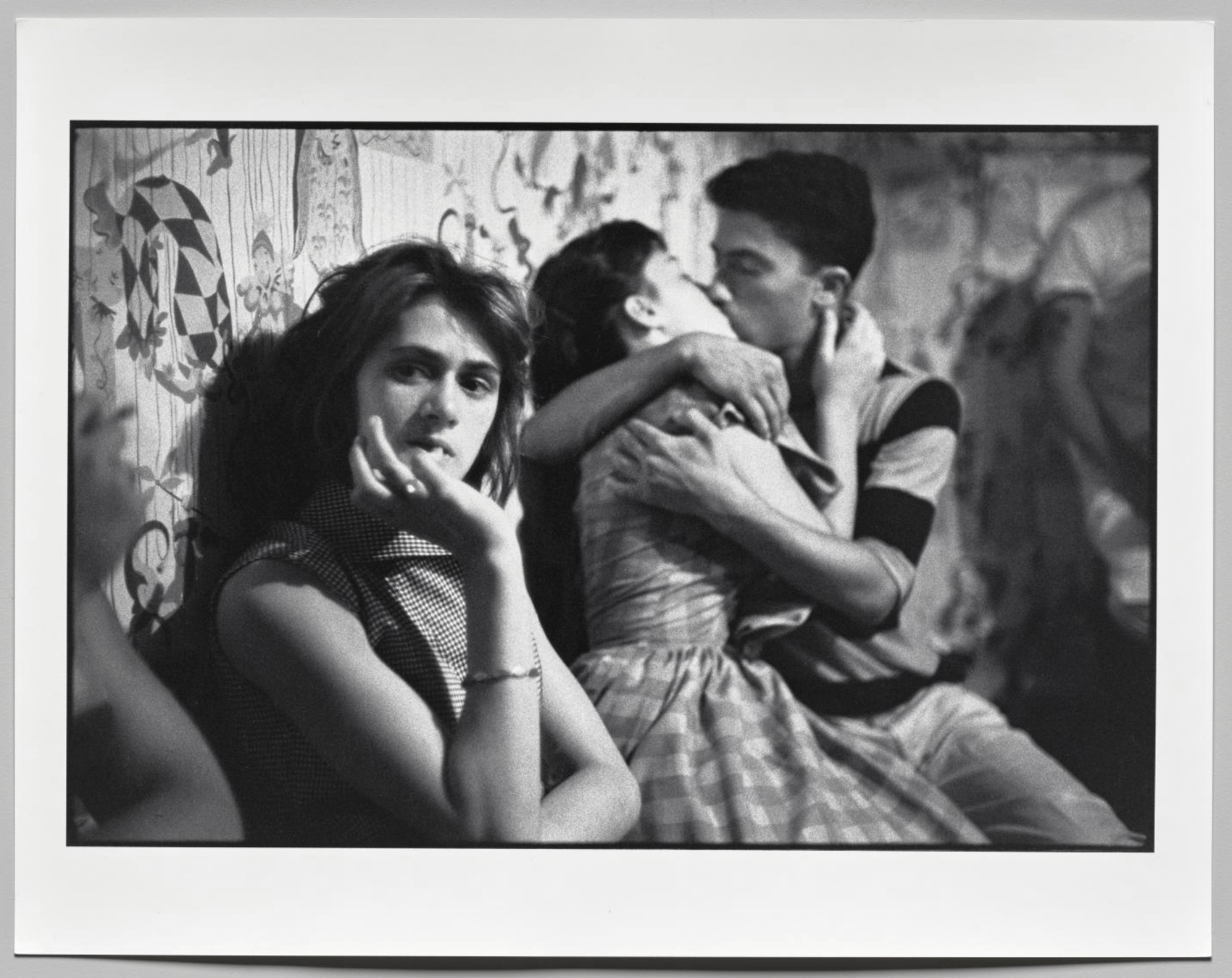
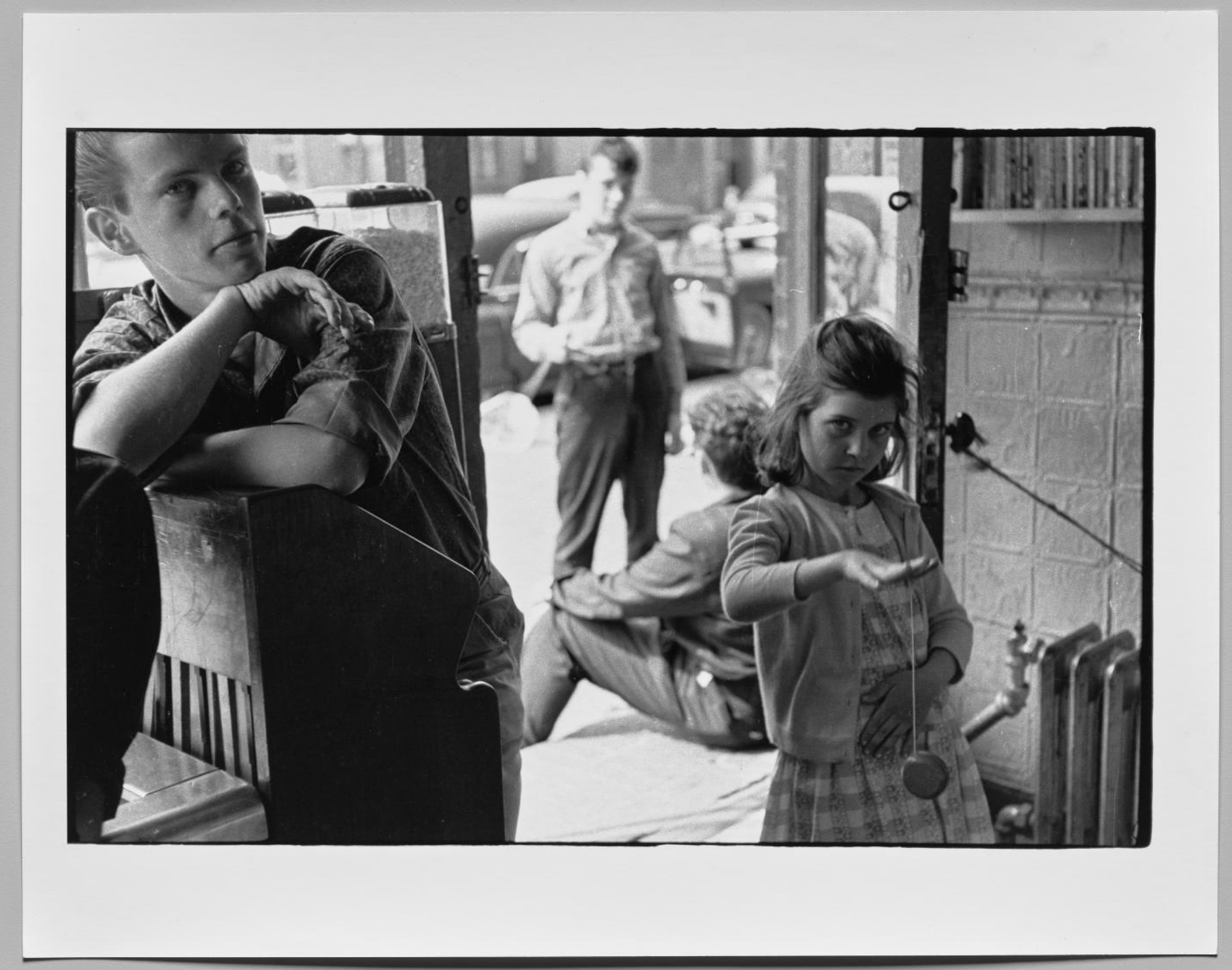
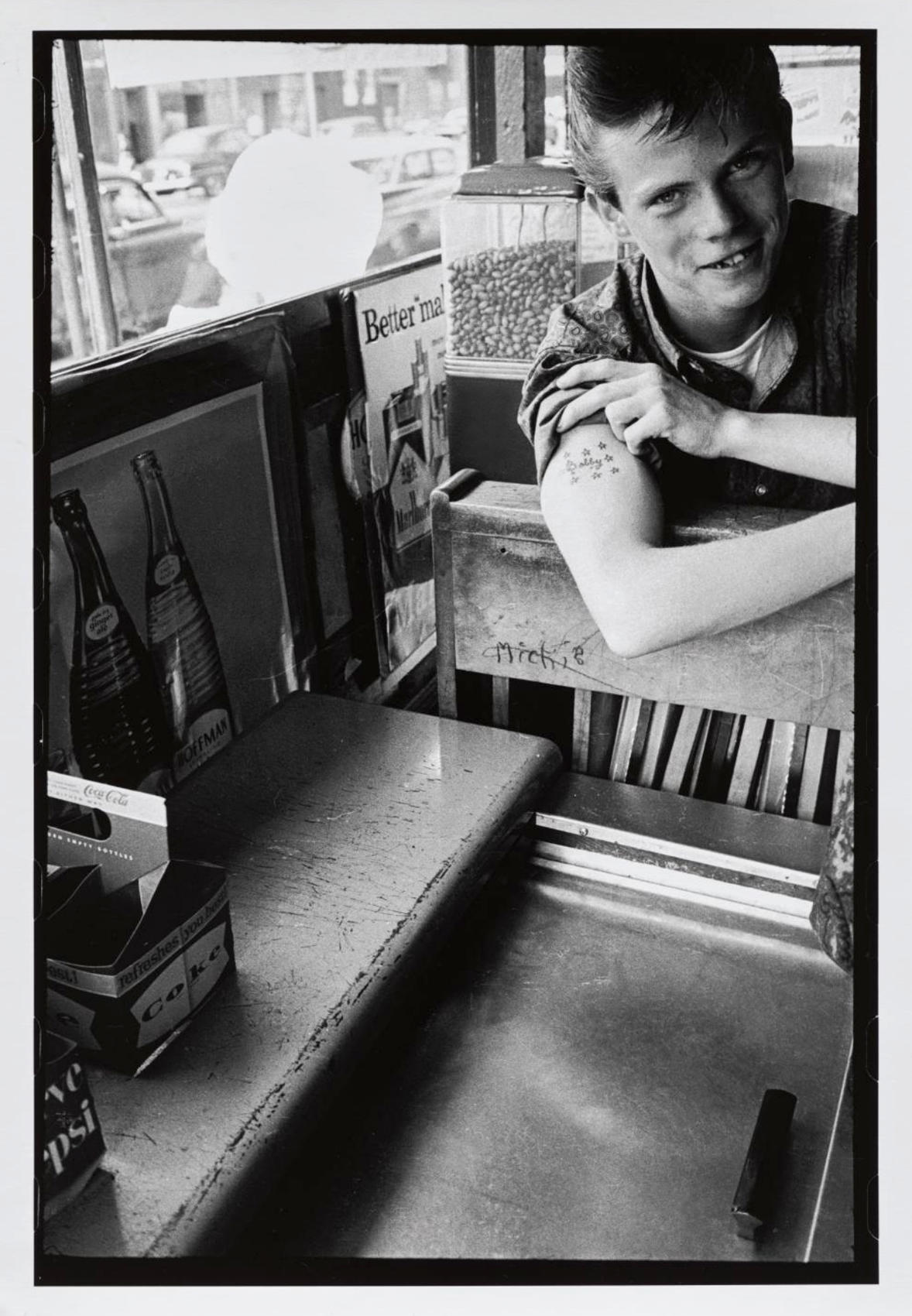
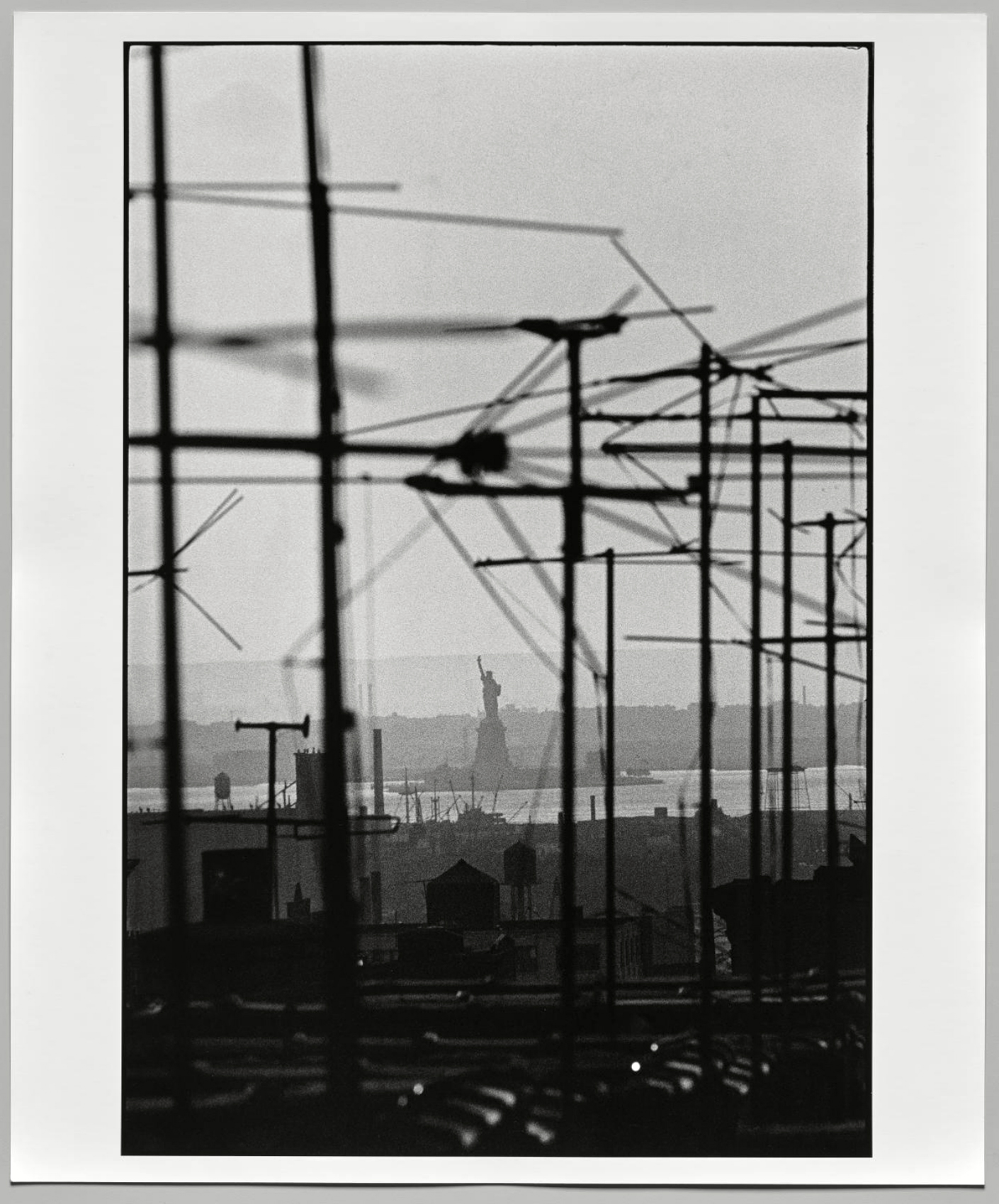
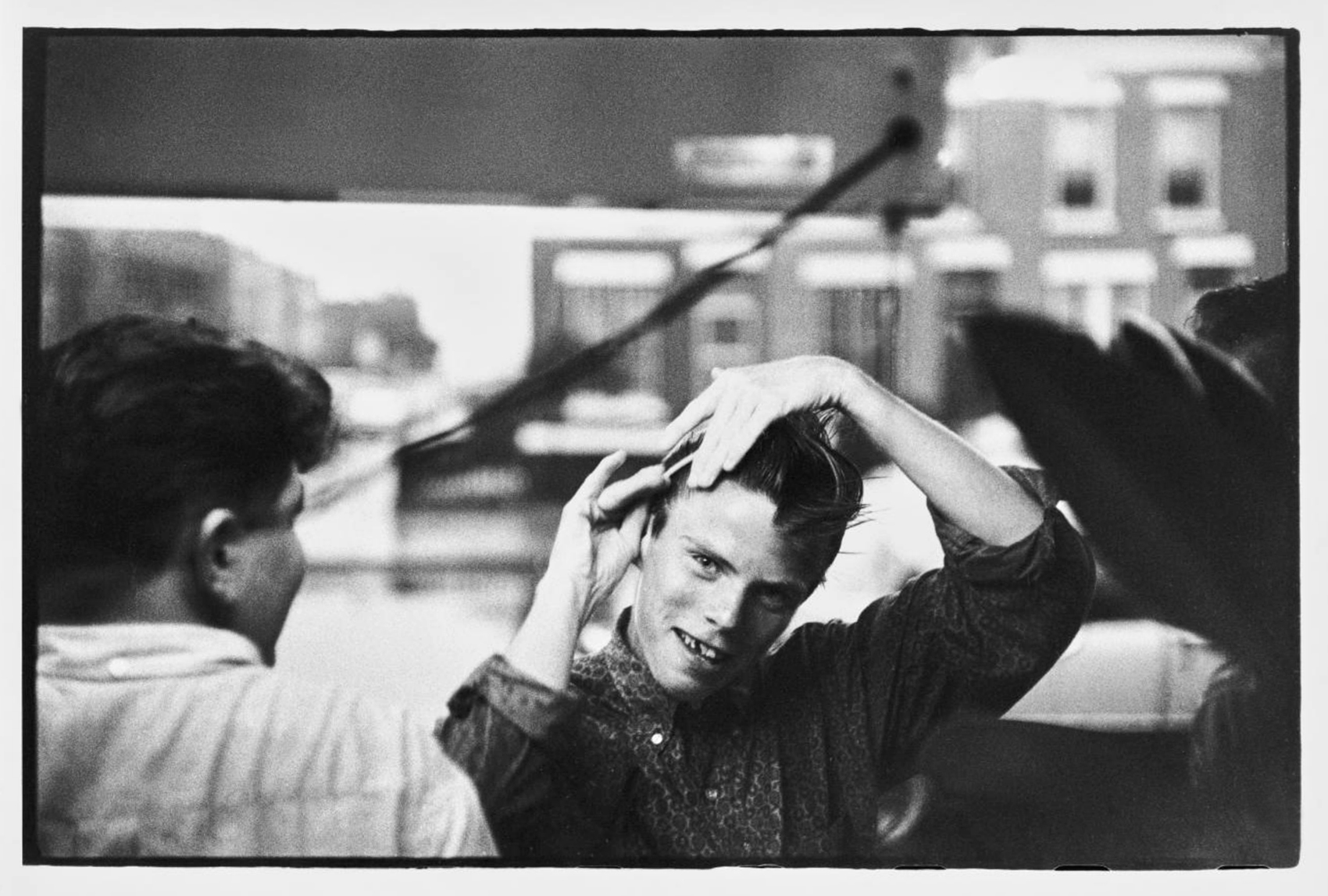
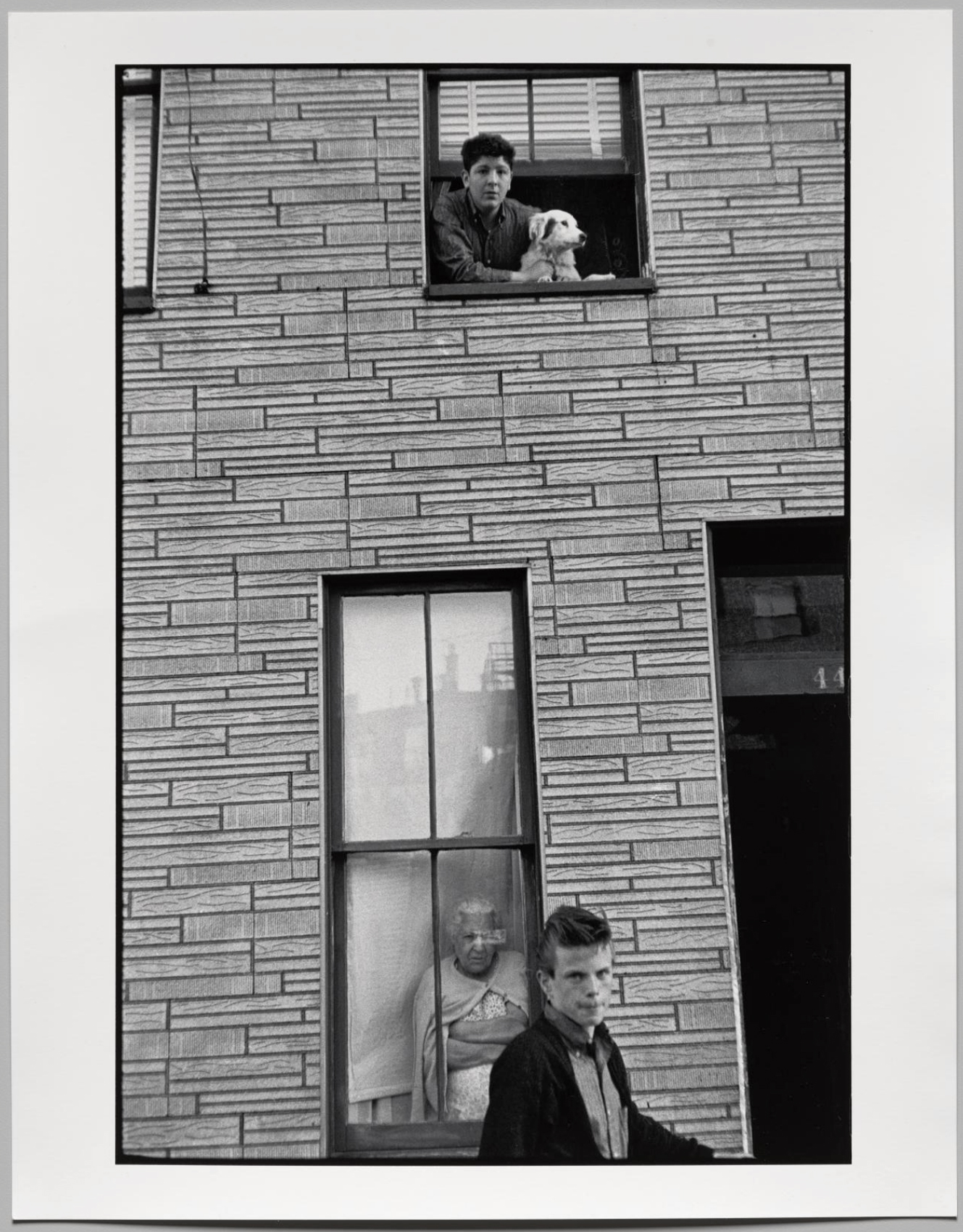
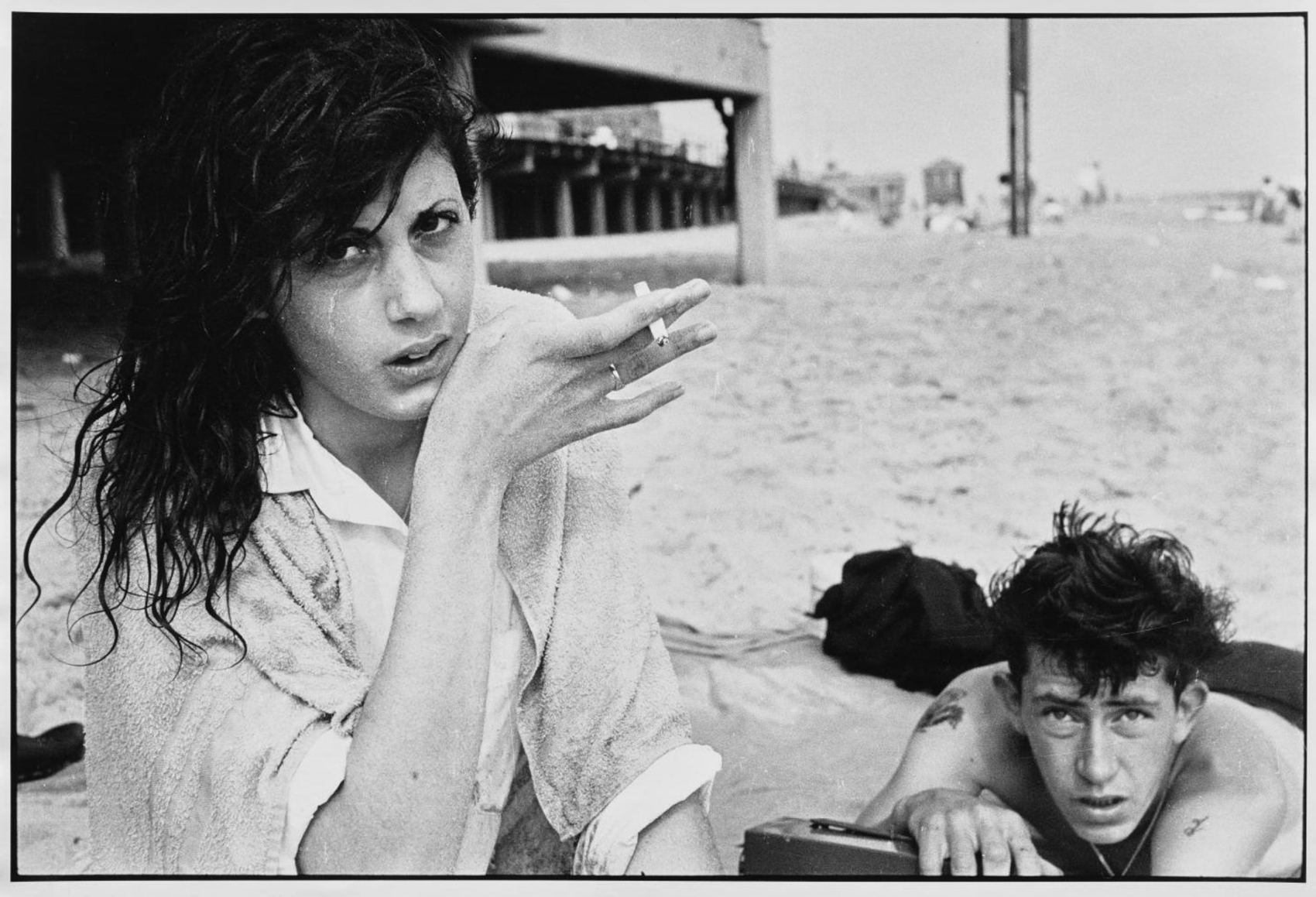
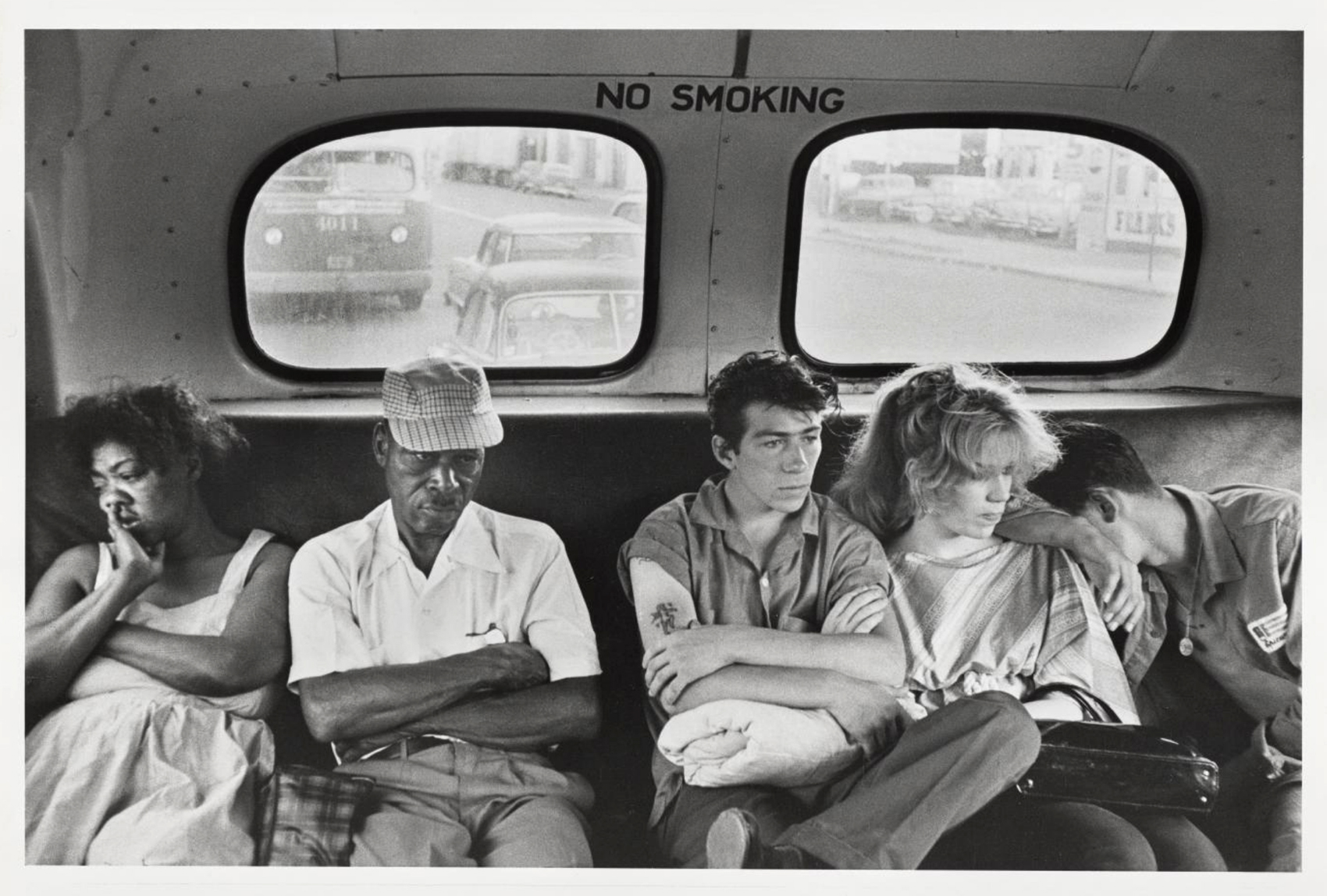
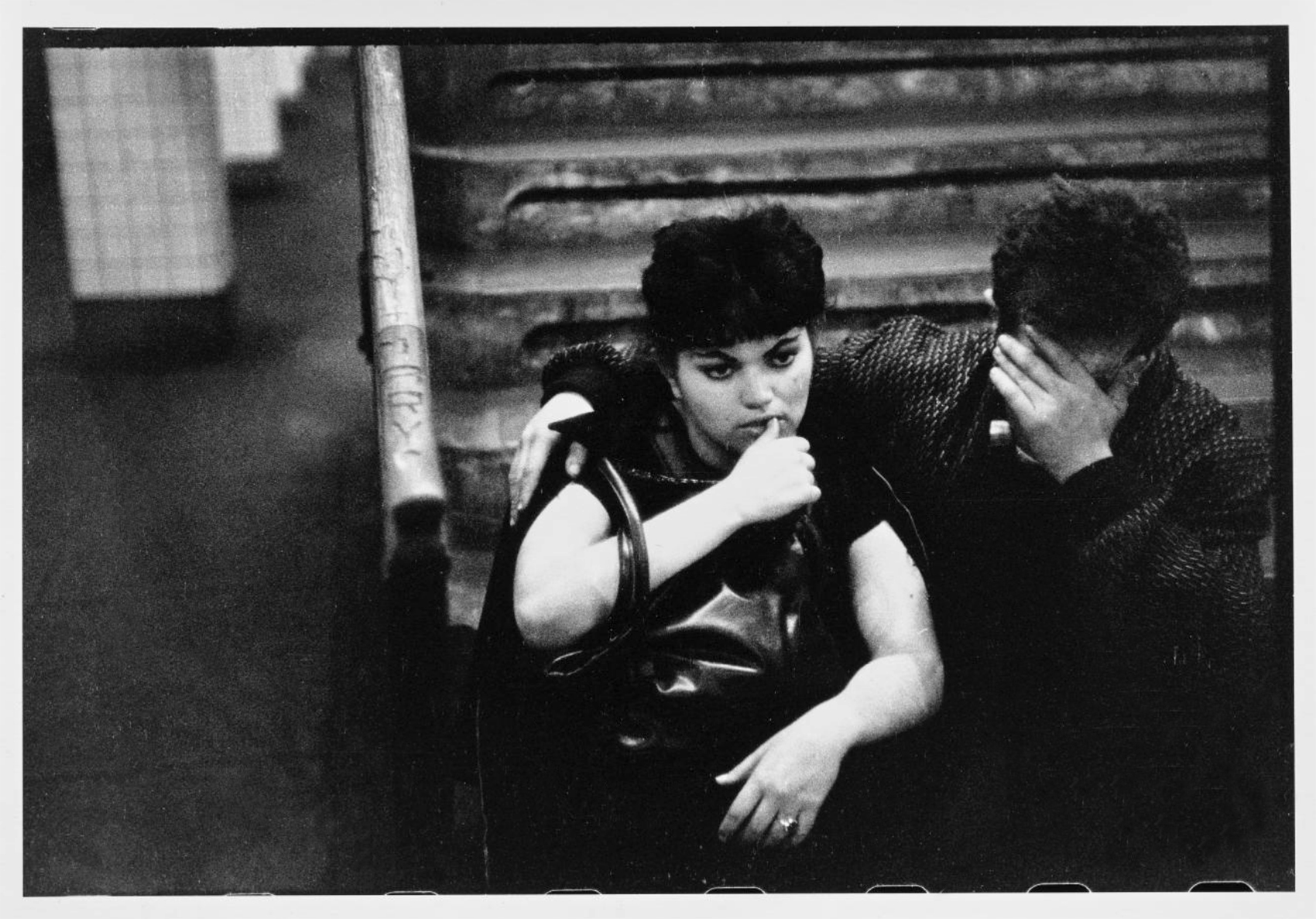
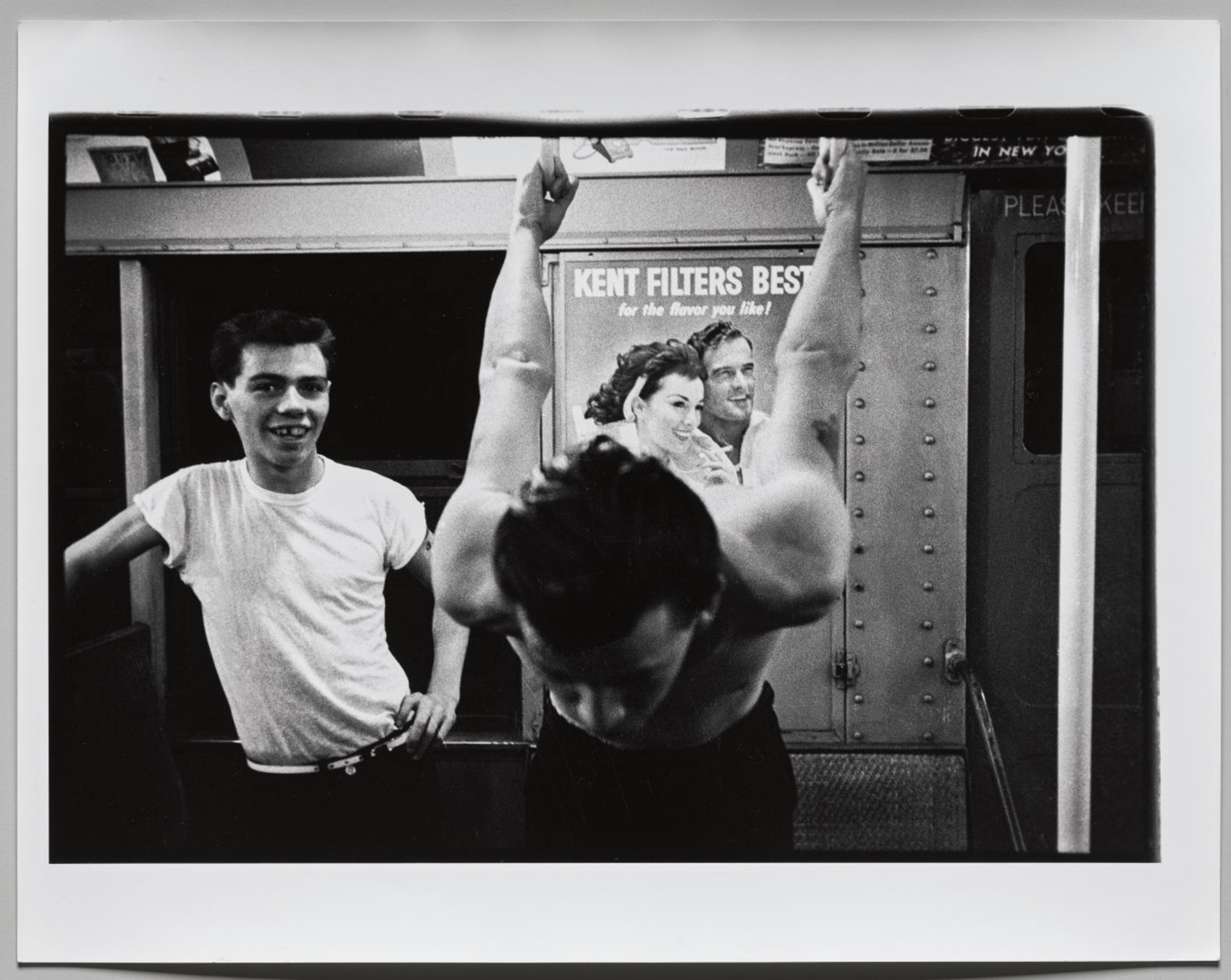
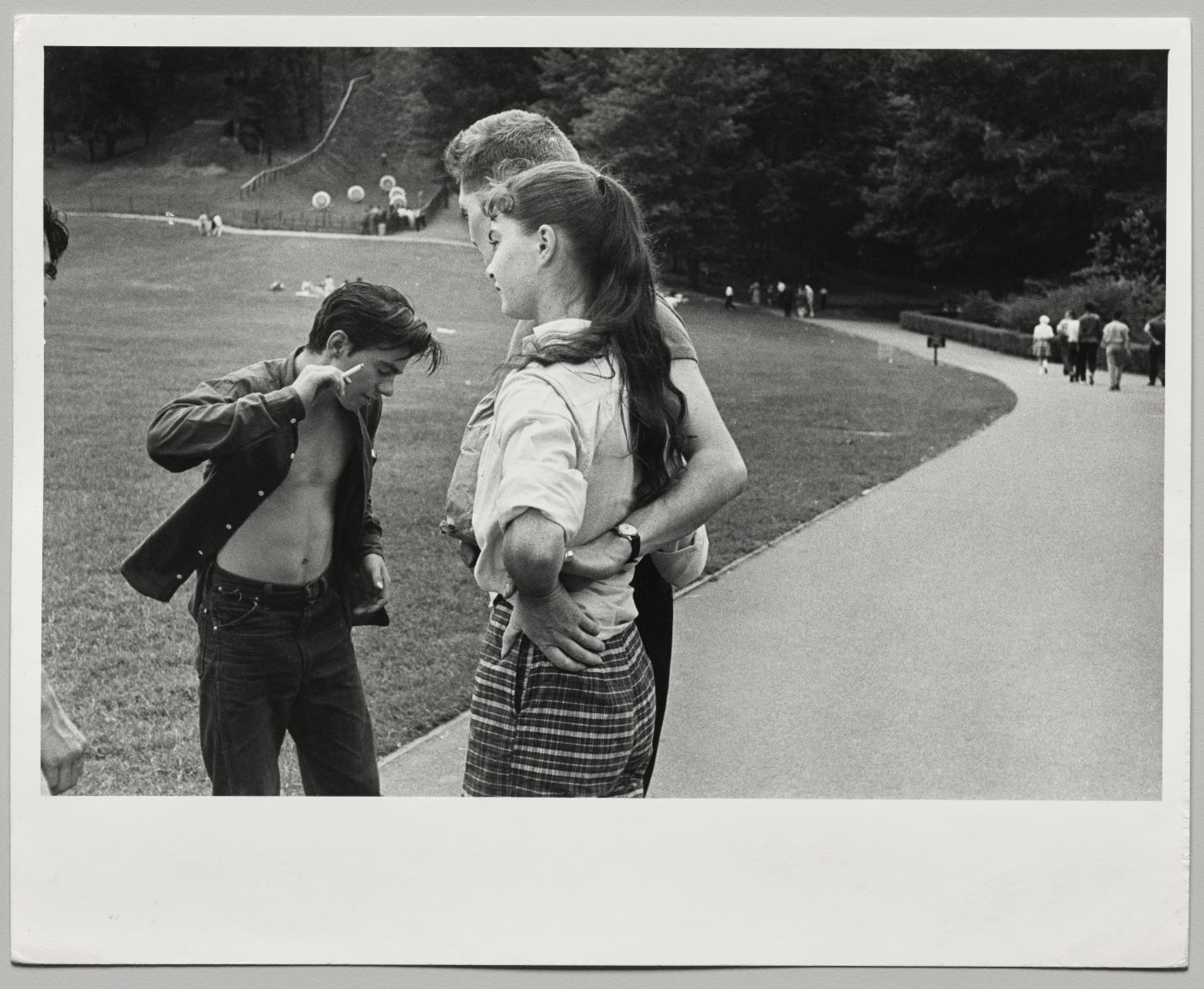

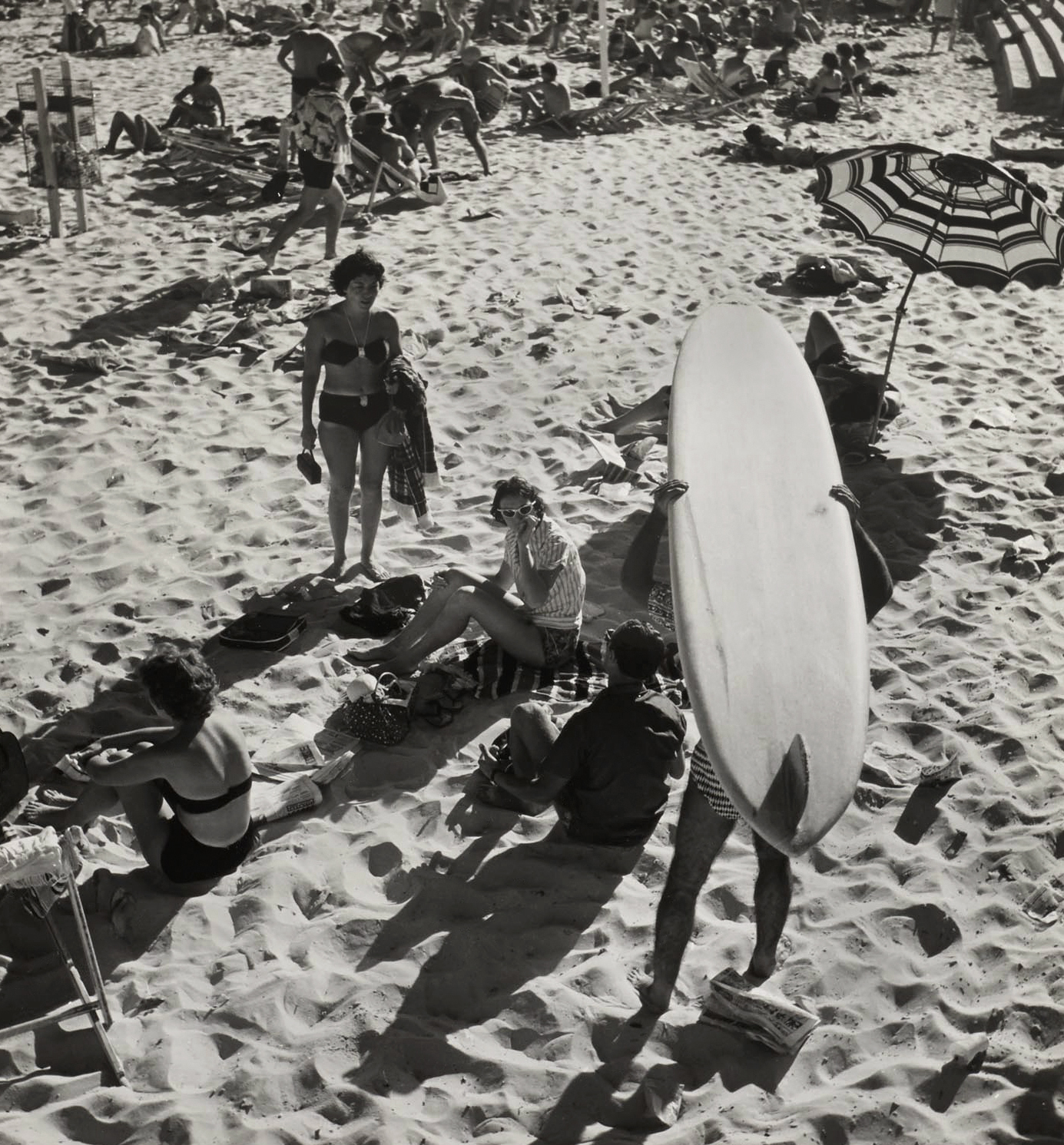
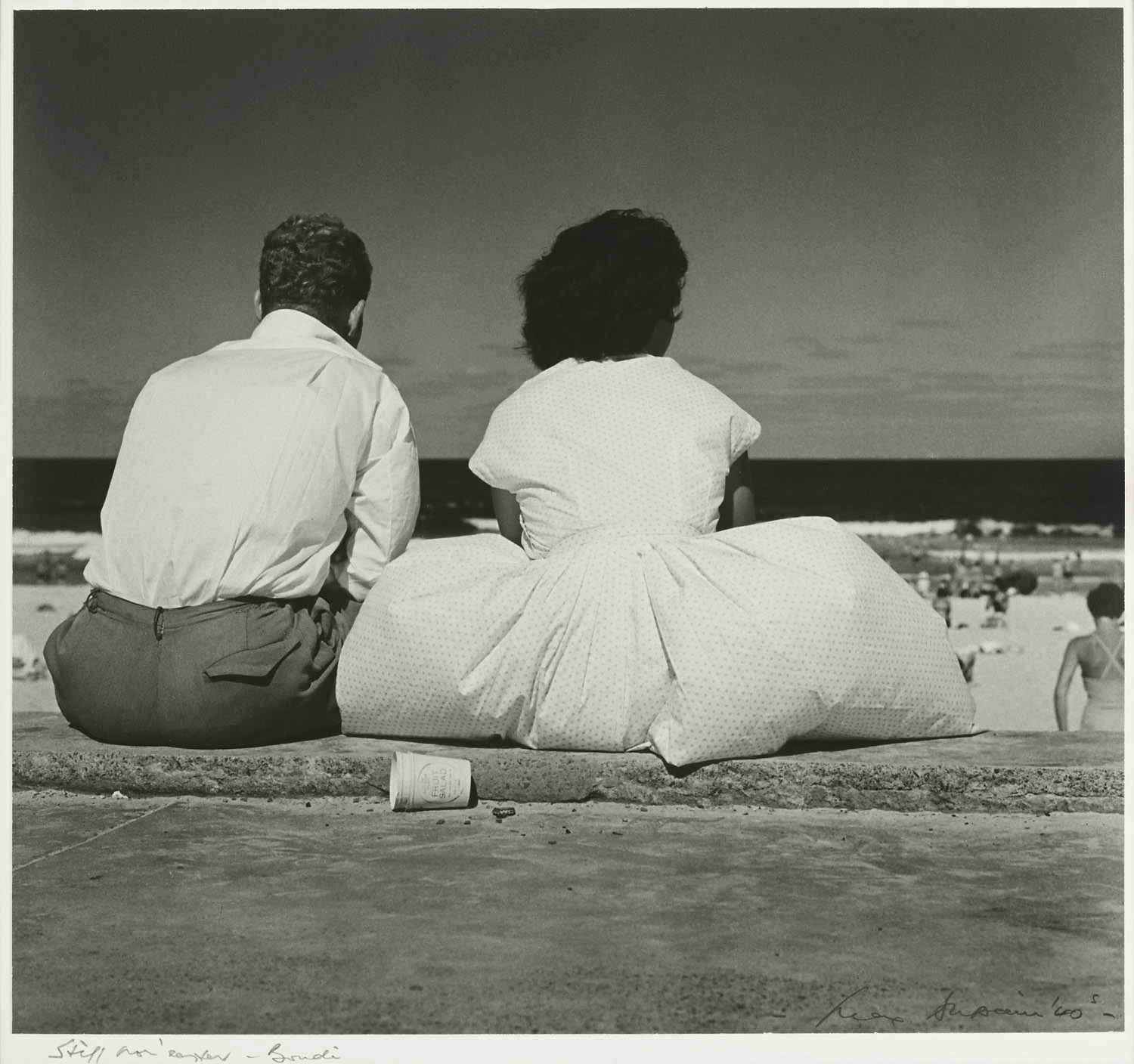
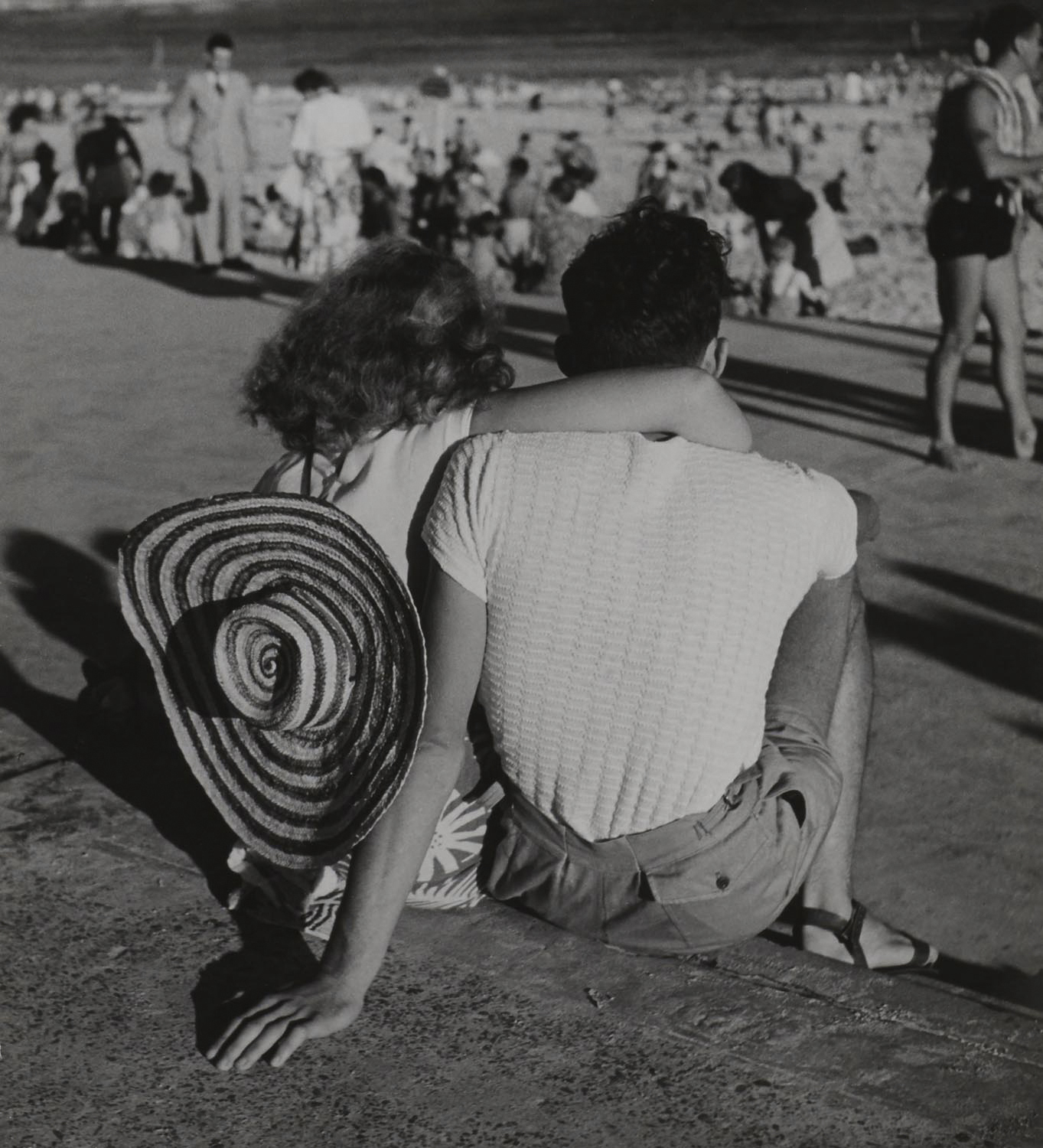
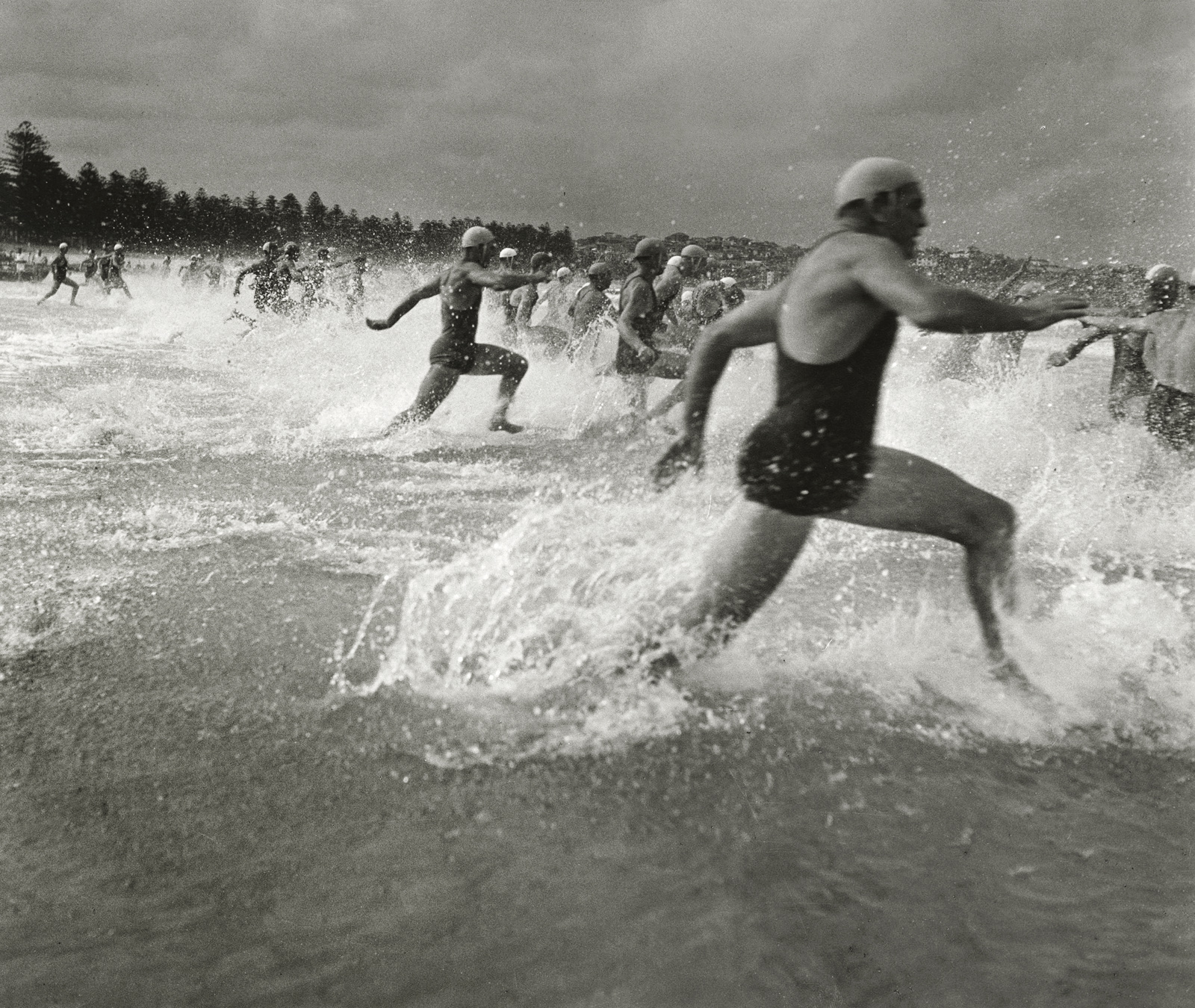
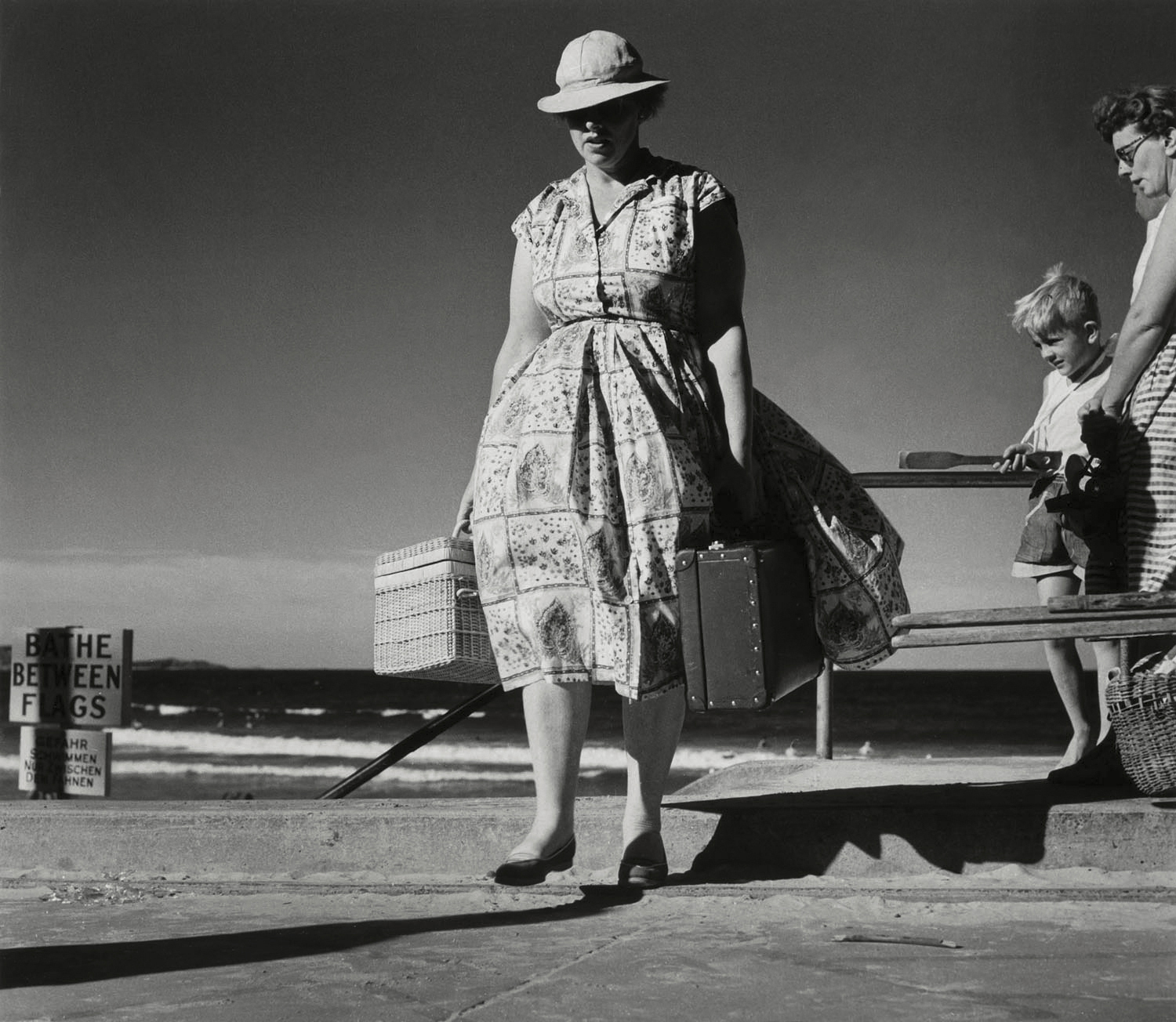
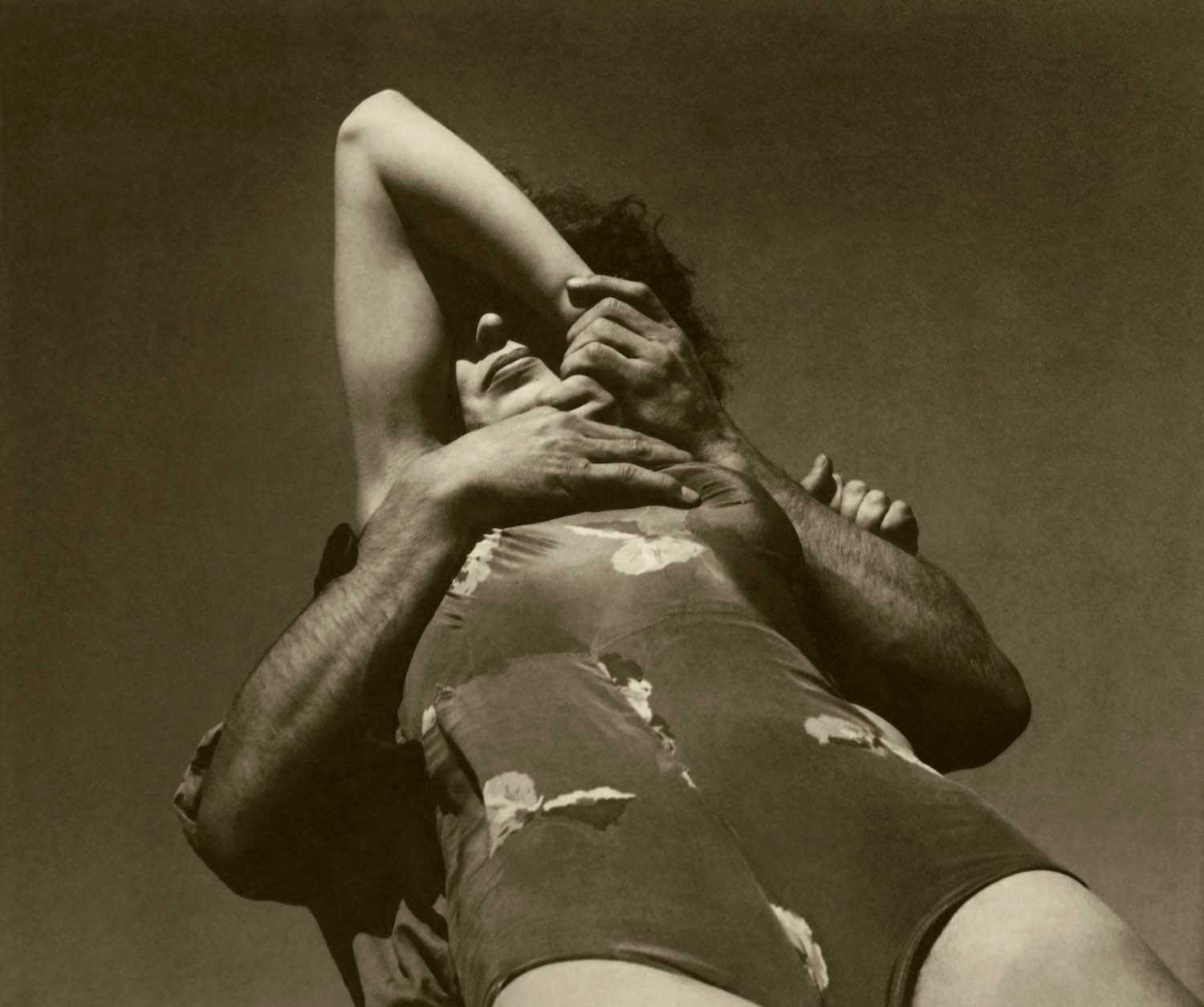
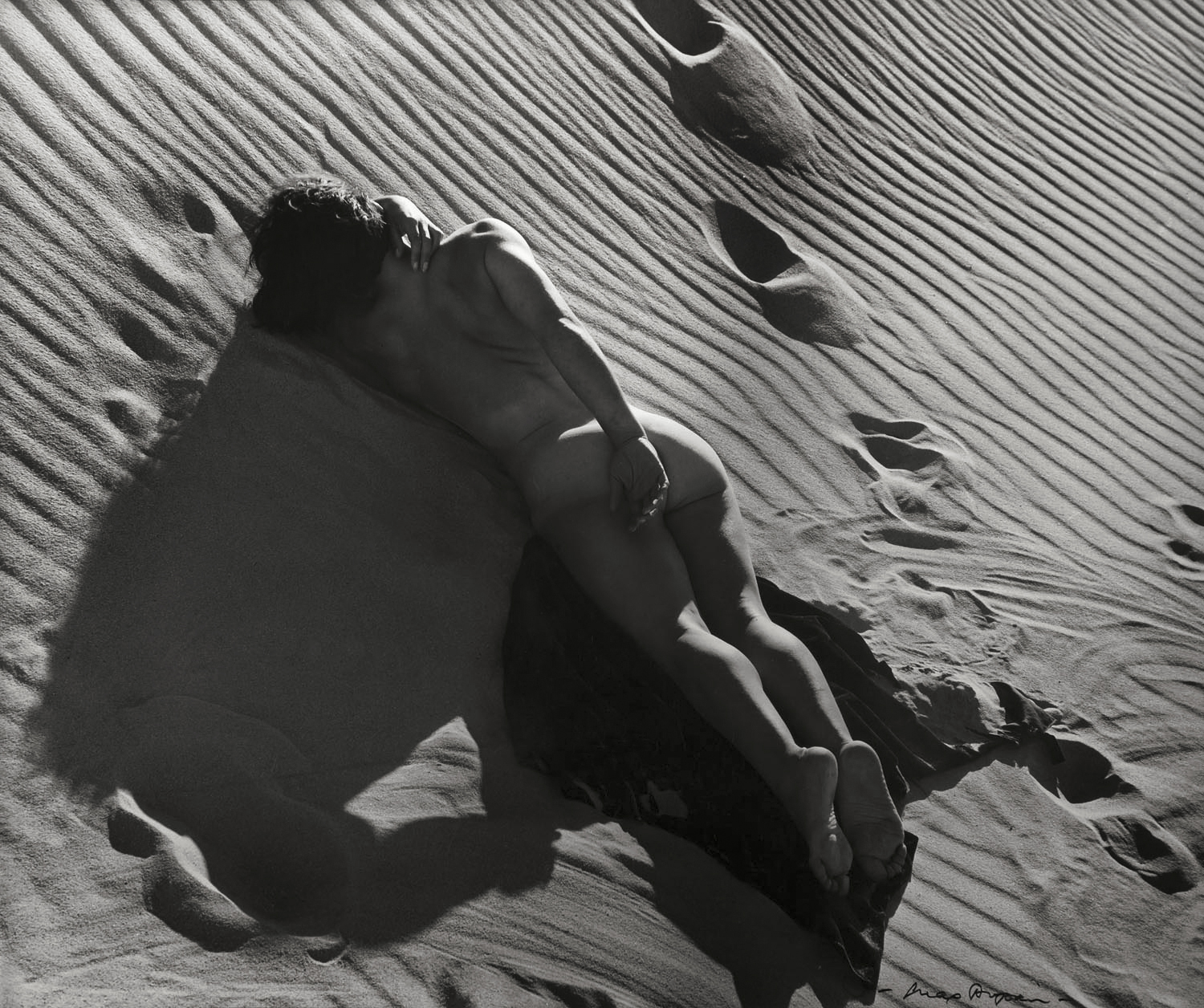
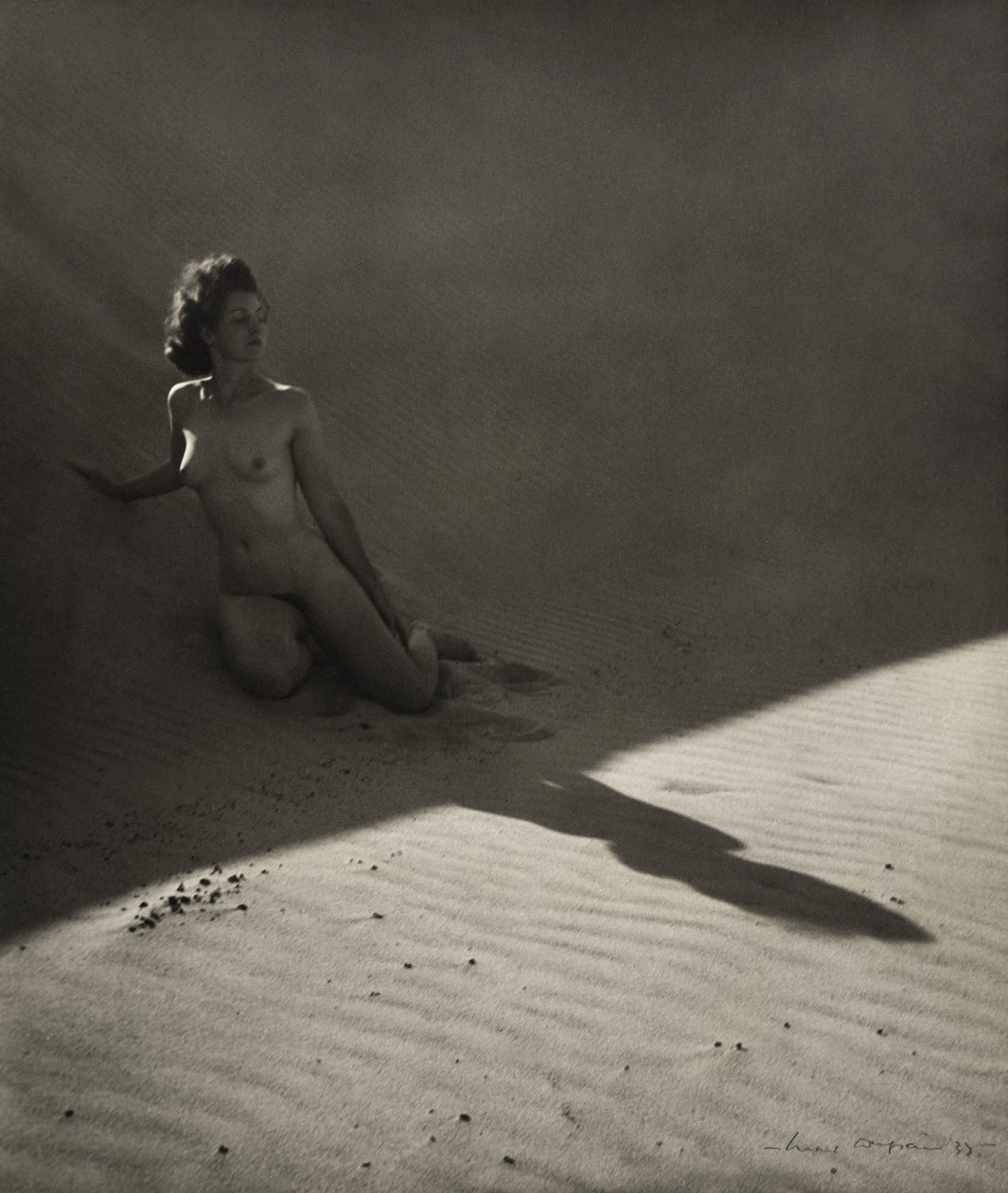
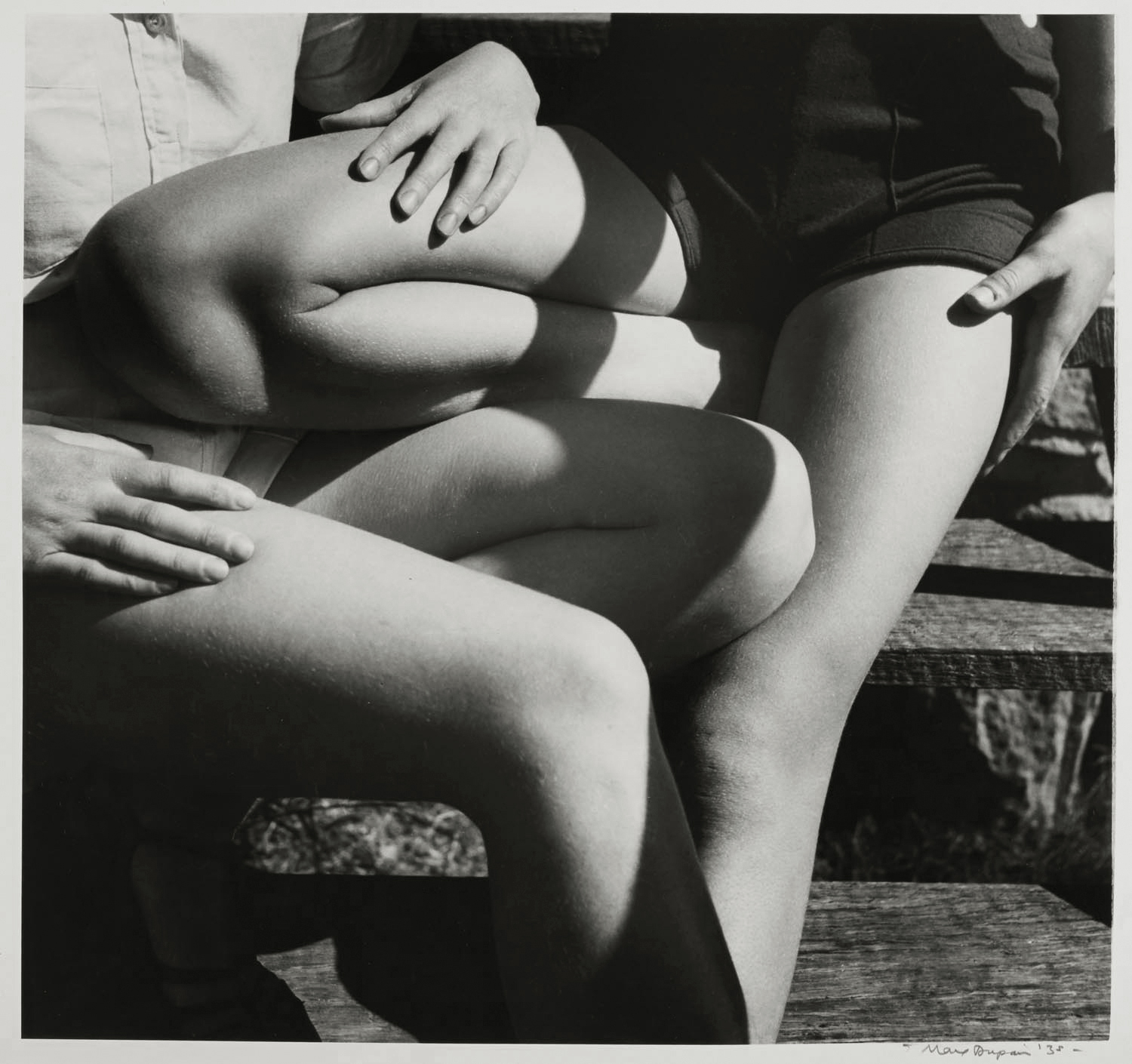
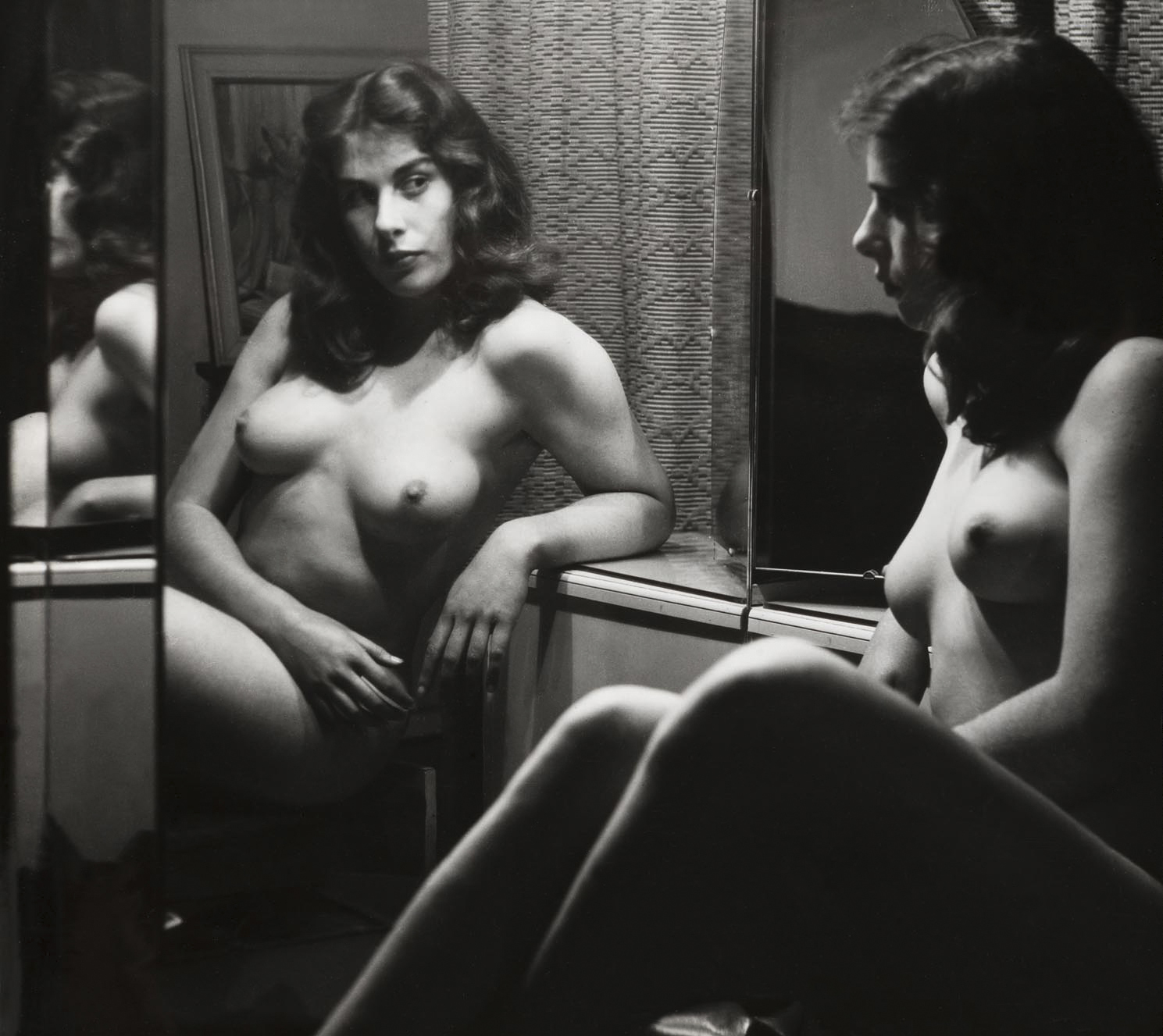
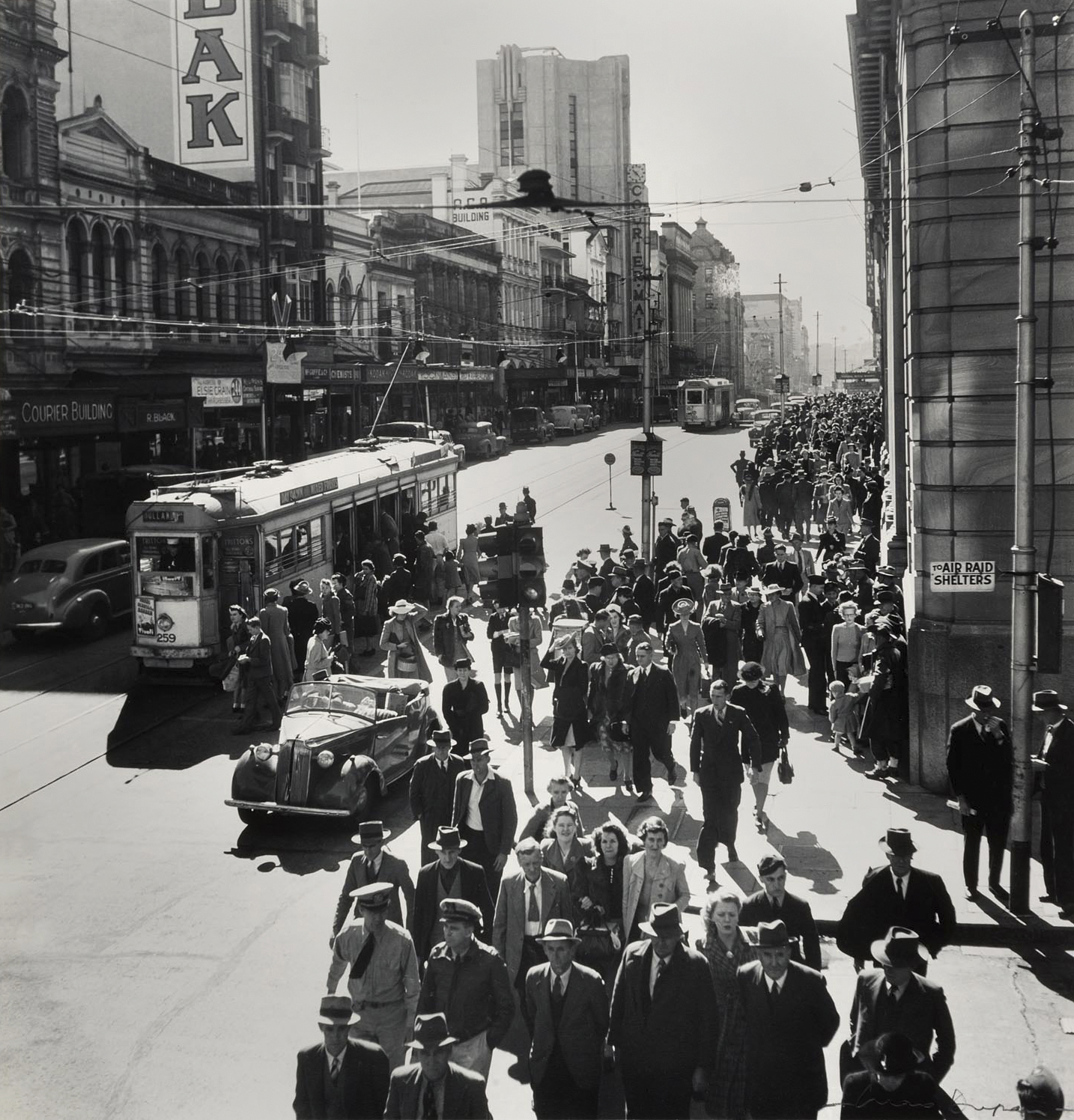
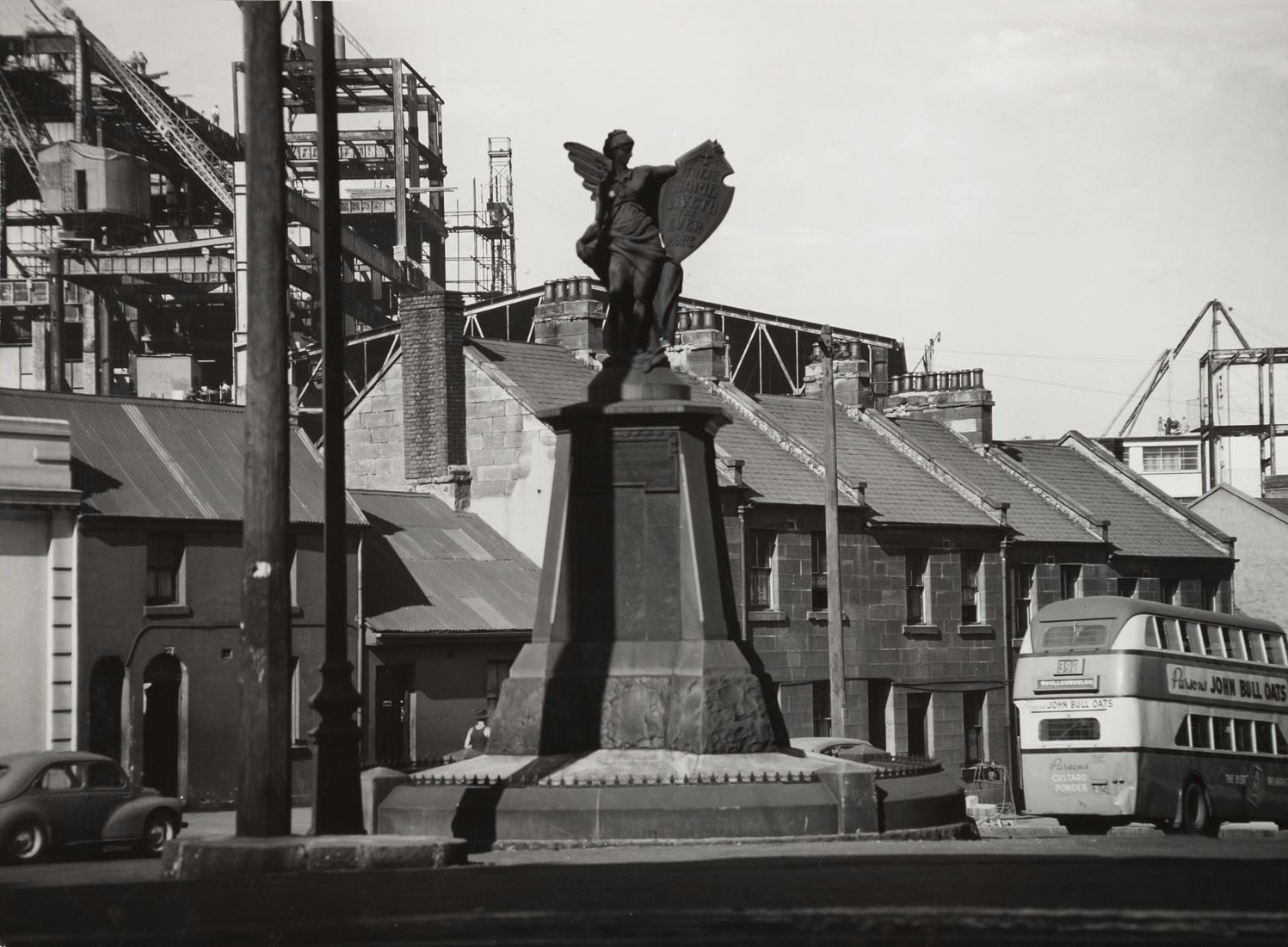
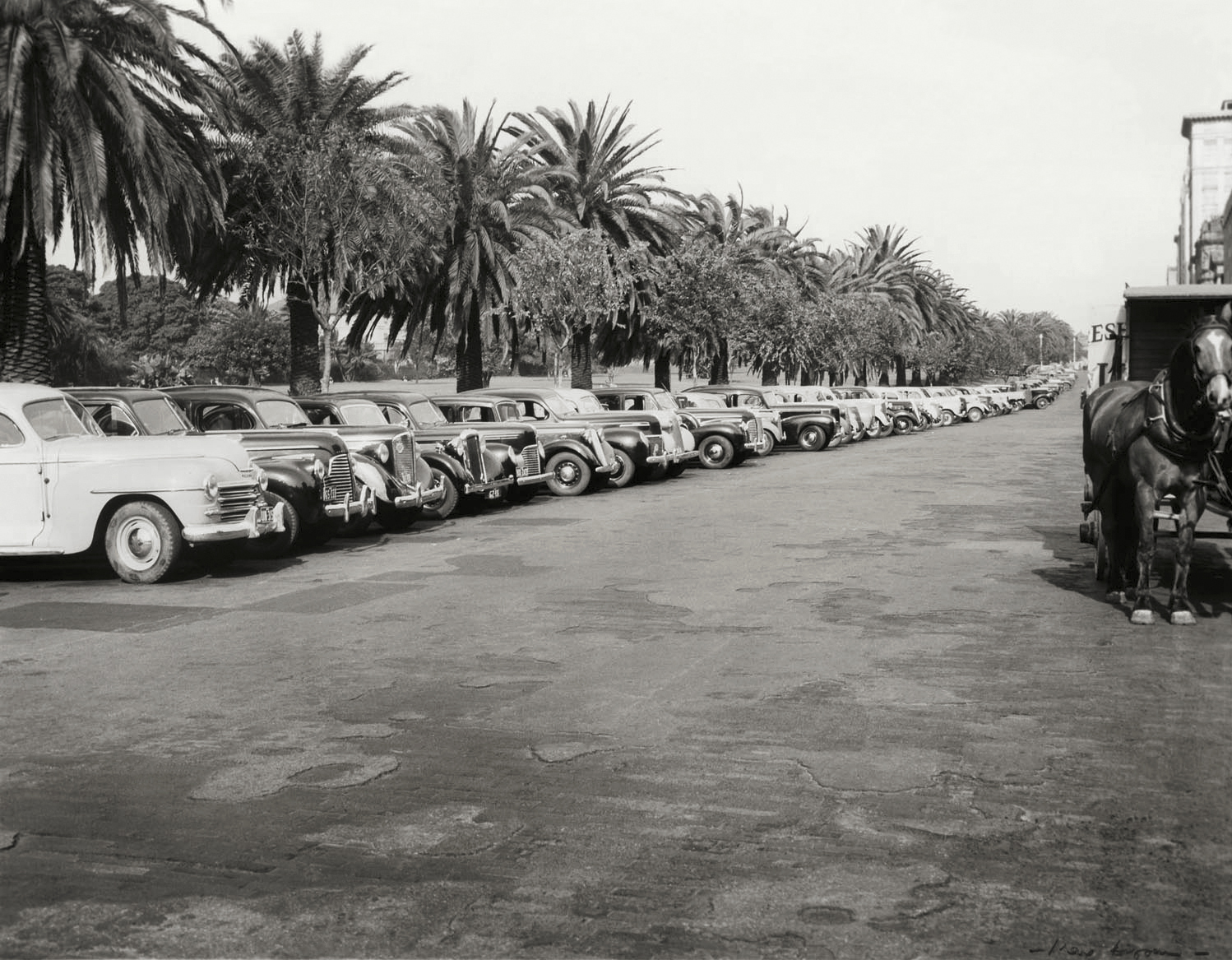
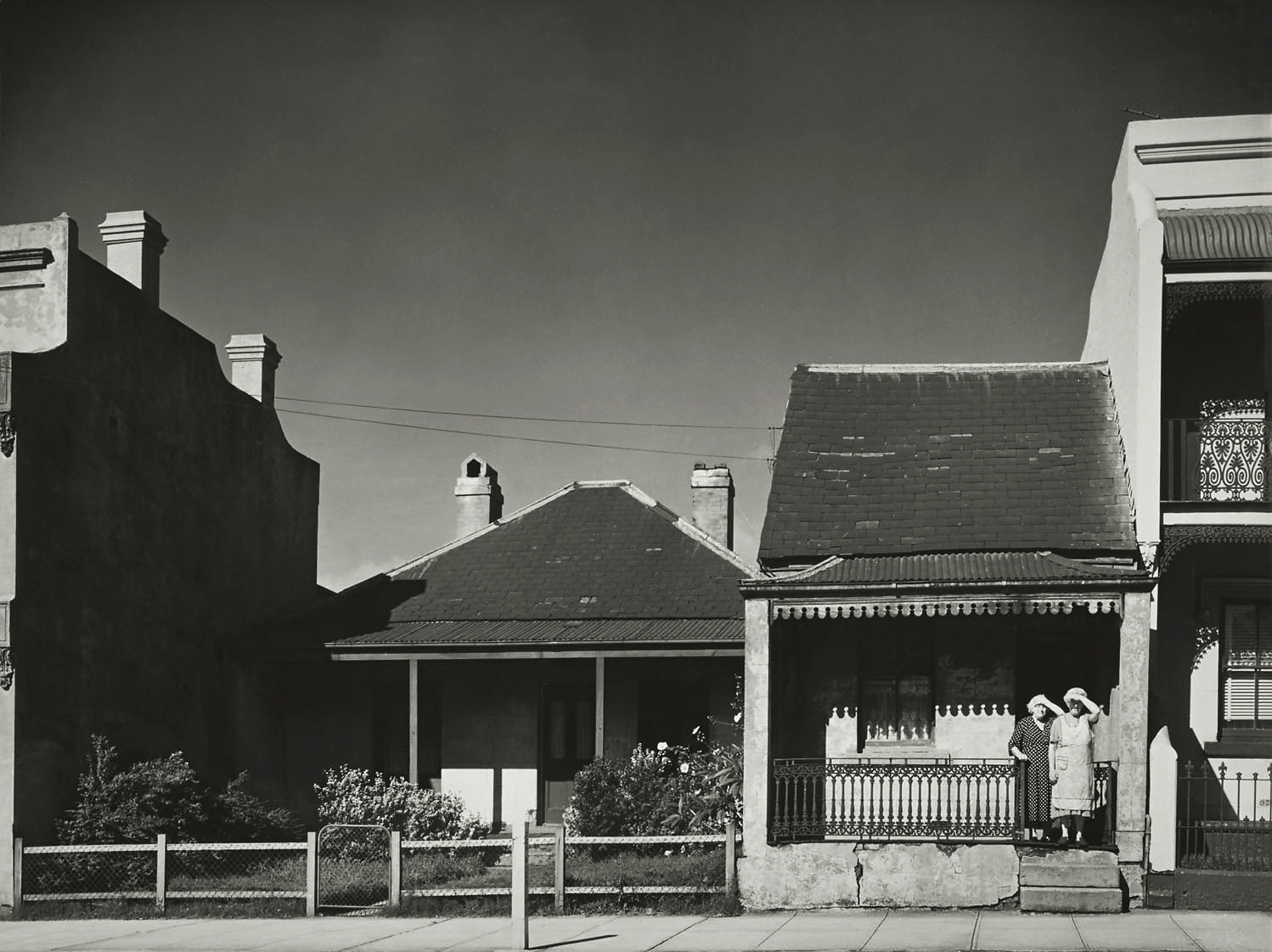
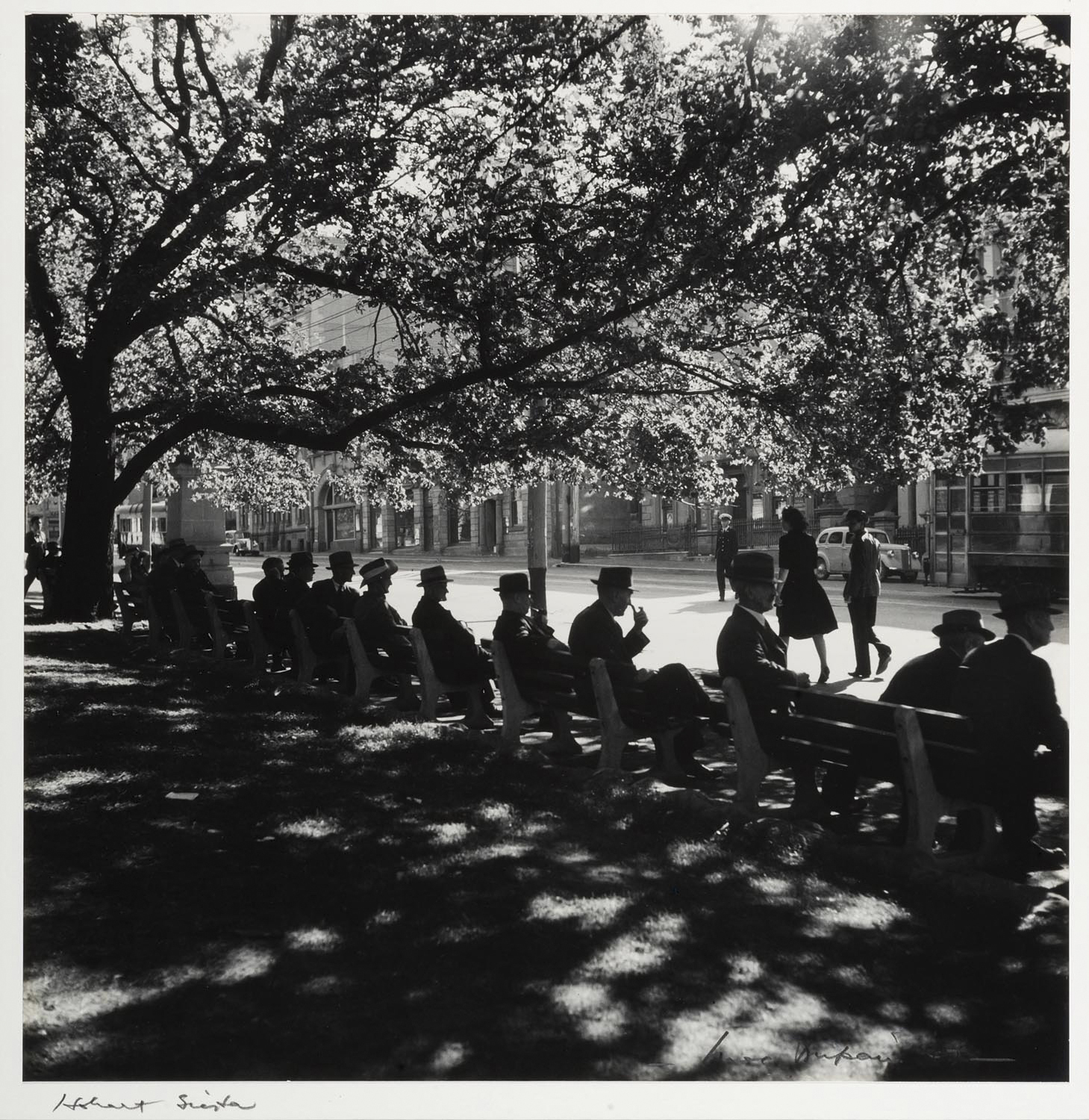
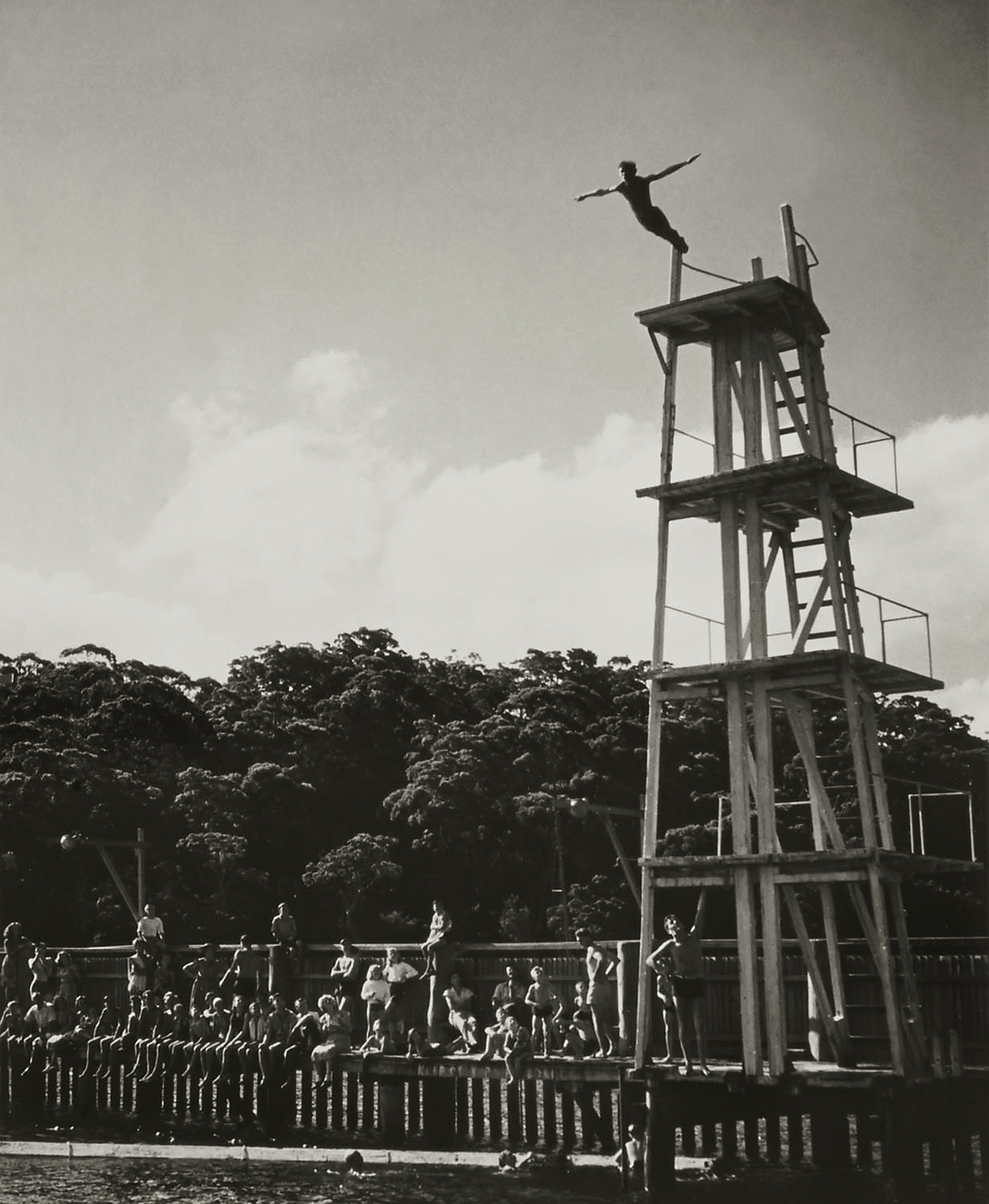
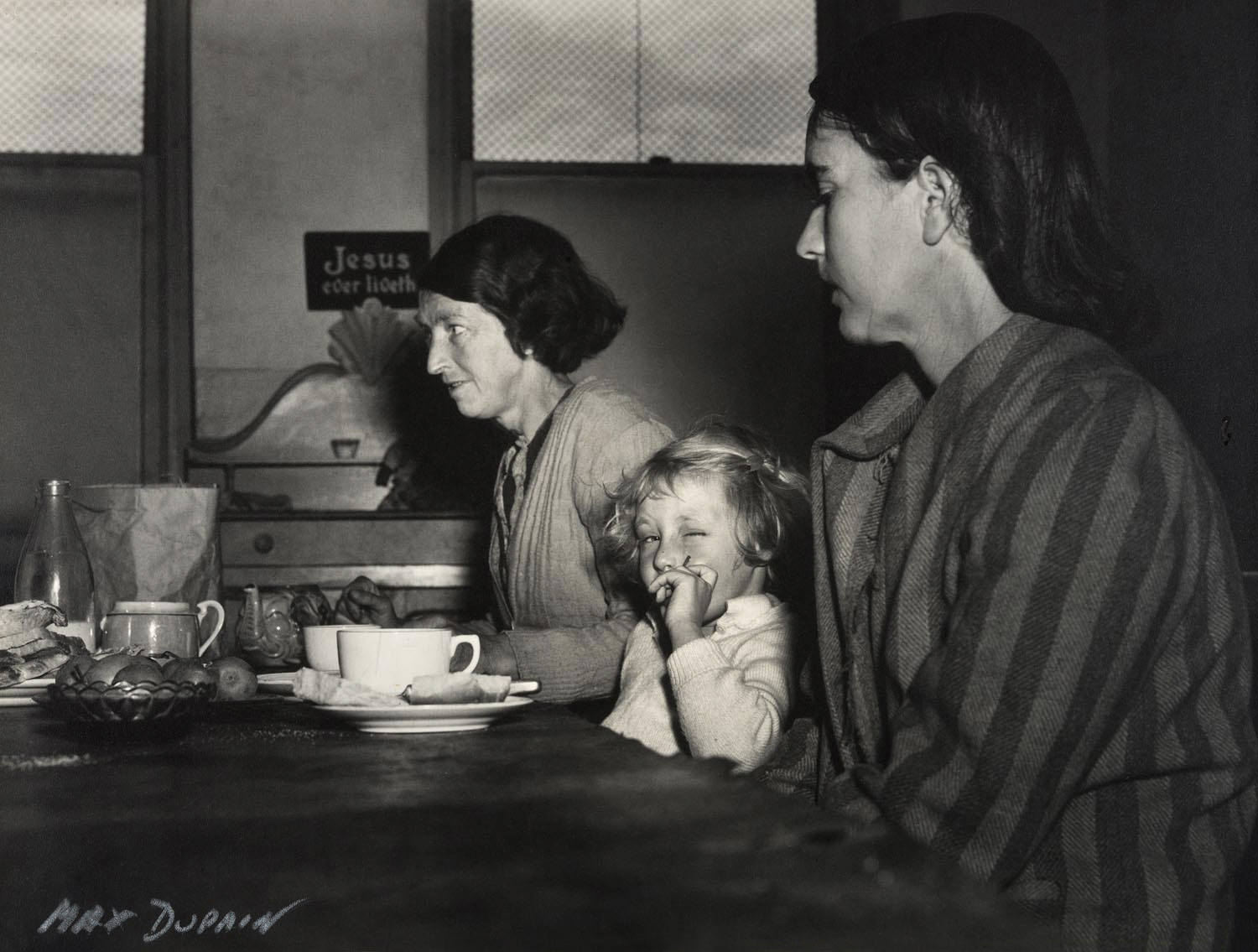
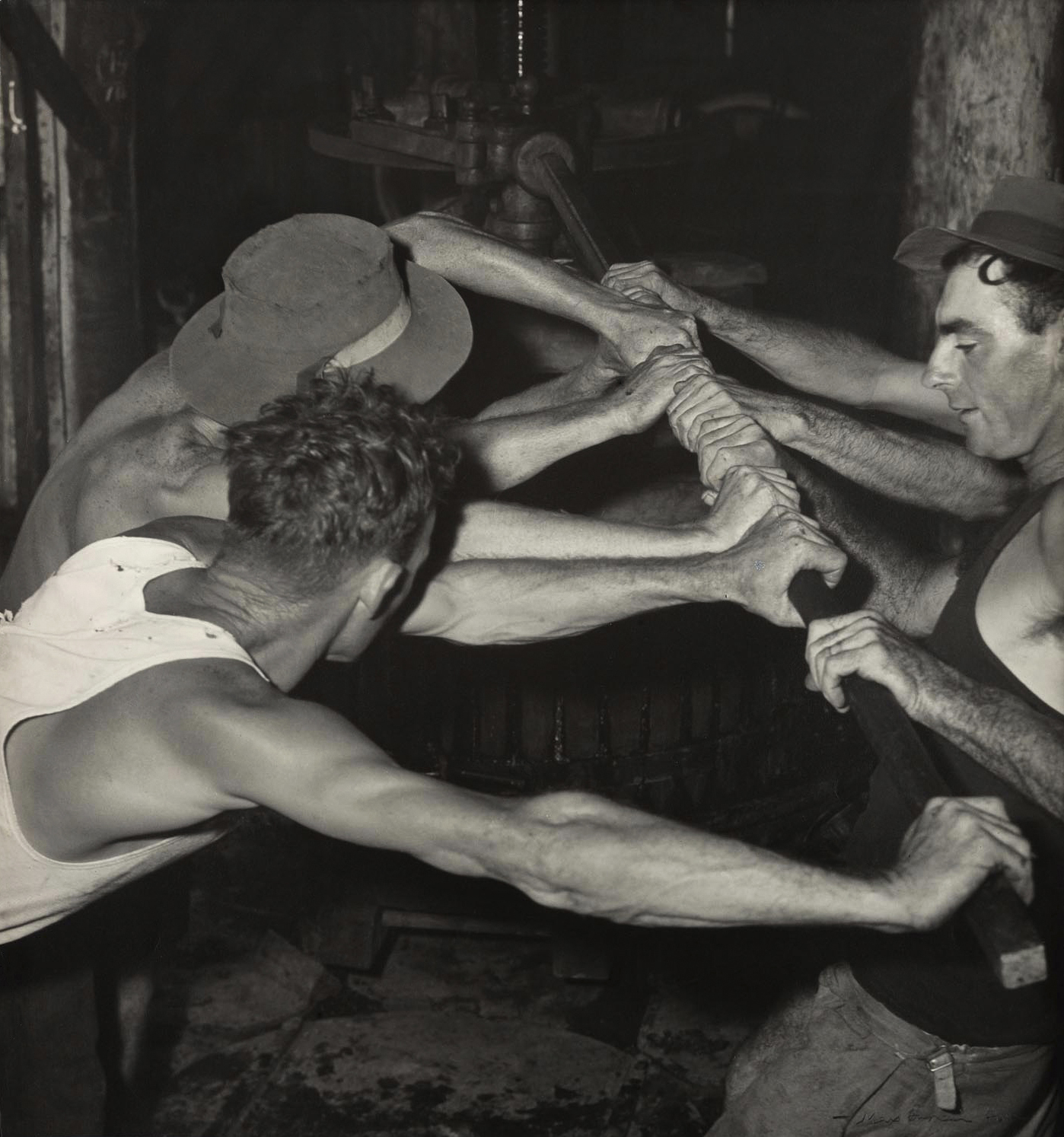
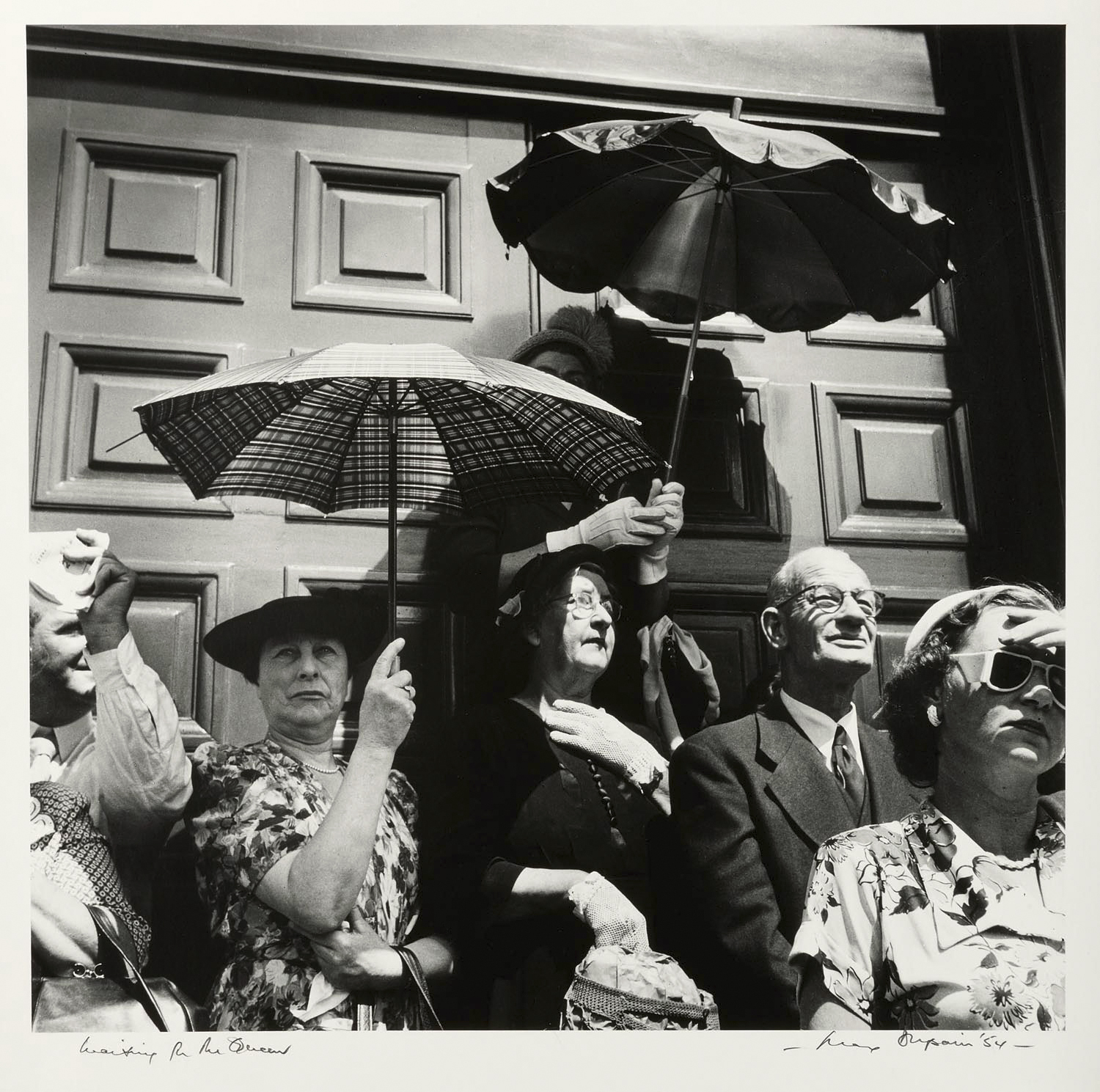
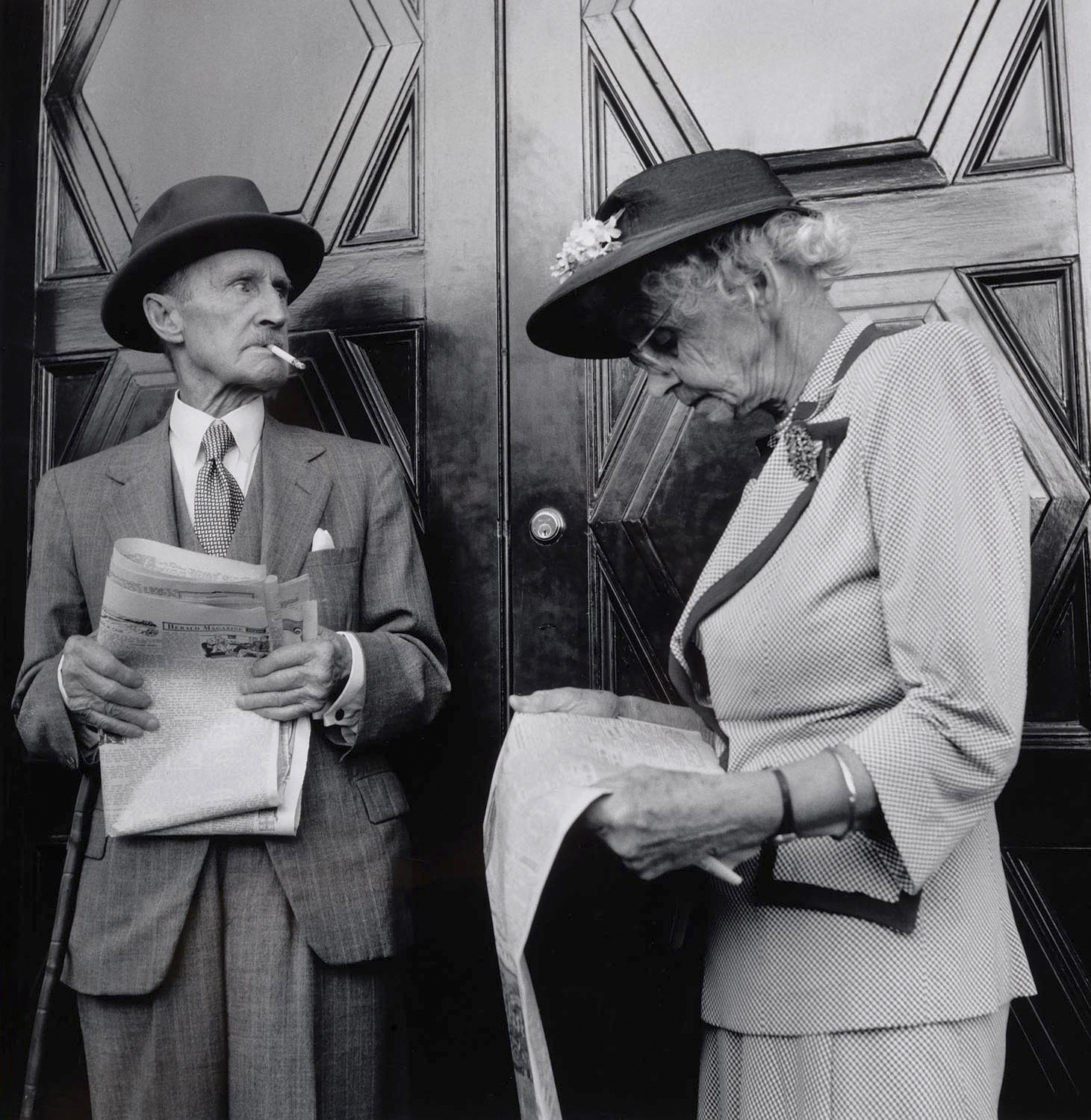
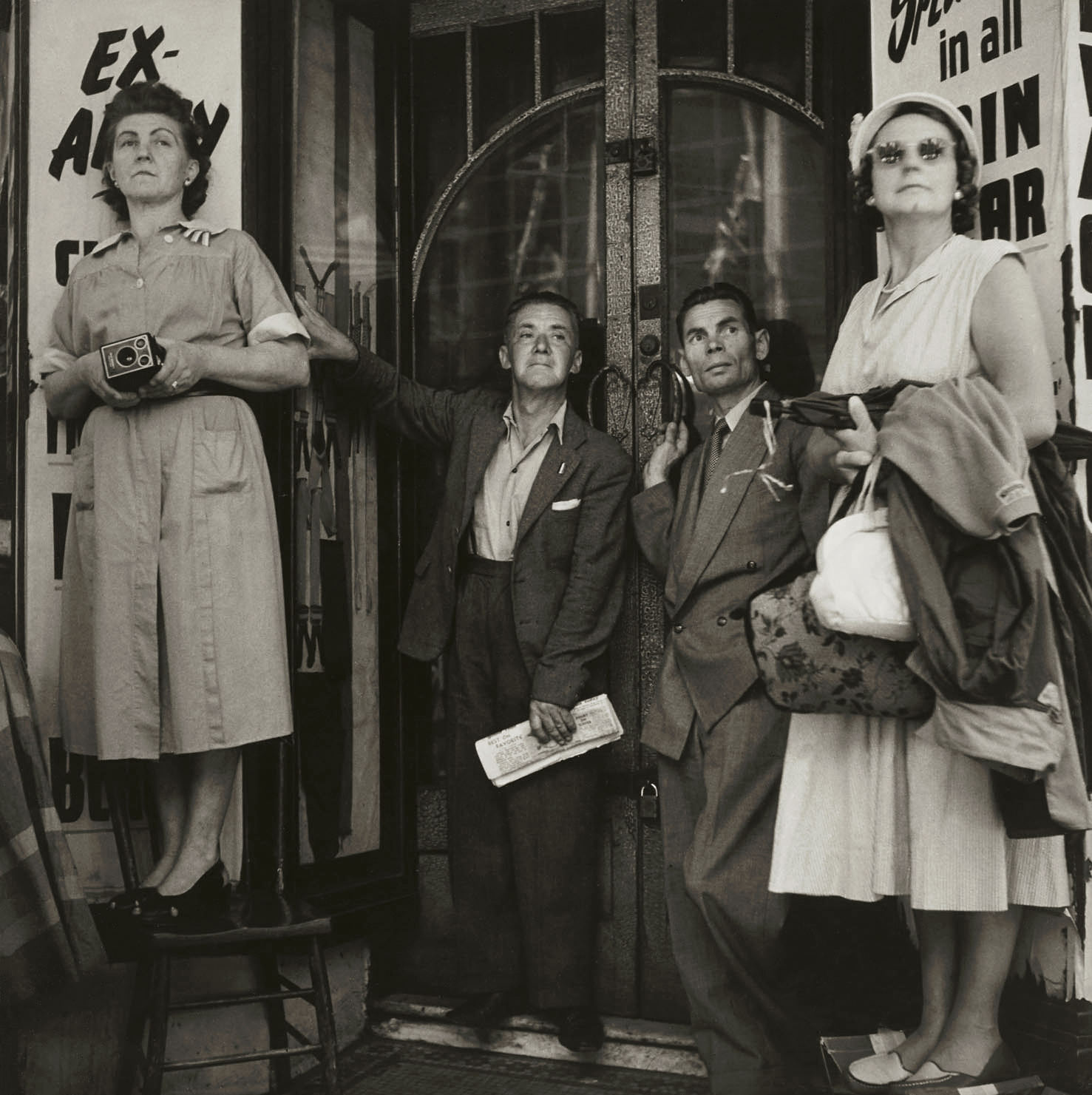
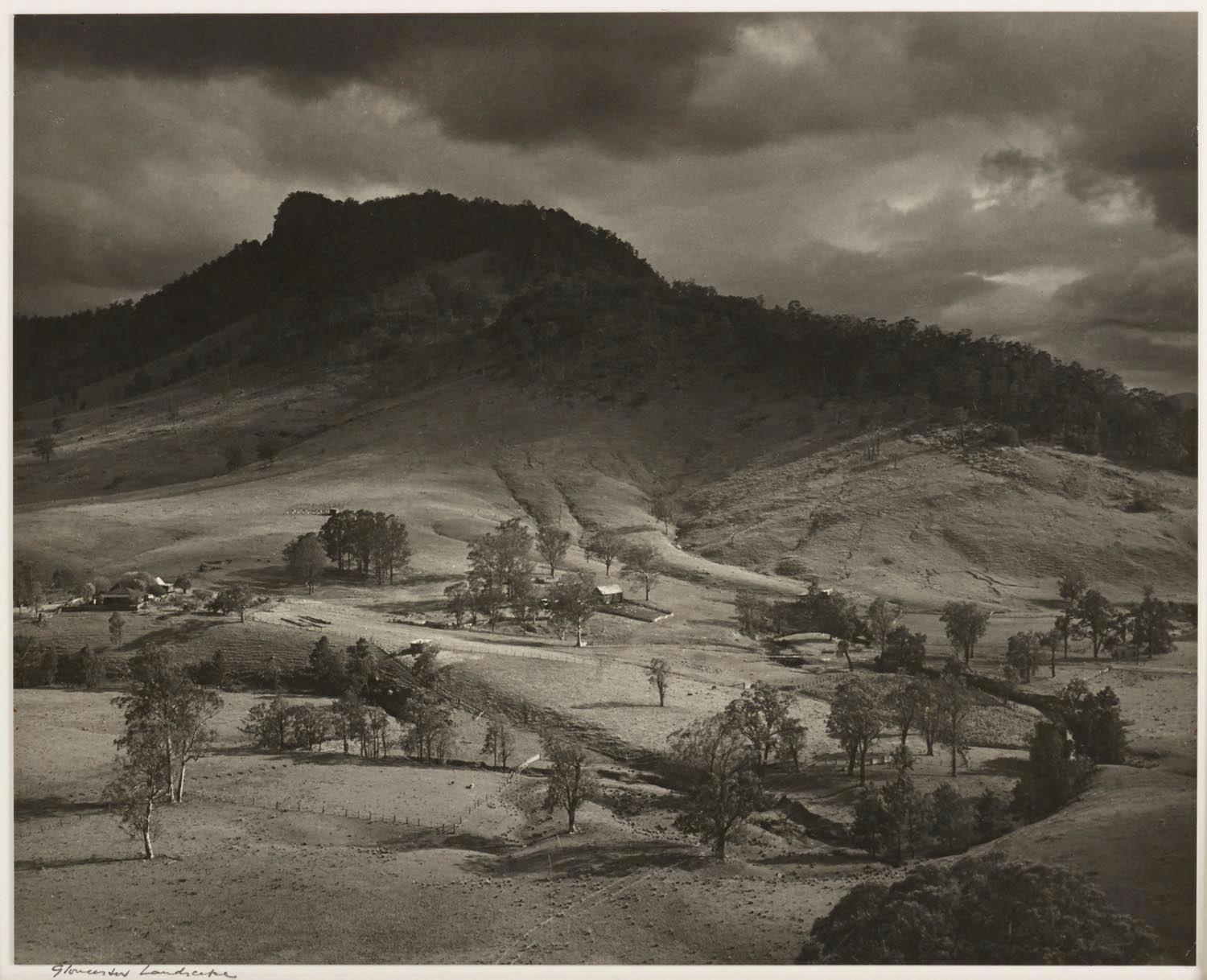
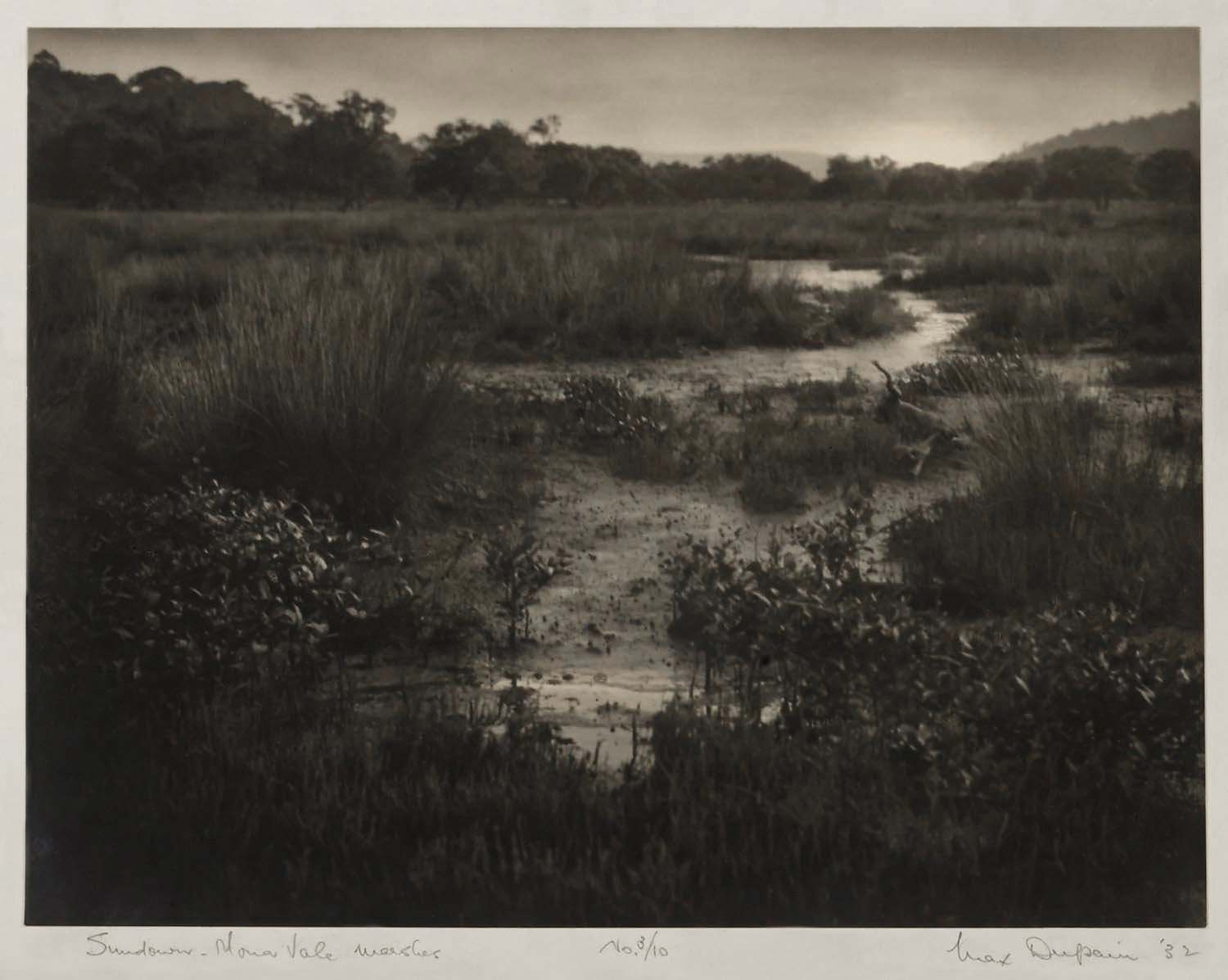
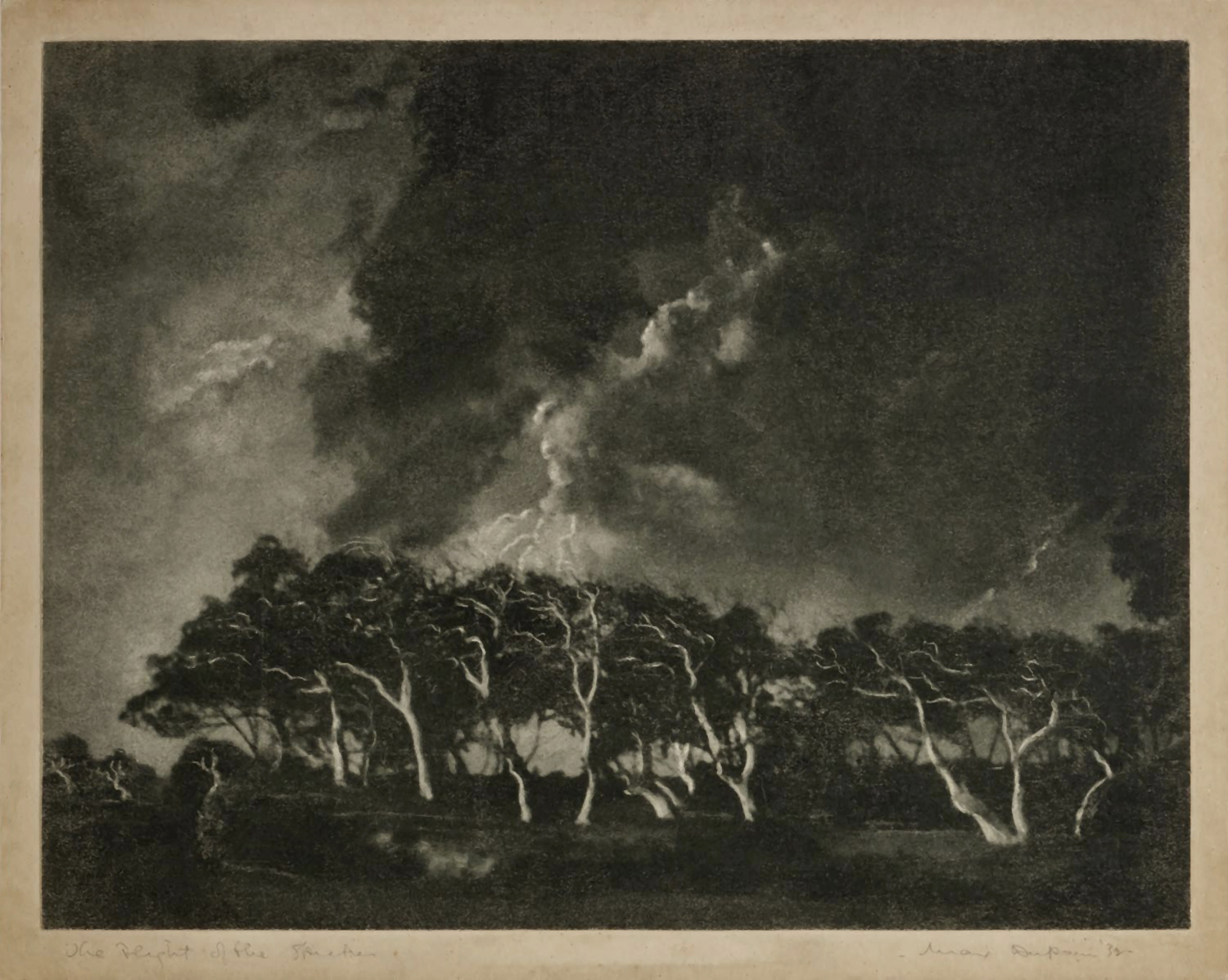


![Ilse Bing (German, 1899-1998) '[Rue de Valois, Paris]' 1932](https://artblart.com/wp-content/uploads/2020/11/ilse-bing-rue-de-valois-paris-1932.jpg "Ilse Bing (German, 1899-1998) '[Rue de Valois, Paris]' 1932")

![Dora Maar (French, 1907-1997) '[Woman and Child in Window, Barcelona]' 1932-1934](https://artblart.com/wp-content/uploads/2020/11/dora-maar-woman-and-child-in-window-barcelona.jpg "Dora Maar (French, 1907-1997) '[Woman and Child in Window, Barcelona]' 1932-1934")


You must be logged in to post a comment.