Curator: Beth Saunders, Assistant Curator in The Met’s Department of Photographs
Adolf de Meyer (American born France, 1868-1946) Water Lilies c. 1906, printed 1912 Platinum print 26.1 x 35.2cm (10 1/4 x 13 7/8 in.) Alfred Stieglitz Collection, 1933
The critic Charles H. Caffin described this photograph by de Meyer as “a veritable dream of loveliness.” It is one of several floral still life de Meyer made in London around 1906-1909, when he was in close contact with Alvin Langdon Coburn, a fellow photographer and member of the Linked Ring. Both men were inspired by the Belgian writer Maurice Maeterlinck’s 1906 book The Intelligence of Flowers, a mystical musing on the vitality of plant life. De Meyer exhibited several of his flower studies, including this platinum print, at Stieglitz’s influential Photo-Secession galleries in New York in 1909. The image also appeared as a photogravure in an issue of Stieglitz’s art and photography journal Camera Work.
While the “facts of Baron Adolf de Meyer’s early life have been obscured by contradictory accounts from various sources (including himself); he was born in Paris or Germany, spent his childhood in both France and Germany, and entered the international photographic community in 1894-1895,” by circa 1897-1900 he had assumed the title of “Baron.”
“In editions dating from 1898 until 1913, Whitaker’s Peerage stated that de Meyer’s title had been granted in 1897 by Frederick Augustus III of Saxony, though another source states “the photographer inherited it from his grandfather in the 1890s”. Some sources state that no evidence of this nobiliary creation, however, has been found.” (Wikipedia) He then married Donna Olga Caracciolo in 1899, “reputedly the illegitimate daughter of the British king Edward VII, who enjoyed a privileged position within the fashionable international set surrounding the monarch.” The marriage was one of convenience, since he was homosexual and she was bisexual or lesbian, but it was based on a perfect understanding and companionship between two people. As de Meyer observed in an unpublished biography, “Marriage based too much on love and unrestrained passion has rarely a chance to be lasting, whilst perfect understanding and companionship, on the contrary, generally make the most durable union.”
Meyer “gained recognition as a leading figure of Pictorialism and a member of the photographic society known as the Linked Ring Brotherhood in London. Alfred Stieglitz exhibited de Meyer’s work in his Little Galleries of the Photo-Secession and published his images as photogravures in his influential journal Camera Work.” In the early 20th century, he was famed for his photographic portraits and was the preeminent fashion photographer of the day; he was also the first official fashion photographer for the American magazine Vogue, appointed to that position in 1913-1914 until 1921. In 1922 de Meyer accepted an offer to become the Harper’s Bazaar chief photographer in Paris, spending the next 16 years there until he was forced out, his romantic style out of fashion with the modernist taste of the day.
I state these facts only to illustrate the idea that here was a “gay” of dubious lineage (reportedly born in Paris and educated in Dresden, Adolphus Meyer was the son of a German Jewish father and Scottish mother) who rose to associate with and photograph the upper echelons of society. He made it, and he made it good. His photographs of the well to do, film stars and fashion models are undoubtedly beautiful and his control of light magnificent, but they seem to me to be, well… constructed confections. His photographs of the elite and the fashion that they wore possess an ethereal beauty, de Meyer’s shimmering control of light adding to the photographs sense of enacted fantasy played out in the form of timeless classical elegance.
But there is that lingering doubt that these photographs were both his job and his entré (along with the connections and money of his wife) into high society. Look, for example, at the self-portrait of de Meyer in this posting. In the 1900 self-portrait in India when he was 32 and on his honeymoon, we see a coiffed, almost androgynous man who in his pose is as stiff as a board – his body contorted in the strangest way, the right hand gripping the arm of the cane chair, the left splayed and braced, ramrod straight against the seat and the feet crossed in the most unnatural manner. No matter the beautiful light and attractive setting, this is the image that this man wants to portray to the world, this is a man who thinks he has arrived. It is an affectation. And in the portrait of the aristocrat and patron of the avant-garde, Count Etienne de Beaumont (c. 1923, below), this is how he sees himself, as part of that elite. Because in the end, he was. But there is little feeling to any of his portrait work: style, surface, light, form and “the look” reign supreme. Only when he is so overwhelmed by stardust, such as in the brilliant photographs of Josephine Baker and her scintillating personality, does the mask of affection drop away.
Of more interest to me are his early photographs of Japan where you feel he has some personal investment in the work. The “tactile elegance of his early work” was influenced by “Japanese aesthetics, as well as the influence of the painter James McNeill Whistler, a key figure of the Aesthetic movement.” The photograph View Through the Window of a Garden, Japan (1900, below) is an absolute cracker, as are the Japanese influenced Water Lilies (c. 1906, below) and The Shadows on the Wall (Chrysanthemums) (1906, below). In her January 17, 2018 review of the exhibition “Quicksilver Brilliance: Adolf de Meyer Photographs @Met” on the Collector Daily website, Loring Knoblauch states, “While De Meyer’s scenes from Japan, his travel photos of his wife Olga at the Acropolis and in St. Moritz, and his experiments with autochromes in the early 1900s are also included in this eclectic sampler, these rarities aren’t particularly compelling or noteworthy, aside from their supporting role in filling out a broader picture of the artist and his life.” Aren’t particularly compelling! I beg to differ.
I don’t know how people look at photographs and interpret them so differently to how I see them. Perhaps I just feel the music, I see these photographs as if I were taking them, as a personal investment in their previsualisation. While I get very little from de Meyer’s fashion photographs I get a whole lot of pleasure and delight from his transcendent earlier work. I most certainly feel their energy. You only have to look at the reflection of the water lilies. Need I say more.
Dr Marcus Bunyan
Many thankx to the Metropolitan Museum of Art for allowing me to publish the photographs in the posting. Please click on the photographs for a larger version of the image.
Adolf de Meyer (American born France, 1868-1946) (Nude Models Posing for a Painting Class) 1890s Gelatin silver print Gift of Lunn Gallery, 1980
A member of the “international set” in fin-de-siècle Europe, Baron Adolf de Meyer (1868-1946) was also a pioneering photographer, known for creating works that transformed reality into a beautiful fantasy. Quicksilver Brilliance will be the first museum exhibition devoted to the artist in more than 20 years and the first ever at The Met. Some 40 works, drawn entirely from The Met collection, will demonstrate the impressive breadth of his career.
The exhibition will include dazzling portraits of well-known figures of his time: the American socialite Rita de Acosta Lydig; art patron and designer Count Étienne de Beaumont; aristocrat and society hostess Lady Ottoline Morrell; and celebrated entertainer Josephine Baker, among others. A highlight of the presentation will be an exceptional book – one of only seven known copies – documenting Nijinsky’s scandalous 1912 ballet L’Après-midi d’un faune. This rare album represents de Meyer’s great success in capturing the movement and choreography of dance, a breakthrough in the history of photography. Also on view will be the artist’s early snapshots made in Japan, experiments with colour processes, and inventive fashion photographs.
13 platinum prints, 1900, 1906, 1907, 1912, 1917 2 photogravures, 1908, 1912 2 carbon prints, 1900, 1925-1926 1 autochrome in lightbox (facsimile), 1908 4 gelatin silver prints, 1912, 1923, 1925, 1928 1 set of 9 gelatin silver prints (framed together), 1890s-1910 1 trichrome carbro print, 1929 6 collotypes, 1914 (with full collotype book showing 1 image in nearby vitrine, 1914) 4 magazine spreads (in bound volumes of Vogue and Harper’s Bazaar, 1913, 1919, 1927, in vitrine)
Text from The Metropolitan Museum of Art website
Adolf de Meyer (American born France, 1868-1946) (Adolf de Meyer Photographing Olga in a Garden) 1890s Gelatin silver print Gift of Lunn Gallery, 1980
Like many Pictorialist photographers, de Meyer became interested in the camera through collecting and making snapshots of family and close friends. Olga de Meyer (née Caracciolo) was his companion and muse until her death in 1931. Rumoured to be the illegitimate daughter of the British king Edward VII, she enjoyed a privileged position within the fashionable international set surrounding the monarch. De Meyer made numerous portraits of Olga throughout their famously chic and eccentric life together (in 1916 the couple changed their names to Gayne and Mharah on the advice of an astrologer).
Adolf de Meyer (American born France, 1868-1946) (Self-Portrait in India) 1900 Platinum print 14.8 x 19.8cm (5 13/16 x 7 13/16 in.) Gift of Isaac Lagnado, 1995
Adolf de Meyer (American born France, 1868-1946) (Self-Portrait in India) (detail) 1900 Platinum print 14.8 x 19.8cm (5 13/16 x 7 13/16 in.) Gift of Isaac Lagnado, 1995
Adolf de Meyer (American born France, 1868-1946) (Amida Buddah, Japan) 1900 Platinum print 19.2 x 14.3cm (7 9/16 x 5 5/8 in.) Purchase, Mrs. Jackson Burke Gift, 1981
Adolf de Meyer (American born France, 1868-1946) Ueno Tōshō-gū, Tokyo, Japan 1900 Platinum print 14.5 x 19.8cm (5 11/16 x 7 13/16 in.) Purchase, Mrs. Jackson Burke Gift, 1981
Adolf de Meyer (American born France, 1868-1946) Olga de Meyer, Japan 1900 Platinum print 19.3 x 15.1cm (7 5/8 x 5 15/16 in.) Purchase, Mrs. Jackson Burke Gift, 1981
Framed by the gridded panels of a sliding screen door, Olga de Meyer pauses from her reading to look languidly at the camera. De Meyer made this affectionate photograph of his new wife while on their honeymoon to Japan. The composition suggests his interest in Japanese aesthetics, as well as the influence of the painter James McNeill Whistler, a key figure of the Aesthetic movement. In its rebellion against Victorian morals, the movement sought inspiration from outside the European tradition. De Meyer’s travels in Japan – as well as China, Ceylon, India, North Africa, Turkey, and Spain – nourished Orientalist fictions, and gave rise to the subjects and compositions of many of his photographs.
Adolf de Meyer (American born France, 1868-1946) (View Through the Window of a Garden, Japan) 1900 Platinum print 13.8 x 20.3cm (5 7/16 x 8 in.) Purchase, Mrs. Jackson Burke Gift, 1981
Adolf de Meyer (American born France, 1868-1946) The Shadows on the Wall (Chrysanthemums) 1906 Platinum print 34.7 x 26.7cm (13 11/16 x 10 1/2 in.) Alfred Stieglitz Collection, 1933
Focusing his camera not on a still life per se, but on its evanescent trace, de Meyer creates a composition that approaches abstraction. He later applied a similar handling of light and shadow to enhance the drama of his fashion photographs. Here, the shadow of a vase of flowers cast onto the wall has the effect of a Japanese lacquered screen.
Adolf de Meyer (American born France, 1868-1946) The Silver Cap c. 1909, printed 1912 Gelatin silver print 45.7 x 27.6cm (18 x 10 7/8 in.) Alfred Stieglitz Collection, 1933
Born in Paris, Baron Adolf de Meyer settled in London in 1896. With his wife, Donna Olga Caraciollo, he joined the elegant set surrounding the Prince of Wales, later Edward VII, Olga’s godfather. They entertained lavishly, including concerts and small fancy-dress balls, which gave de Meyer a chance to devise marvellous costumes for Olga. Likely inspired by the de Meyers’ involvement with the Ballets Russes and time spent at their villa on the Bosporus, this dress features Ottoman elements such as the full skirt and decorative trimmings yet conforms to the Western fitted waistline – a fine example of the 1910s fashion trend of exoticism.
A member of the “international set” in fin-de-siècle Europe, Baron Adolf de Meyer (1868-1946) was also a pioneering art, portrait, and fashion photographer, known for creating images that transformed reality into a beautiful fantasy. The “quicksilver brilliance” that characterised de Meyer’s art led fellow photographer Cecil Beaton to dub him the “Debussy of the Camera.” Opening December 4 at The Metropolitan Museum of Art,
Quicksilver Brilliance: Adolf de Meyer Photographs will be the first museum exhibition devoted to the artist in more than 20 years and the first ever at The Met. Some 40 works, drawn entirely from The Met collection, will reveal the impressive breadth of his career.
The exhibition will include dazzling portraits of well-known figures of his time: the American socialite Rita de Acosta Lydig; art patron and designer Count Étienne de Beaumont; aristocrat and society hostess Lady Ottoline Morrell; and celebrated entertainer Josephine Baker, among others. A highlight of the presentation will be an exceptional book – one of only seven known copies – documenting Nijinsky’s scandalous 1912 ballet L’Après-Midi d’un Faune. This rare album represents de Meyer’s great success in capturing the choreography of dance, a breakthrough in the history of photography. Also on view will be the artist’s early snapshots made in Japan, experiments with colour processes, and inventive fashion photographs.
Born in Paris and educated in Germany, de Meyer was of obscure aristocratic German-Jewish and Scottish ancestry. He and his wife, Olga Caracciolo, goddaughter of Edward VII, were at the centre of London’s café society.
After starting in photography as an amateur, de Meyer gained recognition as a leading figure of Pictorialism and a member of the photographic society known as the Linked Ring Brotherhood in London. Alfred Stieglitz exhibited de Meyer’s work in his Little Galleries of the Photo-Secession and published his images as photogravures in his influential journal Camera Work. At the outbreak of World War I, de Meyer settled in the United States and applied his distinctive pictorial style to fashion imagery, helping to define the genre during the interwar period.
The exhibition was organised by Beth Saunders, Assistant Curator in The Met’s Department of Photographs.
Press release from the Metropolitan Museum of Art
Adolf de Meyer (American born France, 1868-1946) Tamara Karsavina c. 1908 Autochrome 9 x 11.9cm (3.5 x 4.6 in.) Gilman Collection, Purchase, Harriette and Noel Levine Gift, 2005
De Meyer enthusiastically embraced the autochrome process at its inception in 1907, writing to Stieglitz the following year that his work in black and white no longer satisfied him. An ardent admirer of Diaghilev’s Ballets Russes, de Meyer created this image of Tamara Karasavina (1885-1978), a leading dancer and partner to Nijinksy, during one of the company’s visits to England. The photographer chose a background of bellflowers and arranged a brocaded shawl to enhance the exotic elegance of the dancer.
The autochrome, which retains in its minuscule prisms the particular luminosity of a misty English day in summer, was thought to represent the Marchioness of Ripon in her garden at Coombe, Surrey. An early patron of de Meyer, Lady Ripon was also a staunch supporter of Diaghilev, bringing the Ballets Russes to London in 1911. She frequently entertained Karasavina and Nijinsky at Coombe, where they danced for Alexandra, the queen consort, and de Meyer dedicated to her his album documenting Nijinsky’s production of L’Après-midi d’un faune. A companion image to this autochrome is in the collection of the Victoria and Albert Museum in London.
Adolf de Meyer (American born France, 1868-1946) (Lady Ottoline Morrell) c. 1912 Platinum print 23.5 x 17.4cm (9 1/4 x 6 7/8 in.) Gilman Collection, Purchase, Harriette and Noel Levine Gift, 2005
Adolph de Meyer’s portrait of Lady Ottoline Morrell, eccentric hostess to Bloomsbury, is a stunning summation of the character of this aristocratic lady who aspired to live “on the same plane as poetry and as music.” Rebelling against the narrow values of her class, Lady Ottoline Cavendish Bentinck (1873-1938) married Philip Morrell, a lawyer and liberal Member of Parliament, and surrounded herself in London and on their estate at Garsington with a large circle of friends, including Bertrand Russell, W. B. Yeats, D. H. Lawrence, T. S. Eliot, Katherine Mansfield, Lytton Strachey, Virginia Woolf, Aldous Huxley, and E. M. Forster. Tall, wearing fantastic, scented, vaguely Elizabethan clothes, Lady Ottoline made an unforgettable impression. With her dyed red hair, patrician nose, and jutting jaw, she could look, according to Lord David Cecil, at one and the same moment beautiful and grotesque. Henry James saw her as “some gorgeous heraldic creature – a Gryphon perhaps or a Dragon Volant.”
De Meyer made several portraits of Lady Ottoline. None went as far as this one in conjuring up the sitter’s flamboyant persona, capturing, through dramatic lighting and Pre-Raphaelite design, her untamed, baroque quality. “Her long, pale face, that she carried lifted up, somewhat in the Rossetti fashion, seemed almost drugged, as if a strange mass of thoughts coiled in the darkness within her.” D. H. Lawrence’s inspired description of the character based on Lady Ottoline in “Women in Love” finds a vivid counterpart in the photographer’s art.
Adolf de Meyer (American born France, 1868-1946) The Cup c. 1910 Gum bichromate print
Adolf de Meyer (American born France, 1868-1946) Olga de Meyer c. 1912 Platinum print 22.4 x 16.4cm (8 13/16 x 6 7/16 in.) Gift of Paul F. Walter, 2009
Renowned for her beauty and style, de Meyer’s spouse was, in a sense, his first fashion model. Here, dramatic backlighting emphasises her sinuous form, enshrouded in shimmering fabric and fur. Her gaze conveys a haughty bemusement that elevates the tableau from costume play to regal sophistication.
Adolf de Meyer (American born France, 1868-1946) (Dance Study) c. 1912 Platinum print 32.7 x 43.5cm (12 7/8 x 17 1/8 in.) Alfred Stieglitz Collection, 1933
De Meyer photographed the dancer Nijinsky and other members of Diaghilev’s troupe when “L’Après-midi d’un Faun” was presented in Paris in 1912. It has been suggested that this photograph, the only nude by de Meyer, has some connection to the Russian ballet, but if so, it remains mysterious. The image vibrates with an uneasy erotic tension, a product of the figure’s exposed torso, startled body language, and disguised identity.
Adolf de Meyer (American born France, 1868-1946) Le Prelude à l’Après-Midi d’un Faune 1914 Collotypes Album: 15 1/4 x 11 5/8 inches Gilman Collection, Museum Purchase, 2005
In 1912 de Meyer made a remarkable series of photographs related to the Ballets Russes production L’après-midi d’un faune (Afternoon of a Faun). The avant-garde dance was choreographed by famed Russian performer Vaslav Nijinsky, set to a score by Claude Debussy, and inspired by a poem by Symbolist writer Stéphane Mallarmé. It follows a young faun distracted from his flute-playing by bathing nymphs who seduce and taunt him, leaving behind a scarf with which he allays his desire. When the ballet premiered in Paris on May 29, 1912, the overtly sexual climactic scene and unconventional choreography scandalised audiences. Nijinsky based the angular movements and frieze-like staging on Greek vase paintings, but Ballets Russes founder Sergei Diaghilev also likened them to Cubism.
Thirty of de Meyer’s photographs of the ballet were published as collotypes (photomechanical ink prints) in a 1914 edition of one thousand luxurious handcrafted books. Only seven copies are known today. Using alternately complex and fragmentary compositions, de Meyer’s images generate a rhythm of gesture and form. The thin Japanese papers offer a tactile echo of the diaphanous costumes (designed by artist Léon Bakst), and the heavily manipulated negatives enshroud the angular figures in a dreamlike haze. An object of desire, the book itself embodies the spirit of Nijinsky’s ballet.
Adolf de Meyer (American born France, 1868-1946) Nijinsky [Plate from Le Prelude à l’Après-Midi d’un Faune] 1912
Adolf de Meyer (American born France, 1868-1946) Nijinsky (Plate from Le Prelude à l’Après-Midi d’un Faune) 1914
Adolf de Meyer (American born France, 1868-1946) (Image from Prelude à l’Après-Midi d’un faune) 1914 Platinum print 4 3/16 × 7 1/16 in. (10.6 × 17.9cm) Gilman Collection, Purchase, Mrs. Walter Annenberg and The Annenberg Foundation Gift, 2005
Adolf de Meyer (American born France, 1868-1946) Rita de Acosta Lydig 1917 Platinum print 41.5 x 30.9cm (16 5/16 x 12 3/16 in.) Gift of Mercedes de Acosta, 1952
De Meyer’s portrait of the socialite, art patron, “shoe queen,” and suffragette Rita de Acosta Lydig is striking in its simplicity of tone and contour. The image, which appeared in Vogue in 1917, resonates with the classical elegance epitomised in the paintings of society portraitists John Singer Sargent and Giovanni Boldini, who also depicted this so-called alabaster lady.
Adolf de Meyer (American born France, 1868-1946) Portrait of the Marchesa Casati 1912 Plate from Camera Work No. XL August 1912
Luisa, Marchesa Casati Stampa di Soncino (23 January 1881 – 1 June 1957), also known as Luisa Casati, was an Italian heiress, muse, and patroness of the arts in early 20th-century Europe. …
A celebrity, the Marchesa was famed for eccentricities that dominated and delighted European society for nearly three decades. The beautiful and extravagant hostess to the Ballets Russes was something of a legend among her contemporaries. She astonished society by parading with a pair of leashed cheetahs and wearing live snakes as jewellery.
Adolf de Meyer (American born France, 1868-1946) Study for Vogue (Jan 1 – 1918, Betty Lee, Vogue, page 41) 1918-1921 Gelatin silver print
Adolf de Meyer (American born France, 1868-1946) Dolores 1921 Gelatin silver print
Adolf de Meyer (American born France, 1868-1946) Etienne de Beaumont (Count Etienne de Beaumont (French, 1883-1956)) c. 1923 Gelatin silver print 23.7 x 18.6cm (9 5/16 x 7 5/16 in.) Gift of Paul F. Walter, 2009
An aristocrat and patron of the avant-garde, Count Etienne de Beaumont (French, 1883-1956) cuts a dashing figure here, posed in one of the grand salons of his hôtel (grand townhouse) in Paris’s rue Masseran. The count hosted a series of legendary masquerade balls at his residence during the interwar period, attended by avant-garde artists such as Jean Cocteau, Pablo Picasso, and Man Ray. De Meyer described these parties, which he and Olga often attended, as “fêtes of unsurpassed magnificence” in a 1923 article for Harper’s Bazaar.
Adolf de Meyer (American born France, 1868-1946) Portrait of Josephine Baker 1925
Adolf de Meyer (American born France, 1868-1946) Josephine Baker 1925-1926 Direct carbon print 45.2 x 29.5cm (17 13/16 x 11 5/8 in.) Ford Motor Company Collection, Gift of Ford Motor Company and John C. Waddell, 1987
The Saint Louis, Missouri-born Josephine Baker arrived in Paris in 1925 and quickly made a sensation as part of the all-black Revue Nègre, a musical entertainment that capitalised on the French craze for American Jazz. Famously donning a banana skirt for her danse sauvage, Baker crafted performances that astutely deployed the stereotypes white Europeans associated with blackness, recouping them as instruments of her own empowerment and success. Baker shines amid the glittering backdrop and soft focus of de Meyer’s photograph, creating an iconic image of stardom.
Gertrude Käsebier (American, 1852-1934) Baron Adolf de Meyer 1903 Platinum print 13 3/8 x 10″ (34 x 25.5cm) Museum of Modern Art, Gift of Miss Mina Turner
Taken in the same photo session as the photograph below.
Gertrude Käsebier (American, 1852-1934) Baron Adolph de Meyer (Leaning Against Tree) 1903 Platinum photograph 8.5 x 6.5 in.
Sarah Choate Sears (American, 1858-1935) A Mexican (Adolf de Meyer (American born France, Paris 1868 – 1946 Los Angeles, California)) 1905 Platinum print 24.2 x 18.7cm (9 1/2 x 7 3/8 in.) Alfred Stieglitz Collection, 1933
With his brow arched beneath a tilted hat and hand elegantly grasping a stark white scarf, de Meyer dons a mysterious alter ego. Like de Meyer, Sears was involved with the two major groups devoted to art photography: the Photo-Secession and the Linked Ring Brotherhood. The two artists may have met through a mutual friend, the photographer F. Holland Day, who included their work in his exhibition “New School of American Photography,” on view in London in 1900 and Paris the following year. The title for this portrait follows a Photo-Secession tradition of withholding the sitter’s name when exhibiting publicly.
Sarah Choate Sears (1858-1935) was an American art collector, art patron, cultural entrepreneur, artist and photographer. …
About 1890 she began exploring photography, and soon she was participating in local salons. She joined the Boston Camera Club in 1892, and her beautiful portraits and still lifes attracted the attention of fellow Boston photographer F. Holland Day. Soon her work was gaining international attention. …
In 1899 she was given a one-woman show at the Boston Camera Club, and in 1900 she had several prints in Frances Benjamin Johnson’s famous exhibition in Paris. … In 1907, two of her photographs were published in Camera Work, but by that time she had lost much of her interest in photography.
Meaningless talk or activity / a form of words used by a person performing conjuring tricks. Language or ritual causing or intended to cause confusion or bewilderment.
I have never been convinced by the work Del Kathryn Barton and this medium-sized exhibition at NGV Australia does absolutely nothing to change my mind.
Replete with the artist’s usual cacophony of tits, vulva and penises, the works mine various forms: sculpture, drawing, painting, film and collage; have multiple influences: Louise Bourgeois, Max Ernst, Barbara Kruger to name a few; and investigate numerous concepts such as the fluidity of gender, the link between human and animal forms, women’s genitalia and the blooming of flowers, the ornate decoration of species, “the strength of women, the visceral power of female sexuality and … Barton’s multiple interests in feminism, nature and the maternal figure.” Too much she cried!
Barton has a certain facility in the drawing of line, but this is too often overwhelmed by her inability to let negative space speak for itself. Every work is filled to the brim with vacuous detail, then overlaid with multicoloured polka dots in both collages and paintings (see the detail of her work in the face of cosmic odds, 2016 below), as though this device will tie all the works together. Her signature paintings of women have surface presence, are “just so meticulously attractive”, but absolutely lack what Barton is seeking – “so inexplicably intimate, so beyond, so seemingly effortless that there can be no defence. In these moments there is an opening-up within the body, the mind, within all the senses …”
I felt nothing of that when looking at these works – no connection to an inner self or ‘the vast ocean of the collective-consciousness’.
Barton’s inability to engage the viewer in an intimate dialogue of body and mind can be seen in both text and graphic.
“today my body is feeling love you fell into my flesh…… and we are fresh…… again the unflesh are so clean somehow….. and their stirrings inform our smallness….. so that we are still small”
You fell into my flesh and we are fresh again. Please.
Then you look at the line work in volcanic woman (2016, below) as “these women erupt upward, as molten liquid bodies of agency. They display their genitals as though it is from their vaginas that the Earth’s energy spills forth,” and note the caricaturesque drawings lack any sense of intimacy or sensuality despite the subject matter. I think about Barton’s hero Louise Bourgeois and her work “10 AM IS WHEN YOU COME TO ME” (2006, below). Both works are displayed in a grid and produced in the same colour but the difference could not be more stark: Bourgeois’ use of negative space, the quiet sensitivity, eroticism and the superb intimacy of the work is the antithesis of Barton’s sexual megalomania. So often in art, less is more but Barton never seems to understand the adage.
To use Christopher Allen’s turn of phrase about the NGV Triennial, Barton’s works are “frenetically busy, but inherently insipid,” despite the overabundance / reliance on the display of sexual organs and excretions. While the artist desperately wants the viewer to be drawn into an intimate embrace with the supposed psychological and spiritual meanings of the work, the lack of emotional, sensual or erotic sensation negates any feeling towards it. Barton’s meaninglessness talk using confusing iconographies lays a surface trap for the viewer, taken in by decoration and sexual abundance.
But if you look beyond the psychedelic aesthetic and decorative surfaces it’s just a conjuring trick, ritual representation as pseudo-spiritual experience.
Dr Marcus Bunyan
Many thankx to the National Gallery of Victoria for allowing me to publish the photographs in the posting. Please click on the photographs for a larger version of the image.
“The creatures are so gorgeous. They’re just so meticulously attractive, I’m never repulsed. Without the darkness Barton seems to think is there, what is left? Passive psychedelia? I believe Barton feels intensely, but a second-hand trip, like a dream told to a friend, is never as emotional as the teller thinks it is.”
“I had a weak-at-the-knees, tingle-all-over moment when I saw Louise Bourgeois’ work for the first time about fifteen years ago in Los Angeles. Yes I am a CRAZY fan. And, yes, it’s true I lay under her big spider in Tokyo and cried…
These are the releases I hope for in our vast world of art. Encounters when the artwork is somehow so inexplicably intimate, so beyond, so seemingly effortless that there can be no defence. In these moments there is an opening-up within the body, the mind, within all the senses … an experience of recognition, relief and awe that informs one’s deeper creative makeup.”
Del Kathryn Barton
The NGV presents a major solo exhibition of one of Australia’s most popular artists, Del Kathryn Barton. Del Kathryn Barton: The Highway is a Disco reveals the artist’s imaginative and deeply sensuous world, where ornately decorated species – both human and animal – are rendered in seductive line and colour. Del Kathryn Barton: The Highway is a Disco is a survey of new and recent work by the two times Archibald Portrait Prize winner that reveals the breadth of Barton’s practice. Featuring comprehensive displays of recent paintings and drawings for which she is arguably best known, the exhibition also includes collage, sculpture, textiles and film, all drawn together by the artist’s exuberant and psychedelic aesthetic.
In this series of seventy-five montages that combine digital collage with hand painted details, Barton creates post-human visions in which women’s bodies are both human and plant. The Dadaists used collage to access the Freudian domain of the unconscious mind, and the great Dada artist Hannah Höch was a key proponent of photomontage in her exploration of the role of women in a changing world. Like the Surrealists, Barton uses collage as a method to critique the illusion of a defined and orderly world, in favour of absurdity. The visual delirium of these works induces a kind of hallucinatory experience in which new creatures seem possible.
It is widely understood that flowers symbolise female sexuality: their physical resemblance to women’s genitalia is coupled with an associative significance in their blooming, which invokes the creation of new life in birth. The history of floral representation strongly binds femininity and flowers, from the Greek nymph Chloris and her Roman counterpart Flora, who oversaw spring and flowers, to Sigmund Freud who was very clear on the matter: ‘Blossoms and flowers represent the female genitals, or more particularly, virginity. Do not forget that the blossoms are really the genitals of the plants’.
The flexibility of language is revealed in come home to me. Barton loves language but at the same time questions its ability to communicate. The floating words are a strategy for awakening us to the various, infinite and slippery meaning of words. Like poetry, Barton’s fiercely non-didactic texts are open to diverse understandings. There is no wrong or right interpretation of these texts. Without dictating the associations these words create in each of our minds, Barton evokes sensual delights and pleasures of the flesh.
Two-time Archibald prize-winner Del Kathryn Barton is being celebrated in the largest ever exhibition of her work to date at NGV Australia. Del Kathryn Barton: The Highway is a Disco features 150 new and recent works by Barton, including her famed kaleidoscopic portraits, a never-before-seen large-scale sculpture in homage to her mother and Barton’s short film RED, starring Australian actress and Academy Award-winner Cate Blanchett.
‘With a practice spanning art, fashion and film, Barton’s psychedelic images reveal her personal responses to the human experience. She is one of Australia’s most popular artists, renowned for her highly intricate and distinctive hybrid forms, that break down boundaries between humans and nature’, said Tony Ellwood, Director, NGV.
This show is deeply personal for Barton with the debut of her new sculpture, at the foot of your love, which has been created in response to her mother’s terminal illness. Completed in 2017 and comprised of printed silk and Huon pine, the sculpture is reflective of Barton’s reoccurring themes of motherhood and nature. Featuring a wooden conch shell and an enormous silk ‘handkerchief’, the work is symbolic of Barton’s grief for her own mother.
Comprised of five panels and over 10 metres in length, sing blood-wings sing is Barton’s newest and largest painting to date. The painting features a female-focused reimagining of the 1963 Peter, Paul and Mary coming-of-age song, Puff the Magic Dragon. Barton often listens to the folk tune whilst working in her studio as a symbolic reminder to maintain her childlike curiosity through her artistic practice. Barton’s interpretation of the song and its meaning is depicted by four breasted, rainbow coloured dragons. In her signature style, she blurs human, mythological and animal representations in art, encouraging her audience to see how imagination and desire can test traditional forms.
The exhibition also features Barton’s acclaimed film RED, where Cate Blanchett plays a mother re-enacting the redback spider’s deadly mating ritual, alongside actor Alex Russell, Sydney Dance Company’s Charmene Yap and Barton’s own daughter Arella. In RED Barton conveys the strength of women, the visceral power of female sexuality and encapsulates Barton’s multiple interests in feminism, nature and the maternal figure.
Born in Sydney in 1972, Barton graduated with a Bachelor of Fine Arts from the College of Fine Arts, University of New South Wales, Sydney, in 1993. She won her first Archibald prize in 2008 for her self-portrait with her two children and then again in 2013 for her portrait of Australian actor Hugo Weaving.
Del Kathryn Barton: The Highway is a Disco is one of five solo exhibitions by leading Australian artists for NGV Australia’s 2017-18 summer program. The exhibition is on display at the Ian Potter Centre: NGV Australia at Federation Square, Melbourne from 17 November 2017 – 12 March 2018.
at the foot of your love(2017) was made by Barton as she prepared for her mother’s death. The fabric represents a handkerchief for the tears of all children who mourn their mother’s departure. The wooden conch shell is envisaged by the artist as a boat on which to sail into the darkness of eternity and ‘the vast ocean of the collective-consciousness’. It celebrates home and place, since the Huon Pine tree, from which the work is made, is a precious and endangered timber of Australia, subject to decay.
In this work a creature with the head of a wallaby and the tail of a snake looks as though it might suckle from one of the woman’s five breasts. The breast is a dual organ, both of pleasure and sustenance, and multiple breasts suggest abundant life energy. Symbolically, the multi-breasted woman recalls the mythological icon Artemis of Ephesus, goddess of the wilderness, the hunt, wild animals and fertility. In some interpretations of the iconography, the nodes on Artemis’s chest are said to be the testes of bulls sacrificed to her. This fluidity of gender, human and animal forms is a strong current in Barton’s art.
The tangled and lush floral decoration of Barton’s paintings recreates the millefleur (1000 flowers) technique of late Middle Ages to early Renaissance tapestries, distinguished by a lack of uniform pattern. The medieval period is sometimes perceived as a time of pagan superstition when the mysteries of nature and humanity were still full of wonder and darkness, and the unknown and unexplained were revered. Barton’s works evoke this period and direct viewers to a mysteriously interconnected world where spirit, psyche, natural cycles and the body are interconnected in intimate, unknowable relationships.
‘I, too, overflow; my desires have invented new desires, my body knows unheard-of songs. Time and again I, too, have felt so full of luminous torrents that I could burst.’
HÉLÈNE CIXOUS, THE LAUGH OF THE MEDUSA (1975)
In this new series of works, entitled volcanic women, Barton coaxes and melts women into and out of the Earth’s larval core. Bodies flow from the ground, emerging as hot red lines of ink. These women erupt upward, as molten liquid bodies of agency. They display their genitals as though it is from their vaginas that the Earth’s energy spills forth. Barton here celebrates the abundance and generative necessity of women’s desire and sexual vigour. The suppression of women’s sexuality by a culture of fear is melted away in these volcanic works.
“The film is split into sections titled MOTHER, FATHER, LIFE, DEATH and DAUGHTER. When it comes time for the father to feature, he is accompanied by a shot of a car revving. When the spider arrives (in a wonderful dance performed by Charmene Yap), she moves in an incredibly enthralling manner, but she’s writhing on a muscle car. The performance of gender isn’t twisted, it moves straight past the iconic and into the parodic. But it’s not supposed to be a parody of the deadly spider that eats its mate, it’s dead serious. Barton has no intimation of the taboo and genuinely titillating danger that Bourgeois could reproduce in spades. Then it hits me, everything in Barton’s world is conventionally beautiful, yet we’re supposed to find it shocking. I don’t see women reflected in her vision of “hyper-women”, I see great beauties, I see movie stars and high-fashion models.”
Sylvia Plath’s words open Barton’s first short film, RED. The human maternal figure at the heart of this work (played by Cate Blanchett) is interchangeable with a red-back spider. Alongside Blanchett, Barton’s daughter, Arella Plater, and actor Alex Russell portray the nuclear family, and Sydney Dance Company’s Charmene Yap is the arching, writhing spider. The film explores women’s desire and maternal experience. In the realm of recent art history, the mother-spider recalls American sculptor Louise Bourgeois’s massive, looming arachnids. Bourgeois is one of Barton’s greatest influences and represented spiders in a renowned series begun in 1994 and continued until the end of her life in 2010. Like Plath and Bourgeois before her, in this work Barton has rendered the overwhelming complexities and contradictions of motherhood.
Wall text from the exhibition
The Ian Potter Centre: NGV Australia Federation Square Corner of Russell and Flinders Streets, Melbourne
Artists: Broersen and Lukács, Kate Daw, Peter Ellis, Dina Goldstein, Mirando Haz, Vivienne Shark Le Witt, Amanda Marburg, Tracey Moffatt, Polixeni Papapetrou, Patricia Piccinini, Paula Rego, Lotte Reiniger, Allison Schulnik, Sally Smart, Kiki Smith, Kylie Stillman, Tale of Tales, Janaina Tschäpe, Miwa Yanagi, Kara Walker and Zilverster (Goodwin and Hanenbergh).
Review synposis: Simply put, this is the best local exhibition I have seen this year. A must see before it closes.
Polixeni Papapetrou (Australian, 1960-2018) Hanging Rock 1900 #3 2006 Pigment ink print 105 x 105cm Courtesy the artist, Michael Reid Gallery, Sydney + Berlin and Jarvis Dooney Galerie, Berlin
Oh my, what big teeth you have! Wait just a minute, they need a good clean and they’re all crooked and subverted (or a: how well-known stories are turned on their head and b: how real histories become fantasies, and how fantasies are reimagined)
This is going to be the shortest review in the known universe. Just one word
SUPERLATIVE
Every piece of artwork in this extraordinary, quirky, spellbinding exhibition (spread over the three floors of the The Ian Potter Museum of Art at The University of Melbourne) is strong and valuable to the investigation of the overall concept, that of fairy tales transformed.
The hang, the catalogue, and the mix of a: international and local artists; b: historical and contemporary works; and c: animation, video, gaming, sculpture, photography, painting, drawing and other art forms – is dead set, spot on.
There are too many highlights, but briefly my favourites were the historical animations of Lotte Reiniger; the painting Born by Kiki Smith which adorns the catalogue cover; the theatrical tableaux of Polixeni Papapetrou; the mesmerising video art of Allison Schulnik; and the subversive etchings of both Peter Ellis and Mirando Haz. But really, every single artwork had something interesting and challenging to say about the fabled construction of fairy tales and their place in the mythic imagination, a deviation from the normative, patriarchal telling of tales.
My only regret, that a: there hadn’t been another three floors of the exhibition; b: that there was only one work by Kiki Smith; and c: that there were not another set of disparate voices other than the feminine and black i.e. transgender, gay, disabled – other artists (if they exist?) that were working with this concept.
Simply put, this is the best local exhibition I have seen this year. A must see before it closes.
Dr Marcus Bunyan
Many thankx to The Ian Potter Museum of Art for allowing me to publish the photographs in the posting. Please click on the photographs for a larger version of the image. Installation photographs by Christian Capurro.
All the better to see you with: Fairy tales transformed, the Ian Potter Museum of Art’s 2017 summer show, traces the genre of the fairy tale, exploring its function in contemporary society. The exhibition presents contemporary art work alongside a selection of key historical fairy tale books that provide re-interpretations of the classic fairy tales for a 21st-century context, including Little Red Riding Hood, Hansel and Gretel and The Little Mermaid.
Ground floor
Installation view of the exhibition All the better to see you with: Fairy tales transformed at The Ian Potter Museum of Art, Melbourne showing the work of Lotte Reiniger with Cinderella/Aschenputtel (1922) at left
Lotte Reiniger (born 1899, Berlin-Charlottenburg, Germany; died 1981, Dettenhausen, West Germany) with new music by Karim Al-Zand Cinderella/Aschenputtel 1922 Silhouette animation film Primrose Productions Directed and animated by Lotte Reiniger Production team: Carl Coch, Louis Hagen, Vivian Milroy Music: Freddie Phillips 12.35 minutes
Lotte Reiniger began making her ground-breaking animations in Berlin during the 1920s. Influenced by early fairy tale illustrations, in particular, Andrew Lang’s The Blue Fairy (1887), Reiniger was attracted to the graphic nature of the imagery but also the compelling complexities of fairy tale narratives. Adapting the art of shadow puppetry, she created more than forty intricately crafted fairy tale films.
In 1935, she left Berlin for England, in response to the unjust treatment of the Jewish people. World War II had an enduring impact on Reiniger’s work and life. For example, when she made Hansel and Gretel, in 1953-1954, she changed the ending of the narrative from the Brothers Grimm original, in which the witch is burnt in the over after being tricked by the children, because the taboo nature of this imagery was understandably too close to the horrors of the Holocaust. From her first film, Reiniger was attracted to the timelessness of fairy tale stories for her animations. Aschenputtel (Cinderella) (1922) was among her first filmic subjects and is amongst the words presented here. While Reiniger belonged to the cinematic avant-garde, working in independent production and experimental film making, her spirit harked back to an earlier age of innocence.
Wall text from the exhibition
The Art of Lotte Reiniger, 1970 | From the Vaults
Lotte Reiniger is known today for her extraordinarily elaborate silhouette animations. Her 1926 feature, “The Adventures of Prince Achmed,” is the oldest surviving full-length animated film. This short documentary provides a fascinating look at Reiniger’s process, offering viewers the opportunity to watch a prolific and pioneering artist at work. Here, she works on two projects: her fantastical short animation, “Papageno” (1935), about the cheerful bird-catcher from Mozart’s opera “The Magic Flute,” along with a dazzling struggle between the Frog Prince and a covetous octopus.
Text from the YouTube website
Installation view of the exhibition All the better to see you with: Fairy tales transformed at The Ian Potter Museum of Art, Melbourne showing the work of Lotte Reiniger (left) and Sally Smart (right)
Installation view of the exhibition All the better to see you with: Fairy tales transformed at The Ian Potter Museum of Art, Melbourne showing Sally Smart’s work Blaubart (The Choreography of Cutting) 2017
Sally Smart‘s Blaubart (The Choreography of Cutting) is a complex assemblage of elements and ideas that relate to Smart’s recent work on the Russian Fairy tale, Chout (1921) where she found connections to Perrault’s murderous tale of Blue Beard, a lurid story about a noble man who marries numerous women killing each of them and storing their bodies in an underground bloody chamber.
Smart’s work explores this narrative by combining the blue and black silhouetted forms from Lotte Reiniger’s animation of The Adventures of Prince Achmed (1926) with the black and white photographs of a modern dance performance of Blue Beard devised by Pina Bausch, a noted German dance choreographer. In Smart’s dramatic work a series of hanging dresses and wigs stand in for blue beards wives, whose bodies, in the story, were gruesomely hung from hooks. Blue Beard is a story of violence and betrayal that contains one of the most powerful fairy tale symbols, that of the forbidden room and the quest for knowledge. While we often try to make sense of the world through chronological narrative, Smart’s work suggests that it is the disconnected layers of experiences, stories, images and sensations that lead to a rich life of possibility.
Wall text
Sally Smart (born 1960, Quorn, South Australia; lives and works Melbourne, Victoria) Blaubart (The Choreography of Cutting) (detail) 2017 Mixed media installation Dimensions variable Courtesy of the artist and Sarah Scout Presents, Melbourne
Installation view of the exhibition All the better to see you with: Fairy tales transformed at The Ian Potter Museum of Art, Melbourne showing the work of Miwa Yanagi (left to right, Little Match Girl 2004; Gretel 2004; UntitledIV 2004; and Erendira 2004)
Japanese photographer, Miwa Yanagi constructs elaborate and complex images that examine the representation of women in contemporary Japanese society. Her third major series of works, Fairy tales focuses on a key theme, that of the young girl moving into womanhood and her relationship to the older woman.
Recasting the familiar tales of Grimm and Hans Christian Andersen, Yanagi explores the complex relationship between old women and young girls, often presented as the witch and the innocent princess. In this series, Yanagi returns to traditional methods of photography, creating complex backdrops, lighting and costumes. She dresses some of the young girls in wigs, make up and masks to look old and witch-like, creating a strangely unresolved image of an old woman with a young body, playing with the idea of binaries – innocence and heartlessness, maturity and youth.
Wall text from the exhibition
Miwa Yanagi (born in born in 1967 in Kobe, Japan; lives and works in Kyoto, Japan) Gretel 2004 Gelatin silver print 116 x 116cm (framed) Collection of the Hara Museum of Contemporary Art
Installation view of the exhibition All the better to see you with: Fairy tales transformed at The Ian Potter Museum of Art, Melbourne showing the work of Amanda Marburg (right) and Miwa Yanagi (left)
Installation view of the exhibition All the better to see you with: Fairy tales transformed at The Ian Potter Museum of Art, Melbourne showing the work of Amanda Marburg (Juniper Tree 2016; Hansel and Gretel 2016; Maiden without hands 2016; Death and the Goose boy 2015; The Golden Ass 2016; Hans My Hedgehog 2016; Briar Rose 2016; and All Fur 2016)
Amanda Marburg has an enduring fascination with the macabre, referencing dark tales from film, literature and art history to create distinctive paintings that often picture sinister and menacing subjects within brightly rendered, plasticine environments. In this body of work, Marburg looks to the famous Brothers Grimm tales, particularly the first edition of Grimm’s Fairy Tales, published in 1812. The brothers were dedicated to collecting largely oral folk tales from their German heritage, and among the first hey collected were narratives that told of the brutal living conditions of the time. In the better known 1857 edition of their Grimm’s Fairy Tales, more than thirty of the original stories have been removed from the earlier publication including ‘Death and the Goose Boy’ and ‘Juniper Tree’. These stories were often cautionary tales that encompassed gritty themes such as cannibalism, murder and child abuse and while they were popular when first published, they were deemed unsuitable for the later edition.
Wall text from the exhibition
Amanda Marburg (born 1976, Melbourne Australia; lives and works in Melbourne, Australia) Maiden without hands 2016 Oil on linen 122 x 92cm Courtesy the artist and Sutton Gallery, Melbourne
Installation view of the exhibition All the better to see you with: Fairy tales transformed at The Ian Potter Museum of Art, Melbourne showing the work of Lotte Reiniger (left), Sally Smart (middle), and Miwa Yanagi (right)
Broersen and Lukács (Persijn Broersen born in Delft, The Netherlands in 1974 and Margit Lukács, in Amsterdam, The Netherlands in 1973; both live and work in Amsterdam, The Netherlands and Paris, France) Mastering Bambi (video still) 2011 HD video 12:30 minutes Courtesy of the artists and Akinci, Amsterdam
Walt Disney’s 1942 classic animation film Bambi is well known for its distinct main characters – a variety of cute, anthropomorphic animals. However, an important but often overlooked protagonist in the movie is nature itself: the pristine wilderness as the main grid on which Disney structured his ‘Bambi’. One of the first virtual worlds was created here: a world of deceptive realism and harmony, in which man is the only enemy. Disney strived to be true to nature, but he also used nature as a metaphor for human society. In his view, deeply rooted in European romanticism, the wilderness is threatened by civilisation and technology. The forest, therefore, is depicted as a ‘magic well’, the ultimate purifying ‘frontier’, where the inhabitants peacefully coexist. Interestingly, the original 1924 Austrian novel Bambi, A Life in the Woods by Felix Salten (banned in 1936 by Hitler) shows nature (and human society) more as a bleak, Darwinist reality of competition, violence and death.
Broersen and Lukács recreate the model of Disney’s pristine vision, but they strip the forest of its harmonious inhabitants, the animals. What remains is another reality, a constructed and lacking wilderness, where nature becomes the mirror of our own imagination. The soundtrack is made by Berend Dubbe and Gwendolyn Thomas. They’ve reconstructed Bambi’s music, in which they twist and fold the sound in such a way that it reveals the dissonances in the movie.
Text from AKINCI Gallery Vimeo web page
Broersen and Lukács (Persijn Broersen born in Delft, The Netherlands in 1974 and Margit Lukács, in Amsterdam, The Netherlands in 1973; both live and work in Amsterdam, The Netherlands and Paris, France) Mastering Bambi (video still) 2011 HD video 12:30 minutes Courtesy of the artists and Akinci, Amsterdam
All the better to see you with: Fairy tales transformed, the Ian Potter Museum of Art’s 2017 summer show, traces the genre of the fairy tale, exploring its function in contemporary society. The exhibition presents contemporary art work alongside a selection of key historical fairy tale books that provide re-interpretations of the classic fairy tales for a 21st-century context, including Little Red Riding Hood, Hansel and Gretel and The Little Mermaid.
Featuring international and Australian contemporary artists including Kiki Smith, Patricia Piccinini, Amanda Marburg, Miwa Yanagi, Kara Walker, Allison Schulnik, Tracey Moffatt, Paula Rego, Broersen and Lukacs and Peter Ellis, All the better to see you with explores artists’ use of the fairy tale to express social concerns and anxieties surrounding issues such as the abuse of power, injustice and exploitation.
Curator, Samantha Comte said: “Fairy tales help us to articulate the way we might see and challenge such issues and, through transformation, triumph in the end. This exhibition looks at why fairy tales still have the power to attract us, to seduce us, to lure us and stir our imagination.”
A major exhibition across all three levels of the museum, the exhibition will be accompanied by a raft of public and education programs. American artist Kiki Smith uses fairy tales like Little Red Riding Hood as a metaphor to express her feelings about the feminist experience in patriarchal culture. The Portuguese-British artist Paula Rego has constructed the same tale as a feminist farce, with Red Riding Hood’s mother flaunting the wolf ‘s pelt as a stole. Japanese photographer Miwa Yanagi, in her “Fairy Tale” series has created large scale images enacted by children and adolescents in which playfulness and cruelty, fantasy and realism, merge.
The theme of the lost child in the forest is played out through tales such as Snow White and Hansel and Gretel. Tracey Moffatt’s Invocations series of 13 images is composed of three disjointed narratives about a little girl in a forest, a woman and man in the desert and a foreboding horde of spirits. The little girl lost in the forest is familiar from childhood fairy tales, and the style of these images is reminiscent of Disney movies.
Broersen and Lukacs’ powerful video work, Mastering Bambi depicts the forest as a mysterious, alluring and sinister place. Often the setting of a fairy tale, the forest is used as a metaphor for human psychology. Australian artist Amanda Marburg, in her series How Some Children Played at Slaughtering looks to the stories that both excited and haunted generations of children and adults the infamous Grimm’s fairy tales. The melancholy of Marburg’s subjects is counteracted by her use of bewitching bright colour, which creates fairy tale-like landscapes with deceptive charm.
Fairy tales can comfort and entertain us; they can divert, educate and help shape our sense of the world; they articulate desires and dilemmas, nurture imagination and encapsulate good and evil. All the Better to See You With invites us to delve into this shadowy world of ancient stories through the eyes of a diverse range of artists and art works.
Press release from the Ian Potter Museum of Art
Second floor
Installation view of the exhibition All the better to see you with: Fairy tales transformed at The Ian Potter Museum of Art, Melbourne showing the work of Paula Rego at left; Kylie Stillman’s Scape (2017) middle; and Kiki Smith’s Born (2002) at right
Installation view of the exhibition All the better to see you with: Fairy tales transformed at The Ian Potter Museum of Art, Melbourne showing the work of Paula Rego (from left to right, Happy Family – Mother, Red Riding Hood and Grandmother, 2003; Red Riding Hood on the Edge, 2003; The Wolf, 2003; The wolf chats up Red Riding Hood, 2003; Mother Takes Her Revenge, 2003; and Mother Wears the Wolf’s Pelt, 2003)
Portuguese born, British based artist Paula Rego subverts traditional folk stories and fairy tales, adapting these narratives to reflect and challenge the values of contemporary society, playing with feminine roles in culturally determined contexts and turning male dominance on its head.
In Little Red Riding Hood (2003), Rego presents an alternative telling of this well-known story. Her suite of paintings is based on Charles Perrault’s version of this fairy tale Le Petit Chaperon Rouge, 1695 in which the girl and the grandmother are eaten by the wolf, rather than the more famous Grimm version in which the girl and the grandmother survive after being rescued by a male protagonist. Rego reshapes the story for a contemporary context, reflecting on current ideas around gender roles in society and casting the mother as a sharply dressed avenger who overcomes the man-wolf without the aid of a male rescuer.
Installation view of the exhibition All the better to see you with: Fairy tales transformed at The Ian Potter Museum of Art, Melbourne showing Kylie Stillman’s Scape (2017) at left and Kiki Smith’s Born (2002) at right
Kylie Stillman (born in Mordialloc, Victoria, Australia in 1975 lives and works in Melbourne Australia) Scape (installation view) 2017 Hand cut plywood 200 x 240 x 30cm Courtesy of the artist and Utopian Art, Sydney
Kiki Smith‘s practice has been shaped by her enduring interest in the human condition and the natural world. She evocatively reworks representations and imagery found in religion, mythology and folklore. Exploring themes recurrent to her practice such as birth, death and regeneration, in Born (2002) Smith alludes to an idea that has fascinated her for many years, the relationship of animals, particularly wolves and human beings. This illustration of Red Riding Hood and her grandmother emerging from the wolf’s stomach, subverts the story line of this well-known fairy tale, depicting the couple rising from the body of he wolf rather than being consumed by him. The image is simultaneously savage and tender. Significantly the illustrations of the child and the grandmother are, in fact, both portraits of the artist, the depiction of the child’s face is derived from a drawing of Smith as a child. In this work, the two female figures are no longer victims and the wolf is no longer the aggressor. Instead there is a complicity between characters. Smith’s ongoing use of surprising narrative associations allows her to interrogate ideas around gender and identity, providing a disconcerting view of traditional fairy tale narratives.
Wall text from the exhibition
Installation view of the exhibition All the better to see you with: Fairy tales transformed at The Ian Potter Museum of Art, Melbourne showing Kylie Stillman’s Scape (2017) at left, Kiki Smith’s Born (2002) middle and Polixeni Papapetrou’s work at right
Polixeni Papapetrou (Australian, 1960-2018) The Encounter 2003 Type C print 100 x 100cm Courtesy the artist, Michael Reid Gallery, Sydney + Berlin and Jarvis Dooney Galerie, Berlin Reproduced with permission
Polixeni Papapetrou was fascinated with costume and disguise throughout her more than thirty years of photographic practice. In her Fairy Tales series (2004-2014), she restages well-known stories in highly theatrical environments, combining recognisable motifs, such as the snowy-white owl in The Encounter (2006) and the brightly coloured candy house in her work The Witch’s House (2003). Papapetrou places her child actors in fantastical landscapes, capturing them performing in front of vividly painted trompe l’oeil backdrops; that evocatively suggest the rich interior world of the child’s imagination.
In her work, Papapetrou also explored the narrative of the lost child, which in the European tradition has a parallel in the tale ‘Hansel and Gretel’. In Australia, the most famous story of children lost in the bush is Joan Lindsay’s Picnic at Hanging Rock (1967), a tale embedded in our cultural imagination through both the novel and subsequent movie (1975). Set on St Valentine’s Day 1900, it is the story of three young girls on the cusp of womanhood disappearing without a trace. Papapetrou’s Hanging Rock 1900 #3 (2006), from the Haunted Country series (2006), captures the eerie quality of the Australian landscape and the hopelessness of the lost girls.
Wall text from the exhibition
Polixeni Papapetrou (Australian, 1960-2018) The Witch’s House 2003 Type C print 100 x 100cm Courtesy the artist, Michael Reid Gallery, Sydney + Berlin and Jarvis Dooney Galerie, Berlin Reproduced with permission
Polixeni Papapetrou (Australian, 1960-2018) By the Yarra 1857 #1 2006 Pigment ink print 105 x 105cm Courtesy the artist, Michael Reid Gallery, Sydney + Berlin and Jarvis Dooney Galerie, Berlin Reproduced with permission
Polixeni Papapetrou (Australian, 1960-2018) By the Yarra 1857 #2 2006 Pigment ink print 105 x 105cm Courtesy the artist, Michael Reid Gallery, Sydney + Berlin and Jarvis Dooney Galerie, Berlin Reproduced with permission
Polixeni Papapetrou (Australian, 1960-2018) Lost 2005 Type C print 100 x 100cm Courtesy the artist, Michael Reid Gallery, Sydney + Berlin and Jarvis Dooney Galerie, Berlin Reproduced with permission
Installation view of the exhibition All the better to see you with: Fairy tales transformed at The Ian Potter Museum of Art, Melbourne showing Polixeni Papapetrou’s work at left and Kate Daw’s work at centre right
Installation view of the exhibition All the better to see you with: Fairy tales transformed at The Ian Potter Museum of Art, Melbourne showing Kate Daw’s work Lights No Eyes Can See (2) (2017) at left; the work of Paula Rego middle; and Kylie Stillman’s Scape (2017) right
Installation view of the exhibition All the better to see you with: Fairy tales transformed at The Ian Potter Museum of Art, Melbourne showing Kate Daw’s work Lights No Eyes Can See (2) (2017) at left, and her paintings Arietta’s House (2016), Lenci dolls (Lenu and Lila) (2016), and Lenci doll (back to the before) (2016) left to right
Kate Daw (Australian, 1965-2020) Lights No Eyes Can See (2) 2017 Fired and painted clay dimensions variable Courtesy the artist and Sarah Scout Presents, Melbourne
Kate Daw‘s practice was shaped by her ongoing interest in authorship, narrative and creative process. Daw’s work for this exhibition Lights No Eyes Can See (2) (2017, above), is one of many iterations that the artist has made: its original lyric form was written as the song ‘Attics of my Life’, in 1970 by Jerry Garcia and Robert Hunter for the rock band The Grateful Dead. In its first iteration Daw reshapes the lyrics into a typed canvas work scaled up to a giant print and a performative iteration in which she asked art students to sing this song at set times of the day.
For this exhibition, Daw transformed an excerpt of the song into a wall piece made in clay. The text describes the dreamy, subconscious space that fairy tales occupy, while the colour and form of the work suggests domestic decoration. Continuously moving between the domestic and the social, the everyday and the imagined, this work reflects Daw’s interest in how we constantly reshape and remake objects, texts and narratives to make sense of the world.
Wall text from the exhibition
Installation view of Kate Daw’s work Lenci dolls (Lenu and Lila) 2016 Photo: Marcus Bunyan
Installation view of the exhibition All the better to see you with: Fairy tales transformed at The Ian Potter Museum of Art, Melbourne with a still from the video work Mound (2011) by Allison Schulnik at left, and the work of Dina Goldstein from her Fallen Princess series at right
Allison Schulnik (born in 1978, San Diego; lives and works in Los Angeles, USA) Mound 2011 Clay-animated stop motion video 4.24 minutes Courtesy the artist and Mark Moore Gallery, California
Allison Schulnik (born in 1978, San Diego; lives and works in Los Angeles, USA) Mound (video still) 2011 Clay-animated stop motion video 4.24 minutes Courtesy the artist and Mark Moore Gallery, California
Dina Goldstein (born 1969 in Tel Aviv, Israel; lives and works Vancouver, Canada) Cinder 2007 From the Fallen Princess series Digital photograph 76.2 x 106.7cm Courtesy of the artist
Dina Goldstein (born 1969 in Tel Aviv, Israel; lives and works Vancouver, Canada) Princess Pea 2009 From the Fallen Princess series Digital photograph 76.2 x 106.7cm Courtesy of the artist
Dina Goldstein (born 1969 in Tel Aviv, Israel; lives and works Vancouver, Canada) Snowy 2008 From the Fallen Princess series Digital photograph 76.2 x 106.7cm Courtesy of the artist
Installation view of the exhibition All the better to see you with: Fairy tales transformed at The Ian Potter Museum of Art, Melbourne showing the work of Dina Goldstein at left, and the video Untitled (scream) by Janaina Tschäpe at right
Installation view of the exhibition All the better to see you with: Fairy tales transformed at The Ian Potter Museum of Art, Melbourne showing the work of Vivienne Shark LeWitt (born Sale, Victoria, Australia in 1956; lives and works in Melbourne, Victoria) with The Bloody Chamber (1983) left and Charles Meryon the voyeur 1827-1868. La belle et la bête (1983) right
Installation view of Vivienne Shark LeWitt’s The Bloody Chamber 1983 Photo: Marcus Bunyan
Installation view of Vivienne Shark LeWitt’s Charles Meryon the voyeur 1827-1868. La belle et la bête (The Beauty and the Beast) 1983 Photo: Marcus Bunyan
Installation view of the exhibition All the better to see you with: Fairy tales transformed at The Ian Potter Museum of Art, Melbourne showing the work of Kara Walker centre and Peter Ellis right
Kara Walker (born in 1969, Stockton, California; lives and works in New York, USA) Burning African Village Play Set with Big House and Lynching (installation view) 2006 Painted laser cut steel – 22 parts Dimensions variable (61 x 97.2 x 228.6cm) Collection of Naomi Milgrom AO, Melbourne
Kara Walker is well known for her investigation of race, gender, sexuality, and violence through her elaborate silhouetted works. Since the early 1990s, Walker has been creating works that present disturbing and often taboo narratives using the disarming iconography of historical fiction.
Through the form of a child’s play set Walker reveals the brutal racism and inequality in American history. Burning African Village Play Set with Big House and Lynching (2006) uses simple cut-out silhouettes to create a series of characters and motifs that occupy a chilling, nightmarish world. Drawing from Civil War imagery of the American south, Walker creates parts for the play set – a plantation mansion, small huts, weeping willows, shackled slaves, Confederate soldiers and southern belles – then arranges these into a narrative. In the artists words, she questions how ‘real histories become fantasies and fairy tales’ and how it is, perversely, that ‘fairy tales sometimes pass for history, for truth’. In this work, Walker suggests histories can be played with – manipulated and parts removed – but also that storytelling can be adapted and reshaped to remember and reimagine the past.
Wall text from the exhibition
Kara Walker (born in 1969, Stockton, California; lives and works in New York, USA) Burning African Village Play Set with Big House and Lynching (detail) 2006 Painted laser cut steel – 22 parts Dimensions variable (61 x 97.2 x 228.6cm) Collection of Naomi Milgrom AO, Melbourne
Installation view of the exhibition All the better to see you with: Fairy tales transformed at The Ian Potter Museum of Art, Melbourne showing the work of Kara Walker left and Peter Ellis right
The prince and the bee mistress portfolio 1986
Melbourne based artist, Peter Ellis is a prolific image maker who creates hallucinatory scenes of make-believe animals and human-like creatures. His work takes its inspiration from diverse historical sources including children’s art and literature, detective novels, the legacies of Dada and Surrealism and the transformative qualities of fairy tales.
In this narrative etching The Prince and the Bee Mistress (1986), the artist illustrates a contemporary adult fairy tale by writer Tobsha Learner. It’s a surreal Gothic horror tale about the seduction of a young prince who succumbs to the disastrous ‘charms’ of the Bee Mistress. The Bee Mistress is capable of altering and morphing her body, which is comprised of a swarm of bees. Using his encyclopaedic knowledge of animals, objects and images, Ellis creates densely layered configurations of surprising and unsettling forms. This disturbing and perplexing imagery also references traditional fairy tales, with the puppet prince (plate 3) wearing the same costume as Heinrich Hoffmann’s little boy from the 1845 German children’s book Der Struwwelpeter (Shock Haired Peter).
Wall text from the exhibition
Peter Ellis (born 1956 in Sydney, Australia, New South Wales; lives and works in Melbourne Australia) The Princes Dream 1986 Etching, soft-ground, drypoint, sugar-lift, photo-etching, plate-tone and relief printing 35.2 × 50.6cm (plate) 50.4 × 65.9cm (sheet) Courtesy of the artist
Peter Ellis (born 1956 in Sydney, Australia, New South Wales; lives and works in Melbourne Australia) Dog Screaming 1986 Etching, soft-ground, drypoint, sugar-lift, photo-etching, plate-tone and relief printing 35.2 × 50.6cm (plate) 50.4 × 65.9cm (sheet) Courtesy of the artist
Peter Ellis (born 1956 in Sydney, Australia, New South Wales; lives and works in Melbourne Australia) Examining the Bee Sting 1986 Etching, soft-ground, drypoint, sugar-lift, photo-etching, plate-tone and relief printing 35.2 × 50.6cm (plate) 50.4 × 65.9cm (sheet) Courtesy of the artist
Installation view of the exhibition All the better to see you with: Fairy tales transformed at The Ian Potter Museum of Art, Melbourne showing the work of Peter Ellis left and Mirando Haz (Amedeo Pieragostini) right
Installation view of the exhibition All the better to see you with: Fairy tales transformed at The Ian Potter Museum of Art, Melbourne showing the work of Mirando Haz (Amedeo Pieragostini), left to right The Little Mermaid (La Sirenetta), The Needle (L’Ago), The Emperor’s New Clothes (Gli Abiti Nuovi Dell’Imperatore), The Old Street Lamp (Il Vecchio Fanale), The Old House (La Vecchia Casa) all 1977
Installation view of Mirando Haz’s (Amedeo Pieragostini) work The Needle (L’Ago) 1977 Photo: Marcus Bunyan
Mirando Haz (Amedeo Pieragostini) (Italian, 1937-2018) The Little Mermaid (La Sirenetta) 1977 Etching Plate 15.5 x 11.5; sheet 19.0 x 15.3cm The University of Melbourne Art Collection Gift of the Italian Cultural Institute 1985 Courtesy of the artist
Installation view of the exhibition All the better to see you with: Fairy tales transformed at The Ian Potter Museum of Art, Melbourne showing the work of Zilverster (Sharon Goodwin born in Dandenong, Australia in 1973 and Irene Hanenbergh born in Erica, The Netherlands in 1966 formed the collaborative art practice Zilverster in 2010. They live and work in Melbourne, Australia) including The Table of Moresnet (2016) at centre
Third floor
Installation views of the exhibition All the better to see you with: Fairy tales transformed at The Ian Potter Museum of Art, Melbourne showing Tracey Moffat’s Invocations series (2000) (13 framed photo silkscreen works, dimensions variable, Museum of Contemporary Art Australia Collection)
Tracey Moffat‘s practice deals with the human condition in all its complexities, drawing on the history of cinema, art, photographs as well as popular culture and her own childhood memories to create works that explore themes around power, identity, passion, resistance and survival.
In her Invocations series, Moffatt explores a bizarre fairy tale world, inhabited by witches and spirits, a lost girl in a forest, and a man and woman in the desert battling their nightmares. It is a journey through landscape and scenes found in a rich array of different sources, from early Disney animations, Hitchcock movies such as The Birds, Goya paintings and the disturbing folkloric tales of the Brothers Grimm.
Using her skills as a filmmaker, Moffatt spent a year constructing the sets an directing actors to create each dramatic scene. She then worked with a printer for another year building the richly textured surfaces that give a powerful sense of illusion and otherworldliness to these works. Drawing on archetypal anxieties and fears, the lost child, the teenager yearning for escape and adult passions Moffatt’s Invocations series reveals the struggle for survival and the quest for power in a harsh and threatening environment.
Wall text from the exhibition
Tracey Moffatt (Australian, b. 1960) Invocations #5 2000 Photo silkscreen 156 x 131.5cm (framed) Museum of Contemporary Art, donated through the Australian Government’s Cultural Gifts Program by the artist, 2013 Courtesy of the artist and and Roslyn Oxley9 Gallery, Sydney
Tracey Moffatt (Australian, b. 1960) Invocations #7 2000 Photo silkscreen 156 x 131.5cm (framed) Museum of Contemporary Art, donated through the Australian Government’s Cultural Gifts Program by the artist, 2013 Courtesy of the artist and and Roslyn Oxley9 Gallery, Sydney
Tracey Moffatt (Australian, b. 1960) Invocations #11 2000 Photo silkscreen 119 x 105cm (framed) Museum of Contemporary Art, donated through the Australian Government’s Cultural Gifts Program by the artist, 2013 Courtesy of the artist and and Roslyn Oxley9 Gallery, Sydney
Installation view of the exhibition All the better to see you with: Fairy tales transformed at The Ian Potter Museum of Art, Melbourne showing a still from Allison Schulnik’s video Eager (2013-2014) at left, and Patricia Piccinini’s Still Life with Stem Cells (2002) at right
Allison Schulnik (American, b. 1978) Eager 2013-2014 Clay-animated stop motion video 8.25 minutes Courtesy the artist and Mark Moore Gallery, California
Allison Schulnik (American, b. 1978) Eager (video still) 2013-2014 Clay-animated stop motion video 8.25 minutes Courtesy the artist and Mark Moore Gallery, California
Installation view of the exhibition All the better to see you with: Fairy tales transformed at The Ian Potter Museum of Art, Melbourne showing at left, Patricia Piccinini’s Still Life with Stem Cells (2002, silicone, polyurethane, human hair, clothing, carpet dimensions variable Monash University Collection), and at right a still from her DVD The Gathering (2007)
These two works by Patricia Piccinini focus on one of the artists enduring interests, that of children and their ambiguous relationship with the imaginary creates that populate her work.
The child is the central character of most fairy tales, often at the point of transition to adulthood. Many of the tales reflect adult anxieties around this stage of childhood. But children, as both readers and central characters, often welcome fairy tales, as the stories nurture their desire for change and independence, and provide hope in a world that can be harsh and brutal. Children are also more willing to take on the strange and the magical, which we see in Piccinini’s sculptural work Still Life with Stem Cells (2002) in which a young girl is seated on the floor playing with her toys. These are not toys we are familiar with however, they are stem cells scaled up from their microscopic size, and each is different, as stem cell have the unique ability to change into other types of cells. The child is relaxed and happy, willing to take on this unfamiliar new environment. Piccinini re-enchants the world of the child, presenting an alternative narrative of the world we know. Creating possibility and wonder, she uses the fairy tale narrative to suggest new ways to look at issues facing contemporary culture.
In Piccinini’s video work The Gathering (2009) a young girl is lying on the floor of a dark house, asleep or unconscious. We watch with trepidation as furry blobs crawl towards her. Piccinini often depicts children in her work to evoke a sense of vulnerability and innocence, but it is often ambiguous as to who is more vulnerable, the creatures or the child. She confronts us with the strange and sometimes monstrous, just as fairy tales do.
Wall text from the exhibition
Patricia Piccinini (born in Freetown, Sierra Leone in 1965; lives and works in Melbourne, Australia) Still Life with Stem Cells (photo detail) 2002 Silicone, polyurethane, human hair, clothing, carpet dimensions variable Monash University Collection Purchased 2002 Courtesy the artist and Tolarno Galleries, Melbourne; Roslyn Oxley9 Gallery, Sydney; Hosfelt Gallery, San Francisco
Patricia Piccinini (born in Freetown, Sierra Leone in 1965; lives and works in Melbourne, Australia) The Gathering 2009 DVD, 16:9 PAL, stereo 3.30 mins Courtesy the artist and Tolarno Galleries, Melbourne; Roslyn Oxley9 Gallery, Sydney; Hosfelt Gallery, San Francisco
Auriea Harvey and Michaël Samyn (game designers and co-directors of tale of tales) Auriea Harvey was born in Indianapolis, USA in 1971 and Michaël Samyn was born in 1968 in Poperinge, Belgium; they live and work in Ghent, Belgium The Path (screen capture) 2009 Computer game developed by TALE OF TALES Music by Jarboe and Kris Force Courtesy of tale of tales, Belgium
The Ian Potter Museum of Art The University of Melbourne, Corner Swanston Street and Masson Road Parkville, Victoria 3010
John Gollings (Australian, b. 1944) Berman House (Harry Seidler), Joadja, New South Wales 2007
From ancient to modern; different but same
This is a solid exhibition of the work of architectural photographer John Gollings, which features highly colour saturated photographs of the built environment, from ancient to modern.
The formal, classical images are well seen and photographed, mainly for commercial clients who, at the end of the project, want to document their construction in the most flattering light. And that’s what you get with a Gollings architectural photograph – a known “style” used again and again to document an object devoid of human presence, usually photographed at the bewitching hour for photographers (dawn or dusk) or illuminated, to give the building that special glow. Sounds easy, but it isn’t!
For some people the intention of the photographer is primary… later on comes the successful manifestation of that intention. And of course, there is the public intention stated in the brief directed to a photographer who has accepted that brief. As well, there are the photographer’s private intentions and for these we have to refer to the image(s). I then ask, what happens when the photographer’s private intentions becomes his commercial practice, when his style becomes his trademark?
In these photographs which are about multiplicity / difference (in the sense of a different set of objects) / series and the pursuit of spirit (as compared to the pursuit of ego), Gollings evidences something inherent in man that has shown itself from the start – inhabitation – that has now has become something else. He has put these series together to make sense / no sense / nonsense and through this juxtaposition, he hopes that something transcendent happens when these environments are seen together. The contemporary structures are made by extraordinary people who keep pushing to make an ultimate ideal of their belief, and so they are extraordinary, yet different from each other. Gollings captures this difference.
“What is it that asks a question that cannot be answered” is a question that I believe that Gollings is interested in, and it manifests itself in people and some of their works, e.g. poetry, cinema, photography, music… and this is the scope of that question in architecture. I think that Gollings has just tried to be clear about this question in his work, in the images straightforward yet dramatic way.
In their usually monolithic grounding, the building is always front and centre, even in his views of ancient structures or the landscape. “Gollings will use dramatic lighting and acute points of view to create a moody effect, and draw people into the ambience of the architect’s creation.” (Wall text) That is the key word, effect. While Gollings has stripped everything back to the bare minimum, removed ego, has it got him any closer to that place of magic and noumenality – that place that we can know but never experience (e.g. death). SOME of the images work towards an exploration of this subliminal state of being, the unconscious raised to the surface (images such as Habitat filter (Matt Drysdale, Matt Myers and Tim Dow), Southbank, Victoria, 2017 and The Lotus Building (Studio 505), Changzhou, China, 2013), yet others just sit there, the camera angles too regulated, the monolithic structure too central. How I longed for a more unusual positioning of the camera – something Atget might have done for example – to capture the personality of the building, for I never really “get” the personality of the building in Gollings representational photographs.
Personally, what I love about photography is the magical space of exploration in the image, and that is something that I don’t really get in these photographs, from one image to the next. The same feeling emanates from them time after time. They have little human warmth despite their high colour sheen. But I think that a lot of the absence of the magical that I regret is probably quite intentional. That is not Gollings’ project or his projection, his “effect” if you like, for he is a very intelligent artist, and a very well informed photographer. He has considered all of this, and his photographs come out exactly the way he wants them to come out. They might not be my cup of tea but I can appreciate and understand them on an intellectual and aesthetic, if not a spiritual, level. Gollings’ holistic vision over more than 40 years has stood the test of time, proving that he is, indeed, a damn good photographer.
Installation views of the exhibition John Gollings: The history of the built world at the Monash Gallery of Art featuring the opening title and text Photos: Marcus Bunyan
Installation view of the exhibition John Gollings: The history of the built world at the Monash Gallery of Art showing the rear of opening wall featuring at right, Kay Street housing (Edmond & Corrigan), Carlton, Victoria 1983 Photo: Marcus Bunyan
Installation views of the exhibition John Gollings: The history of the built world at the Monash Gallery of Art showing at left in the bottom image, Melbourne CBD, Melbourne, Victoria 2009; middle, Federation Square, Melbourne, Victoria 2010; and right, Melbourne CBD, Melbourne, Victoria 2010 Photo: Marcus Bunyan
Installation view of the exhibition John Gollings: The history of the built world at the Monash Gallery of Art showing Gollings’ photograph Melbourne CBD, Melbourne, Victoria 2010 Photo: Marcus Bunyan
Installation views of the exhibition John Gollings: The history of the built world at the Monash Gallery of Art showing in the bottom image, Gollings’ photograph Vineyard House (Denton Corker Marshall), Yarra Valley, Victoria 2013 Photo: Marcus Bunyan
Installation view of the exhibition John Gollings: The history of the built world at the Monash Gallery of Art showing Gollings’ photograph Somers House (Kai Chen), Somers, Victoria 1997 Photo: Marcus Bunyan
Installation view of the exhibition John Gollings: The history of the built world at the Monash Gallery of Art Photo: Marcus Bunyan
Main gallery
Installation views of the exhibition John Gollings: The history of the built world at the Monash Gallery of Art showing in the bottom image, Gollings’ photograph Sabratha Theatre, Sabratha, Libya 2005 Photos: Marcus Bunyan
Installation view of the exhibition John Gollings: The history of the built world at the Monash Gallery of Art showing in the bottom image, Gollings’ photograph Underground temple, Kep, Cambodia 2007 Photo: Marcus Bunyan
Installation views of the exhibition John Gollings: The history of the built world at the Monash Gallery of Art Photos: Marcus Bunyan
Installation view of the exhibition John Gollings: The history of the built world at the Monash Gallery of Art showing Gollings’ photograph Jiaohe Old City, Turfan, China 2005 Photo: Marcus Bunyan
Installation view of the exhibition John Gollings: The history of the built world at the Monash Gallery of Art showing at right, Sidney Myer Music Bowl refurbishment (Yuncken Freeman/Greg Burgess), Melbourne, Victoria 2001 Photo: Marcus Bunyan
Installation view of the exhibition John Gollings: The history of the built world at the Monash Gallery of Art showing at second left, The Lotus Building (Studio 505), Changzhou, China 2013; third left, Croft House (James Stockwell), Inverloch, Victoria 2013; second right, Australian Centre for Contemporary Art (Wood Marsh), Southbank, Victoria 2002; and right, Habitat filter (Matt Drysdale, Matt Myers and Tim Dow), Southbank, Victoria 2017 Photo: Marcus Bunyan
Installation view of the exhibition John Gollings: The history of the built world at the Monash Gallery of Art showing Gollings’ photograph Croft House (James Stockwell), Inverloch, Victoria 2013 Photo: Marcus Bunyan
Installation views of the exhibition John Gollings: The history of the built world at the Monash Gallery of Art Photos: Marcus Bunyan
Installation view of the exhibition John Gollings: The history of the built world at the Monash Gallery of Art showing Gollings’ photograph Nawarla Gabarnmang, Arnhem Land, Northern Territory 2015 Photo: Marcus Bunyan
Installation view of the exhibition John Gollings: The history of the built world at the Monash Gallery of Art Photo: Marcus Bunyan
Third gallery
Installation view of the exhibition John Gollings: The history of the built world at the Monash Gallery of Art showing at left, El Dorado Motel, Surfers Paradise, Queensland 1973; second left, Golden Sun Motel, Surfers Paradise, Queensland 1973; second right, Biscayne Apartments, Surfers Paradise, Queensland 1973; and right, Cuba Flats, Surfers Paradise, Queensland 1973 Photo: Marcus Bunyan
Installation view of the exhibition John Gollings: The history of the built world at the Monash Gallery of Art showing at left Mid-century house, Surfers Paradise, Queensland 2017; middle, Mid-century house, Surfers Paradise, Queensland 2017; and right, Mid-century house, Surfers Paradise, Queensland 2017 Photo: Marcus Bunyan
Installation views of the exhibition John Gollings: The history of the built world at the Monash Gallery of Art showing at right in the bottom image, Gollings’ Every building on Surfers Paradise Boulevard west 1973 Photos: Marcus Bunyan
Installation view of the exhibition John Gollings: The history of the built world at the Monash Gallery of Art showing Every building on Surfers Paradise Boulevard west 1973 (detail) Photo: Marcus Bunyan
Installation view of the exhibition John Gollings: The history of the built world at the Monash Gallery of Art showing Every building on Surfers Paradise Boulevard west 1973 (detail) Photo: Marcus Bunyan
John Gollings is Australia’s most pre-eminent and prolific photographer of the built environment. For the past 50 years he has been synthesising his parallel interests in photography and architecture to explore the cultural construction of social spaces. From sacred rock art sites and ancient temples to suburban dream homes and the monuments of corporate architecture, Gollings’s catalogue of images provides a remarkable visual history of human habitats. The history of the built world is the first major survey of Gollings photographic practice, and offers a much anticipated opportunity to appreciate the full breadth of his unique photographic vision.
John Gollings (Australian, b. 1944) Monash Gallery of Art (Harry Seidler), Wheelers Hill, Victoria 1990
Wonderful photograph I love this.
Waverley City Gallery
Gollings photographed Harry Seidler’s Waverley City Gallery before it was extended and renamed as Monash Gallery of Art. Gollings worked under Seidler’s direction to document the building, and the photographs clearly reflect Seidler’s architectural philosophy of organic geometric forms and interlocking planes.
Gollings’s interior view shows a Josef Albers tapestry hanging in the original foyer; an artwork that Seidler donated to the gallery with the intention of it remaining a permanent feature. Seidler once stated that he learnt more about design from Albers than any architectural school, and two of Albers’s design principles are clearly articulated in the architecture of MGA. The first of these is the notion that a high centre of gravity makes visual forms more dynamic, as evidenced in MGA’s top-heavy roofline. And the second – that irregular forms are more interesting to the eye than symmetrical grids – is apparent in the complex geometry of the building.
Wall text from the exhibition
John Gollings (Australian, b. 1944) Webb Bridge (Robert Owen with Denton Corker Marshall), Docklands, Victoria 2003
Melbourne architecture
Gollings’s photographs of Melbourne offer a compelling portrait of the city he knows best. His aerial photographs draw out different features of Melbourne’s character, from the flatness of its suburban sprawl to the resplendent jewel box quality of its central business district. The sequence of images along this wall emphasises Gollings’s ability to metaphorically crawl inside the skin of his home town. Whether he’s photographing temporary architectural interventions or monumental entertainment stadiums, he finds ways to render them as skeletal structures or translucent surfaces. Gollings’s ability to embed the viewer in a scene is apparent across his work, but this is particularly evident in his images of Melbourne, where it seems he wears the built environment like a second skin. Even in his photograph of the Eureka Tower, Gollings uses the reflected light of a sunset to subdue this monolithic form and embed a reflected image of himself in the glass facade.
Wall text from the exhibition
John Gollings (Australian, b. 1944) Federation Square, Melbourne, Victoria 2010
John Gollings (Australian, b. 1944) Hotel Hotel foyer (March Studio), New Acton, Australian Capital Territory 2013
John Gollings (Australian, b. 1944) Karijini Visitor Centre (Woodhead International BDH), West Pilbara, Western Australia 2001
Modern and contemporary architecture
Gollings’s professional practice has always included fashion and advertising projects, and one could argue that his treatment of architecture is invested with a certain dramatic fl air that owes something to these other genres of photography. Rather than using a sequence of photographs to systematically document different aspects of an architect’s design, Gollings often composes a single shot that captures the personality of a building. These are like portrait photographs, which use props and the surrounding backdrop to accentuate a sitter’s identity. A domestic house might be photographed through foliage in order to give it a bucolic character. Or a photograph might include more sky than building in order to evoke the vista that can be enjoyed by the inhabitants. In a similar vein, Gollings will use dramatic lighting and acute points of view to create a moody effect, and draw people into the ambience of the architect’s creation.
Wall text from the exhibition
John Gollings (Australian, b. 1944) Penleigh and Essendon Grammar School (McBride Charles Ryan), Essendon, Victoria 2011
John Gollings (Australian, b. 1944) Featherston House (Robin Boyd), Ivanhoe, Victoria 2011
“Gollings’s photographic practice is driven by a deep enthusiasm and interest in the built environment,” explains MGA Senior Curator, Stephen Zagala. “He loves architecture and he uses photography to share his passion, bringing constructed spaces to life and drawing viewers into sensual encounters with architectural form.”
John Gollings is Australia’s pre-eminent, and most prolific, photographer of the built environment. For the past 50 years he has been synthesising his parallel interests in photography and architecture to explore the cultural construction of social spaces. While Gollings is well known for his documentation of new buildings and cityscapes, this survey exhibition situates these images within the broader context of his photographic practice. Alongside his commercial work, Gollings has always engaged in projects concerned with architectural history and heritage. This includes photographs of iconic modernist buildings, ancient sites of spiritual significance and the ruins of abandoned cities. Gollings’s interest in architectural heritage is also apparent in his documentation of places such as Melbourne and Surfers Paradise, where he has recorded the evolution of the built environment over extended periods of time.
From sacred rock art sites and ancient temples, to suburban dream homes, iconic monuments and architectural interventions, Gollings’s catalogue of images provides a remarkable visual history of how humans have chosen to inhabit their world. Constantly innovating with photographic technologies, and investigating new architectural subjects with a restless enthusiasm, Gollings has developed a distinctive visual style. This style typically conveys a personal or physical connection with the structure being photographed. Rather than documenting buildings in a way that reproduces the impersonal elevation plans of an architectural diagram, Gollings embeds the viewer in face-to-face encounters with built environments. Using a range of compositional techniques and visual effects to invest architecture with personality, he portrays buildings as lively habitats rather than static monuments.
The history of the built world is the first major survey of Gollings’s photographic practice and offers a much anticipated opportunity to appreciate the full breadth of his unique vision. With academic training in the history of architecture, and a professional grounding in photographic practice, Gollings documents and dramatises architecture with an informed artistic flair. Constantly innovating with photographic technologies, and investigating new architectural subjects with a restless enthusiasm, Gollings’s connoisseurship of the built world is unparalleled.
Press release from the Monash Gallery of Art
John Gollings (Australian, b. 1944) Uluru Visitor Centre (Gregory Burgess), Uluru, Northern Territory 1999
John Gollings (Australian, b. 1944) Kabaw Berber Granary, Kabaw, Libya 2005
John Gollings (Australian, b. 1944) Bayon, Angkor Thom, Cambodia 2012
John Gollings (Australian, b. 1944) North face, south gate, Angkor Thom, Cambodia 2007
John Gollings (Australian, b. 1944) Buddha detail, Borobudur, Java, Indonesia 2011
John Gollings (Australian, b. 1944) Mori Tim Stupa, Silk Road, China 2005
John Gollings (Australian, b. 1944) Jiaohe Old City, Turfan, China 2005
John Gollings (Australian, b. 1944) Pushkarani Kund (King’s Bath), Hampi, India 1988
John Gollings (Australian, b. 1944) Ta Prohm Temple, Angkor Thom, Cambodia 2007
John Gollings (Australian, b. 1944) Hanuman Temple, Hampi, India 2006
John Gollings (Australian, b. 1944) Small Ganesh, Hampi, India 2006
John Gollings (Australian, b. 1944) Vittala Dance Mandapa interior, Hampi, India 2005
Ancient architecture
Gollings has embarked on a number of heritage projects that document the evolution of architectural history under various religious and political regimes across Asia. This includes the Chinese city of Jiaohe, which was carved out of the earth 2 000 years ago and then abandoned after Genghis Khan invaded the area in the 13th century; the Khmer temples of the Angkor Empire that once extended across much of mainland south-east Asia; and the architecture of the Hindu Vijayanagara Empire that ruled over southern India for 200 years before being conquered by Muslim sultanates in the 16th century. Further a fi eld, Gollings has documented the grain stores of the nomadic Berbers in Lybia, and the marble theatres that supplanted them when the Roman Empire occupied northern Africa at the dawn of the Common Era. Gollings brings his characteristic style to bear on all these subjects, drawing the viewer into the built environment with embedded perspectives and dramatic lighting.
Wall text from the exhibition
John Gollings (Australian, b. 1944) Nawarla Gabarnmang, Arnhem Land, Northern Territory 2015
The Nawarla Gabarnmang rock shelter is the oldest human construction that Gollings has photographed. Located in southwestern Arnhem Land, on the traditional lands of the Jawoyn people, the architecture of this site was created by tunnelling into a naturally eroding cliff face. The roof is supported by 36 pillars, formed by the natural erosion of fissure lines in the bedrock. Archaeologists have shown that some pre-existing pillars were removed, some were reshaped and others were moved to new positions in order to modify the interior space. The ceiling, walls and pillars feature paintings of fi sh, wallabies, crocodiles, people and spiritual figures. Radiocarbon dating of floor deposits indicates that humans have used the shelter for over 45 000 years, and the rock art itself has been firmly dated back 28 000 years, making it some of the oldest surviving artwork in the world. Gollings’s photographs, with their accentuated perspectives and saturated colours, celebrate Nawarla Gabarnmang as a site of imagination and awe.
Wall text from the exhibition
John Gollings (Australian, b. 1944) Australian Centre for Contemporary Art (Wood Marsh), Southbank, Victoria 2002
John Gollings (Australian, b. 1944) Habitat filter (Matt Drysdale, Matt Myers and Tim Dow), Southbank, Victoria 2017
Wow! What a scintillating photograph…
John Gollings (Australian, b. 1944) Jean-Marie Tjibaou Cultural Centre (Renzo Piano), Nouméa, New Caledonia 1997
John Gollings (Australian, b. 1944) The Lotus Building (Studio 505), Changzhou, China 2013
Illuminated architecture
Photographing an inanimate object in the half light of dusk or dawn tends to invest it with a sense of life. A house with its interior lights on as night falls can seem enlivened with nocturnal possibilities. A building emerging from the shadows at daybreak might appear to be stirring from sleep. Gollings often takes advantage of the half light to give architecture a quiet vitality. He sometimes describes these photographs as ‘efficient images’, when the balance of sunlight and internal lighting allows him to make the interior and exterior of a building simultaneously visible. In effect, these images draw attention to the skin of architecture, rendering buildings as shells or envelopes rather than solid volumes. This approach is a particularly effective way of giving a sense of spiritual lightness to ancient stone temples.
Wall text from the exhibition
John Gollings (Australian, b. 1944) Surfers Paradise aerial, Surfers Paradise, Queensland 2012
Surfers Paradise
Gollings’s relationship with the Gold Coast stretches back to childhood road trips that he made to Queensland with his parents in the late 1950s and 1960s. While he was still a teenager, Gollings took photographs that testify to an early fascination with the fanciful architecture of roadside motels. And in recent years he has continued to record the quaint postwar architecture of Surfers Paradise, along with the high rise developments that now overshadow them.
During 1973 and 1974 Gollings embarked on a major survey of architecture in Surfers Paradise. This project was specifically inspired by a seminal book on postmodern architecture, Learning from Las Vegas, authored by Robert Venturi, Denise Scott Brown and Steven Izenour in 1972. This book turned its back on the formal purism of modernist architecture and argued for an approach to urban design that embraced popular culture, personal narratives and humour. Gollings, along with Mal Horner (urban planner), Julie James (graphic designer) and Tony Styant-Browne (architect), set out to produce a complimentary publication, Learning from Surfers Paradise. The publication was abandoned in 1975, but Gollings’s photographs remain an important record of Surfers Paradise and the postmodern condition in Australian culture.
The ideas associated with postmodern architecture have had a lasting influence on Gollings’s approach to photography. Throughout his work, Gollings subverts pure formalism with humorous juxtapositions and personal affectations.
Wall text from the exhibition
John Gollings (Australian, b. 1944) Every high rise on the Gold Coast, Surfers Paradise, Queensland 2012
John Gollings (Australian, b. 1944) Every high rise on the Gold Coast, Surfers Paradise, Queensland (detail) 2012
Monash Gallery of Art 860 Ferntree Gully Road, Wheelers Hill Victoria 3150 Australia Phone: + 61 3 8544 0500
Disjunction and displacement in the Australian landscape
On a suitably apocalyptic day – in terms of our relationship to landscape, environment, elements and shelter – I drove up the Yarra Valley to the beautiful TarraWarra Museum of Art to see an exhibition of the works of Rosemary Laing. Through teeming rain, headlights gleaming, windshield wipers at full bore listening to Beethoven symphonies, I undertook an epic drive up to that most beautiful part of Victoria. The slightly surreal, disembodied experience of the drive continued once I stepped inside the gallery to view Laing’s work.
Laing’s work has always been a favourite, whether it be the floating brides, the carpet laid through the forest, or the melting newsprint after rain. I have always thought of her sensitive conceptual, performative work as evidenced through large, panoramic photographs as strong and focused, effective in challenging contemporary cultural cliché relating to the land, specifically the possession and inhabitation of it. As such, perhaps I was expecting too much of this exhibition but to put it bluntly, the presentation was a great disappointment.
There are various contributing factors that do not make this exhibition a good one.
Firstly, as the curator Victoria Lynn observes, “Laing’s photographs are conceived in series, so that each photograph is part of a larger cluster of images that are often arrange in specific sequences.” This exhibition, “includes 28 large-scale works selected from ten series over a thirty-year period” that focus on the themes of land and landscape in Laing’s oeuvre. The problem with this approach to Laing’s work is that the photographs from the different series sit uncomfortably together. The transitions between the photographs and different bodies of work as evidenced in this exhibition, simply do not work. Minor White’s ice / fire – that frisson of intensity between two disparate images that makes both images relevant to each other – is non-existent here. What might have more successful in displaying Laing’s work would have been a larger selection from a more limited number of series. It would have given the viewer a more holistic sense of belonging and investment in the work. This is the problem working in series and specific sequences… once the work leaves that cluster of energy, that magical place of nurture, nature and conceptualisation, how does it reintegrate itself into other states of being and display?
Secondly, the light levels in the gallery were so low the photographs seemed drained of all their energy. I understand that the “lux levels are quite particular according to museum requirements considering many works are lent from various institutions around Australia,” having done a conservation subject during my Master of Art Curatorship, but this is where the surreal experience from the drive continued: upon entering the gallery it was like navigating a stygian gloom, as can be seen in the installation photographs of the exhibition below. This is a museum of art situated in the most beautiful landscape and these are photographs, captured with light! that need light to bring them alive. I remember seeing Laing’s work leak at Tolarno galleries in Melbourne, and being amazed by their presence, their energy. Not here. Here the blues of the sky and the reds of the carpet seemed drained of energy, the vibrations of being of the forest and land victim to overzealous preservation.
Thirdly, and this relates to the first point, there was one work How we lost poor Flossie (fires) (1988, below) from Laing’s early series Natural Disasters. The work appeared out of nowhere at the end of the exhibition, had nothing that it related to around it, and had no explanation as to why it was there. I really would have liked to have known more about how Laing got from this work to the later series in the exhibition. What was her process of discovery, of change and experimentation. How did Laing go from Flossie – slicing together the spectacle and graphic imagery from media coverage of the Ash Wednesday fires – to the embeddedness [definition: the dependence of a phenomenon on its environment, which may be defined alternatively in institutional, social, cognitive, or cultural terms] of performances within the landscape of the later work? This would have been a more cogent, pungent and relevant investigation into the rigours of Laing’s art practice.
I emerged into the world and it was still pouring with rain. I rejoiced. It was as though I was alive again. Laing’s work is always strong and interesting. It was just such a pity that this iteration of it, specifically its closeted choreography, was not as restless as the landscape the works imagine.
Installation view of the exhibition Rosemary Laing at the TarraWarra Museum of Art featuring the works welcome to Australia (2004, C Type photograph, Collection of the University of Queensland) from the series to walk on a sea of salt Photos: Marcus Bunyan
“… the detention centre images, so that you’ve got the Heysen, you know, trees that you want to belong to, and then you’ve got this endless vista – though it be a difficult journey across a horizon that never ends – and then you have the raised wire fence, completely closing off access to that land, and that place, and those images of belonging and heritage.”
Art Talk with Rosemary Laing
Installation view of the exhibition Rosemary Laing at the TarraWarra Museum of Art featuring the works after Heysen (2004) at left, and to walk on a sea of salt (2004) at right, from the series to walk on a sea of salt Photo: Marcus Bunyan
Installation view of Rosemary Laing’s after Heysen (2004, C Type photograph, Collection of Carey Lyon and Jo Crosby) from the series to walk on a sea of salt Photo: Marcus Bunyan
The question of how to belong in Australia permeates Laing’s work. Australia has one of the highest immigrant populations in the world so that the question of arrival, and of making oneself at home, continues to be part of the everyday reality. We also have one of the world’s harshest policies for asylum seekers so that – in the political imaginary of contemporary Australia – land is conceived as a border that has to be protected.
The artist’s most potent response to the contested issue of being at home in Australia is the 2004 series to walk on a sea of salt, where images of Woomera detention centre, combined with photographs inspired by quintessential Australian imagery and stories, remind us that home does not travel with the asylum seeker. In after Heysen, Laing photographs the trees that Hans Heysen transformed into an Arcadian image of the Australian bush, but bleaches the image to invoke a sense of nationalistic nostalgia. By contrast, the spatial potential and magnitude of the Australian landscape is invoked by the image to walk on a sea of salt.
Wall text from the exhibition
Installation view of the exhibition Rosemary Laing at the TarraWarra Museum of Art featuring works from the series The Paper (2013) Photos: Marcus Bunyan
Installation view of Rosemary Laing’s work The Paper, Tuesday (2013, C Type photograph, Monash University Collection) from the series The Paper (2013) Photo: Marcus Bunyan
Installation view of Rosemary Laing’s work The Paper, Thursday (2013, C Type photograph, Monash University Collection) from the series The Paper (2013) Photo: Marcus Bunyan
Laing choreographs situations in the landscape, invoking a unique set of circumstances that reflect upon historic, social, environmental, economic and material conditions. Incongruous items are carefully positioned to flow with the compositional logic of a place.
On a hillside in Bundanon, New South Wales is a Casuarina forest sprinkled with Burrawang (cycads), an ancient plant that dates back to the Palaeozoic. The series The Paper was created on this hillside. The forest floor is covered in newspaper and photographed after the rains. The paper has literally been pressed into the forest floor by the torrent. It has been weathered. The sensationalism, headlines, imagery and opinion of the newspaper merge into a feathery ground cover of soft white, cream and beige hues. It is as if the area has flooded, not with water, but with paper. Words, colour and dates are dissolved into a tonal carpet. There is no light and shadow. This misalignment suggests the death of the daily paper, and here it inevitably returns to its natural habitat, its original ‘home’.
Wall text from the exhibition
Installation views of the exhibition Rosemary Laing at the TarraWarra Museum of Art Photos: Marcus Bunyan
Installation view of Rosemary Laing’s work weather (Eden) #1 (2006, C Type photograph, Collection of Peter and Anna Thomas) from the series weather Photo: Marcus Bunyan
The idea of a natural disaster in the Australian landscape occupies the same intensity for Laing as the human or ‘unnatural’ disasters. The each speak of the endless transformation of the landscape, its unfolding stories and its capacity to conjure anxiety and fear.
the series weather, located on the south coast of New South Wales, was inspired by the impact of natural phenomena – coastal storms – on the area. The flash of red fish netting snagged unawares by the battered grey melaleucas in weather (Eden) #1 also signals the historic Indigenous and colonial whaling in the area and the more recent slow demise of the fishing industry. These images seem haunted.
Wall text from the exhibition
Installation view of Rosemary Laing’s works The Flowering of the Strange Orchid (2017) left, from the series Buddens, and at right weather (Eden) #2 from the series weather Photo: Marcus Bunyan
Detail of Rosemary Laing’s work The Flowering of the Strange Orchid (2017) Photo: Marcus Bunyan
Installation view of the exhibition Rosemary Laing at the TarraWarra Museum of Art showing the work Walter Hood (2017) from the series Buddens Photo: Marcus Bunyan
In the most recent series Buddens, Laing turns again to the ‘unnatural disasters’ that impact ‘country’. The stream is covered in rolls of discarded clothing. It leads down to Wreck Bay, on the south coast of New South Wales, and is the site of multiple ship disasters. Historically these waters were used to transport convicts, goods, troops and settlers up and down the coast and they are littered with relics from shipwrecks including those of the vessels ‘Rose of Australia’ and ‘Walter Hood’.
The roof truss is like a piece of wreckage in amongst the trees, as if torn by the winds from an urban development on the outskirts of a city. Recalling the upside down house in the series leak (2010), it meets a natural A-frame in the foliage, yet the two don’t make a safe house.
The clothes seem to push through the landscape, like the rush of a river, perhaps in search of a safe haven. There is a mixture of metaphors in Buddens, highlighting the delicate balance between nature and culture required for survival.
Wall text from the exhibition
Installation view of Rosemary Laing’s work brumby mound #5 (2003, C Type photograph, National Gallery of Victoria, Melbourne) from the series one dozen unnatural disasters in the Australian landscape Photo: Marcus Bunyan
Installation view of Rosemary Laing’s work brumby mound #6 (2003, C Type photograph, National Gallery of Victoria, Melbourne) from the series one dozen unnatural disasters in the Australian landscape Photo: Marcus Bunyan
Landscape has a past, present an future; it is never the same as it used to be. In the face of wars, wrecks, and both natural and ‘unnatural’ destruction, we build shelters. We fence and furnish these landscape as we try to impose order on the precariousness and relative insignificance of life. As can be seen in a number of Laing’s series, the introduction of elements from our ‘settled’ environment including carpet, clothing, architectural structures, newspapers and the like – creates a disjunction. Some thing is literally awry.
In the one dozen unnatural disasters in the Australian landscape series, red interior furniture occupies and unsuccessfully domesticates this landscape. Painted in red earth and glue, these items almost disappear in the desert landscape. they are both like relics of a lost civilisation, but also seem to have become attuned to the terrain.
In the series leak, Laing continues her poetic and political engagement with the Australian landscape whereby powerful and dynamic tensions are elicited through the construction and insertion of foreign objects in the natural environment. Although the land depicted has already been altered through years of cleating and grazing practices, these works metaphorically signal that the continued ‘leak’ of residential development into both remnant bushland and farmland owned by generations of families is an unwelcome accident or breach that threatens to overturn the ecological balance between nature and culture.
Wall text from the exhibition
Installation view of Rosemary Laing’s work Aristide (2010, C Type photograph, Collection of the University of Queensland) from the series leak Photo: Marcus Bunyan
Landscape changes; its restless. It moves with the wind and rhymes with the seasons. It burns and floods. It is spatial, offering the visitor several perspectives that can be contradictory, paradoxical and durational. Landscape is also a ‘situation’, a complex interplay of historical and environmental conditions. Landscape has a past, present and future; it is never the same as it used to be. When we gaze out over a bay, or ponder and Indigenous site, we can’t help but wonder what it used to look like, how it used to be occupied, what tragedies and serendipities happened there. Landscape can be both a place of belonging and a destination, and depending on one’s perspective, it can embody the familiarity of home and the promise of adventure; the discomfort of displacement or the tragedy of invasion. Landscape is formed as much by natural forces as it is by human knowledge. …
Rosemary Laing introduces us to these histories by creating projects in the Australian landscape. These projects are sustained by her continuing search for understanding the multiple attitudes to belonging in the landscape. Miwon Kwon has argued that today ‘feeling out of place is the cultural symptom of late capitalism’s political and social reality’, so much so, that to be ‘situated’ is to be ‘displaced’. In Australia, the notion of displacement has a history that goes back to colonisation. Questions of who owns the land, how we inhabit it, and who feels displaced, are an intrinsic part of the Australian consciousness. Laing’s work also asks how we encounter the landscape; who or what is out of place; who or what does not belong; are ‘we’ the alien? …
Laing choreographs situations in the landscape, invoking a unique set of circumstances that reflect upon historic, social, environmental and material conditions…
Doherty argues that rather than being site specific, art has shifted from a fixed location, to one that, in the words of Kwon, is ‘constituted through social, economic, cultural and economic processes’. Such artworks are not located in a single place, but rather take the form of interactive activities, collective actions, and spatial experiences. They are constitutive rather than absolute; propositional rather than conclusive. Rosemary Laing’s mise-en-scènes are not public, events or performances, but they forge a compositional dialogue with the natural environment that provokes a social, economic and environmental conscience.
Laing’s photographs are conceived in series, so that each photograph is part of a larger cluster of images that are often arrange in specific sequences. Moreover, the spatial tableaux and the photographic outcome have an intrinsic connection. The installations cannot be seen without the photographic apparatus and yet each mise-en-scène is presented from a variety of perspectives and angles, so that we cannot necessarily rely on the photographic outcome to be ‘truthful’. The photograph is not simply documentation. It is an activator. In many respects Laing places us in the landscape, so that we fell part of the image. She does this through both the size and relative height of the image, along with the point of view and our relation with the horizon line. Laing tests the limits of the photograph, and also provokes the viewer to rearticulate their connection to landscape, and re-energise it. She comes to be the interlocutor between the histories and meanings embedded in landscape, the installation, the photograph and the viewer.
Victoria Lynn. “Rosemary Laing – Co-belonging with the Landscape,” in Rosemary Laing exhibition catalogue, TarraWarra Art Museum, 2017, pp. 7-9.
Installation view of Rosemary Laing’s work effort and rush #9 (swanfires) (2013-2015, C Type photograph, Collection of Alex Cleary) from the series effort and rush Photo: Marcus Bunyan
Detail of Rosemary Laing’s work effort and rush #9 (swanfires)(2013-2015) Photo: Marcus Bunyan
Installation view of Rosemary Laing’s work burning Ayer #12 (2003, C Type photograph, Art Gallery of New South Wales, Sydney) from the series one dozen unnatural disasters in the Australian landscape Photo: Marcus Bunyan
The fire in burning Ayer #12 gives us some clues to the relationship between fire and the artist’s quest to reimagine belonging in the Australian landscape. The earth-encrusted items of mass-produced domestic wooden furniture – a reference, once more, to the idea of ‘housing’, home and belonging. Their ashes fold back into the earth. The strength of the red desert plain holds its ground, as it were, as the stage for this enactment of both sacrifice and return. Fire comes to be a metaphor for the ways in which the Indigenous landscape refuses our presence and escapes from our control.
In effort and rush #9 (swanfires), the blur of movement across tall thin tree trunks, captured in a smoky black hue, considers both the rush of the fire, and the rush of escape. It is as if the camera has become a paintbrush.
Wall text from the exhibition
Installation view of Rosemary Laing’s work swanfires, Chris’s shed (2002-2004, C Type photograph, Monash Gallery of Art) from the series swanfires Photo: Marcus Bunyan
Detail of Rosemary Laing’s work swanfires, Chris’s shed (2002-2004) Photo: Marcus Bunyan
Installation view of Rosemary Laing’s work How we lost poor Flossie (fires) (1988, Gelatin silver photograph, Art Gallery of South Australia, Adelaide) from the series Natural Disasters Photo: Marcus Bunyan
When Laing first tackled disasters in her 1988 Natural Disasters series, it was from the point of view of the media phenomenon. Slicing together imagery from media coverage of the Ash Wednesday fires, the series, including works such as How we lost poor Flossie (fires) was more to do with the slipstream of spectacle in the wake of the bicentennial of Australia. At the time, competing propositions about our cultural identity jostled for attention: 200 years of settlement, Aboriginal calls for recognition, the tourist panorama, and the sensationalism of fire in the landscape.
After every significant fire near her house in Swanhaven, on the south cost of New South Wales, Laing takes photographs in the aftermath of the blaze, like a marker of the irreconcilable yet continuing presence of natural and unnatural disasters.
In the series swanfires there is an overwhelming sense of loss. These two images speak of the abject disaster of fire, before the clean up. They depict situations that exceed our comprehension. In swanfires, John and Kathy’s auto services, the intersecting forms of corrugated iron – the quintessential material of rural Australia – are unexpectedly bathed in the softest of pink, their forms reflecting the tree line behind.
Wall text from the exhibition
Installation view of Rosemary Laing’s work swanfires, John and Kathy’s auto services (2002-2004, C Type photograph,Courtesy of the artist and Tolarno Galleries, Melbourne) from the series swanfires (see below) Photo: Marcus Bunyan
TarraWarra Museum of Art will stage an exhibition of the works of Rosemary Laing, one of Australia’s most significant and internationally-renowned photo-based artists, 2 December 2017 – 11 February 2018.
Focusing on the theme of land and landscape in Laing’s oeuvre, the Rosemary Laing exhibition includes 28 large scale works selected from 10 series over a thirty-year period. The exhibition, which is the first large-scale showing of Laing’s work in Victoria, will be accompanied by an exhibition of works by Fred Williams focusing on a single year of the artist’s oeuvre, Fred Williams – 1974. Curated by Anthony Fitzpatrick, the Williams exhibition reveals the ways in which colour and human intervention in the landscape became a focus for the artist.
Born in Brisbane and based in Sydney, Laing has worked with the photographic medium since the mid-1980s. Her projects have engaged with culturally and historically resonant sites in the Australian landscape, as well as choreographed performances. TarraWarra director, Victoria Lynn, curator of the exhibition, says Laing’s work is highly representative of the Museum’s central interest in the exchange between art, place and ideas.
“This exhibition reveals Laing’s compositional and technical ingenuity. It shows that Laing can create images of dazzling luminosity as well as solemnly subdued light. Flickers of bright red catch our eye, while passages of verdant greens create an all-over intensity. Her images take us to open and infinite plains as well as the depths of entangled forest trails.
“The artist builds structures and installations in coastal, farming, forest and desert landscapes from which she then creates photographic images. Whether it is papering the floor of a forest in the 2013 series The Paper, or creating a river of clothes displacing the water of a flowing creek in the new series Buddens 2017, Laing’s images reflect upon the historical and contemporary stories of human engagement with our continent. More specifically, the artist draws on colonisation and the impact of waves of asylum seekers, suggesting that the landscape is forever transformed both physically and metaphorically. The exhibition also includes works depicting the aftermath of fire, and the ways it too transforms what we thought we knew of the landscape,” Ms Lynn said.
Rosemary Laing comments: “The arrival of people, throughout history, shifts what happens in land, challenging those who have left their elsewhere, and disrupting the continuum of their destination-place. A disruption causes a reconfiguration. It elaborates both the beforehand and the afterward. The works are somewhere between – a narrative for the movement of people, the condition of landforms with a changing peopled condition, expectations of home and haven, flow and flooding, and the effect and affect of these passages.” The exhibition is supported by major exhibition partner the Balnaves Foundation, and will be accompanied by a catalogue authored by Judy Annear, funded by the Gordon Darling Foundation.
Annear, writes: “How to make sense of what humanity does in and to their environment regardless of whether that environment appears to be natural or made? What is the spectrum, the temperature of that activity? Laing is an artist who grapples with these questions and how to reflect and interpret the times in which she lives.”
Neil Balnaves AO, Founder The Balnaves Foundation said, “The exhibitions Rosemary Laing and Fred Williams – 1974 will be the third year that The Balnaves Foundation have supported the TarraWarra Museum of Art to deliver exhibitions of note by Australian artists. The Foundation is proud to partner in these major endeavours, providing vital opportunities for important Australian artists to be showcased, whilst providing art lovers – including inner-regional audiences – access to outstanding arts experiences.”
Laing has exhibited in Australia and abroad since the late 1980s. She has participated in various international biennials, including the Biennale of Sydney (2008), Venice Biennale (2007), Busan Biennale (2004), and Istanbul Biennial (1995). Her work is present in museums Australia-wide and international museums including: the Museo Nacional Centro De Arte Reina Sofia, Madrid; North Carolina Museum of Art, Raleigh; Modern Art Museum of Fort Worth, USA; 21st Century Museum of Contemporary Art, Kanazawa, Japan; Kunstmuseum Luzern, Lucerne, Switzerland; Wadsworth Atheneum Museum of Art, Hartford, Connecticut, USA.
Laing has presented solo exhibitions at several museums, including the Museum of Contemporary Art, Sydney; Kunsthallen Brandts Klædefabrik, Odense; Domus Artium 2002, Salamanca; Frist Center for the Visual Arts, Nashville; and National Museum of Art, Osaka. A monograph, written by Abigail Solomon-Godeau has been published by Prestel, New York (2012).
Charles DeForest Fredricks (American, 1823-1894) Inmigrantes alemanes en Buenos Aires jugando cartas / German Immigrants in Buenos Aires Playing Cards c. 1852 Daguerreotype Courtesy of Carlos G. Vertanessian
Charles DeForest Fredricks (American, 1823-1894)
Charles DeForest Fredricks (December 11, 1823 – May 25, 1894) was an American photographer.
Charles D. Fredricks was born in New York City on December 11, 1823. He learned the art of the daguerreotype from Jeremiah Gurney in New York, while he worked as a casemaker for Edward Anthony. In 1843, at the suggestion of his brother, Fredricks sailed for Angostura, today Ciudad Bolívar, Venezuela. His business took him to Pará, Rio Grande do Sul, Montevideo, Buenos Aires. He enjoyed great success in South America, remaining there until some time in the early 1850s.
Following a brief period in Charleston, South Carolina, Fredricks moved to Paris in 1853. Here he became the first photographer to create life-sized portraits, which artists (like Jules-Émile Saintin) were hired to colour using pastel.
On his return to New York City, he rejoined Jeremiah Gurney, though it is not clear whether he was initially a partner or an employee. By 1854, he had developed an early process for enlarging photographs. His partnership with Gurney ended in 1855.
During the latter half of the decade he operated a studio in Havana. Here he received awards for his photographic oil colours and watercolours. During the 1860s he operated a studio on Broadway that was noted for its cartes de visites. In the early 1860s, Charles Fredricks personally photographed John Wilkes Booth (the assassin of President Lincoln) on several occasions at his studio.
He retired from photography in 1889 and died in Newark, New Jersey, five years later, on May 25, 1894.
Charles DeForest Fredricks (American, 1823-1894) Inmigrantes alemanes en Buenos Aires jugando cartas / German Immigrants in Buenos Aires Playing Cards (detail) c. 1852 Daguerreotype Courtesy of Carlos G. Vertanessian
I knew very little about Argentinian photography before researching for this posting.
Such a rich historical photographic archive – Indigenous, political, activist, performative – engaged in the dissection of national identity construction. Lots of German émigrés, lots of strong women photographers e.g. Grete Stern, Annemarie Heinrich, Julio Pantoja and Graciela Sacco.
There is a deep probing in Argentinian photography. There is the irony of the not quite right and an investigation of the dark side, of danger, fear and violence, of loss, grief, rage and resignation. As one of the sections of the exhibition is titled, of Civilisation and Barbarism. A quotation in the posting observes, “One of the most effective means to exercise control of populations in contemporary capitalism is the production of fear.” Drop dead fear.
The bloodlines of the collective consciousness of the Argentinian people run very deep. The dead ones are still there…
Apologies for the lack of photographs in The Aesthetic Gesture section, there were just no good images available.
Dr Marcus Bunyan
Many thankx to the J. Paul Getty Museum for allowing me to publish the photographs in the posting. Please click on the photographs for a larger version of the image.
From its independence in 1810 until the economic crisis of 2001, Argentina was perceived as a modern country with a powerful economic system, a strong middle class, a large European-immigrant population, and an almost nonexistent indigenous culture. This perception differs greatly from the way that other Latin American countries have been viewed, and underlines the difference between Argentina’s colonial and postcolonial process and those of its neighbours. Comprising three hundred works by sixty artists, this exhibition examines crucial periods and aesthetic movements in which photography had a critical role, producing – and, at times, dismantling – national constructions, utopian visions, and avant-garde artistic trends.
This exhibition is part of Pacific Standard Time: LA/LA, a far reaching and ambitious exploration of Latin American and Latino art in dialogue with Los Angeles, taking place from September 2017 through January 2018 at more than 70 cultural institutions across Southern California. Pacific Standard Time is an initiative of the Getty. The presenting sponsor is Bank of America.
Contradiction and Continuity examines the complexities of Argentina’s history over 160 years, stressing the creation of contradictory narratives and the role of photography in constructing them. The exhibition concentrates on photographs that are fabricated rather than found, such as narrative tableaux and performances staged for the camera. However, it also includes examples of what has been considered documentary photography but can be interpreted as imagery intended as political propaganda or expressions of personal ideology.
The exhibition comprises seven sections: Civilization and Barbarism; National Myths: The Indigenous People; National Myths: The Gaucho; National Myths: Evita and the Modern City; The Aesthetic Gesture; The Political Gesture; and Fissures. These themes were chosen to emphasise crucial historical moments and aesthetic movements in Argentina in which photography played a critical role.
Civilisation and Barbarism
In 1845 Domingo Sarmiento (1811-1888), a prominent Argentine intellectual, published the novel Facundo, subtitled Civilization and Barbarism. Sarmiento, who would later be elected president, presented his political ideas in terms of an opposition between civilisation, represented by the capital city of Buenos Aires and European culture, and barbarism, represented by colonial customs, the gauchos, and the indigenous peoples. This section of the exhibition employs these antagonistic themes to introduce some of the complexities of Argentina’s history and culture. Nineteenth-century albums show the growth and advancement of the country through views of Buenos Aires and images that refer to progressive strategies initiated during this period, including railroad construction and the development of the educational system. In contrast, the work of several contemporary artists embodies the lifestyle and popular culture of the vast interior provinces of Argentina.
Like Sarmiento, Juan Bautista Alberdi (1810-1884), another influential intellectual, viewed immigration as a definitive measure for modernising the country. In Bases, published in 1853, he addressed the necessity of implementing policies to encourage immigration. The studio photographs in this section depict the growing presence of immigrant communities. Immigration is a key component to understanding Argentine society that continues to inspire contemporary artists.
Esteban Gonnet (French, 1830-1868) Recuerdos de Beunos Ayres / Memories of Beunos Aires 1864 Page opening: La pirámide / The Pyramid Albumen print
Benito Panunzi (Italian, 1835-1896) Monument to General San Martín c. 1860-1869 Albumen print
National Myths: The Gaucho
The National Myths section of the exhibition focuses on the construction of specific state symbols, including indigenous people, the gaucho, First Lady Eva Perón, and the city of Buenos Aires. Around 1880, coinciding with increasing waves of immigration and efforts at modernisation, an avid debate on national identity arose among Argentine intellectuals and politicians.
By 1910, when the Centennial of Independence was celebrated, the gaucho emerged as an emblematic figure in the national iconography. The gaucho was already a common theme in Costumbrista (customs and character types) paintings of the eighteenth and nineteenth centuries. Criollismo (native culture), a movement of the late nineteenth century, stimulated a wider interest in gaucho-themed art, fiction, theatre, and photographs.
José Hernández’s epic narrative poem Martín Fierro (1872) and Eduardo Gutiérrez’s novel Juan Moreira (1879) were major influences. About 1890, amateur photographer Francisco Ayerza staged a series of romanticised photographs meant to illustrate a later edition of Fierro. Commercial studios accommodated women and children who wanted to be pictured as gauchos. More than a national symbol, the gaucho embodied the idealised masculinity of the virile Argentine man; the contemporary fashion photographs of Gustavo Di Mario present a queer interpretation of the gauchesque.
Francisco Ayerza (Argentinian, 1860-1901) Estudio para la edición de “Martín Fierro,” gaucho con caballo / Study for an edition of Martín Fierro, Gaucho with Horse c. 1890, print about 1900-1905 Gelatin silver print Courtesy of a private collection
Francisco Ayerza (1860 – Buenos Aires, Argentina – 1901), was a photographic artist founding member of the Argentine Photographic Society. He formed an artistic movement in Latin America .
At the end of the 19th century, Doctor Francisco Ayerza cultivated the still new photographic art as an amateur. He was one of the organizers of the Argentine Amateur Photographic Society, the first entity of the genre created in that country.
It was at Francisco Ayerza’s house (1266 Piedad Street) where a group of gentlemen met “with the aim of forming a society of photography amateurs”, which ultimately constituted the Argentine Amateur Photographic Society (1889). The following participated in the first session: Leonardo Pereyra, who was elected president; Germán Kühr, Francisco Ayerza (secretary), José María Gutiérrez, Roberto Wernicke, Ricardo N. Murray, Fritz Büsch, Juan Quevedo, Isidro Calderón de la Barca Piñeyro, Daniel MacKinglay, Leonardo Pereyra Iraola, Fernando Steinius and Fernando Denis. …
An aspect of the immediate reality that seduced Francisco Ayerza and his friends for its picturesque appearance was the Pampa, whose geography began to be altered by machinism and immigration, as documented by some prints. From this interest in the Argentine countryside and its customs was born the idea of photographically illustrating the Martín Fierro and, although they made many shots, it could not be finished, despite the efforts made by the authors in such an exhausting task, and although the selected field to photograph was the Estancia San Juan de Pereyra, very close to Buenos Aires.
Malambo was born in the Pampas around the 1600. Malambo is a peculiar native dance that is executed by men only. Its music has no lyrics and it is based entirely on rhythm. The malambo dancer is a master of tap dancing wearing gaucho’s boots. Among the most important malambo moves are: “la cepillada” (the foot sole brushes the ground), “el repique” (a strike to the floor using the back part of the boot) and the “floreos”. Malambo dancers’ feet barely touch the ground but all moves are energetic and complex. Together with tap dancing, malambo dancers use “boleadoras” and other aids such as “lazos”. Like “Payadas” for gauchos (improve singing), malambo was *the* competition among gaucho dancers.
While the gaucho became a national myth, “official” images rarely addressed the existence of indigenous peoples. The practice of recording their presence in photography, however, was well established by the late nineteenth century. It began in the portrait studios of Buenos Aires when native caciques (chiefs) visited the capital for peaceful negotiations, or when they were brought in as prisoners and made to pose in traditional garb. Later, photographers would travel by train or wagon to Native American settlements or plantations where indigenous people worked.
These staged compositions, as in the rest of Latin America, portrayed indigenous people as exotic and passive, objectifying them and emphasising their “otherness.” Sitters were always isolated from signs of the “civilised” or “Christian” world. The iconography found in these nineteenth- and early twentieth century photographs corresponds to a nostalgic image of a backward and subjugated group ignored by progress. Modernist and contemporary artists, such as Grete Stern and Guadalupe Miles, presented a different and more accurate view of these people. Both Stern and Miles immersed themselves in indigenous communities, portraying their subjects as individuals rather than stereotypes.
Esteban Gonnet (French, 1830-1868) Cacique Tehuelche Casimiro Biguá / Tehuelche Chief, Casimiro Biguá 1864 Albumen print 14.1 x 9.7cm Courtesy of the Daniel Sale Collection Photo: Javier Augustín Rojas
Born in Grenoble, France, Esteban Gonnet moved to Argentina from Newcastle, England, in 1857. Gonnet became a photographer after arriving in Buenos Aires in 1857. He was a surveyor, working with his cousin Hippolyte Gaillard, also a surveyor.
Gonnet’s work reflected the rural lifetime and customs, showing the life and customs of Aboriginal people and paisanos of that era, although Gonnet also took photographies in urban places. In most of his photography he tried to show the typical image of the creole, stereotyping Argentine customs, and using objects as symbols that would create iconic images of the era. His photos were then sold abroad (mostly in Europe), when photography of travels or distant places where gaining in popularity. Gonnet’s innovative style of work consisted of the use of negative system rather than daguerreotype (that was the most common technique by then). Furthermore, Gonnet usually chose to take pictures outdoors instead of working at a studio, which was also his hallmark.
Antonio Pozzo (Argentinian born Italy, 1829-1910) Cacique Pincén (Chief Pincén) 1878 Printed by Samuel Rimathé, Swiss, born Italy, 1863-unknown Albumen print 20.2 x 14cm (7 15/16 x 5 1/2 in.) Collection of Diran Sirinian
Antonio Pozzo (Argentinian born Italy, 1829-1910) Cacique Pincén (Chief Pincén) Negative 1878; print c. 1900 Unknown printer, active Argentina, c. 1900 Hand-coloured halftone postcard 13.7 x 8.7cm Courtesy of the Daniel Sale Collection Photo: Javier Augustín Rojas
Sociedad Fotográfica Argentina de Aficionados (Argentine, active 1889-1926) India yagán u ona tejiendo una canasta / Yagán or Ona Woman Weaving a Basket c. 1890s Printing-out paper 21 x 17cm Courtesy of the Daniel Sale Collection Photo: Javier Augustín Rojas
Attributed to Carlos R. Gallardo (Argentinian, 1855-1938) Esperando el ataque / Waiting for the Attack 1902 Gelatin silver print 15.5 x 22cm Courtesy of the Diran Sirinian Photo: Javier Augustín Rojas
Grete Stern (9 May 1904 – 24 December 1999) was a German-Argentinian photographer. Like her husband Horacio Coppola, she helped modernise the visual arts in Argentina, and in fact presented the first exhibition of modern photographic art in Buenos Aires, in 1935. (Wikipedia)
In Berlin in 1927, Stern began taking private classes with Walter Peterhans, who was soon to become head of photography at the Bauhaus. A year later, in Peterhans’s studio, she met Ellen (Rosenberg) Auerbach, with whom she opened a pioneering studio specialising in portraiture and advertising. Named after their childhood nicknames, the studio ringl + pit embraced both commercial and avant-garde loyalties, creating proto-feminist works. In Buenos Aires during the same period, Coppola initiated his photographic experimentations, exploring his surroundings and contributing to the discourse on modernist practices across media in local cultural magazines. In 1929 he founded the Buenos Aires Film Club to introduce the most innovative foreign films to Argentine audiences. His early works show the burgeoning interest in new modes of photographic expression that led him to the Bauhaus in 1932, where he met Stern and they began their joint history.
Following the close of the Bauhaus and amid the rising threat of the Nazi powers in 1933, Stern and Coppola fled Germany. Stern arrived first in London, where her friends included activists affiliated with leftist circles and where she made her now iconic portraits of German exiles, including those of Bertolt Brecht and Karl Korsch. After traveling through Europe, camera in hand, Coppola joined Stern in London, where he pursued a modernist idiom in his photographs of the fabric of the city, tinged alternately with social concern and surrealist strangeness.
In the summer of 1935, Stern and Coppola embarked for Buenos Aires [the had married in the same year, divorcing in 1943], where they mounted an exhibition in the offices of the avant-garde magazine Sur, announcing the arrival of modern photography in Argentina. The unique character of Buenos Aires was captured in Coppola’s photographic encounters from the city’s centre to its outskirts, and in Stern’s numerous portraits of the city’s intelligentsia, from feminist playwright Amparo Alvajar to essayist Jorge Luis Borges to poet-politician Pablo Neruda.
Photography contributed substantially to the construction of the myths of Buenos Aires as the “Modern City” and Evita as the symbol of Peronism. From the 1930s into the 1950s, the capital, like other advanced cosmopolitan metropolises, continued to expand. Some of the emblematic streets and monuments of the city, such as the Obelisk (1936), Avenida 9 de Julio (begun 1935), and Avenida Corrientes (1936), were built or renovated during this period. Buenos Aires became a model of progress for photographers like Horacio Coppola and Sameer Makarius, who produced series reinforcing this view.
Photography was among the propagandistic strategies deployed by the populist Perón administration (1946-1955). Eva Duarte de Perón (1919-1952), known as Evita, had an important role during the first presidency of her husband, Juan Perón (1895-1974), and became the most enduring image of Peronist ideology. Numerous photographers contributed to building an image of Evita as both an elegant celebrity and a compassionate politician. While Juan Di Sandro, considered the father of photojournalism in Argentina, made her political life accessible through views of official events, Annemarie Heinrich helped create her “new” femininity in glamorous studio portraits. Jaime Davidovich’s installation Evita, Then and Now: A Video Scrapbook (1984) and Santiago Porter’s Evita (2008) offer contrasting – critical as well as multidimensional – views of this complex figure.
Annemarie Heinrich (9 January 1912 – 22 September 2005) was a German-born naturalised Argentine photographer, who specialised in portraits and nudity. She is known for having photographed various celebrities of Argentine cinema, such as Tita Merello, Carmen Miranda, Zully Moreno and Mirtha Legrand; as well as other cultural personalities like Jorge Luis Borges, Pablo Neruda and Eva Perón.
Heinrich was born in Darmstadt and moved to Larroque, Entre Ríos Province, with her family in 1926, her father having been injured during the First World War. In 1930 she opened her first studio in Buenos Aires. Two years later she moved to a larger studio, and began photographing actors from the Teatro Colón. Her photos were also the cover of magazines such as El Hogar, Sintonía, Alta Sociedad, Radiolandia and Antena for forty years.
Heinrich’s work was shown in New York for the first time in 2016 at Nailya Alexander Gallery in the show “Annemarie Heinrich: Glamour and Modernity in Buenos Aires.” Heinrich is considered one of Argentina’s most important photographers.
Sameer Makarius was without doubt one of the most prolific photographers in Buenos Aires during the 1950s and 60s. Almost every weekend, he ventured out taking along with him his two cameras, a Leica and an Olympus, to record his new home town. Makarius arrived in Buenos Aires in 1953 and the city must have made a real impact on him. Europe was scarred and slowly recuperating, but things were completely different here. A bustling, modern, elegant plus very confident capital was waiting to be explored. Taking photographs probably helped him to find his bearings and get to know the customs of the city’s inhabitants really well. But then, everybody’s past often determines both their present and their future. Makarius had studied art in Hungary and – being an artist – was inclined to a visual approach. He started out as a painter and abstraction, in all its various ramifications, was one of the main tendencies at the time, with Makarius following suit. Still, when he came to Argentina he was already principally interested in photography. At some stage, probably between the mid and late nineteen forties, a major shift had thus taken place and it is interesting to speculate why. Maybe, Makarius switched to photography because of practical reasons. Cameras were not only widely available at the time, but also coincided perfectly with his wandering life after the end of the war. Before moving to Argentina, he visited and lived in many countries, for example France and Switzerland. And, last but not least, because of his artistic background, he already knew how to deal with composition, light and shadow.
Marjan Groothuis. “Sameer Makarius,” on the Arte Aldia website Nd [Online] Cited 03/02/2022
The gesture of “pointing out” had its origin in conceptual Argentine photography of the 1960s and 1970s. The artistic act evolved into radical actions as the sociopolitical situation in Argentina deteriorated. This section of the exhibition investigates photographs of political gestures provoked by the last dictatorship of 1976-83, in relation to the earlier conceptual practice presented in the adjacent gallery, “The Aesthetic Gesture.”
The action of showing a photograph of a person who was kidnapped or “disappeared” during the dictatorship was employed by the activist group Madres de Plaza de Mayo. In their weekly marches, the Mothers always wore white head scarves and carried photographs of their children on homemade signs demanding they “Return Alive.” With the arrival of democracy and Nunca Más (Never Again), the official 1984 report of crimes against humanity, trials of the military leaders began. However, over the next fifteen years, many of those who were culpable operated with impunity due to such regulations as the Full Stop Law (1986), the Law of Due Obedience (1987), and the Pardons Act (1990). During this time, activist artist groups, such as Grupo Etcétera… and Escombros, emerged to remind the public of crimes and atrocities, pointing out those assassins who had hoped to remain anonymous.
Born in Buenos Aires in 1937, García Uriburu began painting at an early age and, in 1954, secured his first exhibition at the local Müller Gallery. He enrolled at the University of Buenos Aires, where he received a degree in architecture, and relocated to Paris with his wife, Blanca Isabel Álvarez de Toledo, in 1965. He would later father a child named “Azul” with Blanca. His Three Graces, a sculpture in the pop art style, earned him a Grand Prize at the National Sculpture Salon in 1968. Venturing into conceptual art, he mounted an acrylic display at the Iris Clert Gallery, creating an artificial garden that set a new direction for García Uriburu’s work towards environmental activism.
He was invited to the prestigious Venice Biennale in June 1968, where García Uriburu dyed Venice’s Grand Canal using fluorescein, a pigment which turns a bright green when synthesised by microorganisms in the water. Between 1968 and 1970, he repeated the feat in New York’s East River, the Seine, in Paris, and at the mouth of Buenos Aires’ polluted southside Riachuelo.
A pioneer in what became known as land art, he created a montage in pastel colours over photographs of the scenes in 1970, allowing the unlimited photographic reproduction of the work for the sake of raising awareness of worsening water pollution, worldwide. In addition to environmental conservation he also produced works of art that showcased humanistic naturalism and an antagonism between society and nature, such as: Unión de Latinoamérica por los ríos (Latin America Union for Rivers), and No a las fronteras políticas (No to Political Borders).
Grupo Escombros was born in 1988, in full hyperinflation, as a group of street art or public art as it is usually defined. In that Argentina where the economic value of things changed hour by hour, everything seemed to collapse, including democracy reconquered at the cost of 30,000 missing and collective wounds that may never close.
When analysing this social, political and economic situation, the founding artists of the group asked themselves what would be left of the country. The answer was: “the rubble.” That day the group acquired its name. A name that today is more current than ever, because Argentina continues to collapse, relentlessly. Next to the name, and beyond the inevitable changes, there are characteristics that remained intact:
Most of the works were made outdoors, one street, a square, a cellar, an urban stream
They always express the sociopolitical reality that the country lives at that moment
It is expressed through all possible forms of communication: installations, manifestos, murals, objects, posters, poems, prints, talks, visual poems, graffiti, postcards, net art
Its members come from various disciplines: plastic, journalism, design, architecture. Their works are always collective, annulling the individualities that compose it. They do not belong to any political party or religious creed in particular. Despite constantly denouncing the conditions of absolute injustice in which the men, women and children of Argentina and Latin America live, it is a mistaken simplification to say that it is only a protest group.
Anonymous text from the Grupo Escombros website Nd [Online] 24/01/2018. No longer available online
Etcétera is a multi-disciplinary collective created in Buenos Aires in 1997. It is made up of artists with a background in poetry, theater, visual arts and music. Its original purpose was to bring artistic expression closer to places of social conflict and shift these problems to cultural production spaces. These experiences take place at contemporary art venues such as museums, galleries and cultural centres, but also in the streets, at festivals, during protests and demonstrations, using different strategies including contextual and ephemeral public interventions. They consider themselves part of the “committed art” movement. In 2005, they created the Fundación del Movimiento Internacional Errorista (International Errorist Movement Foundation) with other artists and activists. This international organisation seeks to consolidate error as a life philosophy. The co-founders of the collective, Loreto Garín Guzmán y Federico Zukerfeld, are responsible for coordinating all activities, archives and other initiatives since 2007.
Escrache: Intimidatory action by citizens against persons in the political, administrative or military sphere, which consists in disseminating information about the abuses committed during their administration to their private homes or to any public place where they are identified.
Graciela Sacco (Argentina, Rosario, 1956 – November 5, 2017) was a visual artist and teacher from Argentina. She worked mainly with photography, video and installation.She received great recognition for the wide participation of his work in individual and collective exhibitions in his country, fairs and international biennials as those in Mexico, Venice and Shanghai , the most important worldwide… She was an artist committed to the problems of her country. …
Through light, shadows, space, time and movement, she captures the themes he addresses, builds, dialogues and discusses in his works; her first technical interest was photography as a visual language to portray time in a certain space, a certain context lived in a fixed image, navigating analogue and digital media, working with techniques such as Heliography , through which she transfers images to the surface of objects chosen for their compositions, which have been previously emulsified with photosensitive substances which allows their printing and thus provide wooden blocks, acrylic sheets, PVC, paintings, windows, suitcases, dishes, spoons, knives of new meanings and meanings that speak beyond their own meaning; how to use an empty spoon with the “reflection” of the mouth that will eat from it to talk about a society that goes hungry and needs, because as she herself has said: “we are individuals different from each other in their personal growth, but with shared or unresolved needs that unite us and relate”. For this reason Bocanada (1993-2014) and “Body to Body” (1996-2014) become an active work as long as the situation is repeated or is not solved (societies with hunger and ignored basic needs), will remain valid, in force and it can be traced and displayed as many times as necessary.
The first was a set of images reproduced and multiplied, a technique that took from the media and its means to advertise and promote ideas, events, news and products, but through art, taking advantage of the reproducibility of the same product, worth the redundancy, of modernity in the technification and technological evolution of the visual arts. It was born from the urban interventions that Sacco practiced in schools and public squares in Argentina, Brazil and European cities, in which she painted the streets with the image repeated hundreds of times of open mouths, which portray the hunger of the world, the poverty, the need, humility, problems that affect much of the world and that are of human and universal interest, anyone can understand or arouse.
Hence, the work can be reinterpreted anywhere in the world, alluding to the context in which it is presented. As in the second work mentioned in which is not hunger but protests and public demonstrations to claim rights and welfare of student and civil communities, then take advantage of public space as the space of free thought where they can be transformed, evidence and manifest the plurality of ideas and get the support or rejection of their listeners.
During the 1960s and 1970s, the art scene in Argentina fostered a radical break with traditional forms of art. The opening of new spaces dedicated to experimental art, most notably the Instituto Torcuato di Tella and CAyC (Centro de Arte y Comunicación), gave rise to conceptual art and the engagement of intellectual artists, who began to generate works in unconventional forms, including performances, actions, and installations.
Among these innovations was the “aesthetic gesture,” in which artists used actions and performances to “point out” or signal everyday life events, objects, and people, thus transforming them into works of art. Documented primarily with photographs, these pieces sought to invoke viewers as active participants in artistic actions, erasing the divisions between art and life. In his 1962 Vivo-Dito manifesto, for example, Alberto Greco advocated for “a living art”; and in his Signaling series of 1968, Edgardo Antonio Vigo “pointed out” common objects and events with the intention of producing aesthetic experiences. The difficult political climate of repression in the early 1970s, which culminated in the dictatorship period, provoked artists to undertake increasingly political productions.
The democracy restored to Argentina in 1983 followed a neoliberal model, one that favoured free-market capitalism. The implementation of neoliberalism, during the presidency of Carlos Menem (1989-99), together with the catastrophic economic collapse of 2001, provoked the questioning of long-held national ideals. The works in this section utilise architecture to highlight aspects of national history in relation to current sociopolitical issues. Santiago Porter’s photographs reflect the prosperity of the past in contrast to the present fiscal situation. Similarly, Nuna Mangiante’s graphite-altered pictures revolve around the 2001 crisis and, specifically, the corralito (when citizens were not allowed to withdraw their money from banks).
The works in this section stress inequality and its consequences in contemporary Argentina. SUB, Photographic Cooperative’s series A puertas cerradas (Behind Closed Gates) documents the comfortable life of a wealthy family in a gated neighbourhood outside Buenos Aires, while Gian Paolo Minelli’s photographs focus on people living in Barrio Piedrabuena, an impoverished neighbourhood in the capital city. Ananké Asseff’s portraits of middle-class citizens with their guns attest to rising fear and paranoia in contemporary Argentine society.
In the mid-nineteenth century, Argentina opened up to several waves of immigration, mostly European, which arrived through the port of Buenos Aires. The country also experienced strong waves of emigration: the first was in the 40s and was followed by two of a more political nature. One during the political persecution at universities under the dictatorship of Juan Carlos Onganía and the second following the coup in 1976. None however compared with the emigration that took place as from December 2001, when unemployment reached 22%.
Black-and-white TV began to be broadcast during Peron’s regime. The inaugural transmission showed Evita’s speaking from Plaza de Mayo. Color TV arrived under the military dictatorship of 1978, in time to broadcast soccer’s World Cup.
Alessandra Sanguinetti (1968, New York, New York) is an American photographer. Born in New York, Sanguinetti moved to Argentina at the age of two and lived there until 2003. Sanguinetti has stated that she began taking photographs to create a sense of permanence in her life after realising that “everything is transitory.” Currently, she lives in San Francisco, California.
Her most involved project is a documentary photography project about two cousins – Guillermina and Belinda – as they grow up outside of Buenos Aires. The project began in 1999 when Sanguinetti visited her grandmother, Juana, in Argentina. She intended to take pictures of the animals which occupied her grandmother’s rural farm. However, she saw potential in her cousins, whom she had previously disregarded. Sanguinetti recounts this, “I was shooting them without even thinking it was work. My first idea was to just do a single story trying to figure out what they imagined life to be, just so I could get into their world.” Titled The Adventures of Guille and Belinda and the Enigmatic Meaning of their Dreams, the project follows them as they fantasise about becoming adults, early motherhood, and becoming young women while their relationship changes. In this particular collection of photographs, Alessandra makes commentaries about feminine conventions of beauty and behaviour, as well as gender roles and gender identity. She occasionally ridicules social expectations through her images, which are often satirical in nature. These commentaries are best typified in Petals (2000) and The Couple (1999). Her images focus on the lives of young women and children. Sanguinetti told Vice reporter, Bruno Bayley, “Children are fascinating… As a society, we project so much of our hopes, frustrations, denials, and aspirations on children, and they are so transparent in how they reflect everything that is thrust upon them. How could I not photograph them?”
One of the most effective means to exercise control of populations in contemporary capitalism is the production of fear.
To talk about one of my projects, in “Potential” I worked on the reaction of contemporary society when facing fear, and I got involved with Argentinian society more directly when I photographed the middle and upper classes with weapons in their houses. In this country, this is not something socially accepted, on the contrary. The embedded image of people carrying weapons is something associated with low-income earners and criminals. I put into question the prototype of the “suspect” that is generated by each society, but this issue, like all the other aspects that make up this project, goes beyond Argentinian society. It is something that involves us on a global level. At the time I made this work, people talked exhaustively about the lack of safety in Argentina and terrorism around the world. At the time I lived in Germany for a while (I got a scholarship from KHM) and the sense of insecurity was evident there as well, the weariness before someone unknown approaching or the presence of a stranger (a feeling that was much stronger if the other person looked like they were from the Middle East). Everything was exacerbated and worsened by the obsession of the mass media which propagated fear and terror in society. How awake we had to be (and still have to be) to avoid succumbing to these manipulations!
As Leonor Arfuch says, “certain registers of contemporary communication, certain topics and media obsessions allow the defining, and building, of tendentious trends and consensus, shared beliefs and feelings that invade our intimate and family structures, thus spreading easily into our personal history.”
Fear is a feeling that’s experienced individually but built within a society.
Rare magician, strange alchemist, tells stories through visuals
I am indebted to James McArdle’s blog posting “Work” on his excellent On This Date In Photography website for alerting me to this exhibition, and for reminding me of the work of this outstanding artist, Jakob Tuggener.
The short version: Jakob Tuggener was a draftsman before he became an artist, studying poster design, typography, photography and film. “In 1943, in the middle of the Second World War, Tuggerer’s book Fabrik (Factory) appeared. At first glance, the series of 72 photographs without a text contained therein seems to depict a kind of history of industrialisation – from the rural textile industry to mechanical engineering and high-voltage electrical engineering to modern power plant construction in the mountains. An in-depth reading, however, shows that Tuggener’s film-associative series of photographs simultaneously points to the destructive potential of unrestrained technological progress, as a result of which he sees the then raging World War, and for which the Swiss arms industry produced unlimited weapons. Tuggener was ahead of his time with the book conceived according to the laws of silent film.” (Press release)
Fabrik, subtitled Ein Bildepos der Technik (“Epic of the technological image” or “A picture of technology”) pictures the world of work and industry, and “is considered a milestone in the history of the photo book.” It uses expressive visuals (actions, appearances and behaviours; movements, gestures and details – Tuggener loves the detail) to tell a subjective story, that of the relationship between human and machine. While the book was well ahead of its time, and influenced the early work of that famous Swiss photographer Robert Frank, it did not emerge out of a vacuum and is perhaps not as revolutionary as some people think. Nothing ever appears out of thin air.
“German photographer Paul Wolff, often working in collaboration with Alfred Tritschler, produced a number of exceptional photo books through the 1920s and ’30s, at a time when Constructivism and the Bauhaus influenced many with visions “of an industrialized and socialized society” that placed Germany at “the forefront of European photography” (Martin Parr and Gerry Badger. The Photobook: A History Volume I, Phaidon Press, 2005, p. 86). Arbeit! (1937) is particularly noted for its architectural framing and lighting of massive machinery, its striking portraits of factory workers, and is frequently aligned with works such as Lewis Hine’s Men at Work (1932) and Albert Renger-Patzsch’s Eisen und Stahl (Iron and Steel) (1931).” (Anonymous. “Arbeit!,” on the Bauman Rare Books website [Online] Cited 03/02/2022)
François Kollar’s project La France travail (Working France) (1931-1934), E. O. Hoppé’s Deutsche Arbeit (1930), Heinrich Hauser’s Schwarzes Revier (Black Area) (1930) and Germaine Krull’s Metal (1928) all address the profound social and economic tensions that preceded the Second World War, through an avant-garde photography in the style of “New Vision” and “New Objectivity” – that is, through objective photographs that question common rules of composition, avoiding the more obvious ways subjects would have been photographed at the time. Obscure angles and perspectives abound in these striking photobooks, making their clinical, objective fervour “the great persuaders” of the 1930s and 40s, Modernist and propaganda books of their time.
What made Tuggener so different was the uncompromising subjectiveness of his work, “photographing the two worlds, privilege and labour.” His direct, strong images of factories and high society use wonderful form, light, and shadow to convey their message, never loosing sight of the human dimension, for they shift “our angle from the boss’ POV [point of view] to those unable to get any respite or distance from the situation,” that of the workers. They are a piece of time and human history, which gets closer to the lived reality of the factory floor, than much of the work of his predecessors. Tuggener portrays the mundanity of the “operational sequence” (la chaîne opératoire) of the machine, where the human becomes the oil used to grease the cogs of the ever-demanding “mechanical monsters.” (See Evan Calder Williams’ “Rattling Devils” quotations below)
Tuggener then adds to this new way of seeing which recorded the multiplicity of his points of view – “a modern new style of photography showing not just how things looked, but how it felt to be there” – through the sequencing of the images, which can be seen in the wonderfully combined double pages of the Fabrik book layouts below. Take for example, the photograph that is on the dust jacket, a portrait of a middle-aged worker with a grave look on his face that says, “why the hell are you taking my photograph, why don’t you just f… off.” In the book, Tuggener pairs this image with a whistle letting off steam, a metaphor for the man’s state of being. Tuggener creates these most alien worlds from the inside out, worlds which are grounded in actual lived experience – the little screws lying in the palm of a blackened hand; Navy Cut cigarettes amongst steel artefacts; man being consumed by machine; man being dwarfed by machine; man as machine (the girl paired opposite the counting machine); the Frankenstein scenario of the laboratory (man as monster, machine as man); the intense, feverish eyes of the worker in Heater on electric furnace (the machine human as the devil); and the surrealism of a small doll among the serried ranks of mass destruction, facing the opposition, the opposing lined face of an older worker. This is the stuff of alchemy, the place where art challenges life.
“As Arnold Burgaurer cogently states in his introduction, Tuggener is a jack-of-all-trades: he exhibits, ‘the sharp eye of the hunter, the dreamy eye of the painter; he can be a realist, a formalist, romantic, theatrical, surreal.’ Tuggener’s moves effortlessly between large-format lucidity and grainy, blurred impressionism, in a book that is a decade ahead of its time.” (Martin Parr and Gerry Badger. The Photobook: A History Volume I, Phaidon Press, 2005, p. 144.)
James McCardle observes that, “the meaning of Fabrik is left to the viewer to discover between its pictures, its glimpses of an overwhelming industrial whole; it is essentially filmic on a cryptic film-noir level, a revelation to Frank.” Tuggener’s influence on the early work of Robert Frank can be seen in a sequence from the book Portfolio: 40 Photos 1941/1946 by Robert Frank that was republished by Steidl in 2009 (see below). “Like Tuggener, Frank tackles the task of seemingly incongruous subject matter and finds a harmony through edit and assembly. Again and again throughout this portfolio, Frank is not just trying to show his prowess in making images but in pairing them. They define conflicts in life.” Pace Tuggener. At Frank’s suggestion, Tuggener’s work appeared in both Edward Steichen’s Post-War European Photography and in The Museum of Modern Art’s seminal exhibition, The Family of Man, the latter an essentially humanist exhibition which took the form of a photo essay celebrating the universal aspects of the human experience.
McCardle goes onto suggest that Fabrik, as a photo book, was a model for Frank’s Les Américains: The Americans published fifteen years later in Paris by Delpire, 1958. On this point, we disagree. While his early work as seen in Portfolio: 40 Photos 1941/1946 may have been heavily influenced by Tuggener’s photo book, by the time Frank came to compose Les Américains (for that is what The Americans is, a composition) his point of view had changed, as had that of his camera. While The Americans has many formal elements that can be seen in the construction of the photographs, they also have an element of jazz that would have been inconceivable to Tuggener at that time. Grainy film, strange angles, lighting flare, street lights, night time photography, jukeboxes and American flags portray the American dream not so much from the vantage point of a knowing insider (as Tuggener was) but as a visitor from another planet. Not so much alienating world (man as machine) as alien world, picturing something that has never been recognised before. These are two different models of being. While both are photo books and both pair images together in sequences, Frank had moved on to another point of view, that of an “invalid” outsider, and his photo book has a completely different nature to that of Tuggener’s Fabrik.
Dr Marcus Bunyan
Word count: 1,366
Many thankx to Fotostiftung Schweiz for allowing me to publish some of the photographs in the posting. Please click on the photographs for a larger version of the image.
For Jakob Tuggener, whose works can be seen within the context of social documentary photography, the individual and the industrial boom of the 19th and 20th centuries were central themes. His often somber, black and white photographs seem to confront this new world with a sense of fear as well as admiration. Will technology help relieve us of physically hard labour or replace us altogether? Tuggener owes his renown to his photo book Fabrik (Factory) that was published in 1943. With an aesthetic approach that was unique for his time, Tuggener explores in his photographic essay the relationship between humans and the perceived threat as well as progress of technology. The labourers depicted are grave, their faces worn marked by deep folds, while a factory building in the background stands strong, enveloped in a vaporous cloud. This “Pictorial Epic of Technology,” as Tuggener himself described it, is today considered a milestone in the history of photography books.
Jakob Tuggener (1904-1988) Page layout from the book Fabrik 1943
Selection from the book Portfolio: 40 Photos 1941/1946 by Robert Frank (Steidl, 2009)
The ‘weightless’ and the ‘grounded’ are two opposing themes that Frank repeatedly uses to move us through this sequence. Three radio transistors in a product shot float into the sky while a music conductor, his band and a church steeple succumb to gravity on the facing page. Even in this image Frank shifts focus to the sky and beyond – the weightless. When he photographs rural life, the farmers heft whole pigs into the air and another carries a huge bale of freshly cut grain which seems featherlight but for the woman trailing behind with hands ready to assist.
Considering this work was made while fascism was on the move through Europe, external politics is felt through metaphor. A painted portrait of men in uniform among a display of pots and pans for sale faces a brightly polished cog from a machine – its teeth sharp and precise. In another pairing, demonstrators waving flags in the streets of Zurich face a street sign covered with snow and frost, a Swiss flag blows in the background. in yet another of a crowd of spectators face the illuminated march of a piece of machinery – its illusory shadow filling in the ranks. These pairings feel under the influence of Jakob Tuggener, whose work Frank certainly knew. Like Tuggener, Frank tackles the task of seemingly incongruous subject matter and finds a harmony through edit and assembly.
Again and again throughout this portfolio, Frank is not just trying to show his prowess in making images but in pairing them. They define conflicts in life. One boy struggles to climb a rope while a ski jumper is frozen in flight. Fisherman bask in sunlight while two pedestrians are caught in blinding snowfall.
“Above all, the contrast between the brilliantly lit ballroom and the dark factory hall influenced the perception of his artistic oeuvre,” [curator] Martin Gasser explains. “Tuggener also positioned himself between these two extremes when he stated: ‘Silk and machines, that’s Tuggener’. In reality, he loved both: the wasteful luxury and the dirty work, the enchanting women and the sweaty labourers. For him, they were both of equal value and he resisted being categorised as a social critic who pitted one world against the other. On the contrary, these contrasts belonged to his conception of life and he relished experiencing the extremes – and the shades of tones in between – to the most intense degree.”
“Jakob Tuggener’s ‘Fabrik’, published in Zurich in 1943, is a milestone in the history of the photography book. Its 72 images, in the expressionist aesthetic of a silent movie, impart a skeptical view of technological progress: at the time the Swiss military industry was producing weapons for World War II. Tuggener, who was born in 1904, had an uncompromisingly critical view of the military-industrial complex that did not suit his era. His images of rural life and high-society parties had been easy to sell, but ‘Fabrik’ found no publisher. And when the book did come out, it was not a commercial success. Copies were sold at a loss and some are believed to have been pulped. Now this seminal work, which has since become a sought-after classic, is being reissued with a contemporary afterword. In his lifetime, Tuggener’s work appeared – at Robert Frank’s suggestion – in Edward Steichen’s ‘Post-War European Photography’ and in The Museum of Modern Art’s seminal exhibition, ‘The Family of Man’, in whose catalogue it remains in print. Tuggener’s death in 1988 left an immense catalogue of his life’s work, much of which has yet to be shown: more than 60 maquettes, thousands of photographs, drawings, watercolours, oil paintings and silent films.”
Book description on Amazon. The book has been republished by Steidl in January, 2012.
Jakob Tuggener (1904-1988) is one of the exceptional phenomena of Swiss photography. His personal and expressive recordings of glittering celebrations of better society are legendary, and his 1943 book Fabrik (Factory) is considered a milestone in the history of the photo book. At the centre of the exhibition “Machine time” are photographs and films from the world of work and industry. They not only reflect the technical development from the textile industry in the Zurich Oberland to power plant construction in the Alps, but also testify to Tuggener’s lifelong fascination with all sorts of machines: from looms to smelting furnaces and turbines to locomotives, steamers and racing cars. He loved her noise, her dynamic movements and her unruly power, and he artistically transposed them. At the same time, he observed the men and women who keep up the motor of progress with their work – not without hinting that one day machines might dominate people.
Machine time
Jakob Tuggener knew the world of factories like no other photographer of his time, having completed an apprenticeship as a draftsman at Maag Zahnräder AG in Zurich and then worked in their design department. Through the photographer Gustav Maag he was also introduced to the technique of photography. However, as a result of the economic crisis in the late 1920s, he was dismissed, after which he fulfilled his childhood dream of becoming an artist by studying at the Reimannschule in Berlin. For almost a year he dealt intensively with poster design, typography and film and let himself be carried away with his camera by the dynamics of the big city.
After returning to Switzerland in 1932, he began working as a freelancer for the Maschinenfabrik Oerlikon (MFO), especially for their house newspaper with the programmatic title Der Gleichrichter (The Rectifier). Although the company already employed its own photographer, he was entrusted with the task of developing a kind of photographic interior view of the company. This was intended to bridge the gap between workers and office workers on the one hand and management on the other. By the end of the 1930s, in addition to multi-part reports from the production halls, as well as portraits of “members of the MFO family”, one-sided, album-like series of unnoticed scenes from everyday factory life appeared. From 1937 Tuggener also created a series of 16mm short films – always black and white, silent, and representing the tension between fiction and documentation. This includes, for example, the drama about death and transience (Die Seemühle (The Sea mill), 1944), which was influenced by surrealism and staged by Tuggener with amateur actors in a vacant factory on the shores of Lake Zurich. or the cinematic exploration of the subject of man and machine (Die Maschinenzeit (The Machine Time), 1938-1970). This ties in with the earlier book maquette of the same name and transforms it into a moving, immediately perceptible, but also fleeting vision of the Tuggenean machine age.
In 1943, in the middle of the Second World War, Tuggerer’s book Fabrik (Factory) appeared. At first glance, the series of 72 photographs without a text contained therein seems to depict a kind of history of industrialisation – from the rural textile industry to mechanical engineering and high-voltage electrical engineering to modern power plant construction in the mountains. An in-depth reading, however, shows that Tuggener’s film-associative series of photographs simultaneously points to the destructive potential of unrestrained technological progress, as a result of which he sees the then raging World War, and for which the Swiss arms industry produced unlimited weapons. Tuggener was ahead of his time with the book conceived according to the laws of silent film.1 Neither his uncompromisingly subjective photography nor his critical attitude matched the threatening situation in which Switzerland was called to unity and strength under the slogan “Spiritual Defense”.
Although the book was not commercially successful, Tuggener’s Fabrik was a great artistic success and continued to explore the issues of work and industry. He produced two more book maquettes: Schwarzes Eisen (Black Iron) (1950) and Die Maschinenzeit (The Machine Time) (1952). They can be understood as a kind of continuation of the published book, which the journalist Arnold Burgauer described as a “glowing and sparkling factual and accountable report of the world of the machine, of its development, its possibilities and limitations.” In the mid-1950s, on the threshold of the computer age, Tuggener’s classic “machine time” came to an end. On the one hand, the mechanical processes that had so fascinated Tuggener evaded his eyes. On the other hand, he could not or did not want to make friends with the idea that one day even a human heart could be replaced by a machine.
Portrayer of opposites
As early as 1930 in Berlin, Tuggener had begun to take pictures of the then famous Reimannschule balls. He was fascinated by the tingling erotic atmosphere of these occasions, and he found photography in sparsely lit rooms a great challenge. Back in Zurich, he immediately plunged into local nightlife to surrender to the splendour and luxury of mask, artist and New Year’s balls. Again and again he let himself be abducted by elegant ladies with their silk dresses, their necklines, bare back or shoulders in a glittering fairytale world, whose mysterious facets he sought to fathom with his Leica. Although Tuggener’s ball recordings were only perceived by a small insider audience for a long time, many quickly saw him as a “masterful portrayer of our world of stark contrasts,” a world torn between a brightly lit ballroom and gloomy factory hall. Tuggener also positioned himself between these extremes when he stated, “Silk and machines, that’s Tuggener.” Because he loved both the lavish luxury and the dirty work, the jewelled women and the sweaty men. He felt that he was equal and resisted being classified as a social critic.
In whatever world he moved, Jakob Tuggener did it with the elegance of a grand seigneur [a man whose rank or position allows him to command others]. He was an eye man with a casual, loving look for the inconspicuous, the superficial incident; not just a sensitive picture-poet, but the “photographische Dichter römisch I,” as he used to call himself self-confidently. Critic Max Eichenberger wrote of the Fabrik photographs: “Tuggener is able to make factory photographs that reveal not only a painter, but also a poet, and a rare magician and strange alchemist – lead, albeit modestly turned into gold.”
The exhibition Jakob Tuggener – Maschinenzeit includes vintage and later prints from the early 1930s to the late 1950s, which for the most part come from the photographers estate. In an adjoining room the exhibition will also feature a selection of his 16mm short films from the years 1937-1970, which revolve around the topic of “man and machine” in various ways. These films were newly digitised specifically for the exhibition (in collaboration with Lichtspiel / Cinematheque Bern).
Press release from Fotostiftung Schweiz
1/ The story in silent film is best told through visuals (such as actions, appearances and behaviours). Focus on movements and gestures, and borrow from dance and mime. Large, exaggerated motions translate well to silent films, but balance these also with subtlety (ie. a raised eyebrow, a quivering lip – especially when paired with a close-up shot). Karlanna Lewis. “8 Tips for Making Silent Movies,” on the Raindance website June 1, 2014 [Online] Cited 03/02/2022
Jakob Tuggener (1904-1988) Page layouts from the book Fabrik 1943
Extracts from Shard Cinema by Evan Calder Williams London: Repeater Books, 2017
“All gestures are perhaps inhuman, because they enact that hinge with the world, forging a bridge and buffer that can’t be navigated by words or by actions that feel like purely one’s own. In Vilém Flusser’s definition, a gesture is “a movement of the body or of a tool connected to the body for which there is no satisfactory causal explanation” – that is, it can’t be explained on its own isolated terms.26 The factory will massively extend this tendency, because the “explanation” lies not in the literal circuit of production but in the social abstraction of value driving the entire process yet nowhere immediately visible. We might frame the difficulty of this imagining with the concept of “operational sequence” (la chaîne opératoire), posed by French archaeologist André Leroi-Gourhan, which designates a “succession of mental operations and technical gestures, in order to satisfy a need (immediate or not), according to a preexisting project.”25
26. Vilém Flusser, Gestures (Minneapolis: University of Minnesota Press, 2014), p. 2. 27. Catherine Perlès, Les Industries Lithiques Taillées de Franchthi, Argolide: Presentation Generate et Industries Paleolithiques (Terre Haute: Indiana University Press, 1987), p. 23.
“Which is to say: we build factories. And in those factories, the process of the exteriorization of memory and muscle becomes almost total, as “the hand no longer intervenes except to feed or to stop” what Leroi-Gourhan, like Larcom, will call “mechanical monsters,” “machines without a nervous system of their own, constantly requiring the assistance of a human partner.”30 But along with engendering the panic of becoming caregiver to the inanimate, this also poses the problem of animation in an unprecedented way. Because if a “technical gesture is the producer of forms, deriving them from inert nature and preparing them for animation,” the factory constitutes us in a different network of the animated and animating.31 It’s a network that can be seen in those writings of factory workers, with their distinct sense of not just preparing those materials but becoming the pivot that eases, smooths, and guides the links of an operational sequence. In particular, a worker functions as the point of compression and transformation between tremendous motive force and products made whose regularity must be assured. The human becomes the regulator of this process, the assurance of an abstract standardization.”
30 André Leroi-Gourhan, Gesture and Speech, trans. Anna Bostock Berger (Cambridge, MA: MIT Press, 1993), p. 246 31. Ibid., p. 313
“… what I’m sketching here in this passage through scattered materials of the century prior to filmed moving images is something simpler, a small corrective to insist that by the time cinema was becoming a medium that seemed to offer a novel form of mechanical time, motion, and vision, one that historians and theorists will fixate on as the unique province and promise of film, many of its viewers had themselves already been enacting and struggling against that form for decades, day in, day out. The point is to place the human operator back in the frame, to ask after those who tended the machine before it was available as a spectacle, and to listen to how they understood what they were tangled in the midst of. But this is neither a humanist gesture of assuring the centrality of the person in the mesh that holds them nor a historical rejoinder to the forgetting and active dismissal of many of these personal accounts. Rather, it’s an effort to show how only with the operator’s experience made central can we see the real historical destruction of such illusions of centrality and, in their place, the novel construction of the human as tender and mender of a flailing inhuman net, the pivot who forms the connective tissue that enacts the lethal animation around her. In short, to see how the real subsumption of labor to capital is not only a systemic or periodizing concept that marks the historical transformation of discrete activities in accordance with the abstractions of value. It also is the granular description of a lived and bitterly contested process by which those abstractions get corporally and mechanically made and unmade, one which we can understand differently if we shift our angle from the boss’ POV to those unable to get any respite or distance from the situation.”
Excerpt from Evan Calder Williams. “Rattling Devils,” on the Viewpoint Magazine website July 13, 2017 [Online] Cited 29/12/2017
Warning: Aboriginal and Torres Strait Islander readers should be aware that the posting on this book contains images and names of people who may have since passed away.
Judith Crispin (Australian / Bpangerang, b. 1970) Sonya Napaljarri Cook Painting Warnayaka Arts Centre, Lajamanu Community NT, December 2015
Judith Crispin (Australian / Bpangerang, b. 1970) Tabra Nakamarra’s Puppy Lajamanu Community NT, June 2015
Truth and consequence in red dirt country
Australia has a long tradition of social documentary photography, dating back to the late nineteenth century. From Fred Kruger’s photographs of the Aboriginal community at Coranderrk in the 1870-80s through, variously but not exclusively:
Frank Hurley‘s photographs of the First World War, Antarctic exploration, Aboriginal communities and Australian industry
Charles P. Mountford (1890-1976) was an ethnographer and photographer, working from the 1930s-1960s who “showed a keen interest in and respect for Aboriginal culture, a fact that is evident in his archive. Although peppered with the vernacular and attitudes of the times, Mountford’s writing, and more tellingly his photographs, are indicative of his belief that Aboriginal life was richer and more complex than most white Australians conceded.” (State Library of South Australia)
Mervyn Bishop (born 1945), followed in 1974, an Australian news and documentary photographer whose work combines journalistic and art photography. Joining The Sydney Morning Herald as a cadet in 1962 or 1963, he was the first Aboriginal Australian to work on a metropolitan daily newspaper and one of the first Aboriginal Australians to become a professional photographer. Focusing on Indigenous self-determination, Bishop’s work “covered the major developments in Aboriginal communities throughout Australia, including the historical moment in 1975 when the (then) Prime Minister, Gough Whitlam, poured a handful of earth back into the hand of Vincent Lingiari, Gurindji elder and traditional land owner. This image – representing the Australian government’s recognition of Aboriginal land rights – became an icon of the land rights movement and Australian photography.” (Art Gallery of New South Wales) See more of Mervyn Bishop’s photographs
Joyce Evans (1980s onwards) who took important portraits of a diverse cross-section of Australian intelligentsia and personalities and documented Australian country towns and events for the National Library of Australia
Glenn Sloggett who photographed Australian suburbia with a startling mix of warmth and melancholy from the 1990s onwards
More recently, the war photographs of °SOUTH members such as Tim Page, Stephen Dupont, David Dare Parker, Jack Picone and Michael Coyne
Trent Parkewho is the only Australian member of the Magnum Photo Agency, whose work moves beyond the strictly documentary to sit between fiction and reality, offering an emotional and psychological portrait of family life and Australia that is poetic and often darkly humorous
And Juno Gemes Indigenous social documentary photography, who documents the changing social landscape of Australia
Unlike America, where social documentary photographers are well known, hardly a name from the above list (save perhaps Max Dupain and possibly Frank Hurley) would be recognised by a wider Australian public and there is little evidence or acknowledgement of their work in Australia. I believe that this is because social documentary photography has never been heavily promoted in this country and that this type of photography is a slice of many people’s work without becoming the driving force behind their oeuvre.
As my friend and curator Nick Henderson observes, “Perhaps the lack of visibility is in part due to many of the social documentary photographers undertaking work for the various state libraries, who regularly commission work documenting place – sometimes external, but also staff photographers – whose work is then not exhibited: many of the institutional galleries haven’t devoted much time to displaying and promoting that work.” While there may have been social documentary photographers in each country town and embedded within federal and state institutions, their work never seems to reach the audience it deserves.
And that is the true
Into this amorphous arena comes a brilliant book Sydney based poet, photographer and composer Judith Crispin titled The Lumen Seed (Daylight Books 2016), a book of that addresses the stories of the Warlpiri people of Lajamanu through conversation, poetry, drawings and photographs, a book that should be compulsory reading for all Australians.
This smallish book (in size, 23.5cm wide by 15cm high) of 120 pages has good strong boards, excellent typography, nicely weighted paper and feels solid in the hand. The book is well printed, although some of the highlights of the photographs have gone missing in action. The layout of the images and text is engaging, challenging the reader to comprehend, contemplate and consider what is being shown and spoken to them. Use of negative space, as can be seen in the example pages below, is excellent. The reader does not feel overwhelmed by comatose verbiage, but empowered when listening to the stories, proposed: “This book is about magic. Not the magic of Kabbalists, Theosophists, or conjurers, not Crowley’s magick with a k, not the magic of the New Age or Western religion – but magic that describes the world hidden inside this world, a world seen only by Aboriginal elders and the dying.” (Judith Crispin, Introduction, p. 12)
As Crispin states, this book is not a book of photojournalism and is the most subjective it can be, the photographs growing out of her love for this community. The multi-dimensional photo essay, for that is what it is in more traditional terms, represents some of the views and customs of the Warlpiri people and for Crispin, her journey started in the centre of Australia’s Anglophile government, Canberra, and ended at Wolfe Creek Crater, birthplace of the rainbow snakes, the Warnayarra, which underpin all Australian Aboriginal cultures. The peoples of this ancient culture speak to the earth, they tend it and understand it; they believe in the deep magic of the landscape, and strengthen the land through gardening and the trees through song. They speak to the spirits of the waterholes and have a deep respect for the spirit of the animals that inhabit the land. “The deep love that Warlpiri people have for the landscape, its mountains and waterholes, is almost incomprehensible for white people.” (Juno Gemes, Foreword, p. 9)
I’m British and I have been here in Australia since 1986 and I have never understood the non-relationship Australia has with its Indigenous people. Growing up on a farm for the first twelve years of my life in England gives me some understanding of a life lived well on the land. We were working class poor, my mother having to boil water on a stove so us kids could have a bath in a copper on the kitchen room floor; and we lived on what we could shoot from the land – pigeons, pheasants, rabbits and hares – and we were acutely aware of the providence and blessings of nature for our sustenance. A totally different connection to land than an Aboriginal one, but a connection none the less, as I found out when I visited the old farm on a recent visit to the UK in August. Walking up the cart path where I had played as a kid brought all the magic rushing back… the flowers, the forest, the trees, the animals and the earth.
Therefore, when I read of the white man’s abuse of the traditional lands of the Aboriginal people I am appalled. If you read the extract from Five Threnodies for Maralinga printed below, you begin to understand the pain and anguish of these people, killed by the atomic cloud of over 7 major tests and 700 minor trials involving plutonium, uranium, and beryllium at the Maralinga site which occurred between 1956 and 1963, part of the Woomera Prohibited Area in South Australia and about 800 kilometres north-west of Adelaide. “In 1948, Warlpiri people were forcibly relocated almost 600 kilometers from their spiritual homeland to Hooker Creek, now Lajamanu, in Gurindji country. Old people, afraid to live among Gurindji ancestors and spirits, tried to walk back to Yuendumu but were rounded up and returned.” (p. 45)
This beautiful, powerful and deeply personal book tells some of their stories. It saddens me beyond belief that these wonderful people have been estranged and displaced from their traditional lands; decimated, killed, and abused; have been exposed to nuclear radiation, poverty, and untold harm and deprivation, both physical and mental. That they endure is a testament to their courage and culture. Juno Gemes observes that, “Crispin’s images are filled with compassion and tenderness. This is not an easy work… The Lumen Seed is a tough and powerful work in photographs, narrative texts, drawings, and poems it sings stories off the Warlpiri at Lajamuna at five minutes to midnight.” (p. 9)
The book needs to be tough to tell the true. But through poetry, love and light a new cosmology emerges that brings hope for a better future. Truth and consequence in red dirt country.
Dr Marcus Bunyan
Many thankx to Myrtille Beauvert, Daylight Books and the artist for allowing me to publish the photographs in the posting. Please click on the photographs for a larger version of the image.
The Lumen Seed by Judith Crispin (Daylight Books), a cultural dialogue that is taking place before a backdrop of offences against the Australian continent, as well as a history of systematic discrimination against Indigenous peoples on the part of the country’s white population.
“Yeah, it make me real sad and cry for my country. Because God bin put me there, God put my people there. Why someone could move us, because of his power, because of his idea? Cutting off God’s power, God’s idea here. God’s word, God’s light… and that is the true. Cut off like this electric wire, if you cut him off, like that.”
Jerry Jangala, senior Warlpiri elder and Law man from Lajamanu in the Tanami Desert
“The Lumen Seed is a tough and powerful work. In photographs, narrative texts, drawings, and poems it sings stories of the Warlpiri at Lajamanu at five minutes to midnight. Who will hear, who will see, who will act?
Judith Crispin’s experience echoes mine 40 years earlier, although I could not always get back to the same teachers. We belong to a long photographic tradition. It is the tradition of Tina Modotti and Josef Koudelka – a generation of documentary photographers who believe fervently that if you show people what is actually happening in the world, they will understand and be moved to demand change. Activist social documentary photography has always been defined by this passionate subjective belief in democracy and action.”
Juno Gemes, Introduction to The Lumen Seed, 2016
Judith Crispin. The Lumen Seed book cover
Judith Crispin. The Lumen Seed p. 29
Judith Crispin. The Lumen Seed p. 32
Judith Crispin. The Lumen Seed p. 46
Judith Crispin. The Lumen Seed p. 55
Judith Crispin. The Lumen Seed p. 74
Foreword: Five Minutes to Midnight
There is nothing like twilight in red dirt country – the soft crackling of fire warming your billycan as the Seven Sisters begin their dance across the night sky. Or the camaraderie around a campfire as people speak in their indigenous languages – the women making jokes about the day’s goings-on or about mistakes made in the intricate protocols of a Law you are learning, day by day. Everything that lives has meaning here. Upholding knowledge is a lifelong obligation for First Nation Custodians – not only in the present but into the future. How can we Australians know this land or our place in it, if not through relationship with our hosts, the Aboriginal people?
When inviting me to write this foreword, Judith Crispin explained her choice, saying, “You are uniquely positioned, as Australia’s premier and longest-serving photographer who has worked collaboratively with Aboriginal people in communities around the country making their culture and struggle for justice visible.” Truly, in both a professional and a practical way, I know the difficulties and the deep satisfactions of working in community. I understand the privileges of learning about the Law, the reciprocity of gratitude, and the obligation to stay true to the received teaching over a lifetime.
As a photographer of long experience, with friendships in Aboriginal communities, I know how everything depends on one’s openness to experience, on the give and take inside relationships that informs how one sees and feels. Photographers in this tradition work in slow time. You learn to move with the people, move within the rhythm of their days, within their country, their wind and sky. What is learned through these relationships can change how one sees forever. By invitation, we become messengers from the frontier of interpersonal experience, conveying urgent messages from our teachers and hosts.
Into this collaborative tradition of relational interpersonal documentary photography – which began with the work of committed photographers in Australia during the 1970s – now steps Judith Crispin with her important book about magic, knowledge, and history. She relates teachings of the Law men who adopted her, who gave her the skin name Nangala, a name that defines her relationship to everyone in the community. In this way, she is being “growed up,” learning how to see the universe according to Warlpiri Law.
“There is a particularly miraculous vision of the world that comes only with the diagnosis of serious illness. … Something is different now – because I know there is a secret world nested inside this one. I’ve seen it.”
The Lumen Seed opens onto an apocalyptic scene. A hardwood mulga tree, reaching for the sky, holds a placard: “The Lord’s Return is Near.” In Coober Pedy, a curved handmade house rendered in warm mid-tones is edged with the sign “Welcome to Nowhere.” Dusty desert roadscapes unfold into the giant sacred stones of Karlu Karlu. An emu wanders nonchalantly into a gas station. We’re in Emu Dreaming Country now, meeting Crispin’s traveling friends.
A UFO mural at the gas station resonates later in the book with stories of Wolfe Creek Crater, where the meteorite landed. In the Jukurrpa we are told two rainbow snakes created that country, way back at the beginning. UFOs “zipping around the trees” form part of our desert lore. Funky and surreal, these images are imbued with humour. The images that follow lead us onward into a country of visual narratives – foretelling beginnings and endings. Intuitions manifest unpredictably. We enter a thousand kilometres of “bull dust and bone-jarring track, into the Tanami Desert,” which is as nothing compared with the howling grief of Crispin’s first poem…
Foreword extract by Juno Gemes, Hawkesbury River, April 11, 2016, pp. 6-7.
Introduction
In late 2015 I was diagnosed with cancer. Before then, I’d not understood how five words could change everything. “I’m sorry, Judith,” my doctor told me, “it’s cancer.” It’s a cliché that you only learn to value life when death is walking beside you, but it was absolutely true for me. I remember driving over Clyde Mountain to bring the word cancer to my parents’ home. Every tree on the range seemed invested with vital force. Every leaf was vibrant, iridescent. Gray mountain gums, in headlights, seemed to manifest ancient intelligence – bearing witness to the fleeting existence of human beings. The threat of death reminds you how precious people are – your oldest friends, children, lovers, parents – you wonder how you’ll bear to leave them. There is a particularly miraculous vision of the world that comes only with the diagnosis of serious illness.
The interval between diagnosis and surgery is an eternity. The surgeon showed me a chart – “If the cancer falls into this range,” he said, “you’ll live; this range and you’ll die.” I felt like Schrödinger’s cat, neither living nor dying. People who see their own death live in two worlds, one mundane and one miraculous. Later, when the cancer had been removed and my death sentence lifted, I watched that other world diminish day by day. No matter how I clung to that miraculous vision, it faded – just as the certain knowledge of my death faded. But something remained. Something is different now – because I know there is a secret world nested inside this one. I’ve seen it. …
The earliest photographs in this book were taken in 2013, when I still believed the Warlpiri needed my help – to promote literacy and health, to outline positive pathways toward reconciliation, and so on. The later photographs were taken in December 2015, when I knew, without a shadow of doubt, that I was the drowning woman and the Warlpiri were the lifeboat. Lajamanu’s elders, especially Wanta Jampijinpa, Henry Jackamarra, and Jerry Jangala, were kind to me. They gave me a skin name1 and showed me how to be a “policewoman” for Jdbrille Waterhole. They seemed genuinely delighted by my interest in Warlpiri cosmology, which they illustrated with stories and drawings – some of which are reproduced in this book. The older women took me “hunting” for wattle seed and bush potato. They told me stories of covenants entered into with ancient star-beings and showed me places along the Tanami Track where min-min lights had chased travellers. Fairy tales and mysteries take on new importance when your life feels precarious.
Lajamanu in 2016 is a meeting of two universes. Elders check their Facebook status on iPhones while explaining, in matter-of-fact tones, about a landscape that will hold you or kill you, depending on your scent – where spirit snakes live in the waterways and the dead walk side by side with the living. In Lajamanu I lost my fear of dying, and more importantly, I lost my fear of living. This is a book about magic. Not the magic of Kabbalists, Theosophists, or conjurers, not Crowley’s magick with a k, nor the magic of the New Age or Western religion – but magic that describes the world hidden inside this world, a world seen only by Aboriginal elders and the dying.
This is not a book of photojournalism and makes no attempt to be objective. Quite the contrary, in fact, I wanted this book to be as subjective as possible. These photographs, especially the portraits, have grown out of my love for this community – the poetry of these often physically fragile people, whose unshakable belief in the deep magic of the landscape gives them a strength rarely evident in the city. Warlpiri culture is gentle; it leaves no tracks on the earth. The history of Aboriginal Australia is largely a record of gardening – “cleaning up country” with firestick farming and ceremonies to strengthen trees through song. When Warlpiri people move through the landscape, they introduce themselves. They apologise to that country for breaking twigs. They ask permission to take water from the creeks. If humanity ever transcends its selfish and murderous nature, it will be because of people like the Warlpiri.
Introduction extract by Judith Crispin pp. 11-13.
You shall not trap me in this fish-trap of yours in which you trap the dead,
because I know it, and I know its name,
I know the name in which it came into being.
(Coffin Texts)
Judith Crispin (Australian / Bpangerang, b. 1970) The Lord’s Return is Near Coober Pedy SA, November 2014
The Stuart Highway is a bisecting line in a thousand kilometres of nothing. The sheer scale of the landscape is overwhelming. I’d driven for two days with only Leonard Cohen and David Bowie for company, and had never felt more isolated. I don’t know why I stopped, leaving the Land Rover idling in the middle of the highway, and walked over to the tree. Perhaps its tallness startled me – its length so exposed above the desert floor. I wanted to lay my palm against its bark. At first I didn’t notice the sign nailed high on its trunk: “The Lord’s Return is Near.”
This stretch of highway lies south of the rocket range at Woomera. There are oceans of blood on this land. The Woomera immigration detention centre continued a legacy of suffering that began years earlier, in the 1950s, when Maralinga’s radioactive clouds blew over Woomera, a military township, and killed all the children.
Between 1952 and 1963, British forces dropped nine nuclear weapons and nine thermonuclear weapons between Woomera and the Western Australian border, within contamination distance of urban centres. The Menzies-led Australian government of that time was wholly complicit and lied about the known dangers of nuclear tests. Between these bombings, Britain conducted continuous “minor trials,” which, according to the Royal Commission into British Nuclear Tests in Australia, additionally detonated 99.35 kg of beryllium, 23.979 kg of plutonium, and 7968.88 kg of depleted uranium. By contrast, Little Boy, dropped on Hiroshima in 1945 by the United States, contained only 64 kg of uranium-235, and Fat Man, dropped on Nagasaki in 1945 by the United States, contained only 6.4 kg of plutonium. Anyone who wishes to immediately lose faith in the human race should read the short transcript of the Royal Commission, which is freely available online. (pp. 16-18)
Judith Crispin (Australian / Bpangerang, b. 1970) Welcome to Nowhere Coober Pedy SA, November 2014
I arrived in Coober Pedy the same week that dust storms tore the roof off the pub. This dugout, borrowed from friends in Alice Springs, was built from a disused shaft. I slept near the door separating their home from the remaining length of shaft, extending far into the rock. Strange sounds echoed behind that door – sounds of wind, or dogs howling. The door was nailed closed. When I first visited Coober Pedy, it was the farthest into the desert that I had ever ventured. Beyond it stretched the expanse of the Great Victoria Desert, Simpson Desert, Strzelecki Desert, Pedirka Desert, Tirari Desert, and Sturt Stony Desert. I was at the start of a journey that would follow Stuart Highway into nothingness and emerge in the huge Tanami Desert of the Northern Territory and Western Australia. Leaving the dugout, I stopped to photograph the words painted on its roof: “Welcome to Nowhere.” (pp. 22-23)
Judith Crispin (Australian / Bpangerang, b. 1970) Karlu Karlu I Near Ayleparrarntenhe NT, November 2014
Karlu Karlu, nicknamed “The Devil’s Marbles” by white people, was long considered too spiritually dangerous for anyone but Warumungu elders conducting ceremony. Between these giant stones, on a 48-degree day, the radiant heat is almost unimaginable. Near the skeleton of a burned office chair, I found patches of black glass. A Warumungu friend explained that the heat has, in recent years, become so intense at Karlu Karlu that the air itself ignites, fusing desert sand to glass. In Australia’s deserts the evidence of climate change is irrefutable. (p. 24)
Judith Crispin (Australian / Bpangerang, b. 1970) Eemie at the UFO Roadhouse Wycliffe Well Roadhouse and Van-park NT, December 2015
UFO enthusiast Arc Vanderzalm moved to the desert in 2004 to establish a UFO-themed van park. In the van park’s early years, Arc rescued an abandoned emu chick and raised him by hand. He named him Eemie. Travellers stopping for fuel at Wycliffe Well roadhouse are sometimes surprised by an adult emu staring in at them through the window. While a guest of the van park, I once startled Eemie by walking into the ladies’ shower block. He peered out at me through the shower curtain with an air of embarrassment, as though I’d intruded at a delicate moment. Later, as I drove toward Tennant Creek, I spotted Eemie chasing a farm dog down the highway, legs akimbo. (p. 29)
Judith Crispin (Australian / Bpangerang, b. 1970) Sexy John Alice Springs NT, November 2014
Sexy John was rescued as a small calf after his mother was culled as part of a government program to reduce feral camels. He was raised by artists in a collective on the outskirts of Alice Springs and befriended a wild blond-haired boy. More than 160 thousand camels were culled between 2009 and 2013, approximately one-fifth of the camel population of the central deserts. (p. 35)
Extract from Five Threnodies for Maralinga
V
At Woomera, seventy-five identical graves remember babies lost to the predation of atomic clouds.
Their epitaphs are brief-
Michael Clarke Jones died 24 August 1952, aged eight and a half hours.
No one has been here for a long time.
Weeds struggle. A military vehicle passes, heading east toward the rocket range.
In the west, Woomera township is a grid of air force housing. Land Cruisers fill neat driveways, lawns are trimmed, blinds closed.
And no one ever steps out for milk, no one walks a dog.
I photograph each headstone, stooping sometimes to straighten a plastic posy, a tilted ceramic bear.
Wind presses a faded greeting card to the metal fence. A matchbox car beside a small boy’s grave is blue.
There are nineteen stones without toys or flowers, for stillborns named only “baby”-
Baby Spencer, Baby Dowling, Baby Stone.
Don’t look at me
Baby Gower Baby Roads
from a soldier’s gunny bag with your eyes too white, too open like the eyes of poisoned fish tumbling in the Pilbara’s poisoned surf.
Judith Crispin (Australian / Bpangerang, b. 1970) Warlpiri Family Lajamanu Community NT, December 2015
In 1948, Warlpiri people were forcibly relocated almost 600 kilometers from their spiritual homeland to Hooker Creek, now Lajamanu, in Gurindji country. Old people, afraid to live among Gurindji ancestors and spirits, tried to walk back to Yuendumu but were rounded up and returned. In the 1970s, Gurindji people held a series of unique ceremonies to hand over the area and its Wampana and Spectacled Hare Wallaby Dreaming stories to the residents of Lajamanu. While this gesture brought some relief to Warlpiri people, who viewed their involuntary occupation of Gurindji land as a breach of traditional Law, they continue to struggle with their relationship to the country. (p. 45)
Judith Crispin (Australian / Bpangerang, b. 1970) Four Kurdu-kurdu [Kids] with Trampoline Lajamanu Community NT, December 2015
Country [Gurindji country], hills… well, I put country first… hills, tree, don’t like you – even that water – and that is true. If you drink water from that, or if you not talking to that country because you don’t know, you got no songs with that area… and in the night, or during the day too, you got no language for to try to talk to that country.
When God bin put you there, in your country, that’s it. You got a right to live on there. You can get sick alright, but not too much. Yuwayi [yes], you know God? He say, “Yeah you get sick but you’ll be alright,” you know? “I’m with you there,” that God talking. And same thing for our ceremony too. You’re right to use your ceremony. You’re right to sing your own Dreaming song and talking to your country … and tell it true – real true.
Jerry Jangala (pp. 50-51)
Judith Crispin (Australian / Bpangerang, b. 1970) Emu Roadkill and Portrait by Shemaiah Matthews Lajamanu Community NT, December 2015
Judith Crispin (Australian / Bpangerang, b. 1970) Lily Nungarrayi Yirringali Jurrah-Hargraves Painting Warnayaka Arts Centre, Lajamanu Community NT, December 2015
Without the connection between the land and the person, the individual is lost, empty inside, not connected to anyone or anything or the land. If the connection is lost, they won’t survive and their identity no longer exists. Jukurrpa is our life first. Jukurrpa connects us to our country. It is Law that makes it our right to our country. We can’t be sent away.
This art center [Warnayaka Arts Center] is for the young people to learn their culture and Law. It is important for our youth to learn the knowledge held by the Ngaliya and Warnayaka peoples. The art center is for the survival of culture from the grandfathers’ and grandmothers’ country. The children are getting lost, and there are not many old men left, some women but few men. Some of our important Dreaming sites are hundreds of kilometers from Lajamanu. The grandchildren and great-grandchildren who live in Lajamanu need to know their Jukurrpa; otherwise they will lose their inheritance to this really important country. They need to know the Warlpiri Ngalia Laws so they can go onto their great-grandfathers’ and ancestors’ land, especially where these important Dreaming sites are, like at Mina Mina, belonging to the Kana-kurlangu clan. This is why the art center is so important to the people of Lajamanu. At any time, children can see the works of the elders telling them the Kurdiji, the Law, and all that is tied into the Jukurrpa paintings.
Warnayaka Art elders, recorded by Arts Center manager Louisa Erglis (p. 55)
Judith Crispin (Australian / Bpangerang, b. 1970) Sacred Object #1 Nd Muffler painted by Warlpiri artists
Judith Crispin (Australian / Bpangerang, b. 1970) Sacred Object #2 Nd Abandoned doll found in Lajamanu Park
Judith Crispin (Australian / Bpangerang, b. 1970) Beth Nungarrayi at Jdbrille Waterhole Jdbrille Waterhole, Tanami Desert NT, June 2015
This area here, no river. It’s the same deal in this country, and so – what do you call it? Soak? [A soakage, or soak, also called a native well, is a source of water in the Australian desert.] You know … I’m trying to get that word there. Soak, yeah, you take all right down to find that water, that water make. Sometimes no water, like this time when it’s dry. Look for the water tree. That’s what my father, my grandpa, my great-grandpa, grandmother, they all look for that water tree. Rock holes down. That’s in our country. We can say it today in a Kardiya way, you know? We can say “Lajamanu is my country.” But that not true. It’s not true … yuwayi, Nangala. My country is back there … my area is back there.
Jerry Jangala (pp. 68-69)
Judith Crispin (Australian / Bpangerang, b. 1970) Wirntali-Jarra [Friends] near Emu waterhole, Tanami Desert NT, December 2015
Henry Jackamarra and Jerry Jangala have known each other since they were small children. More than a decade his senior, Henry treats Jerry like a little brother – still lecturing him on what he eats and wears, although both men are now respected elders. (p. 72)
Judith Crispin (Australian / Bpangerang, b. 1970) Jerry Jangala Oversees Kangaroo Ceremony Tanami Desert Outpost NT, November 2014
The animal is honoured by sprinkling handfuls of dirt over its fur before it is prepared for cooking in the traditional way. Jerry explains that in the old days the punishment for getting this ceremony wrong was death. In modern times, the penalty for making mistakes in this ceremony is exile. Wanta Jampijinpa, Jerry’s son, reassured me that exile did not necessarily mean death in the Tanami desert. A person could earn his or her place back in the community by accomplishing a special task. The exile must find the way to catch a wedge-tailed eagle and bring its soft underbelly feathers back to Lajamanu as proof. Wanta explained to me how such a seemingly impossible task could be accomplished, but I do not have permission to reproduce that here. (p. 78)
Judith Crispin (Australian / Bpangerang, b. 1970) Henry Jackamarra Cook, Last Kangaroo Dancer Lajamanu Community NT, December 2015
Light Trails of Henry Jackamarra Cook
Law is a gray kangaroo dancing the thin landscape of Henry Cook into being, somewhere in the Tanami, where knucklebone winds scrape bare rock and Henry stands marsupial in firelight’s weird.
In Lajamanu, tin houses edge the street. No one is outside, no one.
In the arts center, old ladies paint seed-dreaming. Breeze lifts the hem of a curtain, then stillness. It is still.
Henry doesn’t paint anymore. He sits alone, watching ceremony from the 1970s. Everyone in the videos is dead now, except him. And the dead are in the desert, faceless as the desert is, and as remote.
Ten years ago it seemed nothing to walk three days to his sacred country, granite country, where great salt lakes exhale their thirst over spinifex and sand, the rattling sun.
But arthritis and cataracts have caged him. Inside the arts center, the lights are switched off.
We drag chairs across a concrete porch to watch the Tanami darken, shelf clouds seal the crater at Wolfe Creek.
Rain wakens on his tongue the angular syllables of displacement.
And home is the desert breathing over itself by night, erasing tracks of all who walk there – night’s emu rising savage in the Milky Way, and eyes, eyes in the granite mines.
One day, he tells me, I’ll walk out to my country and never come back.
At town’s edge, a kangaroo left by poachers. Red dust thickens its pelt, as the red dust lies thick on Henry’s Ray-Bans, stiffening his white hair to wires.
I photograph him disemboweling the buck, its intestines knotted to ritual marks – Henry and his flayed brother, backlit against chained ridges, and the last sun rearing.
Law is an old man dancing the gray kangaroo into being, sewing him back into the desert’s body, into his own body, ochre and growl, a hunting boomerang beaten on the ground.
Night erases this landscape – slow trees, sand, the saltbush has gone.
Just Henry’s heels rising and falling along a wind-scored track, utterances of a language which belongs to him and to which he belongs.
Tomorrow, the Catfish Waterhole will stretch his white hair out elastic, as telephone wires vanishing into the Tanami.
Mud returns to him, the cool slow memories of country before the missions, before diabetes and grog shrank his ancestors down so small he holds them in a single cupped hand like fireflies, tiny comets crossing in the black.
Tomorrow he’ll thread gumleaves through the hole in his nose, and say, photo me like this Nangala I am a beautiful man.
Judith Crispin (pp. 81-83)
Judith Crispin (Australian / Bpangerang, b. 1970) Lily Nungarrayi Yirringali Tanami Desert NT, November 2014
I was told Lily, when she was young, was in love with a Karadji man but couldn’t be with him because she didn’t want to leave her community. Her arms reveal the parallel ritual marks of someone on a “sacred path.” Now, despite caring relationships with her family, friends, and fourteen adopted dogs, somehow Lily is always alone. When, together with Molly and Rosie, Lily took me to see Catfish Waterhole, she explained that we were going to see her “mother.” I carried Lily, too frail to descend the bank, to the edge of the water. There she turned water over her palms, the traditional way of greeting the waterhole and avoiding surprising any Warnayarra who might be there. The deep love that Warlpiri people have for the landscape, its mountains and waterholes, is almost incomprehensible for white people. Here Lily sings quietly to Catfish Waterhole – not for any ceremonial or traditional reason, I’m told, but just because it makes the waterhole feel loved. (p. 95)
Judith Crispin (Australian / Bpangerang, b. 1970) Molly’s Flame-Tree Seed-pods Tanami Desert NT, November 2014
Judith Crispin (Australian / Bpangerang, b. 1970) Molly Napurrula Sifts Wattleseed Tanami Desert NT, November 2014
Warlpiri people still supplement their diet with bush food. Ground wattleseed is mixed with oil and baked into a kind of flat bread. The older ladies took me out “hunting” for wattleseed and kurrajong seedpods. In a township with only one shop, where a head of broccoli costs more than a takeaway meal for a family, it is vitally important to supplement the community’s diet with “bush food.” White Australians have almost no idea of the variety of native fruits and vegetables that grow in the apparent desert – bush potatoes, bush tomatoes, bush bananas, honey ants, land crabs, wattleseeds, etc., can be gathered throughout the Tanami. (p. 104)
“[Walter Isaacson] describes the photographs, of which 7200 … miraculously survive today, as the greatest record of curiosity, because his “cross-disciplinary brilliance whirls across every page, providing a delightful display of a mind dancing with nature”. Renger-Patzsch delighted in seeing patterns in nature, so he would juxtapose a photograph of the branching arteries of the heart with the roots of a sprouting tree.”1
A mind dancing with nature.
Of course, the original quote (which I have altered) was talking about Leonardo da Vinci… but the same enquiring mind, the same display can be seen in the work of Albert Renger-Patzsch. His was a mind entranced by the nature of technology, and the technology, the structure of nature. However, he is ambivalent about the benefits of industrialisation even as he photographed it in ‘New Objectivity’ style – that is, supposedly free from emotion and subjectivity.
No writing about his work can put it better than this quote from when this exhibition was at Fundación MAPFRE in Madrid:
“Technical precision and exact representation of the subject; psychological contention and rejection of pictorial stylisation and expressionism; a keen sense of composition with attention to details, structures and forms; a sharp and clear construction of the image: these were some of the fundamental premises of a tendency that understands photography as a privileged medium to promote an artistic and simultaneously perceptive shift.
Renger-Patzsch’s work amalgamates a great number of photographic subjects, typologies and genres. In a historical period marked by deep political tension and significant social and economic change, his work allows the viewer to envision a unique worldview, a platform of intersections and re-appreciations between the domains of nature and technology.”
The only point I would not support in this quotation are these words, “psychological contention and rejection of pictorial stylisation and expressionism.”
Of course, “through the disconcerting simplicity of the photographs Renger-Patzsch highlights the phenomenological and psychological aspects that are part of experiencing the image,” but he does so not through a REJECTION of pictorial stylisation and expressionism (and all the baggage that those words embody), but through an INTENSIFICATION of a different form of pictorial style which forces? the image to emit a new form of expression. That is, the object is just its surface and is captured, instantly, by the camera in this perceptive shift.
Can you imagine seeing these photographs in the 1920s, having never seen anything like them before? They would have been revolutionary, in their rendering of the surface of the object and nothing more. Placing the camera directly before the object which requires nothing else but itself… the eye of the snake, the darkness of a tree trunk, the ordering of shoemakers’ irons. But then he finishes his ode to life, Die Welt ist schön (The World is Beautiful), with his version of Albrecht Dürer’s Praying Hands (c. 1508).I suspect that the idea the Renger-Patzsch was working with is that beauty is truth, and truth is beauty.
In contemporary society, have we lost the ability to see these photographs as he intended, with a child-like innocence? Was he saying, this is objective, do you agree? Or does the poetic intensity in the life of things refuse to be stilled?
For me, these photographs are not e/motion-less, they are the very essence of a reality rendered wonderful in my eyes.
Dr Marcus Bunyan
1/ Paraphrase of Tina Allen. “Prophetic Polymath,” on Leonardo da Vinci by Walter Isaacson in Weekend Australian Review January 6-7 2018, p. 14
Many thankx to Jeu de Paume for allowing me to publish the photographs in the posting. Please click on the photographs for a larger version of the image.
Albert Renger Patzsch / Trailer
Independently of the role he played in New Objectivity – an artistic movement that appeared in Germany at the beginning of the 1920s – Albert Renger-Patzsch (1897-1966) is today considered one of the most important and most important figures / influences in the history of 20th century photography.
The exhibition pays tribute to this extraordinary photographer and allows us to rediscover the posterity of a work that invites us to reflect on the nature of photography and on its artistic and speculative potential in the context of contemporary art and culture.
Albert Renger-Patzsch (German, 1897-1966)
Albert Renger-Patzsch (1897-1966), who produced a huge body of work spanning four and half decades, was one of the most influential photographers of the New Objectivity movement that emerged in Germany in the mid 1920s. His work helped to establish photography as a unique and important medium within modern art. Renger-Patzsch revived realism in photography, adopting an approach that was characterised by formal and technical rigour and a rejection of expressionism and pictorial stylisation. He had a highly developed sense of composition, and his attention to detail, structure and form resulted in images with sharp, clear compositions. For Renger-Patzsch, photography was a medium that made possible new forms of artistic imagery, while being perfectly in step with a period marked by industrialisation and the spread of technology. By highlighting the medium’s unique properties and the creative possibilities of documentary photography, Renger-Patzsch forged a unique role for photography within the arts of his time.
His original, simple images combine extraordinary realism and documentary value with poetic and phenomenological resonance, giving them great power. Renger-Patzsch was a highly prolific photographer who explored a wide range of subjects and genres. This exhibition highlights the invaluable legacy of this extraordinary photographer, whose work provides an ideal context for reflecting on the specificities and relevance of photography within the field of contemporary art and culture.
– The Design of Nature – From Vernacular Landscape to the Modern City – The vision of things – Landscapes of the Ruhr: the Topography of a Transformation – Industrial Objects and Architecture: Geometry and Series – The Destiny of Nature
Sérgio Mah
The Design of Nature
During the initial phase of his career, Albert Renger-Patzsch produced a series of photographs depicting plants and flowers for the collection Die Welt der Pflanze (The World of Plants), coordinated by Ernst Fuhrmann as part of his biosophical studies.
The first two volumes in the series, both published in 1924, were Orchideen (Orchids) and Crassula. Renger-Patzsch worked within the general parameters of the book, reproducing fragments of nature with as much objectivity and clarity as possible. He produced a large number of photographs distinguished by their great technical and compositional rigour, including systematic close-ups of plants and flowers. In 1923, Renger-Patzsch wrote his first text, “Pflanzenaufnahmen” (Plant photographs), setting out his views on photography and its extraordinary capacity for capturing nature. Among the images and arguments in the text he outlines some of the key principles that would underpin his photography: attention to detail and emphasis on the formal, structural and material aspects of nature, as well as, correspondingly, a reiterative affirmation of the intrinsic qualities of photography – realism, objectivity, neutrality – and its unique role in expanding our perception of reality.
In 1927, Albert Renger-Patzsch published his most ambitious book to date, Die Halligen (The Halligen Islands), with images of the islands in the Wadden Sea, on the northern coast of Germany.
His photographs featured a number of subjects: landscapes, portraits, architectural motifs and everyday activities. These subjects encapsulated the relationship between local ways of life (genuine, deep-rooted, traditional) and the physical and symbolic characteristics of this peculiar area. This vernacular reality contrasted with the rampant industrialisation that was transforming many of the great urban centres in Germany.
Over the ensuing years, Renger-Patzsch published Lübeck (1928) and Hamburg (1930), books that highlight the emerging characteristics of the modern city, the coexistence of different historic periods and the intersection between historical culture and the impact of industrialisation. In these photographs the photographer’s interest in combining documentary objectives with the creative potential of a modern vision is evident in his use of close-cropped, asymmetrical compositions and innovative perspectives, alternating between general shots and a focus on details. He displays sensitivity to the formal and structural aspects of reality, rejecting the atavistic influence of painting in order to embrace the possibilities of a “new vision” governed by photography.
In 1928, Albert Renger-Patzsch’s best-known book was published, Die Welt ist schön (The World is Beautiful), although the photographer would have preferred the title Die Dinge (Things).
It exemplifies the principles and characteristics of the photographer’s work: a desire to represent the immanent substance of an object/subject while demonstrating photography’s capacity for recording reality. In this respect, representing the unique character of a particular thing was also a way of affirming the unique character of photography.
The book encompasses a wide range of subjects and elements from the photographer’s world. It is an anthology of photographs taken since the beginning of his career, including several images produced for the books Die Welt der Pflanze, Die Halligen and Lübeck. Photographic genres are equally diverse, spanning portrait, landscape, still life and architectural images. The subjects are presented in an evolving thematic and conceptual sequence: first nature, plants, animals, people and landscapes; next, the manmade world of objects, architecture, the city, machines, and industrial structures and spaces. In this way a worldview is organised, a context of intersections and reappraisals, between nature and technology, between the sacred and the profane, between historical heritage and modernity.
Focus on the book Die Welt ist schön (The World is Beautiful)
Like other artists of his time, Renger-Patzsch was especially keen on exploring the formal analogies between the things of nature and industrial things. Industry led to mass production and the manufacture of standardised objects, exemplified in this image. This contrasts with other images from Die Welt ist schön (The World is Beautiful), such as Gebirgsforst im Winter (Mountain forest in winter) (below), which capture repetition in nature.
Renger-Patzsch identifies a coherence, a parity, between nature and culture as non-antagonistic doHands. He suggests a measure of naturalness in technology, and a measure of rationality in nature. For the photographer the emphasis on industrial seriality also allowed him to underscore the seriality of photography itself (as a means of technical reproduction), thus demonstrating the unique, mediating condition of this medium for visual reproduction in the connection between the natural world and the world of modern industry.
Focus on the book Die Welt ist schön (The World is Beautiful)
Painstaking attention to detail is a central feature of Renger-Patzsch’s photography, as demonstrated by several images in Die Welt ist schön (The World is Beautiful). Resorting to pronounced close-ups or subsequent reframing, the photographer breaks down and isolates the vision of certain things, thereby providing a fresh perspective: in this case, the image of a serpent’s head surrounded by a section of its body.
The close-up framing allows him to accentuate the two-dimensionality of the image, the part being more suggestive than the whole. This is a realistic, objective vision, but one aimed at creating a tension between the concrete nature of the motif and its abstract character.
Focus on the book Die Welt ist schön (The World is Beautiful)
This is the hundredth and last image of Die Welt ist schön (The World is Beautiful). It shows a pair of hands joined together, isolated from the rest of the body, rising over a black background in a gesture heavy with symbolic, meditative and spiritual fervour.
Aware that photography was increasingly becoming mundane and banal, and that the experience of attention was crumbling in the face of the accelerating transformation of reality, in Die Welt ist schön Renger-Patzsch offers an imaginary world where modern subjects can be reconnected with the things surrounding them via the mediation of a diffuse and calm temporality, the temporality of tradition and myth. A symptom of this vision is precisely the closing image of the book.
“To do justice to modern technology’s rigid linear structure, to the lofty gridwork of cranes and bridges, to the dynamism of machines operating at one thousand horsepower – only photography can do that. […] The absolutely correct rendering of form, the subtlety of tonal gradation from the brightest light to the darkest shadow, impart to a technically expert photograph the magic of experience.”
Albert Renger-Patzsch, “Ziele”, ‘Das Deutsche Lichtbild’, Berlin, 1927
“There is an urgent need to examine old opinions and look at things from a new viewpoint. There must be an increase in the joy one takes in an object, and the photographer should become fully conscious of the splendid fidelity of reproduction made possible by this technique.”
Albert Renger-Patzsch, “Die Freude am Gegenstand,” ‘Das Kunstblatt’, Berlin, 1928
“[…] the eye is subjective; it views with pleasure the essential things and completely overlooks what is unimportant. The camera, on the other hand, has to reproduce the entire image in focus and in a particular size. It will see the essential and the inessential with equal clarity.”
Albert Renger-Patzsch, in ‘Meister der Kamera erzählen wie sie wurden und wie sie arbeiten’, Halle (Saale), 1937
“[…] the eye is not isolated in its perception of the world. Rather its connections to the brain and the support of our senses in experience heat, cold wind, noise, smells and so on create an extraordinarily compact image of the world, whose plasticity and density are perhaps intensified by a particularly appropriate emotional state. Photography reduces this colourful world into a black-and-white rectangle. It is obvious that this most unpretentious of art forms requires the greatest reliability of taste, ability for abstraction, fantasy and concentration.”
Albert Renger-Patzsch, in ‘Meister der Kamera erzählen wie sie wurden und wie sie arbeiten’, Halle (Saale), 1937
The aim of this exhibition is to rediscover and pay tribute to the legacy of this unique photographer in the conviction that his work offers a context for encouraging reflection on the nature and artistic and speculative potential of photography within the framework of contemporary art and culture.
Of enormous simplicity and originality, Renger-Patzsch’s photography is notable for being based on a documentary style that prioritised realist sobriety and frankness as fundamental characteristics of photographic representation. In other words, his work offers a rigorous approach in technical and formal terms, in which the camera is only used to intensify our vision and aware of things. For Renger-Patzsch, this not only explained his photographic procedures but above all the potential for an aesthetic and conceptual identity for photography that visibly distanced itself from the Pictorialist legacy and from the hybrid experimentalism characteristic of the early 20th-century avant-gardes.
Both Renger-Patzsch’s photography and the various texts in which he set out his ideas reveal his determination to exploit the qualities inherent in the photographic medium. He stated that his aim was: “to use photographic means to create a photography that could exist through its own photographic nature.” In another text Renger-Patzsch wrote that,
“the eyes are not isolated from their perception of the world.
On the contrary, they are part of our senses and, by being connected to the brain, allow us to experience heat, cold, wind, noise, smell, and to rapidly construct a remarkably compacted image of the world, the plasticity and density of which also depend on our emotional states.
Photography reduces the world in colour to a rectangle in black and white. And logically, given that it is the least pretentious form of art, it requires rigorous taste, a capacity for abstraction, imagination and concentration.”
Such statements reveal that the exceptional quality of Renger-Patzsch’s work and thought is also notable for the way it conceives and expands the horizon and scope of the idea of documentary photography. As a result, the descriptive and objective qualities of photography are combined with and articulated by its aesthetic, poetic and phenomenological powers.
This retrospective aims to encompass the principal themes, periods and genres that define Renger-Patzsch’s photographic output through the identification of three moments that are fundamental for an understanding of his career: firstly, his early years, from his photographs of plants taken for Folkwang / Auriga publishers, to the profusion of themes and photographic eclecticism which would be decisive for the creation of his book Die Welt ist schön (The World is Beautiful) of 1928. The period that began after his move to Essen was one of intense photographic creation on the Ruhr area, principally involving subjects associated with places, buildings and industrial objects. Finally, the years after World War II reveal a new interest in the themes of nature and landscape particularly trees and rocks.
Including around 154 photographs, this is one of the largest retrospectives on the artist to date and undoubtedly the one to bring together the largest number of works by Renger-Patzsch from institutional and private collections: the Stiftung Ann und Jürgen Wilde / Pinakothek der Moderne München (Munich), the Museum Folkwang (Essen), the Ludwig Museum (Cologne), the Galerie Berinson (Berlin), the Centre Georges Pompidou (Paris).
Press release from Jeu de Paume
Highlights of the exhibition
Author of a monumental oeuvre created over four and a half decades, Albert Renger-Patzsch (1897-1966) was the leading photographer of the New Objectivity movement that appeared in German art in the mid 1920s.
Renger-Patzsch was a prolific photographer and his oeuvre encompasses a variety of themes, types and genres. This exhibition covers the most important stages in Renger-Patzsch’s career, from his first photographs of plant details, urban scenes and industrial subjects to his later landscape work. In total the exhibition features more than 150 photographs, mostly vintage prints from the most important collections in Germany.
Renger-Patzsch devoted himself to creating a new photographic realism, characterised by an extreme simplicity and originality. He created a modern visual language that was imbued with a poetic resonance and helped to redefine the photographic image. For Renger-Patzsch, photography was the most appropriate medium for carrying out a change that was simultaneously artistic and perceptual, i.e., the possibility of a new kind of image that reflected the changes of the 1920s and 1930s, a period marked by industrialisation and the spread of technology.
Albert Renger-Patzsch is the author of one of the seminal books in the history of photography, Die Welt ist schön (The World is Beautiful), which was published in 1928. This work reveals the full scope of Renger-Patzsch’s approach, which was to capture the unique character of each concrete thing in order to affirm also the unique character of photography.
Renger-Patzsch produced an exceptional body of work on the theme of industrial architecture, which he helped to turn into a genre in itself. He exerted a decisive influence on generations of photographers, not least Bernd and Hilla Becher. This exhibition sets out to highlight the vital legacy of this extraordinary photographer. In so doing, it sheds light on the important role of photography within the context of contemporary art and culture.
Landscapes of the Ruhr: the Topography of a Transformation
In 1929, Renger-Patzsch relocated to Essen, in the Ruhr, Germany’s leading industrial region and one the photographer was familiar with.
Two years earlier, he had produced the first images in an ambitious project focusing on the landscapes of the Ruhr, which he would work on until 1935. In this realm of contrasts, he became particularly interested in spaces that were between cities, between the urban and the rural, landscapes that displayed the process of change that the region was undergoing due to industrialisation and the development of public infrastructure.
The works reflect a change in Renger-Patzsch’s photographic vision: the compositions are widened, in some cases into large panoramic views. The images now focus on a multiplicity of elements and explore interpretative relationships and associations. His preference for more open images that include the surroundings of objects, rather than just close-ups, reflects a more inclusive objectivity. Some images include people, usually seen from afar. These figures are set in particular socio-spatial contexts and help to highlight the enormous disparity in scale between the human figure and the new industrial complexes. Vertical and horizontal elements, close up and in the distance, are combined and juxtaposed. The relationship between different planes, between foreground and background, is intensified in order to show how industry has shaped the landscape, turning it into a heterogeneous and paradoxical landscape (in historical and social terms).
In the photographs of the Ruhr, the landscape emerges as a genre in which disparate elements are combined and contrasted, a way of exploring the boundaries between the rural and industrial worlds, the city and the periphery.
One of the most extraordinary examples from this period is the 1928 image Landschaft bei Essen und Zeche “Rosenblumendelle” (Landscape near Essen with the Rosenblumendelle colliery) (above). This photograph that seems to result from the collage of two layers (two regions, two realities), bringing together the idyllic serenity of the rural world, in the foreground, and the massive and disproportionate character of the new industrial complexes in the background, as the fatal destiny of the modern world.
At the centre is a road, a metaphor for history, mediating two different realities and suggesting the dilemma between tradition and modernity – a dilemma that highlights Renger-Paztsch’s ambivalent and paradoxical stance towards industrialisation.
Industrial Objects and Architecture: Geometry and Series
From the late 1920s onwards, Renger-Patzsch produced numerous works following commissions from architects and industrial companies.
At this time, the expansion of the press and advertising, boosted by industry, was having a big impact on art, providing an abundance of work opportunities for artists and photographers.
Photographs of industrial objects and buildings lent themselves to rigorous, carefully calculated compositions. In many cases, the viewer’s perception is guided by planimetric compositions, which are sometimes orthogonal, sometimes diagonal. His architectural photographs combine structural and formal aspects with a desire to record the functional reality of industrial complexes. His images of objects are characterised by their attention to detail and a desire to give aesthetic meaning to each of the objects photographed through meticulous graphic composition.
However, Renger-Patzsch emphasises the repetitive, standardised nature of the objects – aspects inherent to mass production. For him, the theme of technology was further confirmation of how photography differed from painting and provided the most suitable medium for representing the new reality – technical, material and spatial – of modern industrialisation.
Throughout his career, Renger-Patzsch created a huge number of photographs of industrial architecture. Its emergence as an artistic genre owes much to him, and his legacy exerted a decisive influence on generations of future photographers, including Bernd and Hilla Becher.
The perspective and the composition accentuate the geometry of the vertical, horizontal and diagonal lines. The photographer seeks to highlight the significance of a building designed according to strict functional and rational principles. In doing so, Renger-Patzsch reveals a correspondence between method and object in the sense that precision, objectivity and the documentary value of photography were in harmony with the rationality, coherence and functionality of the new industrial and modern architecture.
For Renger-Patzsch commercial commissions also provided opportunities for a personal and creative approach to photography. This image is part of a commission from the Jenaer Glaswerke Schott company, for whom he photographed several sets of laboratory objects in glass (recipients, flasks, tubes, jars). In this particular image Renger-Patzsch arranges eight glass beakers, all with the same cylindrical shape but of differing dimensions, on a reflecting surface and photographs them from a slightly elevated angle. The larger items are placed to the rear. The objects overlap with each other. The mirroring effect of the base creates the impression that the glassware is floating, especially at the centre of the image where the smaller cylinder (on which the manufacturer’s logo can be read) is the focal point. In their simple, standardised shape, and their transparency, the objects create a choreography of light, shadows and reflections, an experiment with the possibilities of looking at objects and reconfiguring their shapes.
The Destiny of Nature
In 1944, a large part of his archives at the Folkwang Museum were destroyed in an Allied bombing raid. With his family, Renger-Patzsch moved to the rural area of Wamel, close to Soest. He began to work on a new theme, returning to natural subjects, although now with an emphasis on landscape.
The photographer seemed to find among the trees, forests, rocks and craggy scenes a vital energy. These images suggest a diffuse sense of time contrasting with the linear nature of history and immune to the contingencies of modernity and the devastating consequences of war. In this final phase of his life, Renger-Patzsch published Baüme (Trees) in 1962 and Gestein (Rocks) in 1966, two volumes that exemplify the conceptual and aesthetic bases of this renewed, revitalised view of nature. Both books include essays by the writer and philosopher Ernst Jünger, with whom the photographer maintained an intense and regular correspondence for over twenty years.
The photographs in Baüme and Gestein are the logical corollary to Renger-Patzsch’s extraordinary trajectory. The images are less graphic, in part due to the fact that they depict forms that are apparently disordered, uncontrollable and unpredictable. Nevertheless, through the disconcerting simplicity and sobriety of these photographs, Renger-Patzsch also highlights the phenomenological and psychological aspects that are part of experiencing the image.
Nature can thus be seen as a subject that allows the viewer to experience a primal gaze. This is the condition for a vision simultaneously concrete, poetic and metaphysical that leads to a rediscovery of nature, its destiny, its silence, its rhythms, forms and forces.
This is one of Renger-Patzsch’s best-known and most outstanding photographs. This landscape with a tree in the middle heralds his later work. Because of its links to the history of painting, landscape was not a central theme of New Objectivity. In this image Renger-Patzsch chose a vertical landscape, a less usual format than the horizontal landscape. It is a hybrid image in the sense that it combines the tree as the central motif (leafless and reduced to its branch structure) with a panoramic view of a vast landscape. Of particular note is the way the photographer explores the different planes within the image, playing with depth and distance, with the foreground, where the tree stands and the background of the endless landscape. The differences between near and far are diluted on the two-dimensional surface of the image.
Rocks and geological phenomena became of great interest to Renger-Patzsch in the latter phase of his career as a photographer, during which he travelled to France, Norway, Northern Ireland, Italy, Sweden and several parts of Germany to take the photographs published in Gestein (Rocks). In the book, the images are strategically interspersed with text by geologist and palaeontologist Max Richter and an essay by writer and philosopher Ernst Jünger.
Renger-Patzsch photographed the rocks and layers of rock as evidence of the slower phenomena of nature, but also as metaphors for time and history. This image, taken on the coast of Brittany, shows a series of geological folds, a phenomenon that occurs when different forces cause the planar rock sheets to curve or fold. The photographic precision and objectivity of the image, along with the stunning (peculiar, expressive, pictorial) appearance generated by tectonic forces on the surface of the rock, create a vision that combines figuration and abstraction.
Jeu de Paume 1, Place de la Concorde 75008 Paris métro Concorde Phone: 01 47 03 12 50
Clarence H. White (American, 1871-1925) The Bubble 1898, printed 1905 Platinum print 24.2 x 19.3cm (9 1/2 x 7 5/8 in.) Alfred Stieglitz Collection, 1933 The Metropolitan Museum of Art
A sense of the beyond
I have waited over nine years to be able to do a posting on this artist. This is the first retrospective of Clarence H. White’s photographs in a generation… and my first posting for 2018. What a beauty the posting is, and what beauty is contained within, his photographs.
White was born in Newark, Ohio (see map below) in 1871. Just to put that into perspective, of the big three Alfred Stieglitz was born in 1871, Edward Steichen in 1879 and Paul Strand in 1890. Soon after marrying his wife in 1893 White took up photography, applying some of his artistic vision, developed earlier through filling sketchbooks with pencil sketches, pen-and-ink drawings and watercolours, to the craft of photography. “He learned how to use light, or the lack of it, to draw attention to his subject. He also learned how to visualise his subjects in his mind.” He was completely self-taught, “in part because he had no money to pay for training or courses at the time when he was developing his own vision in the medium. Many of his friends, students and biographers believe his lack of any formal training was one of his greatest strengths… It is important to note that at that time there were no formal schools of photography in the U.S. or even acknowledged leaders with whom White might have studied.”1
In 1895, he exhibited his first photos in public, at the Camera Club of Fostoria, Ohio, and by 1898 he had met Fred Holland Day and Alfred Stieglitz. His star continued to rise, White having solo exhibitions in 1899 at the Camera Club of New York and at the Boston Camera Club, and he also exhibited in the London Photographic Salon organised by The Linked Ring. In 1900 White was elected to membership in The Linked Ring and in 1901 White and 10 others to become “charter members” of the Photo-Secession, a group founded by Alfred Stieglitz to promote Pictorialism and fine art photography. Due to financial constraints during this time, White was only able to create about 8 photographs each month, and he had to photograph either very early in the morning, after he finished work as a bookkeeper, or at the weekend. Some of his most memorable images were created at this time, before his move to New York in 1906. As Cathleen A. Branciaroli and William Inness Homer observe in “The Artistry of Clarence H. White”, “White is most significant in the history of photography because, in his early years, he redefined the nature of picture-making, creating a distinctly modern idiom for his own time…. He reduced his compositions to very simple elements of form, and by experimenting with principles of design derived largely from Whistler and Japanese prints, he created a personal style that was unique for photography.”2
If the photograph consumes light, then Clarence H. White was consumed by photography. Informed by the widespread Japonisme of the period, especially ukiyo-e prints (the term ukiyo-e translates as “picture[s] of the floating world”) with their flat perspective, unmodulated colours and outlined forms – his photographs “sought to capture either the geometry of perceived pattern or the gorgeous effect of shimmering light… qualities of image that the camera, conjoining realism and poetic perception, could render with compelling effect.”3 We now group these kind of photographs under the label “pictorialism,” soft-focus photographs that were more than purely representational, that project “an emotional intent into the viewer’s realm of imagination.”4 Here, an “atmosphere” (formulated, created, conceptualised, captured) is the key to conveying an expressive mood and an emotional response to the viewer “through an emphasis on the atmospheric elements in the picture and by the use of “vague shapes and subdued tonalities … [to convey] a sense of elegiac melancholy.””5
After his move to New York in 1906, White and Stieglitz “jointly created a series of photographs of two models, Mabel Cramer and another known only as Miss Thompson,” in 1907. This was the only time that Stieglitz ever worked with another photographer. “In 1908 Stieglitz continued to show his admiration for White by devoting an entire issue of Camera Work to him and 16 of his photographs. It was only the third time Stieglitz had singled out an individual photographer for this honor (the others were Steichen and Coburn).”6 In 1910, White set up the Seguinland School of Photography, the first independent school of photography in America, while in 1912 he had a terminal falling out with the excessive ego of Stieglitz. “First Käsebier, then White and finally Steichen broke off their relationship with Stieglitz, each citing Stieglitz’s overbearing ego, his refusal to consider other’s viewpoints and his repeated actions on behalf of the Photo-Secession without consulting any of the so-called “members” of the group.”7
Encouraged by his newfound freedom to act outside of the shadow of Stieglitz, White founded the Clarence H. White School of Photography in 1914… an influential school which, over the next decade, “attracted many students who went on to become notable photographers, including Margaret Bourke-White, Anton Bruehl, Dorothea Lange, Paul Outerbridge, Laura Gilpin, Ralph Steiner, Karl Struss, Margaret Watkins and Doris Ulmann.”8 In his class “The Art of Photography” White stressed that the primary thing his students had to learn was “the capacity to see.” White became one of the most important teachers of photography of the age. White died suddenly of a heart attack while on a trip to Mexico with students to take his first photographs in years. He was 54 years old.
After Alfred Stieglitz died in 1946 numerous photographs by White were found in his personal collection. Despite their differences, it is obvious that Stieglitz held White in very high regard, “one of the very few who understand what the Photo-Session means & is.”9 “Although White and Stieglitz had tried to reconcile their differences before White died, Stieglitz never forgave White for breaking from him in 1912. Upon hearing about White’s untimely death, Stieglitz wrote to Kuehn, “Poor White. Cares and vexation. When I last saw him he told me he was not able to cope with [life as well as he was] twenty years ago. I reminded him that I warned him to stay in business in Ohio – New York would be too much for him. But the Photo-Session beckoned. Vanity and ambitions. His photography went to the devil.” In spite of these words, Stieglitz had 49 of White’s photographs, including 18 created jointly with Stieglitz, in his personal collection when he died.”10
There is something undeniable in what Stieglitz says. White’s greatest photographs emerge from the Stygian dusk, a dash of melancholy, a lot of beauty, mostly before he moved to New York. It says a lot that Stieglitz still thought that much of him as an artist, a man, and as an emasculated friend, that he kept nearly 50 of his photographs in his personal collection until he died. Stieglitz knew the nature of (his) genius.
The value of self-expression and direct engagement with experience
Clarence H. White’s artistic achievements may have been overshadowed by the likes of Stieglitz, Steichen and Strand’s later modernist photographs, but there is no doubt in my mind that he is a colossus, a monster in the history of art photography. Simply put, there is no one else like him in the history of photography, for you can always recognise the “signature” of a White photograph.
Peter Bunnell notes, “[White] celebrated elemental things, the time spent playing in the fields or woods, the simple pleasure of unhurried living, the playing of games in interior spaces…. White, growing up within an extended family, knowing nothing else, had no real sense of other societies and his pictures thus had a kind of fortification against the outside. They were his private epic.”12 His private epic was a personal mythology which expressed his personality and distinctive sentiments through his photographs of imagined worlds. This is the critical thing that makes him so different from other photographers of the period: he was beholden to no movement, no school, teacher or narrative – but only to himself. In his best photographs it was this private world writ large in light that made him famous.
His “masterful reinterpretation of the possibilities of light and the photographic medium done with artistic intent”11 allowed him to develop this personal mythology. White learned how to visualise his subjects in his imagination, before rendering them by drawing in light. His unique prints, made in a variety of processes (platinum, gum-platinum, palladium, gum-palladium, gum, glycerin developed platinum, cyanotype and hand-coated platinum) with the same image sometimes printed using different processes,13 celebrate “pure photography”, a cerebral, ethereal emanation of pure light and form. They seem not of this earth. Indeed, I would argue that White steps outside strict Pictorialism into this “other”, private realm.
There may be, as Peter Bunnell suggests, a luminosity of tone in his prints rarely achieved in the history of photography, but there was also a luminosity in his thinking, in the way he approaches the medium itself. I look at the photograph The Deluge (c. 1902-1903, below) and I think of William Blake. I look at the three versions of the photograph Spring – A Triptych [Letitia Felix] (1898, below) and observe how each iteration is different (in colour, tone and inflection), but how they are just as valid as each other. There are personal, domestic quotidian scenes (Blindmans’ Bluff, 1898 or Mother was living in the old home alone, 1902); mythic scenes, such as the glorious photograph The Bubble (1898, above) where the figure seems to hover above the ground (“pictures of the floating world”); and early Modernist inclinations such as Drops of Rain (1903, below) and Newport the Maligned (1907, below). But above all, there is the light which shines from within.
Further, his was a whole art aligned perhaps subconsciously, perhaps not, to that German Art Nouveau movement named after the Munich periodical Die Jugend (‘Youth’) – Jugendstijl. “A decorative art with the mid-century idea of the gesamtkunstwerk; the ‘total work of art’ applied in Wagner’s opera and in Dülfer’s architecture, Jugendstil before 1900 favoured floral motifs and ukiyo-e prints of Japanese art.” Evidence of this ‘total work of art’ (an expression of folk legend as universal humanist fable), can be seen in the few Pictorialist works from the late 1890s that survive in their original exhibition frames (see below). The plain dark wood frames with their curved tops serve to further isolate and flatten the pictorial space of the photograph; the dark colour of the wood pushing against the luminosity, line, form and reddish brown colour of the prints. The last version of Spring – A Triptych (Letitia Felix) (1898, below) is particularly illuminating in this respect, the dark wood framing the individual panels fragmenting the field upon which the young woman stands, so that we are no longer in a fairytale landscape (as in the first iteration) but surrounded by writhing tree trunks of sombre hue with a ghost-like presence walking amongst them. And then we see how these photographs were originally exhibited!
In Display of Clarence H. White photographs in Newark Camera Club exhibition, Young Men’s Christian Association building, Newark, Ohio, 1899 (below) we observe, we are witness to, a flow of energy from one side of the wall to the other – none of this staid singular hanging “on the line” – but a dynamic narrative that moves the viewer both physically and mentally. How wondrous is this display! An then in William Herman Rau’s photograph Untitled [Clarence H. White works in Second Philadelphia Photographic Salon installation (1899, below) we see a networked display, almost a cross-like shape, with portraits surrounding what looks like a central landscape image (although it is difficult to make out exactly what the image is). This is an almost contemporary sequencing of photographic work, still used by the likes of Annette Messager today… a perfect example of gesamtkunstwerk, where White has fully understood concept, narrative, form, function, the physicality of the photograph, it’s frame, and the context and environment of the image display.
To me, the early prints of Clarence H. White give the sense that he has found a metaphor, but he is not sure what that metaphor relates to: a cosmology? / man creating something of wonder (when viewed with imagination)?
He is still working it out… and then he goes to New York. Does it matter that he didn’t find the answer? A thing that is done as a reaction to a situation. Not at all. It’s the journey that matters.
The sense of ethereal beauty and the beyond that he captured on his glass plates are enough to make him a genius in my eyes. “Images arising from dreams are the well spring of all our efforts to give enduring form and meaning to the urgencies within,” states Douglas Fowler.14 White’s oneiric photographs, and our prior experiences with dreaming and imagination, help to create a sense of oneness with his photographs. Ultimately, his private epic, his personal mythology brought these aspects of art into photography.
Dr Marcus Bunyan
Many thankx to the Princeton University Art Museum for allowing me to publish the art work in the posting. Please click on the art work for a larger version of the image.
2/ Cathleen A. Branciaroli and William Inness Homer. “The Artistry of Clarence H. White,” in Homer, William Innes (ed.). Symbolism of Light: The Photographs of Clarence H. White. Wilmington, DE: Delaware Art Museum, 1977, p. 34
4/ “Pictorialism is the name given to an international style and aesthetic movement that dominated photography during the later 19th and early 20th centuries. There is no standard definition of the term, but in general it refers to a style in which the photographer has somehow manipulated what would otherwise be a straightforward photograph as a means of “creating” an image rather than simply recording it. Typically, a pictorial photograph appears to lack a sharp focus (some more so than others), is printed in one or more colours other than black-and-white (ranging from warm brown to deep blue) and may have visible brush strokes or other manipulation of the surface. For the pictorialist, a photograph, like a painting, drawing or engraving, was a way of projecting an emotional intent into the viewer’s realm of imagination.”
Anonymous. “Pictorialism,” on the Wikipedia website [Online] Cited 02/01/2018
5/ Naomi Rosenblum. A World History of Photography. New York: Abbeville Press, 1989, p. 297 quoted in Anonymous. “Pictorialism,” on the Wikipedia website [Online] Cited 02/01/2018
7/ Maynard Pressley White Jr. Clarence H. White: A Personal Portrait. Wilmington, Delaware: University of Delaware, PhD dissertation, 1975 quoted in Anonymous. “Clarence Hudson White,” on the Wikipedia website [Online] Cited 02/01/2018
8/ Lucinda Barnes (ed.) with Constance W. Glenn and Jane L. Bledsoe. A Collective Vision: Clarence H. White and His Students. Long Beach, CA: University Art Museum, 1985 in Anonymous. “Clarence Hudson White,” on the Wikipedia website [Online] Cited 02/01/2018
9/ Maynard Pressley White Jr. Clarence H. White: A Personal Portrait. Wilmington, Delaware: University of Delaware, PhD dissertation, 1975, p. 175 quoted in Anonymous. “Clarence Hudson White,” on the Wikipedia website [Online] Cited 02/01/2018
10/ Weston J. Naef. The Collection of Alfred Stieglitz, Fifty Pioneers of Modern Photography. NY: Viking Press, 1978, pp. 482-493 quoted in Anonymous. “Clarence Hudson White,” on the Wikipedia website [Online] Cited 02/01/2018
11/ Peter Bunnell. Clarence H. White: The Reverence for Beauty. Athens, Ohio: Ohio University Gallery of Fine Arts, 1986, p. 17 quoted in Anonymous. “Clarence Hudson White,” on the Wikipedia website [Online] Cited 02/01/2018
13/ “White sometimes printed the same image using different processes, and as a result there are significant variations in how some of his prints appear. His platinum prints have a deep magenta-brown tone, for example, whereas his gum prints have a distinct reddish hue. Photogravures of his images in Camera Work, which he considered to be true prints, were more neutral, tending toward warm black-and-white tones.”
Maynard Pressley White Jr. Clarence H. White: A Personal Portrait. Wilmington, Delaware: University of Delaware, PhD dissertation, 1975, p. 68 quoted in Anonymous. “Clarence Hudson White,” on the Wikipedia website [Online] Cited 02/01/2018
14/ Douglas Fowler. The Kingdom of Dreams in Literature and Film: Selected Papers from the Tenth Annual Florida State University Conference on Literature and Film. Tallahassee: University Presses of Florida, 1986, p. 10 quoted in Anonymous. “Oneiric (film theory),” on the Wikipedia website [Online] Cited 03/01/2018
Newark, Ohio – where Clarence H. White was born and taught himself photography
Lecture Clarence H White and His World
Anne McCauley, curator of the exhibition and David Hunter McAlpin Professor of the History of Photography and Modern Art, explores the legacy of one of the early twentieth century’s most gifted photographers and influential teachers. Program took place on Saturday, October 14, 2017.
Clarence H. White Analysis and Collaborative Discovery
Collaboration with Yale Reveals Late Nineteenth and Early Twentieth-Century Photographic Processes
Preparations for the first retrospective exhibition in a generation of pioneer photographer Clarence Hudson White (1871-1925) have inspired an unexpected collaboration between the Princeton University Art Museum and the Yale Institute for the Preservation of Cultural Heritage. Immersed in the real-life setting of the Princeton University Art Museum, the project drew students, researchers, and curators from across two universities and from numerous disciplines to analyse the experimental techniques that took place during the “Pictorialism” period of the late 19th and early 20th centuries.
Unknown photographer Display of Clarence H. White photographs in Newark Camera Club exhibition, Young Men’s Christian Association building, Newark, Ohio, 1899 1899
Unknown photographer Jury of the Second Philadelphia Photographic Salon 1899
Photograph shows, from left: Frances Benjamin Johnston, Clarence H. White, F. Holland Day, Gertrude Käsebier, and Henry Troth
William Herman Rau (1855-1920) Untitled [Clarence H. White works in Second Philadelphia Photographic Salon installation] 1899
Photograph shows a wall installation of photographs by Clarence H. White at the second exhibition of the Philadelphia Photographic Salon; according to the catalog for the exhibition, the works shown are “Fear”, “Morning”, “A Puritan”, “The Bubble”, “Lady in Black”, “Evening : An Interior”, “On the Old Stair”, “At the Old Canal Lock”, and “Lady with the Venus.” Also includes a portrait, presumably of White, half-length, facing right.
Clarence H. White (American, 1871-1925) A Rift in the Clouds 1896 Platinum print Image (window): 10.3 x 13.9cm (4 1/16 x 5 1/2 in.) Frame: 28.6 × 36.2cm (11 1/4 × 14 1/4 in.) The Clarence H. White Collection, assembled and organised by Professor Clarence H. White Jr., and given in memory of Lewis F. White, Dr. Maynard P. White Sr., and Clarence H. White Jr., the sons of Clarence H. White Sr. and Jane Felix White
Clarence H. White (American, 1871-1925) A Rift in the Clouds 1896 Platinum print Image (window): 10.3 x 13.9cm (4 1/16 x 5 1/2 in.) Frame: 28.6 × 36.2cm (11 1/4 × 14 1/4 in.) The Clarence H. White Collection, assembled and organised by Professor Clarence H. White Jr., and given in memory of Lewis F. White, Dr. Maynard P. White Sr., and Clarence H. White Jr., the sons of Clarence H. White Sr. and Jane Felix White
White was completely self-taught throughout his career, in part because he had no money to pay for training or courses at the time when he was developing his own vision in the medium. Many of his friends, students and biographers believe his lack of any formal training was one of his greatest strengths. When a one-man exhibition of his work was held in Newark in 1899, fellow Newark photographer Ema Spencer wrote, “He has been remote from artistic influences and is absolutely untrained in the art of the schools. In consequence, traditional lines have unconsciously been ignored and he has followed his own personal bent because he has been impelled by that elusive and inscrutable force commonly known as genius.” It is also important to note that at that time there were no formal schools of photography in the U.S. or even acknowledged leaders with whom White might have studied. The most common way a new photographer learned the trade was by working with an experienced photographer, and, other than a few portraitists, there was no one to learn from in Newark.
Clarence H. White (American, 1871-1925) The Girl with the Violin 1897 Platinum print with gouache in original frame Image: 14.7 x 14cm (5 13/16 x 5 1/2 in.) Frame: 22.9 x 22.4cm (9 x 8 13/16 in.) The Clarence H. White Collection, assembled and organised by Professor Clarence H. White Jr., and given in memory of Lewis F. White, Dr. Maynard P. White Sr., and Clarence H. White Jr., the sons of Clarence H. White Sr. and Jane Felix White
Clarence H. White (American, 1871-1925) The Deluge c. 1902-1903 Gum bichromate print Image (arched top): 20.2 x 16.2cm (7 15/16 x 6 3/8 in.) Frame: 43.8 × 36.2 × 3.2cm (17 1/4 × 14 1/4 × 1 1/4 in.) The Clarence H. White Collection, assembled and organised by Professor Clarence H. White Jr., and given in memory of Lewis F. White, Dr. Maynard P. White Sr., and Clarence H. White Jr., the sons of Clarence H. White Sr. and Jane Felix White
Clarence H. White (American, 1871-1925) Just a Line 1897 Platinum print in original frame Image: 19.2 x 13.3cm (7 9/16 x 5 1/4 in.) Frame: 28.8 x 22.9cm (11 5/16 x 9 in.) The Clarence H. White Collection, assembled and organised by Professor Clarence H. White Jr., and given in memory of Lewis F. White, Dr. Maynard P. White Sr., and Clarence H. White Jr., the sons of Clarence H. White Sr. and Jane Felix White
Clarence H. White (American, 1871-1925) Climbing the Hill 1897 Platinum print with gouache in original frame Image: 20 x 16cm (7 7/8 x 6 5/16 in.) Frame: 34.5 x 30.5cm (13 9/16 x 12 in.) The Clarence H. White Collection, assembled and organised by Professor Clarence H. White Jr., and given in memory of Lewis F. White, Dr. Maynard P. White Sr., and Clarence H. White Jr., the sons of Clarence H. White Sr. and Jane Felix White
Clarence H. White (American, 1871-1925) At the Window 1896, printed 1897 Platinum print in original frame Image: 20.4 x 14.2cm (8 1/16 x 5 9/16 in.) Frame: 29.8 x 22.9cm (11 3/4 x 9 in.) The Clarence H. White Collection, assembled and organised by Professor Clarence H. White Jr., and given in memory of Lewis F. White, Dr. Maynard P. White Sr., and Clarence H. White Jr., the sons of Clarence H. White Sr. and Jane Felix White
“These photographs [above] are among the few Pictorialist works from the late 1890s that survive in their original exhibition frames.”
Wall text from the exhibition
Gertrude L. Brown (approximately 1870-1934) Clarence H. White (seated center), Gertrude Käsebier (seated right), and students, Summer School of Photography, Five Islands, Maine c. 1913 Clarence H. White School of Photography
“My photographs were less sharp than others and I do not think it was because of the lens so much as the conditions under which the photographs were made – never in the studio, always in the home or in the open, and when out of doors at a time of day very rarely selected for photography.”
Clarence H. White
“I think that if I were asked to name the most subtle and refined master photography has produced, that I would name him… To be a true artist in photography one must also be an artist in life, and Clarence H. White was such an artist.”
Alvin Langdon Coburn
“What he brought to photography was an extraordinary sense of light. ‘The Orchard’ is bathed in light. ‘The Edge of the Woods’ is a tour de force of the absence of light.”
Beaumont Newhall
“Clarence White’s poetic vision and sensitive intuition produced images that insinuate themselves deeply into one’s consciousness.”
Edward Steichen
“[White] celebrated elemental things, the time spent playing in the fields or woods, the simple pleasure of unhurried living, the playing of games in interior spaces… White, growing up within an extended family, knowing nothing else, had no real sense of other societies and his pictures thus had a kind of fortification against the outside. They were his private epic.”
“The qualities that make White’s photographs memorable have to do with both form and content. In his finest pictures the disposition of every element, of each line and shape, is elevated to an expressive intensity few photographers managed to attain. … White was able to transform the sensory perception of light into an exposition of the most fundamental aspect of photography – the literal materialisation of form through light itself. His prints, mostly in the platinum medium, display a richness, a subtlety, and a luminosity of tone rarely achieved in the history of photography.”
Peter Bunnell
Innovative American Photographer Clarence H. White Receives First Retrospective in a Generation
The vision and legacy of photographer Clarence H. White (1871-1925), a leader in the early twentieth-century effort to position photography as an art, will be the focus of a major traveling exhibition organised by the Princeton University Art Museum. The first retrospective devoted to the photographer in over a generation, Clarence H. White and His World: The Art and Craft of Photography, 1895-1925 will survey White’s career from his beginnings in 1895 in Ohio to his death in Mexico in 1925.
On view at the Princeton University Art Museum from October 7, 2017, through January 7, 2018, the exhibition will draw on the Clarence H. White Collection at the Museum and the deep holdings at the Library of Congress as well as loans from other public and private collections. Clarence H. White and His World reasserts White’s place in the American canon and, in the process, reshapes and expands our understanding of early twentieth-century American photography.
White’s career spans the radical shifts in photographic styles and status from the Kodak era of the 1890s; the corresponding fight for art photography primarily associated with his friend and fellow photographer Alfred Stieglitz; and the postwar rise of advertising and fashion photography. While living in a small town in Ohio, White received international recognition for his beautiful scenes of quiet domesticity and his sensitivity to harmonious, two-dimensional composition. With his move to New York in 1906, he became renowned as a teacher, first at Teachers College with Arthur Wesley Dow, then in the summer school he established in Maine, and finally with the Clarence H. White School of Photography, founded in 1914. Among his students were some of the most influential artistic and commercial photographers of the early twentieth century: Laura Gilpin, Doris Ulmann, Paul Outerbridge, Ralph Steiner, Margaret Watkins, Dorothea Lange, Karl Struss, Anton Bruehl and hundreds more who did not become professional photographers but were shaped by White’s belief that art could enrich the lives of everyday Americans.
“The goal of the exhibition is to locate White’s own diverse and rich body of work within a period of great social and aesthetic change, from the Gilded Age to the Roaring Twenties,” said Anne McCauley, exhibition curator and David Hunter McAlpin Professor of the History of Photography and Modern Art at Princeton. “Far from staying stuck in the nineteenth century, White embraced new media like cinema and new commercial uses for photography, including fashion and advertising.”
The exhibition will feature photographs by White’s fellow Photo-Secessionists and his students as well as a selection of paintings and prints by other artists whom he knew and admired, and was influenced by or whose work he shaped, including William Merritt Chase, Thomas Dewing, Max Weber, Edmund Tarbell and John Alexander.
Also explored within the exhibition are White’s links to the American Arts and Crafts movement, his embrace of socialism, his radically modern representations of childhood, and his complicated printing and framing processes. Of particular note is his lifelong investment in photographing the nude model, culminating in series that he made with Alfred Stieglitz in 1907 and with Paul Haviland in 1909, brought together here for the first time.
“As an artist and a teacher, White emerges as one of the essential American innovators of the early twentieth century, dedicated to the creation of beauty,” notes James Steward, Nancy A. Nasher – David J. Haemisegger, Class of 1976, Director. “Through significant new archival research and bringing together works not seen in one setting since the artist’s lifetime, this exhibition and publication aim to reaffirm White’s astonishing accomplishments.”
After premiering at the Princeton University Art Museum, the exhibition travels to the Davis Museum, Wellesley College (February 7-June 3, 2018), the Portland Museum of Art, Maine (June 30-September 16, 2018) and the Cleveland Museum of Art (October 21, 2018-January 21, 2019). The exhibition is accompanied by a sumptuous 400-page catalogue by Anne McCauley, published by the Princeton University Art Museum and distributed by Yale University Press, with contributions by Peter C. Bunnell, Verna Posever Curtis, Perrin Lathrop, Adrienne Lundgren, Barbara L. Michaels, Ying Sze Pek and Caitlin Ryan.
Press release from the Princeton University Art Museum
The Clarence H. White School of Photography
In 1910, to augment his courses in New York City and bring in extra income, White opened a summer school for photography. Named the Seguinland School of Photography, it was housed in a hotel, which was to be part of the new “Seguinland” resort on the mid-coast of Maine near Georgetown and Seguin Island. Pictorialist photographer F. Holland Day, who summered nearby, had earlier invited White and his family to the area for a respite from the city and the opportunity to explore creative photography outdoors. The fellowship between the two photographers and their families was an important factor in White’s decision to start the summer school. Students wore sailor suits, a practice begun by Day and his summer guests, and boarded at the Seguinland Hotel. Day regularly conducted critiques for White’s students, as on occasion did New York photographer Gertrude Käsebier. After 1912, the Pilot House adjacent to the hotel served as the school’s studio and darkroom. Among the students attracted to the idyllic coastal setting was the Pictorialist Anne W. Brigman from Northern California, who made the pilgrimage to Maine during an eight-month visit to the East Coast. White’s summer school in Maine lasted until 1915, when White relocated to northwestern Connecticut’s Berkshire Hills for summers. He reintroduced a summer school there, first in East Canaan, and then in Canaan that lasted until his death.
In the fall of 1914, the Clarence H. White School of Photography opened its doors at 230 E. 11th St. in New York City. This was the first of four locations for the school in the burgeoning art and publishing capital. White’s first instructor for art appreciation and design between 1914 and 1918 was avant-garde painter Max Weber, who often posed for the students. When Weber left, White hired one of his Columbia students, Charles J. Martin.
In 1917 the school occupied the “Washington Irving House” at 122 E. 17th St. at the corner of Irving Place near Union Square and Gramercy Park. Three years later, when that location was no longer available, the Clarence H. White Realty Corp. was formed in order to purchase a building for the school, and the White School resettled again, at 460 W. 144th St., where it remained until 1940. The uptown location provided a meeting place for White’s Columbia classes. From the 1920s on, photographer Edward Steichen was among those who served regularly as guest lecturers. White students paid $150 per semester, a fee that held constant until the school’s closing.
After Clarence White’s unexpected death in 1925, friends urged his widow to carry on despite the fact that his personality had been crucial to the advancement of the school. Though Jane Felix White was not a photographer herself, she took on the challenge and remained the school’s director until her retirement in 1940, when her youngest son, Clarence H. White Jr., took over. Jane and Clarence Jr. recruited more students, raising the enrolment to 106 by 1939. With greater numbers came significant changes: twice as many men as women (a reversal of the previous 2-to-1 ratio of women to men) and new classes. Art integrated with technique – the school’s previous hallmark – was no longer central to the curriculum. Nonetheless, the school continued to prosper, and its reputation surpassed other competitors, such as the New York Institute of Photography, a commercial school established in 1910, and the Studio School of Art Photography, which began in 1920 and continued a strict orientation toward the soft-focus, Pictorialist style. A poorly timed and costly move to larger, more centrally located quarters at 32 West 74th Street in 1940, however, soon helped bring about its closure. The mobilisation for World War II dealt the White School its final blow. After surviving for three decades, it closed its doors in 1942.
Clarence H. White (American, 1871-1925) Spring – A Triptych (Letitia Felix) 1898 Gum bichromate prints with graphite Image (1): 16.8 x 2.7cm (6 5/8 x 1 1/16 in.) Image (2): 20.7 x 9.8cm (8 1/8 x 3 7/8 in.) Image (3): 16.8 x 2.7cm (6 5/8 x 1 1/16 in.) Frame: 34 x 28.5 x .5cm (13 3/8 x 11 1/4 in.) The Clarence H. White Collection, assembled and organised by Professor Clarence H. White Jr., and given in memory of Lewis F. White, Dr. Maynard P. White Sr., and Clarence H. White Jr., the sons of Clarence H. White Sr. and Jane Felix White
Arthur Wesley Dow (American, 1857-1922) Spring Landscape 1892 Oil on canvas University of Michigan Museum of Art
Clarence H. White (American, 1871-1925) The Orchard 1902 Palladium print 24.3 x 19.1cm (9 9/16 x 7 1/2 in.)
Clarence H. White (American, 1871-1925) What shall I say? 1896, printed after 1917 Palladium print Image: 14.8 × 17.3cm (5 13/16 × 6 13/16 in.) Frame: 43.8 × 36.2 × 3.2cm (17 1/4 × 14 1/4 × 1 1/4 in.) The Clarence H. White Collection, assembled and organised by Professor Clarence H. White Jr., and given in memory of Lewis F. White, Dr. Maynard P. White Sr., and Clarence H. White Jr., the sons of Clarence H. White Sr. and Jane Felix White
Clarence H. White (American, 1871-1925) Girl with Mirror 1898 Varnished palladium print George Eastman Museum, purchase
Clarence H. White (American, 1871-1925) Evening Interior c. 1899 Platinum print
Clarence H. White (American, 1871-1925) Untitled [Male academic nude] c. 1900 Waxed platinum print Image: 22.7 x 14.7cm (8 15/16 x 5 13/16 in.) Frame: 51.4 × 41.3 × 3.2cm (20 1/4 × 16 1/4 × 1 1/4 in.) The Clarence H. White Collection, assembled and organised by Professor Clarence H. White Jr., and given in memory of Lewis F. White, Dr. Maynard P. White Sr., and Clarence H. White Jr., the sons of Clarence H. White Sr. and Jane Felix White
Clarence H. White (American, 1871-1925) The Ring Toss 1899 Palladium print
Clarence H. White (American, 1871-1925) Untitled [Portrait of F. Holland Day with Male Nude] 1902 Platinum print 24.2 x 18.8cm (9 1/2 x 7 3/8 in.) Gilman Collection, Purchase, Harriette and Noel Levine Gift, 2005 The Metropolitan Museum of Art
Clarence H. White (American, 1871-1925) Untitled [F. Holland Day lighting a cigarette] 1902 Cyanotype Image: 24.2 x 19.2cm (9 1/2 x 7 9/16 in.) Frame: 43.8 × 36.2 × 3.2cm (17 1/4 × 14 1/4 × 1 1/4 in.) The Clarence H. White Collection, assembled and organised by Professor Clarence H. White Jr., and given in memory of Lewis F. White, Dr. Maynard P. White Sr., and Clarence H. White Jr., the sons of Clarence H. White Sr. and Jane Felix White
Clarence H. White (American, 1871-1925) The Boy with His Wagon [1/3] 1898 Platinum print Sheet: 17.7 x 15.5cm (6 15/16 x 6 1/8 in.) The Clarence H. White Collection, assembled and organised by Professor Clarence H. White Jr., and given in memory of Lewis F. White, Dr. Maynard P. White Sr., and Clarence H. White Jr., the sons of Clarence H. White Sr. and Jane Felix White
Clarence H. White (American, 1871-1925) “Blindman’s Bluff” 1898 Platinum print Library of Congress
Clarence H. White (American, 1871-1925) Drops of Rain 1903 Platinum print Image: 21.1 × 16.2cm (8 5/16 × 6 3/8 in.) Frame: 51.4 × 41.3 × 3.2cm (20 1/4 × 16 1/4 × 1 1/4 in.) The Clarence H. White Collection, assembled and organised by Professor Clarence H. White Jr., and given in memory of Lewis F. White, Dr. Maynard P. White Sr., and Clarence H. White Jr., the sons of Clarence H. White Sr. and Jane Felix White
Clarence H. White (American, 1871-1925) Winter Landscape 1903 Photogravure
Leon Dabo (July 9, 1864 – November 7, 1960) was an American tonalist landscape artist best known for his paintings of New York, particularly the Hudson Valley. His paintings were known for their feeling of spaciousness, with large areas of the canvas that had little but land, sea, or clouds. During his peak, he was considered a master of his art, earning praise from such luminaries as John Spargo, Bliss Carman, Benjamin De Casseres, Edwin Markham, and Anatole Le Braz. His brother, Scott Dabo, was also a noted painter.
Clarence H. White (American, 1871-1925) Unpublished illustration [Beacon Rock with home of E. D. Morgan III] for Gouverneur Morris, “Newport the Maligned” 1907 Platinum print Image: 23.9 x 19.2cm (9 7/16 x 7 9/16 in.) Frame: 51.4 × 41.3 × 3.2cm (20 1/4 × 16 1/4 × 1 1/4 in.) The Clarence H. White Collection, assembled and organised by Professor Clarence H. White Jr., and given in memory of Lewis F. White, Dr. Maynard P. White Sr., and Clarence H. White Jr., the sons of Clarence H. White Sr. and Jane Felix White
Clarence H. White (American, 1871-1925) The Sea (Rose Pastor Stokes, Caritas Island, Connecticut) 1909 Platinum print The Clarence H. White Collection, Princeton University Art Museum
Clarence H. White (American, 1871-1925) “At the Edge of the Woods – Evening” [Letitia Felix] 1901 Chine-collé photogravure 14.4 x 10.1cm 28.6 x 19.6cm uncut Camera Notes, Vol. IV, April 1901
Clarence H. White (American, 1871-1925) Untitled [Jean Reynolds in Newark, Ohio] c. 1905 Gum bichromate print Image: 24.1 x 19cm (9 1/2 x 7 1/2 in.) Frame: 43.8 × 36.2cm (17 1/4 × 14 1/4 in.) The Clarence H. White Collection, assembled and organised by Professor Clarence H. White Jr., and given in memory of Lewis F. White, Dr. Maynard P. White Sr., and Clarence H. White Jr., the sons of Clarence H. White Sr. and Jane Felix White
Clarence H. White (American, 1871-1925) Mother was living in the old home alone 1902 Photogravure From the book Eben Holden, John Andrew & Son (Boston) 1903
Clarence H. White (American, 1871-1925) Untitled [Interior of Weiant house, Newark, Ohio] 1904 Platinum print Image: 15.6 x 19.6cm (6 1/8 x 7 11/16 in.) Frame: 36.2 × 43.8 × 3.2cm (14 1/4 × 17 1/4 × 1 1/4 in.) Gift of Edmund T. Weiant
Clarence H. White (American, 1871-1925) and Paul Burty Haviland (French, 1880-1950) Untitled [Florence Peterson] 1909, printed after 1917 Palladium print Image: 25.6 x 19.6cm (10 1/16 x 7 11/16 in.) Frame: 51.4 × 41.3 × 3.2cm (20 1/4 × 16 1/4 × 1 1/4 in.) The Clarence H. White Collection, assembled and organised by Professor Clarence H. White Jr., and given in memory of Lewis F. White, Dr. Maynard P. White Sr., and Clarence H. White Jr., the sons of Clarence H. White Sr. and Jane Felix White
Clarence H. White (American, 1871-1925) Morning – The Bathroom 1906 Platinum print 22.3 x 18.0cm (8 3/4 x 7 1/16 in.) Alfred Stieglitz Collection, 1933 The Metropolitan Museum of Art
Alfred Stieglitz (American, 1864-1946) and Clarence H. White (American, 1871-1925) “Experiment 28” 1907 Vintage japanese tissue photogravure 20.6 x 15.9cm 30.2 x 21.1cm uncut Published in Camera Work XXVII, 1909
In 1907, the year after Clarence White arrived in New York City, he collaborated with Photo-Secession founder Alfred Stieglitz on a series of portraits featuring two models. Shown here holding a glass globe, California model Mabel Cramer poses in a portrait later reproduced as a plate in Camera Work. Said to be a friend of the German American photographer Arnold Genthe and possessing a face worthy of Cleopatra, Cramer and a woman known only as a Miss Thompson, posed for a series of photographs intended to promote photography as an equivalent medium to painting. It was the only time Stieglitz would ever work in tandem with another photographer and shows the extent to which the photographers were allied aesthetically and technically.
Alfred Stieglitz (American, 1864-1946) and Clarence H. White (American, 1871-1925) Untitled [Miss Thompson] 1907 Platinum print Image: 23.7 x 18.4cm (9 5/16 x 7 1/4 in.) Frame: 43.8 × 36.2 × 3.2cm (17 1/4 × 14 1/4 × 1 1/4 in.) The Clarence H. White Collection, assembled and organised by Professor Clarence H. White Jr., and given in memory of Lewis F. White, Dr. Maynard P. White Sr., and Clarence H. White Jr., the sons of Clarence H. White Sr. and Jane Felix White
Also in 1910, Stieglitz led an effort to create a major exhibition of the Photo-Secession artists at what was then called the Albright Gallery in Buffalo, New York (now known as the Albright-Knox Art Gallery). While this effort was announced as a group activity of the Photo-Secession, Stieglitz refused to allow any others to have input or make decision about who would be included in the exhibition and how it would be displayed. Stieglitz, who was already known for his domineering ways and dogmatic approach to photography, took his self-assigned, unilateral authority even beyond his past actions; in this case he proved to have gone too far for several people who had been closely aligned with him. First Käsebier, then White and finally Steichen broke off their relationship with Stieglitz, each citing Stieglitz’s overbearing ego, his refusal to consider other’s viewpoints and his repeated actions on behalf of the Photo-Secession without consulting any of the so-called “members” of the group.
Stieglitz reacted to these claims and White’s departure in particular with his usual antagonistic manner. Within a short while, he delivered to White most of the negatives and prints he had jointly produced with White in 1907. The split between the two was so deep that Stieglitz wrote to White “One thing I do demand… is that my name not be mentioned by you in connection with either the prints or the negatives… Unfortunately I cannot wipe out the past…” …
Although White and Stieglitz had tried to reconcile their differences before White died, Stieglitz never forgave White for breaking from him in 1912. Upon hearing about White’s untimely death, Stieglitz wrote to Kuehn, “Poor White. Cares and vexation. When I last saw him he told me he was not able to cope with [life as well as he was] twenty years ago. I reminded him that I warned him to stay in business in Ohio – New York would be too much for him. But the Photo-Session beckoned. Vanity and ambitions. His photography went to the devil.” In spite of these words, Stieglitz had 49 of White’s photographs, including 18 created jointly with Stieglitz, in his personal collection when he died.
Alfred Stieglitz (American, 1864-1946) and Clarence H. White (American, 1871-1925) Torso 1907 Platinum print 22.1 x 18.7cm (8 11/16 x 7 3/8 in.) Alfred Stieglitz Collection, 1933 The Metropolitan Museum of Art
In 1907 White and Stieglitz collaborated on a series of nude studies in which they planned to experiment with various lenses and papers. Stieglitz placed the camera and choreographed the poses, much as he would later do in his extensive portrait of Georgia O’Keeffe, while White focused the camera and developed the negatives. These three photographs illustrate the range of the imagery and its progression from the most formal and demure image in which the draped Miss Thompson assumes a cool classical pose to the second image which is surprisingly intimate and unaffected. Combining the compositional strength and naturalism of the first two photographs, but exchanging props and interior surroundings for tight framing and expressive chiaroscuro, the third and most accomplished photograph is both modern and sensual.
Text from The Metropolitan Museum of Art website
Clarence H. White (American, 1871-1925) Untitled [Florence Peterson] c. 1909 Platinum print Image (arched top): 22.5 x 16.5cm (8 7/8 x 6 1/2 in.) Frame: 51.4 × 41.3 × 3.2cm (20 1/4 × 16 1/4 × 1 1/4 in.) The Clarence H. White Collection, assembled and organised by Professor Clarence H. White Jr., and given in memory of Lewis F. White, Dr. Maynard P. White Sr., and Clarence H. White Jr., the sons of Clarence H. White Sr. and Jane Felix White
Clarence H. White (American, 1871-1925) Morning 1905 Platinum print From Camera Work (No. 23, July 1908)
Morning perfectly embodies the tenets of Pictorialism: expressive, rather than narrative or documentary, content; craftsmanship in the execution of the print; and a carefully constructed composition allied to Impressionist and American Tonalist painting and to popular Japanese prints. His photographs from the period before he moved to New York in 1906 signalled a remove from the modern urban world. Neither genre scene nor narrative tableau, this photograph is a retreat into domesticised nature.
Text from The Metropolitan Museum of Art website
Clarence H. White (American, 1871-1925) Eugene Debs c. 1906-1908 Platinum print Image: 22.2 x 17.8cm (8 3/4 x 7 in.) Frame: 51.4 × 41.3 × 3.2cm (20 1/4 × 16 1/4 × 1 1/4 in.) The Clarence H. White Collection, assembled and organised by Professor Clarence H. White Jr., and given in memory of Lewis F. White, Dr. Maynard P. White Sr., and Clarence H. White Jr., the sons of Clarence H. White Sr. and Jane Felix White
Eugene Debs (American, 1855-1926)
Eugene Victor Debs (November 5, 1855 – October 20, 1926) was an American union leader, one of the founding members of the Industrial Workers of the World (IWW or the Wobblies), and five times the candidate of the Socialist Party of America for President of the United States. Through his presidential candidacies, as well as his work with labor movements, Debs eventually became one of the best-known socialists living in the United States. …
Debs ran as a Socialist candidate for President of the United States five times, including 1900 (earning 0.63% of the popular vote), 1904 (2.98%), 1908 (2.83%), 1912 (5.99%), and 1920 (3.41%), the last time from a prison cell. He was also a candidate for United States Congress from his native state Indiana in 1916.
Debs was noted for his oratory, and his speech denouncing American participation in World War I led to his second arrest in 1918. He was convicted under the Sedition Act of 1918 and sentenced to a term of 10 years. President Warren G. Harding commuted his sentence in December 1921. Debs died in 1926, not long after being admitted to a sanatorium due to cardiovascular problems that developed during his time in prison. He has since been cited as the inspiration for numerous politicians.
Clarence H. White (American, 1871-1925) Alfred Stieglitz 1907 Cyanotype Image: 24.2 x 19.2cm (9 1/2 x 7 9/16 in.) Frame: 43.8 × 36.2 × 3.2cm (17 1/4 × 14 1/4 × 1 1/4 in.) The Clarence H. White Collection, assembled and organised by Professor Clarence H. White Jr., and given in memory of Lewis F. White, Dr. Maynard P. White Sr., and Clarence H. White Jr., the sons of Clarence H. White Sr. and Jane Felix White
Clarence H. White (American, 1871-1925) Portrait of Arthur Wesley Dow 1908 Vintage waxed platinum print 22.1 x 16.6cm
“White was hired by Arthur Wesley Dow at Teachers College in 1907 and shared Dow’s philosophy that students of the fine and the applied arts should have the same fundamental training based on design principles (anticipating the approach of the Bauhaus in the 1920s).”
Arthur Wesley Dow (American, 1857-1922)
Arthur Wesley Dow (April 6, 1857 – December 13, 1922) was an American painter, printmaker, photographer and influential arts educator.
Dow taught at three major American arts training institutions over the course of his career beginning with the Pratt Institute from 1896-1903 and the New York Art Students League from 1898-1903; then, in 1900, he founded and served as the director of the Ipswich Summer School of Art in Ipswich, Massachusetts, and from 1904 to 1922, he was a professor of fine arts at Columbia University Teachers College.
His ideas were quite revolutionary for the period; he taught that rather than copying nature, art should be created by elements of the composition, like line, mass and colour. He wanted leaders of the public to see art is a living force in everyday life for all, not a sort of traditional ornament for the few. Dow suggested this lack of interest would improve if the way art was presented would permit self-expression and include personal experience in creating art.
Clarence H. White (American, 1871-1925) Clarence H. White c. 1908-1910 Autochrome 17.5 x 12.5cm The Clarence H. White Collection, assembled and organised by Professor Clarence H. White Jr., and given in memory of Lewis F. White, Dr. Maynard P. White Sr., and Clarence H. White Jr., the sons of Clarence H. White Sr. and Jane Felix White
In the decade after the invention of the Kodak point-and-shoot camera in 1888, thousands of men and women began taking their own amateur photographs. Some of them, generally from educated backgrounds and interested in the fine arts, aspired to make aesthetically pleasing images that rivalled paintings and prints in their compositions and tonal effects. These serious photographers, favouring large-format view cameras on tripods, called themselves pictorialists, which merely meant that they were concerned with making artistic “picture” rather than documents.
One of the most successful and influential of these self-taught amateurs was Clarence H. White (1871-1925), who rose from modest origins in Newark, Ohio, to become an internationally known art photographer and teacher. Clarence H. White and His World: The Art and Craft of Photography, 1895-1925 celebrates the short-lived career of this dedicated visionary, which spans the turbulent era from the Gilded Age through the 1913 Armory Show to the Roaring Twenties.
Drawing primarily on the vast collection of prints and archival material acquired by former curator Peter C. Bunnell for the Princeton University Art Museum and from the Library of Congress’s White Family Collection, the exhibition also includes photographs by White’s friends – such as Alvin Langdon Coburn, F. Holland Day, and Gertrude Käsebier – and works by a sampling of the hundreds of students who White trained at Columbia Teachers College, the Brooklyn Institute of Arts and Sciences, and the schools he founded in New York, Maine, and Connecticut. Complementing more than 140 rare photographic prints, illustrated books, and albums are paintings and drawings by John White Alexander, Léon Dabo, Thomas Wilmer Dewing, Arthur Wesley Dow, Alice Barber Stephens, Edmund Charles Tarbell, Max Weber, and Marius de Zayas that illuminate the artistic milieu in which White’s style evolved.
White’s early career centers on his Midwestern hometown, where he took up the camera in 1894. Squeezing photographic sittings into the spare time he had from his job as a bookkeeper for a wholesale grocer, he dressed his wife, her sisters, and his friends in costumes evocative of the colonial or antebellum era and posed them in penumbral interiors or the twilit hills outside Newark. White’s knack for setting up tableaux that were at once naturalistic and yet formally striking won him prizes in regional exhibitions, followed by his acceptance in 1898 in the exclusive group show of art photographs held at the Pennsylvania Academy of the Fine Arts. His meeting there with Alfred Stieglitz, F. Holland Day, Gertrude Käsebier, and others led to his participation in international exhibitions and his eventual inclusion as a founding member of the group that Stieglitz in 1902 dubbed the “Photo-Secession.” White stood out from his contemporaries for his assimilation of the radical cropping and flattened planes of Japanese prints, his melancholy, introspective women, and his frank, unromanticised portrayals of children.
White’s decision in 1904 to become a full-time photographer and his move in 1906 to New York transformed his life and his subjects. While in Newark, he had already earned extra income from commercial jobs illustrating fiction, primarily stories set in frontier America, such as the bestselling novel by Irving Bacheller, Eben Holden: A Tale of the North Country. A section of the exhibition reveals the extent to which White, like many Photo-Secessionists, sold portraits, landscapes, and narrative illustrations to magazines – a practice that has received little attention as a result of Alfred Stieglitz’s renowned dismissal of commercial photography.
Another discovery explored in the exhibition is the importance of socialism for White’s aesthetic vision. White’s selection of handmade printing techniques – such as gum prints in which a pigmented gum emulsion is hand applied to drawing paper – and his transformation of each platinum print (made in contact with a negative) into a unique object are indebted to the ideals of William Morris and the Arts and Crafts movement, which valued hand labor over standardised machine production. White’s deep friendship with the family of Stephen M. Reynolds, Eugene Debs’s campaign manager and a leading Indiana socialist, resulted in idealised portraits of a family that embraced the simple life, racial and social equality, and the philosophy that every object in the home should be harmonious. White also went on to celebrate Rose Pastor Stokes and her husband, Graham Stokes, a socialist power couple in the years prior to the American entry into World War I.
Consistent with many socialists’ embrace of Morris and Walt Whitman, White also accepted the undressed human form as natural and free of sin. Throughout his career he made photographs of nude figures, primarily his sons outdoors and young women posed in the studio or in secluded glens. Drawing upon his greater experience with indoor lighting, White joined with Stieglitz in 1907 for a series of soft-focus studies of female models. A sampling of these prints is reunited here for the first time since 1912, when Stieglitz split with White and disavowed this collaborative venture.
The latter part of the exhibition is devoted to White’s innovations as a teacher, which form a major part of his legacy. White was hired by Arthur Wesley Dow at Teachers College in 1907 and shared Dow’s philosophy that students of the fine and the applied arts should have the same fundamental training based on design principles (anticipating the approach of the Bauhaus in the 1920s). At a time when the few American schools that existed to teach photography focused solely on processes and technique, White assigned more open-ended compositional and exposure problems followed by group critiques. Later, at the Clarence H. White School that he founded in New York in 1914, he hired a series of artists (starting with Max Weber) to teach art history and composition. White’s students – represented here by Anton Bruehl, Laura Gilpin, Paul Burty Haviland, Paul Outerbridge, Karl Struss, Doris Ulmann, and Margaret Watkins, among others – mastered abstract principles of framing, cropping, and lighting that prepared them for a wide array of professional careers, including the growing arenas of advertising and fashion photography.
White’s late works include portraits of famous, but now forgotten, actresses and silent film stars, such as Alla Nazimova and Mae Murray, as well as the painter Abbott Thayer and the art director for Condé Nast, Heyworth Campbell. White also tried his hand at fashion photography and welcomed filmmaking into the White School in the months before he led a summer class to Mexico City, where he tragically succumbed to a heart attack at the age of fifty-four.
Far from rejecting modern styles, White accommodated them in his school, although he maintained his preference for matte printing papers and a degree of soft focus for his personal salon prints. What unites his career, and allows his work to speak to us today, is his belief in the transformative power of art and the potential of every individual to craft objects of lasting beauty.
Anne McCauley David Hunter McAlpin Professor of the History of Photography and Modern Art
Margaret Watkins (1884-1969) was a Canadian photographer who is remembered for her innovative contributions to advertising photography. She lived a life of rebellion, rejection of tradition, and individual heroism; she never married, she was a successful career woman in a time when women stayed at home, and she exhibited eroticism and feminism in her art and writing. …
Watkins opened a studio in Greenwich Village, New York City, and in 1920 became editor of the annual publication Pictorial Photography in America. She worked successfully as an advertising photographer for Macy’s and the J. Walter Thompson Company and Fairfax, becoming one of the first women photographers to contribute to advertising agencies. She also produced landscapes, portraits, nudes and still lifes. While teaching at the Clarence White school from 1916 to 1928, her students included Margaret Bourke-White, Laura Gilpin, Paul Outerbridge, Ralph Steiner and Doris Ulmann.
One of the earliest art photographers in advertising, her images of everyday objects set new standards of acceptability. From 1928, when she was based in Glasgow, she embarked on street photography in Russia, Germany and France, specialising in store fronts and displays. Watkins died in Glasgow, Scotland in 1969, largely forgotten as a photographer.
Watkins legacy exists in her exemplary work left behind, but also her example as a single, successful woman. According to Queen’s Quarterly, her life is an inspiration for single women, who are fulfilled by their careers, rather than the traditional gender roles women face of fulfilment through marrying and having children.
Before she died, Watkins handed over a sealed box of all her work to her neighbour and executor of her will, Joseph Mulholland. She gave him strict instructions to not open it until after she died. As a result, several solo exhibitions were subsequently held in Britain and North America. When she died in November 1969, she left most of her estate to music charities.
In October 2012, a retrospective exhibition of Margaret Watkins’ work titled “Domestic Symphonies” opened at the National Gallery of Canada. This exhibition showcased 95 of her photographs dating from 1914-1939. Of these photos were portraits and landscapes, modern still life, street scenes, advertising work, and commercial designs. Music was a vital inspiration for Watkins, and that can be seen just from the title of this exhibition.
Clarence H. White (American, 1871-1925) Shipbuilding, Bath, Maine 1917 Hand-applied platinum print Image: 12.1 x 9.8cm (4 3/4 x 3 7/8 in.) Frame: 43.8 × 36.2 × 3.2cm (17 1/4 × 14 1/4 × 1 1/4 in.) The Clarence H. White Collection, assembled and organised by Professor Clarence H. White Jr., and given in memory of Lewis F. White, Dr. Maynard P. White Sr., and Clarence H. White Jr., the sons of Clarence H. White Sr. and Jane Felix White
Clarence H. White (American, 1871-1925) Printed by Clarence H. White Jr., American, 1907-1978 Untitled [Dome of the Church of Our Lady of Carmen, San Ángel, Mexico] 1925 Palladium print by Clarence H. White Jr. Image: 21.9 x 17.1cm (8 5/8 x 6 3/4 in.) Frame: 43.8 × 36.2 × 3.2cm (17 1/4 × 14 1/4 × 1 1/4 in.) The Clarence H. White Collection, assembled and organised by Professor Clarence H. White Jr., and given in memory of Lewis F. White, Dr. Maynard P. White Sr., and Clarence H. White Jr., the sons of Clarence H. White Sr. and Jane Felix White
Clarence H. White (American, 1871-1925) Mae Murray c. 1919-20 Platinum print with graphite Image: 24.3 x 14.8cm (9 9/16 x 5 13/16 in.) Frame: 43.8 × 36.2 × 3.2cm (17 1/4 × 14 1/4 × 1 1/4 in.) The Clarence H. White Collection, assembled and organised by Professor Clarence H. White Jr., and given in memory of Lewis F. White, Dr. Maynard P. White Sr., and Clarence H. White Jr., the sons of Clarence H. White Sr. and Jane Felix White
Mae Murray (May 10, 1885 – March 23, 1965) was an American actress, dancer, film producer, and screenwriter. Murray rose to fame during the silent film era and was known as “The Girl with the Bee-Stung Lips” and “The Gardenia of the Screen”.
Clarence H. White (American, 1871-1925) Alla Nazimova 1919 Photogravure Library of Congress
All Nazimova (Russian, 1879-1945)
Alla Nazimova (Russian: Алла Назимова; born Marem-Ides Leventon; June 3 [O.S. May 22], 1879 – July 13, 1945) was a Russian actress who immigrated to the United States in 1905. On Broadway, she was noted for her work in the classic plays of Ibsen, Chekhov and Turgenev. Her efforts at silent film production were less successful, but a few sound-film performances survive as a record of her art. Nazimova openly conducted relationships with women, and her mansion on Hollywood’s Sunset Boulevard was believed to be the scene of outlandish parties. She is credited with having originated the phrase “sewing circle” as a discreet code for lesbian or bisexual actresses.
Clarence H. White (American, 1871-1925) The Dancers – Barnard Greek Games 1922 Palladium print Image: 24.5 x 19.6cm (9 5/8 x 7 11/16 in.) Frame: 43.8 × 36.2 × 3.2cm (17 1/4 × 14 1/4 × 1 1/4 in.) The Clarence H. White Collection, assembled and organised by Professor Clarence H. White Jr., and given in memory of Lewis F. White, Dr. Maynard P. White Sr., and Clarence H. White Jr., the sons of Clarence H. White Sr. and Jane Felix White
The Barnard Greek Games were a tradition at Barnard College pitting the freshman and sophomore classes against one another in a series of competitions. They began in 1903 when the Class of 1905 challenged the Class of 1906 to an informal athletic contest. In later years upperclass students would cheer on their juniors, “odds” cheering for “odds” and “evens” for “evens.” Signature events included a chariot race, with chariots pulled by teams of 4 students, and a torch race. The torch race is captured in the “Spirit of the Greek Games” statue outside Barnard Hall that was given by the Class of 1905 as a gift on the 25th anniversary of the games in 1928. The games, a central part of Barnard campus life, were held annually until 1968, when upheaval on campus caused their cancellation, snuffing out this tradition along with such longstanding features of campus life as the Varsity Show.
After a 22 year absence, the Games were revived in 1989 as part of Barnard’s Centennial celebrations. The games were revived again in 2000, and have been held sporadically since.
Clarence H. White (American, 1871-1925) Heyworth Campbell c. 1921 Hand-applied platinum print Image: 24 x 18.9cm (9 7/16 x 7 7/16 in.) Frame: 51.4 × 41.3 × 3.2cm (20 1/4 × 16 1/4 × 1 1/4 in.) The Clarence H. White Collection, assembled and organised by Professor Clarence H. White Jr., and given in memory of Lewis F. White, Dr. Maynard P. White Sr., and Clarence H. White Jr., the sons of Clarence H. White Sr. and Jane Felix White
Gertrude Käsebier (1852 – 1934) Portrait of Clarence H. White c. 1910 Silver gelatin print Library of Congress
Note: Digital clean and print balance by Dr Marcus Bunyan
Princeton University Art Museum McCormick Hall, Princeton, NJ Phone: (609) 258-3788
The main Museum building is closed for construction of our new Museum, designed by architect Sir David Adjaye and anticipated to open in late 2024.

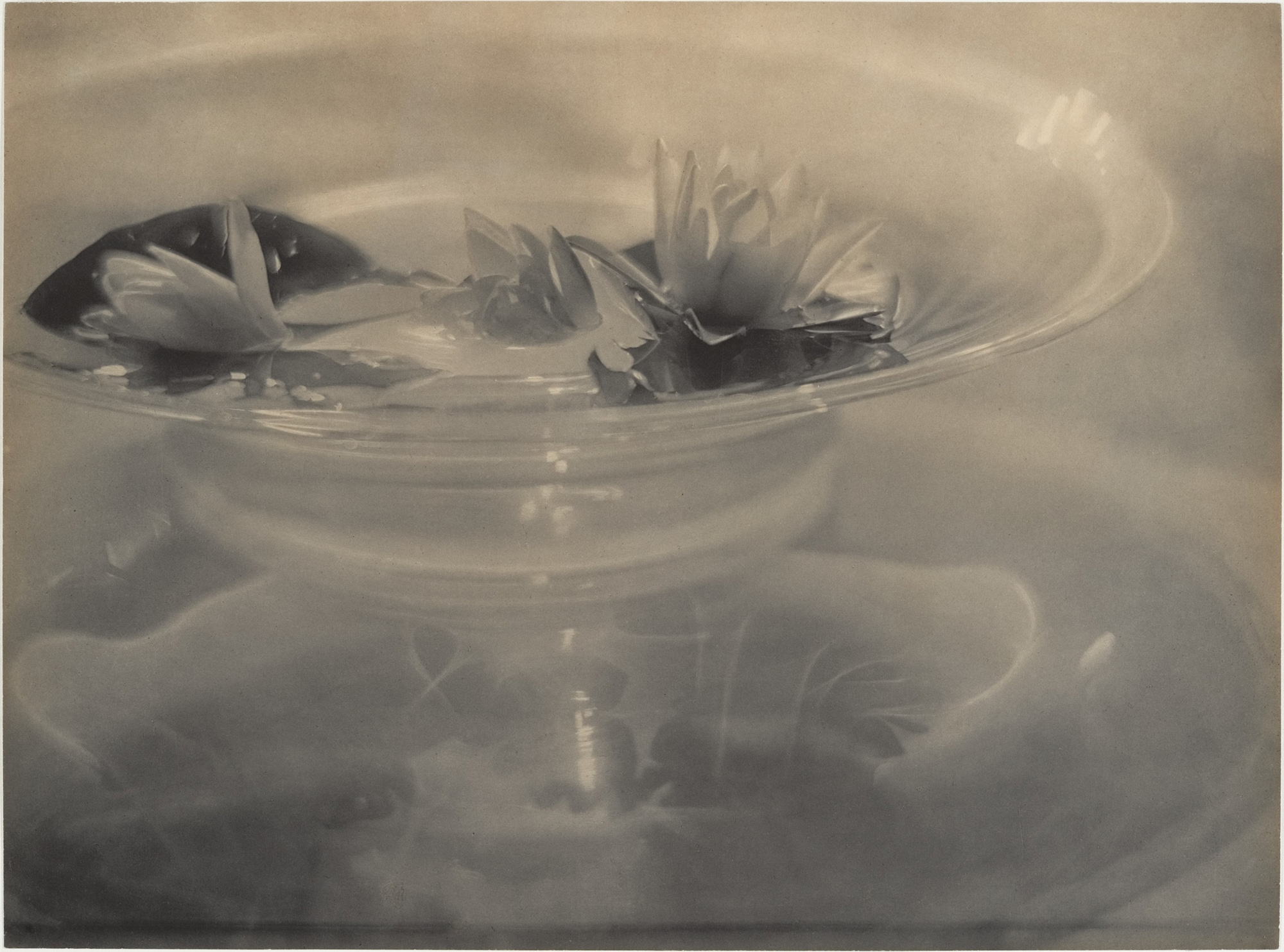
![Adolf de Meyer (American born France, 1868-1946) '[Nude Models Posing for a Painting Class]' 1890s from the exhibition 'Quicksilver Brilliance: Adolf de Meyer Photographs' at the Metropolitan Museum of Art, New York, Dec 2017 - March 2018](https://artblart.com/wp-content/uploads/2018/02/adolf-de-meyer-nude-models-posing-for-a-painting-class-web.jpg "Adolf de Meyer (American born France, 1868-1946) '[Nude Models Posing for a Painting Class]' 1890s from the exhibition 'Quicksilver Brilliance: Adolf de Meyer Photographs' at the Metropolitan Museum of Art, New York, Dec 2017 - March 2018")
![Adolf de Meyer (American born France, 1868-1946) '[Adolf de Meyer Photographing Olga in a Garden]' 1890s](https://artblart.com/wp-content/uploads/2018/02/adolf-de-meyer-photographing-olga-in-a-garden-web.jpg "Adolf de Meyer (American born France, 1868-1946) '[Adolf de Meyer Photographing Olga in a Garden]' 1890s")
![Adolf de Meyer (American born France, 1868-1946) '[Self-Portrait in India]' 1900](https://artblart.com/wp-content/uploads/2018/02/adolf-de-meyer-self-portrait-in-india-web.jpg "Adolf de Meyer (American born France, 1868-1946) '[Self-Portrait in India]' 1900")
![Adolf de Meyer (American born France, 1868-1946) '[Self-Portrait in India]' 1900 (detail)](https://artblart.com/wp-content/uploads/2018/02/adolf-de-meyer-self-portrait-in-india-detail.jpg "Adolf de Meyer (American born France, 1868-1946) '[Self-Portrait in India]' 1900 (detail")
![Adolf de Meyer (American born France, 1868-1946) '[Amida Buddah, Japan]' 1900](https://artblart.com/wp-content/uploads/2018/02/adolf-de-meyer-amida-buddah-web.jpg "Adolf de Meyer (American born France, 1868-1946) '[Amida Buddah, Japan]' 1900")


![Adolf de Meyer (American born France, 1868-1946) '[View Through the Window of a Garden, Japan]' 1900](https://artblart.com/wp-content/uploads/2018/02/adolf-de-meyer-view-through-the-window-of-a-garden-web.jpg "Adolf de Meyer (American born France, 1868-1946) '[View Through the Window of a Garden, Japan]' 1900")


![Adolf de Meyer (American born France, 1868-1946) '[Lady Ottoline Morrell]' c. 1912](https://artblart.com/wp-content/uploads/2018/02/adolf-de-meyer-lady-ottoline-morrell-web.jpg "Adolf de Meyer (American born France, 1868-1946) '[Lady Ottoline Morrell]' c. 1912")


![Adolf de Meyer (American born France, 1868-1946) '[Dance Study]' c. 1912](https://artblart.com/wp-content/uploads/2018/02/adolf-de-meyer-dance-study-web.jpg "Adolf de Meyer (American born France, 1868-1946) '[Dance Study]' c. 1912")
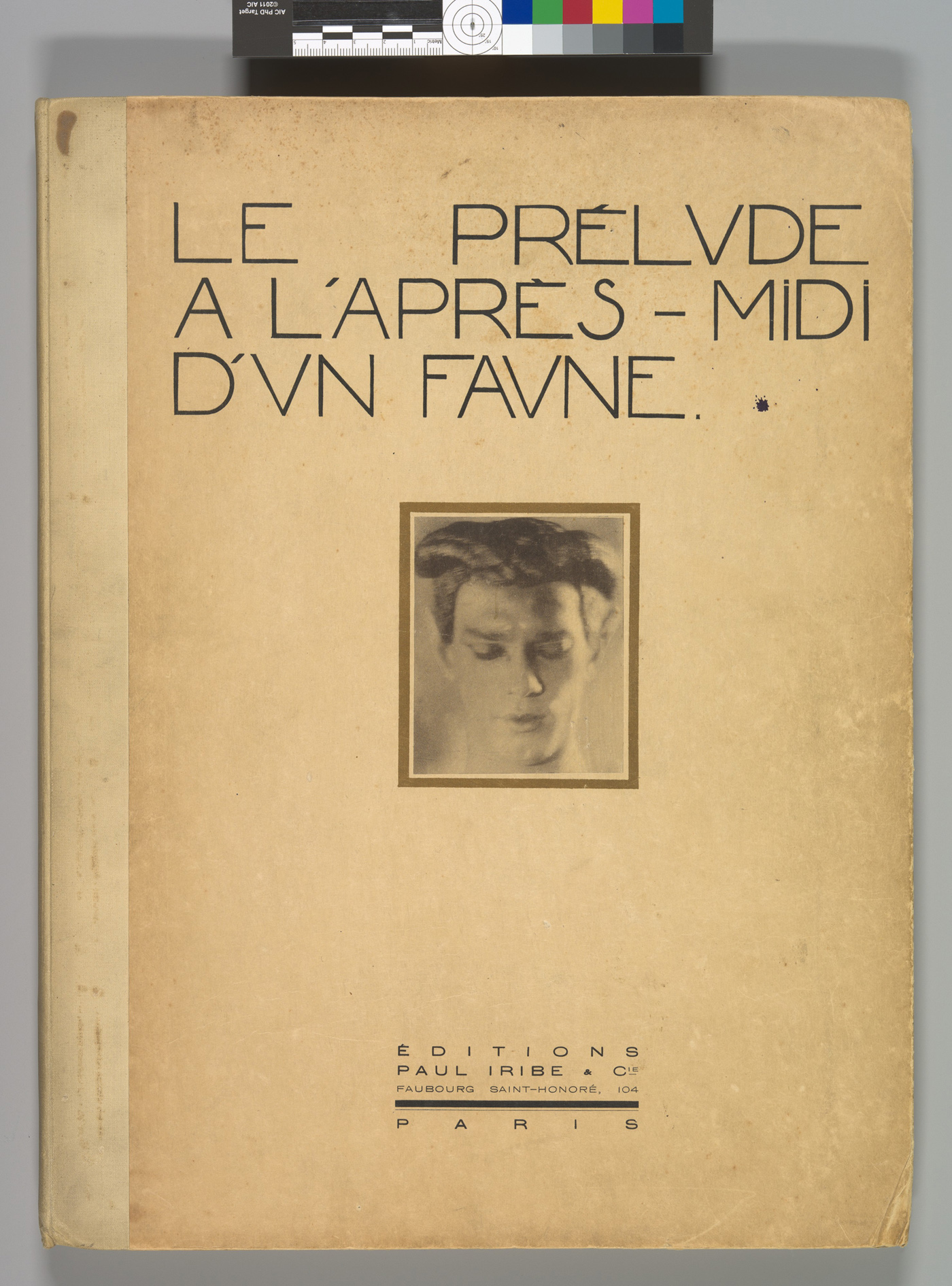
![Adolf de Meyer (American born France, 1868-1946) 'Nijinsky [Plate from Le Prelude à l'Après-Midi d'un Faune]' 1912](https://artblart.com/wp-content/uploads/2018/02/adolf-de-meyer-portrait-of-vaslav-nijinski-1912-web.jpg "Adolf de Meyer (American born France, 1868-1946) 'Nijinsky [Plate from Le Prelude à l'Après-Midi d'un Faune]' 1912")
![Adolf de Meyer (American born France, 1868-1946) 'Nijinsky [Plate from Le Prelude à l'Après-Midi d'un Faune]' 1914](https://artblart.com/wp-content/uploads/2018/02/adolf-de-meyer-nijinsky-plate-from-le-prelude-acc80-laprecc80s-midi-dun-faune-web.jpg "Adolf de Meyer (American born France, 1868-1946) 'Nijinsky [Plate from Le Prelude à l'Après-Midi d'un Faune]' 1914")
![Adolf de Meyer (American born France, 1868-1946) '[Image from "Prelude à l'Après-Midi d'un faune"]' 1914](https://artblart.com/wp-content/uploads/2018/02/adolf-de-meyer-image-from-prelude-web.jpg "Adolf de Meyer (American born France, 1868-1946) '[Image from \"Prelude à l'Après-Midi d'un faune\"]' 1914")

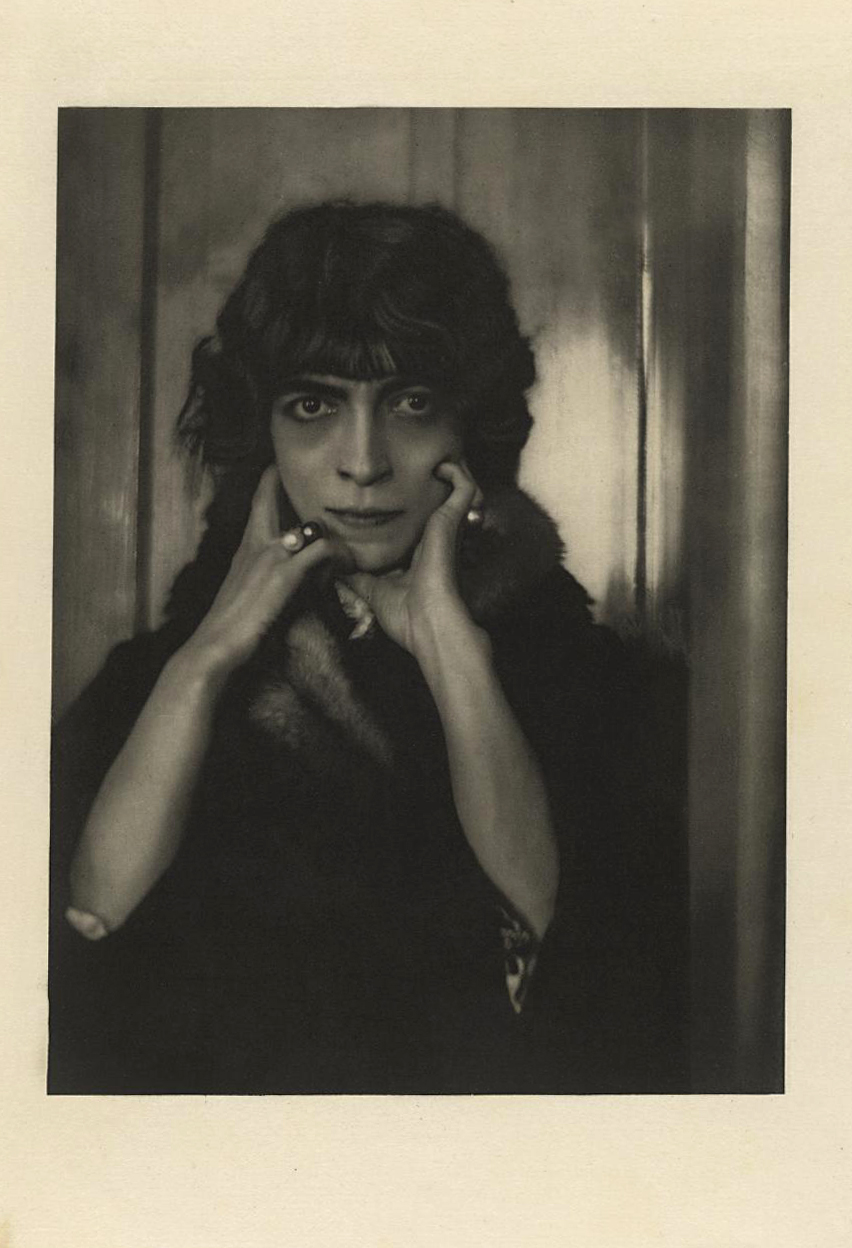
![Adolf de Meyer (American born France, 1868-1946) 'Study for Vogue [Jan 1-1918, Betty Lee, Vogue, page 41]' 1918-1921](https://artblart.com/wp-content/uploads/2018/02/adolf-de-meyer-study-for-vogue-web.jpg "Adolf de Meyer (American born France, 1868-1946) 'Study for Vogue [Jan 1-1918, Betty Lee, Vogue, page 41]' 1918-1921")

![Adolf de Meyer (American born France, 1868-1946) 'Etienne de Beaumont [Count Etienne de Beaumont (French, 1883-1956)]' c. 1923](https://artblart.com/wp-content/uploads/2018/02/adolf-de-meyer-etienne-de-beaumont-web.jpg "Adolf de Meyer (American born France, 1868-1946) 'Etienne de Beaumont [Count Etienne de Beaumont (French, 1883-1956)]' c. 1923")

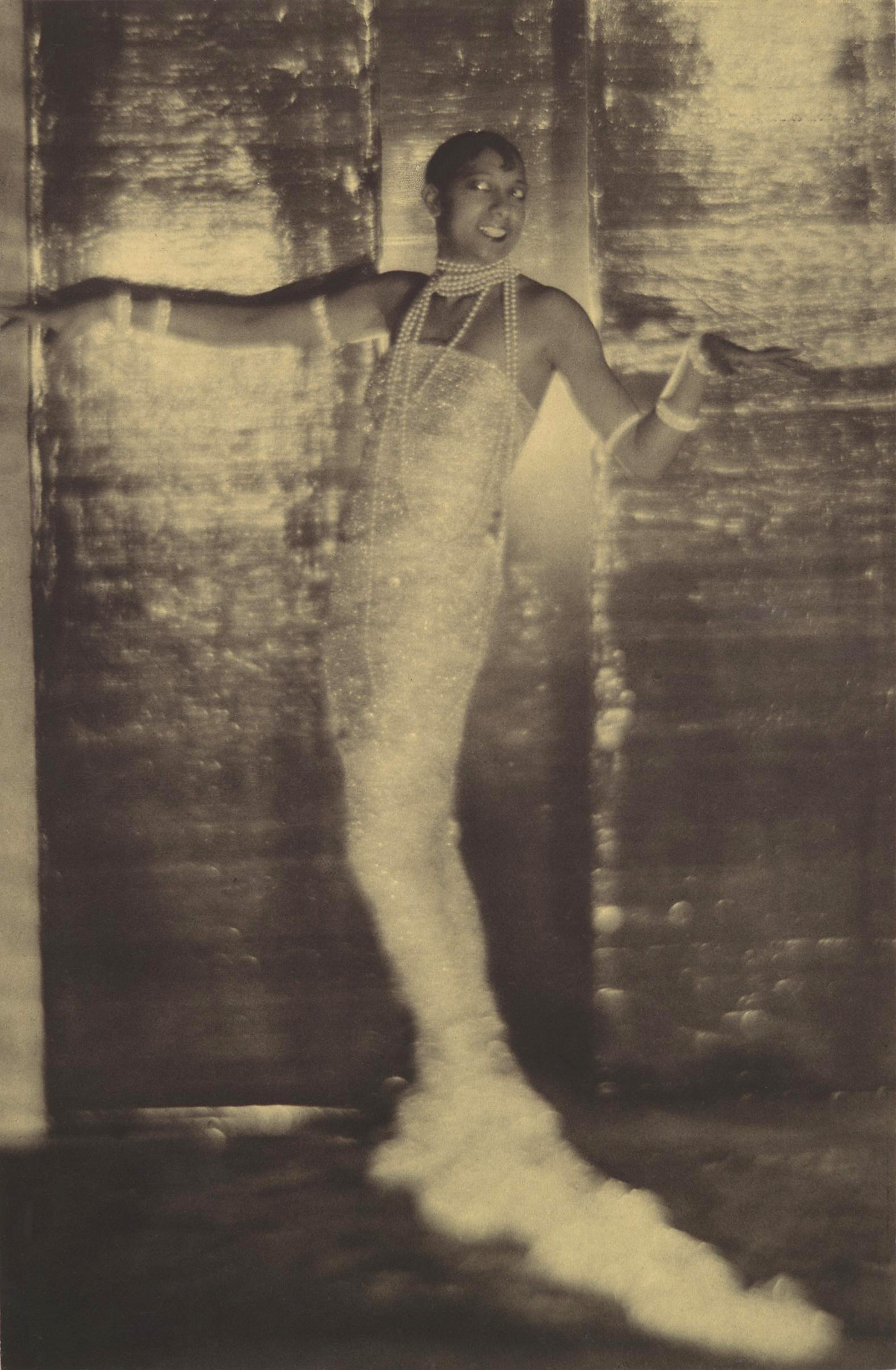


![Sarah Choate Sears (American, 1858-1935) 'A Mexican [Adolf de Meyer (American (born France), Paris 1868-1946 Los Angeles, California)]' 1905](https://artblart.com/wp-content/uploads/2018/02/sears-adolf-de-meyer-web.jpg "Sarah Choate Sears (American, 1858-1935) 'A Mexican [Adolf de Meyer (American (born France), Paris 1868-1946 Los Angeles, California)]' 1905")


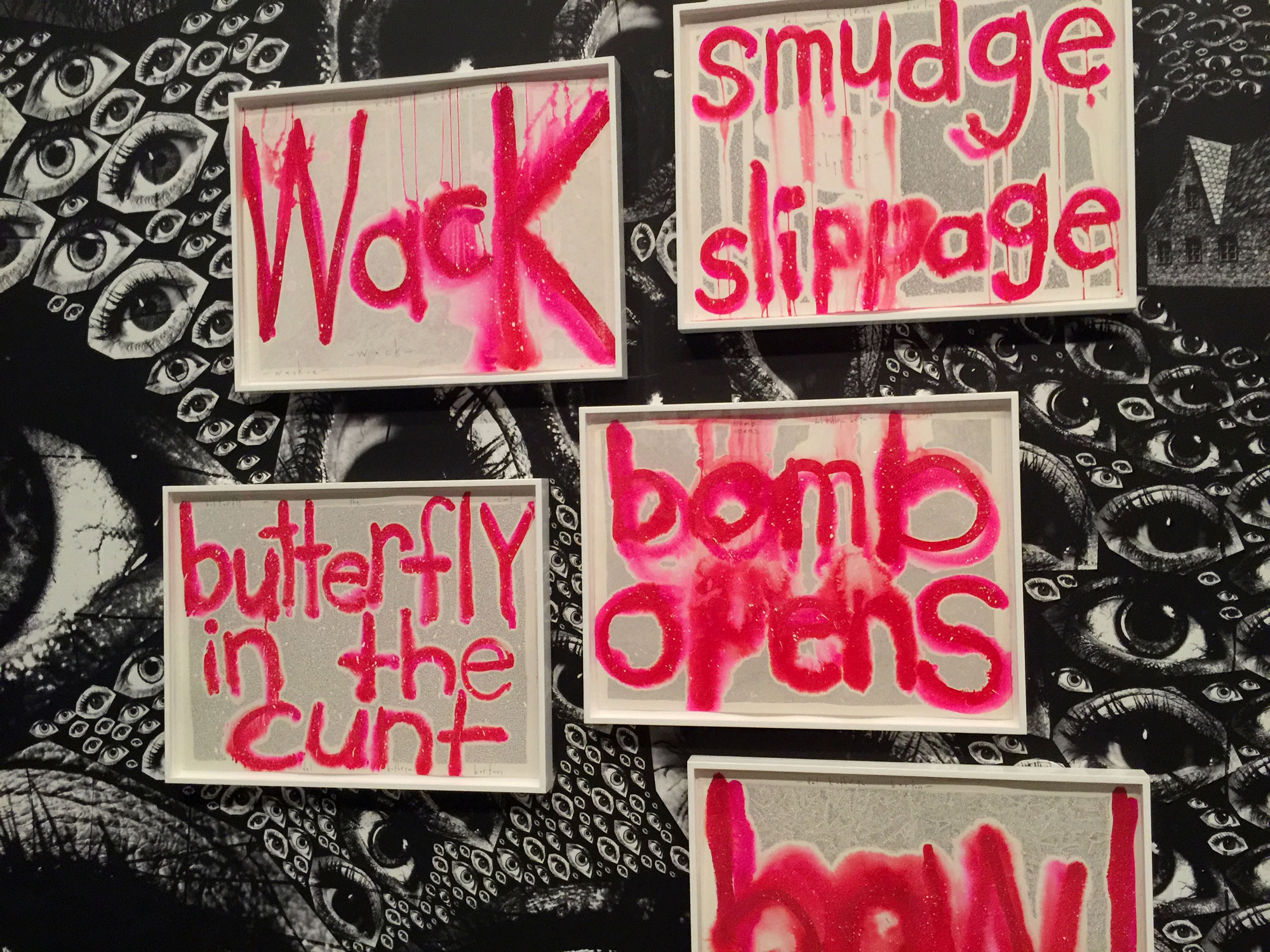


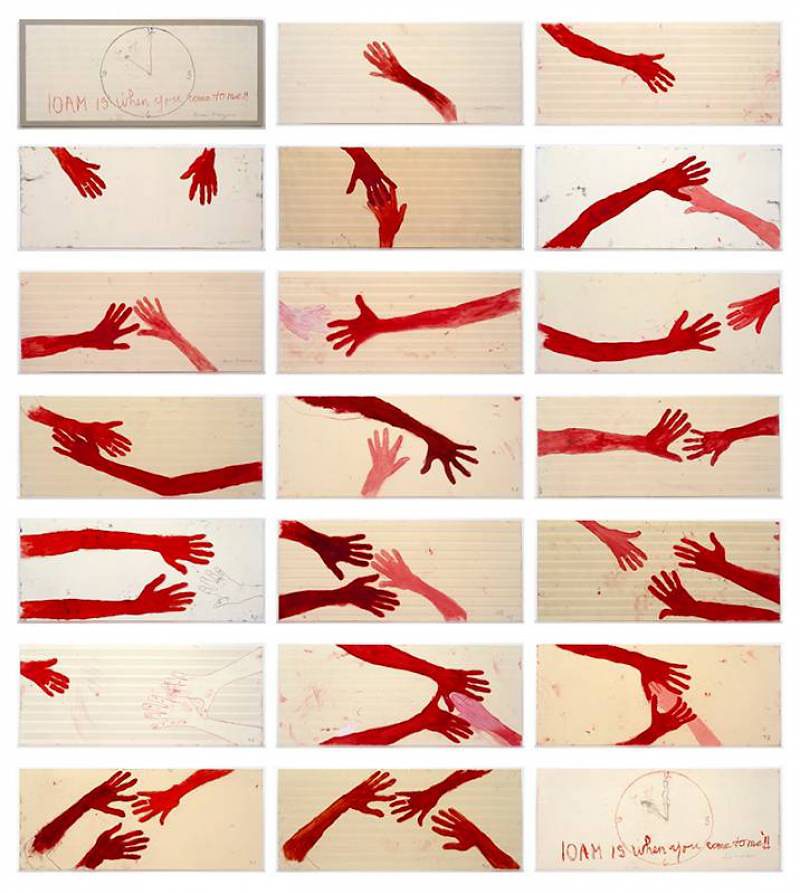


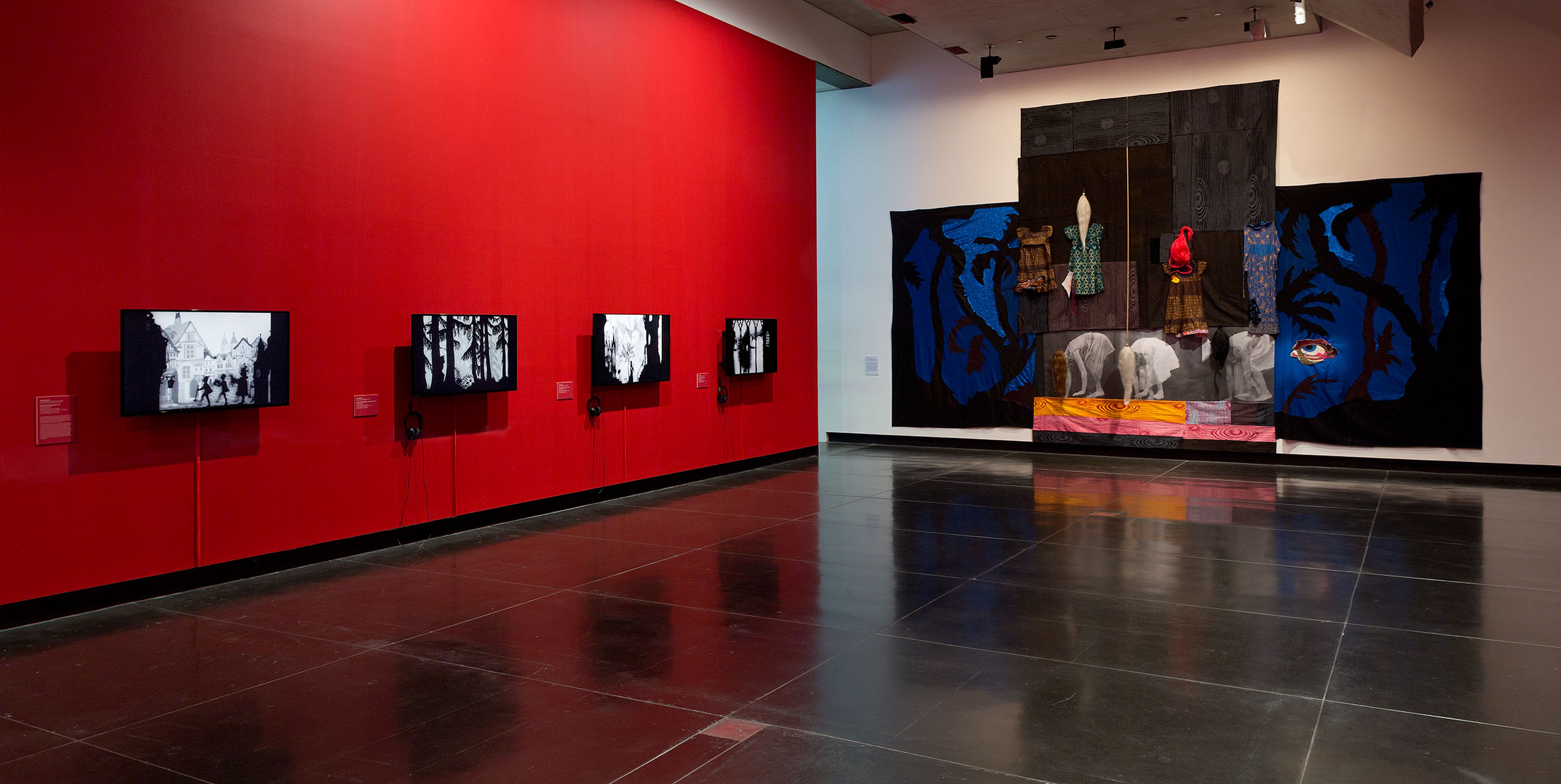
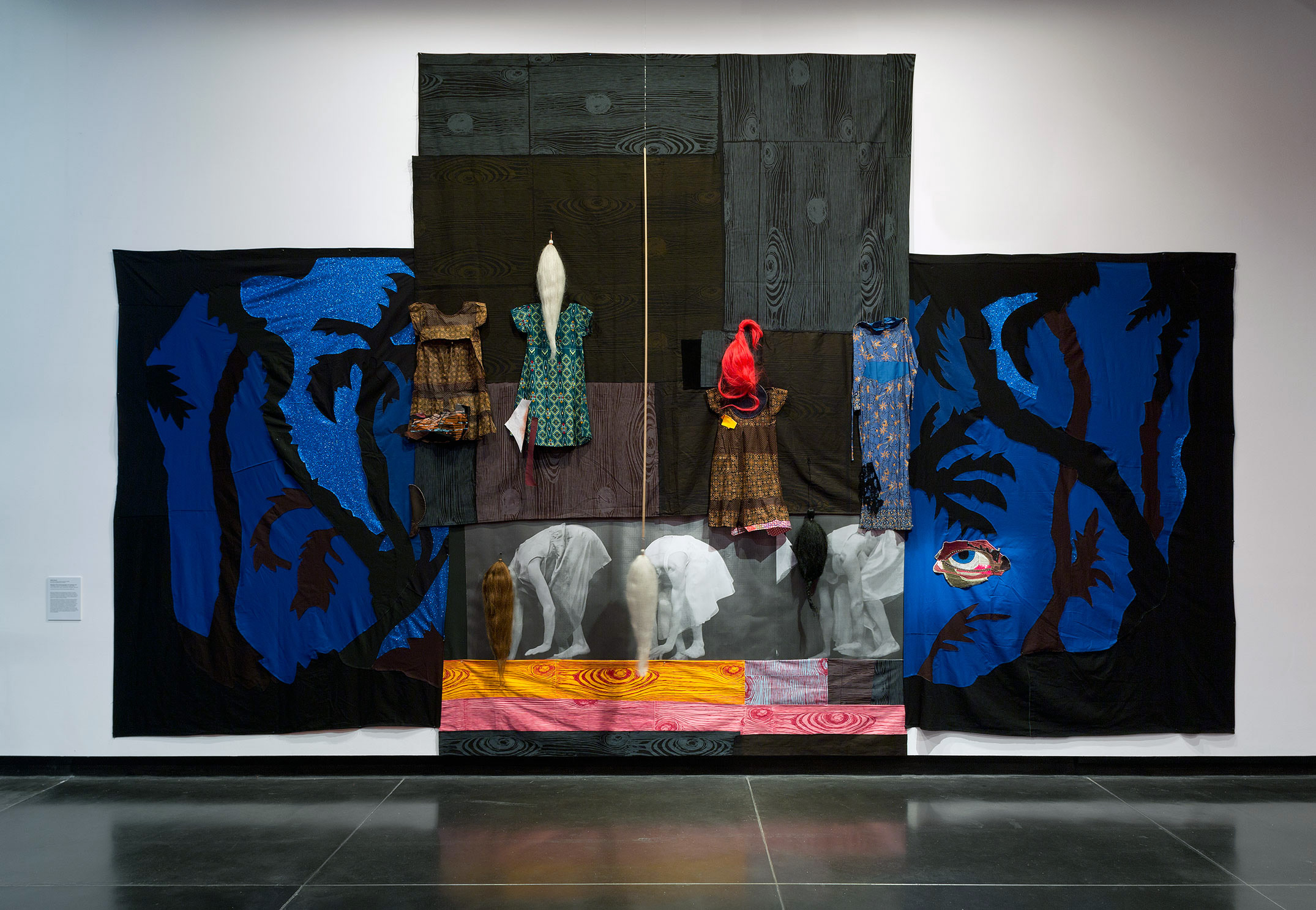
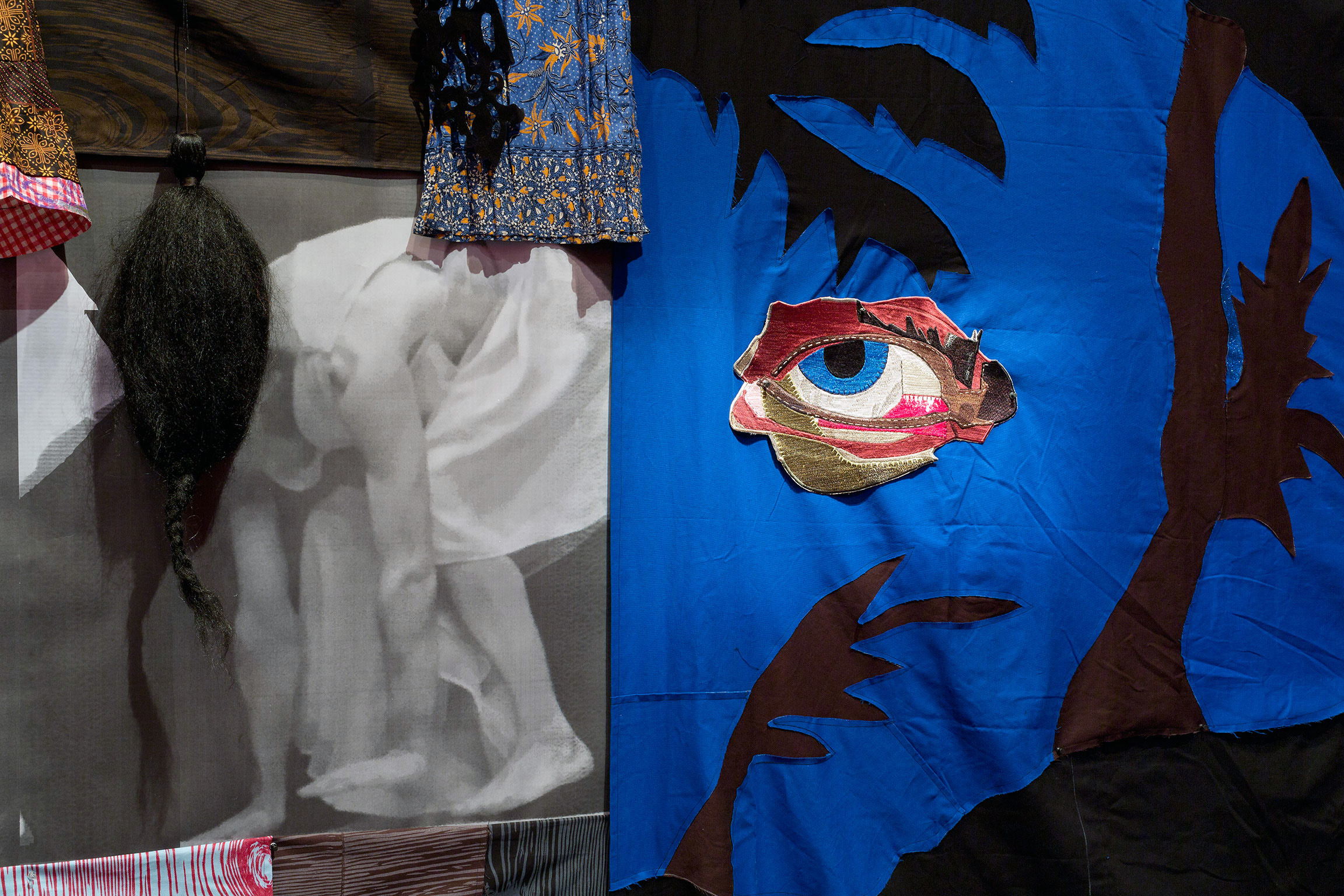
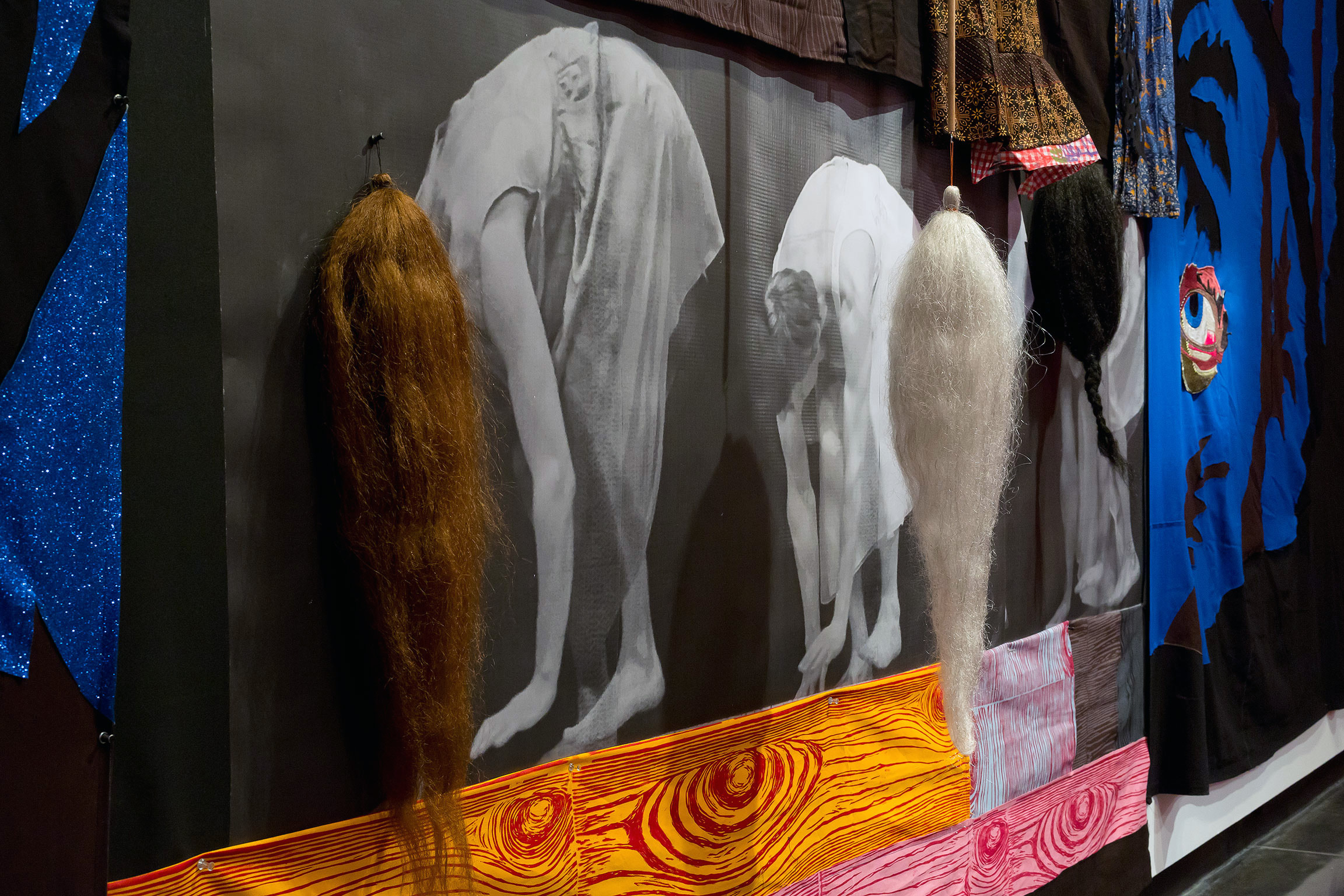
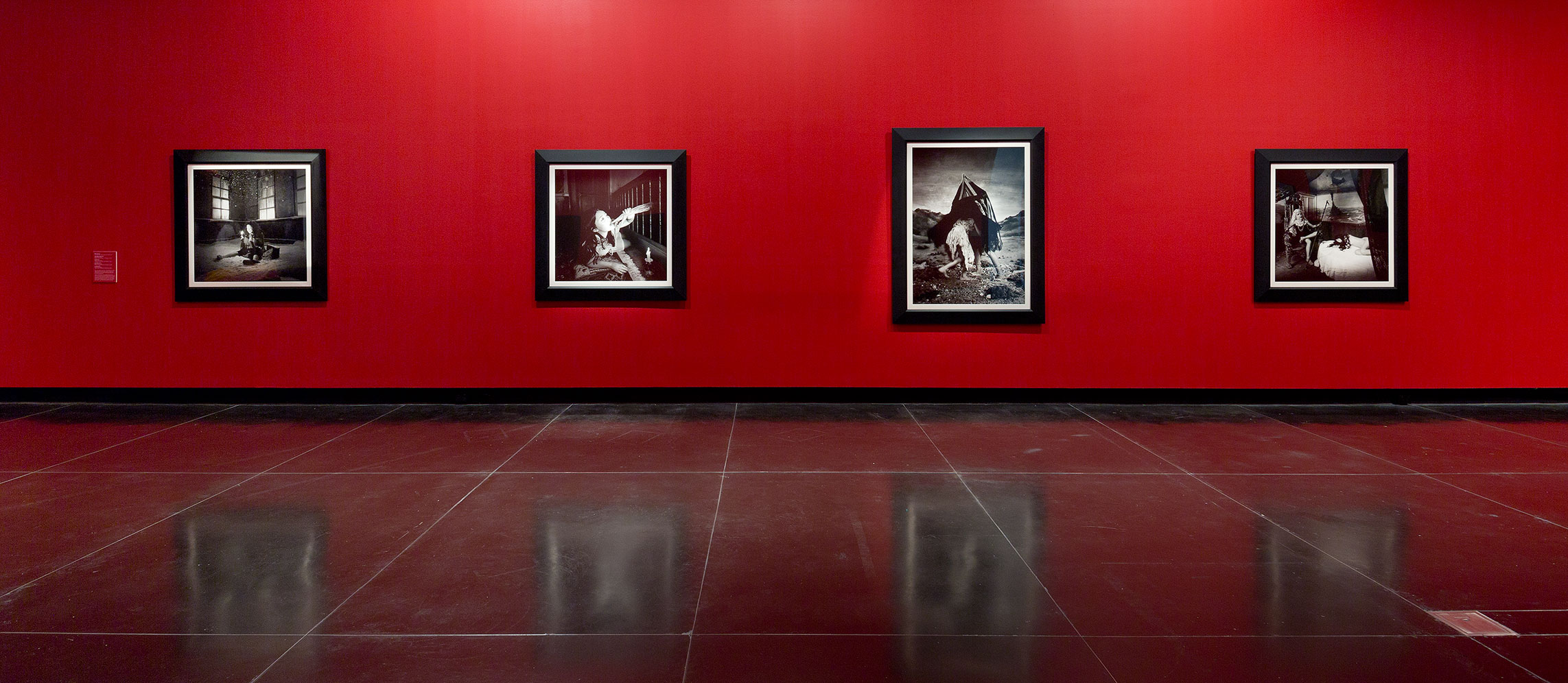

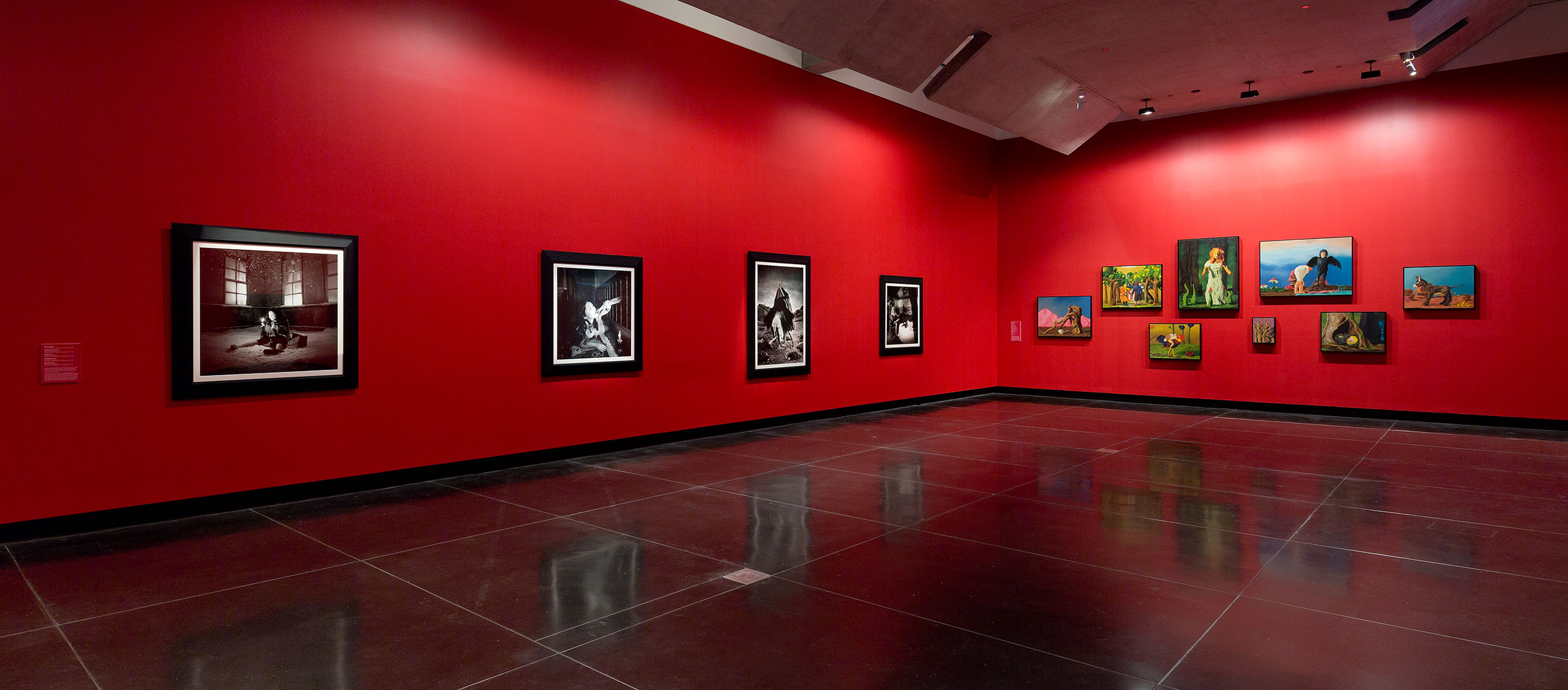
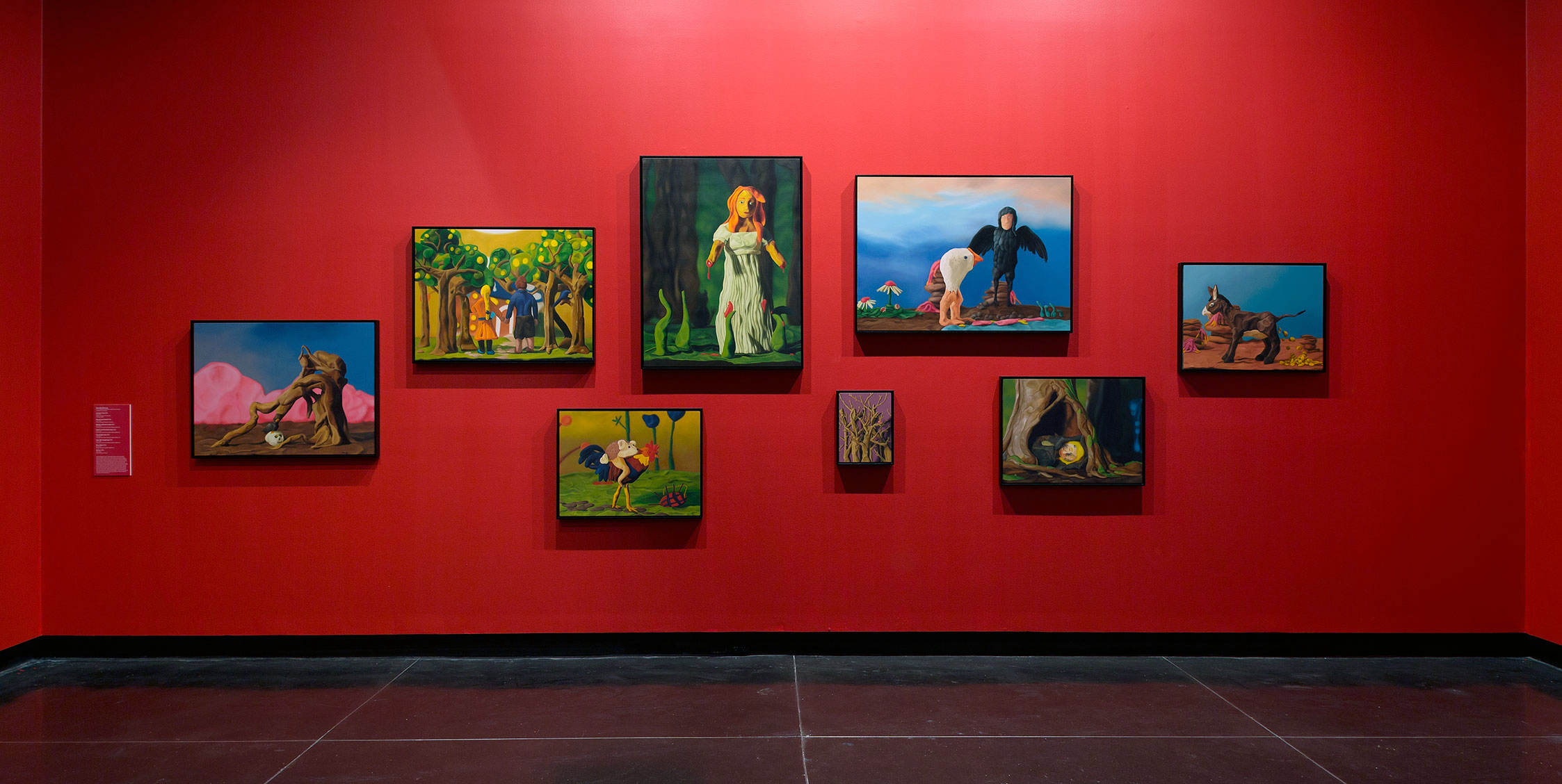
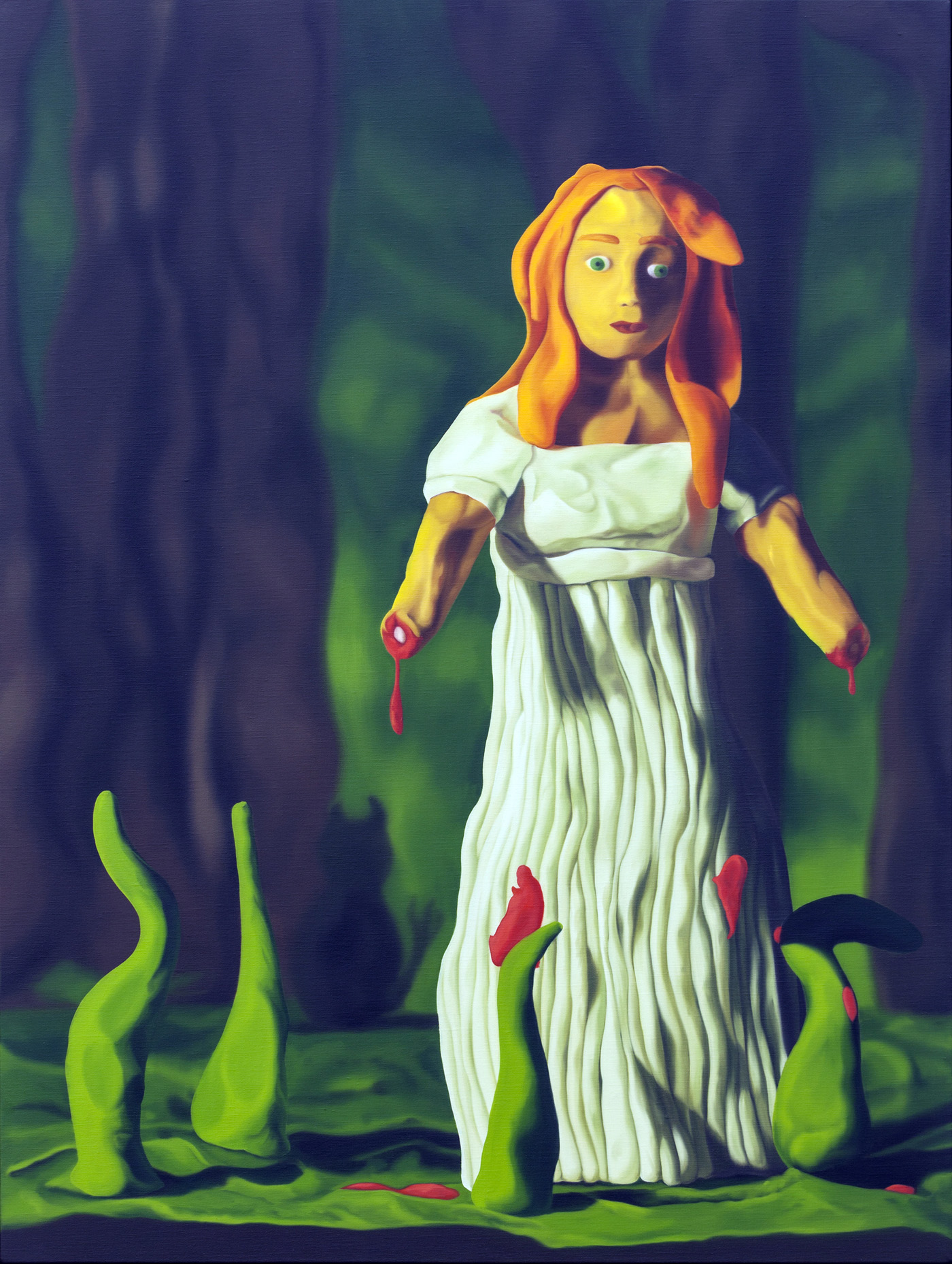

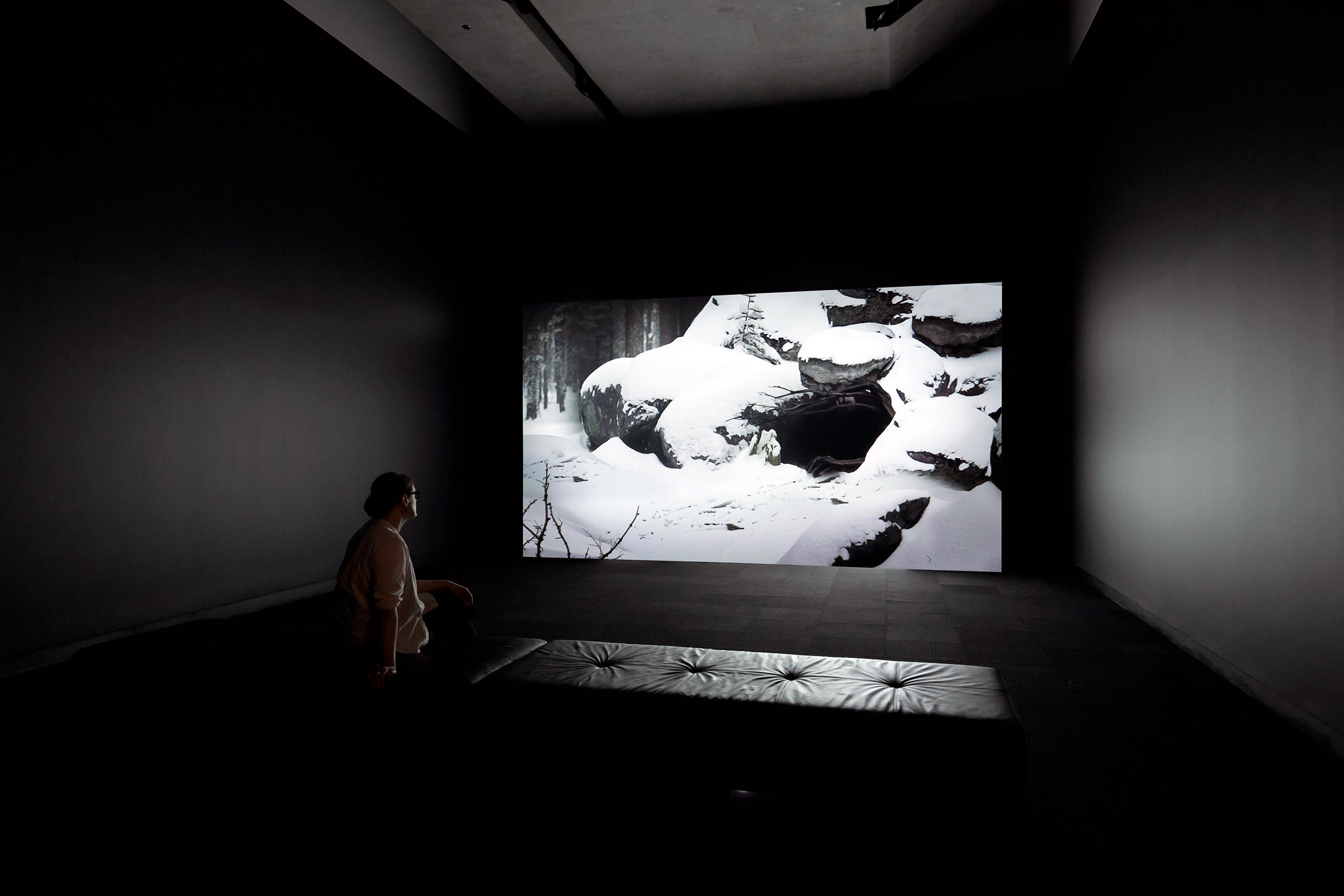
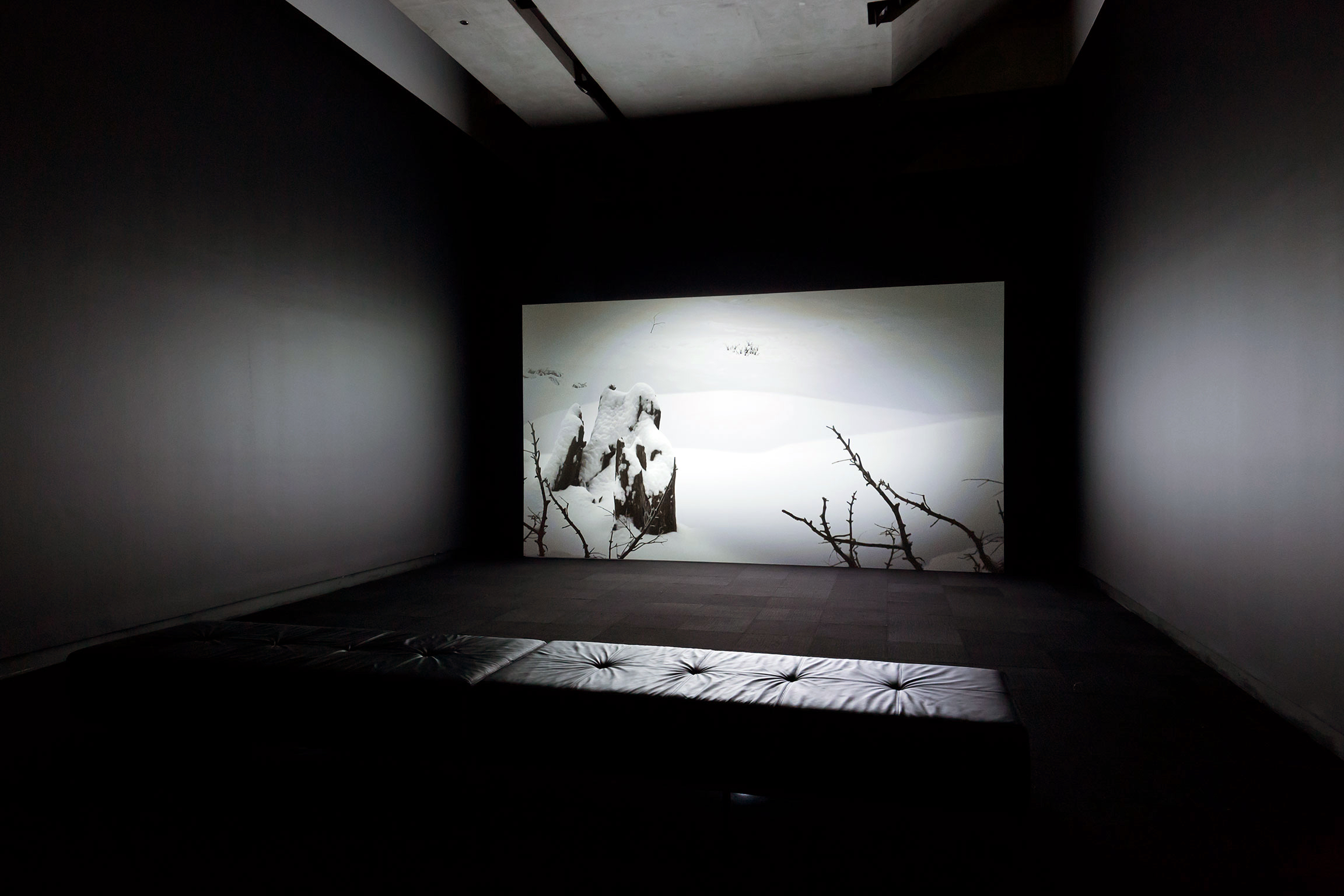
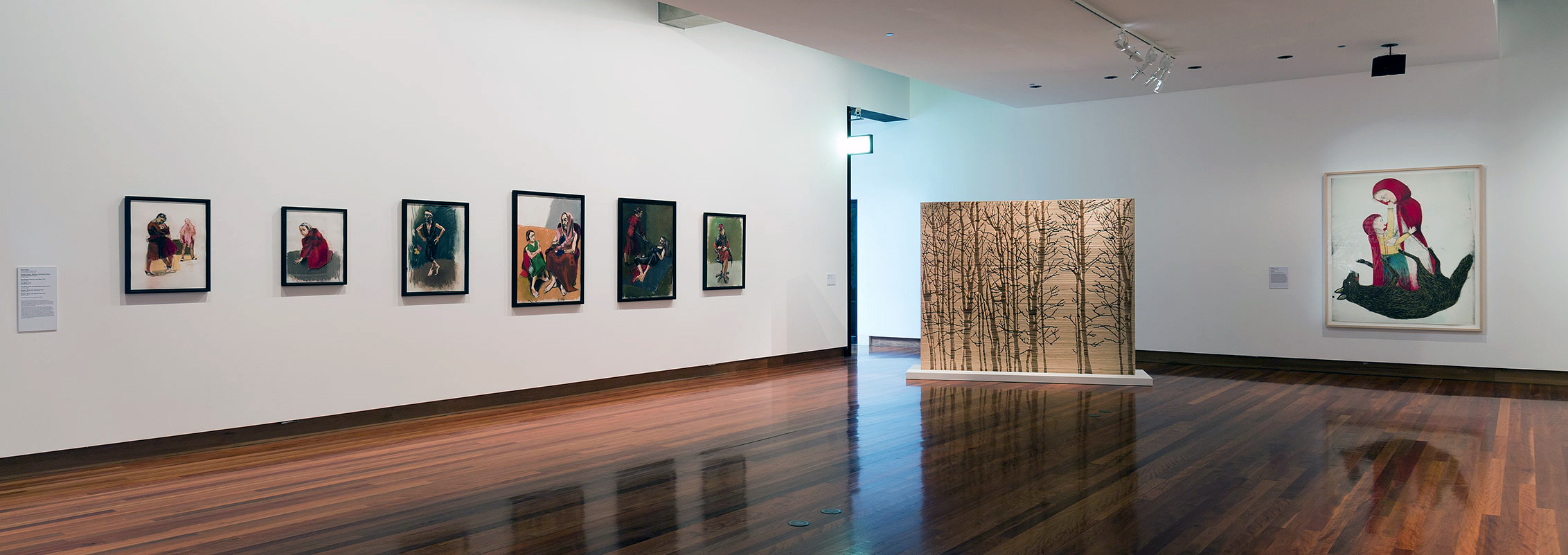
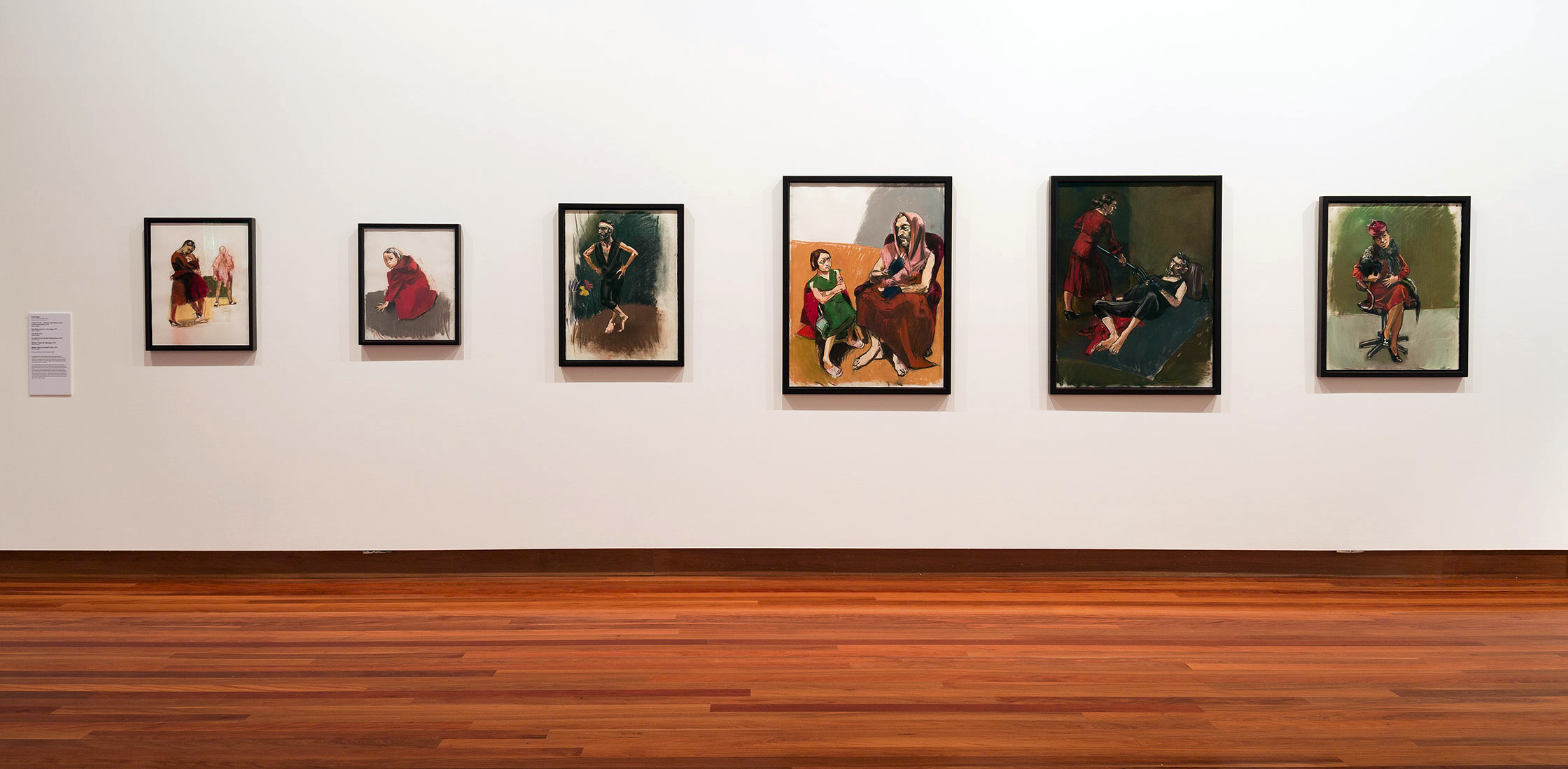

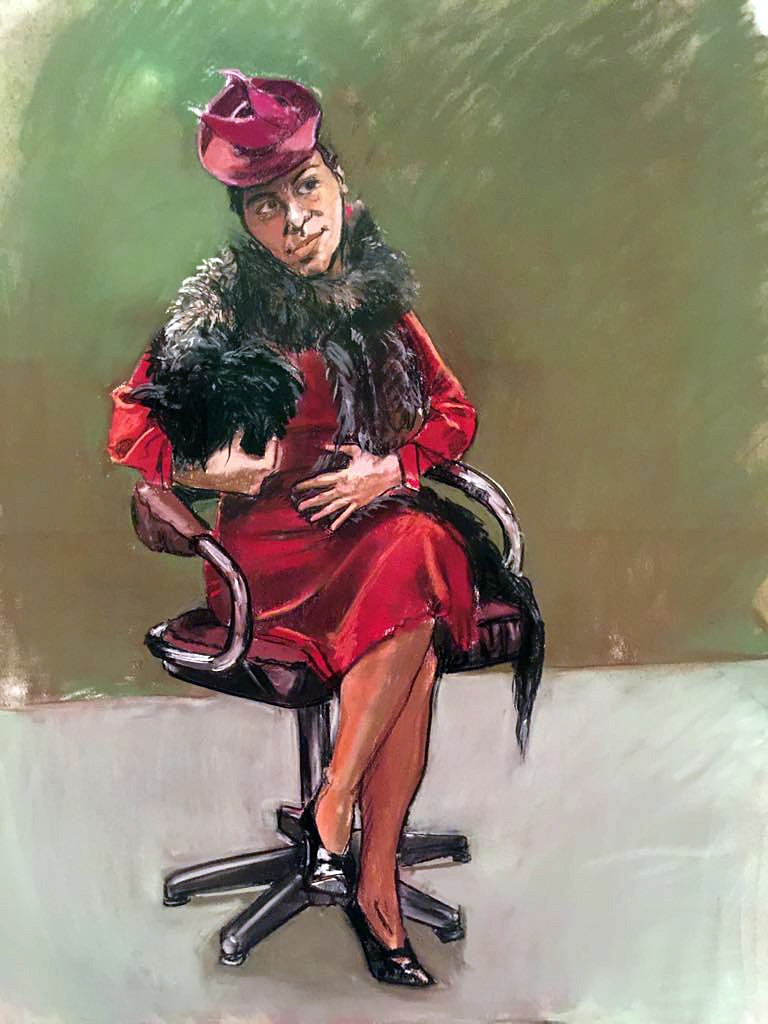

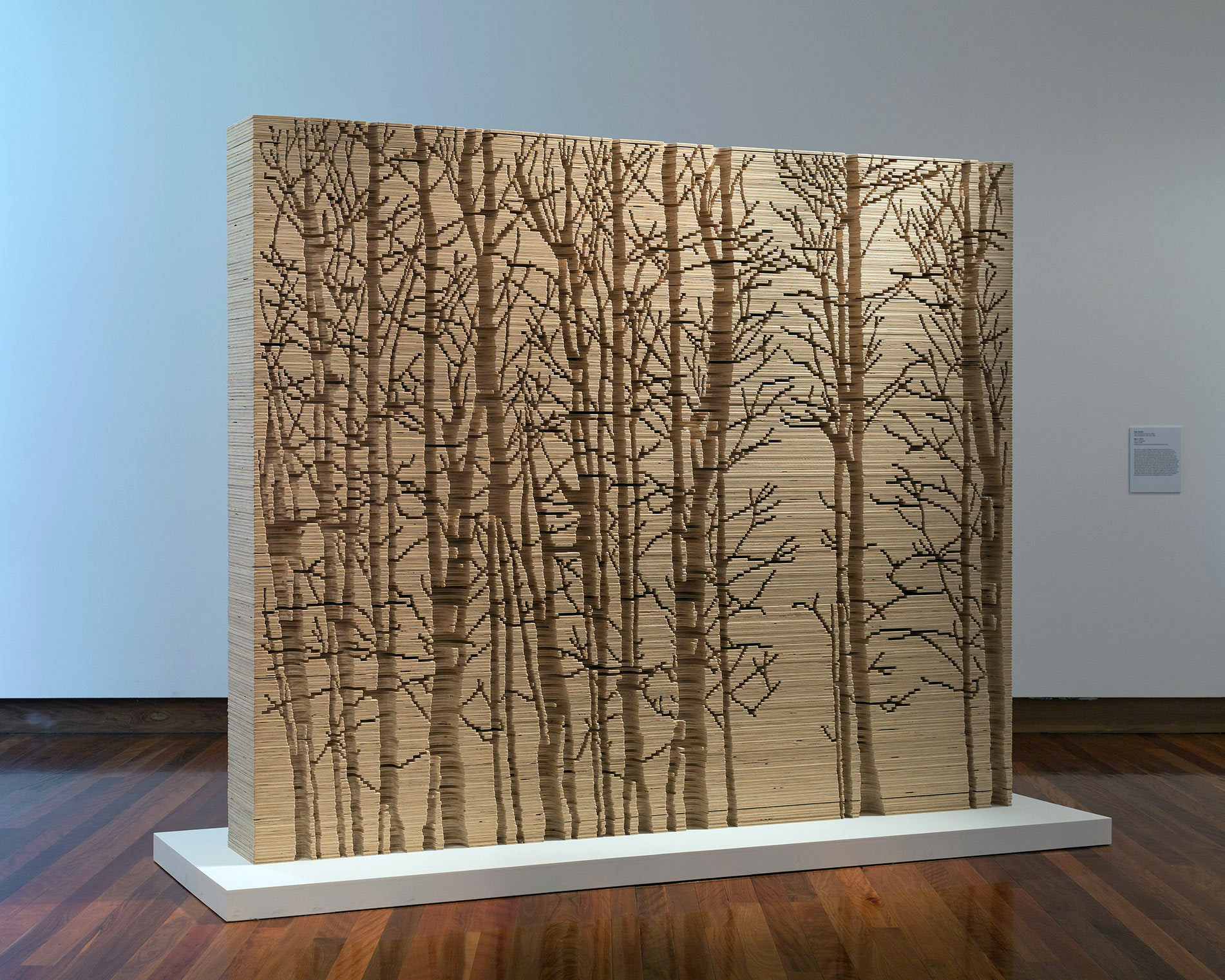

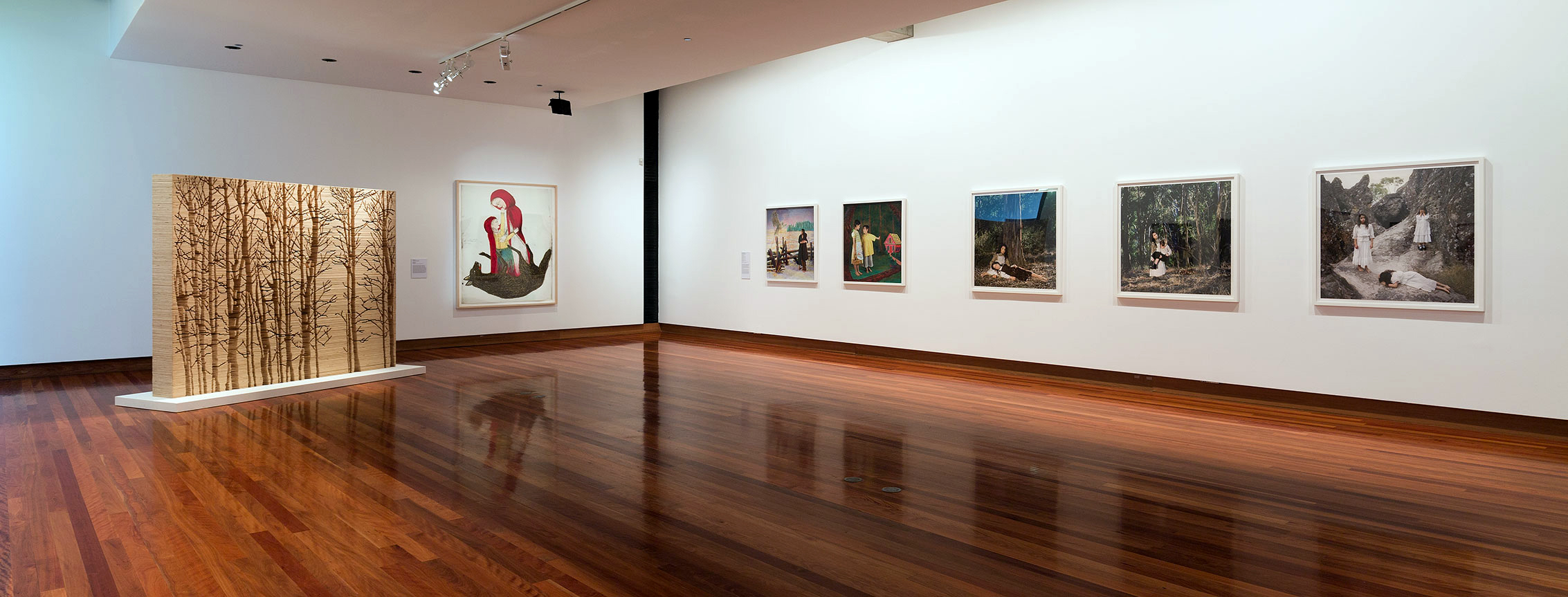

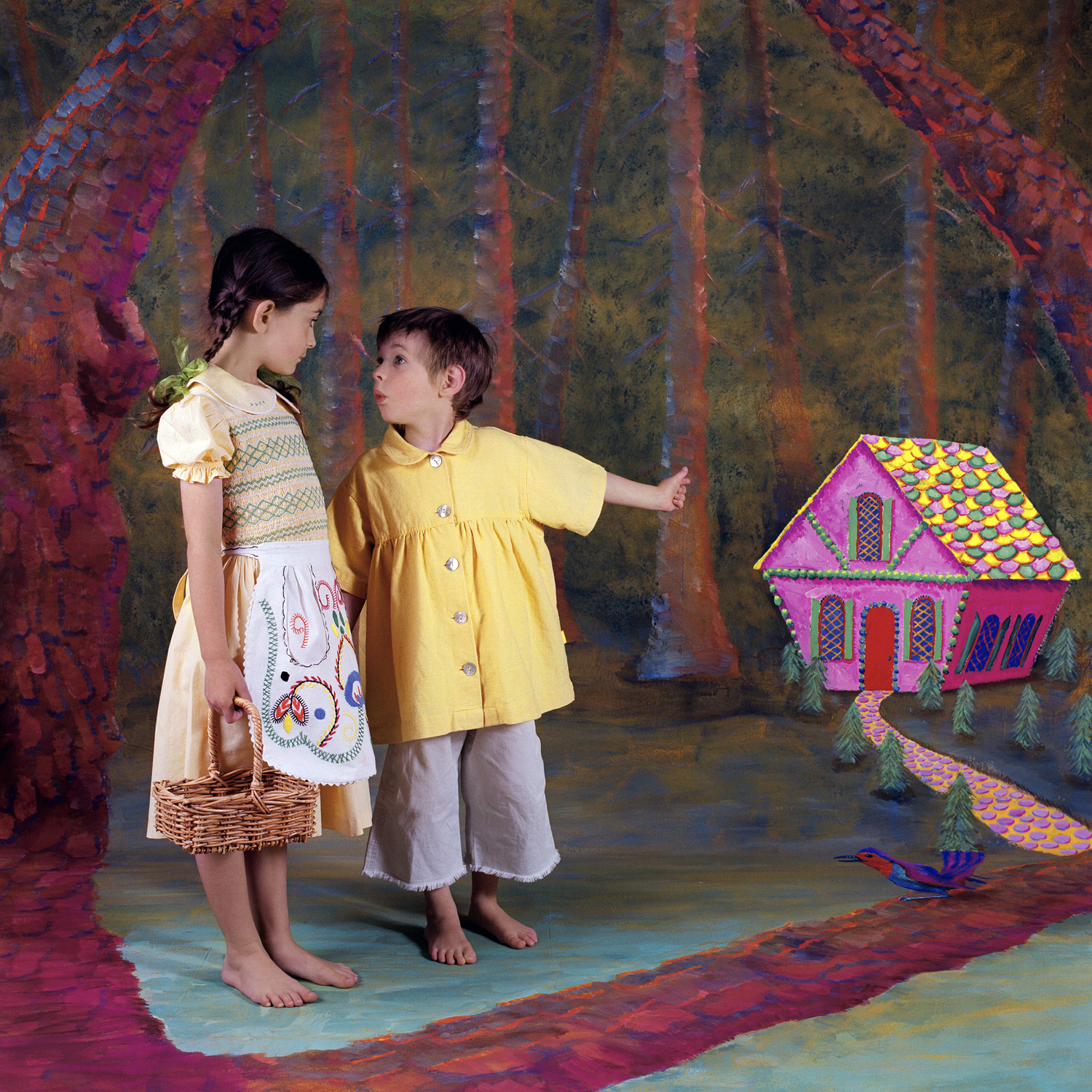
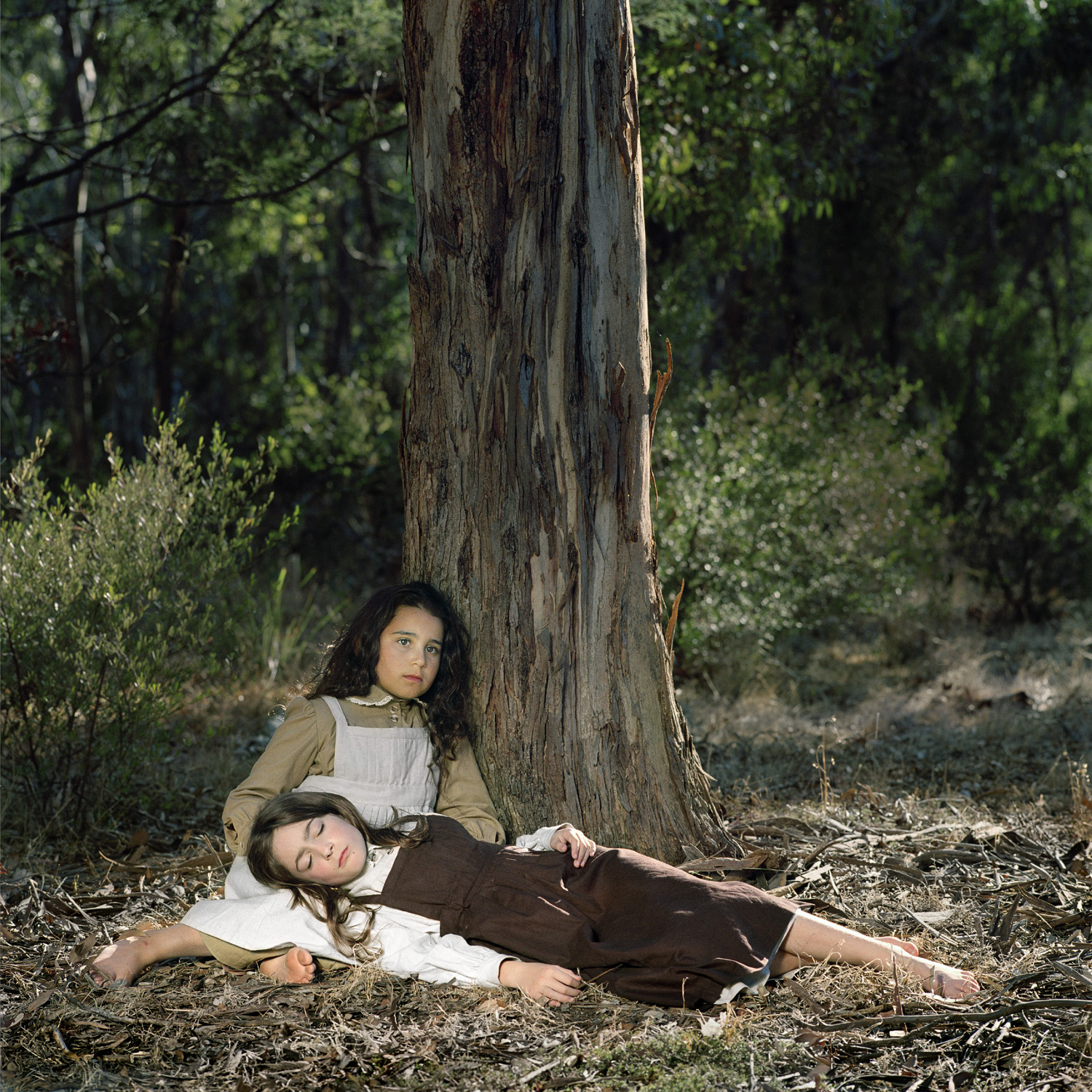

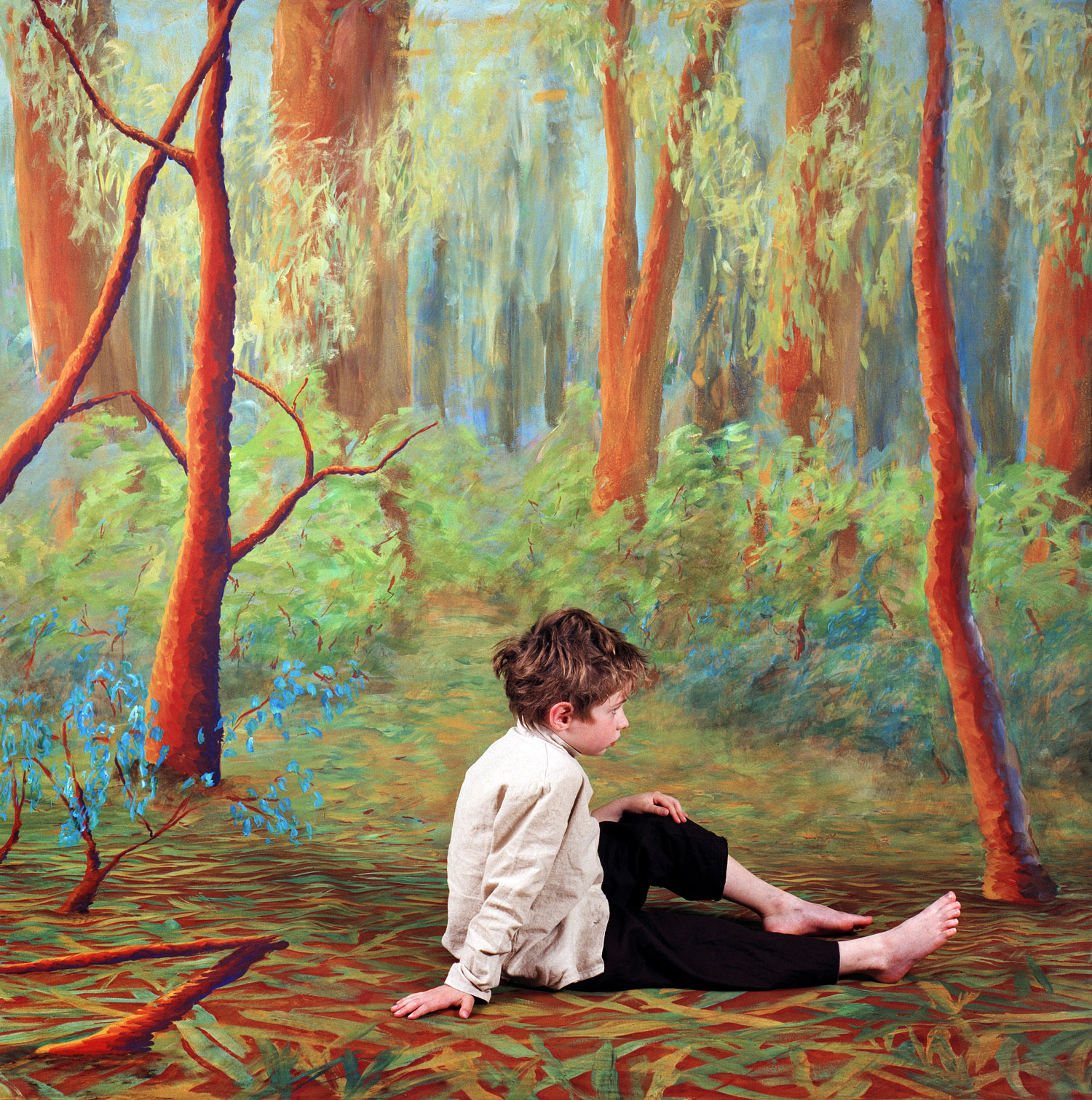
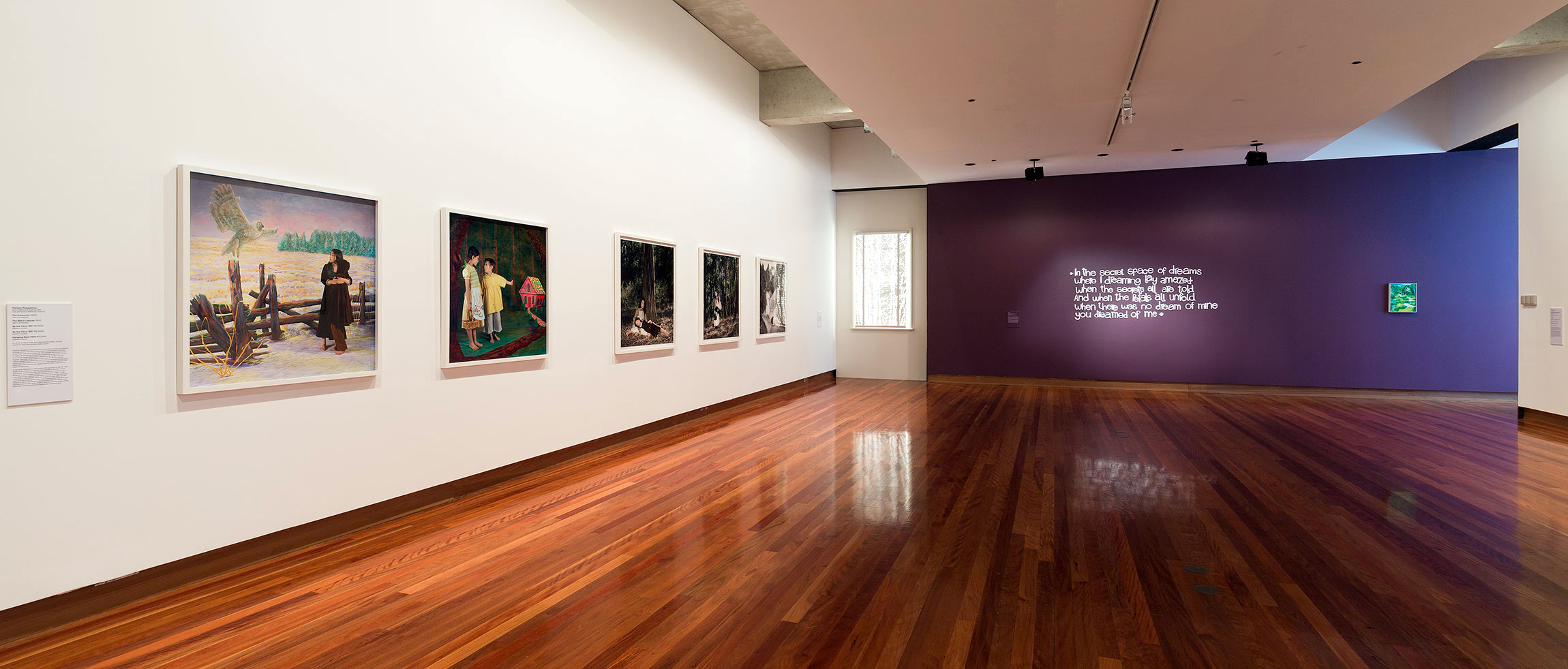

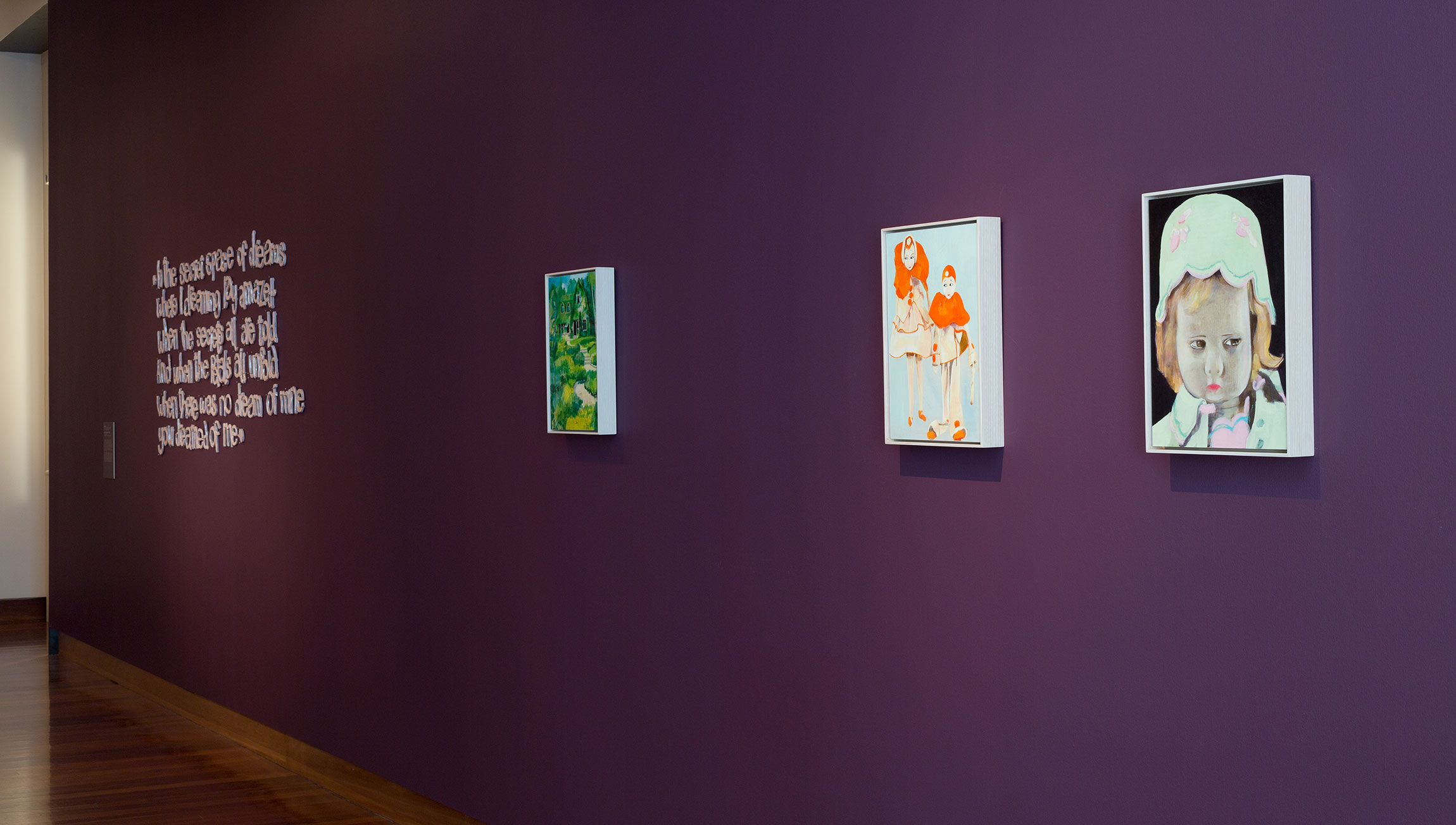

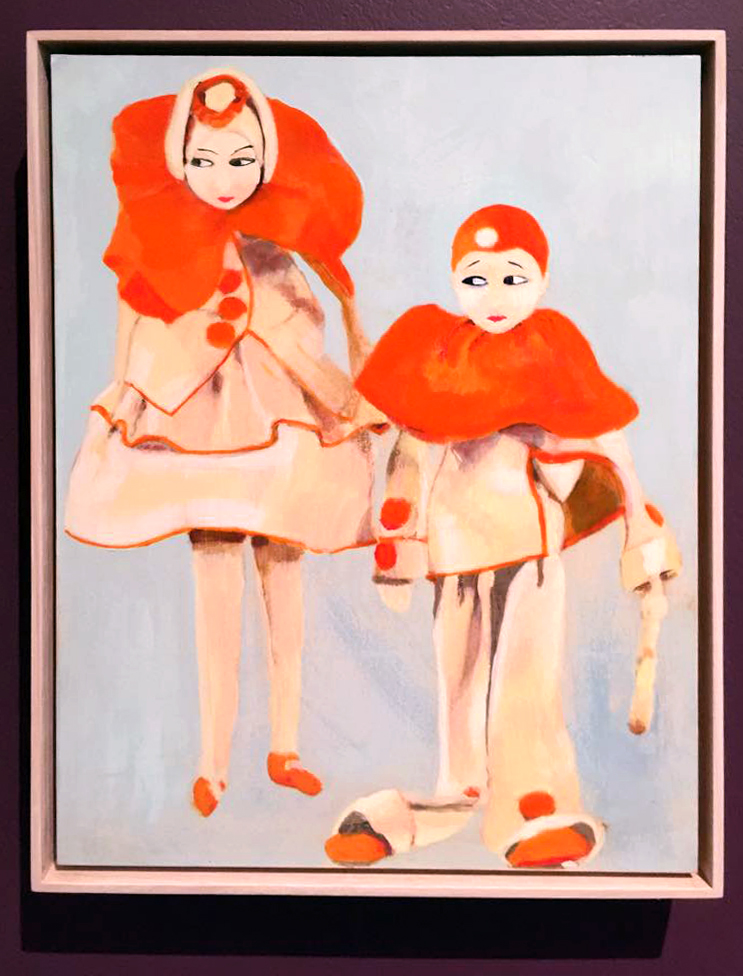


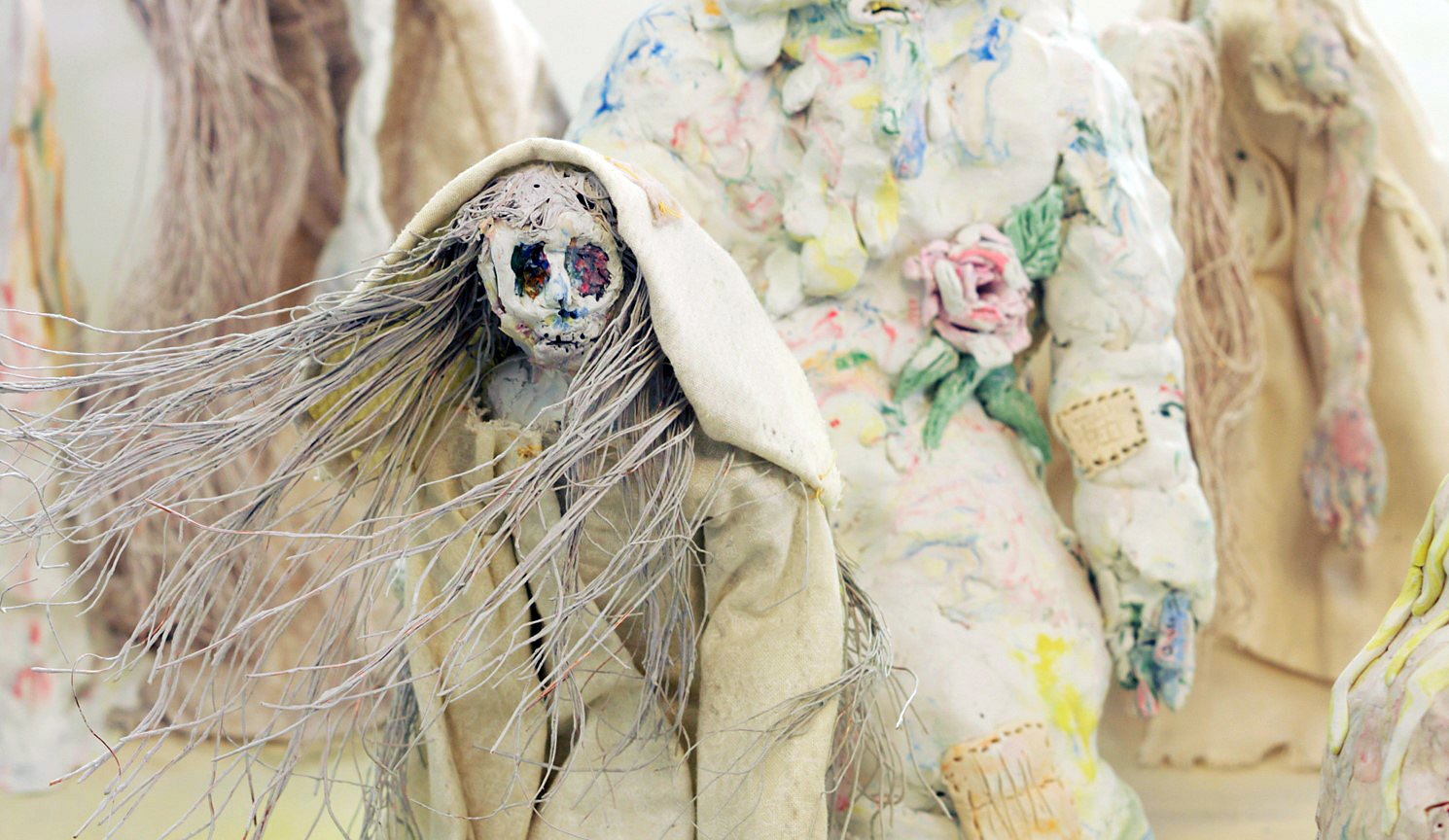
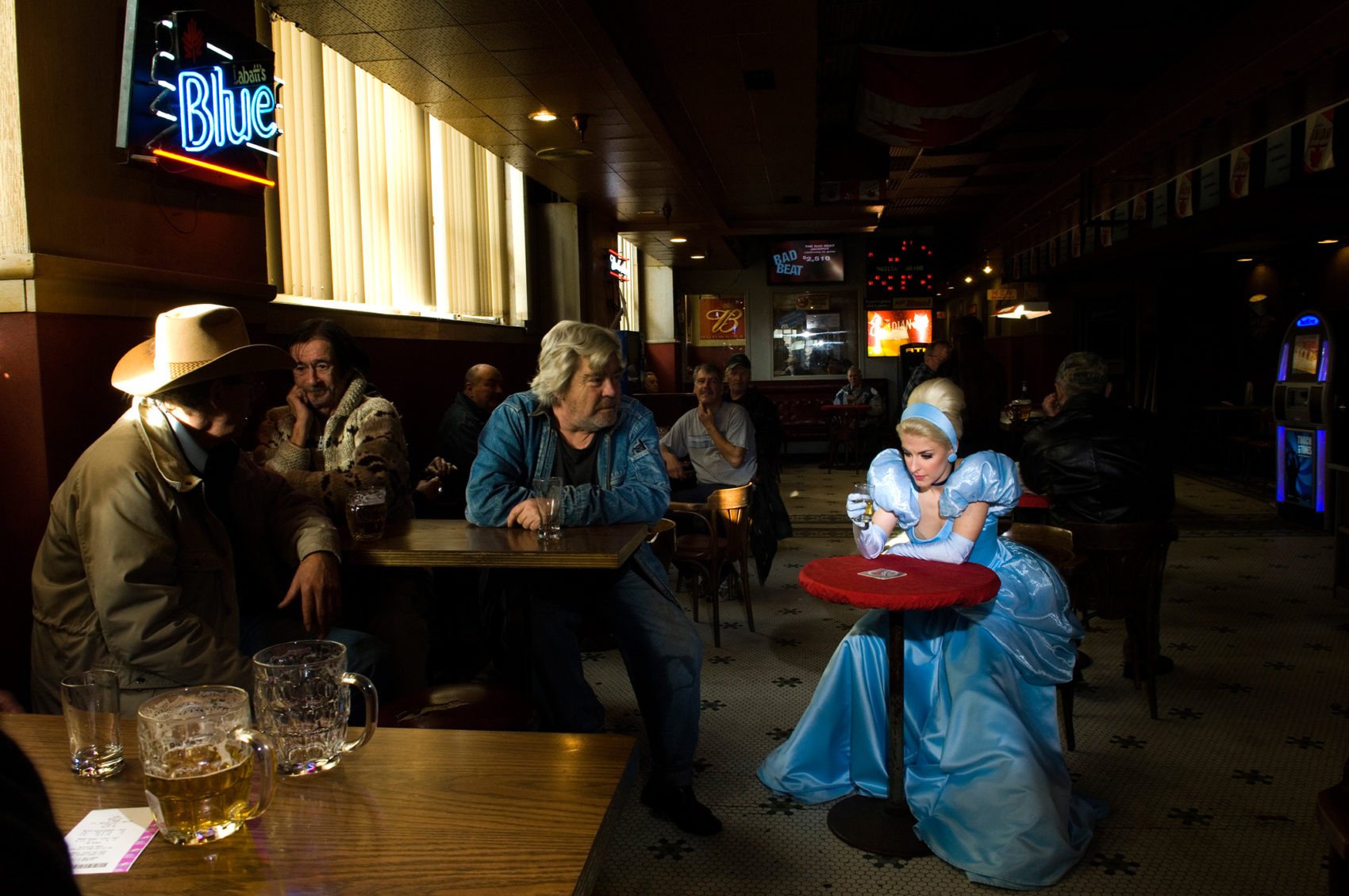
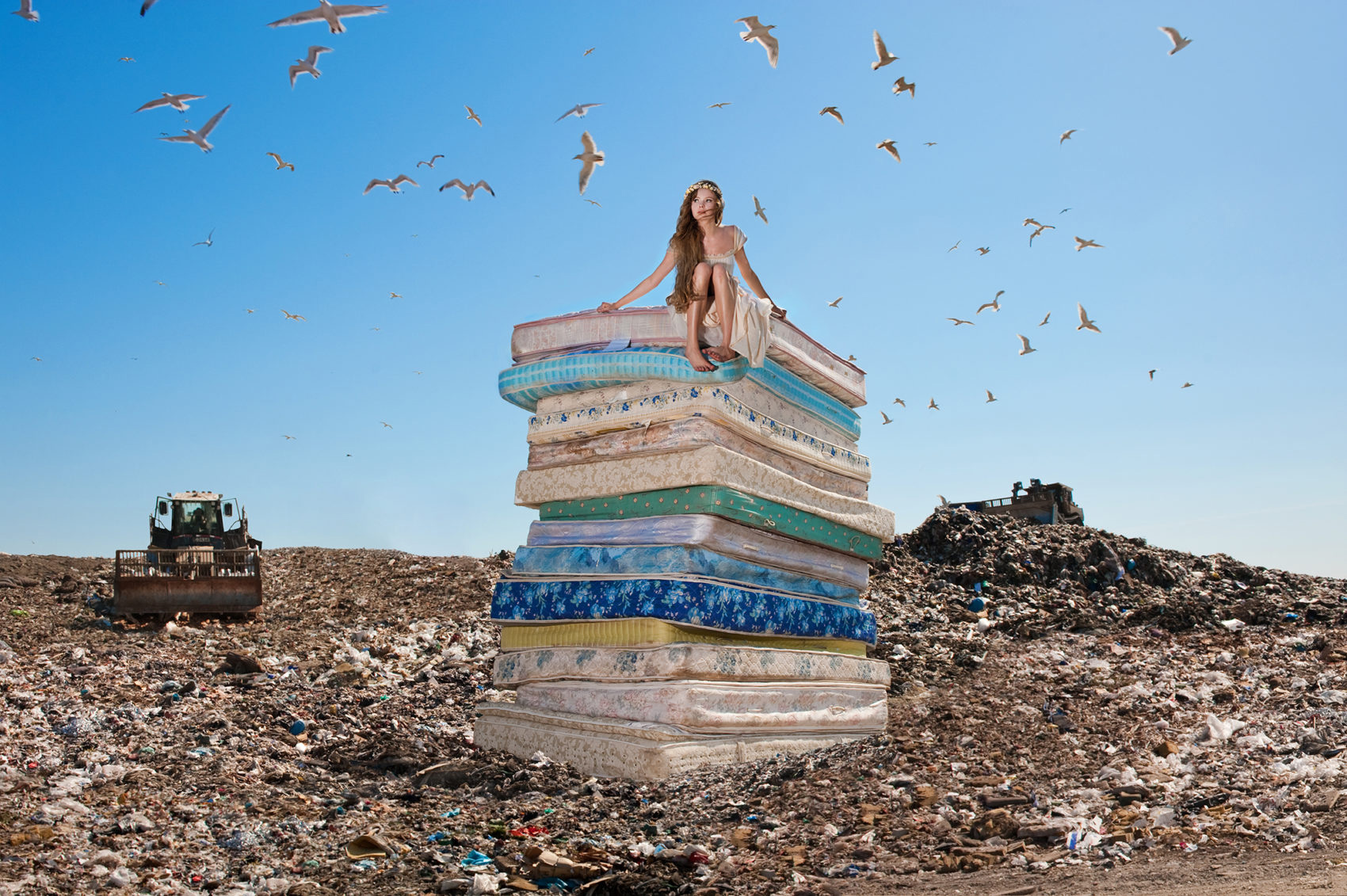

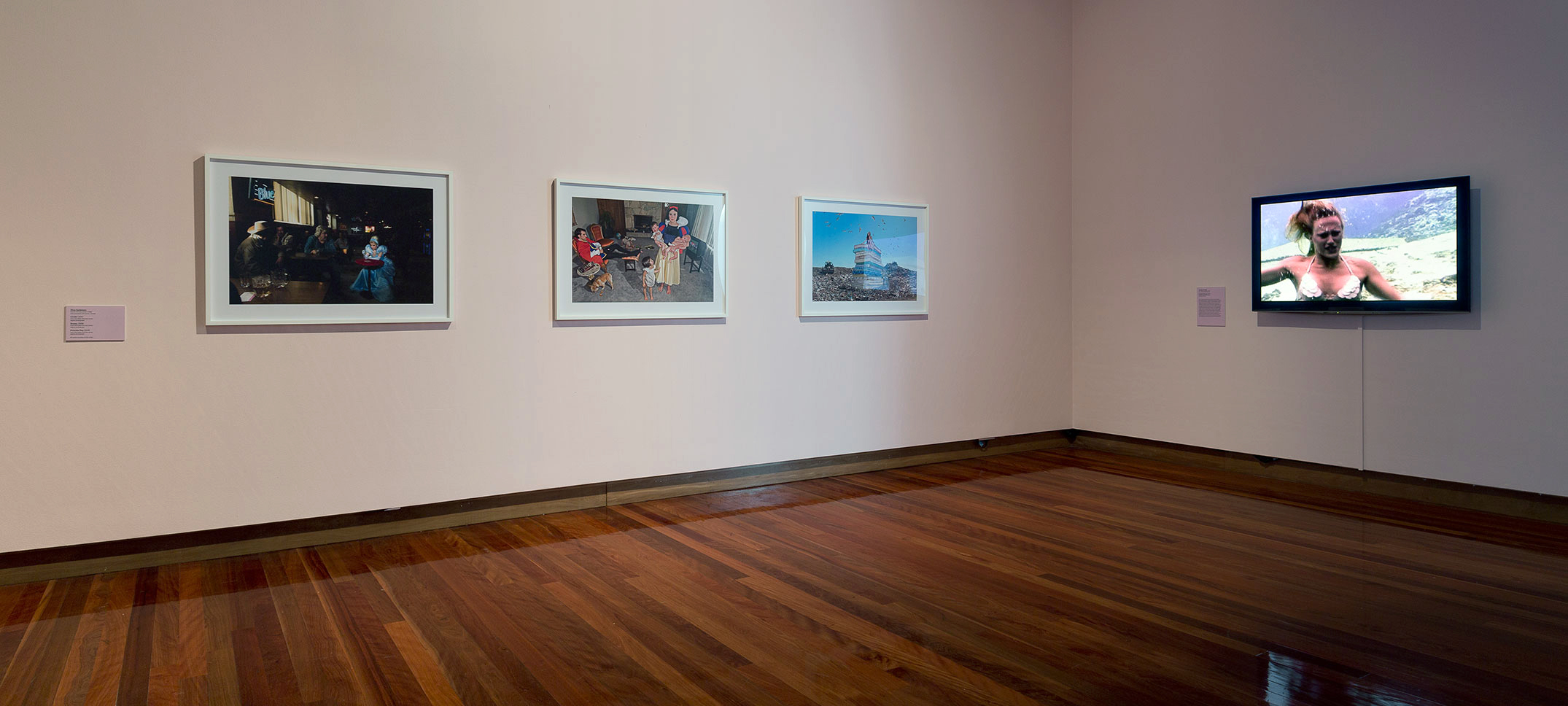
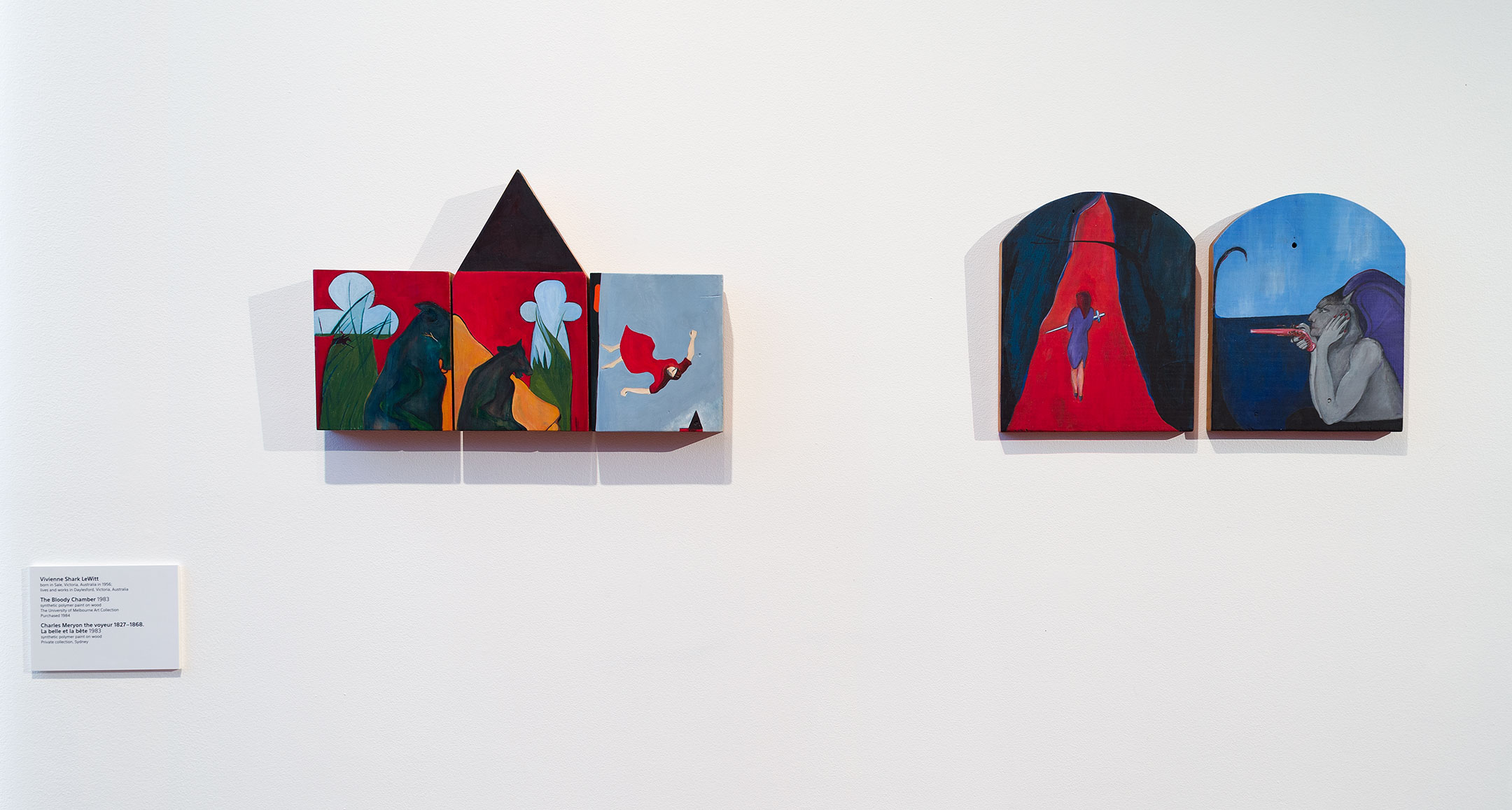


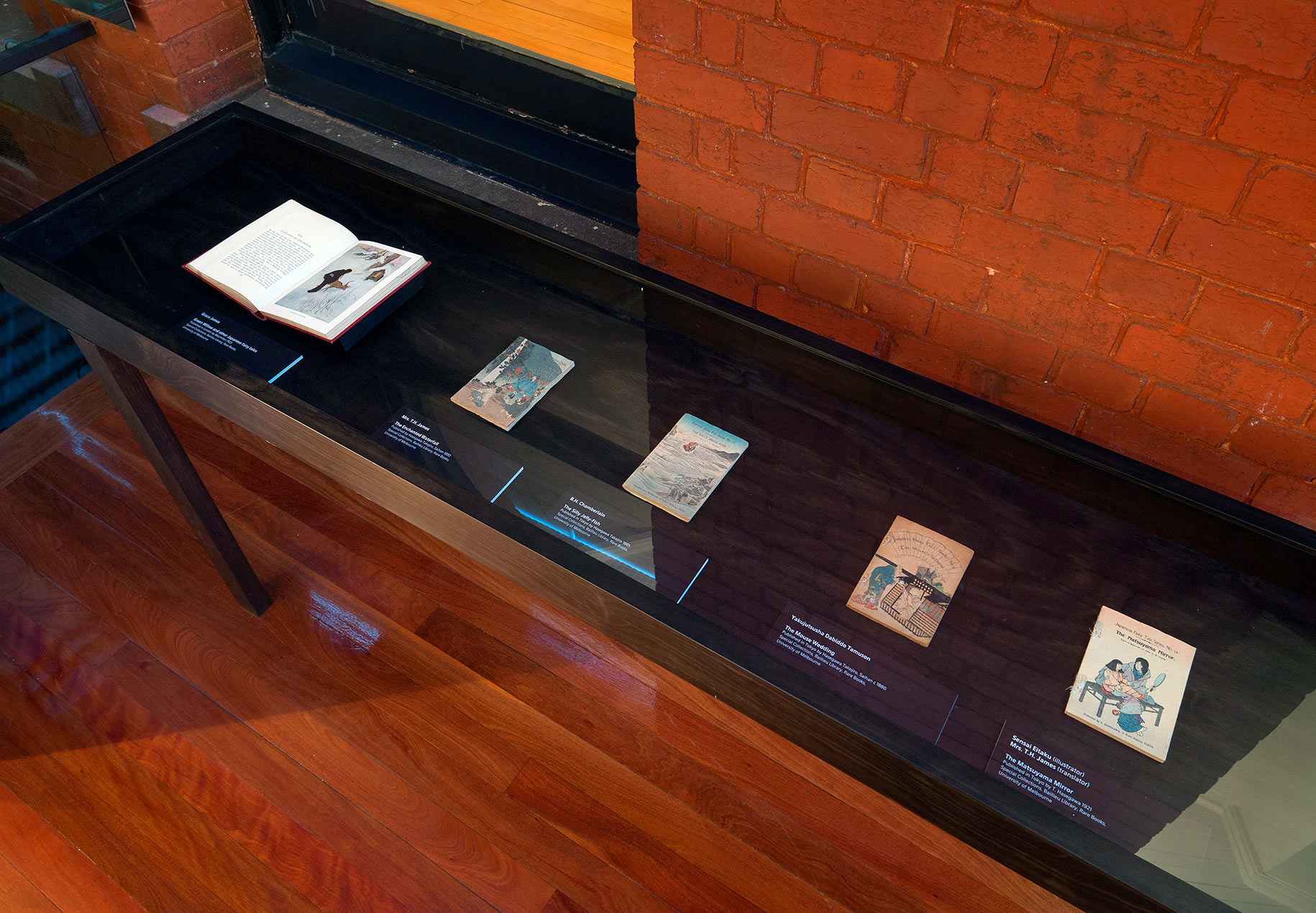

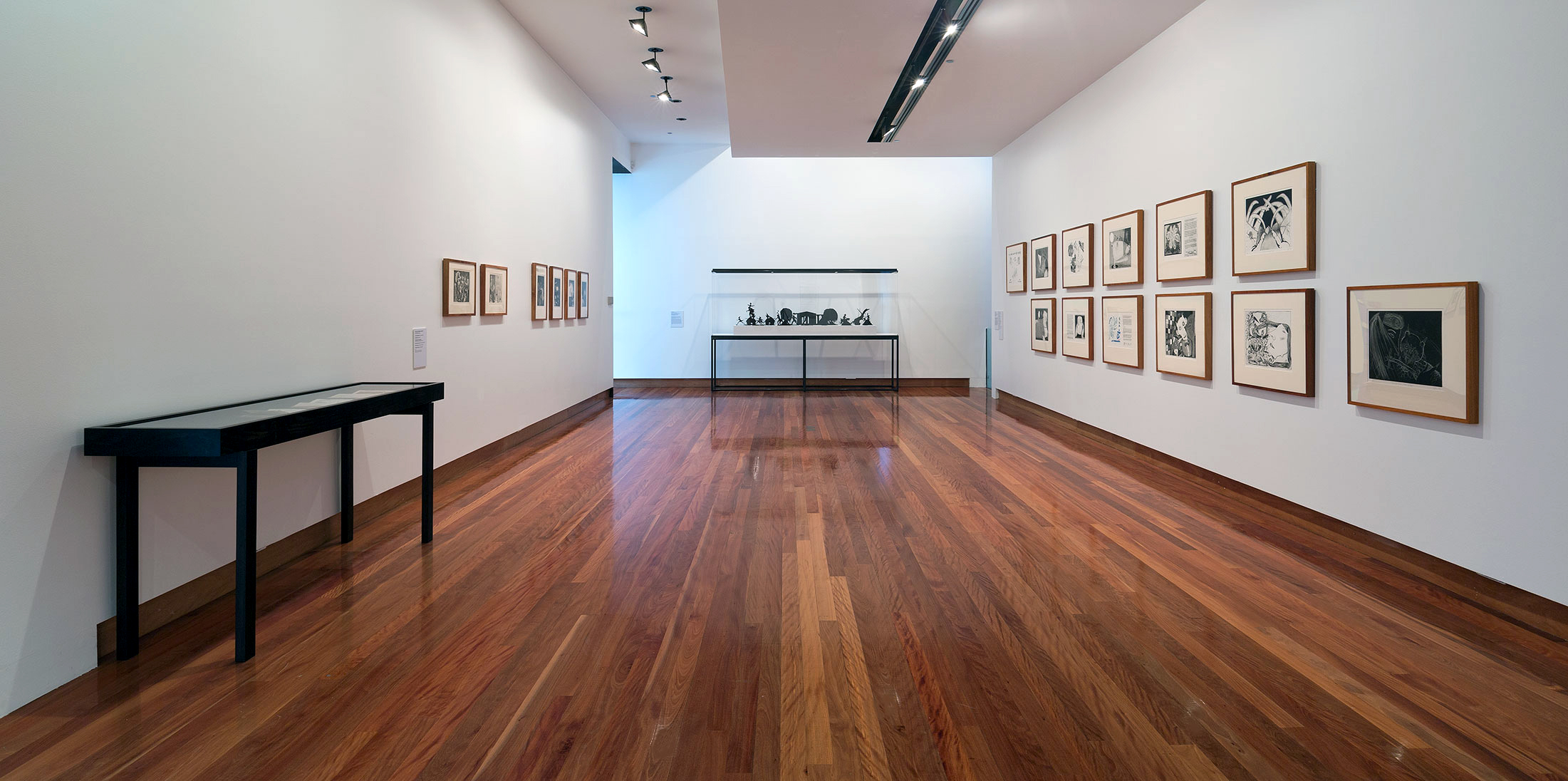
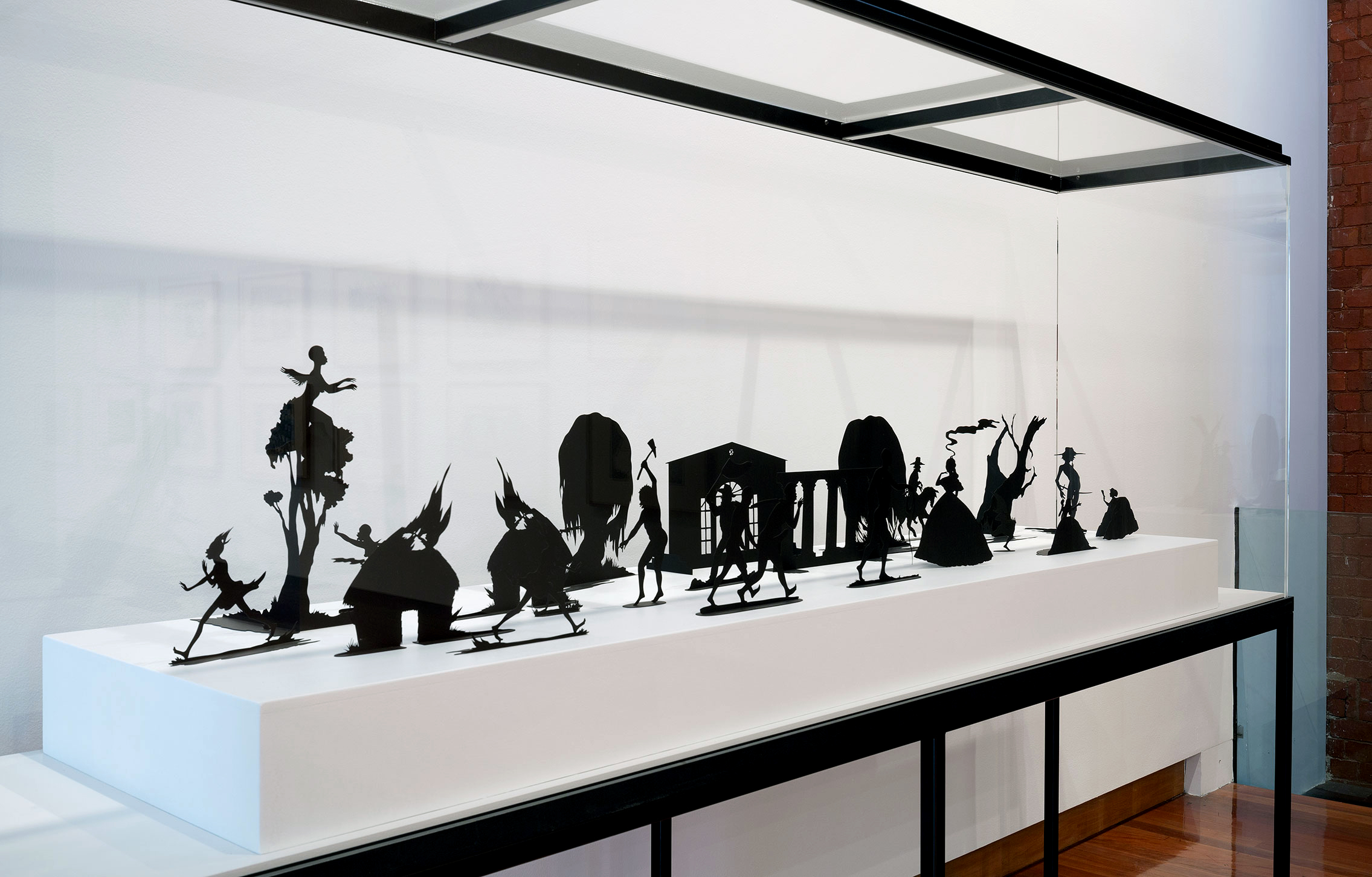
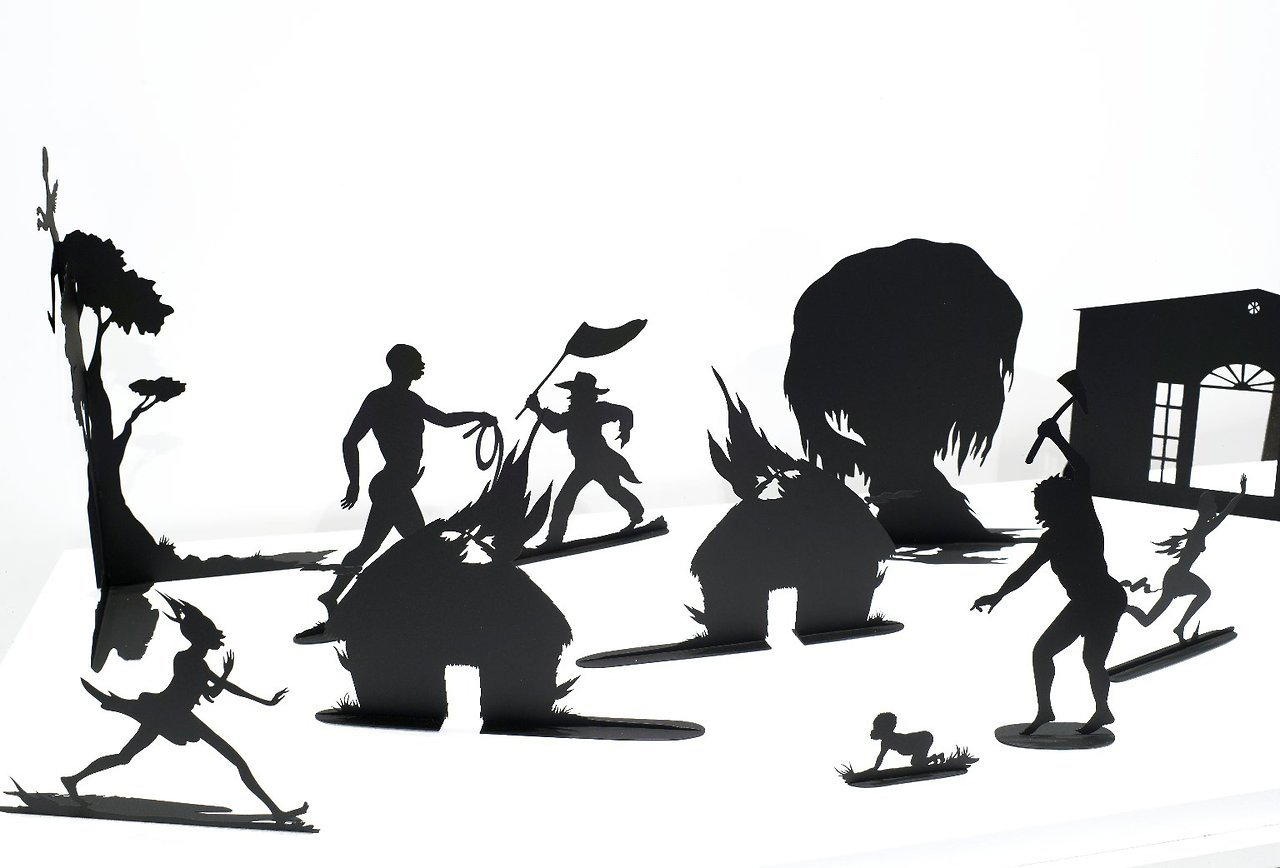
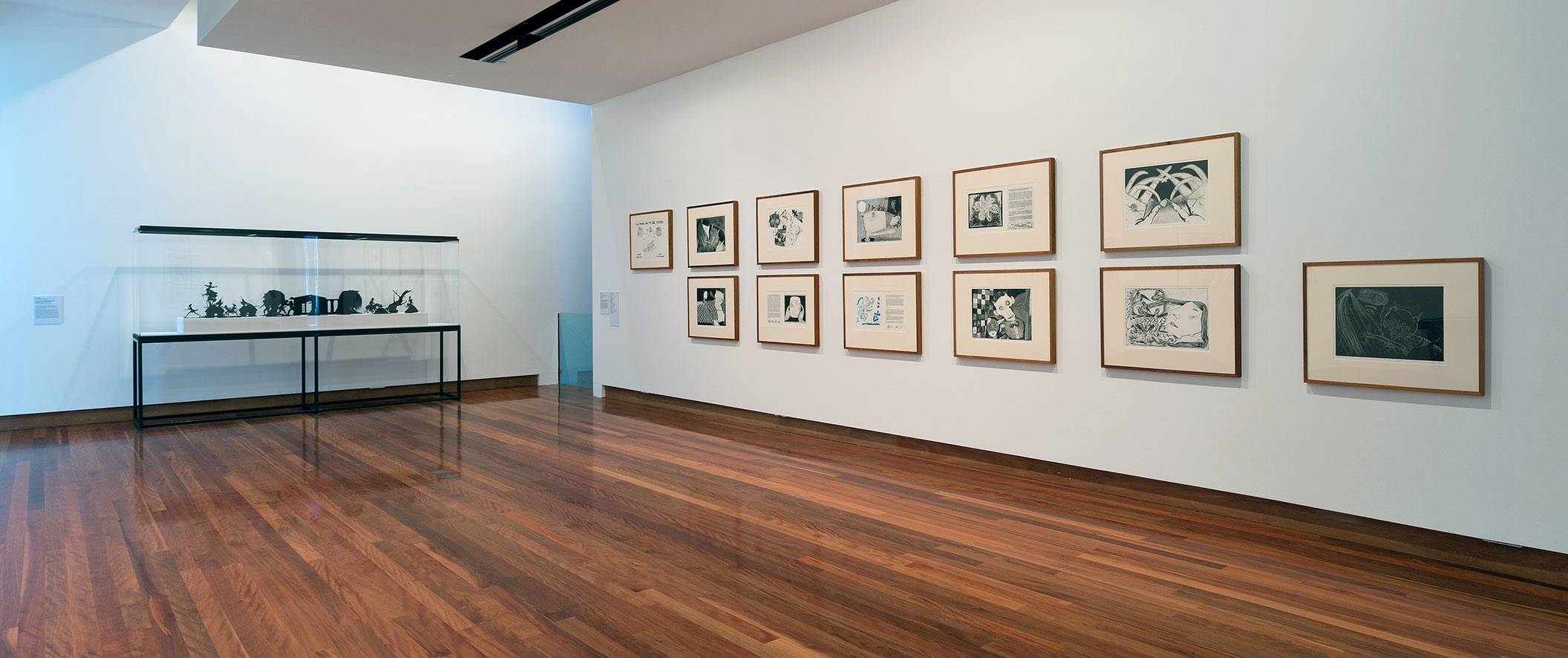
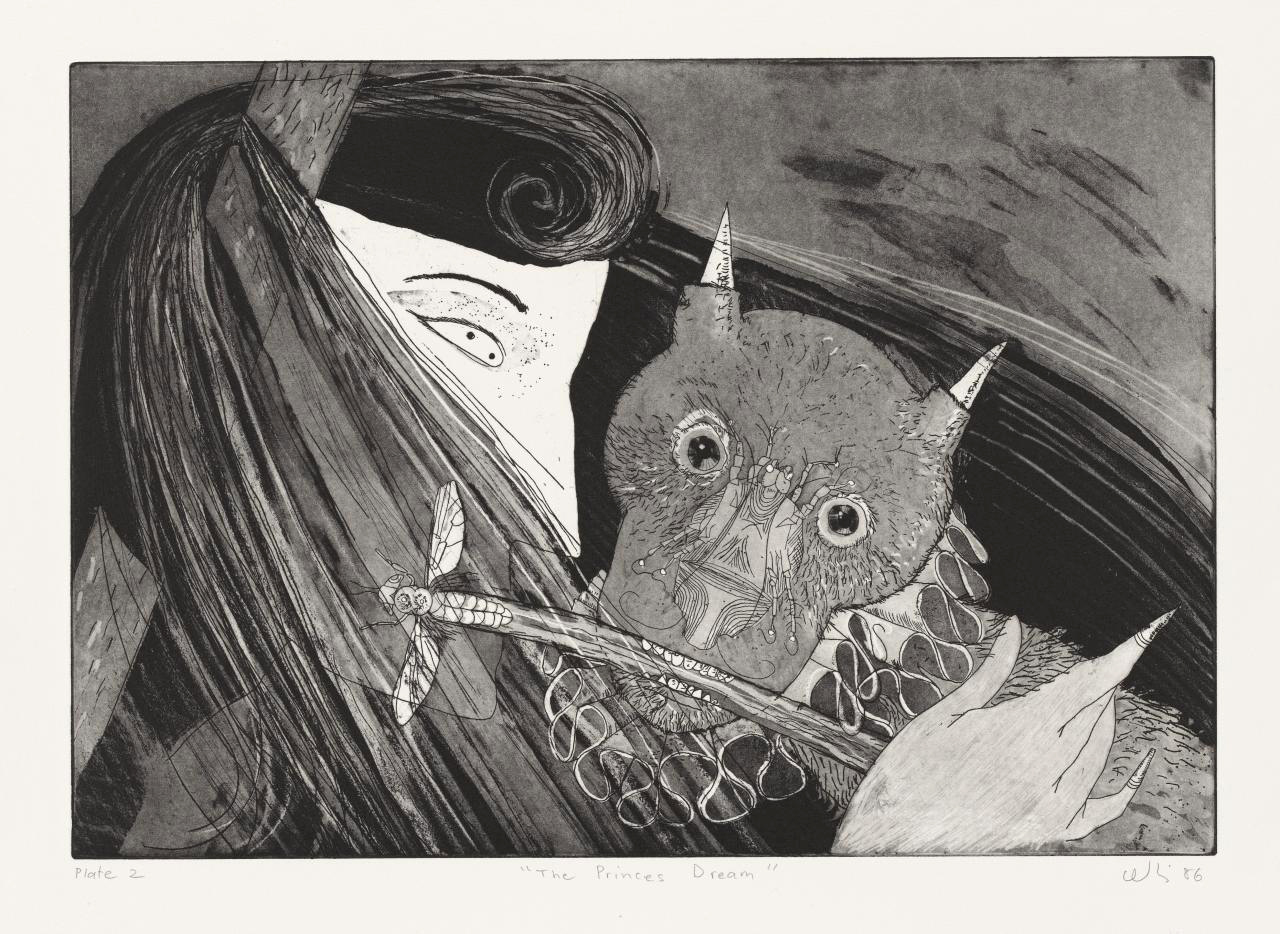


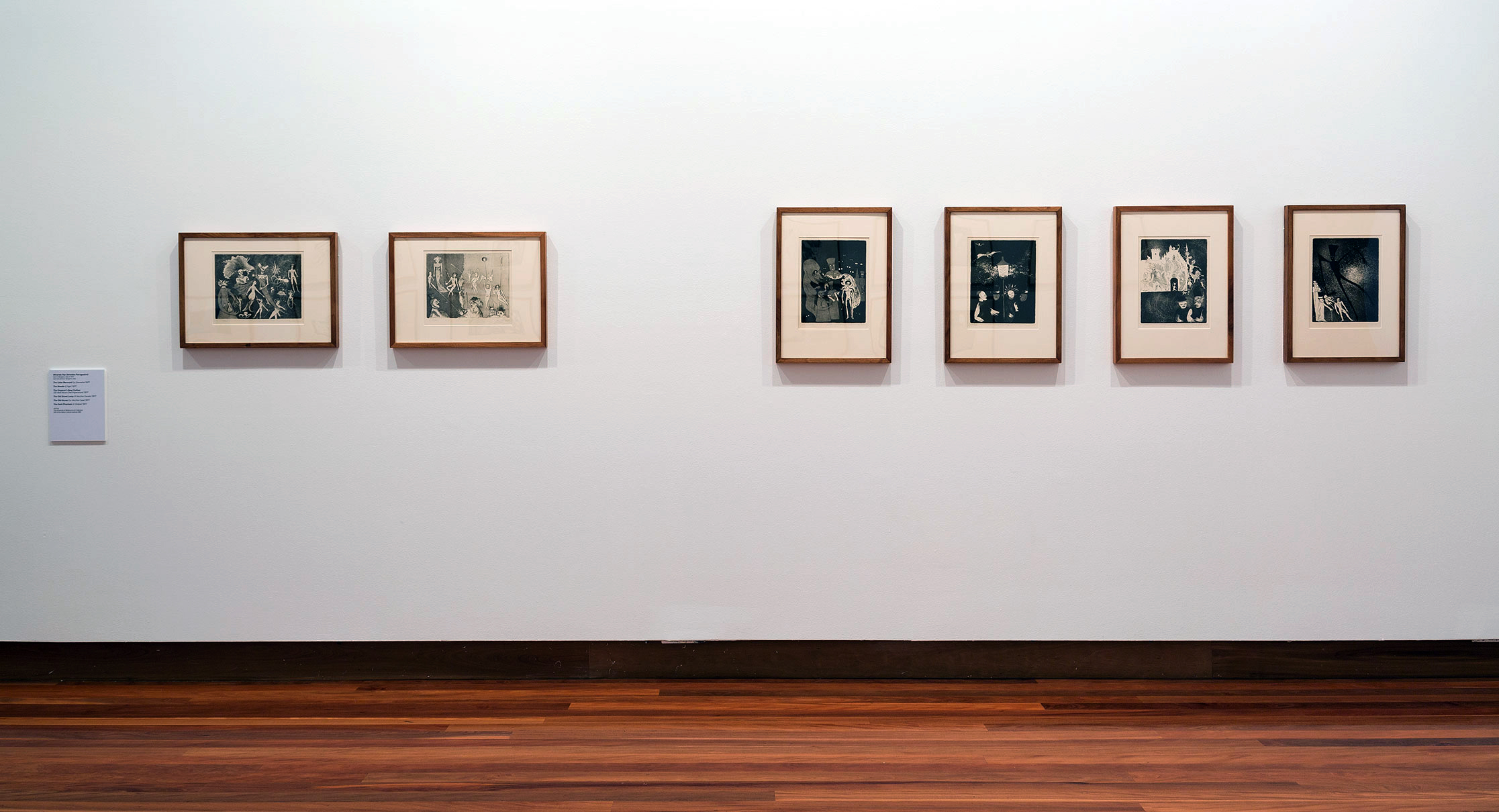
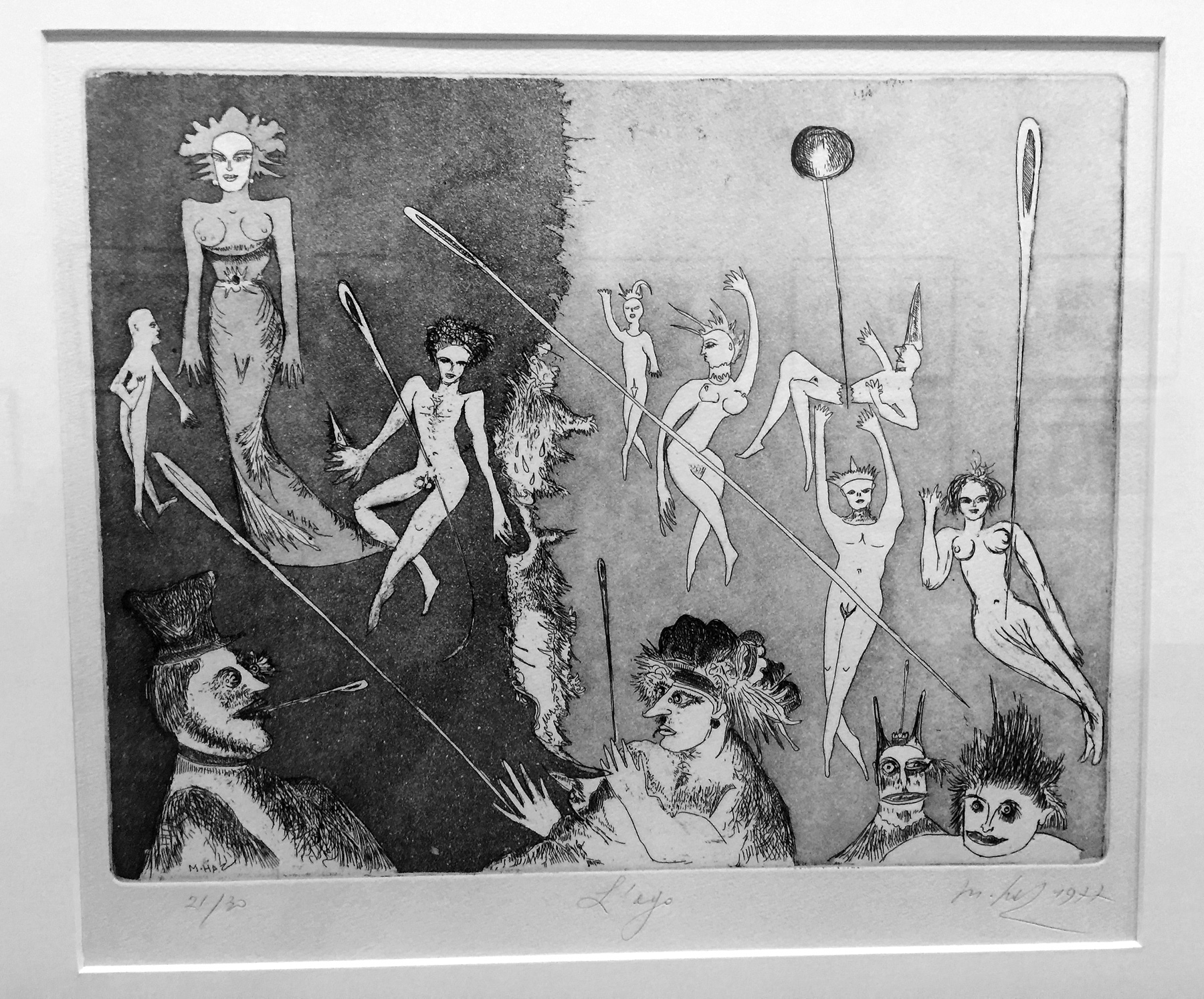
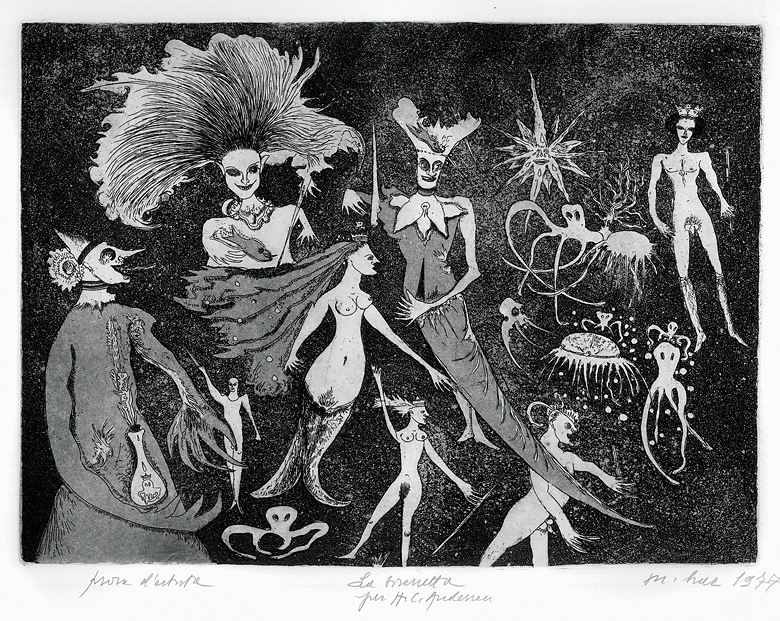

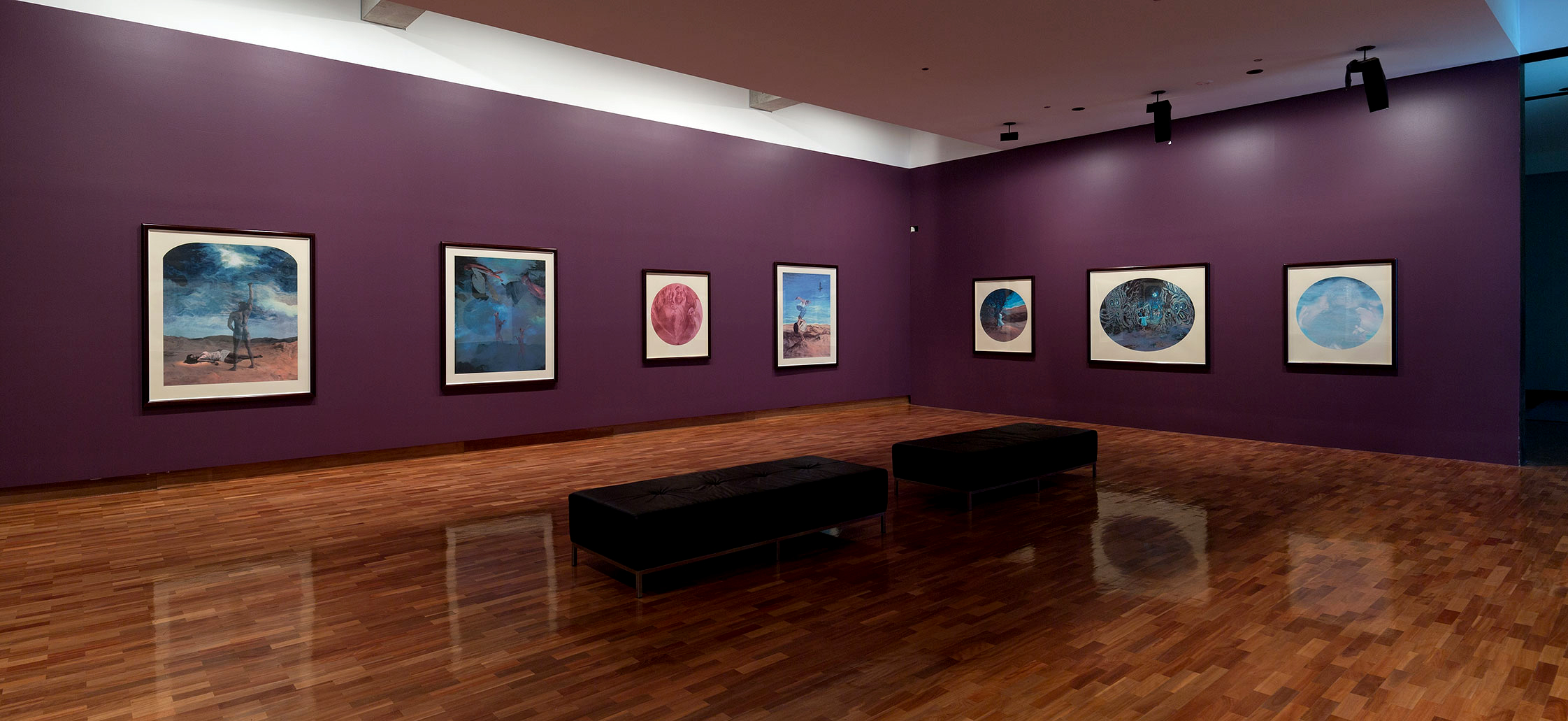
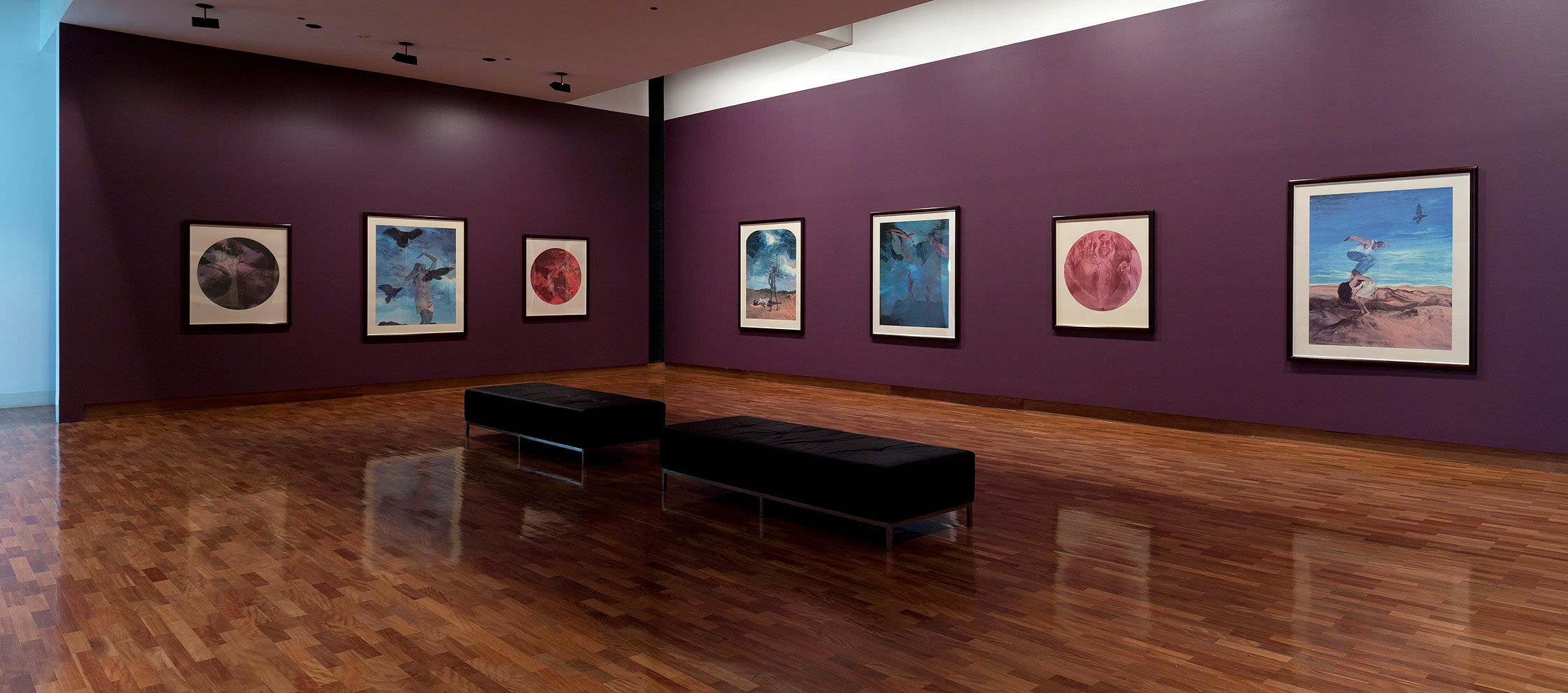


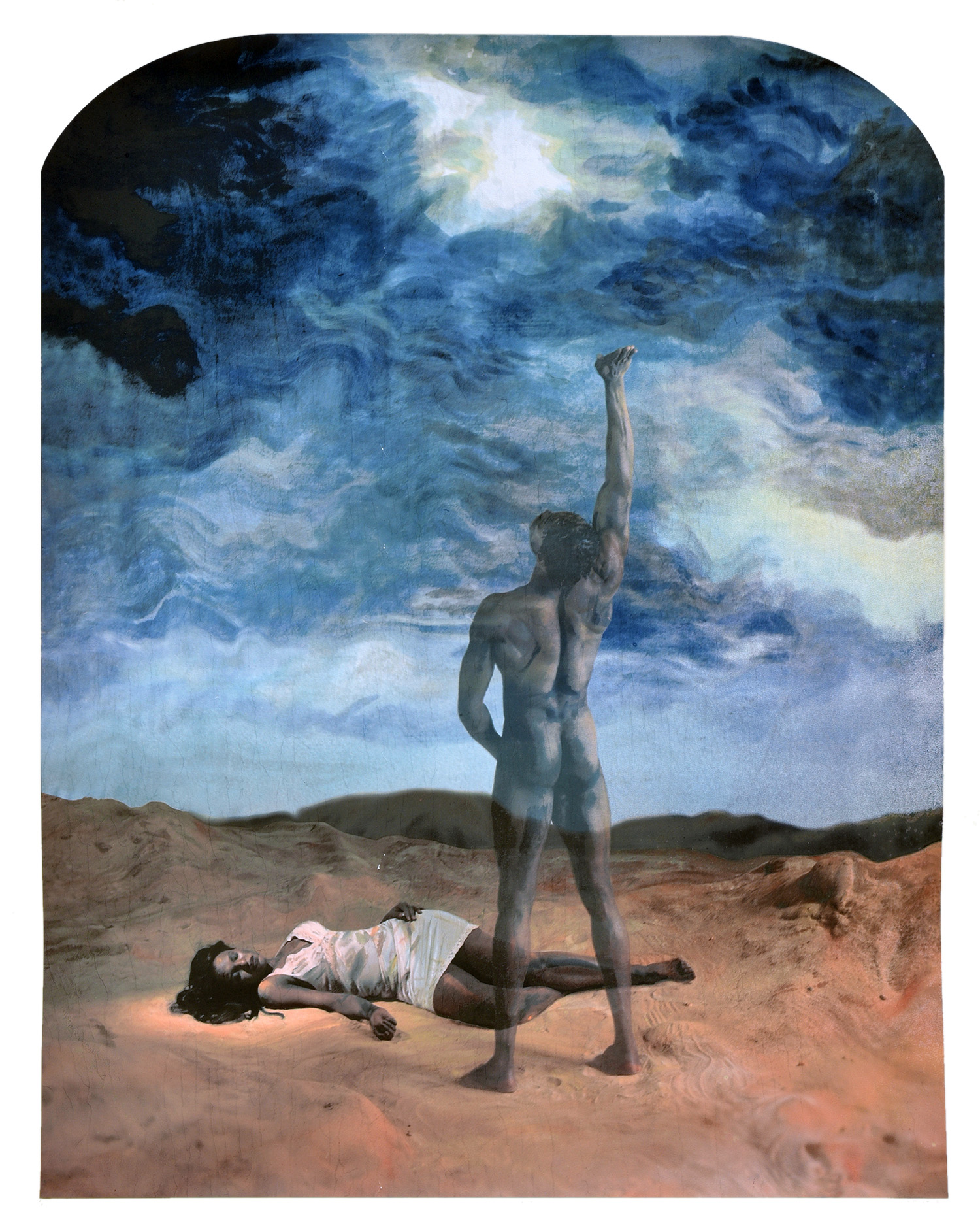
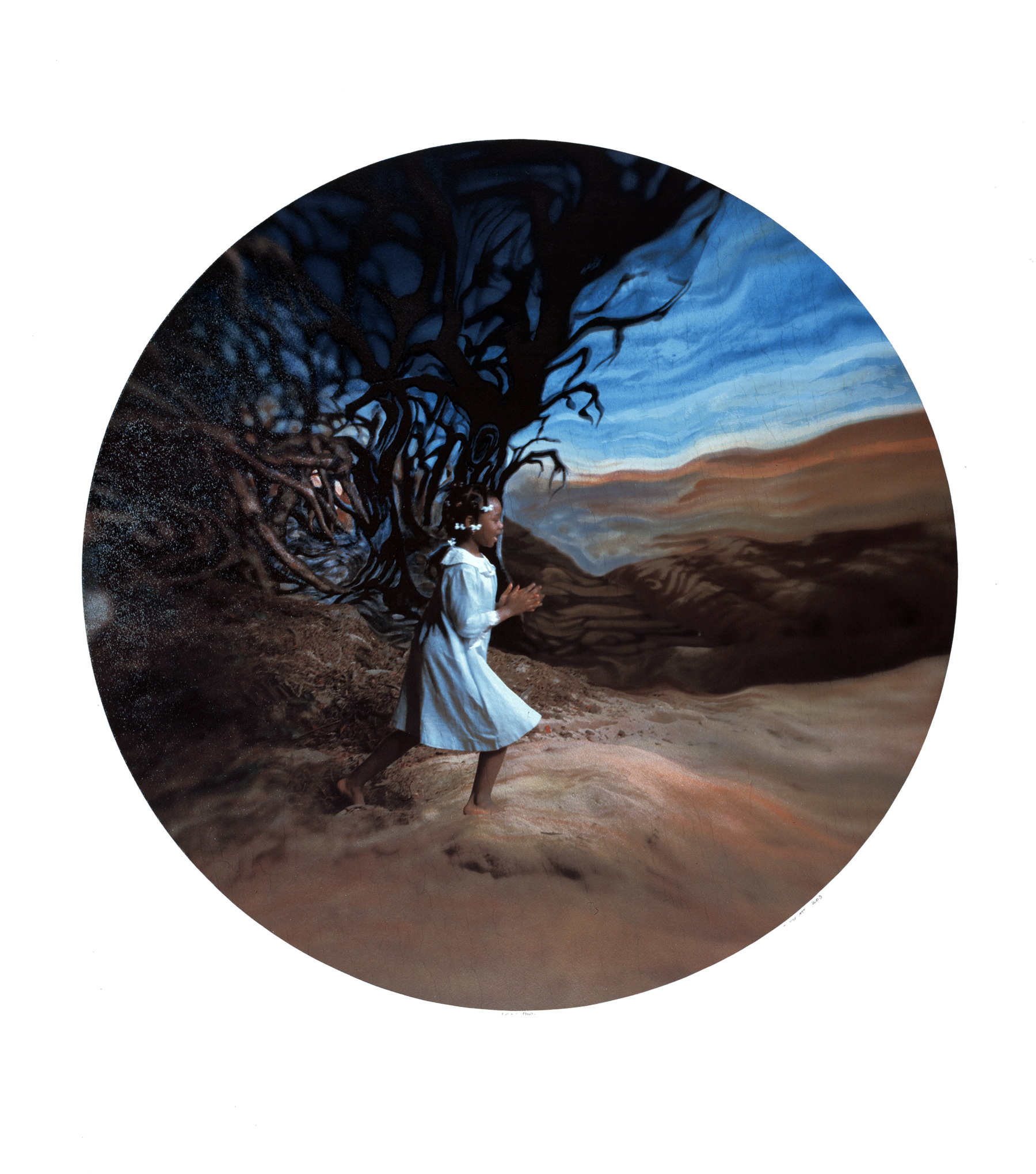
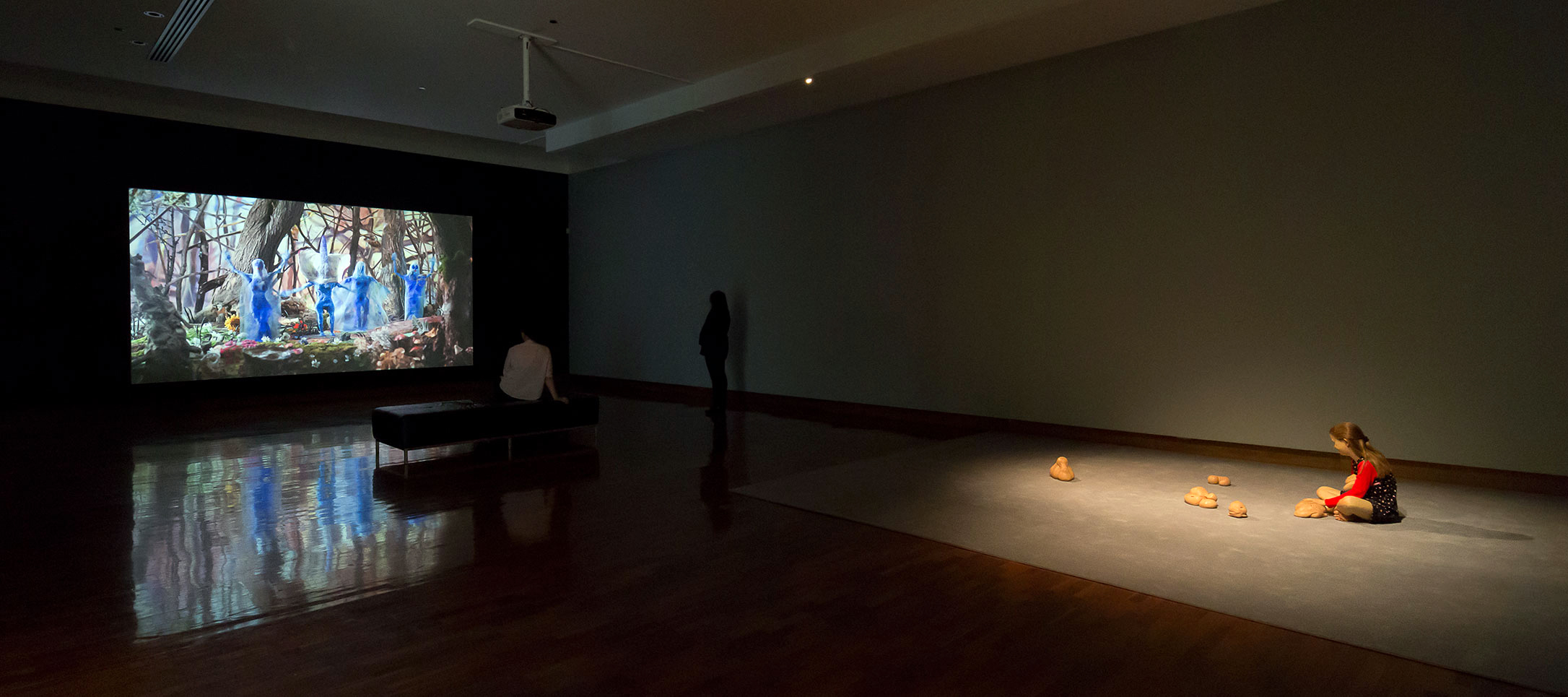

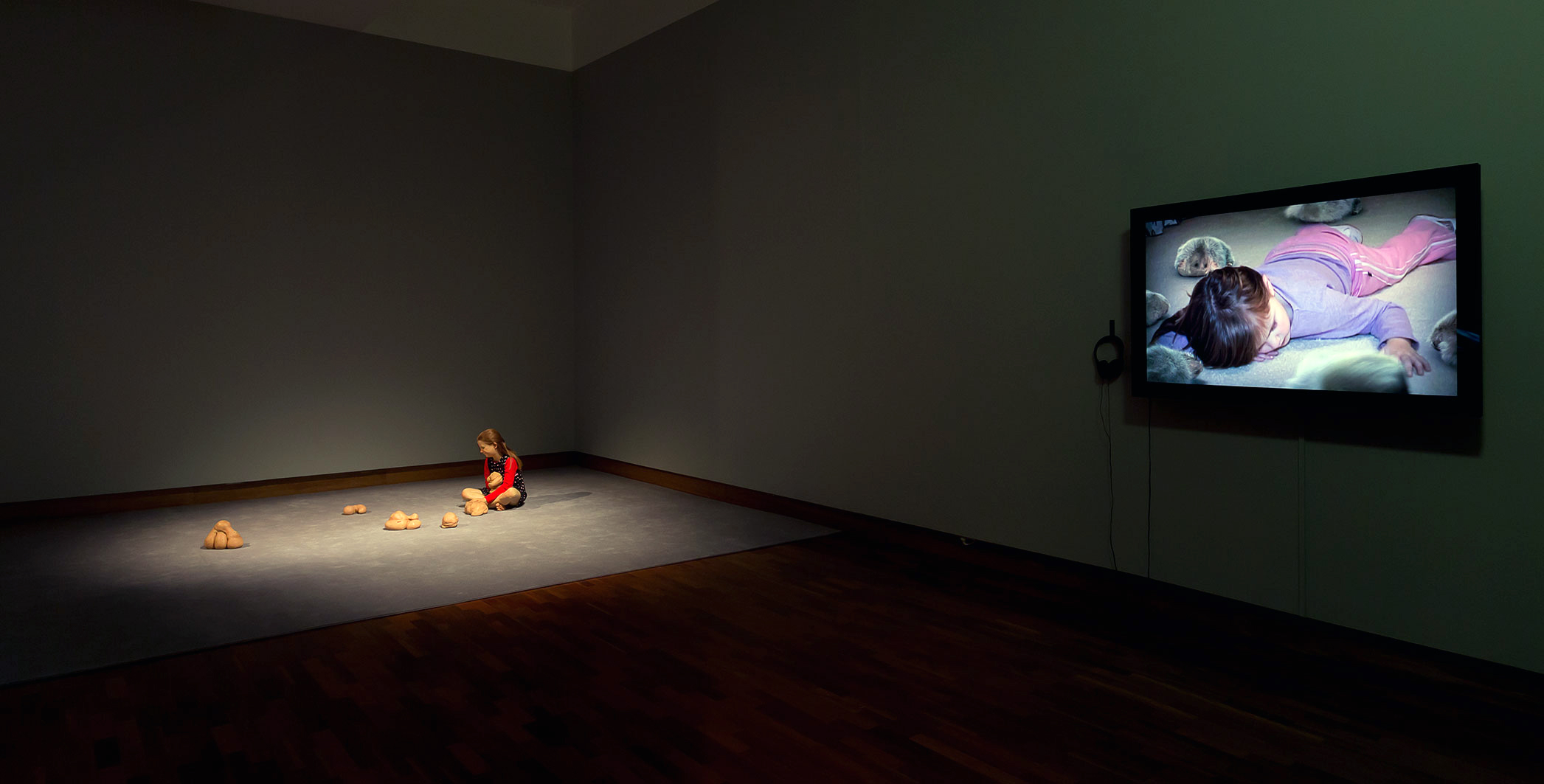

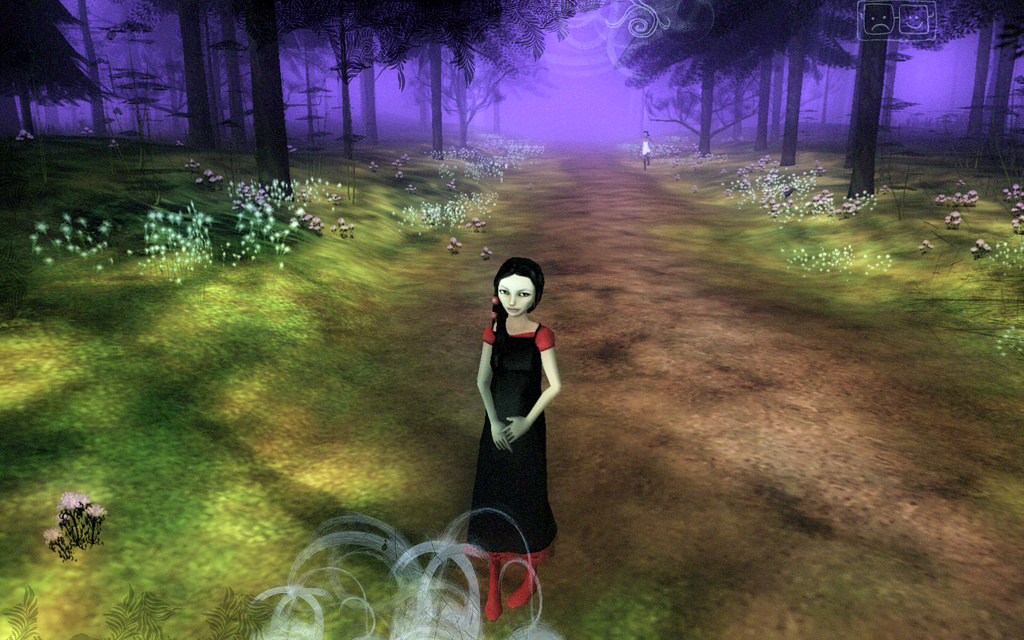
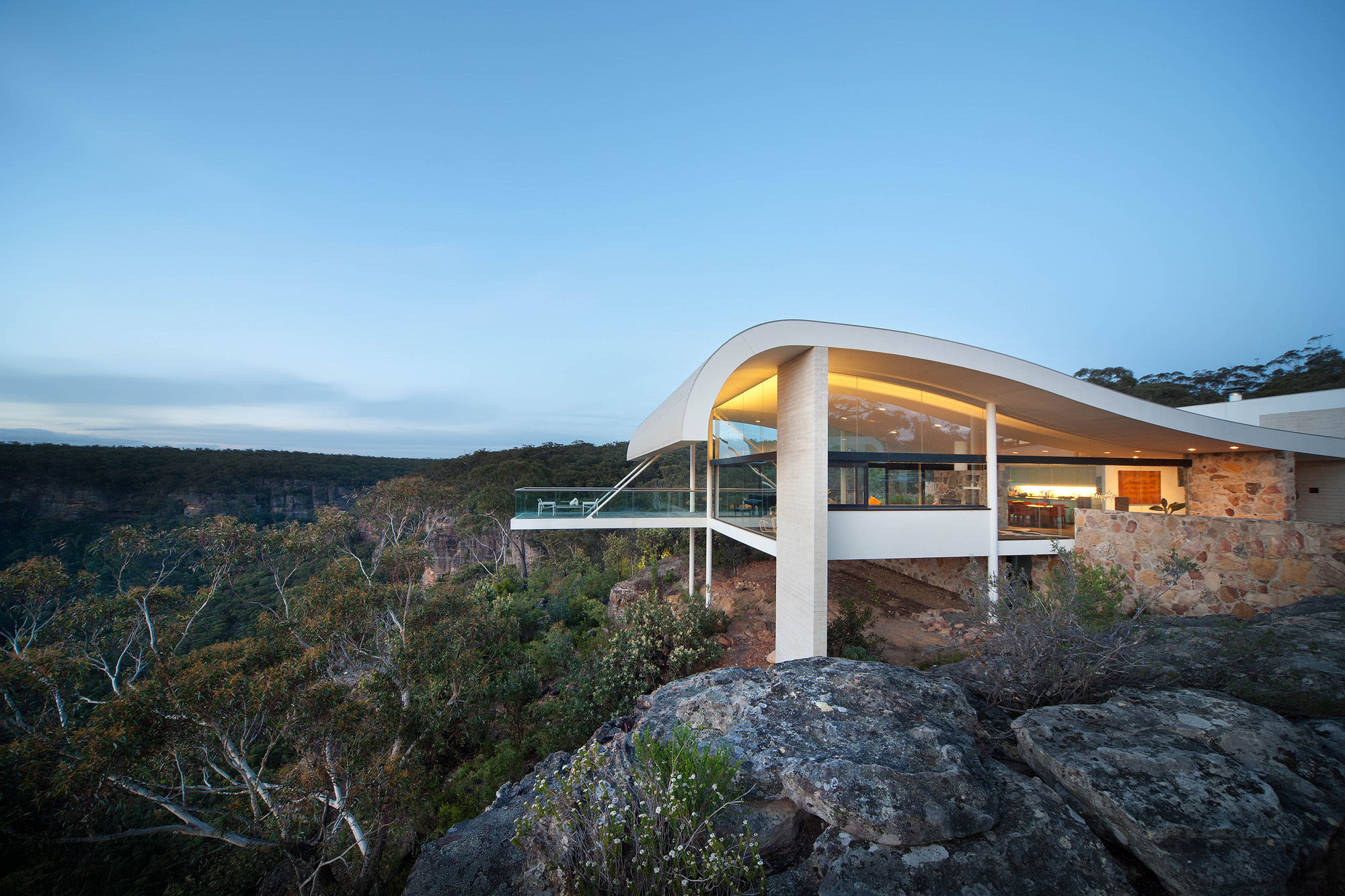


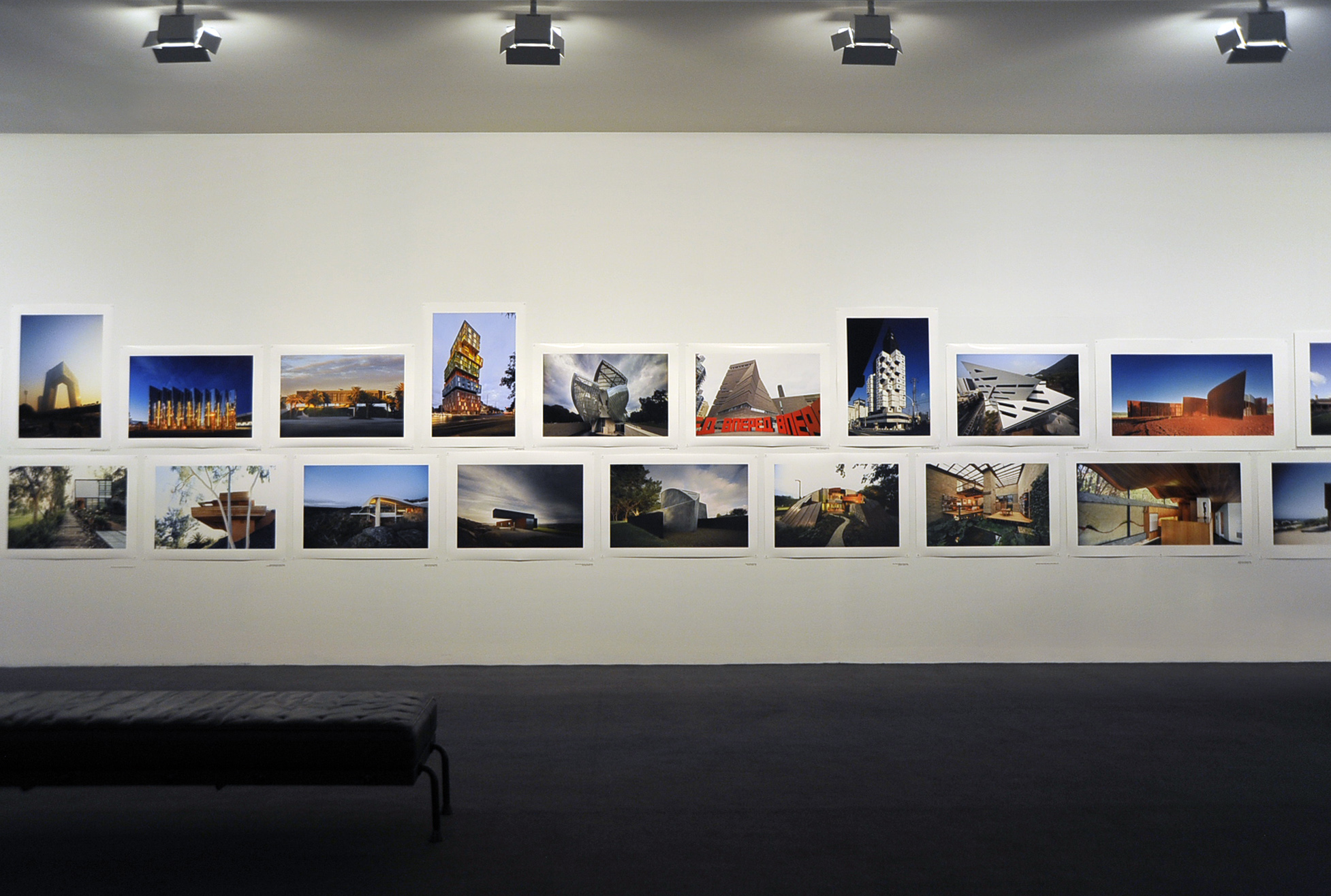


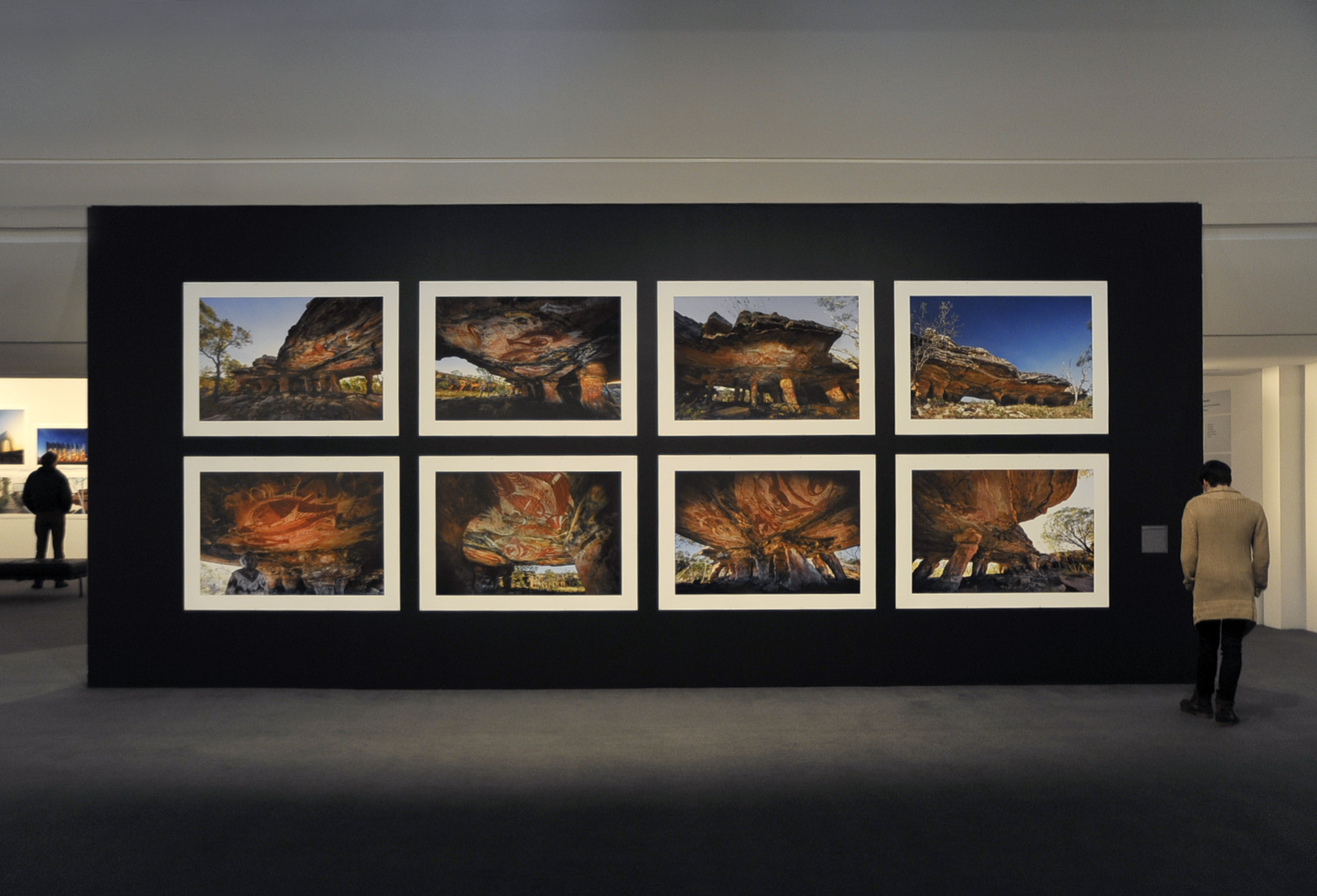


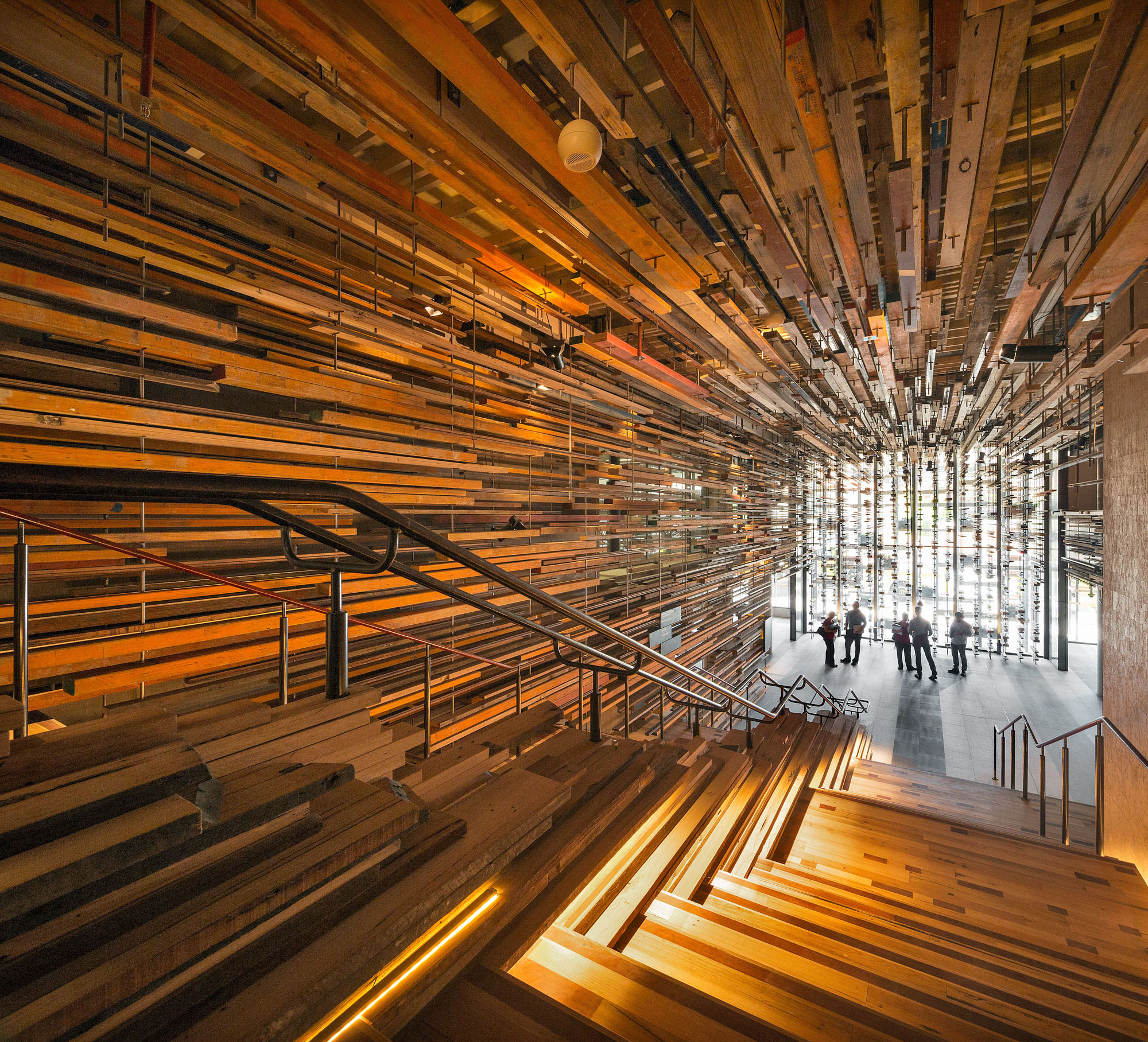


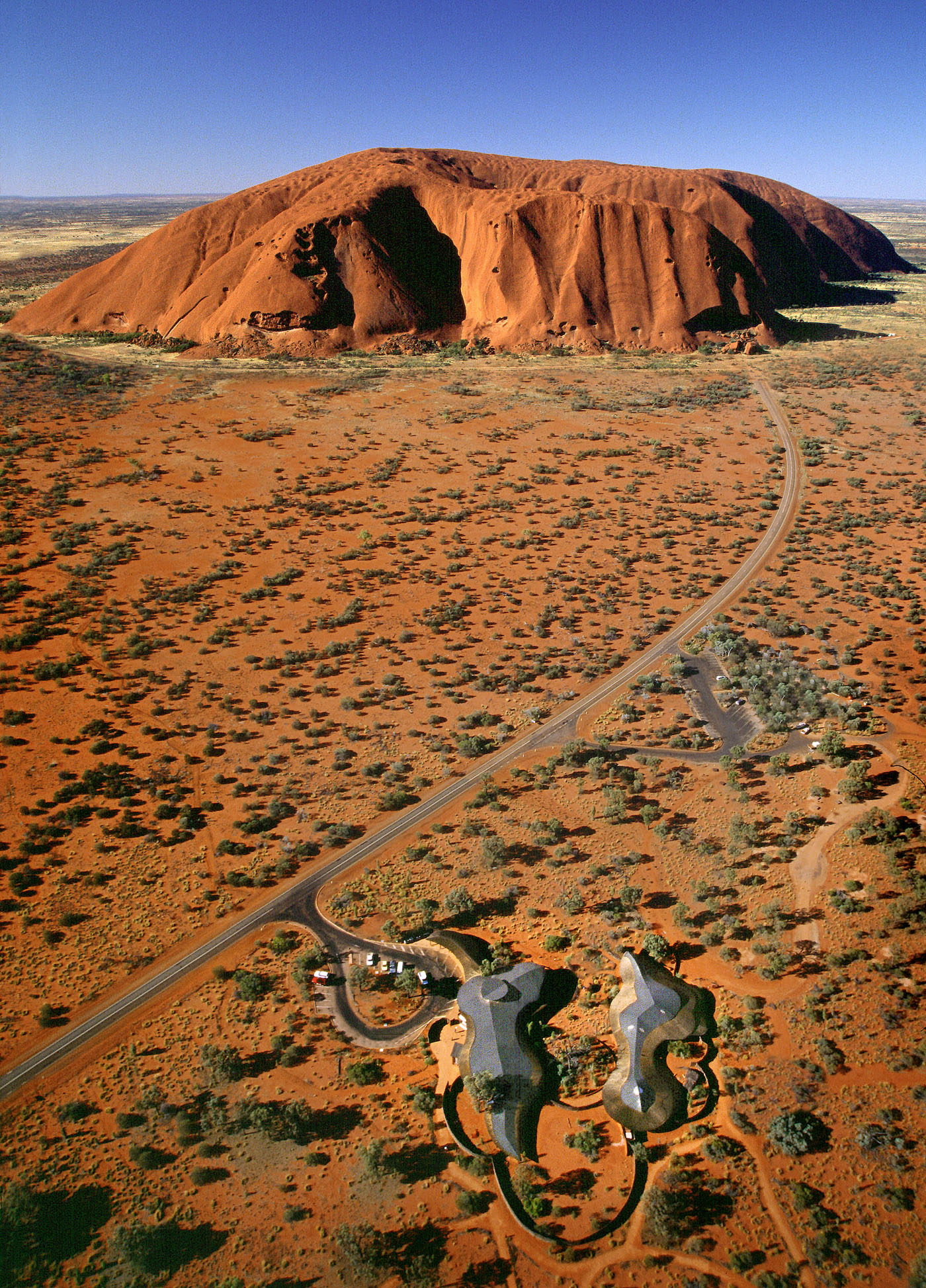


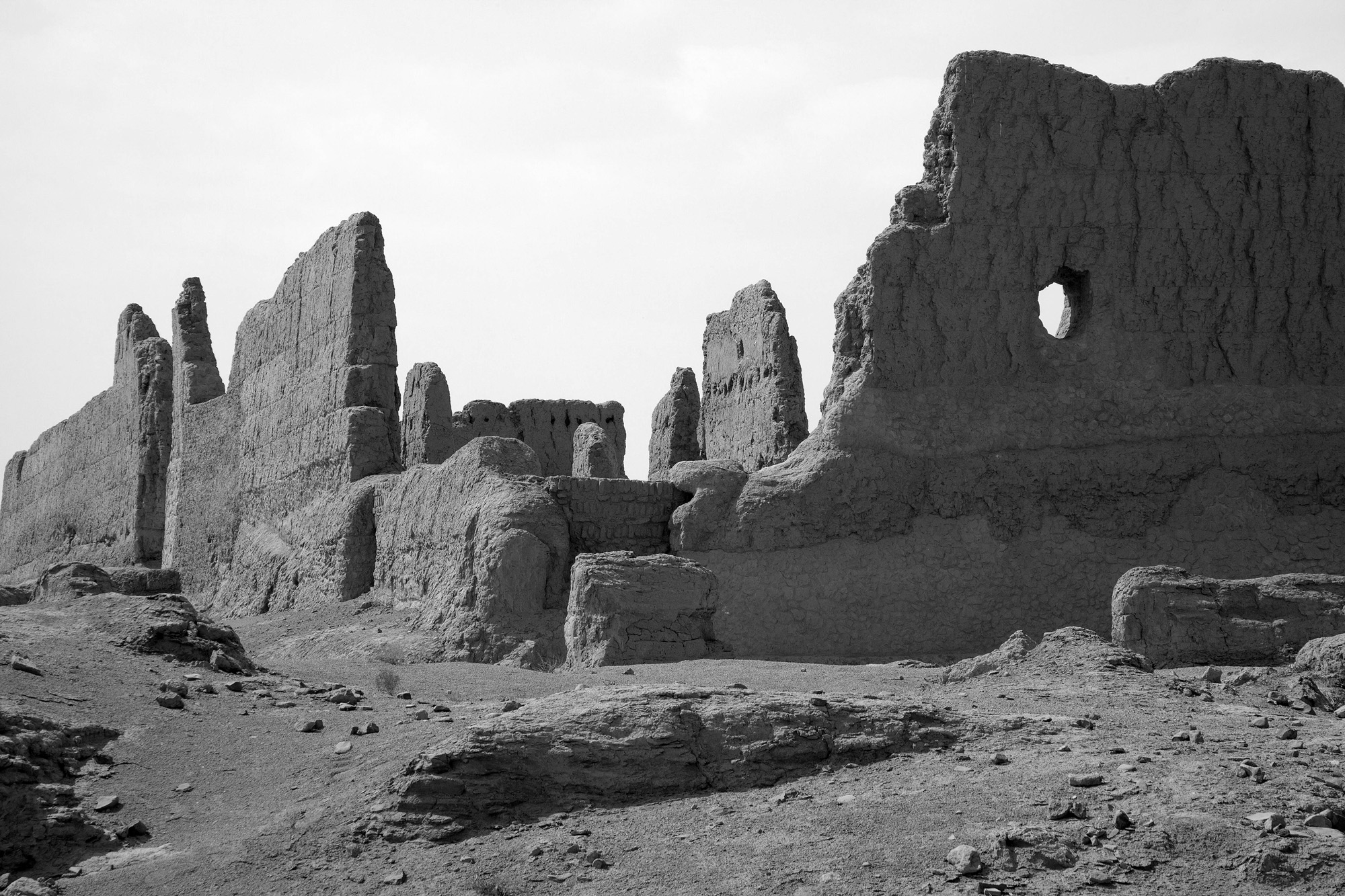


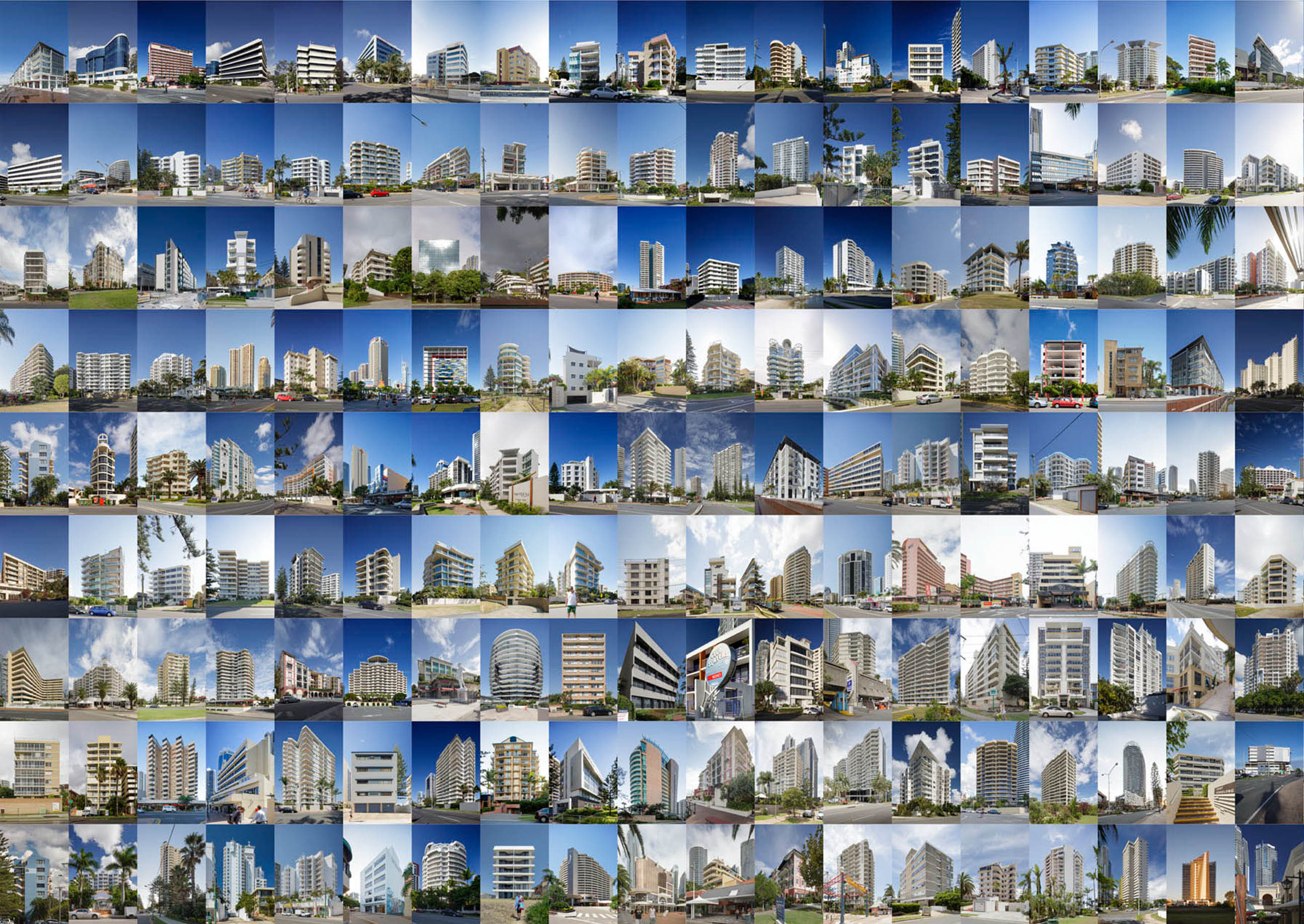
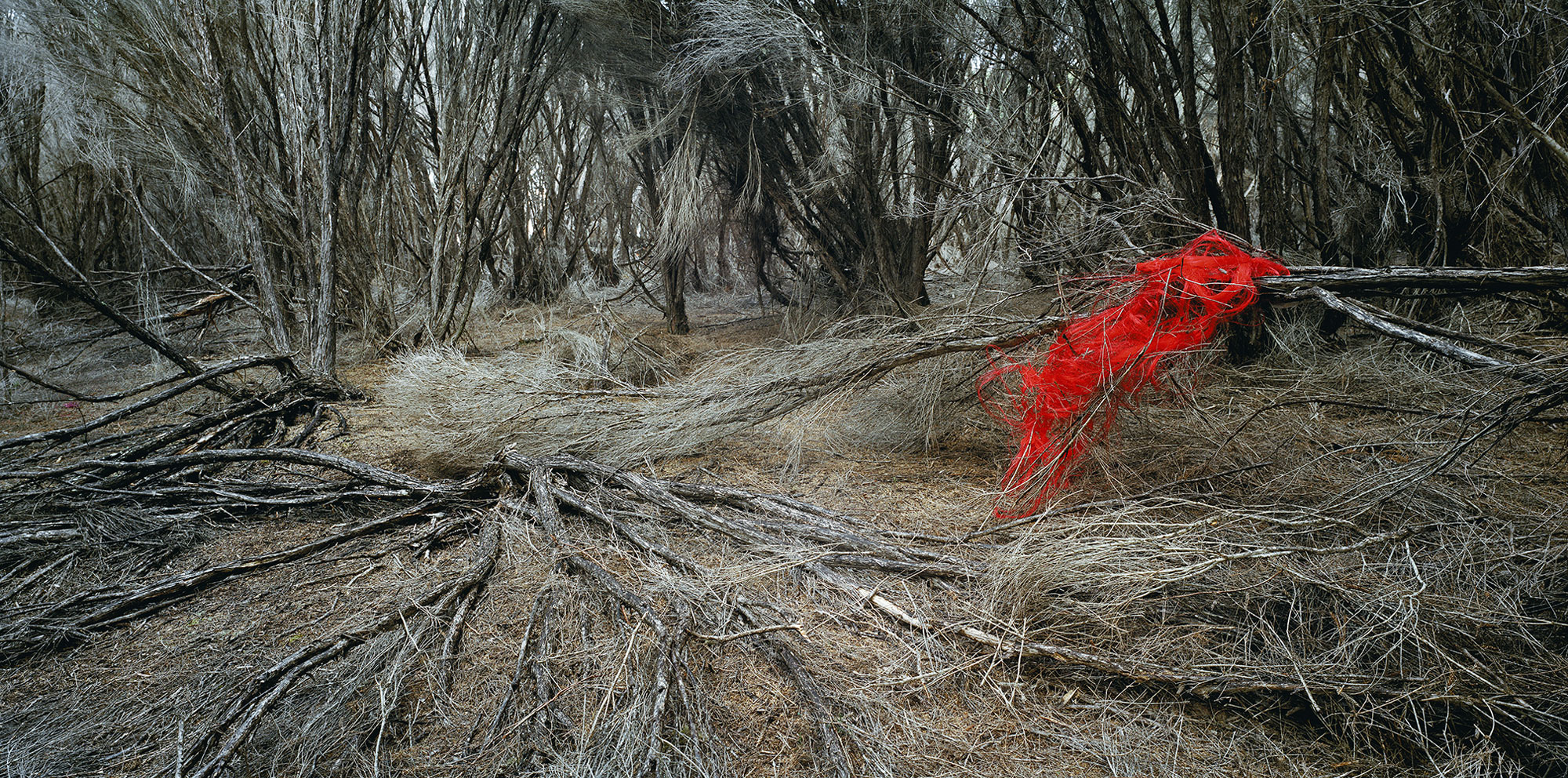
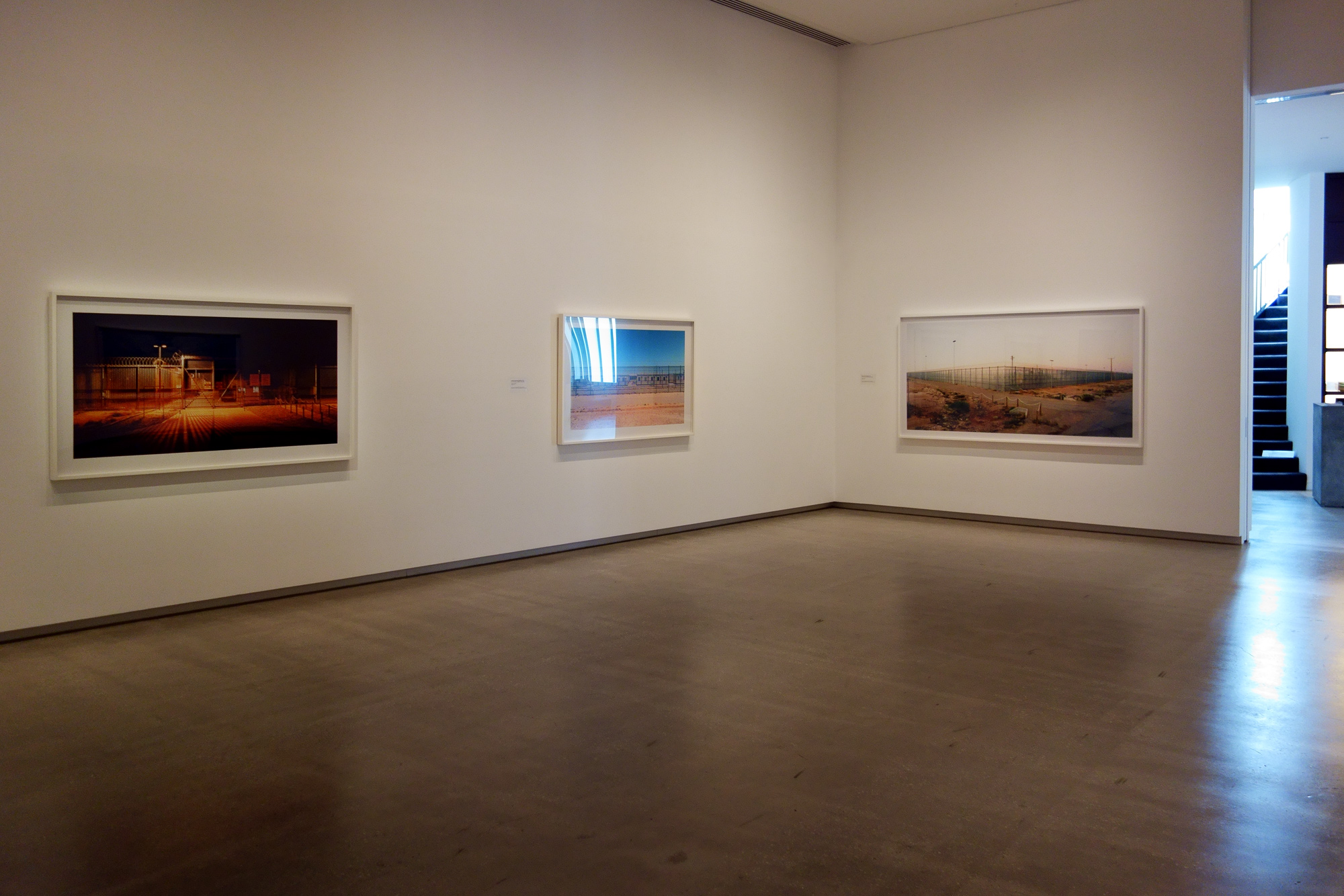
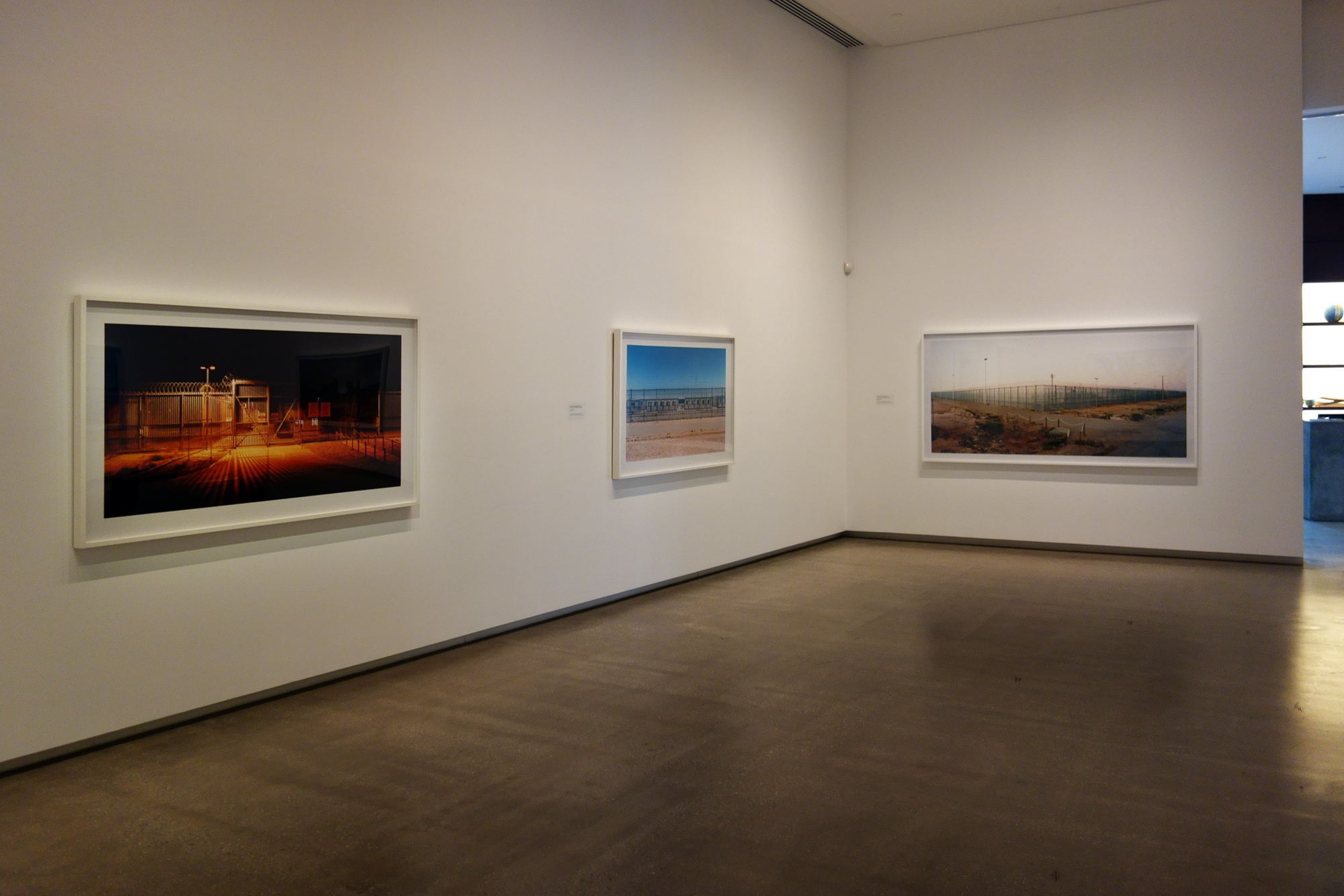


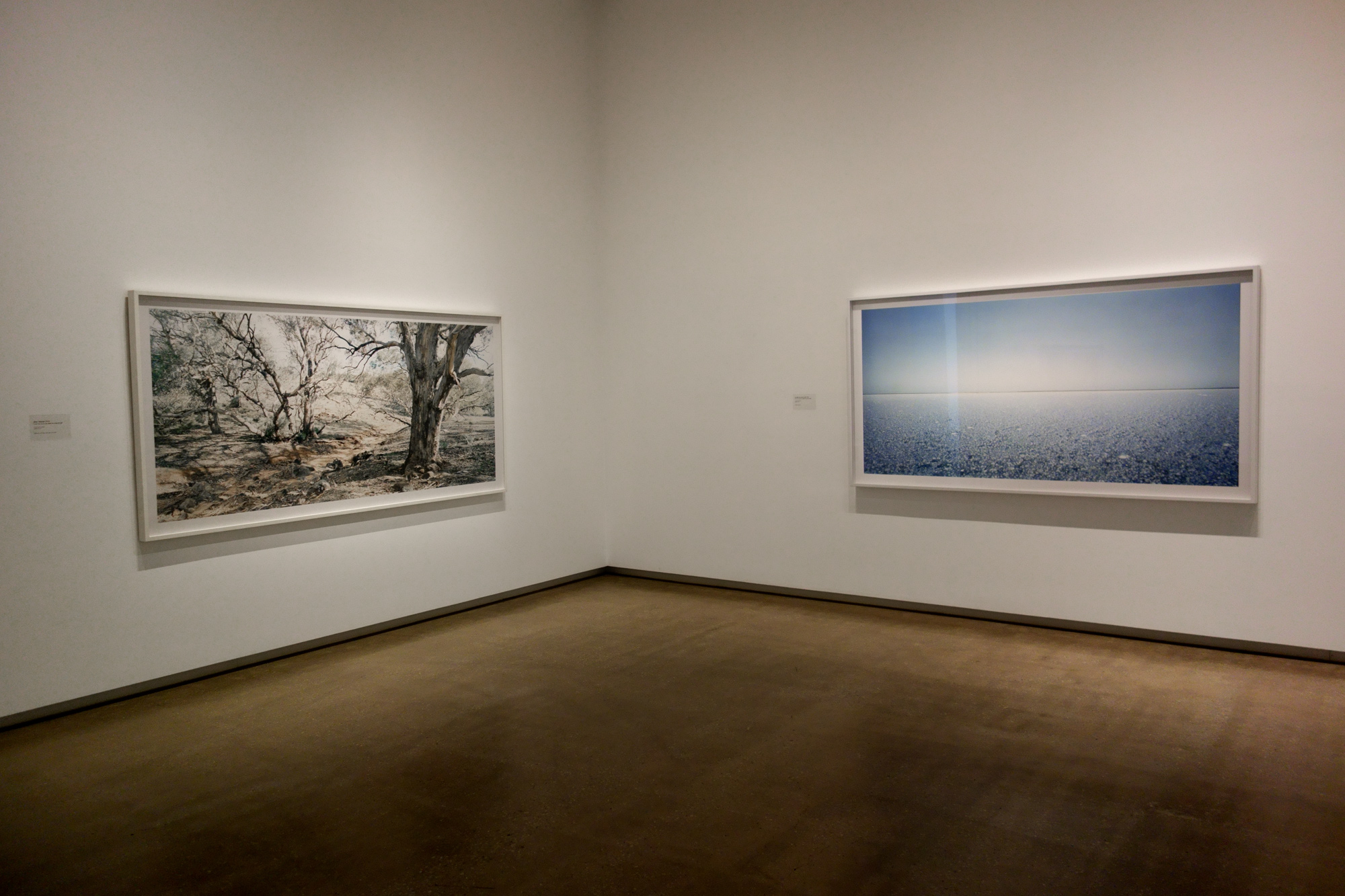
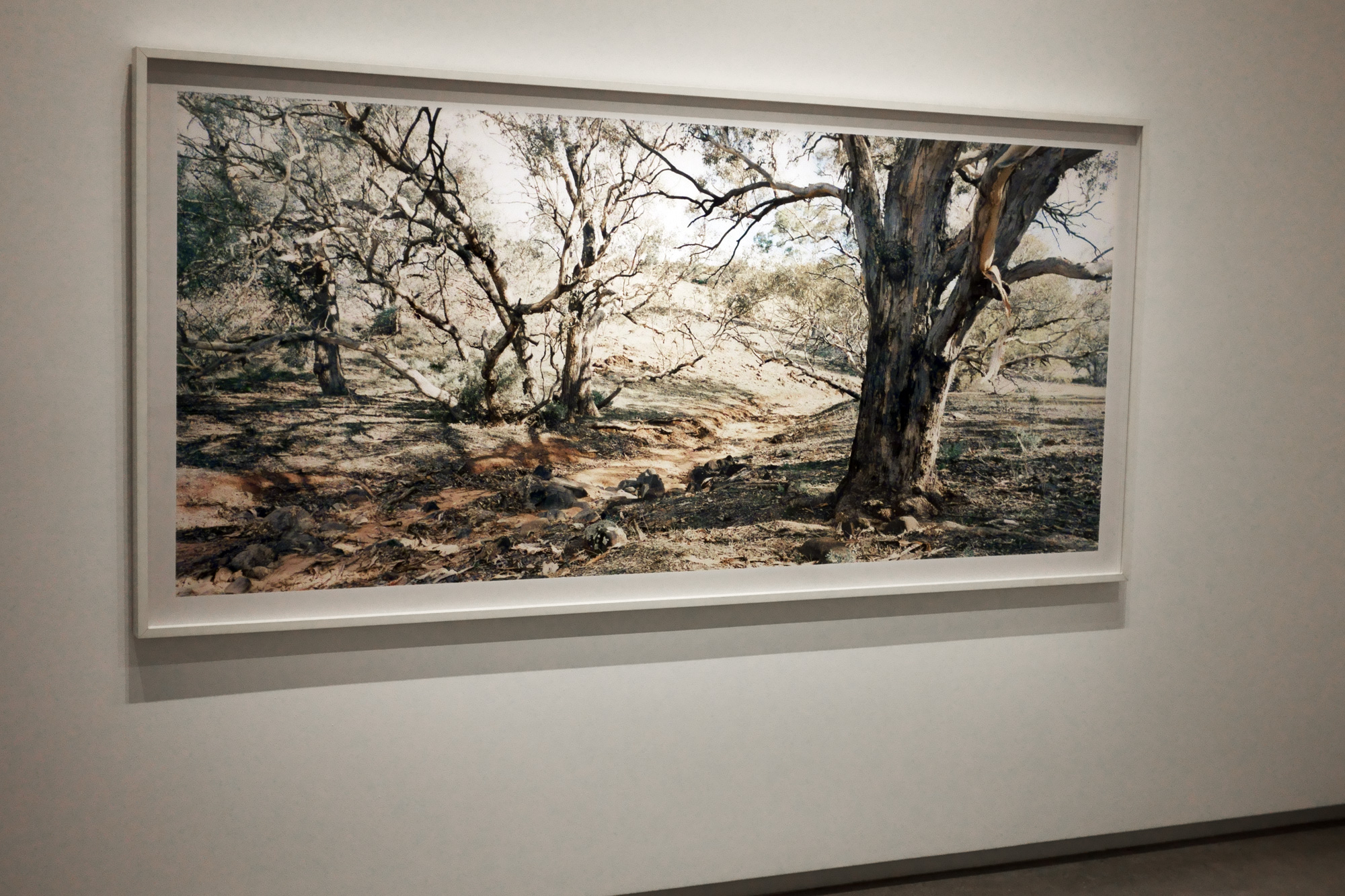
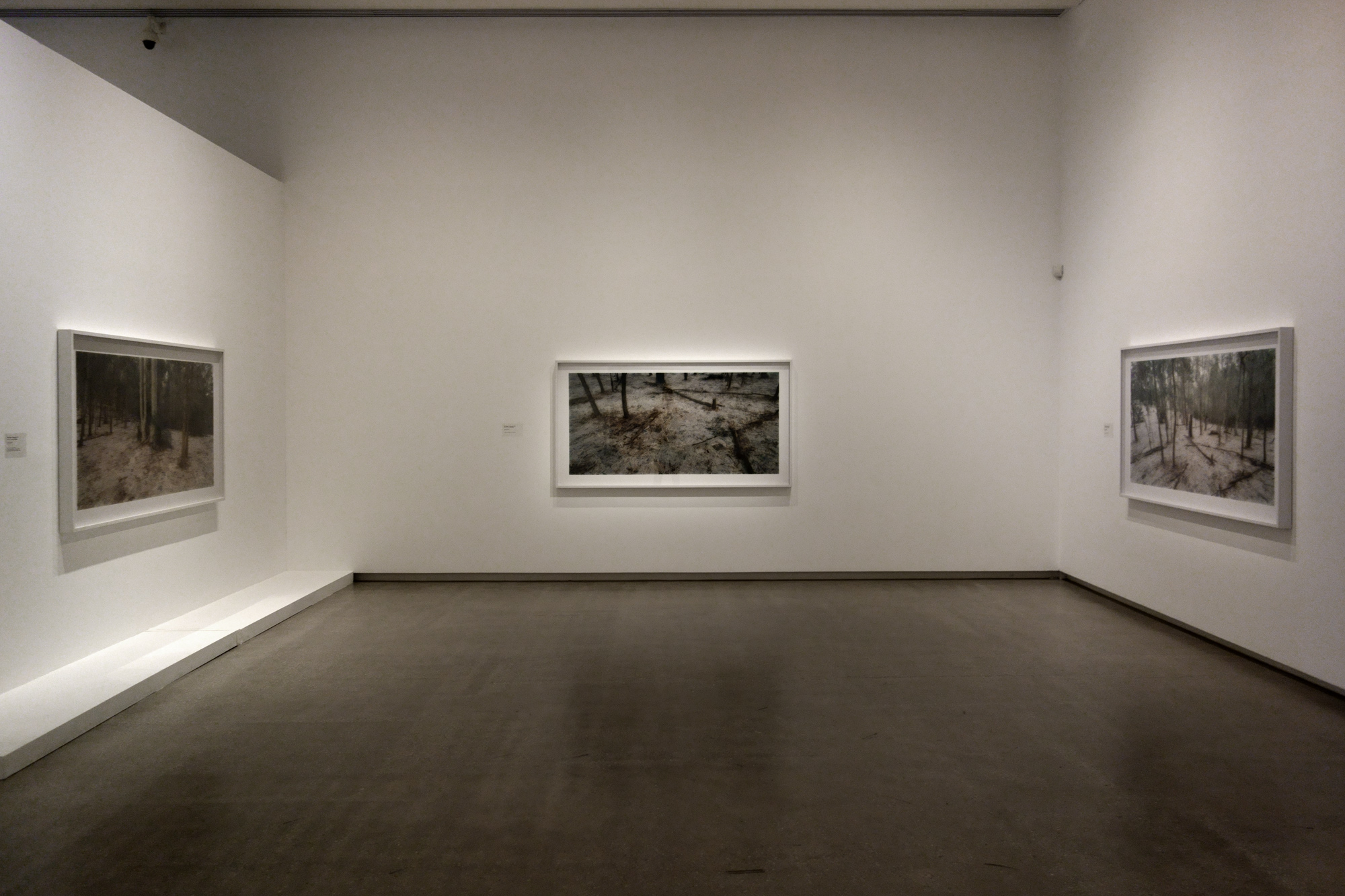
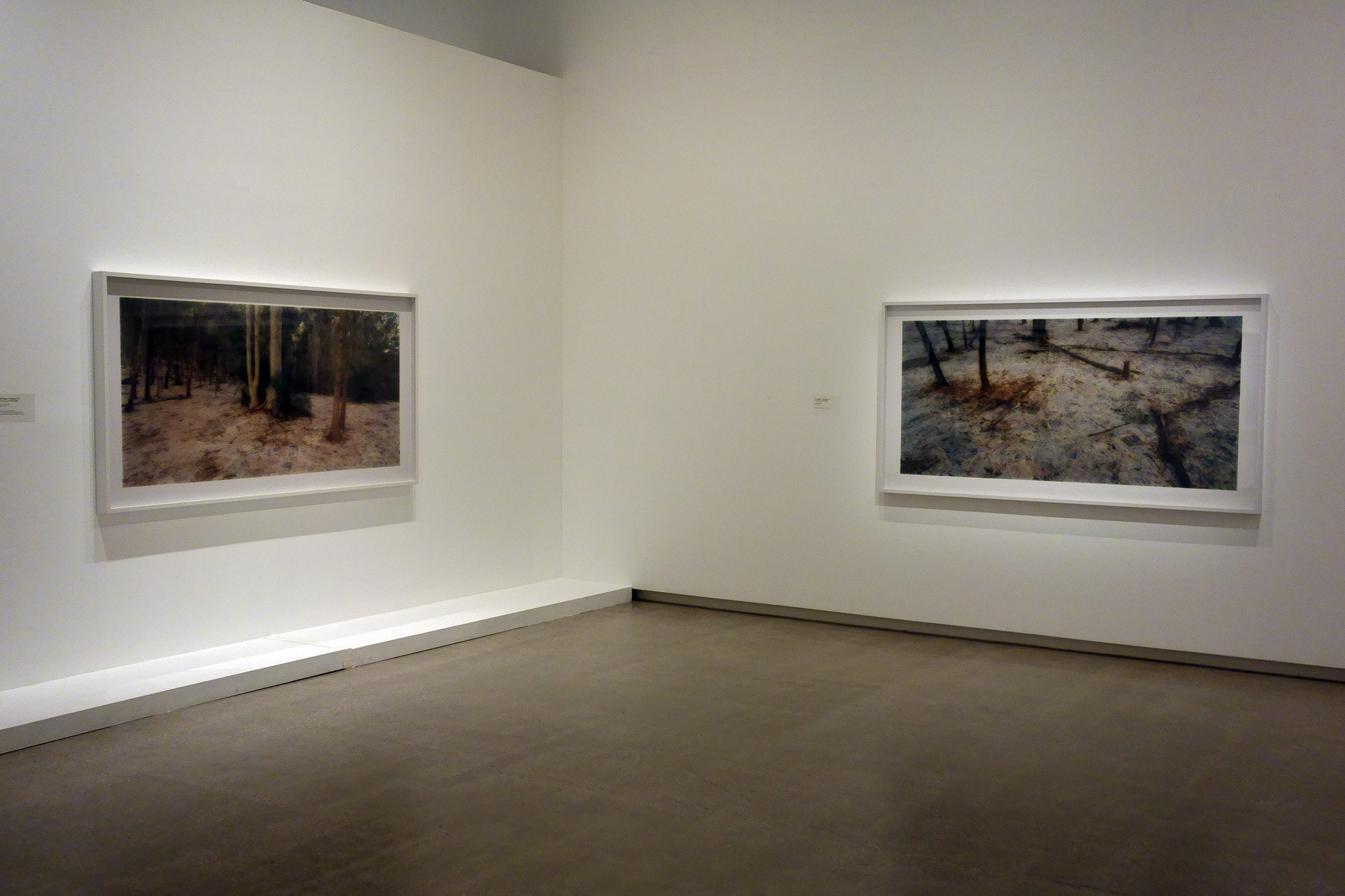
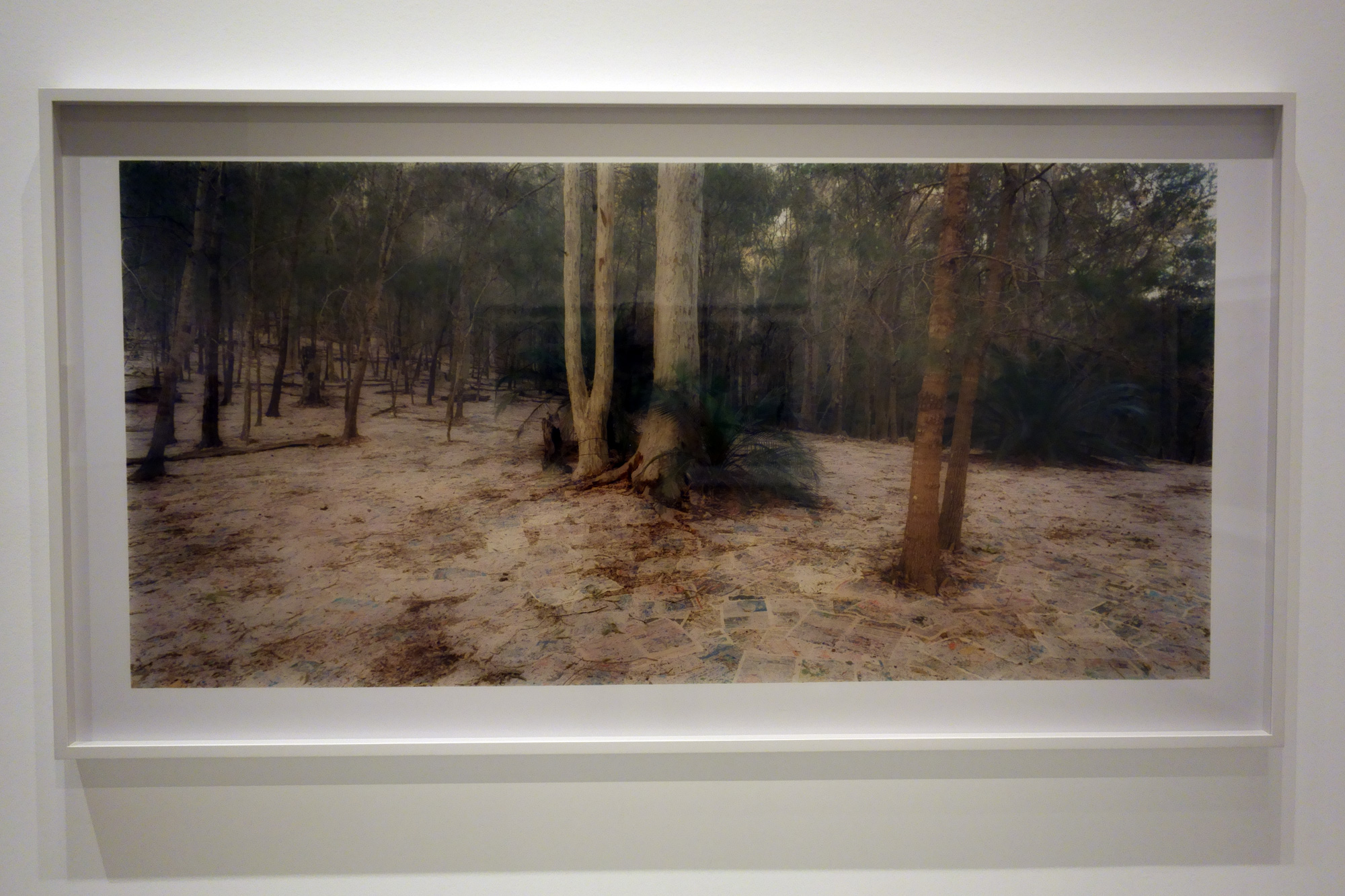

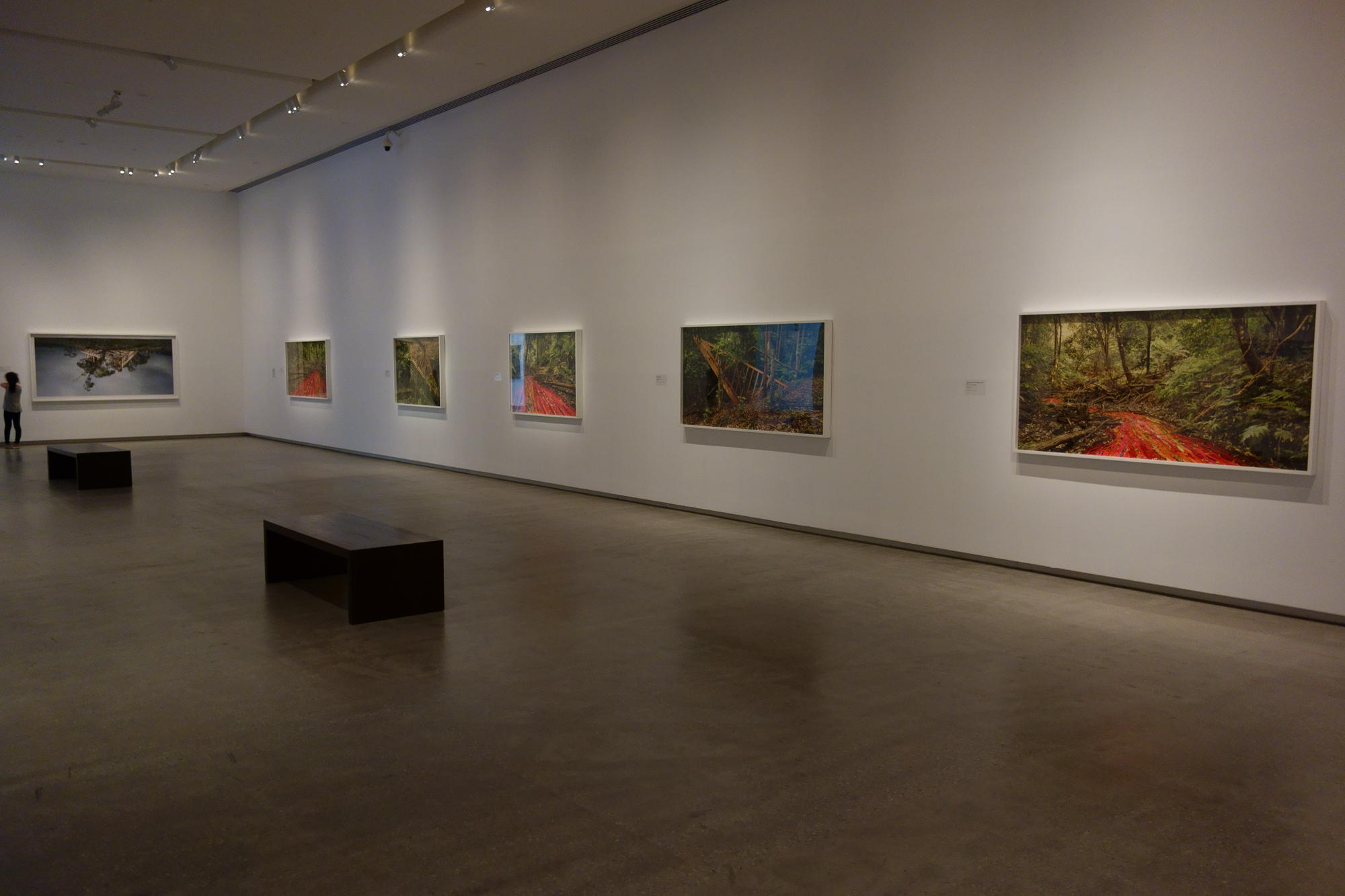
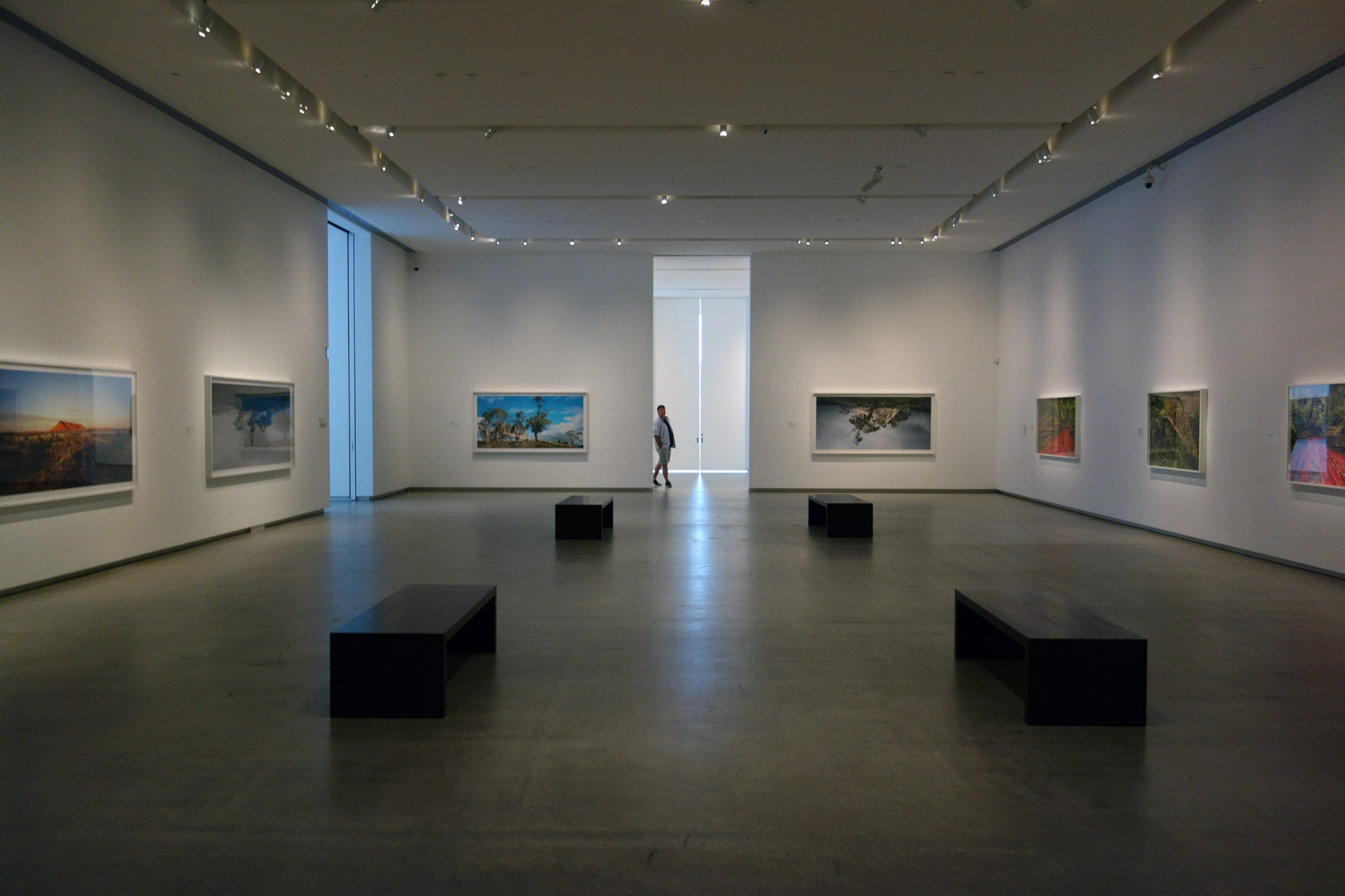

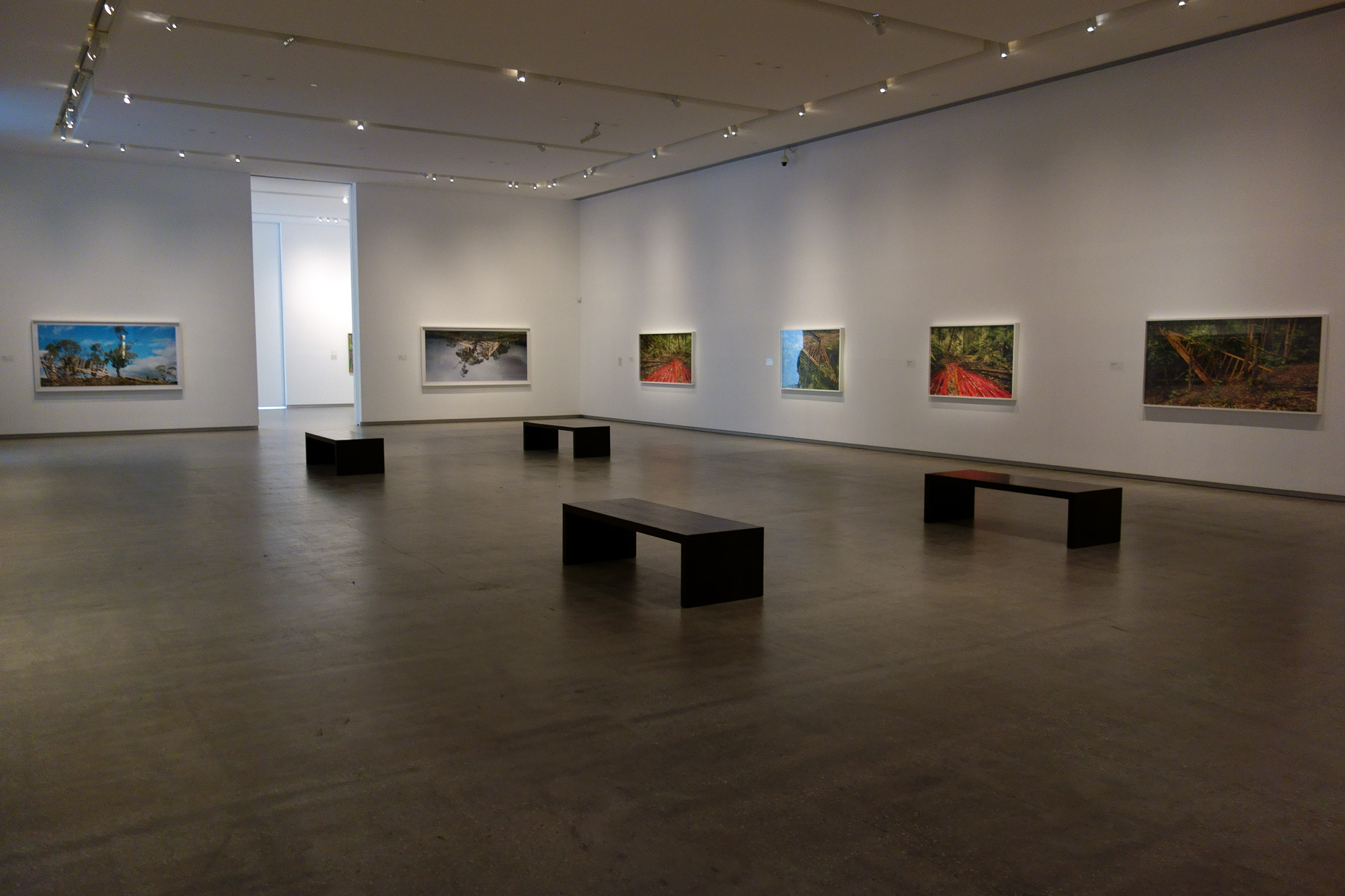


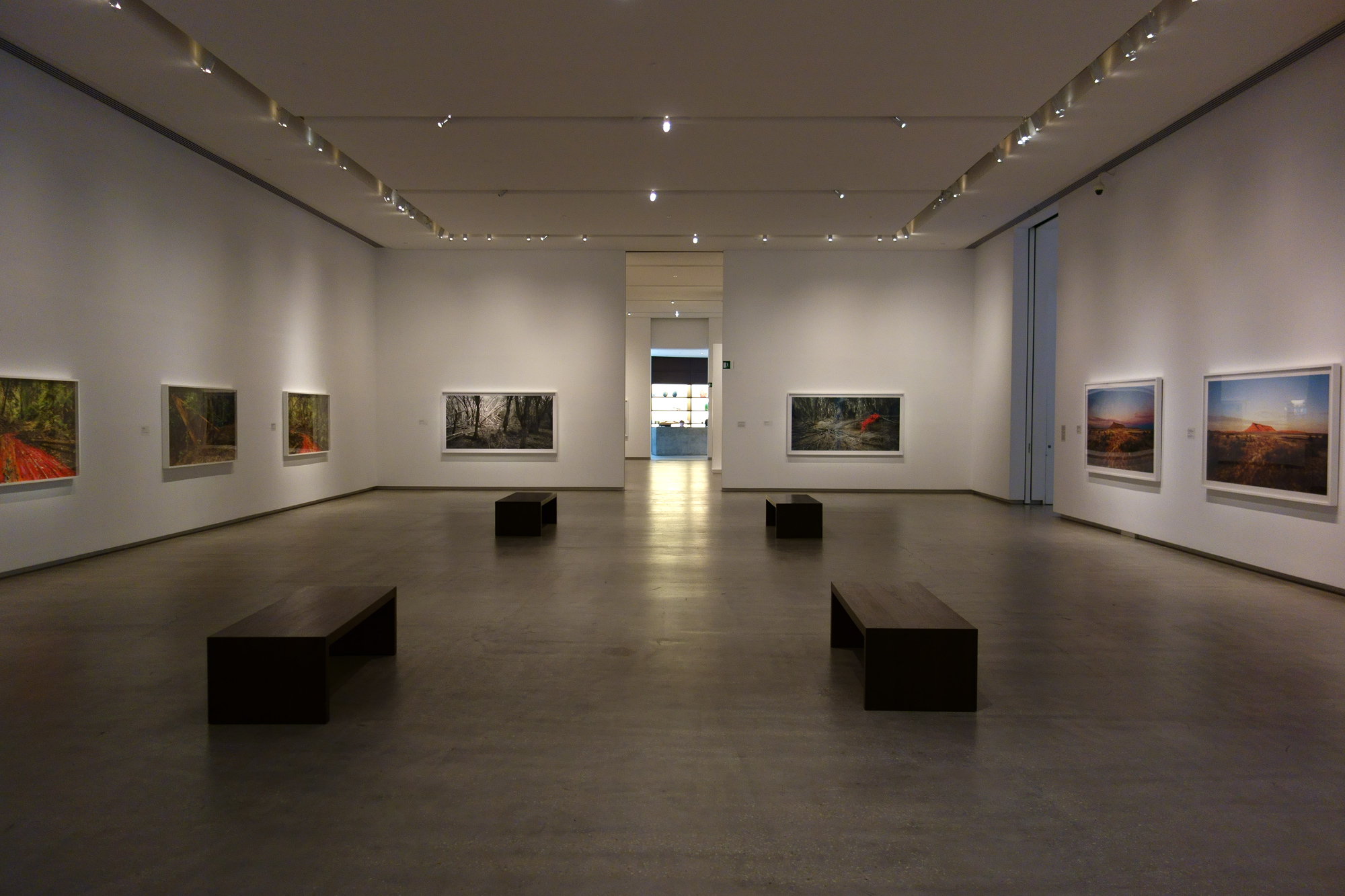


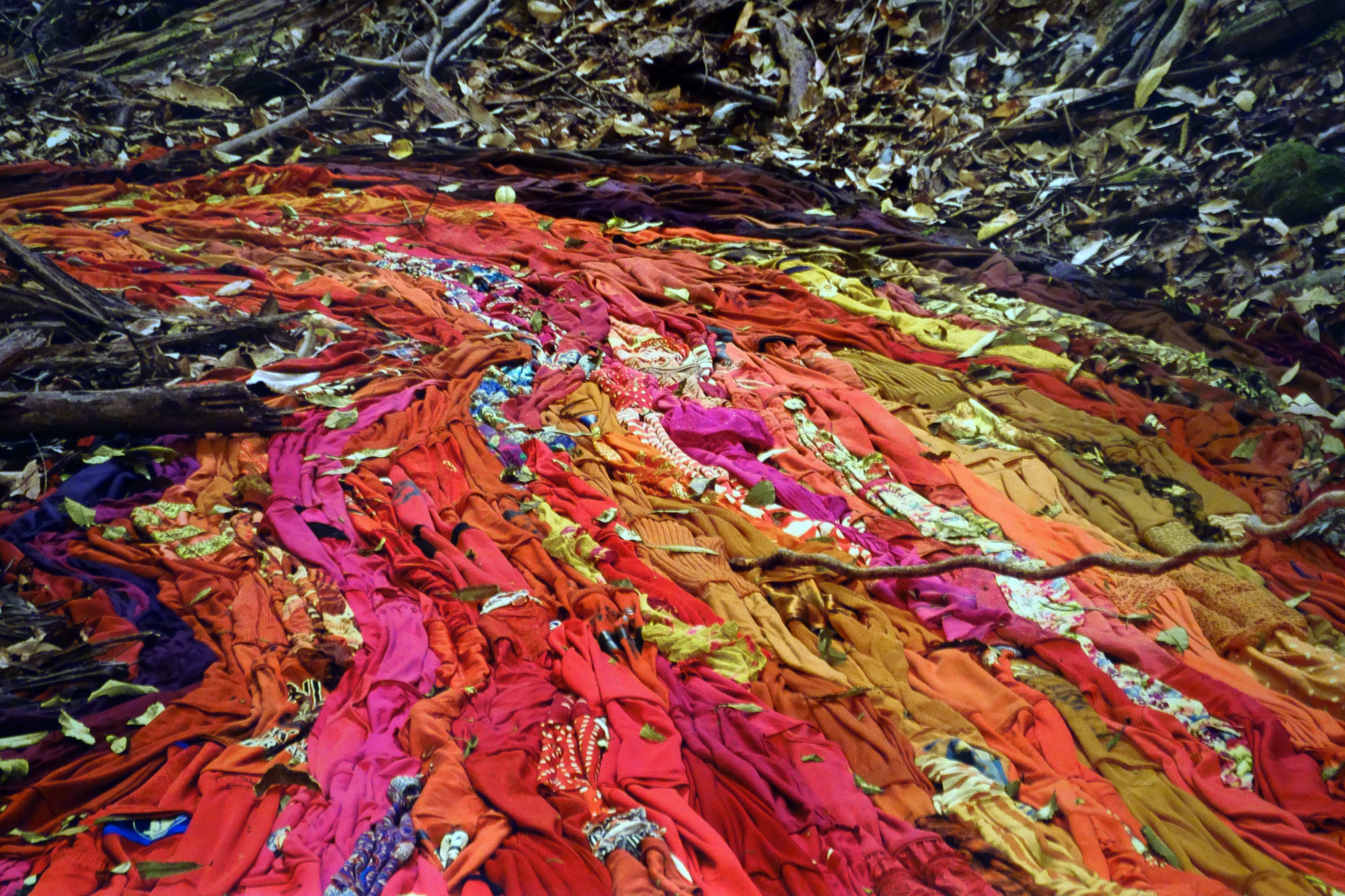


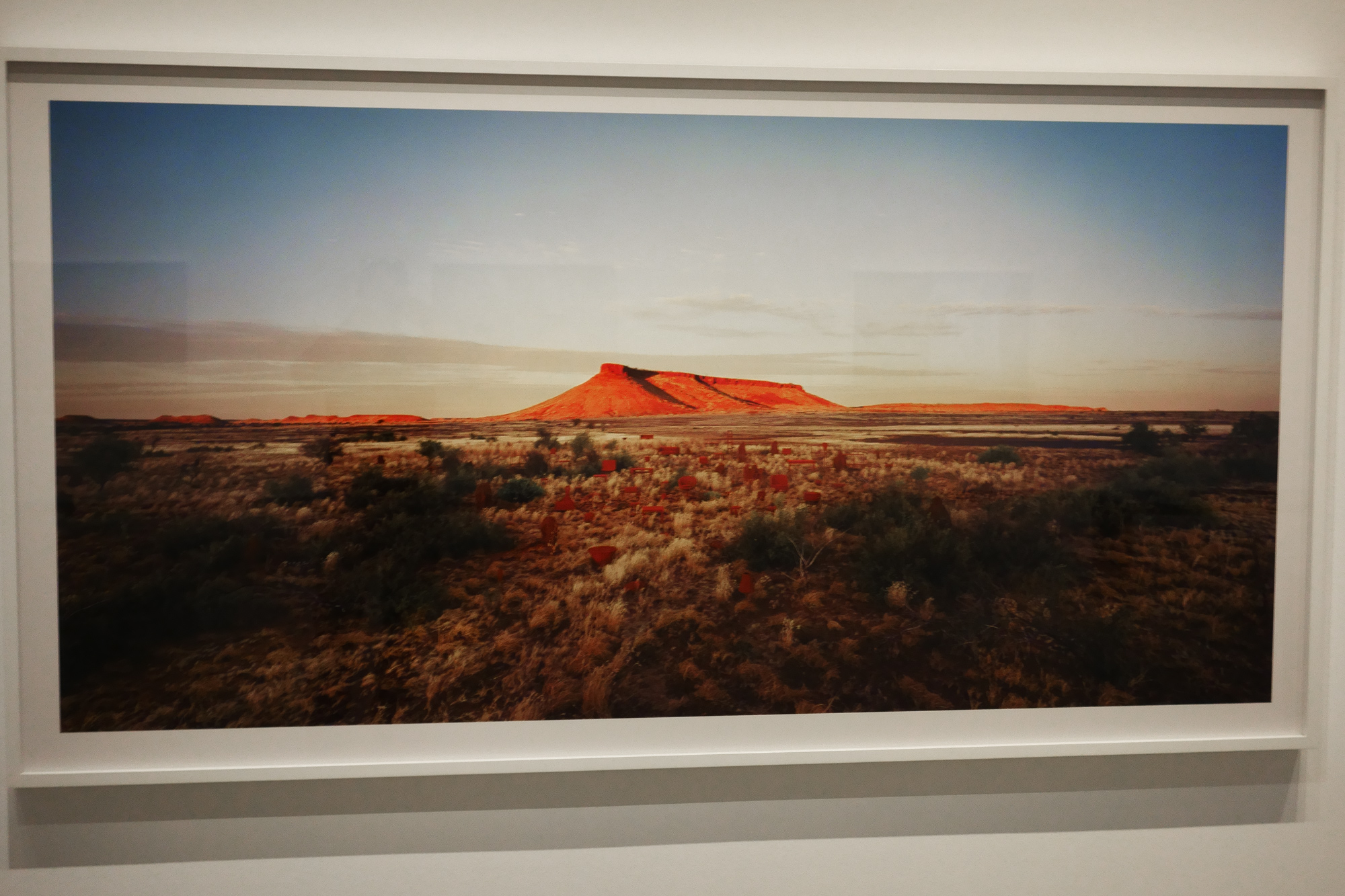
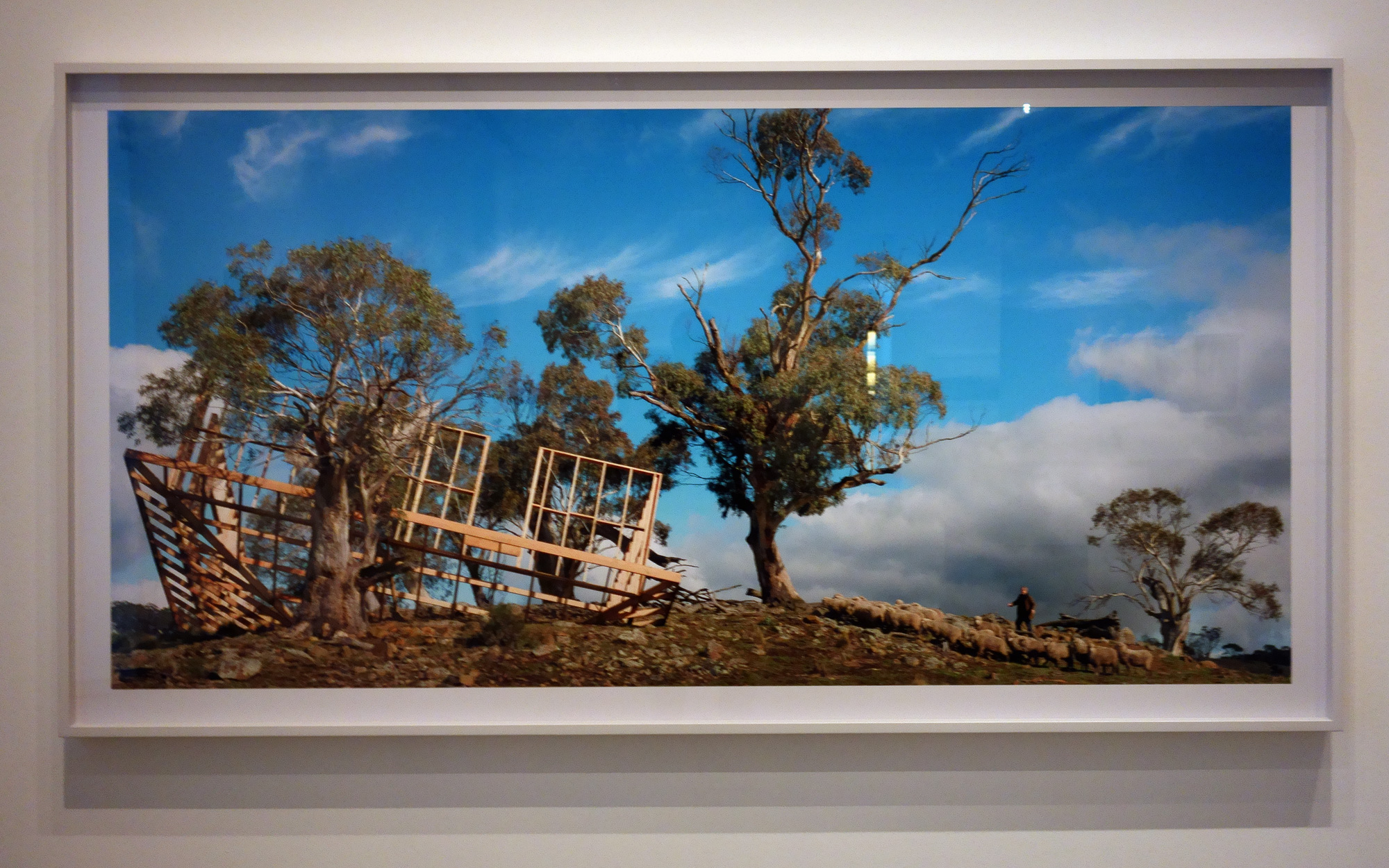
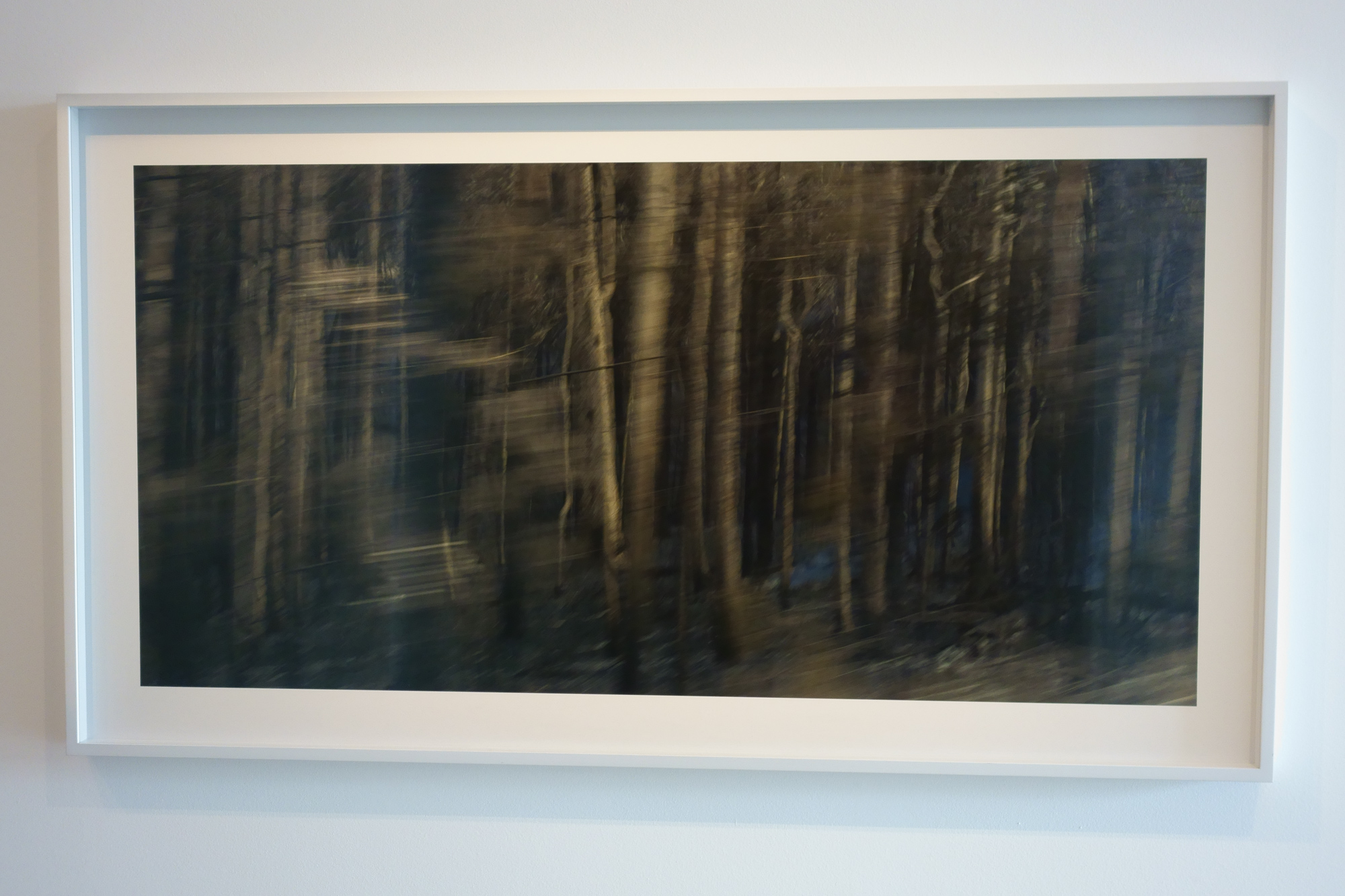


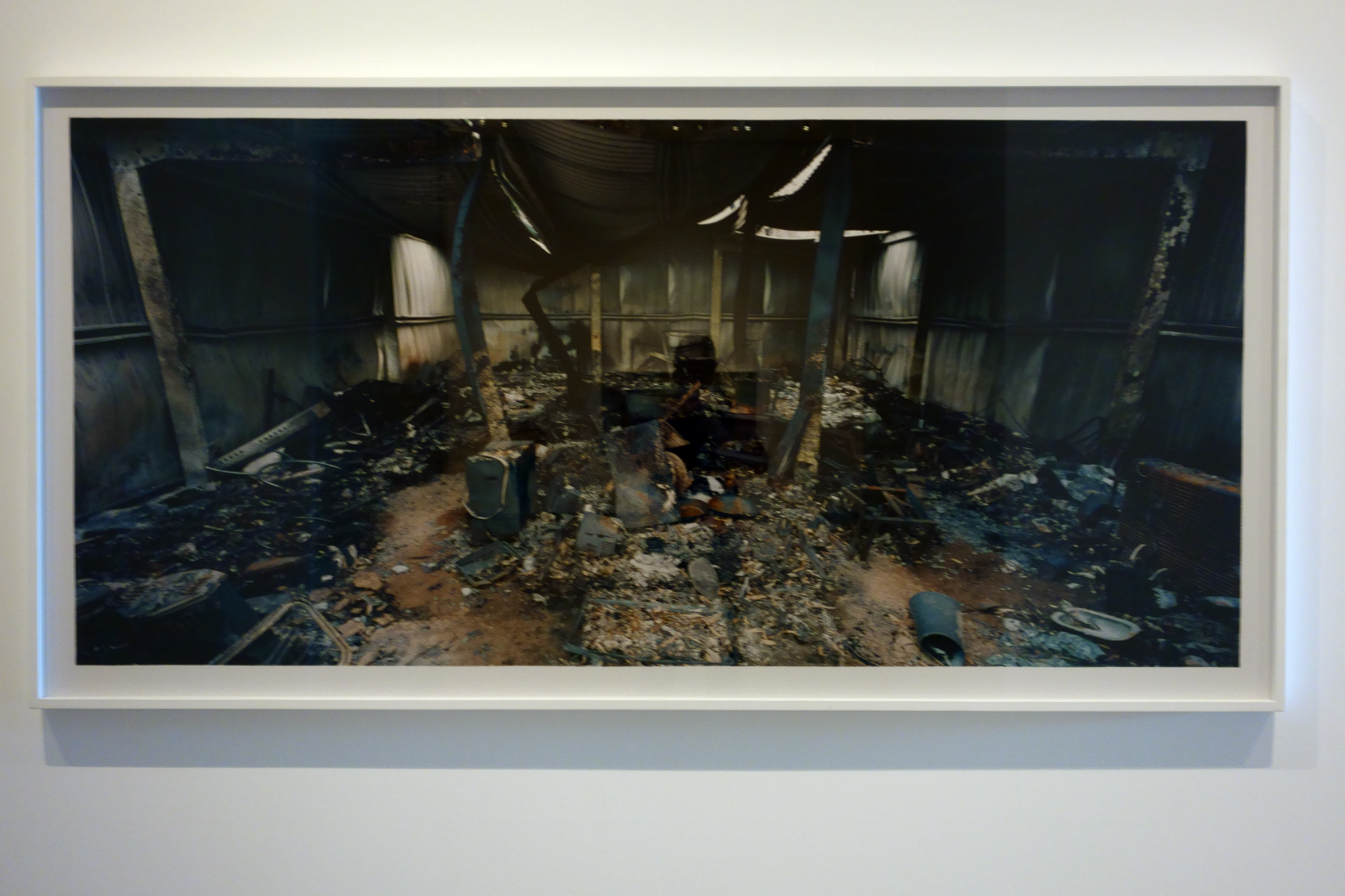

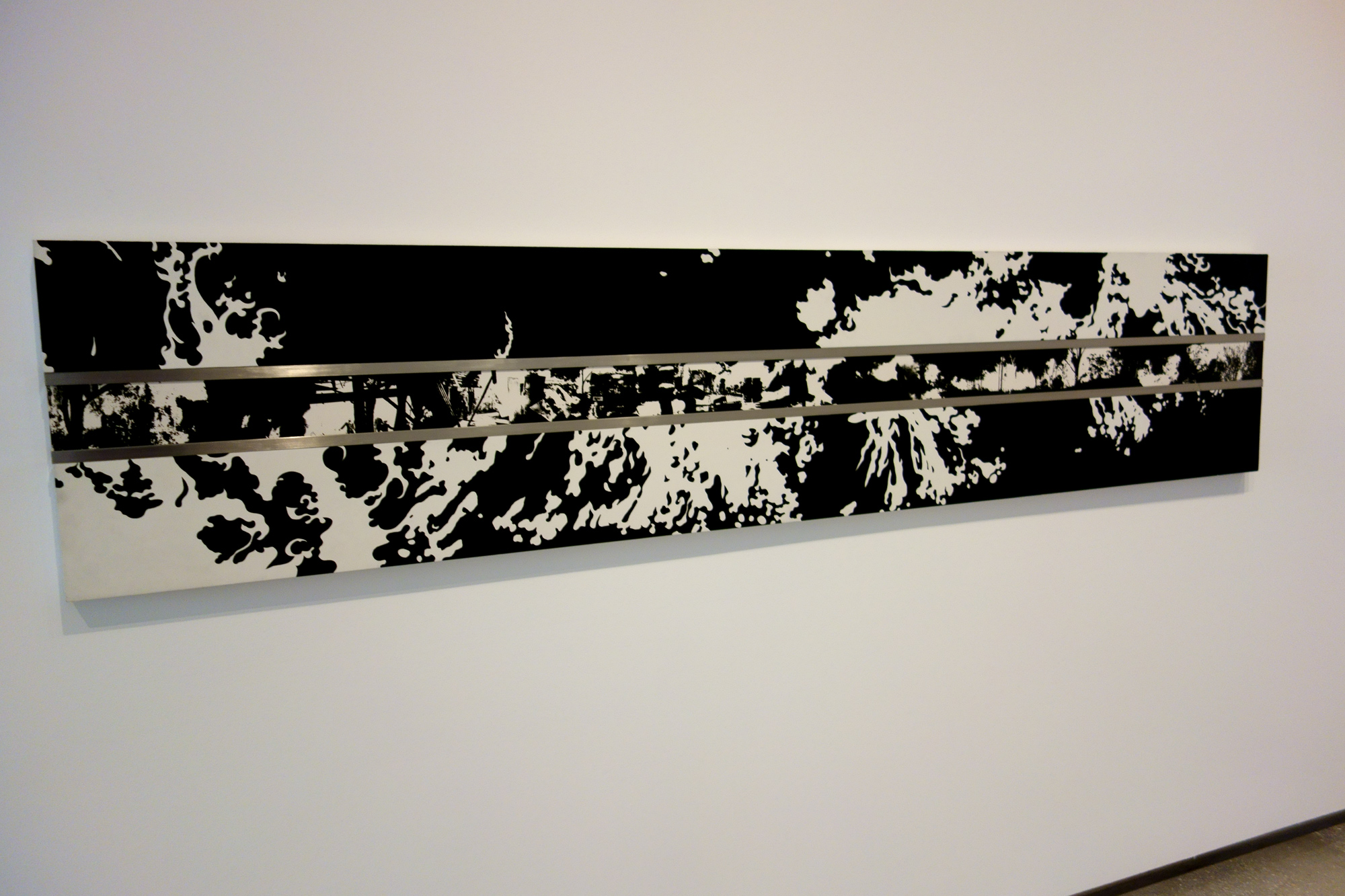
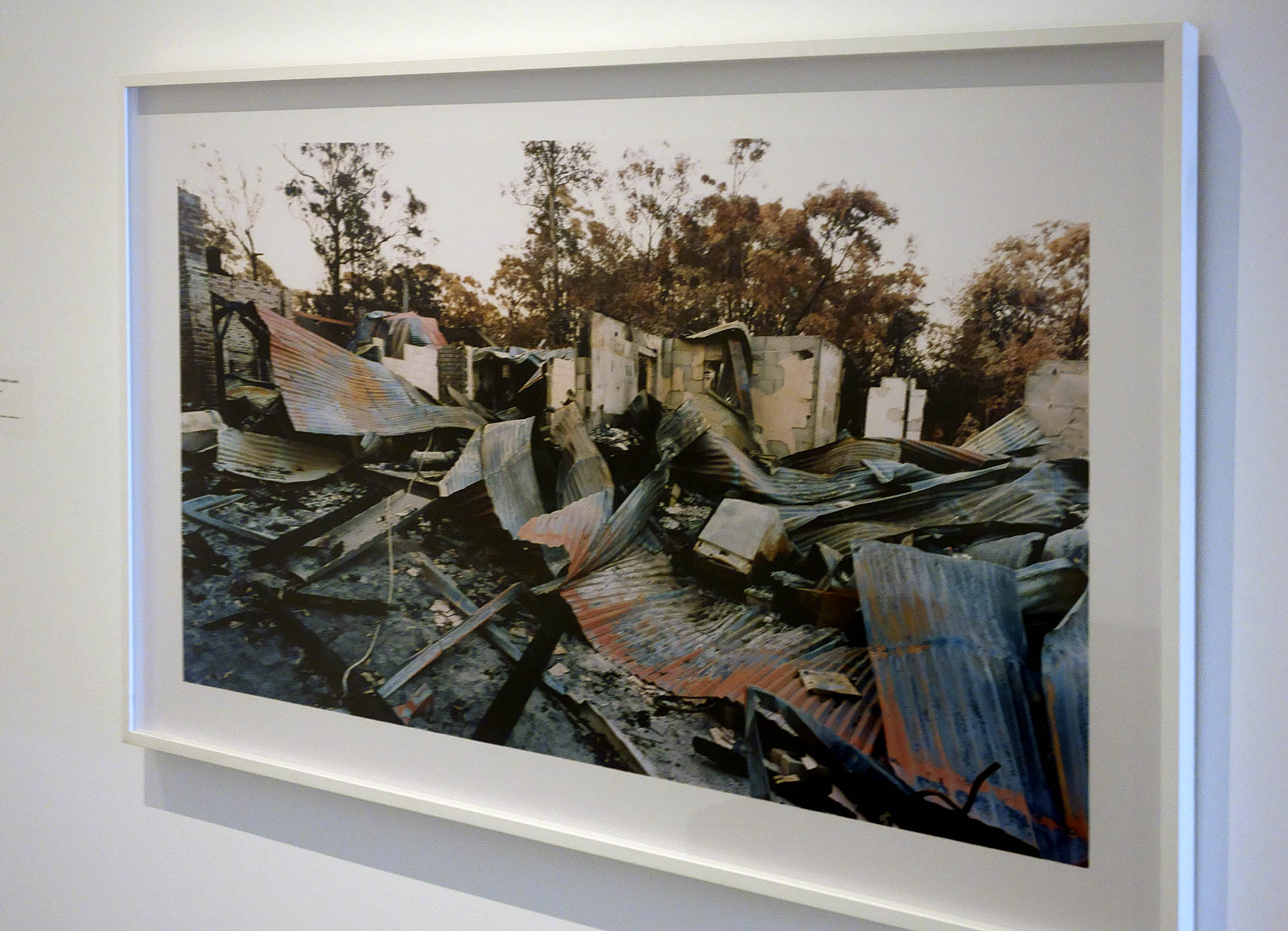
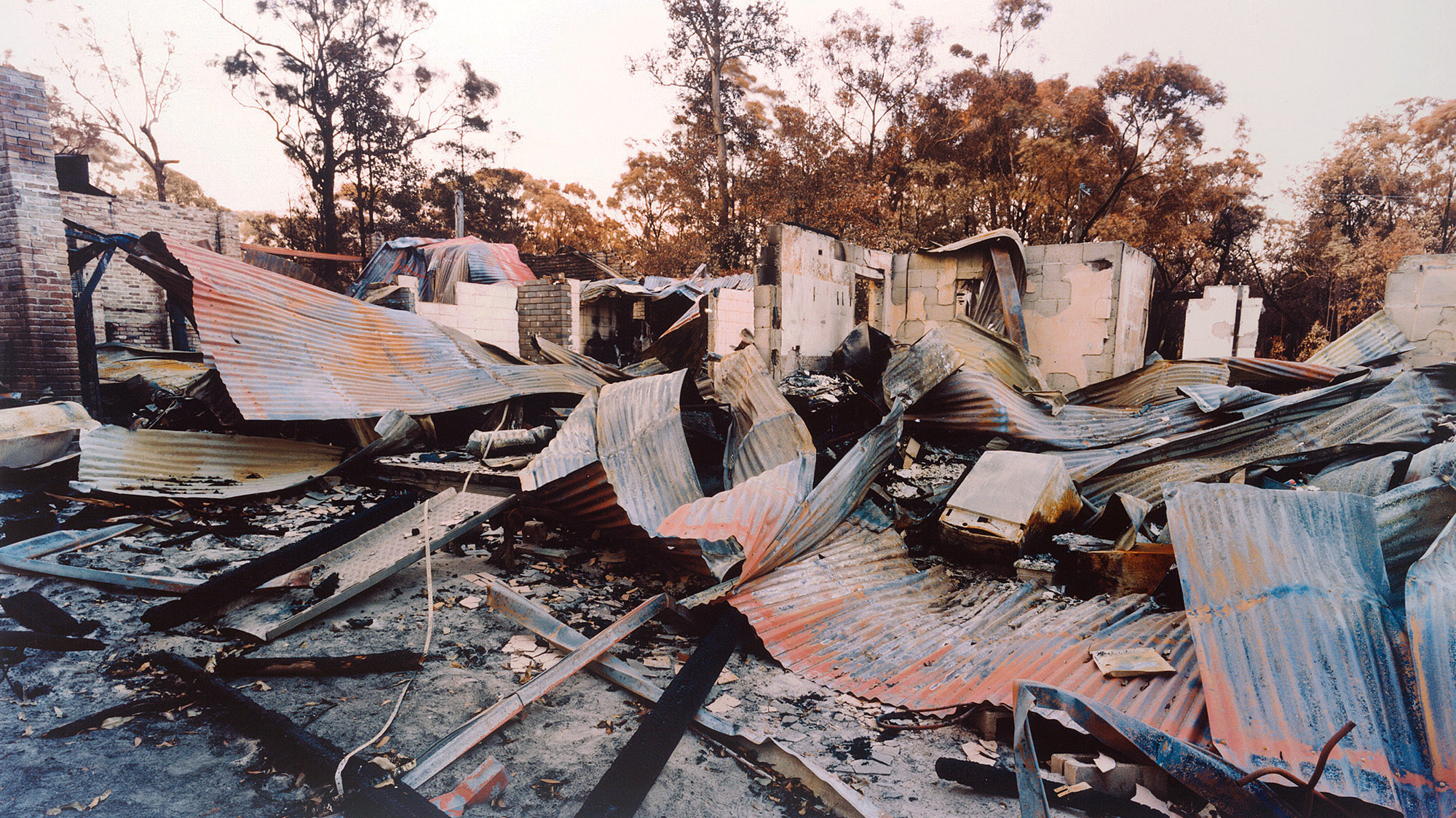


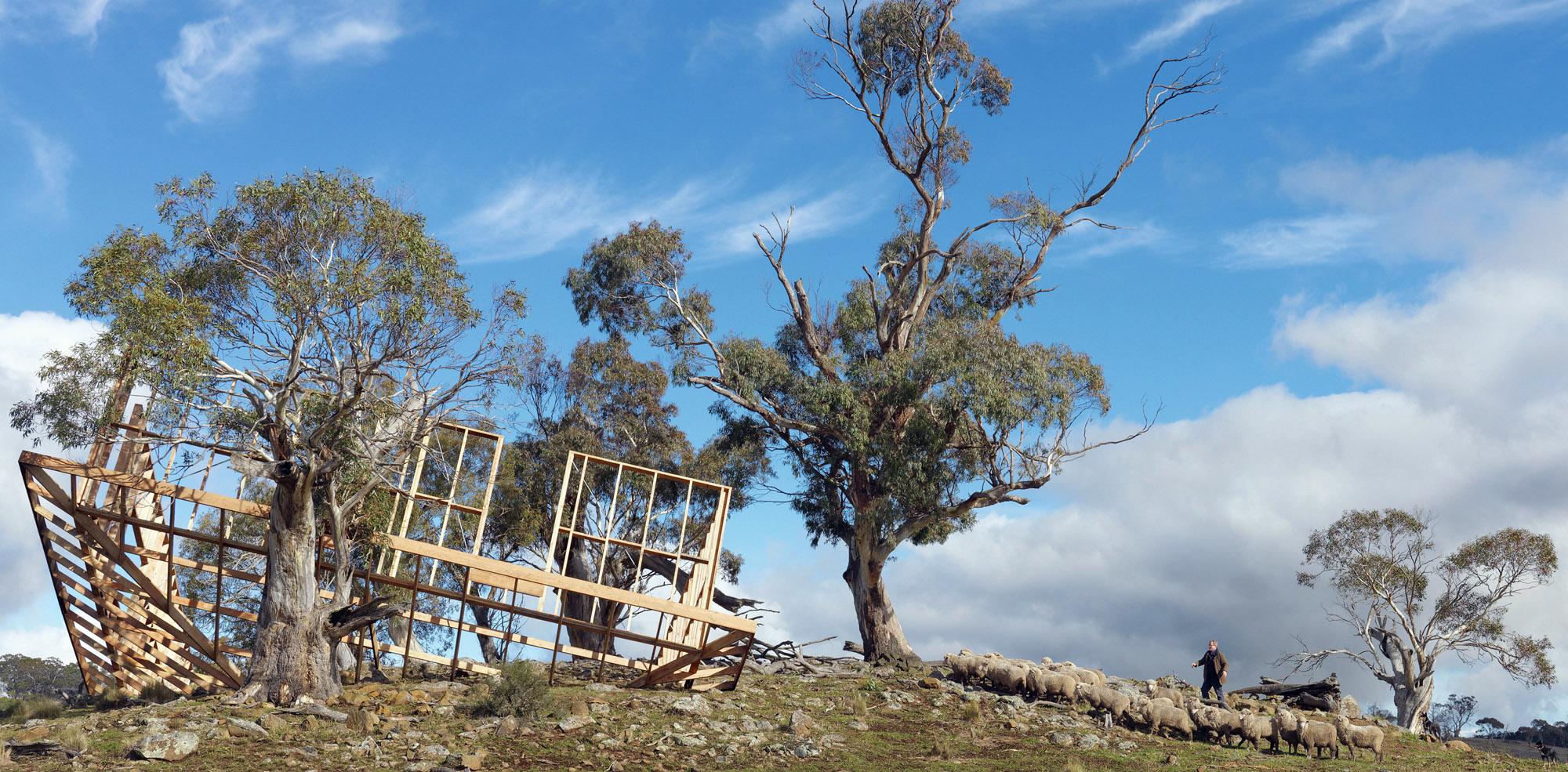


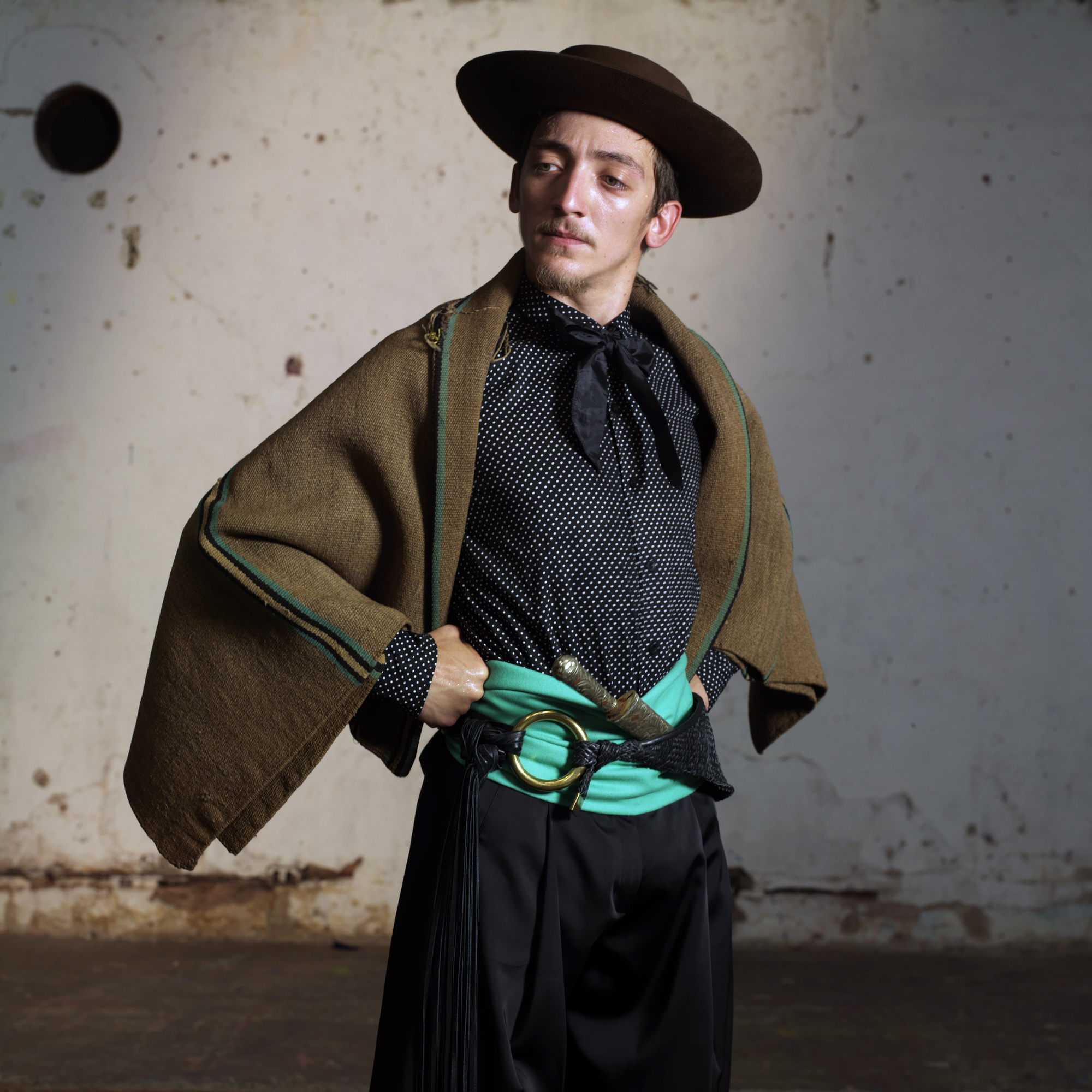













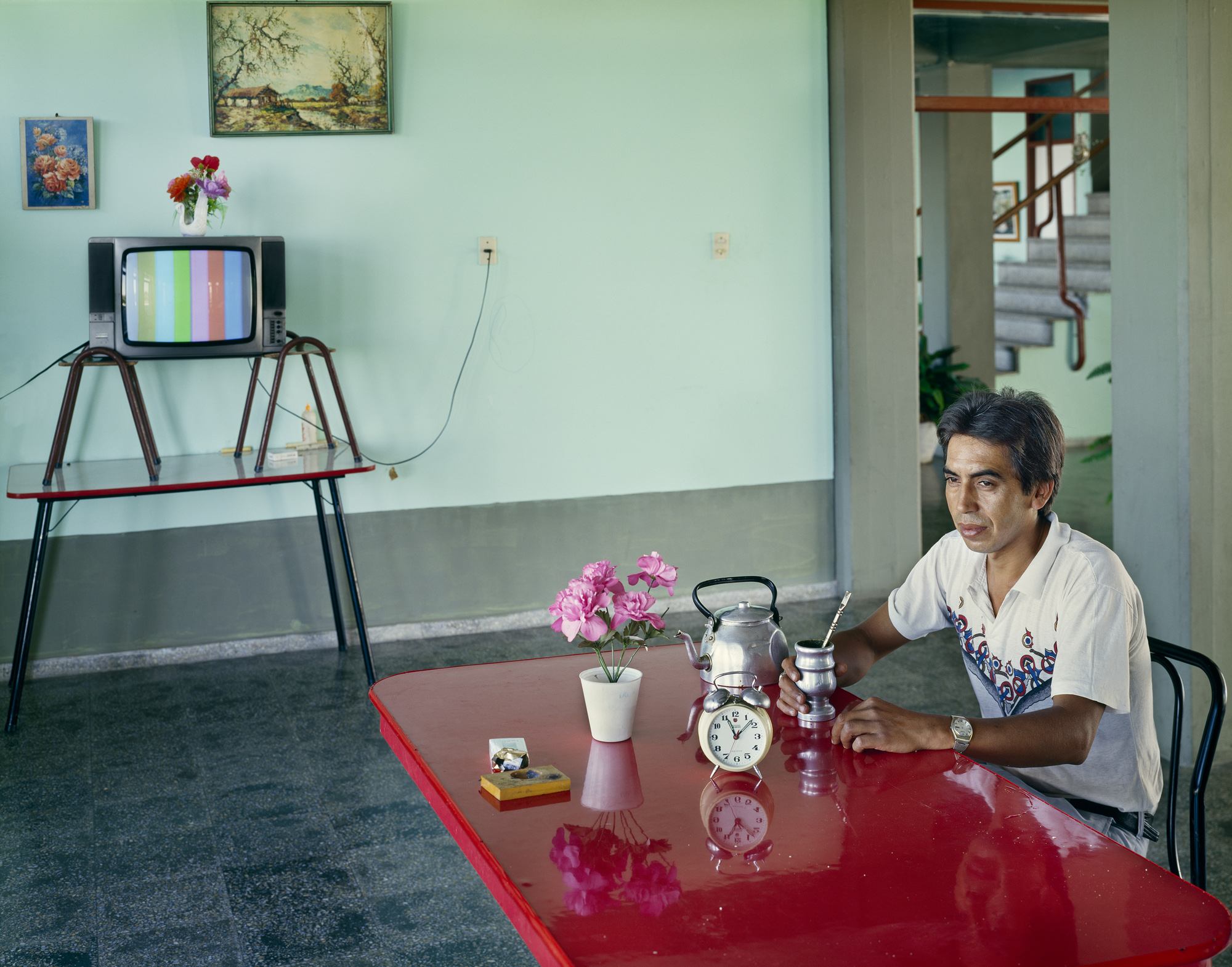



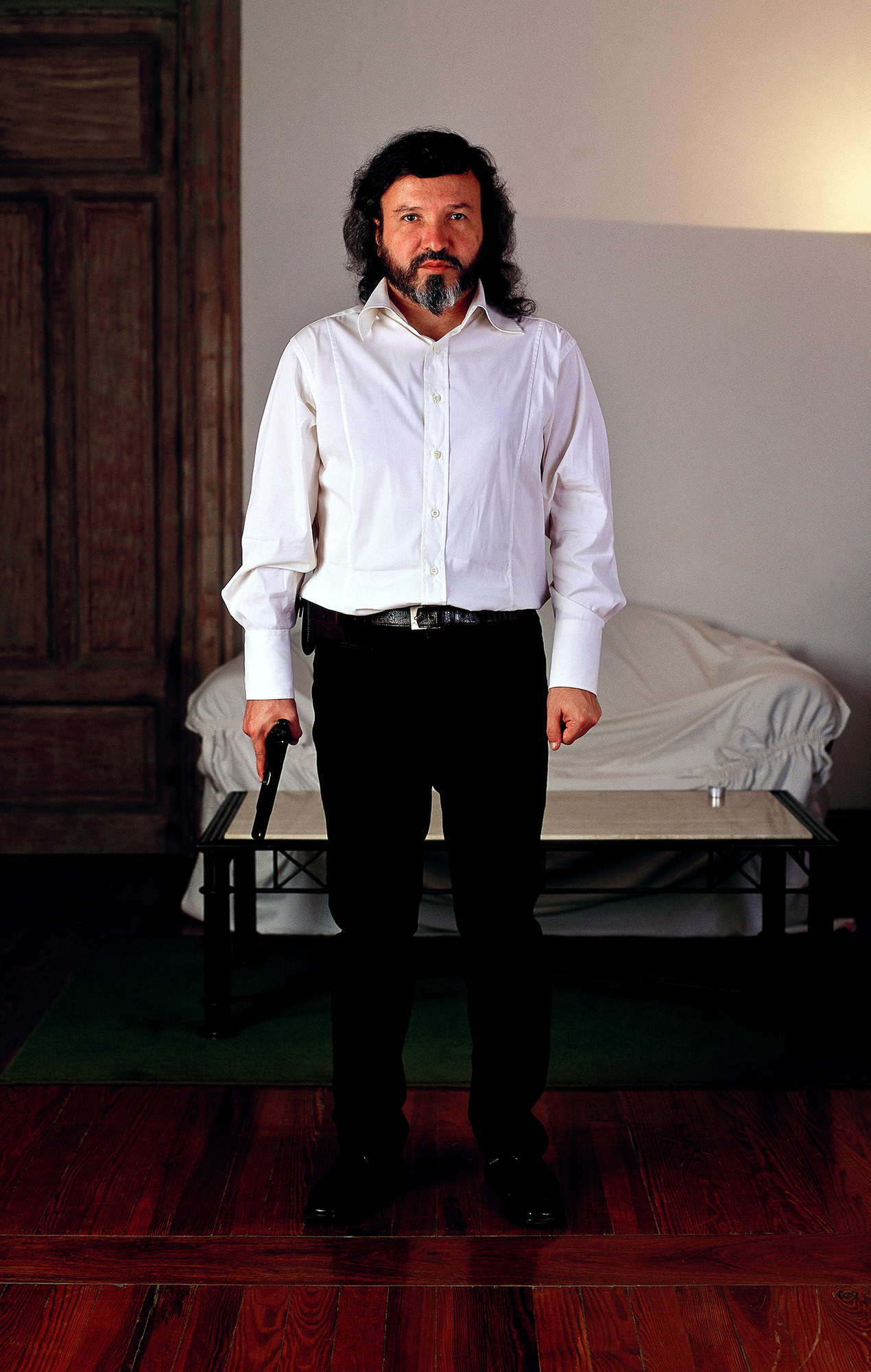


![Jakob Tuggener (Swiss, 1904-1988) 'Autoritratto, Zurigo [Self-portrait, Zurich]' 1927 from the exhibition Exhibition: 'Jakob Tuggener – Machine time' at Fotostiftung Schweiz, Winterthur, Zurich, Oct 2017 - Jan 2018](https://artblart.com/wp-content/uploads/2018/01/jakob-tuggener-autoritratto-zurigo-1927-web.jpg "Jakob Tuggener (Swiss, 1904-1988) 'Autoritratto, Zurigo [Self-portrait, Zurich]' 1927 from the exhibition Exhibition: 'Jakob Tuggener – Machine time' at Fotostiftung Schweiz, Winterthur, Zurich, Oct 2017 - Jan 2018")

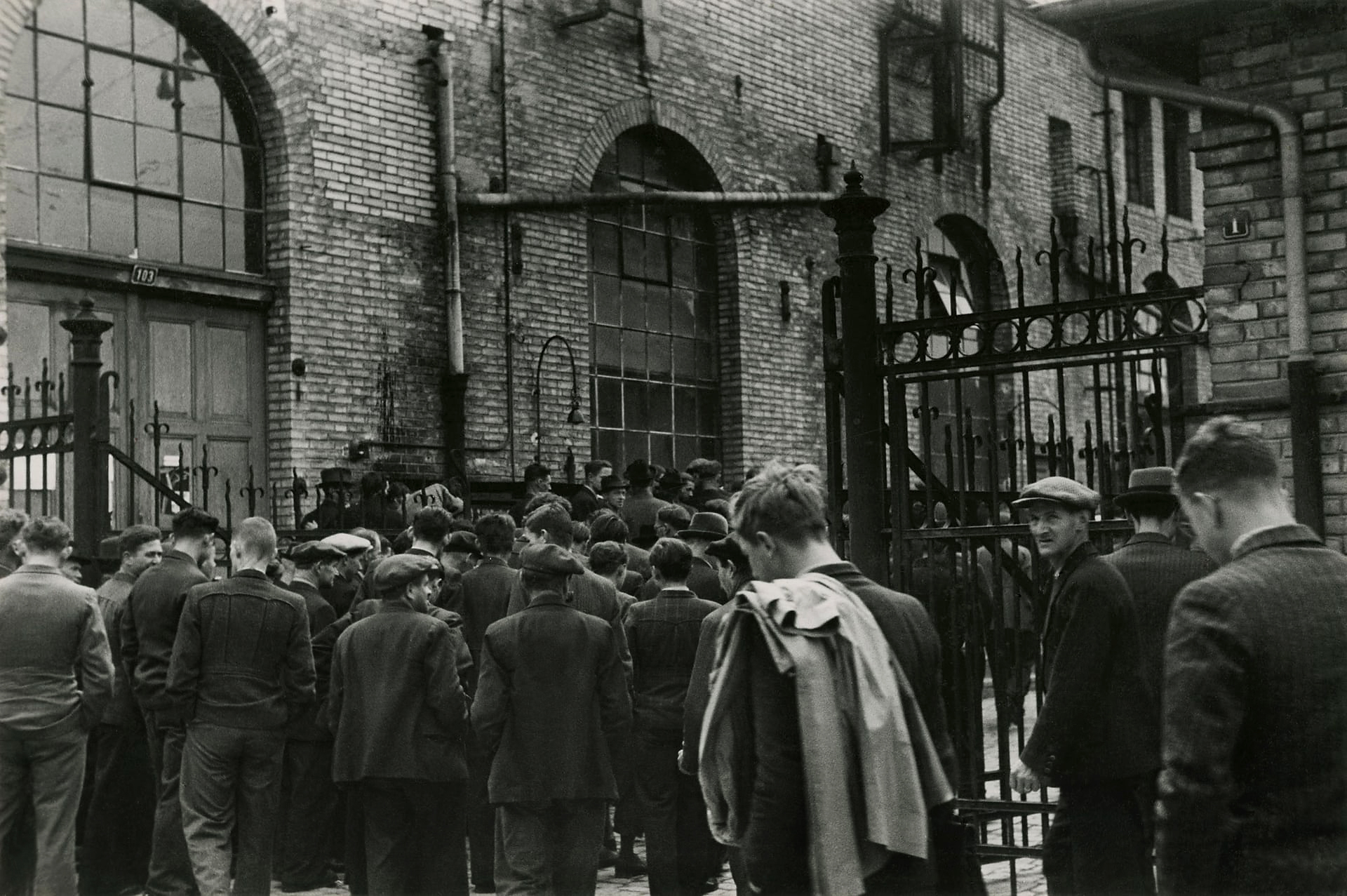


![Jakob Tuggener (Swiss, 1904-1988) 'Nell'ufficio della fonderia, fabbrica di costruzioni meccaniche Oerlikon' [In the foundry office, Oerlikon mechanical engineering factory] 1937](https://artblart.com/wp-content/uploads/2018/01/jakob-tuggener-nellufficio-della-fonderia-web.jpg "Jakob Tuggener (Swiss, 1904-1988) 'Nell'ufficio della fonderia, fabbrica di costruzioni meccaniche Oerlikon' [In the foundry office, Oerlikon mechanical engineering factory] 1937")

![Jakob Tuggener (Swiss, 1904-1988) 'Navy Cut, Ateliers de construction mécanique Oerlikon (MFO)' [Navy Cut, Machine Shops Oerlikon (MFO)] 1940](https://artblart.com/wp-content/uploads/2018/01/tuggener-navy-cut-web.jpg "Jakob Tuggener (Swiss, 1904-1988) 'Navy Cut, Ateliers de construction mécanique Oerlikon (MFO)' [Navy Cut, Machine Shops Oerlikon (MFO)] 1940")


![Jakob Tuggener (Swiss, 1904-1988) 'Laboratorio di ricerca, fabbrica di costruzioni meccaniche Oerlikon' [Research laboratory, Oerlikon mechanical engineering factory] 1941](https://artblart.com/wp-content/uploads/2018/01/jakob-tuggener-laboratorio-di-ricerca-web.jpg "Jakob Tuggener (Swiss, 1904-1988) 'Laboratorio di ricerca, fabbrica di costruzioni meccaniche Oerlikon' [Research laboratory, Oerlikon mechanical engineering factory] 1941")
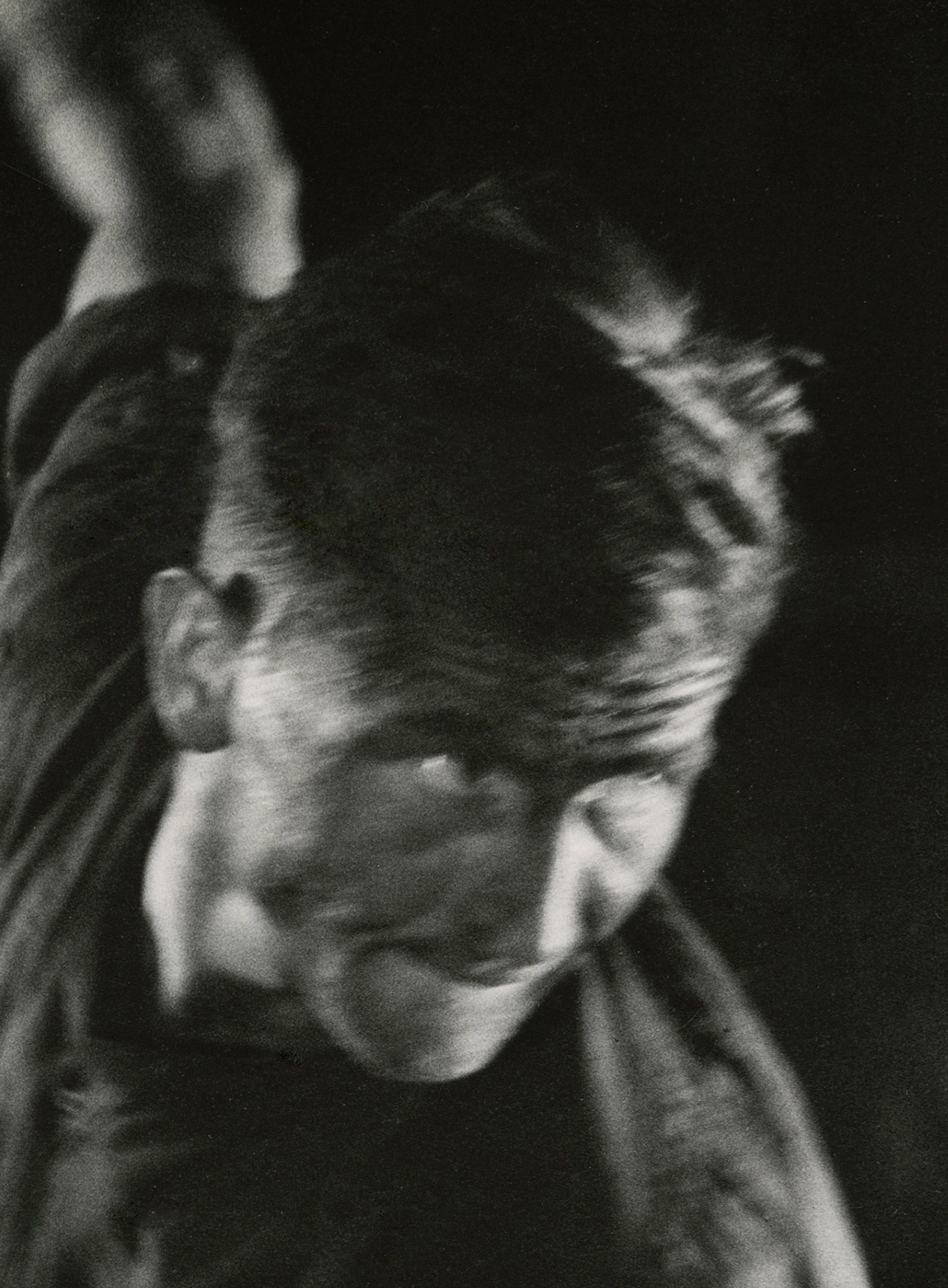




![Jakob Tuggener (Swiss, 1904-1988) 'Forgeron dans une fabrique de wagons de Schlieren' [Blacksmith in a Schlieren wagon factory] 1949](https://artblart.com/wp-content/uploads/2018/01/tuggener-forgeron-dans-une-fabrique-de-wagons-web.jpg "Jakob Tuggener (Swiss, 1904-1988) 'Forgeron dans une fabrique de wagons de Schlieren' [Blacksmith in a Schlieren wagon factory] 1949")








![Jakob Tuggener (Swiss, 1904-1988) 'Ballo ungherese, Grand Hotel Dolder, Zurigo, 1935' [Hungarian dance, Grand Hotel Dolder, Zurich, 1935] 1935](https://artblart.com/wp-content/uploads/2018/01/tuggener-ballo-ungherese-web.jpg "Jakob Tuggener (Swiss, 1904-1988) 'Ballo ungherese, Grand Hotel Dolder, Zurigo, 1935' [Hungarian dance, Grand Hotel Dolder, Zurich, 1935] 1935")
![Jakob Tuggener (Swiss, 1904-1988) 'Ballo ungherese, Grand Hotel Dolder, Zurigo, 1935' [Hungarian dance, Grand Hotel Dolder, Zurich, 1935] 1935](https://artblart.com/wp-content/uploads/2018/01/jakob-tuggener-ballo-ungherese-web.jpg "Jakob Tuggener (Swiss, 1904-1988) 'Ballo ungherese, Grand Hotel Dolder, Zurigo, 1935' [Hungarian dance, Grand Hotel Dolder, Zurich, 1935] 1935")



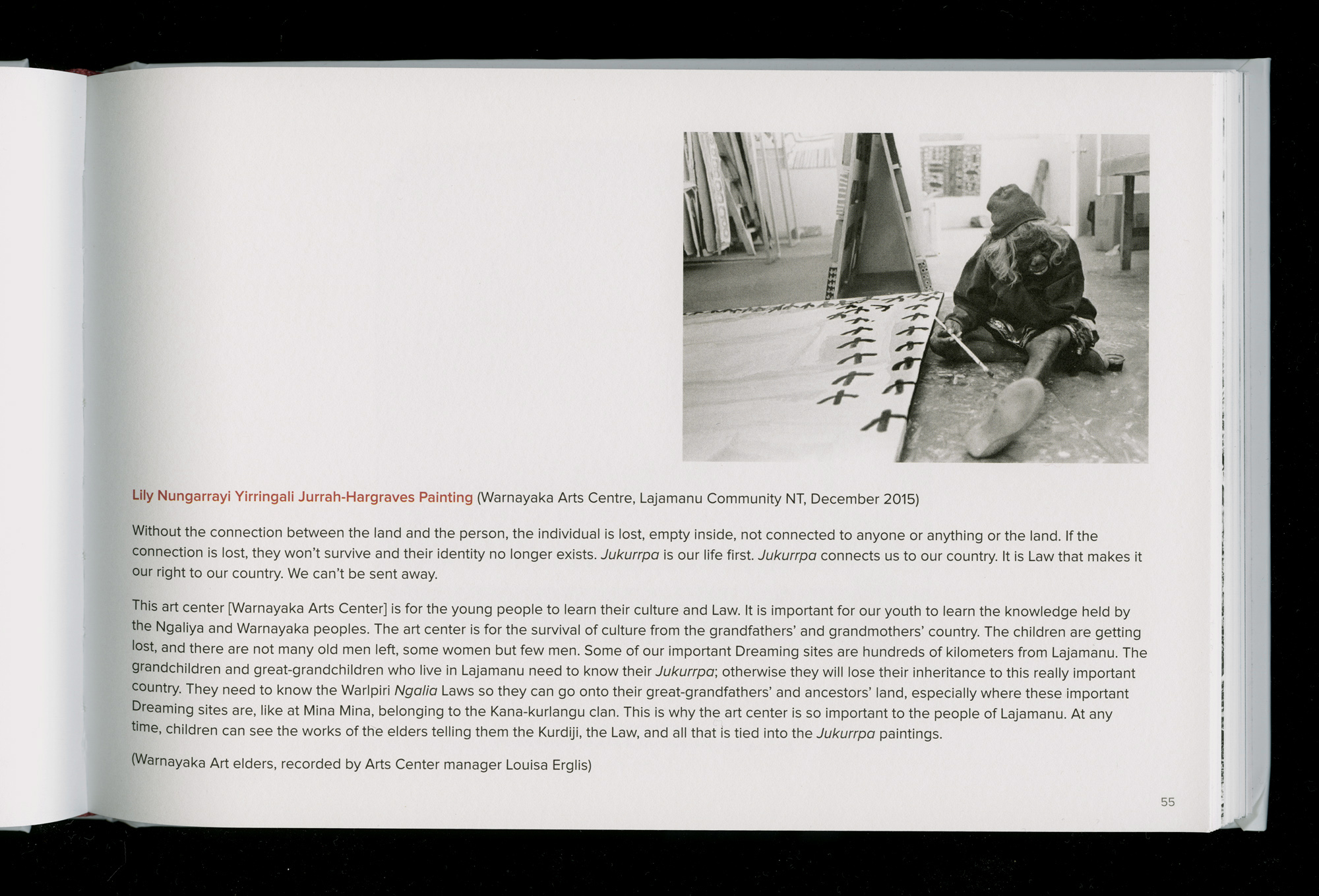


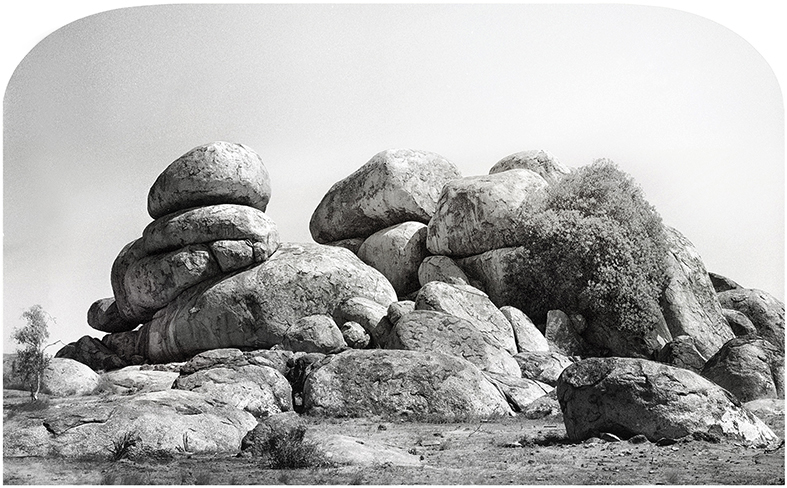
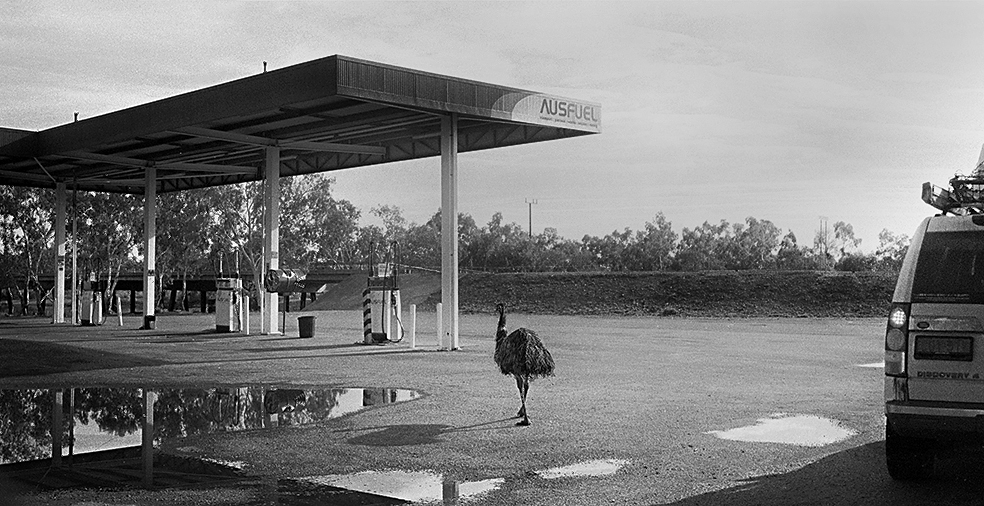
![Judith Crispin (Australian / Bpangerang, b. 1970) 'Four Kurdu-kurdu [Kids] with Trampoline' 2015](https://artblart.com/wp-content/uploads/2017/10/four-kurdu-kurdu-kids-with-trampoline-web.jpg "Judith Crispin (Australian / Bpangerang, b. 1970) 'Four Kurdu-kurdu [Kids] with Trampoline' 2015")

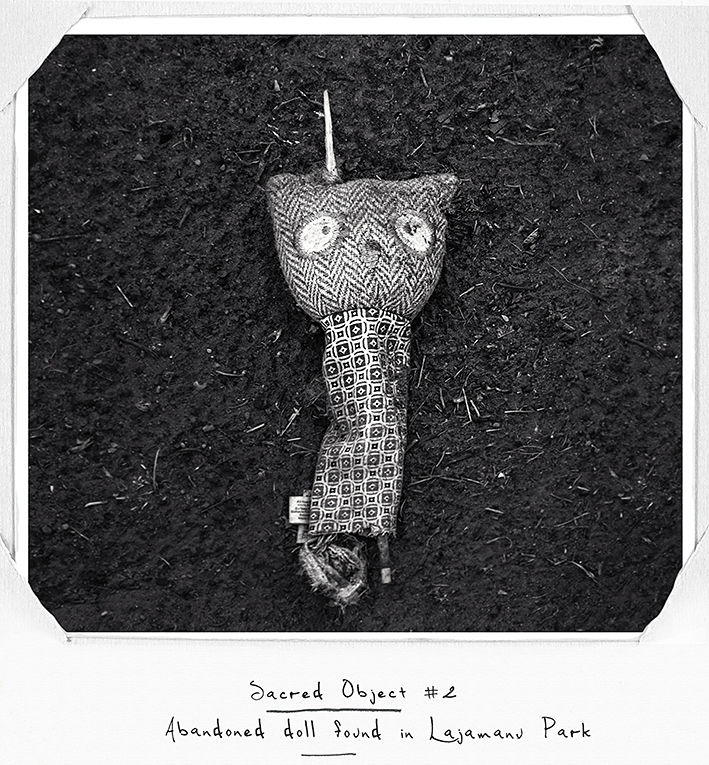
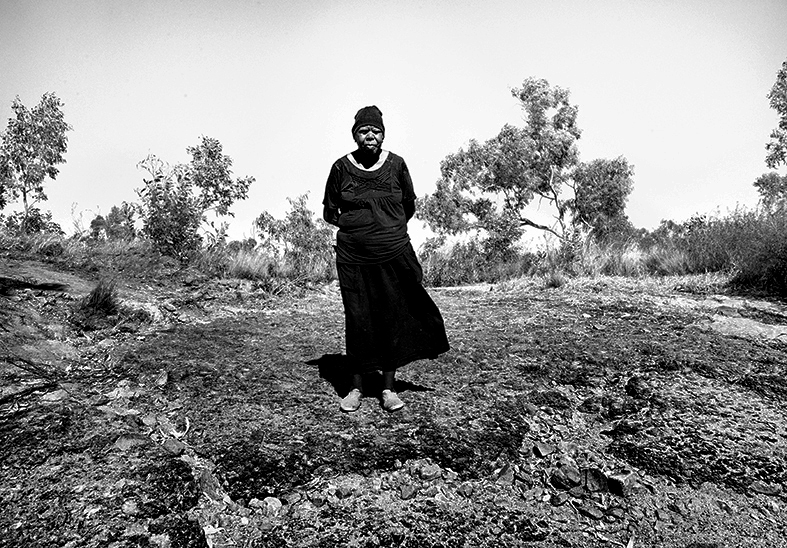
![Judith Crispin (Australian / Bpangerang, b. 1970) 'Wirntali-Jarra [Friends]' 2015](https://artblart.com/wp-content/uploads/2017/11/wirntali-jarra-friends-web.jpg "Judith Crispin (Australian / Bpangerang, b. 1970) 'Wirntali-Jarra [Friends]' 2015")

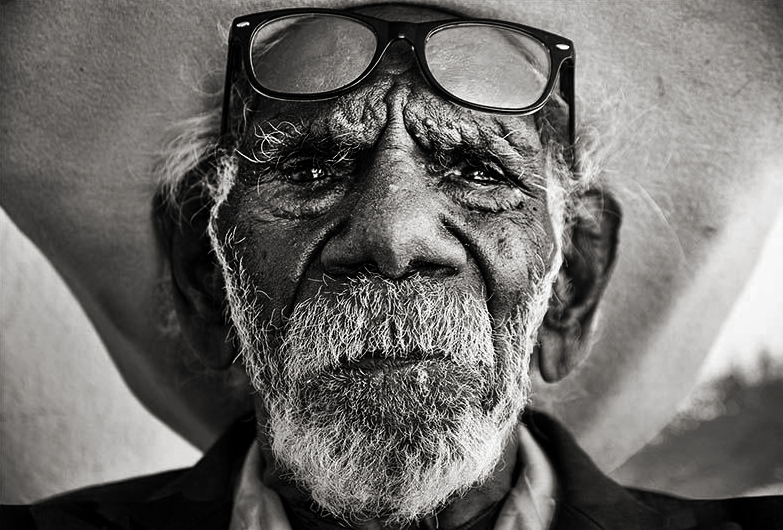
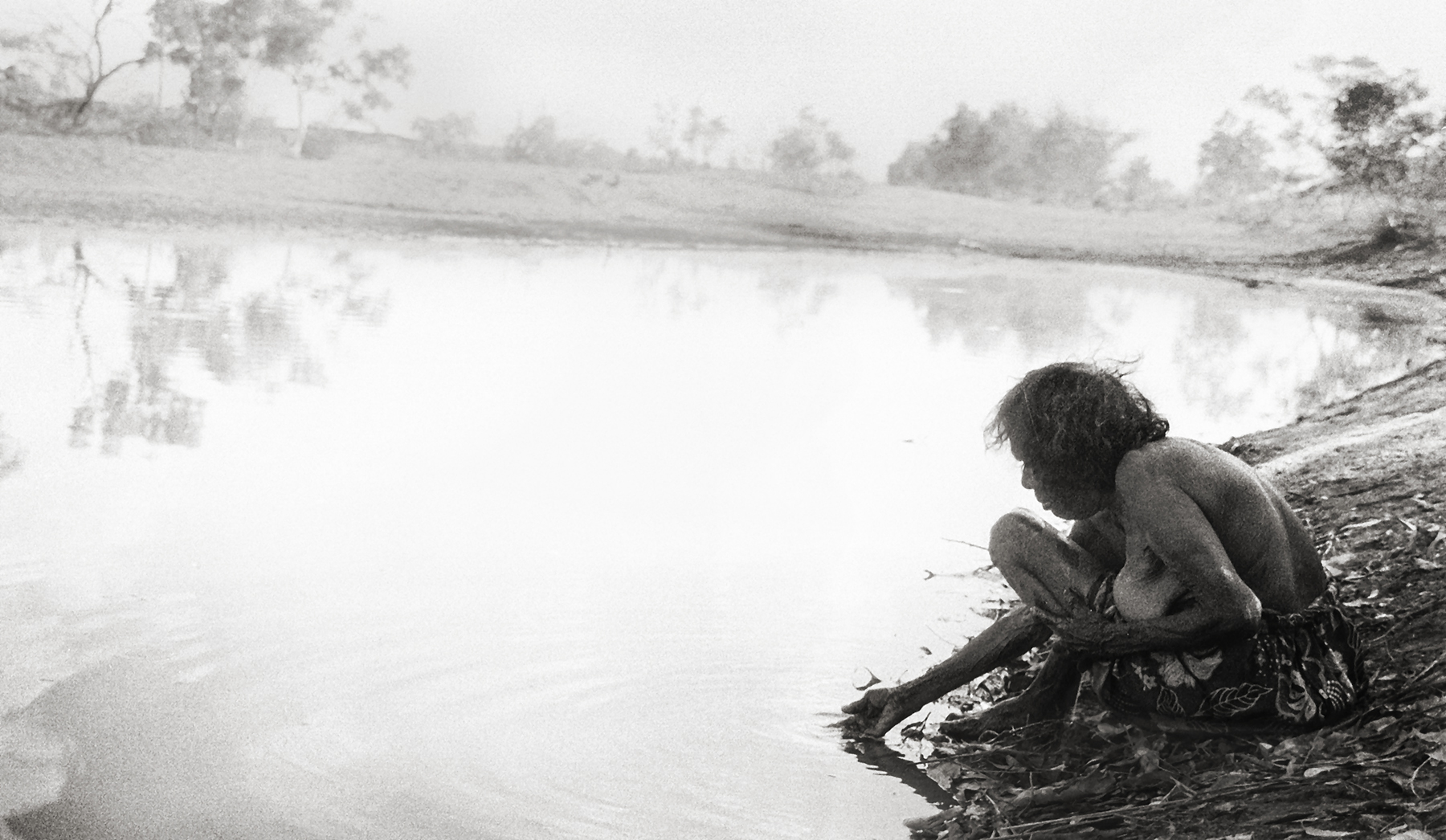

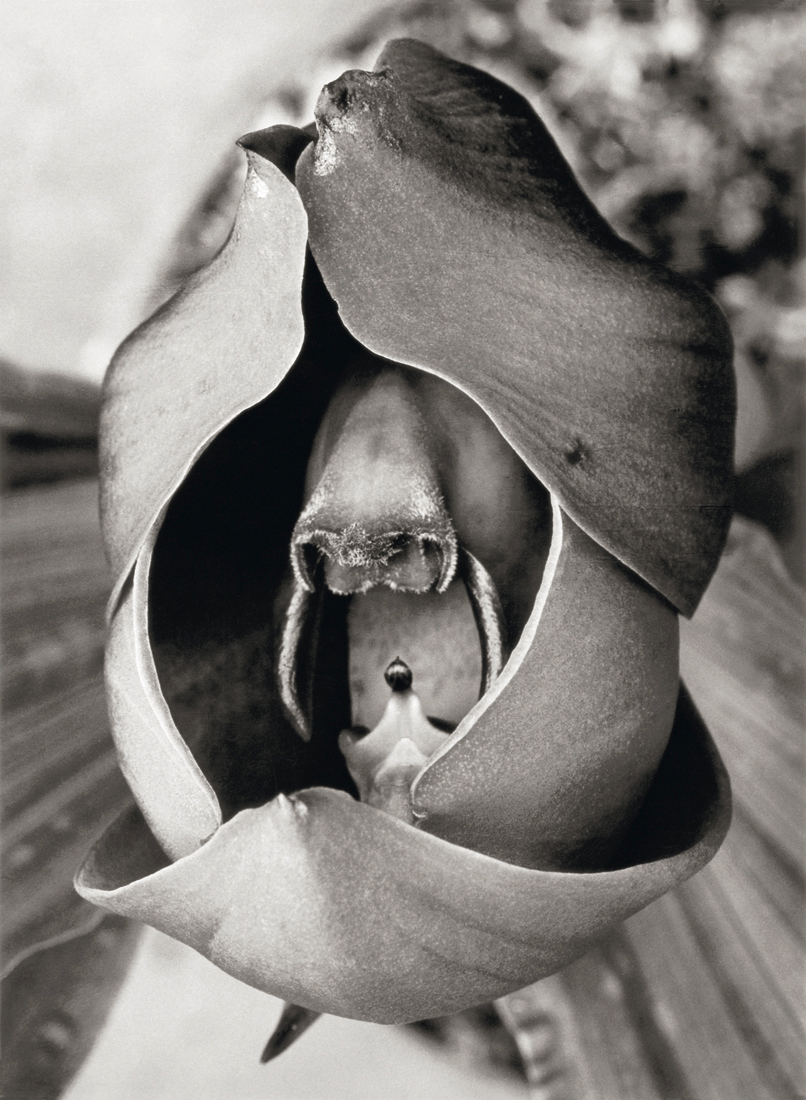
![Albert Renger-Patzsch (German, 1897-1966) 'Brasilianischer Melonenbaum von unten gesehen [Brazilian melon tree seen from below]' 1923](https://artblart.com/wp-content/uploads/2018/01/renger-patzsch-brasilianischer-melonenbaum.jpg "Albert Renger-Patzsch (German, 1897-1966) 'Brasilianischer Melonenbaum von unten gesehen [Brazilian melon tree seen from below]' 1923")
![Albert Renger-Patzsch (German, 1897-1966) 'Krabbenfischerin [Shrimp fisherwoman]' 1927](https://artblart.com/wp-content/uploads/2018/01/renger-patzsch-krabbenfischerin.jpg "Albert Renger-Patzsch (German, 1897-1966) 'Krabbenfischerin [Shrimp fisherwoman]' 1927")
![Albert Renger-Patzsch (German, 1897-1966) 'Ritzel and Zahnräder, Lindener Eisen-und Stahlwerke [Sprockets and gears, Lindener Eisen-und Stahlwerke factory]' 1927](https://artblart.com/wp-content/uploads/2018/01/renger-patzsch-ritzel-und-zahnracc88der.jpg "Albert Renger-Patzsch (German, 1897-1966) 'Ritzel and Zahnräder, Lindener Eisen-und Stahlwerke [Sprockets and gears, Lindener Eisen-und Stahlwerke factory]' 1927")
![Albert Renger-Patzsch (German, 1897-1966) 'Bügeleisen für Schuhfabrikation, Faguswerk Alfeld [Shoemakers' irons, Fagus factory, Alfeld]' 1928](https://artblart.com/wp-content/uploads/2018/01/renger-patzsch-bugeleisen-fur-schuhfabrikation.jpg "Albert Renger-Patzsch (German, 1897-1966) 'Bügeleisen für Schuhfabrikation, Faguswerk Alfeld [Shoemakers' irons, Fagus factory, Alfeld]' 1928")
![Albert Renger-Patzsch (German, 1897-1966) 'Gebirgsforst im Winter (Fichtenwald im Winter)' [Mountain forest in winter (spruce forest in winter)] 1926](https://artblart.com/wp-content/uploads/2018/01/renger-patzsch-gebirgsforst-im-winter.jpg "Albert Renger-Patzsch (German, 1897-1966) 'Gebirgsforst im Winter (Fichtenwald im Winter)' [Mountain forest in winter (spruce forest in winter)] 1926")
![Albert Renger-Patzsch (German, 1897-1966) 'Natterkopf [Head of an adder]' 1925](https://artblart.com/wp-content/uploads/2018/01/renger-patzsch-natterkopf.jpg "Albert Renger-Patzsch (German, 1897-1966) 'Natterkopf [Head of an adder]' 1925")
![Albert Renger-Patzsch (German, 1897-1966) 'Hände [Hands]' 1926-1927](https://artblart.com/wp-content/uploads/2018/01/renger-patzsch-hacc88nde.jpg "Albert Renger-Patzsch (German, 1897-1966) 'Hände [Hands]' 1926-1927")
![Albert Renger-Patzsch (German, 1897-1966) 'Landstraße bei Essen [Country road near Essen]' 1929](https://artblart.com/wp-content/uploads/2018/01/renger-patzsch-landstrac39fe-bei-essen.jpg "Albert Renger-Patzsch (German, 1897-1966) 'Landstraße bei Essen [Country road near Essen]' 1929")
![Albert Renger-Patzsch (German, 1897-1966) 'Landschaft bei Essen und Zeche "Rosenblumendelle" [Landscape near Essen with the Rosenblumendelle colliery]' 1928](https://artblart.com/wp-content/uploads/2018/01/renger-patzsch-landschaft.jpg "Albert Renger-Patzsch (German, 1897-1966) 'Landschaft bei Essen und Zeche \"Rosenblumendelle\" [Landscape near Essen with the Rosenblumendelle colliery]' 1928")
![Albert Renger-Patzsch (German, 1897-1966) 'Zeche "Victoria Mathias" in Essen [Colliery "Victoria Mathias" in Essen]' 1929](https://artblart.com/wp-content/uploads/2018/01/renger-patzsch-zeche-victoria-mathias.jpg "Albert Renger-Patzsch (German, 1897-1966) 'Zeche \"Victoria Mathias\" in Essen [Colliery \"Victoria Mathias\" in Essen]' 1929")
![Albert Renger-Patzsch (German, 1897-1966) 'Kauper, Hochofenwerk Herrenwyk, Lübeck [Cowper, blast furnace Herrenwyk, Lübeck]' 1927](https://artblart.com/wp-content/uploads/2018/01/renger-patzsch-kauper.jpg "Albert Renger-Patzsch (German, 1897-1966) 'Kauper, Hochofenwerk Herrenwyk, Lübeck [Cowper, blast furnace Herrenwyk, Lübeck]' 1927")
![Albert Renger-Patzsch (German, 1897-1966) 'Ein Knotenpunkt der Fachwerkbrücke Duisburg-Hochfeld [A node from the latticework bridge in Duisburg-Hochfeld]' 1928](https://artblart.com/wp-content/uploads/2018/01/albert-renger-patzsch-ein-knotenpunkt-der-fachwerkbrucc88cke-duisburg-hochfeld-1928-web.jpg "Albert Renger-Patzsch (German, 1897-1966) 'Ein Knotenpunkt der Fachwerkbrücke Duisburg-Hochfeld [A node from the latticework bridge in Duisburg-Hochfeld]' 1928")
![Albert Renger-Patzsch (German, 1897-1966) 'Zeche "Heinrich-Robert", Turmförderung, Pelkum bei Hamm [Headframe at the Heinrich-Robert colliery in Pelkum, near Hamm]' 1951](https://artblart.com/wp-content/uploads/2018/01/renger-patzsch-zeche-heinrich-robert.jpg "Albert Renger-Patzsch (German, 1897-1966) 'Zeche \"Heinrich-Robert\", Turmförderung, Pelkum bei Hamm [Headframe at the Heinrich-Robert colliery in Pelkum, near Hamm]' 1951")
![Albert Renger-Patzsch (German, 1897-1966) 'Zeche "Graf Moltke", Gelsenkirchen-Gladbeck [Graf Moltke colliery, in the Gladbeck district of Gelsenkirchen]' 1952-1953](https://artblart.com/wp-content/uploads/2018/01/renger-patzsch-zeche-graf-moltke.jpg "Albert Renger-Patzsch (German, 1897-1966) 'Zeche \"Graf Moltke\", Gelsenkirchen-Gladbeck [Graf Moltke colliery, in the Gladbeck district of Gelsenkirchen]' 1952-1953")
![Albert Renger-Patzsch (German, 1897-1966) 'Zeche "Katharina", Schacht Ernst Tengelmann, Essen-Kray [Katharina colliery, Ernst Tengelmann well, in the Kray district of Essen]' 1955-1956](https://artblart.com/wp-content/uploads/2018/01/renger-patzsch-zeche-katharina.jpg "Albert Renger-Patzsch (German, 1897-1966) 'Zeche \"Katharina\", Schacht Ernst Tengelmann, Essen-Kray [Katharina colliery, Ernst Tengelmann well, in the Kray district of Essen]' 1955-1956")
![Albert Renger-Patzsch (German, 1897-1966) 'Jenaer Glas (Zylindrische Gläser) [Jena glass (cylinders)]' 1934](https://artblart.com/wp-content/uploads/2018/01/renger-patzsch-jenaer-glas.jpg "Albert Renger-Patzsch (German, 1897-1966) 'Jenaer Glas (Zylindrische Gläser) [Jena glass (cylinders)]' 1934")
![Albert Renger-Patzsch (German, 1897-1966) 'Buchenwald [Beech forest]' 1936](https://artblart.com/wp-content/uploads/2018/01/renger-patzsch-buchenwald.jpg "Albert Renger-Patzsch (German, 1897-1966) 'Buchenwald [Beech forest]' 1936")
![Albert Renger-Patzsch (German, 1897-1966) 'Das Bäumchen [The little tree]' 1928](https://artblart.com/wp-content/uploads/2018/01/renger-patzsch-das-bacc88umchen.jpg "Albert Renger-Patzsch (German, 1897-1966) 'Das Bäumchen [The little tree]' 1928")
![Albert Renger-Patzsch (German, 1897-1966) 'Mechanismus der Faltung [Fold mechanism]' 1962](https://artblart.com/wp-content/uploads/2018/01/renger-patzsch-mechanismus-der-faltung.jpg "Albert Renger-Patzsch (German, 1897-1966) 'Mechanismus der Faltung [Fold mechanism]' 1962")


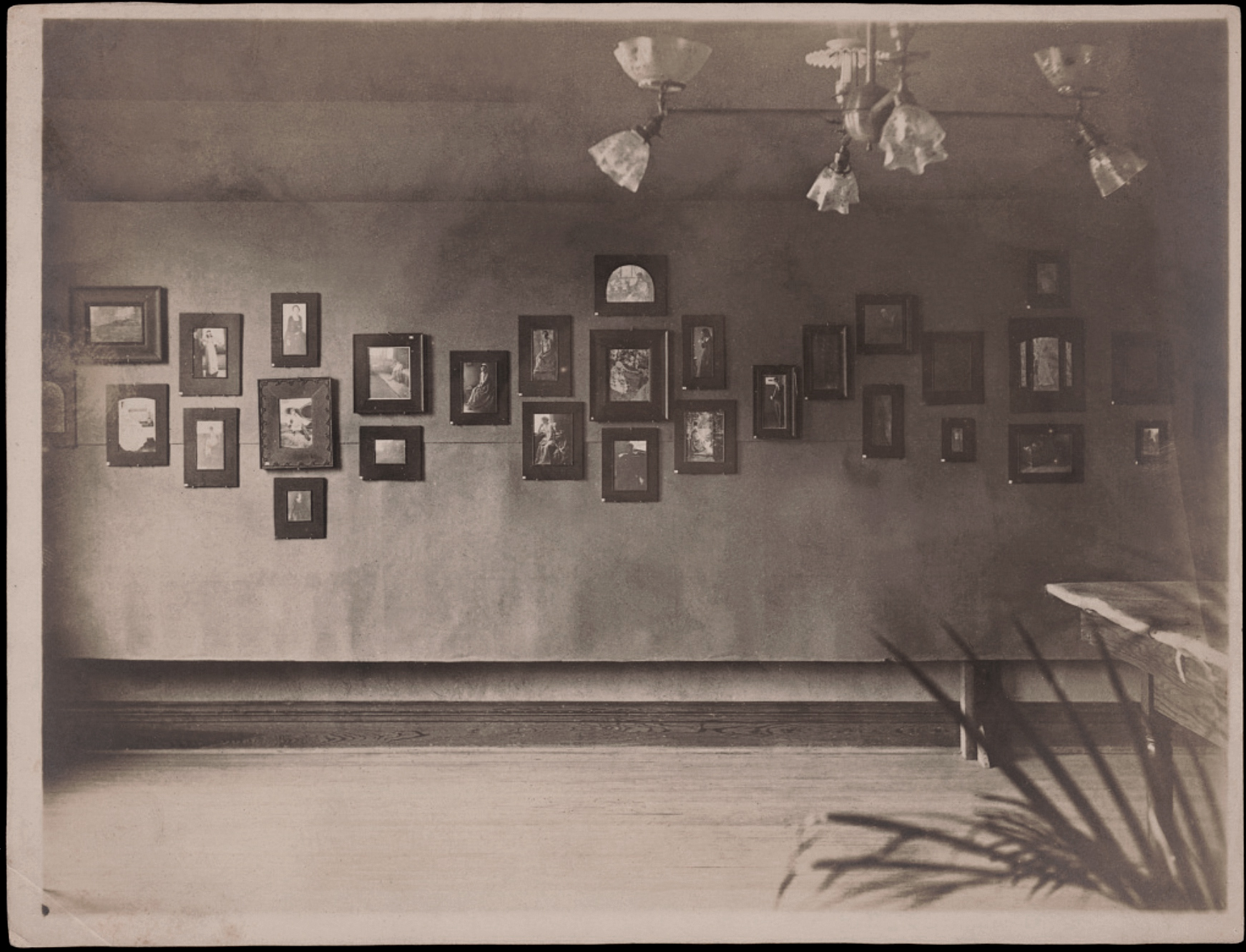

![William Herman Rau (1855-1920) 'Untitled [Clarence H. White works in Second Philadelphia Photographic Salon installation]' 1899](https://artblart.com/wp-content/uploads/2017/12/clarence-h-white-works-in-second-philadelphia-photographic-salon-installation-1899-web.jpg "William Herman Rau (1855-1920) 'Untitled [Clarence H. White works in Second Philadelphia Photographic Salon installation]' 1899")


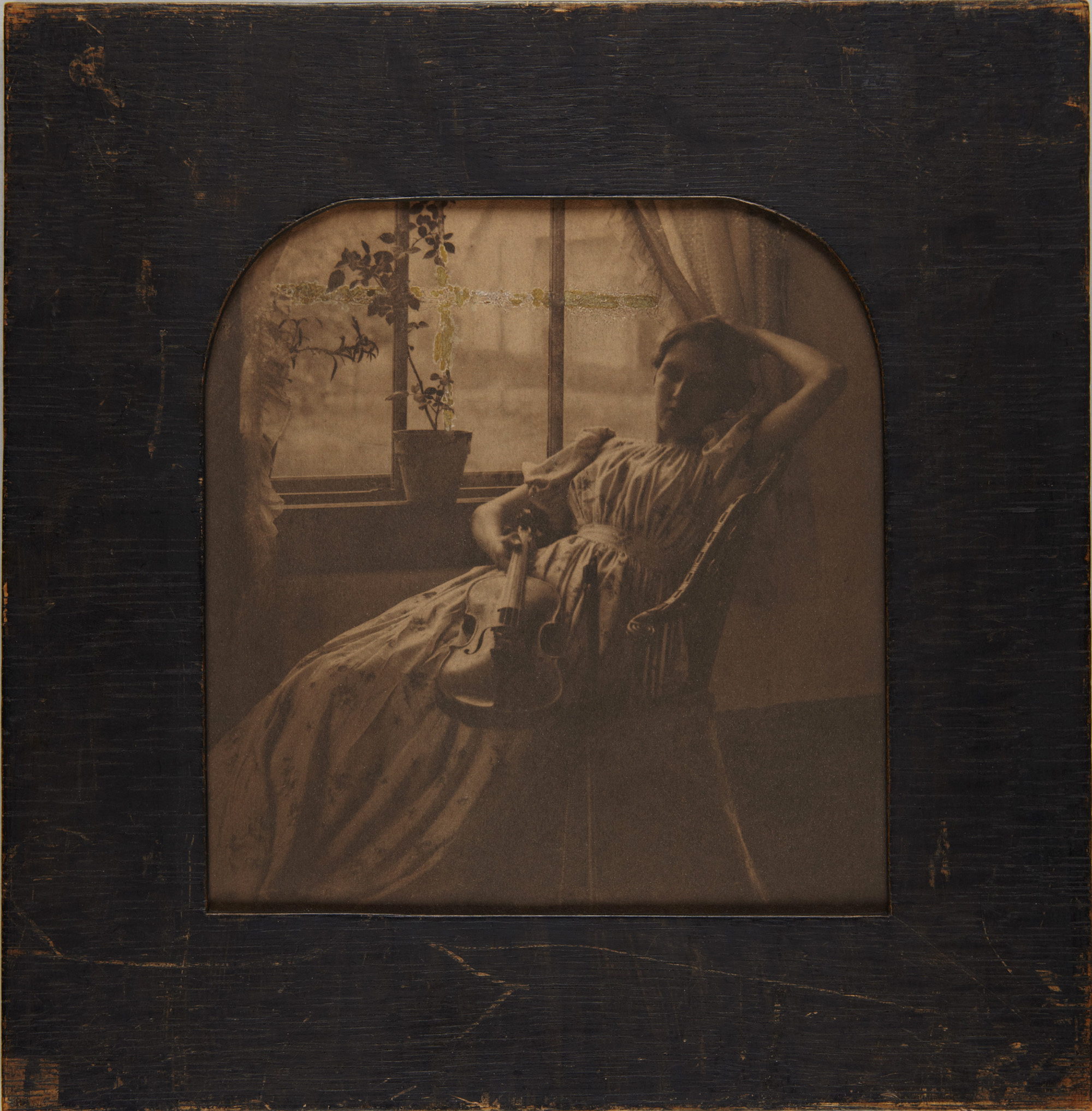

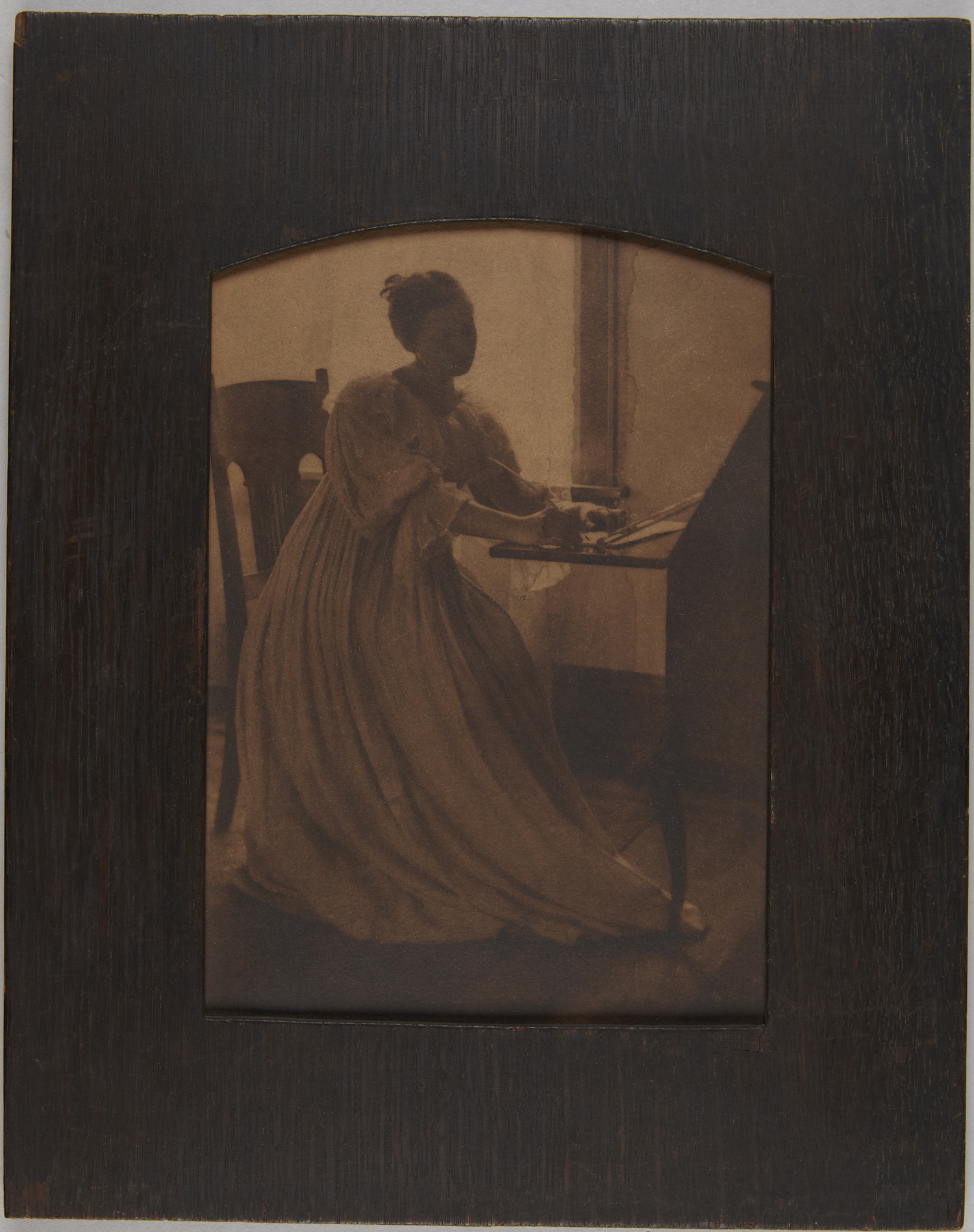
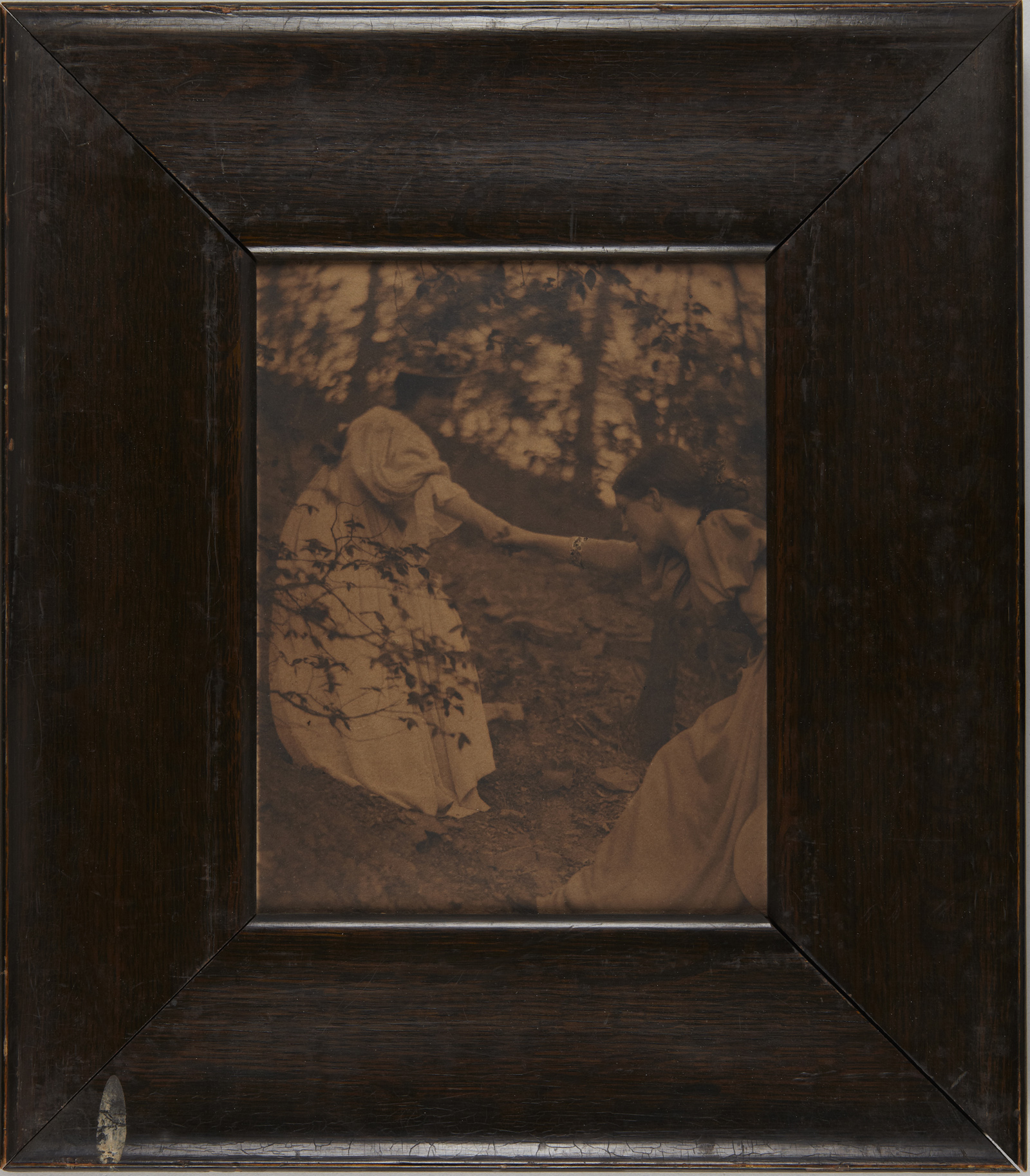


![Clarence H. White (American, 1871-1925) 'Spring - A Triptych [Letitia Felix]' 1898](https://artblart.com/wp-content/uploads/2017/12/clarence-h-white-spring-web.jpg "Clarence H. White (American, 1871-1925) 'Spring - A Triptych [Letitia Felix]' 1898")
![Clarence H. White (American, 1871-1925) 'Spring - A Triptych [Letitia Felix]' 1898](https://artblart.com/wp-content/uploads/2017/12/clarence-h-white-spring-a-triptych-1898-web.jpg "Clarence H. White (American, 1871-1925) 'Spring - A Triptych [Letitia Felix]' 1898")
![Clarence H. White (American, 1871-1925) 'Spring - A Triptych [Letitia Felix]' 1898](https://artblart.com/wp-content/uploads/2017/12/clarence-h-white-spring-a-triptych-1898-b-web.jpg "Clarence H. White (American, 1871-1925) 'Spring - A Triptych [Letitia Felix]' 1898")


![Clarence H. White (American, 1871-1925) 'Untitled [Male academic nude]' c. 1900](https://artblart.com/wp-content/uploads/2017/12/clarence-h-white-untitled-male-academic-nude-c-1900-web.jpg "Clarence H. White (American, 1871-1925) 'Untitled [Male academic nude]' c. 1900")
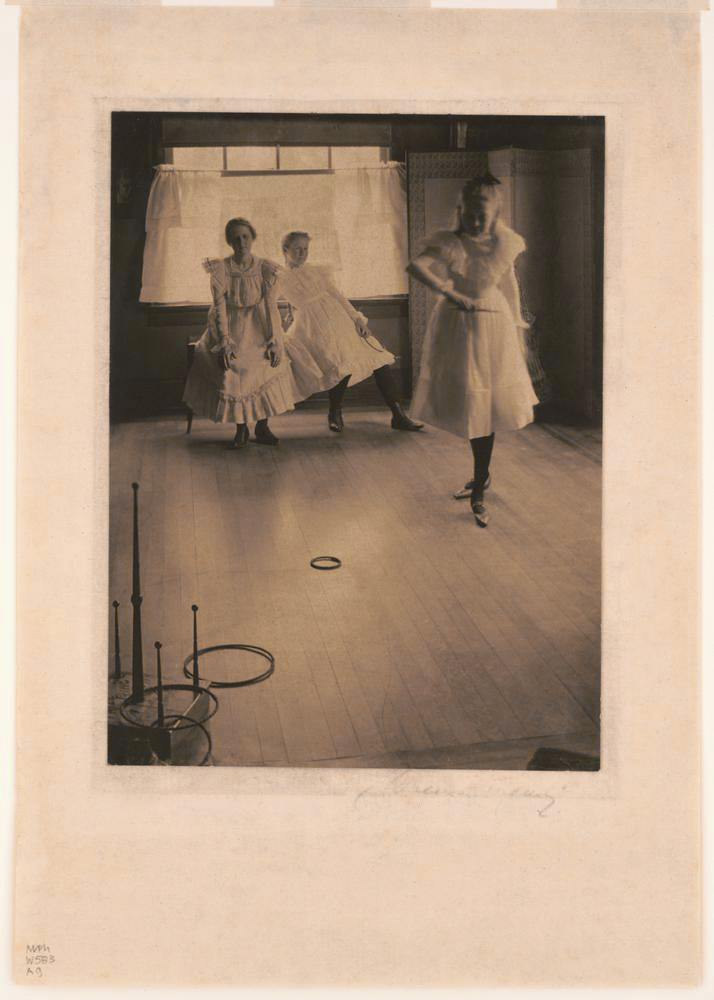
![Clarence H. White (American, 1871-1925) 'Untitled [Portrait of F. Holland Day with Male Nude]' 1902](https://artblart.com/wp-content/uploads/2017/12/clarence-h-white-portrait-of-f-holland-day-with-male-nude-1902-platinum-print-web.jpg "Clarence H. White (American, 1871-1925) 'Untitled [Portrait of F. Holland Day with Male Nude]' 1902")
![Clarence H. White (American, 1871-1925) 'Untitled [F. Holland Day lighting a cigarette]' 1902](https://artblart.com/wp-content/uploads/2017/12/clarence-h-white-untitled-f-holland-day-lighting-a-cigarette-1902-web.jpg "Clarence H. White (American, 1871-1925) 'Untitled [F. Holland Day lighting a cigarette]' 1902")
![Clarence H. White (American, 1871-1925) 'The Boy with His Wagon [1/3]' 1898](https://artblart.com/wp-content/uploads/2017/12/clarence-h-white-boy-web.jpg "Clarence H. White (American, 1871-1925) 'The Boy with His Wagon [1/3]' 1898")

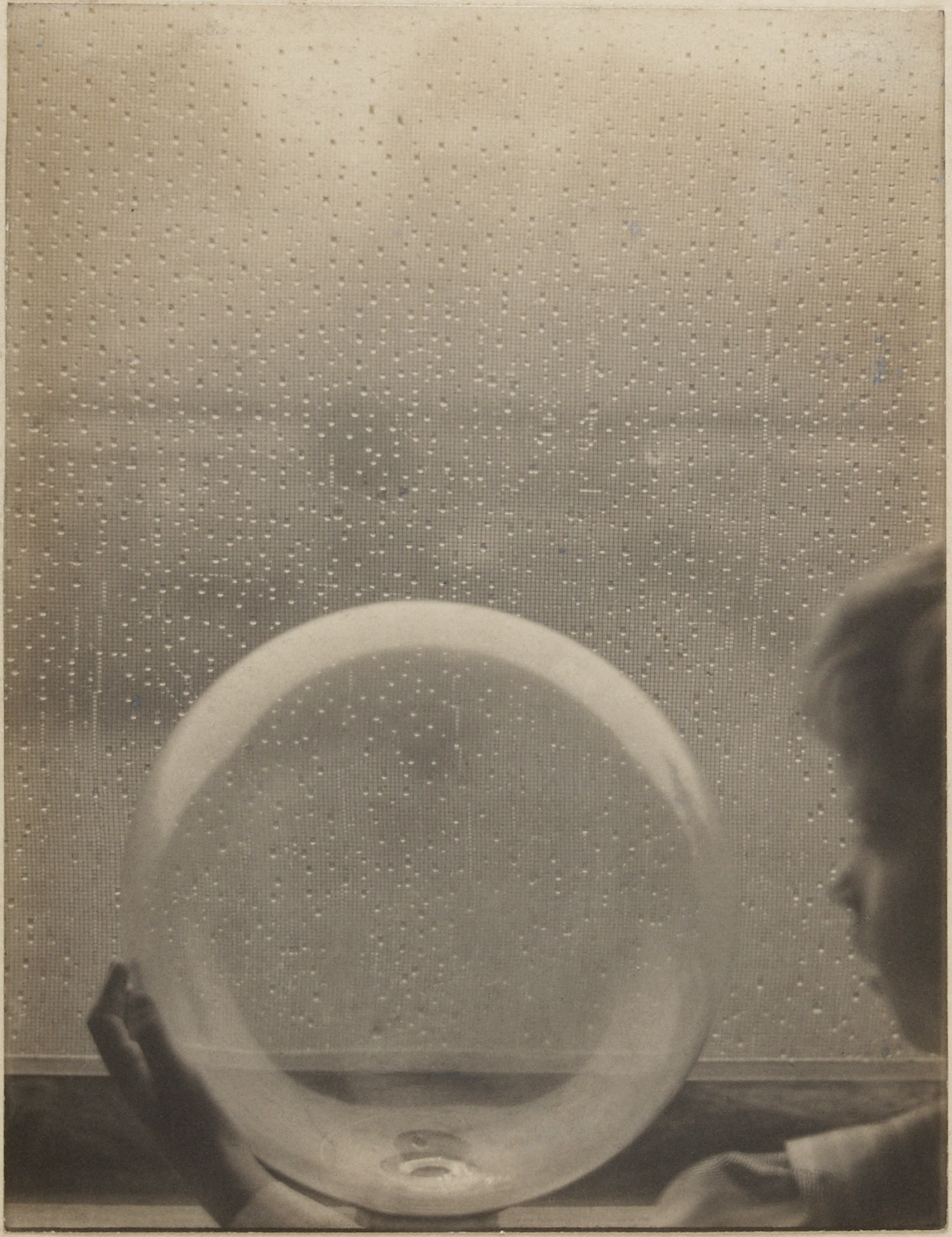


![Clarence H. White (1871-1925) 'Untitled [Jean Reynolds in Newark, Ohio]' c. 1905](https://artblart.com/wp-content/uploads/2017/12/clarence-h-white-untitled-jean-reynolds-in-newark-ohio-c-1905-web.jpg "Clarence H. White (1871-1925) 'Untitled [Jean Reynolds in Newark, Ohio]' c. 1905")

![Clarence H. White (American, 1871-1925) 'Untitled [Interior of Weiant house, Newark, Ohio]' 1904](https://artblart.com/wp-content/uploads/2017/12/clarence-h-white-untitled-interior-of-weiant-house-newark-ohio-1904-web.jpg "Clarence H. White (American, 1871-1925) 'Untitled [Interior of Weiant house, Newark, Ohio]' 1904")
![Clarence H. White (American, 1871-1925) and Paul Burty Haviland (French, 1880-1950) 'Untitled [Florence Peterson]' 1909, printed after 1917](https://artblart.com/wp-content/uploads/2017/12/white-haviland-untitled-florence-peterson-1909-printed-after-1917-web.jpg "Clarence H. White (American, 1871-1925) and Paul Burty Haviland (French, 1880-1950) 'Untitled [Florence Peterson]' 1909, printed after 1917")


![Alfred Stieglitz (American, 1864-1946) and Clarence H. White (American, 1871-1925) 'Untitled [Miss Thompson]' 1907](https://artblart.com/wp-content/uploads/2017/12/stieglitz-and-white-untitled-miss-thompson-1907-web.jpg "Alfred Stieglitz (American, 1864-1946) and Clarence H. White (American, 1871-1925) 'Untitled [Miss Thompson]' 1907")

![Clarence H. White (American, 1871-1925) 'Untitled [Florence Peterson]' c. 1909](https://artblart.com/wp-content/uploads/2017/12/clarence-h-white-untitled-florence-peterson-c-1909-web.jpg "Clarence H. White (American, 1871-1925) 'Untitled [Florence Peterson]' c. 1909")

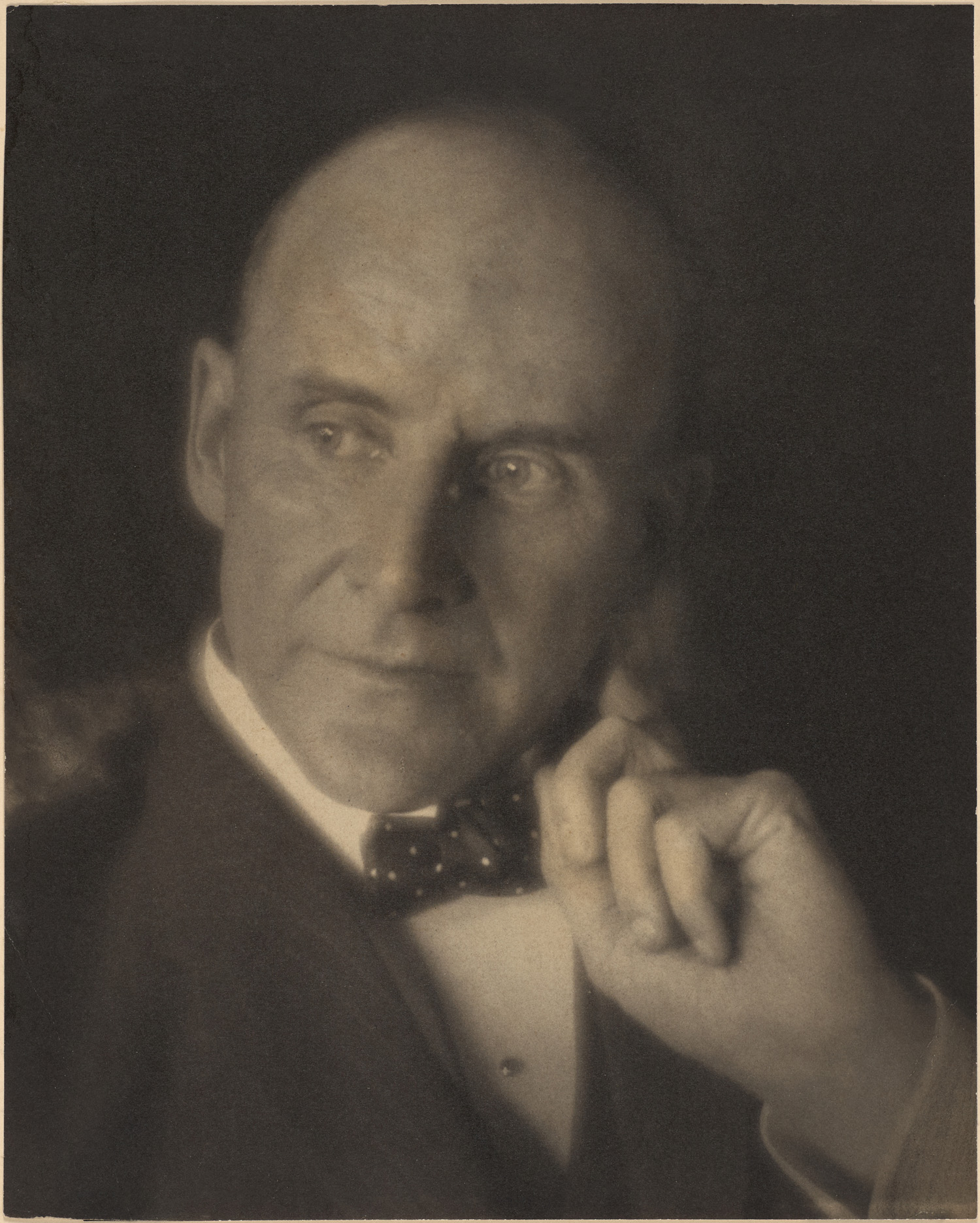


![Margaret Watkins (Canadian, 1884-1969) 'Untitled [Kitchen still life]' c. 1919-1920](https://artblart.com/wp-content/uploads/2017/12/margaret-watkins-untitled-kitchen-still-life-c-1919-20-web.jpg "Margaret Watkins (Canadian, 1884-1969) 'Untitled [Kitchen still life]' c. 1919-1920")

![Clarence H. White (American, 1871-1925) 'Untitled [Dome of the Church of Our Lady of Carmen, San Ángel, Mexico]' 1925](https://artblart.com/wp-content/uploads/2017/12/clarence-h-white-dome-of-the-church-of-our-lady-of-carmen-1925-web.jpg "Clarence H. White (American, 1871-1925) 'Untitled [Dome of the Church of Our Lady of Carmen, San Ángel, Mexico]' 1925")
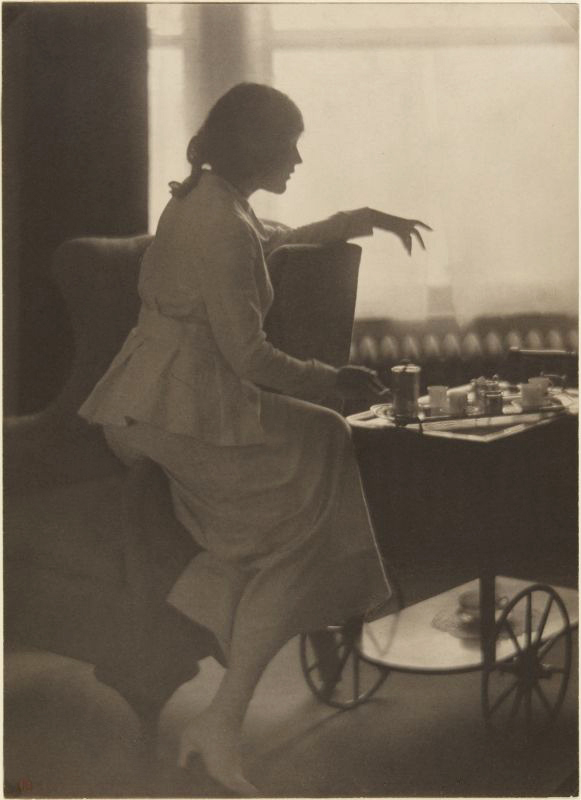


 Art Blart _ art and cultural memory archive
You must be logged in to post a comment.