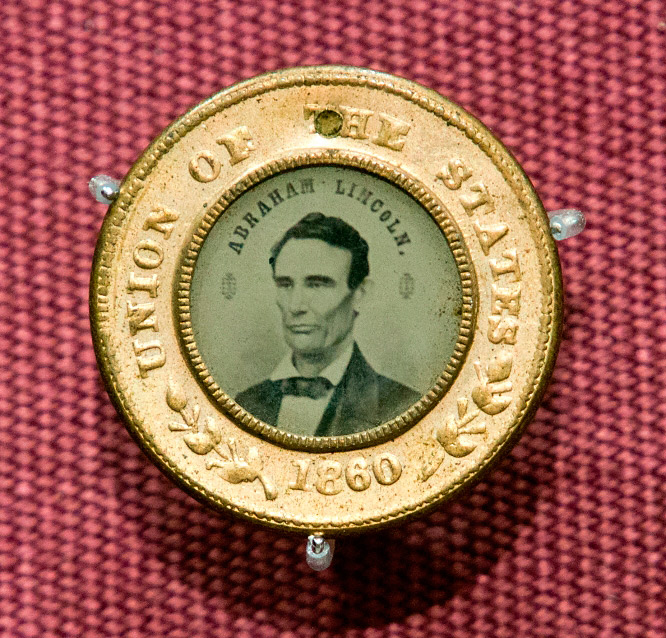
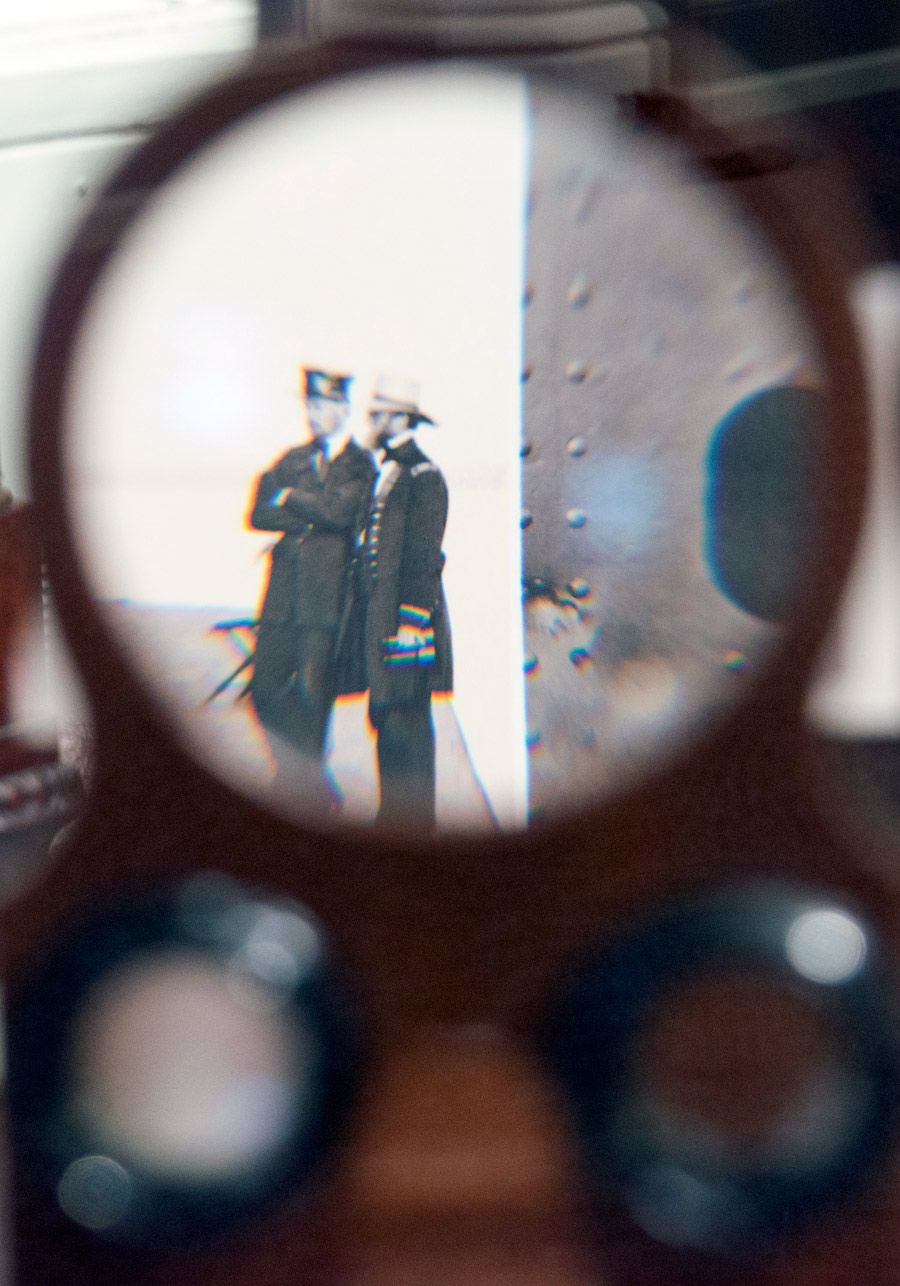
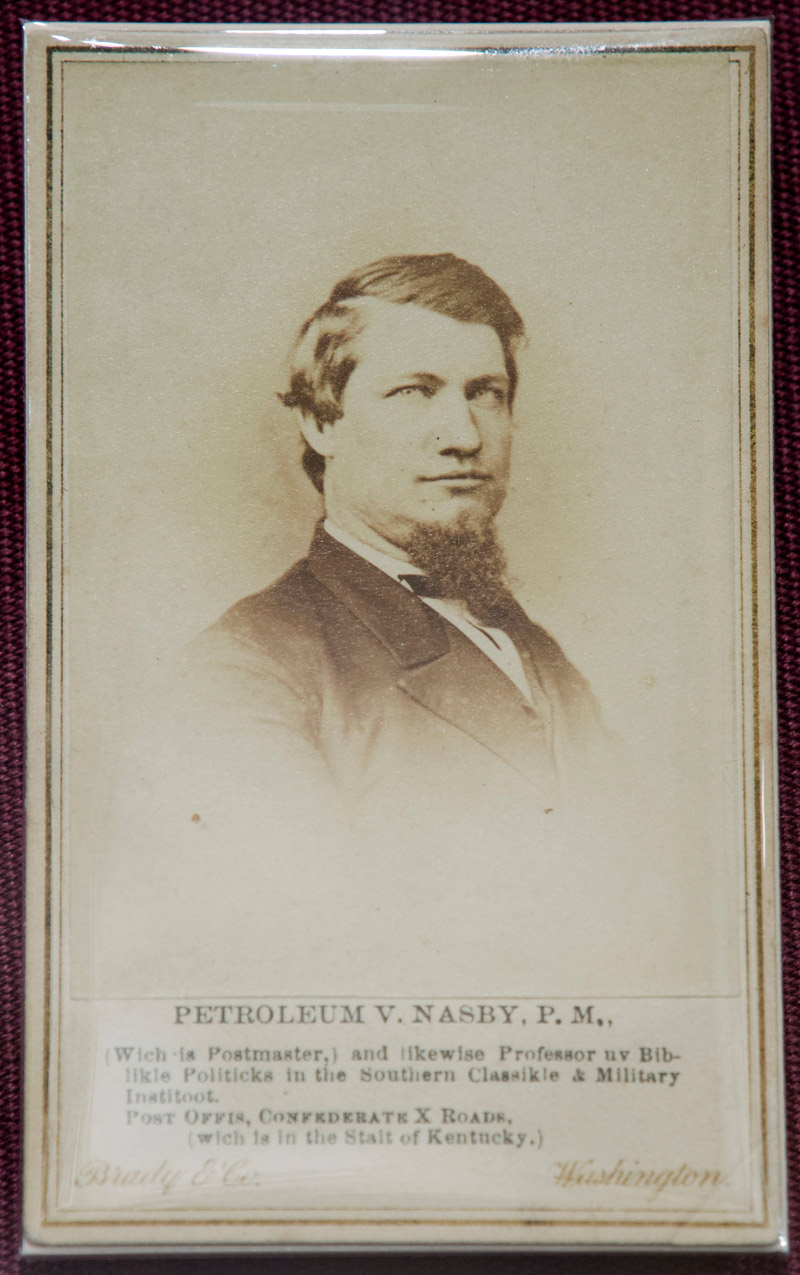
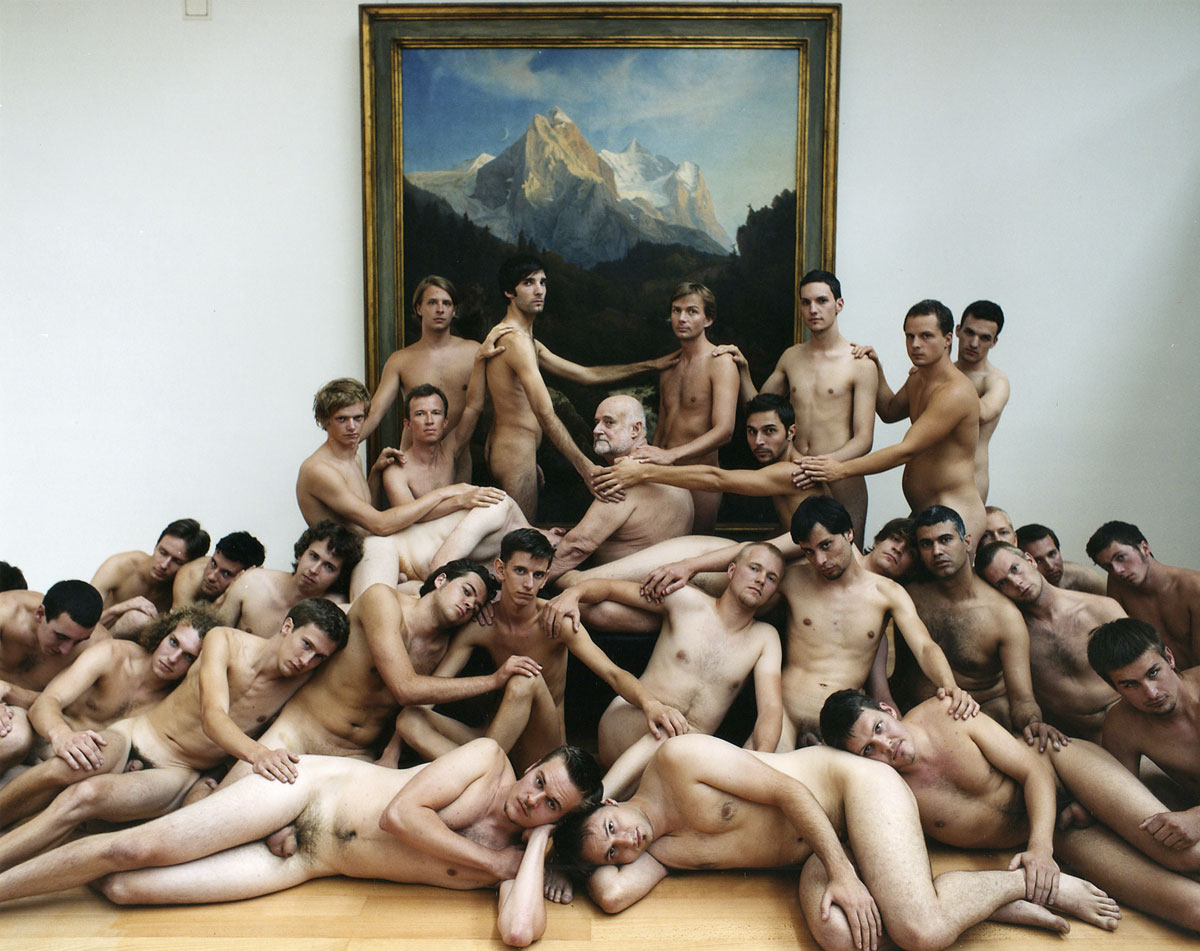
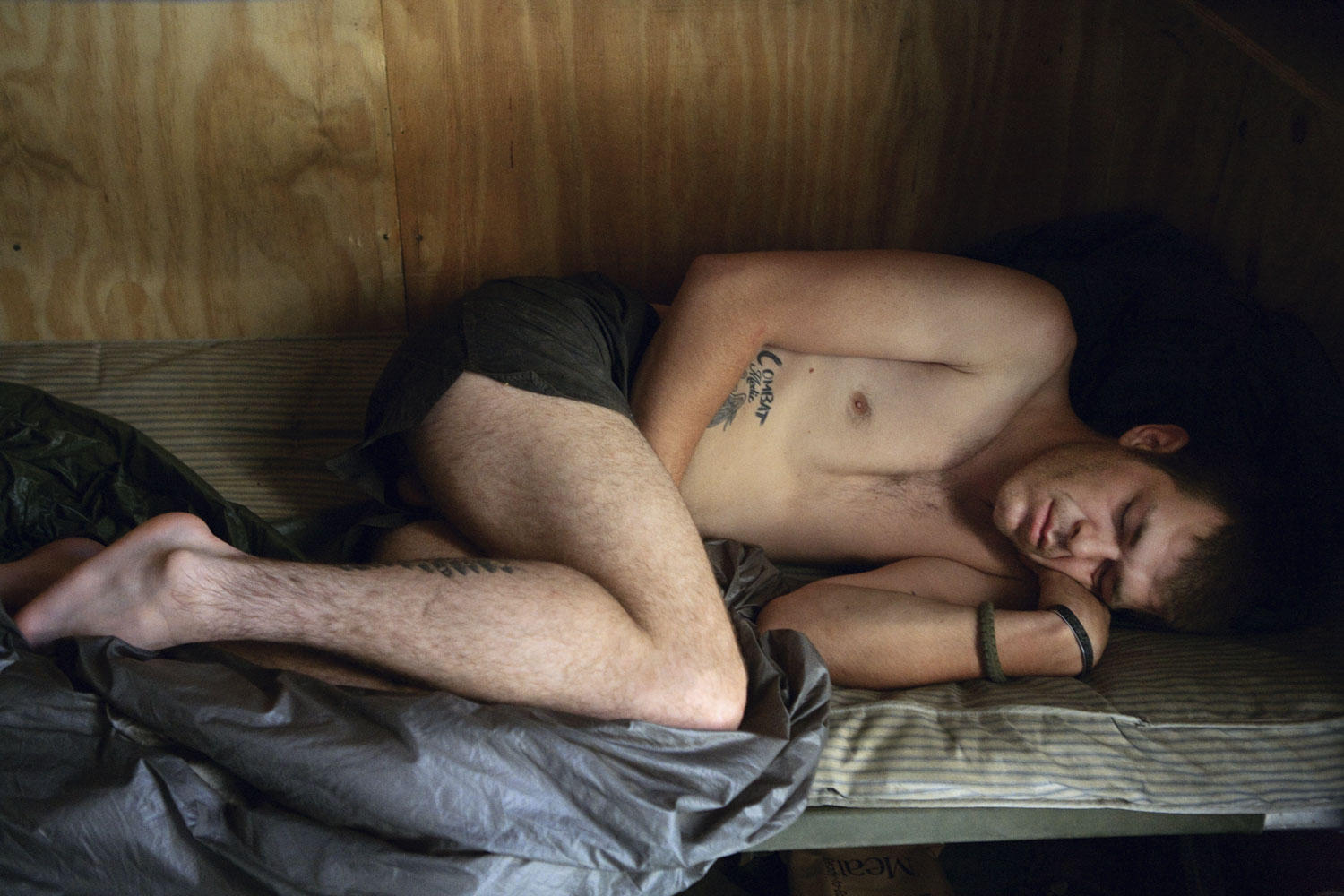
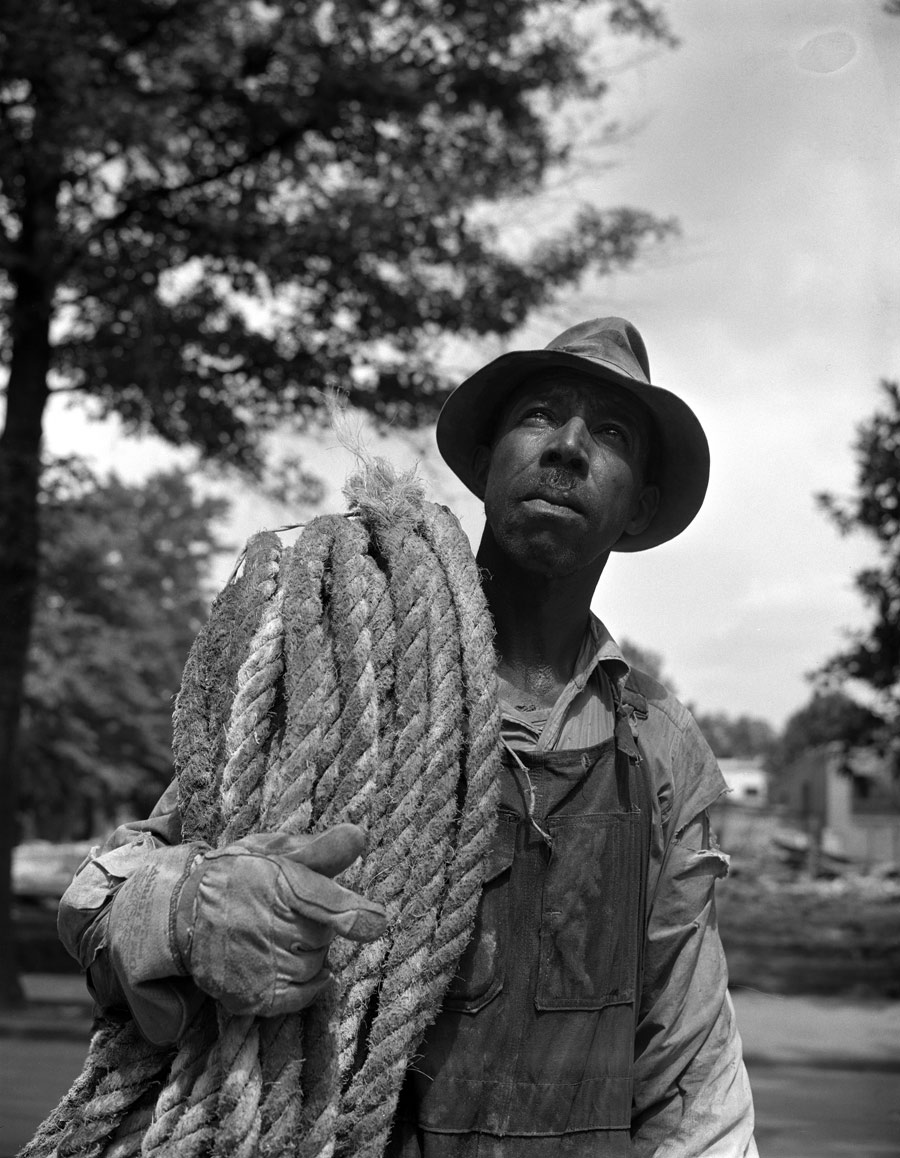
Video: ‘I am Bradley Manning’

June 2013


Evil prospers when good men do nothing

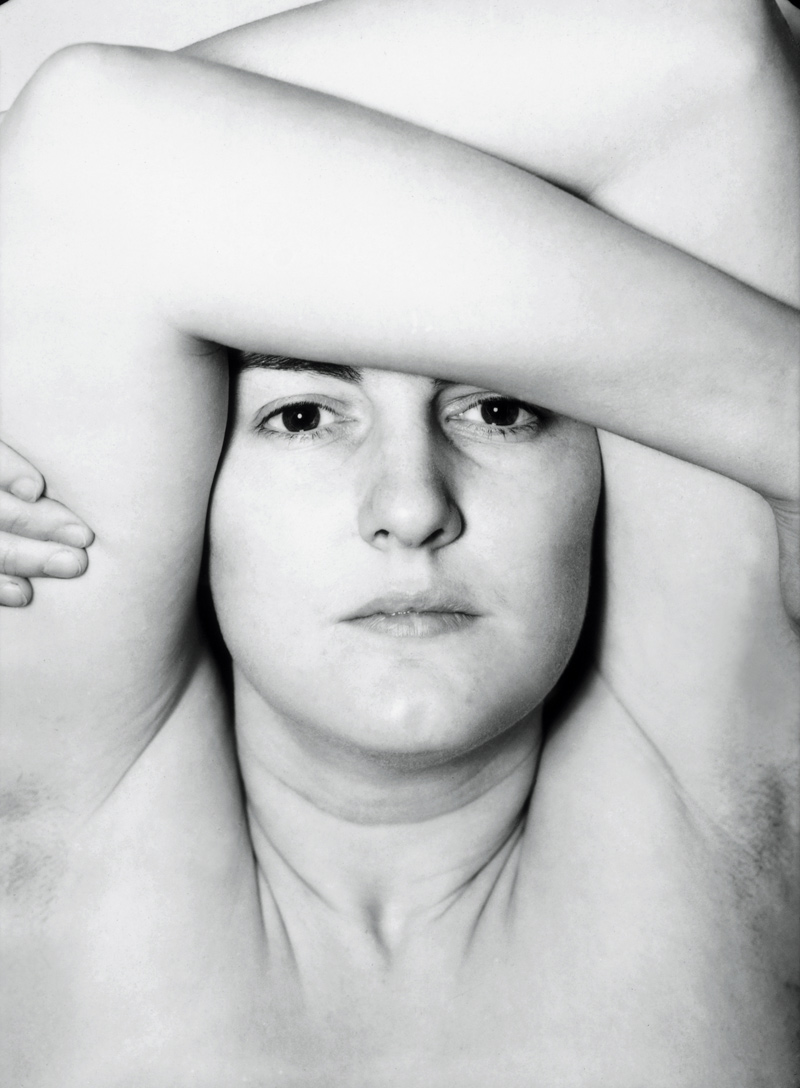
Bradley Manning.

A slight, bespectacled, intelligent gay man.
A man who has the courage of his convictions.
He revealed truth at the heart of the world’s largest “democracy.”

Read more…


Bradley Manning has been nominated for the Nobel Peace Prize, and he should receive it.


LIKE ART BLART ON FACEBOOK

Back to top

Exhibition: ‘The Radical Camera: New York’s Photo League, 1936-1951’ at The Norton Museum of Art, West Palm Beach, Florida

Exhibition dates: 14th March – 16th June 2013


Alexander Alland (Ukranian-American, 1902-1989, born Sevastopol, Ukraine) 'Untitled (Brooklyn Bridge)' 1938


Alexander Alland (Ukranian-American, 1902-1989, born Sevastopol, Ukraine)
Untitled (Brooklyn Bridge)
1938
Gelatin silver print
The Jewish Museum, New York
Purchase: William and Jane Schloss Family Foundation Fund


Conscience of the brave

Bradley Manning.
A slight, bespectacled, intelligent gay man.
A man who has the courage of his convictions.
He revealed truth at the heart of the world’s largest “democracy.”

There is something insidious about the American nation. Not its citizens, not its place, but its government. This government has perpetrated evil in the name of its people. Think of Iraq and Afghanistan, invasions in the name of freedom, the support of puppet governments, the assassinations, the military advisors on the ground, the profits made.

The torture. The deaths.

Bradley Manning revealed all of this because he has a mighty moral compass. He knows right from wrong. He was not afraid to expose the hypocrisy that for many years has beaten, unfettered, in the breast of a nation. The home of the brave and the free is sadly under attack from within. In the name of its people.

And why is this text relevant to this posting?

So often in the history of America, dissension is shut down because of some imagined menace, from within or without. Here another group of people (photographers documenting American social conditions) were persecuted for standing up for social causes, for the freedom to expose injustice where it lives. The paranoia of patriotism.

As Harold Pinter has so pithily observed,

“The crimes of the United States have been systematic, constant, vicious, remorseless, but very few people have actually talked about them. You have to hand it to America. It has exercised a quite clinical manipulation of power worldwide while masquerading as a force for universal good. It’s a brilliant, even witty, highly successful act of hypnosis.”

Except the hypnotist is a deranged psychopath, a divided split personality arraigning god, greed and guns. Out of one, many sins.

Dr Marcus Bunyan


Many thankx to The Norton Museum of Art for allowing me to publish the photographs in the posting. Please click on the photographs for a larger version of the image.


“When the persecution of an individual who has exposed an evil is pursued so ruthlessly and yet the evil itself is studiedly ignored, all of us know that there is something very wrong with the way that our society is conducting itself. And if we do not protest in the strongest terms about what is being done in our name, then we become complicit.”


Alan Moore


“The US has shown remarkable energy in its pursuit of alleged whistleblowers. Has it investigated the deaths of those innocent civilians with the same vigour? With any vigour whatsoever? And which would you consider a crime? To conceal the deaths of innocent civilians, or to reveal them? I know what my answer would be.”


Les Barker


“To suggest that lives were put in danger by the release of the WikiLeaks documents is the most cynical of statements. Lives were put in danger the night we invaded the sovereign nation of Iraq, an act that had nothing to do with what the Bradley Mannings of this country signed up for: to defend our people from attack. It was a war based on a complete lie and lives were not only put in danger, hundreds of thousands of them were exterminated. For those who organised this massacre to point a finger at Bradley Manning is the ultimate example of Orwellian hypocrisy.”


Michael Moore


“Private Manning is the world’s pre-eminent prisoner of conscience, having remained true to the Nuremberg principle that every soldier has the right to ‘a moral choice.’ His suffering mocks the notion of the land of the free.”


John Pilger


Louis Stettner (American, 1922-2016) 'Coming to America' c. 1951


Louis Stettner (American, 1922-2016)
Coming  to America
c. 1951
Gelatin silver print The Jewish Museum, New York
Purchase: Photography Acquisitions Committee Fund


Louis Stettner

Louis Stettner (November 7, 1922 – October 13, 2016) was an American photographer of the 20th century whose work included streetscapes, portraits and architectural images of New York and Paris. His work has been highly regarded because of its humanity and capturing the life and reality of the people and streets. Starting in 1947, Stettner photographed the changes in the people, culture, and architecture of both cities. He continued to photograph New York and Paris up until his death. …

Back from the war Stettner joined the Photo League in New York. Stettner visited Paris in 1946 and in 1947 moved there. From 1947 to 1949 he studied at the “Institut des Hautes Études Cinématographiques” in Paris and received a Bachelor of Arts in Photography & Cinema. He went back and forth between New York and Paris for almost two decades and finally settled permanently in Saint-Ouen, near Paris, in 1990. Stettner still frequently returned to New York.

Stettner’s professional work in Paris began with capturing life in the post-war recovery. He captured the everyday lives of his subjects. In the tradition of the Photo League, he wanted to investigate the bonds that connect people to one another. In 1947 he was asked by the same Photo League to organise an exhibition of French photographers in New York. He gathered the works of some of the greatest photographers of the era, including Doisneau, Brassaï, Boubat, Izis, and Ronis. The show was a big success and was largely reviewed in the annual issue of U.S. Camera. Stettner had begun a series of regular meetings with Brassaï who was a great mentor and had significant influence on his work. In 1949, Stettner had his first exhibition at the “Salon des Indépendants” at the Bibliothèque Nationale, Paris.

In 1951 his work was included in the famous Subjektive Fotografie exhibition in Germany. During the 1950s he free-lanced for Time, Life, Fortune, and Du (Germany). While in Paris he reconnected with Paul Strand, who had also left New York because of the political intolerance of the McCarthy era – Strand had been a founder of the Photo League that would be blacklisted and then banned during those years.

In the 1970s Stettner spent more time in New York City, where he taught at Brooklyn College, Queens College, and Cooper Union.

Text from the Wikipedia website
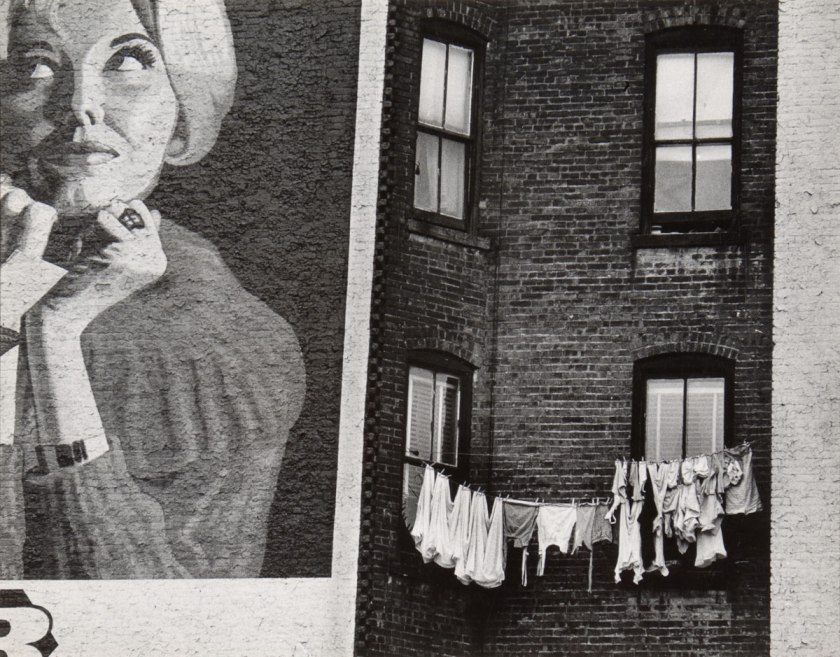
 

Erika Stone (born 1924, Frankfurt, Germany) 'Lower Eastside Facade' 1947


Erika Stone (German, b. 1924)
Lower Eastside Facade
1947
Gelatin silver print
Columbus Museum of Art, Ohio, Photo League Collection
Museum purchase with funds provided by Elizabeth M. Ross, the Derby Fund,
John S. and Catherine Chapin Kobacker, and the Friends of the Photo League


Stone’s adroit cropping of this image emphasises the coy upward gaze of the woman in the advertisement, away from the laundry line (emblem of poverty), and suggests the social mobility of the postwar era.


Erika Stone’s documentary photographs reflect her long, active career as a photo journalist and magazine photographer. In the 40’s, Stone was a member of the legendary Photo League, an organisation of photo documentarians which she feels most influenced her approach to her personal photographic work. It was during the years as a League member that she developed her interest in documenting people and at the age of seventeen, produced her Bowery series.

Although she considers herself mostly self-taught, she studied at the New School of Social Research with Bereniece Abbott and George Tice.

Stone was a stringer for both Time and Der Spiegel magazines and worked as a general photojournalist until 1960. After the birth of her two sons, she made photographing children and family her specialty. Her photographs have been and are widely published in magazines and textbooks around the world.

Anonymous. “Erika Stone,” on the American Photography Archives Group website Nd [Online] Cited 13/07/2024


Marvin E. Newman (American, 1927-2023) 'Halloween, South Side' 1951


Marvin E. Newman (American, 1927-2023)
Halloween, South Side
1951
Gelatin silver print
The Jewish Museum, New York
Purchase: Photography Acquisitions Committee Fund


Marvin Newman

Born in New York; Newman attended Brooklyn College, where he studied sculpture with Burgoyne Diller and photography with Walter Rosenblum. Following Rosenblum’s suggestion, he joined the Photo League in 1948, taking classes with John Ebstel. The Photo League, founded in 1936, blazed a trail for serious photographers for 15 years, providing a forum for ideas, cheap darkroom space, and the vision of using the art of picture taking to change the world. Newman then attended the Institute of Design, Chicago (1949-52), where, after studying with Harry Callahan and Aaron Siskind, he received one of the first MS degrees in photography (1952).

During this time, Newman won national contests, including one sponsored by American Photography (1950) and another by Time, Inc. (1951). His work appeared in the Always a Young Stranger exhibition at the Museum of Modern Art, New York, and in a one-man show at Roy De Carava’s A Photographer’s Gallery (1956). Well-known as a photojournalist, Newman has been a major contributor to Sports Illustrated since its inception (1953), as well as to Life, Look, Newsweek, and Smithsonian magazines. In addition, he has been the national president of the American Society of Magazine Photographers, authored or coauthored eight books on photography, and received the Art Director’s Gold Medal for Editorial Photography.


Ida Wyman (American, 1926-2019) 'Spaghetti 25 Cents, New York' 1945


Ida Wyman (American, 1926-2019)
Spaghetti 25 Cents, New York
1945
Gelatin silver print
The Jewish Museum, New York
Purchase: Photography Acquisitions Committee Fund


This Italian restaurant was near the offices of Acme Newspictures, where Wyman became the company’s first female photo printer in 1943. After the war she lost her job at the agency. The “Ladies Invited” sign on the window is a reminder of a time when unescorted women were not always welcome in public dining establishments.

Ida Wyman

When I began working in the 1940s, few women were doing magazine photography in a field that was almost exclusively male. As I progressed from box camera to Speed Graphic (my first professional camera), and then to a Rolleiflex, I stopped thinking about the mechanics of film speed, f-stops, shutter speed, and began focusing on subject matter that interested me. What interested me so much were ordinary people and their everyday activities. Early on, I had documented children’s games and unusual architectural details in my Bronx neighbourhood. I decided to expand, to go elsewhere, taking the subway to Harlem, Chinatown, and lower Manhattan, exploring those neighbourhoods and looking for photos.

I became a member of the Photo League in 1946. I considered myself a documentary photographer and the League’s philosophy of honest photography appealed to me. I also began to understand the power of photos to help improve the social order by showing the conditions under which many people lived and worked. Even after leaving the League the following year, I continued to emphasise visual and social realities in my straightforward photographs.

Beginning with my earliest photos seeing New York City with my feet, and in whatever part of the country I was in, I continued my own walkabout, learning the area, engaging my subject, listening, and respecting their dignity. This continued to be my approach when taking photos. My photographs depicted daily life in America’s modern metropolitan centres, including Chicago and Los Angeles as well as New York.


Aaron Siskind (American, 1903-1991) 'The Wishing Tree' 1937


Aaron Siskind (American, 1903-1991)
The Wishing Tree
1937, printed later
from Harlem Document, 1936-40
Gelatin silver print
The Jewish Museum, New York
Purchase: Lillian Gordon Bequest


Harlem’s legendary Wishing Tree, bringer of good fortune, was once a tall elm that stood outside a theatre at 132nd Street and Seventh Avenue. When it was cut down in 1934 Bill “Bojangles” Robinson, the celebrated tap dancer, moved the stump to a nearby block and planted a new Tree of Hope beside it to assume wish granting duties. A piece of the original trunk is preserved in the Apollo Theatre on 125th Street, where performers still touch it for luck before going onstage.
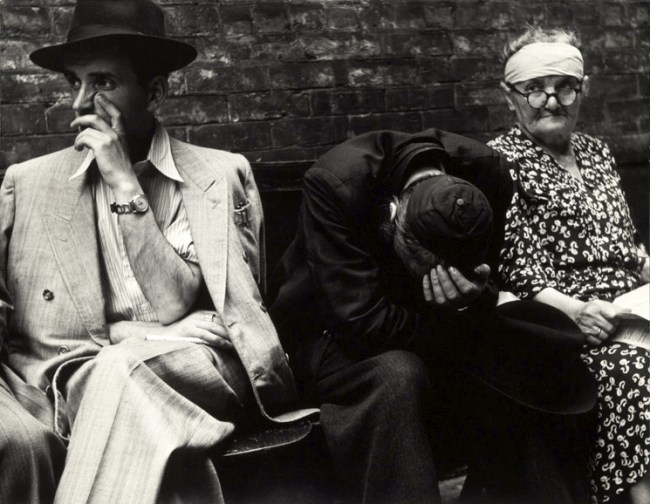
 

Sonia Handelman Meyer (American, 1920-2022) 'Hebrew Immigration Aid Society' c. 1946


Sonia Handelman Meyer (American, 1920-2022)
Hebrew Immigration Aid Society
c. 1946
Gelatin silver print
The Jewish Museum, New York
Purchase: Mimi and Barry J. Alperin in memory of Max Alperin


The efforts of the New York­ based Hebrew Immigration Aid Society (HIAS) to rescue European Jews during the war were severely hampered by US immigration laws. After the war it aided in the resettlement of some 150,000 displaced persons, including, presumably, these three, whom Handelman Meyer has chosen to photograph in close-­up. She conveys both their common suffering and their individuality, emphasising differences in body language and dress.

Sonia Handelman Meyer

I first heard of the Photo League from Lou Stoumen in Puerto Rico in 1942. I was working for the U.S. Army Signal Corps and Lou was preparing to join Yank Magazine. When I returned to New York City, I walked up the rickety stairs to League Headquarters and took a beginners class with Johnny Ebstel. I bought a used Rolleicord for a precious $100, and dared to go out on the city streets to photograph the life around me. Soon the guys began to come back from the war and the heady life of Photo League workshops, exhibits, lectures, photo hunts, and committee assignments intensified. I took eye-heart-soul opening workshops with Sid Grossman, worked as the paid (!) secretary for a year or so, and worked on the Lewis Hine Committee under Marynn Ausubel.

I photographed in Spanish Harlem, Greenwich Village, midtown Manhattan, at the Hebrew Immigration Aid Society, at an anti-lynching rally in Madison Square Park, at a Jehovah’s Witness convention in Yankee Stadium, and on Coney Island. Mostly, I photographed children and reflections of my city – rough-edged, tender, and very beautiful in its diversity. Some of this work was shown in the major 1949 exhibition, This is the Photo League.

The heartbreaking end of the League coincided with a huge change in my personal life. I got married and my husband began to go to college and we were out of NY for a while. And then the biggest change: our own family arrived and the joys of our son, and later our daughter, absorbed my time. Prints and negatives were stashed away in boxes and I lost track of all the old friends at the League. After so many years of being in the shadows, you can imagine my pleasure, at 90+ years of age, to have my photographs out of their boxes and onto walls where they can be seen, thought about, and enjoyed – and perhaps again take their place in the history of the Photo League.


Arthur Leipzig (American, 1918-2014) 'Chalk Games, Prospect Place, Brooklyn' 1950


Arthur Leipzig (American, 1918-2014)
Chalk Games, Prospect Place, Brooklyn
1950
Gelatin silver print
The Jewish Museum, New York
Purchase: Rictavia Schiff Bequest


Arnold Eagle (Hungarian-American, 1909-1992) 'Chatham Square Platform, New York City' c. 1939


Arnold Eagle (Hungarian-American, 1909-1992)
Chatham Square Platform, New York City
c. 1939
Silver gelatin print


Joe Schwartz (American, 1913-2013) 'Slums Must Go! May Day Parade, New York' c. 1936


Joe Schwartz (American, 1913-2013)
Slums Must Go! May Day Parade, New York
c. 1936
Gelatin silver print
Columbus Museum of Art, Ohio, Photo League Collection
Museum Purchase with funds provided by Elizabeth M. Ross, the Derby Fund, John S. and Catherine Chapin Kobacker, and the Friends of the Photo League


Morris Huberland (Polish-American, 1909-2003 born Warsaw, Poland) 'Union Square, New York' c. 1942


Morris Huberland (Polish-American, 1909-2003 born Warsaw, Poland)
Union Square, New York
c. 1942
Gelatin silver print
The Jewish Museum, New York
Purchase: Mimi and Barry J. Alperin Fund


The Norton Museum of Art’s newest special exhibition, The Radical Camera: New York’s Photo League, 1936-1951, is a formidable survey of the League’s history, and its artistic, cultural, social, and political significance. Opening March 14 and on view through June 16, 2013, this striking exhibition includes nearly 150 vintage photographs from Photo League collections at the Columbus Museum of Art, Ohio, and The Jewish Museum in New York City.

The exhibition is organised by Mason Klein, Curator of Fine Arts at The Jewish Museum and Catherine Evans, the William and Sarah Ross Soter Curator of Photography of the Columbus Museum of Art. It premiered in at The Jewish Museum in 2011 to rave reviews. The New York Times called The Radical Camera a “stirring show,” and the New York Photo Review hailed it as “nothing short of splendid.” The New Yorker named the exhibition one of the top 10 photography exhibitions of 2011. The Norton is the final venue on the exhibition’s tour.

The exhibition explores the fascinating blend of aesthetics and social activism at the heart of the Photo League. League members were known for capturing sharply revealing, compelling moments from everyday life. The League focused on New York City and its vibrant streets – a shoeshine boy, a brass band on a bustling corner, a crowded beach at Coney Island. Many of the images are beautiful, yet harbour strong social commentary on issues of class, race, and opportunity. The organisation’s members included some of the most noted photographers of the mid-20th century – W. Eugene Smith, Weegee (Arthur Fellig), Lisette Model, Berenice Abbott and Aaron Siskind, to name a few.

In 1936, a group of young, idealistic photographers, most of them Jewish, first-generation Americans, formed an organisation in Manhattan called the Photo League. Their solidarity centred on a belief in the expressive power of the documentary photograph, and on a progressive alliance in the 1930s of socialist ideas and art. (The Photo League also helped validate photography as a fine art, presenting student work and guest exhibitions by established photographers.) The Radical Camera presents the development of the documentary photograph during a tumultuous period that spanned the New Deal reforms of the Depression, World War II, and the Cold War. Offering classes, mounting exhibitions, and fostering community, members of the Photo League focused on social reform and the power of the photograph to motivate change. At the height of their influence, their membership included the most important photographers of their day including Berenice Abbot, Aaron Siskind, Barbara Morgan, Sid Grossman, Weegee (Arthur Fellig), and Lisette Model. Featuring more than 175 works by these artists as well as many more Photo League members, The Radical Camera traces the organisation’s interests, attitudes toward photography, and impact during its 15-year lifespan.

The innovative contributions of the Photo League during its 15-year existence (1936-1951) were significant. As it grew, the League mirrored monumental shifts in the world starting with the Depression, through World War II, and ending with the Red Scare. Born of the worker’s movement, the Photo League was an organisation of young, idealistic, first-generation American photographers, most of them Jewish, who believed in documentary photography as an expressive medium and powerful tool for exposing social problems. It was also a school with teachers such as Sid Grossman, who encouraged students to take their cameras to the streets and discover the meaning of their work as well as their relationship to it. The League had a darkroom for printing, published an acclaimed newsletter called Photo Notes, offered exhibition space, and was a place to socialise.

The Photo League helped validate photography as a fine art, presenting student work and guest exhibitions by established photographers such as Eugène Atget, Henri Cartier-Bresson, and Edward Weston, among others. These affecting black and white photographs show life as it was lived mostly on the streets, sidewalks and subways of New York. Joy and playfulness as well as poverty and hardship are in evidence. In addition to their urban focus, “Leaguers” photographed rural America, and during World War II, took their cameras to Latin America and Europe. The exhibition also addresses the active participation of women who found rare access and recognition at the League. The Radical Camera presents the League within a critical, historical context. Developments in photojournalism were catalysing a new information era in which photo essays were appearing for the first time in magazines such as Life and Look. As time went on, its social documentary roots evolved toward a more experimental approach, laying the foundation for the next generation of street photographers.

In 1947, the League came under the pall of McCarthyism and was blacklisted for its alleged involvement with the Communist Party. Ironically, the Photo League had just begun a national campaign to broaden its base as a “Center for American Photography.” Despite the support of Ansel Adams, Beaumont and Nancy Newhall, Paul Strand, and many other national figures, this vision of a national photography centre could not overcome the Red Scare. As paranoia and fear spread, the Photo League was forced to disband in 1951. The Radical Camera: New York’s Photo League, 1936-1951 has been organised by The Jewish Museum, New York, and the Columbus Museum of Art, Ohio. Major support was provided by the Phillip and Edith Leonian Foundation, the National Endowment for the Arts, and Limited Brands Foundation.”

Press release from The Norton Museum of Art website
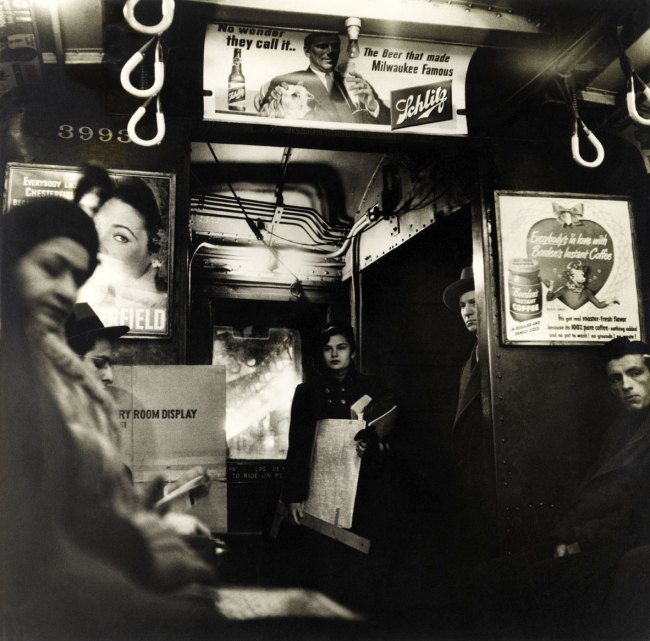
 

Sy Kattelson (American, 1923-2018) 'Untitled (Subway Car)' 1949


Sy Kattelson (American, 1923-2018)
Untitled (Subway Car)
1949
Gelatin silver print
The Jewish Museum, New York
Purchase: The Paul Strand Trust for the benefit of Virginia Stevens Gift
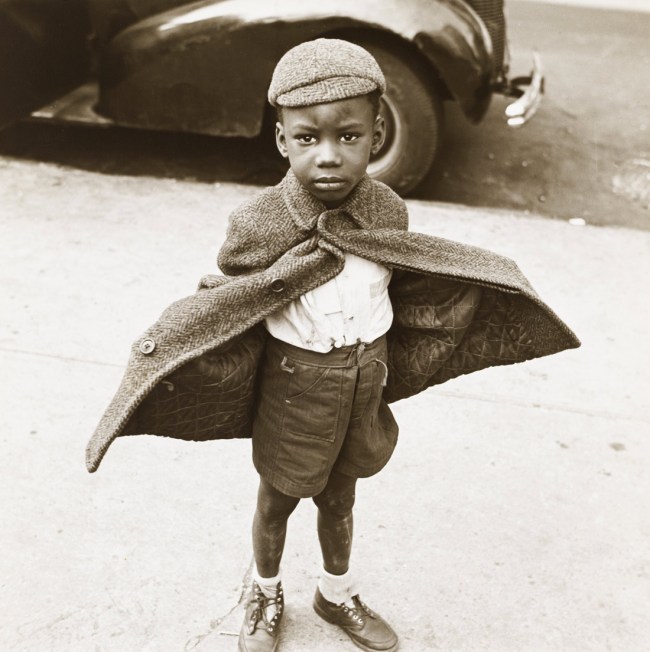
 

Jerome Liebling (American, 1924-2011) 'Butterfly Boy, New York' 1949


Jerome Liebling (American, 1924-2011)
Butterfly Boy, New York
1949
Gelatin silver print
The Jewish Museum, New York, Purchase: Mimi and Barry J. Alperin Fund
© Estate of Jerome Liebling


Lee Sievan (American, 1907-1990) 'Salvation Army Lassie in Front of a Woolworth Store' c. 1940


Lee Sievan (American, 1907-1990)
Salvation Army Lassie in Front of a Woolworth Store
c. 1940
Gelatin silver print
The Jewish Museum, New York
Purchase: Horace W. Goldsmith Foundation Fund


This is a classic photograph. Look at the triangle that forms the central part of the image, from the girl at left looking with disdain at the matriarch singing then down to the look on the organ players face. Notice the girl at right covering her ears so she cannot hear the racket. Imagine the legs of the organ player going up and down, pumping air into the organ; and finally observe the shadow of a man’s face captured by reflection in the shop window as he walks past the scene. Magic.
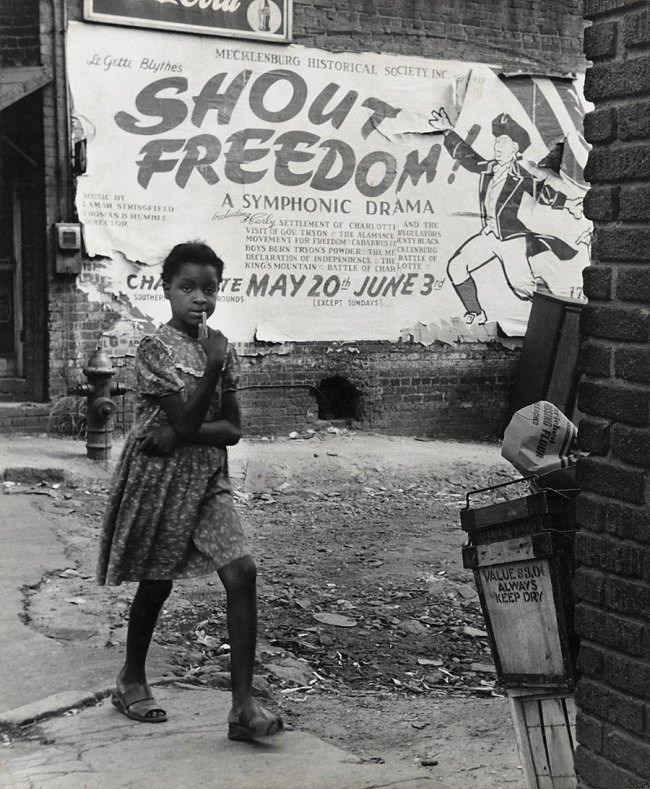
 

Rosalie Gwathmey (American, 1908-2001) 'Shout Freedom, Charlotte, North Carolina' c. 1948


Rosalie Gwathmey (American, 1908-2001)
Shout Freedom, Charlotte, North Carolina
c. 1948
Gelatin silver print
The Jewish Museum, New York
Purchase: Gay Block and Malka Drucker Fund of the Houston Jewish Community Foundation
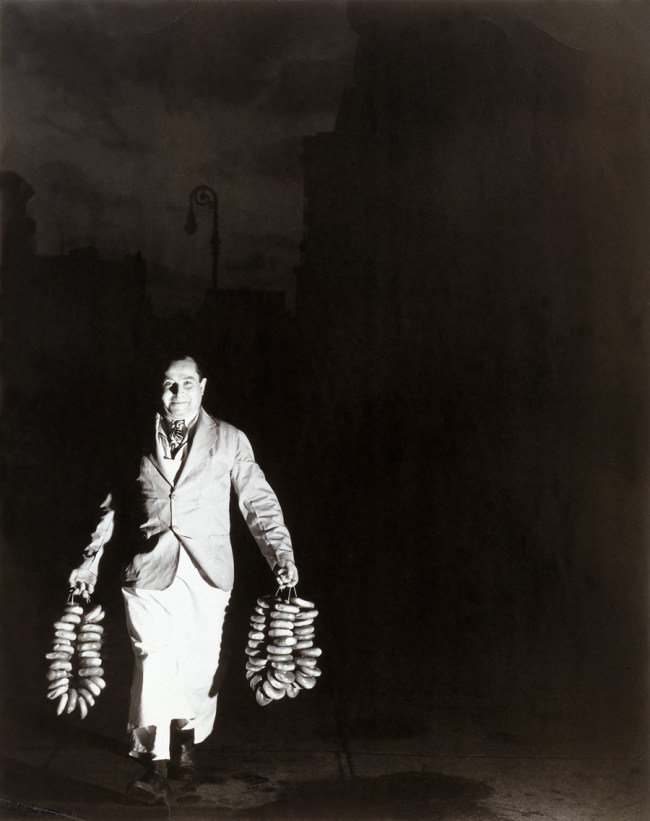
 

Weegee (Arthur Fellig) (American born Ukraine, 1899-1968) 'Max Is Rushing in the Bagels to a Restaurant on Second Avenue for the Morning Trade' c. 1940


Weegee (Arthur Fellig) (American born Ukraine, 1899-1968)
Max Is Rushing in the Bagels to a Restaurant on Second Avenue for the Morning Trade
c. 1940
Gelatin silver print
The Jewish Museum, New York
Purchase: Joan B. and Richard L. Barovick Family Foundation and Bunny and Jim Weinberg Gifts
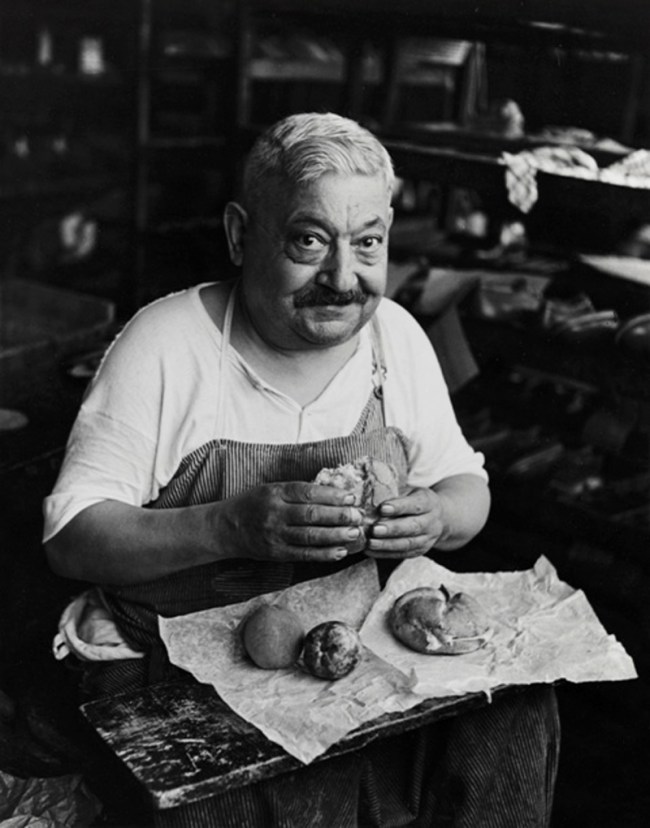
 

Bernard Cole (English, 1911-1992, born London, England) 'Shoemaker’s Lunch' 1944


Bernard Cole (English, 1911-1992, born London, England)
Shoemaker’s Lunch
1944
Gelatin silver print
The Jewish Museum, New York,
Purchase: The Paul Strand Trust for the benefit of Virginia Stevens Gift
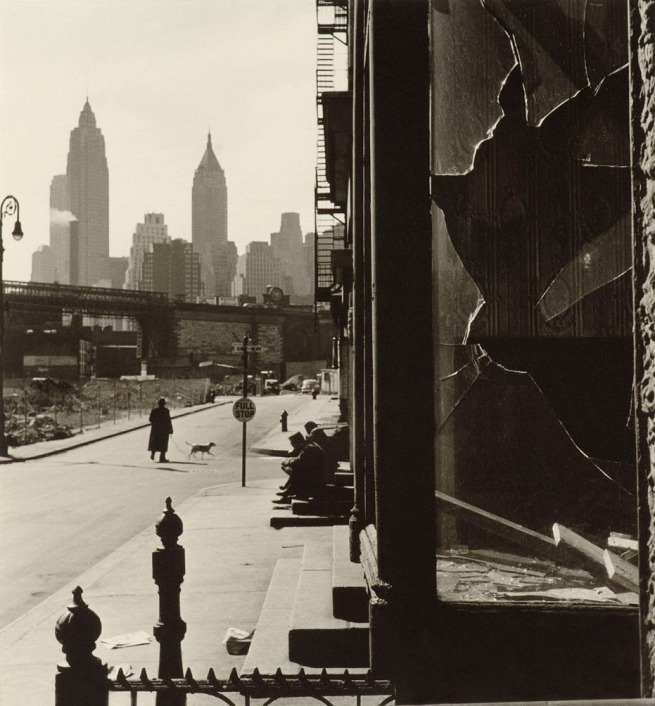
 

Rebecca Lepkoff (American, 1916-2014) 'Broken Window on South Street, New York' 1948


Rebecca Lepkoff (American, 1916-2014)
Broken Window on South Street, New York
1948
Gelatin silver print
The Jewish Museum, New York
Purchase: Esther Leah Ritz Bequest
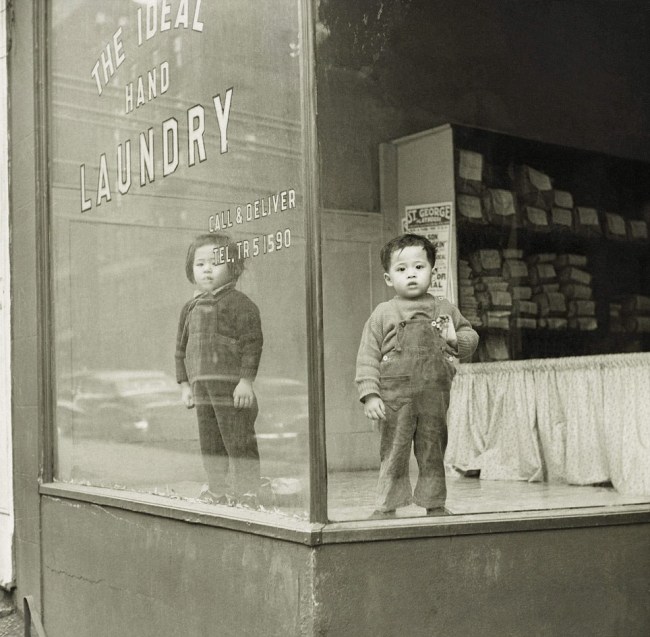
 

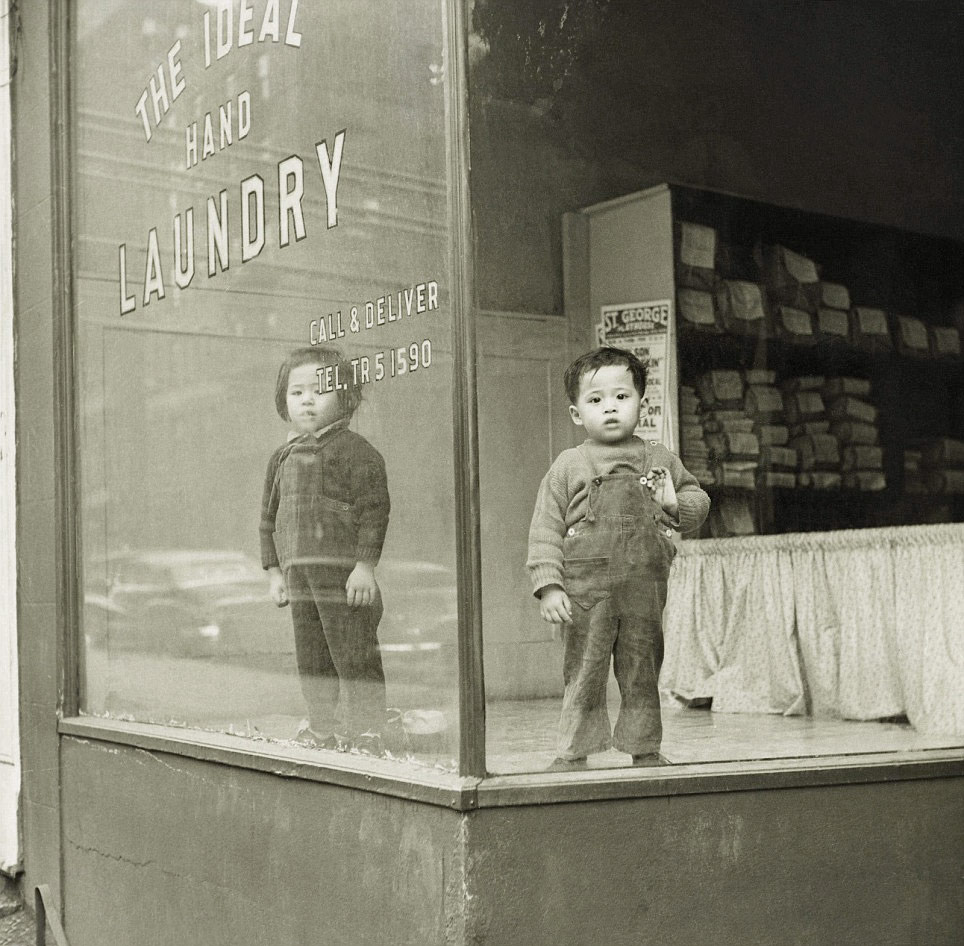
Arthur Leipzig (American, 1918-2014) 'Ideal Laundry' 1946


Arthur Leipzig (American, 1918-2014)
Ideal Laundry
1946
Gelatin silver print
The Jewish Museum, New York
Purchase: Esther Leah Ritz Bequest
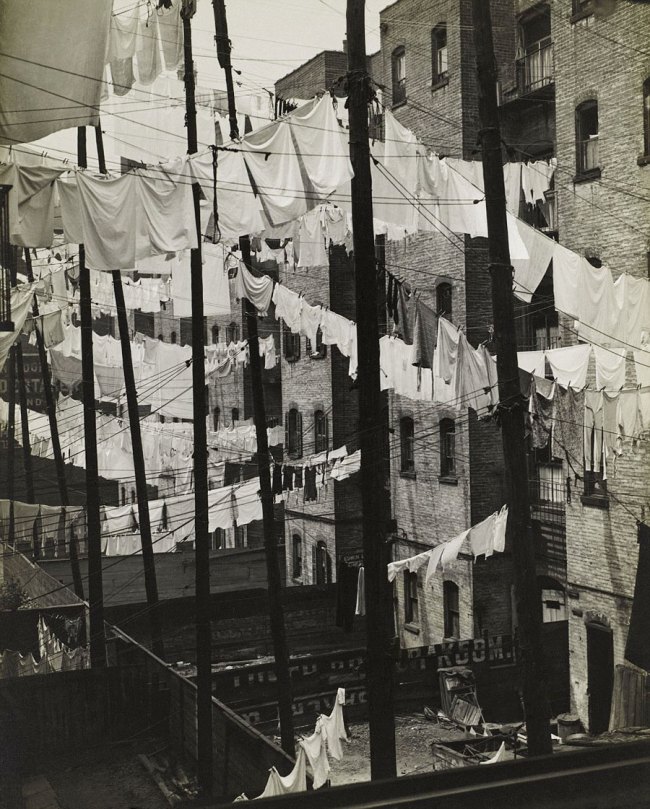
 

Consuelo Kanaga (American, 1894-1978) 'Untitled (Tenements, New York)' c. 1937


Consuelo Kanaga (American, 1894-1978)
Untitled (Tenements, New York)
c. 1937
Gelatin silver print
The Jewish Museum, New York
Purchase: The Paul Strand Trust for the benefit of Virginia Stevens Gift


Leftist political activism was a strong element in Kanaga’s work, beginning with her photographs of a labor strike in San Francisco in 1934. She provided photographs for progressive publications such as New Masses, Labor Defender, and Sunday Worker. Underlying this formal study of tenement laundry lines (a common motif in League imagery) is Kanaga’s empathy for the living conditions of the working class.
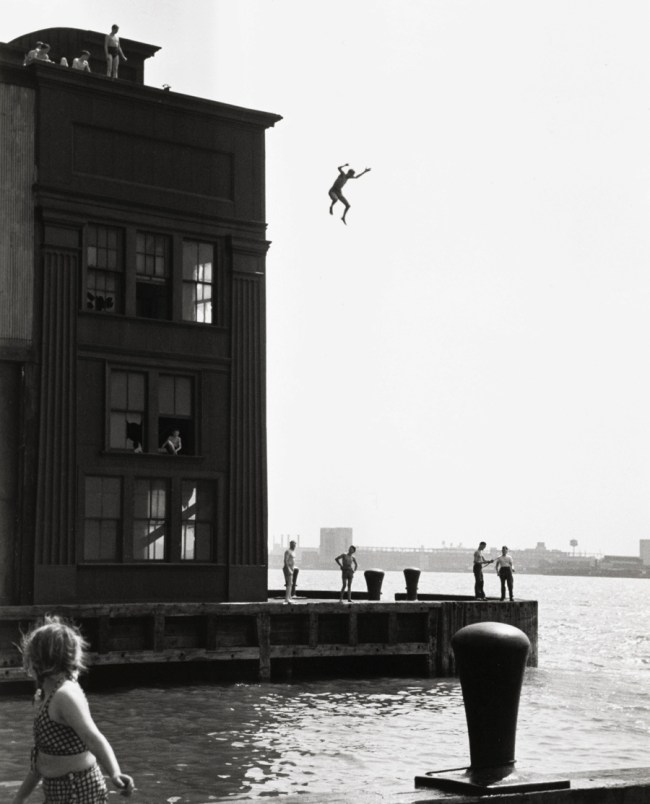
 

Ruth Orkin (American, 1921-1985) 'Boy Jumping into Hudson River' 1948


Ruth Orkin (American, 1921-1985)
Boy Jumping into Hudson River
1948
Gelatin silver print The Jewish Museum, New York
Purchase: Horace W. Goldsmith Foundation Fund
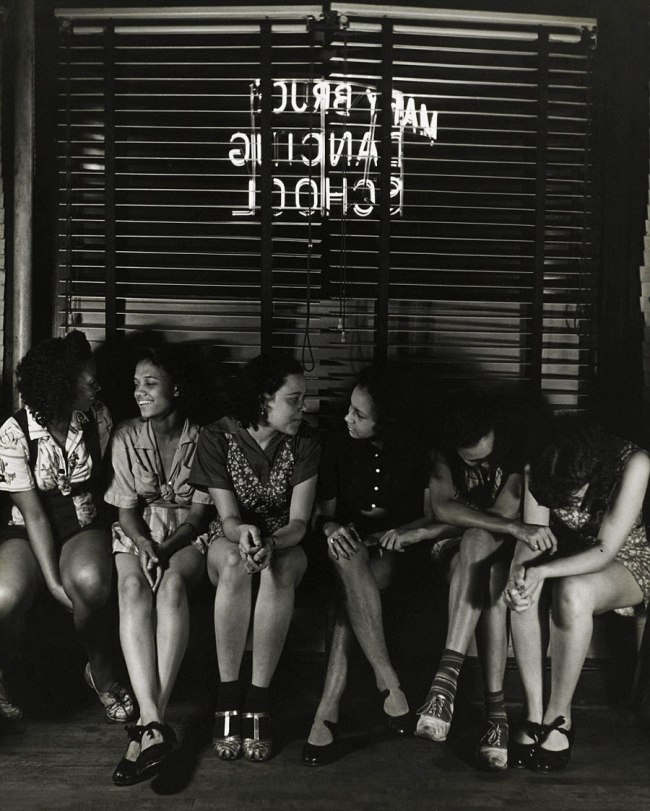
 

Sol Prom (Solomon Fabricant) (American, 1906-1989) 'Untitled (Dancing School)' 1938


Sol Prom (Solomon Fabricant) (American, 1906-1989)
Untitled (Dancing School)
1938
from Harlem Document, 1936-40
Gelatin silver print
The Jewish Museum, New York
Purchase: Horace W. Goldsmith Foundation Fund


Mary Bruce opened a dancing school in Harlem in 1937. For fifty years she taught ballet and tap, giving free lessons to those who could not afford them. Her illustrious pupils included Katherine Dunham, Nat King Cole, Ruby Dee, and Marlon Brando.


The Norton Museum of Art
1451 S. Olive Avenue
West Palm Beach, FL 33401
Phone: (561) 832-5196

Opening hours:
Thursday – Tuesday 10am – 5pm
Closed Wednesdays

Norton Museum of Art website

LIKE ART BLART ON FACEBOOK

Back to top

Exhibition: ‘Harry Callahan Retrospective’ at the House of Photography at Deichtorhallen Hamburg

Exhibition dates: 22nd March – 9th June 2013


Harry Callahan (American, 1912-1999) 'Eleanor, Chicago' 1948


Harry Callahan (American, 1912-1999)
Eleanor, Chicago
1948
Gelatin silver print
© The Estate of Harry Callahan. Courtesy Pace/MacGill Gallery, New York


Great to see some early colour photographs from this master.

Marcus


Many thankx to the House of Photography, Deichtorhallen Hamburg for allowing me to publish the photographs in the posting. Please click on the photographs for a larger version of the image.


“I wish that people felt that photography was an adventure the same as life itself and felt that their individual feelings were worth expressing.”


Harry Callahan


Harry Callahan (American, 1912-1999) 'Detroit' 1943


Harry Callahan (American, 1912-1999)
Detroit
1943
Gelatin silver print
© The Estate of Harry Callahan. Courtesy Pace/MacGill Gallery, New York


Harry Callahan (American, 1912-1999) 'Chicago' 1949


Harry Callahan (American, 1912-1999)
Chicago
1949
Gelatin silver print
© The Estate of Harry Callahan. Courtesy Pace/MacGill Gallery, New York


Harry Callahan (American, 1912-1999) 'Eleanor' 1947


Harry Callahan (American, 1912-1999)
Eleanor
1947
Gelatin silver print
© The Estate of Harry Callahan. Courtesy Pace/MacGill Gallery, New York


Harry Callahan (American, 1912-1999) 'Harry Callahan, Bristol' 1993


Stephan Brigidi (American, b. 1951)
Harry Callahan, Bristol
1993
© Stephan Brigidi


Harry Callahan (American, 1912-1999) 'Providence' 1979


Harry Callahan (American, 1912-1999)
Providence
1979
© The Estate of Harry Callahan. Courtesy Pace/MacGill Gallery, New York


Harry Callahan (1912-1999) is regarded as one of the most innovative and influential artists in the history of 20th-century US photography. Deichtorhallen Hamburg is taking the artist’s creative intensity, the aesthetic standing his oeuvre enjoys in the context of 20th-century US photography and the fact that 2012 marked the 100th anniversary of his birth as an opportunity to present his oeuvre in an extensive retrospective with over 280 works from March 22 through June 9, 2013. The exhibition is to date the most extensive show of his work, and includes both his black-and-white gelatin silver prints and his colour works produced using the dye-transfer process.

Harry Callahan was one of the first to overcome the prevailing aesthetics of Realism by advancing the New Vision, which László Moholy-Nagy had established in the New Bauhaus in Chicago, and Ansel Adams’ so-called “straight photography” in an innovative, highly sensitive way. Between 1946 and 1997 the Museum of Modern Art in New York alone honoured Callahan’s photographic oeuvre in a total of 38 exhibitions. Together with the painter Richard Diebenkorn, Callahan represented the USA at the 1978 Venice Biennale, the first photographer ever to do so. Nonetheless, in Europe Callahan’s multifaceted work is still considered a rarity in the history of photography.

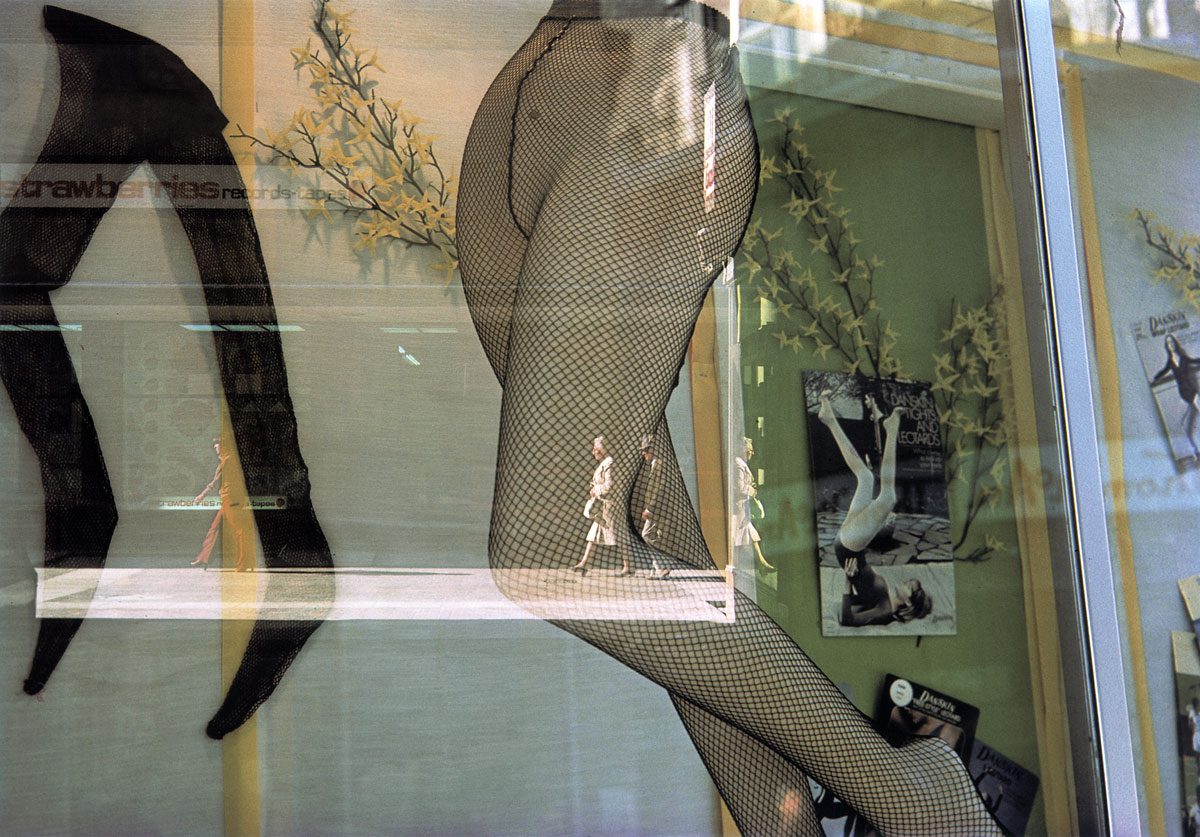
In addition to photographs of nature and landscapes, Callahan’s oeuvre, spanning a period of nearly 60 years as of 1938, embraces pictures of his daily strolls through cities such as Detroit, Chicago, Providence, Atlanta, and New York. Portrayed frequently in very intense light, his leitmotifs were streets, shop windows, buildings and pedestrians hurrying past. Very early on he regarded photography as a purely artistic medium, and saw himself as an art photographer rather than a representative of applied photography. In later years other works, in which his wife Eleanor and daughter Barbara were the focal point, were superseded by another major experiment: the photographs he took on numerous trips to France, Italy, Morocco, Portugal, and Ireland. His works document the emergence of Modernism, which was taking an ever-greater hold on everyday life. Relating to his three main themes, nature, the familiar figure of his wife Eleanor, and cities, Callahan’s images reflect his life in ever-new references that become increasingly less interwoven with one another. At the same time they trace the social and cultural transformation in the USA discreetly, elegantly, and with a tendency to abstraction, recording the changes as a seismograph does earth tremors. In his images Callahan consistently reflects on both his own and the camera’s way of seeing.

Compiled by Sabine Schnakenberg, the exhibition at the House of Photography continues the series of major photographic retrospectives of internationally renowned representatives of photographic history previously staged at the Deichtorhallen in Hamburg, including Martin Munkacsi (2005), Lillian Bassman, Paul Himmel (2009), and Saul Leiter (2012). The exhibition is based on loans from two generous lenders, namely the Estate of Harry Callahan together with the Pace / MacGill Gallery in New York, and the extensive selection of Callahan’s images from F.C. Gundlach’s photographic collection, both those on permanent loan to Deichtorhallen as well as those in the collection of the F.C. Gundlach Foundation.

Press release from Deichtorhallen Hamburg website


Harry Callahan (American, 1912-1999) 'Atlanta' 1943


Harry Callahan (American, 1912-1999)
Atlanta
1943
© The Estate of Harry Callahan. Courtesy Pace/MacGill Gallery, New York


Harry Callahan (American, 1912-1999) 'Detroit' 1943


Harry Callahan (American, 1912-1999)
Detroit
c. 1943
© The Estate of Harry Callahan. Courtesy Pace/MacGill Gallery, New York


Harry Callahan (American, 1912-1999) 'Chicago' 1951


Harry Callahan (American, 1912-1999)
Chicago
1951
© The Estate of Harry Callahan. Courtesy Pace/MacGill Gallery, New York


Harry Callahan (American, 1912-1999) 'Eleanor, Chicago' 1951


Harry Callahan (American, 1912-1999)
Eleanor, Chicago
1951
© The Estate of Harry Callahan. Courtesy Pace/MacGill Gallery, New York


Harry Callahan (American, 1912-1999) 'Chicago' c. 1952


Harry Callahan (American, 1912-1999)
Chicago
c. 1952
© The Estate of Harry Callahan. Courtesy Pace/MacGill Gallery, New York


Harry Callahan (American, 1912-1999) 'Providence' 1978


Harry Callahan (American, 1912-1999)
Providence
1978
© The Estate of Harry Callahan. Courtesy Pace/MacGill Gallery, New York


Harry Callahan (American, 1912-1999) 'New York' c. 1975


Harry Callahan (American, 1912-1999)
New York
c. 1975
Dye-transfer print
© The Estate of Harry Callahan. Courtesy Pace/MacGill Gallery, New York


Harry Callahan (American, 1912-1999) 'Ireland' 1979


Harry Callahan (American, 1912-1999)
Ireland
1979
© The Estate of Harry Callahan. Courtesy Pace/MacGill Gallery, New York


Deichtorhallen Hamburg
Deichtorstrasse 1-2
20095
Hamburg
Phone: +49 (0)40 32103-0

Opening hours:
Tuesday – Sunday 11am – 6pm
Closed Mondays

Deichtorhallen Hamburg website

LIKE ART BLART ON FACEBOOK

Back to top
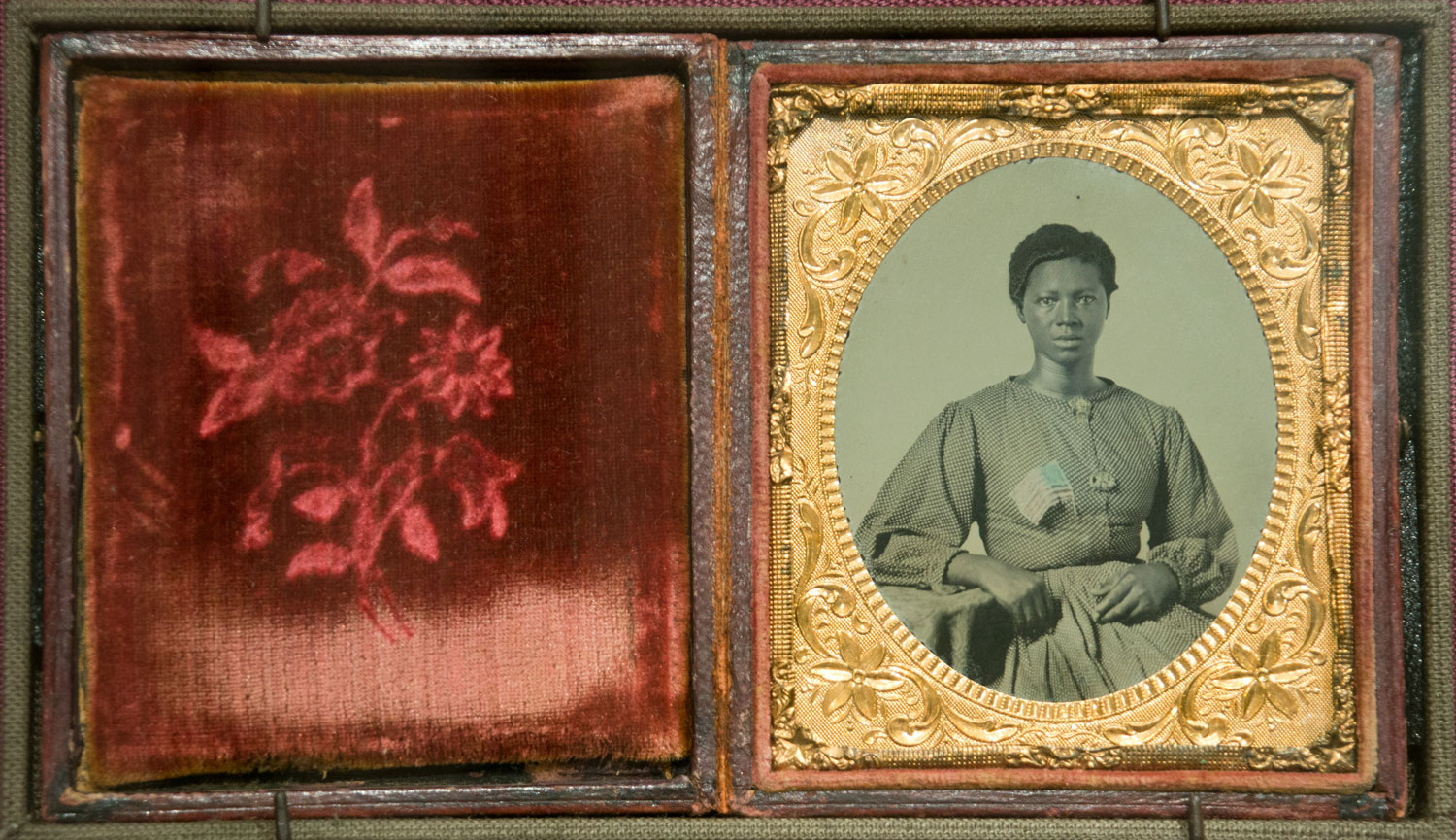
Exhibition: ‘Saul Leiter’ at Kunst Haus Wien, Vienna

Exhibition dates: 31st January – 26th May 2013


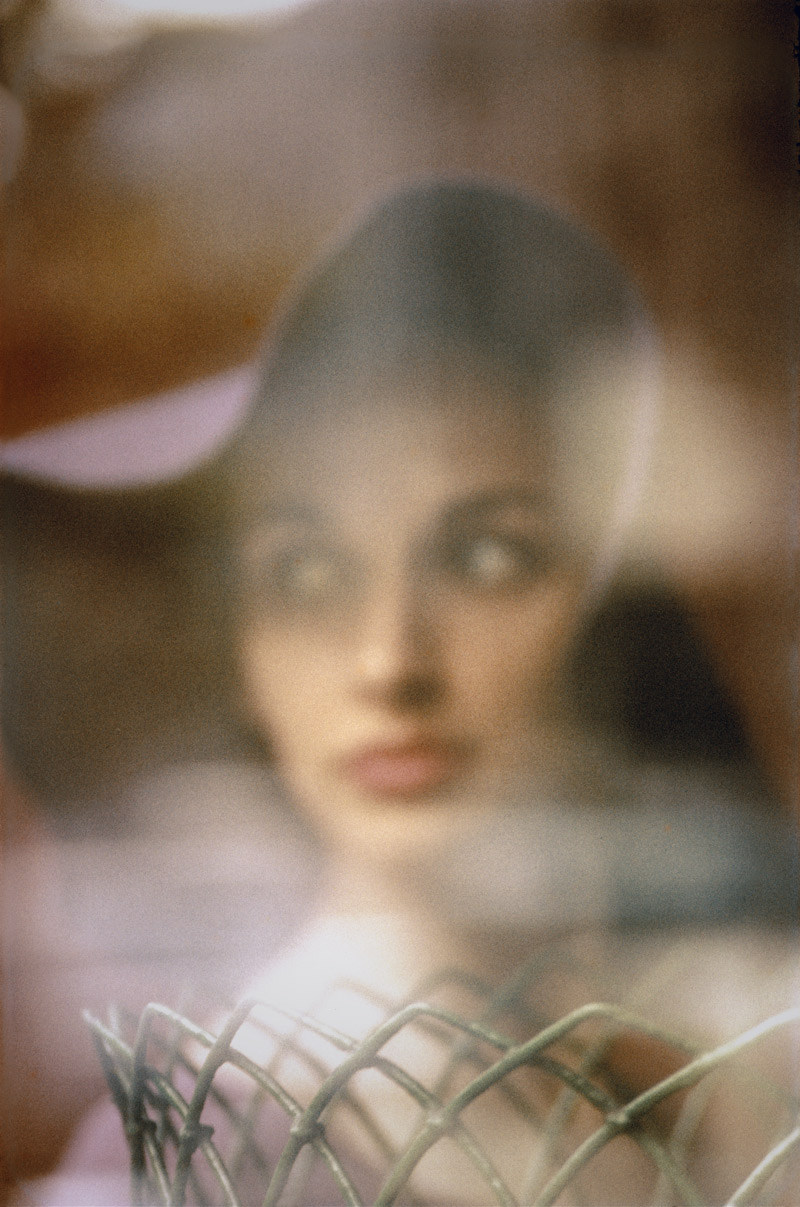
Saul Leiter (American, 1923-2013) 'From the El' c. 1955


Saul Leiter (American, 1923-2013)
From the El
c. 1955
© Saul Leiter / Courtesy Howard Greenberg Gallery, New York


“I like it when one is not certain of what one sees.
We don’t know why the photographer has taken such a picture.
If we look and look, we begin to see and are still left with the pleasure of uncertainty.”


“It is not where it is or what it is that matters, but how you see it.”


“After the age of 75 you should not be photographed.
You should be painted by Rembrandt or Hals, but not by Caravaggio.”


Saul Leiter


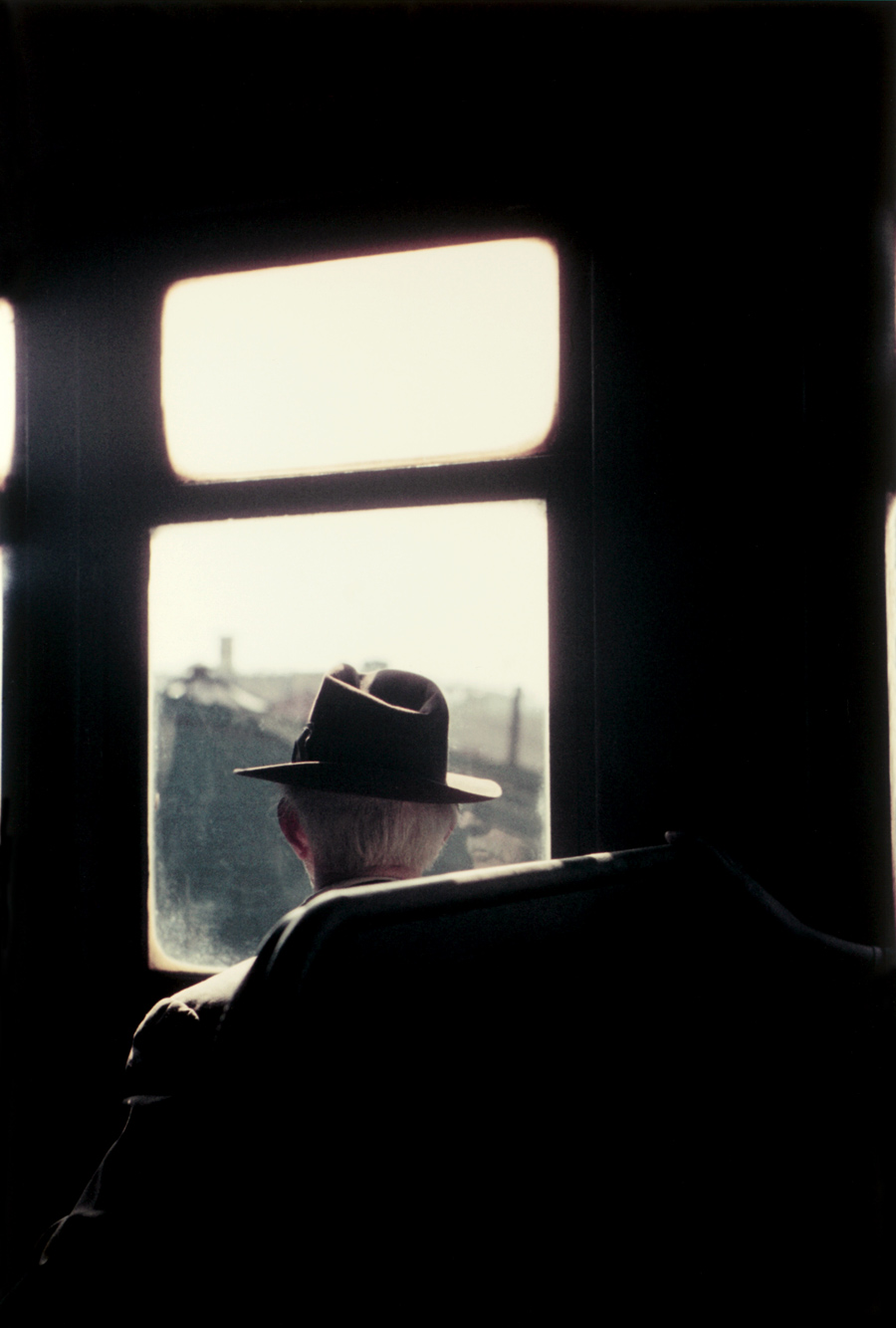
How brave was the photographer, occluding most of the colour image in darkness, something that had never been done before and has rarely been seen since. Look at the last three photographs in this posting to understand what I mean.

Considering that Saul Leiter’s colour photography predates William Eggleston and Stephen Shore by a couple of decades, it can truly be said that he is one of the early masters of colour photography. As the curator Ingo Taubhorn comments, “The older aesthetic views on the hegemony of black-and-white photography and the historical dating of the first artistic use of colour photography to the early 1970s need to be critically reviewed. Saul Leiter’s oeuvre essentially rewrites the history of photography.”

Well said.

Dr Marcus Bunyan


Many thankx to the Kunst Haus Wein for allowing me to publish the photographs in the posting. Please click on the photographs for a larger version of the image.


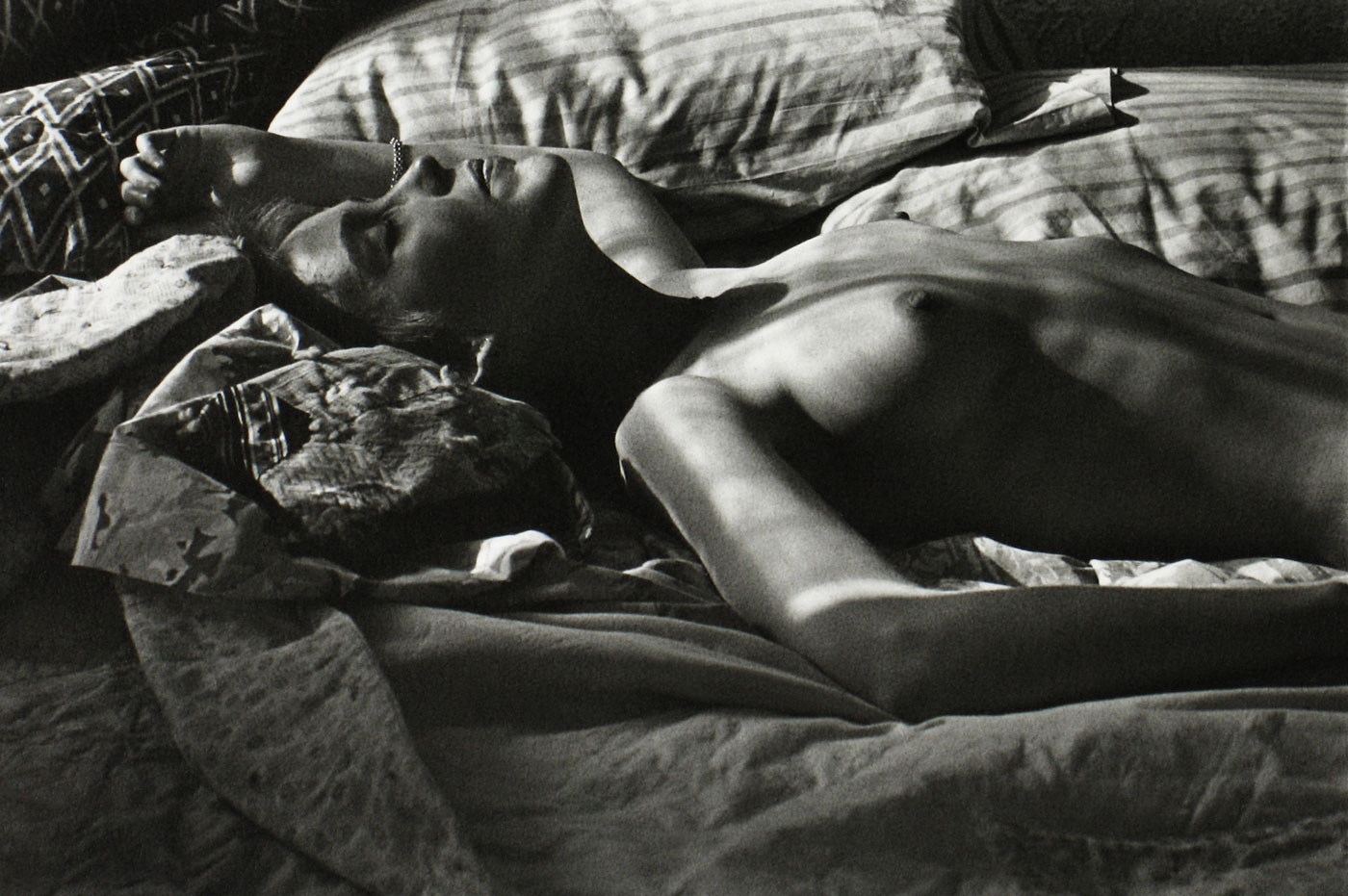
Saul Leiter (American, 1923-2013) 'Nude' 1970s


Saul Leiter (American, 1923-2013)
Nude
1970s
© Saul Leiter / Courtesy Howard Greenberg Gallery, New York


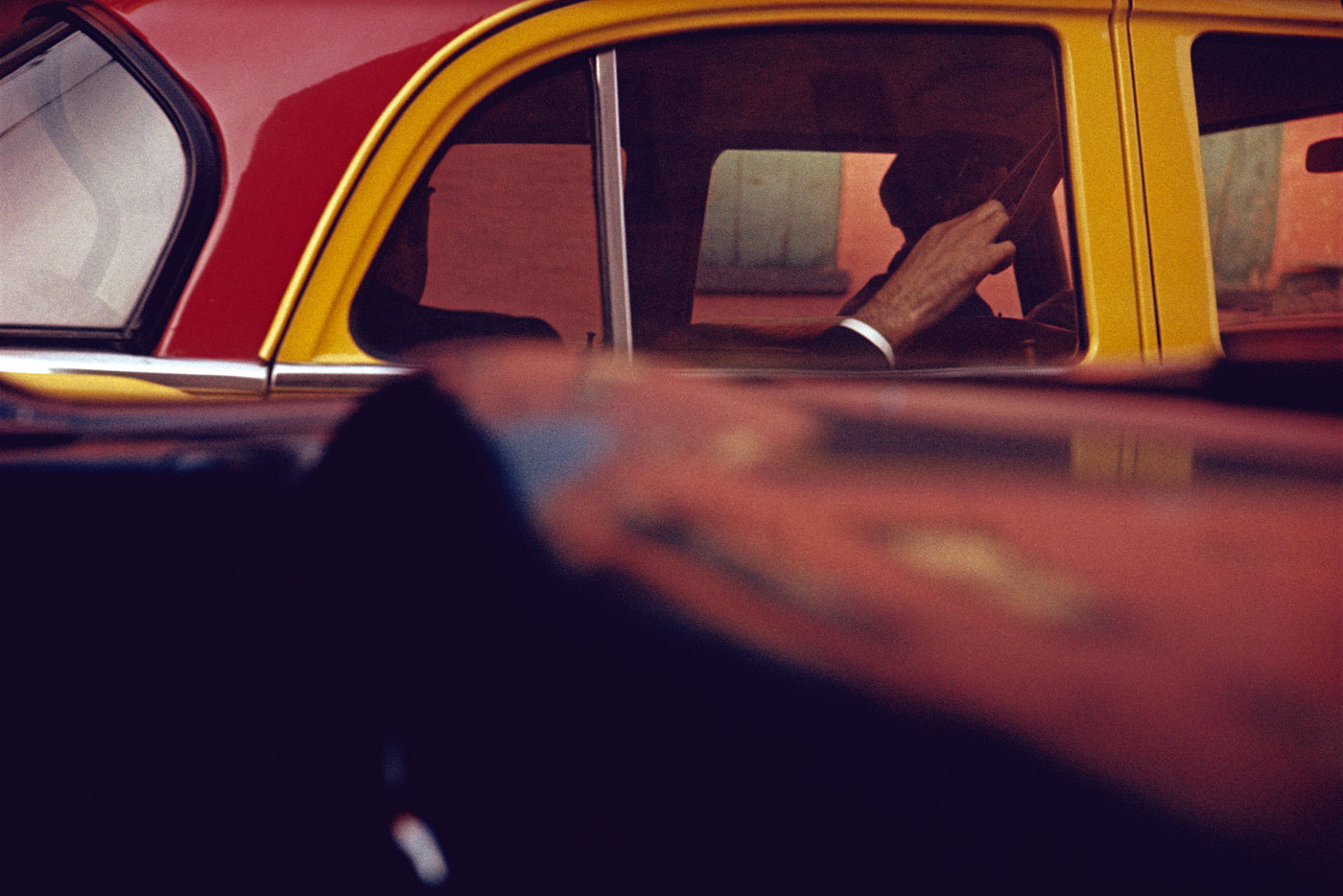
Saul Leiter (American, 1923-2013) 'Taxi' c. 1957


Saul Leiter (American, 1923-2013)
Taxi
c. 1957
© Saul Leiter / Courtesy Howard Greenberg Gallery, New York


KUNST HAUS WIEN is devoting a major retrospective to the oeuvre of the 89-year-old photographer and painter Saul Leiter. The exhibition, which was developed in cooperation with House of Photography / Deichtorhallen Hamburg, presents the wide range of this versatile artist’s works, including early black-and-white and colour photographs, fashion images, painted photographs of nudes, paintings and a number of his sketchbooks. One section of the exhibition is devoted to Saul Leiter’s most recent photographs, which he continues to take on the streets of New York’s East Village.

It is only in the last few years that Saul Leiter has received due recognition for his role as one of the pioneers of colour photography. As early as 1946, and thus well before the representatives of the so-called “new colour” photography in the 1970s, such as William Eggleston and Stephen Shore, he was one of the first to use colour photography for artistic shots, despite its being frowned upon by other artists of the day. “The older aesthetic views on the hegemony of black-and-white photography and the historical dating of the first artistic use of colour photography to the early 1970s need to be critically reviewed. Saul Leiter’s oeuvre essentially rewrites the history of photography,” comments curator Ingo Taubhorn.

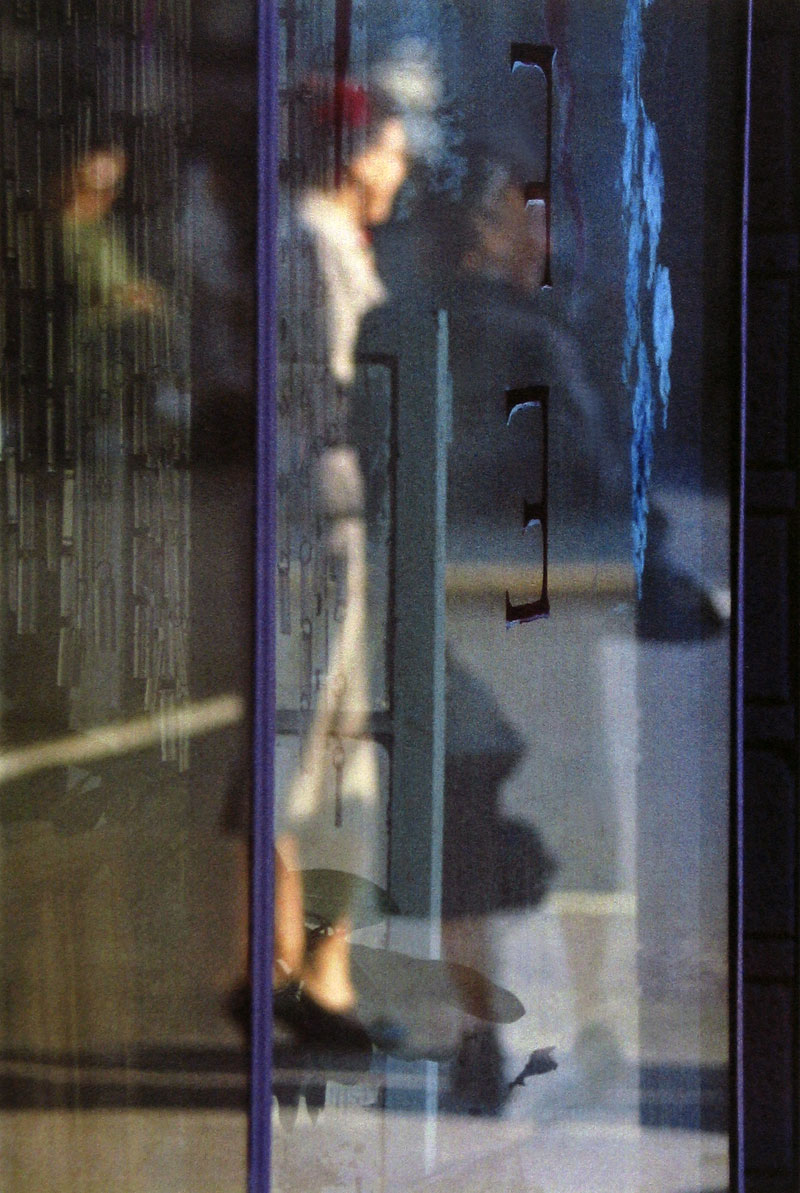
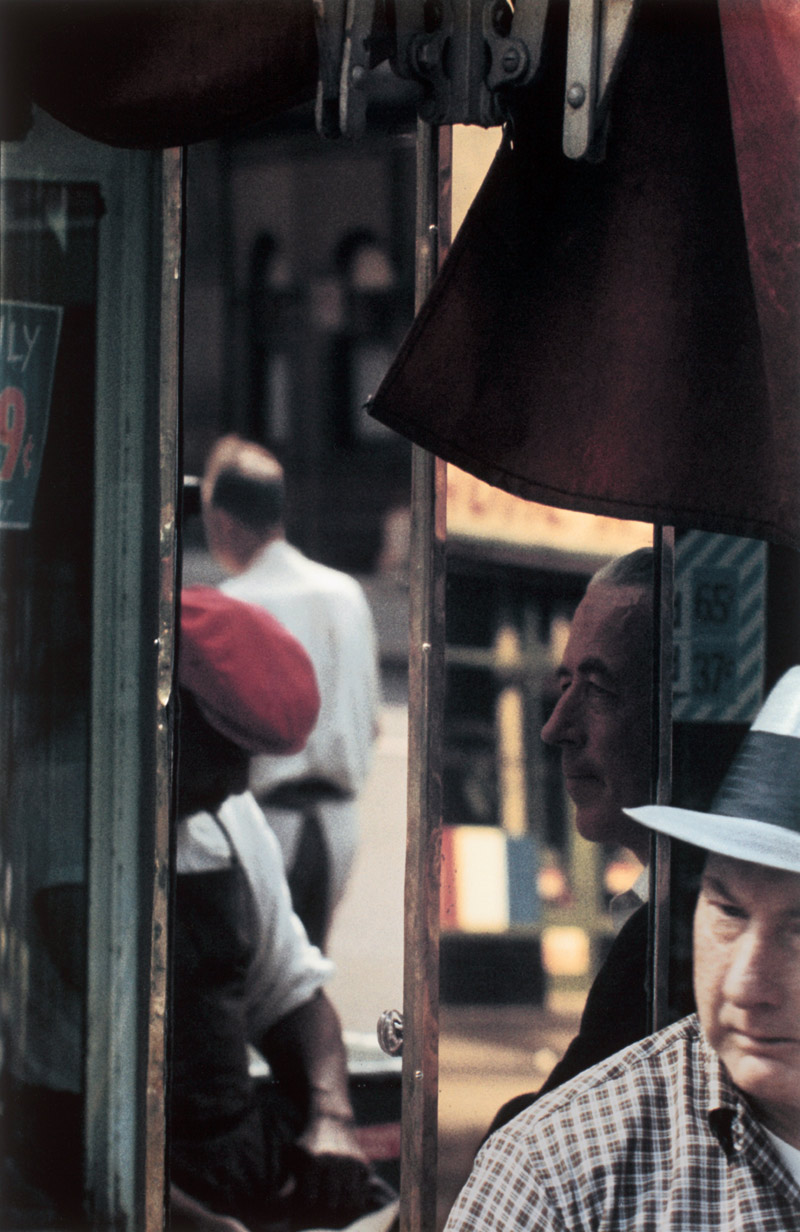
Saul Leiter has always considered himself both a painter and a photographer. In his painting and in his photographs he clearly tends towards abstraction and two-dimensionality. One often finds large deep-black areas, produced by shadows, taking up as much as three quarters of his photographs. Passers-by are not presented as individuals, but as blurred clouds of colour, filtered through misty panes of glass or wedged in between walls of buildings and traffic signs. The boundaries between the abstract and the representational in his paintings and photographs are virtually fluid. Saul Leiter’s street photography – a genre in which his work is matchless – is, in essence, painting metamorphosed into photography.

In Leiter’s works, the genres of street photography, portraiture, still life, fashion photography and architectural photography coalesce. He finds his motifs, such as shop windows, passers-by, cars, signs and – time and again – umbrellas, in the direct vicinity of his apartment in New York, where he has now lived for almost 60 years. The indeterminateness of detail, the blurring of movement and reduced depth of field, the use of shadows or deliberate avoidance of the necessary light, as well as the alienation caused by photographing through windows or as reflections, all combine to create the muted colour vocabulary of a semi-real, semiabstract urban space. These are the works of an as yet almost undiscovered modern master of colour photography.

About Saul Leiter

Saul Leiter discovered his passion for art at an early age and started painting as a teenager at the end of the 1940s. His family did not support him in his artistic endeavours; his father, a renowned Talmudic rabbi and scholar, had always hoped his son Saul would one day follow him in the family tradition and become a rabbi. Leiter was self-taught, but by no means uneducated. He read and learned a great deal about art, so that his knowledge and understanding constantly grew. In this way, he made sure that his own ideas and artistic works were duly related to the historical context.

In 1946, shortly after he had moved to New York, Leiter became acquainted with Richard Poussette-Dart, who introduced him to photography, a medium that appealed to Leiter very much and that he quickly made his own. Leiter soon resolved to use photography not only as a means of making art but as a way of earning a living. He started taking fashion photographs, and thanks to his good eye, his playful sense of humour, and his pronounced sense of elegance, swiftly emerged as an extraordinary fashion photographer. In the 1950s, Life magazine published photo spreads of Saul Leiter’s first black-and-white series. He took part in exhibitions, for example “Always the Young Strangers” (1953) curated by Edward Steichen at the Museum of Modern Art. From 1958 to 1967, Leiter worked for Harper’s Bazaar. Altogether he spent some 20 years photographing for various classic magazines as well as more recent ones: after Esquire and Harper’s he also worked for Show, Elle, British Vogue, Queen and Nova.


Saul Leiter (American, 1923-2013) 'New York' 1950s


Saul Leiter (American, 1923-2013)
New York
1950s
© Saul Leiter / Courtesy Howard Greenberg Gallery, New York


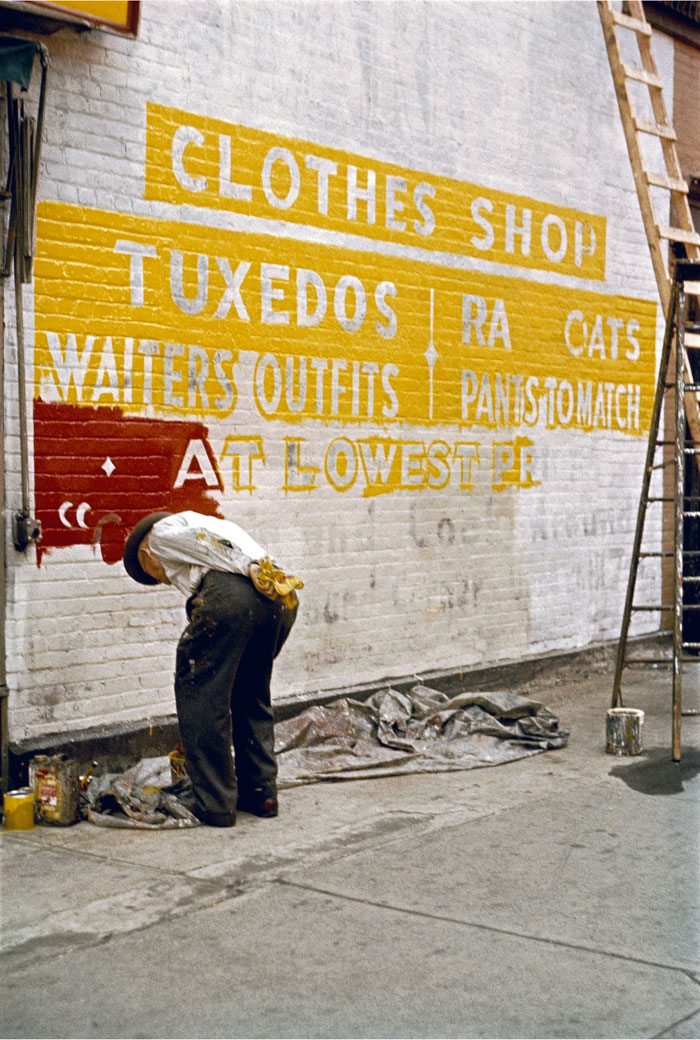
Saul Leiter (American, 1923-2013) 'Sign Painter' 1954


Saul Leiter (American, 1923-2013)
Sign Painter
1954
© Saul Leiter / Courtesy Howard Greenberg Gallery, New York


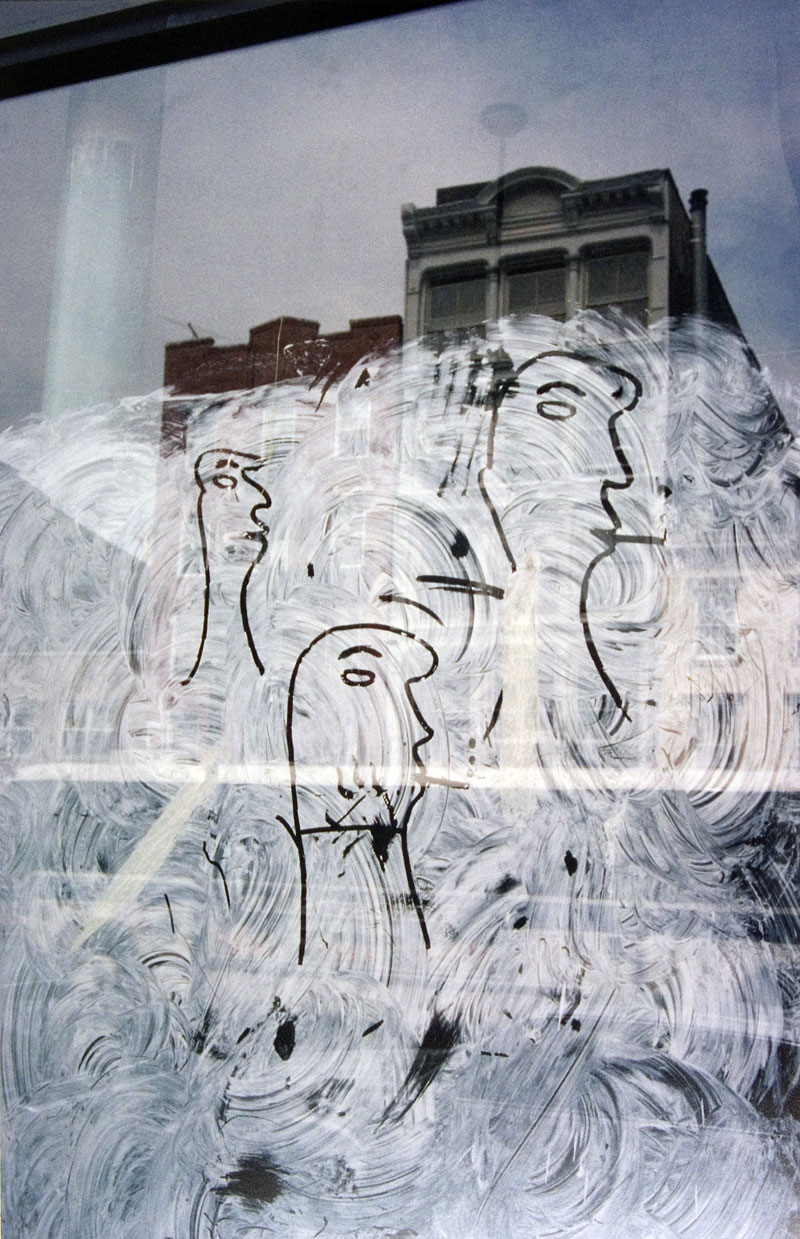
Saul Leiter (American, 1923-2013) 'Graffiti Heads' 1950


Saul Leiter (American, 1923-2013)
Graffiti Heads
1950
© Saul Leiter / Courtesy Howard Greenberg Gallery, New York


Saul Leiter (American, 1923-2013) 'Shirt' 1948


Saul Leiter (American, 1923-2013)
Shirt
1948
© Saul Leiter / Courtesy Howard Greenberg Gallery, New York


Saul Leiter (American, 1923-2013) 'Harlem' 1960


Saul Leiter (American, 1923-2013)
Harlem
1960
© Saul Leiter / Courtesy Howard Greenberg Gallery, New York


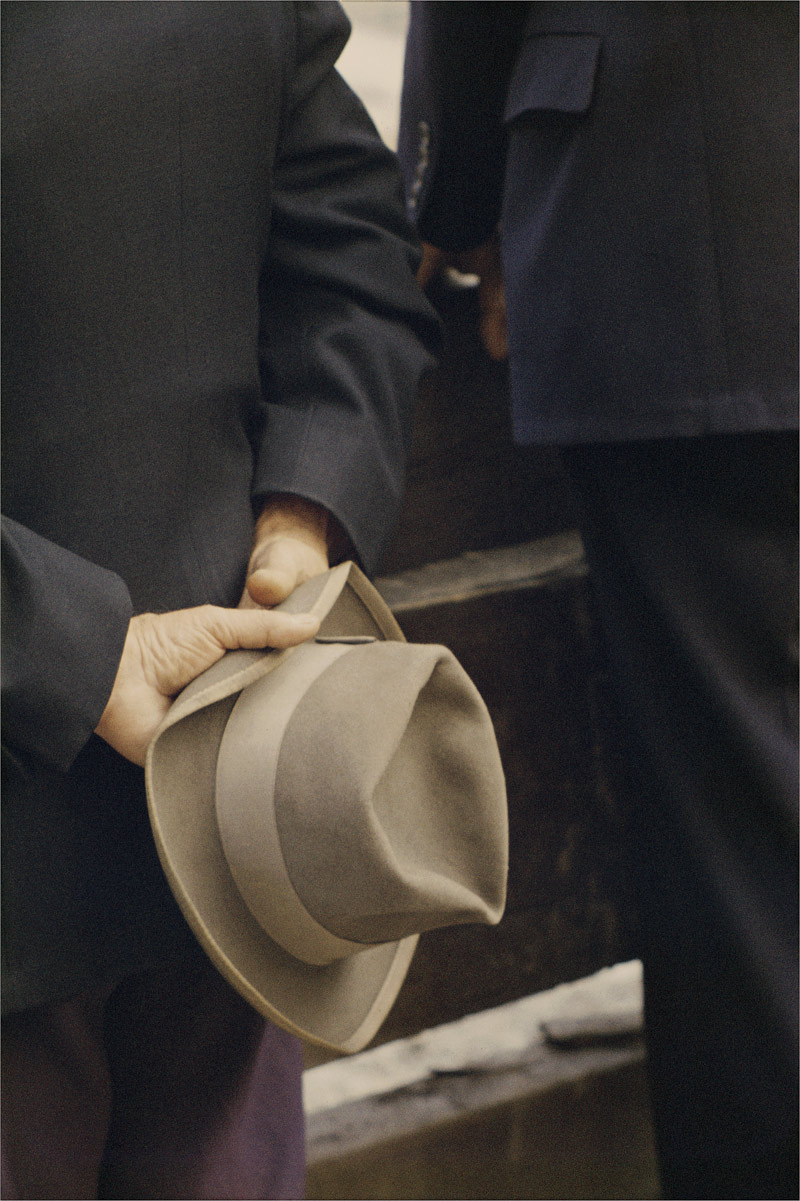
Saul Leiter (American, 1923-2013) 'Hat' 1956


Saul Leiter (American, 1923-2013)
Hat
1956
© Saul Leiter / Courtesy Howard Greenberg Gallery, New York


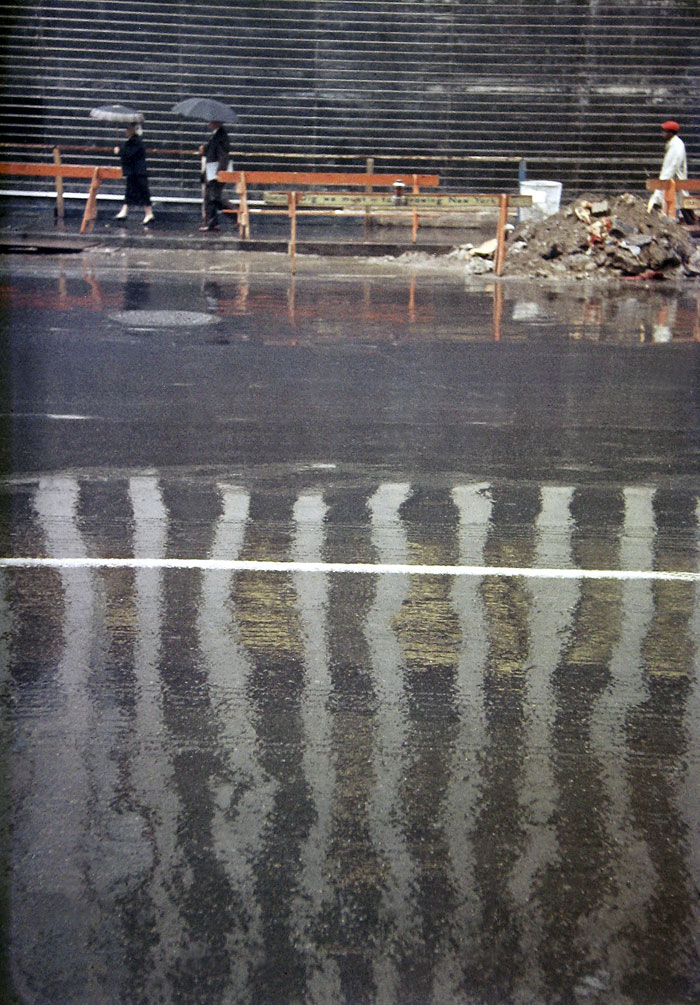
Saul Leiter (American, 1923-2013) 'Street Scene' 1957


Saul Leiter (American, 1923-2013)
Street Scene
1957
© Saul Leiter / Courtesy Howard Greenberg Gallery, New York


The exhibition chapters

Abstract Painting

Although his photographic oeuvre has dominated his image as an artist, Saul Leiter sees himself first and foremost as a painter. He began his artistic career as a painter, and while working as a photographer he never stopped painting and drawing. Leiter’s passion for art began when he was just a child, even though his ambitions received no support from his family. As a teenager he spent many hours in libraries studying art books. He found inspiration in the paintings of such artists as Vermeer, Bonnard, Vuillard and Picasso, as well as in Japanese graphic art. Leiter, who was self-taught, painted his first pictures in 1940. Most of them were lyrical, abstract compositions that reflected his admiration for the new American avant-garde. His ardent feeling for colour is recognisable even in these early paintings, as is his lifelong predilection for painting small format pastels and watercolours on paper.

After moving to New York in 1946, he sometimes presented his works together with abstract expressionist painters such as Willem de Kooning and Philip Guston. His studio was located on 10th Street in the East Village, which at that time was a neighbourhood very popular with avant-garde artists. Leiter shared these artists’ interest in abstraction and the use of colour, gesture and the element of chance, but he chose a radically different format for his works. Whereas many of his contemporaries, such as Jasper Johns or Franz Kline, painted wall-sized paintings that physically filled the beholder’s entire field of vision, Leiter worked in an intimate, small format. His works were also exhibited at the Tanager Gallery, one of the most important artist-run cooperatives in the East Village at that time. After switching the main focus of his work to photography in the late 1940s, however, Leiter stopped exhibiting his paintings.

Figurative Painting

Saul Leiter’s abstract painting frequently unites qualities of intimacy and familiarity with a sense of space reminiscent of an open landscape. Occasionally he also makes figurative sketches. Often these give mere intimations of a face or a body, perhaps a pointed nose, eyes and a mouth. Some of his male figures wear hats, similar to those worn by the religious Jews that peopled Leiter’s world in his youth. Most of these works focus on a single figure; only occasionally do we see a couple, or several figures grouped together. The quality of the line and the subtle suggestion of figures or heads in these paintings are reminiscent of paintings by Édouard Vuillard and Pierre Bonnard, in which facial features are hinted at through lines and fine shadings of colour rather than being defined by careful modelling.

Street Photography

When, in 1947, Saul Leiter attended an exhibition of works by the French photographer Henri Cartier-Bresson, he became convinced of the creative potential of this medium. He bought himself a 35mm Leica camera at a bargain and began, without any previous training, to take photographs on the streets of New York. At first he used only black-and-white film, but in 1948 he also started using colour film. His black-and-white photographs exhibit some elements of documentary photography but are nevertheless far removed from a photojournalistic style. Rather, they are subjective observations, often concentrating on a single individual in the big city. Leiter’s complex, multilayered works evoke feelings of alienation, melancholy and tension. Leiter underscores this impression by experimenting with strong contrasts, light and shadow, and asymmetrical compositions containing large areas in which the images are blurred.

Thematically and stylistically, there are great similarities between Leiter’s works and the works of other representatives of New York street photography of the same era, for example Ted Croner, Leon Levinstein, Louis Faurer and later Robert Frank and William Klein, today generally known as the New York School. Their radical new, subjective photography had a psychological component that revealed an unusual sensitivity to social turbulences and the uncertainty felt by many Americans during the years following the Second World War.

Colour Photography

Until well into the 1970s, colour photography was used almost exclusively for advertising and fashion magazines. Many photographers considered the vivid colours unsuitable for artistic expression. Moreover, they were unable to develop their colour film themselves, which made it a very expensive undertaking. It was not until 1976 that the Museum of Modern Art in New York gave its first exhibition devoted to colour photography, when it presented “Photographs by William Eggleston”.

Saul Leiter was one of the few photographers who did not reject colour photography. As a painter, he took a particular interest in street photography as a genre in which to experiment with colour film. As early as 1948, at the beginning of his career, he bought his first roles of 35mm Kodachrome colour slide film, which had been on the market since 1936. In order to save money, he often used film that had passed its sell-by date. Leiter particularly liked the resulting pictures with their delicate, muted colours.

The innumerable early colour photographs that Leiter took between 1948 and 1960 are of a unique painterly and narrative quality. They stand in contrast to the works of other photographers, in which colour is often the defining element of the composition. This circumstance, coupled with Leiter’s tendency towards abstraction, links Leiter’s photography with his painting. But in contrast to his painting (and his black-and-white photographs), his colour photographs are highly structured. It is the incomparable beauty of these works that has brought Leiter recognition as one of the masters of 20th-century photography.

Fashion Photography

In the late 1950s, Saul Leiter worked successfully in the fields of fashion photography and advertising. From the very first, his style was unmistakeable. His images were multilayered and complex, characterised by soft, impressionistic qualities and cubist changes of perspective. He was given his first commercial assignment in 1958 by Henry Wolf, at that time the new Art Director of Harper’s Bazaar, with whom Leiter became friends. Harper’s Bazaar was one of the leading American fashion magazines, presenting trail-blazing fashion series by photographers such as Richard Avedon or Lillian Bassman.

Subsequently, Leiter was given more and more prestigious assignments, and over the years began to spend almost all his time doing commercial work. Apart from Harper’s Bazaar, his fashion and advertising photos appeared in Elle and Show, in British Vogue and Queen and also in Nova. The amazing thing is that during this period, Leiter managed to retain his own narrative, stylised aesthetic, whereas other fashion photographers favoured a rather brittle, graphic style. In the 1970s, partly due to his own dwindling interest in commercial photography, Leiter received fewer and fewer assignments. In 1981 he gave up his studio on Fifth Avenue and in the following years led a quiet life far from the public eye.


Saul Leiter (American, 1923-2013) 'Carol Brown, 'Harper's Bazaar'' c. 1958


Saul Leiter (American, 1923-2013)
Carol Brown, ‘Harper’s Bazaar’
c. 1958
© Saul Leiter / Courtesy Howard Greenberg Gallery, New York


Saul Leiter (American, 1923-2013) 'Soames Bantry, 'Nova'' 1960


Saul Leiter (American, 1923-2013)
Soames Bantry, ‘Nova’
1960
© Saul Leiter / Courtesy Howard Greenberg Gallery, New York


Saul Leiter (American, 1923-2013) 'Walking' 1956


Saul Leiter (American, 1923-2013)
Walking
1956
© Saul Leiter / Courtesy Howard Greenberg Gallery, New York


Saul Leiter (American, 1923-2013) 'Reflection' 1958


Saul Leiter (American, 1923-2013)
Reflection
1958
© Saul Leiter / Courtesy Howard Greenberg Gallery, New York


“I spent a great deal of my life being ignored. I was always very happy that way. Being ignored is a great privilege. That is how I think I learnt to see what others do not see and to react to situations differently. I simply looked at the world, not really prepared for anything.”


Saul Leiter


Art critic Roberta Smith wrote in 2005: “Mr. Leiter was a photographer less of people than of perception itself. His painter’s instincts served him well in his emphasis on surface, spatial ambiguity and a lush, carefully calibrated palette. But the abstract allure of his work doesn’t rely on soft focus, a persistent, often irritating photographic ploy, or the stark isolation of details, in the manner of Aaron Siskind or early Harry Callahan. Instead, Mr. Leiter captured the passing illusions of everyday life with a precision that might almost seem scientific, if it weren’t so poetically resonant and visually layered.”

Text from the Lens Culture website [Online] Cited 15/05/2013 no longer available online


Saul Leiter (American, 1923-2013) 'Shopping' c. 1953


Saul Leiter (American, 1923-2013)
Shopping
c. 1953
© Saul Leiter / Courtesy Howard Greenberg Gallery, New York


Saul Leiter (American, 1923-2013) 'Kutztown' 1948


Saul Leiter (American, 1923-2013)
Kutztown
1948
© Saul Leiter / Courtesy Howard Greenberg Gallery, New York


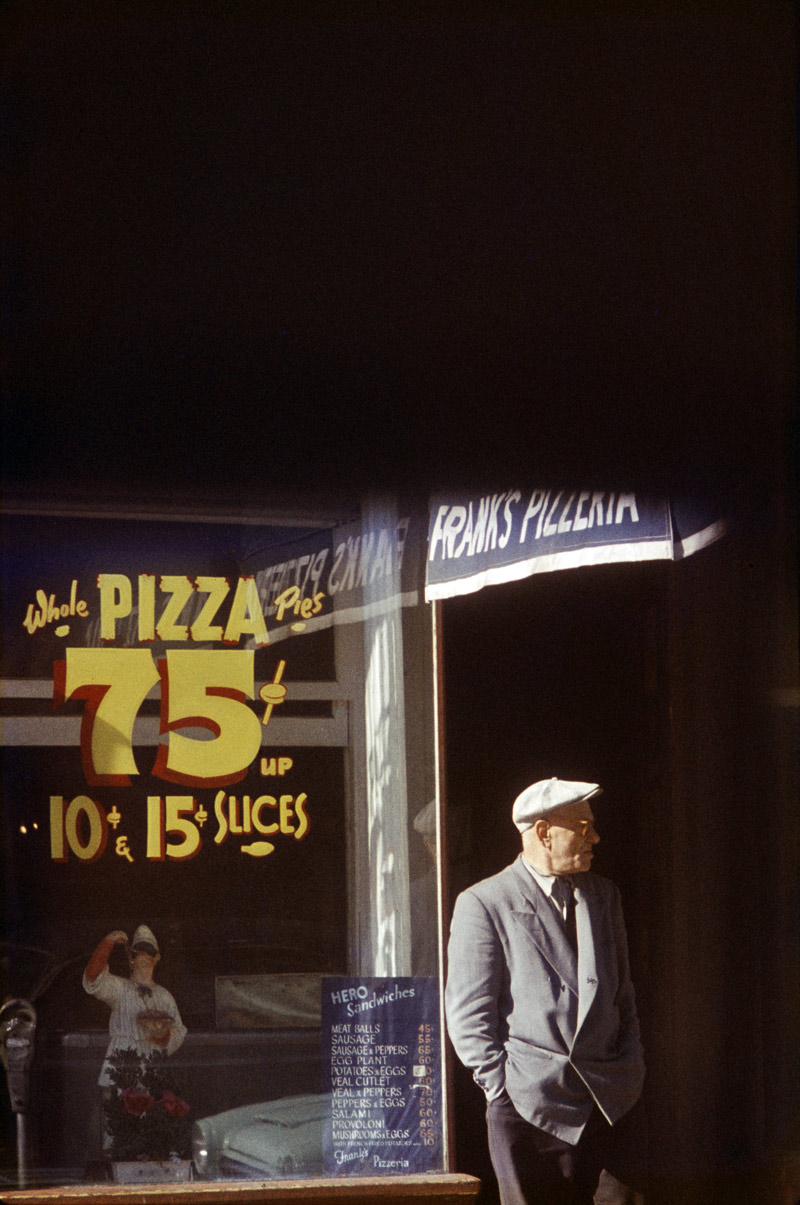
Saul Leiter (American, 1923-2013) 'Pizza, Patterson' 1952


Saul Leiter (American, 1923-2013)
Pizza, Patterson
1952
© Saul Leiter / Courtesy Howard Greenberg Gallery, New York


KUNST HAUS WIEN
Museum Hundertwasser
Untere Weißgerberstraße 13
1030 Vienna
Phone: +43-1-712 04 91

Opening hours:
Daily, 10am – 7pm

Kunst Haus Wein website

LIKE ART BLART ON FACEBOOK

Back to top
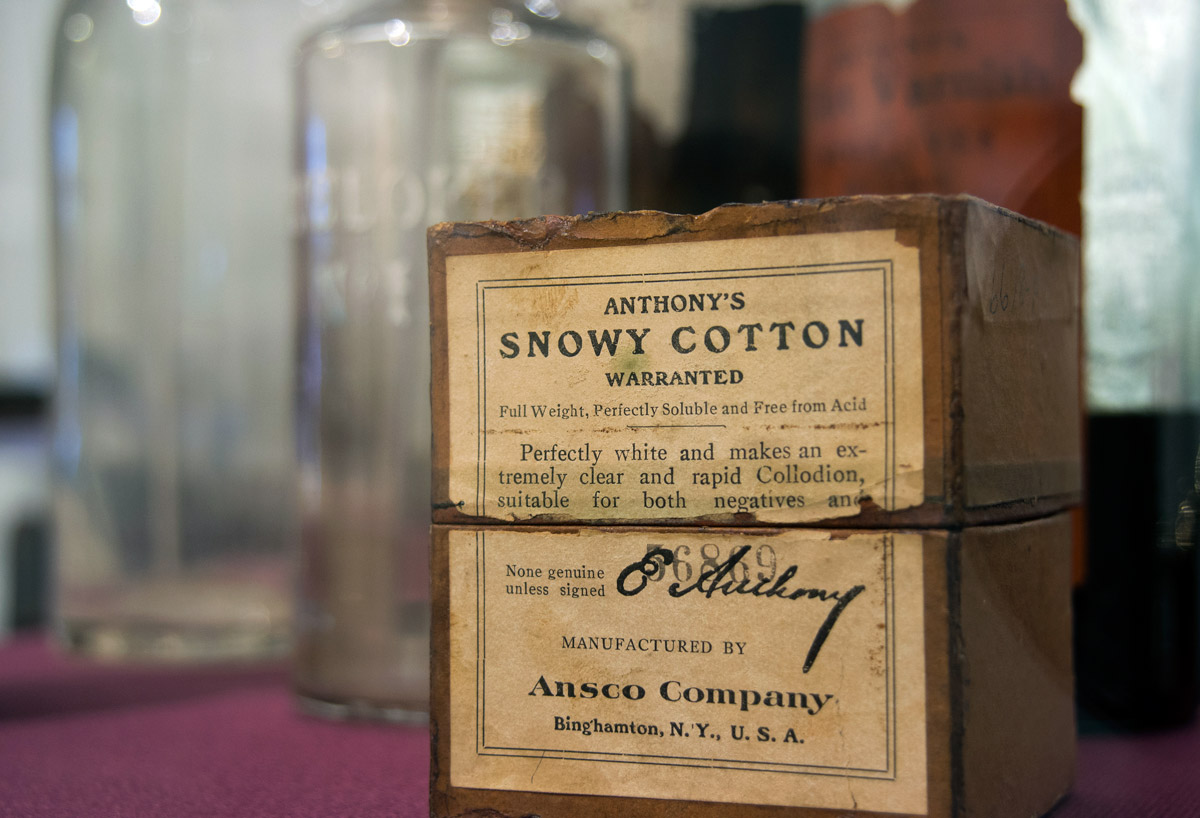
Exhibition: ‘Concrete – Photography and Architecture’ at Fotomuseum Winterthur, Zurich

Exhibition dates: 2nd March – 20th May 2013


Anonymous photographer.
 'Hardstrasse with Hardbrücke in construction' 1972


Anonymous photographer
Hardstrasse with Hardbrücke in construction
1972
Gelatin silver print
8.8 x 12.6cm
Baugeschichtliches Archiv der Stadt Zürich


When creating this archive, so much of my time is spent cleaning up clearly inadequate media images, an example of which can be seen below. I have become very adept at this process and my thoughts are this: would you want to be the artist whose work is displayed to the public in a remarkably decomposed manner, one not up to a standard of any artist who cares about their prints and reputation? I certainly would not. It is a wonder to me that museums and galleries spend thousands of dollars staging exhibitions and producing costly catalogues and yet cannot spend a tiny proportion of time, money and care on their media images to promote artist and said exhibition. I had to spend a lot of time on over half of these images to bring them up to presentable standard.

Having said that, there are some cracking photographs in this posting. The Sugimoto is sublime, Walker Evans so muscular, Lucien Hervé a masterpiece of light and texture, and Moriz Nähr a symphony of light and tone, to name but a few. I hope you enjoy all the effort it takes to bring these images to you.

Dr Marcus Bunyan


Many thankx to the Fotomuseum Winterthur, Zurich for allowing me to publish the photographs in the posting. Please click on the photographs for a larger version of the image.


Michael Wesely (German, b. 1963)
 'Canadian Embassy, Leipziger Platz, Berlin (5.2.2003 – 28.4.2005)' 
C-print


Michael Wesely (German, b. 1963)
Canadian Embassy, Leipziger Platz, Berlin (5.2.2003 – 28.4.2005)

C-print
125 x 175cm
Galerie Fahnemann, Berlin
© Michael Wesely/Courtesy Galerie Fahnemann


Michael Wesely (born 1963 in Munich) is a German art photographer who is best known for his photos of cities, buildings, landscapes, and still lives of flowers taken with a special ultra-long exposure technique. …

Wesely’s works deal with the subject of time and the change that takes place over time. Due to the extremely long exposure and the special bulb he uses, those elements that move the least dominate his images, while those moving will later be seen as transparent figures or the outlines of newly erect buildings overlapping. The pictures “reveal the passage of time by showing the changing skyline, the skeletons of cranes. the rise of new buildings, and the disappearance of others. Beams of sunlight, the residue of the ever-changing positions (tithe earth and sun, are also evident, like a palimpsest of seasons”. Everything that ever happened on the scene during exposure (during weeks, months, or even up to two or three years) will be seen in one single picture. Wesely’s photographs have been described as a metaphor on the change of Berlin after 1989 because “at once strikingly energetic and ghostly and uninhabited. This formal paradox aptly describes Berlin, which had only been unified for ten years at the time the images were taken. In that way, the photographs offer a larger commentary on time’s passage.”

Text from the Wikipedia website


William Henry Fox Talbot (English, 1800-1877) 'The Bridge of Sighs, St. John’s College, 
Cambridge' 1845


William Henry Fox Talbot (English, 1800-1877)
The Bridge of Sighs, St. John’s College, 
Cambridge
1845
Salt print from calotype negative
16.4 x 20.6cm
Museum Folkwang Essen


Charles Marville (French, 1813-1879) '24, Rue Bièvre, Paris' 1865-1869


Charles Marville (French, 1813-1879)
24, Rue Bièvre, Paris
1865-1869
Albumin print
27.4 x 36.6cm
Collection Thomas Walther


Lucien Hervé (Hungarian, 1910-2007) 'Le Corbusier: Façade of the Secretariat Building, Chandigarh, 1961' 1961


Lucien Hervé (Hungarian, 1910-2007)
Le Corbusier: Façade of the Secretariat Building, Chandigarh, 1961
1961
Gelatin silver print
25.5 x 25.4cm
Canadian Centre for Architecture, Montréal
© Estate Lucien Hervé


Lucien Hervé is considered to be one of the great architectural photographers of the 20th century. He collaborated with Le Corbusier from 1949 until the architect’s death in 1965, developing a great rapport. Le Corbusier even once pronounced Hervé to have ‘the soul of an architect.’ In 1949, Hervé travelled from Paris to Marseille to see Le Corbusier’s recently designed housing complex, Unité d’Habitation. Awed by the groundbreaking modern design, Hervé took 650 photographs of it in a single day and it was from then onwards they worked closely with one another.

Through light and shadow, he defined the dialogue between substance and form. By delineating a strong contrast between the light and shadows in his subject as well as placing emphasis on building details, Hervé was able to communicate the depth of a room, the surface of a wall, or the strength of a building’s framework.

Born 1910 in Hungary, Hervé (born László Elkán) moved to Paris at the age of 19 and earned French citizenship in 1938. During World War II, he was captured by the Germans, escaped and became a member of the French Resistance under the name of Lucien Hervé, which he kept thereafter. After the war he left politics behind to write for art journals. It was one of his editors, in fact, who suggested he visit Unité d’Habitation. Hervé began experimenting with photography, over or underexposing images and often severely cropping them to attain unusual compositions following the work of avant-garde artists such as Piet Mondrian, László Moholy-Nagy, and Alexander Rodchenko.

Text from the Michael Hoppen Gallery website


F. C. Gundlach (German, 1926-2021) '"Op Art" bathing suit by Sinz, Vouliagmeni/Greece' 1966


F. C. Gundlach (German, 1926-2021)
“Op Art” bathing suit by Sinz, Vouliagmeni/Greece
1966
Gelatin silver print
50 x 50cm
F.C. Gundlach, Hamburg
© F.C. Gundlach


Laurence Bonvin (Swiss, b. 1967)
 'Blikkiesdorp, Cape Town, South Africa' 2009


Laurence Bonvin (Swiss, b. 1967)
Blikkiesdorp, Cape Town, South Africa
2009
Inkjet print
40 x 50cm
Courtesy the artist
© Laurence Bonvin


Laurence Bonvin (born 1967 in Sierre) is a Swiss photographer and director living between Berlin, Valais and Lisbon. Her documentary approach has for many years focused on the phenomena of transformation in urban and natural environments.


Architectures and cities are both volumes and images alike. We experience them directly, physically and sensually, as well as through pictures. Pictures speak a language of their own. They offer a discourse that is quite unlike the physical experience of architecture. They transform volume into surface; distil matter into forms and signs – rarely, if ever, leaving it as it is. That is probably why so many architects try to get involved in determining the image of their buildings. Concrete – Photography and Architecture seeks to approach the singular and complex relationship between architecture and photography in light-hearted, narrative and dialectical ways. The exhibition explores issues of history and ideology, as well as the specifics of form and material, in the photographic image.

The visual appeal of destroyed or dilapidated buildings is also addressed, as are their powerful demonstrations of power and exclusivity, fragility and beauty. To what extent does photography influence not only the way architecture is perceived, but also the way it is designed? How does an image bring architecture to life, and at what point does it become uncanny? How do settlements develop into cities? Or, in sociological terms: how do work and life interconnect differently in, say, Zurich and Winterthur, as opposed to, say, Calcutta? And how do skyscrapers and living spaces translate into the flat, two-dimensional world of photography?

Concrete – Photography and Architecture is not, however, chronologically arranged. Instead, it is based on compelling positions, counterpositions and thematic fields that connect various concrete, fundamental and historical aspects. Alongside everyday buildings and prestigious architecture, structured by horizontal and vertical axes, alongside homes and houses, utopian fantasies, design and reality, an important aspect of the exhibition is the compelling appeal of architectural decay due to the passage of time, through both natural and deliberate destruction. It is almost as though photography were providing a moral reminder even such magnificence and presence, whether hewn in stone or cast in concrete, has its weaknesses too.

Architecture has always been an important platform for the frequently heated discussion of ideas and views, zeitgeist and weltanschauung, everyday life and aesthetics. Architecture is the bold materialisation of private and public visions, functionality and avant-garde art alike. It is, as Slavoj Žižek puts it, ideology in stone. Photography and architecture both play an undisputed role in our everyday lives. They confront us on a daily basis, often without our even noticing, and they influence how we think, act and live in subliminal and lasting ways. Concrete – Photography and Architecture provides visual answers to the question of what it is that makes up the intimate yet complex relationship between architecture and photography, architect and photographer.

The exhibition presents more than 400 photographs and groups of works from the 19th, 20th and 21st centuries, including William Henry Fox Talbot, Domenico Bresolin and Charles Marville as well as Germaine Krull, Lucia Moholy and Julius Shulman, and spanning an arc to contemporary works by Georg Aerni, Iwan Baan, Luisa Lambri and Hiroshi Sugimoto. Projects such as the long-term observations of Schlieren photography or Wolfgang Scheppe’s Migropolis show how the art of photography is playing an increasingly important role as an instrument of research and knowledge. The exhibition is accompanied by a lavishly illustrated book published by Scheidegger & Spiess, with some 300 colour and black-and-white pictures, essays by Jochen Becker, Johannes Binotto, Verena Huber Nievergelt, Michael Jakob, Nicoletta Leonardi, Lorenzo Rocha, Caspar Schärer, Aveek Sen and Urs Stahel as well as a conversation with Annette Gigon, Meret Ernst and Armin Linke.

Press release from the Fotomuseum Winterthur website


Guido Guidi. '#1176 01 29 1997 3:30PM Looking Southeast' From 'Carlo Scarpa's Tomba Brion' 
1997


Guido Guidi (Italian, b. 1941)
#1176 01 29 1997 3:30PM Looking Southeast
From Carlo Scarpa’s Tomba Brion
1997
C print
19.5 x 24.6cm
Courtesy the artist
© Guido Guidi


Guido Guidi (born January 1, 1941) is an Italian photographer. His work, spanning over more than 40 years, has focused in particular on rural and suburban geographies in Italy and Europe. He photographs places that are normally overlooked. His published works include In Between Cities, Guardando a Est, A New Map of Italy and Veramente.

Guidi began experimenting in the late 1960s with pseudo-documentary images that interrogated photography’s objectivity. Influenced by neorealist film and conceptual art, in the 1970s he began investigating Italy’s man-altered landscape. Working in marginal and decayed spaces with an 8×10 large format camera, he creates dense sequences intended as meditations on the meaning of landscape, photography, and seeing. Later he investigated the life and death of modernist architecture, with projects on Scarpa, van der Rohe, and Le Corbusier. Photography for Guidi is something autobiographical. It is synonymous with inhabiting, and the camera is the instrument that allows him to observe, appropriate and collect what lies beyond his doorstep.

“Guidi was a leading voice in the resurgence of Italian photography of the 1970s and 1980s”. “Since then, working mostly in colour with a large-format camera, he has patiently returned to the same places – his native Romagna and the area around Venice – documenting the shift from a rural to a post-industrial landscape.”

Text from the Wikipedia website


Tobias Zielony (German, b. 1973)
 'Le Vele di Scampia' 2009


Tobias Zielony (German, b. 1973)
Le Vele di Scampia
2009
Blu Ray photoanimation
8.57 min
Courtesy Koch Oberhuber Wolff, Berlin
© Tobias Zielony/ KOW


Hiroshi Sugimoto (Japanese, b. 1948) 'Seagram Building, New York City' 1997


Hiroshi Sugimoto (Japanese, b. 1948)
Seagram Building, New York City
1997
Gelatin silver print
58.4 x 47cm
Canadian Centre for Architecture, Montreal
© Hiroshi Sugimoto/Courtesy of Gallery Koyanagi Tokyo


Aage Strüwing (Danish, 1913-1989) 'Arne Jacobsen: Rødovre Town Hall' 1955


Aage Strüwing (Danish, 1913-1989)
Arne Jacobsen: Rødovre Town Hall
1955
Gelatin silver print
23.7 x 17cm
EPFL Archives de la construction moderne, Lausanne
© Estate Strüwing


Moriz Nähr (Austrian, 1859-1945) 
'Stiegenhaus im Haus Stonborough-Wittgenstein' 1928 (composite cleaned)


Moriz Nähr (Austrian, 1859-1945)

Stiegenhaus im Haus Stonborough-Wittgenstein [Staircase in the house Stonborough-Wittgenstein] (composite cleaned)
1928


Moriz Nähr (Austrian, 1859-1945) '
Stiegenhaus im Haus Stonborough-Wittgenstein' 1928


Moriz Nähr (Austrian, 1859-1945)

Stiegenhaus im Haus Stonborough-Wittgenstein (Staircase in the house Stonborough-Wittgenstein)
1928
Silbergelatine Abzug
13.8 x 8.9cm
Albertina, Wien
© Estate Moriz Nähr


Moriz Nähr (1859-1945) is one of the most important innovators of photography in “Vienna around 1900”. His photographic oeuvre is mentioned today in the same breath as that of the famous Parisian photographer Eugène Atget. Nähr enjoyed a life-long artist’s friendship with Gustav Klimt and was connected with the artist through a special network of eminent personalities from the arts, culture and philosophy. Numerous portrait photographs of Klimt emphatically document the two artists’ bond. Klimt was also inspired by Nähr’s photographic motifs, as illustrated by the conformities in the photographer’s pictures and Klimt’s painting Beech Forest I created in 1902. The legends surrounding Moriz Nähr are based on the one hand on his close ties with Gustav Klimt and the Vienna Secession and on the other hand on his connections with the family of Ludwig Wittgenstein and the imperial Habsburg family, especially with the heir to the throne Archduke Franz Ferdinand, who appointed him court photographer in 1908. Owing to his work as a freelance photographer as well as to his various commissions, he has left behind a multi-faceted oeuvre comprising not only landscape-, architecture-, and portrait photography but also street photography (Scenes from the Naschmarkt, 1918) as well as photographs documenting exhibitions (Vienna Secession).

Anonymous. “Moriz Nähr: Photographer of Viennese Modernism,” on the Leopold Museum website 2018 [Online] Cited 14/07/2024


Haus Wittgenstein, also known as the Stonborough House and the Wittgenstein House) is a house in the modernist style designed and built on the Kundmanngasse, Vienna, by the Austrian architect Paul Engelmannand the Austrian philosopher Ludwig Wittgenstein.

In November 1925, Wittgenstein’s sister Margaret Stonborough-Wittgenstein commissioned Engelmann to design and build a large townhouse. Margaret also invited her brother to help with the design in part to distract him from an incident that had happened while he had been a primary school teacher: he had hit a boy for getting an answer wrong and the boy had collapsed. The architect was Paul Engelmann, someone Wittgenstein had come to know while training to be an Artillery Officer in Olmutz. Engelmann designed a spare modernist house after the style of Adolf Loos: three rectangular blocks. Wittgenstein showed a great interest in the project and in Engelmann’s plans and poured himself into the project for over two years. He focused on the windows, doors, door knobs, and radiators, demanding that every detail be exactly as he specified, to the point where everyone involved in the project was exhausted. One of the architects, Jacques Groag, wrote in a letter: “I come home very depressed with a headache after a day of the worst quarrels, disputes, vexations, and this happens often. Mostly between me and Wittgenstein.” When the house was nearly finished he had a ceiling raised 30mm so the room had the exact proportions he wanted.

Waugh writes that Margaret eventually refused to pay for the changes Wittgenstein kept demanding, so he bought himself a lottery ticket in the hope of paying for things that way. It took him a year to design the door handles, and another to design the radiators. Each window was covered by a metal screen that weighed 150 kg, moved by a pulley Wittgenstein designed. Bernhard Leitner, author of The Architecture of Ludwig Wittgenstein, said of it that there is barely anything comparable in the history of interior design: “It is as ingenious as it is expensive. A metal curtain that could be lowered into the floor.”

The house was finished by December 1928, and the family gathered there that Christmas to celebrate its completion. Describing the work, Ludwig’s eldest sister, Hermine, wrote: “Even though I admired the house very much, I always knew that I neither wanted to, nor could, live in it myself. It seemed indeed to be much more a dwelling for the gods than for a small mortal like me”. Paul Wittgenstein, Ludwig’s brother, disliked it, and when Margaret’s nephew came to sell it, he reportedly did so on the grounds that she had never liked it either. Wittgenstein himself found the house too austere, saying it had good manners, but no primordial life or health. He nevertheless seemed committed to the idea of becoming an architect: the Vienna City Directory listed him as “Dr Ludwig Wittgenstein, occupation: architect” between 1933 and 1938.

After World War II, the house became a barracks and stables for Russian soldiers. It was owned by Thomas Stonborough, son of Margaret until 1968 when it was sold to a developer for demolition. For two years after this the house was under threat of demolition. The Vienna Landmark Commission saved it – after a campaign by Bernhard Leitner – and made it a national monument in 1971, and since 1975 it has housed the cultural department of the Bulgarian Embassy.

Text from the Wikipedia website


Lala Aufsberg (German, 1907-1976) 'Cathedral of Light' c. 1937


Lala Aufsberg (German, 1907-1976)
Cathedral of Light
c. 1937
Gelatin silver print
24 x 18cm
Town Archive Nuremberg
© Photo Marburg


Lala Aufsberg (actually, Ida Louise Aufsberg, born 26 February 1907 in Sonthofen, May 18, 1976) was a well-known art photographer. After attending primary school and six years of school for Higher daughters in Immenstadt she began training for the 1932 photo dealer in Oberstdorf. After completion of the training Lala Aufsberg moved to Nuremberg, where she worked in the photographers’ studios of Seitz and Rosemary. In 1931 she joined the photo club of friends of photography in Nuremberg.

From April 1938 Lala Aufsberg attended the State School of Applied Arts and Crafts in Weimar, Department Lichtbildnerei at Walter Hege. In July 1938, she passed the exam for the master photographer’s craft, and in the same year returned to Sonthofen and opened a photographic studio. In the years 1937 and 1938 she documented the Nazi Party rallies in Nuremberg (see above photograph). She received her first artistic job in the years 1941-1942, in which she photographed the murals in churches and monasteries in Carinthia and Styria. Owned by the University of Marburg “German documentation center for art history” – Bildarchiv Foto Marburg (listed in UNESCO Archives Portal) acquired 1976/1977 and 1996, the Lala-Aufsberg archive with about 46,000 art history, black and white negatives in sizes 6 x 6 and 9 x 12 and 103,000 photos.


Walker Evans (American, 1903-1975) 
'Chrysler Building under construction, New York' 1929


Walker Evans (American, 1903-1975)

Chrysler Building under construction, New York
1929
Gelatin silver print
16.8 x 8.3cm
Canadian Centre for Architecture, Montréal
© Walker Evans Archive, The Metropolitan Museum of Art


Fotomuseum Winterthur
Grüzenstrasse 44 + 45
CH-8400
Winterthur (Zürich)

Opening hours:
Tuesday to Sunday 11am – 6pm
Wednesday 11am – 8pm
Closed on Mondays

Fotomuseum Winterthur website

LIKE ART BLART ON FACEBOOK

Back to top
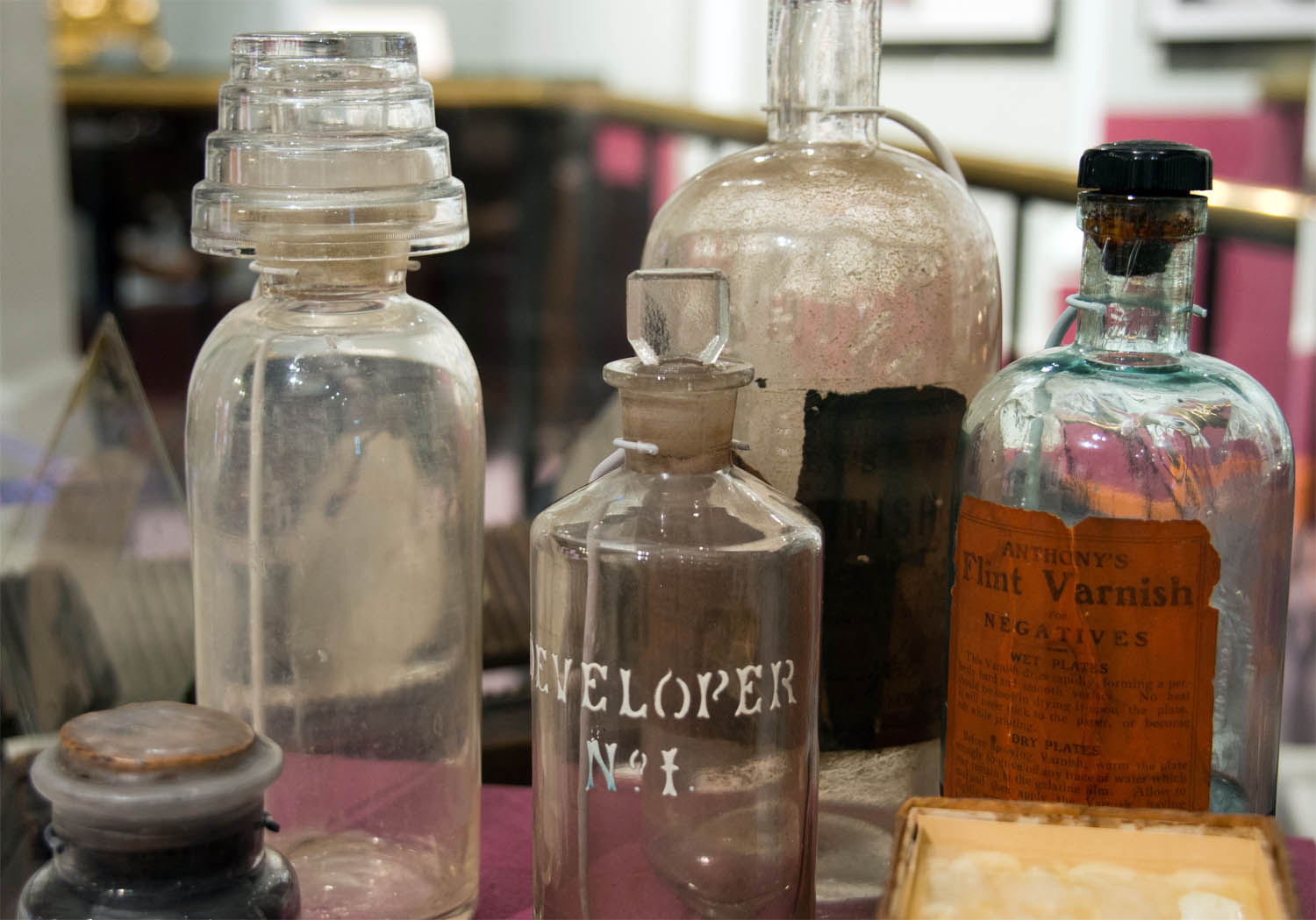
Exhibition: ‘Gordon Parks: 100 Moments’ at New York State Museum

Exhibition dates: 26th January – 19th May 2013


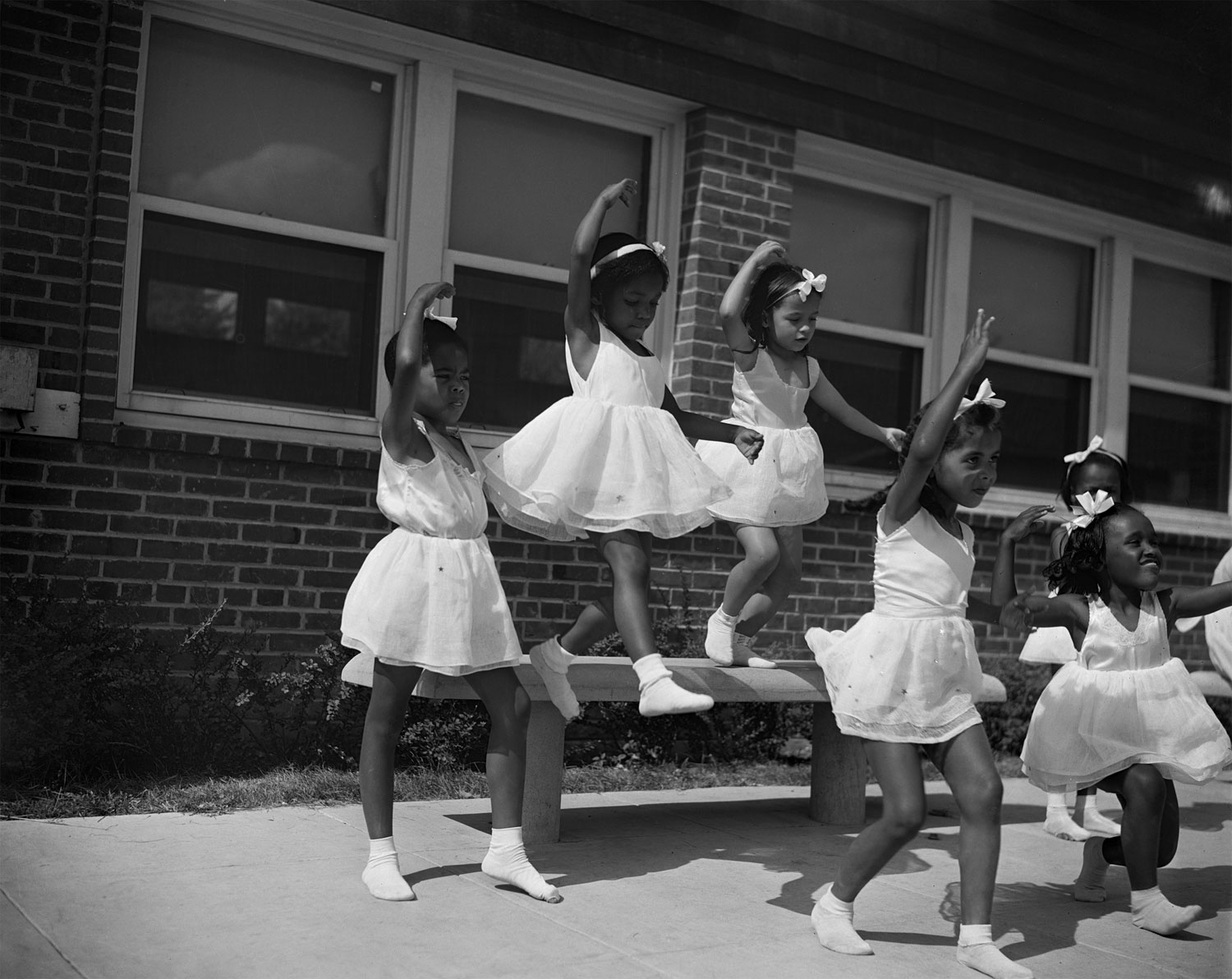
Gordon Parks (American, 1912-2006) 'A dance group, Frederick Douglass housing project, Anacostia, Washington, DC, 1942' 1942


Gordon Parks (American, 1912-2006)
A dance group, Frederick Douglass housing project, Anacostia, Washington, DC, 1942
1942
Gelatin silver print
17.5 x 22″
Prints and Photographs Division
Library of Congress


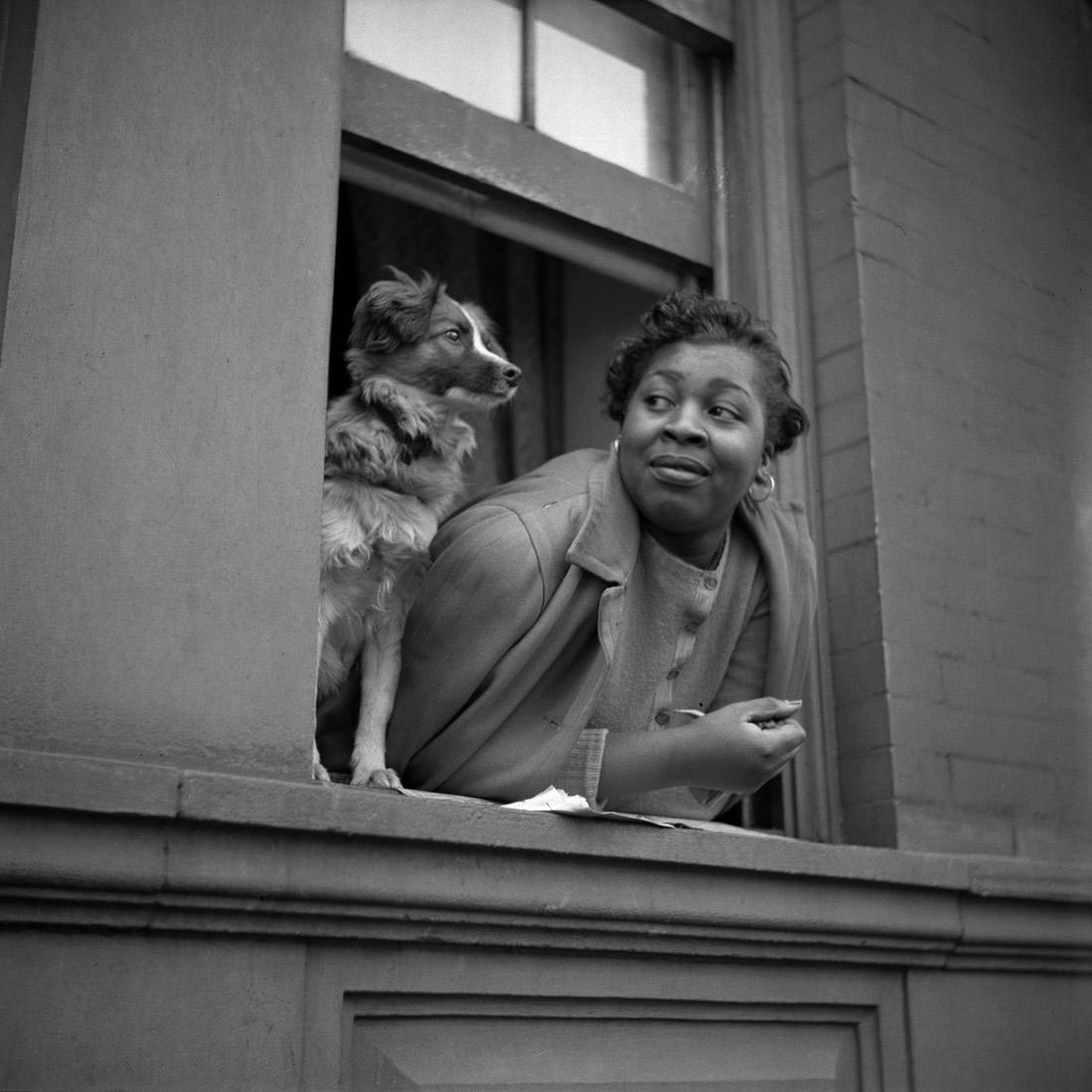
The more I see the work of this outstanding artist, the more I fall in love with it. There is just a beautiful lyricism here – nothing extraneous or superfluous within the picture frame, sensitively balanced photographs that are whimsical and engaging. A woman and her dog in Harlem, NY, 1943 (below) is just a joy.

Dr Marcus Bunyan


Many thankx to the New York State Museum for allowing me to publish the photographs in the posting. Please click on the photographs for a larger version of the image.


“I saw that the camera could be a weapon against poverty, against racism, against all sorts of social wrongs. I knew at that point I had to have a camera.”


Gordon Parks


Gordon Parks (American, 1912-2006) 'A woman and her dog in Harlem, NY, 1943' 1943


Gordon Parks (American, 1912-2006)
A woman and her dog in Harlem, NY, 1943
1943
Gelatin silver print
23 x 21″
Prints and Photographs Division
Library of Congress


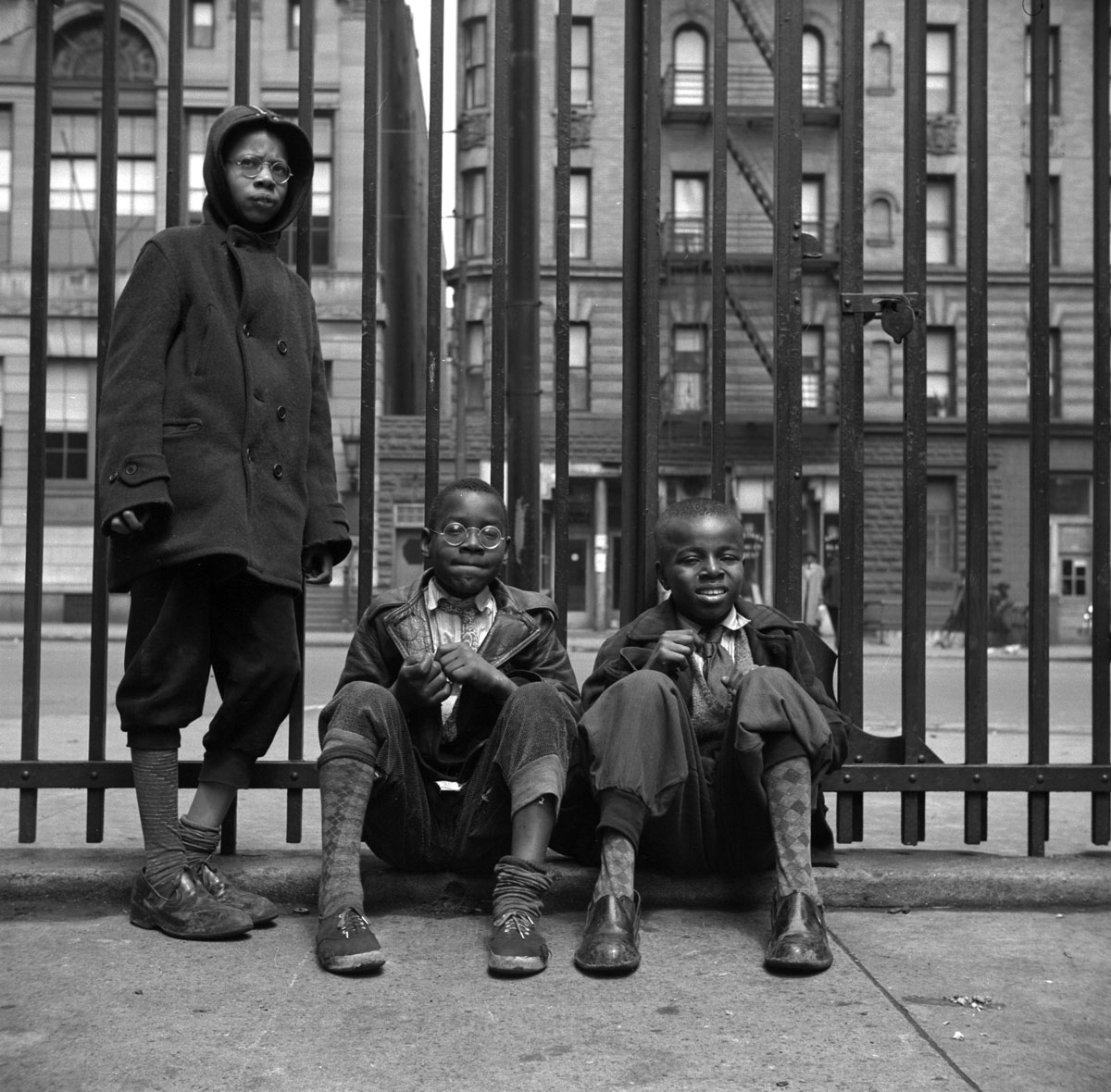
Gordon Parks (American, 1912-2006) 'Street Scene: Three young boys, Harlem, NY, 1943' 1943


Gordon Parks (American, 1912-2006)
Street Scene: Three young boys, Harlem, NY, 1943
1943
Gelatin silver print
23 x 21″
Prints and Photographs Division
Library of Congress


Gordon Parks (American, 1912-2006) 'Street Scene: Two children walking, Harlem, NY, 1943' 1943


Gordon Parks (American, 1912-2006)
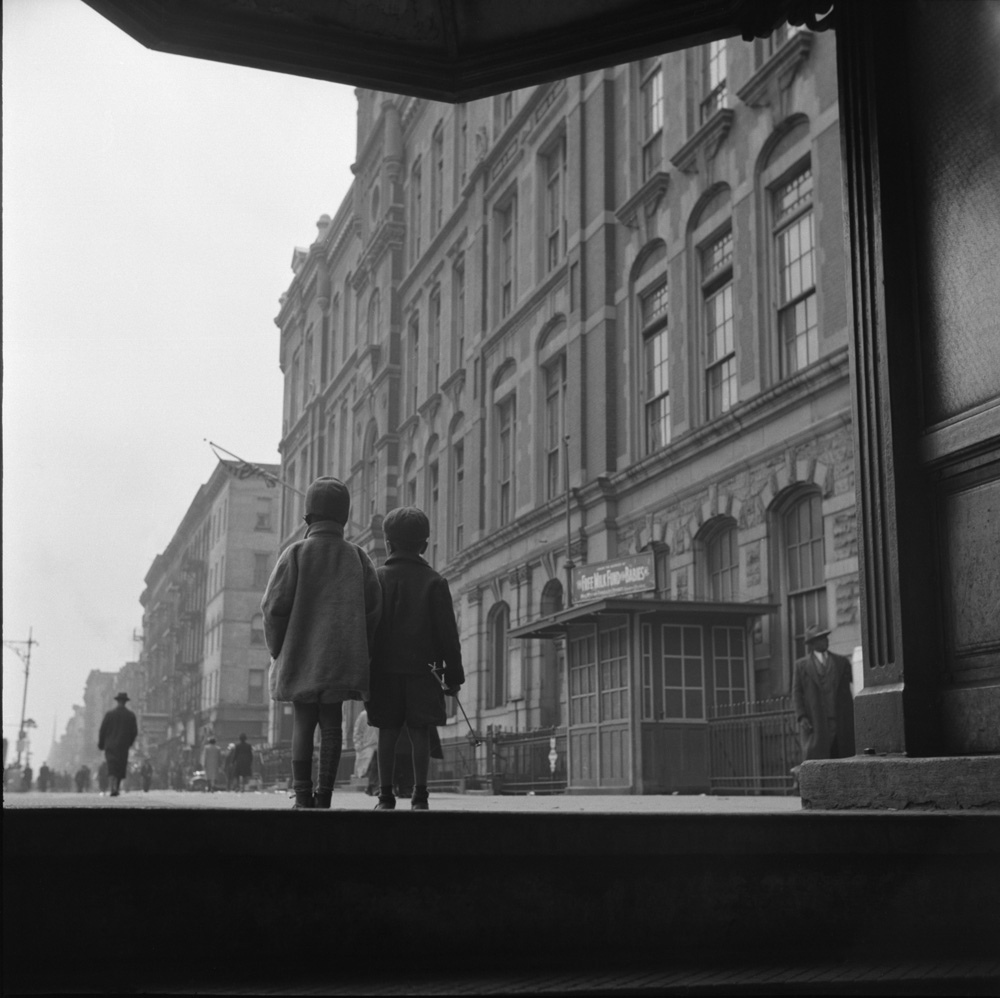
Street Scene: Two children walking, Harlem, NY, 1943
1943
Gelatin silver print
23 x 21″
Prints and Photographs Division
Library of Congress


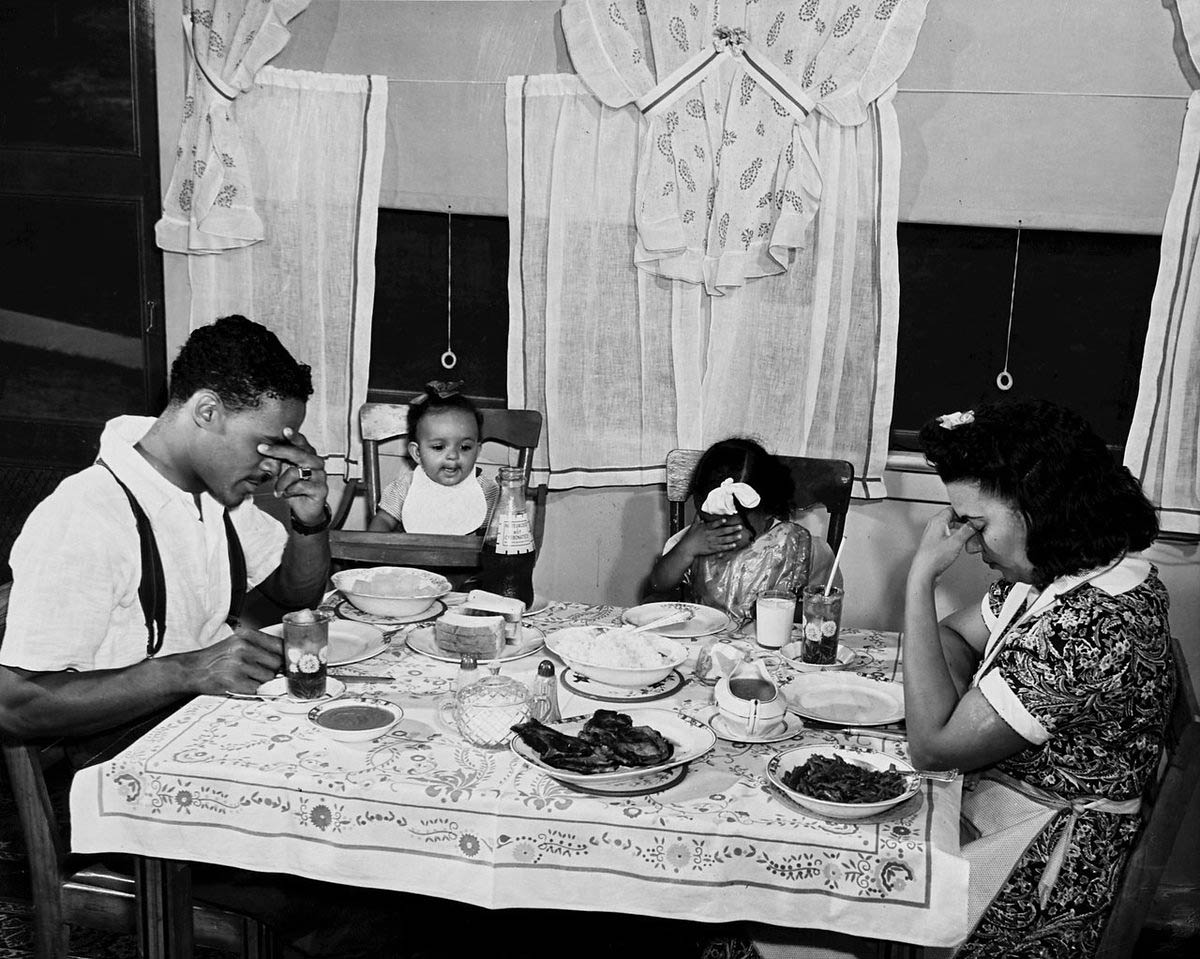
Gordon Parks (American, 1912-2006) 'Anacostia, D.C. Frederick Douglass Housing Project. A family says grace before the evening meal. June 1942' 1942


Gordon Parks (American, 1912-2006)
Anacostia, D.C. Frederick Douglass Housing Project. A family says grace before the evening meal. June 1942
1942
Gelatin silver print
Gordon Parks Collection, Photographs and Prints Division
Schomburg Center for Research in Black Culture, The New York Public Library


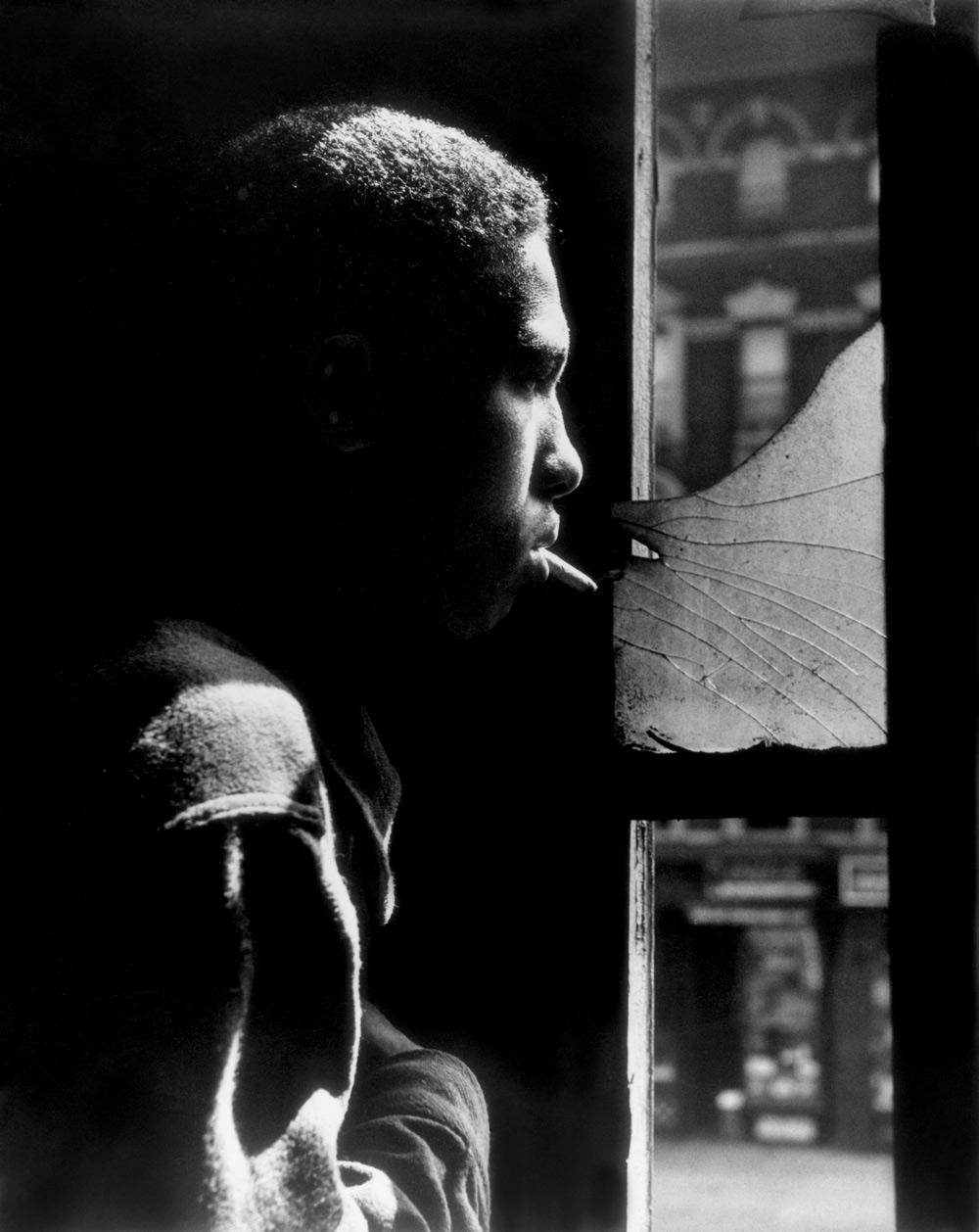
Gordon Parks (American, 1912-2006) 'Red Jackson, Harlem' 1948


Gordon Parks (American, 1912-2006)
Red Jackson, Harlem
1948
Gelatin silver print
Gordon Parks Collection, Photographs and Prints Division
Schomburg Center for Research in Black Culture, The New York Public Library


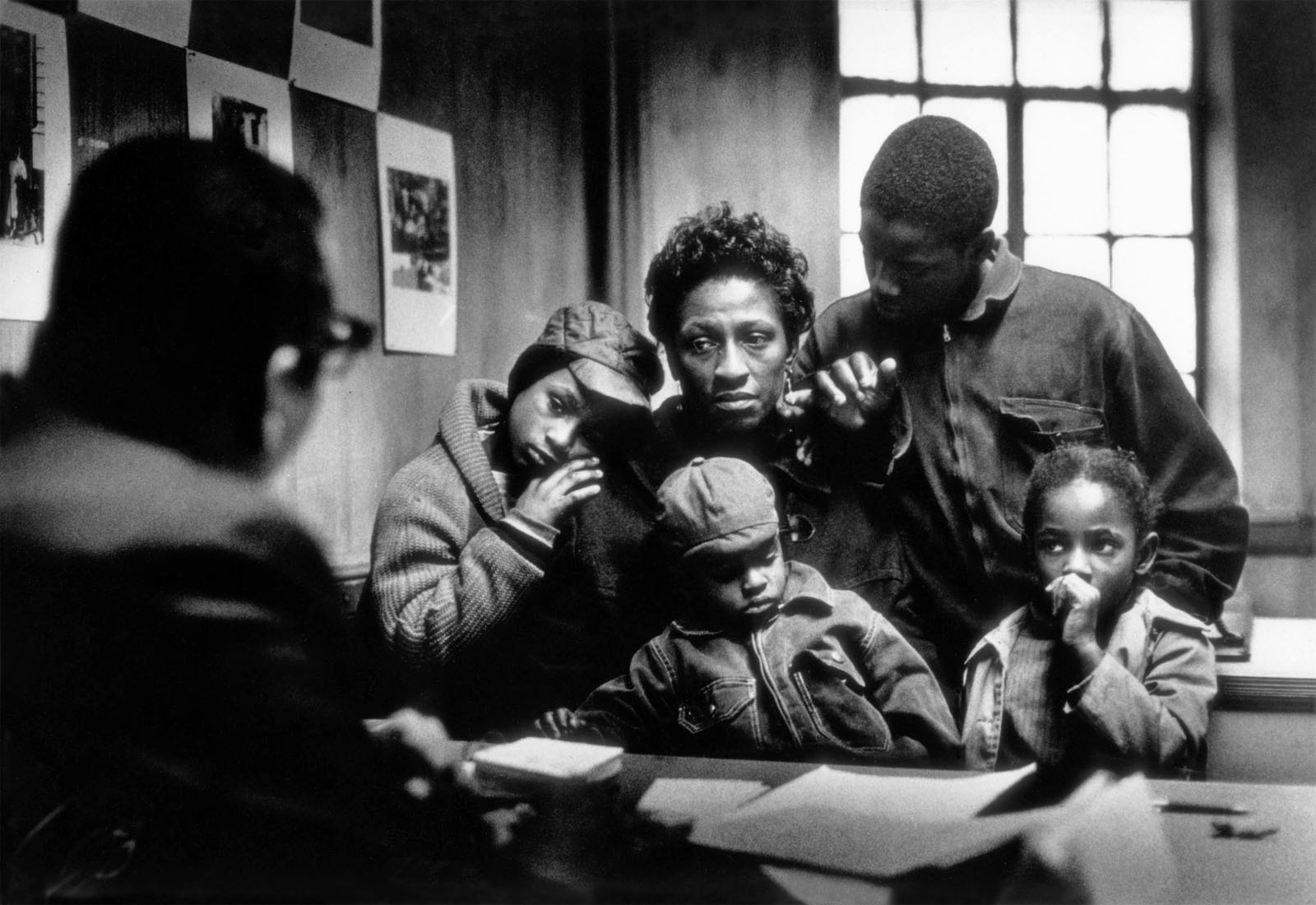
Gordon Parks (American, 1912-2006) 'The Fontenelle Family' 1967


Gordon Parks (American, 1912-2006)
The Fontenelle Family
1967
Gelatin silver print
Gordon Parks Collection, Photographs and Prints Division
Schomburg Center for Research in Black Culture, The New York Public Library


Another Parks image in the show, taken in 1967 and published in Life magazine, is subtler though ultimately more powerful. It shows Harlem resident Bessie Fontenelle and four of her children at the welfare office. Across a desk, the family faces an anonymous white man, his back to the camera, with a suit, thick-framed spectacles and slicked hair. Fontenelle looks drawn and careworn, ground down by poverty. Parks lived with the family for a month and documented their lives for a story and photo essay for Life, an assignment he devised in response to an editor’s question about why inner-city residents were rioting across America.

“The problem in documenting a family like that,” Parks later said, “is that you wonder, in the end, whether you should have touched the family, or just left them alone.” While he lived with them, the alcoholic father, Norman, was unemployed, and Parks struggled with journalistic objectivity as he resisted the impulse to provide funds for food and clothing.

After their story was published, money flooded in from Life readers, and the Fontenelles were able to buy a small house in Queens. They’d been there just three months when Norman, who was drunk, dropped a lit cigarette onto the couch and burned the house down. He died in the fire, as did one of the six kids; another boy died a few years later, and three girls eventually were claimed by AIDS. Parks spent the rest of his life wondering whether, in service of telling the larger story of urban poverty for many families, he’d contributed to the destruction of the one he photographed.

Steve Barnes. “On exhibit: ‘Gordon Parks: 100 Moments’ at the State Museum,” on the Times Union website Jan 23, 2013 [Online] Cited 15/07/2024


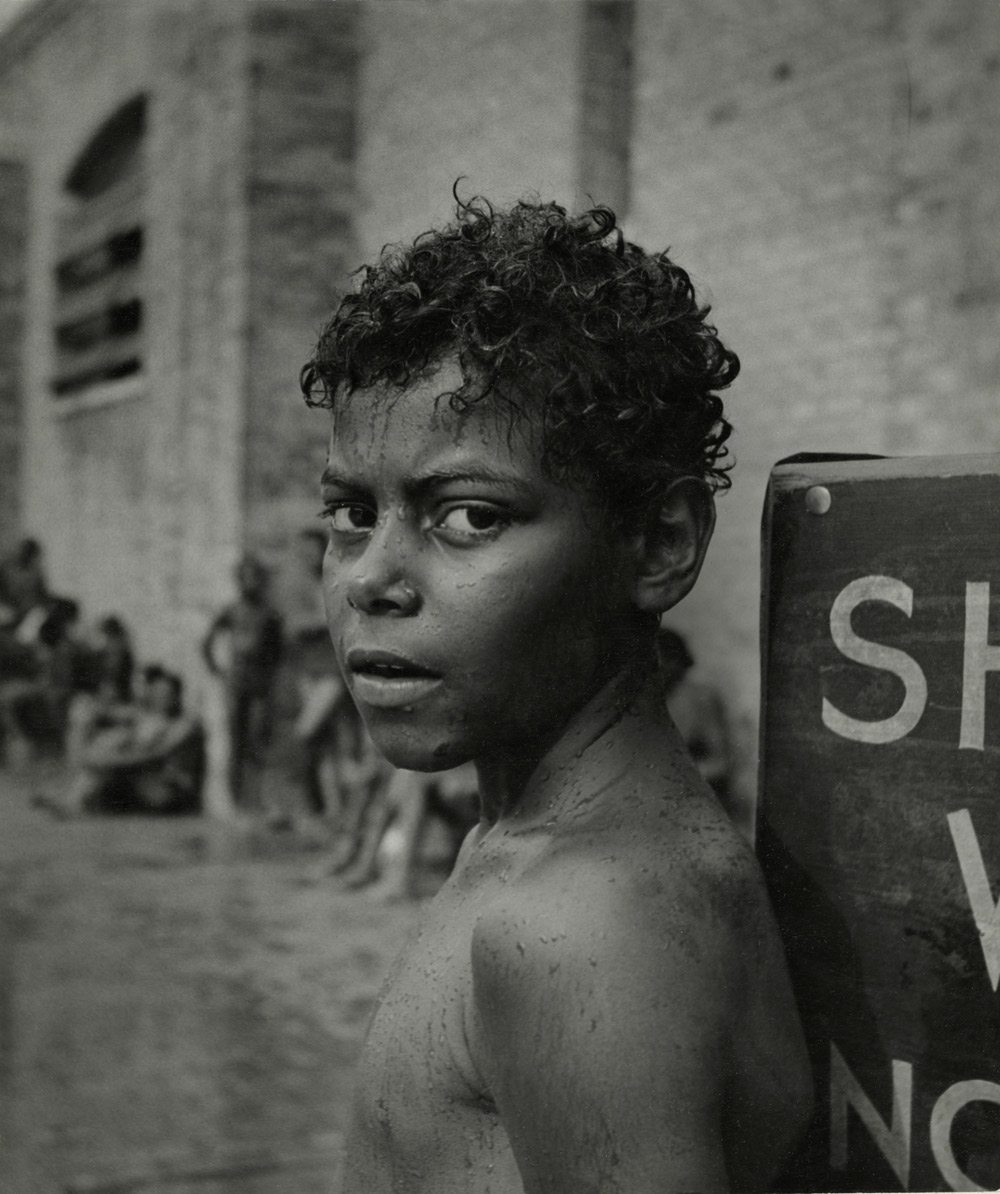
Gordon Parks (American, 1912-2006) 'Boy at Swimming Pool, Harlem, NY, 1942' 1942


Gordon Parks (American, 1912-2006)
Boy at Swimming Pool, Harlem, NY, 1942
1942
Gelatin silver print
22 x 17.5″
Gordon Parks Collection, Photographs and Prints Division
Schomburg Center for Research in Black Culture, The New York Public Library


A new exhibition celebrating the 100th birthday of world-renowned photographer Gordon Parks opens on January 26, 2013 at the New York State Museum. Gordon Parks: 100 Moments showcases six decades of Parks’ photographs, including numerous never-before-seen images and Parks’ most famous photo, American Gothic, Washington, D.C. On display at the State Museum through May 19, 2013, the stunning visual collection is organised by the Schomburg Center for Research in Black Culture. The exhibit also includes images from the Farm Security Administration and Office of War Information (OWI) collections at the Library of Congress, Prints and Photographs Division.

“Gordon Parks was a true Renaissance man – musician, writer, film director and, most notably, world-class photographer,” said State Education Commissioner John B. King, Jr. “His work helped drive the Civil Rights movement by exposing the stark realities of life faced by so many African Americans. We are honoured to exhibit some of his most important images at the New York State Museum.”

“The State Museum is honoured to present this landmark exhibition by Gordon Parks, one of New York’s greatest photographers,” said State Museum Director Mark Schaming. “This is truly a unique opportunity to see these powerful images from the Schomburg’s vast collections together in a beautifully curated exhibition.”

Known for documenting the ordinary yet compelling lives of African Americans in cities like Harlem and Washington, D.C., Parks began his career in 1948 as a professional photographer for Life magazine, where he was the publication’s first African American employee. Tackling issues in black communities like post-World War II urban migration, the expansion of black newspapers and radio, entrenched segregation and economic discrimination, Parks was a consummate storyteller of urban life through his ever-questioning lens. Parks died in 2006.

Press release from the New York State Museum website


Gordon Parks (American, 1912-2006) 'Policeman, badge no. 19687, NY, 1943' 1943


Gordon Parks (American, 1912-2006)
Policeman, badge no. 19687, NY, 1943
1943
Gelatin silver print
23 x 21″
Prints and Photographs Division
Library of Congress


Gordon Parks (American, 1912-2006) 'American Gothic, Washington, D.C., (Ella Watson)' 1942


Gordon Parks (American, 1912-2006)
American Gothic, Washington, D.C., (Ella Watson)
1942
Gelatin silver print


One of Parks’ most famous images, taken in Washington, D.C., in 1942, captures Ella Watson, who at that point had been a cleaning woman in federal offices for 26 years and supported a family of six on a salary of about $20 a week. She’s in front of a large, vertically hung American flag and flanked by a broom and a mop, their well-used heads a testament to the rigor of her nightly labors. Watson, whom Parks chronicled as part of his work as the first black photographer for the Farm Security Administration, has a stony expression, and she looks slightly to the side of the camera – a gaze diverted and downcast. It’s a polemical picture, and its obvious echo of Grant Wood’s painting “American Gothic” led to Parks’ photo becoming familiarly known by the same name. Parks later said the photo was meant to highlight racism and inequality and that when he made the picture he was still seething from having been refused service at several retail establishments in Washington.

Steve Barnes. “On exhibit: ‘Gordon Parks: 100 Moments’ at the State Museum,” on the Times Union website Jan 23, 2013 [Online] Cited 15/07/2024


Gordon Parks (American, 1912-2006) 'Grandfather and grandchild on Seaton Road, Washington, DC, 1942' 1942


Gordon Parks (American, 1912-2006)
Grandfather and grandchild on Seaton Road, Washington, DC, 1942
1942
Gelatin silver print
21 x 17″
Prints and Photographs Division
Library of Congress


Gordon Parks (American, 1912-2006) 'First Aid: Interracial activities at Camp Nathan Hale, Southfields, NY, 1943' 1943


Gordon Parks (American, 1912-2006)
First Aid: Interracial activities at Camp Nathan Hale, Southfields, NY, 1943
1943
Gelatin silver print
22 x 17.5″
Gordon Parks Collection, Photographs and Prints Division
Schomburg Center for Research in Black Culture, The New York Public Library


Gordon Parks (American, 1912-2006) 'Construction workman, Washington, DC, 1942' 1942


Gordon Parks (American, 1912-2006)
Construction workman, Washington, DC, 1942
1942
Gelatin silver print
21″ x 17″
Prints and Photographs Division
Library of Congress


New York State Museum
260 Madison Ave  Albany
NY 12230, United States
Phone: +1 518-474-5877

Opening hours:
Tuesday – Sunday 9.30am – 5.00pm
Closed Monday
Closed Thanksgiving, Christmas, and New Year’s Day

New York State Museum website

LIKE ART BLART ON FACEBOOK

Back to top
Exhibition: ‘Picturing New York: Photographs from the Museum of Modern Art’ at the Art Gallery of Western Australia (AGWA), Perth

Exhibition dates: 26th January – 12th May 2013


Berenice Abbott (American, 1898-1991) 'Fifth Avenue, nos. 4, 6, 8, Manhattan' March 20, 1936


Berenice Abbott (American, 1898-1991)
Fifth Avenue, nos. 4, 6, 8, Manhattan
March 20, 1936
Gelatin silver print
15 x 19 1/4″ (38.1 x 48.9cm)
The Museum of Modern Art, New York
Thomas Walther Collection
© 2012 Berenice Abbott/Commerce Graphics


A second tranche of images from this touring exhibition of photographs from the MoMA collection, presented at the Art Gallery of Western Australia in Perth. My personal favourites in this posting are the tonal Abbott, mean streets Gedney, luminous Groover and the intimate Burckhardt. There are two photographers I don’t know at all (Gedney and Burckhardt) and one who is very underrated: Peter Hujar.

Dr Marcus Bunyan


Many thankx to the AGWA for allowing me to publish the photographs in the posting. Please click on the photographs for a larger version of the image.


William Gedney (American, 1924-1989) 'Brooklyn' 1966


William Gedney (American, 1924-1989)
Brooklyn
1966
Gelatin silver print
7 9/16 x 11 5/16″ (19.3 x 28.8cm)
The Museum of Modern Art, New York
Gift of the Duke University Rare Book, Manuscript, and Special Collections Library
© 2012 Estate of William Gedney


William Gale Gedney (October 29, 1932 – June 23, 1989) was an American photographer. It wasn’t until after his death that his work gained momentum and his work is now widely recognised… William Gedney died of AIDS in 1989, aged 56, in New York City and is buried in Greenville, New York, a few short miles from his childhood home. He left his photographs and writings to his lifelong friend Lee Friedlander.

Text from the Wikpedia website

See more photographs by William Gedney on the Duke Libraries website and on The Selvedge Yard website


Jan Groover (American, 1943-2012) 'Untitled' 1981


Jan Groover (American, 1943-2012)
Untitled
1981
Platinum/palladium print
7 5/8 x 9 1/2″ (19.4 x 24.2cm)
The Museum of Modern Art, New York
Gift of Howard Stein
© 2012 Jan Groover


“Depicting the iconic New York that captivates the world’s imagination and the idiosyncratic details that define New Yorkers’ sense of home, this exhibition from MoMA’s extraordinary photography collection celebrates the city in all its vitality, ambition and beauty. Made by approximately 90 artists responding to the city as well as professionals on assignment, including Henri Cartier-Bresson, Walker Evans, Lewis Hine, Helen Levitt, Cindy Sherman, Alfred Stieglitz, and Weegee, over 150 works reveal the deeply symbiotic relationship between photography and the ‘city that never sleeps’ – New York. Both an exploration of the life of the city and a documentation of photography’s evolution throughout the twentieth century, Picturing New York celebrates the great and continuing tradition of capturing the grit and glamour of one of the world’s greatest urban centres.

Artists include Berenice Abbott, Diane Arbus, Henri Cartier-Bresson, Walker Evans, Lee Friedlander, Nan Goldin, Helen Levitt, Cindy Sherman, Alfred Stieglitz, Paul Strand, Weegee, and Garry Winogrand, among many others.”

Text from the AGWA website


Lisette Model (American born Austria, 1901-1983) 'Times Square' 1940


Lisette Model (American born Austria, 1901-1983)
Times Square
1940
Gelatin silver print
15 9/16 x 19 9/16″ (39.6 x 49.7cm)
The Museum of Modern Art, New York
Gift of the photographer
© 2012 Estate of Lisette Model, courtesy Baudoin Lebon Gallery, Paris and Keitelman Gallery, Brussels


Garry Winogrand (American, 1928-1984) 'New York City' 1968


Garry Winogrand (American, 1928-1984)
New York City
1968
Gelatin silver print
8 7/8 x 13 3/16″ (22.5 x 33.5cm)
The Museum of Modern Art, New York
Purchase and gift of Barbara Schwartz in memory of Eugene M. Schwartz
© The Estate of Garry Winogrand, courtesy Fraenkel Gallery


Henri Cartier-Bresson (French, 1908-2004) 'Near the Hall of Records, New York' 1947


Henri Cartier-Bresson (French, 1908-2004)
Near the Hall of Records, New York
1947
Gelatin silver print
15 5/16 x 22 13/16″ (38.9 x 57.9cm)
The Museum of Modern Art, New York
Gift of the photographer
© 2012 Henri Cartier-Bresson/Magnum, courtesy Foundation HCB, Paris


Rudy Burckhardt (American born Switzerland, 1914-1999) 'A View From Brooklyn I' 1954


Rudy Burckhardt (American born Switzerland, 1914-1999)
A View From Brooklyn I
1954
Gelatin silver print
10 5/16 x 9 3/16″ (26.2 x 23.4cm)
The Museum of Modern Art, New York
Gift of CameraWorks, Inc. and Purchase
© 2012 Rudy Burckhardt / Artists Rights Society (ARS), New York


Rudy Burckhardt (1914, Basel – 1999) was a Swiss-American filmmaker, and photographer, known for his photographs of hand-painted billboards which began to dominate the American landscape in the nineteen-forties and fifties.

Burckhardt discovered photography as a medical student in London. He left medicine to pursue photography in the 1930s. He immigrated to New York City in 1935. Between 1934 and 1939, he traveled to Paris, New York and Haiti making photographs mostly of city streets and experimenting with short 16mm films. While stationed in Trinidad in the Signal Corps from 1941-1944, he filmed the island’s residents. In 1947, he joined the Photo League in New York City. Burckhardt married painter Yvonne Jacquette whom he collaborated with throughout their 40 year marriage. He taught filmmaking and painting at the University of Pennsylvania from 1967 to 1975.

On his 85th birthday, Burckhardt committed suicide by drowning in the lake on his property.

Text from the Wikipedia website


Rudy Burckhardt and Edwin Denby
The Climate of New York
1980


Trailer for Rudy Burckhardt Films from Tibor de Nagy Gallery on Vimeo.


Lee Friedlander (American, b. 1934) 'New York City' 1980


Lee Friedlander (American, b. 1934)
New York City
1980
Gelatin silver print
18 5/8 x 12 3/8″ (47.3 x 31.5cm)
The Museum of Modern Art, New York
The Family of Man Fund
© 2012 Lee Friedlander


Underwood and Underwood (American, active 1880-1934) 'Above Fifth Avenue, Looking North' 1905


Underwood and Underwood (American, active 1880-1934)
Above Fifth Avenue, Looking North
1905
Gelatin silver print
9 1/2 x 7 5/16″ (24.2 x 18.6cm)
The Museum of Modern Art, New York
The New York Times Collection


Alfred Stieglitz (American, 1864-1946) 'City of Ambition' 1910


Alfred Stieglitz (American, 1864-1946)
City of Ambition
1910
Photogravure
13 3/8 x 10 1/4″ (34 x 26.1cm)
The Museum of Modern Art, New York
© 2012 Estate of Alfred Stieglitz / Artists Rights Society (ARS), New York


Peter Hujar (American, 1934-1987) 'New York Series #22' 1976


Peter Hujar (American, 1934-1987)
New York Series #22
1976
Gelatin silver print
14 5/8 x 14 3/4″ (37.1 x 37.4cm)
The Museum of Modern Art, New York
Gift of the Estate of Peter Hujar and James Danziger Gallery, New York
© 2012 Peter Hujar Archive


Peter Hujar (October 11, 1934 – November 26, 1987) was an American photographer known for his black and white portraits. Born in Trenton, New Jersey, United States. Hujar later moved to Manhattan to work in the magazine, advertising, and fashion industries. His subjects also consisted of farm animals and nudes. His most famous photograph is Candy Darling on Her Deathbed which was later used by the group Antony and the Johnsons as cover for their album I Am a Bird Now. The one-time lover, friend and mentor of artist David Wojnarowicz, Hujar died of AIDS complications on November 26, 1987, aged 53.

See the more photographs on the Peter Hujar Archive website


Fairchild Aerial Surveys, Inc. 'The Mount Everest of Manhattan: The Silvered Peak of the Chrysler Building' 1930


Fairchild Aerial Surveys, Inc.
The Mount Everest of Manhattan: The Silvered Peak of the Chrysler Building
1930
Gelatin silver print
8 3/4 x 6 13/16″ (22.3 x 17.3cm)
The Museum of Modern Art, New York
The New York Times Collection


Walker Evans (American, 1903-1975) 'Girl in Fulton Street, New York 1929' 1929


Walker Evans (American, 1903-1975)
Girl in Fulton Street, New York 1929
1929
Gelatin silver print
7 1/2 x 4 5/8″ (19.1 x 11.7cm)
The Museum of Modern Art, New York
Gift of the photographer


Lewis W. Hine (American, 1874–1940) 'Italian Family Looking for Lost Baggage, Ellis Island, New York' 1905


Lewis W. Hine (American, 1874-1940)
Italian Family Looking for Lost Baggage, Ellis Island, New York
1905
Gelatin silver print
5 9/16 x 4 5/16″ (14.1 x 10.9cm)
The Museum of Modern Art, New York


Art Gallery of Western Australia
Perth Cultural Centre, James Street Mall, Perth

Opening hours:
Wednesday – Monday 10am – 5pm
Closed Tuesdays

AGWA website

LIKE ART BLART ON FACEBOOK

Back to top
Exhibition: ‘Arnold Newman: Masterclass’ at the Harry Ransom Center, The University of Texas at Austin

Exhibition dates: 12th February – 12th May 2013


Many thankx to the Harry Ransom Center for allowing me to publish the photographs in the posting. Please click on the photographs for a larger version of the image.


Arnold Newman Masterclass


Installation view of the exhibition 'Arnold Newman: Masterclass' at the Harry Ransom Center, The University of Texas at Austin

Installation view of the exhibition 'Arnold Newman: Masterclass' at the Harry Ransom Center, The University of Texas at Austin


Installation views of Arnold Newman: Masterclass at the Harry Ransom Center, The University of Texas at Austin
Photos by Pete Smith
Images courtesy of Harry Ransom Center


Arnold Newman (American, 1918-2006) 'Dr. Edwin H. Land with group of Polaroid Employees, Polaroid warehouse in Needham, Mass.,' 1977


Arnold Newman (American, 1918-2006)
Dr. Edwin H. Land with group of Polaroid Employees, Polaroid warehouse in Needham, Mass.,
1977
Gelatin silver print
© 1977 Arnold Newman / Getty Images


Arnold Newman (American, 1918-2006) 'Truman Capote, writer, New York' 1977


Arnold Newman (American, 1918-2006)
Truman Capote, writer, New York
1977
Gelatin silver print
© Arnold Newman / Getty Images


“The thing is, with Penn or Avedon, they control totally the situation in the studio, and I’m always taking a chance, wherever I go.”


“What’s the truth in a portrait? Who do you believe? Sometimes you cannot determine this in just one picture… The only way to determine whether you believe it or not is to look at my other pictures.”


“Form, feeling … structure and detail … technique and sensibility: it must all come together.”


Arnold Newman


Arnold Newman: Masterclass, the first posthumous retrospective of Arnold Newman (1918-2006), explores the career of one of the finest portrait photographers of the 20th century. The Harry Ransom Center, which holds the Arnold Newman archive, hosts the exhibition’s first U.S. showing February 12 – May 12, 2013.

The show, curated by FEP’s William Ewing, highlights 200 framed vintage prints covering Newman’s career, selected from the Arnold and Augusta Newman Foundation and the collections of major American museums and private collectors. Twenty-eight photographs from the Ransom Center’s Newman archive are featured in the exhibition.

“This retrospective is a real occasion for a reappraisal,” said Todd Brandow, founding director of FEP. “Newman was a great teacher, and he loved sharing his knowledge. It was these ‘lessons’ that led us to the concept of ‘Masterclass,’ the idea that, even posthumously, Newman could go on teaching all of us – whether connoisseurs or neophytes – a great deal.”

A bold modernist with a superb sense of compositional geometry, Newman, called the father of ‘environmental portraiture,’ is known for a crisp, spare style that placed his subjects in the context of their work environments. The exhibition includes work prints, prints with crop marks, rough prints with printing instructions and variants that reveal Newman’s process and attention to detail. “For me the professional studio is a sterile world,” said Newman in a 1991 interview. “I need to get out: Be with people where they’re at home. I can’t photograph ‘the soul,’ but I can show and tell you something fundamental about them.”

“Newman was never comfortable with the environmental term, and the backgrounds of Newman’s portraits would never be secondary aspects of his compositions,” said Ewing. “He had a masterful command of both sitter and setting.”

His subjects included world leaders, authors, artists, musicians and scientists – Pablo Picasso in his studio; Igor Stravinsky sitting at the piano; Truman Capote lounging on his sofa; and Otto Frank, father of Anne Frank, in the attic where his family hid from the Nazis for more than two years.

The exhibition takes stock of the entire range of Newman’s photographic art, showing many fine prints for the first time. The exhibition also includes Newman’s lesser-known and rarely exhibited still lifes, architectural studies, cityscapes and earliest portraits. While at the Ransom Center, the exhibition will be supplemented with holdings from the Center’s Newman archive, which contains all of Newman’s negatives, slides and colour transparencies, all of his original contact sheets and more than 2,000 prints, including examples of colour and collage work. The collection also includes Newman’s original sittings books, correspondence and business files, early sketchbooks and photographic albums.

Press release from the Harry Ransom Center website


Arnold Newman (American, 1918-2006) 'Violin shop : patterns on table, Philadelphia, Pennsylvania' 1941


Arnold Newman (American, 1918-2006)
Violin shop: patterns on table, Philadelphia, Pennsylvania
1941
Gelatin silver print
© 1941 Arnold Newman / Getty Images


Arnold Newman (American, 1918-2006) 'Igor Stravinsky' 1945


Arnold Newman (American, 1918-2006)
Igor Stravinsky
1945
Contact sheet of four negatives with Newman’s marks and cropping lines
Image courtesy of Harry Ransom Center


Cropping was also a practice Newman valued highly. His edges were determined with minute precision. Trained as a painter, Newman never had doubts about the virtues of cropping. His famed Stravinsky portrait would not have a fraction of its power without the stringent crop. As for printing, Newman was equally meticulous. He trusted few assistants, and those he did trust found that he would not accept a final print unless it was flawless in execution. (Wall text)

“Oh, people set up these nonsensical rules and regulations. You can’t crop, you can’t dodge your print, etc, etc., … But the great photographers that these people admire all did that!”

Wall text from the exhibition


Arnold Newman (American, 1918-2006) 'Twyla Tharp, dancer and filmmaker, New York' 1987


Arnold Newman (American, 1918-2006)
Twyla Tharp, dancer and filmmaker, New York
1987
Gelatin silver print
© Arnold Newman / Getty Images


Sensibilities

Many of Newman’s photographs show confident people, posing proudly before their accomplishments, directly engaging the viewer. But many betray a certain réticence – fragility, a hint of vulnerability, or doubt. Newman was aware that a successful artist’s career was not all roses – thorns were encountered along the path. He also regarded the act of portraiture was necessarily collaborative, or transactional; each side had their own kind of power – the sitter could resist the control of the photographer, the photographer could expose the sitter in an unflattering light. A successful portrait had to negotiate this psychological uncertainty. Sometimes Newman wanted to show supreme confidence as the mark of the man; at other times he wanted to show chinks in the armour.

“You show a certain kind of empathy with the subject – I don’t want to use the word ‘sympathy’, but you sort of let them know you’re on their side.”

Wall text from the exhibition


Arnold Newman (American, 1918-2006) 'Larry Rivers, painter, South Hampton, New York' 1975


Arnold Newman (American, 1918-2006)
Larry Rivers, painter, South Hampton, New York
1975
Gelatin silver print
© 1975 Arnold Newman / Getty Images


During the second half of the 20th Century, there was no portrait photographer as productive, creative and successful as Arnold Newman. For almost seven decades Newman applied himself to his art and craft, never for a moment losing his zest for experimentation. His work was published in the most influential magazines of the day, and he was much interviewed, much quoted, and much respected. Several major solo exhibitions paid homage to his achievements during his lifetime, and his work can be found in many of the world’s most prestigious photography collections. No historical overview of portraiture would be complete without one or two Newman masterpieces, nor could any general history of the medium safely leave out his superb Stravinsky, Mondrian or Graham.

Surprisingly, many of Newman’s superb portraits have never been shown or published. This, his first posthumous retrospective, features a wide variety of such photographs. Moreover, it includes cityscapes, documentary photographs and still lifes that have rarely if even been exhibited. Even people already familiar with Newman’s work will find scores of unexpected images, rivalling the work the ‘icons’ they admire. Newman was never happy with the label, often applied, of ‘father of environmental portraiture’. He argued that his portraits were much more than simple records showing artists posing in their studios; there was a symbolic aspect too, and an emotional / psychological element, both fundamental to his approach. He asked critics to ignore all labels, and judge his portraits simply as they would any photographs.

Newman was also a great teacher, and he loved to share his knowledge and skills with aspiring photographers. As with all great artists, the pictures he made seem effortless, natural, but in fact they were the result of careful prior planning. Newman applied the same rigour to selecting the best of his ‘takes’, cropping them precisely, and then printing them with supreme skill. Highly self-critical, he admitted: “I was always my own worst art director.”

With Masterclass, we have endeavoured to give viewers some insights into Newman’s approach. Work prints, prints with crop marks, rough prints with printing instructions, and variants reveal Newman’s great attention to detail and careful consideration of every aspect of the photographic art.

William A. Ewing
Curator


Arnold Newman (American, 1918-2006) 'Salvador Dalí, painter, New York' 1951


Arnold Newman (American, 1918-2006)
Salvador Dalí, painter, New York
1951
Gelatin silver print
© Arnold Newman / Getty Images


Signatures

One of Newman’s favourite strategies was to place the sitters in front of his or her own work. They seem to be saying: ‘Here is my work. This is what I do’. Architects pose beside buildings and models, a test pilot beside his jet, a photographer in front of his prints, a furniture designer in his chair, scientists in front of their equations… At first glance, the pictures appear natural, giving the impression that Newman had surprised his subjects at work, but in fact the set-ups were meticulous.

In the hands of a lesser talent, such a technique could have developed into a routine uniformity, but Newman’s curiosity and genuine interest in his subjects’ work guaranteed a freshness to his portraiture, year after year. To maintain freshness, Newman advised aspiring portrait photographers to do what he did: read up about the subject beforehand, know what he or she has achieved. You will then quickly spot which elements in the environment will be useful.

Wall text from the exhibition


Arnold Newman (American, 1918-2006) 'Notes on Artist's' [sic] series c. 1942


Arnold Newman (American, 1918-2006)
Notes on Artist’s [sic] series
c. 1942
Image courtesy of Harry Ransom Center


Newman writes about his encounters with artists in New York City, describing his first meeting with Alfred Stieglitz.


Arnold Newman (American, 1918-2006) 'Alfred Stieglitz in his An American Place Gallery, 1944' 1944


Arnold Newman (American, 1918-2006)
Alfred Stieglitz in his An American Place Gallery, 1944
1944
Contact print
Image courtesy of Harry Ransom Center


Lumens

Newman preferred natural light, with ‘all its delightful, infinite varieties, indoors and out’. However, he felt that restricting oneself only to natural light had become a religion for many photographers, and artificial light was a taboo. Newman was pragmatic: if there wasn’t enough light to take the picture, he argued, it should be augmented; if it wasn’t the ‘right’ kind of light for the interpretation he desired, artificial lighting should be added. It was never a question of either/or. Newman often used spots and reflectors, but felt that strobes should be used only when absolutely necessary. Lighting effects in a Newman portrait are often subtle and sometimes dramatic. But they are always appropriate, and never excessive.

Wall text from the exhibition


Arnold Newman (American, 1918-2006) 'Pablo Picasso, painter, sculptor and printmaker, Vallauris, France' 1954


Arnold Newman (American, 1918-2006)
Pablo Picasso, painter, sculptor and printmaker, Vallauris, France
1954
Gelatin silver print
© Arnold Newman / Getty Images


Choices

Newman might take 10, 20, 30 and in special cases even more than 50 individual photographs of a sitter, making minor adjustments each time. Sometimes the differences between the frames would be minuscule, though highly significant. We see this in two frames of Picasso: in Frame 54 (note that this one was used in several publications in error), we see that the artist seems distracted – his eyes are not focused, while his mouth is pinched, and his hand is placed awkwardly. In Frame 57, all these deficiencies have been corrected.

Wall text from the exhibition


Arnold Newman (American, 1918-2006) 'Piet Mondrian, painter, New York' 1942


Arnold Newman (American, 1918-2006)
Piet Mondrian, painter, New York
1942
Gelatin silver print
© Arnold Newman / Getty Images


Habitats

Newman never liked to work in a studio, preferring to see where and how his subjects worked and lived. Dance studios, home libraries, classrooms, offices, living rooms, gardens, the street, and even, on occasion, a vast urban panorama were settings he employed. Particularly close to painters in spirit, he was stimulated by the raw materials, the paintings or sculptures in progress, and even the general clutter he found in their studios. He liked the challenge of having to make quick decisions based on what he saw around him, and argued that this spontaneous approach was much harder – and riskier – than working in his own studio, where everything was familiar and tested. By focusing on a sitter’s habitat, Newman felt that he was providing more than a striking likeness – he was revealing personality and character not through physiognomy (the principle of classic portraiture) but through the things artists gathered around them.

“For me the professional studio is a sterile world. I need to get out; be with people where they’re at home. I can’t photograph ‘the soul’ but I can show tell you something fundamental about them.”

Wall text from the exhibition


Arnold Newman (American, 1918-2006) 'Alexander Calder, sculptor, New York' 1943


Arnold Newman (American, 1918-2006)
Alexander Calder, sculptor, New York
1943
Gelatin silver print
© Arnold Newman / Getty Images


Arnold Newman (American, 1918-2006) 'Palm Beach, Florida' 1986


Arnold Newman (American, 1918-2006)
Palm Beach, Florida
1986
Gelatin silver print
© 1986 Arnold Newman / Getty Images


Geometries

From his earliest days with the camera, Newman loved the geometry of space – with or without people. He never tired of photographing architecture that appealed to him. The linear and the curvilinear; contrasting blocks of black and white; ovals, triangles rectangles, strong diagonals… it was never just a question of making a pleasing background – like a kind of geometrically-patterned wallpaper – but rather the creation of a harmonious, dynamic whole in which the sitter was an integral part. It was Newman’s consummate skill that prevented the sitter from being merely an adjunct to the design.

“Successful portraiture is like a three-legged stool. Kick out one leg and the whole thing collapses. In other words, visual ideas combined with technological control combined with personal interpretation equals photography. Each must hold it’s own.”

Wall text from the exhibition


The Harry Ransom Center
21st and Guadalupe Streets
Austin, Texas 78712
Phone: 512-471-8944

Exhibition galleries opening hours:
Tuesday – Friday 10am – 5pm
Saturday and Sunday Noon – 5pm
Closed Mondays

Library Reading/Viewing Rooms opening hours:
Monday – Saturday 9am – 5pm
Closed Sundays

Harry Ransom Center website

LIKE ART BLART ON FACEBOOK

Back to top

Exhibition: ‘Faking It: Manipulated Photography Before Photoshop’ at The National Gallery of Art, Washington

Exhibition dates: 17th February – 5th May 2013


Unknown photographer (American). 'He Lost His Head' Nd


Unknown photographer (American)
He Lost His Head
Nd


Further images from this impressive exhibition devoted to the art of photographic manipulation before the advent of digital imagery from its second stop, at The National Gallery of Art, Washington.

See the first posting on this exhibition.

Dr Marcus Bunyan


Many thankx to the National Gallery of Art for allowing me to publish the photographs in the posting. Please click on the photographs for a larger version of the image.


Henry Peach Robinson (English, 1830-1901) 'Fading Away' 1858


Henry Peach Robinson (English, 1830-1901)
Fading Away
1858
Albumen silver print from glass negatives


“I am far from saying that a photograph must be an actual, literal, and absolute fact … but it must represent truth. Truth and fact are not only two words, but, in art at least, they represent two things. A fact is anything done or that exists – a reality. Truth is conformity to fact or reality – absence of falsehood. So that truth in art may exist without an absolute observance of facts.”

~ Henry Peach Robinson


Henry Peach Robinson (British, 1830-1901) 'She Never Told Her Love' 1857


Henry Peach Robinson (British, 1830-1901)
She Never Told Her Love
1857
Albumen silver print from glass negative
18 x 23.2cm (7 1/16 x 9 1/8in.)
Gilman Collection, Purchase, Jennifer and Joseph Duke Gift, 2005


Consumed by the passion of unrequited love, a young woman lies suspended in the dark space of her unrealised dreams in Henry Peach Robinson’s illustration of the Shakespearean verse “She never told her love, / But let concealment, like a worm i’ the bud, / Feed on her damask cheek” (Twelfth Night II, iv, 111-13). Although this picture was exhibited by Robinson as a discrete work, it also served as a study for the central figure in his most famous photograph, Fading Away, of 1858.

Purportedly showing a young consumptive surrounded by family in her final moments, Fading Away was hotly debated for years. On the one hand, Robinson was criticised for the presumed indelicacy of having invaded the death chamber at the most private of moments. On the other, those who recognised the scene as having been staged and who understood that Robinson had created the picture through combination printing (a technique that utilised several negatives to create a single printed image) accused him of dishonestly using a medium whose chief virtue was its truthfulness.

Text from the Metropolitan Museum of Art website


Wm. Notman & Son, Montreal, Eugène L'Africain, William Notman. 'Red Cap Snow Shoe Club, Halifax, Nova Scotia' c. 1888


Wm. Notman & Son, Montreal, Eugène L’Africain, William Notman
Red Cap Snow Shoe Club, Halifax, Nova Scotia
c. 1888
Collage of albumen prints with applied media
71.1 x 83.8cm (28 x 33 in.)
McCord Museum, Montreal


Notman established his first photography studio in Montreal in 1856 and relentlessly expanded his operations over the next two decades. At its peak, his company had twenty-four branches throughout Canada and New England, making it the most successful photographic enterprise in North America at the time. Notman specialised in composite portraits of large groups, including sporting clubs, trade associations, family gatherings, clergymen, and college graduates, some featuring more than four hundred figures. Each figure in a group was photographed separately in the studio then printed at the proper scale and pasted onto a painted background, as in this portrait of a Nova Scotia snowshoe club. The entire collage was then re-photographed. The final, relatively seamless tableau could then be printed and sold in a variety of sizes and formats.

Text from the Metropolitan Museum of Art website


Edward Steichen (American, 1879-1973) 
'The Pond – Moonrise' 1904


Edward Steichen (American, 1879-1973)

The Pond – Moonrise
1904
Platinum print with applied colour
 image
39.7 x 48.2cm (15 5/8 x 19 in.)
Lent by The Metropolitan Museum of Art, Alfred Stieglitz Collection, 1933
© The Metropolitan Museum of Art/ Permission Estate of Edward Steichen. All rights reserved


Using a painstaking technique of multiple printing, Steichen achieved prints of such painterly seductiveness they have never been equaled. This view of a pond in the woods at Mamaroneck, New York is subtly coloured as Whistler’s Nocturnes, and like them, is a tone poem of twilight, in-distinction, and suggestiveness. Commenting on such pictures in 1910, Charles Caffin wrote in Camera Work: “It is in the penumbra, between the clear visibility of things and their total extinction into darkness, when the concreteness of appearances becomes merged in half-realised, half-baffled vision, that spirit seems to disengage itself from matter to envelop it with a mystery of soul-suggestion.”

Text from the Metropolitan Museum of Art website


Frederick Sommer (American, 1905-1999) 'Max Ernst' 1946


Frederick Sommer (American, 1905-1999)
Max Ernst
1946
Gelatin silver print
19.2 x 23.97cm (7 9/16 x 9 7/16 in.)
The J. Paul Getty Museum, Los Angeles
© Frederick and Frances Sommer Foundation


The National Gallery of Art presents the first major exhibition devoted to the art of photographic manipulation before the advent of digital imagery. Faking It: Manipulated Photography before Photoshop will be on view in the West Building’s Ground Floor galleries from February 17 through May 5, 2013, following its debut at the Metropolitan Museum of Art (from October 11, 2012, through January 27, 2013). In June it travels to the Museum of Fine Arts, Houston.

“Following in its tradition of exhibiting and collecting the finest examples of photography, the Gallery is pleased to present some 200 photographs from the 1840s through the 1980s demonstrating the medium’s complicated relationship to truth in representation,” said Earl A. Powell III, director, National Gallery of Art. “We are grateful to the many lenders, both public and private, who have generously shared works from their collections – especially the Metropolitan Museum of Art, the largest lender and the organiser of this fascinating exhibition.”

The Exhibition

This is the first major exhibition devoted to the history of manipulated photography before the digital age. While the widespread use of Adobe® Photoshop® software has brought about an increased awareness of the degree to which photographs can be doctored, photographers – including such major artists as Gustave Le Gray, Edward Steichen, Weegee, and Richard Avedon – have been fabricating, modifying, and otherwise manipulating camera images since the medium was first invented. This exhibition demonstrates that today’s digitally manipulated images are part of a continuum that extends back to photography’s first decades. Through visually captivating pictures created in the service of art, politics, news, entertainment, and commerce, Faking It not only traces the medium’s complex and changing relationship to visual truth, but also significantly revises our understanding of photographic history.

Organised thematically, the exhibition begins with some of the earliest instances of photographic manipulation – those attempting to compensate for the new medium’s technical limitations. In the 19th century, many photographers hand tinted portraits to make them appear more vivid and lifelike. Others composed large group portraits by photographing individuals separately in the studio and creating a collage by pasting them onto painted backgrounds depicting outdoor scenes. As the art and craft of photography grew increasingly sophisticated, photographers devised a staggering array of techniques with which to manipulate their images, including combination printing, photomontage, overpainting, ink and airbrush retouching, sandwiched negatives, multiple exposures, and other darkroom magic.

The exhibition presents a superb selection of manually altered photographs created under the mantle of art, including 19th-century genre scenes composed of multiple negatives, stunning Pictorialist landscapes from the turn of the 19th century, and the pre-digital dreamscapes of surrealist photographers in the 1920s and 1930s. A section of doctored images made for political or ideological ends includes faked composite photographs of the 1871 Paris Commune massacres, anti-Nazi photomontages by John Heartfield, and falsified images from Stalin-era Soviet Russia. The show also explores popular uses of photographic manipulation such as spirit photography, tall-tale and fantasy postcards, advertising and fashion spreads, and doctored news images.

The final section features the work of contemporary artists – including Duane Michals, Jerry Uelsmann, and Yves Klein – who have reclaimed earlier techniques of image manipulation to creatively question photography’s presumed objectivity. By tracing the history of photographic manipulation from the 1840s to the present, Faking It vividly demonstrates that photography is – and always has been – a medium of fabricated truths and artful lies.

Press release from the National Gallery of Art website


Albert Sands Southworth (American, 1811-1894) and Josiah Johnson Hawes (American, 1808-1901) 'Seated man with Brattle Street Church seen through window' 1850s


Albert Sands Southworth (American, 1811-1894) and Josiah Johnson Hawes (American, 1808-1901)
Seated man with Brattle Street Church seen through window
1850s
Daguerreotype
21.6 x 16.5cm (8 1/2 x 6 1/2 in.)
The Isenburg Collection at AMC Toronto


George Washington Wilson. 'Aberdeen Portraits No. 1' 1857


George Washington Wilson (Scottish, 1823-1893)
Aberdeen Portraits No. 1
1857
Albumen silver print from glass negative


Unknown (American) '[Decapitated Man with Head on a Platter]' c. 1865


Unknown (American)
[Decapitated Man with Head on a Platter]
c. 1865
Tintype with applied colour
8.4 x 6cm (3 5/16 x 2 3/8 in.)
© International Center of Photography, Gift of Steven Kasher and Susan Spungen Kasher, 2008


Unidentified photographer (American) 'Susan M. Davis' 1865


Unidentified photographer (American)
Susan M. Davis
1865
Salted paper print from glass negative, with applied color


Carleton E. Watkins (American, 1829-1916) 'Cape Horn, Columbia River, Oregon' 1867


Carleton E. Watkins (American, 1829-1916)
Cape Horn, Columbia River, Oregon
1867, printed 1880-1890
Albumen silver print from glass negatives
52.3 x 40.4cm (20 9/16 x 15 7/8 in.)
© George Eastman House, International Museum of Photography and Film, Rochester


Watkins, the consummate photographer of the American West, combined a virtuoso mastery of the difficult wet plate negative process with a rigorous sense of pictorial structure. For large-format landscape work such as Watkins produced along the Columbia River in Oregon, the physical demands were great. Since there was as yet no practical means of enlarging, Watkins’s glass negatives had to be as large as he wished the prints to be, and his camera large enough to accommodate them. Furthermore, the glass negatives had to be coated, exposed, and developed while the collodion remained tacky, requiring the photographer to transport a traveling darkroom as he explored the rugged virgin terrain of the American West. The crystalline clarity of Watkins’s remarkable “mammoth” prints is unmatched in the work of any of his contemporaries and is approached by few artists working today. Here the clouds have been printed in (compare to the work below)

Text from the Metropolitan Museum of Art website


Carleton E. Watkins (American, 1829-1916) 'Cape Horn, Columbia River, Oregon' 1867


Carleton E. Watkins (American, 1829-1916)
Cape Horn, Columbia River, Oregon
1867
Albumen silver print from glass negative
52.1 x 39cm (20 1/2 x 15 3/8 in.)


J.C. Higgins and Son (American) 'Man in bottle' c. 1888


J.C. Higgins and Son (American)
Man in bottle
c. 1888
Albumen print
13.5 x 10cm (5 5/16 x 3 15/16 in.)
Lent by The Metropolitan Museum of Art, Purchase, Susan and Thomas Dunn Gift, 2011


Unknown Photographer (German) 'Ein kräftiger Zusammenstoss (A Powerfull Collision)' 1914


Unknown Photographer (German)
Ein kräftiger Zusammenstoss (A Powerfull Collision)
1914
Gelatin silver print
8.7 x 13.7cm (3 7/16 x 5 3/8 in.)
Lent by The Metropolitan Museum of Art, Twentieth-Century Photography Fund, 2010


Dora Maar (French, 1907-1997) 'The Simulator' 1936


Dora Maar (French, 1907-1997)
Le simulateur
1936
Gelatin silver print
29.2 x 22.9cm (11 1/2 x 9 in.)
Collection of The Sack Photographic Trust for the San Francisco Museum of Modern Art


Maar’s haunting photomontages of the mid-1930s evoke a mood of oneiric ambiguity. Here, the world is turned literally upside-down: a boy bends sharply backward, echoing the curve of the vaulted ceiling on which he stands. On the print, Maar scratched out the figure’s eyes, exploiting Surrealism’s strong association of blindness with inner sight.


Bill Brandt (English born Germany, 1904-1983) 'London (Multiple Exposure Nude)' 1956


Bill Brandt (English born Germany, 1904-1983
London (Multiple Exposure Nude)
1956
Gelatin silver print with applied media


Arthur Felig - Weegee (American born Hungary, 1899-1968) 'Times Square, New York' 1952-1959


Weegee (Arthur Felig) (American born Hungary, 1899-1968)
Times Square, New York
1952-1959
Gelatin silver print
20.3 x 17.8cm (8 x 7 in.)
© International Center of Photography, Bequest of Wilma Wilcox, 1993


Famous for his gritty tabloid crime photographs, Weegee devoted the last twenty years of his life to what he called his “creative work.” He experimented prolifically with distorting lenses and comparable darkroom techniques, producing photo caricatures of politicians and Hollywood celebrities, novel variations on the man-in-the-bottle motif, and uncanny doublings and reflections, such as this striking image, which he described as “Times Square under 10 feet of water on a sunny afternoon.”


Jerry N. Uelsmann (American, 1934-2022) 'Untitled' 1976


Jerry N. Uelsmann (American, 1934-2022)
Untitled
1976
Gelatin silver print
49.3 x 36cm (19 7/16 x 14 3/16 in.)
Lent by The Metropolitan Museum of Art, David Hunter McAlpin Fund, 1981
© The Metropolitan Museum of Art/ © Jerry N. Uelsmann


Jerry Norman Uelsmann (June 11, 1934 – April 4, 2022) was an American photographer.

As an emerging artist in the 1960s, Jerry Uelsmann received international recognition for surreal, enigmatic photographs (photomontages) made with his unique method of composite printing and his dedication to revealing the deepest emotions of the human condition. Over the next six decades, his contributions to contemporary photography were firmly established with important exhibitions, prestigious awards and numerous publications. Among his awards were a Guggenheim Fellowship, National Endowment, Royal Photographic Society Fellowship, and Lucie Award.

Uelsmann described his creative process as a journey of discovery in the darkroom (visual research laboratory). Going against the established practice of previsualization (Ansel Adams, Edward Weston and others), he coined a new term, post-visualization. He decided the contents of the final print after rather than before pressing the shutter button. Uelsmann constructed his dreams like a visual poet with results that often seemed emotionally more real than the factual world. By the 1980s he became one of the most collected photographers in America. His work influenced generations of both analog and digital photographers. Although he admired digital photography, he remained completely dedicated to the alchemy of film photography in the black and white darkroom.

Text from the Wikipedia website


Kathy Grove (American, b. 1948) 'The Other Series (After Kertész)' 1989-90


Kathy Grove (American, b. 1948)
The Other Series (After Kertész)
1989-1990
Gelatin silver print
19.7 x 15.2cm (7 3/4 x 6 in.)
Purchase, Charina Foundation Inc. Gift, 2010
© Kathy Grove


In the late 1980s Grove, an artist who supports herself as a professional photo retoucher, began seamlessly altering images of famous works of art, using bleach, dyes, and airbrush to remove the female figure from each image and leaving the rest of the scene intact. Her cunning excisions mimic the process by which art historians, echoing the culture at large, have erased the achievements of actual women while enshrining Woman as a blank screen upon which the ideas and desires of both artist and viewer are projected. If photographs are presumed to represent the truth, Grove’s pictures remind us to ask: Whose truth?


National Gallery of Art
National Mall between 3rd and 7th Streets
Constitution Avenue NW, Washington

Opening hours:
Daily 10am – 5pm

National Gallery of Art website

LIKE ART BLART ON FACEBOOK

Back to top

Exhibition: ‘Roman Vishniac Rediscovered’ at the International Center of Photography (ICP), New York

Exhibition dates: 18th January – 5th May 2013


Roman Vishniac (Russian-American, 1897-1990) 'Herring for the traditional third meal of Shabbath, Mukachevo' 1937-1938


Roman Vishniac (Russian-American, 1897-1990)
Herring for the traditional third meal of Shabbath, Mukachevo
1937-1938
Gelatin silver print
10 1/2 x 13 3/8 inches
Courtesy International Center of Photography
© Mara Vishniac Kohn


“By repositioning Vishniac’s iconic photographs of Eastern Europe within the broader tradition of social documentary photography, and introducing recently discovered and radically diverse bodies of work, this exhibition stakes Vishniac’s claim as a modern master.”


ICP Adjunct Curator Maya Benton


Rediscovered! Rediscovered? Surely, such a splendid artist as Vishniac has never been away…

Revealing “a compositional acuity, inventiveness, and surprising stylistic range” – in other words traces of Josef Sudek, Walker Evans, Rodchenko and New Photography – Vishniac’s best work is a record of its troubled time: a photographic record of Jewish life in Eastern Europe between the two World Wars. What the viewing public must be made aware of is the curatorial reinterpretation of his work, seeking as it does to solidify his place “among the 20th century’s most accomplished photographers.”

While some of the work on view may be new, the claims of curator Maya Benton (above) must be observed with a good deal of scepticism. What we need to understand is how his photographs are being interpreted across a range of frames of reference – from photojournalism, to social documentary photography and art – in order, as Maya Benton says, to “reposition” his iconic photographs within the broader tradition of social documentary photography. This repositioning is a form of re/visioning of an artist’s work to place it in a different context or frame of reference in order to increase its significance; or, by exclusion (as in the case of the S/M photographs by Robert Mapplethorpe that have been occluded by the Mapplethorpe Foundation), another context, make the work of an artist more socially palatable than would otherwise be the case.

The interpretation of Vishniac’s photographs becomes problematic depending on what frame of reference one applies to them and how their interpretation is negotiated between multiple, fluid points of view. Repositioning an artist’s work within a broader context changes the nature of the interpretation of that artist’s work and raises the pertinent question: who is repositioning this work and for what reason(s); who is pushing that agenda and curatorial barrow (in Benton’s case it is because she wants Vishniac’s work to be seen as that of a modern master, to make the credibility of the exhibition and the artist more than it possibly is). What we must be fully aware of is the time and place in which Vishniac made the work and the conditions for its initial reception, not some stake in the ground claim of modern mastership.

Vishniac’s photographs frame the historical discourse of the end of Jewish culture in Eastern Europe and the rise of Fascism in Germany with erudition – for the past, present and future. Any other claims to eclecticism, applying different “repositioning” in particular cases, seems inelegant and shows a lack of consistency in clear thinking. When you really look at his work there is a sensitivity to the human condition in his work that is outstanding, coupled with a clear compositional structure and use of chiaroscuro. He was an excellent visual artist who had strong previsualisation that is evidenced in the prints. These photographs make insightful comment on the surrounding culture at the time of their production. Nothing more grandiose need be said.

Dr Marcus Bunyan


Many thankx to the ICP for allowing me to publish the photographs in the posting. Please click on the photographs for another version of the image.


Roman Vishniac (Russian-American, 1897-1990) 'Untitled [Jewish schoolchildren, Mukacevo]' c. 1935-1938


Roman Vishniac (Russian-American, 1897-1990)
Untitled [Jewish schoolchildren, Mukacevo]
c. 1935-1938
Gelatin silver print
Courtesy International Center of Photography
© Mara Vishniac Kohn


Roman Vishniac (Russian-American, 1897-1990) '[Boys admiring a motorcycle, Brandenburg, outskirts of Berlin]' 1929 - early 1930s (printed 2012)


Roman Vishniac (Russian-American, 1897-1990)
[Boys admiring a motorcycle, Brandenburg, outskirts of Berlin]
1929 – early 1930s (printed 2012)
12 x 11 1/2 in. (30.5 x 29.2cm)
Gelatin silver print
Courtesy International Center of Photography
© Mara Vishniac Kohn


Roman Vishniac (Russian-American, 1897-1990) 'Untitled [Boy with kindling in basement dwelling, Krochmalna Street, Warsaw]' c. 1935-1938


Roman Vishniac (Russian-American, 1897-1990)
Untitled [Boy with kindling in basement dwelling, Krochmalna Street, Warsaw]
c. 1935-1938
Gelatin silver print
Courtesy International Center of Photography
© Mara Vishniac Kohn


Roman Vishniac (Russian-American, 1897-1990) 'Untitled [Interior of the Anhalter Bahnhof, a railway terminus near Potsdamer Platz, Berlin]' late 1920s - early 1930s


Roman Vishniac (Russian-American, 1897-1990)
Untitled [Interior of the Anhalter Bahnhof, a railway terminus near Potsdamer Platz, Berlin]
Late 1920s – early 1930s
Gelatin silver print
Courtesy International Center of Photography
© Mara Vishniac Kohn


Roman Vishniac Rediscovered, on view at the International Center of Photography (1133 Avenue of the Americas at 43rd Street) January 18 – May 5, 2013, brings together four decades of work by a remarkably versatile and innovative photographer. The exhibition includes recently discovered vintage prints, moving film footage, personal correspondence, and exhibition prints made from Vishniac’s recently digitised negatives. His complex and visionary work, much of which is shown here for the first time, reveals a compositional acuity, inventiveness, and surprising stylistic range that solidifies his place among the 20th century’s most accomplished photographers.

Vishniac created the most widely recognised and reproduced photographic record of Jewish life in Eastern Europe between the two World Wars. Yet only a fraction of his work was published during his lifetime, most notably in A Vanished World (1983). Over the course of his career, Vishniac witnessed the sweeping artistic and photographic innovation of Weimar Berlin, the ominous rise to Nazi power in Germany, the final years of Jewish life in Eastern Europe, and immigrant life in America during and after the war.

“By repositioning Vishniac’s iconic photographs of Eastern Europe within the broader tradition of social documentary photography, and introducing recently discovered and radically diverse bodies of work, this exhibition stakes Vishniac’s claim as a modern master,” said ICP Adjunct Curator Maya Benton, who organised the exhibition.

Born in 1897 to a wealthy Russian-Jewish family, Vishniac immigrated to Berlin in 1920 in the aftermath of the Russian Revolution. As an amateur photographer, he took to the streets with his camera throughout the 1920s and ’30s, offering astute, often humorous visual commentary on his adopted city and experimented with new and modern approaches to framing and composition. Documenting the rise of Nazi power, he focused his lens on the signs of oppression and doom that soon formed the backdrop of his Berlin street photography. From 1935 to 1938, while living in Berlin and working as a biologist and science photographer, he was commissioned by the American Jewish Joint Distribution Committee (JDC), then the world’s largest Jewish relief organisation, to photograph impoverished Jewish communities in Central and Eastern Europe. On New Year’s Day, 1941, he arrived in New York and soon opened a portrait studio. At the same time, he began documenting American Jewish communal and immigrant life and established himself as a pioneer in the field of photomicroscopy. In 1947, Vishniac returned to Europe and documented Jewish displaced persons camps and the ruins of Berlin. During this time, he also recorded the efforts of Holocaust survivors to rebuild their lives, and the work of the JDC and other Jewish relief organisations in providing them with aid and emigration assistance.

Roman Vishniac Rediscovered is a comprehensive reappraisal of Vishniac’s total photographic output, from the early years in Berlin through the postwar period. The exhibition also includes a slideshow of 100 colour science transparencies – digitised for the first time – of Vishniac’s microphotoscopy, taken from the early 1950s to the late 1970s. In addition to the exhibition, a primary task of the archive is to make this work available for research, in partnership with the United States Holocaust Memorial Museum.

Press release from the ICP website


Sections of the exhibition

~ Introduction: Roman Vishniac Rediscovered
~ Berlin Street Photography, 1920s-30s
~ Nazi Rise to Power in Germany, 1933-1938
~ German Jewish Relief and Community Organizations, Berlin, mid- to late 1930s
~ Jewish Life in Eastern Europe, c. 1935-38
~ Werkdorp Nieuwesluis Agrarian Training Camp, Wieringermeer, The Netherlands, c. 1938
~ Travel, Refuge, and Internment in France: Paris, Nice, and Marseille, c. 1939
~ Portrait Studio and Nightclubs, America, 1941 – early 1950s
~ YIVO Exhibitions in New York, January 1944 and January 1945
~ Immigrants and Refugees, New York, 1941 – early 1950s
~ “The Face of America at War”: New York, 1941-1944
~ Jewish Community Life, New York, 1941 – early 1950s
~ Berlin in Ruins, 1947
~ Refugees and Displaced Persons Camps, Germany and France, 1947
~ Scientific Work and Photomicroscopy, America, early 1950s – late 1970s
~ Vishniac’s Scrapbook


Roman Vishniac (Russian-American, 1897-1990) 'Untitled [Street scene with swastika flag in background, Berlin]' c. 1935-36


Roman Vishniac (Russian-American, 1897-1990)
Untitled [Street scene with swastika flag in background, Berlin]
c. 1935-1936
Gelatin silver print
Courtesy International Center of Photography
© Mara Vishniac Kohn


Roman Vishniac (Russian-American, 1897-1990) 'Untitled [Nazi Storm Troopers marching next to the Arsenal in front of the Berlin Cathedral]' c. 1935


Roman Vishniac (Russian-American, 1897-1990)
Untitled [Nazi Storm Troopers marching next to the Arsenal in front of the Berlin Cathedral]
c. 1935
Gelatin silver print
Courtesy International Center of Photography
© Mara Vishniac Kohn


Roman Vishniac (Russian-American, 1897-1990) 'Untitled [Beach dwellers in the afternoon, Nice, France]' c. 1939


Roman Vishniac (Russian-American, 1897-1990)
Untitled [Beach dwellers in the afternoon, Nice, France]
c. 1939
Gelatin silver print
Courtesy International Center of Photography
© Mara Vishniac Kohn


Roman Vishniac (Russian-American, 1897-1990) 'People behind bars, Berlin Zoo' early 1930s


Roman Vishniac (Russian-American, 1897-1990)
People behind bars, Berlin Zoo
Early 1930s
Gelatin silver print
Courtesy International Center of Photography
© Mara Vishniac Kohn


Roman Vishniac (Russian-American, 1897-1990) 'Untitled [Zionist youth building a school and foundry while learning construction techniques, Werkdorp Nieuwesluis, Wieringermeer, The Netherlands]' 1939


Roman Vishniac (Russian-American, 1897-1990)
Untitled [Zionist youth building a school and foundry while learning construction techniques, Werkdorp Nieuwesluis, Wieringermeer, The Netherlands]
1939
Gelatin silver print
Courtesy International Center of Photography
© Mara Vishniac Kohn


Roman Vishniac (Russian-American, 1897-1990) 'Recalcitrance' Berlin, 1926


Roman Vishniac (Russian-American, 1897-1990)
Recalcitrance
Berlin, 1926
Gelatin silver print
Courtesy International Center of Photography
© Mara Vishniac Kohn


Roman Vishniac (Russian-American, 1897-1990) 'Father taking his son to the first day of cheder' 1937-1938


Roman Vishniac (Russian-American, 1897-1990)
Father taking his son to the first day of cheder
1937-1938
Gelatin silver print
Image (paper): 3 1/2 x 3 1/2 in. (8.9 x 8.9cm)
Courtesy International Center of Photography
© Mara Vishniac Kohn


Roman Vishniac (Russian-American, 1897-1990) '[Vishniac's daughter Mara posing in front of an election poster for Hindenburg and Hitler that reads "The Marshal and the Corporal: Fight with Us for Peace and Equal Rights," Wilmersdorf, Berlin]' 1933


Roman Vishniac (Russian-American, 1897-1990)
[Vishniac’s daughter Mara posing in front of an election poster for Hindenburg and Hitler that reads “The Marshal and the Corporal: Fight with Us for Peace and Equal Rights,” Wilmersdorf, Berlin]
1933
Gelatin silver print
12 1/8 x 15 11/16 in. (30.8 x 39.8cm)
Courtesy International Center of Photography
© Mara Vishniac Kohn


Vishniac’s daughter Mara, age seven, was photographed standing in front of this 1933 poster celebrating Hitler’s recent appointment as German chancellor. The poster advertises a plebiscite to permit withdrawal from the League of Nations and Geneva Disarmament Conference, which restricted Germany’s ability to develop a military. Other posters include the slogans “Mothers, fight for your children!,” “The coming generation accuses you!,” and “In 8 months… 2,250,000 countrymen able to put food on the table. Bolshevism destroyed. Sectionalism overcome. A kingdom and order of cleanliness built… Those are the achievements of Hitler’s rule…”

Label text from the exhibition


Roman Vishniac (Russian-American, 1897-1990) 'Children playing on a street lined with swastika flags' mid-1930s


Roman Vishniac (Russian-American, 1897-1990)
Children playing on a street lined with swastika flags
mid-1930s
Gelatin silver print
12 x 11 3/8 in. (30.5 x 29cm)
Courtesy International Center of Photography
© Mara Vishniac Kohn


Roman Vishniac (Russian-American, 1897-1990) 'Window washer balancing on a ladder, Berlin' mid-1930s


Roman Vishniac (Russian-American, 1897-1990)
Window washer balancing on a ladder, Berlin
mid-1930s
Gelatin silver print
11 3/8 x 9 in. (29 x 22.9cm)
Courtesy International Center of Photography
© Mara Vishniac Kohn


Roman Vishniac (Russian-American, 1897-1990) 'Cross section of a pine needle' Early 1950s - late 1970s


Roman Vishniac (Russian-American, 1897-1990)
Cross section of a pine needle
Early 1950s – late 1970s
Digital file from colour transparency
Courtesy International Center of Photography
© Mara Vishniac Kohn


International Center of Photography
79 Essex Street, New York, NY 10002
between Delancey Street and Broome Street

Opening hours:
Wednesday – Monday 11am – 7pm
Closed Tuesdays

International Center of Photography website

LIKE ART BLART ON FACEBOOK

Back to top