Unidentified artist (American) Photographer in the Field 1907 or later Gelatin silver print on card stock Leonard A. Lauder Postcard Archive
Life in all its variety!
A fascinating look at American real photo postcards and the stories they tell about the US in the early 20th century. They “reveal truths about a country that was growing and changing with the times – and experiencing the social and economic strains that came with those upheavals.”
Sometimes all is not as clear cut as the professional (vernacular) photographers would have us believe when they recorded a moment that would otherwise have been lost to posterity. For example, the Just Government League formed in 1909 – Maryland’s largest organisation advocating for women’s suffrage – was, like many suffrage organisations, predominantly white, Protestant, highly-educated, and financially well-off.
“In the early 20th century, in addition to its large African American population, Baltimore saw an influx of immigrants from eastern and southern Europe who were Jewish and Catholic. Anti-immigrant sentiment was widespread and supported by the eugenic science of the period, to which many of Baltimore’s elite subscribed.”
As with everything in life and photography, nothing is ever black and white. While the photograph captures one moment, one time freeze, the hidden stories embedded in light and language can be excavated with patience and understanding to reveal the many truths of life – that is, the hopes and fears, the discriminations and freedoms of fallible human beings.
Dr Marcus Bunyan
Many thankx to the Museum of Fine Arts Boston for allowing me to publish the photographs in the posting. Please click on the photographs for a larger version of the image.
Unidentified artist (American) Lumberjacks 1907 or later Gelatin silver print on card stock Leonard A. Lauder Postcard Archive
Unidentified artist (American) The Lions, Scio, Oregon 1907 Gelatin silver print on card stock Leonard A. Lauder Postcard Archive
Unidentified artist (American) Telephone Operator 1907 or later Gelatin silver print on card stock Leonard A. Lauder Postcard Archive
Through occupational portraits as well as workplace snapshots, real photo postcards served as means of visually representing women’s work outside the home. Snapshot photography’s aesthetic norms may have privileged domesticity, but the same cannot be said for real photo postcards, which illustrate a broad gamut of jobs that women undertook outside of the domestic realm. In this way, real photo postcards both captured women’s participation in public life and, through the cards’ subsequent distribution, visually reinforced it.
Women’s work as shown in real photo postcards includes representations of both exceptional forms of labor and quotidian but under acknowledged ones. Some postcards illustrate the degree to which women were beginning to enter lines of work widely considered too hazardous for their participation. One card, for example, depicts a female lion tamer named Holmes, brandishing a whip as she poses flanked by four lions who sit neatly on pedestals (187). Others show an early female truck driver, Luella Bates (193), and the race car driver Irene Dare (194).
In other fields of work outside the home, women constituted a more expected class of labourers. Postcards depicting telephone exchanges featured women operators, who quickly came to dominate this field of work, owing in part to employers’ belief that they had better telephone manners than men, and in part to the fact that they could be paid considerably less than men.11 On the back of one postcard (188), which depicts an Elmira, New York, roomful of telephone exchange operators clad in shirtwaists and skirts, the sender identifies herself as one of those pictured: “This is where I hold forth,” she writes. Another operator (195), this one pictured solo at the switchboard as she offers a smile to the camera…
Annie Rudd. “Between Private and Public,” in Lynda Klich and Benjamin Weiss (eds.,). Real Photo Postcards: Pictures from a Changing Nation. MFA Publications, 2022, p. 177.
Unidentified artist (American) Street paving, Wyalusing, Pennsylvania 1907 or later Gelatin silver print on card stock Leonard A. Lauder Postcard Archive
This postcard depicts street layers working outside the Wyalusing Hotel in the town of Wyalusing, Pennsylvania, in 1907. According to the book, real estate development provided good opportunities for photo postcard photographers.
Unidentified artist (American) Photographer and Sitter with Dog 1907 Gelatin silver print on card stock Leonard A. Lauder Postcard Archive
Unidentified artist (American) Votes for Women 1907 or later Gelatin silver print on card stock Leonard A. Lauder Postcard Archive
In 1903, at the height of the worldwide craze for postcards, the Eastman Kodak Company unveiled a new product: the postcard camera. The device exposed a postcard-sized negative that could print directly onto a blank card, capturing scenes in extraordinary detail. Portable and easy to use, the camera heralded a new way of making postcards. Suddenly almost anyone could make photo postcards, as a hobby or as a business. Other companies quickly followed in Kodak’s wake, and soon photographic postcards joined the billions upon billions of printed cards in circulation before World War II.
Real photo postcards, as such photographic cards are called today, captured aspects of the world that their commercially published cousins never could. Big postcard publishers tended to play it safe, issuing sets that showed celebrated sites from towns across the United States like town halls, historic mills, and post offices. But the photographers who walked the streets or set up temporary studios worked fast and cheap. They could take a risk on a scene that might appeal to only a few, or capture a moment that would otherwise have been lost to posterity. As the Victorian formality of earlier photography fell away, shop interiors, construction sites, train wrecks, and people acting silly all began to appear on real photo postcards, capturing everyday life on film like never before.
Featuring more than 300 works drawn from the MFA’s Leonard A. Lauder Postcard Archive, this exhibition takes an in-depth look at real photo postcards and the stories they tell about the US in the early 20th century. The cards range from the dramatic and tragic to the inexplicable, funny, and just plain weird. Along the way, they also reveal truths about a country that was growing and changing with the times – and experiencing the social and economic strains that came with those upheavals.
Today, real photo postcards open up the past in ways that can surprise and puzzle. Few of them come with explanations, so over and over again even the most striking images leave only questions: “why?” and sometimes even “what?” “Real Photo Postcards: Pictures from a Changing Nation” is a forceful reminder that memory and historical understanding are evanescent.
Text from the Museum of Fine Arts, Boston website [Online] Cited 06/05/2022
Unidentified artist (American) A man poses in an Uncle Sam costume in Patchogue, Long Island, New York c. 1908 Gelatin silver print on card stock Leonard A. Lauder Postcard Archive
A man poses for a studio photo in an Uncle Sam costume in Patchogue – a village in Long Island, New York – circa 1908. The author writes: ‘Uncle Sam as a symbol for the U.S. was ensured not only by the works of nineteenth-century cartoonists like Thomas Nast and James Montgomery Flagg’s “I Want You” recruiting poster during WWI, but also because of everymen like this one, who emulated Sam’s long white whiskers and stars-and-stripes suit.’
Sarah Holt and Sadie Whitelocks. “Step back in time to yesteryear America: Fascinating new book of vintage photo postcards reveals life in the U.S during the early 20th century, from gun gangs to Grand Canyon visits,” on the Mailonline website 14 April 2022 [Online] Cited 02/05/2022
Unidentified artist (American) Group of men outside the post office in the city of Lenox, Iowa 1909 or later Gelatin silver print on card stock Leonard A. Lauder Postcard Archive
Unidentified artist (American) Streetcar in Columbus, Ohio around 1909 or later Gelatin silver print on card stock Leonard A. Lauder Postcard Archive
Unidentified artist (American) The Strike is On 1910 Gelatin silver print on card stock Leonard A. Lauder Postcard Archive
Unidentified artist (American) Smith Studio (publisher) U.S President Theodore Roosevelt speaking to a crowd at Freeport, Illinois 1910 Gelatin silver print on card stock Leonard A. Lauder Postcard Archive
Look up and you’ll see former U.S President Theodore Roosevelt speaking to a crowd at Freeport, Illinois. It’s thought the picture was captured in 1910, the year after his presidency came to an end. The book reads: ‘In 1910, Roosevelt undertook a transcontinental trip that passed through Illinois, stopping in Freeport, Belvedere, and Chicago. The events in Freeport were planned for September 8, 1910’.
Sarah Holt and Sadie Whitelocks. “Step back in time to yesteryear America: Fascinating new book of vintage photo postcards reveals life in the U.S during the early 20th century, from gun gangs to Grand Canyon visits,” on the Mailonline website 14 April 2022 [Online] Cited 02/05/2022
Unidentified artist (American) Man in a fur coat 1910 Gelatin silver print on card stock Leonard A. Lauder Postcard Archive
Featuring a moustachioed man in a fur coat, this postcard is from 1910. ‘Bearing a message in Norwegian, this card, addressed to Ole Flatland, of Canby, Minnesota, is testimony to the large and vibrant Scandinavian community in the upper Midwest,’ the book notes. It says in the absence of contextual information, ‘it is still possible to read images through clues offered in the physical object of the postcard itself, such as a caption on the front or message on the back, the clothes or uniforms that were worn, an object that was held, a person’s expression or body position, or the props and background chosen by the sitter to express a meaningful representation of themselves’
Unidentified artist (American) Flood at H. H. Miller’s Place Sample Room, Galena, Illinois 1911 Gelatin silver print on card stock Leonard A. Lauder Postcard Archive
Men huddle together outside a bar, HH Miller’s Palace Sample Room, in the small town of Galena in Illinois, during the Valentine’s Day flood of 1911. The book says that the town ‘faced flooding every spring, but the Valentine’s Day flood of 19111 was particularly bad’. It continues: ‘HH Miller, the proprietor of the bar in this postcard, used the card as a New Year’s greeting the following January: “This is my saloon, the water was to the floor. Behind poast [sic] is myself and Berne and the man with white coat is my bartender. Good night.”‘ The tome also notes that these ‘news-style’ photo postcards, documenting ‘fires, floods, explosions, political rallies, strikes, and parades’ were ‘the direct forebear to the citizen journalism of the digital age, captured by ubiquitous smartphones and disseminated through social media’.
Unidentified artist (American) R. & H. Photo (publisher) Seen in Chinatown, San Jose, California 1912 or later Gelatin silver print on card stock Leonard A. Lauder Postcard Archive
Unidentified artist (American) Electricia, the Woman Who Tames Electricity 1912 Gelatin silver print on card stock Leonard A. Lauder Postcard Archive
Unidentified artist (American) Gensmer & Wolfram Grocery Store, Portland, Oregon 1913 Gelatin silver print on card stock Leonard A. Lauder Postcard Archive
Unidentified artist (American) Suffragists about 1912 Gelatin silver print on card stock Leonard A. Lauder Postcard Archive
Unidentified artist (American) Mary F. Mitchell Feeding Chickens, Wichita, Kansas about 1912 Gelatin silver print on card stock Leonard A. Lauder Postcard Archive
Unidentified artist (American) Washerwomen 1913 Gelatin silver print on card stock Leonard A. Lauder Postcard Archive
Unidentified artist (American) Long’s Place Lunch Car about 1914 Gelatin silver print on card stock Leonard A. Lauder Postcard Archive
Unidentified artist (American) Teacher in the Classroom about 1914 Gelatin silver print on card stock Leonard A. Lauder Postcard Archive
Unidentified artist (American) National Woollen Mills in Wheeling, West Virginia around 1914 Gelatin silver print on card stock Leonard A. Lauder Postcard Archive
Unidentified artist (American) Men Drinking about 1914 Gelatin silver print on card stock Leonard A. Lauder Postcard Archive
Unidentified artist (American) Tourists at Mariposa Grove of Big Trees about 1914 Gelatin silver print on card stock Leonard A. Lauder Postcard Archive
T. W. Stewart (American, active early 20th century) Members of the Just Government League of Maryland 1914 Gelatin silver print on card stock Leonard A. Lauder Postcard Archive
Established in 1909, the Just Government League became the largest organisation in Maryland advocating for women’s suffrage. Local chapters were founded throughout the state including in Westminster in 1913. By 1915 statewide membership numbered 17,000. The League’s campaign centred on public education to affirm the social benefits of votes for women. After Congress passed the 19th Amendment in 1920, the League turned its focus to women’s civil and political rights, and won the right for women to hold public office in Maryland in 1922.
The Just Government League formed in 1909. Its leaders were Edith Houghton Hooker, a former Hopkins medical student, and her husband Donald Hooker, a Hopkins physician. They were aided by two close friends: Mabel Glover Mall, Edith’s classmate, and Florence Sabin, who completed her MD at Hopkins and became its first female senior faculty member.
Starting in 1910, suffragists began using cross-country hikes to “reach all sorts and conditions of people” outside of urban centres. The women of Maryland’s Just Government League hiked from Baltimore through Garrett County, about seventy miles, holding public meetings along the way.
Edith Hooker admired the direct-action approach of Alice Paul, and helped Paul to split the more radical National Woman’s Party from the moderate NAWSA. Though the Just Government League joined the National Woman’s Party in 1917, it remained more focused on diplomatic than on militant efforts, conducting intensive lobbying in Annapolis and Washington.
Despite their interest in reaching “all sorts” of people, the League, like many suffrage organisations, was predominantly white, Protestant, highly-educated, and financially well-off. In the early 20th century, in addition to its large African American population, Baltimore saw an influx of immigrants from eastern and southern Europe who were Jewish and Catholic. Anti-immigrant sentiment was widespread and supported by the eugenic science of the period, to which many of Baltimore’s elite subscribed.
Unidentified artist (American) Rose Studio (publisher) Railroad worker, Portland, Oregon 1911 or later Gelatin silver print on card stock Leonard A. Lauder Postcard Archive
Unidentified artist (American) Butcher and his Son about 1914 Gelatin silver print on card stock Leonard A. Lauder Postcard Archive
Unidentified artist (American) Woman with Flowers about 1914 Gelatin silver print on card stock Leonard A. Lauder Postcard Archive
Unidentified artist (American) Roller skater, Frankfort, Michigan about 1914 Gelatin silver print on card stock Leonard A. Lauder Postcard Archive
Featuring more than 300 works drawn from the Leonard A. Lauder Postcard Archive, a promised gift to the Museum of Fine Arts, Boston, Real Photo Postcards: Pictures from a Changing Nation takes an in-depth look at the innovative early-20th-century medium that enabled both professional and amateur photographers to capture everyday life in U.S. towns big and small. The photographs on these cards, which range from the dramatic and tragic to the inexplicable and funny, show this moment in history with striking immediacy – revealing truths about a country experiencing rapid industrialisation, mass immigration, technological change, and social and economic uncertainty. The exhibition is on view from March 17 through July 25, 2022 in the Herb Ritts Gallery and Clementine Brown Gallery. It is accompanied by an illustrated volume, Real Photo Postcards: Pictures from a Changing Nation, produced by MFA Publications and authored by Lynda Klich and Benjamin Weiss, the MFA’s Leonard A. Lauder Senior Curator of Visual Culture, with contributions by Eric Moskowitz, Jeff. L Rosenheim, Annie Rudd, Christopher B. Steiner and Anna Tome.
In 1903, at the height of the worldwide craze for postcards, the Eastman Kodak Company unveiled a new product: the postcard camera. The device exposed a postcard-sized negative that could print directly onto a blank card, capturing scenes in extraordinary detail. Portable and easy to use, the camera heralded a new way of making postcards. Suddenly almost anyone could make photo postcards, as a hobby or as a business. Other companies quickly followed in Kodak’s wake, and soon photographic postcards joined the billions upon billions of printed cards in circulation before World War II.
“Real photo postcards bring us back to the exciting early years of photojournalism. The new flexibility and mobility of this medium created citizen photographers who captured life on the ground around them. These cards particularly excite me because we learn from them both the grand historical narrative and the smaller events that made up the daily lives of those who participated in that history,” said Leonard A. Lauder.
Real photo postcards, as such photographic cards are called today, caught aspects of the world that their commercially published cousins never could. Big postcard publishers tended to play it safe, issuing sets that showed celebrated sites from towns across the U.S. like town halls, historic sites and post offices. But the photographers who walked the streets or set up temporary studios worked fast and cheap. They could take a risk on a scene that might appeal to only a few, or record a moment that would otherwise have been lost to posterity. As the Victorian formality of earlier photography fell away, shop interiors, constructions sites, train wrecks and people being silly all began to appear on real photo postcards – capturing everyday life on film like never before.
Real Photo Postcards: Pictures from a Changing Nation is organised thematically, with groupings of postcards centred around various events and activities that captivated both professional and amateur photographers at the time – from public festivities and organised sports to people at work in professions ranging from telephone operators to farmers. Many of the cards convey local spot news – fires, floods, explosions, political rallies, strikes and parades – presaging the digital journalism of our own age. The exhibition also features a wide array of postcard portraits, which were inexpensive and affordable to people from most walks of life. Popular categories of postcard portraits included workers posing with the tools of their trade or people posing with studio props or backgrounds, sitting on paper moons or “flying” in a fake airplane or hot-air balloon. Collectively, these portraits offer a rare view of a modern America in the making – one constructed by the people, for themselves.
“The postcards in this exhibition are precious, intricately detailed windows into life a century ago. In exploring the Lauder Archive, we selected and arranged the cards with the hope of conveying a measure of the intimacy and serendipity that might come from walking the streets of a town of that time,” said Weiss.
“Some of those cards reveal their history in great detail, while others are resolutely mute about who made them and why. That is one of the pleasures of working with postcards, and one of the things that makes the Lauder Archive such an inexhaustible mine of stories and mysteries,” added Klich.
Real Photo Postcards: Pictures from a Changing Nation is the third exhibition at the MFA drawn from the Leonard A. Lauder Archive, following The Art of Influence: Propaganda Postcards from the Era of World Wars (2018-2019) and The Postcard Age: Selections from the Leonard A. Lauder Collection (2012-2013).
Press release from the Museum of Fine Arts, Boston
Unidentified artist (American) Circus at Bi-County Fair, Union City, Indiana 1917 or later Gelatin silver print on card stock Leonard A. Lauder Postcard Archive
An image taken at Union City Bi-County Fair in Indiana around 1917. The book says of the photo postcard industry: ‘Just as postcard studios could flourish in the quieter corners of the country, away from the commercial photo studios of the big cities, so could postcard photographers find success close to home. They just needed to make sure that their products were tailored to local tastes: local celebrities, local sports teams, champion livestock and vegetables, the midway at the county fairgrounds, or the local quack–medicine salesmen’.
Unidentified artist (American) Man and Woman in an Automobile 1918 Gelatin silver print on card stock Leonard A. Lauder Postcard Archive
Thank you to Varun Coutinho for letting me know that the automobile is a 1917 Crow-Elkhart 20Hp Model 33 Cloverleaf De Luxe Roadster
Unidentified artist (American) Swimmers at Saltair, Utah Levene 1918 Gelatin silver print on card stock Leonard A. Lauder Postcard Archive
Unidentified artist (American) The Northern Photo Company (publisher) Advanced Room, Indian School, Wittenberg Wisconsin 1919 Gelatin silver print on card stock Leonard A. Lauder Postcard Archive
Unidentified artist (American) Harbaugh Photo (publisher) Paper Moon Portrait of a Barber about 1914 Gelatin silver print on card stock Leonard A. Lauder Postcard Archive
Unidentified artist (American) Paper Moon Portrait of a Young Woman 1917 or later Gelatin silver print on card stock Leonard A. Lauder Postcard Archive
Unidentified artist (American) Amish market in Lancaster, Pennsylvania 1925 Gelatin silver print on card stock Leonard A. Lauder Postcard Archive
Unidentified artist (American) Assembly line, Ford Motor Company factory, Dearborn, Michigan mid-1920s Gelatin silver print on card stock Leonard A. Lauder Postcard Archive
An assembly line of the Ford Motor Company factory photographed in the mid-1920s in Dearborn, Michigan. The authors write: ‘The photographs on these cards capture the United States in the early twentieth century with a striking immediacy. It was a time of rapid industrialisation, mass immigration, technological change, and social uncertainty – in other words, a time much like our own’.
Unidentified artist (American) Alma Mae Bradley 1926 or later Gelatin silver print on card stock Leonard A. Lauder Postcard Archive
Sometime in the early 1930s, a young Black woman posed for a portrait in what appears to be a makeshift photo studio, set up perhaps on the grounds of her high school campus (144). Affixed to the wall behind her is a cloth banner, its creases still visible from where it had been neatly pressed prior to being unfolded as a backdrop. Although the felt letters on the banner are mostly cut off from the image’s frame, there are enough letters visible to make out that the photograph was taken at Downingtown Industrial and Agricultural School, a vocational high school established in 1905 to educate Black children in and around Chester County, Pennsylvania. The young woman is dressed in the uniform of her school team, and she is wearing a pair of Ball-Band high-top canvas rubber-soled sneakers, the latest innovation in competitive athletic footwear. She stands with one foot in front of the other, her left knee slightly bent, and she appears ready to throw a basketball while looking off somewhere into the distance. Although the photograph represents a unique likeness or portrait of this individual, the image closely follows the stylistic conventions of this period – photographing athletes in the artificial surroundings of a photo studio while presenting them as if caught in a frozen moment of action during a game or sporting event. On the back of the postcard is written: “When you look at this, think of me. Keep this to remember me by. Love Alma Mae Bradley.” Beyond the small clues presented in the brief handwritten text and in the image, virtually nothing else is known about this young woman – who she was, whom she was writing to, and how exactly she would want to be remembered.1 Like so many other portraits on photo postcards produced in the early twentieth century, this one has been separated from its original context and from its intended recipient. What had started as a personal memento from a life being lived, is now a public document detached from individual experience and meaning.
Christopher B. Steiner. “When You Look at This, Think of Me,” in Lynda Klich and Benjamin Weiss (eds.,). Real Photo Postcards: Pictures from a Changing Nation. MFA Publications, 2022, p. 138.
Mitchell (American, photographer) Birger and his gang October 1926 Gelatin silver print on card stock Leonard A. Lauder Postcard Archive
This incredible photograph was taken in Harrisburg, Illinois, by local resident and photographer Alvis Michael Mitchell and shows notorious gangster Charlie Birger and his gun-toting gang. Birger, reveals the book, was ‘as notorious as any gangster anywhere from 1926 to 1928’, with one newspaper story at the time describing Al Capone as ‘the Charlie Birger of Cook County’. Birger’s gang, we learn in the tome, ‘controlled bootlegging and “adult entertainment” across Southern Illinois’, with Birger eventually convicted of orchestrating the murder of a small-town mayor and becoming the last man publicly hanged in Illinois on April 19, 1928. He can be seen in the picture sitting sidesaddle on the porch rail at back-right in a bulletproof vest, the book reveals. Adding further insight, it says: ‘The inscription on [this] card, “Birger and His Gang”, vaults the viewer from quietly eyeing a band of outlaws to considering what photographer Mitchell might have felt as he steadied his camera before all that brandished firepower… though Mitchell suggested to a reporter years later that he had arranged the photo, family lore has it the other way: Birger’s gang enlisted the reluctant photographer, knocking on the door and spooking his wife.’ Despite the 1927 notation on the card, the book’s authors say the date ‘can be narrowed down to within a few days in October 1926, based on the movements, arrests, and deaths of the pictured gang members’.
Unidentified artist (American) Two elegantly dressed women at the Grand Canyon January 14, 1929 Gelatin silver print on card stock Leonard A. Lauder Postcard Archive
This photo, taken on January 14, 1929, shows two elegantly dressed women at the Grand Canyon. The book says of the shot: ‘The women stand before what is today a hackneyed tourist view… but what was then remarkable, a novelty. Their heeled shoes and clutches indicate that they did not rough it to get there, but were neatly dropped, likely by a driver, in a predetermined location designed to ensure that they could procure a photograph that would communicate, in effect, that they had “been there, done that”‘.
Real Photo Postcards: Pictures from a Changing Nation book cover. The cover picture shows tourists at the Wawona Tree in California’s Yosemite National Park in 1908.
Museum of Fine Arts, Boston Avenue of the Arts 465 Huntington Avenue Boston, Massachusetts
Opening hours: Monday and Tuesday 10am – 5pm Wednesday – Friday 10am – 10pm Saturday and Sunday 10am – 5pm
Please remember the photographs of burlesque and “girl revue” show fronts for next week’s posting (and the work of Susan Meiselas).
I have added bibliographic information for the circuses, photographers and sitters where possible. All photographs have been digitally cleaned and colour balanced.
Dr Marcus Bunyan
All photographs are used under fair use conditions for the purpose of education and research purposes. Please click on the photographs for a larger version of the image.
Edward J. Kelty (American, 1888-1967) Barnett Bros. Three Ring Circus Sideshow. Morristown, NJ New York: Century, 1929 Silver gelatin print 11 x 19″
Sepia toned photo depicts the side show cast in front of their accompanying banners that feature “The Mexican Knife Thrower,” “Prof. Jackson’s Jazz Band and Minstrels,” “Mille Leatrice: Charmer of Reptiles,” and the “Venetian Glass Blower.”
The Barnett Bros. Circus was founded in Canada by Vermont native Ray W. Rogers in 1927. The circus showed both Canada and the United States. In 1929 the show closed it’s season in Easley, S.C. and began wintering in York, S.C..
In 1937 Rogers joined with financiers George and Minter Wallace and the circus changed the name to Wallace Bros. Circus for the seasons of 1937 and again 1941 to 1944. Ray Rogers died in 1943 and in 1944 the Wallace Bros. circus merged with the Clyde Beatty Circus.
Information from the York County Library
Edward J. Kelty (American, 1888-1967) Ready for the Spec – Ringling Back Yard New York: Century, 1926 Silver gelatin print 7 x 10 1/2″
Edward J. Kelty (American, 1888-1967) Ringling Bros. and Barnum & Bailey Combined Circus in New York’s Mammoth New Coliseum in the Bronx New York: Century, 1929 Silver gelatin print panoramic photograph 12 x 20″
Edward J. Kelty (1888-1967) moved to New York City following his service in the Navy during World War I, and opened up his first studio, Flashlight Photographers. Kelty was drawn to the circus and visited Coney Island often. In the summer of 1922, he transformed his truck into a mini studio, darkroom and living quarters, and traveled across America. His panoramic views captured the performers – human and animal – associated with Ringling Bros. and Barnum & Bailey, Hagenbeck-Wallace, Sells-Floto, Clyde Beatty, Cole Bros. and other train, wagon and truck shows.
A typical day for Kelty would have him waking at dawn to set up cameras and tripods, gathering bearded ladies and sword swallowers, snake charmers and giants and shooting all morning. At times he had as many as 1,000 people in a picture. Afternoons were spent processing film and making proofs, taking orders and printing well into the night. The following day, he distributed prints, most often to circus staff and performers, before returning to his New York studio to work on his wedding and banquet photography business.
Kelty was hit hard by the Depression, and by 1942 had cashed in his glass plate negatives to settle a hefty bar tab. He moved to Chicago and, as legend has it, never took another photograph. His extant negatives eventually made their way into a Tennessee collection of circus memorabilia. Since Kelty used Nitrate-based film, which is unstable when improperly housed, the negatives self-destructed and were disposed of.
After Kelty died in 1967, his estranged family found no photographs, cameras or negatives among his belongings – just one old lens and a union concession employee ID card identifying him as a vendor at Chicago’s Wrigley Field. There was no evidence of the man who, along with his custom mammoth-size banquet camera and portable studio, documented America’s greatest traveling circuses.
Anonymous text from the Swann Galleries website February 2015 [Online] Cited 28/04/2022. No longer available online
Edward J. Kelty (American, 1888-1967) Harold Barnes Featured with Cole Brothers – Clyde Beatty Circus, Little Falls, N.Y New York: Century, July 17, 1935 Silver gelatin print panoramic photograph 11 1/2 x 19 1/4″
The World’s Youngest Wire-Walking Wizard (1934)
Edward J. Kelty (American, 1888-1967) Ringling Bros. and Barnum & Bailey Blacksmith Shop Dept. 1938 Gelatin silver print
Unknown photographer (English?) “Lil” the performing elephant c. 1920s Gelatin silver prints 4 3/4 x 6 1/2″
“Lil” interacting with pedestrians and a trainer in an unknown location, but probably in England. Interesting to note that the trainer is a bowler-hatted black man back in the 1920s.
Unknown photographer (American) Performing elephants 1920s-1930s Gelatin silver prints
Unknown photographer (American) Monkeyland Early 1950s Gelatin silver print
Unknown photographer (American) Dales Circus August 1965 Gelatin silver print
H.H. Bennett Studio (H.H. Bennett photographer, American 1843-1908) Grand Electrical Display Moving Pictures Positively Free From Flickering See the Great Valu Artillery Battle Japanese Soldier Buried Alive c. 1904 Gelatin silver print
The only reference I can find to the “Valu Battle” is an entry in the Bendigo Advertiser newspaper from Mon 9 May 1904 when commenting on the Russo-Japanese War, found on the Trove website. The reference to a Japanese soldier “buried alive” can only be a reference to this war.
The H. H. Bennett Studio is a historic photographic studio and photography museum located in Wisconsin Dells, Wisconsin, United States. The studio building was built in 1875 by noted landscape photographer H. H. Bennett. It was operated by his family until 1998, when the studio was donated to the Wisconsin Historical Society. Today the studio, which is listed on the National Register of Historic Places, serves as a historical museum.
Henry Hamilton Bennett (January 15, 1843 – January 1, 1908) was an American photographer famous for his pictures of the Dells of the Wisconsin River and surrounding region taken between 1865 and 1908. The popularity of his photographs helped turn the city of Wisconsin Dells, Wisconsin into a major tourist destination.
For more information on H. H. Bennett please see the Wikipedia website
Unknown photographers (American) Carnival light towers 1950s-1970s Gelatin silver prints and colour photograph
Collins Shows possibly mid-late 1950s (right) Frank W. Babcock United Shows September 1959 (top centre) Other photographs are August 1969 (bottom centre), October 1970 (bottom left ) and the colour photo, early 1970s
Unknown photographers (American) Wild animals and motordromes and motorcycle “hell riders” Various dates Gelatin silver prints
Art 3. Thomas July 20, 1968 Canada
Morris-Hannum 1959 (prints July 1965)
Wild Animals Alive Nd
Queens of Speed Thrill Arena Lady Hell Riders Nd (mid-late 1950s?)
Unknown photographers (American) Astro Wheels and Roll-A-Whirl Various dates 1920s-1970s Gelatin silver prints and colour photograph
Unknown photographers (American) Carnival entrances Various dates 1950s-1970s Gelatin silver prints and colour photograph
James H. Drew World’s Fair & Exposition 1960s
Dobson Shows Blue Earth, MN July 2, 1961
Gayland Main Entrance August 1970
James H. Drew World’s Fair & Exposition June 1965
Penn Premier Shows Main Entrance 1950s?
Bill Dillard Presents Myers Amusements Co. August 1973
T. S. & W. T. Main Rides Shows Entrance Nd
Unknown photographer (American) James H. Drew Shows Torture Show, Sadistic Atrocities First Time Here See Them Suffer How Could They Be Unfaithful September 1959 Gelatin silver print
Unknown photographers (American) Shooting galleries and Prize Games carnival “fronts” Various dates 1960s-1990s Gelatin silver prints and colour photograph
Long Range Shooting Gallery February 1966
Prize Every Game 19th April 1998
Unknown photographers (American) James E. Strates Shows Inc., 1940s Logo and Gelatin silver prints
Hitler’s Monsters(?) after Death Hitler and Tojo: See The Now c. 1946-1948
Dwarfs 1947
Magician banner 1948
Wild animals 1947
James E. Strates Shows trailer 1947
James E. Strates Shows Massive show passes King of the Midways 1950s-1960s
Unknown photographer (American) The Great Lester’s Museum of Magic 1952 Gelatin silver print
Jack Zipf and unknown photographers (American) The Great Lester c. 1950 Gelatin silver photo collage print 8.5 x 10″
Photo collage print of The Great Lester and his performance feats, publication honours, and Museum of Magic
“The Great Lester’s Museum of Magic
The LESTERS’ (Top right): Picture (right) by Jack Zipf, Staff photographer THE PROGRESS, Clearfield, Penna.
MYSTIFYING and marvelous, THE GREAT LESTER’S MUSEUM offers magic and illusions which battle but entertain and fascinate. The refined and clean manner in which the show is presented has brought laudatory comment from the press and educators the nation over. Gorgeous girls add charm and intrigue to the mystifying fantasies. LOOK and LIFE magazines proclaimed Lester the greatest and top magician of the times. Always anxious to witness things which are mysterious, the crowd above is ready for the “come on in” invitation.”
Unknown photographers (American) Monstrosities and oddities shows 1880s-1960s Gelatin silver prints
Calcutta Monster sideshow “front” c. 1957
Adolph-Rudolph Siamese Twins 27 years old Born, Vienna, Austria c. 1880s
Adolph and Rudolph were false Siamese (cojoined) twins traveling with P. T. Barnum in the late 1800’s. Rudolph had tiny malformed legs. It seems Barnum considered the affliction not unique enough in itself and thought there was more money to be made by rigging a “cojoined twin harness” with his twin brother.
Rudolph had malformed legs and considered the affliction not curious enough to command the amount of money that Siamese twins were making at the time, so he rigged a conjoined-twin harness to attach to his twin brother.
The Man with the biggest Feet in all the World “Francisco Sandoval Rios” Weight: 180 Height: 5’2″ Speaks Spanish Only He Can Walk Comes from Central America Printed in U.S.A. 1970s
A Nicaraguan man in his 30’s who probably had Milroy’s disease, as did many who were billed as “Big Foot” people.
Arctic Whale Clyde Beatty Circus 1950s
Clyde Beatty (June 10, 1903 – July 19, 1965) was a famed animal trainer, zoo owner, and circus mogul. He joined Howe’s Great London Circus in 1921 as a cage boy and spent the next four decades rising to fame as one of the most famous circus performers and animal trainers in the world. Through his career, the circus impresario owned several circuses, including his own Clyde Beatty Circus from 1945 to 1956.
Unknown photographer (American) Calcutta Monster sideshow in Florida c. 1957 Gelatin silver print
Primarily a snake show, boas were very rare and were a good draw for a sideshow during this era.
Unknown photographers (American) Monsters shows 1950s-1960s Gelatin silver prints
Calcutta Monster sideshow February 1959
Giant Kongo Family Alive September 1964
Hagen Bros. Circus Alive! Giant Snakes Alive! January 1962
Front and rear of the same sideshow trailer.
Hagen Bros. truck show that was on the road from 1949 until 1961. The circus was owned by Howard W. Suesz who also owned the “Clyde Bros. Circus”, which was an indoor circus, playing in buildings and stadiums.
The Clyde Bros. Circus played mostly Shrine dates in larger towns and the Hagen Bros was set up to show under canvas in smaller cities. The circus was managed by Robert Couls and Joe McMahon was the general agent. The Circus made Edmond Oklahoma it’s winter Home.
Anonymous text from the Circuses and Sideshows website [Online] Cited 09/02/2022
Globe Poster Corp. (printer) Hagen Bros. 3-Ring-3 Circus between 1950 and 1961 Colour lithograph 71.44 x 52.07cm (28 1/8 x 20 1/2 in.) The Jay T. Last Collection of Graphic Arts and Social History, Huntington Digital Library
Unknown photographers (American) Human attractions 1960s-1970s Gelatin silver prints
World’s Strangest Married Couple
Alive Richard King America’s Smallest Man 27 in tall
“Ronnie & Donnie” In Person
Ronnie and Donnie Gaylon were conjoined twins, born on October 28, 1951 and died on July 4, 2020, making them the world’s longest-surviving conjoined twins who worked in carnivals and circuses as a sideshow act from the age of three.
“The twins exhibited themselves in an air-conditioned trailer for most of their carnival show careers. They lounged about watching television while spectators paid to peer in the window to observe them conduct daily life. Old advertisements read: ‘Still a sensation! The Gaylon Siamese twins, the U.S.’s most visited attraction on any Midway.’
Ronnie and Donnie found a community among the sideshow performers and workers who ran the concession stands. Their friends included Johann the Viking Giant; Little Pete, who was billed as the smallest man in the world, and Margaret Pellegrini, an actress who starred as a munchkin in The Wizard of Oz.
‘When we were on the road, it was all like one big family,’ said Ronnie to MLive in 2014.
As freak shows and carnival acts became taboo in the United States during the 1970s, the ‘Sensational Siamese Twins’ took their act to Central and South America where they performed as the headlining act in the circus doing magic tricks.
‘They were treated totally different down there,’ said their brother Jim. ‘They were treated like rock stars’.”
Tate Delloye. “World’s longest-surviving conjoined twins who worked in carnivals and circuses as a sideshow act from the age of three – and always insisted they ‘lived a good life’ – die together at the age of 68,” on the Daily Mail website 7 July 2020 [Online] Cited 10/04/2022
He weighs 800 lbs You must See… to believe ALIVE World’s Biggest 92 st Fat Albert
T.J. “Fat Albert” Jackson (Kent Nicholson) (American, 1941-1988)
One of the last performing fat men in the United States was Kent Nicholson, who used the alias T.J. “Fat Albert” Jackson. He was born around 1941 in Canton, Mississippi. Although he was exceptionally large since birth, his parents taught him never to be ashamed of himself. His highest recorded weight was said to be 898 pounds. Albert’s wife Carrie and daughter Arkeba accompanied him on tour for nine months out of the year. He continued appearing at carnivals and fairs well into the 1980s, along with Eddie Taylor, a dwarf known as the World’s Smallest Man, and successfully avoided being shut down by politically correct reformers who found his show “insensitive”.
“HI! My name is T.J. Albert Jackson, better known as Fat Albert. I was born in the U.S.A. At birth I weighed 22 lbs. 6 ½ oz., and was 26 ½ inches long. At present I am 872 lbs. and 6′ 4 ½” tall and still growing! I also have a wife. She is 110 lbs., and 5’3″ tall. WE ALWAYS LIKE TO MEET NEW FRIENDS. GOD BLESS YOU. HEY, HEY, HEY! FAT ALBERT. Thank you.”
Albert died in Baton Rouge, Louisiana, on December 18, 1988.
Text from the Find A Grave website 24 Oct 2010 [Online] Cited 10/04/2022
Unknown photographers (American) Girl Shows: Girl reviews and Rock ‘N’ Roll 1960s Gelatin silver prints
Kitty’s Starlite Review Nd
Vals Girls July 1965
Mickie Girl Review January 1962
Rock ‘N’ Roll October 1960
Burlesque and “girl revue” shows at carnivals
Unknown photographers (American) Century 21 Shows Presents Roxanne’s Playgirls Century 21 Shows Presents Broadway A-Go-Go 1960s-1970s Gelatin silver print and colour photographs
Burlesque and “girl revue” shows at carnivals
Triangle Poster & Printing Company (printer) Kunz Century 21 Shows: world’s largest motorized midway c. 1966 Colour lithograph 71.12 x 55.56cm (28 x 21 7/8 in.) The Jay T. Last Collection of Graphic Arts and Social History, Huntington Digital Library
Midway (fair)
A midway at a fair (commonly an American fair such as a county or state fair) is the location where carnival games, amusement rides, entertainment, dime stores, themed events, exhibitions and trade shows, pleasure gardens, water parks and food booths cluster.
The term originated from the World’s Columbian Exposition held in Chicago, Illinois, in 1893. It was the first world’s fair with an area for amusements which was strictly separated from the exhibition halls. This area, which was concentrated on the city’s Midway Plaisance, included amusement rides (among them the original Ferris Wheel), belly dancers, balloon rides, and other attractions.
After the Exposition, the term midway came into use as a common noun in the United States and Canada to refer to the area for amusements at a county or state fair, circus, festival, or amusement park.
Exhibition dates: 18th February – 31st December, 2022
Curator: Sean Corcoran, senior curator of prints and photographs, Museum of the City of New York
William Klein (American, 1928-2022) Christmas Shoppers 1954 Gelatin silver print Museum of the City of New York Gift of Joy of Giving Something, Inc.,
Happy Easter to everyone around the world!
I had to have an emergency appendectomy on Wednesday night. Home now but not feeling so well just taking it easy… therefore a short text.
A fabulous exhibition in New York of photographs about New York: working, going, shopping, playing, gathering, loving, gazing, being, reflecting and buildings. Some excellent photographs that I have never seen before which evidence the soul of this imaginative city.
Dr Marcus Bunyan
Many thank to the Museum of the City of New York for allowing me to publish the art work in the posting. Please click on the photographs for a larger version of the image.
At left: Joseph Maida. Ben with fan 2001
At right: Mitch Epstein. Untitled [New York #3] 1995
Installation views of the exhibition Celebrating the City: Recent Acquisitions from the Joy of Giving Something at the Museum of the City of New York, showing in the bottom photograph at left, and enlargement of Bruce Cratsley’s Brooklyn Bridge Centennial 1983 Photos: Brad Farwell
Celebrating the City: Recent Photography Acquisitions from the Joy of Giving Something highlights a gift that has dramatically advanced the Museum’s already exceptional photography collection. Juxtaposing striking recent images with work by some of the 20th century’s most important photographers, including the Museum’s first images by Robert Frank and William Klein, the exhibition is a moving celebration of the power of photography to capture New York and New Yorkers.
Since the invention of photography, the streets of New York City have lured picture-makers from across the world. Each borough, neighbourhood, and corner offers and opportunity to see something new through the lens, yielding images as varied as the street life itself. New York’s diverse built environment provides a backdrop for the true subject of many photographers: the varied lives of New Yorkers.
The photographers in this exhibition have immortalised this ever-changing urban centre. Each has created a distinctive vision of the city, providing a window into a vast and complex metropolis. The have also made use of the changing technology of photography itself to produce images whose meanings range from apparently objective reflections of reality to highly crafted expression of the artists’ responses to the people and the city around them.
Introduction
New York City may always be in flux, but shared activities and experiences connect New Yorkers across time and space. For more than a century, many of the world’s best photographers have used their cameras to capture iconic scenes of New Yorkers in action – from mundane daily routines to special events of gathering and ritual. They have sought out the deeply personal moments that occur within this city of millions and have capture both the “New Yorkiness” of its inhabitants and he ways New York experiences are linked to the larger human condition.
The photographs in this gallery are arranged into themes that capture these quintessential New York moments without consideration to chronology. The images allow us to see a range of photographic styles applied to experiences that are common to so many New Yorkers, while also highlighting the ever-changing state of the city over many decades.
Wall text from the exhibition
Working
Michael Spano (American, b. 1949) Untitled (Man in street on phone, Police Plaza near Canal Street) 1994 Gelatin silver print Museum of the City of New York Gift of Joy of Giving Something, Inc., Courtesy of the Photographer
Michael Spano has made New York City the constant subject of his work over a long career, while exploring the possibilities of the medium, from print solarisation to collage. This photograph exemplifies Spano’s keen observational eye and attention to composition, with repeating patterns and visual dichotomy produced through light and shadow. Several other examples of work by this artist are on also on view in this gallery, including photographs from the series “Auto Portraits” and “Splits.”
William Gordon Shields (American, 1883-1947) Flag Day 1917 Museum of the City of New York Gift of Joy of Giving Something, Inc.,
Joseph Maida (American) Pizza Delivery 2002 Chromogenic development print Museum of the City of New York Gift of Joy of Giving Something, Inc., Courtesy of the Photographer
Mitch Epstein (American, b. 1952) Untitled (New York City #21) 1997 Chromogenic development print Museum of the City of New York Gift of Joy of Giving Something, Inc., Courtesy of the Photographer
Going
Inge Morath (Austrian, 1923-2002) A Llama in Times Square 1957 Gelatin silver print Museum of the City of New York Gift of Joy of Giving Something, Inc., Courtesy of the Estate of Inge Morath
The noted photojournalist Inge Morath made this photograph of a llama in Times Square, easily her most recognisable photograph, for Life magazine in 1952. Although the image looks spontaneous, it was part of a highly planned assignment. The image was published in a one-page story, in the magazine’s humorous “Animals” section, and was entitled “High-paid llama in big city.” The piece featured a menagerie of television animals – including, in addition to the llama, dogs, cats, birds, a pig, a kangaroo, and a miniature bull – living at home with their trainers in a Manhattan brownstone. Morath’s full caption for the image reads, “Linda, the Lama [sic], rides home via Broadway. She is just coming home from a television show in New York’s ABC studios and now takes a relaxed and long-necked look at the lights of one of the world’s most famous streets.”
Michael Spano (American, b. 1949) 5th Ave. & the Park 2005 From the series Auto Portraits Gelatin silver print Museum of the City of New York Gift of Joy of Giving Something, Inc., Courtesy of the Photographer
Ted Croner (American, 1922-2005) Going Slushy Street, Times Square 1948 Gelatin silver print Museum of the City of New York Gift of Joy of Giving Something, Inc., Courtesy of the Estate of Ted Croner
Ted Croner (American, 1922-2005)
Ted Croner (1922-2005) was an American photographer, described as an influential member of the New York school of photography during the 1940s and 1950s. His images are said to represent the best example of this movement.
Born in Baltimore in 1922 and raised in North Carolina, Croner developed an interest in photography while in high school. He honed his skills while serving as an aerial photographer in World War II before settling in New York City in 1947. At the urging of fashion photographer Fernand Fonssagrives, he enrolled in Alexey Brodovitch’s class at The New School where he studied with Diane Arbus, Richard Avedon and Lisette Model. During this period he produced many of his most memorable images including “Taxi, New York Night, 1947-1948”, which appears on the cover of Bob Dylan’s 2006 album, Modern Times. Another of Croner’s photographs was used on the cover of Luna’s album Penthouse.
Croner also had a successful career as a fashion and commercial photographer – his work was published in Harper’s Bazaar and Vogue. He also worked extensively with corporations such as Coca-Cola and Chase Manhattan Bank.
Ted Croner (1922-2005) was born in Baltimore, MD. and grew up in Charlotte, N.C. After joining the army during World War II, Croner worked as an aerial photographer with the United States Army Air Corps stationed in the South Pacific. In1946, Croner went to New York where he and Bill Helburn, another former Air Corps photographer, used their G.I. Bill aid to open a small photography studio on West 57th street in Manhattan. Shortly after that, Croner enrolled in Alexey Brodovitch’s photography class at the New School. Perhaps Croner’s best-known work, Taxi – New York Night, 1947-1948, was taken while he was a student in Brodovitch’s legendary “design laboratory”.
In 1948 Edward Steichen, then the director of photography at the Museum of Modern Art in New York, chose to include Croner in two exhibitions at the Museum: “In and Out of Focus” and “Four Photographers” which included three other photographers: Bill Brandt, Harry Callahan and Lisette Model. Other exhibitions of Croner’s work followed. As he continued to accept commercial work at magazines like Harper’s Bazaar and Vogue, Croner pursued his own photography, producing vigorously experimental, cinematic images of cafeterias, solitary diners and the city after dark.
Interest in Croner’s work was revived with the publication of The New York School, Photographs by Jane Livingston in 1992 which followed the 1985 exhibition of the same name at the Corcoran Gallery in Washington, DC. For the cover of the book, Livingston chose a picture by Croner, “New York at Night, 1948” which shows a Manhattan skyline reduced to abstract slashes of white light among black tall buildings against a gun-metal grey sky. This was followed by inclusion in the exhibition “By Night” at The Cartier Foundation in Paris in 1996, the Whitney Museum’s 1999 exhibition “American Century Part II” and in 2005, in the exhibition “At The Crossroads of Time: A Times Square Centennial” at the Axa Gallery in New York, and in “Street Seen: The Psychological Gesture in American Photography 1940-1959” at the Milwaukee Art Museum in 2010.
Ted Croner (American, 1922-2005) Home of the Brave, Times Square late 1940s Gelatin silver print Museum of the City of New York Courtesy of the Estate of Ted Croner
Alfred Stieglitz (American, 1864-1946) The Street – Design for a Poster 1903 Photogravure Museum of the City of New York Gift of Joy of Giving Something, Inc.,
In the late 19th and early 20th centuries, there was perhaps no more important figure for the advancement of photography’s position in the arts than Alfred Stieglitz. At a time when photography was viewed as a fact-based, scientific craft, Stieglitz had an unerring ambition to prove that the medium was as capable of artistic expression as painting or sculpture. This photograph, taken at Fifth Avenue and 30th Street, with its moody scene and soft-focused, impressionistic aesthetic, exemplifies the painterly qualities Stieglitz espoused (sometimes described as Pictorialism). In later years, the photographer changed course and embraced “straight” sharp-focused photography as the best representation of the artistic qualities of the medium.
Shopping
Walter Rosenblum (American, 1919-2006) Chick’s Candy Store, Pitt Street, NY 1938 Gelatin silver print Museum of the City of New York Gift of Joy of Giving Something, Inc.,
Walter A. Rosenblum (1919-2006) was an American photographer. He photographed the World War II D-Day landing at Normandy in 1944. He was the first Allied photographer to enter the liberated Dachau concentration camp.
Rosenblum was a member of the New York Photo League where he was mentored by Paul Strand and Lewis Hine. He became president of the League in 1941. He taught photography at Brooklyn College for 40 years.
Berenice Abbott (American, 1898-1991) Stanton and Orchard Streets 1936 Museum of the City of New York Gift of Joy of Giving Something, Inc.,
Berenice Abbott (American, 1898-1991) Stanton and Orchard Streets (detail) 1936 Museum of the City of New York Gift of Joy of Giving Something, Inc.,
A llama in Times Square… fireworks over the Brooklyn Bridge… polar bears playing in a pool at the zoo… subways, skylines, shadows, and stolen moments… all these things and more tell the varied story of New York City, captured by the lenses of many of the medium’s greatest photographers. Now, these images will be on view as part of “Celebrating the City: Recent Acquisitions from the Joy of Giving Something,” opening February 18th at Museum of the City of New York. The exhibition will feature approximately 100 photographs selected from the more than 1,000 images recently gifted to the Museum by the Joy of Giving Something (JGS), a non-profit organisation dedicated to the photographic arts.
“Photographs of New York are instantly recognisable and help us celebrate and elevate the many stories of our vibrant city that might otherwise go unnoticed,” says Whitney Donhauser, Ronay Menschel Director of Museum of the City of New York. “As we continue to emerge from the challenges of the COVID pandemic, this magnificent gift from the Joy of Giving Something dramatically advances MCNY’s already stellar 400,000+ image photography collection and gives us an even greater ability to share the stories of our beloved city and its inhabitants.”
“JGS is extremely pleased to donate a substantial group of prints from our collection to the Museum of the City of New York. Most of the work in our donation features New York as subject and it is a great match that the photographs stay in New York to be enjoyed by audiences far and wide,” says Jeffrey Hoone, President of Joy of Giving Something (JGS). “New York continues to be a subject for photographic artists from around the world and JGS is proud to help continue that legacy as we support younger artists through our many different programs. We applaud the Museum for their forward-thinking programs and their commitment to preserving and celebrating New York as a vibrant subject for photographers past, present, and future.”
Devoted to the field of photography, and ever on the search for its very best practitioners, JGS founder Howard Stein never limited himself to a single genre or style. Stein began acquiring photographs in the 1980s, eventually forming one of the most comprehensive collections in private hands, spanning the 19th through the 21st centuries. His understanding of the photographic medium and discerning eye for print quality and condition yielded a remarkable collection shared through exhibition loans around the world.
With images ranging from documentary to quirky, architectural to atmospheric, “Celebrating the City” features selections from this transformative donation, which notably includes works by 30+ creators new to the MCNY collection (see list on Page 4). The exhibition presents multiple images from Helen Levitt‘s dynamic and celebrated street photography; Sylvia Plachy‘s playful and eccentric examination of the people, animals, and moments of NYC; and Michael Spano‘s slice-of-life city shots spanning the 1990s and 2000s. Other key figures in 20th century photography are incorporated into the show, including Ilse Bing, Bruce Davidson, Mitch Epstein, Elliott Erwitt, Robert Frank, William Klein, Saul Leiter, Alfred Stieglitz, Rosalind Solomon, and Paul Strand, to name a few – all capturing indelible, sometimes implausible, intimate, and often incredible moments of the city.
MCNY’s “Celebrating the City” is organised into 10 categories, from working, going shopping, playing, and gathering to loving, gazing, being, reflecting and building, all illustrating the universality of the city and offering the opportunity to compare how some of the best-known photographers have returned to the same subjects again and again.
Some exhibition highlights include:
Bruce Cratsley’s “Brooklyn Bridge Centennial” (1983) Bruce Davidson’s “Square Riggers, South Street Seaport” (1996) Elliott Erwitt’s “New York City” (1955) Larry Fink’s “Studio 54” (1977) Ken Heyman’s “Dogs’ Last Swim in Central Park Lake, New York” (1985) Philip-Lorca diCorcia’s “Alice (Alice Rose George)” (1987) Inge Morath’s “A Llama in Times Square” (1957) Sylvia Plachy’s “Baseball Plié” (1982)
“In addition to offering glimpses of life in the city, ‘Celebrating the City’ juxtaposes various picture-making approaches, showing the different ways in which photographs are created as well as illuminating the decision-making process behind photography, collecting, and curation,” says Sean Corcoran, senior curator of prints and photographs, Museum of the City of New York. “We’ve paired the JGS photographs with a handful of recently acquired works – presented in the anteroom – in an effort to tell the story of a diverse and contemporary city from a range of perspectives.”
Press release from the Museum of the City of New York
Playing
Ken Heyman (American, 1930-2019) Dogs’ Last Swim in Central Park Lake, New York 1985 Gelatin silver print Museum of the City of New York Gift of Joy of Giving Something, Inc., Courtesy of the Estate of Ken Heyman
Paul Himmel (American, 1914-2009) Dog in Central Park c. 1955 Gelatin silver print Museum of the City of New York Gift of Joy of Giving Something, Inc., Courtesy of the Estate of Paul Himmel
Paul Himmel (American, 1914-2009)
Paul Himmel (1914 – February 8, 2009) was a fashion and documentary photographer in the United States.
Himmel was the son of Ukrainian-Jewish immigrants. He took up photography as a teenager and studied graphic journalism under art director Alexey Brodovitch. From 1947 to 1969, he worked as a professional photographer for Vogue and Harper’s Bazaar, and several of his photographs were included in Edward Steichen’s “Family of Man” exhibition.
In the 1950s, Himmel started his own projects, including series on boxers, the circus and ballet. He experimented with grain structure in his negatives and prints, using a series of silhouetted and elongated forms abbreviated almost to the point of abstraction.
Himmel took his last photograph in 1967, and by 1969, he became disenchanted with photography and retrained as a psychotherapist. An exhibit of his photographs in New York City in 1996 brought him back to public attention. Himmel’s photographs are fresh and unusual. Many are high-contrast, emphasising the design and patterns contained in an image. His subjects ranged from New York City scenes to nudes reduced to grainy vestiges to colour abstractions.
Larry Fink (American, 1941-2023) Studio 54 1977 Gelatin silver print Museum of the City of New York Gift of Joy of Giving Something, Inc., Courtesy of the Photographer
Larry Fink was born in Brooklyn in 1941. In the 1960s, he studied with noted photographer Lisette Model. This photograph from Studio 54, made in 1977 in the hedonistic heyday of the disco era, is a well know image from Fink’s series “Social Graces,” which explored social class in America by comparing two different worlds: that of urban New Yorkers of “high society” and that of rural, working-class Pennsylvanians through social events like birthday parties. Fink has described his approach to his subject in a straightforward, non-judgmental manner, “The one thing I was trained in being was non-hierarchical. I don’t have an internal class system. Who you are is who is in front of me and who I am in the same, and that’s how we have to relate to each other.”
Joseph Maida (American) Soccer Game 2002 Chromogenic development print Museum of the City of New York Gift of Joy of Giving Something, Inc., Courtesy of the Photographer
Pablo Delano (Puerto Rican, b. 1954) Merengue Musicians, Upper Broadway 1994-1995 Gelatin silver print Museum of the City of New York Gift of the photographer
Pablo Delano (Puerto Rican, b. 1954) Dancers at Dominican Day, Parade, Midtown 1994-1995 Gelatin silver print Museum of the City of New York Gift of the photographer
Dona Ann McAdams (American, b. 1954) Group of Hassidic Men, Williamsburg, Brooklyn 1978 From the series Williamsburg, Brooklyn Portfolio Gelatin silver print Museum of the City of New York Gift of Joy of Giving Something, Inc.,
Ed Grazda (American, b. 1947) Abu Bakr Sedig Mosque, Flushing NY 1995 Gelatin silver print Museum of the City of New York Gift of Joy of Giving Something, Inc., Courtesy of the Photographer
Ed Grazda, from Flushing, Queens, had been photographing in Pakistan and Afghanistan for almost 15 years when the underground garage at the World Trade Center became the site of a car bomb attack, on February 26, 1993. The explosion killed six people and injured more than a thousand; in both print and televised media, the grisly scene was often accompanied by the phrase “Muslim terrorist.” As a counter to the spreading media stereotypes, Grazda began a new effort: to document some of the dozens of communities of New Yorkers who practice Islam. He engaged both the immigrant populations and the native New Yorkers, including converts, the longstanding African-American Muslim community, and a growing Latino-Muslim community. This project was eventually published as the book New York Masjid: The Mosques of New York in 2002.
Joseph Maida (American) Men in Park 2001 Chromogenic development print Museum of the City of New York Gift of Joy of Giving Something, Inc. Courtesy of the Photographer
Loving
Ted Croner (American, 1922-2005) Top Hats at Horse Show 1947-1949 Gelatin silver print Museum of the City of New York Gift of Joy of Giving Something, Inc., Courtesy of the Estate of Ted Croner
Stephen Barker (American, b. 1956) Nightswimming, NYC 1993-1994 Gelatin silver print Museum of the City of New York Gift of Joy of Giving Something, Inc., Courtesy of Daniel Cooney Fine Art, NYC and the Photographer
After Stephen Barker graduated from The Cooper Union School of Art in 1980, he became an assistant for noted portraitist Hans Namuth and architectural photographer Wolfgang Hoyt. In response to the growing AIDS crisis, Barker became an activist, working with ACT UP (the AIDS Coalition to Unleash Power) and managing the Brooklyn Needle Exchange for two years. He also took his camera into New York City’s sex clubs. Given the necessity for anonymity, many of the figures that appeared in this work, entitled Nightswimming, appear indistinct at first glance. The settings are often darkened cinemas and hallways, yet there are flashes of intelligibility – tenderness, passion, and even introspection.
Mitch Epstein (American, b. 1952) Untitled (New York #9) 1996 Chromogenic development print Museum of the City of New York Gift of Joy of Giving Something, Inc., Courtesy of the Photographer
Since the 1970s, Mitch Epstein has been an early proponent of colour photography as a fine art, which he often uses to subtly examine American society. This photograph, and several others on view in this gallery, are drawn from a body of work entitled “The City.” The photographer describes the collection as a “series of photographs that reveal the blurred line between New York City’s public and private space and question its increasing surveillance. These pictures describe a chaotic and layered city, where people create an intimate solar system of family, friends, and associates to survive the brute anonymity of public space.”
Gazing
Helen Levitt (American, 1913-2009) New York (Woman and taxi) 1982 Gelatin silver print Museum of the City of New York Gift of Joy of Giving Something, Inc.,
Saul Leiter (American, 1923-2013) Dick and Adele, the Village c. 1947 Gelatin silver print Museum of the City of New York Gift of Joy of Giving Something, Inc.,
George S. Zimbel (American-Canadian, 1929-2023) Irish Dance Hall, The Bronx 1954 Gelatin silver print Museum of the City of New York Gift of Joy of Giving Something, Inc.,
George S. Zimbel (July 15, 1929 – 9 January 2023) was an American-Canadian documentary photographer. He has worked professionally since the late 1940s, mainly as a freelancer. He was part of the Photo League and is one of its last surviving members. Born in Massachusetts, he settled in Canada about 1971. His works have been shown with increasing frequency since 2000, and examples of his work are part of several permanent collections including the Museum of Modern Art and the Montreal Museum of Fine Arts. He has been described as a humanist. He has published several books of his photographs and in 2016 was the subject of a documentary retrospective film co-directed by his son Matt Zimbel and distributed by the National Film Board of Canada.
Rebecca Norris Webb (American, b. 1956) Brooklyn, NY 2000 From the series The Glass Between Us Chromogenic development print
Rebecca Norris Webb has lived in New York City for more than 25 years. Originally a poet, she brings a lyrical sensibility to her photography and often interweaves text into her imagery. This photograph is part of a larger series published as a book entitled The Glass Between Us: Reflections on Urban Creatures (2006), that examines people’s complex relationship with animals in cities, primarily in the context of “conservation parks” such as zoos and aquariums. This image, taken at the New York Aquarium in Coney Island, uses reflections and distortion of the water tanks to blur the boundaries between the young boy and the aquatic life he is observing.
Being
Ken Heyman (American, 1930-2019) Willie 1962 Gelatin silver print Museum of the City of New York Gift of Joy of Giving Something, Inc., Courtesy of the Estate of Ken Heyman
Ken Heyman met noted anthropologist Margaret Mead while attending Columbia University. The two became friends and worked together on several projects; the experience influenced Heyman to focus his photography on human relationships and interactions. Heymen went on to become a leading photojournalist, working for Life, LOOK, and TIME magazines. In the mid-1950s Haymen photographed “Willie,” a four-year-old boy from Hell’s Kitchen, over the course of several months in an attempt to observe him negotiate his one-block world. The results were published in Heymen’s first book in 1962. He went on to publish 45 additional books, including collaborations with composer Leonard Bernstein, President Lyndon B. Johnson, and artist Andy Warhol.
Philip-Lorca DiCorcia (American, b. 1951) Alice (Alice Rose George) 1987 Chromogenic development print Museum of the City of New York Gift of Joy of Giving Something, Inc.,
Philip-Lorca diCorcia, a native of Hartford, Connecticut, currently lives in New York City.He attended the School of the Museum of Fine Arts, Boston with other notable New York-based photographers David Armstrong and Nan Goldin. Beginning in the 1980s, he created an influential body of work that blurred the lines between fact and fiction, blending a documentary style with staged photography techniques. The resulting photographs, often depicting mundane moments of life, are known for their dramatic cinematic quality. This image of noted writer, curator, and photography editor Alice Rose George exemplifies the taut psychological quality of diCorcia staged tableaux.
DiCorcia alternates between informal snapshots and iconic quality staged compositions that often have a baroque theatricality.
Using a carefully planned staging, he takes everyday occurrences beyond the realm of banality, trying to inspire in his picture’s spectators an awareness of the psychology and emotion contained in real-life situations. His work could be described as documentary photography mixed with the fictional world of cinema and advertising, which creates a powerful link between reality, fantasy and desire.
During the late 1970s, during diCorcia’s early career, he used to situate his friends and family within fictional interior tableaus, that would make the viewer think that the pictures were spontaneous shots of someone’s everyday life, when they were in fact carefully staged and pre-planned. His work from this period is associated with the Boston School of photography. He would later start photographing random people in urban spaces all around the world. When in Berlin, Calcutta, Hollywood, New York, Rome and Tokyo, he would often hide lights in the pavement, which would illuminate a random subject, often isolating them from the other people in the street.
His photographs give a sense of heightened drama to accidental poses, unintended movements and insignificant facial expressions of those passing by. Even if sometimes the subject appears to be completely detached from the world around them, diCorcia has often used the city of the subject’s name as the title of the photo, placing the passers-by back into the city’s anonymity. Each of his series, Hustlers, Streetwork, Heads, A Storybook Life, and Lucky Thirteen, can be considered progressive explorations of diCorcia’s formal and conceptual fields of interest. Besides his family, associates and random people he has also photographed personas already theatrically enlarged by their life choices, such as the pole dancers in his latest series.
His pictures have black humour within them, and have been described as “Rorschach-like”, since they can have a different interpretation depending on the viewer. As they are pre-planned, diCorcia often plants in his concepts issues like the marketing of reality, the commodification of identity, art, and morality.
In 1989, financed by a National Endowment for the Arts fellowship of $45,000, DiCorcia began his Hustlers project. Starting in the early 1990s, he made five trips to Los Angeles to photograph male prostitutes in Hollywood. He used a 6×9 Linhof view camera, which he positioned in advance with Polaroid tests. At first, he photographed his subjects only in motel rooms. Later, he moved onto the streets. When the Museum of Modern Art exhibited 25 of the photographs in 1993 under the title Strangers, each was labeled with the name of the man who posed, his hometown, his age, and the amount of money that changed hands.
In 1999, diCorcia set up his camera on a tripod in Times Square, attached strobe lights to scaffolding across the street and took a series of pictures of strangers passing under his lights. This resulted in two published books, Streetwork (1998) which showed wider views including subjects’ entire bodies, and Heads (2001), which featured more closely cropped portraits as the name implies.
Stephen Barker (American, b. 1956) Nightswimming 1993-1994 Gelatin silver print Museum of the City of New York Gift of Joy of Giving Something, Inc., Courtesy of Daniel Cooney Fine Art, NYC and the Photographer
Louis Faurer (American, 1916-2001) Mary and Robert Frank at San Gennaro Festival 1950 Gelatin silver print Museum of the City of New York Gift of Joy of Giving Something, Inc.,
Louis Faurer was born in Philadelphia, where he worked as a photo technician in portrait studios. After serving in the U.S. Signal Corps of Philadelphia during World War II, he began to commute to New York City for work at magazines and attended classes at Alexey Brodovitch’s Design Laboratory. There, he met fellow photographer Robert Frank. The two became fast friends and Faurer eventually moved into Frank’s large loft and used his darkroom. At the time, Faurer worked for various magazines, including Harper’s Bazaar, Life, Vogue, and the short-lived Flair.
This image, made in those early days in New York, reflects Faurer’s close relationship with Frank and his then-wife Mary. The late 1940s and 1950s were especially important to Faurer’s development as a photographer and were when he created his most memorable images of New York. As in this photograph, Faurer concentrated his image making on people out on the streets, reflections of store windows, and the bright city lights. This psychologically charged work highlights the complexity and energy of city life.
Louis Faurer (August 28, 1916 – March 2, 2001) was an American candid or street photographer. He was a quiet artist who never achieved the broad public recognition that his best-known contemporaries did; however, the significance and caliber of his work were lauded by insiders, among them Robert Frank, William Eggleston, and Edward Steichen, who included his work in the Museum of Modern Art exhibitions In and Out of Focus (1948) and The Family of Man (1955).
“Faurer … proves to be an extraordinary artist. His eye is on the pulse [of New York City] – the lonely “Times-Square people” for whom Faurer felt a deep sympathy. Every photograph is witness to the compassion and obsession accompanying his life like a shadow. I am happy that these images survive while the world keeps changing.” ~ Robert Frank
Robert Frank (Swiss, 1924-2019) Andrea on Third Avenue 1955 Gelatin silver print Museum of the City of New York Gift of Joy of Giving Something, Inc.,
Swiss-born Robert Frank immigrated to New York in 1947 to work for Alexey Brodovitch at Harper’s Bazaar. Frank continued to create editorial work for magazines such as Life, LOOK, and Vogue until he was awarded a Guggenheim Fellowship in 1955. The award freed him to travel throughout the country for two years to make the photographs that would result in his seminal book, The Americans. This photograph, of Frank’s daughter Andrea in their apartment near Astor Place on Third Avenue, is emblematic of much of the photographer’s work; it is tender and intimate while remaining slightly enigmatic.
Sylvia Plachy (American born Hungary, b. 1943) Virgil Thomson 1986 Gelatin silver print Museum of the City of New York Gift of Joy of Giving Something, Inc.,
Virgil Thomson (November 25, 1896 – September 30, 1989) was an American composer and critic. He was instrumental in the development of the “American Sound” in classical music. He has been described as a modernist, a neo-romantic, a neoclassicist, and a composer of “an Olympian blend of humanity and detachment” whose “expressive voice was always carefully muted” until his late opera Lord Byron which, in contrast to all his previous work, exhibited an emotional content that rises to “moments of real passion”.
Mitch Epstein (American, b. 1952) Untitled (New York #11) 1996 Chromogenic development print Museum of the City of New York Gift of Joy of Giving Something, Inc., Courtesy of the Photographer
Mitch Epstein (American, b. 1952) Untitled (New York #3) 1995 Chromogenic development print Museum of the City of New York Gift of Joy of Giving Something, Inc., Courtesy of the Photographer
Buildings
Paul Strand (American, 1890-1976) From the Viaduct, 125th Street, New York 1915 Plate from Camera Work No. 49/50, June 1917 Photogravure Museum of the City of New York Gift of Joy of Giving Something, Inc.,
Arthur D. Chapman (American, 1882-1956) East River, New York 1914 Platinum print Museum of the City of New York Gift of Joy of Giving Something, Inc.,
Arthur D. Chapman (American, 1882-1956)
Arthur D. Chapman (1882-1956) was born in Bakersfield, California. An amateur photographer, he moved to New York and worked as a printer for The Globe and Commercial Advertiser and The New York American; he also listed himself in the New York City directories as a bookbinder (1913) and a photographer (1917). Chapman lived in Greenwich Village from 1911 until 1917 and, in his afternoons off from work, photographed everyday scenes around Manhattan. In his own neighbourhood, he chose to show not the Bohemian image the Village then projected, but rather what the residential Village looked like. With the use of shadow, Chapman was able to give depth and character to his photographs, and those focused down a street usually featured a striking foreground. His subjects include rooftops, buildings, and street scenes with such titles as “9½ Jane Street,” “Clinton Court,” and “Kelly’s Alley.” Most of the photographs are from the 1910s and show a quaint side of the Village that has all but vanished.
During the early 1950s Chapman thought it would be of historical interest to re-shoot some of the areas in Manhattan he had photographed almost a half-century before, in order to document how time had changed those places. Unfortunately, some of the scenes he wanted to photograph were still considered too “sensitive” so soon after the Second World War, and he was unable to obtain permission from the city government.
The New-York Historical Society bought this collection from Chapman between 1950 and 1955 as he, in his retirement, found and printed from old negatives which had lain hidden in his extensive collection. In 1953, Chapman gave two self-portraits to the Society as a gift, one taken in New York in 1913 and the second taken in 1953 in New Jersey. Both show him working with his photographic equipment.
In 1921, following his World War I service in France with the Photographic Section of the Army Signal Corp Chapman moved to New Jersey, where he continued with his “hobby” until his death on June 5, 1956. He was a member of Pictorial Photographers of America, and a member of New York Typographical Union No. 6 for over fifty years.
Anonymous text from the New York Historical Society website Nd [Online] Cited 11/03/2022
André Kertész (Hungarian, 1894-1985) A Brick-Built Wall, New York 1961 Gelatin silver print Museum of the City of New York Gift of Joy of Giving Something, Inc.,
Bruce Cratsley (American, 1944-1998) Brooklyn Bridge Centennial 1983 Gelatin silver print Museum of the City of New York Gift of Joy of Giving Something, Inc.,
John Reid Harlem Bridge, 4th Ave., NYC c. 1870 Albumen print Museum of the City of New York Gift of Joy of Giving Something, Inc.,
Museum of the City of New York 1220 Fifth Ave at 103rd St.,
Chicago Photo Co., 389 State Street, Chicago (John B. Wilson, photographer) Ada Zingara (Harriett O. Shipley, 1861-1937) early 1900s Photo-Albumen silver cabinet card 6 1/2 x 4 1/4″
A selection of albumen photographs on cabinet cards and cartes de visite of wonderful human beings. I have added biographical and other information about the photographers and subjects where possible.
Dr Marcus Bunyan
All photographs are used under fair use conditions for the purpose of education and teaching. Please click on the photographs for a larger version of the image.
Obermüller and Kern, 388 Bowery, N.Y. Amy Arlington, snake charmer c. 1880s-1890s Photo-Albumen silver cabinet card 6 1/2 x 4 1/4″
Charles Eisenmann (American, 1855-1927) Amy Arlington, snake charmer c. 1880s-1890s Photo-Albumen silver cabinet card 6 1/2 x 4 1/4″
About Charles Eisenmann
Charles Eisenmann was an American photographer. His work, which dates from the Victorian-era “Gilded Age” (1870-1890), focused almost exclusively on the “freaks” of the circuses, sideshows, and living museums of New York’s Bowery area. The subject matter was profitable enough to provide a living for both Eisenmann and Frank Wendt, his successor in the business.
Eisenmann was born in Germany in 1850 and emigrated to the United States some time before 1870, settling in New York City. At an early age, Eisenmann established a photography studio in the Bowery. A lower class area that was the hub of popular entertainment, the Bowery was known for its cheap photographic galleries and dime museums. Here Eisenmann discovered his clientele. Dime museums were modelled on P.T. Barnum‘s American Museum on Broadway which exhibited various human “curiosities” as well as many unusual and questionable “scientific” exhibits. Similar in many respects to the circus sideshows, these museums featured human “freaks” who displayed their odd physiognomies and performed before gawking visitors. To help these performers market themselves, Eisenmann and his successor Frank Wendt supplied them with small photographs that they could sell or distribute to publicists. Precisely why Eisenmann was drawn to and focused on this peculiar clientele is not known, though there was evidently money to be made.
Among Eisenmann’s subjects were the famous as well as obscure. They included the “father” of the sideshow, P. T. Barnum, and performers like General Tom Thumb, Jo Jo the Dog-faced Boy, the Wild Men of Borneo, Annie Jones the Bearded Lady, and the Skeleton Man. He also photographed Siamese twins, giants, dwarfs, armless and legless “wonders,” albinos, tattoo artists, and even abnormal animals, such as two-headed cows. While many of these “freaks” were genuine, many were not, having been created out of the imagination and costuming talents of sideshow managers.
Eisenmann’s career in New York began to decline around 1890, and in 1899 he relocated to Plainfield, New Jersey. Wendt joined Eisenmann during this period, at first becoming his business partner, and then son-in-law. Around this same time the warm-toned albumen print process began to disappear, and to be replaced by the cooler silver gelatin process. The change in process did not favour Eisenmann’s techniques. …
The verso of many of Eisenmann’s photographs contained his characteristic tagline, “extra inducements to the theatrical profession,” which reflected the emphasis he placed on his primary clientele.
Charles Eisenmann (American, 1855-1927) Amy Arlington, snake charmer c. 1880s-1890s Photo-Albumen silver cabinet card 6 1/2 x 4 1/4″
Serpent Queens
Snake charming was another speciality that moved from being an almost exclusively male occupation to domination by women. In fact, as snake charming and handling moved into the twentieth century it became almost exclusively a female calling.
Large exotic snakes were exhibited in early museums, and the 1876 and 1893 world fairs imported male snake charmers as part of native villages. During the last two decades of the nineteenth century, when demand for freaks was so high, people, especially partially clad and exotic-looking women, handling or “charming” boas, anacondas, rattlers, cobras, and other serpents became common freak show fare.
Snake charmers – or serpent enchantresses, as they were also called – were, like tattooed persons and Circassians, easy to come by. Although there were tricks to make large snakes lethargic and poisonous snakes benign, some acts contained a distinct elements of danger. For the most part, however, snake charming involved little skill and, aside from the ability to master repulsion and fear, few personal qualifications. There was a seemingly unending supply of charmers – more charmers than snakes by far. Indeed, the cost and supply of snakes was a bigger factor in controlling the number of acts than the number of applicants. While charmers became commonplace and never demanded the high salaries of featured attractions, there was always a place for them on the platform. Audiences continued to squirm in delighted disgust year after year, and, as with human art galleries, innovation provided a continuous element of novelty. After Circassians became commonplace, there were Circassian snake-charmers. In search of novelty, one man wrestled pythons in a five-hundred-gallon tank. Although the types and number of snakes the charmer worked with provided some variety as well, the most important element of the exhibit was the presentation.
There were snake charmers and serpent queens who claimed to be from the East, having learned their skill through apprenticeship to mystics. Others claimed to be born with serpent power. Even though a few who practiced the art probably were from India and other far-off places, most were homegrown Americans…
Whether a domestic exotic or an import, one’s story and stage presence were important elements of success. The difference between a fill-in and an attraction was ingenuity and flair. But most snake charmers were minor attractions, and we know very little about the women around whom the snakes wrapped themselves. A few, however, like Amy Arlington who as with Barnum and Bailey in the 1890s, left many photo portraits of themselves entwined by serpents. Some “true life” booklets are preserved, and, although less elaborate and sophisticated than those of featured stars, they do provide a glimpse of their presentation – a presentation in the high exotic mode.
Robert Bogdan. Freak Show: Presenting Human Oddities for Amusement and Profit. Chicago and London: University of Chicago Press, 1988, pp. 256-258
Charles Eisenmann (American, 1855-1927), New York Charles B. Tripp “Armless Wonder” (33 years old) 1888 Photo-Albumen silver cabinet card 6 1/2 x 4 1/4″
Albumen print on original studio mount features the armless Tripp drinking tea with his feet. Notice the date “1888” near Tripp’s right foot.
Charles B. Tripp (Canadian-American, 1855-1930) was an artist and sideshow performer known as the “Armless Wonder”.
A native of Woodstock, Ontario, Tripp was born without arms but learned to use his legs and feet to perform everyday tasks. He was a skilled carpenter and calligrapher and started supporting his mother and sister when he was a teenager. In 1872, Tripp visited P. T. Barnum in New York City and was quickly hired to work for Barnum’s Great Traveling World’s Fair. He worked for Barnum (and later James Anthony Bailey) for twenty-three years, then toured for the Ringling brothers for twelve years.
On stage, Tripp cultivated a gentlemanly persona and exhibited his skills in carpentry and penmanship. He also cut paper, took photographs, shaved, and painted portraits. For extra income, he signed promotional pictures of himself with his feet. Tripp often appeared in photographs with Eli Bowen, a “legless wonder” from Ohio. In the photographs, the two rode a tandem bicycle, with Tripp pedalling and Bowen steering.
By the 1910s, Tripp was no longer drawing large crowds for the major circuses, so he joined the traveling carnival circuit. He was accompanied by his wife, Mae, who sold tickets for midway attractions. Tripp died of pneumonia (or asthma) in Salisbury, North Carolina, where he had been wintering for several years. He was buried in Olney, Illinois.
Charles Eisenmann (October 5, 1855 – December 8, 1927) was a famous New York photographer during the late 1880s who worked in the Bowery district.
Eisenmann’s photography was sold in the form of Cabinet cards, popular in this era, available to the middle class. Eisenmann also supplied Duke Tobacco Company with cheesecake photography to stuff in their tobacco cans. The book Victorian Cartes-de-Visite credits Eisenmann with being the most prolific and well known photographer when it comes to Cabinet cards.
His work was the subject of a 1979 monograph, Monsters of the Gilded Age, focusing on his work on human oddities from the Barnum and Bailey circus, with a notable widely circulated picture of Jojo the Dog-faced Boy. Although a number of his photographs were of obvious fakes (called “gaffed freaks”), many others were genuinely anomalous, including the giant Routh Goshen, the four-legged girl Myrtle Corbin, and the Siamese twins Chang and Eng and Millie and Christine. …
Humbugs
In his book, Secrets of the Sideshows, Joe Nickell points out that Eisenmann used a number of notable humbugs or gaffs. These included his “Circassian beauties”, women with teased, large hairdos who were said to have escaped from Turkish harems. The models were locals from the Bronx with hair made frizzy and wild by washing in beer, who earned money for posing. …
Victorian society and circus freaks
In the late 1880s, A new phenomenon appeared with Victorian society’s fascination and sympathy for people who appeared to have genetic abnormalities. There was much publicity, for example, over Princess Alexandra’s attention to Joseph Merrick, the “Elephant Man.”
Eisenmann saw the golden opportunity in this fascination, and photographed circus people dressed as Victorian society, and conversely Victorian society with circus props. In New York city circus people were quite well received, as evidenced by the proliferation of dime museums and the PT Barnum circus located in New York.
One of Eisenmann’s subjects, Charles Stratton (Major Tom Thumb) was quite well known, and his wedding was quite the affair. “The couple’s elaborate wedding took place in Grace Episcopal Church in New York City. The Astors and the Vanderbilts were said to have attended as Barnum sold tickets for $75.”
Other prestigious clients included Mark Twain, and Annie Oakley. In some ways Eisenmann can be considered a kind of Annie Leibovitz of the Victorian Bowery district. His career suffered a downturn with the introduction of Gelatin silver process photography which made photographs more inexpensive and available for mass consumption. Also, Vaudeville overtook circuses in popularity at this time as well. In 1898 Eisenmann closed his studio and was succeeded by Frank Wendt. Frank was a sort of intern of his. For a few years, he sold photographic equipment and took conventional portraits in Plainfield, New Jersey but by 1907 he had disappeared from the public record, some believing he went to Germany. This was the second time he went off the radar, the first time being when his first wife died. At that time he was believed to have gone to Asia.
Eventually, in the early 1900s, he resurfaced as the head of the photography department for DuPont taking pictures of employees. He died in 1927.
Charles Eisenmann (American, 1855-1927), New York Miss Delina Rossa (age 28) c. 1880s Photo-Albumen silver cartes de visite 4 1/4 x 2 1/2″
Rossa is presumed from Paris, as one photo of her is marked “born in Paris” but nothing much else is known about her.
Unknown photographer (American) Mademoiselle Zana, The only Bearded Russian Lady, 20 years of age c. 1880s Photo-Albumen silver cartes de visite 4 1/4 x 2 1/2″
Unknown photographer (American) “Bearded Girl and her Mother” c. 1880s Photo-Albumen silver cartes de visite 4 1/4 x 2 1/2″
Charles Eisenmann (American, 1855-1927), New York Frank Wendt (American, 1858-1930), New York Waino and Plutano “The Wild Men of Borneo” (60-70 years old) c. 1880s Photo-Albumen silver cabinet cards Image: 5 1/2 x 3 7/8 in. (14 x 9.8cm) Mount: 6 1/2 x 4 1/4 in. (16.5 x 10.8cm)
Wild Men of Borneo
The Wild Men of Borneo, Waino and Plutanor, were a pair of exceptionally strong dwarf brothers who were most famously associated with P. T. Barnum and his freak show exhibitions.
Life
Waino and Plutanor were actually Hiram W. and Barney Davis, two mentally disabled brothers from Pleasant Township, Knox County, Ohio farm, born in 1825 in England and 1827 in Ohio respectively. The 1850 census for them suggests they were born slightly later in 1829 and 1831. Their parents were David Harrison Davis and Catherine Blydenburgh. After their father’s death in 1842, their mother remarried to William Porter. They were each 40 inches tall (100cm) and weighed about 45 pounds (20kg), yet could perform feats of great strength such as lifting heavy weights and wrestling with audience members on stage. Discovered and subsequently promoted by a traveling showman known as Doctor Warner in 1852, Hiram and Barney were given new names, Waino and Plutanor, and a sensational back story – they were said to be from the island of Borneo, where they had been captured after a great struggle with armed sailors. They initially had modest success, but at least one newspaper believed them to be dwarves from the United States. The two soon went on to be exhibited at state fairs across the United States. At the time of the 1860 census they were living in Somerville, Massachusetts in the household of Henry Harvey, a showman. At some point in the next few years management of the pair was transferred to a relative of Doctor Warner, Hanford A. Warner.
In 1874 they were valued at $50,000. In January 1877 they were performing at the New American Museum located in Manhattan. In June 1880 at the time of the federal census, they were touring with William C. Coup’s circus and were enumerated under their assumed identities. By 1882 Waino and Plutanor became involved with P. T. Barnum and his traveling exhibitions. With Barnum’s fabled promotional skill, the careers of the Wild Men of Borneo took off and over the course of the next 25 years, the pair earned approximately $200,000, which was an enormous sum in that era, equivalent to $6,000,000 today. Their exhibitions primarily consisted of performing acts of great strength, such as lifting adult audience members and wrestling with both audience members and each other. They were said to be able to lift up to 300 pounds (140 kg) each. In November 1887 they were performing at Eugene Robinson’s Dime Museum and Theatre. In the 1890s Hanford’s son Ernest took over the management duties of the Davis brothers due to the elder Hanford becoming blind.
In 1903 the brothers were withdrawn from exhibitions by the Warner family. Hiram died in Waltham, Massachusetts on March 16, 1905. Barney stopped working after his brother’s death. Their former manager Hanford Warner died in 1910. Barney died on May 31, 1912 at Waltham, Massachusetts at the Warner family home. The two are buried together in Mount Vernon, Ohio, under a gravestone marked “Little Men.” Newspapers from the time report them being buried in Waltham, Massachusetts. It is unknown when their bodies were moved to Ohio.
Morris Yogg (American, active c. 1885 to 1935, d. 1939), Newark, NJ Sharpshooter Wyoming Jack c. 1890s Photo-Albumen silver cabinet card 6 3/4 x 4 1/4″
The long-haired sharpshooter posing with a revolver at his waist and three rifles at his side.
Stated on the verso of Yogg’s cards: “If you have beauty, come, we’ll take it; if you have none, come, we’ll make it.” Where Yogg was challenged by lack of beauty, he used accessories in an effort to enhance the sitter’s appearance. The photographer was at 162 Springfield Ave. between 1885-1914.
Charles Stacy (American) Corner 9th St. & 5th Ave. Brooklyn Col. W. F. Cody “Buffalo Bill” c. 1900s Photo-Albumen silver cabinet card 6 1/2 x 4 1/4″
Charles Eisenmann (American, 1855-1927), New York Ettie Rogers c. 1880s-1890s Photo-Albumen silver cartes de visite 4 1/4 x 2 1/2″
Unknown photographer (American) Ettie Rogers c. 1880s-1890s Photo-Albumen silver cartes de visite 4 1/4 x 2 1/2″
Ettie Rogers was an albino woman who featured in many traveling shows, notably P. T. Barnum’s travelling museums.
Unknown photographer (American) Ettie Rogers c. 1880s-1890s Photo-Albumen silver cartes de visite 4 1/4 x 2 1/2″
Abraham Bogardus (American, 1822-1908), New York Chang Yu Sing “The Chinese Giant” c. 1880s Photo-Albumen silver cabinet card 5 7/8 in. x 4 in. (150 mm x 101 mm)
Card imprinted with Chang’s height and weight, advertising that he is now appearing with Barnum, Bailey & Hutchinson
Abraham Bogardus
Abraham Bogardus (November 29, 1822 – March 22, 1908) was an American daguerreotypist and photographer who made some 200,000 daguerreotypes during his career. …
Wanting to retire in 1884, Bogardus advertised in the Philadelphia Photographer: “Wishing to retire from the photographic business, I now offer my well-known establishment for sale, after thirty-eight years’ continuous existence in this city. The reputation of the gallery is too well known to require one word of comment. The stock of registered negatives is very valuable, containing a large line of regular customers, and also very many of our prominent men, Presidents, Senators, etc., and for which orders are constantly received. They include Blaine and Logan. Entire apparatus first-class; Dallmeyer lens, etc. For further information, address Abraham Bogardus & Co., 872 Broadway cor. 18th St., New York.”
Bogardus thought extensive retouching of images a kind of representational violence. In national venues he spoke in favour of minimal intervention on the negative – “I retouch but very little, just enough to smooth down the rough parts of the picture, and remove the freckles or spots, or anything we want removed, and soften down the heavy lights.” For Bogardus, altering some defect of a sitter’s appearance for the better violated the verisimilitude of the photographic resemblance, that very thing that made the image true and valuable. This modesty stood at odds with the aesthetic of Sarony, and particularly Mora, who wished to push celebrity images in the direction of the ideal. For this reason, Bogardus enjoyed a particularly high regard among prominent male sitters. He was the only photographer that Cornelius Vanderbilt allowed to sell his image. Politicians, churchmen, plutocrats, and soldiers reckoned him the reliable artist who could fix their characters on paper.
Bogardus had a second talent that rivalled his skill with a camera. He was an excellent writer, with a familiar plain style, and an orderly way of presenting complex subjects. For much of the 1880s he edited an eight-page monthly entitled The Camera, cherished as a fund of wit and common sense. He contributed frequently to the pages of the photographic journals. He retired from active business in 1887, and spent the remainder of his life restoring daguerreotypes, insuring that the first popular vehicle of “light writing” remained in pristine condition for posterity to experience.
Like most of the successful New York celebrity photographers, Bogardus hired a chief camera operator and a good chemist as a head of his print processing department. In the 1880s these assistants, Charles Sherman and A. Joseph McHugh, were granted a credit line on prints, and in 1889 took over the running of the portrait aspect of the business. This partnership ceased in 1895.
Anonymous. “Abraham Bogardus,” on the Broadway Photographs website Nd [Online] Cited 04/03/2022. No longer available online
Abraham Bogardus (American, 1822-1908), New York Chang Yu Sing “The Chinese Giant” c. 1880s Photo-Albumen silver cabinet card 5 7/8 in. x 4 in. (150 mm x 101 mm)
Chang Woo Gow (Chang Yu Sing) (1841-1893), ‘The Chinese Giant’
Born in the Canton Province, China, Gow grew to the height of 7 feet and 8.75 inches (235.5cm) tall. Well-travelled, he was a man of exceptional intelligence, speaking at least 10 languages. Believed to be the tallest man in the world, he earned money through appearances billed as ‘The Chinese Giant’, becoming a popular tourist attraction. In Australia he met his second wife Catherine who bore him two sons, Edwin (born in Beijing) and Ernest (born in Paris). After appearing in Barnum and Bailey’s ‘Greatest Show on Earth’ he tired of 30 years of travelling the world as a marvel and retired. To cure his suspected tuberculosis, the family settled in Bournemouth (1890), establishing an Oriental-bazaar and tea-room business at their home. He became a popular local ‘attraction’ in Bournemouth when he and his wife took walks in the evenings, now known as ‘The Gentle Giant’ he was always kind and friendly, but he sought a quiet life. Heartbroken at the death of his wife, he died 4 months later. Still mourning the loss of his wife, on his deathbed he requested a quiet funeral. His funeral was therefore kept a secret to prevent hundreds of onlookers from attending. He was buried in an unmarked grave alongside his wife in a coffin said to be eight and a half feet long.
Abraham Bogardus (American, 1822-1908), New York Chang Yu Sing “The Chinese Giant” c. 1880s Photo-Albumen silver cabinet cards 5 7/8 in. x 4 in. (150 mm x 101 mm) (each)
Jacob J. Ginther (American, b. 1859), Buffalo, NY Gustavo Arcaris Knife-Thrower c. 1890 Photo-Albumen silver cabinet card 6 1/2 x 4 1/4″
Jacob J. Ginther, born 1859 in NY, and was working into the early 1930’s in Buffalo, is said to have started his Buffalo photography business in 1884.
Sepia-toned albumen print on original studio mount of a knife (and other weapons) thrower, Arcaris, and his female assistant with her body outlined in knives against a board.
Gustavo Arcaris, Father of Modern Knife Throwing
Gustavo Arcaris, better known as “The Great Arcaris”, was discovered by P. T. Barnum in Italy in the late 1880s. Barnum brought him to the US to act as a show man for the Barnum circus. The woman who performed as his assistant was Gustavo’s sister Kate.
Gustavo Arcaris and his wife were born in Italy. He came from Naples and in 1887 he emigrated with his wife Mary to America, first living in Illinois and then settled in Detroit, Michigan. In 1897 he and his wife were naturalised. According to the 1920 census he was living with his wife Mary and their four children in Detroit. The couple is listed with their three sons, Salvatore, Louis, and George, and one daughter, Virginia – who was still with the circus.
Unknown photographer (American) Nettie Littell c. 1885 Photo-Albumen silver cabinet card 6 1/2 x 4 1/4″
Early albumen print of Littell, with pencil inscription on verso reading “Capt. Nettie Littell Champion Long Distant (sic) Rider of America”. Littell was a Colorado long distance rider and shooter.
Frank Wendt (American, 1858-1930), Bowery N.Y. Mille Mojur, Sword Walker c. 1890s Photo-Albumen silver cabinet card 6 1/2 x 4 1/4″
Other than Charles Eisenmann, Frank Wendt was the most well-known freak and dime museum photographer of the 19th century. Wendt was Charles Eisenmann’s protege, successor and son-in-law, taking over his father-in-law’s business in 1875 at 229 Bowery in New York City.
Installation view of the exhibition Clandestine – The Human Body in Focus at the Cobra Museum of Modern Art, Amstelveen showing from left to right, Armando Cristeto (Mexico, b. 1957) Apolo urbano, c. 1981; Antonio Reynoso, La Gorda, c. 1960; Herb Ritts, Wrestling Torsos, Hollywood, c. 1987
I’m working from my iPad at the moment as my computer has gone down, so this will be short and sweet.
It’s disappointing, to say the least, that in this day and age a museum provides so few media images on such an important theme that I had to spend many hours digging around trying to find images for this posting. I examined the labels on the installation photographs, and then looked at the museum’s Instagram account where there was much more information, before searching for large enough images online for the posting. Some artists are little known so this proved very difficult.
It’s good to see Arlene Gottfried’s strong, brash, direct photographs of gay icons, Jewish bodybuilders and street urchins but they are standard clubbing / street fare and there is little subtlety in her work.
While Gottfried may have survived to tell her story her own way the work only documents. For a photograph is that ever enough? Here the photographs in no way provide a fresh perspective on a clubbing street aesthetic grounded in the milieu of the mid 70s to early 80s Studio 54, pre-AIDS, groovy, disco party vibe. Nostalgia, history and memory are their appeal today.
Tastes have changed. Personally I find more power and sensitivity in Kike Arnal’s Untitled (Emmanuel, trans man and tattoo artist) (2018, below) than most of Gottfried’s graphic photographs – her subjects caught as if the lights had come up in the club at 6am (believe me this has happened many times, all of us looking like startled rabbits). Strike a pose!
Dr Marcus Bunyan
Many thankx to the Cobra Museum of Modern Art for allowing me to publish the photographs in the posting. Please click on the photographs for a larger version of the image.
Installation view of the exhibition Clandestine – The Human Body in Focus at the Cobra Museum of Modern Art, Amstelveen showing from left to right, Shohei Miyachi, Untitled, c. 2018; Leonard Freed, Handcuffed, New York City, from Police Work series, c. 1978; Larry Clark, Chuck, c. 1981
Arlene Gottfried (American, 1950-2017) Angel and Woman on Boardwalk, Brighton Beach 1976 Vintage gelatin silver print Framework: 59.5 x 46.5cm Photo: 27.9 x 35.5cm Pedro Slim Collection
How does your gender impact your work as an artist? The candid photographs of Arlene Gottfried have become everlasting memories of New York’s fast-evolving culture(s). For over 40 years, Gottfried photographed the intimate stories of the American domestic life, as well intrepid snapshots of the Puerto Rican community or the wild nights inside Studio 54.
She emphasised that being a female photographer back in the 70s was very different than now:
‘A lot of the male photographers [in the past] felt threatened and didn’t like it. […] It’s changed so much with women working. They’re more visible now. I don’t know the statistics on museums and how many are being collected. But on an everyday level, you see women in jobs that used to be male – bus driver, train conductor – typically male jobs that now have female employees and photography was the same. It used to be only guys, really. And actually, in my first photography class, I was the only young woman in the class and I had a lump in my throat, like I wanted to cry, only guys there. But it wound up being a very supportive environment and I learned a lot.
Unless you’re doing something that’s a very feminine kind of a topic, I don’t think gender is really all that visible.’
Anonymous text from the Cobra Museum of Modern Art Instagram page
Arlene Gottfried (American, 1950-2017) Guy With Radio, East 7th Street 1977 Vintage gelatin silver print Framework: 59.5 x 46.5cm Photo: 35.5 x 27.9cm Pedro Slim Collection
Arlene Gottfried (American, 1950-2017) Pituka at Bethesda Fountain, Central Park 1977 Vintage gelatin silver print Framework: 59.5 x 46.5cm Photo: 35.5 x 27.9cm Pedro Slim Collection
The legendary street photographer who captured more than neutral subjects, but also the living faces and bodies of people along with their memories. Arlene Harriet Gottfried photographs preserve cultural heritage of the urban atmosphere.
One of the most quintessential projects Gottfried produced was a black-and-white series of street photography from the 1970s and 80s in New York. Her work will form part of our exhibition Clandestine. This is a photo exhibition about the human body. One of the most dominant themes in the exhibition is the constant dialogue between culture and bodies. This is something Arlene Gottfried captures particularly well. Arlene Gottfried documented scenes of ordinary daily life. The everyday life from the past that still lives vividly in her photographs. Her work embodied stories and memories of people who although you will never get to know, you can easily feel familiarised.
Anonymous text from the Cobra Museum of Modern Art Instagram page
Arlene Gottfried (American, 1950-2017) Disco Sally at Studio 54 1979 Vintage gelatin silver print Pedro Slim Collection
Arlene Gottfried (American, 1950-2017) Pose Early 1980s Vintage gelatin silver print Pedro Slim Collection
Arlene Gottfried (American, 1950-2017) Le Clique Early 1980s Vintage gelatin silver print Pedro Slim Collection
Installation view of the exhibition Clandestine – The Human Body in Focus at the Cobra Museum of Modern Art, Amstelveen showing Arlene Gottfried’s portrait Marsha P. Johnson c. 1983
Arlene Gottfried (American, 1950-2017) Marsha P. Johnson c. 1983 Vintage gelatin silver print Pedro Slim Collection
Marsha P. Johnson was an African-American trans woman who lived in New York and is celebrated for her contribution to the LGBTQI+ movement. She was often referred to as ‘Saint Marsha’ for serving as a “drag mother” aiding and welcoming homeless people as well as young members of the LGBTQ movement.
Marsha P. Johnson was the Rosa Parks of the LGBT+ movement. She was a devoted activist, drag performer, sex worker and at some point she even modelled for Andy Warhol. She established safe spaces for transgender people and was thoroughly dedicated to defending the rights of trans people, sex workers, people with HIV/AIDS and prisoners.
‘You never completely have your rights, one person, until you all have your rights.’ ~ Marsha P. Johnson
Our exhibition, Clandestine – The Human Body in Focus presents stories in black and white photographs about people who have not been recognised yet for their bravery. Today, Marsha lives in the hearts of brave activists as well as many transgender people.
The human body is the central theme of the Clandestine photo exhibition. About a hundred black-and-white photographs express an unreserved love of the body in all its manifestations: perfect, imperfect, elegant, erotic, proud or, on the contrary, very vulnerable. The works come from the extensive collection of photographer and collector Pedro Slim (Beirut, Lebanon, 1950) and are shown in the Netherlands for the first time.
Clandestine showcases photography by some 60 artists, including Diane Arbus, Horst P. Horst, Arlene Gottfried, Graciela Iturbide, Robert Mapplethorpe, Diana Blok, Helmut Newton and Man Ray. The exhibition presents original and contemporary prints (including silver on gelatine, photogravure), collages and photomontages. These photographs are placed in the context of New York in the 1970s and 1980s, where many were taken. Pedro Slim’s photo collection holds a unique place in the field of photography. In 1985, Slim started collecting photographs in which the human body plays a central role. With his collection, Slim highlights the power of images and seeks to transform and break open the paradigm that dictates what is feminine, masculine, non-binary or trans. Pedro Slim’s collection consists of more than 300 vintage prints and has rarely been exhibited.
The beauty of the photographs lies especially in the personal expression of those portrayed. The artists seek to go beyond the prevailing standards and ideals of beauty, and make a plea to appreciate the body in all its manifestations. The photographs are thus an ode to diversity and are still very relevant today.
Three themes
The exhibition revolves around three themes. The first part of the exhibition focuses on past and present ideals of beauty. The photographs show a diversity of body types and invite us to transcend judgements such as ‘beautiful’ and ‘ugly’. The photographs within the second theme show people living on the fringes of society, many of the recorded scenes are raw, everyday situations. The visitor sees sex work, drug use and indecency. There are painful stories behind the provocative looks and poses.
The third part of the exhibition is entirely devoted to the work of Arlene Gottfried (1915-2017). Gottfried specialised in the genre known as street photography, recording life in the less well-to-do neighbourhoods of New York. Her themes included gospel, schizophrenia, the Puerto Rican community, and the women in her family. Pedro Slim owns more than twenty original prints by Gottfried. This makes him the most important collector of her work.
About the collector
Photographer and collector Pedro Slim was born in Beirut, Lebanon, in 1950. He studied architecture and photography in Mexico and New York. Since the early 1990s, he has exhibited in various museums and galleries. His most recent exhibition was in 2017 at the Museo de Arte Moderno in Mexico City. His passion for photography led him to start a collection.
Arlene Gottfried (American, 1950-2017) Brothers with their Vines, Coney Island, NY 1976 Vintage gelatin silver print Pedro Slim Collection
Arlene Gottfried (American, 1950-2017) Third Avenue Shopping, El Barrio 1978 Vintage gelatin silver print Pedro Slim Collection
Arlene Gottfried (American, 1950-2017) Men’s Room at Disco 1978 Vintage gelatin silver print Pedro Slim Collection
Arlene Gottfried (American, 1950-2017) Doorway in Soho, NY 1980 Vintage gelatin silver print Pedro Slim Collection
Arlene Gottfried (American, 1950-2017) Savage Riders at The Puertican Day Parade 1980 Vintage gelatin silver print Pedro Slim Collection
Arlene Gottfried (American, 1950-2017) Hassid and Jewish Bodybuilder 1980 Vintage gelatin silver print Pedro Slim Collection
Arlene Gottfried (American, 1950-2017) Riis, Nude Bay, Queens 1980 Vintage gelatin silver print Pedro Slim Collection
After completing a two-year photography program at FIT, Arlene moved to Greenwich Village in 1972, when the community was still an affordable outpost for artists, musicians and bohemians. She took a job as an assistant with an advertising agency. “I did everything: printing, processing, lighting, studio work, on location, a lot of it was for comps and sometimes it was for the ad itself, for sales promotion and point of purchase,” Arlene revealed in her final book, Mommie. “I didn’t always love what it was about but I always took photographs on the weekend and used their fantastic darkroom.”
“It’s nice to be young and be able to run across the beach like wild and be able to meet people and take their picture,” she continued. “That’s what I remember about it: Having a great time, and having a job so I could pay for things, and having a darkroom where I could print everything. You couldn’t ask for anything better. It was like a little grant at a little job, you know, a moderate income but just enough.”
Arlene made “just enough” to carry her through the next 45 years of her life, transforming her home in the West Village’s famed Westbeth Artists Housing into a bohemian palace. Above her kitchen table, she hung her photographs in a plastic carousel designed to air-dry intimate apparel. She entertained visitors, serving cherries and chocolate-covered espresso beans with a bottle of seltzer at the ready. When her cancer treatments stole her brunette curls in the years before her death, Arlene donned a burgundy velvet turban for her nights out.
Although she disliked hustle culture before it was named as such, Arlene maintained resolute faith in the importance of her work and the vitality of her gifts. Where other photographers sought to be a fly on the wall, Arlene was a butterfly in the mix, always aligned with the energy so that her presence only added to the beauty of the images she made. She loved to laugh, to sing, to dance and to celebrate the extraordinary stars in her orbit. In Mommie, Arlene remembers, “The clubs were very provocative then: People putting on these shows, taking their clothes off, acting things out. There’d be a theme and they’d be doing all kinds of crazy things like giving birth to dolls, simulating sex in public. I went in with my camera, took photographs and it was great.”
After the party, Arlene described the feeling of a glorious high that comes from a night on the town, surrounded by people doing what they love. She walked out of the club into the crisp winter air as snowflakes floated down from the sky like confetti in a parade. She then began strolling down Fifth Avenue, heading home, like the final scene of a Hollywood film.
Extract from Miss Rosen. “Sex clubs, Studio 54, Central Park: A portrait of NYC in the 70s & 80s,” on the i-D website 15 October 2021 [Online] Cited 16/10/2021. No longer available online
Arlene Gottfried (American, 1950-2017) Giant Dildo, Les Mouches Party, NY 1979 Vintage gelatin silver print Pedro Slim Collection
Arlene Gottfried (American, 1950-2017) Miguel Pinero and Friend 1980 Vintage gelatin silver print Pedro Slim Collection
As an insider, Gottfried was able to tell the story on her own terms, capturing a slice of life that has vanished forevermore. “Now the only way to know what New York was like is from fleeting glimpses in movies made years ago like Taxi Driver, Death Wish, or Midnight Cowboy,” Gilbert Gottfried observes. “I remember there were neighbourhoods you didn’t want to be in and we lived in a few of those. Arlene had already been living on her own when me, my mother, and my other sister Karen moved to Avenue A. People were saying, ‘You’re nuts.'”
Arlene Gottfried flourished amongst her own, whether palling around with poet Miguel Piñero at the Nuyorican Poets Café, kicking it at Brooklyn’s famed Empire Roller Skating Center, or trooping uptown to the streets of El Barrio. Wherever she went, there she was, ready for whatever would come her way.
“I met Miguel Piñero at the Poet’s Café. I loved to dance and you could really dance over there!” she told me in 2014, roaring with laughter at the memory of her youth. “Salsa. R&B. There was a lot of good energy there. It was rough and raw. Not trendy. And that’s an amazing thing – that the Poet’s Café has lasted so long. I loved it. I stayed there until the sun came up, literally. That doesn’t last forever, these moments in time.”
Though Gottfried and many she photographed have passed, their legacies live on in her warm and loving photographs. Gottfried followed her heart and went with the flow, documenting everything from her years singing gospel with the Eternal Light Community Singers to her long-standing relationship with Midnight, a man suffering from paranoid schizophrenia.
For Gottfried, the camera was her diary and confidant. “I don’t know exactly when Arlene started taking pictures, but I know she got into it and then it was all the time,” her brother says with a laugh. “Sometimes we were both on the bus with my mother. I would be helping my mother off and Arlene was taking pictures. I was thinking, ‘Put down the camera and help me help her out of the bus!'”
Gottfried’s archive holds vast treasures of New York at a time when everyone was a character yet no one would stare because that would suggest you were a tourist, unfit to make it here. Her photographs are a tribute to Old New York, to a city of myth, magic, and madness that many did not survive. Yet in her pictures, their lives are restored to the pantheon of grit, glamour, and glory.
It is a city the lingers like wafts of weed smoke on a warm summer day, a city that still exists if you look for it. Gilbert Gottfried remembers, “A year or two ago I was walking with my wife and we saw these two homeless men. One was fixing the other guy’s hair with his hand, and my wife said, ‘Ahh. That’s an Arlene picture.'”
George Hoyningen-Huene (American-Russian, 1900-1968) A.E. Sudan c. 1935 Gelatin silver print George Hoyningen-Huene Estate Archives
Let’s talk about representation. A Russian man takes a photo of a Sudanese man. Superficially, this might seem problematic, but why?
In our exhibition, Clandestine – The Human Body in Focus, the portrait by the Russian photographer George Hoyningen-Huene, titled A.E. Sudan presents a naked Sudanese.
In a traditional setting, material items like clothes and jewellery help people express their values and beliefs. In this photo, the Sudanese man is alien from any form of expression. In addition, presented in front of a white wall strips the subject away from his situational contexts – such as time and place. This photo shows a person in a blank state, disconnected from any form of cultural or individual expression.
Despite these characteristics (or lack of characteristics), the photographer still opted to include the nationality of the subject in the title – Sudanese. We do not know if the artist understood the semantic power of the title, but by giving us some context, we know this person is not simply a naked model detached from his culture, but rather a ‘Sudanese’ man.
Here is where the questions that concerns representation starts gaining weight. Artists, including photographers, carry tremendous responsibility. Through their medium, they have the power to frame a subject as they please. In the creative process, it is possible that the view of the artist becomes the dominant perception understood by the audience.
For instance, in this case the Sudanese man has no voice concerning how the viewer perceives any of the characteristics that represent his identity, such as his skin colour, nationality, gender or age. It is virtually impossible to discuss all the concerns linked to cultural representation in a post, hence this conversations is far from over. Also, we do not intend to shame the way the artist framed the Sudanese man, but rather our whole aim, inspired by the Cobra movement, is to present new ways to think critically about art, ourselves and society.
Anonymous text from the Cobra Museum of Modern Art Instagram page
Installation view of the exhibition Clandestine – The Human Body in Focus at the Cobra Museum of Modern Art, Amstelveen showing from left to right, Nan Goldin’s Ivy wearing a fall Boston 1973 and Antonio Reynoso’s La Gorda (The Fat Woman) c. 1960
Antonio Reynoso (Mexican, 1919-1996) La Gorda (The Fat Woman) c. 1960 Gelatin silver print Pedro Slim Collection
Beauty lies in the eye of the beholder. This phrase stresses that beauty is thoroughly subjective and only limited by social constructs.
One would argue that beauty is different from sciences like physics or chemistry since it is not quantifiable or measurable. Nonetheless, through non-scientific agreement people still know how to distinguish what is pretty from what is not. For instance, a swampy pond is less pretty than a turquoise ocean. This is the shared opinion, of at least the majority, but is this a view shared by everyone? Even more importantly, is this our view or was it simply bestowed upon us without our prior consent?
Being critical when looking at a work of art, or more frankly when looking at anything, is an exercise to strengthen our own individuality and potential to envision a new beauty. This does not mean one should automatically discredit beauty from something or someone that is socially considered beautiful but to question it. This is a call to acknowledge that the notion of beauty can be challenged, abstracted or even reconstructed.
This is a portrait by Mexican photographer Antonio Reynoso La Gorda (The Fat Woman). It invites us to reconsider the meanings of several attributes including, beauty, sensuality and femininity.
Anonymous text from the Cobra Museum of Modern Art Instagram page
Nan Goldin (American, b. 1953) Ivy wearing a fall Boston 1973 Gelatin silver print Pedro Slim Collection
Allen Frame (American, b. 1951) Young Man, New York 1974 Gelatin silver print Framework: 40.5 x 50.5cm Photo: 27.9 x 35.5cm Pedro Slim Collection
Leonard Freed (American, 1929-2006) Handcuffed, New York City c. 1978 From Police Work series Gelatin silver print Pedro Slim Collection
David Wojnarowicz (American, 1954-1992) Arthur Rimbaud in New York 1978-1979 Gelatin silver print Pedro Slim Collection
Arthur Rimbaud in New York, one of David Wojnarowicz’s few incursions into photography, is the articulation of a testimony to urban, social and political change in New York.
Wojnarowicz, using the figure of the accursed poet as the only way for an artist to intervene in reality, chronicles his own life and his emotional relationship with New York City in the late 1970s. The artista portrays a number of friends with a life-size mask of the French poet Arthur Rimbaud, thereby taking on his identity and highlighting the parallels in their lives: the violence suffered in their youths, the feeling of being denied freedom, the desire to live far away from the bourgeois environment and the fact of their homosexuality. Wojnarowicz is juxtaposing the historical time of the symbolist poet with the artist’s present.
The series, taken in places that the artist used to frequent with photographer Peter Hujar, represents the emergence of identity politics and queer visibility in contemporary art, and the debates surrounding the public sphere as a space for individual non-conformity that were to shape the 1980s. The series also represents a contemplation of the end of the experimental artists’ collectives on the Lower East Side, as gentrification and urban speculation transformed the neighbourhood, and AIDS had begun to decimate the gay community, also causing the early death of the artist in 1992.
George Dureau (American, 1930-2014) B.J. Robinson c. 1980 Gelatin silver print Pedro Slim Collection
What happens when people become labelled as objects of inspiration?
Popular culture often exotifies or objectifies a group of people who are slightly different from the majority. Sayings such as ‘you cannot fail if you have not tried’ accompanied by a photo of a person with a disability, portrays the subject as a source of exceptional inspiration for the viewer. This may objectify the subject in the photo.
This is something that happens in the art world too. For instance, the monumental achievements of artists with a disability, such as Frida Kahlo or Vincent van Gogh, are sometimes phrased as a direct outcome of their condition. By doing so the condition of the artist becomes bigger than the persona. This undermines the different elements that constitute the artist as a whole.
For the photographer George Dureau, whose work is displayed in our exhibition Clandestine, photography is a medium with the potential to empower people with disabilities by simply representing them, without objectifying them. By photographing people with disabilities the same way traditional photographers captured images of models, Dureau reconceptualised the standards of beauty.
The conversation revolving around objectification is far from over. Dureau’s views present an interesting way to think about the topic, but we still need more critical and engaged dialogue and we want to hear your opinion. Where is the boundary between admiration and objectification?
Anonymous text from the Cobra Museum of Modern Art Instagram page
Larry Clark (American, b. 1943) Chuck c. 1981 Gelatin silver print Pedro Slim Collection
Born in 1957 in Mexico City, photographer and historian Armando Cristeto began to study photography in 1977 at the Universidad Nacional Autónoma de Mexico. He was a member of the photography collective known as the Grupo de Fotografos Independientes, one of the numerous cooperatives of artists known as ‘Los Grupos’ proliferating during the late 1970s in Mexico.
Founded by Amando Cristeto’s brother Adolfo Patino, the Fotografos Independientes sought to reach new audiences by taking their exhibitions out onto the street, where their works could interact with the urban context and be appreciated by new classes of people. Their exhibitions were installed along the sidewalks of Mexico City, employing clothesline to hang their photographic prints, or were even paraded through the streets on wheeled carts.
Anonymous text. “Armando Cristeto,” on the ultrawolvesunderthefullmoon website June 9, 2020 [Online] Cited 23/03/2022
Duane Michals (American, b. 1932) The Most Beautiful Part of a Woman’s Body c. 1986 Gelatin silver print Pedro Slim Collection
Duane Michals (American, b. 1932) The Most Beautiful Part of a Man’s Body c. 1986 Gelatin silver print Pedro Slim Collection
Graciela Iturbide (Mexican, b. 1942) Magnolia, Juchitán, México 1986 Gelatin silver print Pedro Slim Collection
Is symmetry more beautiful than asymmetry?
The notion of symmetry is occasionally interchanged with the one of beauty as if these would be synonyms. Artists and philosophers from different cultures and times have championed equilibrium and positioned symmetry on an untouchable pedestal, but culturally speaking, asymmetry might be more valuable.
The mathematical notion of symmetry suggests that if an object is changed – say a cube or a sphere is rotated – it stays the same as before it was moved. Aiming for symmetrical forms seems reasonable from the functional standpoint of an architect or a mathematician, but why do our cultures dismiss or shame asymmetry?
Asymmetry presupposes that something, or someone, changes after its circumstances changed. Transforming when situations demand it, is necessary to evolve. One symmetric thought or body would entail that it does not change when it is moved. That said, maybe it is time to reevaluate the way we perceive notions of beauty and reformulate our societal desires. Asymmetric bodies might be much more sexy and beautiful after all.
The exhibition, Clandestine – The Human Body in Focus, presents black and white photographs of the human body. The photographs render asymmetric human bodies.
Anonymous text from the Cobra Museum of Modern Art Instagram page
Herb Ritts (American, 1952-2002) Wrestling Torsos, Hollywood c. 1987 Gelatin silver print Pedro Slim Collection
Merry Alpern (American, b. 1955) Dirty Windows #16 1994 Gelatin silver print Pedro Slim Collection
Merry Alpern (American, b. 1955) Untitled from the series Dirty Windows 1994 Gelatin silver print Pedro Slim Collection
How to take dramatic photos of strangers? Wait, should you ask for their consent before photographing them?
In most countries, it is legal to take photos of people, including children in public. The question of whether it is morally right or wrong to take photos of strangers remains problematic. Some would say that it depends on the purpose of the photo. Judging a body of work that is intended to be used for profit, such as to promote a product, is different from photojournalism or a photo exhibition.
When seeing the photos exhibited in our exhibition Clandestine- The Human Body in Focus, one wonders if every single body was aware it would end up framed in the museum, or in the Instagram account of the museum itself.
To give this situation a context, consider Merry Alpern’s Dirty Windows series from 1994. Rather than posing her subjects, Alpern captured women (and men) crowded into the tiny bathroom of a sex club in the Wall Street district of Manhattan. Her photos were taken at night, in dim light, from a friend’s apartment, one story higher and about five meters away from the bathroom window. Her obsessive, voyeuristic, and even paranoic project as well as her overtly sexual scenes, caused a national controversy at the time.
With these images, Alpern encapsulated and reduced the identity of her subjects as ‘sex workers’. By taking a single shot of a person and framing it as the complete one, the photo runs the risk of stripping the full identity away from the subject. The women in the Dirty Windows series could be mothers, daughters, great sports players, activists and so on, but not everyone gets to see that part of the story.
Let this be a reminder that when taking a photo of a person, you should make sure the person is aware of the photo’s purpose as well as what part of the story- of their identity – is framed.
Anonymous text from the Cobra Museum of Modern Art Instagram page
Shohei Miyachi (Japanese, b. 1989) Untitled c. 2018 Gelatin silver print Pedro Slim Collection
Kike Arnal (Venezuelan) Untitled (Emmanuel, trans man and tattoo artist) 2018 From the series Revealing Selves – Transgender Portraits from Argentina Gelatin silver print Pedro Slim Collection
When it comes to transgender rights, Argentina is a country rife with contradictions. After being subject to widespread medicalization and incarceration throughout the 20th century, Argentina’s transgender community began to see a number of windfall legal and political wins in the early 21st century that would secure them progress once only dreamed of. These included the Gender Identity Law of 2012, landmark legislation which guarantees transgender Argentinians the right to change their sex in the public record, access free gender reassignment surgery and hormone therapy that doesn’t require medical or psychological diagnoses, and enshrines transgender discrimination protections in law.
But the gulf between legislative gains and reality can be wide in many countries, and Argentina is no exception. Despite these rights, 88 percent of Argentinian trans women have never had a formal job; their average life expectancy is 35, whereas the national average is 77; and only 40 percent graduate from high school. Transgender Argentinians still face massive cultural and social stigma, which can lead to family rejection and poverty.
In Revealing Selves: Transgender Portraits from Argentina … documentary photographer Kike Arnal provides a window into the homes and lives of Argentina’s transgender community, one that captures these contradictions.
Kike Arnal (Venezuelan) Untitled (Emmanuel, trans man and tattoo artist) 2018 From the series Revealing Selves – Transgender Portraits from Argentina Gelatin silver print Pedro Slim Collection
Cobra Museum of Modern Art Sandbergplein 1, 1181 ZX Amstelveen
I remember many many years ago (2004) the National Gallery of Victoria held a major exhibition of the work of Man Ray, the first large-scale exhibition of Man Ray’s photography to have been presented in Australia. The exhibition was organised by the Art Gallery of New South Wales where it set an attendance record for photography exhibitions, with over 52,000 visitors, before travelling to Brisbane and Melbourne – which exhibitions did in those days between state capitals, alas no longer.
All these years later I still remember being impressed by the technical, almost scientific element – and elemental – aspect of Man Ray’s photography, the sheer intensity of his images, and their small, jewel-like size. I was less impressed by the lack of feeling the photographs gave me, as though the photographs were scientific experiments which emphasised “his techniques of framing, cropping, solarising and use of the photogram in order to present a new, ‘surreal’ way of seeing” and which, to my young photographic eyes, saw their lush and enigmatic beauty subsumed in an unemotional technical exercise.
Concentrating on his portrait photographs during his Paris years, this exhibition includes more than 100 portrait photographs made by the artist in Paris between 1921 and 1940. “In choosing portraits for the exhibit, the curator’s objective was to present the complete picture of Man Ray’s pantheon of cultural luminaries… “Since this exhibition is all about storytelling, we wanted to highlight the femme moderne and tell the public of their fierce individuality and creativity,” [Michael] Taylor says, explaining that the women’s inclusion makes for a more dynamic and meaningful exhibition. “These are musicians, models and performers whose contributions have been marginalized due to the legacy of colonialism and racism.” … The portraits chosen for “Man Ray: the Paris Years” reflect not only the staggering range of techniques Ray employed during his Parisian years, but also the fascinating people who inhabited his world. “Innovative, groundbreaking, experimental and completely original, Ray’s portraits are unlike the work of any of his contemporaries,” Taylor says.”1
But to my mind Man Ray’s other photography during this period, such as his 1922 album Champs Délicieux which contained 12 Dada inspired Rayographs (some of his first), his surreal photographic solarisations and his portfolio, Électricité (Electricity) (1931) are more expressive and revolutionary avant-garde statements of the creative power of photography than ever his portraits are.
And while his portrait photographs may be experimental and groundbreaking – all about technique – are they good portraits? That’s the key question. To my eyes his portraits have a “lumpy” quality to them, a kind of enigmatic blankness that never reveals much of the sitters personality. The doll-like beauty of Kiki de Montparnasse (c. 1924, below) becomes a later abstract wistfulness both photographs revealing nothing; a tough, shielded Gertrude Stein (at Home) (1922, below) is not a patch on Imogen Cunningham’s engaging, challenging portrait of 1934; and the portrait of Elsie Houston (1933, below) is just plain uncomfortable in its placement of the bandaged head and hand in the pictorial frame.
Apparently, Man Ray “was in league with the surrealists and, in even his most classical-seeming portraits, revealed a predilection for unexpected juxtapositions, visual rhymes and piercing expressions that can transport you instantaneously to the lip of a volcanic unconscious.” Allegedly.
A volcanic unconscious. Who writes this stuff? I often feel I am looking at different photographs than the ones other people are writing about. Again, “Man Ray’s photography doesn’t simply capture the image of a person, or the ghost that inhabits them. It captures the whole of creative expression – the surreal and sorrowful, the conflict and music, the desperation and freedom that comprise the human narrative.” No it doesn’t… I don’t even think he is a very good portrait photographer! Compared to a Weston, Sander or Lange, a Stieglitz, Arbus or Julia Margaret Cameron, Man Ray’s portraits are modestly proficient evocations at best.
“To be ‘done’ by Man Ray and Berenice Abbott meant that you rated as somebody,” wrote Sylvia Beach, owner of Shakespeare and Company, the legendary bookstore and lending library established in Paris after World War I by the American expatriate. You had made it… immortalised in the negative, promoted in the positive. There is the key. To be worthy, to be “fashion” able. After all, Man Ray was running a commercial photographic studio with Berenice Abbott as his assistant in order to make a living. After Man Ray fired her in 1926 Abbott set up her own studio and they became business rivals.
The two most enticing portrait photographs in the posting are both wistful visages of the female: the slightly out of focus, low depth of field beauty of the direct Lee Miller, an ex-lover of Man Ray, staring down the desiring male gaze, like the most glamorous and scientifically symmetrically perfect “mug shot” you have ever seen; and the soft sfumato (which translated literally from Italian means “vanished or evaporated”) background to the contemporary Mona Lisa that is the vulnerable, tender Berenice Abbott surrounded by vanished shadows and evaporated space. “Leonardo has studied the sky, the elements, the atmosphere, and the light. He takes the approach of a scientist, but translates it into the painting with superb delicacy and finesse. For him the painting doesn’t count. What counts is the knowledge,” observes Louvre Curator Jean-Pierre Cuzin.2
Science, knowledge and atmosphere. Only in this portrait of Berenice Abbott does Man Ray take his love of science and knowledge and approach what Preston Duncan observes: “It is through this aperture that we find the abiding sense that, in all the weight, the struggle, the limitations of our physical form, is an ongoing moment of release.”
A final thought emerges in my consciousness. I wondered whether there is a photograph of Man Ray by Berenice Abbott? Not that I can find…
Dr Marcus Bunyan
1/ Karen Newton. “Storytelling Portraits,” on the Style Weekly website August 31, 2021 [Online] Cited 20/02/2022
Many thankx to the Virginia Museum of Fine Arts for allowing me to publish the photographs in the posting. Please click on the photographs for a larger version of the image.
“The story of Man Ray and Paris has been told, but it’s usually been told through the lens – pardon the pun, it’s a photography show – of Man Ray’s innovations; the Rayograph, Solarization, his friendships, and his network. But what about the subjects?” says Chief Curator, Dr. Michael Taylor. “We took inspiration from the photograph on the cover of this show. It’s the first work you see in the exhibition. This is actually Man Ray taking your portrait. In other words, […] even though it’s called a self-portrait, a camera is photographing him, but he is looking at you with his camera. So we started to think about not just telling Man Ray’s story, which is fascinating, but the story of the sitters, the subjects, the models. …
While the primary focus of the exhibit is on portraiture and the radical expressiveness of his subjects – from the vanguards of femme moderne culture to aerialists in drag – there are some detours into avant-garde Rayography and cinema. This diversity of expression is resonant with Man Ray’s professional dedication to dismantling boundaries – those of gender, race, and national identity, as well as artistic traditionalism and aesthetic philosophy. …
Man Ray’s photography doesn’t simply capture the image of a person, or the ghost that inhabits them. It captures the whole of creative expression – the surreal and sorrowful, the conflict and music, the desperation and freedom that comprise the human narrative. It is through this aperture that we find the abiding sense that, in all the weight, the struggle, the limitations of our physical form, is an ongoing moment of release. It confronts us with the fact we are all winging this strange dance, contributing our solitary note to an overture that is entirely improvised, sharing in the simple hope that we may, for an instant, hear the enormity of the score.”
Preston Duncan. “The View From Paris,” on the RVA website November 3, 2021 [Online] Cited 02/02/2022
All the men of the age are there: Igor Stravinsky, James Joyce, Andre Breton, Picasso and Braque. Equally present are the era’s modern women, including Bernice Abbott, the rarely-as-well-photographed Gertrude Stein, Lee Miller and Virginia Woolf. The real stars, however, are the unknowns. Or rather, those unknown-to-us. “Man Ray used photography to challenge the artistic traditions and break boundaries, including fixed gender roles and racial barriers,” says Michael Taylor, the museum’s chief curator, who conceived the exhibition.
Alice Ernestine Prin (2 October 1901 – 29 April 1953), nicknamed the Queen of Montparnasse, and often known as Kiki de Montparnasse, was a French artist’s model, literary muse, nightclub singer, actress, memoirist and painter. She flourished in, and helped define, the liberated culture of Paris in the 1920s.
Alice Prin was born in Châtillon-sur-Seine, Côte d’Or. An illegitimate child, she was raised in abject poverty by her grandmother. At age twelve, she was sent to live with her mother in Paris in order to find work. She first worked in shops and bakeries, but by the age of fourteen, she was posing nude for sculptors, which created discord with her mother.
Adopting a single name, “Kiki”, she became a fixture in the Montparnasse social scene and a popular artist’s model, posing for dozens of artists, including Sanyu, Chaïm Soutine, Julian Mandel, Tsuguharu Foujita, Constant Detré, Francis Picabia, Jean Cocteau, Arno Breker, Alexander Calder, Per Krohg, Hermine David, Pablo Gargallo, Mayo, and Tono Salazar. Moïse Kisling painted a portrait of Kiki titled Nu assis, one of his best known.
Her companion for most of the 1920s was Man Ray, who made hundreds of portraits of her. She can be considered his muse at the time and the subject of some of his best-known images, including the surrealist image Le violon d’Ingres and Noire et blanche (see below).
She appeared in nine short and frequently experimental films, including Fernand Léger’s Ballet mécanique without any credit.
A painter in her own right, in 1927 Prin had a sold-out exhibition of her paintings at the Galerie au Sacre du Printemps in Paris. Signing her work with her chosen single name, Kiki, she usually noted the year. Her drawings and paintings comprise portraits, self-portraits, social activities, fanciful animals, and dreamy landscapes composed in a light, slightly uneven, expressionist style that is a reflection of her easy-going manner and boundless optimism. …
A symbol of bohemian and creative Paris and of the possibility of being a woman and finding an artistic place, at the age of twenty-eight she was declared the Queen of Montparnasse. Even during difficult times, she maintained her positive attitude, saying “all I need is an onion, a bit of bread, and a bottle of red [wine]; and I will always find somebody to offer me that.”
She left Paris to avoid the occupying German army during World War II, which entered the city in June 1940. …
Prin died in 1953 after collapsing outside her flat in Montparnasse, at the age of fifty-one, apparently of complications of alcoholism or drug dependence. A large crowd of artists and fans attended her Paris funeral and followed the procession to her interment in the Cimetière parisien de Thiais. Her tomb identifies her as “Kiki, 1901-1953, singer, actress, painter, Queen of Montparnasse.” Tsuguharu Foujita has said that, with Kiki, the glorious days of Montparnasse were buried forever.
Long after her death, Prin remains the embodiment of the outspokenness, audacity, and creativity that marked that period of life in Montparnasse. She represents a strong artistic force in her own right as a woman. In 1989, biographers Billy Klüver and Julie Martin called her “one of the century’s first truly independent women.” In her honour, a daylily has been named Kiki de Montparnasse.
Imogen Cunningham (American, 1883-1976) Gertrude Stein, Writer 1934 Gelatin silver print Image: 7 9/16 × 6 11/16 in. Frame: 22 5/8 x 16 5/8 x 1 3/8 in. The J. Paul Getty Museum, Los Angeles
In 1926 Peggy Guggenheim, who often lent her financial support to the Paris colony of artists and writers, telephoned Man Ray to arrange a studio appointment to have her portrait taken, not by Man Ray himself, but by Berenice. Afterwards Man Ray was livid, he now realised that Berenice had become a serious business rival, and the next day he fired her. Berenice immediately made plans to have a studio of her own and friends of Berenice stepped forward to help her. When she made arrangements to purchase a view camera – Peggy Guggenheim lent her the money to pay for it. As partial repayment, Berenice later photographed Peggy’s children. In 1926, she had her first solo exhibition (in the gallery “Au Sacre du Printemps”) and started her own studio on the rue du Bac.
Photographed during the year in which her liaison with Edward VIII became public and he abdicated the throne of the British Empire.
The Virginia Museum of Fine Arts announces its upcoming exhibition, Man Ray: The Paris Years, on view in Richmond from October 30, 2021, through February 21, 2022. Organised by Dr. Michael Taylor, VMFA’s Chief Curator and Deputy Director for Art and Education, the exhibition includes more than 100 compelling portrait photographs made by the artist in Paris between 1921 and 1940, featuring cultural luminaries such as Barbette, André Breton, Jean Cocteau, Marcel Duchamp, Ernest Hemingway, Miriam Hopkins, James Joyce, Henri Matisse, Méret Oppenheim, Alice Prin (Kiki de Montparnasse), Elsa Schiaparelli, Erik Satie, Wallis Simpson and Gertrude Stein.
The son of Russian-Jewish immigrants, Emmanuel “Manny” Radnitzky grew up in New York and adopted the pseudonym Man Ray around 1912. A timely sale of paintings to Ferdinand Howald, an art collector from Columbus, Ohio, provided Man Ray with funds for a trip to Paris, and he arrived in the French capital on July 22, 1921. Although the artist worked in a variety of media over the next two decades, including assemblage, film, sculpture and painting, photography would be his primary means of artistic expression in Paris.
Shortly after moving to France, Man Ray embarked on a sustained campaign to document the international avant-garde in a series of remarkable portraits that established his reputation as one of the leading photographers of his era. Man Ray’s portraits often reflect a dialogue or negotiation between the artist’s vision and the self-fashioning of his subjects. Whether they had their portrait taken to promote their work, affirm their self-image, project their desires, fulfil their dreams or create a new identity, Man Ray’s sitters were not inanimate objects, like blocks of marble to be shaped and coerced, but were instead highly creative cultural and thought leaders who were active participants in the creative act. By telling the stories of his respective sitters and the innovative techniques he used to create their portraits, Man Ray: The Paris Years empowers the subjects portrayed in these photographs and gives them an agency and voice that is not typically realised in monographic accounts of modern artists.
“Timed to coincide with the 100th anniversary of the artist’s arrival in the French capital and, coincidentally, the near-centennial anniversary of the Spanish flu pandemic, Man Ray: The Paris Years will prove to be a visually provocative and especially relevant exhibition,” said Alex Nyerges, VMFA’s Director and CEO. “This is an opportunity to better understand the lives of his subjects and see Man Ray in a different light.”
“Man Ray used photography to challenge artistic traditions and break boundaries, including fixed gender roles and racial barriers,” said Taylor. “His portraits went beyond recording the mere outward appearance of the person depicted and aimed instead to capture the essence of his sitters as creative individuals, as well as the collective nature and character of Les Années folles (the crazy years) of Paris between the two world wars.”
Man Ray’s radical portraits also capture an important constituency of the avant-garde at this time, namely the femme moderne (modern woman). Adventurous, ambitious, assertive, daring, enterprising and self-assured modern women like American photographers Berenice Abbott and Lee Miller, French artist Suzanne Duchamp and American sculptor Janet Scudder took full advantage of their unprecedented freedom and access to educational and professional opportunities to participate as equals to their male counterparts in the Parisian avant-garde. Although these women came from different classes and economic backgrounds, they shared a collective goal in the 1920s and 1930s to be creatively, financially and intellectually independent.
“Rejecting traditional gender roles and expectations, modern women were interested in erasing sexual differences,” said Taylor. “They often embraced the symbolic trappings and autonomy of their male counterparts including wearing men’s clothes, driving fast cars, smoking cigarettes and sporting tightly cropped ‘bobbed’ haircuts.”
The exhibition also tells the important stories of Black subjects such as Henry Crowder, Adrienne Fidelin and Ruby Richards, whose contributions have often been unfairly relegated to the margins of modernism due to the legacy of colonialism and racism. The artist’s series of portraits of the dancer and singer Ruby Richards, who was born in St. Kitts in the British West Indies and grew up in Harlem, New York, brings to light an important performer whose work with Man Ray has never been acknowledged in previous accounts of his work. Richards moved to Paris in 1938 to replace the legendary African American performer Josephine Baker as the star attraction at the Folies Bergère, and the famous cabaret music hall commissioned Man Ray to help introduce her to French audiences through his portrait photographs.
Many of the subjects portrayed in Man Ray’s photographs were born in Spanish-speaking countries such as Argentina, El Salvador, Peru and Spain, including famous modern artists like Salvador Dalí and Pablo Picasso, as well as the flamenco dancer Prou del Pilar and the pianist Ricardo Viñes. As a state art museum that has free general admission and is open 365 days a year, VMFA is committed to representing the cultural and linguistic diversity of our community. According to recent data from the U.S. Census Bureau, more than 7 percent of Virginia’s 8.5 million residents speak Spanish at home. This data has informed the museum’s decision to incorporate dual-language labels throughout the Man Ray: The Paris Years exhibition, as well as the audio tour and gallery guide. Recognising that English is not the native language of everyone who visits the exhibition, VMFA is offering content in both Spanish and English to create a more accessible, inclusive and welcoming experience for all of our visitors.
Informed by extensive archival research, this exhibition and accompanying catalogue offers a more complete account of Man Ray’s Paris years by focusing not just on his achievement as a photographer and his superb gifts as a portraitist, but also on the friendships and exchange of ideas that took place between the artist and his subjects in Paris between the two world wars.
Mossé was a surrealist artist and performer in a lesbian cabaret.
Ray’s double portraits are among his most spellbinding. Two feature Nusch Éluard, the actress, acrobat and hypnotist’s assistant who married the surrealist poet Paul Éluard. One shows Nusch with the openly bisexual actress, singer, surrealist and model Sonia Mossé. Taken in 1937, the photograph trembles with the intimacy and uncanniness of the culminating scenes in Ingmar Bergman’s “Persona,” where the face of Bibi Andersson begins to merge with that of Liv Ullmann. …
To try to square Man Ray’s magical, tender double portrait with Mossé’s subsequent life, as sketched in by Taylor in the catalogue, is to feel the 20th century – stretched to breaking point by the contrary forces of personal liberation and vicious repression – suddenly snap, like the shutter of a camera taking a photograph no one can bear to look at.
Mossé, writes Taylor, was romantically involved with the French dramatist Antonin Artaud. Best known for conceptualising the Theater of Cruelty movement, Artaud had tried to break off their relationship in 1939 “via handwritten malediction” (a letter in which he wrote curses – e.g., “You will live dead” – in an envelope containing drawings and burned holes).
But Mossé would never receive it. War had broken out. And on Feb. 11, 1943, Mossé and her stepsister Esther were denounced as Jews to the Gestapo. They were taken to the Drancy internment camp in a northeastern suburb of Paris and then to the Sobibór extermination camp in occupied Poland, where Mossé was murdered in a gas chamber.
The American Surrealist Man Ray made a number of portraits of Picasso over the years, beginning with this photograph that appeared in the July 1922 issue of Vanity Fair. It was taken on the second floor of Picasso’s apartment at 23 rue de La Boëtie in Paris, where he established a studio in November 1918 and completed many of the Cubist paintings that form the background of this portrait. Man Ray’s portrait brilliantly captures both sides of Picasso’s personality at this time, since the proud and successful artist is also shown to be emotionally distant and seemingly uncomfortable with his newfound wealth and fame.
Man Ray (American, 1890-1976) Ruby Richards with Feathers (installation view) 1938 Gelatin silver print
Ruby Richards (aka The Black Pearl) was a singer and dancer born in Saint Christopher Island (Saint Kitts) in the West Indies.
In 1938 the dancer and singer moved to Paris to replace Josephine Baker as the star attraction at the Folies Bergère. The famous cabaret music hall commissioned Man Ray to help introduce Richards to French audiences through his innovative portrait photographs.
Louis Jordan Soundie: Fuzzy Wuzzy
Featuring Louis Jordan and His Tympany Band with dancer Ruby Richards (recorded on New Year’s Eve 1942).
Man Ray (American, 1890-1976) Ruby Richards (installation view) 1938 Gelatin silver print
He called her his “little black sun.” Born in Guadeloupe, Adrienne Fidelin was the American artist’s partner in Paris before World War II tore them apart. She appears in almost 400 of the renowned artist’s photographs, and in 1937 became the first Black model to be featured in a leading U.S. fashion magazine. However, she was pushed to the sidelines of history. …
Man Ray himself only mentions Fidelin fleetingly in his autobiography. This marginalisation continues today, despite current efforts to recognise the stories of people of colour throughout history…
Adrienne Fidelin was born on March 4, 1915, in Pointe-à-Pitre. At the age of 13, she lost her mother in a hurricane that devastated Guadeloupe, and her father died a few years later. The orphaned teenager joined other members of her family living in Paris in the early 1930s. At the time, the French capital was under the thrall of the Colonial Exposition and obsessed with France’s far-flung colonies. At the Bal Blomet, a cabaret in the 15th arrondissement, the West Indian diaspora and the artistic avant-garde partied to the sounds of Creole biguine music, and Fidelin joined a Guadeloupean dance company.
This is most likely where she and Man Ray first set eyes on each other. She was 19, he was 44. In a diary entry dated December 29, 1934, the artist simply wrote “Ady.” Wendy Grossman discovered this valuable evidence of their first meeting in the Man Ray archives at the Getty Center in Los Angeles. The following year, he wrote down her number (“Odéon 79-95”) and photographed her wearing a simple white tank top. The artist and the dancer were inseparable. On May 13, 1937, Man Ray combined their names in a tender Surrealist pairing, writing “Manady” and “Adyman” in his diary. …
On September 15, 1937, a full-page portrait photo of Fidelin taken by Man Ray was published in the U.S. magazine Harper’s Bazaar – a first in segregated America. However, captured “wearing a tiger-tooth necklace, an ivory arm bracelet, and a Belgian Congo headdress, and adopting a seductive pose, Fidelin was presumed to represent the sensual African ‘native’ identified in the article’s title,” writes Wendy Grossman. “The article shows how the Surrealist movement exoticised ‘the other.'”
Man Ray found a partner in Fidelin, but their relationship was asymmetrical. “She stops me from sinking into pessimism,” he wrote. “She does everything: shining my shoes, making me breakfast, and painting the backdrops on my large canvases.” Fidelin also danced in the “negro clubs” on the Champs-Elysées and worked with photographers and directors looking for “exotic girls.” …
The couple was torn apart when the Wehrmacht entered Paris in June 1940. After trying – and failing – to flee to the Côte d’Azur together, Man Ray returned to the United States alone. The lovers continued writing each other for a few months, but the war severely impacted the postal service and Man Ray soon fell in love with another dancer in Hollywood. Fidelin remained in Paris, married another man in 1957, and died in a retirement home a few miles outside Albi in Southern France [February 5, 2004].
If, in the early 1920s, you happened to walk into Shakespeare and Company, the legendary bookstore and lending library established in Paris after World War I by the American expatriate Sylvia Beach, you would have noticed that the walls were covered with photographic portraits by Man Ray and Berenice Abbott.
“To be ‘done’ by Man Ray and Berenice Abbott meant that you rated as somebody,” wrote Beach. The habitues of Shakespeare and Company famously included such somebodies as Ernest Hemingway, Gertrude Stein, Djuna Barnes, T.S. Eliot, Ezra Pound, Hilda Doolittle and F. Scott Fitzgerald.
In 1922, Beach commissioned Ray (1890-1976) to make a publicity photograph of James Joyce, the Irish novelist whose book “Ulysses” she was about to publish (to her everlasting glory). That same year, Ray photographed Marcel Proust on his deathbed (below).
“It comes so soon, the moment when there is nothing left to wait for.”
~ Marcel Proust
Ravaged by bronchitis and pneumonia, Marcel Proust spent the last night of his life dictating manuscript changes for a section of his famous novel Remembrance of Things Past.
Man Ray did not know Proust, but he had become such an important photographer that mutual friends dispatched him to the celebrated French author’s bedside to make a final portrait two days after his death. The side view associates Man Ray’s photograph with a tradition of postmortem photography dating back to the inception of the medium.
Text from the J. Paul Getty Museum website
At the urging of his friend Jean Cocteau, Man Ray rushed to photograph the author of Remembrance of Things Past on his deathbed. In the October / November issue of Les Nouvelles Littéraires, Cocteau wrote:
Those who have seen this profile of calm, of order, of plenitude, will never forget the spectacle of an unbelievable recording device come to a stop, becoming an art object: a masterpiece of repose next to a heap of notebooks where our friend’s genius continues to live on like the wristwatch of a dead soldier.
“Houston sang Brazilian folk songs by candlelight in Paris. She moved to New York in 1939, where she performed as a possessed woman muttering “voodoo” incantations and playing the drums. She died in her home in 1943, an empty vial of sleeping pills by her bedside. In Ray’s photograph, her smile is soft. Her head tilts in line with her elongated hand. That hand is adorned with a piece of jewellery in the shape of a spotted disc, which rhymes with her hoop earring and the arches of her eyebrows. The cool, clean contrasts of her white turban and dark clothes make the portrait one of Ray’s finest.”
Elsie Houston (22 April 1902 – 20 February 1943) was a Brazilian singer.
Houston figured in the Brazilian literary/art/music scene during a critical time in its history. It was an era of tremendous creative energy. In addition to Mário de Andrade and Pagu, Houston knew others famous members of this artists movement, including the composer Heitor Villa-Lobos, the painters Flavio de Carvalho, Anita Malfatti and Tarsila do Amaral, and the leader of Brazilian modernism, Oswald de Andrade.
Houston moved to Germany and studied with Lilli Lehmann a renowned voice teacher. She then studied with another famed soprano, Ninon Vallin, first in Argentina and then in Paris. Houston’s relationship with Heitor Villa Lobos began in her teens. Houston was definitely a soloist at Villa Lobos’s 1927 Paris concerts. In 1928 she married Benjamin Péret, French surrealist poet, with whom she lived in Brazil from 1929 to 1931. Their son, Geyser, was born in Rio de Janeiro in 1931.
By the late 1930s, Houston had moved to New York City. She was a brilliant singer, particularly skilled in the interpretation of Brazilian songs. The New York Times during this era praised for her performances. She was also an active supporter of young Latin American composers, performing early pieces by composers such as Jayme Ovalle and Camargo Guarnieri.
She died in 1943. Her death was listed as an apparent suicide.
Ray learned from the history of painting as much as from other photographers. He borrowed from Rembrandt’s tenebrism (his dramatic use of engulfing shadow), the slanting light and perspectival structure in Vermeer’s interiors, and the directness of Hans Holbein (strong light on the face, minimal backgrounds). But of course, he was in league with the surrealists and, in even his most classical-seeming portraits, revealed a predilection for unexpected juxtapositions, visual rhymes and piercing expressions that can transport you instantaneously to the lip of a volcanic unconscious.
Ray’s 1929 portrait of Lee Miller is a good example – surely one of the most mesmerising photographic portraits ever taken. What is the source of its uncanny power? It’s not just that Miller – herself a great photographer who for several years was Ray’s lover – is so beautiful; or that her direct gaze is simultaneously so trusting and challenging; or even that her unblemished skin and the symmetry of the whole composition suggest something impossibly pristine and inviolate. It’s because the image is slightly out of focus. The effect of the blur is to slow one’s response, as smoke rings slow the mind – and to trigger a dream state.
Man Ray (American, 1890-1976) Emak Bakia (Leave Me Alone) 1926
But you may be less familiar with some of Ray’s other subjects, including Germaine Tailleferre, the female composer who changed her name from Taillefesse, Taylor writes, “partly to spite her father, who refused to support her musical studies, but also because she disliked the connotations of the name Taillefesse, which translates as buttock in English”; Janet Scudder, an American sculptor, whose partner was the children’s author and suffragist Marion Cothren; and Barbette (below), the high-wire performer who presented as a graceful woman, but at the end of her act removed her wig and revealed herself as a man.
Personae like these – and Ray’s always inventive approach to their portraits – make this show more than just a roll call of famous names. They make it revelatory. The show is further enhanced by the inclusion of Ray’s wonderful 1926 film, “Emak-Bakia” (he called it a “cinépoème”), and a portfolio of semiabstract photographs he made for a Paris Electricity Co. marketing campaign. Both are remarkable.
Vander Clyde Broadway (December 19, 1899 – August 5, 1973), stage name Barbette, was an American female impersonator, high-wire performer, and trapeze artist born in Texas. Barbette attained great popularity throughout the United States but his greatest fame came in Europe and especially Paris, in the 1920s and 1930s.
Barbette began performing as an aerialist at around the age of 14 as one-half of a circus act called The Alfaretta Sisters. After a few years of circus work, Barbette went solo and adopted his exotic-sounding pseudonym. He performed in full drag, revealing himself as male only at the end of his act.
Following a career-ending illness or injury (the sources disagree on the cause), which left him in constant pain, Barbette returned to Texas but continued to work as a consultant for motion pictures as well as training and choreographing aerial acts for a number of circuses. After years of dealing with chronic pain, Barbette committed suicide on August 5, 1973. Both in life and following his death, Barbette served as an inspiration to a number of artists, including Jean Cocteau and Man Ray. …
“Barbette,” writes Cocteau,
“transforms effortlessly back and forth between man and woman. His female glamour and elegance Cocteau likens to a cloud of dust thrown into the eyes of the audience, blinding it to the masculinity of the movements he needs to perform his acrobatics. That blindness is so complete that at the end of his act, Barbette does not simply remove his wig but instead plays the part of a man. He rolls his shoulders, stretches his hands, swells his muscles… And after the fifteenth or so curtain call, he gives a mischievous wink, shifts from foot to foot, mimes a bit of an apology, and does a shuffling little street urchin dance – all of it to erase the fabulous, dying-swan impression left by the act.”
Cocteau calls upon his fellow artists to incorporate deliberately this effect that he believes for Barbette is instinctive.
Cocteau commissioned a series of photographs of Barbette by the Surrealist artist Man Ray, which captured not only aspects of Barbette’s performance but also his process of transformation into his female persona.
In 1931, Man Ray was commissioned by the Compagnie Parisienne de Distribution d’Electricite (CPDE) to produce a series of pictures promoting the private consumption of electricity. The resulting portfolio, Électricité (Electricity), comprises rayographs reproduced as photogravures. Le Monde (The World), a picture of the moon above an electrical cord, suggests that even celestial bodies rely on the CPDE for their illumination; the photogravure Électricité equates the electric charge of the electron with the erotic beauty of a nude female figure; and Le Souffle (Breeze) combines spinning fan blades with the weblike stimuli of electrical current.
Gallery label from The Shaping of New Visions: Photography, Film, Photobook, April 16, 2012 – April 29, 2013 on the MoMA website [Online] Cited 03/02/2022
Man Ray’s innovations are not excluded. A whole section of the exhibition is devoted to his light-bending portfolio Électricité (1931), a commercial project commissioned by the Paris Electric Company to promote the use of electrically powered household appliances. Comprised of ten “Rayographs” (another name for photograms), the portfolio pulses with kinetic energy. Fans spin with an otherworldly force, a fowl is perfectly cooked as by magic rays, and the Eiffel Tower swims in hi-wattage advertisements.
Curated by Sarah Meister, former Curator, Department of Photography, The Museum of Modern Art, New York and Quentin Bajac, Director, Jeu de Paume, with Jane Pierce, Carl Jacobs Foundation Research Assistant, The Museum of Modern Art, New York. Organised by the Museum of Modern Art, New York
A huge posting today that took hours to compile and all I can think of to say is – wow, I want them all in my collection!
If I had to specify one era of photography that is my favourite it would be the experimental, avant-garde photographs from the interwar period. There was such freedom, revolution and danger in the air which encouraged artists to produce radical art that defined a generation (and which ideological others found offensive and degenerate).
The tremendous diversity of “modern” photography is on show in the different sections of the exhibition – from portraiture to perspective, from science to magic realism, from interiority and surrealist dreams to new objective visions of self and the landscape – the works investigating how photographs transcend their conventional function of documentation through their social, psychological, and metaphysical implications.
I have added relevant biographical details and salient book covers and pages from the exhibition catalogue to enhance the viewing experience. My particular favourites in the posting are Willi Ruge’s vertiginous Seconds before Landing (1931, below); Stanisław Ignacy Witkiewicz’s unforgettable portrait of Anna Oderfeld, Zakopane (1911-1912, below); Lyonel Feininger’s almost-there, atmos/sphere Bauhaus (February 26, 1929 below); and Gertrud Arndt’s masterpiece, At the Masters’ Houses (1929-1930, below).
I hope you enjoy your Sunday looking at these stunning images.
Dr Marcus Bunyan
Many thankx to Jeu de Paume for allowing me to publish the photographs in the posting. Please click on the photographs for a larger version of the image.
Maurice Tabard (French, 1897–1984) Untitled (Self-Portrait with Roger Parry) c. 1936 Gelatin silver print 9 1/4 × 6 5/8″ (23.5 × 16.8cm) Thomas Walther Collection. Gift of Thomas Walther
Roger M. Parry (French, 1905-1977)
Born and educated in Paris, Roger Parry was originally interested in painting and worked as a draftsman after graduation. In 1928 he met Maurice Tabard, who taught him photography and for whom Parry worked as a darkroom assistant. Parry published his photographs in Art et Métiers Graphiques, a photographic annual, and Banalités, a book of poems. These publications gained the attention of André Malraux, with whom Parry became associated around 1930.
Parry worked for Malraux and the Gallimard publishers for more than forty years. In 1934 Gallimard published Parry’s photographs of Tahiti. During World War II Parry was a photography war correspondent for the news agency L’Express. He eventually became head of photography and art director for the Gallimard publication Nouvelle Revue Française.
Text from the J. Paul Getty website [Online] Cited 25/01/2022
Francis Lederer (November 6, 1899 Prague – May 25, 2000) was a Czech-born American film and stage actor with a successful career, first in Europe, then in the United States. His original name was Franz (Czech František) Lederer.
In 2001 and 2017, The Museum of Modern Art in New York acquired more than 350 photographs from the collector Thomas Walther. This collection, which is now one of the pillars of MoMA’s modern collection, is presented for the first time in France in an exhibition of some 230 images.
Comprising iconic works from the first half of the twentieth century, the exhibition provides a history of the European and American photographic avant-gardes. Through the works of a hundred or so photographers, from Berenice Abbott to Karl Blossfeldt, from Claude Cahun to El Lissitzky, from Edward Weston to André Kertész, this fusion of masterpieces and lesser-known images traces the history of modernity in photography. Mixing genres and approaches – architecture and urban landscapes, portraits and nudes, reportage, photomontage, experimentation, etc. – the exhibition delves deep into the artistic networks of the inter-war period, from the Bauhaus to Surrealist Paris, via Moscow and New York.
In their visually radical inventiveness, these images capture perfectly the utopian spirit of those who wanted to change images in order to change the world; now we fully understand the words of the photographer and theoretician Lázló Moholy-Nagy who, a century ago, stated that “the illiterate of the future will be ignorant of the camera and the pen alike.”
The Exhibition
Life as an artist
While it is true that throughout the 20th century photographers took great pleasure in portraiture, the Thomas Walther Collection also illustrates the spirit of freedom that characterised the lives of these artists and the circles they moved in.
Marcel Duchamp once described the Paris of the 1920s as home to the first truly international community of artists. The body of photographs by André Kertész assembled by Thomas Walther offers a fine summary of the photographer’s affinities, empathies and networking during his Parisian years, while also reflecting his interest in abstract and post-Cubist art and the play of light on highly geometric volumes.
The period between the two World Wars saw the affirmation of a collective artistic adventure most strikingly evidenced by the Bauhaus – one of the main axes of the Thomas Walther collection. From Florence Henri to Lotte Beese and Umbo, many of the artists represented in the collection spent time there; and all of them practiced photography without necessarily being photographers. Thus the works relating to the Bauhaus here are essentially snapshots of documentary interest. Lázsló Moholy-Nagy and Lucia Moholy were both very active photographers, but while Lázsló’s work attracted considerable critical attention, this is less true of his wife, who, although not an official member of the school, took numerous photographs of architecture and portraits.
Similarly, Lyonel Feininger, a trained painter and head of the engraving workshop, and Gertrud Arndt and Lotte Beese, students in the weaving workshop, acquired skills through an intense photographic activity that went far beyond the official teaching.
Experiments with night photography, high- and low-angle shots, multiple exposures, distorting reflections: a large part of the vocabulary of the avant-gardes can be found at the Bauhaus.
The third body of work in this section documents these artistic networks and communities in a different way. The self-portrait plays a predominant role here, revealing the shaping of a new identity for the photographer via an emphasis on the camera that underscored photography’s mechanical character – an aspect often skirted by the art photographers of the previous generation.
Now, whether on a tripod or in the hand, the camera was omnipresent, to the point where it merged completely with the user as an artificial extension of the eye.
El Lissitzky redefined photography as a mental activity and the photographer as a “constructor”, a producer of images who must unify the work of eye and hand, in a context of photography become inseparable from graphics.
Here comes the new photographer!
Photography was the ideal medium for catching the feel of modern life in the aftermath of the First World War: looking both up and down – from planes, bridges and skyscrapers – photographers discovered unparalleled views and a new, dynamic visual language, free of convention.
A new thirst for photographic images took hold of the illustrated press between the wars, a period that saw the advent of reports and magazines built entirely around the photographic image. Another feature of this period was its passion for sport and speed. Advances in the sensitivity of photographic film and paper and the development of more manageable cameras allowed artists to capture movement as never before.
Totally unexpected points of view were thus created. One of the most famous is doubtless the aerial view, where the aviator embodies this new sporting modernity, as does the racing driver.
A sense of weightlessness and lightness is found in the images of Kate Steinitz and John Gutmann, both influenced by Dada and European Surrealism. Alexander Rodchenko’s images of divers emphasise the space that the body travels through as well as the athlete himself.
Their out-of-kilter framing, pushing the bodies into the corners of the image, attempts to summarise a rapid, complex movement in a single still image. While using an overtly avant-garde photographic grammar – high-angle, low angle – the themes of these photographs seem to be fully in line with the political context of the Soviet Union in the 1930s. Lissitzky too was fascinated by the figure of the athlete: his photomontage Rekord (Record), a model of a project for the photographic decoration of a sports club in Moscow, offers a modernist yet dreamlike vision in which the entire illuminated metropolis mutates into a sports arena.
Finally, this exaltation of a new humanity underlies in a much more literal way Leni Riefenstahl’s images of the 1936 Berlin Olympic Games. Armed with impressive technical and financial resources, photographer / filmmaker Riefenstahl directed Olympia, commissioned by the Hitler regime to hymn the new Aryan type. In images markedly avant-garde in style, one finds many features of the aesthetics of the Third Reich, from the references to antiquity to the celebration of the athlete-hero and the geometrisation and perfect synchronisation of figures in movement.
Discovering photography
In 1925, László Moholy-Nagy asserted that although photography had been invented a hundred years earlier, its true aesthetic potential had only just been discovered when he and other members of avant-garde circles adopted the medium. With their brief history and no connection to traditional fine arts disciplines, photography and film became true modernist instruments.
Moving away from the efforts of the art photographers of the previous generation, out to obscure the mechanical nature of the photographic print through various subterfuges – timeless subjects, use of blur, etc. – the photographic avant-gardes of the early 20th century drew on images from non-art spheres: X-rays, astronomy, medicine and science provided them with representations of the invisible; photojournalism revealed forms in motion, improbably frozen by the snapshot; amateur photography offered a repertoire of strange viewpoints and aberrations of perspective. See differently, that was the maxim.
They experimented every which way, playfully and undeterred by reversion to archaic forms and processes. The photogram is probably the best illustration of this new language. This camera-less technique, which simply prints images of objects directly onto sensitised paper that has been exposed to light, is the origin of photography. It was practiced by all of photography’s pioneers before falling into disuse except as a mere laboratory exercise. It was only after the First World War that it was rediscovered by a few enthusiasts and became a major avant-garde gambit.
Appreciated for its simplicity, playfulness, and undeniable visual impact, it also became a much appreciated tool in the field of applied photography. Moreover, in addition to the photogram as such, advertising, Industry, and publishing were becoming broadly receptive to the new avant-garde photographic language, just as photography was gradually beginning to oust graphic techniques in their respective fields.
At the same time the laboratory began to function as a venue for exploration of both the negative and the print. The stretching of exposure times, with the resultant blurring of movement, allows the representation of time to be modified by embedding duration and movement in the still image. In some cases – think Albert Renger-Patzsch and Jean Painlevé – the precision of a simple close-up framing a particular being or thing as closely as possible, sufficed to imbue the subject with fresh presence and reality.
Last but not least, the avant-gardes revelled in the construction of composite images, notably through collage and photomontage, using all the resources made available to them by the illustrated press and publishing of the time. To these image games we should add the multiple exposure, long considered as no more than a photographer’s failure. In this sense, this generation was the first to practice borrowing and reusing images and forms on such a scale, attesting to the – already – rapid circulation of images within the European avant-garde.
Magic Realisms
In the mid-1920s, members of European art movements ranging from Surrealism to New Objectivity moved away from a realist approach, seeking instead to highlight the strangeness of everyday life or to bring together dreams and unusual states of consciousness. Echoes of these preoccupations, centred on the human figure, can be found throughout the Thomas Walther collection.
The images in this section hijack two traditional photographic genres, the portrait and the nude, with the aid of various processes: close-ups, inversion of negative-positive values through solarisation, photograms, overprints. Many of the techniques employed by photographers close to Surrealism aimed to transform reality by pushing technique to the point of destroying the human form. The diffuse influence of Surrealism is of course particularly evident among Parisian photographers, as can be seen in the numerous, often virtuoso laboratory games of commercial, advertising or fashion photographers like Maurice Tabard or Aurel Bauh, and even André Kertész in the early 1930s. The “distortions” Kertész produced, using the countless optical possibilities offered by deforming mirrors, are part of a photographic tradition that goes back to the 19th century, but also remind us of the representation and deformation of the human body undertaken by Picasso and Dalí in the same years.
The press of the 1920s was fond of optical visual games, transforming the human body in line with a certain objectification: loss of scale and reference points, oddness induced by a detail or the texture of skin. Of all the parts of the body, it was undoubtedly the eye, the organ of sight, that attracted the attention of distinction between the real and the fantastic – and created interplay between the animate and the inanimate by approaching the human body through substitutes such as dolls, mannequins, or masks.
Symphony of a Great City
Like the cinema, photography in the first half of the 20th century achieved a fragmentation and recomposition of an increasingly insistent urban reality. In an era of rapidly advancing urbanisation, the big city was the stamping ground par excellence for photographers and filmmakers.
The period saw the emergence of a large number of films that treated the city as a living organism: Paul Strand’s Manhattan, Charles Sheeler on New York and Berlin, Walther Ruttmann’s Symphony of a Great City. Often consisting of short, rapidly edited shots, these films have obvious links with the photography of the time: the German photographer Umbo was involved in the making of Ruttmann’s film. The four images on display here play on some of the optical games dear to the avant-garde: the derealisation effected by the bird’s-eye view and cast shadows, the simultaneous transparency and reflection of store windows, and the repetitive geometry of certain urban spaces.
The advent of an architecture of mobility was exactly contemporary with that of the first Kodak-type cameras, which allowed the operator a hitherto unknown freedom and mobility. Photographers would take full advantage of all the new possibilities open to them by favouring symbols and places emblematic of the contemporary: factory chimneys and industry at work; the iron architecture of buildings like the Eiffel Tower in Paris or the Brooklyn Bridge in New York; subjects and objects in movement, such as cyclists caught in urban traffic; newly pullulating public spaces; and, of course, the omnipresent street. The city was indeed this dynamic organism, the locus of human encounters, of incongruous objects and visual signs, captured at random in its streets. Constantly on the lookout, the pedestrian-photographer of the inter-war period appears as a modern version of the Baudelairean flâneur of the preceding century. With its unprecedented vertical extension, the modern city offers a multitude of new points of view, high-angle or low-angle, magnifying the impression of vertigo or crushing weight.
The city allowed for all kinds of new visual and optical experiments. Iron architecture, by erasing the boundaries between interior and exterior, offered countless possibilities for framing, as in the work of Germaine Krull, a photographer particularly attentive to these exercises in “framing within the frame”. Night shots, which gave pride of place to lighting effects, renewed the experience of nocturnal vision to a point of near-abstraction, simple luminous inscriptions of objects in movement.
But the fragmenting dear to Walter Benjamin is probably nowhere more perceptible than in photomontage, with its fantasised, idealised or monstrous version of the urban and industrial universe. The visual chaos of Paul Citroën’s Metropolis, composed of some two hundred images pasted together, is a perfect example. Citroën evokes a city not in ruins but in pieces, a cacophonous space, all the elements piled up in an incoherent spirit close to Dada.
High fidelity
At a time when, in Europe, experimentation was being put forward as a core concept by the photographic avant-gardes, the Americans seem to have put more emphasis on a search for a truth of the world through exact representation. “High fidelity”, a term borrowed from the world of acoustics, was used to designate this approach and its taste for a clear and faithful image.
Pure photography is a discipline in search of perfection and technical mastery at all stages of the production of the image. It is in this near-contradictory tension between the “highly detailed” and the “abstract”, between the use of a large format camera combining an almost hyper-realistic rendering with simplified shooting strategies, that lies one of the main characteristics of a certain American modernist approach. It seems logical, then, that this aesthetic of attention to object, texture and form, quickly pervaded various spheres of American commercial photography of the time.
At Film und Foto, the flagship exhibition of the international photographic avant-garde, some people remarked on the extent to which the American section, with its “refined technique that can rightly be described as cultivated”, contrasted with the more raw work of the Europeans.
However, while straight photography remained a very American movement, it also had ramifications in Europe. In Germany, in the late 1920s and early 1930s, voices began to be raised in photographic circles against the expressive experiments of the previous decade, urging respect for reality and greater objectivity. Karl Blossfeldt’s direct and unmanipulated approach to plants, produced for documentary purposes as part of his teaching at the Berlin School of Applied Arts, was praised. At the same time, it was the sweeping aerial views of Germany taken by balloonist Robert Petschow that aroused the enthusiasm of avant-garde circles, which exhibited them and celebrated both their quasi-abstract singularity and their informative content, blended in the manner of a topographical survey.
The essence of New Vision photography is pointedly expressed in this picture, commonly known as The Constructor, which puts the act of seeing at center stage. Lissitzky’s hand, holding a compass, is superimposed on a shot of his head that explicitly highlights his eye: insight, it expresses, is passed through the eye and transmitted to the hand, and through it to the tools of production. Devised from six different exposures, the picture merges Lissitzky’s personae as photographer (eye) and constructor of images (hand) into a single likeness. Contesting the idea that straight photography provides a single, unmediated truth, Lissitzky held instead that montage, with its layering of one meaning over another, impels the viewer to reconsider the world. It thus marks a conceptual shift in the understanding of what a picture can be.
Gallery label from The Shaping of New Visions: Photography, Film, Photobook, April 16, 2012 – April 29, 2013
Aleksandr Rodchenko (Russian, 1891-1956) Demonstration 1932 Gelatin silver print 11 5/8 × 9″ (29.6 × 22.8cm) Thomas Walther Collection Gift of Shirley C. Burden, by exchange
Germaine Krull was a pioneer in the fields of avant-garde photomontage, the photographic book, and photojournalism, and she embraced both commercial and artistic loyalties. Born in Wilda-Poznań, East Prussia, in 1897, Krull lived an extraordinary life lasting nine decades on four continents – she was the prototype of the edgy, sexually liberated Neue Frau (New Woman), considered an icon of modernity and a close cousin of the French garçonne and the American flapper. She had a peripatetic childhood before her family settled in Munich in 1912. She studied photography from 1916 to 1918 at Bayerische Staatslehranstalt für Lichtbildwesen (Instructional and Research Institute for Photography), and in 1919 opened her own portrait studio. Her early engagement with left-wing political activism led to her expulsion from Munich. Then, on a visit to Russia in 1921, she was incarcerated for her counterrevolutionary support of the Free French cause against Hitler. In 1926, she settled in Paris, where she became friends with artists Sonia and Robert Delaunay and intellectuals André Malraux, Jean Cocteau, Colette, and André Gide, who were also subjects of her photographic portraits.
Krull’s artistic breakthrough began in 1928, when she was hired by the nascent VU magazine,the first major French illustrated weekly. Along with photographers André Kertész and Éli Lotar, she developed a new form of reportage rooted in a freedom of expression and closeness to her subjects that resulted in intimate close-ups, all facilitated by her small-format Icarette, a portable, folding bed camera. During this period, she published the portfolio, Metal (Métal) (1928), a collection of 64 pictures of modernist iron giants, including cranes, railways, power generators, the Rotterdam transporter bridge, and the Eiffel Tower, shot in muscular close-ups and from vertiginous angles. Krull participated in the influential Film und Foto, or Fifo, exhibition (1929-1930), which was accompanied by two books, Franz Roh’s and Jan Tschichold’s Foto-Auge (Photo-Eye) and Werner Gräff’s Es kommt der neue Fotograf! (Here Comes the New Photographer!). Fifo marked the emergence of a new critical theory of photography that placed Krull at the forefront of Neues Sehen or Neue Optik (New Vision) photography, a new direction rooted in exploring fully the technical possibilities of the photographic medium through a profusion of unconventional lens-based and darkroom techniques. After the end of World War II, she traveled to Southeast Asia, and then moved to India, where, after a lifetime dedicated to recording some of the major upheavals of the twentieth century, she decided to live as a recluse among Tibetan monks.
Introduction by Roxana Marcoci, Senior Curator, Department of Photography, 2016, text from the MoMA website [Online] Cited 01/02/2022
The creative possibilities explored through photography were never richer or more varied than in the years between the two world wars, when photographers tested the medium with unmatched imaginative fervor. This moment of inventive approaches to documentary, abstract, and architectural subjects is dramatically captured in the more than three hundred and fifty photographs that constitute the Thomas Walther Collection at The Museum of Modern Art. The Museum acquired these photographs from Thomas Walther’s private collection, which includes exceptionally striking prints by towering figures in the field alongside lesser known treasures by more than one hundred other practitioners. This exhibition also highlights the artists whose work Walther collected in depth, including André Kertész, Germaine Krull, Franz Roh, Willi Ruge, Maurice Tabard, Umbo, and Edward Weston. Made on the street and in the studio, intended for avant-garde exhibitions and the printed page, these photographs provide unique insight into the radical objectives of their creators. The transatlantic circulation of ideas, images, objects, and people stimulated vibrant dialogues concerning the transformation of vision, and the varied uses and capacities of photography. Organised to explore thematic connections between the works, the exhibition testifies to the dynamic experience of modernity through genres such as portraiture, expressions of the urban experience, and techniques of estrangement and experimentation, including unfamiliar points of view and distortions.
Purisms
Beginning in the 1890s, in an attempt to distinguish their efforts from those of the growing ranks of professionals and the new hordes of Kodak-wielding amateurs, “artistic” photographers referred to themselves as Pictorialists. They embraced soft focus and painstakingly wrought prints to encourage an awareness of the preciousness of their photographs as objects, often emulating strategies from contemporary fine-art prints and drawings and choosing subjects that underscored the ethereal effects of their methods. Before long, however, some avant-garde photographers came to celebrate precise and distinctly photographic qualities as virtues, and by the early twentieth century, photographers on both sides of the Atlantic were transitioning from Pictorialism to Modernism – and occasionally blurring the distinction. Modernist photographers made exhibition prints using precious platinum or palladium, or, particularly after World War I, matte surfaces that mimicked those materials. These techniques are in evidence in the work of Edward Weston, whose suite of prints in the Walther Collection suggests the range of appearances achievable with unadulterated contact prints from large-format negatives.
Edward Weston (United States, 1886-1958)
In 1922, en route from his home in Los Angeles to New York City, where he planned to meet Alfred Stieglitz, Weston stopped to visit his sister in Ohio. There he made a series of pictures of the Armco Steel factory that signalled a break from the ethereal portrait practice that characterised his early professional work and an embrace of pure, industrial form. The following year Weston relocated to Mexico City, where he expanded his modernist vocabulary in the company of his apprentice, lover, and muse, the photographer Tina Modotti. In 1926, Weston returned to the United States, where he received increasingly international recognition for the formal rigour of his distilled subjects and the expressive luminosity of his prints.
The extraordinary fecundity of the photographic medium between the First and Second World Wars can be persuasively attributed to the dynamic circulation of people, ideas and images that was a hallmark of that era in Europe and the United States. Migration, a profusion of publications distributed and read on both sides of the Atlantic, and landmark exhibitions that brought artistic achievements into dialogue with one another all contributed to a period of innovation that was a creative peak both in the history of photography and in the field of arts and letters. Overall, only a small number of European photobooks made their way to the United States, but their significance was evidently appreciated by those Americans who encountered them. These publications signalled a recognition of the artistic potential of photography while also cementing its centrality in the popular imagination, as well as providing the opportunity to discover photographic works no matter the artist’s place of origin. Photographs also circulated in Europe and America through various types of publications such as avant-garde magazines and more widely circulated periodicals. The vast majority of magazines and reviews founded in the 1910s and 1920s did not survive the economic crisis of the end of the decade. This is not to say that the era of photographs in magazines was over – far from it. Life was founded in 1936, and its extraordinary success was followed, if not matched, by dozens of other magazines in the United States and Europe. These, however, did not embrace the experimental artistic and literary practices that had flourished on the pages of magazines and journals in the first quarter of the twentieth century.
Cover of László Moholy-Nagy (Hungarian, 1895-1946) Painting, Photography, Film (Malerei, Fotografie, Film) Munich: Albert Langen Verlag, 1925
Malerei Photographie Film (Painting Photography Film) marked the beginning of an explosively creative and influential decade of photography books. The book features the work of Walther Collection artists Paul Citroen, Georg Muche, and István Kerny in addition to Moholy-Nagy, and was the eighth in the Bauhausbücher (Bauhaus Books) publications series, which was edited by Moholy-Nagy and Walter Gropius, the German art school’s founding director. Although photography was central to the thinking of Moholy-Nagy and his fellow Bauhaus teacher Josef Albers, and each incorporated it into the school’s preliminary course, the medium was not formally made a part of the curriculum until 1929, when the Bauhaus hired photographer Walter Peterhans. Peterhans balanced a rigorous attention to technical detail with the reputational benefits of having his work circulate in publications and exhibitions, and he was responsible for teaching a significant number of Walther Collection photographers – from the Argentine Horacio Coppola to the German Umbo.
In 1922, Laszlo Moholy-Nagy published the short article “Produktion-Reproduktion” in the Dutch journal De Stijl, identifying the potential for the relatively new mediums of photography and film to transcend their conventional function of documentation. He advocated for their creative application – through multiple exposures, typographic interventions, montage, and oblique perspectives – to produce “new, as yet unfamiliar relationships” in the visual field. In the first half of the twentieth century, publications featuring photography were one of the primary outlets for expressing these new ways of seeing. Viewing these books and journals today provides a richer understanding of modernist photography and its impact on other mediums.
Text from the MoMA website
Cover of Werner Gräff (German, 1901-1978) Es kommt der neue Fotograf! (Here comes the new photographer!) Berlin: H. Reckendorf, 1929
Es kommt der neue Fotograf! (Here Comes the New Photographer!) features eleven artists (and four artworks) of the Walther Collection, and was likewise designed as a primer for those interested in but unfamiliar with the experimental front lines of its medium. “The purpose of this book is to break down barriers, not create them,” wrote the author of the book Werner Gräff. He declared his bias in favour of “unconventional photographs,” including photomontage, which is featured in a dedicated section.
Foto-Auge (Photo-Eye) features on its cover El Lissitzky’s work Self-Portrait (The Constructor), a complex photomontage that collapses pictorial and graphic space, merging image with text, geometry with human form, and the act of seeing with, as the title suggests, constructing. In 1931, just two years after it appeared, Foto-Auge was recognised as a vital publication by the American photographer Walker Evans. Evans wrote, “Photo-Eye is a nervous and important book. Its editors call the world not only beautiful but exciting, cruel, and weird. In intention social and didactic, this is an anthology of the ‘new’ photography; yet its editors knew where to look for their material, and print examples of the news photo, aerial photography, microphotography, astronomical photography, photomontage and the photogram, multiple-exposure and the negative print.”
Cover from August Sander (German, 1876-1964) and Alfred Döblin (German, 1878-1957) Antlitz der Zeit. Sechzig Aufnahmen Deutscher Menschen Des 20. Jahrhunderts (Face of our time: Sixty portraits of twentieth-century Germans) Munich: Transmare Verlag, 1929
By the mid-1920s, August Sander had fixed on a wildly ambitious (if not intentionally impossible) goal of publishing a synthetic portrait – Menschen des 20. Jahrhunderts (People of the Twentieth Century) – comprising hundreds of individual portraits of his fellow Germans. Although this project of capturing “an absolutely faithful historical picture of our time” would remain unrealised in his lifetime, Antlitz der Zeit (Face of Our Time), published in Munich in 1929, distilled his vision into a suite of sixty photographs accompanied by an essay by novelist Alfred Doblin.
Cover of Albert Renger-Patzsch (German, 1897-1966) Die Welt ist schön 1928 Munich: Kurt Wolff Verlag, 1928
Left: Albert Renger-Patzsch. Kauper, von unten gesehen. Hochofenwerk. Herrenwyk (Cowper, Seen from below. Blast furnace plant. Herrenwyk). Right: Albert Renger-Patzsch. Bügeleisen für Schuhfabrikation (Iron shoe for fabrication).
Albert Renger-Patzsch’s Die Welt ist schön (The World Is Beautiful) and Karl Blossfeldt’s Urformen der Kunst (Art Forms in Nature) both appeared in 1928, published in Munich and Berlin, respectively. Renger-Patzsch and Blossfeldt represented two threads of the New Vision: the former was committed to unadulterated photographic depiction as the essence of a modern way of seeing, while the latter explored the intersection of mechanical processes and natural form. Neither chose the path of experimentation that Moholy-Nagy had defined earlier in the decade with Malerei Photographie Film, but in their embrace of the camera’s mechanical capacity, their work resonated with avant-garde practices.
Albert Renger-Patzsch was one of the most important promoters of modern photography in Weimar Germany. Die Welt ist Schön (The World is Beautiful) is his most well-known book, and the one that has come to define his career. It contains 100 closeup photographs of natural and man-made objects which are sequenced in progression from plants, animals, people, and the natural landscape, to turbines, girders, and other elements of industry before ending with a pair of hands clasped in prayer. The book was hugely popular at the time but received some criticism, particularly over the title which has contributed to a possible misreading of the work. In A Short History of Photography, Walter Benjamin wrote: ‘Therein is unmasked a photography which is able to relate a tin of canned food to the universe, yet cannot grasp a single one of the human connections in which that tin exists.’ Renger-Patzsch himself maintains that he would have preferred to have used the title Die Dinge (Things), which is more in keeping with his straight documentary approach. He maintained that his aesthetic arose from an interest in the precise nature of scientific photography and an interest in the composition of visual structures of the outside world, rather than from a desire to create a harmonic universal design. In a 1930 letter to Franz Roh he expressed his concern that Die Welt ist Schön was being interpreted philosophically, holding it up instead as his declared belief in optimism. To the end of his life Renger-Patzsch rejected any attempts to push photography toward total abstraction. He maintained his belief that photography was not an art but a means of documenting and recording, and that any attempt to compete with the graphic arts would cause photography to lose it own inherent characteristics of nuance and detail.
Text from the Oliver Wood Books website [Online] Cited 26/01/2022
Artist’s Life
Photography is particularly well suited to capture the distinctive nuances of the human face, and photographers delighted in portraiture throughout the twentieth century. In the Thomas Walther Collection, portraits and self-portraits of artists – as varied as the individuals portrayed – are complemented by works that convey a free-spirited sense of artists’ lives and communities, generously represented here through photographs made by André Kertész in Paris, and by students and faculty at the Bauhaus. When the Hungarian-born Kertész moved to the French capital in 1925, large sheets of photographic paper were a luxury he couldn’t afford. Choosing less expensive postcard stock instead, he made intimate prints that function as miniature windows into the lives of his bohemian circle of friends. The group of photographs made at the Bauhaus in the mid-1920s, before the medium was formally integrated into the school’s curriculum, includes playful and spontaneous snapshot-like pictures, as well as more considered compositions in which students explore their relationship to the architecture of the school and other aspects of their coursework.
Between 1924 and 1930, Moholy photographed dozens of Bauhaus students, masters, and their families, creating often startlingly close views with her large-format camera. Within very narrow parameters, Moholy conveys her sensitivity to her sitters. Having printed many enlargements for her husband, László Moholy-Nagy, she was well aware of the visual impact afforded by large prints, and she had the experience and talent required to produce them.
The glass plate negative from which this image was made is the largest Moholy used, exposed in a large wooden camera on a tripod. The advantage to working with these fragile and cumbersome glass plates is their exceptionally high resolution, as well as the possibility that one could retouch directly on the negative. Indeed, this print reveals extensive retouching, both in the negative and on the print.
At the Bauhaus in Dessau, all members of the Feininger family (Lyonel, his wife, Julia, and their sons, Andreas, Laurence, and Theodore Lux) were active photographers. In 1927, Andreas built a darkroom in the Feininger basement. The year after, his father also took up photography, initially as an activity to enliven his long, solitary evening walks. Bauhaus is a view of the workshop wing of the school, carefully trimmed, retouched, and inscribed on the verso with the time and place it was taken. Feininger chose a matte paper that invites the eye to sink into the velvety blacks and allows the gradual discrimination of degrees of darkness within this nocturne.
In 1926, Lyonel Feininger, accompanied by his wife, Julia, and their adolescent sons, Andreas, Laurence, and Theodore Lux, moved into one of the double Masters’ Houses at the Dessau Bauhaus. In the other half of the house – designed by Walter Gropius, the director of the school – lived the photographer Lázsló Moholy-Nagy with his wife, Lucia Moholy, a skilled professional photographer. Moholy-Nagy enthusiastically advocated photography as the essential modern language, a message he broadcast in his influential book Malerei, Fotographie, Film (Painting, Photography, Film), which was published by the school in 1925 and reprinted in 1927. Feininger initially considered Moholy’s vigorous embrace of camera optics, new perspectives, and recombinant techniques to be outside the realm of art, but after a few years of living in the same house he changed his views: Moholy’s ideas and vitality had proved irresistible not only to the painter but to his three sons as well.
From the Feininger basement, where Andreas built a darkroom in 1927, emerged lively photographs of Bauhaus theatre productions, of the Bauhaus jazz band in which T. Lux and other students played, and of their friends involved in all manner of events. To enlarge their images, the young Feiningers fabricated a projector from a wood box, four lightbulbs, and a camera lens. They secured a glass negative to the front of the device and projected the negative’s image onto sheets of unexposed photographic paper pinned to an easel. The only signs of this procedure in the prints are the tiny white lines of shadow cast by the pins, which blocked the paper’s exposure to the light.
Prior to his arrival at the Bauhaus, in 1919, Feininger had shown his paintings with the artist group Blaue Reiter (Blue Rider), at the Galerie der Sturm and at the Galerie Dada. Because of these and other accomplishments, Gropius deferred to the somewhat older master and let him give up teaching and devote himself entirely to painting. In 1928 Feininger also took up photography, initially as an activity to enliven his long, solitary evening walks. Bauhaus is a view of the workshop wing of the school printed from a 4.5 by 6 centimeter (1 3/4 by 2 3/8 inch) glass-plate negative using the projection technique worked out by his sons. Feininger carefully trimmed, retouched, and inscribed this large print on the verso with the time and place it was taken.
In making his prints Feininger drew from his experience as a printmaker who knew the critical role of craft and materials – of inks and papers – and Lucia Moholy’s fine printing may also have made him especially attentive to print quality. Feininger chose a thin matte paper with a high rag content, which instead of reflecting light, as glossy papers do, absorbs it. This invites the viewer’s eye to sink into the velvety blacks and allows the gradual discrimination of degrees of darkness within these meditative nocturnes.
Trained first as a graphic artist and introduced to photography only upon enrolling at the Bauhaus in 1930, Rose applied his talents with both disciplines to generate this superimposition made from two different negatives: the distinctive facade of the Bauhaus in Dessau circumscribed by a self-portrait. Photography was formally integrated into the Bauhaus curriculum with the appointment of Walter Peterhans to the faculty in 1929, and this image may have been Rose’s response to a Peterhans assignment. Like the school’s curriculum, the picture weaves together photography, graphic design, and architecture into a unique, instructive whole, suggesting the collective nature of the school and the inculcation of Constructivist ideals in the individuals that made up the student body.
Lucy Schwob was a writer, actress, and outspoken member of the lesbian community of Paris between the two world wars. She and her half-sister, Suzanne Malherbe, became partners in life, love, and art, and took the ambiguously gendered pseudonyms Claude Cahun and Marcel Moore for their theatrical and photographic works. These mostly depict Cahun, and sometimes Moore, in a variety of masculine, androgynous, and feminine personas in minimally staged scenes in their home. This cropped image shows just Cahun’s head. In the full negative she appears full-length as a dandy in a man’s evening suit, her stance brazen, with hand on hip and improper cigarette in hand.
Lucy Schwob was a writer, actress, and outspoken member of the Parisian lesbian community between the two world wars. She and Suzanne Malherbe, her stepsister, became partners in life, love, and art, and took the ambiguously gendered pseudonyms Claude Cahun and Marcel Moore for their collaborative theatrical and photographic works. The images they made mostly depict Cahun, and sometimes Moore, in a variety of masculine, androgynous, and feminine personas set in minimally staged scenes in their home.
This print is an enlargement from a negative that was cropped to frame Cahun’s face and torso; the full-length image reveals a dandy in a men’s evening suit, her stance brazen, with hand on hip and cigarette in hand. Cahun erased the visible traces of her femininity by shaving her head, wearing masculine clothes, and avoiding jewellery and makeup. Through her wide variety of self-portrayals, she undercut the notion of a fixed identity and challenged the concept of a strict gender binary. Cahun and Moore’s writings – particularly their 1930 book Aveux non avenus (Disavowals), where this photograph was reproduced – also explored a shifting, malleable concept of personhood. Cahun considered their self-imaging project to be never-ending, explaining, “Under this mask another mask. I will never finish removing all these faces.”
In 1920, collector-philanthropist Katherine Dreier and Marcel Duchamp cofounded the Société Anonyme, an organisation intended to promote and exhibit modern European and American art in New York. Various other artists assisted in this enterprise, including Man Ray, who photographed the art and artists for publicity and postcards, and the Italian Futurist Joseph Stella, who helped to select and hang the early exhibitions.
The presence of Stella and Duchamp together on the couch in this image reflects their close association with Dreier at this moment. Stella contrasts in joviality and girth with the monkish intensity of Duchamp; combined with the photograph of the woman smoking on the wall (an image also taken by Man Ray) this incidental pairing was just the sort of delicious, lightly barbed nonsense that delighted Man Ray. He referred to portrait photography, with which he would earn his living in Paris, as “taking heads”; that he considered the picture of the woman an essential part of this image is indicated by his title, Three Heads.
Around 1910 Sander began producing his monumental project, Menschen des 20. Jahrhunderts (People of the Twentieth Century): a photographic catalogue of the German people that traces the country’s transformation from agrarian society into modern industrialised nation, organised in seven categories: farmers, workers, women, professionals, artists, urbanites, and the “last people,” or those individuals on the fringe of society. In 1929, he published Antlitz der Zeit (Face of Our Time), a group of sixty of these photographs that outlined his ideas about the existing social order, but the project’s incompatibility with Nazi ideology eventually caught the attention of Third Reich censors, who destroyed the printing plates in 1936. This portrait appeared in Antlitz der Zeit, and was classified in Menschen des 20. Jahrhunderts as a representative image of a modern high school student.
Atelier Stone. Sasha Stone (Russian, 1895-1940) and Cami Stone (born Wilhelmine Schammelhout, Belgian 1892-1975) Woman Smoking 1928 Gelatin silver print 23 1/16 × 16 5/16″ (58.6 × 41.4cm) Thomas Walther Collection. Committee on Photography Fund
Atelier Stone was a photography studio founded in Berlin by Sasha and Cami Stone, a married couple who collaborated professionally. Their pictures were disseminated in German magazines throughout the 1920s, and in 1929 their photographs were included in the exhibition Film und Foto. This large-scale print was almost certainly made for display, rather than reproduction. Oozing cool confidence, the figure portrayed here is emblematic of the Weimar-era “neue Frau,” or “new woman,” a social type whose independence, feminist outlook, and daring style challenged traditional gender expectations.
Magic Realisms
In the mid-1920s, members of European artistic movements ranging from Surrealism to New Objectivity shifted away from a realist approach, instead seeking to highlight the strangeness of everyday life or to mingle dreams and conscious states. Echoes of these concerns, centred on the human figure, can be found throughout the Walther Collection. Some photographers used anti-naturalistic methods – capturing hyperreal, close-up details, playing with scale, or rendering the body as landscape – to challenge the viewer’s perception. Others, in line with Sigmund Freud’s definition of “the uncanny” in 1919 as an effect resulting from the blurring of distinctions between the real and the fantastic, offered plays on life and the lifeless, the animate and the inanimate, engaging the human body through surrogates in the form of dolls, mannequins, and masks. Photographers influenced by Surrealism, such as Maurice Tabard, subjected the human figure to distortions and transformations by experimenting with photographic techniques while capturing the image or developing prints in the darkroom.
Maurice Tabard (France, 1897-1984)
Although he started out as a more conventional portrait photographer in the United States, Tabard made his name internationally as a magician of solarisation – a method that creates a hybrid image (part negative, part positive) by interrupting the development process to expose the image to an additional flash of light – and other darkroom manipulations. From 1928 to 1931 he was director of the photography lab at the Parisian type foundry Deberny & Peignot, which was at the forefront of the printing, advertising, and magazine trades, bringing him into contact with leading writers and artists of the day.
In the case of the Germans Herbert Bayer and John Guttman, it is the photographer’s own body that is the object of this doubling. In his Humanly Impossible – part of a series of photomontages titled Man and Dream – Bayer calls up the themes of the double and the ancient. Mingling disbelief and horror, the photographer watches himself performing his own amputation. The reflection in the mirror shows him his own body turned into a statue, his own flesh transformed into marble, and the present reverting to antiquity.
From 1925 to 1928 Bayer led the workshop in printing and advertising at the Bauhaus. In 1928, he relocated to Berlin, where he became the art director of the German edition of Vogue magazine and of Dorland Studio, an international advertising agency. It is at that time that he started creating dramatic montages, including this one, in which Bayer observes his reflected double in a mirror. A slice of his arm is severed from his torso. Although the picture is playful, reflecting both Dada humour and Surrealist dream states, the horror on Bayer’s face could reflect something darker, perhaps the physical and psychological traumas of World War I and the growing fears that such a cataclysmic nightmare might recur.
A key Berlin-based Dadaist, Hausmann exhibited assemblage sculptures, collages, and photomontages made with magazines and newspaper clippings between 1918 and 1922. By the late 1920s he had taken up photography in earnest, making straight camera-based images of landscapes and plants before turning to more experimental works on light and optics. Hausmann made this untitled image during these years of intense focus on photography. The model is his second wife, Hedwig Mankiewitz-Hausmann. The reflection in the shaving mirror magnifies the organ of vision, the eye, a strategy popular in avant-garde photography of that period. The round mirror becomes a metaphor for the camera’s mechanical lens, which enables the operator to see the world literally larger than life.
Jindřich Štyrský (Czech, 1899-1942) Untitled 1934-1935 From Na jehlách těchto dní. On the Needles of These Days Gelatin silver print 3 9/16 × 3 3/8″ (9 × 8.5cm) Thomas Walther Collection. Abbott-Levy Collection funds, by exchange
Štyrský – an avant-garde poet, photographer, editor, painter, and collagist – was among the many avant-garde artists between the two world wars who were interested in the mannequin motif. Like the Surrealists in France, he was drawn to the bizarre, erotic, and morbid, and to the symbolic forms in which they appeared in popular culture. Štyrský trawled the streets of Paris and Prague, looking for such subjects. In 1941, in occupied Czechoslovakia, he published a clandestine edition of On the Needles of These Days, a book of photographs accompanied by Jindřich Heisler’s poems. This print of a mannequin in the window of a Prague shop comes from a maquette for the book.
“Na Jehlach Techto Dni (On the Needles of These Days)” published by Fr. Borovy v Praze, Prague in 1945 was preceded by the extremely scarce clandestine self-published edition of 1941 with original tipped-in silver gelatin prints. In “The Photobook: A History”, Parr and Badger write, “This remains a haunting photobook, 50 years after the war. It is a prime example of one of the photobook’s great truths – it’s not necessarily the individual pictures that count, but what you do with them”. Commenting in the book, “The Book of 101 Books: Seminal Photographic Books of the Twentieth Century”, Vince Aletti states, “On the Needles of These Days” is a Surrealist meditation on war and resistance the book’s aura of alienation, repression, and anxiety not only captured the war’s home front theatre of the absurd, it anticipated the depth of postwar pessimism.” Cited in all three reference books on photobooks: “The Book of 101 Books: Seminal Photographic Books of the Twentieth Century” by Andrew Roth and “The Photobook: A History”, by Parr and Badger, and “The Open Book” by Andrew Roth.
At the time of his association with Surrealism in the 1930s, Ubac distinguished himself with deft darkroom manipulations, creating complex photographs through multiple experimental techniques. This image is from a series that has come to be associated with the legend of Penthesilea, the mythical queen of the Amazons. To construct this picture, Ubac carefully lit and posed his wife, Agui, and a friend in the studio. The resulting images were collaged into a new composition, which he rephotographed and solarised (exposed to an additional flash of light) to partially annihilate their forms. Recalling the transformative rituals of secret societies, the tangled mass of naked flesh and hair evokes unconscious sexual and aggressive drives, while the title suggests secret societies and subterfuge.
Stanisław Ignacy Witkiewicz (Polish, 1885-1939) Anna Oderfeld, Zakopane 1911-1912 Gelatin silver print 6 11/16 × 4 3/4″ (17 × 12.1 cm) Thomas Walther Collection. Gift of Mrs. Willard Helburn, by exchange
Writer, painter, and philosopher, Witkiewicz made extraordinary close-up portraits of himself, his parents, and his friends, including this elusive portrait of his lover, Anna Oderfeld. This photograph is an intimate record of a young man’s romantic obsession, yet the blurred image and extremely tight cropping look nothing like a traditional portrait of a sweetheart. As evidenced by the dark oval left by a negative clip in the top right corner, this is a contact print, and the light source – a paned window – is reflected in the dark of the subject’s eyes. Witkiewicz’s embrace of these technical “flaws” was not merely a signal of creative license; he was keenly attuned to their social, psychological, and metaphysical implications.
Trained in architecture at the Tokyo School of Arts but disenchanted with architectural practice in his native country, Yamawaki applied to study architecture and interior design at the Bauhaus in Dessau. Once in Germany, however, he turned to photography, creating images of architecture, people, furniture, and objects. This image is a prime example of the exquisite sculptural quality Yamawaki could achieve in his photographs. Involved in designing and producing theatre and dance at the school, Yamawaki employed theatrical lighting to emphasise the voluminous forms of a commonly available artist’s mannequin.
Experiments in Form
In 1925 László Moholy-Nagy asserted that although photography had been invented one hundred years earlier, its true aesthetic possibilities were only then being discovered, as he and others in his avant-garde circles adopted the medium. As products of technological culture, with short histories and no connection to the old fine-art disciplines, photography and cinema were truly modern instruments with the greatest potential for transforming visual habits – a key goal of the New Vision, the movement of young photographers synthesised through Moholy’s writing. These ideas were distilled in widely circulated publications by Moholy-Nagy, Franz Roh, and others who deployed innovative combinations of text and image. From the photogram to solarisation, from negative prints to double exposures, New Vision photographers explored the medium in countless ways, rediscovering older techniques and inventing new ones. Echoing the cinematic experiments of the same period, their emerging photographic vocabulary was adopted by the advertising industry, which was quick to exploit the visual efficiency of its bold graphic simplicity.
Franz Roh (Germany, 1890-1965)
Roh was an art historian and a pioneering critic of the twentieth-century avant-garde, with a special interest in photography. In 1927, encouraged by his friend László Moholy-Nagy, whom he had visited at the Bauhaus in Dessau the year before, he started making his own experimental photos. Some of Roh’s favourite techniques were photomontage, which he often used to combine shots of nudes and of architecture in nonsensical compositions; negative printing; and sequenced contact prints that suggest a film-like narrative. He coauthored the seminal photography book Foto-Auge with the Dutch graphic designer Jan Tschichold in 1929 and launched Fotothek (Photo Library), a short-lived series of small books about new photographers, in 1930.
Henri arrived at the Bauhaus in Dessau in 1927 as a painter and left a few short months later as a photographer. Back in Paris in 1928 and influenced by Lucia Moholy’s ideas about photography, Henri started a series of still lifes with mirrors, playing with photography’s usual perspective. Every adjustment of mirrors and objects yielded fascinating new perceptions in this elastic environment. These images circulated in avant-garde magazines and major photography exhibitions of the day, including the 1929 exhibition Film und Foto.
“With photography, what I really want to do is compose the image, as I do in painting,” the artist Florence Henri has said about her artistic approach. “The volumes, lines, shadows and light should submit to my will and say what I would like them to say. All of this under the strict control of the composition, because I do not claim to be able to explain the world or to explain my own thoughts.” …
Henri turned to photography after spending a semester at the Bauhaus in Dessau, Germany, in 1927. Even though photography wasn’t introduced into the curriculum until 1929, it had already been used on campus for documentary, publicity, and experimental purposes for years. Henri’s professor, László Maholy-Nagy said, “With Florence Henri’s photos, photographic practice enters a new phase, the scope of which would have been unimaginable before today… Reflections and spatial relationships, superposition and intersections are just some of the areas explored from a totally new perspective and viewpoint.”
Though photography is a medium that uses light to capture the surfaces of physical objects, she manipulated light and manipulated objects to create a dialogue between realism and abstraction. Henri frequently experimented with mirror, angling them to create surreal still lives and self-portraits marked by spatial ambiguity. She also manipulated her images via photomontage, multiple exposures, and negative printing. This experimental work exemplified the New Vision movement (a term coined by Moholy-Nagy), and it earned its place on the walls of the prominent international photography exhibitions of the time, including Fotografie der Gegenwart (1929), Film und Foto (1929), and Das Lichtbild (1930).
In 1929, Henri established her own successful studio in Paris, and she taught photography to artists such as Gisèle Freund and Lisette Model. During the Nazi occupation, photographic supplies became difficult to acquire, and Henri’s experimental style was in danger of being deemed “degenerate” by the regime. Henri returned to painting, but it was her photographs, taken mainly between 1927 and 1940, that left lasting impressions on her contemporaries and later generations alike.
Jane Pierce, Carl Jacobs Foundation Research Assistant, Department of Photography. “Florence Henri,” on the MoMA website Nd [Online’ Cited 292/01/2022
The Modern World
Even before the introduction of the handheld Leica camera in 1925, photographers were avidly exploring the unique experience of capturing the world through a camera’s lens. Photography was ideally suited to express the tenor of modern life in the wake of World War I: looking both up and down (from airplanes, bridges, and skyscrapers), photographers found unfamiliar points of view and a new dynamic visual language, freed from convention. Improvements in the light sensitivity of photographic films and papers meant that photographers could capture motion as never before. At the same time, technological advances in printing resulted in an explosion of opportunities for photographers to present their work to ever-widening audiences. From inexpensive weekly magazines to extravagantly produced journals, periodicals exploited the potential of photographs and imaginative layouts to tell a story. It wasn’t just photojournalists like Willi Ruge whose work appeared in magazines and newspapers; the illustrated press was a primary means of distribution and circulation for most photographers of this era.
Leni Riefenstahl (German, 1902-2003) Schönheit im Olympischen Kampf Berlin: Deutschen Verlag 1937
Having enjoyed success as a dancer and actress, Riefenstahl pivoted to directing films in the 1930s. Although never a formal member of the Nazi Party, she infamously made propaganda films for the Nazi Party and cultivated a close personal and professional relationship with Hitler. With the assistance of various cameramen Riefenstahl extensively documented the 1936 Olympics in Berlin in both still photography and film, using her technical virtuosity to craft an image of German triumph for an international audience. The resultant 1938 film Olympia broke ground with its innovative cinematography, and many photographs of the games taken by her and her team, including this one, were compiled in the 1936 multilingual publication Schönheit im Olympischen Kampf (Beauty in the Olympic Games) [above]. During post-war denazification proceedings, Riefenstahl was classified as a Nazi sympathiser.
In 1931, the photojournalist Willi Ruge took a series of photographs during a parachute jump over Berlin, using a camera attached to his waist. The reportage was backed up by a number of more conventional shots from another plane and from the ground. The story was published in the Berliner Illustrierte Zeitung, at the time Germany’s leading magazine using photography. Such was the success of the story that it was subsequently picked up by other magazines ranging from England to the United States.
Oscillating between documentation and entertainment stunt, this series depicts a parachute jump made by press photographer Ruge in 1931 from the Staaken airfield, near Berlin. In addition to the photographs Ruge made during his descent using a camera strapped to his belt, published accounts included pictures made from a second plane, and by at least one other photographer on the ground before and after the jump. The images Ruge produced while jumping echo many of the concerns and qualities put forward by New Vision photographers, including taking a more personal and almost amateur approach; unusual, dynamic vantage points; unexpected cropping; fractured, collage-like images; and the exaltation of modern sporting heroism. Distributed by the Berlin-based press agency Fotoaktuell, the pictures were published in a variety of magazines, first in Germany and then in Great Britain.
Jeu de Paume 1, Place de la Concorde 75008 Paris métro Concorde Phone: 01 47 03 12 50
I’m not going to say a lot about the work of the Imogen Cunningham because the quality and breadth of the work speaks for itself. If you are attuned you can feel the strength of her images and imbibe of her sensitivity to subject matter, a sense of actual presence in light and form. For example, the portrait of Gertrude Stein, Writer (1934, below) is a masterpiece of light and form and of … perspicacity and intensity.
“An early feminist and inspiration to future generations, Cunningham engaged intensely with pictorialism and modernism, along with portraiture, landscape photography, the nude, still life and street photography… Under appreciated during her life, Cunningham was an inventive, inspired and prolific photographer who tirelessly explored her chosen medium until her death at the age of 93.”1
“Observing that her “taste lay somewhere between reality and dreamland,” Cunningham knew herself and her style well. The reality is the clarity of the images, and the dreamland could be seen in her abstract perspective.”2
I will tell an story though.
“[Ansel] Adams collaborated with Hills Brothers Coffee to have one of his images on the front of the can, which came out in 1968 [see below]. The idea was that the can would be a ‘keepsake’, for it had an original image by Ansel Adams of Yosemite during the winter [Winter Morning, Yosemite Valley, California c. 1940]. Cunningham summed up her disapproval when she sent the can to Ansel potted with a marijuana plant! Although hurtfully honest, Imogen was a tender, emotional woman. When Dorothea Lange’s marriage to Maynard Dixon had come to its end, Imogen burst into tears upon hearing the news.”3
2/ Anonymous. “Imogen Cunningham,” on the International Photography Hall of Fame and Museum website Nd [Online] Cited 27/01/2022
3/ Ibid.,
Many thankx to the Seattle Art Museum for allowing me to publish the art work in the posting. Please click on the photographs for a larger version of the image.
Hills Brothers coffee can, with a wraparound image of Adams’ Winter Morning, Yosemite Valley; this can with the rare original red and yellow “belly band” specifying the grind and date, and advertising a Kodak Instamatic II camera on special offer for only $4.75. Tin, 7 inches high and 6 1/4 in diameter (17.8 and 15.9 cm.), with the printed Hills Brothers and Adams credit and the date; with the original plastic top which reads “Head for the HILLS!” 1969
Anonymous text and image from the Swann Auction Galleries website February 26, 2016 [Online] Cited 27/01/2022
“These days, high modernism can sometimes look as distant as a faraway star, a place of heedless optimism and tranquil contemplation. For that very reason, though, the images can be tonic, lowering one’s blood pressure as they induce concentration of sight. Imogen Cunningham took up a camera at the dawn of the 20th century, when few women were working in the field, and made pictures for nearly seven decades. She took every sort of photo; portraits, street scenes and landscapes all figure brilliantly in her body of work. What she did best, though, was to convey the sensual impact of harmonious forms, finding these especially in nudes, both male and female, and in the vegetable kingdom. Imogen Cunningham: A Retrospective, by Paul Martineau, displays her ecstatic studies of flowers – lilies, tuberoses, magnolias – seen in extreme close-up as if they were worlds in themselves, and juxtaposes them with languorous sprawled bodies that become dunes and arroyos. She can turn her eye with similar entrancement to ceramics, textiles, the organically flowing wire sculptures of Ruth Asawa, and even industrial structures. She has never been granted anywhere near the attention accorded her counterpart and contemporary Edward Weston, but revision is clearly in order.”
Luc Sante, The New York Times Book Review 12/1/2020
“‘Cunningham’s decision to become a photographer in the first decade of the 20th century was a daring career choice for a woman,’ says Timothy Potts, director of the J Paul Getty Museum. ‘The field was dominated by men, many of whom saw the complexity and physical demands of the photographic process as beyond the abilities of most women. Armed with intelligence and determination, Cunningham completed her college degree in three years, won a scholarship to study photographic chemistry in Dresden and opened her own portrait studio in Seattle in 1910′”
“Cunningham had a peripatetic eye, and this combined with her innate curiosity and forward-thinking attitudes about gender, race and sexuality resulted in an unusually diverse body of work.”
Curator Paul Martineau in the book’s foreword
Imogen Cunningham: A Retrospective | Nov 18 – Feb 6 | Seattle Art Museum
Imogen Cunningham: A Retrospective showcases the endless innovation and profound influence of this remarkable photographer who pushed the boundaries for both women and photography within fine art. Nearly 200 of Cunningham’s insightful portraits, elegant flower and plant studies, poignant street pictures, and groundbreaking nudes present a singular vision developed over seven decades of work. The first major retrospective in the United States of Imogen Cunningham’s work in 35 years, the exhibition examines the artist’s Seattle upbringing and includes works by female artists such as Ruth Asawa and Martha Graham who Cunningham championed, as well as works by Group f/64 which she helped found with Ansel Adams, Edward Weston, and others. Cunningham’s spark of creative possibility asserted photography as a distinct and valuable art form in the 20th century.
This exhibition is organised by the J. Paul Getty Museum, Los Angeles.
Installation view of the exhibition Imogen Cunningham: A Retrospective at the Seattle Art Museum (SAM) showing at left, Magnolia Bud (1929); at second left, Amaryllis (1933); at third left, Agave Design 2 (1920s); and at right, Aloe (1925) Photo: Natali Wiseman
Installation view of the exhibition Imogen Cunningham: A Retrospective at the Seattle Art Museum (SAM) showing No. 7: Double Image, Sutter St. and Fillmore (c. 1940); 8: Under the Queensboro Bridge, 1934; 9: Sunbonnet Lady, Fillmore Street, San Francisco (c. 1950s); 10: Self-portrait in Copenhagen, 1961; 11: Leni in Chartres, 1960; 14: Reeds, 1952; 15: Me Too, 1955 Photo: Natali Wiseman
An early feminist and inspiration to future generations, Cunningham engaged intensely with Pictorialism and Modernism, along with portraiture, landscape photography, the nude, still life and street photography.
Imogen Cunningham (American, 1883-1976) Self-Portrait 1910 Platinum print Image: 4 13/16 × 3 1/8 in. Frame: 20 1/2 x 15 1/2 x 7/8 in. The J. Paul Getty Museum, Los Angeles
“Her first paying photo gig was making lantern slides of microscopic plant details for the university’s botany department. Cunningham also made some of her first creative work while at UW, including a nude self-portrait in the grass on the UW campus that was way ahead of its time (an early hint of the boundary-pushing career that would follow). After interning with and later working for Northwest photographer Edward S. Curtis, in 1910 she established her own studio in a small bungalow on what is now First Hill.”
Imogen Cunningham (American, 1883-1976) Wood Beyond the World I 1910 Platinum print Image: 9 7/16 × 6 13/16 in. Frame: 23 1/4 x 17 1/4 x 7/8 in. The J. Paul Getty Museum, Los Angeles
Imogen Cunningham (American, 1883-1976) In the Wood (Voice of the Wood) 1910 Platinum print Image: 7 13/16 × 7 1/2 in. Frame: 21 1/4 x 17 1/4 x 7/8 in.
Imogen Cunningham (American, 1883-1976) Evening on the Duwamish River About 1911 Platinum print Image: 5 13/16 × 9 1/2 in. Mount: 9 5/16 × 12 5/8 in. Frame: 15 1/2 x 20 1/2 x 7/8 in. The J. Paul Getty Museum, Los Angeles
Cunningham took this photo of an “Evening on the Duwamish River,” around 1911, after she established her photo studio on Seattle’s First Hill. (The Imogen Cunningham Trust)
Imogen Cunningham: The Dream c. 1910
In this soft-focused black and white photograph, a woman is visible from the waist-up. She sits in three-quarter profile and wears a loose, white robe which emphasises her pale skin. This woman, who glows in contrast to the dark, hazy background which surrounds her, is miniaturist painter Clare Shepard.
Imogen Cunningham photographed her friend, Shepard, at the peak of the Pictorialist movement. This movement saw photographers approach cameras as a tool – similar to a paintbrush – that made an artistic statement. Rather than capturing the real, Pictorialism emphasised the beauty of a subject and an image’s composition.
In this audio recording produced by the J. Paul Getty Museum, Chris Johnson, chair of the photography department at the California College of the Arts, considers the Pictorialist approach Cunningham took in creating The Dream (Nei-san-Koburi) and the romantic feelings it relays.
Transcript
Chris Johnson: It’s a kind of a classic, romantic, Pictorialist image of a young beautiful woman.
Narrator: Chris Johnson, chair of the photography department at the California College of the Arts.
Chris Johnson: You can see that Imogen is very sensitive to the falling of light and shadow over this young woman.
Narrator: The atmosphere around her, seems to glow. Diffused light falls on her headscarf and the folds of her painter’s smock. Her eyes are half closed, as if in a trance. The close framing of the portrait keeps the background abstract. The subject is Clare Shepard, a friend and miniaturist painter.
Chris Johnson: Imogen, in her heart of hearts, was really a romantic and a romantic takes her feelings very seriously so her feelings as she was projecting them on to this young woman are pretty clear.
Narrator: The otherworldly portrait hints at Shepard’s rumoured abilities as a clairvoyant. The image exemplifies Pictorialism, an approach that prioritised beauty and expressiveness, composition and atmospheric effects. The movement rejected the realistic, documentary nature of photography and instead looked to painters as artistic influences.
Chris Johnson: One of the ideas behind the Pictorialists was that you would use the soft-focus technique as a trope to indicate dreamy, romantic, ethereal, spiritual qualities. She’s catching this moment when Claire is lost within thought and it intends to try to draw us into the mood space that she’s occupying using pictorialist soft-focus as a formal strategy.
Narrator: When Cunningham took this portrait around 1910, Pictorialism was at its peak. Cunningham had recently opened her own studio in Seattle after studying photographic chemistry in Germany. The photograph marked a specific, early period in her career.
Chris Johnson: All of her photography subsequent to this phase is in marked contrast to the visual effects of this image.
~ Lily Hansen, SAM Marketing Content Creator, “Imogen Cunningham: The Dream,” on the SAMBlog website December 21, 2021 [Online] Cited 06/01/2022
With a series of photos of her husband naked “On Mount Rainier,” Imogen Cunningham caused quite the stir in 1915. It was unusual for a woman to be photographing male nudes. (The Imogen Cunningham Trust)
Imogen Cunningham (American, 1883-1976) On the Mountain 1915 Platinum print Image: 9 × 7 1/4 in. Sheldon Museum of Art, University of Nebraska-Lincoln, Anna R. and Frank M. Hall Charitable Trust
Imogen Cunningham (American, 1883-1976) Agave Design 1 1920s Gelatin silver print Image: 13 1/2 × 10 1/2 in. Mat: 20 × 18 in. Collection of The Imogen Cunningham Trust
For nearly a decade of her 70-year career, Imogen Cunningham focused on capturing the beauty of botanicals. Having studied chemistry and worked in the botany department at the University of Washington, she wrote her thesis in 1907 on the chemical process of photography while employing a variety of plants as her subjects.
Magnolia Blossom is perhaps Cunningham’s most well-known botanical image. The close-cropped photograph of the flower reveals the cone of stamens and pistils hiding between the petals. Taken as a whole, the image represents a transfixing study of light and shadows within the history of black and white photography.
In this audio recording produced by the J. Paul Getty Museum, Meg Partridge, the granddaughter of Imogen Cunningham, discusses the significance of this photograph within Cunningham’s larger body of work and provides insight on the photographer’s fascination with botanicals.
Transcript
Narrator: This close-cropped image of a magnolia flower fills the entire frame. The petals have completely opened revealing the cone of stamens and curlicue carpels.
Meg Partridge: It’s really a beautifully sharp, focused, large-format image that is a simple subject, but it’s very powerful.
Narrator: For roughly a decade, Cunningham focused her attention on botanical studies. This is perhaps her most well-known example. She had an extensive knowledge of plants – as a chemistry major in college, she worked in the botany department, making slides for lectures and research.
Meg Partridge: She knew the botanical names of all of the plants that she had photographed and all the plants that she gardened with. She spent a good bit of time in the garden. So I think it was more about the relationship she had with her subject – be it a person or a plant – that we really see and respond to.
Narrator: There was a practical aspect to these botanical works as well. Cunningham once explained: “The reason I really turned to plants was because I couldn’t get out of my own backyard when my children were small. I photographed the plants in my garden and steered my children around at the same time.”
Meg Partridge: And she would do it in moments where she had children underfoot, but also a moment to focus. She always used natural light and she often took photographs either inside with a simple backdrop or she even took simple backdrops, a white board or a black cloth, out into the garden to photograph.
Narrator: Cunningham’s full-frame botanicals such as this one were groundbreaking in early modernist photography.
Imogen Cunningham (American, 1883-1976) Magnolia Bud 1929 Gelatin silver print Image: 9 1/4 × 7 1/16 in. Mount: 19 7/8 × 14 15/16 in. George Eastman Museum, purchase
“The photos from this period, often tightly framed to the point of almost cropped, cast off much of Cunningham’s earlier romantic tendencies in favor of a modernist sharpness and chiaroscuro that, while still moody, nears abstraction. The leaves of rubber plants and flax plants become spears, and in close-up, paper-skinned magnolia blossoms almost look like thighs.”
Imogen Cunningham (American, 1883-1976) Rubber Plant before 1929 Gelatin silver print 13 3/8 x 10 1/4 in. (34 x 26cm) Seattle Art Museum, Gift of John H. Hauberg
Cunningham started photographing plants upon moving to the Bay Area from Seattle. “The reason I really turned to plants was because I couldn’t get out of my own backyard when my children were small,” Cunningham later said. (The Imogen Cunningham Trust)
Imogen Cunningham (American, 1883-1976) Banana Plant 1925-1929 Gelatin silver print Image: 11 5/8 × 8 3/4 in. Sheet: 14 × 10 15/16 in. The Art Institute of Chicago, Julien Levy Collection, Gift of Jean Levy and the Estate of Julien Levy
Imogen Cunningham (American, 1883-1976) Billbergia 1929 Gelatin silver print Image: 12 1/8 × 8 1/16 in. Sheet: 13 7/8 × 10 15/16 in. The Art Institute of Chicago, Julien Levy Collection, Gift of Jean Levy and the Estate of Julien Levy
Imogen Cunningham (American, 1883-1976) Tuberose 1920s Gelatin silver print Image: 8 3/8 × 9 3/8 in. Lent by The Metropolitan Museum of Art, Purchase, Dorothy Levitt Beskind Gift, 1973
The Seattle Art Museum (SAM) presents Imogen Cunningham: A Retrospective (November 18, 2021 – February 6, 2022), the photographer’s first major retrospective in the United States in more than 35 years. Organised by the J. Paul Getty Museum, Los Angeles, the exhibition is a visual celebration of Cunningham’s immense contribution to the history of 20th-century photography. It features nearly 200 works from her seventy-year career, including portraits of artists, musicians and Hollywood stars; elegant flower and plant studies; poignant street pictures; and groundbreaking nudes.
“We are thrilled to open this important retrospective here in Seattle, Cunningham’s first home as an artist,” says Amada Cruz, SAM’s Illsley Ball Nordstrom Director and CEO. “She once said that she ‘photographs anything the light touches’ – this is an extraordinary opportunity for our visitors to bask in the glow of her dynamic and expansive body of work and be inspired.”
“Imogen Cunningham was under appreciated for most of her career, only finding recognition in her last years – an unfortunately common tale for many women artists,” says Carrie Dedon, SAM’s Associate Curator of Modern and Contemporary Art. “Her photographs reveal an endlessly curious, innovative, and determined mind that places her as one of the most important photographers of the last century.”
Beginnings in Seattle
Imogen Cunningham (1883-1976) had deep connections to the Pacific Northwest; born in Portland, she grew up in Port Angeles and Seattle. The precocious child of a free-thinking father, Cunningham decided to become a photographer around 1901, while still in high school. Her father famously asked, “Why do you want to become a dirty photographer?” Yet he built her a darkroom in a woodshed, including the necessary and messy chemical supplies. Her first works were in the soft-focus, Pictorialist style.
Cunningham completed a chemistry degree at the University of Washington in 1907. During these years, she also participated in the artistic scene, becoming the youngest charter member – and only photographer – of the Seattle Fine Arts Society in 1908. She also apprenticed and then worked from 1907-1909 at the Seattle studio of well-known photographer Edward S. Curtis. After a year-long fellowship in Dresden, Germany, Cunningham returned to Seattle in 1910 and opened what is considered the first studio for artistic photography in Seattle. She lived and worked in this ivy-covered building located at 1117 Terry Avenue, making portraits of local figures as well as her own works in the then-popular Pictorialist mode, including some early daring nudes.
Cunningham married a Seattle artist, Roi Partridge, in 1915, and eventually had three sons with him, including twin boys. With her husband on the road, Cunningham struggled to run her studio and household, and eventually set out to join Partridge in San Francisco in 1917.
A Modernist Pioneer
The next decade of Cunningham’s life saw her balancing her roles as an artist, mother, and mentor to the students of Mills College in Oakland, where her husband taught. Amid the very real constraints of her life in California, Cunningham created photographs that are regarded today as historically radical and groundbreaking, including modernist botanicals and portraits.
Bound to the home while caring for her infant boys, Cunningham planted a garden in 1921 to create subjects for her camera. In these works, including perhaps her more celebrated botanical, Magnolia Blossom (1925), she isolates the plant forms, precisely revealing their essential elements in close-up compositions. Their sensuality is heightened by Cunningham’s choice of warm-toned matte-surface papers for printing. These works were included in a momentous avant-garde exhibition in 1925 in Stuttgart, Germany, which brought her international attention.
Her portrait subjects in these years featured people from her artistic community such as dancers Jose Limon and Hanya Holm, musicians from the Cornish College of the Arts, fencer Helene Mayer, and artists Frida Kahlo and Morris Graves. She also made portraits of Hollywood luminaries for Vanity Fair, including Cary Grant, Joan Blondell, and Spencer Tracy.
Artist and collaborator
SAM’s iteration of the exhibition highlights Cunningham’s collaborations with artists of many mediums, particularly dancer Martha Graham and sculptor Ruth Asawa. In a section of artist portraits is one of Graham, taken during a 1931 session that resulted in dramatic close-ups of the dancer’s face and body; also in this section is a video of the dancer in her iconic solo Lamentation (1930). Cunningham was introduced to Asawa in 1950, and the two, though 43 years apart in age, established a lasting friendship. Cunningham regularly photographed Asawa and her looped wire sculptures and wrote on her behalf for a Guggenheim Foundation grant. The exhibition features seven Asawa sculptures alongside Cunningham’s five portraits of the artist and her work.
Another section of the exhibition features examples from Group f/64, a Bay Area association of photographers begun in 1932 that championed a direct and objective approach. In addition to Cunningham, the group included Edward Weston, Ansel Adams, Sonya Noskowiak, and more. Also on view are photographs by Gertrude Kasebier, Dorothea Lange, Listette Model, and more; they were all sources of inspiration for or collaborators with Cunningham.
The Light Within
The exhibition also explores the last 42 years of Cunningham’s life, as the artist continued to face challenges and late-in-life triumphs in her career. It was only in the final twelve years of her life that she finally began to receive attention, with major solo shows in New York, Chicago, and San Francisco; a 1964 Aperture monograph spearheaded by her champion and fellow photographer, Minor White; and a 1970 Guggenheim Foundation grant that enabled her to print a cache of her early glass plate negatives.
During these years, she continued to innovate, gravitating toward street photography and creating cleverly composed examples of the genre. She also taught and mentored young artists, and she became involved in civic issues in San Francisco, as well as the civil rights and the anti-war movements. At the age of 92, she embarked on a final series focusing on ageing, traveling with an assistant to document subjects. In 1976, just months before her death, she appeared on the Tonight Show with Johnny Carson, charming the host and the audience. On view in this final gallery is Portrait of Imogen (1988), a short documentary film directed by Meg Partridge.
Press release from SAM
Portrait of Imogen – Part 1
Portrait of Imogen – Part 2
Imogen Cunningham (American, 1883-1976) Shredded Wheat Tower 1928 Gelatin silver print Image: 8 7/8 × 6 9/16 in. Lent by The Metropolitan Museum of Art, Ford Motor Company Collection, Gift of Ford Motor Company and John C. Waddell, 1987
Radiating outward, the beams of this water tower unfold as if in bloom. Imogen Cunningham is best known for her floral studies, which monumentalise the intricate architecture of petals and leaves. Here, she turns her signature subject on its head, finding organic elegance in an industrial view. Cunningham exhibited this photograph at the landmark 1929 Film und Foto exhibition in Stuttgart, and its inverted viewpoint reflects the influence of the show’s avant-garde organisers. Pioneering a new West Coast modernism, Cunningham adapted European approaches to the California skyline, here depicting a Shredded Wheat factory near her home in Oakland.
Martha Graham (May 11, 1894 – April 1, 1991) was an American modern dancer and choreographer. Her style, the Graham technique, reshaped American dance and is still taught worldwide.
Graham danced and taught for over seventy years. She was the first dancer to perform at the White House, travel abroad as a cultural ambassador, and receive the highest civilian award of the US: the Presidential Medal of Freedom with Distinction. In her lifetime she received honours ranging from the Key to the City of Paris to Japan’s Imperial Order of the Precious Crown. She said, in the 1994 documentary The Dancer Revealed: “I have spent all my life with dance and being a dancer. It’s permitting life to use you in a very intense way. Sometimes it is not pleasant. Sometimes it is fearful. But nevertheless it is inevitable.” Founded in 1926 (the same year as Graham’s professional dance company), the Martha Graham School is the oldest school of dance in the United States. First located in a small studio within Carnegie Hall the school currently has two different studios in New York City.
Imogen Cunningham (American, 1883-1976) Under the Queensboro Bridge 1934 Gelatin silver print Image: 6 1/8 × 7 5/8 in. Frame: 15 1/4 x 20 1/4 x 3/4 in. The J. Paul Getty Museum, Los Angeles, Gift of Leslie and Judith Schreyer and Gabri Schreyer-Hoffman in honour of Virginia Heckert
Imogen Cunningham (American, 1883-1976) Gertrude Stein, Writer 1934 Gelatin silver print Image: 7 9/16 × 6 11/16 in. Frame: 22 5/8 x 16 5/8 x 1 3/8 in. The J. Paul Getty Museum, Los Angeles
Imogen Cunningham (1883-1976) had deep connections to the Pacific Northwest; born in Portland, she grew up in Port Angeles and Seattle. She completed a chemistry degree at the University of Washington in 1907 and in 1910 opened what is considered the first studio for artistic photography in Seattle, making portraits of local figures as well as her own works in the then-popular Pictorialist mode, including some early daring nudes.
Cunningham then moved to California, where she created photographs that are regarded today as historically radical and groundbreaking, including modernist botanicals and portraits. She began to earn international attention, and created portraits of people from her artistic community as well as celebrities including artist Frida Kahlo and actor Cary Grant.
SAM’s iteration of the exhibition highlights Cunningham’s collaborations with artists of many mediums, particularly dancer Martha Graham and sculptor Ruth Asawa. Another section of the exhibition features examples from the famous Group f/64, including Edward Weston and Ansel Adams.
The exhibition also explores the last 42 years of Cunningham’s life, as the artist continued to face challenges and late-in-life triumphs in her career. She created clever examples of street photography, taught and mentored young artists, and embarked on a final important series on ageing. Visitors can also watch Portrait of Imogen (1988), a short documentary film directed by Meg Partridge.
Text from SAM
Imogen Cunningham (American, 1883-1976) Mr. and Mrs. Ozenfant 1935 Gelatin silver print Image: 9 3/8 × 7 1/4 in. Frame: 23 1/4 x 17 1/4 in. The J. Paul Getty Museum, Los Angeles
Around 1901, Imogen Cunningham purchased her first camera. Aware of his daughter’s interest in photography, Cunningham’s father, Isaac Burns Cunningham, built her a darkroom in a woodshed on their property in Seattle. With her photography career in full bloom, Cunningham returned to the site of the original darkroom more than 30 years later to photograph her first and biggest supporter, her father.
Seated on a log in front of split wood, Cunningham intimately captures her ageing father. In this recording produced by the J. Paul Getty Museum, Meg Partridge, the granddaughter of Imogen Cunningham, reflects on Cunningham’s loving relationship with her father and reveals the supportive role he played throughout her career.
Transcript
Meg Partridge: In all the photographs Imogen took of her father, you can just see that relationship between the two. You experienced that relationship a bit when you look into the eyes of Isaac Burns in this photograph.
Narrator: Cunningham had a host of ways for getting her subjects to relax and reveal a bit of themselves. She’d chat them up, catch them off guard, or mesmerise them with her own fluid, busy movement, all in order to, as she once said, “gain an understanding at short notice and at close range.” But with this sitter, those techniques weren’t necessary. Her father’s guard was never up.
Meg Partridge: Imogen was very close to her father. I think there was a real similar interest in their curiosity and their intellect and their pursuit of information.
Narrator: Isaac Burns Cunningham was a freethinker. His formal education was interrupted by the Civil War, yet he was a voracious reader and a student of all religions. He supported his large family with a wood and coal supply business. In his daughter, named for the Shakespearian character he found most noble, he nurtured a love of nature and art, buying her first set of watercolours and arranging painting lessons on weekends and summers.
Meg Partridge: This is from a very low-income, frugal family that didn’t have a lot of extra money to spare. Isaac Burns also made her a darkroom in his woodshed. So that’s how Imogen got started actually processing her own work as a teenager in Seattle.
Narrator: Like her father, Imogen Cunningham lived into her nineties. When asked in an interview two months before her death at age ninety-three which one of her photographs was her favourite, she replied, “The one I’m going to take tomorrow.”
Imogen Cunningham (American, 1883-1976) Hand Weaving with Hand, Henning Watterson, Weaver 1946 Gelatin silver print Image: 13 3/16 × 9 3/8 in. Mount: 13 7/8 × 10 15/16 in. Frame: 22 /8 x 18 5/8 x 1 3/8 in. The J. Paul Getty Museum, Los Angeles, Gift of Daniel Greenberg and Susan Steinhauser
“Whenever I photographed anybody who does anything with his hands,” Cunningham once said, “I usually come down and focus on them, and do the hand.”
Morris Graves (August 28, 1910 – May 5, 2001) was an American painter. He was one of the earliest Modern artists from the Pacific Northwest to achieve national and international acclaim. His style, referred to by some reviewers as Mysticism, used the muted tones of the Northwest environment, Asian aesthetics and philosophy, and a personal iconography of birds, flowers, chalices, and other images to explore the nature of consciousness.
An article in a 1953 issue of Life magazine cemented Graves’ reputation as a major figure of the ‘Northwest School’ of artists. He lived and worked mostly in Western Washington, but spent considerable time traveling and living in Europe and Asia, and spent the last several years of his life in Loleta, California.
Imogen Cunningham: Morris Graves In His Leek Garden 1973
From close friends to strangers, and even the artist herself, photographer Imogen Cunningham found inspiration in capturing the human form in various settings. Taking portraits of those around her, Cunningham aimed to find the “beauty of the inner self.”
Listen to this audio interview to hear Japanese and Chinese Canadian photographer Kayla Isomura discuss the lessons she has learned from Cunningham’s extensive body of work. Paying particular attention to the artist’s 1973 portrait, Morris Graves In His Leek Garden, Isomura highlights the intentional melancholy of the image and shares admiration for Cunningham’s keen ability to capture her subjects in their natural state.
Transcript
Narrator: Like Imogen Cunningham, photographer Kayla Isomura is known for her portraits.
Kayla Isomura: I am a fourth-generation Japanese and Chinese Canadian, with a background as well in journalism, all of which have influenced my interest in multimedia storytelling.
Narrator: Kayla identifies with Cunningham’s goal of finding the “beauty of the inner self” in her portraits. Here, Kayla notes Cunningham’s deft touch with her subject, the painter Morris Graves.
Kayla Isomura: For me, I really like capturing people kind of as they are. Even taking a photo on the spot. Sometimes people will feel self-conscious about that. But more often than not I’m taking a photo of them because there is something about them that is photogenic even if it might not be in the sort of what society might expect. It’s very important that anybody can feel comfortable in front of the camera, or anybody can feel like they’re able to see themself in a photograph.
Narrator: Twenty-three years after Cunningham first photographed her friend Graves, she received a somewhat concerning letter from him. In addition to asking if she would once again take his portrait, Graves wrote, “Like us all, I am undergoing changes that are beyond my comprehension. I am tired of life, and I understand less and less.” Soon after, Cunningham visited Graves at his retreat, a 380-acre property in Loleta, California, where she took this photo.
Kayla Isomura: Something that really stood out to me is how authentic I guess in a way that I feel like this image was captured. Looking at how the photo was taken through the leeks and the contemplative expression on his face, it made me feel like there was more to this too. Like I didn’t know if there’s a sense of even mourning or even loss or maybe he’s just kind of lost in thought in his garden.
Narrator: After developing her photographs, Cunningham sent them to Graves along with her own letter, complimenting his “aura of beauty” and hoping that her portrait would inspire him to paint again.
Imogen Cunningham (American, 1883-1976) Sunbonnet Lady, Fillmore Street, San Francisco c. 1950s Gelatin silver print 8 3/4 x 7 1/2 in. (22.2 x 19.1cm) Seattle Art Museum, Gift of John H. Hauberg
“I don’t hunt for anything. I don’t hunt for things – I just wait until something strikes me,” Cunningham said. “Of course, I hunt for an expression when I’m trying to photograph people.”
Imogen Cunningham (American, 1883-1976) Reeds 1952 Gelatin silver print Image: 6 13/16 × 8 3/4 in. Mount: 12 3/16 × 13 in. Frame: 20 5/8 x 16 5/8 x 1 3/8 in. The J. Paul Getty Museum, Los Angeles
Imogen Cunningham (American, 1883-1976) The Beach, San Francisco About 1955 Gelatin silver print Image: 9 15/16 × 10 1/16 in. Sheet: 11 7/16 × 10 7/8 in. George Eastman Museum, museum accession
Imogen Cunningham (American, 1883-1976) In Trinity Churchyard, No. 2, New York 1956 Gelatin silver print 7 1/2 x 7 3/8 in. (19.1 x 18.7cm) Seattle Art Museum, Gift of John H. Hauberg
Imogen Cunningham (American, 1883-1976) Morris Graves in His Leek Garden 1973 Gelatin silver print 8 1/4 x 11 3/16 in. Seattle Art Museum, Gift of John H. Hauberg
In 1973, at ninety years old, Cunningham traveled to Loleta, California, to photograph Morris Graves in his leek garden. (The Imogen Cunningham Trust)
Ruth Aiko Asawa (January 24, 1926 – August 5, 2013) was an American modernist sculptor. Her work is featured in collections at the Solomon R. Guggenheim Museum and the Whitney Museum of American Art in New York City. Fifteen of Asawa’s wire sculptures are on permanent display in the tower of San Francisco’s de Young Museum in Golden Gate Park, and several of her fountains are located in public places in San Francisco. She was an arts education advocate and the driving force behind the creation of the San Francisco School of the Arts, which was renamed the Ruth Asawa San Francisco School of the Arts in 2010. In 2020, the U.S. Postal Service honoured her work by producing a series of ten stamps that commemorate her well-known wire sculptures.
Imogen Cunningham (American, 1883-1976) Ruth Asawa Family and Sculpture 1957 Gelatin silver print 10 3/8 x 10 3/8 in. (26.4 x 26.4cm) Seattle Art Museum, Gift of John H. Hauberg
Cunningham struck up a friendship with Japanese American visual artist Ruth Asawa and took a keen interest in Asawa’s strong but delicate wire sculptures, some of which are included in the Seattle Art Museum exhibit. (The Cunningham Trust)
Imogen Cunningham: Self-Portrait with Grandchildren in Funhouse 1955
In Self-Portrait with Grandchildren in Funhouse, Imogen Cunningham captures a moment of joy with two of her young grandchildren, Joan and Loren, as they experiment with the effects of a warped mirror. Despite the playful nature of the image, Cunningham remains stoic in photographing herself. Her face points down as she looks into the viewfinder of her black and silver-lined rectangular camera which she steadies with both hands. She is small in comparison to her grandchildren, whose elongated arms stretch the entirety of the image, but identifiable by her white hair, gemmed cap, and metallic glasses.
Tune in to this audio recording to hear Imogen Cunningham’s granddaughter, Meg Partridge, discuss Cunningham’s relationship with her grandchildren. Produced by the J. Paul Getty Museum, Partridge describes how this image came together and emphasises Cunningham’s signature artistic style.
Transcript
Narrator: An outing with two of her granddaughters and a fun house mirror provided Imogen Cunningham with an irresistible subject. Meg Partridge, granddaughter of Imogen Cunningham.
Meg Partridge: Imogen was really being very playful as she always was with photography.
Narrator: Partridge was only two when this photograph was taken, and too young to tag along. Instead, we see her older sister Joan, in the middle with both hands raised, and her cousin Loren, on the right with a hyper-elongated arm.
Meg Partridge: Imogen did not spend a lot of time taking grandchildren places and doing grandmotherly-like things. She enjoyed children once they became, as I would say, of interest to her. They could be articulate. They could have opinions. They could share thoughts.
Narrator: Cunningham worked while raising her three sons, and continued to do so once their children came along.
Meg Partridge: Looking at her work, you can see some of the same subjects coming in again and again. So we see many photographs of Imogen looking into her camera and photographing herself in a reflection or often in a shadow as well. But another is a very sort of surrealistic view that she took with her camera.
Narrator: Unlike the distorted versions of her granddaughters, her reflection in the self-portrait remains relatively true. We get just a glimpse of her grey hair beneath an embroidered cap and one-half of her eyeglasses, as her hands adjust the dials on her ever-present Rolleiflex camera.
Meg Partridge: She was able to capture great shots that were unexpected because she had a camera around her neck and she just always wore it.
While teaching at the California School of Fine Arts in 1957, Imogen Cunningham overheard her friend and co-worker Dorothea Lange give her students an assignment: photograph something you use every 24 hours. Inspired by the simple prompt, Cunningham returned to class the next week with a new photograph she had taken titled The Unmade Bed.
Listen to an interpretive analysis of the work from Cunningham’s close friend and collaborator Judy Dater. From the perfectly rumpled sheets to the spread out piles of bobby pins, Dater discusses how this image acts as a self-portrait of the artist and explains the reason why Cunningham often gifted a print of this image to newlyweds.
Transcript
Narrator: A rumpled sheet and blanket are thrown back to reveal a pile of hairpins and another of bobby pins. Subtle gradations vary from the crisp white sheets exposed by sunlight, to the grey wool blanket with a shimmery trim, to the completely dark background.
Judy Dater: I can’t look at that photograph and not think of it as a self-portrait, a very personal self-portrait.
Narrator: In 1957, Dorothea Lange, best known for documenting the Great Depression, was teaching at the California School of Fine Arts, now the San Francisco Art Institute. Cunningham was also teaching there when she heard her friend and fellow photographer give her students an intriguing assignment.
Judy Dater: And the assignment that, apparently, that Dorothea Lange, gave the class that day was to go home and photograph something you use every twenty-four hours. And so Imogen went home and made that particular photograph. And then when she came back the following week, she brought that in as her example.
Narrator: Did she intend it as a self-portrait? After all, those are her hair pins. Do they signify the letting down of one’s hair or one’s guard? Cunningham never said as much, but she did ascribe one message to the image.
Judy Dater: She sometimes would give that photograph to people as a wedding present so that the husband would know that the wife was going to be busy, that she had things to do, and not to expect the bed to always be made.
Narrator: Cunningham may have deliberately arranged the sheets and hairpins, or perhaps she happened upon the unmade bed exactly as she left it. For photographer Judy Dater, that’s irrelevant.
Judy Dater: She saw it and she was at the right angle at the right moment, and she knew what to do with it.
~ Lily Hansen, SAM Marketing Content Creator, “Imogen Cunningham: The Unmade Bed,” on the SAMBlog website December 14, 2021 [Online] Cited 06/01/2022
Imogen Cunningham (American, 1883-1976) Cemetery In France 1960 Gelatin silver print 8 1/2 x 7 1/4 in. (21.6 x 18.4cm) Gift of John H. Hauberg
Imogen Cunningham (American, 1883-1976) Minor White, Photographer 1963 Gelatin silver print Image: 7 5/16 × 7 5/16 in. Mat: 17 11/16 × 14 in. Frame: 20 1/2 x 15 1/2 x 7/8 in. The J. Paul Getty Museum, Los Angeles
Imogen Cunningham (American, 1883-1976) Humboldt 1968 Gelatin silver print Image: 7 3/4 × 7 11/16 in. Mat: 18 × 14 in. Collection of The Imogen Cunningham Trust
Imogen Cunningham (American, 1883-1976) Chris Through the Curtain 1972 Gelatin silver print Image: 9 13/16 × 6 11/16 in. Mat: 18 × 14 in. Collection of The Imogen Cunningham Trust
Imogen Cunningham (American, 1883-1976) Pentimento 1973 Gelatin silver print Image: 7 3/16 × 8 13/16 in. Mount: 14 1/2 × 14 7/16 in. Frame: 16 5/8 x 22 5/8 x 1 3/8 in. The J. Paul Getty Museum, Los Angeles, Gift of Daniel Greenberg and Susan Steinhauser
Through the final years of her life, Cunningham would continue to do street photography. She took this photo of “Another Arm” in 1973, three years before she passed away. (The Imogen Cunningham Trust)
Judy Dater (American, b. 1941) Imogen and Twinka at Yosemite 1974 Gelatin silver print Image: 9 1/2 × 7 1/2 in. Mount: 17 15/16 × 14 in. Frame: 22 5/8 x 16 5/8 x 1 3/8 in. The J. Paul Getty Museum, Los Angeles, Gift of Jack von Euw
Seattle Art Museum Downtown 1300 First Avenue , Seattle, WA 98101-2003 206.654.3100 TTY 206.654.3137
Curator: The exhibition is curated by Andrea Nelson, associate curator in the department of photographs, National Gallery of Art, Washington.
Tsuneko Sasamoto (Japanese, b. 1914) Ginza 4 Chome P.X. 1946, printed 1993 Gelatin silver print Image: 29.6 x 29.6cm (11 5/8 x 11 5/8 in.) Frame: 40.64 x 50.8cm (16 x 20 in.) Frame (outer): 41 x 51.2 x 2.5cm (16 1/8 x 20 3/16 x 1 in.) Collection of Tokyo Photographic Art Museum
Abstract
Using the media images from the exhibition The New Woman Behind the Camera at the National Gallery of Art, Washington (31st October, 2021 – 30th January, 2022) as a starting point, this text examines the (in)visibility of the “New Woman” behind the camera. The text briefly investigates the disenfranchisement of women in 19th century through the work of George Sand and Camille Claudel; the role of the female flâneuse and the rise of the suffragettes; the relationship between two women and two men; a story; the work of two women photographers (Germaine Krull and Claude Cahun) who through photography challenged the representation of gender identity; a Zen proposition, and the particular becomes universal – in order to understand how artists, both female and male, find integrity on their chosen path.
Keywords
New Woman, photography, art, integrity, George Sand, Camille Claudel, female flâneuse, suffragette, camera, Germaine Krull, Claude Cahun, Leni Reifenstahl, Georgia O’Keeffe, Alfred Stieglitz, female emancipation, gender identity, representation, Sabine Weiss, Susan Sontag, self recognition, patriarchal society.
“The world doesn’t like independent women, why, I don’t know, but I don’t care.”
Berenice Abbott
Finding Integrity: “New Woman” artists and female emancipation in the first half of the twentieth-century
After thousands of years of human existence, woman still do not have equality. They have to fight for equal pay for the same job, they fight for equal opportunity in many jobs and top level positions, they fight for control of their body, and they fight against misogyny, discrimination and the aggression of hypermasculinity. They, and their children, fight not to be killed by jealous and enraged (x)lovers or (x)husbands – where x in mathematics is a variable number which is not yet known (in 2021 in Australia 43 women died at the hands of men) – whose ego and possessiveness cannot bear the thought of a vibrant, free thinking woman living beyond their control. I know of these things having grown in the womb, having grown up for the first 18 years of my life feeling my mother being abused, and then being abused myself trying to protect my mother.
My mother wanted to study music at Cambridge after graduating from the Royal College of Music but because she got married and had children she never had the opportunity. Her struggle, as with many women still, was to find her place in a man’s world – as a wife and mother in her case – to live within the parameters of the social construct that is a patriarchal society. At the time (in the 1960s) she said she felt less than human… for there was no help and little opportunity for women to escape their situation. Her one salvation was music and the one way she found to subvert the dominant structures was to teach piano. Now ninety years old, she has taught piano for the rest of her life. She found her voice and her independence. She found her integrity.
Earlier generations
In earlier generations, before the “New Woman”, women had to conform (to society’s expectations) and submit (to men) … unless they were notorious, celebrities or geniuses. Otherwise they were mainly disenfranchised and disempowered.
Women had to write under men’s names to be accepted, to sell and make a living. The novelist Amantine Lucile Aurore Dupin initially collaborated with the male writer Jules Sandeau and they published under the name Jules Sand before Dupin took up the pen name that was to make her famous and a celebrity across Europe: George Sand (French, 1804-1876). “Sand’s writing was immensely popular during her lifetime and she was highly respected by the literary and cultural elite in France.”1 She chose to wear male attire in public without a permit (which “enabled her to circulate more freely in Paris than most of her female contemporaries, and gave her increased access to venues from which women were often barred, even women of her social standing”1), and she smoked “tobacco in public; neither peerage nor gentry had yet sanctioned the free indulgence of women in such a habit, especially in public… While there were many contemporary critics of her comportment, many people accepted her behaviour until they became shocked with the subversive tone of her novels.”1 Sand was also politically active and “sided with the poor and working class as well as women’s rights. When the 1848 Revolution began, she was an ardent republican. Sand started her own newspaper, published in a workers’ co-operative.”1
Nadar (Gaspard Félix Tournachon) (French, 1820-1910) George Sand (Amandine-Aurore-Lucile Dupin), Writer c. 1865 Albumen silver print from a glass negative 24.1 x 18.3 cm (9 1/2 x 7 1/4 in.) The J. Paul Getty Museum, Los Angeles Used under fair use conditions for the purposes of academic research and education
In other words because of her visibility, celebrity, social standing, writing, intellect and revolutionary fervour she was acknowledged as a great woman. Men consulted with her and took her advice. Upon her death under the heading “Emancipated Woman,” in The Saturday Review, Victor Hugo commented: “George Sand was an idea. She has a unique place in our age. Others are great men … she was a great woman.” All well and good, but then he continues, “In this country, whose law is to complete the French Revolution, and begin that of the equality of the sexes, being a part of the equality of men, a great woman was needed. It was necessary to prove that a woman could have all the manly gifts without losing any of her angelic qualities; be strong without ceasing to be tender. George Sand proved it.”2 In other words to be the equal of a man, a woman must act like a man but also keep her womanly qualities (tenderness, femininity). She couldn’t really be herself because she had to measure up to the ideals of men. What a slap in the face, a kind of pseudo-equality – if you played your cards right and obeyed the rules of the game.
An incredibly sad example of female disenfranchisement in the arts is that of August Rodin’s assistant Camille Claudel (French, 1864-1943) who became his model, his confidante, and his lover. Claudel started working in Rodin’s workshop in 1883 and became a source of inspiration for him.
César (French) Portrait de Camille Claudel before 1883 Musée Camille Claudel Used under fair use conditions for the purposes of academic research and education
“The exact nature of the tasks with which she was entrusted remains uncertain, but she apparently spent most of her time on difficult pieces, such as the hands and feet of figures for monumental sculptures (notably The Gates of Hell). For Claudel, this was an intensive period of training under Rodin’s supervision: she learned about his profiles method and the importance of expression. In tandem, she pursued her own investigations, accepted her first commissions and sought recognition as an independent artist at the Salon. Between 1882 and 1889, Claudel regularly exhibited busts and portraits of people close to her at the Salon des Artistes Français. Largely thanks to Léon Gauchez, Rodin’s friend the Belgian art dealer and critic, several of her works were purchased by French museums in the 1890s.”3
But women working under the “master” were not often acknowledged.
“Le Cornec and Pollock state that after the sculptors’ physical relationship ended [with Rodin in 1892 after an abortion], she was not able to get the funding to realise many of her daring ideas – because of sex-based censorship and the sexual element of her work. Claudel thus had to either depend on Rodin, or to collaborate with him and see him get the credit as the lionised figure of French sculpture. She also depended on him financially, especially after her loving and wealthy father’s death, which allowed her mother and brother, who disapproved of her lifestyle, to maintain control of the family fortune and leave her to wander the streets dressed in beggars’ clothing.
Claudel’s reputation survived not because of her once notorious association with Rodin, but because of her work. The novelist and art critic Octave Mirbeau described her as “A revolt against nature: a woman genius.”” …
Ayral-Clause says that even though Rodin clearly signed some of her works, he was not treating her as different because of her gender; artists at this time generally signed their apprentices’ work. Others also criticise Rodin for not giving her the acknowledgment or support she deserved. …
Other authors write that it is still unclear how much Rodin influenced Claudel – and vice versa, how much credit has been taken away from her, or how much he was responsible for her woes. Most modern authors agree that she was an outstanding genius who, starting with wealth, beauty, iron will and a brilliant future even before meeting Rodin, was never rewarded and died in loneliness, poverty, and obscurity. Others like Elsen, Matthews and Flemming suggest it was not Rodin, but her brother Paul who was jealous of her genius, and that he conspired with her mother, who never forgave her for her supposed immorality, to later ruin her and keep her confined to a mental hospital.”4
This “sculptor of genius” was eventually “voluntarily” committed by her family to a psychiatric hospital in 1913 where she lived the remaining 30 years of her life, unable to practice her art. Her remains were buried in a communal grave at the asylum, her bones mixed with the bones of the most destitute. Her brother Paul Claudel could not be bothered with a grave for her, while he specified the exact place of his internment… the ultimate irony being that, Rodin had decided to include an exhibition space reserved exclusively for Camille Claudel’s works in the future museum that would house the collections he bequeathed to the French state on his death (at the Rodin Museum) – a request that could not be honoured until 1952, when Paul Claudel donated four major works by his sister to the museum.5 Bitter irony.
During the 19th century women could not stroll alone in the city.
“In Baudelaire’s essays and poems, women appear very often. Modernity breeds, or makes visible, a number of categories of female city-dwellers. Among the most prominent in these texts are: the prostitute, the widow, the old lady, the lesbian, the murder victim, and the passing unknown woman… But none of these women meet the poet as his equal. They are subjects of his gaze, objects of his ‘botanising’. The nearest he comes to a direct encounter, with a woman who is not either marginal or debased, is in the poem, À Une Passante (Even here, it is worth noting that the woman in question is in mourning – en grand deuil). The tall, majestic woman passes him in the busy street; their eyes meet for a moment before she continues her journey, and the poet remains to ask whether they will only meet again in eternity… (But if this is the rare exception of a woman sharing the urban experience, we may also ask whether a ‘respectable’ woman, in the 1850s would have met the gaze of a strange man).”6
But as Janet Wolff observes, women clearly were active and visible in other ways in the public arena, especially when it came to the construction of women’s dress as a sign of their husbands’ position: in effect, the less they worked and the more they evidenced the performance of conspicuous leisure and consumption, the more this was to the credit of their master rather than to their own credit. Wolff further notes, “The establishment of the department store in the 1850s and the 1860s provided an important new arena for the legitimate public appearance of middle-class women…” but denies this has anything to do with women being a female flâneur – a flâneuse – because the fleeting, anonymous encounters and purposeless strolling she has been considering “do not apply to shopping, or to women’s activities either as public signs of their husband’s wealth or as consumers.”7 Wolff rejects the notion of a female flâneuse as “such a character was rendered impossible by the sexual divisions of the nineteenth century.”8
Others disagree with this interpretation. In a paper titled “Gender Differences in the Urban Environment: The flâneur and flâneuse of the 21st Century”, Akkelies van Nes and Tra My Nguyen offer the following history of the flâneur9 and the flâneuse concepts (apologies for the long quotation but it necessary):
“The term flâneur originated from the 18th century. It was described by Charles Baudelaire as ‘gentleman stroller of city streets’ (van Godsendthoven, 2005). …
‘The flâneur was an idle stroller with an inquisitive mind and an aesthetic eye, a mixture of the watchful detective, the aesthetic dandy and the gaping consumer, the badaud. A solitary character, he avoided serious political, familial or sexual relationships, and was only keen on the aesthetics of city life. He read the city as a book, finding beauty in the obsolete objects of other people, but in a distanced, superior way’ (van Godsendthoven, 2005).
The flâneur is a product of modern life and the industrial revolution, parallel to the references of the tourist in contemporary times. The arrival of department stores and the ‘Haussmannization’ of Paris’ streets in the second half of the nineteenth century swept away large parts of the historical city and also the domain of the flâneur. The archetype of the flâneur disappeared with its surroundings, in favour of the women- oriented department stores. ‘The department store may have been, as Benjamin put it, the flâneur’s last coup, but it was the flâneuse’s first’ (Friedberg, 1993).
The flâneuse is not a female flâneur, but she is a version of the flâneur. She does not experience the city in the same way as he does. It is hard to define the archetype of the flâneuse, because the flâneur himself consists of paradoxes and many subcategories. Key concepts for flâneur and flâneuse are the amount of spare time, the aesthetic detachment towards objects, crowd and sceneries they see and their ambiguity about it.
The department stores were a starting point for the existence of the flâneuse, but this also marked her as a consumer, a ‘badaud’. The difference between badauds and flâneuses are the distance they create between themselves and the activities in the city. A characteristic of flânerie is an aesthetic distance between the subject and the object of attention. The badaud-flâneuse lacks this distance. The city is not being experienced, but is reduced to a place to consume.
As implied, the badaud-flâneuse did not have the full ability to flânerie. However, she has many qualities, which are at least some first initiatives to stroll around. Her domain moved from the interior of her home to the interior of the department store and sometimes even to the streets (Parsons, 2000). Shopping, art and day trips contribute to develop a certain view in that period of society, which was at the end of 19th century. Friedberg was very well aware that this new freedom was not the same as the freedom of the flâneur (Friedberg, 1993).
The flâneuse concept developed throughout the years expanded somehow further than being a badaud. She was discovering domains like art forms, like for example the cinema and the theatre at the beginning of the 20th century. But she was still objectified by men and patriarchic institutes. However, women became independent, without taking over the absent look and gaze of the flâneur. They changed their lives into art forms and had an opinion about the society they lived in. To gain respect as artists, the image of women as muses had to disappear. She had to claim an active role and to develop her own personality.
Through the literature, the life of the flâneuse and the female characters in the city, like passersby, artists, dandies and badauds [gawkers, bystanders] are often interlaced with each other, and difficulties they experienced are alike. The flâneuse often shifted between these roles, but distinguished herself by her independency and distanced. She became a symbol for post-modern urban life: a wanderer in many shapes.”10
Nes and Nguyen further argue that the emancipation of women over the last two decades “has brought the flâneuse to a more equal position with the flâneur in the invisible right to be in public urban space. However, aspects like safety and when and where women are spending time in urban space still have effect on how women use public spaces and affect the public spheres.”11 Indeed, with the despicable murder of too many women in Melbourne in recent years by predatory men (Aiia Maasarwe, Mersina Halvagis, Masa Vukotic, Eurydice Dixon, Tracey Connelly, Sarah Cafferkey, Renea Lau and Jill Meagher to name just a few…), women still fear walking the streets alone. “Even when grief enveloped his family, Bill Halvagis can recall the wider sense of public outrage that followed the murder of his older sister Mersina. The shock that someone could do such a thing in a public place was as brutal as the crime itself.”12
Unknown photographer (Australian) People march through Brunswick in Melbourne after the murder of Jill Meagher in 2012 2012 Australian Associated Press (AAP) Republished under Creative Commons from The Conversation website
Used under fair use conditions for the purposes of academic research and education
Looking back a century later, one of the key points of female emancipation in the early twentieth century is that women gained their independence “and had an opinion about the society they lived in… She had to claim an active role and to develop her own personality” while present and visible in the community, present in a public place. The world-wide suffragette movement was at the forefront of this early twentieth-century revolution.
“A suffragette was a member of an activist women’s organisation in the early 20th century who, under the banner “Votes for Women”, fought for the right to vote in public elections. The term refers in particular to members of the British Women’s Social and Political Union (WSPU), a women-only movement founded in 1903 by Emmeline Pankhurst, which engaged in direct action and civil disobedience.” During the First World War “the suffragette movement in Britain moved away from suffrage activities and focused on the war effort… Women eagerly volunteered to take on many traditional male roles – leading to a new view of what women were capable of.”13 However, this new found capability and visibility in society “cast women as passive, erotic objects, subjecting them to a kind of voyeuristic control” by men, embodying the gaze of modernity which is both covetous and erotic – public sites (of interaction) producing “meanings and positions from which those meanings are consumed.”14 Women were “playing” in a man’s world subject to their approval, their gaze and their desire to possess and control the female both physically and sexually.
But, as Griselda Pollock observes, “modernity was not represented as taking place in exclusively masculine, because public, domains: rather, the spaces of modernity were in fact marginal spaces, those in which the city’s “new subjective experiences of exhilaration and alienation, pleasure and fear, mobility and confinement, expansiveness and fragmentation,” were most intense. These spaces of intersection happened to be sites in which bourgeois men came into contact with women…”15
Here comes the “New Woman” taking on traditional male roles, socialising in marginalised spaces, boldly going where few women had gone before, sampling new subjective experiences, becoming who they wanted to be… all under the munificent gaze of the (bourgeois) male.
Two women and two men
The “New Woman”, mainly middle class females, took their courage in their hands to become professional photographers and artists: photojournalists, fashion photographers, war photographers, magazine and picture photographers, working with successful men and women in fashion, interior design, news, graphics and art. At the Bauhaus female students pushed the boundaries in fields such as textiles, lighting, ceramics and costume, the “New Woman” putting her femininity under the spotlight.
By pushing boundaries, female artists and photographers broke ground becoming female in a male world… within the framework of modernity and aesthetics, to form the modern divine. In a youthful culture of commercial and technological changes they gained their independence through hard work and talent via the stereotype of the “New Woman” – a constructed image portrayed in the magazines (bobbed hair beauty, flapper, speed, fast cars, cigarette smoking) which played into the male system of the recognition of the feminine subject. By playing the system they became successful and visible, self conscious of their undeniable abilities. But at what cost? Many women, excited by the world of men, where chewed up and spat out, dumped, and sometimes met a terrible end.
Unknown photographer (German) Leni Riefenstahl with Heinrich Himmler (left) during the 1934 Nuremberg Nazi Party Rally in the Luitpold Arena while recording her film “Triumph of the Will” September 9, 1934 German Federal Archives / Wikipedia (public domain)
The epito/me of this new self consciousness and will to power was the Nazi film director Leni Reifenstahl (German, 1902-2003). Reifenstahl began as an interpretive dancer who often made almost 700 Reichsmarks for each performance. “Her dancing revealed her childlike quality, her surrender to the moment, and this natural, naïve quality made her the perfect heroine for his [Arnold Fanck’s] Alpine love stories. Riefenstahl was involved in a love triangle involving Fanck and her leading man [in director Fanck’s 1920s “mountain films”], Luis Trenker, demonstrating, in Mr. Bach’s words, “Leni’s skill at dominating the exclusive male society in which she found herself now and for almost all the rest of her professional life.””16 Reifenstahl used her beauty, voracious sexual prowess (with both women and men) and talent to infiltrate the world of film and learn acting and film editing techniques. Hitler saw her films and thought Riefenstahl epitomised the perfect German female.
“Riefenstahl heard Nazi Party (NSDAP) leader Adolf Hitler speak at a rally in 1932 and was mesmerised by his talent as a public speaker… Hitler was immediately captivated by Riefenstahl’s work. She is described as fitting in with Hitler’s ideal of Aryan womanhood, a feature he had noted when he saw her starring performance in Das Blaue Licht. After meeting Hitler, Riefenstahl was offered the opportunity to direct Der Sieg des Glaubens (“The Victory of Faith”), an hour-long propaganda film about the fifth Nuremberg Rally in 1933… Still impressed with Riefenstahl’s work, Hitler asked her to film Triumph des Willens (“Triumph of the Will”), a new propaganda film about the 1934 party rally in Nuremberg. More than one million Germans participated in the rally. The film is sometimes considered the greatest propaganda film ever made… In February 1937, Riefenstahl enthusiastically told a reporter for the Detroit News, “To me, Hitler is the greatest man who ever lived. He truly is without fault, so simple and at the same time possessed of masculine strength”.”17
After the Second World War Riefenstahl was tried four times by postwar authorities for denazification and eventually found to be a “fellow traveller” (Mitläufer) who sympathised with the Nazis but she won more than fifty libel cases against people accusing her of having previous knowledge regarding the Nazi party.18 Research in the first decade of the twenty-first century (Jürgen Trimborn Leni Riefenstahl: A Life Faber & Faber, 2007 and Steven Bach Leni – The Life and Work of Leni Riefenstahl Knopf, 2007) dismantle Riefenstahl’s myth that she was an artist innocent of political motivations. She hitched her wagon to National Socialism, taking money to make her film Tiefland (Lowlands) and then bringing in extras from a concentration camp, keeping them in rags and starving them. After filming some were executed in the gas chambers. “Bach shows that the contract she entered into with the camp commandant makes clear the terms on which she had access to these ‘extras’ and that she knew they were going back to (at the very least) an uncertain future ‘in the east’.”19 Riefenstahl would later claim that all of the Romani extras – 53 Roma and Sinti from Maxglan, and a further 78 from a camp in eastern Berlin – had survived the war. In fact, almost 100 of them are known or believed to have been gassed in Auschwitz.20
Riefenstahl’s image of wholesome “New Woman” – a “version of an ideal presence, a kind of imperishable beauty” – never faded and she never wavered in her belief in herself and her innocence. The hubris of her egotistical narcissism denied any other version of history was possible, jealousy protecting her self-believed legacy like a protective tigress guarding her cubs, all the while denying her servitude and slavery to Nazi propaganda. Of course, all of it is a lie. There is Riefenstahl after the invasion of Poland filming away dressed as a uniformed army war correspondent replete with revolver around her waist.
Oswald Burmeister (German) Visit of Leni Riefenstahl with a pistol at the XIV Army Corps, conversation with soldiers, on the left a film camera Poland, September, 1939 German Federal Archives / Wikipedia (public domain)
“Four of the six feature films she directed are documentaries, made for and financed by the Nazi government… [they] celebrate the rebirth of the body and of community, mediated through the worship of an irresistible leader.”21 Susan Sontag saw Riefenstahl’s aesthetics as entirely inseparable from Nazi ideology, “consistent with some of the larger themes of Nazi ideology: the contrast between the clean and the impure, the incorruptible and the defiled, the physical and the mental, the joyful and the critical.”22
Naturally, and I use the word advisedly, the leader was male. While Riefenstahl could wish all she liked that she had power as a “New Woman”, “dominating the exclusive male society” of Nazi Germany, she was in reality just a pawn of their largesse. Women in Nazi Germany were seen mainly as baby producing machines, representing the fundamental ideologies of the role of the mother (the role of women under National Socialism). To that end the Cross of Honour of the German Mother (Mutterkreuz – Mother’s Cross) conferred by the government of the German Reich to honour a Reichsdeutsche German mother for exceptional merit to the German nation – 1st class, Gold Cross: eligible mothers with eight or more children; 2nd class, Silver Cross: eligible mothers with six or seven children; 3rd class, Bronze Cross: eligible mothers with four or five children – reinforced traditional feminine and family values, and “traditional” lifestyle patterns.23 The New Woman in Germany thus became a pure woman of German blood-heredity and genetically fit, the mother worthy of the decoration. In Nazi Germany the New Woman became “decoration” herself, the ideal protected as Sontag puts it as, “the family of man (under the parenthood of leaders).”24
One of the greatest artists of the twentieth-century was the painter Georgia O’Keeffe (American, 1887-1986). O’Keeffe, born in a small town named Sun Prairie in Dane County, Wisconsin grew up on the family farm south of the city. “As a child she received art lessons and her abilities were recognised and encouraged by local teaches and family throughout her school years. After O’Keeffe left Sun Prairie she pursued studies at the Art Institute of Chicago (1905-1906) and at the Arts Students League, New York (1907-9108).”25 She took a job as a commercial artist and then began teaching art, taking summer at classes at the University of Virginia for several years before becoming chair of an art department beginning the fall of 1916. A friend sent some of O’Keeffe’s charcoal drawings to the photographer, gallerist and impresario Alfred Stieglitz (American, 1864-1946) who exhibited them at his 291 gallery in April 1916. Stieglitz found them to be the “purest, finest, sincerest things that had entered 291 in a long while,” and in the spring of 1917 he sponsored her first one-artist exhibition at 291 – the last show held at the galleries before they closed in July of that year.
At this time, “O’Keeffe painted to express her most private sensations and feelings. Rather than sketching out a design before painting, she freely created designs. O’Keeffe continued to experiment until she believed she truly captured her feelings [in watercolour] … After her relationship with Alfred Stieglitz started, her watercolour paintings ended quickly. Stieglitz heavily encouraged her to quit because the use of watercolour was associated with amateur women artists. … Stieglitz, twenty-four years older than O’Keeffe, provided financial support and arranged for a residence and place for her to paint in New York in 1918. They developed a close personal relationship while he promoted her work. She came to know the many early American modernists who were part of Stieglitz’s circle of artists, including painters Charles Demuth, Arthur Dove, Marsden Hartley, John Marin, and photographers Paul Strand and Edward Steichen. Strand’s photography, as well as that of Stieglitz and his many photographer friends, inspired O’Keeffe’s work.”26 Stieglitz and O’Keeffe were married in 1924. Between 1918 and 1928 O’Keeffe worked primarily in New York City and at the Stieglitz family’s summer home at Lake George.
Working creatively side by side with that egotistical beomoth of American art that was Stieglitz could not have been easy. While Stieglitz promoted his wife’s art, provided financial support, directed the medium of her continued development, he also controlled her “purest” form (a symbol of the ideal) – that of her image. O’Keeffe became Stieglitz’s muse (a goddess, a person or personified force who is the source of inspiration for a creative artist), between 1918-1920 the photographer “making more than 140 photographs of O’Keeffe that, unlike his earlier analytic work, resonated with emotion and personal meaning… conjoining her art and her body, suggesting they were one.”27
“Stieglitz conceived of his portraits of O’Keeffe as a single work – a composite portrait. Each photograph stands on its own, revealing a certain innate quality at a given moment. But because change is a constant, only a series of photographs can evoke a subject’s entire being over time. To underscore the composite nature of his project, in 1921 Stieglitz exhibited more than forty photographs of O’Keeffe – many clustered by body part – under the title “Demonstration of Portraiture.”
Stieglitz and O’Keeffe married in 1924, and he continued to photograph her through the 1930s – his composite portrait eventually numbering 331 works. But his pictures of her changed markedly over the years. In 1923 when he became entranced with photographing clouds, he made smaller, more casual pictures of her at work or holding the subjects of her paintings. Many of his portraits of her from the 1930s lack the feverish intensity of those he made from 1918 to 1920 and reveal instead the distance in their relationship.”28
Stieglitz’s early photographs of O’Keeffe capture her in intimate encounters with the camera, portraying her through the gaze of male passion. “Extreme close-ups evoke an intimate sense of touch,” “different body parts were expressive of O’Keeffe’s individuality,” while in other photographs “she looks directly and longingly at the camera…”.29 O’Keeffe’s supposed independent New Woman was tied to the coat tails of an older man, her place in the cult of beauty (the ideal of life as art) an ideal eroticism. Her image was presented not as a temptation, not as a repression of the sexual impulse … but as its ultimate revelation in the seduction of the physicality of the photograph. Stieglitz’s composite “portrait in time,” “reflects his ideals of modern womanhood and is evocative of their close relationship.”30 Under the control of the man.
Alfred Stieglitz (American, 1864-1946) Georgia O’Keeffe 1918 Wikipedia (Public domain)
O’Keeffe of course realised the power that Stieglitz had over her and she started to remove herself from his field of vision, from his power of influence. To truly gain her independence. As Akkelies van Nes and Tra My Nguyen observed earlier, “To gain respect as artists, the image of women as muses had to disappear” as so this is what O’Keeffe did: she stopped becoming Stieglitz’s muse. After first visiting New Mexico in 1917 O’Keeffe returned to what was her spiritual home in 1929 when she travelled to Mexico with her friend Rebecca Strand and stayed in Taos with Mabel Dodge Luhan, who provided the women with studios,31 from then on spending part of nearly every year working in New Mexico. “Upon returning to the place that touched her heart so deeply, O’Keeffe’s mental health did indeed improve. Her life and her artwork would never be the same again. “I felt as if something was ending and another was beginning,” O’Keeffe once said. She began to feel more like her true self, integrated with parts of her personality that had been submerged in New York City.”32
The distance in the relationship between O’Keeffe and Stieglitz (both physical, he in New York and she in New Mexico, and spiritual with her attenuation to the Cerro Pedernal landscape) was exacerbated by his long-term relationship with Dorothy Norman which started in 1928, leading to O’Keeffe’s mental breakdown and hospitalisation in 1933. She returned to New Mexico and in August 1934 moved to Ghost Ranch, north of Abiquiú. Literally, her place in Mexico was faraway, an isolated landscape which she called the Faraway: “She often talked about her fondness for Ghost Ranch and Northern New Mexico, as in 1943, when she explained, “Such a beautiful, untouched lonely feeling place, such a fine part of what I call the ‘Faraway’. It is a place I have painted before … even now I must do it again.””33 Metaphorically, it was faraway from the life she led with Stieglitz, far away from her wifely concerns. “Shortly after O’Keeffe arrived for the summer in New Mexico in 1946, Stieglitz suffered a cerebral thrombosis. She immediately flew to New York to be with him. He died on July 13, 1946. She buried his ashes at Lake George. She spent the next three years mostly in New York settling his estate, and moved permanently to New Mexico in 1949, spending time at both Ghost Ranch and the Abiquiú house that she made into her studio.”34
Georgia O’Keeffe (American, 1887-1986) Rams Head and White Hollyhock, New Mexico 1935 Oil on canvas Brooklyn Museum Used under fair use conditions for the purposes of academic research and education
Stieglitz never came to New Mexico. It was her space. Here she found her integrity, her own voice, far from the madding crowd, far from the gallery openings – a voice full of songs of the world. “She painted Taos Pueblo, San Francisco de Asís Catholic Church, a tree on the D.H. Lawrence ranch (that still stands), Mexican paper flowers, wood carvings, wild flowers, hills and sky around Taos.”35 She painted her “flowers of the desert”, bleached animal bones that were alive to her; and “she hoped people could see the music that she painted.” In New Mexico she truly became a “New Woman”: independent, intelligent, talented and famous … and her own woman – untamed by men, full of fierce self-protection and formidable work ethic, a woman adept at embracing the unknown and appreciative of the art of solitude.
Pushing the boundaries, finding themselves
While the physical presence of women photographers and their work in the “Roaring Twenties” or “golden 1920s” – “which saw young women breaking with traditional “mores” or likewise step aside from “traditional” lifestyle patterns”36 – was apsirational for young and independent women in order to achieve social prestige and material success, for most women photographers it was all about having a job and making a living.
Paradoxically, while the “New Woman” behind the camera “embraced photography as a mode of professional and personal expression”, promoting female empowerment based on real women making revolutionary changes in life and art they also bought into a capitalist system of male dominance in a patriarchal society where the “feminine” – that is a feminine perspective – underwent a process of sublimation through the sequestering (hiding away) of gender. As women photographers “sought to redefine their positions in society and expand their rights”, their independence, so women were still outsiders in the male system of the recognition of the feminine subject – both of the female body as subject and that of the female photographers’ body (although the latter less so, with the numerous self-portraits of the “New Woman” and their cameras captured in mirrors). Indeed, most “New Woman” photographers never seem to have had the desire, or the eroticism, to virtually put gender in the image. They were still in servitude to the dominant status quo.
The story of the two mites is apposite here. In the story (see below) many rich people put money into the treasury, while a poor widow puts in two mites (two small coins worth a few cents) which is all she has. “The same religious leaders who would reduce widows to poverty also encourage them to make pious donations beyond their means. In [Adison] Wright’s opinion, rather than commending the widow’s generosity, Jesus is condemning both the social system that renders her poor, and “… the value system that motivates her action, and he condemns the people who conditioned her to do it.””37 In other words, the widow (in our case the New Woman) contributes her whole livelihood to maintaining the social system (patriarchal society) that oppresses her by supporting the value system that motivates her action… a system, controlled by men, that keeps her in servitude.
Many “New Woman” photographers behind the camera had to operate in such a value system in order have a job and make a living. Variously, they had to build a career as a fashion photographer, advertising and graphic photographer, magazine photographer, studio photographer, photojournalist, war photographer, social documentary photographer, street photographer and ethnographic photographic … and usually had be proficient at most styles of photography in order to obtain sufficient work for survive. For example, Sabine Weiss bridled at being labelled a humanist, “because she considered her street photography to be just one part of her oeuvre. Most of her career was spent as a fashion photographer and a photojournalist, shooting celebrities like Brigitte Bardot and musicians like Benjamin Britten. “From the start I had to make a living from photography; it wasn’t something artistic,” Weiss told Agence France-Presse in 2014. “It was a craft, I was a craftswoman of photography.”38
I suspect for most women photographers of the era this was the truth: taking photographs wasn’t something artistic it was a craft from which they earned a living. While part of the profound shaping of the medium during a time of tremendous social and political change they did not initiate the “modernisation” of photography but were undoubtedly an important part of that movement. But, and here is the key point, they were still producing “mainstream” images and, as Annette Kuhn notes, “‘Mainstream’ images in our culture bear the traces of the capitalist and patriarchal social relations in which they are produced, exchanged and consumed.”39 They bought into the value system.
Among others (such as Dora Maar, Tina Modotti, Lucia Moholy, Aenne Biermann, Eva Besnyö and Florence Henri to name just a few of my favourites) … two women photographers who did push the boundaries of the art of photography and, in their case, what was acceptable in terms of the representation of gender identity were the temporarily bisexual, pan-world Germaine Krull (1897-1985) and the “neuter” (neither) photographer Claude Cahun (French, 1894-1954).
Krull published her seminal book Métal in 1928 in Paris, and began to receive attention alongside other practitioners of new, assertively modern photographic styles such as Man Ray and André Kertész.
“With Métal, Krull turned her lens on the soaring structures of industrial Europe: Rotterdam’s railroad bridge De Hef, Marseille’s Pont Transbordeur, a number of nameless industrial cranes, factory machinery, and, most recognizably, the Eiffel Tower. The portfolio bore the subtitle “métaux nus” (bare metals), and critics have often likened these metallic bodies to the nude photographs she made around the same time. In both cases, Krull got close to her subjects, dislocating them from their environments. In Métal, Krull rendered the familiar form of the Eiffel Tower nearly unrecognizable…
In an untitled nude photograph from 1928 or ’29, she deployed a similar approach, keeping the camera fixed on an unclothed torso twisting off toward the edge of the frame with upturned face cut off at mid-cheek. The dramatic play of shadow and light renders the figure’s gender indistinct. Whether focused on a living subject or an architectural one, Krull’s camera resists the viewer’s urge to name and categorize.”40
Germaine Krull (1897-1985, photographer) Cover design by M. Tchimoukow (Louis Bonin) MÉTAL cover 1928 Librairie des Arts décoratifs A. Calavas, Editeur.
Portfolio comprising a title page, a preface by Florent Fels and sixty four (64) loose photogravures, each mentioning the photographer’s name, titled ‘MÉTAL’, plate number and publisher’s name. Original dust jacket. Used under fair use conditions for the purposes of academic research and education
Folio 30 x 23.5cm; 11 3/4 x 9 1/4 in. Plate 29.2 x 22.5cm; 11 1/2 x 8 3/4 in. Image 23.6 x 17.1cm; 9 1/4 x 6 1/2 in.
Germaine Krull (1897-1985, photographer) From the portfolio Les amies c. 1924 Used under fair use conditions for the purposes of academic research and education
In 1924, in an earlier portfolio of eleven photographs titled Les amies (French for “the friends,” specifically denoting female friends), Krull depicts “a pair of women in stages of gradual undress, eventually left only in their stockings, the rest of their flesh laid bare.” In a tangle of insouciant bodies that hid breasts and eyes, in which none of the models stares at the camera, Krull presents an eroticism that “is contained between the two women, with no imaginary space for a third, presumably male, viewer to enter…,” Krull dismissing “”the male gaze of Weimar culture in favor of a female gaze” and her emphasis on the gazes within the images as the female models view each other. In Les Amies, there is no space for a third party: the only possibility is to become one of the women.”41
“By photographing erotic scenes, Krull not only constructed the desiring gaze but also placed herself in the position of that gaze, taking on privileges previously permitted only to male photographers…”42 whilst at the same time transgressing the definition of middle-class respectability – all the while emphasising the fluidity of female sexual identity in the 1920s, especially for the adventurous “New Woman”.
While these images received little attention during her lifetime (much like the gender bending images of Claude Cahun) they are representations of queer desire which picture the dissolution of the controlling male gaze. Using the mirror of her / Self and her camera, Krull’s staged (erotic) encounters in Les Amies and Métal undermine the male space of control through spatial disorientation – her “reforming mirror” performing a tangle of limbs, the fragmentation of the female body in which gender becomes neutral coupled with the dismantling of the phallocentrism of the (Eiffel) tower until its form becomes an unrecognisable and different “other”. “Armed with her camera, she had the power not only to depict reality but to transform it.”43
The French surrealist photographer, sculptor, and writer Lucy Renee Mathilde Schwob adopted the pseudonym Claude Cahun in 1914.
“In Disavowals, she writes: “Masculine? Feminine? It depends on the situation. Neuter is the only gender that always suits me.” … [She] is most remembered for her highly staged self-portraits and tableaux that incorporated the visual aesthetics of Surrealism. During the 1920s, Cahun produced an astonishing number of self-portraits in various guises such as aviator, dandy, doll, body builder, vamp and vampire, angel, and Japanese puppet.
Some of Cahun’s portraits feature the artist looking directly at the viewer, head shaved, often revealing only head and shoulders (eliminating body from the view), and a blurring of gender indicators and behaviours which serve to undermine the patriarchal gaze. Scholar Miranda Welby-Everard has written about the importance of theatre, performance, and costume that underlies Cahun’s work, suggesting how this may have informed the artist’s varying gender presentations.”44
Cahun’s self-portraiture over a period of 27 years (in collaboration with her lover Marcel Moore) was a unique investigation into the multiplicity of sexuality and gender identity. “By 1930, Cahun had amassed a considerable image bank of photographic self-portraits; that year, she publicly disseminated a handful of those images for the first and only time.”45 In her photographs she explored the mutable definitions of gender through multiple ‘masked’ personas – using photomontage, the doubling of the image (asserting another conception of gender identity that of a “third sex” or an “Androgyne”), the various ways photographs can be produced and viewed (meant to unsettle the audience’s understanding of photography as a documentation of reality), and the dissolution of the self in the space between the body and the mirror to aid her investigation. Self-reflection was not her objective in the use of the mirror but Cahun did use the mirror as a source of reflection in a contemplative, interrogatory mode in her photographs; and these were private photographs never intended for public display. “It has been proposed that these personal photographs allowed for Cahun to experiment with gender presentation and the role of the viewer to a greater degree.”46
Claude Cahun (French, 1894-1954) Autoportrait (Self-Portrait) c. 1927 Gelatin silver print Used under fair use conditions for the purposes of academic research and education
Claude Cahun (French, 1894-1954) Self-Portrait 1927 Gelatin silver print Used under fair use conditions for the purposes of academic research and education
In Cahun’s gender non-conforming self-portraits “identity and gender is played out through performance and masquerade in a constructive way, a deep, probing interrogation of the self in front of the camera. While Cahun engages with Surrealist ideas – wearing masks and costumes and changing her appearance, often challenging traditional notions of gender representation – she does so in a direct and powerful way. As Laura Cumming observes, “She is not trying to become someone else, not trying to escape. Cahun is always and emphatically herself. Dressed as a man, she never appears masculine, nor like a woman in drag. Dressed as a woman, she never looks feminine. She is what we refer to as non-binary47 these days, though Cahun called it something else: “Neuter is the only gender that always suits me.””
Cahun had a gift for the indelible image but more than that, she possesses the propensity for humility and openness in these portraits, as though she is opening her soul for interrogation, even as she explores what it is to be Cahun, what it is to be human. This is a human being in full control of the balance between the ego and the self, of dream-state and reality. The photographs, little shown in Cahun’s lifetime, are her process of coming to terms with the external world, on the one hand, and with one’s own unique psychological characteristics on the other. They are her adaption48 to the world.”49
These were private manifestations of her inner self for the benevolence of her own spirit. She made art for herself, willing enough to face uncertainty and take the untrodden path of inner discovery. She was a “New Woman” where the term “woman” is fluid and fragmentary, open to adaptation and interpretation.
Claude Cahun (French, 1894-1954) Que me veux tu? (What do you want from me?) 1929 Gelatin silver print Used under fair use conditions for the purposes of academic research and education
A proposition and, the particular becomes universal
So the question becomes – when is a photographer a photographer a photographer. Does it matter who is behind the lens?
On the evidence of almost 200 photographs in the postings on this exhibition, if the photographs were labelled “unknown photographer”, many of these images could as easily have been made by men as by women. So in one sense it does not matter. What matters is the quality of the work.
But from other perspectives of course it matters, it matters a great deal. These women photographers have been whitewashed from the history of photography as though they never existed. Their challenge to the dominant narrative of male supremacy in society and the continuation of the struggle for female visibility and emancipation, requires a recognition of their courage and sacrifices. These were talented, strong and creative human beings and their work demands the recognition it deserves.
And then we ask, why has it taken a hundred years to shift the institutionally constructed history of photography, which has been perpetuated from generation to generation, where only male photographers were to be looked at, collected, admired and displayed? And the simple answer is that one word: “men”. Although things are changing slowly, too slowly, it was and still is a patriarchal society, a system of society controlled by men, and in the time period we are talking about (1920s-1950s), it was a world where institutions and their collecting practices were controlled by men; where photography was not being collected by many museums; and where the photographs of the “New Woman” behind the camera was not seen as collectible because it was what they did to make a living… it wasn’t art.
Further, we might postulate a proposition with regard to the practice of “New Woman” photographers, a form of Zen kōan if you like:
It doesn’t matter that I am a woman / I am a woman
In relation to this in/sight, I muse on a quotation about the work of Imogen Cunningham: “I keep coming back to this duality: Don’t pigeonhole her for being a woman. But don’t forget she’s a woman!” says Dunn Marsh. “She photographed flowers, which people sort of treated as a feminine subject matter. But Edward Weston was photographing peppers, and nobody considered that to be an exclusively masculine subject matter.”50
If we unpack this quotation, it reads as ‘it doesn’t matter that Cunningham was a woman… but don’t forget she’s a woman!’. Weston made images of peppers and nobody commented on his masculinity or the masculine “nature” of his subject matter and the same should go for Cunningham. Just because she is a women why comment on the femininity of flowers – but don’t forget Imogen is a women! It’s about the quality of the work, not the gender of the artist and then maybe it’s about being female but only if the artist chooses it to be … (Georgia O’Keeffe got very annoyed by the reading of her close-up flower paintings which many interpreted as representing female genitalia, insisting that the paintings has nothing to do with female sexuality).
Finally we can say, it’s doesn’t matter what gender you are when you look through the camera lens (as a machine it’s impartial), it is about the reality of yourself as a human being and your relationship to the camera. The actions of the photographer are a personal engagement with the camera (in other words, in relation to the women behind the camera, the camera in relation to her/Self) but through direct action – an engagement with time and light – their can be a shift in consciousness from the personal (the particular) to the universal.
It shouldn’t (that is the key word) matter whether you are male or female … it’s about the quality of the work and it’s about following the light. The light of self recognition of the path that you are on. As Maria Popova insightfully observes,
“And so the best we can do is walk step by next intuitively right step until one day, pausing to catch our breath, we turn around and gasp at a path. If we have been lucky enough, if we have been willing enough to face the uncertainty, it is our own singular path, unplotted by our anxious younger selves, untrodden by anyone else.”51
The “New Woman” broke new ground by challenging the (in)visibility of women in a male dominated world. She placed herself in a man’s world but she still had to fit into that man’s world and conform to his image of her. But she followed her path of uncertainty with conviction and motivation, a path until then untrodden by anyone else, until she turned around and found that she had forged her own singular path, had looked within and had found her own voice. Looking back from a contemporary perspective we can finally recognise the struggle of the “New Woman” behind the camera, we can see their singular paths and recognise their achievements. What we can learn from the “New Woman” today, is that we all have a choice… to accept the status quo or offer determined defiance to prejudiced social conventions.
All human beings have to live within the parameters of social constructs but as human beings what we can do is push against the limits society imposes on us, push against the barriers of economic, political and sexual freedom. We can transgress the taboo. We can struggle that great and mighty struggle on the path of life, to push at the boundaries of being. What we all need to do, both women and men, is to find our integrity in relation to the reality of the world and to our own spirit. Through the efforts of those that came before us, we all now have a choice as to the path we follow and how we fit into this multifarious society.
Dr Marcus Bunyan
January 2021
Word count: 8,590
Footnotes
1/ Anonymous text. “George Sand,” on the Wikipedia website [Online] Cited 14/12/2021
2/ Victor Hugo. Les funérailles de George Sand quoted “Emancipated Woman,” in the Saturday Review: Politics, Literature, Science and Art, Volume 41, June 17, 1876, pp. 771 [Online] Cited 14/12/2021
3/ Anonymous text. “Camille Claudel,” on the Musée Rodin website [Online] Cited 14/12/2021
4/ Anonymous text. “Camille Claudel,” on the Wikipedia website [Online] Cited 14/12/2021
5/ Musée Rodin op cit.,
6/ Janet Wolff. “The Invisible Flaneuse. Women and the Literature of Modernity” in Theory, Culture and Society Volume 2, Number 3, Sage, 1985, p. 42
7/ Ibid., p. 44
8/ Ibid.,
“When flanerie moves into the private realm of the department store, feminization alters this urban practice almost beyond recognition … By abolishing the distance between the individual and the commodity, the feminization of flanerie redefines it out of existence. The flaneur‘s dispassionate gaze dissipates under pressure from the shoppers’ passionate engagement in the world of things to be purchase and possessed. The flaneur ends up going shopping after all. … The department store cannot be the scene of urban strolling, not only because it is an enclosed and circumscribed space, but, more importantly, because shopping is a pre-defined and purposeful activity.”
Janet Wolff. “Gender and the haunting of cities (or, the retirement of the flâneur),” in Aruna D’Souza and Tom McDonough (eds.,) The Invisible Flâneuse? Gender, Public Space, and Visual Culture in Nineteenth-Century Paris. London, UK: Manchester UP, 2006, p. 21
9/ Flaneur – “The flaneur symbolises the privilege or freedom to move about the public arenas of the city observing but never interacting, consuming the sights through a controlling but rarely-acknowledged gaze… The flaneur embodies the gaze of modernity which is both covetous and erotic. … The site of pleasurable looking, this look actively cast women as passive, erotic objects, subjecting them to a kind of voyeuristic control; it was in this sense that the visual purview of the bourgeois stroller – now the representative of middle-class masculinity in its entirety – became thoroughly implicated in issues of gender.”
Griselda Pollock. Vision and Difference: Femininity, Feminism and the Histories of Art. London, UK: Routledge, 1988.
10/ Akkelies van Nes and Tra My Nguyen. “Gender Differences in the Urban Environment: The flâneur and flâneuse of the 21st Century,” in Daniel Koch, Lars Marcus and Jesper Steen (eds.,). Proceedings of the 7th International Space Syntax Symposium. Stockholm: KTH, 2009
11/ Ibid.,
“Prostitution was indeed the female version of flânerie, which serves only to emphasise the inequality of gender differences in this era. The male flâneur was simply a man who loitered on the streets; but women who loitered risked being seen as prostitutes, streetwalkers, or les grandes horizontales as they were known in nineteenth-century Paris.” Bobby Seal. “From Streetwalker to Street Walker: The Rise of the Flâneuse,” on the Psychogeographic Review website 24/12/20212 [Online] Cited 20/01/2022
13/ “Suffragette,” on the Wikipedia website [Online] Cited 14/12/2021
14/ Aruna D’Souza and Tom McDonough (eds.,) The Invisible Flâneuse? Gender, Public Space, and Visual Culture in Nineteenth-Century Paris. London, UK: Manchester UP, 2006, p. 8
15/ Ibid., p. 6
16/ Steven Bach quoted in Carl Rollyson. “Leni Riefenstahl on Trial,” on The New York Sun website March 7, 2007 [Online] Cited 04/01/2022
17/ Anonymous. “Leni Riefenstahl,” on the Wikipedia website [Online] Cited 02/01/2021
18/ Ibid.,
19/ Taylor Downing. “Leni: fully exposed,” on The Observer website Sun 29 April 2007 [Online] Cited 12/01/2022
30/ John Black. “Alfred Stieglitz and Modern America,” on the Boston Event Guide website Wednesday, 23 August 2017 [Online] Cited 12/02/2022. No longer available online
31/ Anonymous. “Georgia O’Keeffe,” on the Wikipedia website [Online] Cited 12/02/2022
32/ Roberta Courtney Meyers. “O’Keeffe in Taos,” on the Taos News website May 21, 2019 [Online] Cited 12/02/2022
33/ Anonymous. “Georgia O’Keeffe,” on the Wikipedia website [Online] Cited 12/02/2022
46/ Anonymous. “Claude Cahun,” on the Wikipedia website [Online] Cited 16/01/2022
47/ Those with non-binary genders can feel that they: Have an androgynous (both masculine and feminine) gender identity, such as androgyne. Have an identity between male and female, such as intergender. Have a neutral or unrecognised gender identity, such as agender, neutrois, or most xenogenders.
48/ “The constant flow of life again and again demands fresh adaptation. Adaptation is never achieved once and for all.” Carl Jung. “The Transcendent Function,” CW 8, par. 143.
Many thankx to the National Gallery of Art for allowing me to publish the photographs in the posting. Please click on the photographs for a larger version of the image.
Uncertainty is the price of beauty, and integrity the only compass for the territory of uncertainty that constitutes the landmass of any given life.
And so the best we can do is walk step by next intuitively right step until one day, pausing to catch our breath, we turn around and gasp at a path. If we have been lucky enough, if we have been willing enough to face the uncertainty, it is our own singular path, unplotted by our anxious younger selves, untrodden by anyone else.
The beautiful woman will continue to serve as a symbol of feminine mystery to the man who desires her and of potency and success to the man who can claim her. And to the women around her, she will remain a symbol of the ideal against which they will be judged. This can only change when beauty loses its distorted power in the evaluation of a “woman’s worth”; that is, when the dependent relationship between women and men has been dismantled. Thus are the politics of appearance inextricably bound up with the structures of social, political and economic inequality … Fighting pressure to conform, attempting to hold one’s own against the commercial and cultural images of the acceptable is a crucial first act of resistance. The attempt to pass and blend in actually hides us from those we most resemble. We end up robbing each other of authentic reflections of ourselves. Instead, imperfectibly visible behind a fashion of conformity, we fear to meet each others’ eyes …
Real diversity can only become a source of strength if we learn to acknowledge it rather than disguise it. Only then can we recognize each other as different and therefore exciting, imperfect and as such enough.
Wendy Chapkis. Beauty Secrets: Women and the Politics of Appearance. Boston: South End Press, 1986, p. 175.
… in practice, images are always seen in context: they always have a specific use value in the particular time and place of their consumption. This, together with their formal characteristics, conditions and limits the meanings available from them at any on moment. But if representations always have use value, then more often than not they also have exchange value: they circulate as commodities in a social / economic system. This further conditions, or overdetermines, the meanings available from representations. Meanings do not reside in images, then: they are circulated between representation, spectator and social function.
Kuhn, Annette. The Power of the Image: Essays on Representation and Sexuality. London: Routledge and Kegan Paul, 1985, p. 6.
Meanings readable from photographs … are at all points connected with the status they occupy as products, with the contexts of reception and the discourses of authorship, aesthetics, criticism and marketing which surround them. ‘Mainstream’ images in our culture bear the traces of the capitalist and patriarchal social relations in which they are produced, exchanged and consumed.
Kuhn, Annette. The Power of the Image: Essays on Representation and Sexuality. London: Routledge and Kegan Paul, 1985, p. 10.
Tsuneko Sasamoto (Japanese, b. 1914) Woman Selling Her and Her Husband’s Poetry Books (Street Snapshot in Tokyo) c. 1950-1953, printed 1993 Gelatin silver print Image: 29.6 x 29.6cm (11 5/8 x 11 5/8 in.) Frame: 40.64 x 50.8cm (16 x 20 in.) Frame (outer): 41 x 51.2 x 2.5cm (16 1/8 x 20 3/16 x 1 in.) Collection of Tokyo Photographic Art Museum
Lesson of the widow’s mite
The lesson of the widow’s mite or the widow’s offering is presented in the Synoptic Gospels (Mark 12:41-44, Luke 21:1-4), in which Jesus is teaching at the Temple in Jerusalem. The Gospel of Mark specifies that two mites (Greek lepta) are together worth a quadrans, the smallest Roman coin. A lepton was the smallest and least valuable coin in circulation in Judea, worth about six minutes of an average daily wage.
Biblical narrative
“He sat down opposite the treasury and observed how the crowd put money into the treasury. Many rich people put in large sums. A poor widow also came and put in two small coins worth a few cents. Calling his disciples to himself, he said to them, ‘Amen, I say to you, this poor widow put in more than all the other contributors to the treasury. For they have all contributed from their surplus wealth, but she, from her poverty, has contributed all she had, her whole livelihood.'”
Commentary
… In the passage immediately prior to Jesus taking a seat opposite the Temple treasury, he is portrayed as condemning religious leaders who feign piety, accept honour from people, and steal from widows. “Beware of the scribes, who like to go around in long robes and accept greetings in the marketplaces, seats of honour in synagogues, and places of honour at banquets. They devour the houses of widows and, as a pretext, recite lengthy prayers. They will receive a very severe condemnation.”
The same religious leaders who would reduce widows to poverty also encourage them to make pious donations beyond their means. In [Adison] Wright’s opinion, rather than commending the widow’s generosity, Jesus is condemning both the social system that renders her poor, and “… the value system that motivates her action, and he condemns the people who conditioned her to do it.”
Tsuneko Sasamoto (Japanese, b. 1914) The Labor Offensive Heats Up 1946, printed 1993 Gelatin silver print Image: 24.9 x 37.2cm (9 13/16 x 14 5/8 in.) Frame: 40.64 x 50.8cm (16 x 20 in.) Frame (outer): 41 x 51.2 x 2.5cm (16 1/8 x 20 3/16 x 1 in.) Collection of Tokyo Photographic Art Museum
Tsuneko Sasamoto (Japanese, b. 1914) “Living New Look” Photography Exhibitionkru 1950, printed 1993 Gelatin silver print Image: 37.6 x 29.5cm (14 13/16 x 11 5/8 in.) Frame: 40.64 x 50.8 cm (16 x 20 in.) Frame (outer): 41 x 51.2 x 2.5 cm (16 1/8 x 20 3/16 x 1 in.) Collection of Tokyo Photographic Art Museum
Photographer unknown Tsuneko Sasamoto, Tokyo 1940, printed 2020 Inkjet print Image: 18.2 x 18.2cm (7 3/16 x 7 3/16 in.) Frame: 45.72 x 35.56cm (18 x 14 in.) Frame (outer): 46.99 x 36.83cm (18 1/2 x 14 1/2 in.) Tsuneko Sasamoto / Japan Professional Photographers Society
Tsuneko Sasamoto (Japanese, 1914-2022) Hiroshima Peace Memorial 1953, printed 2020 Inkjet print Image: 37.4 x 37.3cm (14 3/4 x 14 11/16 in.) Frame: 55.88 x 50.8cm (22 x 20 in.) Frame (outer): 57.15 x 52.07cm (22 1/2 x 20 1/2 in.) Tsuneko Sasamoto / Japan Professional Photographers Society
Tsuneko Sasamoto (Japanese, 1914-2022) Untitled 1940, printed 2020 Inkjet print image: 47.5 x 33.8cm (18 11/16 x 13 5/16 in.) Frame: 60.96 x 45.72cm (24 x 18 in.) Tsuneko Sasamoto / Japan Professional Photographers Society
Toshiko Okanoue (岡上 淑子, Okanoue Toshiko, born 3 January 1928) is a Japanese artist associated with the Japanese avant-garde art world of the 1950s and best known for her Surrealist photo collages. …
Early career
Born in Kochi and raised in Tokyo, Okanoue began to make photo collages while studying fashion and drawing at the Bunka Gakuin in Tokyo in the early 1950s. The young Okanoue, initially knew little of art history or the Surrealist movement.
In 1952, a classmate from Keisen Girls’ High School introduced Okanoue to poet and art critic Shuzo Takiguichi, a leading figure in the Japanese Surrealist movement, who would help introduce her to the wider art world, including the work of European Surrealists, such as German artist Max Ernst, who was an influence on her subsequent work.
Over the next six years she would produce over 100 works. She exhibited in two exhibits including, solo shows at the Takemiya Gallery in Tokyo, In the second show at Takemiya, over fifty pieces of Okanoue’s monochrome photographs were hung on display. Also exhibited at the “Abstract and Illusion” exhibition at the National Museum of Modern Art, Tokyo between 1 December 1953 and 20 January 1954, which attracted total of 16,657 audiences appreciating 91 artworks by 91 artists.
Artistic style
In post-war Japan, shortages of goods meant that foreign goods filled the market and fashion and lifestyle magazines such as Vogue, Harpers Bazaar and Life magazine provided the raw materials for Okanoue’s collages. Her black and white photo collages mix images of places, objects and people, often fashionable European women, in dynamic and often unsettling compositions whose subjects explored themes of war, femininity and the relations between the sexes.
Photographer unknown Page spread featuring Eiko Yamazawa and her assistant, from the “Photo Times” October 1940 Magazine Open: 25.4 x 30.48cm (10 x 12 in.) Cradle: 8.89 x 33.02 x 26.35 cm (3 1/2 x 13 x 10 3/8 in.) National Gallery of Art Library, Gift of the Department of Photographs
American, 20th Century “Photo-Fighter,” in “True Comics” July 1944 Comic book Open: 25.4 x 35.56cm (10 x 14 in.) National Gallery of Art Library, Gift of the Department of Photographs
Ilse Bing (United States of America, Germany 1899-1998) Self-Portrait With Leica 1931 Gelatin silver print Collection of Michael Mattis and Judith Hochberg/Ilse Bing Estate
Ré Soupault (German, 1901–1996) Self-Portrait, Tunis 1939 Gelatin silver print Artists Rights Society, New York
Elisabeth Hase (December 16, 1905 – October 9, 1991) was a German commercial and documentary photographer active in Frankfurt from 1932 until her death in 1991, at the age of 85.
Hase was born in Döhlen bei Leipzig, Germany. She studied typography and commercial art from 1924 to 1929 at the School of Applied Arts, and later at the Städelschule, under, among other teachers, Paul Renner and Willi Baumeister. Hase was active as a photographer during the time of the transition from the Weimar Republic to the Third Reich and through post-WWII Germany. She was able to avoid government oversight of her work by establishing her own photographic studio in 1933.
Hase’s work included surreal photography, such as close-up photographs of dolls.
She received several awards, several for paper designs and collages. During a two-year collaboration in the studio of Paul Wolff and Alfred Tritschler, Hase took architectural photographs in New Objectivity style for the magazine Das Neue Frankfurt (The New Frankfurt) and documentary photographs of modern housing projects, including those of Ferdinand Kramer.
In 1932, Hase started her own business. It focused on timeless designs like still life, structures, plants, dolls, people, especially self-portraits. Often she used herself as a model in her photographic “picture stories.” Cooperation with agencies like Holland Press Service and the Agency Schostal enabled her to publish her photographs internationally.
Despite the bombing of Frankfurt in 1944 by the Allies, Hare’s photographic archive survived the war without major damage. Many of those works are now part of the collections held by the Folkwang Museum in Essen, Germany, in the Albertina (Vienna) in Vienna, and in the Walter Gropius estate in the Bauhaus Archive in Berlin, as well as in private collections in Germany and abroad.
Despite loss of her cameras and other technical equipment in the chaos of war, Hase was able to resume taking photographs in 1946 by the help of emigre friends who provided her with film and cameras to use. Among other subjects Hase documented was the reconstruction of St. Paul’s Church in Frankfurt.
From 1949, her work focused on advertising, consisting mostly of plant portraits.
Hase died at the age of 85 in 1991 in Frankfurt am Main.
Erna Lendvai-Dircksen (German, 1883-1962) Mädchen aus dem Guttachtal, Schwarzwald (Young Woman from the Guttach Valley, Black Forest) Before 1934 Gelatin silver print Image: 17.1 x 13.2cm (6 3/4 x 5 3/16 in.) Mount: 26 x 18.4cm (10 1/4 x 7 1/4 in.) Frame (outer): 52.07 x 39.37cm (20 1/2 x 15 1/2 in.) The J. Paul Getty Museum, Los Angeles
Erna Lendvai-Dircksen (German, 1883-1962)
Erna Lendvai-Dircksen (born Erna Katherina Wilhelmine Dircksen, 31 May 1883 – 8 May 1962) was a German photographer known for a series of volumes of portraits of rural individuals from throughout Germany. During the Third Reich, she also photographed for eugenicist publications and was commissioned to document the new autobahn and the workers constructing it. …
Critical reception
Lendvai-Dircksen’s portraits of farmers suited the Nazi ethos except that in her initial publication, almost all her subjects were old, and indeed she clearly portrayed the damage to their bodies as a sign of authenticity. She later widened her focus to include children. She never, however, photographed sport, whether for technical reasons or because of her personal philosophy.
Although Lendvai-Dircksen has been referred to as “brown Erna” for the promotion of Nazi ideals in her work under the Third Reich, her portrait photography can be compared to the work of Dorothea Lange or Walker Evans as documentation of impoverished people, and Margaret Bourke-White also photographed labourers in a heroic light. As pointed out by Berlin photographic curator Janos Frecot in the catalogue of an exhibition at the Albertina which included her work, her portraits and those of others at the time can be seen as applications of the same ethnographic principle as portraits of people in faraway cultures; similarly, Leesa Rittelmann has shown that the same principle of characterising a country by the physiognomies of its people, although a throwback to 19th-century theories, was shared by Weimar-era photographers such as the progressive August Sander, in his Antlitz der Zeit (Face of Our Time).
Annemarie Heinrich (Argentinian born Germany, 1912-2005) Serge Lifar, “El espectro de la rosa” (Serge Lifar, “The Spirit of the Rose”) 1935 Gelatin silver print Image: 28.4 x 20.7cm (11 3/16 x 8 1/8 in.) Frame: 45.72 x 35.56cm (18 x 14 in.) Frame (outer): 49.53 x 39.37cm (19 1/2 x 15 1/2 in.) National Gallery of Art, Washington, Pepita Milmore Memorial Fund
Annemarie Heinrich (Argentinian born Germany, 1912-2005)
Annemarie Heinrich (9 January 1912 – 22 September 2005) was a German-born naturalised Argentine photographer, who specialised in portraits and nude photographs. Heinrich is considered one of Argentina’s most important photographers.
She is known for having photographed various celebrities of Argentine cinema, such as Tita Merello, Carmen Miranda, Zully Moreno and Mirtha Legrand; as well as other cultural personalities like Jorge Luis Borges, Pablo Neruda and Eva Perón. She also photographed landscapes, city scenes, animals, and abstracts. Her photographs of South America hold significant ethnographic value, showing changes to the area through the 20th century.
Career
In 1930, she opened her first studio in Villa Ballester, Buenos Aires. She also married Ricardo Sanguinetti, a writer under the name Alvaro Sol, in the same year. Two years later she moved to a larger studio and began photographing actors from the Teatro Colón.
Heinrich co-founded Foto Club Argentino and was a founding member of Consejo Argentino de Fotografía (Argentine Council on Photography) and the Consejo Latinoamericano de Fotografía (Latin American Council on Photography). Her photos were also the cover of magazines such as El Hogar, Sintonía, Alta Sociedad, Radiolandia and Antena for forty years.
In Argentina during the Second World War, Heinrich was part of the anti-war movement, Consejo Argentino por la Paz (Argentinian Council for Peace). She was also in the Junta de la Victoria (Victory Board), a women’s group advocating against fascism and for the Allies. After the war, Heinrich travelled across Europe, exhibiting her work in Rome, Milan, Paris, and Zürich. In the 1950s Heinrich was part of a modernist group calling themselves Carpeta de los diez (Group of Ten).
Heinrich was brought to court in 1991 for displaying one of her nude photographs in the Avenida Callao studio window. National and international outcry in support of Heinrich and the aesthetic value of the photograph led to the case being dropped.
In 2015, the Museo de Arte Latinoamericano de Buenos Aires held a retrospective of her work. Heinrich’s work was shown in New York for the first time in 2016 at Nailya Alexander Gallery in the show “Annemarie Heinrich: Glamour and Modernity in Buenos Aires.”
Heinrich’s archive has been digitised in a project between the British Library Endangered Archives Programme and the Institute for Research in Art and Culture, Universidad Nacional de Tres de Febrero, in 2016. The collection is available online at the Endangered Archives Programme website.
Germaine Krull (German, French, and Dutch, Brazil, Republic of the Congo, Thailand and India, 1897-1985) Ohne Titel (Studie für “Der Akt”) (Untitled (Study for “The Nude”)) 1924 Gelatin silver print Image: 22.23 x 16.51cm (8 3/4 x 6 1/2 in.) Frame: 50.8 x 40.64cm (20 x 16 in.) Frame (outer): 53.34 x 43.18cm (21 x 17 in.) Trish and Jan de Bont
Germaine Krull’s Queer Vision
The photographer Germaine Krull is little known outside of specialist circles today, but in 1928 she was the toast of Paris. Her avant-garde photographs of the city filled the pages of VU, a magazine known for its dynamic spreads and modern, bold aesthetic. Krull was one of its signature photographers. She shot sailors on the docks, piles of curios at the flea market, dancers at the Moulin Rouge. As both photojournalist and art photographer, Krull was one of the leading lights of the Parisian photography scene. Her pictures hung in the Salon de l’Escalier, a major exhibition of modernist photography, and over the next few years, her work featured in exhibitions across Europe. By 1931, the cultural critic Walter Benjamin used Krull as an example of photography’s potential in his celebrated essay “Little History of Photography.”1
Krull, born in Posen (then Germany, now Poznán, Poland), wound up in Paris after an itinerant childhood, a few years’ study of photography in Munich, and a series of political embroilments that sound like the stuff of fiction. Banned from Bavaria for aiding a Bolshevik emissary’s attempted escape through the Alps, she was later deported from the Soviet Union as a supposed counterrevolutionary.
After a stint in Berlin, where she ran her own photography studio, she made her way to Paris. There, she published her photo book Métal in 1928 and began to receive attention alongside other practitioners of new, assertively modern photographic styles such as Man Ray and André Kertész.
With Métal, Krull turned her lens on the soaring structures of industrial Europe: Rotterdam’s railroad bridge De Hef, Marseille’s Pont Transbordeur, a number of nameless industrial cranes, factory machinery, and, most recognizably, the Eiffel Tower.2 The portfolio bore the subtitle “métaux nus” (bare metals), and critics have often likened these metallic bodies to the nude photographs she made around the same time. In both cases, Krull got close to her subjects, dislocating them from their environments. In Métal, Krull rendered the familiar form of the Eiffel Tower nearly unrecognizable. She tended to shoot the tower from beneath, its iron lattices stretching vertiginously upward, such that the monument’s iconic shape is lost.
In an untitled nude photograph from 1928 or ’29, she deployed a similar approach, keeping the camera fixed on an unclothed torso twisting off toward the edge of the frame with upturned face cut off at mid-cheek. The dramatic play of shadow and light renders the figure’s gender indistinct. Whether focused on a living subject or an architectural one, Krull’s camera resists the viewer’s urge to name and categorize.
Before Krull became a famous Parisian photojournalist, she made a series of enigmatic pictures of female couples. In 1924, while living in Berlin, Krull shot a portfolio of eleven photographs entitled Les amies (French for “the friends,” specifically denoting female friends). The photographs depict a pair of women in stages of gradual undress, eventually left only in their stockings, the rest of their flesh laid bare. In the narrative that unfolds from image to image, the two women move between sofa and floor: the shape of their union shifts but their bodies remain interlocked. The images were risqué enough that they received little attention during Krull’s lifetime – perhaps a bit too lewd for fine art display, and yet not quite pornographic either. Certainly though, these photographs are representations of queer desire; they were made by an artist who desired women herself.
In her memoirs, Krull describes the relationship she had with a woman (perhaps pseudonymously) referred to as “Elsa,” noting, “We would have laughed if someone had labeled us lesbians.” At the time, Krull and Elsa were both married to men, and Krull frames the affair as an exception. She calls Elsa “the only woman I have loved and who has loved me.” In another passage, she seems to contradict herself, stating, “I never loved a woman.” But she does not altogether dismiss this relationship: “With Elsa, the joy of feeling united was so great. … She was so much mine that the physical question did not count.”3
One of the Les amies photographs in The Met collection shows two women wrapped in an amorous knot, so engaged in their pursuit of pleasure that their faces remain almost entirely obscured. This elision of the models’ faces is, perhaps, an effect of modesty or concealing their identity, but it also produces a sense of intense absorption in the sexual act – despite performing for a camera, the two women seem concerned only with each other. The photographs offer a vision of queer feminine sexuality in its most visible form.
Krull’s straightforward depiction of these female lovers is all the more striking given that she took these photographs at a time when lesbians were often imagined to be invisible – or at the very least, imperceptible. In the interwar years of the 1920s and ’30s, and especially in France, anxieties ran high about precisely this problem. If lesbians could not be identified on sight, how could they be apprehended? How could the dangers of rampant female sexuality be curtailed with lesbians walking around Paris in plain sight, undetected? These worries occupied novelists, social scientists, and sexologists alike, as Carolyn J. Dean describes in her book, The Frail Social Body.4
Krull, unlike her (largely male) contemporaries, seems to have had no trouble locating queer female sexuality, or representing it. On the contrary, the Les amies photographs adopt a direct, frontal view of the two lovers. Krull’s models become almost indistinguishable over the course of the series. This compositional strategy suggests a particularly queer eroticization of sameness, very different from the conception of a butch-femme dyad imaged by Krull’s contemporary Brassaï in his photographs of the Parisian lesbian bar Le Monocle. But the representation of queerness as a kind of doubling accords with popular French conceptions of the so-called sapphist as a “female Narcissus,” as Nicole Albert puts it in her 2005 study of the lesbian phantasm at the fin-de-siècle, Lesbian Decadence.5
Just as Narcissus gazed upon his own likeness, the lesbian often appeared in popular representations gazing upon another woman as a kind of mirror image of herself. Mirrors, long linked with feminine vanity, became a convenient shorthand for the idea that lesbian desire is the ultimate narcissism. This allowed for artists and writers to simultaneously denounce sexual immorality and the eroticization of that sin. Contemporary illustrations in magazines and advertisements, for instance, offered up sensuous sights of women embracing through, near, or against mirrors. The mirror’s reflection plays up the autoeroticism of self-regard, and supposedly of sapphism itself. Meanwhile, literary accounts of lesbianism in the interwar period frequently staged scenes of erotic encounters in mirrored rooms.6 Such spaces – be they brothels, nightclubs, or private bedrooms – facilitated both voyeurism and spatial disorientation.
Nor was sapphism the mirror’s only resonance in the 1920s. Contemporary critics frequently compared photography to a mirror. The poet and polymath Jean Cocteau, for instance, told Krull of her art: “You are a reforming mirror. You and the darkroom [chambre noire] obtain a new world, a world that has passed through [the camera’s] workings and a soul.”7 Here, he plays upon the double meaning present in the French “chambre noire,” which refers at once to the literal darkroom where photographs are developed and to the camera obscura, which we might think of as a stand-in for the enterprise of photography itself. As Cocteau would have it, Krull herself was the mirror, not photography. Armed with her camera, she had the power not only to depict reality but to transform it.”
1/ Walter W. Benjamin, “Little History of Photography,” in Selected Writings: 1927-1934, ed. Howard Eiland, Michael W. Jennings, and Gary Smith, trans. Rodney Livingstone (Cambridge, M.A.: Harvard University Press, 1996), 507-528
2/ Kim Sichel, Making Strange: The Modernist Photobook in France (New Haven: Yale University Press, 2020), 19
3/ Germaine Krull, La vie mène la danse, ed. Françoise Denoyelle (Textuel, 2015), 179-180
4/ Carolyn J. Dean, The Frail Social Body: Pornography, Homosexuality, and Other Fantasies in Interwar France (Berkeley, C.A.: University of California Press, 2000)
5/ Nicole G. Albert, Lesbian Decadence: Representations in Art and Literature of Fin-de-Siècle France, trans. Nancy Erber and William A. Peniston (New York: Columbia University Press, 2016), 241-242. Originally published as Albert, Saphisme et décadence dans Paris fin-de-siècle (Paris: Martinière, 2005)
6/ Dean, The Frail Social Body, 193
7/ “Vous êtes un miroir reformant. Vous et la chambre noire obtenez un monde neuf, un monde qui a traversé des mécanismes et une âme.” Jean Cocteau, Jean Cocteau to Germaine Krull, April 1930. Quoted in Pierre MacOrlan, Germaine Krull (Paris: Librairie Gallimard, 1931), 16
During the 1920s, the iconic New Woman was splashed across the pages of magazines and projected on the silver screen. As a global phenomenon, she embodied an ideal of female empowerment based on real women making revolutionary changes in life and art. Featuring more than 120 photographers from over 20 countries, the groundbreaking exhibition, The New Woman Behind the Camera, explores the diverse “new” women who embraced photography as a mode of professional and personal expression from the 1920s to the 1950s. The first exhibition to take an international approach to the subject, it examines how women brought their own perspectives to artistic experimentation, studio portraiture, fashion and advertising work, scenes of urban life, ethnography, and photojournalism, profoundly shaping the medium during a time of tremendous social and political change. Accompanied by a fully illustrated catalogue, this landmark exhibition will be on view from October 31, 2021 through January 30, 2022, in the West Building of the National Gallery of Art, Washington. It was previously on view at The Metropolitan Museum of Art, New York, from July 2 through October 3, 2021.
In an era when traditional definitions of womanhood were being questioned, women’s lives were a mix of emancipating and confining experiences that varied by country. Many women around the world found the camera to be a means of independence as they sought to redefine their positions in society and expand their rights. This exhibition presents a geographically, culturally, and artistically diverse range of practitioners to advance new conversations about the history of modern photography and the continual struggle of women to gain creative agency and self-representation.
“This innovative exhibition reevaluates the history of modern photography through the lens of the New Woman, a feminist ideal that emerged at the end of the 19th century and spread globally during the first half of the 20th century,” said Kaywin Feldman, director, National Gallery of Art. “The transnational realities of modernism visualised in photography by women such as Lola Álvarez Bravo, Berenice Abbott, Claude Cahun, Germaine Krull, Dorothea Lange, Niu Weiyu, Tsuneko Sasamoto, and Homai Vyarawalla offer us an opportunity to better understand the present by becoming more fully informed of the past.”
About the exhibition
This landmark exhibition critically examines the extraordinary impact women had on the practice of photography worldwide from the 1920s to the 1950s. It presents the work of over 120 international photographers who took part in a dramatic expansion of the medium propelled by artistic creativity, technological innovation, and the rise of the printed press. Photographers such as Berenice Abbott, Ilse Bing, Lola Álvarez Bravo, Madame d’Ora, Florence Henri, Elizaveta Ignatovich, Germaine Krull, Dorothea Lange, Dora Maar, Niu Weiyu, Eslanda Goode Robeson, Tsuneko Sasamoto, Gerda Taro, and Homai Vyarawalla, among many others, emerged at a tumultuous moment in history that was profoundly shaped by two world wars, a global economic depression, struggles for decolonisation, and the rise of fascism and communism. Against the odds, these women were at the forefront of experimentation with the camera and produced invaluable visual testimony that reflects both their personal experiences and the extraordinary social and political transformations of the era.
Organised thematically in eight galleries, The New Woman Behind the Camera illustrates women’s groundbreaking work in modern photography, exploring their innovations in the fields of social documentary, avant-garde experimentation, commercial studio practice, photojournalism, ethnography, and the recording of sports, dance, and fashion. By evoking the global phenomenon of the New Woman, the exhibition seeks to reevaluate the history of photography and advance new and more inclusive conversations on the contributions of female photographers.
Known by different names, from nouvelle femme and neue Frau to modan gāru and xin nüxing, the New Woman was easy to recognise but hard to define. Fashionably dressed with her hair bobbed, the self-assured cosmopolitan New Woman was arguably more than a marketable image. She was a contested symbol of liberation from traditional gender roles. Revealing how women photographers from around the world gave rise to and embodied the quintessential New Woman even as they critiqued the popular construction of the role, the exhibition opens with a group of compelling portraits and self-portraits. In these works, women defined their positions as professionals and artists during a time when they were seeking greater personal rights and freedoms.
For many women, the camera became an effective tool for self-determination as well as a source of income. With better access to education and a newfound independence, female photographers emerged as a major force in studio photography. From running successful businesses in Berlin, Buenos Aires, London, and Vienna, to earning recognition as one of the first professional female photographers in their home country, women around the world, including Karimeh Abbud, Steffi Brandl, Trude Fleischmann, Annemarie Heinrich, Eiko Yamazawa, and Madame Yevonde, reinvigorated studio practice. A collaborative space where both sitters and photographers negotiated gender, race, and cultural difference, the portrait studio was also vitally important to African American communities which sought to represent and define themselves within a society that continued to be plagued by racism. Photography studios run by Black women, such as Florestine Perrault Collins and Winifred Hall Allen, thrived throughout the United States, and not only preserved likenesses and memories, but also constructed a counter narrative to the stereotyping images that circulated in the mass media.
With the invention of smaller lightweight cameras, a growing number of women photographers found that the camera’s portability created new avenues of discovery outside the studio. In stunning photographs of the city, photographers such as Alice Brill, Rebecca Lepkoff, Helen Levitt, Lisette Model, Genevieve Naylor, and Tazue Satō Matsunaga used their artistic vision to capture the exhilarating modern world around them. They depicted everyday life, spontaneous encounters on the street, and soaring architectural views in places like Bombay (now Mumbai), New York, Paris, São Paulo, and Tokyo, revealing the multiplicity of urban experience. Many incorporated the newest photographic techniques to convey the energy of the city, and the exhibition continues with a gallery focused on those radical formal approaches that came to define modern photography. Through techniques like photomontage, photograms, sharp contrasts of light and shadow, extreme cropping, and dizzying camera angles, women including Aenne Biermann, Imogen Cunningham, Dora Maar, Tina Modotti, Lucia Moholy, and Cami Stone pushed the boundaries of the medium.
Women also produced dynamic pictures of the modern body, including innovative nude studies as well as sport and dance photography. Around the world, participation in spectator and team sports increased along with membership in fitness and hygiene reform movements. New concepts concerning health and sexuality along with new attitudes in movement and dress emphasised the body as a central site of experiencing modernity. On view are luminous works by photographers Laure Albin Guillot, Yvonne Chevalier, Florence Henri, and Jeanne Mandello who reimagined the traditional genre of the nude. Photographs by Irene Bayer-Hecht and Liselotte Grschebina highlight joyous play and gymnastic exercise, while Charlotte Rudolph, Ilse Bing, Trude Fleischmann, and Lotte Jacobi made breathtaking images of dancers in motion, revealing the body as artistic medium.
During the modern period, a growing number of women pursued professional photographic careers and traveled widely for the first time. Many took photographs that documented their experiences abroad and interactions with other cultures as they engaged in formal and informal ethnographic projects. The exhibition continues with a selection of photographs and photobooks by women, mainly from Europe and the United States, that reveal a diversity of perspectives and approaches. Gender provided some of these photographers with unusual access and the drive to challenge discriminatory practices, while others were not exempt from portraying stereotypical views. Publications by Jette Bang, Hélène Hoppenot, Ella Maillart, Anna Riwkin, Eslanda Goode Robeson, and Ellen Thorbecke exemplify how photographically illustrated books and magazines were an influential form of communication about travel and ethnography during the modern period. Other works on display include those by Denise Bellon and Ré Soupault, who traveled to foreign countries on assignment for magazines and photo agencies seeking ethnographic and newsworthy photographs, and those by Marjorie Content and Laura Gilpin, who worked on their own in the southwestern United States.
The New Woman – both as a mass-circulating image and as a social phenomenon – was confirmed by the explosion of photographs found in popular fashion and lifestyle magazines. Fashion and advertising photography allowed many women to gain unprecedented access to the public sphere, establish relative economic independence, and attain autonomous professional success. Producing a rich visual language where events and ideas were expressed directly in pictures, illustrated fashion magazines such as Die Dame, Harper’s Bazaar, and Vogue became an important venue for photographic experimentation by women for a female readership. Photographers producing original views of women’s modernity include Lillian Bassman, Ilse Bing, Louise Dahl-Wolfe, Toni Frissell, Toni von Horn, Frances McLaughlin-Gill, ringl + pit, Margaret Watkins, Caroline Whiting Fellows, and Yva.
The rise of the picture press also established photojournalism and social documentary as dominant forms of visual expression during the modern period. Ignited by the effects of a global economic crisis and growing political and social unrest, numerous women photographers including Lucy Ashjian, Margaret Bourke-White, Kati Horna, Elizaveta Ignatovich, Kata Kálmán, Dorothea Lange, and Hansel Mieth engaged a wide public with gripping images. So-called soft topics such as “women and children,” “the family,” and “the home front” were more often assigned to female photojournalists than to their male counterparts. The exhibition asks viewers to question the effect of having women behind the camera in these settings. Pictures produced during the war, from combat photography by Galina Sanko and Gerda Taro to images of the Blitz in London by Thérèse Bonney and the Tuskegee airmen by Toni Frissell, are also featured. At the war’s end, haunting images by Lee Miller of the opening of Nazi concentration camps and celebratory images of the victory parade of Allied Forces in New Delhi by Homai Vyarawalla made way for the transition to the complexities of the postwar era, including images of daily life in US-occupied Japan by Tsuneko Sasamoto and the newly formed People’s Republic of China by Hou Bo and Niu Weiyu.
The New Woman Behind the Camera acknowledges that women are a diverse group whose identities are defined not exclusively by gender but rather by a host of variable factors. It contends that gender is an important aspect in understanding their lives and work and provides a useful framework for analysis to reveal how photography by women has powerfully shaped our understanding of modern life.
Exhibition catalog
Published by the National Gallery of Art, Washington and distributed by DelMonico Books | D.A.P., this groundbreaking, richly illustrated 288-page catalog examines the diverse women whose work profoundly marked the medium of photography from the 1920s to the 1950s. The book – featuring over 120 international photographers, including Lola Álvarez Bravo, Elizaveta Ignatovich, Germaine Krull, Dorothea Lange, Tsuneko Sasamoto, and Homai Vyarawalla – reevaluates the history of modern photography through the lens of the iconic New Woman. Inclusive scholarly essays introduce readers to these important photographers and question the past assumptions about gender in the history of photography. Contributors include Andrea Nelson, associate curator in the department of photographs, National Gallery of Art; Elizabeth Cronin, assistant curator of photography in the Miriam and Ira D. Wallach Division of Art, Prints, and Photographs, New York Public Library; Mia Fineman, curator in the department of photographs, Metropolitan Museum of Art; Mila Ganeva, professor of German in the department of German, Russian, Asian, and Middle Eastern languages and cultures, Miami University, Ohio; Kristen Gresh, Estrellita and Yousuf Karsh Senior Curator of Photographs, Museum of Fine Arts, Boston; Elizabeth Otto, professor of modern and contemporary art history, University at Buffalo (The State University of New York); and Kim Sichel, associate professor in the department of the history of art and architecture at Boston University; biographies of the photographers by Kara Felt, Andrew W. Mellon postdoctoral fellow in the department of photographs, National Gallery of Art.
Portrait of Ubu(1936; also called Père Ubu), a monstrous close-up image by Maar of what may be an armadillo fetus (she would never confirm), became an icon of the movement.
Dora Maar (French, 1907-1997)
Henriette Theodora Markovitch (22 November 1907 – 16 July 1997), known as Dora Maar, was a French photographer, painter, and poet. A love partner of Pablo Picasso, Maar was depicted in a number of Picasso’s paintings, including his Portrait of Dora Maar and Dora Maar au Chat. …
Dora Maar the photographer
Maar’s earliest surviving photographs were taken in the early 1920s with a Rolleiflex camera while on a cargo ship going to the Cape Verde Islands.
At the beginning of 1930, she set up a photography studio on rue Campagne-Première (14th arrondissement of Paris) with Pierre Kéfer, photographer, and decorator for Jean Epstein’s 1928 film, The Fall of the House of Usher. In the studio, Maar and Kefer worked together mostly on commercial photography for advertisements and fashion magazines. Her father assisted with her finances in this period of her life as she was establishing herself while trying to earn a living. The studio displayed fashion, advertising and nudes, and it became very successful.
She met the photographer Brassaï with whom she shared the darkroom in the studio. Brassai once said that she had “bright eyes and an attentive gaze, a disturbing stare at times”.
During this time working in advertising and fashion photography, the influence of Surrealism could be seen in her work through her heavy use of mirrors and contrasting shadows. She felt that art should represent the content of reality through links with intuitions or ideas, rather than visually reproduce the natural. Maar also met Louis-Victor Emmanuel Sougez, a photographer working for advertising, archeology and artistic director of the newspaper L’Illustration, whom she considered a mentor.
In 1932, she had an affair with the filmmaker Louis Chavance. Maar frequented the “October group”, formed around Jacques Prévert and Max Morise after their break from surrealism. She had her first publication in the magazine Art et Métiers Graphiques in 1932. Her first solo exhibition was held at the Galerie Vanderberg in Paris.
It is the gelatin silver works of the surrealist period that remain the most sought after by admirers: Portrait of Ubu (1936), 29 rue d’Astorg, black and white, collages, photomontages or superimpositions. The photograph represents the central character in a popular series of plays by Alfred Jarry called Ubu Roi. The work was first shown at the Exposition Surréaliste d’objets at the Galerie Charles Ratton in Paris and at the International Surrealist Exhibition in London in 1936. She also participated in Participates in Fantastic Art, Dada, Surrealism, at the MoMA in New York the same year.
Surrealist concepts and interests often aligned with the ideas of the political left of the time and so Maar became very politically active at this point in her life. After the fascist demonstrations of 6 February 1934, in Paris along with René Lefeuvre, Jacques Soustelle, supported by Simone Weil and Georges Bataille, she signed the tract “Appeal to the Struggle” written at the initiative of André Breton. Much of her work is highly influenced by leftist politics of the time, often depicting those who had been thrown into poverty by the Depression. She was part of an ultra-leftist association called “Masses”, where she first met Georges Bataille, an anti-fascist organisation called the Union of Intellectuals Against Fascism, and a radical collective of left-wing actors and writers called October.
She also was involved in many Surrealist groups and often participated in demonstrations, convocations, and cafe conversations. She signed many manifestos, including one titled “When Surrealists were Right” in August 1935 which concerned the Congress of Paris, which had been held in March of that year.
In 1935, she took a photo of fashion illustrator and designer Christian Berard that was described by writer and critic Michael Kimmelman as “wry and mischievous with only his head perceived above the fountain as if he were John the Baptist on a silver platter”.
Arthur Rothstein (American, 1915-1985) Untitled (Marion Post Wolcott on assignment, Montgomery County, Maryland) 1940 Gelatin silver print Image: 22.86 x 17.4cm (9 x 6 7/8 in.) Sheet: 25.2 x 20.2cm (9 15/16 x 7 15/16 in.) Frame (outer): 50.48 x 37.78cm (19 7/8 x 14 7/8 in.) The J. Paul Getty Museum, Los Angeles
Marion Post Wolcott with Rolleiflex and Speed Graphic in hand in Montgomery County, Maryland
Marion Post (June 7, 1910 – November 24, 1990)
Marion Post (June 7, 1910 – November 24, 1990), later Marion Post Wolcott, was a noted American photographer who worked for the Farm Security Administration during the Great Depression documenting poverty and deprivation. …
Life
Marion Post was born in New Jersey on June 7, 1910. Her parents split up and she was sent to boarding school, spending time at home with her mother in Greenwich Village when not at school. Here she met many artists and musicians and became interested in dance. She studied at The New School.
Post trained as a teacher, and went to work in a small town in Massachusetts. Here she saw the reality of the Depression and the problems of the poor. When the school closed she went to Europe to study with her sister Helen. Helen was studying with Trude Fleischmann, a Viennese photographer. Marion Post showed Fleischmann some of her photographs and was told to stick to photography.
While in Vienna she saw some of the Nazi attacks on the Jewish population and was horrified. Soon she and her sister had to return to America for safety. She went back to teaching but also continued her photography and became involved in the anti-fascist movement. At the New York Photo League she met Ralph Steiner and Paul Strand who encouraged her. When she found that the Philadelphia Evening Bulletin kept sending her to do “ladies’ stories”, Ralph Steiner took her portfolio to show Roy Stryker, head of the Farm Security Administration, and Paul Strand wrote a letter of recommendation. Stryker was impressed by her work and hired her immediately.
Post’s photographs for the FSA often explore the political aspects of poverty and deprivation. They also often find humour in the situations she encountered.
In 1941 she met Leon Oliver Wolcott, deputy director of war relations for the U. S. Department of Agriculture under Franklin Roosevelt. They married, and Marion Post Wolcott continued her assignments for the FSA, but resigned shortly thereafter in February 1942. Wolcott found it difficult to fit in her photography around raising a family and a great deal of traveling and living overseas.
In the 1970s, a renewed interest in Wolcott’s images among scholars rekindled her own interest in photography. In 1978, Wolcott mounted her first solo exhibition in California, and by the 1980s the Smithsonian and the Metropolitan Museum of Art began to collect her photographs. The first monograph on Marion Post Wolcott’s work was published in 1983. Wolcott was an advocate for women’s rights; in 1986, Wolcott said: “Women have come a long way, but not far enough. … Speak with your images from your heart and soul” (Women in Photography Conference, Syracuse, N.Y.).
Marion Post Wolcott’s work is archived at the Center for Creative Photography at the University of Arizona in Tucson, Arizona.
Arthur Rothstein (July 17, 1915 – November 11, 1985) was an American photographer. Rothstein is recognised as one of America’s premier photojournalists. During a career that spanned five decades, he provoked, entertained and informed the American people. His photographs ranged from a hometown baseball game to the drama of war, from struggling rural farmers to US Presidents.
Genevieve Naylor (American, 1915-1989) A Café, Brazil Early 1940s Gelatin silver print Image/sheet: 16.51 x 17.78cm (6 1/2 x 7 in.) Frame: 35.56 x 45.72cm (14 x 18 in.) Frame (outer): 38.1 x 48.26 cm (15 x 19 in.) National Gallery of Art, Washington, Alfred H. Moses and Fern M. Schad Fund
Genevieve Naylor (American, 1915-1989)
Genevieve Naylor (February 2, 1915 – July 21, 1989) was an American photographer and photojournalist, best known for her photographs of Brazil and as Eleanor Roosevelt’s personal photographer. …
Career
At the age of 22, in 1937, Naylor was chosen by Holger Cahill of the Works Progress Administration (WPA) as a photographer for the Harlem Arts Center. She also worked for the WPA in New Hampshire, Pennsylvania, Washington D.C., and New York. She then worked for the Associated Press and was one of the first women photojournalists to be hired by any American news wire services.
In 1940, Genevieve Naylor was assigned by the U.S. State department as part of a team to travel to Brazil. In an effort to further and strengthen the anti-Nazi relationship between the United States and Brazil and to promote mutual cultural awareness, the U.S. Office of Inter-American Affairs, under the leadership of Nelson Rockefeller, created a team of notable Americans that included Orson Welles, Errol Flynn, and Walt Disney. Genevieve Naylor and her partner (and later husband) Misha Reznikoff arrived in Brazil in October, 1940, where he showed his paintings while Miss Naylor took photographs. Naylor’s assignment was to document Brazil’s progress toward becoming a modern nation, capture images that would boost war-time morale, foster cultural interchange, and promote the Allied cause. But Naylor, with her energetic and outgoing personality, soon ventured into other milieus, taking photographs of Brazilian workers jammed into trams, school children, religious and street festivals, and various aspects of everyday lives. Because it was war time, film was rationed, and Naylor’s equipment was modest. She had neither flash nor studio lights and had to carefully choose her shots, balancing spontaneity with careful composition. Of her work, nearly 1,350 photos survived and were preserved. After her return to the states in 1943, Naylor become only the second woman photographer to be given a one-woman show when her work was exhibited by New York’s Museum of Modern Art.
Naylor later spent 15 years as a photographer with Harper’s Bazaar and from 1944 to 1980 was a freelance photographer for Vogue, McCall’s, Town and Country, Life, Look, Saturday Evening Post, Women’s Home Companion, Cosmopolitan, Fortune, Collier’s, Glamour, Good Housekeeping, Vanity Fair, Elle, Ladies’ Home Journal, Redbook, House Beautiful, Holiday, Mademoiselle, American Home, Seventeen, Better Homes and Gardens, Charm, Bride’s, amongst others. She was a war time photographer, covering parts of the Korean War for Look magazine.
Genevieve Naylor (American, 1915-1989) São Januário Trolley Early 1940s Gelatin silver print Image: 19.05 x 19.05cm (7 1/2 x 7 1/2 in.) Sheet: 20.32 x 25.4cm (8 x 10 in.) Frame: 35.56 x 45.72cm (14 x 18 in.) Frame (outer): 38.1 x 48.26cm (15 x 19 in.) National Gallery of Art, Washington, Alfred H. Moses and Fern M. Schad Fund
Elfriede Stegemeyer (German, 1908-1988) Selbstporträt (Self-Portrait) 1933 Gelatin silver print Image: 23.81 x 17.94cm (9 3/8 x 7 1/16 in.) Support: 23.81 x 17.94cm (9 3/8 x 7 1/16 in.) Mat: 50.8 x 40.64cm (20 x 16 in.) Frame: 50.8 x 40.64cm (20 x 16 in.) Frame (outer): 51.44 x 41.28 x 3.33cm (20 1/4 x 16 1/4 x 1 5/16 in.) Los Angeles County Museum of Art, The Audrey and Sydney Irmas Collection
Elfriede Stegemeyer (1908-1988); German photographer, painter and film artist. In a bombing raid on Berlin in 1943, much of her work was destroyed. After the war, she dedicated herself under the pseudonym Elde Steeg increasingly to painting and drawing, and experimented with Surrealist and Constructivist expression. From 1945 she lived and worked under the name Elde Steeg. In 1974 she moved to Innsbruck and worked there until her death.
Lillian Bassman (June 15, 1917 – February 13, 2012) was an American photographer and painter.
Career
From the 1940s until the 1960s Bassman worked as a fashion photographer for Junior Bazaar and later at Harper’s Bazaar where she promoted the careers of photographers such as Richard Avedon, Robert Frank, Louis Faurer and Arnold Newman. Under the guidance of the Russian emigrant, Alexey Brodovitch, she began to photograph her model subjects primarily in black and white. Her work was published for the most part in Harper’s Bazaar from 1950 to 1965.
By the 1970s Bassman’s interest in pure form in her fashion photography was out of vogue. She turned to her own photo projects and abandoned fashion photography. In doing so she tossed out 40 years of negatives and prints – her life’s work. A forgotten bag filled with hundreds of images was discovered over 20 years later. Bassman’s fashion photographic work began to be re-appreciated in the 1990s.
She worked with digital technology and abstract colour photography into her nineties to create a new series of work. She used Photoshop for her image manipulation.
The most notable qualities about her photographic work are the high contrasts between light and dark, the graininess of the finished photos, and the geometric placement and camera angles of the subjects. Bassman became one of the last great woman photographers in the world of fashion. A generation later, Bassman’s pioneering photography and her mentor Alexey Brodovitch’s bold cropping and layout innovations were a seminal influence on Sam Haskins and his black and white work of the sixties.
Edith Tudor-Hart (British born Austria, 1908-1973) Untitled (Street, London) 1940s, printed later Gelatin silver print Image: 21 x 28cm (8 1/4 x 11 in.) Frame: 35.56 x 45.72cm (14 x 18 in.) Frame (outer): 38.1 x 48.26cm (15 x 19 in.) Peter Suschitzky, Julia Donat, and Misha Donat
Edith Tudor-Hart (British born Austria, 1908-1973)
Edith Tudor-Hart (née Suschitzky; 28 August 1908 – 12 May 1973) was an Austrian-British photographer and spy for the Soviet Union. Brought up in a family of socialists, she trained in photography at Walter Gropius’s Bauhaus in Dessau, and carried her political ideals through her art. Through her connections with Arnold Deutsch, Tudor-Hart was instrumental in the recruiting of the Cambridge Spy ring which damaged British intelligence from World War II until the security services discovered all their identities by the mid-1960s. She recommended Litzi Friedmann and Kim Philby for recruitment by the KGB and acted as an intermediary for Anthony Blunt and Bob Stewart when the rezidentura at the Soviet Embassy in London suspended its operations in February 1940.
Lola Álvarez Bravo (3 April 1903 – 31 July 1993) was the first Mexican female photographer and a key figure in the post-revolution Mexican renaissance. Known for her high level of skill in composition, her works were seen by her peers as fine art. She was recognised in 1964 with the Premio José Clemente Orozco (José Clemente Orozco Prize), by the State of Jalisco, for her contributions to photography and her efforts to preserve the culture of Mexico. Her works are included in the permanent collections of international museums, including the Museum of Modern Art in New York City.
Álvarez was born in a small town in Jalisco, but moved to Mexico City with her father when her parents separated around 1906. For a decade, she lived with her father in a large mansion, but upon his death was taken in by her older half-brother, who sent her to boarding school. After completing a traditional education, in 1922 she enrolled in the Escuela Nacional Preparatoria, where she met her lifelong friend, Frida Kahlo. A friendship with another of her childhood friends, Manuel Álvarez Bravo, blossomed into romance around the same time and the two married in 1925. Her husband taught her photography, as well as development techniques, and for nearly a decade, she acted as his assistant. As she sought to explore her own creativity and was unhappy in the marriage, the couple separated in 1934.
Beginning her career as a teacher, Álvarez took photographic assignments for magazines and newspapers, developing a reputation as one of the only women photojournalists working in Mexico City. She chose to portray subjects candidly, revealing the deeper meaning of culture and social significance, rather than seeking newsworthy work. In 1935, she began cataloging photographs in the Department of Education and two years later was hired to run the photography workshops of the National Autonomous University of Mexico, where she remained until her retirement in 1971.
In addition to her contributions to advertising and photojournalism, Álvarez took many photographs of her artistic friends, and in 1951 opened the Galeria de Arte Contemporáneo (Gallery of Contemporary Art) to promote their work. In 1953 at the Galeria, she hosted the only exhibition of Frida Kahlo’s works held in Mexico during the artist’s life. From the late 1970s until her death in 1993, she gained international recognition for her body of work. Her photo archive is located at the Center for Creative Photography in Tucson, Arizona, United States.
Jette Bang (Danish, 1914-1964) Grønland 1940 Bound volume Open: 26.04 x 44.45cm (10 1/4 x 17 1/2 in.) Closed: 26.04 x 22.86cm (10 1/4 x 9 in.) Cradle: 6 1/8 (maximum height at left) x 15 1/2 (width) x 10 1/2 (depth) x 3 3/8 in. (maximum height at right) National Gallery of Art Library, Gift of the Department of Photographs
Jette Bang (Danish, 1914-1964)
Jette Bang (February 4, 1914 – February 16, 1964) was a Danish photographer and film maker who is remembered for the large collection of photographs and films she took in Greenland, depicting the country and the way of life of its inhabitants before their old culture disappeared. …
Career
In 1936, Bang arrived in Greenland for the first time and spent eight months taking photographs of the traditional lifestyle of the Greenlandic Inuit, which was beginning to die out as a result of European influence. She travelled around on dog sleds and lived with the natives, sharing their way of life. The result was 400 photographs which were exhibited at the Danish Museum of Art & Design in 1937. Some were published in her book Grønland (1940) with a foreword by Minister of State Thorvald Stauning. The book was an eyeopener for the Danes.
Her next expedition in the winter of 1938-1939 was supported by Denmark’s Greenland Administration, who provided a motorboat, lighting and helpers. Under harsh and primitive conditions, she lived closely together with the Greenlanders, spending most of the winter in a hole in the ground with floor space of just four square metres. Joining the Thule postal sleds, she travelled across Melville Bay up to Cape York in the district of Thule. Her trip resulted in a revealing colour film, Inuit, seen as a work of art when it was shown in Denmark in 1938. The film was in two parts, depicting the old and the new Greenland. The reels on Melville Bay were lost in a fire while she was in Thule but there was still enough material for a four-hour production.
For a time, Jette Bang hoped to go back and take some additional shots but her plans were brought to a standstill by the outbreak of the Second World War. Only after the liberation in 1945 was she able to continue her project.
Many stills taken from the film were published in her book 30.000 Kilometer med Sneglefart (30,000 kilometers at a snail’s pace) (1941). Bang, a good storyteller, was able to provide an excellent account of her experiences. With the photo book Grønlænderbørn (Greenlandic Children) (1944) she continued to report on her travels, now addressing Danish schoolchildren.
She travelled to Greenland five more times. Disappointed with modern developments there, she republished her book Grønland in 1961. In 1962, she travelled to Greenland for the last time, trying to rework her 1938 colour film; but illness prevented any more trips.
In 1959, she took part in Peter Glob’s archaeological expedition to Bahrain, which led to her film Beduiner (1962).
Assessment
Jette Bang was the first photographer to take close-up portraits of the Greenlanders. While earlier photographers had been more interested in their clothing and surroundings, she was more concerned with their behaviour, creating more lasting and universal impressions.
Jette Bang’s photographs from Greenland are the only remaining material documenting the old Greelandic way of life which has now almost disappeared. Her dedication to the country and its people was legendary. She was also a talented author: “The full moon’s twisted face tripped up over the tops of the pointed peaks in the north west like a fakir trying to walk on a bed of nails,” she wrote in 30.000 Kilometer med Sneglefart.
Many of her photographs are in the National Museum of Greenland in Nuuk. The main collection of 12,000 photographs is with the Arktisk Institut in Copenhagen, which has made them available on the Internet.
Gerda Leo (German, 1909-1993) Korbgeflecht (Wicker Basket) c. 1928 Gelatin silver print Image: 36.3 x 29.2cm (14 5/16 x 11 1/2 in.) Frame (outer): 51.3 x 41.3 x 2.7cm (20 3/16 x 16 1/4 x 1 1/16 in.) Galerie Berinson, Berlin
Gerda Leo (born February 1, 1909 in Hagen, Westphalia , died September 28, 1993 in Amsterdam, Netherlands) was a German photographer in the field of New Vision and New Objectivity. She studied at the Burg Giebichenstein State School of Applied Arts in Halle (Saale) with Hans Finsler and worked as an assistant to Albert Renger-Patzsch. Her photographic estate is in the Moritzburg Art Museum Halle (Saale).
Women actively participated in the development of photography soon after its inception in the 19th century. Yet it was in the 1920s, after the seismic disruptions of World War I, that women entered the field of photography in force. Aided by advances in technology and mass communications, along with growing access to training and acceptance of their presence in the workplace, women around the world made an indelible mark on the growth and diversification of the medium. They brought innovation to a range of photographic disciplines, from avant-garde experimentation and commercial studio practice to social documentary, photojournalism, ethnography, and the recording of sports, dance, and fashion.
The New Woman
A global phenomenon, the New Woman of the 1920s embodied an ideal of female empowerment based on real women making revolutionary changes in life and art. Her image – a woman with bobbed hair, stylish dress, and a confident stride – was a staple of newspapers and magazines first in Europe and the United States and soon in China, Japan, India, Australia, and elsewhere. A symbol of the pursuit of liberation from traditional gender roles, the New Woman in her many guises represented women who faced a mix of opportunities and obstacles that varied from country to country. The camera became a powerful means for female photographers to assert their self-determination and redefine their position in society. Producing compelling portraits, including self-portraits featuring the artist with her camera, they established their roles as professionals and artists.
The Studio
Commercial studio photography was an important pathway for many women to forge a professional career and to earn their own income. Running successful businesses in small towns and major cities from Buenos Aires to Berlin and Istanbul, women reinvigorated the genre of portraiture. In the studio, both sitters and photographers navigated gender, race, and cultural difference; those run by women presented a different dynamic. For example, Black women operated studios in Chicago, New Orleans, and elsewhere in the United States, where they not only preserved likenesses and memories, but also constructed a counter narrative to racist images then circulating in the mass media.
The City
The availability of smaller, lightweight cameras and the increasing freedom to move about cities on their own spurred a number of women photographers to explore the diversity of the urban experience beyond the studio walls. Using their creative vision to capture the vibrant modern world around them, women living and working in Bombay (now Mumbai), London, New York, Paris, São Paulo, Tokyo, and beyond photographed soaring architecture and spontaneous encounters on the street.
Avant-Garde Experiments
Creative formal approaches – photomontage, photograms, sharp contrasts of light and shadow, unconventional cropping, extreme close-ups, and dizzying camera angles – came to define photography during this period. Women incorporated these cutting-edge techniques to produce works that conveyed the movement and energy of modern life. Although often overshadowed by their male partners and colleagues, women photographers were integral in shaping an avant-garde visual language that promoted new ways of seeing and experiencing the world.
Modern Bodies
Beginning in the 1920s, new concepts concerning health and sexuality, along with changing attitudes about movement and dress, emphasised the human body as a central site of experiencing modernity. Women photographers produced incisive visions of liberated modern bodies, from pioneering photographs of the nude to exuberant pictures of sport and dance. Photographs of joyous play and gymnastic exercise, as well as images of dancers in motion, celebrate the body as artistic medium.
Ethnographic Approaches
During this modern period, numerous women pursued professional photographic careers and traveled extensively for the first time. Many took photographs that documented their experiences abroad in Africa, China, Afghanistan, and elsewhere, while others engaged in more formal ethnographic projects. Some women with access to domains that were off limits to their male counterparts produced intimate portraits of female subjects. While gender may have afforded these photographers special connections to certain communities, it did not exempt some, especially those from Europe and the United States, from producing stereotypical views that reinforced hierarchical concepts of race and ethnocentrism.
Fashion and Advertising
Images splashed across the pages of popular fashion and lifestyle magazines vividly defined the New Woman. The unprecedented demand for fashion and advertising photographs between the world wars provided exceptional employment opportunities for fashion reporters, models, and photographers alike, allowing women to emerge as active agents in the profession. Cultivating the tastes of newly empowered female consumers, fashion and advertising photography provided a space where women could experiment with pictures intended for a predominantly female readership.
Social Documentary
Galvanised by the effects of a global economic crisis and the growing political and social unrest that began in the 1930s, numerous women photographers produced arresting images of the human condition. Whether working for government agencies or independently, women contributed to the visual record of the Depression and the events leading up to World War II. From images of breadlines and worker demonstrations to forced migration and internment, women photographers helped to expose dire conditions and shaped what would become known as social documentary photography.
Reportage
The rise of the picture press established photojournalism as a dominant form of visual expression during a period shaped by two world wars. Women photographers conveyed an inclusive view of worldwide economic depression, struggles for decolonisation in Africa, and the rise of fascism and communism in Europe and the Soviet Union. They often received the “soft assignments” of photographing women and children, families, and the home front, but some women risked their lives close to the front lines. Images of concentration camps and victory parades made way for the complexities of the postwar era, as seen in pictures of daily life in US-occupied Japan and the newly formed People’s Republic of China. The photographers whose works are in The New Woman Behind the Camera represent just some of the many women around the world who were at the forefront of experimenting with the camera. They produced invaluable visual testimony that reflected both their personal experiences and the extraordinary social and political transformations of the early 20th century. Together, they changed the history of modern photography.
Text from the National Gallery of Art website
Dulce Carneiro (Brazilian, 1929-2018) Mulher (Woman) c. 1957 Gelatin silver print Image: 37.94 x 28.58cm (14 15/16 x 11 1/4 in.) Frame: 40.64 x 50.8cm (16 x 20 in.) Frame (outer): 43.18 x 53.34cm (17 x 21 in.) National Gallery of Art, Washington, Robert B. Menschel and the Vital Projects Fund
Galina Sanko (Russian, 1904-1981) During an Attack 1943, printed c. 1960s Gelatin silver print Image: 15.72 x 24.29cm (6 3/16 x 9 9/16 in.) Frame: 40.64 x 50.8cm (16 x 20 in.) Frame (outer): 43.18 x 53.34cm (17 x 21 in.) Robert Koch Gallery
Galina Sanko (Russian, 1904-1981)
Galina Sanko (Russian: Галина Захаровна Санько and also Galina Sankova or Galina Sankowa) (1904-1981) was a Russian photographer who worked as a photojournalist and was one of only five women who served as a war photographer during World War II. She was one of the most noted Soviet photographers and known in the West, winning awards both at home and abroad. …
After the persecution of her husband in 1938, Sanko dedicated her life to photography. When the war broke out, she asked to go to the front as a war correspondent. Initially, Sanko trained as a nurse and then studied driving and auto mechanics. She bandaged the wounded and once she had proved her fitness for battle was allowed as one of only five women who served as war photographers. She worked for the magazine Frontline Illustration (Russian: Фронтовая иллюстрация) and took photographs of battles in Kursk, Moscow and Stalingrad, taking pictures at Bryansk and the Don Campaign near Stallingrad. In 1944, during the northern offensive, she took photographs of the siege of Leningrad. Near the end of the war, she took photographs of the fighting against Japan. She was seriously injured twice during the war. In the movie Wild Honey (Russian: Дикий мед) (1967) based on the novel by Leonid Pervomaisky, there is a scene based upon a real-life event in which Sanko escaped in the nick of time from being fired upon by a German tank.
At the end of the war, Sanko worked for the magazine Spark (Russian: Огонек) but until the 1960s, her work was banned and hidden in an archive. Accused of distorting the truth, with her photographs of the liberation of the Petrozavodsk camp, Sanko was exonerated when 20 years after the war, she returned to the Republic of Karelia and found one of the children she had photographed in the camp. After publishing “Claudia 20 years later”, her archive was opened in 1966 and Sanko participated in many photographic exhibitions at home and abroad. She was awarded the Order of the Red Star. Sanko died in Moscow in 1981.
Galina Sanko (Russian, 1904-1981) Prisoners, Stalingrad 1943, printed c. 1960s Gelatin silver print Image: 20.32 x 29.53cm (8 x 11 5/8 in.) Frame: 40.64 x 50.8cm (16 x 20 in.) Frame (outer): 43.18 x 53.34cm (17 x 21 in.) Robert Koch Gallery
Galina Sanko (Russian, 1904-1981) Behind the front lines, workers at a factory evacuated from Ukraine to a town on the Volga 1942, printed c. 1960s Gelatin silver print Image/sheet: 24.13 x 16.67cm (9 1/2 x 6 9/16 in.) Frame: 40.64 x 50.8cm (16 x 20 in.) Frame (outer): 43.18 x 53.34cm (17 x 21 in.) Robert Koch Gallery
Galina Sanko (Russian, 1904-1981) Observation Post, the Fight for Hill N 1942 Gelatin silver print Image/sheet: 29.21 x 20.96cm (11 1/2 x 8 1/4 in.) Frame: 40.64 x 50.8cm (16 x 20 in.) Frame (outer): 43.18 x 53.34cm (17 x 21 in.) Robert Koch Gallery
G. Herbert Taylor My Best Photograph and Why 1937 Photography book Closed: 29.53 x 23.18cm (11 5/8 x 9 1/8 in.) Open: 29.53 x 44.77cm (11 5/8 x 17 5/8 in.) Mount: 1.43 x 44.93 x 29.69cm (9/16 x 17 11/16 x 11 11/16 in.) National Gallery of Art Library, David K.E. Bruce Fund
Claude Cahun (French, 1894-1954) Autoportrait (Self-Portrait) c. 1927 Gelatin silver print Image: 25.5 x 20.1cm (10 1/16 x 7 15/16 in.) Frame: 53 x 42cm (20 7/8 x 16 9/16 in.) Wilson Centre for Photography
Claude Cahun (French, 1894-1954)
Claude Cahun (born Lucy Renee Mathilde Schwob, 25 October 1894 – 8 December 1954) was a French surrealist photographer, sculptor, and writer. Schwob adopted the pseudonym Claude Cahun in 1914. Cahun is best known as a writer and self-portraitist, who assumed a variety of performative personae. Cahun’s work is both political and personal. In Disavowals, she writes: “Masculine? Feminine? It depends on the situation. Neuter is the only gender that always suits me.” During World War II, Cahun was also active as a resistance worker and propagandist. …
Cahun’s works encompassed writing, photography, and theatre. She is most remembered for her highly staged self-portraits and tableaux that incorporated the visual aesthetics of Surrealism. During the 1920s, Cahun produced an astonishing number of self-portraits in various guises such as aviator, dandy, doll, body builder, vamp and vampire, angel, and Japanese puppet.
Some of Cahun’s portraits feature the artist looking directly at the viewer, head shaved, often revealing only head and shoulders (eliminating body from the view), and a blurring of gender indicators and behaviours which serve to undermine the patriarchal gaze. Scholar Miranda Welby-Everard has written about the importance of theatre, performance, and costume that underlies Cahun’s work, suggesting how this may have informed the artist’s varying gender presentations. …
Cahun’s work was often a collaboration with Marcel Moore. Cahun and Moore collaborated frequently, though this often goes unrecognised. It is believed that Moore was often the person standing behind the camera during Cahun’s portrait shoots and was an equal partner in Cahun’s collages.
With the majority of the photographs attributed to Cahun coming from a personal collection, not one meant for public display, it has been proposed that these personal photographs allowed for Cahun to experiment with gender presentation and the role of the viewer to a greater degree.
Toni von Horn (American born Germany, 1899-1970) Untitled 1932 Gelatin silver print Image/sheet: 23 x 19cm (9 1/16 x 7 1/2 in.) Frame: 40.64 x 50.8cm (16 x 20 in.) Frame (outer): 45.09 x 55.25cm (17 3/4 x 21 3/4 in.) National Gallery of Art, Washington Gift of Charles van Horne on behalf of the family of Toni von Horn
Toni von Horn (American born Germany, 1899-1970)
Baroness Antonie “Toni” von Horn was born to a prominent family in Germany in 1899. Around 1920, she opened a photography studio in Heidelberg. While in New York on an assignment, she met the editor of Vanity Fair who recommended she pursue a career in New York.
She did, and soon became a leading fashion and advertising photographer in the 1920s and 30s, working for Vanity Fair, Vogue, and Harper’s Bazaar and at her own studio. She was one of the first woman photographers to gain a national and international reputation, Her many celebrity portraits included Greta Garbo, Eleanor Roosevelt, Ginger Rogers, Cole Porter, Clark Gable, Claudette Colbert, and Jean Harlow. Her photograph of Albert Einstein has been called the best ever made of him.
Toni von Horn was among the first woman professional photographers and was the first to join the stable of Conde Nast’s Vogue and Vanity Fair, and Harper’s Bazaar during those magazines’ glorious years of the early 1930s. Active as Tony von Horn, her images were regular features, along with such luminaries as Edward Steichen, Adolf de Meyer and George Hoyningen-Heune among others, in the magazines from the end of 1930 to 1935.
Ruth Orkin (September 3, 1921 – January 16, 1985) was an American photographer, photojournalist, and filmmaker, with ties to New York City and Hollywood. Best known for her photograph An American Girl in Italy (1951), she photographed many celebrities and personalities including Lauren Bacall, Doris Day, Ava Gardner, Tennessee Williams, Marlon Brando, and Alfred Hitchcock.
Life
Ruth Orkin was born on September 3, 1921 in Boston, Massachusetts to Mary Ruby and Samuel Orkin. Ruth grew up in Hollywood, due to her mother’s career as a silent film actress. In 1931, she received her first camera, a 39-cent Univex, and soon began experimenting by taking photographs of her friends and teachers at school. At the age of 17, she decided to bike across America, beginning in Los Angeles, and ending in New York City for the 1939 World’s Fair. She completed the trip in three weeks’ time, taking photographs along the way.
She briefly attended Los Angeles City College for photojournalism in 1940, prior to becoming the first messenger girl at MGM Studios in 1941, citing a desire to become a cinematographer. She left the position after discovering the union’s discriminatory practices that did not allow female members. She joined the Women’s Auxiliary Army Corps during World War II, in 1941 in an attempt to gain filmmaking skills, as advertisements promoting the group promised. The attempt was not fruitful, however, and she was discharged in 1943 without any filmmaking training.
In 1943, Orkin moved to New York City in pursuit of a career as a freelance photojournalist. She began working as a nightclub photographer, and received her first assignment in 1945 from The New York Times to shoot Leonard Bernstein. Shortly after, her freelance career grew as she traveled internationally on assignments and contributed photographs to Life, Look, Ladies’ Home Journal, and others. Orkin is credited with breaking into a heavily male field.
Orkin’s most celebrated image is An American Girl in Italy (1951). The subject of the now-iconic photograph was the 23-year-old Ninalee Craig (known at that time as Jinx Allen). The photograph was part of a series originally titled “Don’t Be Afraid to Travel Alone.” The image depicted Craig as a young woman confidently walking past a group of ogling Italian men in Florence. In recent articles written about the pair, Craig claims that the image was not staged, and was one of many taken throughout the day, aiming to show the fun of traveling alone.
In 1952 Orkin married photographer, filmmaker and fellow Photo League member Morris Engel. Orkin and Engel collaborated on two major independent feature films, “Little Fugitive” (1953) and “Lovers and Lollipops” (1955). After the success of the two films, Orkin returned to photography, taking colour shots of Central Park as seen through her apartment window. The resulting photographs were collected in two books, “A World Through My Window” (1978) and “More Pictures from My Window” (1983).
Orkin taught photography at the School of Visual Arts in the late 1970s, and at the International Center of Photography in 1980. After a long, private battle with cancer, Orkin died of the disease at her New York City apartment on January 16, 1985.
Welcome to the first posting on Art Blart for 2022 and a Happy New Year to you all.
We start with an exhibition by highly regarded photographic printer (including prints for Paul Strand and Walker Evans and books for Lee Friedlander and about Eugène Atget) and teacher Richard Benson. A master of the craft of photography, “Benson became devoted to the technical aspects of printing and reproducing photographs” … “thoroughly imbued with the tradition, science and artistry of photography.” Benson was also an artist and the exhibition includes prints from the late 1960s until shortly before Benson’s death in 2017, the exhibition tracing his quest for the perfect print.
And therein lies the rub. It feels to me as though Benson’s work is more about the aesthetic of the print than about a good photograph and here I am going to call it as I see it. It might be a little controversial or even sacrilegious to one held in so high esteem for his printing, but I don’t particularly like his photographic work. Why?
Benson’s subject matter (“ageing farm machinery, austerely utilitarian boats, derelict factories, and the frequent intersections of history, nature, and our built environments”) can be found throughout the history of American photography. In that sense he offers few new insights on the environment in which he operates. Further, his “unsentimental specificity” – “or what his friend and fellow photographer Garry Winogrand referred to as the mystery of “a fact clearly described” – leaves me feeling … well, nothing really. To me his photographs are emotionally dead photographic experiments become artefacts. What is the story that he is telling, what was his vision?
Benson went to extraordinary lengths to make the print look how the world looked, because he wanted things to look in a print the way things looked when he saw them. But, as Paul Turounet comments, “Craft and technical execution function to support the photographers’ vision and curiosity with visual engagement, and clarity of intention and purpose. It becomes a tremendous opportunity for the photographer to experience how all of photography’s materials and processes, analog, digital or an alternative / hybrid system, can be used to reveal a personal photographic vision and what pictures are going to be about.”1
A personal photographic vision! What was that for Benson, for he has no signature style, his photographs being a mishmash of influences. As Arthur Lubow has observed, “In some of Benson’s black-and-white photographs of building interiors, like “65 Kenyon Street, Hartford, Connecticut” (1974), I thought of Walker Evans. Edward Weston floated into my consciousness as I looked at the organic semi-abstraction of “Agave” (c. 1975-85). And it was hard to avoid recalling Eggleston in viewing the colour jolts of the vintage red truck in “Wyoming” (2008), or the lime-green rowboat in “Newfoundland” (2006-8).”2 Quite so.
So we are left with what exactly. Beautiful but emotionally stilted representations of the world that offer small insight into the condition of its becoming.
Benson’s two statements, “Go out into the world with the camera and photograph and find out that the world is smarter than you are” and “When I make the picture, I’m seeing how I could make the print” are instructive here. Firstly, the world is not smarter than you are, it’s just more confusing. Nothing is ever as neat and tidy, as perfect as Benson would have us believe in his perfect prints. This is when the mystery of the fact clearly described is just that – a description and not a feeling. Secondly, when he’s taking a photograph he thinking about the print! He’s not thinking about resonances, vibrations of energy, time and space in the place itself but only what he sees as its perfect outcome. But Richard, there are many ways to make a print! You can print a mid-grey Zone V and as near black Zone 2, or use digital manipulation to intensive the feeling of an image. There is no single way to print a photographic image that is “correct” for there are many interpretations of a constructed reality. In my humble opinion Benson has his equation arse about tit. As Minor White in one of his Three Canons (1955) would say,
When the image mirrors the man And the man mirrors the subject Something might take over
Minor White elaborates further,
“To get from the tangible to the intangible (which mature artists in any medium claim as part of their task) a paradox of some kind has frequently been helpful. For the photographer to free himself of the tyranny of the visual facts upon which he is utterly dependent, a paradox is the only possible tool. And the talisman paradox for unique photography is to work “the mirror with a memory” as if it were a mirage, and the camera as a metamorphosing machine, and the photograph as if it were a metaphor… Once freed of the tyranny of surfaces and textures, substance and form [the photographer] can use the same to pursue poetic truth.”3
The critical observation is that craft and technical execution function to support the photographers’ vision and curiosity with visual engagement.
My friend and mentor Ian Lobb keeps saying to me, “the really good stuff is there, I KNOW its there” – but you have to dig really deep to find it. Perhaps p. 25 in the preview of Benson’s book North South East West gets as close as I have felt (a sense of mystery and subtle spirit) … but I remain a skeptic with regard not to Benson’s craft but to his artistic vision, for he seems to have never freed himself of the tyranny of visual facts bound to their reproduction in the perfect print.
Dr Marcus Bunyan
Footnotes
1/ Paul Turounet. “Well-Executed, Poorly Conceived Photographs,” on A Photo Teacher website Nd [Online] Cited 18/12/2021. No longer available online
3/ Minor White quoted in Beaumont Newhall (ed.,). The History of Photography. Boston: Little, Brown, and Co., 1982, p. 281
Many thankx to the Philadelphia Museum of Art for allowing me to publish the photographs in the posting. Please click on the photographs for a larger version of the image.
The fundamental problem any artist faces in regard to craft is that it must be largely ignored. This seems to be an extreme statement, but it is surely true. Today we are experiencing a revival of sorts of non-silver, or alternative, systems for photographic printing, and the field is littered with well-executed, poorly conceived photographs. It seems to me that this has happened because all these photographers, or printers, are more interested in how they print their pictures than in what these pictures might be about.
Excerpt from the essay “Print Making” by Richard Benson in the book Paul Strand: Essays on His Life and Work. Aperture, 1991
“Isn’t that what we do as artists… don’t we try to create a surrogate that gives to the viewer something that was given to us when we saw the thing.
We get an inkling that there is something extraordinary there, we’ve stumbled on something extraordinary and the picture is our mechanism for understanding it.
When I make the picture, I’m seeing how I could make the print.”
Excerpts from a conversation with Richard Benson and Jay Maisel by George Jardine for Adobe Lightroom
“In black-and-white and color, in film and digital, in platinum prints, offset lithographs and inkjet prints, Benson mastered the procedures and, when he found them inadequate, invented his own. Like those sonically stunning LPs that were recorded to demonstrate the range of the first generation of stereos, Benson’s photographs often seem designed to mark the outer limits of what photography can practically achieve. …
Walking through the show, I saw the work of someone thoroughly imbued with the tradition, science and artistry of photography. But I was also reminded of a remark by Henry James, in a letter from 1888, about John Singer Sargent, who, similarly, could achieve with a brush anything he asked of it. “Yes, I have always thought Sargent a great painter,” James remarked. “He would be greater still if he had one or two little things he hasn’t – but he will do.””
Curator Peter Barberie and Sarah Meister of Aperture discuss the life and work of photographer Richard Benson.
Speakers
Peter Barberie is Brodsky Curator of Photographs, Alfred Stieglitz Center, at the Philadelphia Museum of Art. Sarah Meister is Executive Director of Aperture, a not-for-profit foundation, multi-platform publisher, and center for the photo community.
It’s worth mentioning that this was the late 1980s, when everywhere you looked it appeared as if “art photography” needed big ideas more than it needed great photographs. Benson would shoot down our art-speak while sympathising with our ambitions and the obstacles we faced in wanting to break new ground. He reminded us that “an artist is a person who tends to be really good at one thing but spends most of their time trying to do something else.” For him, the revelations and the ideas in photographs were in the details, in the unsentimental specificity, or what his friend and fellow photographer Garry Winogrand referred to as the mystery of “a fact clearly described.”
Many of the subjects Benson photographed across decades will be instantly familiar to anyone who’s ever crossed the US by car or run a few errands via bicycle in coastal New England: ageing farm machinery, austerely utilitarian boats, derelict factories, and the frequent intersections of history, nature, and our built environments. Benson’s encyclopaedic knowledge of the Industrial Revolution only partly accounts for the complete absence of nostalgia in photographs that regularly describe remnants and artefacts sharing present-tense place and time within a single frame.
At certain moments in his work, Benson chose black-and-white film and inkjet printers. In others he found it necessary – and appropriate – to hack a twenty-first-century desktop printer with nineteenth-century brass registration pins. Or, frustrated with pre-Photoshop colour gamut limitations, he needed to invent a technique combining multiple halftone separations and layers upon layers of hand-applied house paint. It was the only way to produce colour prints from his large-format colour negatives that finally met his exacting standards.
If asked why he had gone to such lengths while others remained content with the latest readymade printer options from Kodak or Epson, Richard would simply offer: “Because that’s the way the world looks … and I want things to look in a print the way things looked when I saw them.”
As fascinating and impressive as many of Benson’s technical innovations may have been, none were intended to be more interesting than the photographs they made possible.
The building blocks of the medium (optics, resolution, inherent qualities of various printing methods) often served as dowsing rods to suggest where, what, or whom to photograph. For example, many of Benson’s photographs of his family are produced with and informed by the unique properties of the 8 x 10-inch view camera and black-and-white negative film. Photographing this way requires a mixture of emphatic care and authoritarian control. But in the course of Benson’s work, photographs of family and other closest-to-home subjects are entirely natural extensions of a larger inquiry into our designs, arrangements, purpose-driven work, civic progress, and looming fragilities written across a landscape without end.
Although Richard Benson’s working life ranged across disciplines (hand-tooled mechanical clockworks, steam and combustion-engine design and restoration, hand-ground lenses, and custom-built telescopes), the exhibition at the museum limits its scope to Benson’s photographs. For Benson, neither capital-A “Art” nor rigorous craft were virtues unto themselves. Yet the world described in these photographs, with their “just-the-facts” titles – places and dates without backstory or anecdote – tell us all we need to know about Benson’s omnivorous curiosity and his belief in the nature and purpose of photographic seeing.
Extract from John Pilson. “Richard Benson’s All-Seeing Eye,” on the Philadelphia Museum of Art website November 15, 2021 [Online] Cited 18/12/2021
One of his early pictures, “John Bull’s Great Stone, Common Burying Ground, Newport, Rhode Island” (1973-78), was made with a large-format view camera and composed of two contact prints mounted side by side. It depicts a series of six headstones for babies in one family, each marker incised with the face of an angel. Benson descended from a family of Newport stone carvers that dated to Colonial times. This composition, framed with perfect symmetry and sharp as a scalpel, is almost palpable, an appreciative flourish across the centuries from one consummate craftsman to another.
“Go out into the world with the camera and photograph and find out that the world is smarter than you are.”
With this exhortation, Richard Benson encouraged his students to explore one of photography’s core functions: recording things and events in the world. He wanted them to step out of their own mindsets and grapple with the many challenges – material, physical, and conceptual – encountered when making anything. It is precisely how Benson approached his own art. This exhibition surveys nearly fifty years of his photography, a wide-ranging body of work that reflects his humility and boundless curiosity about the world.
Renowned in photography circles for his acumen and inventiveness at printing and his far-ranging impact as a teacher and dean at the Yale University School of Art, Benson is best known today for the remarkable photography books he helped produce and the prints he made of other artists’ work. This exhibition puts his photography at the centre of these other achievements. It follows his continuous investigation of photographic processes and technologies and explores the dialogue between his pictures and other projects.
Benson’s subjects
Benson viewed human knowledge – particularly technology – as a cumulative, almost organic process, more a matter of continual adaptation and adjustment than of individual genius. This outlook is reflected in his photographic subjects. He recorded products of human ingenuity from stone carvings to steam engines and complex constructions of every sort. He also made straightforward and sensitive portraits of people and things he loved. And his subjects include the diverse spaces people create for themselves, which Benson viewed as “living rooms” that help us recover from the continuous disruptions of our technological age.
For reproducing photographs in a 1985 book devoted to the extraordinary Gilman Paper Company Collection (later acquired by the Metropolitan Museum of Art), he amplified the duotone process, where ink is passed through a fine mesh screen to impart subtle shades of black, gray and even, for older photographs, purple and sepia. The technique also allowed him to enlarge a negative without sacrificing detail. “Fall River Boiler,” a black-and-white image that he photographed in 1978 and printed a decade or so later, is a nocturne of texture and tone: feathery asbestos, gloppy encrustations, circular black holes.
Steam engines were among Richard Benson’s many enthusiasms. He was particularly excited to come across this one in a field in Puerto Rico, recognising it as a version of the engine invented by Scottish engineer James Watt in 1776. Watt’s engine was one of the key developments of the Industrial Revolution. Benson surmised this example was a relic from one of the sugar plantations that existed on the island in the 1800s.
In October, the Philadelphia Museum of Art will present an exhibition dedicated to the late Richard Benson, who is most often celebrated as a virtuoso printer and gifted teacher and is perhaps best known for helping produce some of the most significant photography books of the past fifty years. The World Is Smarter Than You Are is the first in-depth survey of Benson’s own photography. This exhibition includes around 100 works that convey his pathfinding exploration of photographic processes, his embrace of technologies old and new, and his deep empathy for his human subjects and the objects and environments they have built. It celebrates an important promised gift of Benson’s art, assembled by the artist and offered to the museum by his close friends, collectors William H. and Elizabeth Ann Kahane. It is accompanied by a major publication of the same title.
Including prints from the late 1960s until shortly before Benson’s death in 2017, the exhibition traces his quest for the perfect print. This reflects both his abiding interest in improving traditional photo-making methods as well as his gradual embrace of digital photography and experiments in printing that yielded new directions for his artistic craft. It also explores his philosophical musings and writings, teaching materials and work as a printer, underscoring the deep connections between his intellectual, technical, and creative pursuits.
Benson’s interest in photography began with utilising this medium to document examples of fine craftsmanship and technological innovation, ranging from stone carving and antique buildings to machines such as steam engines or contemporary feats of engineering in steel and other modern materials. This breadth of interests can be seen in work from visits he made to France in the 1970s, when he recorded such sites as the Château de Maintenon and the recently completed Centre Pompidou. In another project of the 1970s, Benson photographed grave markers in the Common Burying Ground in his hometown of Newport, Rhode Island. He was the son and brother of celebrated stone carvers, and these pictures reflect his desire to document not only this antique art form, but also his developing ideas about the continual evolution of human technology which, in his thinking, comprised everything from language to microchips.
During this same decade Benson also made sensitive portraits of friends and family members – most notably his wife, Barbara Benson – and views of interiors and townscapes that often stand as indirect portraits of anonymous subjects. Numerous family portraits are presented throughout the exhibition and a concentrated grouping appears in the first galleries.
In the late ’70s and early ’80s, Benson made several trips to Puerto Rico. Included in the exhibition are his records of an antique steam engine he discovered on an old sugar plantation, Scottish Engine, Puerto Rico, c. 1980, and a variety of portraits and landscapes that represent the unique characteristics of the island. Luquillo Woman, Puerto Rico (c. 1980), is representative of the candid pictures he captured during these visits.
Benson embarked on his most ambitious book project in 1981, dedicated to the Gilman Paper Company Collection. It was considered to be one of the most important private photography collections ever assembled and included rare nineteenth-century prints in diverse processes as well as works by noted twentieth-century photographers such as Diane Arbus, Henri Cartier-Bresson, and Alfred Stieglitz, among others. Benson’s efforts to make the reproductions in this book by using offset lithography, printing each sheet up to six times in order to achieve specific print tonalities, remain unmatched. Spreads from the book, Photographs from the Collection of the Gilman Paper Company, will be on view in the exhibition. Displayed in cases are other notable books on which he worked including Lay This Laurel (Benson and Lincoln Kirstein); The American Monument (Lee Friedlander); The Face of Lincoln (James Mellon); O, Write My Name (a portfolio of Benson photogravures from Carl Van Vechten photographs); Paul Strand prints of Wall Street and Wild Iris, Maine; and three later Benson books, A Maritime Album, The Printed Picture, and North South East West.
As his reputation as an innovator in printing processes grew, so too did his influence. In 1986, following the success of the Gilman Paper Company Collection project, Benson was awarded both his second Guggenheim Fellowship and a MacArthur Fellowship. Seven years earlier, in 1979, Benson had begun teaching at Yale University, where he would become a professor and later Dean of the Art School. His idiosyncratic teaching style is described by the noted artist An-My Lê, who reflects in her essay: “His lectures were dazzling with information, but we were chided for taking notes. This was in line with this wanting us to think for ourselves and not passively absorb information that was thrown at us. As I have progressed in my work over the years, I have come to realise that one of Richard’s most important lessons was about humility.”
Another section of the exhibition will be devoted to his work in colour photography. Benson had avoided colour photography through much of his career, in part because of the unreliability of colour processes. But with the emergence of digital photography in the 1990s, he embraced working in colour, leading to the creation of an extraordinary body of pictures. Three works known as “photographs in paint” will be shown with two chromogenic prints from the 1990s to demonstrate his shift from offset lithography to inkjet printing. Moving into the early 2000s, Benson would fully deploy colour into his photographic practice. This shift can be seen in the examples of his pictures taken on the road in Georgia (2007), Texas (2008), Ohio (2009), and even Apples for John (2007).
The exhibition is organised by Peter Barberie, the Brodsky Curator of Photographs, Alfred Stieglitz Center, Philadelphia Museum of Art, who also edited the book that accompanies the exhibition. Barberie said: “In the photography world, Benson is highly regarded as a printer and teacher, but never before has there been an in-depth survey to explore his own photographs, which are challenging, difficult, and beautiful representations of everyday life. His free-thinking blend of traditional craftsmanship, cutting-edge technology, and human empathy resulted in a unique and powerful body of work, and I am gratified to bring his important contributions to photography to audiences in Philadelphia and beyond.”
Related publication
The first major survey of Benson’s photography, this volume features works from the gift complemented by important prints from other collections and comparative illustrations from several of the photography books Benson helped produce in his career. It includes a critical and historical essay about Benson’s photography by Peter Barberie. Artist An-My Lê has written an essay about her memories of her teacher and friend. Publication date: September 2021 (160 pages; $45.00).
About Richard Benson (1943-2017)
Richard Benson spent much of his life in Newport, Rhode Island, where he grew up. His father, John Howard Benson (1901-1956), was a noted stone carver and calligrapher who in 1927 acquired the John Stevens Shop, which had been in operation since 1705. It became under the elder Benson’s direction a nationally celebrated firm for monumental lettering. Known by his nickname “Chip,” Richard occupied a workshop at the back of their house, where he pursued his craft and tinkered with a variety of creative pursuits including antique vehicles.
In 1961 he enrolled at Brown University but left after one semester before serving for three years in the Navy, studying at its Optical Repair School. He also took courses at the Art Students League in New York City. In 1966, after marrying Barbara Murray, he obtained a job at Meriden Gravure, a printing company in Connecticut that would expose him to the highest levels of craft in printing and set the course for his career in books and photography.
Benson became devoted to the technical aspects of printing and reproducing photographs. He made fine prints for other artists, including Paul Strand and Walker Evans and helped produce many of the finest photography books of his generation, including Lee Friedlander’s American Monument (1976); The Work of Atget (4 vols., 1981-84); and Photographs from the Collection of the Gilman Paper Company (1985). During these years, he quietly pursued his own photography, working with a large camera and producing black-and-white prints in various processes.
In 1979 Benson began teaching at Yale University School of Art, where he eventually served as dean from 1996 to 2006. He mentored younger colleagues and a generation of art students, many of whom recall his teaching as a formative experience. The unique quality of his teaching is reflected in his book The Printed Picture (2008), a survey of the entire history of printing as seen in the teaching materials he assembled over forty years. …
In the 1990s Benson embraced digital photography and dove into colour. He experimented with inkjet printing and traveled broadly to make photographs, many of which were published in North South East West (2011), a collection of his pictures from the previous six years.
Benson’s work is represented in the collections of the Eakins Press Foundation, Los Angeles County Museum of Art, Metropolitan Museum of Art, San Francisco Museum of Art, Whitney Museum of American Art, and Yale University Art Gallery.
About the Promised Gift
In 2015, William H. and Elizabeth Ann Kahane, collectors and close friends of Richard Benson, pledged a promised gift of 180 of Benson’s works to the Philadelphia Museum of Art, which fulfilled a commitment they had made to the artist to keep a significant body of his work intact as a single collection. The exhibition and the publication have been six years in the making.
“Georgia” (2007), which portrays a vertical array of four signs – two red octagonal stop signs, two circular railroad crossings, in yellow and orange – makes a visual counterpoint to three storage silos in the background that are painted red, blue and yellow-embellished silver. But the most virtuosic turn is the rendition of the sky, which is bleached out to a pale blue-gray at the horizon and gradually darkens to a full-throated cerulean at the top. If, as Willem de Kooning once remarked, flesh was the reason oil paint was created, Benson in his many crepuscular photographs makes the case that twilight skies were the reason color film was invented.
A wide-ranging retrospective that reveals a master printer’s own photographs to be technically brilliant work of remarkable breadth and complexity.
This book presents the first in-depth survey of photographs by Richard Benson (1943-2017), who approached photography as a thrilling set of technical challenges and used the medium to craft profound depictions of people, the spaces of their lives and work, and the products of their labor. An essay by curator Peter Barberie interweaves examination of Benson’s photographic practices with the story of his ideas, writing, and reproductive printing, while photographer An-My Lê, Benson’s former student, offers her perspective on his teaching, family life, and art. The book begins with his stunning darkroom prints in silver and platinum and follows his trajectory toward extraordinary digital photography, culminating in later colour prints that are at once elegant and garish, representing the contemporary world in vivid detail. Benson’s democratic eye also extended to human subjects: he photographed loved ones and strangers with extraordinary attention, and directed the same gaze to the buildings and landscapes entwined with individual lives.
Author: Peter Barberie Hardcover Publisher: Philadelphia Museum of Art, October 2021 152 pages, 11 3/4 x 9 3/4 134 color illustrations ISBN: 9780876332016
Richard Benson: The World Is Smarter Than You Are publication
Philadelphia Museum of Art 26th Street and the Benjamin Franklin Parkway Philadelphia, PA 19130



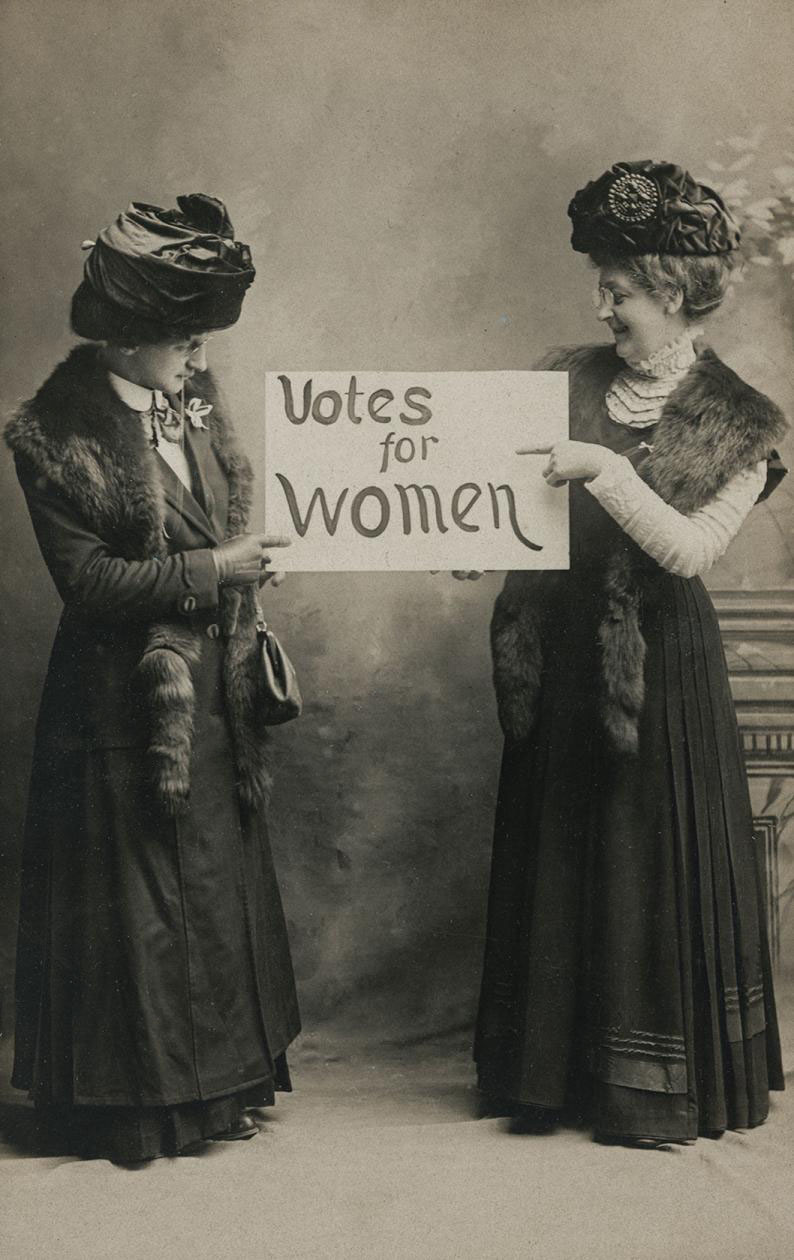


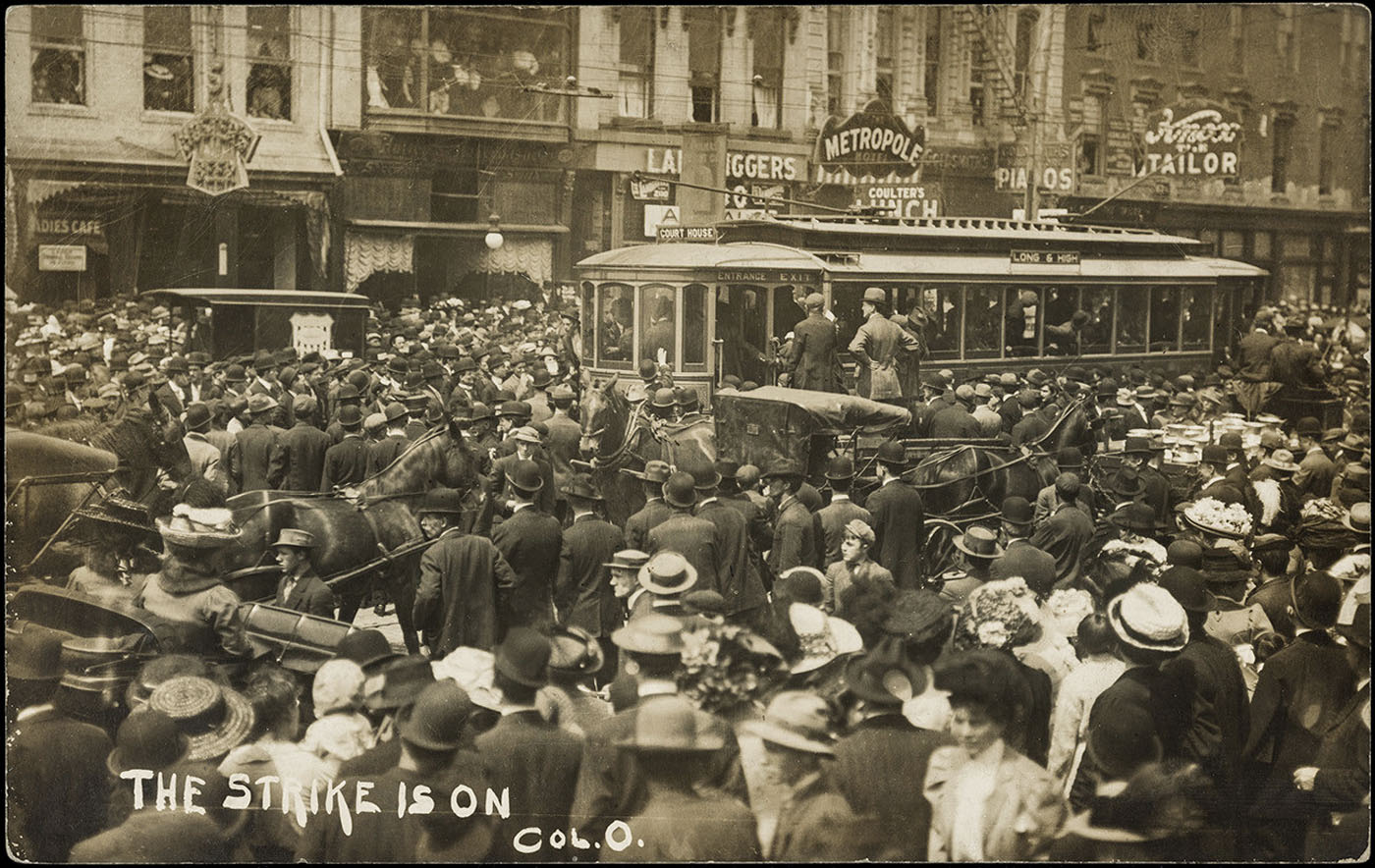


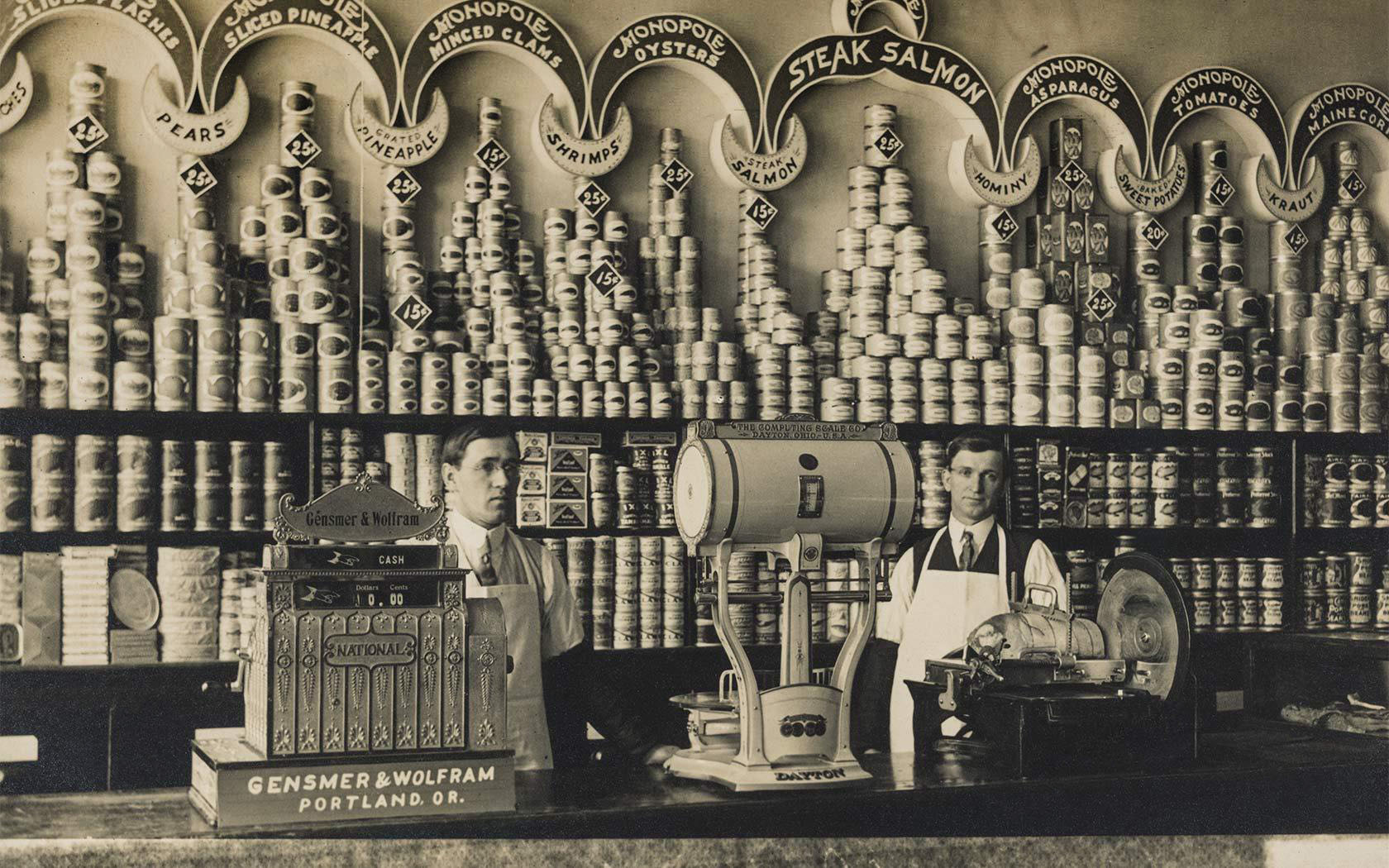


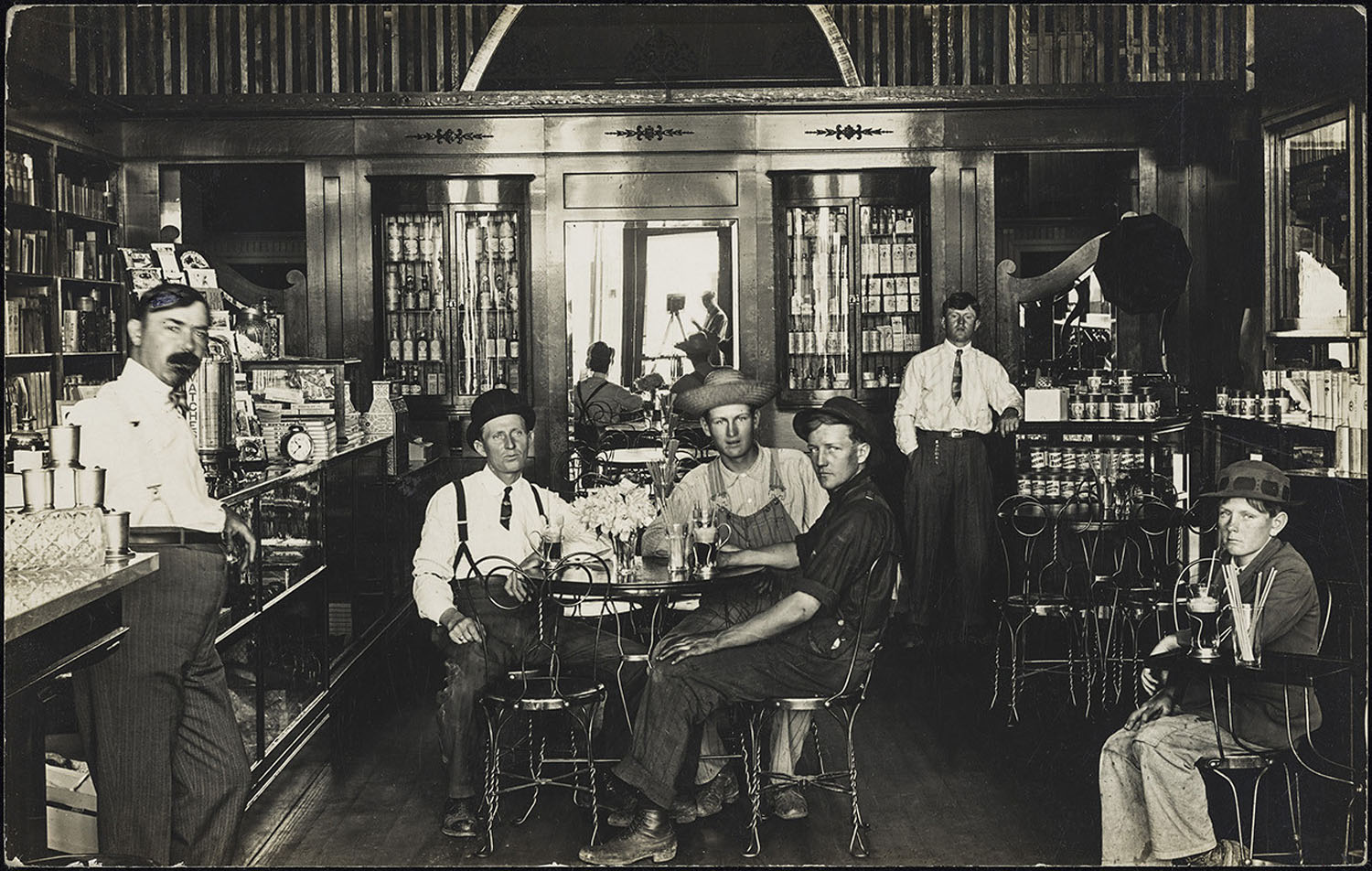

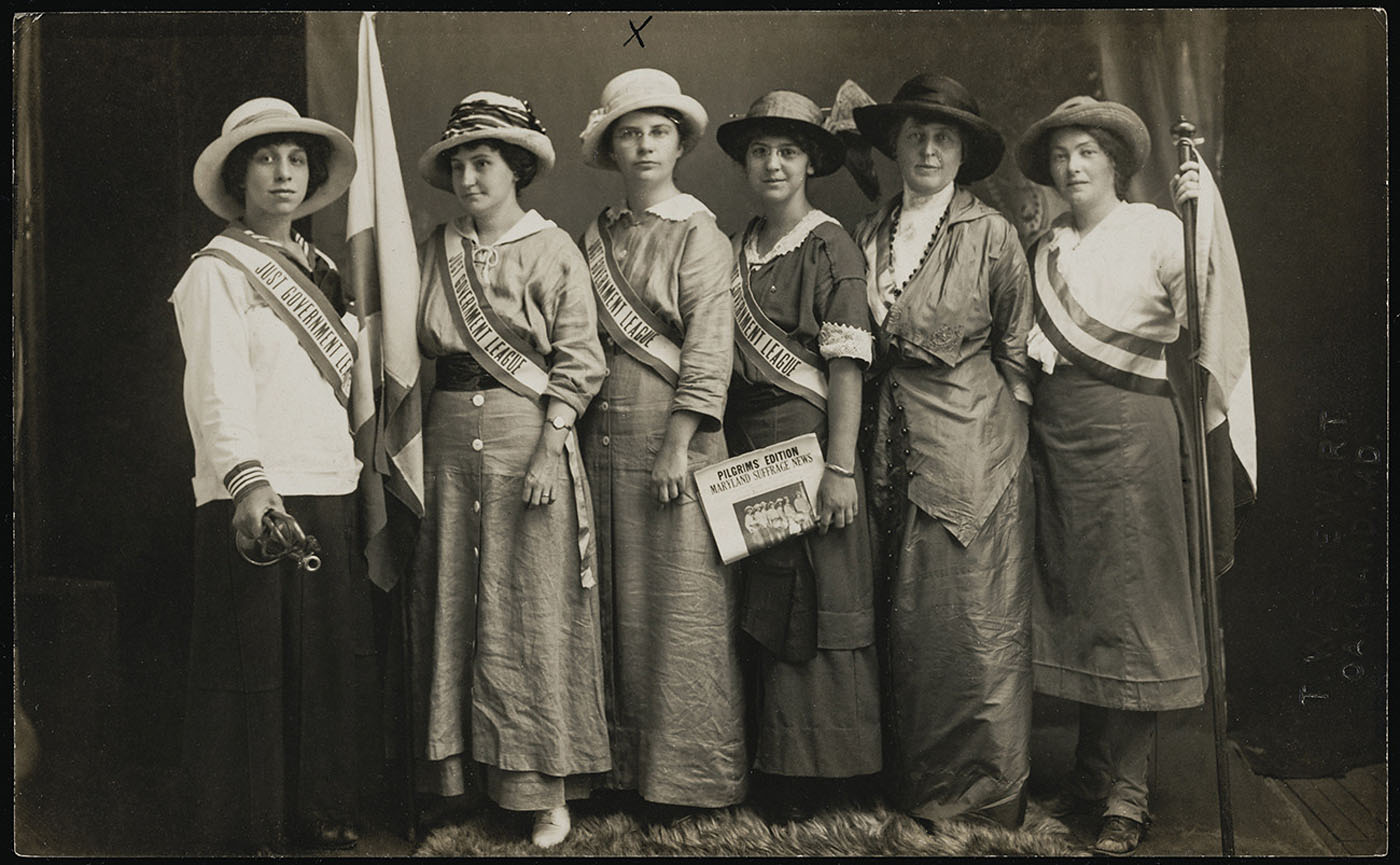


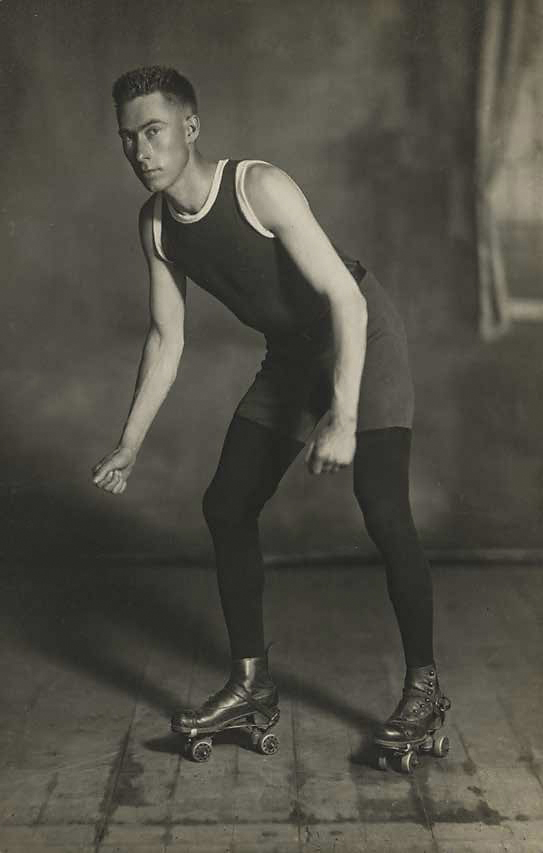
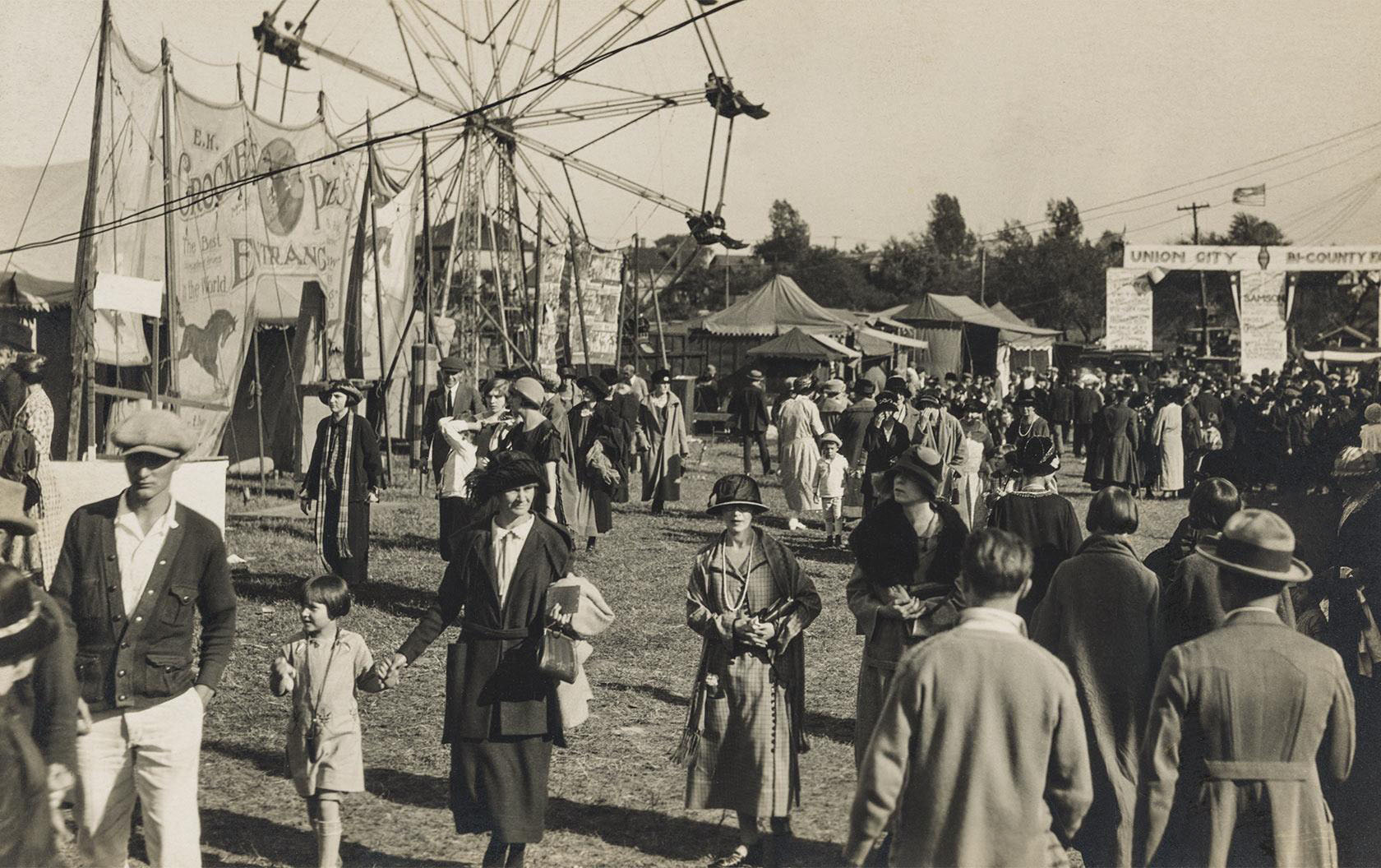


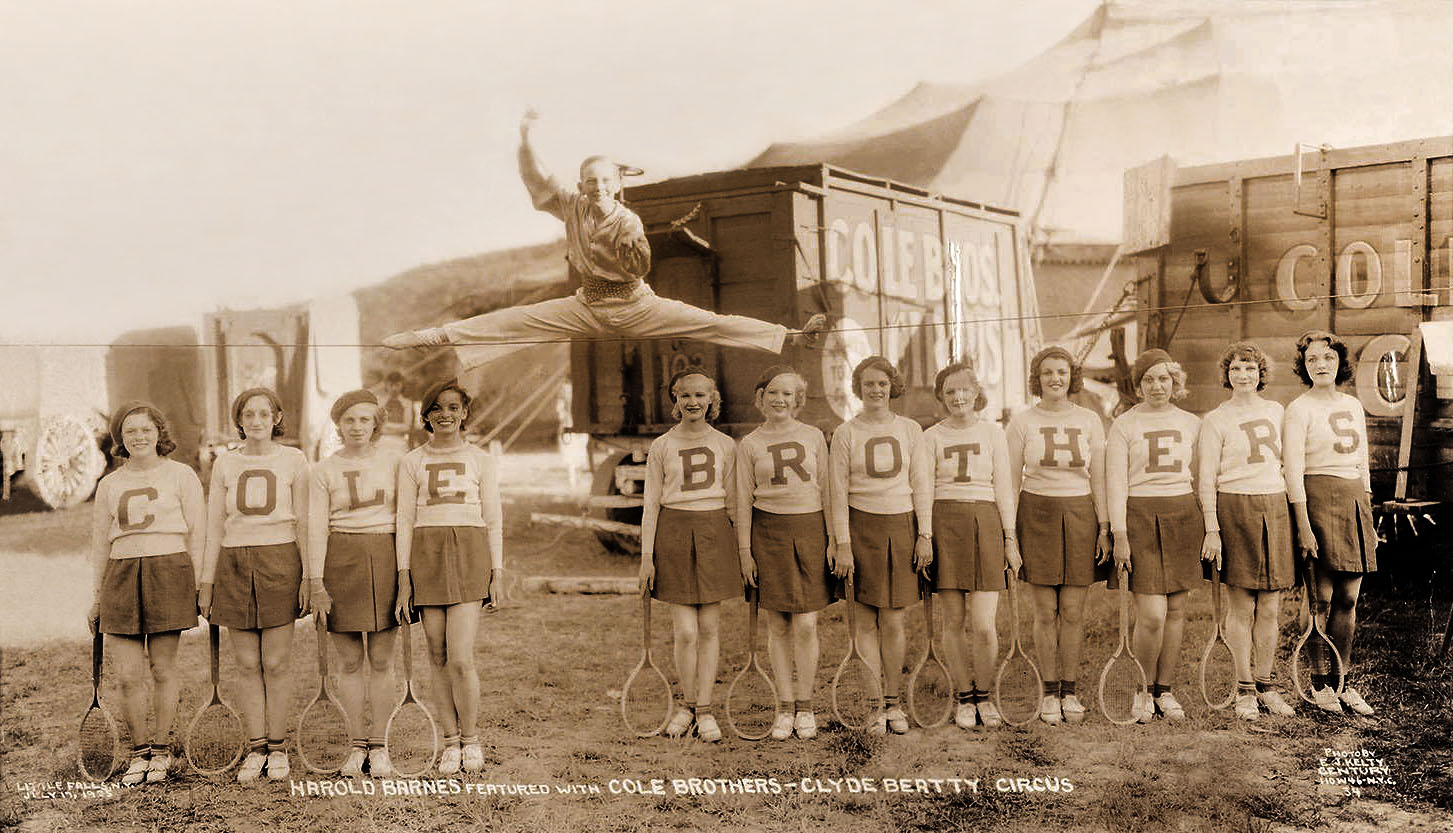
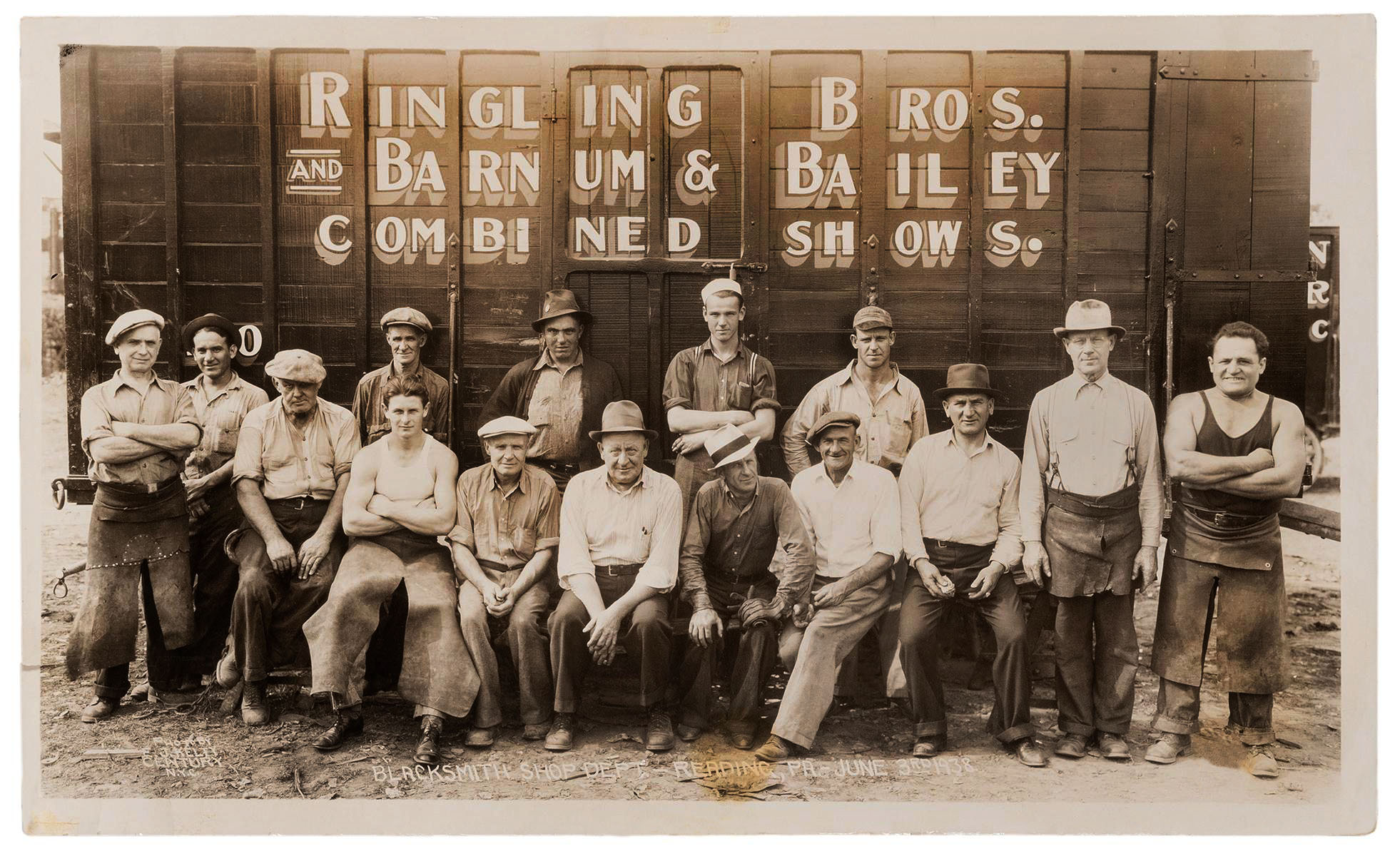

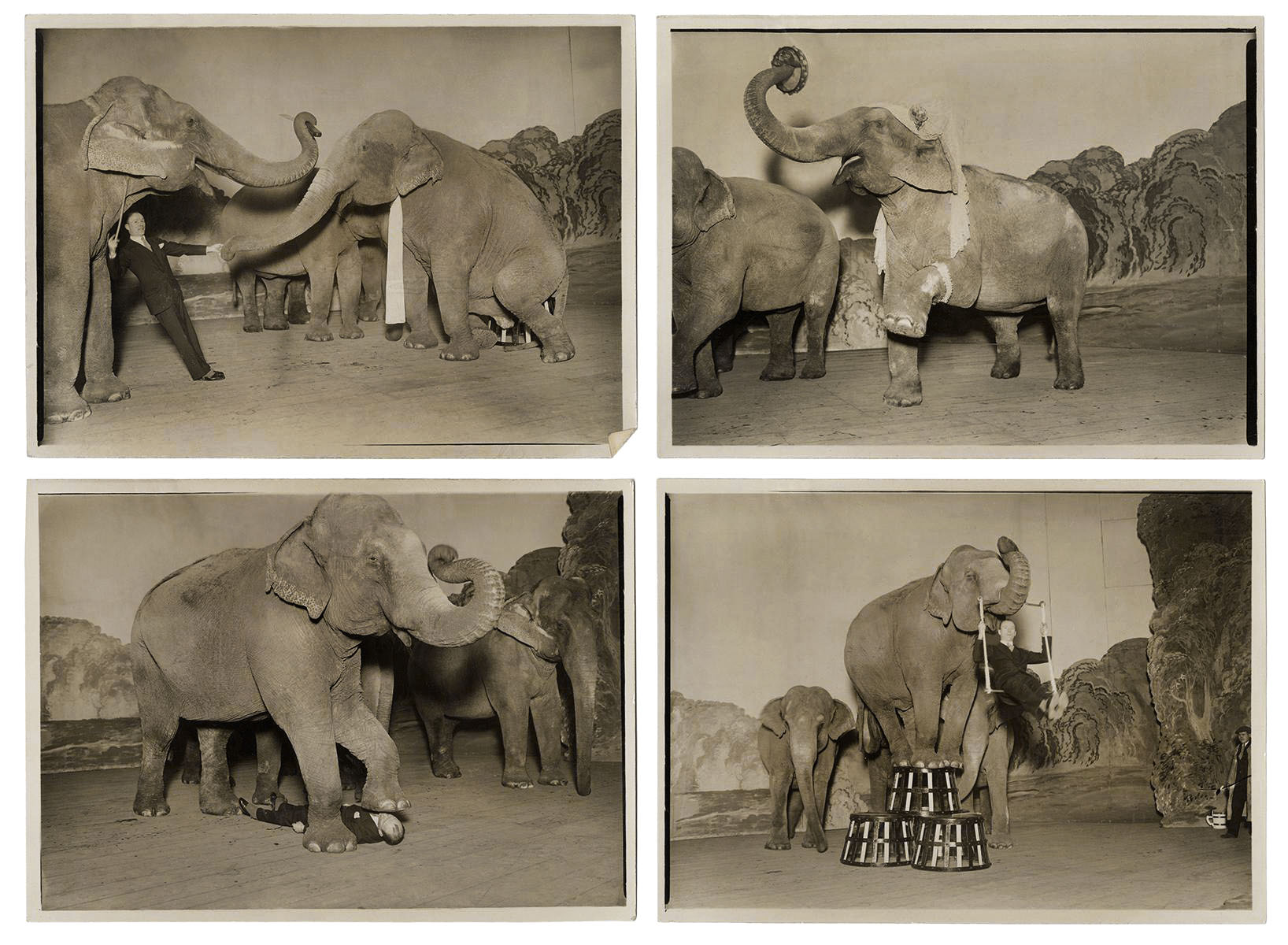
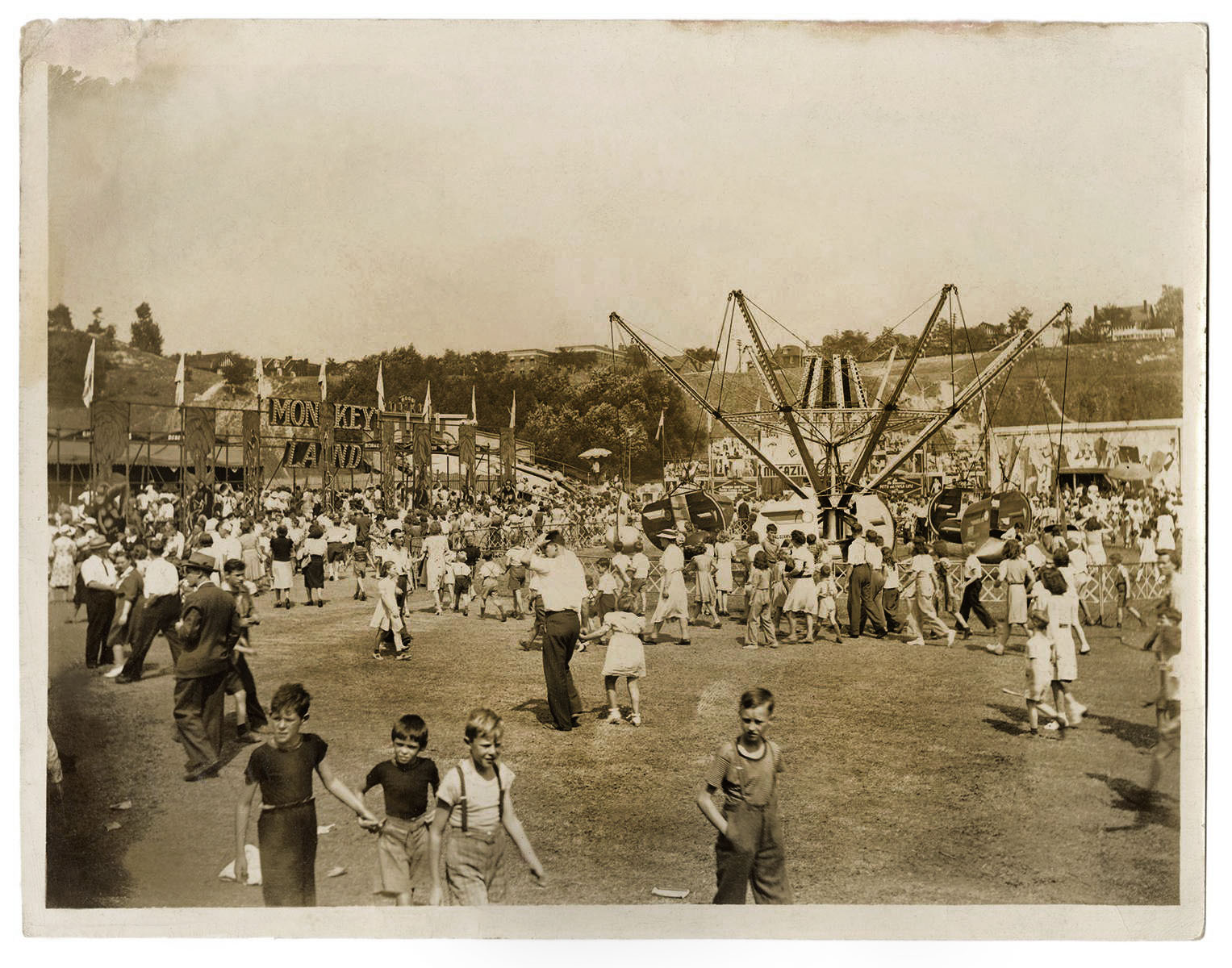
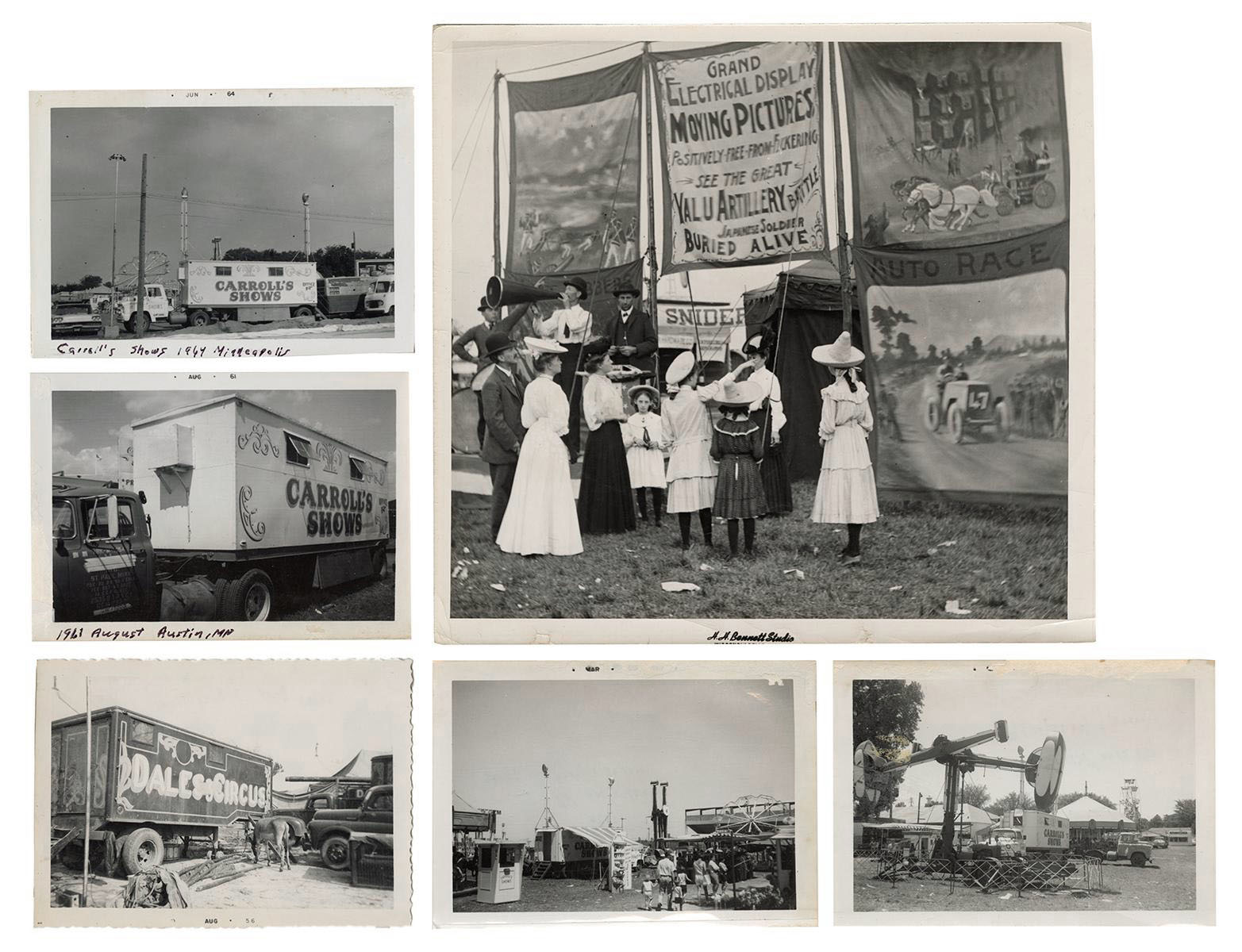
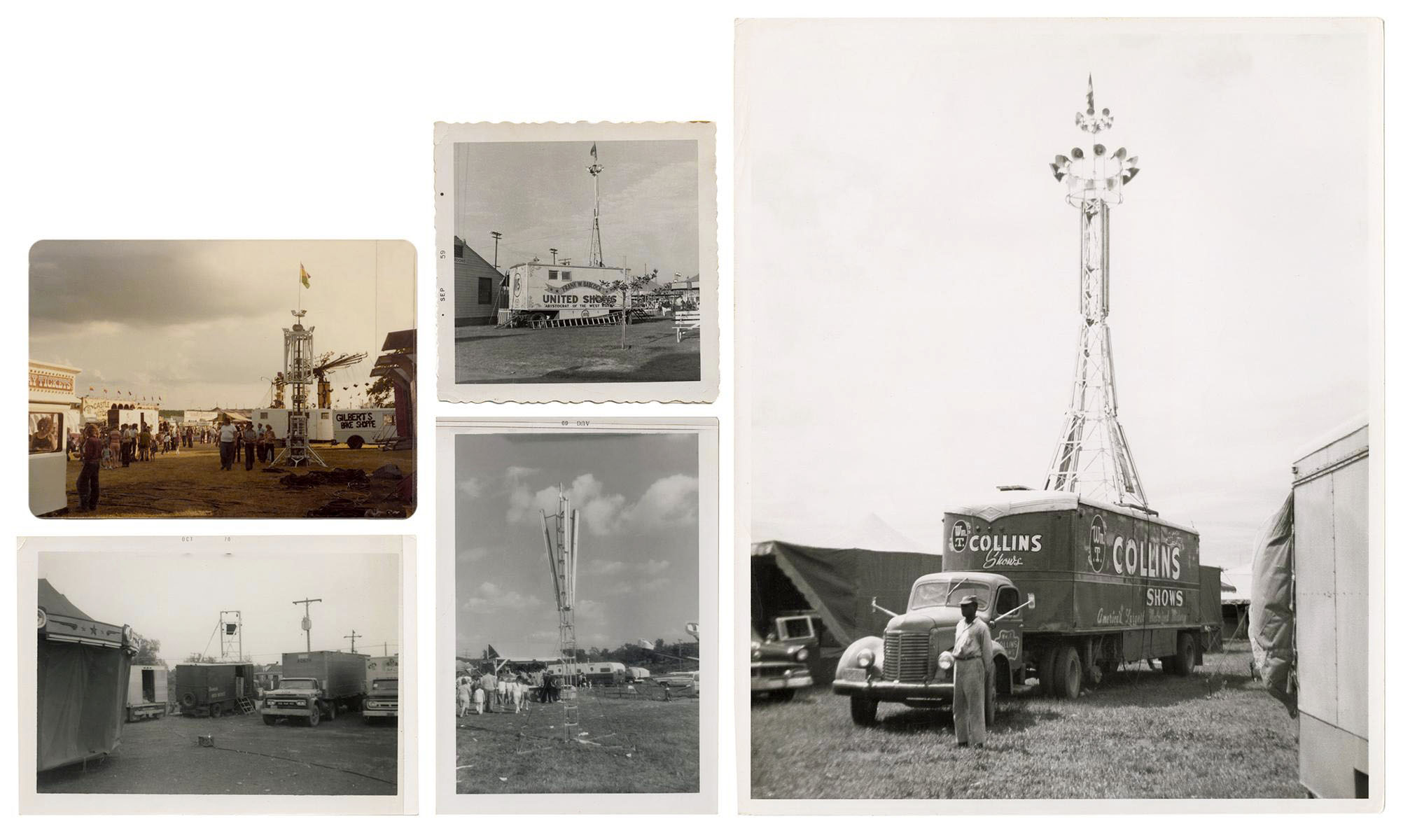

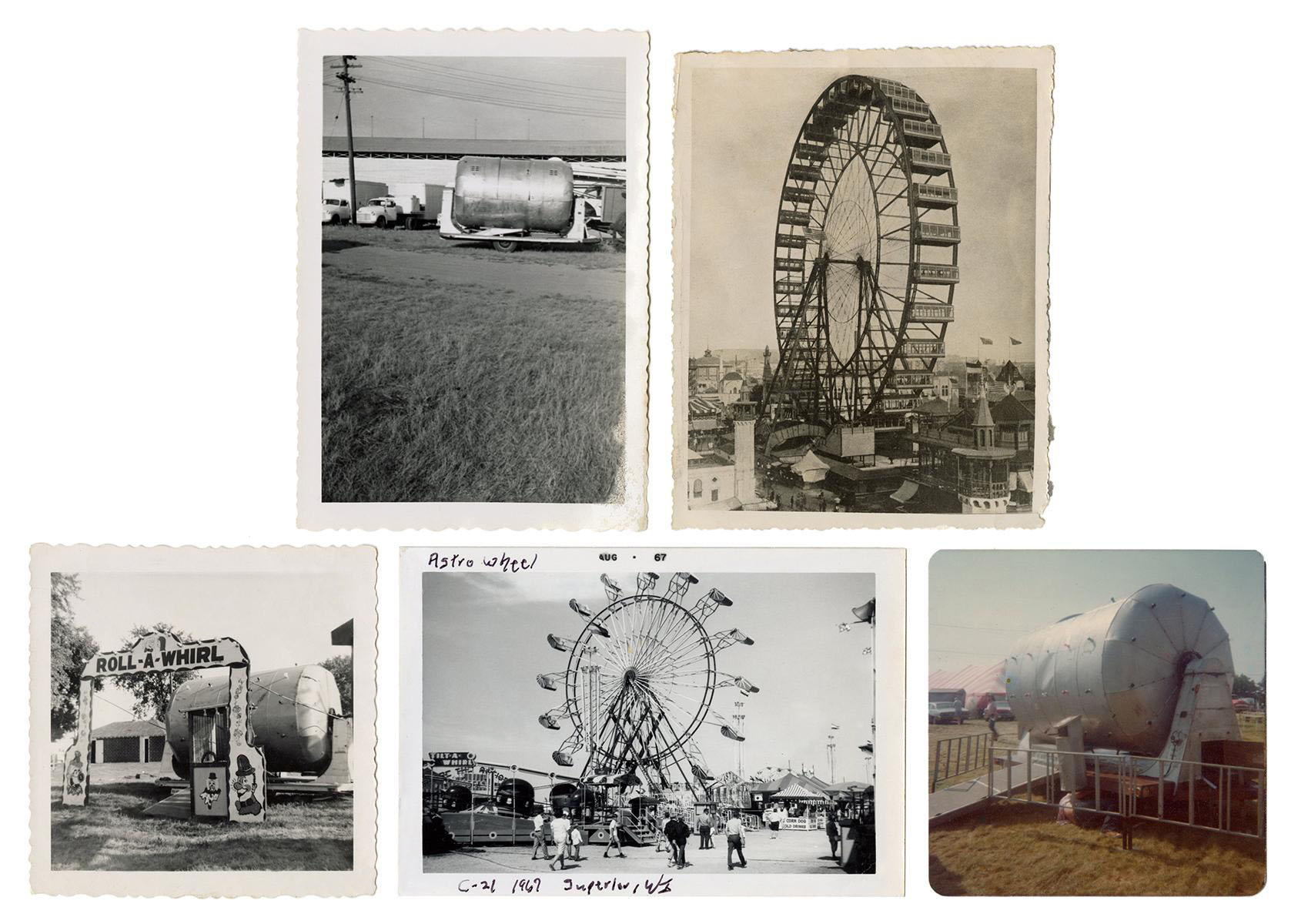


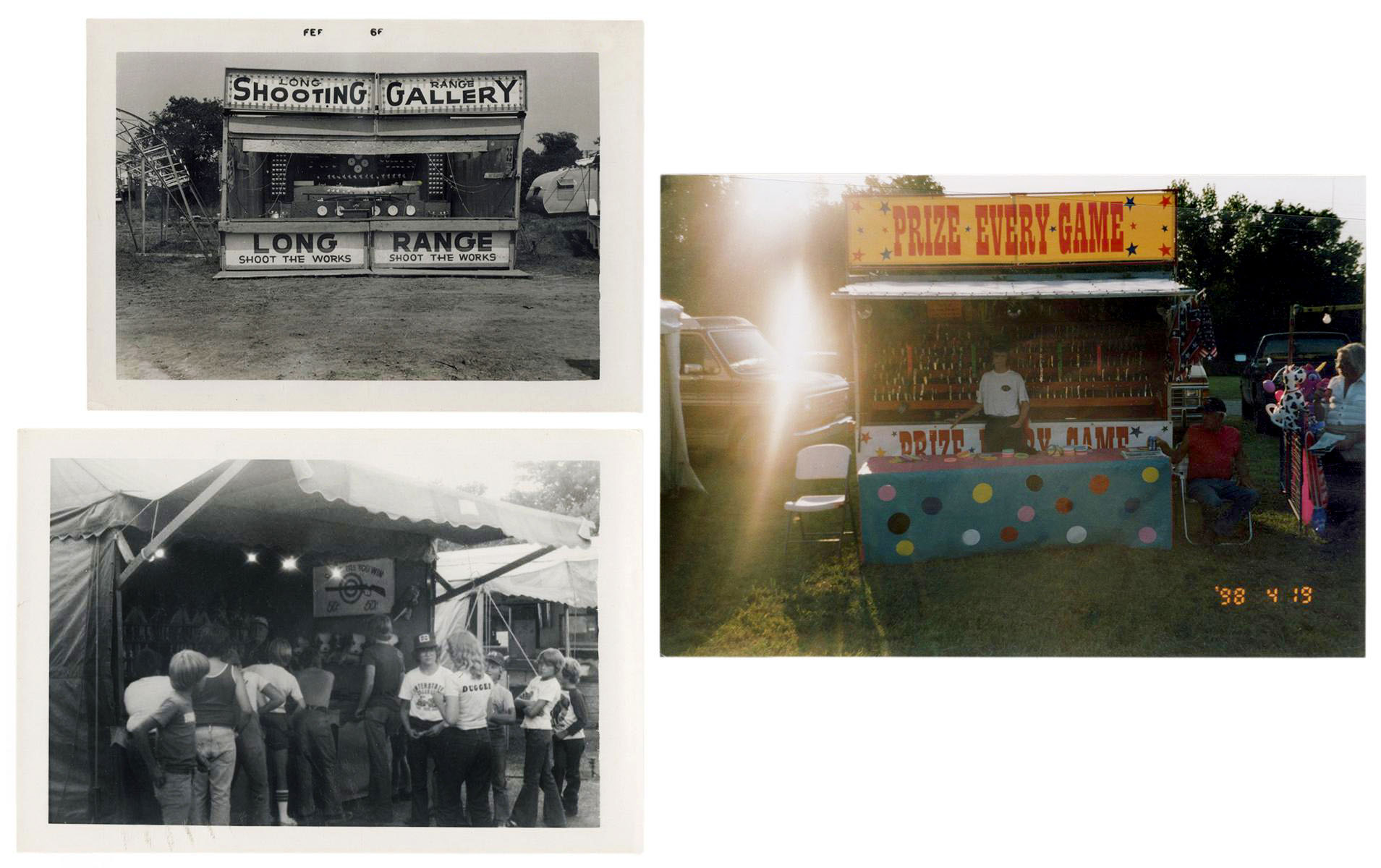

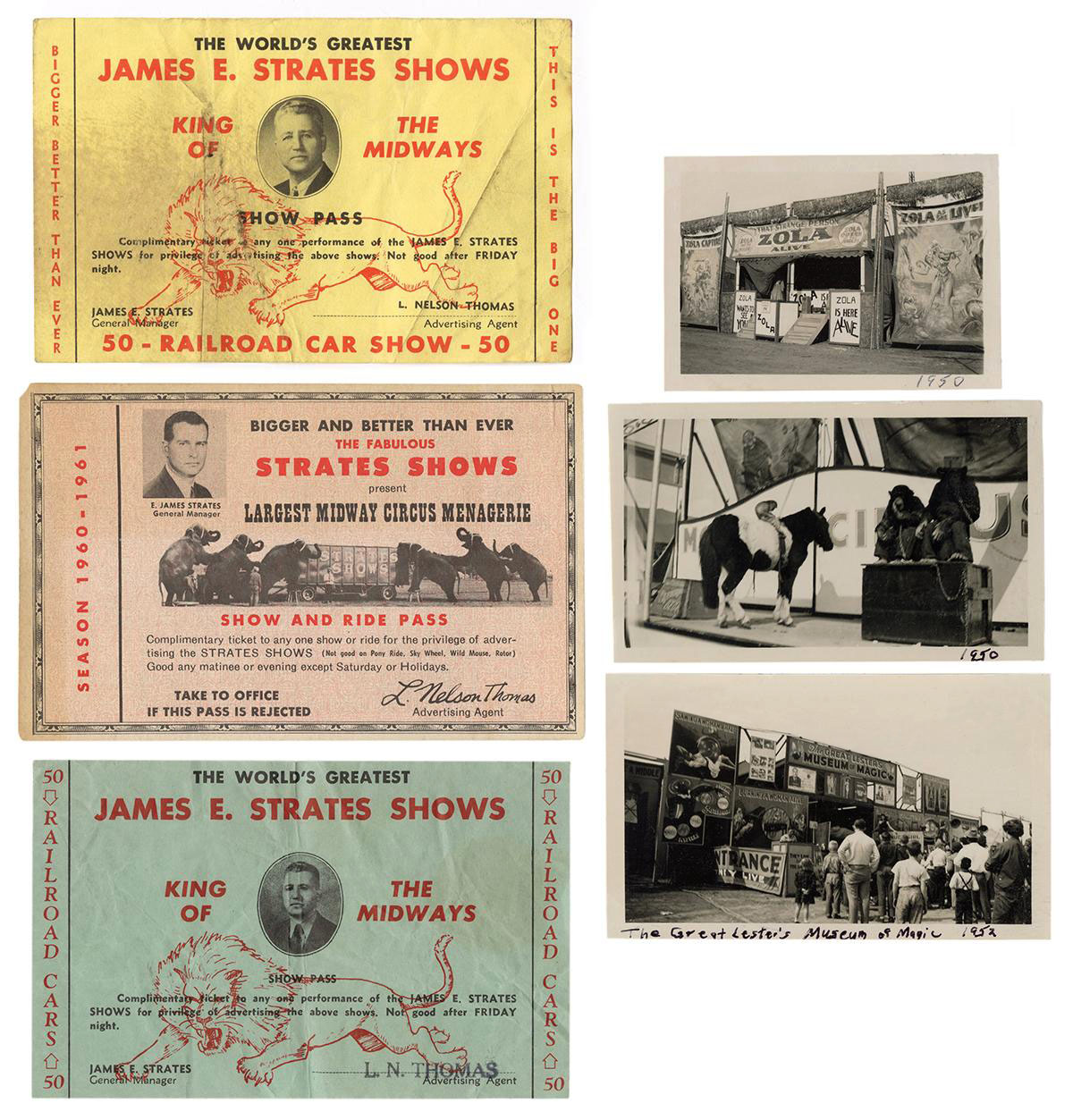


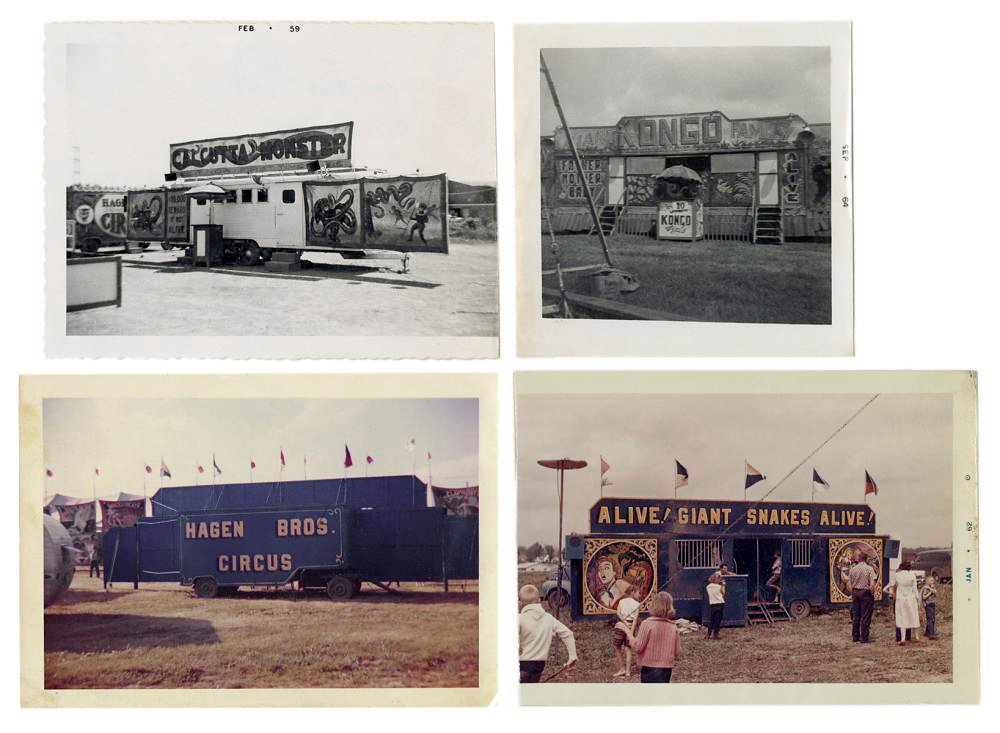
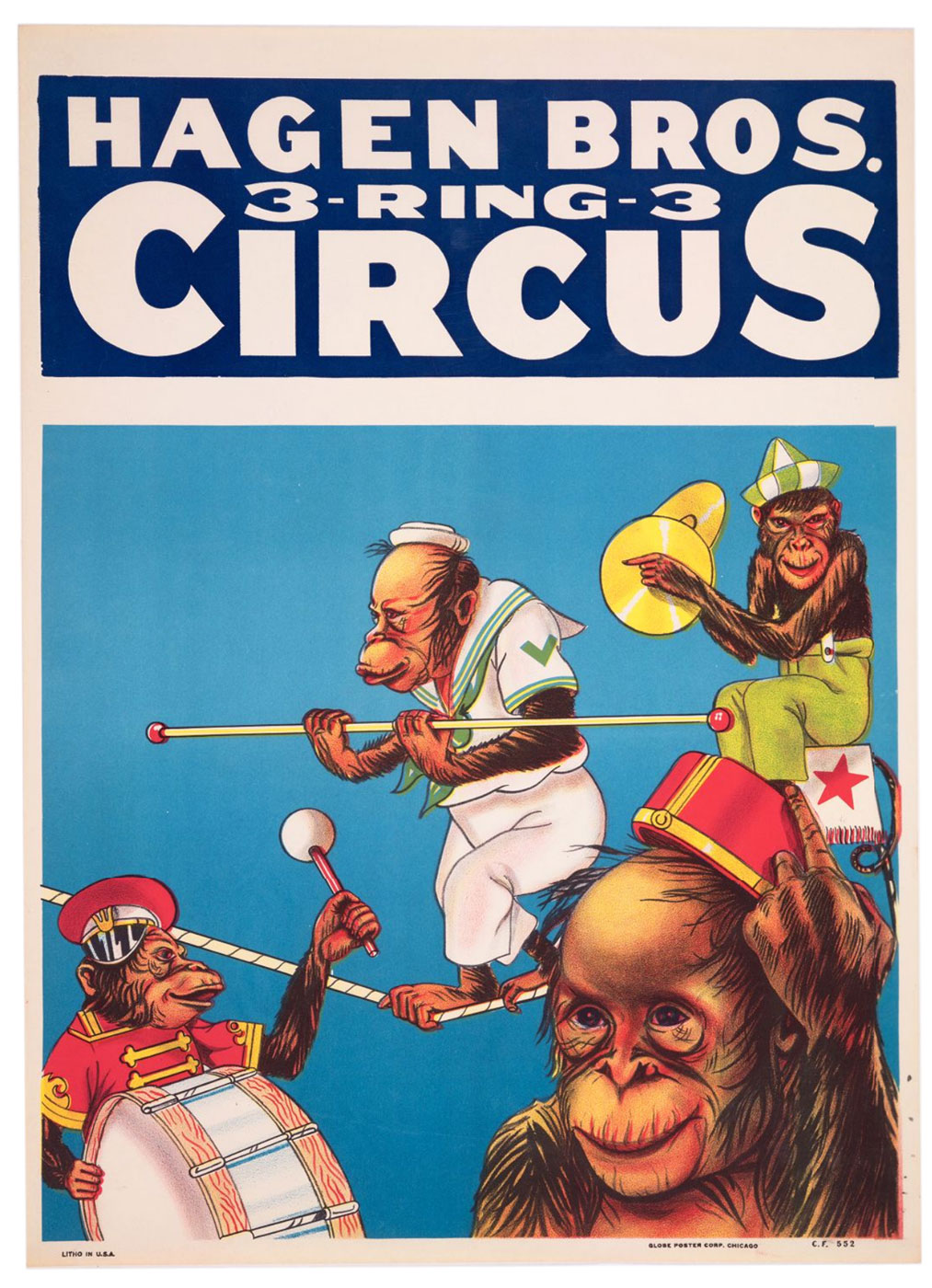
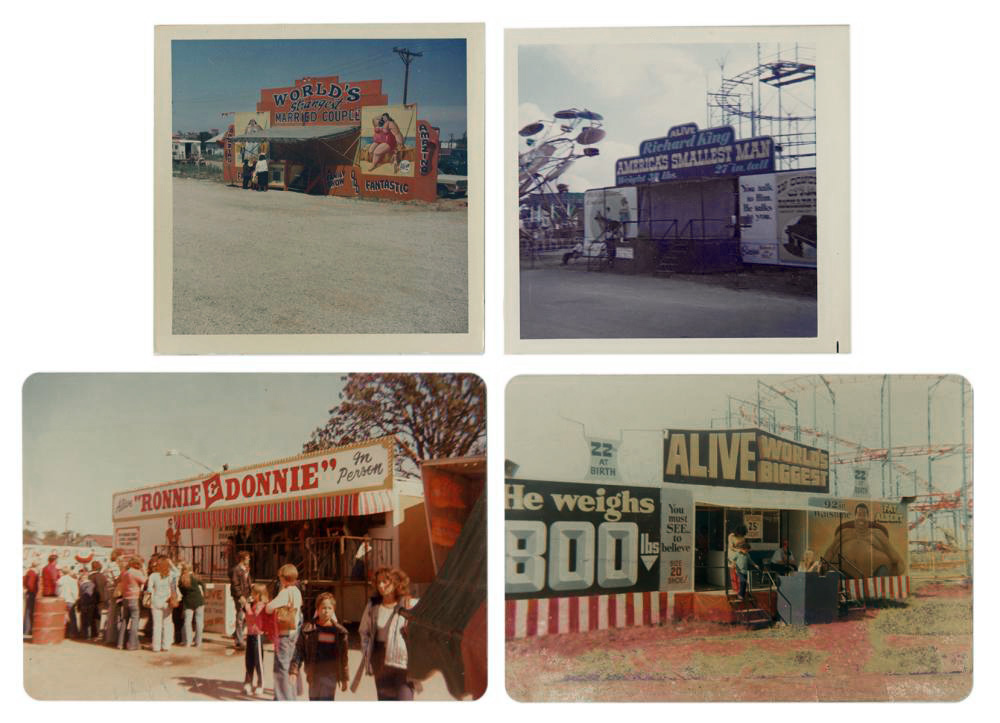


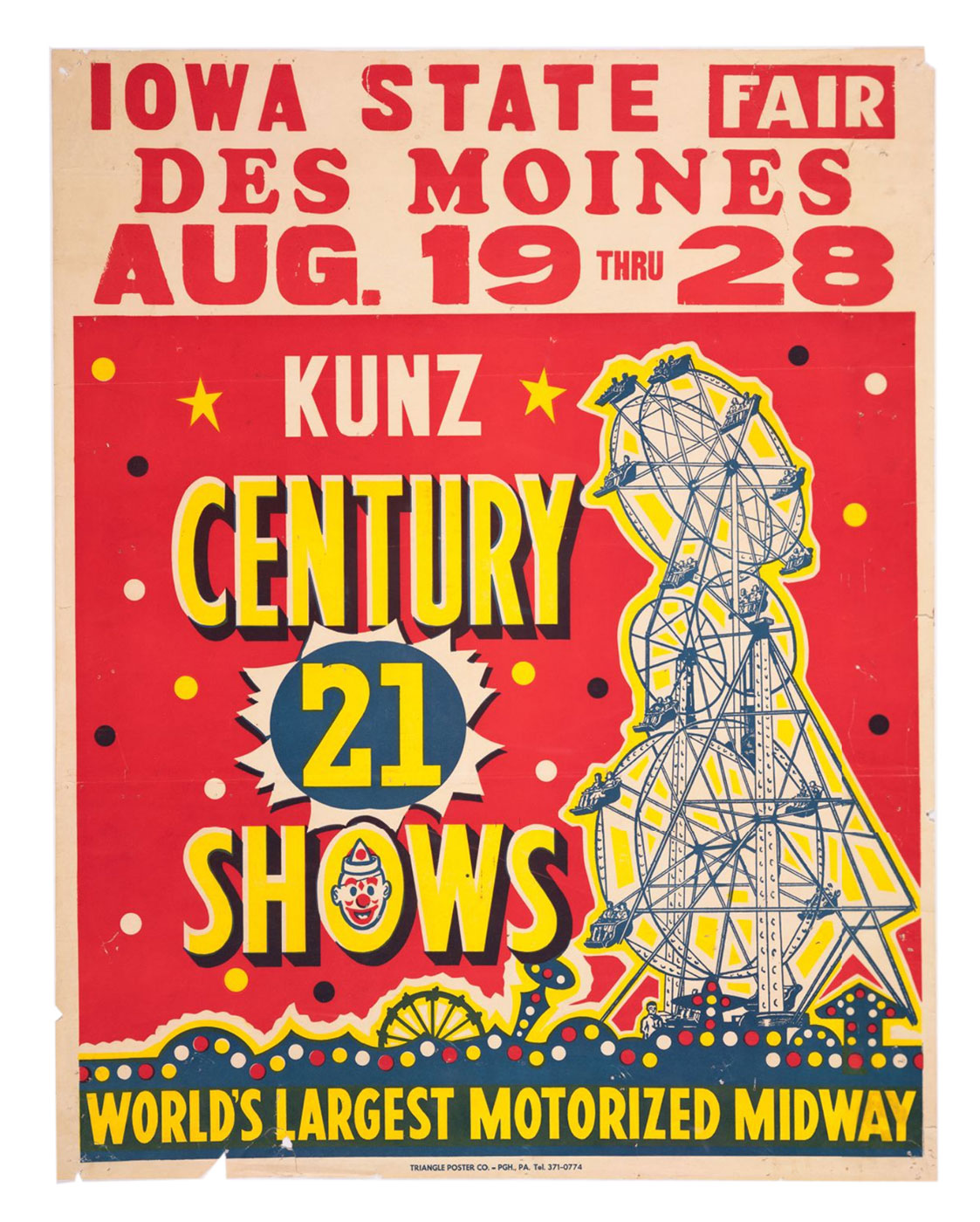


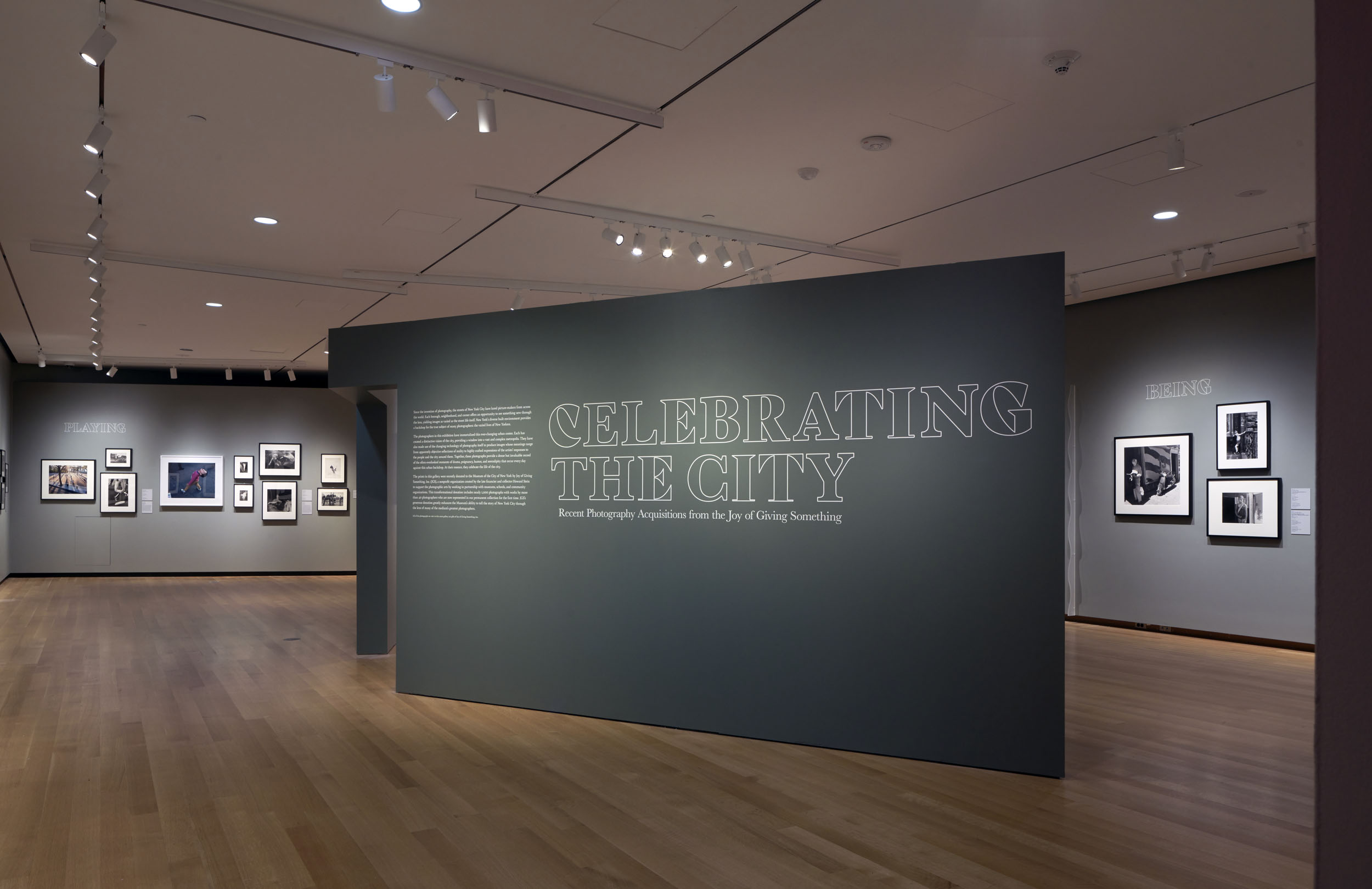
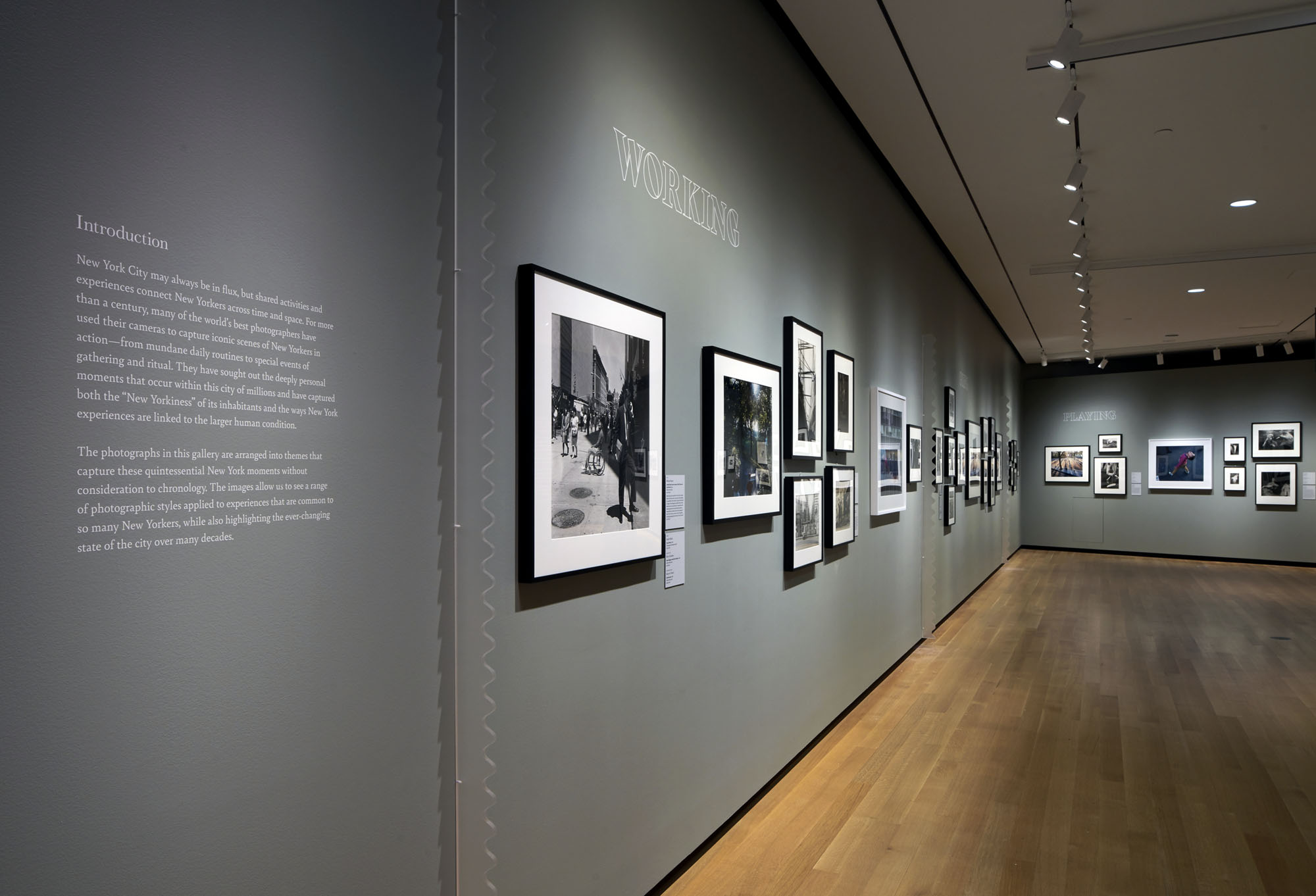
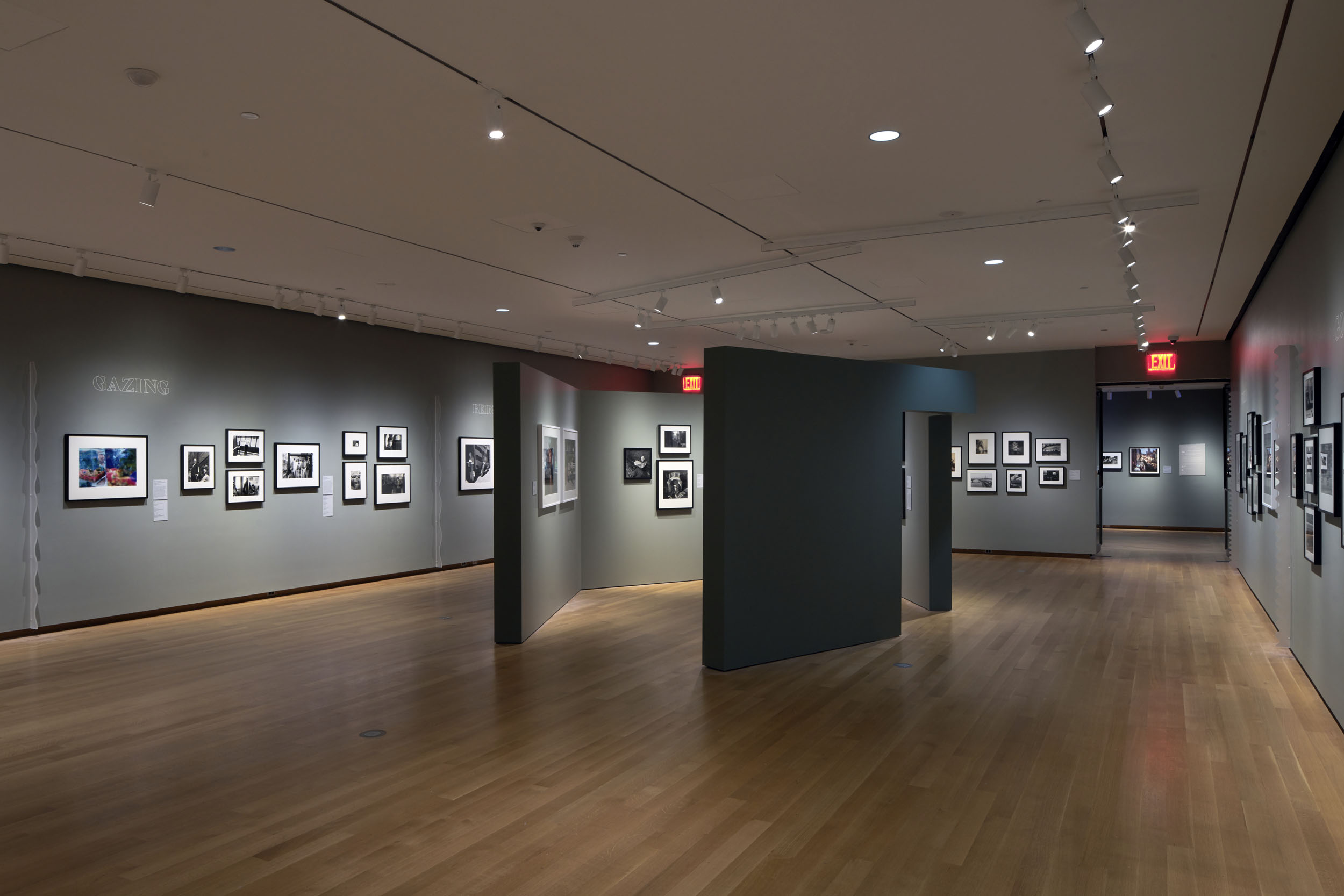
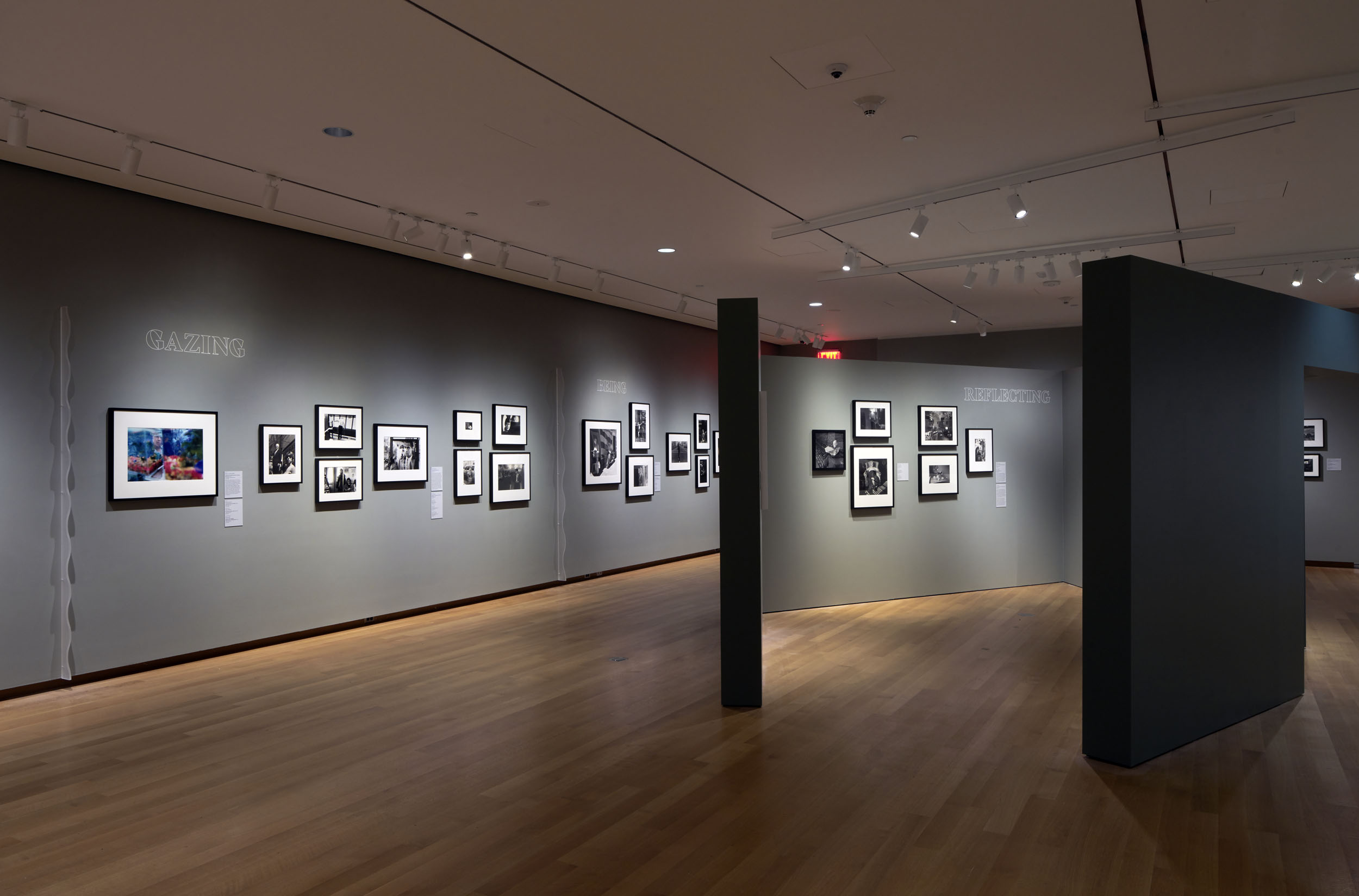
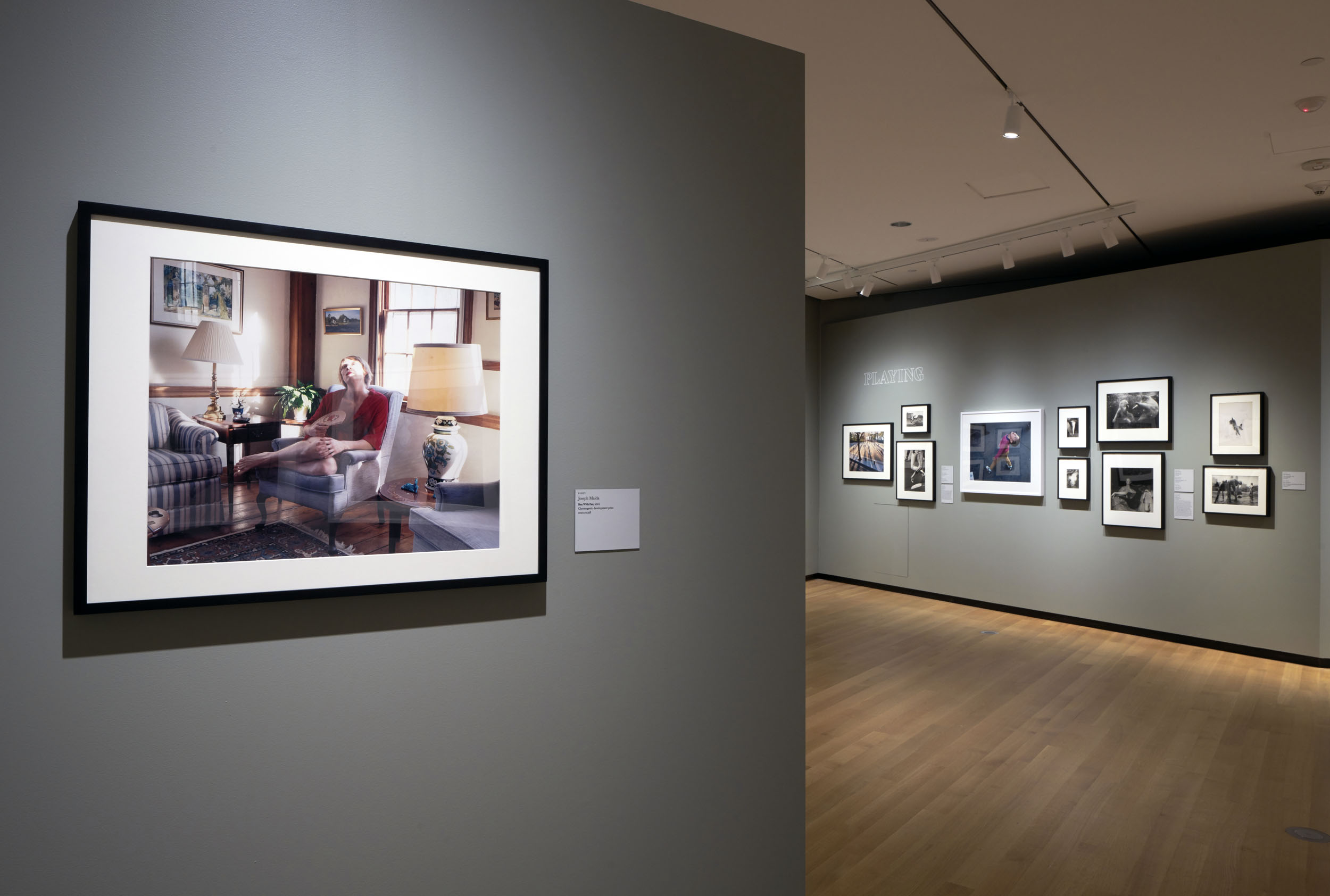
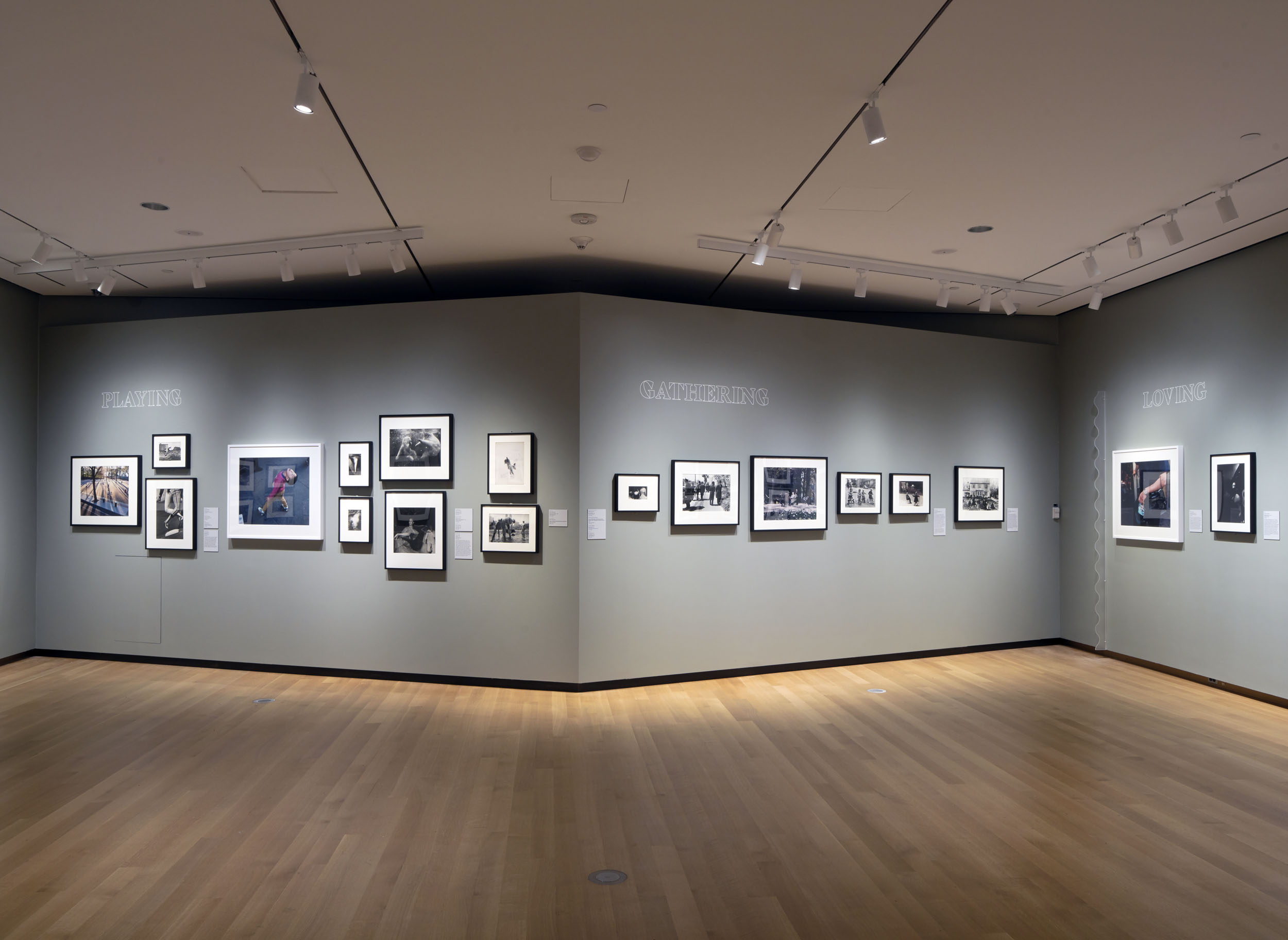
![Installation view of the exhibition 'Celebrating the City: Recent Acquisitions from the Joy of Giving Something' at the Museum of the City of New York showing at right, Mitch Epstein's 'Untitled [New York #3]' 1995](https://artblart.com/wp-content/uploads/2022/03/blf-2022-mcny-celebratingthecity-119.jpg "Installation view of the exhibition 'Celebrating the City: Recent Acquisitions from the Joy of Giving Something' at the Museum of the City of New York showing at right, Mitch Epstein's 'Untitled [New York #3]' 1995")
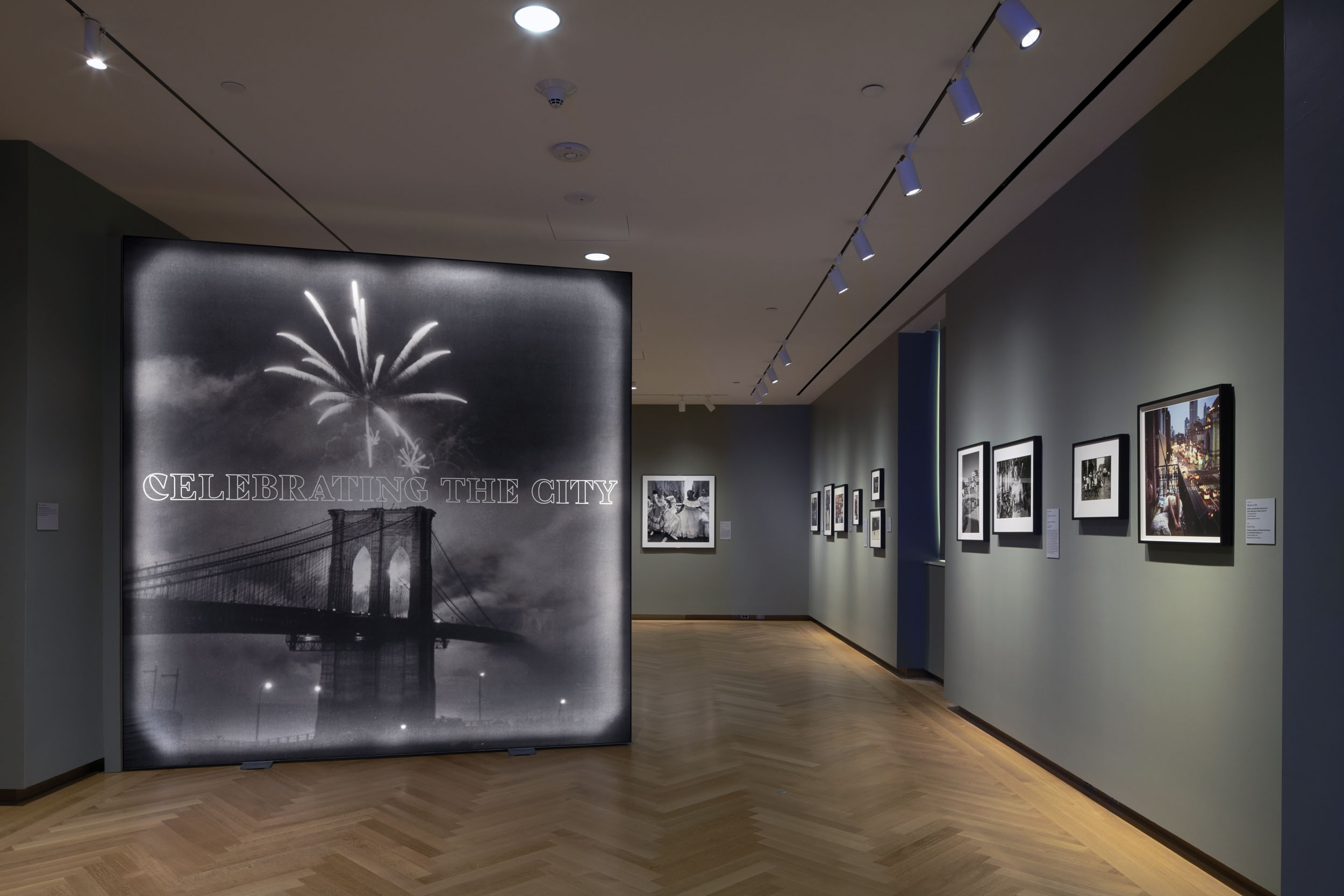
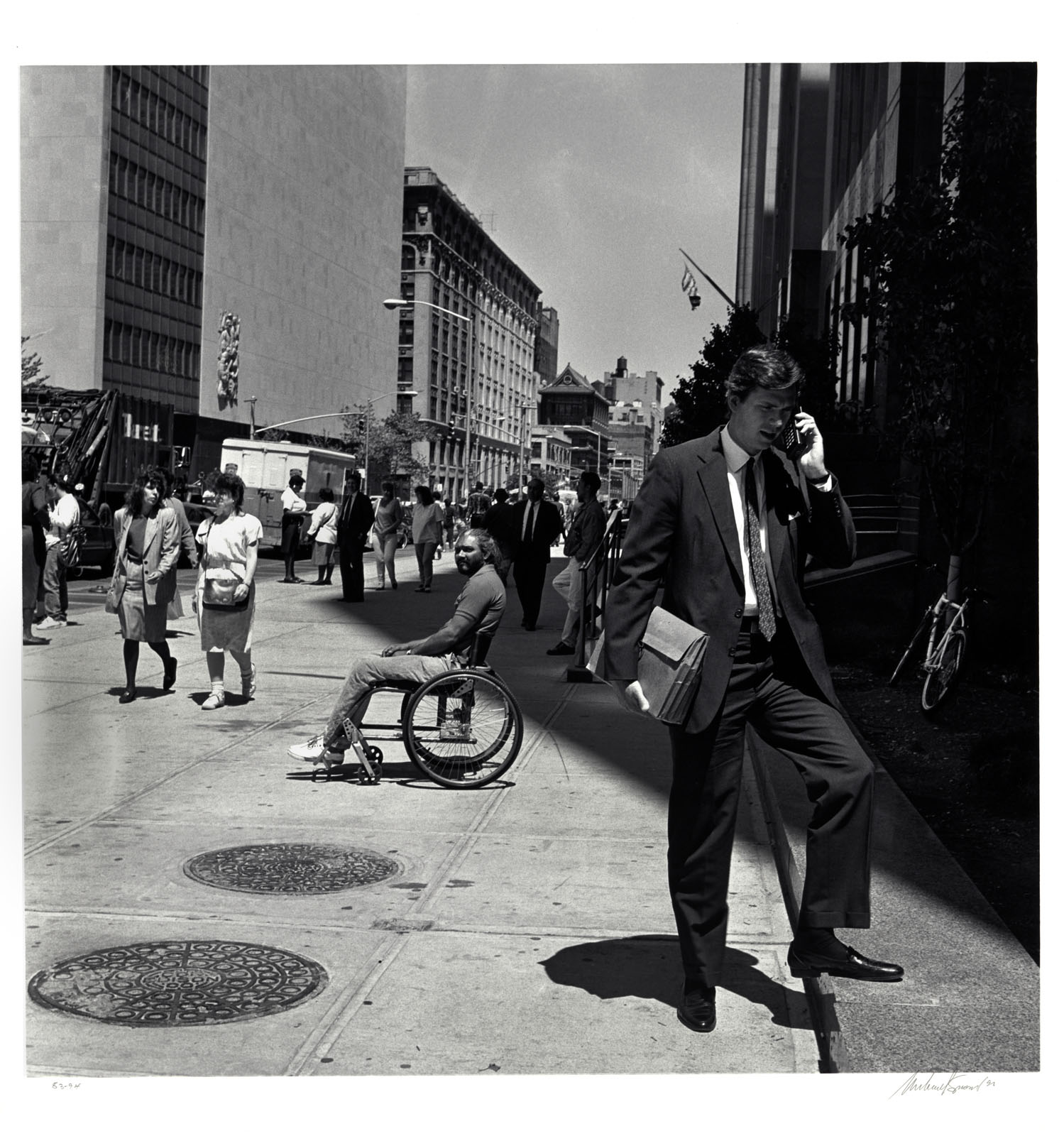
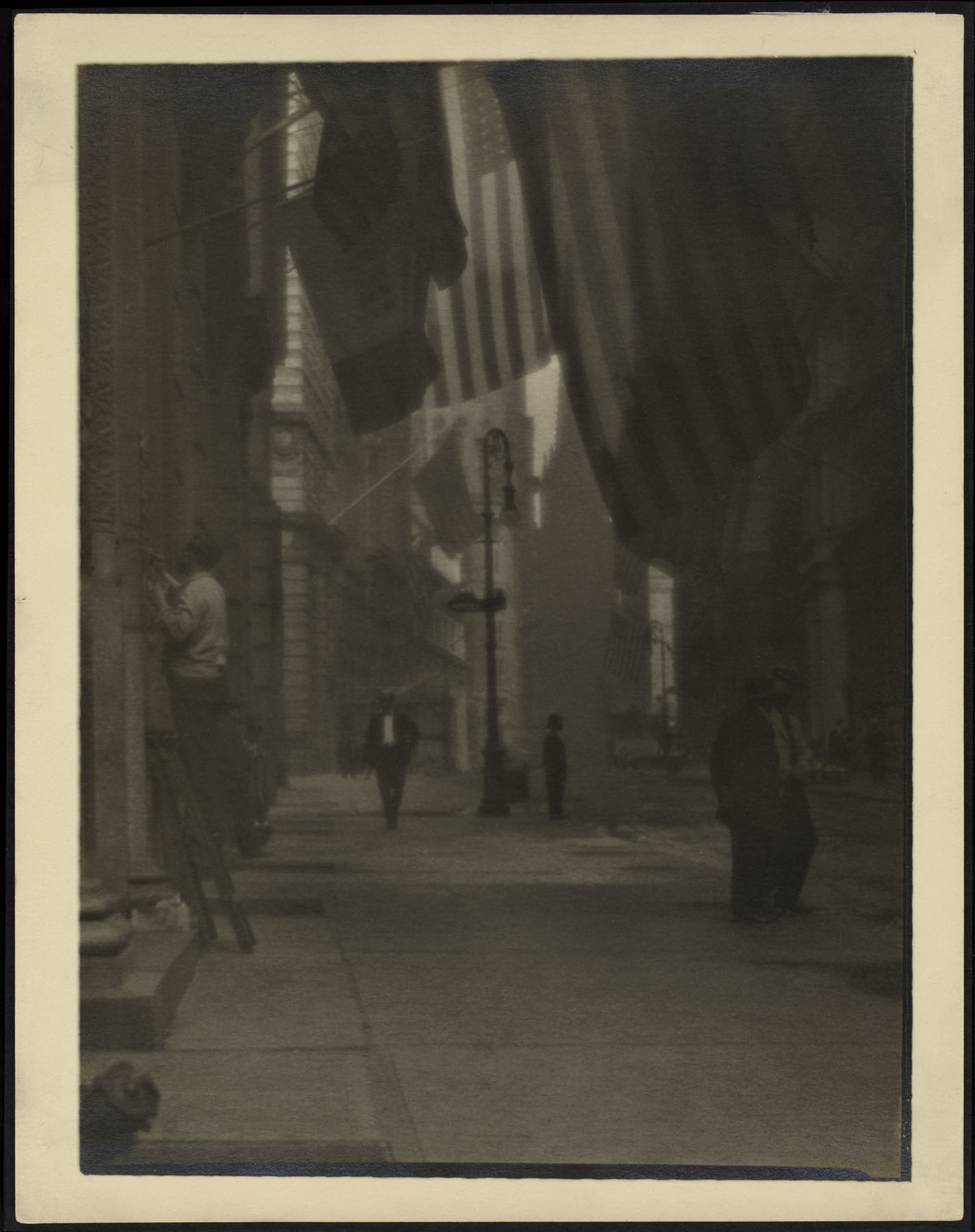
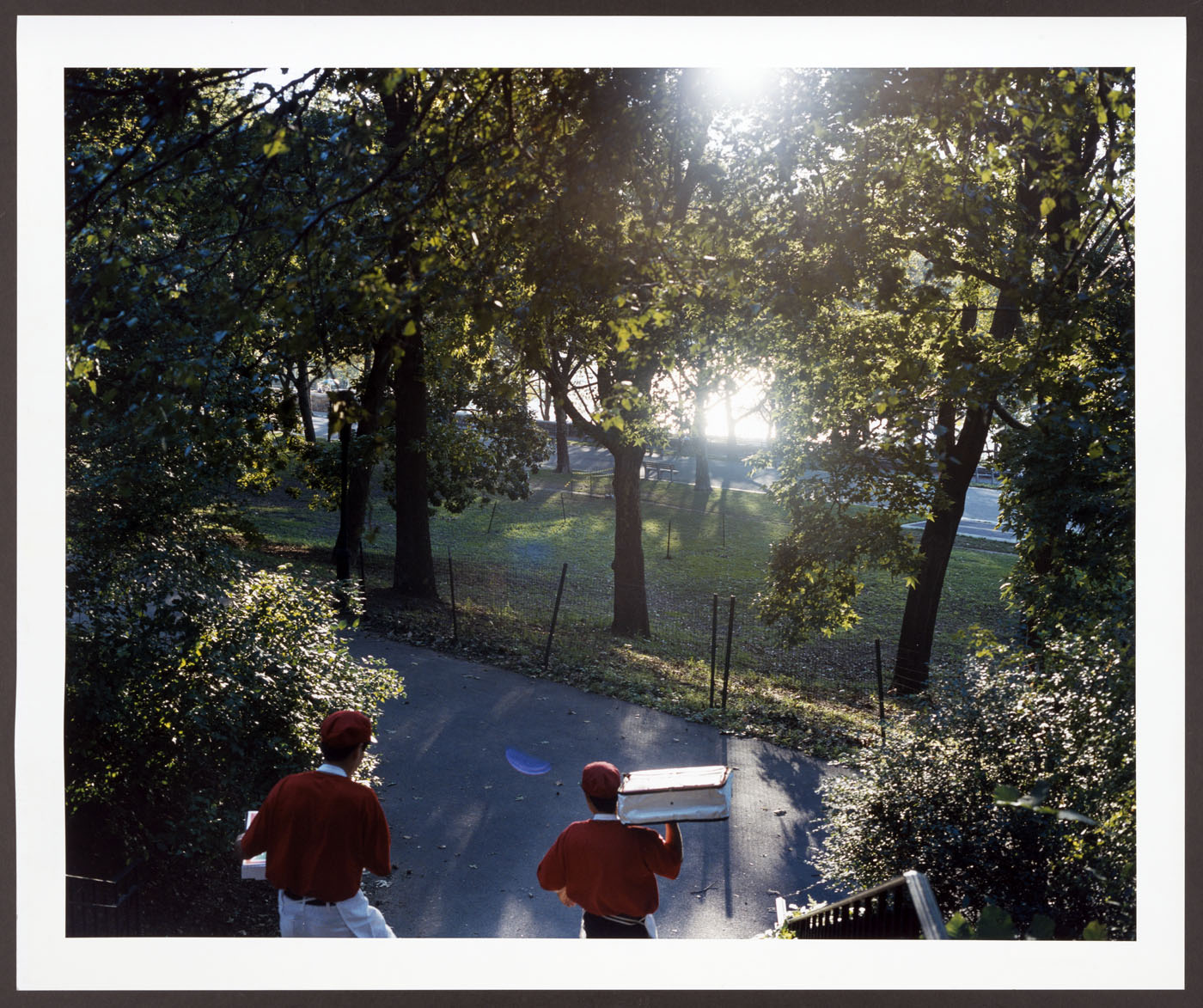
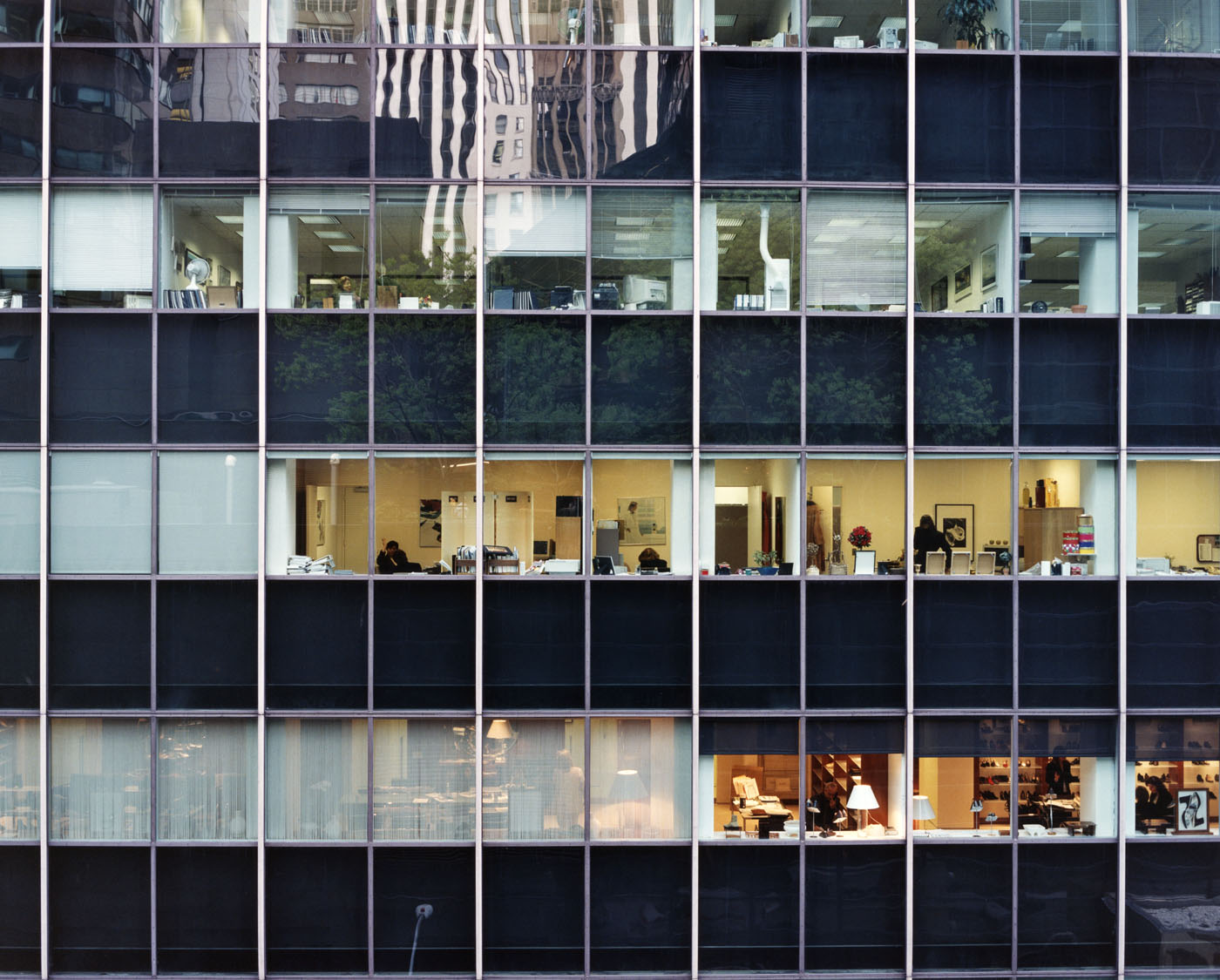
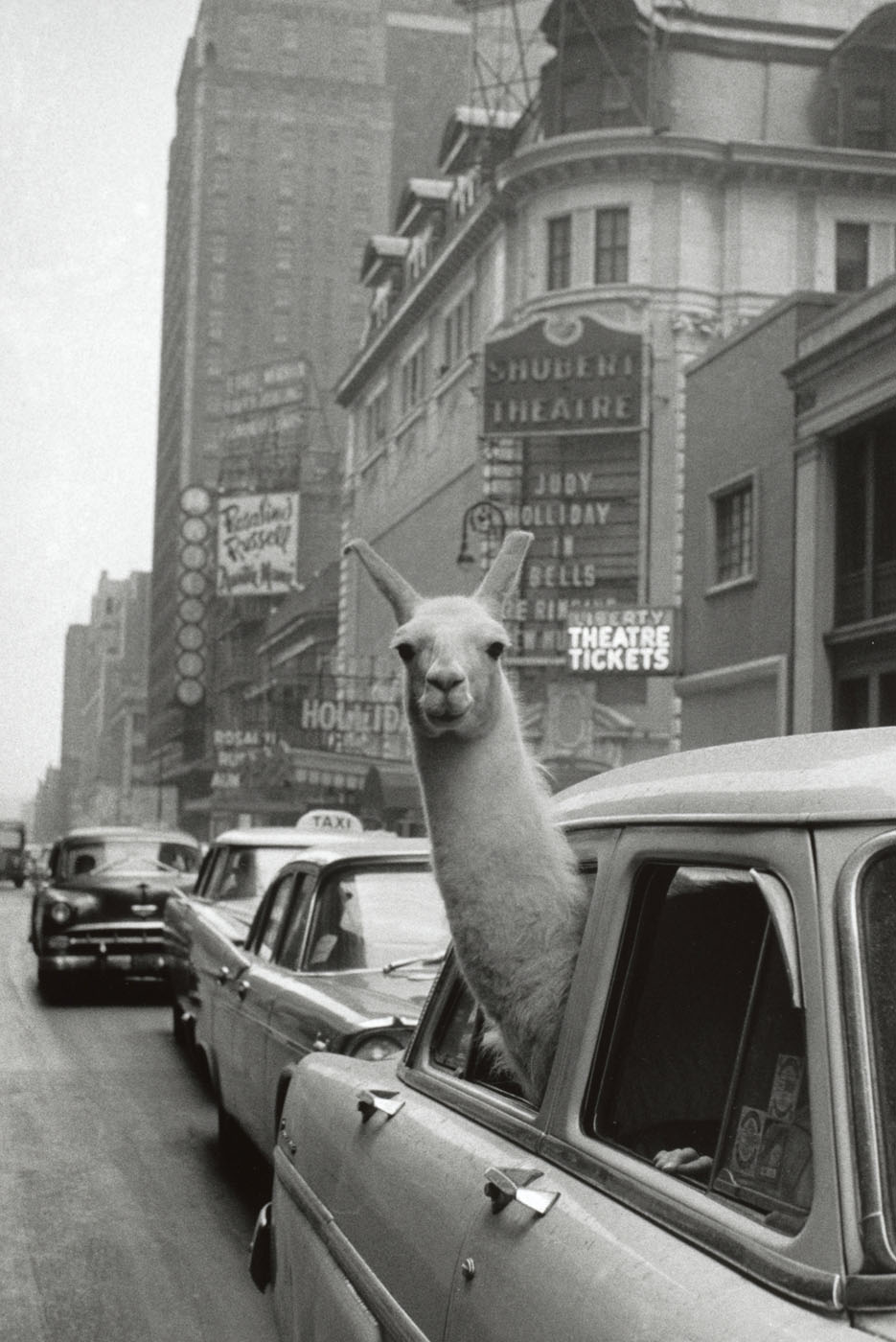
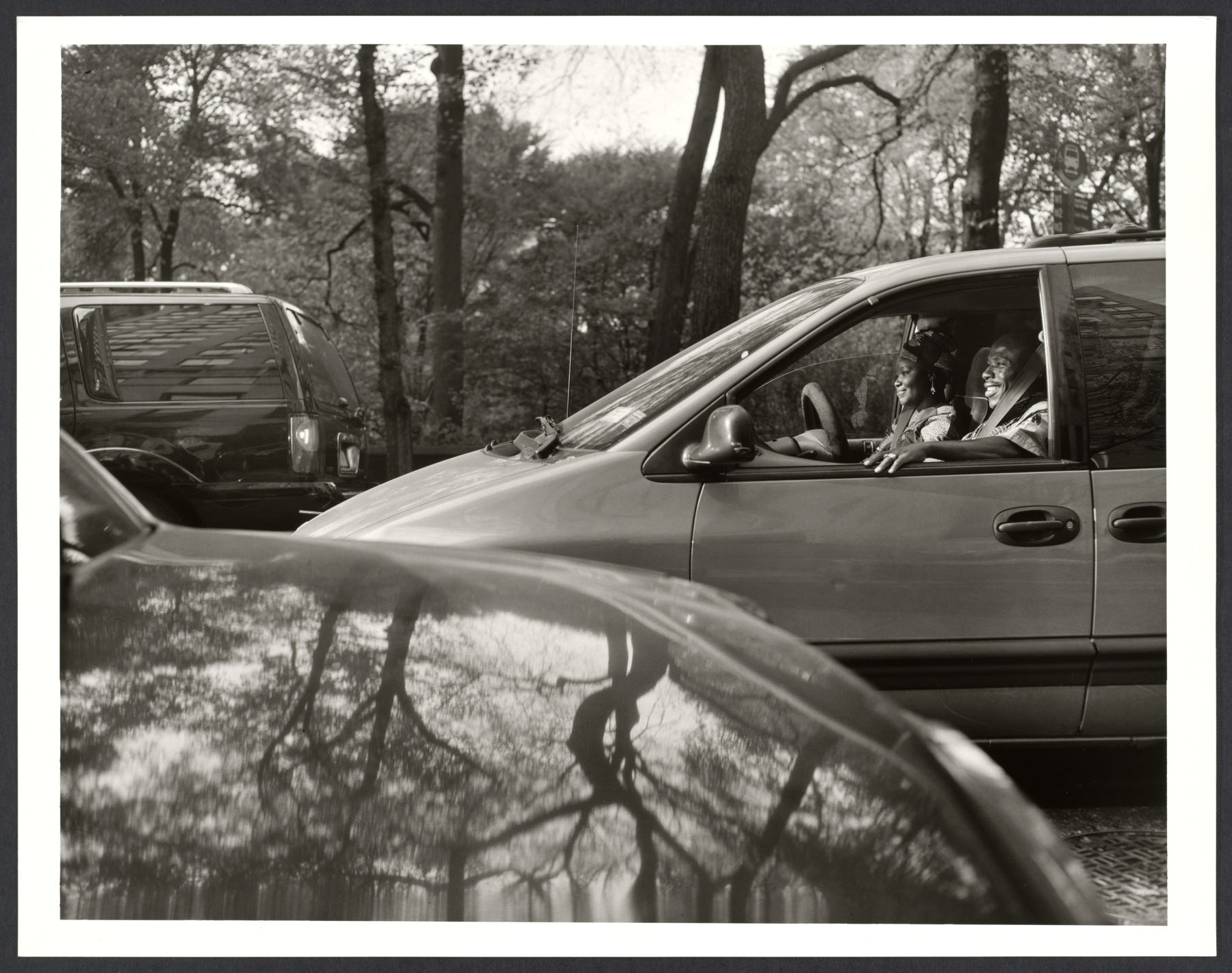
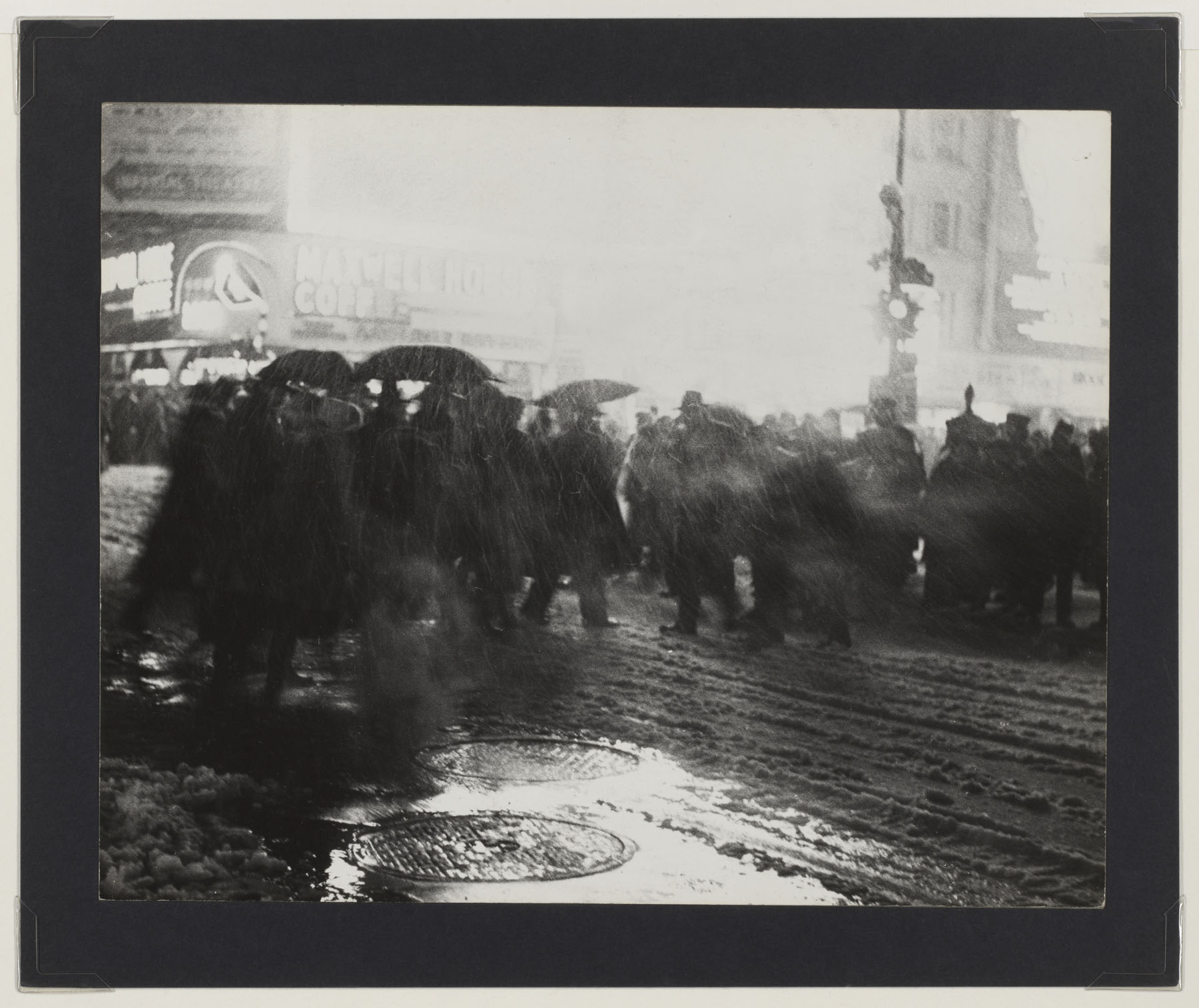
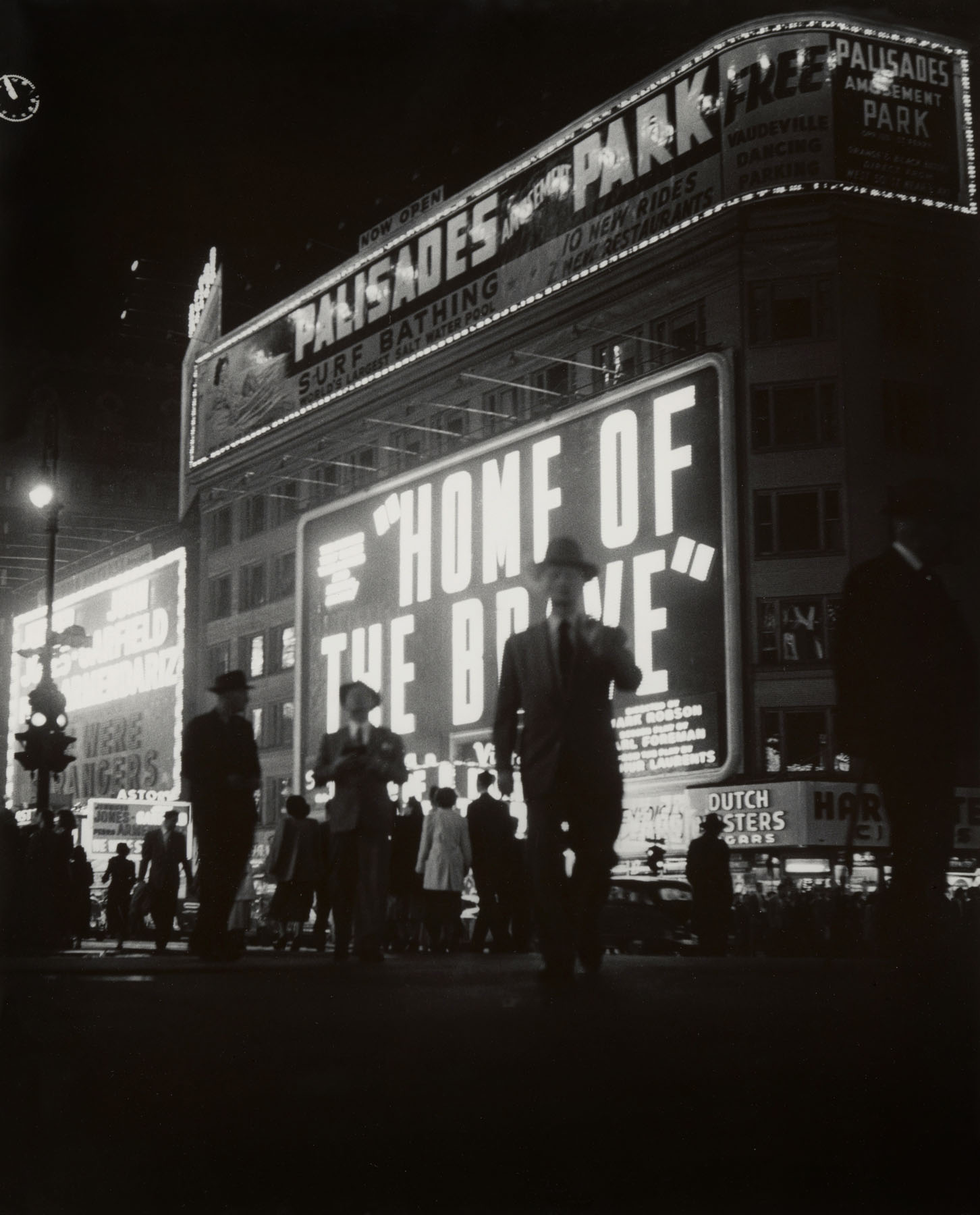
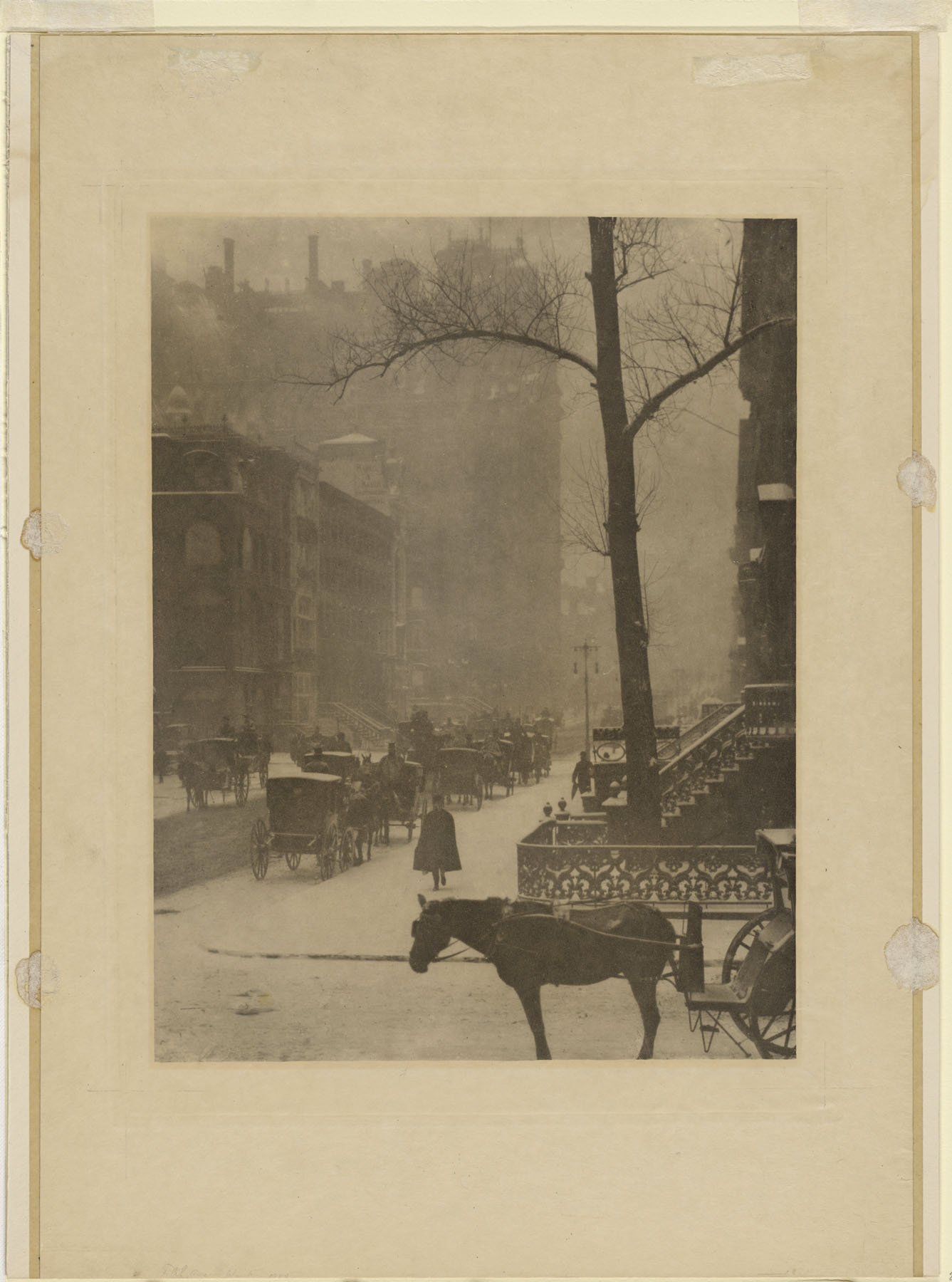
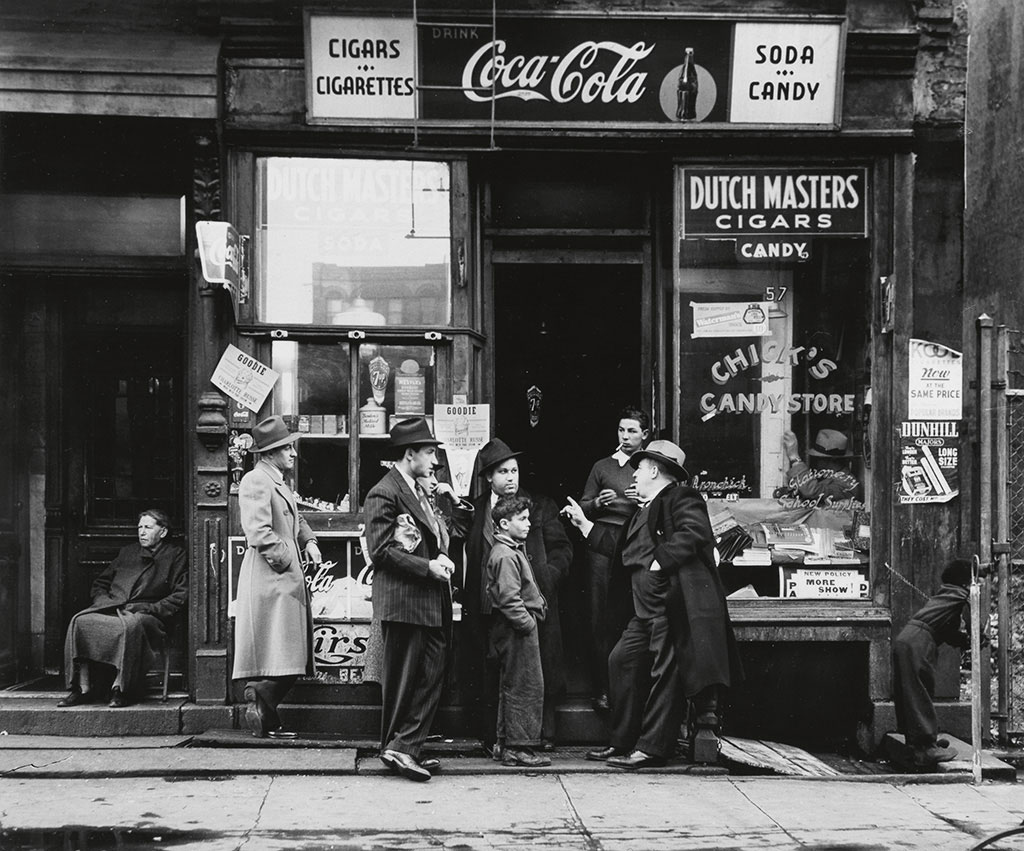
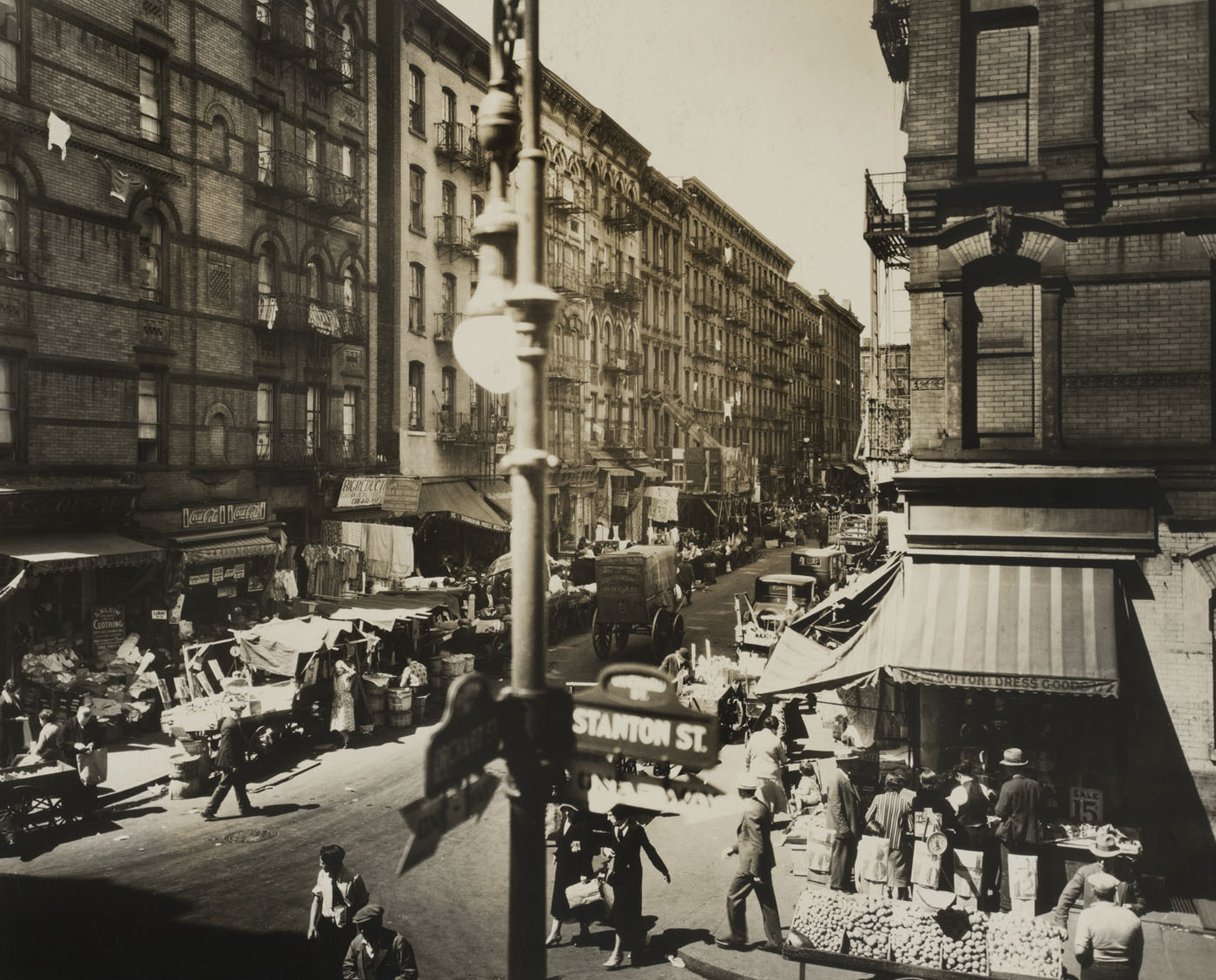
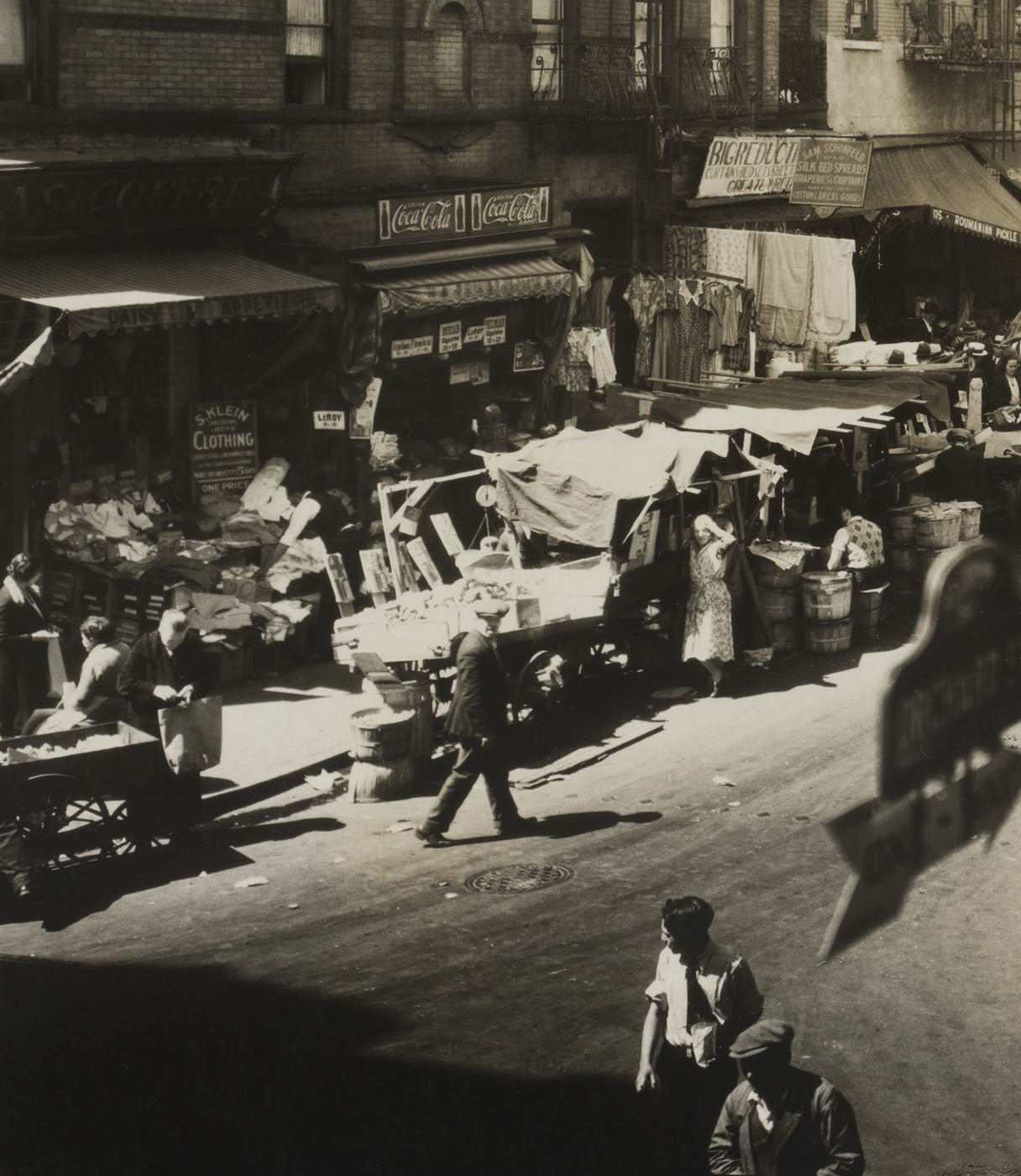
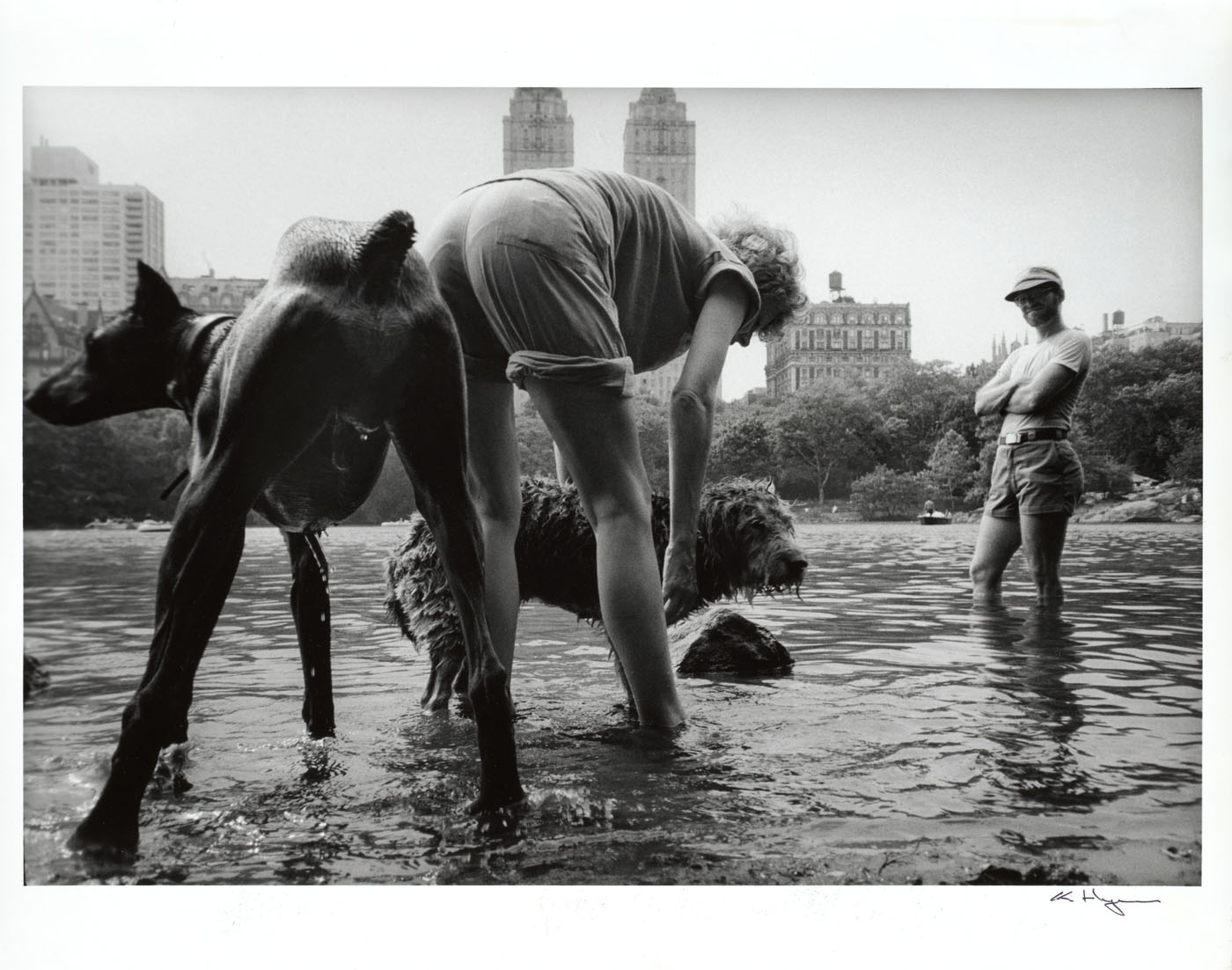
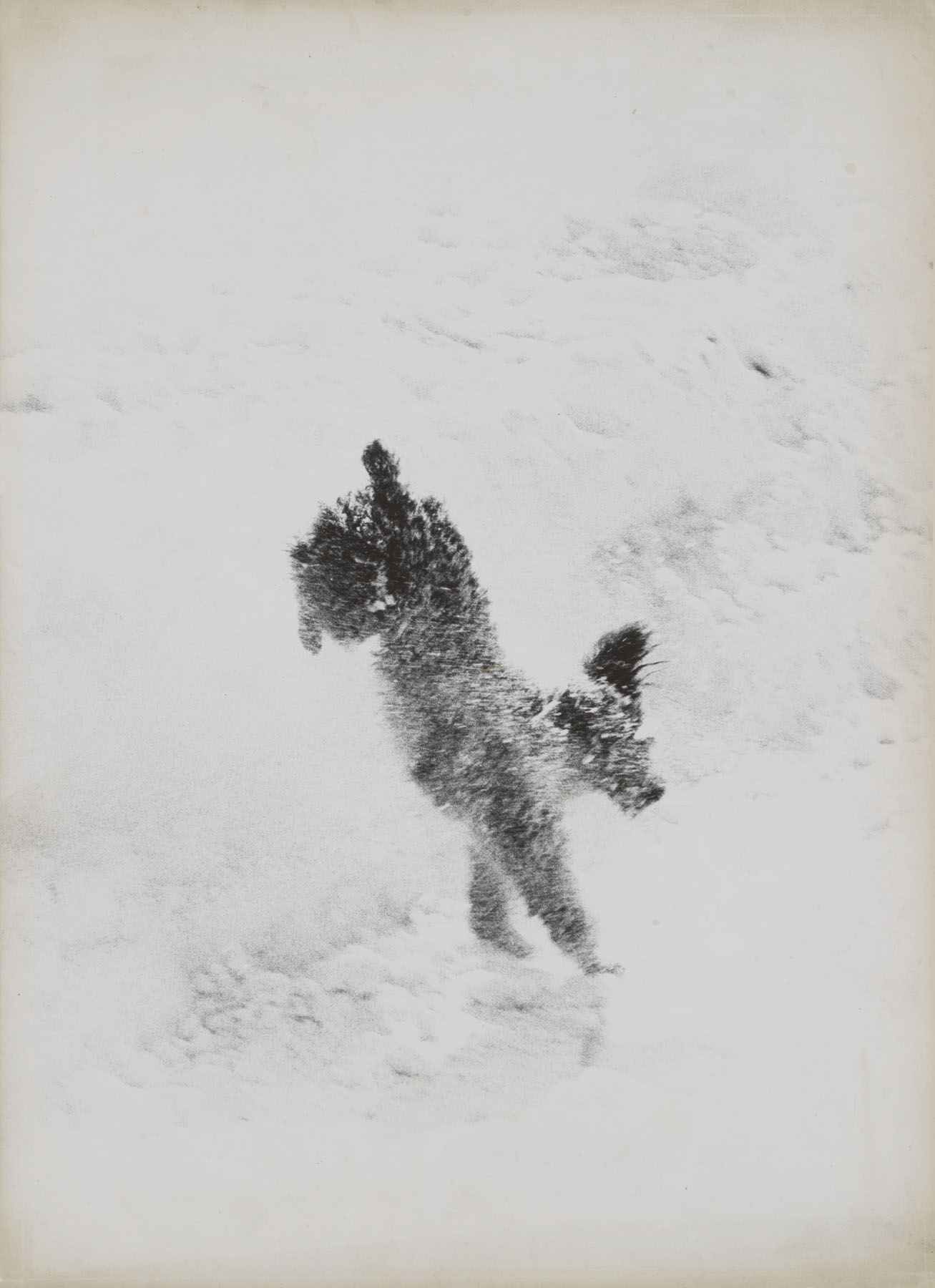

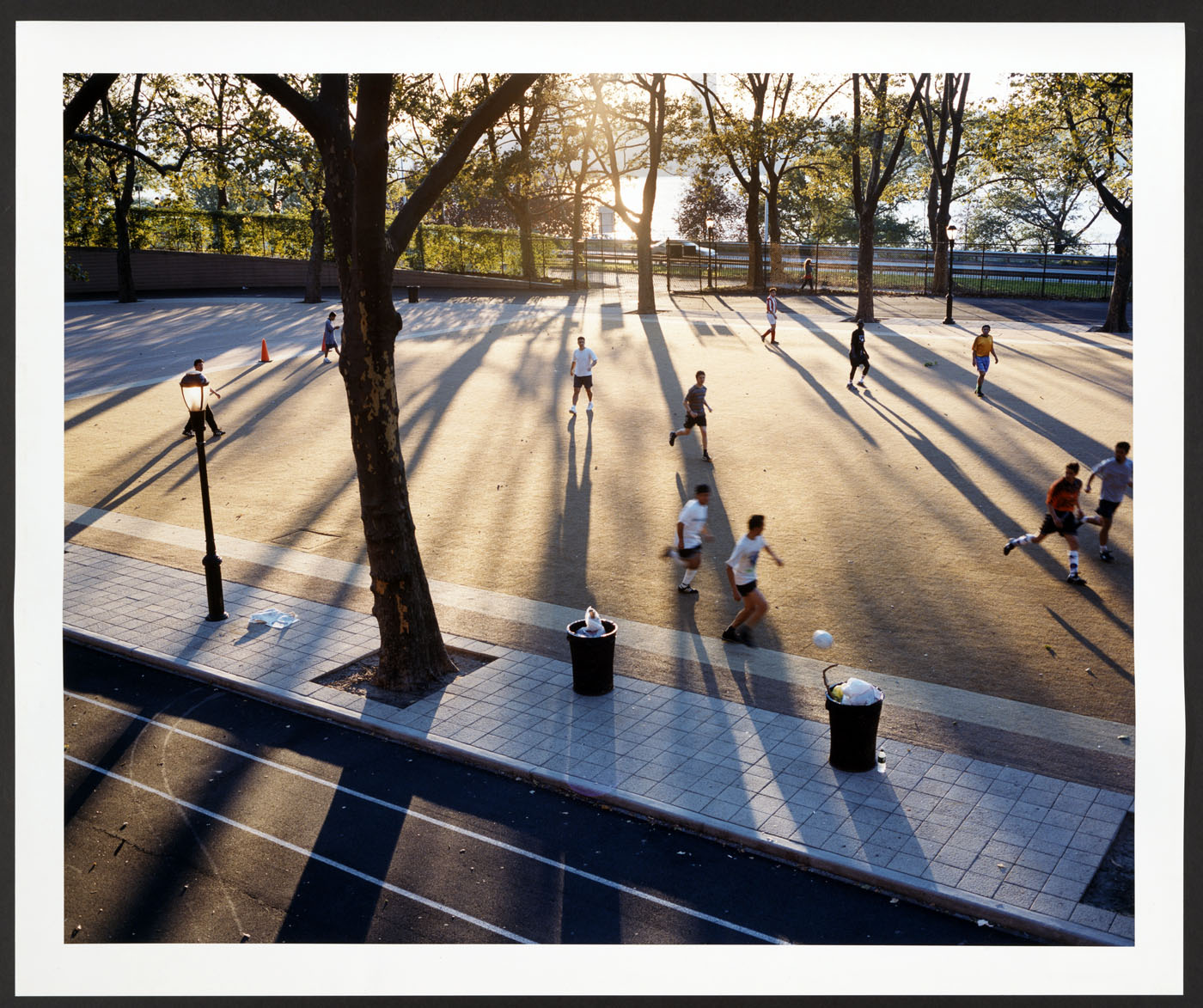
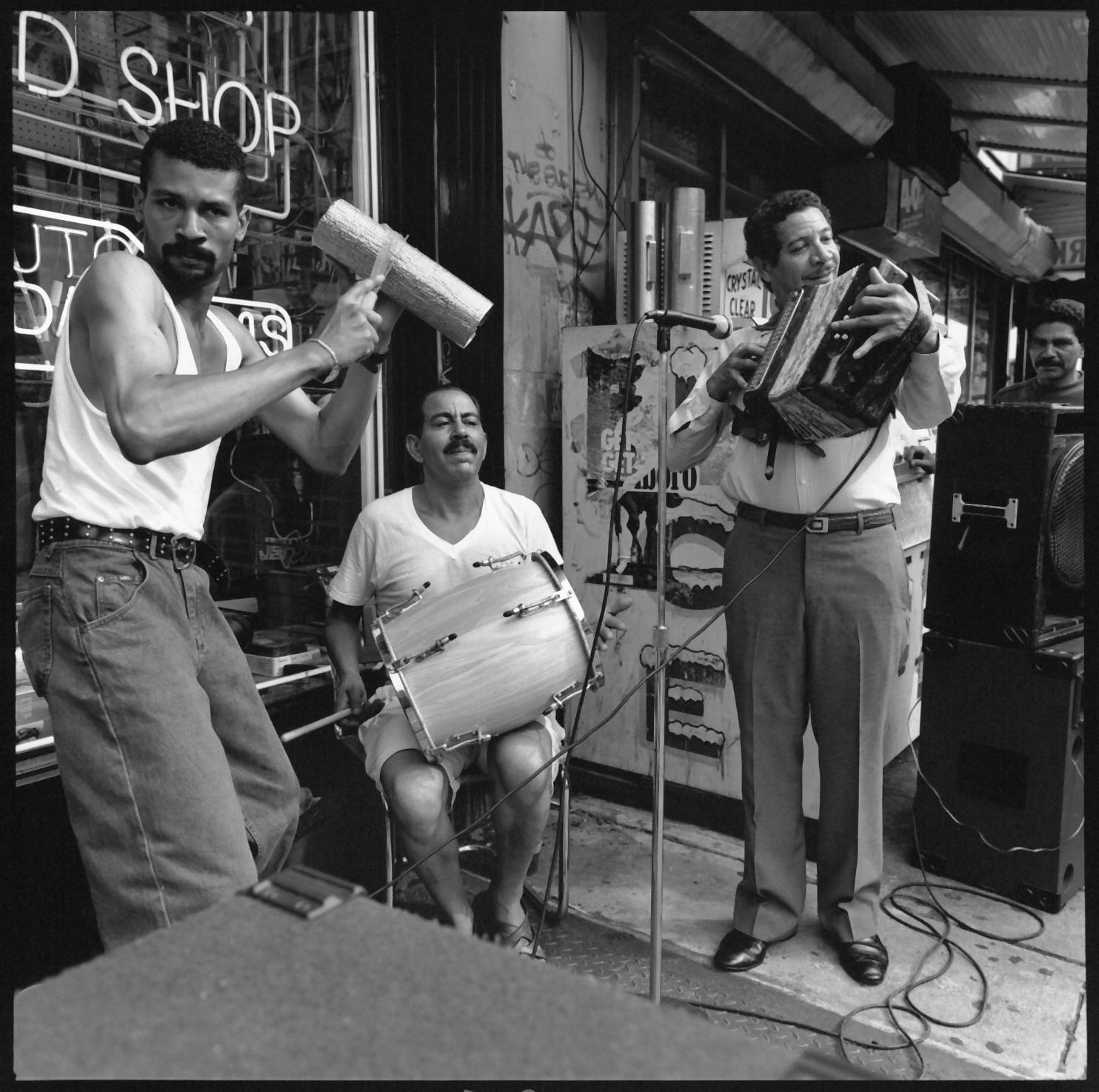
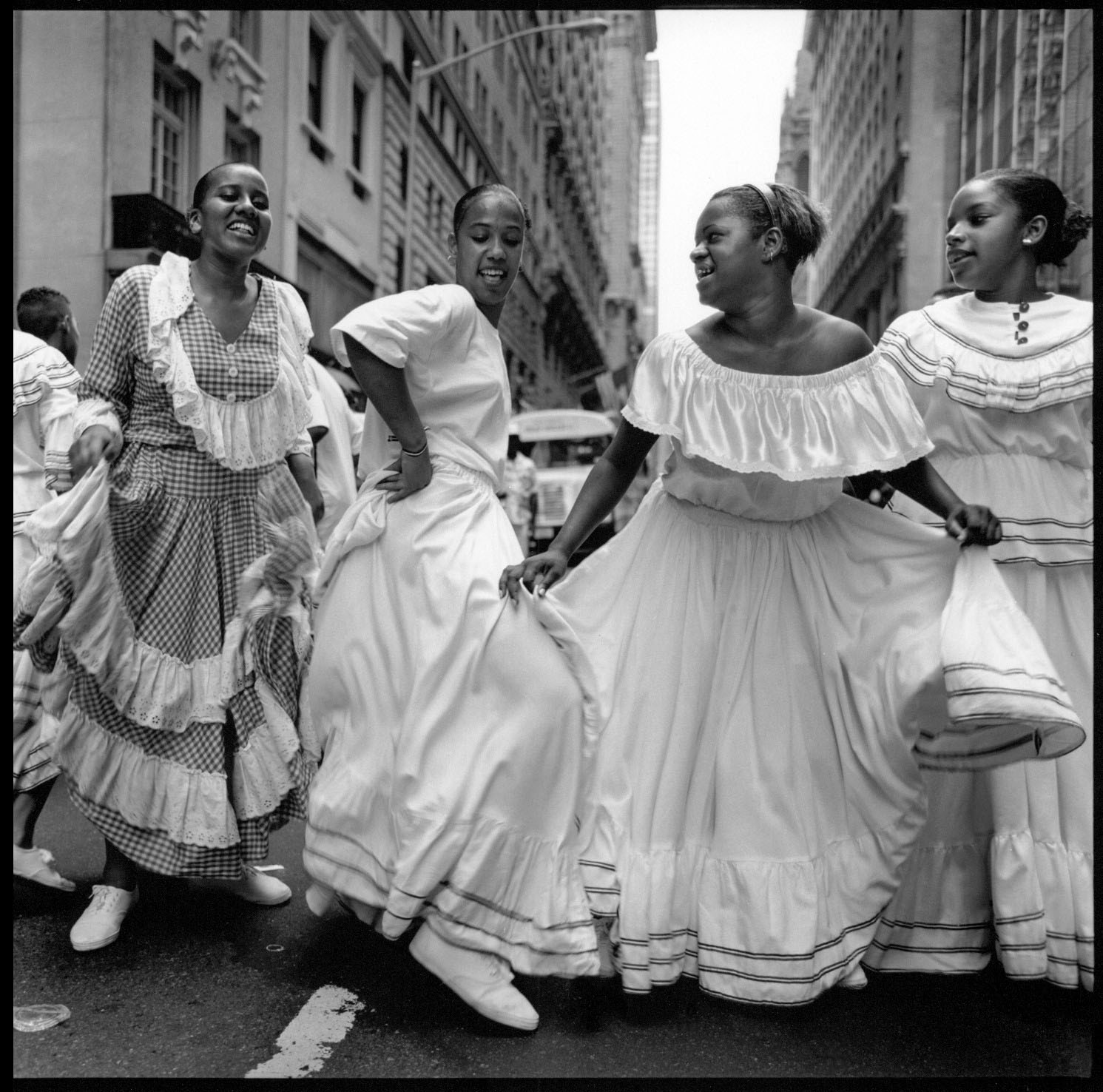

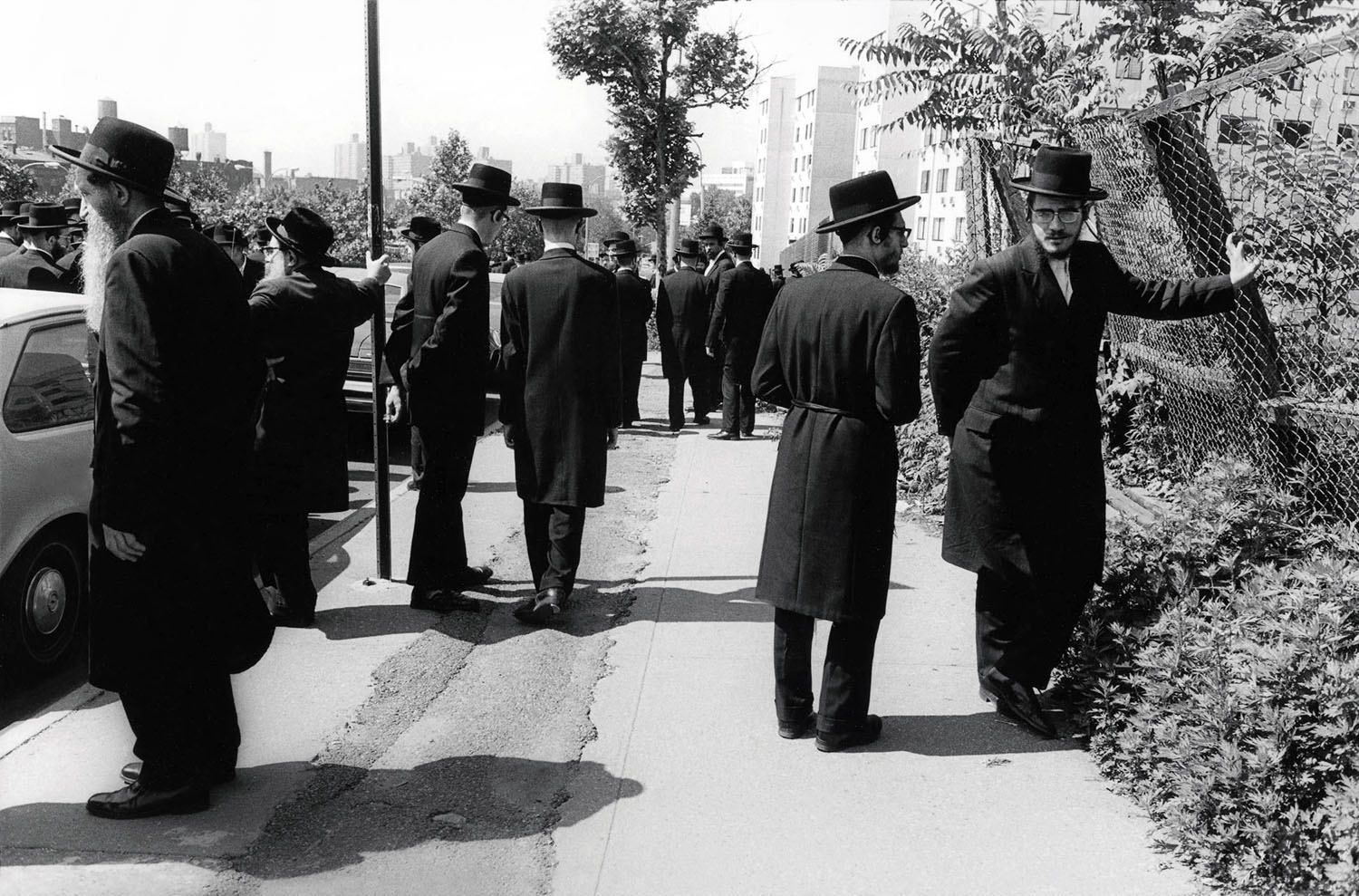
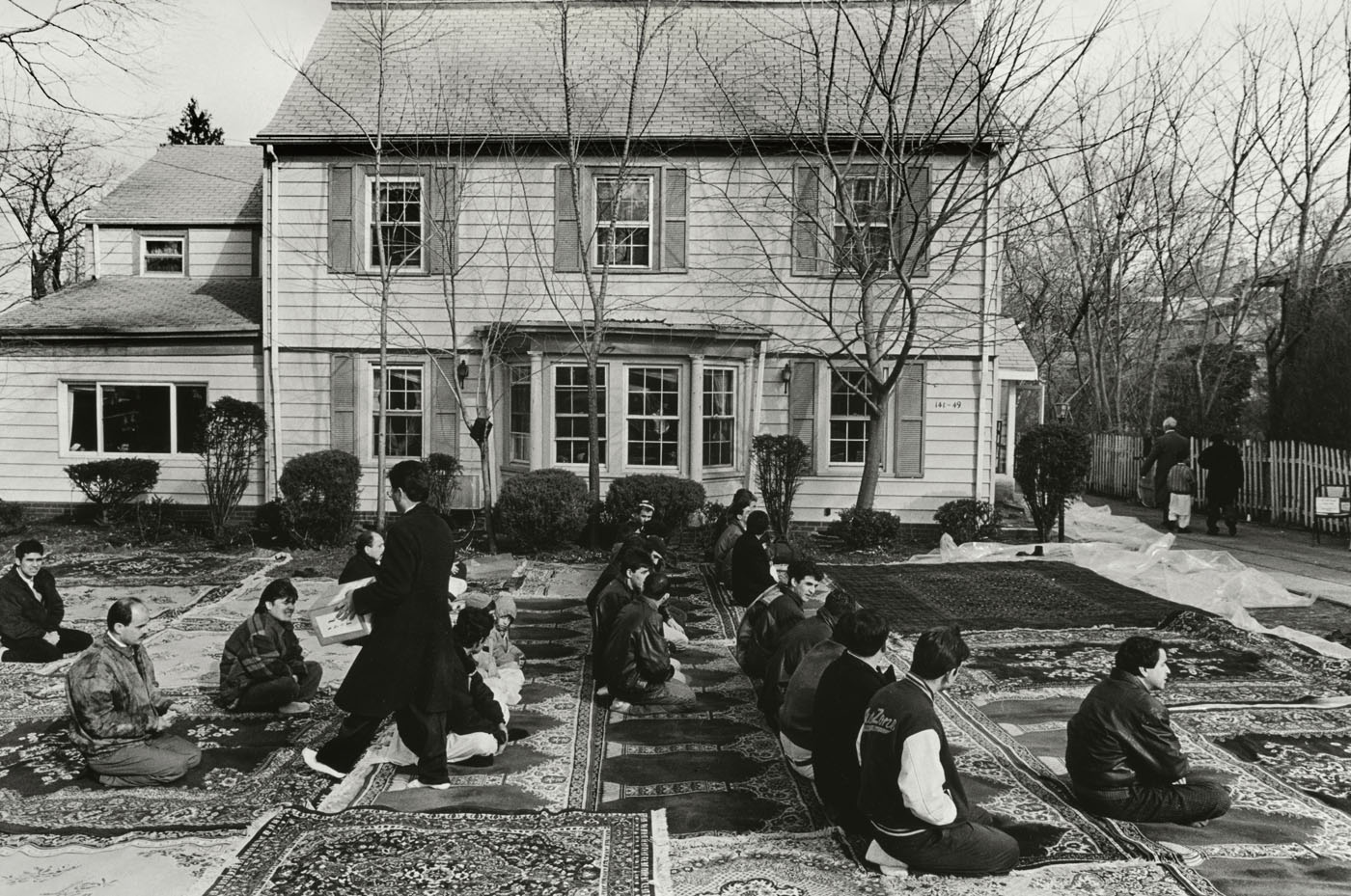
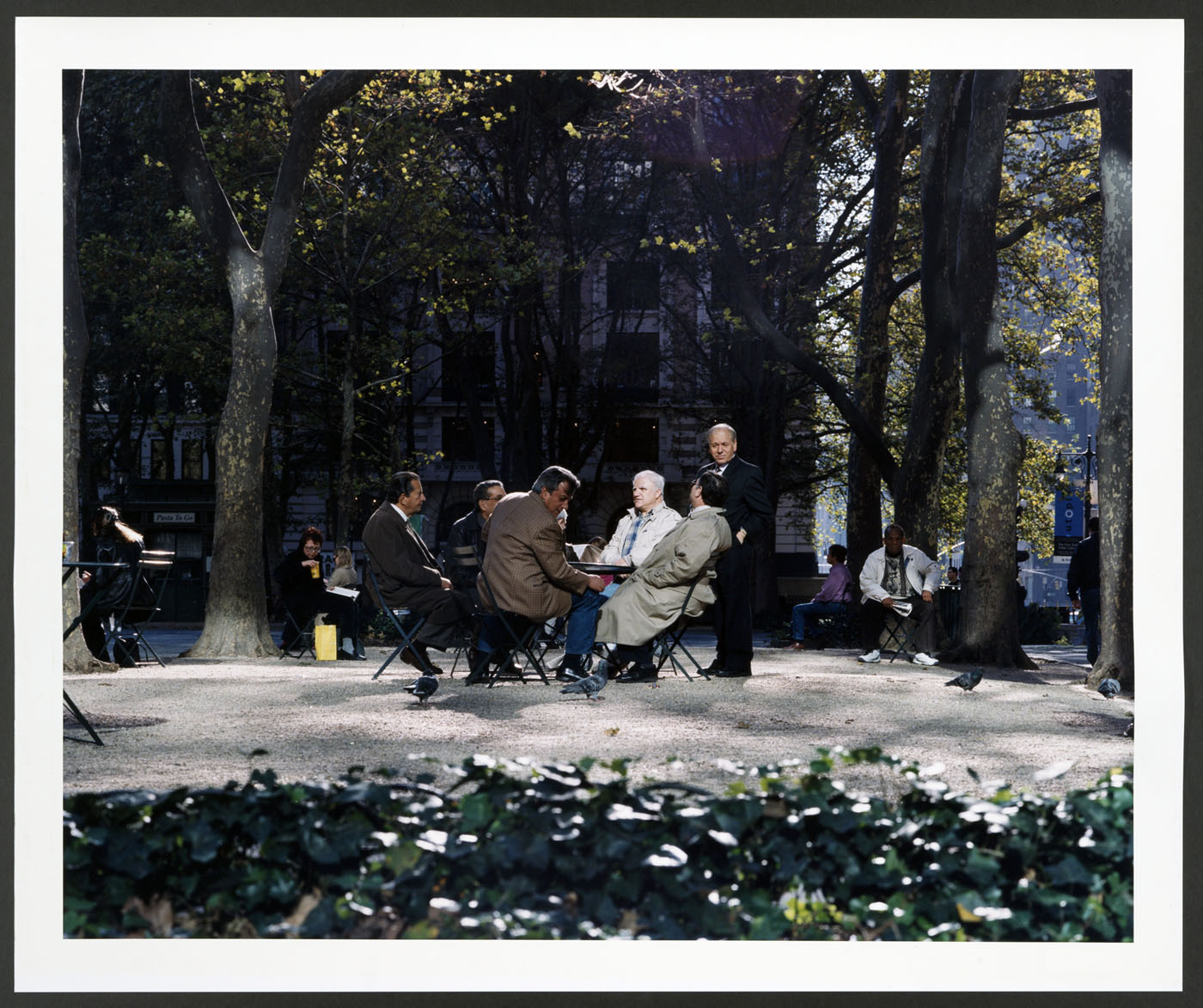
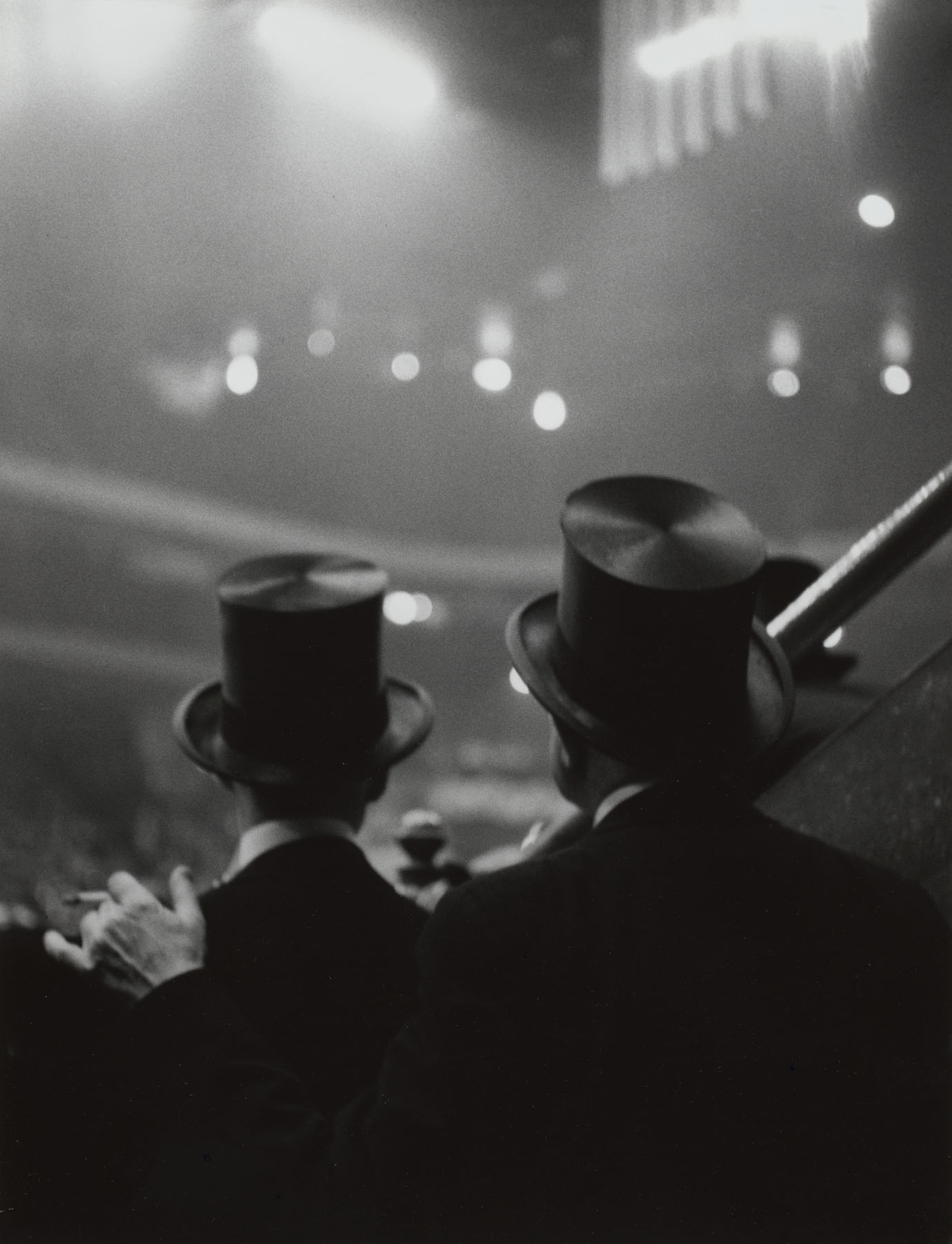
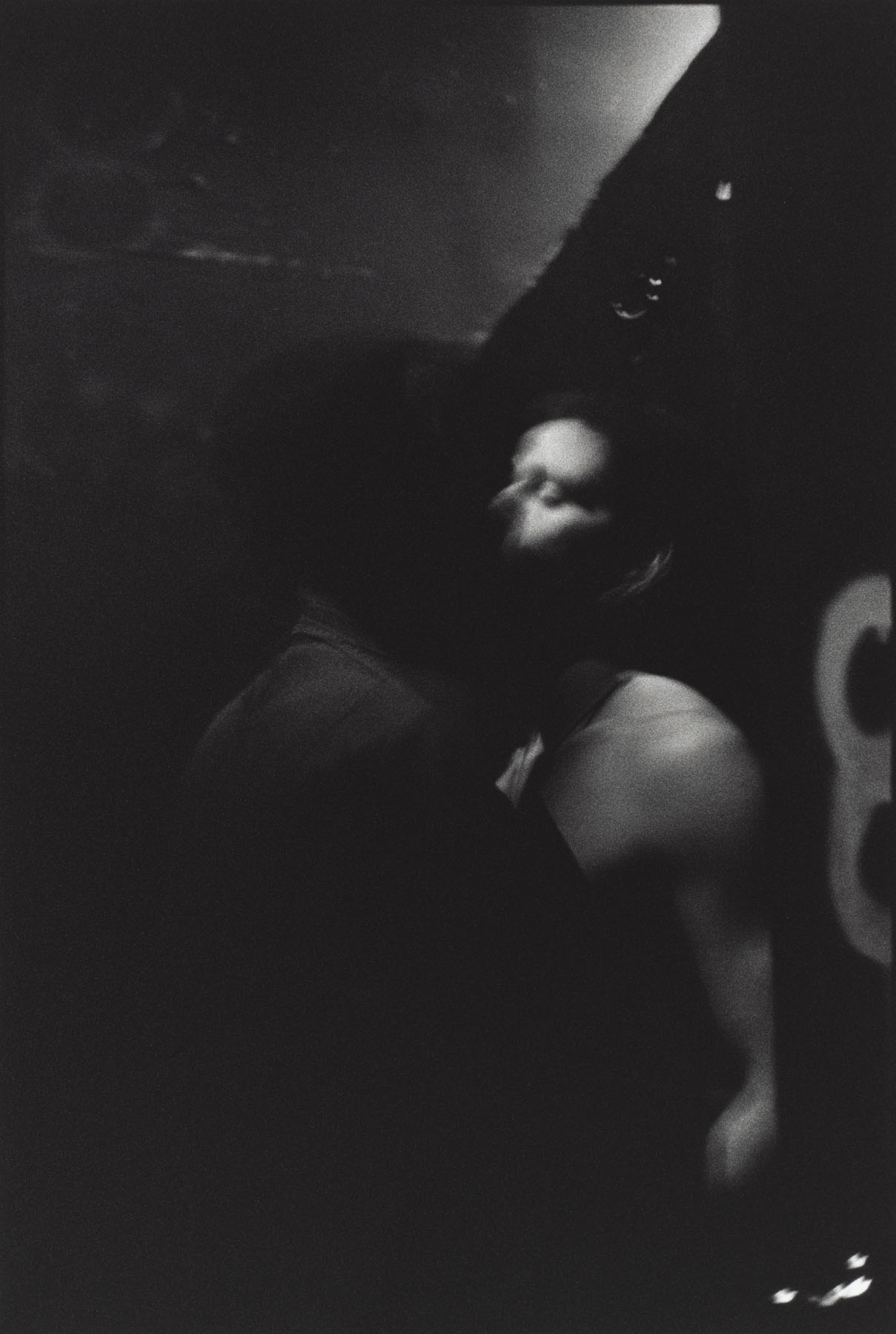
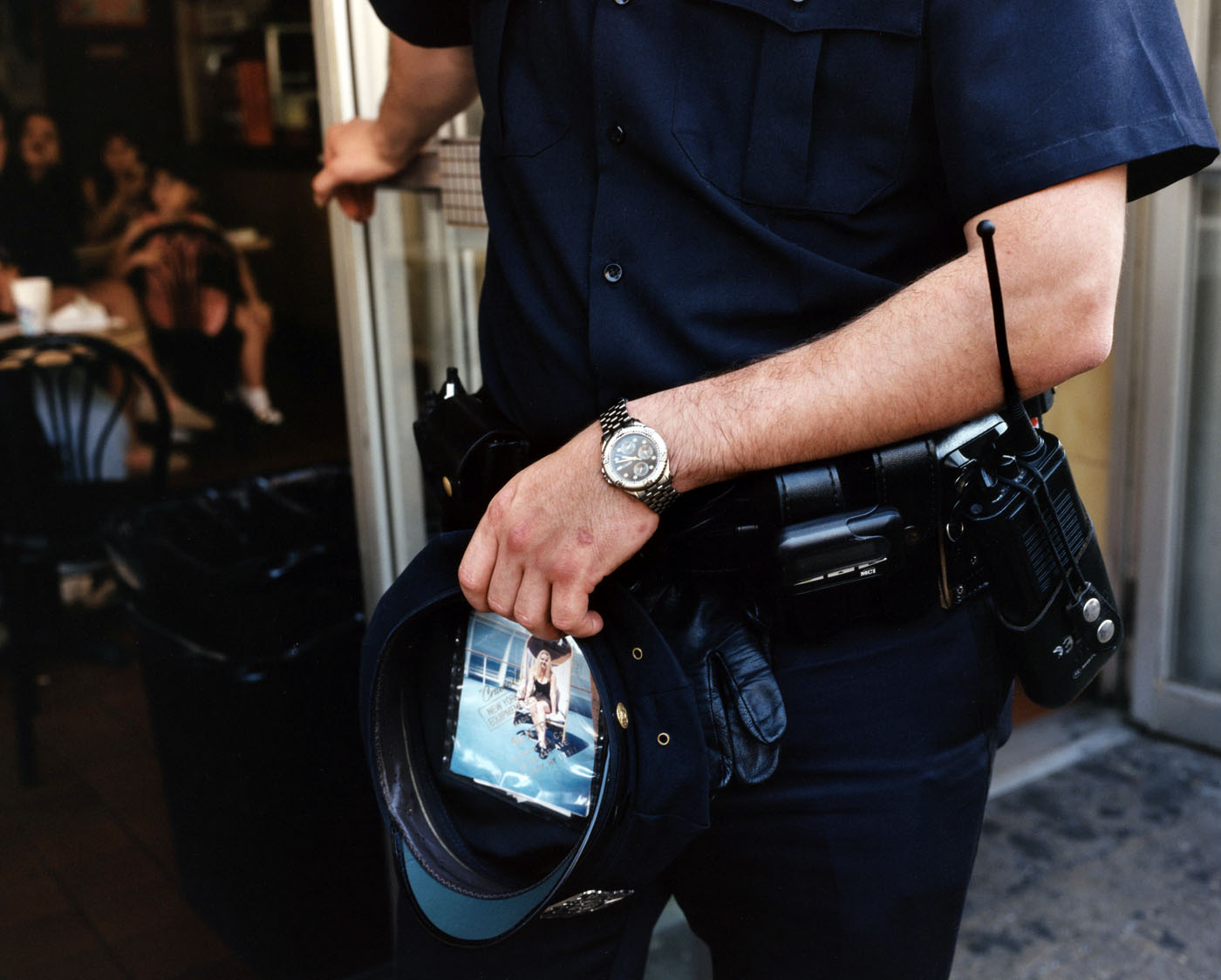
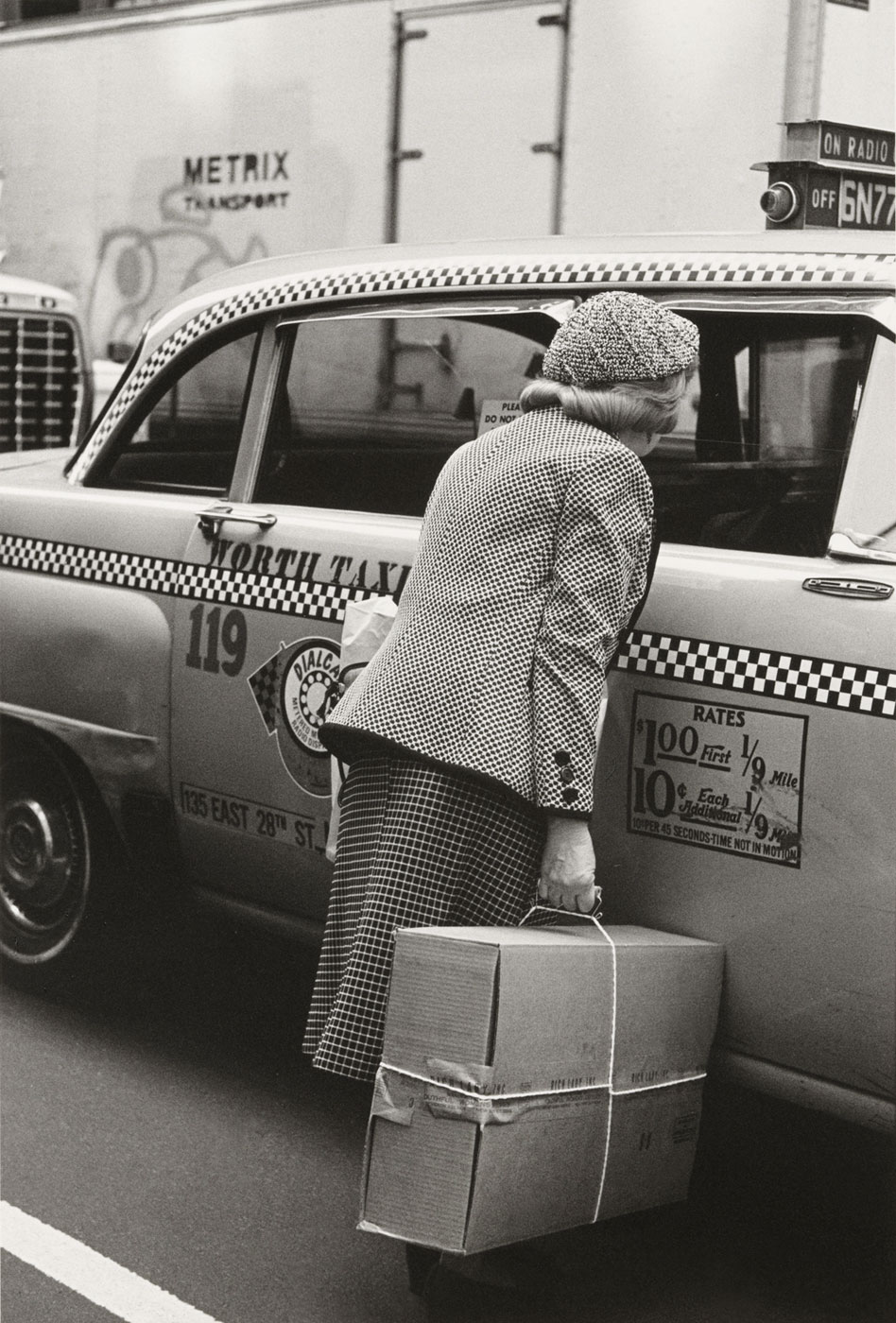
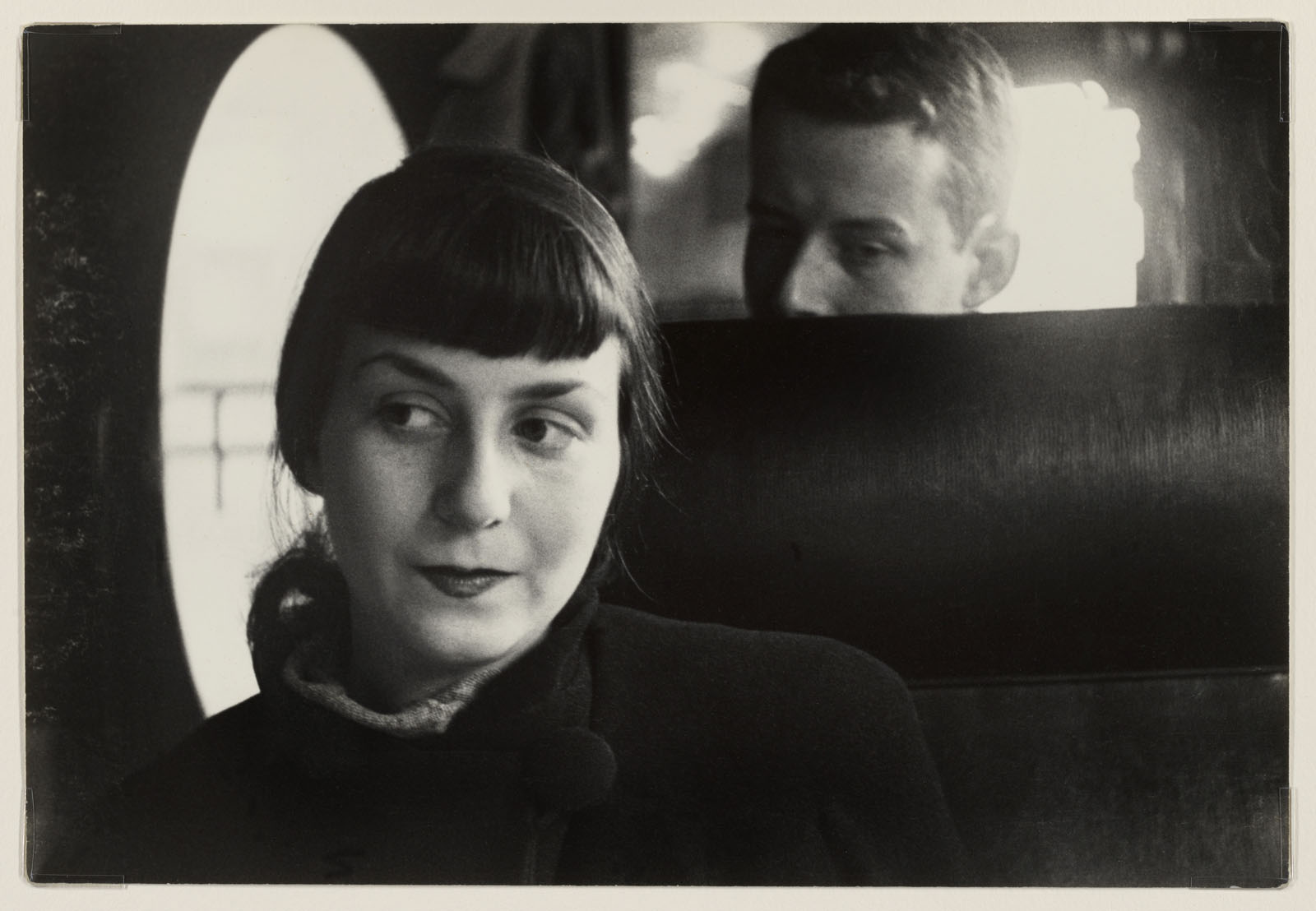
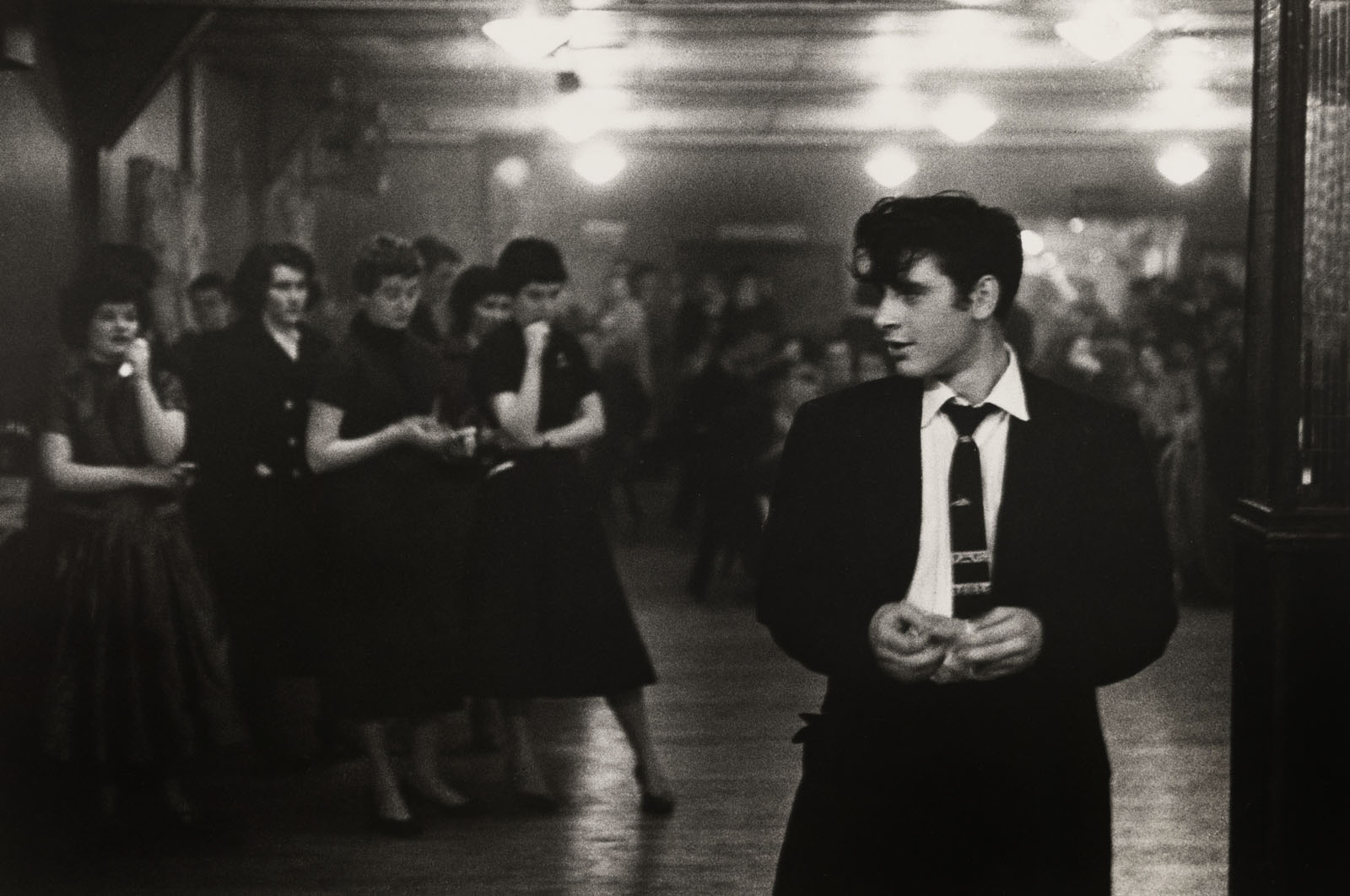
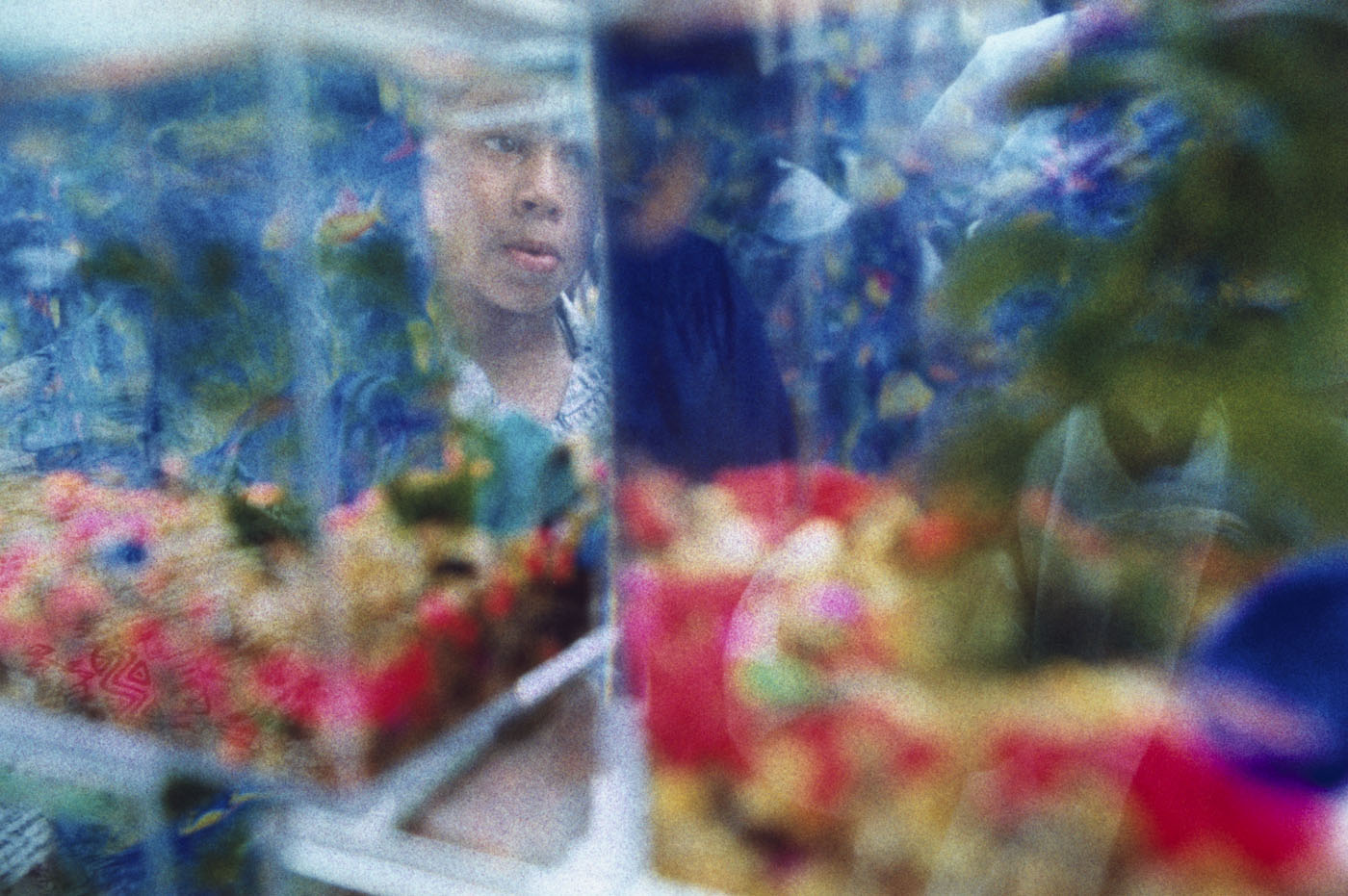
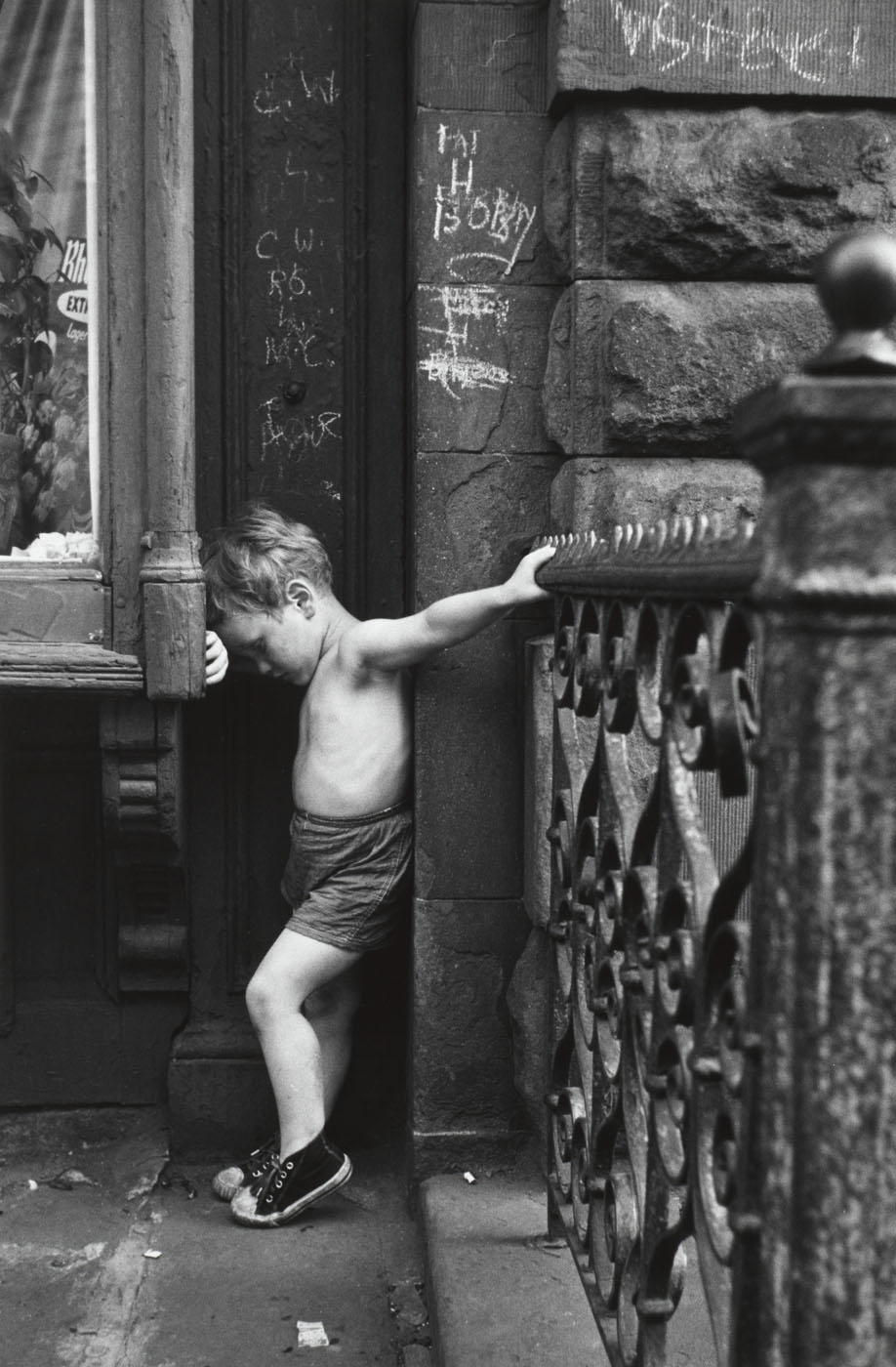
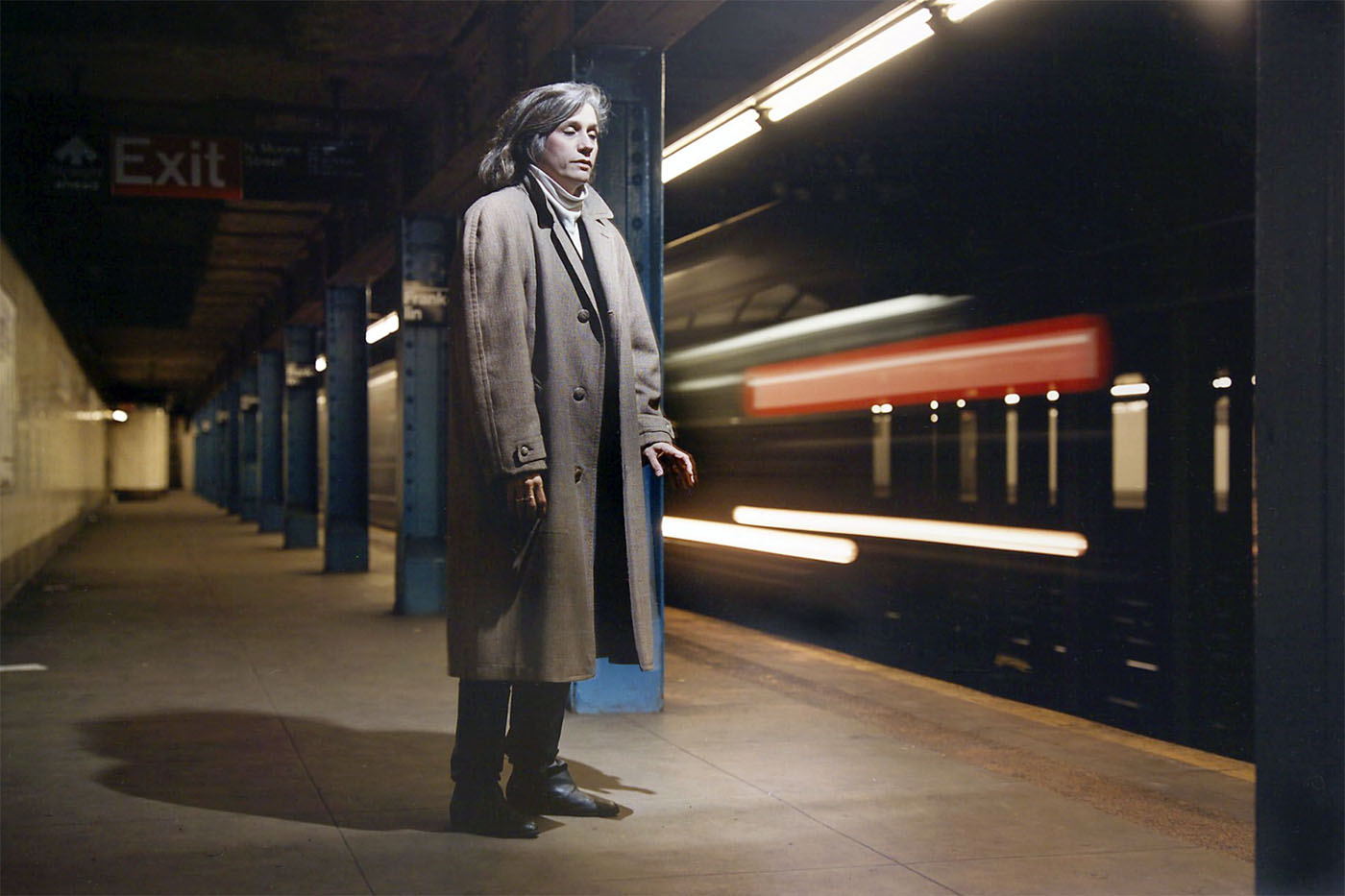
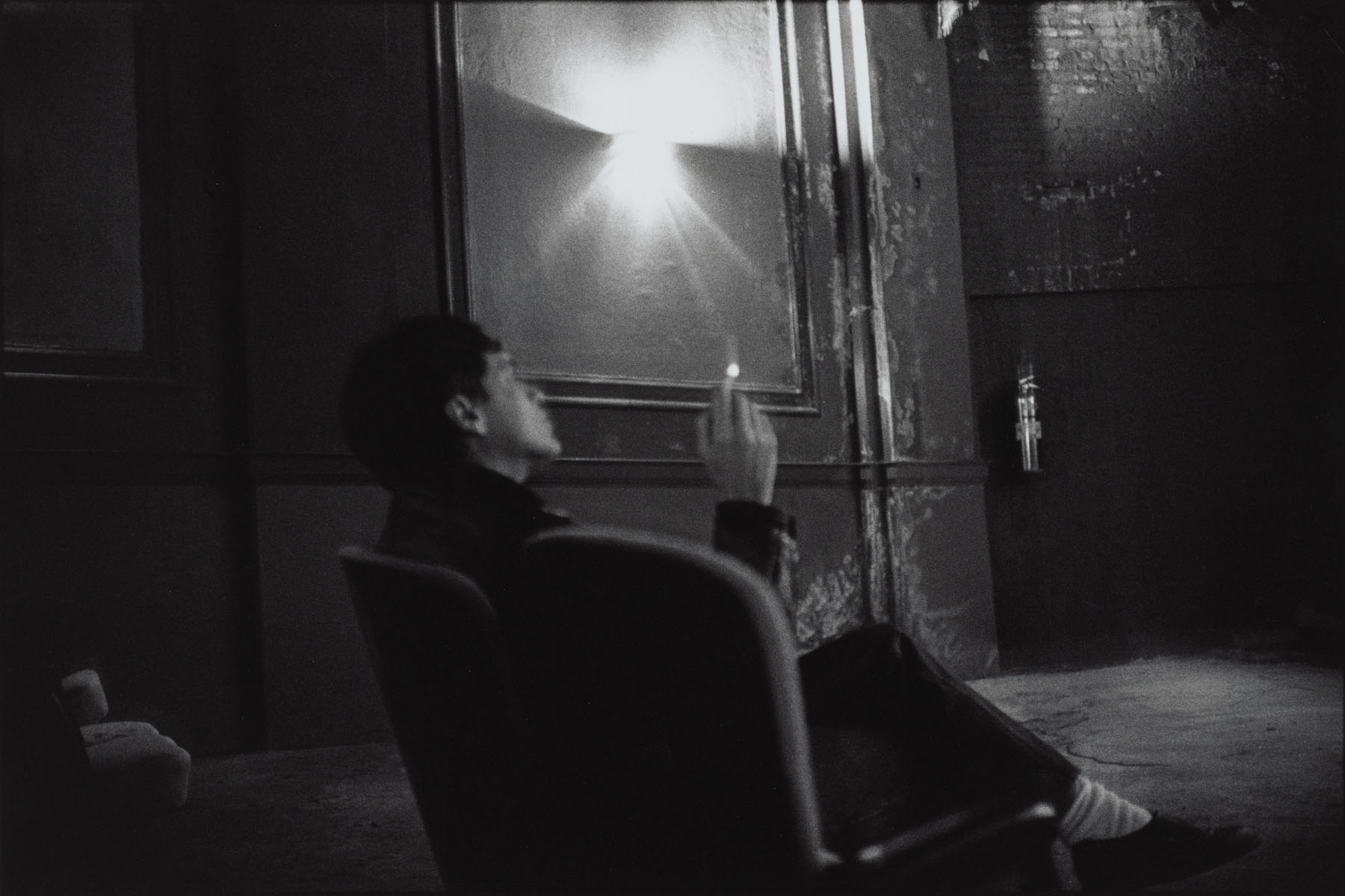
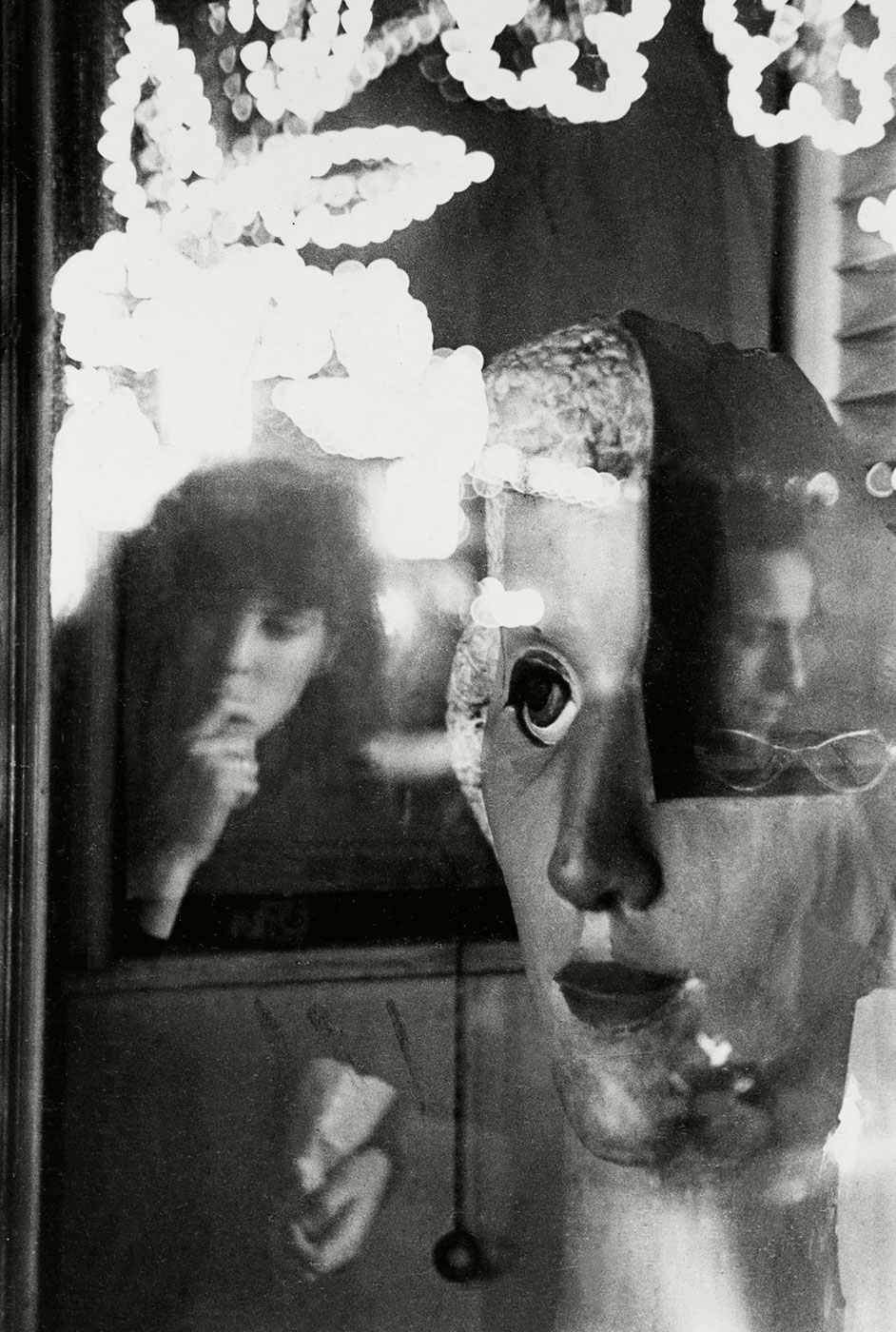
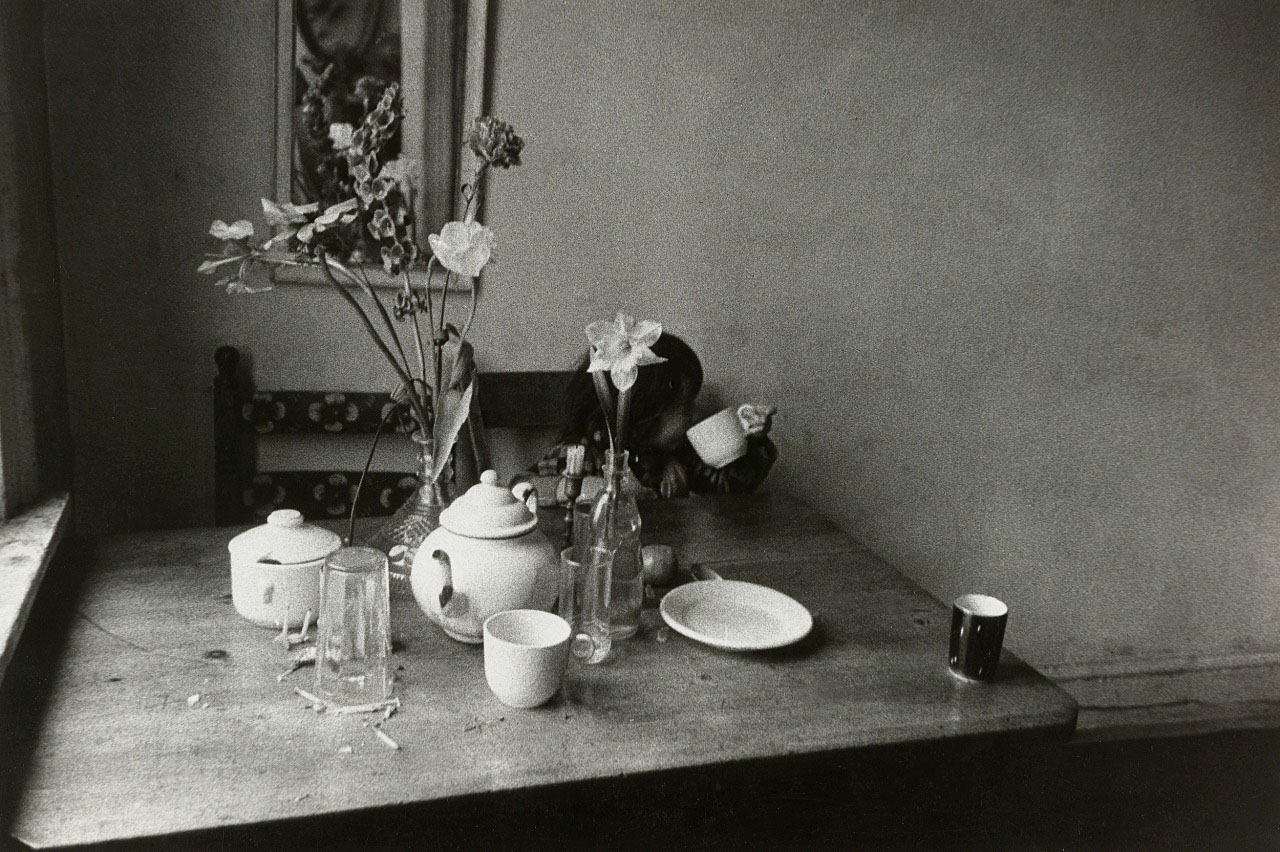
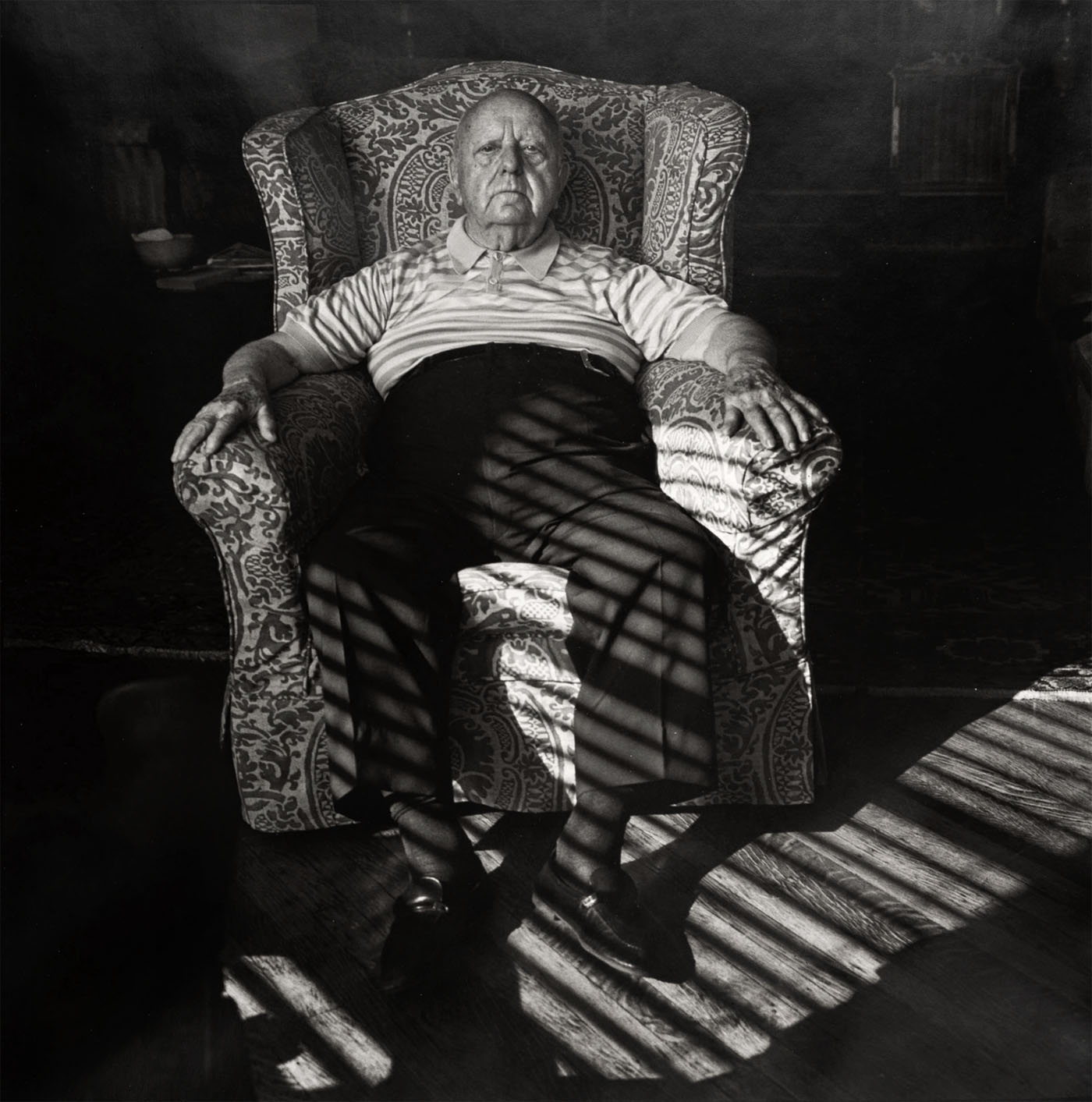
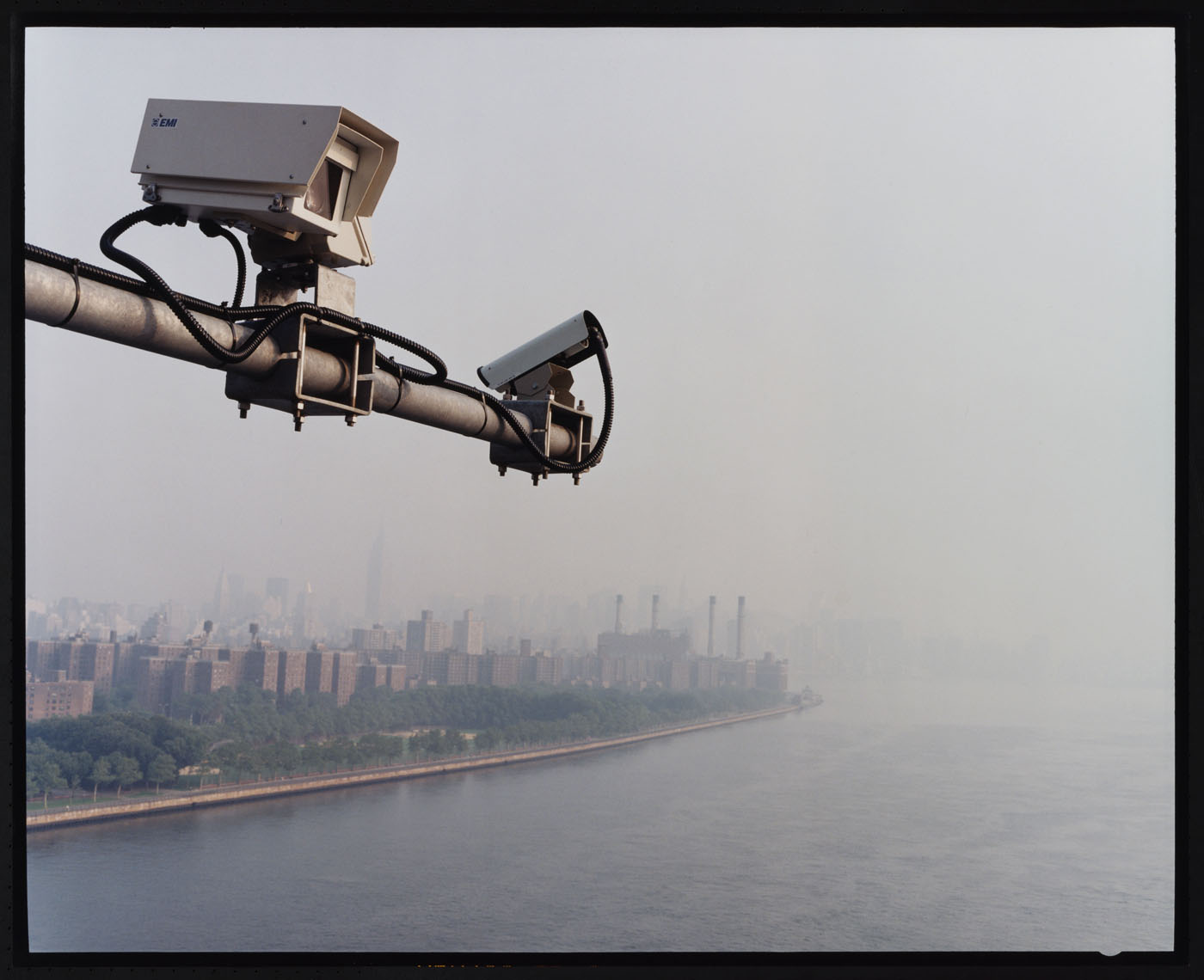
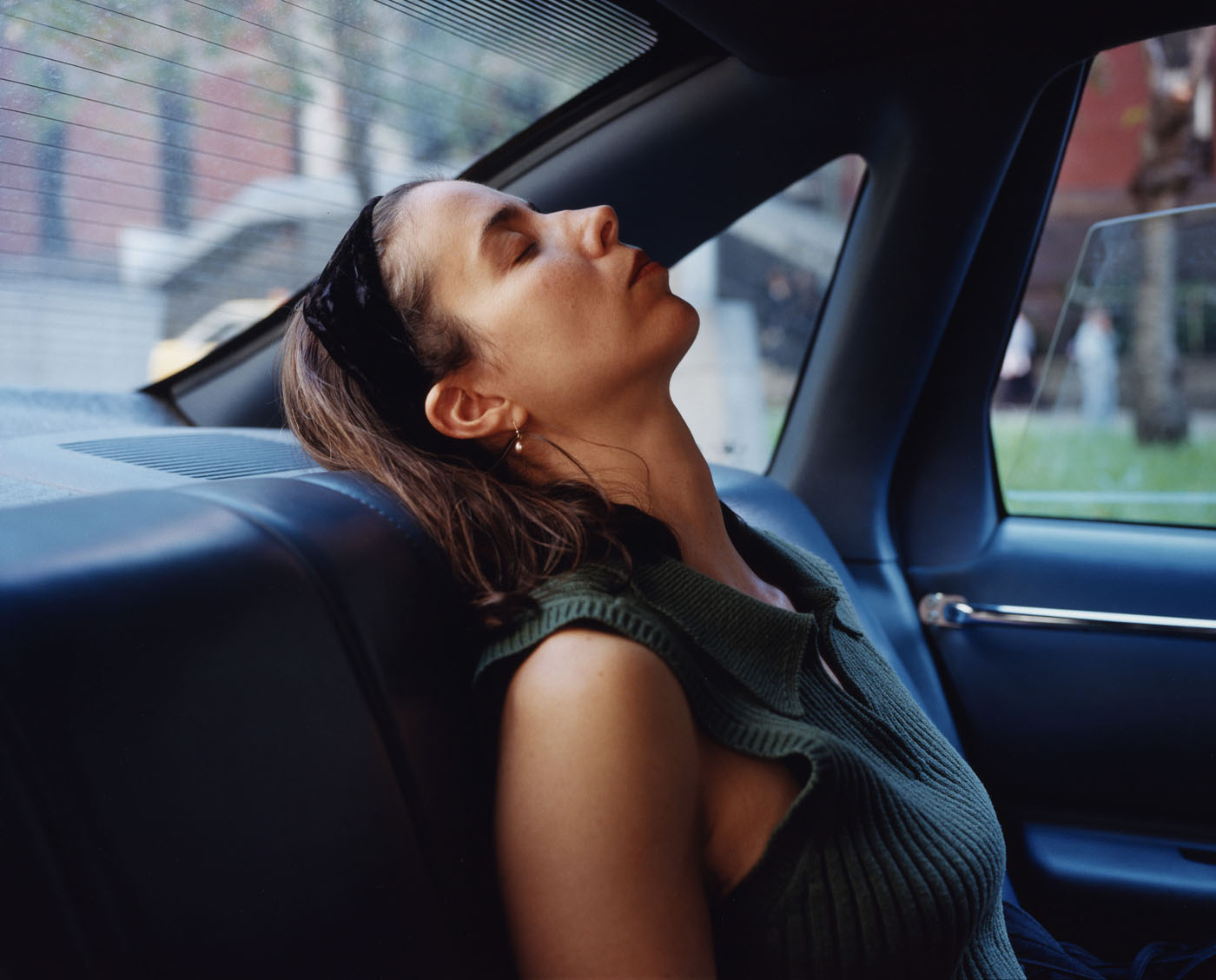
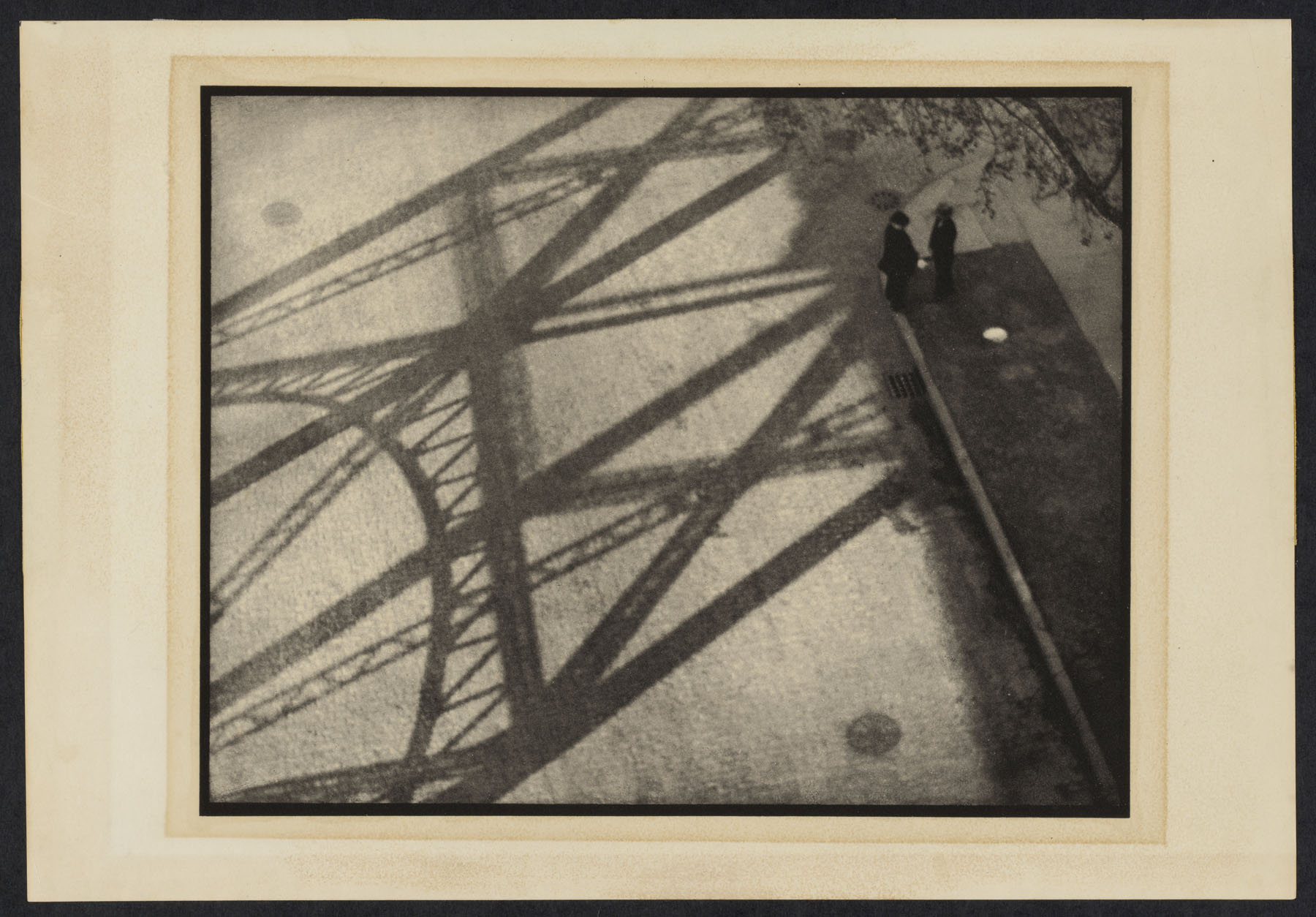
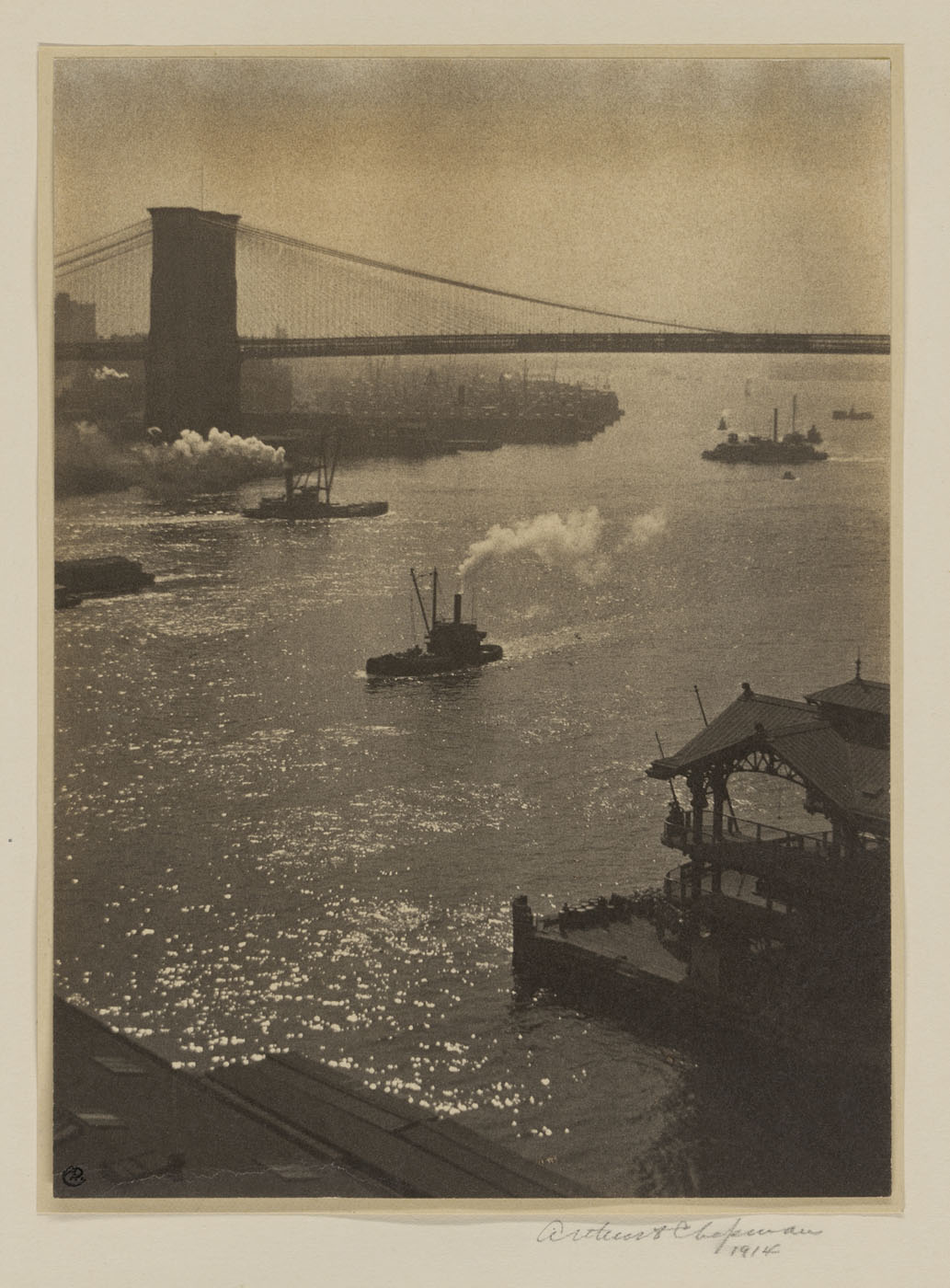
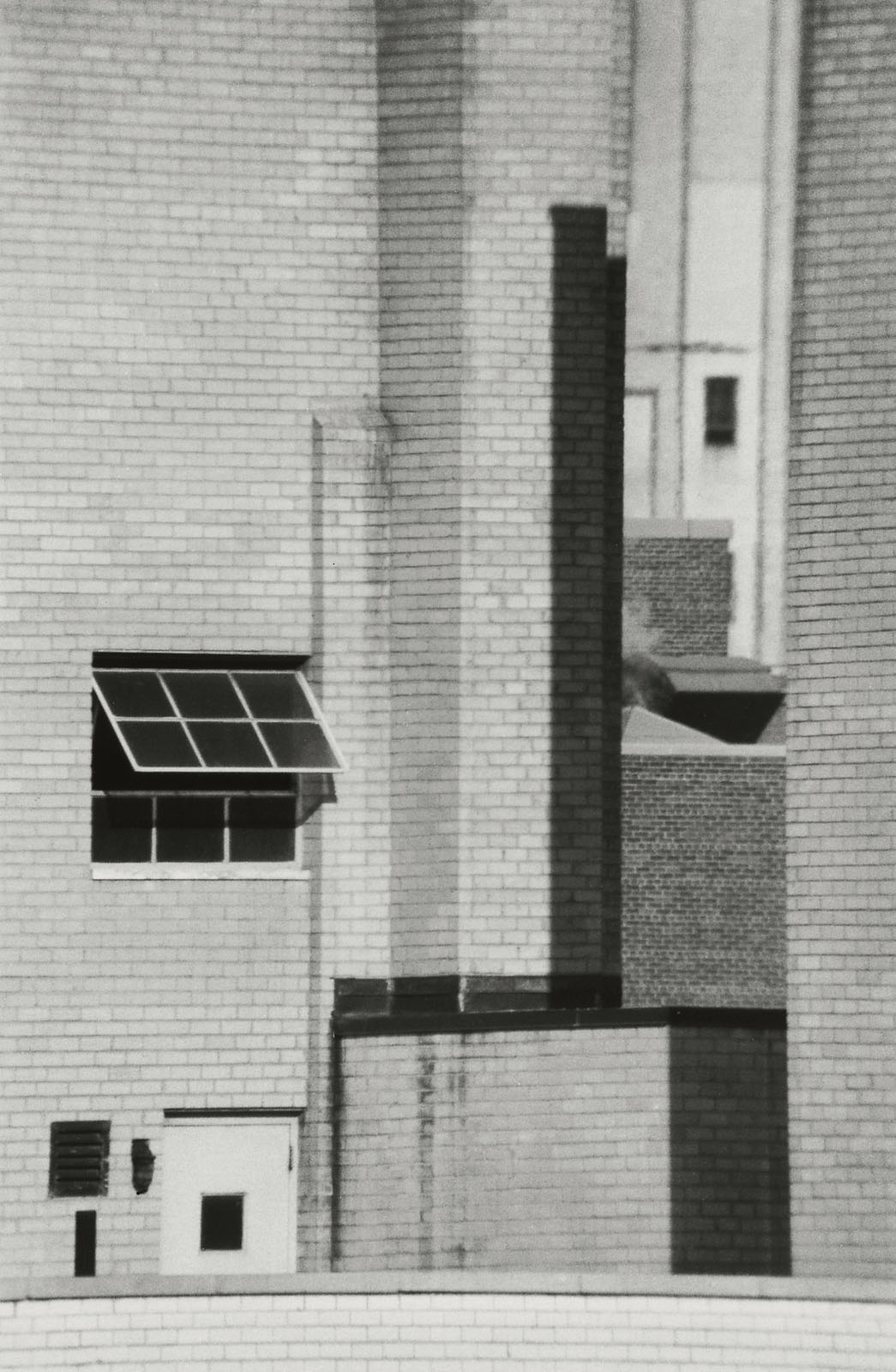
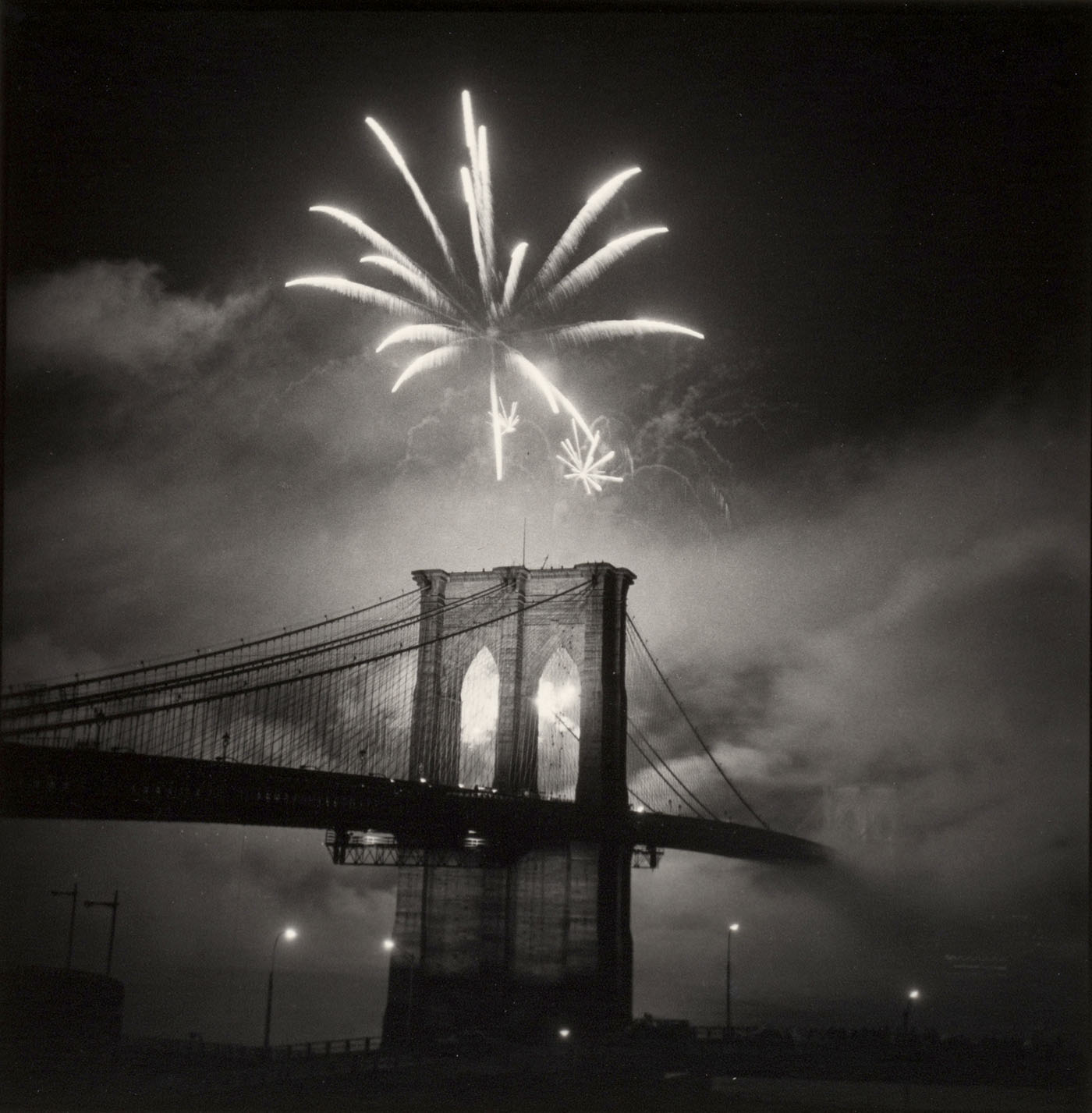
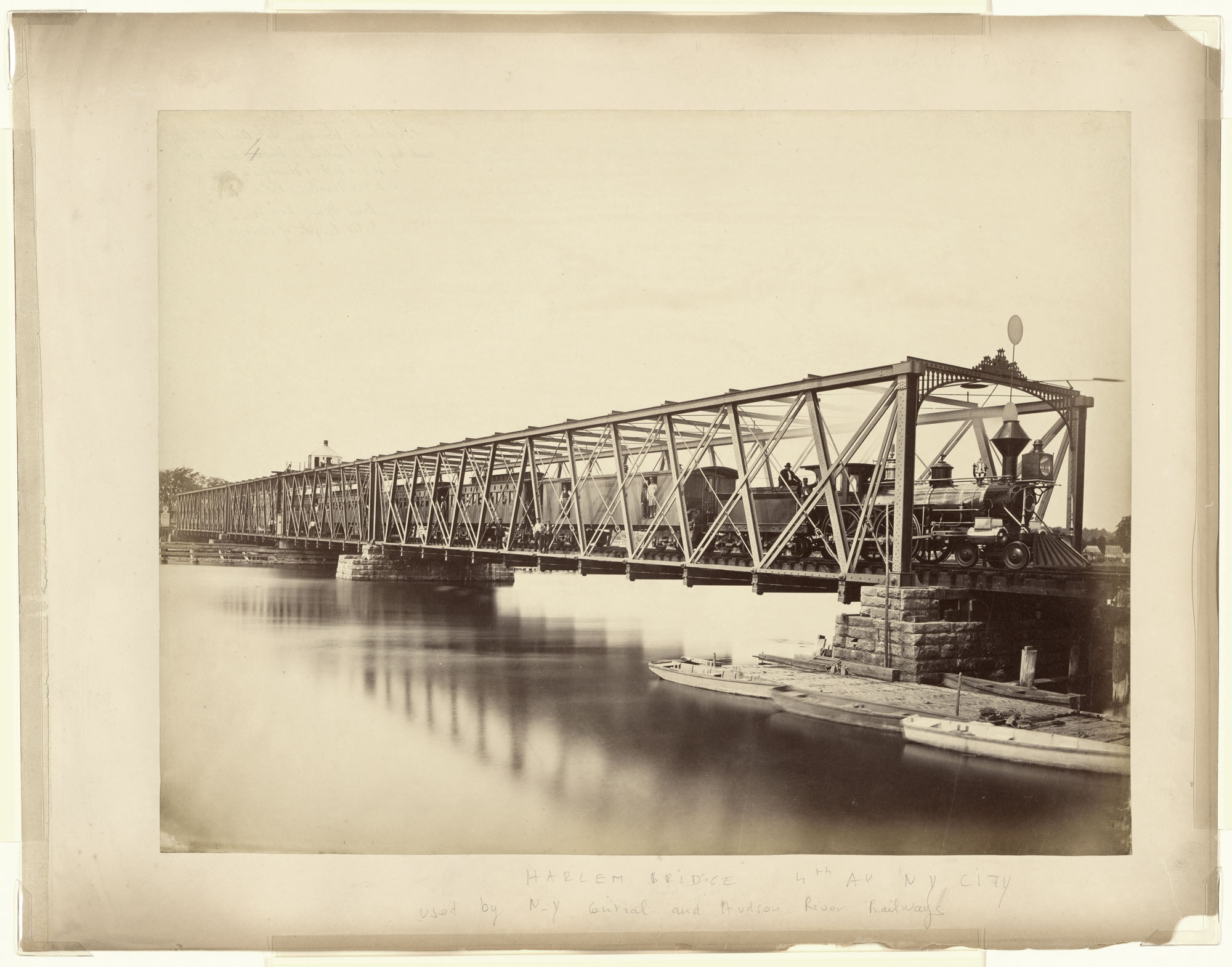

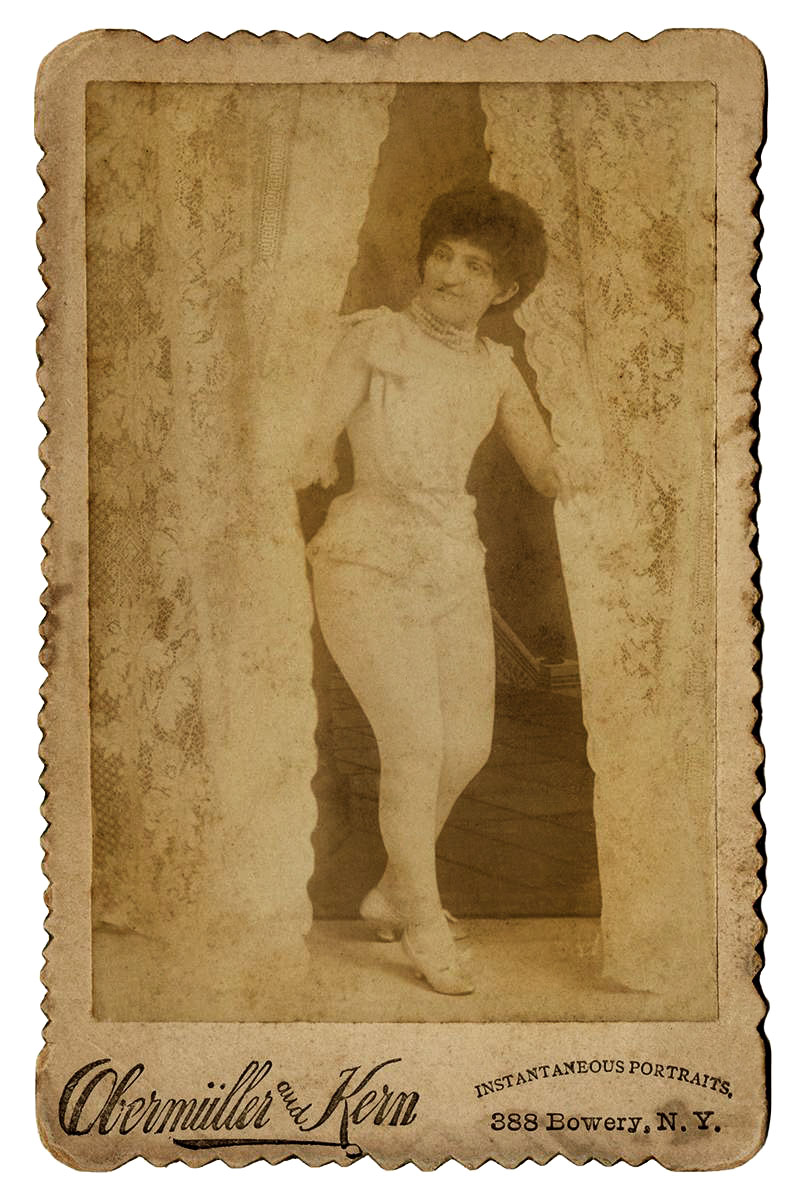
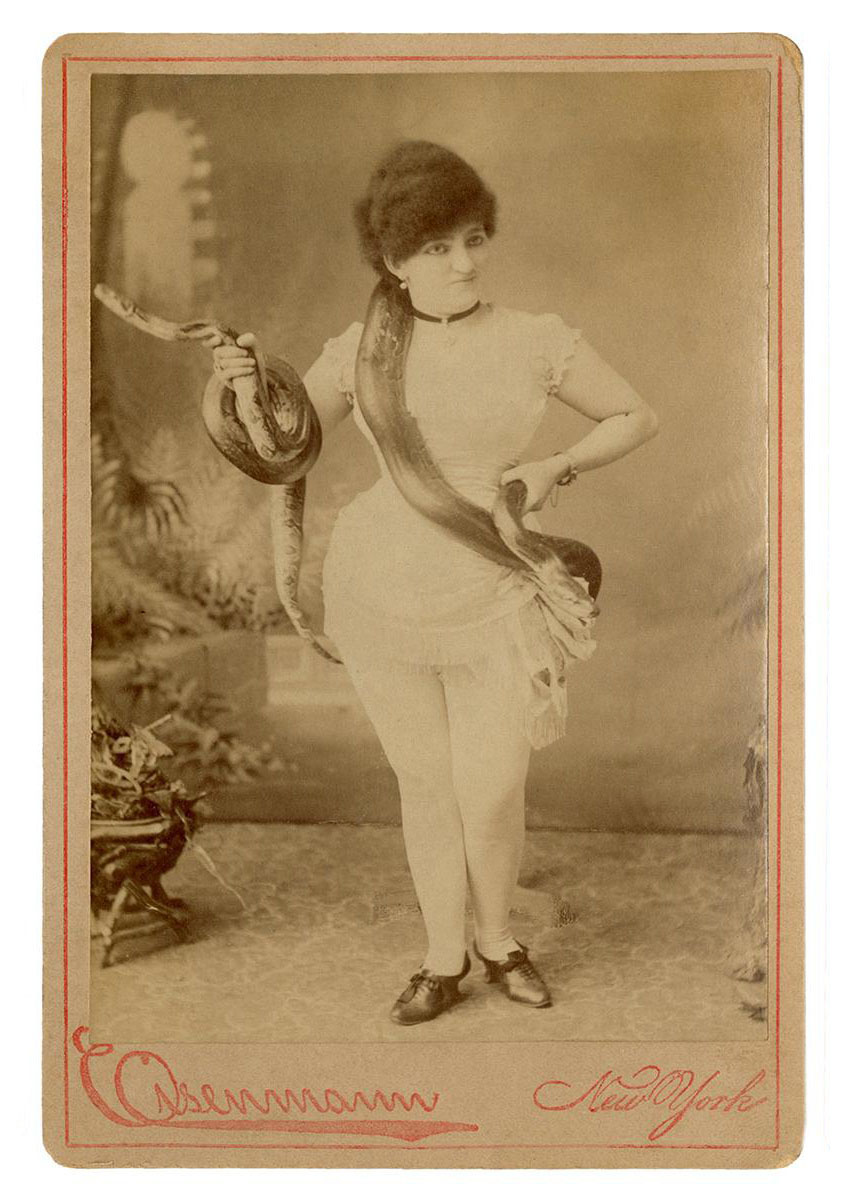


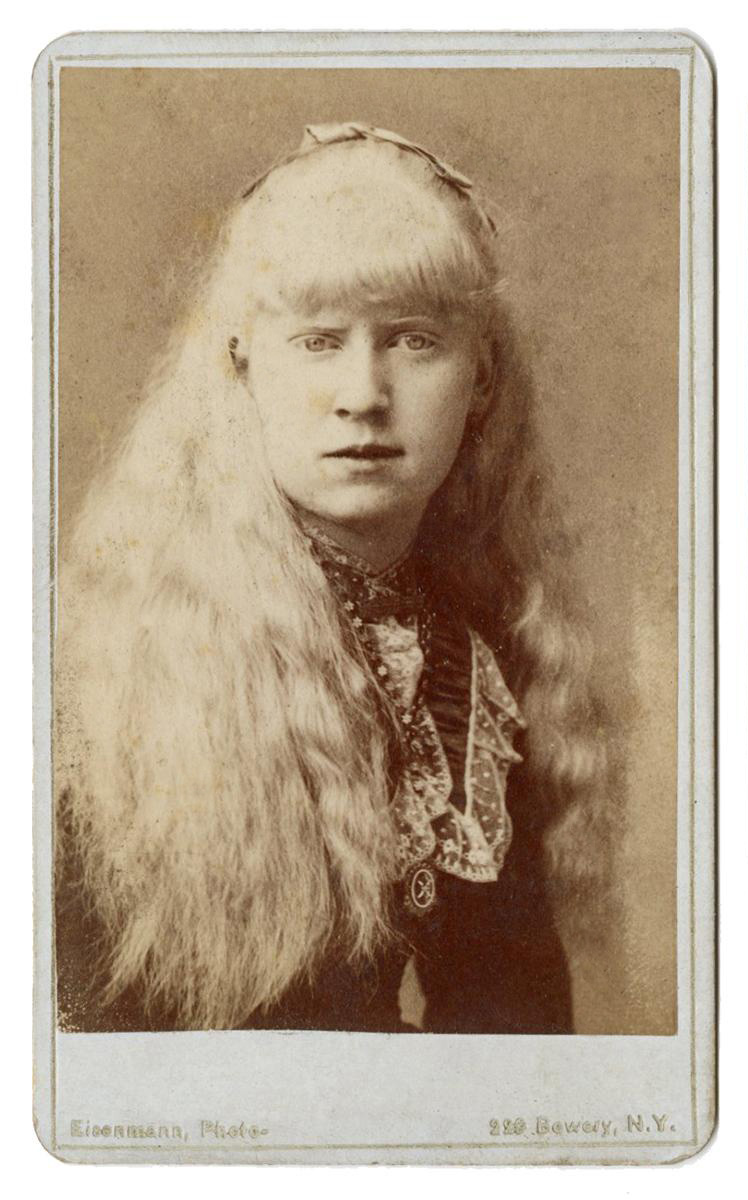


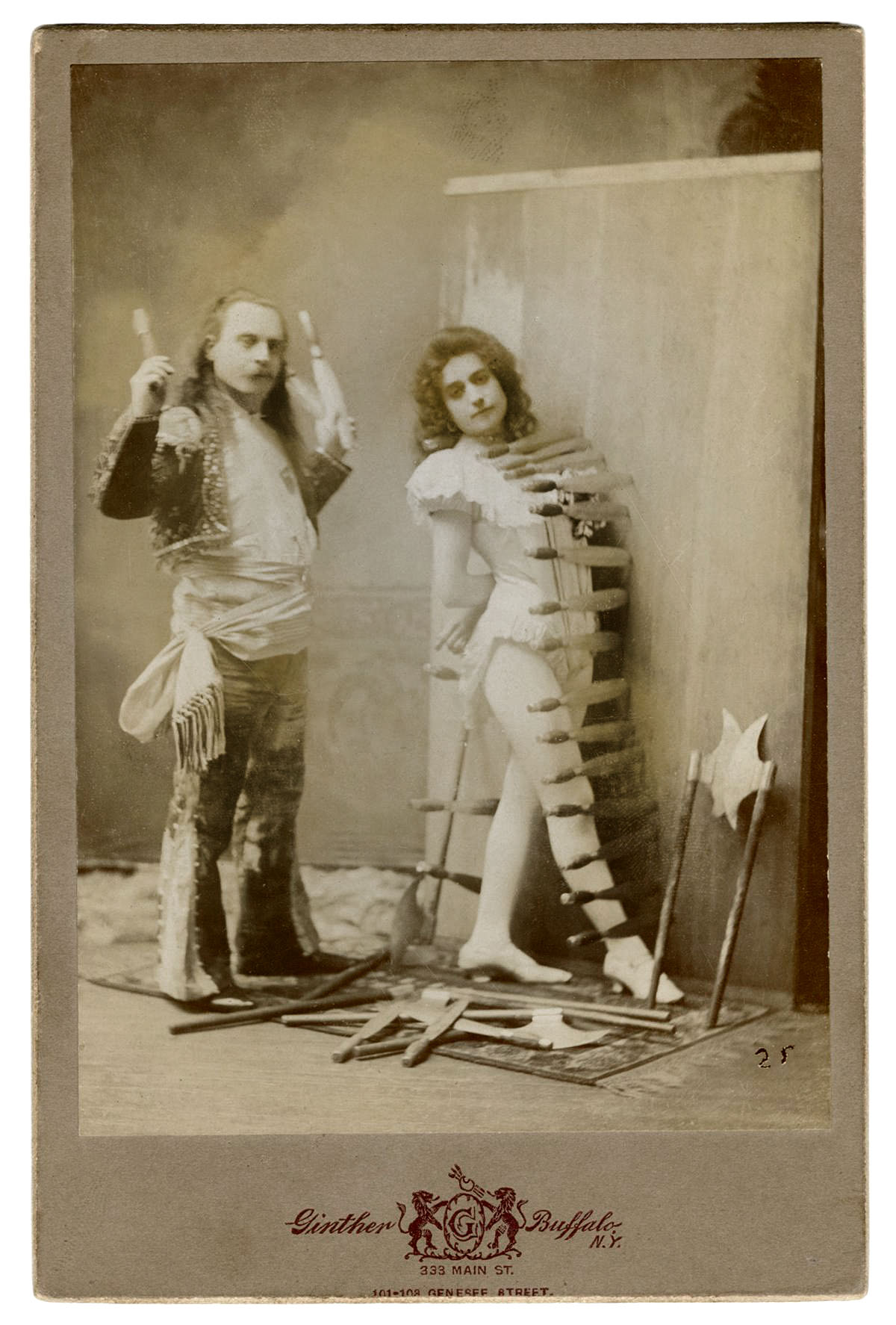


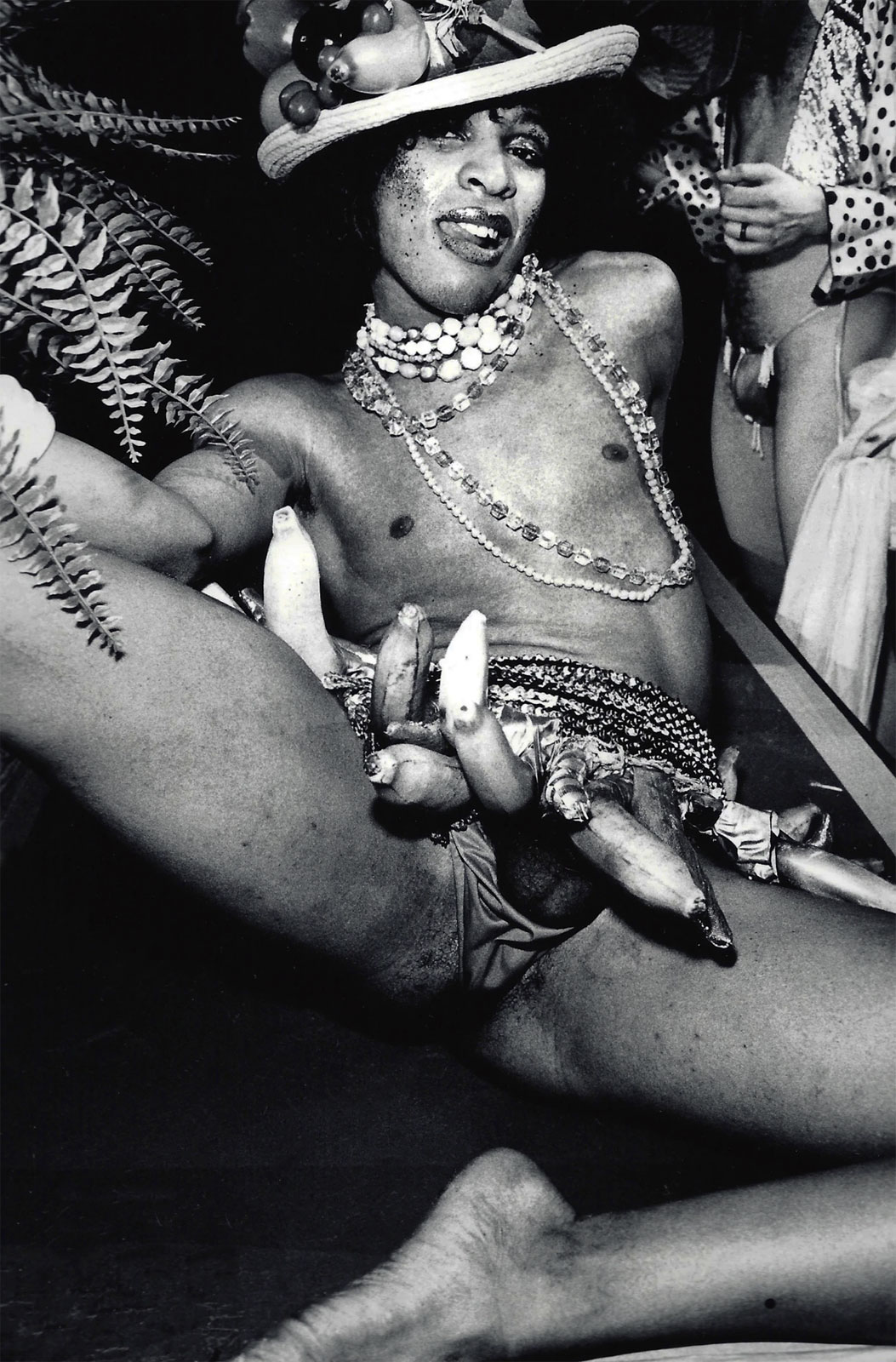





















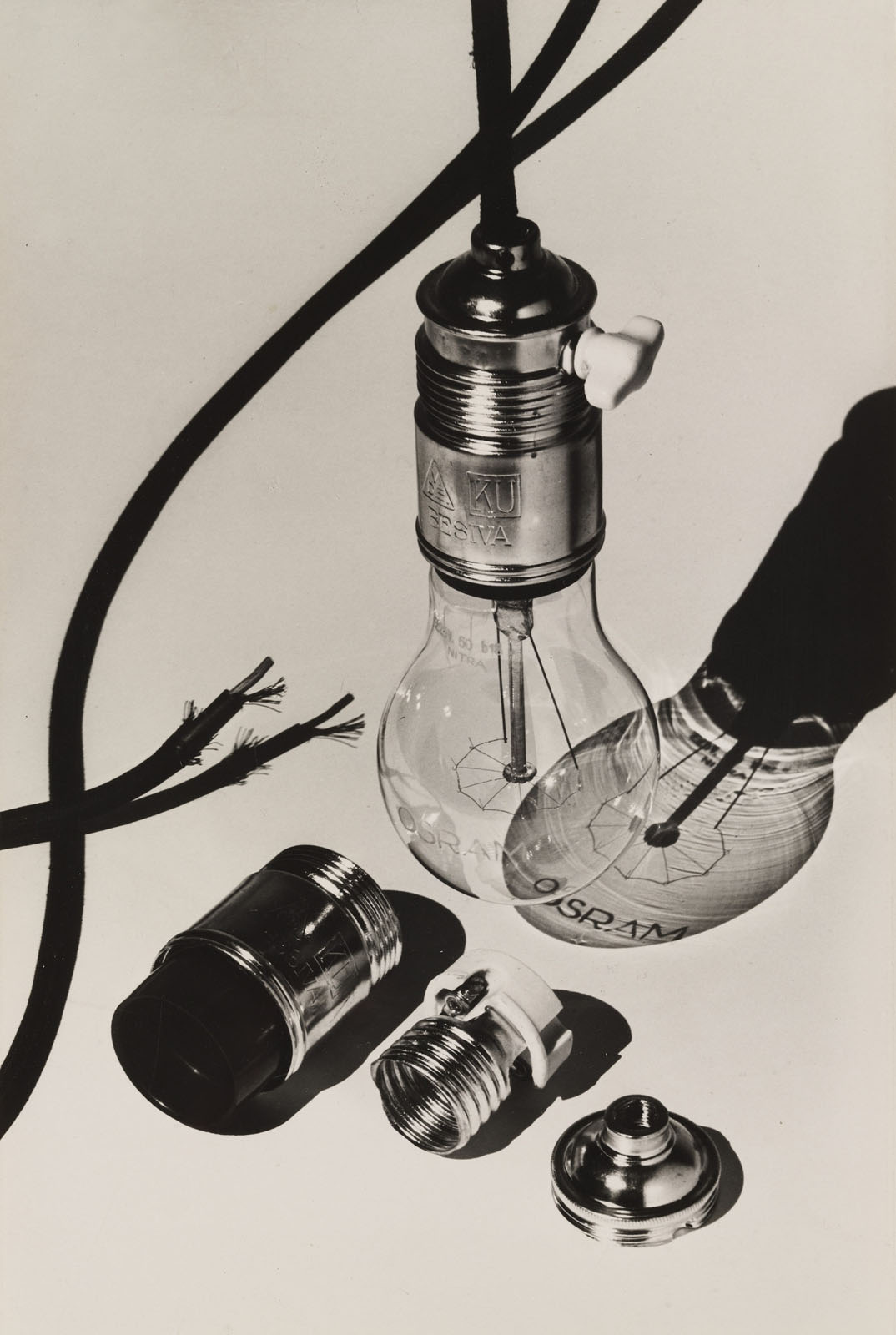

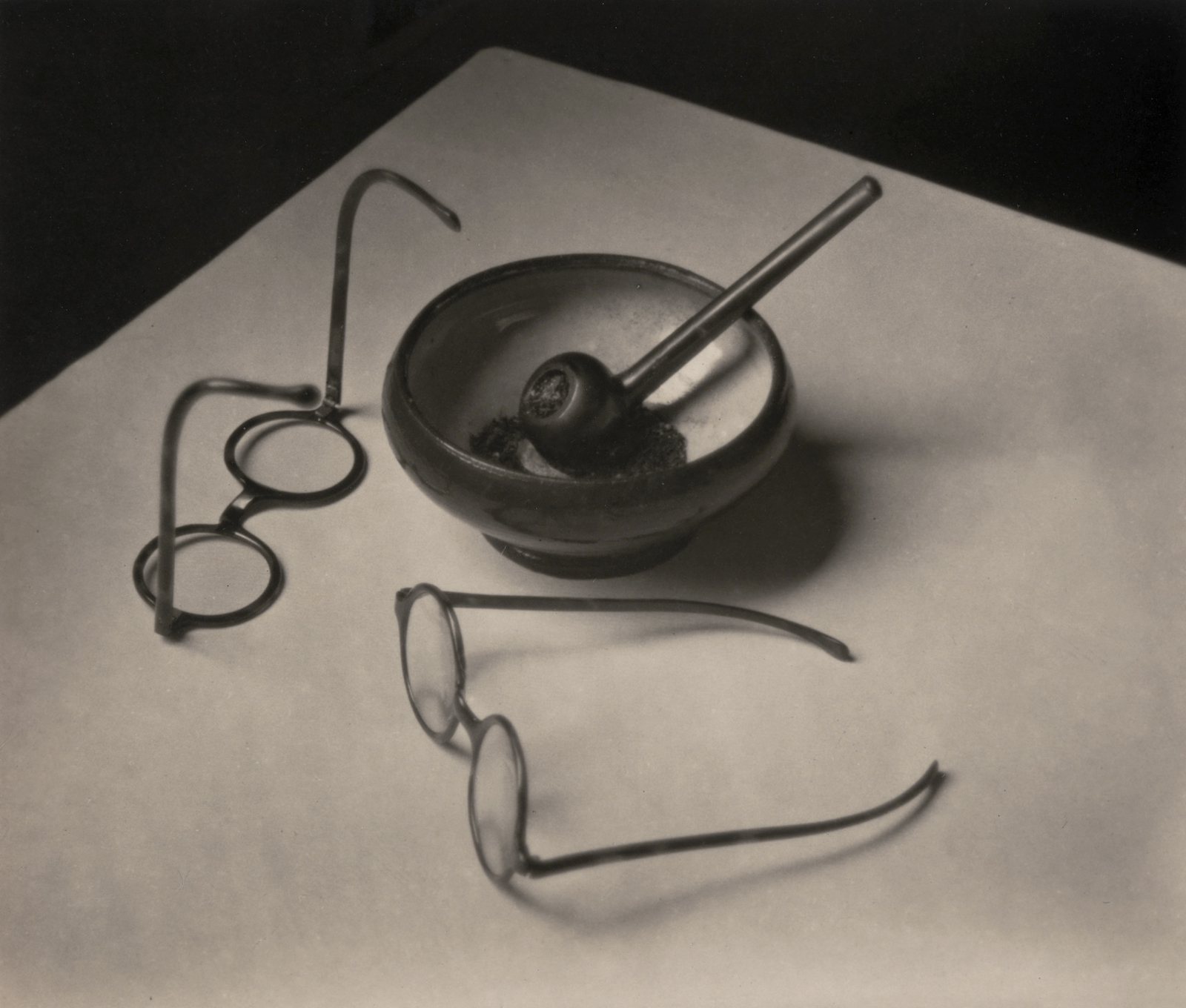


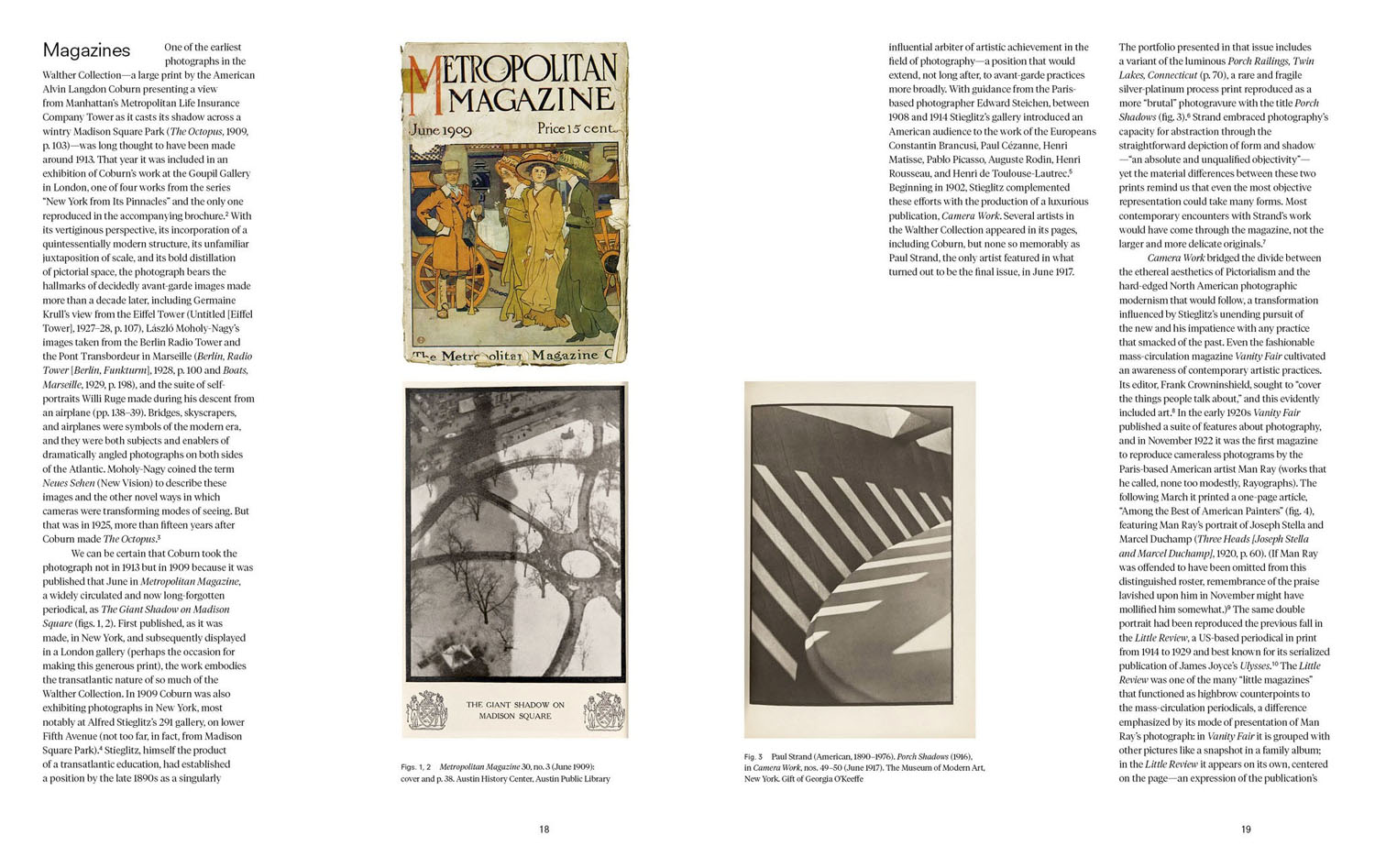
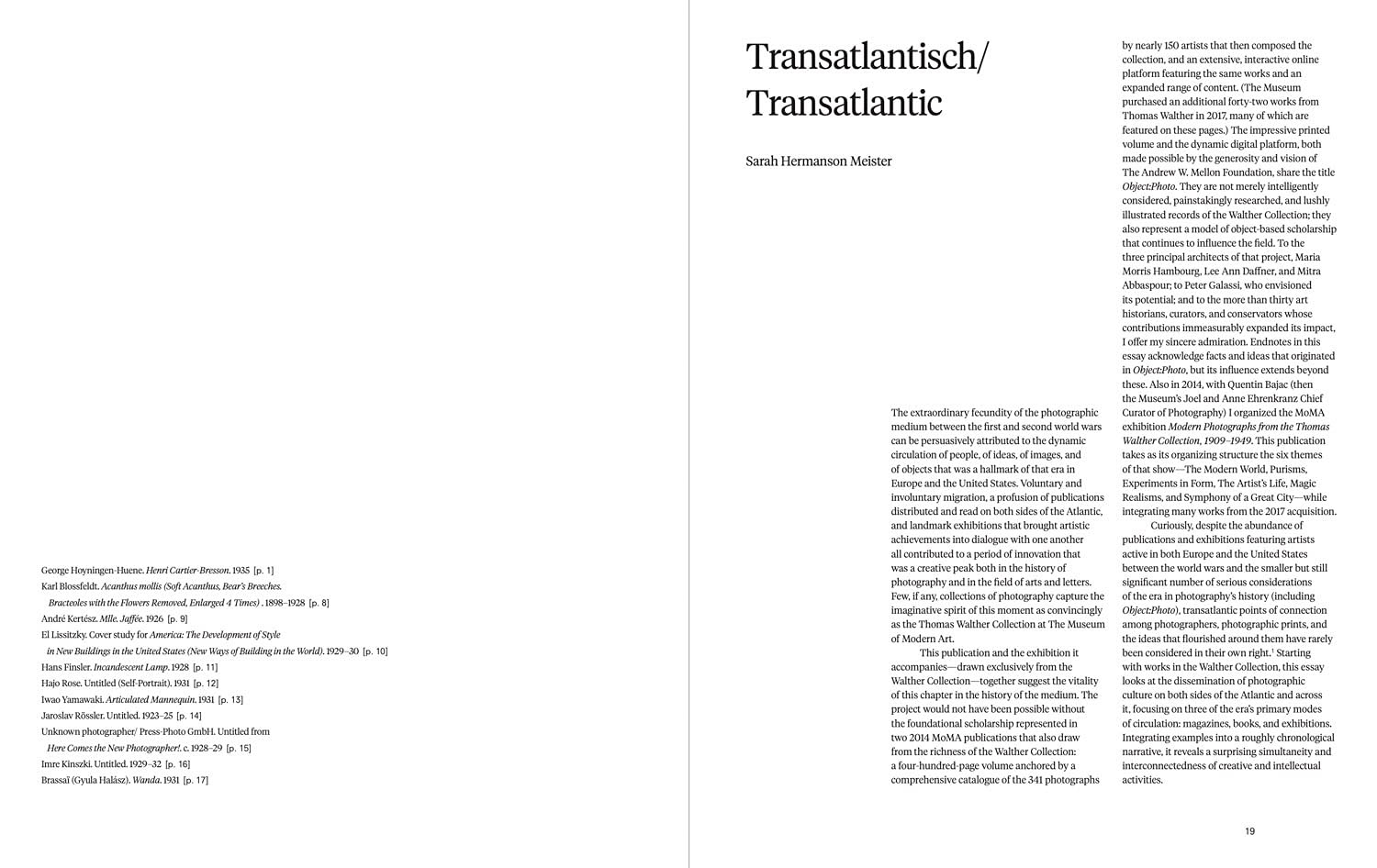


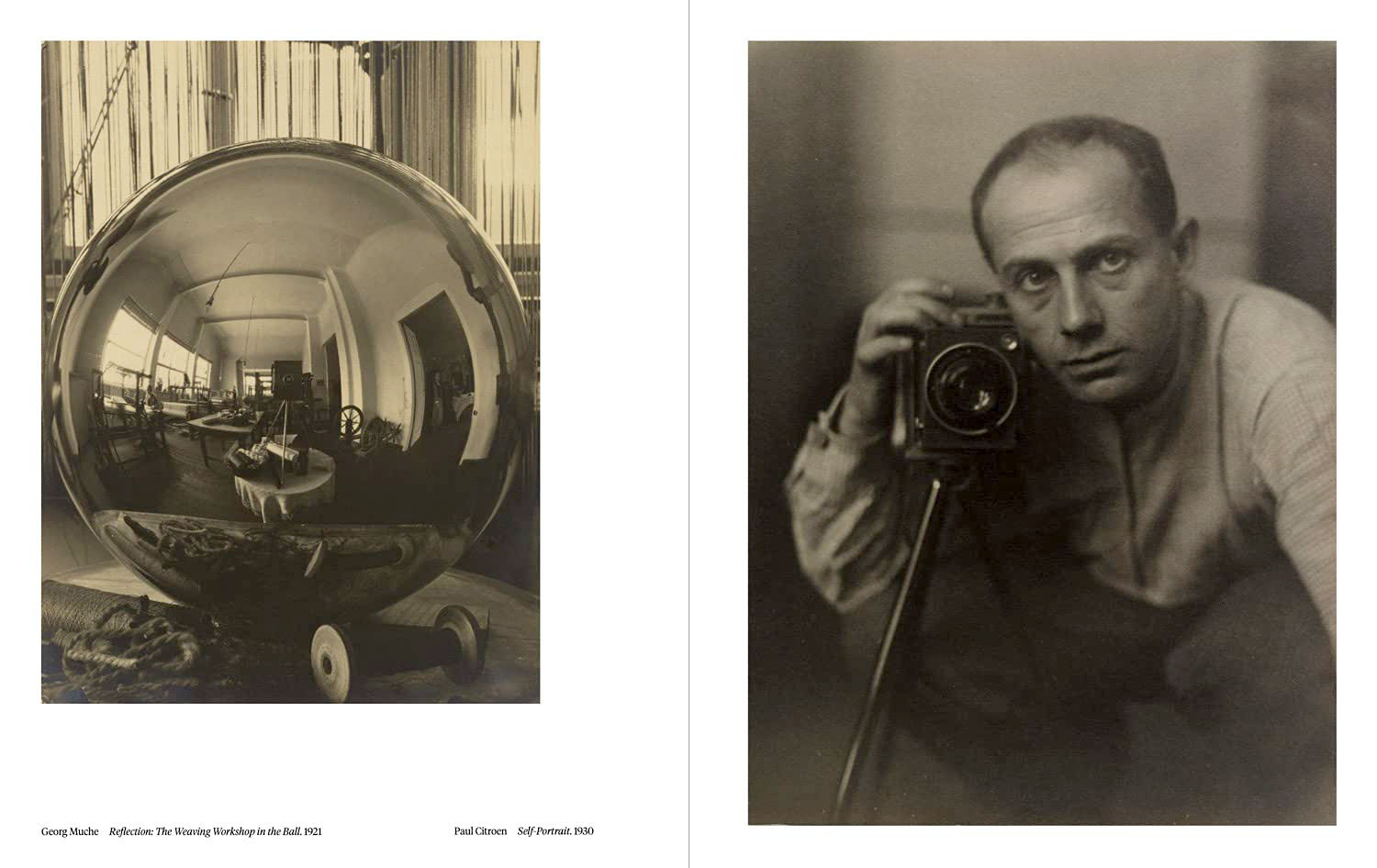


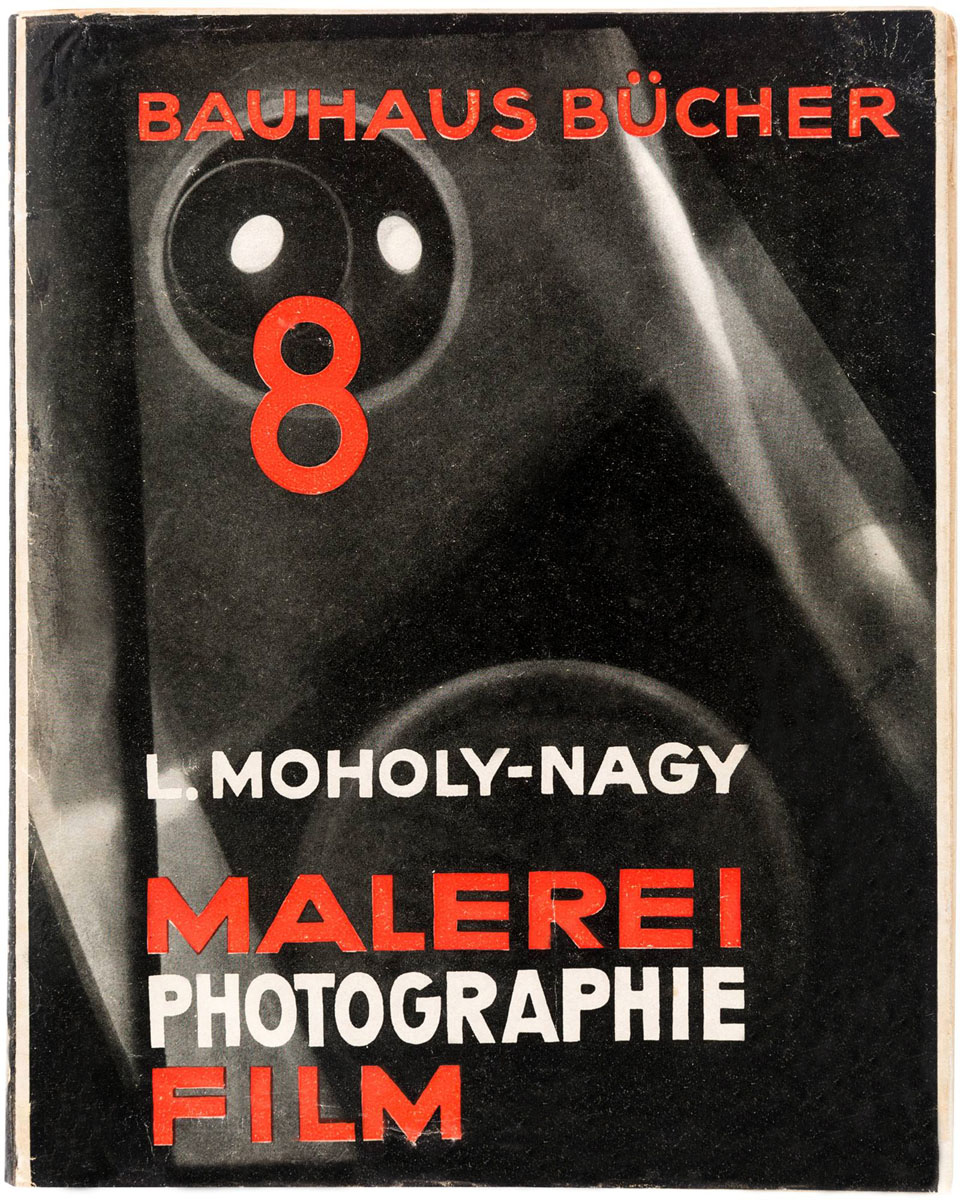


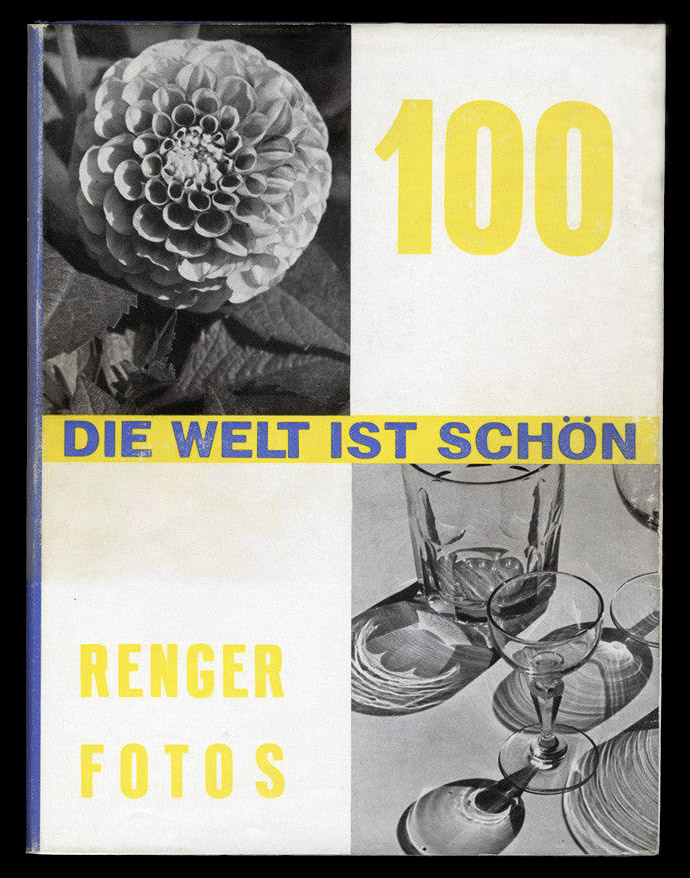

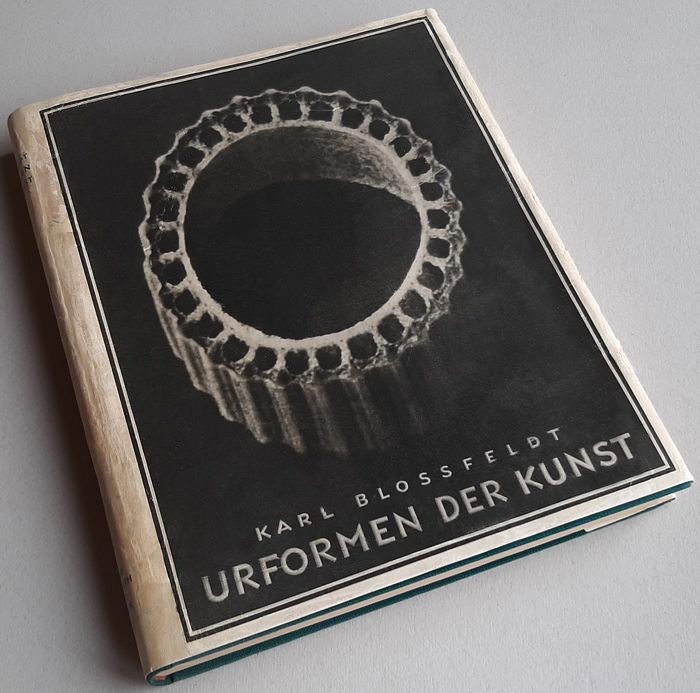







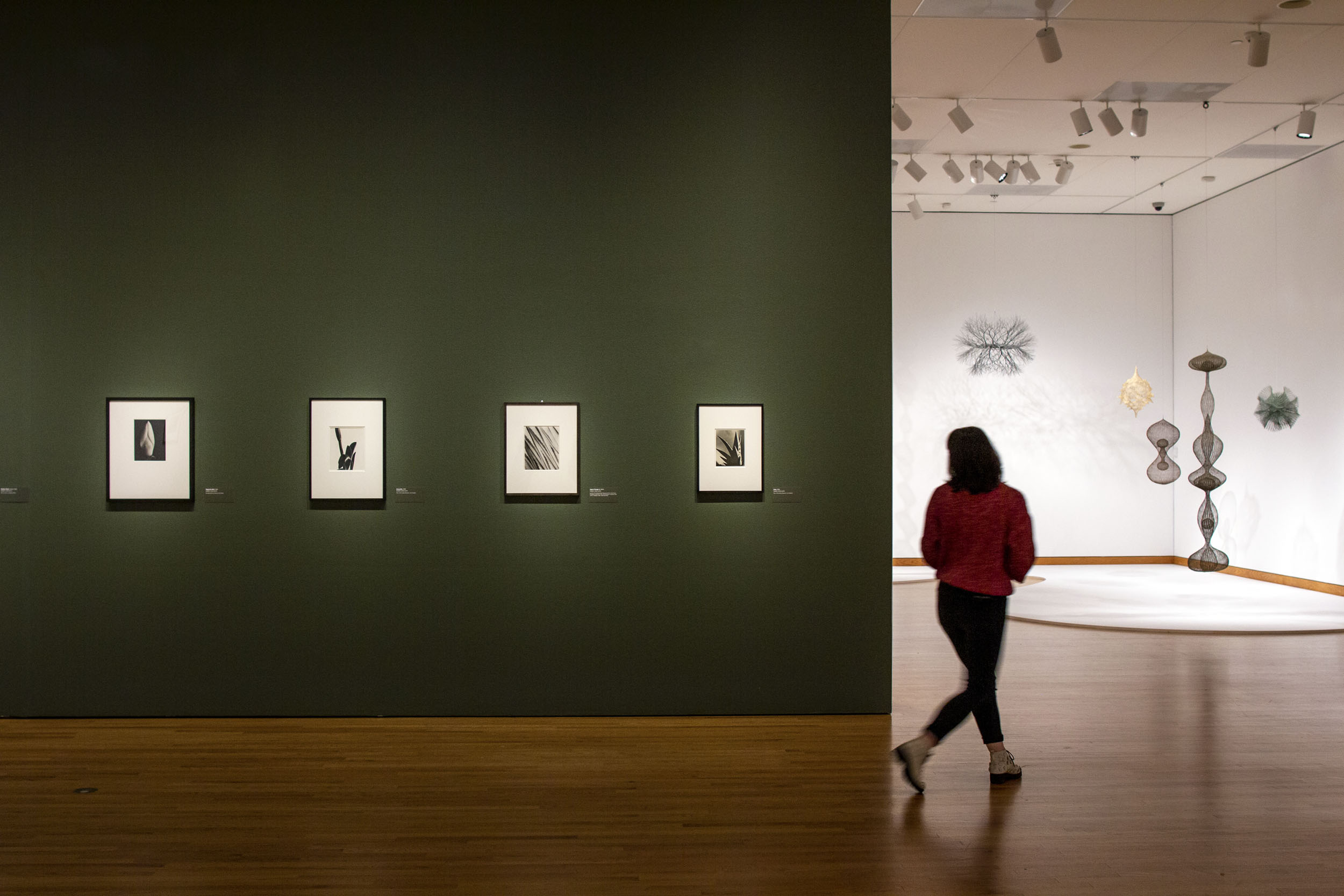
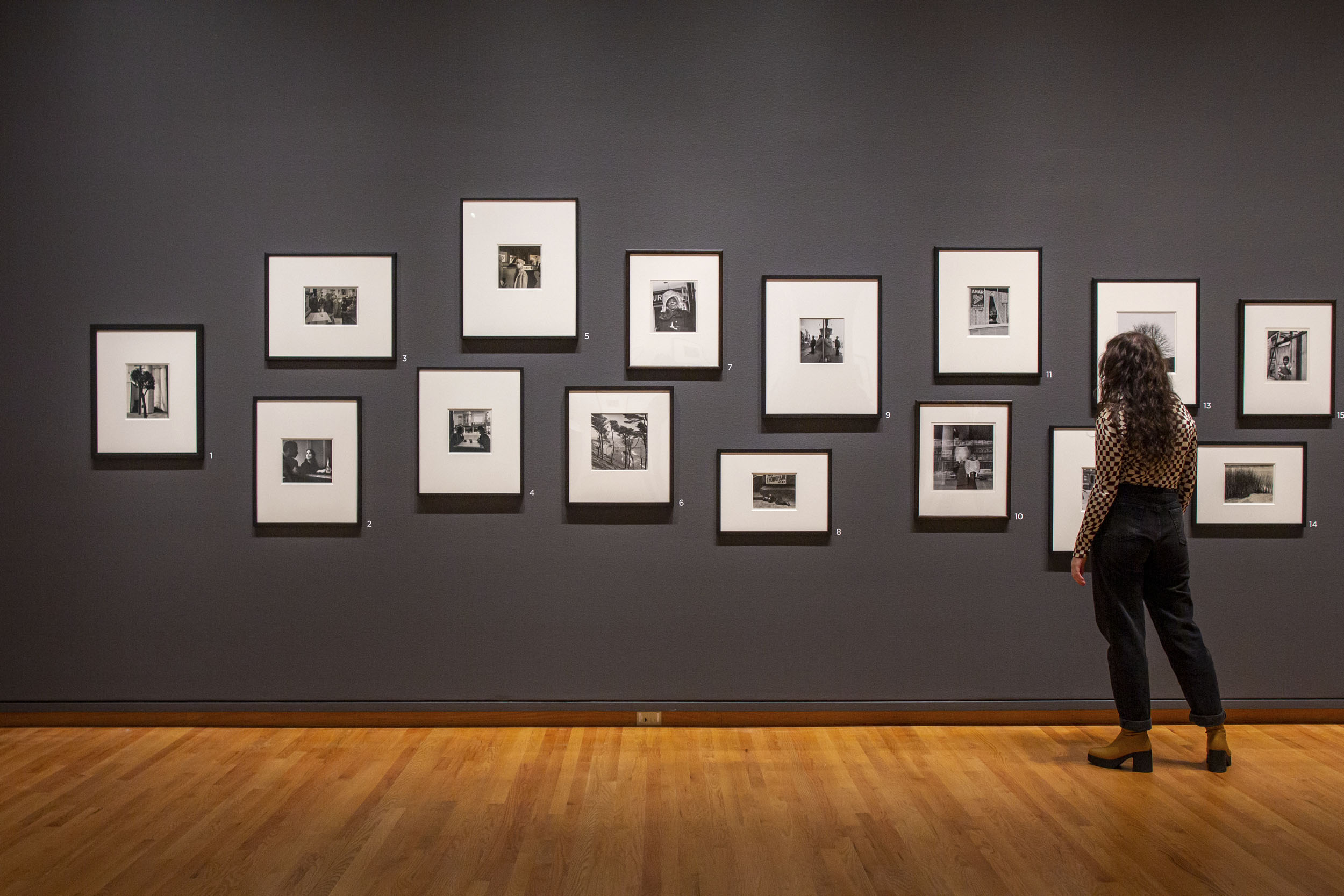
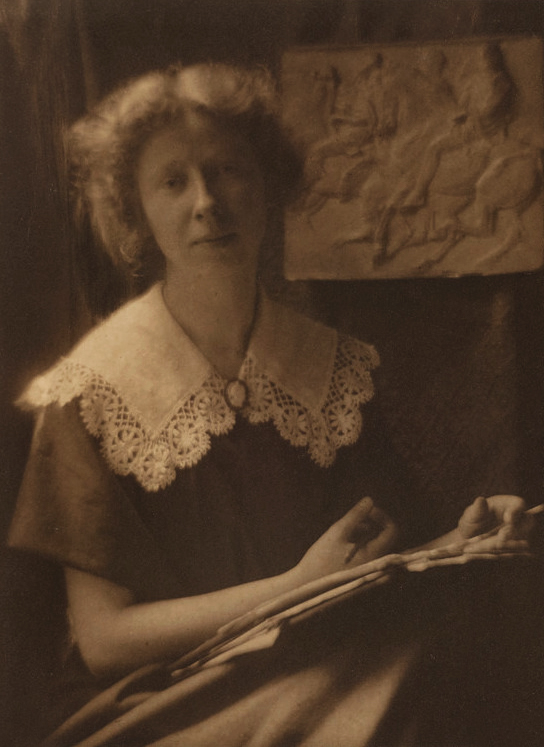

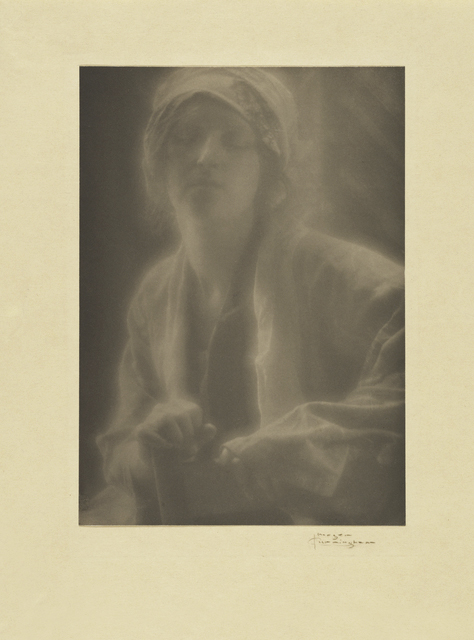
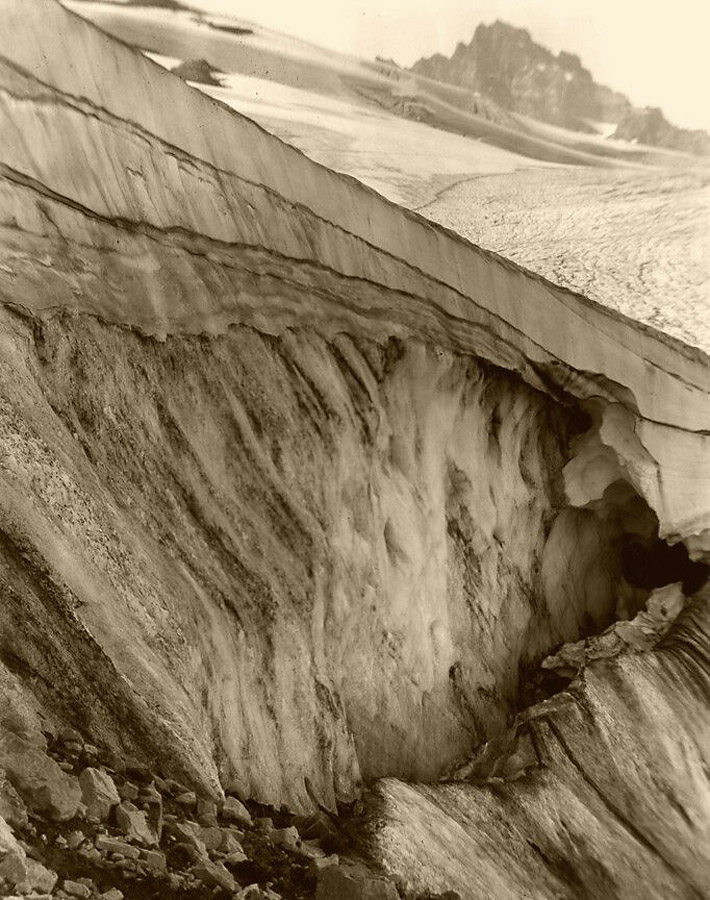
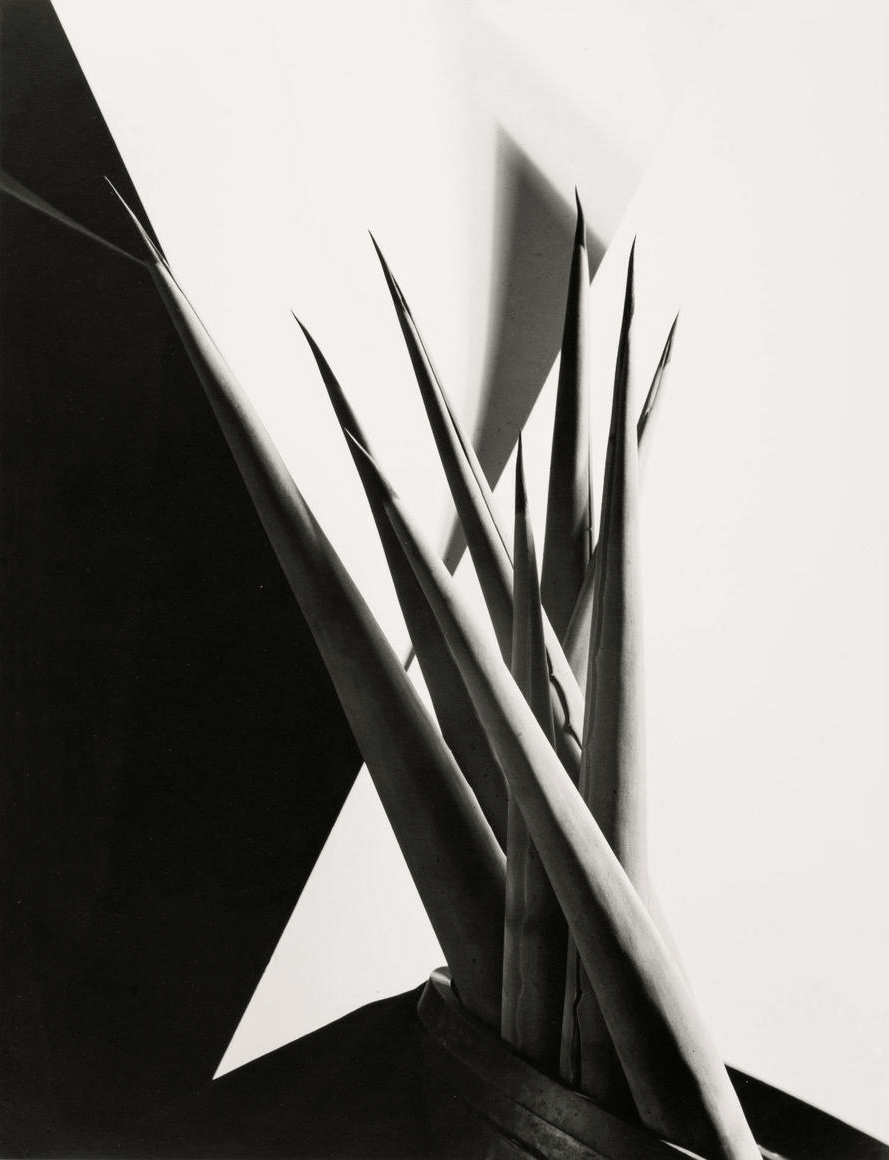
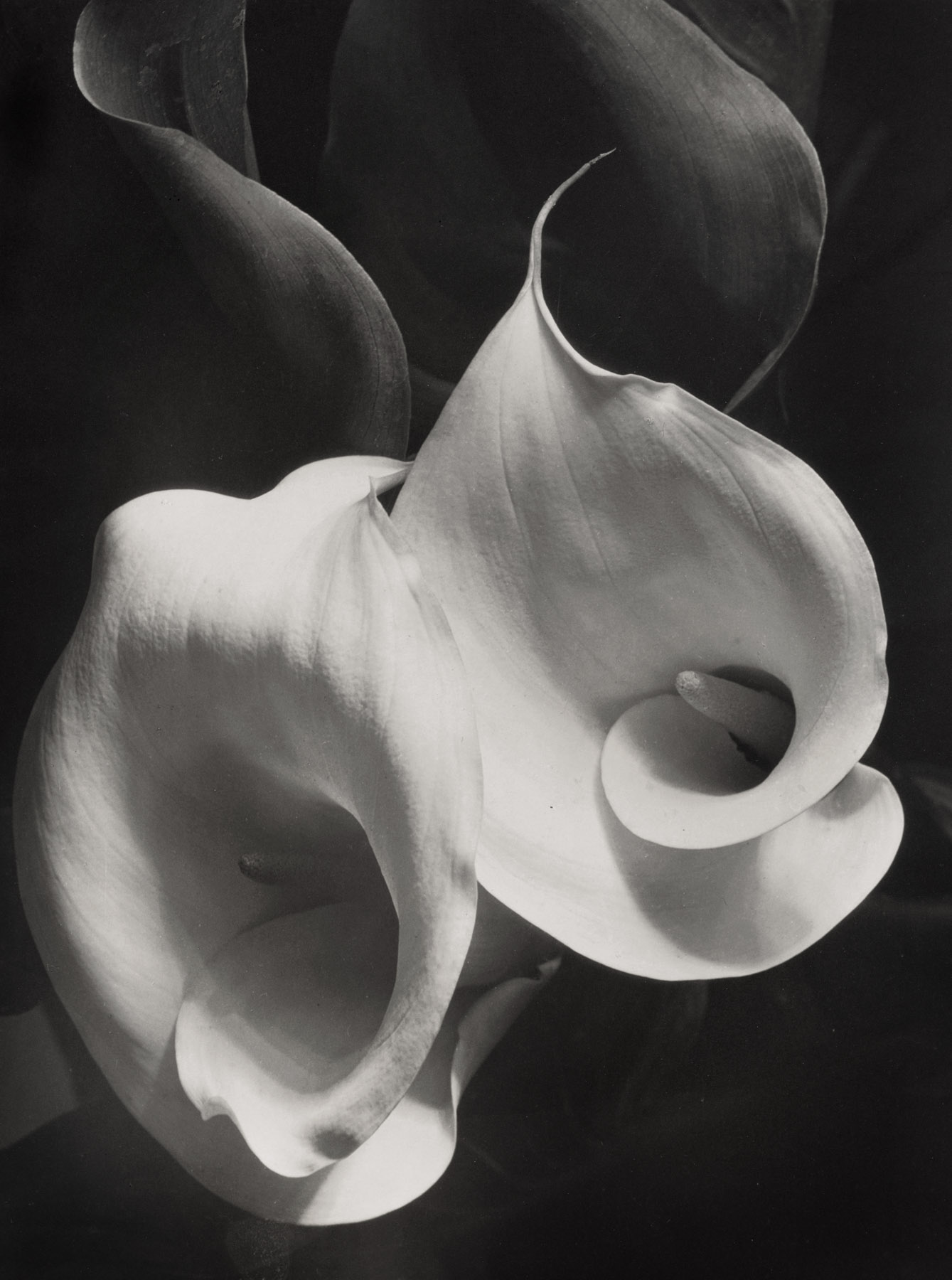
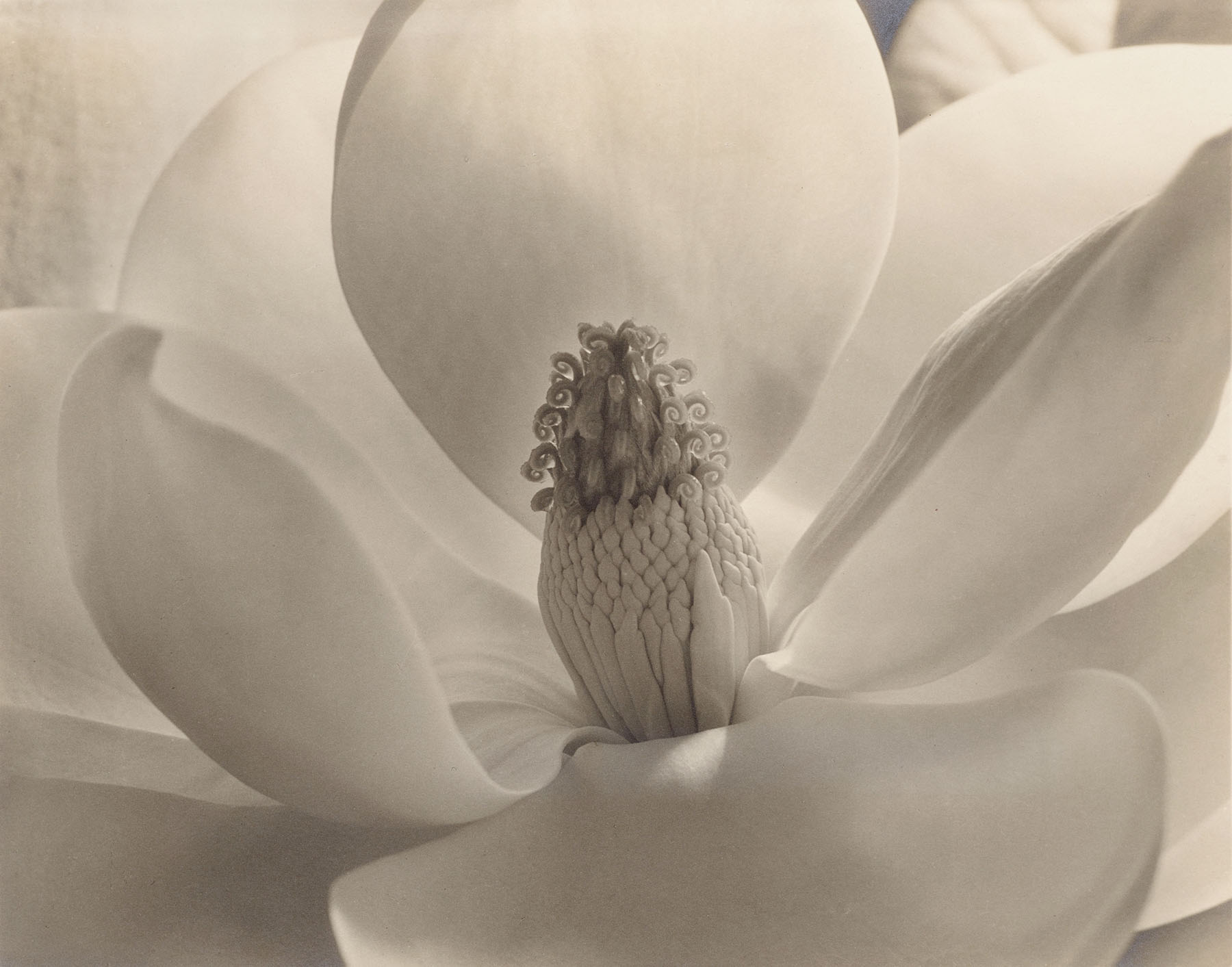



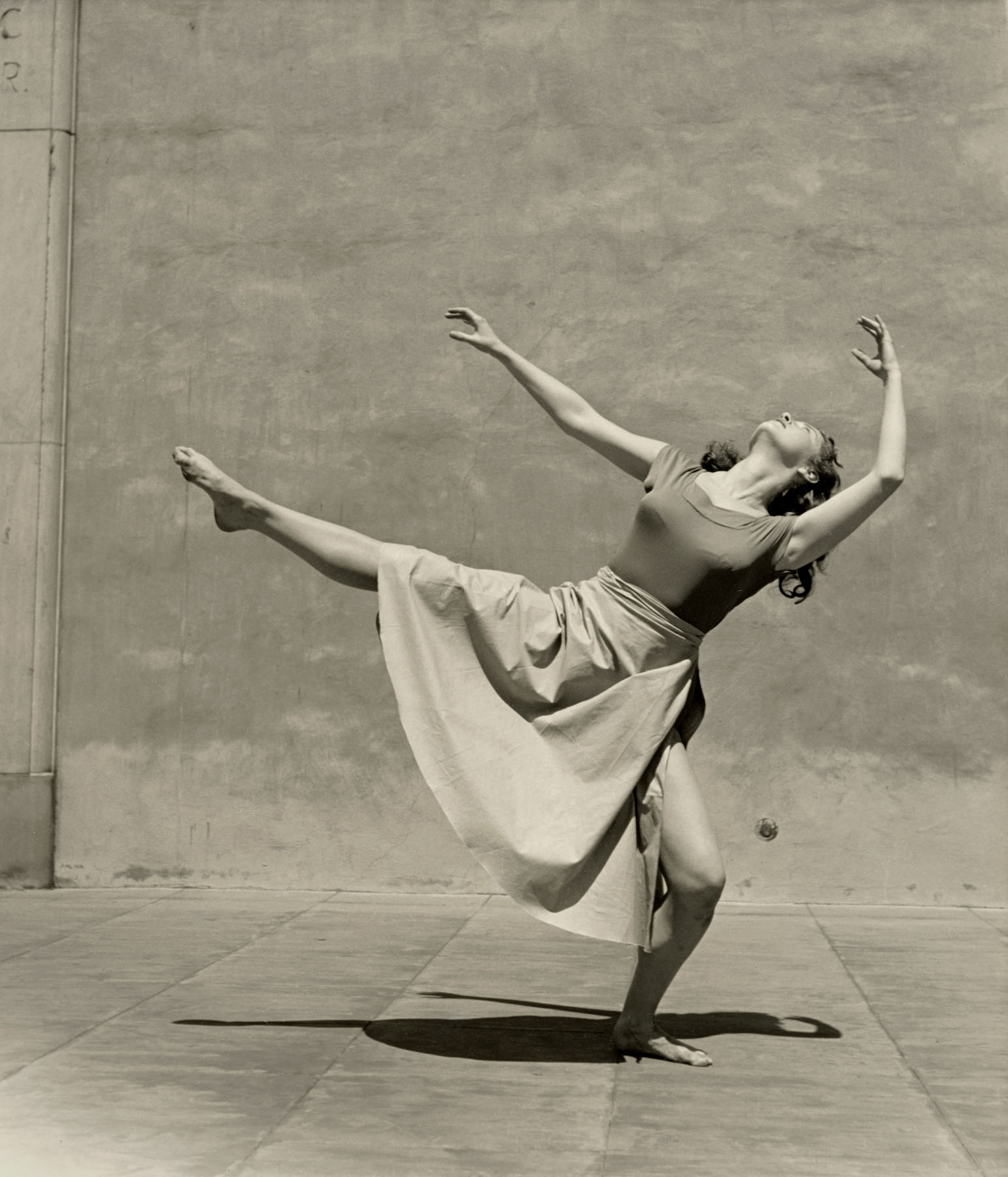
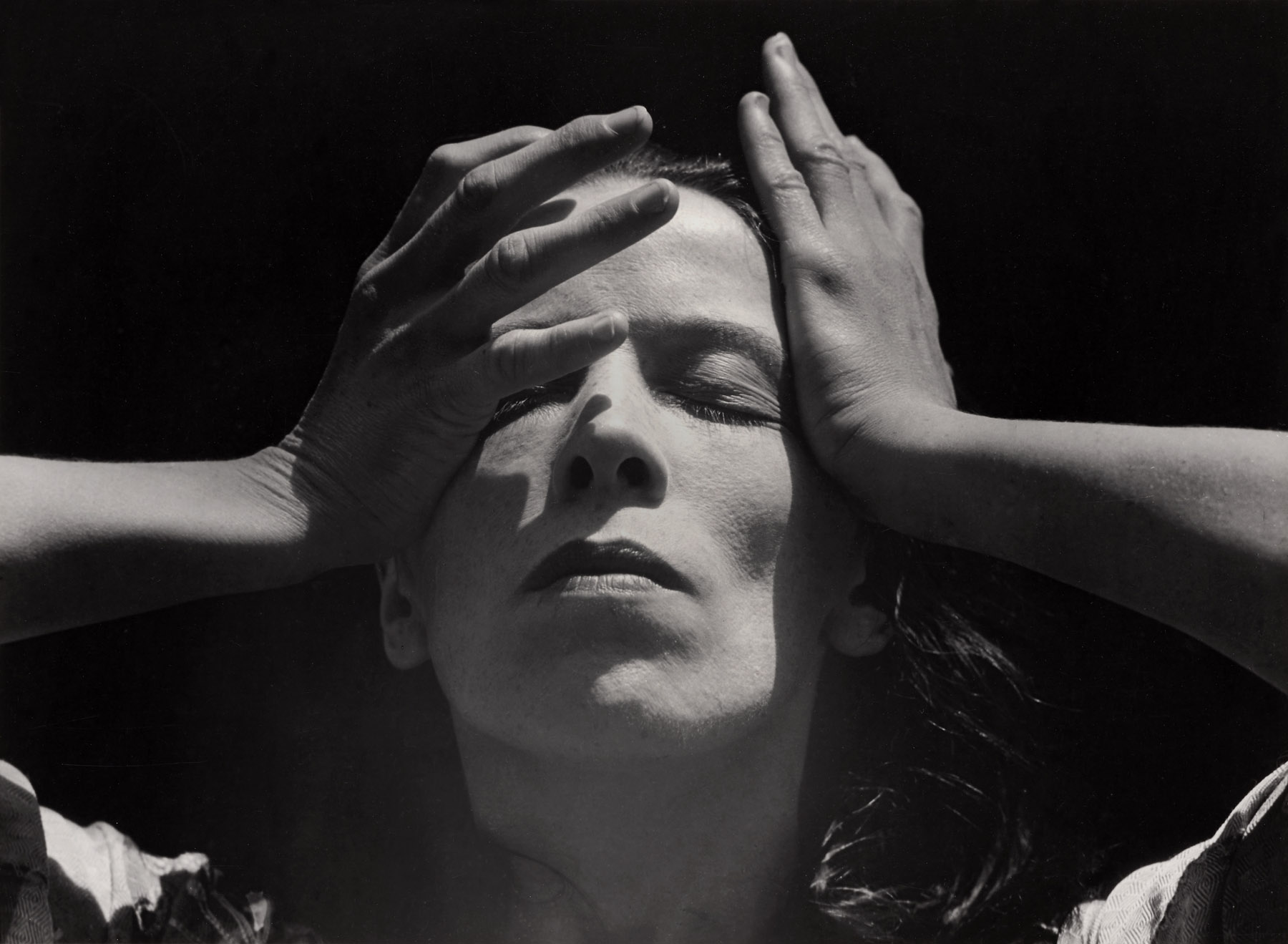
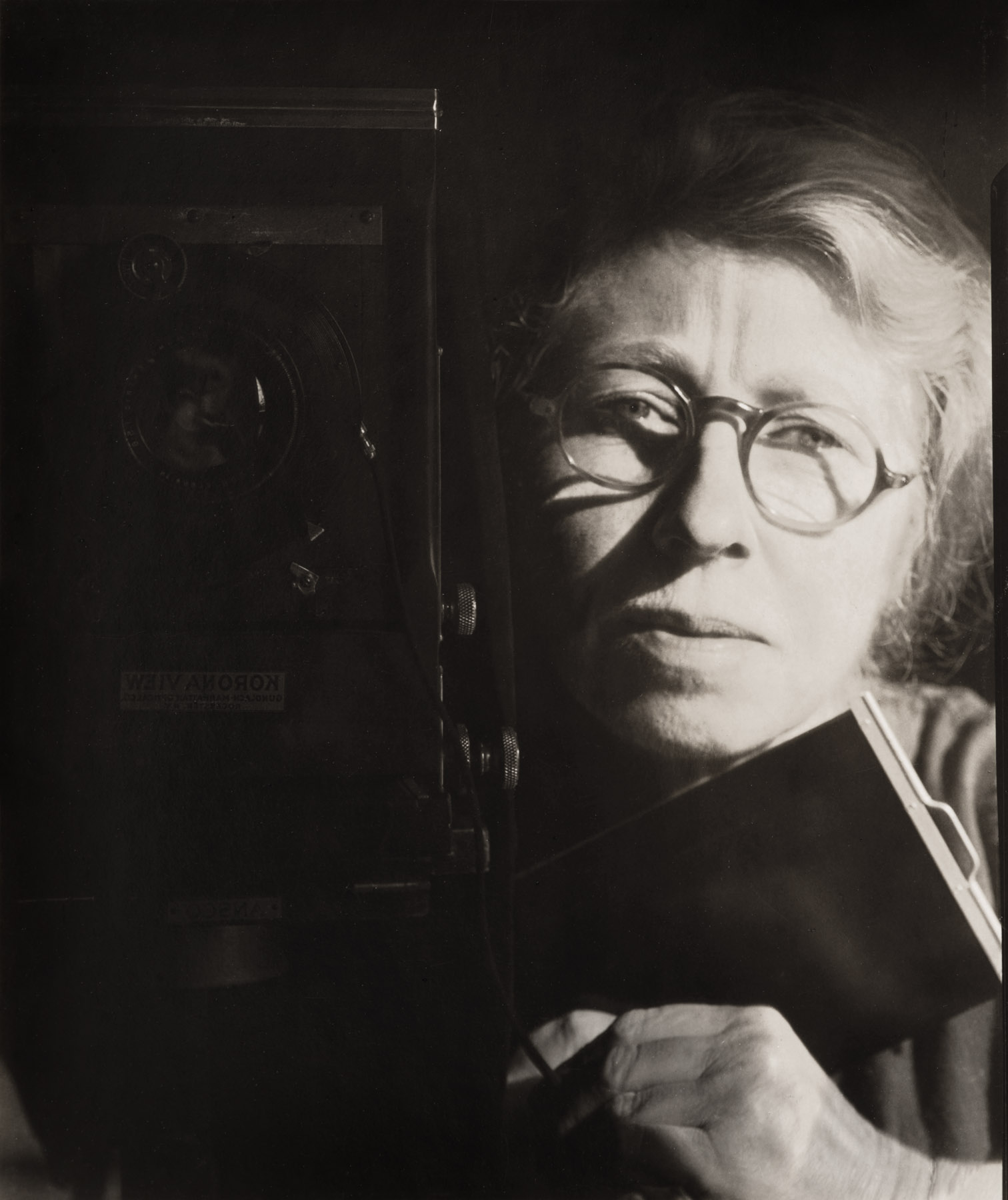


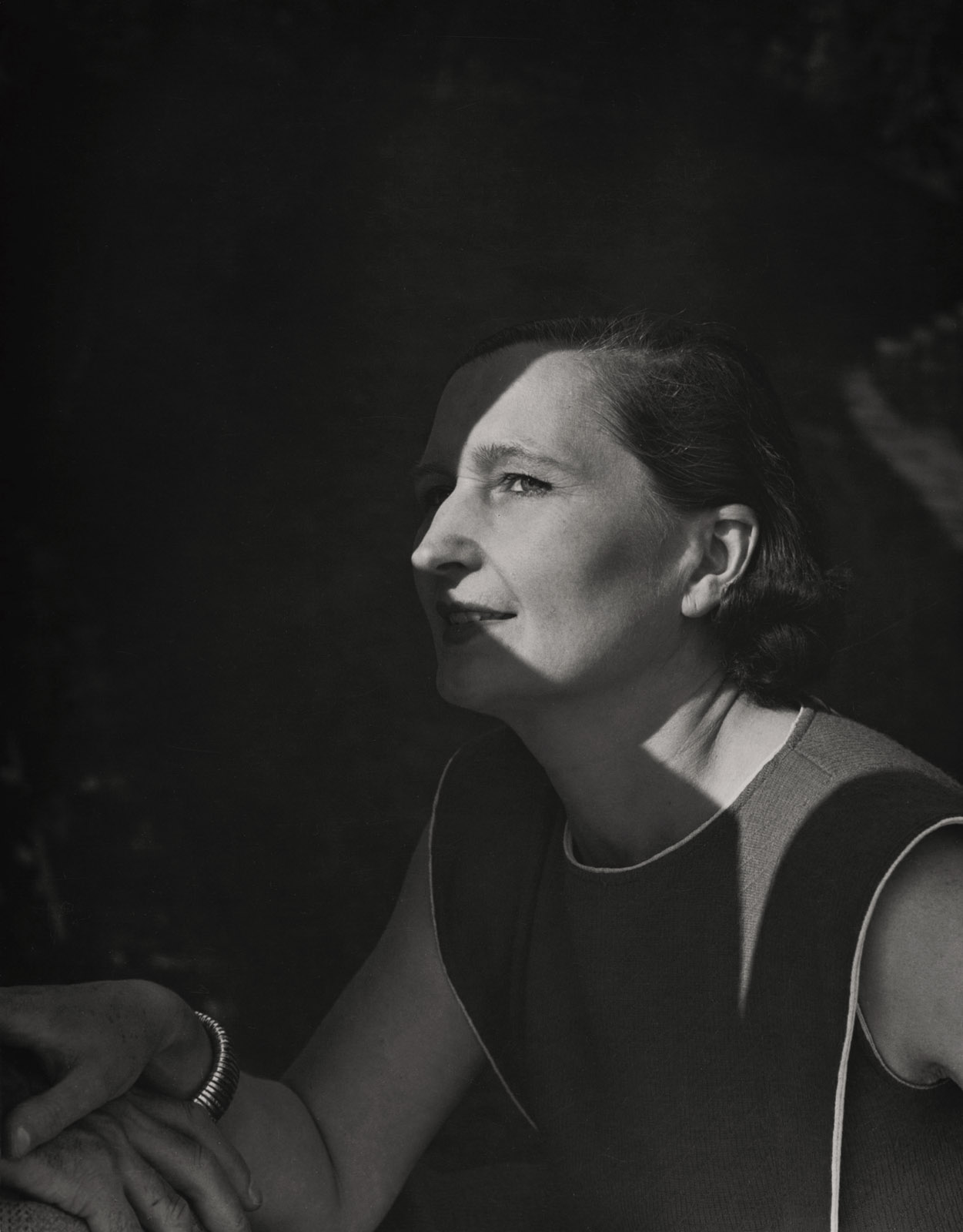
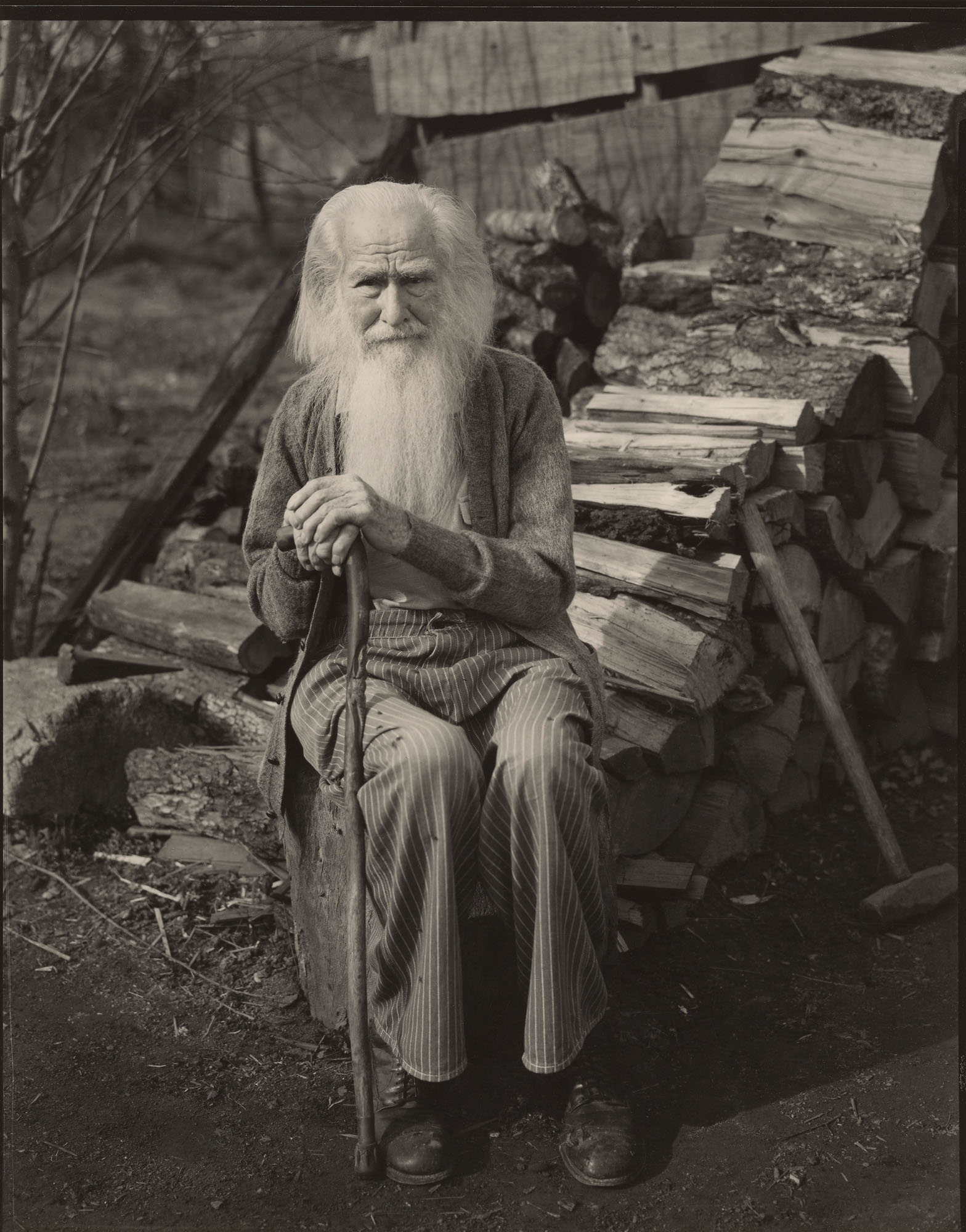


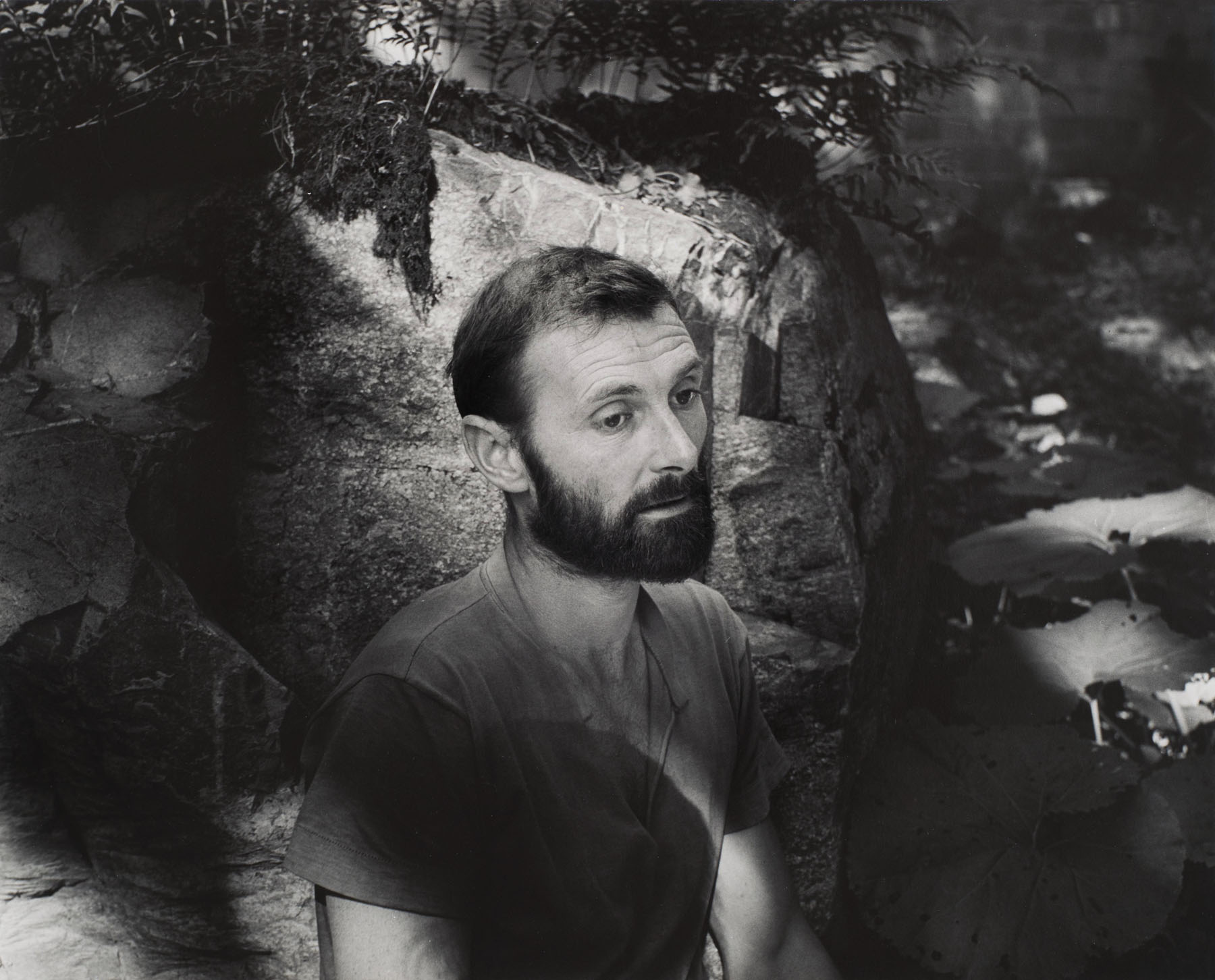
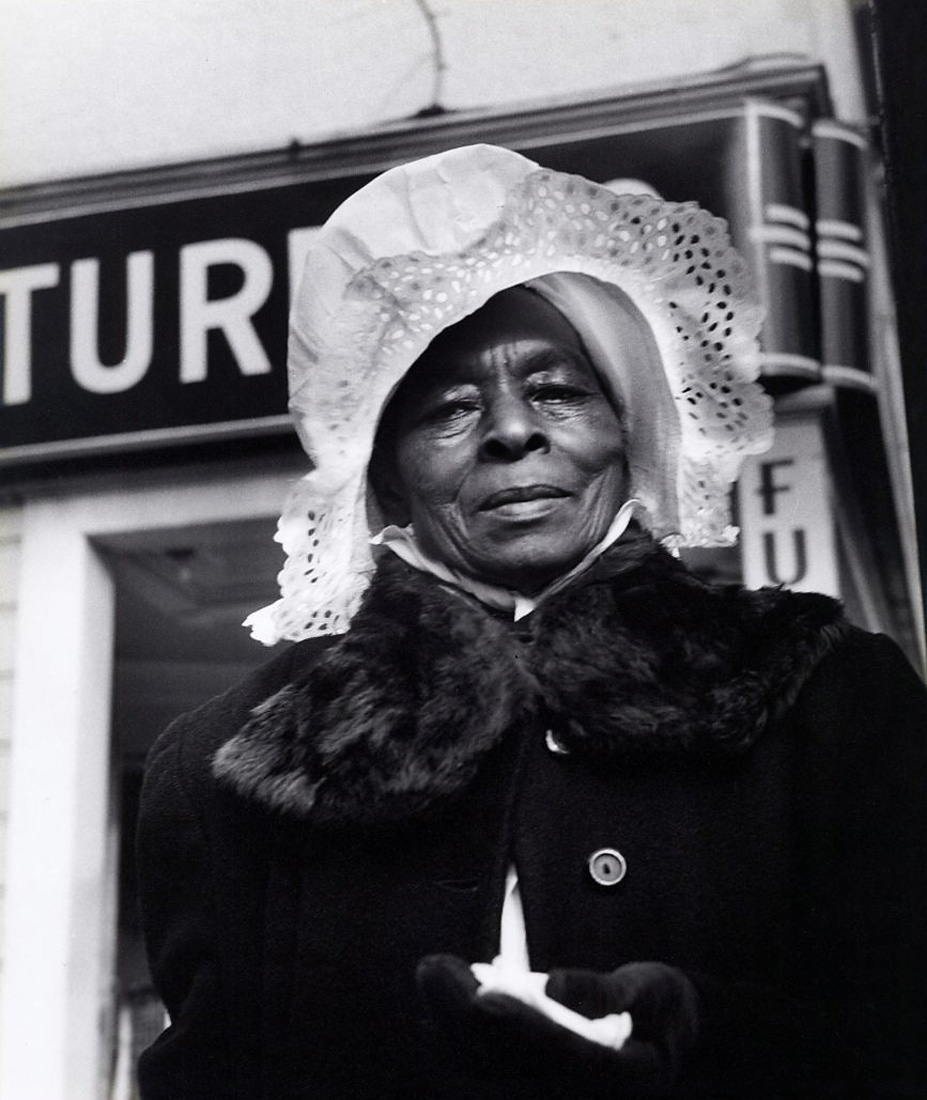
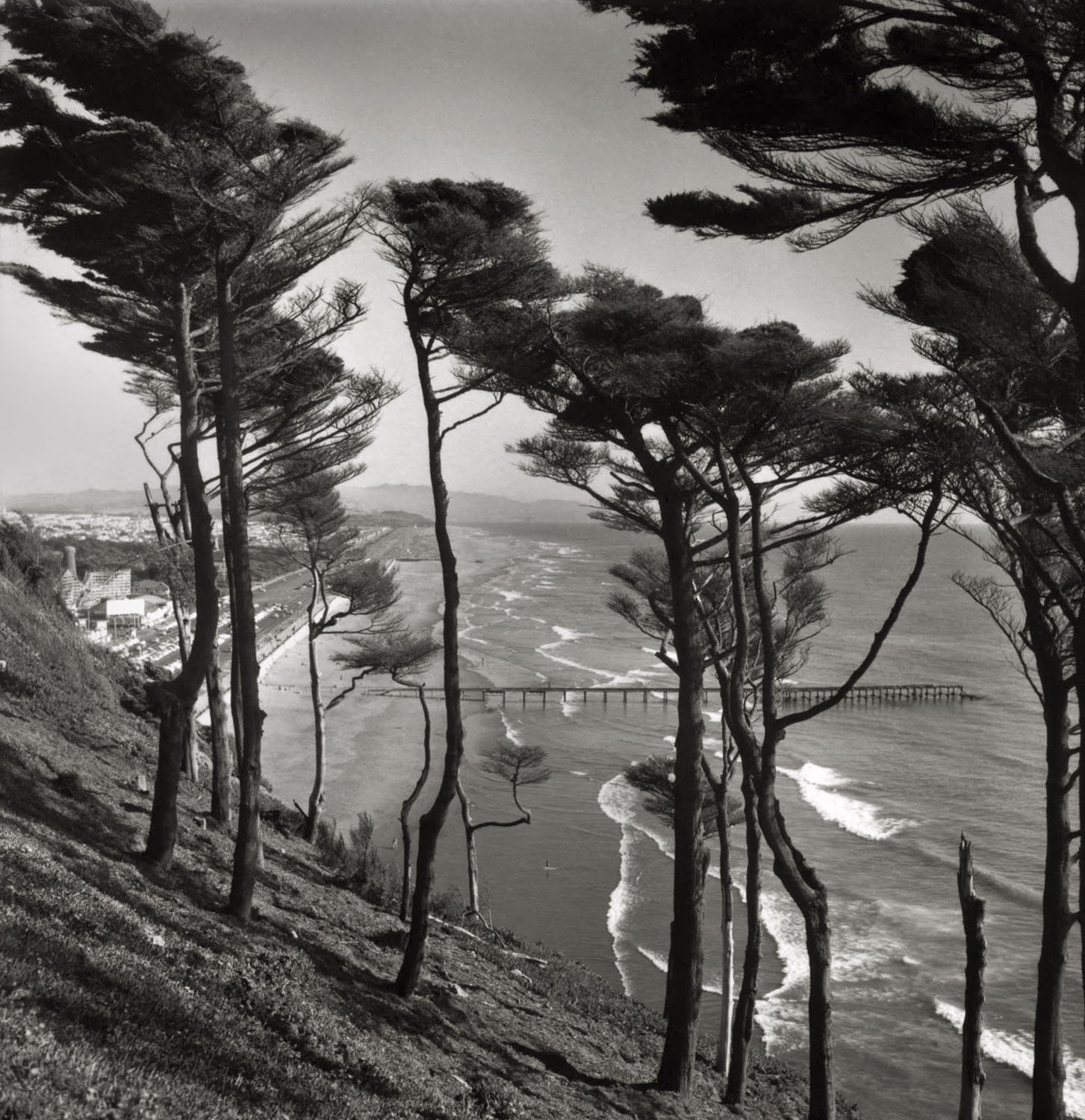
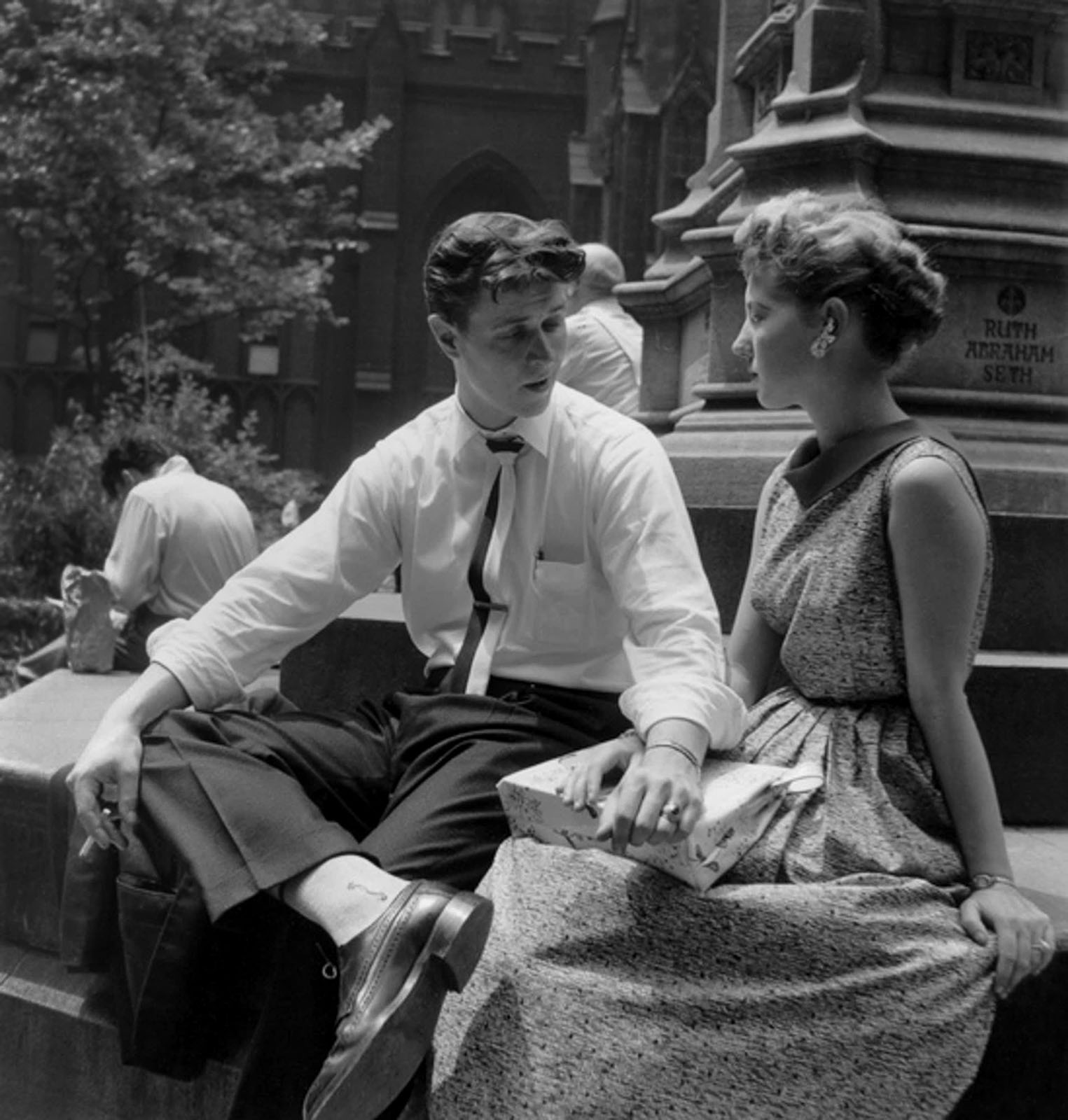

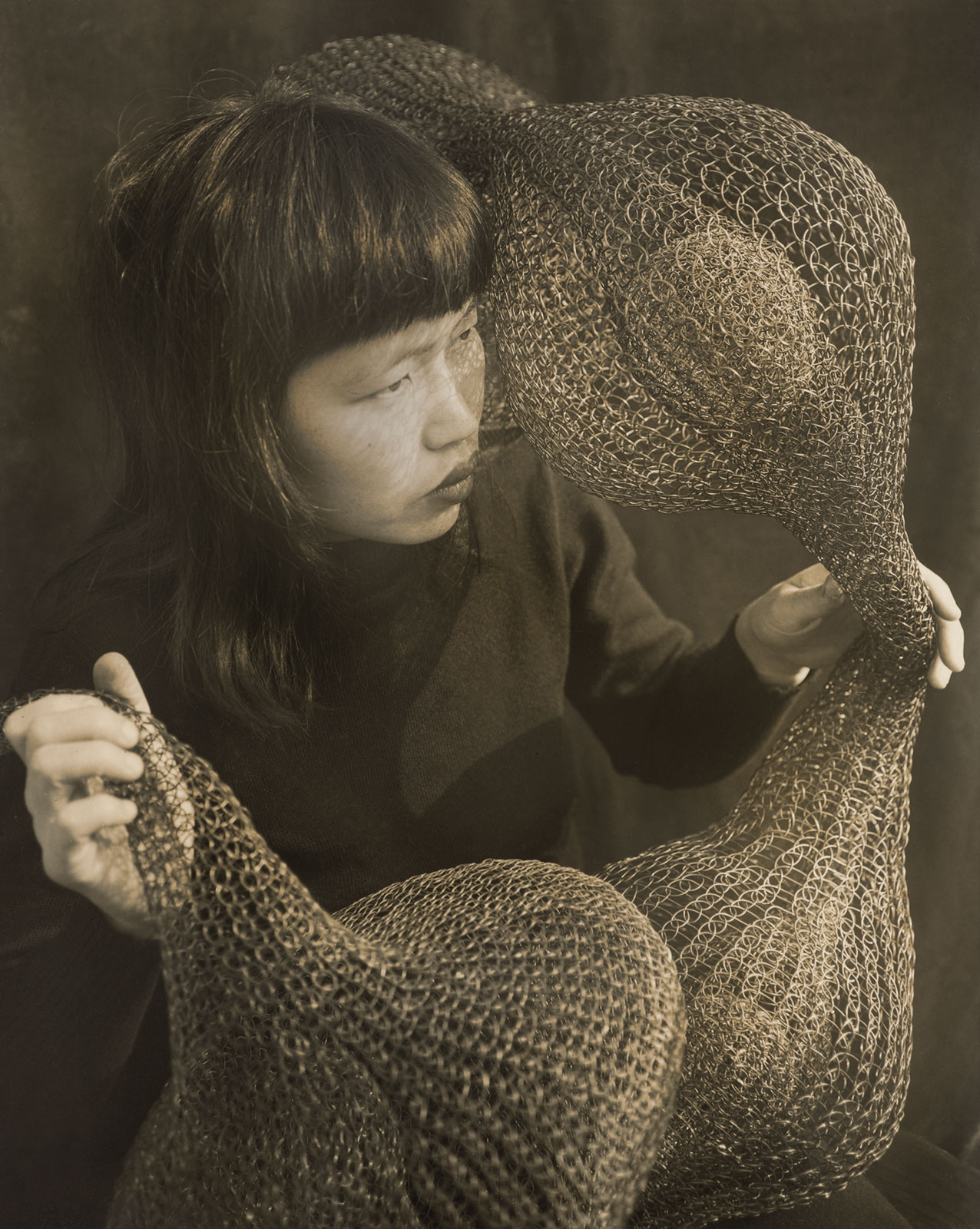
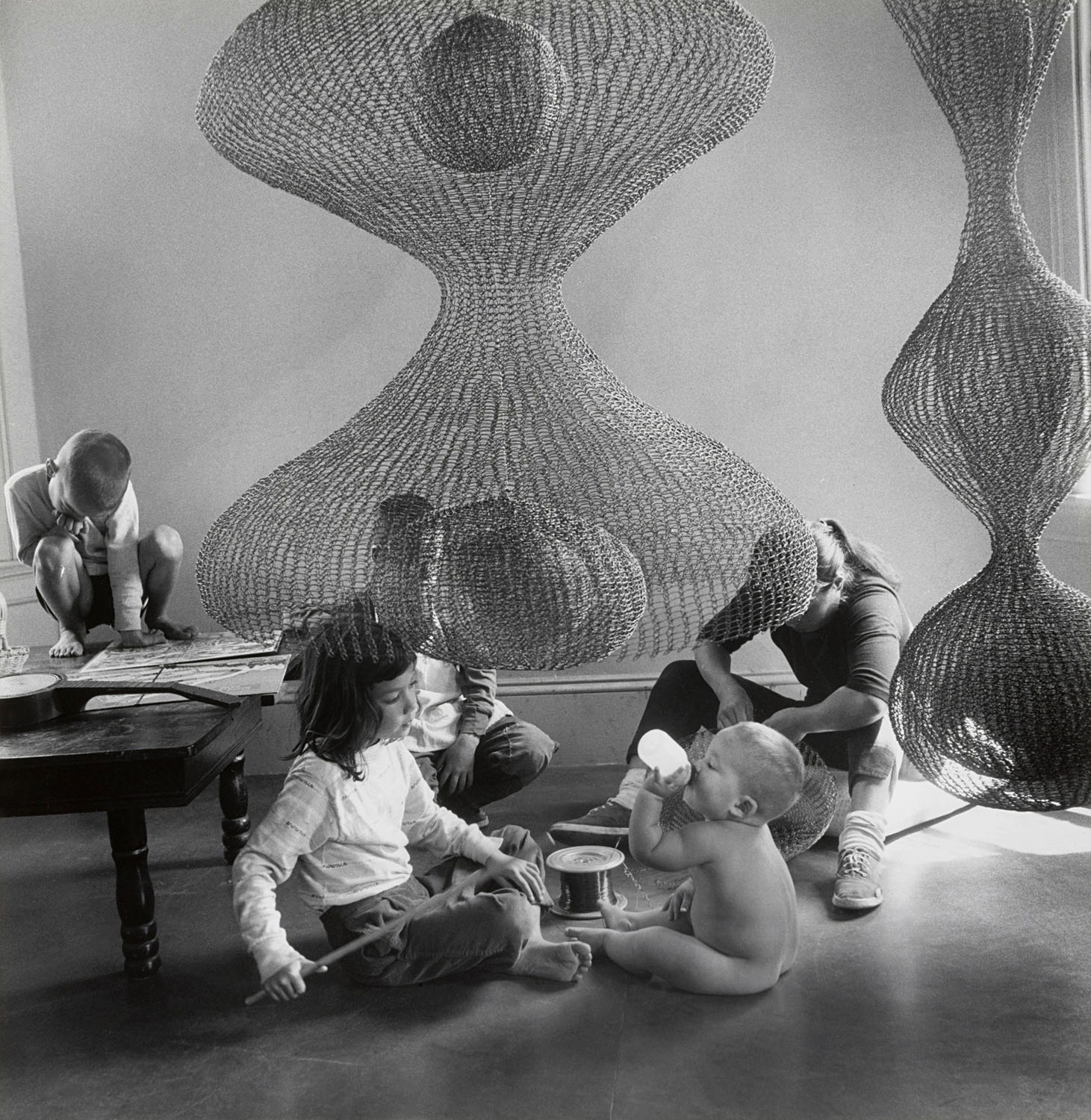
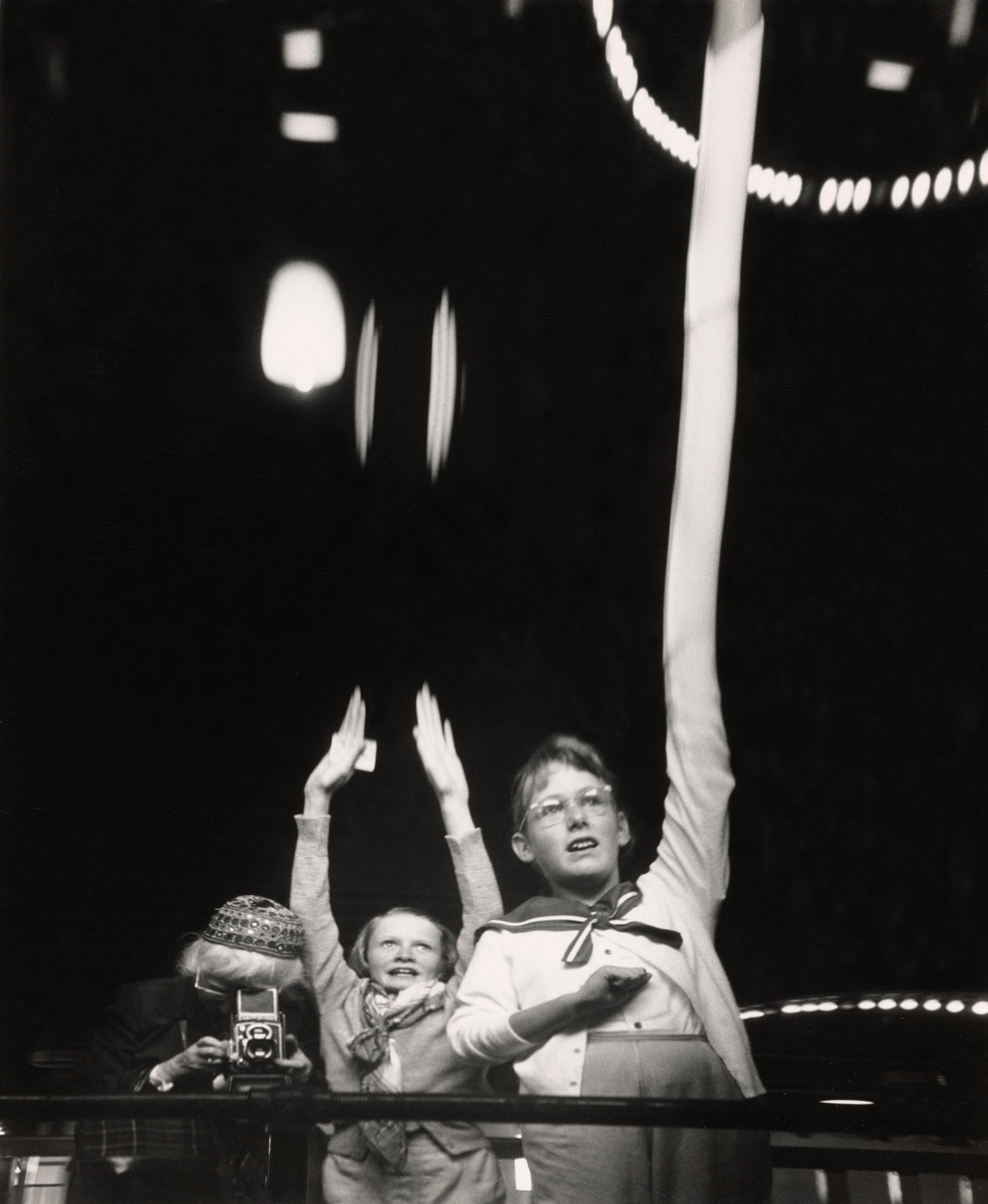


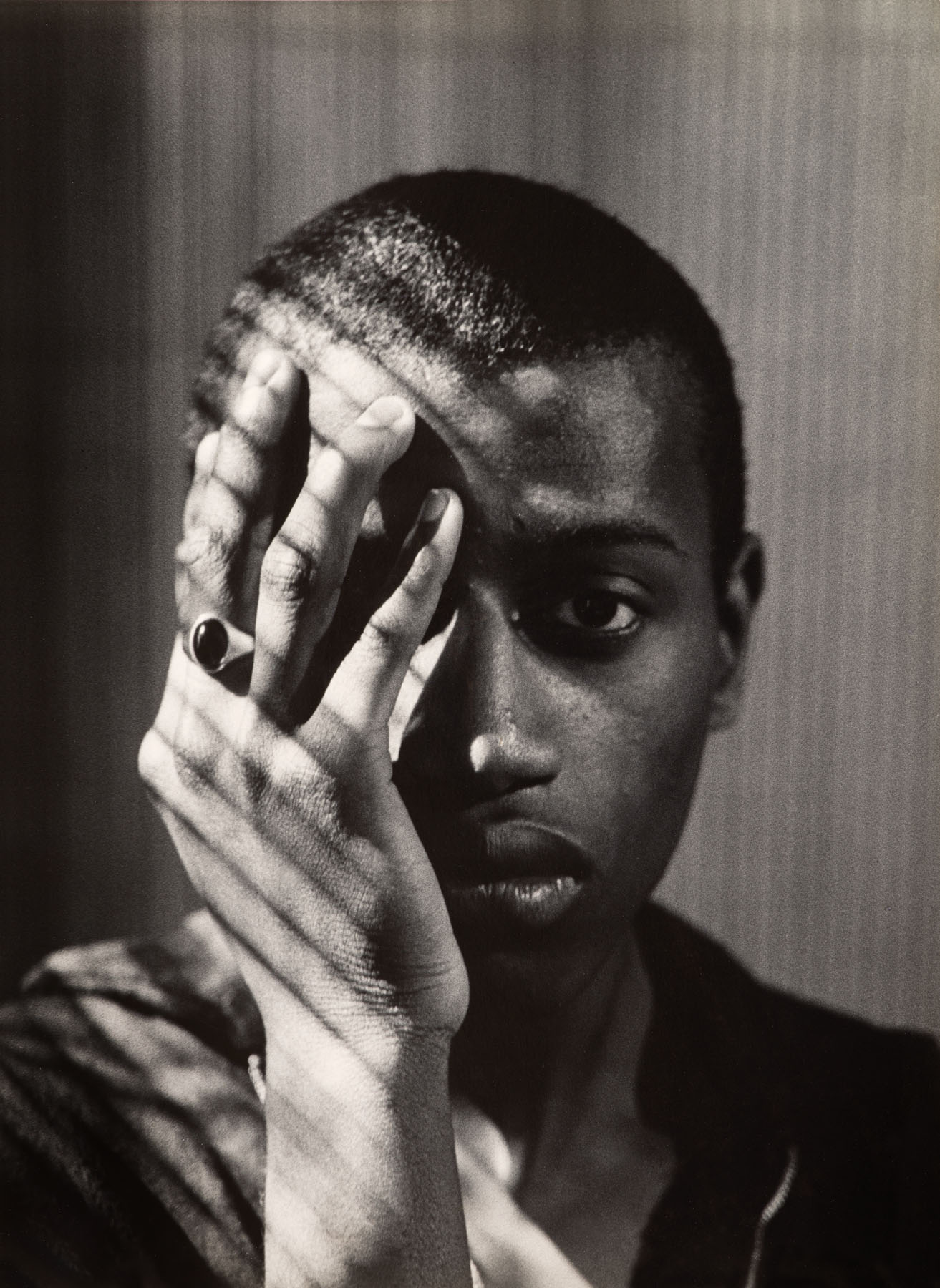
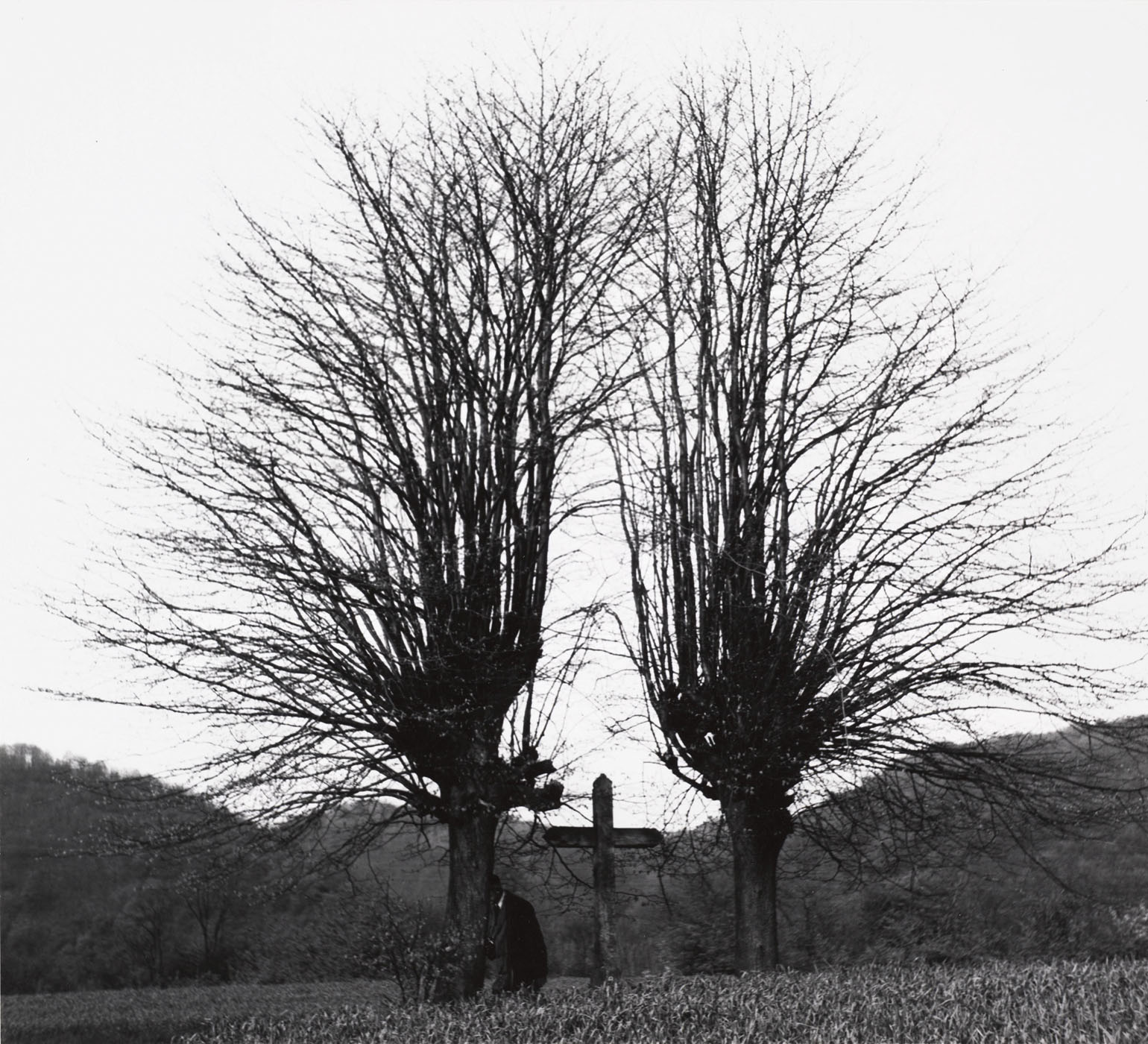
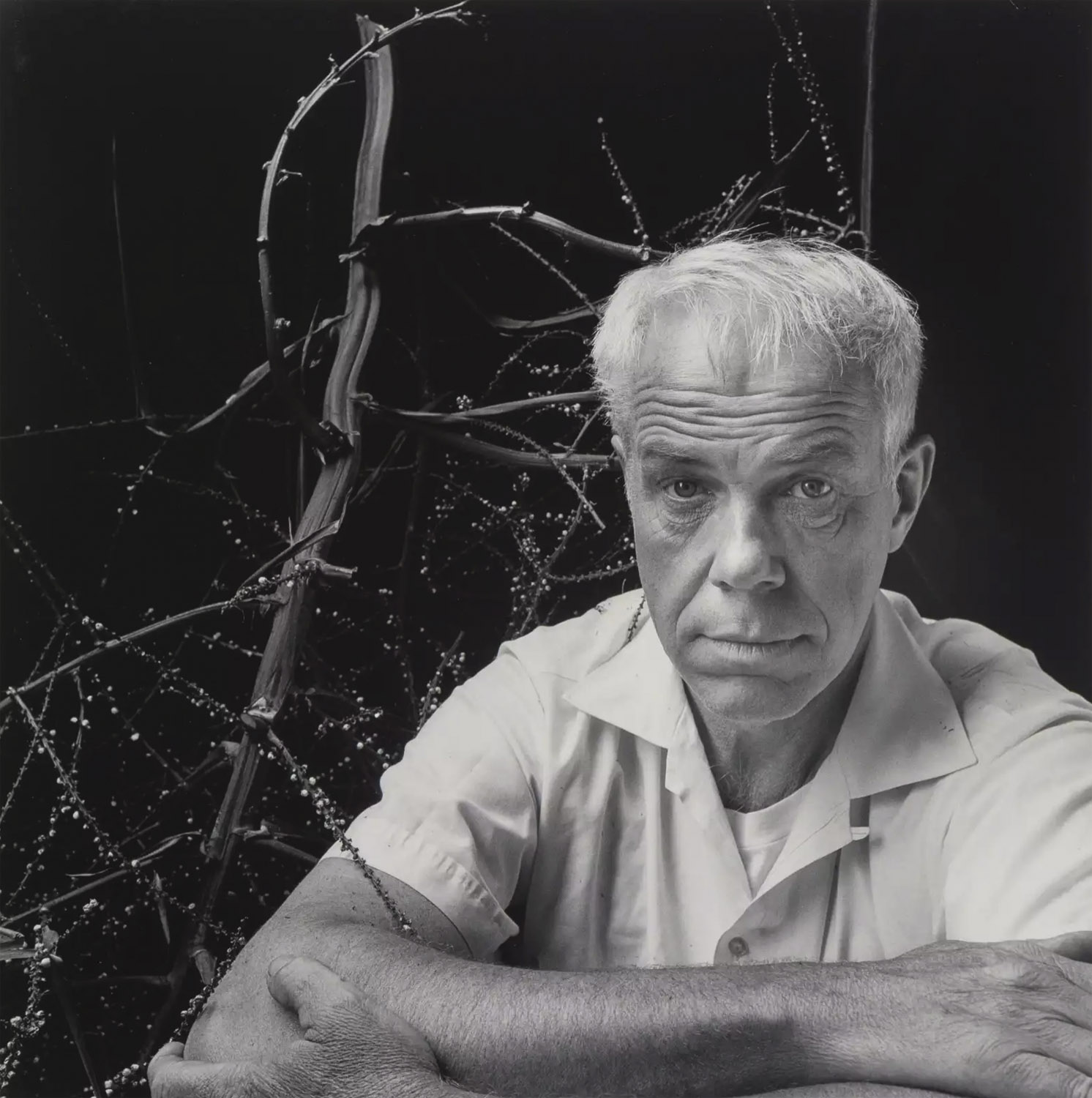



![Nadar [Gaspard Félix Tournachon] (French, 1820-1910) 'George Sand (Amandine-Aurore-Lucile Dupin), Writer' c. 1865](https://artblart.com/wp-content/uploads/2016/10/realideal5-web.jpg "Nadar [Gaspard Félix Tournachon] (French, 1820-1910) 'George Sand (Amandine-Aurore-Lucile Dupin), Writer' c. 1865")
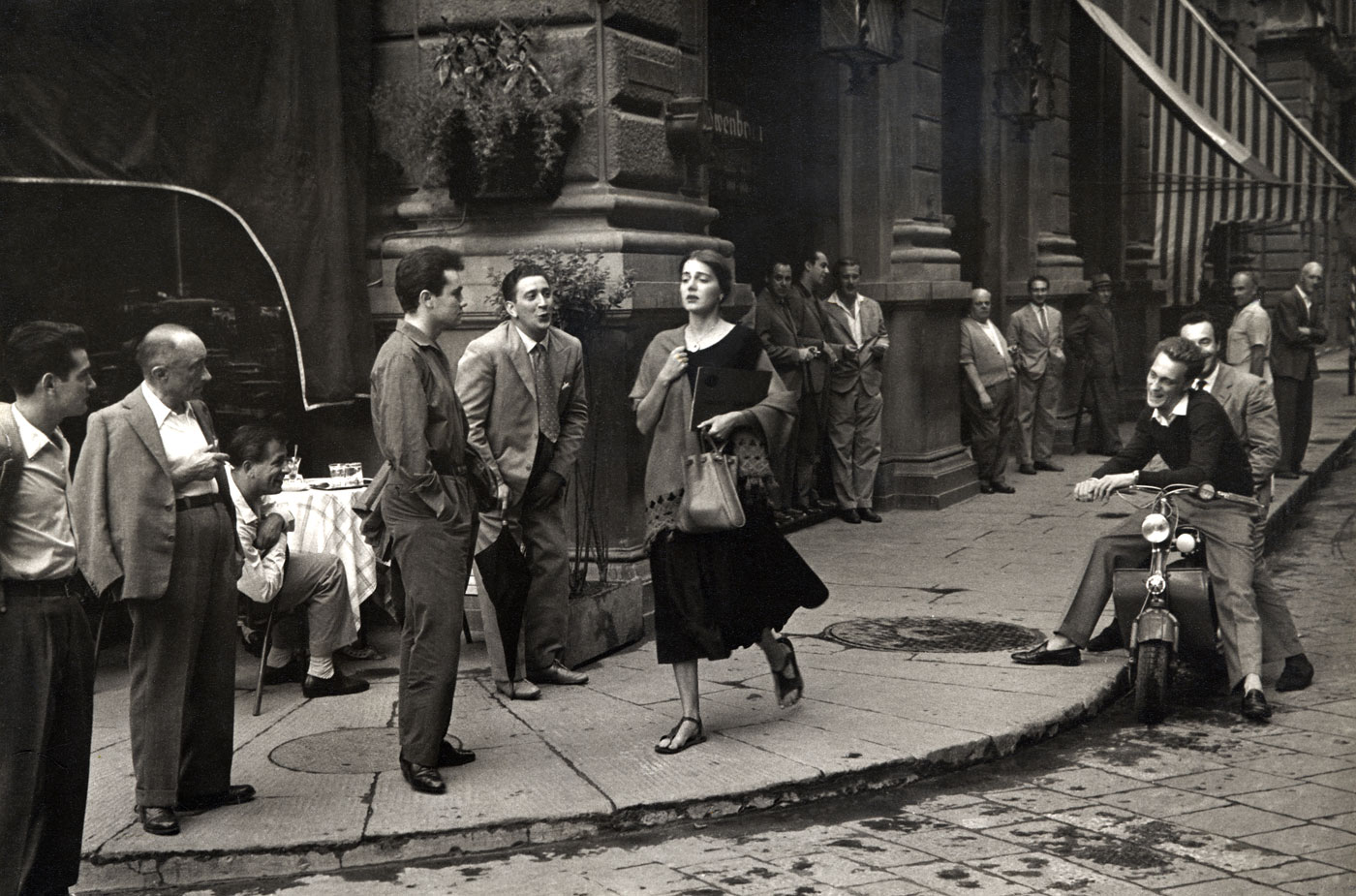


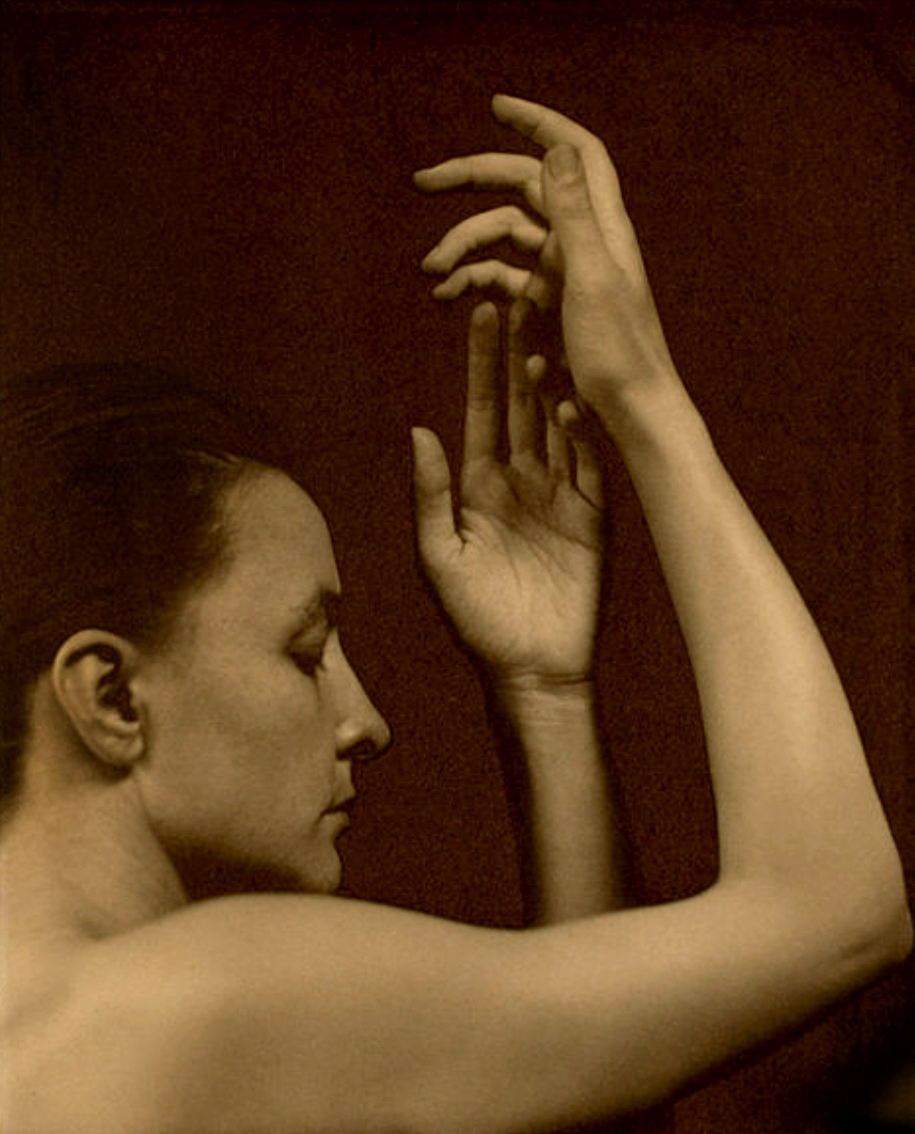


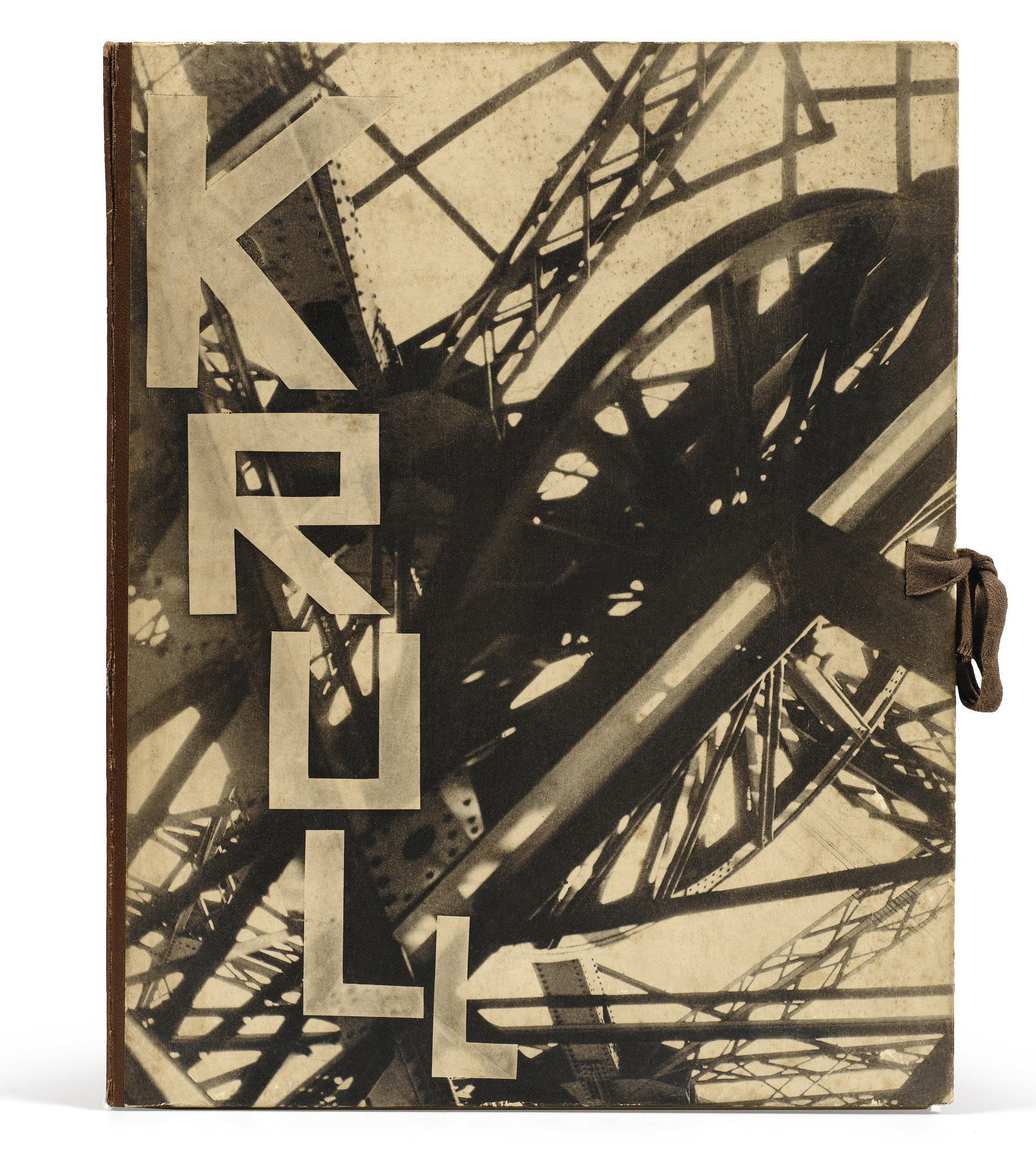




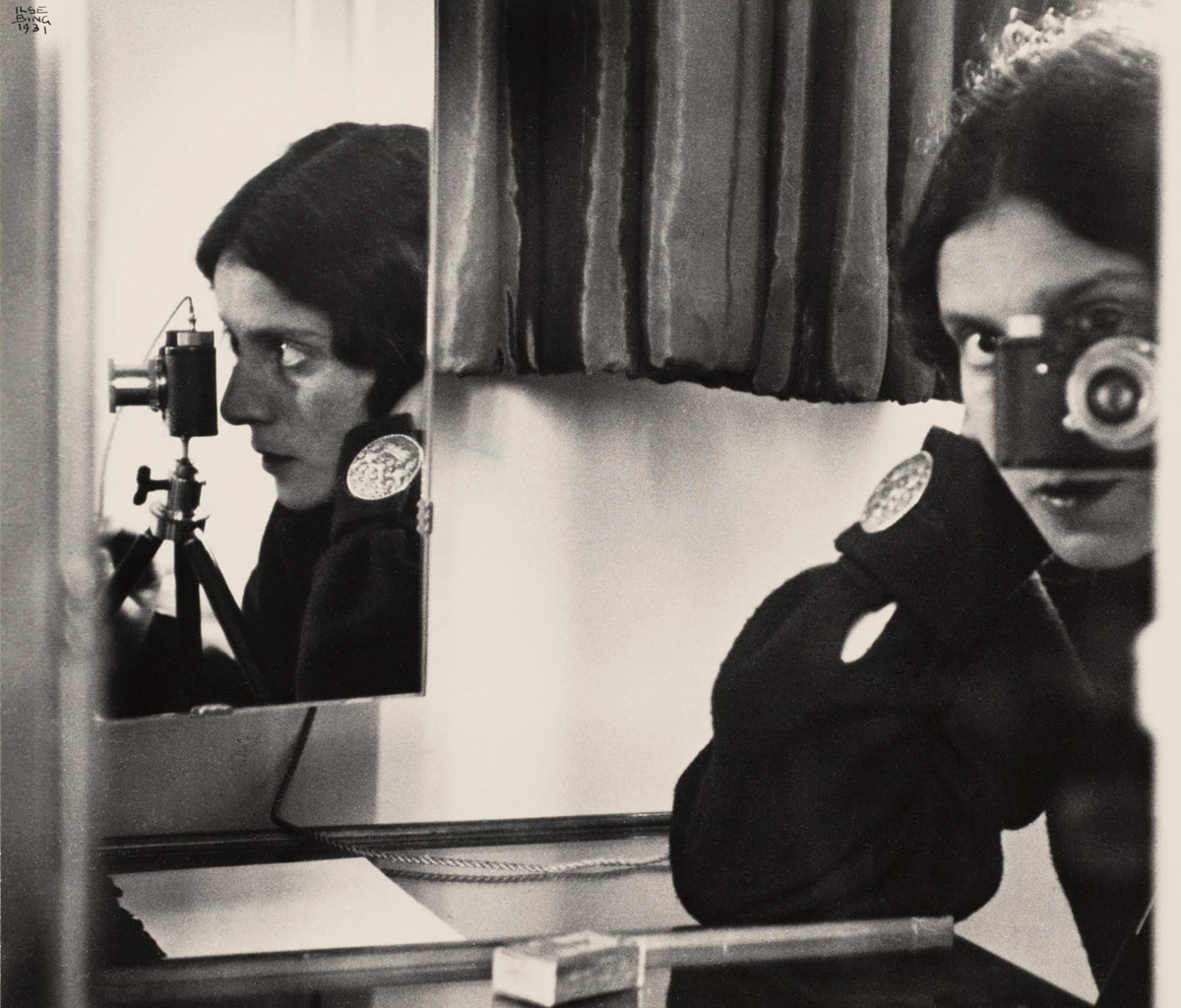




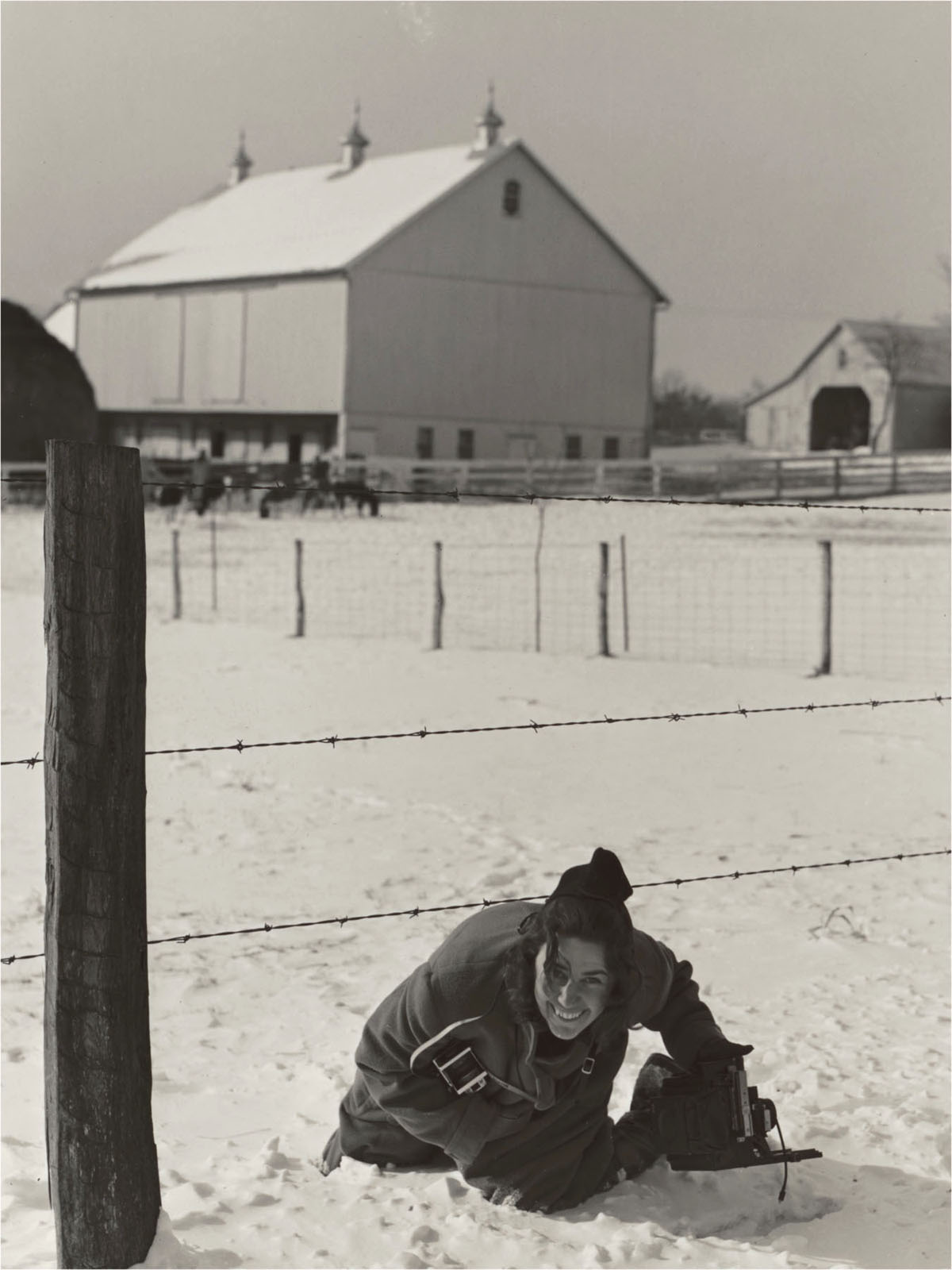


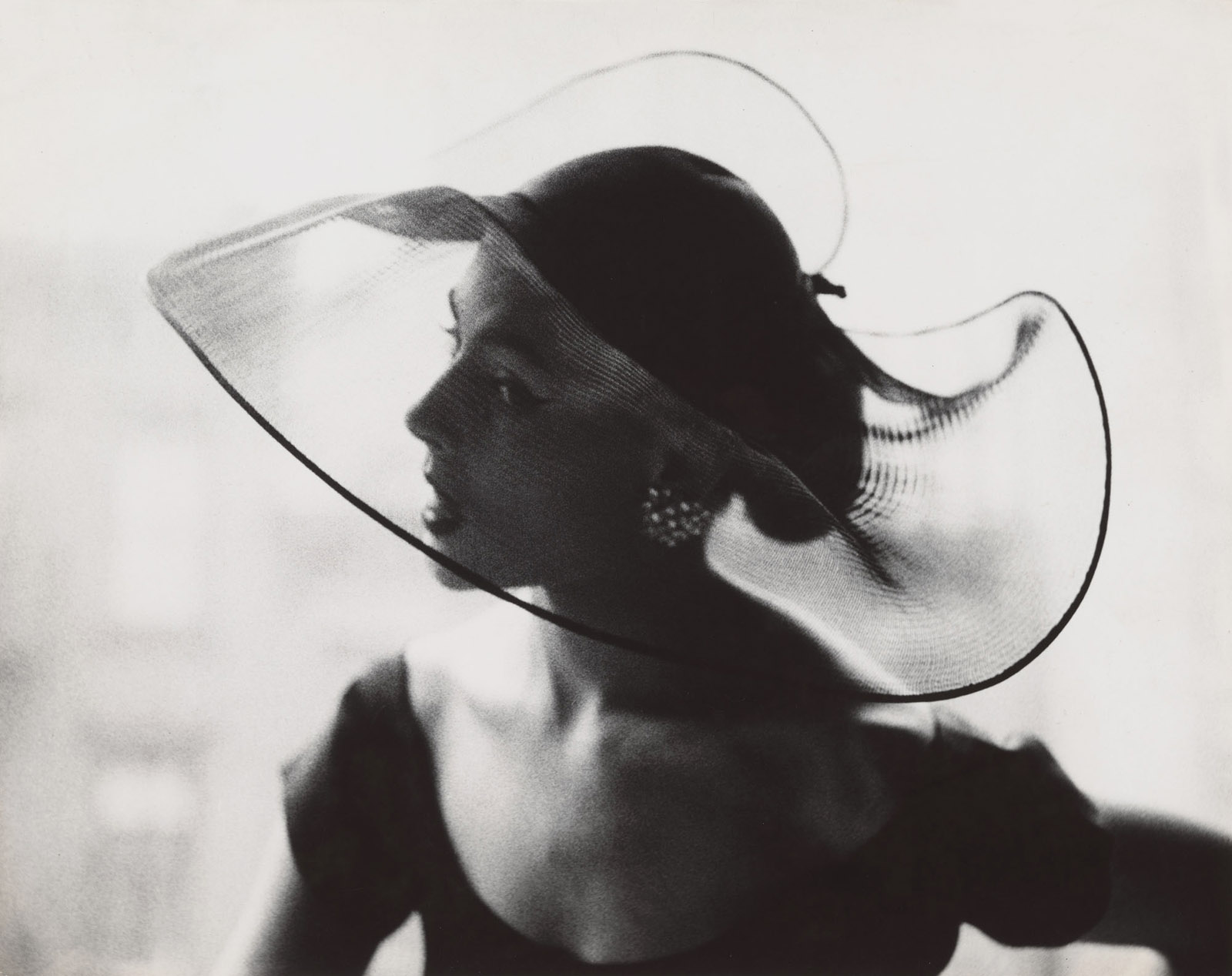
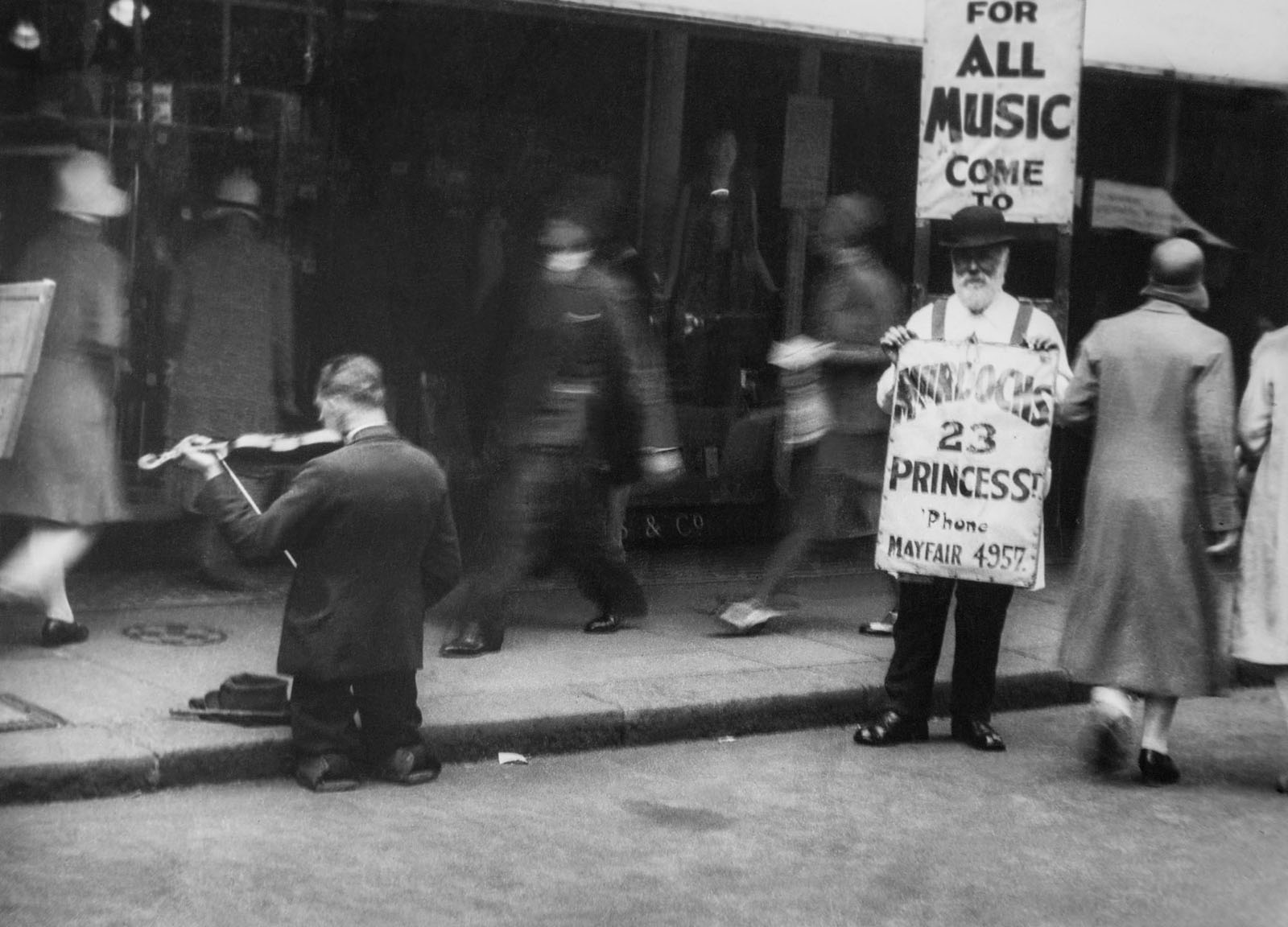
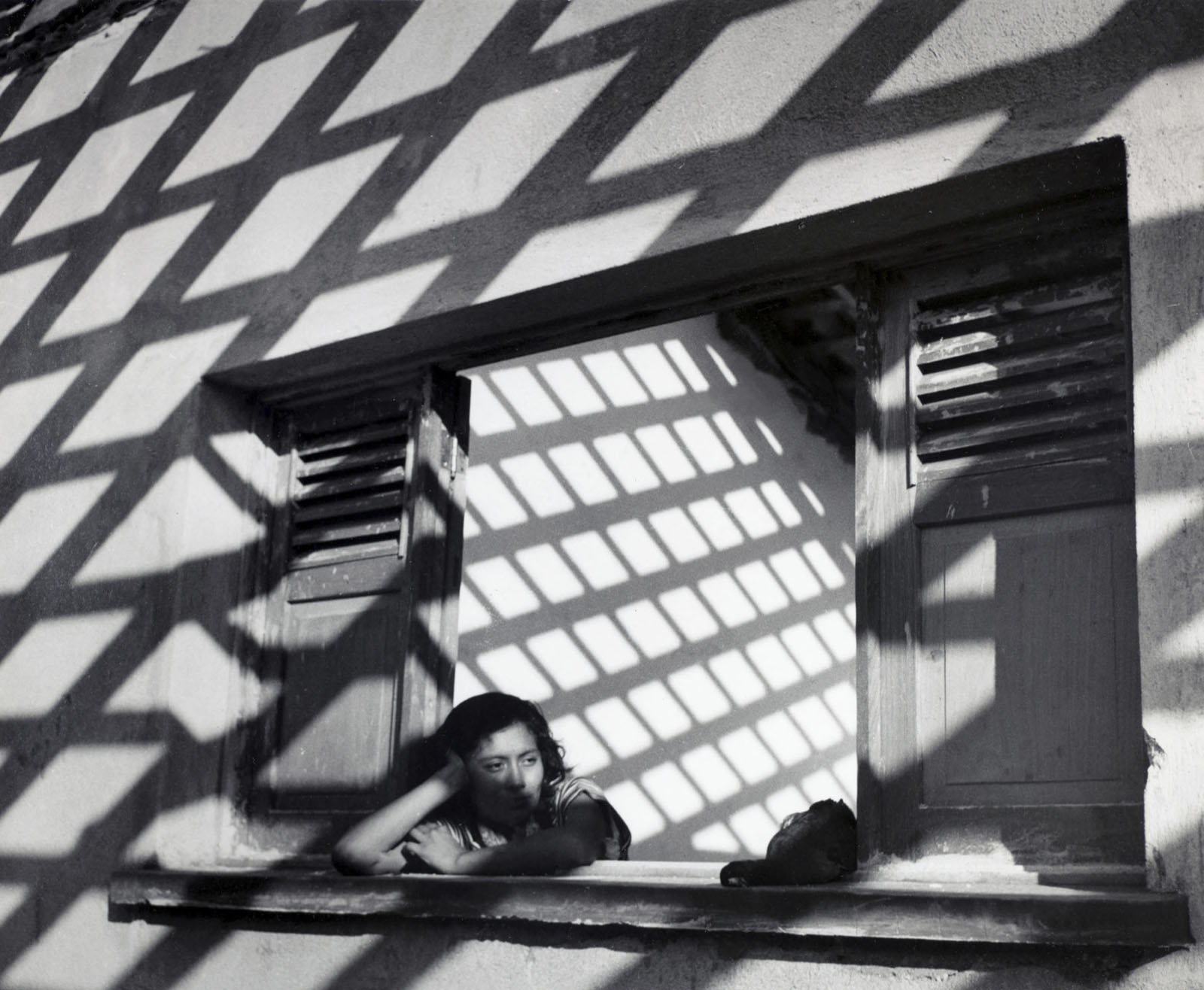
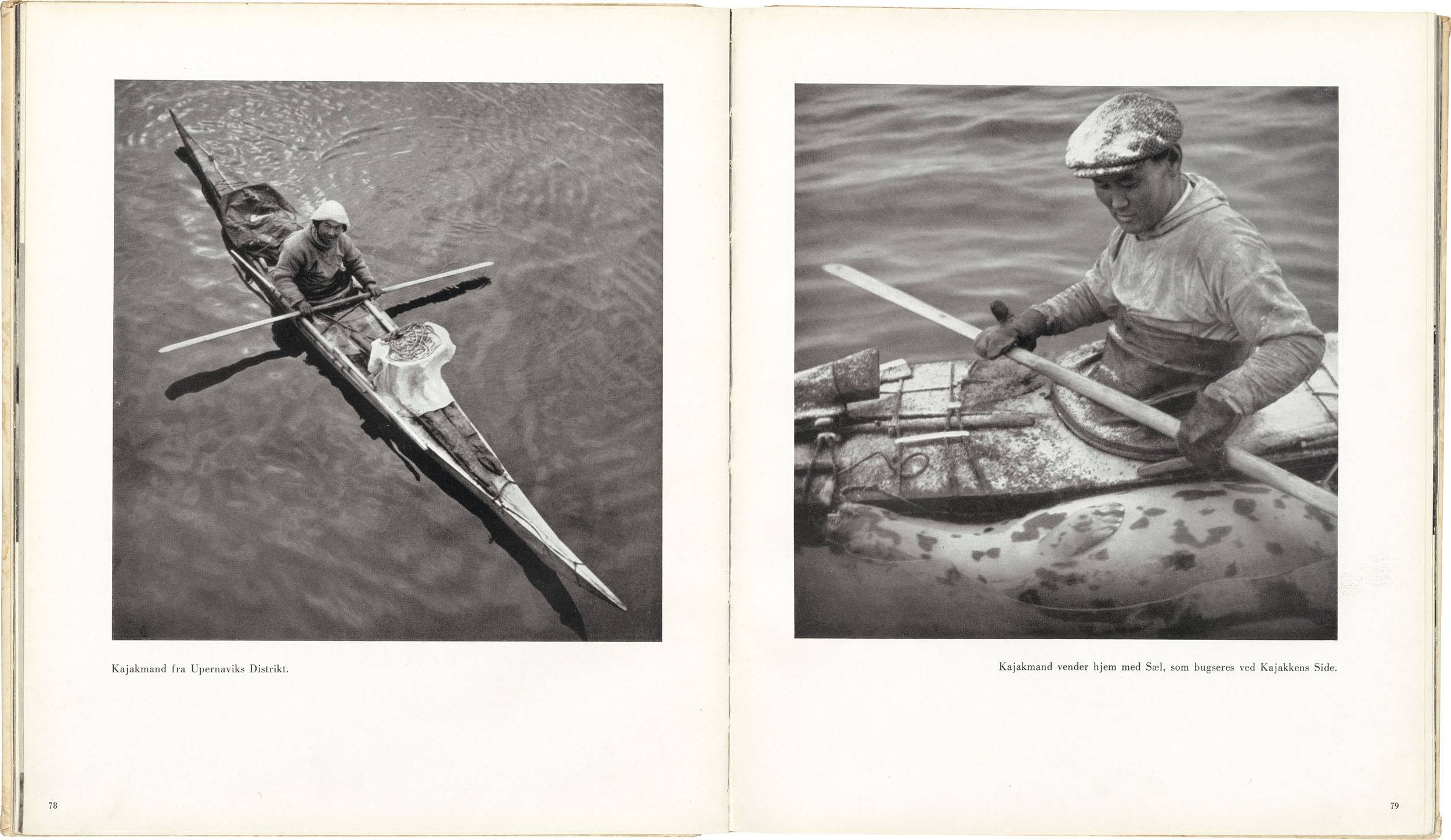


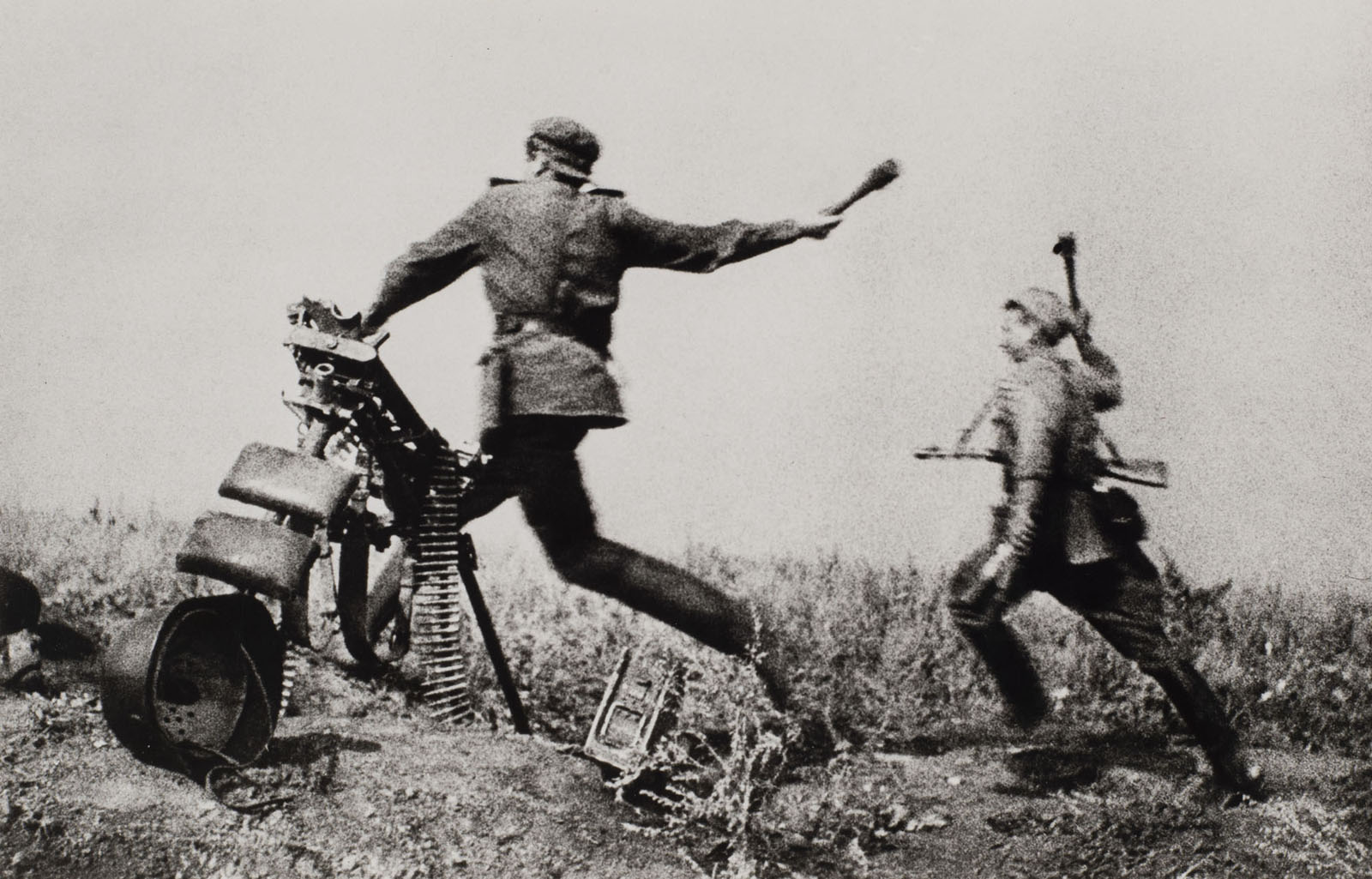

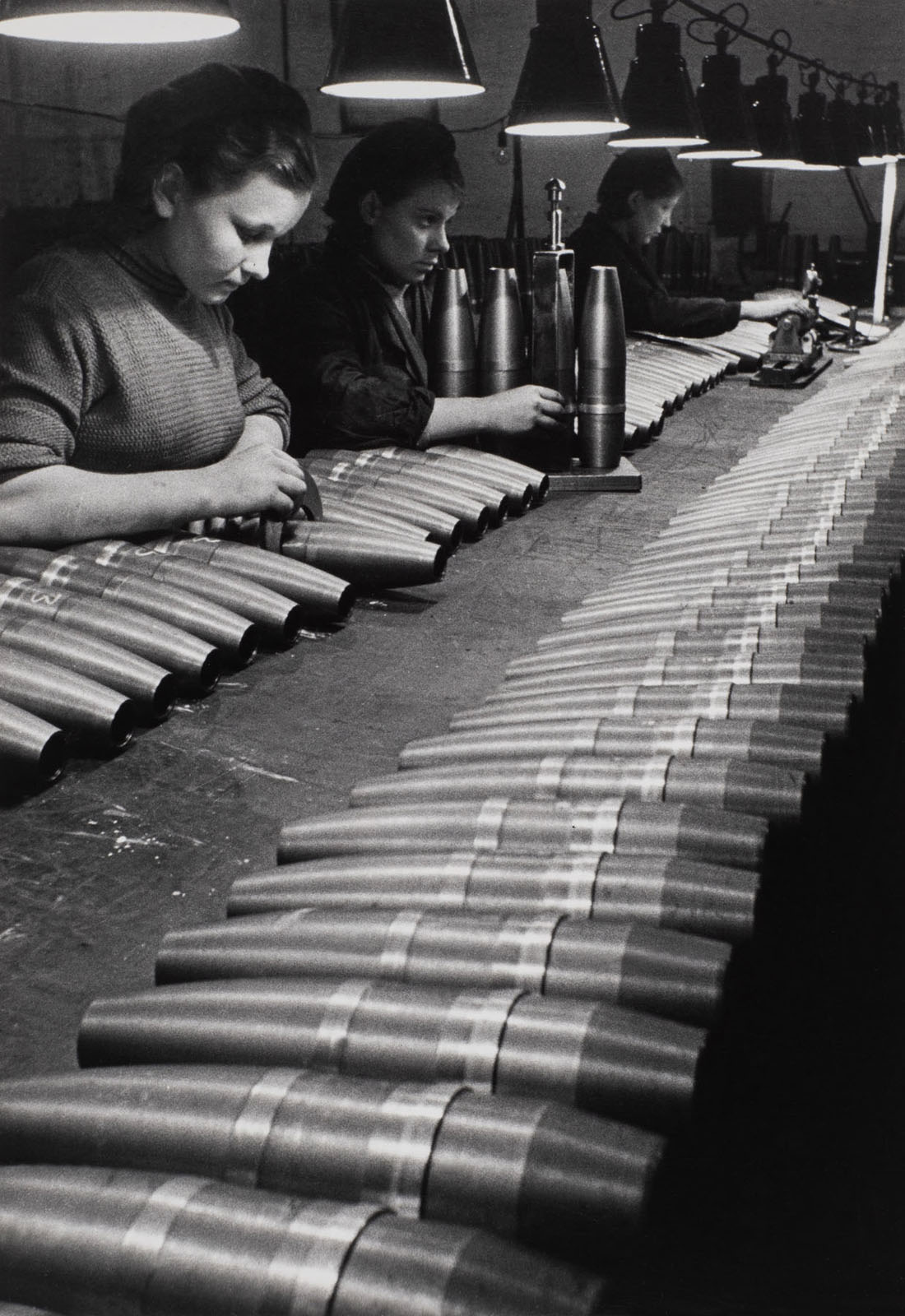
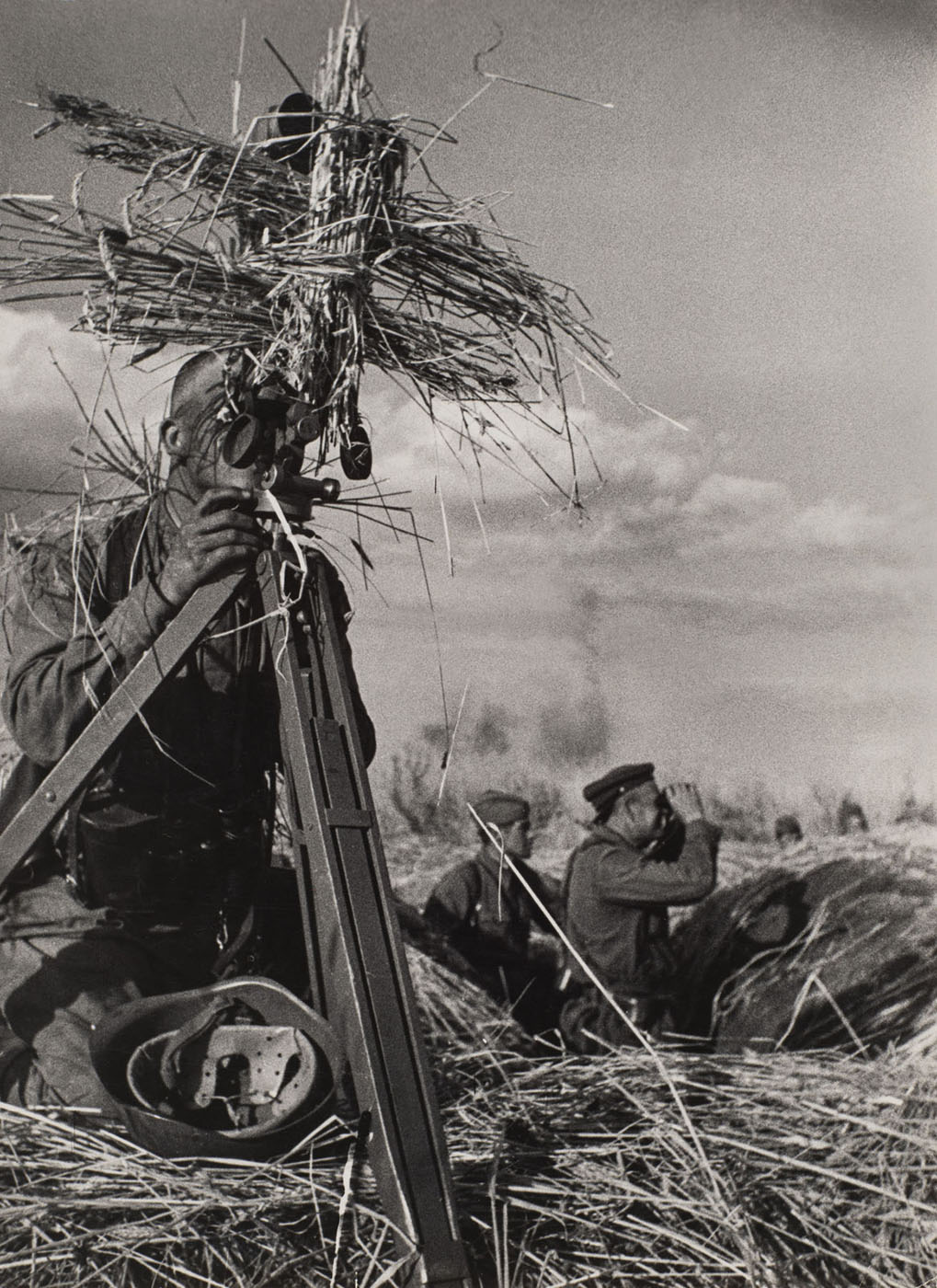


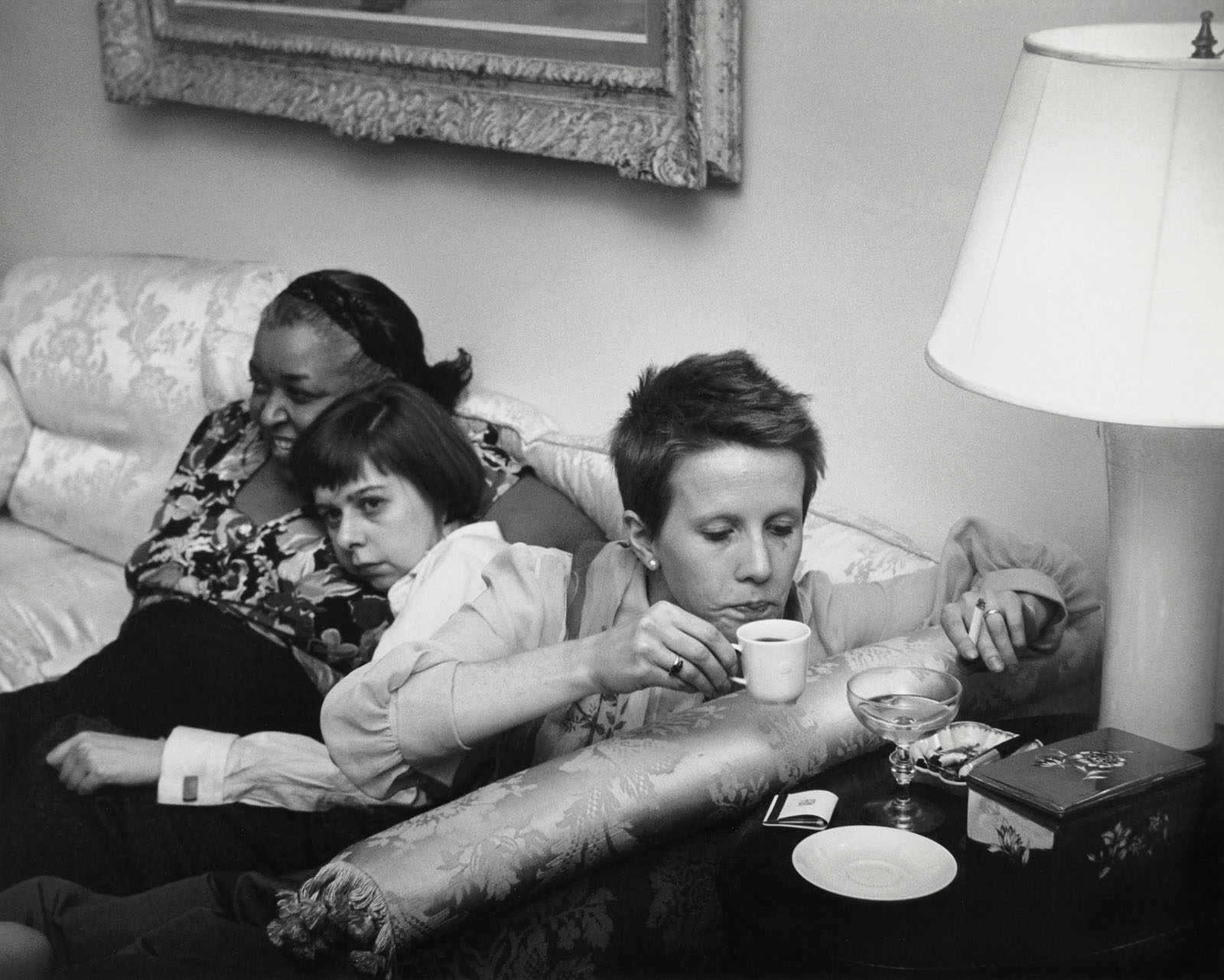
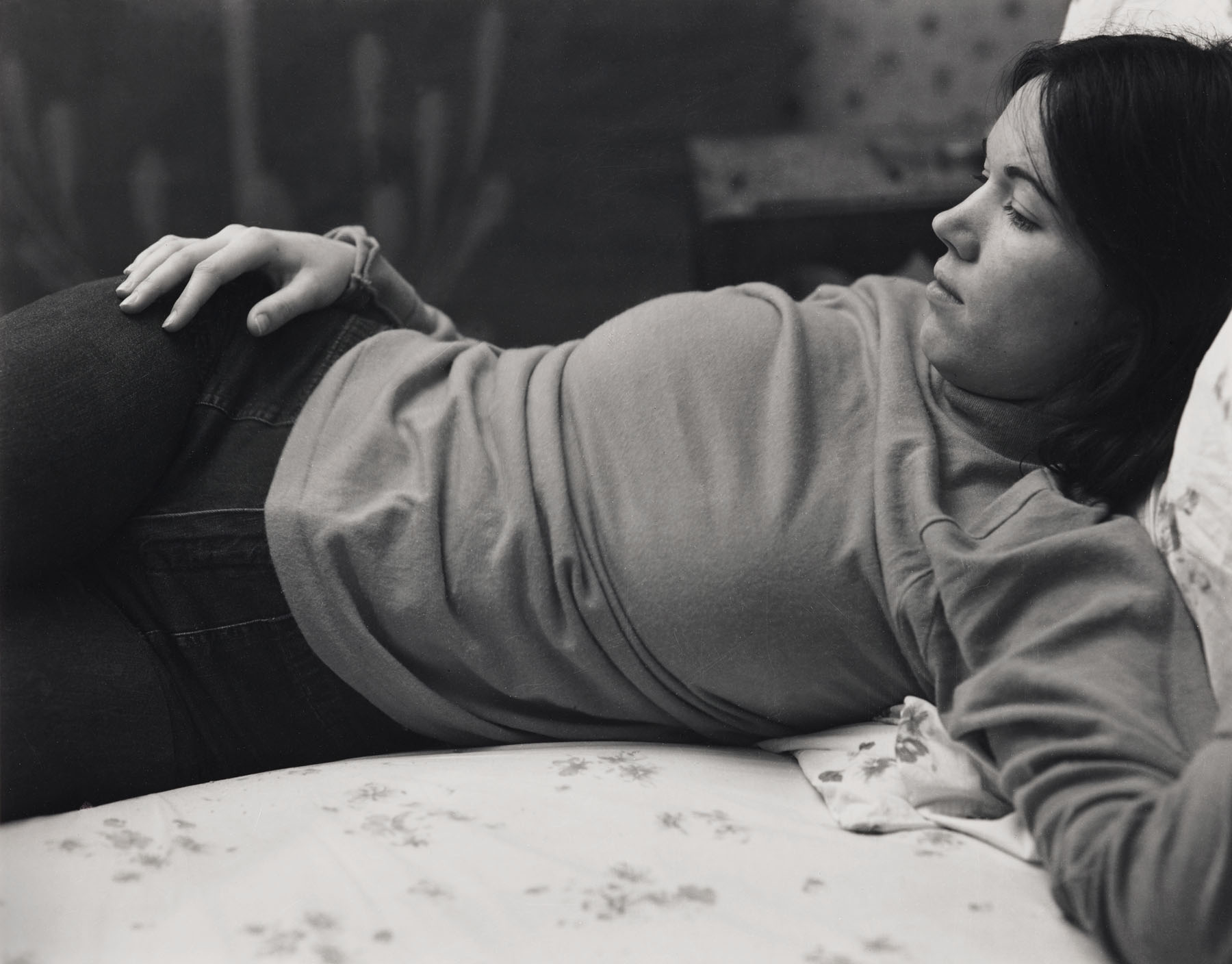
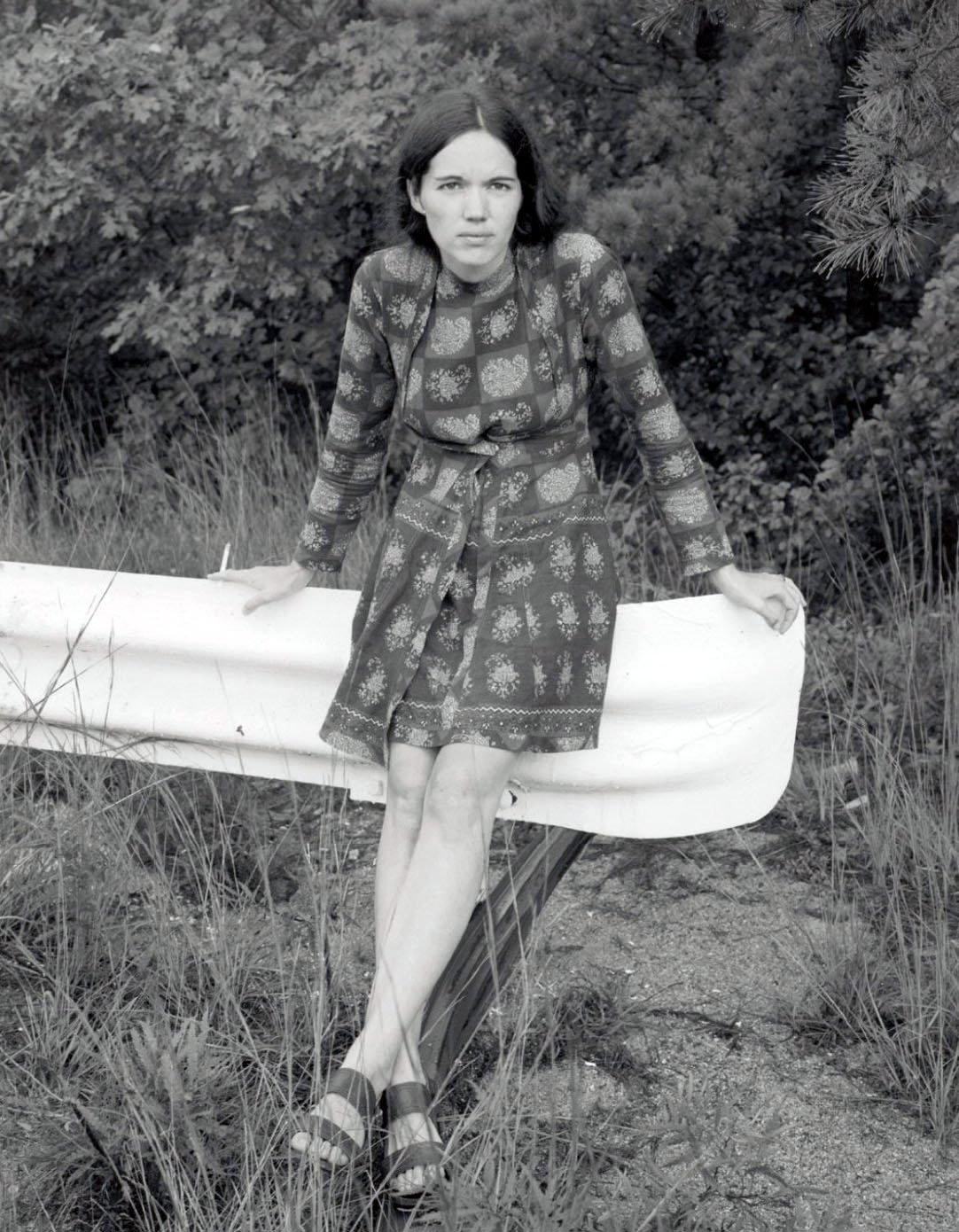
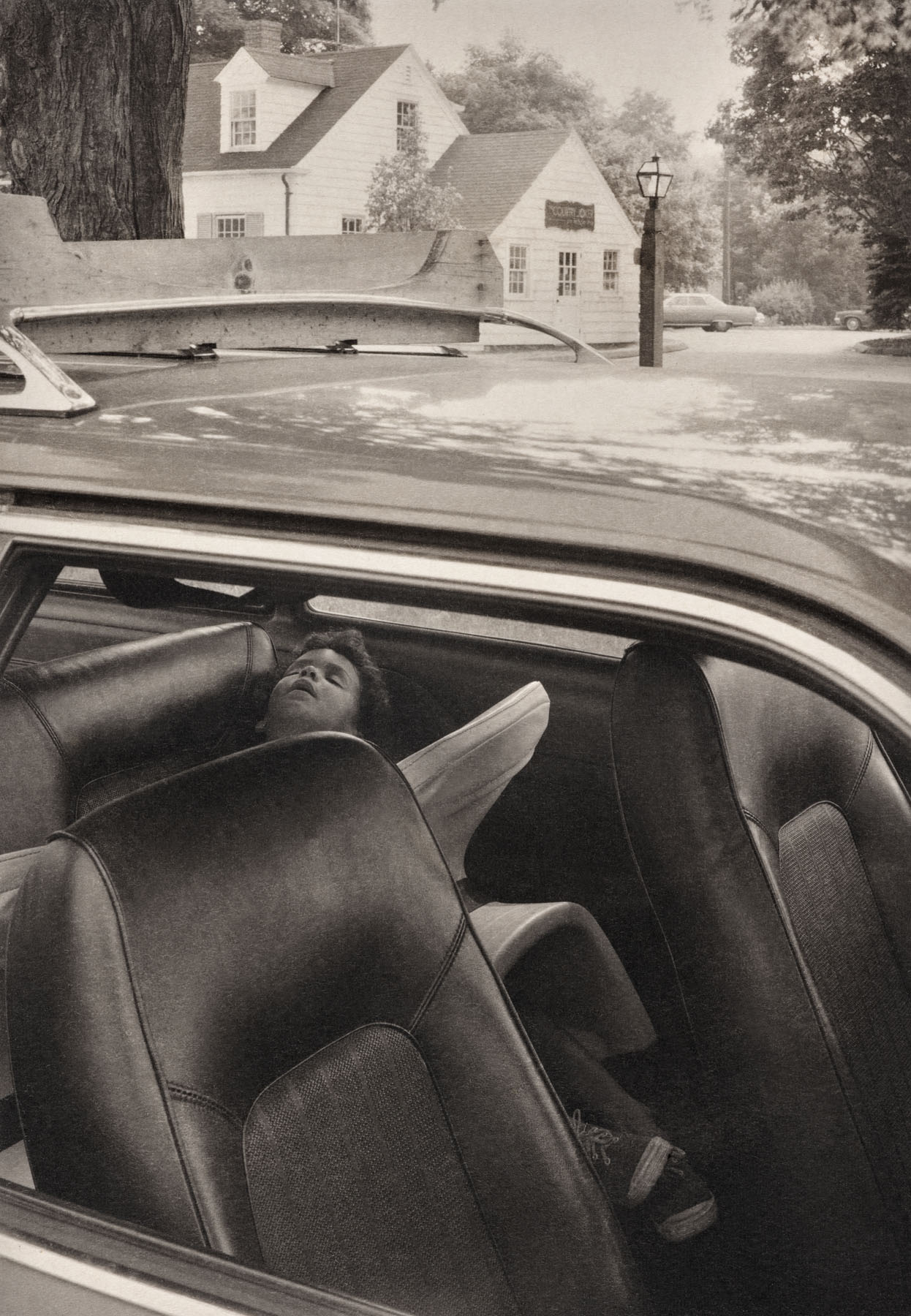


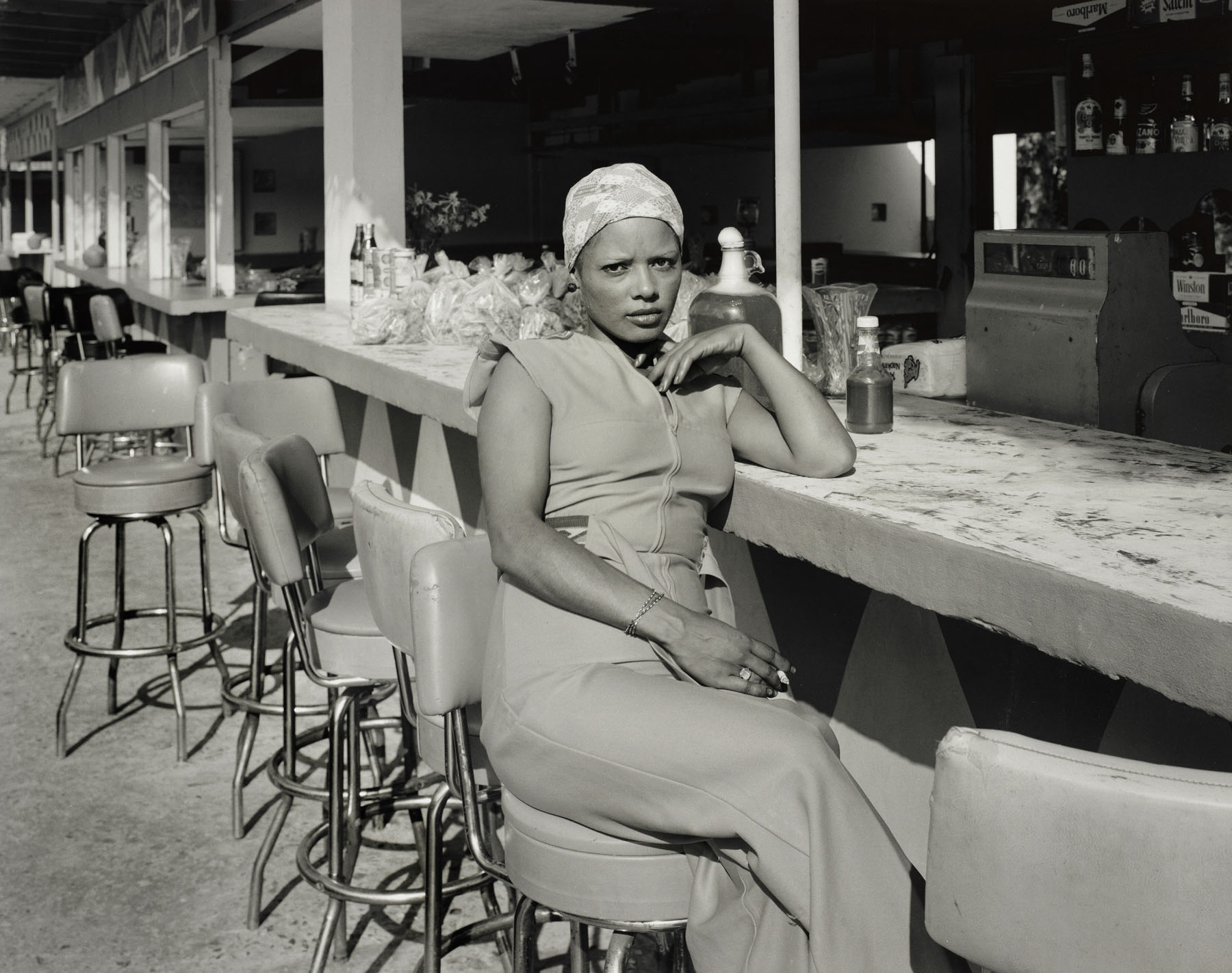

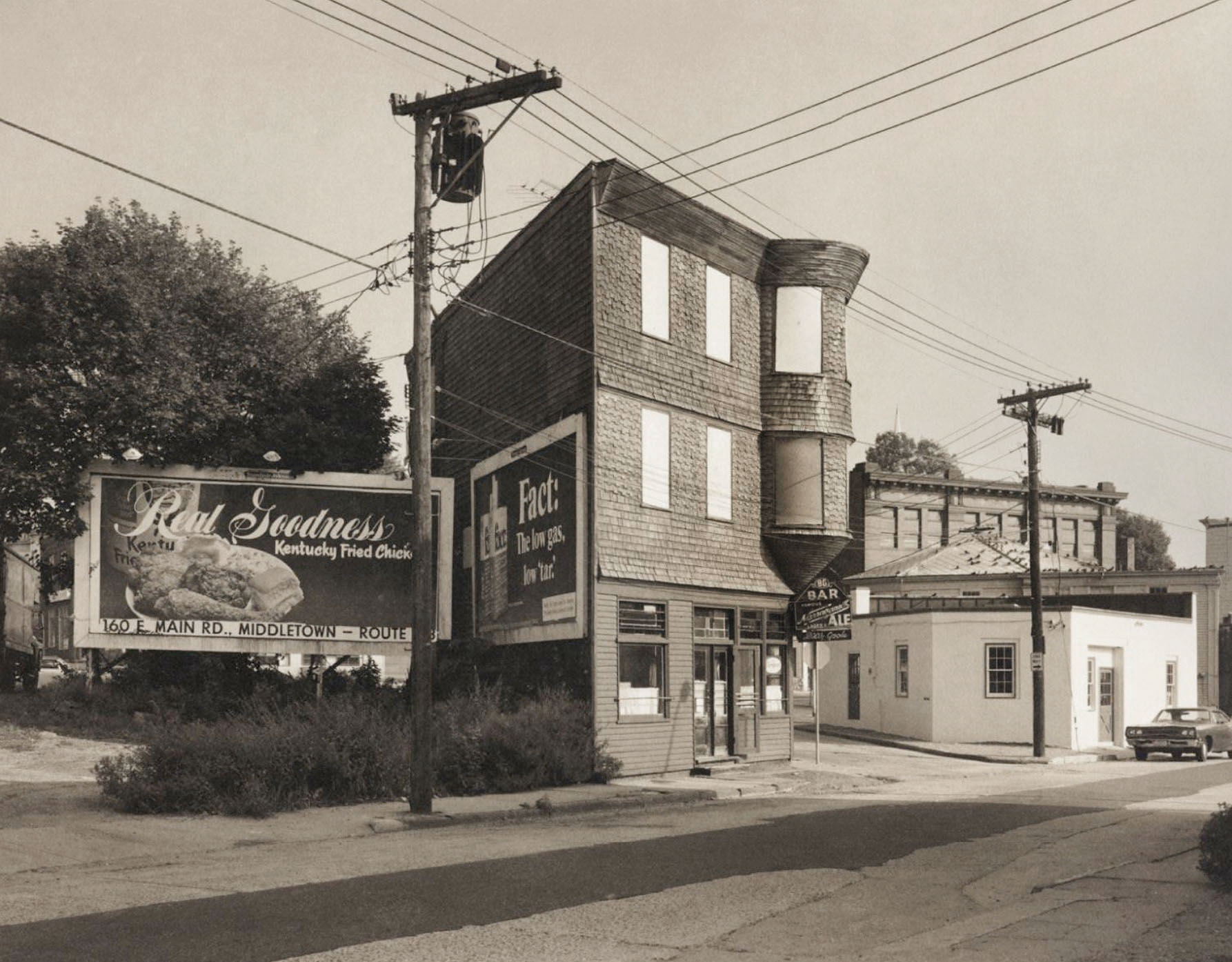
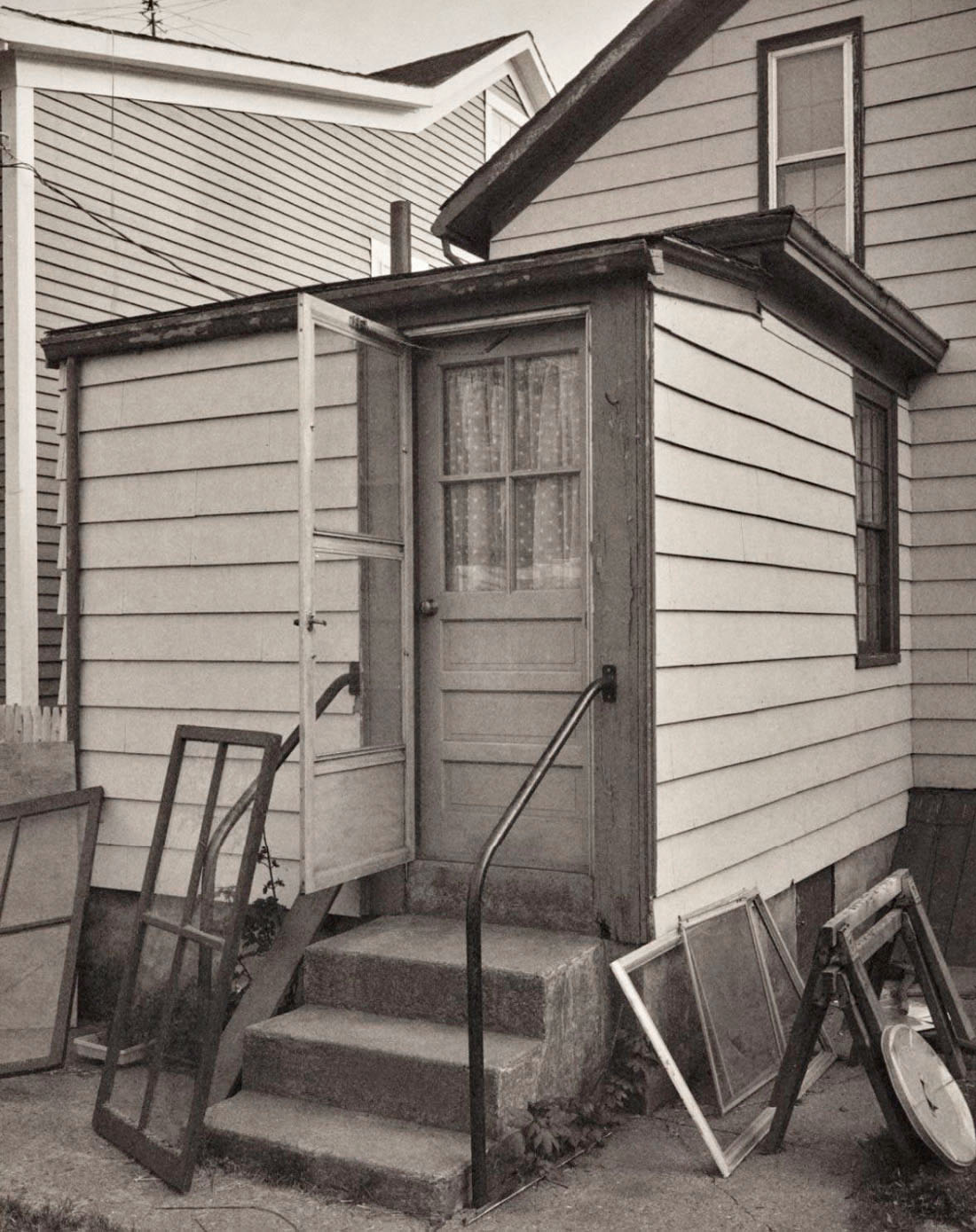
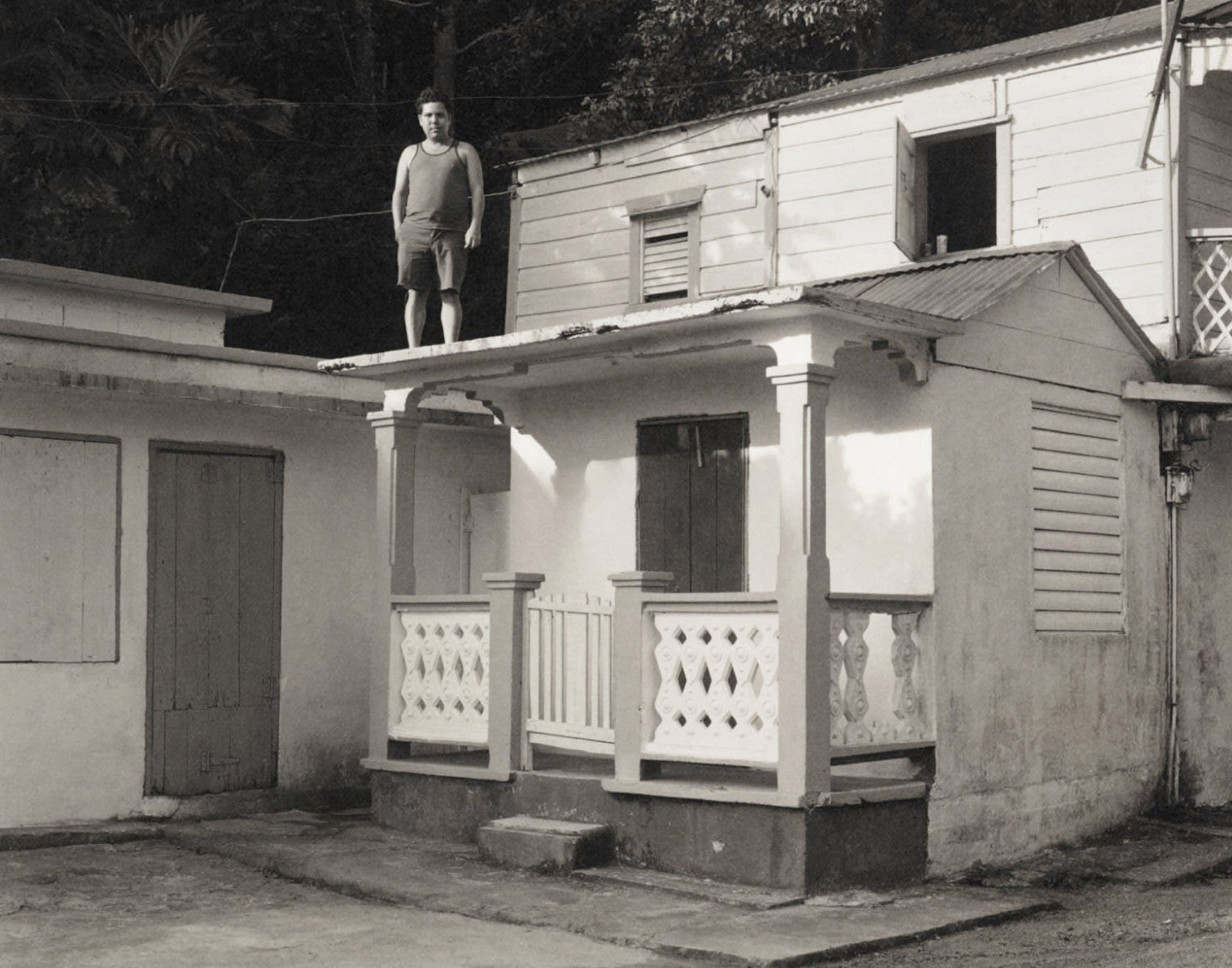
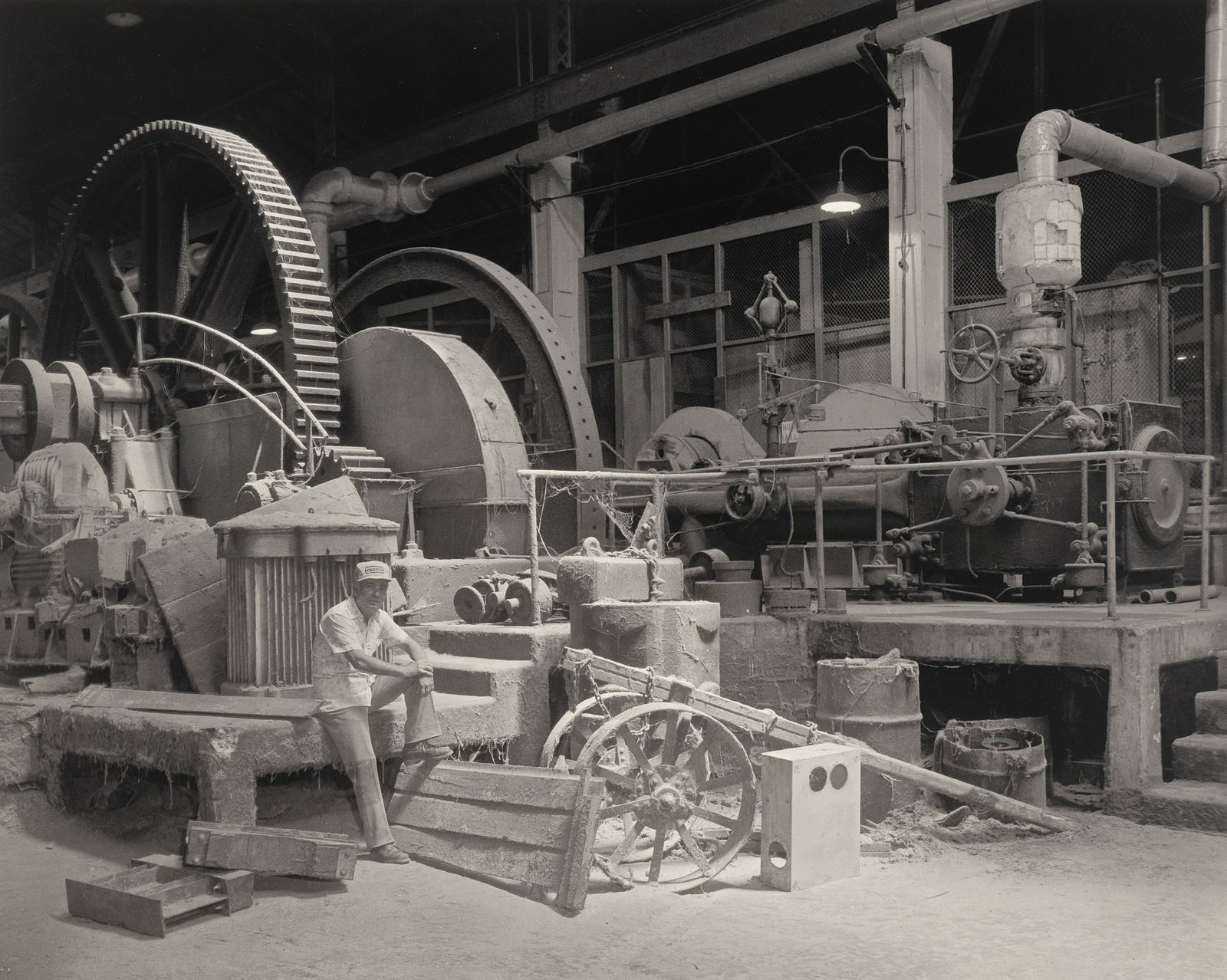
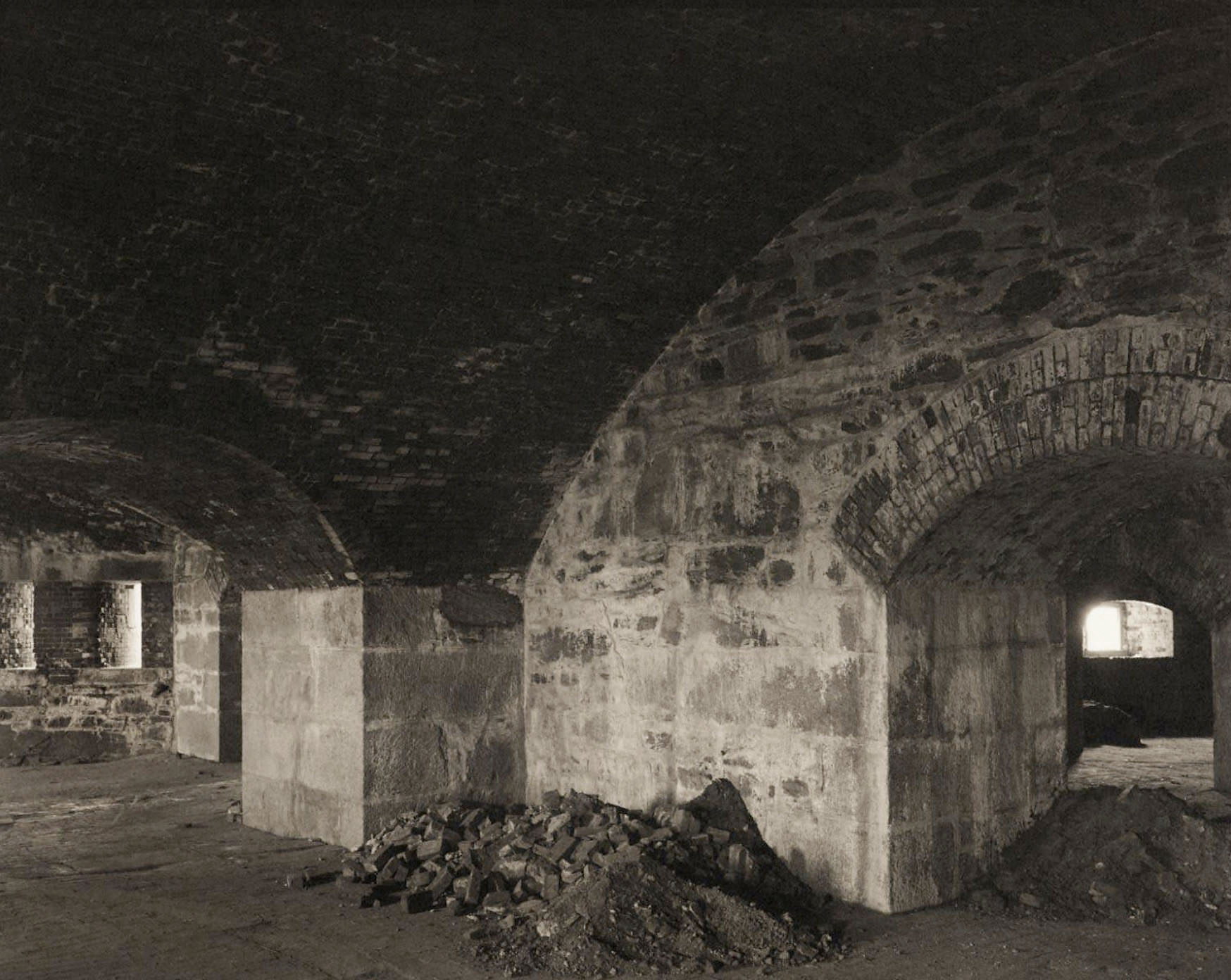
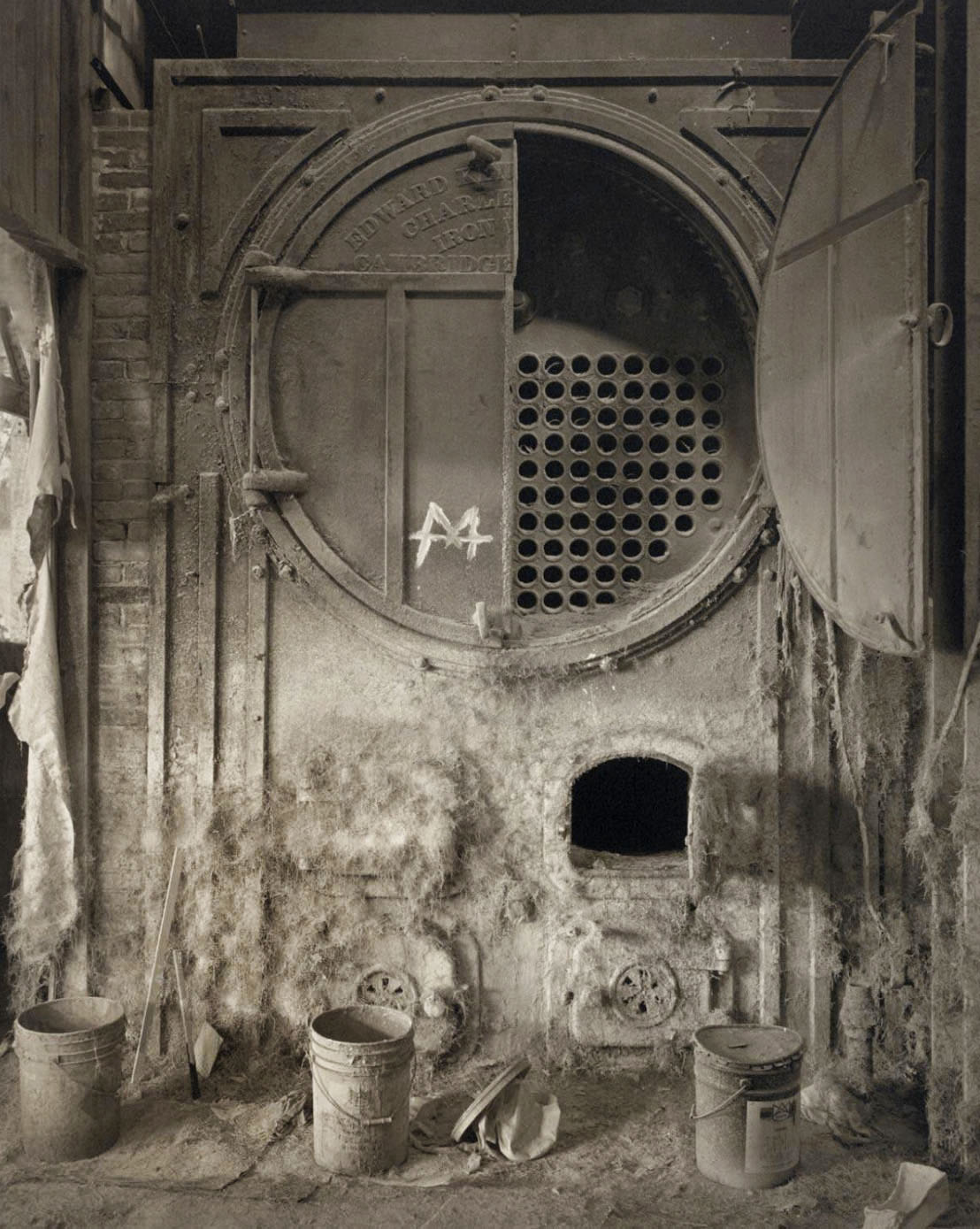
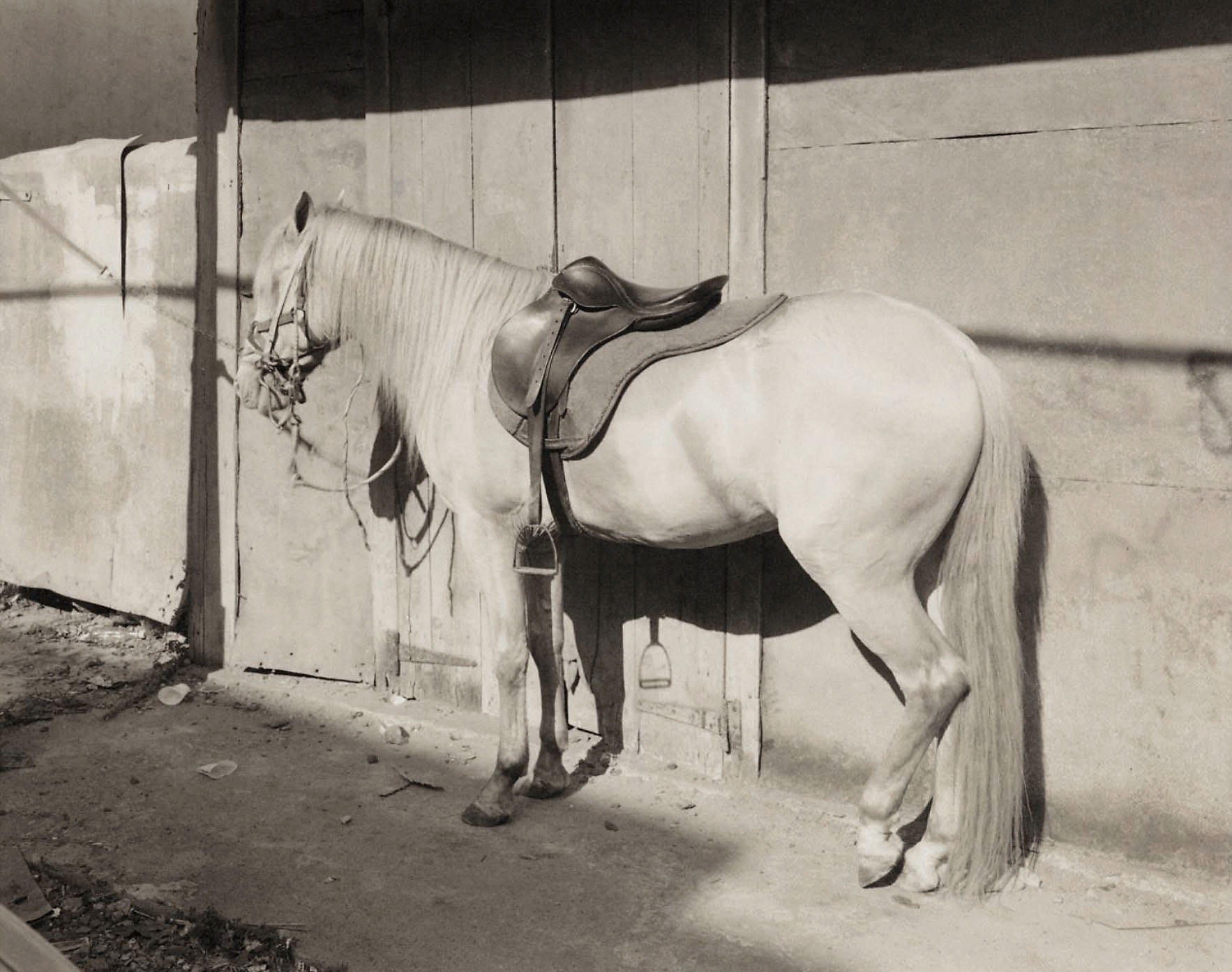
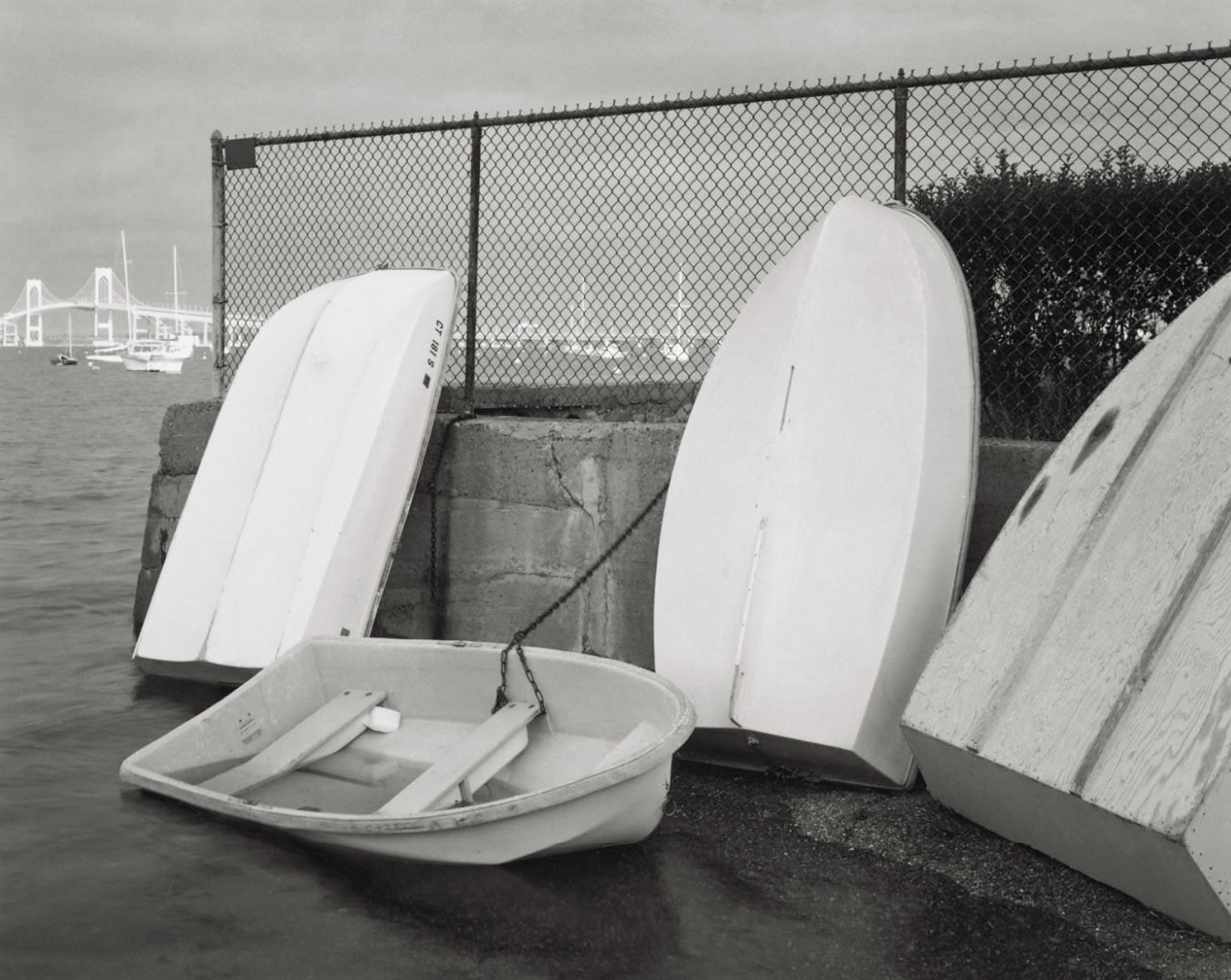
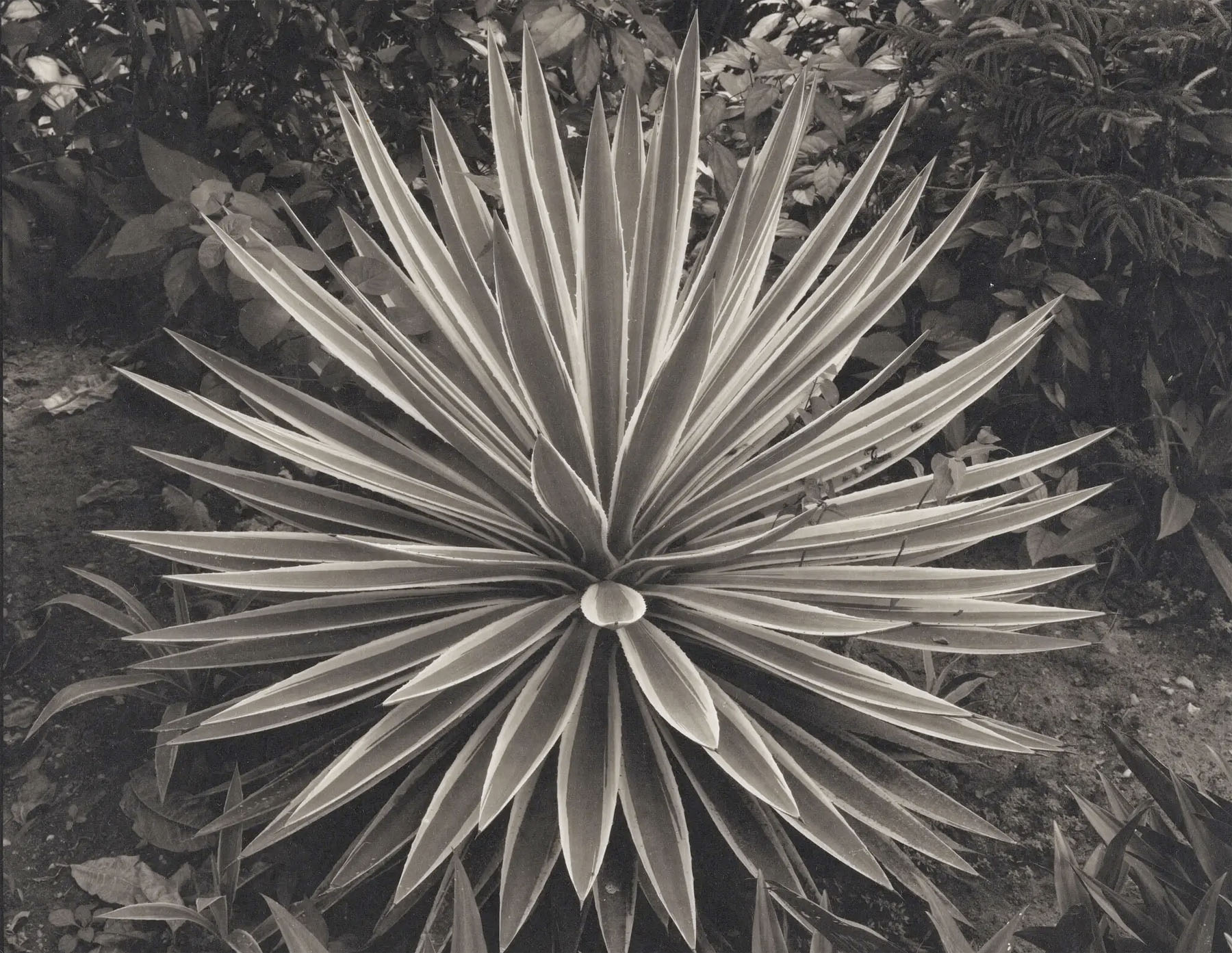
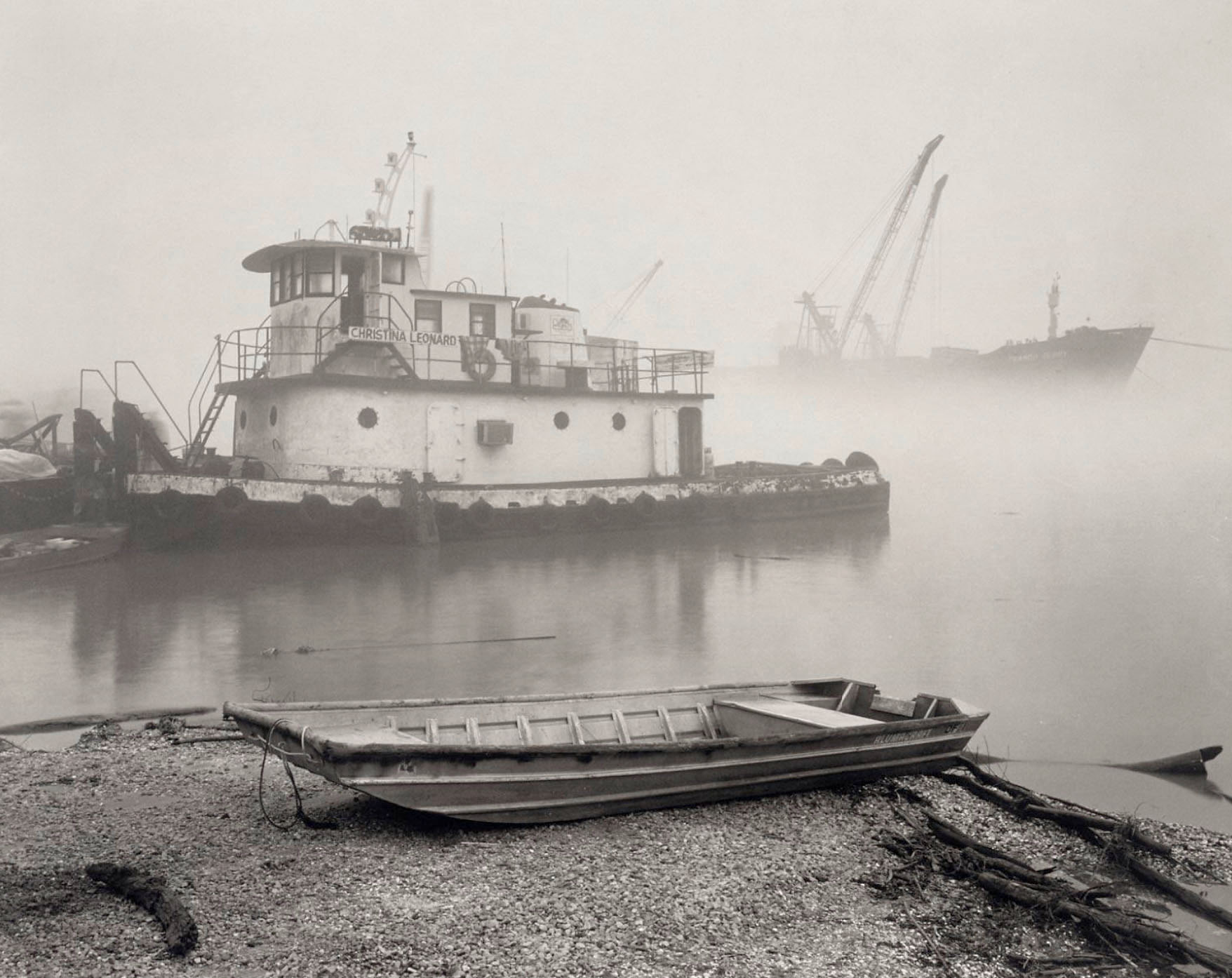
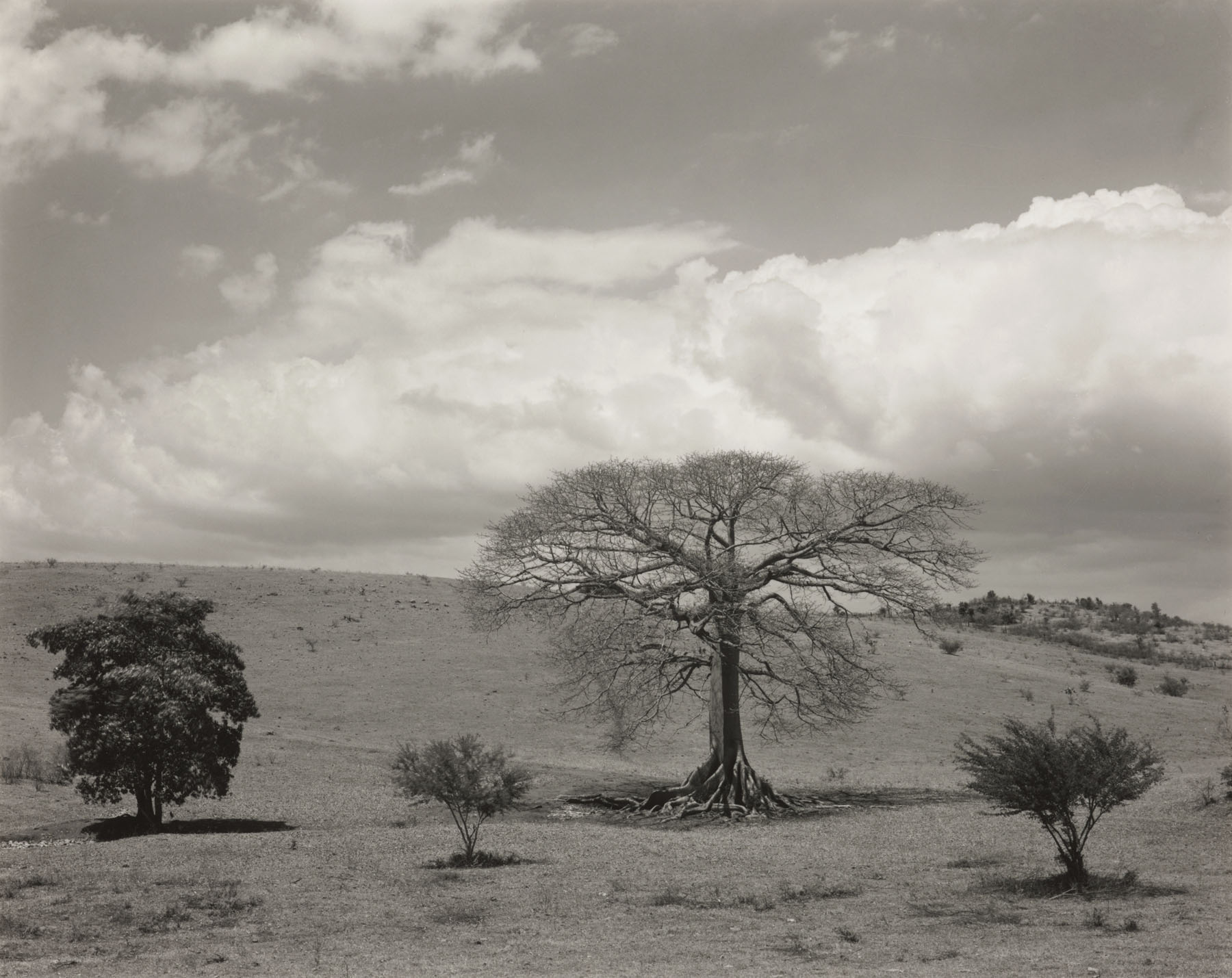
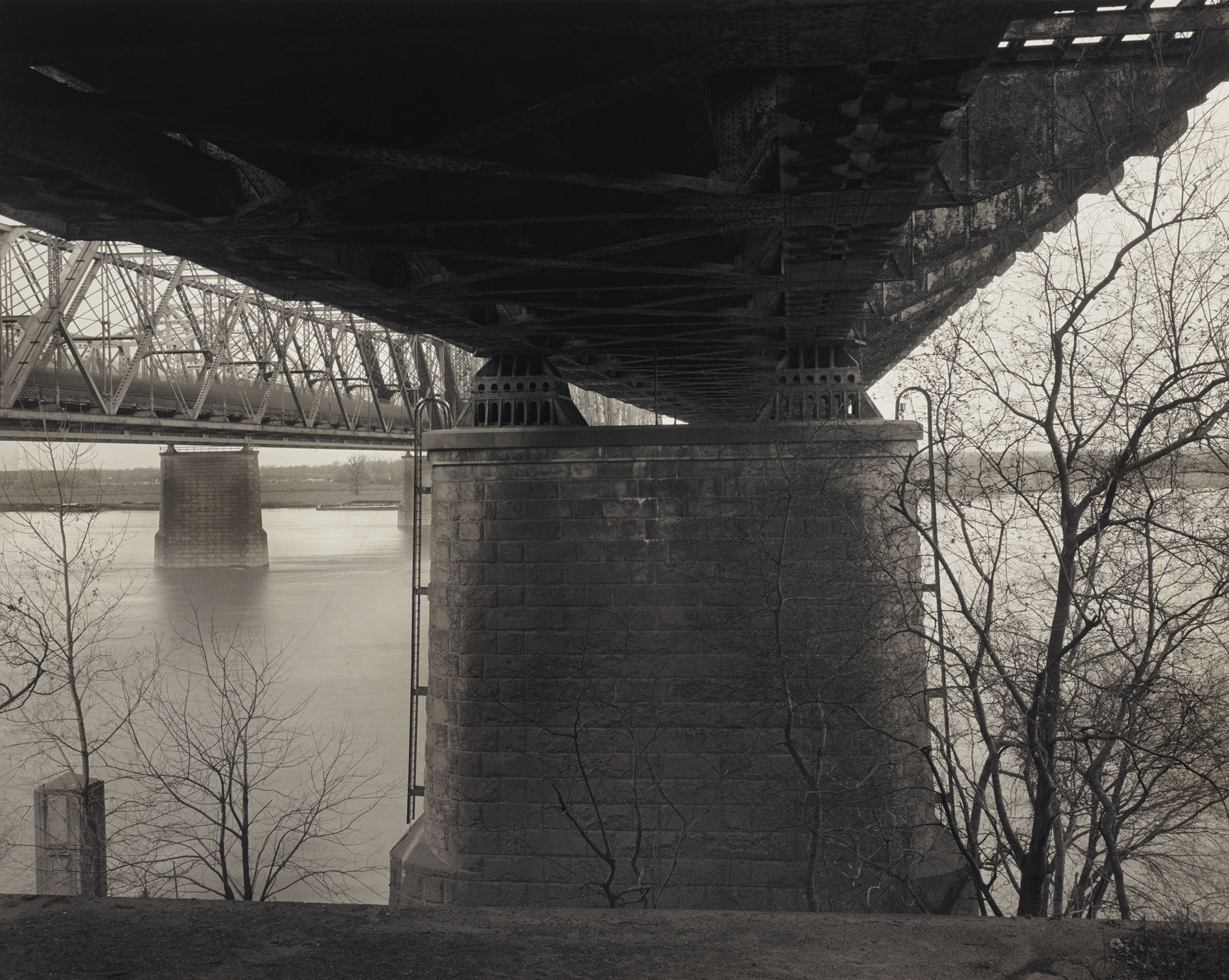




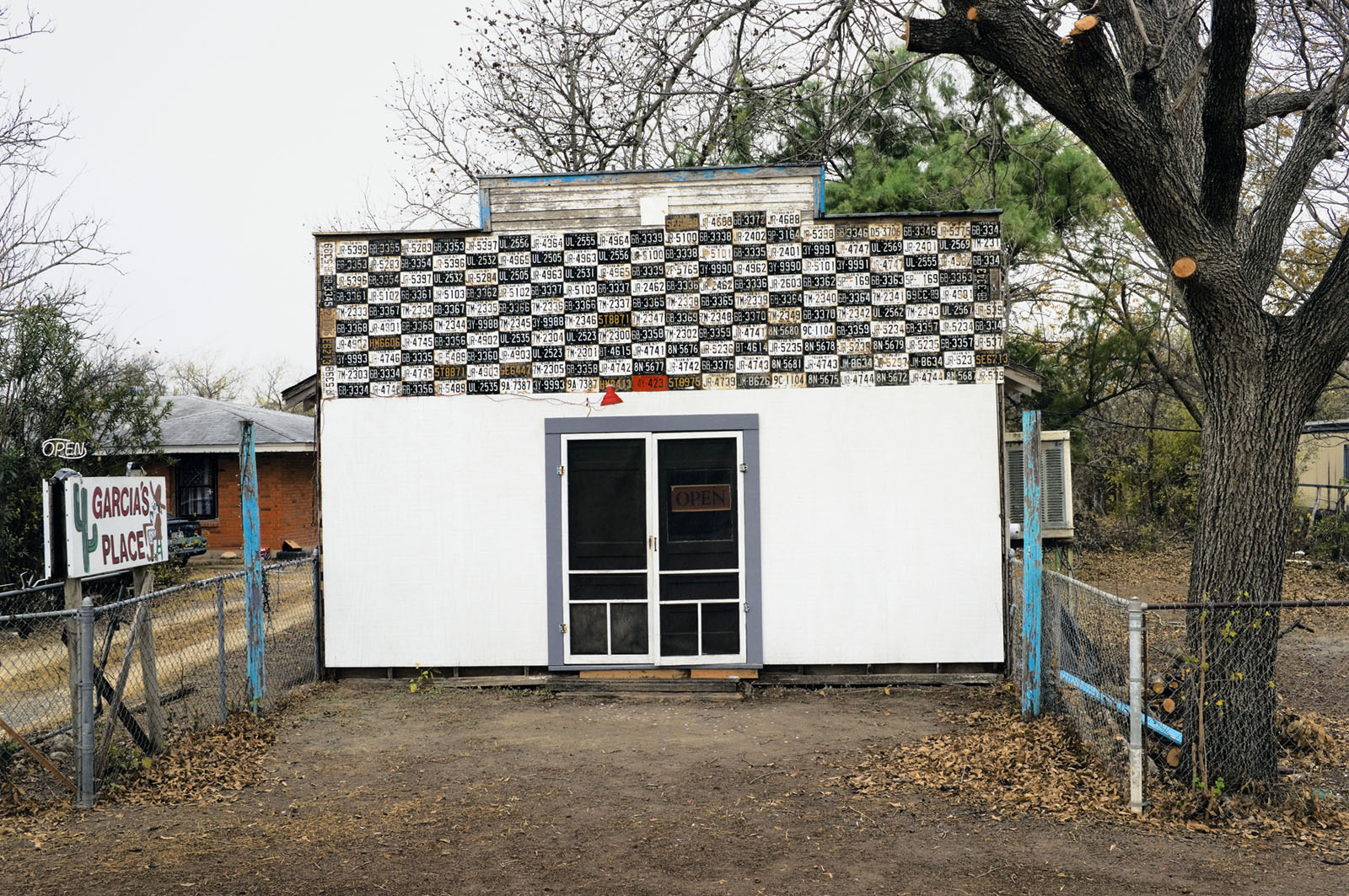


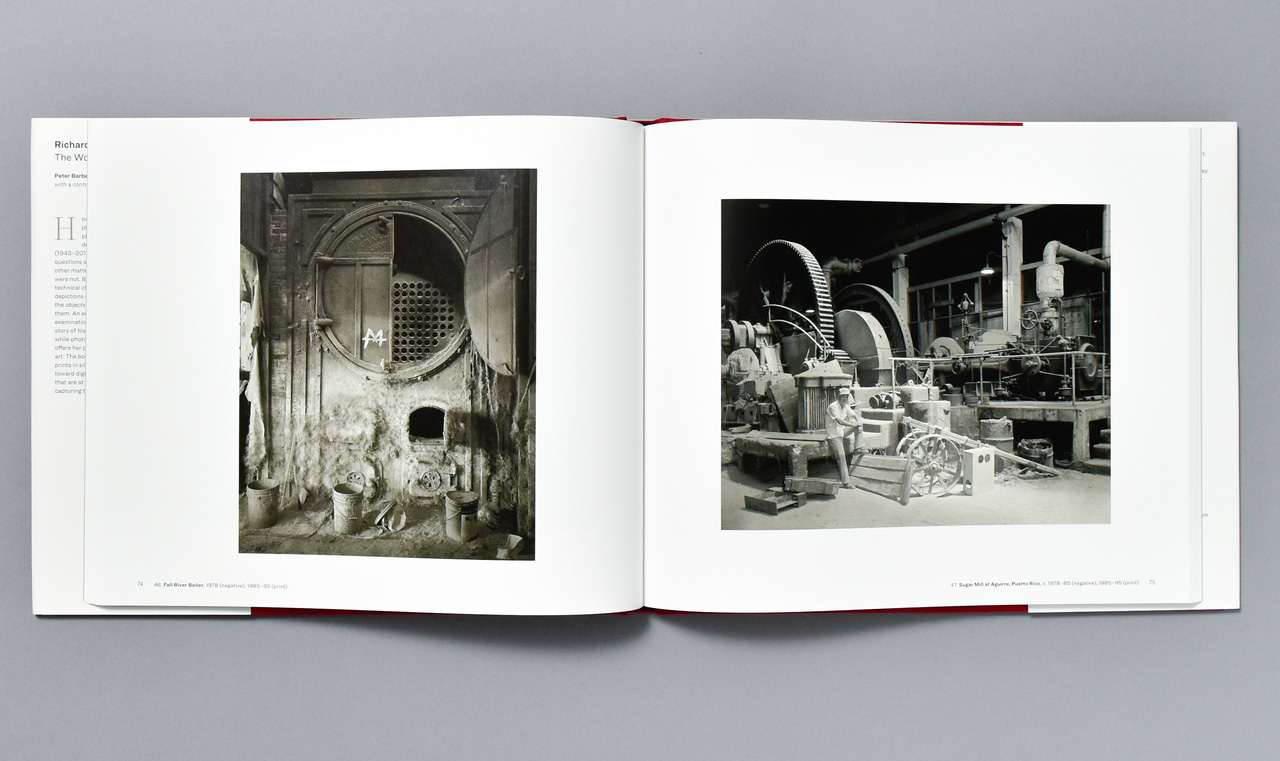

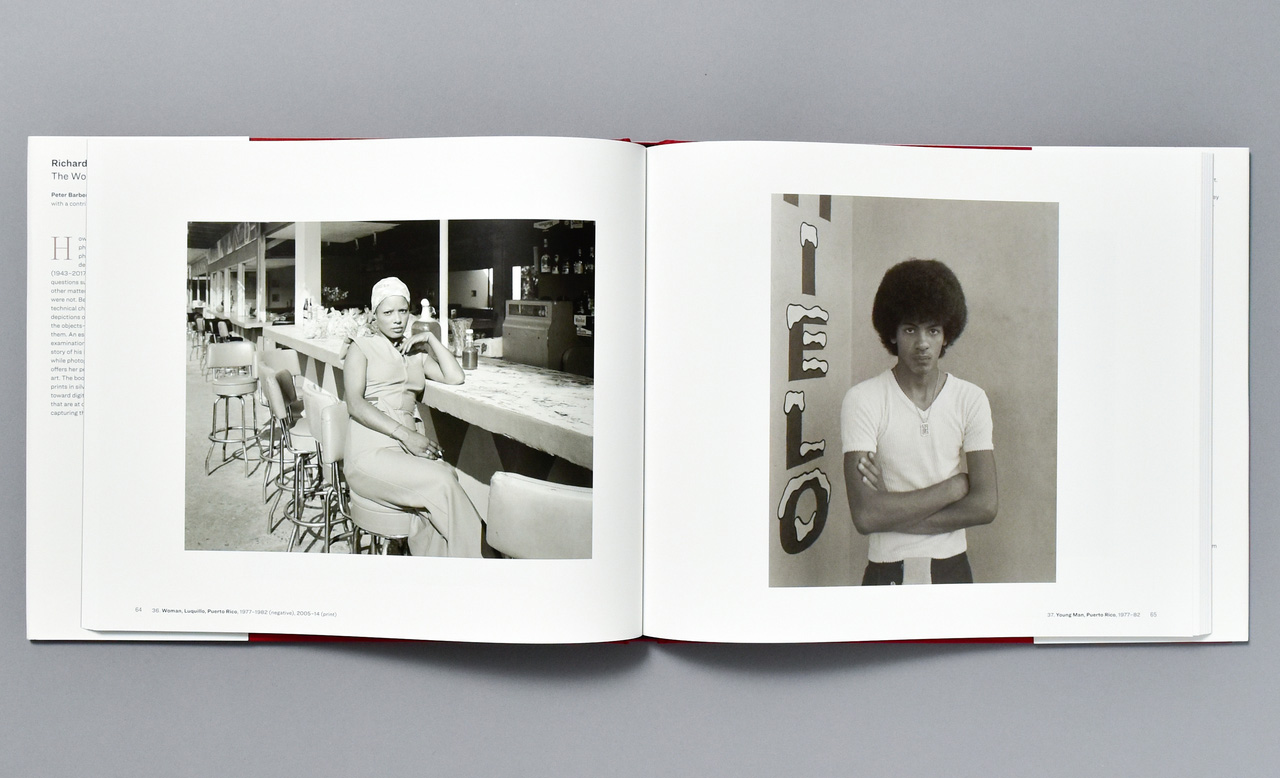
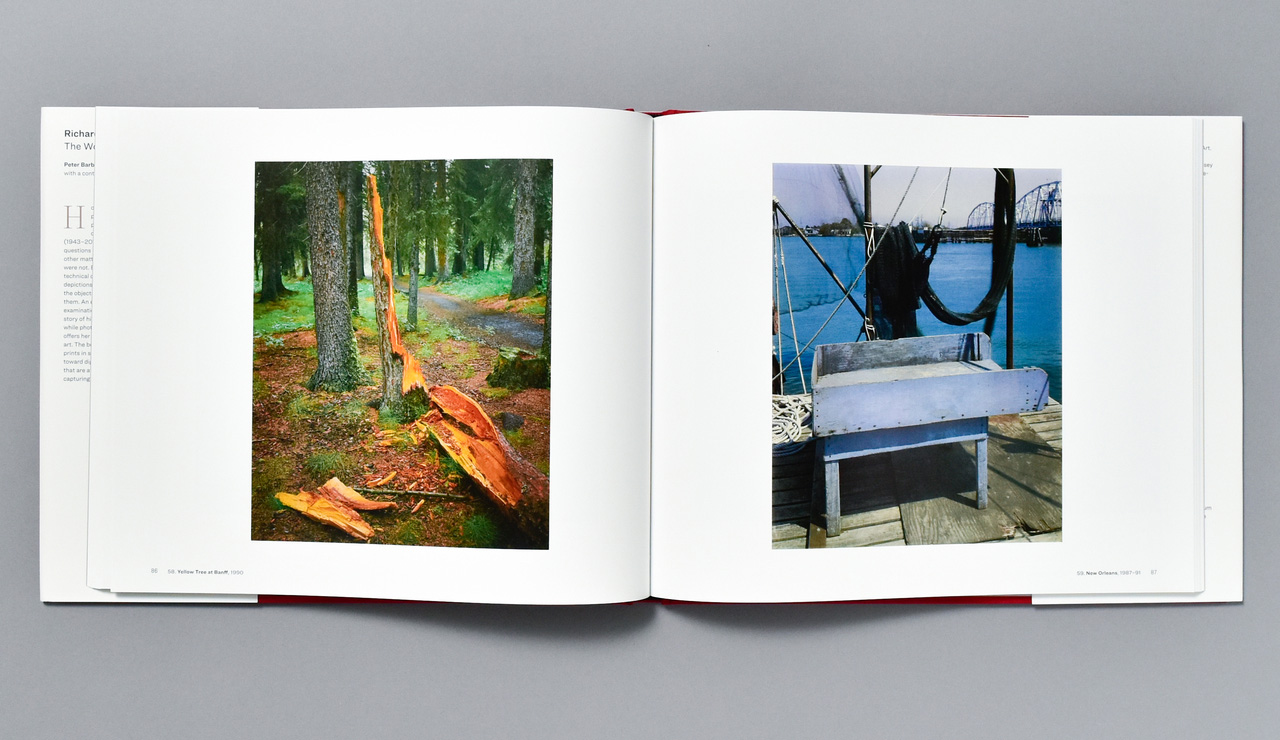
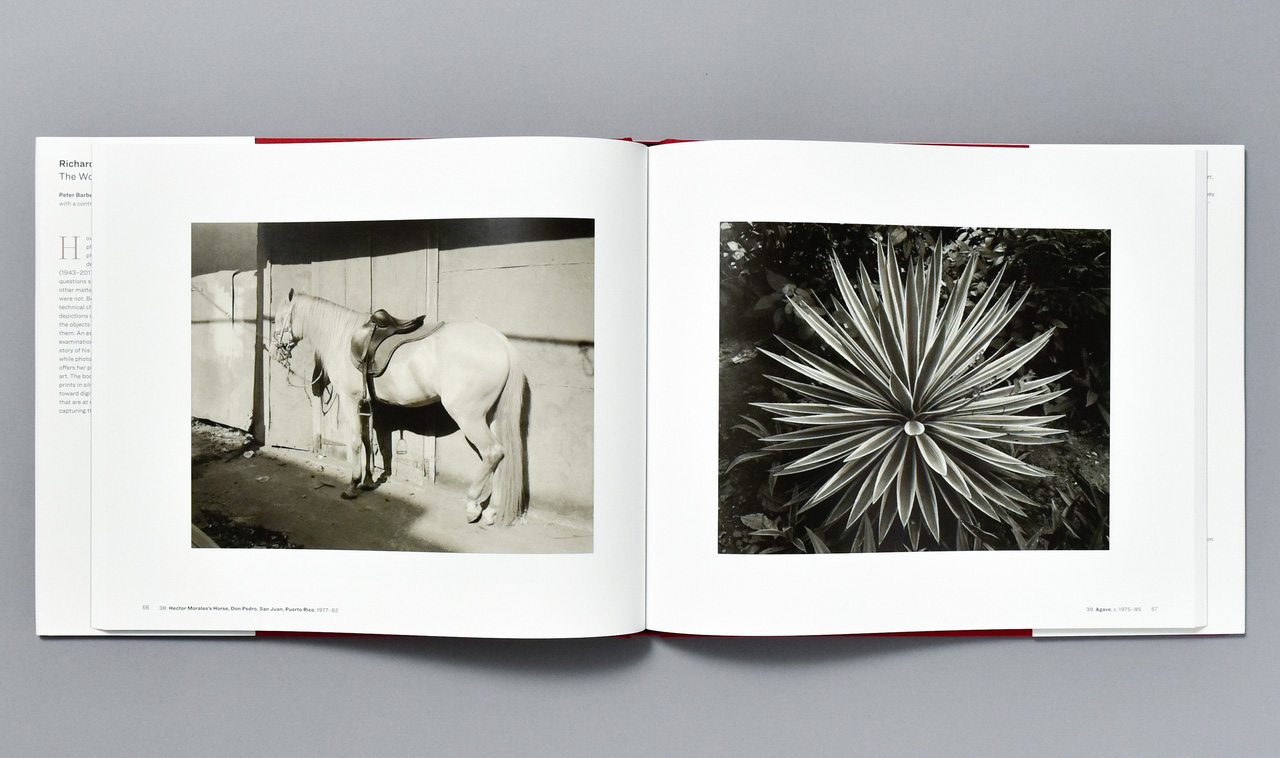
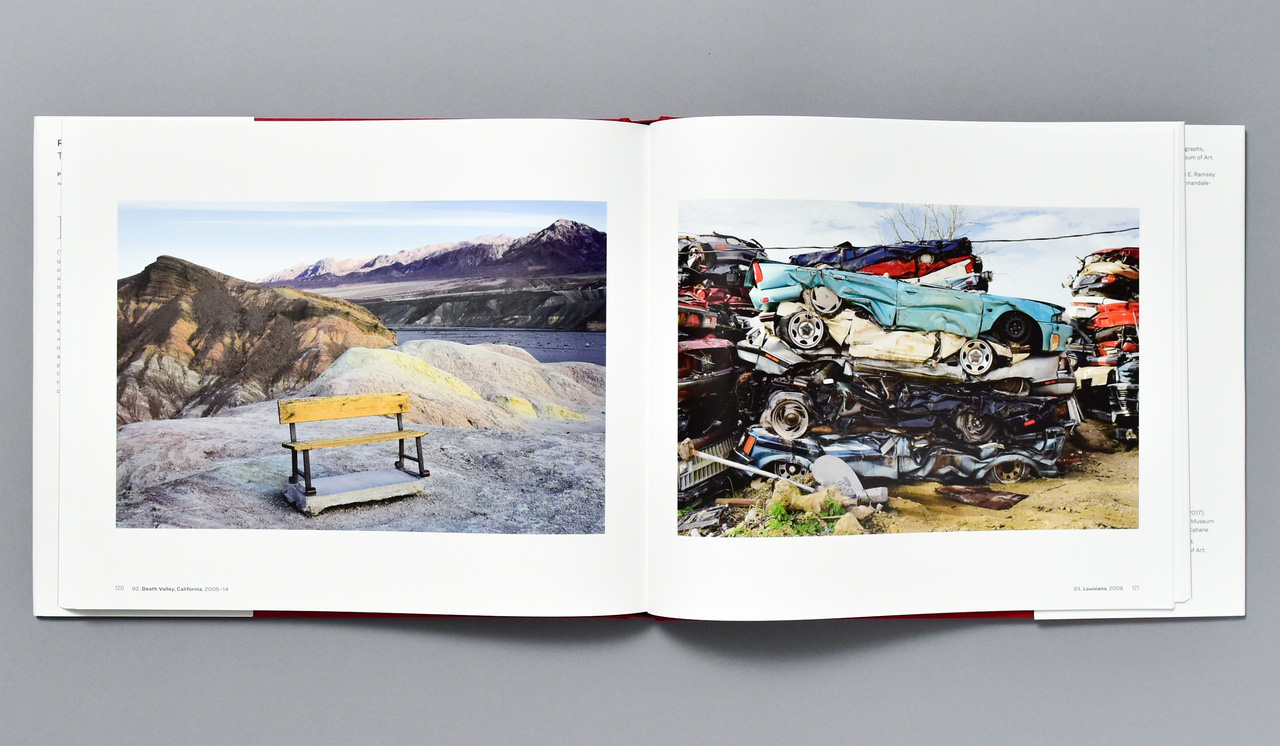
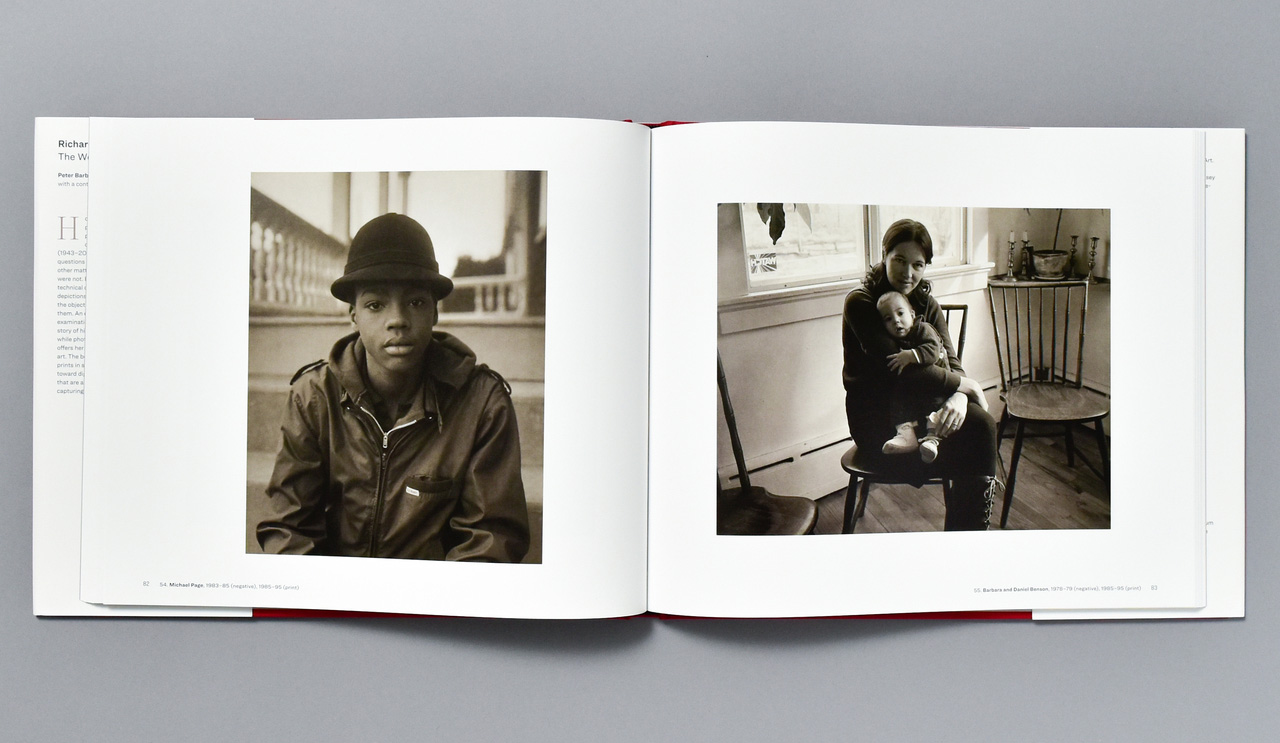
 Art Blart _ art and cultural memory archive
You must be logged in to post a comment.