Exhibition: ‘American Silence: The Photographs of Robert Adams’ at the National Gallery of Art, Washington

Exhibition dates: 29th May – 2nd October, 2022

Curator: Sarah Greenough, senior curator and head of the department of photographs, National Gallery of Art
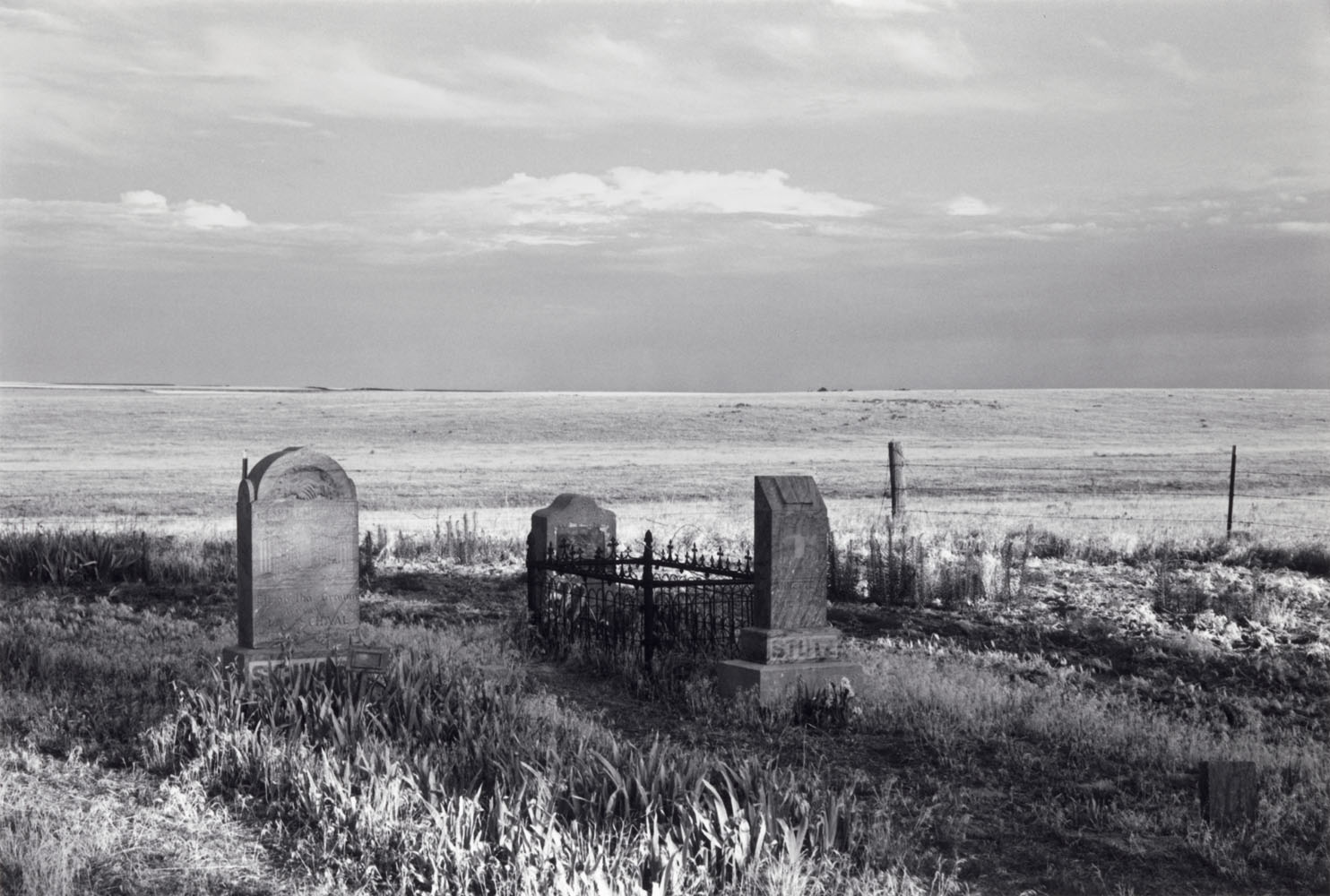
 

Robert Adams (American, b. 1937) 'Summer, Early Morning, Immigrant Cemetery, North of Bethune, Colorado' 1965 from the exhibition 'American Silence: The Photographs of Robert Adams' at the National Gallery of Art, Washington, May - Oct, 2022


Robert Adams (American, b. 1937)
Summer, Early Morning, Immigrant Cemetery, North of Bethune, Colorado
1965
Gelatin silver print
Image: 10.4 x 15.2 cm (4 1/8 x 6 in.)
National Gallery of Art, Washington, Pepita Milmore Memorial Fund and Gift of Robert and Kerstin Adams
© Robert Adams, Courtesy Fraenkel Gallery, San Francisco


The quiet of the great beyond

With gratitude, I admire the photographs of Robert Adams. I admire their perspicuous (“clear, lucid”, able to be seen through) and perspicacious (“keen, astute,” able to see through) nature.

They imbibe (“absorb, assimilate,” ideas or knowledge) in us “the wonder and fragility of the American landscape, its inherent beauty, and the inadequacy of our response to it… [they] capture the sense of peace and harmony that the beauty of nature can instill in us – “the silence of light,” as he calls it… [and they] question our silent complicity in the desecration of that beauty by consumerism, industrialisation, and lack of environmental stewardship… While these photographs lament the ravages that have been inflicted on the land, they also pay homage to what remains.”

Like so many photographers of the American landscape, Adams’ debt to the vision of Walker Evans can be seen in his early work, in images such as Movie Theater, Otis, Colorado (1965, below) and Catholic Church, Summer, Ramah, Colorado (1965, below) – but even in images such as Wheat Stubble, South of Thurman, Colorado (1965, below) we can begin to see the beginnings of Adams personal artistic signature, the quiet of “the great beyond” (both physically and spiritually).

In modernist photographs that step off from Walker Evans’ legacy, Adams quiet, still photographs require of the viewer contemplation and reflection… reflection on the isolation of tract housing seemingly dropped into the vast American landscape. In these photographs (such as the two photographs Newly Occupied Tract Houses, Colorado Springs, 1968 below) Adams’ use of near/far is exemplary, with the nearness of the new excavation, the new scarring of the earth, contrasting with the sublime majesty of the mountains beyond. Other more personal psychological scarring can be seen in the two photographs Colorado Springs (1968-1971, below) where single, isolated, anonymous human beings are occluded in silhouette or shadow, damned by the hot sun.

In other photographs houses become like fossilised dinosaur skeletons, their graves marked by ironic street names such as Darwin Pl. (Frame for a Tract House, Colorado Springs, 1969 below), or multiply across the landscape, breeding like some genetically identical sequence (Pikes Peak Park, Colorado Springs, 1969, below). Even petrol stations blare out the name “Frontier” as though to irrevocably define that here we live on the edge of nowhere. And so it goes in Adams’ work… isolated people living in a barren landscape being colonised and inhabited without much thought for the beauty or the destruction of the landscape.

From the mid-1970s onwards, Adams’ landscape photographs begin to eschew all but the smallest pointers to human habitation, but this makes these human marks on the landscape all the more intrusive because of it. For example, in the photograph of the vast landscape South of the Rocky Flats Nuclear Weapons Plant, Jefferson County, Colorado (1976, below) the only markings of human activity are the tyre marks in the foreground and the telegraph poles, road and cars at far right… and then the title hits you with a double-whammy, “Rocky Flats Nuclear Weapons Plant”, not present in the photograph but present in our consciousness (of the landscape). Even less evidence of human existence is signalled in the photograph Missouri River, Clay County, South Dakota (1977, below), but then we notice at bottom left a discarded tin can, just a discarded tin can, but this one tin can says so much about our use and abuse of our only habitable planet, earth.

In image after image, roads scar the landscape, planes fly overhead, industry and housing colonise the sublime, and human beings hug and are alienated amongst concrete jungles and car parks. New development erodes the earth leaving behind the detritus of human existence. Old growth trees are slaughtered in clearcut operations in which every tree has been cut down and removed. A dead albatross rots on an expanse of beach (The Sea Beach, Albatross, 2015 below) while in the distance the photographer picks out 4 ghosts of human beings (The Sea Beach, 2015 below).

Adams’ photographic vision is extra ordinary and I cannot fault his individual photographs. I become engrossed in them. I breathe their atmosphere. He has a resolution, both in terms of large format aesthetic, the aesthetic of beauty and of using materials, light and composition… that seems exactly right. He possesses that superlative skill of few great photographers, and by that I mean: sometimes he has true compassion** / parallel to a religious compassion, but not based on something higher / just perfect human. In some of his photographs (such as East from Flagstaff Mountain, Boulder County, Colorado 1975, below) he possesses real forgiveness, in others there is the perfection of cruel, the perfection of de/composition.

** achieved by Arbus, Atget and sometimes by Clift, Gowin.

And then, each image holds small clues vital to the overall conversation that is the accumulation of his work and it is in their collective accumulation of meaning that Adams’ photographs grow and build to shatter not just the American silence on environmental issues, but the deafening silence of the whole industrialised world. In their holistic nature, Adams’ body of work becomes punctum and because of this his work produces other “things”, things as great as anything the French literary theorist, essayist, philosopher, critic, and semiotician Roland Barthes wrote about. As in Barthes’ seminal work Camera Lucida, Adams’ work reminds us that the “photograph is evidence of ‘what has ceased to be’. Instead of making reality solid, it reminds us of the world’s ever changing nature.”1

Human beings can never leave anything as they find it, they always have to possess and change whatever they see in a form of desecration (the action of damaging or showing no respect toward something holy or very much respected). Except human beings do not respect the only place that have to live on, this earth. When will it change?

As Alain de Botton observes on the importance of the sublime places to the human psyche,

“If the world is unfair or beyond our understanding, sublime places suggest it is not surprising things should be thus. We are the playthings of the forces that laid out the oceans and chiselled the mountains. Sublime places acknowledge limitations that we might otherwise encounter with anxiety or anger in the ordinary flow of events. It is not just nature that defies us. Human life is as overwhelming, but it is the vast spaces of nature that perhaps provide us with the finest, the most respectful reminder of all that exceeds us. If we spend time with them, they may help us to accept more graciously the great unfathomable events that molest our lives and will inevitably return us to dust.”2


We loose these places at our peril and the peril of the entire human race.

Dr Marcus Bunyan


1/ Anonymous. “Roland Barthes,” on the Wikipedia website Nd [Online] Cited 23/09/2022

2/ Alain de Botton. The Art of Travel. London: Penguin, 2002, pp. 178-179.


Many thankx to the National Gallery of Art for allowing me to publish the photographs in the posting. Please click on the photographs for a larger version of the image.


“Robert Adams’s photographs often seem to demand that viewers do a double-take. Seemingly ordinary subjects like tree stumps, tract housing or the moon seen from a parking lot “require very careful looking and careful consideration,” says curator Sarah Greenough, before they reveal the photographer’s deeply personal visions of nature – and, sometimes, his despair at what humans have done with it.”


Peter Saenger. “Robert Adams Takes Photos That Face Facts,” on The Wall Street Journal website May 13, 2022 [Online] Cited 23/06/2022
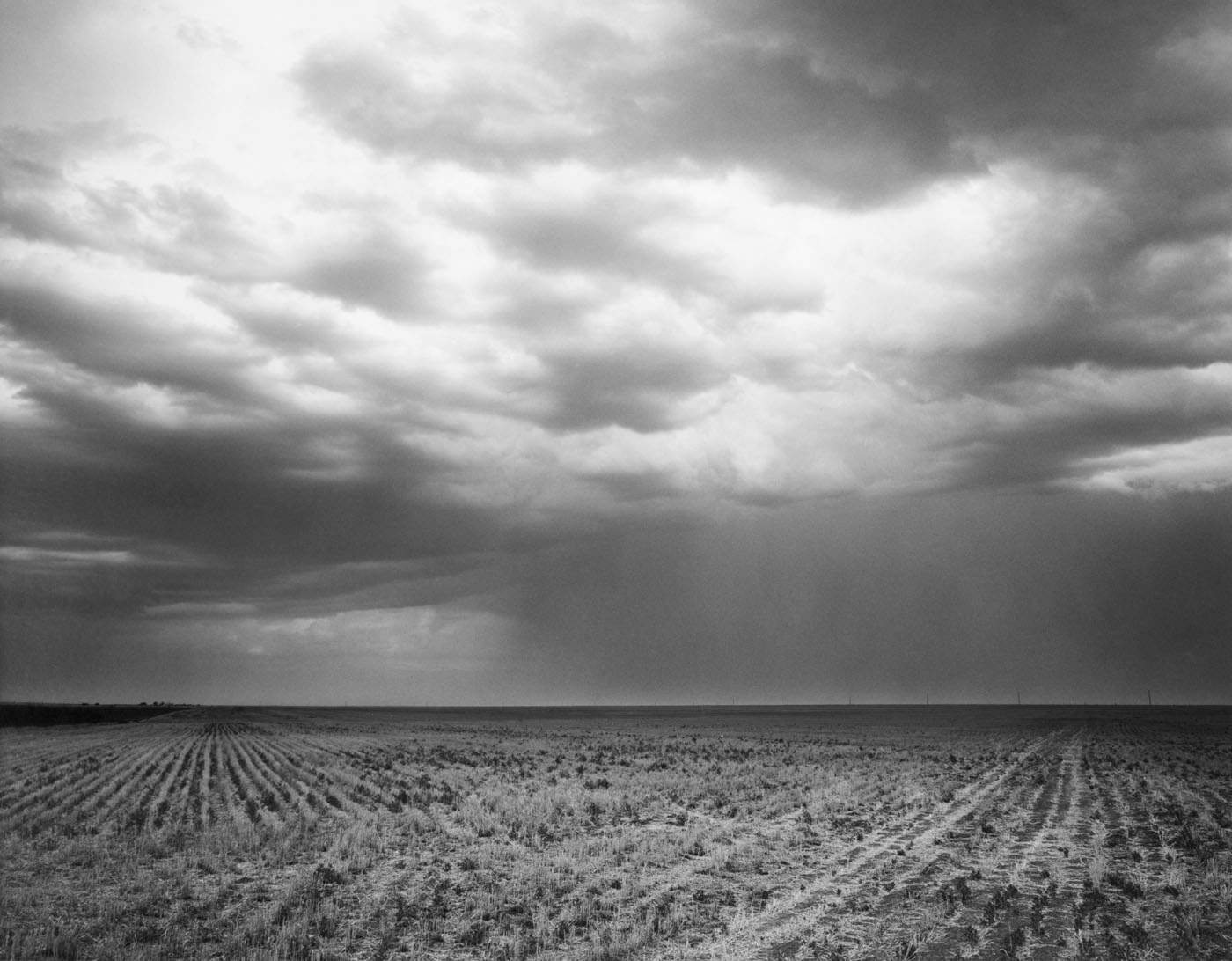


Robert Adams (American, b. 1937) 'Wheat Stubble, South of Thurman, Colorado' 1965, printed 1988 from the exhibition 'American Silence: The Photographs of Robert Adams' at the National Gallery of Art, Washington, May - Oct, 2022


Robert Adams (American, b. 1937)
Wheat Stubble, South of Thurman, Colorado
1965, printed 1988
Gelatin silver print
Image: 22.9 x 27.9cm (9 x 11 in.)
Collection of Jeffrey Fraenkel and Alan Mark
© Robert Adams, Courtesy Fraenkel Gallery, San Francisco


For 50 years, Robert Adams (b. 1937) has made compelling, provocative, and highly influential photographs that show us the wonder and fragility of the American landscape, its inherent beauty, and the inadequacy of our response to it. This exhibition explores the reverential way he looks at the world around him and the almost palpable silence of his work.

Many of these photographs of the American West capture the sense of peace and harmony that the beauty of nature can instill in us – “the silence of light,” as he calls it, that he sees on the prairie, in the woods, and by the ocean. Other pictures question our silent complicity in the desecration of that beauty by consumerism, industrialisation, and lack of environmental stewardship. Divided into three sections – The Gift, Our Response, and Tenancy – the exhibition features some 175 works from the artist’s most important projects and includes pictures of suburban sprawl, strip malls, highways, homes, and stores, as well as rivers, skies, the prairie, and the ocean.

While these photographs lament the ravages that have been inflicted on the land, they also pay homage to what remains.
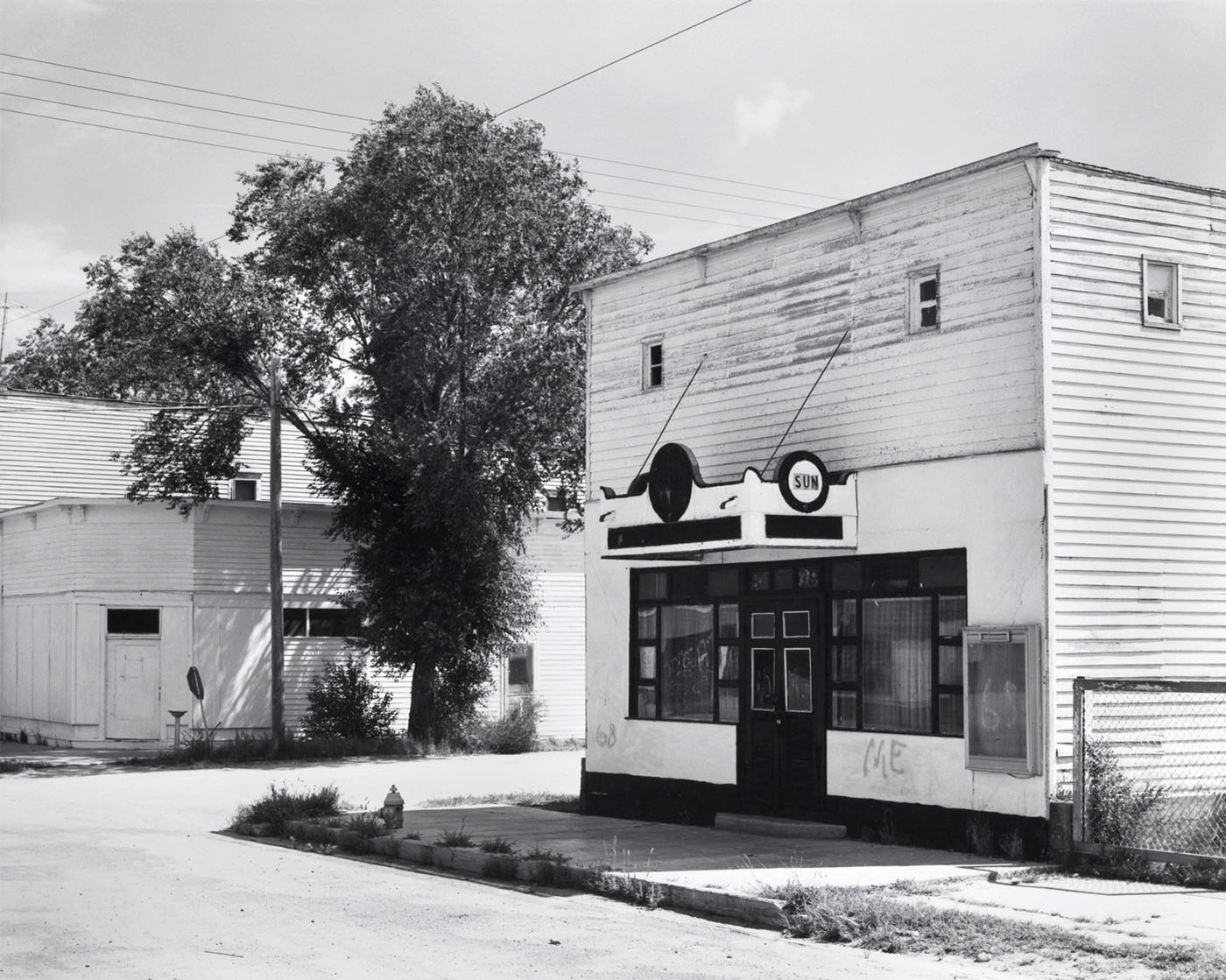
 

Robert Adams (American, b. 1937) 'Movie Theater, Otis, Colorado' 1965, printed c. 1977 from the exhibition 'American Silence: The Photographs of Robert Adams' at the National Gallery of Art, Washington, May - Oct, 2022


Robert Adams (American, b. 1937)
Movie Theater, Otis, Colorado
1965, printed c. 1977
Gelatin silver print
Image: 16.3 x 20.3cm (6 7/16 x 8 in.)
National Gallery of Art, Washington, Pepita Milmore Memorial Fund and Gift of Robert and Kerstin Adams
© Robert Adams, Courtesy Fraenkel Gallery, San Francisco
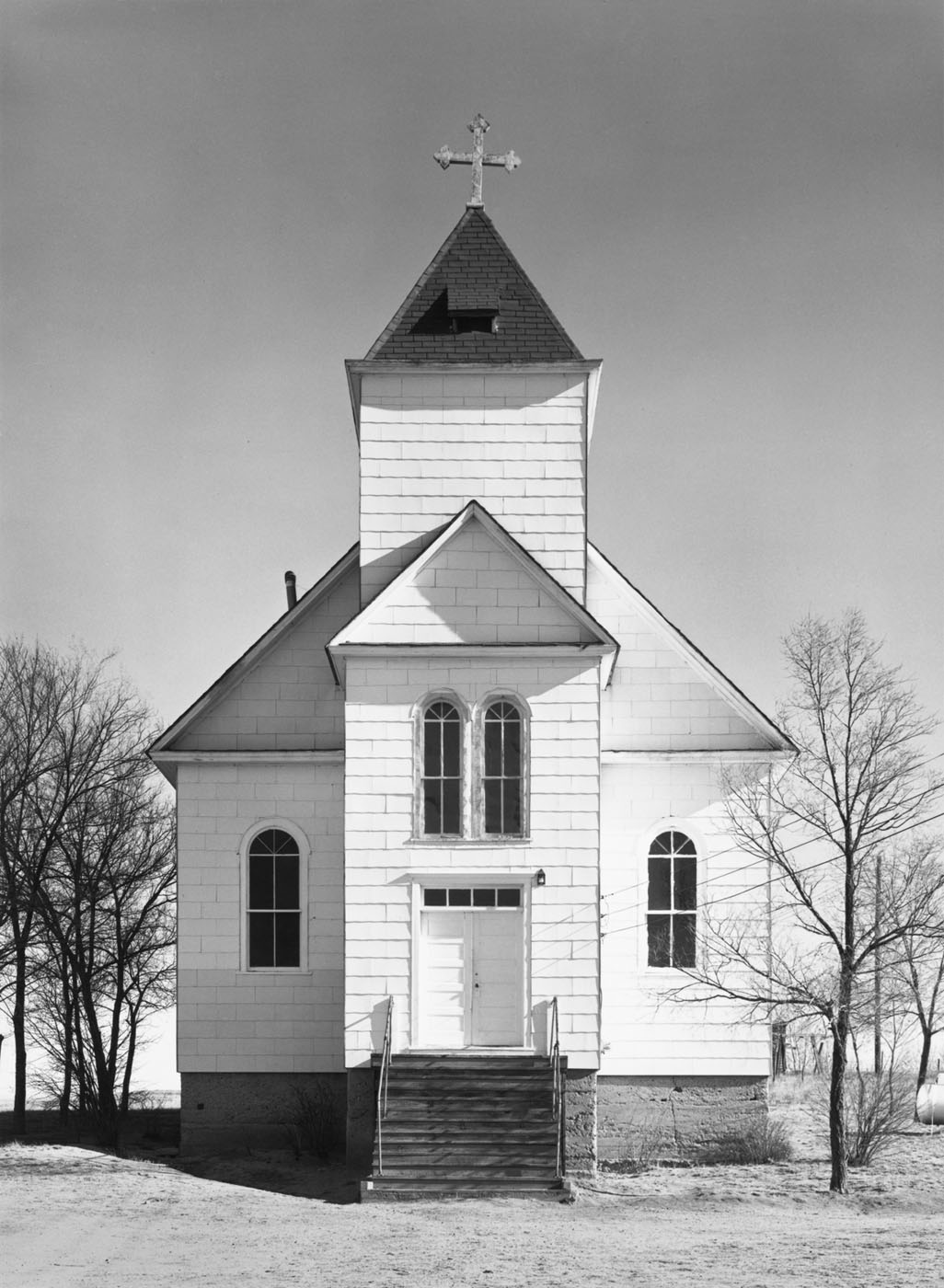
 

Robert Adams (American, b. 1937) 'Catholic Church, Winter, Ramah, Colorado' 1965, printed 1982


Robert Adams (American, b. 1937)
Catholic Church, Winter, Ramah, Colorado
1965, printed 1982
Gelatin silver print
Image: 22.3 x 16.4cm (8 3/4 x 6 7/16 in.)
National Gallery of Art, Washington, Pepita Milmore Memorial Fund and Gift of Robert and Kerstin Adams
© Robert Adams, Courtesy Fraenkel Gallery, San Francisco
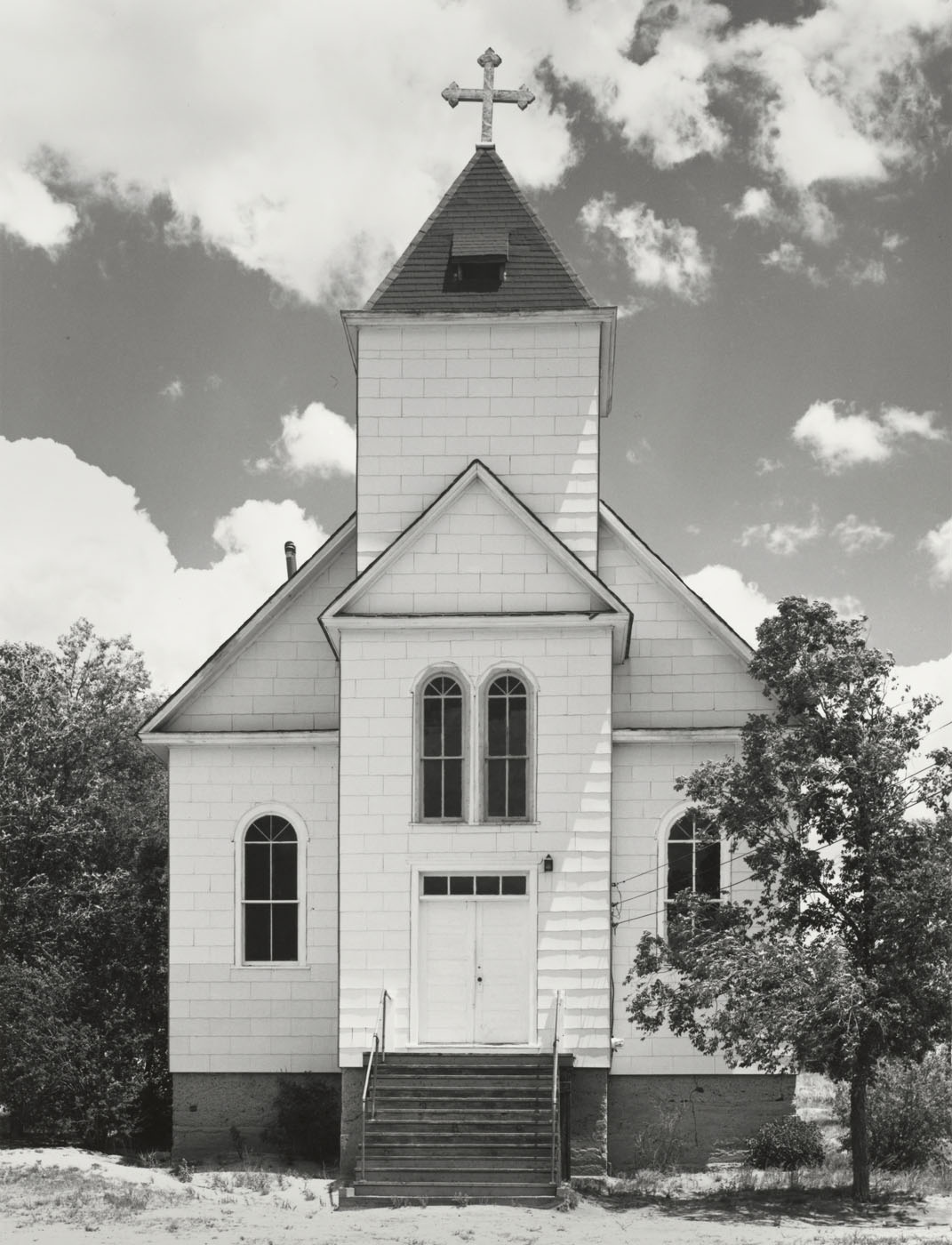
 

Robert Adams (American, b. 1937) 'Catholic Church, Summer, Ramah, Colorado' 1965, printed 1981


Robert Adams (American, b. 1937)
Catholic Church, Summer, Ramah, Colorado
1965, printed 1981
Gelatin silver print
Image: 21.5 x 16.4cm (8 7/16 x 6 7/16 in.)
National Gallery of Art, Washington, Pepita Milmore Memorial Fund and Gift of Robert and Kerstin Adams
© Robert Adams, Courtesy Fraenkel Gallery, San Francisco
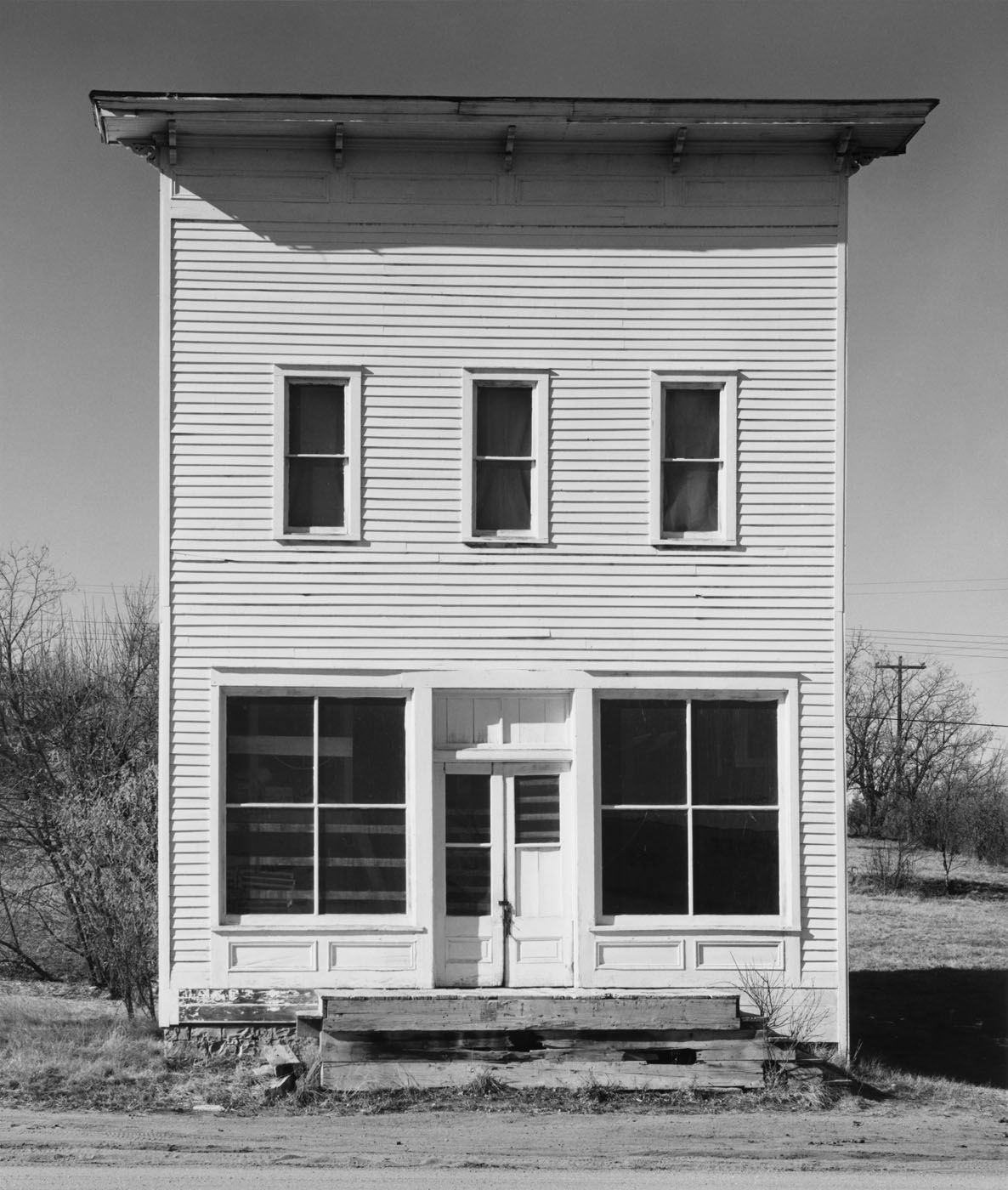
 

Robert Adams (American, b. 1937) 'Store, Elizabeth, Colorado' 1965, printed 1988


Robert Adams (American, b. 1937)
Store, Elizabeth, Colorado
1965, printed 1988
Gelatin silver print
Image: 26.9 x 22.8cm (10 9/16 x 9 in.)
National Gallery of Art, Washington, Pepita Milmore Memorial Fund and Gift of Robert and Kerstin Adams
© Robert Adams, Courtesy Fraenkel Gallery, San Francisco
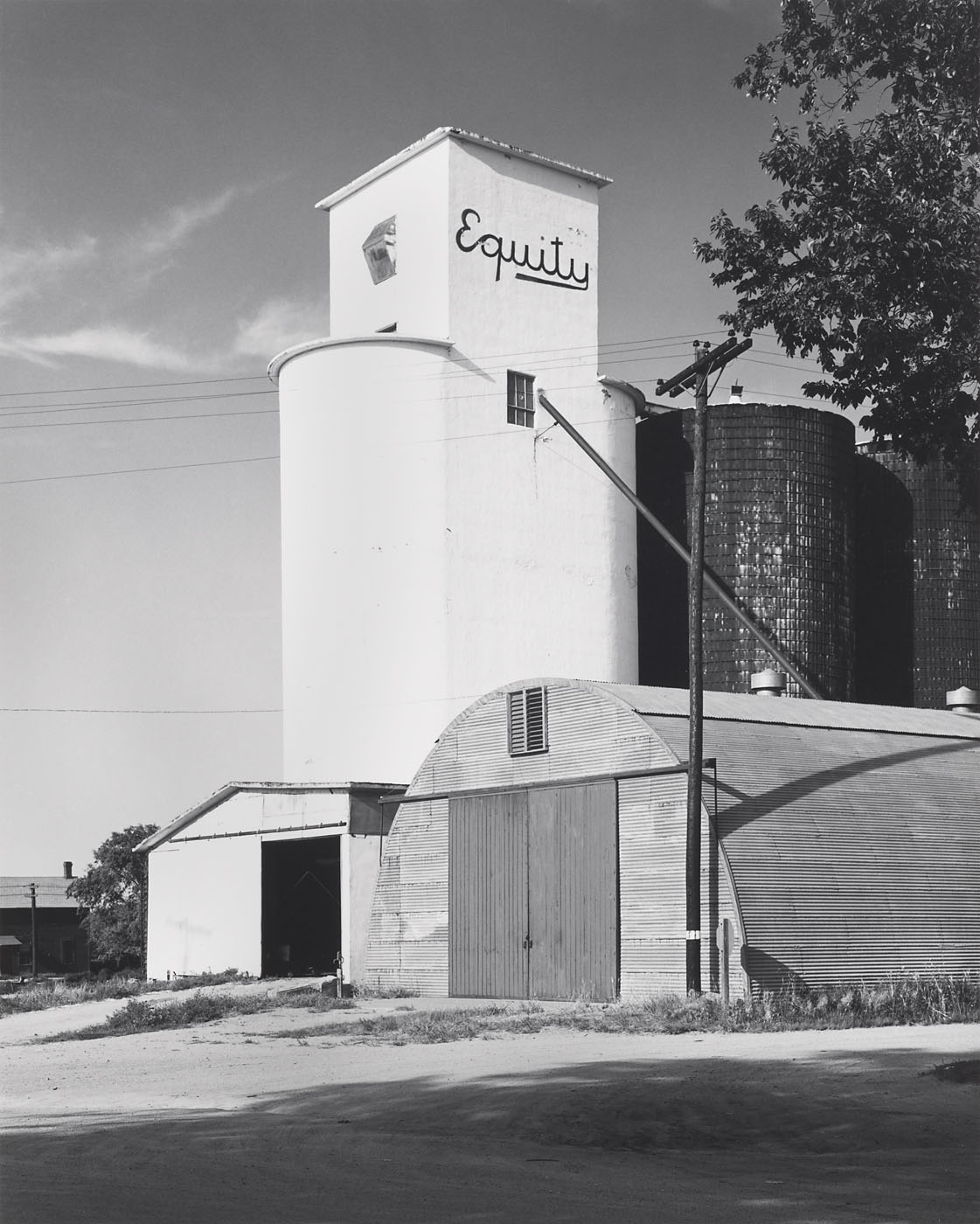
 

Robert Adams (American, b. 1937) 'Arriba, Colorado' 1966, printed 1981


Robert Adams (American, b. 1937)
Arriba, Colorado
1966, printed 1981
Gelatin silver print
Image: 28.4 x 22.7cm (11 3/16 x 8 15/16 in.)
National Gallery of Art, Washington, Pepita Milmore Memorial Fund and Gift of Robert and Kerstin Adams
© Robert Adams, Courtesy Fraenkel Gallery, San Francisco
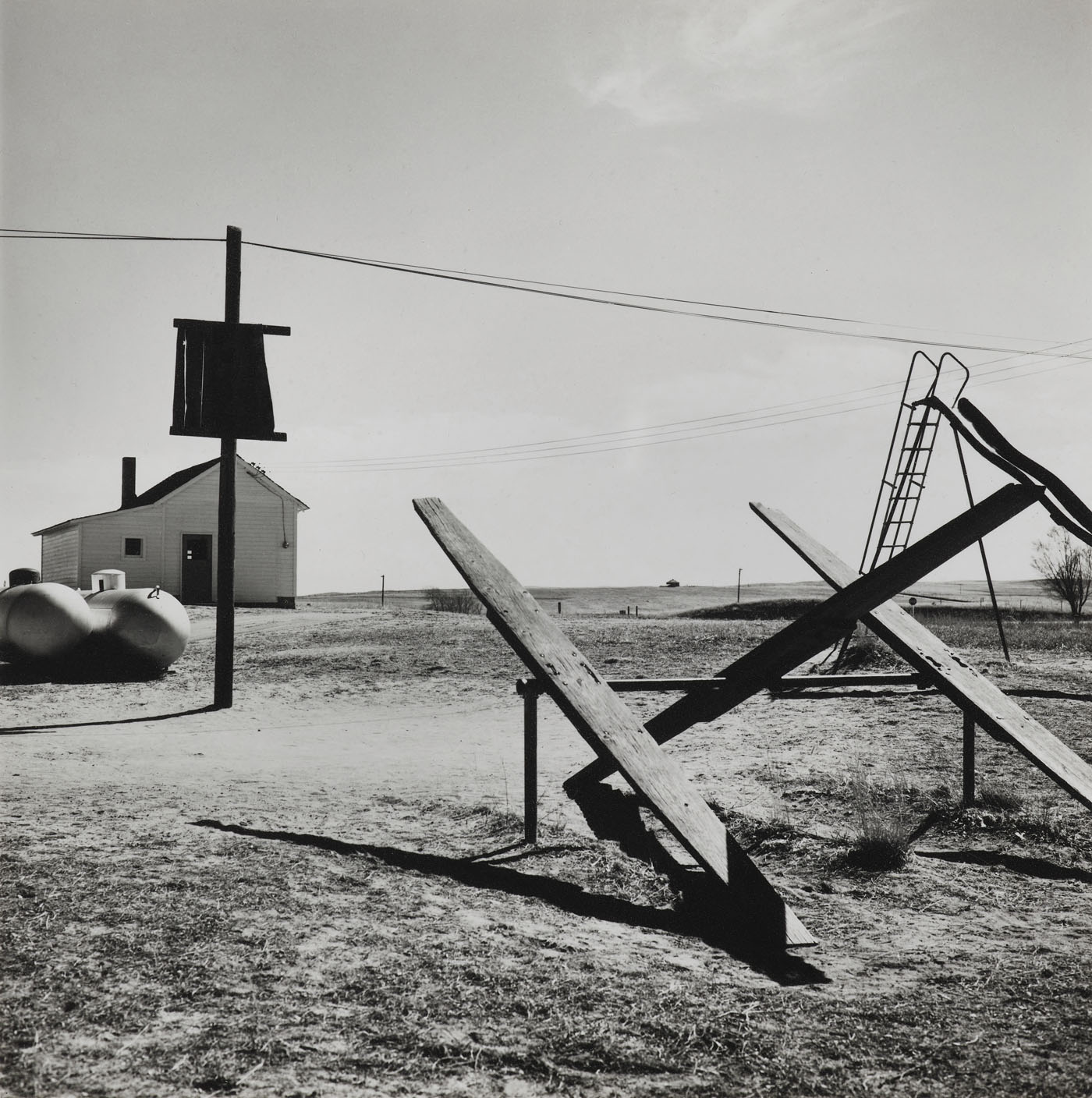
 

Robert Adams (American, b. 1937) 'Schoolyard, Ramah, Colorado' 1968


Robert Adams (American, b. 1937)
Schoolyard, Ramah, Colorado
1968
Gelatin silver print
Image: 15.2 x 15.2 cm (6 x 6 in.)
Private collection, San Francisco
© Robert Adams, Courtesy Fraenkel Gallery, San Francisco
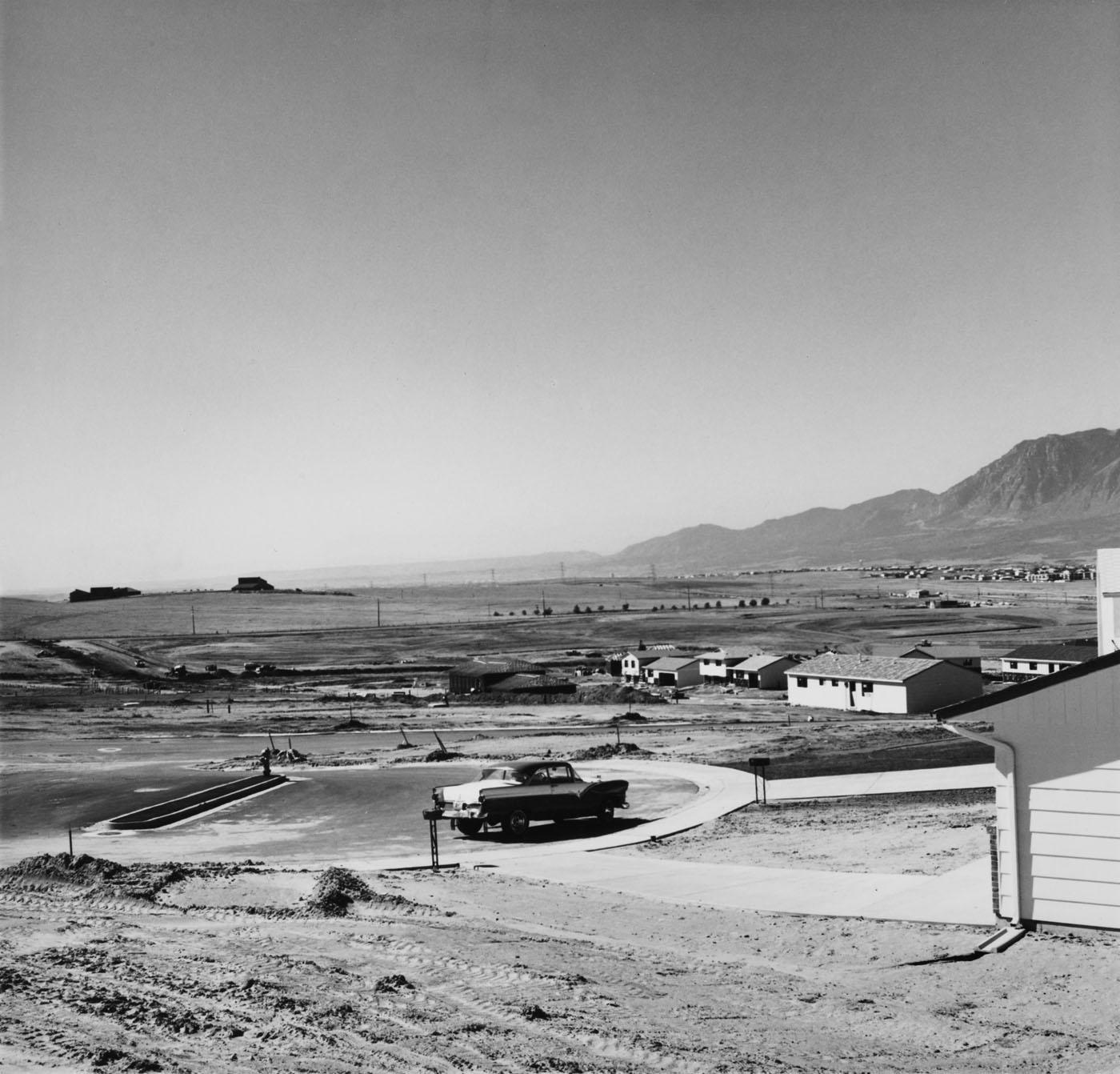
 

Robert Adams (American, b. 1937) 'Newly Occupied Tract Houses, Colorado Springs' 1968


Robert Adams (American, b. 1937)
Newly Occupied Tract Houses, Colorado Springs
1968
Gelatin silver print
Image: 12.7 x 13.3cm (5 x 5 1/4 in.)
Private collection, San Francisco
© Robert Adams, Courtesy Fraenkel Gallery, San Francisco
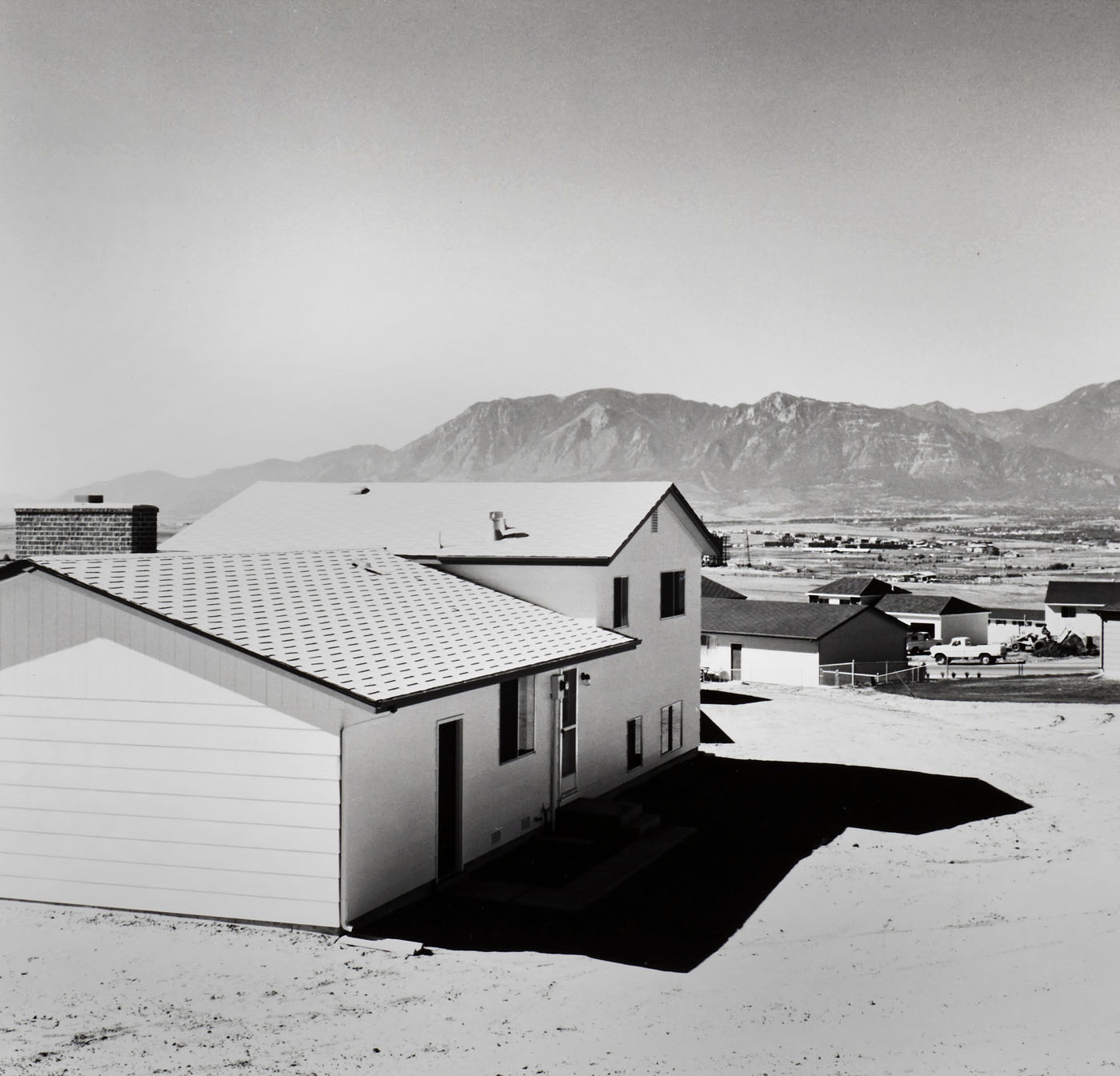
 

Robert Adams (American, b. 1937) 'New Tract Housing, Colorado Springs' 1968, printed 1981


Robert Adams (American, b. 1937)
New Tract Housing, Colorado Springs
1968, printed 1981
Gelatin silver print
Image: 14.4 x 15cm (5 11/16 x 5 7/8 in.)
Philadelphia Museum of Art, Purchased with the Alice Newton Osborn Fund, 1982
Courtesy of the Philadelphia Museum of Art
© Robert Adams, Courtesy Fraenkel Gallery, San Francisco
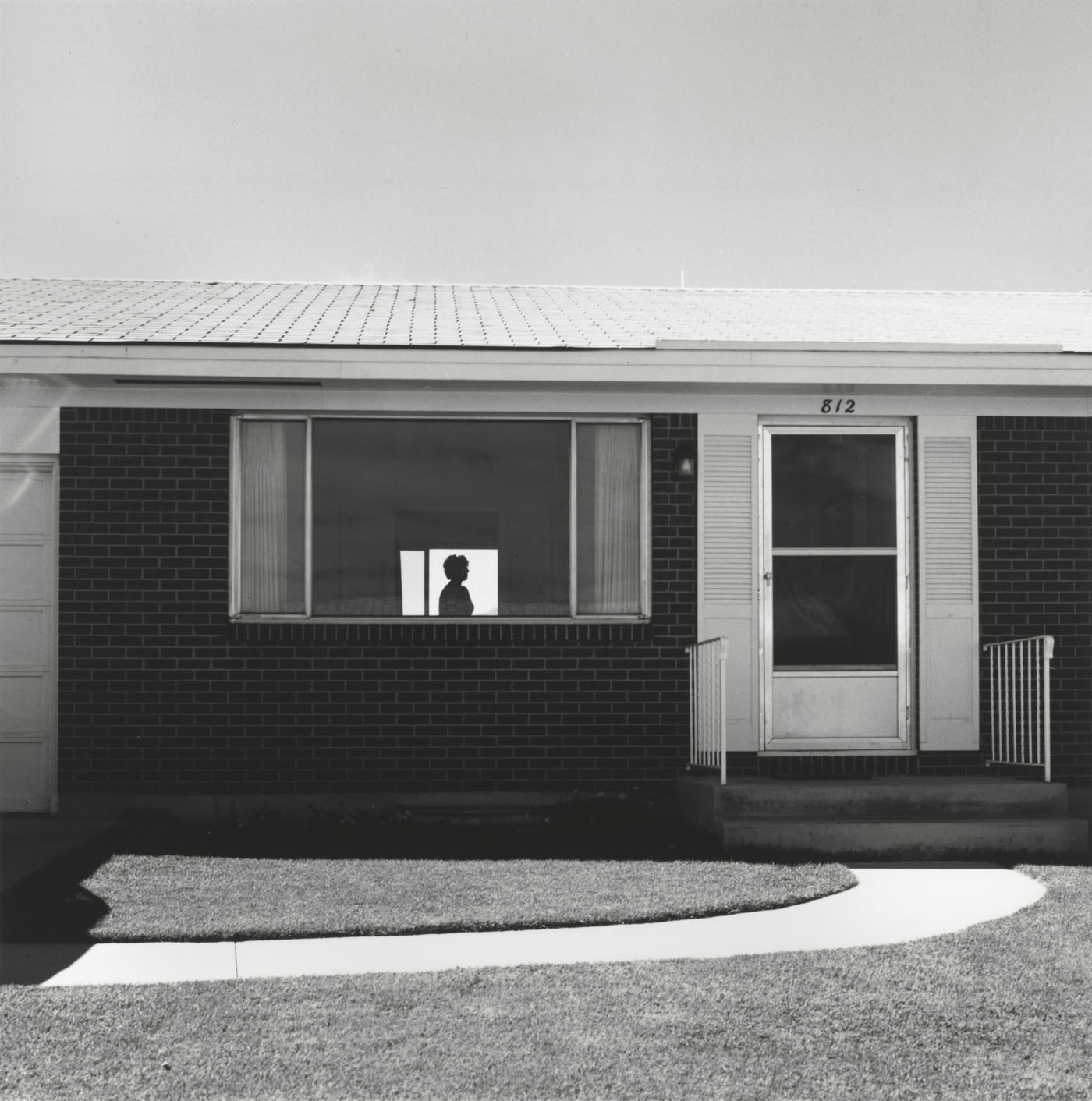
 

Robert Adams (American, b. 1937) 'Colorado Springs' 1968, printed 1983


Robert Adams (American, b. 1937)
Colorado Springs
1968, printed 1983
Gelatin silver print
Image: 15.2 x 15.2cm (6 x 6 in.)
National Gallery of Art, Washington, Gift of Mary and Dan Solomon and Patrons’ Permanent Fund
© Robert Adams, Courtesy Fraenkel Gallery, San Francisco
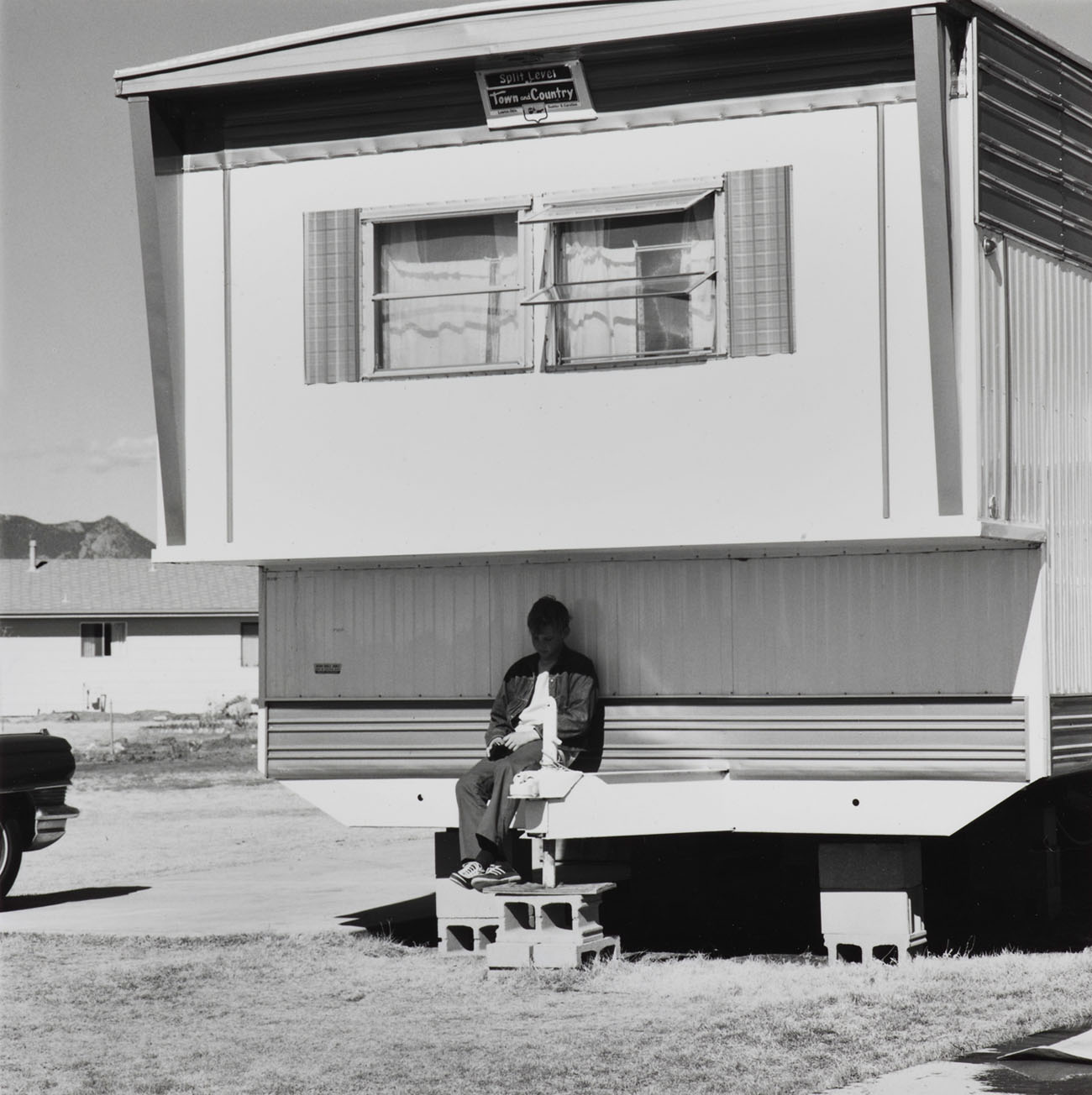
 

Robert Adams (American, b. 1937) 'Colorado Springs' 1968-1971


Robert Adams (American, b. 1937)
Colorado Springs
1968-1971
Gelatin silver print
Image: 15.2 x 15.2cm (6 x 6 in.)
Private collection, San Francisco
© Robert Adams, Courtesy Fraenkel Gallery, San Francisco
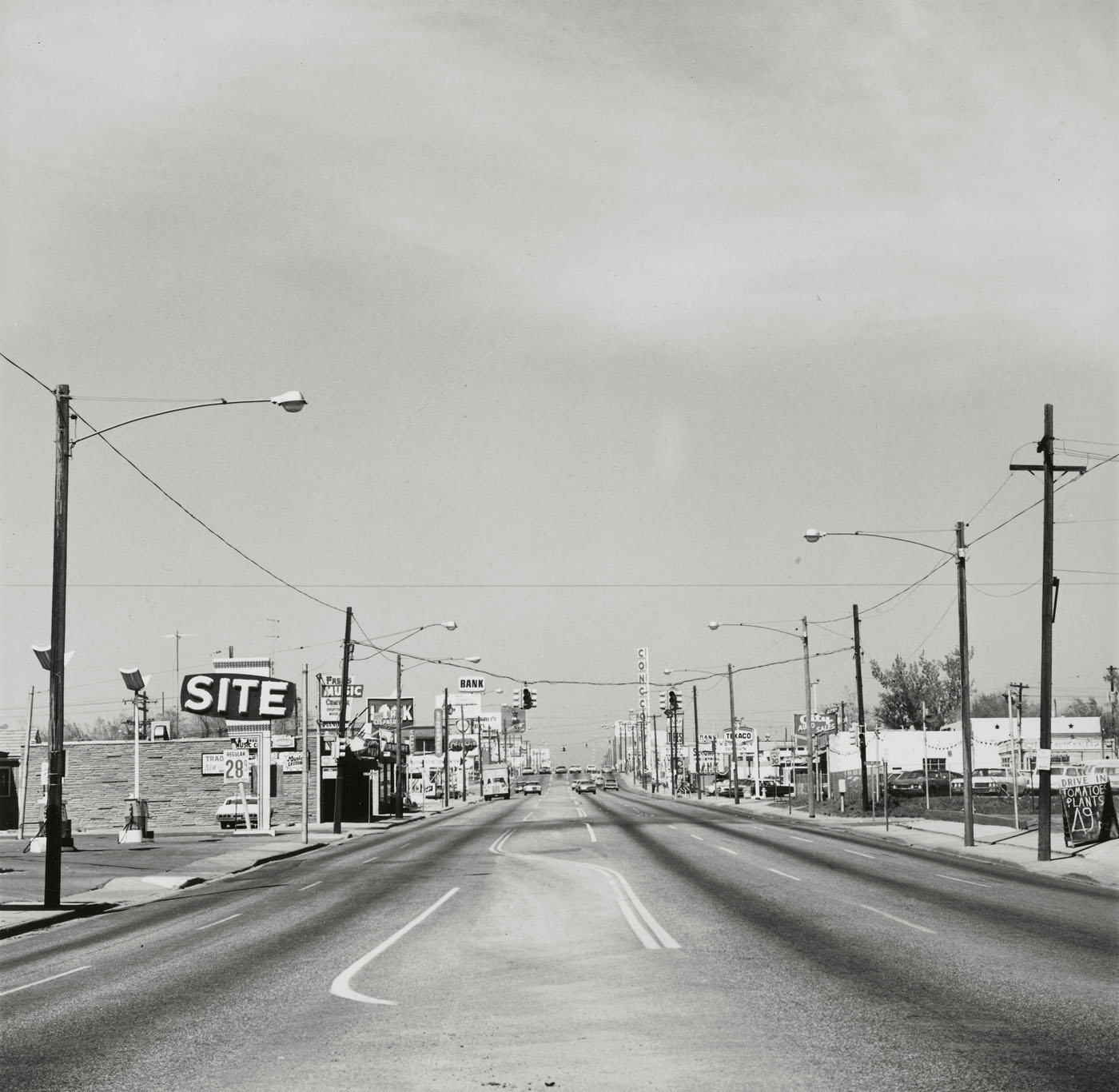
 

Robert Adams (American, b. 1937) 'Alameda Avenue, Denver' 1968-1971


Robert Adams (American, b. 1937)
Alameda Avenue, Denver
1968-1971
Gelatin silver print
Image: 15.2 x 15.2cm (6 x 6 in.)
Private collection, San Francisco
© Robert Adams, Courtesy Fraenkel Gallery, San Francisco
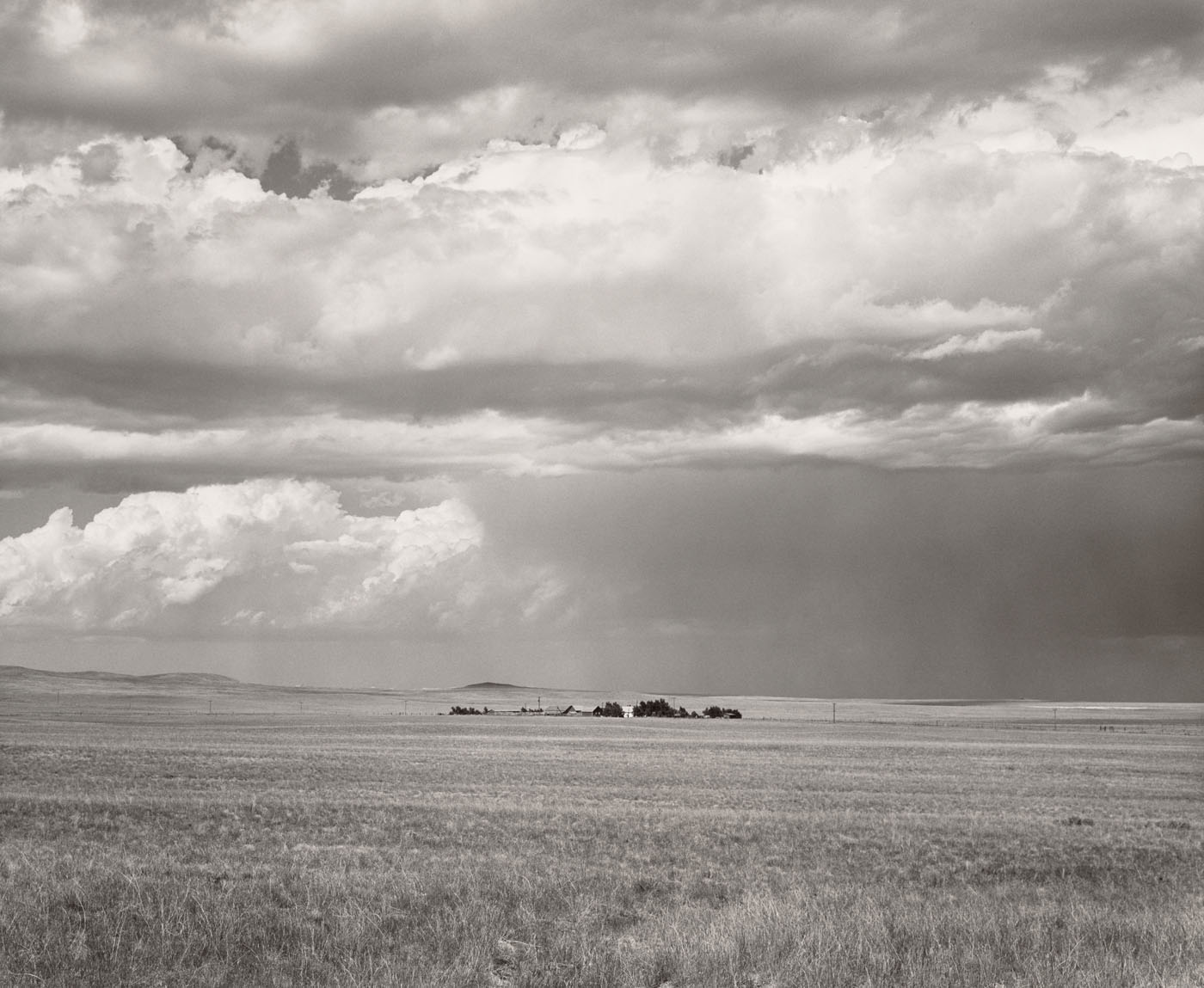
 

Robert Adams (American, b. 1937) 'Northeast of Keota, Colorado' 1969, printed 1981


Robert Adams (American, b. 1937)
Northeast of Keota, Colorado
1969, printed 1981
Gelatin silver print
Image: 39.2 x 47.8cm (15 7/16 x 18 13/16 in.)
National Gallery of Art, Washington, Pepita Milmore Memorial Fund and Gift of Robert and Kerstin Adams
© Robert Adams, Courtesy Fraenkel Gallery, San Francisco
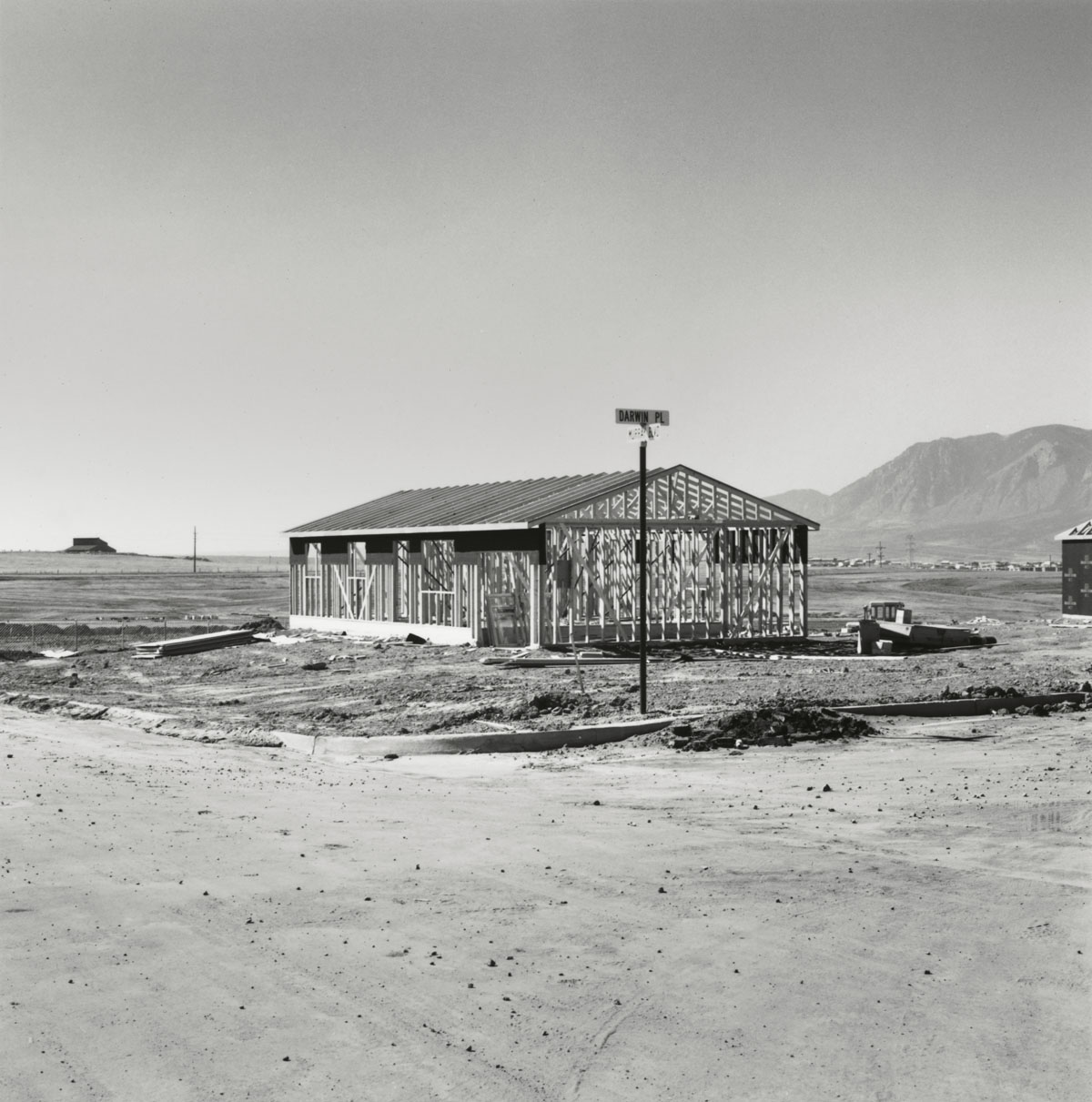
 

Robert Adams (American, b. 1937) 'Frame for a Tract House, Colorado Springs' 1969, printed 1984


Robert Adams (American, b. 1937)
Frame for a Tract House, Colorado Springs
1969, printed 1984
Gelatin silver print
Image: 15.1 x 15cm (5 15/16 x 5 7/8 in.)
National Gallery of Art, Washington, Gift of Mary and David Robinson
© Robert Adams, Courtesy Fraenkel Gallery, San Francisco
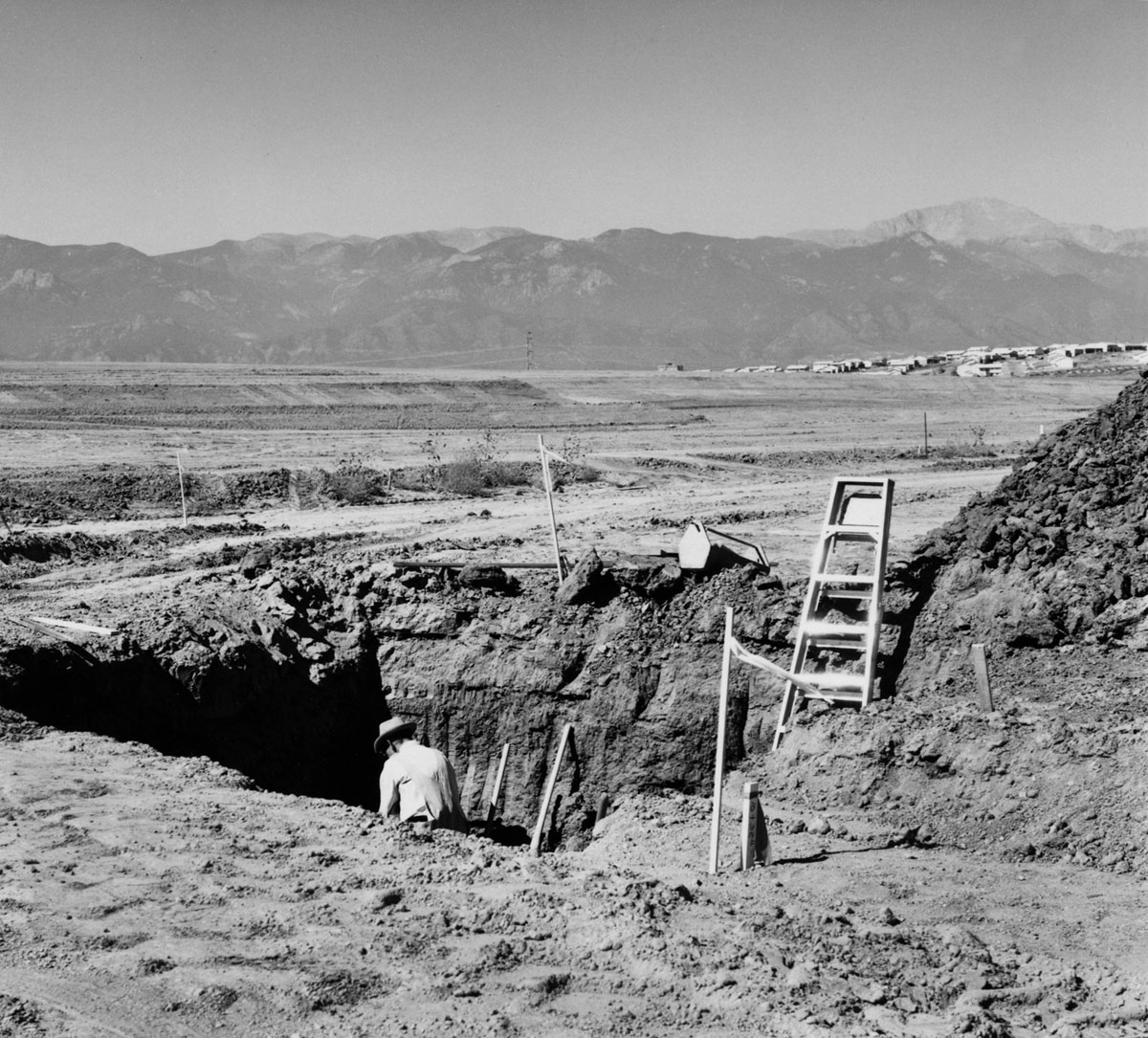
 

Robert Adams (American, b. 1937) 'Basement for a Tract House, Colorado Springs' 1969


Robert Adams (American, b. 1937)
Basement for a Tract House, Colorado Springs
1969
Gelatin silver print
Image: 26.6 x 27.6cm (10 1/2 x 10 7/8 in.)
National Gallery of Art, Washington, Gift of Robert and Kerstin Adams
© Robert Adams, Courtesy Fraenkel Gallery, San Francisco
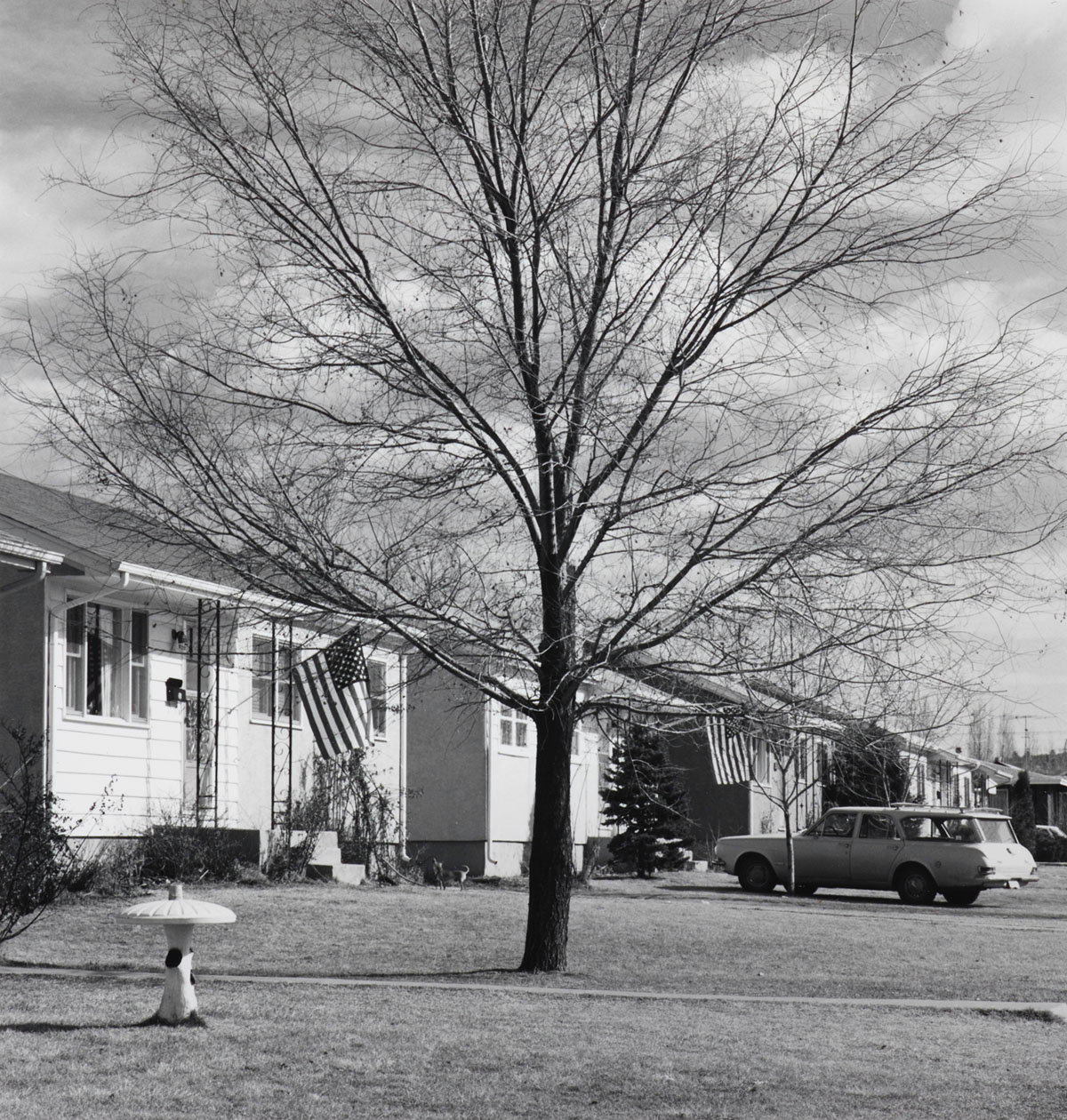
 

Robert Adams (American, b. 1937) 'Colorado Springs' 1969


Robert Adams (American, b. 1937)
Colorado Springs
1969
Gelatin silver print
Image: 15.6 x 15.2cm (6 1/8 x 6 in.)
Private collection, San Francisco
© Robert Adams, Courtesy Fraenkel Gallery, San Francisco
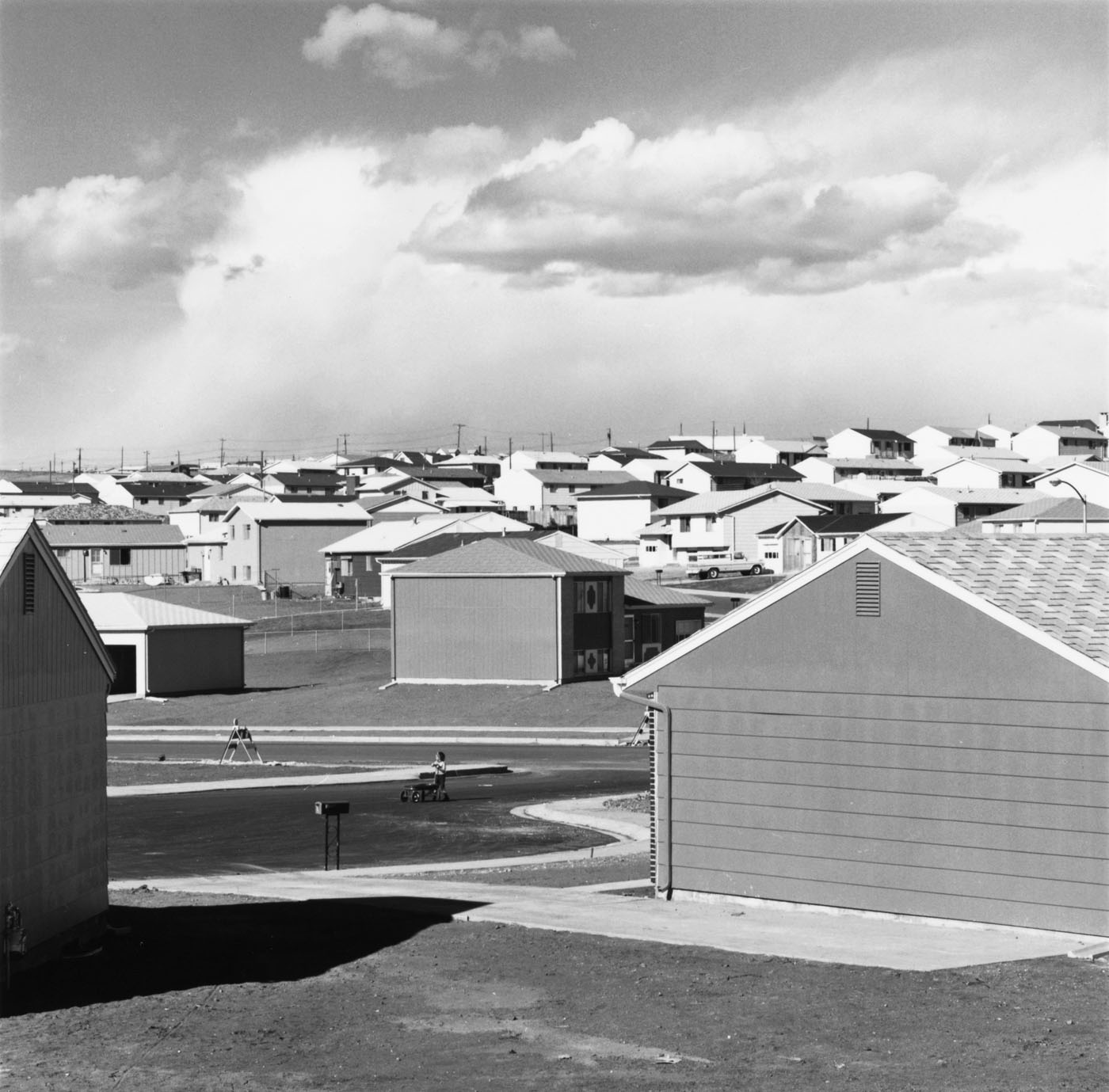
 

Robert Adams (American, b. 1937) 'Pikes Peak Park, Colorado Springs' 1969


Robert Adams (American, b. 1937)
Pikes Peak Park, Colorado Springs
1969
Gelatin silver print
Image: 15.1 x 15.2cm (5 15/16 x 6 in.)
Yale University Art Gallery, Purchased with a gift from Saundra B. Lane, a grant from the Trellis Fund, and the Janet and Simeon Braguin Fund
© Robert Adams, Courtesy Fraenkel Gallery, San Francisco
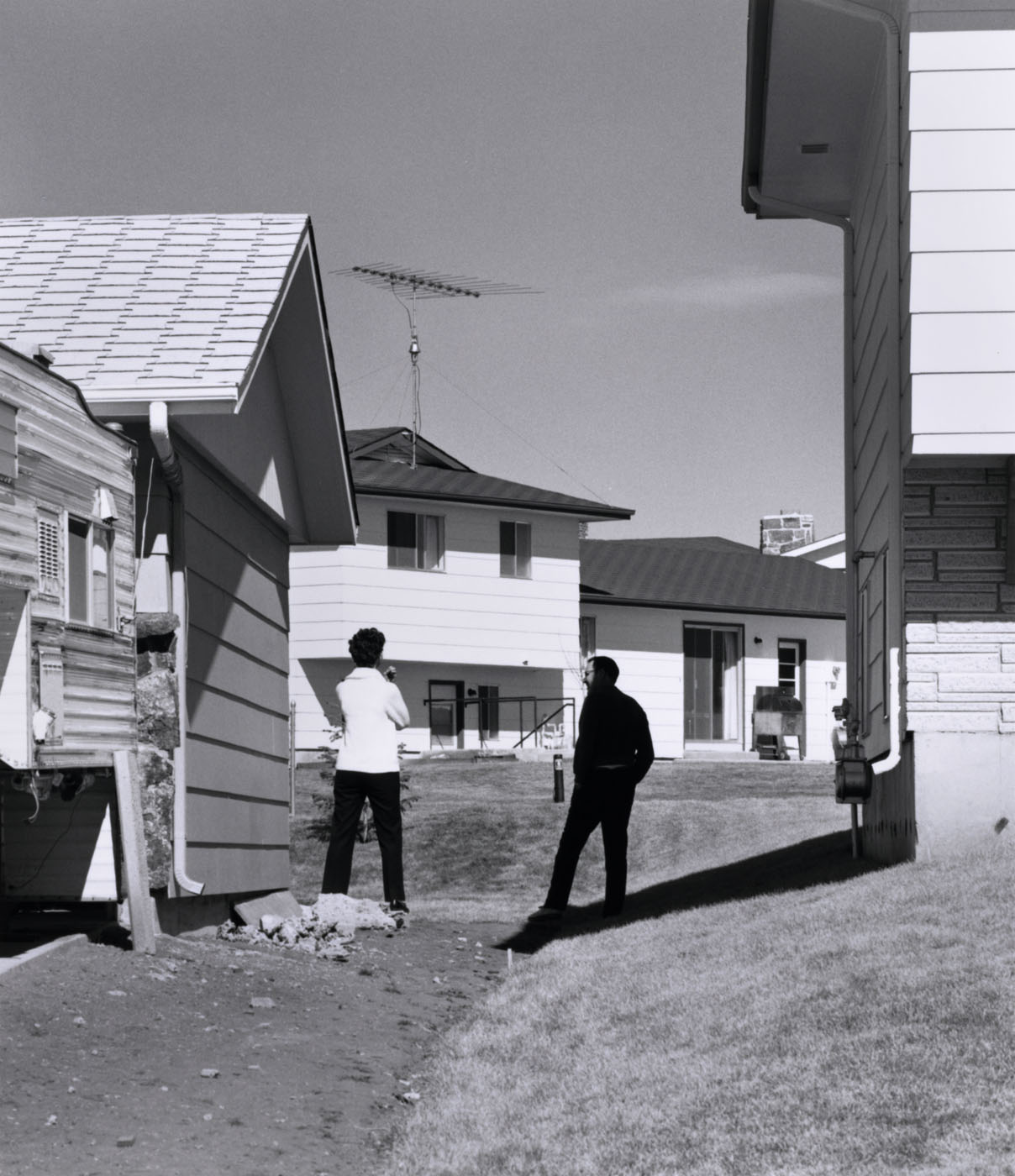
 

Robert Adams (American, b. 1937) 'New Housing, Colorado Springs' 1969, printed 2005


Robert Adams (American, b. 1937)
New Housing, Colorado Springs
1969, printed 2005
Gelatin silver print
Image: 17.5 x 15.1cm (6 7/8 x 5 15/16 in.)
National Gallery of Art, Washington, Pepita Milmore Memorial Fund and Gift of Robert and Kerstin Adams
© Robert Adams, Courtesy Fraenkel Gallery, San Francisco
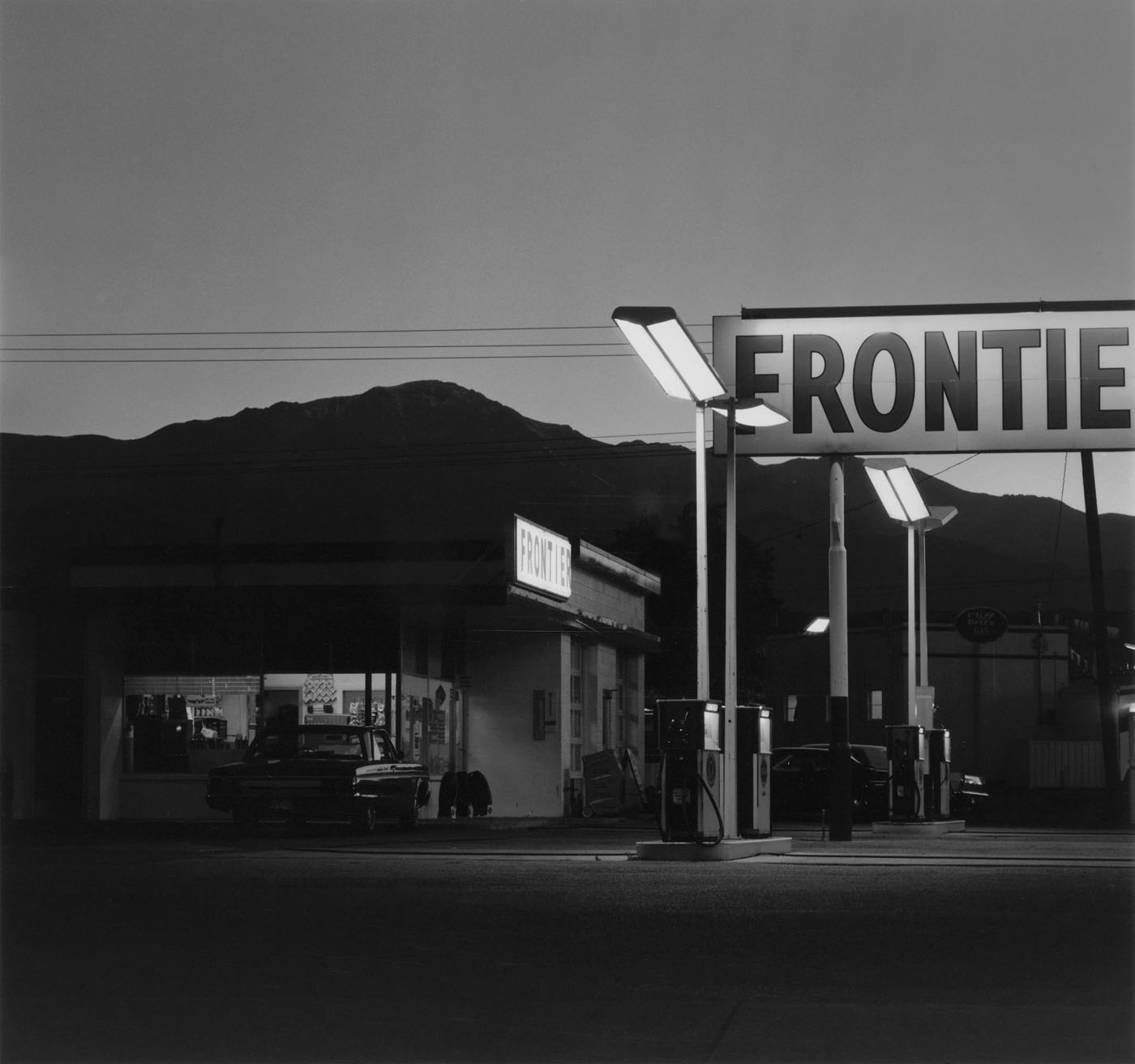
 

Robert Adams (American, b. 1937) 'Pikes Peak, Colorado Springs' 1969


Robert Adams (American, b. 1937)
Pikes Peak, Colorado Springs
1969
Gelatin silver print
Image: 14 x 14.9cm (5 1/2 x 5 7/8 in.)
Private collection, San Francisco
© Robert Adams, Courtesy Fraenkel Gallery, San Francisco


For 50 years, Robert Adams (b. 1937) has made compelling, provocative, and highly influential photographs that show the wonder and fragility of the American landscape, its inherent beauty, and the inadequacy of our response to it. American Silence: The Photographs of Robert Adams celebrates the art of this seminal American photographer and explores the reverential way he looks at the world around him and the almost palpable silence of his work. Organised in cooperation with the artist, the exhibition is accompanied by a fully illustrated catalog. American Silence: The Photographs of Robert Adams is on view from May 29 through October 2, 2022, in the West Building of the National Gallery of Art.

Capturing the sense of peace and harmony created through what Adams calls “the silence of light” that can be seen on the prairie, in the woods, and by the ocean, American Silence features some 175 pictures from 1965 to 2015. Other images on view question our moral silence to the desecration of that beauty by consumerism, industrialisation, and lack of environmental stewardship. Divided into three sections – The Gift, Our Response, and Tenancy – the exhibition includes works from not only the artist’s most important projects but also lesser-known ones that depict suburban sprawl, strip malls, highways, homes, and stores, as well as rivers, skies, the prairie, and the ocean. While these photographs lament the ravages that have been inflicted on the land, they also pay homage to what remains.

“The photographs in this exhibition encourage us to experience the sense of silence that the beauty of nature can inspire while asking us to question our own silent complicity in the face of its desecration,” said Kaywin Feldman, director of the National Gallery of Art. “We are deeply grateful to Robert Adams and his wife, Kerstin, for their steadfast commitment to this endeavour and for their many donations to the National Gallery. I would like to extend our thanks to the Trellis Fund, Jane P. Watkins, The Shared Earth Foundation, Randi and Bob Fisher, Wes and Kate Mitchell, Nion McEvoy, Greg and Aline Gooding, and the James D. and Kathryn K. Steele Fund for Photography whose generous support has made this exhibition possible as well as to all our lenders for their willingness to share their treasured works of art with our public.”

About the exhibition

The exhibition begins with The Gift, which presents selected works that reveal the silence, beauty, peace, and spiritual harmony found in the landscape itself. Spanning three decades, this section includes photographs from Prairie (1978), Perfect Times, Perfect Places (1988), Listening to the River (1994), Pine Valley (2005), and This Day (2011). These pictures demonstrate the artist’s exceptional ability to find the sublime in the vast vistas and quiet, often overlooked, corners of the sparse and fragile American West, particularly in Colorado and Oregon, two areas of the country that Adams knows intimately. Infused with a deep understanding of the way light articulates forms, these photographs illuminate the natural world and demonstrate how Adams seeks to illustrate, in his own words, “a quiet so absolute that it allows one to begin again, to love the future.”

The largest section of the exhibition, Our Response examines how Americans have dealt with both the potential and the vulnerability of the West. Divided into six thematic subjects arranged chronologically, this section begins with “Early Hispanic and Plains Communities,” including work from some of the artist’s earliest publications: White Churches of the Plains (1970), The Architecture and Art of Early Hispanic Colorado (1974), and Prairie (1978). These pictures portray the respectful nature of older settlements in the West and acknowledge the importance of the gravel roads, farmhouses, furrowed fields, stores, and churches. They also demonstrate how early settlers attempted to achieve a unity with nature, rather than dominate over it.

“Our Imprint on the Land” and “A New West” feature works from seminal early publications by Adams: The New West: Landscapes along the Colorado Front Range (1974), denver: A Photographic Survey of the Metropolitan Area (1977), From the Missouri West (1980), and What We Bought: The New World, Scenes from the Denver Metropolitan Area, 1970-1974 (1995). “Our Imprint on the Land” includes pictures made along the Missouri River around the time of the 1976 bicentennial of the United States, a moment of national reflection on the past and assessment of the present. The photographs in “A New West” address the construction of a new kind of American environment. Dominated by cars, highways, cheaply fabricated homes, and commercial developments, these pictures emphasise the lack of community and the great isolation that grew in these new suburban communities.

“Our Lives and Our Children” depicts the area near Rocky Flats, a nuclear weapons plant northwest of Denver, where Adams photographed the simple dignity of everyday people to illustrate what would be lost in a nuclear disaster. Our Response ends with “Southern California” and “A Mythic Forest,” drawing works from two of his sharpest critiques: Los Angeles Spring (1986), depicting the destruction of the fragile landscape around Los Angeles in the early 1980s, and Turning Back: A Photographic Journal of Re-exploration (2005), illustrating the American timber industry’s exploitation of the North­west forests.

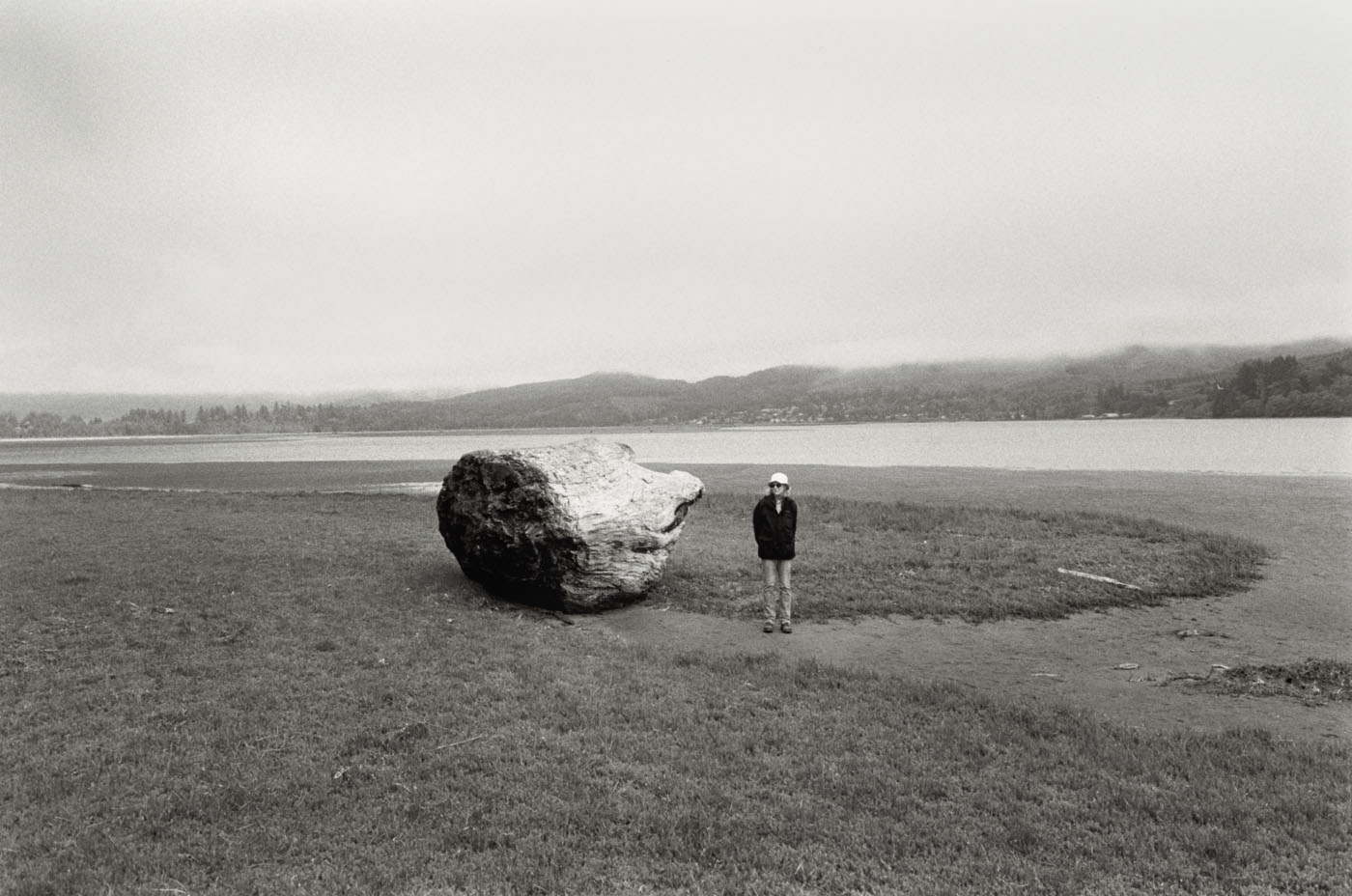
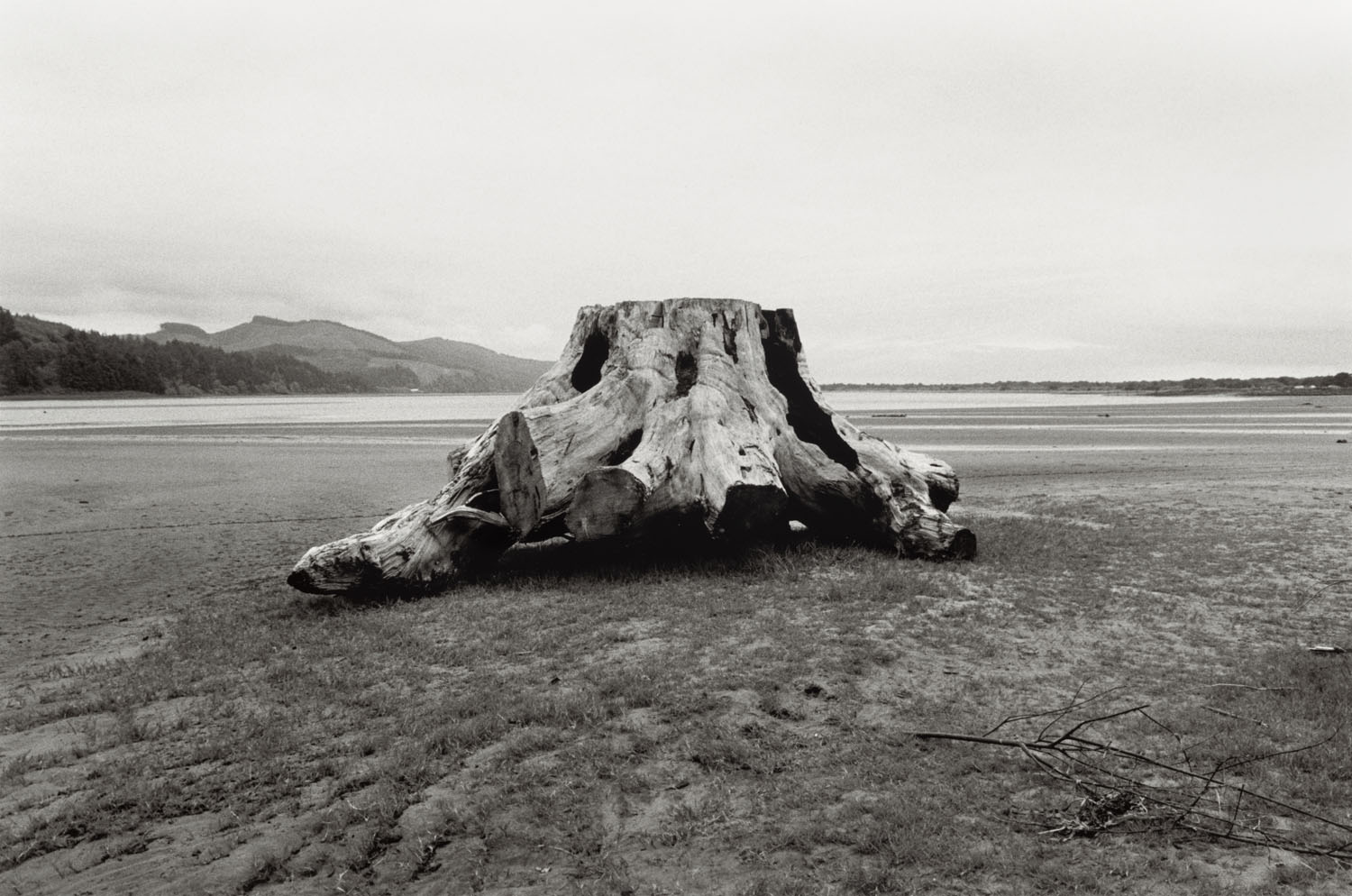
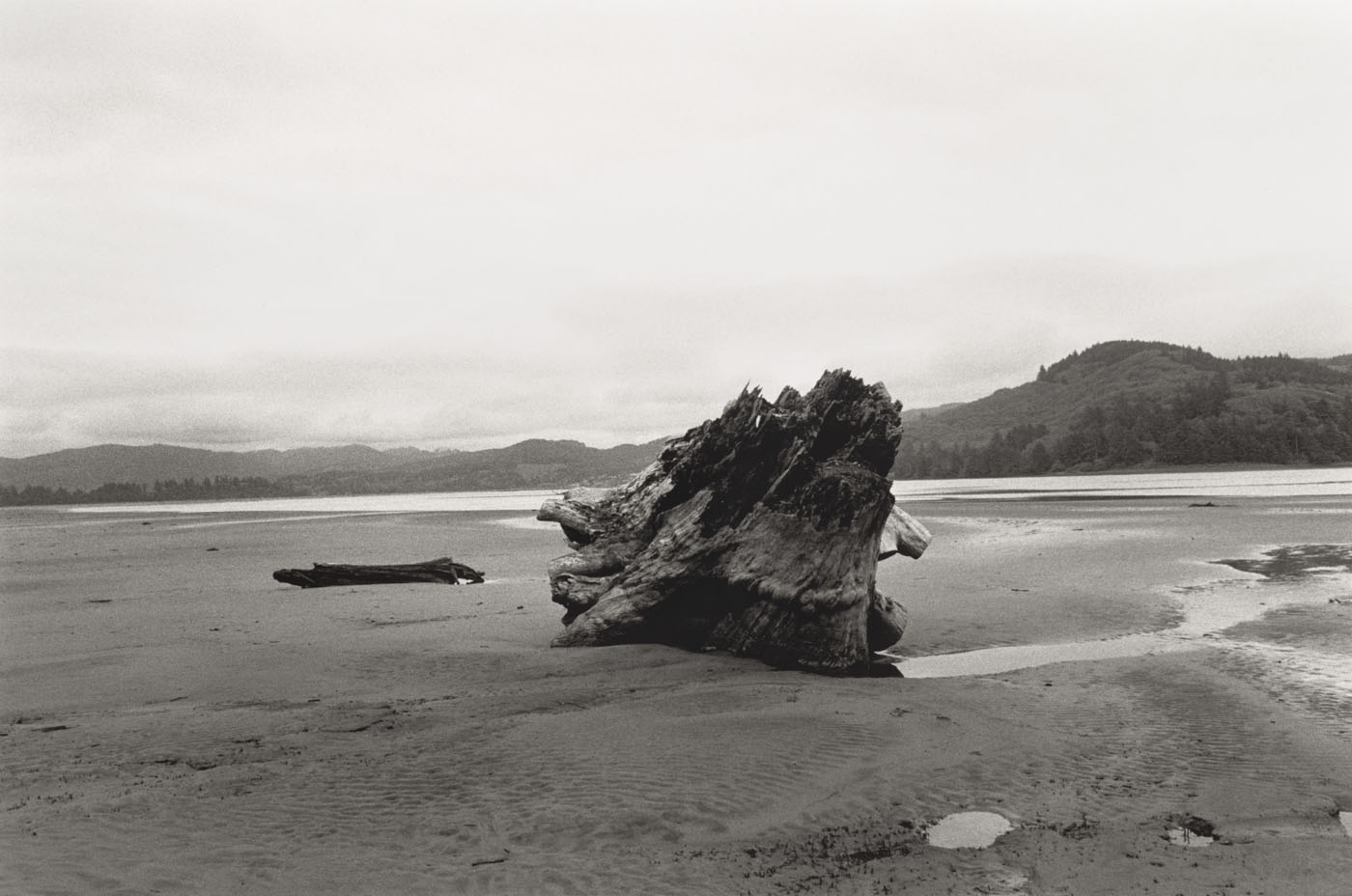
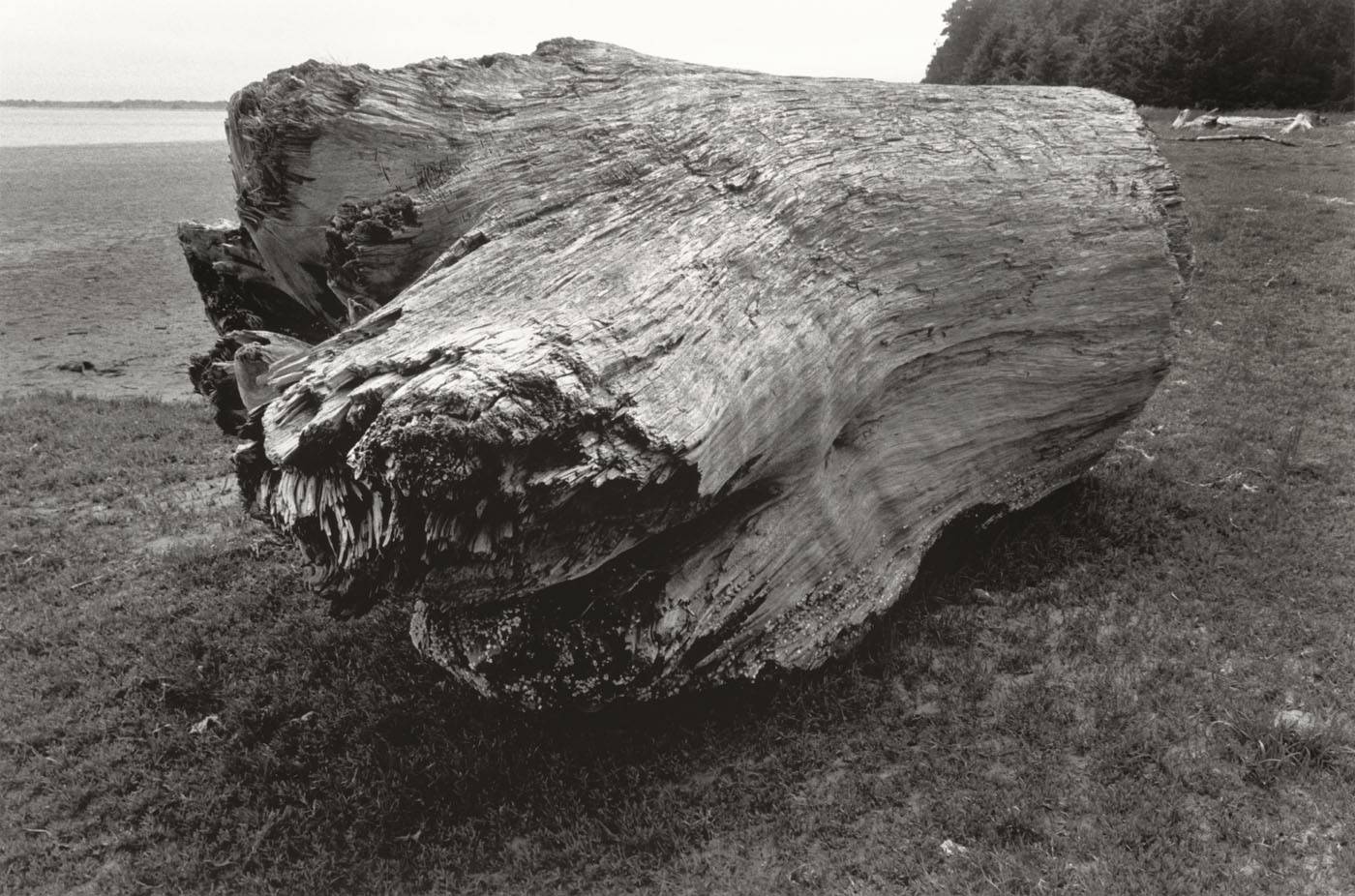
American Silence concludes with a selection of works from one of the artist’s recent books, Tenancy: Between the River and the Sea; The Nehalem Spit, the Coast of Oregon (2017). Divided into three parts, this series of photographs was made between 2013 and 2015 along a two-mile promontory on the Oregon coast, the Nehalem Spit. The first examines the eastern edge of the spit where massive tree stumps washed up on the shore reveal the brutality of the clearcutting done farther up the Nehalem River. The second part looks at the spit itself, a sanctuary of small trees, meadows, and dunes resting near a large geologic fault, and the third depicts the ever-changing beauty and wonder of the ocean to the west, as well as the people who seek “to escape illusion and to be reconciled,” as Adams noted. Tenancy illustrates his belief that we are only temporary occupants of the land that nourishes and sustains us, and it reveals the strength of his convictions, his deep spirituality, and the eloquent power of his vision.

Exhibition Catalog

Published by the National Gallery of Art and Aperture, New York, American Silence: The Photographs of Robert Adams traces the evolution of his work, highlighting the importance of faith to his art and – through his elegant visual reckonings – how “what was” has become “what is.” It is richly illustrated, with over 200 compelling photographs that explore the profound questions of our responsibility to the land and the moral dilemmas of progress. This extensive 332-page monograph includes award-winning curator Sarah Greenough’s in-depth examination of the evolution of his art as well as personal reflections by the celebrated nonfiction author Terry Tempest Williams and writings by Adams himself, along with a timeline of the artist’s life.

Press release from the National Gallery of Art, Washington
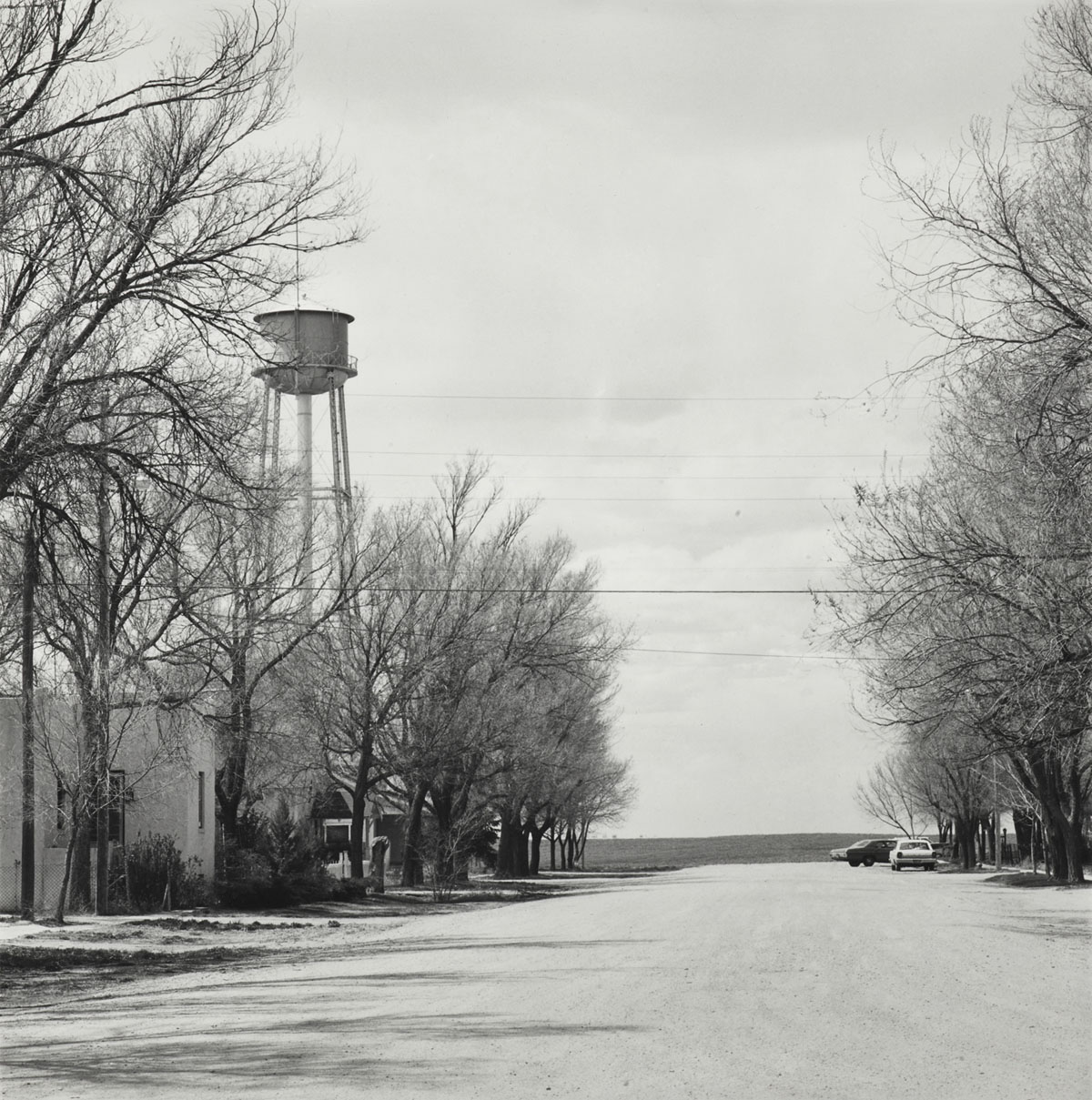
 

Robert Adams (American, b. 1937) 'Genoa, Colorado' 1970


Robert Adams (American, b. 1937)
Genoa, Colorado
1970
Gelatin silver print
Image: 19.1 x 19.1cm (7 1/2 x 7 1/2 in.)
Private collection, San Francisco
© Robert Adams, Courtesy Fraenkel Gallery, San Francisco
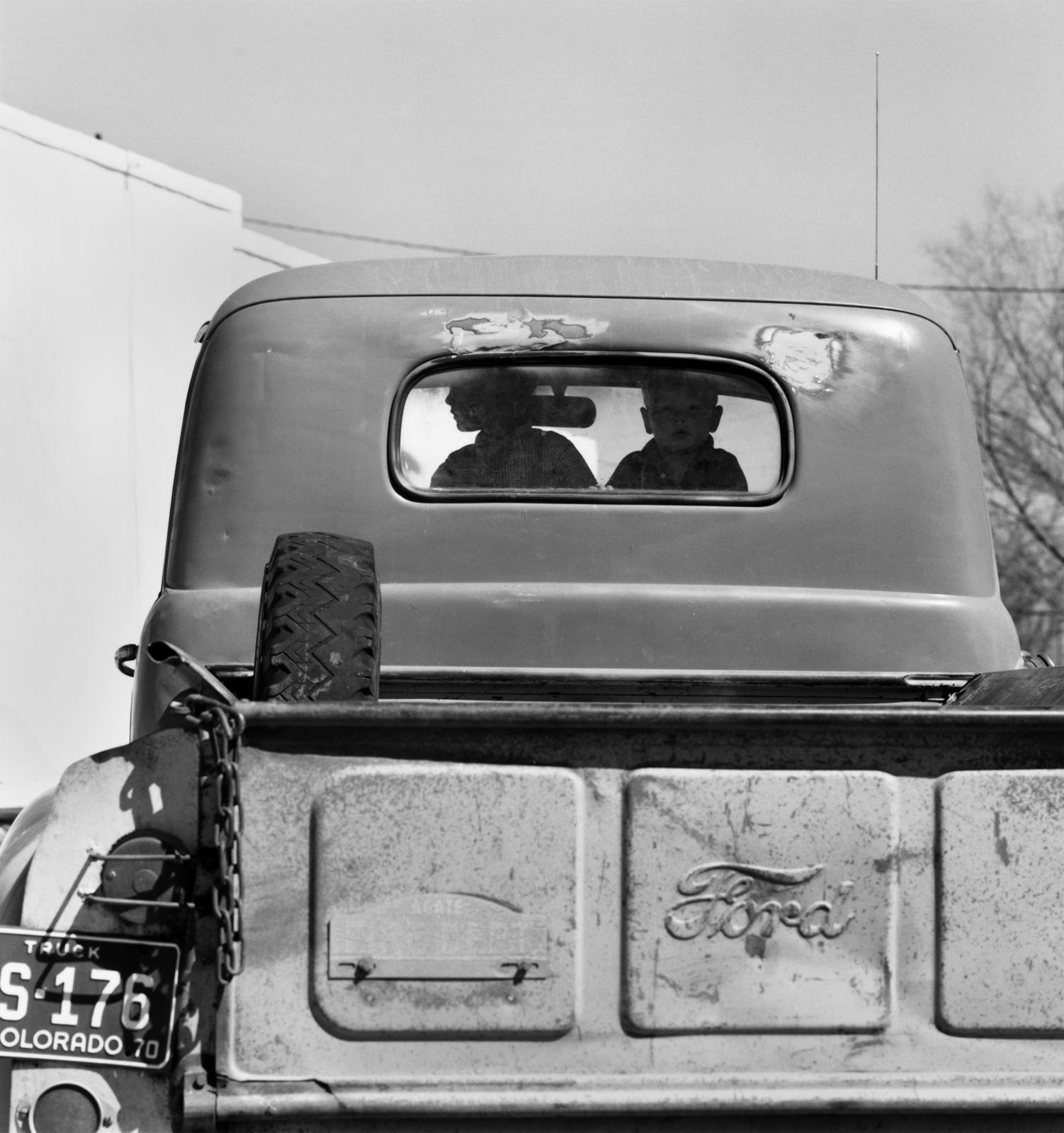
 

Robert Adams (American, b. 1937) 'Boys in a Pickup, Simla, Colorado' 1970, printed 1991


Robert Adams (American, b. 1937)
Boys in a Pickup, Simla, Colorado
1970, printed 1991
Gelatin silver print
Image: 15.1 x 14.2cm (5 15/16 x 5 9/16 in.)
National Gallery of Art, Washington, Pepita Milmore Memorial Fund and Gift of Robert and Kerstin Adams
© Robert Adams, Courtesy Fraenkel Gallery, San Francisco
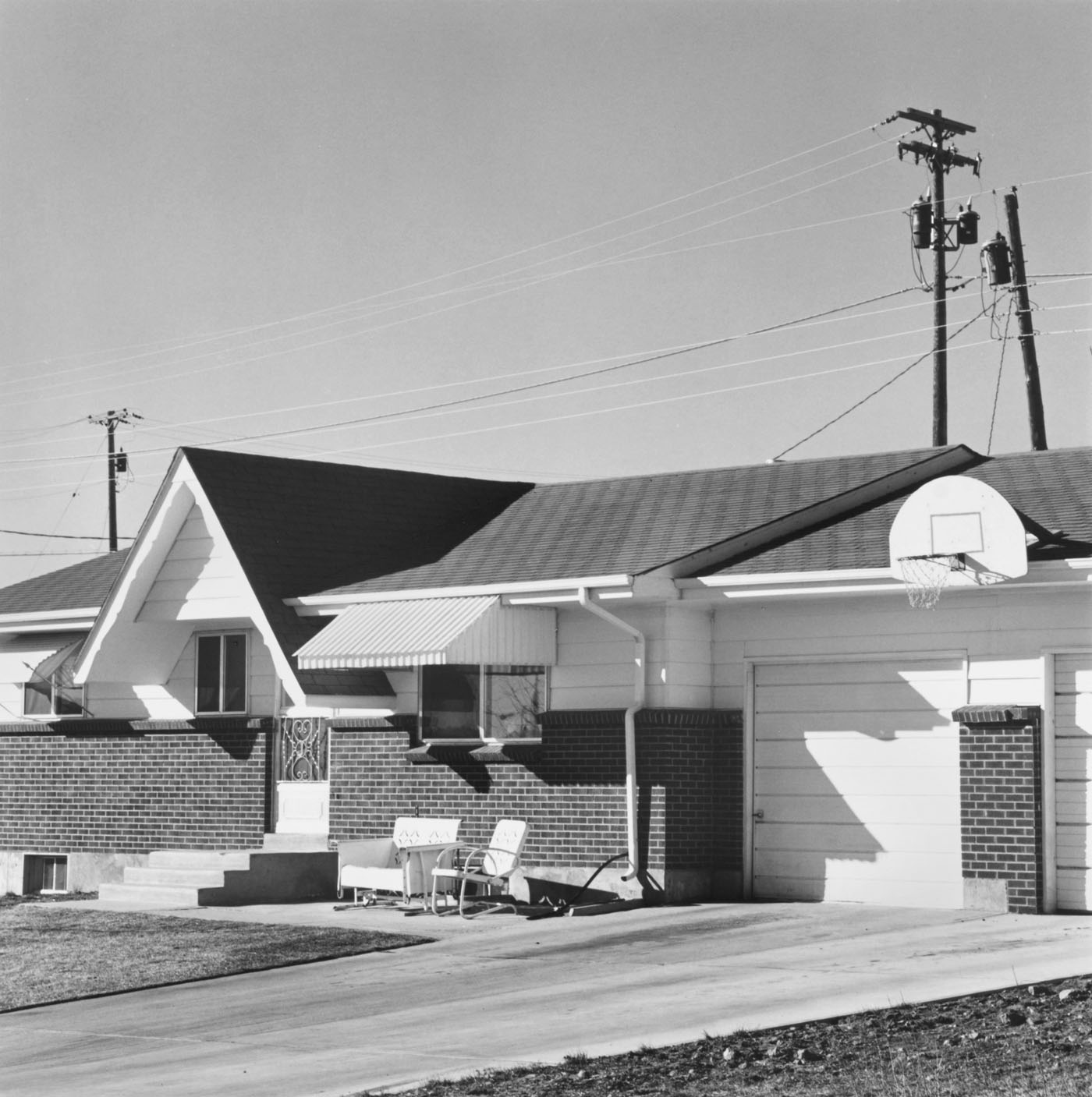
 

Robert Adams (American, b. 1937) 'Lakewood, Colorado' 1970, printed 1981


Robert Adams (American, b. 1937)
Lakewood, Colorado
1970, printed 1981
Gelatin silver print
Image: 15.1 x 15cm (5 15/16 x 5 7/8 in.)
Philadelphia Museum of Art, Purchased with the Alice Newton Osborn Fund, 1982
Courtesy of the Philadelphia Museum of Art
© Robert Adams, Courtesy Fraenkel Gallery, San Francisco
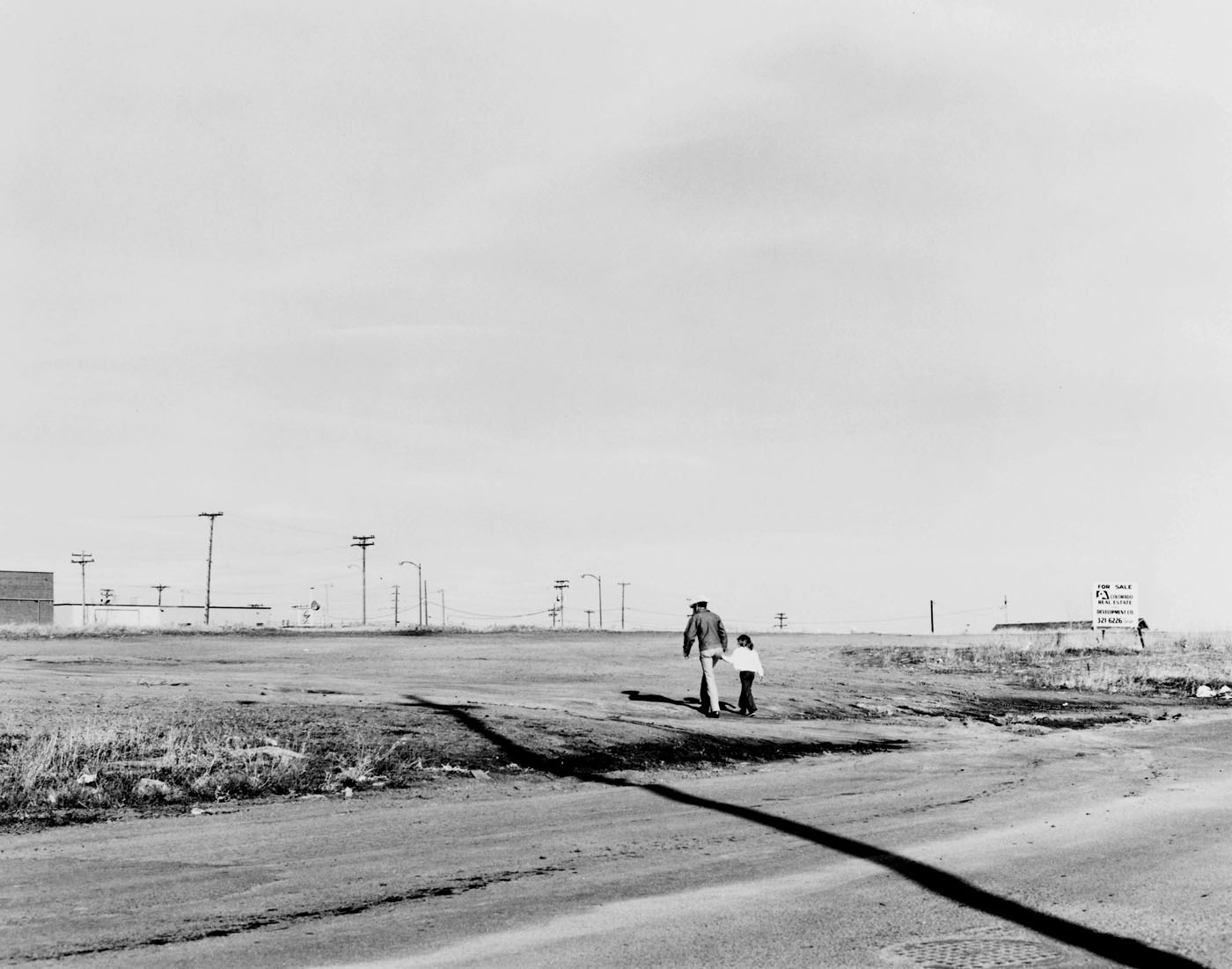
 

Robert Adams (American, b. 1937) 'Walking to a Shopping Center, North Edge of Denver' 1970-1974


Robert Adams (American, b. 1937)
Walking to a Shopping Center, North Edge of Denver
1970-1974
Gelatin silver print
Image: 15.1 x 19.2cm (5 15/16 x 7 9/16 in.)
Philadelphia Museum of Art, Purchased with the Alice Newton Osborn Fund, 1982
Courtesy of the Philadelphia Museum of Art
© Robert Adams, Courtesy Fraenkel Gallery, San Francisco
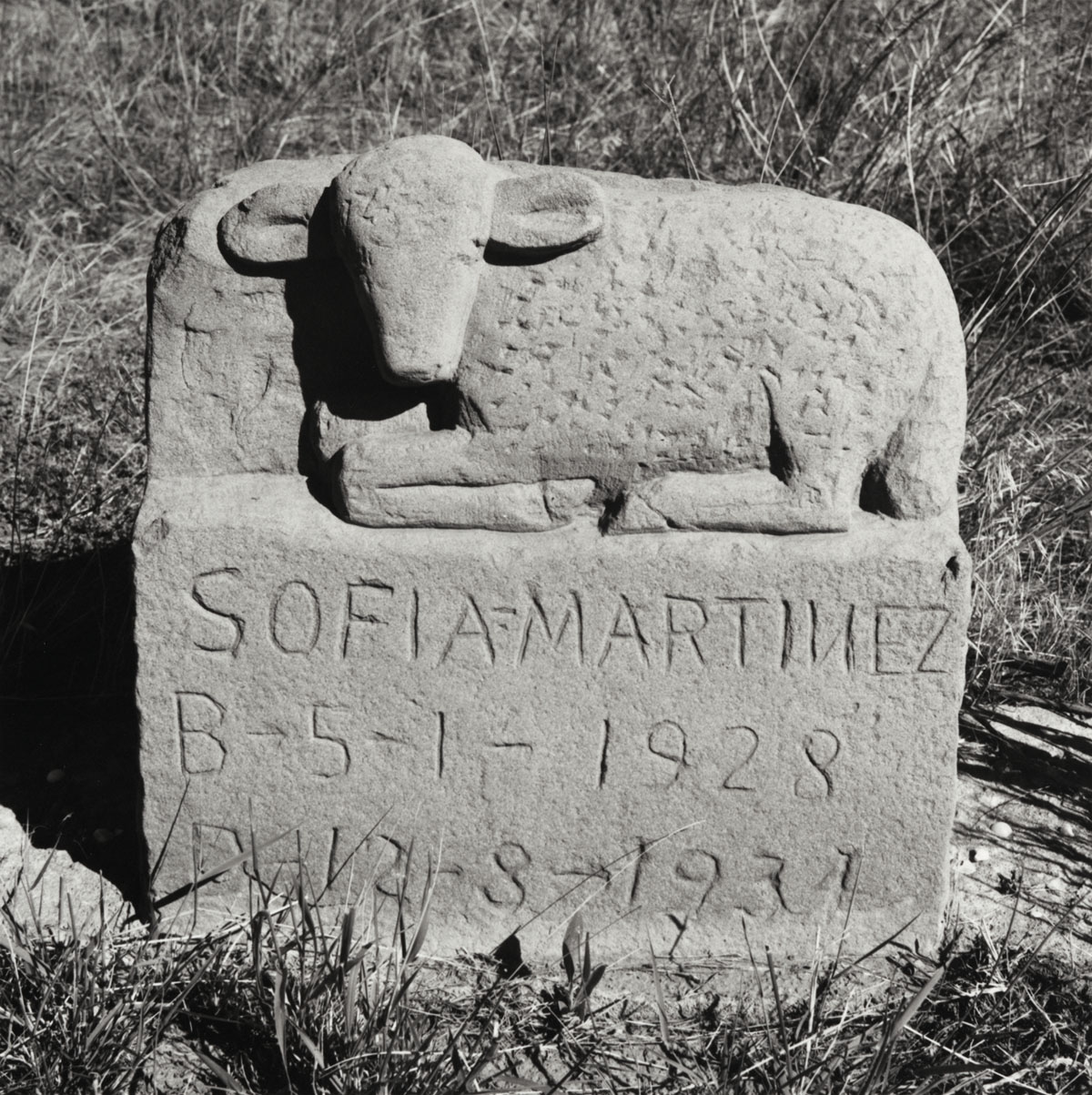
 

Robert Adams (American, b. 1937) 'Sandstone Grave Marker, Walsenburg, Colorado' 1972


Robert Adams (American, b. 1937)
Sandstone Grave Marker, Walsenburg, Colorado
1972
Gelatin silver print
Image: 15.2 x 15.2cm (6 x 6 in.)
National Gallery of Art, Washington, Pepita Milmore Memorial Fund and Gift of Robert and Kerstin Adams
© Robert Adams, Courtesy Fraenkel Gallery, San Francisco
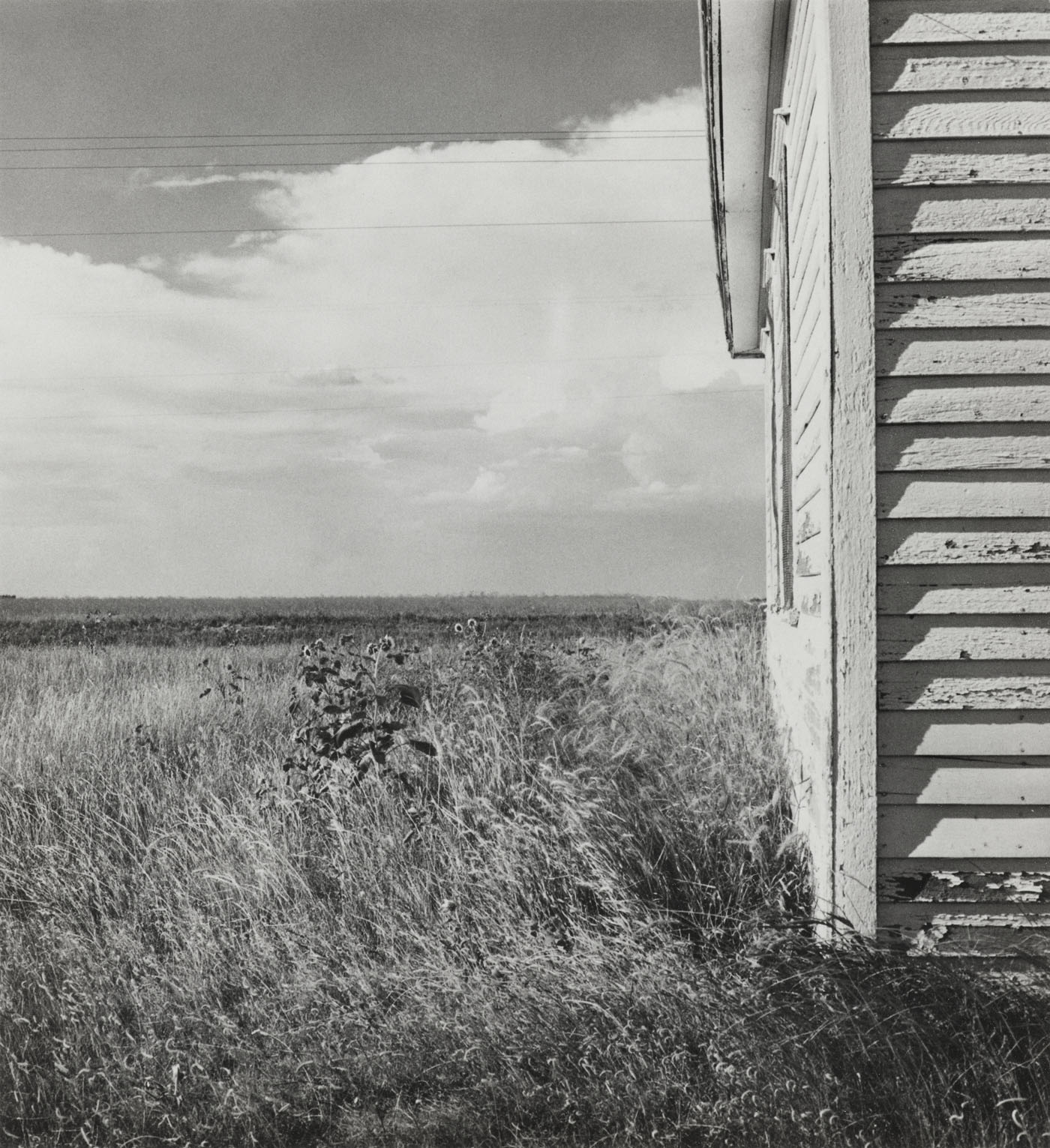
 

Robert Adams (American, b. 1937) 'Clarkville, Colorado' 1972


Robert Adams (American, b. 1937)
Clarkville, Colorado
1972
Gelatin silver print
Image: 18.4 x 16.5cm (7 1/4 x 6 1/2 in.)
Private collection, San Francisco
© Robert Adams, Courtesy Fraenkel Gallery, San Francisco
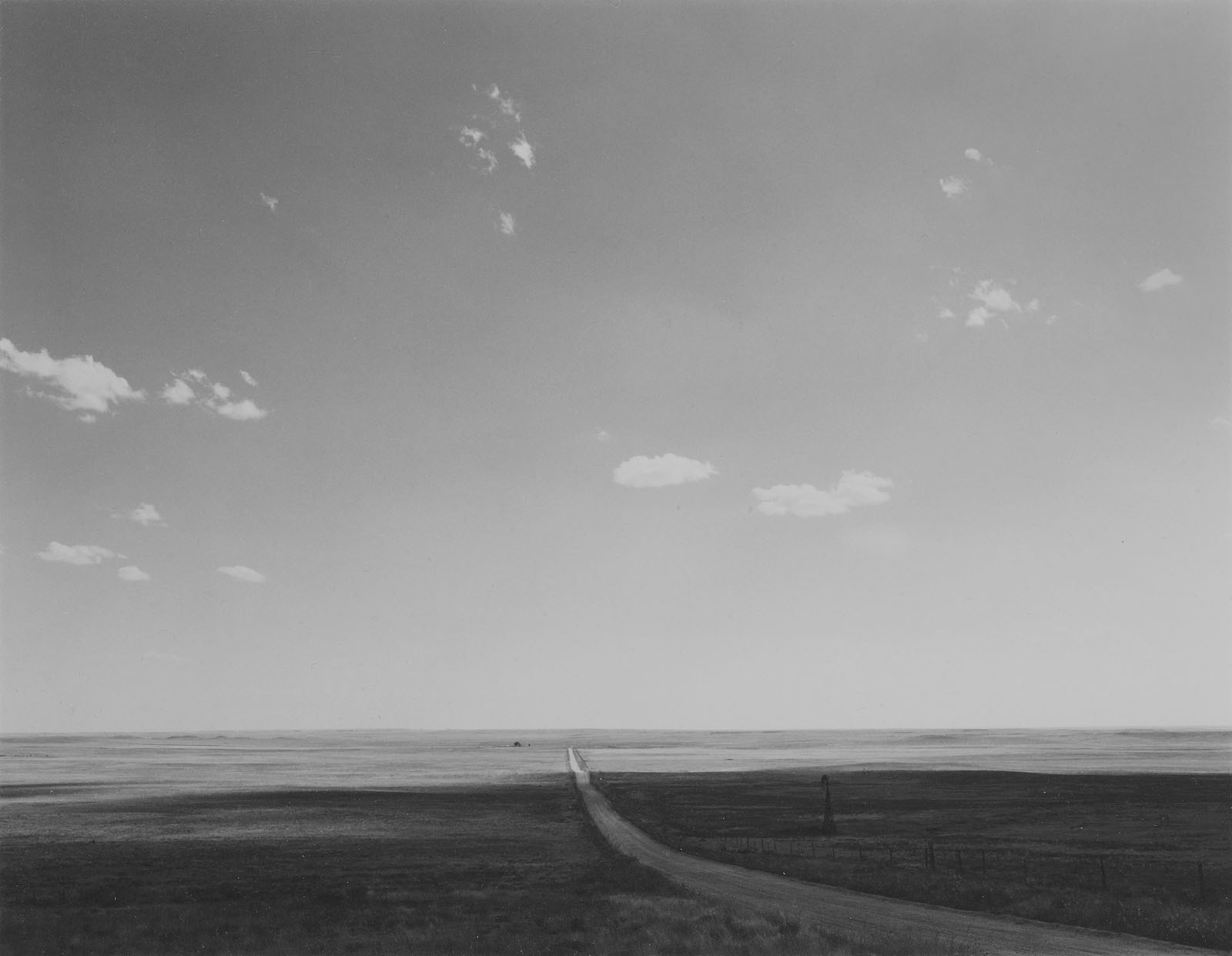
 

Robert Adams (American, b. 1937) 'North of Keota, Colorado' 1973


Robert Adams (American, b. 1937)
North of Keota, Colorado
1973
Gelatin silver print
Image: 15.2 x 19cm (6 x 7 1/2 in.)
Private collection, San Francisco
© Robert Adams, Courtesy Fraenkel Gallery, San Francisco
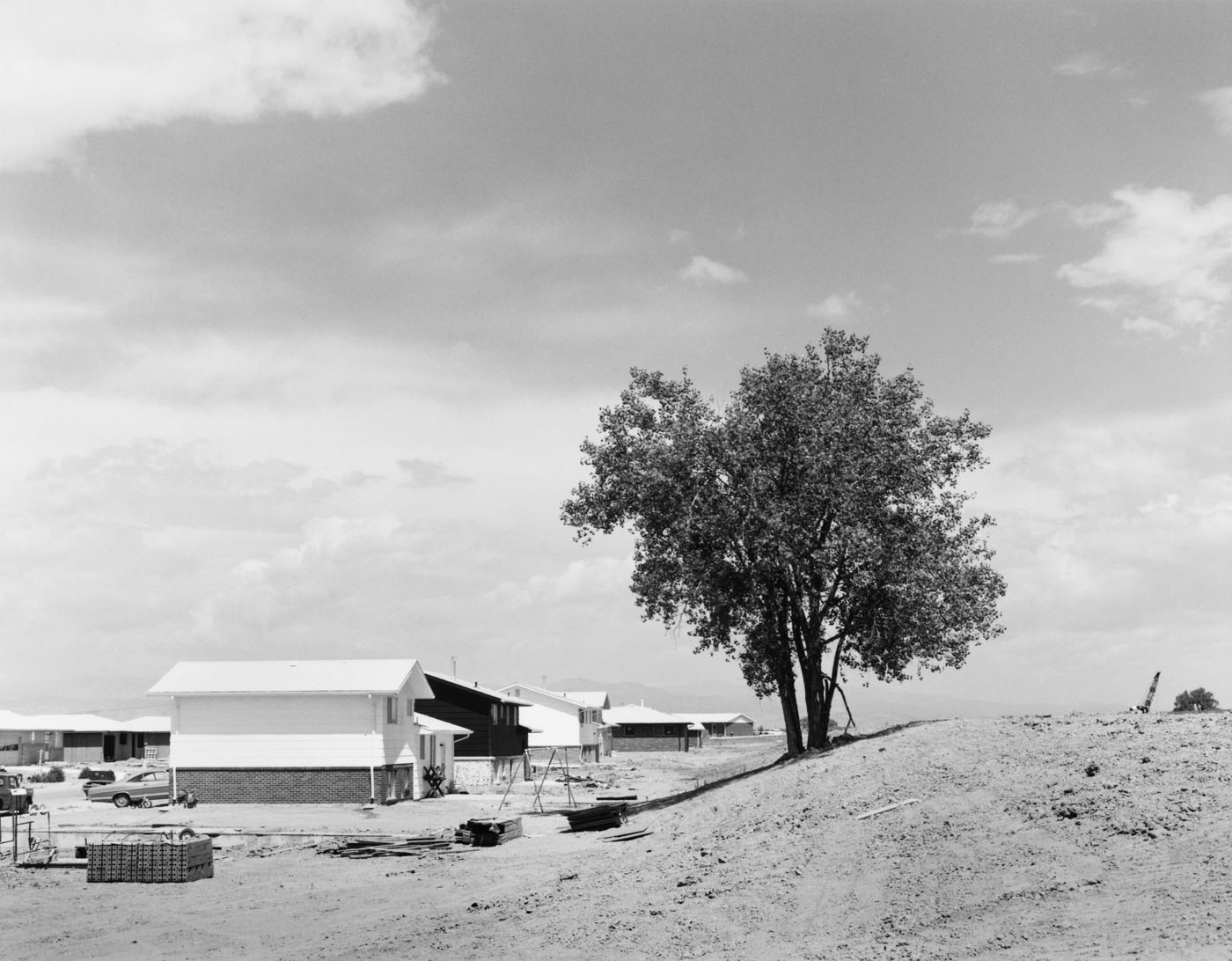
 

Robert Adams (American, b. 1937) 'Longmont, Colorado' 1973, printed 1988


Robert Adams (American, b. 1937)
Longmont, Colorado
1973, printed 1988
Gelatin silver print
Image: 15.1 x 19.3cm (5 15/16 x 7 5/8 in.)
National Gallery of Art, Washington, Pepita Milmore Memorial Fund and Gift of Robert and Kerstin Adams
© Robert Adams, Courtesy Fraenkel Gallery, San Francisco
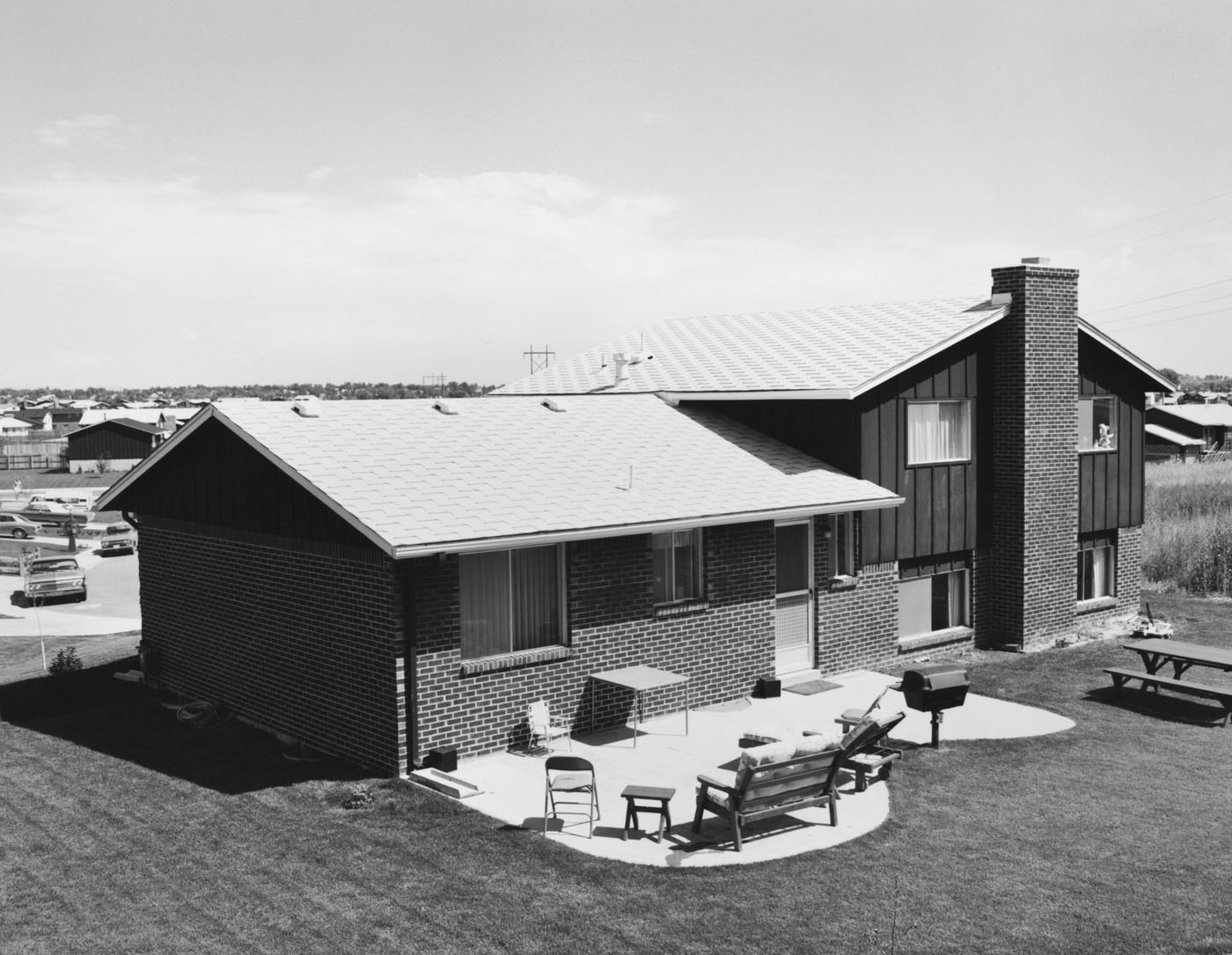
 

Robert Adams (American, b. 1937) 'Tract House, Longmont, Colorado' 1973


Robert Adams (American, b. 1937)
Tract House, Longmont, Colorado
1973
Gelatin silver print
Image: 15.6 x 19.4cm (6 1/8 x 7 5/8 in.)
Collection of Frish Brandt and August Fischer
© Robert Adams, Courtesy Fraenkel Gallery, San Francisco
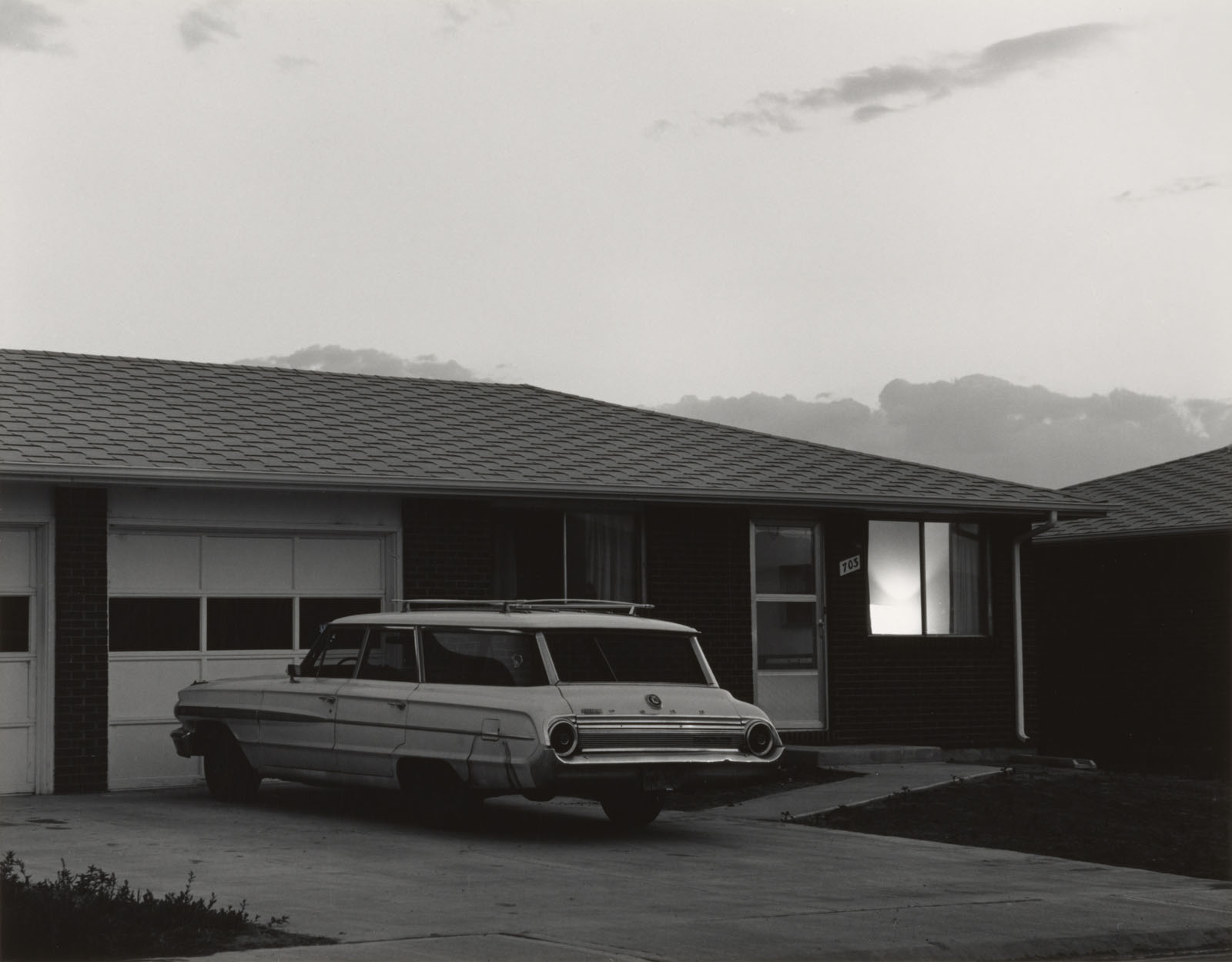
 

Robert Adams (American, b. 1937) 'Longmont, Colorado' 1973, printed 1981


Robert Adams (American, b. 1937)
Longmont, Colorado
1973, printed 1981
Gelatin silver print
Image: 15.2 x 19.4cm (6 x 7 5/8 in.)
Philadelphia Museum of Art, Purchased with the Alice Newton Osborn Fund, 1982
Courtesy of the Philadelphia Museum of Art
© Robert Adams, Courtesy Fraenkel Gallery, San Francisco
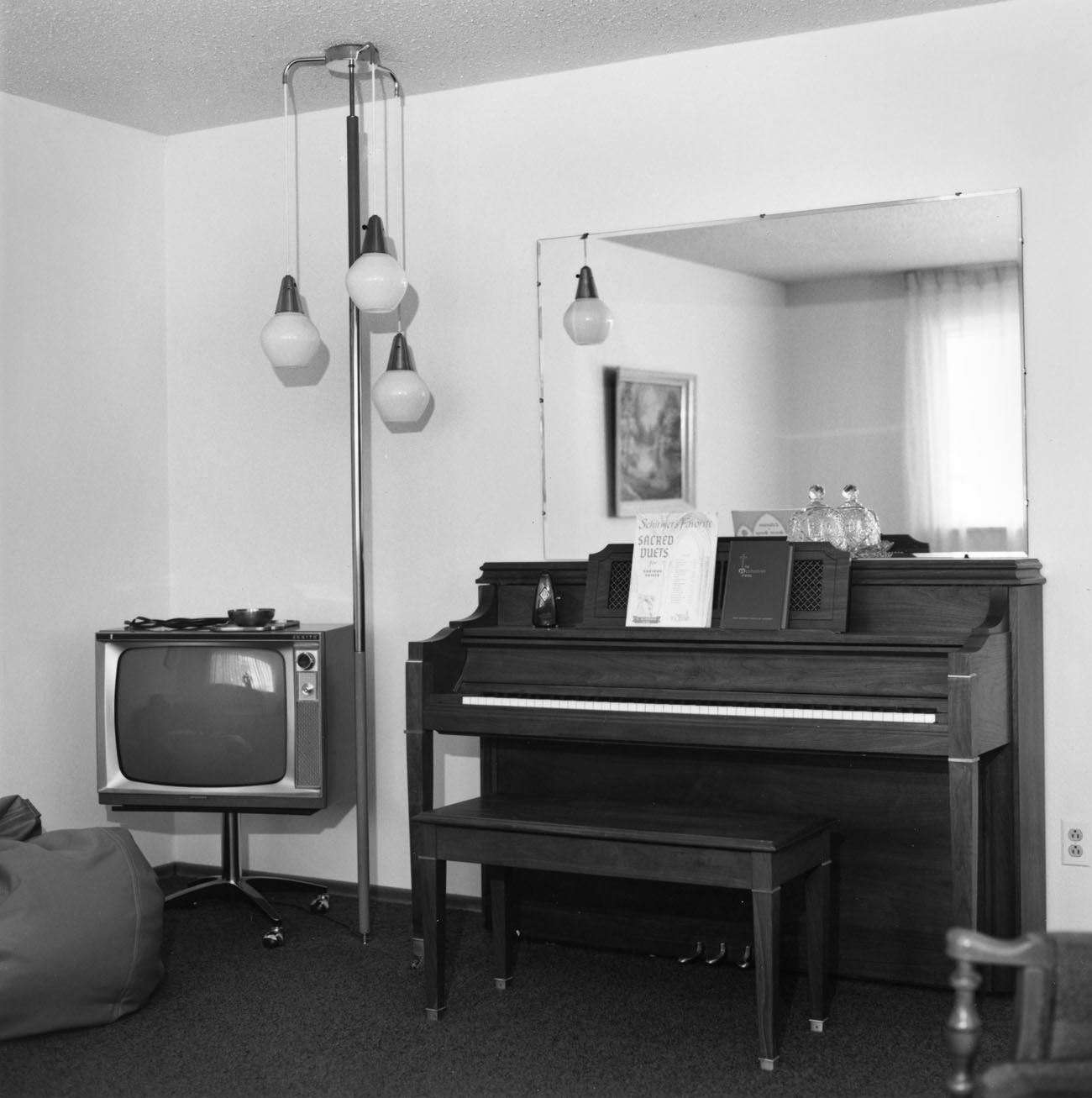
 

Robert Adams (American, b. 1937) 'Lakewood, Colorado' 1973-1974, printed 2008


Robert Adams (American, b. 1937)
Lakewood, Colorado
1973-1974, printed 2008
Gelatin silver print
Image: 15.2 x 15.1cm (6 x 5 15/16 in.)
National Gallery of Art, Washington, Pepita Milmore Memorial Fund and Gift of Robert and Kerstin Adams
© Robert Adams, Courtesy Fraenkel Gallery, San Francisco
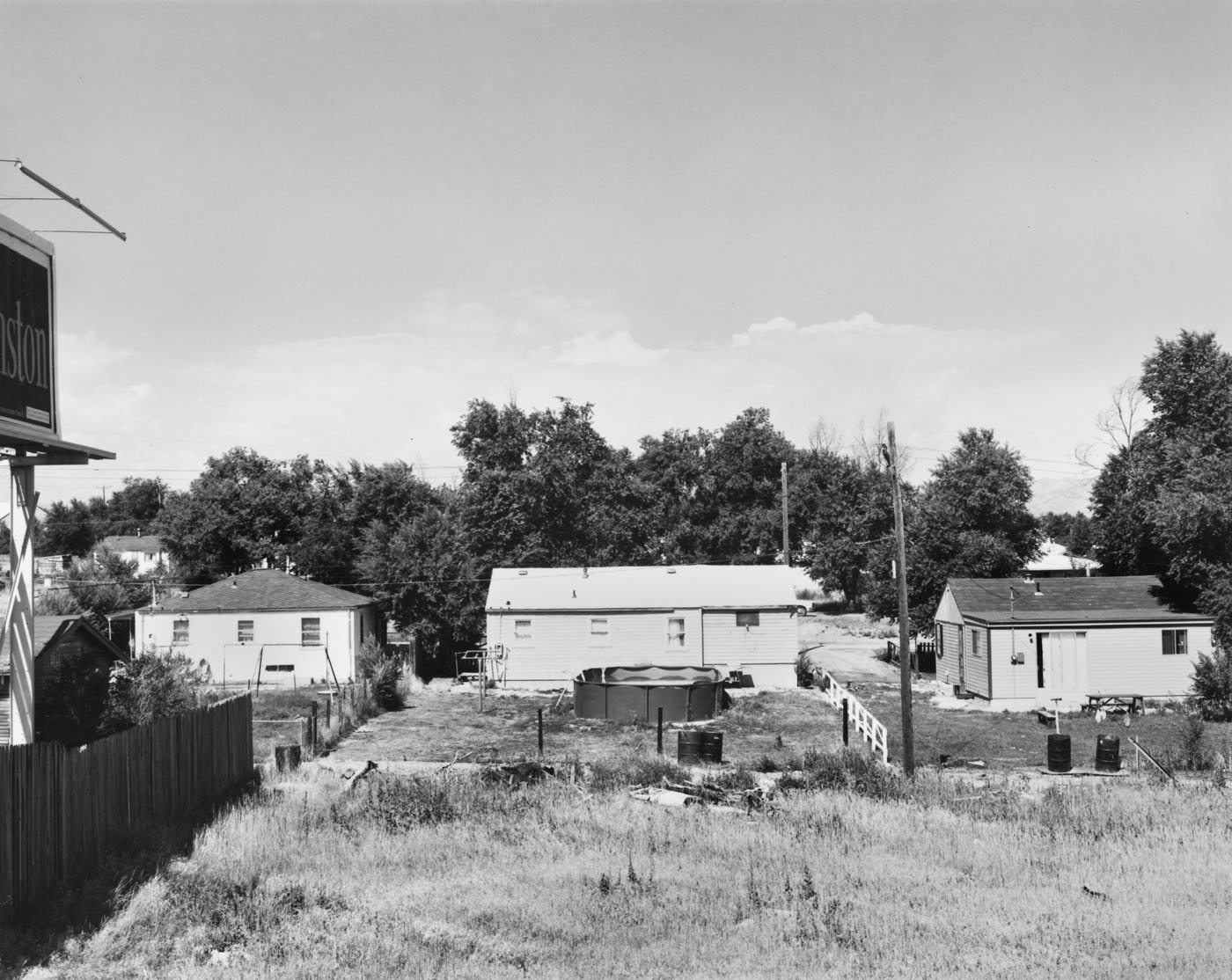
 

Robert Adams (American, b. 1937) 'From Interstate 25, North Edge of Denver' 1973


Robert Adams (American, b. 1937)
From Interstate 25, North Edge of Denver
1973
Gelatin silver print
Image: 15.2 x 19.1cm (6 x 7 1/2 in.)
National Gallery of Art, Washington, Pepita Milmore Memorial Fund and Gift of Robert and Kerstin Adams
© Robert Adams, Courtesy Fraenkel Gallery, San Francisco
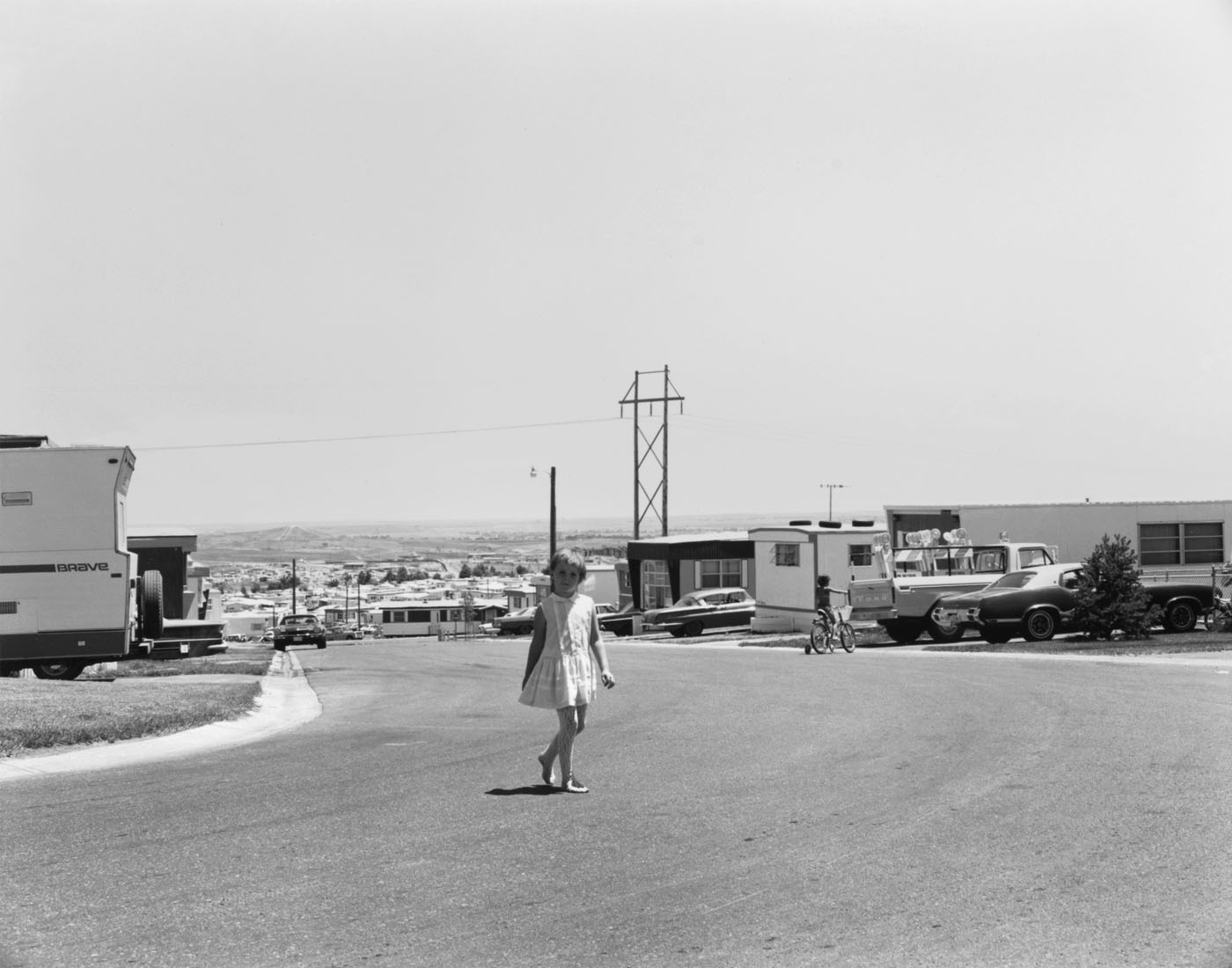
 

Robert Adams (American, b. 1937) 'Mobile Home Park, North Edge of Denver' 1973, printed 2005


Robert Adams (American, b. 1937)
Mobile Home Park, North Edge of Denver
1973, printed 2005
Gelatin silver print
Image: 15.2 x 19.8cm (6 x 7 13/16 in.)
National Gallery of Art, Washington, Gift of Mary and Dan Solomon and Patrons’ Permanent Fund
© Robert Adams, Courtesy Fraenkel Gallery, San Francisco
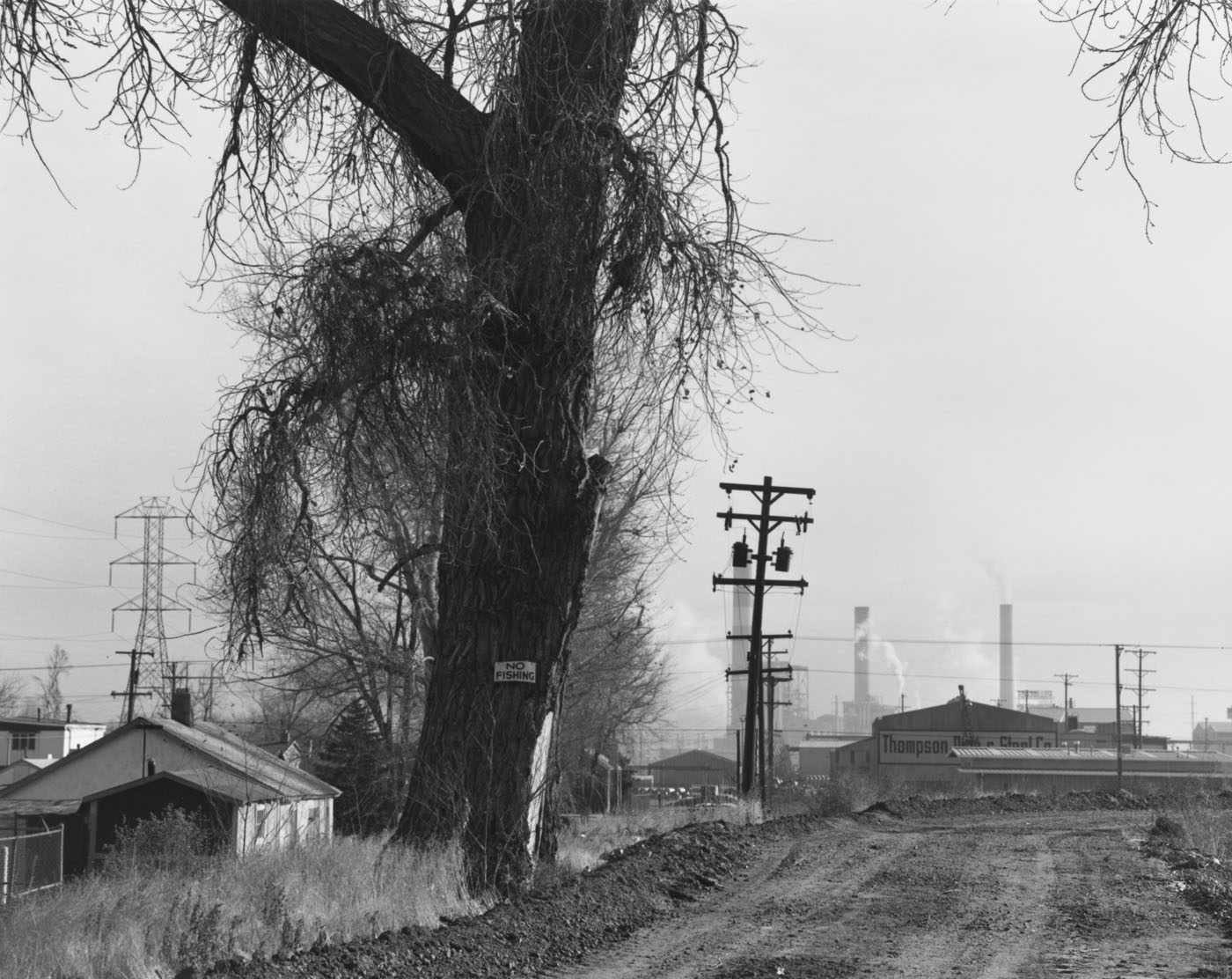
 

Robert Adams (American, b. 1937) 'North Edge of Denver' 1973-1974, printed 2008


Robert Adams (American, b. 1937)
North Edge of Denver
1973-1974, printed 2008
Gelatin silver print
Image: 15.2 x 19.2cm (6 x 7 9/16 in.)
National Gallery of Art, Washington, Gift of Robert and Kerstin Adams
© Robert Adams, Courtesy Fraenkel Gallery, San Francisco
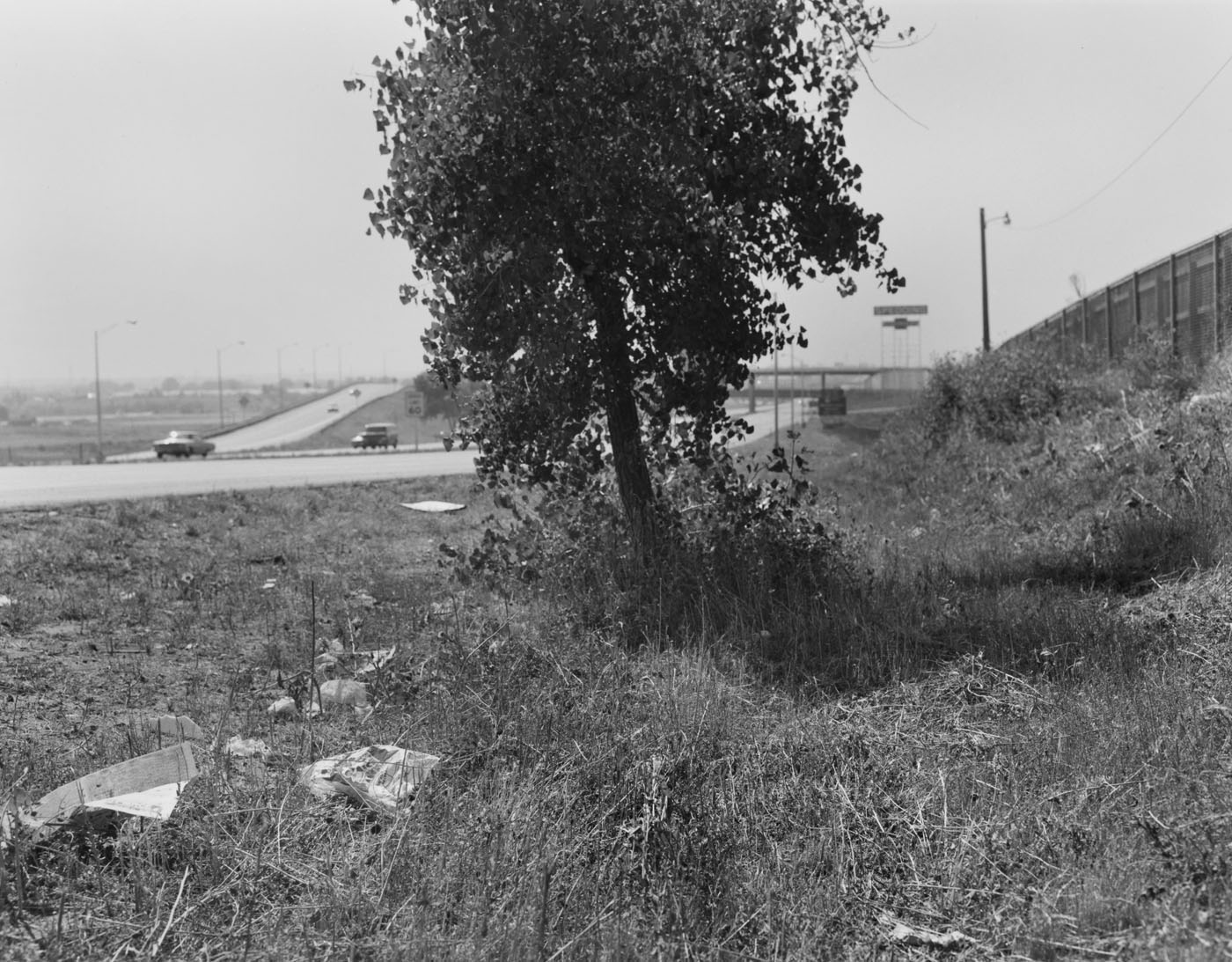
 

Robert Adams (American, b. 1937) 'Next to Interstate 25, Denver' 1973, printed 1991


Robert Adams (American, b. 1937)
Next to Interstate 25, Denver
1973, printed 1991
Gelatin silver print
Image: 15.2 x 19.3cm (6 x 7 5/8 in.)
National Gallery of Art, Washington, The Ahmanson Foundation and Gift of Robert and Kerstin Adams
© Robert Adams, Courtesy Fraenkel Gallery, San Francisco
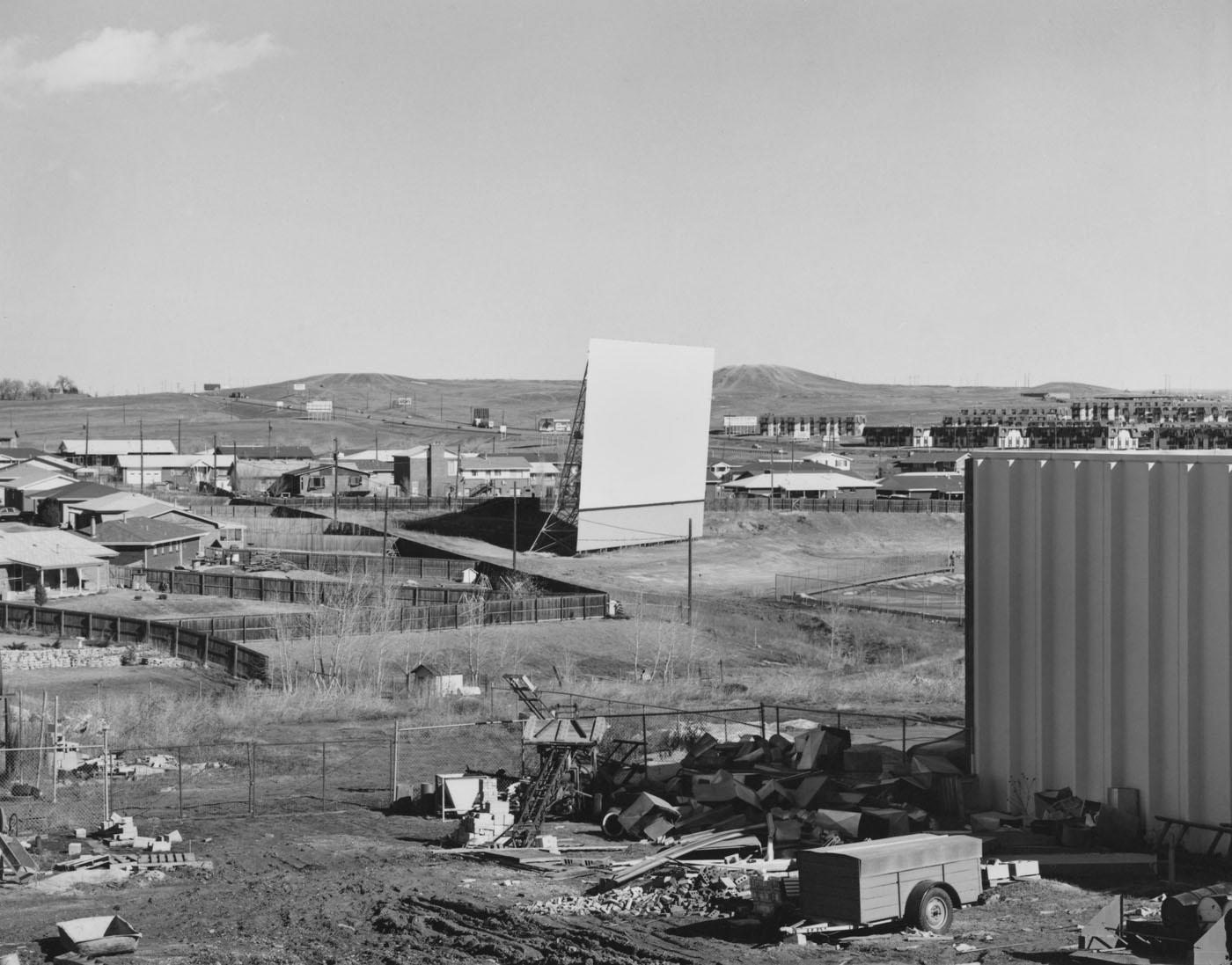
 

Robert Adams (American, b. 1937) 'Outdoor Theater, North Edge of Denver' 1973-1974


Robert Adams (American, b. 1937)
Outdoor Theater, North Edge of Denver
1973-1974
Gelatin silver print
Image: 15.6 x 19.7cm (6 1/8 x 7 3/4 in.)
National Gallery of Art, Washington, Gift of Robert and Kerstin Adams
© Robert Adams, Courtesy Fraenkel Gallery, San Francisco
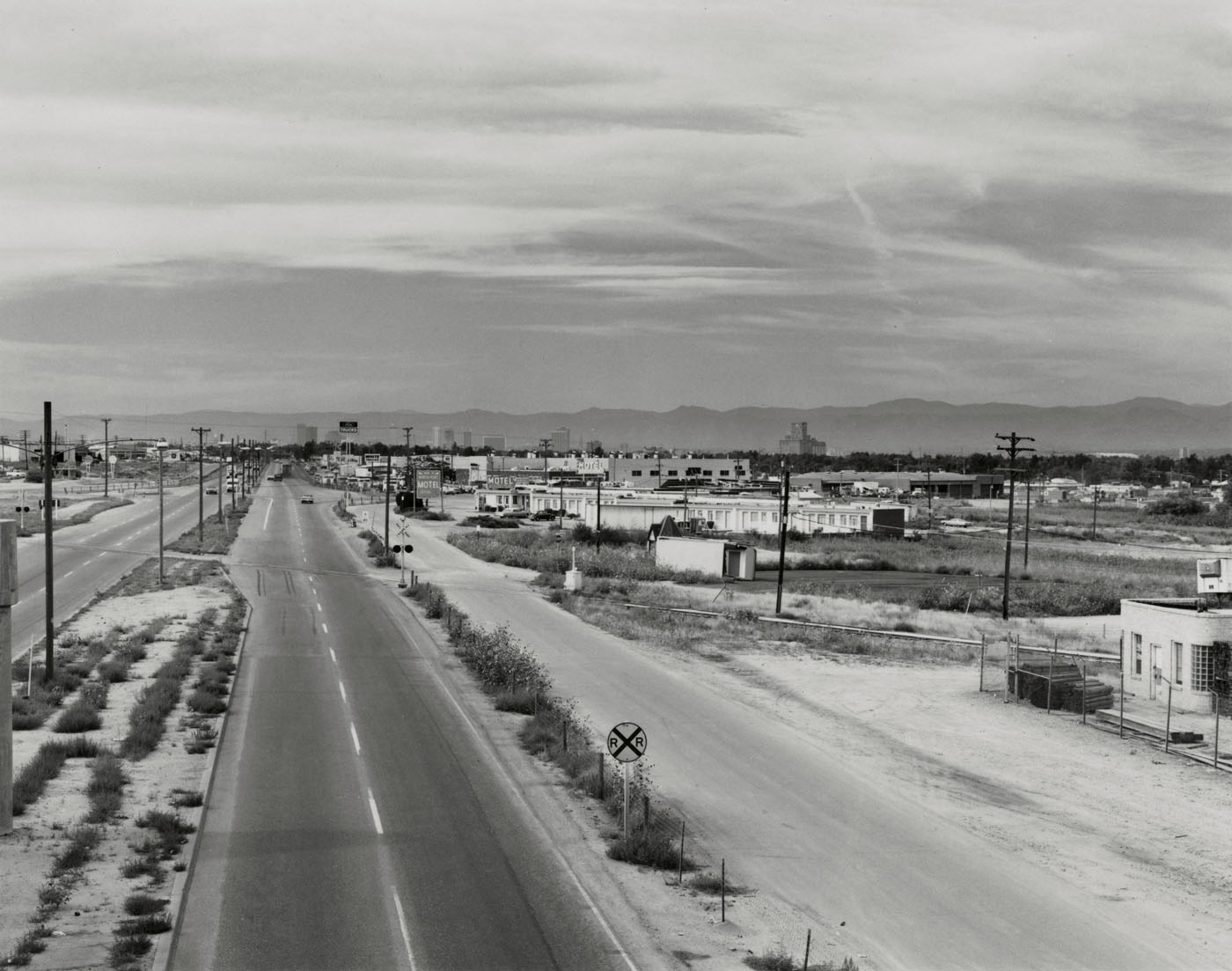
 

Robert Adams (American, b. 1937) 'Highway, Northeast Denver' 1973


Robert Adams (American, b. 1937)
Highway, Northeast Denver
1973
Gelatin silver print
Image: 15.1 x 19.1cm (5 15/16 x 7 1/2 in.)
Stephen G. Stein Employee Benefit Trust
© Robert Adams, Courtesy Fraenkel Gallery, San Francisco
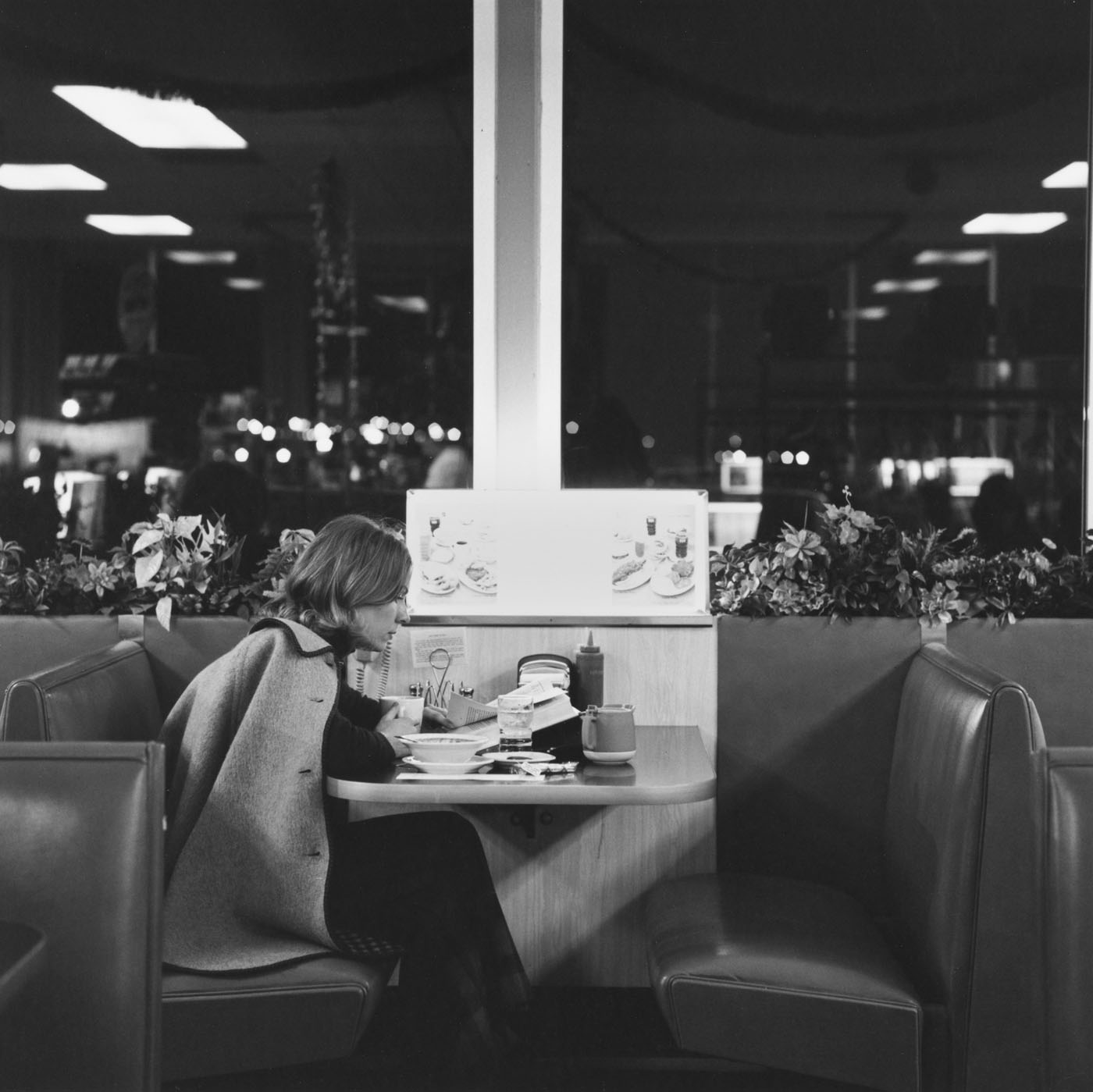
 

Robert Adams (American, b. 1937) 'Longmont, Colorado' 1973-1974, printed 2001


Robert Adams (American, b. 1937)
Longmont, Colorado
1973-1974, printed 2001
gelatin silver print
Image: 16.8 x 17.2cm (6 5/8 x 6 3/4 in.)
Private collection
© Robert Adams, Courtesy Fraenkel Gallery, San Francisco
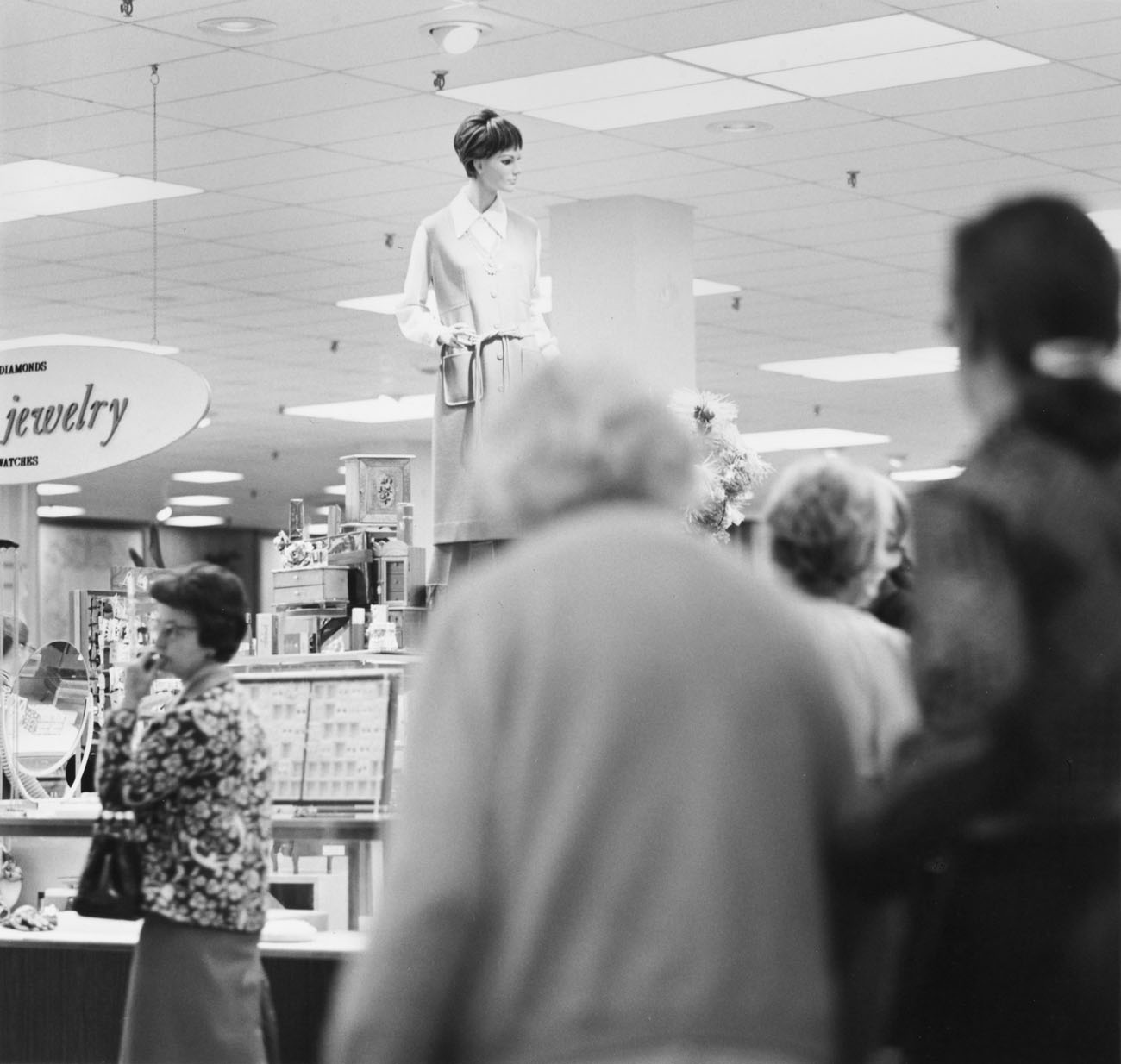
 

Robert Adams (American, b. 1937) 'Lakewood, Colorado' 1973


Robert Adams (American, b. 1937)
Lakewood, Colorado
1973
Gelatin silver print
Image: 14.3 x 15.1cm (5 5/8 x 5 15/16 in.)
National Gallery of Art, Washington, Pepita Milmore Memorial Fund and Gift of Robert and Kerstin Adams
© Robert Adams, Courtesy Fraenkel Gallery, San Francisco
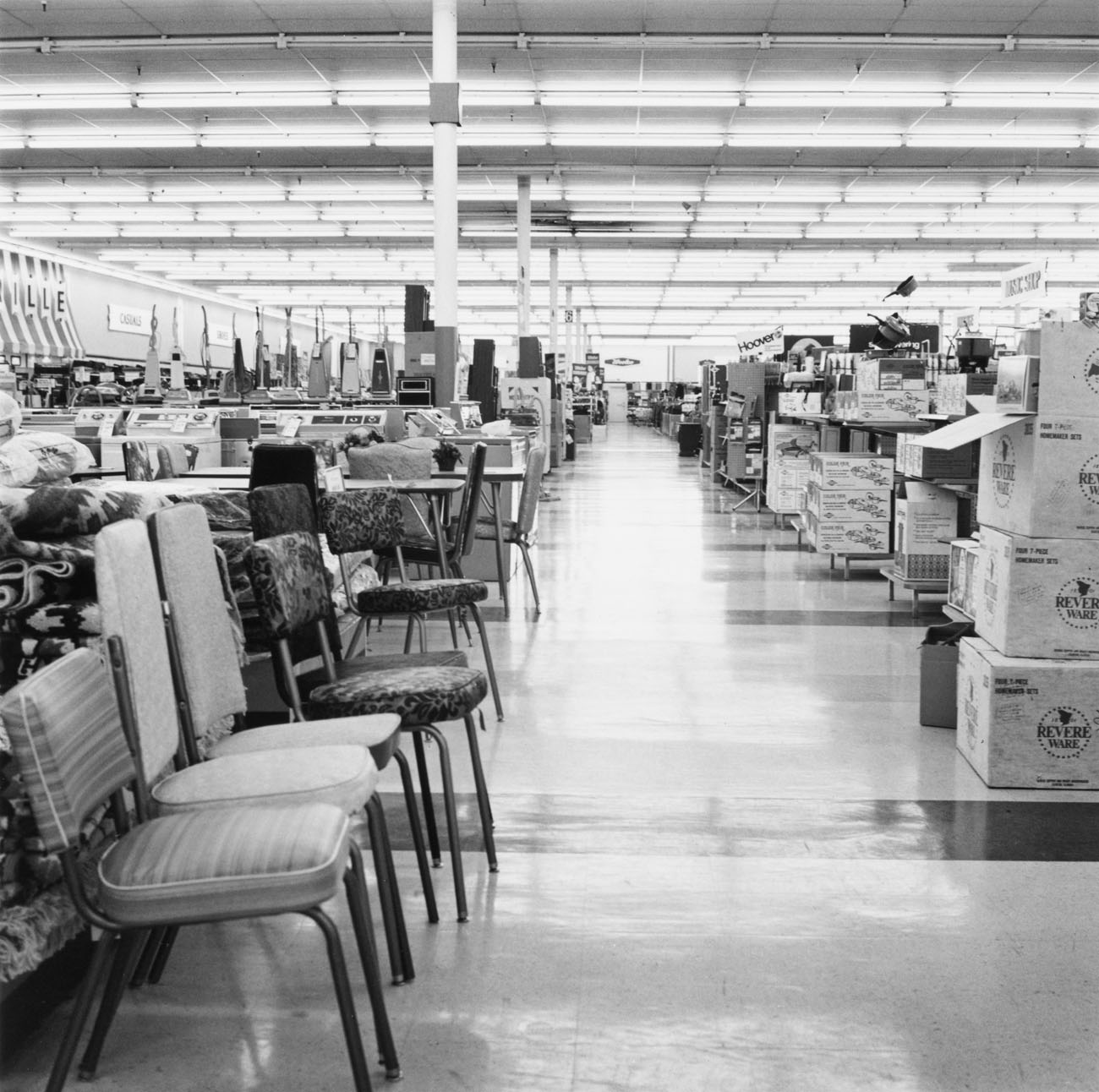
 

Robert Adams (American, b. 1937) 'Lakewood, Colorado' 1973, printed 1979


Robert Adams (American, b. 1937)
Lakewood, Colorado
1973, printed 1979
gelatin silver print
Image: 15.2 x 15.2cm (6 x 6 in.)
National Gallery of Art, Washington, Pepita Milmore Memorial Fund and Gift of Robert and Kerstin Adams
© Robert Adams, Courtesy Fraenkel Gallery, San Francisco
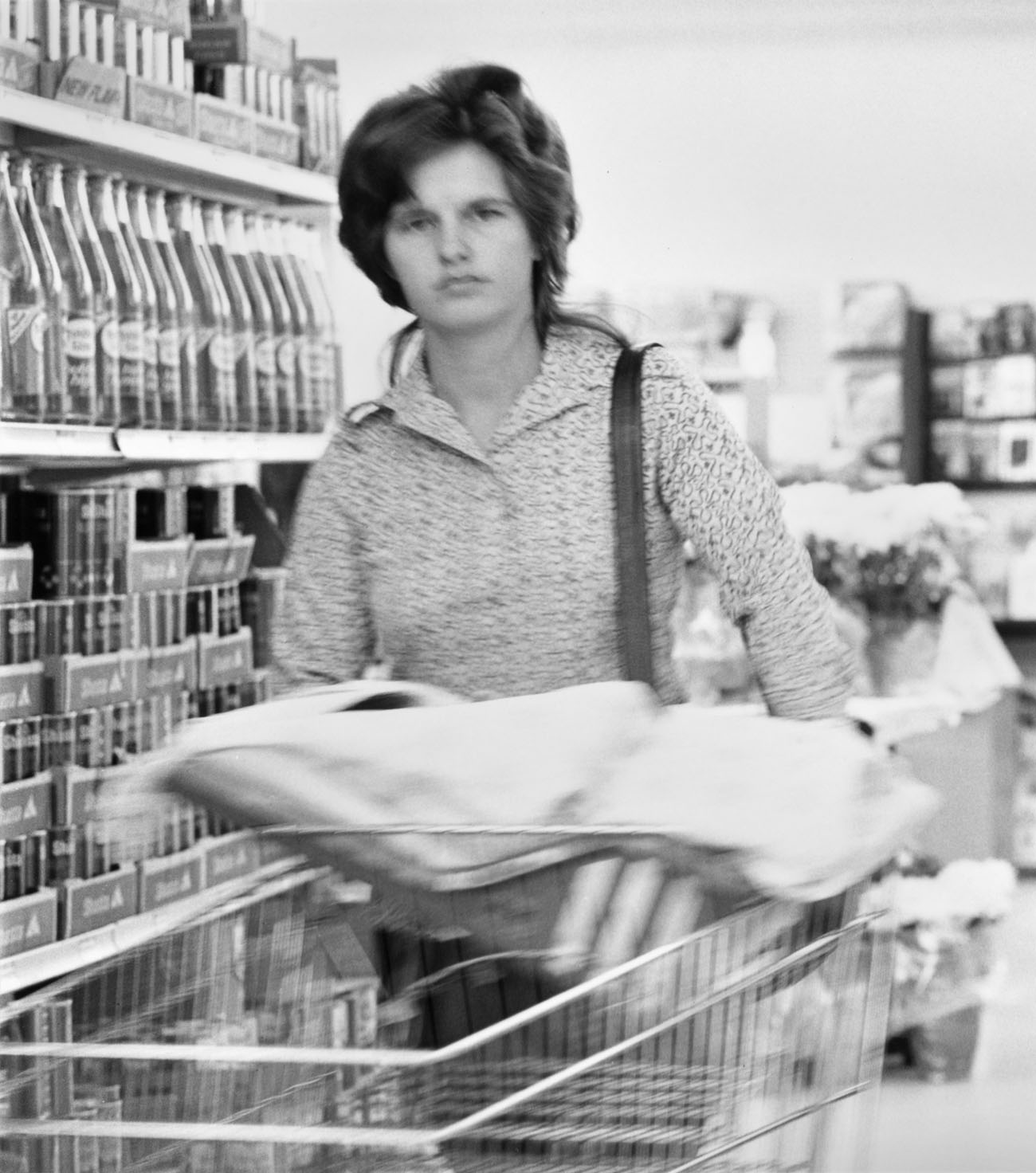
 

Robert Adams (American, b. 1937) 'Longmont, Colorado' 1973


Robert Adams (American, b. 1937)
Longmont, Colorado
1973
Gelatin silver print
Image: 17.2 x 15.2cm (6 3/4 x 6 in.)
National Gallery of Art, Washington, Pepita Milmore Memorial Fund and Gift of Robert and Kerstin Adams
© Robert Adams, Courtesy Fraenkel Gallery, San Francisco
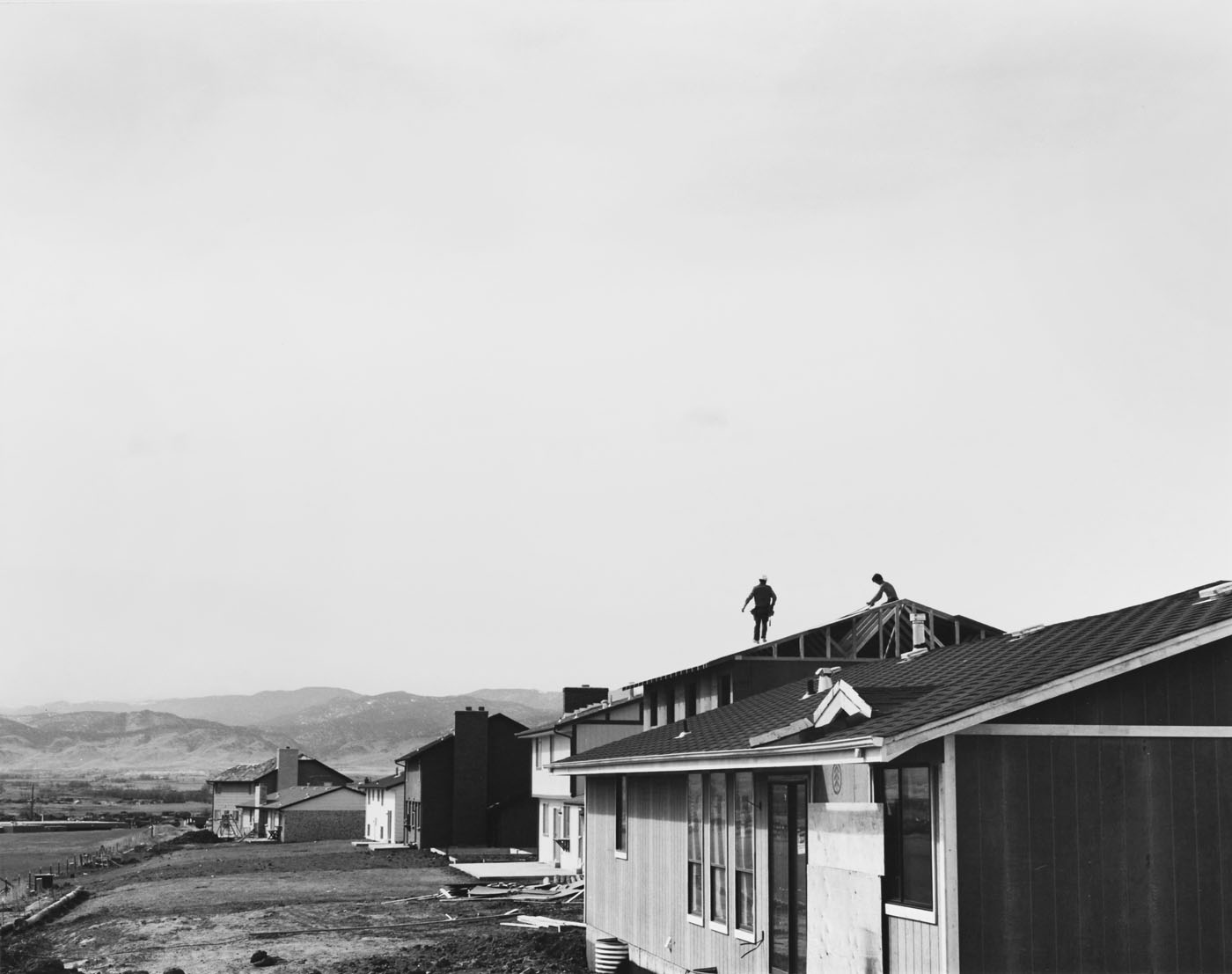
 

Robert Adams (American, b. 1937) 'Boulder County, Colorado' 1974


Robert Adams (American, b. 1937)
Boulder County, Colorado
1974
Gelatin silver print
Image and sheet: 15.2 x 19.2cm (6 x 7 9/16 in.)
Philadelphia Museum of Art, Purchased with the Alice Newton Osborn Fund, 1982
Courtesy of the Philadelphia Museum of Art
© Robert Adams, Courtesy Fraenkel Gallery, San Francisco
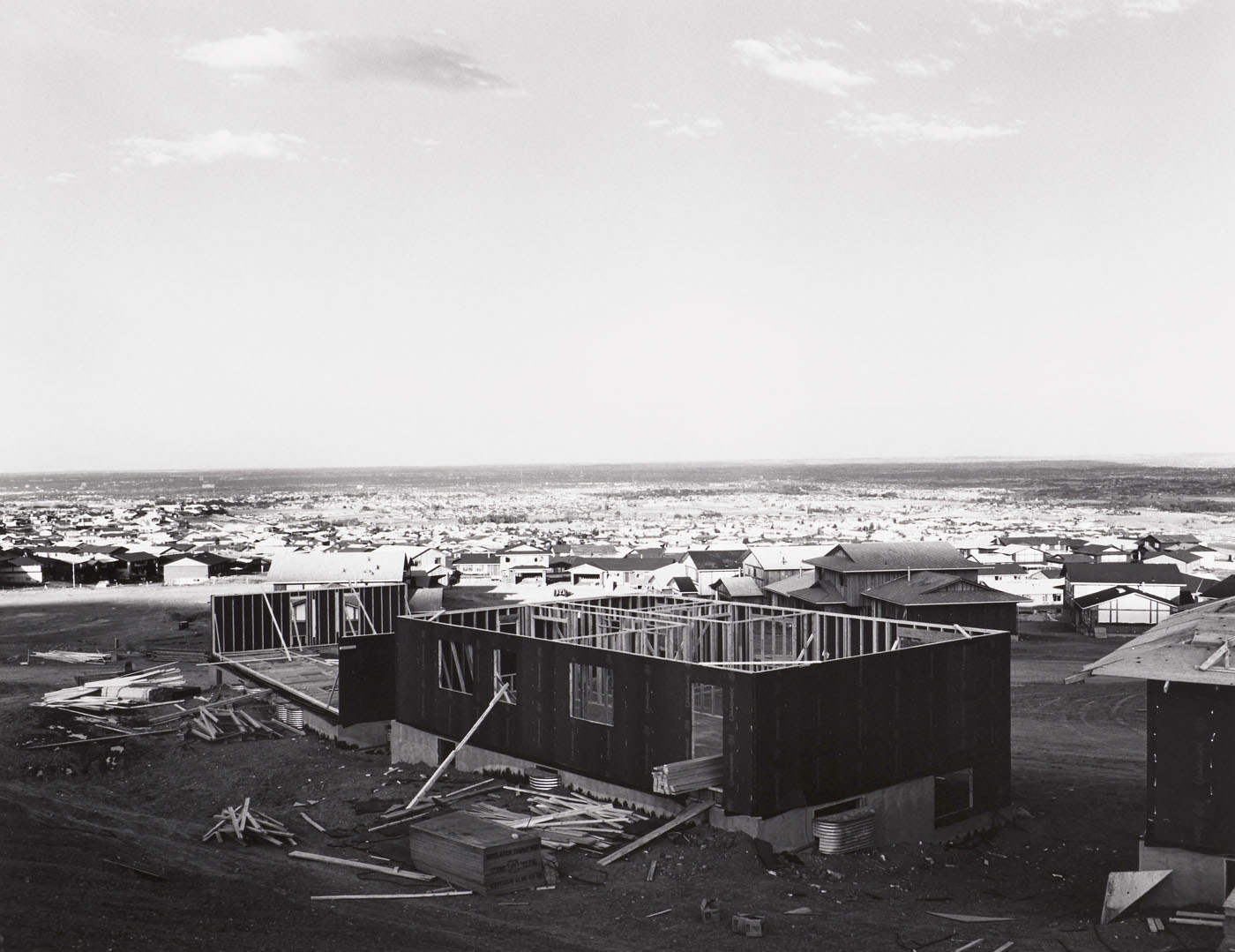
 

Robert Adams (American, b. 1937) 'Lakewood, Colorado' 1974, printed 1981


Robert Adams (American, b. 1937)
Lakewood, Colorado
1974, printed 1981
Gelatin silver print
Image: 22.8 x 29.2cm (9 x 11 1/2 in.)
Philadelphia Museum of Art, Purchased with the Alice Newton Osborn Fund, 1982
Courtesy of the Philadelphia Museum of Art
© Robert Adams, Courtesy Fraenkel Gallery, San Francisco
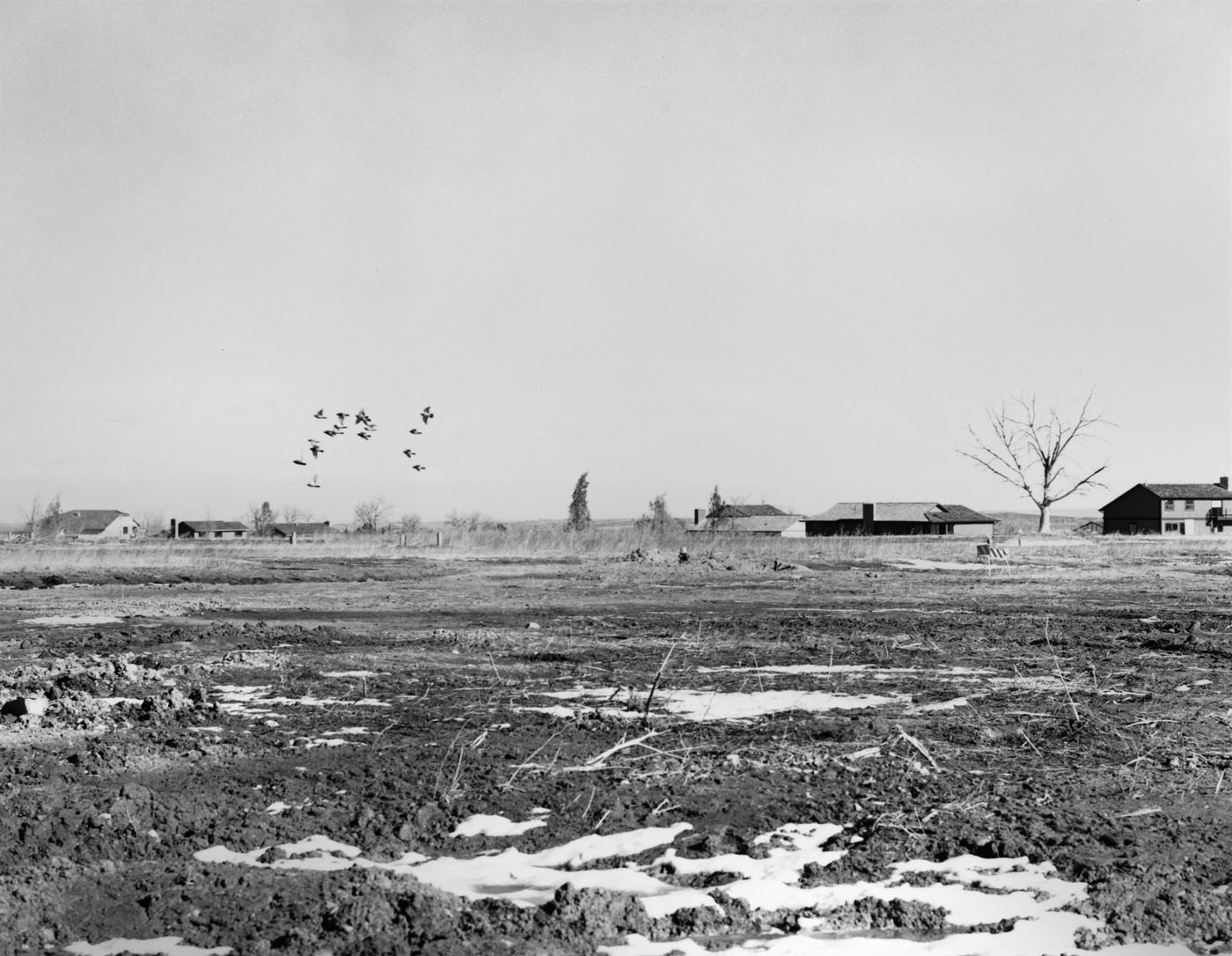
 

Robert Adams (American, b. 1937) 'Arvada, Colorado' 1974


Robert Adams (American, b. 1937)
Arvada, Colorado
1974
Gelatin silver print
Image: 15.2 x 19.7cm (6 x 7 3/4 in.)
National Gallery of Art, Washington, The Ahmanson Foundation and Gift of Robert and Kerstin Adams
© Robert Adams, Courtesy Fraenkel Gallery, San Francisco
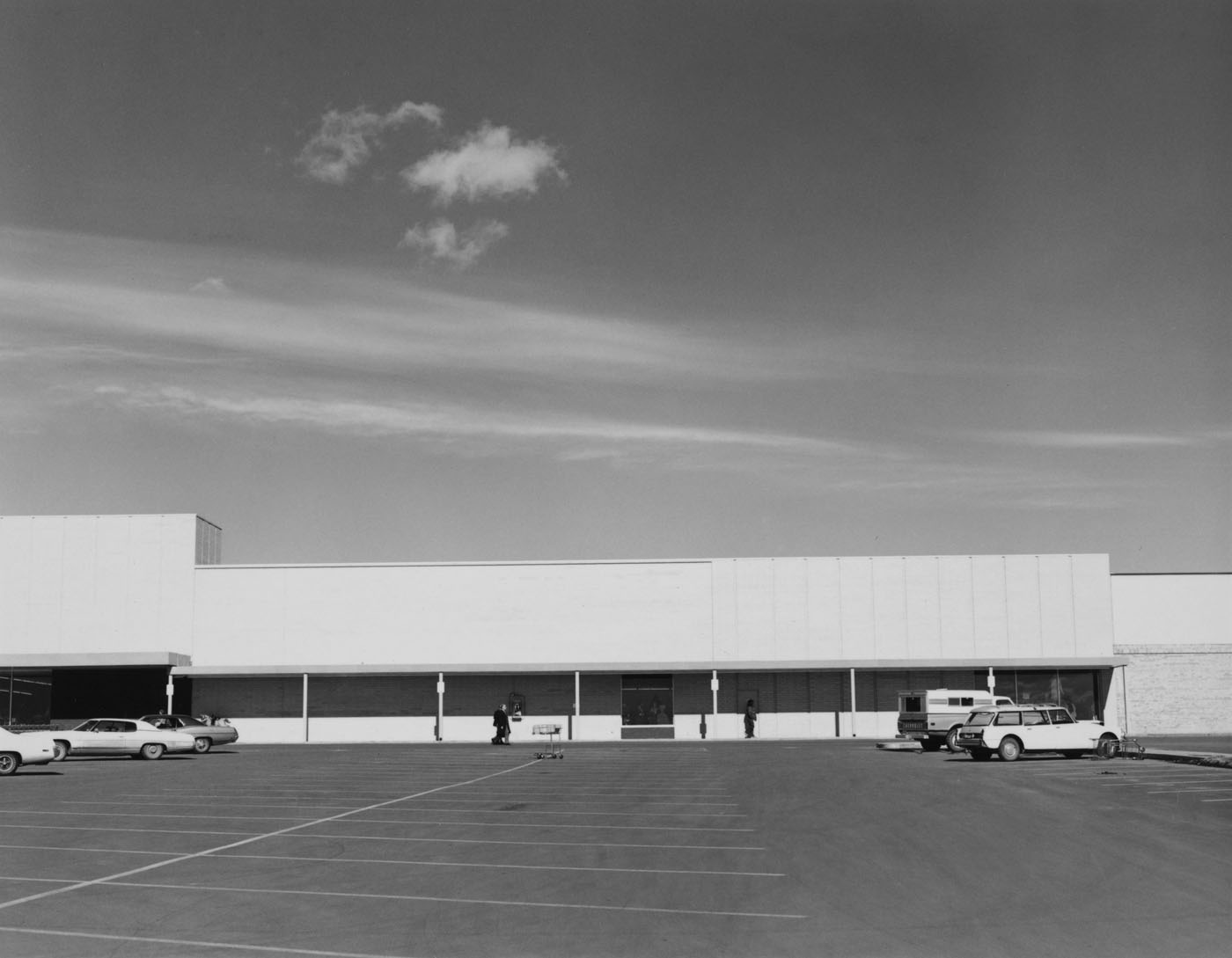
 

Robert Adams (American, b. 1937) 'Shopping Mall and Parking Lot, Denver' 1974, printed 1980s


Robert Adams (American, b. 1937)
Shopping Mall and Parking Lot, Denver
1974, printed 1980s
Gelatin silver print
Image: 15.2 x 19.4cm (6 x 7 5/8 in.)
National Gallery of Art, Washington, Gift of Robert and Kerstin Adams
© Robert Adams, Courtesy Fraenkel Gallery, San Francisco
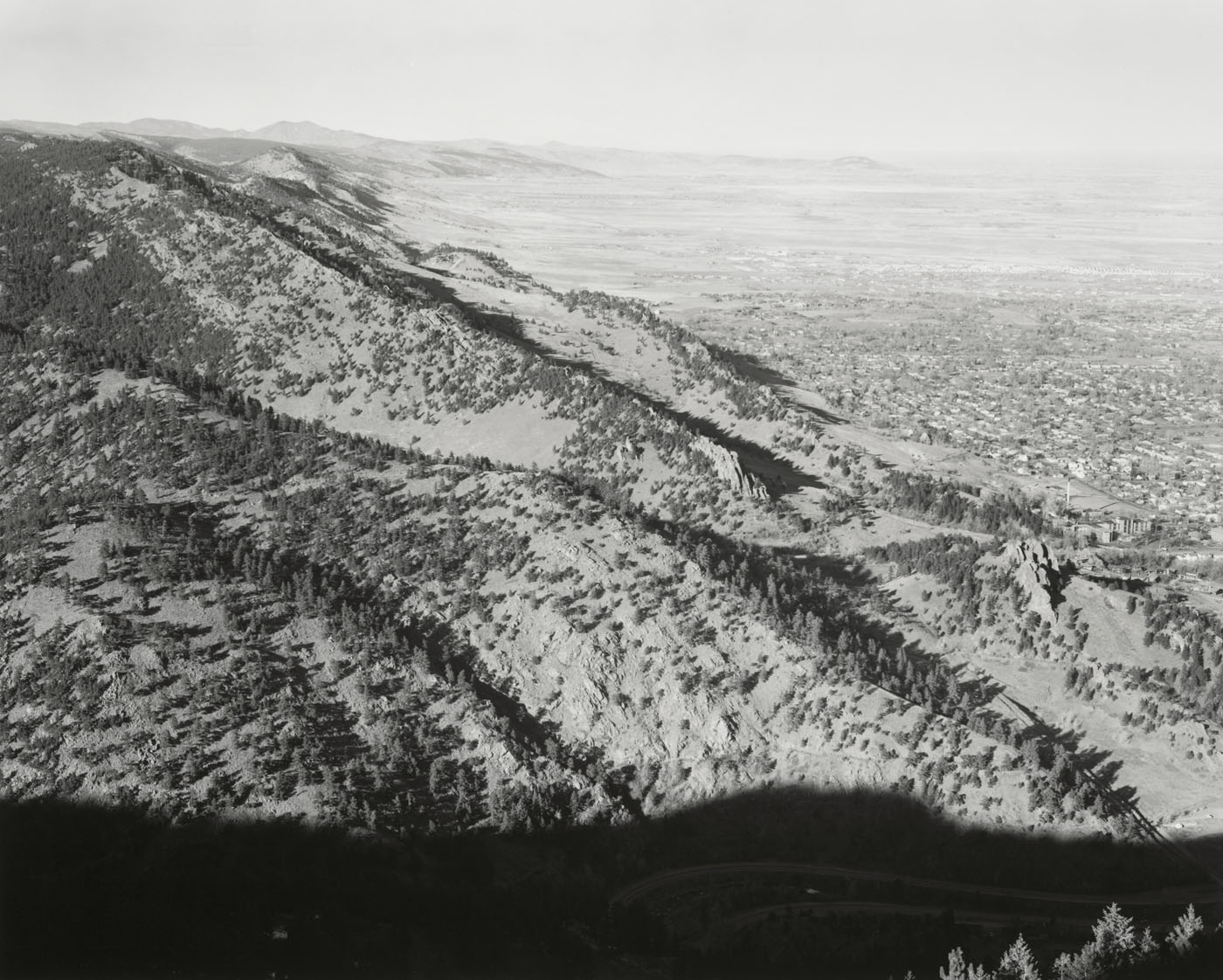
 

Robert Adams (American, b. 1937) 'Northeast from Flagstaff Mountain, Boulder County, Colorado' 1975


Robert Adams (American, b. 1937)
Northeast from Flagstaff Mountain, Boulder County, Colorado
1975
Gelatin silver print
Image: 38.1 x 47.9cm (15 x 18 7/8 in.)
National Gallery of Art, Washington, Gift of Robert and Kerstin Adams
© Robert Adams, Courtesy Fraenkel Gallery, San Francisco
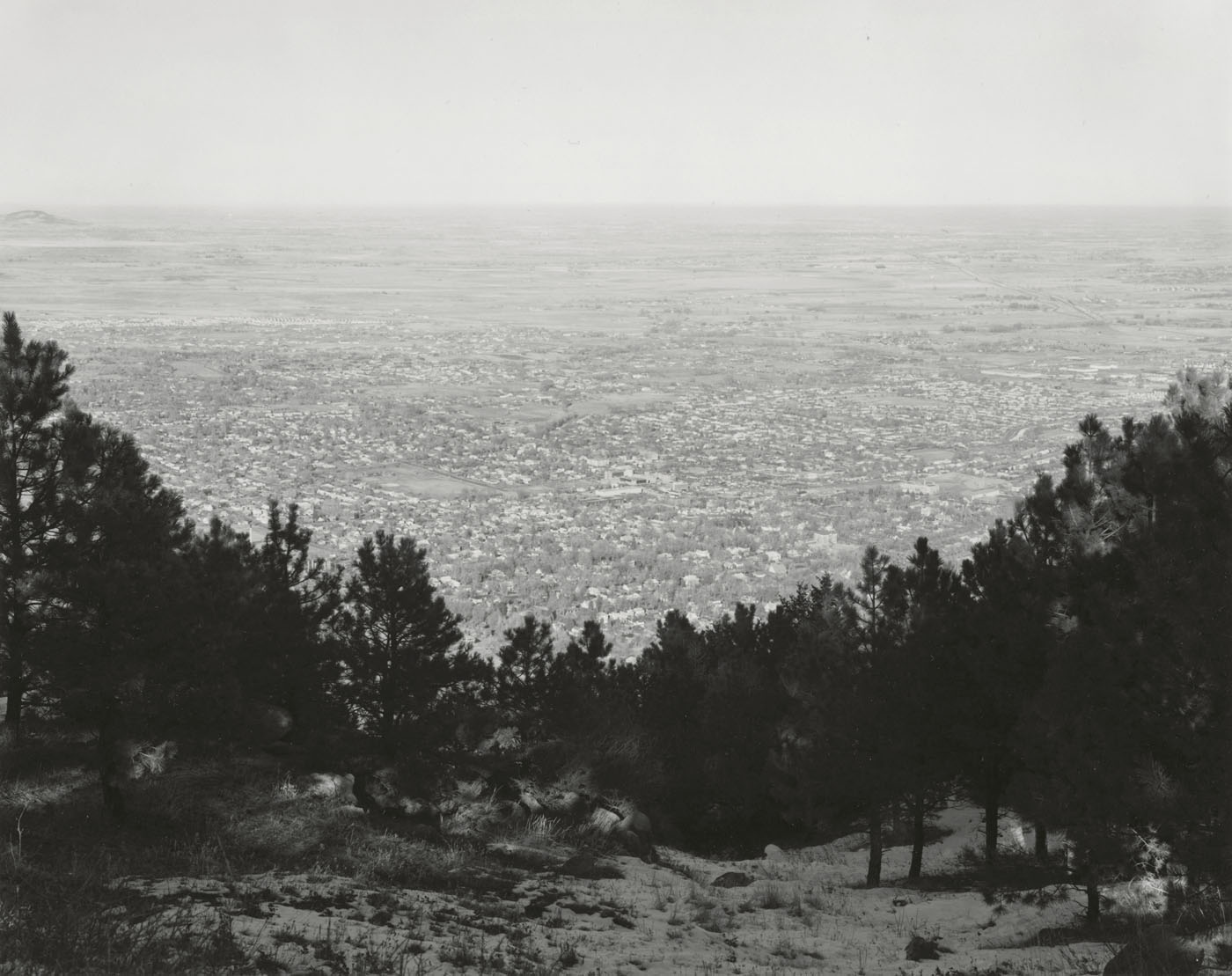
 

Robert Adams (American, b. 1937) 'East from Flagstaff Mountain, Boulder County, Colorado' 1975


Robert Adams (American, b. 1937)
East from Flagstaff Mountain, Boulder County, Colorado
1975
Gelatin silver print
Image: 22.9 x 28.6cm (9 x 11 1/4 in.)
Fraenkel Gallery, San Francisco
© Robert Adams, Courtesy Fraenkel Gallery, San Francisco
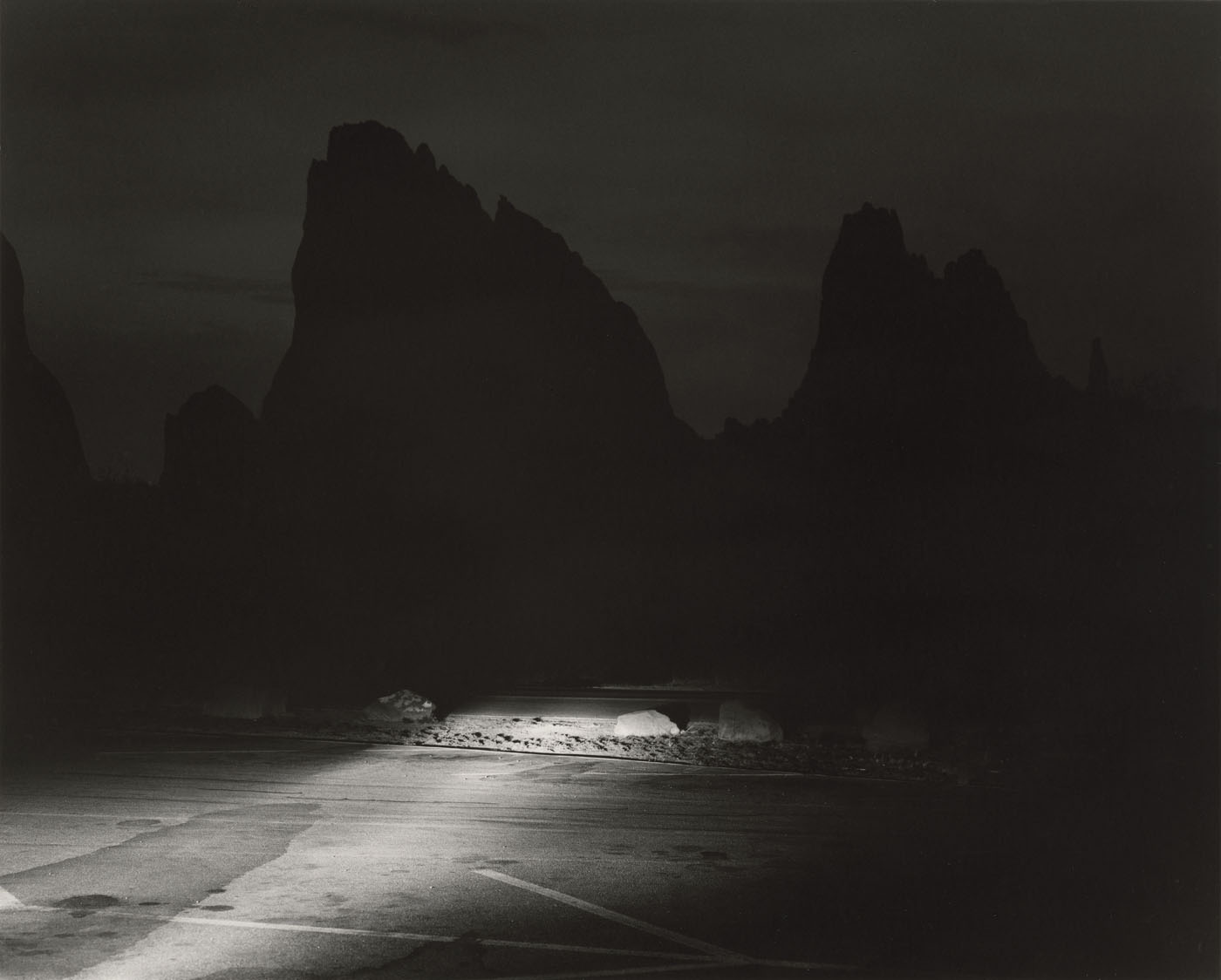
 

Robert Adams (American, b. 1937) 'Garden of the Gods, El Paso County, Colorado' 1976


Robert Adams (American, b. 1937)
Garden of the Gods, El Paso County, Colorado
1976
Gelatin silver print
Image: 22.9 x 28.3cm (9 x 11 1/8 in.)
National Gallery of Art, Washington, Pepita Milmore Memorial Fund and Gift of Robert and Kerstin Adams
© Robert Adams, Courtesy Fraenkel Gallery, San Francisco
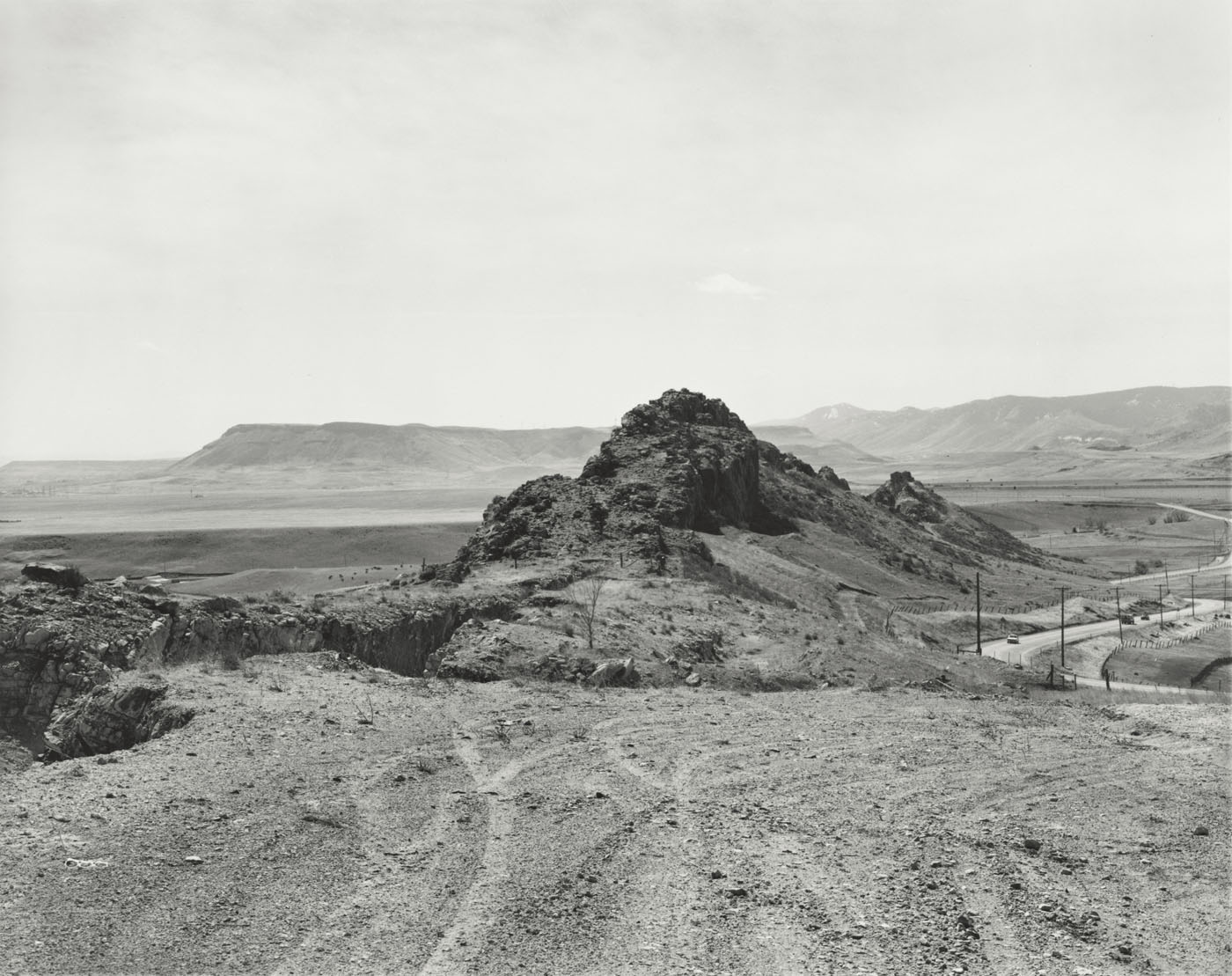
 

Robert Adams (American, b. 1937) 'South of the Rocky Flats Nuclear Weapons Plant, Jefferson County, Colorado' 1976


Robert Adams (American, b. 1937)
South of the Rocky Flats Nuclear Weapons Plant, Jefferson County, Colorado
1976
Gelatin silver print
Image: 17.4 x 21.8cm (6 7/8 x 8 9/16 in.)
National Gallery of Art, Washington, Pepita Milmore Memorial Fund and Gift of Robert and Kerstin Adams
© Robert Adams, Courtesy Fraenkel Gallery, San Francisco
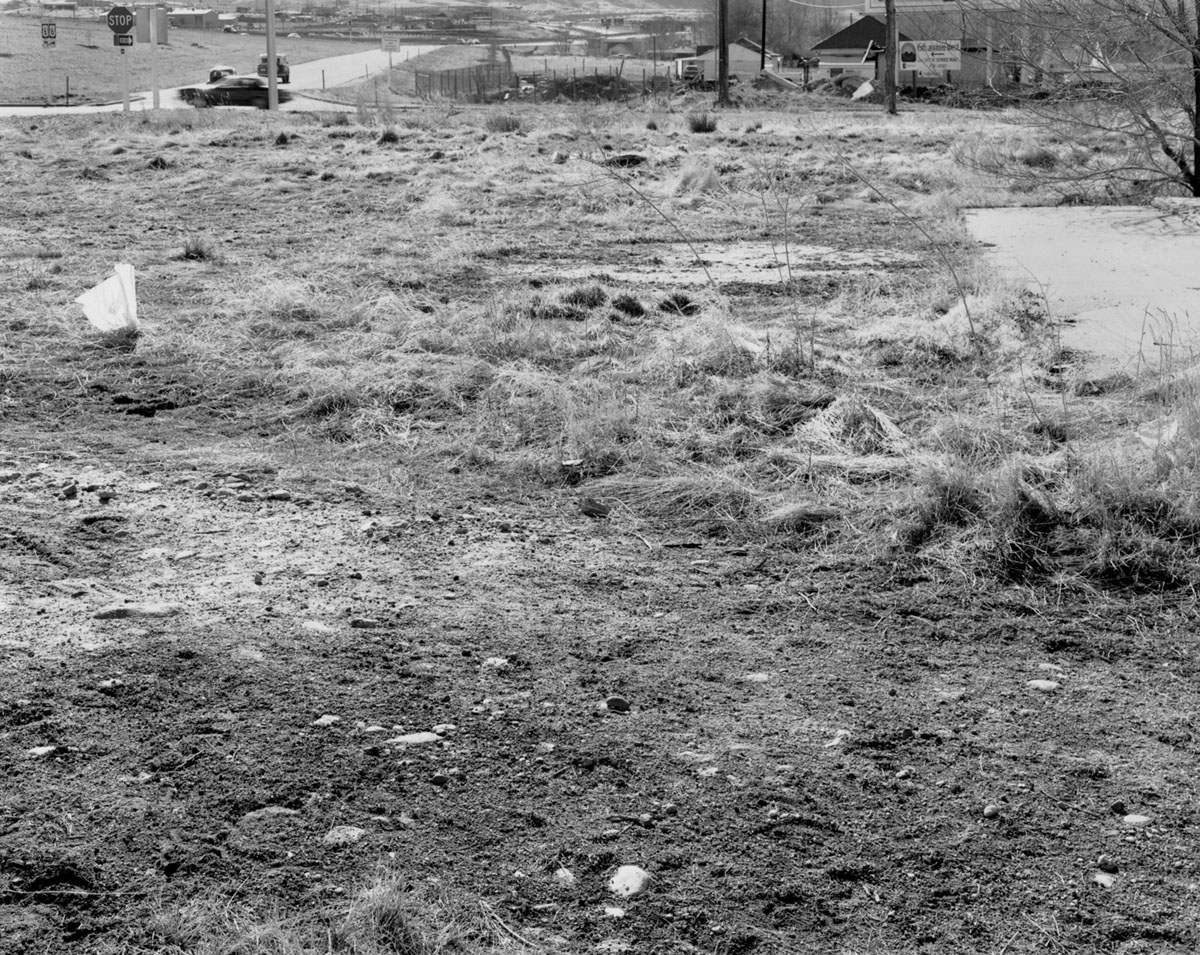
 

Robert Adams (American, b. 1937) 'Lakewood, Jefferson County, Colorado' 1976


Robert Adams (American, b. 1937)
Lakewood, Jefferson County, Colorado
1976
Gelatin silver print
Image: 22.9 x 28.6cm (9 x 11 1/4 in.)
National Gallery of Art, Washington, Gift of Robert and Kerstin Adams
© Robert Adams, Courtesy Fraenkel Gallery, San Francisco
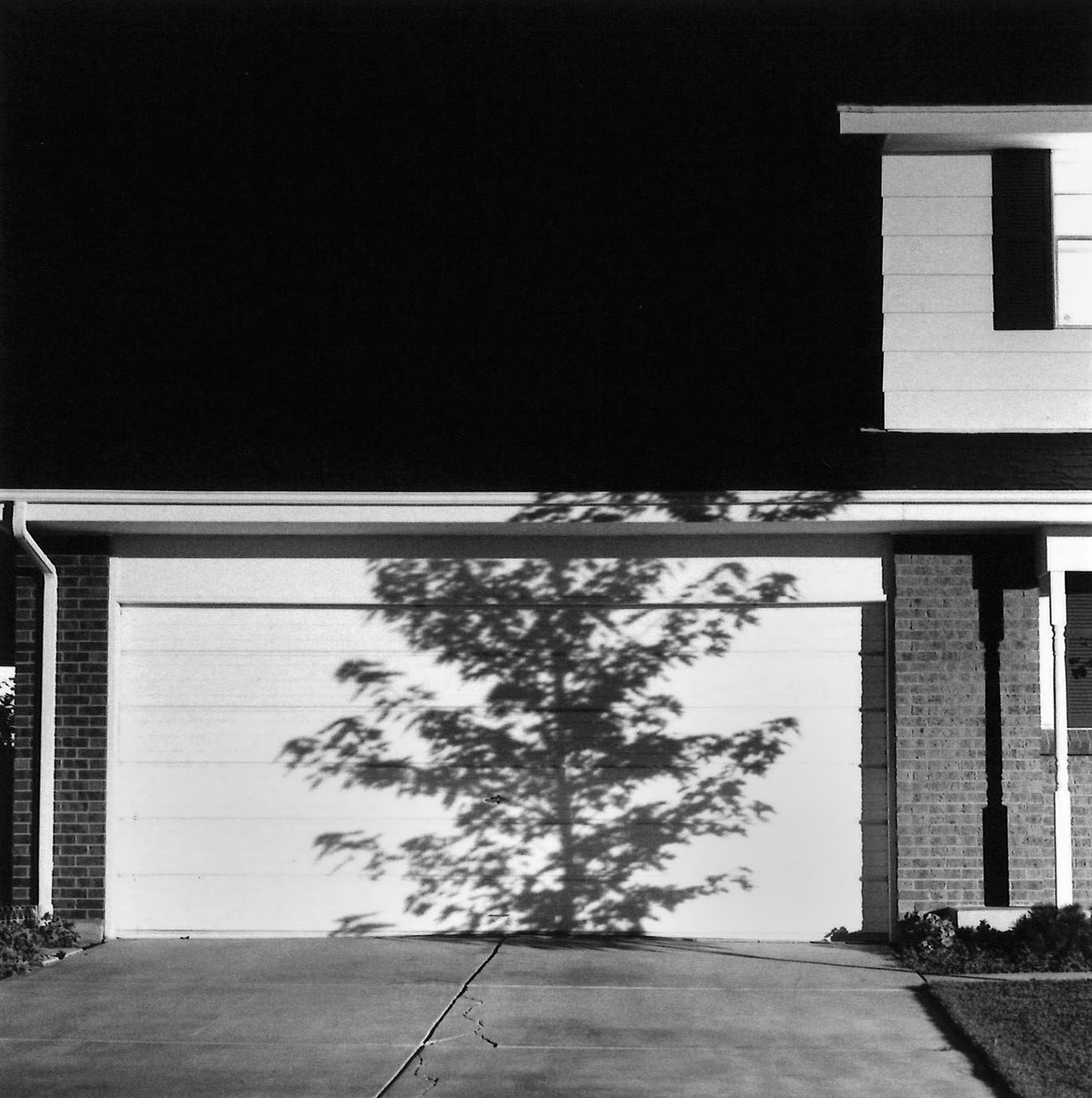
 

Robert Adams (American, b. 1937) 'Longmont, Colorado' 1976


Robert Adams (American, b. 1937)
Longmont, Colorado
1976
Gelatin silver print
Image: 17.8 x 17.8cm (7 x 7 in.)
Private collection, San Francisco
© Robert Adams, Courtesy Fraenkel Gallery, San Francisco
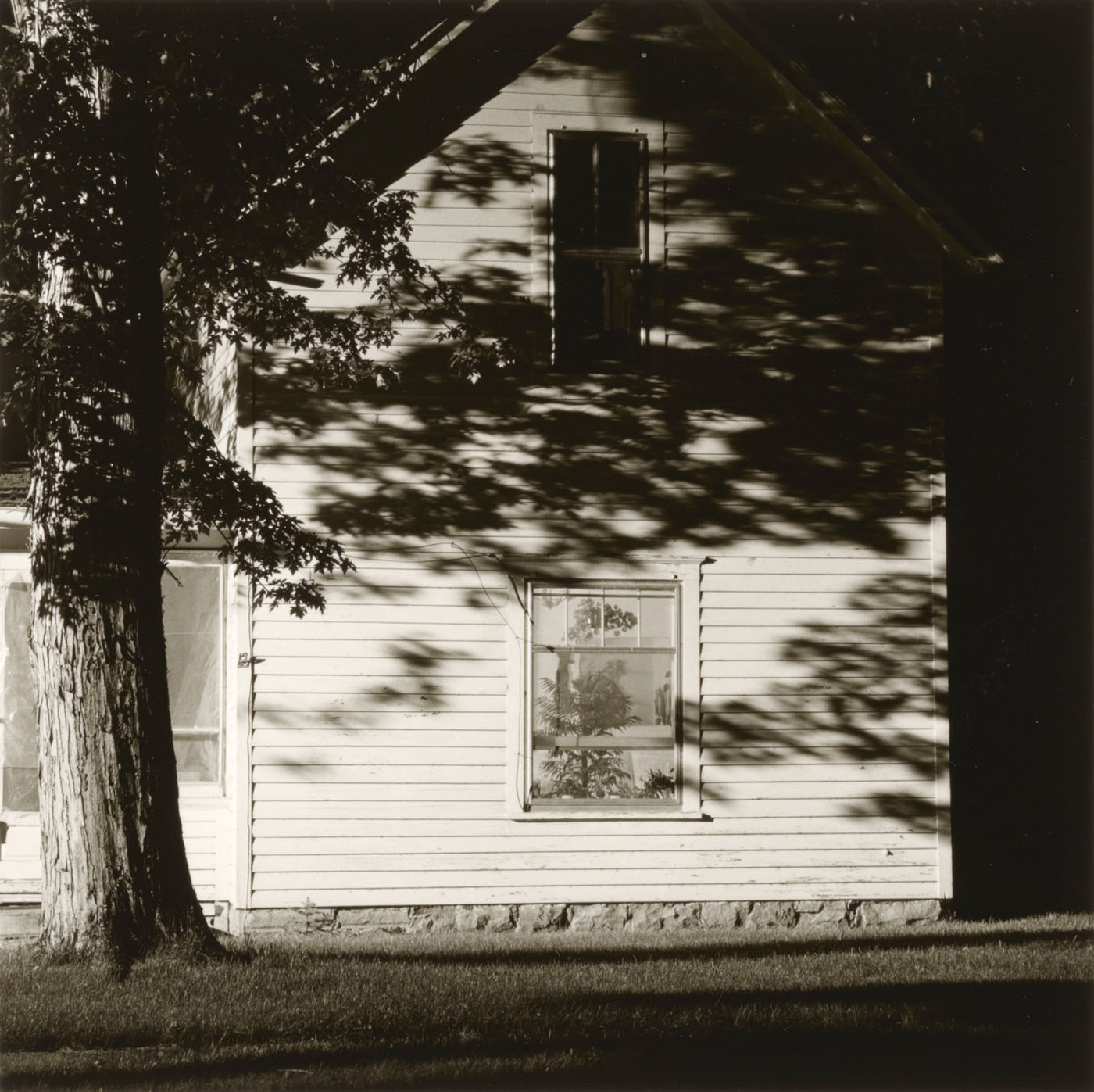
 

Robert Adams (American, b. 1937) 'Berthoud, Colorado' 1976


Robert Adams (American, b. 1937)
Berthoud, Colorado
1976
Gelatin silver print
Image: 12.7 x 12.7 cm (5 x 5 in.)
Philadelphia Museum of Art, Purchased with funds contributed by Marilyn L. Steinbright, 1985
Courtesy of the Philadelphia Museum of Art
© Robert Adams, Courtesy Fraenkel Gallery, San Francisco
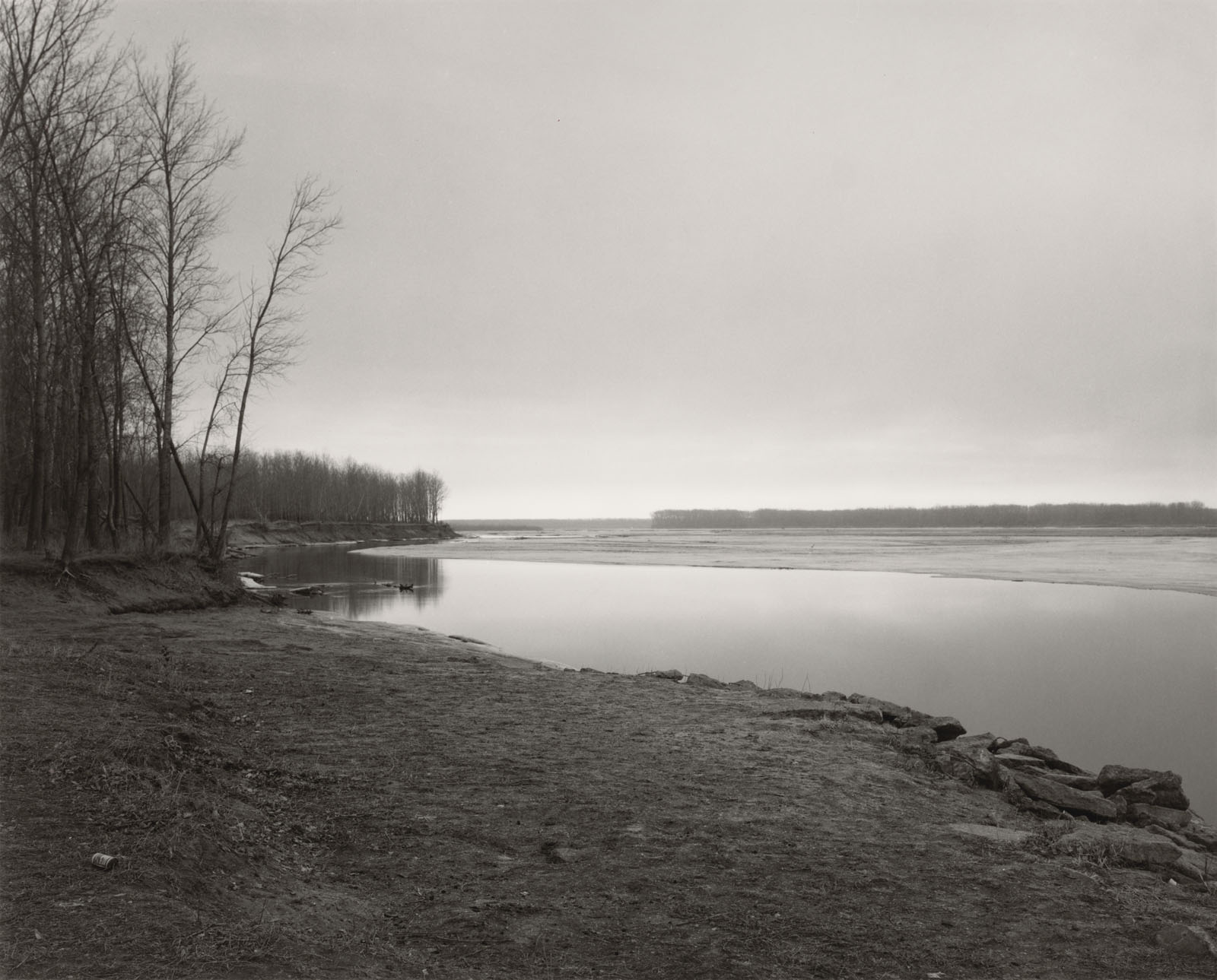
 

Robert Adams (American, b. 1937) 'Missouri River, Clay County, South Dakota' 1977


Robert Adams (American, b. 1937)
Missouri River, Clay County, South Dakota
1977
Gelatin silver print
Image: 22.7 x 28.1cm (8 15/16 x 11 1/16 in.)
National Gallery of Art, Washington, Gift of Mary and Dan Solomon and Patrons’ Permanent Fund
© Robert Adams, Courtesy Fraenkel Gallery, San Francisco
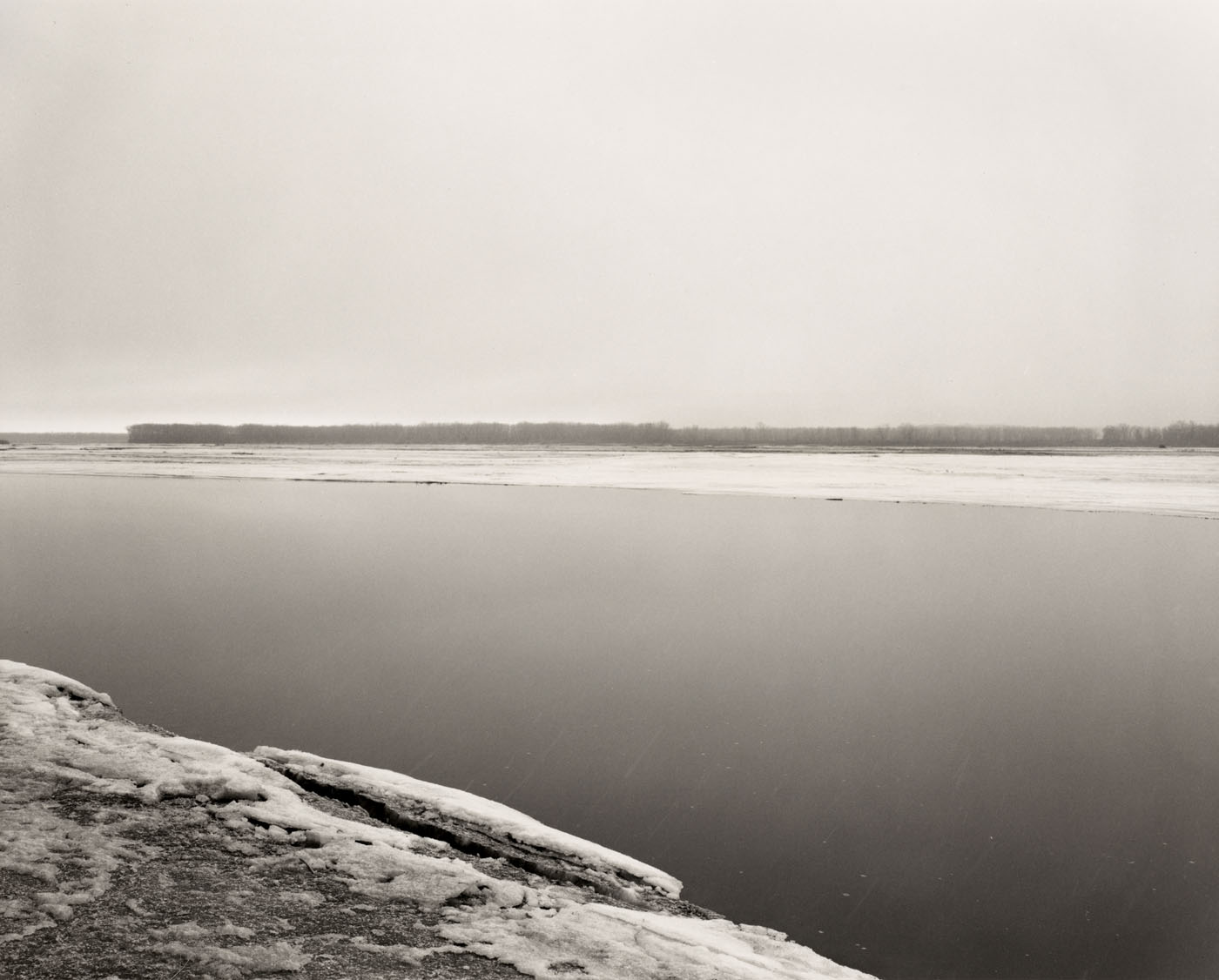
 

Robert Adams (American, b. 1937) 'Concrete and Ice, Missouri River, Clay County, South Dakota' 1977


Robert Adams (American, b. 1937)
Concrete and Ice, Missouri River, Clay County, South Dakota
1977
Gelatin silver print
Image: 18 x 22.2cm (7 1/16 x 8 3/4 in.)
National Gallery of Art, Washington, Pepita Milmore Memorial Fund and Gift of Robert and Kerstin Adams
© Robert Adams, Courtesy Fraenkel Gallery, San Francisco
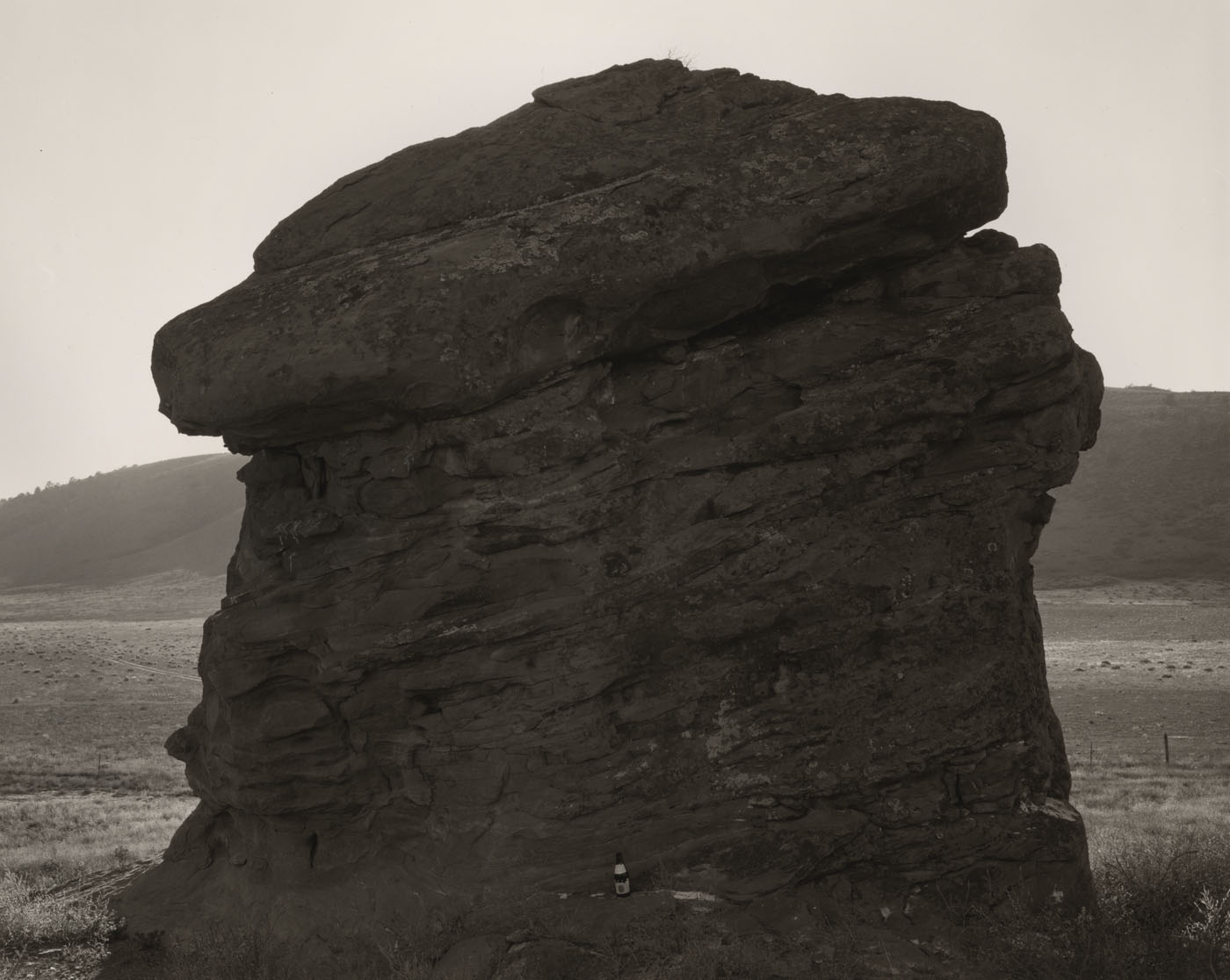
 

Robert Adams (American, b. 1937) 'Larimer County, Colorado' 1977


Robert Adams (American, b. 1937)
Larimer County, Colorado
1977
Gelatin silver print
Image: 22.5 x 28.1cm (8 7/8 x 11 1/16 in.)
National Gallery of Art, Washington, Gift of Jeffrey Fraenkel and Alan Mark
© Robert Adams, Courtesy Fraenkel Gallery, San Francisco
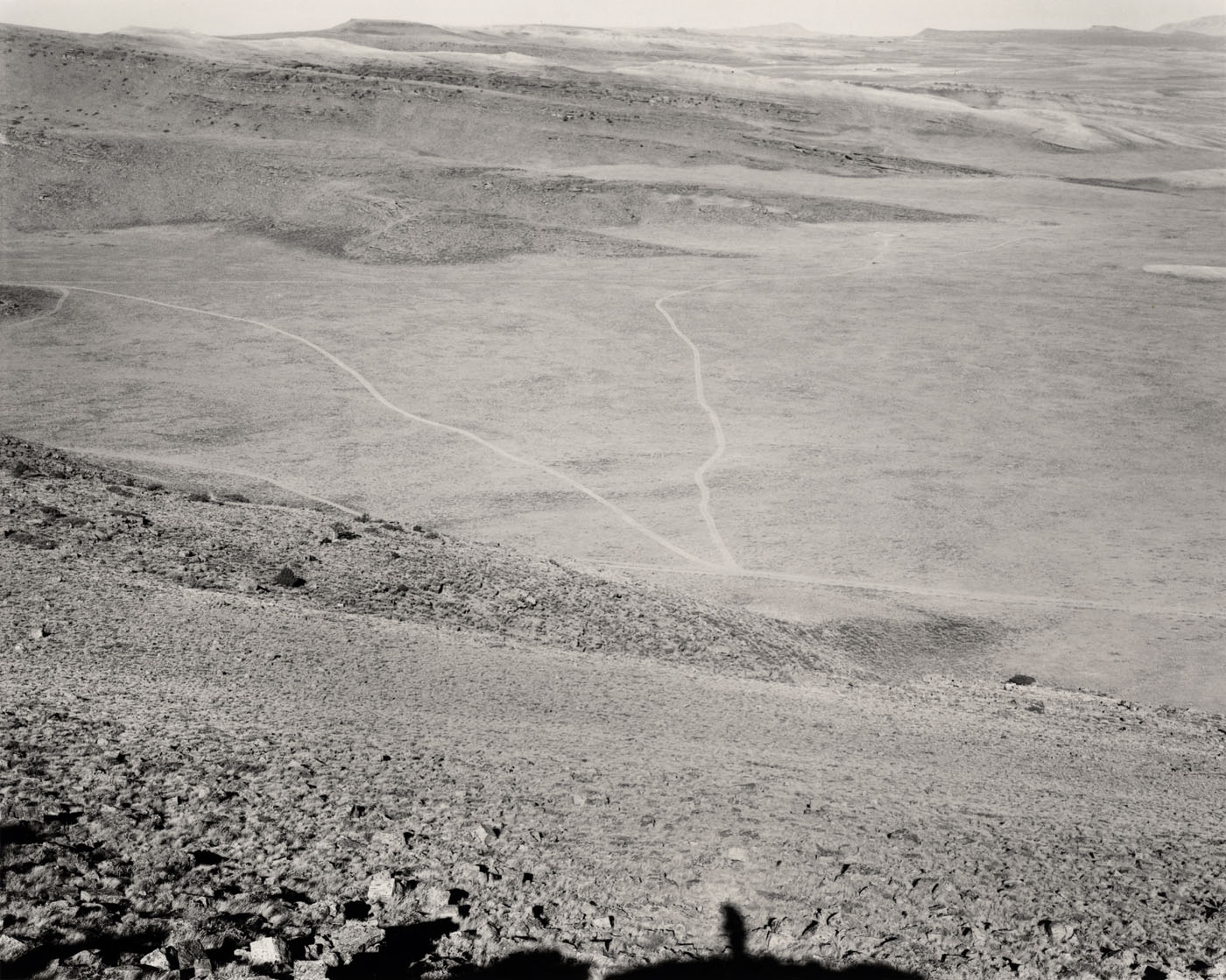
 

Robert Adams (American, b. 1937) 'Abandoned Car, Carbon County, Wyoming' 1977


Robert Adams (American, b. 1937)
Abandoned Car, Carbon County, Wyoming
1977
Gelatin silver print
Image: 22.8 x 28.5cm (9 x 11 1/4 in.)
National Gallery of Art, Washington, Pepita Milmore Memorial Fund and Gift of Robert and Kerstin Adams
© Robert Adams, Courtesy Fraenkel Gallery, San Francisco
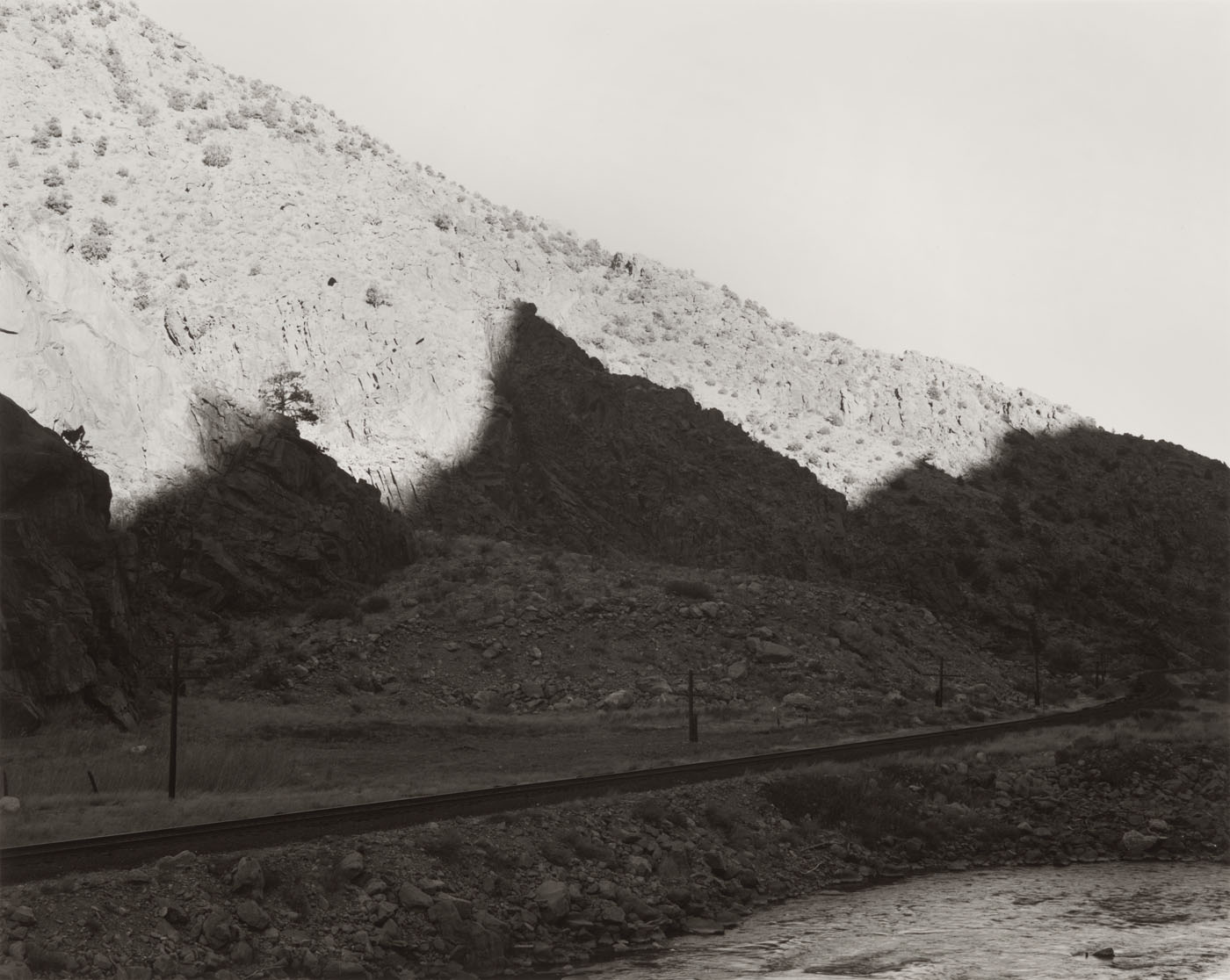
 

Robert Adams (American, b. 1937) 'Arkansas River Canyon, Colorado' 1977


Robert Adams (American, b. 1937)
Arkansas River Canyon, Colorado
1977
Gelatin silver print
Image: 22.7 x 28.5cm (8 15/16 x 11 1/4 in.)
National Gallery of Art, Washington, Gift of Lou and Di Stovall
© Robert Adams, Courtesy Fraenkel Gallery, San Francisco
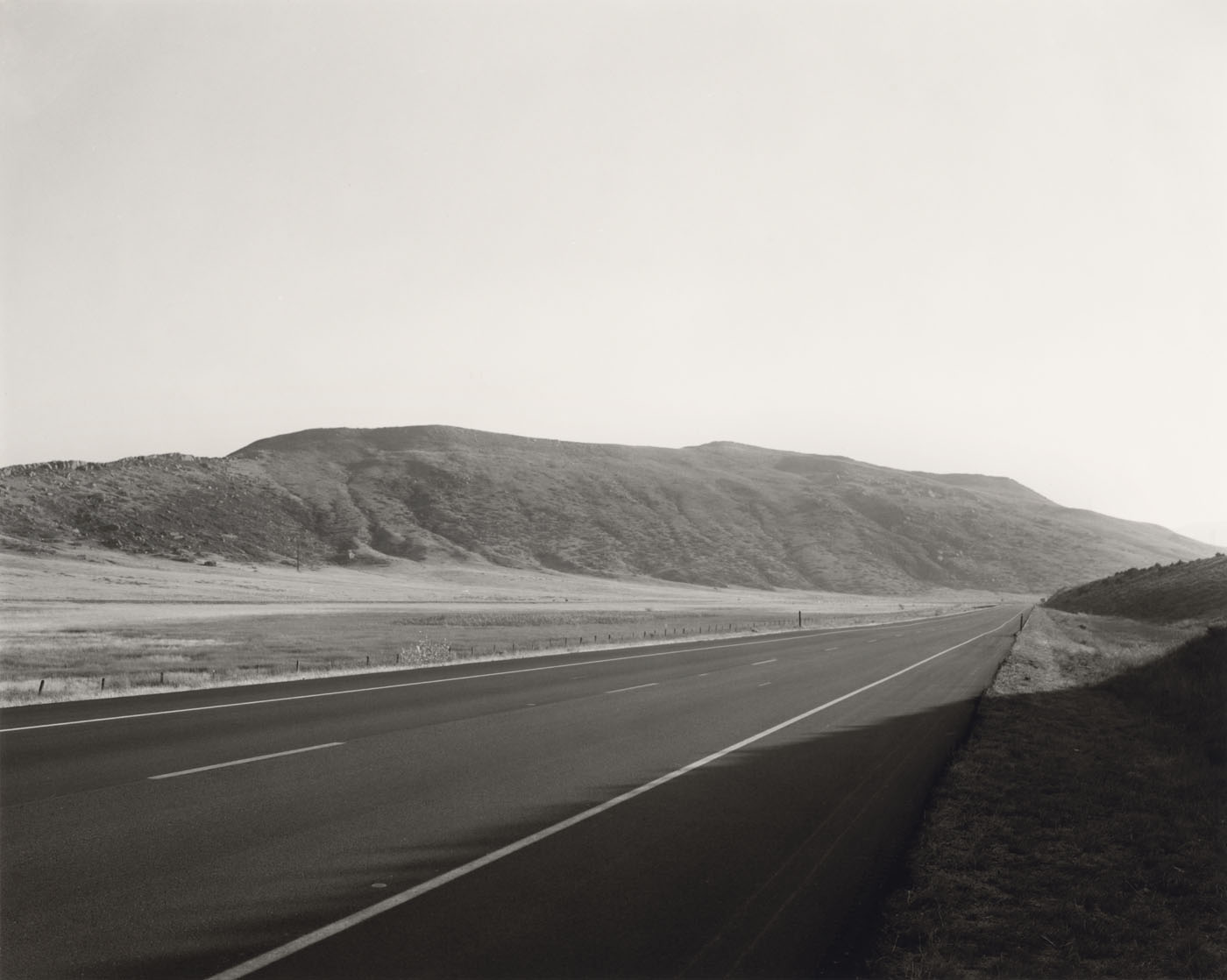
 

Robert Adams (American, b. 1937) 'Highway 287, Larimer County, Colorado' 1977


Robert Adams (American, b. 1937)
Highway 287, Larimer County, Colorado
1977
Gelatin silver print
Image: 22.3 x 28.5cm (8 3/4 x 11 1/4 in.)
National Gallery of Art, Washington, Pepita Milmore Memorial Fund and Gift of Robert and Kerstin Adams
© Robert Adams, Courtesy Fraenkel Gallery, San Francisco
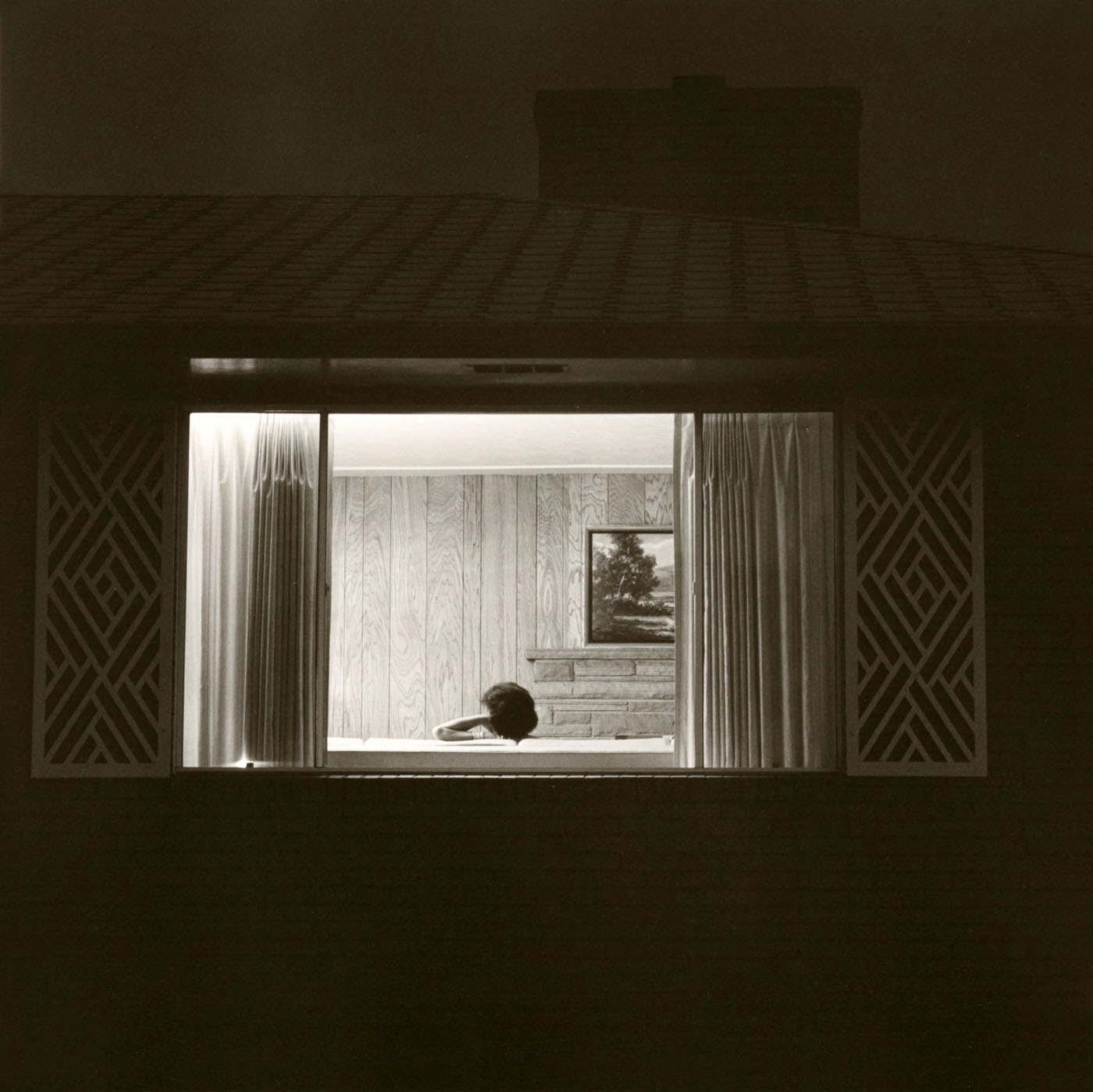
 

Robert Adams (American, b. 1937) 'Longmont, Colorado' 1977


Robert Adams (American, b. 1937)
Longmont, Colorado
1977
Gelatin silver print
Image: 12.7 x 12.7cm (5 x 5 in.)
Philadelphia Museum of Art, Purchased with the Alice Newton Osborn Fund, 1982
Courtesy of the Philadelphia Museum of Art
© Robert Adams, Courtesy Fraenkel Gallery, San Francisco
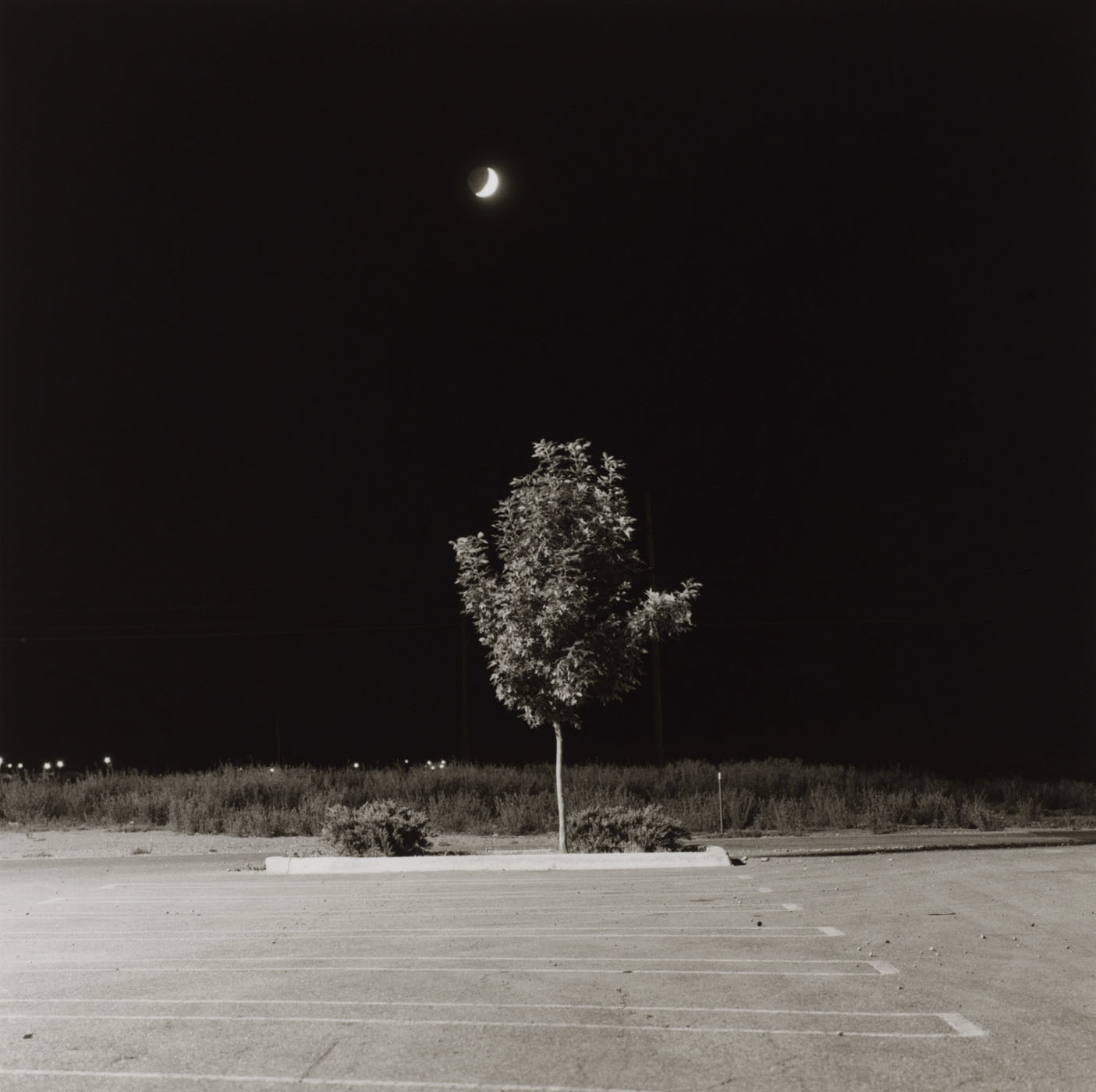
 

Robert Adams (American, b. 1937) 'Fort Collins, Colorado' 1977, printed 1985


Robert Adams (American, b. 1937)
Fort Collins, Colorado
1977, printed 1985
Gelatin silver print
Image: 12.7 x 12.7cm (5 x 5 in.)
Philadelphia Museum of Art, Purchased with funds contributed by Marilyn L. Steinbright, 1985
Courtesy of the Philadelphia Museum of Art
© Robert Adams, Courtesy Fraenkel Gallery, San Francisco
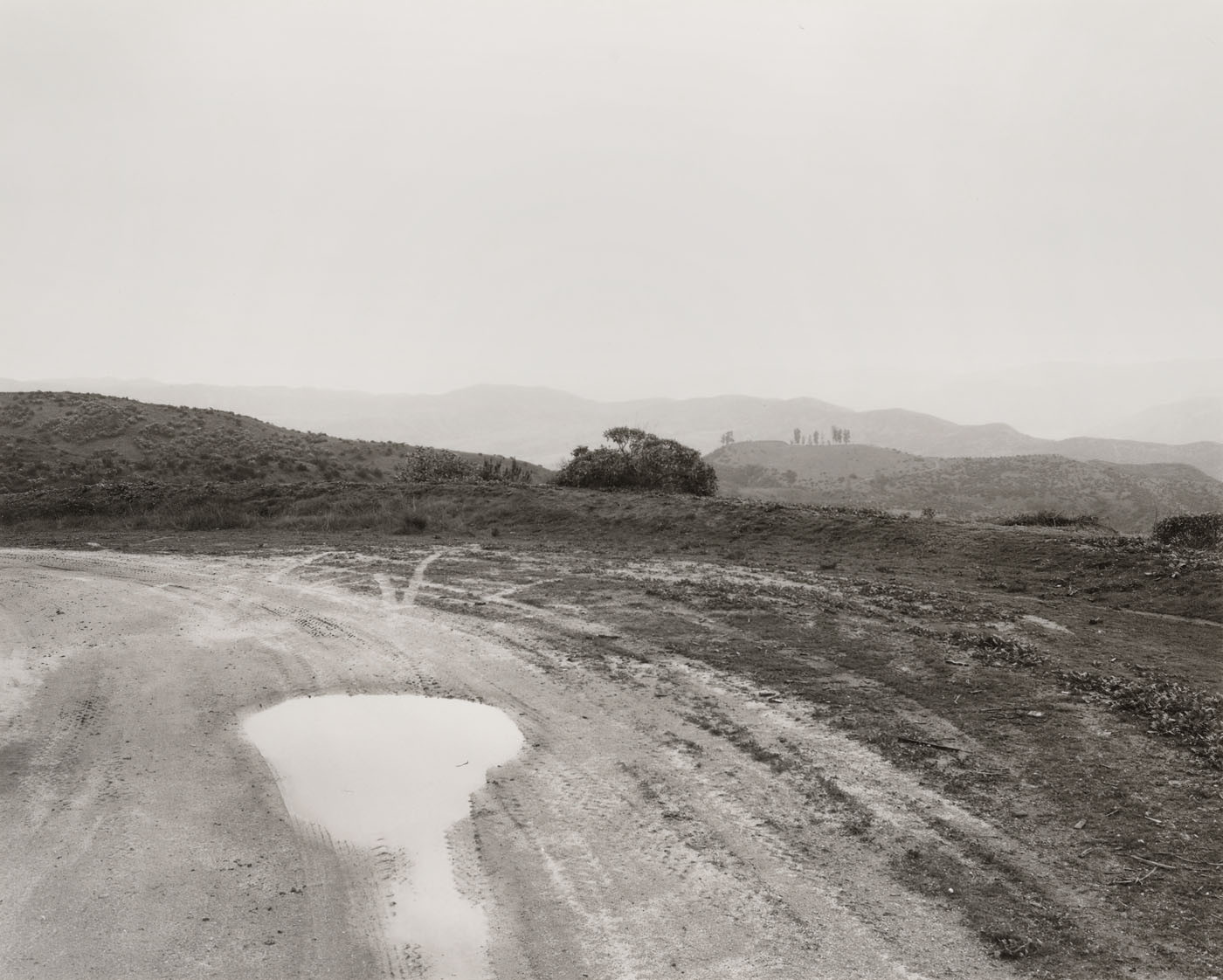
 

Robert Adams (American, b. 1937) 'Development Road, San Timoteo Canyon, Redlands, California' 1977


Robert Adams (American, b. 1937)
Development Road, San Timoteo Canyon, Redlands, California
1977
Gelatin silver print
Image: 17.8 x 22.2cm (7 x 8 3/4 in.)
Philadelphia Museum of Art, Purchased with a grant from the National Endowment for the Arts and with matching funds contributed by Mr. and Mrs. Robert A. Hauslohner and Harvey S. Shipley Miller, 1980
Courtesy of the Philadelphia Museum of Art
© Robert Adams, Courtesy Fraenkel Gallery, San Francisco
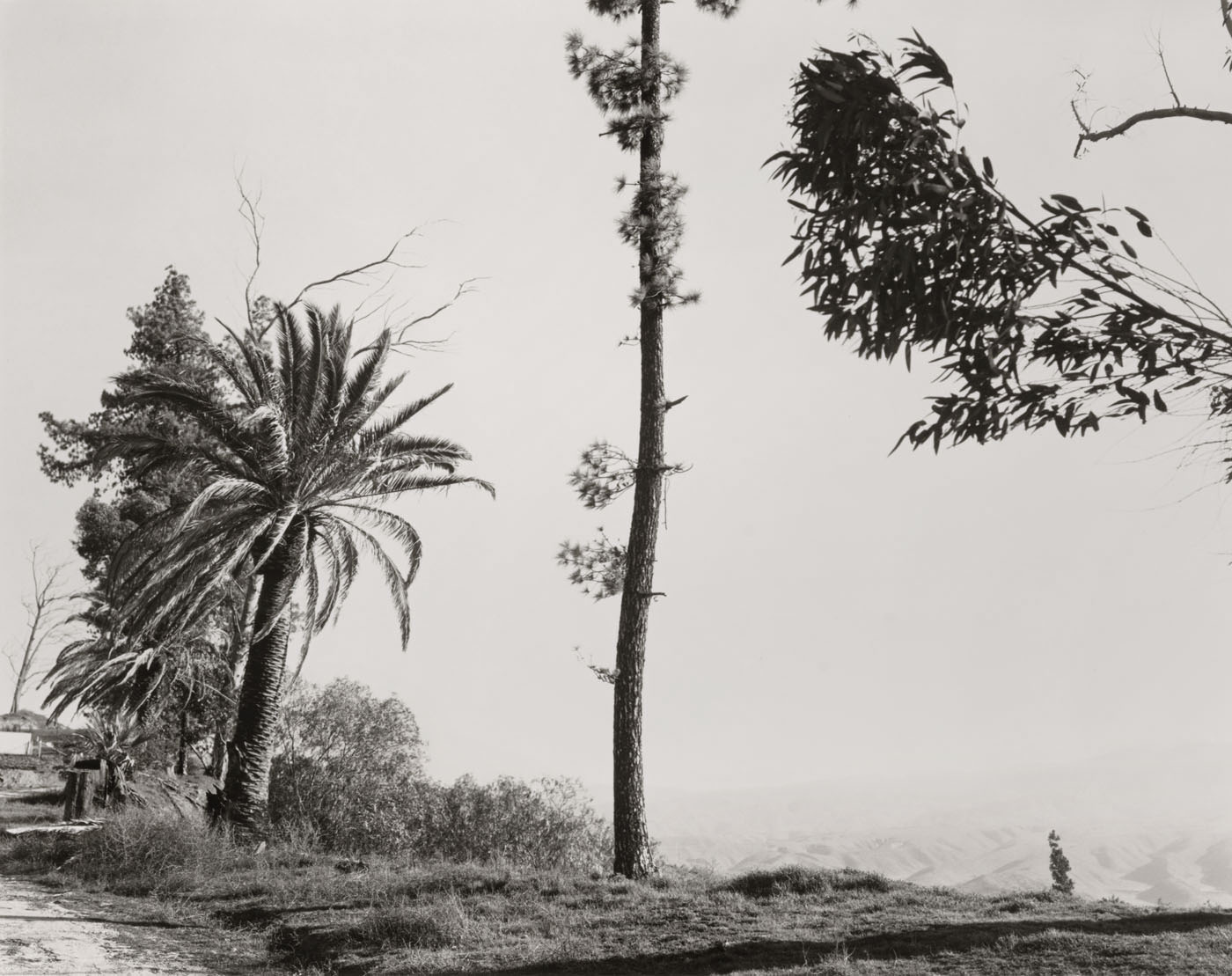
 

Robert Adams (American, b. 1937) 'Edge of San Timoteo Canyon, Redlands, California' 1977-1978


Robert Adams (American, b. 1937)
Edge of San Timoteo Canyon, Redlands, California
1977-1978
Gelatin silver print
Image: 17.8 x 22.5cm (7 x 8 7/8 in.)
Philadelphia Museum of Art, Purchased with a grant from the National Endowment for the Arts and with matching funds contributed by Mr. and Mrs. Robert A. Hauslohner and Harvey S. Shipley Miller, 1980
Courtesy of the Philadelphia Museum of Art
© Robert Adams, Courtesy Fraenkel Gallery, San Francisco
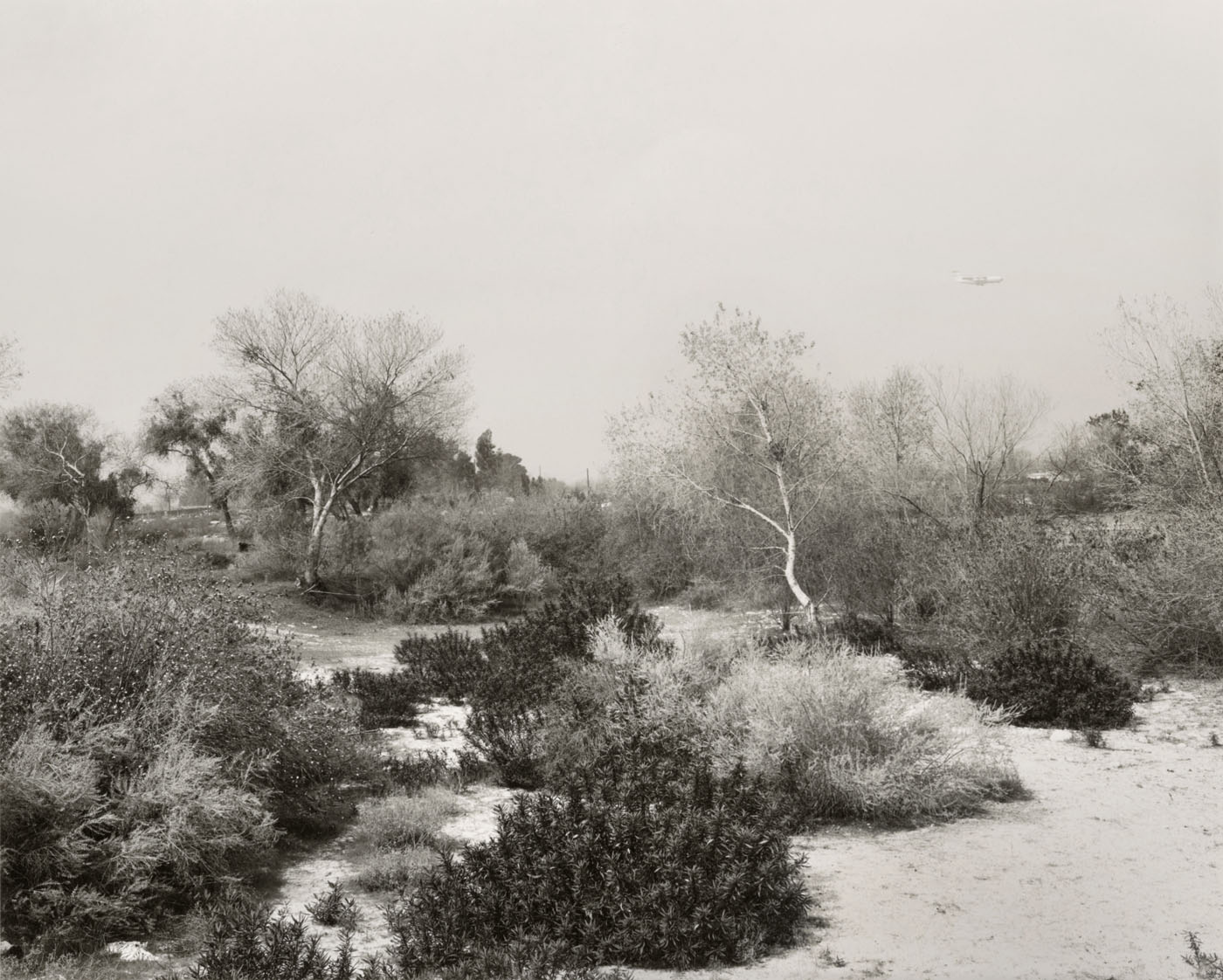
 

Robert Adams (American, b. 1937) 'Santa Ana Wash, Norton Air Force Base, San Bernardino County, California' 1977-1978


Robert Adams (American, b. 1937)
Santa Ana Wash, Norton Air Force Base, San Bernardino County, California
1977-1978
Gelatin silver print
Image: 17.8 x 22.2cm (7 x 8 3/4 in.)
Philadelphia Museum of Art, Purchased with a grant from the National Endowment for the Arts and with matching funds contributed by Mr. and Mrs. Robert A. Hauslohner and Harvey S. Shipley Miller, 1980
Courtesy of the Philadelphia Museum of Art
© Robert Adams, Courtesy Fraenkel Gallery, San Francisco
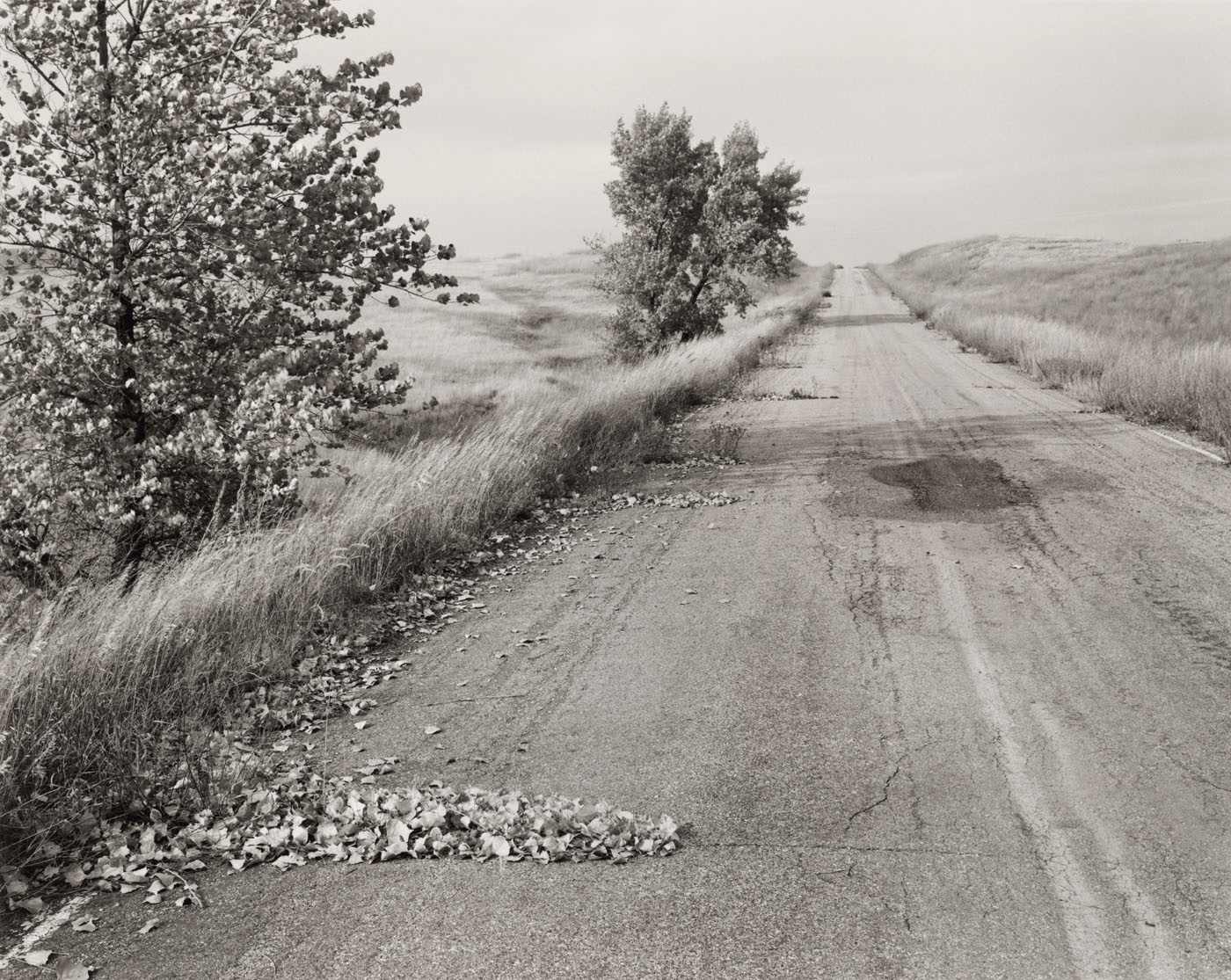
 

Robert Adams (American, b. 1937) 'Nebraska State Highway 2, Box Butte County, Nebraska' 1978, printed 1991


Robert Adams (American, b. 1937)
Nebraska State Highway 2, Box Butte County, Nebraska
1978, printed 1991
Gelatin silver print
Image: 22.2 x 27.8cm (8 3/4 x 10 15/16 in.)
National Gallery of Art, Washington, The Ahmanson Foundation and Gift of Robert and Kerstin Adams
© Robert Adams, Courtesy Fraenkel Gallery, San Francisco
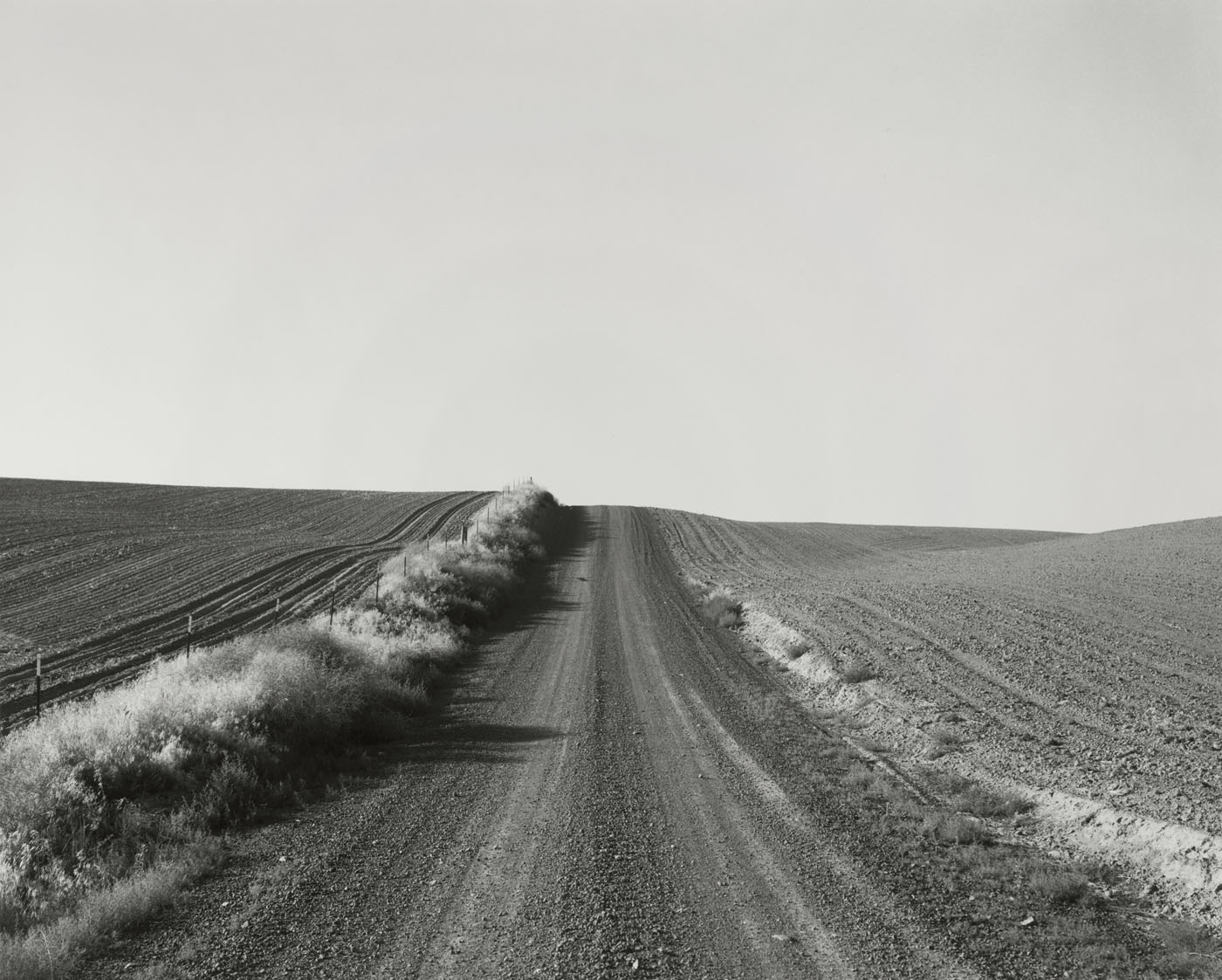
 

Robert Adams (American, b. 1937) 'Umatilla County, Oregon' 1978


Robert Adams (American, b. 1937)
Umatilla County, Oregon
1978
Gelatin silver print
Image: 38.2 x 47.6cm (15 1/16 x 18 3/4 in.)
National Gallery of Art, Washington, Patrons’ Permanent Fund
© Robert Adams, Courtesy Fraenkel Gallery, San Francisco
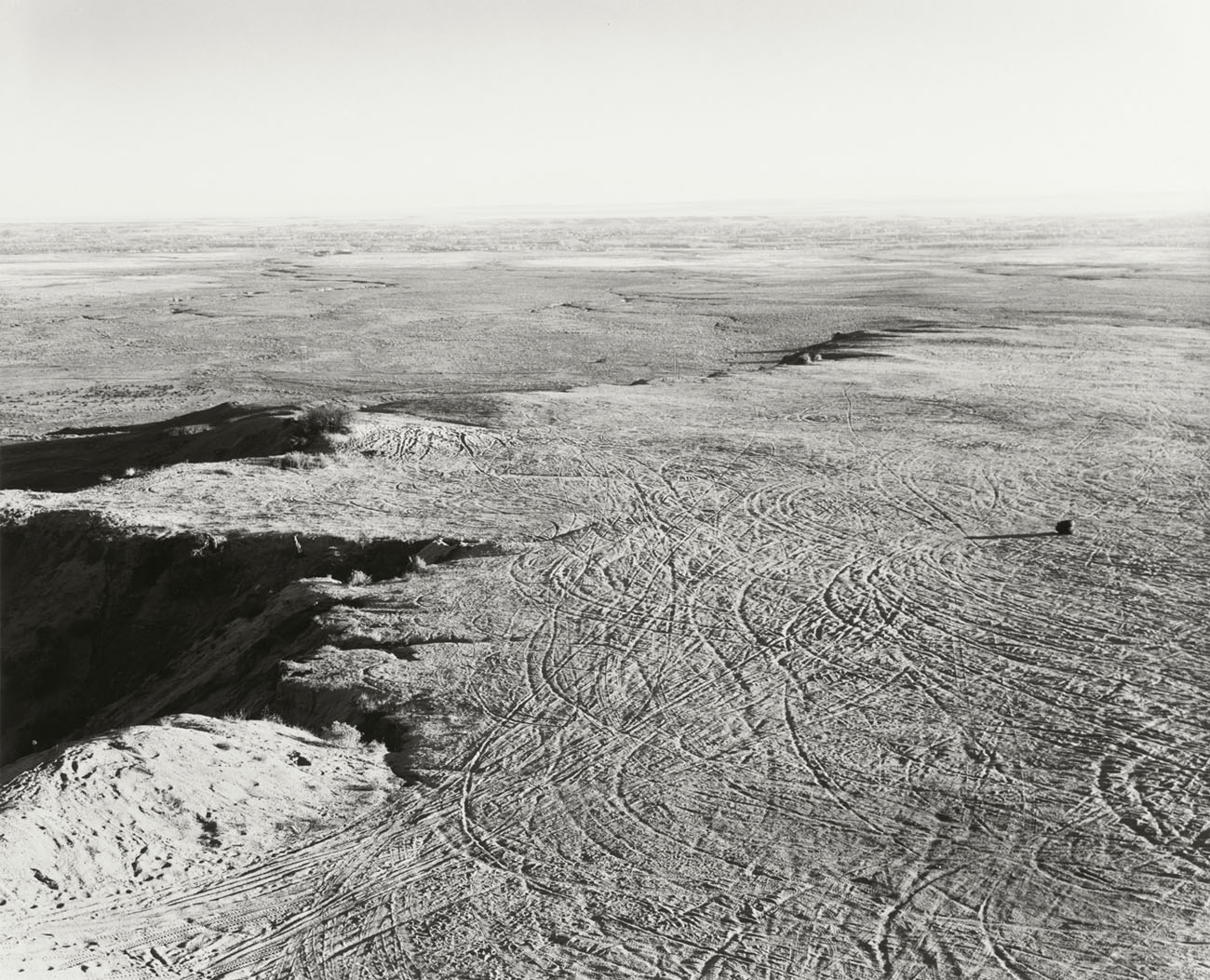
 

Robert Adams (American, b. 1937) 'Quarried Mesa Top, Pueblo County, Colorado' 1978


Robert Adams (American, b. 1937)
Quarried Mesa Top, Pueblo County, Colorado
1978
Gelatin silver print
Image: 38 x 47cm (14 15/16 x 18 1/2 in.)
National Gallery of Art, Washington, Patrons’ Permanent Fund
© Robert Adams, Courtesy Fraenkel Gallery, San Francisco
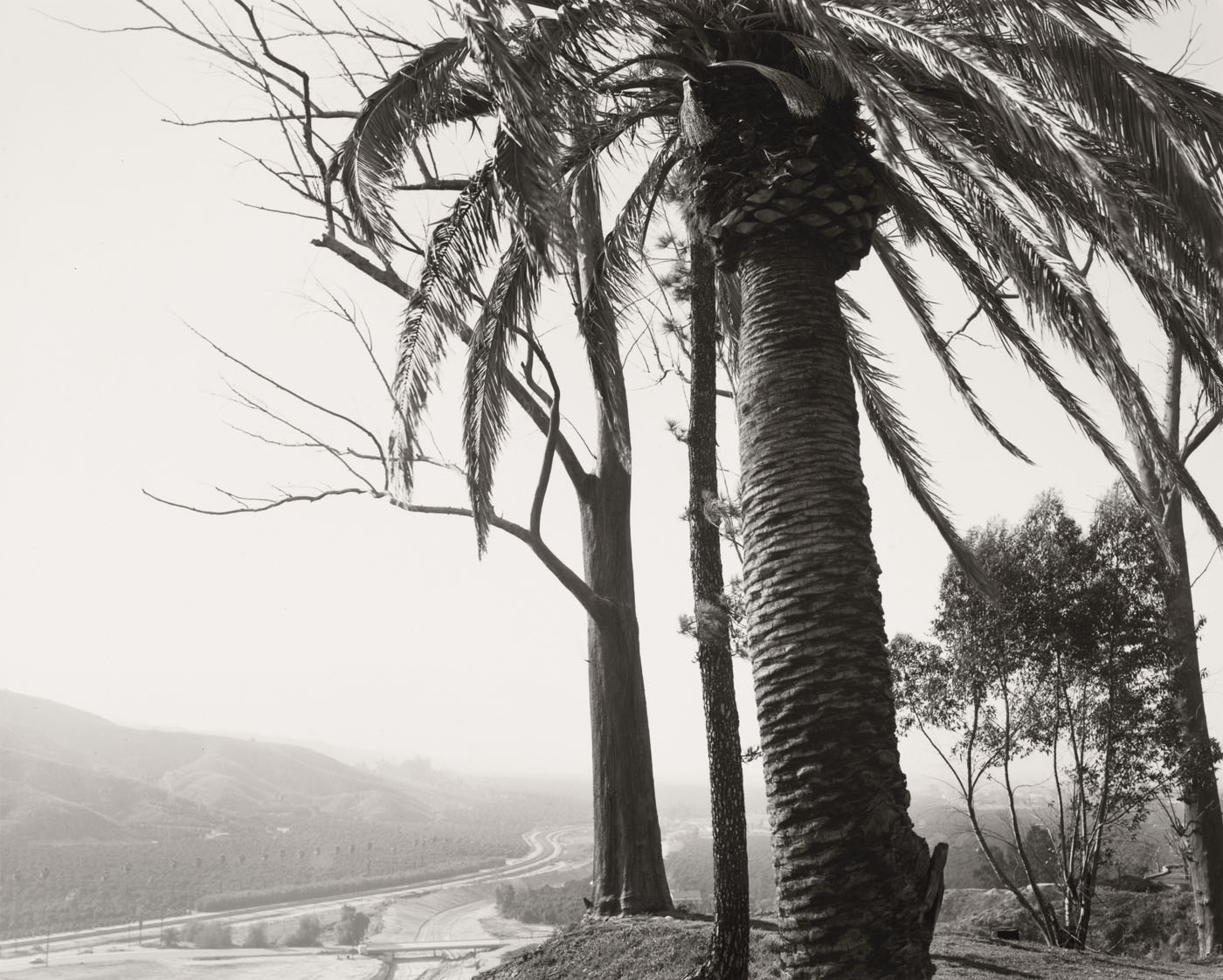
 

Robert Adams (American, b. 1937) 'Edge of San Timoteo Canyon, Redlands, California' 1978


Robert Adams (American, b. 1937)
Edge of San Timoteo Canyon, Redlands, California
1978
Gelatin silver print
Image: 22.7 x 28.3cm (8 15/16 x 11 1/8 in.)
National Gallery of Art, Washington, Gift of Mary and Dan Solomon and Patrons’ Permanent Fund
© Robert Adams, Courtesy Fraenkel Gallery, San Francisco
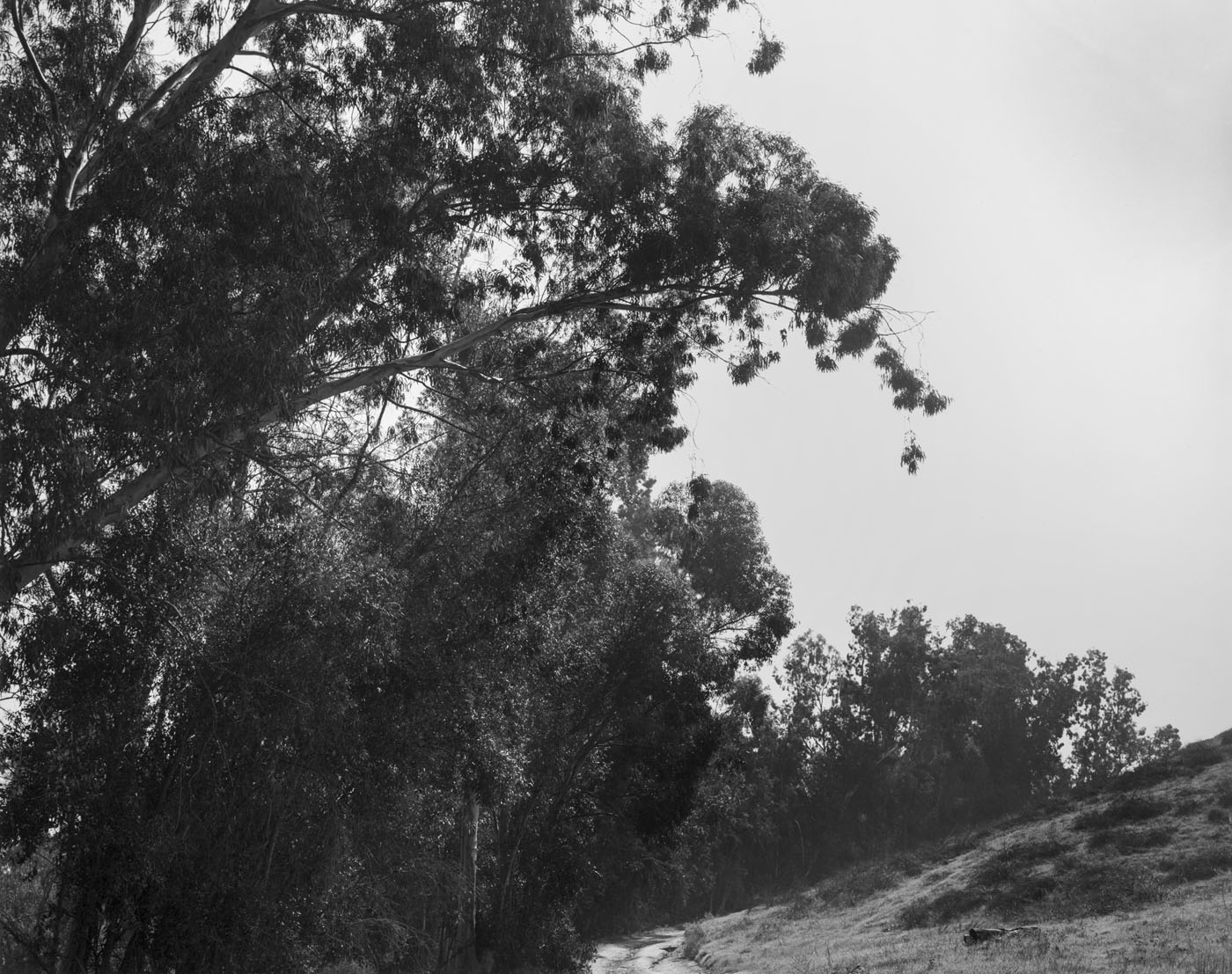
 

Robert Adams (American, b. 1937) 'Eucalyptus along Interstate 10, Redlands, California' 1978


Robert Adams (American, b. 1937)
Eucalyptus along Interstate 10, Redlands, California
1978
Gelatin silver print
Image: 22.9 x 28.3cm (9 x 11 1/8 in.)
Collection of Frish Brandt and August Fischer
© Robert Adams, Courtesy Fraenkel Gallery, San Francisco
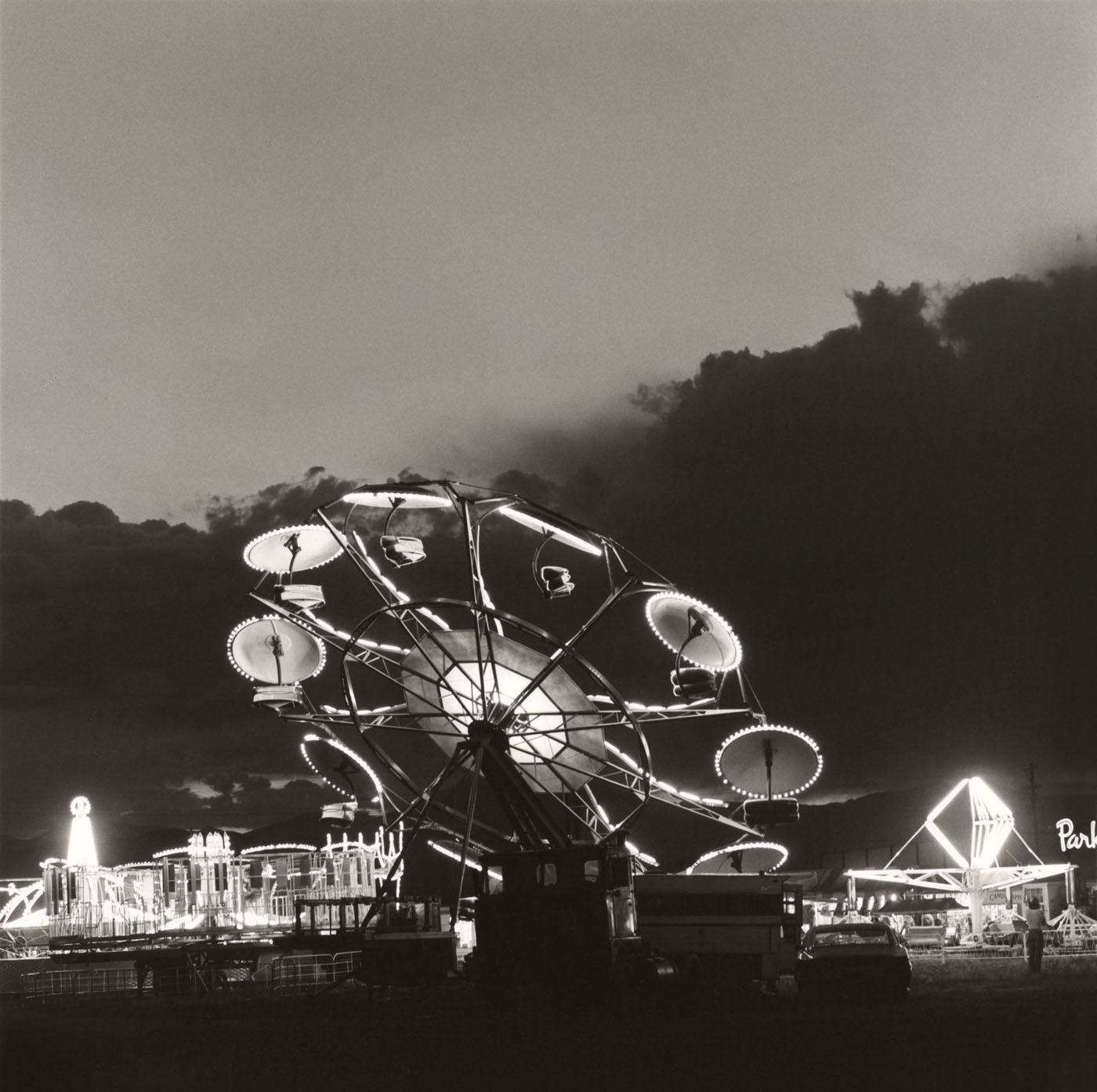
 

Robert Adams (American, b. 1937) 'Longmont, Colorado' 1979, printed 1985


Robert Adams (American, b. 1937)
Longmont, Colorado
1979, printed 1985
Gelatin silver print
Image: 12.7 x 12.7cm (5 x 5 in.)
National Gallery of Art, Washington, Gift of Mary and David Robinson
© Robert Adams, Courtesy Fraenkel Gallery, San Francisco
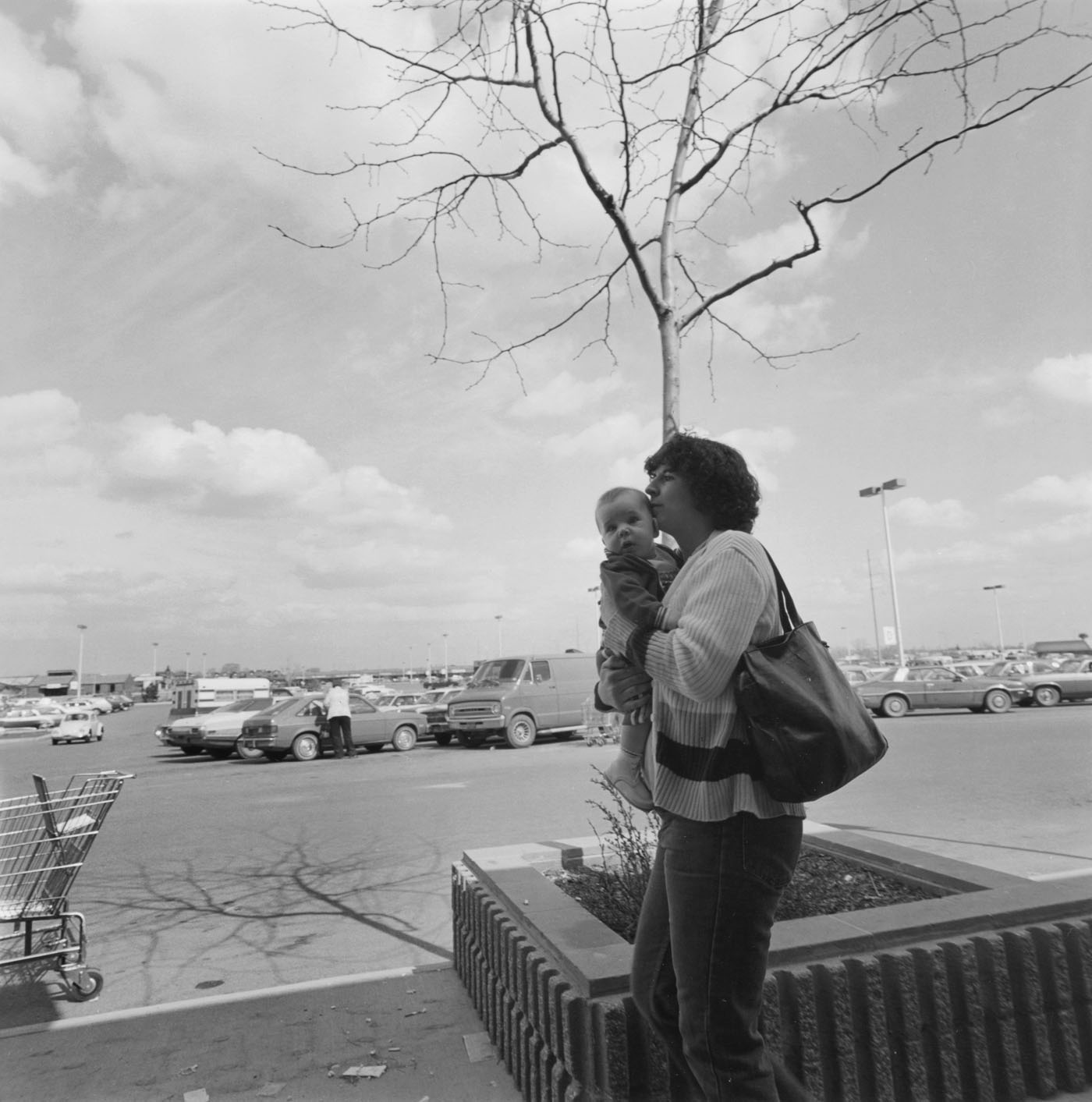
 

Robert Adams (American, b. 1937) 'Longmont, Colorado' 1979


Robert Adams (American, b. 1937)
Longmont, Colorado
1979
Gelatin silver print
Image: 22.9 x 22.5cm (9 x 8 7/8 in.)
Robert and Kerstin Adams, Courtesy Fraenkel Gallery, San Francisco
© Robert Adams, Courtesy Fraenkel Gallery, San Francisco


Robert Adams is a man who walks with silences. I feel the pace of his stride in the quiet, acute considerations of his photographs of the American West. That he is drawn to sources of light in darkness, be it the moon, the shimmering light on poplar leaves, or the lonely lamp radiating on to the streets from a house in the suburbs, inspires me to pursue my own night walks in summer. In the embrace of the night, my own darkness is absorbed into an uncommon stillness that does not frighten me. I see the eye-shine of other creatures and it is a comfort to know we are not alone.

The stillness married to loneliness in Adams work is something I understand as a westerner born in the suburbs of 1955. Though we have never met, he photographed my mother on one of his walks in Colorado Springs (1968) even though she was sitting in a different living room on Moor Mont Drive in Salt Lake City, Utah. …

The silhouette of the woman I see in the window, facing the door that is closed, in a red brick house, with a putting-green lawn, where a gentle curve of concrete leads to the entrance, is the home I was raised in as a child. I write this long sentence intentionally, because those were the days of my childhood that felt languid and secure.

This was the New West that Robert Adams captured in the middle of construction. We lived inside the green square houses used in the game Monopoly. But what we always knew was that beyond the dust of development and the play money that became real, wildness awaited us – even if it was the empty lot next door or the dirt road nearby that led to the creek shaded by cottonwoods.

Cottonwoods were the guardians of our childhood. They were deemed safe by our parents. They sheltered us from the heat of summer and the claustrophobia of winter. We knew their secrets. Inside their tangled skirts of lower branches families of house wrens lived and in the upper branches, great horned owls could be heard. The cottonwoods’ massive fluted trunks were our hide-and-seek. And if we gave our siblings a hand-stirrup up, we could climb into the large embrace of the trees. Once in the cottonwood’s arms, we were camouflaged in its rustling leaves – we would simply listen. It’s where I learned to trust other species more than my own. My love of solitude was nurtured inside these cathedral groves of cottonwoods.

The cottonwoods that appear in Weld County, Colorado (1992) and reappear throughout Adams’ work are emblematic of his intimacy and understanding of the American West. Cottonwoods root themselves near water. They are the wanderer’s hope in arid country. Water is the difference between living and dying in the West. And when Adams speaks of his affection toward one particular cottonwood in a field in Colorado, photographing it over many years, only to return one day to see it cut down – he faced what remained of the beloved tree as grieving kin. The body of a man, the body of a tree, there is no separation in the shared reach of a relationship. …

Robert Adams has been led by Beauty on what could be seen as the spiritual path of the artist as he followed forms of light again and again through the depths of darkness, even his own. Never easy, but often, glorious. We are the beneficiaries of his focus. He is a trustworthy companion. I choose to walk with him. Perhaps, he learned something about tenacious love as a form of being on those solitary summer nights as he walked in moonlight with an eye toward stillness.

Terry Tempest Williams. “Terry Tempest Williams on Walking with Robert Adams,” on the National Gallery of Art website May 19, 2022 [Online] Cited 31/05/2022, excerpted from the afterword by Terry Tempest Williams in the book American Silence: The Photographs of Robert Adams.
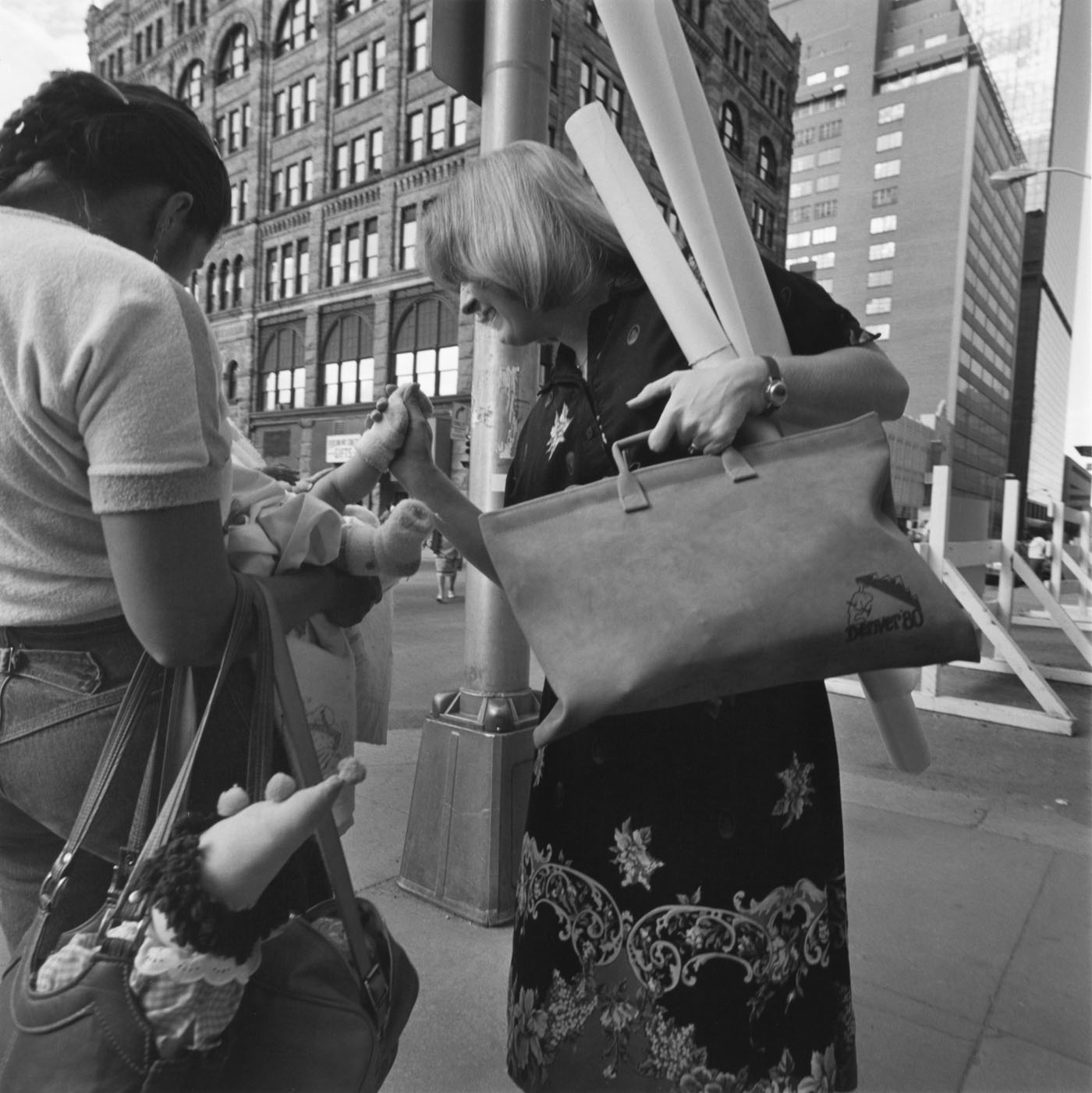
 

Robert Adams (American, b. 1937) 'Denver' 1980


Robert Adams (American, b. 1937)
Denver
1980
Gelatin silver print
Image: 16.8 x 17.2cm (6 5/8 x 6 3/4 in.)
Robert and Kerstin Adams, Courtesy Fraenkel Gallery, San Francisco
© Robert Adams, Courtesy Fraenkel Gallery, San Francisco
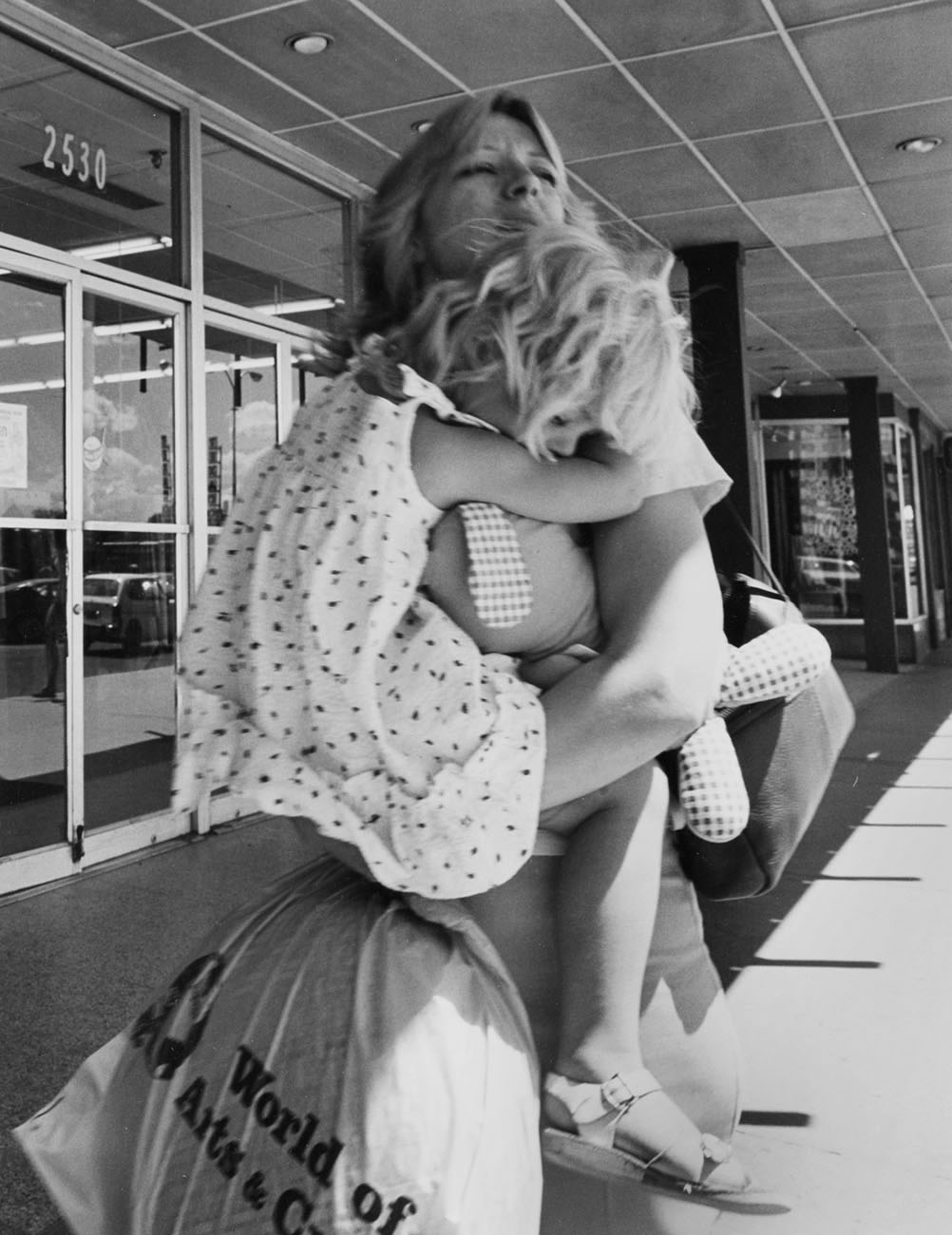
 

Robert Adams (American, b. 1937) 'Denver' 1980


Robert Adams (American, b. 1937)
Denver
1980
Gelatin silver print
Image: 20.3 x 15.9cm (8 x 6 1/4 in.)
Robert and Kerstin Adams, Courtesy Fraenkel Gallery, San Francisco
© Robert Adams, Courtesy Fraenkel Gallery, San Francisco
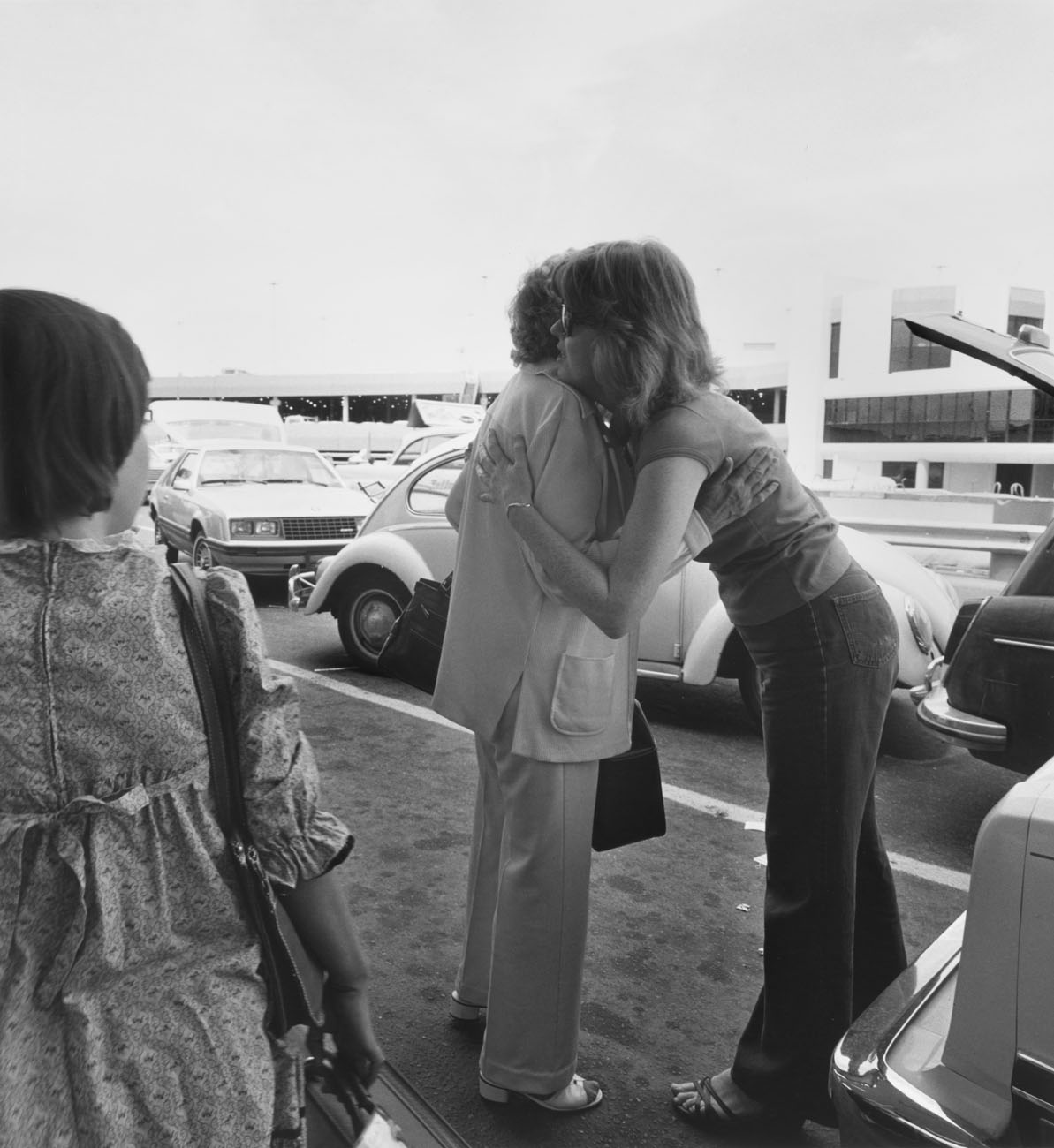
 

Robert Adams (American, b. 1937) 'Denver' 1980


Robert Adams (American, b. 1937)
Denver
1980
Gelatin silver print
Image: 24.6 x 22.7cm (9 11/16 x 8 15/16 in.)
National Gallery of Art, Washington, Pepita Milmore Memorial Fund and Gift of Robert and Kerstin Adams
© Robert Adams, Courtesy Fraenkel Gallery, San Francisco
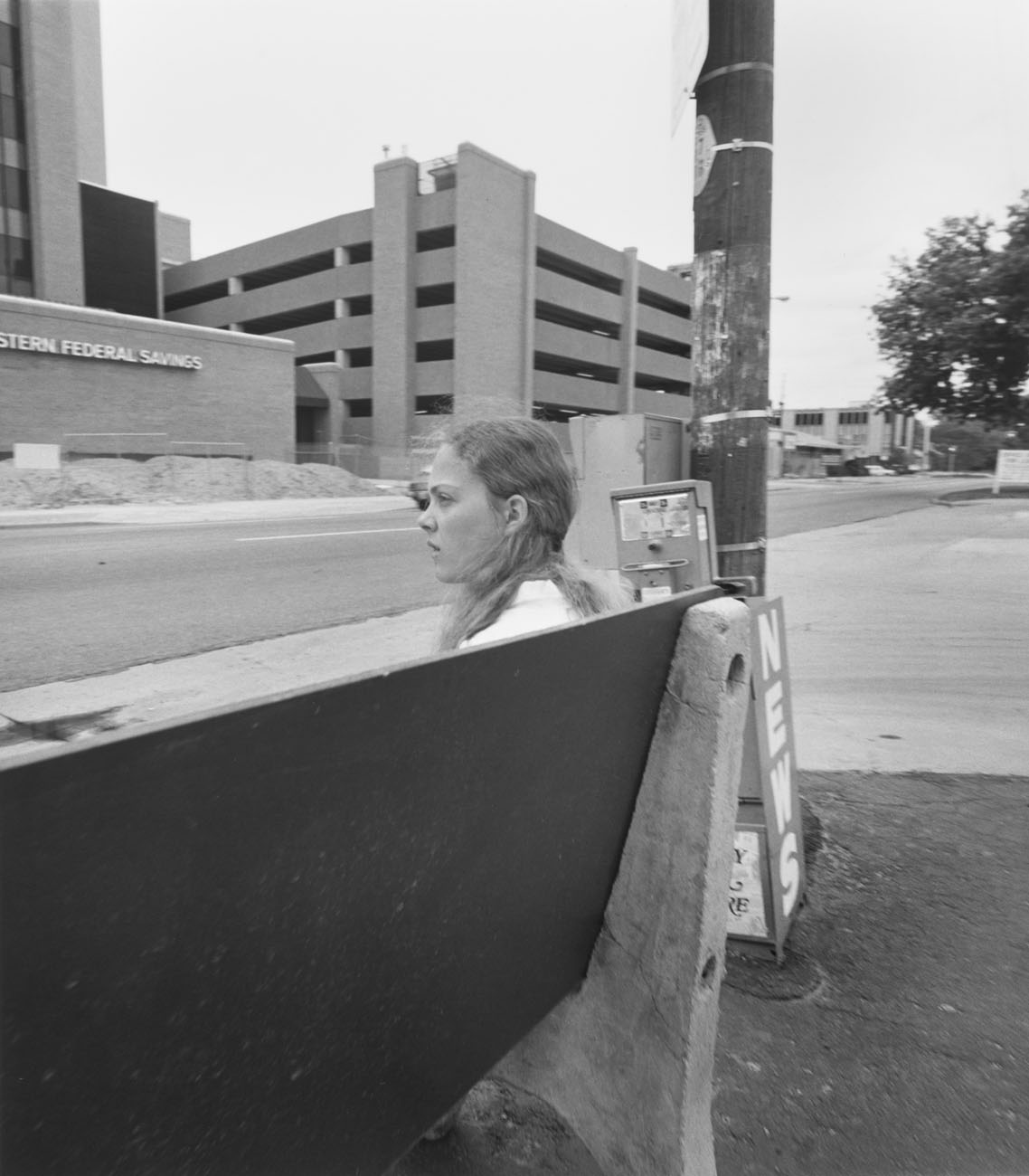
 

Robert Adams (American, b. 1937) 'Denver' 1980


Robert Adams (American, b. 1937)
Denver
1980
Gelatin silver print
Image: 26 x 22.6cm (10 1/4 x 8 7/8 in.)
National Gallery of Art, Washington, Pepita Milmore Memorial Fund and Gift of Robert and Kerstin Adams
© Robert Adams, Courtesy Fraenkel Gallery, San Francisco
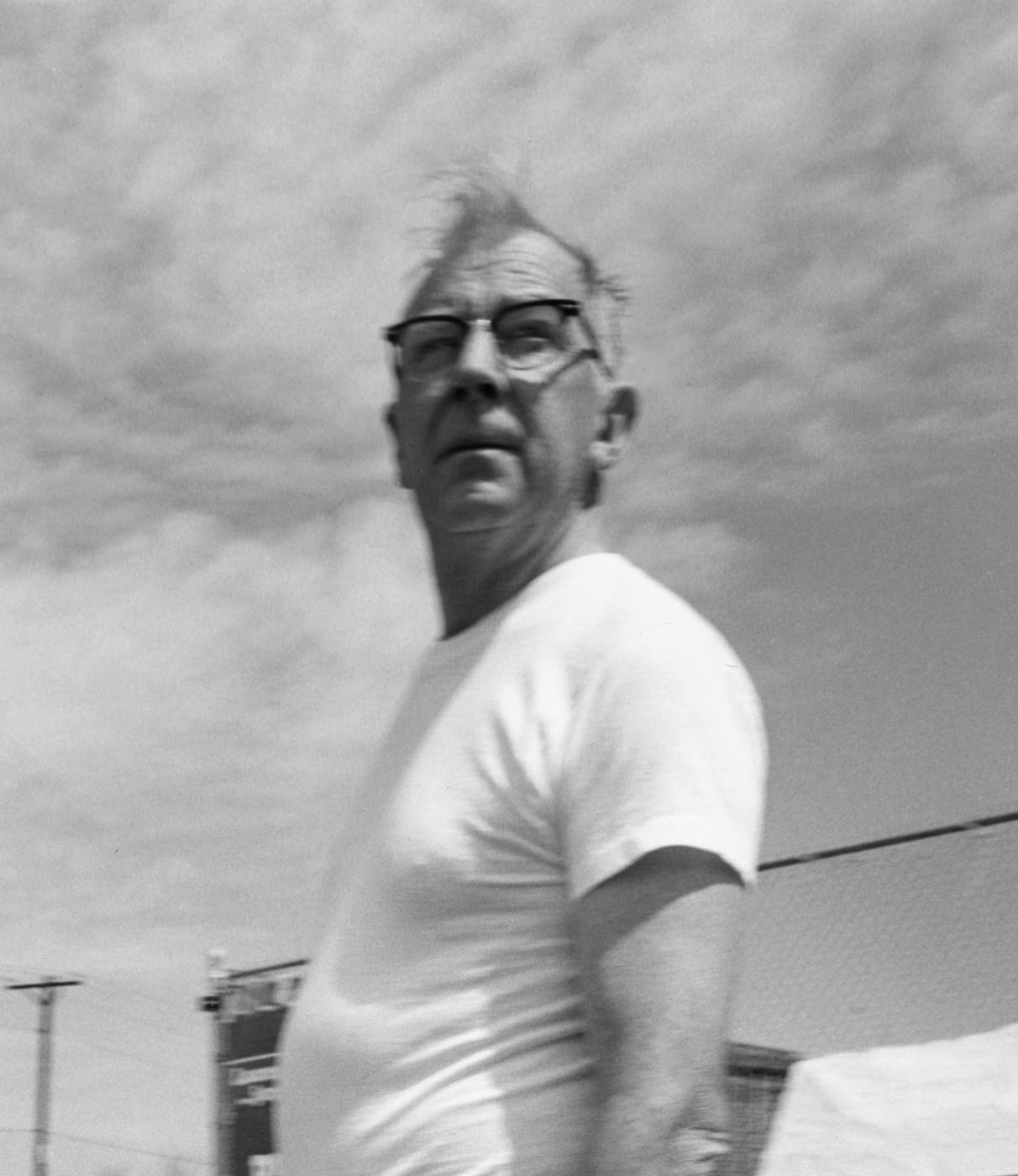
 

Robert Adams (American, b. 1937) 'Longmont, Colorado' 1980


Robert Adams (American, b. 1937)
Longmont, Colorado
1980
Gelatin silver print
Image: 18.1 x 15.6cm (7 1/8 x 6 1/8 in.)
Robert and Kerstin Adams, Courtesy Fraenkel Gallery, San Francisco
© Robert Adams, Courtesy Fraenkel Gallery, San Francisco
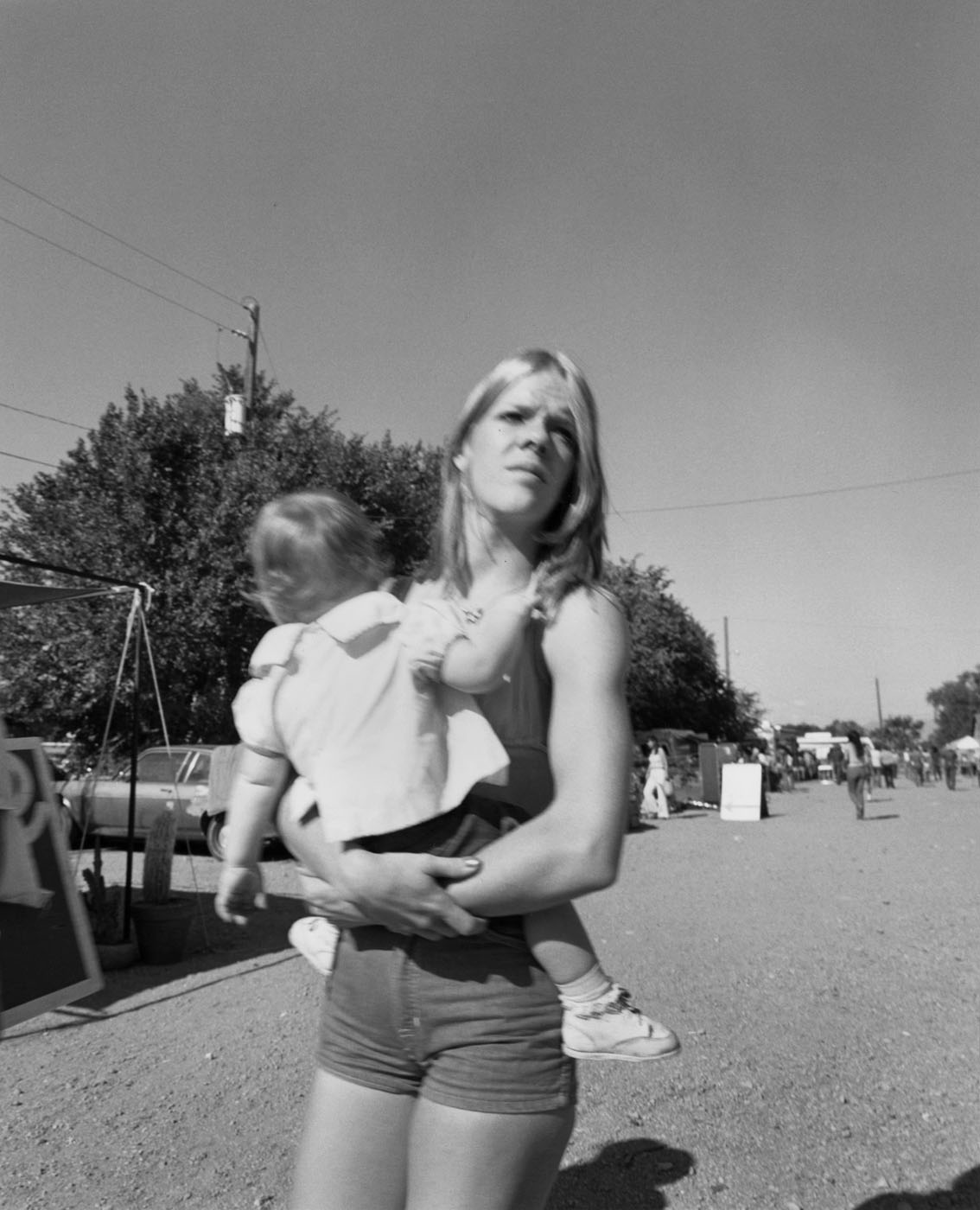
 

Robert Adams (American, b. 1937) 'Denver' 1980


Robert Adams (American, b. 1937)
Denver
1980
Gelatin silver print
Image: 27.9 x 22.5cm (11 x 8 7/8 in.)
Robert and Kerstin Adams, Courtesy Fraenkel Gallery, San Francisco
© Robert Adams, Courtesy Fraenkel Gallery, San Francisco
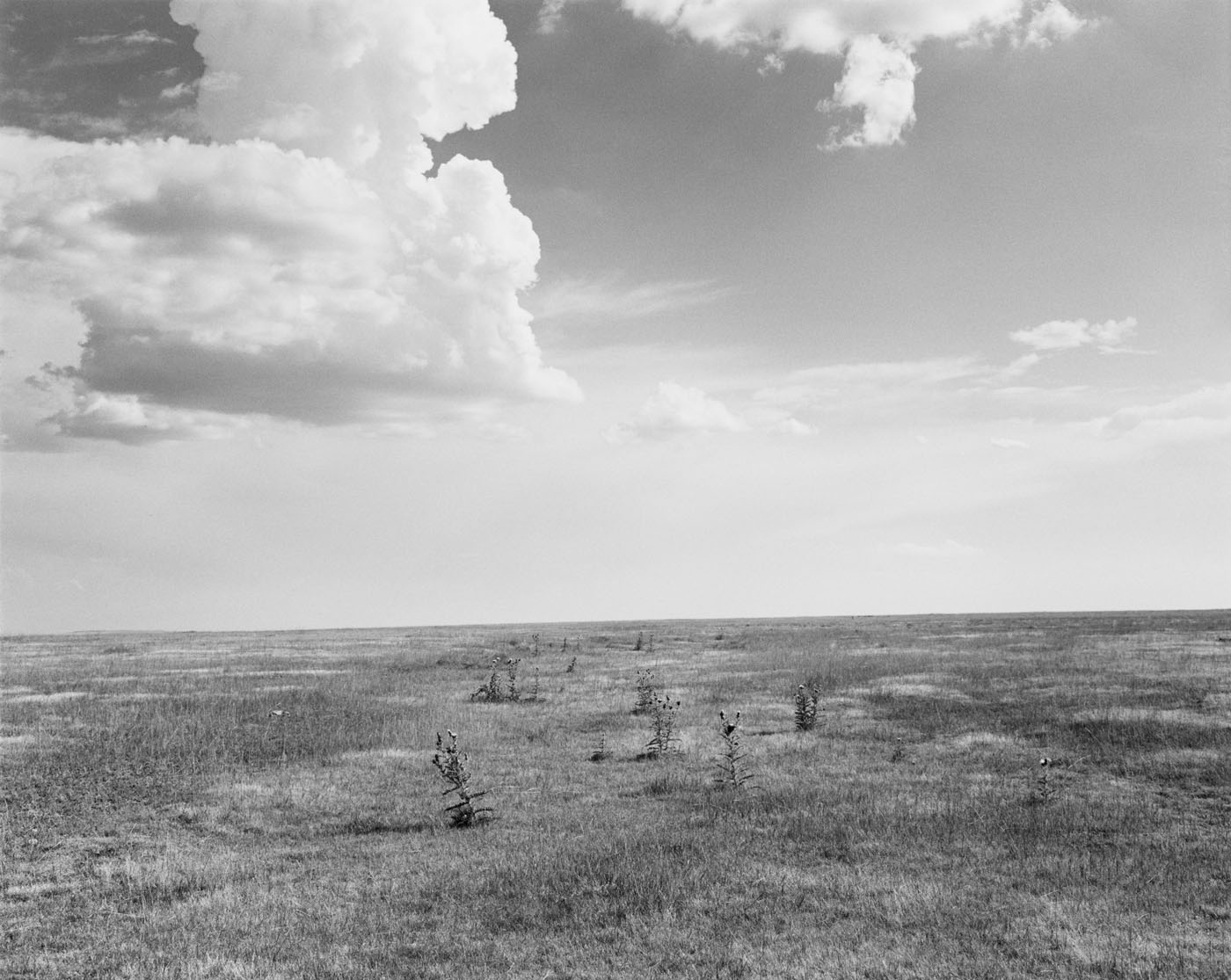
 

Robert Adams (American, b. 1937) 'Weld County, Colorado' 1981, printed 1987


Robert Adams (American, b. 1937)
Weld County, Colorado
1981, printed 1987
Gelatin silver print
Image: 38 x 47.6cm (14 15/16 x 18 3/4 in.)
National Gallery of Art, Washington, Pepita Milmore Memorial Fund and Gift of Robert and Kerstin Adams
© Robert Adams, Courtesy Fraenkel Gallery, San Francisco
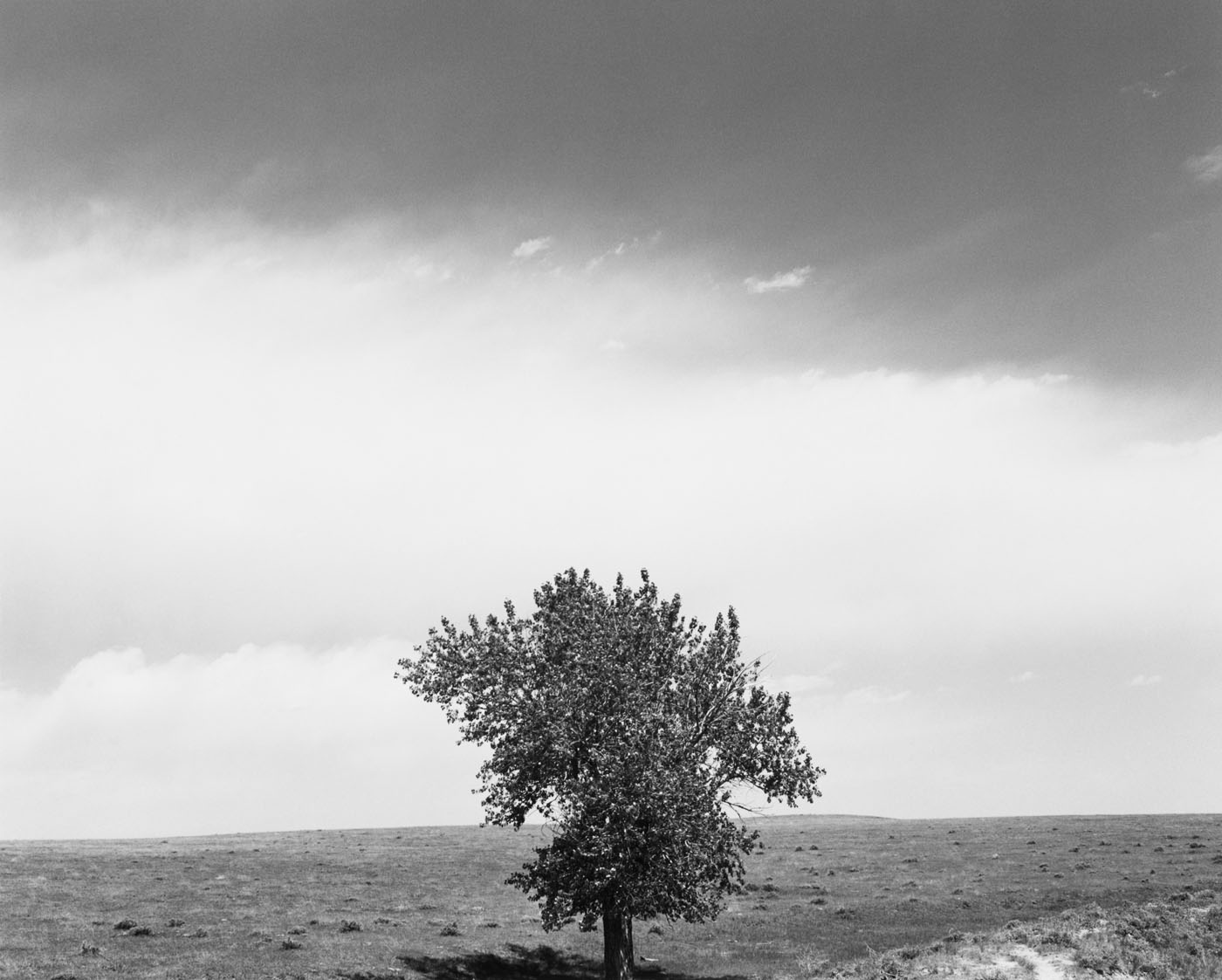
 

Robert Adams (American, b. 1937) 'Weld County, Colorado' 1981, printed 1988


Robert Adams (American, b. 1937)
Weld County, Colorado
1981, printed 1988
Gelatin silver print
Image: 37.8 x 47cm (14 7/8 x 18 1/2 in.)
National Gallery of Art, Washington, Pepita Milmore Memorial Fund and Gift of Robert and Kerstin Adams
© Robert Adams, Courtesy Fraenkel Gallery, San Francisco
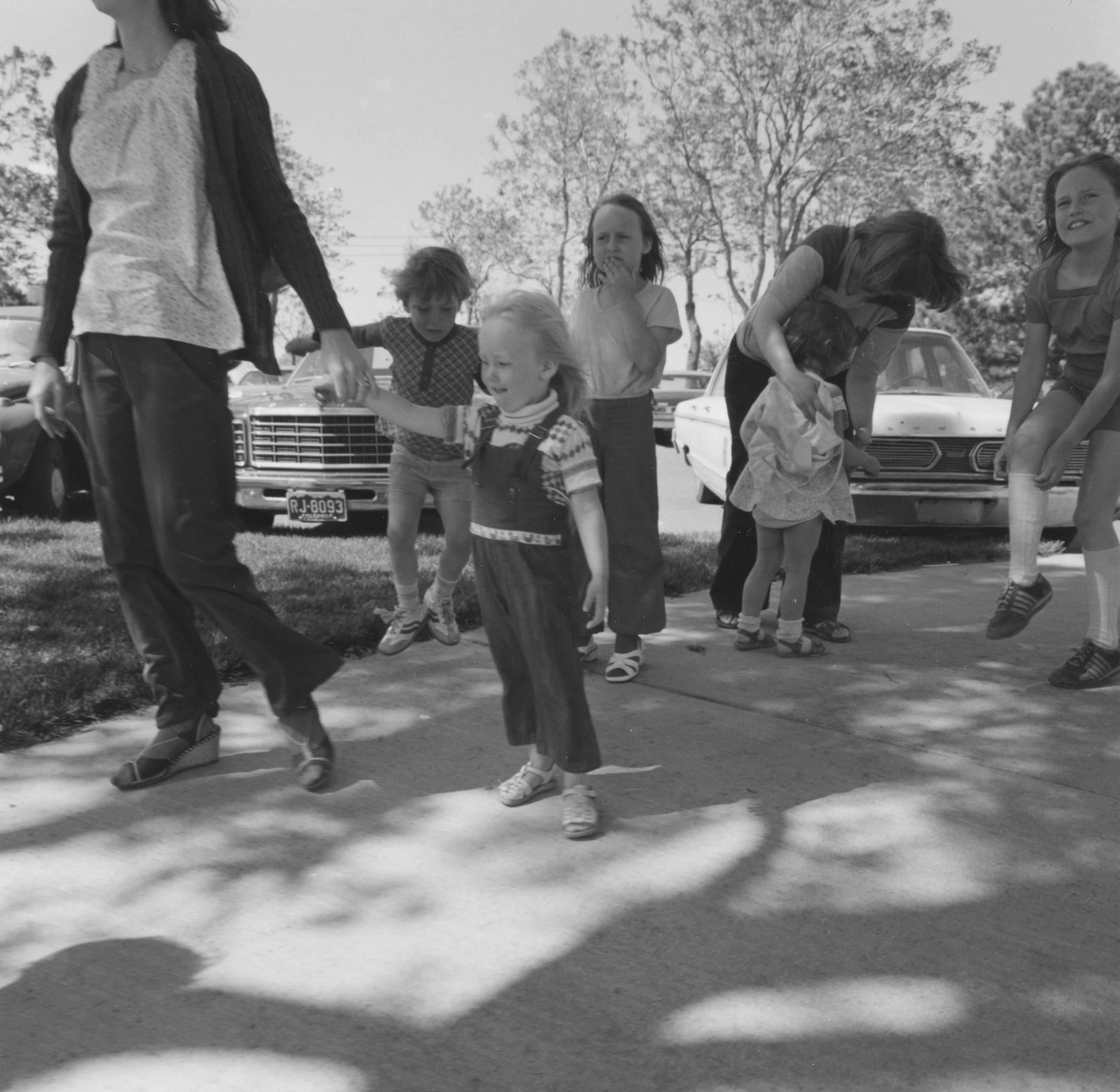
 

Robert Adams (American, b. 1937) 'Denver' 1981


Robert Adams (American, b. 1937)
Denver
1981
Gelatin silver print
Image: 14.6 x 15.2cm (5 3/4 x 6 in.)
Robert and Kerstin Adams, Courtesy Fraenkel Gallery, San Francisco
© Robert Adams, Courtesy Fraenkel Gallery, San Francisco
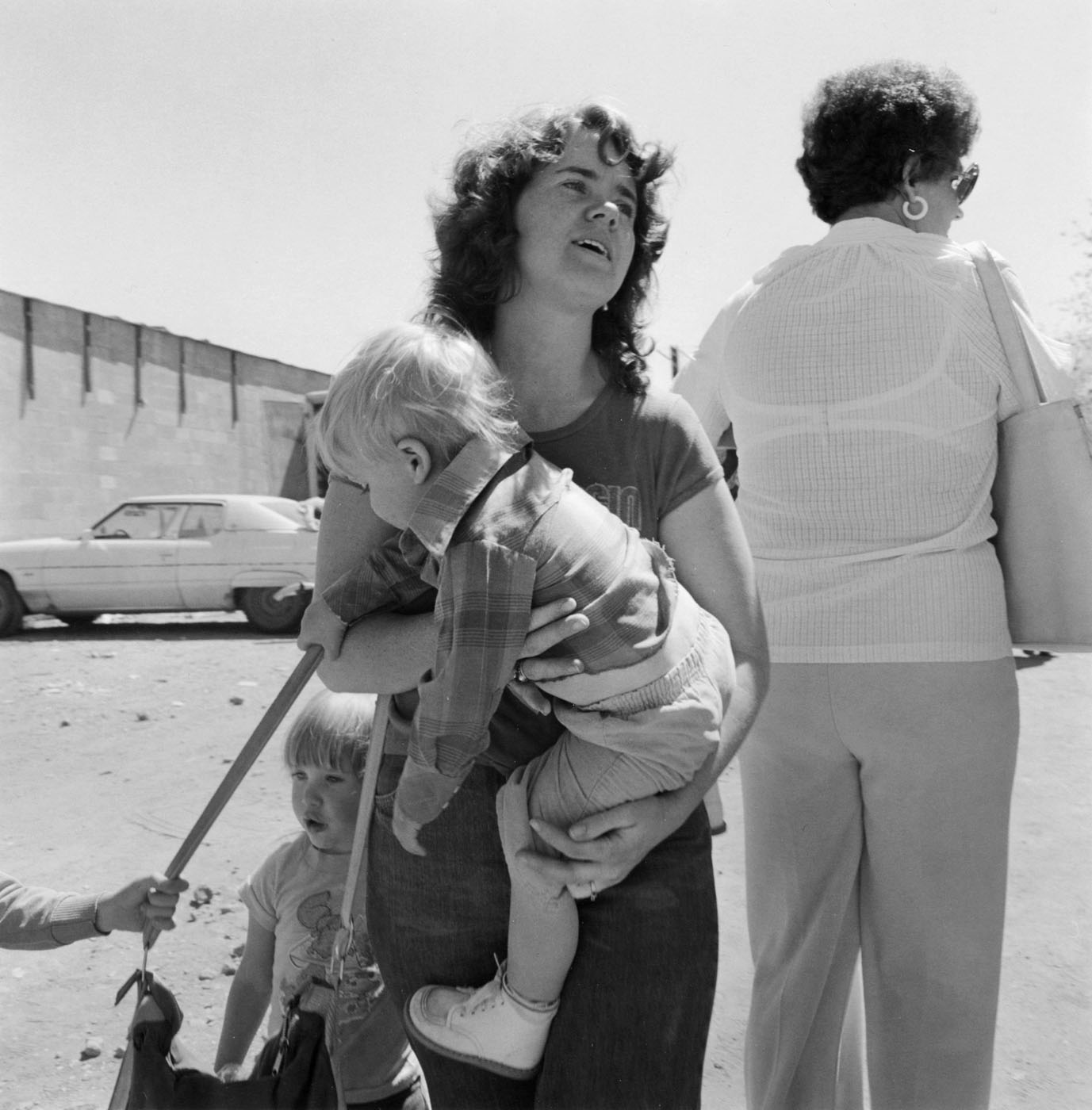
 

Robert Adams (American, b. 1937) 'Denver' 1981


Robert Adams (American, b. 1937)
Denver
1981
Gelatin silver print
Image: 17.15 x 16.83cm (6 3/4 x 6 5/8 in.)
Robert and Kerstin Adams, Courtesy Fraenkel Gallery, San Francisco
© Robert Adams, Courtesy Fraenkel Gallery, San Francisco
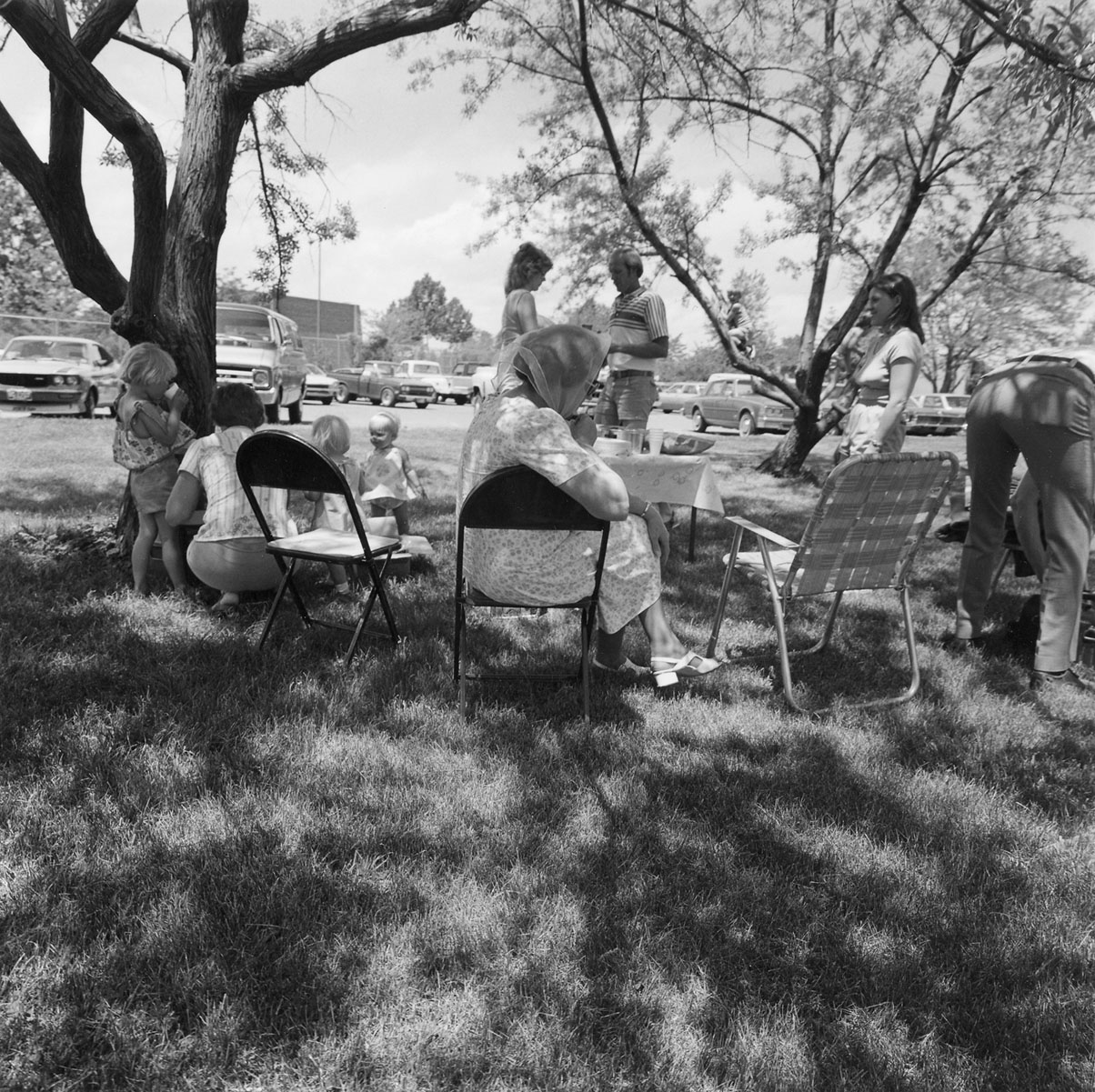
 

Robert Adams (American, b. 1937) 'Denver' 1981


Robert Adams (American, b. 1937)
Denver
1981
Gelatin silver print
Image: 17.2 x 17.2cm (6 3/4 x 6 3/4 in.)
Robert and Kerstin Adams, Courtesy Fraenkel Gallery, San Francisco
© Robert Adams, Courtesy Fraenkel Gallery, San Francisco
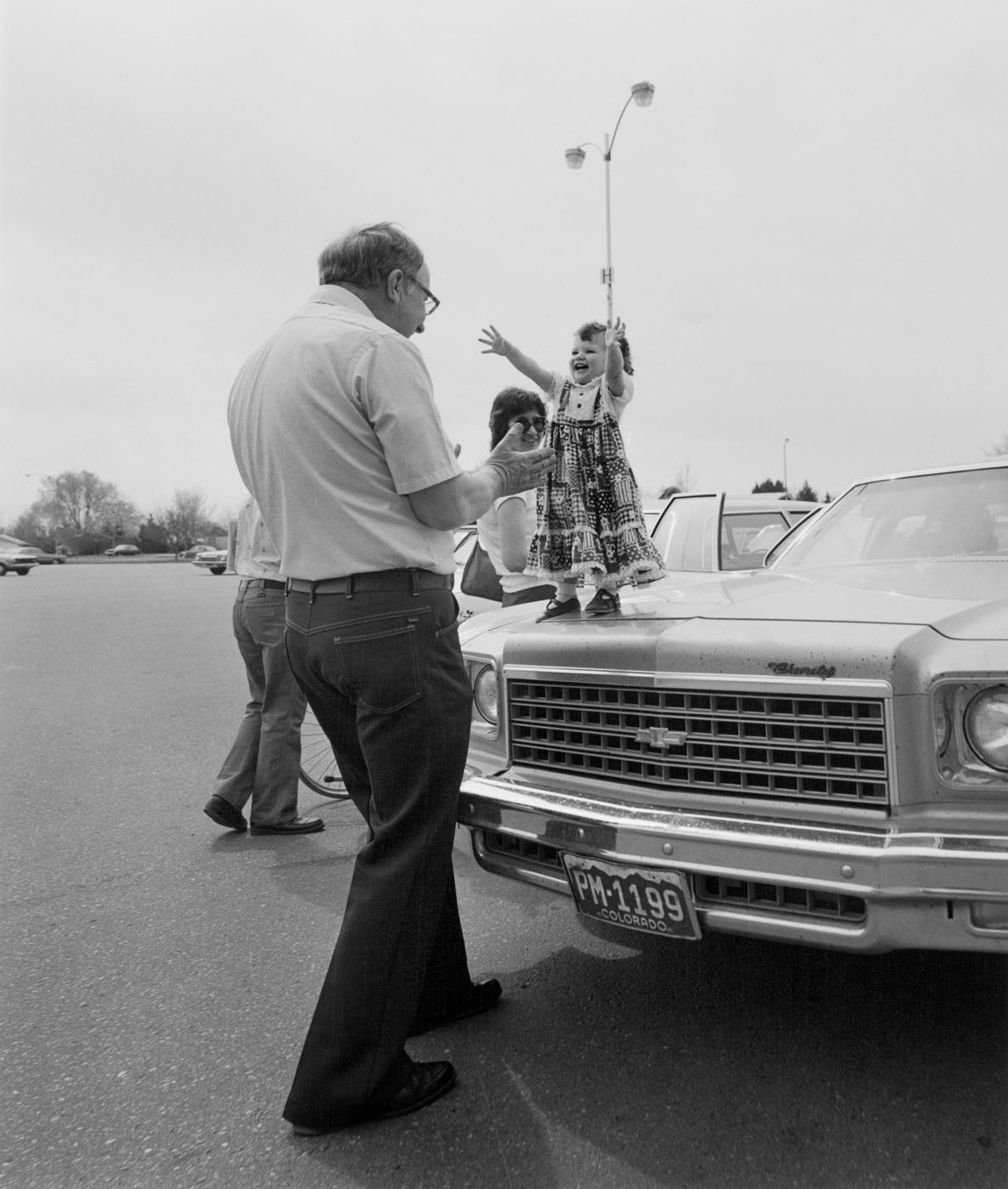
 

Robert Adams (American, b. 1937) 'Denver' 1981


Robert Adams (American, b. 1937)
Denver
1981
Gelatin silver print
Image: 18.4 x 15.7cm (7 1/4 x 6 3/16 in.)
Yale University Art Gallery, Purchased with a gift from Saundra B. Lane, a grant from the Trellis Fund, and the Janet and Simeon Braguin Fund
© Robert Adams, Courtesy Fraenkel Gallery, San Francisco
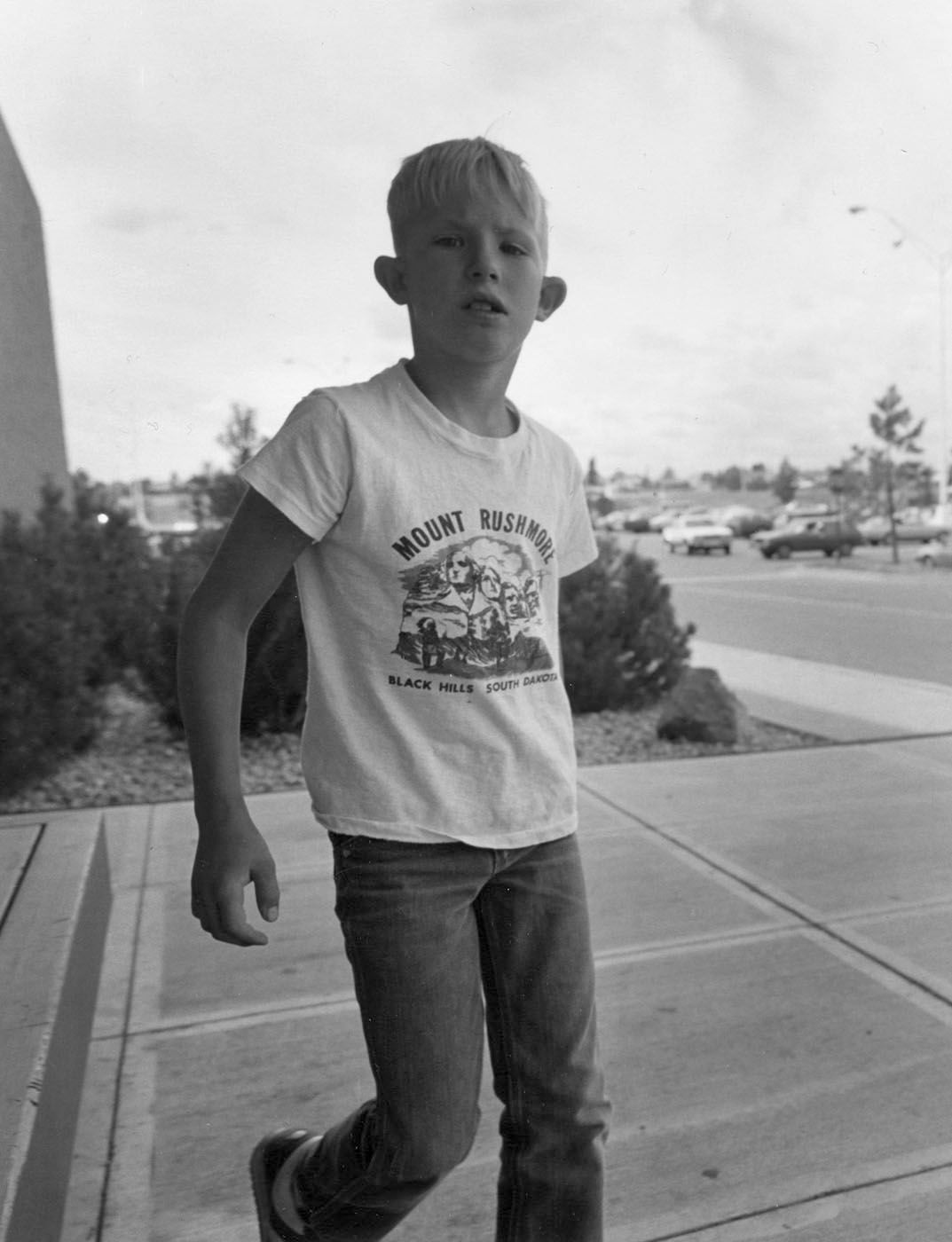
 

Robert Adams (American, b. 1937) 'Denver' 1981


Robert Adams (American, b. 1937)
Denver
1981
Gelatin silver print
Image: 20.6 x 15.9cm (8 1/8 x 6 1/4 in.)
Robert and Kerstin Adams, Courtesy Fraenkel Gallery, San Francisco
© Robert Adams, Courtesy Fraenkel Gallery, San Francisco
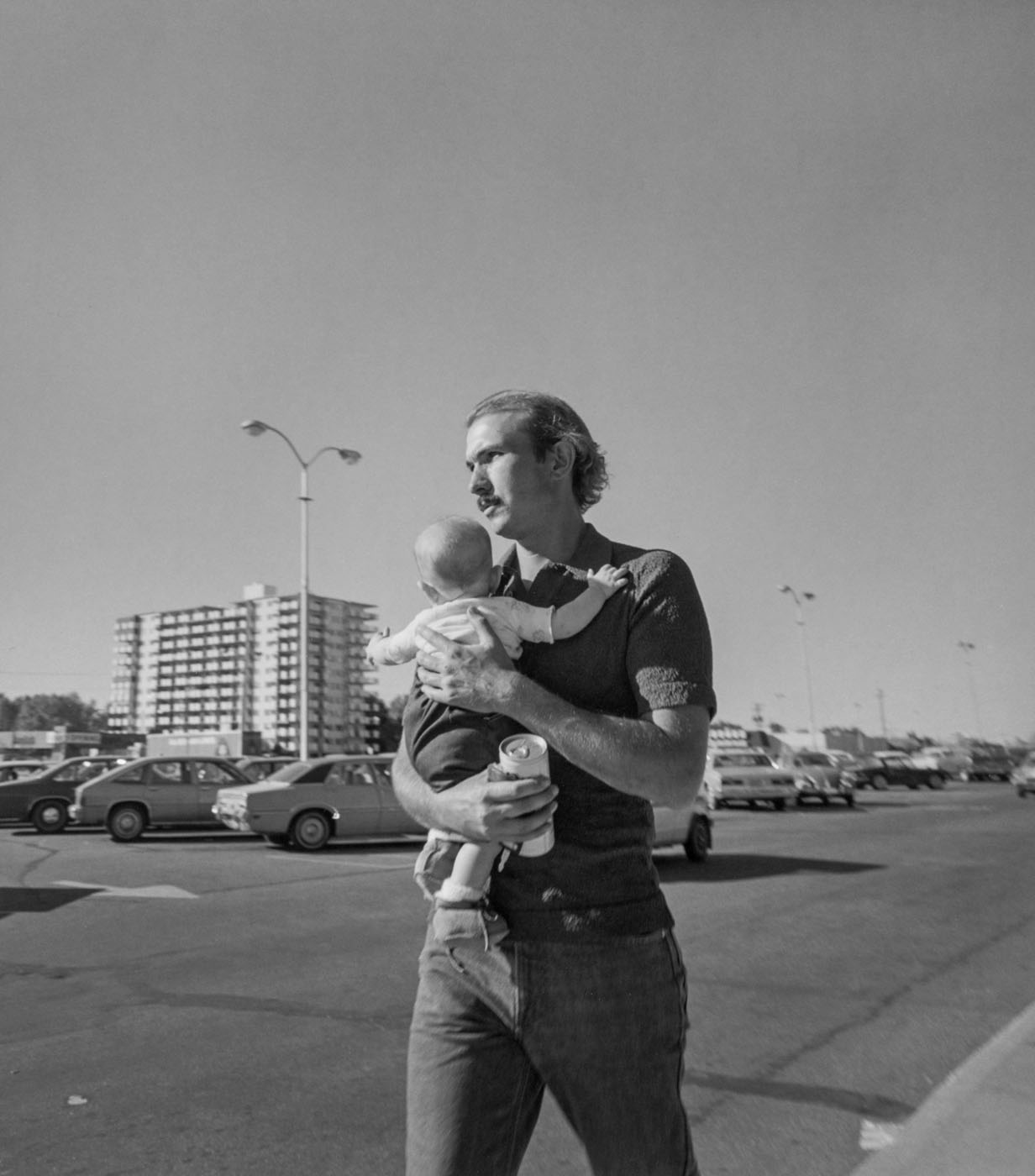
 

Robert Adams (American, b. 1937) 'Denver' 1981


Robert Adams (American, b. 1937)
Denver
1981
Gelatin silver print
Image: 17.8 x 15.9cm (7 x 6 1/4 in.)
Fraenkel Gallery, San Francisco
© Robert Adams, Courtesy Fraenkel Gallery, San Francisco
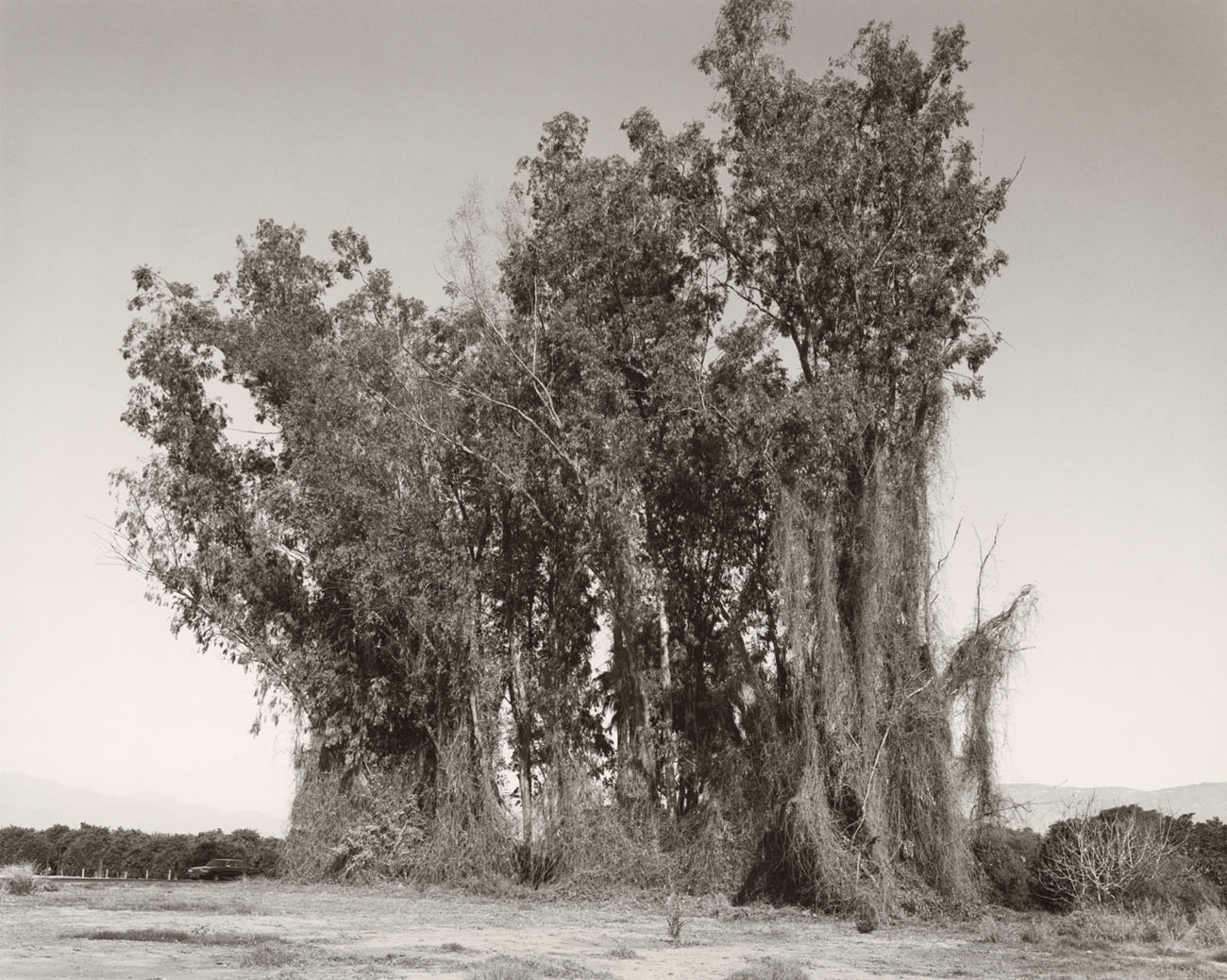
 

Robert Adams (American, b. 1937) 'Remains of a Eucalyptus Windbreak, Redlands, California' 1982, printed 1990


Robert Adams (American, b. 1937)
Remains of a Eucalyptus Windbreak, Redlands, California
1982, printed 1990
Gelatin silver print
Image: 38.1 x 47.5cm (15 x 18 11/16 in.)
National Gallery of Art, Washington, Pepita Milmore Memorial Fund and Gift of Robert and Kerstin Adams
© Robert Adams, Courtesy Fraenkel Gallery, San Francisco
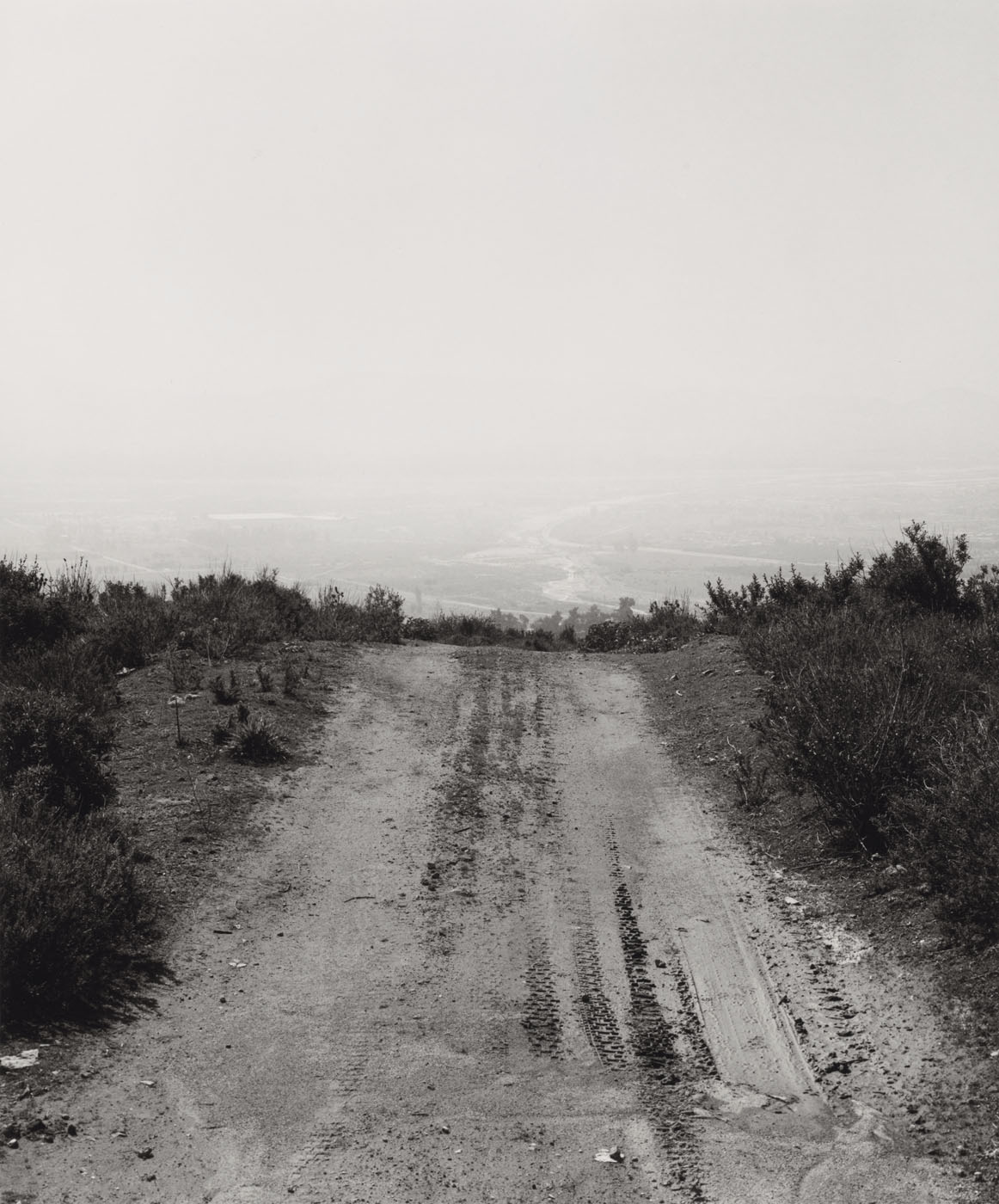
 

Robert Adams (American, b. 1937) 'Firebreak, above East Highland, California' 1982


Robert Adams (American, b. 1937)
Firebreak, above East Highland, California
1982
Gelatin silver print
Image: 27.4 x 22.8cm (10 13/16 x 9 in.)
National Gallery of Art, Washington, The Ahmanson Foundation and Gift of Robert and Kerstin Adams
© Robert Adams, Courtesy Fraenkel Gallery, San Francisco
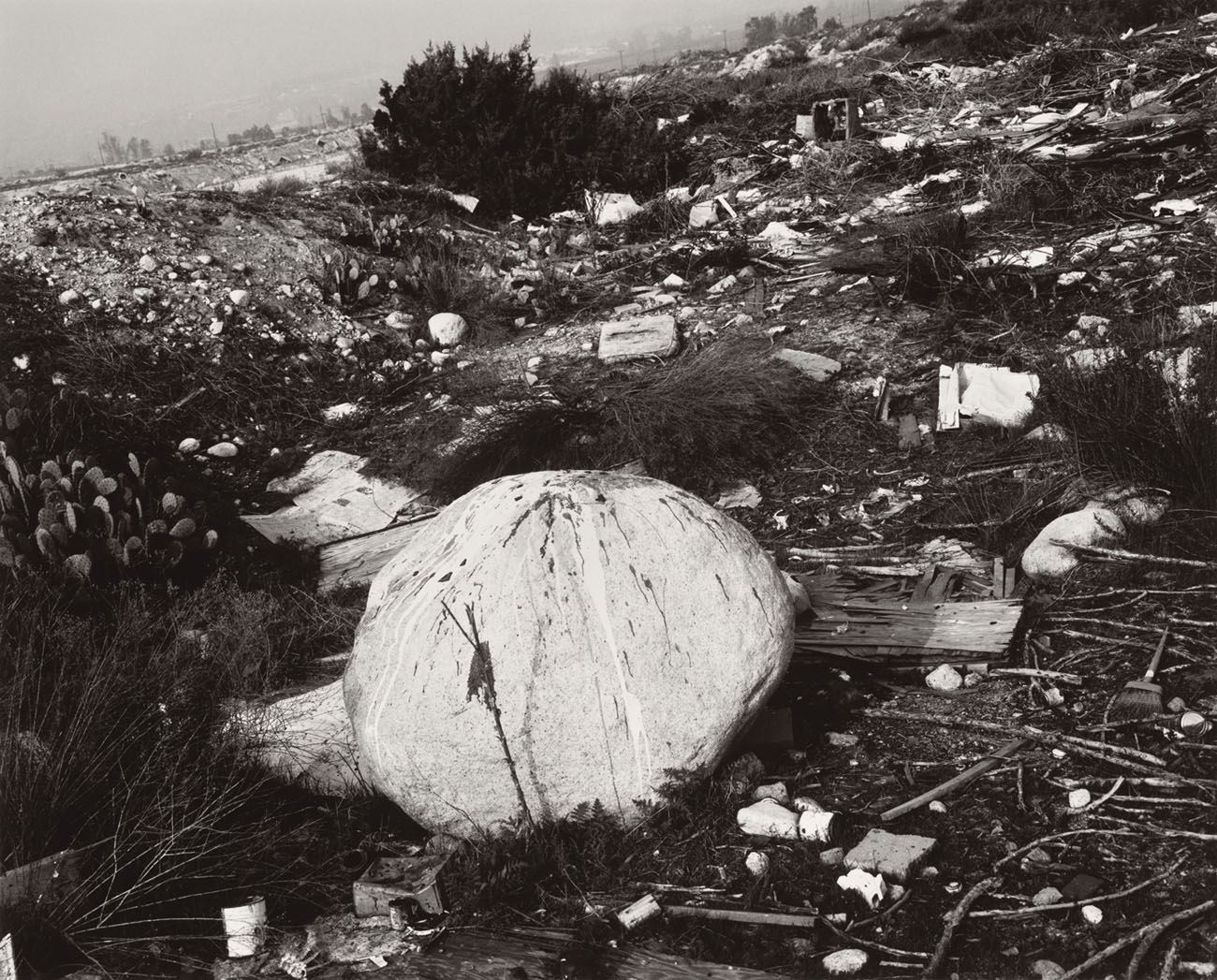
 

Robert Adams (American, b. 1937) 'Santa Ana Wash, Redlands, California' 1982


Robert Adams (American, b. 1937)
Santa Ana Wash, Redlands, California
1982
Gelatin silver print
Image: 38 x 47.1cm (14 15/16 x 18 9/16 in.)
National Gallery of Art, Washington, Pepita Milmore Memorial Fund and Gift of Robert and Kerstin Adams
© Robert Adams, Courtesy Fraenkel Gallery, San Francisco
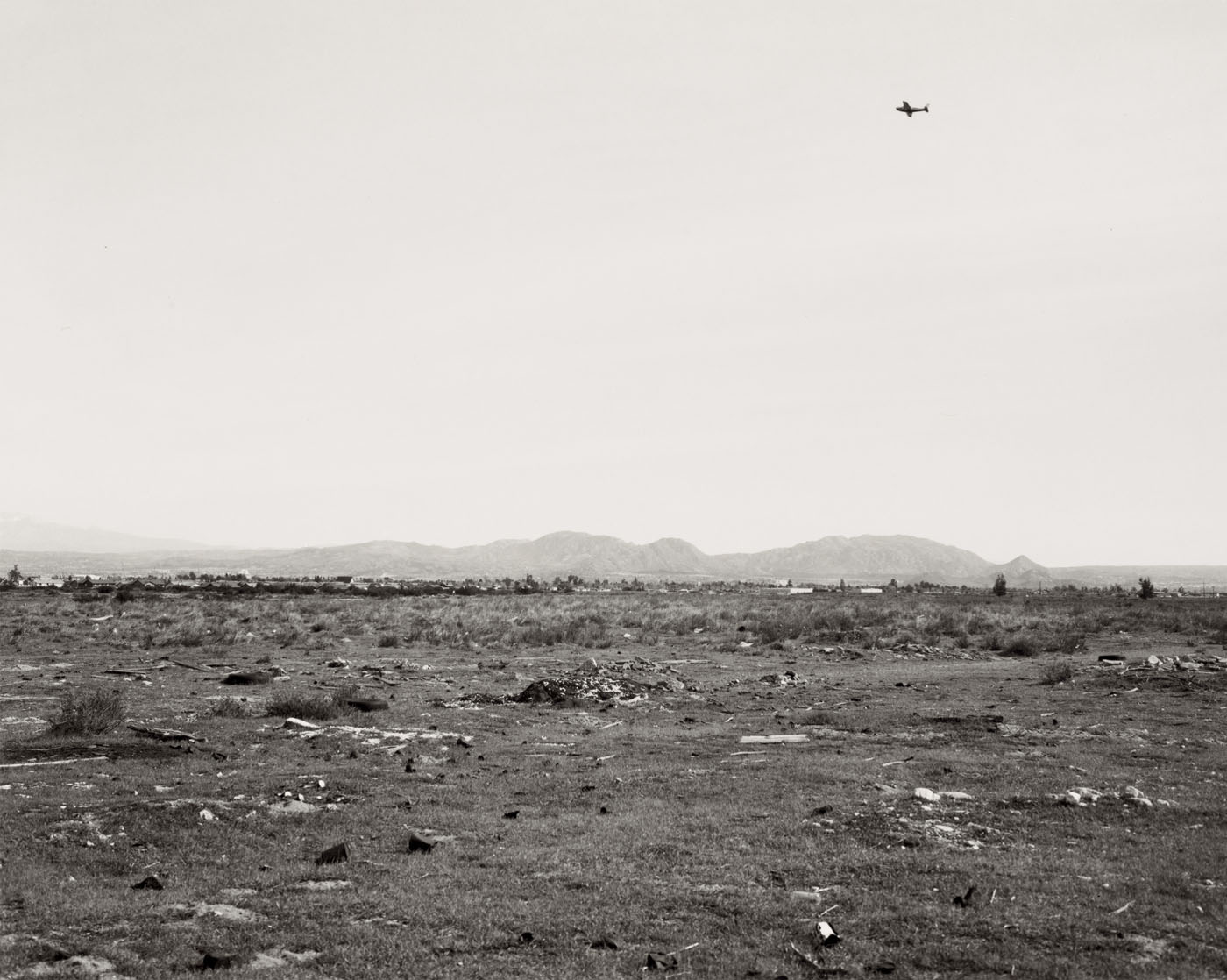
 

Robert Adams (American, b. 1937) 'Rialto, California' 1982


Robert Adams (American, b. 1937)
Rialto, California
1982
Gelatin silver print
Image: 22.8 x 28.6cm (9 x 11 1/4 in.)
National Gallery of Art, Washington, The Ahmanson Foundation and Gift of Robert and Kerstin Adams
© Robert Adams, Courtesy Fraenkel Gallery, San Francisco
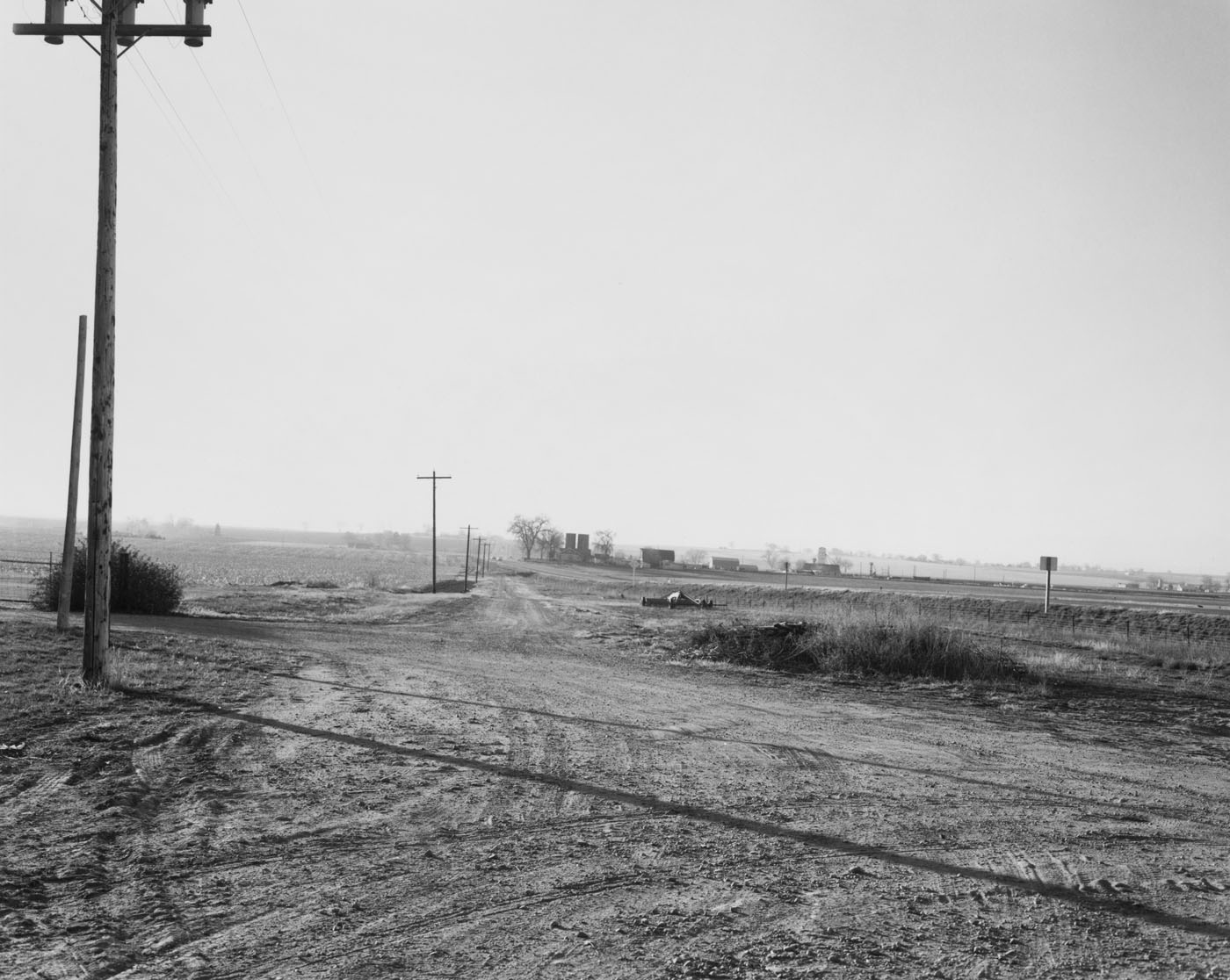
 

Robert Adams (American, b. 1937) 'Looking toward the Mountains in Smog, Weld County, Colorado' 1983


Robert Adams (American, b. 1937)
Looking toward the Mountains in Smog, Weld County, Colorado
1983
Gelatin silver print
Image: 37.8 x 47cm (14 7/8 x 18 1/2 in.)
National Gallery of Art, Washington, Gift of Robert and Kerstin Adams
© Robert Adams, Courtesy Fraenkel Gallery, San Francisco
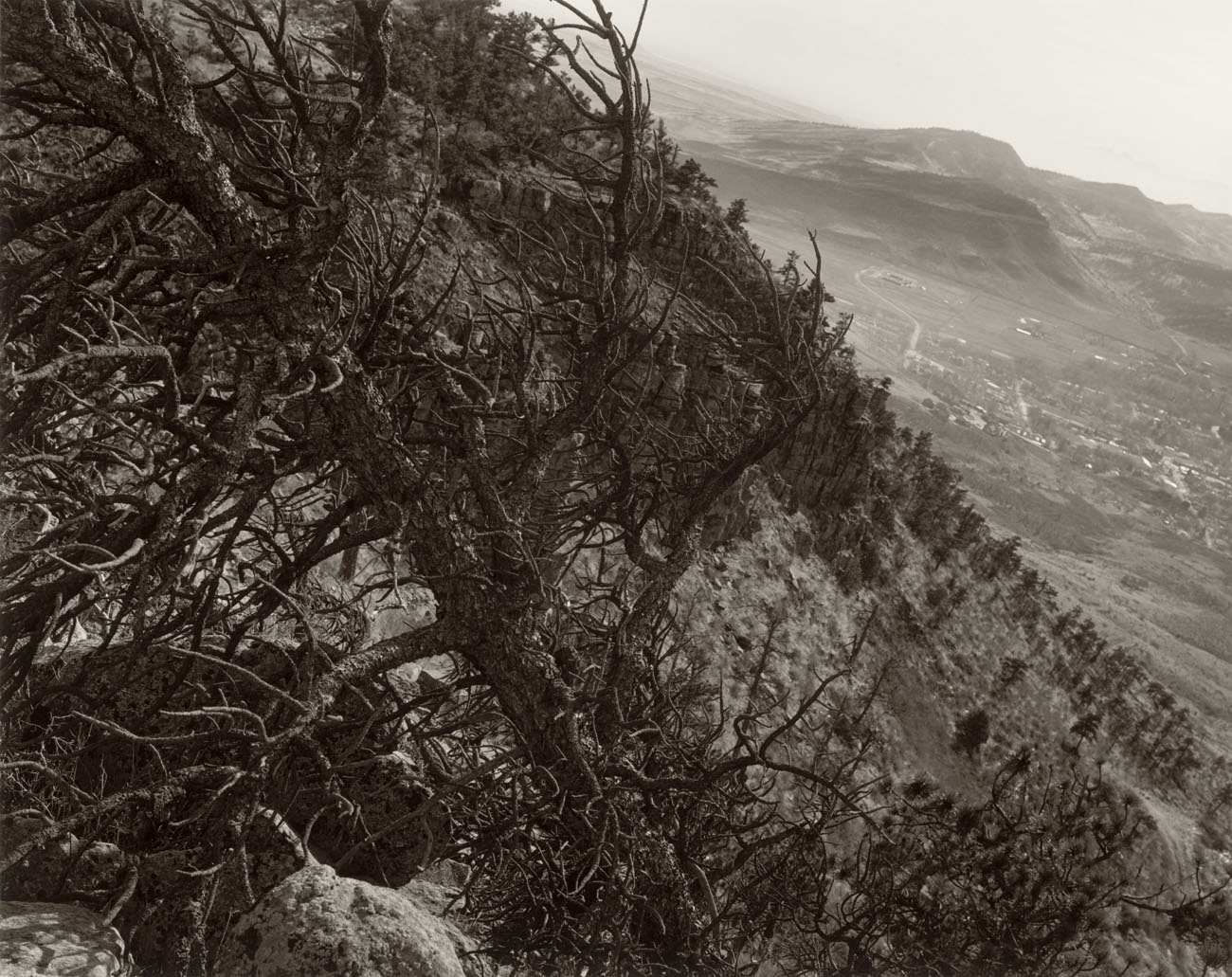
 

Robert Adams (American, b. 1937) 'Boulder County, Colorado' 1983


Robert Adams (American, b. 1937)
Boulder County, Colorado
1983
Gelatin silver print
Image: 37.8 x 47.5cm (14 7/8 x 18 11/16 in.)
National Gallery of Art, Washington, Pepita Milmore Memorial Fund and Gift of Robert and Kerstin Adams
© Robert Adams, Courtesy Fraenkel Gallery, San Francisco
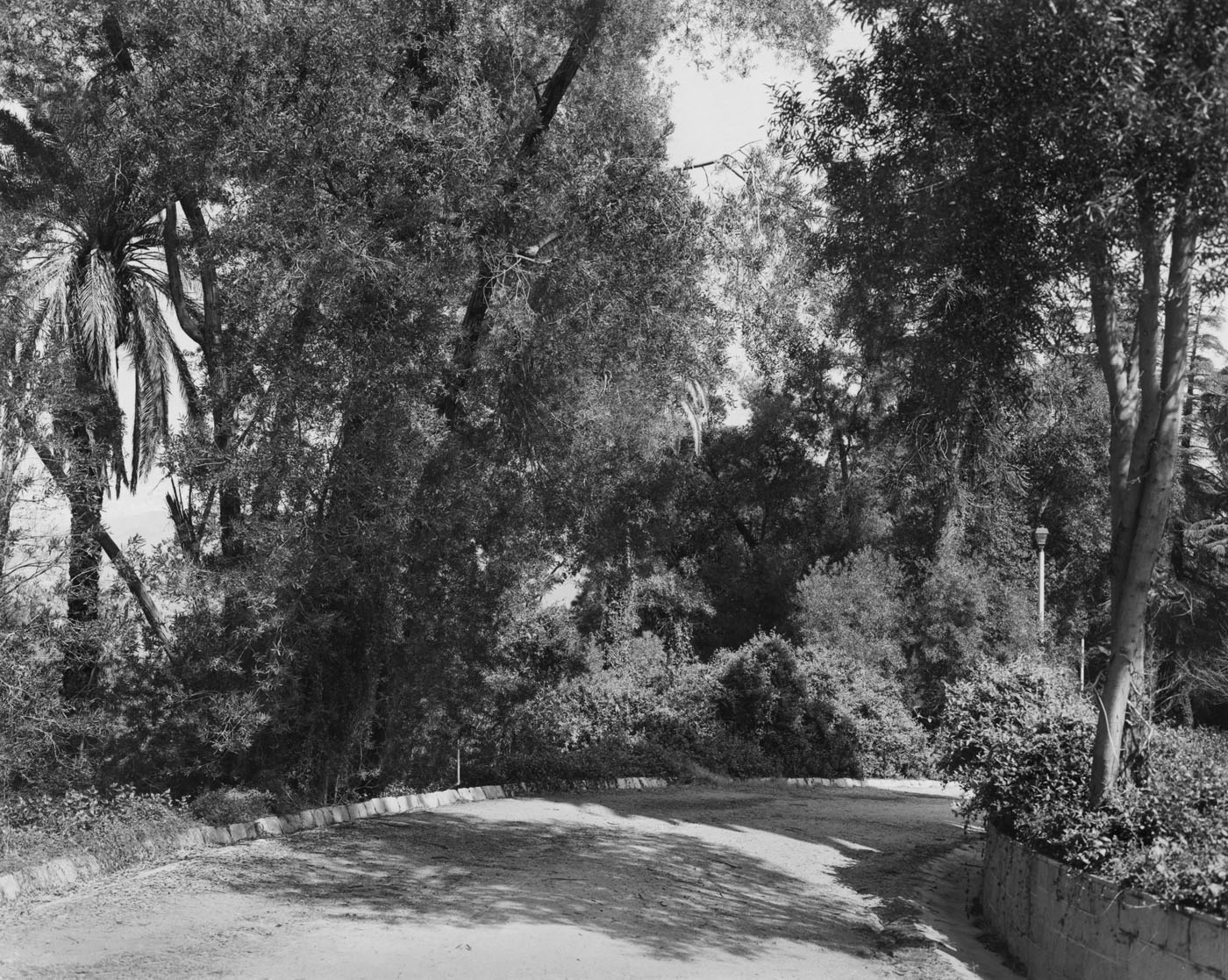
 

Robert Adams (American, b. 1937) 'Old Estate Road, Redlands, California' 1983


Robert Adams (American, b. 1937)
Old Estate Road, Redlands, California
1983
Gelatin silver print
Image: 22.9 x 28.6cm (9 x 11 1/4 in.)
National Gallery of Art, Washington, Gift of Robert and Kerstin Adams
© Robert Adams, Courtesy Fraenkel Gallery, San Francisco
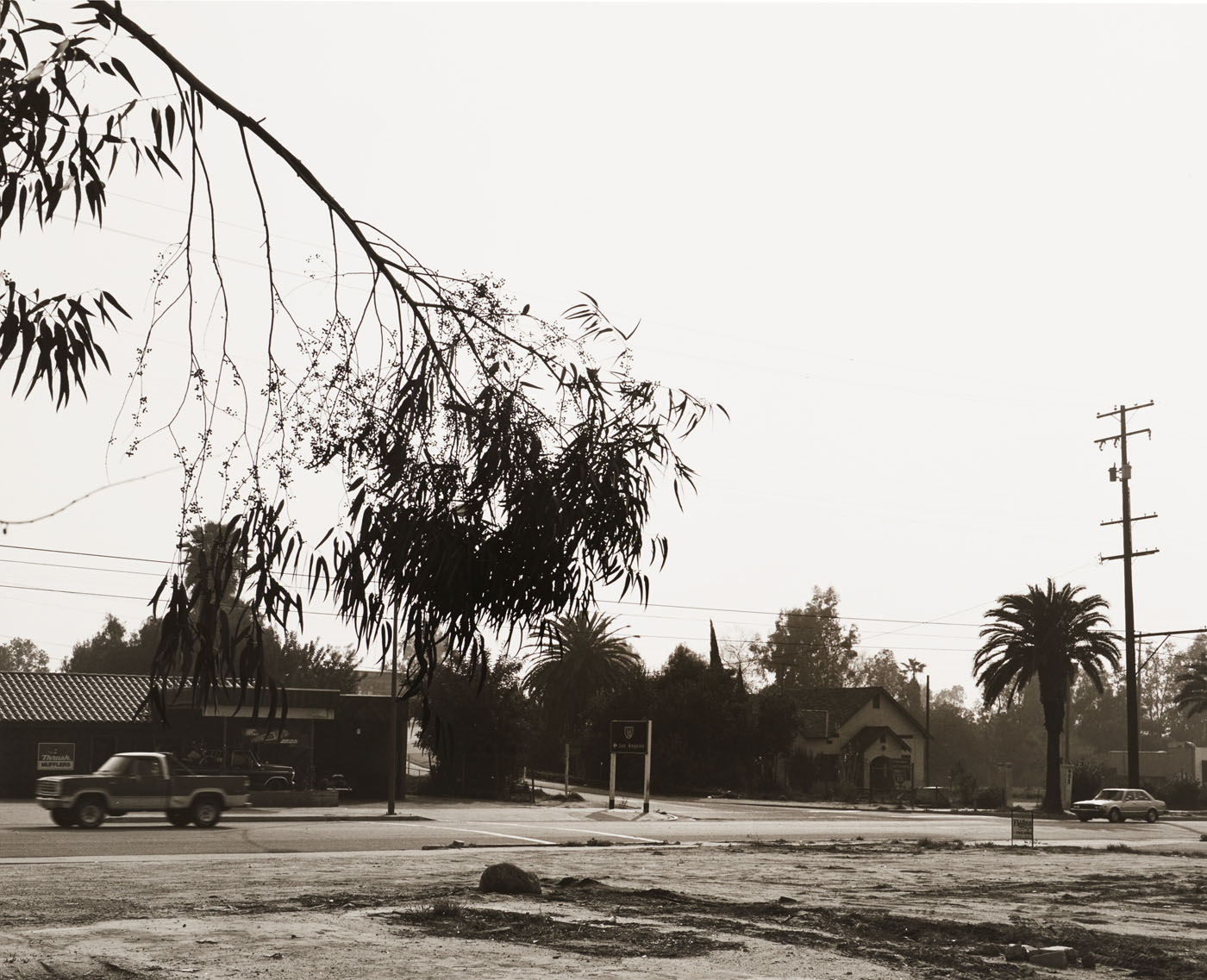
 

Robert Adams (American, b. 1937) 'Eucalyptus Branch, Redlands, California' 1983


Robert Adams (American, b. 1937)
Eucalyptus Branch, Redlands, California
1983
Gelatin silver print
Image: 37.9 x 47.1cm (14 15/16 x 18 9/16 in.)
Philadelphia Museum of Art, Gift of the Friends of the Philadelphia Museum of Art, 1986
Courtesy of the Philadelphia Museum of Art
© Robert Adams, Courtesy Fraenkel Gallery, San Francisco
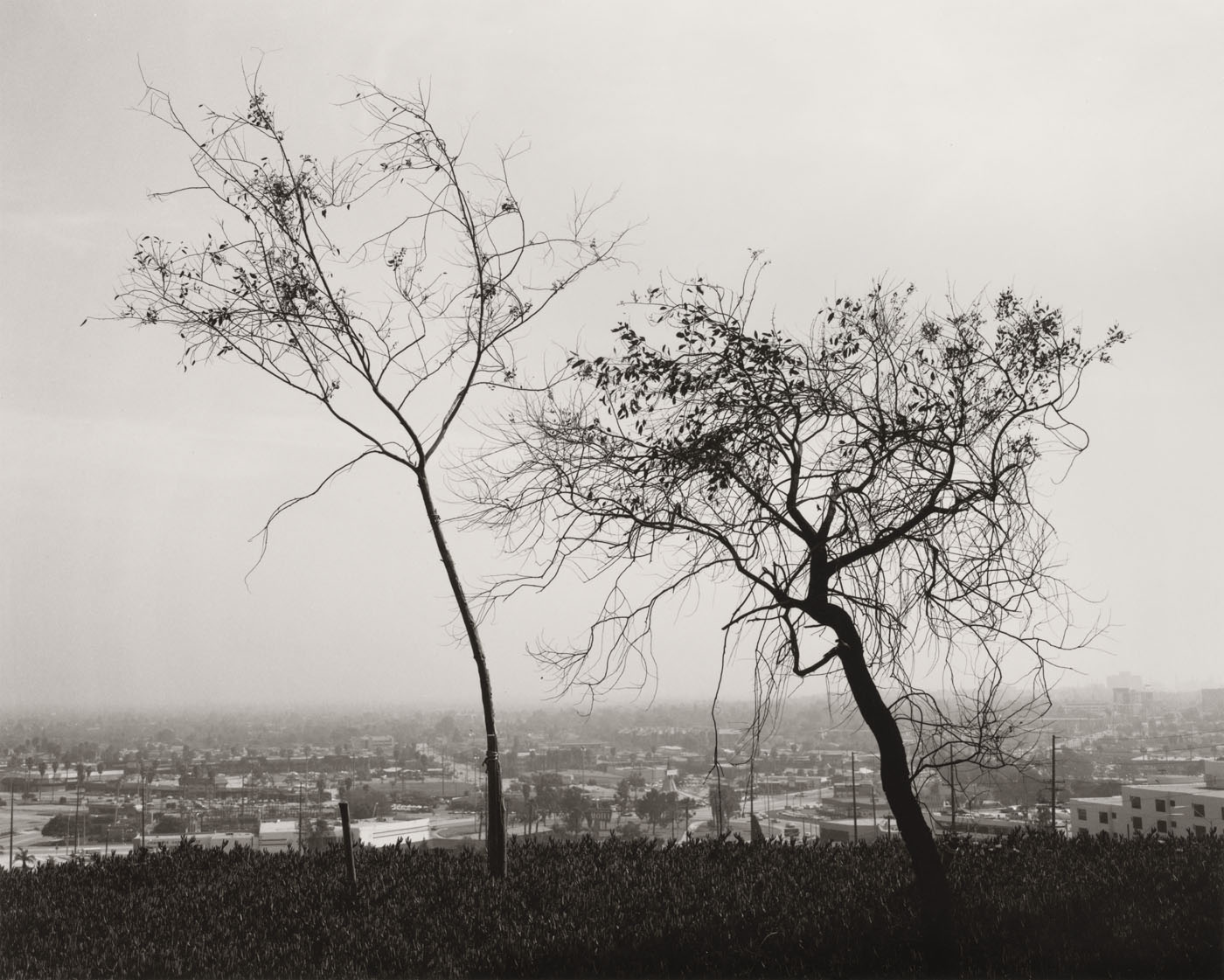
 

Robert Adams (American, b. 1937) 'On Signal Hill, Overlooking Long Beach, California' 1983, printed 1990


Robert Adams (American, b. 1937)
On Signal Hill, Overlooking Long Beach, California
1983, printed 1990
Gelatin silver print
Image: 22.9 x 28.5cm (9 x 11 1/4 in.)
National Gallery of Art, Washington, Gift of Mary and Dan Solomon and Patrons’ Permanent Fund
© Robert Adams, Courtesy Fraenkel Gallery, San Francisco
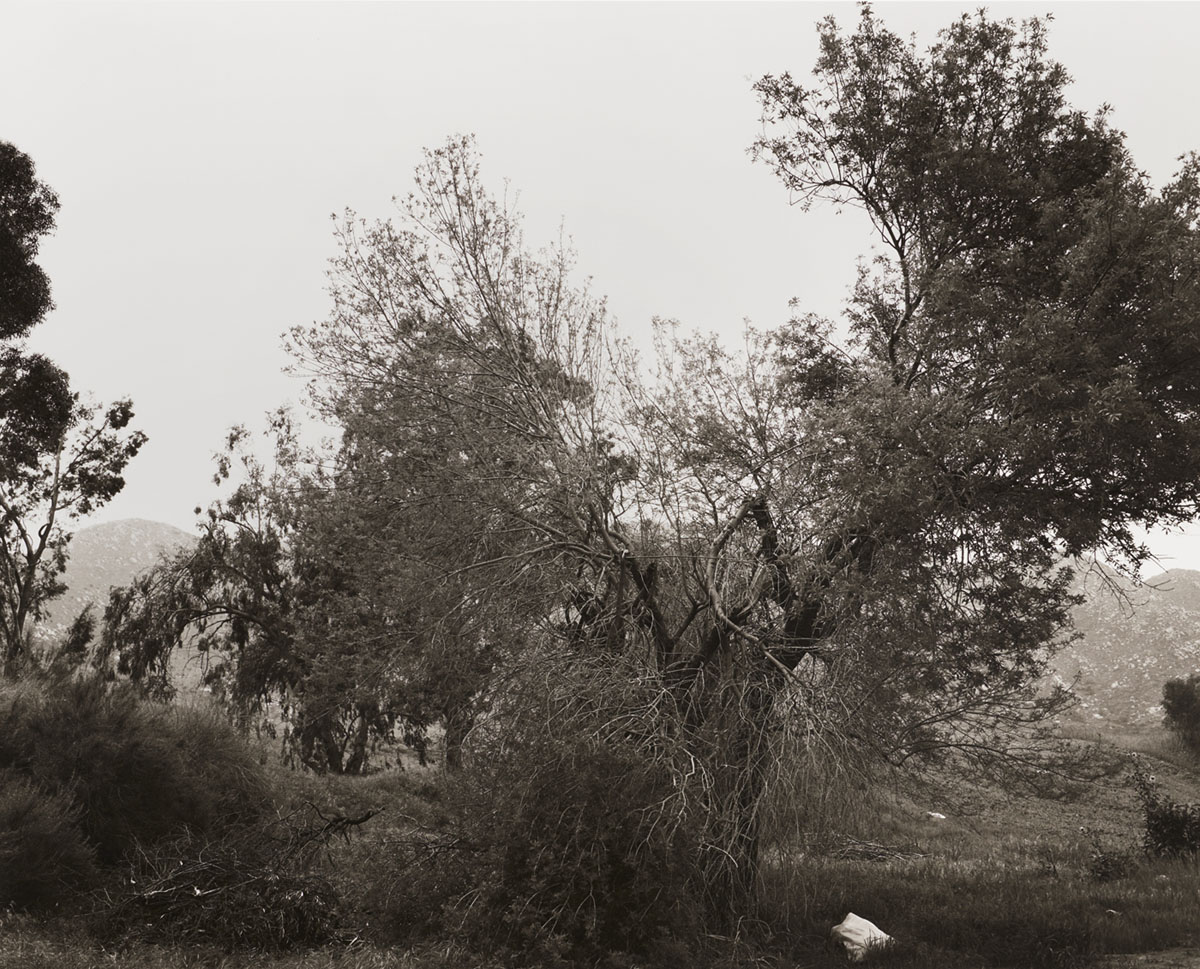
 

Robert Adams (American, b. 1937) 'Broken Trees, East of Riverside, California' 1983


Robert Adams (American, b. 1937)
Broken Trees, East of Riverside, California
1983
Gelatin silver print
Image: 37.6 x 46.7cm (14 13/16 x 18 3/8 in.)
Philadelphia Museum of Art, Purchased with the Alice Newton Osborn Fund, 1986
Courtesy of the Philadelphia Museum of Art
© Robert Adams, Courtesy Fraenkel Gallery, San Francisco
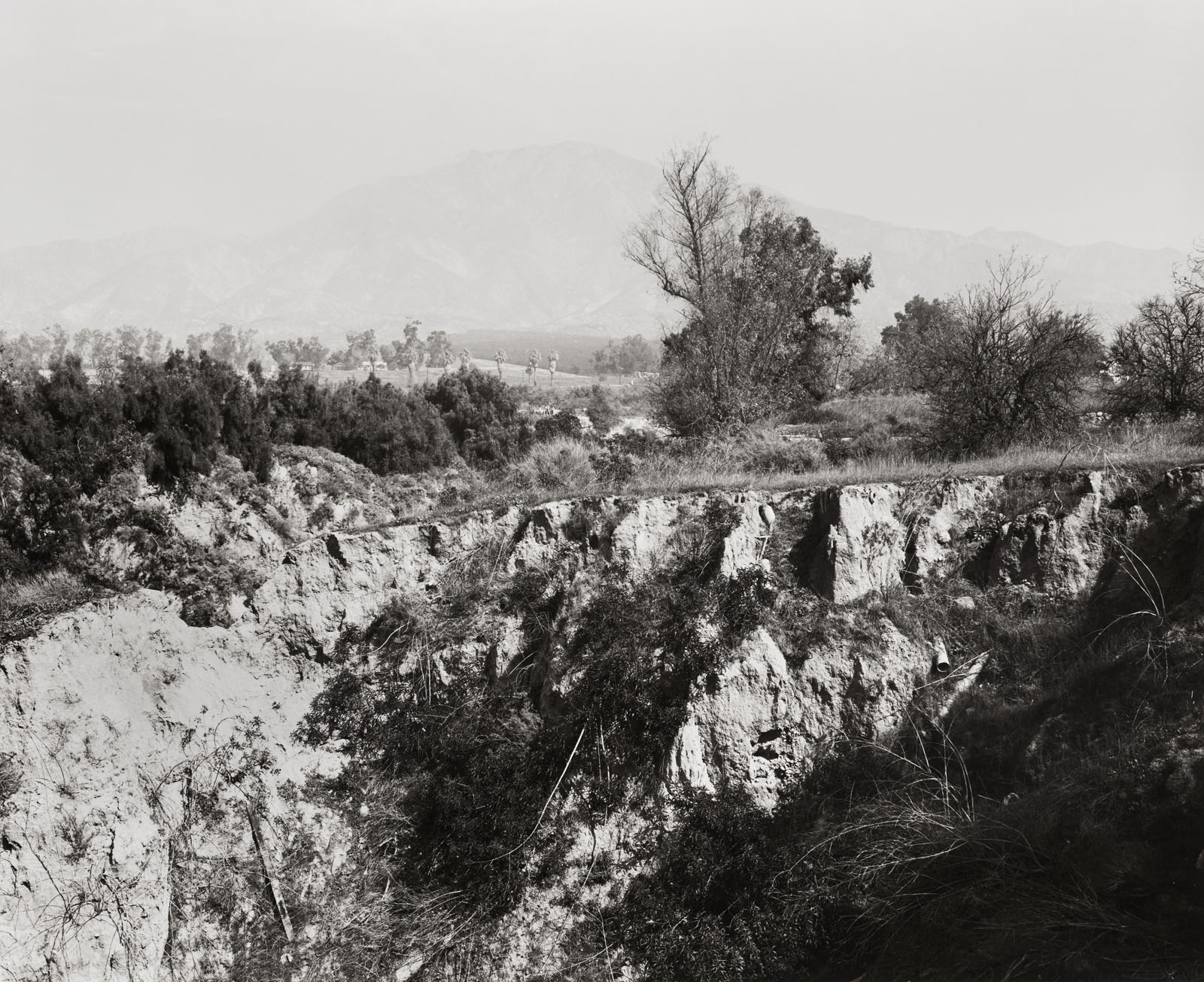
 

Robert Adams (American, b. 1937) 'Eroding Edge of a Former Citrus-Growing Estate, Highland, California' 1983


Robert Adams (American, b. 1937)
Eroding Edge of a Former Citrus-Growing Estate, Highland, California
1983
Gelatin silver print
Image: 38 x 46.7cm (14 15/16 x 18 3/8 in.)
Philadelphia Museum of Art, Purchased with the Alice Newton Osborn Fund, 1986
Courtesy of the Philadelphia Museum of Art
© Robert Adams, Courtesy Fraenkel Gallery, San Francisco
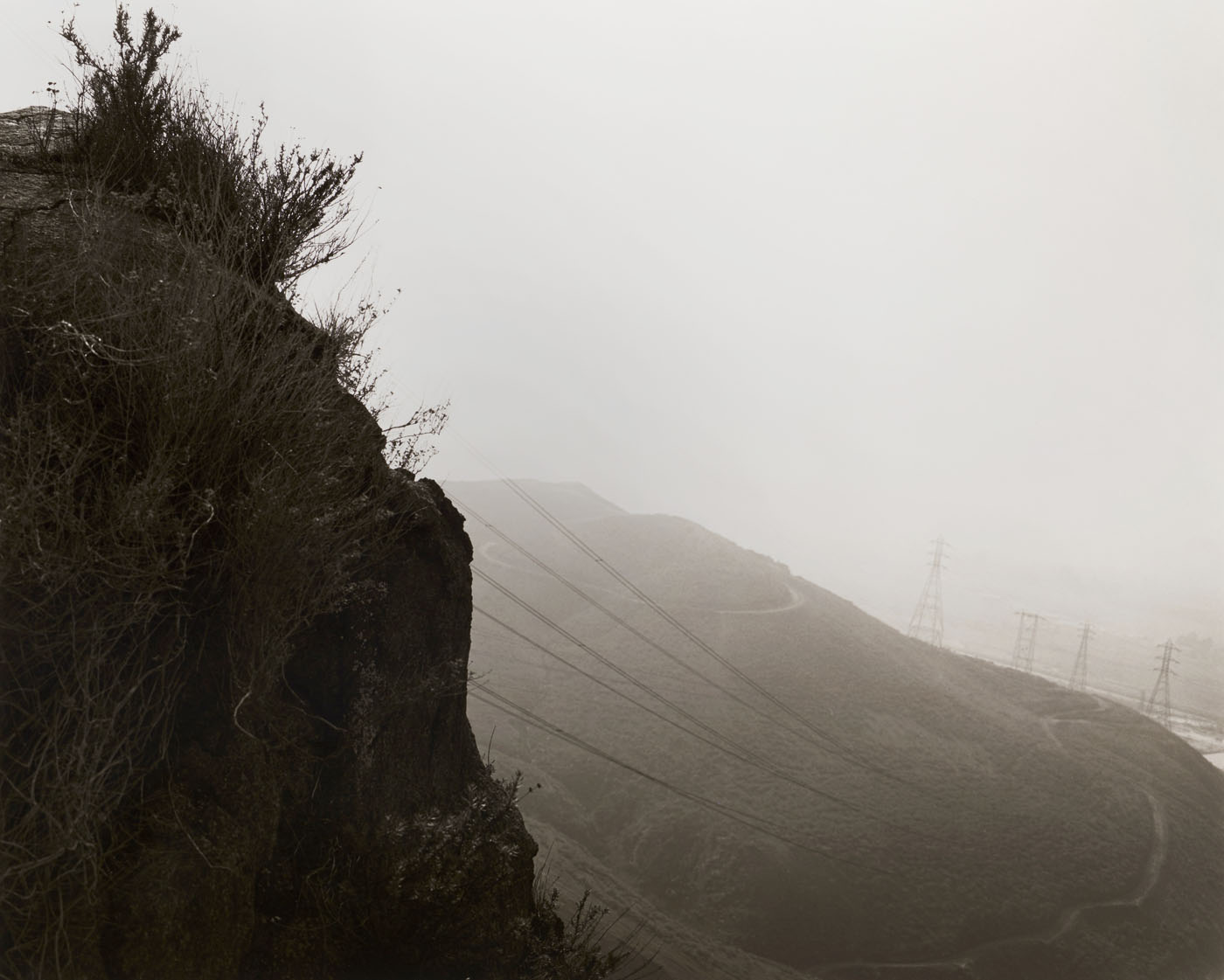
 

Robert Adams (American, b. 1937) 'On Top of the La Loma Hills, Colton, California' 1983


Robert Adams (American, b. 1937)
On Top of the La Loma Hills, Colton, California
1983
Gelatin silver print
Image: 38 x 47cm (14 15/16 x 18 1/2 in.)
Philadelphia Museum of Art, Purchased with the Alice Newton Osborn Fund, 1986
Courtesy of the Philadelphia Museum of Art
© Robert Adams, Courtesy Fraenkel Gallery, San Francisco
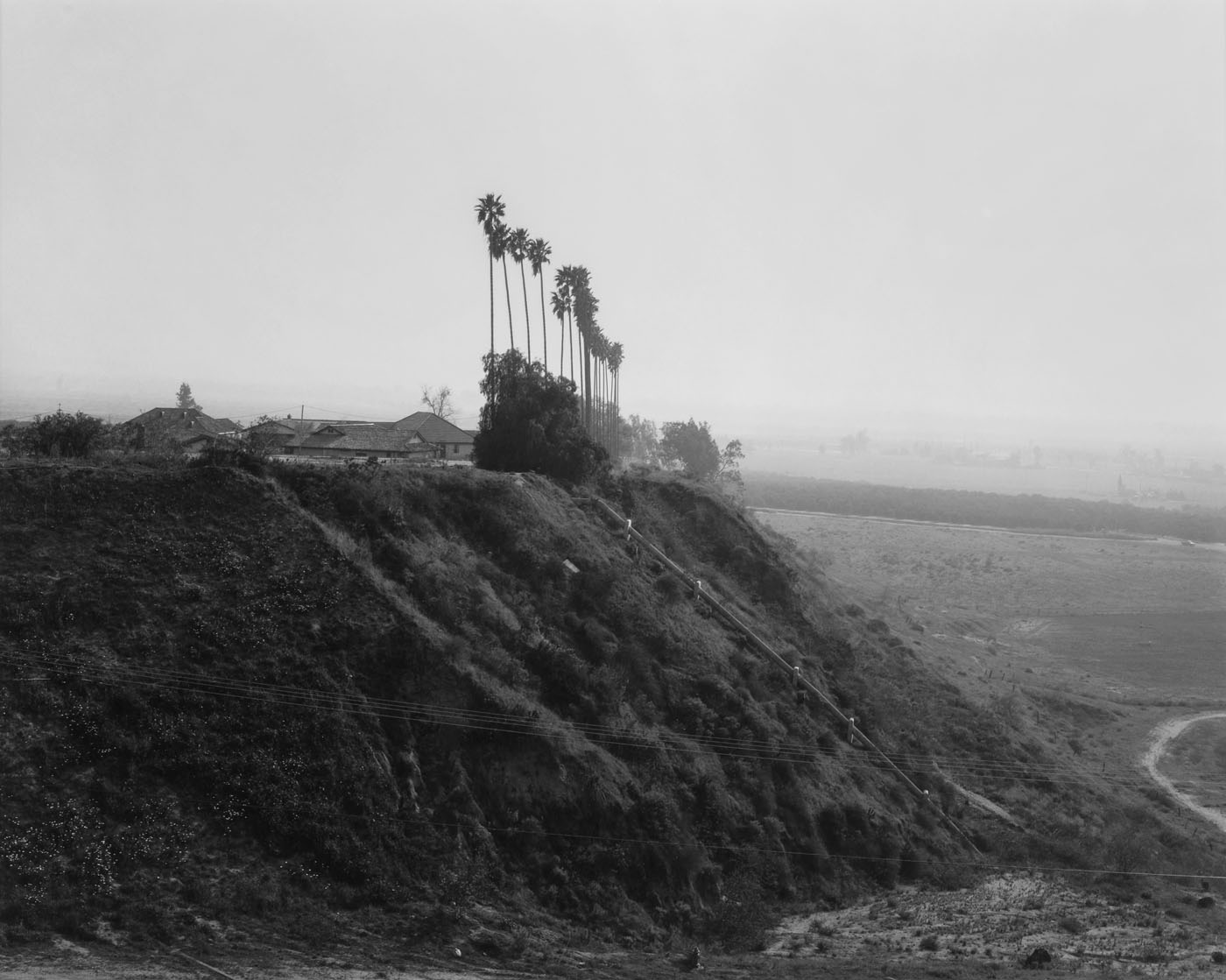
 

Robert Adams (American, b. 1937) 'New Development on a Former Citrus-Growing Estate, Highland, California' 1983


Robert Adams (American, b. 1937)
New Development on a Former Citrus-Growing Estate, Highland, California
1983
Gelatin silver print
Image: 38.1 x 47cm (15 x 18 1/2 in.)
Andrew Szegedy-Maszak and Elizabeth Bobrick
© Robert Adams, Courtesy Fraenkel Gallery, San Francisco
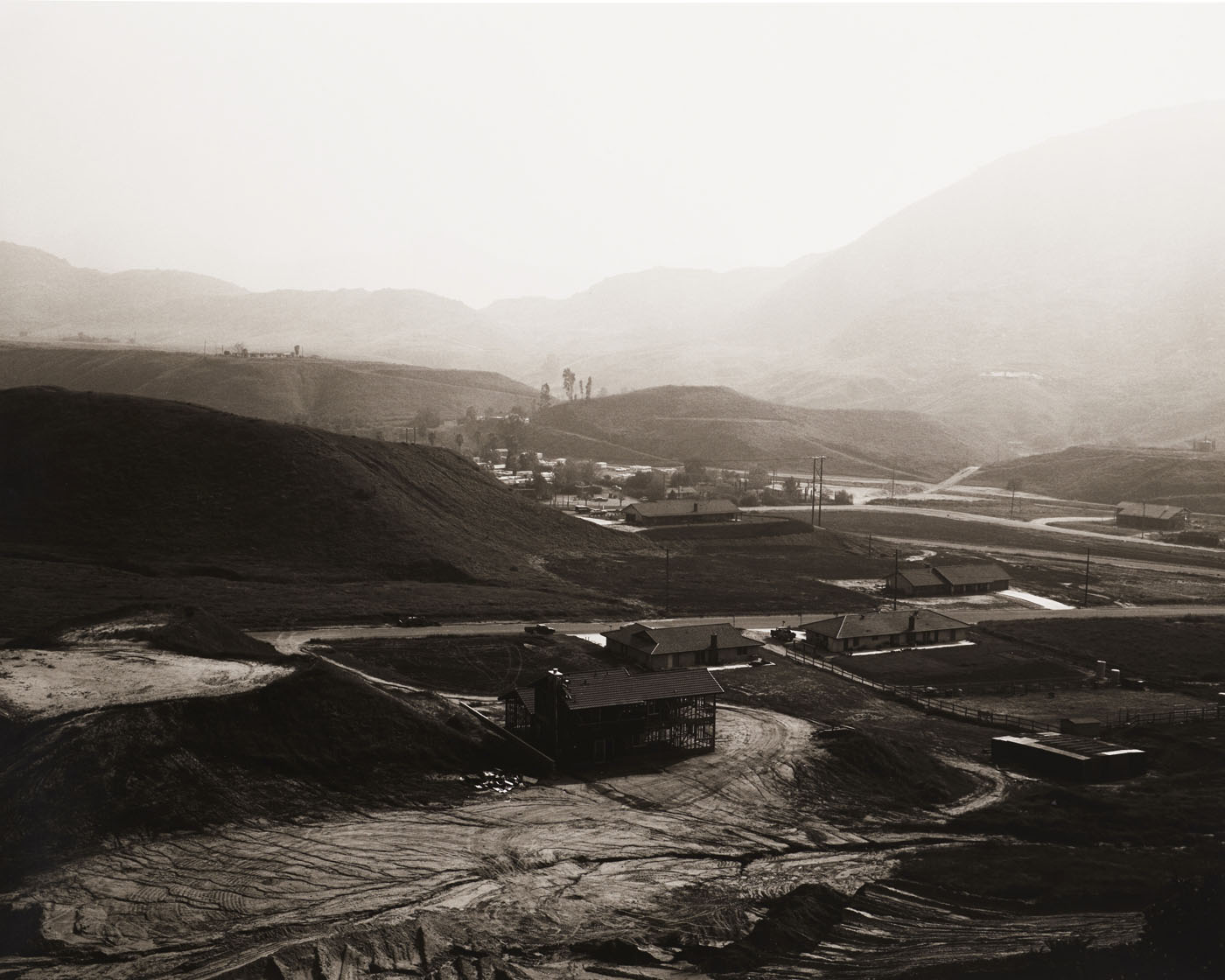
 

Robert Adams (American, b. 1937) 'New Housing, Reche Canyon, San Bernardino County, California' 1983


Robert Adams (American, b. 1937)
New Housing, Reche Canyon, San Bernardino County, California
1983
Gelatin silver print
Image: 37.9 x 47.8cm (14 15/16 x 18 13/16 in.)
Philadelphia Museum of Art, Purchased with funds contributed by Ann and Donald W. McPhail and the Atlantic Richfield Foundation, 1986
Courtesy of the Philadelphia Museum of Art
© Robert Adams, Courtesy Fraenkel Gallery, San Francisco
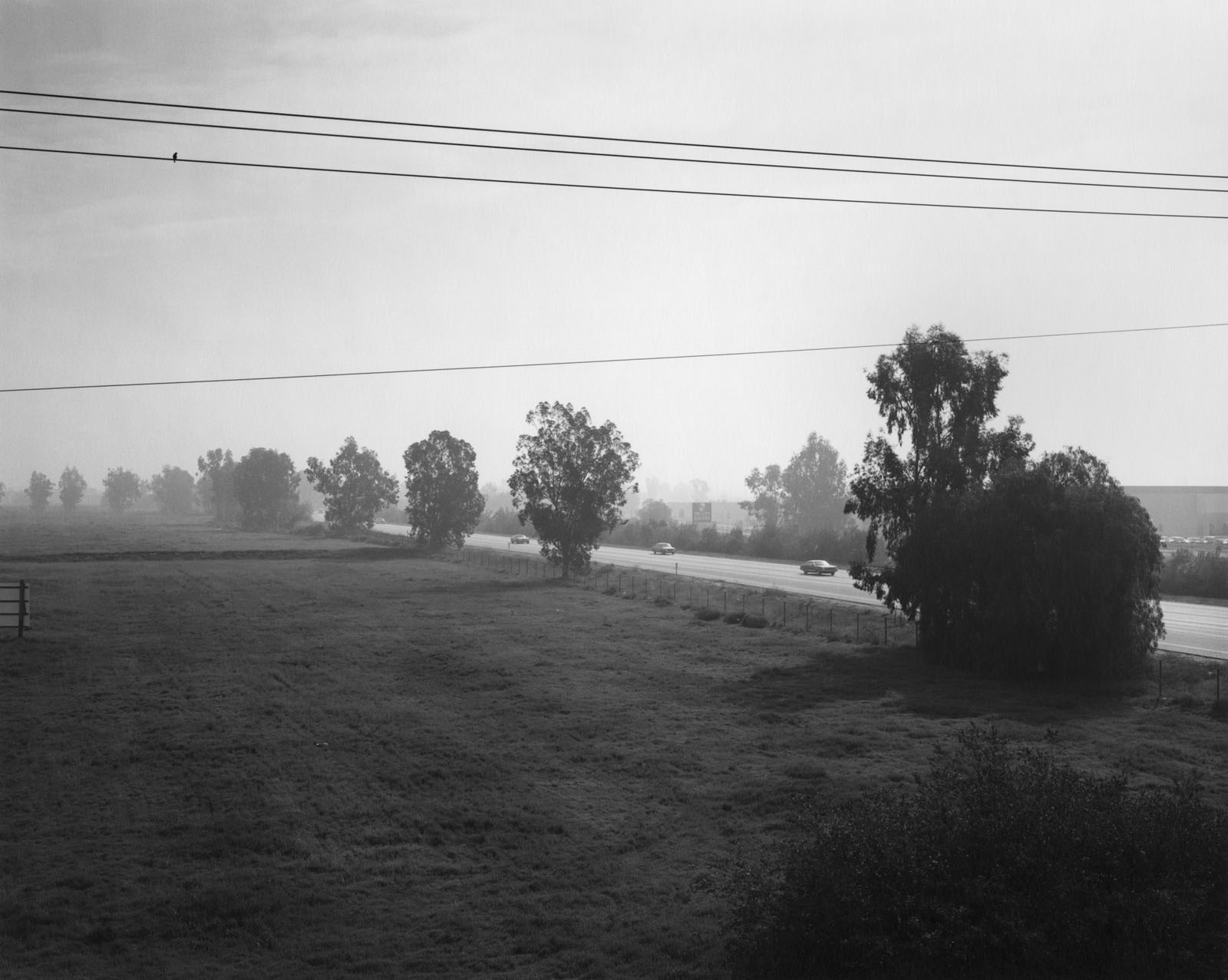
 

Robert Adams (American, b. 1937) 'Interstate 10, West Edge of Redlands, California' 1983


Robert Adams (American, b. 1937)
Interstate 10, West Edge of Redlands, California
1983
Gelatin silver print
Image: 37.5 x 45.7cm (14 3/4 x 18 in.)
Christine and Michael J. Murray
© Robert Adams, Courtesy Fraenkel Gallery, San Francisco
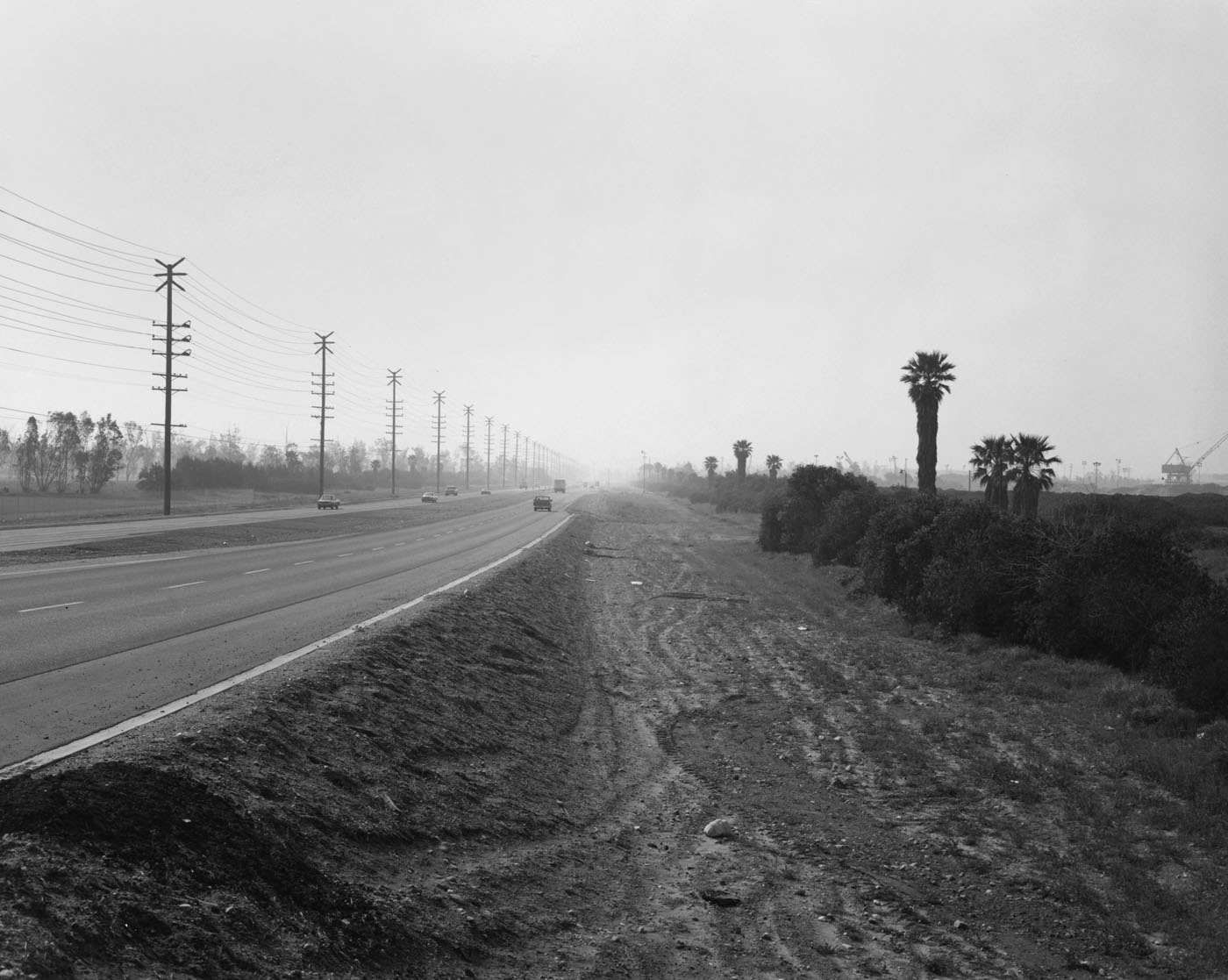
 

Robert Adams (American, b. 1937) 'Fontana, California' 1983


Robert Adams (American, b. 1937)
Fontana, California
1983
Gelatin silver print
Image: 22.9 x 28.6cm (9 x 11 1/4 in.)
National Gallery of Art, Washington, Gift of Robert and Kerstin Adams
© Robert Adams, Courtesy Fraenkel Gallery, San Francisco
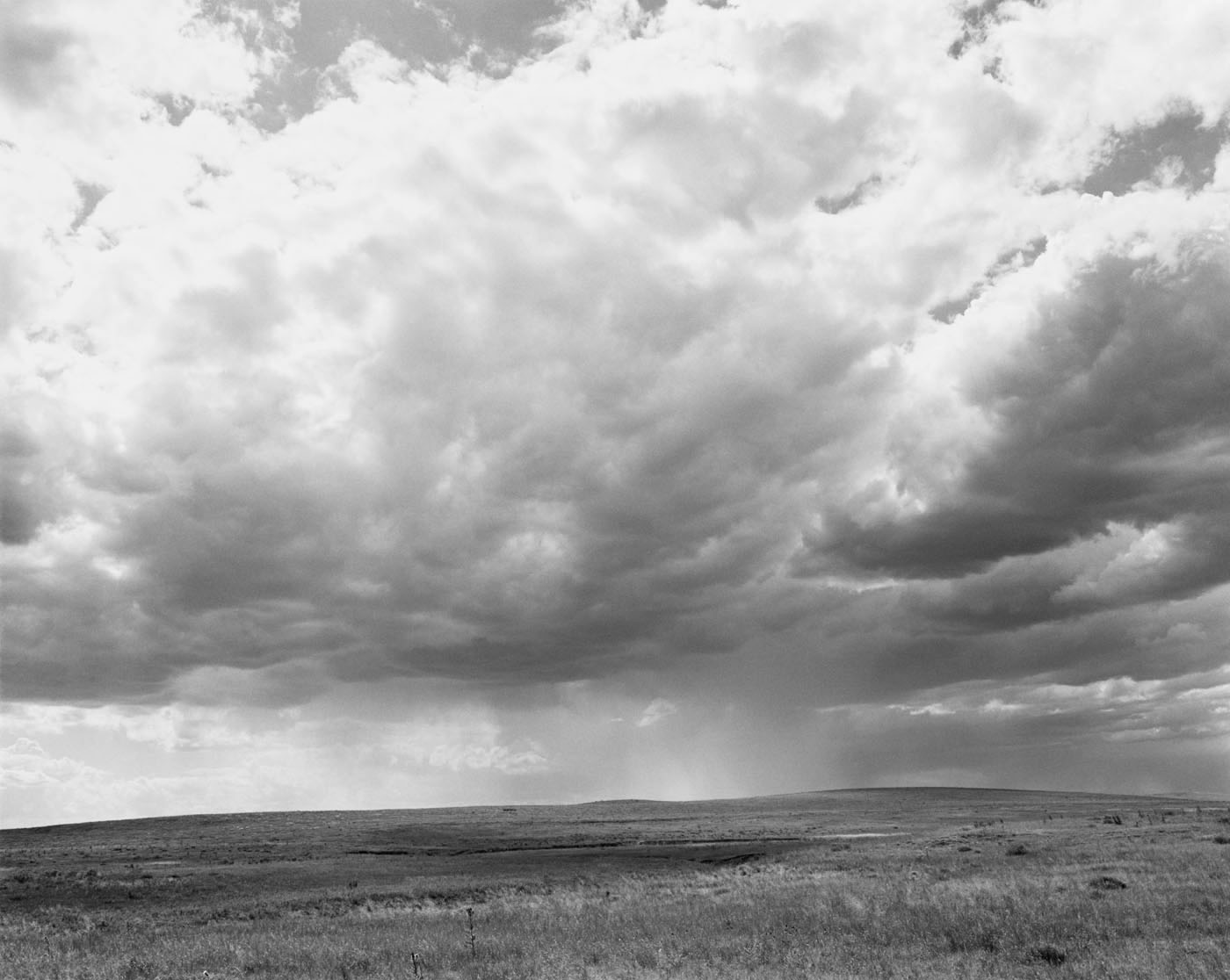
 

Robert Adams (American, b. 1937) 'Weld County, Colorado' 1984


Robert Adams (American, b. 1937)
Weld County, Colorado
1984
Gelatin silver print
Image: 38 x 47.7cm (14 15/16 x 18 3/4 in.)
National Gallery of Art, Washington, The Ahmanson Foundation and Gift of Robert and Kerstin Adams
© Robert Adams, Courtesy Fraenkel Gallery, San Francisco
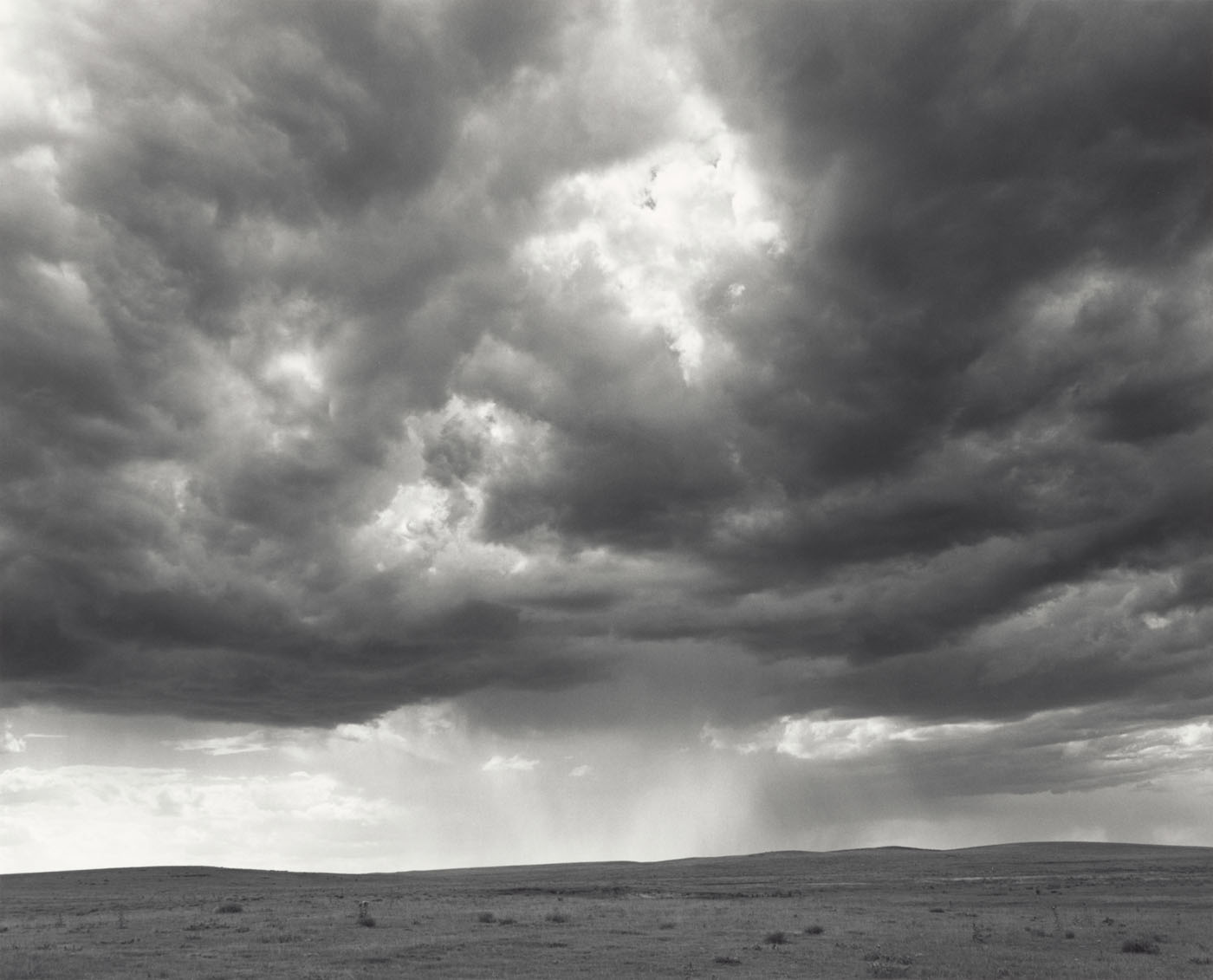
 

Robert Adams (American, b. 1937) 'Weld County, Colorado' 1984


Robert Adams (American, b. 1937)
Weld County, Colorado
1984
Gelatin silver print
Image: 37.9 x 46.8cm (14 15/16 x 18 7/16 in.)
National Gallery of Art, Washington, The Ahmanson Foundation and Gift of Robert and Kerstin Adams
© Robert Adams, Courtesy Fraenkel Gallery, San Francisco
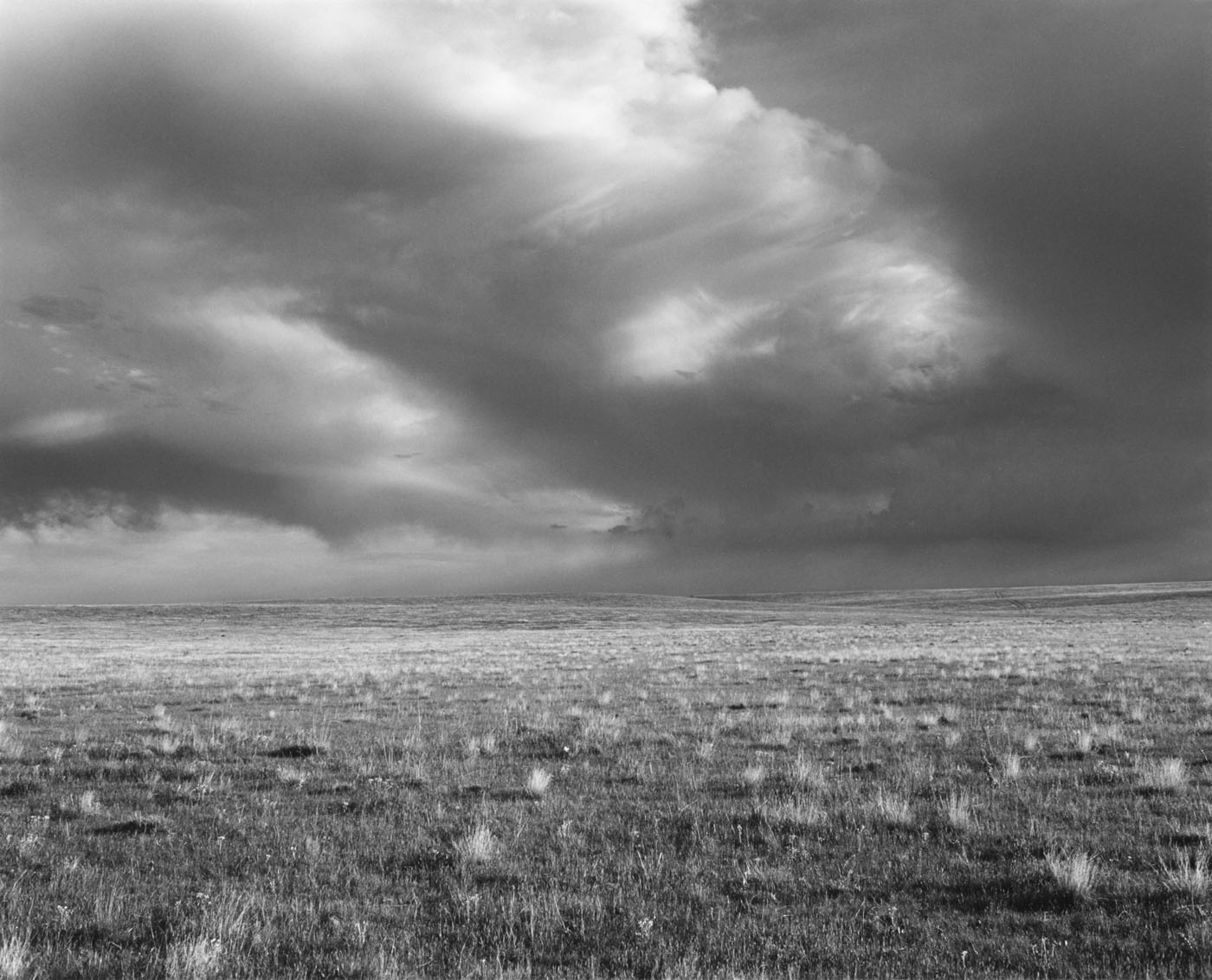
 

Robert Adams (American, b. 1937) 'Weld County, Colorado' 1984


Robert Adams (American, b. 1937)
Weld County, Colorado
1984
Gelatin silver print
Image: 38.1 x 47.3cm (15 x 18 5/8 in.)
National Gallery of Art, Washington, Gift of Robert and Kerstin Adams
© Robert Adams, Courtesy Fraenkel Gallery, San Francisco
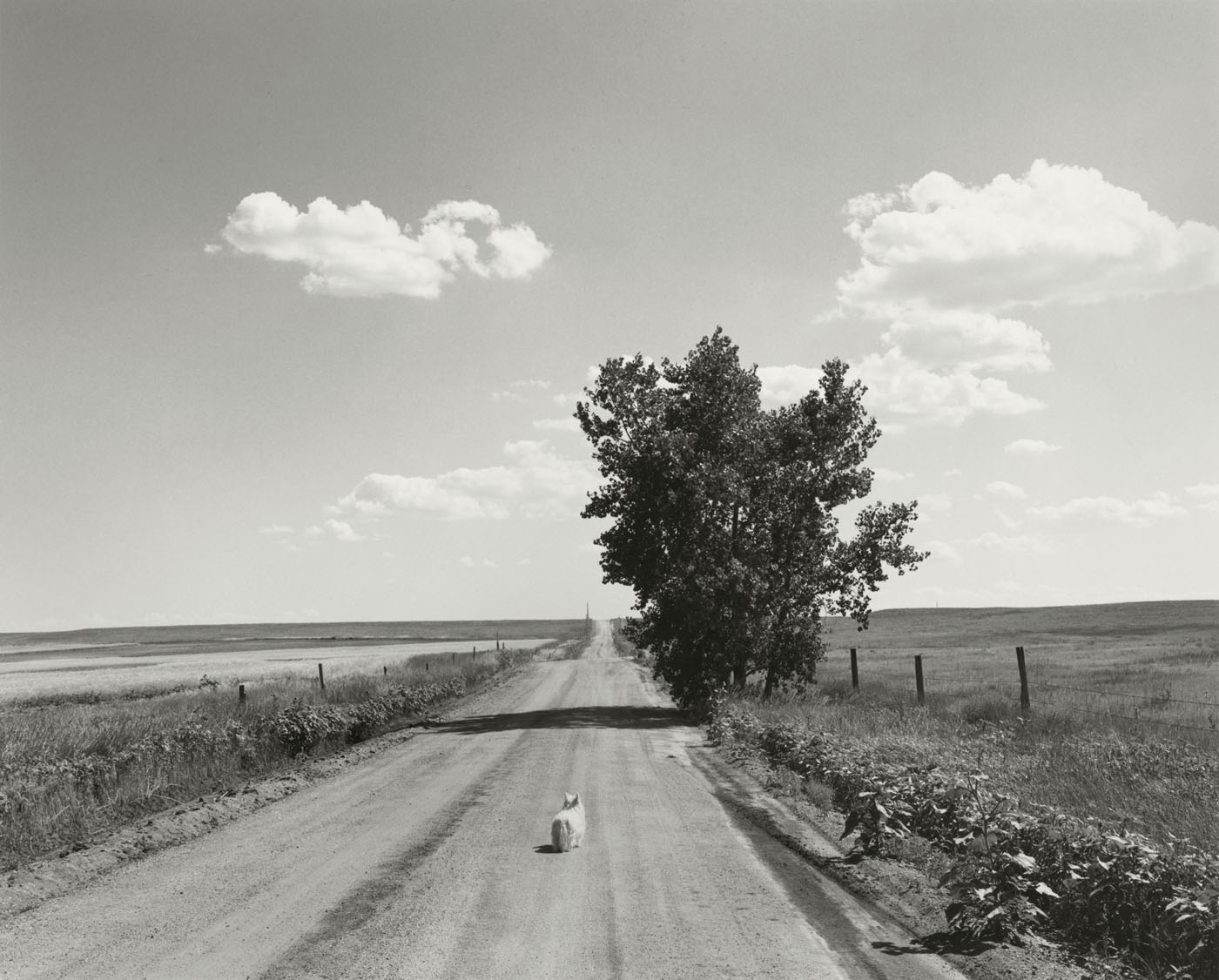
 

Robert Adams (American, b. 1937) 'Sally, Weld County, Colorado' 1984, printed 1990


Robert Adams (American, b. 1937)
Sally, Weld County, Colorado
1984, printed 1990
Gelatin silver print
Image: 22.7 x 28.2cm (8 15/16 x 11 1/8 in.)
National Gallery of Art, Washington, Gift of Mary and David Robinson
© Robert Adams, Courtesy Fraenkel Gallery, San Francisco
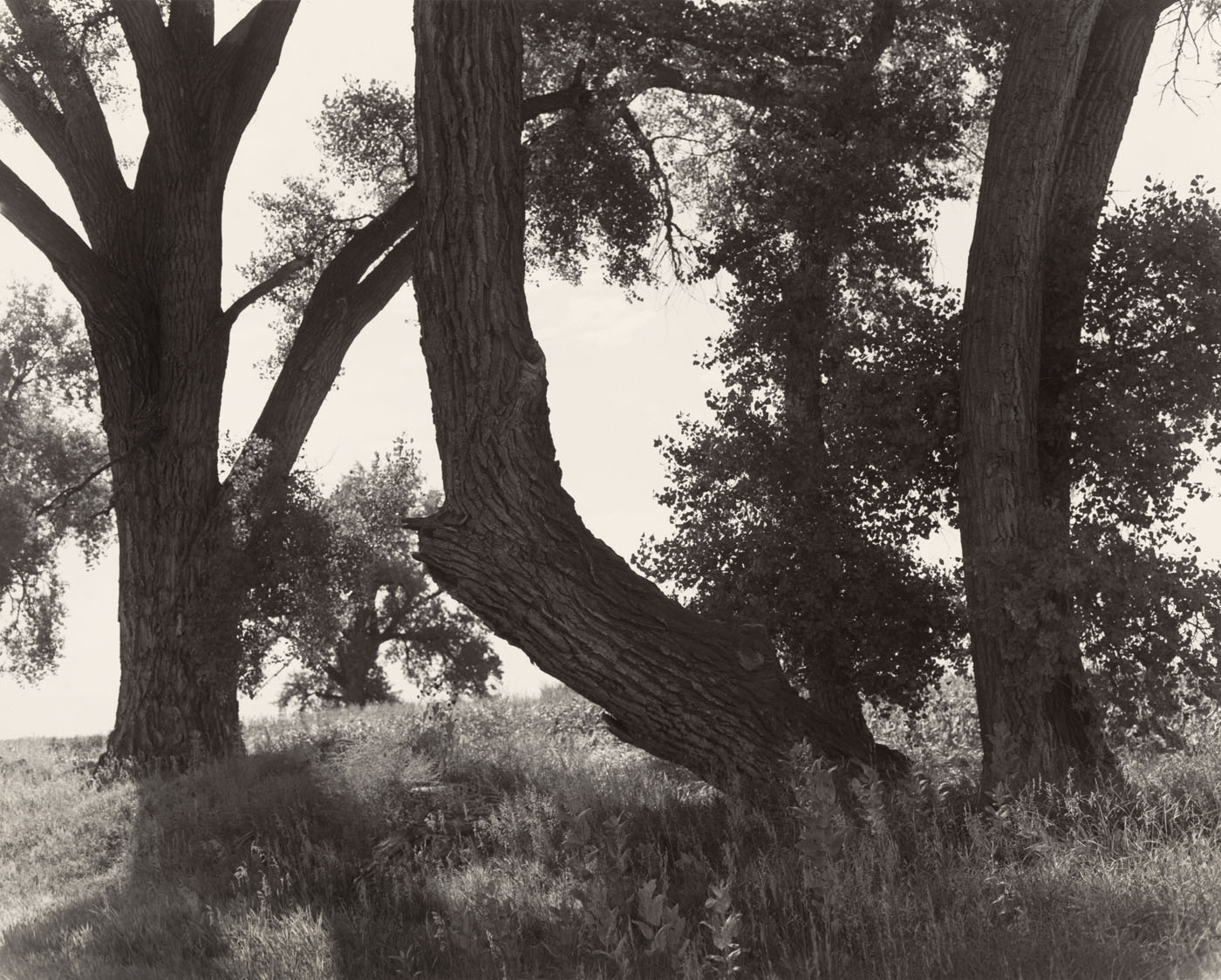
 

Robert Adams (American, b. 1937) 'Weld County, Colorado' 1992


Robert Adams (American, b. 1937)
Weld County, Colorado
1992
Gelatin silver print
Image: 37 x 46cm (14 9/16 x 18 1/8 in.)
National Gallery of Art, Washington, Pepita Milmore Memorial Fund and Gift of Robert and Kerstin Adams
© Robert Adams, Courtesy Fraenkel Gallery, San Francisco
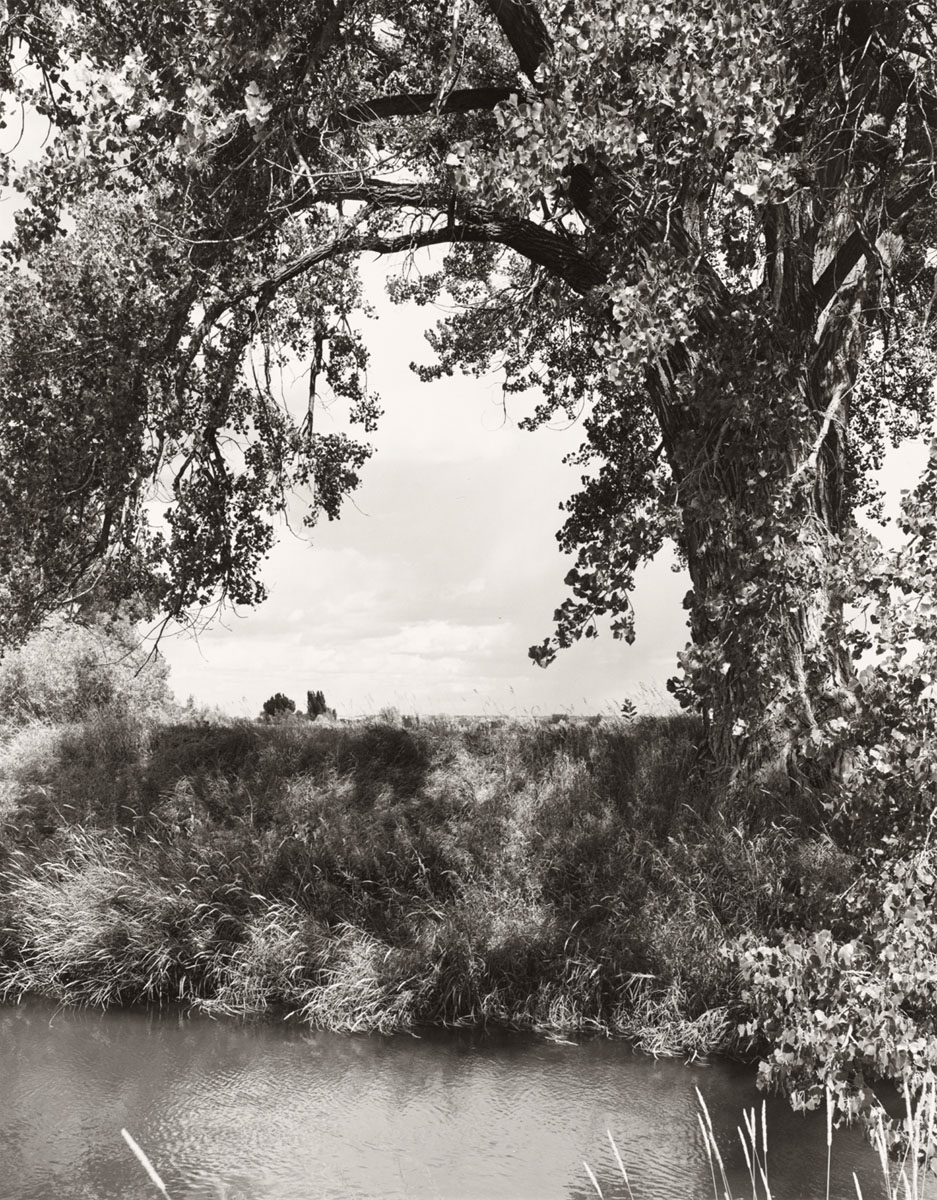
 

Robert Adams (American, b. 1937) 'Irrigation Canal, Larimer County, Colorado' 1995


Robert Adams (American, b. 1937)
Irrigation Canal, Larimer County, Colorado
1995
Gelatin silver print
Image: 29 x 22.8cm (11 7/16 x 9 in.)
National Gallery of Art, Washington, Pepita Milmore Memorial Fund and Gift of Robert and Kerstin Adams
© Robert Adams, Courtesy Fraenkel Gallery, San Francisco
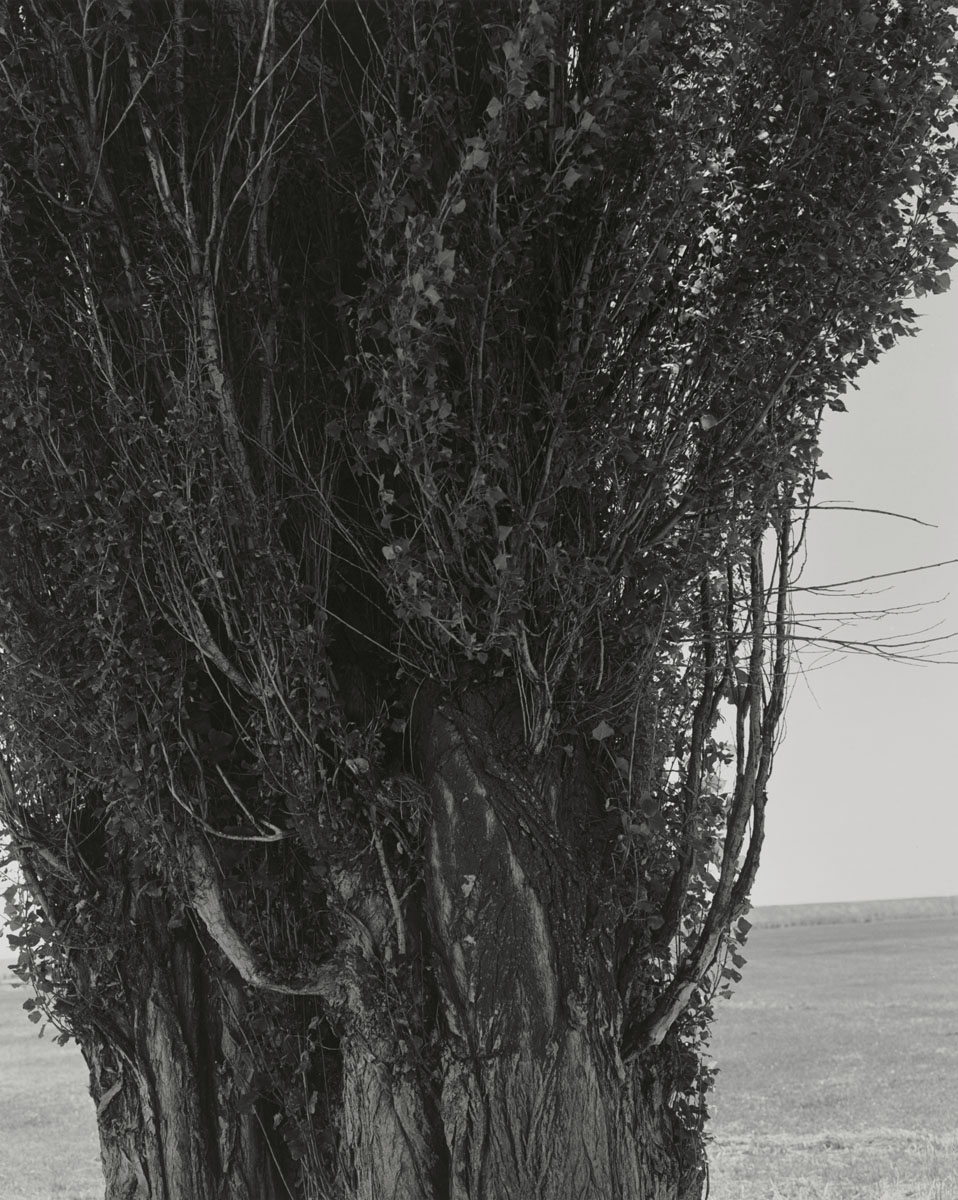
 

Robert Adams (American, b. 1937) 'Poplars, Harney County, Oregon' 1999


Robert Adams (American, b. 1937)
Poplars, Harney County, Oregon
1999
Photogravure
Image: 50.5 x 40cm (19 7/8 x 15 3/4 in.)
National Gallery of Art, Washington, Linda Hackett and Russell Munson Fund and Alfred H. Moses and Fern M. Schad Fund
© Robert Adams, Courtesy Fraenkel Gallery, San Francisco
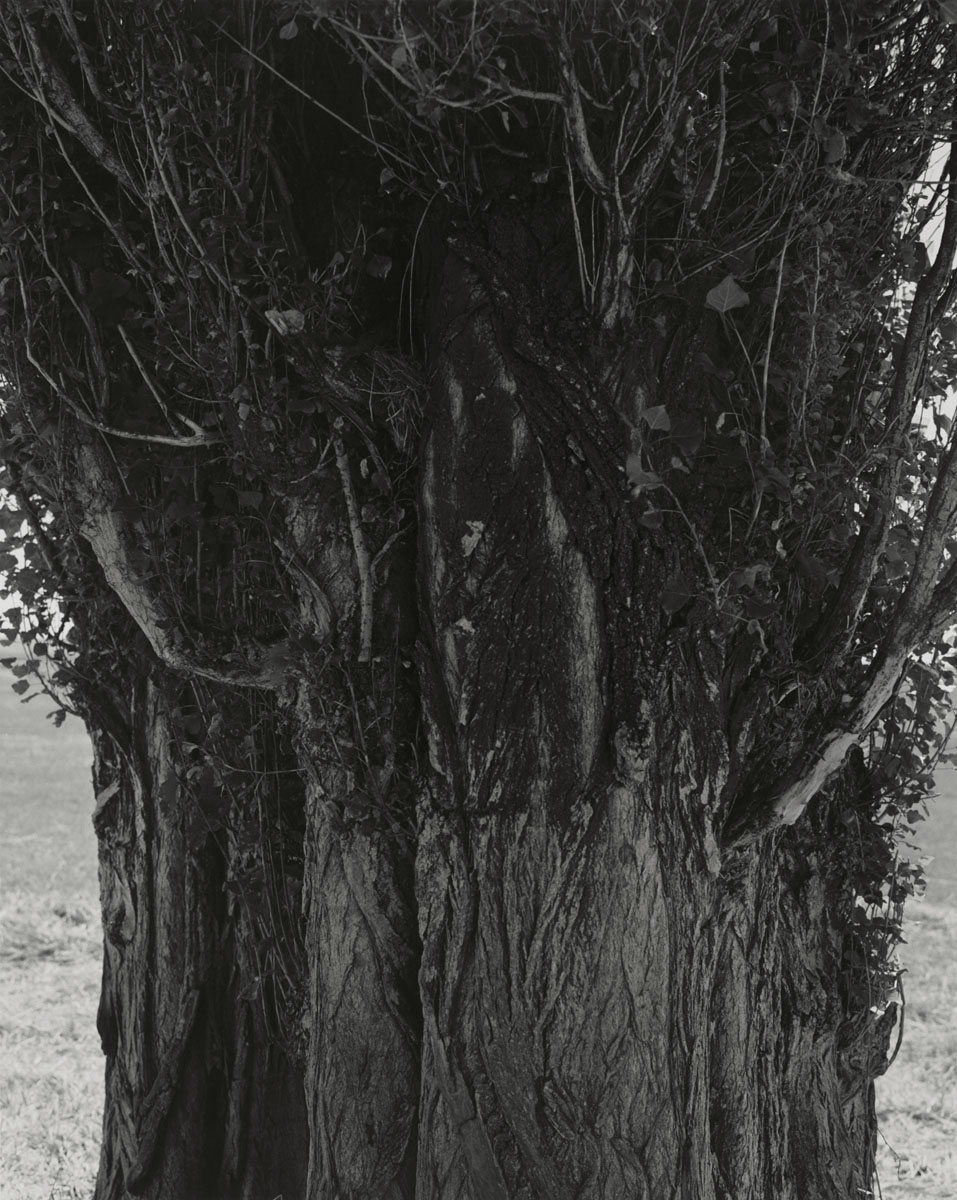
 

Robert Adams (American, b. 1937) 'Poplars, Harney County, Oregon' 1999


Robert Adams (American, b. 1937)
Poplars, Harney County, Oregon
1999
Photogravure
Image: 49.3 x 40cm (19 7/16 x 15 3/4 in.)
National Gallery of Art, Washington, Linda Hackett and Russell Munson Fund and Alfred H. Moses and Fern M. Schad Fund
© Robert Adams, Courtesy Fraenkel Gallery, San Francisco
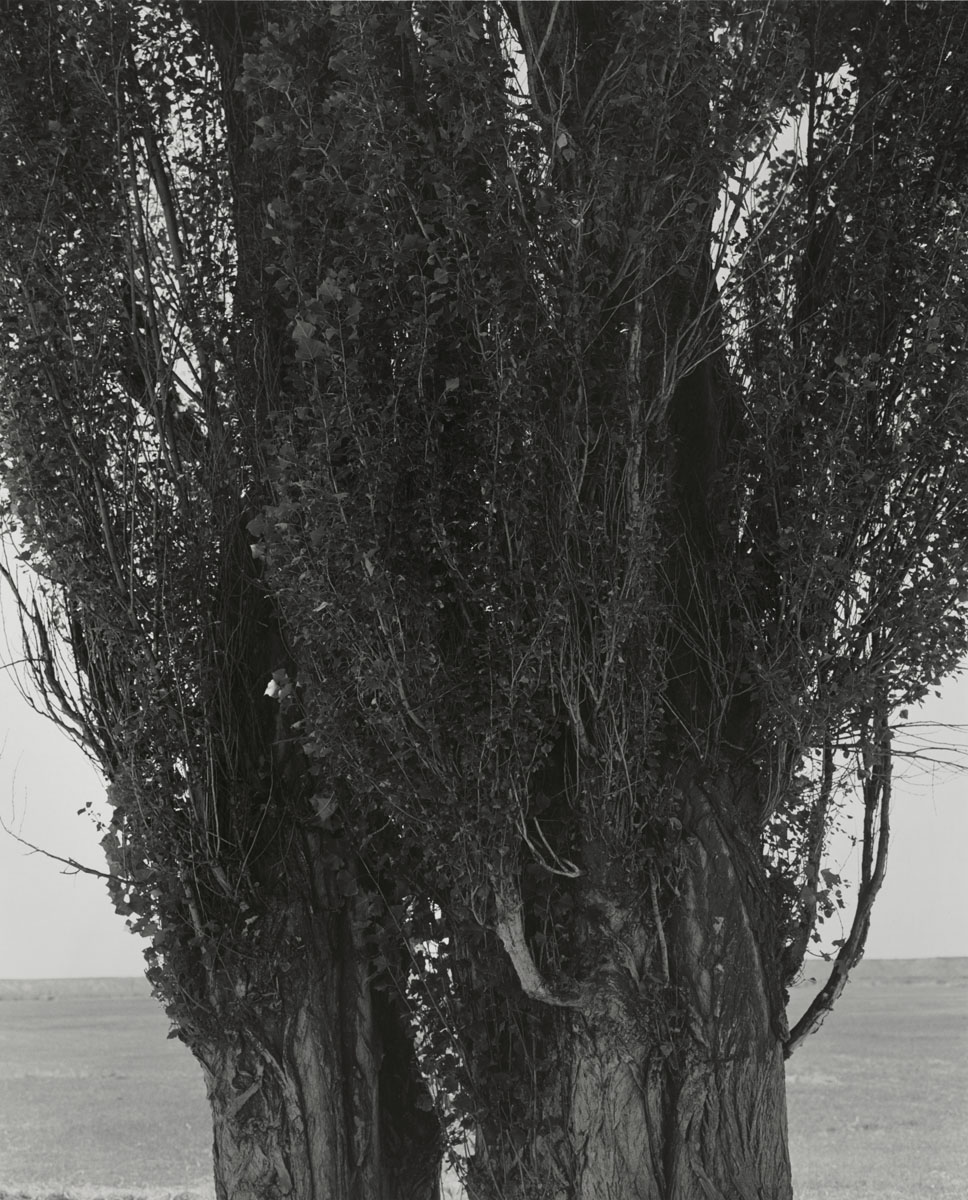
 

Robert Adams (American, b. 1937) 'Poplars, Harney County, Oregon' 1999


Robert Adams (American, b. 1937)
Poplars, Harney County, Oregon
1999
Photogravure
Image: 50.5 x 40cm (19 7/8 x 15 3/4 in.)
National Gallery of Art, Washington, Linda Hackett and Russell Munson Fund and Alfred H. Moses and Fern M. Schad Fund
© Robert Adams, Courtesy Fraenkel Gallery, San Francisco
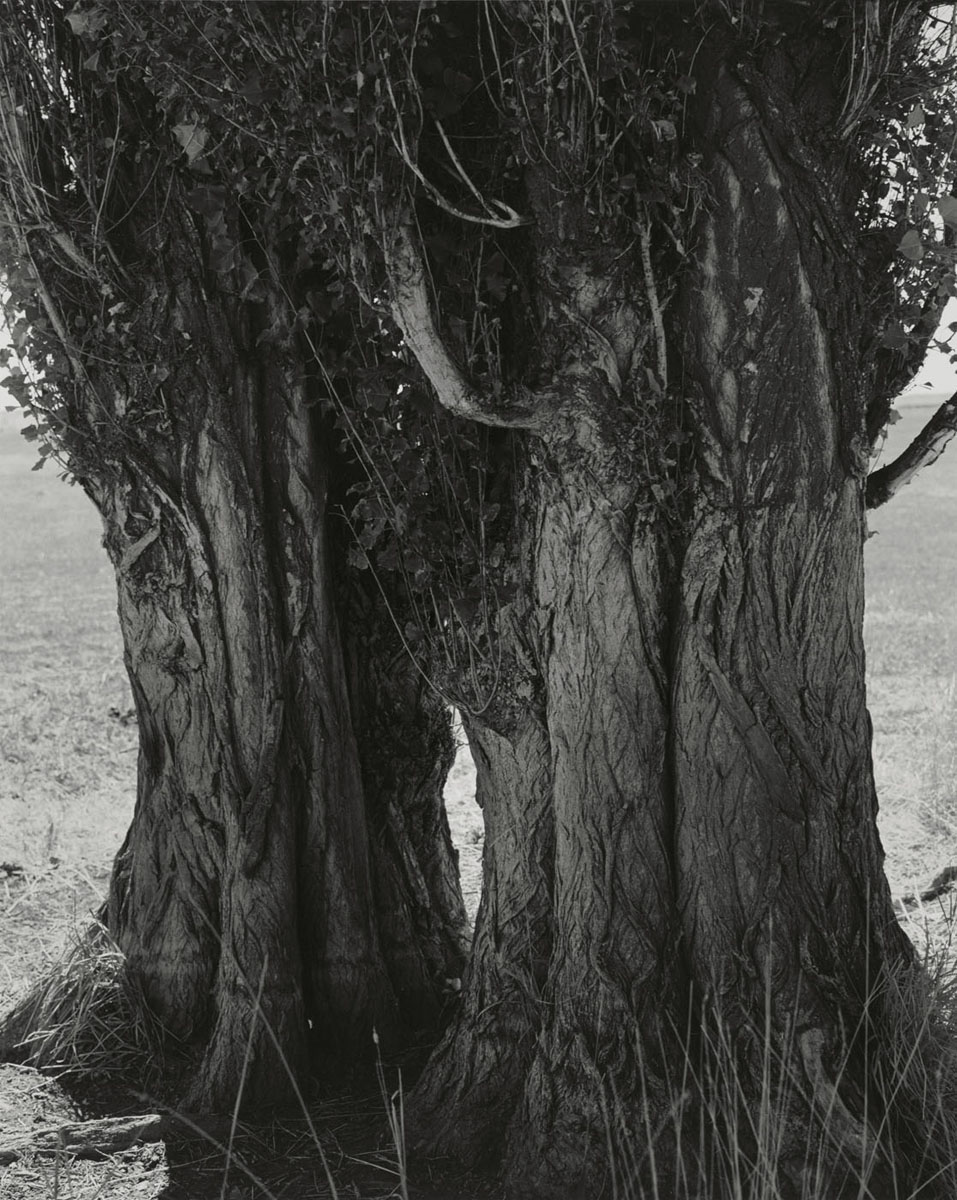
 

Robert Adams (American, b. 1937) 'Poplars, Harney County, Oregon' 1999


Robert Adams (American, b. 1937)
Poplars, Harney County, Oregon
1999
Photogravure
Image: 50 x 40cm (19 11/16 x 15 3/4 in.)
National Gallery of Art, Washington, Linda Hackett and Russell Munson Fund and Alfred H. Moses and Fern M. Schad Fund
© Robert Adams, Courtesy Fraenkel Gallery, San Francisco
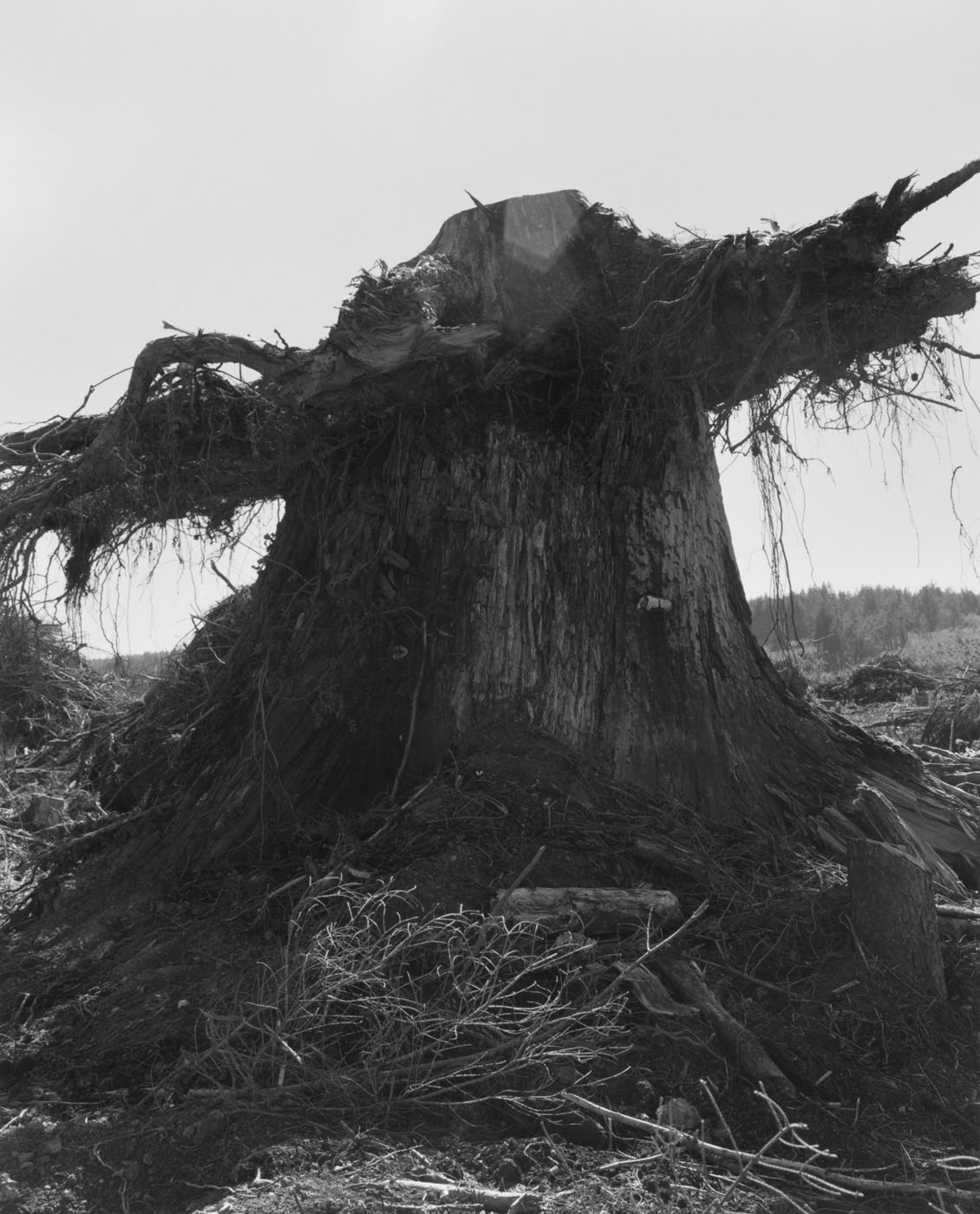
 

Robert Adams (American, b. 1937) 'Clearcut, Coos County, Oregon' 1999


Robert Adams (American, b. 1937)
Clearcut, Coos County, Oregon
1999
Gelatin silver print
Image: 28.2 x 22.7cm (11 1/8 x 8 15/16 in.)
National Gallery of Art, Washington, Pepita Milmore Memorial Fund and Gift of Robert and Kerstin Adams
© Robert Adams, Courtesy Fraenkel Gallery, San Francisco
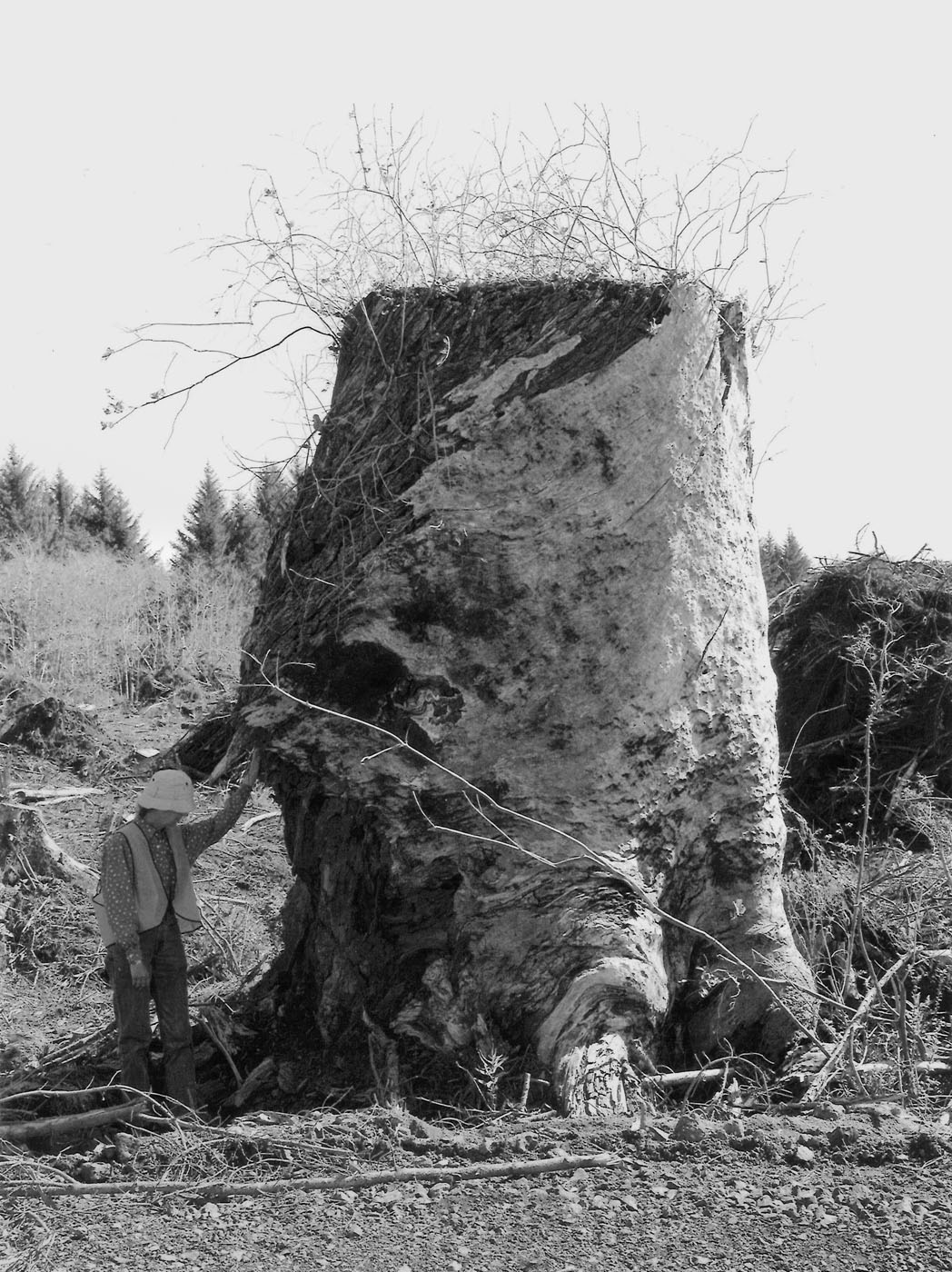
 

Robert Adams (American, b. 1937) 'Kerstin next to an Old-Growth Stump, Coos County, Oregon' 1999


Robert Adams (American, b. 1937)
Kerstin next to an Old-Growth Stump, Coos County, Oregon
1999
Gelatin silver print
Image: 27.9 x 22.9cm (11 x 9 in.)
San Francisco Museum of Modern Art, Gift of Daniel Greenberg and Susan Steinhauser
© Robert Adams, Courtesy Fraenkel Gallery, San Francisco
Photograph: Don Ross
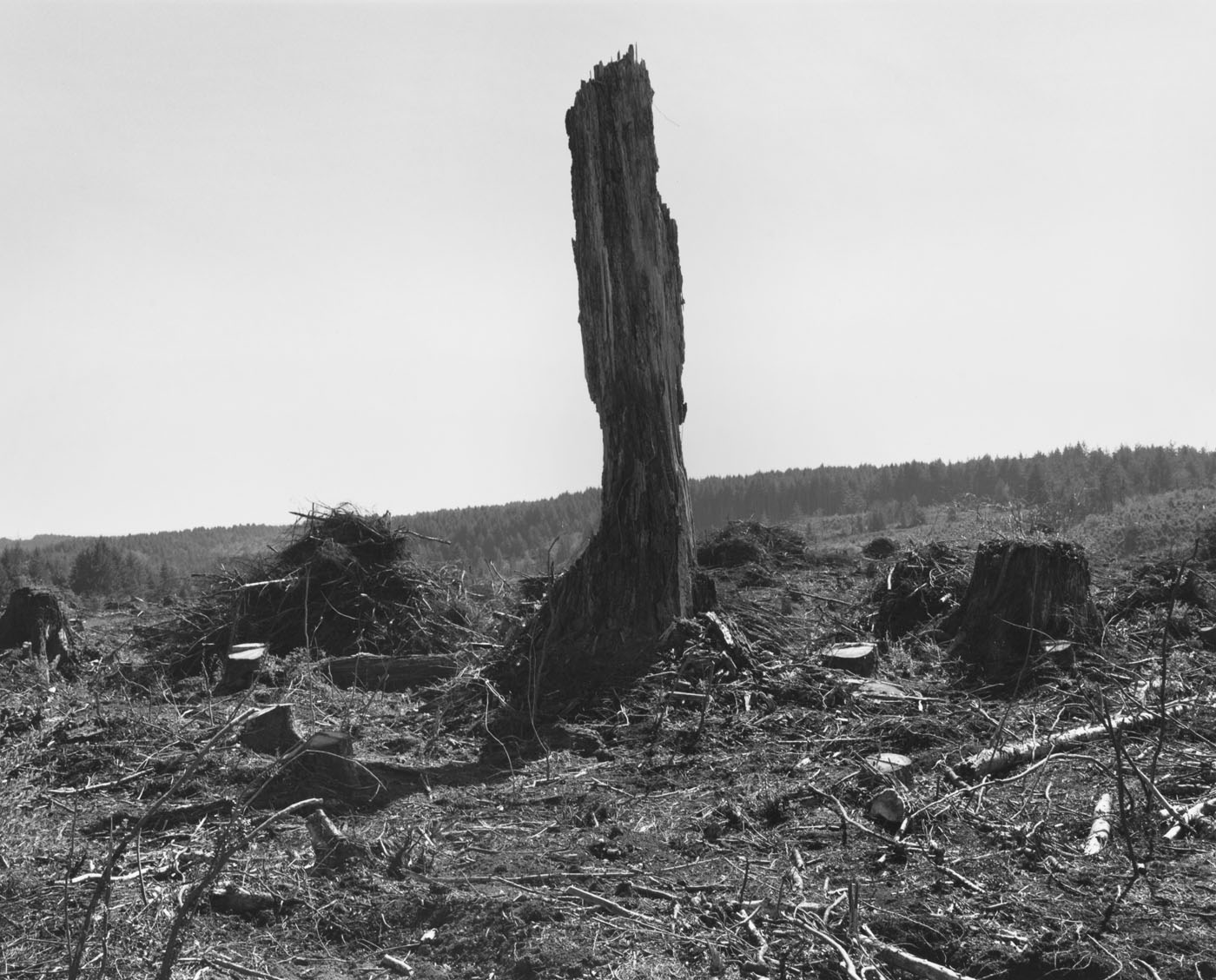
 

Robert Adams (American, b. 1937) 'Clearcut, Coos County, Oregon' 1999


Robert Adams (American, b. 1937)
Clearcut, Coos County, Oregon
1999
Gelatin silver print
Image: 22.7 x 28.2cm (8 15/16 x 11 1/8 in.)
National Gallery of Art, Washington, Pepita Milmore Memorial Fund and Gift of Robert and Kerstin Adams
© Robert Adams, Courtesy Fraenkel Gallery, San Francisco
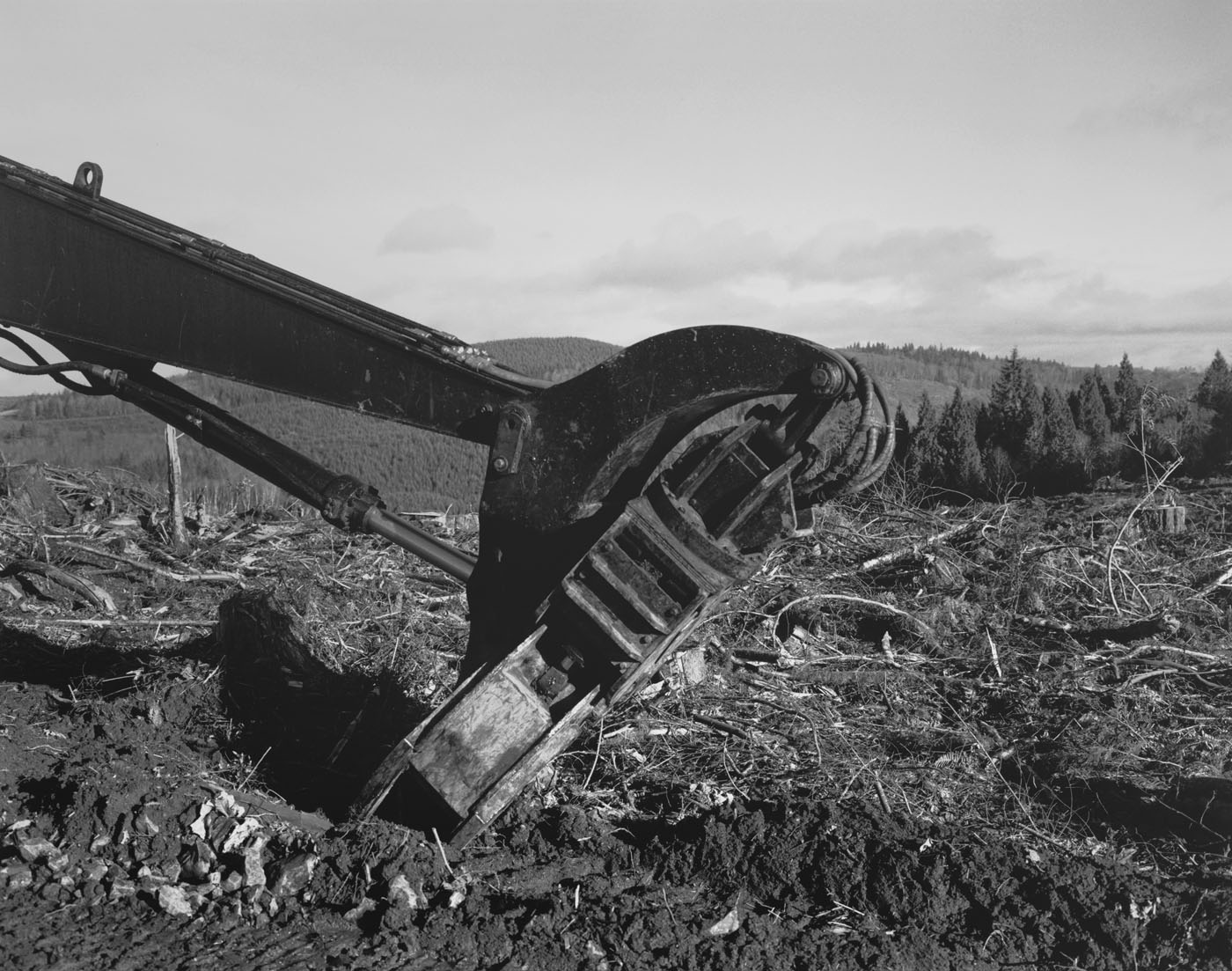
 

Robert Adams (American, b. 1937) 'Columbia County, Oregon' 1999-2001


Robert Adams (American, b. 1937)
Columbia County, Oregon
1999-2001
Gelatin silver print
Image: 31.3 x 39.7cm (12 5/16 x 15 5/8 in.)
San Francisco Museum of Modern Art, Purchase through a gift of an anonymous donor
© Robert Adams, Courtesy Fraenkel Gallery, San Francisco
Photograph: Don Ross
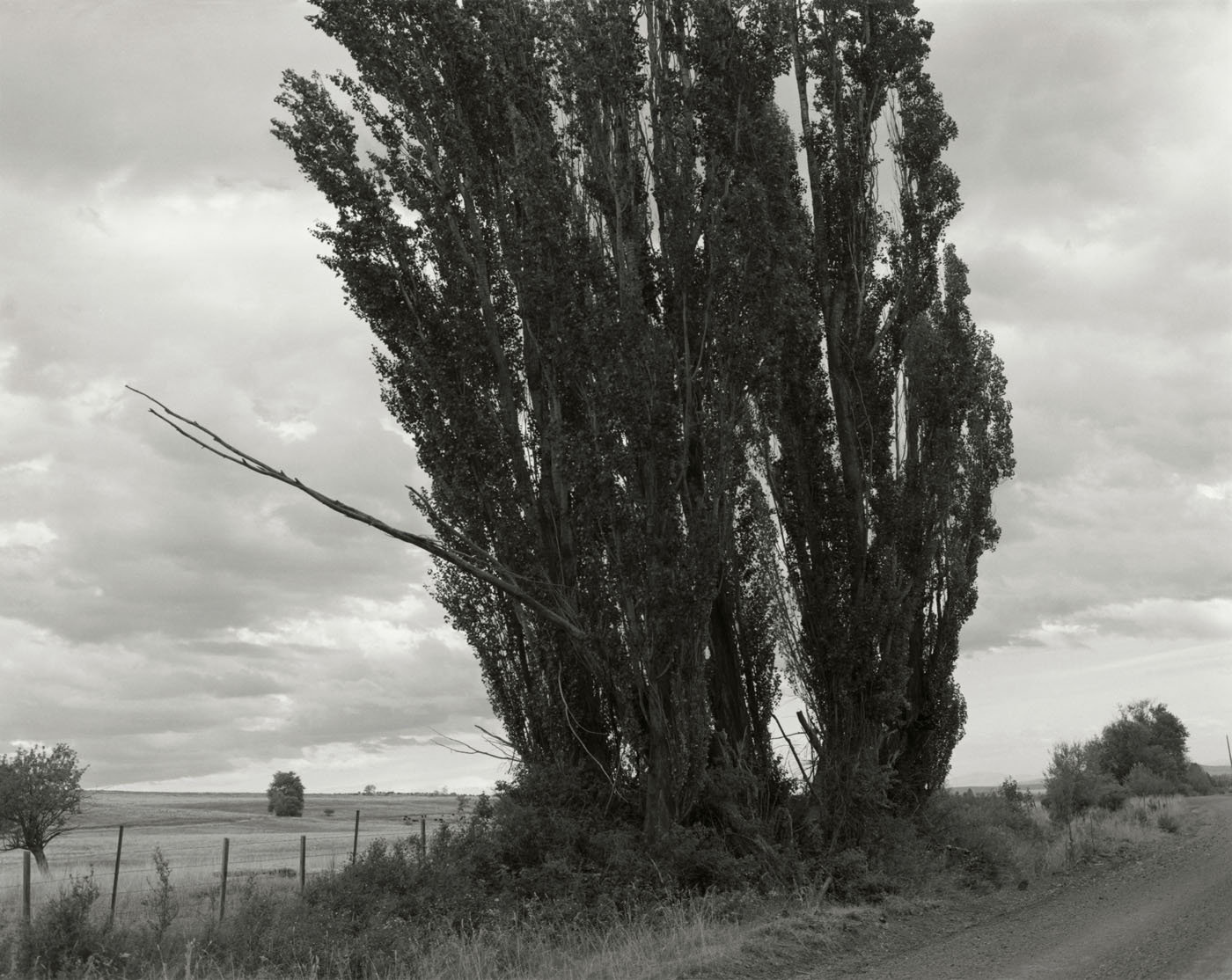
 

Robert Adams (American, b. 1937) 'Baker County, Oregon' 2000


Robert Adams (American, b. 1937)
Baker County, Oregon
2000
Gelatin silver print
Image: 20.6 x 26.1cm (8 1/8 x 10 1/4 in.)
National Gallery of Art, Washington, Gift of Robert and Kerstin Adams
© Robert Adams, Courtesy Fraenkel Gallery, San Francisco
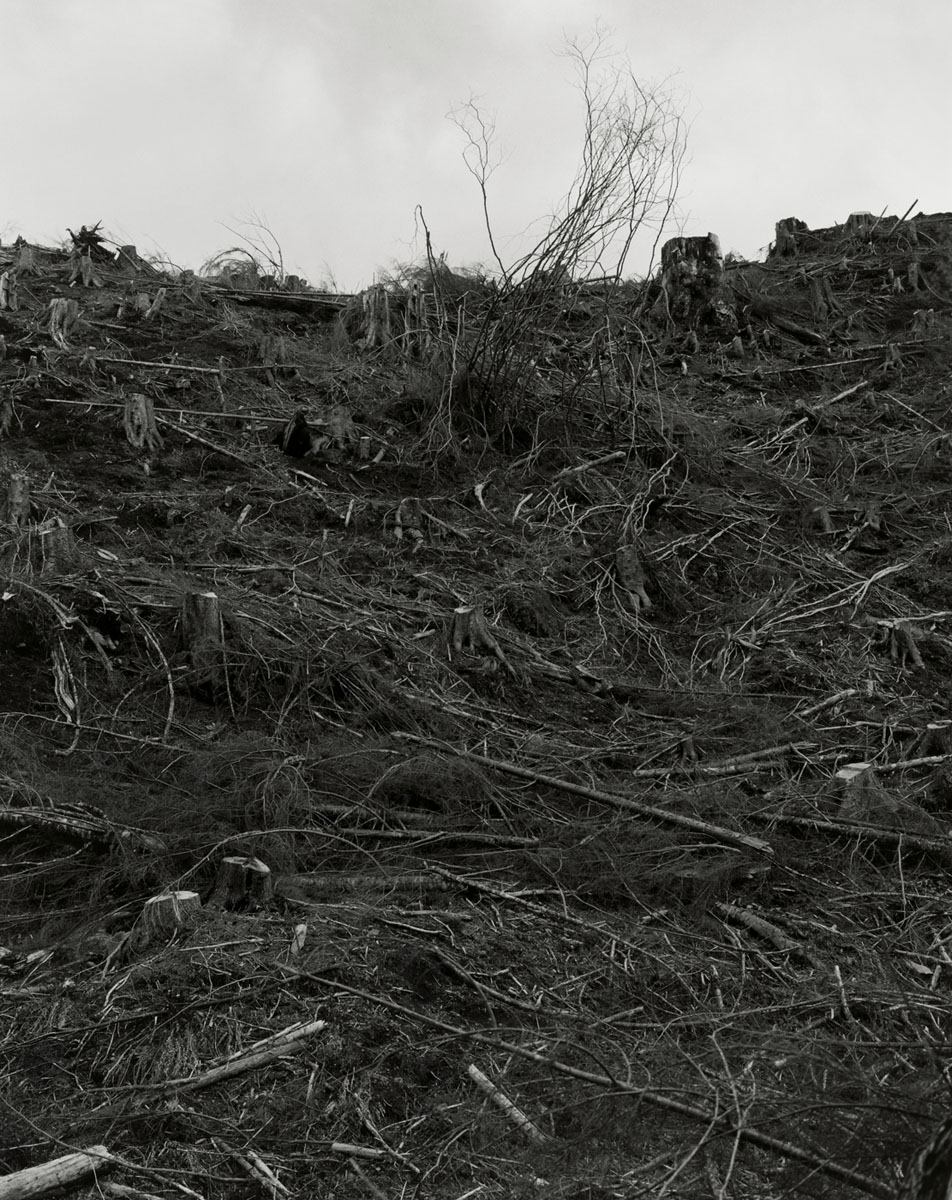
 

Robert Adams (American, b. 1937) 'Clearcut, Coos County, Oregon' c. 2000


Robert Adams (American, b. 1937)
Clearcut, Coos County, Oregon
c. 2000
Gelatin silver print
Image: 39.4 x 31.3cm (15 1/2 x 12 5/16 in.)
San Francisco Museum of Modern Art, Gift of Daniel Greenberg and Susan Steinhauser
© Robert Adams, Courtesy Fraenkel Gallery, San Francisco
Photograph: Don Ross
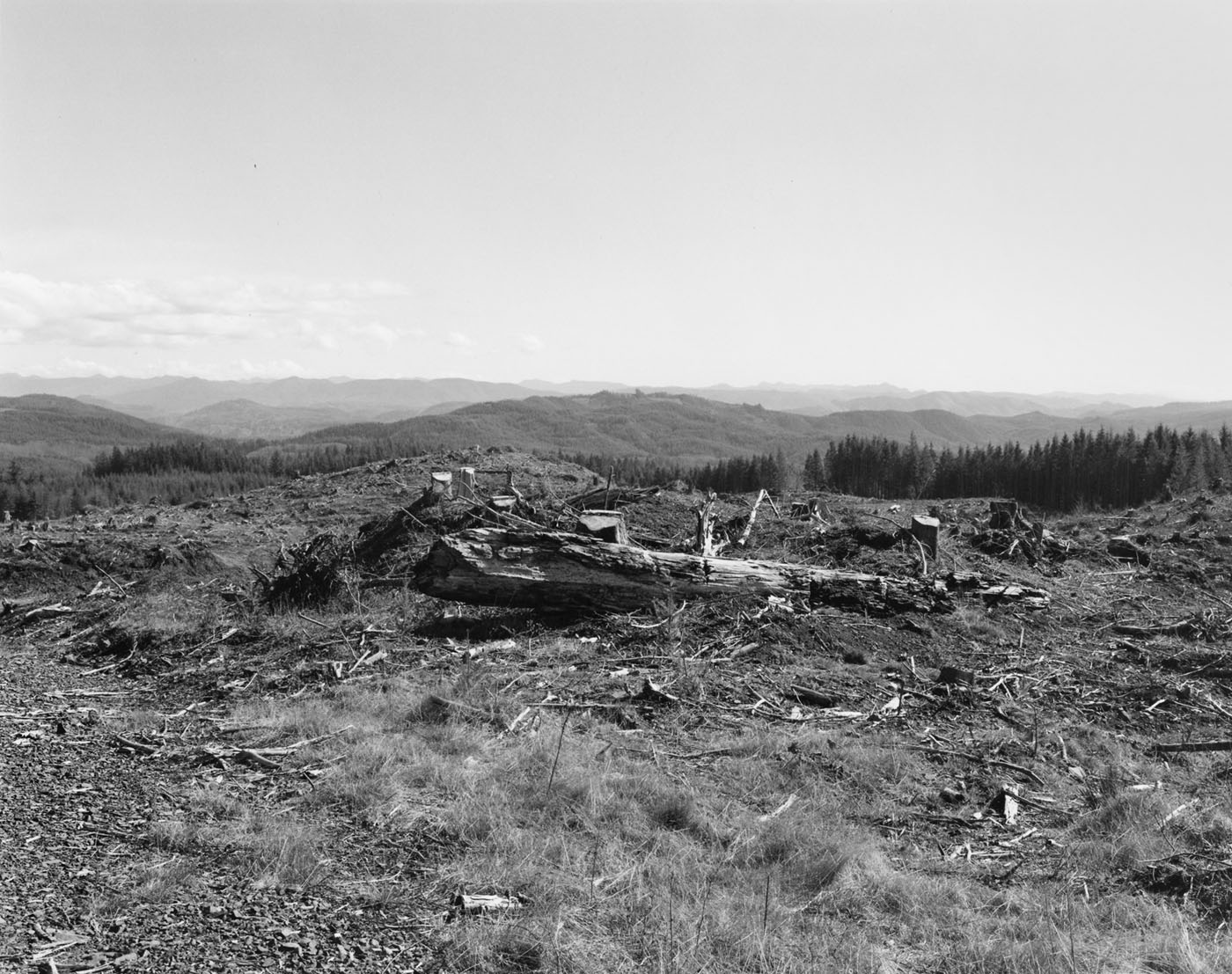
 

Robert Adams (American, b. 1937) 'Clearcut, Clatsop County, Oregon' c. 2000


Robert Adams (American, b. 1937)
Clearcut, Clatsop County, Oregon
c. 2000
Gelatin silver print
Image: 22.8 x 28.6cm (9 x 11 1/4 in.)
National Gallery of Art, Washington, Gift of Robert and Kerstin Adams
© Robert Adams, Courtesy Fraenkel Gallery, San Francisco
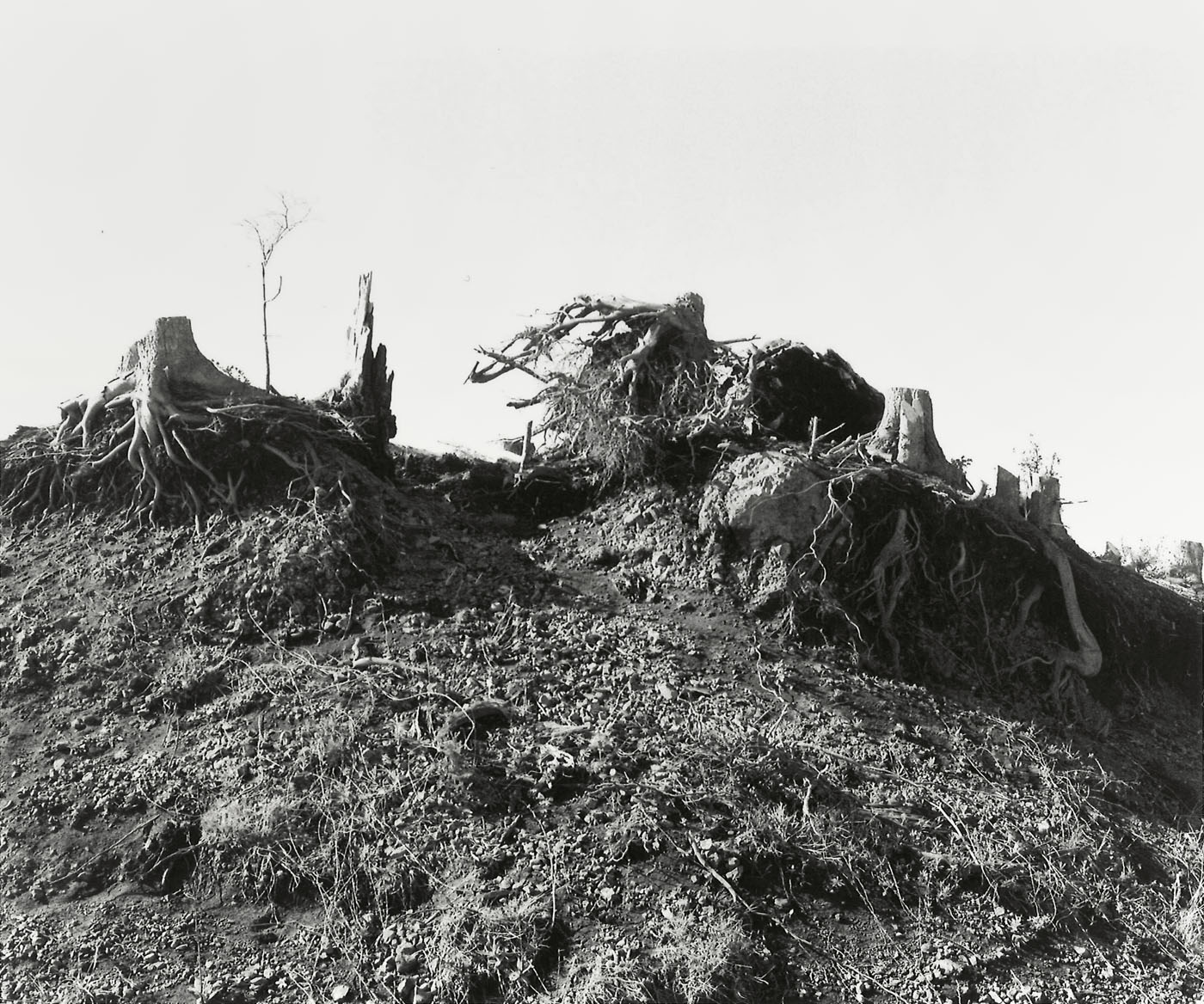
 

Robert Adams (American, b. 1937) 'Clearcut, Clatsop County, Oregon' c. 2000


Robert Adams (American, b. 1937)
Clearcut, Clatsop County, Oregon
c. 2000
Gelatin silver print
Image: 22.5 x 28.6cm (8 7/8 x 11 1/4 in.)
San Francisco Museum of Modern Art, Purchase through a gift of an anonymous donor
© Robert Adams, Courtesy Fraenkel Gallery, San Francisco
Photograph: Don Ross
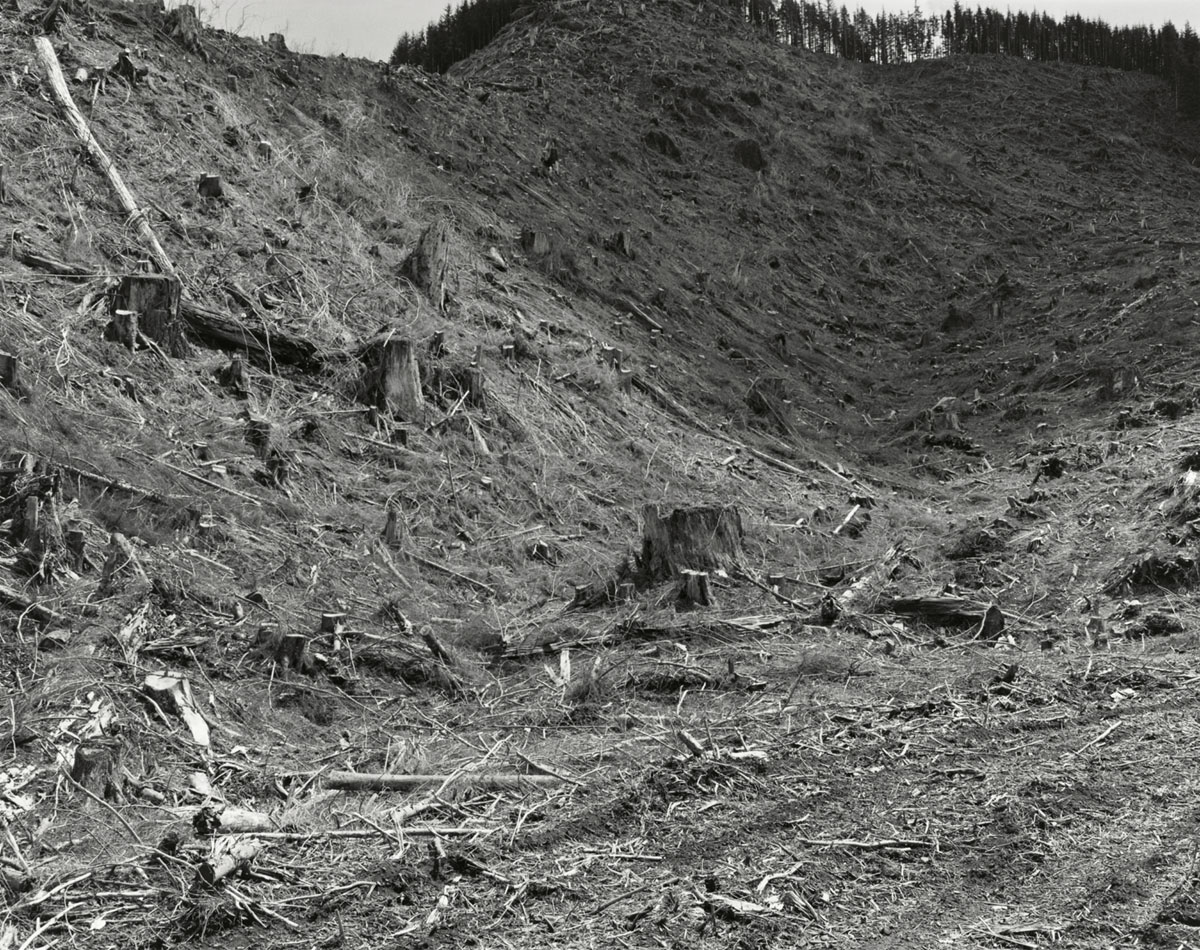
 

Robert Adams (American, b. 1937) 'Clearcut, Clatsop County, Oregon' 2001


Robert Adams (American, b. 1937)
Clearcut, Clatsop County, Oregon
2001
Gelatin silver print
Image: 22.8 x 28.9cm (9 x 11 3/8 in.)
National Gallery of Art, Washington, Pepita Milmore Memorial Fund and Gift of Robert and Kerstin Adams
© Robert Adams, Courtesy Fraenkel Gallery, San Francisco
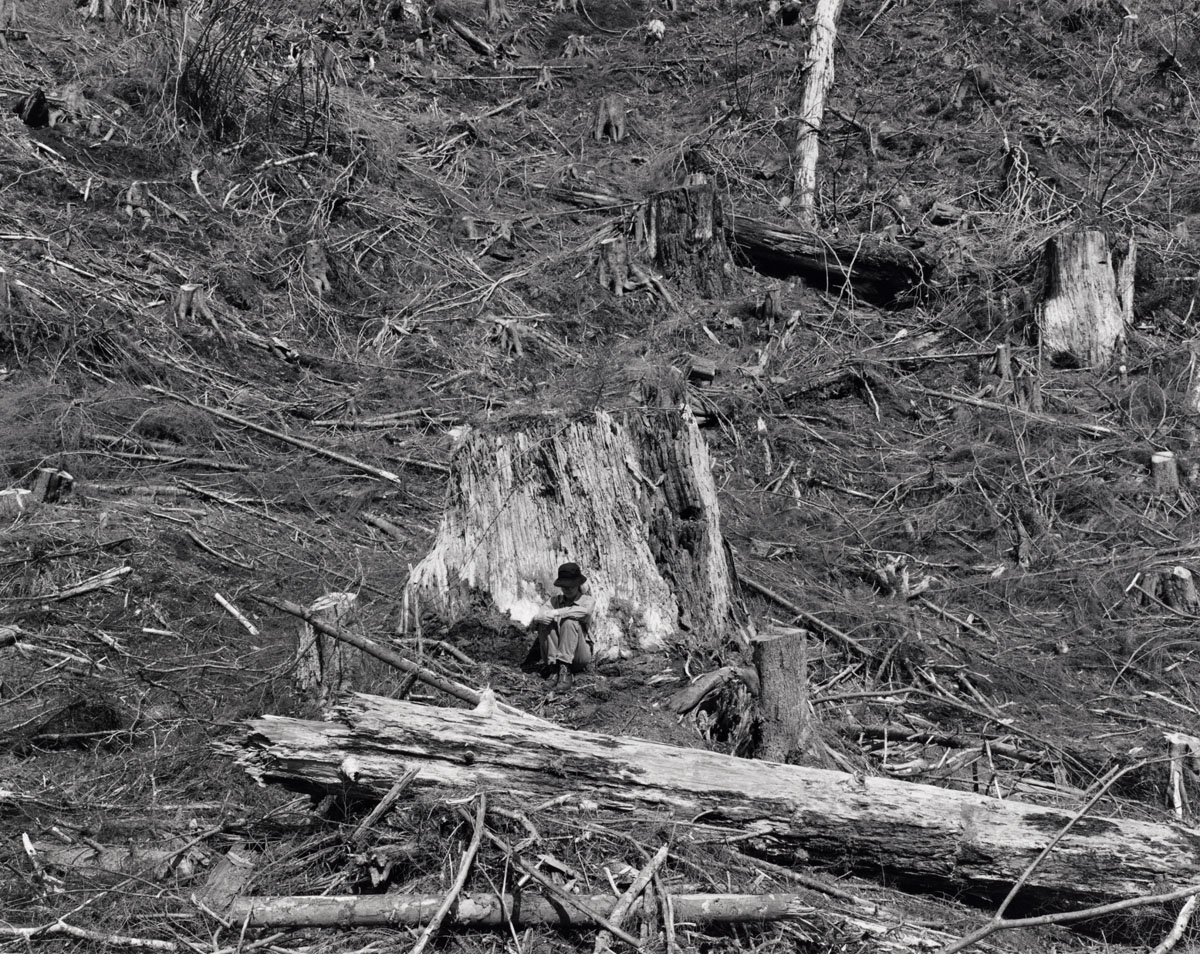
 

Robert Adams (American, b. 1937) 'Kerstin, Old-Growth Stump, the Last Evidence of the Original Forest, Clatsop County, Oregon' c. 2001


Robert Adams (American, b. 1937)
Kerstin, Old-Growth Stump, the Last Evidence of the Original Forest, Clatsop County, Oregon
c. 2001
Gelatin silver print
Image: 22.8 x 28.7cm (9 x 11 5/16 in.)
National Gallery of Art, Washington, Pepita Milmore Memorial Fund and Gift of Robert and Kerstin Adams
© Robert Adams, Courtesy Fraenkel Gallery, San Francisco


These views of the American West evoke a wide range of memories, myths, and regrets associated with America’s final frontier. In the nineteenth century, that frontier began at the Missouri River. Beyond it lay a landscape of natural grandeur and purity, challenging the spirit and promising redemption. At the time the pictures were made, the hand of man had not so much disfigured as domesticated that paradise, leaving its mark of intrusion almost casually, with the assurance of absolute triumph. Adams recorded this intrusion with neither judgment nor irony; the land he shows has simply been changed, reduced, made ordinary. Yet a second look makes it apparent that the hand of man has, after all, its limitations. The simple natural facts imposed upon by civilization still exert a mysterious counterforce: they abide, in a kind of triumph of resignation. That counterforce is present in all of Adams’s images, recognizable as the same silence and stillness that once summoned pioneers into a wilderness, and now summon their descendants to remember.

~ from the book Robert Adams: From the Missouri West

9.5 x 11.5 in, Hardcover
First edition, 46 b&w photographs
Aperture
1980


denver and What We Bought, together with The New West, form a loose trilogy of Robert Adams’s work exploring the rapidly developing landscape of the Denver metropolitan area from 1968 through 1974. In the former two books, Adams created a comprehensive document that was resolute in its avoidance of romantic notions of the American West and dispassionately honest about man’s despoliation of the land. Both books demonstrate the artist at the height of his powers as a documentary photographer and a poetic sequencer of images.

The photographs featured in denver and What We Bought show tract housing with mountain ranges in the distance, trailer lots devoid of people, suburban streets through generic windows, shopping mall interiors, and parking lots: subjects distinctly unspectacular, familiar, and banal. Adams’s compositions are straightforward and democratic, and it is this precise turn from sentimentality that has made Adams one of the most influential figures in the history of American photography.

~ the publisher

8 x 9.25 in., Hardbound
136 pages, 117 tritone illustrations
Yale University Press
2009


Listening to the River is a celebration of anonymous places where we can still find nature’s beauty. Robert Adams first visited these particular locations as a boy, when the West seemed unchanging. Now in his fifties, he returns to them with the affection of a longtime acquaintance. The book records hushed walks when irrelevancies are forgotten, when sunlight makes the fields, hills, and roads new. Adams has chosen twelve poems by William Stafford to accompany the pictures. Both photographer and poet observe a practice of quiet in the out-of-doors, and both discover there a promise.

This is an optimistic book, though not a sentimental one: a number of the photographs record views of the suburban West. “Any tree in the path of development appears to have an uncertain future,” Adams observes. Listening to the River affirms, however, that trees and other elements of nature are ultimately protected. “Part of what their beauty means,” says the photographer, “is that they are safe.”

In 1989 Adams spoke at the Philadelphia Museum of Art about his enjoyment of the landscape, citing as an example his experiences at rural crossroads on the plains: “Sometimes there doesn’t seem to be anything there at all – just two roads, four fields, and sky. Small things, however, can become important – a lark or a mailbox or sunflowers. And if I wait I may see the architecture – the roads and the fields and the sky. Were you and I to drive the prairie together, and the day turned out to be a good one, we might not say much. We might get out of the truck at a crossroads, stretch, walk a little ways, and then walk back. Maybe the lark would sing. Maybe we would stand for a while, all views to the horizon, all roads interesting. We might find there a balance of form and openness, even of community and freedom. It would be the world as we had hoped, and we would recognize it together.”

~ the publisher

10 x 13 in, Hardcover
Featuring poems by William Stafford; 176 plates
Aperture
1994
 

Robert Adams (American, b. 1937) 'The River's Edge' 2015


Robert Adams (American, b. 1937)
The River’s Edge
2015
Gelatin silver print
Image: 19.8 x 29.9cm (7 13/16 x 11 3/4 in.)
National Gallery of Art, Washington, Gift of Stephen G. Stein
© Robert Adams, Courtesy Fraenkel Gallery, San Francisco
 

Robert Adams (American, b. 1937) 'The River's Edge' 2015


Robert Adams (American, b. 1937)
The River’s Edge
2015
Gelatin silver print
Image: 19.7 x 29.8cm (7 3/4 x 11 3/4 in.)
National Gallery of Art, Washington, Gift of Stephen G. Stein
© Robert Adams, Courtesy Fraenkel Gallery, San Francisco
 

Robert Adams (American, b. 1937) 'The River's Edge' 2015


Robert Adams (American, b. 1937)
The River’s Edge
2015
Gelatin silver print
Image: 19.9 x 29.9cm (7 13/16 x 11 3/4 in.)
National Gallery of Art, Washington, Gift of Stephen G. Stein
© Robert Adams, Courtesy Fraenkel Gallery, San Francisco
 

Robert Adams (American, b. 1937) 'The River's Edge' 2015


Robert Adams (American, b. 1937)
The River’s Edge
2015
Gelatin silver print
Image: 19.8 x 30cm (7 13/16 x 11 13/16 in.)
National Gallery of Art, Washington, Gift of Stephen G. Stein
© Robert Adams, Courtesy Fraenkel Gallery, San Francisco
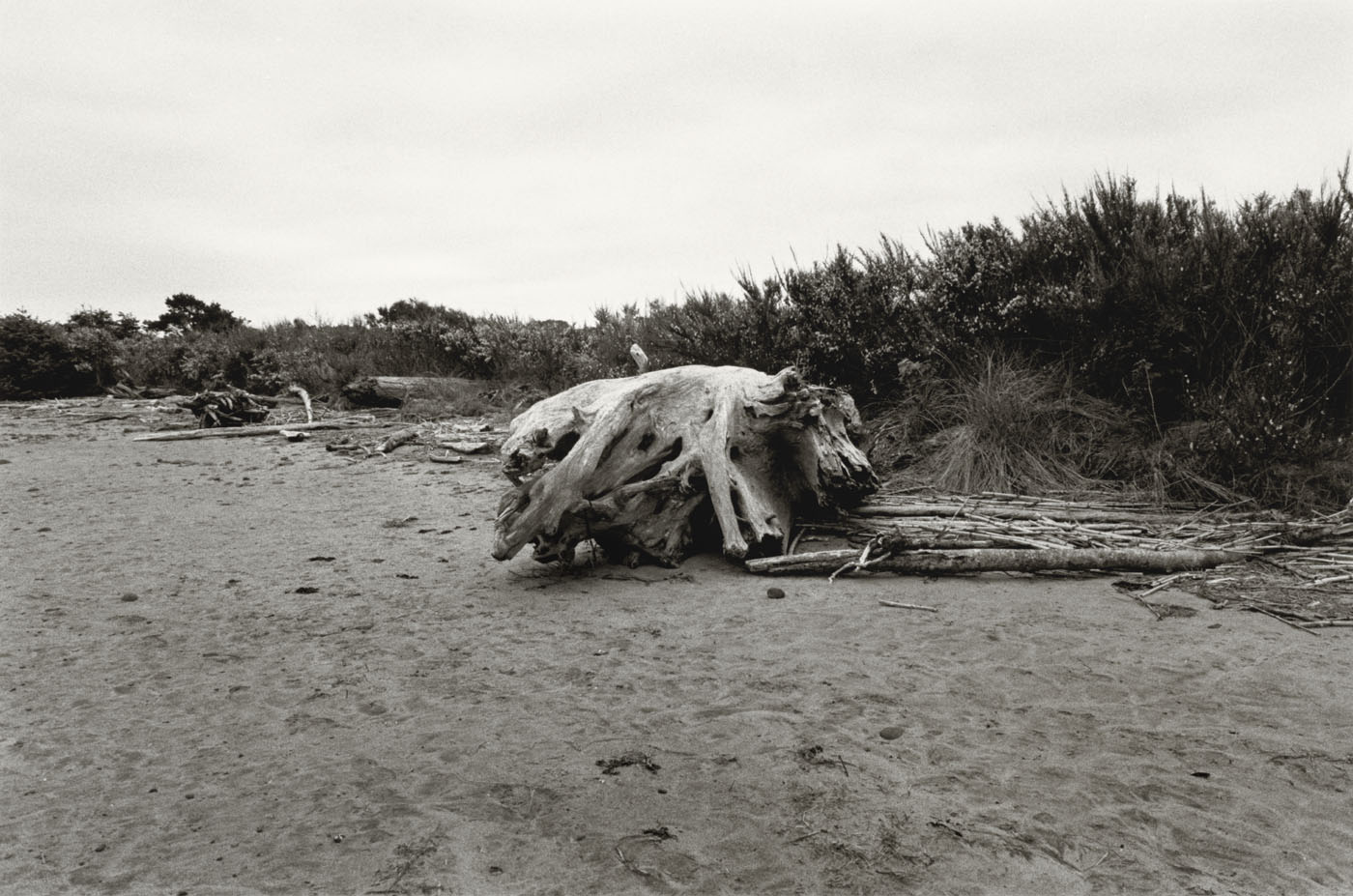
 

Robert Adams (American, b. 1937) 'The River's Edge' 2015


Robert Adams (American, b. 1937)
The River’s Edge
2015
Gelatin silver print
Image: 19.8 x 29.8cm (7 13/16 x 11 3/4 in.)
National Gallery of Art, Washington, Gift of Stephen G. Stein
© Robert Adams, Courtesy Fraenkel Gallery, San Francisco
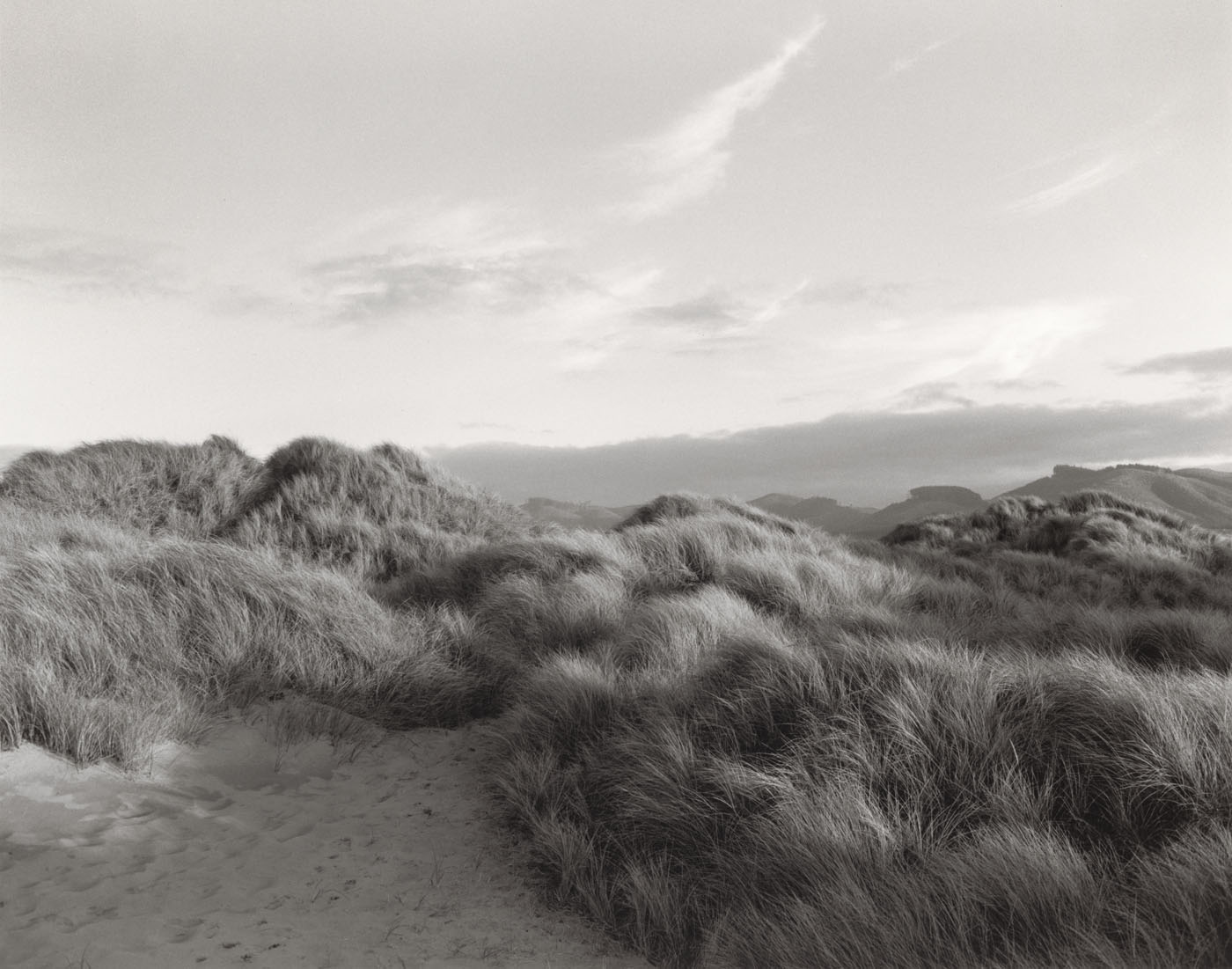
 

Robert Adams (American, b. 1937) 'The Interior of the Spit' 2015


Robert Adams (American, b. 1937)
The Interior of the Spit
2015
Gelatin silver print
Image: 22.5 x 28.7cm (8 7/8 x 11 5/16 in.)
National Gallery of Art, Washington, Gift of Stephen G. Stein
© Robert Adams, Courtesy Fraenkel Gallery, San Francisco
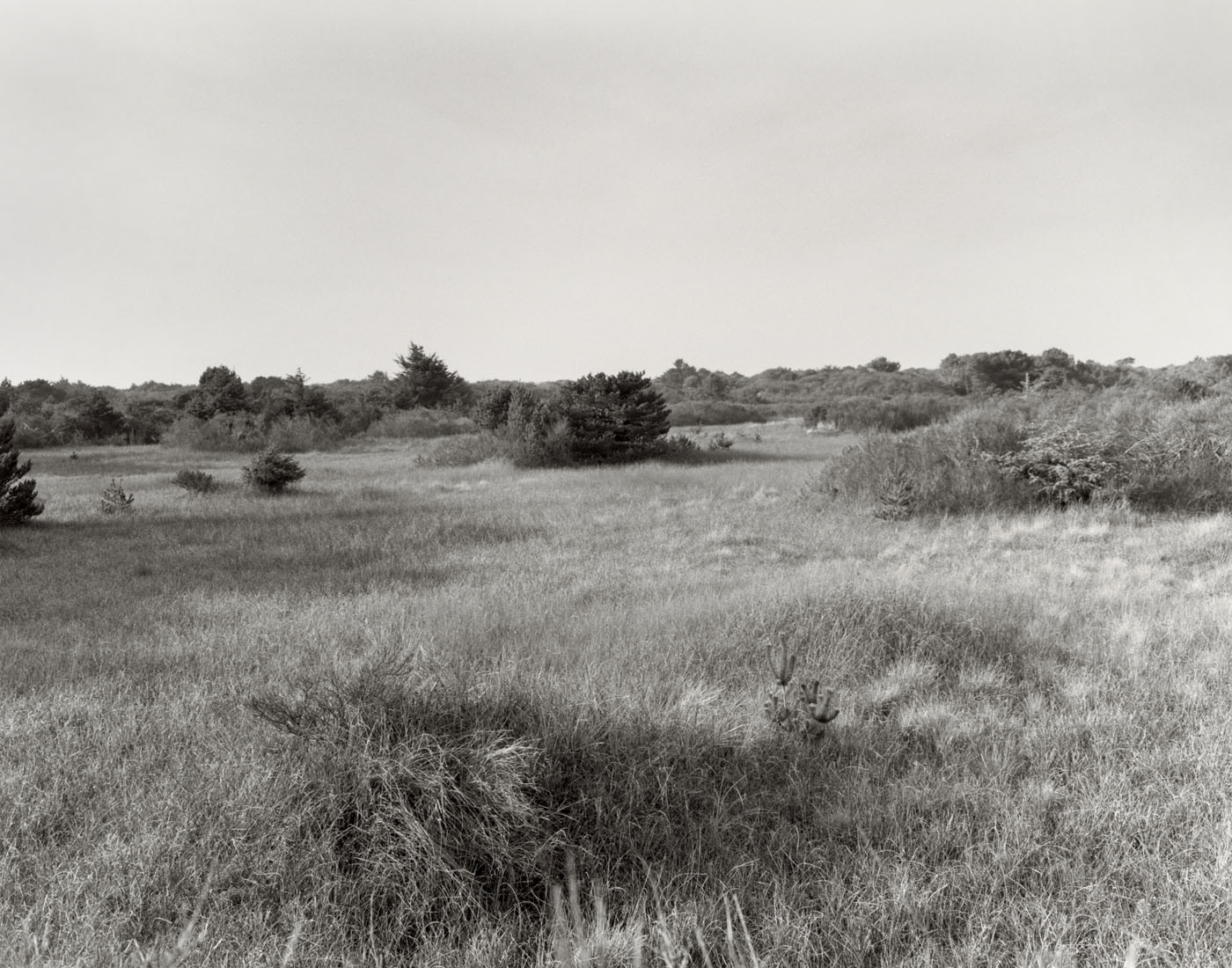
 

Robert Adams (American, b. 1937) 'The Interior of the Spit' 2015


Robert Adams (American, b. 1937)
The Interior of the Spit
2015
Gelatin silver print
Image: 22.6 x 28.8cm (8 7/8 x 11 5/16 in.)
National Gallery of Art, Washington, Gift of Stephen G. Stein
© Robert Adams, Courtesy Fraenkel Gallery, San Francisco
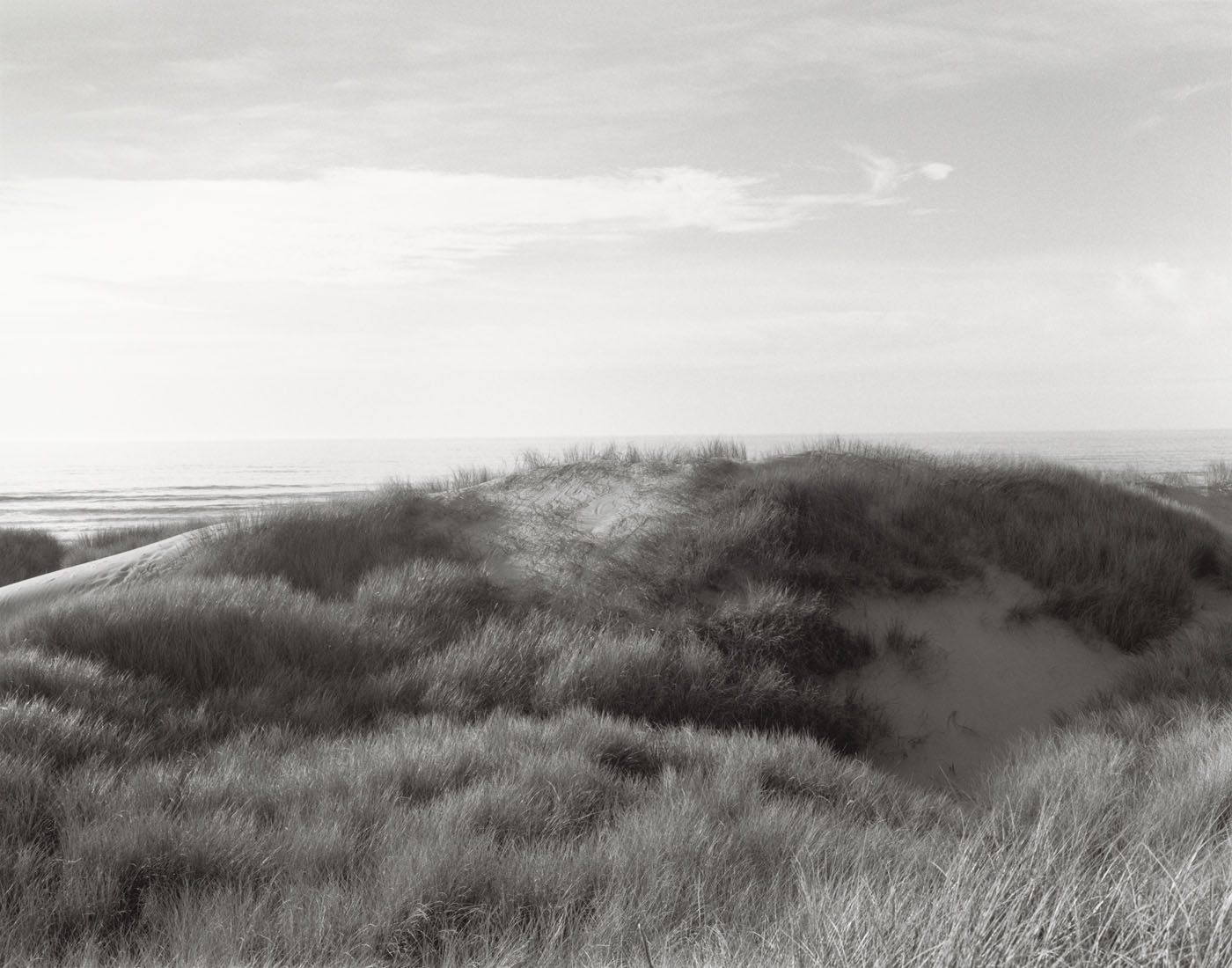
 

Robert Adams (American, b. 1937) 'The Interior of the Spit' 2015


Robert Adams (American, b. 1937)
The Interior of the Spit
2015
Gelatin silver print
Image: 22.6 x 28.8cm (8 7/8 x 11 5/16 in.)
National Gallery of Art, Washington, Gift of Stephen G. Stein
© Robert Adams, Courtesy Fraenkel Gallery, San Francisco
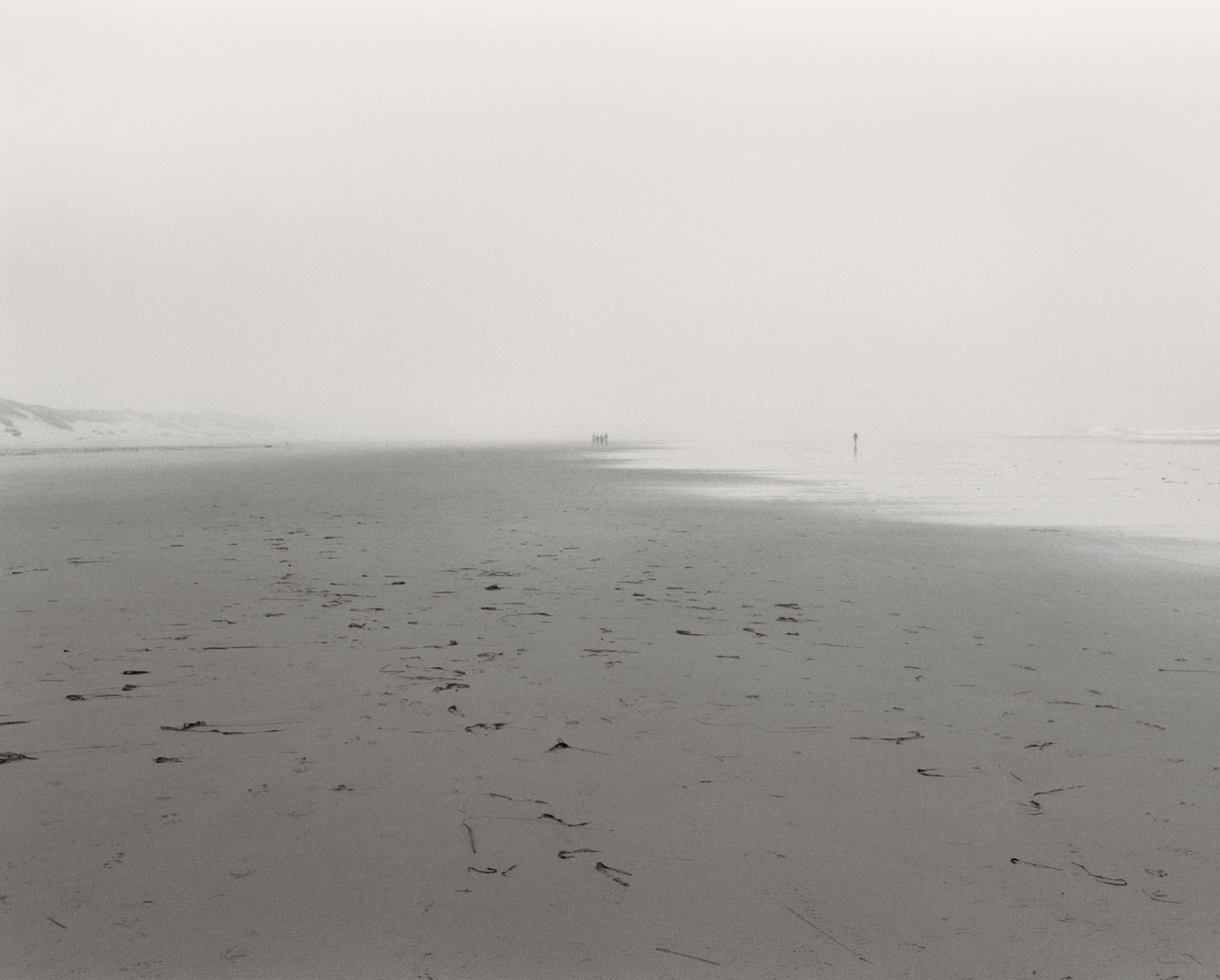
 

Robert Adams (American, b. 1937) 'The Sea Beach' 2015


Robert Adams (American, b. 1937)
The Sea Beach
2015
Gelatin silver print
Image: 22.6 x 28.2cm (8 7/8 x 11 1/8 in.)
National Gallery of Art, Washington, Gift of Stephen G. Stein
© Robert Adams, Courtesy Fraenkel Gallery, San Francisco
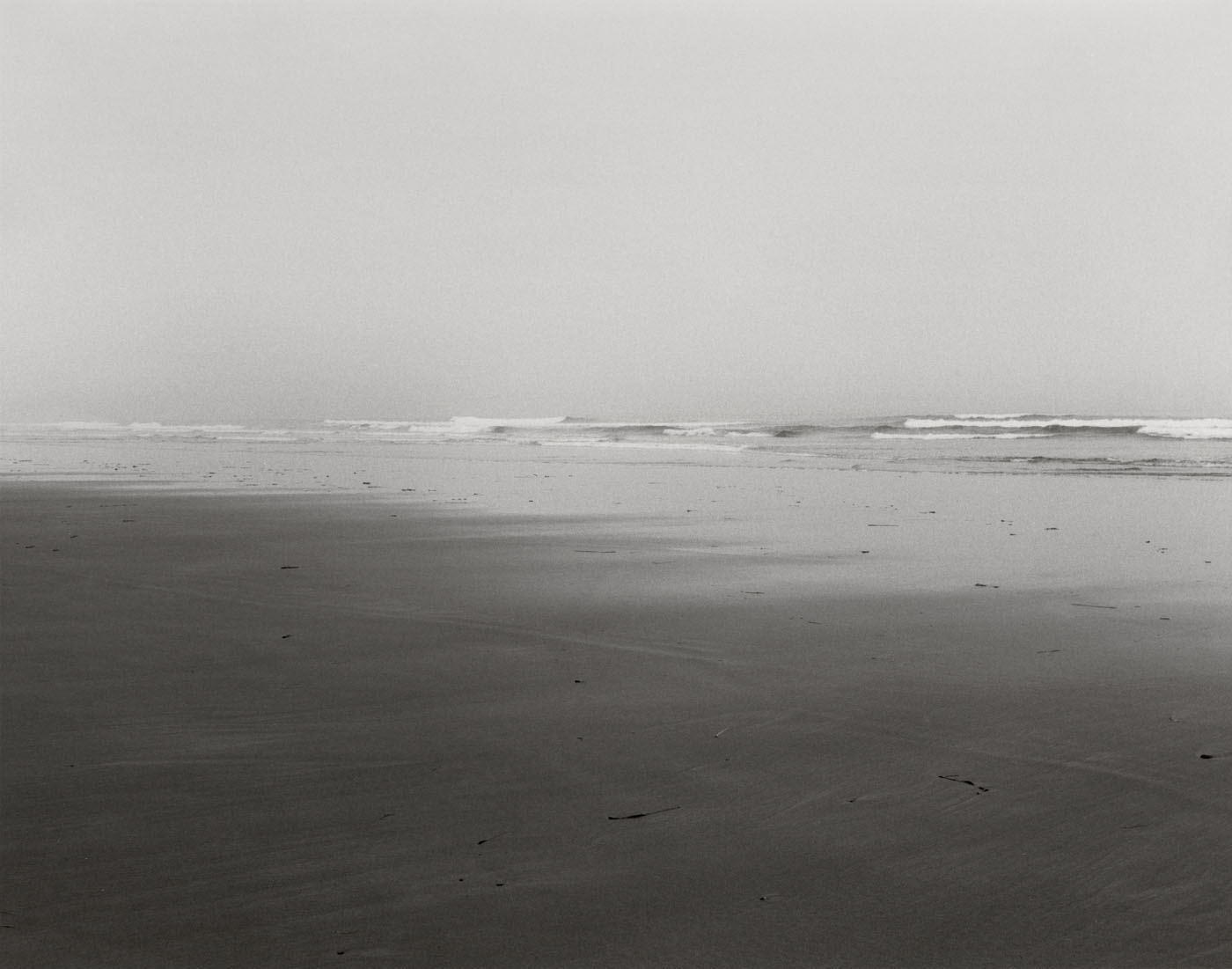
 

Robert Adams (American, b. 1937) 'The Sea Beach' 2015


Robert Adams (American, b. 1937)
The Sea Beach
2015
Gelatin silver print
Image: 22.7 x 28.8cm (8 15/16 x 11 5/16 in.)
National Gallery of Art, Washington, Gift of Stephen G. Stein
© Robert Adams, Courtesy Fraenkel Gallery, San Francisco
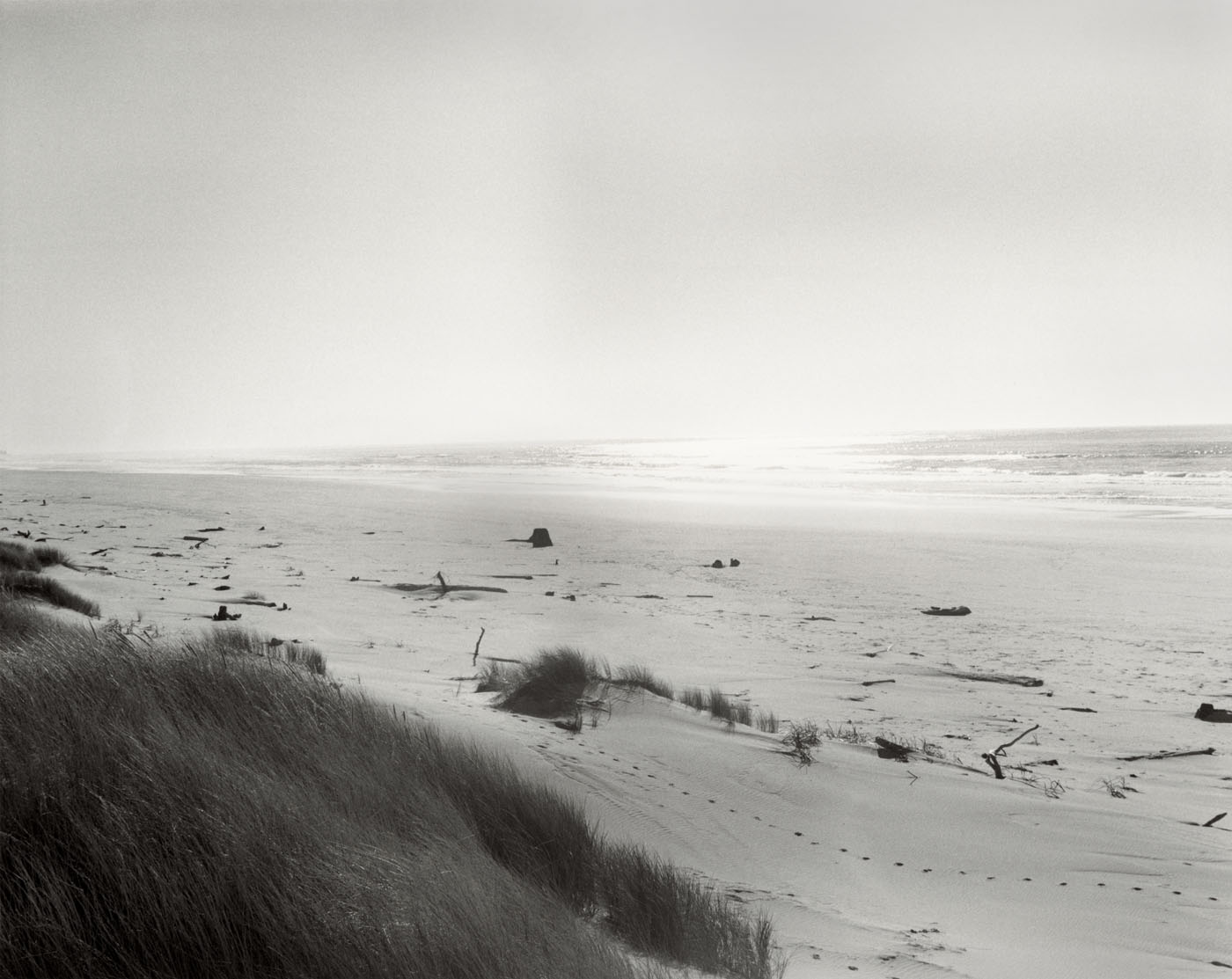
 

Robert Adams (American, b. 1937) 'The Sea Beach' 2015


Robert Adams (American, b. 1937)
The Sea Beach
2015
Gelatin silver print
Image: 22.5 x 28.5cm (8 7/8 x 11 1/4 in.)
National Gallery of Art, Washington, Gift of Stephen G. Stein
© Robert Adams, Courtesy Fraenkel Gallery, San Francisco
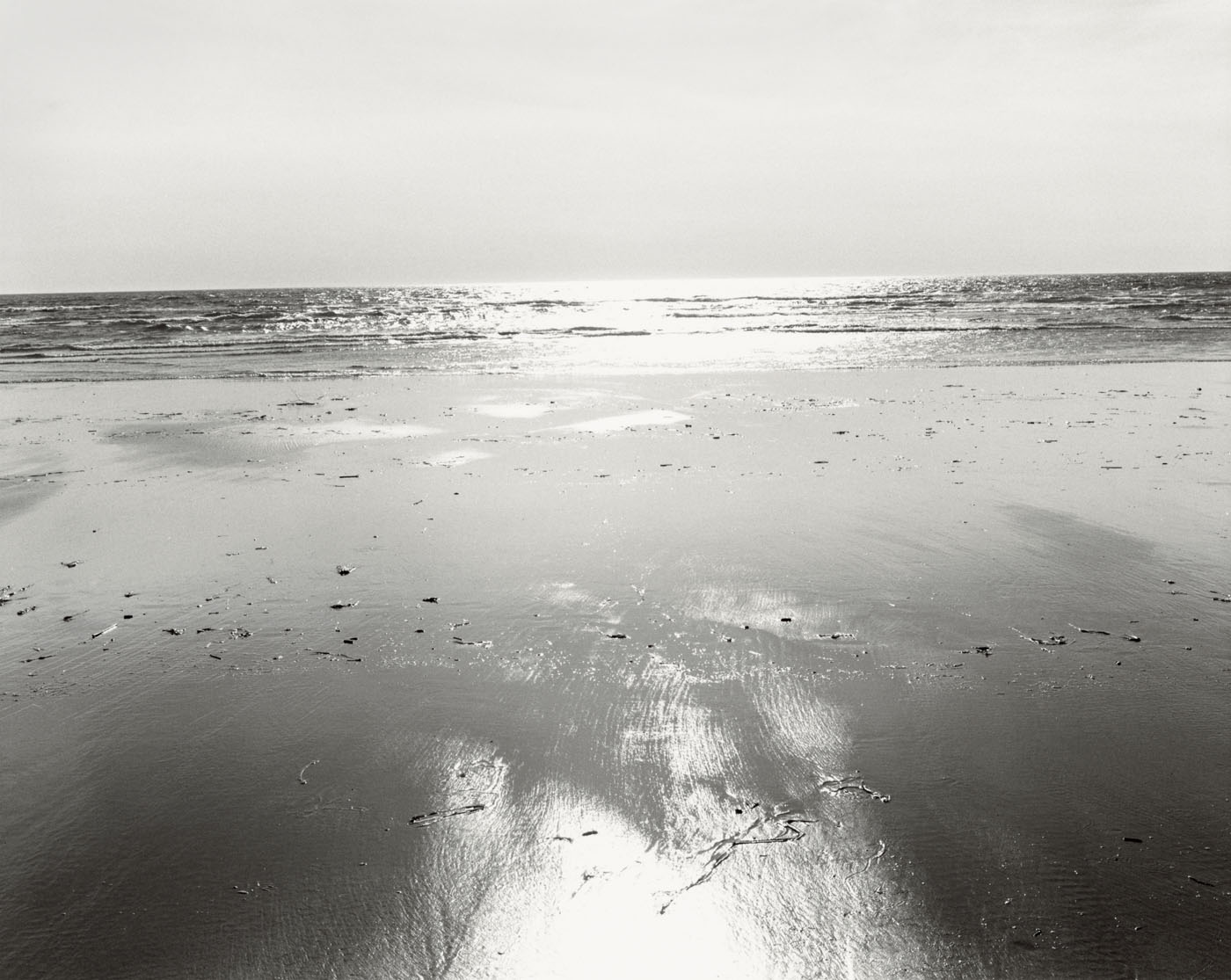
 

Robert Adams (American, b. 1937) 'The Sea Beach' 2015


Robert Adams (American, b. 1937)
The Sea Beach
2015
Gelatin silver print
Image: 22.5 x 28.3cm (8 7/8 x 11 1/8 in.)
National Gallery of Art, Washington, Gift of Stephen G. Stein
© Robert Adams, Courtesy Fraenkel Gallery, San Francisco
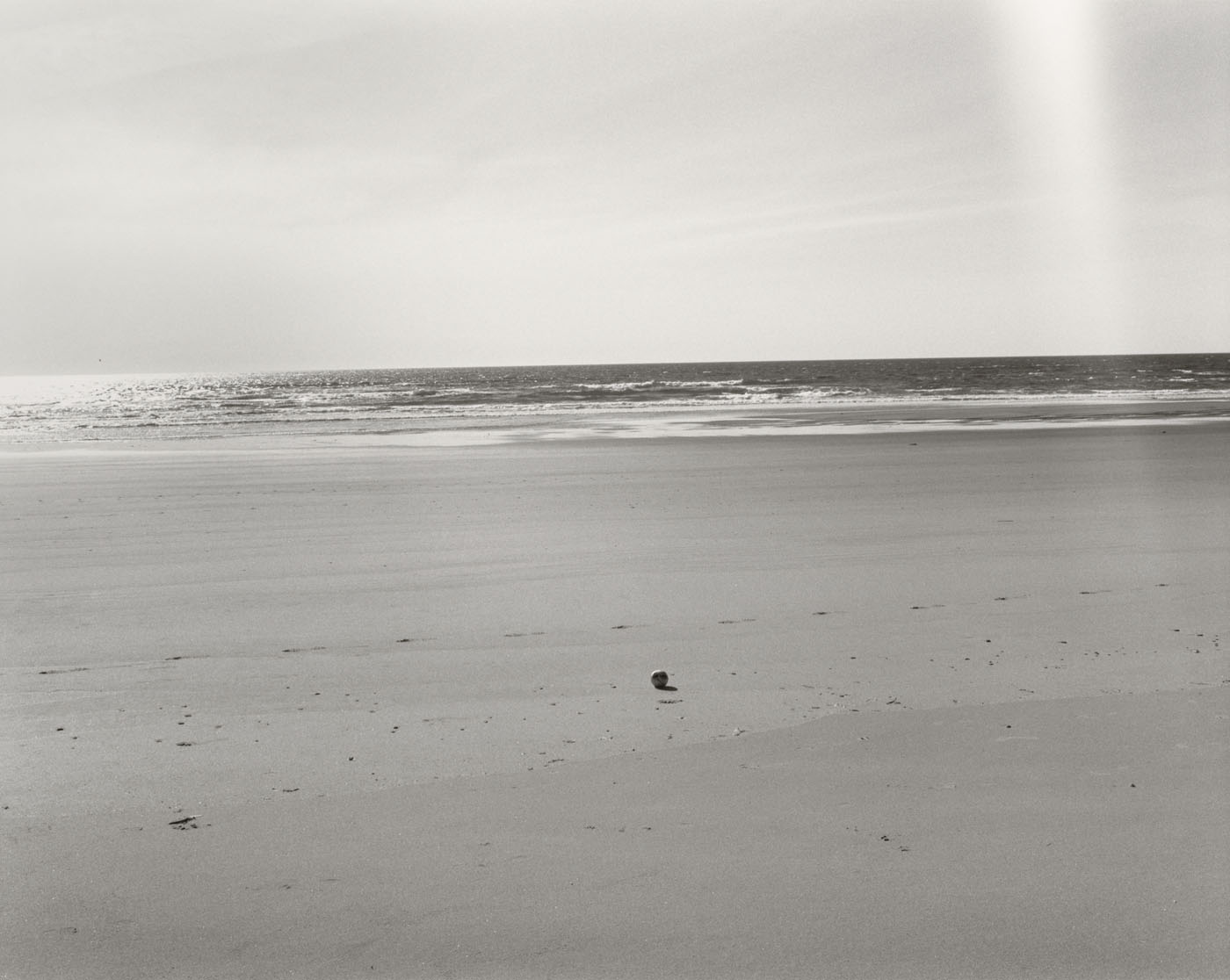
 

Robert Adams (American, b. 1937) 'The Sea Beach' 2015


Robert Adams (American, b. 1937)
The Sea Beach
2015
Gelatin silver print
Image: 22.6 x 28.2cm (8 7/8 x 11 1/8 in.)
National Gallery of Art, Washington, Gift of Stephen G. Stein
© Robert Adams, Courtesy Fraenkel Gallery, San Francisco
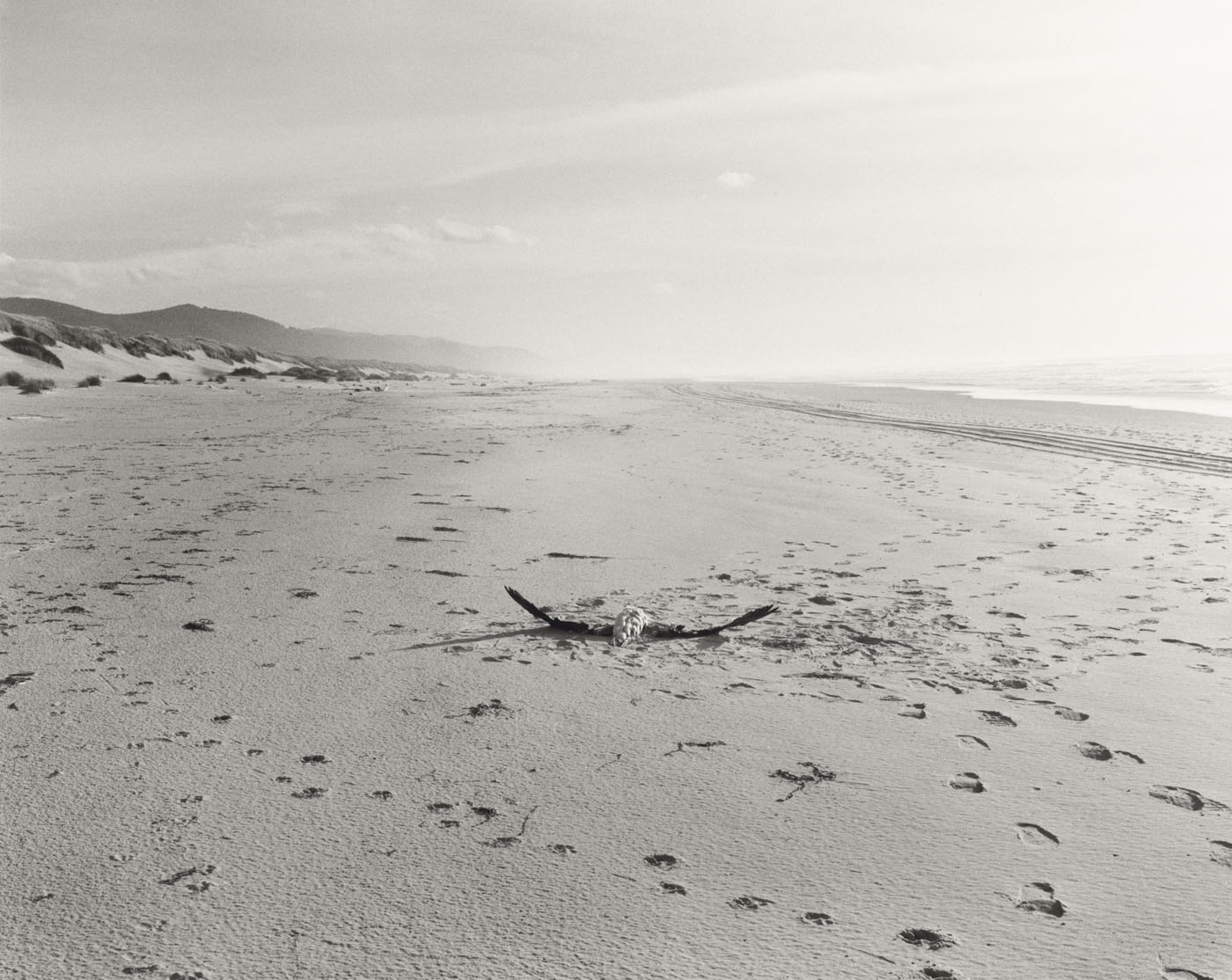
 

Robert Adams (American, b. 1937) 'The Sea Beach, Albatross' 2015


Robert Adams (American, b. 1937)
The Sea Beach, Albatross
2015
Gelatin silver print
Image: 22.5 x 28.2cm (8 7/8 x 11 1/8 in.)
National Gallery of Art, Washington, Gift of Stephen G. Stein
© Robert Adams, Courtesy Fraenkel Gallery, San Francisco
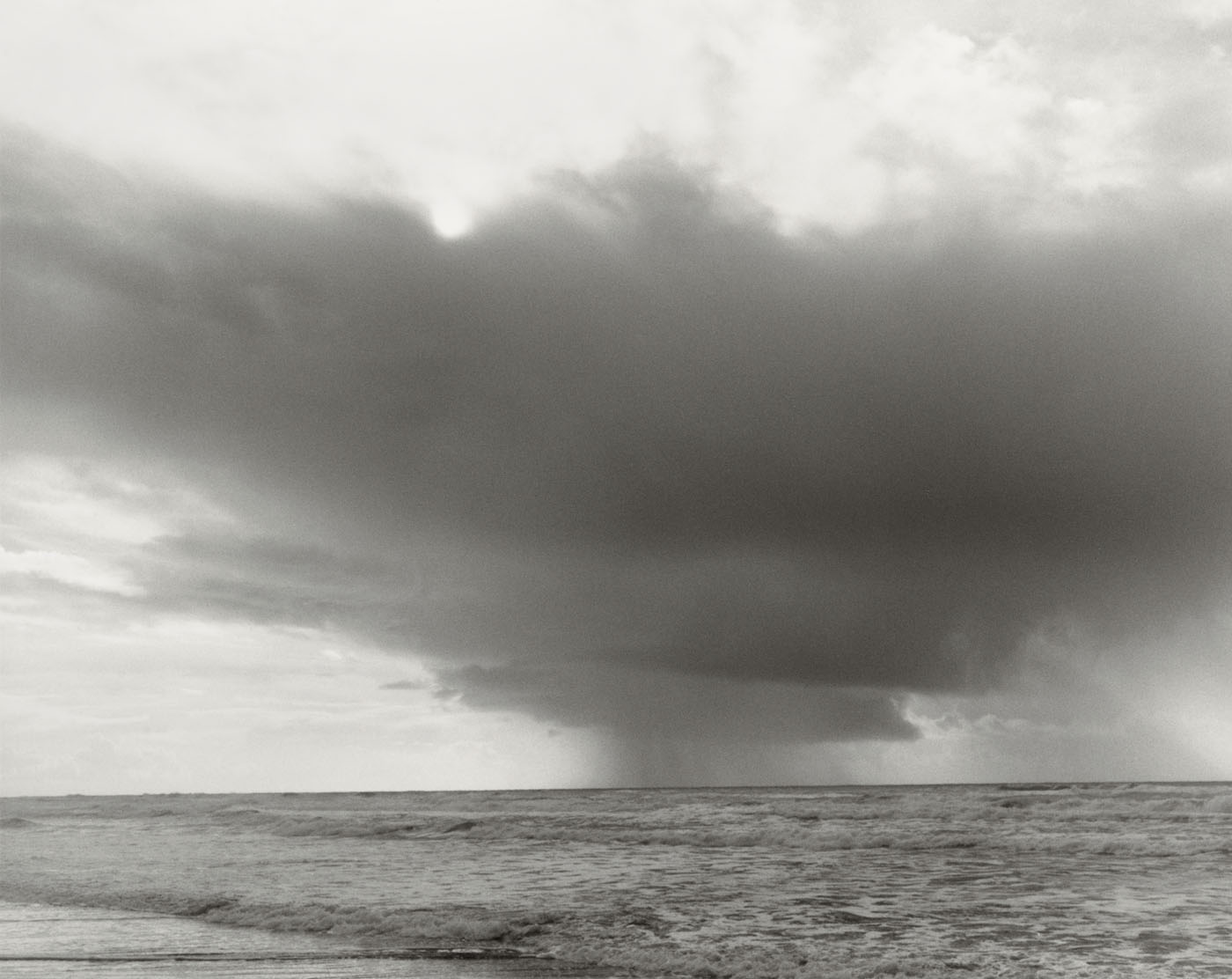
 

Robert Adams (American, b. 1937) 'The Sea Beach' 2015


Robert Adams (American, b. 1937)
The Sea Beach
2015
Gelatin silver print
Image: 22.5 x 28.5cm (8 7/8 x 11 1/4 in.)
National Gallery of Art, Washington, Gift of Stephen G. Stein
© Robert Adams, Courtesy Fraenkel Gallery, San Francisco
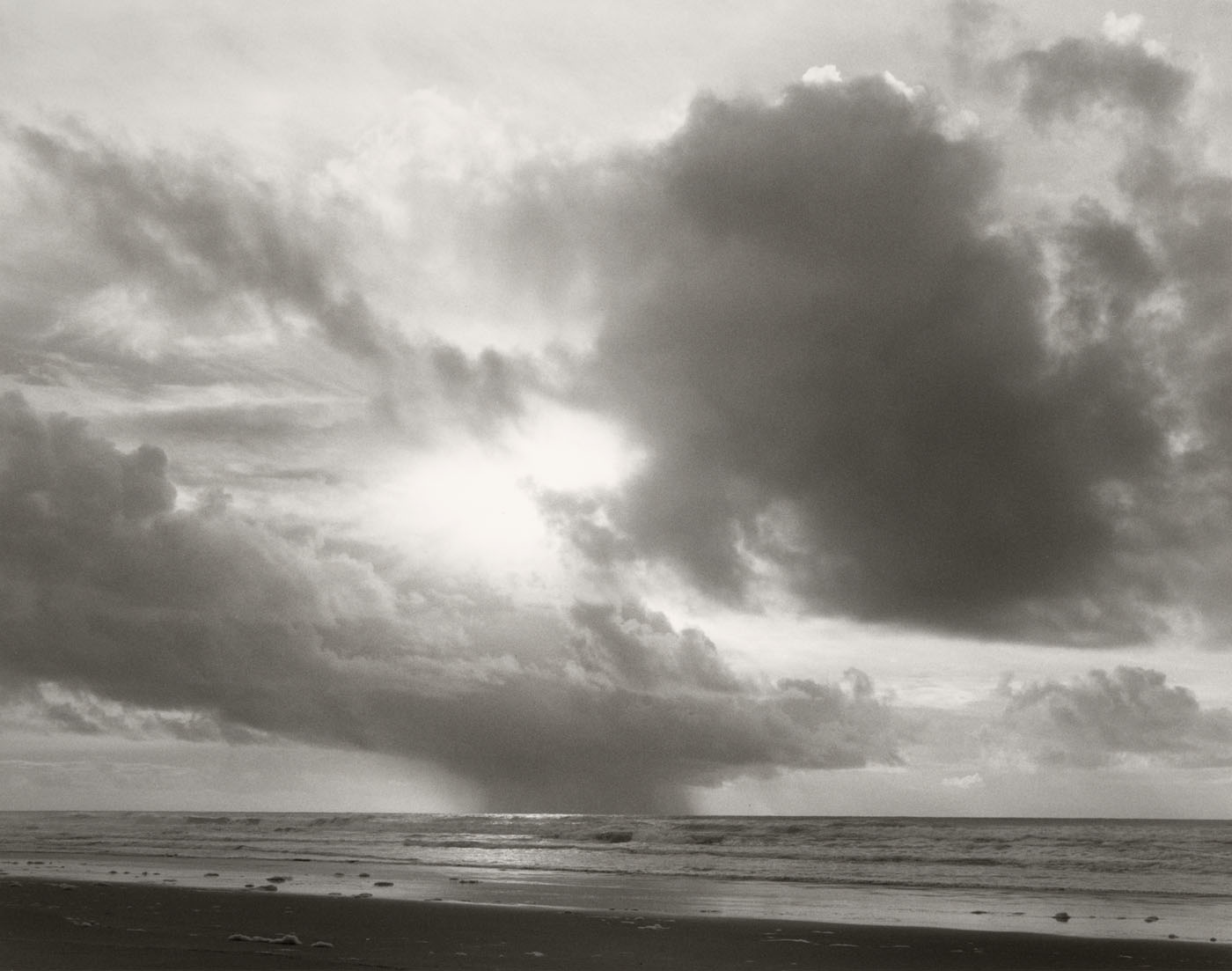
 

Robert Adams (American, b. 1937) 'The Sea Beach' 2015


Robert Adams (American, b. 1937)
The Sea Beach
2015
Gelatin silver print
Image: 22.8 x 28.8cm (9 x 11 5/16 in.)
National Gallery of Art, Washington, Gift of Stephen G. Stein
© Robert Adams, Courtesy Fraenkel Gallery, San Francisco
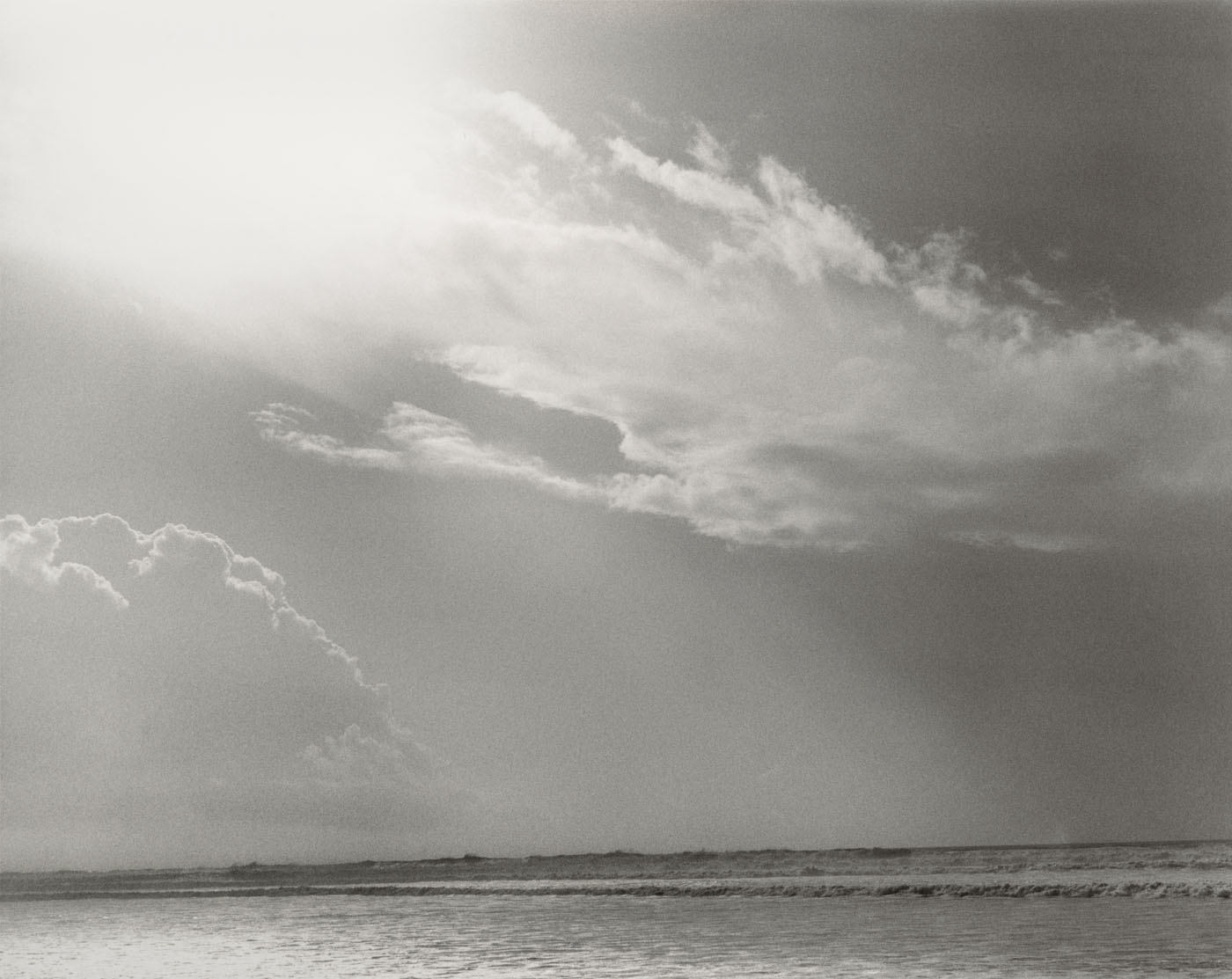
 

Robert Adams (American, b. 1937) 'The Sea Beach' 2015


Robert Adams (American, b. 1937)
The Sea Beach
2015
Gelatin silver print
Image: 22.5 x 28.4cm (8 7/8 x 11 3/16 in.)
National Gallery of Art, Washington, Gift of Stephen G. Stein
© Robert Adams, Courtesy Fraenkel Gallery, San Francisco
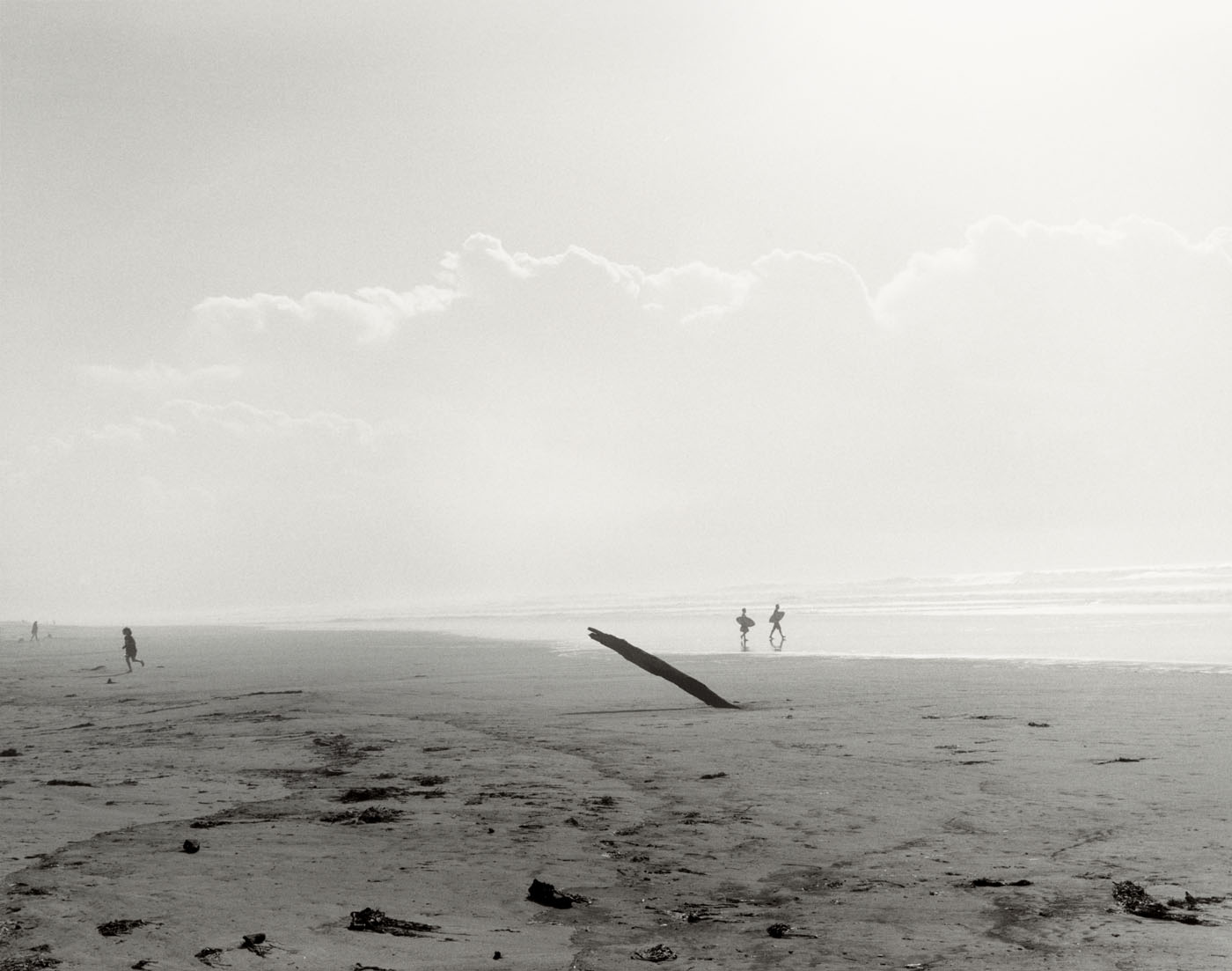
 

Robert Adams (American, b. 1937) 'The Sea Beach' 2015


Robert Adams (American, b. 1937)
The Sea Beach
2015
Gelatin silver print
Image: 22.7 x 28.9cm (8 15/16 x 11 3/8 in.)
National Gallery of Art, Washington, Gift of Stephen G. Stein
© Robert Adams, Courtesy Fraenkel Gallery, San Francisco
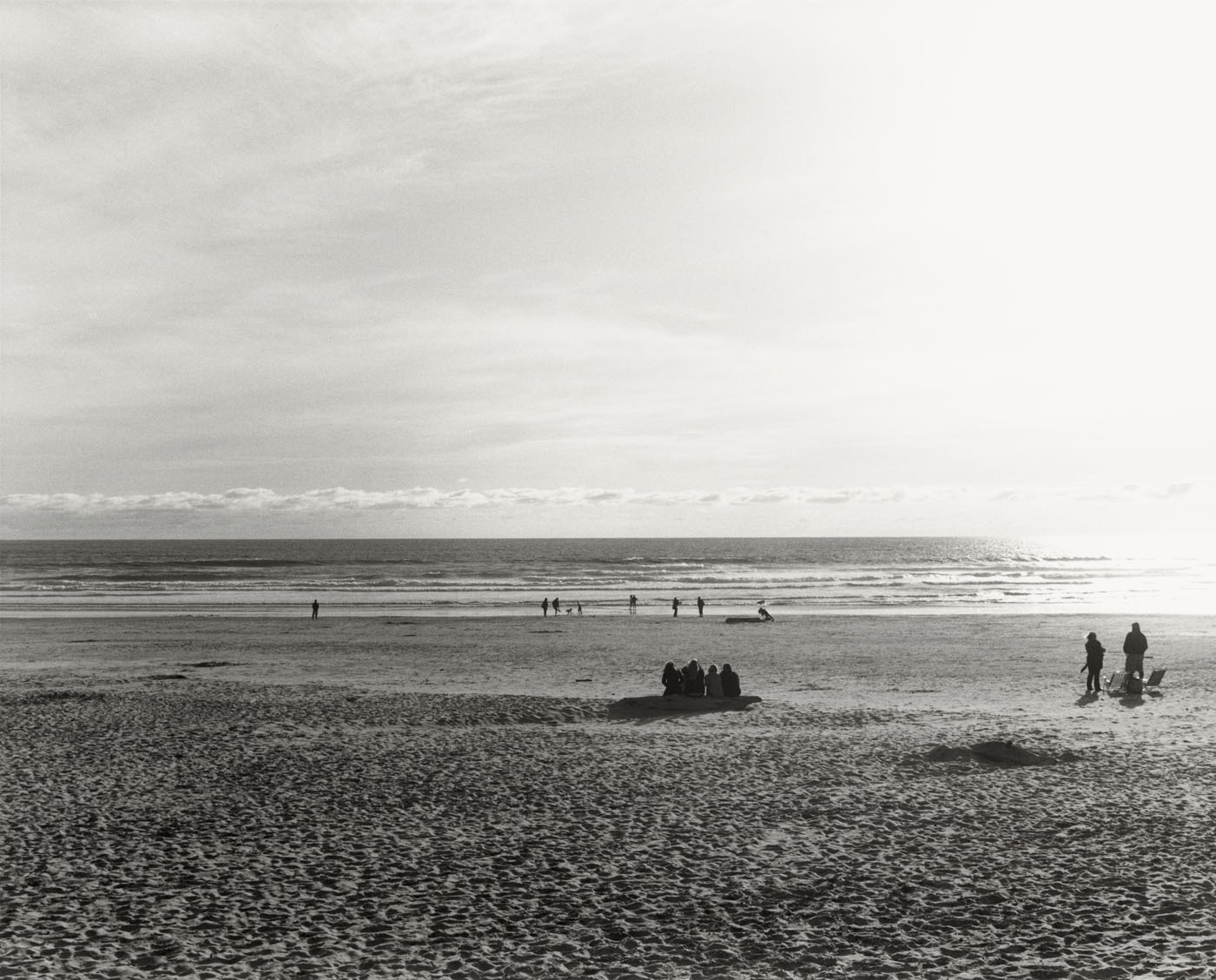
 

Robert Adams (American, b. 1937) 'The Sea Beach' 2015


Robert Adams (American, b. 1937)
The Sea Beach
2015
Gelatin silver print
Image: 22.5 x 28cm (8 7/8 x 11 in.)
National Gallery of Art, Washington, Gift of Stephen G. Stein
© Robert Adams, Courtesy Fraenkel Gallery, San Francisco
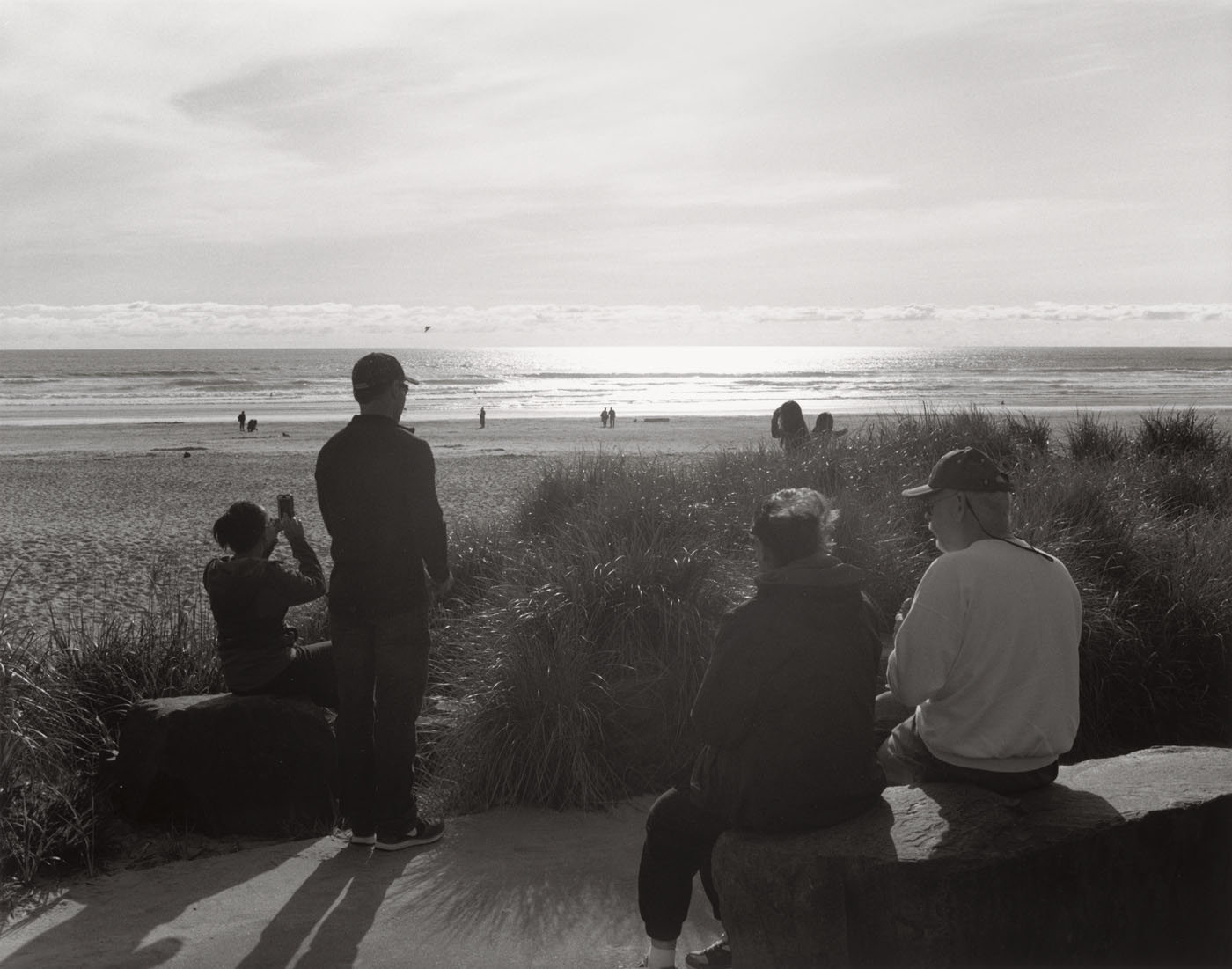
 

Robert Adams (American, b. 1937) 'The Sea Beach' 2015


Robert Adams (American, b. 1937)
The Sea Beach
2015
Gelatin silver print
Image: 22.8 x 28.9cm (9 x 11 3/8 in.)
National Gallery of Art, Washington, Gift of Stephen G. Stein
© Robert Adams, Courtesy Fraenkel Gallery, San Francisco
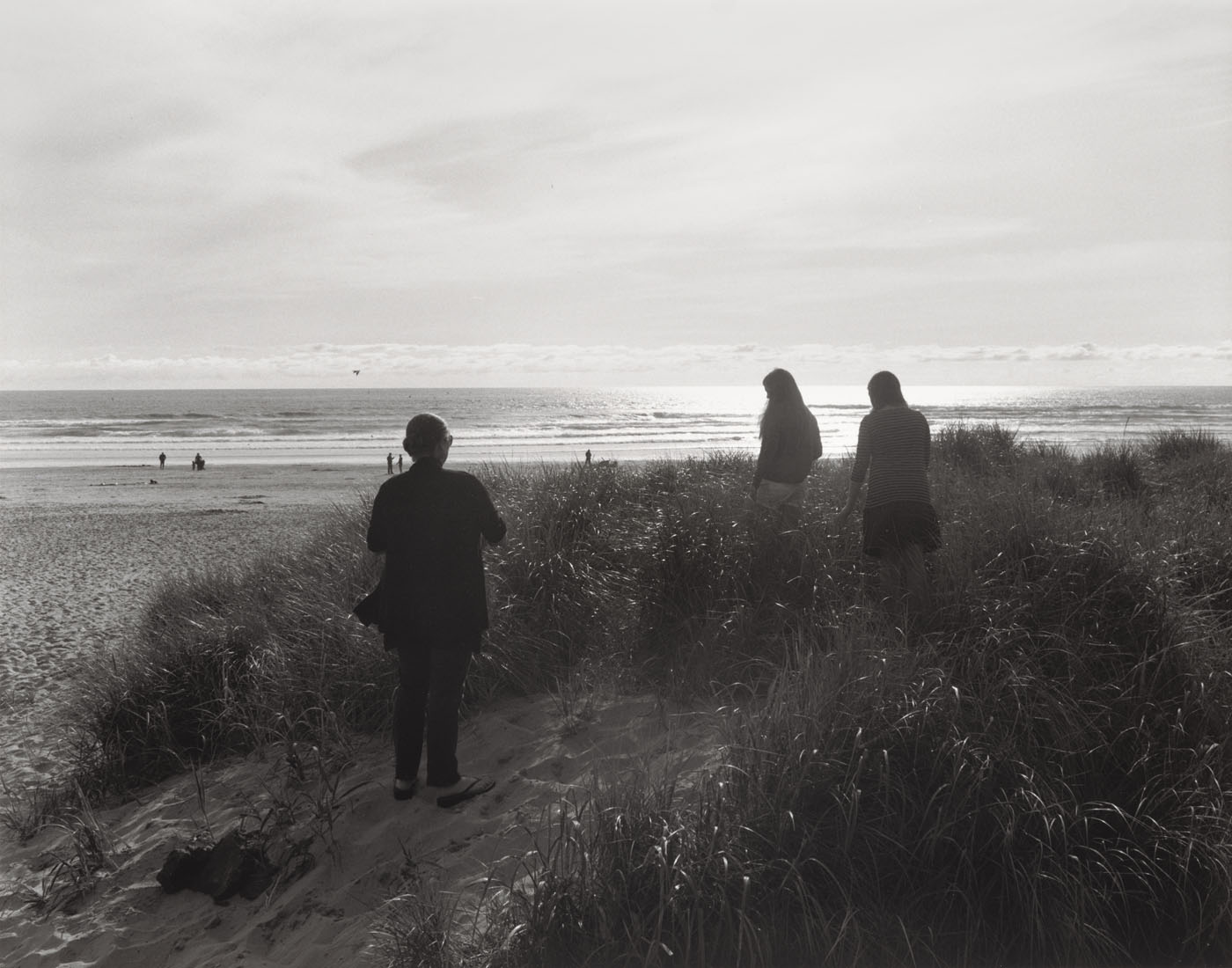
 

Robert Adams (American, b. 1937) 'The Sea Beach' 2015


Robert Adams (American, b. 1937)
The Sea Beach
2015
Gelatin silver print
Image: 22.7 x 28.9cm (8 15/16 x 11 3/8 in.)
National Gallery of Art, Washington, Gift of Stephen G. Stein
© Robert Adams, Courtesy Fraenkel Gallery, San Francisco
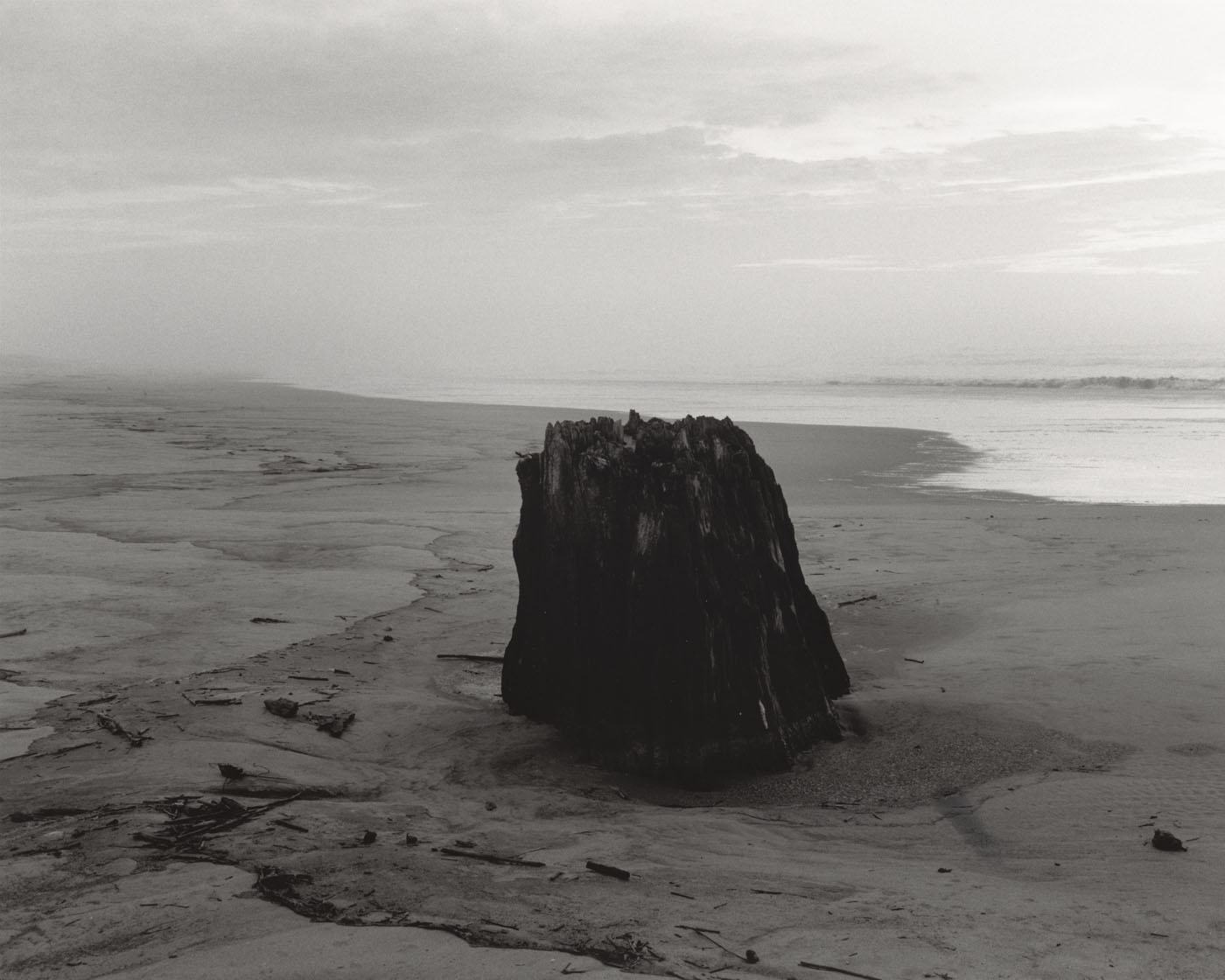
 

Robert Adams (American, b. 1937) 'The Sea Beach' 2015


Robert Adams (American, b. 1937)
The Sea Beach
2015
Gelatin silver print
Image: 22.6 x 28.3cm (8 7/8 x 11 1/8 in.)
National Gallery of Art, Washington, Gift of Stephen G. Stein
© Robert Adams, Courtesy Fraenkel Gallery, San Francisco


National Gallery of Art
National Mall between 3rd and 7th Streets
Constitution Avenue NW, Washington

Opening hours:
Daily 10am – 5pm

National Gallery of Art website

LIKE ART BLART ON FACEBOOK

Back to top

Exhibition: ‘Working Together: The Photographers of the Kamoinge Workshop’ at the J. Paul Getty Museum, Los Angeles

Exhibition dates: 19th July – 9th October, 2022

Curators: Mazie Harris, assistant curator, J. Paul Getty Museum, in consultation with Sarah L. Eckhardt, associate curator, Virginia Museum of Fine Arts


Anthony Barboza (American, b. 1944) 'Pensacola, Florida' 1966 from the exhibition 'Working Together: The Photographers of the Kamoinge Workshop' at the J. Paul Getty Museum, Los Angeles, July - Oct, 2022


Anthony Barboza (American, b. 1944)
Pensacola, Florida
1966
Gelatin silver print
22.5 × 34cm (8 7/8 × 13 3/8 in.)
Virginia Museum of Fine Arts, Richmond
Adolph D. and Wilkins C. Williams Fund
© Anthony Barboza


LIBERTY!

Even though I know the history of photography reasonably well(!) I had never heard of the Kamoinge Workshop (a collective of Black photographers formed in New York in 1963) before I started to assemble this posting. This “group of people acting together… produced powerful images, sensitively registering Black life in the mid-20th century.” Their work “reminds us of the power of both individual creativity and collective action.”

What is notable about the work of Kamoinge artists as evidenced by the vibrant, graphic photographs of high contrast and chiaroscuro presented here is the mainly abstract nature of their representation of Black life.

Through images such as Anthony Barboza’s broken liberty in Pensacola, Florida (1966) and fragmented Street Self-portrait (1970s), Adger Cowans’ distorted Three Shadows (1966), C. Daniel Dawson’s Backscape #1 (1967), Louis Draper’s Untitled (Swing and Shadow) (1967) and Boy and H, Harlem (1961), James Mannas’ desperate No Way Out, Harlem, NYC (1964) and Peeping Sea Wall Beach Boy, Georgetown, Guyana (1972), Herbert Randall’s melancholy Untitled (Hattiesburg, Mississippi, Freedom Summer) (1964), Herb Robinson’s Brother and Sister (1973) and Central Park, Kids (1961), Beuford Smith’s, hanging, Boy on Swing, Lower East Side (1970), Ming Smith’s decaying Untitled (Harlem, NY) (c. 1973) and Shawn Walker’s barricaded Harlem, 117th Street (c. 1960) … the viewer can begin to picture, begin to feel and empathise with – the life of displacement and deprivation, poverty and protest, strength and joy – that was at the centre of Black experiences. The work of the Kamoinge artists offered “an alternative to the mainstream media of the time, which often overlooked Black culture or portrayed it negatively.”

“Through careful cropping, framing, and printing techniques, Kamoinge artists defamiliarised everyday sights such as puddles and clouds, asphalt, and weathered walls. Their images encourage greater attention to commonplace subjects – the reflective glass of shop windows, worn advertisements on city streets, a dirtied pile of salt – that might otherwise be overlooked. Much of their work with shadows and reflections centers Black bodies seeking a place for themselves amid the ebb and flow of daily life.” (Exhibition text)

For me what is so important about this group of artists (or any individual or group of people that represent through art: difference, diversity and the fight for equality and liberty) is that they represent themselves and historically archive their continuing struggle against oppression – so that, as the definition of the word “liberty” states – we can all attain “the state of being free within society from oppressive restrictions imposed by authority on one’s way of life, behaviour, or political views.”

Usually the fight comes not from the top down, but from the grass roots up… from community, from culture and how these begin to influence wider social attitudes and prejudices. Fighting against any injustice, whether it be racism, sexism, ism ism ism, is a fight against ignorance and bigotry. It is a fight against people being unaware of what is going on, what affect their actions have on others, it is a fight against misinformation and misrepresentation, and it is a fight against power residing in the hands of the few. As such, the photographs of the Kamoinge Workshop artists are a vital reflection on the process of change and acceptance, of progress (or the lack of it) and the constant need to be vigilant, to keep fighting against any force that seeks to subjugate us. Their photographs heighten our aesthetic awareness, one of the defining qualities of being human, connecting us to our ability to reflect on and appreciate the world around us in all its mysterious spirit and joyful difference.

Dr Marcus Bunyan


Many thankx to the J. Paul Getty Museum for allowing me to publish the photographs in the posting. Please click on the photographs for a larger version of the image.


This is the first major exhibition about the Kamoinge Workshop, a collective of Black photographers formed in New York in 1963. Members of the group produced powerful images, sensitively registering Black life in the mid-20th century. The exhibition explores Kamoinge’s photographic artistry in the 1960s and 1970s, celebrating the group’s collaborative ethos, commitment to community, and centering of Black experiences.


Installation view of the exhibition 'Working Together: The Photographers of the Kamoinge Workshop' at the J. Paul Getty Museum, Los Angeles


Installation view of the exhibition Working Together: The Photographers of the Kamoinge Workshop at the J. Paul Getty Museum, Los Angeles showing at centre, the work of Louis Draper.


Anthony Barboza (American, b. 1944) 'Kamoinge Members' 1973, printed 2019 from the exhibition 'Working Together: The Photographers of the Kamoinge Workshop' at the J. Paul Getty Museum, Los Angeles, July - Oct, 2022


Anthony Barboza (American, b. 1944)
Kamoinge Members
1973, printed 2019
Inkjet print
45.7 × 50.8cm (18 × 20 in)
Virginia Museum of Fine Arts, Richmond
Eric and Jeanette Lipman Fund
© Anthony Barboza


Anthony Barboza (American, b. 1944) 'Editors Working on the First Volume of The Black Photographers Annual' 1973 from the exhibition 'Working Together: The Photographers of the Kamoinge Workshop' at the J. Paul Getty Museum, Los Angeles, July - Oct, 2022


Anthony Barboza (American, b. 1944)
Editors Working on the First Volume of The Black Photographers Annual
1973
Pictured: Beuford Smith, Joe Crawford, Ray Francis
Gelatin silver print
12.1 × 17.9cm (4 3/4 × 7 1/16 in.)
Virginia Museum of Fine Arts, Richmond
Adolph D. and Wilkins C. Williams Fund
© Anthony Barboza


Anthony Barboza (American, b. 1944) '1st Annual International Black Photographers Dinner Honoring Roy DeCarava and James Van Der Zee, NYC' 1979


Anthony Barboza (American, b. 1944)
1st Annual International Black Photographers Dinner Honoring Roy DeCarava and James Van Der Zee, NYC
1979
Gelatin silver print
18.9 × 24.9cm (7 7/16 × 9 13/16 in.)
Virginia Museum of Fine Arts, Richmond
Arthur and Margaret Glasgow Endowment
© Anthony Barboza


Anthony Barboza (American, b. 1944) 'Easter Sunday in Harlem' 1974


Anthony Barboza (American, b. 1944)
Easter Sunday in Harlem
1974
Gelatin silver print
15.4 x 22.6cm
The J. Paul Getty Museum, Los Angeles


Anthony Barboza (American, b. 1944) 'Street Self-portrait' 1970s


Anthony Barboza (American, b. 1944)
Street Self-portrait
1970s
Gelatin silver print
19.9 x 15.1cm
The J. Paul Getty Museum, Los Angeles


In 1963 a group of Black photographers based in New York formed the Kamoinge Workshop.

Committed to photography’s power as an art form, Kamoinge members depicted Black life as they saw and experienced it. They hoped to offer an alternative to the mainstream media of the time, which often overlooked Black culture or portrayed it negatively.

Working Together: The Photographers of the Kamoinge Workshop, on view at the Getty Museum at the Getty Center July 19 – October 9, is the first major retrospective presenting photographs from the collective during the 1960s and 1970s. Highlighting each photographer’s individual artistry as well as the Workshop’s shared concerns, this exhibition celebrates the group’s self-organising, commitment to community, and centering of Black experiences.

“The work in this exhibition highlights Black Americans behind and in front of the camera. The Museum regularly features individual artists in monographic exhibitions, but it is important also to document and celebrate the importance of collaborative groups such as the Kamoinge Workshop,” says Timothy Potts, Maria Hummer-Tuttle and Robert Tuttle Director of the J. Paul Getty Museum. “Working Together reflects Getty’s continuing efforts to diversify our collection, and thereby represent a more expansive history of photography. To that end, several of the works shown in the exhibition were recently acquired for the Museum’s collection.”

Within their first year as a group, the members of the Kamoinge Workshop (pronounced “kuh-moyn-gay” by the members of the group) made a commitment to portray the communities around them. They chose the name – which means “a group of people acting together” in the Kikuyu language of Kenya – to reflect the collective model they wished to follow as well as their interest in Black communities not just at home but also outside the United States.

The exhibition will focus on the first two decades of the collective, from the founding of the group in 1963 through the various activities of the International Black Photographers association in the early 1980s, and includes photographs by 15 of the organisation’s early members. The artists included in the exhibition are Anthony Barboza, Adger Cowans, Daniel Dawson, Louis Draper, Al Fennar, Ray Francis, Herman Howard, Jimmie Mannas, Herb Randall, Herb Robinson, Beuford Smith, Ming Smith, Shawn Walker, and Calvin Wilson. Also included are several photographs by Roy DeCarava, the first director of the Workshop.

Images in the exhibition capture the experience of urban life at mid-century, the civil rights movement, intimate portraiture, experimental abstraction, jazz musicians, and the Black experience abroad. Though the photographers included in the exhibition produced diverse bodies of work, many of their photographs are printed with dark tones that compellingly evoke the unsettling era in which they were made.

“The Kamoinge vision remains resonant today,” notes Mazie Harris, curator of the installation of Working Together in the Getty Museum’s Center for Photographs. “The photographs in this exhibition offer a glimpse into the artistry and ambition of the workshop members, reminding us of the power of both individual creativity and collective action.”

Working Together: The Photographs of the Kamoinge Workshop is organised by the Virginia Museum of Fine Arts and curated by Mazie Harris, assistant curator, J. Paul Getty Museum, in consultation with Sarah L. Eckhardt, associate curator, Virginia Museum of Fine Arts.

Press release from the J. Paul Getty Museum


Adger Cowans (American, b. 1936) 'Three Shadows' 1966, printed 1968


Adger Cowans (American, b. 1936)
Three Shadows
1966, printed 1968
Gelatin silver print
26.6 × 15.7cm (10 1/2 × 6 3/16 in.)
Getty Museum
© Adger Cowans, courtesy Bruce Silverstein Gallery


Adger Cowans (American, b. 1936) 'Footsteps' 1960


Adger Cowans (American, b. 1936)
Footsteps
1960
Gelatin silver print
21 × 33.8cm (8 1/4 × 13 5/16 in.)
Virginia Museum of Fine Arts, Richmond.
Aldine S. Hartman Endowment Fund
© Adger Cowans


C. Daniel Dawson (American, b. 1943) 'Backscape #1' 1967


C. Daniel Dawson (American, b. 1943)
Backscape #1
1967
Gelatin silver print
15.2 × 22.9cm (6 × 9 in.)
Collection of C. Daniel Dawson
© C. Daniel Dawson


C. Daniel Dawson (American, b. 1943) 'Olaifa and Egypt' 1978


C. Daniel Dawson (American, b. 1943)
Olaifa and Egypt
1978
Gelatin silver print
16.5 × 24.1cm (6 1/2 × 9 1/2 in.)
Collection of C. Daniel Dawson
© C. Daniel Dawson


Louis Draper (American, 1935-2002) 'Fannie Lou Hamer' 1971


Louis Draper (American, 1935-2002)
Fannie Lou Hamer
1971
Gelatin silver print
18.1 × 13.3cm (7 1/8 × 5 1/4 in.)
Getty Museum
© Louis H. Draper Preservation Trust, courtesy Bruce Silverstein Gallery


Louis Draper (American, 1935-2002)

Fannie Lou Hamer (née Townsend; October 6, 1917 – March 14, 1977) was an American voting and women’s rights activist, community organiser, and a leader in the civil rights movement. She was the co-founder and vice-chair of the Freedom Democratic Party, which she represented at the 1964 Democratic National Convention. Hamer also organised Mississippi’s Freedom Summer along with the Student Nonviolent Coordinating Committee (SNCC). She was also a co-founder of the National Women’s Political Caucus, an organisation created to recruit, train, and support women of all races who wish to seek election to government office.

Hamer began civil rights activism in 1962, continuing until her health declined nine years later. She was known for her use of spiritual hymnals and quotes and her resilience in leading the civil rights movement for black women in Mississippi. She was extorted, threatened, harassed, shot at, and assaulted by racists, including members of the police, while trying to register for and exercise her right to vote. She later helped and encouraged thousands of African-Americans in Mississippi to become registered voters and helped hundreds of disenfranchised people in her area through her work in programs like the Freedom Farm Cooperative. She unsuccessfully ran for the U.S. Senate in 1964 and the Mississippi State Senate in 1971. In 1970, she led legal action against the government of Sunflower County, Mississippi for continued illegal segregation.

Hamer died on March 14, 1977, aged 59, in Mound Bayou, Mississippi. Her memorial service was widely attended and her eulogy was delivered by U.S. Ambassador to the United Nations Andrew Young. She was posthumously inducted into the National Women’s Hall of Fame in 1993.

Text from the Wikipedia website


Louis Draper (American, 1935-2002) 'Congressional Gathering' 1959, printed later


Louis Draper (American, 1935-2002)
Congressional Gathering
1959, printed later
Gelatin silver print
23.4 × 16.9 cm (9 3/16 × 6 5/8 in.)
Getty Museum
© Louis H. Draper Preservation Trust, courtesy Bruce Silverstein Gallery


Louis Draper (American, 1935-2002) 'Untitled (Swing and Shadow)' 1967


Louis Draper (American, 1935-2002)
Untitled (Swing and Shadow)
1967
Gelatin silver print
22.9 × 15.2cm (9 × 6 in.)
Getty Museum
© Louis H. Draper Preservation Trust, courtesy Bruce Silverstein Gallery


Louis Draper (American, 1935-2002) 'Untitled (Billy)' About 1966-1972


Louis Draper (American, 1935-2002)
Untitled (Billy)
About 1966-1972
Gelatin silver print
24.1 × 33.3cm (9 1/2 × 13 1/8 in.)
Virginia Museum of Fine Arts, Richmond
Arthur and Margaret Glasgow Endowment
© Courtesy of the Louis H. Draper Preservation Trust, Nell D. Winston, Trustee


Louis Draper (American, 1935-2002) 'Boy and H, Harlem' 1961


Louis Draper (American, 1935-2002)
Boy and H, Harlem
1961
Gelatin silver print
21.3 × 32.2 cm (8 3/8 × 12 11/16 in.)
Virginia Museum of Fine Arts, Richmond
Arthur and Margaret Glasgow Endowment
© Courtesy of the Louis H. Draper Preservation Trust, Nell D. Winston, Trustee


Louis Draper (American, 1935-2002) 'Untitled' 1960s


Louis Draper (American, 1935-2002)
Untitled
1960s
Gelatin silver print
23.3 × 17.3cm (9 3/16 × 6 13/16 in.)
Virginia Museum of Fine Arts, Richmond
Arthur and Margaret Glasgow Endowment
© Courtesy of the Louis H. Draper Preservation Trust, Nell D. Winston, Trustee


Louis Draper (American, 1935-2002) 'Reward MLK Poster, New York' 1971


Louis Draper (American, 1935-2002)
Reward MLK Poster, New York
1971
Gelatin silver print
18.1 x 13.3cm
The J. Paul Getty Museum, Los Angeles


Community

The Kamoinge Workshop began as a community of photographers who supported and encouraged one another. Within their first year, they also made a commitment to portray the communities around them. They introduced one of their early projects by explaining, “The Kamoinge Workshop represents black photographers whose creative objectives reflect a concern for truth about the world, about the Society, and about themselves.” Years later, member Louis Draper expanded: “Cognizant of the forces for change revolving around Kamoinge, we dedicated ourselves to speak of our lives as only we can. This was our story to tell and we set out to create the kind of images of our communities that spoke of the truth we’d witnessed, and that countered the untruths we’d all seen in mainline publications.”

Mentorship

Kamoinge members taught photography in programs across New York City, from Brooklyn and Harlem to the Bronx, equipping a younger generation with the technical and philosophical knowledge they needed to portray their communities. Louis Draper noted that they were eager for “a sense of purpose other than individual acclaim; we wanted to serve.” In the late 1960s, Draper and Daniel Dawson taught a photography course for teens every summer, and Draper led a youth mentorship program in the Bronx. The photographs in this section of the exhibition document some of their students.

Civil Rights

Although most Kamoinge members resisted being labeled civil rights photographers – a term they felt conjured images of firehoses and attack dogs – oral and written histories of the group emphasise that the collective formed in the midst of the civil rights movement. As Louis Draper described: “Many of the group had been a part of the March on Washington with Reverend King. Others had witnessed southern law brutality brought on by voting rights activity and sit-in demonstrations. Within a year’s time, these same volatile forces would propel many of us into engaged and enraged resistance.” Part of their resistance was to make images of Black Americans that were absent from the national conversation. Some members photographed leading figures and pivotal events of the civil rights movement but not necessarily to provide a journalistic record. Many created images reflected the theme of civil rights on a symbolic level instead.

“Like Jazz”

Music played an enormous role in the art of the Kamoinge Workshop. Jazz was a near-constant soundtrack for the group’s meetings, and musicians and live performances were the subjects of many of their photographs. Jazz also served as a metaphor for photography itself. Rhythm, timing, and improvisation are key elements in street photography as well as experimental abstraction. Innovative musicians such as Miles Davis and John Coltrane inspired Kamoinge artists, as did attending rehearsals and performances by figures as diverse as Mahalia Jackson and Sun Ra. These musicians moved the photographers to experiment and above all to hone their craft. Ming Smith characterised photography as “making something out of nothing,” adding, “I think that’s like jazz.”

A Global Perspective

A significant factor leading to the formation of the Kamoinge Workshop was, as Louis Draper put it, “the emerging African consciousness exploding within us.” Even before most of the members began traveling internationally, their choice of a name from the Kikuyu people of Kenya emphasised their interest in Black experiences outside the United States. Kenya, which gained independence from colonial rule in 1963, the same year Kamoinge was founded, was frequently in the press during the group’s earliest meetings. The decolonisation movement swept across the African continent from the mid-1950s through the 1960s, the same years that the US civil rights movement intensified. Many Kamoinge members traveled to African countries that had recently gained independence, and also to regions with significant diasporic communities. Some worked outside the United States on film projects or on assignments for magazines and in their off-hours made time for their own art. These travels expanded their sense of belonging to a global Black fellowship, however widely dispersed.

Shadows, Reflections, and Abstractions

Kamoinge has often been associated with street photography, but abstraction was also a crucial part of their work. By the time they joined the group, Louis Draper, Al Fennar, and Adger Cowans were already making abstract images in addition to more recognisably documentary pictures. In the late 1960s and into the early 1970s, many of the other members began to follow suit. Workshop photographers pushed themselves and the medium by experimenting with new forms and ideas. Through careful cropping, framing, and printing techniques, Kamoinge artists defamiliarised everyday sights such as puddles and clouds, asphalt, and weathered walls. Their images encourage greater attention to commonplace subjects – the reflective glass of shop windows, worn advertisements on city streets, a dirtied pile of salt – that might otherwise be overlooked. Much of their work with shadows and reflections centers Black bodies seeking a place for themselves amid the ebb and flow of daily life.

Kamoinge’s Legacy

Kamoinge Workshop members supported not just one another but also the broader community of Black photographers. In 1973 Beuford Smith founded the Black Photographers Annual, a publication that helped bring attention to artists outside the Kamoinge circle. In 1978, other members started a group called International Black Photographers, which honoured the work of photography elders and encouraged younger generations. Neither endeavour was part of the workshop’s official activities, but each grew out of the members’ ambition to serve and promote Black artists. Following their exhibitions in the mid-1970s, the Kamoinge Workshop neither organised exhibitions nor produced publications again until the mid-1990s. The group never disbanded, however, and the members remained close. They resumed formal meetings in 1992, applied for nonprofit status, and renamed themselves Kamoinge, Inc. A subsequent influx of new members energised the group as they continued the work that began in 1963.

Exhibition texts adapted from the Virginia Museum of Fine Arts publication Working Together: Louis Draper and the Kamoinge Workshop published as “Working Together: The Photographers of the Kamoinge Workshop” on the J. Paul Getty Museum website [Online] Cited 31/08/2022


Albert Fennar (American, 1938-2018) 'Salt Pile' 1971


Albert Fennar (American, 1938-2018)
Salt Pile
1971
Gelatin silver print
Framed [outer dim]: 52.1 × 41.9cm (20 1/2 × 16 1/2 in.)
Virginia Museum of Fine Arts, Richmond
Gift of Mrs. Alfred duPont, by exchange
© Miya Fennar and the Albert R. Fennar Archive


Albert Fennar (American, 1938-2018) 'Sphere' 1974


Albert Fennar (American, 1938-2018)
Sphere
1974
Gelatin silver print
Framed [outer dim]: 52.1 × 41.9cm (20 1/2 × 16 1/2 in.)
Virginia Museum of Fine Arts, Richmond
Gift of Mrs. Alfred duPont, by exchange
© Miya Fennar and The Albert R. Fennar Archive


Herman Howard (American, 1942-1980) 'March on Washington' 1963


Herman Howard (American, 1942-1980)
March on Washington
1963
Gelatin silver print
14.8 × 23.8cm (5 13/16 × 9 3/8 in.)
Collection of Herb Robinson
Digital image courtesy Virginia Museum of Fine Arts


Herman Howard (American, 1942-1980) 'New York' 1960s


Herman Howard (American, 1942-1980)
New York
1960s
Gelatin silver print 16 × 23.3cm (6 5/16 × 9 3/16 in.)
Collection of Herb Robinson
Digital image courtesy Virginia Museum of Fine Arts


James Mannas (American, b. 1941) 'No Way Out, Harlem, NYC' 1964


James Mannas (American, b. 1941)
No Way Out, Harlem, NYC
1964
Gelatin silver print
22.7 × 16.2cm (8 15/16 × 6 3/8 in.)
Virginia Museum of Fine Arts, Richmond
Arthur and Margaret Glasgow Endowment
© James Mannas


James Mannas (American, b. 1941) 'Peeping Sea Wall Beach Boy, Georgetown, Guyana' 1972


James Mannas (American, b. 1941)
Peeping Sea Wall Beach Boy, Georgetown, Guyana
1972
Gelatin silver print
23.8 × 15.9cm (9 3/8 × 6 1/4 in.)
Virginia Museum of Fine Arts, Richmond
Arthur and Margaret Glasgow Endowment
© James Mannas


Herbert Randall (American, born 1936) 'Untitled (Hattiesburg, Mississippi, Freedom Summer)' 1964


Herbert Randall (American, born 1936)
Untitled (Hattiesburg, Mississippi, Freedom Summer)
1964
Gelatin silver print
34.3 × 22.9cm (13 1/2 × 9 in.)
Virginia Museum of Fine Arts, Richmond
Arthur and Margaret Glasgow Endowment
© Herbert Randall


Herbert Randall (American, born 1936) 'Untitled (Bed-Stuy, New York)' 1960s


Herbert Randall (American, born 1936)
Untitled (Bed-Stuy, New York)
1960s
Gelatin silver print
33.7 × 23.3cm (13 1/4 × 9 3/16 in.)
Virginia Museum of Fine Arts, Richmond
Arthur and Margaret Glasgow Endowment
© Herbert Randall


Herb Robinson (American, active since 1960s) 'Miles Davis at the Vanguard' 1961, printed later


Herb Robinson (American, active since 1960s)
Miles Davis at the Vanguard
1961, printed later
Gelatin silver print
35.3 × 25cm (13 7/8 × 9 13/16 in.)
Getty Museum
© Herb Robinson, courtesy Bruce Silverstein Gallery


Herb Robinson (American, active since 1960s) 'Brother and Sister' 1973


Herb Robinson (American, active since 1960s)
Brother and Sister
1973
Gelatin silver print
16.5 × 22.9cm (6 1/2 × 9 in.)
Virginia Museum of Fine Arts, Richmond
Arthur and Margaret Glasgow Endowment
© Herb Robinson


Herb Robinson (American, active since 1960s) 'Central Park, Kids' 1961


Herb Robinson (American, active since 1960s)
Central Park, Kids
1961
Gelatin silver print
33.8 × 23.5cm (13 5/16 × 9 1/4 in.)
Collection of Herb Robinson
© Herb Robinson


Herb Robinson (American, active since 1960s) 'The Girls' 1969


Herb Robinson (American, active since 1960s)
The Girls
1969
Gelatin silver print
8.6 × 21.3cm (3 3/8 × 8 3/8 in.)
Virginia Museum of Fine Arts, Richmond
Arthur and Margaret Glasgow Endowment
© Herb Robinson


Beuford Smith (American, b. 1941) 'Two Bass Hit, Lower East Side' 1972


Beuford Smith (American, b. 1941)
Two Bass Hit, Lower East Side
1972
Gelatin silver print
23.8 × 34.3cm (9 3/8 × 13 1/2 in.)
Virginia Museum of Fine Arts, Richmond
Arthur and Margaret Glasgow Endowment
© Beuford Smith/Césaire


Beuford Smith (American, b. 1941) 'Boy on Swing, Lower East Side' 1970


Beuford Smith (American, b. 1941)
Boy on Swing, Lower East Side
1970
Gelatin silver print
17.3 × 25.1cm (6 13/16 × 9 7/8 in.)
Virginia Museum of Fine Arts, Richmond
Arthur and Margaret Glasgow Endowment
© Beuford Smith


Interviews with Kamoinge Artists

Interviewed by video during the pandemic, Kamoinge artists reflect on their experience with the group and the ongoing significance of their work together.

Video includes subtitles/closed captions in English and Spanish. Footage courtesy of the artists and the Whitney Museum of American Art. Adapted by the J. Paul Getty Museum


Ming Smith (American, active since 1970s) 'America Seen through Stars and Stripes, New York City, New York' About 1976


Ming Smith (American, active since 1970s)
America Seen through Stars and Stripes, New York City, New York
About 1976
Gelatin silver print
31.8 × 47cm (12 1/2 × 18 1/2 in.)
Virginia Museum of Fine Arts, Richmond
Adolph D. and Wilkins C. Williams Fund
© Ming Smith


Ming Smith (American, active since 1970s) 'Untitled (Harlem, NY)' About 1973


Ming Smith (American, active since 1970s)
Untitled (Harlem, NY)
About 1973
Gelatin silver print
31.8 × 22.2cm (12 1/2 × 8 3/4 in.)
Virginia Museum of Fine Arts, Richmond
Adolph D. and Wilkins C. Williams Fund
© Ming Smith


Ming Smith (American, active since 1970s) 'Love Barber Shop Jazz, Pittsburgh, PA' 1992


Ming Smith (American, active since 1970s)
Love Barber Shop Jazz, Pittsburgh, PA
1992
Gelatin silver print
46.2 x 31.8cm
The J. Paul Getty Museum, Los Angeles
Purchased with funds provided by the Photographs Council
© Ming Smith


Shawn Walker (American, b. 1940) 'Harlem, 117th Street' About 1960


Shawn Walker (American, b. 1940)
Harlem, 117th Street
About 1960
Gelatin silver print
18.4 × 12.7cm (7 1/4 × 5 in.)
Virginia Museum of Fine Arts, Richmond
Aldine S. Hartman Endowment Fund
© Shawn Walker PhotoArts Studio


Shawn Walker (American, b. 1940) 'Family on Easter, Harlem, NY' 1975


Shawn Walker (American, b. 1940)
Family on Easter, Harlem, NY
1975
Gelatin silver print
11 × 15.9cm (4 5/16 × 6 1/4 in.)
Virginia Museum of Fine Arts, Richmond
Kathleen Boone Samuels Memorial Fund
© Shawn Walker


Shawn Walker (American, b. 1940) 'Women in the Field, Cuba' 1968


Shawn Walker (American, b. 1940)
Women in the Field, Cuba
1968
Gelatin silver print
Virginia Museum of Fine Arts, Richmond
Arthur and Margaret Glasgow Endowment
© Shawn Walker


The J. Paul Getty Museum
1200 Getty Center Drive
Los Angeles, California 90049

Opening hours:
Daily 10am – 5pm

The J. Paul Getty Museum website

LIKE ART BLACK ON FACEBOOK

Back to top

Exhibition: ‘Signs: Photographs by Jim Dow’ at the Nelson-Atkins Museum of Art, Kansas City

Exhibition dates: 7th May – 9th October, 2022


Jim Dow (American, b. 1942) '"Fortune Teller" Sign. US 79 & 80, Greenwood, Louisiana' 1975 from the exhibition 'Signs: Photographs by Jim Dow' at the Nelson-Atkins Museum of Art, Kansas City, May - Oct, 2022


Jim Dow (American, b. 1942)
“Fortune Teller” Sign. US 79 & 80, Greenwood, Louisiana
1975
Gelatin silver print
15 5/8 × 19 9/16 inches (39.7 × 49.68cm)
The Nelson-Atkins Museum of Art
Gift of the Hall Family Foundation


These photographs build on the lexicon of existing photographs of this type (Americurbana) from photographers such as Dorothea Lange, Berenice Abbott, Walker Evans, Margaret Bourke-White, Minor White and Harry Callahan. As such they add to the pantheon of known images on a subject. Dow studied with not just Harry Callahan, but also Walker Evans and Minor White, and these are early images in the development of the artist, when he was starting to find his artistic signature.

In some of the first images such as Lott’s Grocery Store. US 11, Bessemer, Alabama (1968, below) we can see Dow’s indebtedness to his teacher, Walker Evans’ vision; in other later photographs (1972 onwards) we see Dow’s concentration on detail, so that the sign fills the frame. In these contextless, groundless photographs the signs become floating signs, floating signifiers, where interpretation is left wholly up to the viewer.

In this sense, Dow is developing a different artistic and visual language to describe the American vernacular… graphic, isolated, strong and more than slightly surreal images that creep into the imagination as if in a bad dream. The robotic head covered in neon; the bowling ball struck through with an arrow; the diver like a swooping fighter plane; the skeletal horse and rider; and the look of fear on the child’s face as he gets inoculated. Weird tales and gothic fiction.

Dr Marcus Bunyan


Many thankx to The Nelson-Atkins Museum of Art for allowing me to publish the photographs in the posting. Please click on the photographs for a larger version of the image.


“Late in the fall of 1965, I met Walker Evans. I had no idea who he was or anything about his work. But his book ‘American Photographs’ completely changed the way I thought about photography. The pictures were descriptive, literate and distinct. They could be read slowly; information was packed into every square inch. They were intense but not dramatic. Rigorous in their making, they demanded attentive scrutiny. It was clear that I had a template for my education through a classic method: at first emulate, then lease the space and ultimately own the process, until taking pictures was no longer a re-enactment. …

I never travelled around the US to find myself. I went to find people, places and things I didn’t know about. Leaving familiar confines is an outward-facing process best done by car on older two- or three-lane roads, stopping, looking and listening every step of the way.”


Jim Dow in the book Signs: Photographs by Jim Dow


Vivid, clear-sighted images of American vernacular signage and architecture encountered along old US highways showcase the early black-and-white work of the acclaimed photographer Jim Dow.

The American photographer Jim Dow (b. 1942) is renowned for photographs that depict the built environment – he first gained attention for his panoramic triptychs of baseball stadiums – and for his skill at conveying the “human ingenuity and spirit” that suffuse the spaces. This book is the first to focus on Dow’s early black-and-white pictures, featuring more than 60 photographs made between 1967 and 1977, a majority of which have never before been published. Indebted to the work of Walker Evans, a key mentor of Dow’s, these photographs depict time-worn signage taken from billboards, diners, gas stations, drive-ins, and other small businesses. While still recognisable as icons of commercial Americana, without their context Dow’s signs impart ambiguous messages, often situated between documentation and abstraction. Including a new essay by Dow that reveals his own perspective on the development of the work, Signs suggests how these formative years honed the artist’s sensibility and conceptual approach.


Signs: Photographs by Jim Dow, with essays by Jim Dow and April M. Watson
Distributed for The Nelson-Atkins Museum of Art


Jim Dow (American, b. 1942) 'Lott's Grocery Store. US 11, Bessemer, Alabama' 1968 from the exhibition 'Signs: Photographs by Jim Dow' at the Nelson-Atkins Museum of Art, Kansas City, May - Oct, 2022


Jim Dow (American, b. 1942)
Lott’s Grocery Store. US 11, Bessemer, Alabama
1968
Gelatin silver print
3 3/4 × 4 3/4 inches (9.53 × 12.07cm)
The Nelson-Atkins Museum of Art
Gift of the Hall Family Foundation


Jim Dow (American, b. 1942) 'Abandoned Truck Stop. US 61/AR 150, near Number Nine, Arkansas' 1970 from the exhibition 'Signs: Photographs by Jim Dow' at the Nelson-Atkins Museum of Art, Kansas City, May - Oct, 2022


Jim Dow (American, b. 1942)
Abandoned Truck Stop. US 61/AR 150, near Number Nine, Arkansas
1970
Gelatin silver print
7 15/16 × 9 11/16 inches (20.14 × 24.61cm)
The Nelson-Atkins Museum of Art
Gift of the Hall Family Foundation


Jim Dow (American, b. 1942) 'Bowling Pin with Arrow. US 1, Branford, Connecticut' 1971


Jim Dow (American, b. 1942)
Bowling Pin with Arrow. US 1, Branford, Connecticut
1971
Gelatin silver print
7 7/8 x 9 11/16 inches (19.99 × 24.61cm)
The Nelson-Atkins Museum of Art
Gift of Jim and Jacquie Dow


Jim Dow (American, b. 1942) 'Horse Painting on Sign, Ranch Entrance. US 87, Billings, Montana' 1972


Jim Dow (American, b. 1942)
Horse Painting on Sign, Ranch Entrance. US 87, Billings, Montana
1972
Gelatin silver print
15 7/8 × 20 1/16 inches (40.31 × 50.95cm)
The Nelson-Atkins Museum of Art
Gift of the Hall Family Foundation


Jim Dow (American, b. 1942) 'Curlicue Arrow Sign. US 2, near Wenatchee, Washington' 1972


Jim Dow (American, b. 1942)
Curlicue Arrow Sign. US 2, near Wenatchee, Washington
1972
Gelatin silver print
7 15/16 × 9 5/8 inches (20.14 × 24.46cm)
The Nelson-Atkins Museum of Art
Gift of the Hall Family Foundation


Jim Dow (American, b. 1942) 'Rear of Screen, Van Nuys Drive-In Theatre. Old US 101, Van Nuys, California' 1973


Jim Dow (American, b. 1942)
Rear of Screen, Van Nuys Drive-In Theatre. Old US 101, Van Nuys, California
1973
Gelatin silver print
15 9/16 x 19 ½ inches (39.52 × 49.53cm)
The Nelson-Atkins Museum of Art
Gift of the Hall Family Foundation


Jim Dow (American, b. 1942) 'Detail, Diving Lady Sign. Near US 19, Blairsville, Georgia' 1973


Jim Dow (American, b. 1942)
Detail, Diving Lady Sign. Near US 19, Blairsville, Georgia
1973
Gelatin silver print
7 15/16 x 9 11/16 inches (20.14 × 24.61cm)
The Nelson-Atkins Museum of Art
Gift of the Hall Family Foundation


For American photographer Jim Dow, a road trip was not just an excuse to travel from one place to another; it provided an opportunity to find inspiration in the unique structures lining old U. S. highways. Between 1967 and 1977, a decade marking the first ten years of his career, Dow traveled over 150,000 miles on multiple cross-country road trips, photographing vernacular architecture, signage, and commercial billboards that conveyed a unique sense of human spirit and industry. A new, free exhibition at The Nelson-Atkins Museum of Art in Kansas City, Signs: Photographs by Jim Dow, draws visitors into Dow’s fascination with the everyday structures that constitute the landscapes we inhabit.

“Although most of Dow’s subjects have long since disappeared, the impetus to make one’s mark on the land through an assertion of livelihood, values, and aspiration remains,” said Julián Zugazagoitia, Menefee D. and Mary Louise Blackwell CEO & Director of the Nelson-Atkins. “There will always be a desire to express individual agency and creativity, and Dow’s photographs remind us that as difficult as that may be, it remains vital for understanding ourselves and our community.”

Signs: Photographs by Jim Dow opens May 7 and features 62 black-and-white photographs from the early part of Dow’s career, as well as a small selection of recent colour photographs that extend the themes forged during his formative years.

“Dow travelled on back roads rather than the interstate system,” said April M. Watson, Senior Curator of Photography. “He always sought unusual or unique subjects that stood apart from the corporate chains that had begun to dominate the social landscape, often isolating specific details so they appear unmoored from their immediate surroundings.”

Born in 1942, Dow grew up in Belmont, Massachusetts and attended the Rhode Island School of Design. As an undergraduate, he majored in graphic design, and in his senior year, had the good fortune to take his introductory photography classes with renowned photographer Harry Callahan. Thanks to Callahan’s influence, Dow was able to continue graduate studies at RISD, completing his MFA in photography in 1968.

A meeting with Walker Evans while Dow was in graduate school made a profound impact on him. Dow found Evans’s sophisticated embrace of vernacular American subject matter and straightforward, descriptive application of the medium to be revelatory. Between 1969 and 1971, he worked closely with Evans when printing Evans’s work for a career retrospective at the Museum of Modern Art in New York. In the late 1960s, Dow began searching for his own subject matter, taking numerous road trips. Roadside diners, drive-in movie theatres, ice cream stands, burger joints, billboards, gas stations, and small-town, storefront murals all became part of Dow’s regular roster of subjects, as he refined his own artistic vision. Grants from the National Endowment for the Arts in 1973, and a Guggenheim Fellowship in 1974 allowed Dow to continue his project.

This exhibition is accompanied by a fully illustrated catalogue with essays by Dow and Watson, distributed by Yale University Press. Signs: Photographs by Jim Dow runs through Oct. 9, 2022.


Jim Dow (American, b. 1942) 'Trailer Park Sign. US 27, Red Bank, Tennessee' 1973


Jim Dow (American, b. 1942)
Trailer Park Sign. US 27, Red Bank, Tennessee
1973
Gelatin silver print
7 7/8 × 9 11/16 inches (19.99 × 24.61cm)
The Nelson-Atkins Museum of Art
Gift of the Hall Family Foundation


Jim Dow (American, b. 1942) 'Neon Cowboy Sign. US 66, Duarte, California' 1973


Jim Dow (American, b. 1942)
Neon Cowboy Sign. US 66, Duarte, California
1973
Gelatin silver print
8 × 9 15/16 inches (20.32 × 25.22cm)
The Nelson-Atkins Museum of Art
Gift of the Hall Family Foundation


Jim Dow (American, b. 1942) 'Lady Reclining on La-Z-Boy Sign. PA 61, Shamokin, Pennsylvania' 1973


Jim Dow (American, b. 1942)
Lady Reclining on La-Z-Boy Sign. PA 61, Shamokin, Pennsylvania
1973
Gelatin silver print
8 × 9 15/16 inches (20.32 × 25.22cm)
The Nelson-Atkins Museum of Art
Gift of the Hall Family Foundation


Jim Dow (American, b. 1942) 'Coffee At It's Best Sign. US 11, Pittston, Pennsylvania' 1973


Jim Dow (American, b. 1942)
Coffee At It’s Best Sign. US 11, Pittston, Pennsylvania
1973
Gelatin silver print
8 x 9 15/16 inches
The Nelson-Atkins Museum of Art
Gift of the Hall Family Foundation


Jim Dow (American, b. 1942) '"Heated Pool" Sign at Motel. US 99, Bakersfield, California' 1975


Jim Dow (American, b. 1942)
“Heated Pool” Sign at Motel. US 99, Bakersfield, California
1975
Gelatin silver print
7 11/16 × 9 11/16 inches (19.53 × 24.61cm)
The Nelson-Atkins Museum of Art
Gift of the Hall Family Foundation


Jim Dow (American, b. 1942) 'Detail, Coy Getting on Inoculation Sign. US 20, Idaho Falls, Idaho' 1975


Jim Dow (American, b. 1942)
Detail, Coy Getting on Inoculation Sign. US 20, Idaho Falls, Idaho
1975
Gelatin silver print
15 7/8 × 19 7/8 inches (40.31 × 50.47cm)
The Nelson-Atkins Museum of Art
Gift of the Hall Family Foundation


“Jim was extremely fortunate to study with not just Harry Callahan, but also Walker Evans and Minor White; three of the most outstanding figures in photographic history, and all masters of black and white. His formal approach to his work obviously stems from their teaching, and in some ways, his love of “collecting culture” with his 8 x 10 view camera does as well. Like Evans and to some degree, Minor White, Jim is attracted to aspects of material culture which often speak to a fading history – that of small town America. He doesn’t seek out majestic or sublime subject matter, rather, he simply elevates the everyday. This characteristic of his work aligns him with other photographers working in colour in the 1970s and 80s, such as Stephen Shore, William Eggleston, and Joel Sternfeld who were all similarly enchanted with revealing the true textures of the world immediately around us and feeding our popular imaginations. And like his peers, Jim is indelibly part of the tried and true American tradition of hitting the road and traveling extensively to make his work. His wanderlust has led him throughout the country and he has amassed an impressive archive of the American vernacular in the process.”

Hannah Sloan, The Rose Gallery quoted in Aline Smithson. “Interview with Jim Dow: The Griffin Museum’s Focus Award recipient for Lifetime Achievement,” on the Lenscratch website October 24, 2014 [Online] Cited 31/08/2022


Jim Dow (American, b. 1942) 'Detail, School Crossing Sign. Albany, Georgia' 1975


Jim Dow (American, b. 1942)
Detail, School Crossing Sign. Albany, Georgia
1975
Gelatin silver print
7 11/16 x 9 5/8 inches
The Nelson-Atkins Museum of Art
Gift of the Hall Family Foundation


When Dow took to the road, he always sought unusual or unique subjects that stood apart from the ever-increasing presence of corporate chains. Rather than focusing on the entirety of his subjects, he often isolated specific details of image and text so that they appear unmoored from their immediate surroundings. Roadside diners, drive-in movie theatres, ice cream stands, burger joints, billboards, gas stations and small-town, storefront murals all became part of Dow’s regular roster, as he refined his own artistic vision and organically developed categories of subject matter. …

More often than not, Dow’s subjects bear the marks of time’s passage, evident in the weather-worn surfaces, outdated clichés, and stereotyped imagery that prevailed in mid-20th-century American consumer culture but had begun to deteriorate in the shifting socioeconomic and political landscape of the early 1970s. It is this sense of things passing out of one time period and into another that permeates Dow’s photographs, which are less of a particular time than about the passage of time itself. Though most of the subjects Dow photographed have long since disappeared, the impetus to make one’s mark on the land through an assertion of livelihood, values and aspiration remains. In a nation where economic prosperity relies on a perpetual renewal of tastes, trends and styles, there will always be a desire to express individual agency and creativity. Dow’s photographs remind us that as difficult as that endeavour may be in an era of monopolised, corporate consumption, it remains vital for understanding our sense of self and community.

April M. Watson, Senior Curator, Photography. “Signs: Photographs by Jim Dow,” on the K C Studio website March 11, 2022 [Online] Cited 31/08/2022


Jim Dow (American, b. 1942) 'Papier-mâché Elephant. US 202, Gwynedd, Pennsylvania' 1977


Jim Dow (American, b. 1942)
Papier-mâché Elephant. US 202, Gwynedd, Pennsylvania
1977
Gelatin silver print
7 15/16 × 9 7/8 inches (20.14 × 25.07cm)
The Nelson-Atkins Museum of Art
Gift of the Hall Family Foundation


Jim Dow (American, b. 1942) 'Hardware Store Painting on Wall. Nashville, Tennessee' 1977


Jim Dow (American, b. 1942)
Hardware Store Painting on Wall. Nashville, Tennessee
1977
Gelatin silver print
15 15/16 × 19 7/8 inches (40.46 × 50.47cm)
The Nelson-Atkins Museum of Art
Gift of the Hall Family Foundation


Jim Dow Trailer


'Signs: Photographs by Jim Dow' book cover


Signs: Photographs by Jim Dow book cover


The Nelson-Atkins Museum of Art
4525 Oak Street
Kansas City, MO 64111

Opening hours:
Thursday – Monday 10am – 5pm
Closed Tuesdays and Wednesdays

The Nelson-Atkins Museum of Art website

LIKE ART BLART ON FACEBOOK

Back to top

Exhibition: ‘Our Selves: Photographs by Women Artists from Helen Kornblum’ at the Museum of Modern Art (MoMA), New York

Exhibition dates: 16th April – 2nd October, 2022

Organised by Roxana Marcoci, The David Dechman Senior Curator of Photography, with Dana Ostrander, Curatorial Assistant, and Caitlin Ryan, Curatorial Assistant, Department of Photography, MoMA


Lotte Jacobi (American, 1896-1990) 'Head of the Dancer' 1929 from the exhibition 'Our Selves: Photographs by Women Artists from Helen Kornblum' at the Museum of Modern Art (MoMA), New York, April - Oct, 2022


Lotte Jacobi (American, 1896-1990)
Head of the Dancer Niura Norskaya
1929
Gelatin silver print
7 1/2 × 9 3/8″ (19.1 × 23.8cm)
The Museum of Modern Art, New York
Gift of Helen Kornblum in honour of Roxana Marcoci


With a focus on people, this is a challenging exhibition that can only scratch the surface of the importance of the photographic work of women artists to the many investigations critical to the promotion of equality and diversity in a complex and male orientated world.

Germaine Krull is always a favourite, as is the work of neutered genius (and my hero), Claude Cahun. Susan Meiselas’s immersive work is also impressive in its “understanding of social, political and global issues and of the potentially complex ethical relationship between photographer and subject”, especially in her early work Carnival Strippers (1972-1975). I also particularly like the sensibility of the Mexican women photographers: sensitive portraits of strong women.

The most cringe worthy photograph that illustrates some of the ills associated with a male-orientated society is Ruth Orkin’s staged but spontaneous photograph, American Girl in Florence, Italy (1951, below) which was “an instant conversation starter about feminism and street harassment long… [and which is] more relevant now than ever for what it truly represents: independence, freedom and self-determination.”

“The photos ran in Cosmopolitan magazine in 1952 in a photo essay, “When You Travel Alone…”, offering tips on “money, men and morals to see you through a gay trip and a safe one.” The article encourages readers to buy ship and train tickets ahead of time. It reminds them to bring their birth certificate and check in with the State Department. The caption on the photo of Craig walking down the street reflects cultural mores of the era.

“Public admiration … shouldn’t fluster you. Ogling the ladies is a popular, harmless and flattering pastime you’ll run into in many foreign countries. The gentlemen are usually louder and more demonstrative than American men, but they mean no harm.”

It’s a far cry from what we tell women these days, but for its time the mere notion of encouraging women to travel alone was progressive. That’s what made the photos so special, Craig says. They offered a rare glimpse of two women – behind and in front of the camera – challenging the era’s gender roles and loving every minute of it.”1


Talking of challenging gender roles, I’m rather surprised there aren’t any photographs by Diane Arbus, Cindy Sherman or Francesca Woodman for example, critical women photographers who challenge our orientation towards our selves and the world. Many others could have been included as well. But that is the joy and paradox of collecting: what do you collect and what do you leave out. You have to focus on what you like and what is available.

“Rather than presenting a chronological history of women photographers or a linear account of feminist photography, the exhibition prompts new appraisals and compelling dialogues from a contemporary, intersectional feminist perspective. African-diasporic, queer, and postcolonial / Indigenous artists have brought new mindsets and questions to the canonical narratives of art history. Our Selves will reexamine a host of topics, countering racial and gender invisibility, systemic racial injustice, and colonialism, through a diversity of photographic practices, including portraiture, photojournalism, social documentary, advertising, avant-garde experimentation, and conceptual photography.” (Press release)

Dr Marcus Bunyan


1/ Emanuella Grinberg. “The real story behind ‘An American Girl in Italy’,” on the CNN website March 30, 2017 [Online] Cited 28/08/2022


Many thankx to the Museum of Modern Art for allowing me to publish the photographs in the posting. Please click on the photographs for a larger version of the image.


The Museum of Modern Art announces Our Selves: Photographs by Women Artists from Helen Kornblum, an exhibition that will present 90 photographic works by female artists from the last 100 years, on view from April 16 to October 2, 2022. Drawn exclusively from the Museum’s collection, thanks to a transformative gift of photographs from Helen Kornblum in 2021, the exhibition takes as a starting point the idea that the histories of feminism and photography have been intertwined.


Installation view of the exhibition 'Our Selves: Photographs by Women Artists from Helen Kornblum' at the Museum of Modern Art (MoMA), New York

Installation view of the exhibition 'Our Selves: Photographs by Women Artists from Helen Kornblum' at the Museum of Modern Art (MoMA), New York

Installation view of the exhibition 'Our Selves: Photographs by Women Artists from Helen Kornblum' at the Museum of Modern Art (MoMA), New York

Installation view of the exhibition 'Our Selves: Photographs by Women Artists from Helen Kornblum' at the Museum of Modern Art (MoMA), New York

Installation view of the exhibition 'Our Selves: Photographs by Women Artists from Helen Kornblum' at the Museum of Modern Art (MoMA), New York


Installation views of the exhibition Our Selves: Photographs by Women Artists from Helen Kornblum at the Museum of Modern Art (MoMA), New York


How have women artists used photography as a tool of resistance? Our Selves: Photographs by Women Artists from Helen Kornblum reframes restrictive notions of womanhood, exploring the connections between photography, feminism, civil rights, Indigenous sovereignty, and queer liberation. “Society consumes both the good girl and the bad girl,” wrote artist Silvia Kolbowski in 1984. “But somewhere between those two polarities, space must be made for criticality.”

Spanning more than 100 years of photography, the works in this exhibition range from Frances Benjamin Johnston’s early documentary photographs of racially segregated education in turn-of-the-century United States, to a contemporary portrait by Chemehuevi artist Cara Romero that celebrates the specificity of Indigenous art forms. A tribute to the generosity of collector Helen Kornblum, Our Selves features women’s contributions to a diversity of practices, including portraiture, photojournalism, social documentary, avant-garde experimentation, advertising, and performance.

As we continue to reckon with equity and diversity, Our Selves invites viewers to meditate on the artist Carrie Mae Weems’s evocative question: “In one way or another, my work endlessly explodes the limits of tradition. I’m determined to find new models to live by. Aren’t you?”

Text from the MoMA website


Alma Lavenson (American, 1897-1989) 'Self-Portrait' 1932 from the exhibition 'Our Selves: Photographs by Women Artists from Helen Kornblum' at the Museum of Modern Art (MoMA), New York, April - Oct, 2022


Alma Lavenson (American, 1897-1989)
Self-Portrait
1932
Gelatin silver print
9 × 11 7/8″ (22.9 × 30.2cm)
The Museum of Modern Art, New York
Gift of Helen Kornblum in honour of Roxana Marcoci


Germaine Krull (Dutch born Germany, 1897-1985) 'The Hands of the Actress Jenny Burnay' c. 1930 from the exhibition 'Our Selves: Photographs by Women Artists from Helen Kornblum' at the Museum of Modern Art (MoMA), New York, April - Oct, 2022


Germaine Krull (Dutch born Germany, 1897-1985)
The Hands of the Actress Jenny Burnay
c. 1930
Gelatin silver print
6 1/2 × 8 5/8″ (16.5 × 21.9cm)
The Museum of Modern Art, New York
Gift of Helen Kornblum in honour of Roxana Marcoci


Germaine Krull (Dutch born Germany, 1897-1985)

Germaine Krull was a pioneer in the fields of avant-garde photomontage, the photographic book, and photojournalism, and she embraced both commercial and artistic loyalties. Born in Wilda-Poznań, East Prussia, in 1897, Krull lived an extraordinary life lasting nine decades on four continents – she was the prototype of the edgy, sexually liberated Neue Frau (New Woman), considered an icon of modernity and a close cousin of the French garçonne and the American flapper. She had a peripatetic childhood before her family settled in Munich in 1912. She studied photography from 1916 to 1918 at Bayerische Staatslehranstalt für Lichtbildwesen (Instructional and Research Institute for Photography), and in 1919 opened her own portrait studio. Her early engagement with left-wing political activism led to her expulsion from Munich. Then, on a visit to Russia in 1921, she was incarcerated for her counterrevolutionary support of the Free French cause against Hitler. In 1926, she settled in Paris, where she became friends with artists Sonia and Robert Delaunay and intellectuals André Malraux, Jean Cocteau, Colette, and André Gide, who were also subjects of her photographic portraits.

Krull’s artistic breakthrough began in 1928, when she was hired by the nascent VU magazine, the first major French illustrated weekly. Along with photographers André Kertész and Éli Lotar, she developed a new form of reportage rooted in a freedom of expression and closeness to her subjects that resulted in intimate close-ups, all facilitated by her small-format Icarette, a portable, folding bed camera. During this period, she published the portfolio, Metal (Métal) (1928), a collection of 64 pictures of modernist iron giants, including cranes, railways, power generators, the Rotterdam transporter bridge, and the Eiffel Tower, shot in muscular close-ups and from vertiginous angles. Krull participated in the influential Film und Foto, or Fifo, exhibition (1929-1930), which was accompanied by two books, Franz Roh’s and Jan Tschichold’s Foto-Auge (Photo-Eye) and Werner Gräff’s Es kommt der neue Fotograf! (Here Comes the New Photographer!). Fifo marked the emergence of a new critical theory of photography that placed Krull at the forefront of Neues Sehen or Neue Optik (New Vision) photography, a new direction rooted in exploring fully the technical possibilities of the photographic medium through a profusion of unconventional lens-based and darkroom techniques. After the end of World War II, she traveled to Southeast Asia, and then moved to India, where, after a lifetime dedicated to recording some of the major upheavals of the twentieth century, she decided to live as a recluse among Tibetan monks.

Introduction by Roxana Marcoci, Senior Curator, Department of Photography, 2016


Ruth Orkin (American, 1921-1985) 'American Girl in Italy' 1951


Ruth Orkin (American, 1921-1985)
American Girl in Florence, Italy
1951
Gelatin silver print
8 1/2 × 11 15/16″ (21.6 × 30.3cm)
The Museum of Modern Art, New York
Gift of Helen Kornblum in honour of Roxana Marcoci


Although this photograph appears to be a street scene caught on the fly-an instance of what Henri Cartier-Bresson called the “decisive moment”  – it was actually staged for the camera by Orkin and her model. “The idea for this picture had been in my mind for years, ever since I had been old enough to go through the experience myself,” Orkin later wrote. While travelling alone in Italy, she met the young woman in the photograph at a hotel in Florence and together they set out to reenact scenes from their experiences as lone travellers. “We were having a hilarious time when this corner of the Piazza della Repubblica suddenly loomed on our horizon,” the photographer recalled. “Here was the perfect setting I had been waiting for all these years… And here I was, camera in hand, with the ideal model! All those fellows were positioned perfectly, there was no distracting sun, the background was harmonious, and the intersection was not jammed with traffic, which allowed me to stand in the middle of it for a moment.” The picture, with its eloquent blend of realism and theatricality, was later published in Cosmopolitan magazine as part of the story “Don’t Be Afraid to Travel Alone.”

Text from the Metropolitan Museum of Art website


Imogen Cunningham (American, 1883-1976) 'Three Harps' 1935


Imogen Cunningham (American, 1883-1976)
Three Harps
1935
Gelatin silver print
9 5/8 × 7 1/2″ (24.4 × 19.1cm)
The Museum of Modern Art, New York
Gift of Helen Kornblum in honour of Roxana Marcoci


Consuelo Kanaga (American, 1894-1978) 'School Girl, St. Croix' 1963


Consuelo Kanaga (American, 1894-1978)
School Girl, St. Croix
1963
Gelatin silver print
12 13/16 × 8 15/16″ (32.5 × 22.7cm)
The Museum of Modern Art, New York
Gift of Helen Kornblum in honour of Roxana Marcoci


Gertrud Arndt (German, 1903–2000) 'Untitled (Masked Self-Portrait, Dessau)' 1930


Gertrud Arndt (German, 1903–2000)
Untitled (Masked Self-Portrait, Dessau)
1930
Gelatin silver print
9 × 5 5/8 in. (22.9 × 14.3cm)
The Museum of Modern Art, New York
Gift of Helen Kornblum in honour of Roxana Marcoci


Gertrud Arndt (German, 1903-2000)

Gertrud Arndt (born Gertrud Hantschk in Upper Silicia) set out to become an architect, beginning a three-year apprenticeship in 1919 at the architecture firm of Karl Meinhardt in Erfurt, where her family lived at the time. While there, she began teaching herself photography by taking pictures of buildings in town. She also attended courses in typography, drawing, and art history at the Kunstgewerbeschule (School of design). Encouraged by Meinhardt, a friend of Walter Gropius, Arndt was awarded a scholarship to continue her studies at the Bauhaus in Weimar. Enrolled from 1923 to 1927, Arndt took the Vorkurs (foundation course) from László Moholy-Nagy, who was a chief proponent of the value of experimentation with photography. After her Vorkurs, Georg Muche, leader of the weaving workshop, persuaded her to join his course, which then became the formal focus of her studies. Upon graduation, in March 1927, she married fellow Bauhaus graduate and architect Alfred Arndt. The couple moved to Probstzella in Eastern Germany, where Arndt photographed buildings for her husband’s architecture firm.

In 1929, Hannes Meyer invited Alfred Arndt to teach at the Bauhaus, where Arndt focused her energy on photography, entering her period of greatest activity, featuring portraits of friends, still-lifes, and a series of performative self-portraits, as well as At the Masters’ Houses, which shows the influence of her studies with Moholy-Nagy as well as her keen eye for architecture. After the Bauhaus closed, in 1932, the couple left Dessau and moved back to Probstzella. Three years after the end of World War II the family moved to Darmstadt; Arndt almost completely stopped making photographs.

Introduction by Mitra Abbaspour, Associate Curator, Department of Photography, 2014


Claude Cahun (Lucy Schwob) (French, 1894-1954) 'M.R.M (Sex)' c. 1929-1930


Claude Cahun (Lucy Schwob) (French, 1894-1954)
M.R.M (Sex)
c. 1929-1930
Gelatin silver print
6 × 4 in. (15.2 × 10.2cm)
The Museum of Modern Art, New York
Gift of Helen Kornblum in honour of Roxana Marcoci


Juliet Jacques: I’m Juliet Jacques. I am a writer and filmmaker based in London. You’re looking at a photomontage by the French artist Claude Cahun, entitled M.R.M (Sex). It’s a photomontage of Cahun’s self-portraits.

Claude Cahun was born in 1894 in France into a family of prominent Jewish intellectuals and began making photomontages in 1912 when she was 18. The works were often exploring Cahun’s own identity in terms of gender and sexuality, but also this sense of a complex and fragmented personhood. Nonbinary pronouns, as we’d understand them now, weren’t officially in existence in the 1920s. Cahun actually wrote “Masculine? Feminine? It depends on the situation. Neuter is the only gender that always suits me.” So, I think either she or they is appropriate.

M.R.M was published as one of the illustrations in Cahun’s book Aveux non Avenus in 1930. Throughout the book you see this playing with the possibilities of gender expression that are kind of funny, sometimes melancholic, but are very emotionally complicated and do really speak to a sense of sometimes being trapped by the confines of gender and sometimes finding these very playful and beautiful ways to break out of it.

Artists and writers, we’re supposed to be dreamers, I think, and people who want to come up with a better world. And of course Cahun’s work is really suggesting different possibilities of free expression.

It’s hard to know how Cahun might have felt about being included in an exhibition of women artists. But, I think Cahun definitely deserves a place within this feminist canon, if not a strictly female one.

Transcript of audio from the MoMA website


Claude Cahun (Lucy Schwob) (French, 1894-1954) 'Aveux non avenus' (Disavowals or Cancelled Confessions) 1930


Claude Cahun (Lucy Schwob) (French, 1894-1954)
Aveux non avenus (Disavowals or Cancelled Confessions)
1930
Illustrated book with photogravures
Cover (closed) approx. 8 11/16 × 6 11/16″ (22 × 17cm)
The Museum of Modern Art, New York
Gift of Helen Kornblum in honour of Roxana Marcoci


Juliet Jacques: My name is Juliet Jacques.

You’re looking at Claude Cahun’s book Aveux non Avenus, which has been translated variously as “denials” or “disavowals” or “cancelled confessions.”

It’s an autobiographical text that doesn’t just refuse the conventions of memoir, it also really refuses to open up to the reader in a clearly understandable way. It’s this mixture of photography and aphorisms and longer prose-poetic passages. It doesn’t have a formalised narrative. It’s rather just exploring the fragmented and somewhat chaotic nature of their own consciousness and what they are able to access.

I’ve just flipped to page 91. Cahun writes:

“Consciousness. The carver. My enthusiasms, my impulses, my little passions were irksome. … Come on, then. … By a process of elimination, what is necessary about me? … The material is badly cut. I want it to be straightened up. A clumsy snip with the scissors. Bach! Let’s even it up on the other side. … A stain? We’ll cover it up. Let’s trim it again. I no longer exist. Perfect. Now nothing can come between us.”


The affinity I felt with Cahun is because I ended up doing a lot of writing that got bracketed as confessional or sort of first-person autobiographical writing. You can get yourself into a situation where you’re constantly expected to give away details about your personal life. And what I have always found really interesting about Cahun is the refusal of that trap, even in the project of putting oneself on the page.

I was always looking for queer and trans writers, and Cahun’s work gave me this gender non-conforming take on art that I thought always should have been there.

Transcript of audio from the MoMA website


Hulleah J. Tsinhnahjinnie (Native American (Seminole-Muscogee-Navajo)) 'Vanna Brown, Azteca Style' 1990


Hulleah J. Tsinhnahjinnie (Native American (Seminole-Muscogee-Navajo))
Vanna Brown, Azteca Style
1990
Photocollage
15 11/16 × 22 13/16″ (39.9 × 58cm)
The Museum of Modern Art, New York
Gift of Helen Kornblum in honour of Roxana Marcoci


Veronica Passalacqua: My name is Veronica Passalacqua, and I’m a curator at the C.N. Gorman Museum at the University of California Davis. My research focus is upon contemporary Native American art with a specialty in photography. This is a work called Vanna Brown, Azteca Style by the Navajo-Tuskegee artist Hulleah Tsinhnahjinnie.

It’s a hand collage that depicts Tsinhnahjinnie’s friend, dressed in her Azteca dancing regalia within the frame of a Philco television set. It was the beginning of a series of works and videos related to a project called NTV, or Native Television. She wanted to create her own vision of what she’d like to see on television.

Curator, Roxana Marcoci: The photograph makes reference to Wheel of Fortune, a televised game show where contestants guess words and phrases one letter at a time. Vanna White has been the show’s co-host for 40 years.

Veronica Passalacqua: Vanna White was always dressed in these elaborate gowns to show the letters of the enduring game show. She was there really as a symbol of the idealised beauty that television was portraying. Tsinhnahjinnie changes the name from Vanna White to Vanna Brown, addressing the beauty that she sees in her friend. What Tsinhnahjinnie wanted to focus on was this notion that you can create these beautiful images when you have a relationship with the sitter.

I’d like to read you a quote by Tsinhnahjinnie: “No longer is the camera held by an outsider looking in, the camera is held with brown hands opening familiar worlds. We document ourselves with a humanising eye, we create new visions with ease, and we can turn the camera to show how we see you.”

Transcript of audio from the MoMA website


Laura Gilpin (American, 1881-1979) 'Navajo Weaver' 1933


Laura Gilpin (American, 1881-1979)
Navajo Weaver
1933
Platinum print
13 1/8 × 9 3/8 in. (33.3 × 23.8cm)
The Museum of Modern Art, New York
Gift of Helen Kornblum in honour of Roxana Marcoci


Lola Alvarez Bravo (Mexican, 1907-1993) 'Frida Kahlo' c. 1945


Lola Alvarez Bravo (Mexican, 1907-1993)
Frida Kahlo
c. 1945
Gelatin silver print
8 3/8 × 6 1/4″ (21.3 × 15.9cm)
The Museum of Modern Art, New York
Gift of Helen Kornblum in honour of Roxana Marcoci


Lucia Moholy (British born Prague, 1894-1989) 'Frau Finsler' 1926


Lucia Moholy (British born Prague, 1894-1989)
Frau Finsler
1926
Gelatin silver print
7 7/8 × 10″ (20 × 25.4cm)
The Museum of Modern Art, New York
Gift of Helen Kornblum in honour of Roxana Marcoci


Margaret Bourke-White (American, 1904-1971) 'Woman, Locket, Georgia' 1936


Margaret Bourke-White (American, 1904-1971)
Woman, Locket, Georgia
1936
Gelatin silver print
13 × 9 3/4″ (33 × 24.8cm)
The Museum of Modern Art, New York
Gift of Helen Kornblum in honour of Roxana Marcoci


Margrethe Mather (American, 1885-1952) 'Buffie Johnson, Painter' 1933


Margrethe Mather (American, 1885-1952)
Buffie Johnson, Painter
1933
Gelatin silver print
3 3/4 × 2 7/8″ (9.5 × 7.3cm)
The Museum of Modern Art, New York
Gift of Helen Kornblum in honour of Roxana Marcoci


Meridel Rubenstein (American, b. 1948) 'Fatman with Edith' 1993


Meridel Rubenstein (American, b. 1948)
Fatman with Edith
1993
Palladium print
18 1/2 × 22 1/2″ (47 × 57.2cm)
The Museum of Modern Art, New York
Gift of Helen Kornblum in honour of Roxana Marcoci


Helen Kornblum: I’m Helen Kornblum. If there’s a theme in my collection, I’d say it’s people. My interest in people, meeting people, knowing people, learning about people.

I have felt about my photographs almost like a third child. Each one actually has its own story for me. Where I found them, who led me to them. I’ve just attached myself in different ways to each one.

One, for instance, is Fatman with Edith by Meridel Rubenstein. With this photograph she conflates war with the feminine. She has the inhumanly destructive warhead, the plutonium bomb, called Fatman, dropped on Nagasaki, juxtaposed with a portrait of a woman, Edith Warner, and a nurturing, warm cup of tea.

Curator, Roxana Marcoci: In the early 1940s Robert Oppenheimer, a physicist in charge of The Manhattan Project developed the first atomic bomb.This photograph belongs to a series that explores encounters in New Mexico between indigenous communities and the scientists who created the bomb. These two worlds collided in the home of Edith Warner, who ran a tearoom in Los Alamos.

Helen Kornblum: Oppenheimer knew Edith Warner, who lived near Santa Fe. And when he came to create the bomb at Los Alamos, he asked Edith if he could bring scientists to her home for a place away from the creation of this bomb, and he would come with them for dinner, all during the Manhattan Project.

Roxana Marcoci: By pairing two seemingly dissimilar images, Rubenstein said she hopes “to enlarge the lives of ordinary people, and strip the mythic characters of history down to their ordinariness.”

Transcript of audio from the MoMA website


Edith Warner (1893-1951), also known by the nickname “The Woman at Otowi Crossing”, was an American tea room owner in Los Alamos, New Mexico, who is best known for serving various scientists and military officers working at the Los Alamos National Laboratory during the original creation of the atomic bomb as a part of the Manhattan Project. Warner’s influence on the morale and overall attitude of the people there has been noted and written about by various journalists and historians, including several books about her life, a stage play, a photography exhibition, an opera, and a dance.

Text from the Wikipedia website


Rosemarie Trockel (German, b. 1952) 'Untitled' 2004


Rosemarie Trockel (German, b. 1952)
Untitled
2004
Chromogenic print
20 3/4 × 19″ (52.7 × 48.3 cm)
The Museum of Modern Art, New York
Gift of Helen Kornblum in honour of Roxana Marcoci


Tatiana Parcero (Mexican, b. 1967) 'Interior Cartography #35' 1996


Tatiana Parcero (Mexican, b. 1967)
Interior Cartography #35
1996
Chromogenic print and acetate
9 3/8 × 6 3/16 in. (23.8 × 15.7cm)
The Museum of Modern Art, New York
Gift of Helen Kornblum in honour of Roxana Marcoci


Artist, Tatiana Parcero

My name is Tatiana Parcero. I’m from Mexico and I’m a visual artist and a psychologist. The work is called Interior Cartography #35, and belongs to the series of the same name.

Cartography is a science that deals with maps. I am interested in working with the body as a territory, where I can explore different paths at a physical and also in a symbolic level.

I am the one that appears in all the photographs. When I did this specific shot, I wanted to show a moment of introspection and calm. And when you see my hands near my cheeks, I wanted to represent a way to be in touch with myself, not just in a physical way, but in a more spiritual way.

The image superimposed on the face is from the Codex Tudela of the 16th century. The codices are documents that were created by ancient civilisations, like Mayans, Aztecs, that represent the pre-Columbian cultures of Mexico, their amazing universe, and the way that they lived.

When I moved to New York from Mexico, I was feeling a little bit out of place and I wanted to recreate a sense of belonging. The work is a way to connect myself with my country and the ancient cultures that are before me.

I decided to study psychology because I wanted to help people. I wanted to be able to understand emotions and be able to translate personal experiences into images and make them more accessible. It’s important for me to give the viewer several layers so that you can really explore the image and make your own interpretations and reflections. I think art can transform you and take you to a parallel universe. That is where I feel that you can be able to heal and to cure.

Transcript of audio from the MoMA website


Lorie Novak (American, b. 1954) 'Self-Portraits' 1987


Lorie Novak (American, b. 1954)
Self-Portraits
1987
Chromogenic print
22 1/2 × 18 9/16″ (57.2 × 47.1cm)
The Museum of Modern Art, New York
Gift of Helen Kornblum in honour of Roxana Marcoci


The Museum of Modern Art announces Our Selves: Photographs by Women Artists from Helen Kornblum, an exhibition that will present 90 photographic works by female artists from the last 100 years, on view from April 16 to October 2, 2022. Drawn exclusively from the Museum’s collection, thanks to a transformative gift of photographs from Helen Kornblum in 2021, the exhibition takes as a starting point the idea that the histories of feminism and photography have been intertwined. Our Selves: Photographs by Women Artists from Helen Kornblum is organised by Roxana Marcoci, The David Dechman Senior Curator, with Dana Ostrander, Curatorial Assistant, and Caitlin Ryan, Curatorial Assistant, Department of Photography, MoMA.

Rather than presenting a chronological history of women photographers or a linear account of feminist photography, the exhibition prompts new appraisals and compelling dialogues from a contemporary, intersectional feminist perspective. African-diasporic, queer, and postcolonial / Indigenous artists have brought new mindsets and questions to the canonical narratives of art history. Our Selves will reexamine a host of topics, countering racial and gender invisibility, systemic racial injustice, and colonialism, through a diversity of photographic practices, including portraiture, photojournalism, social documentary, advertising, avant-garde experimentation, and conceptual photography. Highlighting both iconic and rare or lesser-known images, the exhibition’s groupings and juxtapositions of modern and contemporary works will encourage unexpected connections in the Museum’s fifth-floor collection galleries, which are typically devoted to art from the 1880s through the 1940s.

Our Selves will open with a wall of self-portraits and portraits of female artists by such modernist photographers as Lola Álvarez Bravo, Gertrud Arndt, Lotte Jacobi, and Lucia Moholy, alongside contemporary practitioners including Tatiana Parcero, Rosemarie Trockel, and Lorie Novak. Inviting viewers to consider the structural relationship between knowledge and power, Frances Benjamin Johnston’s Penmanship Class (1899) – a depiction of racially segregated education at the turn of the 20th century in the United States – will hang near Candida Höfer’s Deutsche Bucherei Leipzig IX (1997) – a part of Höfer’s series documenting library interiors weighted by forms of social inequality and colonial supremacy. Lorna Simpson’s Details (1996), a portfolio of 21 found photographs, signals how both the camera and language can culturally inscribe the body and reinforce racial and gender stereotypes.

Works by Native artists including Cara Romero and Hulleah J. Tsinhnahjinnie, and non-Native practitioners such as Sharon Lockhart and Graciela Iturbide, explore indigeneity and its relationship to colonial history. Photographs by Flor Garduño, Ana Mendieta, Marta María Pérez Bravo, and Mariana Yampolsky attest to the overlapping histories of colonialism, ethnographic practice, and patriarchy in Latin America.

Our Selves is accompanied by a richly illustrated catalogue that features more than 100 colour and black-and-white photographs. A critical essay by curator Roxana Marcoci asks the question, “What is a Feminist Picture?” and a series of 12 focused essays by Dana Ostrander, Caitlin Ryan, and Phil Taylor address a range of themes, from dance to ecology to perception. The catalogue offers both historical context and critical interpretation, exploring the myriad ways in which different photographic practices can be viewed when looking through a feminist lens.

Press release from the MoMA website


Installation view of the exhibition 'Our Selves: Photographs by Women Artists from Helen Kornblum' at the Museum of Modern Art (MoMA), New York


Installation view of the exhibition Our Selves: Photographs by Women Artists from Helen Kornblum at the Museum of Modern Art (MoMA), New York.

The images below before the next installation image are left to right in the above installation image.


Graciela Iturbide (Mexican, b. 1943) 'Mujercita' 1981


Graciela Iturbide (Mexican, b. 1943)
Mujercita
1981
Gelatin silver print
10 1/8 × 6 3/4″ (25.7 × 17.1cm)
The Museum of Modern Art, New York
Gift of Helen Kornblum in honour of Roxana Marcoci


Mariana Yampolsky (Mexican, 1925-2002) 'Mujeres Mazahua' 1989


Mariana Yampolsky (Mexican, 1925-2002)
Mujeres Mazahua
1989
Gelatin silver print
13 5/8 × 18 1/2″ (34.6 × 47cm)
The Museum of Modern Art, New York
Gift of Helen Kornblum in honour of Roxana Marcoci


Flor Garduño (Mexican, b. 1957) 'Reina (Queen)' 1989


Flor Garduño (Mexican, b. 1957)
Reina (Queen)
1989
Gelatin silver print
12 1/4 × 8 3/4″ (31.1 × 22.2cm)
The Museum of Modern Art, New York
Gift of Helen Kornblum in honour of Roxana Marcoci


Barbara Morgan (American, 1900-1992) 'Corn Stalks Growing' 1945


Barbara Morgan (American, 1900-1992)
Corn Stalks Growing
1945
Gelatin silver print
12 3/16 × 9″ (31 × 22.9cm)
The Museum of Modern Art, New York
Gift of Helen Kornblum in honour of Roxana Marcoci


Sonya Noskowiak (American born Germany, 1900-1975) 'Plant Detail' 1931


Sonya Noskowiak (American born Germany, 1900-1975)
Plant Detail
1931
Gelatin silver print
9 11/16 × 7 1/2″ (24.6 × 19.1cm)
The Museum of Modern Art, New York
Gift of Helen Kornblum in honour of Roxana Marcoci


Imogen Cunningham (American, 1883-1976) 'Agave Design I' 1920s


Imogen Cunningham (American, 1883-1976)
Agave Design I
1920
Gelatin silver print
12 7/8 × 9 13/16″ (32.7 × 24.9cm)
The Museum of Modern Art, New York
Gift of Helen Kornblum in honour of Roxana Marcoci


Florence Henri (Swiss born United States, 1893-1982) 'Composition Nature Morte' 1931


Florence Henri (Swiss born United States, 1893-1982)
Composition Nature Morte
1931
Gelatin silver print
3 3/8 × 4 1/2″ (8.6 × 11.4cm)
The Museum of Modern Art, New York
Gift of Helen Kornblum in honour of Roxana Marcoci


Alma Lavenson (American, 1897-1989) 'Eucalyptus Leaves' 1933


Alma Lavenson (American, 1897-1989)
Eucalyptus Leaves
1933
Gelatin silver print
12 × 9″ (30.5 × 22.9cm)
The Museum of Modern Art, New York
Gift of Helen Kornblum in honour of Roxana Marcoci


Ruth Bernhard (American born Germany, 1905-2006) 'Angel Wings' 1943


Ruth Bernhard (American born Germany, 1905-2006)
Angel Wings
1943
Gelatin silver print
9 5/8 × 6 1/4″ (24.4 × 15.9cm)
The Museum of Modern Art, New York
Gift of Helen Kornblum in honour of Roxana Marcoci


Nelly (Elli Sougioultzoglou-Seraidari) (Greek born Turkey, 1899-1998) 'Elizaveta "Lila" Nikolska in the Parthenon, Athens, Greece' November 1930


Nelly (Elli Sougioultzoglou-Seraidari) (Greek born Turkey, 1899-1998)
Elizaveta “Lila” Nikolska in the Parthenon, Athens, Greece
November 1930
Gelatin silver print
6 × 8 1/2″ (15.2 × 21.6cm)
The Museum of Modern Art, New York
Gift of Helen Kornblum in honour of Roxana Marcoci


Installation view of the exhibition 'Our Selves: Photographs by Women Artists from Helen Kornblum' at the Museum of Modern Art (MoMA), New York


Installation view of the exhibition Our Selves: Photographs by Women Artists from Helen Kornblum at the Museum of Modern Art (MoMA), New York

The images below before the next installation image are left to right in the above installation image.


Laurie Simmons (American, b. 1949) 'Three Red Petit-Fours' 1990


Laurie Simmons (American, b. 1949)
Three Red Petit-Fours
1990
Chromogenic print
23 × 35″ (58.4 × 88.9cm)
The Museum of Modern Art, New York
Gift of Helen Kornblum in honour of Roxana Marcoci


Kati Horna (Mexican, 1912-2000) 'Figurines' c. 1933


Kati Horna (Mexican, 1912-2000)
Figurines
c. 1933
Gelatin silver print
8 1/2 × 8″ (21.6 × 20.3cm)
The Museum of Modern Art, New York
Gift of Helen Kornblum in honour of Roxana Marcoci


Dora Maar (French 1907-1997) 'Mannequin in Window' 1935


Dora Maar (French 1907-1997)
Mannequin in Window
1935
Gelatin silver print
9 1/2 × 6″ (24.1 × 15.2 cm)
The Museum of Modern Art, New York
Gift of Helen Kornblum in honour of Roxana Marcoci


Inge Morath (Austrian, 1923-2002) 'Siesta of a Lottery Ticket Vendor, Plaza Mayor, Madrid' 1955


Inge Morath (Austrian, 1923-2002)
Siesta of a Lottery Ticket Vendor, Plaza Mayor, Madrid
1955
Gelatin silver print
7 3/16 × 4 3/4″ (18.3 × 12.1cm)
The Museum of Modern Art, New York
Gift of Helen Kornblum in honour of Roxana Marcoci


Ringl + Pit (German) Grete Stern (Argentine born Germany, 1904-1999) Ellen Auerbach (German, 1906-2004) 'Columbus' Egg' 1930


Ringl + Pit (German)
Grete Stern (Argentine born Germany, 1904-1999)
Ellen Auerbach (German, 1906-2004)
Columbus’ Egg
1930
Gelatin silver print
8 3/4 × 7 1/2″ (22.2 × 19.1cm)
The Museum of Modern Art, New York
Gift of Helen Kornblum in honour of Roxana Marcoci


Yva (Else Ernestine Neuländer) (German, 1900-1942) 'Untitled' 1935


Yva (Else Ernestine Neuländer) (German, 1900-1942)
Untitled
1935
Gelatin silver print
9 1/16 × 6 11/16″ (23 × 17cm)
The Museum of Modern Art, New York
Gift of Helen Kornblum in honour of Roxana Marcoci


Marie Cosindas (American, 1923-2017) 'Masks, Boston' 1966


Marie Cosindas (American, 1923-2017)
Masks, Boston
1966
Dye transfer print
10 × 7″ (25.4 × 17.8cm)
The Museum of Modern Art, New York
Gift of Helen Kornblum in honour of Roxana Marcoci


Kati Horna (Mexican, 1912-2000) 'Man and Candlesticks' c. 1933


Kati Horna (Mexican, 1912-2000)
Man and Candlesticks
c. 1933
Gelatin silver print
8 × 7 3/4″ (20.3 × 19.7cm)
The Museum of Modern Art, New York
Gift of Helen Kornblum in honour of Roxana Marcoci


Barbara Probst (German, b. 1964) 'Exposure #78, NYC, Collister and Hubert St.' 2010


Barbara Probst (German, b. 1964)
Exposure #78, NYC, Collister and Hubert St.
2010
Two inkjet prints (diptych)
18 3/4 × 28″ (47.6 × 71.1cm)
The Museum of Modern Art, New York
Gift of Helen Kornblum in honour of Roxana Marcoci


Barbara Probst (German, b. 1964)

Artist, Barbara Probst: I am Barbara Probst. I’m an artist working with photography. I’m born in Munich, in Germany, and I live in New York.

I’m interested in photography as a phenomenon that seemingly and supposedly depicts reality. But maybe it is the subjectivity of the photographer, which determines the image. And not the objectivity of the world.

I get a set of pictures from the same moment. By comparing these pictures, it becomes quite clear that the link between reality and photography is very thin and fragile because every picture from this moment gives a different take of this moment.

None of these images is more true or more false than any others. They are equally truthful. The viewpoints and angles and settings of the cameras and the framing and all these things determine the picture.

It’s not what is in front of the camera that determines the picture. It’s the photographer behind the camera that decides how reality is translated into an image.

Audio of Barbara Probst from the video “Elles X Paris Photo: Barbara Probst.” © Fisheye l’Agence 2021

Transcript of audio from the MoMA website


Installation view of the exhibition 'Our Selves: Photographs by Women Artists from Helen Kornblum' at the Museum of Modern Art (MoMA), New York


Installation view of the exhibition Our Selves: Photographs by Women Artists from Helen Kornblum at the Museum of Modern Art (MoMA), New York

The images below before the next installation image are left to right in the above installation image.


Carrie Mae Weems (American, b. 1953) 'Untitled (Woman and Daughter with Makeup)' 1990


Carrie Mae Weems (American, b. 1953)
Untitled (Woman and Daughter with Makeup)
1990
Gelatin silver print
27 3/16 × 27 3/16″ (69.1 × 69.1cm)
The Museum of Modern Art, New York
Gift of Helen Kornblum in honour of Roxana Marcoci


“My work endlessly explodes the limits of tradition.”

~ Carrie Mae Weems


What does it mean to bear witness to history? The artist Carrie Mae Weems has asked this question for decades through photography, video, performance, installation, and social practice. For Weems, to examine the past is to imagine a different future. “In one way or another, my work endlessly explodes the limits of tradition,” she declared in an interview with her friend, the photographer Dawoud Bey. “I’m determined to find new models to live by. Aren’t you?”1

Weems was trained as both a dancer and a photographer before enrolling in the folklore studies program at the University of California, Berkeley, in the mid-1980s, where she became interested in the observation methods used in the social sciences. In the early 1990s, she began placing herself in her photographic compositions in an “attempt to create in the work the simultaneous feeling of being in it and of it.”2 She has since called this recurring figure an “alter-ego,” “muse,” and “witness to history” who can stand in for both the artist and audience. “I think it’s very important that as a Black woman she’s engaged with the world around her,” Weems has said, “she’s engaged with history, she’s engaged with looking, with being. She’s a guide into circumstances seldom seen.”3

In her 1990 Kitchen Table series – 20 gelatin silver prints and 14 texts on silkscreen panels – Weems uses her own persona to “respond to a number of issues: woman’s subjectivity, woman’s capacity to revel in her body, and the woman’s construction of herself, and her own image.”4 Weems, or rather her protagonist, inhabits the same intimate domestic interior throughout the series. Anchored around a wooden table illuminated by an overhead light, scenes such as Untitled (Man smoking) and Untitled (Woman and Daughter with Makeup) portray the protagonist alongside a rotating cast of characters (friends, children, lovers) and props (posters, books, playing cards, a birdcage). In Untitled (Woman and Daughter with Makeup), for example, the woman sits at the table with a young girl; they gaze into mirrors at their own reflections, applying lipstick in parallel gestures. The photograph shows that gender is a learned performance, at the same time tenderly centering its Black women subjects.

With projects such as From Here I Saw What Happened and I Cried (1995), the act of witnessing is suggested in the first-person title. The J. Paul Getty Museum commissioned the work in 1994, inviting the artist to respond to 19th-century photographs of African American subjects collected by the lawyer Jackie Napoleon Wilson. In 28 chromogenic photographic prints overlaid with text on glass, Weems appropriated images from a variety of sources: Wilson’s collection, museum and university archives, The National Geographic, and the work of photographers like Walker Evans, Robert Frank, and Garry Winogrand. The artist cropped and reformatted these photographs, adding blue and red tints, text, and circular mats resembling a camera lens. Through this reframing, Weems poses a question about power: Who is doing the looking, and for what reasons?

Among the rephotographed images are four daguerreotypes by photographer J. T. Zealy of enslaved men and women – two father-and-daughter pairs, named Renty, Delia, Jack, and Drana – commissioned as racial types by Swiss naturalist Louis Agassiz in 1850. Weems exposes Agassiz’s racist pseudoscience and the violence of the white Anglo-American gaze through the addition of texts that address the subjects: “You became a scientific profile,” “a negroid type,” “an anthropological debate,” “& a photographic subject.” Discussing the daguerreotypes, the artist has described the sitters as agents of resistance and refusal: “In their anthropological way, most of these photographs were meant to strip the subjects of their humanity. But if you look closely, what you see is the evidence of a contest of wills over contested territory, contested terrain – contested by the by the owner of the Black body and the photographer’s attempt to conquer it vis-à-vis the camera.”5

Caitlin Ryan, Curatorial Assistant, Department of Photography, 2021


1/ “Carrie Mae Weems by Dawoud Bey,” BOMB, July 1, 2009, https://bombmagazine.org/articles/carrie-mae-weems/
2/ Ibid.
3/ Ibid.
4/ Weems, quoted in Carrie Mae Weems: The Kitchen Table Series (Houston: Contemporary Arts Museum Houston, 1996), 6.
5/ Weems to Deborah Willis, “In Conversation with Carrie Mae Weems,” in To Make Their Own Way in the World: The Enduring Legacy of the Zealy Daguerreotypes, eds. Ilisa Barbash, Molly Rogers, and Deborah Willis (Cambridge, MA: Peabody Museum Press; New York, NY: Aperture, 2020), 397.


Curator, Roxana Marcocci: We’re looking at a photograph from Carrie Mae Weems’s larger body of work, the Kitchen Table series.

Artist, Carrie Mae Weems: About 1990, I think, I had been really thinking a lot about what it meant to develop your own voice. And so I made this body of work.

It started as a kind of response to my sense of what needed to happen, what needed to be and these ideas about the sort of spaces of domesticity that have historically belonged to women.

Roxana Marcoci: In this image, Weems applies makeup in front of a mirror while a young girl seated in front of another mirror, puts on lipstick and looks at her own reflection. The two enact beauty in a synchronised performance, through posing, mirroring, and self-empowerment.

Carrie Mae Weems: I made them all in my own kitchen, using a single light source hanging over the kitchen table. It just swung open this door of what I could actually do in my own environment. What I’m suggesting really is that the battle around the family, the battle around monogamy, the battle around polygamy, the social dynamics that happens between men and women, that war gets carried on in that space.

The Kitchen Table series would not be simply a voice for African-American women, but more generally for women.

Audio of Carrie Mae Weems in the Art21 digital series Extended Play, “Carrie Mae Weems / ‘The Kitchen Table Series.'” © Art21, Inc. 2011

Transcript of audio from the MoMA website


Cara Romero (Native American (Chemehuevi), b. 1977) 'Wakeah' 2018


Cara Romero (Native American (Chemehuevi), b. 1977)
Wakeah
2018
Inkjet print
52 × 44″ (132.1 × 111.8cm)
The Museum of Modern Art, New York
Gift of Helen Kornblum in honour of Roxana Marcoci


Artist, Cara Romero: My name is Cara Romero, and this photograph is called Wakeah.

The inspiration for the First American Girl series was a lifetime of seeing Native American people represented in a dehumanised way. My daughter was born in 2006 and I really wanted her self image to be different. But all of the dolls that depict Native American girls were inaccurate. They lacked the detail. They lacked the love. They lacked the historical accuracy. So the series began with Wakeah.

Wakeah is Wakeah Jhane Myers and she is an incredible artist in her own right. She descends from both the Kiowa and Comanche tribes of Oklahoma. We posed Wakeah in the doll box much like you would find on the store shelves, placing all of her cultural accoutrement around her. She is wearing a traditional Southern Buckskin dress. She has a change of moccasins and her fan that she uses in dance. A lot of people ask me about the suitcase, and this is an inside joke between Native people, many of us carry our regalia in a suitcase as a way to keep it safe.

It took five family members over a year to make her regalia that she wears to compete at the pow wow dance. These contemporary pieces of regalia are really here against all odds. They exist through activism, through resistance.

A lot of what I’m doing is constructing these stories about resisting these ideas of being powerless, of being gone. Instead, I’m constructing a story of power and of knowledge and of presence. I want the viewer to fall in love. I want them to see how much I love the people that I’m working with.

Transcript of audio from the MoMA website


Catherine Opie (American, b. 1961) 'Angela Scheirl' 1993


Catherine Opie (American, b. 1961)
Angela Scheirl
1993
Silver dye bleach print
19 5/16 × 15″ (49.1 × 38.1cm)
The Museum of Modern Art, New York
Gift of Helen Kornblum in honour of Roxana Marcoci


Louise Lawler (American, b. 1947) 'Sappho and Patriarch' 1984


Louise Lawler (American, b. 1947)
Sappho and Patriarch
1984
Silver dye bleach print
39 3/4 × 27 1/2″ (101 × 69.9cm)
The Museum of Modern Art, New York
Gift of Helen Kornblum in honour of Roxana Marcoci


Installation view of the exhibition 'Our Selves: Photographs by Women Artists from Helen Kornblum' at the Museum of Modern Art (MoMA), New York


Installation view of the exhibition Our Selves: Photographs by Women Artists from Helen Kornblum at the Museum of Modern Art (MoMA), New York

The images below before the next installation image are left to right in the above installation image.


Candida Höfer (German, b. 1944) 'Deutsche Bücherei Leipzig IX' 1997


Candida Höfer (German, b. 1944)
Deutsche Bücherei Leipzig IX
1997
C-print
The Museum of Modern Art, New York
Gift of Helen Kornblum in honour of Roxana Marcoci


Sharon Lockhart (American, b. 1964) 'Untitled' 2010


Sharon Lockhart (American, b. 1964)
Untitled
2010
Chromogenic print
37 × 49″ (94 × 124.5cm)
The Museum of Modern Art, New York
Gift of Helen Kornblum in honour of Roxana Marcoci


Installation view of the exhibition 'Our Selves: Photographs by Women Artists from Helen Kornblum' at the Museum of Modern Art (MoMA), New York


Installation view of the exhibition Our Selves: Photographs by Women Artists from Helen Kornblum at the Museum of Modern Art (MoMA), New York

The images below are left to right in the above installation image.


Mary Ellen Mark (American, 1940-2015) 'Tiny, Halloween, Seattle' 1983


Mary Ellen Mark (American, 1940-2015)
Tiny, Halloween, Seattle
1983
Gelatin silver print
Image: 13 5/16 × 9″ (33.8 × 22.9cm)
Sheet: 14 × 11″ (35.6 × 27.9cm)
The Museum of Modern Art, New York
Gift of Helen Kornblum in honour of Roxana Marcoci


Dorothea Lange (American, 1895-1965) 'Mother and Child, San Joaquin Valley' 1938


Dorothea Lange (American, 1895-1965)
Mother and Child, San Joaquin Valley
1938
Gelatin silver print
7 × 9 1/2″ (17.8 × 24.1cm)
The Museum of Modern Art, New York
Gift of Helen Kornblum in honour of Roxana Marcoci


Anne Noggle (American, 1922-2005) 'Shirley Condit de Gonzales' 1986


Anne Noggle (American, 1922-2005)
Shirley Condit de Gonzales
1986
Gelatin silver print
18 1/8 × 13″ (46 × 33cm)
The Museum of Modern Art, New York
Gift of Helen Kornblum in honour of Roxana Marcoci


Nell Dorr (American, 1893-1988) 'Mother and Child' 1940


Nell Dorr (American, 1893-1988)
Mother and Child
1940
Gelatin silver print
13 15/16 × 10 13/16″ (35.4 × 27.5cm)
The Museum of Modern Art, New York
Gift of Helen Kornblum in honour of Roxana Marcoci


Susan Meiselas (American, b. 1948) 'Carnival Strippers' book cover 1975


Susan Meiselas (American, b. 1948)
Carnival Strippers
1976
New York: Farrar, Straus and Giroux.
The Museum of Modern Art Library, New York


Susan Meiselas (American, b. 1948) 'Tentful of marks, Tunbridge, VT' 1974


Susan Meiselas (American, b. 1948)
Tentful of Marks, Tunbridge, Vermont
1974, printed c. 2000
Gelatin silver print
7 11/16 × 11 3/4″ (19.5 × 29.9cm)
The Museum of Modern Art, New York
Gift of Helen Kornblum in honour of Roxana Marcoci


Wary of photography’s power to shape our understanding of social, political and global issues and of the potentially complex ethical relationship between photographer and subject, Susan Meiselas has developed an immersive approach through which she gets to know her subjects intimately. Carnival Strippers is among her earliest projects and the first in which she became accepted by the community she was documenting. Over the summers of 1972 to 1975, she followed an itinerant, small-town carnival, photographing the women who performed in the striptease shows. She captured not only their public performances, but also their private lives. To more fully contextualise these images, Meiselas presents them with audio recordings of interviews with the dancers, giving them voice and a measure of control over the way they are presented.

Additional text from “Seeing Through Photographs online course”, Coursera, 2016


Susan Meiselas (American, b. 1948)

Artist, Susan Meiselas: My name is Susan Meiselas. I’m a photographer based in New York.

Carnival Strippers is my first real body of work. The idea of projecting a self to attract a male gaze was completely counter to my sense of culture, what I wanted for myself. So I was fascinated by women who were choosing to do that. I just felt, magnetically, I need to know more.

The feminists of that period were perceiving the girl shows as exploitative institutions that should be closed down. I actually was positioned in the place of feeling these voices should be heard. They should self-define as to who they are and what their economic realities are.

Getting to know the women was very much one by one, obviously I’m in the public fairgrounds making this photograph so there are many other people surrounding me. There weren’t many other cameras. I mean, if we were making this picture today, it’s interesting the differences of how many people would have been with cameras, iPhones, etc. So I don’t think she’s performing for me. She’s performing for the public.

The girl show moves around from town to town. My working process was to be somewhere on a weekend, go back to Boston, which at the time was my base, and process the work and bring back the contact sheets and show whoever was there the following weekend, what the pictures were. And they left little initials saying, I like this one, I don’t like that one.

This negotiated or collaborative space with photography really still fascinates me. It’s a kind of offering, it’s a moment in which someone says, I want you to be here with us. The challenge of making that moment, creating that moment, that’s what still intrigues me, I think, and keeps me engaged with photography.

Transcript of audio from the MoMA website


Susan Meiselas (American, b. 1948) 'Traditional Indian dance mask from the town of Monimbó, adopted by the rebels during the fight against Somoza to conceal identity, Nicaragua' 1978


Susan Meiselas (American, b. 1948)
Traditional mask used in the popular insurrection, Monimbo, Nicaragua
1978
Chromogenic print
23 1/2 × 15 3/4″ (59.7 × 40cm)
The Museum of Modern Art, New York
Gift of Helen Kornblum in honour of Roxana Marcoci


Traditional Indian dance mask from the town of Monimbó, adopted by the rebels during the fight against Somoza to conceal identity, Nicaragua


Susan Meiselas (American, b. 1948) 'A Funeral Procession in Jinotepe for Assassinated Student Leaders. Demonstrators Carry a Photograph of Arlen Siu, an FSLN Guerilla Fighter Killed in the Mountains Three Years Earlier' 1978


Susan Meiselas (American, b. 1948)
A Funeral Procession in Jinotepe for Assassinated Student Leaders. Demonstrators Carry a Photograph of Arlen Siu, an FSLN Guerilla Fighter Killed in the Mountains Three Years Earlier
1978
Chromogenic print
15 3/8 × 23 1/4″ (39.1 × 59.1cm)
The Museum of Modern Art, New York
Gift of Helen Kornblum in honour of Roxana Marcoci


“The camera…gives me both a point of connection and a point of separation.”

~ Susan Meiselas


“The camera is an excuse to be someplace you otherwise don’t belong,” said the photographer Susan Meiselas. “It gives me both a point of connection and a point of separation.” Meiselas studied anthropology before turning to teaching and photography, and her photographic work has remained firmly rooted in those early interests.

Beginning in 1972, Meiselas spent three consecutive summers documenting women who performed stripteases as part of itinerant, small-town carnivals throughout New England. She not only photographed them at work and during their down time, but she made audio recordings of interviews she conducted with the dancers (and the men who surrounded them), to add context and give her subjects a voice. Meiselas later reflected, “The feminists of that period were perceiving the girls’ shows as exploitative institutions that should be closed down, and so I actually was positioned in the place of feeling these voices should be heard, they should self-define as to who they are and what their economic realities are.”1 Meiselas travelled with the dancers from town to town, eventually becoming accepted by the community of women. This personal connection comes across in the intimacy of the scenes. Her photo book Carnival Strippers2 was published in 1976, the same year that Meiselas was invited to join the international photographic cooperative Magnum Photos.

Over the last 50 years, Meiselas has remained dedicated to getting to know her subjects, and she maintains relationships with them, sometimes returning to photograph them decades after the initial project. One place she has photographed again and again is Nicaragua, starting with the burgeoning Sandinista revolution. From June 1978 to July 1979, she documented the violent end of the regime of dictator Anastasio Somoza Debayle. In 1990 she returned to the country with her book of photographs made at that time, Nicaragua3, and used it as a tool to track down as many subjects of those photographs as she could: “Now I want to retrace my steps, to go back to the photos I took at the time of the insurrection, and search for the people in them. What brought them to cross my path at the moment they did? What’s happened to them since? What do they think now? What do they remember?”4 She gathered their testimonies and co-directed a film, Pictures from a Revolution 5, that explored the Nicaraguan people’s hardships after the revolution. She went back to Nicaragua yet again in 2004, on the 25th anniversary of Somoza’s overthrow, and worked with local communities to install murals of her photographs on the sites where they were taken.6 It is the job of a photojournalist to bear witness, but Meiselas also considers ways in which she can challenge and confront future communities with the scenes she has witnessed.

In 1997, Meiselas completed a six-year-long project about the photographic history of the Kurds, working to piece together a collective memory of people who faced extreme displacement and destruction. She gathered these memories in a book – Kurdistan: In the Shadow of History7 – an exhibition and an online archive that can still be added to today. Throughout this project Meiselas worked with both forensic and historical anthropologists who added their own specialised context; the innumerable oral accounts from the Kurdish people themselves provide a perspective often left out of history books.

Referring to her early studies in anthropology, Meiselas said, “Those very primary experiences of diversity led me to be more curious about the world, putting me into a certain mode of exploration and openness to difference at a young age.” She has long understood the importance of giving a voice to her often little-known and marginalised subjects, and through her work she draws attention to a wide variety of human rights and social justice issues. Meiselas constantly considers the challenging relationship between photographer and subject, and the relationship of images to memory and history, always looking for new cross-disciplinary and collaborative ways to evolve the medium of documentary storytelling.

Jane Pierce, Carl Jacobs Foundation Research Assistant, Department of Photography


1/ The Museum of Modern Art, New York, “Seeing Through Photographs,” YouTube video, 5:03. February 13, 2019 https://youtu.be/HHQwAkPj8Bc
2/ Susan Meiselas, Carnival Strippers (New York: Noonday Press, 1976) and a revised second edition with bonus CD (New York: Steidl, 2003).
3/ Susan Meiselas, Nicaragua (New York: Pantheon Books, 1981).
4/ Susan Meiselas, Alfred Guzzetti and Richard P. Rogers, Pictures from a Revolution, DVD (New York: Kino International Corp., 1991).
5/ Susan Meiselas, Alfred Guzzetti, and Richard P. Rogers, Pictures from a Revolution, DVD (New York: Kino International Corp., 1991).
6/ Susan Meiselas, Alfred Guzzetti, and Pedro Linger Gasiglia, Reframing History, DVD (2004).
7/ Susan Meiselas, Kurdistan: In the Shadow of History (New York: Random House, 1997).


Frances Benjamin Johnston (American, 1864-1952) 'Penmanship Class' 1899


Frances Benjamin Johnston (American, 1864-1952)
Penmanship Class
1899
Platinum print
7 3/8 × 9 3/8 in. (18.7 × 23.8cm)
The Museum of Modern Art, New York
Gift of Helen Kornblum in honour of Roxana Marcoci


Frances Benjamin Johnston (American, 1864-1952)

After setting up her own photography studio in 1894, in Washington, D.C., Frances Benjamin Johnston was described by The Washington Times as “the only lady in the business of photography in the city.”1 Considered to be one of the first female press photographers in the United States, she took pictures of news events and architecture and made portraits of political and social leaders for over five decades. From early on, she was conscious of her role as a pioneer for women in photography, telling a reporter in 1893, “It is another pet theory with me that there are great possibilities in photography as a profitable and pleasant occupation for women, and I feel that my success helps to demonstrate this, and it is for this reason that I am glad to have other women know of my work.”2

In 1899, the principal of the Hampton Normal and Agricultural Institute in Virginia commissioned Johnston to take photographs at the school for the 1900 Exposition Universelle in Paris. The Hampton Institute was a preparatory and trade school dedicated to preparing African American and Native American students for professional careers. Johnston took more than 150 photographs and exhibited them in the Exposition Nègres d’Amerique (American Negro Exhibit) pavilion, which was meant to showcase improving race relations in America. The series won the grand prize and was lauded by both the public and the press.

Years later, writer and philanthropist Lincoln Kirstein discovered a leather-bound album of Johnston’s Hampton Institute photographs. He gave the album to The Museum of Modern Art, which reproduced 44 of its original 159 photographs in a book called The Hampton Album, published in 1966. In its preface, Kirstein acknowledged the conflict inherent in Johnston’s images, describing them as conveying the Institute’s goal of assimilating its students into Anglo-American mainstream society according to “the white Victorian ideal as criterion towards which all darker tribes and nations must perforce aspire.”3 The Hampton Institute’s most famous graduate, educator, leader, and presidential advisor Booker T. Washington, advocated for black education and accommodation of segregation policies instead of political pressure against institutionalised racism, a position criticised by anti-segregation activists such as author W. E. B. Du Bois.

Johnston’s pictures neither wholly celebrate nor condemn the Institute’s goals, but rather they reveal the complexities of the school’s value system. This is especially clear in her photographs contrasting pre- and post-Hampton ways of living, including The Old Well and The Improved Well (Three Hampton Grandchildren). In both images, black men pump water for their female family members. The old well system is represented by an aged man, a leaning fence, and a wooden pump that tilts against a desolate sky, while the new well is handled by an energetic young boy in a yard with a neat fence, a thriving tree, and two young girls dressed in starched pinafores. Johnston’s photographs have prompted the attention of artists like Carrie Mae Weems, who has incorporated the Hampton Institute photographs into her own work to explore what Weems described as “the problematic nature of assimilation, identity, and the role of education.”4

Johnston’s photographs of the Hampton Institute were only a part of her long and productive career. Having started out by taking society and political portraits, she later extensively photographed gardens and buildings, hoping to encourage the preservation of architectural structures that were quickly disappearing. Her pictures documenting the changing landscape of early-20th-century America became sources for historians and conservationists and led to her recognition by the American Institute for Architects (AIA). At a time when photography was often thought of as scientific in its straightforwardness, Johnston recognised its expressive power. As she wrote in 1897, “It is wrong to regard photography as purely mechanical. Mechanical it is, up to a certain point, but beyond that there is great scope for individual and artistic expression.”5

Introduction by Kristen Gaylord, Beaumont and Nancy Newhall Curatorial Fellow, Department of Photography, 2016


1/ “Washington Women with Brains and Business,” The Washington Times, April 21, 1895, 9.
2/ Clarence Bloomfield Moore, “Women Experts in Photography,” The Cosmopolitan XIV.5 (March 1893), 586.
3/ Lincoln Kirstein, “Introduction,” in The Hampton Album: 44 photographs by Frances B. Johnston from an album of Hampton Institute (New York: The Museum of Modern Art, 1966), 10.
4/ Quoted in Denise Ramzy and Katherine Fogg, “Interview: Carrie Mae Weems,” Carrie Mae Weems: The Hampton Project (New York: Aperture, 2000), 78.
5/ Frances Benjamin Johnston, “What a Woman Can Do with a Camera,” The Ladies’ Home Journal (September 1897): 6-7.


Installation view of the exhibition 'Our Selves: Photographs by Women Artists from Helen Kornblum' at the Museum of Modern Art (MoMA), New York

Installation view of the exhibition 'Our Selves: Photographs by Women Artists from Helen Kornblum' at the Museum of Modern Art (MoMA), New York


Installation views of the exhibition Our Selves: Photographs by Women Artists from Helen Kornblum at the Museum of Modern Art (MoMA), New York


The Museum of Modern Art
11 West 53 Street
New York, NY 10019
Phone: (212) 708-9400

Opening hours:
10.30am – 5.30pm
Open seven days a week

MoMA website

LIKE ART BLART ON FACEBOOK

Back to top

Exhibition: ‘In Focus: Sound’ at the J. Paul Getty Museum, Los Angeles

Exhibition dates: 28th June – 2nd October, 2022

Curator: Karen Hellman, assistant curator in the Department of Photographs.


Maker unknown (American) 'Phonograph Demonstration' about 1900-1905 from the exhibition 'In Focus: Sound' at the J. Paul Getty Museum, Los Angeles, June-  Oct, 2022


Maker unknown (American)
Phonograph Demonstration
about 1900-1905
Gelatin silver print
27 × 37.1cm (10 5/8 × 14 5/8 in)
Getty Museum


“Sometimes theory leads to an over determination. Something is gained but at a price. Finding images that evoke a sound can only be saved by paying the higher price of remembering how images look when their sound is removed.”

~ Ian Lobb


From my knowledge of photography, I have added further images that I can hear … but not in the exhibition that I know of. You may like to recall other photographs that you could include in the exhibition.

Dr Marcus Bunyan


Many thankx to the J. Paul Getty Museum for allowing me to publish the photographs in the posting. Please click on the photographs for a larger version of the image.


Though photographs are silent, photographers have long conjured sound in their images. Whether depicting crowded urban spaces, musicians performing, people engaged in conversations, or even more abstract depictions of sound, the pictures in this exhibition show photography’s power to communicate beyond the visual. The images date from the 19th century to the recent past, and in each, the audible plays as much of a role as the visual. As you look at these photographs, you are invited to imagine what you might “hear” as well.

Text from the J. Paul Getty Museum website


Florence Henri (American, 1893-1982) 'Columbia Records' 1931 from the exhibition 'In Focus: Sound' at the J. Paul Getty Museum, Los Angeles, June-  Oct, 2022


Florence Henri (American, 1893-1982)
Columbia Records
1931
Gelatin silver print
24.8 × 39.1cm (9 3/4 × 15 3/8 in)
Getty Museum
© Martini & Ronchetti, courtesy Archives Florence Henri


Gjon Mili (American born Albania, 1904-1984) 'Tap Dancer, September 29, 1949' 1949 from the exhibition 'In Focus: Sound' at the J. Paul Getty Museum, Los Angeles, June-  Oct, 2022


Gjon Mili (American born Albania, 1904-1984)
Tap Dancer, September 29, 1949
1949
Gelatin silver print
33.8 × 26cm (13 5/16 × 10 1/4 in)
Getty Museum
© Gjon Mili / The LIFE Picture Collection / Shutterstock


Photographs may be silent, but photographers have long conjured sound in their images.

Whether depicting crowded urban spaces, musicians performing, or people engaged in conversation, the pictures in this exhibition prove photography’s power to communicate beyond the visual.

Drawn from Getty’s permanent collection, In Focus: Sound, on view June 28 through September 2, 2022, unites two sensory perceptions – sight and sound – in photographs that record the visual while also imitating the audible.

“Photography and sound have more in common than one might expect,” says Karen Hellman, curator of the exhibition. “Photographs can evoke a sensory perception that they cannot actually depict. Looking at photographs while thinking about sound could provide a new way of viewing and appreciating photography.”

The 19th century saw a keen scientific and philosophical interest in reproducing ephemeral phenomena. This led to the development of the photograph as well as the phonograph. This interlinked history perhaps explains photography’s connection to sound and why photographers, even subconsciously, have endeavoured to picture it. In each image in this exhibition, which date from the 19th century to the recent past, the audible plays as much of a role as the visual.

This exhibition includes works by known and lesser-known makers from the 19th century to the recent past, including Julia Margaret Cameron, Walker Evans, Man Ray, Graciela Iturbide, Marco Breuer, Naoya Hatakeyama, and Christian Marclay.

In Focus: Sound will be on view June 28 through September 2, 2022, at the Getty Center.

Text from the J. Paul Getty Museum website


Naoya Hatakeyama (Japanese, b. 1958) 'Blast #0608' 1995


Naoya Hatakeyama (Japanese, b. 1958)
Blast #0608
1995
Chromogenic print
Getty Museum
Gift of James N. and Susan A. Phillips
© Naoya Hatakeyama


Man Ray (American, 1890-1976) 'Record' 1933


Man Ray (American, 1890-1976)
Record
1933
Gelatin silver print
28.9 × 22.5cm (11 3/8 × 8 7/8 in)
Getty Museum
© Man Ray Trust ARS-ADAGP


Albert Harlingue (French, 1879-1963) 'Abbot Rousselot's Collection of Tuning Forks' about 1924


Albert Harlingue (French, 1879-1963)
Abbot Rousselot’s Collection of Tuning Forks
about 1924
Gelatin silver print
17.9 × 12.7cm (7 1/16 × 5 in)
Getty Museum


Julia Margaret Cameron (British born India, 1815-1879) 'The Echo' 1868


Julia Margaret Cameron (British born India, 1815-1879)
The Echo
1868
Albumen silver print
27.1 × 22.7cm (10 11/16 × 8 15/16 in)
Getty Museum


Milton Rogovin (American, 1909-2011) 'Storefront Churches' 1958-1961


Milton Rogovin (American, 1909-2011)
Storefront Churches
1958-1961
Gelatin silver print
12.5 × 12cm (4 15/16 × 4 3/4 in.)
Getty Museum
Gift of Dr. John V. and Laura M. Knaus
© Milton Rogovin


Carrie Mae Weems (American, b. 1953) 'Untitled (Musical Score of "God Bless the Child")' 1995


Carrie Mae Weems (American, b. 1953)
Untitled (Musical Score of “God Bless the Child”)
1995
From the series From Here I Saw What Happened and I Cried
Chromogenic print with sandblasted musical notations on frame glass
45.6 × 45.6cm (17 15/16 × 17 15/16 in)
Getty Museum
Gift of Mary and Dan Solomon in honour of Weston Naef
© Carrie Mae Weems


Will Connell (American, 1898-1961) 'Sound' 1936


Will Connell (American, 1898-1961)
Sound
1936
Gelatin silver print
34.2 × 26.7cm (13 7/16 × 10 1/2 in)
Getty Museum
Gift of Trish and Jan de Bont
© Will Connell


Lisette Model (American born Austria, 1901-1983) '[Singer, Sammy's Bar, New York]' about 1940-1944


Lisette Model (American born Austria, 1901-1983)
[Singer, Sammy’s Bar, New York]
about 1940-1944
Gelatin silver print
Getty Museum
© Estate of Lisette Model, courtesy of Baudoin Lebon/Keitelman


“Bowery old-timers claim her voice has had no match for power and ferocity since Maggie Cline used to stun with “Knock ‘Em Down McCloskey”.”

The uncredited text, referring to this photograph of the bar singer known as “Tillie,” accompanied a group of Lisette Model’s photographs made at Sammy’s Bar that were reproduced in the September 1994 Harper’s Bazaar magazine. Taken from below and at a slight diagonal angle, the image captures the vitality and vibrancy of the performer belting it out on the stage at Sammy’s, a local favourite in the Bowery district of New York, also visited by photographers Weegee and Diane Arbus. The angle from which the photograph was made also emphasises the gleaming microphone, which seem to rise up to meet the challenge of projecting Tillie’s already powerful voice.

Text from the J. Paul Getty app


Ralph Eugene Meatyard (American, 1925-1972) 'Untitled ("Motion-Sound" Landscape)' Negative 1969


Ralph Eugene Meatyard (American, 1925-1972)
Untitled (“Motion-Sound” Landscape)
Negative 1969, printed 1974
Gelatin silver print
Gift of Weston J. and Mary M. Naef
©  Estate of Ralph Eugene Meatyard


Christian Marclay (American-Swiss, b. 1955) 'Untitled (Death)' 2020


Christian Marclay (American-Swiss, b. 1955)
Untitled (Death)
2020
Chromogenic print
Courtesy of the artist, and Fraenkel Gallery, San Francisco
© Christian Marclay


Further images that I can hear … but not in the exhibition that I know of (from Marcus)


Tracey Moffatt (Australian, b. 1960) 'The Movie Star (David Gulpilil)' 1985


Tracey Moffatt (Australian, b. 1960)
The Movie Star (David Gulpilil)
1985
Type C photograph on paper
Image: 50.7 x 77.3cm
Frame: 74.5 x 99.0cm
Gift of the artist 1998. Donated through the Australian Government’s Cultural Gifts Program
Courtesy of the artist and Roslyn Oxley9 Gallery, Sydney
© Tracey Moffatt


Marion Kalter (Austrian, b. 1951) 'John Cage chez Dorothea Tanning, Paris' 1979


Marion Kalter (Austrian, b. 1951)
John Cage chez Dorothea Tanning, Paris


Larry Fink (American, 1941-2023) 'Studio 54' 1977


Larry Fink (American, 1941-2023)
Studio 54, New York City
May 1977
Silver gelatin print


Alfred Stieglitz (American, 1864-1946) 'Songs of the Sky' 1924


Alfred Stieglitz (American, 1864-1946)
Songs of the Sky
1924
Gelatin silver print


Alfred Stieglitz (American, 1864-1946) 'Songs of the Sky' 1924


Alfred Stieglitz (American, 1864-1946)
Songs of the Sky
1924
Gelatin silver print


Eva Besnyö (Dutch, 1910-2003) 'Boy With Cello, Balaton, Hungary' 1931


Eva Besnyö (Dutch, 1910-2003)
Boy With Cello, Balaton, Hungary
1931
Gelatin silver print
42.5 x 39.2cm (16.7 x 15.4 in)


Arnold Newman (American, 1918-2006) 'Igor Stravinsky' 1945


Arnold Newman (American, 1918-2006)
Igor Stravinsky
1945
Gelatin silver contact sheet


Santu Mofokeng (South African, b. 1956) 'Opening Song, Hand Clapping and Bells' 1986


Santu Mofokeng (South African, b. 1956)
Opening Song, Hand Clapping and Bells
1986
From the series Train Church
Gelatin silver print
Image: 19 x 28.5cm


Minor White (American, 1908-1976) 'The Sound of One Hand Clapping, Pultneyville, New York' 1957


Minor White (American, 1908-1976)
The Sound of One Hand Clapping, Pultneyville, New York
1957
Gelatin silver print
24.4 x 25.1cm (9 5/8 x 9 7/8 in.)
Purchased in part with funds provided by Daniel Greenberg, Susan Steinhauser, and the Greenberg Foundation
Reproduced with permission of the Minor White Archive, Princeton University Art Museum
© Trustees of Princeton University


Eugène Atget (French, 1857-1927) 'Street diversions (or B organ)' 1898-1899


Eugène Atget (French, 1857-1927)
Street diversions (or B organ)
1898-1899
Albumen print


Walker Evans. 'Church Organ and Pews' 1936


Walker Evans (Walker Evans, 1903-1975)
Church Organ and Pews
1936
Gelatin silver print


Robert Frank. 'Bar, Las Vegas' 1955-1956


Robert Frank (Swiss-American, 1924-2019)
Bar, Las Vegas
1955-1956
Gelatin silver print


Robert Frank (Swiss-American, 1924-2019) 'Political Rally, Chicago' 1956


Robert Frank (Swiss-American, 1924-2019)
Political Rally, Chicago
1956
Gelatin silver print
35.1 x 23.7cm (13 13/16 x 9 5/16 in)


André Kertész (Hungarian, 1894-1985) 'Cellist' 1916


André Kertész (Hungarian, 1894-1985)
Cellist
1916
Gelatin silver print


André Kertész (Hungarian, 1894-1985) 'Violoniste ambulant, Abony' (Traveling violinist, Abony) 1921


André Kertész (Hungarian, 1894-1985)
Violoniste ambulant, Abony
Traveling violinist, Abony
1921
Gelatin silver print


André Kertész (Hungarian, 1894-1985) 'Eiffel Tower, Summer Storm' 1927


André Kertész (Hungarian, 1894-1985)
Eiffel Tower, Summer Storm
1927
Gelatin silver print


Platt D Babbitt. 'Niagara Falls from the American side' whole plate daguerreotype c.1855


Platt D Babbitt (American, 1822-1879)
Niagara Falls from the American side
c. 1855
Whole plate daguerreotype


Platt D. Babbitt. '[Scene at Niagara Falls]' c. 1855


Platt D Babbitt (American, 1822-1879)
[Scene at Niagara Falls]
c. 1855
Daguerreotype


Platt D. Babbitt. 'Niagara Falls', c. 1860


Platt D Babbitt (American, 1822-1879)
Niagara Falls
c. 1860
Daguerreotype


Henri Huet (French, 1927-1971)/AP ''Life' magazine photographer Larry Burrows (far left) struggles through elephant grass and the rotor wash of an American evacuation helicopter as he helps GIs carry a wounded soldier on a stretcher from the jungle to the chopper in Mimot, Cambodia' 4 May 1970


Henri Huet (French, 1927-1971)/AP
‘Life’ magazine photographer Larry Burrows (far left) struggles through elephant grass and the rotor wash of an American evacuation helicopter as he helps GIs carry a wounded soldier on a stretcher from the jungle to the chopper in Mimot, Cambodia
4 May 1970
Gelatin silver print


Henri Huet, French (1927-1971) 'The body of an American paratrooper killed in action in the jungle near the Cambodian border is raised up to an evacuation helicopter, Vietnam' 1966


Henri Huet (French, 1927-1971)
The body of an American paratrooper killed in action in the jungle near the Cambodian border is raised up to an evacuation helicopter, Vietnam
1966
Gelatin silver print


James Barnor (Ghanian, b. 1929) 'E. K. Nyame, the legendary Ghanaian musician, photographed for a record cover, Accra' c. 1975


James Barnor (Ghanian, b. 1929)
E. K. Nyame, the legendary Ghanaian musician, photographed for a record cover, Accra
c. 1975
Gelatin silver print


Roger Scott (Australian, b. 1944) 'Ghost train' 1972


Roger Scott (Australian, b. 1944)
Ghost train
1972
Gelatin silver print


Diane Arbus. ‘The House of Horrors’ 1961


Diane Arbus (American, 1923-1971)
The House of Horrors
1961
Gelatin silver print


Diane Arbus (American, 1923-1971) 'A child crying, N.J.' 1967


Diane Arbus (American, 1923-1971)
A child crying, N.J.
1967
Gelatin silver print


Stephen Shore (American, b. 1947) 'Lookout Hotel, Ogunquit, Maine, July 16, 1974'


Stephen Shore (American, b. 1947)
Lookout Hotel, Ogunquit, Maine, July 16, 1974
1974
Chromogenic colour print, printed 2013
17 × 21 3/4 in. (43.2 × 55.2cm)
The Museum of Modern Art, New York
Acquired through the generosity of an anonymous donor
© 2017 Stephen Shore


Gordon Parks (American, 1912-2006) 'Shooting Victim in Cook County Morgue, Chicago, Illinois' 1957


Gordon Parks (American, 1912-2006)
Shooting Victim in Cook County Morgue, Chicago, Illinois
1957
Pigmented inkjet print, printed 2019
11 7/8 × 17 15/16″ (30.1 × 45.6cm)
The Museum of Modern Art, New York
The Family of Man Fund
© 2021 Gordon Parks Foundation


Robert H. Jackson (American, b. 1934) 'FATAL BULLET HITS OSWALD. Jack Ruby fires bullet point blank into the body of Lee Harvey Oswald at Dallas Police Station. Oswald grimaces in agony' November 24, 1963


Robert H. Jackson (American, b. 1934)
FATAL BULLET HITS OSWALD. Jack Ruby fires bullet point blank into the body of Lee Harvey Oswald at Dallas Police Station. Oswald grimaces in agony
November 24, 1963


Robert H. Jackson (American, b. 1934) 'Jack Ruby (52) shoots Lee Harvey Oswald (24) 24 November 1963' 1963


Robert H. Jackson (American, b. 1934)
Jack Ruby (52) shoots Lee Harvey Oswald (24)
24 November 1963


Originally published in the Dallas Times Herald, November 25, 1963. Cropped from the source image to the portion that was published in 1963. Winner of the 1964 Pulitzer Prize for Photography.


Unknown photographer. 'Survivors of the atomic bomb attack of Nagasaki walk through the destruction as fire rages in the background Aug. 9 1945'


Unknown photographer
Survivors of the atomic bomb attack of Nagasaki walk through the destruction as fire rages in the background Aug. 9 1945
1945


John Williams (1933- 2016) 'Open Air Shower, Bronte Beach' 1964


John Williams (Australian, 1933-2016)
Open Air Shower, Bronte Beach
1964
Gelatin silver print


Dorothea Lange (American, 1895-1965) 'Man Stepping from Cable Car, San Francisco' 1956


Dorothea Lange (American, 1895-1965)
Man Stepping from Cable Car, San Francisco
1956
Gelatin silver print


Ansel Adams (American, 1902-1984) 'Upper Yosemite Fall' 1946


Ansel Adams (American, 1902-1984)
Upper Yosemite Fall
1946
Gelatin silver print


Ansel Adams (American, 1902-1984) 'Nevada Fall Profile' 1946


Ansel Adams (American, 1902-1984)
Nevada Fall Profile
1946
Gelatin silver print


Kaho Yu (Australian) 'Untitled' from the series 'Infinitesimal Residual Vibration of An Unknown Sound' 2009-2011


Kaho Yu (Australian)
Untitled from the series Infinitesimal Residual Vibration of An Unknown Sound
2009-2011


Kaho Yu (Australian) 'Untitled' from the series 'Infinitesimal Residual Vibration of An Unknown Sound' 2009-2011


Kaho Yu (Australian)
Untitled from the series Infinitesimal Residual Vibration of An Unknown Sound
2009-2011


The photographs in this series were taken during a period when I was feeling existentially bored. Instead of distracting myself with activities and accumulating new sensations, I decided to “look” at boredom, to study, and perhaps to understand it. The most natural strategy was to observe the immediate environments where my daily activities take place – train stations, cubicles, copy machines room, etc. I carried a medium format camera on a tripod and spent the odd hours wandering alone through those familiar spaces.

My “study” did not lead me to any revelation or answer. Instead, I found myself spending a lot of time waiting in a long silence, between the opening and the closing of the camera shutter.

Charles Babbage, a scientist in 1837, postulated that every voice and sound, once imparted on the air particles, does not dissipate but remains in the diffused movements of all the particles in the atmosphere. Thus, there might one day come a person equipped with the right mathematical knowledge of these motions who will be able to capture the infinitesimal vibrations and to trace back to their ultimate source.

Taking a long exposure, letting the light slowly accumulate an image on the celluloid surface, to me, is not unlike a sound seeker searching in the air particles, for the tiny residual movements that have been conveyed through the history of mankind, from the beginning of time.

Kaho Yu artist statement


… i listen to the wind that obliterates my traces


… i listen to the wind that obliterates my traces brings together a collection of early photographs related to music, a group of 78rpm recordings, and short excerpts from various literary sources that are contemporary with the sound and images. It is a somewhat intuitive gathering, culled from artist Steve Roden’s collection of thousands of vernacular photographs related to music, sound, and listening. The subjects range from the PT Barnum-esque Professor McRea – “Ontario’s Musical Wonder” (pictured with his complex sculptural one man band contraption) – to anonymous African-American guitar players and images of early phonographs. The images range from professional portraits to ethereal, accidental, double exposures – and include a range of photographic print processes, such as tintypes, ambrotypes, cdvs, cabinet cards, real photo postcards, albumen prints, and turn-of-the-century snapshots.

The two CDs display a variety of recordings, including one-off amateur recordings, regular commercial releases, and early sound effects records. there is no narrative structure to the book, but the collision of literary quotes (Hamsun, Lagarkvist, Wordsworth, Nabokov, etc.). Recordings and images conspire towards a consistent mood that is anchored by the book’s title, which binds such disparate things as an early recording of an American cowboy ballad, a poem by a Swedish Nobel laureate, a recording of crickets created artificially, and an image of an itinerant anonymous woman sitting in a field, playing a guitar. The book also contains an essay by Roden.

Text from the Dust to Digital website Nd [Online] Cited 23/07/2022. Published by Dust-to-Digital, 2011. The book is out of stock but available on Abe.com website.


'... i listen to the wind that obliterates my traces' book cover (2011)


… i listen to the wind that obliterates my traces book cover (2011)


The J. Paul Getty Museum
1200 Getty Center Drive
Los Angeles, California 90049

Opening hours:
Daily 10am – 5pm

The J. Paul Getty Museum website

LIKE ART BLACK ON FACEBOOK

Back to top

Exhibition: ‘George Tice Lifework: A Tribute, Photographs 1953-2013’ at Joseph Bellows Gallery, La Jolla, California

Exhibition dates: 21st June – 30th July, 2022


George Tice (American, b. 1938) 'Petit's Mobil Station, Cherry Hill, New Jersey' 1974


George Tice (American, b. 1938)
Petit’s Mobil Station, Cherry Hill, New Jersey
1974
Gelatin silver print
8 x 10 inches


I have always loved the work of George Tice. I have one of his photographs in my collection. I think his work is very underrated.

Tice’s consumate control of the construction of the image plane never gets in the way of the elemental, eternal, and magical aspects of the photograph.

Photographers such as Tice, and Atget, have an innate ability to place the camera in such as position as to reveal the subject matter in a new light. More intuitive, more sensitive to other ways of seeing, these great photographers look at the world from a different point of view.

In this posting, the hovering spaceship that is Petit’s Mobil Station, Cherry Hill, New Jersey (1974, above) is a superb example of this … almost hallucinatory feeling in the image. Other mesmerising photographs include the Cubist Houses and Water Towers, Moorestown, New Jersey (1973, below) and Industrial Landscape, Kearny, New Jersey (1973, below) with its acknowledgment of Alfred Stieglitz’s The Hand of Man (1902, below). Notice how Tice lowers the level of his camera when compared to Stieglitz’s photograph, thus raising the horizon line, so we now follow the bare, ascending train tracks to the massed stacks of the barren industrial landscape instead of looking down on the scene as in The Hand of Man. Here is a master of previsualisation at work.

Other photographs have already been seen in postings on Art Blart, but it is always a pleasure to look at George Tice’s work – especially his dusk and night time photographs such as New International Cinema, New Brunswick, New Jersey (1974, below), Steve’s Diner, Route 130, North Brunswick, New Jersey (1974, below) and Ideal Diner, Perth Amboy, New Jersey (1980, below). There are hints of the intimacies of Walker Evans and the clinical observations of Bernd and Hiller Becker in Tice’s work, but somehow he always makes images which possess his own signature, his own creative writing.

Following on from last week’s posting where I was banging on about the “spiritual” in contemporary photography (and by “spiritual” I mean an energy and feeling for subject matter captured in the negative and then revealed in the image), the photographs I have presented by Tice in this posting are a perfect example of this alternate perspective. As he observes, “The great difficulty of what I attempt is seeing beyond the moment; the everydayness of life gets in the way of the eternal.”

Dr Marcus Bunyan


Many thankx to Joseph Bellows Gallery for allowing me to publish the photograph in the posting. Please click on the photographs for a larger version of the image.


“It takes the passage of time before an image of a commonplace subject can be assessed. The great difficulty of what I attempt is seeing beyond the moment; the everydayness of life gets in the way of the eternal.”


George Tice


George Tice (American, b. 1938) 'Houses and Water Towers, Moorestown, New Jersey' 1973


George Tice (American, b. 1938)
Houses and Water Towers, Moorestown, New Jersey
1973
Gelatin silver print
11 x 14 inches


George Tice (American, b. 1938) 'Industrial Landscape, Kearny, New Jersey' 1973


George Tice (American, b. 1938)
Industrial Landscape, Kearny, New Jersey
1973
Gelatin silver print
8 x 10 inches


Alfred Stieglitz (American, 1864-1946) 'The Hand of Man' 1902


Alfred Stieglitz (American, 1864-1946)
The Hand of Man
1902
Photogravure
24.1 × 31.8cm (9 1/2 × 12 1/2 in.)
The J. Paul Getty Museum, Los Angeles


A locomotive engine steams toward the camera on its barely visible tracks, wearing a billowing black cloud of smoke like a plumed hat. The criss-crossing lines of tracks beside it snake off toward the horizon, and the telephone poles at the left appear to be making the same march. Alfred Stieglitz’s composition is a treatise on the importance of the machine in the modern Industrial Age. The title of the photograph, The Hand of Man, sets up a comparison between the machine that is depicted and the human artistic impulse that created the image. Stieglitz reproduced this photograph in the January 1903 issue of Camera Work, a journal that he both founded and edited. In the early 1930s he returned to the image and printed additional photographs.

Text from the Google Arts and Culture website


George Tice (American, b. 1938) 'Railroad Bridge, High Bridge, New Jersey' 1974


George Tice (American, b. 1938)
Railroad Bridge, High Bridge, New Jersey
1974
Gelatin silver print
8 x 10 inches


George Tice (American, b. 1938) 'Rooftops, 21st and King Street, Paterson, New Jersey' 1969


George Tice (American, b. 1938)
Rooftops, 21st and King Street, Paterson, New Jersey
1969
Vintage gelatin silver print
16 x 20 inches


George Tice (American, b. 1938) 'Tenement Rooftops, Hoboken, New Jersey' 1974


George Tice (American, b. 1938)
Tenement Rooftops, Hoboken, New Jersey
1974
Vintage gelatin silver print
8 x 10 inches


George Tice (American, b. 1938) 'Pulaski Skyway, Jersey City, New Jersey' 1974


George Tice (American, b. 1938)
Pulaski Skyway, Jersey City, New Jersey
1974
Vintage gelatin silver print
8 x 10 inches


George Tice (American, b. 1938) 'Drawbridge, Morgan, New Jersey' 1973


George Tice (American, b. 1938)
Drawbridge, Morgan, New Jersey
1973
Vintage gelatin silver print
8 x 10 inches


The gallery’s current exhibition is a tribute to the lifework of George Tice, including many vintage prints of both famous and lesser-known images. Signed copies of his new book, Lifework, 1953-2013, are also available.

Tice is drawn to vestiges of American culture on the verge of extinction – from people in rural or small-town communities to suburban buildings and neighbourhoods that are often in decline. Although he has photographed throughout the Northwestern United States, he is best known for pictures of his native New Jersey, and the impeccable quality of his black-and-white prints.

Tice was born and raised in Newark, New Jersey – the state in which his ancestors had settled generations earlier. At fourteen, he joined a camera club. A turning point in his self-training happened two years later when a professional photographer critiquing club members’ work praised his picture of an alleyway. Tice briefly studied commercial photography at Newark Vocational and Technical High School; he then joined the Navy. A published image he made of an explosion aboard an American ship caught the eye of photographer Edward Steichen, who purchased it for The Museum of Modern Art. For about a decade, Tice worked as a portrait photographer and helped establish a gallery. That success enabled him to concentrate on personal projects.

In the 1960s, Tice shifted from smaller camera formats to larger ones, which enabled him to craft carefully toned and detailed prints. He portrayed traditional Amish and Shaker communities, as well as the hard lives of fishermen in Maine. In the 1970s, Tice began exploring his home state. Those photographs formed the beginnings of his Urban Landscapes series, which he worked on until the year 2000.

Text from the Joseph Bellows Gallery website


George Tice (American, b. 1938) 'Strand Theater, Keyport, New Jersey' 1973


George Tice (American, b. 1938)
Strand Theater, Keyport, New Jersey
1973
Gelatin silver print
16 x 20 inches


George Tice (American, b. 1938) 'New International Cinema, New Brunswick, New Jersey' 1974


George Tice (American, b. 1938)
New International Cinema, New Brunswick, New Jersey
1974
Vintage gelatin silver print
8 x 10 inches


George Tice (American, b. 1938) 'Ideal Diner, Perth Amboy, New Jersey' 1980


George Tice (American, b. 1938)
Ideal Diner, Perth Amboy, New Jersey
1980
Gelatin silver print
11 x 14 inches


George Tice (American, b. 1938) 'Steve's Diner, Route 130, North Brunswick, New Jersey' 1974


George Tice (American, b. 1938)
Steve’s Diner, Route 130, North Brunswick, New Jersey
1974
Vintage gelatin silver print
16 x 20 inches


George Tice (American, b. 1938) 'Palace Funhouse, Ashbury Park, New Jersey' 1995


George Tice (American, b. 1938)
Palace Funhouse, Ashbury Park, New Jersey
1995
Gelatin silver print
16 x 20 inches


George Tice (American, b. 1938) 'Lexington Avenue, Passaic, New Jersey' 1973


George Tice (American, b. 1938)
Lexington Avenue, Passaic, New Jersey
1973
Vintage gelatin silver print
8 x 10 inches


George Tice (American, b. 1938) 'Goldy Pharmacy, Mount Holly, New Jersey' 1974


George Tice (American, b. 1938)
Goldy Pharmacy, Mount Holly, New Jersey
1974
vintage gelatin silver print
8 x 10 inches


George Tice (American, b. 1938) 'Gar's Bakery and Leisure Laundry, Newark, New Jersey' 1974


George Tice (American, b. 1938)
Gar’s Bakery and Leisure Laundry, Newark, New Jersey
1974
Vintage gelatin silver print
8 x 10 inches


George Tice (American, b. 1938) 'Dari O' Lite, Wood Avenue, Linden, New Jersey' 1973


George Tice (American, b. 1938)
Dari O’ Lite, Wood Avenue, Linden, New Jersey
1973
Vintage gelatin silver print
8 x 10 inches


George Tice (American, b. 1938) 'Jimmy's Bar and Grill, Newark, New Jersey' 1973


George Tice (American, b. 1938)
Jimmy’s Bar and Grill, Newark, New Jersey
1973
Gelatin silver print
8 x 10 inches


George Tice (American, b. 1938) 'Hudson's Fish Market, Atlantic City, New Jersey' 1973


George Tice (American, b. 1938)
Hudson’s Fish Market, Atlantic City, New Jersey
1973
Vintage gelatin silver print
8 x 10 inches


George Tice (American, b. 1938) 'Houses, Ocean Grove, New Jersey' 1974


George Tice (American, b. 1938)
Houses, Ocean Grove, New Jersey
1974
Vintage gelatin silver print
8 x 10 inches


George Tice (American, b. 1938) 'Dorn's Photoshop, Red Bank, New Jersey' 1999


George Tice (American, b. 1938)
Dorn’s Photoshop, Red Bank, New Jersey
1999
Gelatin silver print
16 x 20 inches


Joseph Bellows Gallery
7661 Girrard Avenue
La Jolla, California
Phone: 858 456 5620

Opening hours:
Tuesday – Saturday 11am – 5pm and by appointment

Joseph Bellows Gallery website

LIKE ART BLART ON FACEBOOK

Back to top

Exhibition: ‘Photographic Concepts and Treasures – Works from the Collection Part 1 – Portraiture, Landscape, Botany’ at Die Photographische Sammlung / SK Stiftung Kultur, Cologne

Exhibition dates: 11th February – 21st July, 2022

Featuring photographs by Eugène Atget, Lawrence Beck, Laurenz Berges, Karl Blossfeldt, Ursula Böhmer, Christian Borchert, Natascha Borowsky, Paul Dobe, Hans Eijkelboom, Folkwang-Auriga Verlag, Bernhard Fuchs, Candida Höfer, Fred Koch, August Kotzsch, Andreas Mader, Francesco Neri, Simone Nieweg, Gabriele and Helmut Nothhelfer, Albert Renger-Patzsch, Andrea Robbins/Max Becher, Judith Joy Ross, Martin Rosswog, August Sander, Oliver Sieber, Antanas Sutkus, Jerry L. Thompson, and Albrecht Tübke.


August Sander (German, 1876-1964) 'Das Siebengebirge von der unteren Terrasse hin zur Löwenburg' (The Siebengebirge from the lower terrace towards the Löwenburg castle) 1922 from the exhibition 'Photographic Concepts and Treasures – Works from the Collection Part 1 – Portraiture, Landscape, Botany' at Die Photographische Sammlung / SK Stiftung Kultur, Cologne, Feb - July, 2022


August Sander (German, 1876-1964)
Das Siebengebirge von der unteren Terrasse hin zur Löwenburg
The Siebengebirge from the lower terrace towards the Löwenburg castle

1922
Gelatin silver print
© Die Photographische Sammlung/SK Sitftung Kultur – August Sander Archiv, Köln; VG Bild-Kunst, Bonn, 2022


The gift of existence

It’s always a pleasure to be able to publish images by such photographic luminaries as August Sander and Karl Blossfeldt, although I feel the link between portrait, landscape and botanical photography is rather more complicated than the organisers of the exhibition would acknowledge in their press release … or, perhaps, we could rephrase that, of a different order of association than simply a result of human economics, culture and habitation over time as they state.

For me there is an essentialness about a human standing on the soil of earth, the energy of the tree of life spreading up through our limbs as we ground ourself in the earth – committing our body to the ground, earth to earth, ashes to ashes, dust to dust – whilst acknowledging the eternal energy of the cosmos. This has everything to do with understanding the time of the cosmos and the time of the earth (and our time on it), perceived as a connection to the earth as a living organism – Gaia, the Mother Earth – and very little to do with economics, culture or habitation. As Minor White would argue when photographing the landscape in meditation, he would hope for a release of energy in revelatio, in revelation, in the captured negative, over time. Again, very little to do with economics, culture or habitation.

Because of the concentration on his portrait photography, notably work from his major project People of the Twentieth Century (Menschen des 20. Jahrhunderts), the landscape photographs of August Sander are often overlooked and therefore underrated. Whilst in Cologne in 2019 I even went so far as to buy a rare book on Sander’s landscapes that’s how much I like them. The light in Sander’s landscape photographs with their expansive skies and panoramic vistas – paired with his intimate woodlands, snowscapes and photographs of ancient trees – have a magical energy embedded in them which crystallises life on earth. In this posting there is only one landscape but you can check out more online. There are also three magnificent portraits of Sander’s that I have never seen before: Newspaper publisher [Karl Richter] (1924, below); Blacksmith (c. 1930, below); and Fairground Woman (c. 1930, below).

I believe that one way that traditional photography can approach a new terrain of becoming, in order to lend photographic visions current and future pertinence, is a rebalancing of the scales between conceptual and what I would call “spiritual” photography. A factual documentary approach accompanied by a defined concept should not preclude access to the spiritual or the sublime in traditional photography, or an acknowledgement of other ways of seeing and feeling the world. A transcendent liminality can inhabit images, one in which we cross the threshold into a transitional state between one world and the next, where can photographs proffer a ‘releasement toward things’ which, as Heidegger observes, grant us the possibility of dwelling in the world in a totally different way. As I have continued to argue on Art Blart for the last 15 years, the essentialness or reality of photography is that the photograph is never truly here and is always located elsewhere – in our feelings, in our hearts, in our memories and in the time and energy of the cosmos that surrounds us. A photograph is as much a true vibration of energy as it is a concept or a document, if not more so.

“To try to see more and better is not a matter of whim or curiosity or self-indulgence. To see or to perish is the very condition laid upon everything that makes up the universe, by reason of the mysterious gift of existence.” ~ Teilhard de Chardin, “Seeing” 1947

Dr Marcus Bunyan


Many thankx to Die Photographische Sammlung/SK Stiftung Kultur for allowing me to publish the photographs in the posting. Please click on the photographs for a larger version of the image.


August Sander (German, 1876-1964) 'Farming Couple, Westerwald' 1912 from the exhibition 'Photographic Concepts and Treasures – Works from the Collection Part 1 – Portraiture, Landscape, Botany' at Die Photographische Sammlung / SK Stiftung Kultur, Cologne, Feb - July, 2022


August Sander (German, 1876-1964)
Farming Couple, Westerwald
1912
Gelatin silver print
© Die Photographische Sammlung/SK Stiftung Kultur – August Sander Archiv, Köln; VG Bild-Kunst, Bonn 2021


August Sander (German, 1876-1964) 'Newspaper publisher [Karl Richter]' 1924


August Sander (German, 1876-1964)
Newspaper publisher [Karl Richter]
1924
© Die Photographische Sammlung/SK Stiftung Kultur – August Sander Archiv, Köln; VG Bild-Kunst, Bonn 2021


August Sander (German, 1876-1964) 'Blacksmith' c. 1930


August Sander (German, 1876-1964)
Blacksmith
c. 1930
Gelatin silver print
© Die Photographische Sammlung/SK Stiftung Kultur – August Sander Archiv, Köln; VG Bild-Kunst, Bonn 2021


August Sander (German, 1876-1964) 'Three Generations of the Family' 1912


August Sander (German, 1876-1964)
Three Generations of the Family
1912
Gelatin silver print
© Die Photographische Sammlung/SK Stiftung Kultur – August Sander Archiv, Köln; VG Bild-Kunst, Bonn 2021


August Sander (German, 1876-1964) 'Fairground Woman' c. 1930


August Sander (German, 1876-1964)
Fairground Woman
c. 1930
Gelatin silver print
© Die Photographische Sammlung/SK Stiftung Kultur – August Sander Archiv, Köln; VG Bild-Kunst, Bonn 2021


Installation view of the exhibition 'Photographic Concepts and Treasures – Works from the Collection Part 1 – Portraiture, Landscape, Botany' at Die Photographische Sammlung / SK Stiftung Kultur, Cologne showing at left, the work of August Sander including 'Three Generations of the Family' (1912) and 'Farming Couple, Westerwald' (1912)


Installation view of the exhibition Photographic Concepts and Treasures – Works from the Collection Part 1 – Portraiture, Landscape, Botany at Die Photographische Sammlung / SK Stiftung Kultur, Cologne showing at left, the work of August Sander including Three Generations of the Family (1912, above) and Farming Couple, Westerwald (1912, above)


Installation view of the exhibition 'Photographic Concepts and Treasures – Works from the Collection Part 1 – Portraiture, Landscape, Botany' at Die Photographische Sammlung / SK Stiftung Kultur, Cologne showing at left, the work of August Sander (above); and at centre, the work of Andrea Robbins and Max Becher (below)


Installation view of the exhibition Photographic Concepts and Treasures – Works from the Collection Part 1 – Portraiture, Landscape, Botany at Die Photographische Sammlung / SK Stiftung Kultur, Cologne showing at left, the work of August Sander (above); and at centre, the work of Andrea Robbins and Max Becher (below)


Max Becher (German, b. 1964) and Andrea Robbins (American, b. 1963) 'Franklin Willmore' 1999-2001


Max Becher (German, b. 1964) and Andrea Robbins (American, b. 1963)
Franklin Willmore
1999-2001
From the series Americans of Samaná
© Andrea Robbins und Max Becher


In 2022, Die Photographische Sammlung/SK Stiftung Kultur celebrates the 25th year of its exhibition program in Cologne’s Mediapark, launched in 1997 under the forward-looking title “Comparative Concepts.” This anniversary offers an occasion to present many works from the collection in two exhibitions, each with its own focus, enabling Die Photographische Sammlung to provide visitors with a broad overview of its holdings.

With over 380 exhibits, the current presentation focuses on the central themes of “Portraiture, Landscape, Botany” as illustrated by the work of 25 historical and contemporary artistic photographers. A second exhibition to follow from September 2 will spotlight the related areas of “Urban Life, Architecture, Industry.” Viewers will discover a variety of links between the two presentations.

The portrait genre will be examined first, based on the work of August Sander, whose archive has provided vital inspiration for the institution’s collection and program concept. With his iconic series “Citizens of the Twentieth Century,” represented in the current show by over 50 original prints, Sander took the photographic portrait in a new and innovative direction as a method of factual documentary. Compiled in the first half of the last century and consisting of hundreds of images, this work still has a singular standing to this day as an enormously multifaceted oeuvre following a predefined concept that was implemented step by step starting in the mid-1920s. The series reflects fundamental new challenges in dealing with the medium, as well as aspects of the individual and group portrait – considerations that are a core component of Die Photographische Sammlung.

The portraits in the collection for example inquire into the relationship between the individual and society, exploring questions of identity and of social, family, and professional circumstances and relationships, and thereby providing a glimpse of various life stages and living conditions. The influence of the ever-changing impulses, possibilities, and synergies over time is very much in evidence here. This connection is particularly vivid in documentary projects that are pursued over longer periods. They show how individuals are continuously shaped by the respective cultural environment. This circumstance is reflected not only in the image they have of their own lives but also in how they respond to their life realities.

Accordingly, the subject areas of landscape and botany are connected with the portrait on many levels. Like portraiture, landscape as both a human habitat and economic and cultural realm reflects temporal phenomena. Botanical studies that are rendered like portraits may come to life as naturalistic individuals or in other cases allude to the world of aesthetics and sculpture.

By offering an opportunity to compare and contrast various photo series, the exhibition compellingly underscores how the unifying criterion of a factual documentary approach accompanied by a defined concept has always been a leitmotif for the activities of Die Photographische Sammlung / SK Stiftung Kultur. A concentration on this specific current in photography is what defines the collection’s distinctive profile. Rather than representing a cross-section of the history of photography, the aim is to emphasise photographic visions that creatively guide traditional approaches onto new terrain in order to lend them current and future pertinence.

Press release from Die Photographische Sammlung/SK Stiftung Kultur


Installation view of the exhibition 'Photographic Concepts and Treasures – Works from the Collection Part 1 – Portraiture, Landscape, Botany' at Die Photographische Sammlung / SK Stiftung Kultur, Cologne showing at right, the work of Simone Nieweg


Installation view of the exhibition Photographic Concepts and Treasures – Works from the Collection Part 1 – Portraiture, Landscape, Botany at Die Photographische Sammlung / SK Stiftung Kultur, Cologne showing at right, the work of Simone Nieweg (below)


Simone Nieweg (German, b. 1962) 'Tomaten, Belfort/Cravanche' 2004


Simone Nieweg (German, b. 1962)
Tomaten, Belfort/Cravanche
2004
Chromogenic print
16 x 20 inches
© Simone Nieweg/VG Bild-Kunst, Bonn 2022


Simone Nieweg (German, b. 1962) 'Gewassertes Beet, Dusseldorf-Kalkum' 2004


Simone Nieweg (German, b. 1962)
Gewassertes Beet, Dusseldorf-Kalkum
2004
Chromogenic print
16 x 20 inches
© Simone Nieweg/VG Bild-Kunst, Bonn 2022


The gardens shown in Nieweg’s photographs is of a type known in German as Grabeland – literally “land for digging.” Unlike typical allotment gardens, such plots are not available for long-term lease or ownership but are instead zoned for interim use on a year-by-year basis until they become building land or are put to some other use. The plantings are also prescribed to reflect this provisional state; no perennials, bushes, shrubs, or trees are allowed.
Since Grabeland is impermanent terrain, entirely subject to utility and optimisation, one rarely finds here any of the decorative elements that populate allotment gardens. There are no garden furnishings, grills, or sun umbrellas – indeed there is nothing that would indicate the presence of leisure. What we see instead are the instruments of work, tools used to prepare the soil and cultivate the plants.

What Nieweg finds especially interesting about Grabeland are the forms and structures to which such conditions give rise. She has been working on this project since the mid-1980s, shortly after beginning her studies with Bernd Becher at the Düsseldorf Art Academy. Gardens, fields, landscapes, and more recently, views into forests are among the subjects that Nieweg has consistently explored in series taken over extended periods. She prefers using a large-format camera and elaborating her motifs in colour.

Text from the Die Photographische Sammlung/SK Stiftung Kultur, Köln website. No longer available online


Installation view of the exhibition 'Photographic Concepts and Treasures – Works from the Collection Part 1 – Portraiture, Landscape, Botany' at Die Photographische Sammlung / SK Stiftung Kultur, Cologne showing at left, the work of Karl Blossfeldt; and at right, work published by Folkwang-Auriga Verlag


Installation view of the exhibition Photographic Concepts and Treasures – Works from the Collection Part 1 – Portraiture, Landscape, Botany at Die Photographische Sammlung / SK Stiftung Kultur, Cologne showing at left, the work of Karl Blossfeldt (below); and at right, work published by Folkwang-Auriga Verlag (below)


Folkwang-Auriga Verlag. 'Compositae. Zinnia elegans' Knospe 1929/1930


Folkwang-Auriga Verlag
Compositae. Zinnia elegans Knospe
1929/1930
© gemeinfrei


Karl Blossfeldt (German, 1865-1932) 'Winterschachtelhalm, Stängelquerschnitt' (Winter horsetail, stem cross section), enlarged 30 times Before 1926


Karl Blossfeldt (German, 1865-1932)
Winterschachtelhalm, Stängelquerschnitt (Winter horsetail, stem cross section), enlarged 30 times
Before 1926
Gelatin silver print
© Karl Blossfeldt Archiv / Stiftung Ann und Jürgen Wilde, Pinakothek der Moderne, München


Karl Blossfeldt (German, 1865-1932) 'Thujopsis dolabrata' 1928


Karl Blossfeldt (German, 1865-1932)
Thujopsis dolabrata
1928
Gelatin silver print
© Karl Blossfeldt Archiv / Stiftung Ann und Jürgen Wilde, Pinakothek der Moderne, München


Karl Blossfeldt (German, 1865-1932) 'Cucurbita' 1928


Karl Blossfeldt (German, 1865-1932)
Cucurbita
1928
Gelatin silver print


Karl Blossfeldt (German, 1865-1932) 'Cirsium canum' (Grey thistle) 1928


Karl Blossfeldt (German, 1865-1932)
Cirsium canum (Grey thistle)
1928
Gelatin silver print
© Karl Blossfeldt Archiv / Stiftung Ann und Jürgen Wilde, Pinakothek der Moderne, München


Karl Blossfeldt (German, 1865-1932) 'Hairy catsear – young leaf' 1928


Karl Blossfeldt (German, 1865-1932)
Hairy catsear – young leaf
1928
Gelatin silver print
© Karl Blossfeldt Archiv / Stiftung Ann und Jürgen Wilde, Pinakothek der Moderne, München


August Kotzsch (German, 1836-1910) 'Roots over rocks' Around 1870


August Kotzsch (German, 1836-1910)
Roots over rocks
Around 1870
© public domain


Albert Renger-Patzsch (German, 1897-1966) 'Buchenwald' Before 1962


Albert Renger-Patzsch (German, 1897-1966)
Buchenwald
Before 1962
Gelatin silver print
© Albert Renger-Patzsch / Archiv Ann und Jürgen Wilde, Zülpich / VG Bild-Kunst, Bonn 2022


Christian Borchert (German, b. 1942) 'Familie A.' 1993


Christian Borchert (German, b. 1942)
Familie A. (Maler/Grafiker und Fotograf, Grafikerin) (Painter/graphic artist and photographer, graphic designer)
Steinhagen-Krummenhagen, 1993
© SLUB Dresden, Deutsche Fotothek


Andreas Mader (German, b. 1960) 'Rojan and Herveva' 2017


Andreas Mader (German, b. 1960)
Rojan and Herveva
2017
From the series Die Tage Das Leben (Days, Life), 1988-2018
© Andreas Mader


In the series “Die Tage Das Leben (Days. Life)”, begun in 1988, I photograph my friends again and again. I watch them finding themselves and each other and separating and having children; how they are alone and with others; how they get older and take each other’s hands so they don’t get lost along the way. I think of them full of tenderness. ~ Andreas Mader


Judith Joy Ross (American, b. 1946) 'Policeman, Bethlehem, Pennsylvania' 1990


Judith Joy Ross (American, b. 1946)
Policeman, Bethlehem, Pennsylvania
1990
© Judith Joy Ross


Oliver Sieber (German, b. 1966) 'Spiky, Osaka' 2006


Oliver Sieber (German, b. 1966)
Spiky, Osaka
2006
© Oliver Sieber, 2022


Oliver Sieber studied photography in Bielefeld and Düssseldorf. Since 1999 he has worked with Katja Stuke on Frau Böhm, a photo project in the form of a magazine.

Sieber’s work usually takes the form of series and he is fascinated by the subject of identity and the phenomenon of young people and their subcultures. This led to the series SkinsModsTeds, B-Boyz B-Girlz, 11Girlfriends and Boy meets Girl. In 2006 he spent time in Japan for an artist in residence programme, where he made the series J_Subs as well as character thieves, for which he photographed young people dressed up as their favourite manga characters. Over the past few years exhibitions of his work have been held at, among others, the Photographers Gallery London, the Photographische Sammlung SK / Stiftung Kultur in Cologne, the National Museum of Photography in Copenhagen, the Photo Espana Festival in Madrid, Yours gallery in Krakow and Fotomuseum Winterthur. Sieber has published a number of books. The latest two are based on his work character thieves and imaginary club.

Dr Christoph Schaden. “Oliver Sieber,” on the PhMuseum website Nd [Online] Cited 22/06/2022. No longer available online


Jerry L. Thompson (American, b. 1945) 'North Fifth Street off Bedford Avenue towards Berry Street' 19 June 2016


Jerry L. Thompson (American, b. 1945)
North Fifth Street off Bedford Avenue towards Berry Street
19 June 2016
© Jerry L. Thompson


Albrecht Tübke (German, b. 1971) 'London' 2001


Albrecht Tübke (German, b. 1971)
London
2001
From the series Citizens
© Albrecht Tübke


Tübke’s photographs examine the representation of the human being and the role of the individual in society, in search for its identity while oscillating between adaptation and demarcation. Among his most famous projects are the portrait series Dalliendorf from 1996 and Citizens from 2001.

In photography, Tübke’s field is the human image. These are mainly full – length portraits in which the colour is greatly reduced. Tübke is concerned with the representation of individuality and uniqueness of people. The people portrayed almost always look into the camera. Through the concentration of the gaze as well as through the sensitively observed posture of the person portrayed, Tübke succeeds in creating images of very strong intensity with a documentary approach.

Text translated from the German Wikipedia website


Die Photographische Sammlung/SK Stiftung Kultur
Im Mediapark 7
50670 Cologne
Phone: 0049-(0)221-88895 300

Opening hours:
Open daily 14 – 19hrs
Closed Wednesdays

Die Photographische Sammlung/SK Stiftung Kultur website

LIKE ART BLART ON FACEBOOK

Back to top

Exhibition: ‘Imogen Cunningham: A Retrospective’ at the J. Paul Getty Museum, Los Angeles

Exhibition dates: 8th March – 12th June, 2022


Imogen Cunningham (American, 1883-1976) 'On Mount Rainer' 1915 from the exhibition 'Imogen Cunningham: A Retrospective' at the J. Paul Getty Museum, Los Angeles, March - June, 2022


Imogen Cunningham (American, 1883-1976)
On Mount Rainer
1915
Platinum print
18.4 × 23.4cm (7 1/4 × 9 3/16 in.)
Getty Museum
© Imogen Cunningham Trust


This is the second posting on this magnificent exhibition on the work of the American photographer Imogen Cunningham (1883-1976), this time its iteration at the J. Paul Getty Museum, Los Angeles. Cunningham, whose broad expanse of work stretches from Pictorialism through avant-garde to Group f/64 modernism, has for too long been underrated in the pantheon of 20th century photographic stars.

In this posting there are 20 or so new images from the exhibition, including contributions from luminaries and friends such as Minor White, Edward Weston, Lisette Model and Dorothea Lange. Of interest is the close framing of the portraits (for example see Sonya Noskowiak 1928, below) and, with these media images, the ability to see the placement and size of the photographic print on the supporting backing card.

I particularly respond to the tonality and texture of the plant photographs and Imogen’s sensitivity to their form and structure.

My favourite photograph in the posting is an image of Cunningham’s I have never seen before – the wonderful late work, Aiko’s Hands (1971, below). The Stieglitz hands, the suspended leaf like Minor White, the message in the water…

There are parts of this image that are a quiet metaphor, but the overall impression is not. It talks directly and immediately to the viewer.

Dr Marcus Bunyan


Many thanks to the J. Paul Getty Museum for allowing me to publish the photographs in the posting. Please click on the photographs for a larger version of the image. See the posting on this exhibition when it was at the Seattle Art Museum.


In a career that spanned seventy years, Imogen Cunningham created a large and diverse body of work – from portraits, to nudes, to florals, and to street photographs. In a field dominated by men, she was one of a handful of women who helped to shape early modernist photography in America. This exhibition seeks to acknowledge her stature as equivalent to that of her male peers and to reevaluate her enormous contribution to twentieth century photographic history.


Imogen Cunningham (American, 1883-1976) 'Mrs. Walsh and Middie at the Window' 1907-1908 from the exhibition 'Imogen Cunningham: A Retrospective' at the J. Paul Getty Museum, Los Angeles, March - June, 2022


Imogen Cunningham (American, 1883-1976)
Mrs. Walsh and Middie at the Window
1907-1908
Platinum print
10.6 × 15.7cm (4 3/16 × 6 3/16 in.)
© The Imogen Cunningham Trust


Imogen Cunningham (American, 1883-1976) 'The Dream / New-san-Koburi' about 1910


Imogen Cunningham (American, 1883-1976)
The Dream / New-san-Koburi
about 1910
Platinum print
22.7 × 16.2cm (8 15/16 × 6 3/8 in.)
© The Imogen Cunningham Trust


Imogen Cunningham (American, 1883-1976) 'Roi Partridge, Etcher' 1915


Imogen Cunningham (American, 1883-1976)
Roi Partridge, Etcher
1915
Platinum print
20.6 × 15.5cm (8 1/8 × 6 1/8 in.)
Getty Museum
© Imogen Cunningham Trust


The Wood Beyond the World

After her graduation from the University of Washington, Cunningham took a job in the studio of photographer and ethnologist Edward S. Curtis. She learned the platinum printing process there, and received a grant that allowed her to continue her studies in Dresden, Germany. On her return to Seattle, she began making soft-focus platinum prints with an ethereal dreamlike quality. Her work in this period was influenced by the Pre-Raphaelite movement in art and literature, which called for renewal within the Victorian art establishment through spiritualism and an enhanced connection with nature. An epic tale set in a medieval forest, The Wood Beyond the World (1894) by William Morris, a leading figure in the movement, particularly sparked her imagination.


Imogen Cunningham (American, 1883-1976) 'Wood Beyond the World 1' 1910


Imogen Cunningham (American, 1883-1976)
Wood Beyond the World 1
1910
Platinum print
Getty Museum
© The Imogen Cunningham Trust


Imogen Cunningham (American, 1883-1976) 'In the Wood / Voice of the Wood' 1910


Imogen Cunningham (American, 1883-1976)
In the Wood / Voice of the Wood
1910
Platinum print
19.8 × 19.1cm (7 13/16 × 7 1/2 in.)
© The Imogen Cunningham Trust


Imogen Cunningham (American, 1883-1976) 'Amaryllis' 1933


Imogen Cunningham (American, 1883-1976)
Amaryllis
1933
Gelatin silver print
Getty Museum
© The Imogen Cunningham Trust


Imogen Cunningham (American, 1883-1976) 'Aloe' 1925


Imogen Cunningham (American, 1883-1976)
Aloe
1925
Gelatin silver print
20.8 × 16.5cm (8 3/16 × 6 1/2 in.)
Getty Museum
© Imogen Cunningham Trust


In Her Garden

After Cunningham moved her family to San Francisco in 1917, she turned away from soft-focus images and began to make sharply delineated pictures. She cultivated a garden, growing plants and flowers for a series of botanical studies, all while taking care of her three young sons. In 1929 the prominent photographer Edward Weston recommended that ten of Cunningham’s photographs be included in the seminal exhibition Film und Foto in Stuttgart, Germany. Although the show did not bring her financial success, it garnered international recognition for her as a leading American modernist photographer.


Imogen Cunningham (American, 1883-1976) 'Hen and Chickens' 1929


Imogen Cunningham (American, 1883-1976)
Hen and Chickens
1929
Gelatin silver print
25.2 × 24.6cm (9 15/16 × 9 11/16 in.)
Getty Museum
© Imogen Cunningham Trust


Imogen Cunningham (American, 1883-1976) 'Flax' 1926


Imogen Cunningham (American, 1883-1976)
Flax
1926
Gelatin silver print
23.5 × 16.1cm (9 1/4 × 6 5/16 in.)
Getty Museum
© Imogen Cunningham Trust


Imogen Cunningham (American, 1883-1976) 'Banana Plant' 1925-1929


Imogen Cunningham (American, 1883-1976)
Banana Plant
1925-1929
Gelatin silver print
29.5 × 22.2cm (11 5/8 × 8 3/4 in.)
The Art Institute of Chicago, Julien Levy Collection
Gift of Jean Levy and the estate of Julien Levy
© Imogen Cunningham Trust


Imogen Cunningham (American, 1883-1976) 'Triangles' 1928


Imogen Cunningham (American, 1883-1976)
Triangles
1928
Gelatin silver print
9.7 × 7.1cm (3 13/16 × 2 13/16 in.)
Getty Museum
© Imogen Cunningham Trust


Imogen Cunningham (American, 1883-1976) 'Two Callas' 1925-1929


Imogen Cunningham (American, 1883-1976)
Two Callas
1925-1929
Gelatin silver print
30 × 22.6cm (11 13/16 × 8 7/8 in.)
The Art Institute of Chicago, Julien Levy Collection
Gift of Jean Levy and the estate of Julien Levy
© Imogen Cunningham Trust


Imogen Cunningham (American, 1883-1976) 'Calla Lily (Black and White Lily)' 1925-1933


Imogen Cunningham (American, 1883-1976)
Calla Lily (Black and White Lily)
1925-1933
Gelatin silver print
30 × 23.5 cm (11 13/16 × 9 1/4 in.)
© The Imogen Cunningham Trust


Imogen Cunningham (American, 1883-1976) 'Tower of Jewels' 1925


Imogen Cunningham (American, 1883-1976)
Tower of Jewels
1925
Gelatin silver print
30.5 × 23.8cm
UC Berkeley Art Museum and Pacific Film Archive


Ansel Adams (American, 1902-1984) '[Dogwood Blossoms, Yosemite National Park]' Negative about 1938; print 1941


Ansel Adams (American, 1902-1984)
[Dogwood Blossoms, Yosemite National Park]
Negative about 1938; print 1941
Gelatin silver print
16.8 × 11.4cm (6 5/8 × 4 1/2 in.)
© 2014 The Ansel Adams Publishing Rights Trust


Imogen Cunningham (American, 1883-1976) '[Sonya Noskowiak]' 1928


Imogen Cunningham (American, 1883-1976)
[Sonya Noskowiak]
1928
Gelatin silver print
8.9 × 7.6cm (3 1/2 × 3 in.)
© The Imogen Cunningham Trust


Imogen Cunningham (American, 1883-1976) 'Martha Graham, Dancer' 1931


Imogen Cunningham (American, 1883-1976)
Martha Graham, Dancer
1931
Gelatin silver print
18.5 × 25.2cm (7 5/16 × 9 15/16 in.)
Getty Museum
Gift of Daniel Greenberg and Susan Steinhauser
© Imogen Cunningham Trust


Imogen Cunningham (American, 1883-1976) 'Frida Kahlo Rivera, Painter' 1931


Imogen Cunningham (American, 1883-1976)
Frida Kahlo Rivera, Painter
1931
Gelatin silver print
Getty Museum, Gift of Daniel Greenberg and Susan Steinhauser
© The Imogen Cunningham Trust


On the Portrait

When asked to describe the requirements for a successful portrait photographer, Cunningham replied, “You must be able to gain an understanding at short notice and at close range of the beauties of character, intellect, and spirit, so you can draw out the best qualities and make them show in the face of the sitter.” She would often engage her sitters in conversation until they relaxed, or ask them to think of the nicest thing they could imagine. She resisted indulging their vanity, however, and “face-lifting” was her word for the type of portrait work that required beautification – in her estimation an obstacle to a good likeness.


Imogen Cunningham (American, 1883-1976) 'Self-Portrait with Korona View' 1933


Imogen Cunningham (American, 1883-1976)
Self-Portrait with Korona View
1933
Gelatin silver print
10.2 × 8.4cm (4 × 3 5/16 in.)
© Imogen Cunningham Trust


Dorothea Lange (American, 1895-1965) 'Waiting for Work on Edge of the Pea Field, Holtville, Imperial Valley, California' February 1937 


Dorothea Lange (American, 1895-1965)
Waiting for Work on Edge of the Pea Field, Holtville, Imperial Valley, California
February 1937
Gelatin silver print
20.5 × 19.2 cm (8 1/16 × 7 9/16 in.)
The J. Paul Getty Museum, Los Angeles


“HUMAN EROSION [all underlined] / Erosion of the soil has its counterpart in erosion / of our society. / The one wastes natural resources; / the other human resources / Employment is intermittent. Jobs are precarious and / annual income is low. / Waited weeks for the maturity of 1937 winter pea / crop, which froze; then more weeks until maturity / of second crop. / Near Hollville,California / February 1937.”


Lisette Model (American born Austria, 1901-1983) 'Woman with Veil, San Francisco' 1949


Lisette Model (American born Austria, 1901-1983)
Woman with Veil, San Francisco
1949
Gelatin silver print
34.9 x 27cm
The J. Paul Getty Museum, Los Angeles


Imogen Cunningham (American, 1883-1976) 'Angel Island' 1952


Imogen Cunningham (American, 1883-1976)
Angel Island
1952
Gelatin silver print
19.3 x 19.3cm
© Imogen Cunningham Trust


Imogen Cunningham (American, 1883-1976) 'Stan, San Francisco' 1959


Imogen Cunningham (American, 1883-1976)
Stan, San Francisco
1959
Gelatin silver print
24.2 × 17.9cm (9 1/2 × 7 1/16 in.)
© Imogen Cunningham Trust


Edward Weston (American, 1886-1958) 'Armco Steel' 1922


Edward Weston (American, 1886-1958)
Armco Steel
1922
Palladium print
24.4 × 19.4cm (9 5/8 × 7 5/8 in.)
© 1981 Arizona Board of Regents, Center for Creative Photography


West Coast Photography

In 1932 Imogen Cunningham, along with Ansel Adams, John Paul Edwards, Sonya Noskowiak, Henry Swift, Willard Van Dyke, and Edward Weston – all San Francisco Bay Area photographers – helped found Group f/64. (They adopted the name from the aperture setting on a large-format camera that would yield the greatest depth of field, making a photograph equally sharp from foreground to background.) The goal of this loosely formed association was to promote a modernist style through sharply focused images created with a West Coast perspective or sense of place. The works presented in this gallery, created by Cunningham’s closest colleagues – all contributors to the Group f/64 legacy – demonstrate how the influence they had on one another defined the future of West Coast photography.


Edward Weston (American, 1886-1958) 'Bananas and Orange' 1927


Edward Weston (American, 1886-1958)
Bananas and Orange
1927
Gelatin silver print
Getty Museum
© 1981 Arizona Board of Regents, Center for Creative Photography


Imogen Cunningham (American, 1883-1976) 'Aiko's Hands' 1971


Imogen Cunningham (American, 1883-1976)
Aiko’s Hands
1971
Gelatin silver print
27.2 × 34.7cm (10 11/16 × 13 11/16 in.)
Getty Museum
Gift of Daniel Greenberg and Susan Steinhauser
© Imogen Cunningham Trust


Minor White (American, 1908–1976) 'Nude Foot, San Francisco' 1947


Minor White (American, 1908-1976)
Nude Foot, San Francisco
Negative 1947; print 1975
Gelatin silver print
21.2 × 27cm (8 3/8 × 10 5/8 in.)
Reproduced with permission of the Minor White Archive, Princeton University Art Museum. © Trustees of Princeton University
Gift of Daniel Greenberg and Susan Steinhauser


Imogen Cunningham (American, 1883-1976) 'Dancer, Mills College' 1929


Imogen Cunningham (American, 1883-1976)
Dancer, Mills College
1929
Gelatin silver print
21.7 × 18.7cm (8 9/16 × 7 3/8 in.)
Getty Museum
© Imogen Cunningham Trust


Imogen Cunningham (American, 1883-1976) 'Snake' 1929


Imogen Cunningham (American, 1883-1976)
Snake
1929
Gelatin silver print
19.7 × 16.5cm (7 3/4 × 6 1/2 in.)
The Art Institute of Chicago
Julien Levy Collection, Gift of Jean and Julien Levy
© Imogen Cunningham Trust


Imogen Cunningham (American, 1883-1976) 'Gertrude Stein, Writer' 1934


Imogen Cunningham (American, 1883-1976)
Gertrude Stein, Writer
1934
Gelatin silver print
Getty Museum
© The Imogen Cunningham Trust


A Parting of Ways

In 1934 Cunningham’s marriage to Roi Partridge ended in divorce. Their three teenage boys, Gryffyd, Rondal, and Padraic, remained in the family home with their mother until they finished high school. Cunningham never remarried, and although she received the house as part of her settlement, the divorce was the beginning of three decades of financial difficulties. Without Partridge, Cunningham had to pick up the pace of her work to stay afloat. She took more commissions, made more portraits, and began teaching portrait photography to students in her home. Despite the added stress, Cunningham sought out ways to challenge herself.


Imogen Cunningham (American, 1883-1976) 'Cornish School Trio 2' 1935


Imogen Cunningham (American, 1883-1976)
Cornish School Trio 2
1935
Gelatin silver print
22.9 × 19.1cm (9 × 7 1/2 in.)
© Imogen Cunningham Trust


Imogen Cunningham (American, 1883-1976) 'Pentimento' 1973


Imogen Cunningham (American, 1883-1976)
Pentimento
1973
Gelatin silver print
18.3 × 22.4cm (7 3/16 × 8 13/16 in.)
Getty Museum
Gift of Daniel Greenberg and Susan Steinhauser
© Imogen Cunningham Trust


Imogen Cunningham (American, 1883-1976) 'A Man Ray Version of Man Ray' 1961


Imogen Cunningham (American, 1883-1976)
A Man Ray Version of Man Ray
1961
Gelatin silver print
23.5 × 16.3cm (9 1/4 × 6 7/16 in.)
Getty Museum
Gift of Daniel Greenberg and Susan Steinhauser
© Imogen Cunningham Trust


Imogen Cunningham (American, 1883-1976) 'Double Image, Sutter St. and Fillmore' c. 1947


Imogen Cunningham (American, 1883-1976)
Double Image, Sutter St. and Fillmore
c. 1947
Gelatin silver print
Collection of the Oakland Museum of California, Gift of the Junior League of Oakland
© The Imogen Cunningham Trust


Into the Street

In 1934, while in New York, Cunningham made what she called her first “stolen pictures,” documentary street photographs that she took while trying to hide herself and her camera from view. Her interest in street photography was renewed in 1946 when she met Lisette Model while they were both teaching at the California School of Fine Arts (now the San Francisco Art Institute). Cunningham’s candid depictions of her subjects have often been described as gentler and more sympathetic than those by many of her contemporaries. Her “stolen pictures” capture people as they are and not how they look when they know they are being photographed.


Imogen Cunningham (American, 1883-1976) 'Tea at Foster's, San Francisco' 1940s


Imogen Cunningham (American, 1883-1976)
Tea at Foster’s, San Francisco
1940s
Gelatin silver print
19.1 × 18.7cm (7 1/2 × 7 3/8 in.)
Seattle Art Museum
Gift of John H. Hauberg
© Imogen Cunningham Trust


Imogen Cunningham (American, 1883-1976) 'Self-Portrait with Grandchildren in Funhouse' 1955


Imogen Cunningham (American, 1883-1976)
Self-Portrait with Grandchildren in Funhouse
1955
Gelatin silver print
22.2 × 18.5cm (8 3/4 × 7 5/16 in.)
Getty Museum
© Imogen Cunningham Trust


One of the greatest photographers of the 20th century, Imogen Cunningham (American, 1883-1976) enjoyed a career that spanned three-quarters of a century, creating a large and diverse body of work that underscored her vision, versatility, and commitment to the medium.

The first major retrospective in the United States in more than 35 years, Imogen Cunningham: A Retrospective brings together her insightful portraits, elegant flower and plant studies, poignant street pictures, and groundbreaking nudes in a visual celebration of Cunningham’s enormous contributions to the history of photography.

“Despite Cunningham’s exceptional achievements as a photographic artist, her work has not received the attention accorded her male counterparts,” says Timothy Potts, Maria Hummer-Tuttle and Robert Tuttle Director of the J. Paul Getty Museum. “Though struggling to meet the demands of family and career, she emerged by the second half of the 1920s as one of the most important and innovative modernist photographers in America, collaborating with leading practitioners, mentoring novices, and actively engaging with contemporary controversies in modern art. This exhibition and publication will provide the spotlight on her contribution to 20th-century photography that she so richly deserves.”

Cunningham was initially self-taught, learning the fundamentals of photography from the instructions that came with her first camera. After graduating from the University of Washington, she established a portrait studio in Seattle and began making soft-focus photographs. Her work in this period was influenced by the Pre-Raphaelite movement in art and literature. In 1915, Cunningham married and started a family. After she moved her family to San Francisco in 1917, she turned away from soft-focus images and began making a series of sharply delineated botanical studies.

In 1932 Cunningham, along with Ansel Adams, John Paul Edwards, Sonya Noskowiak, Henry Swift, Willard Van Dyke, and Edward Weston – all San Francisco Bay Area photographers – helped found Group f/64. This loosely formed association promoted a modernist style through sharply focused images created with a West Coast perspective and sense of place.

From the mid-1940s forward, Cunningham could often be seen roaming the streets of San Francisco with her Rolleiflex, making environmental portraits of the city’s inhabitants. Her enlightened attitude about her place in the world extended to her relationships with people of different racial backgrounds and sexual orientations, which broke down social barriers while enriching and diversifying her oeuvre. Cunningham’s last major project, a series of portraits of older people, was started at age 92 and published posthumously in the book After Ninety: Imogen Cunningham in 1977. The project reflected her determination to keep active and provided a way to come to grips with being a nonagenarian herself.

Cunningham was a woman of exceptional intelligence and talent, yet competing in a male-dominated profession posed a formidable challenge. She felt disparaged by some of her male colleagues, who occasionally downplayed her talent and influence. As a bulwark against the stress, she joined San Francisco Women Artists, a group organised to promote, support, and expand the representation of women in the arts. Over the years Cunningham served as a resource for female artists such as Laura Andreson, Ruth Asawa, Alma Lavenson, Laura Gilpin, Dorothea Lange, Consuelo Kanaga, and Merry Renk, among others, providing advice, moral support, and essential connections throughout the art and business worlds.

“Cunningham continually sought out new opportunities to grow, learn, and change as an artist and a person” says Paul Martineau, curator of photographs at the Getty Museum, and curator of the exhibition. “She readily admitted that she was never fully satisfied with anything and considered self-improvement, in all its forms, her life’s work.”

Imogen Cunningham: A Retrospective is organised by the Getty Museum, Los Angeles and curated by Paul Martineau, associate curator of Photographs. Major support from Jordan Schnitzer and the Harold & Arlene Schnitzer CARE Foundation. Accompanying the exhibition is a lavishly illustrated companion book, Imogen Cunningham: A Retrospective.

Press release from the J. Paul Getty Museum website


Imogen Cunningham (American, 1883-1976) 'Ruth Asawa, Sculptor' 1952


Imogen Cunningham (American, 1883-1976)
Ruth Asawa, Sculptor
1952
Gelatin silver print
Fine Arts Museums of San Francisco, Gift of Ruth Asawa and Albert Lanier
© The Imogen Cunningham Trust


A Network of Women

Cunningham was a woman of exceptional intelligence and talent, yet competing in a male-dominated profession posed a formidable challenge, particularly after Partridge divorced her in 1934 and she struggled to support herself. To make matters worse, Cunningham felt disparaged by some of her male colleagues, who occasionally downplayed her talent and influence. As a bulwark against the stress, Cunningham joined San Francisco Women Artists, a group organised to promote, support, and expand the role of women in the arts. Over the years Cunningham served as a resource for female artists such as Laura Andresen, Ruth Asawa, Alma Lavenson, Laura Gilpin, Dorothea Lange, Consuelo Kanaga, and Merry Renk, among others, providing advice, moral support, and essential connections throughout the art and business worlds.


Imogen Cunningham (American, 1883-1976) 'The Unmade Bed' 1957


Imogen Cunningham (American, 1883-1976)
The Unmade Bed
1957
Gelatin silver print
27.1 × 34.3cm (10 11/16 × 13 1/2 in.)
Getty Museum
Gift of Daniel Greenberg and Susan Steinhauser
© Imogen Cunningham Trust


Minor White (American, 1908-1976) 'Sandblaster, San Francisco' Negative 1949; print 1975


Minor White (American, 1908-1976)
Sandblaster, San Francisco
Negative 1949; print 1975
Gelatin silver print
21.6 × 25.1cm (8 1/2 × 9 7/8 in.)
Reproduced with permission of the Minor White Archive, Princeton University Art Museum. © Trustees of Princeton University
Gift of Daniel Greenberg and Susan Steinhauser


The Light Within

In 1964 the photographer and editor Minor White devoted an issue of the influential magazine Aperture to Cunningham. In an elegant tribute, he described his own experience of the spell she cast over her subjects as a kind of inner light. The first publication dedicated entirely to Cunningham’s work, this issue of Aperture contained a selection of forty-four images dating from 1912 to 1963, representing her wide range of genres and styles.

Between 1965 and 1973 Cunningham served as a visiting photography instructor at the California College of Arts and Crafts, Oakland; Humboldt State College, Arcata; the San Francisco Art Institute; and San Francisco State College. In 1970 she was awarded a Guggenheim Foundation grant of $5,000 to make prints from her old negatives. This prestigious prize marked a turning point in her long career, an acknowledgment that coincided with a rising interest among museums and enthusiasts in collecting photographs, both historical and contemporary.


Imogen Cunningham (American, 1883-1976) 'Minor White, Photographer' 1963


Imogen Cunningham (American, 1883-1976)
Minor White, Photographer
1963
Gelatin silver print
Getty Museum
© The Imogen Cunningham Trust


Imogen Cunningham (American, 1883-1976) 'Phoenix Recumbent' 1968


Imogen Cunningham (American, 1883-1976)
Phoenix Recumbent
1968
Gelatin silver print
19.1 × 22.2cm (7 1/2 × 8 3/4 in.)
Collection of Rudi Bianchi
© Imogen Cunningham Trust


Imogen Cunningham (American, 1883-1976) 'My Father at Ninety' 1936


Imogen Cunningham (American, 1883-1976)
My Father at Ninety
1936
Gelatin silver print
Getty Museum
© The Imogen Cunningham Trust


After Ninety

When she was ninety-two, Cunningham started a new project, photographing people of advanced age. She estimated that this would take two years to complete, and she planned to publish the photographs in a volume to be called After Ninety. She began to seek out subjects, visiting them in their homes, in hospitals, and in convents. The project provided an outlet for her determination to keep active as well as a way to come to grips with being a nonagenarian herself. Cunningham died on June 24, 1976, and the book was published the following year.


Imogen Cunningham (American, 1883-1976) 'After Ninety' 1977


Imogen Cunningham (American, 1883-1976)
After Ninety
1977
Closed: 31.1 x 23.5 x 1.3cm
Private collection


Imogen Cunningham (American, 1883-1976) 'The Coffee Gallery' 1960


Imogen Cunningham (American, 1883-1976)
The Coffee Gallery
1960
Gelatin silver print
19.5 x 22.4cm
Getty Museum
Gift of Daniel Greenberg and Susan Steinhauser
© Imogen Cunningham Trust


Imogen Cunningham (American, 1883-1976) 'Another Arm' 1973


Imogen Cunningham (American, 1883-1976)
Another Arm
1973
Gelatin silver print
23.2 × 19cm (9 1/8 × 7 1/2 in.)
© Imogen Cunningham Trust


Judy Dater. 'Imogen Cunningham and Twinka Thiebaud' 1974


Judy Dater (American, born 1941)
Imogen and Twinka at Yosemite
1974
Gelatin silver print
24.2 × 19cm (9 1/2 × 7 1/2 in.)
© Judy Dater. All rights reserved


The J. Paul Getty Museum
1200 Getty Center Drive
Los Angeles, California 90049

Opening hours:
Daily 10am – 5pm

The J. Paul Getty Museum website

LIKE ART BLACK ON FACEBOOK

Back to top

Exhibition: ‘Real Photo Postcards: Pictures from a Changing Nation’ at the Museum of Fine Arts, Boston

Exhibition dates: 17th March – 25th July, 2022


Unidentified artist (American) 'Photographer in the Field' 1907 or later


Unidentified artist (American)
Photographer in the Field
1907 or later
Gelatin silver print on card stock
Leonard A. Lauder Postcard Archive


Life in all its variety!

A fascinating look at American real photo postcards and the stories they tell about the US in the early 20th century. They “reveal truths about a country that was growing and changing with the times – and experiencing the social and economic strains that came with those upheavals.”

Sometimes all is not as clear cut as the professional (vernacular) photographers would have us believe when they recorded a moment that would otherwise have been lost to posterity. For example, the Just Government League formed in 1909 – Maryland’s largest organisation advocating for women’s suffrage – was, like many suffrage organisations, predominantly white, Protestant, highly-educated, and financially well-off.

“In the early 20th century, in addition to its large African American population, Baltimore saw an influx of immigrants from eastern and southern Europe who were Jewish and Catholic. Anti-immigrant sentiment was widespread and supported by the eugenic science of the period, to which many of Baltimore’s elite subscribed.”

As with everything in life and photography, nothing is ever black and white. While the photograph captures one moment, one time freeze, the hidden stories embedded in light and language can be excavated with patience and understanding to reveal the many truths of life – that is, the hopes and fears, the discriminations and freedoms of fallible human beings.

Dr Marcus Bunyan


Many thankx to the Museum of Fine Arts Boston for allowing me to publish the photographs in the posting. Please click on the photographs for a larger version of the image.


Unidentified artist (American) 'Lumberjacks' 1907 or later


Unidentified artist (American)
Lumberjacks
1907 or later
Gelatin silver print on card stock
Leonard A. Lauder Postcard Archive


Unidentified artist (American) 'The Lions, Scio, Oregon' 1907


Unidentified artist (American)
The Lions, Scio, Oregon
1907
Gelatin silver print on card stock
Leonard A. Lauder Postcard Archive


Unidentified artist (American) 'Telephone Operator' 1907 or later


Unidentified artist (American)
Telephone Operator
1907 or later
Gelatin silver print on card stock
Leonard A. Lauder Postcard Archive


Through occupational portraits as well as workplace snapshots, real photo postcards served as means of visually representing women’s work outside the home. Snapshot photography’s aesthetic norms may have privileged domesticity, but the same cannot be said for real photo postcards, which illustrate a broad gamut of jobs that women undertook outside of the domestic realm. In this way, real photo postcards both captured women’s participation in public life and, through the cards’ subsequent distribution, visually reinforced it.

Women’s work as shown in real photo postcards includes representations of both exceptional forms of labor and quotidian but under acknowledged ones. Some postcards illustrate the degree to which women were beginning to enter lines of work widely considered too hazardous for their participation. One card, for example, depicts a female lion tamer named Holmes, brandishing a whip as she poses flanked by four lions who sit neatly on pedestals (187). Others show an early female truck driver, Luella Bates (193), and the race car driver Irene Dare (194).

In other fields of work outside the home, women constituted a more expected class of labourers. Postcards depicting telephone exchanges featured women operators, who quickly came to dominate this field of work, owing in part to employers’ belief that they had better telephone manners than men, and in part to the fact that they could be paid considerably less than men.11 On the back of one postcard (188), which depicts an Elmira, New York, roomful of telephone exchange operators clad in shirtwaists and skirts, the sender identifies herself as one of those pictured: “This is where I hold forth,” she writes. Another operator (195), this one pictured solo at the switchboard as she offers a smile to the camera…

Annie Rudd. “Between Private and Public,” in Lynda Klich and Benjamin Weiss (eds.,). Real Photo Postcards: Pictures from a Changing Nation. MFA Publications, 2022, p. 177.


Unidentified artist (American) 'Street paving, Wyalusing, Pennsylvania' 1907 or later


Unidentified artist (American)
Street paving, Wyalusing, Pennsylvania
1907 or later
Gelatin silver print on card stock
Leonard A. Lauder Postcard Archive


This postcard depicts street layers working outside the Wyalusing Hotel in the town of Wyalusing, Pennsylvania, in 1907. According to the book, real estate development provided good opportunities for photo postcard photographers.


Unidentified artist (American) 'Photographer and Sitter with Dog' 1907


Unidentified artist (American)
Photographer and Sitter with Dog
1907
Gelatin silver print on card stock
Leonard A. Lauder Postcard Archive


Unidentified artist (American) 'Votes for Women' 1907 or later


Unidentified artist (American)
Votes for Women
1907 or later
Gelatin silver print on card stock
Leonard A. Lauder Postcard Archive


In 1903, at the height of the worldwide craze for postcards, the Eastman Kodak Company unveiled a new product: the postcard camera. The device exposed a postcard-sized negative that could print directly onto a blank card, capturing scenes in extraordinary detail. Portable and easy to use, the camera heralded a new way of making postcards. Suddenly almost anyone could make photo postcards, as a hobby or as a business. Other companies quickly followed in Kodak’s wake, and soon photographic postcards joined the billions upon billions of printed cards in circulation before World War II.

Real photo postcards, as such photographic cards are called today, captured aspects of the world that their commercially published cousins never could. Big postcard publishers tended to play it safe, issuing sets that showed celebrated sites from towns across the United States like town halls, historic mills, and post offices. But the photographers who walked the streets or set up temporary studios worked fast and cheap. They could take a risk on a scene that might appeal to only a few, or capture a moment that would otherwise have been lost to posterity. As the Victorian formality of earlier photography fell away, shop interiors, construction sites, train wrecks, and people acting silly all began to appear on real photo postcards, capturing everyday life on film like never before.

Featuring more than 300 works drawn from the MFA’s Leonard A. Lauder Postcard Archive, this exhibition takes an in-depth look at real photo postcards and the stories they tell about the US in the early 20th century. The cards range from the dramatic and tragic to the inexplicable, funny, and just plain weird. Along the way, they also reveal truths about a country that was growing and changing with the times – and experiencing the social and economic strains that came with those upheavals.

Today, real photo postcards open up the past in ways that can surprise and puzzle. Few of them come with explanations, so over and over again even the most striking images leave only questions: “why?” and sometimes even “what?” “Real Photo Postcards: Pictures from a Changing Nation” is a forceful reminder that memory and historical understanding are evanescent.

Text from the Museum of Fine Arts, Boston website [Online] Cited 06/05/2022


Unidentified artist (American) 'A man poses in an Uncle Sam costume in Patchogue, Long Island, New York' c. 1908


Unidentified artist (American)
A man poses in an Uncle Sam costume in Patchogue, Long Island, New York
c. 1908
Gelatin silver print on card stock
Leonard A. Lauder Postcard Archive


A man poses for a studio photo in an Uncle Sam costume in Patchogue – a village in Long Island, New York – circa 1908. The author writes: ‘Uncle Sam as a symbol for the U.S. was ensured not only by the works of nineteenth-century cartoonists like Thomas Nast and James Montgomery Flagg’s “I Want You” recruiting poster during WWI, but also because of everymen like this one, who emulated Sam’s long white whiskers and stars-and-stripes suit.’

Sarah Holt and Sadie Whitelocks. “Step back in time to yesteryear America: Fascinating new book of vintage photo postcards reveals life in the U.S during the early 20th century, from gun gangs to Grand Canyon visits,” on the Mailonline website 14 April 2022 [Online] Cited 02/05/2022


Unidentified artist (American) 'Group of men outside the post office in the city of Lenox, Iowa' 1909 or later


Unidentified artist (American)
Group of men outside the post office in the city of Lenox, Iowa
1909 or later
Gelatin silver print on card stock
Leonard A. Lauder Postcard Archive


Unidentified artist (American) 'Streetcar in Columbus, Ohio' around 1909 or later


Unidentified artist (American)
Streetcar in Columbus, Ohio
around 1909 or later
Gelatin silver print on card stock
Leonard A. Lauder Postcard Archive


Unidentified artist (American) 'The Strike is On' 1910


Unidentified artist (American)
The Strike is On
1910
Gelatin silver print on card stock
Leonard A. Lauder Postcard Archive


Smith Studio (publisher) 'U.S President Theodore Roosevelt speaking to a crowd at Freeport, Illinois' 1910


Unidentified artist (American)
Smith Studio (publisher)
U.S President Theodore Roosevelt speaking to a crowd at Freeport, Illinois
1910
Gelatin silver print on card stock
Leonard A. Lauder Postcard Archive


Look up and you’ll see former U.S President Theodore Roosevelt speaking to a crowd at Freeport, Illinois. It’s thought the picture was captured in 1910, the year after his presidency came to an end. The book reads: ‘In 1910, Roosevelt undertook a transcontinental trip that passed through Illinois, stopping in Freeport, Belvedere, and Chicago. The events in Freeport were planned for September 8, 1910’.

Sarah Holt and Sadie Whitelocks. “Step back in time to yesteryear America: Fascinating new book of vintage photo postcards reveals life in the U.S during the early 20th century, from gun gangs to Grand Canyon visits,” on the Mailonline website 14 April 2022 [Online] Cited 02/05/2022


Unidentified artist (American) 'Man in a fur coat' 1910


Unidentified artist (American)
Man in a fur coat
1910
Gelatin silver print on card stock
Leonard A. Lauder Postcard Archive


Featuring a moustachioed man in a fur coat, this postcard is from 1910. ‘Bearing a message in Norwegian, this card, addressed to Ole Flatland, of Canby, Minnesota, is testimony to the large and vibrant Scandinavian community in the upper Midwest,’ the book notes. It says in the absence of contextual information, ‘it is still possible to read images through clues offered in the physical object of the postcard itself, such as a caption on the front or message on the back, the clothes or uniforms that were worn, an object that was held, a person’s expression or body position, or the props and background chosen by the sitter to express a meaningful representation of themselves’

Sarah Holt and Sadie Whitelocks. “Step back in time to yesteryear America: Fascinating new book of vintage photo postcards reveals life in the U.S during the early 20th century, from gun gangs to Grand Canyon visits,” on the Mailonline website 14 April 2022 [Online] Cited 02/05/2022


Unidentified artist (American) 'Flood at H. H. Miller's Place Sample Room, Galena, Illinois' 1911


Unidentified artist (American)
Flood at H. H. Miller’s Place Sample Room, Galena, Illinois
1911
Gelatin silver print on card stock
Leonard A. Lauder Postcard Archive


Men huddle together outside a bar, HH Miller’s Palace Sample Room, in the small town of Galena in Illinois, during the Valentine’s Day flood of 1911. The book says that the town ‘faced flooding every spring, but the Valentine’s Day flood of 19111 was particularly bad’. It continues: ‘HH Miller, the proprietor of the bar in this postcard, used the card as a New Year’s greeting the following January: “This is my saloon, the water was to the floor. Behind poast [sic] is myself and Berne and the man with white coat is my bartender. Good night.”‘ The tome also notes that these ‘news-style’ photo postcards, documenting ‘fires, floods, explosions, political rallies, strikes, and parades’ were ‘the direct forebear to the citizen journalism of the digital age, captured by ubiquitous smartphones and disseminated through social media’.

Sarah Holt and Sadie Whitelocks. “Step back in time to yesteryear America: Fascinating new book of vintage photo postcards reveals life in the U.S during the early 20th century, from gun gangs to Grand Canyon visits,” on the Mailonline website 14 April 2022 [Online] Cited 02/05/2022


Unidentified artist (American) R. & H. Photo (publisher) 'Seen in Chinatown, San Jose, California' 1912 or later


Unidentified artist (American)
R. & H. Photo (publisher)
Seen in Chinatown, San Jose, California
1912 or later
Gelatin silver print on card stock
Leonard A. Lauder Postcard Archive


Unidentified artist (American) 'Electricia, the Woman Who Tames Electricity' 1912


Unidentified artist (American)
Electricia, the Woman Who Tames Electricity
1912
Gelatin silver print on card stock
Leonard A. Lauder Postcard Archive


Unidentified artist (American) 'Gensmer & Wolfram Grocery Store, Portland, Oregon' 1913


Unidentified artist (American)
Gensmer & Wolfram Grocery Store, Portland, Oregon
1913
Gelatin silver print on card stock
Leonard A. Lauder Postcard Archive


Unidentified artist (American) 'Sufragists' about 1912


Unidentified artist (American)
Suffragists
about 1912
Gelatin silver print on card stock
Leonard A. Lauder Postcard Archive


Unidentified artist (American) 'Mary F. Mitchell Feeding Chickens, Wichita, Kansas' about 1912


Unidentified artist (American)
Mary F. Mitchell Feeding Chickens, Wichita, Kansas
about 1912
Gelatin silver print on card stock
Leonard A. Lauder Postcard Archive


Unidentified artist (American) 'Washerwomen' 1913


Unidentified artist (American)
Washerwomen
1913
Gelatin silver print on card stock
Leonard A. Lauder Postcard Archive


Unidentified artist (American) 'Long's Place Lunch Car' about 1914


Unidentified artist (American)
Long’s Place Lunch Car
about 1914
Gelatin silver print on card stock
Leonard A. Lauder Postcard Archive


Unidentified artist (American) 'Teacher in the Classroom' about 1914


Unidentified artist (American)
Teacher in the Classroom
about 1914
Gelatin silver print on card stock
Leonard A. Lauder Postcard Archive


Unidentified artist (American) 'National Woollen Mills in Wheeling, West Virginia' around 1914


Unidentified artist (American)
National Woollen Mills in Wheeling, West Virginia
around 1914
Gelatin silver print on card stock
Leonard A. Lauder Postcard Archive


Unidentified artist (American) 'Men Drinking' about 1914


Unidentified artist (American)
Men Drinking
about 1914
Gelatin silver print on card stock
Leonard A. Lauder Postcard Archive


Unidentified artist (American) 'Tourists at Mariposa Grove of Big Trees' about 1914


Unidentified artist (American)
Tourists at Mariposa Grove of Big Trees
about 1914
Gelatin silver print on card stock
Leonard A. Lauder Postcard Archive


T. W. Stewart (American, active early 20th century) 'Members of the Just Government League of Maryland' 1914


T. W. Stewart (American, active early 20th century)
Members of the Just Government League of Maryland
1914
Gelatin silver print on card stock
Leonard A. Lauder Postcard Archive


Established in 1909, the Just Government League became the largest organisation in Maryland advocating for women’s suffrage. Local chapters were founded throughout the state including in Westminster in 1913. By 1915 statewide membership numbered 17,000. The League’s campaign centred on public education to affirm the social benefits of votes for women. After Congress passed the 19th Amendment in 1920, the League turned its focus to women’s civil and political rights, and won the right for women to hold public office in Maryland in 1922.


The Just Government League formed in 1909. Its leaders were Edith Houghton Hooker, a former Hopkins medical student, and her husband Donald Hooker, a Hopkins physician. They were aided by two close friends: Mabel Glover Mall, Edith’s classmate, and Florence Sabin, who completed her MD at Hopkins and became its first female senior faculty member.

Starting in 1910, suffragists began using cross-country hikes to “reach all sorts and conditions of people” outside of urban centres. The women of Maryland’s Just Government League hiked from Baltimore through Garrett County, about seventy miles, holding public meetings along the way.

Edith Hooker admired the direct-action approach of Alice Paul, and helped Paul to split the more radical National Woman’s Party from the moderate NAWSA. Though the Just Government League joined the National Woman’s Party in 1917, it remained more focused on diplomatic than on militant efforts, conducting intensive lobbying in Annapolis and Washington.

Despite their interest in reaching “all sorts” of people, the League, like many suffrage organisations, was predominantly white, Protestant, highly-educated, and financially well-off. In the early 20th century, in addition to its large African American population, Baltimore saw an influx of immigrants from eastern and southern Europe who were Jewish and Catholic. Anti-immigrant sentiment was widespread and supported by the eugenic science of the period, to which many of Baltimore’s elite subscribed.

Anonymous text. “The Just Government League,” on the John Hopkins Library website Nd [Online] Cited 03/05/2022


Unidentified artist (American) Rose Studio (publisher) 'Railroad worker, Portland, Oregon' 1911 or later


Unidentified artist (American)
Rose Studio (publisher)
Railroad worker, Portland, Oregon
1911 or later
Gelatin silver print on card stock
Leonard A. Lauder Postcard Archive


Unidentified artist (American) 'Butcher and his Son' about 1914


Unidentified artist (American)
Butcher and his Son
about 1914
Gelatin silver print on card stock
Leonard A. Lauder Postcard Archive


Unidentified artist (American) 'Woman with Flowers' about 1914


Unidentified artist (American)
Woman with Flowers
about 1914
Gelatin silver print on card stock
Leonard A. Lauder Postcard Archive


Unidentified artist (American) 'Roller skater, Frankfort, Michigan' about 1914


Unidentified artist (American)
Roller skater, Frankfort, Michigan
about 1914
Gelatin silver print on card stock
Leonard A. Lauder Postcard Archive


Featuring more than 300 works drawn from the Leonard A. Lauder Postcard Archive, a promised gift to the Museum of Fine Arts, Boston, Real Photo Postcards: Pictures from a Changing Nation takes an in-depth look at the innovative early-20th-century medium that enabled both professional and amateur photographers to capture everyday life in U.S. towns big and small. The photographs on these cards, which range from the dramatic and tragic to the inexplicable and funny, show this moment in history with striking immediacy – revealing truths about a country experiencing rapid industrialisation, mass immigration, technological change, and social and economic uncertainty. The exhibition is on view from March 17 through July 25, 2022 in the Herb Ritts Gallery and Clementine Brown Gallery. It is accompanied by an illustrated volume, Real Photo Postcards: Pictures from a Changing Nation, produced by MFA Publications and authored by Lynda Klich and Benjamin Weiss, the MFA’s Leonard A. Lauder Senior Curator of Visual Culture, with contributions by Eric Moskowitz, Jeff. L Rosenheim, Annie Rudd, Christopher B. Steiner and Anna Tome.

In 1903, at the height of the worldwide craze for postcards, the Eastman Kodak Company unveiled a new product: the postcard camera. The device exposed a postcard-sized negative that could print directly onto a blank card, capturing scenes in extraordinary detail. Portable and easy to use, the camera heralded a new way of making postcards. Suddenly almost anyone could make photo postcards, as a hobby or as a business. Other companies quickly followed in Kodak’s wake, and soon photographic postcards joined the billions upon billions of printed cards in circulation before World War II.

“Real photo postcards bring us back to the exciting early years of photojournalism. The new flexibility and mobility of this medium created citizen photographers who captured life on the ground around them. These cards particularly excite me because we learn from them both the grand historical narrative and the smaller events that made up the daily lives of those who participated in that history,” said Leonard A. Lauder.

Real photo postcards, as such photographic cards are called today, caught aspects of the world that their commercially published cousins never could. Big postcard publishers tended to play it safe, issuing sets that showed celebrated sites from towns across the U.S. like town halls, historic sites and post offices. But the photographers who walked the streets or set up temporary studios worked fast and cheap. They could take a risk on a scene that might appeal to only a few, or record a moment that would otherwise have been lost to posterity. As the Victorian formality of earlier photography fell away, shop interiors, constructions sites, train wrecks and people being silly all began to appear on real photo postcards – capturing everyday life on film like never before.

Real Photo Postcards: Pictures from a Changing Nation is organised thematically, with groupings of postcards centred around various events and activities that captivated both professional and amateur photographers at the time – from public festivities and organised sports to people at work in professions ranging from telephone operators to farmers. Many of the cards convey local spot news – fires, floods, explosions, political rallies, strikes and parades – presaging the digital journalism of our own age. The exhibition also features a wide array of postcard portraits, which were inexpensive and affordable to people from most walks of life. Popular categories of postcard portraits included workers posing with the tools of their trade or people posing with studio props or backgrounds, sitting on paper moons or “flying” in a fake airplane or hot-air balloon. Collectively, these portraits offer a rare view of a modern America in the making – one constructed by the people, for themselves.

“The postcards in this exhibition are precious, intricately detailed windows into life a century ago. In exploring the Lauder Archive, we selected and arranged the cards with the hope of conveying a measure of the intimacy and serendipity that might come from walking the streets of a town of that time,” said Weiss.

“Some of those cards reveal their history in great detail, while others are resolutely mute about who made them and why. That is one of the pleasures of working with postcards, and one of the things that makes the Lauder Archive such an inexhaustible mine of stories and mysteries,” added Klich.

Real Photo Postcards: Pictures from a Changing Nation is the third exhibition at the MFA drawn from the Leonard A. Lauder Archive, following The Art of Influence: Propaganda Postcards from the Era of World Wars (2018-2019) and The Postcard Age: Selections from the Leonard A. Lauder Collection (2012-2013).

Press release from the Museum of Fine Arts, Boston


Unidentified artist (American) 'Circus at Bi-County Fair, Union City, Indiana' 1917 or later


Unidentified artist (American)
Circus at Bi-County Fair, Union City, Indiana
1917 or later
Gelatin silver print on card stock
Leonard A. Lauder Postcard Archive


An image taken at Union City Bi-County Fair in Indiana around 1917. The book says of the photo postcard industry: ‘Just as postcard studios could flourish in the quieter corners of the country, away from the commercial photo studios of the big cities, so could postcard photographers find success close to home. They just needed to make sure that their products were tailored to local tastes: local celebrities, local sports teams, champion livestock and vegetables, the midway at the county fairgrounds, or the local quack–medicine salesmen’.

Sarah Holt and Sadie Whitelocks. “Step back in time to yesteryear America: Fascinating new book of vintage photo postcards reveals life in the U.S during the early 20th century, from gun gangs to Grand Canyon visits,” on the Mailonline website 14 April 2022 [Online] Cited 02/05/2022


Unidentified artist (American) 'Man and Woman in an Automobile' 1918


Unidentified artist (American)
Man and Woman in an Automobile
1918
Gelatin silver print on card stock
Leonard A. Lauder Postcard Archive


Thank you to Varun Coutinho for letting me know that the automobile is a 1917 Crow-Elkhart 20Hp Model 33 Cloverleaf De Luxe Roadster


Unidentified artist (American) 'Swimmers at Saltair, Utah Levene' 1918


Unidentified artist (American)
Swimmers at Saltair, Utah Levene
1918
Gelatin silver print on card stock
Leonard A. Lauder Postcard Archive


The Northern Photo Company (publisher) 'Advanced Room, Indian School, Wittenberg Wisconsin' 1919


Unidentified artist (American)
The Northern Photo Company (publisher)
Advanced Room, Indian School, Wittenberg Wisconsin
1919
Gelatin silver print on card stock
Leonard A. Lauder Postcard Archive


Unidentified artist (American) Harbaugh Photo (publisher) 'Paper Moon Portrait of a Barber' about 1914


Unidentified artist (American)
Harbaugh Photo (publisher)
Paper Moon Portrait of a Barber
about 1914
Gelatin silver print on card stock
Leonard A. Lauder Postcard Archive


Unidentified artist (American) 'Paper Moon Portrait of a Young Woman' 1917 or later


Unidentified artist (American)
Paper Moon Portrait of a Young Woman
1917 or later
Gelatin silver print on card stock
Leonard A. Lauder Postcard Archive


Unidentified artist (American) 'Amish market in Lancaster, Pennsylvania' 1925


Unidentified artist (American)
Amish market in Lancaster, Pennsylvania
1925
Gelatin silver print on card stock
Leonard A. Lauder Postcard Archive


Unidentified artist (American) 'Assembly line, Ford Motor Company factory, Dearborn, Michigan' mid-1920s


Unidentified artist (American)
Assembly line, Ford Motor Company factory, Dearborn, Michigan
mid-1920s
Gelatin silver print on card stock
Leonard A. Lauder Postcard Archive


An assembly line of the Ford Motor Company factory photographed in the mid-1920s in Dearborn, Michigan. The authors write: ‘The photographs on these cards capture the United States in the early twentieth century with a striking immediacy. It was a time of rapid industrialisation, mass immigration, technological change, and social uncertainty – in other words, a time much like our own’.


Unidentified artist (American) 'Alma Mae Bradley' 1926 or later


Unidentified artist (American)
Alma Mae Bradley
1926 or later
Gelatin silver print on card stock
Leonard A. Lauder Postcard Archive


Sometime in the early 1930s, a young Black woman posed for a portrait in what appears to be a makeshift photo studio, set up perhaps on the grounds of her high school campus (144). Affixed to the wall behind her is a cloth banner, its creases still visible from where it had been neatly pressed prior to being unfolded as a backdrop. Although the felt letters on the banner are mostly cut off from the image’s frame, there are enough letters visible to make out that the photograph was taken at Downingtown Industrial and Agricultural School, a vocational high school established in 1905 to educate Black children in and around Chester County, Pennsylvania. The young woman is dressed in the uniform of her school team, and she is wearing a pair of Ball-Band high-top canvas rubber-soled sneakers, the latest innovation in competitive athletic footwear. She stands with one foot in front of the other, her left knee slightly bent, and she appears ready to throw a basketball while looking off somewhere into the distance. Although the photograph represents a unique likeness or portrait of this individual, the image closely follows the stylistic conventions of this period – photographing athletes in the artificial surroundings of a photo studio while presenting them as if caught in a frozen moment of action during a game or sporting event. On the back of the postcard is written: “When you look at this, think of me. Keep this to remember me by. Love Alma Mae Bradley.” Beyond the small clues presented in the brief handwritten text and in the image, virtually nothing else is known about this young woman – who she was, whom she was writing to, and how exactly she would want to be remembered.1 Like so many other portraits on photo postcards produced in the early twentieth century, this one has been separated from its original context and from its intended recipient. What had started as a personal memento from a life being lived, is now a public document detached from individual experience and meaning.

Christopher B. Steiner. “When You Look at This, Think of Me,” in Lynda Klich and Benjamin Weiss (eds.,). Real Photo Postcards: Pictures from a Changing Nation. MFA Publications, 2022, p. 138.


Mitchell (American, photographer) 'Birger and his gang' October 1926


Mitchell (American, photographer)
Birger and his gang
October 1926
Gelatin silver print on card stock
Leonard A. Lauder Postcard Archive


This incredible photograph was taken in Harrisburg, Illinois, by local resident and photographer Alvis Michael Mitchell and shows notorious gangster Charlie Birger and his gun-toting gang. Birger, reveals the book, was ‘as notorious as any gangster anywhere from 1926 to 1928’, with one newspaper story at the time describing Al Capone as ‘the Charlie Birger of Cook County’. Birger’s gang, we learn in the tome, ‘controlled bootlegging and “adult entertainment” across Southern Illinois’, with Birger eventually convicted of orchestrating the murder of a small-town mayor and becoming the last man publicly hanged in Illinois on April 19, 1928. He can be seen in the picture sitting sidesaddle on the porch rail at back-right in a bulletproof vest, the book reveals. Adding further insight, it says: ‘The inscription on [this] card, “Birger and His Gang”, vaults the viewer from quietly eyeing a band of outlaws to considering what photographer Mitchell might have felt as he steadied his camera before all that brandished firepower… though Mitchell suggested to a reporter years later that he had arranged the photo, family lore has it the other way: Birger’s gang enlisted the reluctant photographer, knocking on the door and spooking his wife.’ Despite the 1927 notation on the card, the book’s authors say the date ‘can be narrowed down to within a few days in October 1926, based on the movements, arrests, and deaths of the pictured gang members’.

Sarah Holt and Sadie Whitelocks. “Step back in time to yesteryear America: Fascinating new book of vintage photo postcards reveals life in the U.S during the early 20th century, from gun gangs to Grand Canyon visits,” on the Mailonline website 14 April 2022 [Online] Cited 02/05/2022


Unidentified artist (American) 'Two elegantly dressed women at the Grand Canyon' January 14, 1929


Unidentified artist (American)
Two elegantly dressed women at the Grand Canyon
January 14, 1929
Gelatin silver print on card stock
Leonard A. Lauder Postcard Archive


This photo, taken on January 14, 1929, shows two elegantly dressed women at the Grand Canyon. The book says of the shot: ‘The women stand before what is today a hackneyed tourist view… but what was then remarkable, a novelty. Their heeled shoes and clutches indicate that they did not rough it to get there, but were neatly dropped, likely by a driver, in a predetermined location designed to ensure that they could procure a photograph that would communicate, in effect, that they had “been there, done that”‘.

Sarah Holt and Sadie Whitelocks. “Step back in time to yesteryear America: Fascinating new book of vintage photo postcards reveals life in the U.S during the early 20th century, from gun gangs to Grand Canyon visits,” on the Mailonline website 14 April 2022 [Online] Cited 02/05/2022


'Real Photo Postcards: Pictures from a Changing Nation' book cover


Real Photo Postcards: Pictures from a Changing Nation book cover. The cover picture shows tourists at the Wawona Tree in California’s Yosemite National Park in 1908.


Museum of Fine Arts, Boston
Avenue of the Arts
465 Huntington Avenue
Boston, Massachusetts

Opening hours:
Monday and Tuesday 10am – 5pm
Wednesday – Friday 10am – 10pm
Saturday and Sunday 10am – 5pm

Museum of Fine Arts, Boston website

LIKE ART BLART ON FACEBOOK

Back to top

Photographs: ‘Carnival attractions and circus photos’

April 2022


Unknown photographer (American) 'Dryden Fair Circus' Dryden, NY, September 1890


Unknown photographer (American)
Dryden Fair Circus
Dryden, NY, September 1890
Cabinet card mounts
Images: 2 5/8 x 2 5/8″


One image depicts painted banners outside a tent; the other a crowd gathered around a stage, with a stand offering “Hot Taffy” in the background.


More fascinating circus photographs from the 1890s-1980s, some from the excellent Edward J. Kelty to supplement an earlier posting I did on the artist.
Please remember the photographs of burlesque and “girl revue” show fronts for next week’s posting (and the work of Susan Meiselas).

I have added bibliographic information for the circuses, photographers and sitters where possible. All photographs have been digitally cleaned and colour balanced.

Dr Marcus Bunyan


All photographs are used under fair use conditions for the purpose of education and research purposes. Please click on the photographs for a larger version of the image.


Edward J. Kelty (American, 1888-1967) 'Barnett Bros. Three Ring Circus Sideshow. Morristown, NJ' New York: Century, 1929
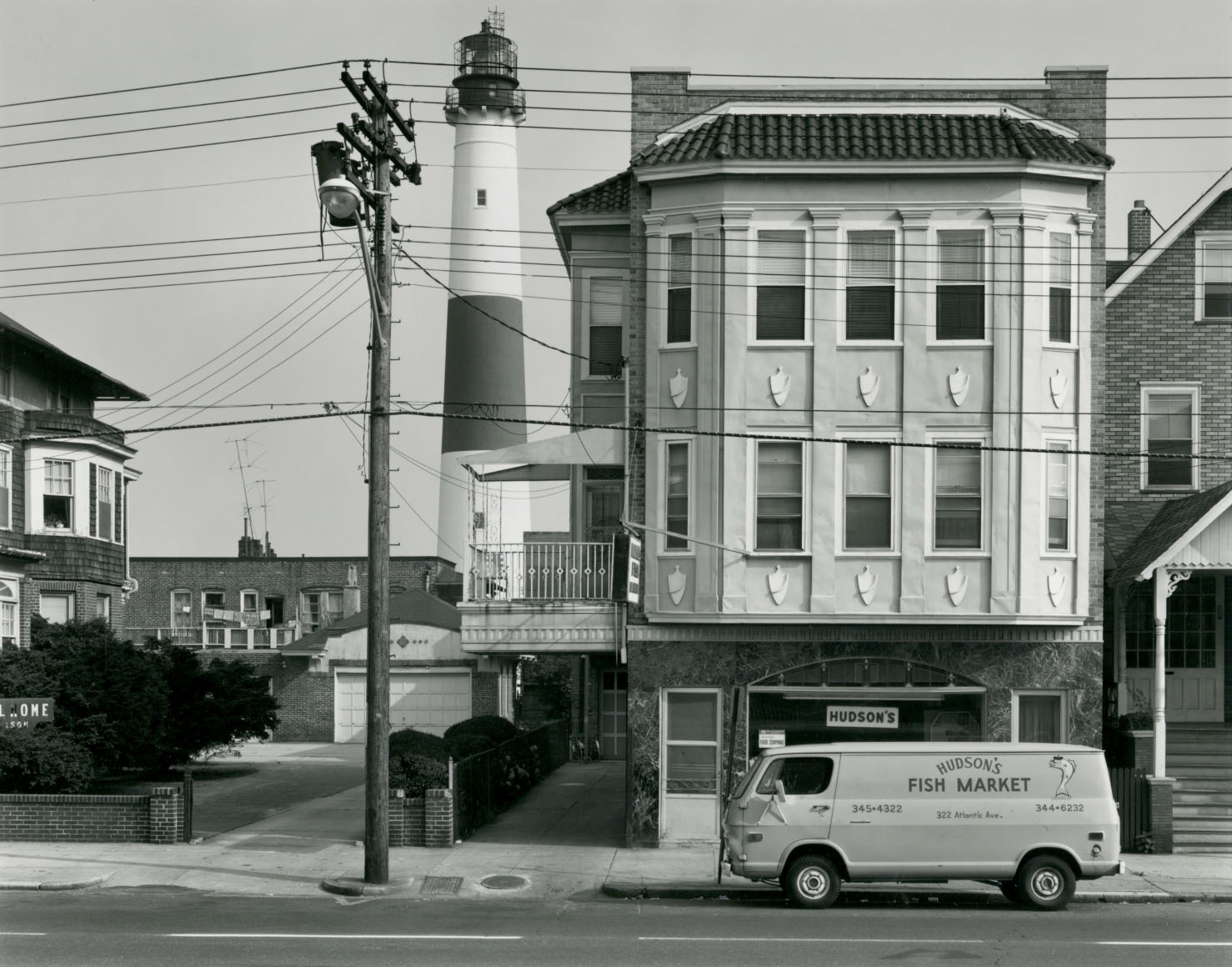
 

Edward J. Kelty (American, 1888-1967)
Barnett Bros. Three Ring Circus Sideshow. Morristown, NJ
New York: Century, 1929
Silver gelatin print
11 x 19″


Sepia toned photo depicts the side show cast in front of their accompanying banners that feature “The Mexican Knife Thrower,” “Prof. Jackson’s Jazz Band and Minstrels,” “Mille Leatrice: Charmer of Reptiles,” and the “Venetian Glass Blower.”


The Barnett Bros. Circus was founded in Canada by Vermont native Ray W. Rogers in 1927. The circus showed both Canada and the United States. In 1929 the show closed it’s season in Easley, S.C. and began wintering in York, S.C..

In 1937 Rogers joined with financiers George and Minter Wallace and the circus changed the name to Wallace Bros. Circus for the seasons of 1937 and again 1941 to 1944. Ray Rogers died in 1943 and in 1944 the Wallace Bros. circus merged with the Clyde Beatty Circus.

Information from the York County Library


Edward J. Kelty (American, 1888-1967) 'Ready for the Spec – Ringling Back Yard' New York: Century, 1926


Edward J. Kelty (American, 1888-1967)
Ready for the Spec – Ringling Back Yard
New York: Century, 1926
Silver gelatin print
7 x 10 1/2″


Edward J. Kelty (American, 1888-1967) 'Ringling Bros. and Barnum & Bailey Combined Circus in New York's Mammoth New Coliseum in the Bronx' New York: Century, 1929


Edward J. Kelty (American, 1888-1967)
Ringling Bros. and Barnum & Bailey Combined Circus in New York’s Mammoth New Coliseum in the Bronx
New York: Century, 1929
Silver gelatin print panoramic photograph
12 x 20″


Edward J. Kelty (1888-1967) moved to New York City following his service in the Navy during World War I, and opened up his first studio, Flashlight Photographers. Kelty was drawn to the circus and visited Coney Island often. In the summer of 1922, he transformed his truck into a mini studio, darkroom and living quarters, and traveled across America. His panoramic views captured the performers – human and animal – associated with Ringling Bros. and Barnum & Bailey, Hagenbeck-Wallace, Sells-Floto, Clyde Beatty, Cole Bros. and other train, wagon and truck shows.

A typical day for Kelty would have him waking at dawn to set up cameras and tripods, gathering bearded ladies and sword swallowers, snake charmers and giants and shooting all morning. At times he had as many as 1,000 people in a picture. Afternoons were spent processing film and making proofs, taking orders and printing well into the night. The following day, he distributed prints, most often to circus staff and performers, before returning to his New York studio to work on his wedding and banquet photography business.

Kelty was hit hard by the Depression, and by 1942 had cashed in his glass plate negatives to settle a hefty bar tab. He moved to Chicago and, as legend has it, never took another photograph. His extant negatives eventually made their way into a Tennessee collection of circus memorabilia. Since Kelty used Nitrate-based film, which is unstable when improperly housed, the negatives self-destructed and were disposed of.

After Kelty died in 1967, his estranged family found no photographs, cameras or negatives among his belongings – just one old lens and a union concession employee ID card identifying him as a vendor at Chicago’s Wrigley Field. There was no evidence of the man who, along with his custom mammoth-size banquet camera and portable studio, documented America’s greatest traveling circuses.

Anonymous text from the Swann Galleries website February 2015 [Online] Cited 28/04/2022. No longer available online


Edward J. Kelty (American, 1888-1967) 'Harold Barnes Featured with Cole Brothers – Clyde Beatty Circus Little Falls, N.Y.' July 17, 1935


Edward J. Kelty (American, 1888-1967)
Harold Barnes Featured with Cole Brothers – Clyde Beatty Circus, Little Falls, N.Y
New York: Century, July 17, 1935
Silver gelatin print panoramic photograph
11 1/2 x 19 1/4″


The World’s Youngest Wire-Walking Wizard (1934)


Edward J. Kelty (American, 1888-1967) 'Ringling Bros. and Barnum & Bailey. Blacksmith Shop Dept.' 1938


Edward J. Kelty (American, 1888-1967)
Ringling Bros. and Barnum & Bailey Blacksmith Shop Dept.
1938
Gelatin silver print


Unknown photographer (English?) '"Lil" the Performing Elephant' c. 1920s


Unknown photographer (English?)
“Lil” the performing elephant
c. 1920s
Gelatin silver prints
4 3/4 x 6 1/2″


“Lil” interacting with pedestrians and a trainer in an unknown location, but probably in England. Interesting to note that the trainer is a bowler-hatted black man back in the 1920s.


Unknown photographer (American) 'Performing elephants' 1920s-1930s


Unknown photographer (American)
Performing elephants
1920s-1930s
Gelatin silver prints


Unknown photographer (American) 'Monkeyland' Early 1950s


Unknown photographer (American)
Monkeyland
Early 1950s
Gelatin silver print


Unknown photographer (American) 'Carroll's Shows'


Unknown photographer (American)
Carroll’s Shows
Minneapolis, June 1964
Gelatin silver print

Unknown photographer (American)
Carroll’s Shows
August 1961 Austin, MN
Gelatin silver print

Unknown photographer (American)
Carroll’s Shows
Austin, August 1964
Gelatin silver print

Unknown photographer (American)
Dales Circus
August 1965
Gelatin silver print

H.H. Bennett Studio (H.H. Bennett photographer, American 1843-1908)
Grand Electrical Display
Moving Pictures
Positively Free From Flickering
See the Great
Valu Artillery Battle
Japanese Soldier Buried Alive
c. 1904
Gelatin silver print


The only reference I can find to the “Valu Battle” is an entry in the Bendigo Advertiser newspaper from Mon 9 May 1904 when commenting on the Russo-Japanese War, found on the Trove website. The reference to a Japanese soldier “buried alive” can only be a reference to this war.


The H. H. Bennett Studio is a historic photographic studio and photography museum located in Wisconsin Dells, Wisconsin, United States. The studio building was built in 1875 by noted landscape photographer H. H. Bennett. It was operated by his family until 1998, when the studio was donated to the Wisconsin Historical Society. Today the studio, which is listed on the National Register of Historic Places, serves as a historical museum.

Henry Hamilton Bennett (January 15, 1843 – January 1, 1908) was an American photographer famous for his pictures of the Dells of the Wisconsin River and surrounding region taken between 1865 and 1908. The popularity of his photographs helped turn the city of Wisconsin Dells, Wisconsin into a major tourist destination.

For more information on H. H. Bennett please see the Wikipedia website


Unknown photographers (American) 'Carnival light towers' 1950s-1970s


Unknown photographers (American)
Carnival light towers
1950s-1970s
Gelatin silver prints and colour photograph

Collins Shows possibly mid-late 1950s (right)
Frank W. Babcock United Shows September 1959 (top centre)
Other photographs are August 1969 (bottom centre), October 1970 (bottom left ) and the colour photo, early 1970s


Unknown photographers (American) 'Wild animals and motordromes and motorcycle "hell riders"' Various dates


Unknown photographers (American)
Wild animals and motordromes and motorcycle “hell riders”
Various dates
Gelatin silver prints

Art 3. Thomas July 20, 1968 Canada

Morris-Hannum
1959 (prints July 1965)

Wild Animals Alive
Nd

Queens of Speed
Thrill Arena
Lady Hell Riders
Nd (mid-late 1950s?)


Unknown photographers (American) 'Astro Wheels and Roll-A-Whirl' Various dates 1920s-1970s


Unknown photographers (American)
Astro Wheels and Roll-A-Whirl
Various dates 1920s-1970s
Gelatin silver prints and colour photograph


Unknown photographers (American) 'Carnival entrances' Various dates 1950s-1960s


Unknown photographers (American)
Carnival entrances
Various dates 1950s-1970s
Gelatin silver prints and colour photograph

James H. Drew World’s Fair & Exposition
1960s

Dobson Shows
Blue Earth, MN July 2, 1961

Gayland Main Entrance
August 1970

James H. Drew World’s Fair & Exposition
June 1965

Penn Premier Shows Main Entrance
1950s?

Bill Dillard Presents Myers Amusements Co.
August 1973

T. S. & W. T. Main Rides Shows Entrance
Nd


Unknown photographer (American) 'James H. Drew Shows, Torture Show, Sadistic Atrocities, First Time Here, See Them Suffer, How Could They Be Unfaithful' September 1959


Unknown photographer (American)
James H. Drew Shows
Torture Show, Sadistic Atrocities First Time Here
See Them Suffer
How Could They Be Unfaithful
September 1959
Gelatin silver print


Unknown photographers (American) 'Shooting galleries and Prize Games carnival "fronts"' Various dates 1960s-1990s


Unknown photographers (American)
Shooting galleries and Prize Games carnival “fronts”
Various dates 1960s-1990s
Gelatin silver prints and colour photograph

Long Range Shooting Gallery
February 1966

Prize Every Game
19th April 1998


Unknown photographers (American) 'James E. Strates Shows Inc.,' 1940s Logo and Gelatin silver prints 'Hitler's Monsters(?) after Death' 'Hitler and Tojo: See The Now' c. 1946-1948 'Dwarfs' 1947 'Magician banner' 1948 'Wild animals' 1947 'James E. Strates Shows trailer' 1947


Unknown photographers (American)
James E. Strates Shows Inc.,
1940s
Logo and Gelatin silver prints

Hitler’s Monsters(?) after Death
Hitler and Tojo: See The Now

c. 1946-1948

Dwarfs
1947

Magician banner
1948

Wild animals
1947

James E. Strates Shows trailer
1947


James E. Strates Shows. Massive show passes 'King of the Midways' 1950s-1960s; Unknown photographer (American) 'Zola Alive' 1950; Unknown photographer (American) 'The Great Lester's Museum of Magic' 1952


James E. Strates Shows Massive show passes
King of the Midways
1950s-1960s

Unknown photographer (American)
Zola Alive
1950
Gelatin silver print

Unknown photographer (American)
The Great Lester’s Museum of Magic
1952
Gelatin silver print


Jack Zipf and unknown photographers (American) The Great Lester c. 1950


Jack Zipf and unknown photographers (American)
The Great Lester
c. 1950
Gelatin silver photo collage print
8.5 x 10″


Photo collage print of The Great Lester and his performance feats, publication honours, and Museum of Magic

The Great Lester’s Museum of Magic

The LESTERS’ (Top right): Picture (right) by Jack Zipf, Staff photographer THE PROGRESS, Clearfield, Penna.

MYSTIFYING and marvelous, THE GREAT LESTER’S MUSEUM offers magic and illusions which battle but entertain and fascinate. The refined and clean manner in which the show is presented has brought laudatory comment from the press and educators the nation over. Gorgeous girls add charm and intrigue to the mystifying fantasies. LOOK and LIFE magazines proclaimed Lester the greatest and top magician of the times. Always anxious to witness things which are mysterious, the crowd above is ready for the “come on in” invitation.”


Unknown photographers (American) 'Monstrosities and oddities shows' 1880s-1960s


Unknown photographers (American)
Monstrosities and oddities shows
1880s-1960s
Gelatin silver prints

Calcutta Monster sideshow “front”
c. 1957

Adolph-Rudolph Siamese Twins
27 years old
Born, Vienna, Austria
c. 1880s


Adolph and Rudolph were false Siamese (cojoined) twins traveling with P. T. Barnum in the late 1800’s. Rudolph had tiny malformed legs. It seems Barnum considered the affliction not unique enough in itself and thought there was more money to be made by rigging a “cojoined twin harness” with his twin brother.

Rudolph had malformed legs and considered the affliction not curious enough to command the amount of money that Siamese twins were making at the time, so he rigged a conjoined-twin harness to attach to his twin brother.


The Man with the biggest Feet in all the World
“Francisco Sandoval Rios”
Weight: 180 Height: 5’2″
Speaks Spanish Only
He Can Walk
Comes from Central America
Printed in U.S.A.
1970s


A Nicaraguan man in his 30’s who probably had Milroy’s disease, as did many who were billed as “Big Foot” people.


Arctic Whale
Clyde Beatty Circus
1950s


Clyde Beatty (June 10, 1903 – July 19, 1965) was a famed animal trainer, zoo owner, and circus mogul. He joined Howe’s Great London Circus in 1921 as a cage boy and spent the next four decades rising to fame as one of the most famous circus performers and animal trainers in the world. Through his career, the circus impresario owned several circuses, including his own Clyde Beatty Circus from 1945 to 1956.


Unknown photographer (American) 'Calcutta Monster sideshow in Florida' c. 1957


Unknown photographer (American)
Calcutta Monster sideshow in Florida
c. 1957
Gelatin silver print


Primarily a snake show, boas were very rare and were a good draw for a sideshow during this era.


Unknown photographers (American) 'Monsters shows' 1950s-1960s


Unknown photographers (American)
Monsters shows
1950s-1960s
Gelatin silver prints

Calcutta Monster sideshow
February 1959

Giant Kongo Family Alive
September 1964

Hagen Bros. Circus
Alive! Giant Snakes Alive!
January 1962

Front and rear of the same sideshow trailer.


Hagen Bros. truck show that was on the road from 1949 until 1961. The circus was owned by Howard W. Suesz who also owned the “Clyde Bros. Circus”, which was an indoor circus, playing in buildings and stadiums.

The Clyde Bros. Circus played mostly Shrine dates in larger towns and the Hagen Bros was set up to show under canvas in smaller cities. The circus was managed by Robert Couls and Joe McMahon was the general agent. The Circus made Edmond Oklahoma it’s winter Home.

Anonymous text from the Circuses and Sideshows website [Online] Cited 09/02/2022


Globe Poster Corp. (printer) 'Hagen Bros. 3-Ring-3 Circus' between 1950 and 1961


Globe Poster Corp. (printer)
Hagen Bros. 3-Ring-3 Circus
between 1950 and 1961
Colour lithograph
71.44 x 52.07cm (28 1/8 x 20 1/2 in.)
The Jay T. Last Collection of Graphic Arts and Social History, Huntington Digital Library


Unknown photographers (American) 'Human attractions' 1960s-1970s


Unknown photographers (American)
Human attractions
1960s-1970s
Gelatin silver prints

World’s Strangest Married Couple

Alive
Richard King
America’s Smallest Man
27 in tall

“Ronnie & Donnie” In Person


Ronnie and Donnie Gaylon were conjoined twins, born on October 28, 1951 and died on July 4, 2020, making them the world’s longest-surviving conjoined twins who worked in carnivals and circuses as a sideshow act from the age of three.

“The twins exhibited themselves in an air-conditioned trailer for most of their carnival show careers. They lounged about watching television while spectators paid to peer in the window to observe them conduct daily life. Old advertisements read: ‘Still a sensation! The Gaylon Siamese twins, the U.S.’s most visited attraction on any Midway.’

Ronnie and Donnie found a community among the sideshow performers and workers who ran the concession stands. Their friends included Johann the Viking Giant; Little Pete, who was billed as the smallest man in the world, and Margaret Pellegrini, an actress who starred as a munchkin in The Wizard of Oz.

‘When we were on the road, it was all like one big family,’ said Ronnie to MLive in 2014.

As freak shows and carnival acts became taboo in the United States during the 1970s, the ‘Sensational Siamese Twins’ took their act to Central and South America where they performed as the headlining act in the circus doing magic tricks.

‘They were treated totally different down there,’ said their brother Jim. ‘They were treated like rock stars’.”

Tate Delloye. “World’s longest-surviving conjoined twins who worked in carnivals and circuses as a sideshow act from the age of three – and always insisted they ‘lived a good life’ – die together at the age of 68,” on the Daily Mail website 7 July 2020 [Online] Cited 10/04/2022


He weighs 800 lbs
You must See… to believe
ALIVE World’s Biggest
92 st
Fat Albert


T.J. “Fat Albert” Jackson (Kent Nicholson) (American, 1941-1988)

One of the last performing fat men in the United States was Kent Nicholson, who used the alias T.J. “Fat Albert” Jackson. He was born around 1941 in Canton, Mississippi. Although he was exceptionally large since birth, his parents taught him never to be ashamed of himself. His highest recorded weight was said to be 898 pounds. Albert’s wife Carrie and daughter Arkeba accompanied him on tour for nine months out of the year. He continued appearing at carnivals and fairs well into the 1980s, along with Eddie Taylor, a dwarf known as the World’s Smallest Man, and successfully avoided being shut down by politically correct reformers who found his show “insensitive”.

“HI! My name is T.J. Albert Jackson, better known as Fat Albert. I was born in the U.S.A. At birth I weighed 22 lbs. 6 ½ oz., and was 26 ½ inches long. At present I am 872 lbs. and 6′ 4 ½” tall and still growing! I also have a wife. She is 110 lbs., and 5’3″ tall. WE ALWAYS LIKE TO MEET NEW FRIENDS. GOD BLESS YOU. HEY, HEY, HEY! FAT ALBERT. Thank you.”

Albert died in Baton Rouge, Louisiana, on December 18, 1988.

Text from the Find A Grave website 24 Oct 2010 [Online] Cited 10/04/2022


Unknown photographers (American) 'Girl Shows: Girl reviews and Rock 'N' Roll' 1960s


Unknown photographers (American)
Girl Shows: Girl reviews and Rock ‘N’ Roll
1960s
Gelatin silver prints

Kitty’s Starlite Review
Nd

Vals Girls
July 1965

Mickie Girl Review
January 1962

Rock ‘N’ Roll
October 1960


Burlesque and “girl revue” shows at carnivals


Unknown photographers (American) 'Century 21 Shows Presents Roxanne's Playgirls / Century 21 Shows Presents Broadway A-Go-Go' 1960s-1970s


Unknown photographers (American)
Century 21 Shows Presents Roxanne’s Playgirls
Century 21 Shows Presents Broadway A-Go-Go

1960s-1970s
Gelatin silver print and colour photographs


Burlesque and “girl revue” shows at carnivals


Triangle Poster & Printing Company (printer) 'Kunz Century 21 Shows: world's largest motorized midway' c. 1966


Triangle Poster & Printing Company (printer)
Kunz Century 21 Shows: world’s largest motorized midway
c. 1966
Colour lithograph
71.12 x 55.56cm (28 x 21 7/8 in.)
The Jay T. Last Collection of Graphic Arts and Social History, Huntington Digital Library


Midway (fair)

A midway at a fair (commonly an American fair such as a county or state fair) is the location where carnival games, amusement rides, entertainment, dime stores, themed events, exhibitions and trade shows, pleasure gardens, water parks and food booths cluster.

The term originated from the World’s Columbian Exposition held in Chicago, Illinois, in 1893. It was the first world’s fair with an area for amusements which was strictly separated from the exhibition halls. This area, which was concentrated on the city’s Midway Plaisance, included amusement rides (among them the original Ferris Wheel), belly dancers, balloon rides, and other attractions.

After the Exposition, the term midway came into use as a common noun in the United States and Canada to refer to the area for amusements at a county or state fair, circus, festival, or amusement park.

Text from the Wikipedia website


Unknown photographers (American) 'Drugs and Weird Creatures carnival "fronts"' 1960s-1970s


Unknown photographers (American)
Drugs and Weird Creatures carnival “fronts”
1960s-1970s
Colour photographs

Drug Horror
Nitemares, Scream!

Drug Abuse
Can A Show Go To Far

See The
Weird Creatures
From Outer Space Alive
They’re Watching Us!
Weird Creatures
Menace from Outer Space


LIKE ART BLART ON FACEBOOK

Back to top