In the nearly eighteen year history of constructing this archive there has never been a posting on the American photographer Ralph Eugene Meatyard (American, 1925-1972) which tells you a/ how rare exhibitions of his work are today and b/ how under appreciated his art is in recent times when compared to his white, male contemporaries such as Harry Callahan, Minor White and Aaron Siskind. Thus it is a great pleasure to promote this exhibition on Art Blart. I just wish I had more photographs to show you!
His work is polarising. People either hate it or love it. I’m in the latter camp. I admire Meatyard’s disturbing? challenging photographs where youth and innocence meld into a dystopian old age of special beauty, where other worlds of which we know very little are brought close to our imagination.
I admire them for their unconventionality, for their spectral aspect … that fluid dichotomy between reality and fantasy, dreams and nightmares, where the mask comes to stand for another state of being of its subject1 – shadowy, other-worldy phantoms brought into our presence through romantic-surrealist, abstract realisms – un/earthly in/corporealities, bodies and people who are both grounded in the present and transmogrifying in a tumult of magic realism (a literary and artistic genre that seamlessly blends fantastical or mythical elements into otherwise realistic, mundane settings, treating the supernatural as normal).
This unexplained magic, fluid time contains a social critique of childhood, family and adulthood and (most importantly) mortality, merging real-world settings with unbelievable elements.
Meatyards’s staged scenes – often using exposure, shadow (in Jung referencing the unconscious, hidden part of the personality), depth of field, or motion blur – suggest “an absurd fantasy set in the dilapidated houses and banal suburban environs near his home in Lexington, Kentucky … [which] reveal Meatyard’s search for inner truths amid the ordinary.” (Text from the High Museum of Art)
His photographs contain elements of his imagination in segments of the actuality around him, an interface of emotion and feeling about the world which is reflected back to us through his experimental, fantastical images. His subjects simply exist in youth and old age and resonate (that musical influence) “within the infinite possibilities of this fictional world.” Thus, in this fictional world, the masks serve “… to equalise his subjects and shift focus elsewhere – to the poignant juxtaposition of otherworldly faces on human bodies, to the ambiguous and unknowable in human nature.”2
The unknowable in human nature. The phenomenal (appearances) and the noumenal (the harsh reality of things-in-themselves).3 Interstitial. Interspatial. The space between…
Dreams and realities, masks and identities, emotions and fluidities. Gestures on what it is to be human.
Dr Marcus Bunyan
1/ “The word “persona” originally refers to a theatrical mask worn by actors to depict the roles played by them…
The ego refers to our centre of consciousness which is responsible for our continuing sense of identity throughout our life and the persona is the social mask that we put on. We all embody different masks in different settings, as it is our way to adapt to the demands of society, playing an important part in shaping our social role and in how we deal with other people.”
3/ The phenomenal world is the reality we experience through senses and mental structures (space/time), while the noumenal is the unknowable, objective reality existing independently of perception, such as God or the true nature of objects.
Many thankx to the High Museum of Art for allowing me to publish the photographs in the posting. Please click on the photographs for a larger version of the image.
“I seek to create a picture that has implications which may be explored for a new concept of thinking – a picture seen largely from the subjective viewpoint. The man of ideas and ideals will search for and find elements of his imagination in segments of the actuality around him. My pictures are an extension of myself and invite the viewers to participate in my thinking about the object pictured.”
Ralph Eugene Meatyard, Lexington Camera Club, Creative Photography – 1956 catalogue statement
“I adhere to the techniques of the earliest and most sincere workers of the camera – straight, unmanipulated pictures. That which I present is that which I see. However, I work a great deal in romantic-surrealist as well as abstract for I feel that ‘more real than real’ is the special province of the serious photographer.”
Ralph Eugene Meatyard, quoted in Beaumont Newhall, “New Talent in Photography USA,” Art in America 49, No. 1, 1961
Installation view of the exhibition The Family Album of Ralph Eugene Meatyard at the High Museum of Art, Atlanta, GA
As an optician by profession, Meatyard’s photography training was largely self-taught. He grew up in Normal, Illinois, and eventually moved to Lexington to take a job at the Tinder-Knaus-Tinder optical shop. Through his occupation, he became fascinated by visual perception, but he did not pick up a camera until the early 1950s when his first son, Michael, was born. He began experimenting with photography and joined the Lexington Camera Club, a group of serious amateur photographers that met regularly to share their work. Meatyard made this self-portrait outside a warehouse in downtown Lexington. The composition, with the artist standing next to the word yard, is a playful visual take on his unusual surname.
A largely self-taught photographer, Ralph Eugene Meatyard (American, 1925–1972) was a pioneering and inventive artist who created some of the most original images of the mid-twentieth century. His work defies easy categorization as he experimented across various genres and subjects, and throughout his career, he maintained the ethos of an amateur, approaching photography with a sense of affection, discovery, and surprise. He is best known for his staged scenes that suggest an absurd fantasy set in the dilapidated houses and banal suburban environs near his home in Lexington, Kentucky. These scenes, often featuring his family as actors and using props such as masks and dolls, reveal Meatyard’s search for inner truths amid the ordinary.
This exhibition, coinciding with the artist’s centenary, features the thirty-six prints that comprise the artist’s first monograph (Gnomon Press, 1970) – one of only two books he published in his lifetime – which Meatyard intended to stand as his definitive artistic statement. All thirty-six prints were recently acquired by the High for the Museum’s permanent collection. Through his idiosyncratic selection of images, this exhibition explores how Meatyard’s singular approach and voracious curiosity expanded photography’s expressive and conceptual potential.
Since his untimely death in 1972, American photographer Ralph Eugene Meatyard has come to be regarded among the most pioneering and inventive artists of the medium, and his expressive, surreal photographs are widely celebrated today. This winter, the High Museum of Art presents “The Family Album of Ralph Eugene Meatyard” (Dec. 12, 2025 – May 10, 2026), an exhibition featuring 36 photographs that Meatyard considered his best work, created for one of only two monographs published by the artist in his lifetime. The High recently acquired the prints from his estate, making the museum one of the leading repositories of his photographs in the world.
“Ralph Eugene Meatyard created some of the most original photographs of the mid-20th century, and the prints in this exhibition are exquisite examples of his innovation and creativity,” said the High’s Director Rand Suffolk. “We are grateful to his estate for the opportunity to acquire and present these works and to celebrate his unorthodox yet remarkably generative practice with this exhibition.”
Born in Illinois in 1925, Meatyard eventually settled in Lexington, Kentucky. Because of his professional training as an optician, he was fascinated by visual perception, but he did not pick up a camera until the early 1950s. He began experimenting with photography and joined the Lexington Camera Club, immersing himself in the city’s creative community, which included artists and writers Van Deren Coke, Jonathan Williams, Wendell Berry and Thomas Merton.
Over the next 15 years, Meatyard maintained the ethos of an amateur, approaching the medium with a sense of affection, discovery and surprise. He experimented across various genres and subjects, including portraiture, abstraction, landscape and gothic narrative, constantly seeking to distort proper vision through photographic processes and the unconventional narrative structures that would make him an innovator of the medium.
He is best known for his staged scenes that suggest absurd fantasies, played out in the dilapidated houses and banal suburban environs of Lexington. Often featuring his family as actors and including props such as masks and dolls, the scenes reveal his search for inner truths among the ordinary. Though he wasn’t unknown in his lifetime – he exhibited, lectured and showed his work regularly throughout the 1960s – he worked both geographically and conceptually outside of the mainstream of photographic modernism, and it wasn’t until after his death that his reputation began to grow steadily.
More than a dozen books of Meatyard’s photographs have been released to date, but he only published two monographs in his lifetime. “Ralph Eugene Meatyard” (Gnomon Press, 1970), edited while he was dying of cancer, is a survey of what he considered his best work. He hoped the book would stand as his definitive artistic statement, offering his own perspective on his distinctive photographs.
This exhibition features rare prints the artist made of the 36 photographs in the book. These include signature photographs from Meatyard’s “Romance” series, which depict his family in fantastical scenarios, staged in abandoned buildings and bucolic landscapes. The series subverts the traditional family snapshot with a sense of the uncanny, combining youthful innocence with a sense of mortality. Meatyard often referred to these pictures as “romantic-surrealist,” and their fictional aspects were motivated by his desire to make photographs that weren’t bound by reality but were still grounded in the world as we see it. The exhibition also includes a selection of Meatyard’s portraits of writers, poets and artists from his circle, including Merton, Williams, Berry and Guy Davenport, among others. Collectively, the photographs create an unconventional family album by one of the most distinctive artists of the post-war period. The exhibition delves into Meatyard’s personal perceptions of his photographs and his process as a maker and will underscore the important influence of his artistic and intellectual contemporaries in Lexington, all of whom greatly affected his work. It also explores how Meatyard’s singular approach and voracious curiosity expanded photography’s expressive and conceptual potential.
“A family album is a relatable practice of memory, storytelling, aspiration and fabrication familiar to almost everyone,” said Gregory Harris, the High’s Donald and Marilyn Keough Family curator of photography. “While these works echo that nostalgic format, they also offer plenty of surprises and an extraordinary window into Meatyard’s life and creative process. We’re thrilled to share them with our audience.”
“The Family Album of Ralph Eugene Meatyard” is presented in the Lucinda Weil Bunnen Gallery for Photography on the lower level of the High’s Wieland Pavilion.
Meatyard suffered a heart attack in 1961. After this brush with mortality, he gave himself ten years to master photography. A sense of anxiety runs through many of his photographs. This image of a vacant masked face with hands pressed against its cheeks and a shard of broken mirror floating above embodies the persistent sense of pressure and tenuousness motivated by the finiteness of time.
Meatyard began editing the Gnomon Press book soon after he was diagnosed with cancer in 1970, and the looming reality of his fragility no doubt informed his selection of images. Arnold Gassan echoed the need to confront death in the longer, unpublished version of his essay for the book.
The 36 photographs include a number of signature portraits from Meatyard’s series Romance, and portray his family members, sometimes masked, inhabiting abandoned southern landscapes. Meatyard challenges the idea of traditional family portraits. In some images, children play in deserted rooms, maintaining their innocence in disconcerting environments. They are not afraid or amused – they simply exist within the infinite possibilities of this fictional world. In one image, an unrecognisable figure jumps out of a window into a yard where a little boy awaits. The movement of the jumping figure makes it resemble a spirit appearing to the boy in a dream. In creating this series, Meatyard was inspired by Ambrose Bierce’s definition of “romance” in “The Devil’s Dictionary” – defined as “fiction that owes no allegiance to the God of Things as They are.”
Victoria Gonzalez. “The Family Album of Ralph Eugene Meatyard,” on the Musee website December 15, 2025 [Online] Cited 15/02/2026. Used under fair use conditions for the purposes of education and research
As an adult, Meatyard lived in the South but grew up in Normal, Illinois – an apt birthplace for this man who led a very normal life. (“Meatyard” is an arcane 17th century English surname, but its surrealistic sound is an apt byline for the photographer. Meatyard himself collected strange names that he noted in a loose-leaf binder.) He did not consider himself a Southerner, although he has often been associated with Southern photography.
Although Meatyard counted himself as an amateur and hobbyist, he exhibited his work nationally with fine art photographers such as Minor White (who introduced him to Zen Buddhism), Harry Callahan, Aaron Siskind and Emmet Gowin. His national reputation had grown enough that his 1972 passing garnered a New York Times obituary that described Meatyard as living (somewhat disparagingly) in a backwater. Yet, it was living outside major centers of art and photography that allowed him the freedom to pursue his idiosyncratic creative strategies.
The photographs of his friends are more straightforward but equally poetic and surrealistic. An example is his portrait of close friend and fellow Lexington Camera Club member Cranston Ritchie (1923-1961). Like Meatyard, Ritchie received an untimely terminal cancer diagnosis, resulting in multiple amputations of his arm. Facing forward, Cranston stands with an armless mannequin and mirror, a humorous but tragic take on fate and mortality.
Cranston Ritchie was a photographer in the Lexington Camera Club and friend of fellow club member, Ralph Eugene Meatyard. Ritchie died young at the age of 38 from cancer. James Rhem in his essay, Gene’s Friend – Cranston Ritchie, writes, “A little knot the size of a grape and sore to the touch appeared on his right hand. It turned out to be a malignancy. Doctors then thought if the arm were removed above the elbow, the cancer might be stopped from continuing to his lungs. It wasn’t. After five surgeries, each an effort to stop the cancer’s spread, Ritchie died the day after Christmas in 1961.” Rhem quotes Meatyard’s 1971 recollection of Ritchie, “He will certainly be recognised in years to come as an outstanding individual photographer as many of the 19th century men are being recognised today.”
While Meatyard regularly photographed his family, his pictures are rarely conventional portraits and are not necessarily indicative of his relationships. Even when he wasn’t including masks, he often obscured his sitters’ identities by skilfully deploying exposure, shadow, depth of field, or motion blur. In this silhouetted image, his wife, Madelyn, and their daughter, Melissa, become the archetypal mother and daughter, their fused forms expressing intimacy and connection. The title of the piece, Madonna, and Meatyard’s use of the arched window as a framing device indicate his desire to place his work within an art historical lineage.
The High Museum of Art 1280 Peachtree St NE Atlanta, GA 30309
An exhibition on an eclectic subject that I knew nothing about before assembling this posting: 19th century Belgian photography.
In order to give a better understanding of the life of the photographers I have added their dates and bibliographic information where possible.
My favourite photograph in the posting is the mysterious and atmos/pheric Portrait of Marguerite Khnopff by the artist Fernand Khnopff (c. 1900, below), where “atmos” are the “atoms” of energy and mood that surround the subject, the vapour that envelopes the body.
Dr Marcus Bunyan
Many thankx to FOMU for allowing me to publish the photographs in the posting. Please click on the photographs for a larger version of the image.
The Early Gaze exhibition documents the birth of Belgian photography, from the very first mug shots to groundbreaking imagery in the arts, medical science and justice. It shows how an elite pastime grew out to become a powerful tool for capturing, controlling and constructing identity.
Early Gaze casts a fresh light on the rise and development of photography in 19th-century Belgium. The invention of photography did not only bring technological novelty, but also changed the way we see ourselves and the world. What began as a marvel of innovation quickly expanded into an instrument for control and image-building.
You will get a new perspective on the photographic pioneers who co-wrote the story of a young nation. You will discover forgotten portraits and unknown stories, and experience how the first photographic gaze still continues to influence our contemporary visual culture through phenomena such as agency, and consent.
Early Gaze illustrates that from the very start, photography was not a neutral registration of reality but a powerful instrument that helped shape the story of the ruling class.
The exhibition is accompanied by the book Early Gaze, published by Hannibal Books. With numerous unique photos by François Braga, Joseph Pelizarro, Guillaume Claine, Joseph Ernest Buschmann, Edmond Fierlants and others. Hardcover, Dutch/English, 304 pages, available for €55 in the FOMU shop.
Early Gaze casts a fresh light on the rise of photography in 19th-century Belgium.
In 1839 the world was changed forever by the invention of photography. For the first time it was possible to capture reality with the use of light. Whereas France and England introduced this revolutionary technique, Belgium quickly followed.
In the young nation of Belgium – independent since 1830 – photography soon came to play a key role in the shaping of a national identity. Embracing the new medium, Belgian pioneers captured people, cities, landscapes and historical events. But what they didn’t show is just as telling. Not everyone had access to photography, and that is why photos also expose 19th-century power relations.
Countless unknown images and stories have come to light over the past years. At the same time there was a change in mindset about photography and cultural heritage. Early Gaze considers the questions these photos invoke today. Who was depicted, and who was not? Who took the pictures, and why? Which photos were kept? For one thing very soon became clear: photography was more than a technical novelty. It is a way of seeing, capturing and remembering.
This exhibition shows rare and never-seen-before images, original cameras and the earliest photographic techniques. Themes such as art, science, reportage, propaganda and colonialist image-making showcase photography’s versatility and force.
Early Gaze invites you to discover the first sixty years of Belgian photography: not as a closed chapter, but rather as a story that continues to evolve.
1/ A Magic Moment
The invention of photography in 1839 was a magical event: for the first time you could truly capture a moment from real life!
Two different techniques arose in France and England in this period. Frenchman Louis-Jacques-Mandé Daguerre developed the daguerreotype: a unique image on a metal plate. In England, William Henry Fox Talbot invented the calotype: a negative- to-positive process using paper.
Not only did the techniques differ, so did the way in which these inventions were marketed. Daguerre, a clever businessman, immediately distributed a manual that made the technique gain popularity. Talbot decided on a patent: whoever wanted to use his method, would have to pay. This limited the popularity of the calotype.
In Belgium it was mainly the daguerreotype that found immediate success. Unfortunately, most early photographs were lost. Only a few examples were preserved, including two daguerreotypes of Saint Nicholas Church in Ghent, made by François Braga and Joseph Pelizzaro.
2/ From Experiment to Industry
Photography evolved at a rapid pace in the 19th century: from experiment to profession, from studio to industry.
In its pioneer years (1839-1842) photography was expensive, technically complex, and at times dangerous due to the use of chemical substances. Scientists, artists and optics professionals experimented, presented their results to academies, and applied for patents.
From 1842 a new profession arose: the portrait photographer. The high demand for portraits caused many engravers and miniature painters to switch to photography. Most of them did not yet have permanent photo studios, but travelled around. New techniques, such as wet collodion plates and the carte de visite, made the medium become more affordable and popular from around 1850. The number of photo studios – both small enterprises and larger ateliers – then grew quickly. The profession offered financial independence to many, as well as a chance at social advancement. Women were also active in the field, even if they often remained invisible or worked only under their initials.
Photography became a modern industry towards the end of the century. Belgian pioneers were internationally successful with their ready-made photographic materials. The introduction of simple devices by Kodak and Van Neck allowed even amateurs to document their lives. Photography became an everyday and personal medium.
Travelling photographers
In the early years of photography, many portrait photographers went from town to town. There were not enough customers yet to support a studio in a fixed location. Photographers advertised in newspapers, mentioning when they would be staying at a certain location or hotel. These pioneers often came from abroad. One Madame Guyard, for instance, was a travelling daguerreotypist. Her advertisement made her appear to be Parisian, though she was actually from Brussels and named Elisabeth Vandenplas. Were the French name and the reference to Paris meant to heighten her credibility as a photographer?
The democratising impact of the carte de visite
Photography underwent a major change in the second half of the 19th century. In 1854, Frenchman André-Adolphe-Eugène Disdéri introduced the carte de visite: a small-sized portrait (6 by 9 cm) on cardboard. He designed a multi-lens camera that allowed for multiple exposures to be registered on a single photographic plate. The photographs were then cut and separately glued onto cardboard: this way you could get multiple poses at the price of a single take. The photographer’s name and specialisation were listed on the back of the image. Cartes de visite made portrait photography quicker, cheaper and more accessible, especially to the middle class. Collecting these portraits of family, friends and acquaintances became all the rage. Countless commercial portrait studios appeared in Belgium, such as those of Adèle Daams, Ghémar Frères and François Deron.
Belgian camera manufacturers
In the 19th century’s final decades, Belgium saw a small scale, artisan production of cameras. Belgian manufacturers, often furniture makers by trade, built cameras locally as well as importing foreign models. France, England and Germany dominated the market, but Belgium as well had some well-known producers like Van Neck (Antwerp), the Drayé brothers (Merksem), Le Docte (Brussels) and Hofmans (Elsene). This era of camera production, however, was short-lived. Around 1900, increasing foreign competition put an end to this Belgian camera manufacturing.
Photo industry
Belgium initially was mostly a consumer of photographic technology. Between 1879 and 1900, small photochemical companies appeared in Ghent, Kortrijk and Brussels. Only some enterprises, such as that of Van Monckhoven and Beernaert Dry Plate from Ghent and that of Lieven Gevaert from Antwerp, truly achieved a breakthrough. They met the growing demand by professional and amateur photographers for faster and more user-friendly methods such as gelatin dry plates, optics, light-sensitive emulsions and photographic paper.
First female photo studio: Dorothée Detournay
In 1864 Dorothée J. Louise Detournay opened her own photo studio in Brussels, which was unusual for a woman. Specialising in ladies’ portraits, she herself stood behind the camera: a unique selling point that she accentuated in her advertising. After marrying Henri Dupont she worked at the Dupont studio, which was sometimes referred to as ‘Mr & Mme Henri Dupont’. After their divorce in 1877 she remained active in the field, together with her son Georges Dupont. She pioneered the use of electric lighting for her photographic work, displaying it at various exhibitions.
Gevaert Photo-Producten N.V.
In 1882, young Lieven Gevaert began working at the framing studio owned by his mother, Maria-Theresia Bruynseels. Together they opened a photo studio in Antwerp in 1890. Imported photo-paper was expensive and unreliable. That is why Gevaert began producing his own paper in 1894. His first product, Calcium Paper, was an instant success. Dozens of new varieties, such as Blue Star and Gevaluxe, would be added in the following decades – all with particular differences in sheen, texture and thickness. From a small studio, Gevaert Photo-Producten N.V. (later Agfa-Gevaert) grew into a major international player that could compete with companies such as Kodak and Ilford.
3/ Visualising Class
Due to the rise of photography, portraiture changed considerably in the 19th century. Initially it was an expensive and technically complex medium, only accessible to nobility and the rising bourgeoisie. Entrepreneurs, industrials and lawyers had their portraits taken or, for example, their castle domains photographed.
About halfway through the century, portrait studios offering a fixed selection of poses to a growing urban middle class came up everywhere. The carte de visite made photographic portraiture affordable. These small portrait pictures give a clear insight into the era’s dominant norms regarding class and gender: dignity, elegance and self- control were important. From 1870 onwards, ferrotype offered a first affordable chance for workers to be photographed.
Around 1890, snapshot photography and user-friendly cameras by companies such as Kodak and the Belgian Van Neck ushered in a new phase. Amateur photographers from the higher middle class would record their surroundings in informal situations.
Still, certain groups stayed largely invisible: people of colour or queer couples were rarely pictured. Photography, then, did not only capture memories, but also deepened social inequalities and notions of identity.
Stereo photography
Stereo photography is a technique in which a two-lens camera takes two photos of the same subject using slightly different angles. The camera simulates the distance between human eyes. When viewed through a stereoscope, the image appears to gain depth. Stereoscopes vary from portable models to large pieces of furniture.
Free time in the family album
Around 1890, a new era arrived with the advent of user-friendly cameras by companies like Kodak and the Belgian Van Neck. Amateur photographers from the higher middle class began photographing their daily lives: family trips, holidays and homely situations. See this album, for example: the image itself of a woman riding a bicycle even seems to have been taken from another bicycle in motion. These playful, spontaneous photos show how photography was coming within the reach of more people. That is how leisure time and personal memories became a fixed presence in a family’s visual memory.
Status in the portrait
In 19th-century photo studios the customers would pose sitting or standing, beautifully dressed and surrounded by prop objects to accentuate their status. Poses and props were often the same, and they were strongly determined by notions regarding social class, gender and current trends. Men and boys took serious poses with books, walking canes or rifles, while women and girls appeared in long dresses with parasols. Deviations, such as a smile, were inappropriate. You were allowed to show yourself, but within the boundaries of bourgeois expectation patterns. The result: stately portraits that resembled paintings and were supposed to radiate the portrayed person’s social status.
4/ From Document to Art
The value of photography as a versatile tool in art and science was recognised early on. In Belgium the medium soon came to play a key role in the systematic documentation of heritage and art objects: think of medieval sculpture, the Flemish primitives and baroque paintings. A small yet lucrative market arose for this type of art reproductions. Artists also turned to photography as a tool for sketches and preparatory drafts.
The end of the 19th century saw the rise of pictorialism. This movement considered photography to be a fully-fledged art form and sought inspiration in painting. Amateur photographers from the higher bourgeoisie in particular created poetic, dreamy images with a central focus on their personal expression. Photography thus became a means of presenting yourself artistically as well as socially. The Belgian state’s purchase of a large collection of photos by Pictorialists marked an important turning point in the recognition of photography as an art form. The medium, which up to then had been mostly connected to the industrial arts, now claimed its position amidst the visual arts.
Between art and eroticism
What is the difference between nude studies for artists and erotic nude photographs? Up to 1867, Belgian law forbade photos that violated ‘good morals’. It was unclear what exactly this meant, and the boundary between art and eroticism was a thin one. Whereas Belgium played an important role in the publication of erotic literature in the late 19th century, saucy photographs typically came from France. In addition there were photo magazines with nude models for artists. These were officially intended as a tool for painters, but attracted other audiences as well.
In the course of the 19th century, erotic imagery changed from being a luxury product to something that was affordable to a large group of people.
Pictorialism
Through the use of photography, the pictorialists sought a personal interpretation of reality. They strove for harmony in line, colour and atmosphere, using techniques such as gum, carbon and platinum printing to achieve a painterly effect. Photographers thus stayed fully in control: they could adjust tone values, add or remove details, and intervene in the printing process using brushes, pens or smudging tools. Pictorialists often printed on texture-rich paper or Japanese silk paper, making each photograph a unique work or art.
5/ National Identity
In the young nation of Belgium, photography played a key role in the representation of social status and the formation of a national entity. Photos of landscapes, monuments and historical figures supported the notion of Belgium as a nation state with a history and heritage of its own. King Leopold I soon understood photography’s potential for depicting the nation, just like other government entities and organisations.
Photographers themselves took initiatives of their own. They submitted project proposals, requested funding, and actively contributed to inventories of heritage. While the interest in the past grew, the lens was also aimed at the present: modernisation, industrial expansion and cities in transformation.
Industrial photography documented impressive infrastructure, such as railroads and factories. Such photographs accentuated Belgium’s image as a progressive industrial state. The easy reproducibility of photos caused photography to spread out quickly and to be used in education, promotional campaigns and propaganda. Thus photography was further shaped as a medium that balances between capturing, imaging and influencing.
Patrimony through the lens of Fierlants
In 1860, the Antwerp city government gave Edmond Fierlants the assignment of photographing city views and monuments just before the advent of drastic changes. Brussels and Louvain followed suit. Fierlants’ photographs, often in large formats, show medieval buildings, baroque churches and endangered urban areas. His monumental series of 165 images made Fierlants a leading figure in Belgian photography. This work aligns with the national ambition of preserving historical heritage in the Flanders and Brabant regions.
Patrimony through the lens of Radoux
As early as 1857, Gilbert Radoux photographed Belgian monuments using collodion negatives on glass. Recent analysis shows that he worked with a photographer from the French company of Bisson Frères in Ghent, Bruges, Louvain and Antwerp. Their images, featuring identical shooting positions and details, were also distributed in Paris. Radoux suddenly ended his practice in 1861. His photos long remained undervalued from a technical perspective, but today he is considered an early pioneer of Belgian architecture photography.
Britons in Belgium
Among the first photographers in Belgium (1840-1860) were a striking amount of Englishmen and Scots. They continued the tradition of travelling and capturing landscapes and monuments. Their images reflect a nostalgic, medieval Belgium. In 1846 William Henry Fox Talbot created one of Mechelen’s oldest calotypes of the city. Egbert Moxham established himself in Bruges in 1857, taking several photos there. His salted paper prints on decorative golden-edged cardboard appear to be intended for sale. Sir William Newton, too, took photographs in Bruges.
6/ Colonial Perspective and World’s Fairs
There was a downside to the splendour of young Belgium. In 1885 Leopold II, king of Belgium, also became the sole ruler and owner of the Congo Free State. Photography played a key role in the promotion of this colonial project. Belgian world’s fairs in 1885, 1894 and 1897 in particular made it painfully clear how deeply the ties ran between ambitions for progress and colonialism.
Without their consent, Congolese people were exhibited and photographed at these international exhibitions in Antwerp and Brussels. Such colonial photography was not neutral: it reflects the inequality and power relations of the colonial system. Mainly produced by white male photographers, the images confirmed the notion of European superiority and reduced the portrayed Congolese persons to objects: dehumanised and voiceless. In addition to photos of Congolese persons in a colonial context, other people of colour were also photographed from a colonial perspective. These images served as propaganda for the so-called ‘civilising mission’, reinforced racist stereotypes, and legitimised colonial domination.
7/ Photography as a Scientific Instrument
Driven by positivist thinking and belief in progress, photography became an essential tool for scientific disciplines in the 19th century. It was regarded as objective proof and used in observation, classification and documentation. In medical science, photography helped with the documentation of illness reports, surgery and anatomical anomalies. Patients are often recognisably pictured without consent or regard for their privacy.
Photographic micrography opened up a whole new world: bacteria, cells and tissue structures could now be studied visually. This marked the start of modern microbiology. In astronomy, photography replaced the eye of the observer, and the first photos of the moon were created. Within the legal domain, photography was used from 1860 onwards for identification purposes, and later also for the documentation of crime scenes.
In this manner the medium evolved into a powerful instrument of knowledge, control and power, but not without ethical consequences.
8/ Photoreporting On The Rise
Over the course of the 19th century, photography evolved into a technique that also allowed for the photographing of moving subjects. Photographers in Belgium documented a variety of subjects, such as processions, disasters, public celebrations and technological spectacles such as air balloon rides.
The options were initially limited by long exposure times and complicated methods such as the wet collodion process. Around 1870, new techniques brought more speed and flexibility. The introduction of the gelatin dry plate negative on glass in 1871, for example, was a turning point: the plate could be prepared in advance and developed afterwards. Thanks to this invention, photographers could work in a more dynamic manner.
Around 1900 photography became more mobile and faster, gaining it a regular presence in the illustrated press. From around 1885 photomechanical techniques such as halftone printing gradually replaced drawings. This allowed for image and text to be printed at the same time. It made photography a modern means of communication, an evolution with a lasting impact on both journalism and our visual culture.
Press release from FOMU
François Braga (Italian active Belgium, c. 1810 – after 1883) & Joseph Pelizzaro (Belgium, 1803- ) Ghent, view of Predikherenlei and Predikherenbrug 1839 Daguerreotype STAM Collection – Ghent City Museum
François Braga was an Italian-born photographer and optician, active in Belgium, who is noted for taking one of the earliest known photographs in Belgium in 1839. In October 1839, Braga and his partner Joseph Pelizzaro created daguerreotypes of the Predikherenbrug and Predikherenlei in Ghent, which are considered the earliest photographic views of the city.
Along with his friend, print and engraving seller Joseph Pelizzaro, Braga captured the scene from the second floor of Judge Philippe Van de Velde’s residence on the Ajuinlei. Out of the four original plates they created, two are preserved in the STAM – Ghent City Museum, while the other two have been lost.
Joseph Pelizzaro (also spelled Pellizzaro) was a Ghent-based print seller, engraver, and a pioneering photographer born on August 29, 1803. He was the first professional daguerreotypist with a fixed abode in Ghent, Belgium.
Louis Ghémar (Belgian, 1820-1873) Portrait of King Leopold I 1856 Salt print Janssens Collection, Antwerp
In 1855 Louis Ghémar (1820-1873) opened a photo studio in Brussels, next to the studio of Jules Géruzet. In the beginning Louis Ghémar worked together with Robert Sévérin. Sévérin took the photos and Ghémar made the retouches and eventually colours the photos. But Sévérin left Brussels and was replaced by Louis Ghémars half-brother, Léon Auverlaux. From then on the name of the studio was changed to Ghémar Frères.
Louis Ghémar died in 1873 but the studio kept the name Ghémar Frères until 1894 when Géruzet takes over the studio, including all the negatives of Ghémar.
Ghémar Frères (Belgian, active 1859-1894) Self portrait Louis Ghémar at a piano c. 1862 Albumen print Collection FOMU
The photo studio of the two brothers Ghémar was the most renowned Belgian photostudio in the period 1855-1870.
Louis Ghémar (Belgian, 1820-1873) The hot air balloon “Le Géant”, by Nadar shortly before takeoff at the Botanical Garden in Brussels 1864 Albumen print Collection Yper Museum
In the 19th century, hot air balloons embodied the promise of progress.
Balloon flights were spectacular events that drew large crowds, and the attention of photographers. Rising into the air symbolised technological ambition, curiosity and modernity. Capturing these moments via photography, however, proved challenging. Long exposure times made it difficult to photograph movement or unpredictable events.
In the exhibition Early Gaze you can see how photographers documented balloon ascents, such as the famous lift-off of Le Géant in Brussels in 1864. While the ascent could be photographed, unexpected moments, like the balloon’s emergency landing near Ypres, were still too fleeting for the camera and had to be represented through drawings instead.
Text from the FOMU Instagram web page
Unknown photographer Hot air balloon 1899 Albumen print Collection Janssens
Adolphe Neyt (Belgian, 1830-1892) ‘View of the Moon’, from Atlas photographique de la lune 1869 Albumen print Collection University Library Ghent bieb
After some uninspired steps in politics, wealthy industrialist Adolphe Neyt decided to dedicate himself to his real interests: the sciences and fine arts. As part of this change in direction, he started to take photographs, convinced that the medium had a vital role to play in scientific research. In 1867, Neyt produced a series of stereoscopic photographs of micro-organisms, earning him international success and a silver medal at the World Exhibition in Paris. After this recognition, he ventured into astronomical photography. Neyt had a private observatory built at his home in Ghent’s Coupure to take shots of the moon. The project led in 1869 to his most impressive publication, the Atlas photographique de la lune. …
Although Neyt was not the first photographer to make recordings of the lunar surface, his results were distinguished from previous examples by their unrivalled clarity and sharpness. They were among the highlights of the Belgian pavilion at the 1873 World Exhibition in Vienna.
Text from the Dominique Somers website
Alexandre (Albert Edouard Drains) (Belgian, 1855-1925) Iguanodon de Bernissart, excavated in 1878 1883 Albumen print FOMU Collection
Born Edouard Albert Drains in Paris (1855-1925), the photographer known professionally as Alexandre moved to Brussels in 1875. His technical bravura, his willingness to try anything and his use of “instantaneous” flash photography attracted the attention of Khnopff. He was in close contact with Les XX, especially Jena Delville, Xavier Mellery and Mellery’s former pupil Khnopff. In 1896 Alexandre executed platinum plates of works by Khnopff, which Khnopff then enhanced with color, creating a series of unique new images. This work earned Alexandre an invitation to join the British Linked Ring Brotherhood (1893-1908), eventually becoming official photographer to the royal family. He died at Nice.
Text from the Anamorfose website
Alexandre (Albert-Édouard Drains) probably took his father’s Christian name as a pseudonym. He was a professional photographer, and member of the Association belge de photographie (ABP)as of 1886. In 1888 Alexandre already had a solo exhibition at the Cercle Artistique et Littéraire in Brussels. He was a prominent member of the Brussels bourgeoisie, and he had been running a professional photographer’s studio with his mother in the popular Marollesquarter since at least 1881. He opened a new studio in a posh uptown part of the city in 1897. He took photographs of a variety of subjects and in several photographic styles. This opened up very different opportunities for him.
An appointment as the official photographer of the Belgian royal family illustrates his prominence in the capital’s bourgeois circles. He was an accomplished portrait photographer but was also involved in the promotion of King Leopold II’s Congo Free State through photographic exhibitions and large-scale projections of photographs taken by the King’s colonial agents. One of these events was in honour of Henry Morton Stanley, the King’s chief agent, returning to Brussels in 1890. These activities may well have made Alexandre the ideal candidate to become the cinematographer of the International Exhibition of Brussels in 1897. His cooperation with L’Optique belge, the Brussels subsidiary of the French company L’Optique, may have made him the first Belgian cinematographer ever.
He produced a substantial number of photographs between 1880 and 1897, both professional commissions and artistic photographs with which he participated in exhibitions in Belgium and abroad. Alexandre was also connected to the Brussels artists association L’Essor and created works of art together with the symbolist painter Fernand Khnopff (1858-1921) in a mixed technique involving photography, pastels and chalk. As a notable professional member of the ABP Alexandre was favourably disposed to the emerging amateur pictorialist movement, and together with his fellow member, Hector Colard, he organised an exhibition of English Pictorialist photographers at the Cercle Artistique et littéraire in 1892. Next to his ABP membership as a professional photographer, Alexandre was a protector-member of the amateur pictorialist group L’Effort.
Alexandre is cited as a prominent pictorialist at the 1899 Berlin Exhibition of Art Photography, in which he participated with several photographs. The fifth issue of 1903 of Art in Photography, an authoritative German journal on Pictorialist photography, puts Alexandre in a category of his own, with nine of his photographs, and he is mentioned with his The Anatomy Lesson in the second issue of 1905. This is illustrative of the impasse Pictorialism was getting into. The photograph was already made before January 1888, at which time it was shown in the Cercle Artistique in Brussels. It could hardly be considered as a prime example of contemporary photography in 1905. In early pictorialist fashion, The Anatomy Lesson mimics painting. It clearly refers to Rembrandt’s The Anatomy Lesson of Dr. Nicolaes Tulp (1632). It also demonstrates his use of the magnesium lightning, an early nineteenth century flash device which could be ignited simultaneously with the opening of the camera’s shutter.
Most of his work after 1897 is inspired by the naturalist and impressionist tendencies of French Pictorialism. In 1907, two years after The Anatomy Lesson appeared in Art in Photography, Alexandre ceased to participate regularly in exhibitions. Although he used techniques which were innovative in his day, such as magnesium lighting and photographic enlargement, his artistic activity was limited in time, as he was increasingly focusing on commercial photography after he opened his studio in 1897. He continued in his capacity as royal photographer but closed his business in 1914.
Anonymous. “Alexandre,” on the Ghent University website Nd [Online] Cited 08/02/2026. Used under fair use conditions for the purposes of education and research
François Smeesters (Belgian, 1839-1922) Aid for people with reduced mobility 1888-1890 Albumen print FOMU Collection
From 1862 onwards, Smeesters was listed in the population registry as a journeyman photographer at various private addresses.
Ernest Huybrechts (Belgian, 1863- ) ‘L’Explosion’, in La Catastrophe d’Anvers 6 septembre, 1889 Album contenant 18 planches Au profit des victimes (Anvers: Section anversoises de L’Association belge de Photographie / Jos. Maes, 1889), 1889, Lichtdruk Collection FOMU
Disasters, especially their aftermath, were an important theme for early reportage photographers in Belgium. The images are some of the rare early attempts to visually document widely discussed incidents and then distribute them comercially. Some of the photographs were sold to raise funds for victims, reflecting an early fusion of photographic journalism and charitable action.
Images of the disaster at the Corvilain gunpowder factory workshop in Antwerp in 1889, which claimed 95 lives, were compiled in two publications edited by Joseph Maes. One was sold for the benefit of the victims, the others served as a visual record of the tragedy.
Text from the FOMU Instagram web page
Charles E. Hofmans (Brussels) Hofmans Multiphoto camera 1890 Multi-lens camera for 12 exposures, format 2.5 × 3cm on 13 × 18cm plates, twelve meniscus lenses, fixed focus, fixed aperture, camera cover serves as shutter Collection FOMU
Charles Hofmans was a cabinet maker from Brussels, Belgium who became a well known camera manufacturer.
Hugo Piéron was known for photographing Antwerp, including scenes of the city’s gates and the frozen Scheldt River in 1891, and he operated a studio under the name Pieron-Loodts, having taken over a studio around 1867.
Victor Barras (Belgian, 1845-1916) Four women and two dogs, Liège 1894 Collodion printing-out paper 15.9 × 11.4 cm Collection FOMU
Little is known about this image, titled ‘Four women and two dogs’ that is part of the FOMU Collection and currently on show in the exhibition Early Gaze.
Within the FOMU collection, which contains millions of objects, we regularly encounter photographs whose origin or context is unknown. When information is scarce, we look closely at details within the image that might tell us more. In this case, handwritten notes on the back of the photograph (image 2) offer important clues.
The people portrayed are most likely members of the photographer’s personal circle. This can be deduced from a note on the reverse that reads: “… de la famille Duvivier Leys … de l’année 1894 et de ma fille chérie Louise Maes.”
The photograph is a daylight collodion silver print, an early photographic technique in which a collodion-coated glass plate had to be exposed and developed immediately after preparation – a process requiring speed and precision. The photograph was taken in 1894 by photographer Victor Barras in his studio in Liège.
Text from the FOMU Instagram web page
Henri Van Heurck (Belgian, 1838-1909) X-ray of chest deformed by corset 1896-1897 Daylight gelatin silver print Collection GUM – Ghent University Museum
Henri Ferdinand van Heurck (28 August 1838 – 13 March 1909) was a Belgian diatom specialist and microscopist. Born in an industrialist family, he taught himself microscopy and botany and wrote several pioneering works on diatoms, their study under the microscope and their preservation. He pioneered the use of electric lighting and its use in microphotography.
Henri Van Heurck (Belgian, 1838-1909) X-ray from a mummified Egyptian Ibis 1897 Collection FOMU
Fernand Khnopff (Belgian, 1858-1921) Portrait of Marguerite Khnopff c. 1900 Daylight gelatin silver print Collection FOMU
Khnopff’s use of photography highlighted, reflected on and contributed to the exploration of certain subjects and issues that defined European culture in the late nineteenth – early twentieth centuries in general as well as the artist’s œuvre in particular. These include the representations of the city of Bruges and its symbolic meaning in fin-de-siècle literature and visual tradition, the documentation of, and reaction to, Belgian colonialism in the Congo Free State as well as the representation of the colony in the colonising metropolis, and the employment of photographs as a substitute for a preparatory sketch or study at preliminary stage.
Text from the abstract of Fernand Khnopff (1858-1921): art and photography in the nineteenth century 2020
Khnopff’s oeuvre includes a large body of nearly monochromatic works on paper. A somewhat limited palette and restrained way of handling his medium become important features of his art, even when he is working in oils. The tendency towards monochromy in his work becomes an essential element in creating the remote and silent atmosphere of the scene.
Another factor in this aspect of his art, however, is the growing need for the photograph as reference, especially in his depictions of the city of Bruges (a kind of Shangi-la to him, a place he had only visited as a child). If he didn’t visit Bruges as an adult, the only plausible explanation for the accuracy of his later renderings of the town is the use of photography.
In public Khnopff disparaged the artistic merits of this growing medium and throughout his life carefully concealed the role photography played in the creation of some of his paintings.
After his death around forty photographs of Marguerite, who was both his sister and his favourite model, were discovered to remain despite her clearance of his studio and the destruction of much of his work and his personal papers. In them, she adopts poses in décor and costumes often alluding to Antiquity and the Far East, but also in dreamy contemporary scenes. It is clear that he was the photographer. Khnopff often did no more than rework the photographed motif in pastel or oil. …
Khnopff’s works based on photographs produced an image removed one more step from reality; remote, dreamlike, rendered in the shades and shadows of near monochrome which are perfect for conveying the ethereal ideas and themes of his art. This theatrical aspect of his photography makes him heir to slightly earlier photographers who were quite close to the Pre-Raphaelites such as Oscar Reijlander, Julia Margaret Cameron, Lewis Carroll and Lady Harwarden.
Associate Professor James McArdle. “November 12: Artifice,” on the On This Date in Photography website 12/11/2017 [Online] Cited 08/02/2026. Used under fair use for the purposes of education and research
Léon Bovier (Belgian, 1865-1923) Portrait of Madeleine Bovier as a toddler c. 1900 Daylight collodion silver print FOMU Collection
Lambert Léon Bovier, born 6.3.1865. Photographic supplies. “Firm founded in 1889” (L’Echo de Courtrai, 22.8.1897). Already active as an amateur photographer in September 1886 when he was a member of the “Cercle des Touristes” and took views of the area between Spa and Stavelot. Recorded as a watchmaker domiciled in Liège, Rue Hocheporte at the occasion of his wedding in Liège on 6.7.1889.
1894-1914 > Bruxelles, Boulevard Anspach, 166<10-12> or 168<94-09; 14> Partnership with Alphonse Roland (see that name) at this address, 1895-1897. Pictorialist (private address: Rue des Visitandines, 38). First prize winner in the fifth photography competition organised by the “Journal des Voyages” in 1894. Photographs on canvas imitating genre paintings. Corresponding member of the “Société Photographique de Lille” in 1900. Secretary of the “Cercle d’art photographique l’Effort”. Camera manufacturing. “Plates and papers of all makes. Recommended for radiographic laboratories. Construction of plate-holders for radiology” (Journal belge de radiologie, 1909). Reportedly lived in London [GB] from 1914 to 1917 and in Paris [F] from 1917 to 1918. Returned to Brussels after World War I. Bovier published several literary works in the 1920s under the pseudonym Léon Lambert. After his death, Bovier’s widow Antoinette Joséphine Marie Louise Robert (born Spa, 26.6.1868) was listed at this address under photographic suppliers until at least the 1950s. Their daughter “Madeleine” Marie Julie Pauline Bovier (born Brussels, 20.5.1896) would also play an active role in her father’s succession.
Jean Philippe Léon Sneyers, born 23.7.1877; died 24.9.1948. Architect-decorator, designer, art dealer and publicity agent, active from 1894. Also supplies for photographers at this address, according to the Mertens directory. Initiated into photography as an adolescent, when only 17 years old he was the president of a camera club for students, the “Detectiv-Club Belge”. Pictorialist. Landscapes, portraits and nudes. Secretary and leading light of the “Cercle d’art photographique l’Effort” (see that name). Member of the “Club d’amateurs photographes de Belgique”, which published several of his photographs in its “Bulletin”.
Both pupil and emulator of Paul Hankar, he discovered Viennese Secession architecture at the Turin exhibition in 1902. His surviving art nouveau buildings in Brussels include a house-cum-studio for the painter Albert Cortvriendt, Rue de Nancy, 6-8 and a shop front for Majolaine, Rue de la Madeleine, 7 created in 1904.
Commissioned by the government to design and decorate the science installation at the International Exhibitions in Liège, 1905, Brussels, 1910, and Ghent, 1913, and to design the Belgian installation at the exhibitions in Turin, 1902, Milan, 1906 and Venice, 1906-1907. He became a propagator of Viennese art nouveau via “L’Intérieur”, his art studio in Brussels at Rue de Namur, 9 which opened in 1906 and closed in 1918; thereafter Galerie Sneyers, Boulevard de Waterloo, 9 from 1918 to 1926. Collections of drawings and photographs in the “Archives d’Architecture Moderne” (AAM), Brussels. These constitute the small proportion of Sneyers’ archives saved from destruction in 1969.
Grant Mudford (Australian, b. 1944) El Paso, Texas 1976 Vintage gelatin silver print 16 x 20 inches Joseph Bellows Gallery
Let There Be Light
For so long I have wanted to do a posting on the Australian photographer Grant Mudford (b. 1944) and finally the time is here. Mudford has lived in the United States of America since his final move to the Los Angeles area in mid-1977 but I still think of him as Australian.
Between 1974 – 1977 he undertook an intensive program of travel and work in the United States before his final move. In 1977 he had major exhibitions at the Australian Centre for Photography, Sydney; The Photographers’ Gallery, London; and Light Gallery, New York and is represented in major collections such as The J. Paul Getty Museum, Los Angeles; Los Angeles County Museum of Art, Los Angeles; International Museum of Photography, George Eastman House; and the National Gallery of Australia, Canberra which holds sixty six of his photographs in their collection.
Mudford’s mature style – capturing in beautiful, minimalist black and white photographs the essence and reality of the built landscape envisioned without people, usually working with common, generally uncelebrated subject-matter – emerged at a time that was parallel to that of the groundbreaking exhibition of contemporary landscape photography New Topographics: Photographs of a Man-Altered Landscape held at the George Eastman House’s International Museum of Photography, October 1975 – February 1976.
This important exhibition proposed a new way of looking at the American landscape, a concept that was historically grounded in the Neue Sachlichkeit (New Objectivity) – new order – movement of Germany in the 1920s, developed further and most importantly by the German artists Bernd and Hiller Becher in the late 1960s – early 1970s.
The New Topographics photographers (including the Bechers) “documented built and natural landscapes in America, often capturing the tension between natural scenery and the mundane structures of post-war America: parking lots, suburban homes, crumbling coal mines. The photographs, stark and documentary, are often devoid of human presence. William Jenkins [curator of the New Topographics exhibition] described the images as “neutral” in style, “reduced to an essentially topographic state, conveying substantial amounts of visual information but eschewing entirely the aspects of beauty, emotion, and opinion”.1
As I have argued elsewhere I believe that the photographs of the Bechers and alike are just as much about the beauty of the subject as they are their topographic state.
“Despite protestations to the contrary (appeals to the objectivity of the image, eschewing entirely the aspects of beauty, emotion and opinion; the rigorous frontality of the individual images giving them the simplicity of diagrams, while their density of detail offers encyclopaedic richness) these are subjective images for all their objective desire. The paradox is the more a photographer strives for objectivity, the more ego drops away, the more the work becomes their own: subjective, beautiful, emotive.”2
At least Mudford is honest enough to own up to desiring beauty. “I am deeply interested in the relationship between man-made structures and the landscape,” says Mudford. “Photography allows me to capture that intersection, where design meets nature, light, and texture. I strive to create images that reflect both beauty and complexity.” (Text from the Joseph Bellows website)
Evidence of the development of his later mature style can be seen in photographs taken in Australia such as Jenolan (1972, below) and Woolloomooloo (Stop sign) (1973, below) which already contain a minimalist, paired back, topographic yet beautiful aesthetic. But it was his move to Los Angeles, and above all the LIGHT and TEXTURE of the new world, that seem to have brought forth the best within this artist.
While, as Foucault observes, texts “are caught up in a system of references to … other texts, other sentences: it is a node within a network … Its unity is variable and relative”3 – in other words there is a close relationship between the work of Mudford and the New Topographics movement – his work is very much his own.
There is a crispiness, frontality and seeming simplicity to Mudford’s photographs and yet also almost a painterly aspect, that belies the complexity of these well resolved and beautiful images. He captures “the emotional resonance of a moment, whether it be the play of light on a building’s surface or the dynamic contrasts found in nature.” (Text from the Joseph Bellows website) And unlike the huge photographs of Dawoud Bey in an upcoming posting – which seem to me completely at odds with the spirit of the subject being captured – Mudford’s 16 x 20 inches photographs allow the viewer to focus on the images inherent qualities of beauty, nature, light and texture.
Finally, it is beyond me why Grant Mudford has not received greater recognition in the country of his birth. Forget that he has lived for years in the United States of America, Mudford is a magnificent photographer par excellence and his worldwide achievement should be celebrated at a national level. Perhaps it is time that a gallery such as the National Gallery of Australia or the Museum of Australian Photography should put on a major retrospective of this artist’s work… before it is too late!
We are loosing too many great photographers from this era already.
Dr Marcus Bunyan
1/ New Topographics: Photographs of a Man-Altered Landscape was a groundbreaking exhibition of contemporary landscape photography held at the George Eastman House’s International Museum of Photography (Rochester, New York) from October 1975 to February 1976. The show, curated by William Jenkins, had a lasting impact on aesthetic and conceptual approaches to American landscape photography. The New Topographics photographers, including Robert Adams, Lewis Baltz, Bernd and Hilla Becher, Frank Gohlke, Nicholas Nixon, and Stephen Shore, documented built and natural landscapes in America, often capturing the tension between natural scenery and the mundane structures of post-war America: parking lots, suburban homes, crumbling coal mines. The photographs, stark and documentary, are often devoid of human presence. Jenkins described the images as “neutral” in style, “reduced to an essentially topographic state, conveying substantial amounts of visual information but eschewing entirely the aspects of beauty, emotion, and opinion”.
3/ Foucault, Michel. The Order of Things: An Archeology of the Human Sciences.New York: Vintage, 1973 quoted in Thumlert, Kurt. Intervisuality, Visual Culture, and Education. [Online] Cited 10/08/2006. www.forkbeds.com/visual-pedagogy.htm (link no longer active)
Many thankx to Joseph Bellows Gallery for allowing me to publish the photographs in the posting. Please click on the photographs for a larger version of the image.
“Photographs reveal unexpected mysteries within the familiarities of our existence. We over familiarise ourselves with our surroundings and after become unaware and insensitive to the forces of the essence or reality before us. It is that essence or reality which I strive to photograph.”
Grant Mudford quoted in Graham Howe (ed.,). New Photography Australia. Paddington, N.S.W.: Australian Centre for Photography, 1974, p. 8
“I think it is incredibly difficult to define a building with photographs. Space and spatial relationships within and around a building are not fully experienced from photographs. The photograph imposes its own sense of these relationships, which to me are abstract representations having little to do with architecture or reality. So what I am interested in are the photographic manifestations of what buildings and structures can present when specifically scrutinised as a photograph. To extend this transformation, I prefer to work with common, generally uncelebrated subject-matter”
Grant Mudford in Archetype Magazine Spring 1981 quoted in Reimund Zunde. Photography: An Approach For Secondary Schools. Education Department of Victoria, Curriculum Services Unite, in association with the Secondary Art/Craft Standing Committee, 1982
Grant Mudford (Australian, b. 1944) Jenolan 1972 Gelatin silver print 34.5 h x 38.8 w cm National Gallery of Australia Gift of the artist, 1985
Grant Mudford (Australian, b. 1944) Woolloomooloo (Stop sign) 1973 Gelatin silver print 34.5 h x 38.4 w cm National Gallery of Australia Gift of the artist, 1985
Grant Mudford (Australian, b. 1944) Houston, Texas 1975 Gelatin silver print 33.8 h x 49.8 w cm National Gallery of Australia Gift of the Phillip Morris Arts Grant 1982
Graham Howe (ed.,). New Photography Australia. Paddington, N.S.W.: Australian Centre for Photography, 1974, p. 8.
Reimund Zunde. Photography: An Approach For Secondary Schools. Education Department of Victoria, Curriculum Services Unite, in association with the Secondary Art/Craft Standing Committee, 1982
Renowned photographer Grant Mudford had made his mark in the art world with a distinctive vision, capturing anonymous structures with a profound sense of space, light, texture and form. With a career spanning several decades, Mudford’s work remains a testament to his unique ability to meld the art of photography with the subtle intricacies of design, nature, and human influence.
Mudford’s photographic style is known for its dramatic compositions and meticulous attention to detail. Whether focusing on the clean lines of modern architecture or the rugged textures of natural landscapes, his work consistently transcends traditional photographic boundaries. His images invite viewers to engage with the built environment and the natural world in new and thought-provoking ways.
His work has been described by Keith Davis in An American Century of Photography as “an appreciation for both the alienations and incongruities of the urban landscape.”
“I am deeply interested in the relationship between man-made structures and the landscape,” says Mudford. “Photography allows me to capture that intersection, where design meets nature, light, and texture. I strive to create images that reflect both beauty and complexity.”
Mudford’s approach to photography is marked by his commitment to capturing the emotional resonance of a moment, whether it be the play of light on a building’s surface or the dynamic contrasts found in nature. His work not only documents his subjects but also engages viewers in a deeper conversation about the spaces they inhabit.
Mudford’s photographs have been exhibited internationally in solo and group exhibitions since the mid 1970’s; beginning this history with a solo show at the notable Light Gallery. His photographs are in numerous private and public collections, including the Los Angeles County Museum of Art, the J. Paul Getty Museum, the Museum of Modern Art, the George Eastman House, the Nelson-Atkins Museum, and the National Museum of American Art. In 2014, Mudford received the Julius Shulman Institute Excellence in Photography Award. His photographs have been featured in publications such as Architectural Digest, The New York Times, and Artforum, solidifying his place as one of the most respected photographers of his generation.
Grant Mudford’s photography is more than just an aesthetic experience; it is an invitation to reconsider how we perceive the world around us. His lens captures what is often overlooked – the powerful simplicity of everyday structures and the quiet majesty of the natural world. Through his work, Mudford encourages viewers to find beauty in both the grand and the subtle, offering a fresh perspective on the environments we encounter.
Text from the Joseph Bellows Gallery website
Grant Mudford (Australian, b. 1944) Los Angeles, CA 1977 Vintage gelatin silver print 16 x 20 inches
Grant Mudford (Australian, b. 1944) Los Angeles, CA 1976 Vintage gelatin silver print 16 x 20 inches
Grant Mudford (Australian, b. 1944) Irvine, CA 1976 Vintage gelatin silver print 16 x 20 inches
Grant Mudford (Australian, b. 1944) Los Angeles, CA 1976 Vintage gelatin silver print 16 x 20 inches
Grant Mudford (Australian, b. 1944) Los Angeles, CA 1977 Vintage gelatin silver print 16 x 20 inches
Grant Mudford
b. 1944
Grant Mudford (b. 1944) is a Sydney-born, Los Angeles-based photographer renowned for his large-format, abstract depictions of the urban landscape and built environment. Mudford developed an interest in photography as a child, and turned the laundry into a darkroom at the age of ten. For several years in his teens he photographed children on Santa Claus’ lap at Christmas. After studying architecture at the University of NSW for two years from 1964-1964, he chose to focus on photography, opening his own studio. In the 1960s and early 1970s he photographed for a range of advertising, fashion and theatre clients, as well as working as a cinematographer on short films. Mudford held his first solo show at Bonython Gallery in Sydney in 1972 and shortly after received funding from the Australia Council for the Arts, enabling him to travel throughout the USA and Mexico between 1975 and 1977. He then settled in Los Angeles, where he worked for various American and international publications including Harper’s Bazaar, Esquire, Architectural Digest, Vanity Fair, the LA Times and the New York Times. The Museum of Contemporary Art in Los Angeles commissioned him as photographer for the exhibition and book, Louis I. Kahn: In the Realm of Architecture (1991). Mudford’s work is in many American and international collections including the Museum of Modern Art, the J. Paul Getty Museum and Los Angeles County Museum of Art, Art Gallery of NSW and National Gallery of Australia.
from the series Travelling the wonderful loneliness 2019-2024
March 2024
The third sequence from my new series.
Urban wandering, or travel as Hadjicostis writes, “more than any other activity cultivates the art of asking questions.“1
During 2019 I took a photographic journey through Europe. The trip was an ascetic experience, hardly talking to anyone for 2 months, immersed in photography, taking almost 10,000 photographs on three digital cameras. I have whittled these photographs down to around 120 images in four sequences.
This sequence, Tell Me Why, is one of the four sequences in the series collectively titled Travelling the wonderful loneliness (2019-2024).
1/ Nicos Hadjicostis. Destination Earth : A New Philosophy of Travel by a World-Traveler. Bamboo Leaf Press, 2016, p. 85 quoted in quoted in Olivia Schlichting. “Women in Cities & the Art of the Flaneuse,” in Urban Space & Women paper November 30, 2018, p. 11.
Please click on the photographs for a larger version of the image.
The Red CarMan in blue
The Green Man
Clare Castle, England
Three cracked eggs
The profit of industry
Rue des Ursulines, Paris
PhotospheresIn Memory Of (In Memory of the forty three people who died as a result of the tragic accident at Moorgate Underground Station on the 28th February 1975)
Christmas in October
The Riding School, England
The Blue Fan
The Casualities of War
Atget (colour)
Self-portrait with dog
After (Hokusai)
Photographs are available from this series for purchase. As a guide, a digital colour 16″ x 20″ print costs $1,000 plus tracked and insured shipping. For more information please see the Store web page.
Where: Monash Gallery of Art, Wheelers Hill When: Monday 20th May 2019, 6-9pm
Joyce Evans photographer celebration… I hope many of you can attend.
A celebration of Joyce and her contribution to art, photography, women’s status, mentorship and philanthropy. At least 30 of her prints will be displayed. Celebrants will talk and recall in their own words experiences with Joyce and her passions. The event will be recorded and made available for non-attendees. Snacks and drinks will be available.
A truly remarkable human being.
Marcus
If we can find out what we are… that is the artist. This goes to the core element of your being, and the core element of your enquiry remains the same.
If the core part of your life is the search for the truth then that becomes a core part of your identity for the rest of your life. It becomes embedded in your soul.
Joyce Evans
Michael Silver (Australian) Joyce Evans Nd
Monash Gallery of Art 860 Ferntree Gully Road, Wheelers Hill Victoria 3150 Australia Phone: + 61 3 8544 0500
“To meet the manifold requirements of this age with a definite program of human values, there must come a new mentality and a new type of personality. The common denominator is the fundamental acknowledgment of human needs; the task is to recognise the moral obligation in satisfying these needs, and the aim is to produce for human needs, not for profit.”
László Moholy-Nagy in Vision in Motion, published posthumously in 1947
New vision
One of the most creative human beings of the 20th century, and one of its most persuasive artists … “pioneering painter, photographer, sculptor, and filmmaker as well as graphic, exhibition, and stage designer, who was also an influential teacher at the Bauhaus, a prolific writer, and later the founder of Chicago’s Institute of Design.”
New visual creations, new combinations of technology and art: immersive installations featuring photographic reproductions, films, slides, posters, and examples of architecture, theatre, and industrial design that attempted to achieve a Gesamtwerk (total work) that would unify art and technology with life itself. Moholy’s “belief in the power of images and the various means by which to disseminate them” presages our current technological revolution.
It’s time another of his idioms – the moral obligation to satisfy human values by producing for human needs, not for profit – is acted upon.
The aim is to produce for human needs, not for profit.
Dr Marcus Bunyan
Many thankx to the Los Angeles County Museum of Art for allowing me to publish the photographs in the posting. Please click on the photographs for a larger version of the image.
The first comprehensive retrospective of the work of László Moholy-Nagy (1895-1946) in the United States in nearly 50 years, this long overdue presentation reveals a utopian artist who believed that art could work hand-in-hand with technology for the betterment of humanity. Moholy-Nagy: Future Present examines the career of this pioneering painter, photographer, sculptor, and filmmaker as well as graphic, exhibition, and stage designer, who was also an influential teacher at the Bauhaus, a prolific writer, and later the founder of Chicago’s Institute of Design. The exhibition includes more than 250 works in all media from public and private collections across Europe and the United States, some of which have never before been shown publicly in the U.S. Also on display is a large-scale installation, the Room of the Present, a contemporary construction of an exhibition space originally conceived by Moholy-Nagy in 1930. Though never realised during his lifetime, the Room of the Present illustrates Moholy’s belief in the power of images and the various means by which to disseminate them – a highly relevant paradigm in today’s constantly shifting and evolving technological world.
Moholy-Nagy: Future Present at LACMA
An exhibition walkthrough of Moholy-Nagy: Future Present at LACMA. Mark Lee, Principal of Johnston Marklee and Carol S. Eliel, Curator of Modern Art at LACMA discuss how Johnston Marklee’s design of the exhibition dialogues with the multiple mediums that constitute Moholy-Nagy’s vast body of work.
The Los Angeles County Museum of Art (LACMA) presents Moholy-Nagy: Future Present, the first comprehensive retrospective of the pioneering artist and educator László Moholy-Nagy (1895-1946) to be seen in the United States in nearly 50 years. Organised by LACMA, the Solomon R. Guggenheim Foundation, and the Art Institute of Chicago, this exhibition examines the rich and varied career of the Hungarian-born modernist. One of the most versatile figures of the twentieth century avant-garde, Moholy (as he is often called) believed in the potential of art as a vehicle for social transformation and in the value of new technologies in harnessing that potential. He was a pathbreaking painter, photographer, sculptor, designer, and filmmaker as well as a prolific writer and an influential teacher in both Germany and the United States. Among his innovations were experiments with cameraless photography; the use of industrial materials in painting and sculpture; research with light, transparency, and movement; work at the forefront of abstraction; fluidity in moving between the fine and applied arts; and the conception of creative production as a multimedia endeavour. Radical for the time, these are now all firmly part of contemporary art practice.
The exhibition includes approximately 300 works, including paintings, sculptures, drawings, collages, photographs, photograms, photomontages, films, and examples of graphic, exhibition, and theatre design. A highlight is the full-scale realisation of the Room of the Present, an immersive installation that is a hybrid of exhibition space and work of art, seen here for the first time in the United States. This work – which includes photographic reproductions, films, images of architectural and theatre design, and examples of industrial design – was conceived by Moholy around 1930 but realised only in 2009. The exhibition is installed chronologically with sections following Moholy’s career from his earliest days in Hungary through his time at the Bauhuas (1923-1928), his post-Bauhaus period in Europe, and ending with his final years in Chicago (1937-1946).
Moholy-Nagy: Future Present is co-organised by Carol S. Eliel, Curator of Modern Art, LACMA; Karole P. B. Vail, Curator, Solomon R. Guggenheim Museum; and Matthew S. Witkovsky, Richard and Ellen Sandor Chair and Curator, Department of Photography, Art Institute of Chicago. The exhibition’s tour began at the Solomon R. Guggenheim Museum in New York, continued at the Art Institute of Chicago, and concludes at LACMA.
“Moholy-Nagy is considered one of the earliest modern artists actively to engage with new materials and technologies. This spirit of experimentation connects to LACMA’s longstanding interest in and support of the relationship between art and technology, starting with its 1967-1971 Art and Technology Program and continuing with the museum’s current Art + Technology Lab,” according to Michael Govan, LACMA CEO and Wallis Annenberg Director. “This exhibition’s integrated view of Moholy’s work in numerous mediums reveals his relevance to contemporary art in our multi- and new media age.”
Moholy’s goal throughout his life was to integrate art, technology, and education for the betterment of humanity; he believed art should serve a public purpose. These goals defined the artist’s utopian vision, a vision that remained as constant as his fascination with light, throughout the many material changes in his oeuvre,” comments Carol S. Eliel, exhibition curator. “Light was Moholy’s ‘dream medium,’ and his experimentation employed both light itself and a range of industrial materials that take advantage of light.”
Photogram (1926): In the 1920s Moholy was among the first artists to make photograms by placing objects – including coins, lightbulbs, flowers, even his own hand – directly onto the surface of light-sensitive paper. He described the resulting images, simultaneously identifiable and elusive, as “a bridge leading to a new visual creation for which canvas, paintbrush, and pigment cannot serve.”
László Moholy-Nagy was born in Hungary in 1895. He enrolled as a law student at the University of Budapest in 1915, leaving two years later to serve as an artillery officer in the Austro-Hungarian army during World War I. He began drawing while on the war front; after his discharge in 1918 Moholy convalesced in Budapest, where he focused on painting. He was soon drawn to the cutting-edge art movements of the period, including Cubism and Futurism. Moholy moved to Vienna in 1919 before settling in Berlin in 1920, where he served as a correspondent for the progressive Hungarian magazine MA (Today).
The letters and glyphs of Dada informed Moholy’s visual art around 1920 while the hard edged geometries and utopian goals of Russian Constructivism influenced his initial forays into abstraction shortly thereafter, particularly works that explored the interaction among coloured planes, diagonals, circles, and other geometric forms. By the early 1920s Moholy had gained a reputation as an innovative artist and perceptive theorist through exhibitions at Berlin’s radical Galerie Der Sturm as well as his writings. His lifelong engagement with industrial materials and processes – including the use of metal plating, sandpaper, and various metals and plastics then newly-developed for commercial use – began at this time.
In 1923 Moholy began teaching at the Bauhaus, an avant-garde school that sought to integrate the fine and applied arts, where his colleagues included Wassily Kandinsky, Paul Klee, and other path breaking modernists. Architect Walter Gropius, founder of the Bauhaus, invited Moholy to expand its progressive curriculum, particularly by incorporating contemporary technology into more traditional methods and materials. He also had a part in Bauhaus graphic design achievements, collaborating with Herbert Bayer on stationery, announcements, and advertising materials.
Photography was of special significance for Moholy, who believed that “a knowledge of photography is just as important as that of the alphabet. The illiterates of the future will be ignorant of the use of the camera and pen alike.” In the 1920s he was among the earliest artists to make photograms by placing objects directly onto the surface of light-sensitive paper. He also made photographs using a traditional camera, often employing exaggerated angles and plunging perspectives to capture contemporary technological marvels as well as the post-Victorian freedom of the human body in the modern world. His photographs are documentary as well as observations of texture, captured in fine gradations of light and shadow. Moholy likewise made photomontages, combining assorted elements, typically newspaper and magazine clippings, resulting in what he called a “compressed interpenetration of visual and verbal wit; weird combinations of the most realistic, imitative means which pass into imaginary spheres.” Moholy-Nagy includes the largest grouping of the artist’s photomontages ever assembled.
After leaving the Bauhaus in 1928, Moholy turned to commercial, theatre, and exhibition design as his primary means of income. This work, which reached a broad audience, was frequently collaborative and interdisciplinary by its very nature and followed from the artist’s dictum “New creative experiments are an enduring necessity.”
Even as his commercial practice was expanding, Moholy’s artistic innovations and prominence in the avant-garde persisted unabated. He continued to bring new industrial materials into his painting practice, while his research into light, transparency, and movement led to his 35 mm films documenting life in the modern city, his early involvement with colour photography for advertising, and his remarkable kinetic Light Prop for an Electric Stage of 1930. An extension of his exhibition design work, Moholy’s Room of the Present was conceived to showcase art that embodied his “new vision” – endlessly reproducible photographs, films, posters, and examples of industrial design.
Forced by the rise of Nazism to leave Germany, in 1934 Moholy moved with his family to Amsterdam, where he continued to work on commercial design and to collaborate on art and architecture projects. Within a year of arriving the family was forced to move again, this time to London. Moholy’s employment there centred around graphic design, including prominent advertising campaigns for the London Underground, Imperial Airways, and Isokon furniture. He also received commissions for a number of short, documentary influenced films while in England. In 1937, the artist accepted the invitation (arranged through his former Bauhaus colleague Walter Gropius) of the Association of Arts and Industries to found a design school in Chicago, which he called the New Bauhaus – American School of Design. Financial difficulties led to its closure the following year, but Moholy reopened it in 1939 as the School of Design (subsequently the Institute of Design, today part of the Illinois Institute of Technology). Moholy transmitted his populist ethos to the students, asking that they “see themselves as designers and craftsmen who will make a living by furnishing the community with new ideas and useful products.”
Despite working full-time as an educator and administrator, Moholy continued his artistic practice in Chicago. His interest in light and shadow found a new outlet in Plexiglas hybrids of painting and sculpture, which he often called Space Modulators and intended as “vehicles for choreographed luminosity.” His paintings increasingly involved biomorphic forms and, while still abstract, were given explicitly autobiographical or narrative titles – the Nuclear paintings allude to the horror of the atomic bomb, while the Leuk paintings refer to the cancer that would take his life in 1946. Moholy’s goal throughout his life was to integrate art, technology, and education for the betterment of humanity. “To meet the manifold requirements of this age with a definite program of human values, there must come a new mentality,” he wrote in Vision in Motion, published posthumously in 1947. “The common denominator is the fundamental acknowledgment of human needs; the task is to recognise the moral obligation in satisfying these needs, and the aim is to produce for human needs, not for profit.”
Photograph (Berlin Radio Tower) (1928/29): Moholy used a traditional camera to take photos that often employ exaggerated angles and plunging perspectives to capture contemporary technological marvels such as the Berlin Radio Tower, which was completed in 1926. This photograph epitomises Moholy’s concept of art working hand-in-hand with technology to create new ways of seeing the world – his “new vision.”
The Room of the Present is an immersive installation featuring photographic reproductions, films, slides, posters, and examples of architecture, theatre, and industrial design, including an exhibition copy of Moholy’s kinetic Light Prop for an Electric Stage (1930). The Room exemplifies Moholy’s desire to achieve a Gesamtwerk (total work) that would unify art and technology with life itself. A hybrid between exhibition space and work of art, it was originally conceived around 1930 but realised only in 2009, based on the few existing plans, drawings, and related correspondence Moholy left behind.
Exhibition marking the 100th birthday of Kurt Kranz 19th November 2010 – 29th May 2011
Kurt Kranz (German, 1910-1997) Perspective 1931 Ingrid Kranz / Stiftung Bauhaus Dessau Foto: Lars Lohrisch / Abdruck mit Genehmigung der Kunsthalle
One of the great pleasures of publishing this archive is that I get to research the life of an artist whose work I never knew before. Kurt Kranz is one such artist.
Dr Marcus Bunyan
Many thankx to the the Bauhaus Dessau for allowing me to publish the photographs in the posting. Please click on the photograph for a larger version of the image.
Kurt Kranz (German, 1910-1997) Vereinsamung (Isolation) Dessau 1930 Ingrid Kranz / Stiftung Bauhaus Dessau Leihgeber: Kunsthalle Bremen
Installation photograph of Programming of Beauty by Kurt Kranz at the Bauhaus Dessau
Kurt Kranz (German, 1910-1997) Versinkende (Sinking one) 1931 Ingrid Kranz / Stiftung Bauhaus Dessau
Kurt Kranz (German, 1910-1997) Persischer Garten (Persian garden) 1970 Ingrid Kranz / Stiftung Bauhaus Dessau Foto: Uwe Jacobshagen
The Bauhaus Dessau dedicates a comprehensive exhibition to the painter, graphic designer and photographer Kurt Kranz to mark his 100th birthday. In 1930, the then twenty-year-old lithographer came from Bielefeld to study at the Bauhaus Dessau, where he soon established himself as a pioneer of serial and generative methods. With his avant-garde work, Kranz’s methods anticipated those of later generations.
Inspired by a lecture by László Moholy-Nagy, Kurt Kranz came to the Bauhaus Dessau in April 1930. In Walter Peterhans’s photography class, Kranz began to experiment with photographic techniques and created some of the most striking abstract picture series to emerge from the Bauhaus. Alienated and abstracted faces and hands appear repeatedly in his dynamic picture series. These show Kranz’s early affinity for film as, page for page, the abstract forms interact with one another. Kranz drafted his first concepts for abstract films at the Bauhaus, although he was first able to realise these decades later in 1972.
The exhibition to mark the artist’s 100th birthday shows works from Kranz’s Bauhaus years and his later work as an advertising graphic designer, and focuses on a selection of his large picture cycles. Strikingly diverse leporellos dating from the 1960s onwards take centre stage, as do the so-called “Matrix-und Schiebebilder”
Text from the Bauhaus Dessau website
Kurt Kranz (German, 1910-1997) Selbstporträt en face (objektives Foto) (Self-portrait with face (objective photo)) 1931 Ingrid Kranz / Stiftung Bauhaus Dessau
Kurt Kranz (German, 1910-1997) Rasterfoto (Raster photograph) 1932 Ingrid Kranz / Stiftung Bauhaus Dessau
Kurt Kranz (German, 1910-1997) Schwarz: Weiß (Black: White) 1928-1929 Ingrid Kranz / Stiftung Bauhaus Dessau Privatbesitz
Kurt Kranz (German, 1910-1997) Schwarz: Weiß (Black: White) 1928-1929 Ingrid Kranz / Stiftung Bauhaus Dessau Privatbesitz
Kurt Kranz (German, 1910-1997) Schwarz: Weiß (Black: White) 1928-1929 Ingrid Kranz / Stiftung Bauhaus Dessau Privatbesitz
Kurt Kranz (German, 1910-1997) Schrift Entwurf aus Satzmaterial (Writing draft from sentence material) Dessau 1931 Ingrid Kranz / Stiftung Bauhaus Dessau
Kurt Kranz (German, 1910-1997) Aus der Serie “Sieben Schritte zum symmetrischen Oval” (From the series “Seven steps to the symmetrical Oval”) 1982 Ingrid Kranz / Stiftung Bauhaus Dessau Foto: Uwe Jacobshagen
Eric Tabuchi (French, b. 1959) Station #1 from the book Twentysix Abandoned Gas Stations 2002
One of my favourite artists at the moment is Frenchman Eric Tabuchi. I don’t know a lot about him as there is only an exhibition list on his website and no other details but this does not matter. His work speaks for him. Taken in simple formalist objective style his colour photographs tell it like it is, speaking the images of existence in a clear and precise manner. His work ‘en serie’ are conceptually based but the images themselves are straight forward, images that depict the ironies and degradations of environments and artefacts without moral judgement. His photographs have links back to the formalist style of the German Bernd and Hiller Becher whose work has influenced many contemporary photographers (including Andreas Gursky, Candid Hofer, Thomas Ruff and Thomas Struth amongst others).
Tabuchi’s latest artist book Twentysix Abandoned Gas Stations is a contemporary reprise on the very first modern artist’s book Twentysix Gasoline Stations produced by Ed Ruscha in 1963. Using minimalist notions of repetitive sequence and seriality Tabuchi addresses a contemporary landscape full of abandoned technologies, toxic environments and architectural wastelands foretelling the badlands of future worlds. As in all his bodies of work the body of the human is absent, the sense of corporeal distance from object to viewer devastating. His constructions, both photographic and environmental, speak eloquently to the human present, presence absence.
He is a photographer to remember.
Dr Marcus Bunyan
Many thankx to Eric Tabuchi for allowing me to publish the photographs in the posting. Please click on the photographs for a larger version of the image.
Eric Tabuchi (French, b. 1959) Station #21 from the book Twentysix Abandoned Gas Stations 2008
Eric Tabuchi (French, b. 1959) Station #22 from the book Twentysix Abandoned Gas Stations 2006
Eric Tabuchi (French, b. 1959) Stock Options #3 from the Monument series 2007
Eric Tabuchi (French, b. 1959) Two Windows from the Road Signs series 2006
Eric Tabuchi (French, b. 1959) Untitled from the Untitled Landscape series 2005
Eric Tabuchi (French, b. 1959) Untitled from the Various Ruins series 2007
Eric Tabuchi (French, b. 1959) Untitled from the Work in Progress series 2007
Edward Burtynsky (Canadian, b. 1955) Silver Lake Operations #1, Lake Lefroy, Western Australia 2007 2007
One of the great photographers of the world.
Enjoy some of his images and for more photographs please visit his website.
Many thankx to The Whyte Museum of the Canadian Rockies for allowing me to publish the photographs in the posting. Please click on the photographs for a larger version of the image.
Edward Burtynsky (Canadian, b. 1955) Tanggu Port, Tianjin, China 2005 2005
Nature transformed through industry is a predominant theme in my work. I set course to intersect with a contemporary view of the great ages of man; from stone, to minerals, oil, transportation, silicon, and so on. To make these ideas visible I search for subjects that are rich in detail and scale yet open in their meaning. Recycling yards, mine tailings, quarries and refineries are all places that are outside of our normal experience, yet we partake of their output on a daily basis.
These images are meant as metaphors to the dilemma of our modern existence; they search for a dialogue between attraction and repulsion, seduction and fear. We are drawn by desire – a chance at good living, yet we are consciously or unconsciously aware that the world is suffering for our success. Our dependence on nature to provide the materials for our consumption and our concern for the health of our planet sets us into an uneasy contradiction. For me, these images function as reflecting pools of our times.
Edward Burtynsky quoted on The Whyte Museum website
Edward Burtynsky (Canadian, b. 1955) Oxford Tire Pile #8, Westley, California 1999 1999
Edward Burtynsky (Canadian, b. 1955) Nickel Tailings #30, Sudbury, Ontario, 1996 1996
Edward Burtynsky (Canadian, b. 1955) Nickel Tailings #31, Sudbury, Ontario 1996 1996
Edward Burtynsky (Canadian, b. 1955) Feng Jie #4, Three Gorges Dam Project, Yangtze River, 2002 2002
These images are meant as metaphors to the dilemma of our modern existence; they search for a dialogue between attraction and repulsion, seduction and fear,” said Edward Burtynsky, photographer. “We are drawn by desire – a chance at good living, yet we are consciously or unconsciously aware that the world is suffering for our success. Our dependence on nature to provide the materials for our consumption and our concern for the health of our planet sets us into an uneasy contradiction. For me, these images function as reflecting pools of our times.
Speaking of his “Quarries” series, Burtynsky has said, “The concept of the landscape as architecture has become, for me, an act of imagination. I remember looking at buildings made of stone, and thinking, there has to be an interesting landscape somewhere out there, because these stones had to have been taken out of the quarry one block at a time. I had never seen a dimensional quarry, but I envisioned an inverted cubed architecture on the side of a hill. I went in search of it, and when I had it on my ground glass I knew that I had arrived.”
Text from The Whyte Museum of the Canadian Rockies
Edward Burtynsky (Canadian, b. 1955) Shipbreaking #1, Chittagong, Bangladesh, 2000 2000
Edward Burtynsky (Canadian, b. 1955) Bao Steel #2, Shanghai, China, 2005 2005
Edward Burtynsky (Canadian, b. 1955) Iberia Quarries #3, Bencatel, Portugal, 2006 2006
Edward Burtynsky (Canadian, b. 1955) China Quarries #8, Xiamen, Fujian Province, 2004 2004
Edward Burtynsky (Canadian, b. 1955) Dam #6, Three Gorges Dam Project, Yangtze River, 2005 2005
Trailer for the film Manufactured Landscapes in which Jennifer Baichwal documents Edward Burtynsky doing what artists do – making art, in this case photographing Bangladesh and China as he observes the “manufacturer to the world”.
Edward Burtynsky Manufactured Landscapes
The Whyte Museum of the Canadian Rockies 111 Bear Street, Banff, Alberta T1L 1A3 Canada Phone: 1 403 762 2291
Please click on the photographs for a larger version of the image. Photographs are available from this series for purchase. As a guide, a digital black and white 16″ x 20″ print costs $1,000 plus tracked and insured shipping. For more information please see the Store web page.

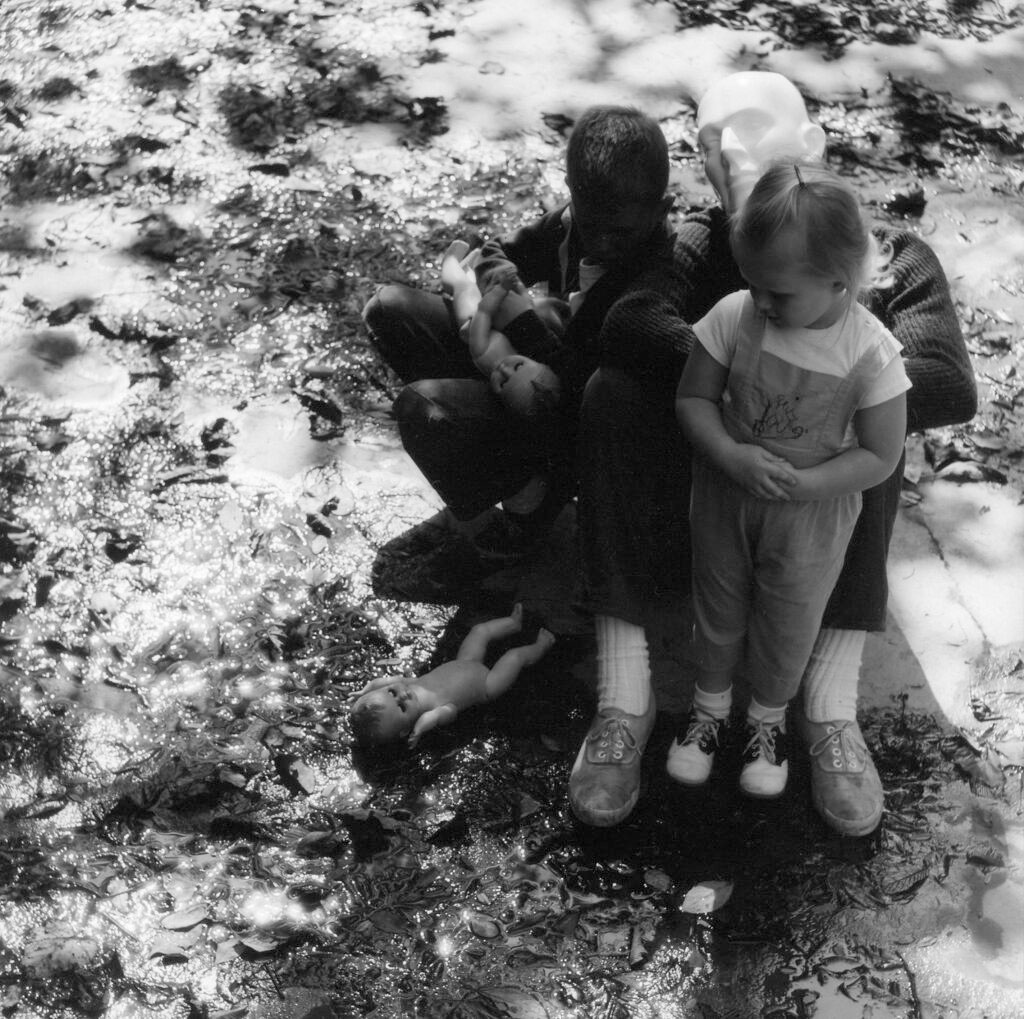
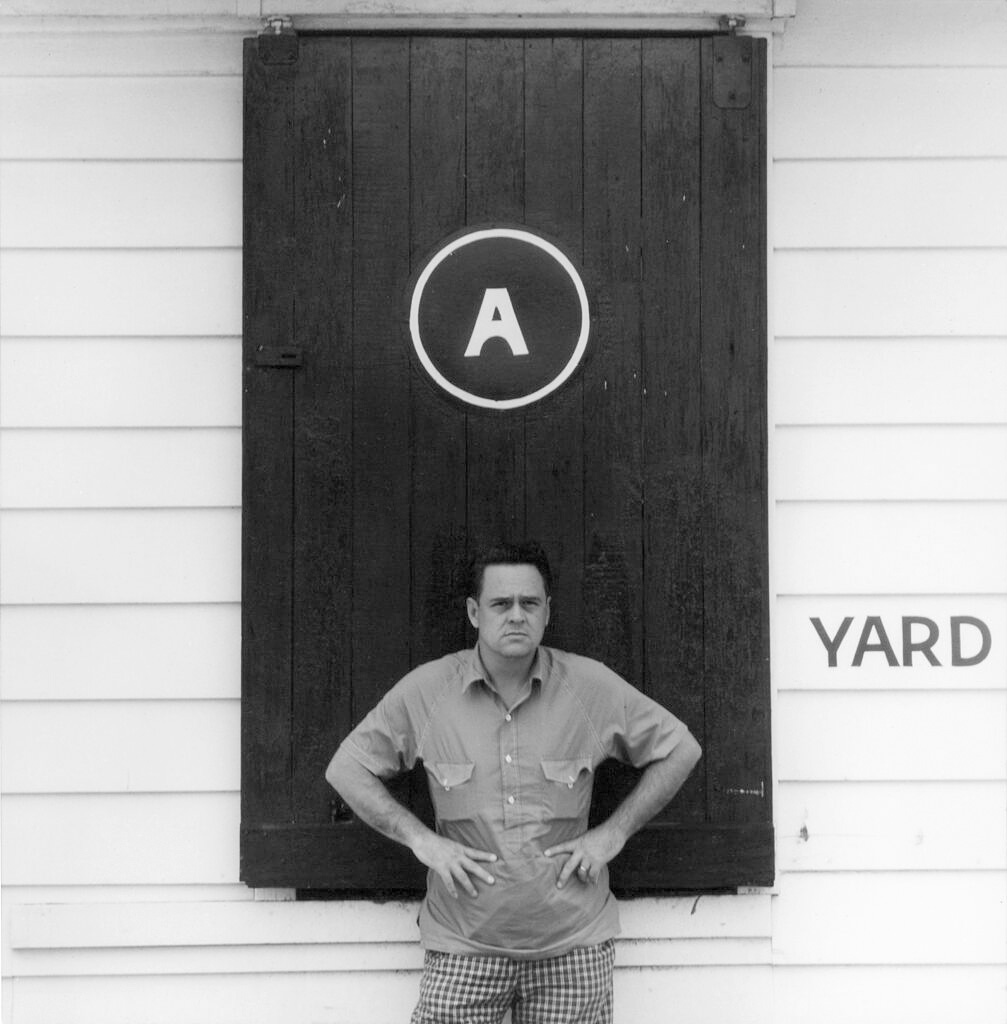
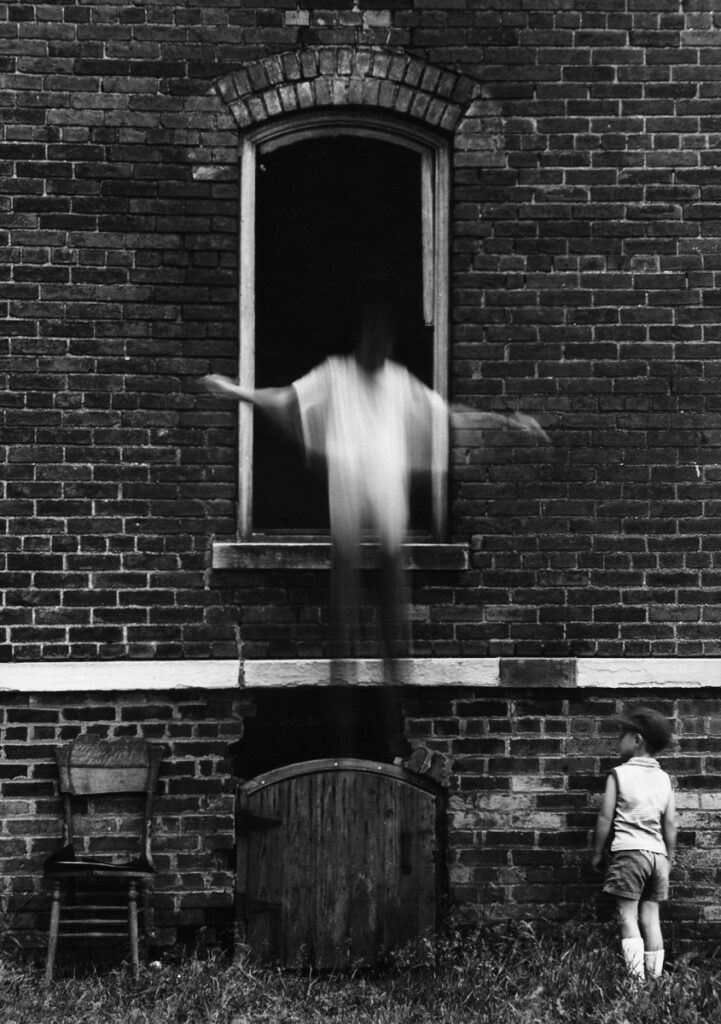
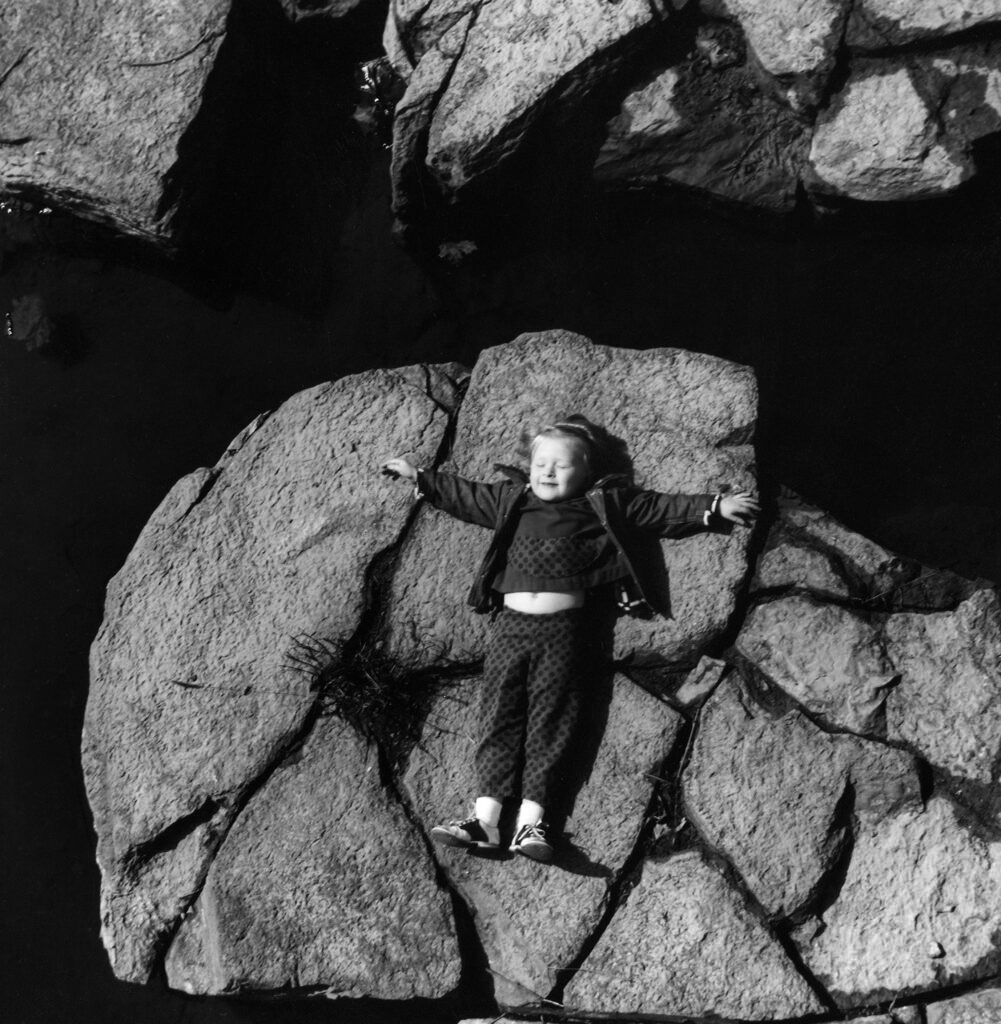
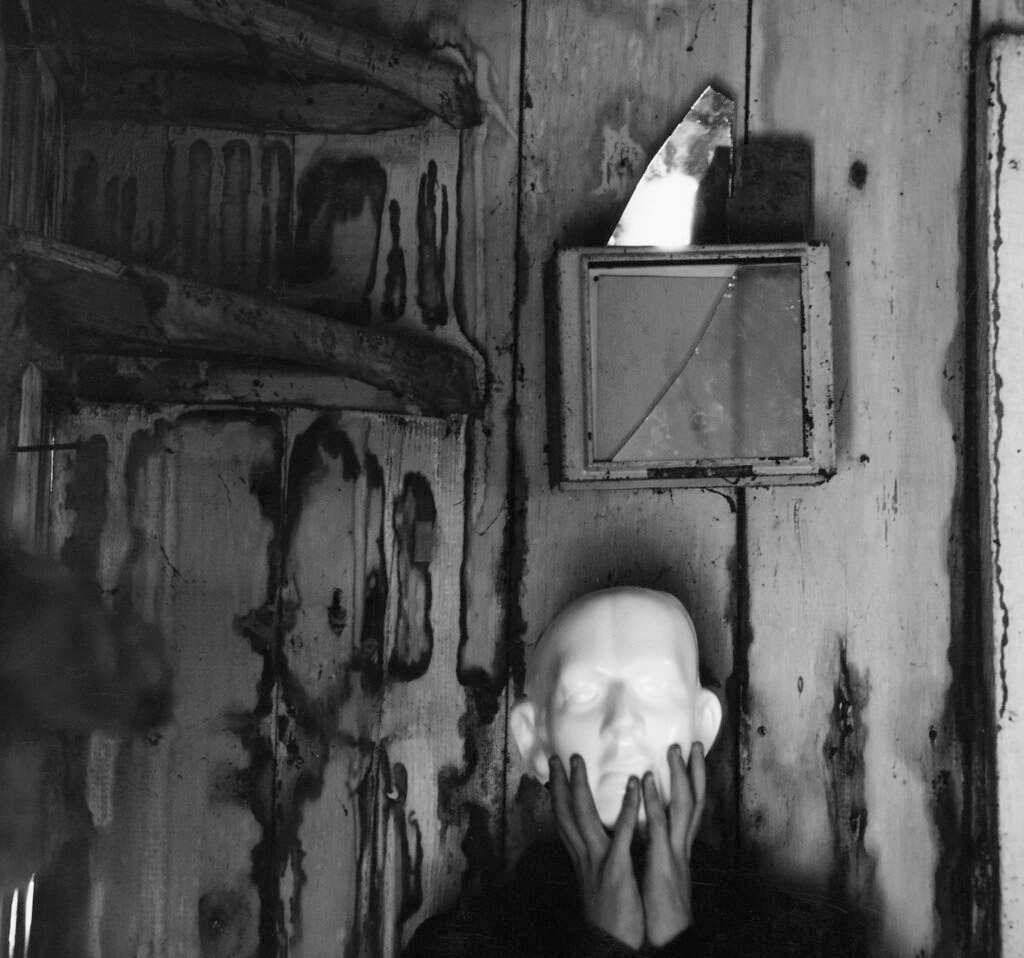
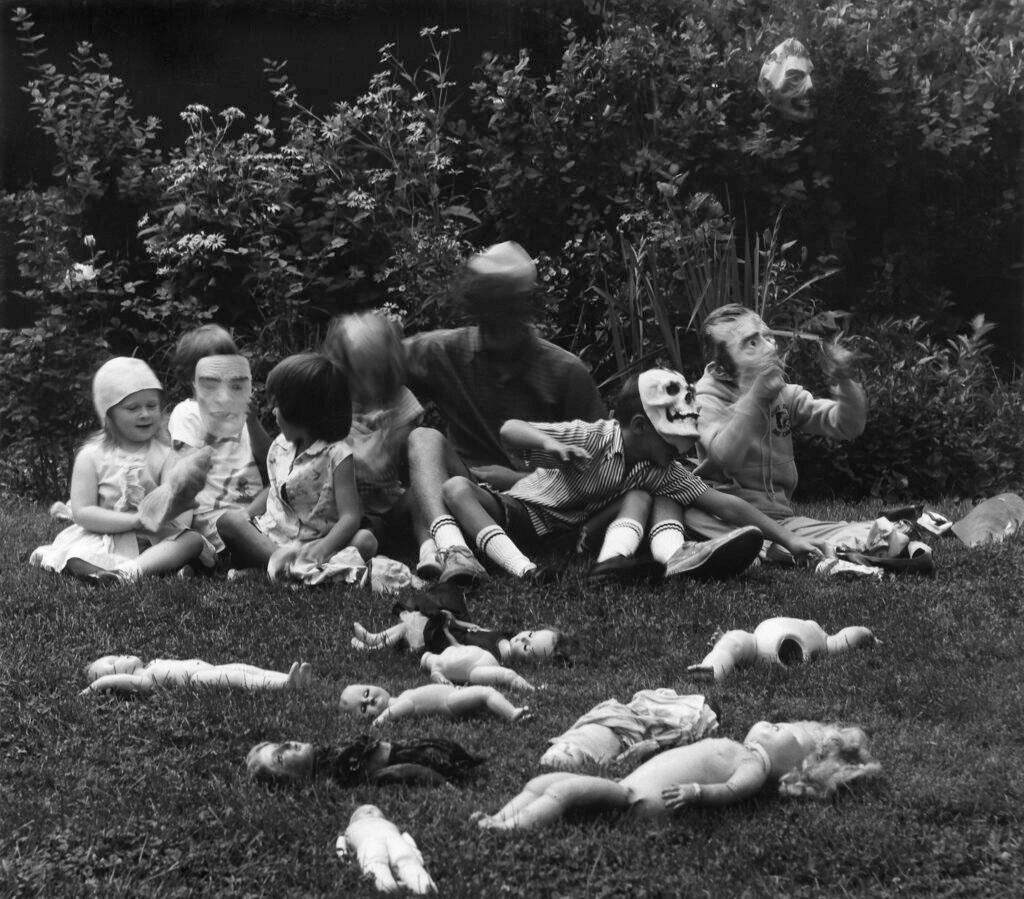
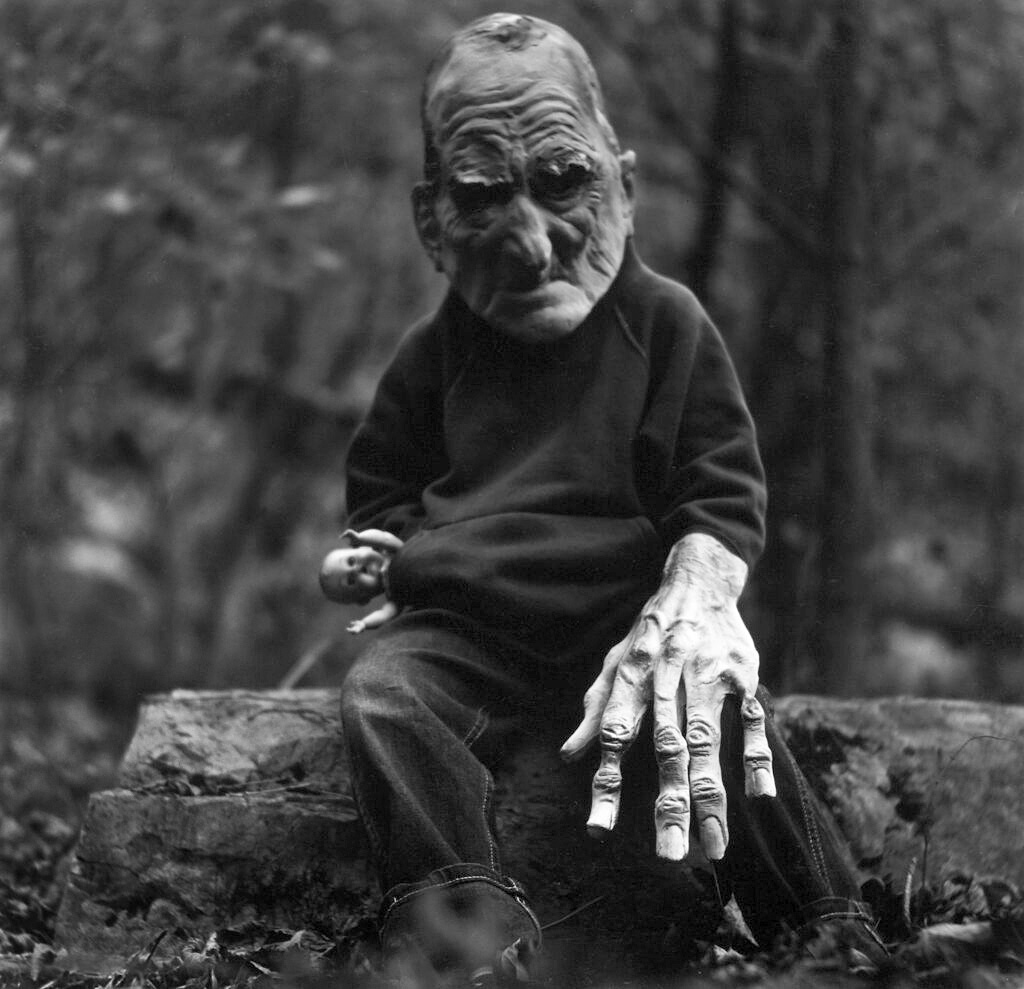
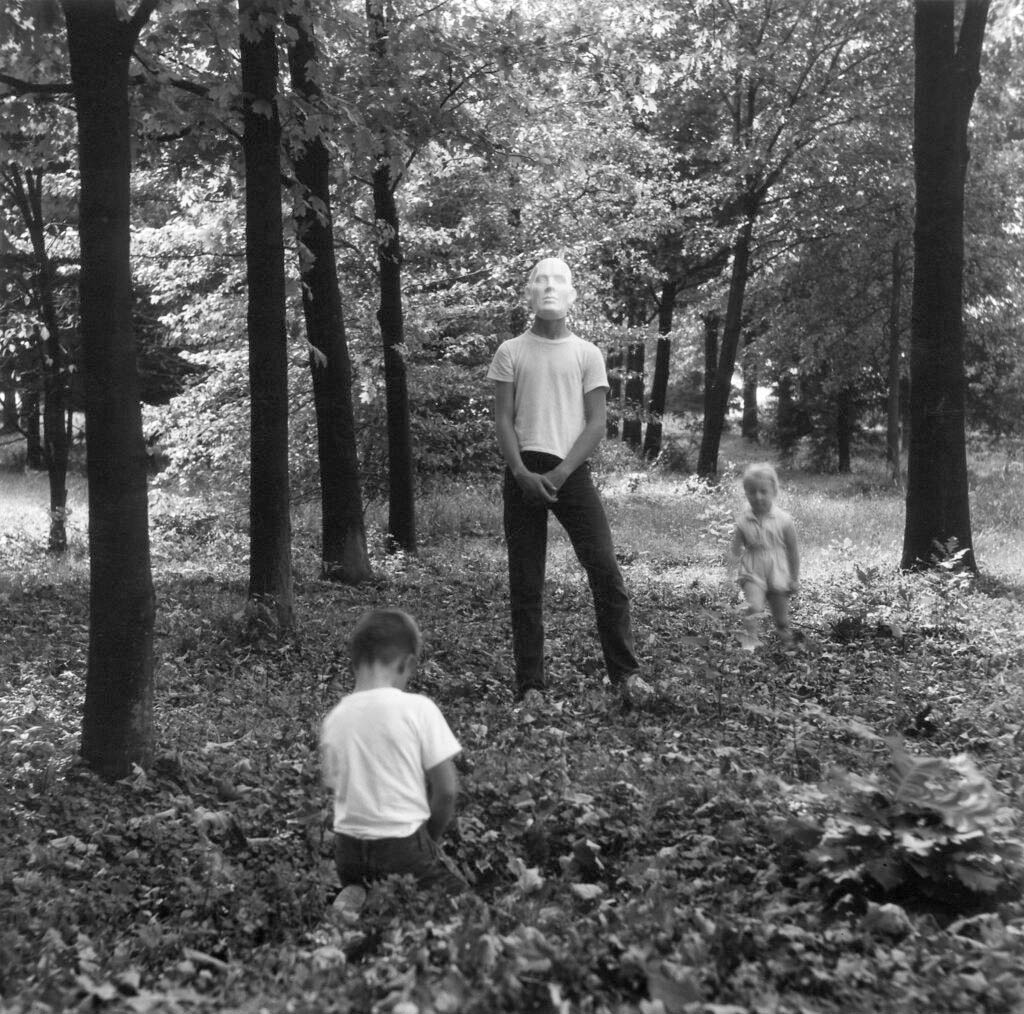
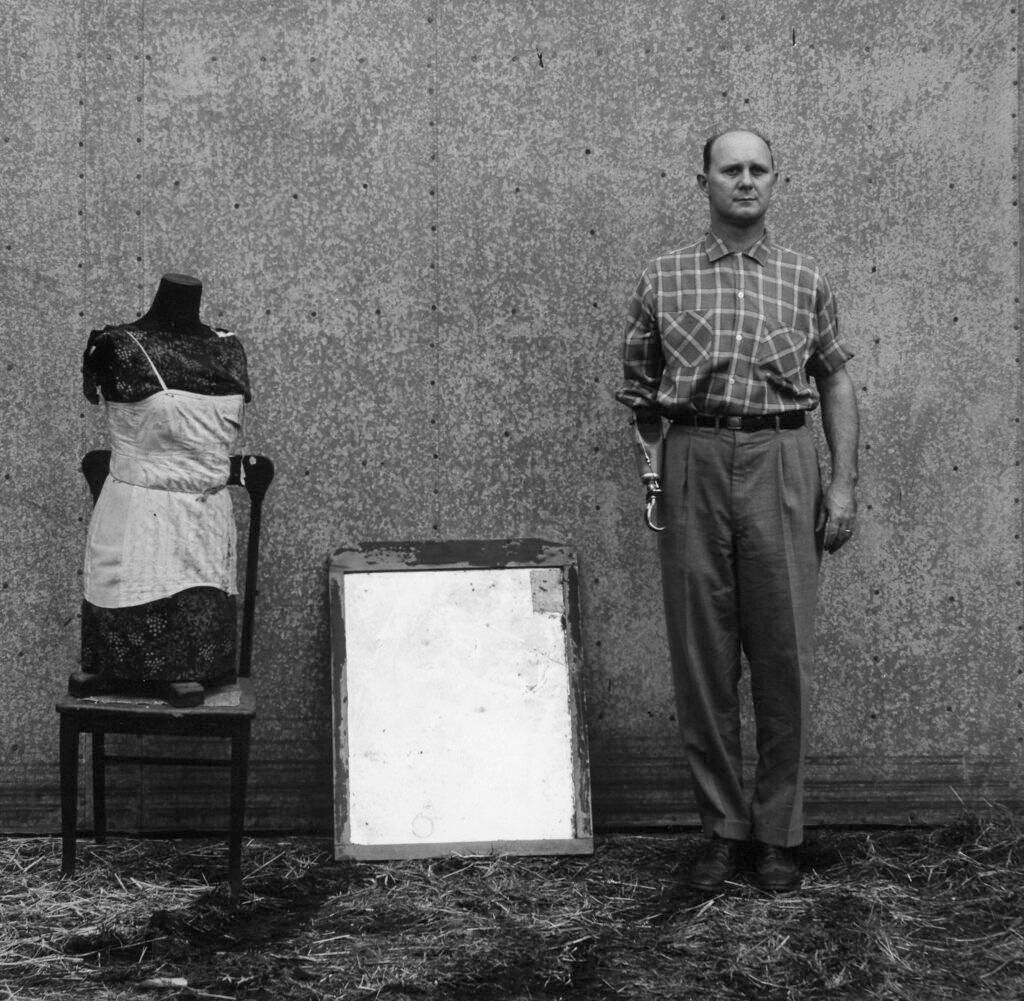
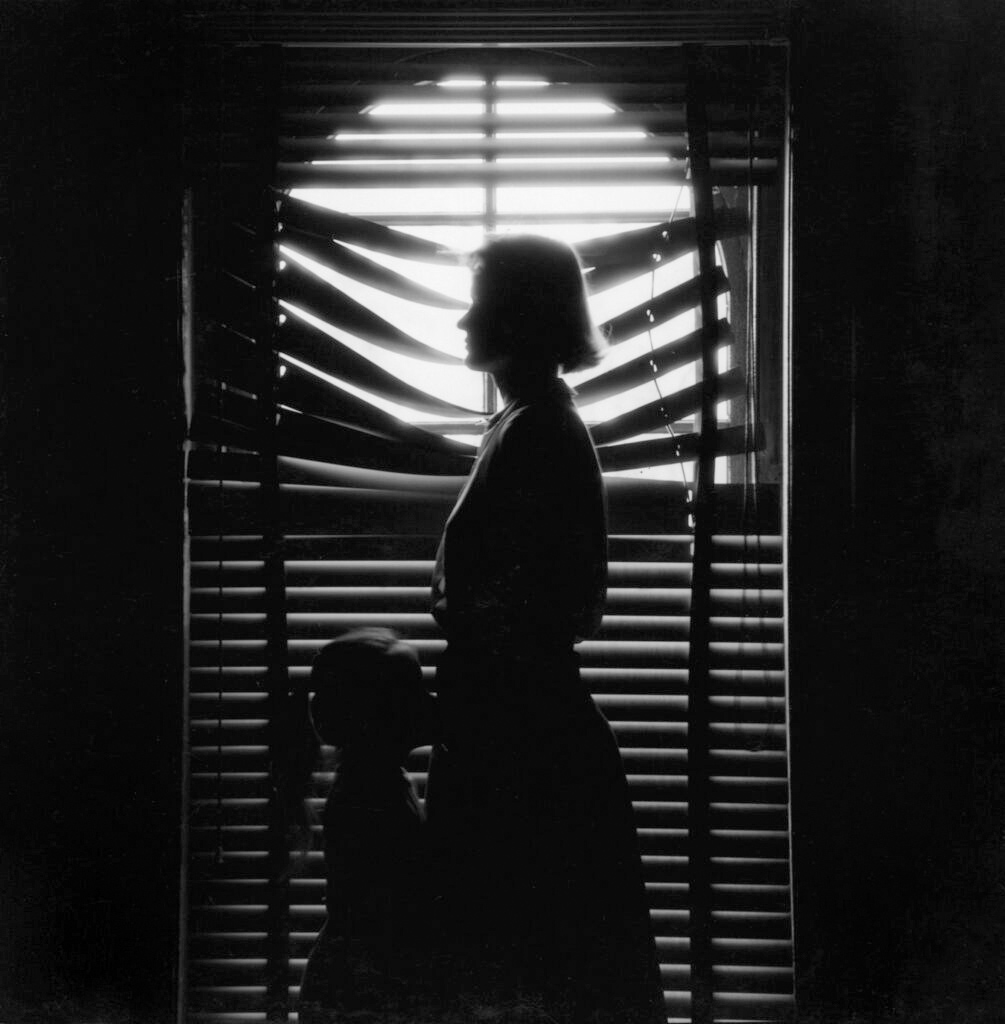
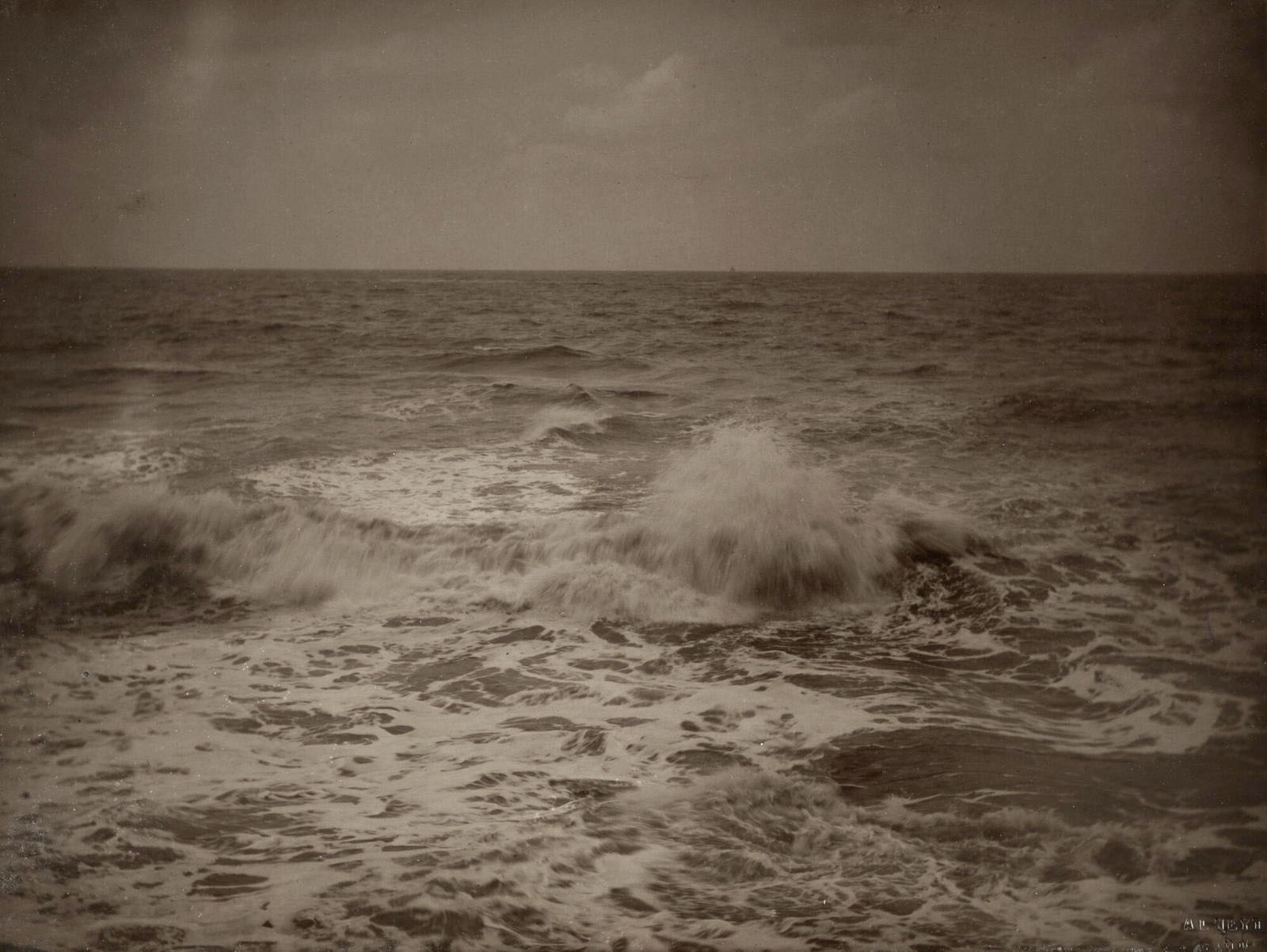
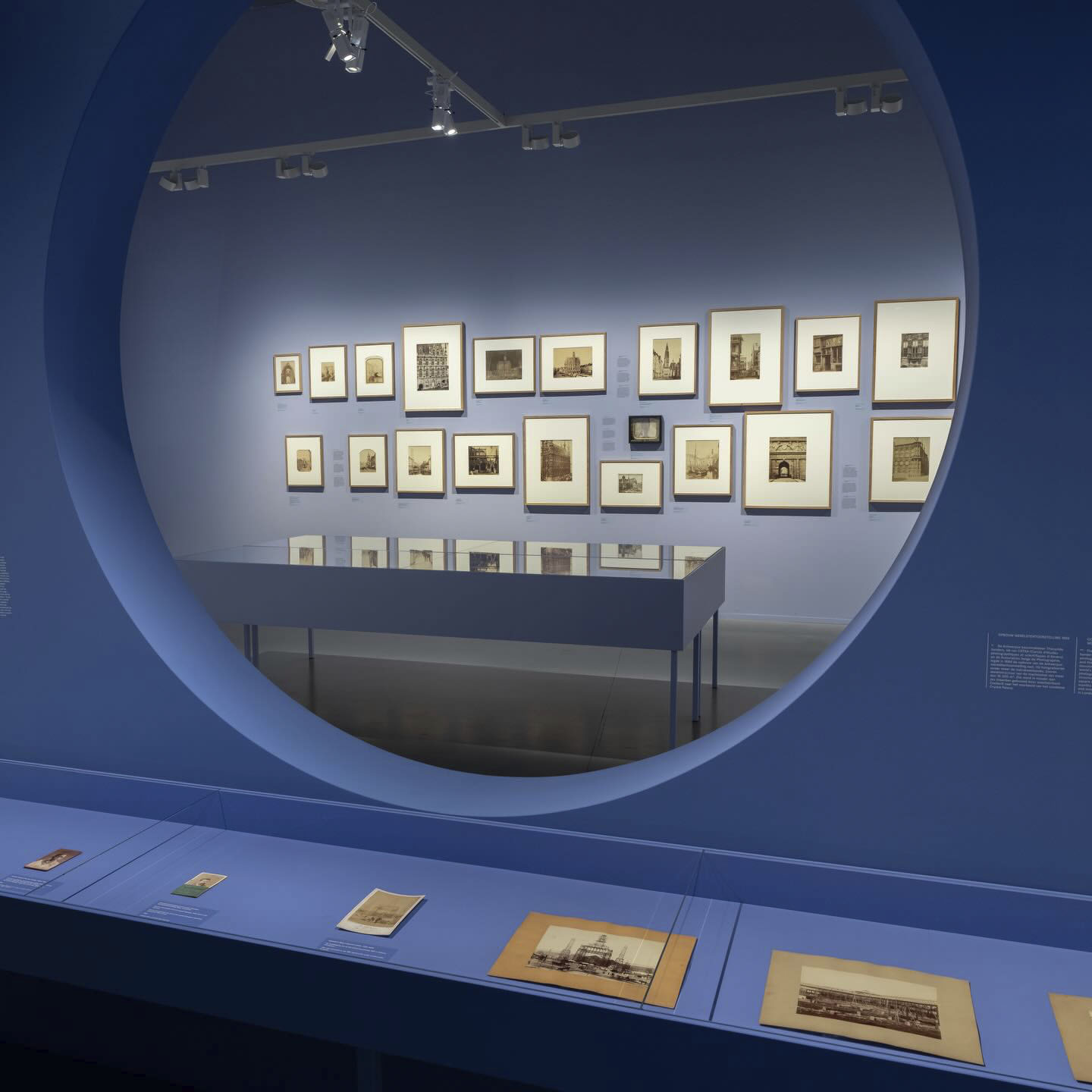
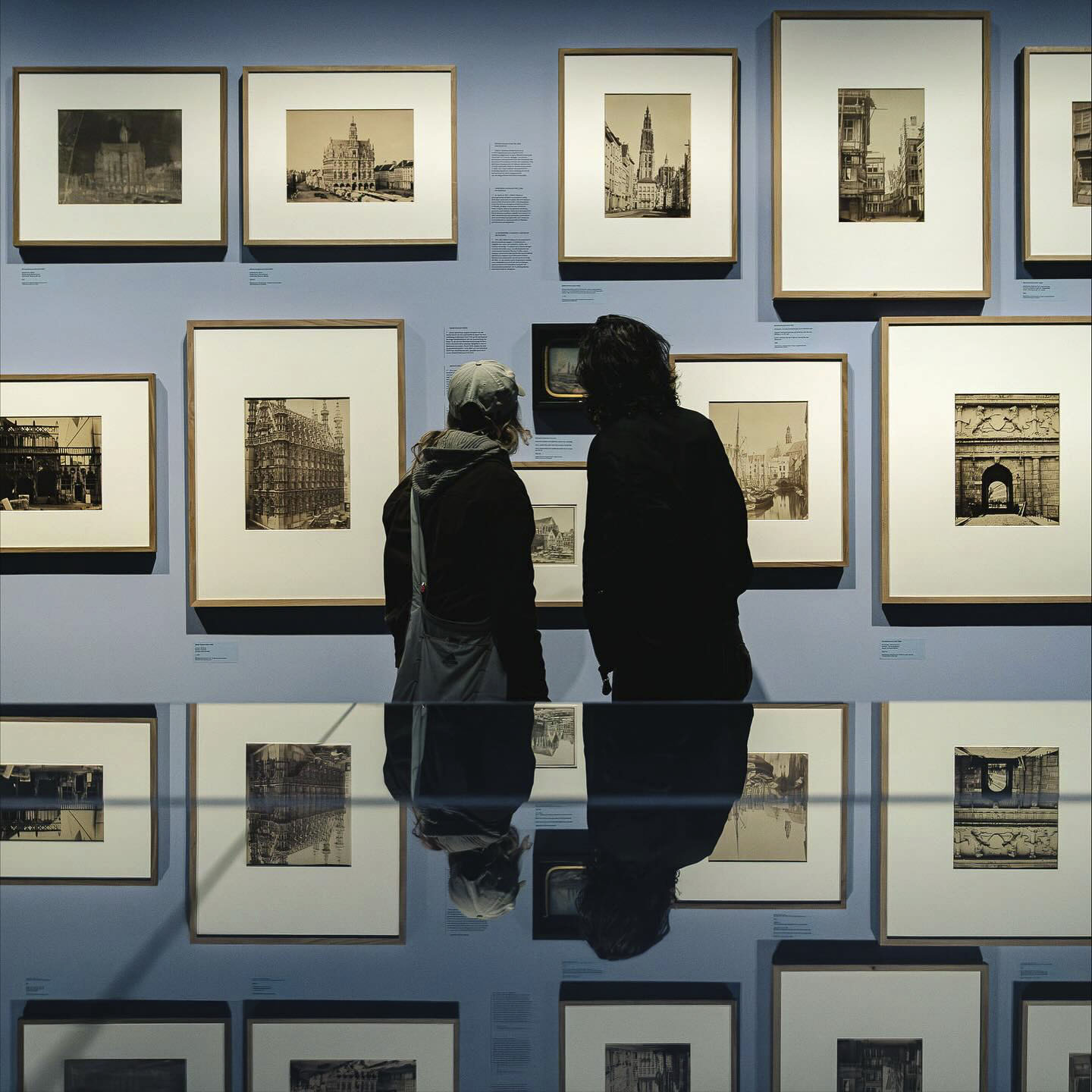
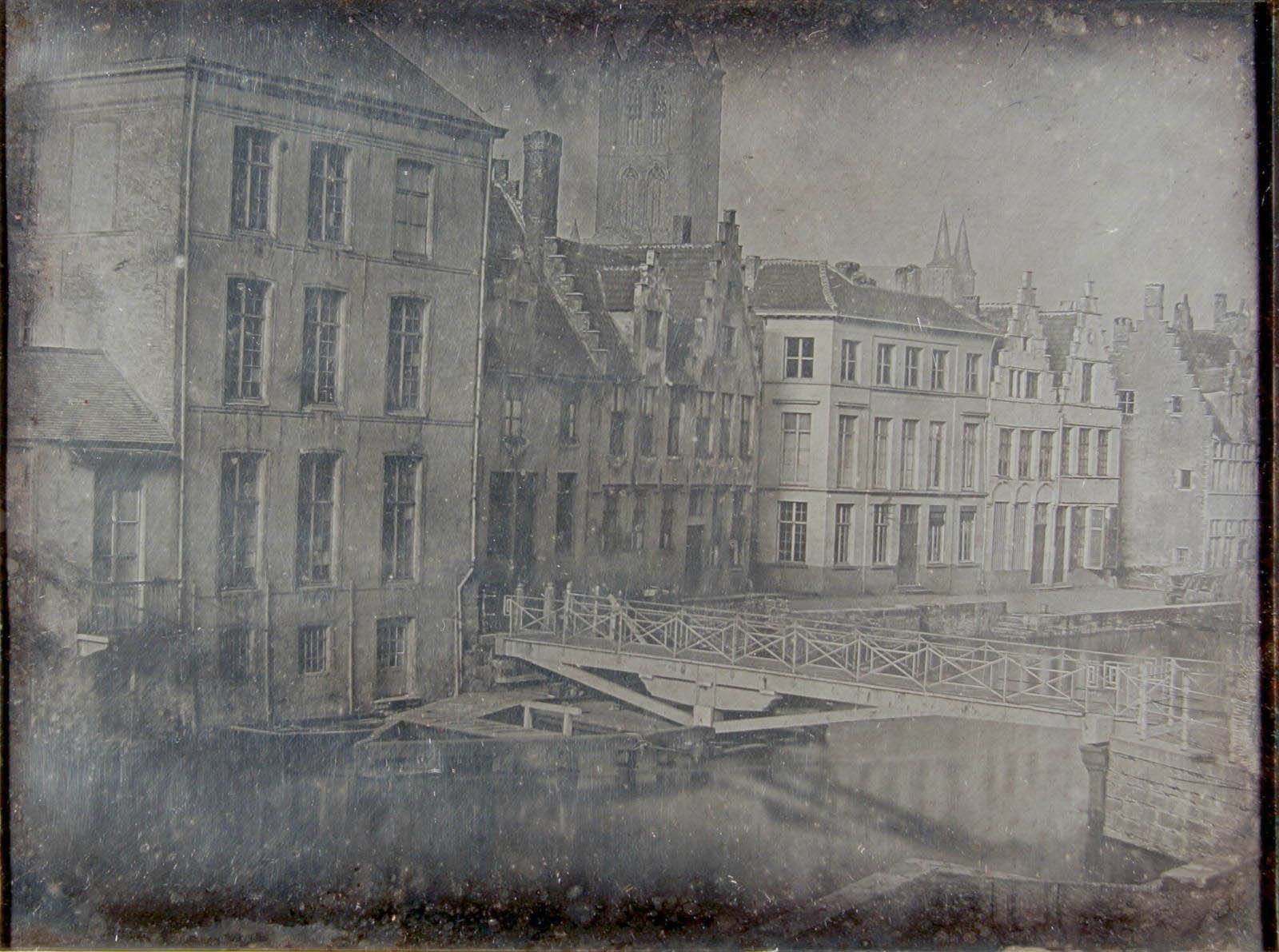
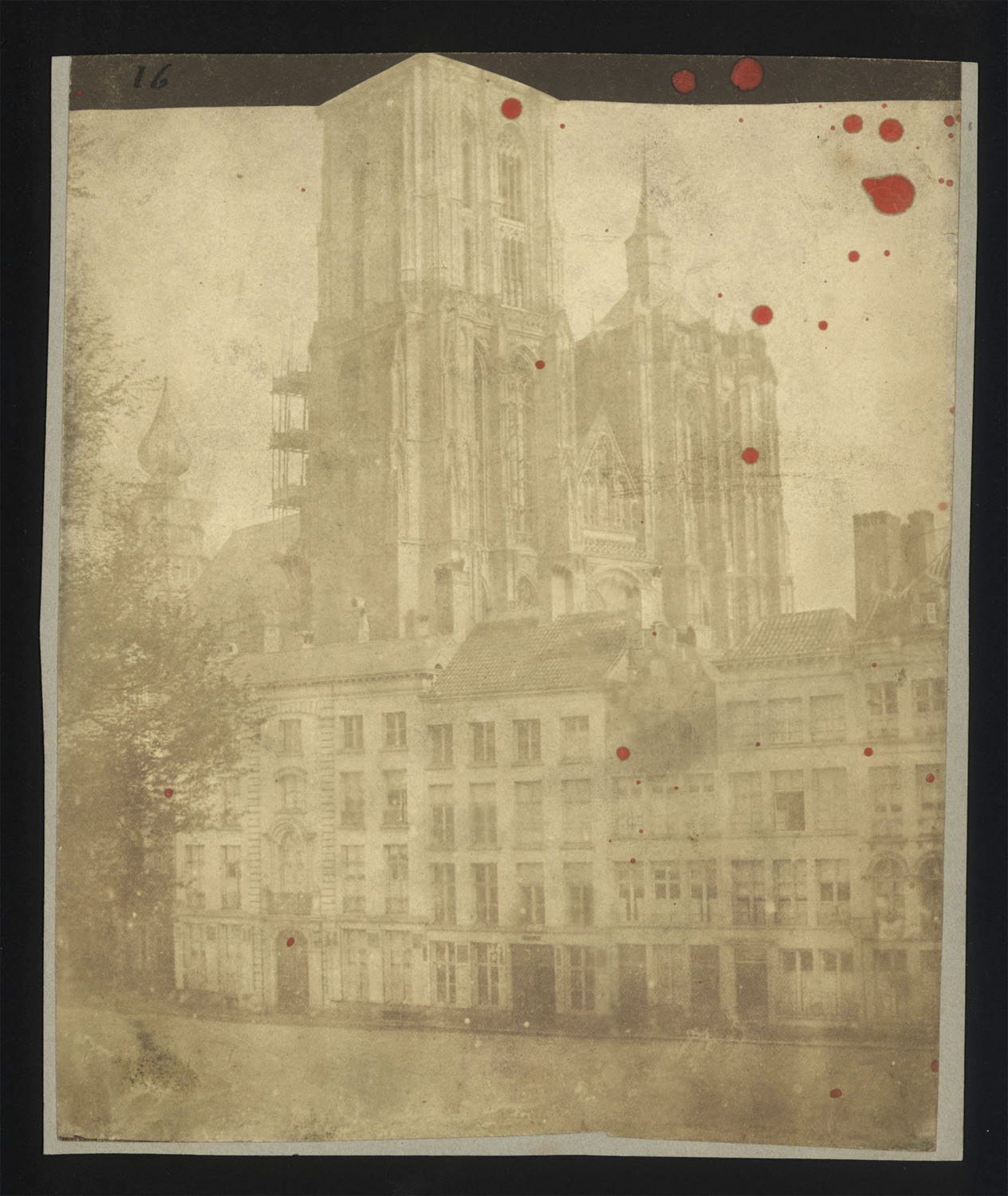
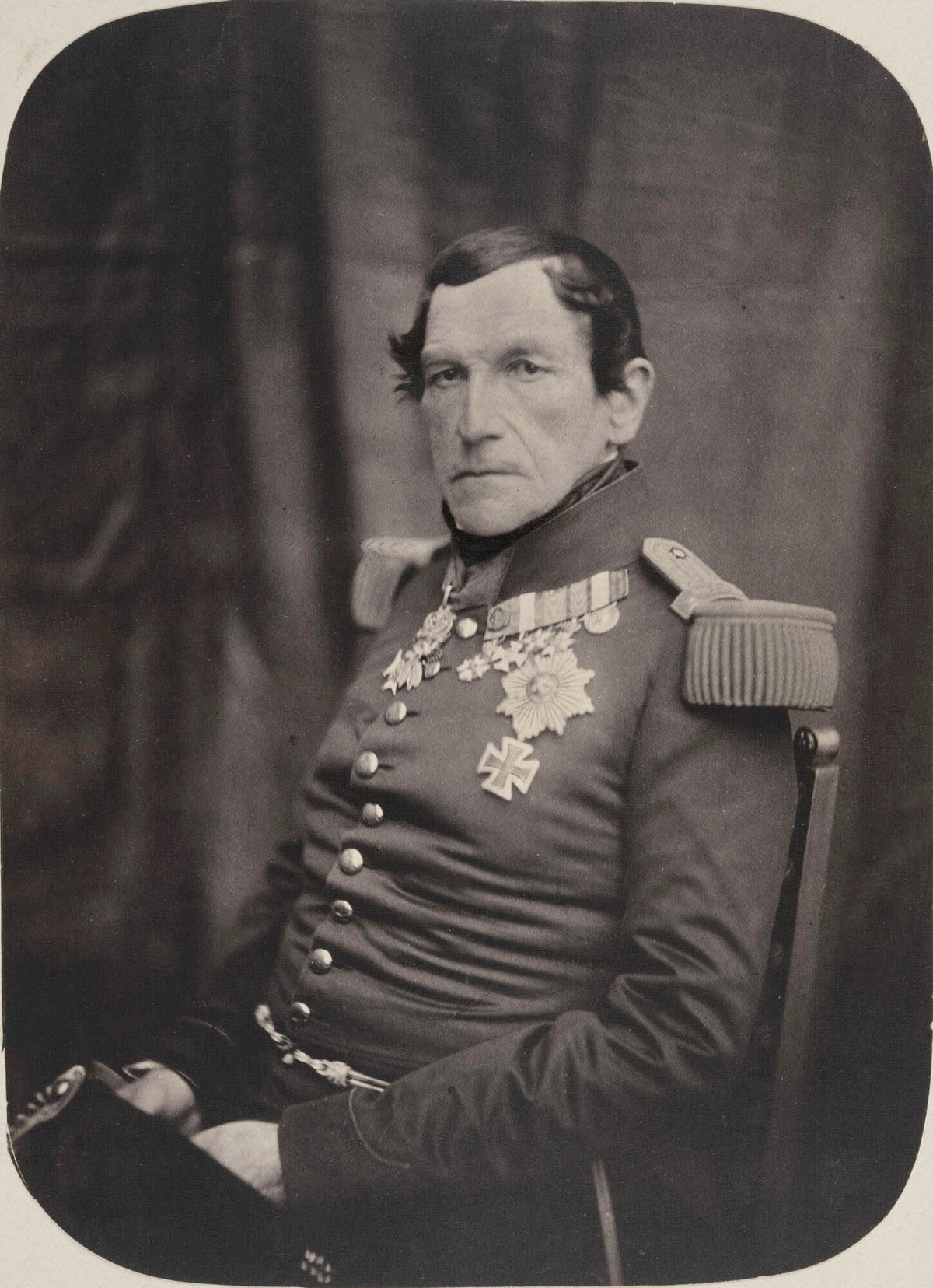
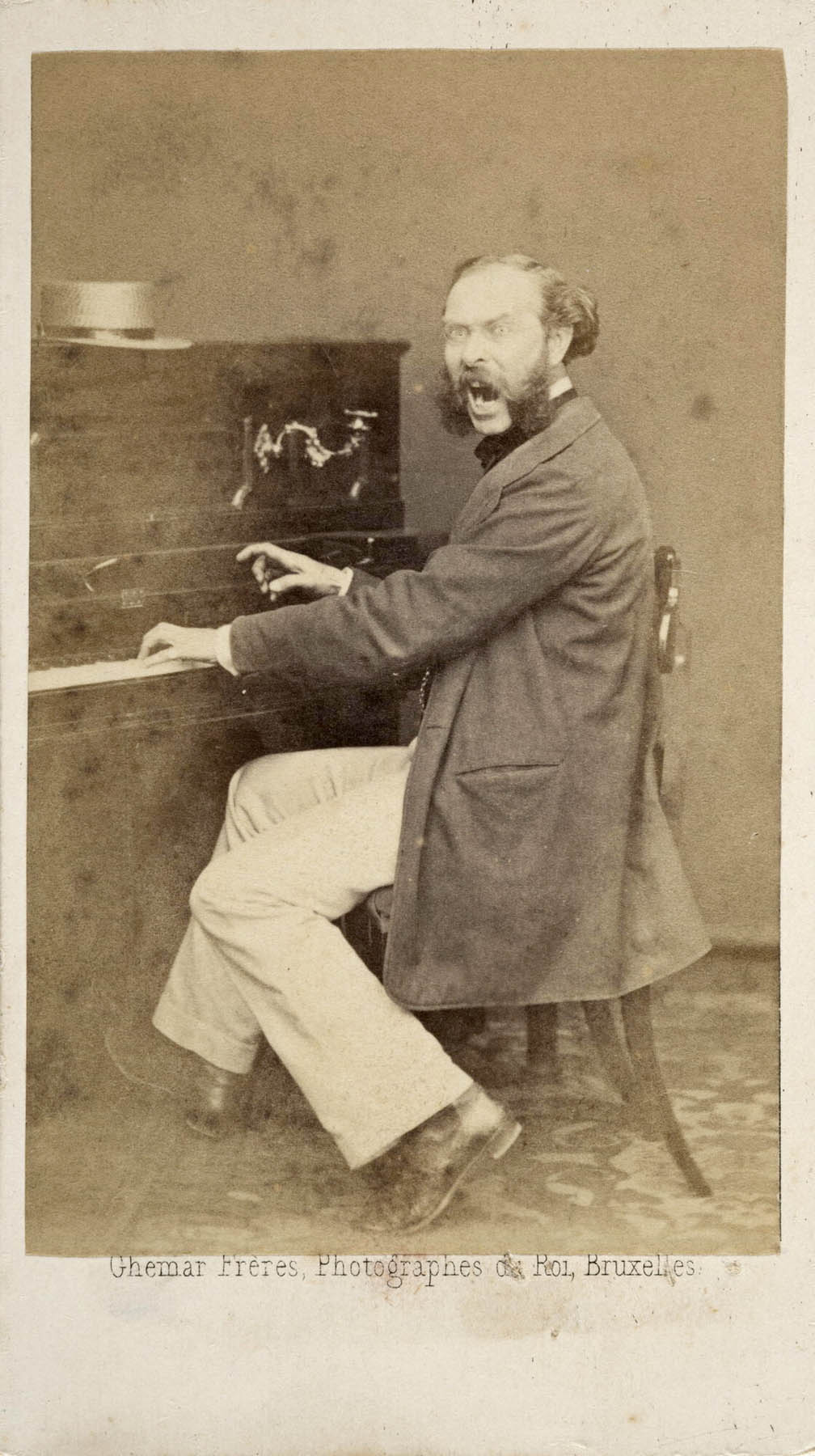
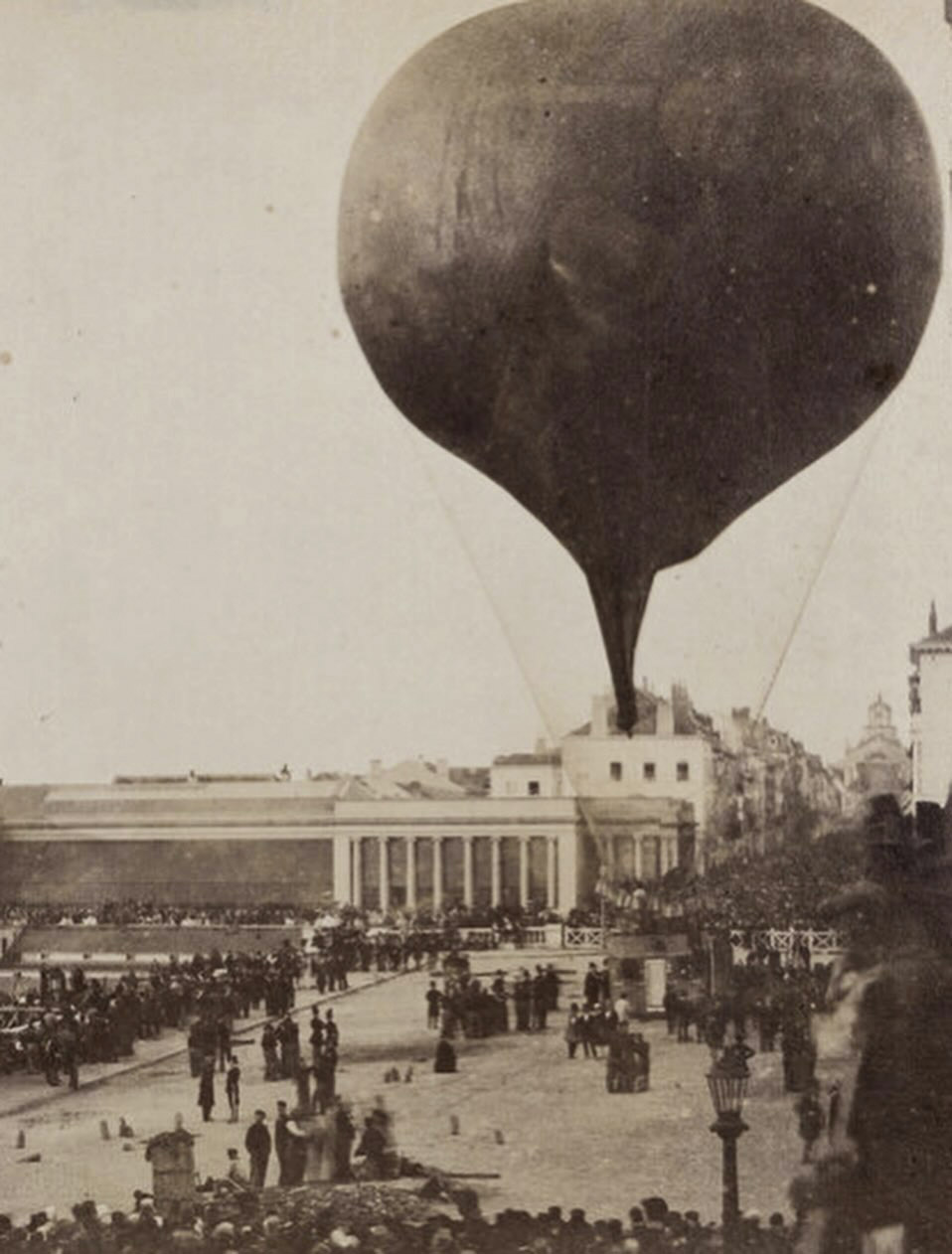
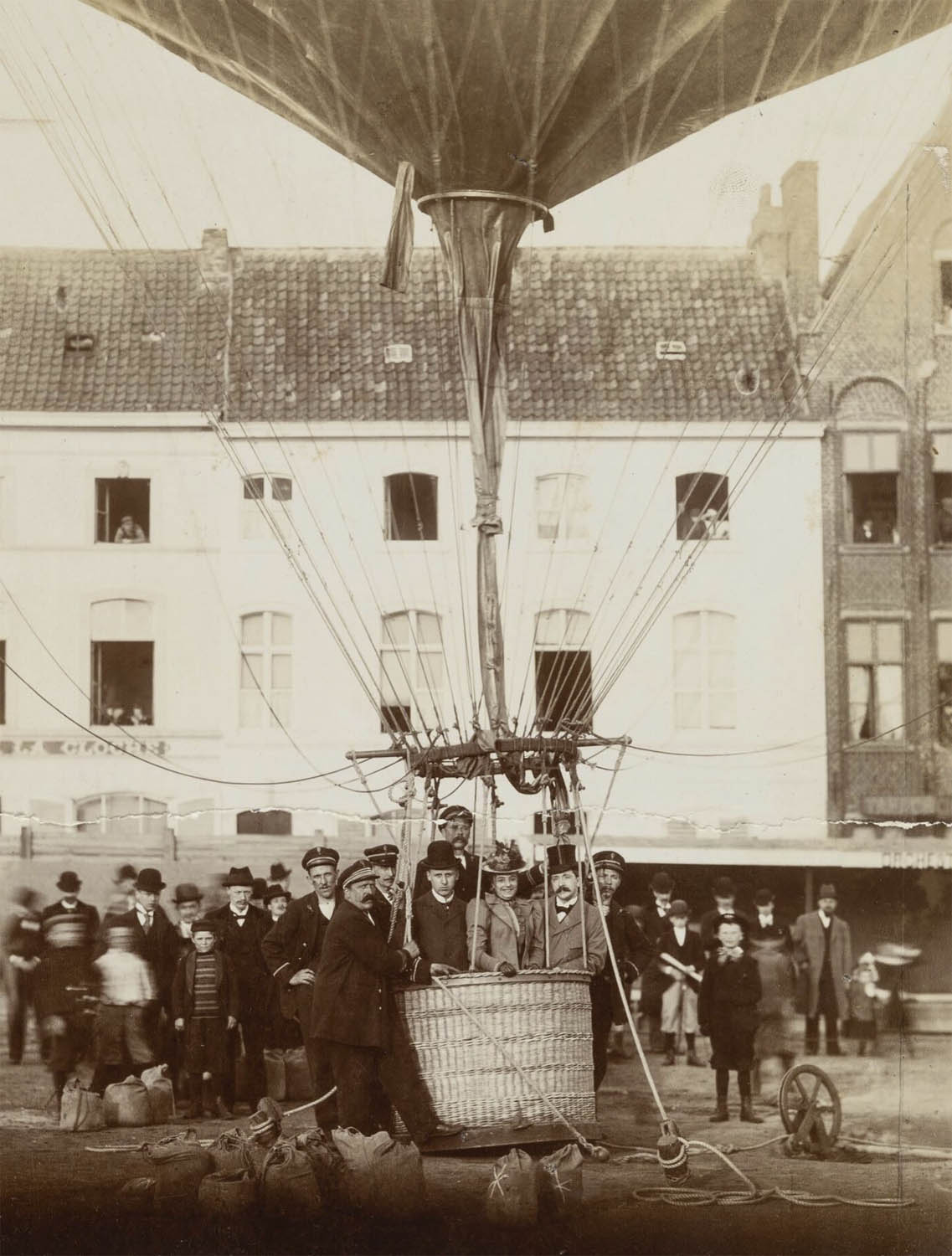
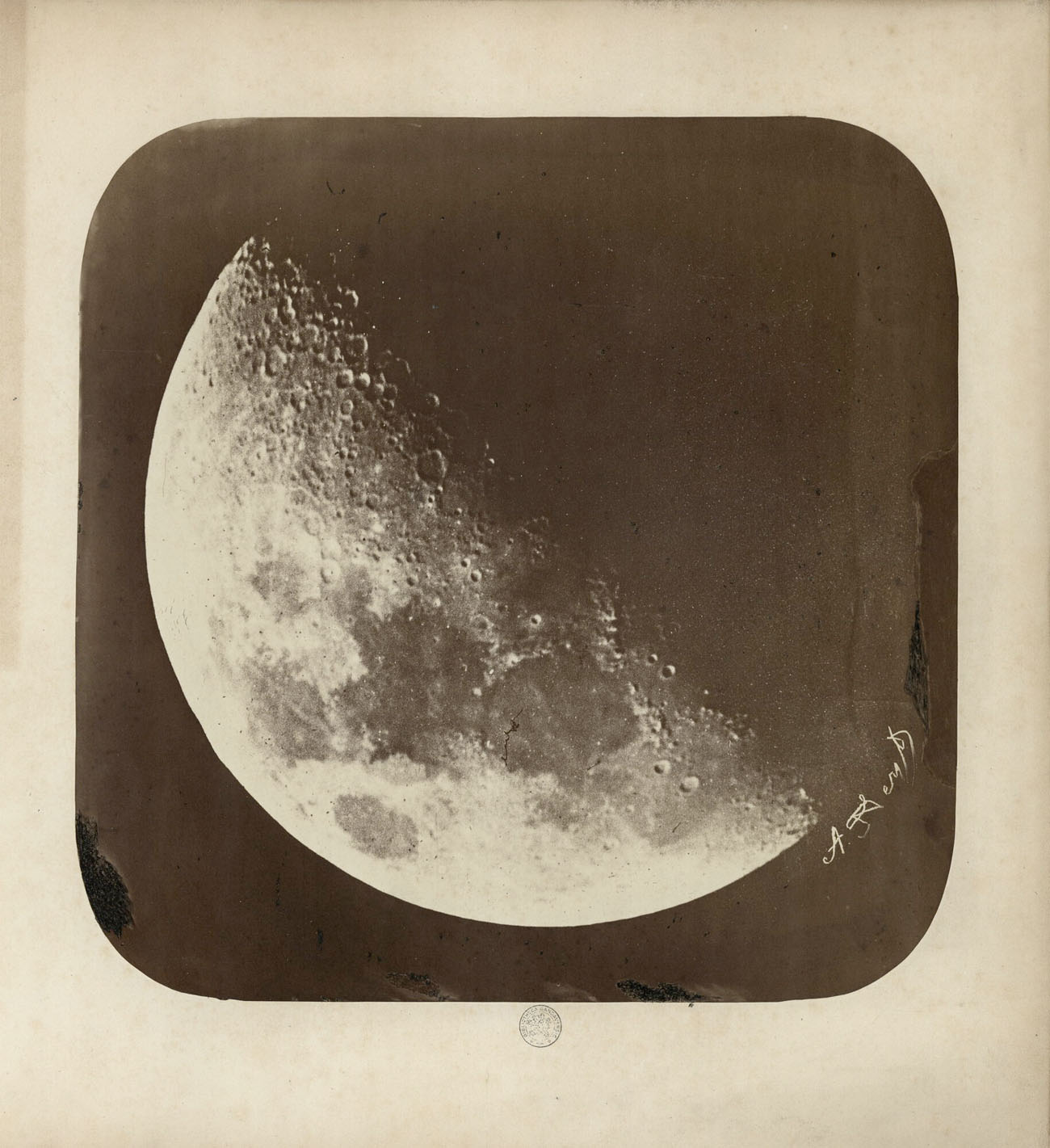
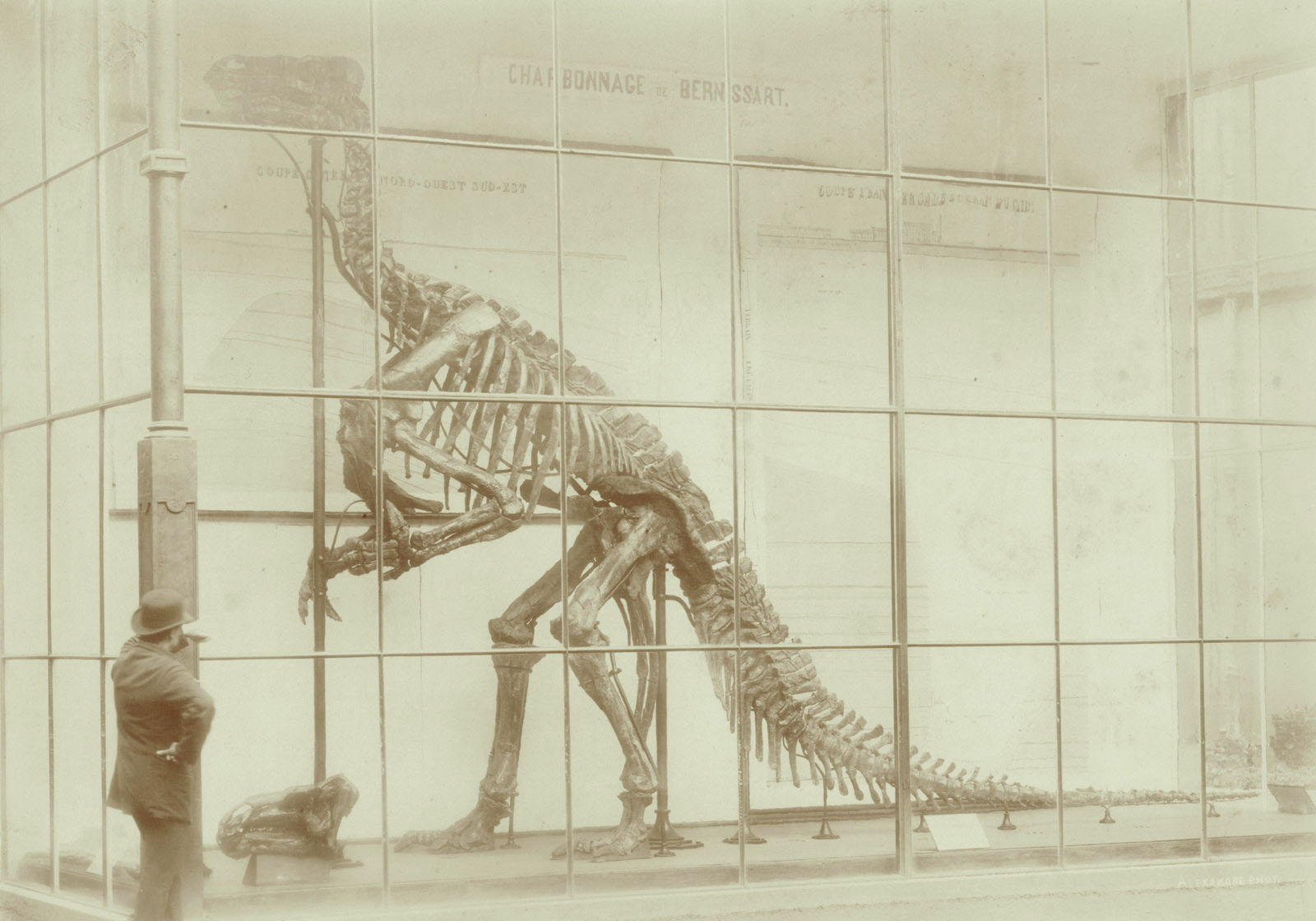
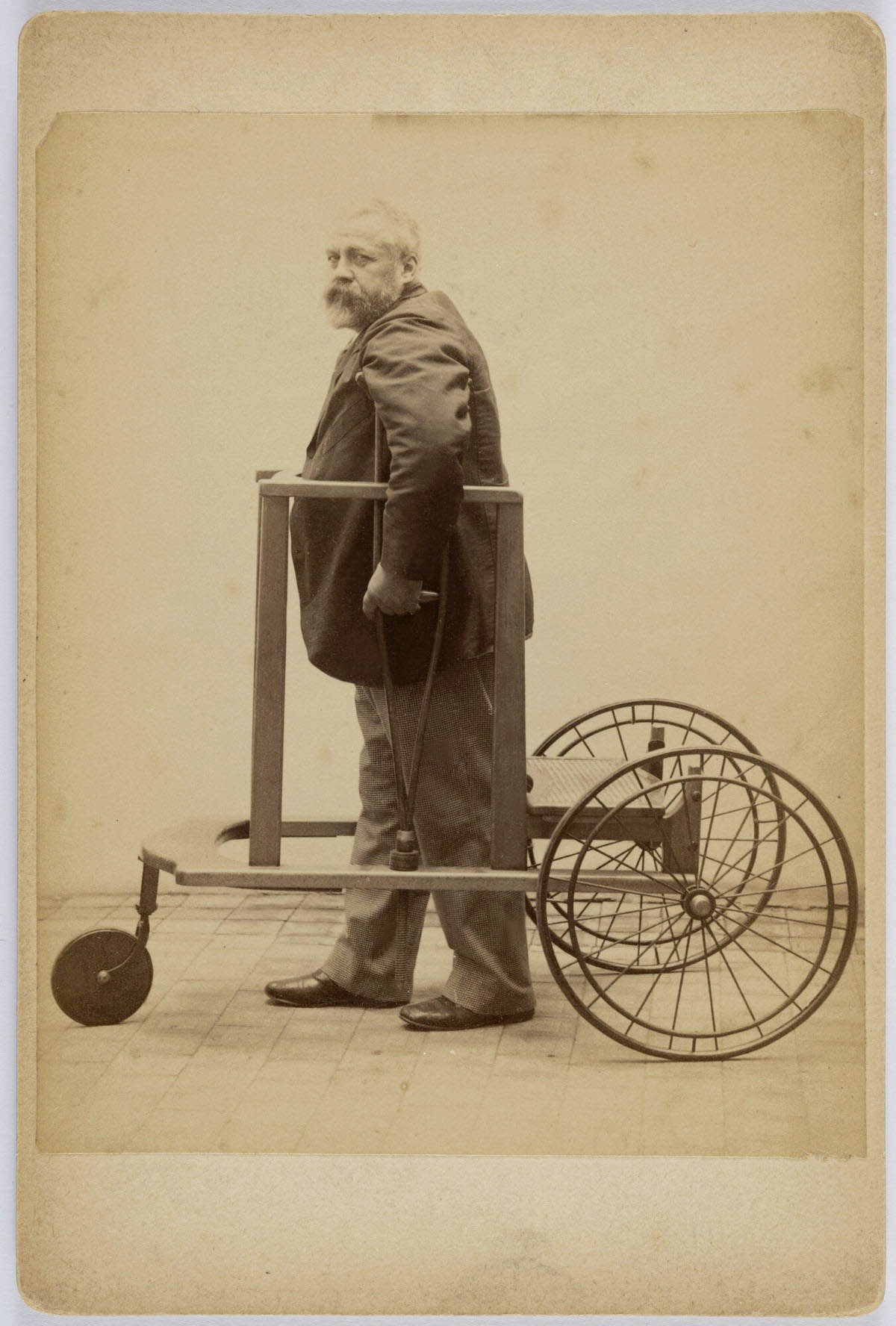
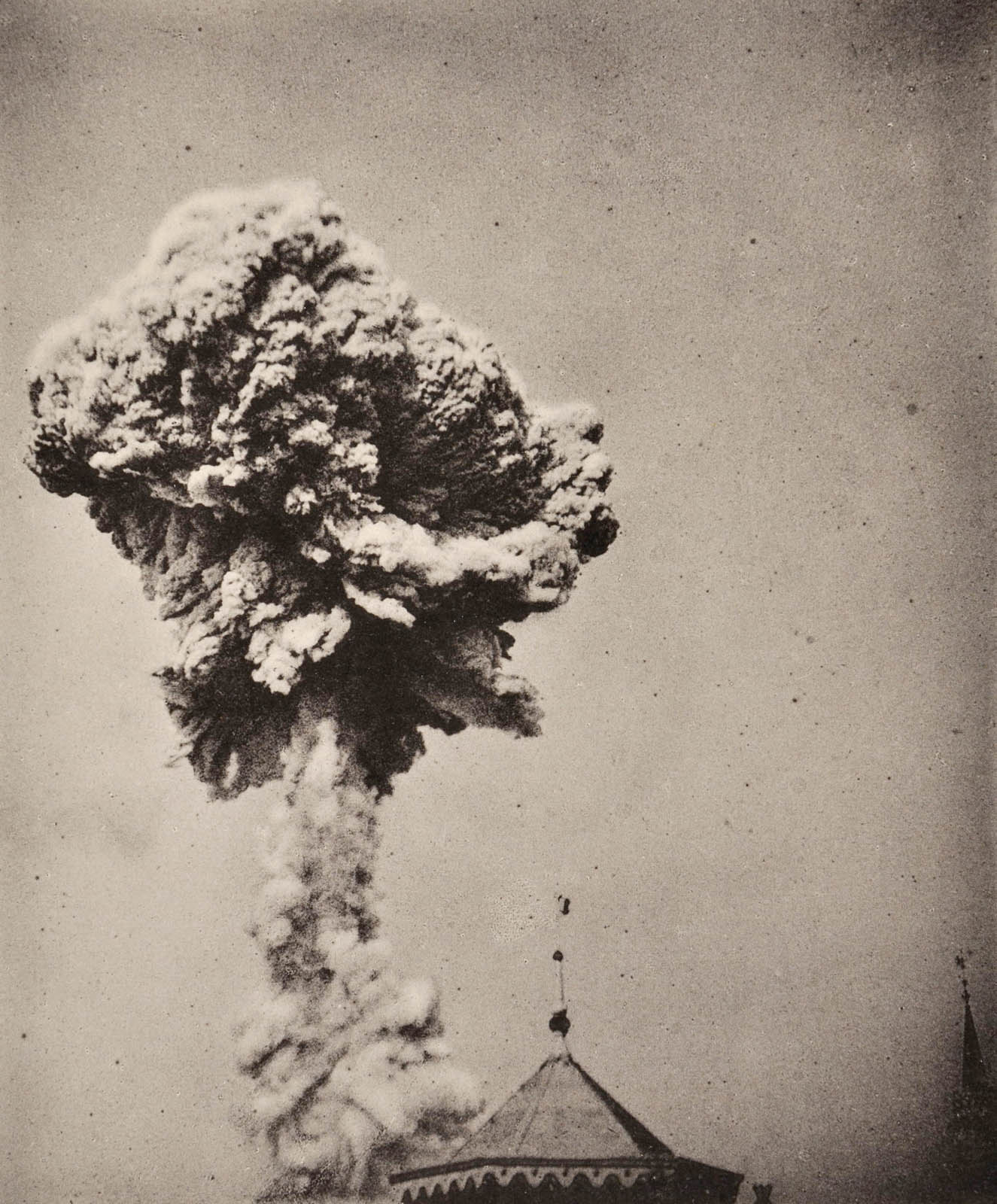
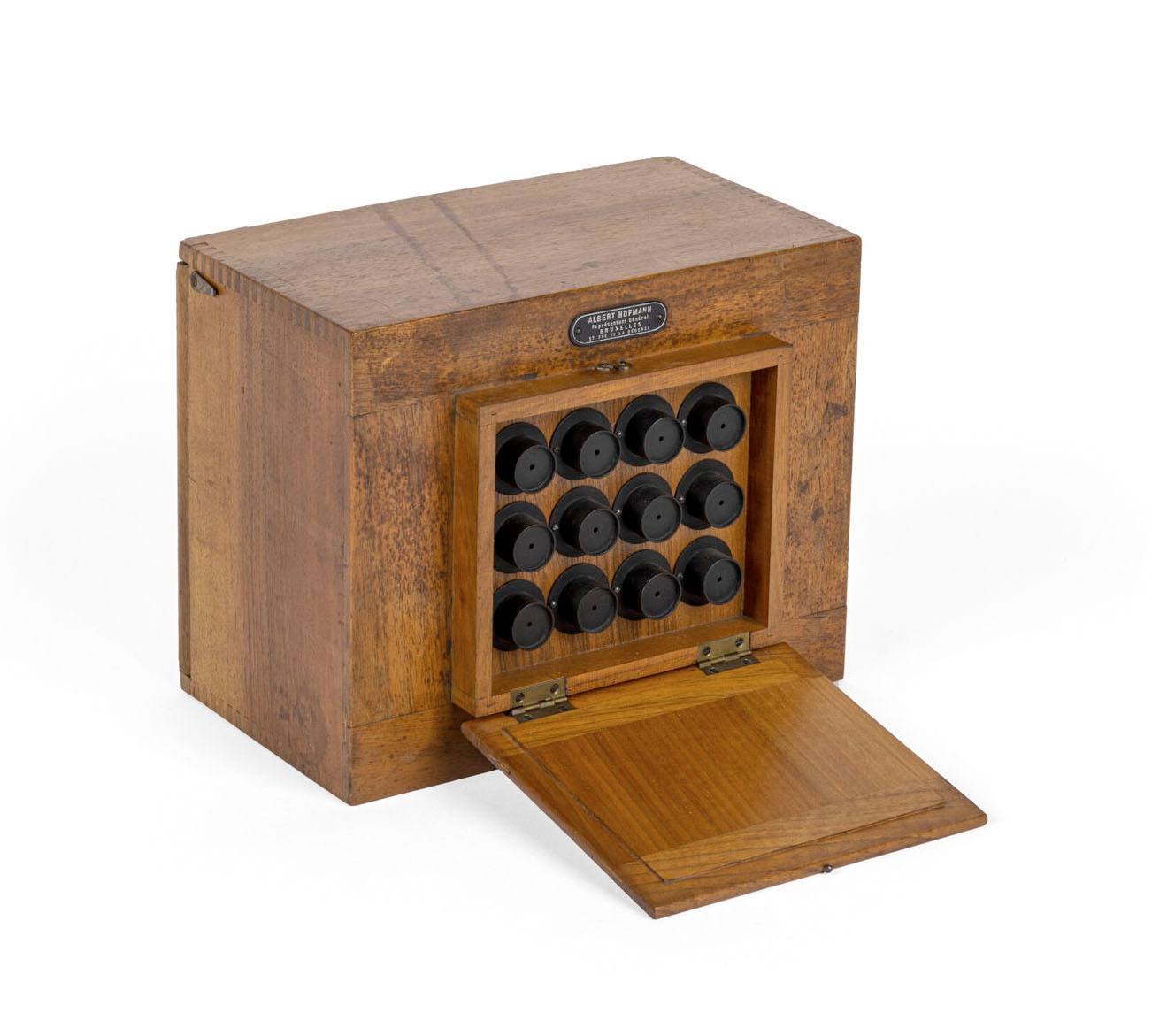
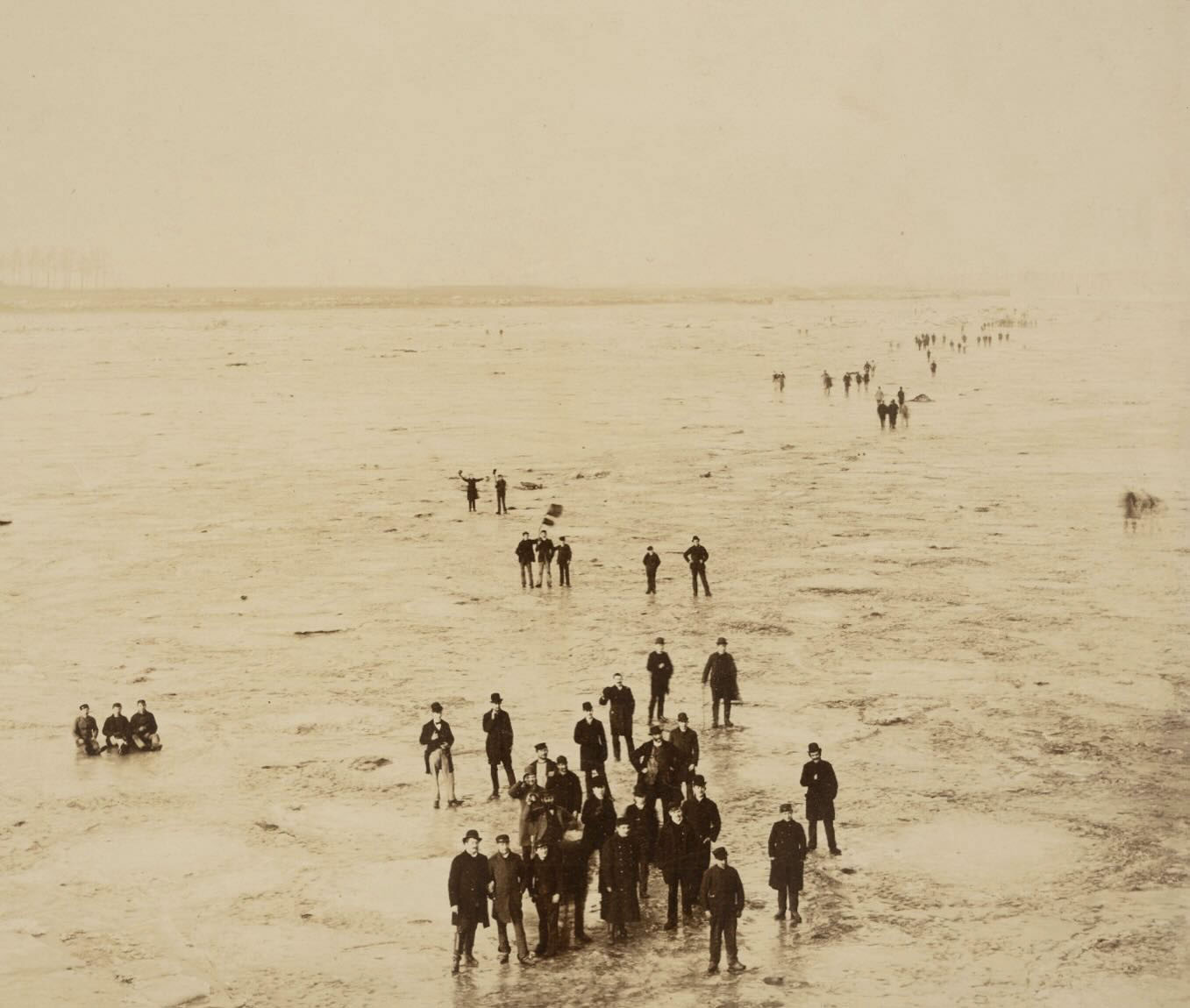
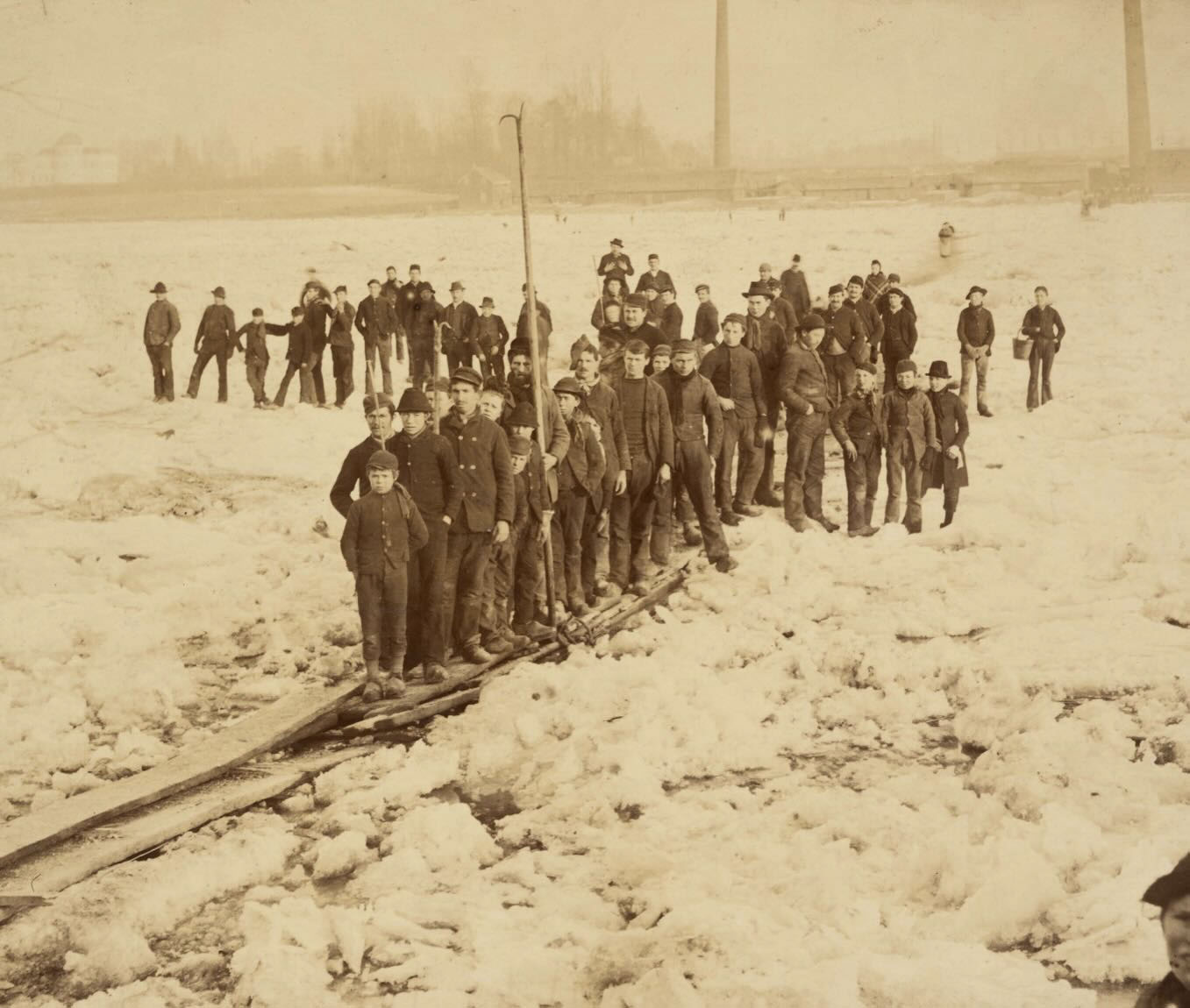
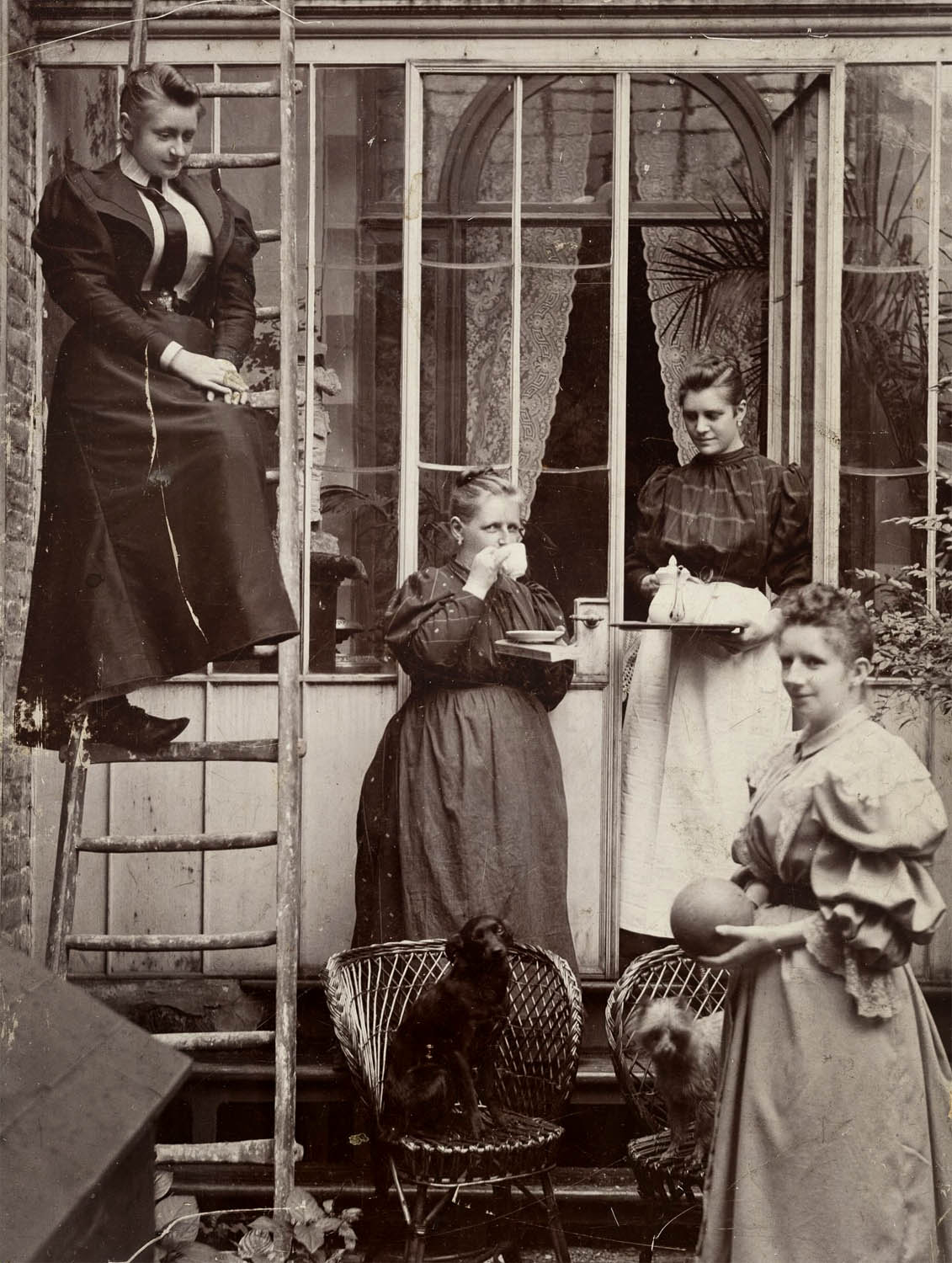
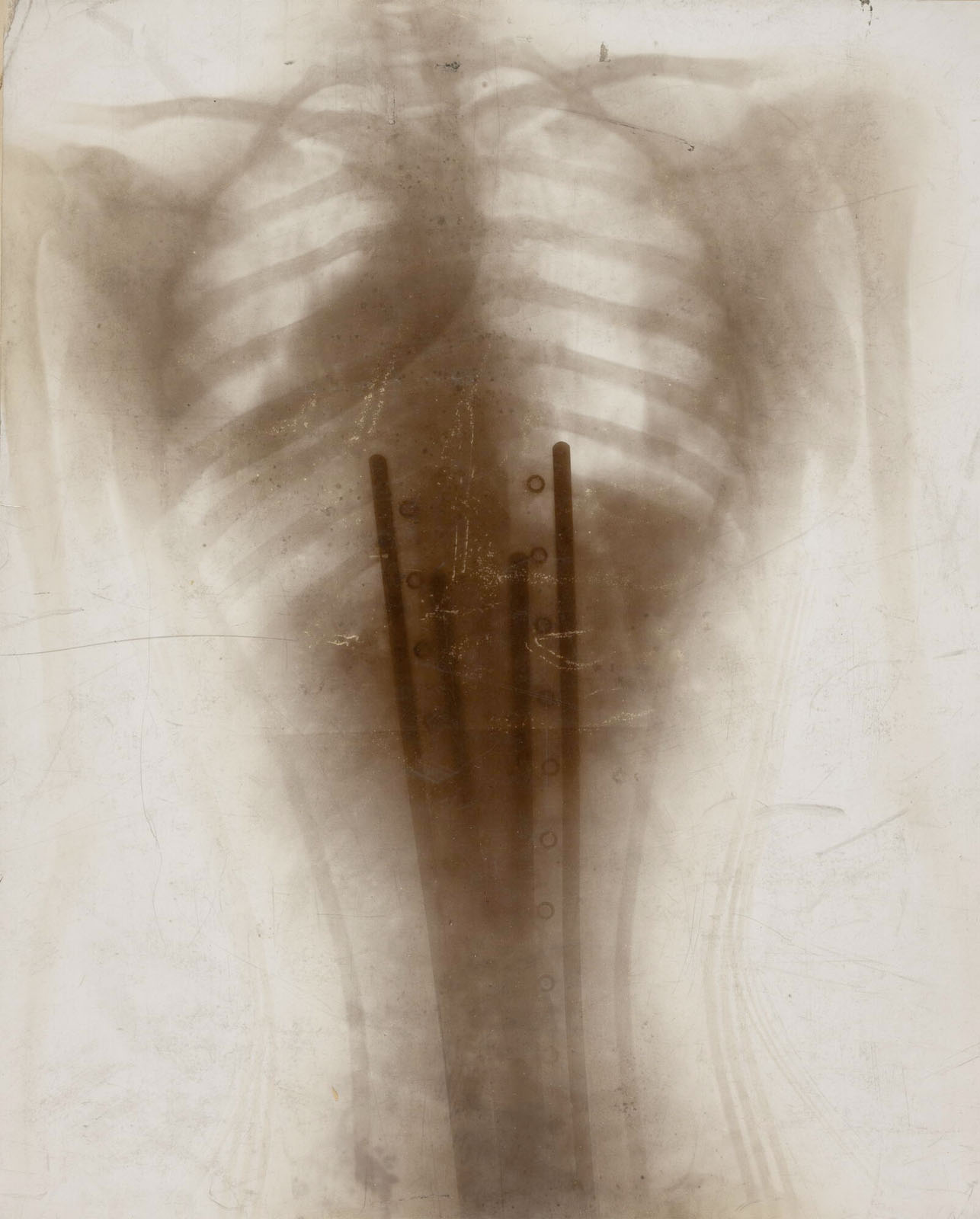
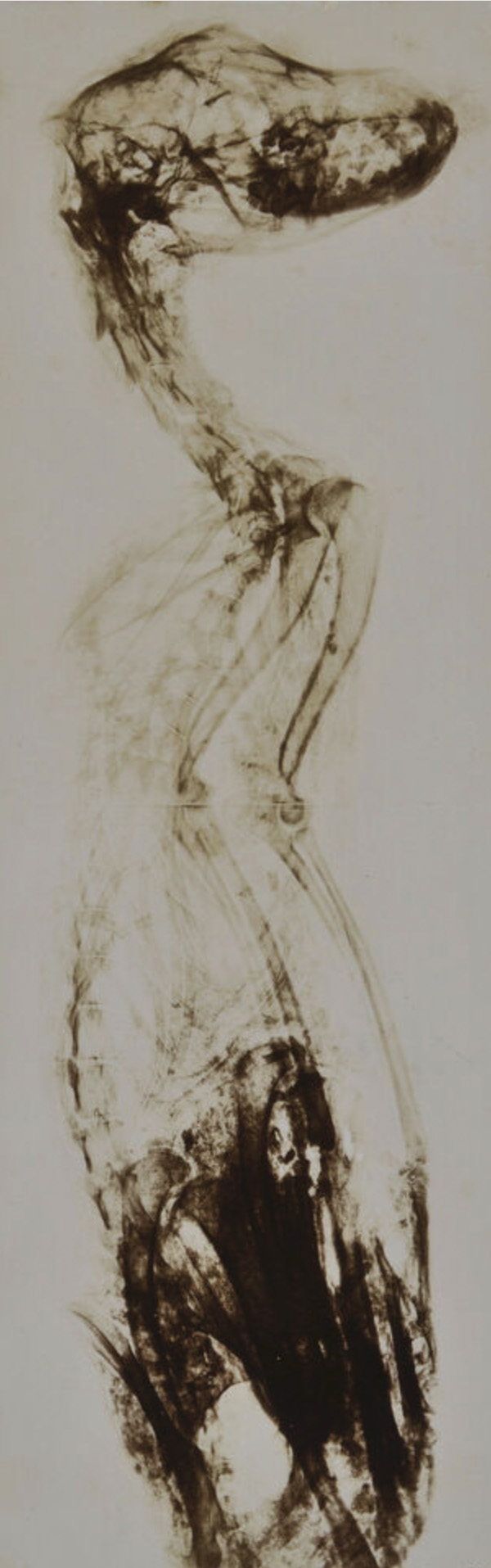
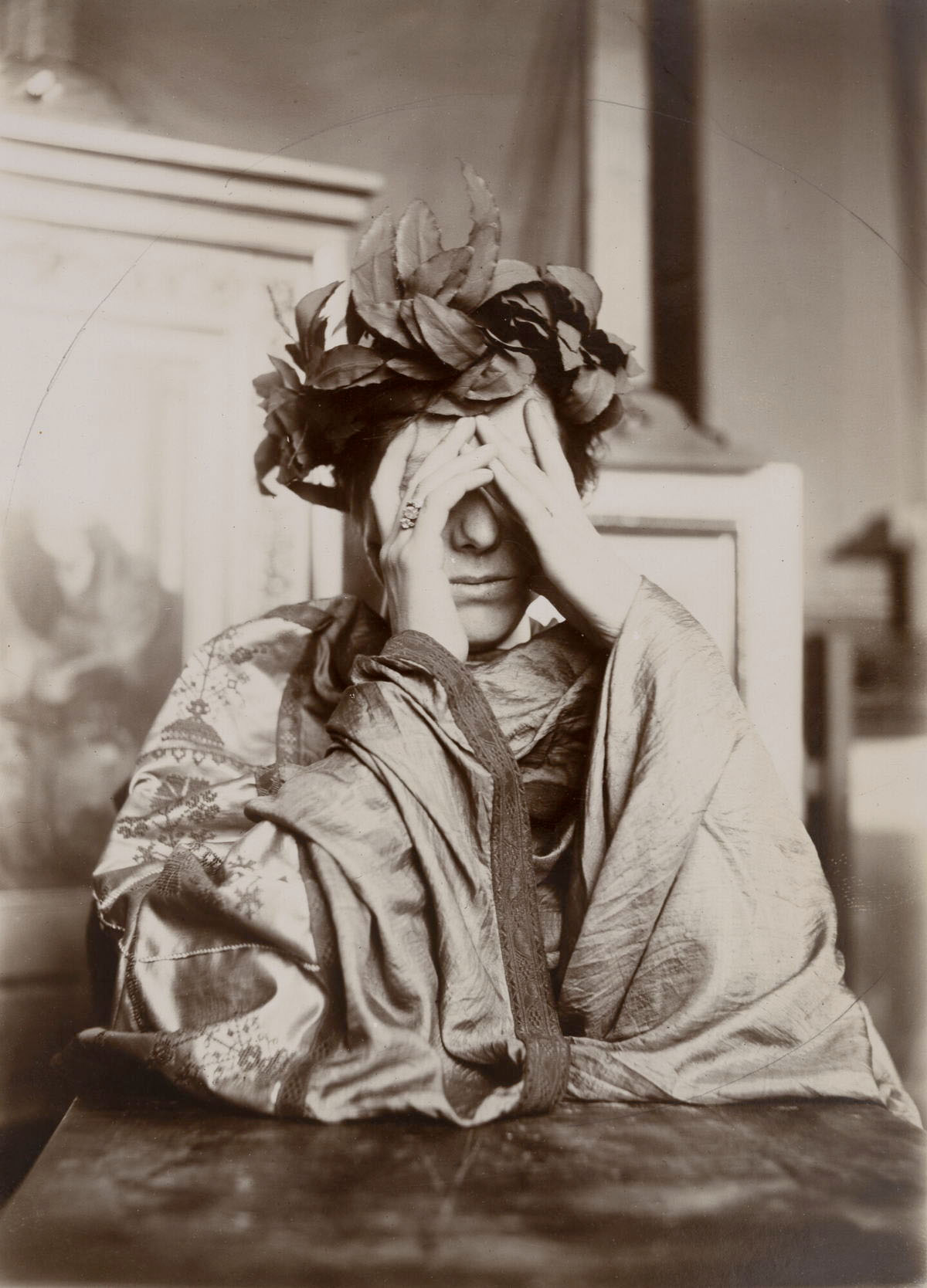
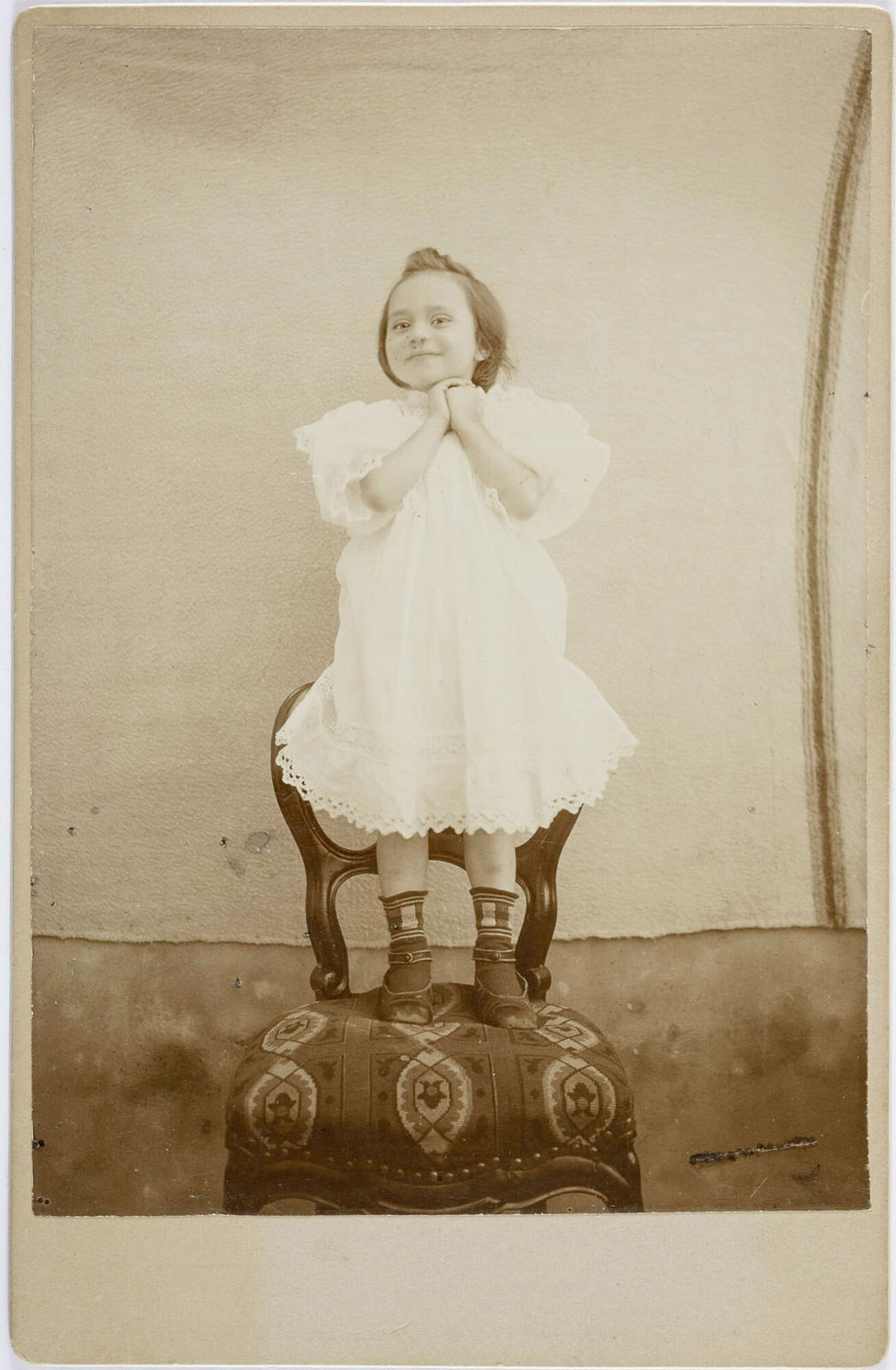
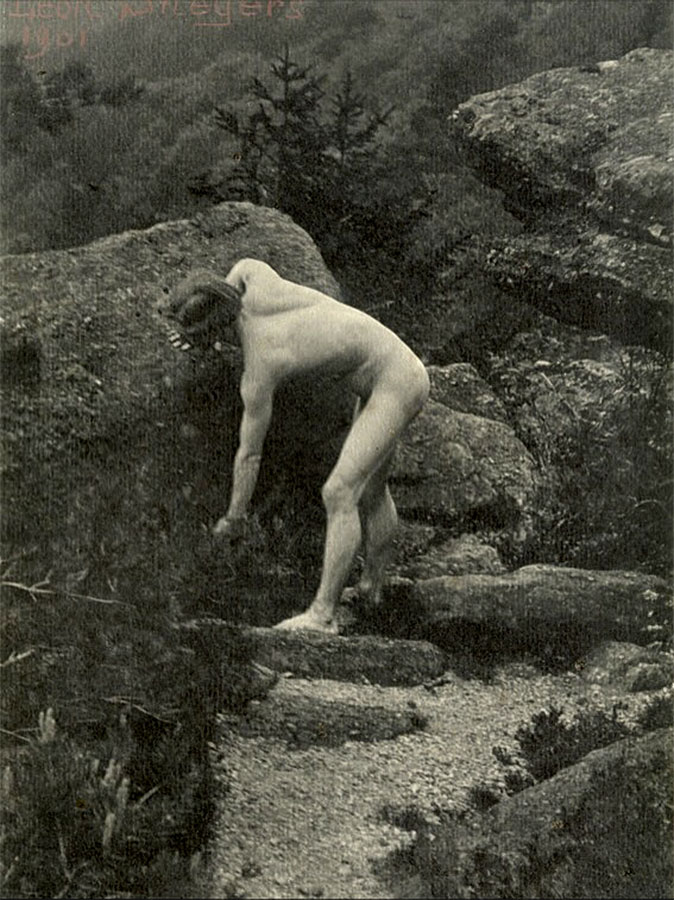
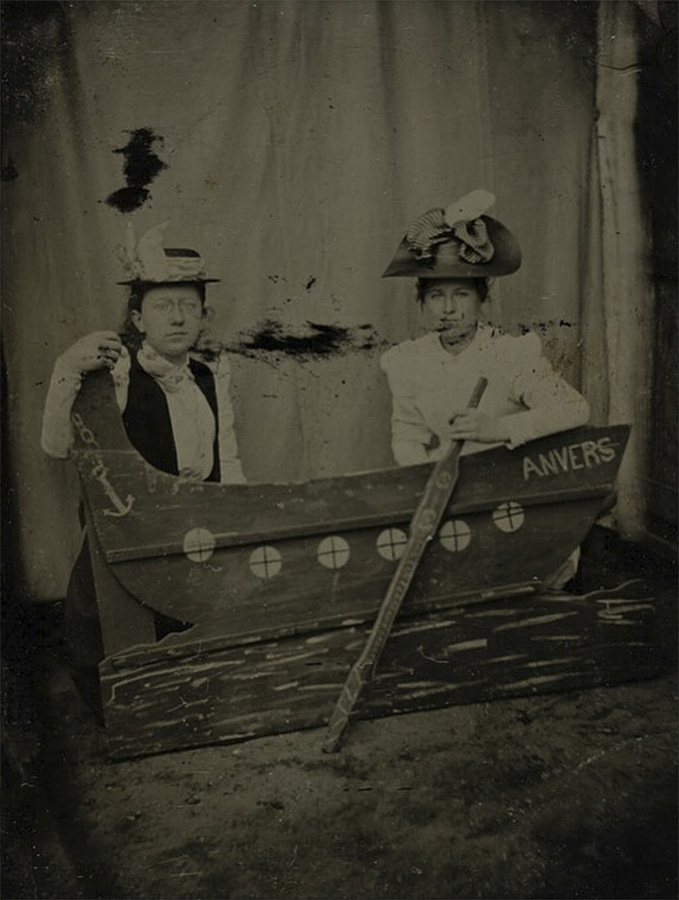

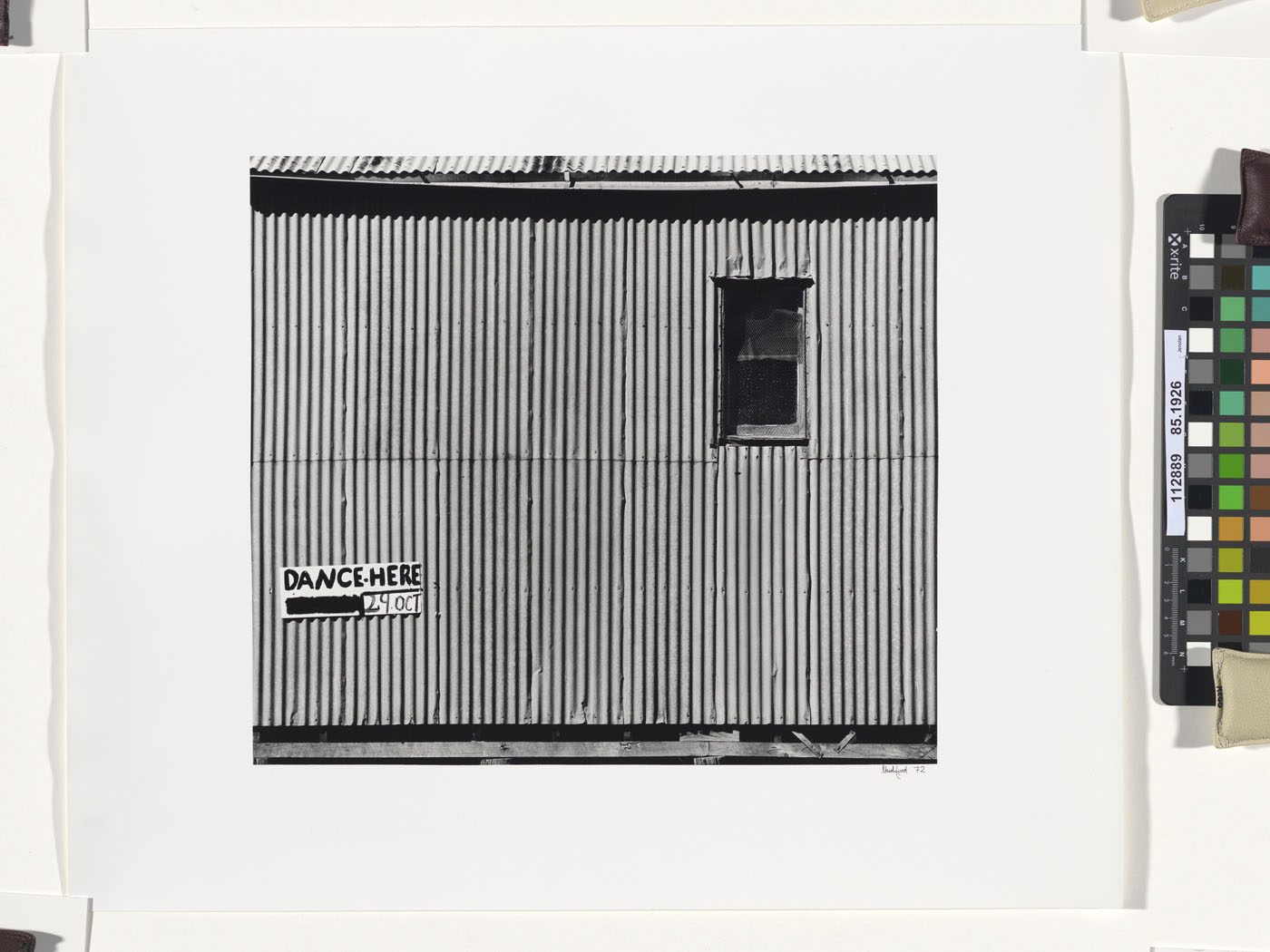
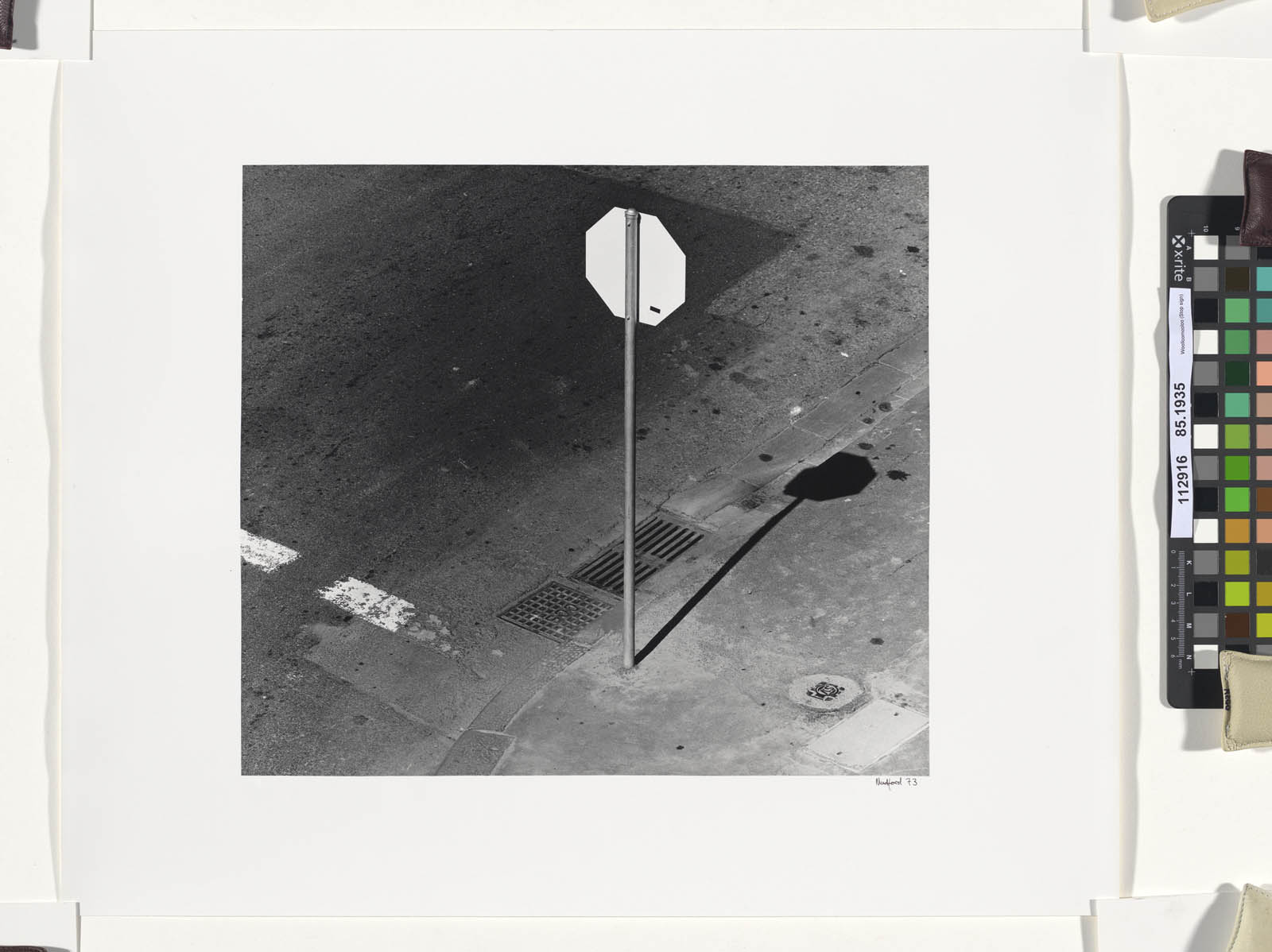
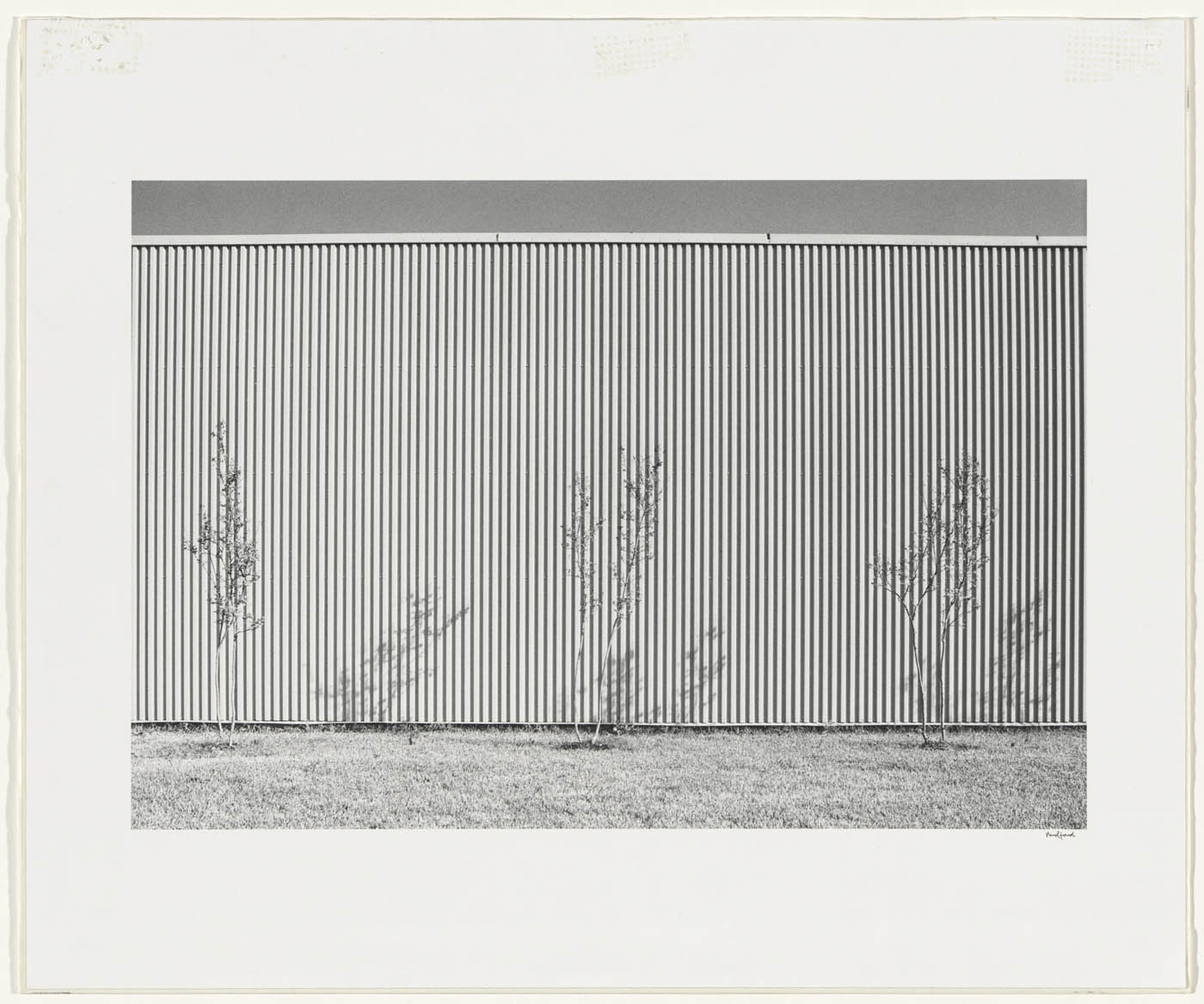
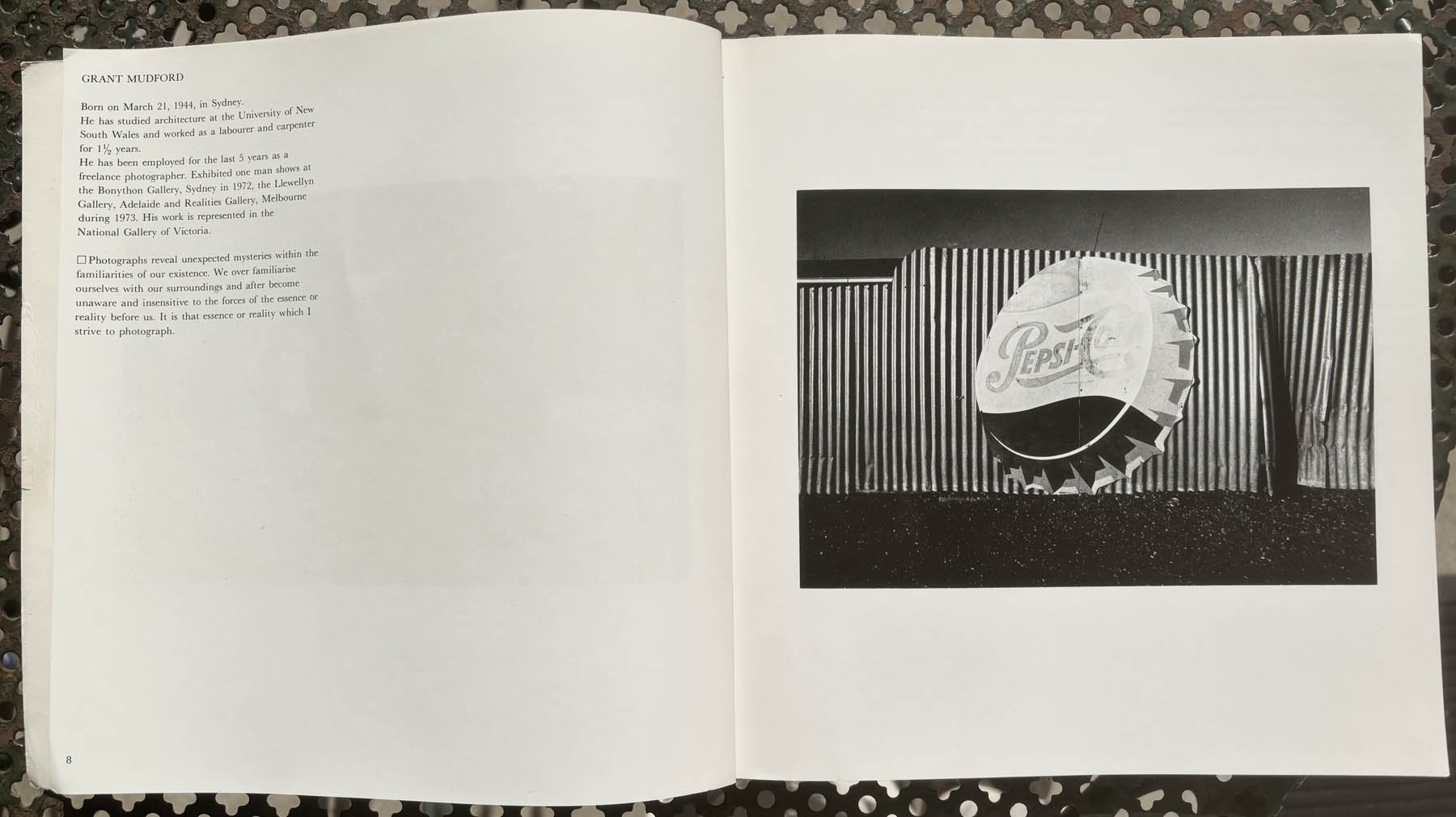
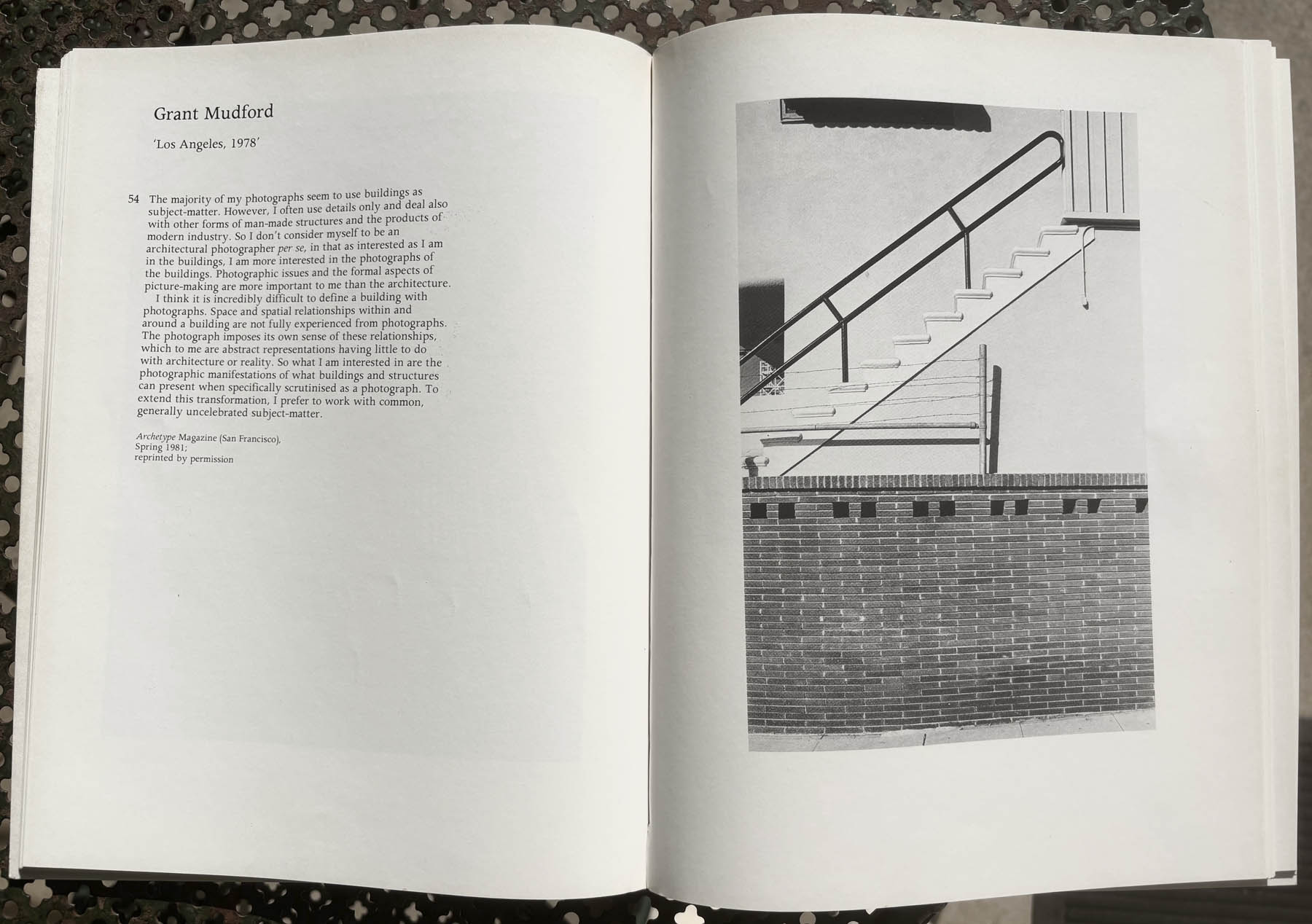
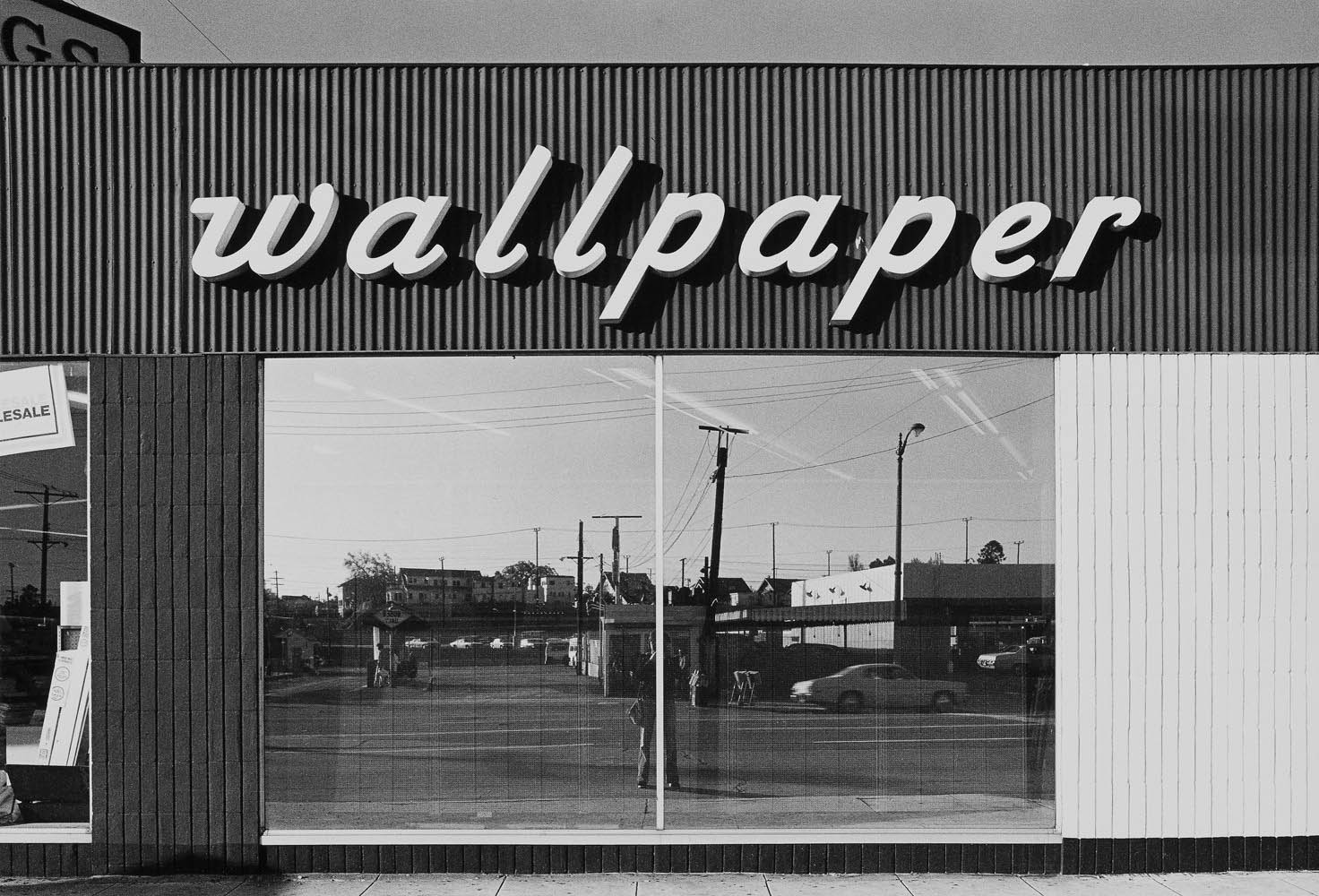
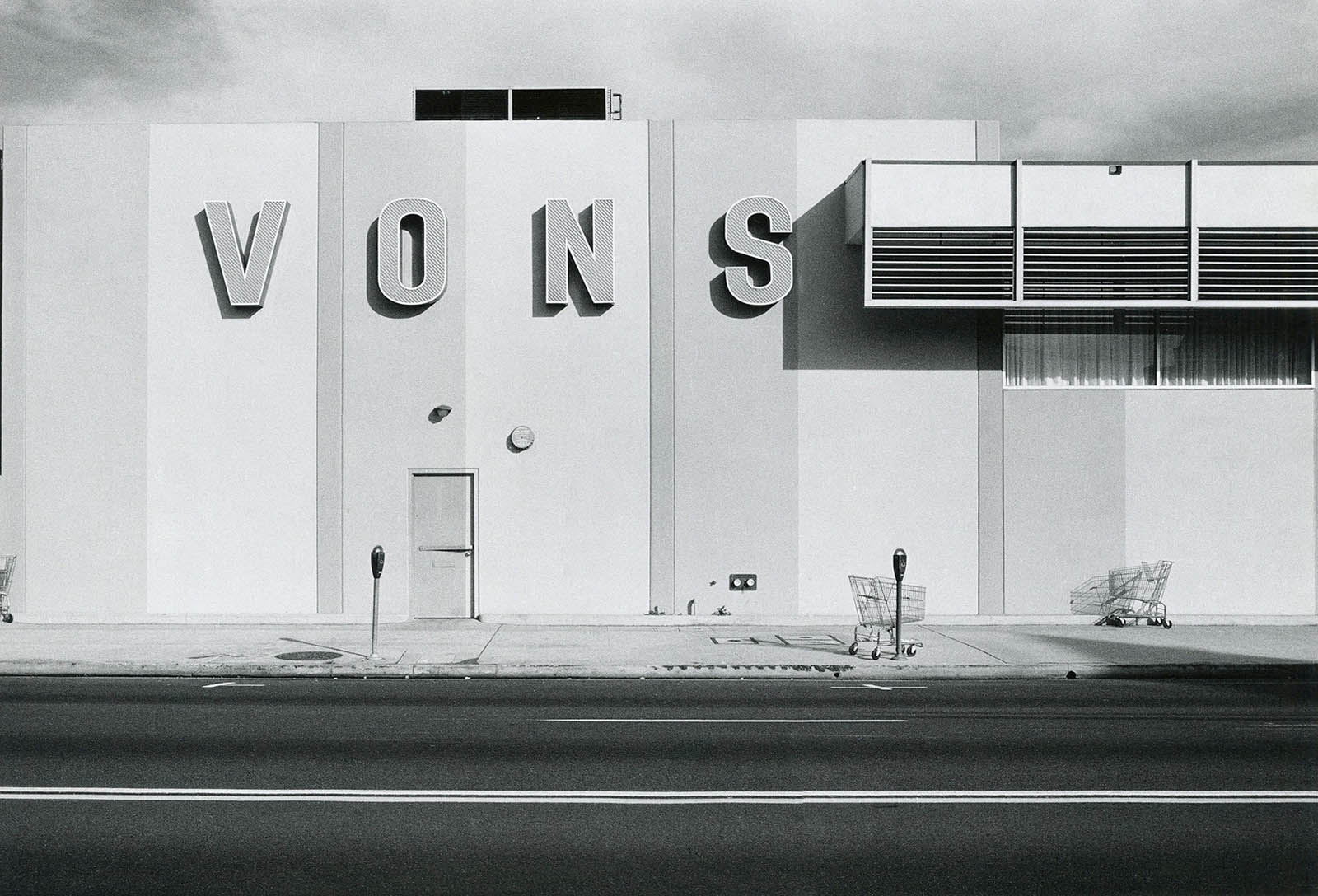
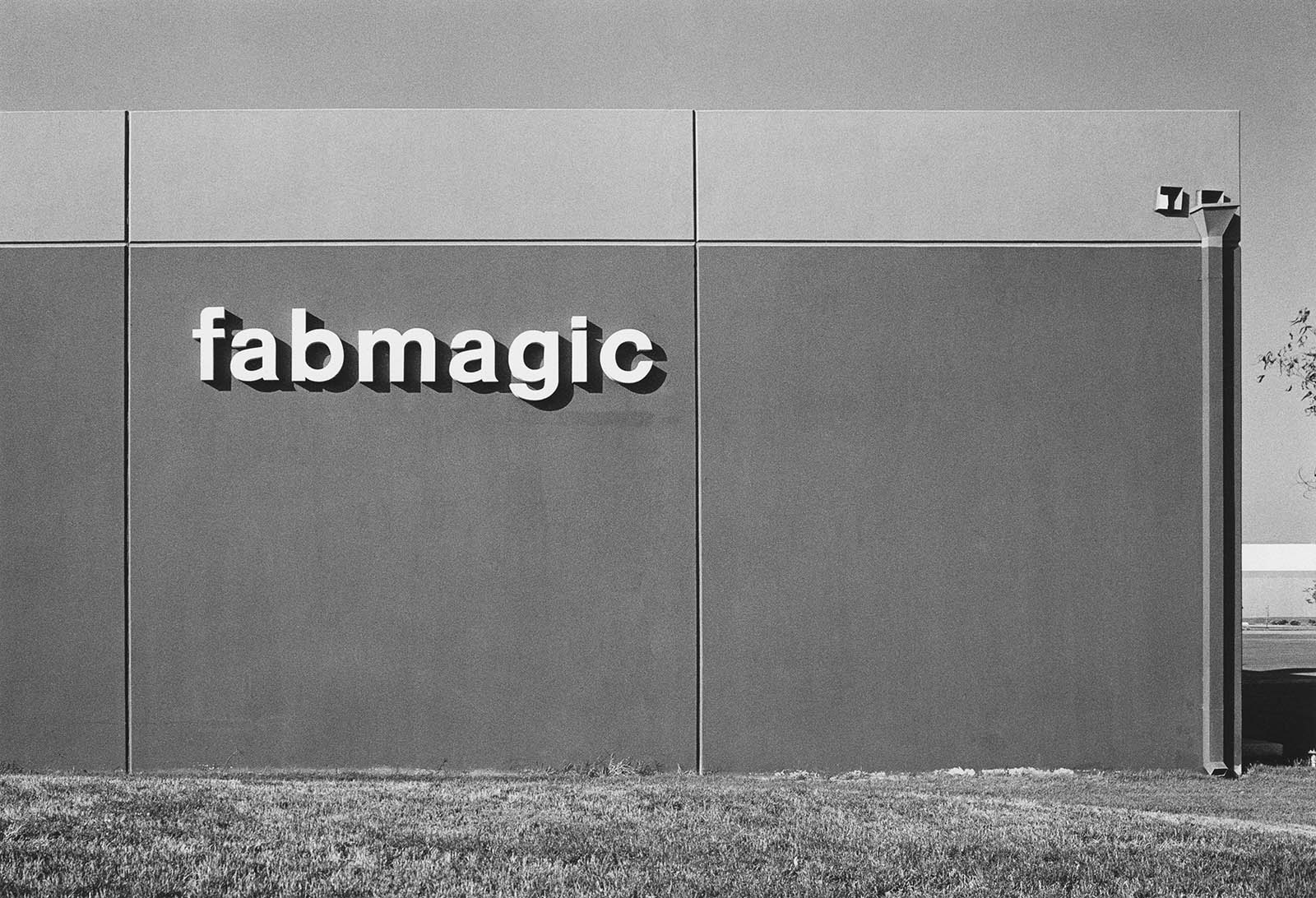
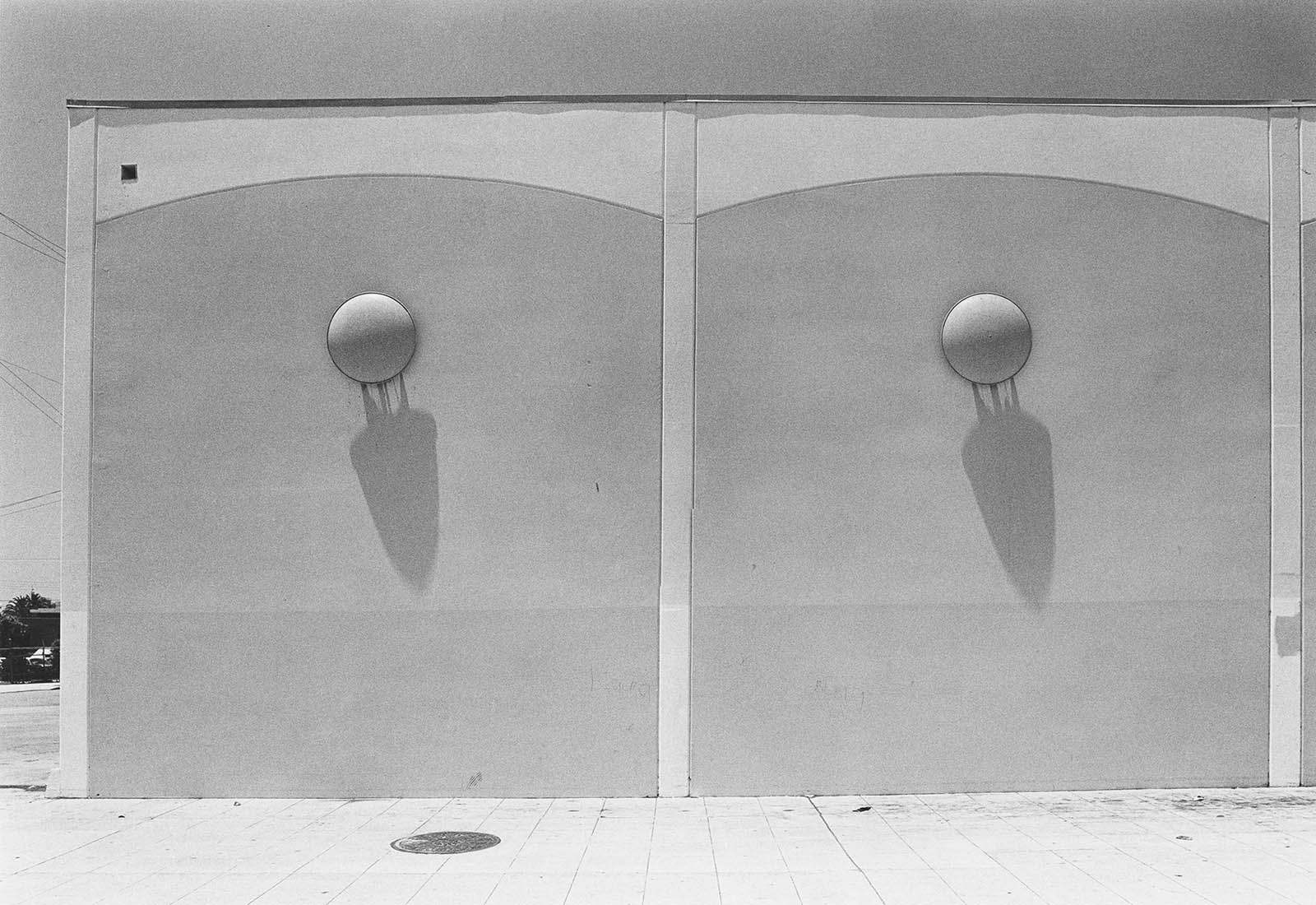
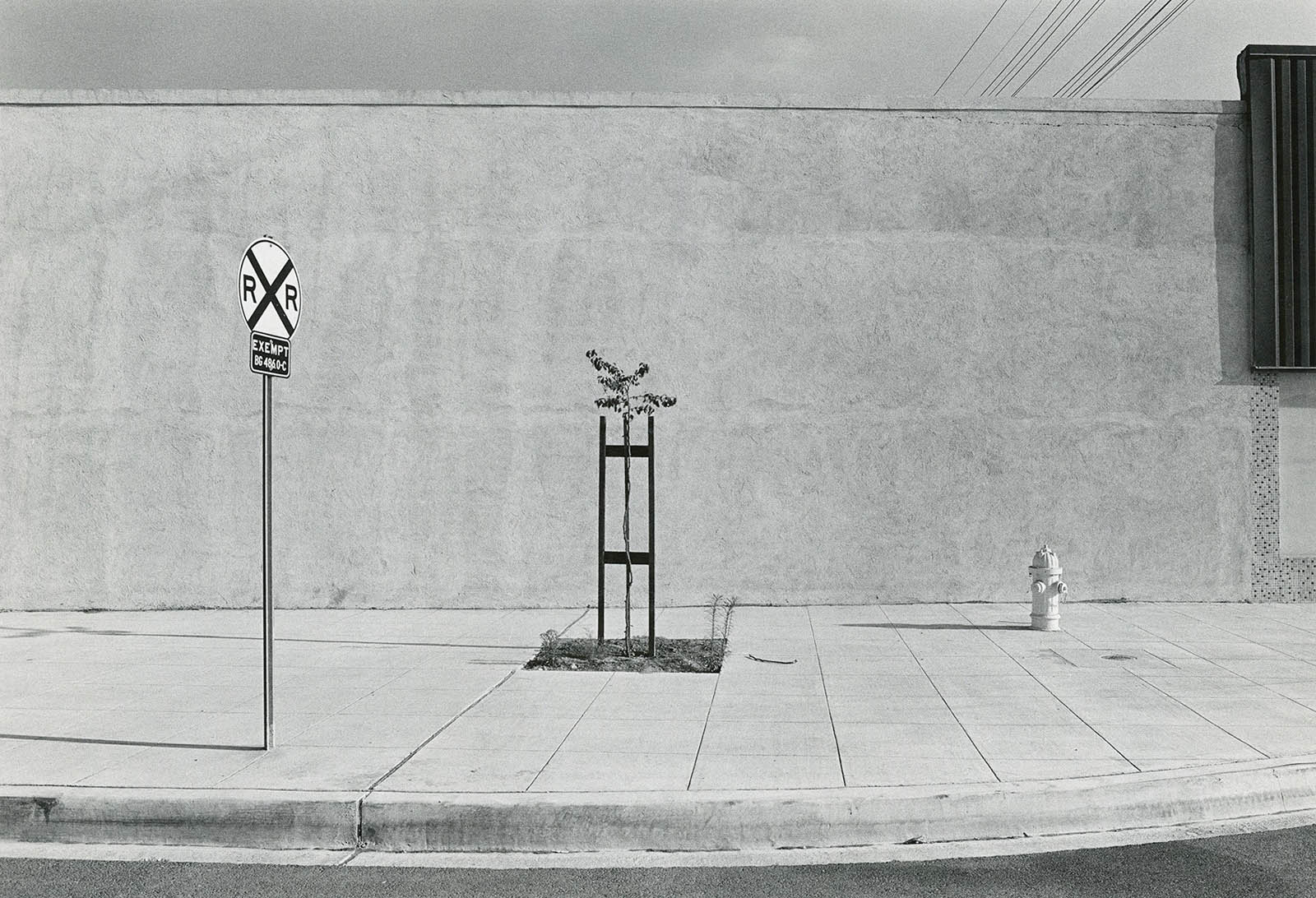
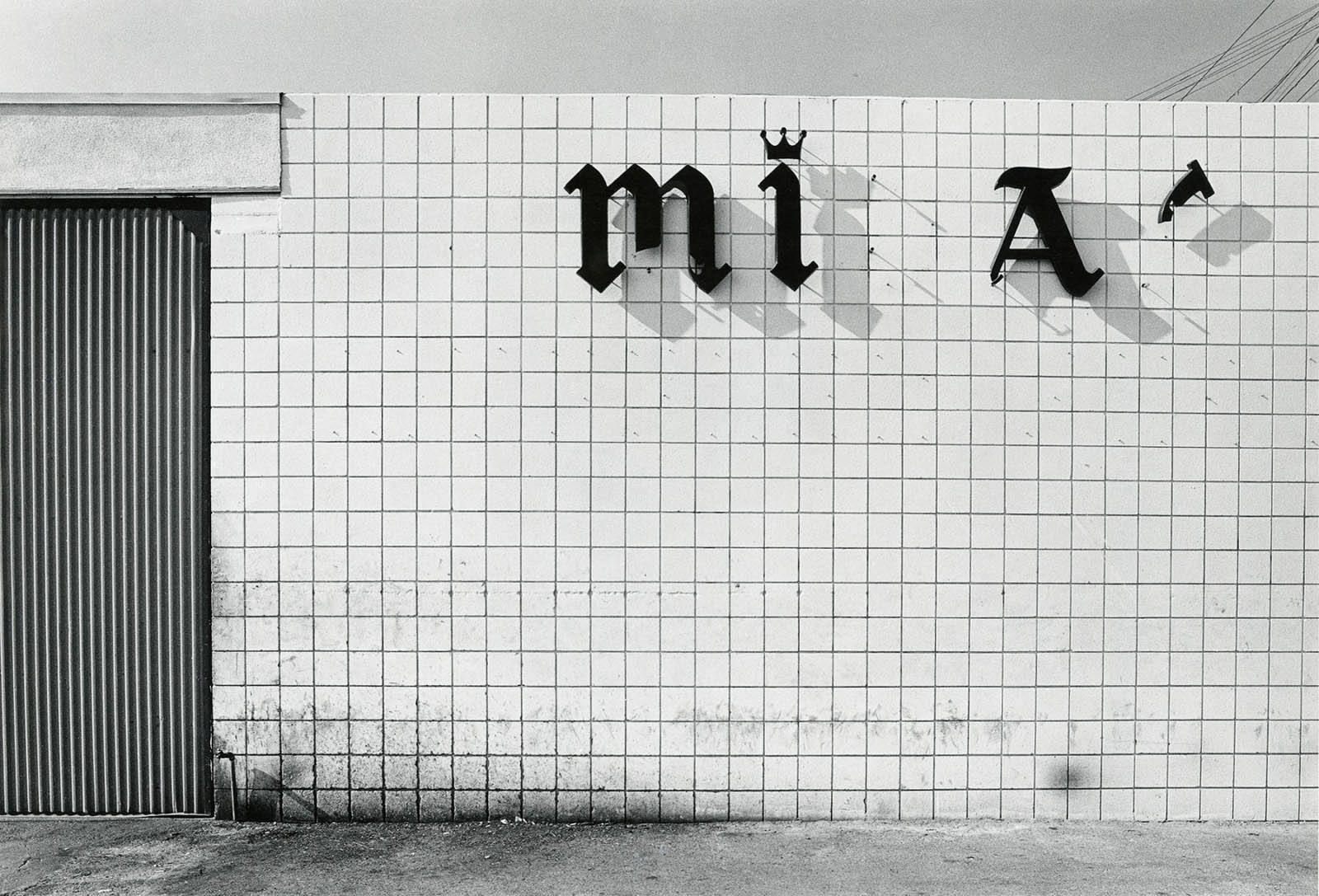
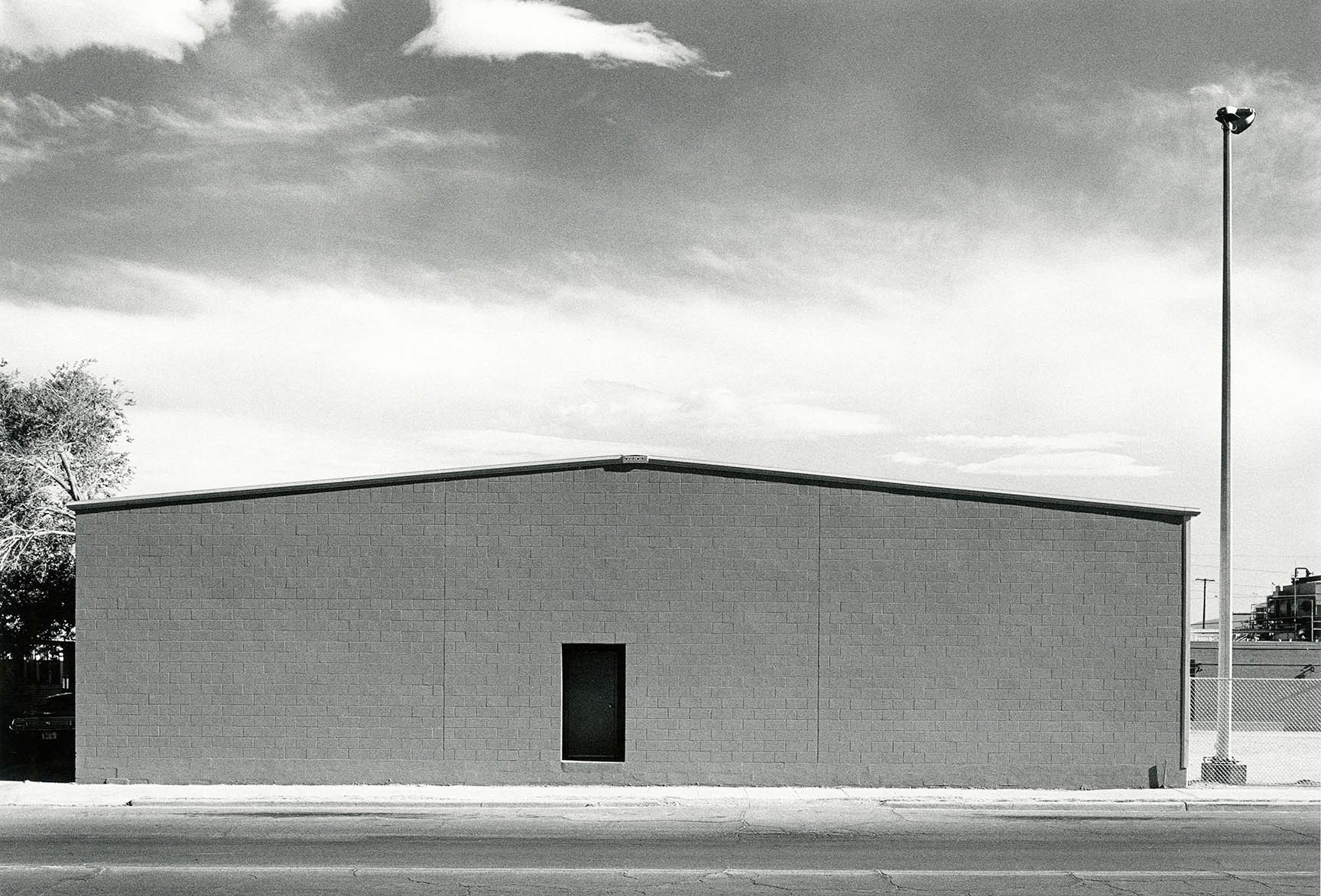
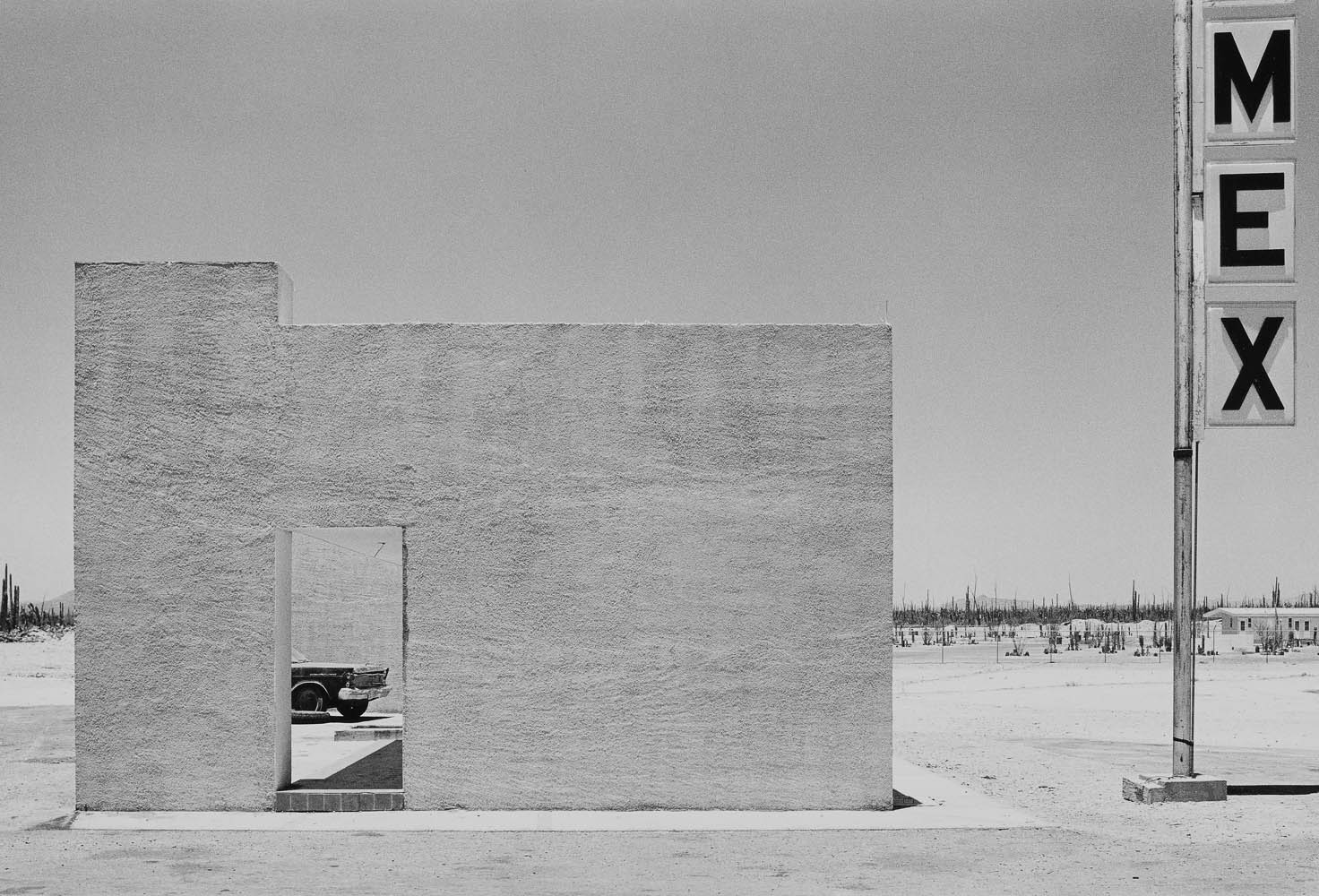
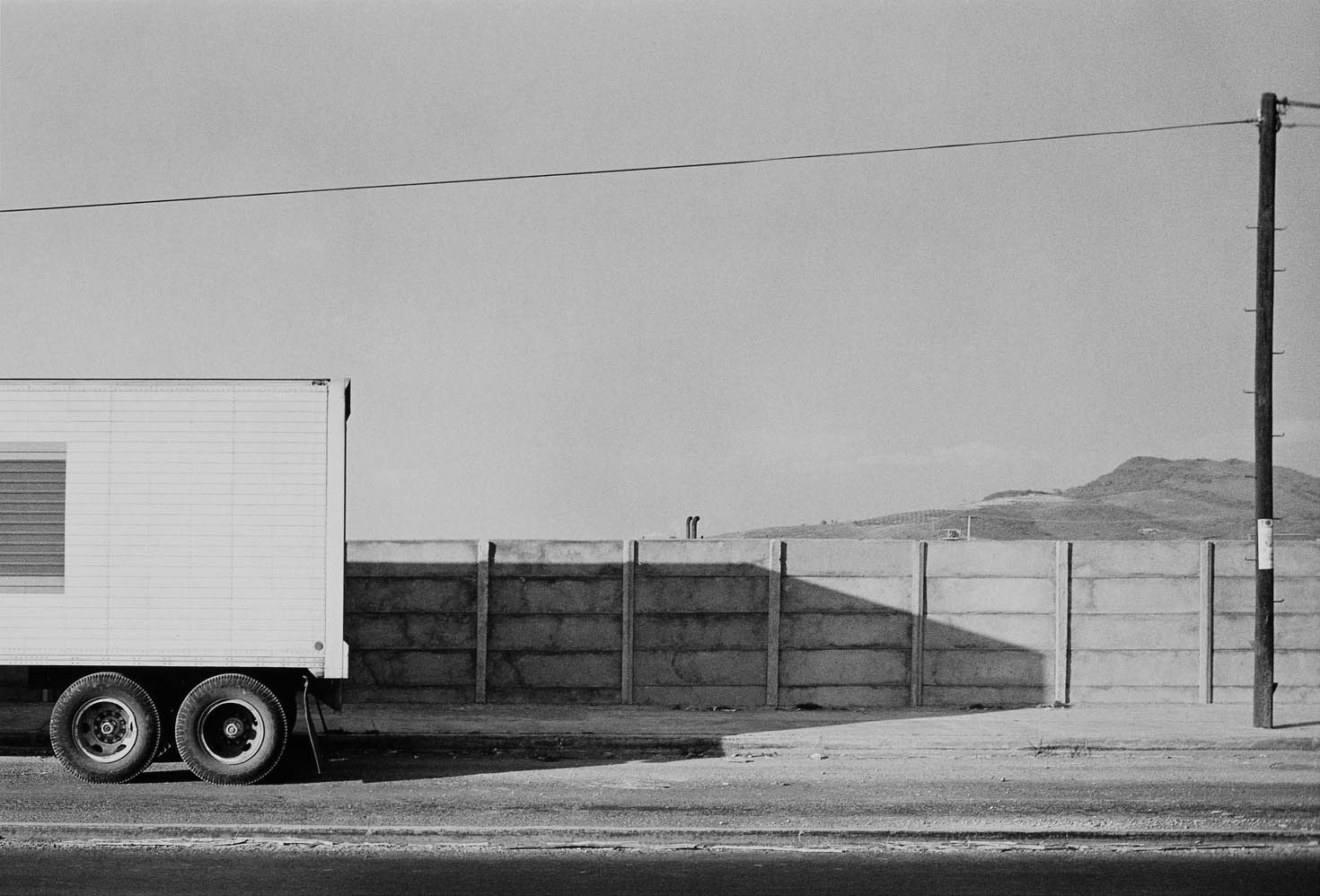
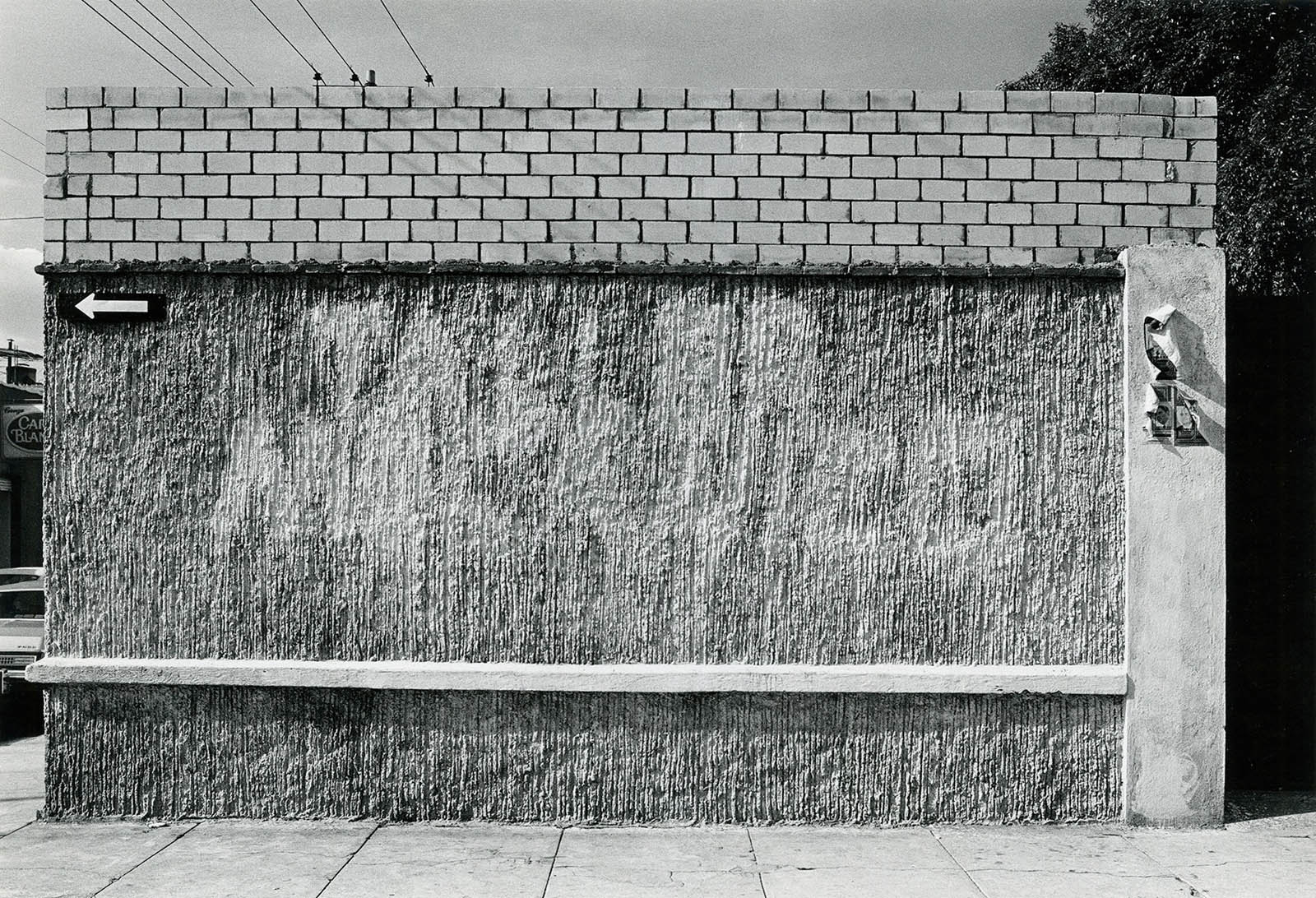
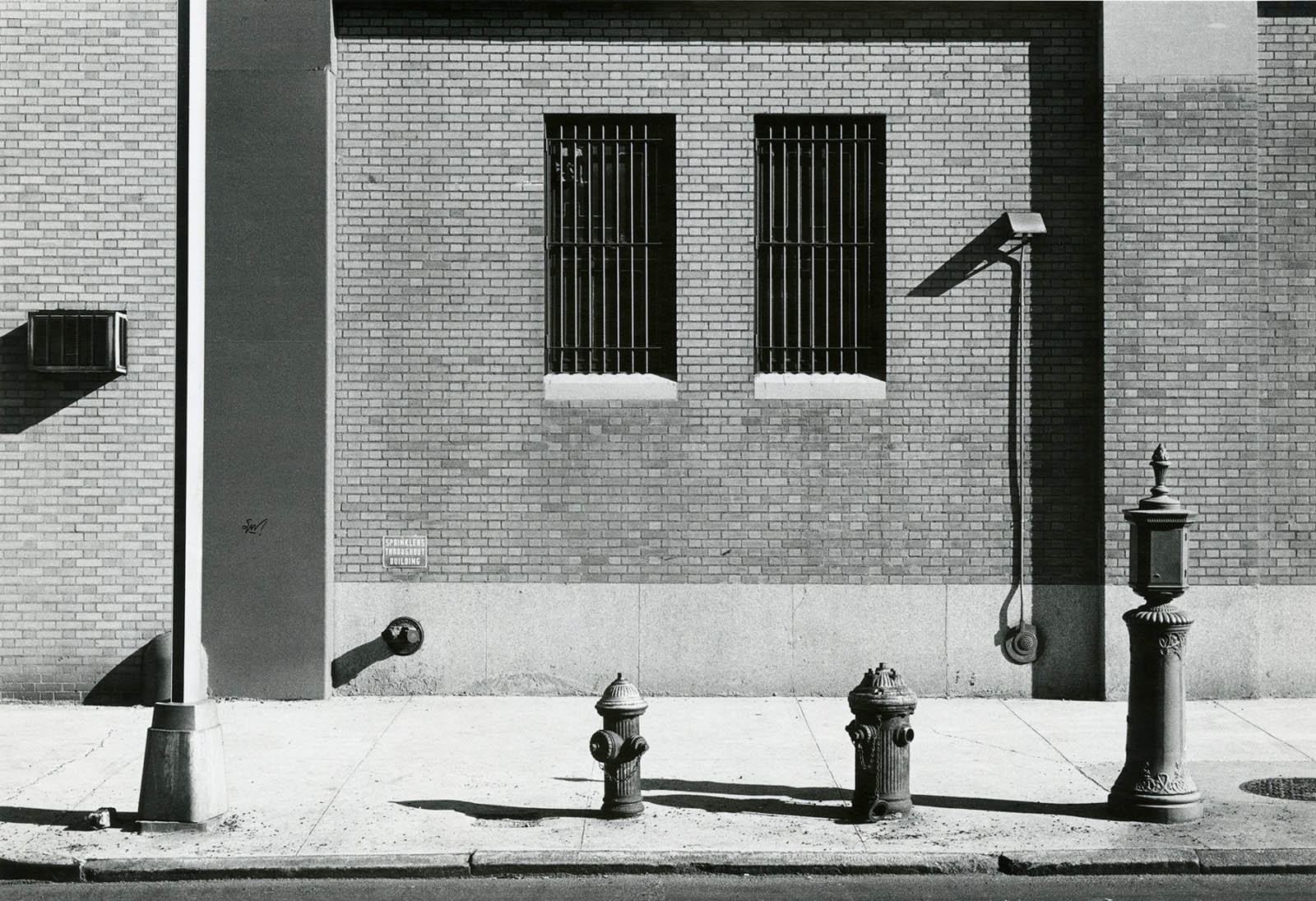
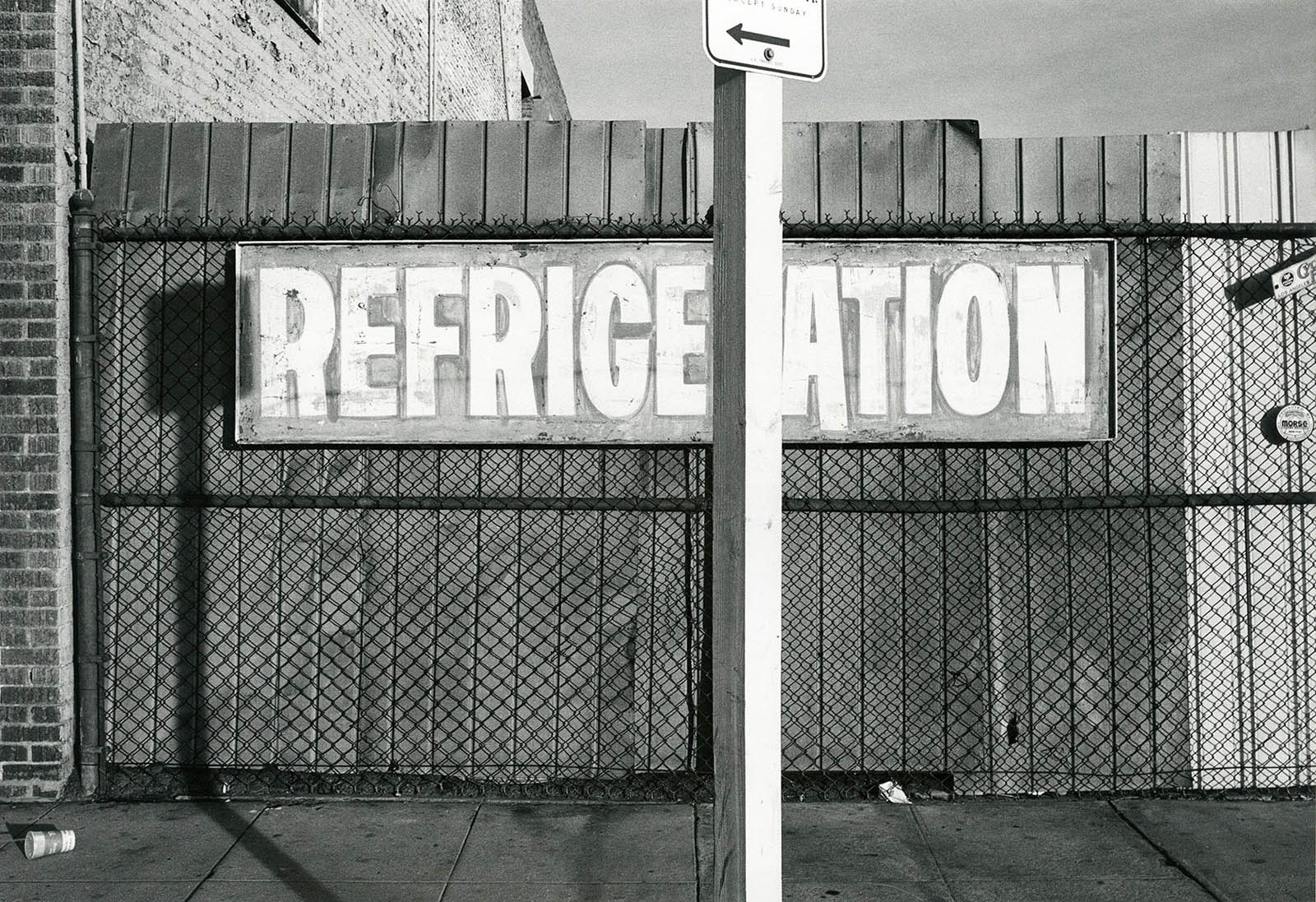
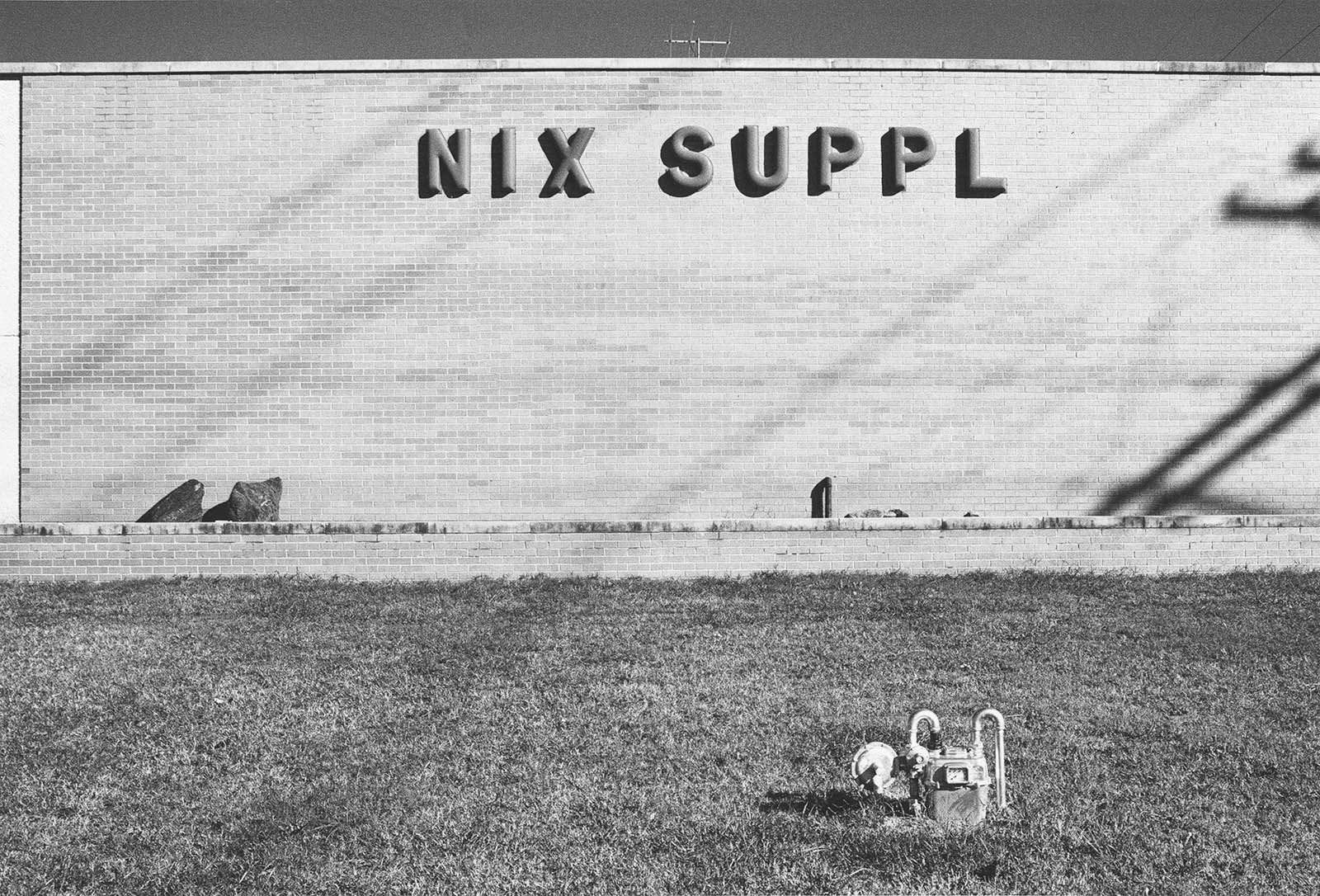
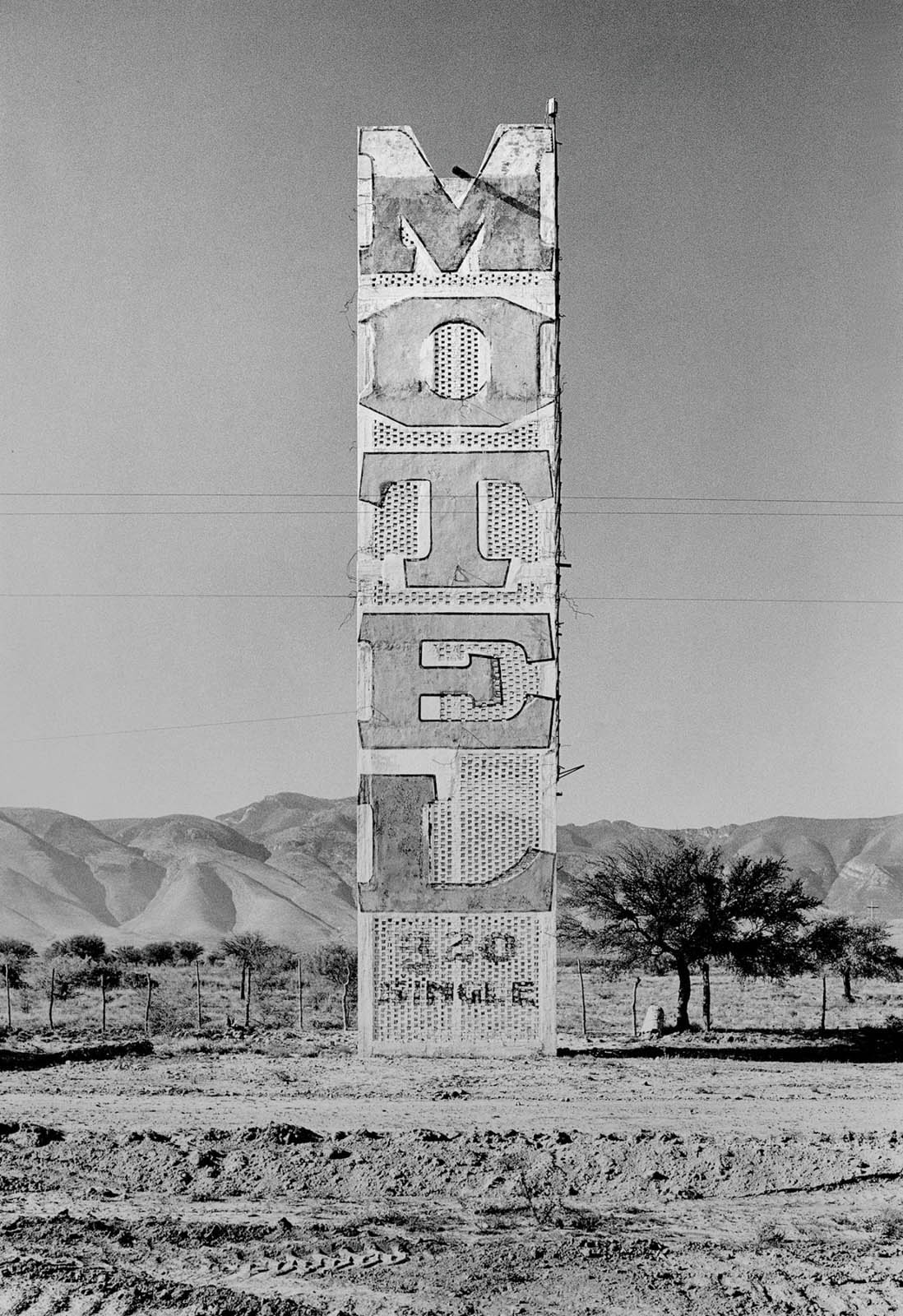
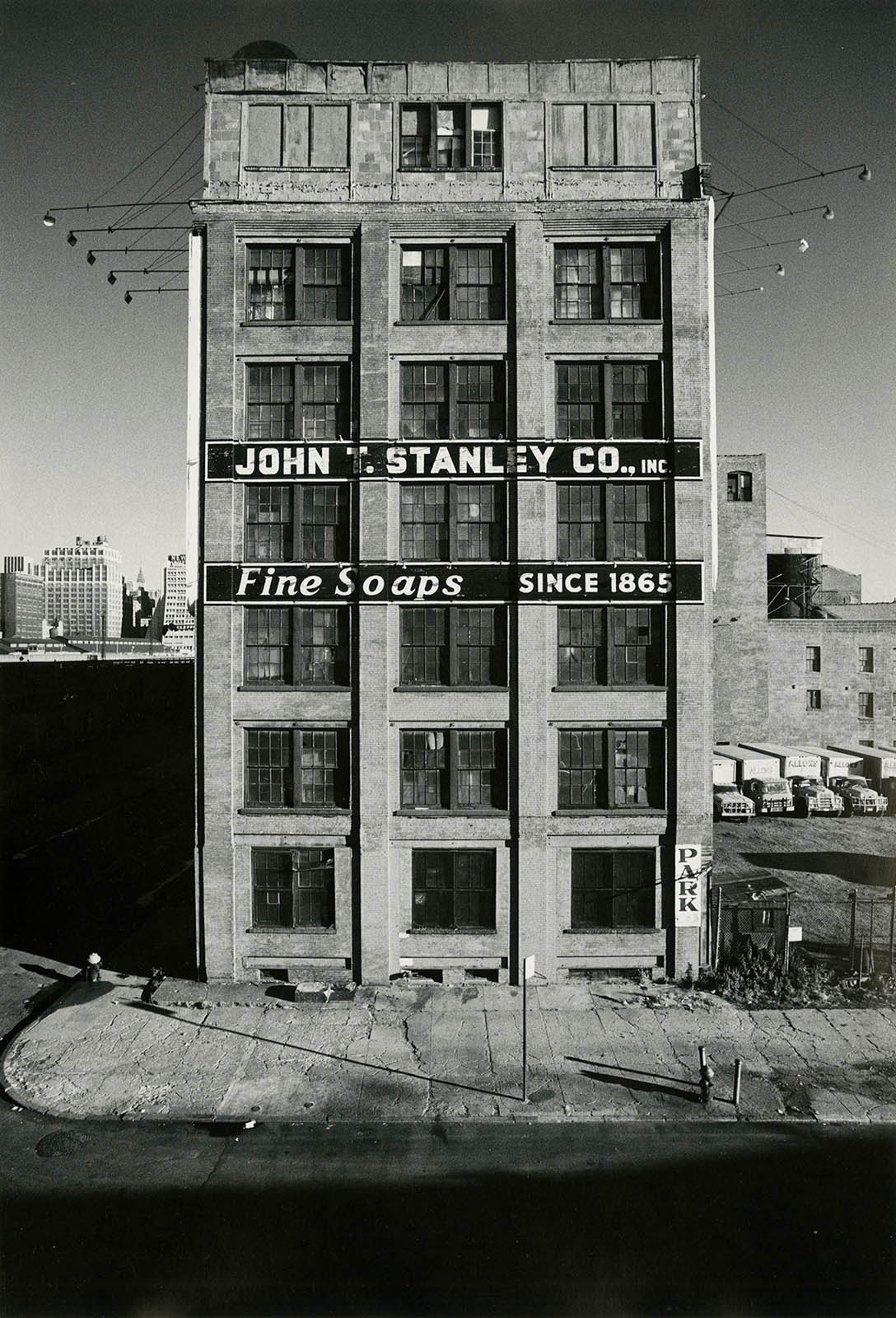
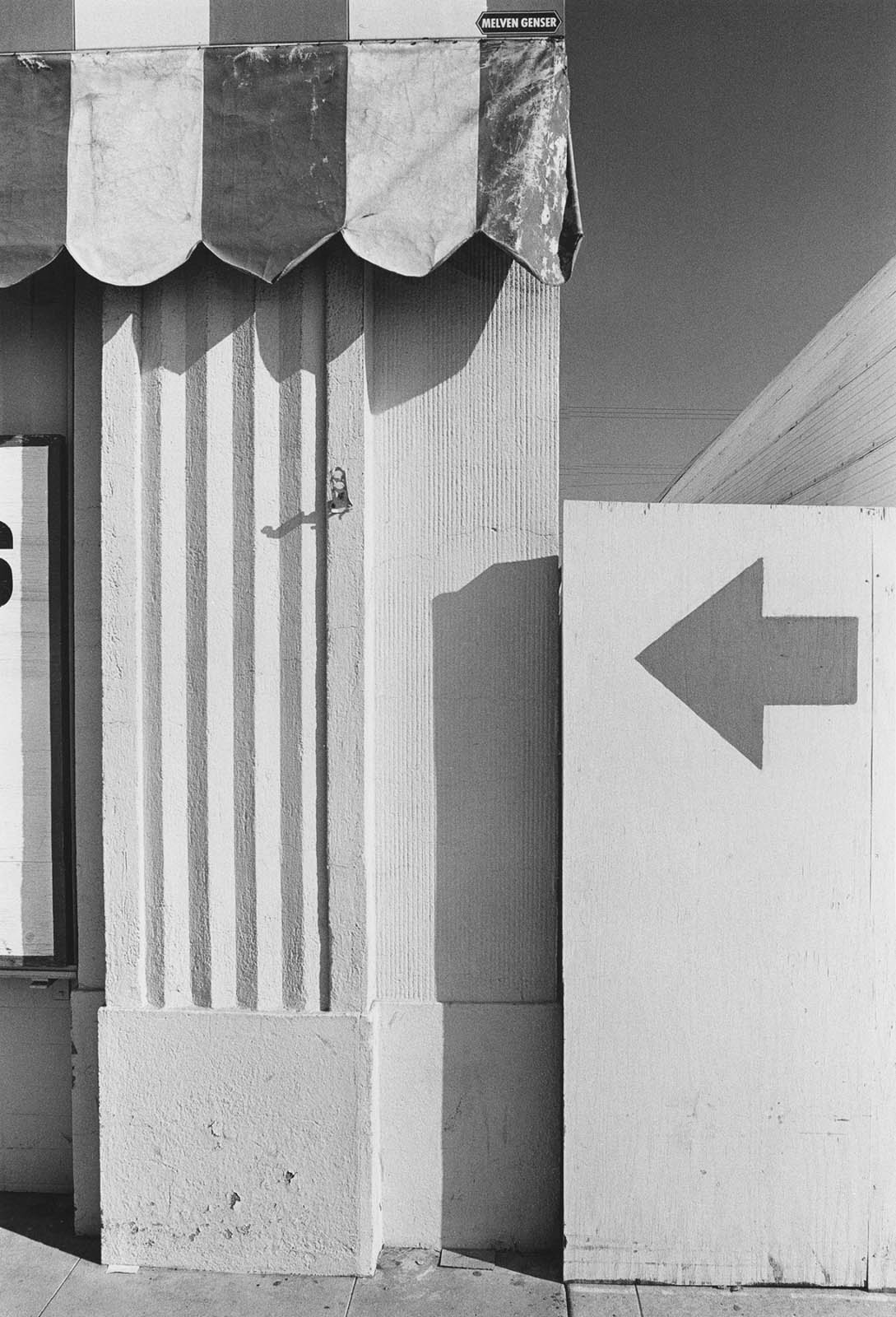
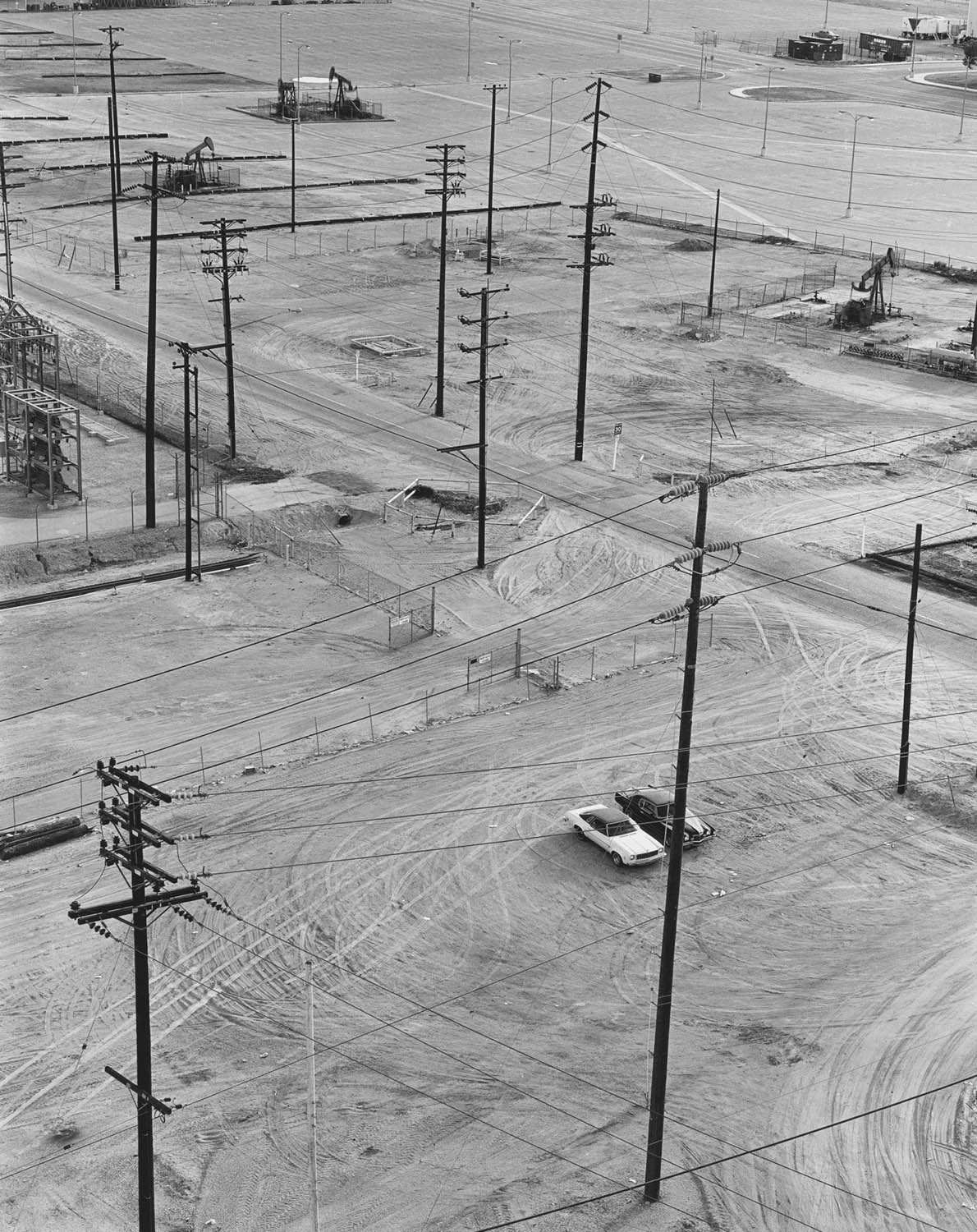




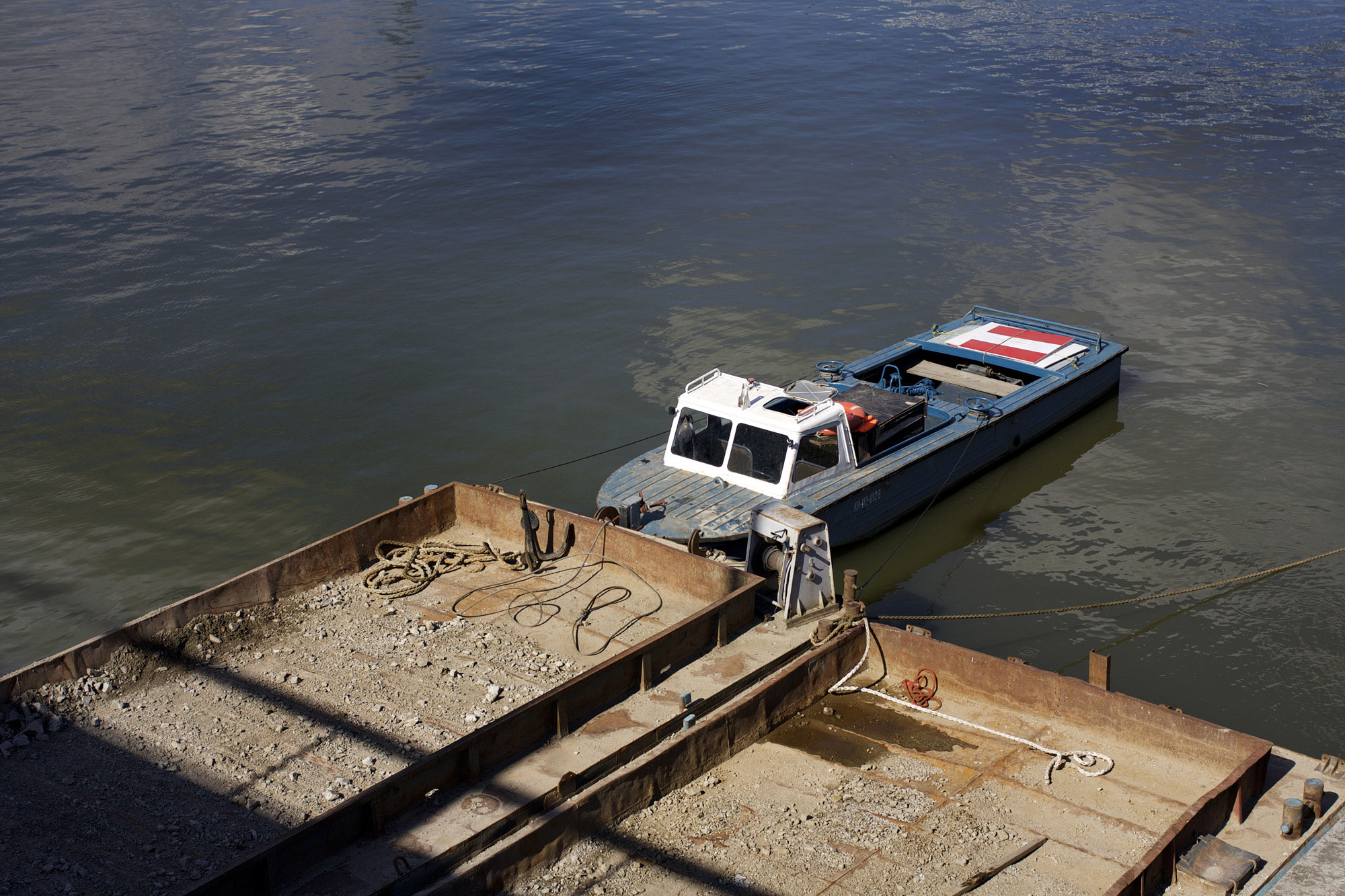


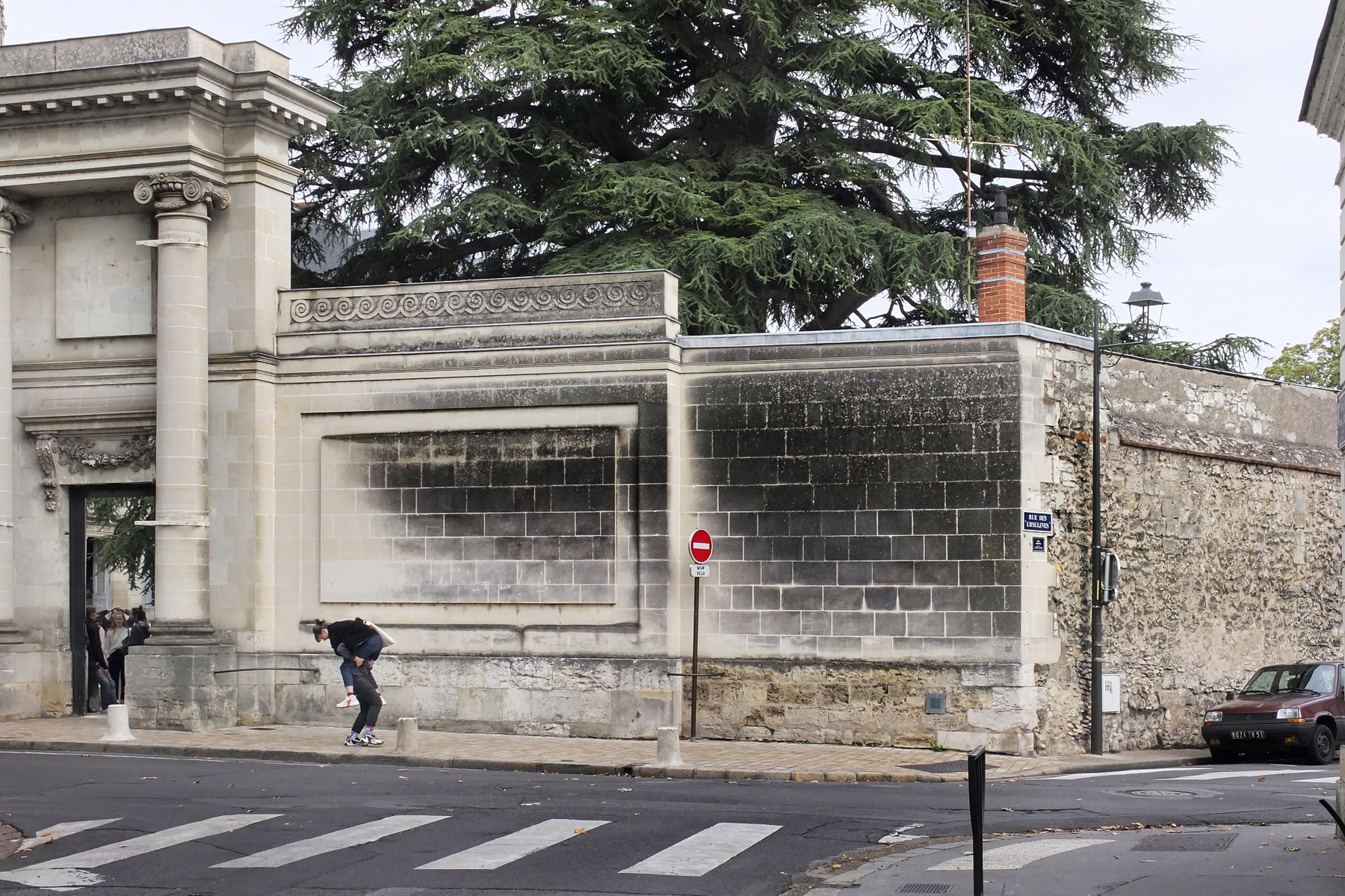

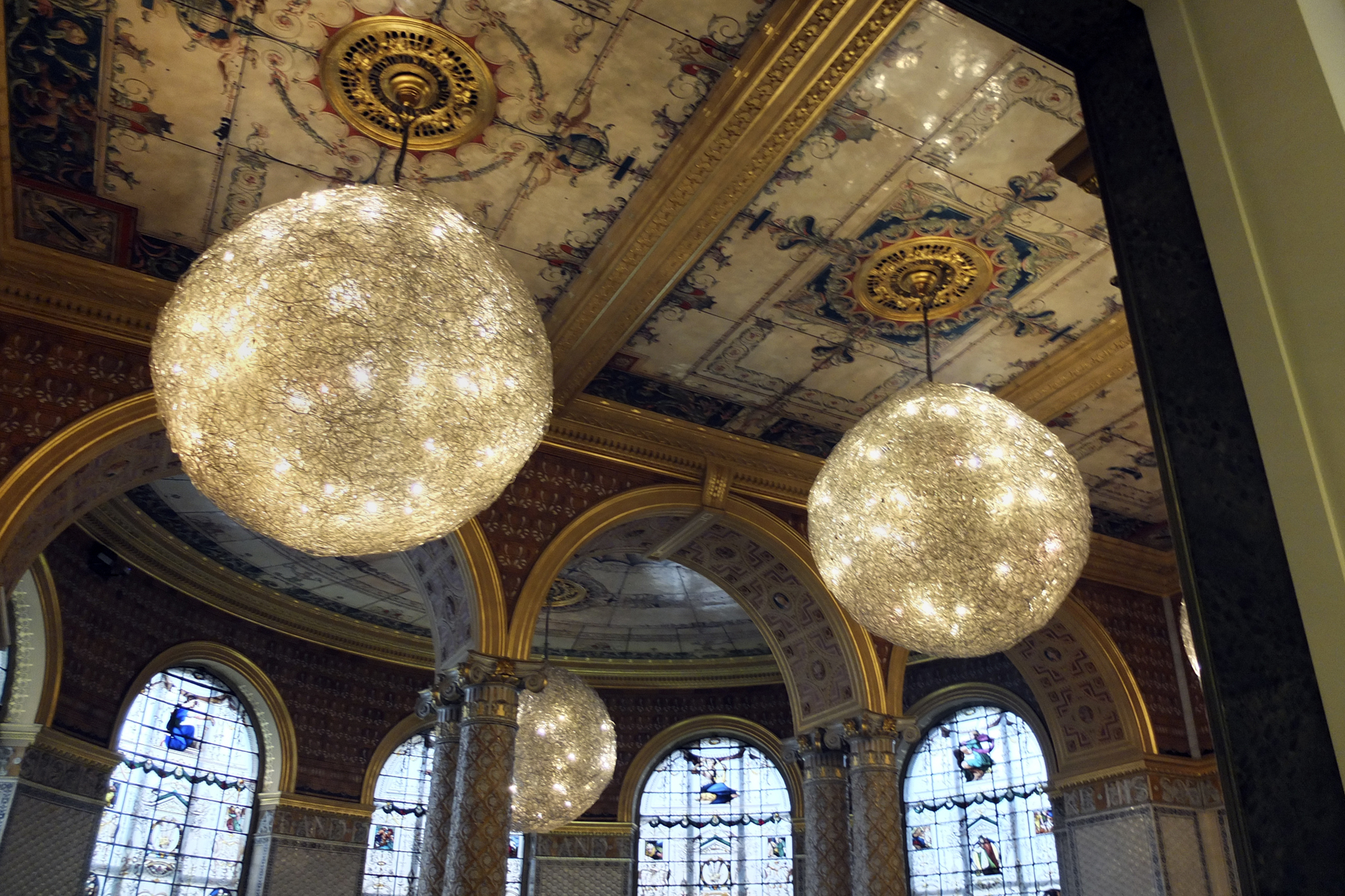


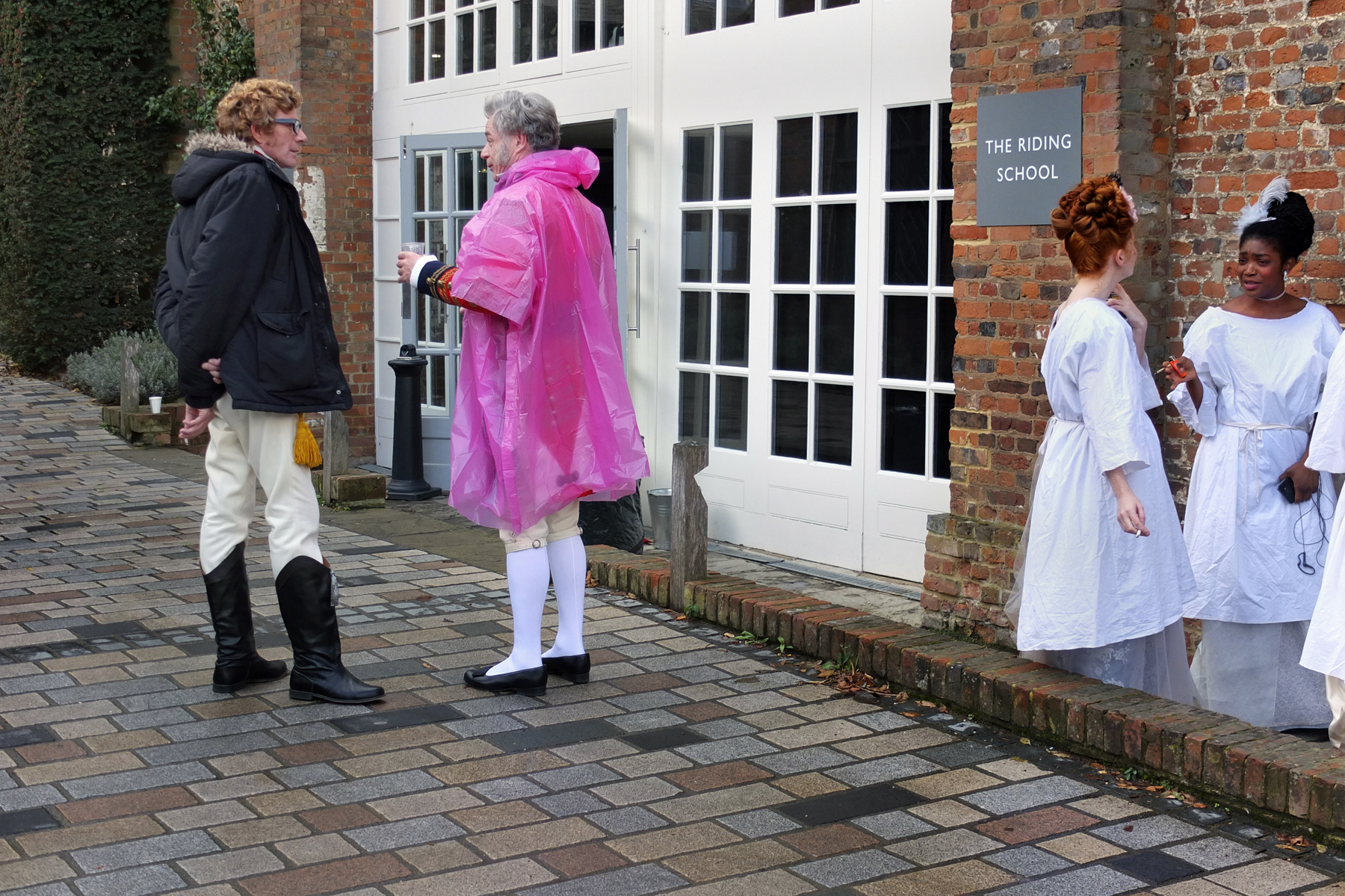
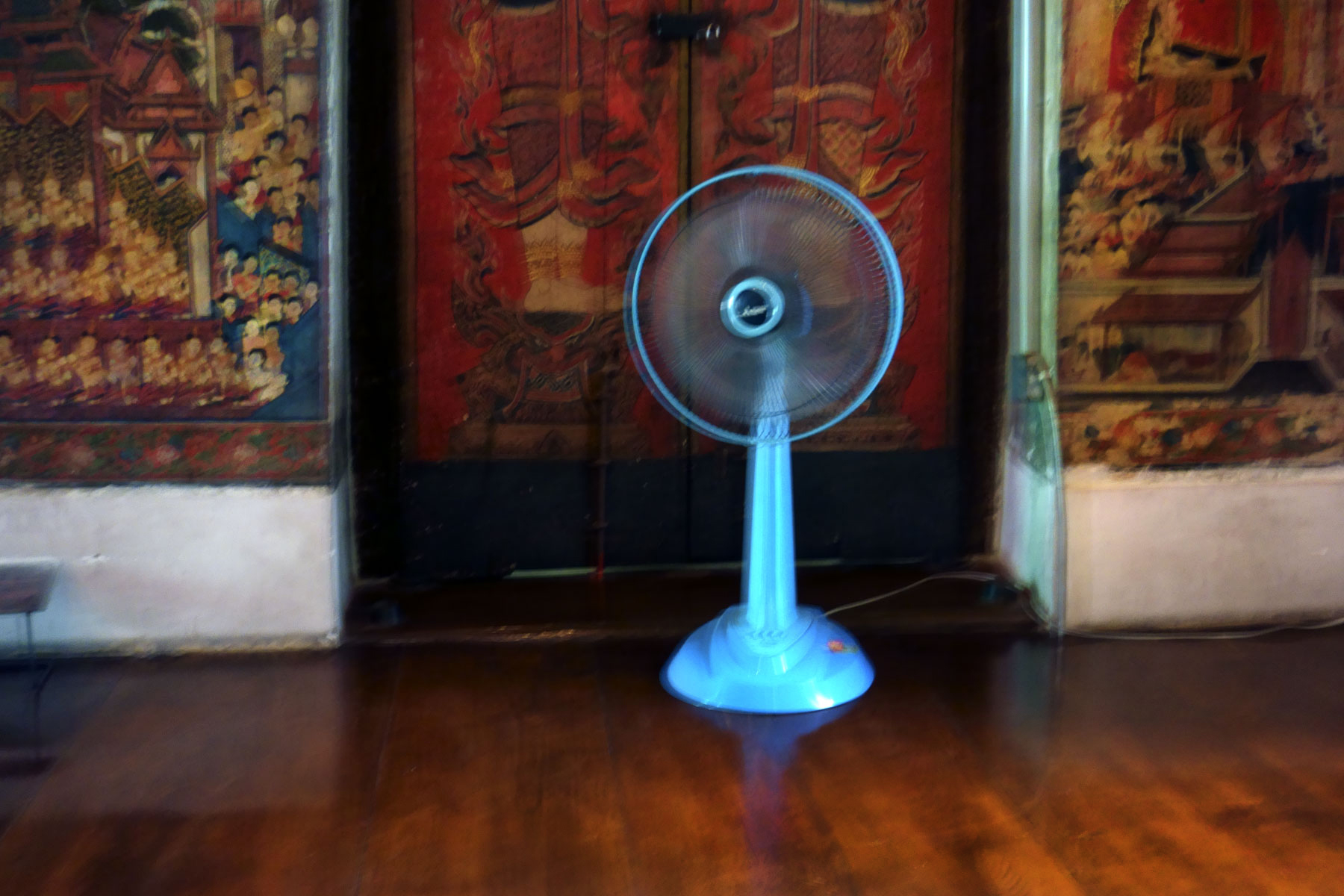



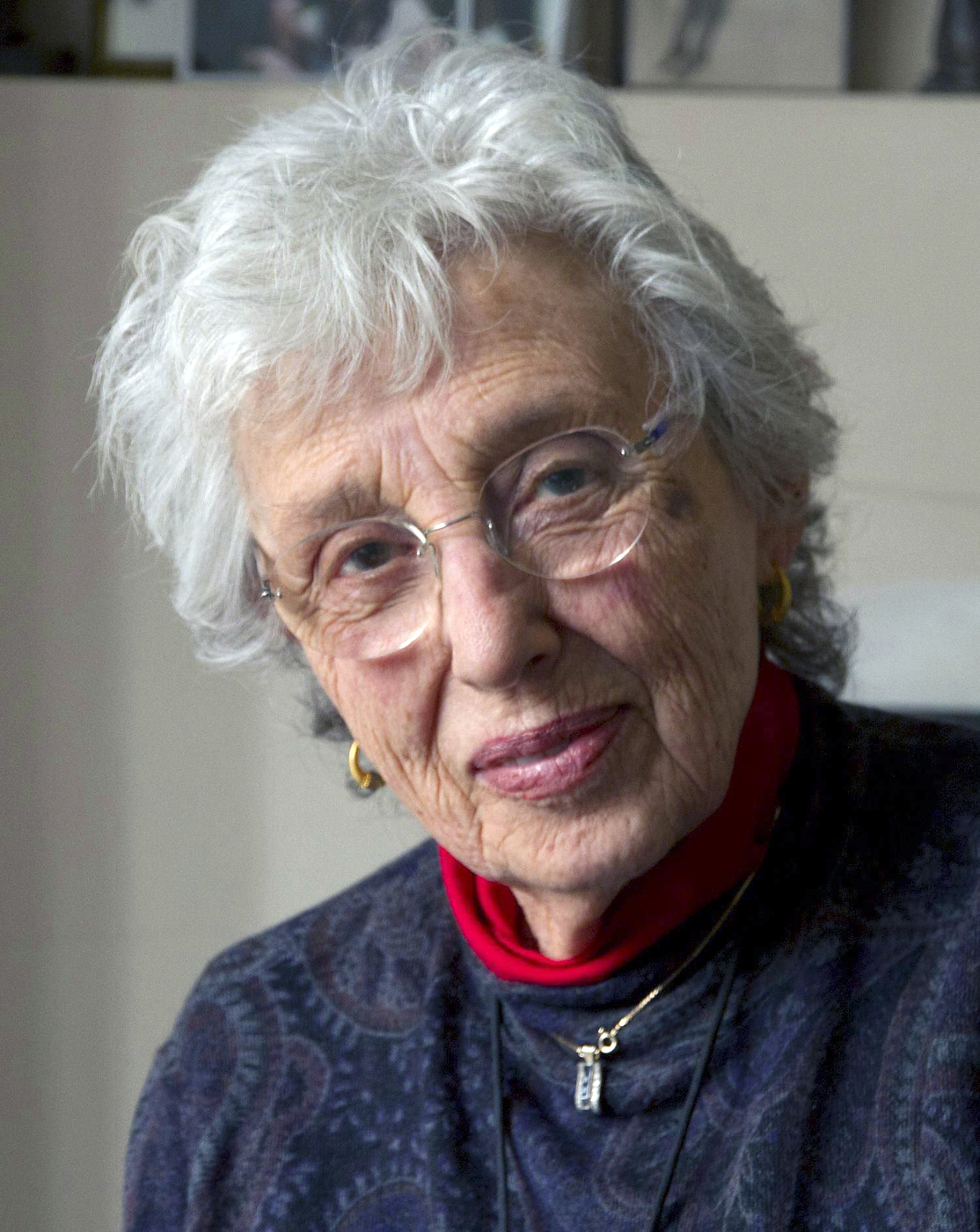
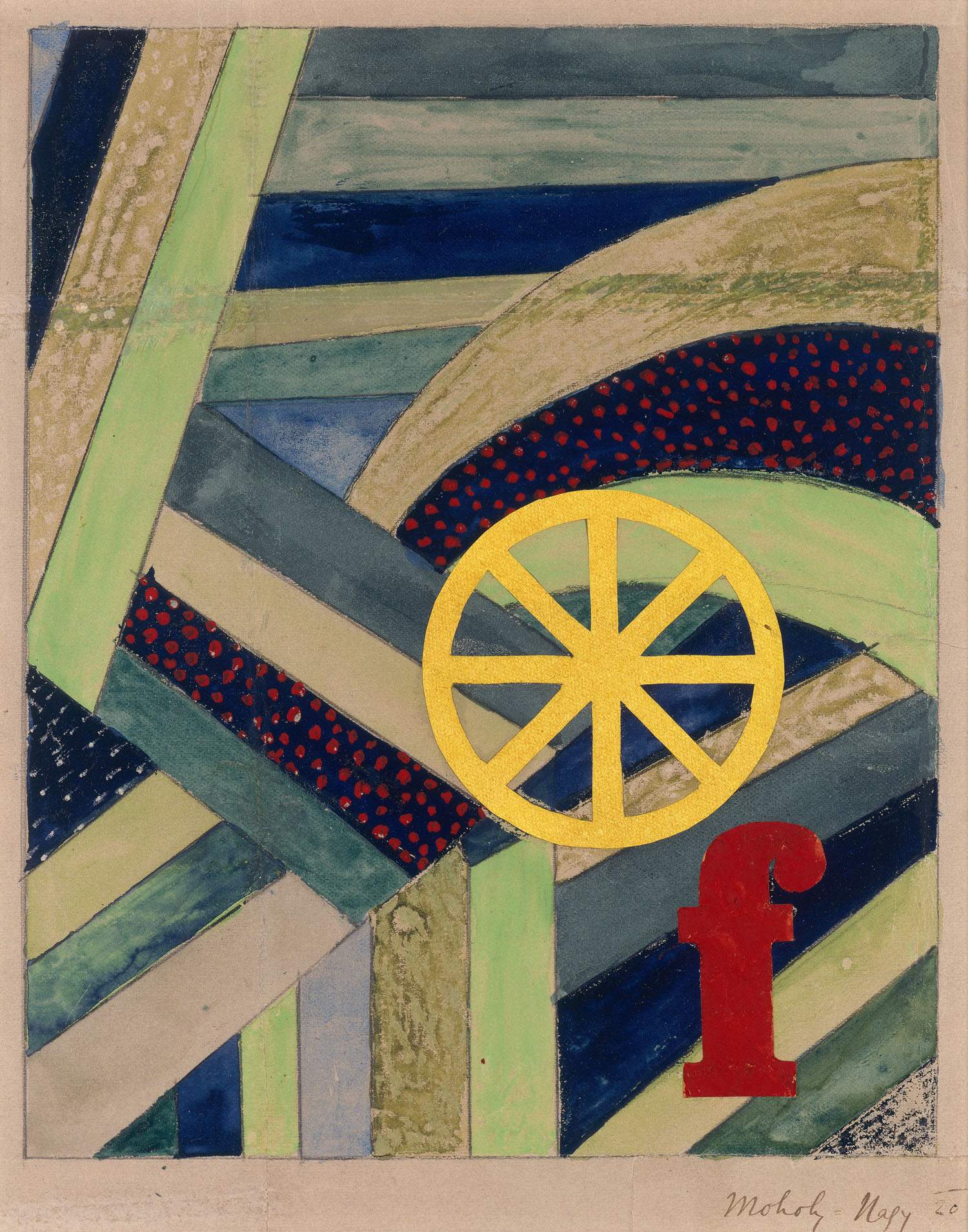
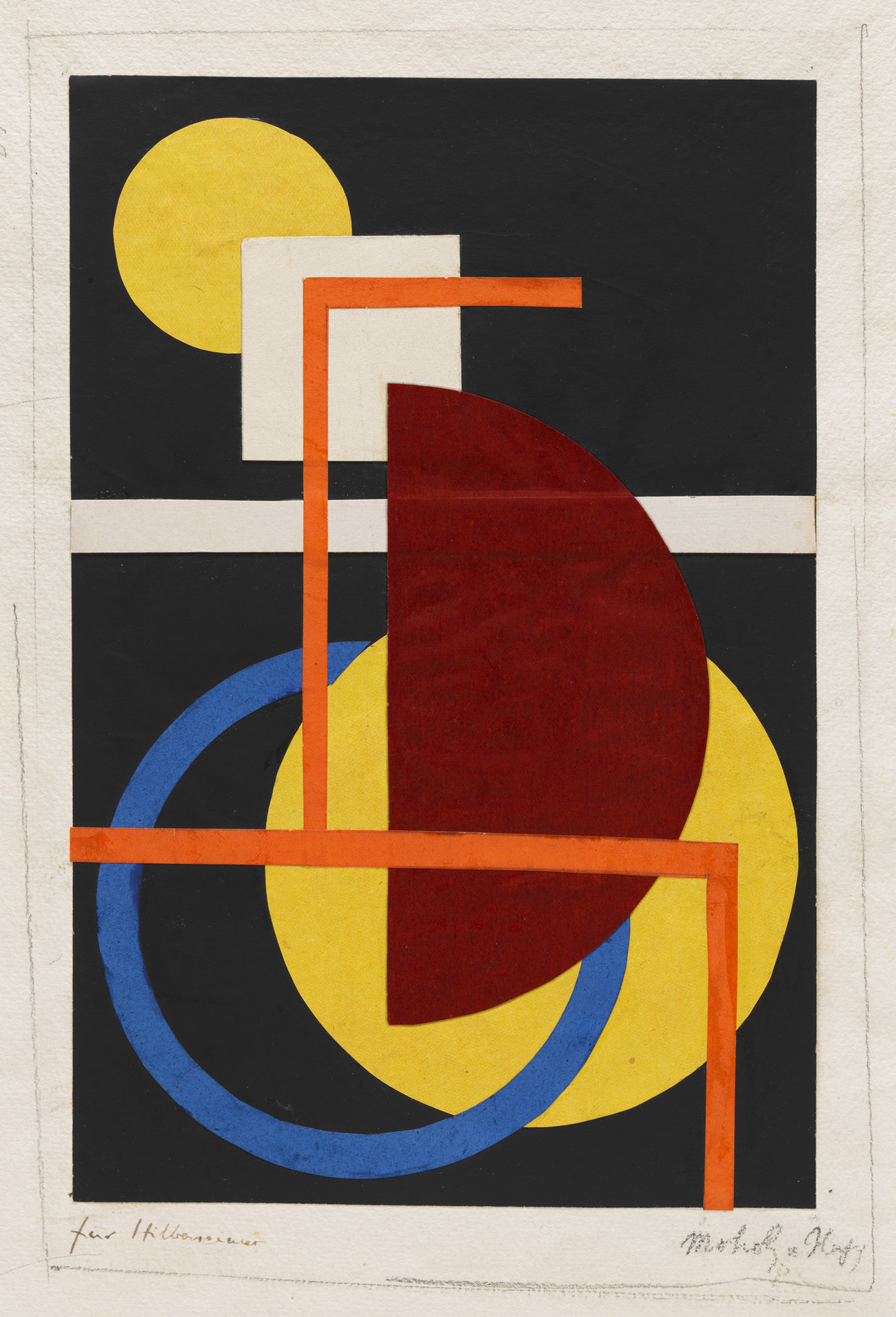
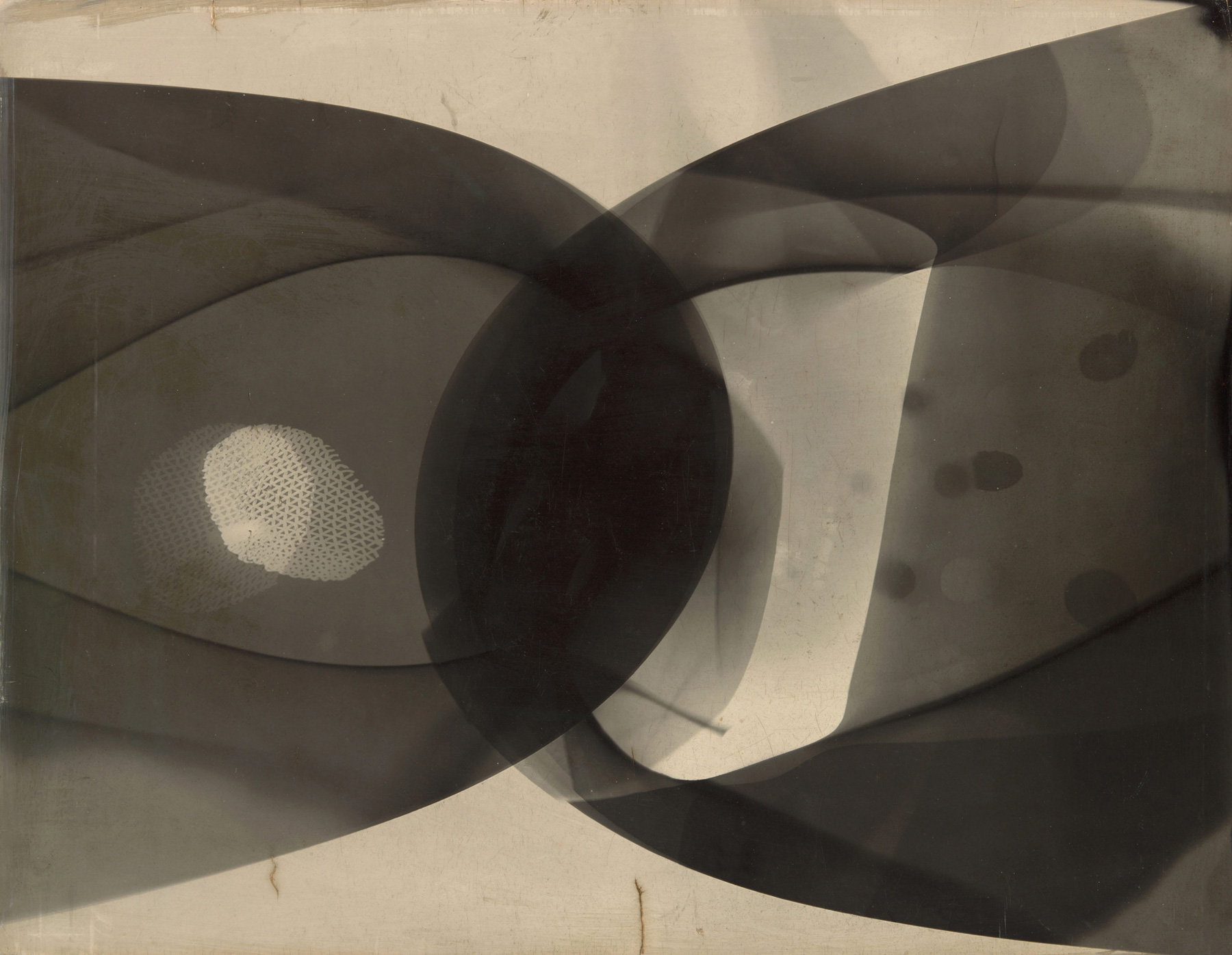
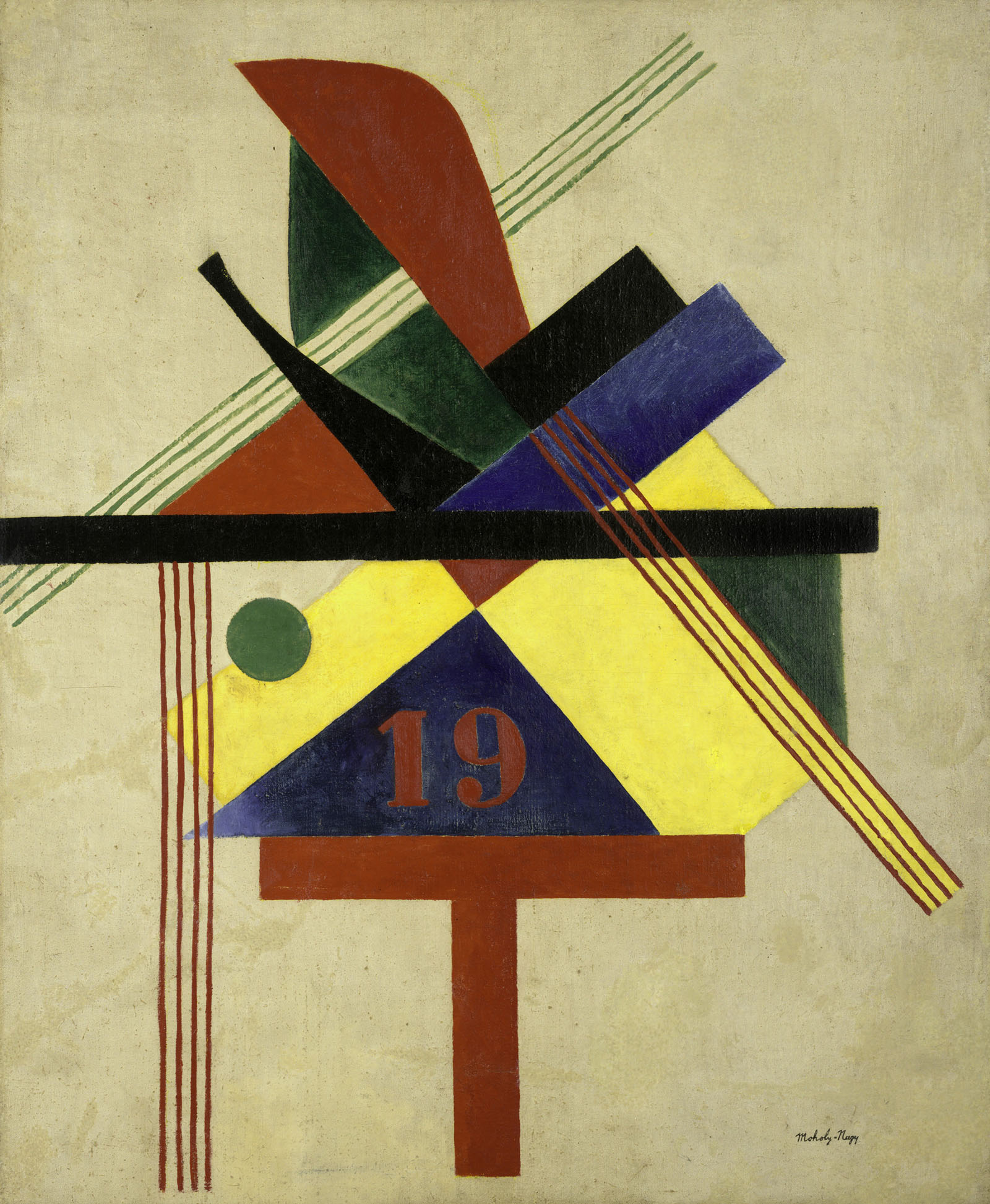
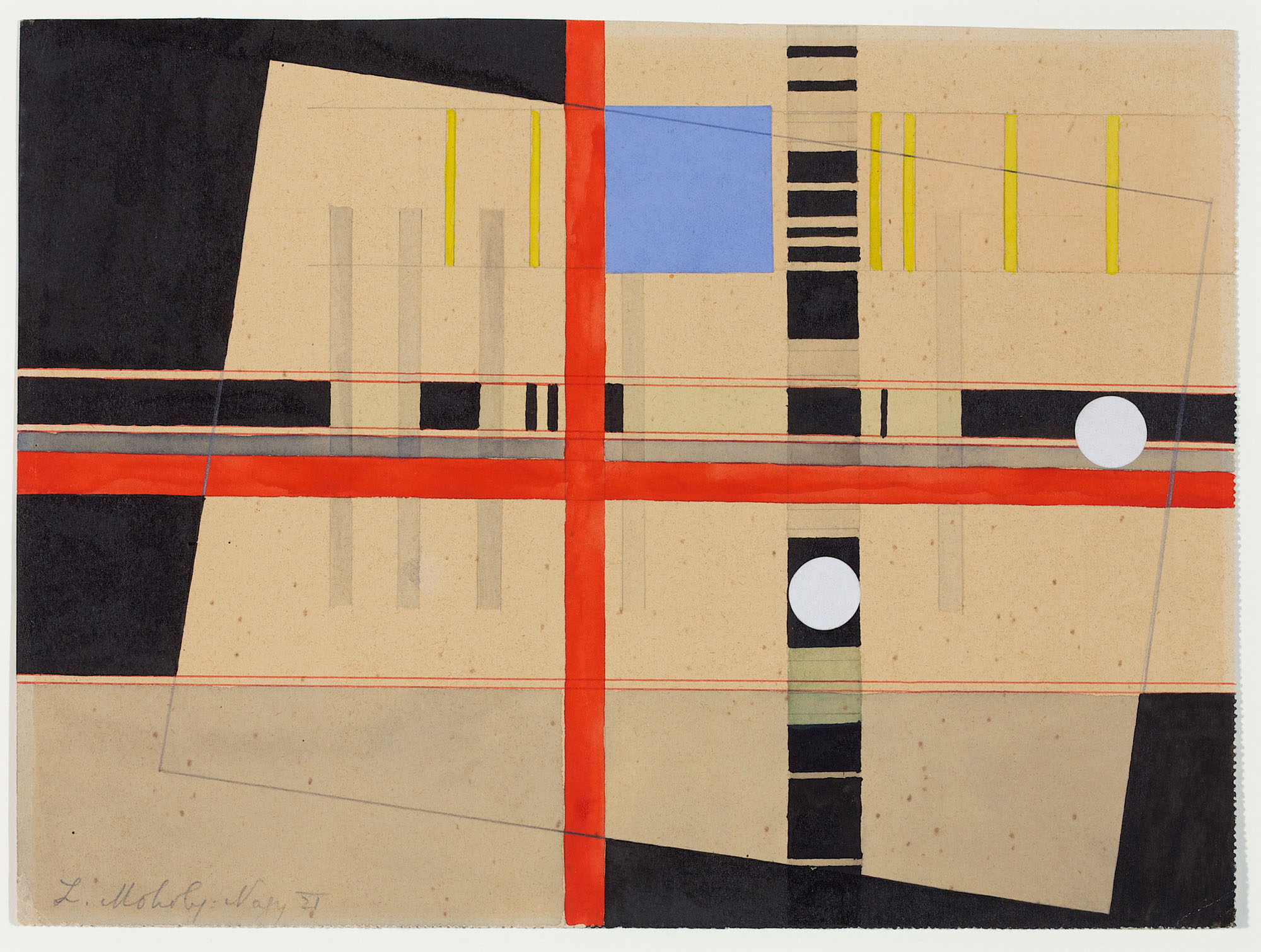
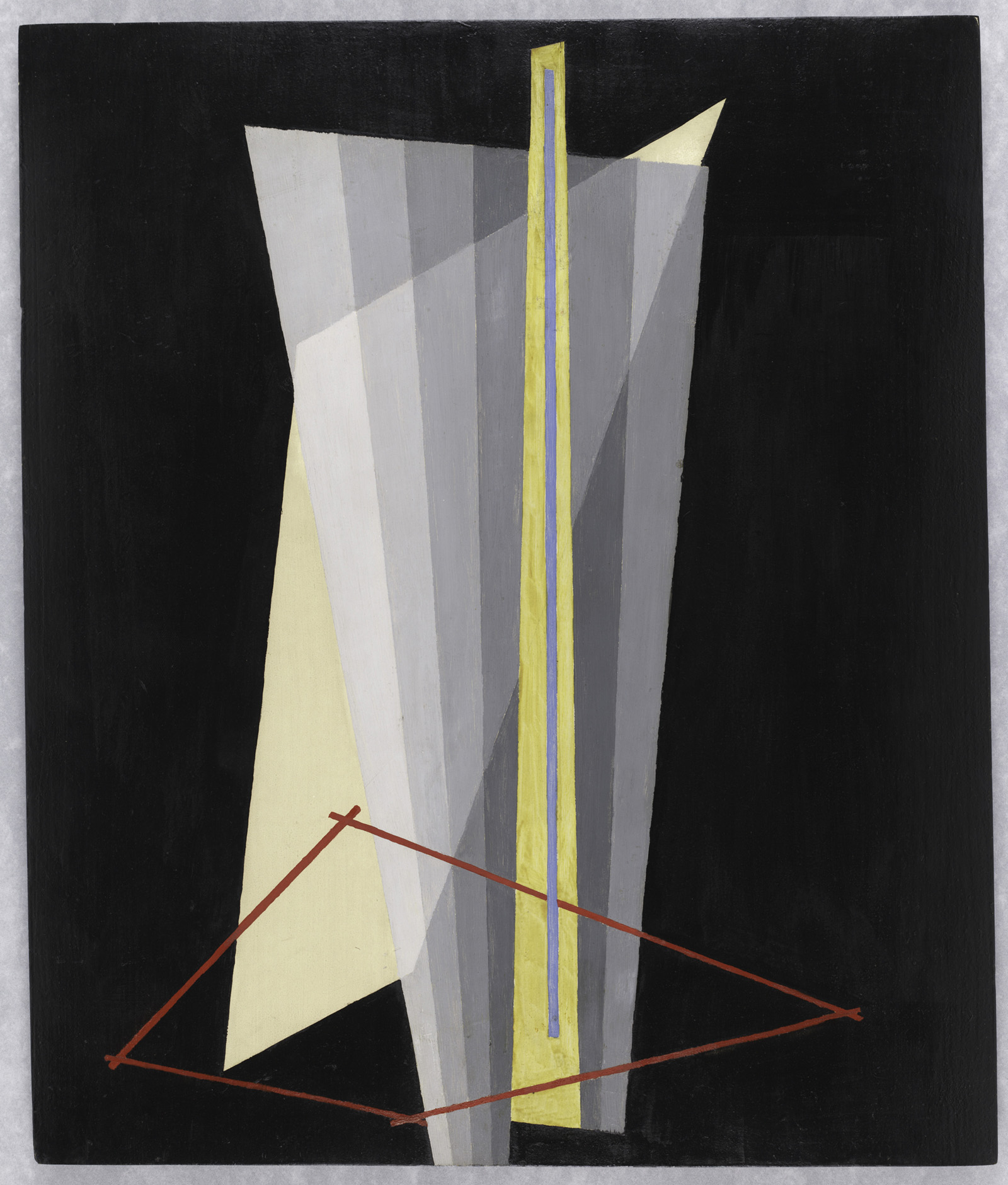
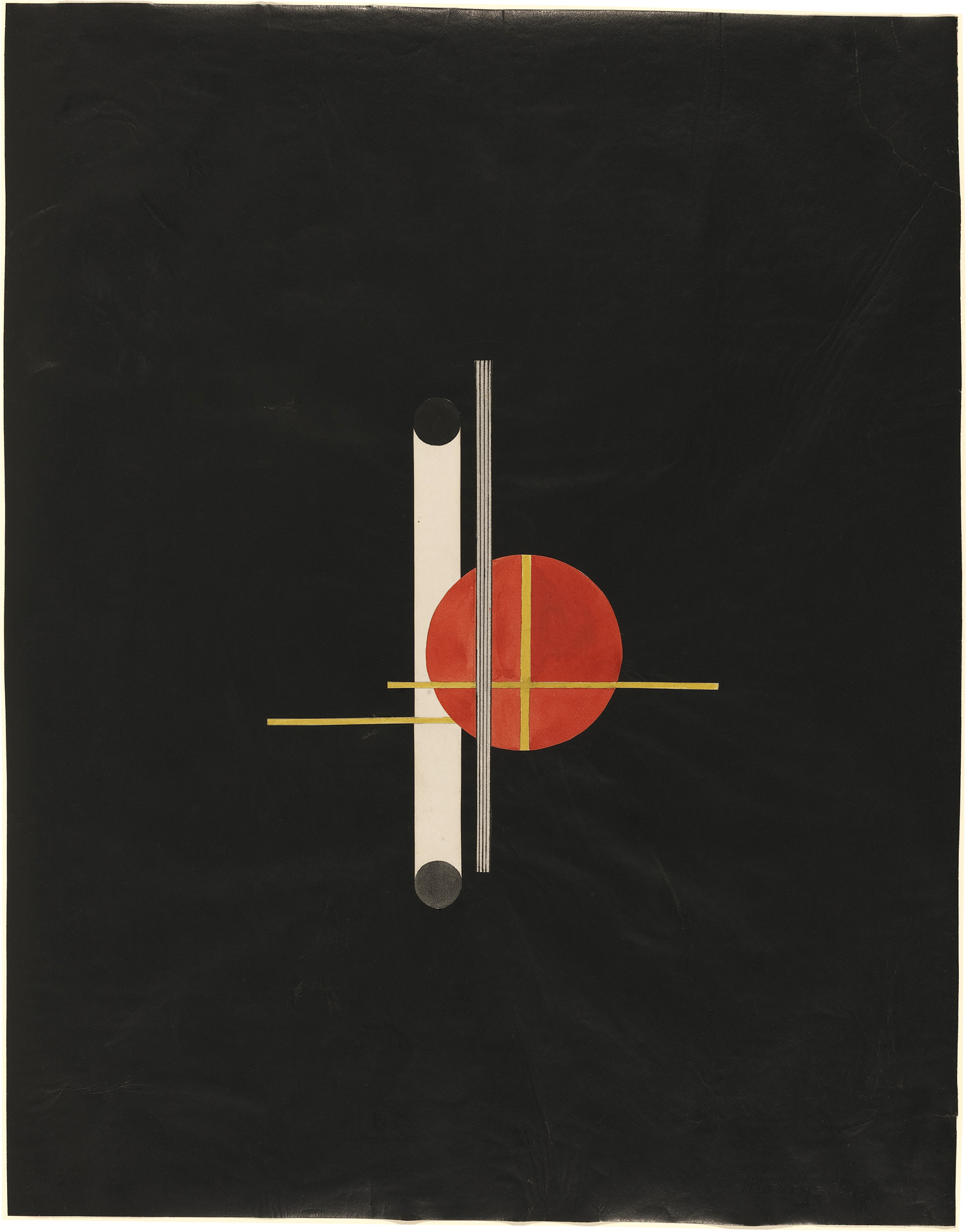
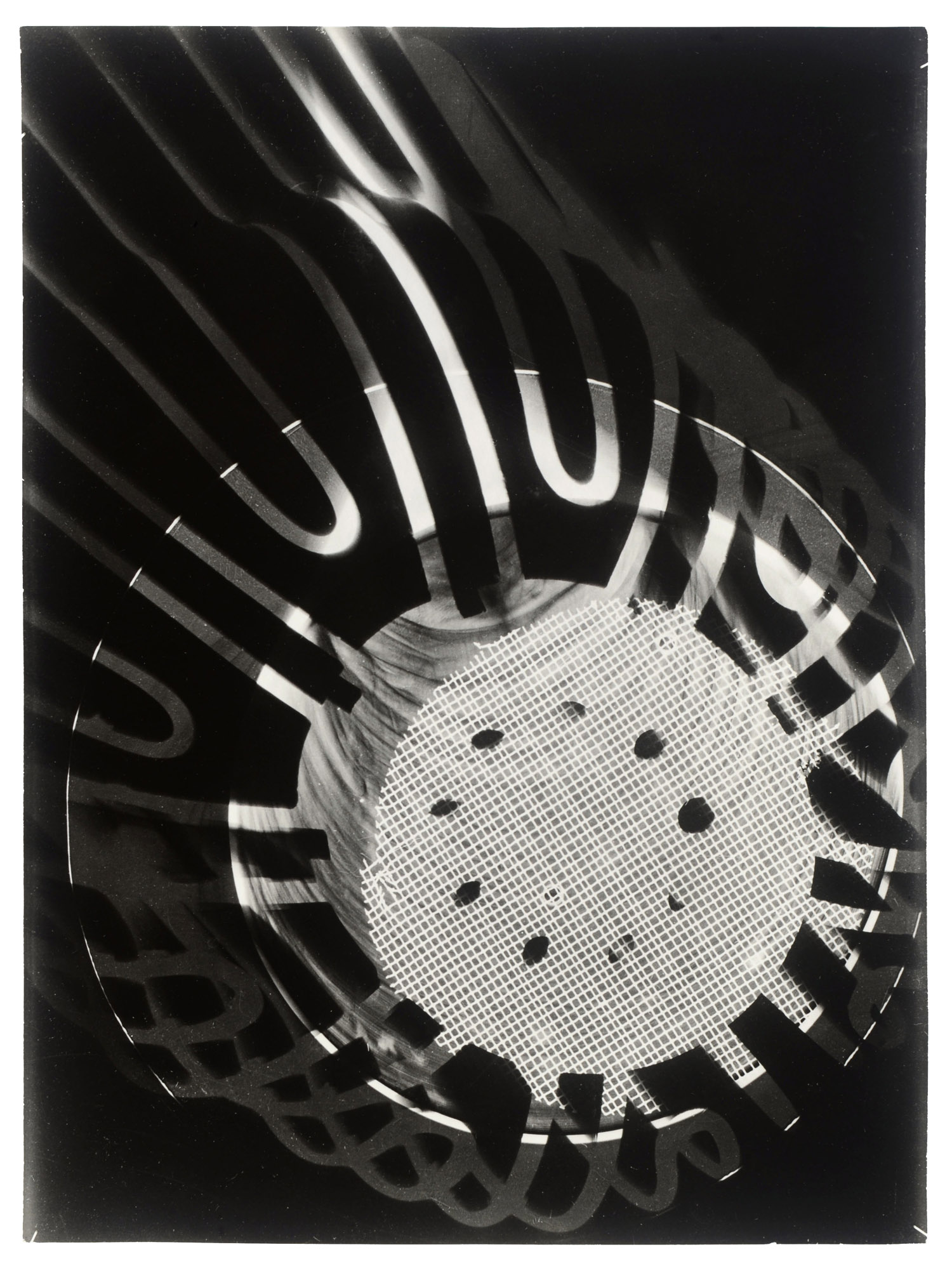

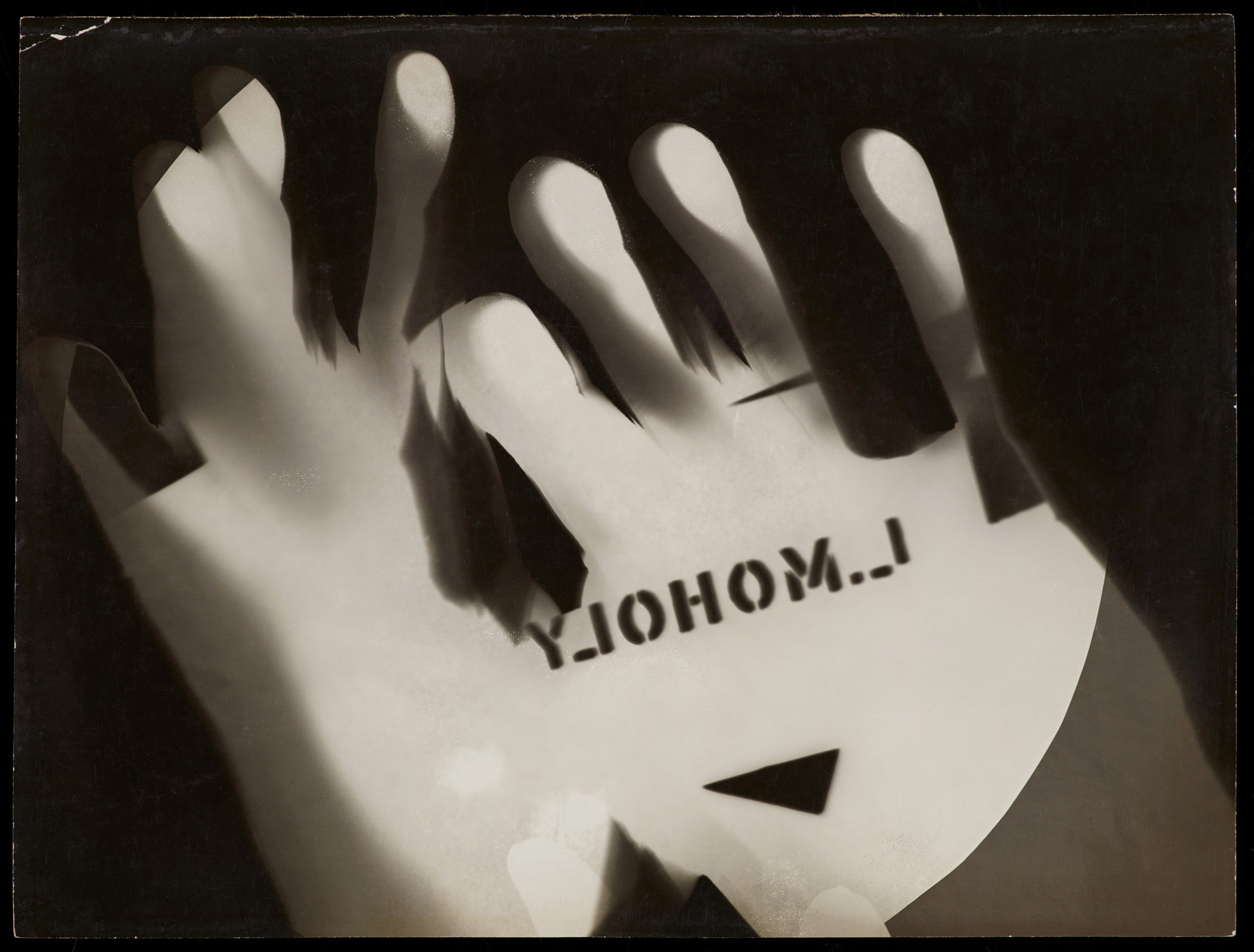
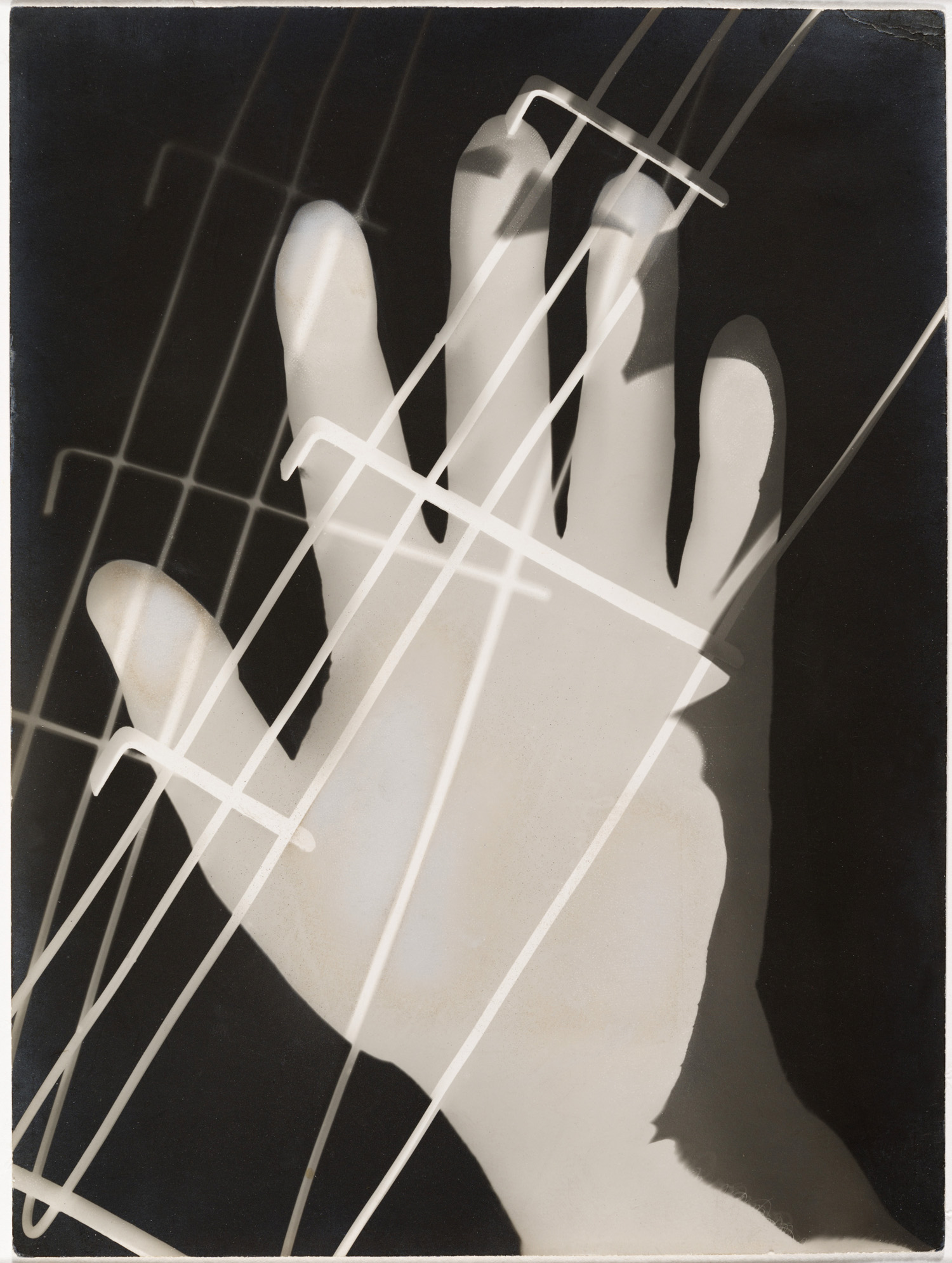
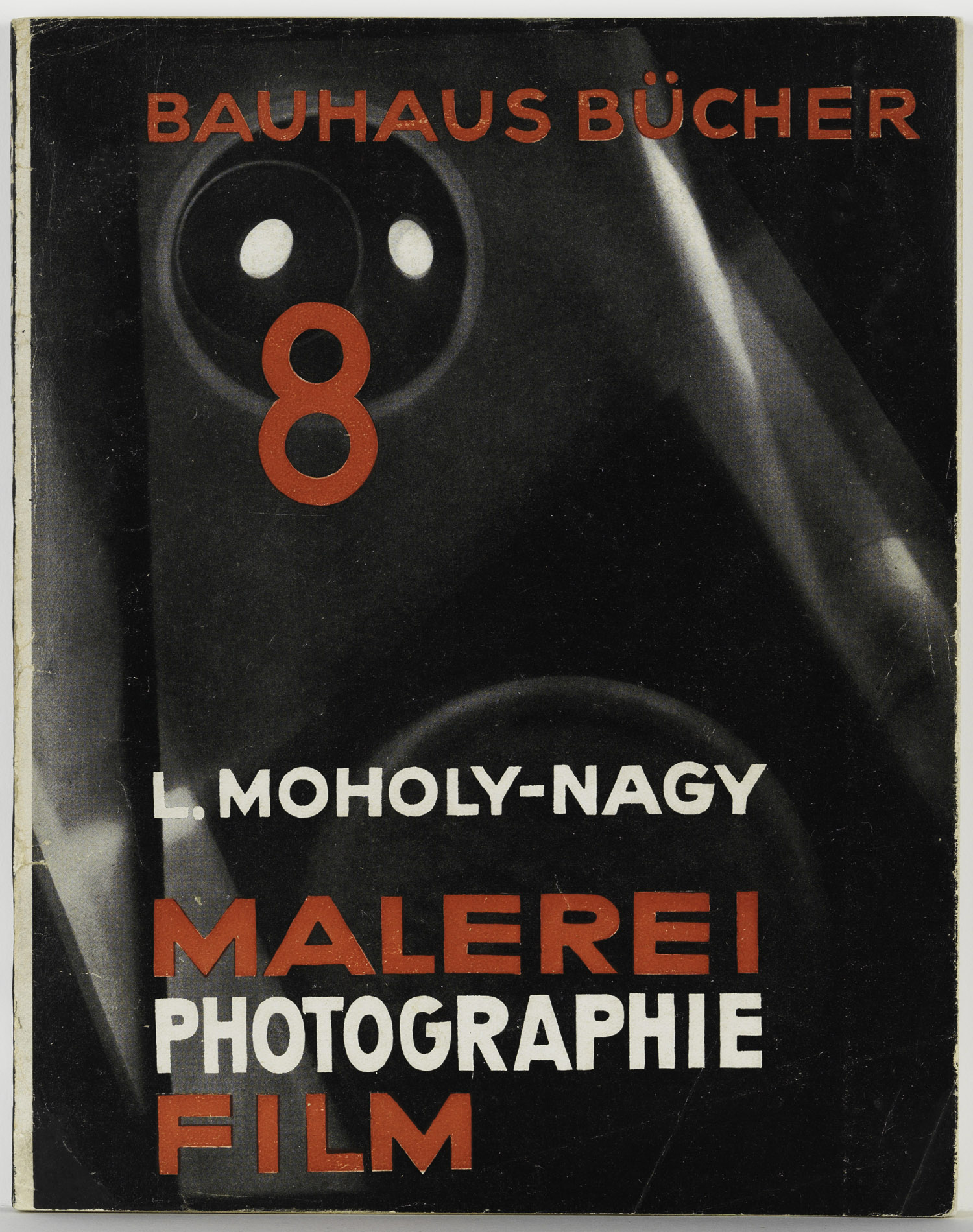
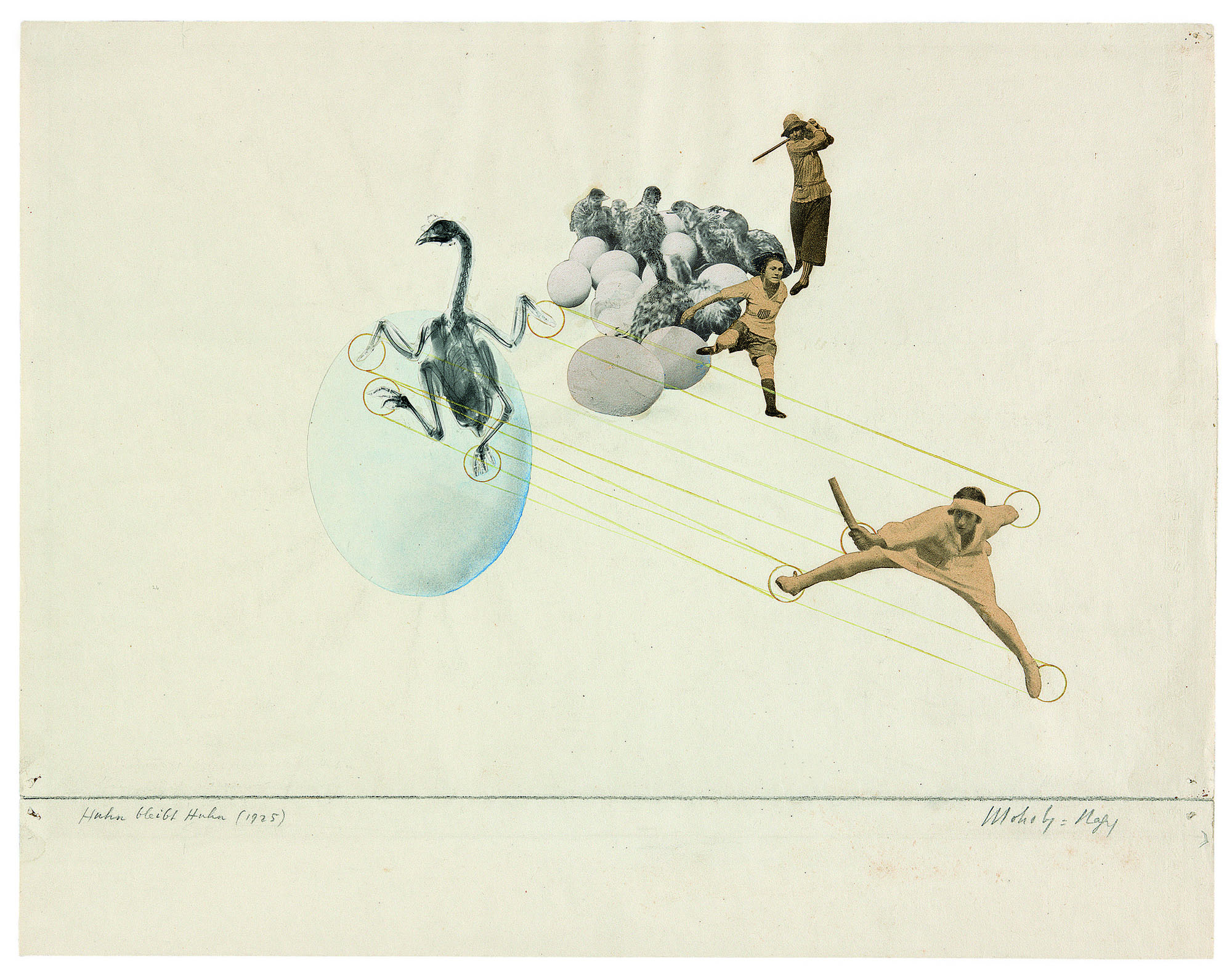
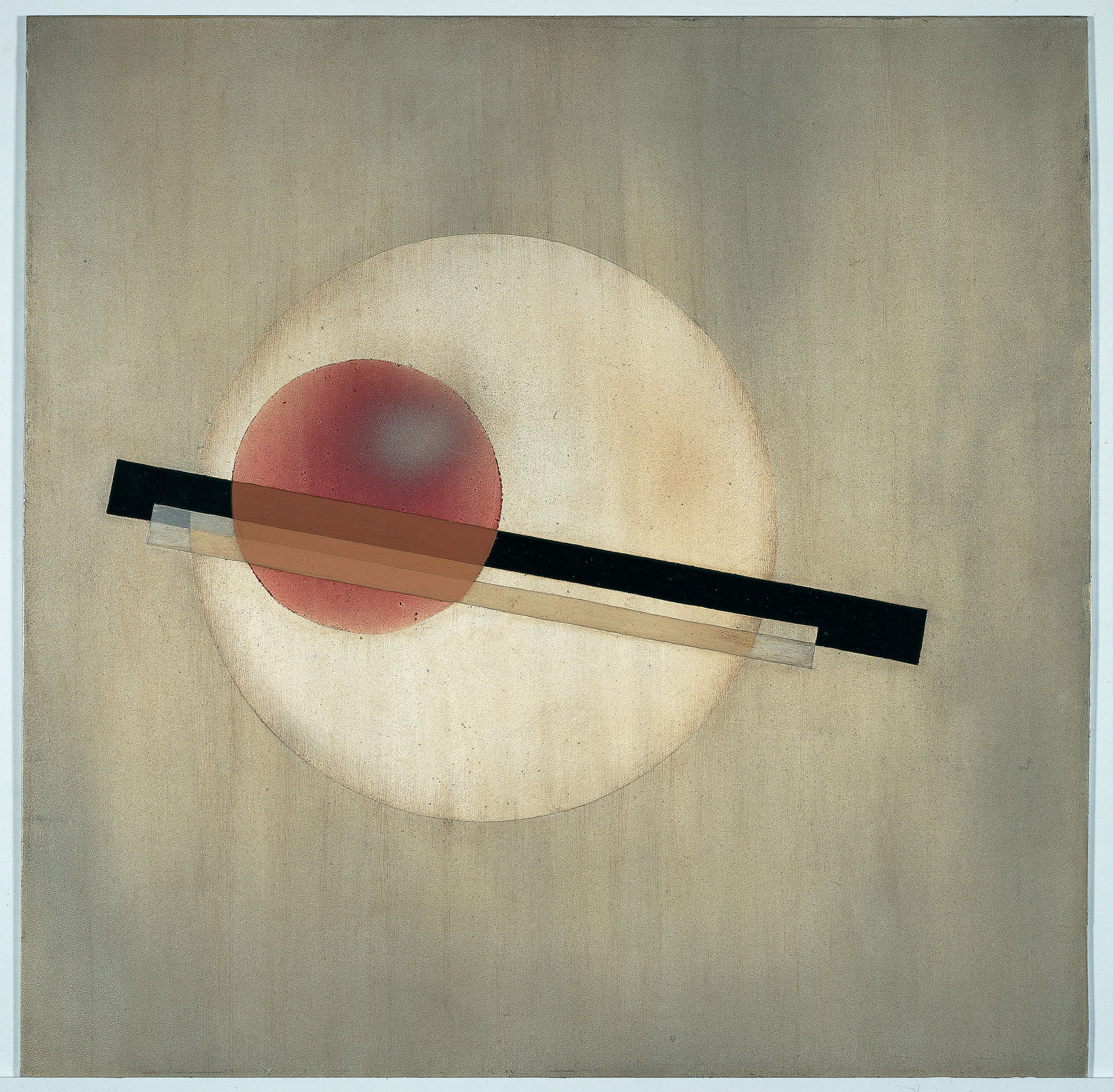
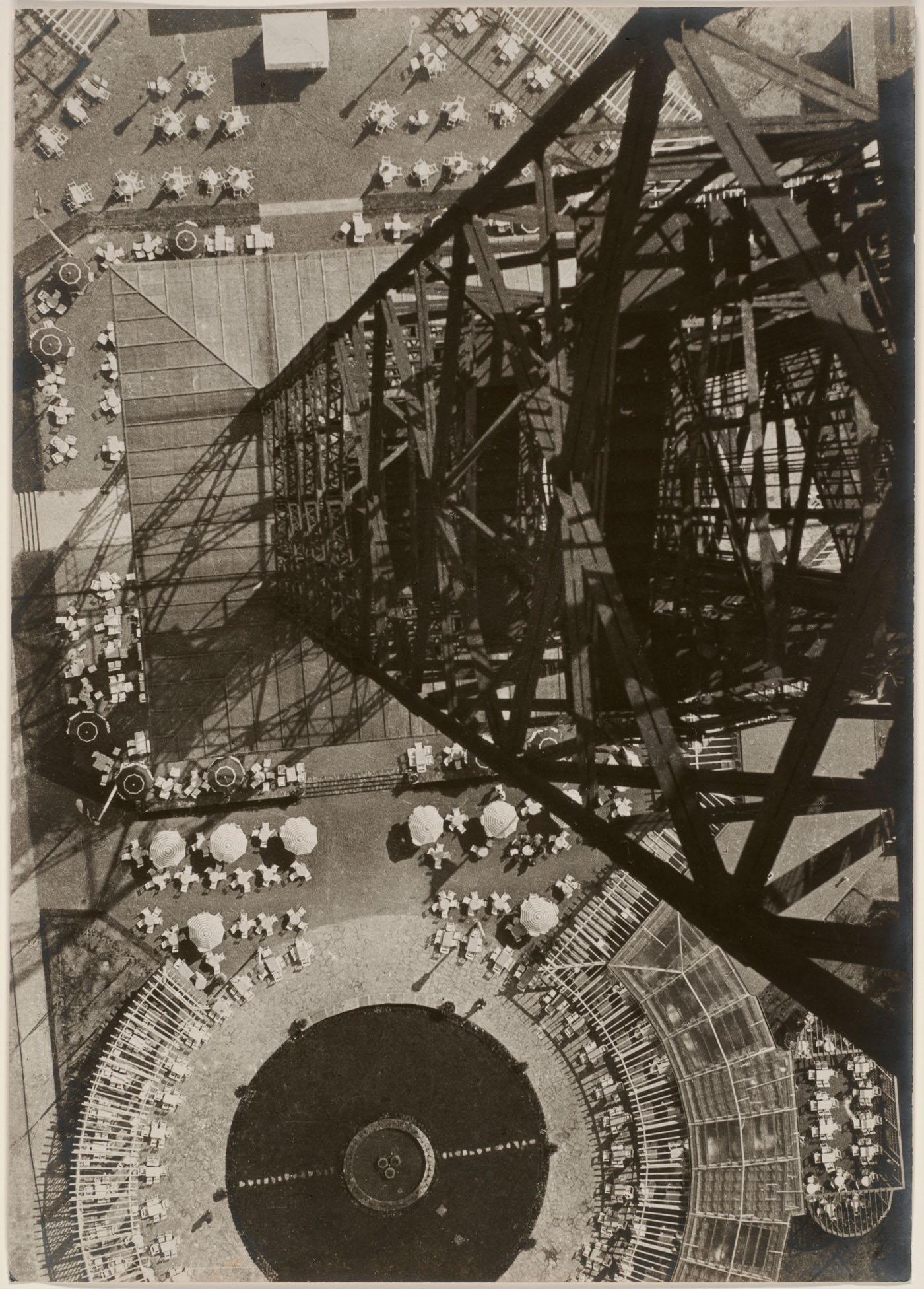
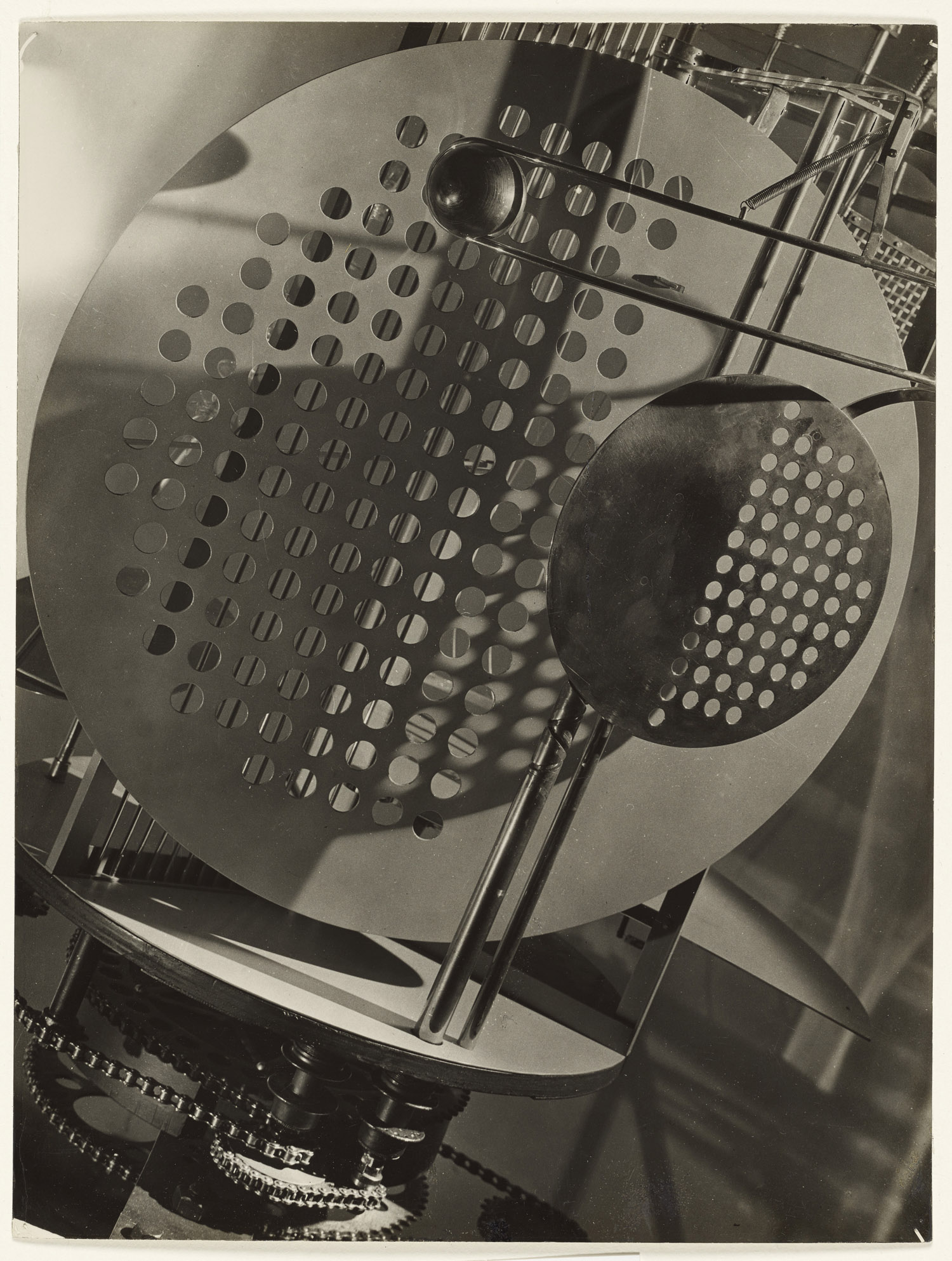
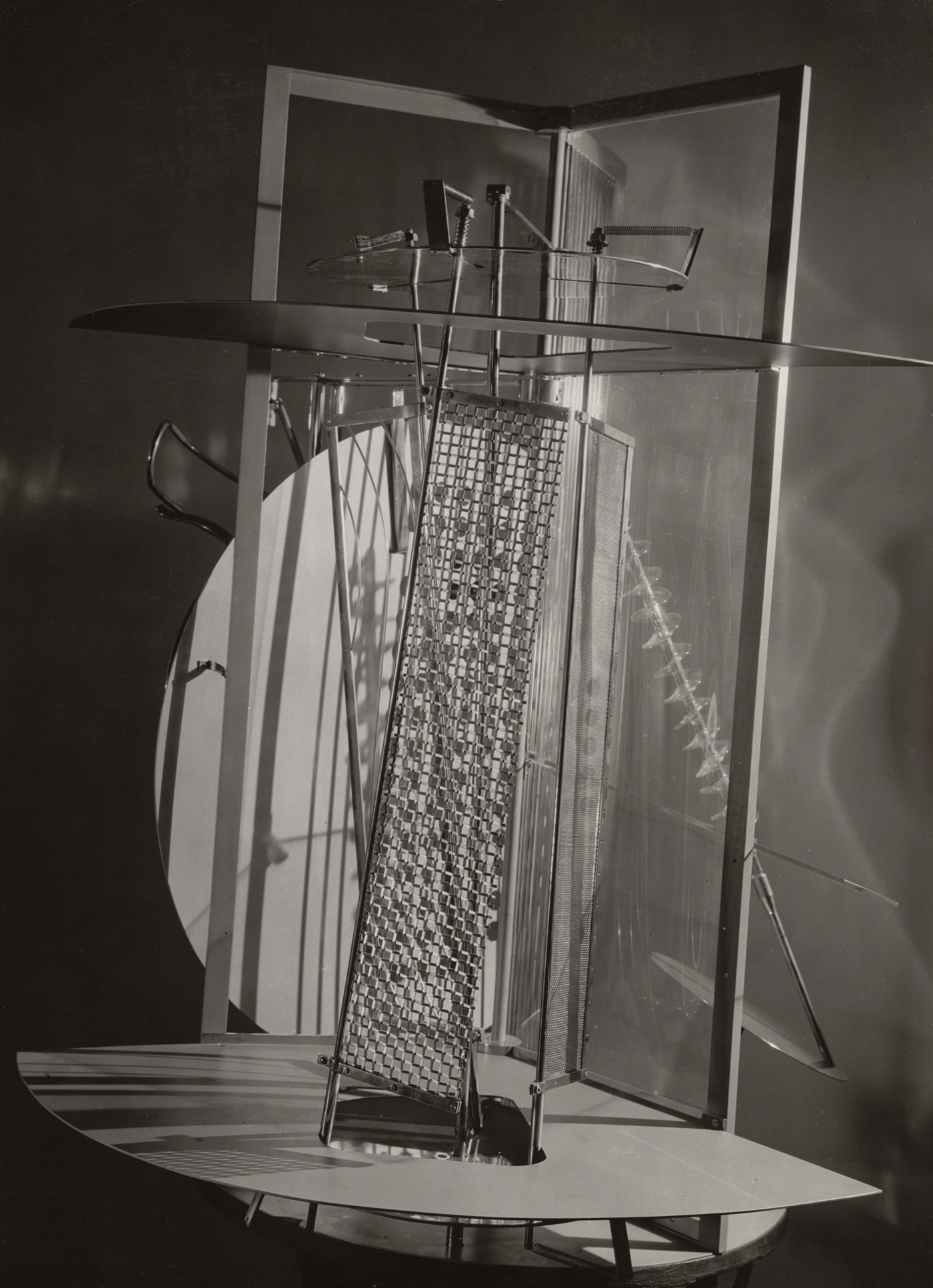
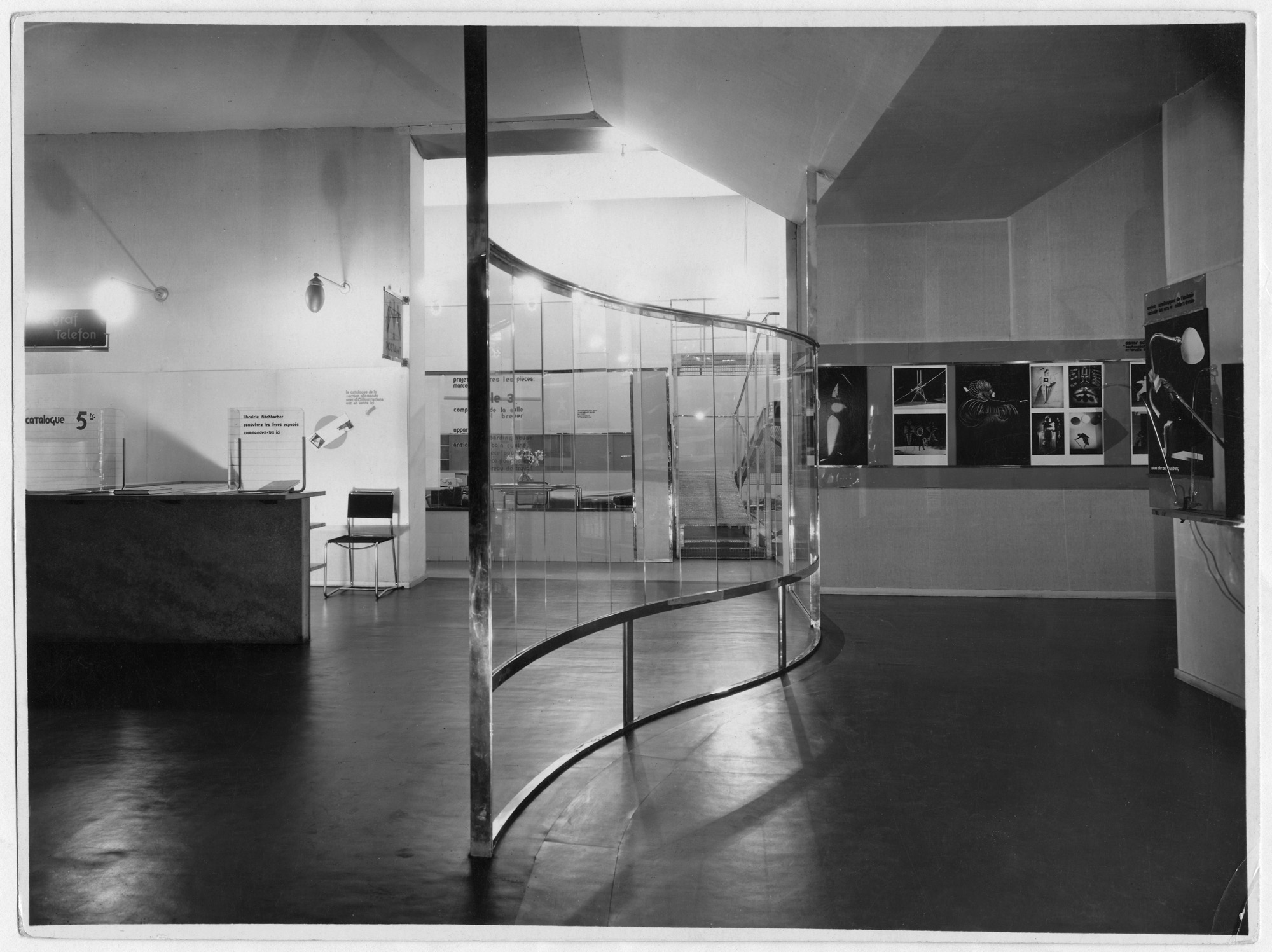
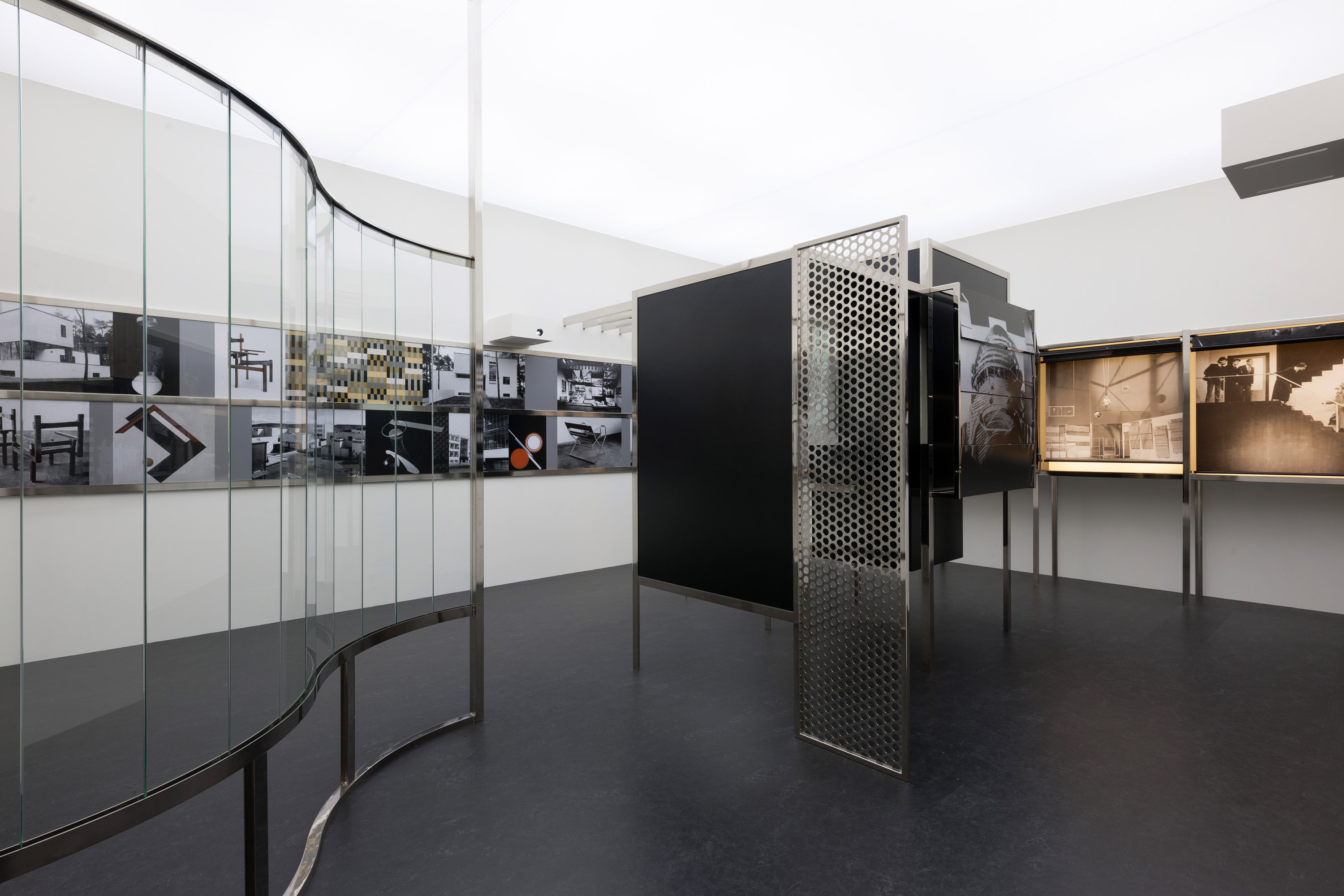
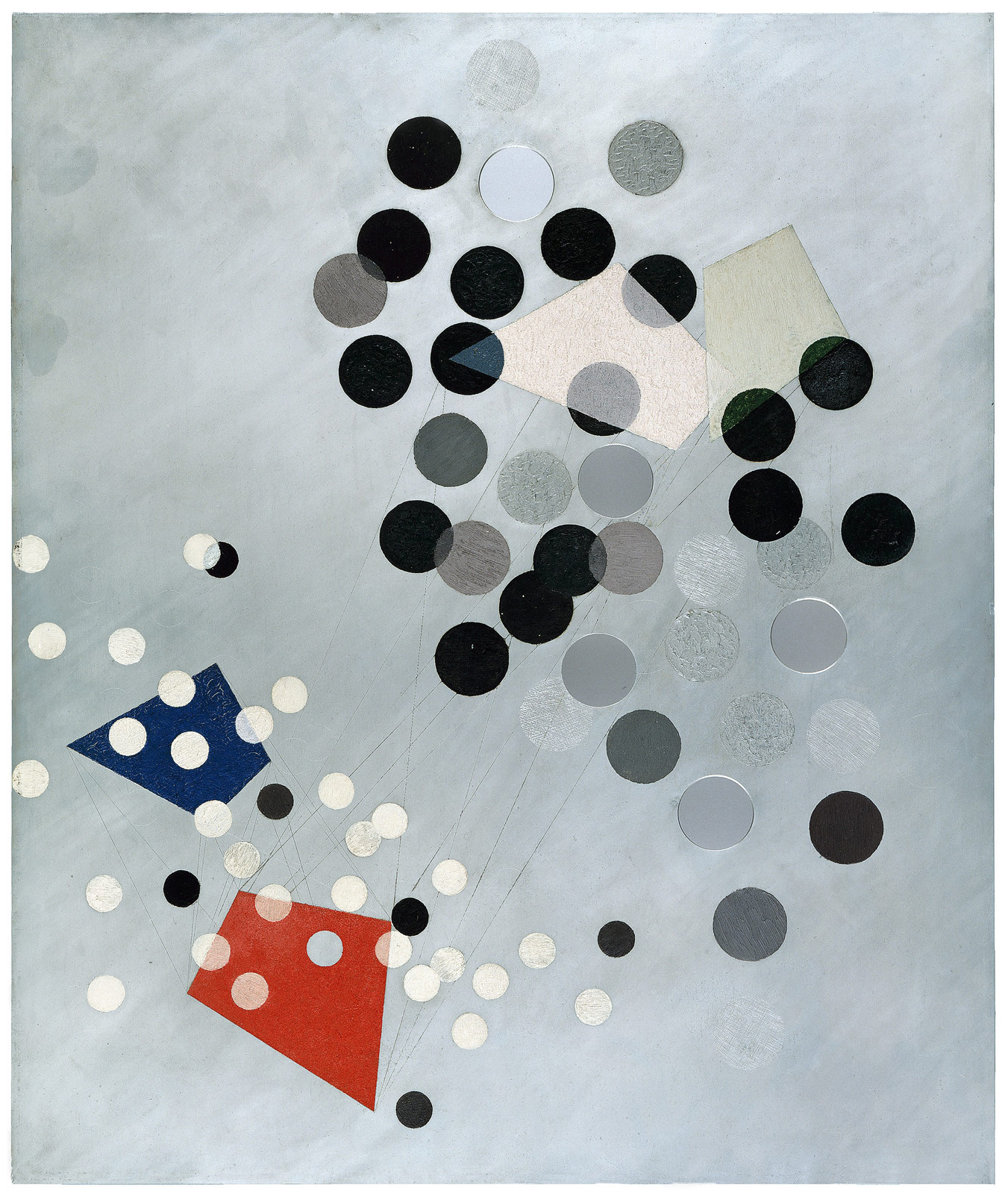
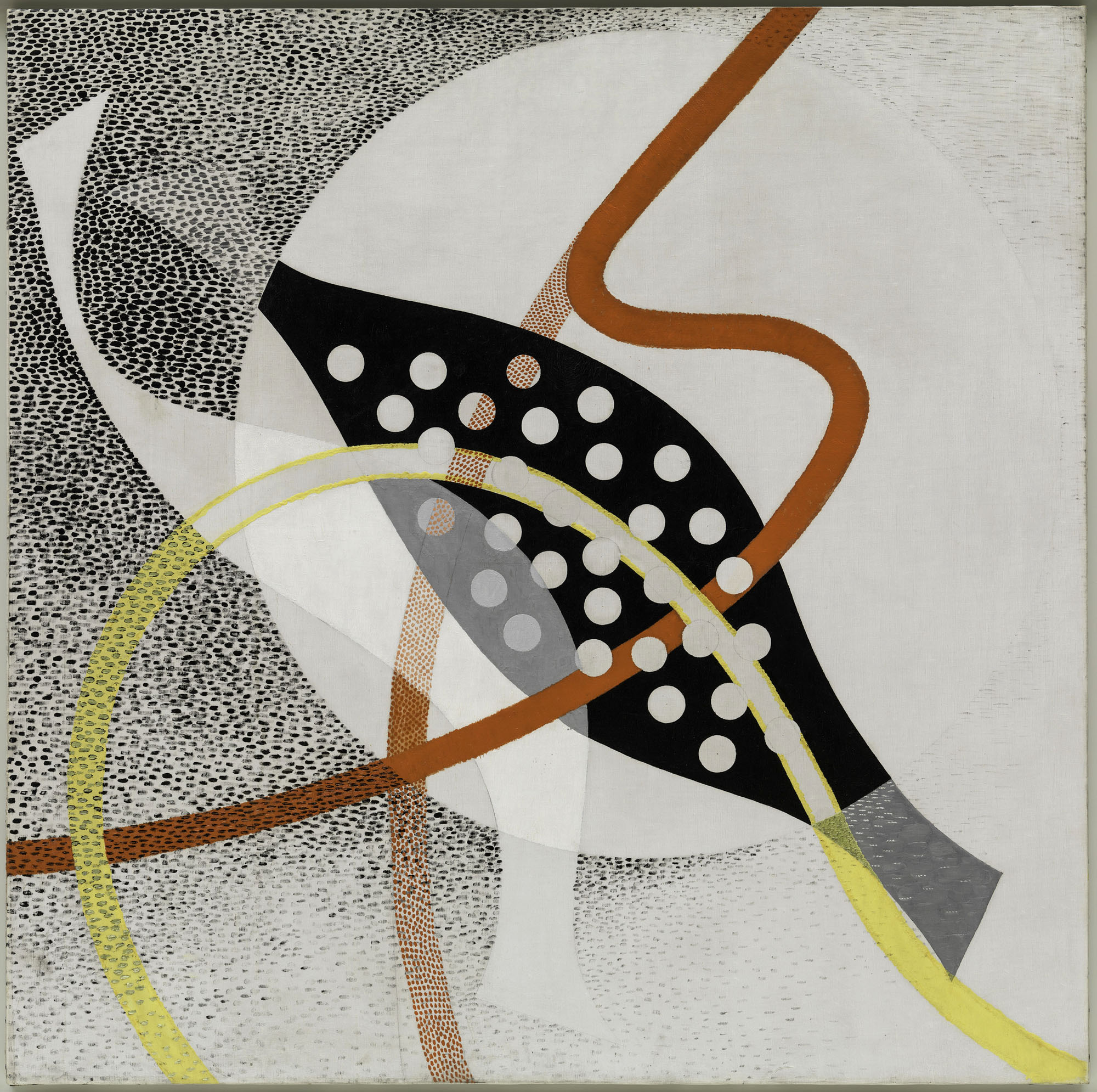
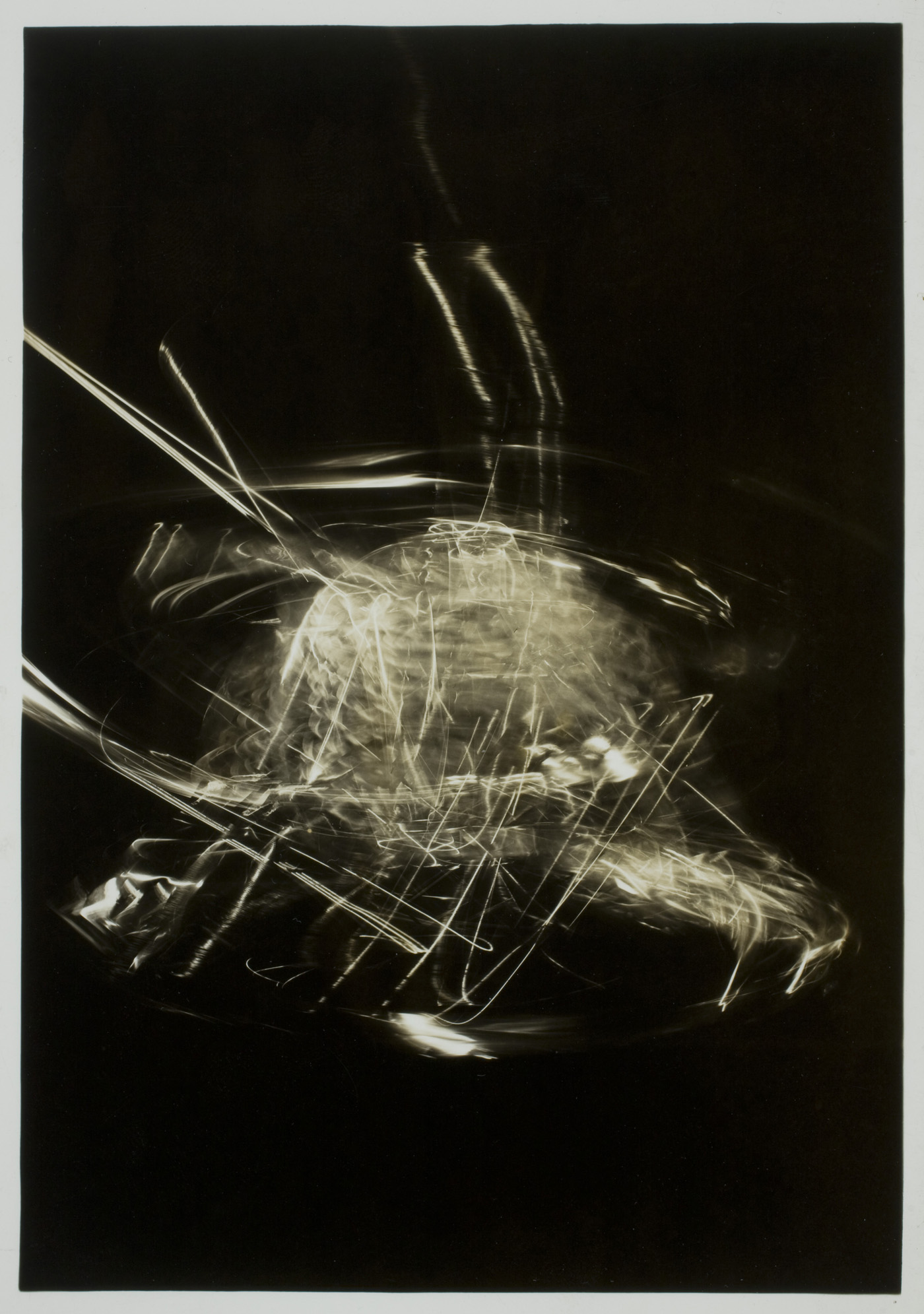
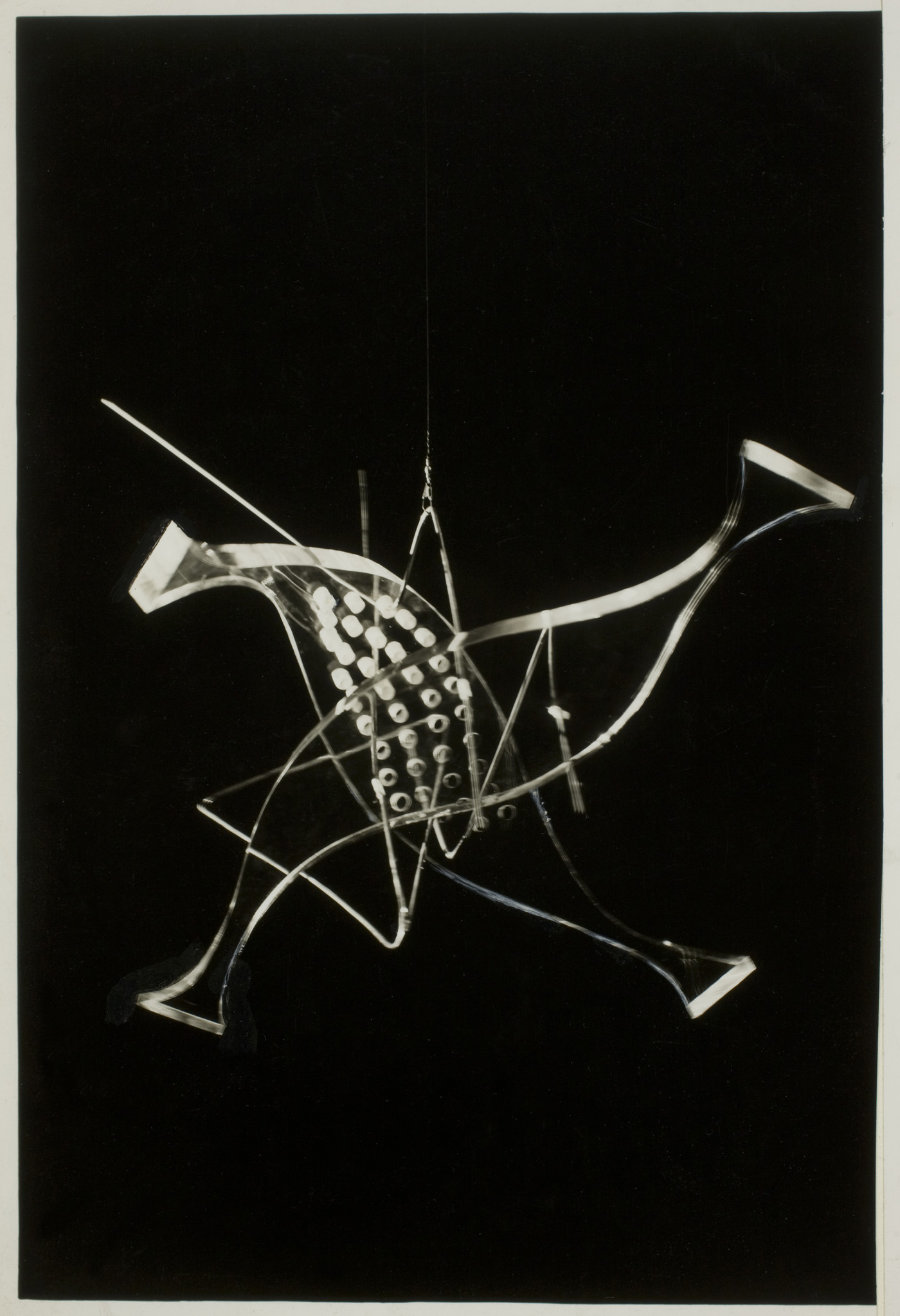
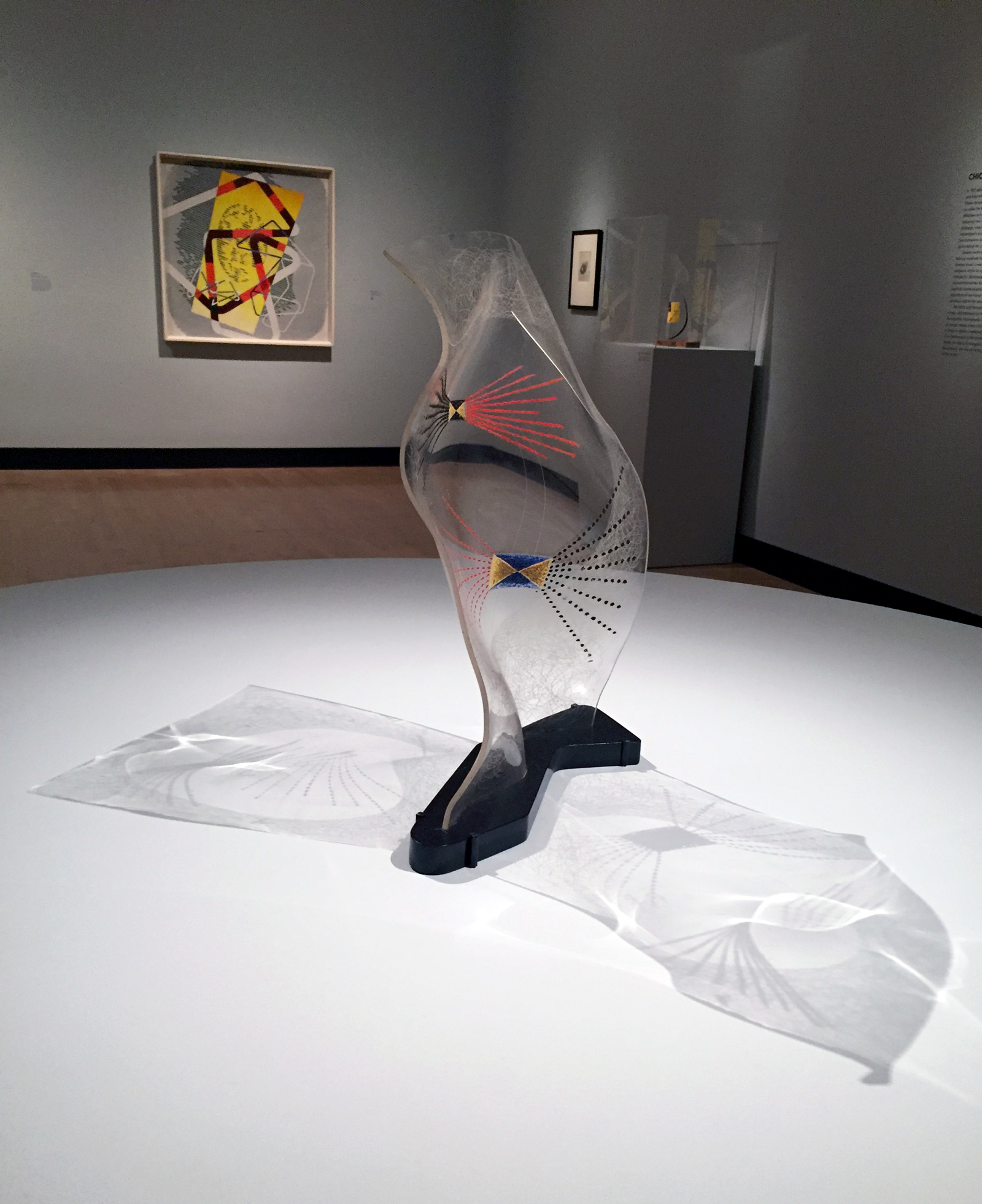
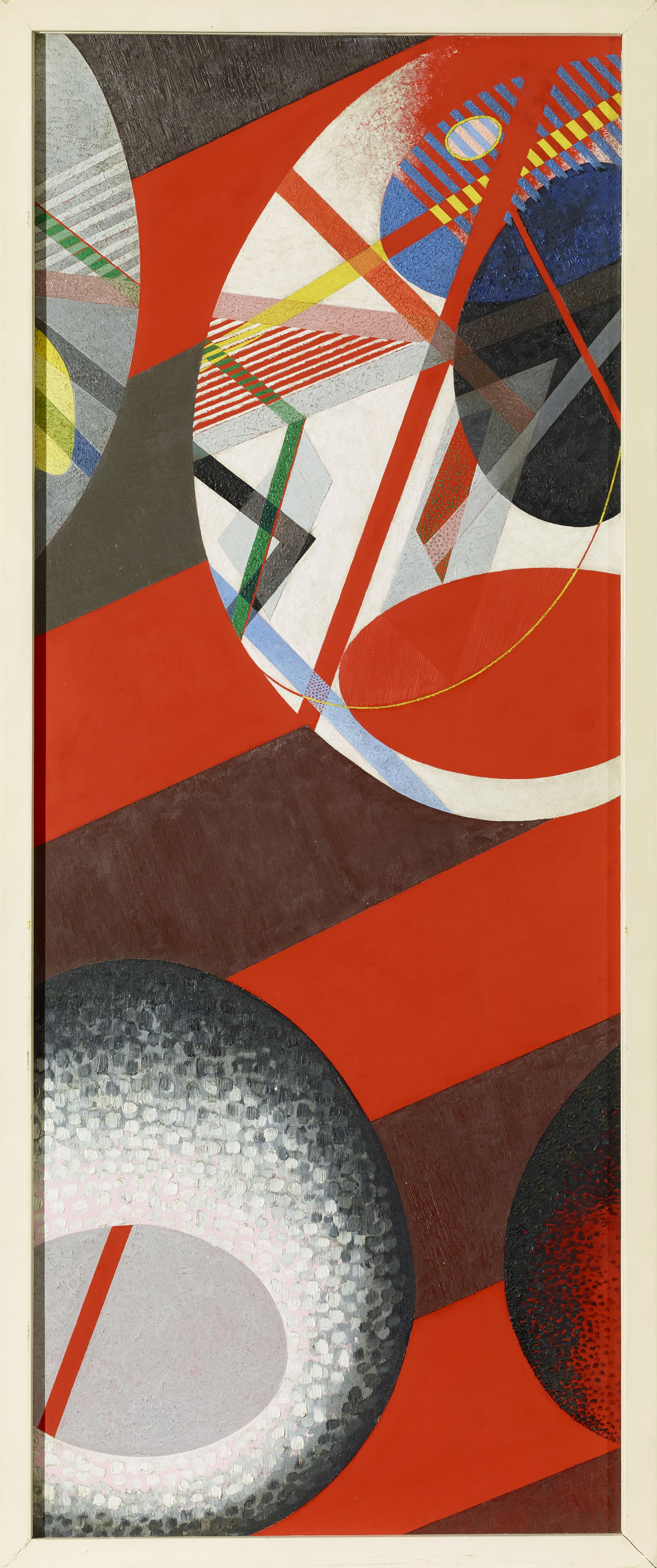

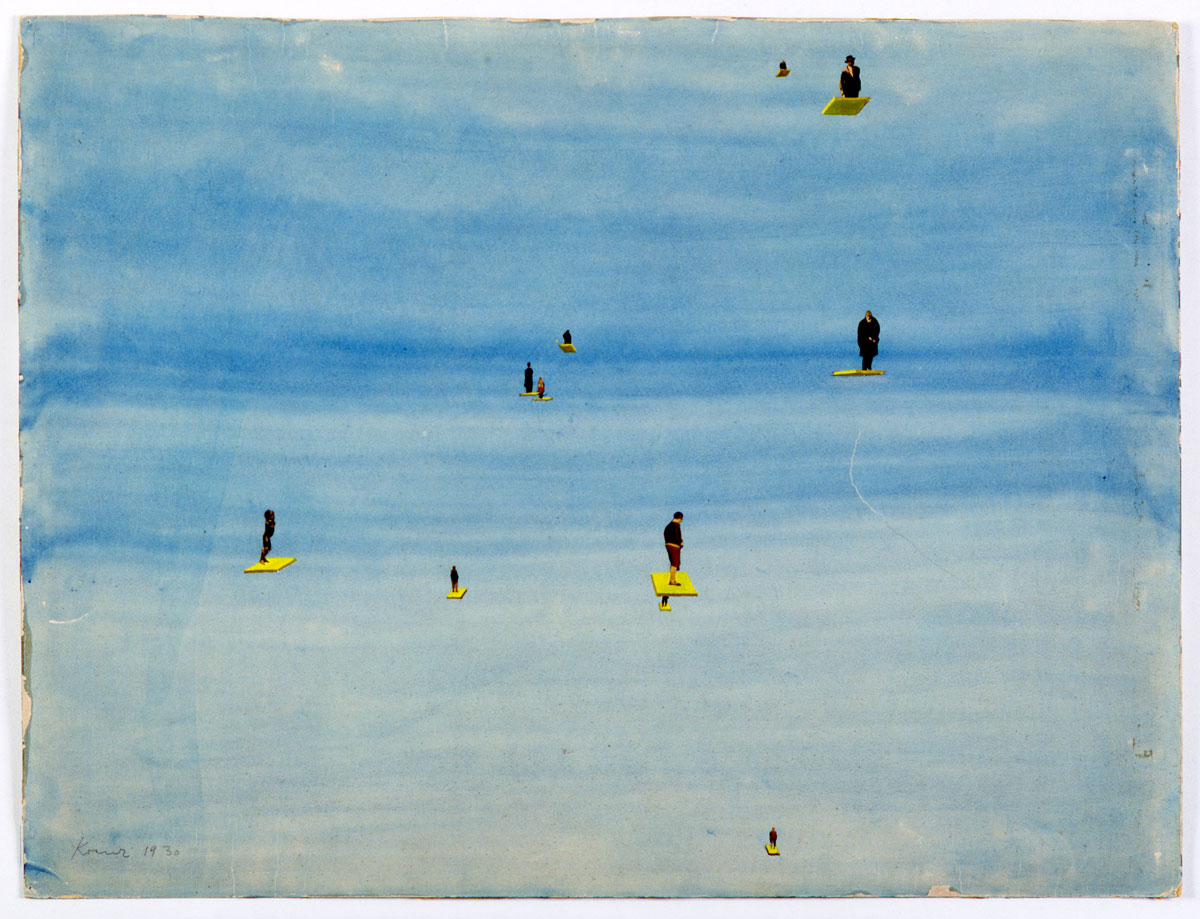
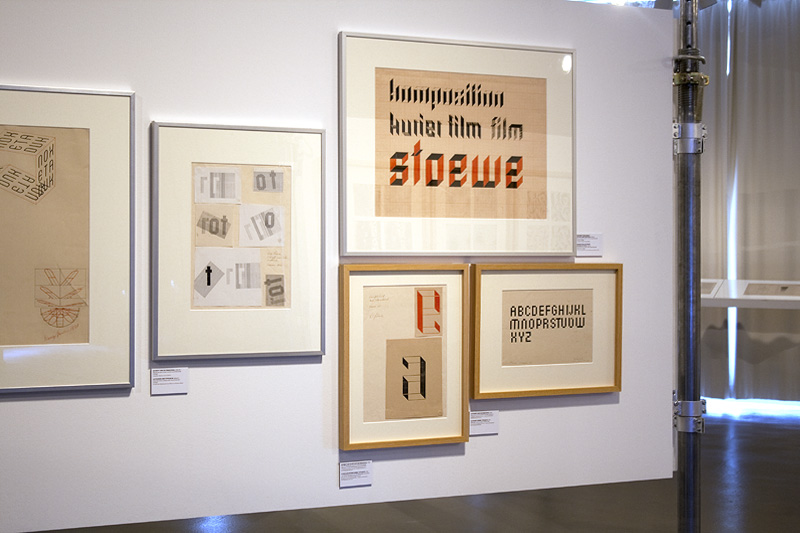
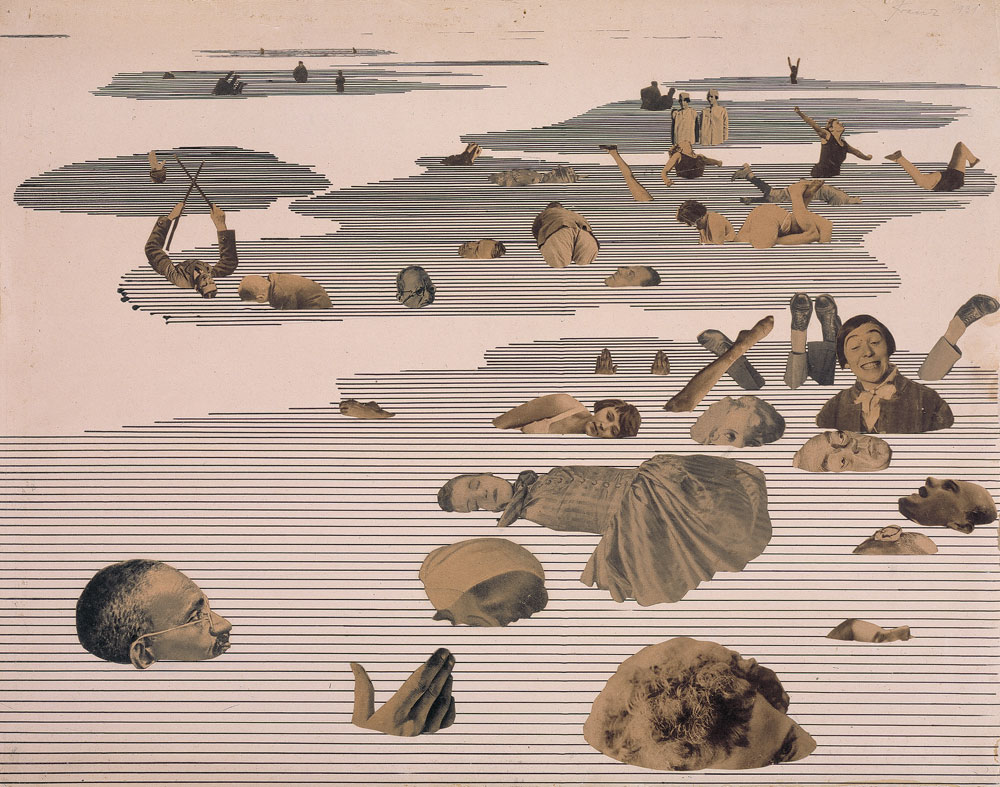
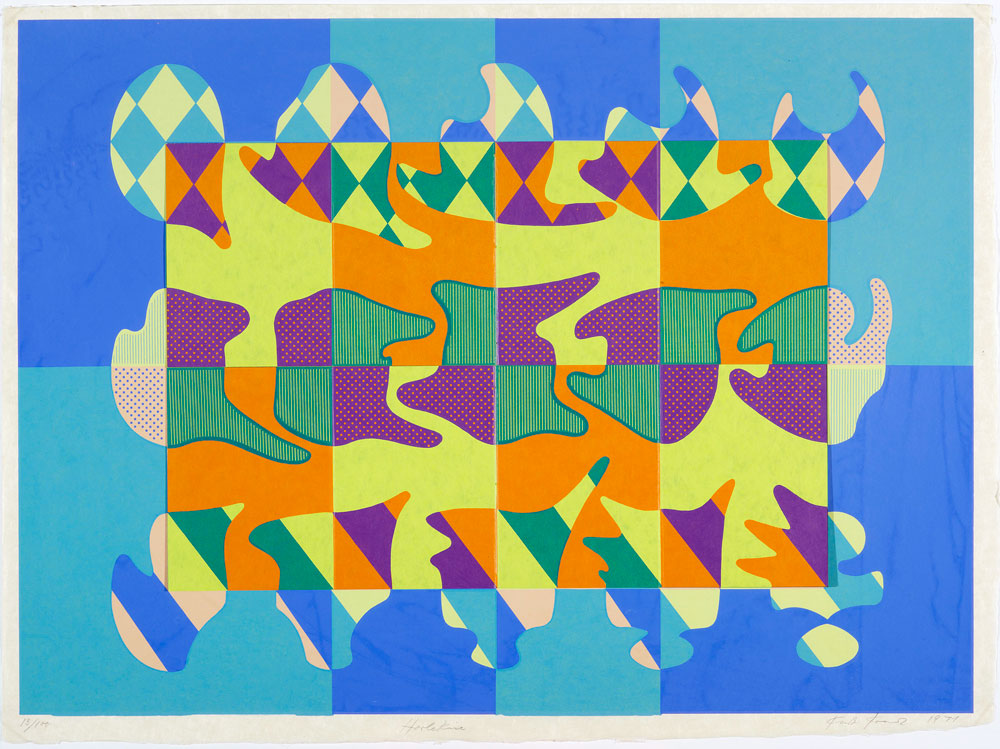
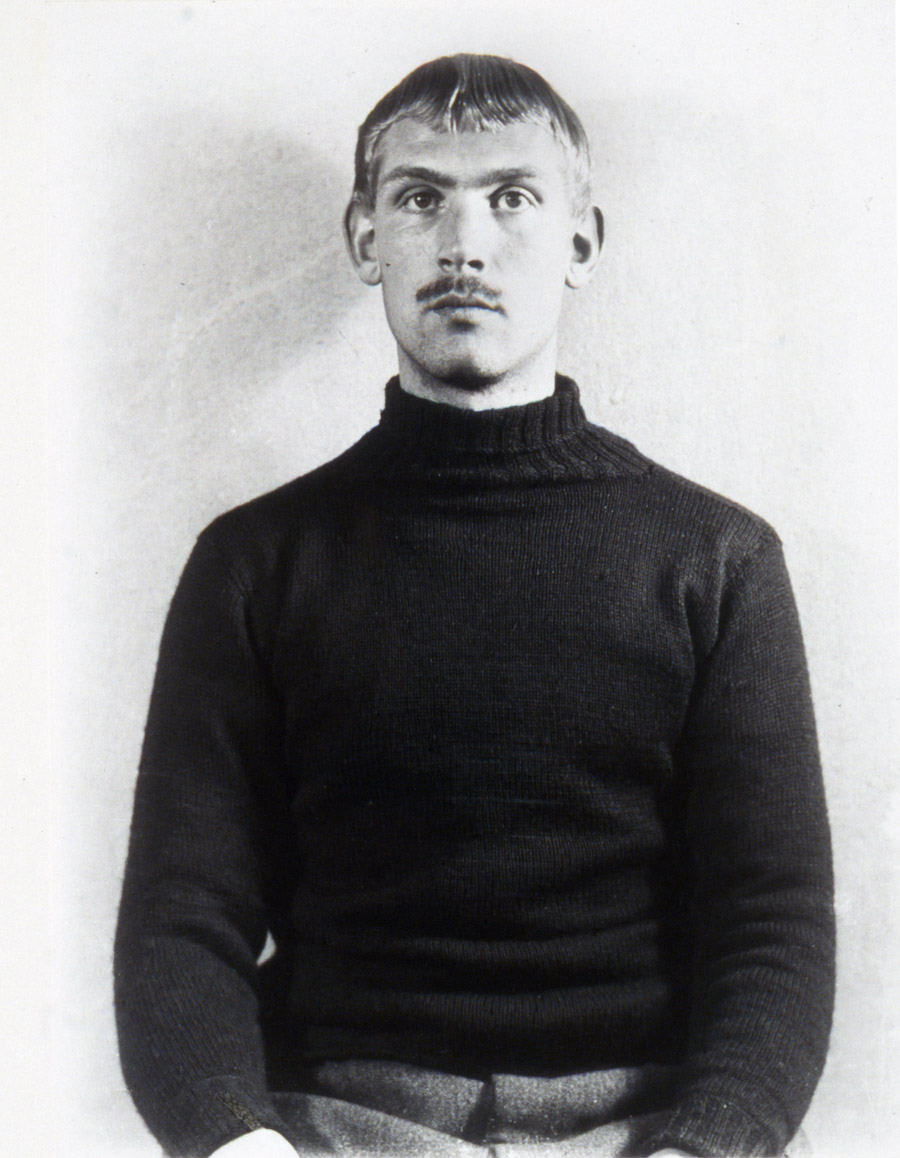


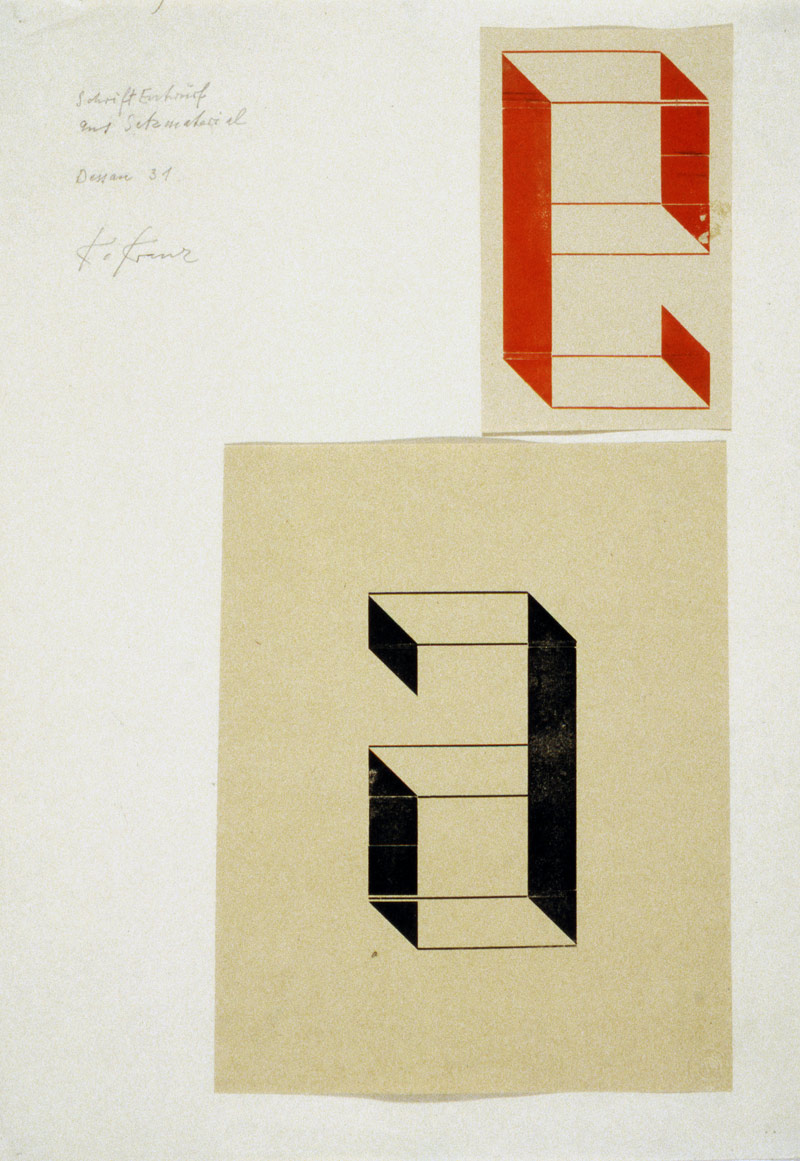


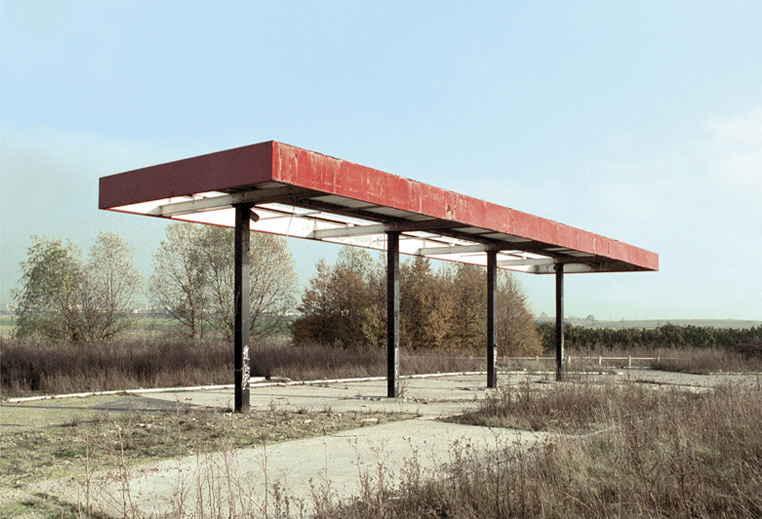




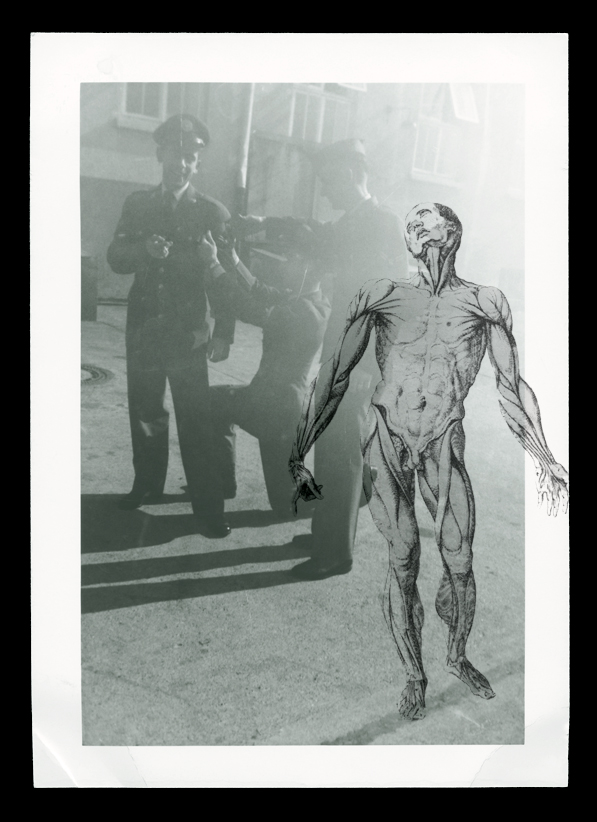
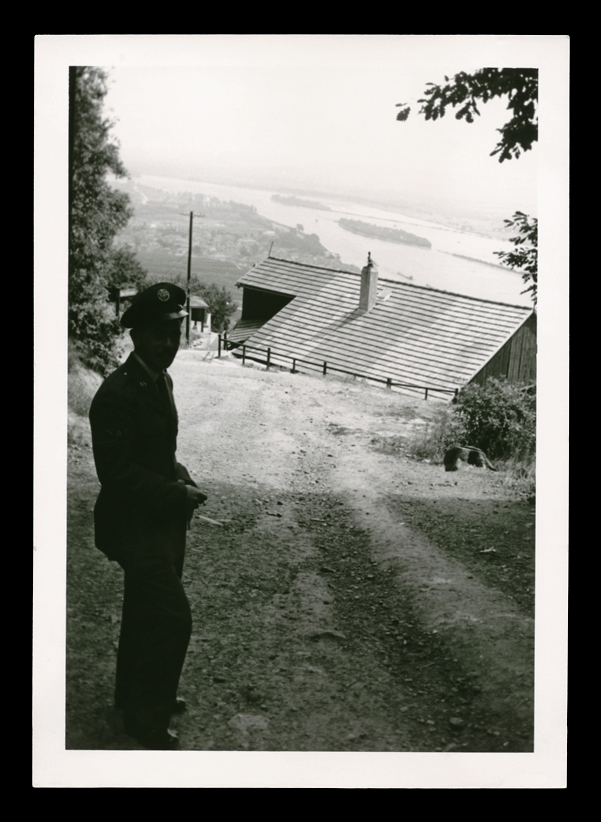

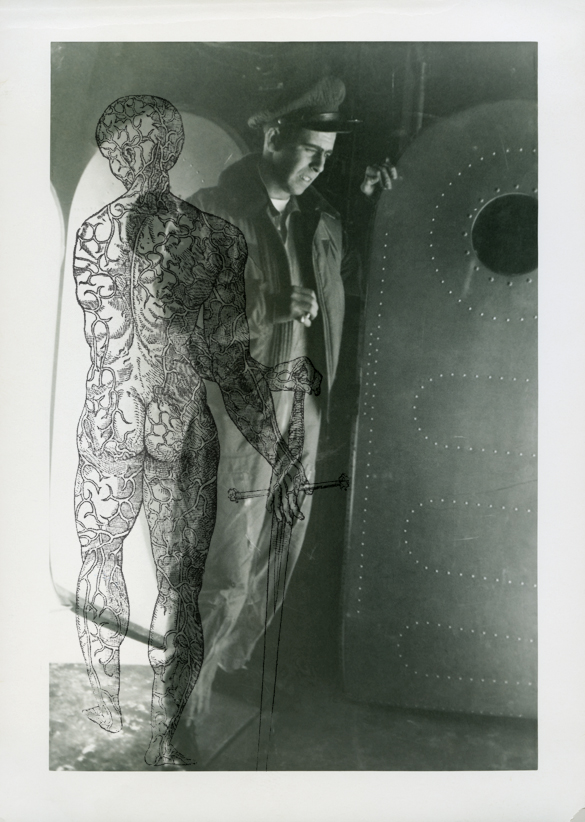
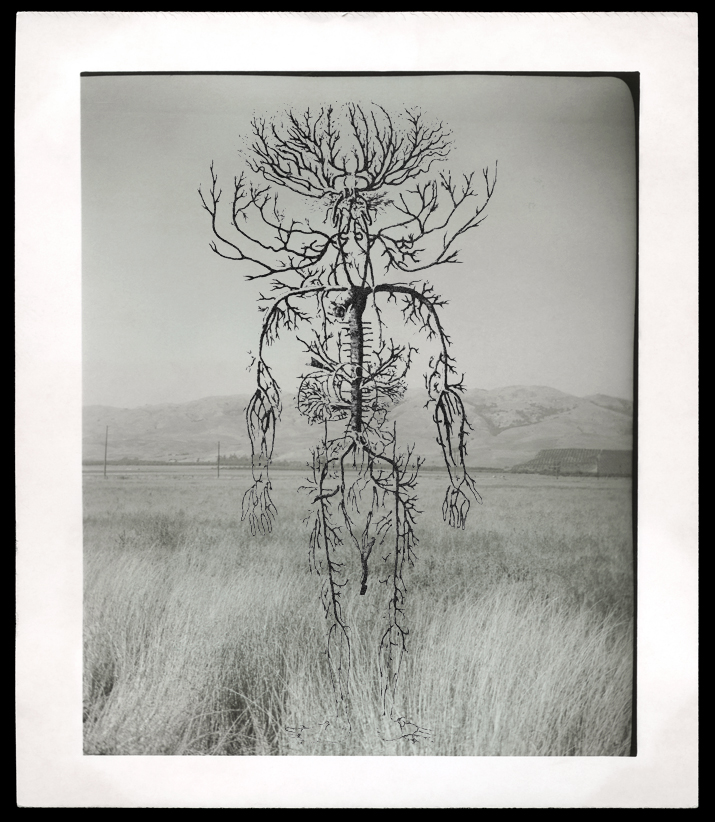
 Art Blart _ art and cultural memory archive
You must be logged in to post a comment.