Eugène Atget (French, 1857-1927) Fontaine des Quatre-Parties-du-Monde, Jardin Marco Polo, Paris 1907 Albumen silver print
Atget’s shadow
A delicious posting on the work of the French photographer Eugène Atget (1857-1927). Atget’s photographs bridge the gap between subjective and objective representation – on the one hand extolling the subjective quality of art as an expression of the artist’s inner self; but on the other, providing a rejection of artistic consciousness, his objective “documents for artists” appealing to the Surrealists who used his images in publications such as Révolution Surréaliste.
In their presence, the photographs of Atget proffer an intimate in/tension (intention) – between representation and abstraction, documentary and modern, ordinary and dream. His photography, “which focussed on seemingly ordinary sights on the streets of Paris – a door knocker, a mannequin, a window rail – is seen as a forerunner of Surrealist and modern approaches to photography.”1
Further, “The critic and philosopher Walter Benjamin famously invoked crime scenes in discussing Atget’s photographs. He was pointing to their emptiness, their clinical attention to details of the urban landscape, their absolute rejection of the sentimental and the grandiose. … In Atget’s Paris, “the city is evacuated, like an apartment that hasn’t yet found its new tenant,” Benjamin wrote.”2
And yet, there is always something of the artist in every photograph, no matter how criminal the raping of time.
Thinking of my latest body of work “A Day in the Tiergarten”, my current research into parks and photographers, and then looking at Atget’s photographs of parks, I believe that the “park” with Atget takes some of its meaning from the ownership of the parks and the royalty / citizen system that was in place at the time AND what that might allow. Here is the photographer bearing his heavy camera like a tramp on the road, wandering in an empty domain owned by a higher power – and using its magnificence to discover more about the self searching vagabond.
Sometimes the question: “is there anyone here” is answered like Cocteau in Beauty and the Beast, and the answer is: “yes there is – yourself” says the (objective) camera. Sometimes, in other ways, the photographer goes nearly crazy with the possibilities of photography: what is the truth about my presence, the presence of a rock, or the sky? Yes, there is you, but in saying that it opens up all these other (subjective) possibilities. The options of inserting ourselves into representation, into what photography can hold, drives us crazy.
As Lee Friedlander observes, “The photographs of these places … are a hint, just a blink at a piece of the real world. At most, an aphrodisiac.”
Dr Marcus Bunyan
1/ “Surrealism did not always involve the strange and absurd. For example, the photography of Eugène Atget (1857-1927), which focussed on seemingly ordinary sights on the streets of Paris – a door knocker, a mannequin, a window rail – is seen as a forerunner of Surrealist and modern approaches to photography… Only a year before his death, in 1926, Atget was approached by Man Ray for approval to use his photograph, L’Eclipse – Avril 1912 for the front cover of the publication La Révolution Surréaliste. Despite protestations that, “these are simply documents I make”, Atget’s rejection of artistic self-consciousness combined with his pictures of an old, often hauntingly deserted Paris, appealed to Surrealists.”
Anonymous. “Surrealist photography,” on the V&A website [Online] Cited 07/08/2020
2/ Anonymous. “Atget’s Paris, 100 years later,” on the Art Daily website 31/05/2020
Please click on the photographs for a larger version of the image.
“The subject itself,” he wrote of landscape, “is simply perfect, and no matter how well you manage as a photographer, you will only ever give a hint as to how good the real thing is. We photographers don’t really make anything: we peck at the world and try to find something curious or wild or beautiful that might fit into what the medium of photography can hold.”
“The photographs of these places,” he added, “are a hint, just a blink at a piece of the real world. At most, an aphrodisiac.”
Lee Friedlander
Eugène Atget (French, 1857-1927) Ancien Hotel dit de Sartine – 21 rue du Cherche-Midi, Paris 1906 Albumen silver print
Eugène Atget (French, 1857-1927) Ancien Monastère des Bénédictins Anglais, 269 rue Saint-Jacques. Paris 5 1900 Albumen silver print
Eugène Atget (French, 1857-1927) Hôtel du Maréchal de Tallard, 78 rue des Archives c. 1898-1905 Albumen silver print
Eugène Atget (French, 1857-1927) Grille de l’ancien pavillon de chasse de Philippe-Égalité (Hospice Debrousse), 148 rue de Bagnolet. Paris 20 1900 Albumen silver print
Eugène Atget (French, 1857-1927) Heurtoir, St. Étienne du Mont (Cherub Door Knocker) 1909 Albumen silver print
Eugène Atget (French, 1857-1927) Heurtoir, 6 rue du Parc Royal c. 1901-1914 Albumen silver print
Eugène Atget (French, 1857-1927) L’Oranger (with Shadow of Photographer and His Camera) 1900 Albumen silver print
Eugène Atget (French, 1857-1927) Le Portail de l’église Saint-Éliphe, Rampillon (Seine-et-Marne) 1921 Albumen silver print
Eugène Atget (French, 1857-1927) Le Portail de l’église Saint-Éliphe, Rampillon (Seine-et-Marne) 1921 Albumen silver print
Eugène Atget (French, 1857-1927) Le Portail de l’église Saint-Éliphe, Rampillon (Seine-et-Marne) 1921 Albumen silver print
Eugène Atget (French, 1857-1927) Le Portail de l’église Saint-Éliphe, Rampillon (Seine-et-Marne) 1921 Albumen silver print
Eugène Atget (French, 1857-1927) Le Portail de l’église Saint-Éliphe, Rampillon (Seine-et-Marne) 1921 Albumen silver print
The critic and philosopher Walter Benjamin famously invoked crime scenes in discussing Atget’s photographs. He was pointing to their emptiness, their clinical attention to details of the urban landscape, their absolute rejection of the sentimental and the grandiose.
As Benjamin observed, Atget established a beneficial “distance between man and his environment.” And Lima’s haunting updated recreations confirm the long-dead photographer’s disquieting insight – Paris doesn’t care about your presence. It is indifferent, and will certainly go on without you.
You can feel joy at standing on a Paris street, but the feeling is not reciprocated.
Atget, who was born in 1857, initially tried unsuccessfully at acting and painting. In 1890, he set up shop as a photographer, in order – as a sign over his door said – to provide “Documents for Artists.” He knew that painters needed images as models for their work, and he set about furnishing them.
For nearly three decades, he trudged through the city, bearing his heavy tripod and documenting a Paris of narrow streets and grime-covered low buildings that was already disappearing.
In 1920, Atget wrote: “I can say that I possess all of Old Paris.”
The world was mostly indifferent to Atget’s work until, several years before his death in 1927, he met a young American photographer, Berenice Abbott, who was working as an assistant to the artist Man Ray. She photographed him, wrote about him, acquired many of his prints and promoted him relentlessly for 50 years.
Today, Atget is recognised as a major figure in the history of photography.
The empty Paris of his prints looms out of the half-light of what seems like perpetual fog. His buildings are independent of people. They don’t even need them. Paris, the message seems to be, continues. It does not care about the individual presence. The city is not sentimental about humankind.
True, traces of humanity are ever-present in his pictures – torn advertising posters, artisanal shop signs, bins of vegetables, rows of boots. But these are only reminders that the city might once have been inhabited. And there are few people in the images to confirm this.
In Atget’s Paris, “the city is evacuated, like an apartment that hasn’t yet found its new tenant,” Benjamin wrote.
Compare that with the images from today. The occasional masked figures are incidental to the landscape. That they wear masks, hiding part of their faces, is a further denial of their humanity.
The “picturesque” – which Atget shunned, as Benjamin points out – is more difficult to avoid…”
Anonymous. “Atget’s Paris, 100 years later,” on the Art Daily website 31/05/2020
Exhibition dates: 13th September – 4th December 2019 Visited September 2019 posted July 2020
Installation view of the exhibition Brassaï at Foam, Amsterdam Photo: Marcus Bunyan
These are my thoughts at the time of my seeing the exhibition.
I have been blessed this trip by seeing an amazing selection of master photographers… Brassaï being no exception.
Every print in this exhibition is a vintage print. They were made by Brassaï before 1968. If larger than 30 x 40cm they were made after 1945 when he started printing with an enlarger.
As usual, the iPhone camera makes all the images too light and adds too much contrast. Think darker, less contrast in these vintage prints.
Brassaï’s prints are – just like those of Josef Sudek and August Sander that I have seen on this trip – much softer and with a more limited tonal range than I imagined. They are all the more atmospheric and magical because of it.
To walk around the exhibition and then arrive at an alcove (see walk through below)… to stand in front of Le Môme Bijou, the old lady with the jewellery and Billiard Player, is such a privilege. I am surrounded by the presence of these famous images. I peer intently at each of them, observing the details, feeling their eyes stare back at me. No deflection of intent, just these human beings and their spirit presented in a photograph. Brassaï captured their essence before they drifted away, just in that moment.
In the latter print the dark billiard ball was almost indistinguishable from the baize; in the former, the circular light in the woman’s eyes means that Brassaï must have set up a light, or that there was a light source, above and behind the camera. Specular highlights twinkle off jewellery and pearls. Even as she is draped in her bourgeois, bohemian ornamentation this dame of the night possesses a resilient, composed, determined air.
Personally, I think Brassaï’s Graffiti series are far stronger than Lee Friedlander’s series of the same name.
The juxtaposition of the photographs in Paris at Night is something I will always remember.
The more scrupulously [the photographer] has respected the independence and autonomy of his subject, and the closer he has gone toward it instead of bringing it nearer to himself, the more completely his own personality has become incorporated into his pictures.
Brassaï
Foam is proud to present the first retrospective of Brassaï in the Netherlands. The French photographer of Hungarian descent is considered a key figure of 20th-century photography.
Brassaï (1899-1984) created countless iconic images of 1930s Parisian life. He was famous for capturing the grittier aspects of the city, but also documented high society, including the ballet, opera, and intellectuals – among them his friends and contemporaries like Pablo Picasso, Salvador Dalí and Henri Matisse. The exhibition at Foam traces his career with over 170 vintage prints, plus a selection of drawings, a sculpture and documentary material.
Brassaï gathers many of the artistic facets of the photographer, from photos to drawings of female nudes. It is organised in twelve thematic sections: Paris by Day, and by Night, Minotaure, Graffiti, Society, Places and Things, Personages, Sleep, Pleasures, Body of a Woman, Portraits – Artists, Writers, Friends and TheStreet. Each is very different from the next – reflecting the diversity of Brassaï’s photographic work.
Digital walk through of the exhibition Brassaï at Foam, Amsterdam in September 2019
Installation views of the exhibition Brassaï at Foam, Amsterdam showing at second right in the bottom image, Brassaï’s Paris 1937, and at right Paris c. 1932 Photo: Marcus Bunyan
Brassaï (French, 1899-1984) Paris (installation view) c. 1932 Gelatin silver print Photo: Marcus Bunyan
Brassaï (French, 1899-1984) Paris (installation view) 1937 Gelatin silver print Photo: Marcus Bunyan
Brassaï (French, 1899-1984) Paris (installation view) 1937 Gelatin silver print Photo: Marcus Bunyan
Installation views of the exhibition Brassaï at Foam, Amsterdam Photos: Marcus Bunyan
Foam is proud to announce the first retrospective of Brassaï in the Netherlands. This French photographer of Hungarian descent is considered as one of the key figures of 20th-century photography. Brassaï (1899-1984) created countless iconic images of 1930s Parisian life. He was famous for capturing the grittier aspects of the city, but also documented high society, including the ballet, opera, and intellectuals – among them his friends and contemporaries like Pablo Picasso, Salvador Dalí and Henri Matisse. The exhibition at Foam traces his career with over 170 vintage prints, plus a selection of drawings, a sculpture and documentary material.
Gyula Halász, Brassaï’s original name, was born in 1899 in Brassó, Transylvania (then part of the Austro-Hungarian empire, nowadays Brasov, Romania). He studied at the University of Arts in Berlin before finally settling in Paris in 1924, a city that was to become the main subject of his work. He started as a painter but soon discovered that his strongest and most original talent lay in photography. To keep his real name for his paintings, he signed journalistic work, caricatures and photographs with ‘Brassaï’ (from Brassó). His photos would make this pseudonym more famous than his real name. Brassaï’s work of the 1930s would become a cornerstone of a new tradition as photography was discovered as a medium with aesthetic potential. A generation earlier photographers had merely emulated the established arts. Now photography became an art in itself and the perfect medium to capture modern life.
The nocturnal scenes collected in his book Paris by Night (1933) are complemented by his work that reveals the everyday life of the city by day. The monuments, picturesque spots, scenes from daily life and architectural details are present in his work as a reflection of the irresistible fascination the artist felt for the French capital. In his quest to cover all of the facets of Paris, he also immersed himself in the city’s darker side. For Brassaï the gang members, outcasts, prostitutes and drug addicts all represented the least cosmopolitan aspect of Paris, an aspect that was more alive and more authentic. He compiled a huge collection of images of entertainment venues, ranging from night clubs to popular festivals and featuring the people who frequented them. Brassaï was deeply immersed in a wide circle of friends among the writers and artists of Montparnasse, who also became the subjects for some of his portraits. Most of the portraits taken by Brassaï were of well-known people, putting him into a very comfortable position. He collaborated with the luxury art magazine Minotaure right from its very first issue and enjoyed a prominent role for the publication over the years. After the war, he also travelled regularly on commissioned shoots for the American magazine Harper’s Bazaar.
The exhibition at Foam gathers many of the artistic facets of the photographer, from photos to drawings of female nudes. It is organised in twelve thematic sections: Paris by Day, and by Night, Minotaure, Graffiti, Society, Places and Things, Personages, Sleep, Pleasures, Body of a Woman, Portraits – Artists, Writers, Friends and TheStreet. Each is very different from the next – reflecting the diversity of Brassaï’s photographic work.
Brassaï (French, 1899-1984) Les Escaliers de Montmartre, Paris 1936 Gelatin silver print
Brassaï (French, 1899-1984) La rue Quincampoix (installation view) c. 1932 Gelatin silver print Photo: Marcus Bunyan
Brassaï (French, 1899-1984) La rue Quincampoix (installation view) c. 1932 Gelatin silver print Photo: Marcus Bunyan
Brassaï (French, 1899-1984) Pillar of the Elevated, Metro Glacière (installation view) 1932 Gelatin silver print Photo: Marcus Bunyan
Brassaï (French, 1899-1984) Near the rue Mouffetard (installation view) c. 1945 Gelatin silver print Photo: Marcus Bunyan
Installation views of the exhibition Brassaï at Foam, Amsterdam showing in the lower image at centre, Brassaï’s Concierge’s Lodge, Paris, 1933 Photos: Marcus Bunyan
Brassaï (French, 1899-1984) Concierge’s Lodge, Paris (installation view) 1933 Gelatin silver print Photo: Marcus Bunyan
Brassaï (French, 1899-1984) Concierge’s Lodge, Paris (installation view) 1933 Gelatin silver print Photo: Marcus Bunyan
Brassaï (French, 1899-1984) Concierge’s Lodge, Paris 1933 Gelatin silver print Photo: Marcus Bunyan
Brassaï (French, 1899-1984) Lovers at the gare Saint Lazare (installation view) c. 1937 Gelatin silver print Photo: Marcus Bunyan
Brassaï (French, 1899-1984) Sunday Painter, avenue du Général Leclerc (installation view) 1946 Gelatin silver print Photo: Marcus Bunyan
Brassaï (French, 1899-1984) Sunday Painter, avenue du Général Leclerc (installation view) 1946 Gelatin silver print Photo: Marcus Bunyan
Brassaï (French, 1899-1984) Hôtel de la Belle Étoile (installation view) 1945 Gelatin silver print Photo: Marcus Bunyan
Brassaï (French, 1899-1984) A Corpse on the Banks on the Seine (installation view) 1931 Gelatin silver print Photo: Marcus Bunyan
Brassaï (French, 1899-1984) Les Fétes de Paris: La Nuit Féerique de Longhamp 1937 In L’illustration, no. 4, 923 (July 10, 1937) 13. Rue Saint-Georges, Paris (9°) Photo: Marcus Bunyan
Regards, no. 155 (December 31, 1936) Back cover Photo: Marcus Bunyan
Installation view of the exhibition Brassaï at Foam, Amsterdam showing at at left, Brassaï’s Meat Porters, Les Halles c. 1935 and at second left, Au Cochon Limousin 1935 Photo: Marcus Bunyan
Brassaï (French, 1899-1984) Meat Porters, Les Halles (installation view) c. 1935 Gelatin silver print Photo: Marcus Bunyan
Brassaï (French, 1899-1984) Au Cochon Limousin (installation view) 1935 Gelatin silver print Photo: Marcus Bunyan
Brassaï (French, 1899-1984) Les Halles (installation view) 1930-1932 Gelatin silver print Photo: Marcus Bunyan
Brassaï (French, 1899-1984) Cesspool cleaners (installation view) c. 1931 Gelatin silver print Photo: Marcus Bunyan
Paris de nuit / Paris at night
Brassaï had been making photographs for barely two years when luck and ambition brought him a contract for a book on nocturnal Paris. When Paris de nuit (Paris at Night) was published to acclaim in December 1932, “Brassaï” became a familiar name in the world of photography. The book’s rich photogravures, marginalises pages, and bold design made it an icon of modernity. Many of Brassaï’s best night picture were made after Paris de nuit appeared, however, and many of his greatest images of Parisian nightlife were not published until 1976.
In the self-portrait here we see Brassaï’s first camera, a Voigtländer Bergheil that used 6.5 x 9 cm glass plates one at a time. The long exposures of night photography – often five minutes or more – required a tripod, which Brassaï frequently used for other pictures as well. While much of the adventurous European photography of the 1920s and 1930s celebrated mobility and speed, spontaneity was alien to Brassaï’s sensibility. He favoured images that are sharp, deliberate, and stable.
Installation views of the exhibition Brassaï at Foam, Amsterdam showing a modern enlargement of Brassaï’s Morris Column, avenue de l’Observatoire 1934 Photos: Marcus Bunyan
Brassaï (French, 1899-1984) Morris Column, avenue de l’Observatoire (installation view) 1934 Gelatin silver print Photo: Marcus Bunyan
Installation view of the exhibition Brassaï at Foam, Amsterdam showing at right, Brassaï’s Self portrait, On the boulevard Saint-Jacques 1930-1932 Photo: Marcus Bunyan
Brassaï (French, 1899-1984) Self portrait, On the boulevard Saint-Jacques 1930-1932 Gelatin silver print
Voigtländer Bergheil Built in 1932 6.5 x 9cm negative Green
Installation view of the exhibition Brassaï at Foam, Amsterdam showing in the bottom image at left, Brassaï’s The Tour Saint-Jacques 1932-1933, and at third right View through the pont Royal toward the pont Solférino c. 1933 Photos: Marcus Bunyan
Brassaï (French, 1899-1984) The Tour Saint-Jacques (installation view) 1932-1933 Gelatin silver print Photo: Marcus Bunyan
Brassaï (French, 1899-1984) View through the pont Royal toward the pont Solférino c. 1933 Gelatin silver print
Installation view of the exhibition Brassaï at Foam, Amsterdam showing at right, Brassaï’s Avenue de l’Observatoire in the Fog c. 1937 Photo: Marcus Bunyan
Brassaï (French, 1899-1984) Avenue de l’Observatoire in the Fog (installation view) c. 1937 Gelatin silver print Photo: Marcus Bunyan
Brassaï (French, 1899-1984) Avenue de l’Observatoire in the Fog c. 1937 Gelatin silver print
Brassaï (French, 1899-1984) Paris de Nuit (Paris at Night) pp. 9-10 1932 Book
Brassaï (French, 1899-1984) Paris de Nuit (Paris at Night) pp. 13-14 1932 Book
Digital flick through of Brassaï’s Paris de Nuit (Paris at Night) book 1932 Video: Marcus Bunyan
Brassaï (French, 1899-1984) Paris de Nuit (Paris at Night) pp. 19-20 (installation view) 1932 Book Photo: Marcus Bunyan
Minotaure, no. 7 (June 1935) Pages 24-25: Photographs by Brassaï, “Nuits parisiennes” (Parisian Nights) Pages 26-29: Photographs by Brassaï Photo: Marcus Bunyan
Portraits – artists, writers and friends
In Brassaï’s era, portraits and nudes were bread-and-butter genres for any professional photographer. As a portraitist Brassaï made a speciality of artists and writers, who often were his friends, and in 1982 he collected many of the best pictures in Les artistes de ma vie (The Artists of My Life), for which he also wrote the lively text. He excelled at two distinct types of portraiture: In one, the artist is framed by his environment – the studio. In the other, the subjects confronts the photographer frankly, and the setting hardly matters. In an undated note, Brassaï summed up his approach to the second type: “To oblige the model to behave as if the photographer isn’t there really is to stage a comic performance. What’s natural is precisely not to dodge the photographer’s presence. The natural thing in that situation is for the model to pose honestly.”
Installation views of the exhibition Brassaï at Foam, Amsterdam showing in the top photograph at right, Oskar Kokoschka in his Studio, Paris 1931-1932 (below) and in the bottom photograph at third right, Brassaï’s Kiki de Montparnasse and her Friends, Thérèse Treize and Lily c. 1932 (below) Photos: Marcus Bunyan
Brassaï (French, 1899-1984) Oskar Kokoschka in his Studio, Paris (installation view) 1931-1932 Gelatin silver print Photo: Marcus Bunyan
Brassaï (French, 1899-1984) Kiki de Montparnasse and her Friends, Thérèse Treize and Lily (installation view) c. 1932 Gelatin silver print Photo: Marcus Bunyan
Installation views of the exhibition Brassaï at Foam, Amsterdam showing in the bottom photograph at left, Brassaï’s Jean Genet 1948 (below) Photos: Marcus Bunyan
Brassaï (French, 1899-1984) Jean Genet 1948 Gelatin silver print
Graffiti
The appreciation of graffiti as a powerful if anonymous art form began to blossom in the twentieth century. Like African tribal objects and the art of children, graffiti was admired as more expressive and vital than the refined forms of traditional Western art. Brassaï was among the first to embrace it. He was an inveterate magpie who collected all manner of neglected artefacts and natural specimens throughout his life. Virtually as soon as he began making photographs, he used the medium to collect the graffiti that appeared abundantly on the walls of Paris – predominantly images that had been scratched or gouged rather than drawn or painted and, as he pointed out, in which irregularities of the wall itself played a role. He compiled hundreds of these pictures, a small sample of which is presented here.
Minotaure
Between arriving in Paris in early 1924 and taking up photography six years later, Brassaï developed a wide circle of friends among the international community of artists and writers in Montparnasse. Among them were Les deux aveugles (The Two Blind Men), as the art critics Maurice Raynal and E. Tériade called themselves. In December 1932 – the same month Brassaï’s book Paris de unit (Paris at Night) appeared – Tériade invited Brassaï to photograph Pablo Picasso and his studios in and near Paris for the first issue of Minotaure, a lavish art magazine launched in June 1933 by the Swiss published Albert Skira. Thus began one of the key friendships of Brassaï’s life. Over the next few years he played prominent role in Minotaure, notable as a collaborator of Salvador Dalí, as an illustrator of texts by André Breton, and, on a few occasions, as an artist in his own right.
Installation views of the exhibition Brassaï at Foam, Amsterdam showing to the right, photographs from Brassaï’s series Graffiti Photo: Marcus Bunyan
Minotaure, nos. 3-4 (December 1933) Pages 6-7: Photographs and text by Brassaï, “Du mur des cavernes au mur d’usine” (From the Wall of the Caves to the Wall of the Factory). Photos: Marcus Bunyan
This was the first appearance in print of Brassaï’s series Graffiti.
Brassaï (French, 1899-1984) The Sun King (installation view) 1945-1950 From the series Graffiti Gelatin silver print Photo: Marcus Bunyan
Brassaï (French, 1899-1984) Untitled (installation view) 1950 From the series Graffiti Gelatin silver print Photo: Marcus Bunyan
Brassaï (French, 1899-1984) Untitled (installation view) 1945-1955 From the series Graffiti Gelatin silver print Photo: Marcus Bunyan
Brassaï (French, 1899-1984) Untitled (installation view) 1945-1955 From the series Graffiti Gelatin silver print Photo: Marcus Bunyan
Installation view of the exhibition Brassaï at Foam, Amsterdam showing photographs from the section Personages including at left La Môme Bijou, Bar de la Lune, Montmartre 1932; and in the centre, Billiard Player, boulevard Rochechouart 1932-1933 and Market Porter, Les Halles 1939 Photo: Marcus Bunyan
Personages
In the introduction to a book of his photographs that was published in 1949, Brassaï linked the modern arts of photography and film to the work of artists of the past who had depicted everyday life, among them Rembrandt van Rijn, Honoré Daumier, Edgar Degas, and Henri de Toulouse-Lautrec. He praised them for the “desire to get beyond the anecdotal and to promote [their] subjects to the dignity of types.” Brassaï himself had a talent for rendering at the same time a generic social role and a particular individual who inhabited it, as if his attentiveness to the person would elevate him or her into a distinctive personage.
Installation view of the exhibition Brassaï at Foam, Amsterdam showing photographs from the section Personages including at left, Festival in Seville 1951; and at right, La Môme Bijou, Bar de la Lune, Montmartre 1932 Photo: Marcus Bunyan
Installation view of the exhibition Brassaï at Foam, Amsterdam showing photographs from the section Personages including at left, Festival in Seville 1951; at centre, La Môme Bijou, Bar de la Lune, Montmartre 1932; and at right, Billiard Player, boulevard Rochechouart 1932-1933 Photo: Marcus Bunyan
Installation view of the exhibition Brassaï at Foam, Amsterdam showing a photograph from the section Personages, La Môme Bijou, Bar de la Lune, Montmartre 1932 Photo: Marcus Bunyan
Brassaï (French, 1899-1984) La Môme Bijou, Bar de la Lune, Montmartre (installation view) 1932 Gelatin silver print Photo: Marcus Bunyan
Brassaï (French, 1899-1984) La Môme Bijou, Bar de la Lune, Montmartre 1932 Gelatin silver print
Installation view of the exhibition Brassaï at Foam, Amsterdam showing photographs from the section Personages including at left La Môme Bijou, Bar de la Lune, Montmartre 1932; and at right, Billiard Player, boulevard Rochechouart 1932-1933 Photo: Marcus Bunyan
Installation view of the exhibition Brassaï at Foam, Amsterdam showing photographs from the section Personages including at left Billiard Player, boulevard Rochechouart 1932-1933; and at right, Market Porter, Les Halles 1939 Photo: Marcus Bunyan
Brassaï (French, 1899-1984) Market Porter, Les Halles (installation view) 1939 Gelatin silver print Photo: Marcus Bunyan
Brassaï (French, 1899-1984) Bal des Quatre Saisons, rue de Lappe c. 1932 Gelatin silver print
Brassaï (French, 1899-1984) Chez Suzy 1931-1932 Gelatin silver print
Brassaï (French, 1899-1984) At the Hôtel des Terrasses (installation view) c. 1932 Gelatin silver print Photo: Marcus Bunyan
Installation view of the exhibition Brassaï at Foam, Amsterdam showing photographs from Brassaï’s series Sleep Photo: Marcus Bunyan
Sleep
In 1945 Brassaï wrote a brief essay to accompany some of his pictures of sleepers. It reads in part “All things that stand against their inclination – a tree, a column, a tower, a rock – are regarded with a malign eye by gravity … She especially has a grudge against man, that foolhardy being who, in open collusion with the sunlight, alone among his brothers under the spell of gravitation, dares to stand up. For sunlight and gravity fight over living beings, the one turning over what the other has put up. Alas! Sunlight lives a long way away and can never be found when she is needed the most. Thus gravity is suited to have the last word.”
Installation view of the exhibition Brassaï at Foam, Amsterdam showing photographs from Brassaï’s series Sleep with at left, Paris c. 1934; and at centre, Sleeping c. 1935 Photo: Marcus Bunyan
Brassaï (French, 1899-1984) Paris (installation view) c. 1934 Gelatin silver print Photo: Marcus Bunyan
Brassaï (French, 1899-1984) Sleeping (installation view) c. 1935 Gelatin silver print Photo: Marcus Bunyan
Unknown photographer Photograph of Allied War exhibition, Serbian Section, V&A (installation view) 1917 Gelatin silver print The Royal Photographic Society Collection at the V&A Museum Photo: Marcus Bunyan
The older I grow, the more exponentially I appreciate and love these early photographs. Imagine having a collection like this!
Wonderful to see Edward Steichen’s Portrait – Lady H (1908, below) as I have a copy of Camera Work 22 in my collection.
The V&A has been collecting photographs since 1856, the year the Museum was founded, and it was one of the first museums to present photography exhibitions. Since then the collection has grown to be one of the largest and most important in the world, comprising around 500,000 images. The V&A is now honoured to have added the Royal Photographic Society (RPS) collection to its holdings, which contains around 270,000 photographs, an extensive library, and 6,000 cameras and pieces of equipment associated with leading artists and photographic pioneers.
Take a behind-the-scenes look at our world class photography collection following the transfer of the Royal Photographic Society (RPS) Collection, which has enabled a dramatic reimagining of the way photography is presented at the V&A. The photographs curators introduce a series of five highlights that are on display in the new Photography Centre, which opened on 12th October 2018. The first phase of the centre will more than double the space dedicated to photography at the Museum.
Text from the V&A and YouTube websites
Unknown photographer Photograph of Allied War exhibition, Serbian Section, V&A (installation view) 1917 Gelatin silver print The Royal Photographic Society Collection at the V&A Museum Photo: Marcus Bunyan
The V&A has been collecting and exhibiting photographs since the 1850s. This image shows part o a photographic exhibition held over 100 years ago in the same galleries you are standing in today. The exhibition presented a densely packed display of images depicting the Allied Powers during the First World War.
Installation views of the V&A Photography Centre, London Photos: Marcus Bunyan
Joseph Nicéphore Niépce (French, 1765-1833) Christ Carrying his Cross (installation views) 1827 Heliograph on pewter plate The Royal Photographic Society Collection at the V&A Museum Photos: Marcus Bunyan
The French inventor Niépce made the earliest surviving photographic images, which he called ‘heliographs’ or ‘sun-writing’. Only 16 are thought to still exist. Although Niépce experimented with light-sensitive plates inside a camera, he made most of his images, including this one, by placing engravings of works by other artists directly onto a metal plate. He would probably have had the resulting heliographs coated in ink and printed.
Joseph Nicéphore Niépce (French, 1765-1833) Christ Carrying his Cross (installation view) 1827 Heliograph on pewter plate The Royal Photographic Society Collection at the V&A Museum Photo: Marcus Bunyan
David Octavius Hill (Scottish, 1802-1870) and Robert Adamson (Scottish, 1821-1848) The Adamson Family (installation view) 1843-1845 Salted paper print The Royal Photographic Society Collection at the V&A Museum Photo: Marcus Bunyan
The partnership between Scottish painter Hill and chemist Adamson merged the art and science of photography. The pair initially intended to create preliminary studies for Hill’s paintings, but soon recognised photography’s artistic potential. With Hill’s knowledge of composition and lighting, and Adamson’s considerable sensitivity and dexterity in handling the camera, together they produced some of the most accomplished photographic portraits of their time.
William Henry Fox Talbot (British, 1800-1877) The Haystack 1844 From The Pencil of Nature Salted paper print The Royal Photographic Society Collection at the V&A Museum
Benjamin Brecknell Turner (British, 1815-1894) Hedgerow Trees, Clerkenleap (installation views) 1852-1854 Albumen print; Calotype negative The Royal Photographic Society Collection at the V&A Museum Photos: Marcus Bunyan
Turner took out a licence to practice ‘calotype’ photography from Talbot in 1848. He contact-printed positive images from paper negatives. The negative (below) and its corresponding positive (above) are reunited here to illustrate this process, but the pairing as you see them would not have been the photographer’s original intention for display. Although unique negatives were sometimes exhibited in their own right, only showing positive prints was the norm.
Benjamin Brecknell Turner (British, 1815-1894) Hedgerow Trees, Clerkenleap (installation view) 1852-1854 Albumen print; Calotype negative The Royal Photographic Society Collection at the V&A Museum Photo: Marcus Bunyan
Gustave Le Gray (French, 1820-1884) The Road to Chailly, Forest of Fontainebleau (installation view) 1852 Albumen print from a collodion glass negative Bequeathed to the V&A by Chauncey Hare Townshend Photo: Marcus Bunyan
Installation views of the V&A Photography Centre, London Photos: Marcus Bunyan
Gustave Le Gray (French, 1820-1884) The Marseillaise (The Departure of the Volunteers of 1792), by Francois Rude, 1833-35, Arc de Triomphe de l’Etoile, Paris (installation view) 1852 Albumen print Bequeathed to the V&A by Chauncey Hare Townshend Photo: Marcus Bunyan
Gustave Le Gray (French, 1820-1884) The Marseillaise (The Departure of the Volunteers of 1792), by Francois Rude, 1833-35, Arc de Triomphe de l’Etoile, Paris (installation view) 1852 Albumen print Bequeathed to the V&A by Chauncey Hare Townshend Photo: Marcus Bunyan
Roger Fenton (British, 1819-1869) Parian Vase, Grapes and Silver Cup (installation view) 1860 Albumen print The Royal Photographic Society Collection at the V&A Museum Photo: Marcus Bunyan
Fenton was one of the most versatile and technically brilliant photographers of the 19th century. He excelled at many subjects, including war photography, portraiture, architecture and landscape. He also made a series of lush still lives. Here, grapes, plums and peaches are rendered in exquisite detail, and the silver cup on the right reflects a camera tripod.
Roger Fenton (British, 1819-1869) Parian Vase, Grapes and Silver Cup (installation view) 1860 Albumen print The Royal Photographic Society Collection at the V&A Museum Photo: Marcus Bunyan
Roger Fenton (British, 1819-1869) Parian Vase, Grapes and Silver Cup (installation view) 1860 Albumen print The Royal Photographic Society Collection at the V&A Museum Photo: Marcus Bunyan
Roger Fenton (British, 1819-1869) Parian Vase, Grapes and Silver Cup (installation view detail) 1860 Albumen print The Royal Photographic Society Collection at the V&A Museum Photo: Marcus Bunyan
Roger Fenton (British, 1819-1869) Still Life with Fruit and Decanter 1860 Albumen print The Royal Photographic Society Collection at the V&A Museum
Oscar Gustaf Rejlander (British born Sweden, 1813-1875) Head of St John the Baptist on a Charger(installation view) c. 1856 Albumen print The Royal Photographic Society Collection at the V&A Museum Photo: Marcus Bunyan
Rejlander probably intended this photograph to be part of a larger composition telling the biblical story of Salome, in which the severed head of John the Baptist was presented to her on a plate. Rejlander never made the full picture, however, and instead produced multiple prints of the head alone.
Oscar Gustaf Rejlander (British born Sweden, 1813-1875) Head of St John the Baptist on a Charger (installation view) c. 1856 Albumen print The Royal Photographic Society Collection at the V&A Museum
Francis Frith (British, 1822-1898) The Pyramids of Dahshoor [Dahshur], from the East, from Egypt, Sinai, and Jerusalem: A Series of Twenty Photographic Views by Francis Frith (installation view) 1858 (published 1860 or 1862) Albumen print The Royal Photographic Society Collection at the V&A Museum Photo: Marcus Bunyan
Frith’s photographs were popular and circulated widely, both because of their architectural interest and because they often featured sites mentioned in the Bible. Photographs of places described in biblical stories brought a new level of realism to a Christian Victorian audience, previously only available through the interpretations of a painter or illustrator.
Francis Frith (British, 1822-1898) The Pyramids of Dahshoor [Dahshur], from the East, from Egypt, Sinai, and Jerusalem: A Series of Twenty Photographic Views by Francis Frith (installation view) 1858 (published 1860 or 1862) Albumen print The Royal Photographic Society Collection at the V&A Museum Photo: Marcus Bunyan
Francis Frith (British, 1822-1898) The Pyramids of Dahshoor [Dahshur], from the East, from Egypt, Sinai, and Jerusalem: A Series of Twenty Photographic Views by Francis Frith 1858 (published 1860 or 1862) Albumen print The Royal Photographic Society Collection at the V&A Museum Photo: Marcus Bunyan
Installation view of the V&A Photography Centre, London Photo: Marcus Bunyan
Gustave Le Gray (French, 1820-1884) Solar Effect in the Clouds – Ocean(installation view) 1856-1859 Albumen Print Bequeathed to the V&A by Chauncey Hare Townshend Photo: Marcus Bunyan
Gustave Le Gray (French, 1820-1884) Solar Effect in the Clouds – Ocean 1856-1859 Albumen Print Art Institute of Chicago Creative Commons Zero (CC0)
Gustave Le Gray (French, 1820-1884) The Imperial Yacht, La Reine Hortense, Le Havre (installation view) 1856-1857 Albumen print Bequeathed to the V&A by Chauncey Hare Townshend Photo: Marcus Bunyan
Gustave Le Gray (French, 1820-1884) The Imperial Yacht, La Reine Hortense, Le Havre (installation view) 1856-1857 Albumen print Bequeathed to the V&A by Chauncey Hare Townshend Photo: Marcus Bunyan
Gustave Le Gray (French, 1820-1884) The Imperial Yacht, La Reine Hortense, Le Havre 1856-1857 Albumen print The Metropolitan Museum of Art Public domain
Gustave Le Gray (French, 1820-1884) Pavilion Richelieu, Louvre, Paris (installation view) 1857-1859 Albumen print Bequeathed to the V&A by Chauncey Hare Townshend Photo: Marcus Bunyan
Gustave Le Gray (French, 1820-1884) Pavilion Richelieu, Louvre, Paris (installation view) 1857-1859 Albumen print Bequeathed to the V&A by Chauncey Hare Townshend Photo: Marcus Bunyan
Roger Fenton (British, 1819-1869) Balaclava from Guard’s Hill, the Crimea (installation view) 1855 Albumen print Bequeathed to the V&A by Chauncey Hare Townshend Photo: Marcus Bunyan
Roger Fenton (British, 1819-69) Balaclava from Guard’s Hill, the Crimea (installation view) 1855 Albumen print Bequeathed to the V&A by Chauncey Hare Townshend Photo: Marcus Bunyan
Julia Margaret Cameron (British, born India, 1815-1879) Lucia (installation view) 1864-1865 Albumen print The Royal Photographic Society Collection at the V&A Museum Photo: Marcus Bunyan
Charles Lutwide Dodgson (also known as Lewis Carroll)(British, 1832-1898) Tea Merchant (On Duty) and Tea Merchant (Off Duty) (installation view) 1873 Albumen prints The Royal Photographic Society Collection at the V&A Museum Photo: Marcus Bunyan
Lewis Carroll is best known as the author of Alice’s Adventures in Wonderland, but he was also an accomplished amateur photographer. Approximately half of his photographs are portraits of children, sometimes wearing foreign costumes or acting out scenes. Here, Alexandra ‘Xie’ Kitchen, his most frequent child sitter, poses in Chinese dress on a stack of tea chests.
Charles Lutwide Dodgson (also known as Lewis Carroll)(British, 1832-1898) Tea Merchant (On Duty) (installation view) 1873 Albumen prints The Royal Photographic Society Collection at the V&A Museum Photo: Marcus Bunyan
Charles Lutwide Dodgson (also known as Lewis Carroll)(British, 1832-1898) Tea Merchant (Off Duty) (installation view) 1873 Albumen prints The Royal Photographic Society Collection at the V&A Museum Photo: Marcus Bunyan
Julia Margaret Cameron (British, born India, 1815-1879) Pomona (installation view) 1887 Albumen print The Royal Photographic Society Collection at the V&A Museum Photo: Marcus Bunyan
The South Kensington museum (now the V&A) was the only museum to collect and exhibit Julia Margaret Cameron’s during her lifetime. This is one of several studies she made of Alice Liddell, who as a child had modelled for the author and photographer Lewis Carroll and inspired his novel Alice’s Adventures in Wonderland. Cameron, Carroll and Liddell moved in overlapping artistic and intellectual circles. Here, surrounded by foliage, a grown-up Alice poses as the Roman goddess of orchards and gardens.
Julia Margaret Cameron (British, born India, 1815-1879) Pomona (installation view) 1887 Albumen print The Royal Photographic Society Collection at the V&A Museum Photo: Marcus Bunyan
Installation view of the V&A Photography Centre, London Photo: Marcus Bunyan
Alvin Langdon Coburn (American 1882-1966) Frederick Holland Day (installation view) 1900 Gum platinum print The Royal Photographic Society Collection at the V&A Museum Photo: Marcus Bunyan
The British-American photographer Alvin Langdon Coburn enjoyed success on both sides of the Atlantic. Active in the early 20th century, he gained recognition from a young age as a talented photographer. His style ranged from the painterly softness of Pictorialism to the unusual vantage points and abstraction of Modernism. As well as being a practising photographer, Coburn was an avid collector. In 1930 he donated over 600 photographs to the Royal Photographic Society. The gift included examples of Coburn’s own work alongside that of his contemporaries, many of whom are now considered to be the most influential of their generation. Coburn also collected historic photographs, and was among the first in his time to rediscover and appreciate the work of 19th-century masters like Julia Margaret Cameron and Hill and Adamson.
Fredrick Holland Day (American, 1864-1933) Head of a Girl, Hampton, Virginia (installation view) 1905 Gum platinum print The Royal Photographic Society Collection at the V&A Museum Photo: Marcus Bunyan
Day made this portrait when he visited the Hampton Institute in Virginia, which was founded after the American Civil War as a teacher-training school for freed slaves. The institute’s camera club invited Day to visit the school and critique the work of its students. Day’s friend and fellow photographer, Frederick Evans, donated this strikingly modern composition to the Royal Photographic Society in 1937.
Fredrick Holland Day (American, 1864-1933) Head of a Girl, Hampton, Virginia (installation view) 1905 Gum platinum print The Royal Photographic Society Collection at the V&A Museum Photo: Marcus Bunyan
Fredrick Holland Day (American, 1864-1933) Head of a Girl, Hampton, Virginia (installation view) 1905 Gum platinum print The Royal Photographic Society Collection at the V&A Museum Photo: Marcus Bunyan
Fredrick Holland Day (American, 1864-1933) Head of a Girl, Hampton, Virginia 1905 Gum platinum print The Royal Photographic Society Collection at the V&A Museum
Gertrude Käsebier (American, 1852-1934) The Letter 1906 Platinum print The Royal Photographic Society Collection at the V&A Museum
Käsebier studied painting before opening a photography studio in New York. Her Pictorialist photographs often combine soft focus with experimental printing techniques. These sisters were dressed in historic costume for a ball, but their pose transforms a society portrait into a narrative picture. In a variant image, they turn to look at the framed silhouette on the wall.
Installation views of the V&A Photography Centre, London Photo: Marcus Bunyan
Francis James Mortimer (British, 1874-1944) Alvin Langdon Coburn at the Opening of His One-Man Exhibition the Royal Photographic Society, London (installation view) 1906 Carbon print The Royal Photographic Society Collection at the V&A Museum Photo: Marcus Bunyan
Annie Wardrope Brigman (American, 1869-1950) The Spirit of Photography c. 1908 Platinum print The Royal Photographic Society Collection at the V&A Museum
Alvin Langdon Coburn (American 1882-1966) Kensington Gardens (installation view) 1910 Platinum print The Royal Photographic Society Collection at the V&A Museum Photo: Marcus Bunyan
Cover of Camera Work Number XXVI(installation view) Photo: Marcus Bunyan
Edward Steichen (American, 1879-1973) Portrait – Lady H(installation view) 1908 Camera Work 22 1908 Photogravure The Royal Photographic Society Collection at the V&A Museum Photo: Marcus Bunyan
Edward Steichen (American, 1879-1973) Portrait – Lady H 1908 Camera Work 22 1908 Photogravure The Royal Photographic Society Collection at the V&A Museum
Paul Strand (American, 1890-1976) New York (installation view) 1916 Camera Work 48 1916 Photogravure The Royal Photographic Society Collection at the V&A Museum Photo: Marcus Bunyan
Alfred Stieglitz (American, 1864-1946) was an American photographer, publisher, writer and gallery owner. From 1903-1917, he published the quarterly journal Camera Work, which featured portfolios of exquisitely printed photogravures (a type of photograph printed in ink), alongside essays and reviews. Camera Work promoted photography as an art form, publishing the work of Pictorialist photographers who drew inspiration from painting, and reproducing 19th-century photographs. It also helped to introduce modern art to American audiences, including works by radical European painters such as Matisse and Picasso.
Alvin Langdon Coburn (American 1882-1966) Vortograph (installation view) 1917 Bromide print The Royal Photographic Society Collection at the V&A Museum Photo: Marcus Bunyan
Rudolph Koppitz (American, 1884-1936) Bewegungsstudie (Movement Study) 1926 Carbon print The Royal Photographic Society Collection at the V&A Museum
Koppitz was a leading art photographer in Vienna between the two World Wars, as well as a master of complex printing processes, including the pigment, gum and broccoli process of transfer printing. Tis dynamic and sensual composition captures dancers from the Vienna State Opera Ballet frozen mid-movement.
Herbert Bayer (Austrian American, 1900-85) Shortly Before Dawn (installation view) 1932-39 Gelatin silver print The Royal Photographic Society Collection at the V&A Museum Photo: Marcus Bunyan
Bayer had a varied and influential career as a designer, painter, photographer, sculptor, art director and architect. He taught at the Bauhaus school in Dessau, Germany, and later began to use photomontage, both in his artistic and advertising work. Using this process, he combined his photographs with found imagery, producing surreal or dreamlike pictures.
Herbert Bayer (Austrian American, 1900-85) Shortly Before Dawn (installation view) 1932-39 Gelatin silver print The Royal Photographic Society Collection at the V&A Museum Photo: Marcus Bunyan
Bernard Eilers (Dutch, 1878-1951) Reguliersbreestraat, Amsterdam (installation view) 1934 Foto-choma Eilers Given by Joan Luckhurst Eilers Photo: Marcus Bunyan
In the 1930s, the Dutch photographer Bernard Eilers developed an experimental new photographic colour separation process known as ‘Foto-chroma Eilers’. Although the process was short-lived, Eilers successfully used this technique to produce prints like this of great intensity and depth of colour. Here, the misty reflections and neon lights create an atmospheric but modern view of a rain-soaked Amsterdam at night.
Bernard Eilers (Dutch, 1878-1951) Reguliersbreestraat, Amsterdam (installation view) 1934 Foto-choma Eilers Given by Joan Luckhurst Eilers Photo: Marcus Bunyan
Edward Weston (American, 1886-1958) Valentine to Charis(installation view) 1935 Gelatin silver print The Royal Photographic Society Collection at the V&A Museum Photo: Marcus Bunyan
When Weston met the model and writer Charis Wilson in 1934, he was immediately besotted. This valentine to her contains a cluster of objects arranged as a still life, including the photographer’s camera lens and spectacles. Some of the objects seem to hold a special significance that only the lovers could understand. The numbers on the right possibly refer to their ages – there were almost thirty years between them.
Horst P. Horst (German-American, 1906-1999) Portrait of Gabrielle (‘Coco’) Chanel 1937 Gelatin silver print The Royal Photographic Society Collection at the V&A Museum
Variant, American Vogue, 1 December 1937, p. 86: ‘Fashion: Mid-Season Prophecies’
Caption reads: Chanel in her fitted, three-quarters coat / Mademoiselle Chanel, in one of her new coats that are making the news – a three quarters coat buttoned tightly and trimmed with astrakham like her cap. 01/12/1937
Nickolas Muray (American, 1892-1965) Women with headscarf, McCall’s Cover, July 1938(installation view) 1938 Tricolour carbro print The Royal Photographic Society Collection at the V&A Museum
Berenice Abbott (American, 1898-1991) Hardware Store(installation view) 1938 Gelatin silver print The Royal Photographic Society Collection at the V&A Museum Photo: Marcus Bunyan
Between 1935 and 1939, the Federal Art Project emptied Abbott to make a series of photographs entitled Changing New York, documenting the rapid development and urban transformation of the city. This picture shows the facade of a downtown hardware store, its wares arranged in a densely-packed window display with extend onto the pavement.
Berenice Abbott (American, 1898-1991) Hardware Store(installation view) 1938 Gelatin silver print The Royal Photographic Society Collection at the V&A Museum Photo: Marcus Bunyan
Berenice Abbott (American, 1898-1991) Hardware Store 1938 Gelatin silver print The Royal Photographic Society Collection at the V&A Museum
Walker Evans (American, 1903-75) Photographs of African masks, from an exhibition entitled African Negro Art at the Museum of Modern Art, New York (installation view) 1935 Gelatin silver prints The Royal Photographic Society Collection at the V&A Museum Photo: Marcus Bunyan
In 1935, the Museum of Modern Art commissioned Evans to photograph objects in its major exhibition of African art. Using his 8 x 10 inch view camera, he highlighted the artistry and detail of the objects, alternating between front, side and rear views. In total, Evans produced 477 images, and 17 complete sets of them were printed. Several of these sets were donated to colleges and libraries in America, and the V&A bought one set in 1936 to better represent African art in its collection.
The term ‘negro’ is given here in its original historical context.
Walker Evans (American, 1903-75) Photograph of African mask, from an exhibition entitled African Negro Art at the Museum of Modern Art, New York (installation view) 1935 Gelatin silver prints The Royal Photographic Society Collection at the V&A Museum Photo: Marcus Bunyan
Walker Evans (American, 1903-75) Photograph of African mask, from an exhibition entitled African Negro Art at the Museum of Modern Art, New York (installation view) 1935 Gelatin silver prints The Royal Photographic Society Collection at the V&A Museum Photo: Marcus Bunyan
Walker Evans (American, 1903-75) Photograph of African mask, from an exhibition entitled African Negro Art at the Museum of Modern Art, New York (installation view) 1935 Gelatin silver prints The Royal Photographic Society Collection at the V&A Museum Photo: Marcus Bunyan
Bill Brandt (British, 1904-1983) Dubuffet’s Right Eye Alberto Giacometti’s Left Eye Louise Nevelson’s Eye Max Ernst’s Left Eye (installation view) 1960-1963 Gelatin silver print The Royal Photographic Society Collection at the V&A Museum Photo: Marcus Bunyan
Bill Brandt (British, 1904-83) Dubuffet’s Right Eye (installation view) 1960-1963 Gelatin silver print The Royal Photographic Society Collection at the V&A Museum Photo: Marcus Bunyan
German-born Brandt moved to London in the 1930s. In his long and varied career, he made many compelling portraits of people including Ezra Pound, Dylan Thomas, the Sitwell family, Robert Graves and E.M. Forster. For this series he photographed the eyes of well-known artists over several years, creating a substantial collection of intense and unique portraits. The pictures play upon ideas of artistic vision and the camera lens, which acts as a photographer’s ‘mechanical eye’.
Josef Sudek (Czech, 1896-1976) Simple Still Life, Egg (installation view) 1950 Gelatin silver print The Royal Photographic Society Collection at the V&A Museum Photo: Marcus Bunyan
Throughout his career, Sudek used various photographic styles but always conveyed an intensely lyrical vision of the world. Here, his formal approach to a simple still life presents a poetic statement, and evokes an atmosphere of contemplation. Sudek’s motto and advice to his students – ‘hurry slowly’ – encapsulates his legendary patience and the sense of meditative stillness in his photographs.
Otto Steiner (German, 1915-1978) Luminogram (installation view) 1952 Gelatin silver print The Royal Photographic Society Collection at the V&A Museum Photo: Marcus Bunyan
Otto Steiner (German, 1915-1978) Luminogram (installation view) 1952 Gelatin silver print The Royal Photographic Society Collection at the V&A Museum Photo: Marcus Bunyan
Mark Cohen (American, b. 1943) True Color (installation views) 1974-1987 Portfolio of thirty dye transfer prints, printed in 2007 American Friends of the V&A through the generosity of The Michael G. and C. Jane Wilson 2007 Trust Photos: Marcus Bunyan
Known for his dynamic street photography, Cohen’s work presents a fragmented, sensory image of his hometown of Wiles-Barre, Pennsylvania. This set of pictures was taken at a time when colour photography was just beginning to be recognised as a fine art. Until the 1970s, colour had largely been associated with other advertising or family snapshots, and was not thought of as a legitimate medium for artists. Cohen and other photographers like William Eggleston transferred this perception using the dye-transfer printing process. Although complicated and time-consuming, the technique results in vibrant and high quality colour prints.
Mark Cohen (American, b. 1943) True Color (installation view detail) 1974-1987 Portfolio of thirty dye transfer prints, printed in 2007 American Friends of the V&A through the generosity of The Michael G. and C. Jane Wilson 2007 Trust Photo: Marcus Bunyan
Mark Cohen (American, b. 1943) True Color (installation view detail) 1974-1987 Portfolio of thirty dye transfer prints, printed in 2007 American Friends of the V&A through the generosity of The Michael G. and C. Jane Wilson 2007 Trust Photo: Marcus Bunyan
Graham Smith (British, b. 1947) What she wanted & who she got (installation view) 1982 Gelatin silver print The Royal Photographic Society Collection at the V&A Museum Photo: Marcus Bunyan
Since the 1980s, Graham Smith has been photographing his hometown of South Bank near Middlesbrough. His images convey his deep sensitivity towards the effects of changing working conditions on the former industrial north-east. In this photograph, despite the suggested humour of the title, we are left wondering who the couple are and what the nature of their relationship might be.
Jan Kempenaers (Belgian, b. 1968) Spomenik #3 2006 C-type print
The Kosmaj monument in Serbia is dedicated to soldiers of the Kosmaj Partisan detachment from World War II.
Jan Kempenaers (Belgian, b. 1968) Spomenik #4 2007 C-type print
This monument, authored by sculptor Miodrag Živković, commemorates the Battle of Sutjeska, one of the bloodiest battles of World War II in the former Yugoslavia.
Kempenaers toured the balkans photographing ‘Spomeniks’ – monuments built in former Yugoslavia in the 1960s and ’70s on the sites of Second World War battles and concentration camps. Some have been vandalised in outpourings of anger against the former regime, while others are well maintained. In Kempenaers’ photographs, the monuments appear otherworldly, as if dropped from outer space into a pristine landscape.
Installation view of the V&A Photography Centre, London Photo: Marcus Bunyan
Victoria and Albert Museum Cromwell Road London SW7 2RL Phone: +44 (0)20 7942 2000
Exhibition dates: 20th November 2019 – 15th March 2020
Curators: Dora Maar is curated by Karolina Ziebinska-Lewandowska, Curator, Centre Pompidou, Paris, Damarice Amao, Assistant Curator, Centre Pompidou, Paris and Amanda Maddox, Associate Curator, the J. Paul Getty Museum, Los Angeles with Emma Lewis, Assistant Curator, Tate Modern. The Tate Modern presentation is curated by Emma Lewis, Assistant Curator with Emma Jones, Curatorial Assistant, Tate Modern.
What a creative woman. But yet another abused by the ego of a male, that of her lover, Picasso.
Beth Gersh-Nesic observes, “Was Dora Maar’s brilliant career cut short by the typical conflicts facing professional women in the 1930s, and even today? Or was she a victim of Picasso’s psychological abuse, which chipped away at her original confidence? Was she compromised to the point that she only wanted to please the man she loved? According to art historian John Richardson, Dora Maar sacrificed her gifts on the altar of her art god, her idol, Picasso. Based on the early Surrealist photographs we see in her retrospective, one can only wish she hadn’t taken up with Picasso, for it seems she might have achieved far more in her lifetime without him.”
What we can say is that Maar left behind a strong body of photographic work – from fashion and commercial, to restrained, classical formalism with surrealist inflections; from street photography to “the stuff of delirium and nightmare, [which] taps into the unconscious, internalised sublime”, her Portrait of Ubu (1936, below) reminding me strongly of William Blake’s painting The Ghost of a Flea (c. 1819). Ubu is “a ghastly being of indeterminate origin and melancholy aspect… [an idea] something like l’informe, the concept Maar’s lover Georges Bataille coined to describe his fellow-Surrealists’ admiration for all things larval and grotesquely about-to-be.” Ubu is a her dark notion of a street “urchin”.
Her warped photomontages are technical marvels. “”She captures the mysterious,” Caws wrote, “in a combination of the unresolved and the sharply angled. This frequently creates a sense of ambiguity, even menace.” Caws notes that Dora Maar responded to Louis Aragon’s invocation “for each person there is one image to find that will disturb the whole universe.” Maar’s images managed to “disturb and reveal” with a bit of the macabre mixed in.”
But her images are more than a bit of this and a bit of that. They possess a utilitarian feeling in the enunciation of their menace, which makes them all the more effective when impinging on our waking dreams. Susan Sontag notes, “Photographs are perhaps the most mysterious of all the objects that make up, and thicken, the environment we recognise as modern” (Sontag, On Photography, p. 2). Thicken is the critical word. Maar’s photographs thicken our atmospheric (and mental) miasma, prescient of our modern world full of dark passages: pitch black sewers, fatbergs, drone strikes, bush fire skies, virus, murder and mayhem. In the back of my head. My eyes. Roll, roll, roll. Skewered. Roasted.
Dr Marcus Bunyan
Many thankx to the Tate Britain for allowing me to publish the photographs in the posting. Please click on the photographs for a larger version of the image.
The most accomplished examples of Maar’s art are the photomontages of 1935 and 1936. There were already many vaults and arches in her Mont-Saint-Michel pictures; now she took the cloistral galleries of the Orangerie at Versailles, upended them so that they looked like sewers, and populated them with cryptic beings engaged in arcane rituals or dramas. In “The Simulator,” [below] a boy from one of her street photographs is bent backward at an obscene angle; Maar has retouched his eyes so that they roll back in his head toward us, like one of those thrashing hysterics photographed in the nineteenth century. In “29 Rue d’Astorg” (below) – of which Maar made several versions, black-and-white and hand-coloured – a human figure with a curtailed, avian head is seated beneath arches that have been subtly warped in the darkroom.
During the 1930s, Dora Maar’s provocative photomontages became celebrated icons of surrealism.
Her eye for the unusual also translated to her commercial photography, including fashion and advertising, as well as to her social documentary projects. In Europe’s increasingly fraught political climate, Maar signed her name to numerous left-wing manifestos – a radical gesture for a woman at that time.
Her relationship with Pablo Picasso had a profound effect on both their careers. She documented the creation of his most political work, Guernica 1937. He painted her many times, including Weeping Woman 1937. Together they made a series of portraits combining experimental photographic and printmaking techniques.
In middle and later life Maar withdrew from photography. She concentrated on painting and found stimulation and solace in poetry, religion, and philosophy, returning to her darkroom only in her seventies.
This exhibition will explore the breadth of Maar’s long career in the context of work by her contemporaries.
Installation views of the exhibition Dora Maar at Tate Modern, 2019 showing, in the bottom image, the photographs Untitled (Nude) 1930s (left) and Untitled (Nude) c. 1938 (right)
Dora Maar (French, 1907-1997) Assia 1934 Gelatin silver print 26.4 x 19.5cm
This autumn, Tate Modern presents the first UK retrospective of the work of Dora Maar (1907-1997) whose provocative photographs and photomontages became celebrated icons of surrealism. Featuring over 200 works from a career spanning more than six decades, this exhibition shows how Maar’s eye for the unusual also translated to her commercial commissions, social documentary photographs, and paintings – key aspects of her practice which have, until now, remained little known.
Born Henriette Théodora Markovitch, Dora Maar grew up between Argentina and Paris and studied decorative arts and painting before switching her focus to photography. In doing so, Maar became part of a generation of women who seized the new professional opportunities offered by advertising and the illustrated press. Tate Modern’s exhibition will open with the most important examples of these commissioned works. Around 1931, Maar set up a studio with film set designer Pierre Kéfer specialising in portraiture, fashion photography and advertising. Works such as Untitled (Les années vous guettent) c. 1935 – believed to be an advertising project for face cream that Maar made by overlaying two negatives – will reveal Maar’s innovative approach to constructing images through staging, photomontage and collage. Striking nude studies such as that of famed model Assia Granatouroff will also reveal how women photographers like Maar were beginning to infiltrate relatively taboo genres such as erotica and nude photography.
During the 1930s, Maar was active in left-wing revolutionary groups led by artists and intellectuals. Reflecting this, her street photography from this time shot in Barcelona, Paris and London captured the reality of life during Europe’s economic depression. Maar shared these politics with the surrealists, becoming one of the few photographers to be included in the movement’s exhibitions and publications. A major highlight of the show will be outstanding examples of this area of Maar’s practice, including Portrait d’Ubu 1936, an enigmatic image thought to be an armadillo foetus, and the renowned photomontages 29, rue d’Astorg c. 1936 and Le Simulateur 1935. Collages and publications by André Breton, Georges Hugnet, Paul and Nusch Eluard, and Jacqueline Lamba will place Maar’s work in context with that of her inner circle.
In the winter of 1935-1936 Maar met Pablo Picasso and their relationship of around eight years had a profound effect on both their careers. She documented the creation of his most political work Guernica 1937, offering unprecedented insight into his working process. He in turn immortalised her in the motif of the ‘weeping woman’. Together they made a series of portraits that combined experimental photographic and printmaking techniques, anticipating her energetic return to painting in 1936. Featuring rarely seen, privately-owned canvases such as La Conversation 1937 and La Cage 1943, and never-before exhibited negatives from the Dora Maar collection at the Musée National d’art Moderne, the exhibition will shed new light on the dynamic between these two artists during the turbulent wartime years.
After the Second World War, Maar began dividing her time between Paris and the South of France. During this period, she explored diverse subject matter and styles before focusing on gestural, abstract paintings of the landscape surrounding her home. Though these works were exhibited to acclaim in London and Paris into the 1950s, Maar gradually withdrew from artistic circles. As a result, the second half of her life became shrouded in mystery and speculation. The exhibition will reunite over 20 works from this little-known – yet remarkably prolific – period. Dora Maar concludes with a substantial group of camera-less photographs that she made in the 1980s when, four decades after all but abandoning the medium, Maar returned to her darkroom.
Dora Maar is curated by Karolina Ziebinska-Lewandowska, Curator, Centre Pompidou, Paris, Damarice Amao, Assistant Curator, Centre Pompidou, Paris and Amanda Maddox, Associate Curator, the J. Paul Getty Museum, Los Angeles with Emma Lewis, Assistant Curator, Tate Modern. The Tate Modern presentation is curated by Emma Lewis, Assistant Curator with Emma Jones, Curatorial Assistant, Tate Modern.
The exhibition will be accompanied by a fully-illustrated catalogue jointly published by Tate and the J. Paul Getty Museum and a programme of talks and events in the gallery.
Press release from Tate Britain [Online] Cited 16/11/2019
Installation views of the exhibition Dora Maar at Tate Modern, 2019 showing at second left, Untitled (Study of Beauty) (c. 1931, below)
Dora Maar (French, 1907-1997) Portrait of Lise Deharme, chez elle devant sa cage a oiseaux Portrait of Lise Deharme, at home in front of her birdcage 1936 Gelatin silver print
Associated with Pierre Kéfer from 1930 to 1934, she collaborated in 1931 on the photographic illustration of the art historian Germain Bazin’s book Le Mont Saint-Michel (1935). She then shared a studio with Brassaï, after which Emmanuel Sougez, the spokesman for the New Photography movement, became her mentor. Her work met the aesthetic criteria of the time: close-ups of flowers and objects, and photograms in the style of Man Ray. She also took portraits, original publicity shots, and fashion and erotic photographs. In 1934, while traveling alone in Spain, Paris and London, she shot a vast number of urban views (posters, shop windows, ordinary people). Both a passionate lover and committed intellectual, she became the mistress of the filmmaker Louis Chavance and of the writer Georges Bataille, whom she met in a left-wing activist group. She signed the Contre-Attaque manifesto and rubbed shoulders with the agitprop artistic group Octobre. A close friend of Jacqueline Lamba, who became Breton’s wife, she was fully involved in the surrealist group, of whose members she made many portraits. At the height of her creativity in 1935-1936, she composed strange and bold photomontages, the most famous being 29, rue d’Astorg and The Simulator (both below). Some of her compositions verge on eroticism, like the photomontage showing fingers crawling out of a shell and sensually digging into the sand (Untitled, 1933-1934, top). She also used her city photographs as backdrops for unsettling scenes: her Portrait of Ubu (1936, below) – in fact the picture of an armadillo foetus – conforms to the surrealists’ fascination for macabre and deformity.
Anne Reverseau. “Dora Maar,” from the Dictionnaire universel des créatrices on the Archives of Women Artists Research & Exhibitions website [Online] Cited 16/11/2019
When Maar began her career, the illustrated press was expanding quickly. This created a growing market for experimental photography. Maar embraced this opportunity, exploring the creative potential of staged images, darkroom experiments, collage and photomontage.
Most of Maar’s work had one thing in common: an uncanny atmosphere. Her connection to the surrealists led her to create fantastical images. This included using photomontage to bring together contrasting images and reflect the workings of the unconscious mind.
Unlike many other photomontage creators of this time, Maar did not use photographs taken from illustrated newspapers or magazines. Instead the images often came from her own work, including both street and landscape photography. This experimentation and obvious construction became a defining feature of Maar’s work.
Anonymous text from “Seven Things to Know: Dora Maar,” on the Tate website [Online] Cited 16/11/2019
Installation view of the exhibition Dora Maar at Tate Modern, 2019 showing at second left, Arcade (1934, see below)
Dora Maar (French, 1907-1997) Arcade 1934 Photomontage
Dora Maar (French, 1907-1997) Danger 1936 Gelatin silver print
Maar’s early photomontages look almost as modish and styled as her fashion work. From a shell resting on sand, a dummy hand protrudes, with delicate fingers and painted nails, just like Maar’s own (see top image). In a way, the image could be by one of many photographers of the period – Cecil Beaton, say, or Angus McBean – who politely surrealised their pictures, as if the artistic movement were merely a visual style. Except: there is something ominously self-involved about this hybrid thing. The shell and hand recall Bataille’s obsessions with crustaceans, mollusks, and orphaned or butchered body parts. The hand rhymes with similar ones in the photographs of Claude Cahun, where they sometimes have masturbatory implications. And what are we to make of the storm-lit, gothic sky that looms over this auto-curious object?
The most accomplished examples of Maar’s art are the photomontages of 1935 and 1936. There were already many vaults and arches in her Mont-Saint-Michel pictures; now she took the cloistral galleries of the Orangerie at Versailles, upended them so that they looked like sewers, and populated them with cryptic beings engaged in arcane rituals or dramas. In “The Simulator,” (above) a boy from one of her street photographs is bent backward at an obscene angle; Maar has retouched his eyes so that they roll back in his head toward us, like one of those thrashing hysterics photographed in the nineteenth century. In “29 Rue d’Astorg” (above) – of which Maar made several versions, black-and-white and hand-coloured – a human figure with a curtailed, avian head is seated beneath arches that have been subtly warped in the darkroom.
Dora Maar also participated in the Surrealists’ group exhibitions, such as the one at Charles Ratton’s Gallery in 1936, wherein her Portrait of Ubu became the “icon of Surrealism,” according to her biographer Mary Ann Caws in her exceptional book Picasso’s Weeping Woman: The Life and Art of Dora Maar (2000). “She captures the mysterious,” Caws wrote, “in a combination of the unresolved and the sharply angled. This frequently creates a sense of ambiguity, even menace.” (p. 20) Caws notes that Dora Maar responded to Louis Aragon’s invocation “for each person there is one image to find that will disturb the whole universe.” Maar’s images managed to “disturb and reveal” with a bit of the macabre mixed in. (p. 71)
Installation view of the exhibition Dora Maar at Tate Modern, 2019 showing Maar’s photographs Portrait of Ubu (1936, left), Untitled (Hand-Shell) (1934, top middle) and Danger (1936, bottom right) Photo: Tate (Andrew Dunkley)
In 1936, at the summit of her celebrity as a photographic artist, Dora Maar showed her picture “Portrait of Ubu” in the International Surrealist Exhibition, at the New Burlington Galleries, London. Named after a scatological, ur-Surrealist play by Alfred Jarry, from 1896, the black-and-white photograph shows a ghastly being of indeterminate origin and melancholy aspect. Maar would never say what the clawed, scaly creature was, nor where she had come across it. Her Ubu has elements of Jarry’s porcine, louse-like original, and, with its doleful eye and drooping ears, it also resembles an ass or an elephant. Scholars generally agree that the monster is in fact an armadillo foetus, preserved in a specimen jar. It is also an idea: something like l’informe, the concept Maar’s lover Georges Bataille coined to describe his fellow-Surrealists’ admiration for all things larval and grotesquely about-to-be.
To produce this complex image, Maar sandwiched together two negatives of the same model, one frontal and one profile, scavenged from a magazine assignment on springtime hats, and painted the background and hat (or decomposing halo?) onto the negative. Softening the emulsion, she scraped and lifted it off, techniques that involve destruction and suggest disintegration. The face evokes Picasso’s depictions of female faces, especially his 1938 paintings of weeping women for which Maar was the model. Although the divided face is not Maar’s, it is tempting to interpret it as a reflection of her emotional state at the time, torn between her career and independence and Picasso’s demands and potent personality. frontal and one profile, scavenged from a magazine assignment on springtime hats, and painted the background and hat (or decomposing halo?) onto the negative. Softening the emulsion, she scraped and lifted it off, techniques that involve destruction and suggest disintegration. The face evokes Picasso’s depictions of female faces, especially his 1938 paintings of weeping women for which Maar was the model. Although the divided face is not Maar’s, it is tempting to interpret it as a reflection of her emotional state at the time, torn between her career and independence and Picasso’s demands and potent personality.
Text from The Cleveland Museum of Art website [Online] Cited 16/11/2019
Maar became involved with the surrealists from 1933 and was one of the few artists – and even fewer women – to be included in the surrealists’ exhibitions. She became close to the group because of their shared left-wing politics at a time of social and civil unrest in France.
Maar’s photography and photomontages explore surrealist themes such as eroticism, sleep, the unconscious and the relationship between art and reality. Cropped frames, dramatic angles, unexpected juxtapositions and extreme close-ups are used to create surreal images. Contrasting with the idea of a photograph as a factual record, Maar’s scenes disorientate the viewer and create new worlds altogether.
Anonymous text from “Seven Things to Know: Dora Maar,” on the Tate website [Online] Cited 16/11/2019
Installation view of the exhibition Dora Maar at Tate Modern, 2019 showing Maar’s photographs Portrait of Nusch Éluard (1935, left) and Les années vous guettent (The Years are Waiting for You) (1932, right)
Dora Maar (French, 1907-1997) Portrait of Nusch Éluard 1935 Gelatin silver print
Dora Maar (French, 1907-1997) Untitled c. 1940 Gelatin silver print
Eileen Agar (British-Argentinian, 1899-1991) Photograph of Dora Maar and Pablo Picasso on the beach September 1937 Gelatin silver print 68 x 60 mm Taken in Juan-les-pins, France Tate Archive Presented to Tate Archive by Eileen Agar in 1989 and transferred from the photograph collection in 2012
Eileen Agar (British-Argentinian, 1899-1991) Photograph of Dora Maar, Nusch Éluard, Pablo Picasso and Paul Éluard on the beach September 1937 Gelatin silver print 66 x 66 mm Taken in Juan-les-pins, France Tate Archive Presented to Tate Archive by Eileen Agar in 1989 and transferred from the photograph collection in 2012
Pablo Picasso (Spanish, 1881-1973) Portrait of Dora Maar 1937 Musée National Picasso-Paris Copyright RMN-Grand Palais, Mathieu Rabeau and Succession Picasso, 2018
Dora Maar (French, 1907-1997) Guernica May-June, 1937 Gelatin silver print Musée National Picasso-Paris Copyright RMN-Grand Palais, Mathieu Rabeau and Succession Picasso, 2018
Dora Maar (French, 1907-1997) Picasso working on “Guernica” 1937 Gelatin silver print Courtesy VEGAP / Museo Nacional Centro de Arte Reina Sofia
Dora Maar (French, 1907-1997) Picasso working on “Guernica” 1937 Gelatin silver print Courtesy VEGAP / Museo Nacional Centro de Arte Reina Sofia
Installation view of the exhibition Dora Maar at Tate Modern, 2019 showing Maar’s painting The Conversation 1937 Photo: Tate (Andrew Dunkley)
“I must dwell apart in the desert,” the artist and surrealist photographer Dora Maar once said. “I want to create an aura of mystery about my work. People must long to see it.
“I’m still too famous as Picasso’s mistress to be accepted as a painter.”
These words form part of a conversation recorded by Maar’s friend, the art writer James Lord, in his memoir “Picasso and Dora.” During the exchange, the French artist also explains how she rationalised the work of her later years, given that she rarely exhibited and was not in demand. …
With its deliberate focus on their art, the exhibition doesn’t address certain troubling questions about the pair’s unequal personal relationship. In her memoirs, Picasso’s later lover, Françoise Gilot, recounted the brutal bullying to which the artist subjected Maar. Picasso once described the time that Maar and a previous lover, Marie-Thérèse Walter, came to blows in his studio as one of his “choicest memories.”
It’s a subject Maar didn’t shy away from in her art, painting herself alongside Walter in “The Conversation,” one of the works on show at the Tate Modern. Maar is depicted facing away while Walter looks directly at the viewer.
During the aforementioned exchange with James Lord, Maar told the writer that Picasso’s portraits of her were “lies.” But the struggle for recognition she went on to describe is more insightful – that she had to survive in the “desert” to be celebrated on her own terms.
Pablo Picasso (Spanish, 1881-1973) Dora Maar seated 1938 Ink, gouache and oil paint on paper on canvas Support: 689 x 625 mm Frame: 925 x 685 x 120 mm Tate Purchased 1960
In late 1935 or early 1936, Maar met Pablo Picasso. They became lovers soon afterwards. She was at the height of her career, while he was emerging from what he described as ‘the worst time of my life’. He had not sculpted or painted for months.
Their relationship had a huge affect on both their careers. Maar documented the creation of Picasso’s most political work, Guernica 1937, encouraged his political awareness and educated him in photography. Specifically, Maar taught Picasso the cliché verre technique – a complex method combining photography and printmaking.
Picasso painted Maar in numerous portraits, including Weeping Woman 1937. However, Maar explained that she felt this wasn’t a portrait of her. Instead it was a metaphor for the tragedy of the Spanish people. Picasso also encouraged Maar to return to painting. The flattened features and bold outlines of the cubist-style portraits Maar made at this time suggest Picasso’s influence. By 1940 her passport listed her profession as ‘photographer-painter’.
Anonymous text from “Seven Things to Know: Dora Maar,” on the Tate website [Online] Cited 16/11/2019
Installation view of the exhibition Dora Maar at Tate Modern, 2019 showing portraits of the artist by numerous artists, some of which you can see below
Dora Maar (French, 1907-1997) Self-portrait with Fan 1930 Gelatin silver print
Emmanuel Sougez (French, 1889-1972) Dora Maar Paris, 1934 Gelatin silver print
Dora Maar considered the French commercial photographer Emmanuel Sougez (1889-1972) her mentor. Her first commission was a book on Mont-Saint-Michel written by art critic Germain Bazin. She collaborated with the stage-set designer Pierre Kéfer in 1931. From that experience they formed a business partnership, set up at first in his parents’ garden in Neuilly and then moving to their own studio at 9 rue Campagne-Première, lent by the Polish photographer Harry Ossip Meerson (1910-1991), younger brother of the cinema art director Lazare Meerson (1900-1938), who had worked with Kéber at Film Albatros studio in the mid-1920s. Harry Meerson also lent out his darkroom to the Hungarian photographer Brassai (Gyula Halász, 1899-1984), who became Dora Maar’s close friend. Her contact with Brassai brought her into the Surrealist circle.
The Kéfer-Dora Maar studio produced glamorous, innovative images for advertising and portraits, becoming part of the booming industry of commercial photography in glossy magazines. It was a fertile context for Dora Maar’s imagination. Her perspective on the modern women of the 1930s produced models oozing with elegant sensuality. Cool, natural, sometimes athletic, sometimes aristocratic, the Kéfer-Dora Maar female gave off a whiff of eroticise insouciance that emanated from Dora’s own disposition. This conceptualisation of contemporary beauty fed the appetite for luxury and leisure time activities, despite the Great Depression. It was a fantasy for some, a reality for others. During this period of working intensely with Pierre Kéfer, Dora had affairs with the filmmaker Louis Chavance (c. 1932-1933) and the erotically transgressive writer Georges Bataille (late 1933-1934). The Kéfer-Dora Maar studio closed in 1934.
Israëlis Bidermanas (17 January 1911 in Marijampolė – 16 May 1980 in Paris), who worked under the name of Izis, was a Lithuanian-Jewish photographer who worked in France and is best known for his photographs of French circuses and of Paris.
Upon the liberation of France at the end of World War II, Izis had a series of portraits of maquisards (rural resistance fighters who operated mainly in southern France) published to considerable acclaim. He returned to Paris where he became friends with French poet Jacques Prévert and other artists. Izis became a major figure in the mid-century French movement of humanist photography – also exemplified by Brassaï, Cartier-Bresson, Doisneau, Sabine Weiss and Ronis – with “work that often displayed a wistfully poetic image of the city and its people.”
For his first book, Paris des rêves (Paris of Dreams), Izis asked writers and poets to contribute short texts to accompany his photographs, many of which showed Parisians and others apparently asleep or daydreaming. The book, which Izis designed, was a success. Izis joined Paris Match in 1950 and remained with it for twenty years, during which time he could choose his assignments.
Although the late works are not as significant contributions to the history of art as her Surrealist photomontages, they inform our knowledge of this Parisian artist’s accomplishments in general and beg the question: Was Dora Maar’s brilliant career cut short by the typical conflicts facing professional women in the 1930s, and even today? Or was she a victim of Picasso’s psychological abuse, which chipped away at her original confidence? Was she compromised to the point that she only wanted to please the man she loved? According to art historian John Richardson, Dora Maar sacrificed her gifts on the altar of her art god, her idol, Picasso. Based on the early Surrealist photographs we see in her retrospective, one can only wish she hadn’t taken up with Picasso, for it seems she might have achieved far more in her lifetime without him.
The 1940s brought a series of traumas. Maar’s father left Paris for Argentina, her mother and best friend Nusch Eluard both died suddenly, her relationship with Picasso ended, and friends went into exile. The difficulty of this time is reflected in some of her work from this period.
Maar was included in many group and solo exhibitions in the 1940s and 1950s. In the mid-1940s she began to spend more time in rural surroundings of Ménerbes in the south of France. Here she regained her confidence as a painter and developed her own style of abstract landscapes. Exhibited across Europe, this work received very positive reviews.
In the 1980s, Maar returned to photography. However, she was no longer interested in photographing life on the street. Instead, Maar was interested in what she could create in the darkroom and experimented with hundreds of photograms (camera-less photographs).
Dora Maar died on July 16, 1997, at 89 years old. Throughout her life she created a vast and varied range of work, much of which was only discovered after her death.
Anonymous text from “Seven Things to Know: Dora Maar,” on the Tate website [Online] Cited 16/11/2019
Exhibition dates: 7th June – 1st September, 2019 Visited September 2019 posted November, 2019
Curators: Martine Ravache and Gabriella Csizek
Installation view of the exhibition Lartigue: Life in Color at the Robert Capa Contemporary Photography Center, Budapest Photo: Marcus Bunyan
A posting on this exhibition with some iPhone images I took in Budapest. I was lucky enough to see the exhibition the day before it closed.
What struck me most was Lartigue’s restrained use of colour. Mainly family portraits and landscapes, these photographs integrate a reduced colour palette with the line and form of the image. Subtle yet dynamic, the whimsical and poetic Ektachrome photographs were a revelation. You could say that there is seemingly nothing unusual about any of these photographs but just look – look at the light that radiates across Florette in Venice, the donkey and the washing, the green umbrella and tree laden with snow or the boys looking around to stare at the camera – and there is, indeed, something uncanny in the everyday. Just to see those two birds flying towards you in The Appian Way, Rome, Italy, January 1960 and to raise your camera to capture them mid-flight perfectly framed between the trees – what a moment!
While the original transparencies have faded, digital technology and restoration allows us to see them in all their glory: sometimes low depth of field, but always with a strong visual structure, these photographs form a holistic feeling as a body of images, a portrait of life in colour. Lartigue’s sense of fun is also evident in many images. There is no sense of the ego of the photographer in any of these images… they are, just so. Considered, concise and in colour (which is unusual for this time period) they possess an inimitable joie de vivre. This posting also features Lartigue’s early Autochromes which were interesting but nowhere as important as his later Ektachromes.
With a careful eye for composition, colour, and geometry, Lartigue’s background (in which he saw everything with his painter’s eye) is clearly translated in the pictorial construction of these sublime photographs.
Jacques Henri Lartigue (1894-1986) was the best-known “amateur” in the history of photography, famously discovered by the art world and given an exhibition at MoMA in New York when he was in his late sixties. He began by recording the pastimes and customs of his wealthy Parisian milieu, indulging his fascination with sports and aviation, and throughout his long life he was never without his camera. His friendships extended to the superstars of French culture, but he also made thousands of photographs of his family, wives, and lovers. His work was irresistibly warm and engaging.
Although known for his black-and-white work, Lartigue loved colour film, experimenting with the Autochrome process in the teens and twenties and embracing Ektachrome in the late 1940s. His colour work, reproduced here for the first time, is astonishingly fresh: the French countryside, the women in his life, famous friends (Picasso, Fellini), and glimpses from his travels all come alive in this delightful book.
Installation views of the exhibition Lartigue: Life in Color at the Robert Capa Contemporary Photography Center, Budapest Photos: Marcus Bunyan
Jacques Henri Lartigue (French, 1894-1986) Around Pau (installation view) France, December 1912 Autochrome 6 x 13cm Photo: Marcus Bunyan
Jacques Henri Lartigue (French, 1894-1986) Mrs Folletête, Rico, me, Sim, Manik and Mummy (installation view) Rouzat, France, September 16, 1913 Automchrome, triggered 6 x 13cm Photo: Marcus Bunyan
Jacques Henri Lartigue (French, 1894-1986) M. Folletête and Henry Lartigue (installation view) La Baule, France, May 1915 Autochrome 6 x 13cm Photo: Marcus Bunyan
Jacques Henri Lartigue (French, 1894-1986) Bibi at the Château de la Garoupe (installation view) Cap d’Antibes, France, 1920 Autochrome 6 x 13cm Photo: Marcus Bunyan
Jacques Henri Lartigue (French, 1894-1986) Bibi (installation view) Cap d’Antibes, France, May 1920 Autochrome 6 x 13cm Photo: Marcus Bunyan
Jacques Henri Lartigue (French, 1894-1986) Bibi (installation view) Rouzat, France, 1920 Autochrome 6 x 13cm Photo: Marcus Bunyan
Jacques Henri Lartigue (French, 1894-1986) Bibi and Germaine Chalom (installation view) Cannes, France, 1927 Autochrome 6 x 13cm Photo: Marcus Bunyan
Lartigue’s autochromes comprise a colourful reunion with all our favourite characters. We recognise Lartigue’s older brother Zissou with his glider (1914), and his beloved cousin Simone in her (blue!) bobsled wearing a stylish green ensemble (1913). But the plane is no longer airborne. And Simone is keeping still not to ruin the picture, instead of crashing down a gravel road with her tongue out, like she would in sepia. Due to the long exposure time dictated by the autochrome, Lartigue’s relatives are stalled in their playful banter to accommodate the sluggishness of the early color process.
“Is this still Lartigue? Are we disfiguring an artist?” curator Martine Ravache asks in the accompanying exhibition catalogue Lartigue: Life in Color, recently published by Abrams. Apart from the occasional leaping dog or bobsled, the subject matter is often quaint, even sentimental. The colour prints display exactly the pictorial quality for which Lartigue’s black-and-white work had been deemed antithetical. This realisation, which is as fascinating as it is uncomfortable, is downplayed by presenting Lartigue as a painter at heart who proclaimed to “see everything with my painter’s eye.”
Yet the picturesque subject matter is not enough to undermine his status as the lovechild of modernity – on the contrary. From the pink pastel of Bibi’s dainty hands (1921) to the fiery red nails of Florette and her glossy magazine (1961), the prints testify to Lartigue’s eagerness to experiment with any new photographic process he could get his hands on. The colour work constitutes more than the diaristic musings of a man in love. Marcelle “Coco” Paolucci is conspicuous by her absence, a hiatus that speaks more to the stalled development of colour photography than disaffection for his second wife. Discouraged by the sluggishness of the autochrome process, Lartigue stopped photographing in colour in 1927. He did not start again until 1949, after two world wars and the development of Ektachrome film. …
Tracing the incremental disclosure of Lartigue’s albums since Szarkowski reveals the making of an artist through careful curation. And so the exhibition texts about Lartigue’s love for the seasons or his relationship with God sidestep the more uneasy subtext: the jerky trajectory of Lartigue’s colour photographs from the amateur album to the museum wall.
Hinde Haest is a photography curator based in Amsterdam.
Hinde Haest. “Lartigue: Life in Color,” on the Aperture website February 3rd, 2016 [Online] Cited 08/11/2019
Installation view of the exhibition Lartigue: Life in Color at the Robert Capa Contemporary Photography Center, Budapest showing original Ektachrome transparencies Photo: Marcus Bunyan
Jacques Henri Lartigue (French, 1894-1986) Cycling race between Nice-La Turbie (installation view) France, March 1954 Ektachrome 6 x 6cm Photo: Marcus Bunyan
Jacques Henri Lartigue (French, 1894-1986) Florette, Venice, May 1954 Ektachrome 6 x 6cm
Jacques Henri Lartigue (French, 1894-1986) Havanna, Cuba, 1957 Ektachrome 6 x 6cm
Jacques Henri Lartigue (French, 1894-1986) Cádiz, Spain, 1957 (during his trip to Cuba) (installation view) Ektachrome 6 x 6cm Photo: Marcus Bunyan
Jacques Henri Lartigue (French, 1894-1986) Saint-Dalmas de Tende, France, 1958 (installation view) Ektachrome 6 x 6cm Photo: Marcus Bunyan
Jacques Henri Lartigue (French, 1894-1986) Manfredonia, Italy, February 1958 (installation view) Ektachrome 6 x 6cm Photo: Marcus Bunyan
Jacques Henri Lartigue (French, 1894-1986) Via del Mandrione, Rome, Italy 1958 (installation view) Ektachrome 6 x 6cm Photo: Marcus Bunyan
Jacques Henri Lartigue (French, 1894-1986) Ascoli Piceno, Italy 1958 (installation view) Ektachrome 6 x 6cm Photo: Marcus Bunyan
Jacques Henri Lartigue (French, 1894-1986) Ascoli Piceno, Italy 1958 Ektachrome 6 x 6cm
Jacques Henri Lartigue (French, 1894-1986) Vendeé, France 1958 (installation view) Ektachrome 6 x 6cm Photo: Marcus Bunyan
Jacques Henri Lartigue (French, 1894-1986) San Sebastian, Spain, 1958 (installation view) Ektachrome 6 x 6cm Photo: Marcus Bunyan
One of the surprise-oeuvres of photography is that of the French painter Jacques Henri Lartigue (1894-1986), who was born 125 years ago. He became a world-renowned photographer at the age of 69, following his extremely successful solo exhibition showcased at the Museum of Modern Art (MoMA) in New York, immediately becoming unavoidable in the history of photography.
He was documenting his life from the age of 6, keeping an “optical notebook.” He is interested in everything, his curiosity knows no limits. He is mesmerised by the possibility of capturing the one-time, unreproducible experiences, situations, and the observed visual interrelations in his photographs. He is not only seized by the joy of seeing, or the creation of images, but also by using the technical device itself, the camera, and the vast repository of possibilities it offers.
His main subjects were the achievements of technical innovation, flying, car races, speed, social life, women, beauty, and traveling. He magically turned the small miracles of everyday life, the enchanting conjunctions of objects and lights into a common memory for all of us. He disregarded photographic conventions; he followed his heart when taking photographs, he enjoyed observation, photography, and life itself.
Lartigue is a photographer of the bright side of life, whose visual diary reveals a history of the 20th century filled with beauty and joyful moments.
His full photographic oeuvre consists of 120,000 negatives, glass plates, slides, moving pictures, and 126 photo albums with the accompanying texts.
The Life in Color exhibition showcases a selection of the colour images making up about one-third of the oeuvre, providing an overview of not only the most determining relationships he had, his journeys and his everyday life, but also his experimentation with the various techniques of colour photography.
Gabriella Csizek, curator
Text from the Robert Capa Contemporary Photography Center website [Online] Cited 09/11/2019
Jacques Henri Lartigue (French, 1894-1986) The Appian Way, Rome, Italy, January 1960 (installation view) Ektachrome 6 x 6cm Photo: Marcus Bunyan
Jacques Henri Lartigue (French, 1894-1986) Florette (installation view) Piozzo, Italy, 1960 Ektachrome 6 x 6cm Photo: Marcus Bunyan
Jacques Henri Lartigue (French, 1894-1986) Park Bagatelle, Paris, France, June 1960 (installation view) Ektachrome 6 x 6cm Photo: Marcus Bunyan
Jacques Henri Lartigue (French, 1894-1986) Étretat, France, June 1960 (installation view) Ektachrome 6 x 6cm Photo: Marcus Bunyan
Jacques Henri Lartigue (French, 1894-1986) Sylvana Empain, Juan-les-Pins France, 1960 Ektachrome 6 x 6cm
Jacques Henri Lartigue (French, 1894-1986) Brittany, 1960 Ektachrome 6 x 6cm
Driven by his curiosity and his perpetual search for innovation, Lartigue adopts colour processes shortly after their commercialisation. The Kodachromes (24 x 36) and the Ektachromes (6 x 6) followed the autochromes of its beginnings (dated 1912), which delighted 20th century photographers, both amateurs and professionals. Colour therefore adds a new dimension to the speed and immediacy that are at the heart of Lartigue’s work. His painter’s eye finds in this practice, which allows him to take visual “notes” to rework afterwards, a formidable transcription of his pictorial research.
His predilection goes to the subjects of his immediate environment: his life within his family, his games at the castle of Rouzat, sports of all kinds. Fascinated by nature as a whole, and particularly by flowers, the artist continually fixes its changing nuances, both on canvas and on film. This obsession is also found in the repetition of the views from his window in Opio (Alpes-Maritimes), and in the many images of Florette, his wife for forty years.
Little by little, Lartigue opens himself to other subjects, applying himself to testify to the daily life of the privileged and the more popular classes. This coincided with a period of openness to the world: from 1955, Lartigue multiplied his travels, discovering new landscapes and confronting the unknown. Leaving the seaside resorts where he used to spend his holidays (Basque Country, French Riviera or Normandy), it is Italy, Venezuela, Mexico and Cuba which are photographed in turn in black and white and in colors by Jacques Henri Lartigue.
Extract from the press release from the Musée de l’Elysée
Jacques Henri Lartigue (French, 1894-1986) Florette’s hands, Brie-le-Néflier France, June 1961 Ektachrome 6 x 6cm
Jacques Henri Lartigue (French, 1894-1986) Puerto Cabello, Venezuela, February 1962 (installation view) Ektachrome 6 x 6cm Photo: Marcus Bunyan
Jacques Henri Lartigue (French, 1894-1986) On board the Christoforo Colombo during the New York-Cannes trip (installation view) May 1962 Ektachrome 6 x 6cm Photo: Marcus Bunyan
Jacques Henri Lartigue (French, 1894-1986) Opio, France, 1963 (installation view) Ektachrome 6 x 6cm Photo: Marcus Bunyan
Jacques Henri Lartigue (French, 1894-1986) Florette (installation view) 1964 Ektachrome 6 x 6cm Photo: Marcus Bunyan
Jacques Henri Lartigue (French, 1894-1986) Parma, Italy 1965 (installation view) Ektachrome 6 x 6cm Photo: Marcus Bunyan
Jacques Henri Lartigue (French, 1894-1986) Bretagne, France, 1965 (installation view) Ektachrome 6 x 6cm Photo: Marcus Bunyan
Jacques Henri Lartigue (French, 1894-1986) Florette and Stéphanie (installation view) Opio, France, Spring 1964 Ektachrome 6 x 6cm Photo: Marcus Bunyan
Jacques Henri Lartigue (French, 1894-1986) Florette, Megève, March 1965 Ektachrome 6 x 6cm
Jacques Henri Lartigue (French, 1894-1986) Brittany, 1965 Ektachrome 6 x 6cm
Jacques Henri Lartigue (French, 1894-1986) Brittany, 1970 Ektachrome 6 x 6cm
Robert Capa Contemporary Photography Center, Budapest 8 Nagymező Street, 1065 Budapest, Hungary Phone: +36 1 413 1310
Curators: Simon Baker, Senior Curator, International Art (Photography) and Shoair Mavlian, Assistant Curator, Tate Modern, with Emmanuelle de l’Ecotais, Curator for Photographs
Pierre Dubreuil (French, 1872-1944) Interpretation Picasso, The Railway 1911 Gelatin silver print on paper 238 x 194mm Centre Pompidou, Paris Musée National d’Art Moderne / Centre de Création Industrielle Purchased, 1987
An interesting premise –
“a premise is an assumption that something is true. In logic, an argument requires a set of (at least) two declarative sentences (or “propositions”) known as the premises or premisses along with another declarative sentence (or “proposition”) known as the conclusion” (Wikipedia)
– that the stories (the declarative sentences) of abstract art and abstract photography are intertwined (the conclusion). The two premises and one conclusion forms the basic argumentative structure of the exhibition.
Unfortunately in this exhibition, the abstract art and abstract photographs (declarations), seem to add up to less than the sum of its parts (conclusion).
Why is this so?
The reason these two bedfellows sit so uncomfortably together is that they are of a completely different order, one to the other.
Take painting for example. There is that ultimate linkage between brain, eye and hand as the artist “reaches out” into the unknown, and conjures an abstract representation from his imagination. This has a quality beyond my recognition. The closest that photography gets to this intuition is the cameraless Photogram, as the artist paints with light, from his imagination, onto the paper surface, the physical presence of the print.
Conversely, we grapple with the dual nature of photography, its relation to reality, to the real, and its interpretation of that reality through a physical, mechanical process – light entering a camera (metal, glass, digital chips, plastic film) to be developed in chemicals or on the computer, stored as a physical piece of paper or in binary code – but then we LOOK and FEEL what else a photograph can be. What it is, and what else it can be.
Initially, to take a photograph is to recognise something physical in the world which can then be abstracted. Here is a tree, a Platonic ideal, now here is the bark of the tree, or cracks in dried mud, or Aaron Siskind’s Pleasures and Terrors of Levitation in which, in our imagination, the body is no longer human. This archaeology of photography is a learnt behaviour (from the world, from abstract paintings) where ones learns to turn over the truth to something else, a recognition of something else. Where one digs a clod of earth, inspects it, and then turns it over to see what else it can be.
We can look at something in the world just for what it is and take a photograph of it, but then we can look at the same object for what else it can be (for example, Man Ray’s image Dust Breeding (1920), which is actually dust motes on the top of Duchamp’s Large Glass). Photographers love these possibilities within the physicality of the medium, its processes and outcomes. Photographers love changing scale, perspective, distortion using their intuition to perhaps uncover spiritual truths. Here I are not talking about making doodles – whoopee look what I can make as a photographer! it’s important because I can do it and show it and I said it’s important because I am an artist! the problem with lots of contemporary photography – it is something entirely different. It is the integrity of the emotional and intellectual process.
Not a reaching out through the arm and hand, but an unearthing (a reaching in?) of the possibilities of what else photography can be (other than a recording process). As Stieglitz understood in his Equivalents, and so Minor White espoused through his art and in one of his three canons:
When the image mirrors the man And the man mirrors the subject Something might take over
And that revelation is something completely different from the revelation of abstract art.
Dr Marcus Bunyan
Many thankx to the Tate Modern for allowing me to publish the art work in the posting. Please click on the photographs for a larger version of the image.
“Despite its roll call of stellar names, the show’s adrenaline soon slumps. A rhythm sets in, as each gallery offers perhaps a single non photographic work and dozens of medium format black and white abstracts arranged on an allied theme: extreme close ups, engineered structures, worms’ and birds’ eye views, moving light, the human body, urban fabric.
Individually each photograph is quite wonderful, but they echo each other so closely in their authors’ attraction to diagonal arrangements, rich surface textures, dramatic shadows, odd perspectives and close cropping, that the same ‘point’ is being made a dozen times with little to distinguish between the variants. …
By the present day, abstract photography has given in to its already Ouroboros-like tendencies, and swallowed itself whole, offering abstract photographs about the process of photography, and the action of light on its materials. This is a gesture I relished in Wolfgang Tillmans’s show in the same space this time last year, when it was broken up by a plethora of other ideas and perspectives on photography. Here it feels like another level of earnest self-absorption with a century-long backstory.”
Hettie Judah. “By halfway round I actually felt faint,” on the iNews website May 5th 2018 [Online] Cited 14/07/2018. No longer available online
For the first time, Tate Modern tells the intertwined stories of photography and abstract art. The birth of abstract art and the invention of photography were both defining moments in modern visual culture, but these two stories are often told separately.
Shape of Light is the first major exhibition to explore the relationship between the two, spanning the century from the 1910s to the present day. It brings to life the innovation and originality of photographers over this period, and shows how they responded and contributed to the development of abstraction.
Key photographs are brought together from pioneers including Man Ray and Alfred Stieglitz, major contemporary artists such as Barbara Kasten and Thomas Ruff, right up to exciting new work by Antony Cairns, Maya Rochat and Daisuke Yokota, made especially for the exhibition.
Shape of Light | First Look
Tate Curator, Simon Baker, meets Caroline von Courten from leading photography Magazine, Foam. Together they explore the exhibition Shape of Light: 100 Years of Photography and Abstract Art at Tate Modern.
Exhibition Review – Shape of Light: 100 years of Photography and Abstract Art at Tate Modern
Percy Wyndham Lewis (18 November 1882 – 7 March 1957) was a British writer, painter, and critic. He was a co-founder of the Vorticist movement in art and edited BLAST, the literary magazine of the Vorticists.
His novels include Tarr (1918) and The Human Age trilogy, composed of The Childermass (1928), Monstre Gai (1955) and Malign Fiesta (1955). A fourth volume, titled The Trial of Man, was unfinished at the time of his death. He also wrote two autobiographical volumes: Blasting and Bombardiering (1937) and Rude Assignment: A Narrative of my Career Up-to-Date (1950).
László Moholy-Nagy (Hungarian, 1895-1946) K VII 1922 Oil paint and graphite on canvas Frame: 1308 x 1512 x 80mm Tate Purchased 1961
The ‘K’ in the title of K VII stands for the German word Konstruktion (‘construction’), and the painting’s ordered, geometrical forms are typical of Moholy-Nagy’s technocratic Utopianism. The year after it was painted, he was appointed to teach the one year-preliminary course at the recently founded Bauhaus in Weimar. Moholy-Nagy’s appointment signalled a major shift in the school’s philosophy away from its earlier crafts ethos towards a closer alignment with the demands of modern industry, and a programme of simple design and unadorned functionalism.
László Moholy-Nagy (Hungarian, 1895-1946) Photogram c. 1925 Gelatin silver print on paper Photo: Jack Kirkland Collection, Nottingham
Wassily Kandinsky (Russian, 1866-1944) Swinging 1925 Oil paint on board 705 x 502mm Tate
Edward Steichen (American, 1879-1973) Bird in Space (L’Oiseau dans l’espace) 1926 Gelatin silver print on paper 253 x 202mm Bequest of Constantin Brancusi, 1957 Centre Pompidou, Paris Musée National d’Art Moderne / Centre de Création Industrielle
Luigi Veronesi (Italian, 1908-1998) Construction 1938 Gelatin silver print on paper 286 x 388mm Tate Accepted under the Cultural Gifts Scheme by HM Government from Massimo Prelz Oltramonti and allocated to Tate 2015
Luigi Veronesi (Italian, 1908-1998) Photo n.145 1940, printed 1970s Gelatin silver print on paper 310 x 280mm Tate Accepted under the Cultural Gifts Scheme by HM Government from Massimo Prelz Oltramonti and allocated to Tate 2015
Luigi Veronesi (Italian, 1908-1998) Photo n.152 1940, printed 1970s Gelatin silver print on paper 320 x 298mm Tate Accepted under the Cultural Gifts Scheme by HM Government from Massimo Prelz Oltramonti and allocated to Tate 2015
A major new exhibition at Tate Modern will reveal the intertwined stories of photography and abstract art. Shape of Light: 100 Years of Photography and Abstract Art will be the first show of this scale to explore photography in relation to the development of abstraction, from the early experiments of the 1910s to the digital innovations of the 21st century. Featuring over 300 works by more than 100 artists, the exhibition will explore the history of abstract photography side-by-side with iconic paintings and sculptures.
Shape of Light will place moments of radical innovation in photography within the wider context of abstract art, such as Alvin Langdon Coburn’s pioneering ‘vortographs’ from 1917. This relationship between media will be explored through the juxtaposition of works by painters and photographers, such as cubist works by George Braque and Pierre Dubreuil or the abstract expressionism of Jackson Pollock and Otto Steinert’s ‘luminograms’. Abstractions from the human body associated with surrealism will include André Kertesz’s Distorsions, Imogen Cunningham’s Triangles and Bill Brandt’s Baie des Anges, Frances 1958, exhibited together with a major painting by Joan Miró. Elsewhere the focus will be on artists whose practice spans diverse media, such as László Moholy-Nagy and Man Ray.
The exhibition will also acknowledge the impact of MoMA’s landmark photography exhibition of 1960, The Sense of Abstraction. Installation photographs of this pioneering show will be displayed with some of the works originally featured in the exhibition, including important works by Edward Weston, Aaron Siskind and a series by Man Ray that has not been exhibited since the MoMA show, 58 years ago.
The connections between breakthroughs in photography and new techniques in painting will be examined, with rooms devoted to Op Art and Kinetic Art from the 1960s, featuring striking paintings by Bridget Riley and installations of key photographic works from the era by artists including Floris Neussis and Gottfried Jaeger. Rooms will also be dedicated to the minimal and conceptual practices of the 1970s and 80s. The exhibition will culminate in a series of new works by contemporary artists, Tony Cairns, Maya Rochat and Daisuke Yokota, exploring photography and abstraction today.
Shape of Light is curated by Simon Baker, Senior Curator, International Art (Photography) and Shoair Mavlian, Assistant Curator, Tate Modern, with Emmanuelle de l’Ecotais, Curator for Photographs, Musée d’Art Moderne de la Ville de Paris. The exhibition will be accompanied by a fully illustrated catalogue from Tate Publishing and a programme of talks and events in the gallery.
Press release from Tate Modern
Otto Steinert (German, 1915-1978) Composition of Forms 1949 Gelatin silver print on paper 290 x 227mm Jack Kirkland Collection, Nottingham
Untitled c.1950s is a black and white photograph by the French photographer Guy Bourdin. The entirety of the frame is taken up by a close-up of peeling paint. The paint sections fragment the image into uneven geometric shapes, which are interrupted by a strip of the dark surface beneath that winds from the top to the bottom of the frame. There is little sense of scale or contextual detail, resulting in a near-abstract composition.
Bourdin is best known for his experimental colour fashion photography produced while working for French Vogue between 1955 and 1977. This photograph belongs to an earlier period of experimentation, before he began to use colour and work in fashion. Taken outside the studio, it shows Bourdin’s sensitivity to the natural world and his attempt to transform the everyday into abstract compositions, bridging the gap between surrealism and subjective photography. Bourdin’s early work was heavily influenced by surrealism, as well as by pioneers of photography as a fine art such as Edward Weston, Paul Strand and Bill Brandt. His surrealist aesthetic can be attributed to his close relationship with Man Ray, who wrote the foreword to the catalogue for Bourdin’s first solo exhibition of black and white photographs at Galerie 29, Paris, in 1952.
This and other early works in Tate’s collection (such as Untitled (Sotteville, Normandy) c. 1950s, Tate P81205, and Solange 1957, Tate P81216) are typical of Subjektive Fotografie (‘subjective photography’), a tendency in the medium in the late 1940s and early 1950s. Led by the German photographer and teacher Otto Steinert, who organised three exhibitions under the title Subjektive Fotografie in 1951, 1954 and 1958, the movement advocated artistic self-expression – in the form of the artist’s creative approach to composition, processing and developing – above factual representation. Subjektive Fotografie’s emphasis on, and encouragement of, individual perspectives invited both the photographer and the viewer to interpret and reflect on the world through images. Bourdin’s interest in this can be seen in his early use of texture and abstraction, evident in close-up studies of cracked paint peeling off an external wall or a piece of torn fabric. These still lives were often dark in subject matter and tone, highlighting Bourdin’s interest in surrealist compositions and the intersection between death and sexuality. The works made use of the photographer’s urban environment, with deep black and high contrast printing techniques employed to create a sombre mood.
This approach was also important for Bourdin’s early portraiture, which anticipated his subsequent work in fashion. The subject of his portraits – often Solange Gèze, to whom the artist was married from 1961 until her death in 1971 – is usually framed subtly, rarely appearing in the centre or as the main focus of the image. In these works the figure is secondary, showing how Bourdin let the natural or urban environment frame the subject and integrate the body into its immediate surroundings. Bourdin was meticulous about the creative process from start to finish, sketching out images on paper and then recreating them in the landscape, using the natural environment as a stage set for his work.
The Jazzmen is a section of what Jacques Villeglé termed affiches lacérées, posters torn down from the walls of Paris. These particular ones were taken on 10 December 1961. Following his established practice, Villeglé removed the section from a billboard and, having mounted it on canvas, presented it as a work of art. In ‘Des Réalités collectives’ of 1958 (‘Collective Realities’, reprinted in 1960: Les Nouveaux Réalistes, pp. 259-60) he acknowledged that he occasionally tore the surface of the posters himself, although he subsequently restricted interventions to repairs during the mounting process. The large blue and green advertisements for Radinola (at the top right and lower left) provide the main visible surface for The Jazzmen. These establish a compositional unity for the accumulated layers. Overlaid are fragmentary music posters and fly-posters, some dated to September 1961, including the images of the red guitarists that lend the work its title. The artist’s records give the source as rue de Tolbiac, a thoroughfare in the 13th arrondissement in south-east Paris. Villeglé usually uses the street as his title, but has suggested (interview with the author, February 2000) that the title The Jazzmen may have been invented for the work’s inclusion in the exhibition L’Art du jazz (Musée Galliera, Paris 1967).
Villeglé worked together with Raymond Hains (b. 1926) in presenting torn posters as works of art. They collaborated on such works as Ach Alma Manetro, 1949 (Musée nationale d’art moderne, Centre Georges Pompidou, Paris), in which typography dominates the composition. They first showed their affiches lacérées in May 1957 at the Galerie Colette Allendy, Paris, in a joint exhibition named Loi du 29 juillet 1881 ou le lyrisme à la sauvette (The Law of 29 July 1881 or Lyricism through Salvage) in reference to the law forbidding fly-posting. Villeglé sees a social complexity in the developments in the style, typography and subject of the source posters. He also considers the processes of the overlaying and the pealing of the posters by passers-by to be a manifestation of a liberated art of the street. Both aspects are implicitly political. As Villeglé points out, anonymity differentiates the torn posters from the collages of the Cubists or of the German artist Kurt Schwitters. In ‘Des Réalités collectives’ Villeglé wrote: ‘To collages, which originate in the interplay of many possible attitudes, the affiches lacérées, as a spontaneous manifestation, oppose their immediate vivacity’. He saw the results as extending the conceptual basis of Marcel Duchamp’s readymades, whereby an object selected by an artist is declared as art. However, this reduction of the artist’s traditional role brought an end to Villeglé’s collaboration with Hains, who held more orthodox views of creative invention.
In 1960 Villeglé, Hains and François Dufrêne (1930-1982), who also used torn posters, joined the Nouveaux Réalistes group gathered by the critic Pierre Restany (b.1930). Distinguished by the use of very disparate materials and techniques, the Nouveaux Réalistes – who also included Arman (b.1928), Yves Klein (1928-1962) and Jean Tinguely (1925-1991) – were united by what Villeglé has called their ‘distance from the act of painting’ as characterised by the dominant abstraction of the period (interview February 2000). In this way, Klein’s monochrome paintings (see Tate T01513) and Villeglé’s affiches lacérées (lacerated posters) conform to the group’s joint declaration of 27 October 1960: ‘The Nouveaux Réalistes have become aware of their collective singularity. Nouveau Réalisme = new perceptual approaches to reality.’ The Jazzmen, of the following year, embodies Villeglé’s understanding of his ‘singularity’ as a conduit for anonymous public expression.
Process is at the core of Yokota’s photographs. For his black-and-white work, such as the series Linger or Site/Cloud, Yokota sifts through an archive of more than 10 years of photographs in his Tokyo apartment. When he finds something that speaks to him – a nude figure, a chair, a building, a grove of trees – he makes a digital image of it, develops it, and rephotographs the image up to 15 times, until it becomes increasingly degraded. He develops the film in ways that are intentionally “incorrect,” allowing light to leak in, or singeing the negatives, using boiling water, or acetic acid. The purported subject fades, and shadows, textures, spots and other sorts of visual noise emerge. For his recent colour work, trippy, sensual abstractions, the process is similar, except that it is cameraless; he doesn’t start with a preexisting image. “I wanted to focus on the emulsion, on the different textures, more than on a subject being photographed,” says Yokota.
IN THE STUDIO Daisuke Yokota By Jean Dykstra
November – December 2015. No longer available online
Not everyone can see. It takes a great eye and a great mind, and the liberation of that mind, to be able to transform the mundane, the everyday, the vernacular – into art. Brassaï’s folklore, his mythology of life, suggests that the life of others (those living on the edge) is as valuable and essential to the formation of culture as any other part of existence.
Brassaï’s work comes alive at night and, as Alejandra Uribe Ríos observes, “The night was undoubtedly the great muse of his work, his inspiration.” While he got some of his friends to stage scenes for his book Paris by night – acting as prostitutes and customers hanging around in back alleys – it matters not one bit. The artist was embedded in this world and represents what he knows, what he has seen in his mind’s eye.
The density of his photographs is incredible – their atmosphere thick and heavy; revealing and beautiful. “In certain photographs, objects take on a particular light, a fascinating presence. Vision has fixed them “as they are in themselves” […]. It confers a density that is entirely foreign to their real existence. They are there, one might say, for the first time, but at the same time for the last.” The first and last, a circular compaction of time and space into the eternal present, objects as they are in themselves and will always be.
That fascinating presence can be felt even today, for that is what the time freeze of photography does: it “look backwards and forwards in the same instance.”
Brassaï saw something clearly, so that we might see it now. Look at the seemingly mundane space portrayed in Concierge’s Lodge, Paris (1933, below) from his book Paris de jour / Paris by Day. The photograph could be taken at night, but it is day! The small amount of sunlight falls on the tied-back curtain in the doorway; the crumpled mat lies outside the door; the two doors compete for our visual attention – one the solid presence that holds up the left hand side of the image, the other the vanishing point in the distance; and the eye is led down to this door by the pavement and the gutter with a band of water emphasising the form. The verticality of the worn and ancient stone work is emphasised by the modern metal box in front of it, leading the eye up to the Concierge sign only, mind you, for numbers 5 & 7. But then the mystery… what is going on above the ancient door at the rear – the sky, a ceiling, another wall lit by the last rays of the sun? Such a dense, complex image that requires an intimate knowledge of the mystery of place, in both the artist and the viewer.
Here we see Brassaï in Self-portrait, Boulevard Saint-Jacques, Paris 14ème, standing in the snow at night, heavy overcoat, hat, cigarette hanging out of his mouth, squinting through his camera to previsualise not just the photograph he is taking, but it’s final, physical embodiment, the print. In our world today of Insta-photos, millions and millions of photographs that mean basically nothing, and where anyone without training can pick up a camera and think of themselves a photographer, there is something to be said for taking the time to train and educate your eye and your mind. Only then might you reveal something about the world and, possibly, yourself as well.
Dr Marcus Bunyan
@mapfrefcultura #expo_brassai
Many thankx to Fundación MAPFRE for allowing me to publish the photographs in the posting. Please click on the photographs for a larger version of the image.
“I was eager to penetrate this other world, this fringe world, the secret, sinister world of mobsters, outcasts, toughs, pimps, whores, addicts, inverts. Rightly or wrongly, I felt at the time that this underground world represented Paris at its least cosmopolitan, its most alive, its most authentic, that in these colourful faces of its underworld there had been preserved from age to age, almost without alteration, the folklore of its most remote past.”
Brassaï, 1976
“In certain photographs, objects take on a particular light, a fascinating presence. Vision has fixed them “as they are in themselves” […]. It confers a density that is entirely foreign to their real existence. They are there, one might say, for the first time, but at the same time for the last.”
Brassaï, undated note
“To oblige the model to behave as if the photographer isn’t there really is to stage a comic performance. What’s natural is precisely not to dodge the photographer’s presence. The natural thing in that situation is for the model to pose honestly.”
Brassaï, undated note
“The night suggests, he does not teach. The night finds us and surprises us by its strangeness; it liberates in us the forces that, during the day, are dominated by reason.”
“Night does not show things, it suggests them. It disturbes and surprises us with its strangeness. It liberates forces within us which are dominated by our reason during the daytime.”
Brassaï
“The night was undoubtedly the great muse of his work, his inspiration. The train tracks, the lovers, the fog, the posters, the ballet and the cabarets. Everything is worthy of portraying for those who know how to look and that is undoubtedly one of Brassai’s merits: embodying the everyday, rescuing the magical, the lyrical, the mystery of common life, and doing it with elegance, converting the seemingly trivial into a artwork.”
Fundación MAPFRE is launching its 2018 exhibition programme in Barcelona with the exhibition Brassaï, a comprehensive survey of the career of this celebrated Hungarian-born French photographer whose work helped to define the spirit of Paris in the 1930s. Brassaï was one of the most important of the group of European and American photographers whose work in the inter-war years greatly enriched photography’s potential as a form of artistic expression.
The artist began to take photographs in 1929 or 1930, maintaining an intense level of activity throughout the 1930s. Brassaï’s principal subject was Paris, where he settled in 1924, intending to become a painter. Around the end of World War I the artistic centre of the city had shifted from Montmartre to Montparnasse where most of the artists, constituting a major international community, lived like a large family. Brassï was fascinated by the French capital and later said that he started to take photographs in order to express his passion for the city at night. Soon, however, he also began to take portraits, nudes, still life, images of everyday life and depictions of picturesque corners of the city and moments captured during the day.
Brassaï’s confidence in the power of blunt, straightforward photography to transform what it describes, as well as his talent for extracting from ordinary life iconic images of lasting force, won him an important place among the pioneers of modern photography.
This exhibition offers a survey of the artist’s career through more than 200 works (vintage photographs, a number of drawings, a sculpture and documentary material) grouped into twelve thematic sections, of which the two devoted to Paris in the 1930s are the most important. Produced by Fundación MAPFRE and curated by Peter Galassi, chief curator of the Department of Photography at the MoMA, New York, from 1991 to 2011, this is the first retrospective exhibition on Brassaï to be organised since 2000 (Centre Pompidou) and the first to be held in Spain since 1993.
The exhibition benefits from the exceptional loan of the Estate Brassaï Succession (Paris) and other loans from some of the most important institutions and private collections in Europe and the United States, including: The Art Institute of Chicago, The Museum of Fine Arts (Houston), The Metropolitan Museum of Art (New York), The Museum of Modern Art (New York), the Musée National d’Art Moderne, Centre Pompidou (París), The Philadelphia Museum of Art, The San Francisco Museum of Modern Art, David Dechman and Michel Mercure, ISelf Collection (London) and Nicholas and Susan Pritzker.
The Photographer – Brassaï (Gyulá Halász, 1899-1984)
Brassaï (the pseudonym of Gyulá Halász) was born in 1899 in Brassó, Transylvania (present-day Braşov in Rumania), from where he subsequently took his name for signing his photographs (Brassaï means “from Brassó”).
After studying art in Budapest and Berlin, he moved to Paris and very soon began to earn occasional money and establish a reputation by selling articles and caricatures to German and Hungarian magazines. Photographs were rapidly replacing traditional magazine illustrations and Brassaï also functioned as a one-man photo-agency. Eventually he started making photographs himself, abandoning painting and sculpting, disciplines for which he nevertheless retained great interest and to which he returned during his career. Around 1900, an aesthetic movement had justified its claim that photography was as a fine art by imitating the appearance of the traditional arts. It was not until the 1920s and 1930s that a new generation rejected that approach and began exploring the artistic potential of plain, ordinary photographs. When the tradition that they launched began to achieve widespread recognition in the 1970s, Brassaï would be recognised as one of its leading figures.
During the German occupation of Paris, Brassaï was obliged to stop taking photographs and he thus returned to drawing and writing. In 1949 he obtained French nationality. After the war he once again devoted part of his time to photography and traveled regularly to undertake commissions for the American magazine Harper’s Bazaar. He died in Beaulieu-sur-Mer (France) in 1984 without ever returning to his native Brassó.
The sections of the exhibition
Paris by Night
Paris by Night was in fact the result of a commission which the publisher Charles Peignot gave to the young and still unknown Brassaï. The book, of which a copy is presented in the exhibition, was published in December 1932 and was extremely successful thanks in part to its modern design, pages without margins and richly toned photogravures. Brassaï continued to explore nocturnal Paris throughout the 1930s, developing a personal vision that is embodied in numerous prints in the exhibition.
They evoke the city’s dynamic, vibrant mood: the close-up image of a gargoyle on Notre Dame Cathedral rather than a conventional view of that building, or the Pont Royal seen from the water rather than from above. These are almost always silent images in which time seems to stand still.
Pleasures
When Brassaï reorganised his archive just after World War II, gathered under the rubric Plaisirs he included his pictures of small-time criminals and prostitutes and other figures of Parisian low life together with images of Parisian entertainments, including cheap dance halls to local street fairs to the annual entertainments designed to flout bourgeois conventions. Brassaï obtained permission to work backstage at the famous Folies Bergère, which allowed him to observe everything that was happening from a high viewpoint. His images of Parisian low life transpose to the vivid new medium of photography a vital mythology that had been elaborated in literature and the traditional visual arts.
No one photographed Paris by night as skilfully as Brassaï but he also built up a considerable collection of images of the city by day. Its famous monuments, picturesque corners and details of everyday life are the subject of many of these photographs. Some of his images of the early 1930s reveal his interest in daring geometrical forms and abrupt truncation, for example his famous images of the city’s cobblestones. But even his boldest graphic experiments reflect his abiding fascination with the continuities of an enduring human civilisation.
Paris by day
Nobody photographed Paris at night as accurately as Brassaï, but also accumulated a considerable collection of images of the city in daylight. Monuments, picturesque corners or details of everyday life play a large part in these scenes.
Some of his photographs from the thirties also reflect his interest in geometric styles or abrupt cuts, as shown by the famous cobblestone images of city streets. But even these bolder graphic experiments reflect, like the rest of his images of the city, his permanent fascination with what for him was presented as a remote and inexhaustible tradition, in constant development.
Graffiti
The notion of graffiti as a powerful art form first emerged in the 20th century. Like African tribal objects, children’s art or that of the mentally ill, graffiti was considered more expressive and vital than the refined forms of traditional western art.
Brassaï was in fact one of the first to focus on this subject matter. He was an inveterate hoarder who throughout his life collected all types of cast-off objects and from almost the moment he began to take photographs he used the medium to record the graffiti he saw on the walls of Paris. He preferred examples of graffiti that had been incised or scratched to drawn or painted ones, as well as those in which the irregularity of the wall itself played an important role in aesthetic terms. He took hundreds of images of this type of which only a small selection is on display here.
Minotaure
Between the time of his arrival in Paris in early 1924 and his first steps in photography taken six years later, Brassaï built up a large circle of friends within the international community of artists and writers in Montparnasse. They included Les deux aveugles [The two blind men], as the art critics Maurice Raynal and the Greek-born E. Tériade referred to themselves. In December 1932, the same month that Paris de nuit was published, Tériade invited Brassaï to photograph Picasso and his studios to illustrate the first issue of Minotaure, the deluxe art magazine that would be published in 1933 by the Swiss publisher Albert Skira. Copies of various different issues are on display in this section. This collaboration marked the starting point of Brassaï’s friendship with Picasso, one of the most important of his entire life. Over the following years Brassaï would play an important role in the life of the magazine, particularly with the projects for which he collaborated with Salvador Dalí and as an illustrator to texts by André Breton, although in some cases as an artist in his own right. The first number of the magazine included a series of nudes by Brassaï and his growing graffiti series, while number 7 devoted several pages to Brassaï’s nocturnal visions. All these evoke the artist’s modernity and his relationship with the most important circles of the Parisian avant-garde.
Personages / Characters
In 1949 in his prologue to Camera in Paris, a monograph on contemporary photographers, Brassaï paraphrased Baudelaire in The Painter of modern Life and established a line of continuity between the art of the photographer and that of some of the great artists of the past such as Rembrandt, Goya and Toulouse-Lautrec. In this sense he explained how, like them, photography could elevate ordinary subjects to the level of the universal. The people depicted in this gallery reflect that idea as not only do we see a worker at Les Halles market, a transvestite or a penitent in Seville, but through the dignity given to them by the image all of them exceed their individuality and come to represent a collective.
Places and things
One of Brassaï’s earliest projects, which was never produced, was a book of photographs of cacti. Many years later, in 1957, he made a short film on animals. Most of his photographs of objects or places, however, focus on human creations, reflecting his boundless curiosity about the people that made them, used them or lived in them.
During his trips Brassaï took numerous photographs of which a small selection are on display here: a view of Gaudí’s Sagrada Familia from a high viewpoint, a painted wall in Sacromonte, Granada, and a shop window in New Orleans. In some of these images, such as Vineyard, Château Mouton-Rothschild (June 1953), the viewpoint jumps sharply from the foreground to the background, splitting the image in half along its horizontal axis – a pictorial device invented by Brassaï.
Society
During the mid-1930s and just after World War II, Brassaï photographed at more than two dozen gatherings of Parisian high society – costume balls, fancy soirées, and other events both at private homes and such elegant venues as the Ritz – as well as the famous Nuit de Longchamp (the race course just outside of Paris) every summer from 1936 to 1939. At these events he had much less opportunity to intervene in the action than in Parisian dance halls and bars, but he nonetheless was able to create lasting images of a distinct social reality. Perhaps the most extraordinary of them is his photograph of the celebration of the fiftieth anniversary of the Art Nouveau interior of the swank restaurant Maxim’s (completed just a few years before the Casa Garriga Nogués). Although that image has been famous since it was made in 1949, Brassaï’s series on Parisian high society is poorly known, and several of the photographs are presented for the first time in this exhibition.
Body of a woman
During the occupation of Paris (1940-1944), Brassaï declined to work for the Germans and so was unable to photograph openly. His only income seems to have come from a clandestine commission from Picasso to photograph the master’s sculptures. Partly at Picasso’s urging, Brassaï returned to drawing. Most of the drawings that he made in 1943-1945, like most of the drawings that survive from his time as an art student in Berlin in 1921-1922, are female nudes. The same is the case with many of the sculptures that he started to produce after the war, often made from stones worn by the effect of water.
It would be foolish to attempt to disguise the intensity of Brassaï’s male gaze behind the curtain of a purely aesthetic pursuit of “form.” What is distinctive and powerful in his images of the female body is their unembarrassed carnal urgency.
Portraits: artists, writers, friends
Pablo Picasso, Salvador Dalí, Henry Miller (who gave Brassaï the sobriquet “The eye of Paris”), Pierre Reverdy, Jacques Prévert, Henri Matisse and Léon-Paul Fargue are just a few of the subjects of the portraits on display in this section of the exhibition.
Most of Brassaï’s portraits are of people that he knew and perhaps as a result of that closeness they convey a powerful spirit of frankness, unencumbered by posturing. It is also true; however, that Brassaï regularly achieved that spirit even when he did not know the subject.
Sleep
Broadly speaking, the hallmark of advance European photography in the 1920s and 1930s was a new sense of mobility and spontaneity. But spontaneity was alien to Brassaï’s sensibility, which instead sought clarity and stability. Instead of the popular, hand-held camera, a 35mm Leica, Brassaï chose a camera that used glass plates and often stood on a tripod. As if to declare his independence from the aesthetic of mobility, he chose sleeping in public as a recurrent motif.
The street
Brassaï’s work for Harper’s Bazaar led him to travel in France and in numerous other places, from Spain to Sweden, the United States and Brazil. While the roots of his talent lay in Paris he thus produced an extensive body of photographs taken in places that were unfamiliar to him. The exhibition includes a number of these works, three of them depicting Spain.
Exhibition dates: 20th April – 24th September, 2017
Artists: Robert Adams • Eve Arnold • Bernard Asset • Éric Aupol • Theo Baart Et Cary Markerink • Sue Barr • Valérie Belin • Martin Bogren • Nicolas Bouvier • David Bradford • Brassaï • Alain Bublex • Edward Burtynsky • Andrew Bush • Ronni Campana • Gilles Caron • Alejandro Cartagena • Kurt Caviezel • Philippe Chancel • Larry Clark • Langdon Clay • Stéphane Couturier • Bruce Davidson • Jean Depara • Raymond Depardon • John Divola • Robert Doisneau • William Eggleston • Elliott Erwitt • Walker Evans • Barry Feinstein • Pierre De Fenoÿl • Alain Fleischer • Robert Frank • Lee Friedlander • Bernhard Fuchs • Paolo Gasparini • Óscar Fernando Gómez • Jeff Guess • Andreas Gursky • Fernando Gutiérrez • Jacqueline Hassink • Anthony Hernandez • Yasuhiro Ishimoto • Peter Keetman • Seydou Keïta • Germaine Krull • Seiji Kurata • Justine Kurland • Jacques Henri Lartigue • O. Winston Link • Peter Lippmann • Marcos López • Alex Maclean • Ella Maillart • Man Ray • Mary Ellen Mark • Arwed Messmer • Ray K. Metzker • Sylvie Meunier Et Patrick Tourneboeuf • Joel Meyerowitz • Kay Michalak et Sven Völker • Óscar Monzón • Basile Mookherjee • Daido Moriyama • Patrick Nagatani • Arnold Odermatt • Catherine Opie • Trent Parke • Martin Parr • Mateo Pérez • Jean Pigozzi • Bernard Plossu • Matthew Porter • Edward Quinn • Bill Rauhauser • Rosângela Rennó • Luciano Rigolini • Miguel Rio Branco • Ed Ruscha • Sory Sanlé • Hans-christian Schink • Antoine Schnek • Stephen Shore • Malick Sidibé • Guido Sigriste • Raghubir Singh • Melle Smets Et Joost Van Onna • Jules Spinatsch • Dennis Stock • Hiroshi Sugimoto • Juergen Teller • Tendance Floue • Thierry Vernet • Weegee • Henry Wessel • Alain Willaume
I missed this exhibition when I was in Paris recently. A great pity, I would have liked to have seen it. Some rare photographs that I have never laid eyes on before. I especially love Ray K. Metzker’sWashington, DC. The photography in both Paris and London was disappointing during my month overseas. Other than a large exhibition of Gregory Crewdson’s photographs at the Photographers’ Gallery London, there was not much of interest on offer.
Dr Marcus Bunyan
PS. So many more horizontal photographs than vertical, the automobile obviously lending itself to this orientation. I love this observation: “Photography, a tool of immobility, benefited from the automobile, a mobility tool.” And this from Jean Baudrillard: “Riding is a form spectacular amnesia. Everything to discover, everything to be erased.”
Many thankx to Fondation Cartier pour l’art contemporain for allowing me to publish the photographs in the posting. Please click on the photographs for a larger version of the image.
“Photographing is a profession. Craftsmanship. A job that one learns, that one makes more or less well, like all trades. The photographer is a witness. The witness of his time. The true photographer is the witness of every day, they are the reporter. “
Germaine Krull
“I think that cars today are almost the exact equivalent of the great Gothic cathedrals; I mean the supreme creation of an era, conceived with passion by unknown artists, and consumed in image if not in usage by a whole population which appropriates them as a purely magical object.”
Roland Barthes, Mythologies, Le Seuil, Paris, 1970, p. 150
Thirty years after the exhibition Hommage à Ferrari, the Fondation Cartier pour l’art contemporain will once again focus its attention on the world of cars with the exhibition Autophoto, dedicated to photography’s relationship to the automobile. Since its invention, the automobile has reshaped our landscape, extended our geographic horizons, and radically altered our conception of space and time. The car has also influenced the approach and practice of photographers, providing them not only with a new subject but also a new way of exploring the world and a new means of expression. Based on an idea by Xavier Barral and Philippe Séclier, Autophoto will present over 500 works from the beginning of the 20th century to the present. It will invite us to discover the many facets of automotive culture – aesthetic, social, environmental, and industrial – through the eyes of photographers from around the world. The exhibition will bring together over 90 photographers including both famous and lesser-known figures such as Jacques Henri Lartigue, William Eggleston, Justine Kurland and Jacqueline Hassink, who have shown a fascination for the automobile as a subject or have used it as a tool to take their pictures.
Visite de l’exposition – Autophoto – 2017
Thirty years after the Hommage à Ferrari exhibition which put the spotlight on these legendary cars, the Fondation Cartier pour l’art contemporain presents, on a proposal by Xavier Barral and Philippe Séclier, the Autophoto exhibition devoted to the relationship between photography and the automobile. Since its creation, the automobile has shaped the landscape, allowed the discovery of new horizons and upset our conception of time and space.
Studio portraits China c. 1950 Collected by Thomas Sauvin Colourised gelatin silver print 7.5 x 11.5cm Collection Beijing Silvermine/Thomas Sauvin, Paris Photo all rights reserved
“A panorama framed by the rectangle of the windshield. A long ribbon of asphalt, a line of flight that stretches towards the horizon. For more than a century, we can capture this image and travel the world by car, this photographic “box”. Automotive and photography, two tools to model the landscape, two mechanics of the traction and attraction, have emerged at the end of the nineteenth century, through new rhythms and new rites, the society of modern times. If the photograph allows multiple views and list them, to memorise the movement and leave a trace, the automobile makes it possible to move in space. Photography, a tool of immobility, benefited from the automobile, a mobility tool. And if the automobile like photography is constantly evolving, these two inventions have parallel paths in order to better, to master space-time. “Riding is a form spectacular amnesia. Everything to discover, everything to be erased,”1 writes Jean Baudrillard.”
From the foreword by commissioners of the exhibition Xavier Barral and Philippe Séclier
1/ Jean Baudrillard, Amérique, Grasset, Paris, 1986, p. 15
In the early 20th century, the automobile and its impact on the landscape had already become a subject of predilection for many photographers, influencing both the form and content of their work. The exhibition will begin by focusing on early photographers like Jacques Henri Lartigue, Germaine Krull, and Brassaï, who used the automobile to varying degrees in their work. They registered the thrill of speed, the chaos of Parisian traffic or the city’s dramatic car-illuminated nocturnal landscape to represent a society in transition at the birth of the modern age. Other photographers of the time were attracted by the promise of freedom and mobility offered by the automobile. Anticipating the modern road trip, Swiss writers and photographers Ella Maillart and Nicolas Bouvier, travelled throughout Asia in the 1930s and 1950s respectively, using their cars and cameras to record their adventures along the way.
Auto Portraits
The exhibition will also present a series of “auto portraits”* made by a variety of photographers from the mi-twentieth century to the present. Yashuhiro Ishimoto and Langdon Clay’s photographs, for example, are portraits in profile of cars parked on sparsely inhabited city streets, that immerse the viewer in a different eras and atmospheres. Ishimoto’s black and white photographs, taken in Chicago in the 1950s, emphasise their polished, curved silhouettes in a distanced and serial manner, while Langdon Clay’s colour pictures taken in New York in the 1970s, show their decaying and dented chassis in an eerie nocturnal light. Other works in this section, such as the found photographs of Sylvie Meunier and Patrick Tourneboeuf’s American Dream series, or the flamboyant portraits of African photographers Seydou Keïta and Sory Sanlé, focus on the role of the automobile as a emblem of social mobility showing proud owners posing with their cars.
*A play on words in French: auto portrait meaning self-portrait.
The Car as a Medium: New Perspectives on the Landscape
Many photographers have exploited the technical and aesthetic possibilities offered by the automobile, using it like a camera to capture the surrounding landscape through car windows or the reflections in rear-view mirrors.
Cars have determined the framing and composition as well as the serial nature of the photographs of Joel Meyerowitz, Daido Moriyama, John Divola and David Bradford who have all worked from moving cars. From behind their windshields, these photographers capture an amusing store sign, a white car behind a wire fence, a dog running along a dusty road, a highway stretching out into the horizon. Other photographers, including Sue Barr, Robert Adams, Ed Ruscha, and Alex MacLean scrutinise our car-altered environment. Their landscape is no longer one of magnificent mountains, wondrous waterfalls or awe-inspiring canyons, but of a world transformed by the automobile with its suburban housing complexes, parking lots, and highway infrastructure.
Our Car Culture: Industry, History and New Ways of Life
Many photographers have explored other aspects of our car culture, from the car industry and its impact on the environment to its role in history and society. Both Robert Doisneau and Robert Frank registered life in the factory, from the machines and productions lines to the activities of the workers lives, the first at the Renault plant in the 1930s and the second at Ford River Rouge in the 1950s. Their photographs, unique in their attention to individual assembly line workers, contrast with the work of contemporary photographer Stéphane Couturier whose deliberately distanced, impersonal pictures taken at a Toyota factory reflect the increasingly dehumanised nature of contemporary industry. Working in Ghana, far from the automated factory photographed by Stéphane Couturier, Dutch artist Melle Smets, and sociologist Joost Van Onna, put industrial waste from the car industry to good use. Collaborating with local craftsman in a region called Suame Magazine, where cars are disassembled and their parts traded, they created a car specifically for the African market called Turtle 1, using parts from different brands that happened to be available. Their installation, which includes photographs, drawings, and videos, documents the entire fabrication process of this car.
Photographers such as Philippe Chancel, Éric Aupol and Edward Burtynsky are concerned with the car industry’s damage to the environment. Philippe Chancel’s work focuses on the city of Flint and its dismantled General Motors factory, while Éric Aupol’s and Ed Burtynsky’s photographs reveal the sculptural yet apocalyptic beauty of industrial waste sites.
Other photographers reveal how the car plays an important role in historical events, in society and in daily life. Arwed Messmer’s Reenactement series brings together photographs from the archives of the Stasi showing how people used cars in unusual ways to escape from East Germany, and Fernando Gutiérrez work, Secuelas, explores the role of the Ford Falcon, a symbol of Argentina’s military dictatorship, in the collective imaginary of the Argentinean people. Jacqueline Hassink’s immersive projection Car Girls investigates the role and status of women who work in car shows around the world. Martin Parr’s series From A to B chronicles the thoughts dreams and anxieties of British motorists. Still other series by photographers such as Rosângela Rennó, Óscar Monzón, Kurt Caviezel and Bruce Davidson show how the car has become an extension of the home, used for weddings and picnics, living and sleeping, arguments and making love.
The Fondation Cartier has also invited artist Alain Bublex to create for the exhibition a series of 10 model cars that cast a fresh eye on the history of automobile design. His installation combines photographs, drawings and models to explore how the car design has evolved over time incorporating new techniques, forms, and practices.
Despite energy crises, ecology movements, and industrial mismanagement, the car remains essential to our daily lives. At a time when we are questioning the role and the future of the automobile in our society, the Autophoto exhibition reexamines, with nostalgia, humour, and a critical eye, this 20th century symbol of freedom and independence.
The Catalogue
Bringing together over 600 images, the catalogue of the Autophoto exhibition reveals how photography, a tool privileging immobility, benefited from the automobile, a tool privileging mobility. The catalogue features iconic images by both historic and contemporary photographers who have captured the automobile, and transformed this popular accessible object through their passionate and creative vision. Quotes by the artists, and a chronology of automobile design, as well as interviews and texts by specialists provide a deeper understanding of this vast topic through a variety of aesthetic, sociological, and historical perspectives.
My hand is progressing slowly. A return to part-time work in the next couple of weeks, for which I will be grateful. It has been tough road dealing with this injury.
Dr Marcus Bunyan
Many thankx to the National Gallery of Victoria for allowing me to publish the photographs in the posting. Please click on the photographs for a larger version of the image.
Antoine-Louis Barye (French, 1796-1875) Walking tiger Tigre qui marche c. 1841, cast 1900 Bronze National Gallery of Victoria Felton Bequest, 1927
John Armstrong (English, 1893-1973) Invocation 1938 Tempera on plywood National Gallery of Victoria Purchased with funds donated by Ian Hicks AM and Dorothy Hicks, 2006
Invocation is one of a series of paintings, which John Armstrong begun in the 1930’s as a direct statement against the rise of Fascism in Europe. John Armstrong observed Fascism in Italy at first hand and became an active left wing campaigner against the proliferation of nuclear weapons. He was commissioned as an official war artist, designing a cover for a leaflet in the 1945 election campaign and contributed occasional articles and poetry to left wing journals. In his painting Victory, he imagined the result of a nuclear holocaust, which attracted the attention at the Royal Academy Summer Exhibition in 1958.
Text from the Leicester Galleries website [Online] Cited 17/07/2017. No longer available online
Eugène Atget (French, 1857-1927) Eclipse 1911, printed 1956- early 1970s Gelatin silver photograph National Gallery of Victoria Purchased, 1978
Surrogates and the Surreal
Atget’s photograph Pendant l’éclipse (During the eclipse) was featured on the cover of the seventh issue of the Parisian Surrealists’ publication La Révolution surréaliste, with the caption Les Dernières Conversions (The last converts), in June 1926. The picture was uncredited, as were the two additional photographs reproduced inside. Although Atget firmly resisted the association, his work – in particular his photographs of shop windows, mannequins, and the street fairs around Paris – had captured the attention of artists with decidedly avant-garde inclinations, such as Man Ray and Tristan Tzara. Man Ray lived on the same street as Atget, and the young American photographer Berenice Abbott (working as Man Ray’s studio assistant) learned of the French photographer and made his acquaintance in the mid-1920s – a relationship that ultimately brought the contents of Atget’s studio at the time of his death (in 1927) to The Museum of Modern Art almost forty years later.
Pierre Bonnard (France, 1867-1947) Siesta La Sieste 1900 Oil on canvas National Gallery of Victoria Felton Bequest, 1949
Eugène Boudin (French, 1824-1998) Low tide at Trouville Trouville, Mareé basse 1894 Oil on canvas National Gallery of Victoria Felton Bequest, 1939
John Brack (Australian, 1920-1999) Self-portrait 1955 Melbourne, Victoria Oil on canvas National Gallery of Victoria Purchased with the assistance of the National Gallery Women’s Association, 2000
Striking in its candour, with its subject stripped of vanity and dressed in early-morning attire, Self portrait is a piercing study of a man engaged in the intimacy of shaving. Although images of women at their toilette have been frequently depicted by both male and female Australian artists, it is unusual for men to be shown or to show themselves in this context. Modest in scale, Brack’s image is conceived in a complex yet subtle colour scheme, applied with clarity and precision.
Geoffrey Smith. “John Brack’s Self Portrait,” on the National Gallery of Victoria website 4th June 2014 [Online] Cited 21/12/2021
Britains Ltd, London manufacturer (English, 1860-1997) Milk float and horse no. 45F from the Model home farm series 1921-1961 c. 1950 Painted lead alloy National Gallery of Victoria Presented by Miss Lucy Kerley and her nephew John Kerley, 1982
Jacques Callot (French, 1592-1635) The firing squad L’Arquebusade Plate 12 from Les Misères et les malheurs de la guerre The miseries and misfortunes of war series 1633 Etching, 2nd of 3 states National Gallery of Victoria Purchased, 1950
Paul Caponigro (American, 1932-2024) Nahant, Massachusetts 1965 Gelatin silver photograph National Gallery of Victoria Purchased with the assistance of the National Gallery Society of Victoria, 1977
Jean Charles Cazin (French, 1841-1901, lived in England 1871-1875) The rainbow L’Arc-en-ciel late 1880s Oil on canvas National Gallery of Victoria Felton Bequest, 1913
Marshall Claxton (English, 1813-1881, lived in Australia 1850-1854) An emigrant’s thoughts of home 1859 Oil on cardboard National Gallery of Victoria Presented by the National Gallery Women’s Association, 1974
Marshall Claxton’s painting An emigrant’s thoughts of home (1859) belongs to a clutch of works, both fine and popular, both pictorial and literary, that for an Australasian audience are perhaps the most resonant of the many products of Victorian culture. Emigration, a social and political phenomenon for mid-nineteenth-century Britain, and the essential lubricant of British imperialism, inspired a profusion of paintings, prints, novels, plays, poems, essays and letters that speak eloquently about the realities and myths of Victorian Britain and its role in the world, engaging concepts of the family, womanhood, the artist’s role and function and, indeed, the meaning of life.
Olive Cotton (Australian, 1911-2003) Teacup ballet 1935, printed 1992 Gelatin silver photograph National Gallery of Victoria Purchased from Admission Funds, 1992
Among Cotton’s most famous photographs, Teacup ballet has very humble origins. It was taken after hours in the Dupain studio and used a set of cheap cups and saucers Cotton had earlier bought from a Woolworths store for use around the studio. As she later recounted: ‘Their angular handles suggested to me the position of “arms akimbo” and that led to the idea of a dance pattern’. The picture uses a range of formal devices that became common to Cotton’s work, especially the strong backlighting used to create dramatic tonal contrasts and shadows. The picture achieved instant success, and was selected for exhibition in the London Salon of Photography for 1935.
Olive Cotton (Australian, 1911-2003) The sleeper 1939, printed 1992 Gelatin silver photograph, ed. 4/25 National Gallery of Victoria Purchased from Admission Funds, 1992
The sleeper 1939, Olive Cotton’s graceful study of her friend Olga Sharp resting while on a bush picnic, made around the same time as Max Dupain’s Sunbaker, presents a different take upon the enjoyment of life in Australia. The woman is relaxed, nestled within the environment. The mood is one of secluded reverie.
Edward Curtis (American, 1868-1952) Kalóqutsuis – Qágyuhl 1914, printed 1915 Photogravure National Gallery of Victoria Gift of Ms Christine Godden, 1991
Not only was he one of the greatest ethnographic photographers of all time (as well as being an ethnographer recording more than 10,000 songs on a primitive wax cylinder, and writing down vocabularies and pronunciation guides for 75 languages) … he was also an aesthetic photographer. Looking at his photographs you can feel that he adhered to the principles of the nature and appreciation of beauty situated within the environment of the Native American cultures and peoples. He had a connection to the people and to the places he was photographing…
Curtis created a body of work unparrallleled in the annals of photography – an ethnographic study of an extant civilisation before it vanished (or so they thought at the time). Such a project stretched over thirty years, producing 45-50 thousand negatives “many of them on glass and some as large as fourteen by seventeen inches” of which 2,200 original photographs appeared in his magnum opus, The North American Indian…
While all great photographers have both technical skill and creative ability it is the dedication of this artist to his task over so many years that sets him apart. That dedication is critically coupled with his innate ability to capture the “spirit” of the Native American cultures and peoples, their humanity.
Frances Derham (Australian, 1894-1987) Building the bridge 1929 Colour linocut on Japanese paper National Gallery of Victoria Gift of Mr Richard Hodgson Derham, 1988
Kerry Dundas (Australian, b. 1931, lived in Europe 1958-1967) A girl is carried away under arrest From the Youth against the Bomb series 1961-1963 Gelatin silver photograph National Gallery of Victoria Purchased 1971
Max Dupain (Australian, 1911-1992) Bondi 1939 Gelatin silver photograph 30.3 × 29.5cm National Gallery of Victoria Purchased with the assistance of the Visual Arts Board, 1976
Walker Evans (American, 1903-1975) Hitchhikers, near Vicksburg, Mississippi 1936, printed c. 1975 Gelatin silver photograph National Gallery of Victoria Purchased 1975
Walker Evans (American, 1903-1975) Auto dump, near Easton, Pennsylvania 1935, printed c. 1975 Gelatin silver photograph National Gallery of Victoria Purchased 1975
William Frater (born Scotland 1890, arrived Australia 1913, died 1974) The blue nude c. 1934 Oil on canvas on cardboard National Gallery of Victoria Gift of Mrs Lina Bryans 1969
His contribution to art in Australia was, however, as a painter who introduced Post-Impressionist principles and challenged the notion that art was an imitation of nature.
Frater’s oeuvre developed between 1915 and 1920 towards a simplification of design, an interplay of massed lights and shadows, and sonorous low-keyed colour that reflected his interest in the classical seventeenth century painters in interaction with the analytical tonal theory of Max Meldrum. Notable examples of his predominantly figure and portrait paintings are ‘The artist’s wife reading’ (1915) and ‘Portrait of artist’s wife’ (1919). An experimental Colourist phase followed in the next decade. His first solo exhibition was held in May 1923 at the Athenaeum, Melbourne, and he exhibited with the Twenty Melbourne Painters from the late 1920s, and the Contemporary Group of Melbourne in the 1930s.
His approach in the 1930s was markedly indebted to Cézanne, especially in the portraits which predominated until his retirement… Frater gave aggressive leadership to the small group of modernists in the 1920s. His example, teaching, lecturing and crusty style of polemic did much to disrupt the academic style as the arbiter of pictorial values and to pioneer a change of taste in the community.
L. J. Course. “Frater, William (1890-1974),” on the Australian Dictionary of Biography website, published first in hardcopy 1981 [Online] Cited 23 December 2021
Emmanuel Frémiet (French, 1824-1910) Gorilla carrying off a woman Gorille enlevant une femme 1887 Bronze National Gallery of Victoria Gift of the artist 1907
Lee Friedlander (American, b. 1934) Hillcrest, New York 1970, printed c. 1977 Gelatin silver photograph National Gallery of Victoria Purchased 1977
Lee Friedlander (American, b. 1934) Mount Rushmore 1969, printed c. 1977 Gelatin silver photograph National Gallery of Victoria Purchased 1977
The ‘tourist gaze’
As Grundberg notes, Friedlander’s terse depiction shows both the sight and the tourists themselves, being brought into existence through the effects of looking, reflecting, framing and imaging. These, he adds, are all linked to the general project of culturally appropriating the natural world. ‘Natural site has become acculturated sight’ (Grundberg 1990: 15).
As the image makes clear, the ‘sight’ or the ‘site’ is a ‘seeing’ without a subject, for it pre-exists the arrival and activity of any individual tourist-photographer, who, once located there, is framed as much as framing. The sight is not so much an object to be viewers an already structured condition of seeing, a situation which places the sightseer even as he or she freely choose to look or shoot.
The effects of photography’s presence in the tourist system merely completed a process under way before photography’s birth. As tourists, even at the moment of photographing, even if touring cameraless, we are not so much looking as looking at images, or looking for images. Tourism provides us less with experience than with events to be seen, Or rather, events to look at. The privileging of the visual grants us separation from our own experience… We look on or look in through the distancing arrangements of the camera or through eyes educated to see with the same ontological remoteness. The world of the tourist is ‘over there’, in the past-present, in the exotic-ordinary. It is framed off, the object of imaging or description, in some spectacular distance, or set back as performance (Greenwood in Smith 1989).
Peter Osborne. Traveling Light: Photography, Travel and Visual Culture. Manchester University Press, 2000, pp. 81-82.
Barbara Hepworth (English, 1903-1975) Eidos 1947 Stone, synthetic polymer paint National Gallery of Victoria Purchased with the assistance of the Samuel E. Wills Bequest to commemorate the retirement of Dr E. Westbrook, Director of Arts for Victoria, 1981
Eidos a Greek term meaning “form” “essence”, “type” or “species”. The early Greek concept of form precedes attested philosophical usage and is represented by a number of words mainly having to do with vision, sight, and appearance. The words, εἶδος (eidos) and ἰδέα (idea) come from the Indo-European root *weid-, “see”.Eidos (though not idea) is already attested in texts of the Homeric era, the earliest Greek literature. This transliteration and the translation tradition of German and Latin lead to the expression “theory of Ideas.” The word is however not the English “idea,” which is a mental concept only.
The meaning of the term εἶδος (eidos), “visible form”, and related terms μορφή (morphē), “shape”, and φαινόμενα (phainomena), “appearances”, from φαίνω (phainō), “shine”, Indo-European *bhā-, remained stable over the centuries until the beginning of philosophy, when they became equivocal, acquiring additional specialised philosophic meanings.
Lewis Hine (American, 1874-1940) Sam Pine, 8 year old truant newsboy who lives at 717 West California Street 1917 Gelatin silver photograph National Gallery of Victoria Purchased 1980
David Hockney (born England 1937, worked in United States 1964-1968, 1975- ) Reclining figure 1975 Etching and liftground etching, ed. 38/75 National Gallery of Victoria Gift of Margaret Toll 2006
Edmond-François Aman-Jean (French, 1860-1936) Woman resting La Femme couchée c. 1904 Oil on canvas National Gallery of Victoria Felton Bequest 1905
Max Klinger (German, 1857-1920) Cast of artist’s hands 1920 plaster National Gallery of Victoria Gift of Mrs Marcelle Osins, 1994
Fred Kruger (Australian born Germany, 1831-1888) Coast scene, Mordialloc Creek, near Cheltenham c. 1871 Albumen silver photograph National Gallery of Victoria Gift of Mrs Beryl M. Curl, 1979
The best of the landscape photographs have nothing to do with Arcadian, pastoral life at all. For me, Kruger’s photographs only start to come alive when he is photographing gum trees against the sky. Anyone who has tried to photograph the Australian bush knows how difficult it is to evince a “feeling” for the bush and Kruger achieves this magnificently in a series of photographs of gum trees in semi-cleared land, such as Bush scene near Highton (c. 1879). These open ‘park-like’ landscapes are not sublime nor do they picture the spread of colonisation but isolate the gum trees against the sky. They rely on the thing itself to speak to the viewer, not a constructed posturing or placement of figures to achieve a sterile mise-en-scène.
Kusakabe Kimbei (Japanese, 1841-1934) No title (Couple with a cabinet photograph and ghost in background) 1880s Albumen silver photograph, colour dyes National Gallery of Victoria Purchased 2004
Kimbei Kusakabe arrived in Yokohama in 1856 and became Felice Beato’s pupil, hand-colouring his photographs until 1863. In 1881, he opened his own studio and promptly became one of the most prosperous and influential photographers of his generation, rivalling the Western artists that had until then dominated the market. With his coloured portraits, everyday scenes and landscapes, he is the purveyor of souvenir images for Westerners visiting Japan. Kimbei Kusakabe depicted men in serene social and economic contexts while women – his favourite subjects – were represented in romantic portraits as well as domestic and cultural scenes. The young mysterious and submissive geisha was particularly appealing to Western audiences and the Japanese photographer helped establish their visual identity as icons of feminine beauty and social etiquette. Kimbei Kusakabe’s rare images are a rich resource for the comprehension of a Japan that has now disappeared.
Text from The Red List website [Online] Cited 17/07/2017. No longer available online
Kusakabe Kimbei worked with Felice Beato and Baron Raimund von Stillfried as a photographic colourist and assistant before opening his own workshop in Yokohama in 1881, in the Benten-dōri quarter, and from 1889 operating in the Honmachi quarter. He also opened a branch in the Ginza quarter of Tokyo. Around 1885, he acquired the negatives of Felice Beato and of Stillfried, as well as those of Uchida Kuichi. Kusakabe also acquired some of Ueno Hikoma’s negatives of Nagasaki. He stopped working as a photographer in 1912-1913.
Dorothea Lange (American, 1895-1965) Towards Los Angeles, California 1936, printed c. 1975 Gelatin silver photograph National Gallery of Victoria Purchased 1975
Dorothea Lange (American, 1895-1965) Ditched, stalled and stranded, San Joaquin Valley, California 1935, printed c. 1975 Gelatin silver photograph National Gallery of Victoria Purchased 1975
Russell Lee (American, 1903-1986) Interlude, after watching the Fourth of July Parade, Vale, Oregon 1941, printed c. 1975 Gelatin silver photograph National Gallery of Victoria Purchased 1975
José López (born Cuba 1941, lived in United States c. 1961-1992, died United States 1992) Luis Medina (born Cuba 1942, lived in United States 1961-1985, died United States 1985) Boy asleep by the beach 1976 Gelatin silver photograph National Gallery of Victoria Purchased 1978
Ruth Maddison (Australian, b. 1945) No title (Woman collecting a Christmas present from the car) from the Christmas Holidays with Bob’s Family, Mermaid Beach, Queensland series 1977-1978, printed 1979 Gelatin silver photograph, coloured pencils and fibre tipped pen, ed. 1/5 National Gallery of Victoria Purchased 1980
This was a very hands on process, an observation confirmed by artist Ruth Maddison. “The process was like hand watering your garden, an intense exchange and engagement with the object. When I started I was completely untrained, but I loved the process. I just experimented in order to understand what medium does what on what paper surface. There was the beauty of its object and its physicality. I just loved the object.” Her series Christmas holiday with Bob’s family, Mermaid Beach, Queensland (1977-1978), photographed over Christmas Day and several days afterwards, evidences this magical transformation. Vernacular photographs of a typical Australia Christmas holiday become something else, transformed into beautiful, atypical representations of family, friendship, celebration and life.
Henri Matisse (France, 1869-1954) Reclining nude on a pink couch Nu couché sur canapé rose 1919 Oil on canvas National Gallery of Victoria Felton Bequest 1952
Amedeo Modigliani (born Italy 1884, lived in France 1906-1920, died France 1920) Nude resting c. 1916-1919 Pencil on buff paper; laid down National Gallery of Victoria Felton Bequest 1948
László Moholy-Nagy (born Hungary 1895, lived in Germany 1920-1934, lived in United States 1935-1937, United States 1937-1946, died United States 1946) Helsinki 1927, printed 1973 Gelatin silver photograph National Gallery of Victoria Purchased 1975
David Moore (Australian, 1927-2003) Migrants arriving in Sydney 1966 Gelatin silver photograph National Gallery of Victoria Purchased 1991
In this evocative image Moore condenses the anticipation and apprehension of immigrants into a tight frame as they arrive in Australia to begin a new life. The generational mix suggests family reconnections or individual courage as each face displays a different emotion.
Moore’s first colour image Faces mirroring their expectations of life in the land down under, passengers crowd the rail of the liner Galileo Galilei in Sydney Harbour was published in National Geographic in 1967.1 In that photograph the figures are positioned less formally and look cheerful. But it is this second image, probably taken seconds later, which Moore printed in black-and-white, that has become symbolic of national identity as it represents a time when Australia’s rapidly developing industrialised economy addressed its labour shortage through immigration. The strength of the horizontal composition of cropped figures underpinned by the ship’s rail is dramatised by the central figure raising her hand – an ambiguous gesture either reaching for a future or reconnecting with family. The complexity of the subject and the narrative the image implies ensured its public success, which resulted in a deconstruction of the original title, ‘European migrants’, by the passengers, four of whom it later emerged were Sydneysiders returning from holiday, alongside two migrants from Egypt and Lebanon.2 Unintentionally Moore’s iconic image has become an ‘historical fiction’, yet the passengers continue to represent an evolving Australian identity in relation to immigration.
1/ Max Dupain and associates: Accessed 17/06/2006. No longer available online 2/ Thomas D & Sayers A 2000, From face to face: portraits by David Moore, Chapter & Verse, Sydney
Henry Moore (English, 1898-1986) Reclining figure distorted – Sectional line 1979 Chalk, charcoal, wax crayon, ballpoint pen and watercolour over pencil National Gallery of Victoria Gift of Ginny Green, Sandra Bardas OAM family, Vicki Vidor OAM and Bindy Koadlow in memory of their parents Loti Smorgon AO and Victor Smorgon AC through the Australian Government’s Cultural Gifts Program, 2014
William De Morgan & Co., London (manufacturer, England 1872-1911) William De Morgan (designer, England 1839-1917) Startled tigers, dish c. 1880 Earthenware National Gallery of Victoria Felton Bequest 1980
Helen Ogilvie (Australian, 1902-1993) (Four figures seated at a table listening to a phonograph through earpieces) Illustration to Flinders Lane: recollections of Alfred Felton by Russell Grimwade. Melbourne University Press, Carlton, 1947 c. 1947 Wood-engraving on Japanese paper, proof National Gallery of Victoria
“What interested me I think were the English wood engravers. I would have seen them in reproductions in books … I think it appealed to me as an artistic expression because it was done so directly with the hand. I know that when a painter is painting the hand is connected with the brain. But with wood engraving it seemed to me it was almost more so. And I got very worked up about it, but I had no way of learning … I know how I got started. Eric Thake was the man who said to me, “I’ll show you how to use your tool.”‘
from Anne Ryan, ‘Australian etchings and engravings 1880s-1930s from the Gallery’s collection’, AGNSW, Sydney 2007
John Perceval (Australian, 1923-2000) Lover’s walk in the corn, summer, England 1964 Oil and toy mouse on canvas National Gallery of Victoria Presented through The Art Foundation of Victoria by Fingal Pastoral Property Limited, Fellow, 1997
Peter Peryer (New Zealand, 1941-2018) Seeing 1989 Gelatin silver photograph National Gallery of Victoria Purchased 1996
G. B. Poletto (Italian, 1915-1988) No title (Ava Gardner in wardrobe still for On the beach: Street) 1957 Gelatin silver photograph National Gallery of Victoria Purchased 2003
David Potts (Australian, 1926-2012, lived in England 1950-1955) Cat show, London 1953 Gelatin silver photograph National Gallery of Victoria Purchased through the KODAK (Australasia) Pty Ltd Fund 1975
August Sander (German, 1876-1964) Itinerant basket makers from the People of the Twentieth Century project 1929, printed 1973 Gelatin silver photograph National Gallery of Victoria Purchased 1974
Nomadism
In the literature on nomadism, there is considerable disagreement over the range of societies that should be designated as “nomadic,” but there is some consensus that at least three categories of mobile peoples should be recognised. The first category, to which many wish to restrict the term “nomadic,” is that of pastoral nomads… The second broad category of nomads is that of hunter-gatherers, whose mode of subsistence sets them apart from both pastoralists and sedentary farmers…
The third basic category is that of Gypsies, itinerant basket-makers, tinkers, weavers, mimes, magicians, musicians, horse dealers, nostrum traders, carnival people, circus performers, and so on. Characterised the variously as “service nomads,” “economic nomads,” “commercial nomads,” “craftsman nomads,” “non-food producing nomads,” “floating industrial populations,” “peripatetic tribes,” “peripatetic peoples” or plain “peripatetics,” these are spatially mobile peoples who primarily exploit resources in the social environment. They exploit what Berland and Salo call a distinct peripatetic niche: “the regular demand for specialised goods and/or services that more sedentary or pastoral communities cannot, or will not, support on a permanent basis.”
Ronald Bogue. Deleuze’s Way: Essays in Transverse Ethics and Aesthetics. London and New York: Routledge, 2007, pp. 114-115.
Ben Shahn (born Lithuania 1898, lived in United States c. 1925-1969, died United States 1969) A deputy with a gun on his hip during the September 1935 strike in Morgantown, West Virginia 1935, printed c. 1975 Gelatin silver photograph National Gallery of Victoria Purchased, 1975
Athol Shmith (Australian, 1914-1990) Misses Mary and Rae Plotkin, bridesmaids at the wedding of Mrs Edith Sheezel 1940 Hand-coloured gelatin silver photograph National Gallery of Victoria Gift of Mary Lipshut through the Australian Government’s Cultural Gift’s Program, 2012
Baron Raimund von Stillfried (Austrian, 1839-1911, lived throughout Europe and Asia 1871-1910) No title (Tattooed bettōs, porters) c. 1875, printed c. 1877-1880 Albumen silver photograph, colour dyes National Gallery of Victoria Purchased through the NGV Foundation with the assistance of The Herald & Weekly Times Limited, Fellow, 2001
“There are two employments which I have mentioned among those of domestic servants because they would be so classed by us, but which in Japan rank among the trades. The jinrikisha man and the groom belong, as a rule, to a certain class at the bottom of the social ladder, and no samurai would think of entering either of these occupations, except under stress of severest poverty. The bettōs, or grooms, are a hereditary class and a regular guild, and have a reputation, among both Japanese and foreigners, as a betting, gambling, cheating, good-for-nothing lot. An honest bettō is a rare phenomenon.”
Alice Mabel Bacon. Japanese Girls and Women. Boston and New York: Houghton Mifflin Company The Riverside Press, 1891, p. 319.
Hiroshi Sugimoto (born Japan 1948, lived in United States and Japan 1976- ) Winnetka Drive-In, Pb aramount 1993 Gelatin silver photograph, ed. 8/25 National Gallery of Victoria Bowness Family Fund for Contemporary Photography, 2009
Hiroshi Sugimoto’s famous series Theaters is represented in the exhibition by the work Winnetka Drive-In, Paramount (1993) where Sugimoto “photographs auditoriums of American movie theaters, and drive-in movies, during showings. The exposure time used for the photograph corresponds with the projection time of the film. This allows him to save the duration of the entire film in a single shot. What remains visible of the film’s time-compressed, individual images is the bright screen of the movie theater, which illuminates the architecture of the space. That its content retreats into the background makes the actual film a piece of information, manifesting itself in the (movie theater) space. As a result, instead of a content-related event, film presents itself here as the relationship between time and spatial perception.”3
If we think of the camera lens as being fully open, like an eye without blinking, for the duration of the length of the film then the shutter of the lens has to be set on “B” for Bulb which allows for long exposure times under the direct control of the photographer. “The term bulb is a reference to old-style pneumatically actuated shutters; squeezing an air bulb would open the shutter and releasing the bulb would close it… It appears that when instantaneous shutters were introduced, they included a B setting so that the familiar bulb behaviour could be duplicated with a cable release.”4 In other words light waves, reflecting from the surface of objects, are controlled by the photographer over an indefinite period (not the short “snap” of the freeze frame / the decisive moment), accumulating light from thousands of years in the past through the lens of the camera onto the focal plane, coalescing into a single image, controlled and constructed by the photographer.
Dr Marcus Bunyan from a review of the NGV exhibition Light Works 2012
3/ Kellein, Thomas and Sugimoto, Hiroshi. Time Exposed. Thames & Hudson, First edition, 1995, p. 91, quoted in Heike Helfert. “Hiroshi Sugimoto “Theaters”,” on the Media Art Net website Nd [Online] Cited 08/09/2012. 4/ Anonymous. “Bulb (photography),” on the Wikipedia website Nd [Online] Cited 08/09/2012.
James Thomas (English, 1854-1921, lived in Italy 1889-1906) Thyrsis 1914 Bronze, patina National Gallery of Victoria Felton Bequest, 1915
Joseph Turner (active in Australia 1856-1880s) No title (Laying the foundation stone of the Geelong clock tower) 1856 Daguerreotype leather, wood, silk, gilt metal and glass (case) National Gallery of Victoria Purchased, 1974
Market Square was a town square located in the centre of Geelong, Victoria, Australia. Consisting of eight acres (2.9 hectares) of land, the area was reserved by Governor Sir George Gipps as a town square during the initial surveying of Geelong. The area later became a produce market, before being progressively built upon. Today the Market Square Shopping Centre occupies the site, having been opened in 1985 by the City of Geelong…
A clock tower was built in the centre of the square in 1856. It was the idea of the second mayor of Geelong James Austin, who offered to pay for a clock tower in Geelong to mark his term as mayor. The clock was featured in The Illustrated London News in March 1855. Components for the clock arrived in Geelong on November 13, 1855 from England, but the location for the clock had yet to be decided. Suggestions of high ground at top of Moorabool, Yarra or Gheringhap Streets were put forward at the time, the indecision lasting into early 1856. In July 1857 a decision was made, and the foundation stone was finally laid in the Market Square…
The clock tower remained until October 1923 when it was demolished to make way for the CML Building. There was a public outcry, and no one was willing to demolish it. However, it was deemed too impractical to move intact, and was brought down by steel cables attached to traction engine. The site of the clock tower is marked by a plaque in the Market Square Shopping Centre.
Curator: Sarah Howgate, Senior Curator of Contemporary Portraits at the National Portrait Gallery, London
Claude Cahun (French, 1894-1954) Self-portrait (reflected image in mirror with chequered jacket) 1927 Silver gelatin print
“… the life of spirit is not the life that shrinks from death and keeps itself untouched by devastation, but rather the life that endures it and maintains itself in it. It wins its truth only when, in utter dismemberment, it finds itself. It is this power, not as something positive, which closes its eyes to the negative as when we say of something that it is nothing or is false, and then having done with it, turn away and pass on to something else; on the contrary, spirit is this power only by looking the negative in the face, and tarrying with it. This tarrying with the negative is the magical power that converts it into being.”
George Wilhelm Frederich Hegel, 1807. Phenomenology of Spirit, Preface (trans. A. V. Miller 1977), Oxford: Oxford University Press, p. 10
This is an interesting pairing for an exhibition but the connection between the artists is unconvincing. This is because Wearing and Cahun are talking to different aspects of the self.
Wearing’s self-portraits, her mask-querades, her shielded multiple personalities, talk to a “postmodern meditation on the slipperiness of the self” in which there is little evidence of the existence of any “real” person. Wearing wears her identities in a series of dress-ups, performances where only the eyes of the original protagonist are visible. These identities evidence Jung’s shadow aspect, “an unconscious aspect of the personality which the conscious ego does not identify in itself.” Rather than an assimilation of the shadow aspect into the self followed by an ascent (enantiodromia), Wearing’s images seem to be mired in a state of melancholia, a “confrontation with the shadow which produces at first a dead balance, a stand-still that hampers moral decisions and makes convictions ineffective… tenebrositas, chaos, melancholia.” This is not a confrontation that leads anywhere interesting, by looking the negative in the face and tarrying with it. These split personalities rise little above caricature, an imitation of a person in which certain striking characteristics are over emphasised, such as in Wearing’s portraits of her as Andy Warhol or Robert Mapplethorpe. To me, the photograph of Wearing as Mapplethorpe is a travesty of the pain that artist was feeling as he neared the end of his life, dying from HIV/AIDS.
Cahun’s self-portraits contain all the depth of feeling and emotion that Wearing’s can never contain. Here, identity and gender is played out through performance and masquerade in a constructive way, a deep, probing interrogation of the self in front of the camera. While Cahun engages with Surrealist ideas – wearing masks and costumes and changing her appearance, often challenging traditional notions of gender representation – she does so in a direct and powerful way. As Laura Cumming observes, “She is not trying to become someone else, not trying to escape [as Wearing is]. Cahun is always and emphatically herself. Dressed as a man, she never appears masculine, nor like a woman in drag. Dressed as a woman, she never looks feminine. She is what we refer to as non-binary* these days, though Cahun called it something else: “Neuter is the only gender that always suits me.””
*Those with non–binary genders can feel that they: Have an androgynous (both masculine and feminine) gender identity, such as androgyne. Have an identity between male and female, such as intergender. Have a neutral or unrecognised gender identity, such as agender, neutrois, or most xenogenders.*
Cahun had a gift for the indelible image but more than that, she possesses the propensity for humility and openness in these portraits, as though she is opening her soul for interrogation, even as she explores what it is to be Cahun, what it is to be human. This is a human being in full control of the balance between the ego and the self, of dream-state and reality. The photographs, little shown in Cahun’s lifetime, are her process of coming to terms with the external world, on the one hand, and with one’s own unique psychological characteristics on the other. They are her adaption** to the world.
**“The constant flow of life again and again demands fresh adaptation. Adaptation is never achieved once and for all.” (Carl Jung. “The Transcendent Function,” CW 8, par. 143.)**
Claude Cahun is person I would have really liked to have met. Affiliated with the French Surrealist movement, living with her partner the artist and stage designer Marcel Moore, the two women left Paris for the Isles of Scilly and were then imprisoned in Nazi-occupied Jersey during the Second World War as a result of their roles in the French Resistance.
“Fervently against war, the two worked extensively in producing anti-German fliers. Many were snippets from English-to-German translations of BBC reports on the Nazis’ crimes and insolence, which were pasted together to create rhythmic poems and harsh criticism. The couple then dressed up and attended many German military events in Jersey, strategically placing them in soldier’s pockets, on their chairs, etc. Also, they inconspicuously crumpled up and threw their fliers into cars and windows. In many ways, Cahun and Malherbe’s [Marcel Moore] resistance efforts were not only political but artistic actions, using their creative talents to manipulate and undermine the authority which they despised. In many ways, Cahun’s life’s work was focused on undermining a certain authority, however her specific resistance fighting targeted a physically dangerous threat. In 1944 she was arrested and sentenced to death, but the sentence was never carried out. However, Cahun’s health never recovered from her treatment in jail, and she died in 1954.” (Wikipedia)
Undermining a certain authority … while ennobling her own identity and being. Love and respect.
Dr Marcus Bunyan
Many thankx to the National Portrait Gallery, London for allowing me to publish the photographs in the posting. Please click on the photographs for a larger version of the image. For more information please see the blog entry by Louise Downie. “Claude Cahun: Freedom Fighter” on the National Portrait Gallery Blog 09 May 2017.
“Under this mask, another mask. I will never finish removing all these faces.”
Claude Cahun, 1930
This exhibition brings together for the first time the work of French artist Claude Cahun and British contemporary artist Gillian Wearing. Although they were born almost seventy years apart and came from different backgrounds, remarkable parallels can be drawn between the two artists. Both of them share a fascination with the self-portrait and use the self-image, through the medium of photography, to explore themes around identity and gender, which is often played out through masquerade and performance.
“Once seen, never forgotten: Cahun had a gift for the indelible image. Even when the signals are jammed, and the meaning deliberately baffled, her vision always holds strong. This is partly convenienced by the artist’s exceptional looks. Her long, thin face, with its shaved eyebrows, large eyes and linear nose, takes paint like a canvas. She converts herself into a harpy, a lunatic or a doll with equal ease. In one self-portrait, she even holds her own bare face like a mask…
Peering into these monochrome images, so delicate and small, the viewer might inevitably wonder which is the real Cahun: the woman in the aviator goggles, the pensive Buddhist, the young man in a white silk scarf? But this is not the right question. She is not trying to become someone else, not trying to escape. Cahun is always and emphatically herself.
Dressed as a man, she never appears masculine, nor like a woman in drag. Dressed as a woman, she never looks feminine. She is what we refer to as non-binary these days, though Cahun called it something else: “Neuter is the only gender that always suits me.” …
There is little evidence that she ever displayed these photographs, which were forgotten for decades after her death. It seems that her partner was generally behind the lens, but we know almost nothing about how they were made. Of her lifelong project, Cahun wrote: “Under this mask, another mask. I will never finish removing all these faces.”
Commentators have taken this to mean that she thought of herself as a series of multiple personalities, and the double exposures, shadows and reflections in her work all seem to undermine the idea of a singular self. Yet Cahun is formidably and unmistakably Cahun, her force of personality registering every time in that utterly penetrating look. Far from some postmodern meditation on the slipperiness of the self, her images are completely direct. They acknowledge the sufferings of a double life and are deepened by them every time; and yet they rejoice in that life too.”
Gillian Wearing and Claude Cahun: Behind the mask, another mask
This exhibition brings together for the first time the work of French artist Claude Cahun and British contemporary artist Gillian Wearing. Although they were born almost seventy years apart and came from different backgrounds, remarkable parallels can be drawn between the two artists. Both of them share a fascination with the self-portrait and use the self-image, through the medium of photography, to explore themes around identity and gender, which is often played out through masquerade and performance.
“Cahun appears in enigmatic guises, playing out different personas using masks and mirrors, and featuring androgynous shaven or close-cropped hair – as can be seen in the multiple views of her in the lower left-hand side of this collage. The image also includes symbols made up by the women to represent themselves – the eye for Moore, the artist, and the mouth for Cahun, the writer and actor. Whereas the majority of Surrealists were men, in whose images women appear as eroticised objects, Cahun’s androgynous self-portraits explore female identity as constructed, multifaceted, and ultimately as having a nihilistic absence at the core.”
Ron Radford (ed), Collection highlights: National Gallery of Australia, National Gallery of Australia, Canberra, 2008
Claude Cahun (French, 1894-1954) Self-portrait (as a dandy, head and shoulders) 1921-1922 Silver gelatin print The Museum of Modern Art, New York Thomas Walther Collection Digital image, The Museum of Modern Art, New York / Scala, Florence
Totor (progenitor of Tintin) and Popol are two comic characters by the Belgian cartoonist Hergé. Castor and Pollux are the twin stars; Pollux and Helen were the children of Zeus and Leda, while Castor and Clytemnestra were the children of Leda and Tyndareus.
Gillian Wearing and Claude Cahun: Behind the mask, another mask (9 March – 29 May 2017) draws together over 100 works by French artist Claude Cahun (1894-1954) and British contemporary artist Gillian Wearing (b.1963). While they were born 70 years apart, they share similar themes of gender, identity, masquerade and performance.
Cahun, along with her contemporaries André Breton and Man Ray, was affiliated with the French Surrealist movement although her work was rarely exhibited during her lifetime. Together with her partner, the artist and stage designer Marcel Moore, the two women left Paris and were then imprisoned in Nazi-occupied Jersey during the Second World War as a result of their roles in the French Resistance. In her photographs she is depicted wearing masks and costumes and engaging with Surrealist ideas. She also changes her appearance by shaving her hair and wearing wigs, often challenging traditional notions of gender representation.
Gillian Wearing studied at Goldsmiths University, winning the Turner Prize in 1997. She has exhibited extensively in the United Kingdom and internationally, including solo exhibitions at the Whitechapel Gallery and Serpentine Gallery, whilst overseas, recent retrospectives include IVAM Valencia and K20 Dusseldorf. Wearing’s photographic self-portraits incorporate painstaking recreations of her as others in an intriguing and sometimes unsettling range of guises such as where she becomes her immediate family members using prosthetic masks.
Despite their different backgrounds, obvious and remarkable parallels can be drawn between the artists whose fascination with identity and gender is played out through performance and masquerade. Wearing has referenced Cahun overtly in the past: Me as Cahun holding a mask of my face is a reconstruction of Cahun’s self-portrait Don’t kiss me I’m in training of 1927, and forms the starting point of this exhibition, the title of which (Behind the mask, another mask) adapts a quotation from Claude Cahun’s Surrealist writings.
Dr Nicholas Cullinan, Director, National Portrait Gallery, London, says: ‘This inspired, timely and poignant exhibition pairs the works of Gillian Wearing and Claude Cahun. These pioneering artists, although separated by several decades, address similarly compelling themes around gender, identity, masquerade, performance and the idea of the self, issues that are ever more relevant to the present day.’
Sarah Howgate, Curator, Gillian Wearing and Claude Cahun: Behind the mask, another mask, says: ‘It seems particularly fitting that at the National Portrait Gallery on International Women’s Day we are bringing together for the first time Claude Cahun’s intriguing and complex explorations of identity with the equally challenging and provocative self-images of Gillian Wearing.’
Gillian Wearing and Claude Cahun: Behind the mask, another mask is curated by Sarah Howgate, Senior Curator of Contemporary Portraits at the National Portrait Gallery, London.
Claude Cahun (French, 1894-1954) Self-portrait (shaved head, material draped across body) 1920 Silver gelatin print 115 x 89mm
Claude Cahun (French, 1894-1954) Autoportrait 1927 Silver gelatin print
Claude Cahun (French, 1894-1954) Self-Portrait 1927 Silver gelatin print
Claude Cahun (French, 1894-1954) Que me veux tu? (What do you want from me?) 1929 Gelatin silver print 18 x 23cm (7 1/16 x 9 1/16 ins) Musée d’Art Moderne de la Ville de Paris
Claude Cahun (French, 1894-1954) Self-portrait 1929 Gelatin silver print
Claude Cahun (French, 1894-1954) Self-portrait (with Nazi badge between her teeth) 1945 Photograph – Courtesy of the artist
Ten things you need to know about this extraordinary artist
1. Her real name was Lucy Schwob. She was born 25 October 1894 in Nantes, daughter of newspaper owner Maurice Schwob and Victorine Marie Courbebaisse; her uncle was the Symbolist writer Marcel Schwob. Subjected to anti-Semitic acts following the Dreyfus Affair, she was removed to a boarding school in Surrey, where she studied for two years.
2. Cahun’s lover was also her stepsister. In 1909, she met her lifelong partner and collaborator Suzanne Malherbe while studying in Nantes, in what she described as a ‘thunderbolt encounter’. Eight years later, Cahun’s father married Suzanne’s widowed mother.
3. The couple adopted gender-neutral names. Schwob first used the name Claude Cahun in the semi-biographical text ‘Les Jeux uraniens’, Cahun being a surname from her father’s side. Malherbe changed her name to Marcel Moore and the pair moved to Paris in 1914, where they began their artistic collaborations and Cahun studied literature and philosophy at the Sorbonne.
4. Cahun was one of the few female Surrealists. In 1932 she was introduced to André Breton, who called her ‘one of the most curious spirits of our time’. Four years later, Cahun participated in the Surrealist exhibition at the Galerie Charles Ratton, Paris, and visited the International Surrealist Exhibition at the New Burlington Galleries, London. Whereas in the works of male Surrealists women often appear as eroticised objects, Cahun’s self-portraits explore female identity as constructed and multifaceted.
5. She was first and foremost a writer. Now best known for her striking self-portraits, Cahun saw herself primarily as a writer. In 1930 she published Aveux non avenus (translated into English as Disavowals or Cancelled Confessions), an ‘anti-memoir’ including ten photomontages created in collaboration with Moore.
6. In 1937 the couple swapped Paris for Jersey. Cahun and Moore moved to La Rocquaise, a house in St Brelade’s Bay, Jersey, where they led a secluded life. The couple reverted to their given names, Lucy Schwob and Suzanne Malherbe, and were known by the islanders as ‘les mesdames’.
7. They were actively involved in the resistance against Nazi Occupation. When the Germans invaded Jersey in 1940 they decided to stay and produced counter-propaganda tracts. In July 1944 they were found out, arrested, stood trial, and were, briefly, sentenced to death (though these sentences were commuted). The couple were imprisoned in separate cells for almost a year before Liberation in May 1945.
8. In 1951 Cahun received the Medal of French Gratitude for her acts of resistance during the Second World War. Suffering increasingly from ill health, she died in 1954 at the age of sixty. Moore died eighteen years later, in 1972.
9. She remained forgotten for half a century Following her move to Jersey, Cahun slipped from critical attention. After the death of Marcel Moore, much of Cahun’s work was put up for auction and acquired by collector John Wakeham, who then sold it to the Jersey Heritage Trust in 1995. The publication in 1992 of the definitive biography by Francois Leperlier, Claude Cahun: l’ecart et la metamorphose, and subsequent exhibition, Claude Cahun: Photographe, at the Musee d’Art Moderne de la Ville de Paris in 1995 encouraged a growing interest in the artist’s work. It was during this time that Gillian Wearing discovered Claude Cahun.
10. She was an artist ahead of her time Wearing speaks of a ‘camaraderie’ between her and Cahun but she is not the only contemporary artist to have been influenced by her work. Cahun has a dedicated following among artists and art historians working from postmodern, feminist and queer theoretical perspectives; the American art critic Hal Foster described Cahun as ‘a Cindy Sherman avant la lettre’.



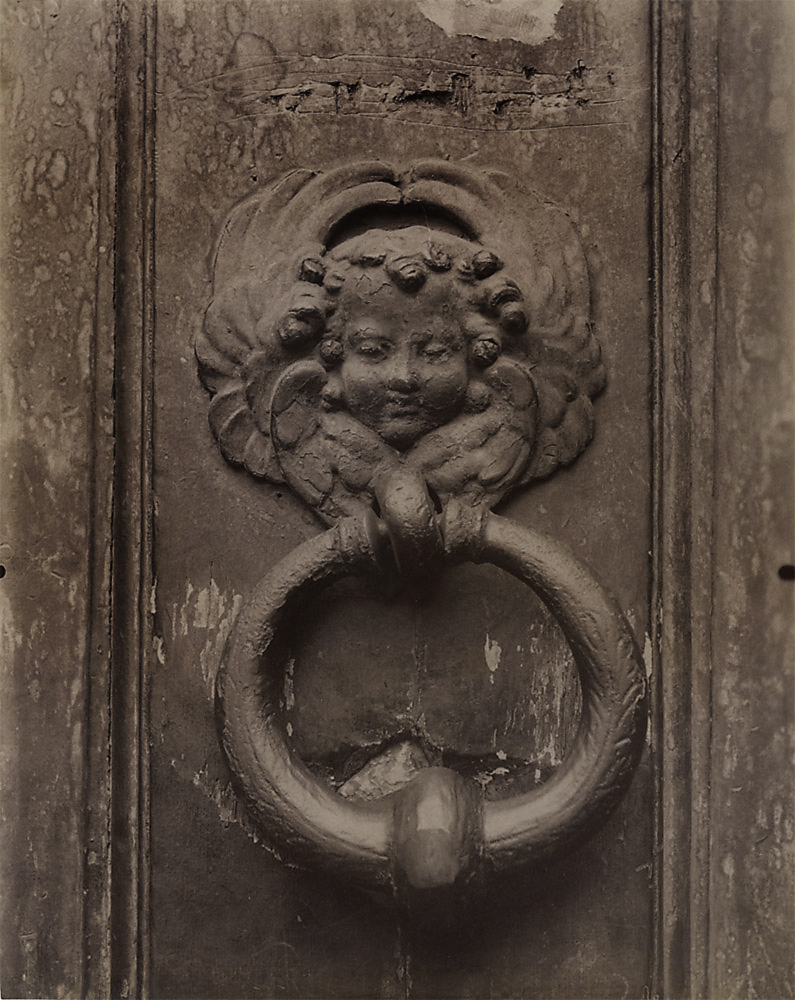


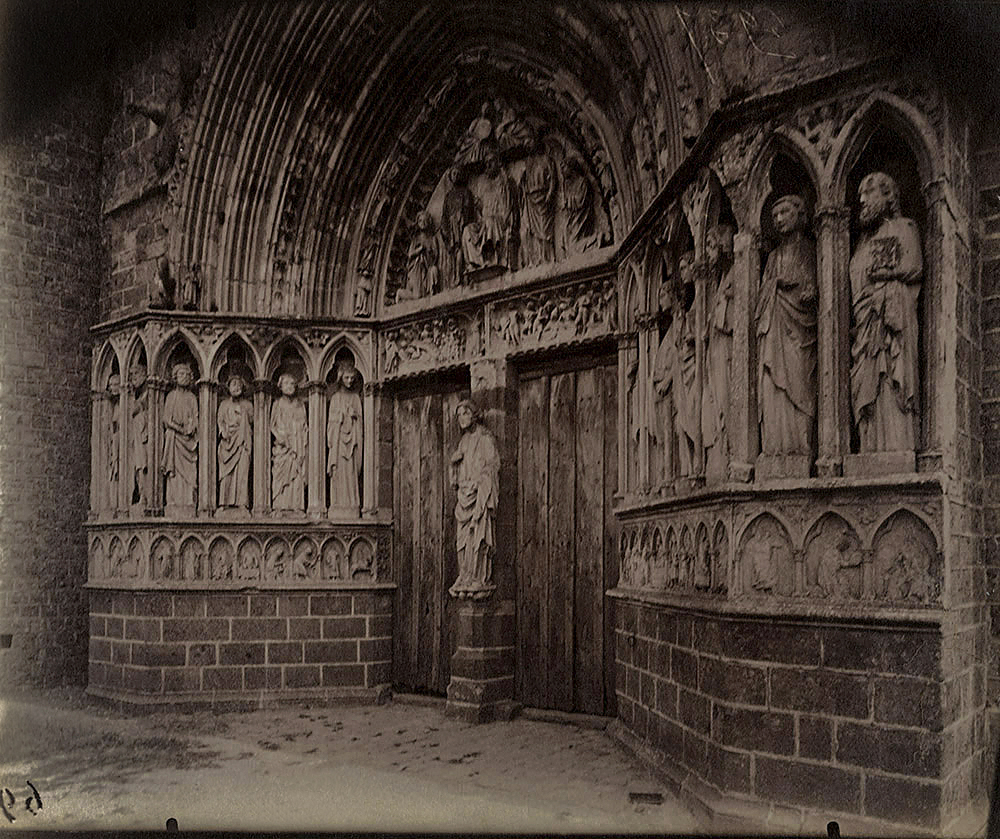


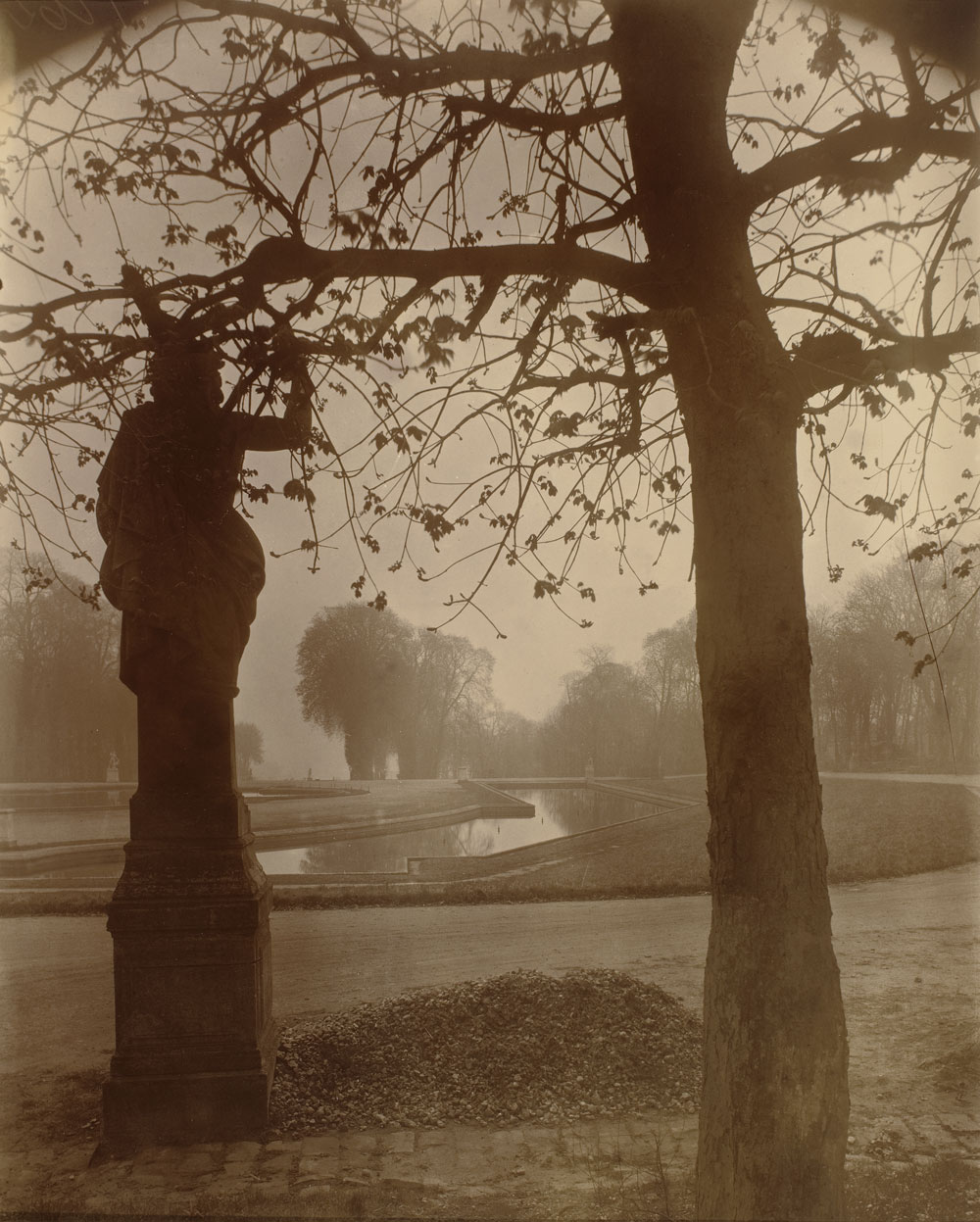


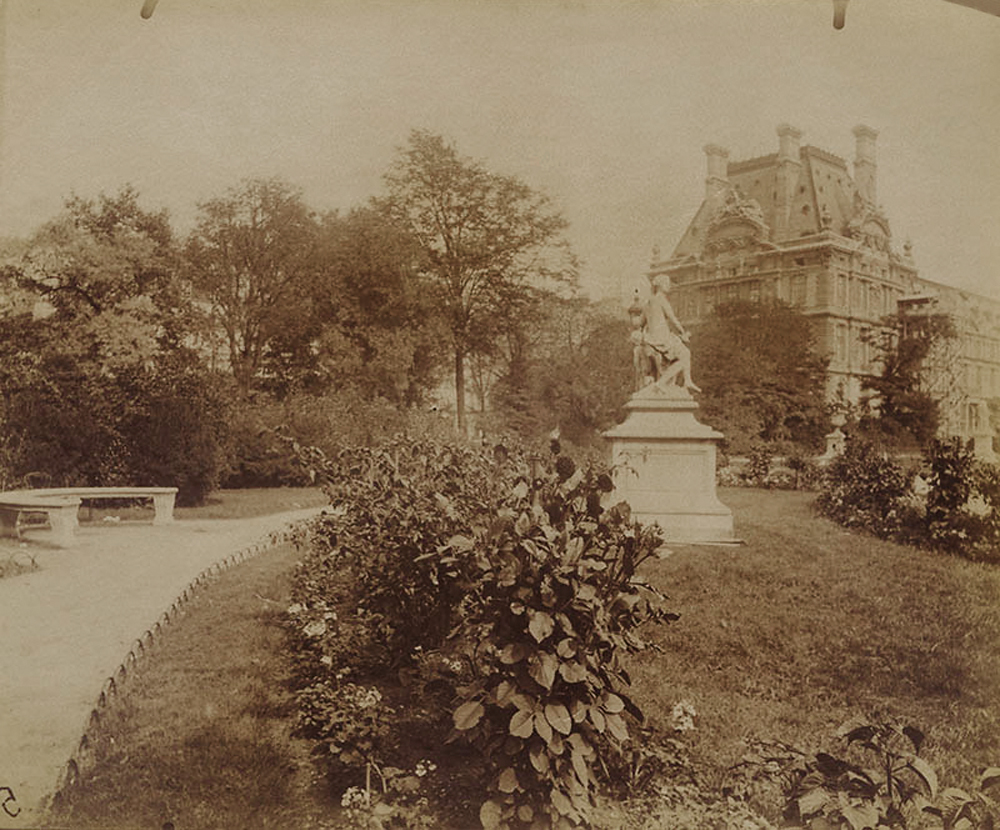


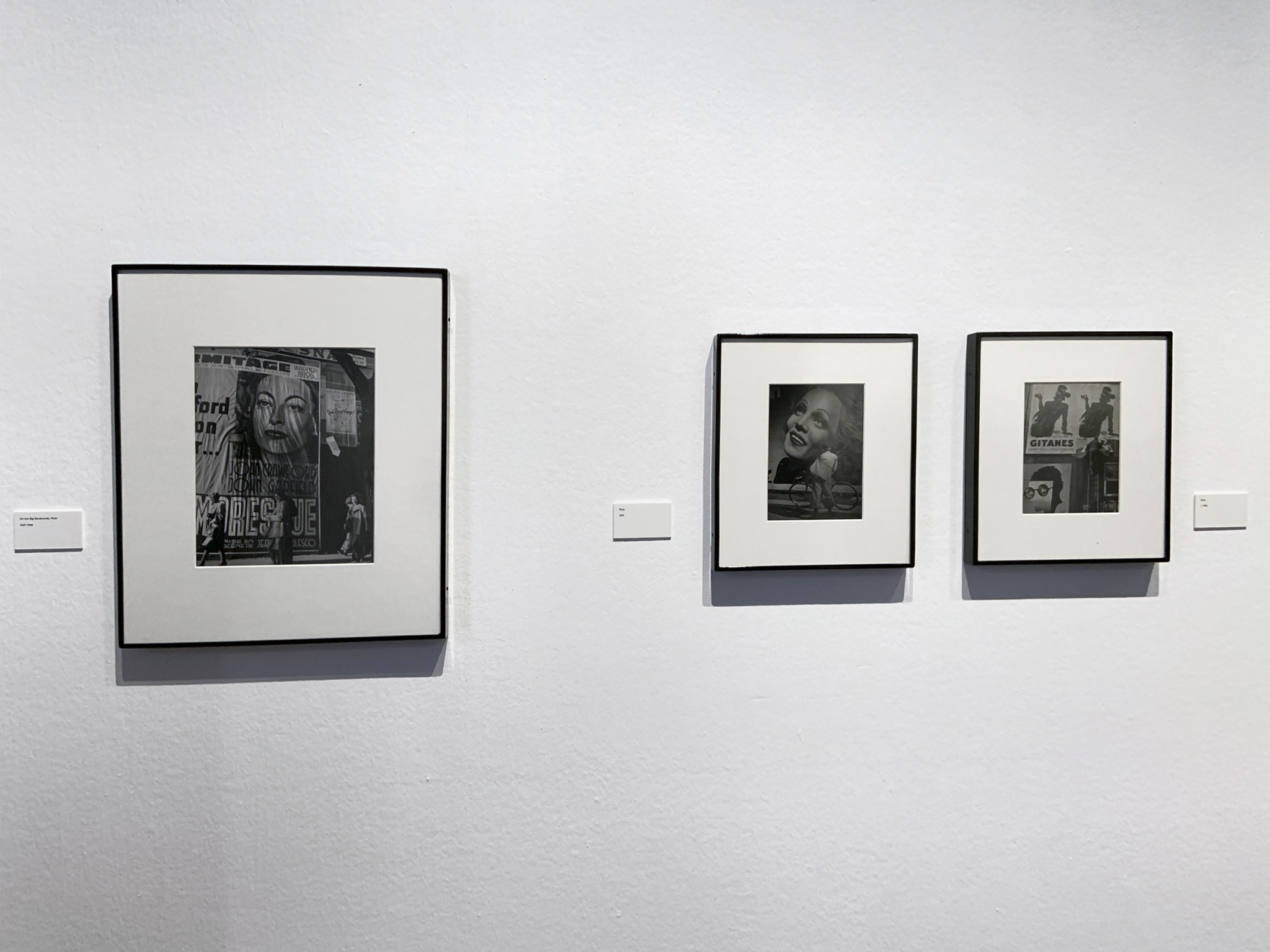

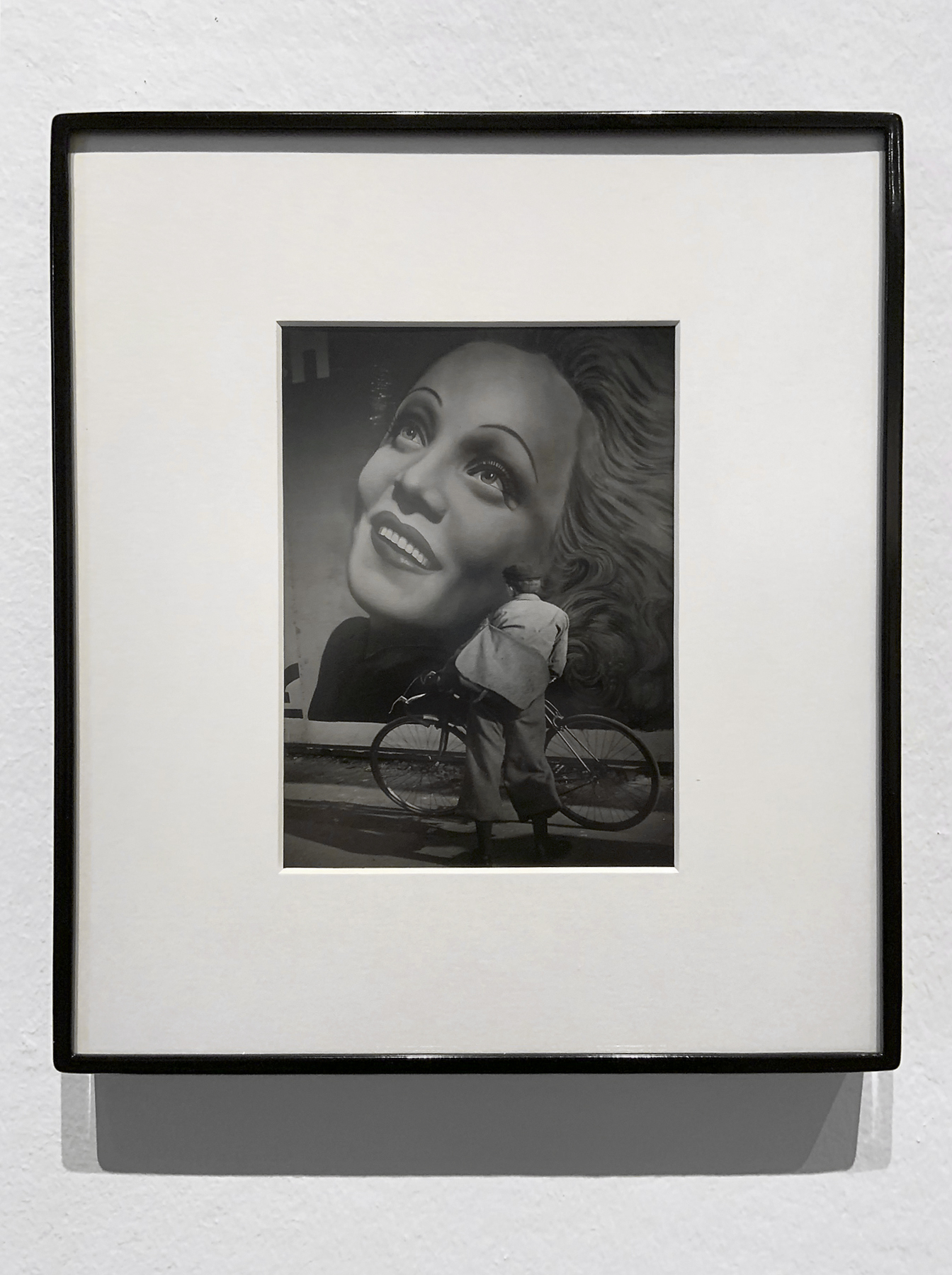
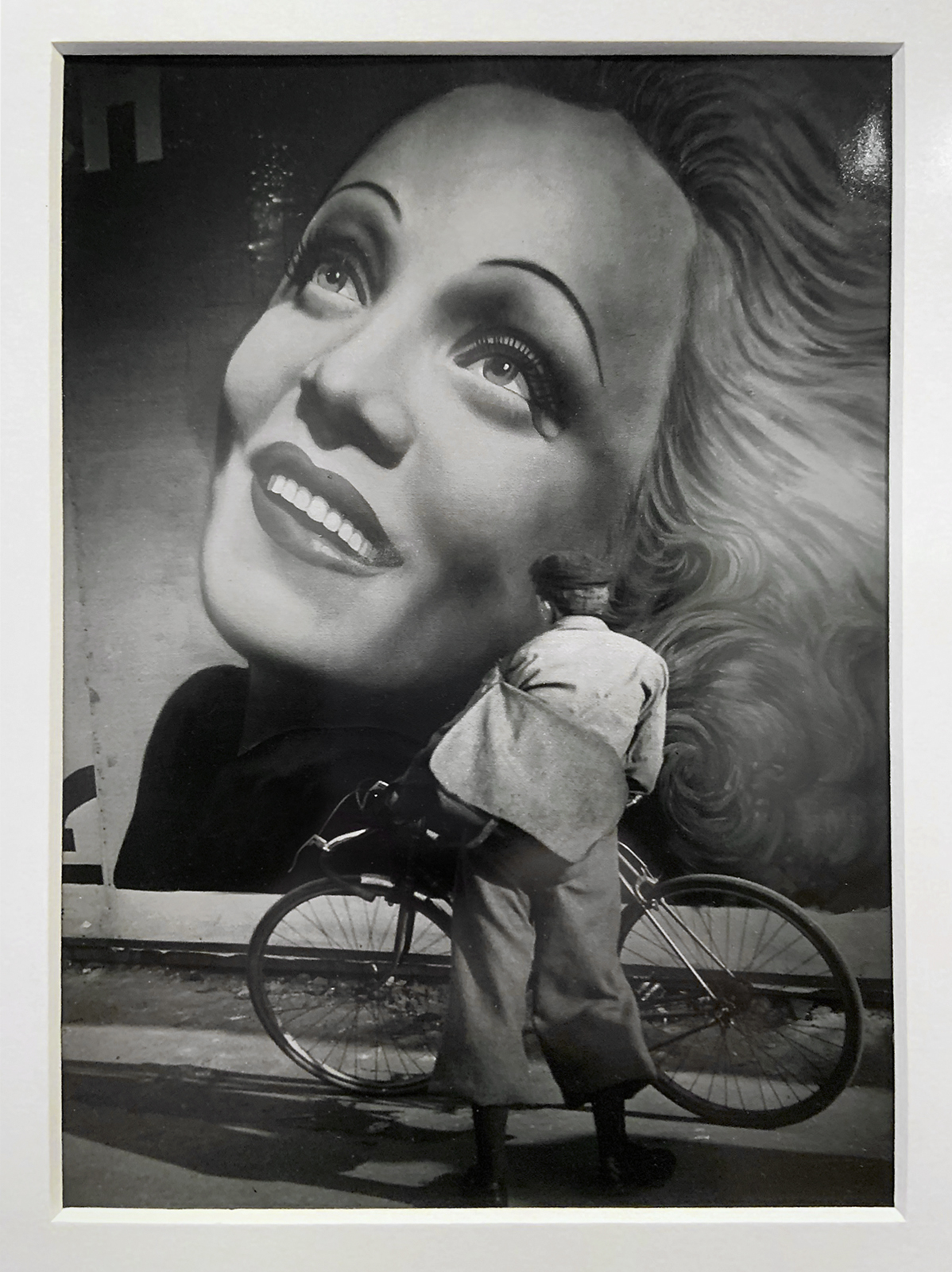


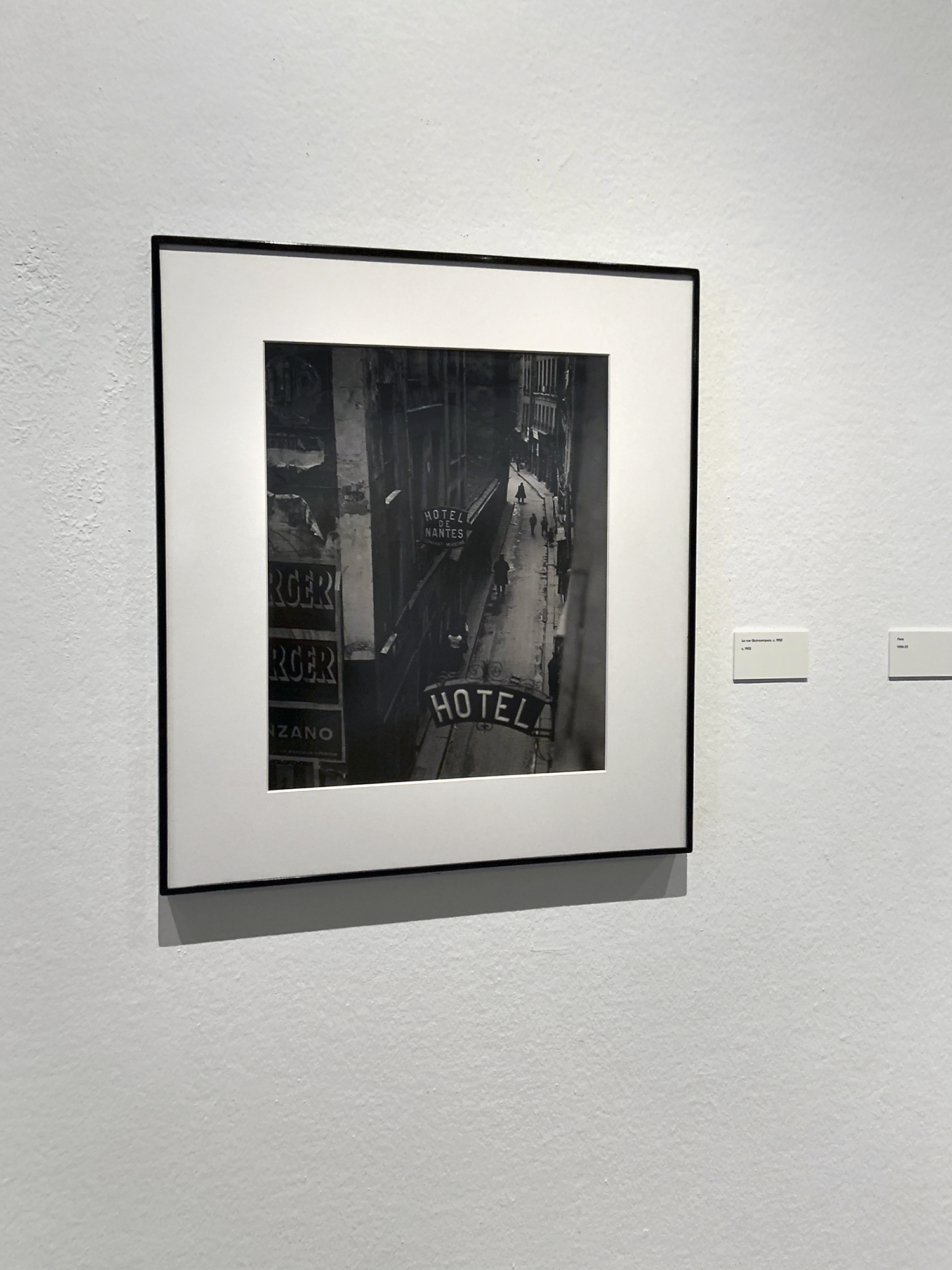
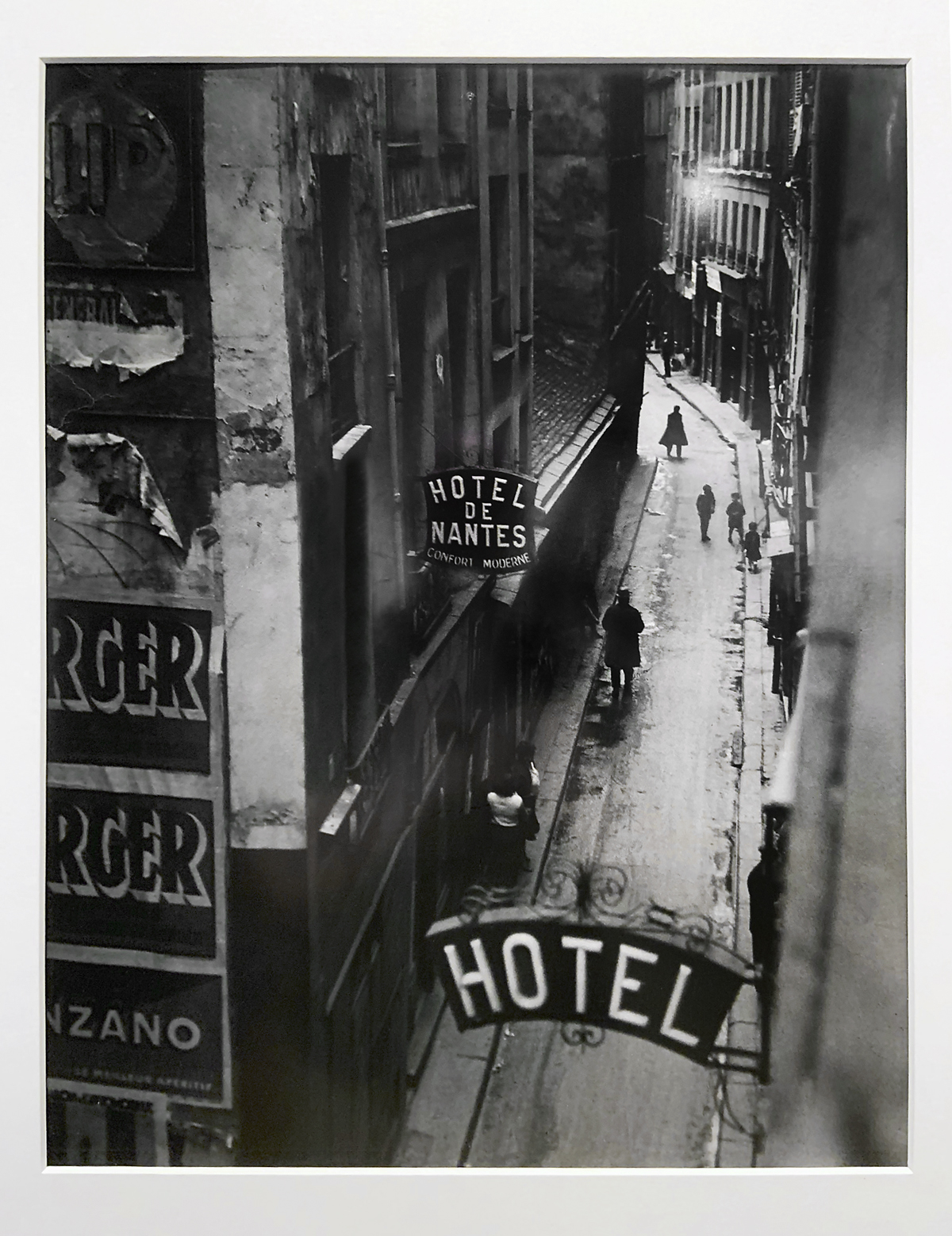
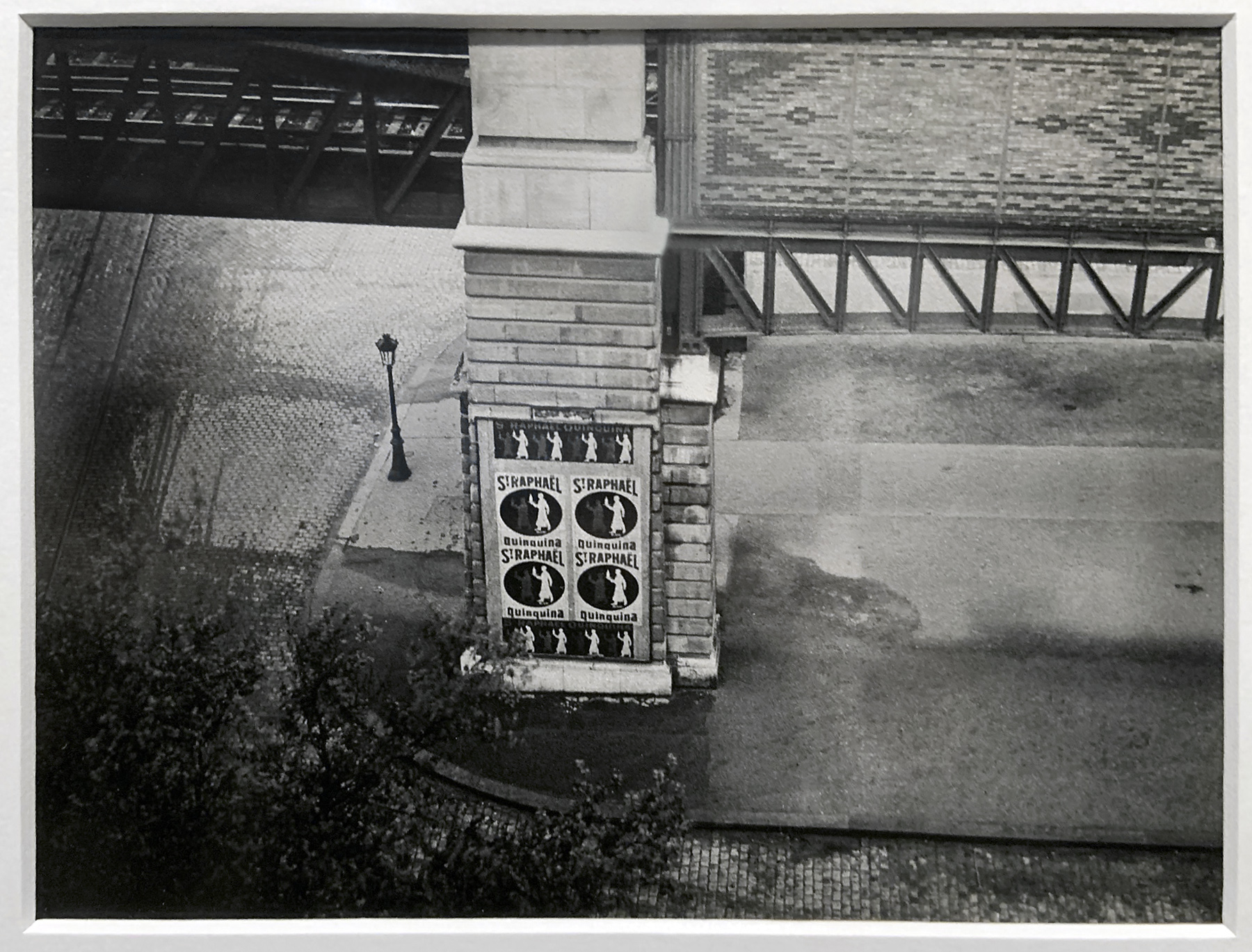

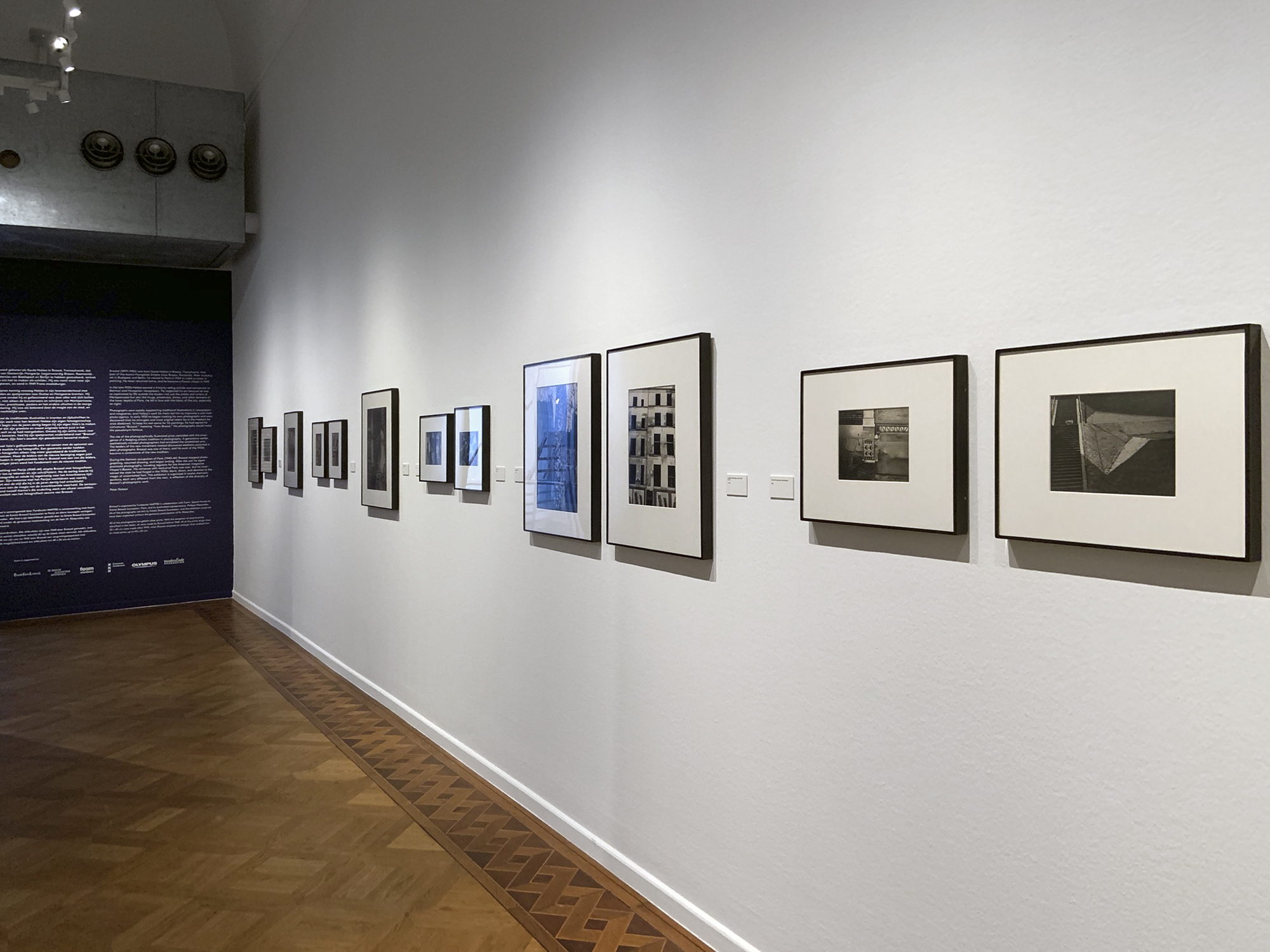
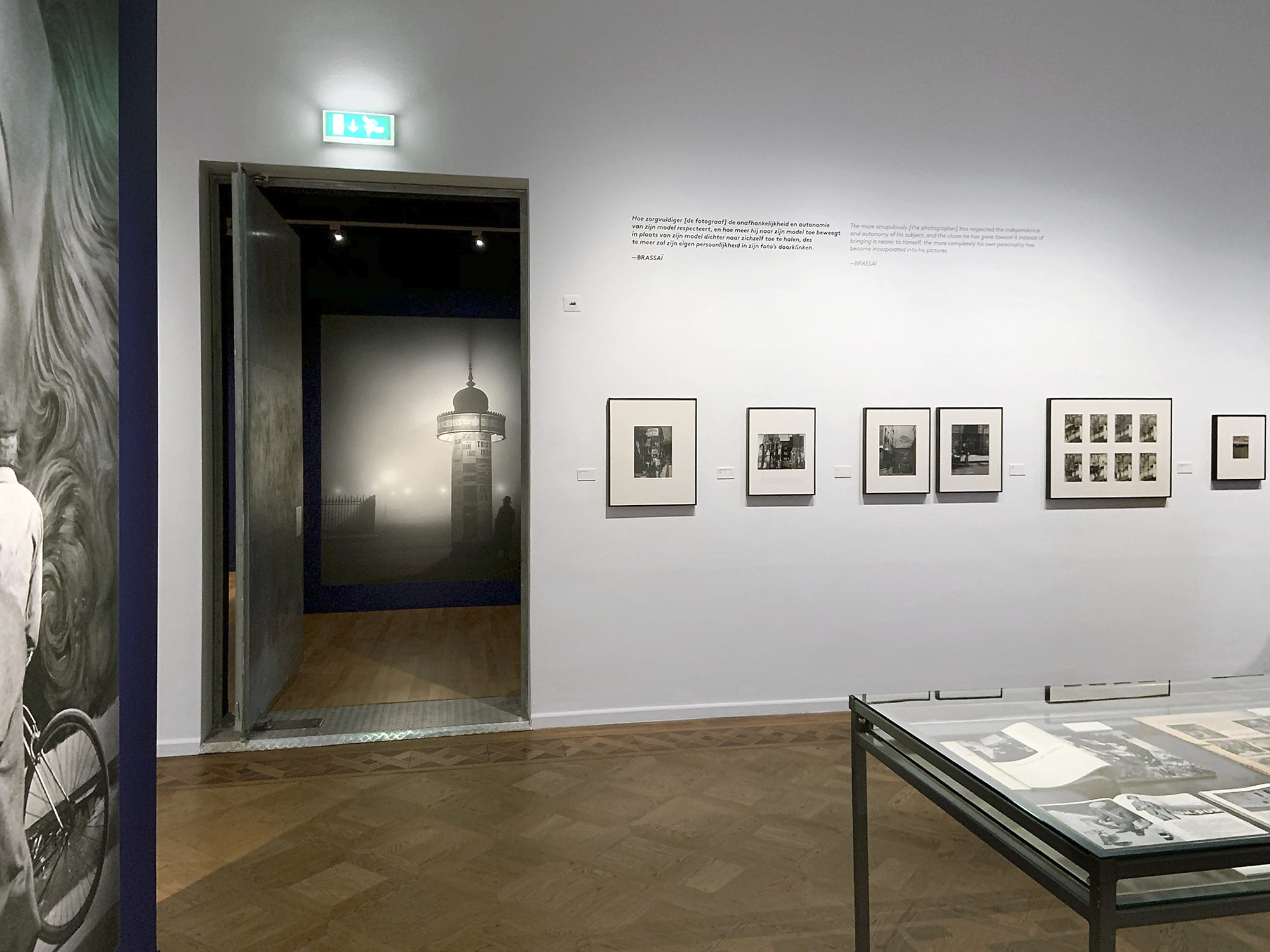
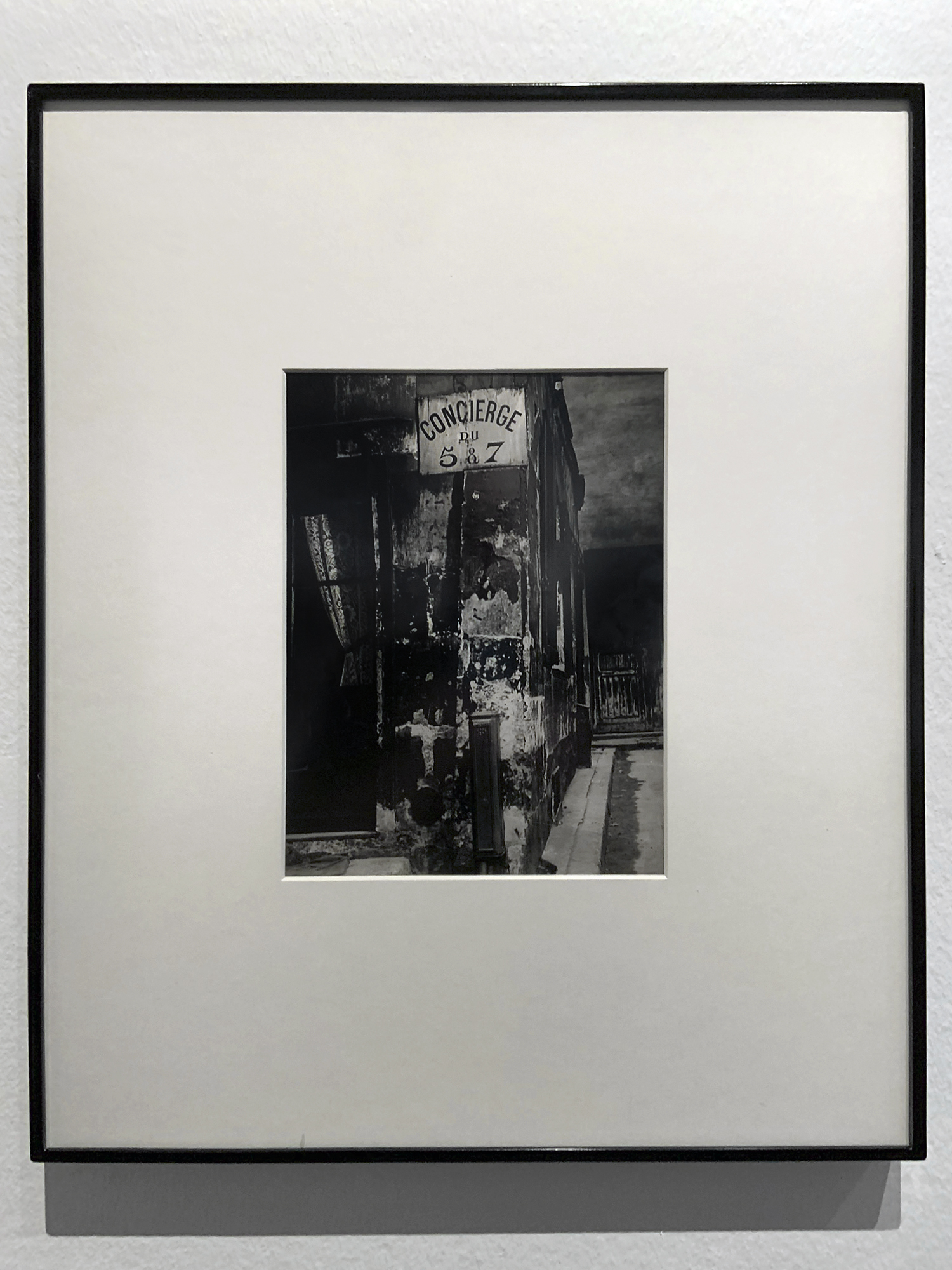


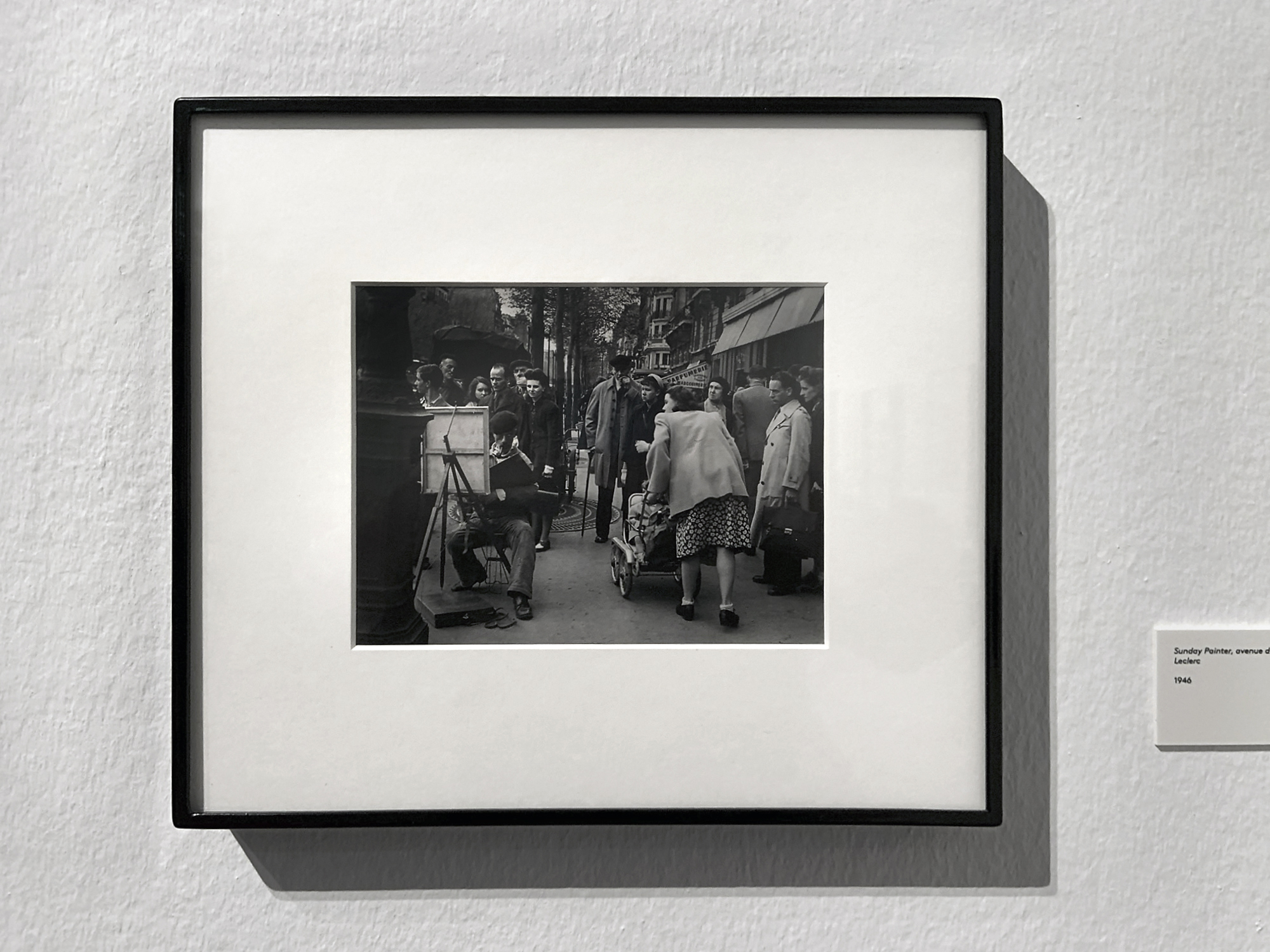
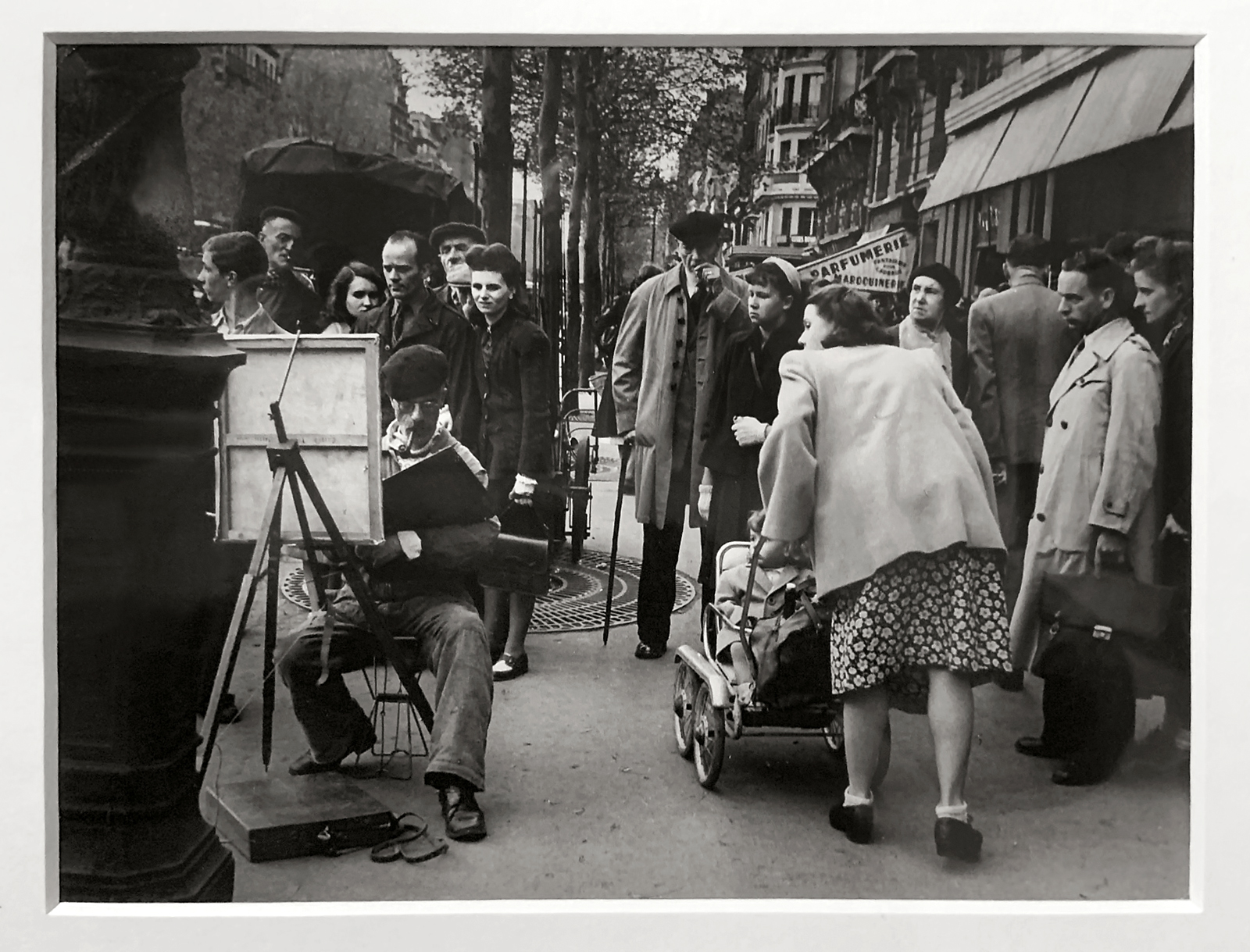

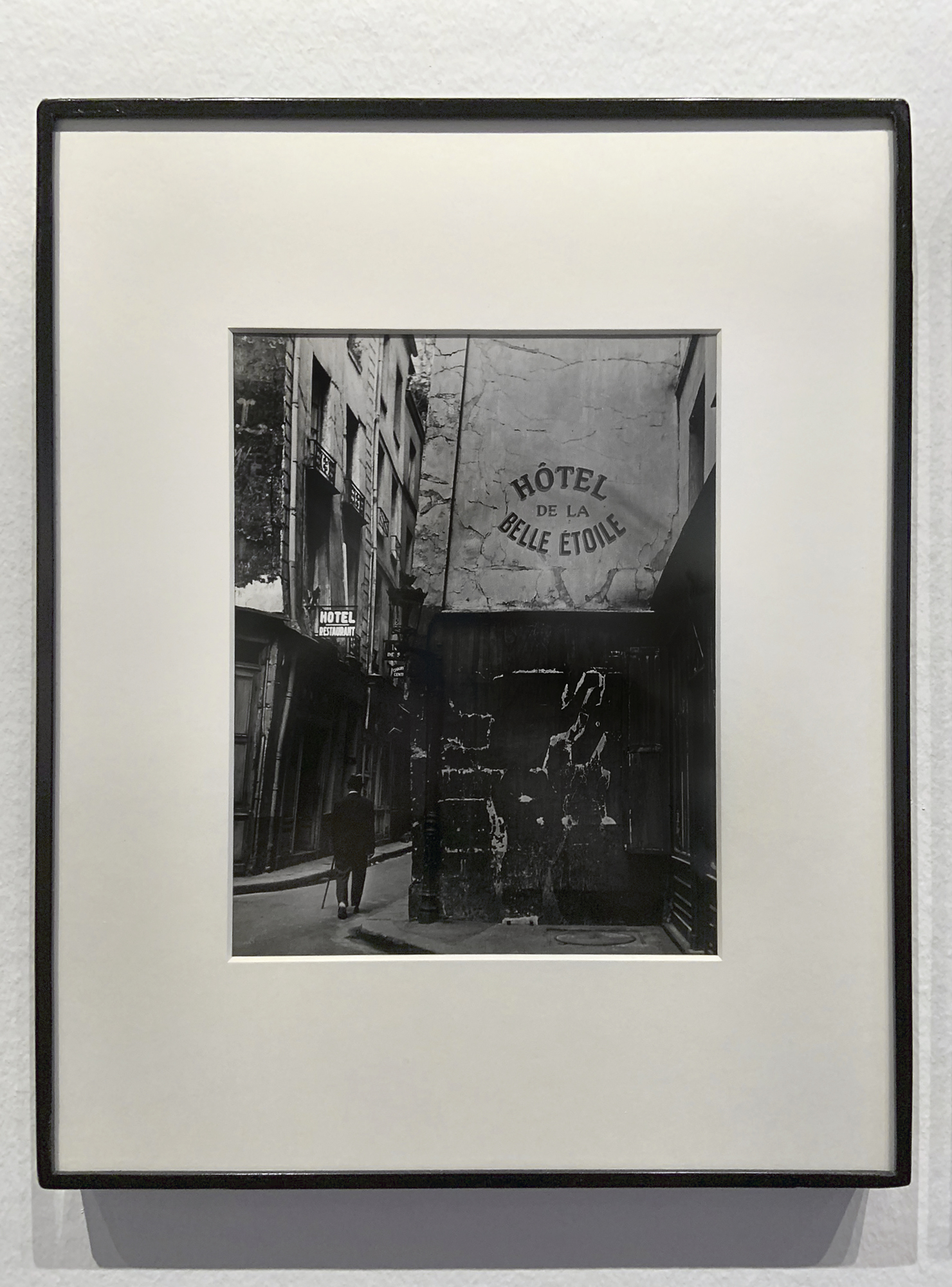

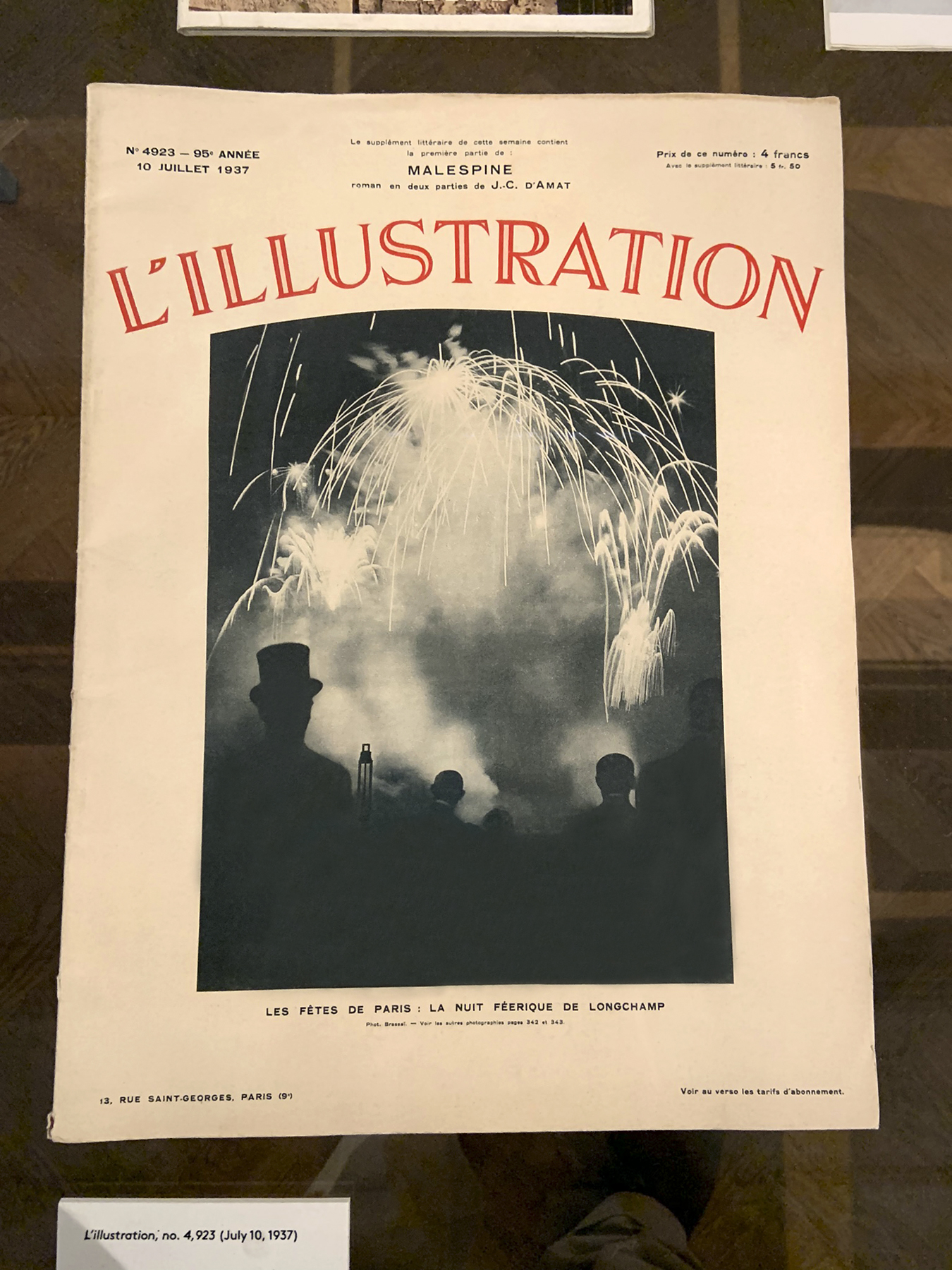

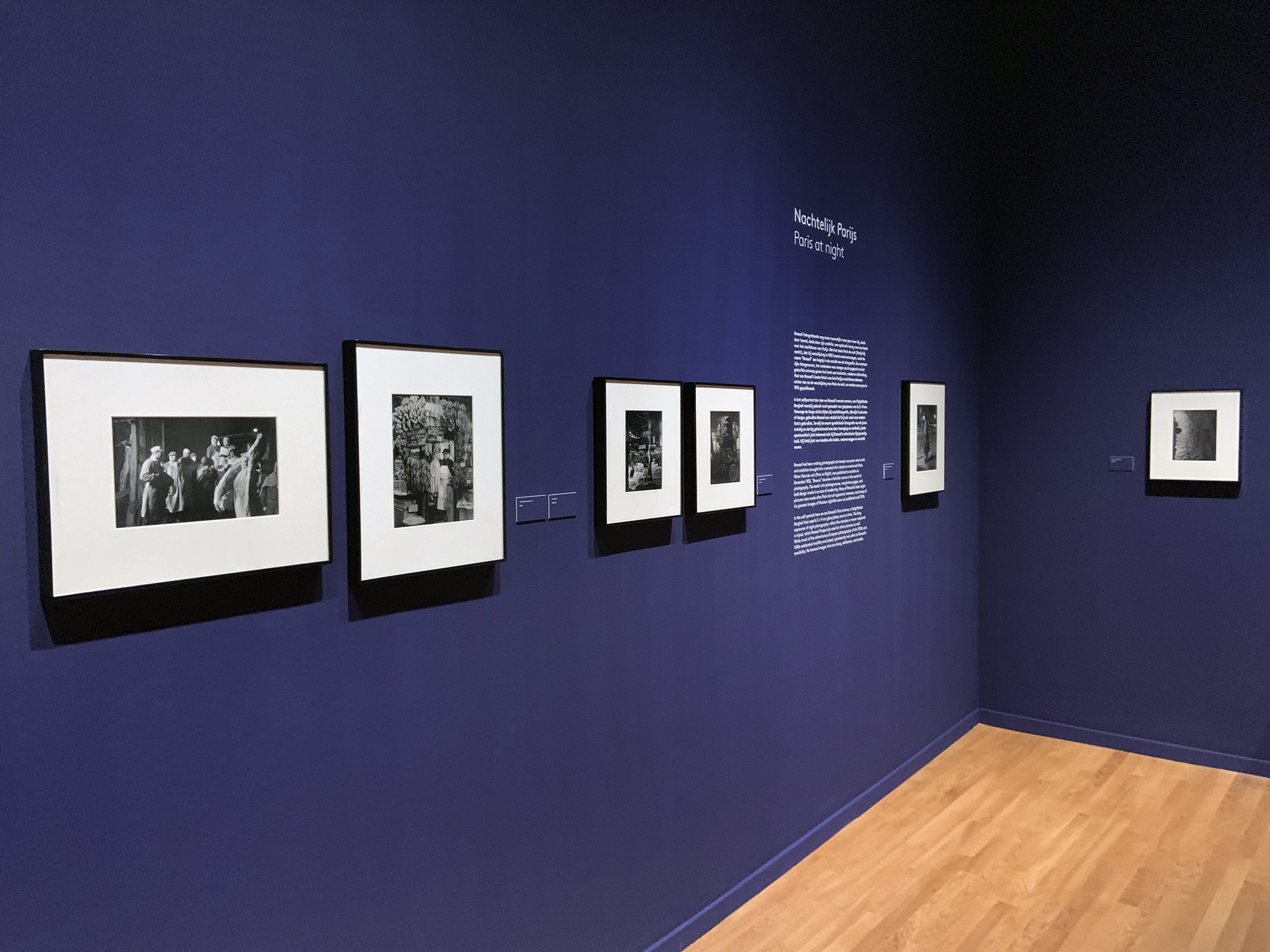
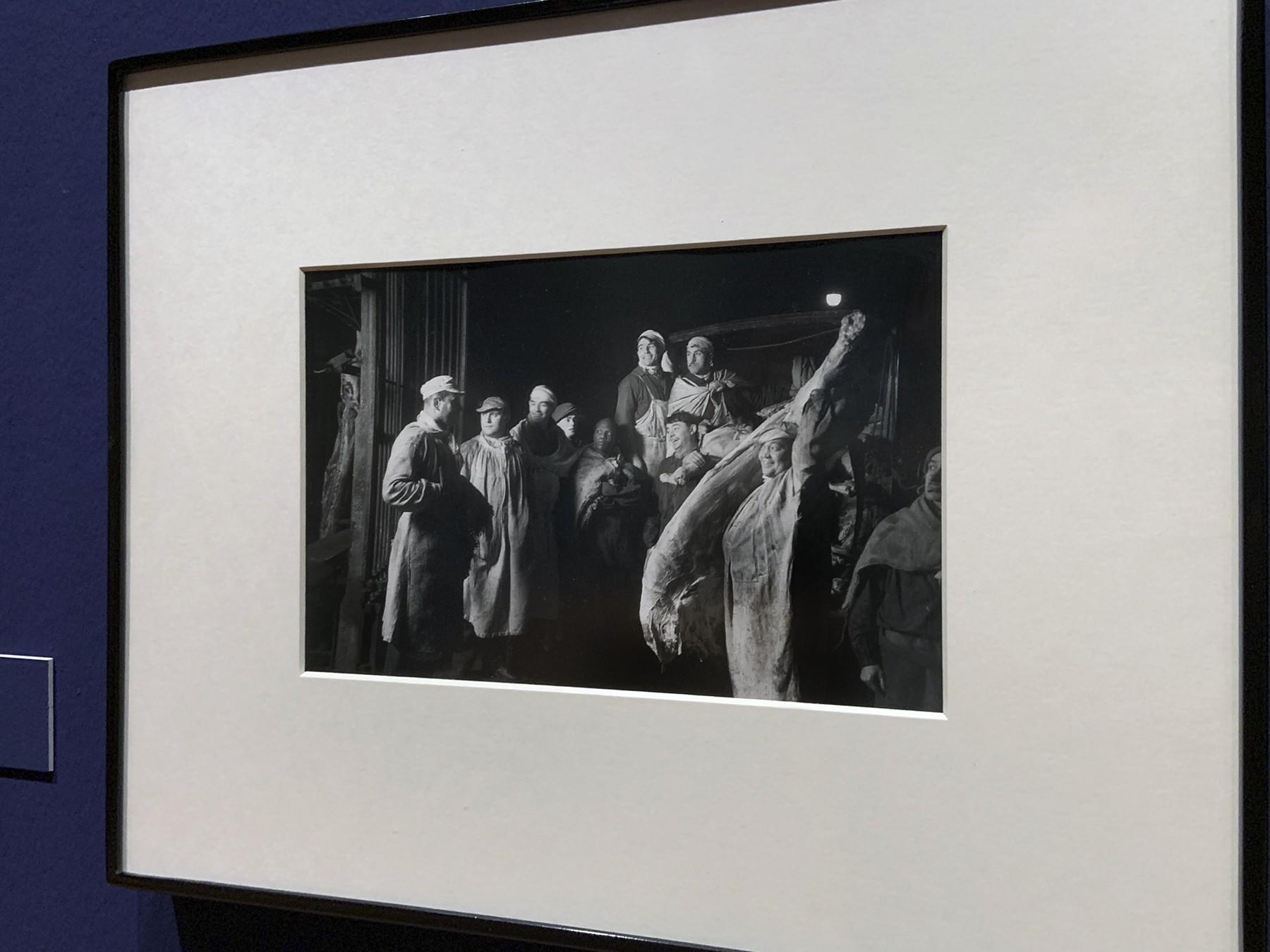


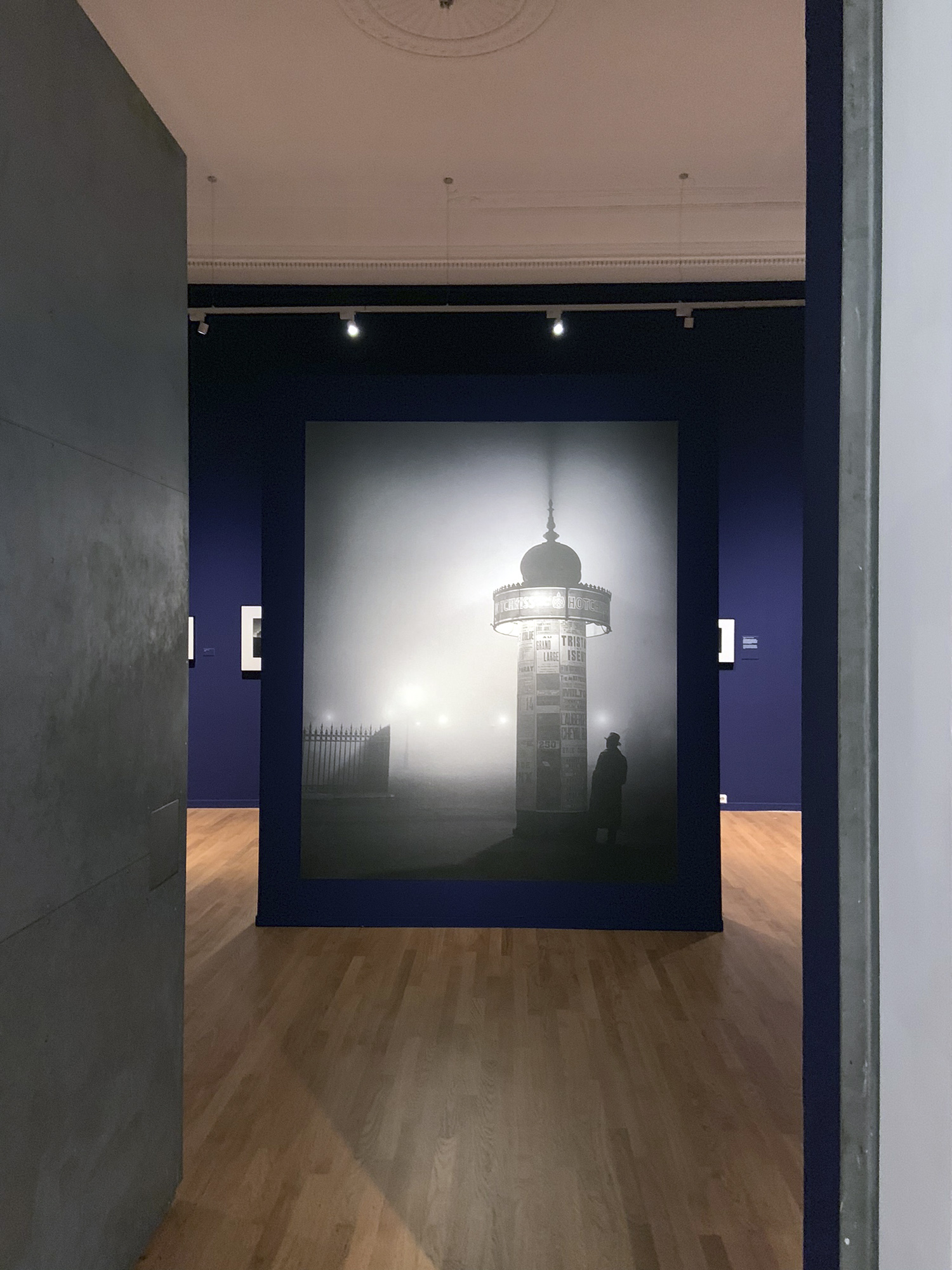
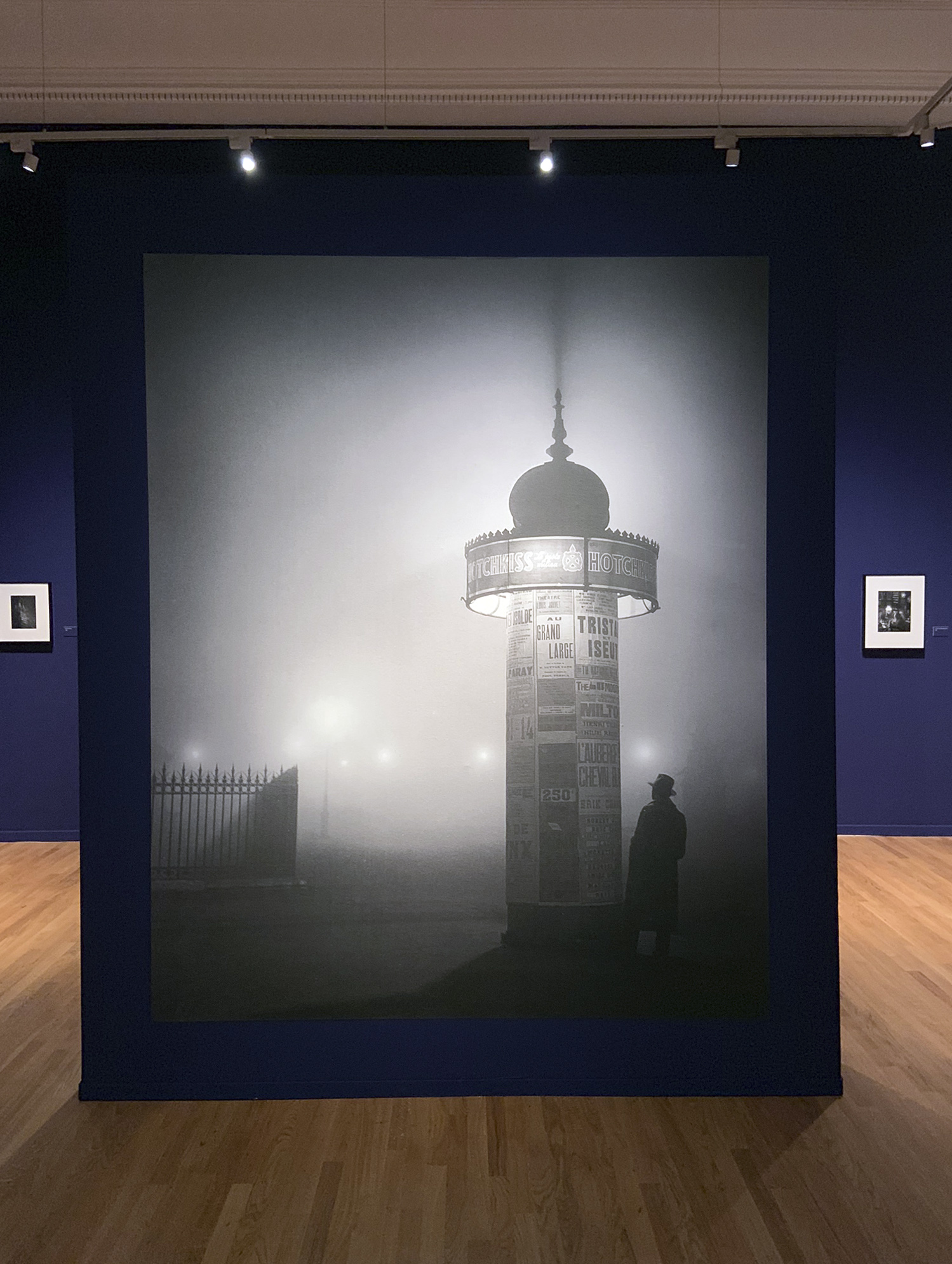
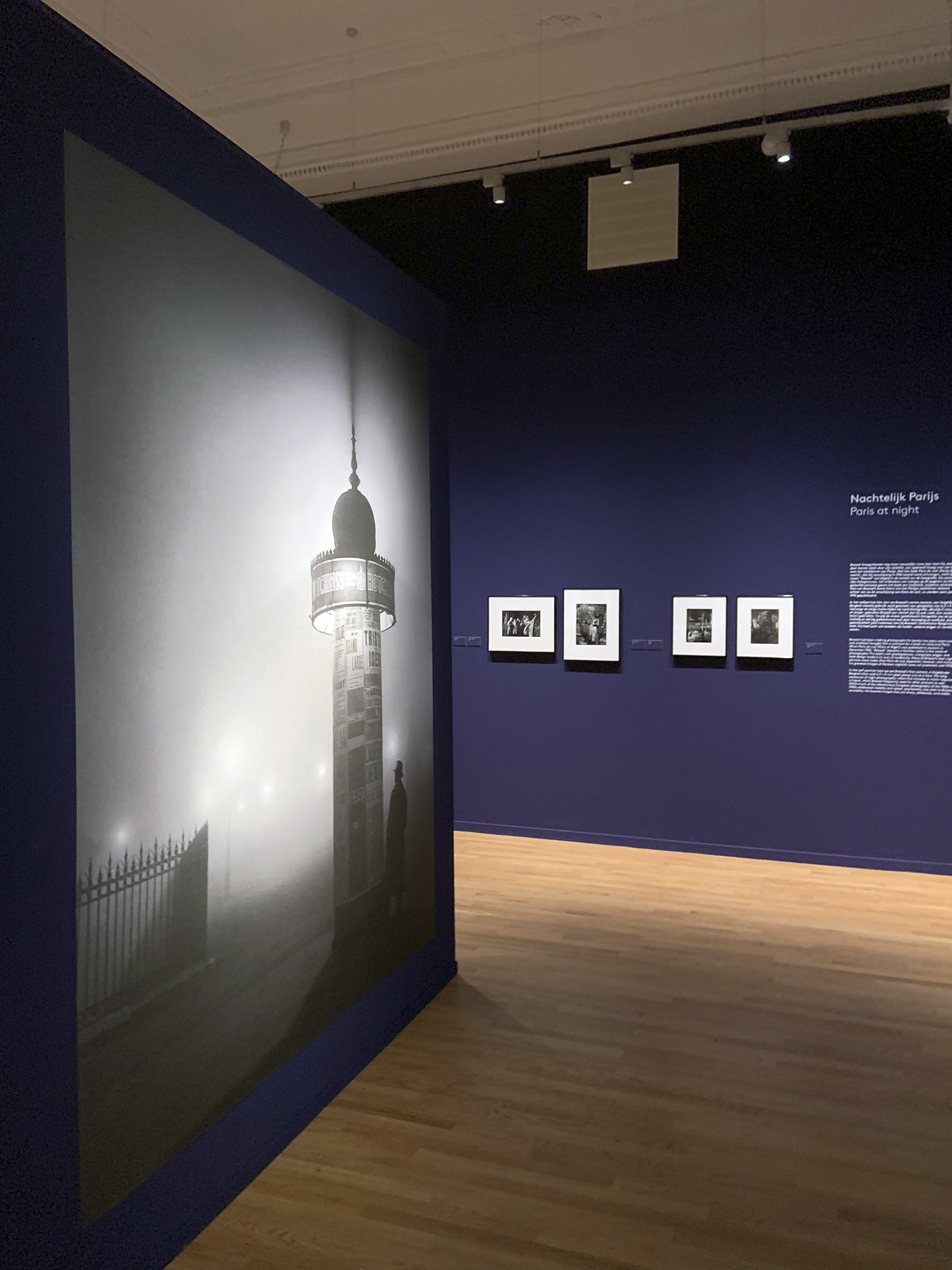

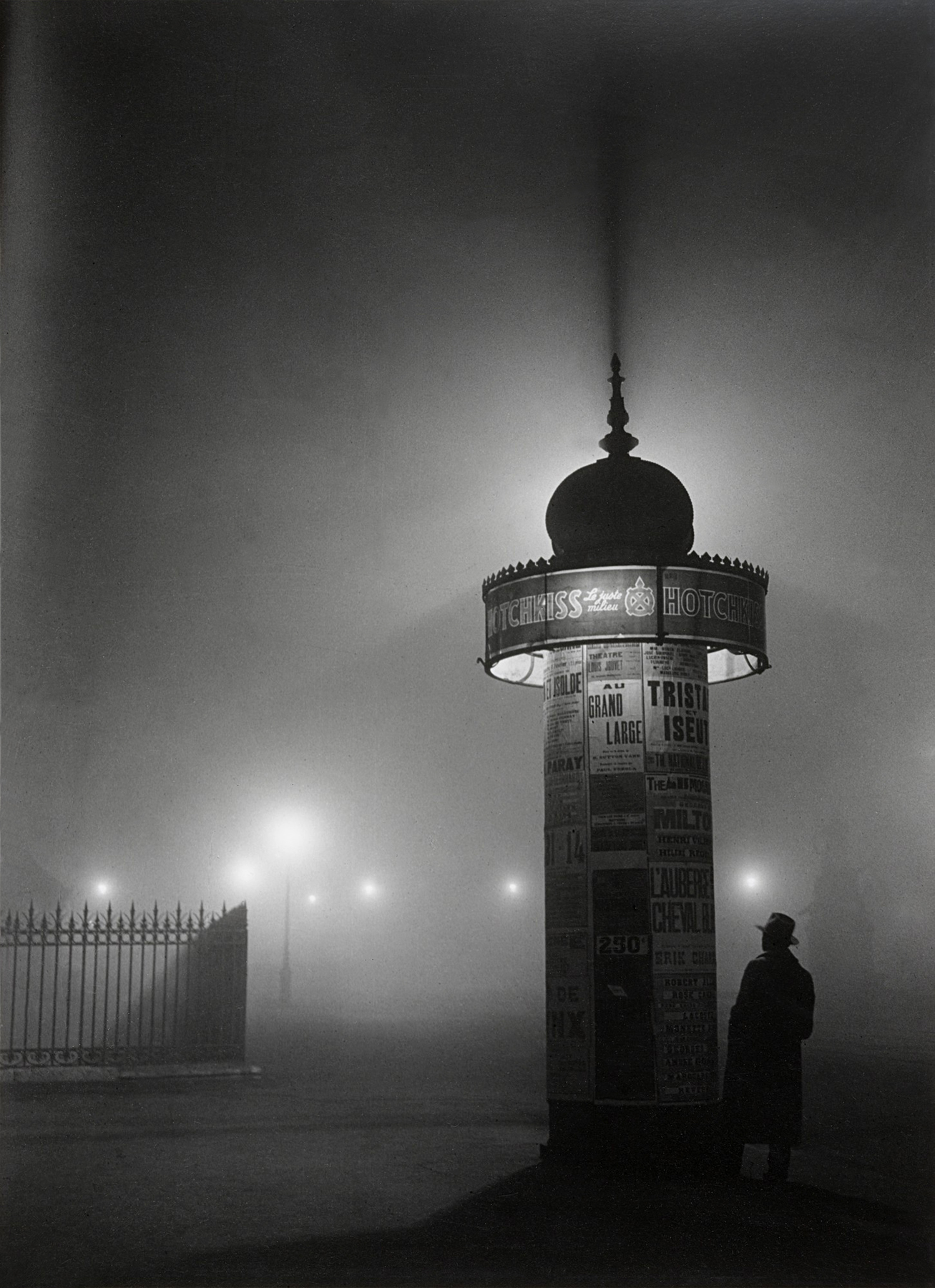

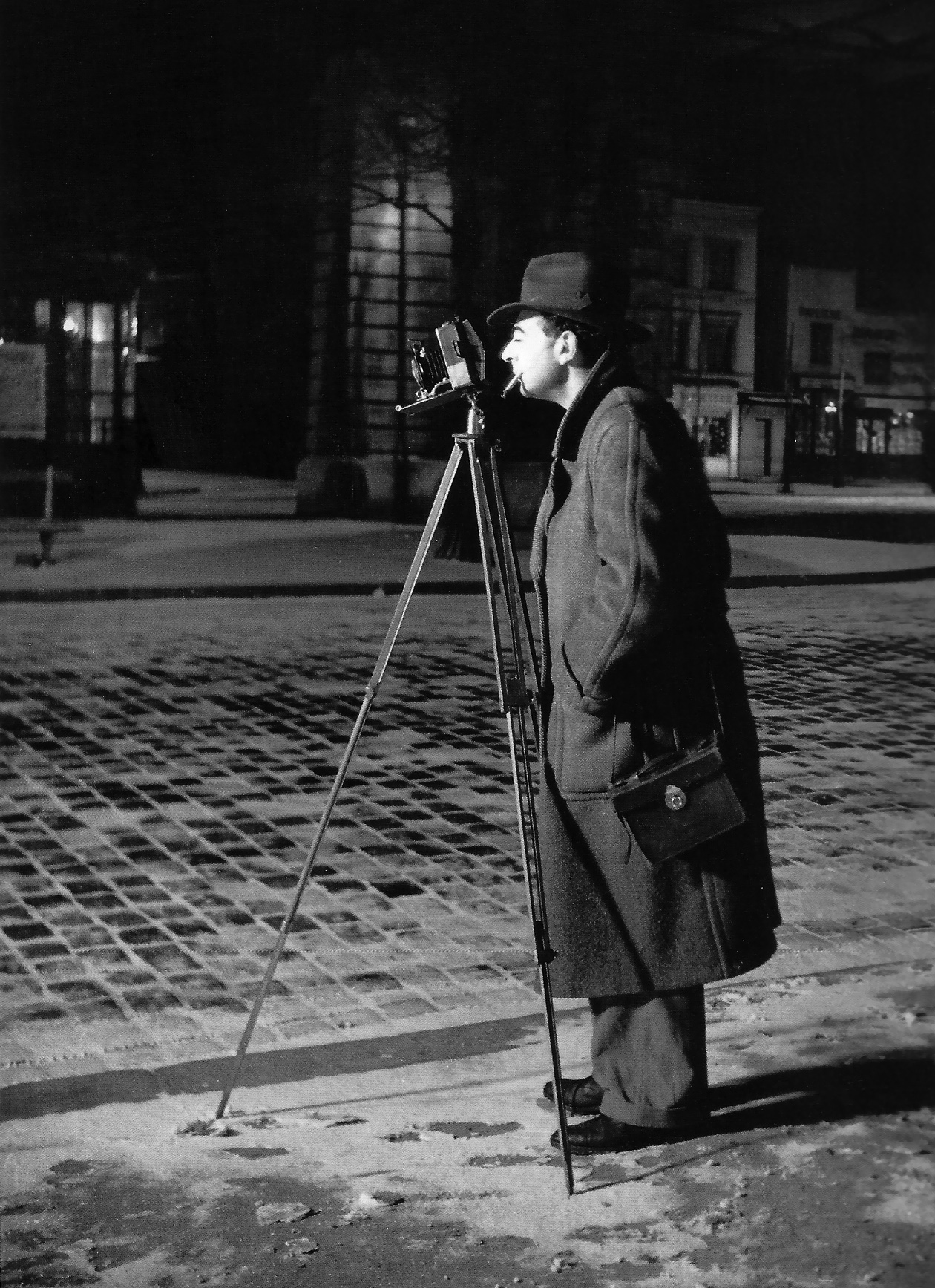


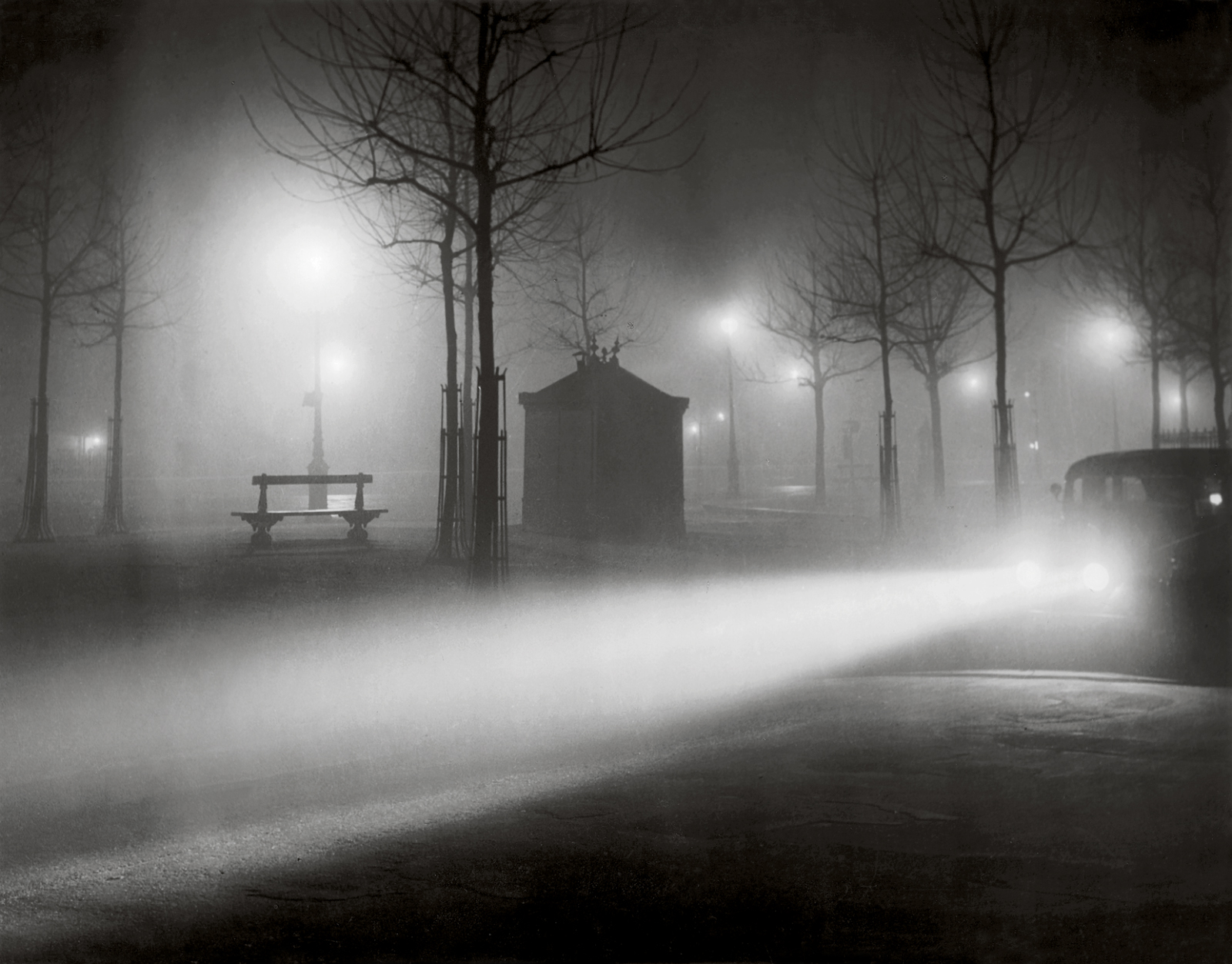


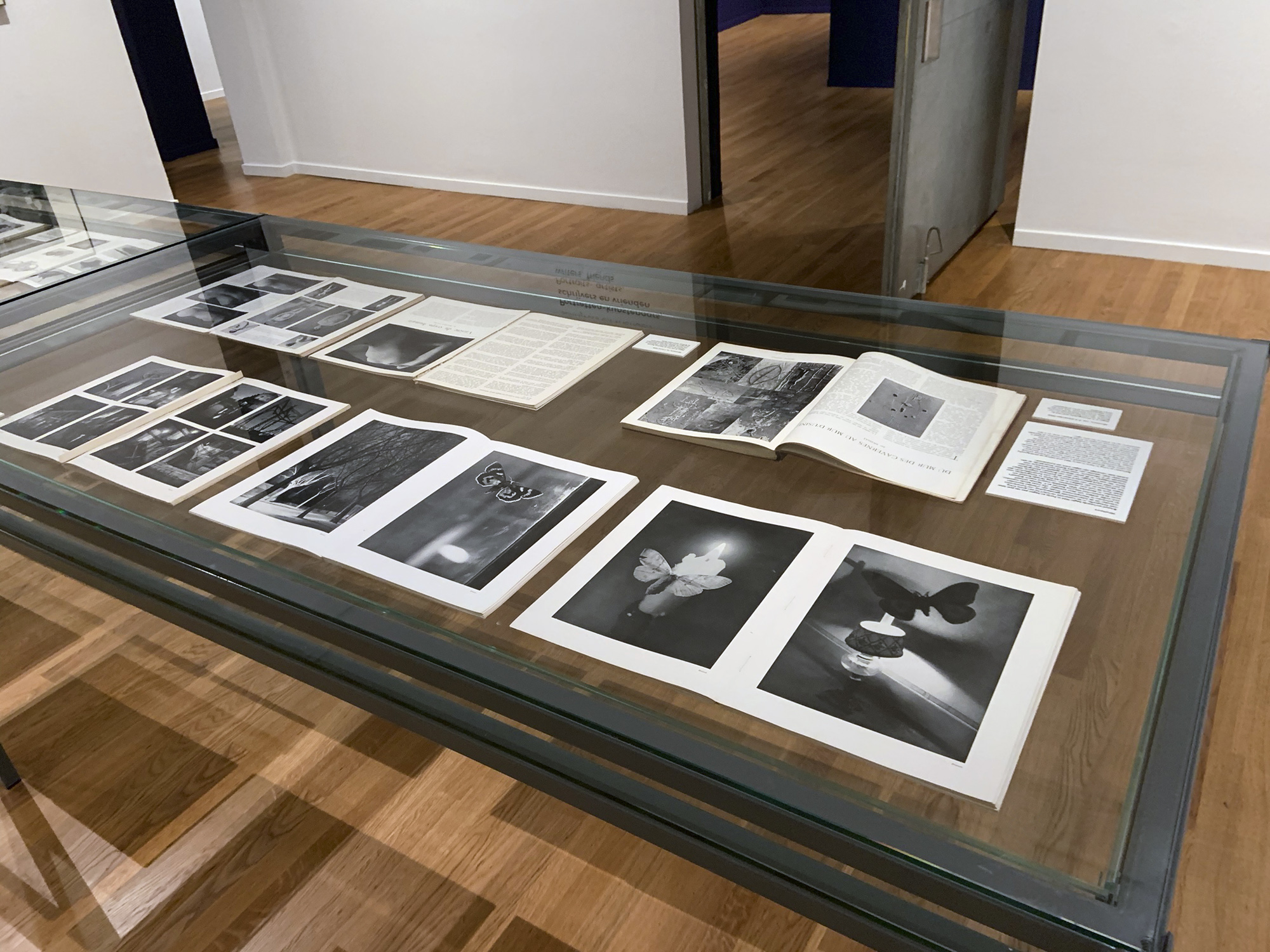


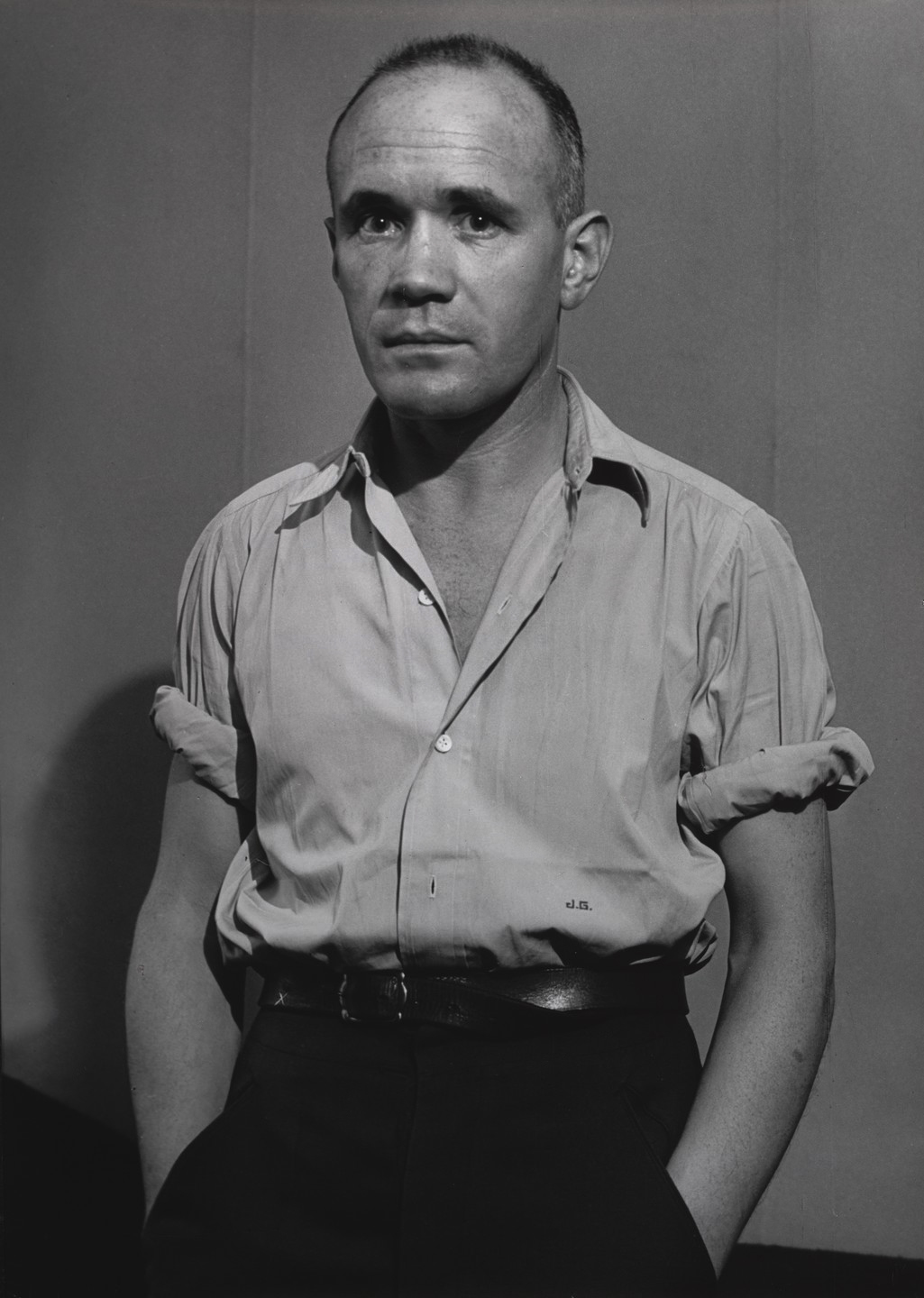
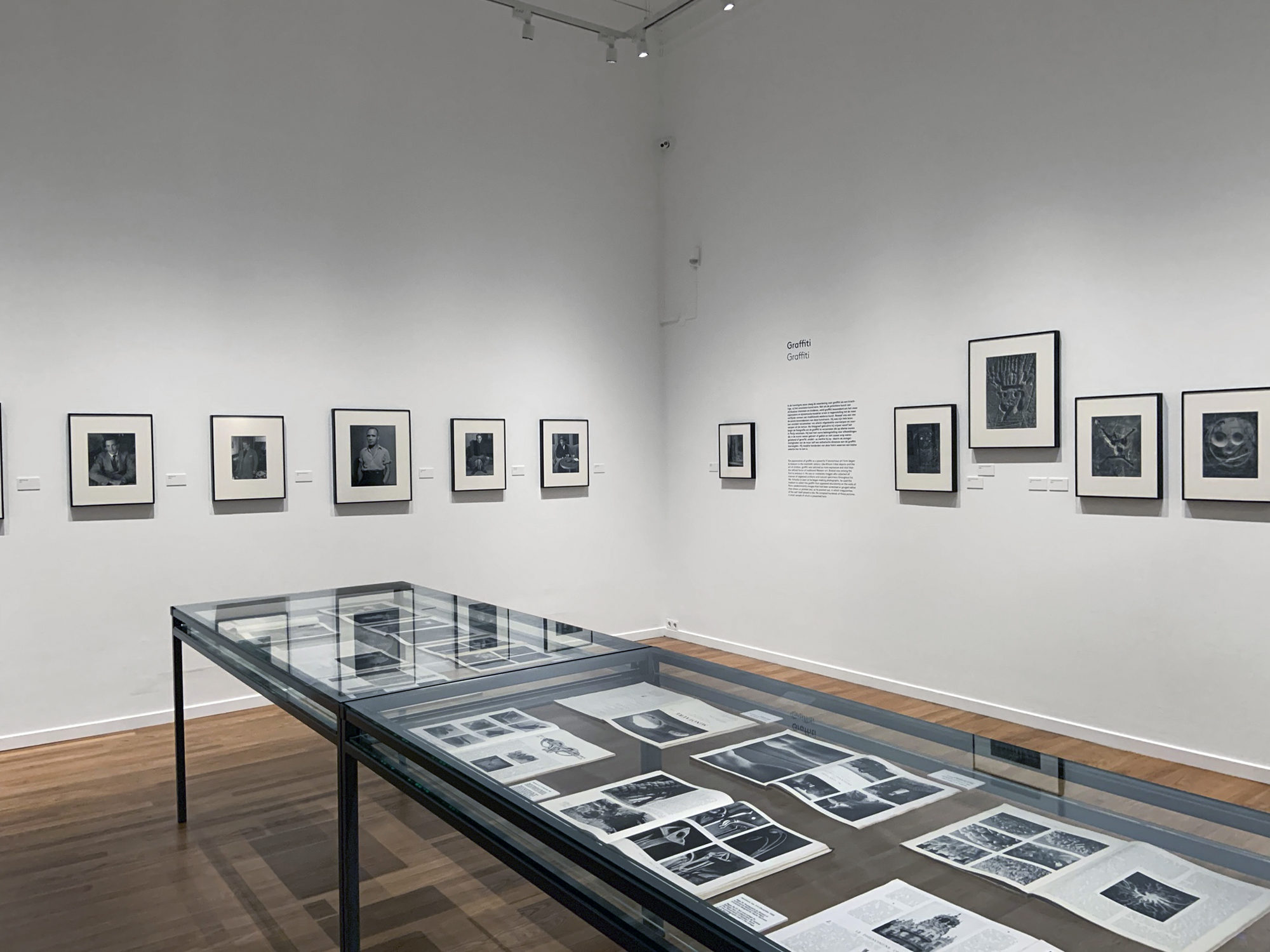


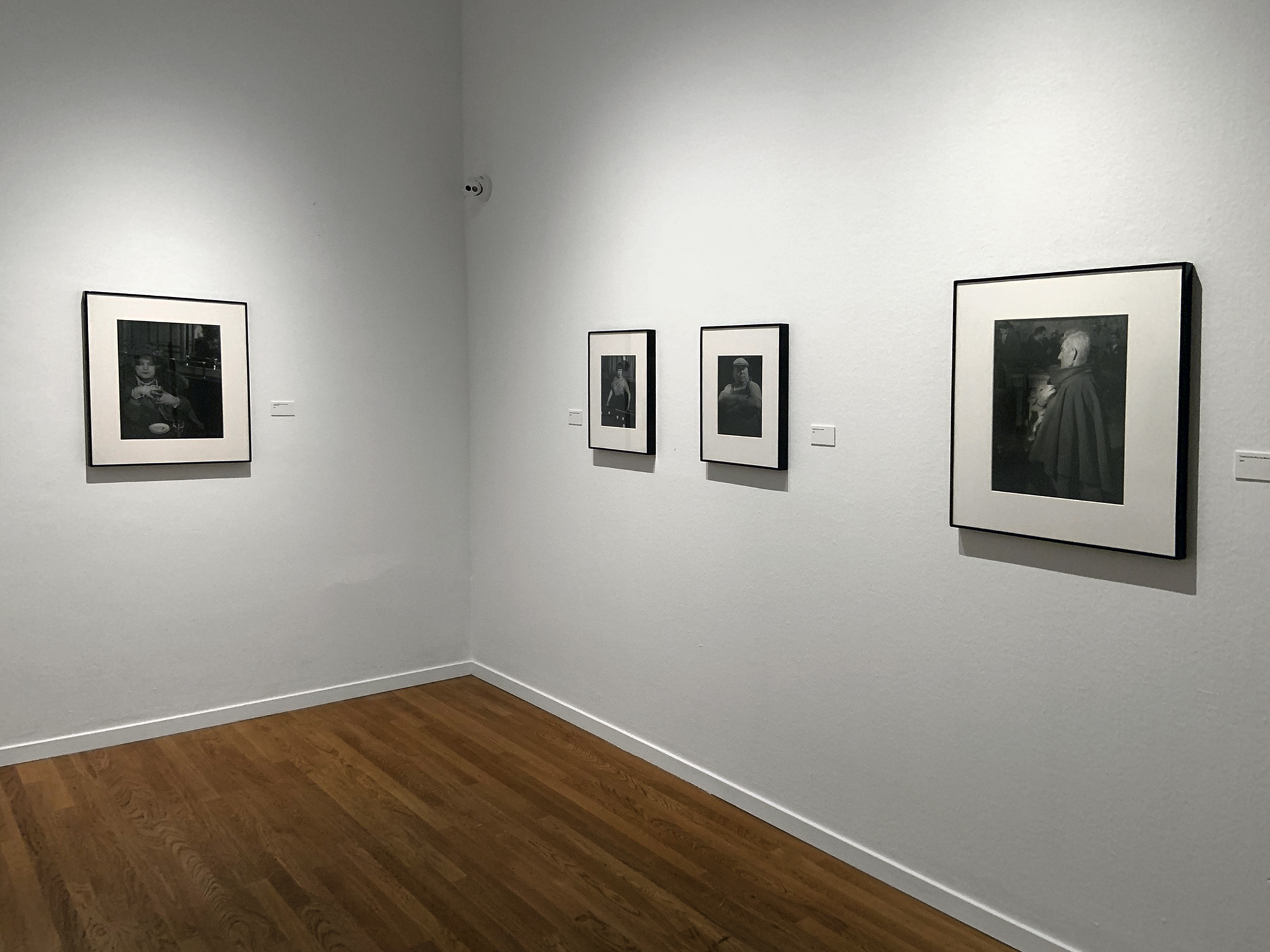

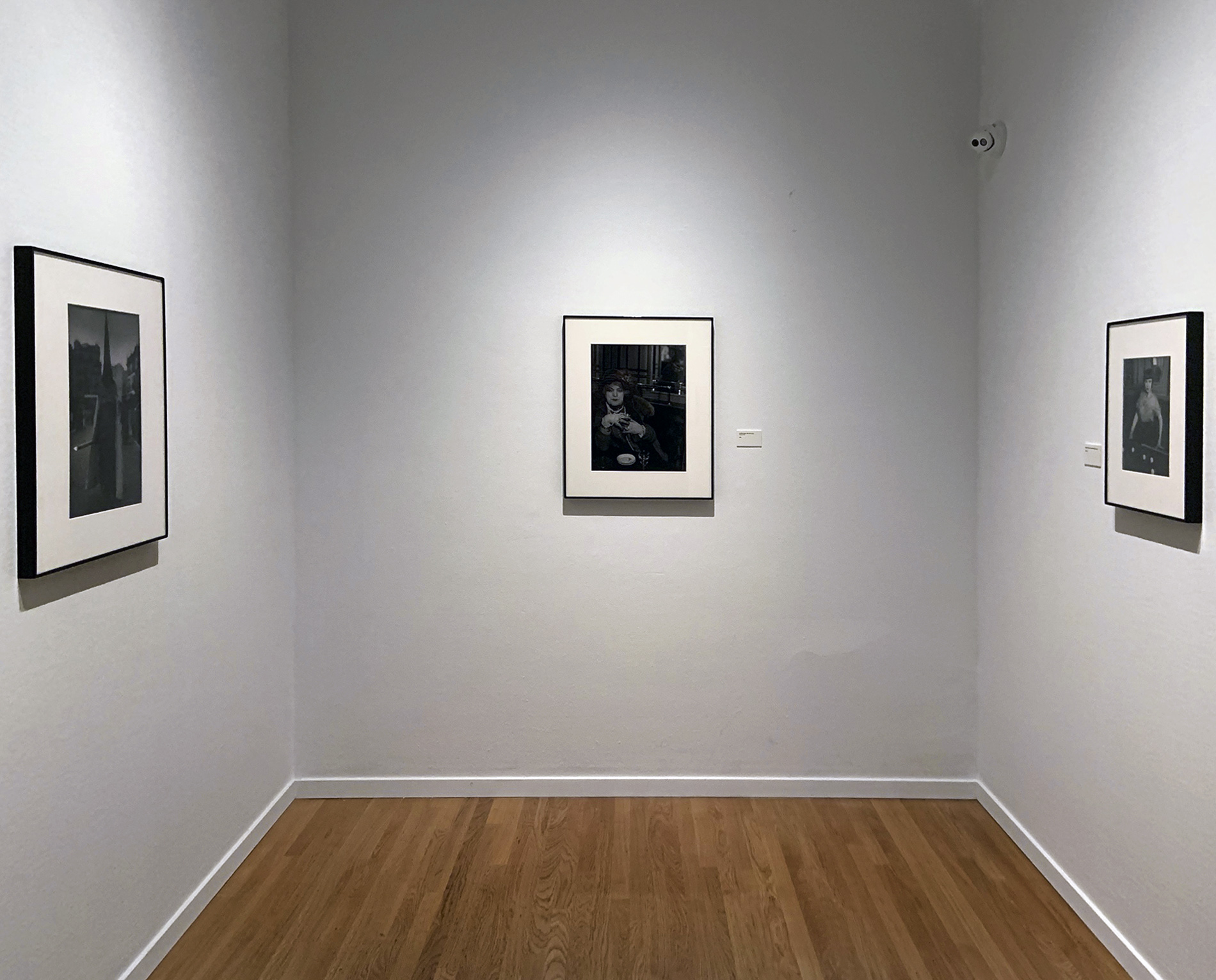


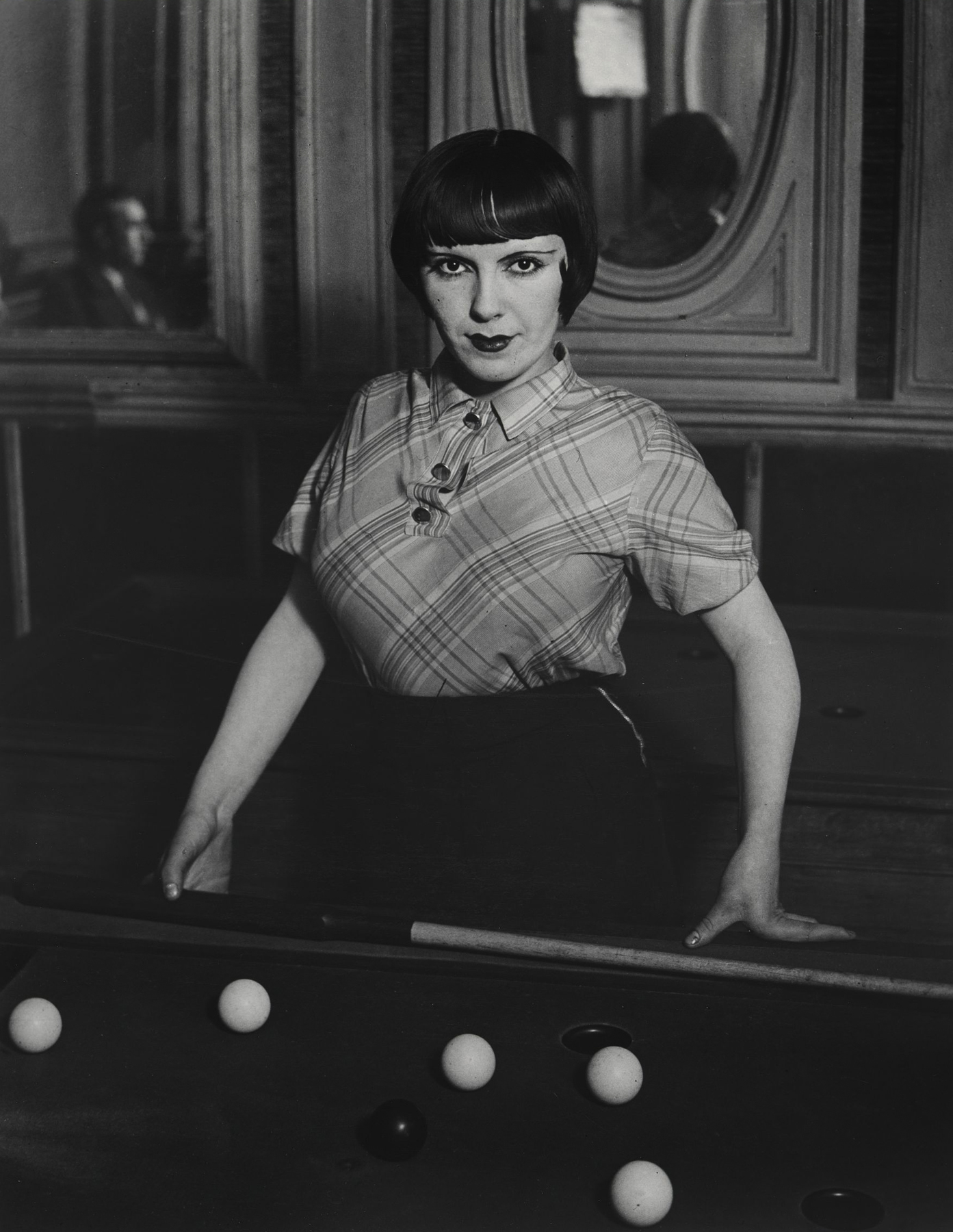

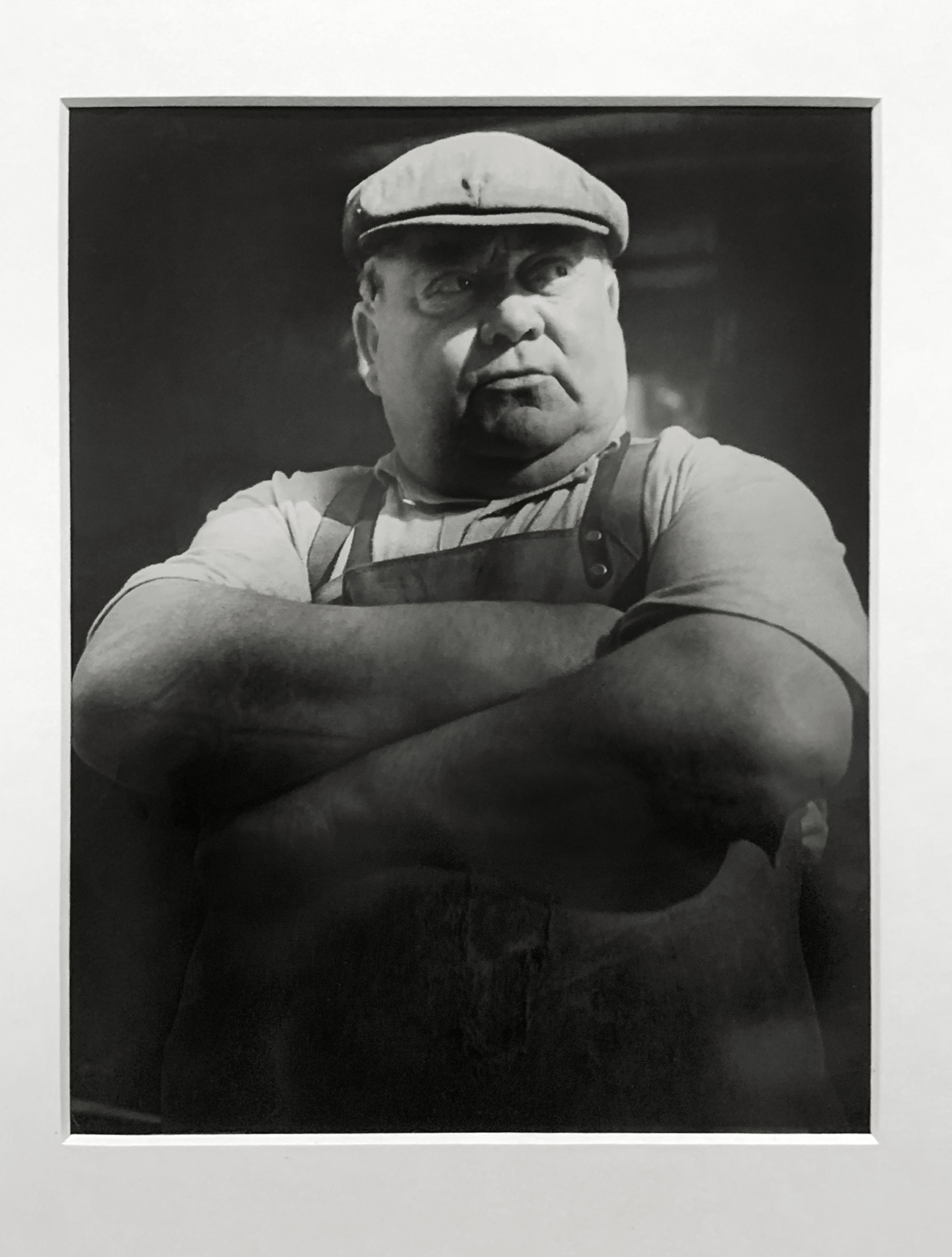


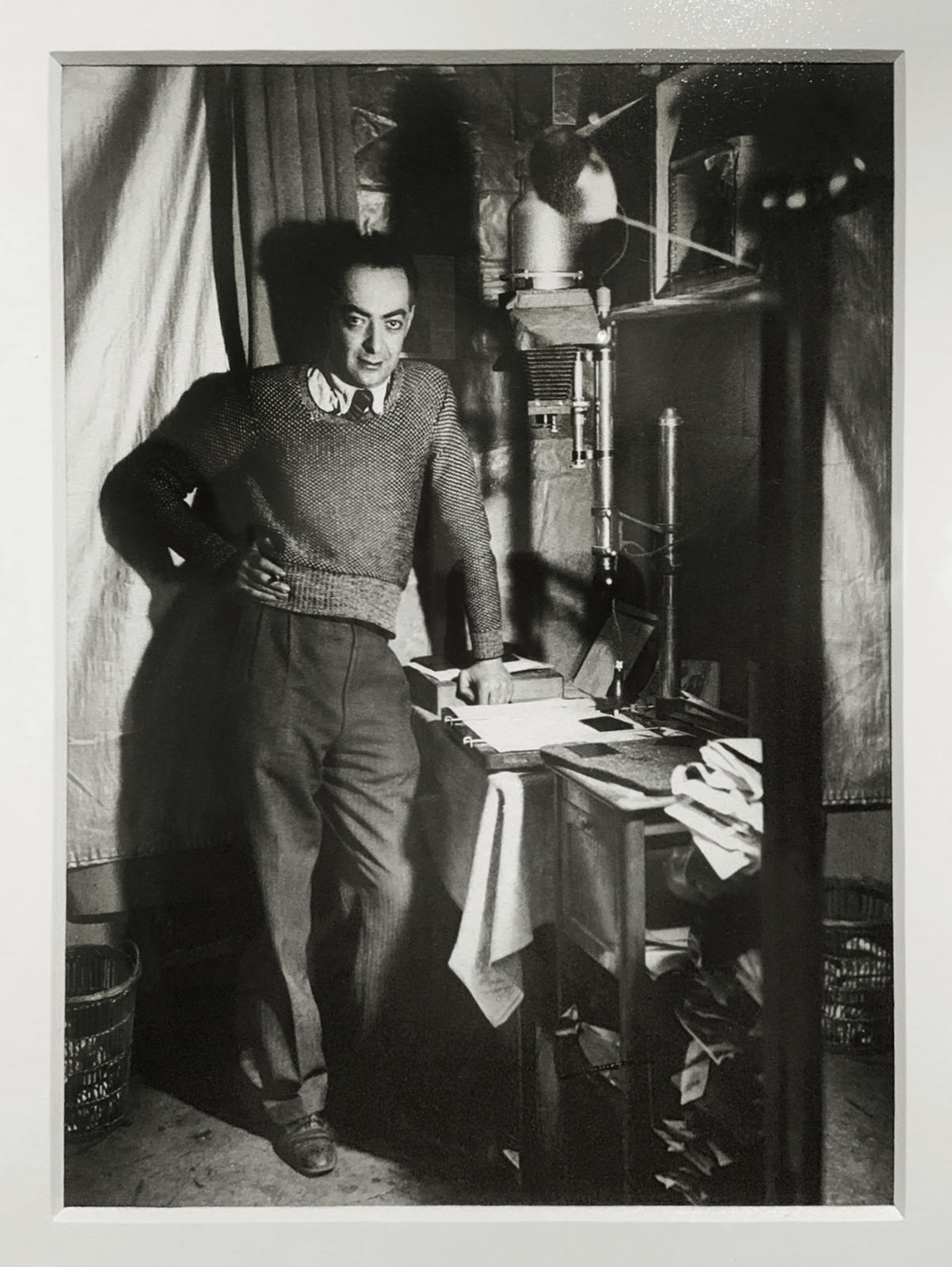
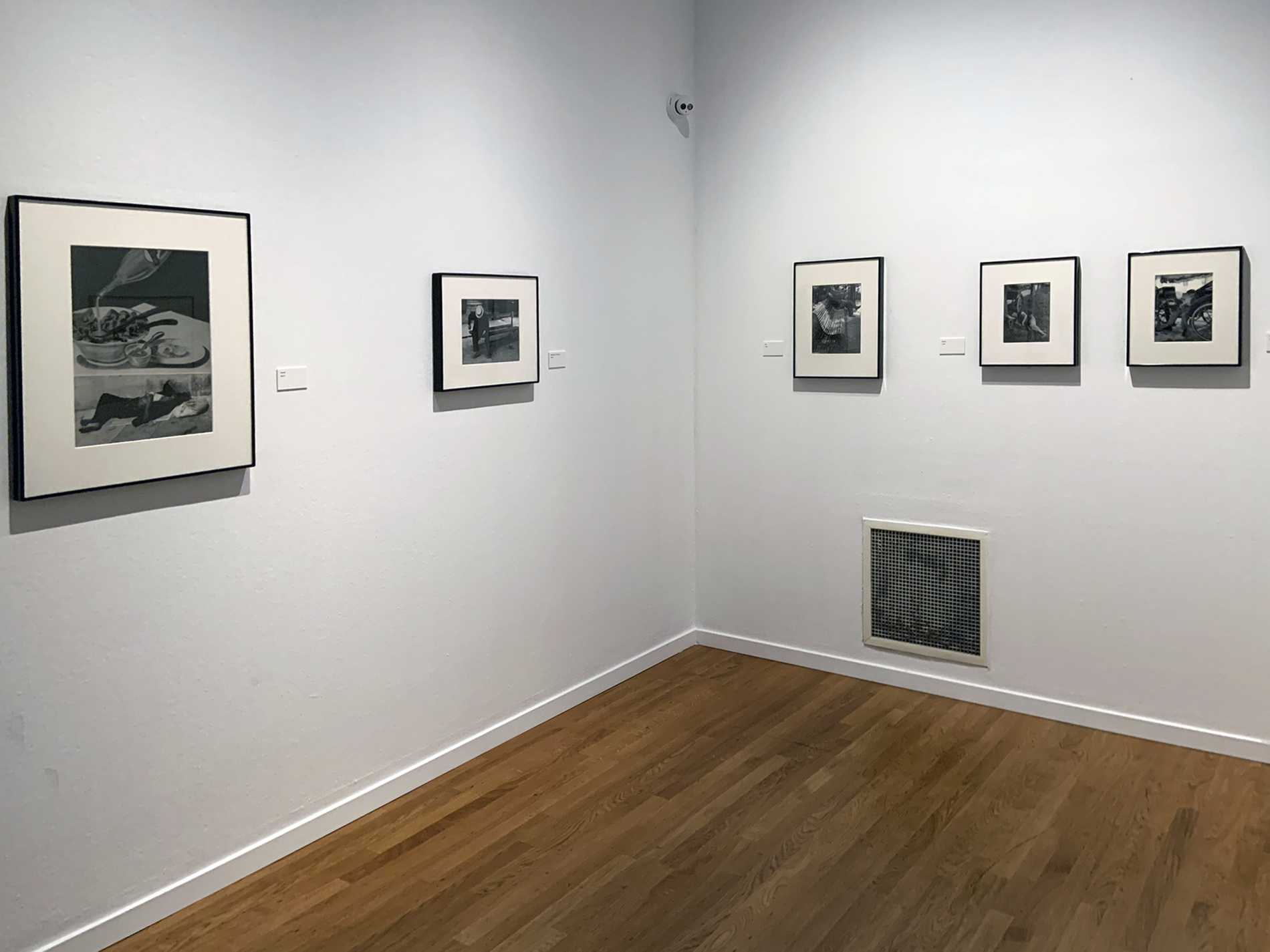


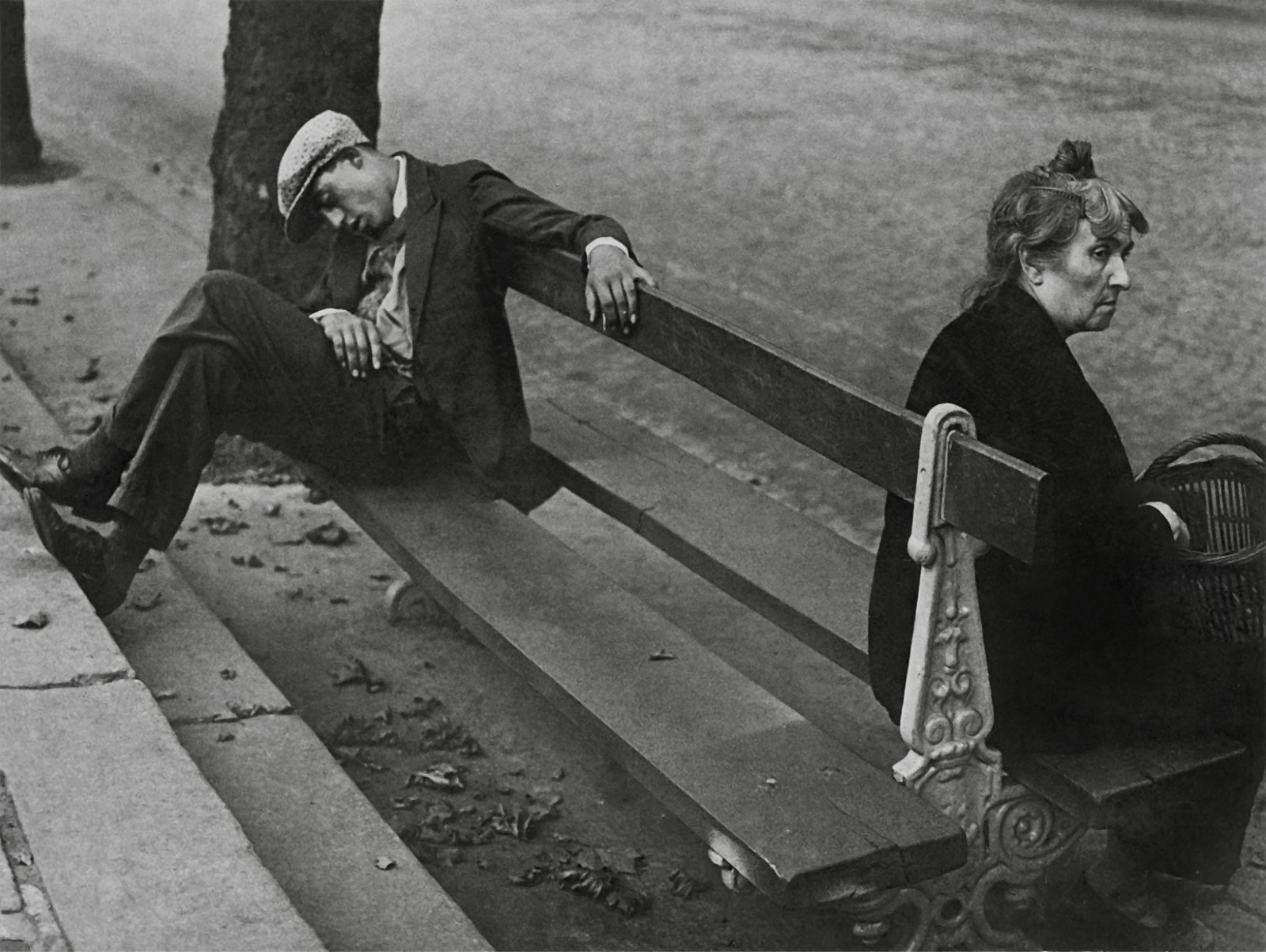


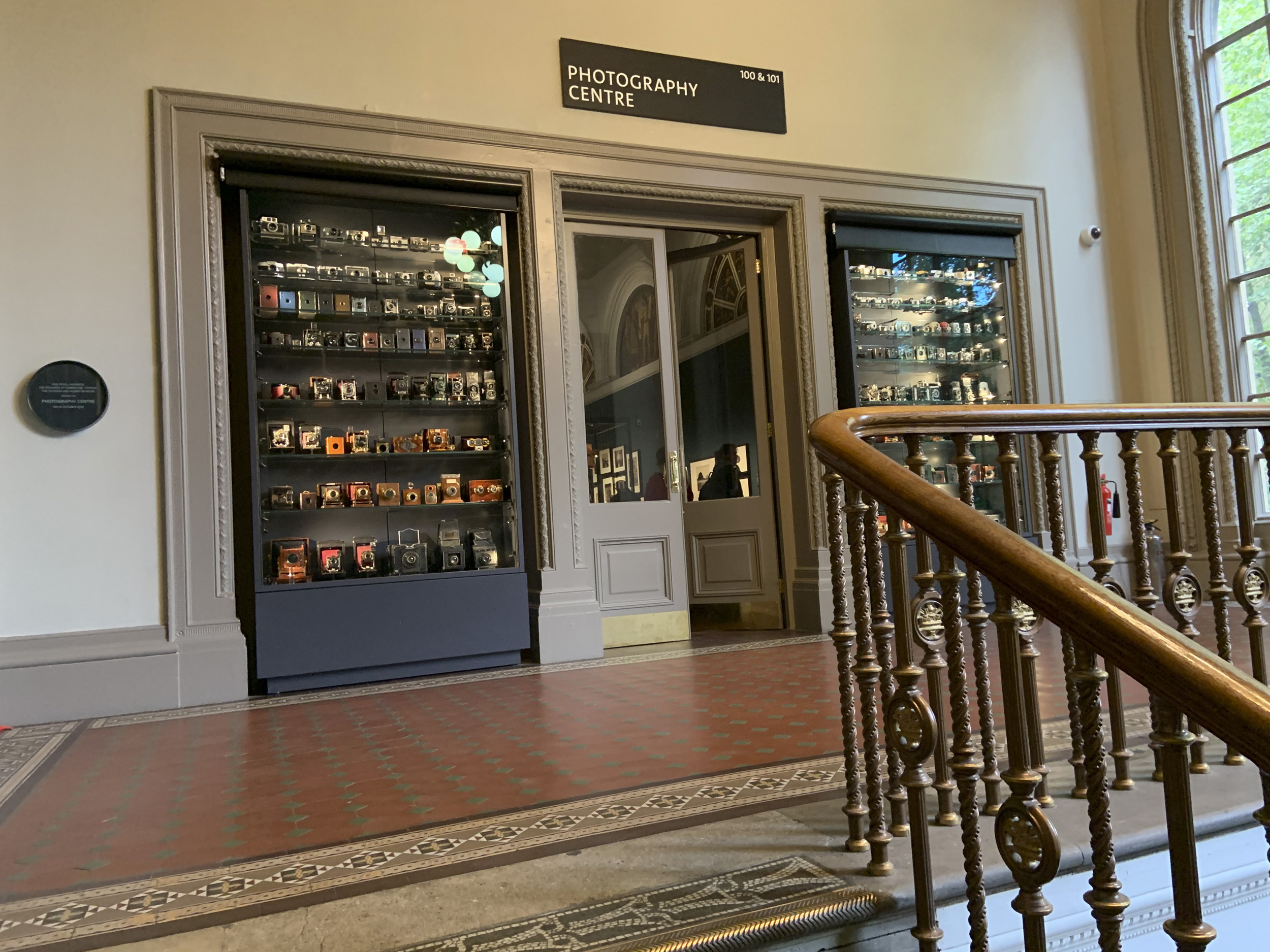

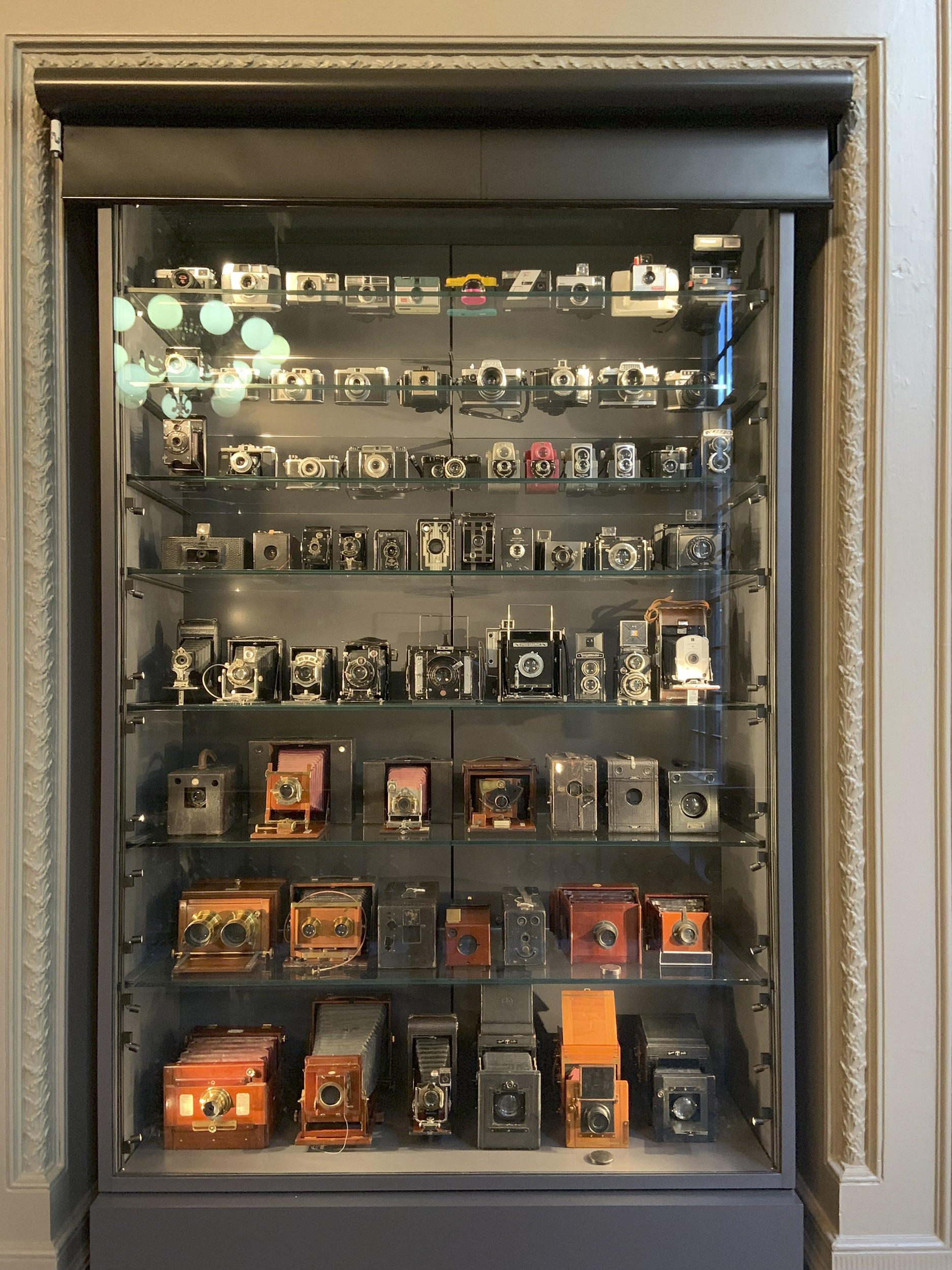
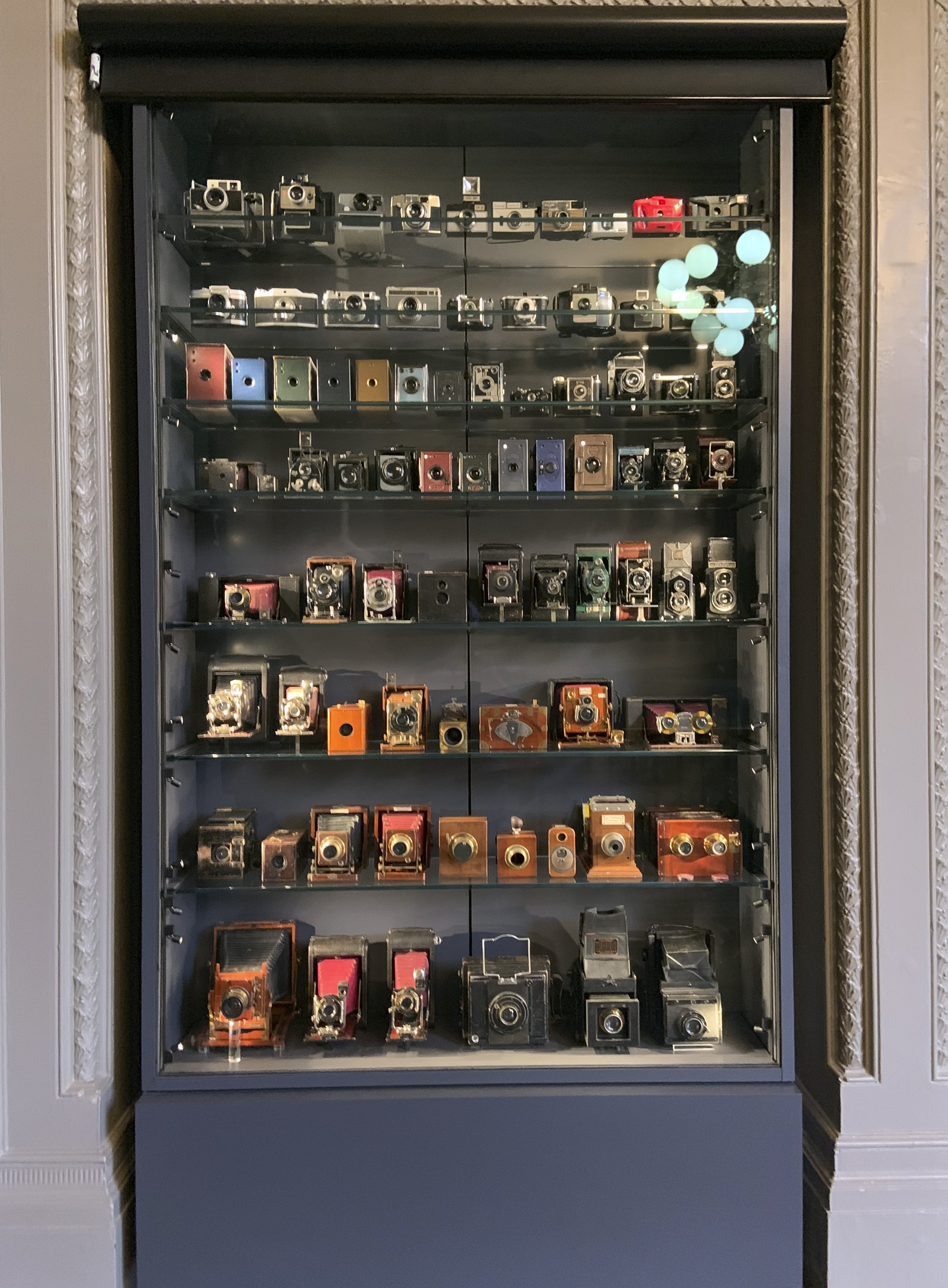

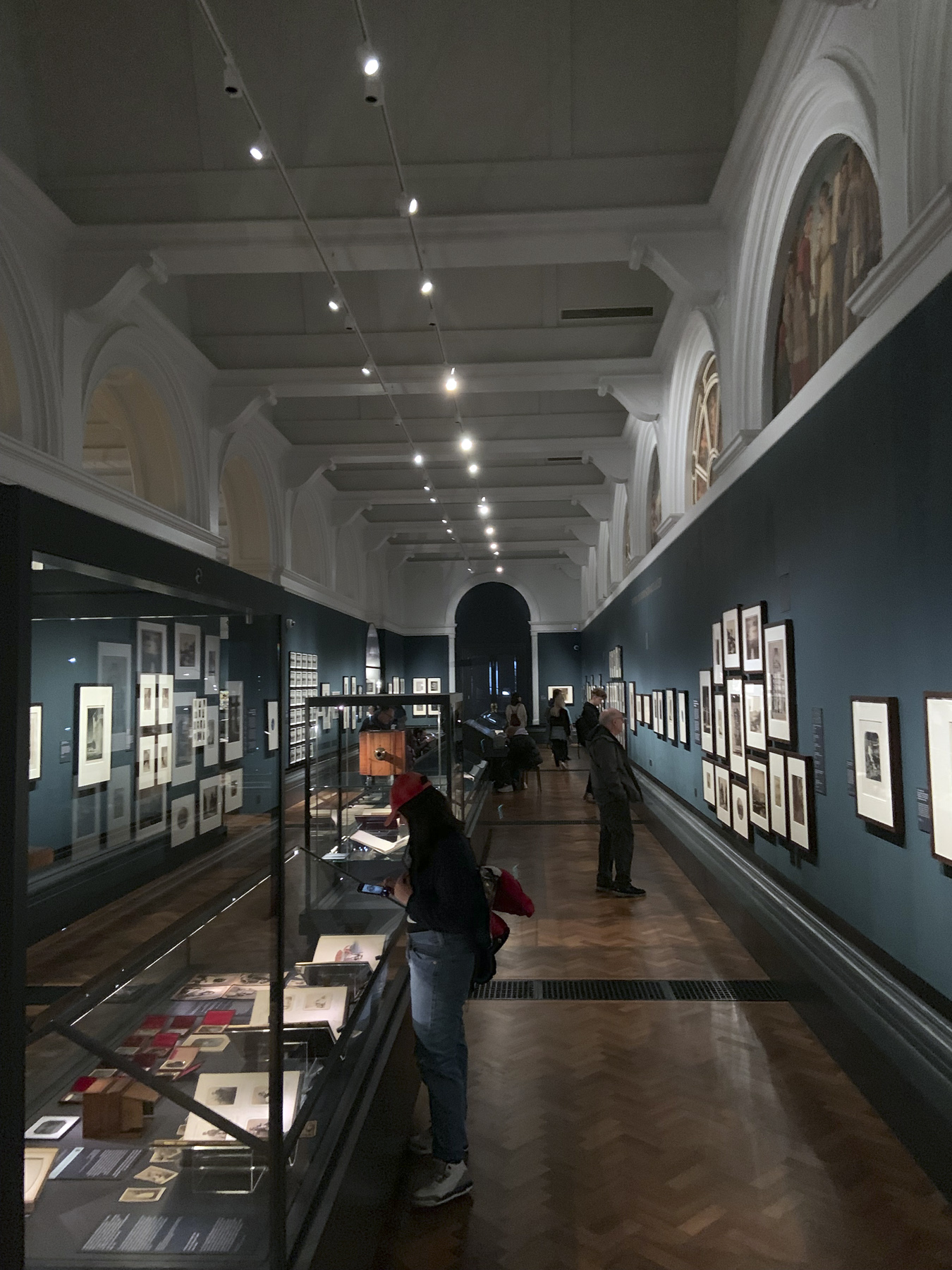


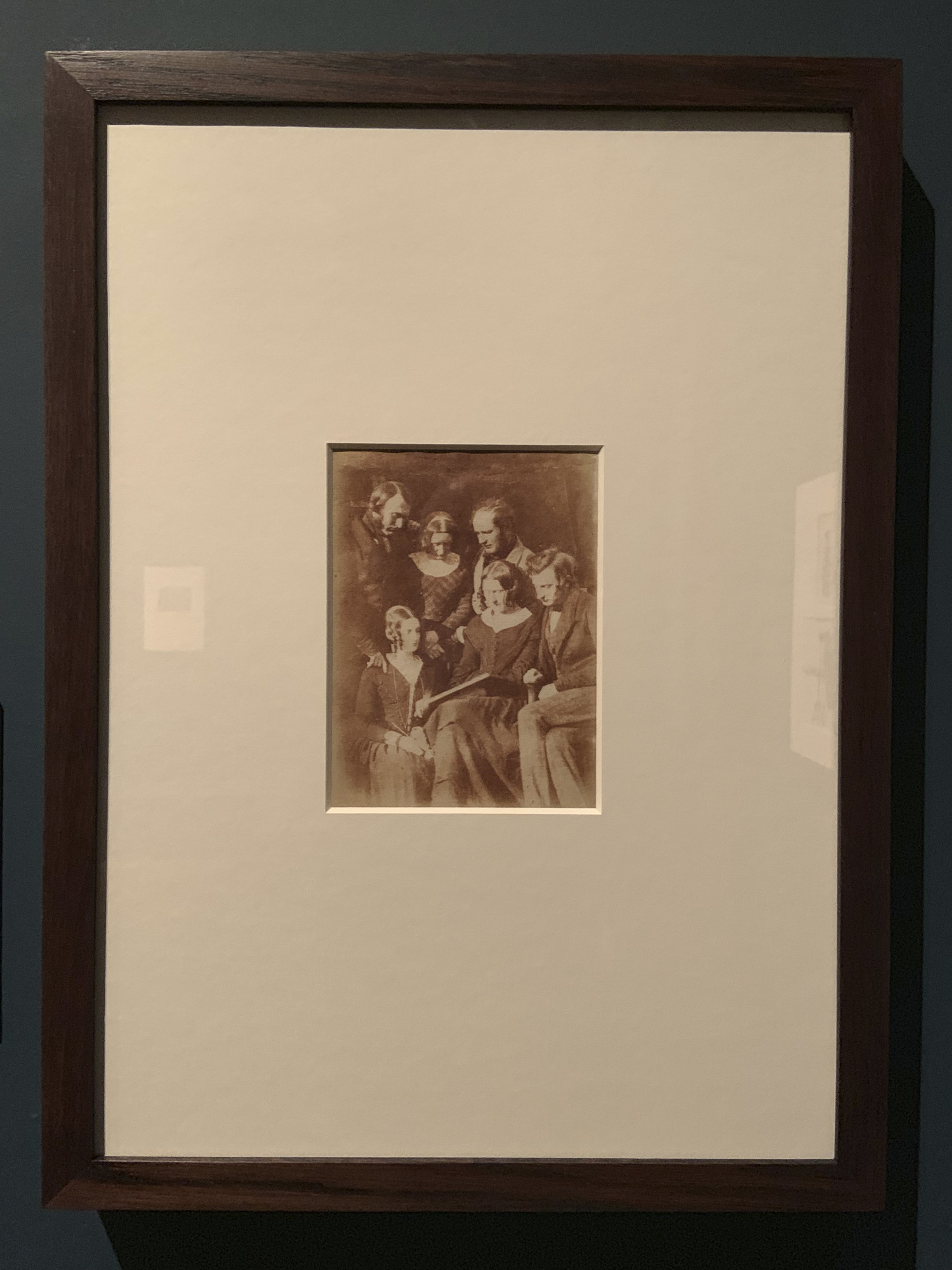

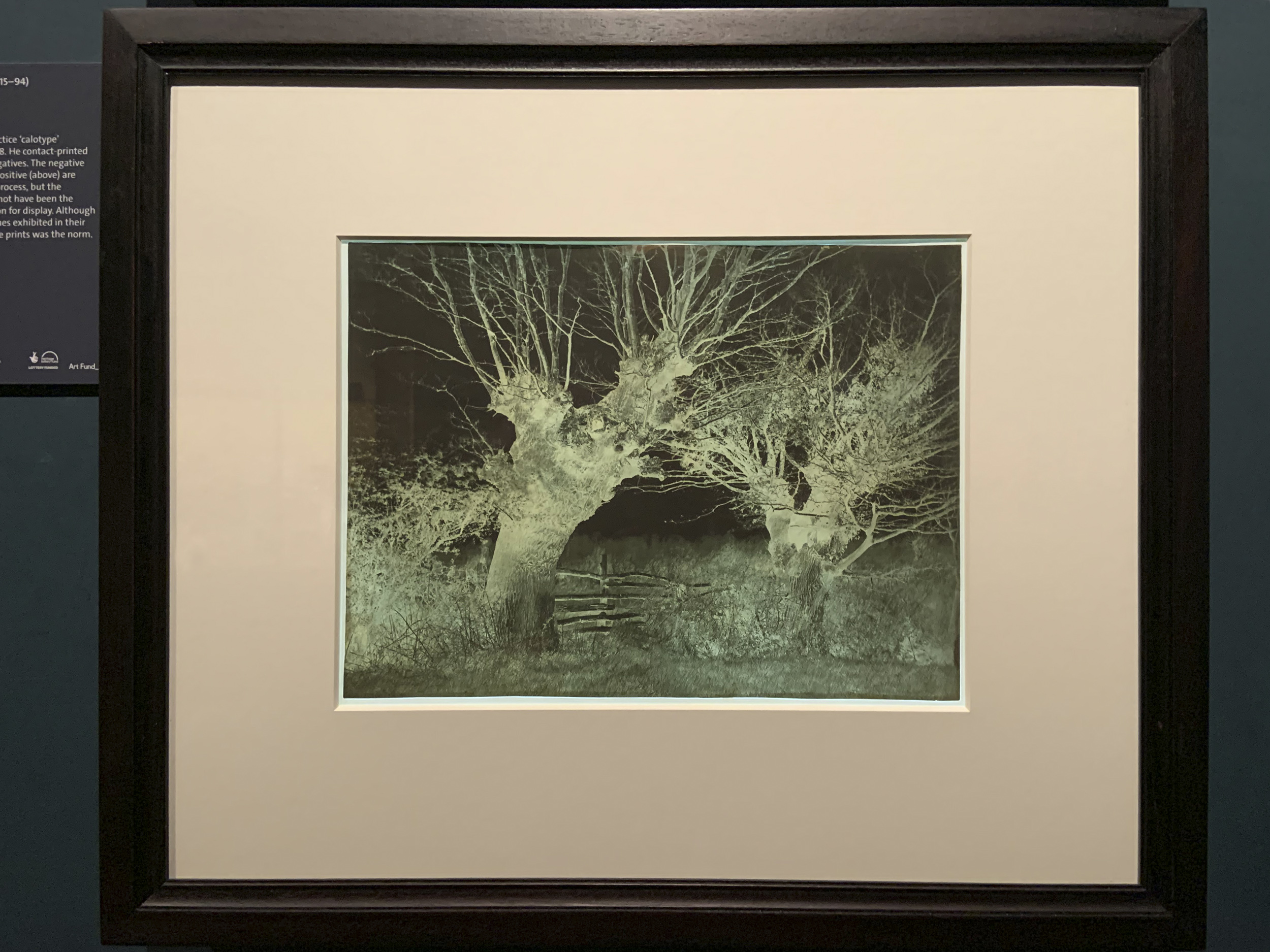
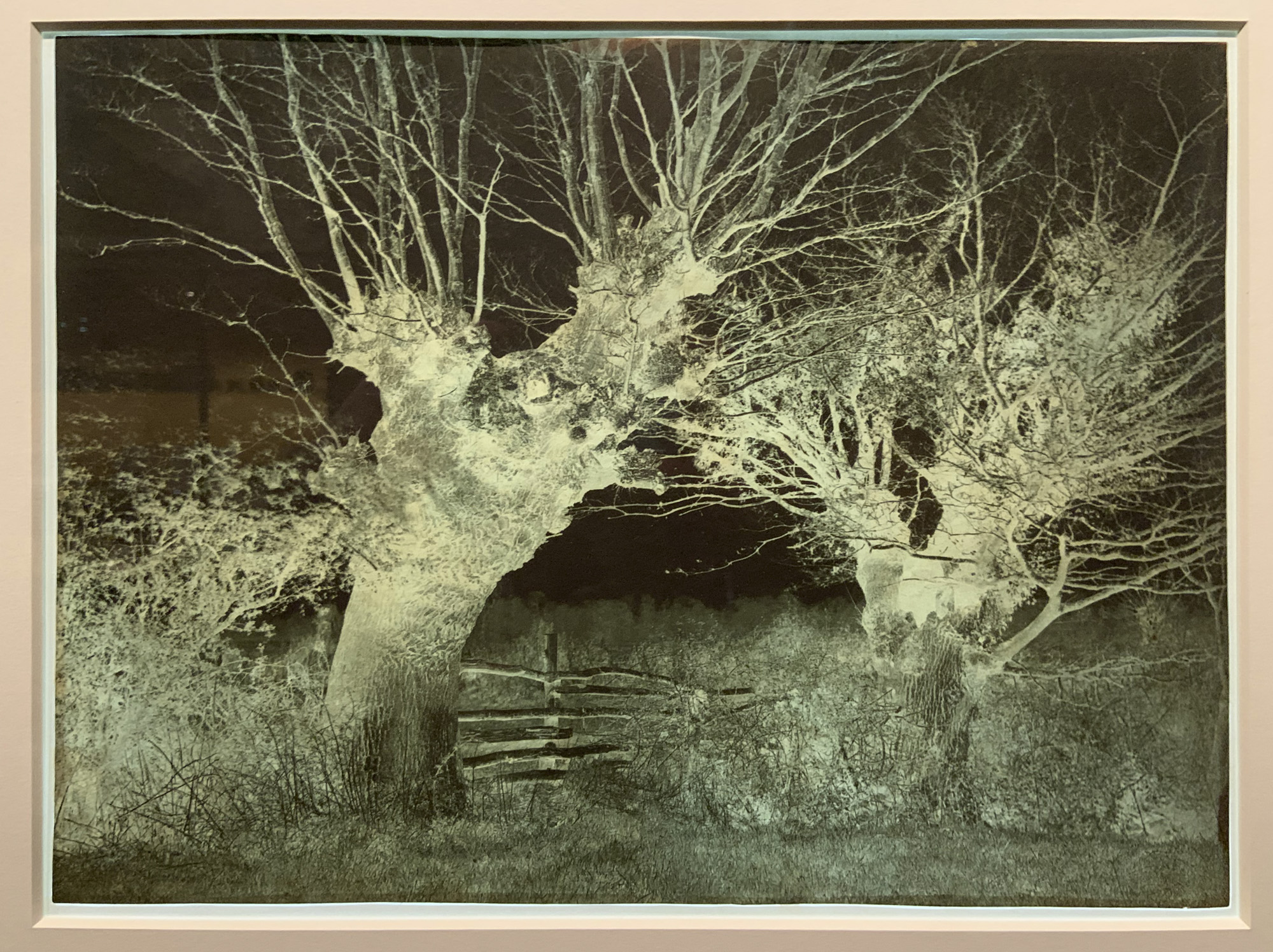
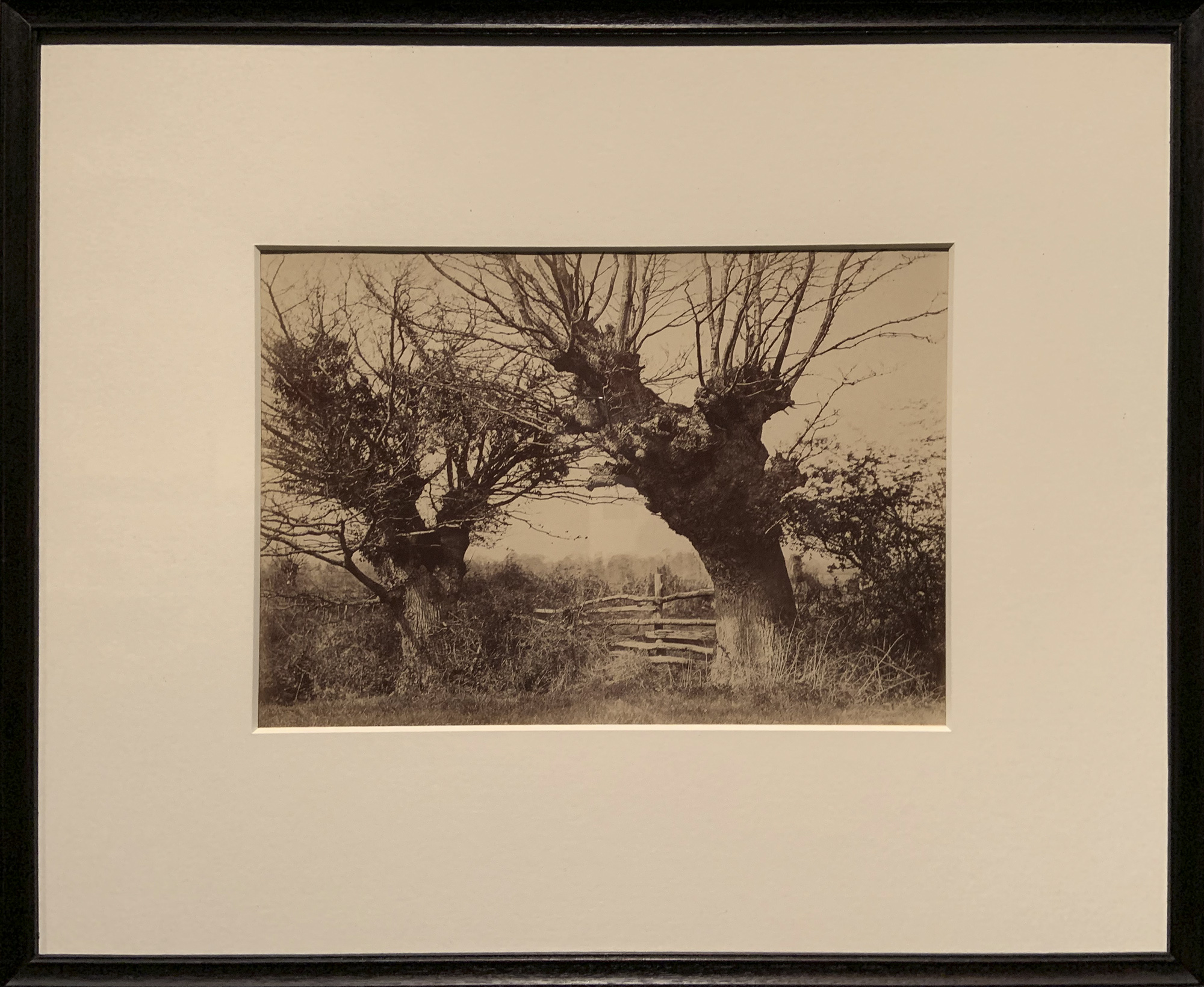
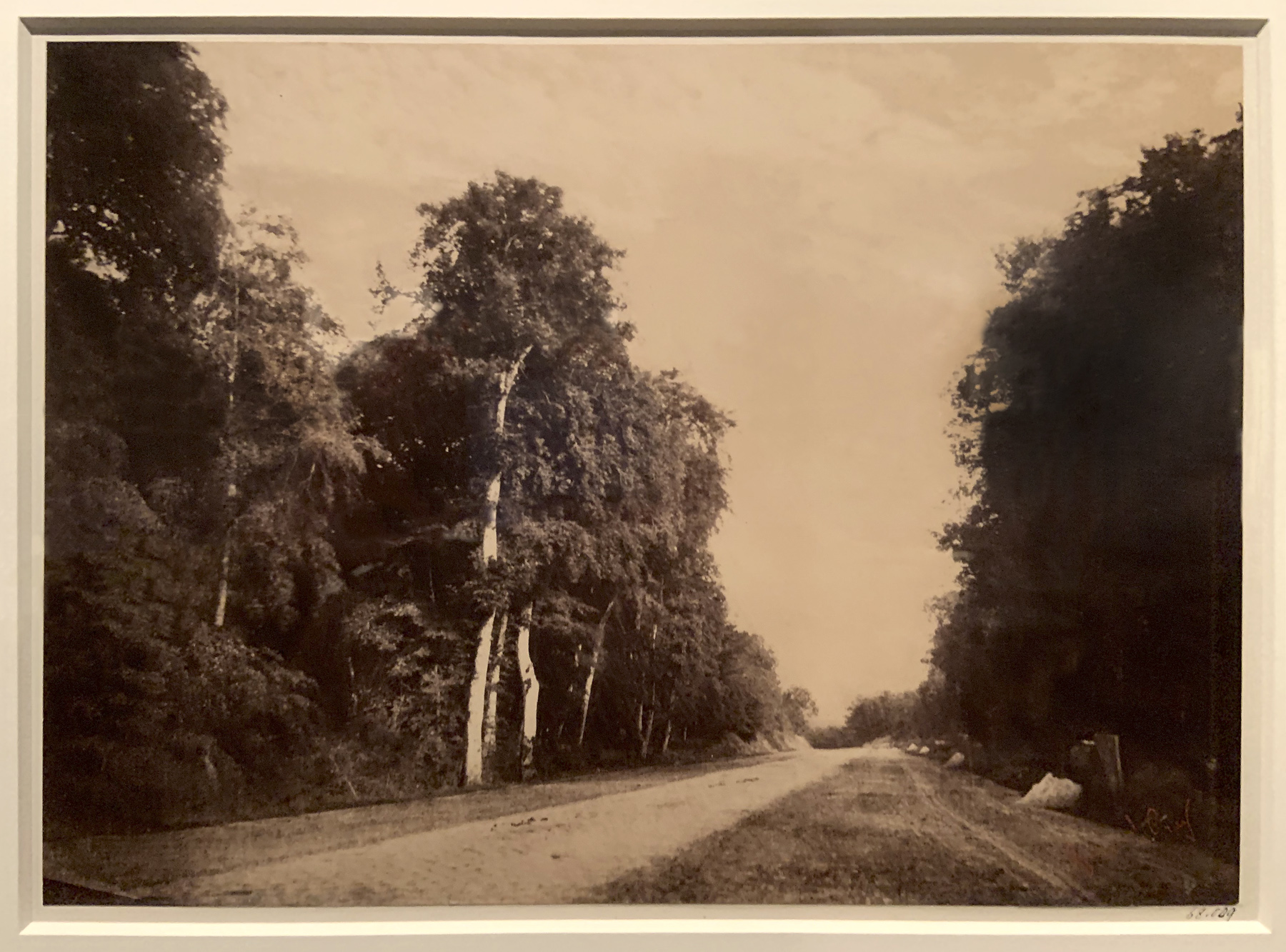
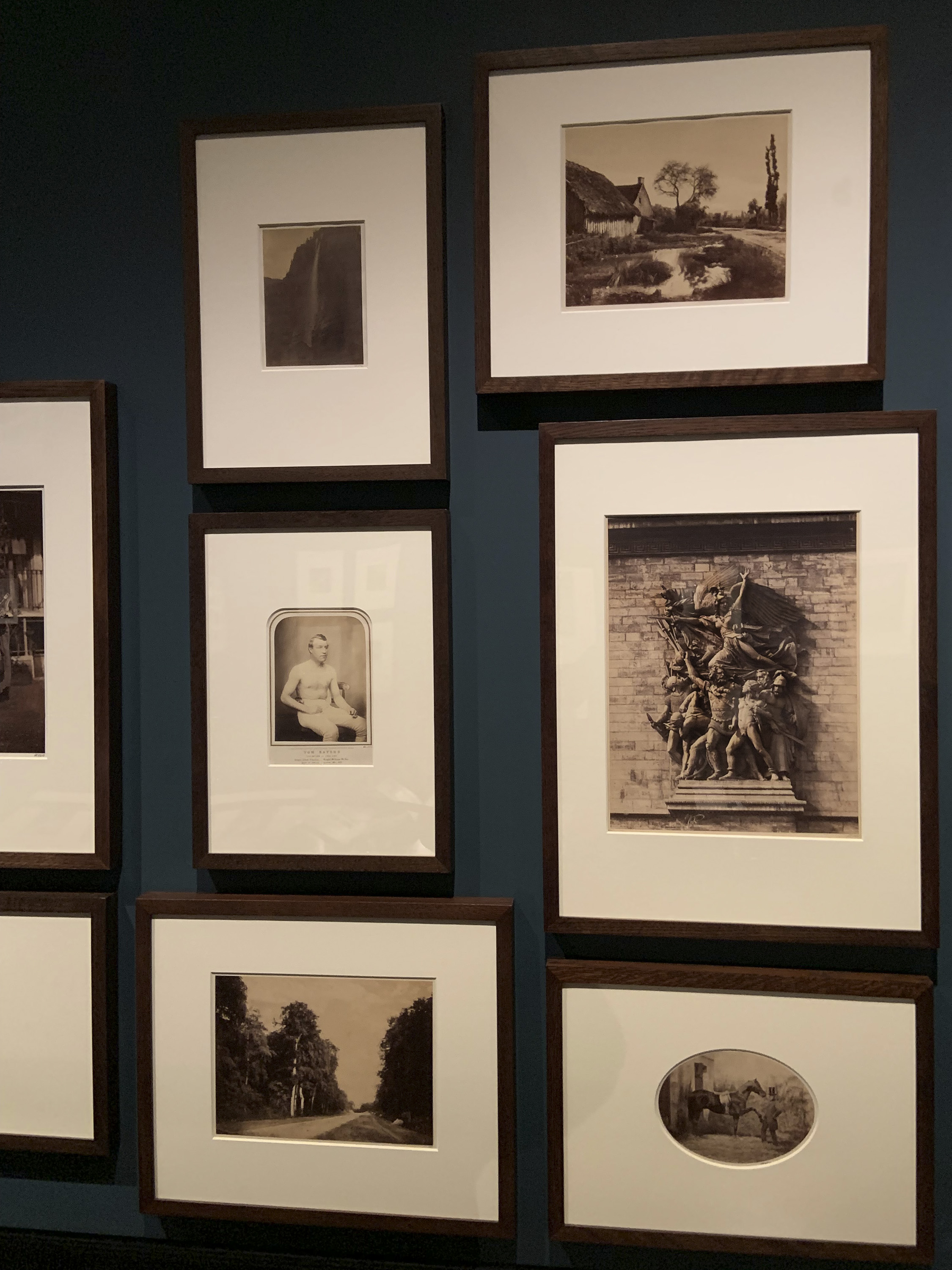
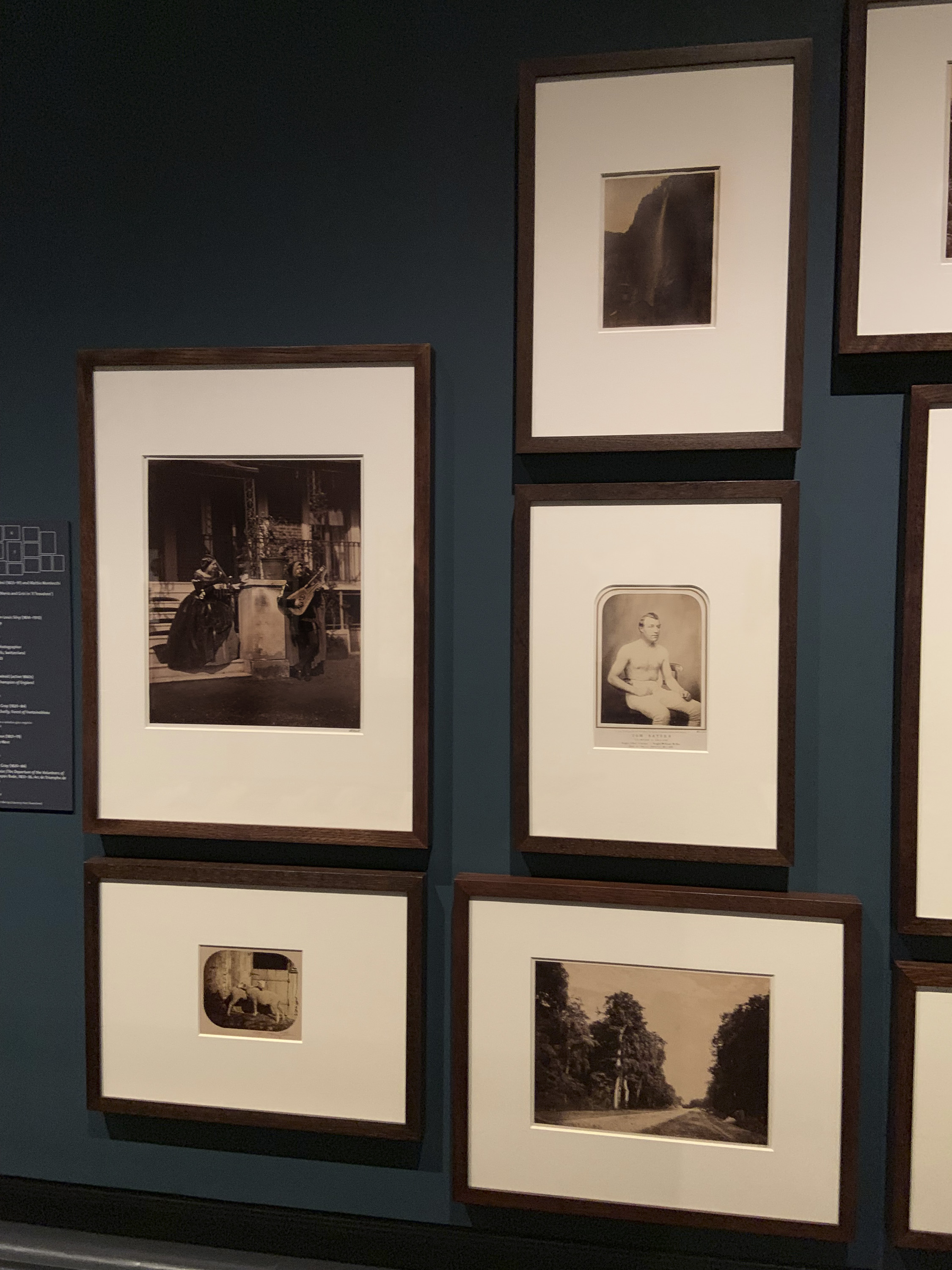


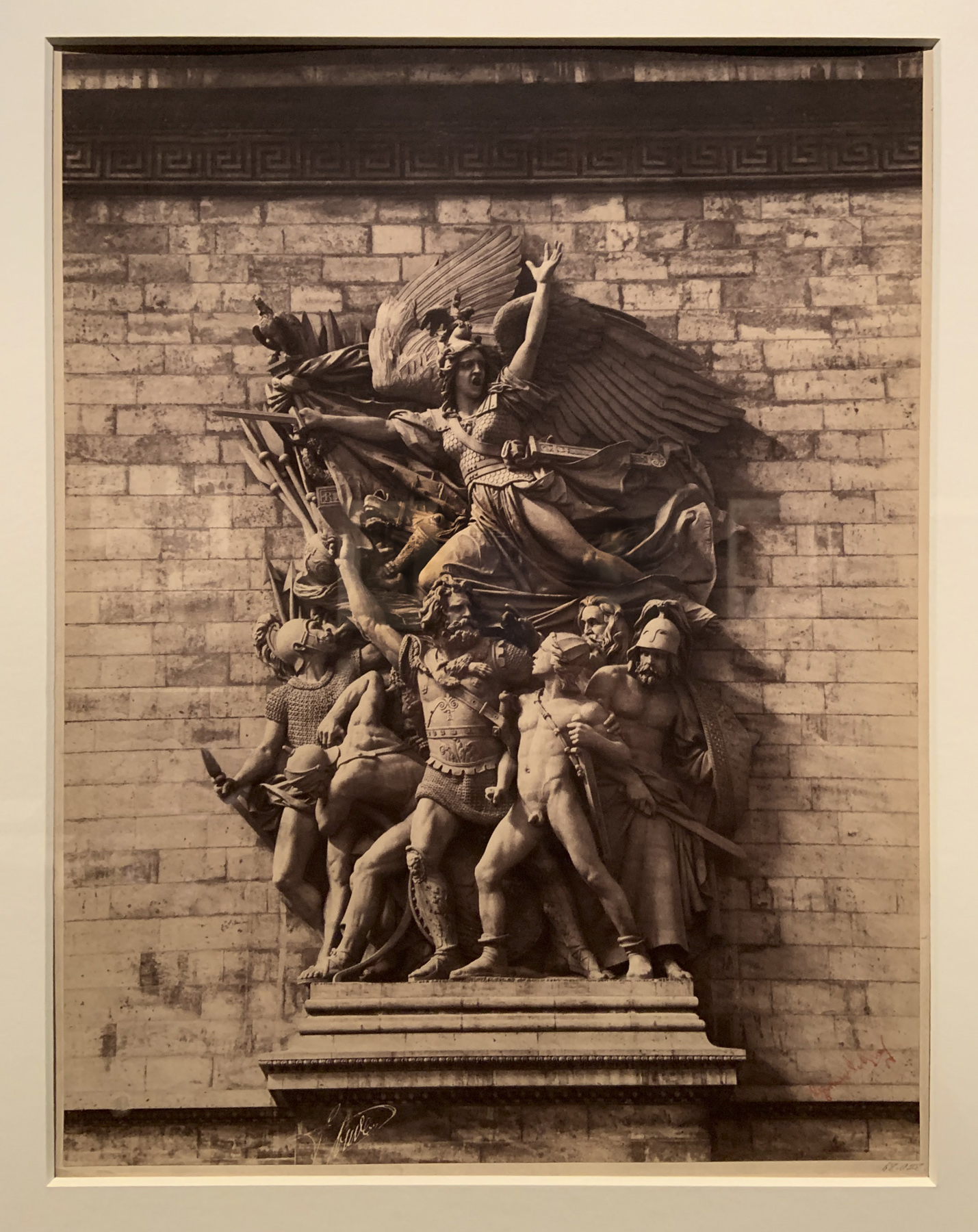
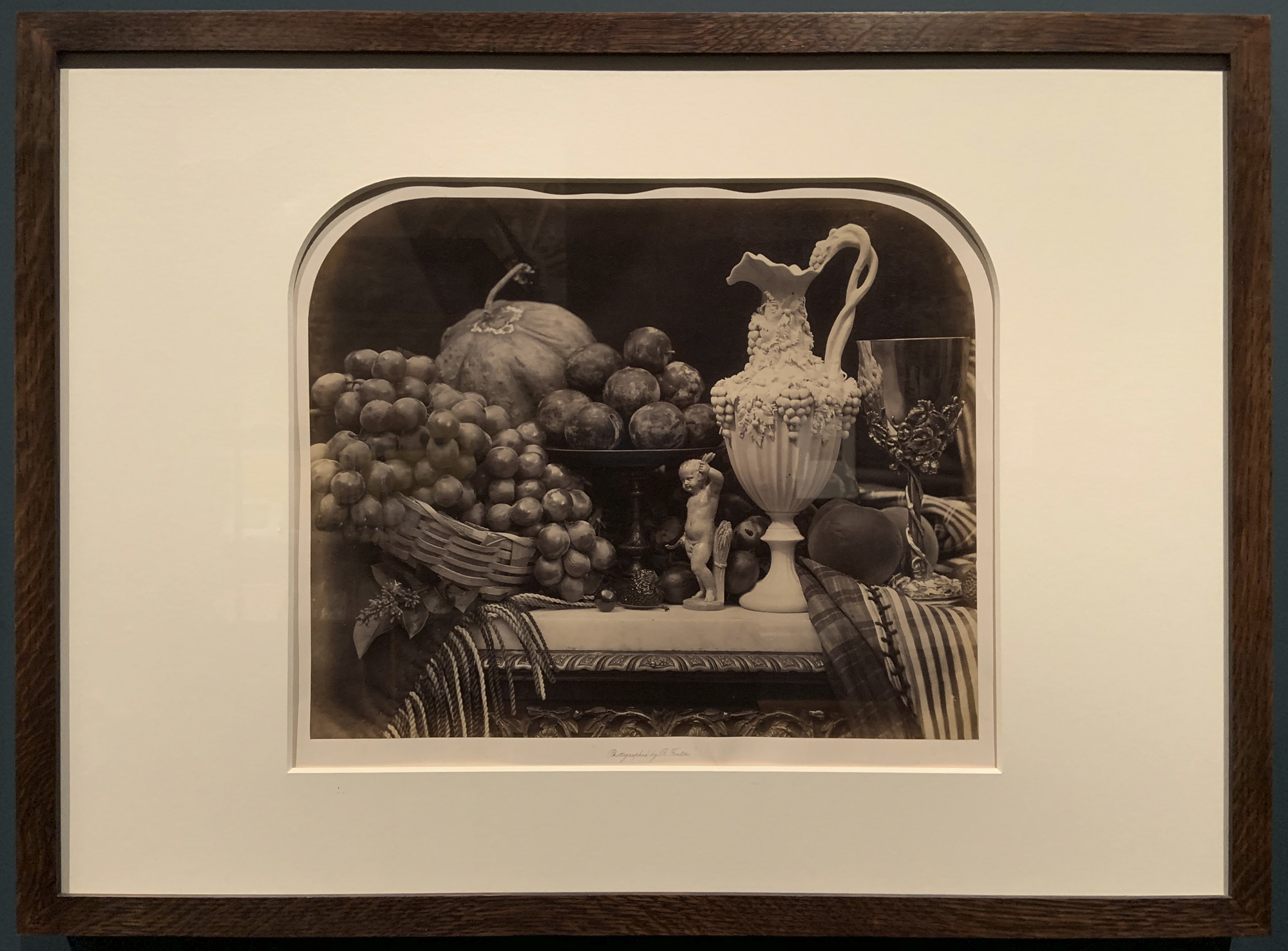
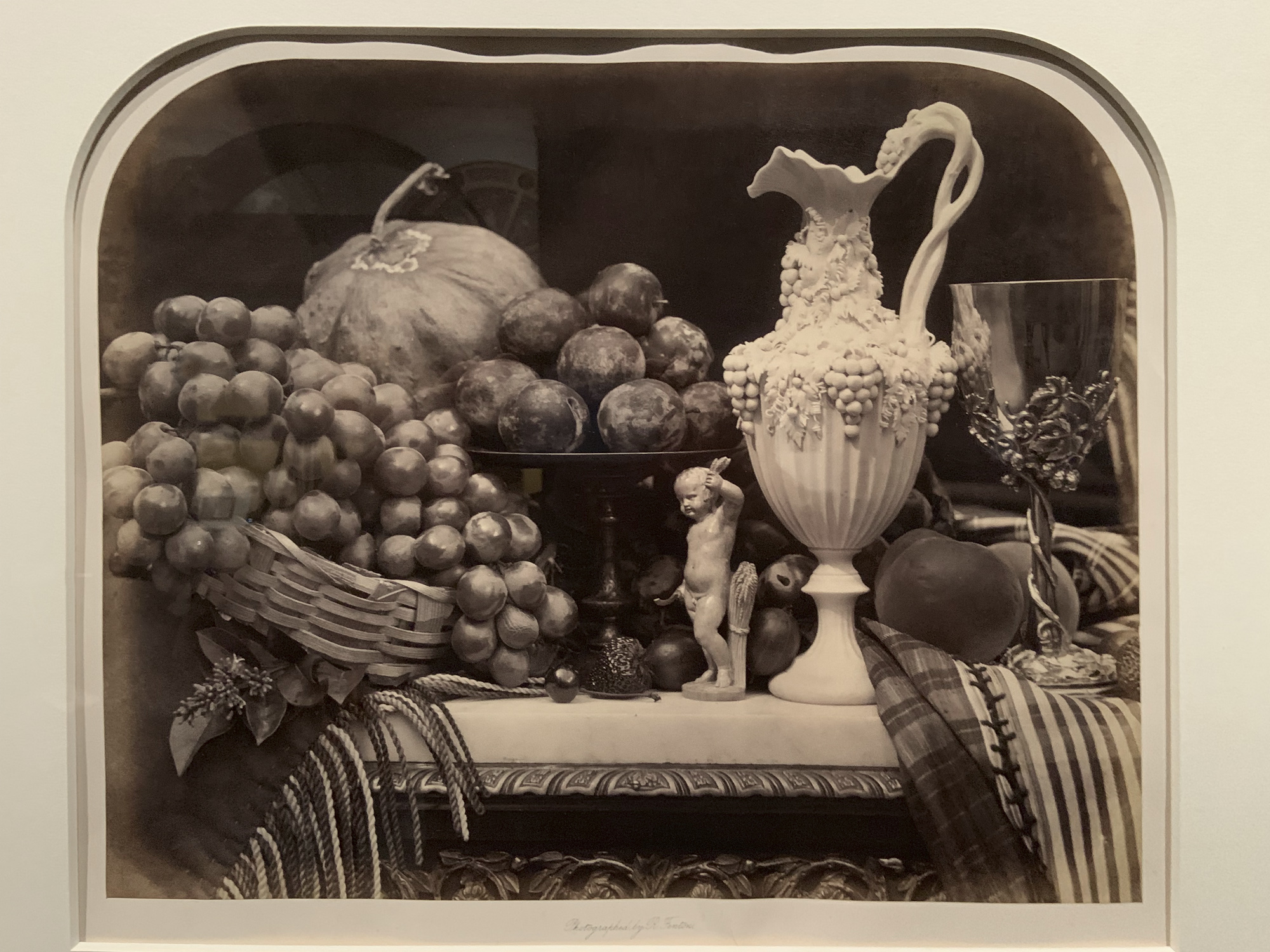
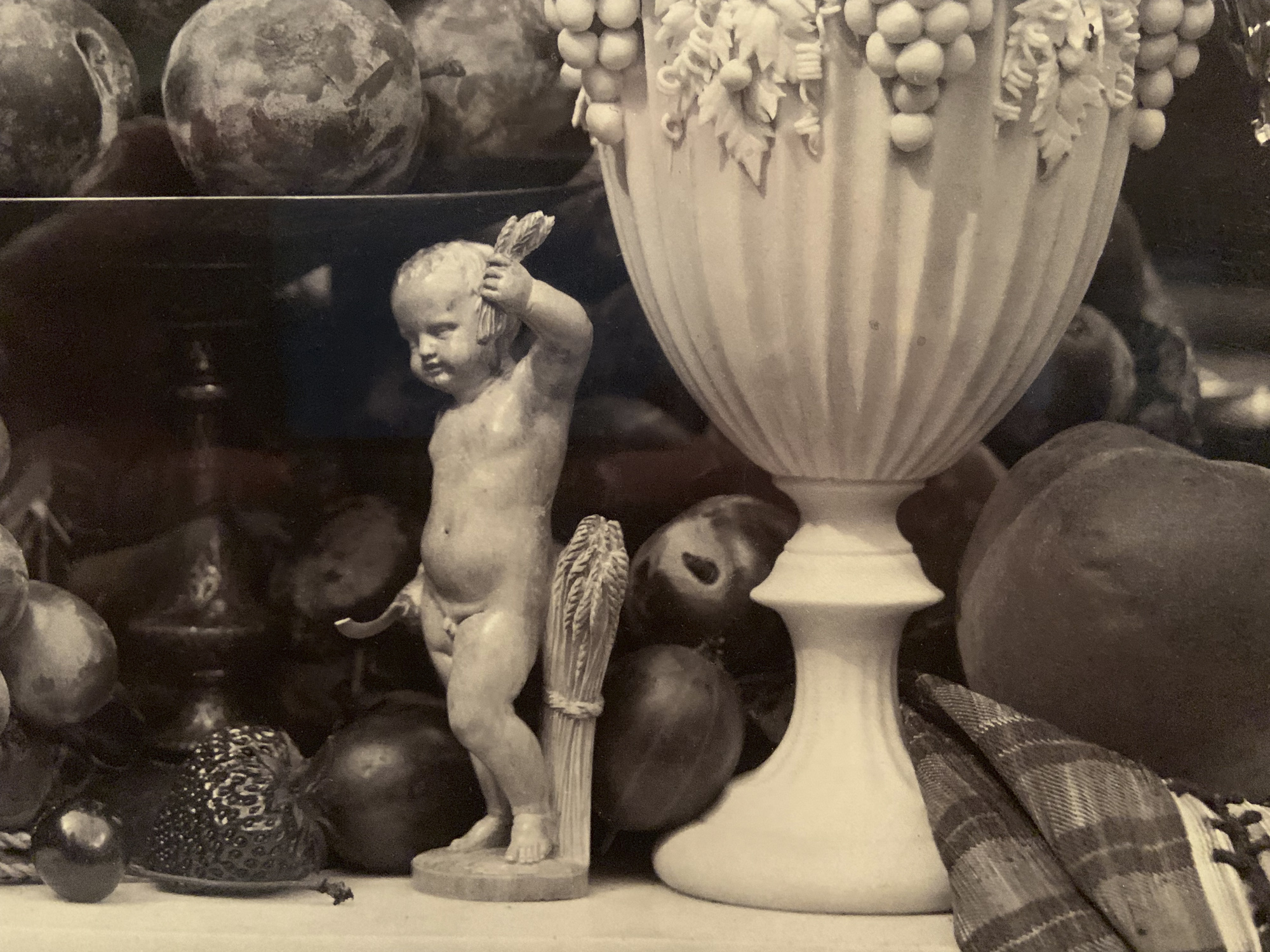


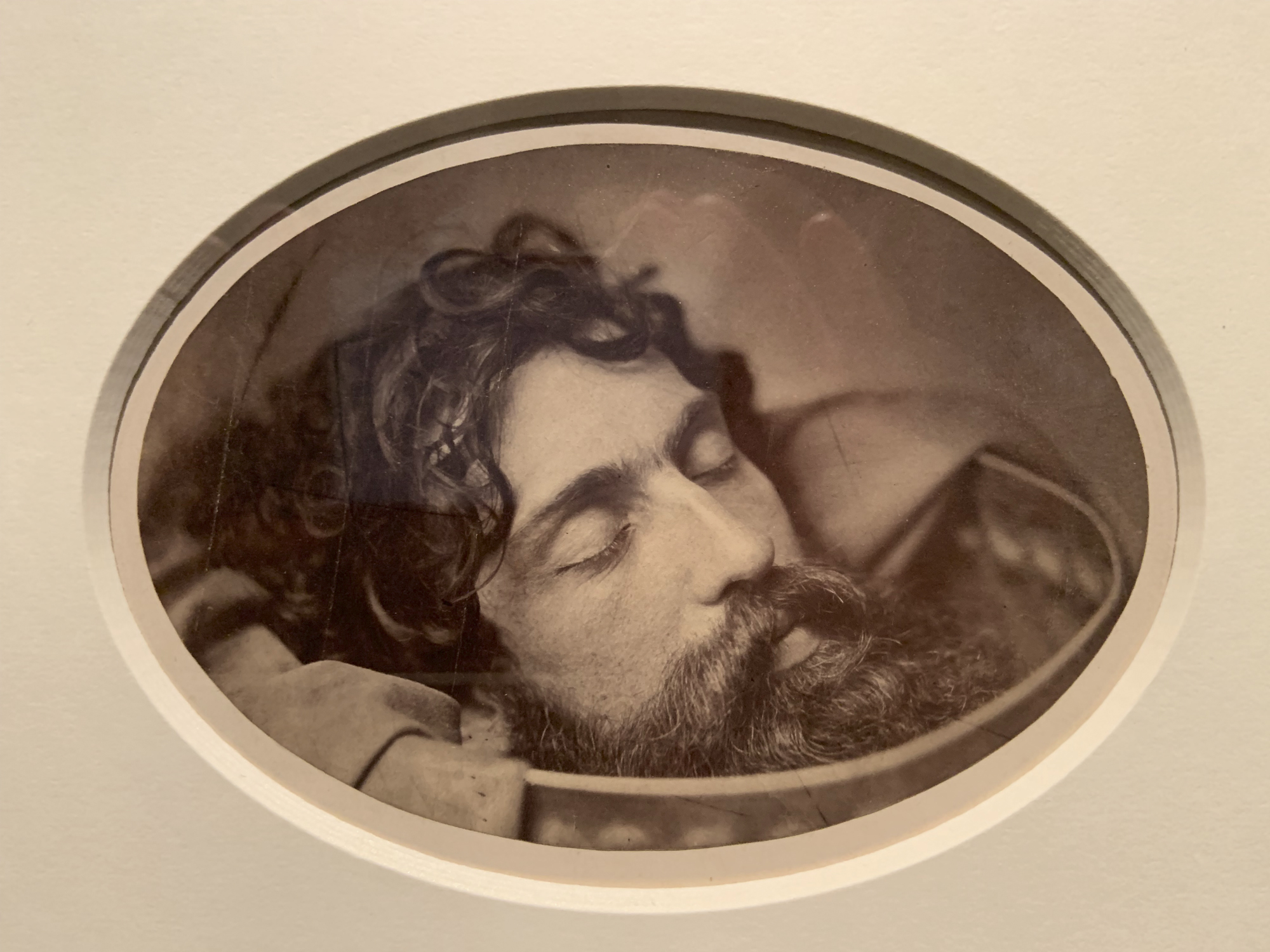
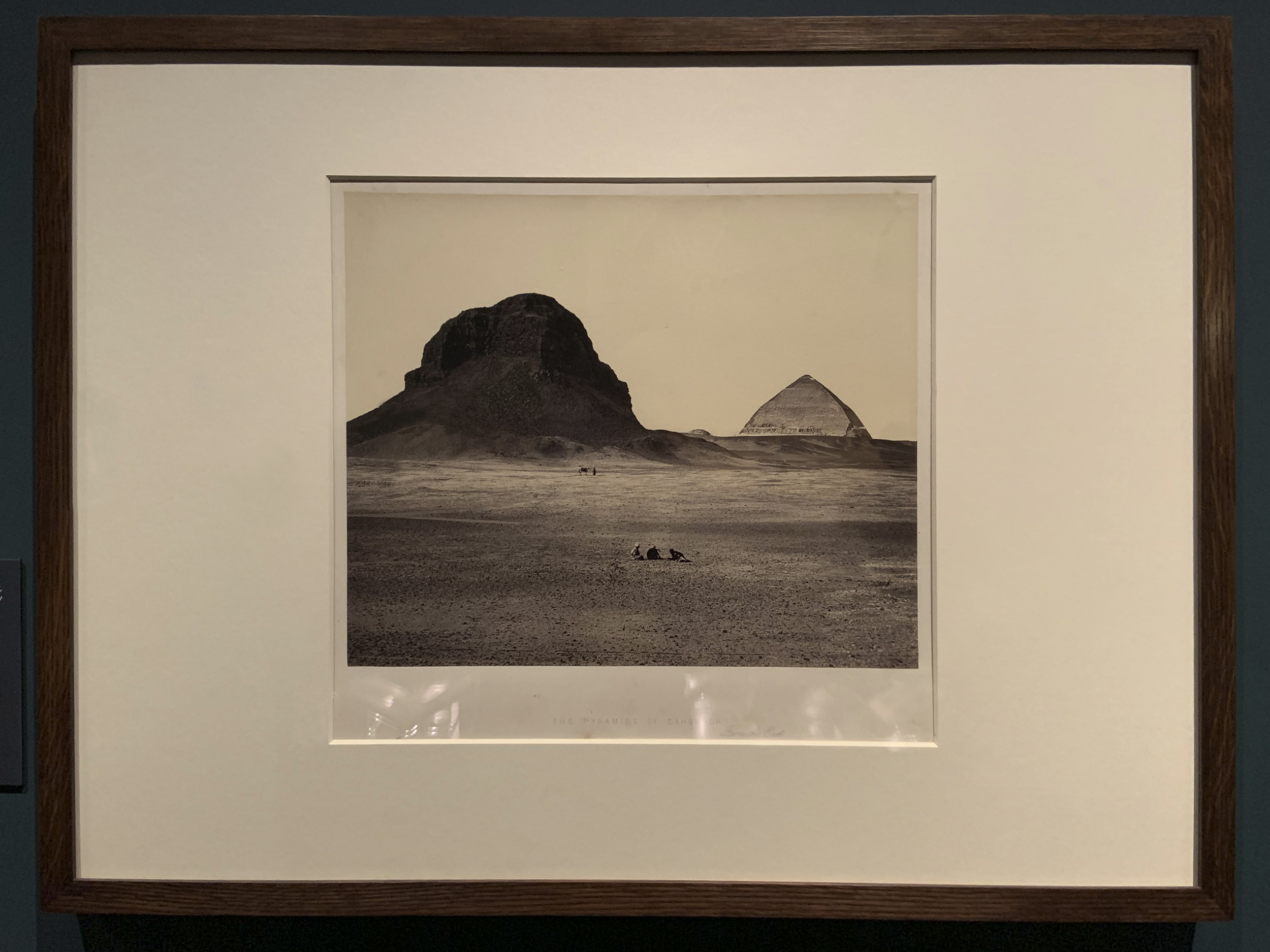

![Francis Frith (British, 1822-98) 'The Pyramids of Dahshoor [Dahshur], from the East, from Egypt, Sinai, and Jerusalem: A Series of Twenty Photographic Views by Francis Frith' 1858 (published 1860 or 1862) from the V&A Photography Centre, London 2019](https://artblart.com/wp-content/uploads/2020/05/frith-the-pyramids-of-dahshoor-web.jpg "Francis Frith (British, 1822-98) 'The Pyramids of Dahshoor [Dahshur], from the East, from Egypt, Sinai, and Jerusalem: A Series of Twenty Photographic Views by Francis Frith' 1858 (published 1860 or 1862) from the V&A Photography Centre, London 2019")


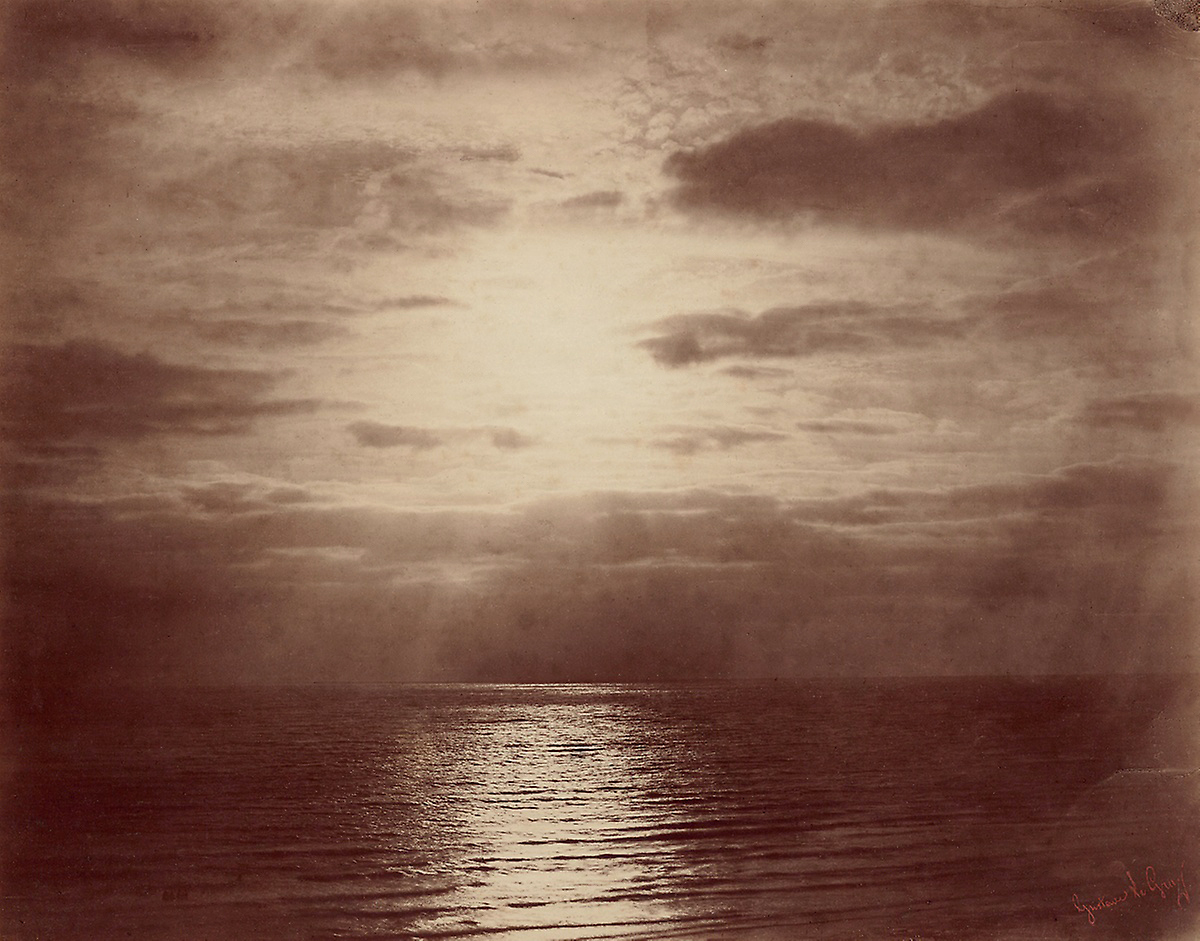
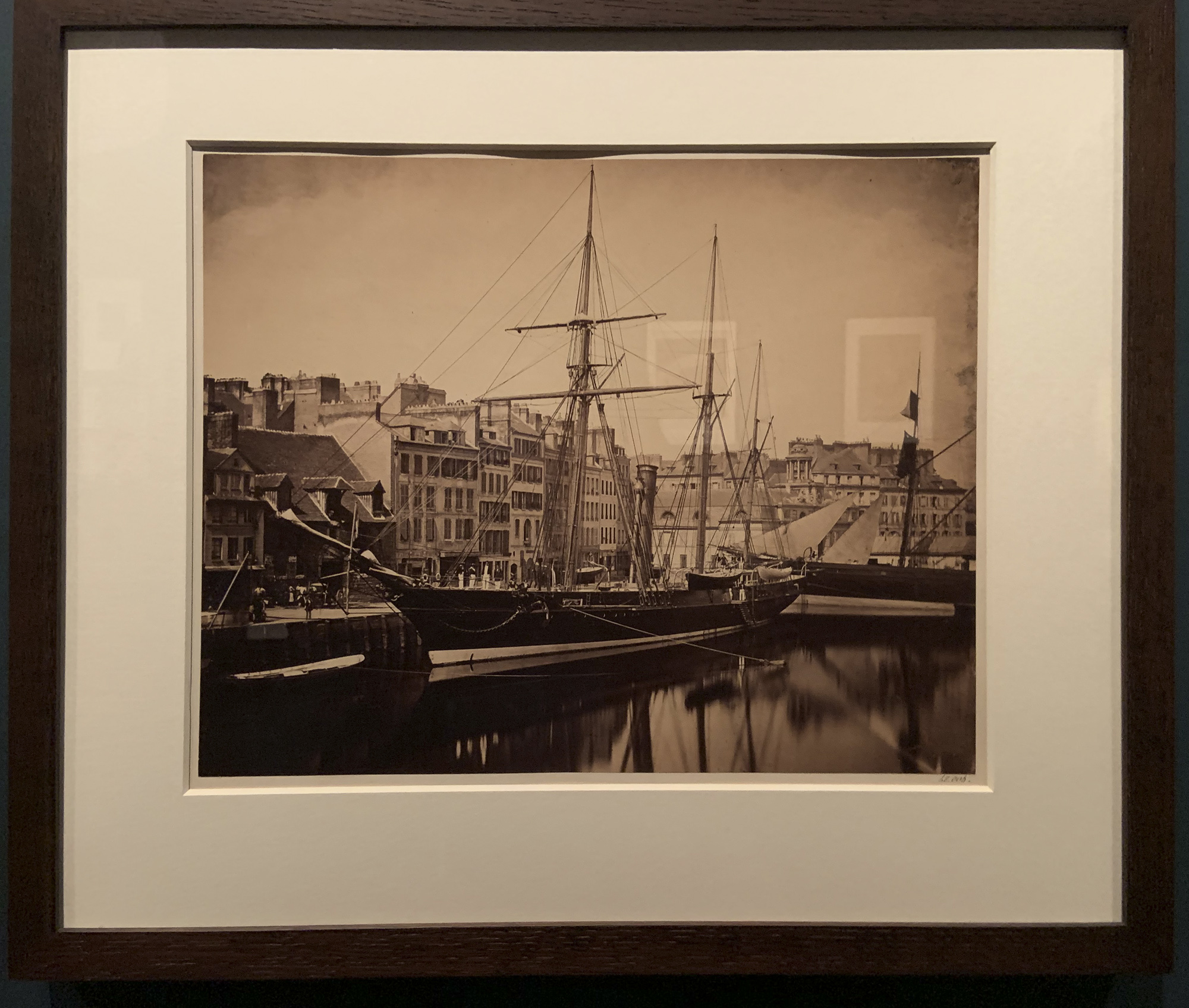

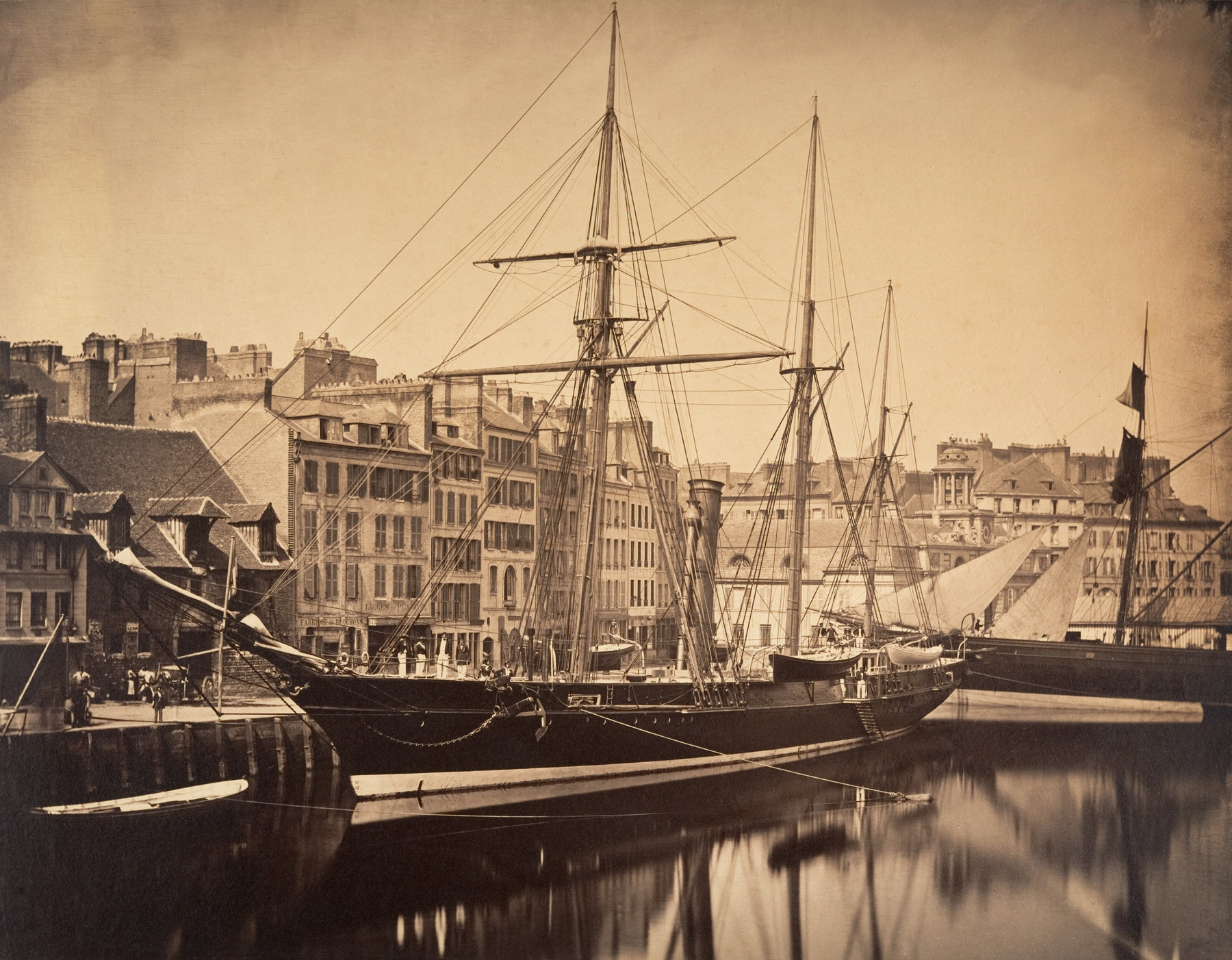

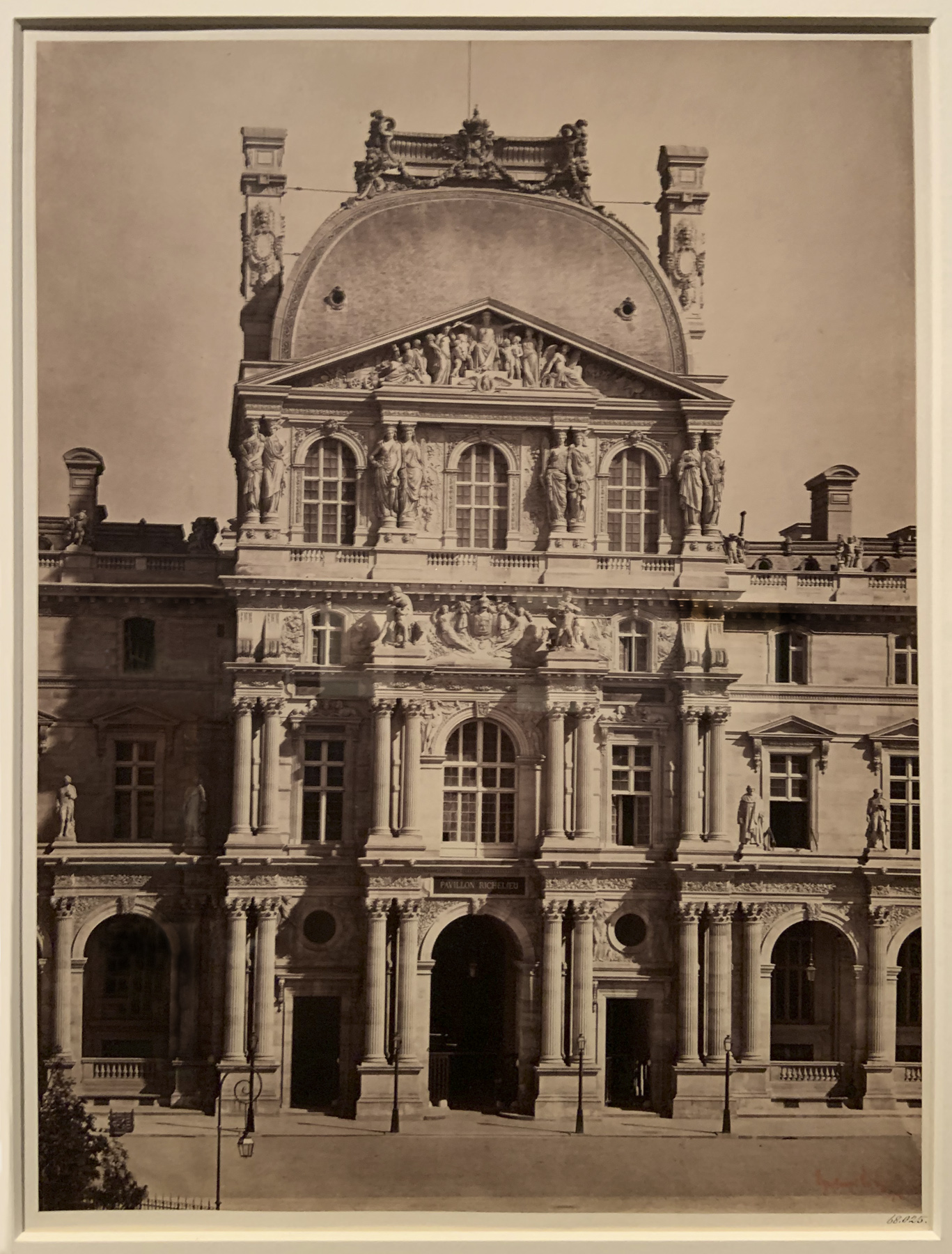


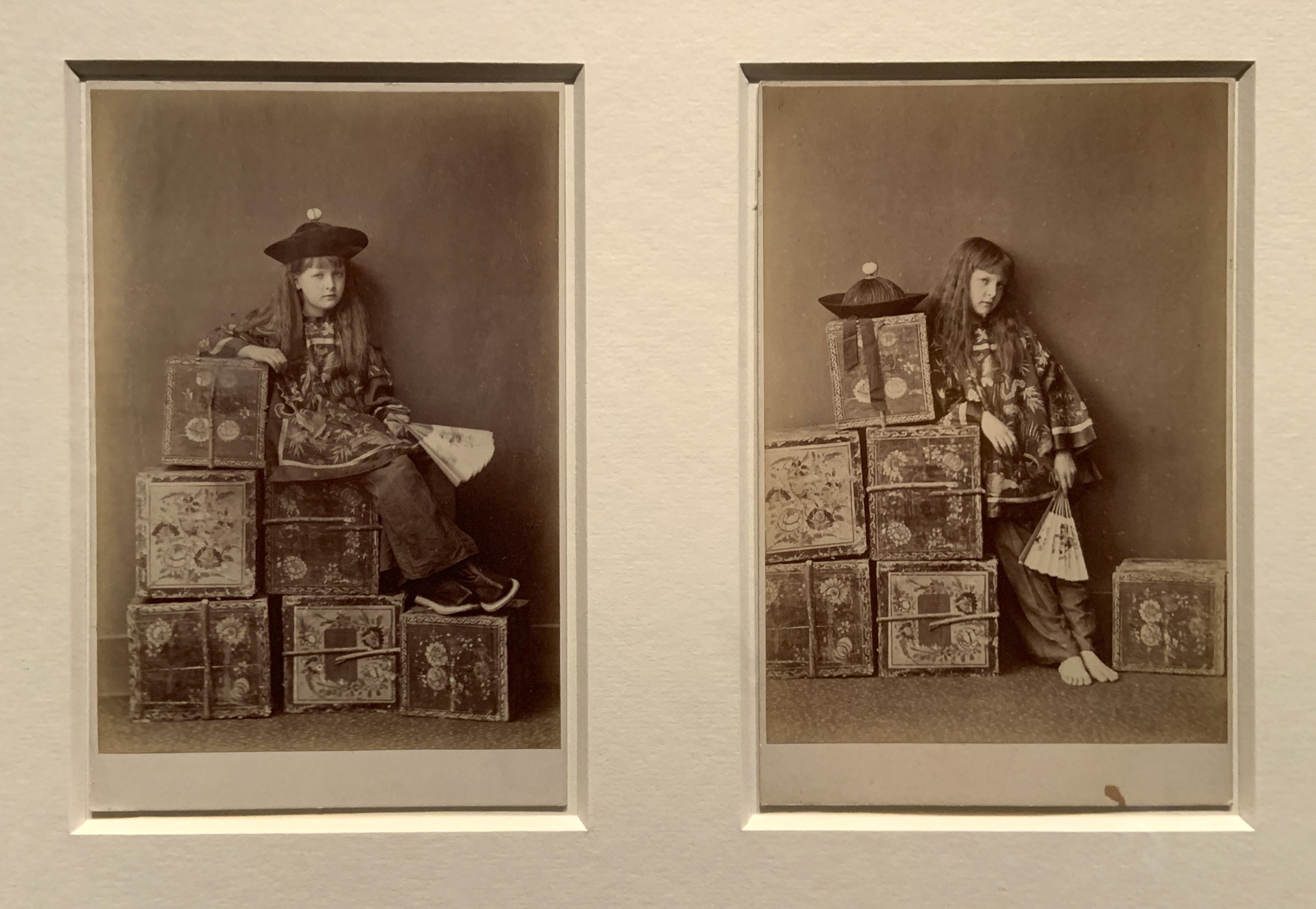
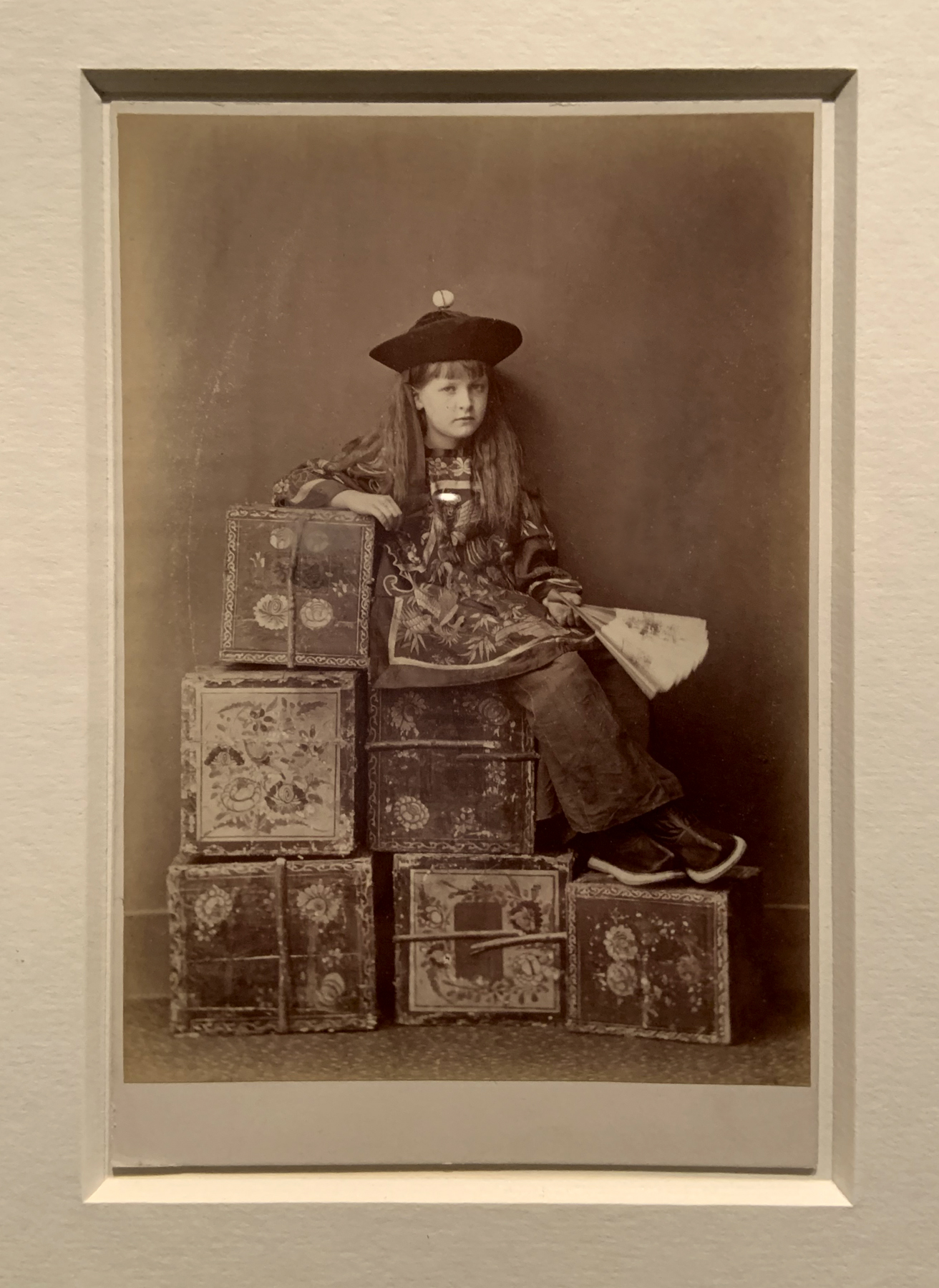


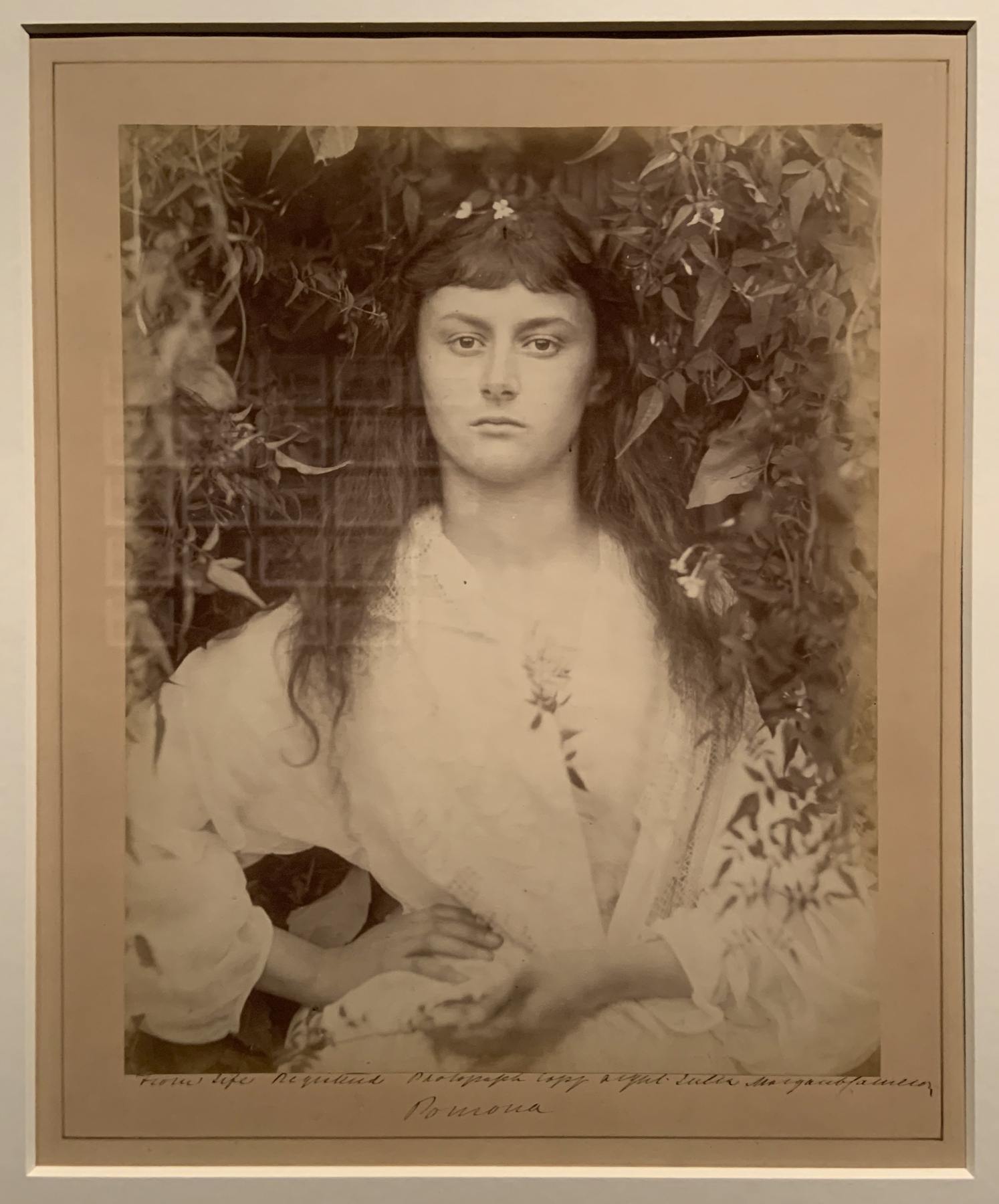
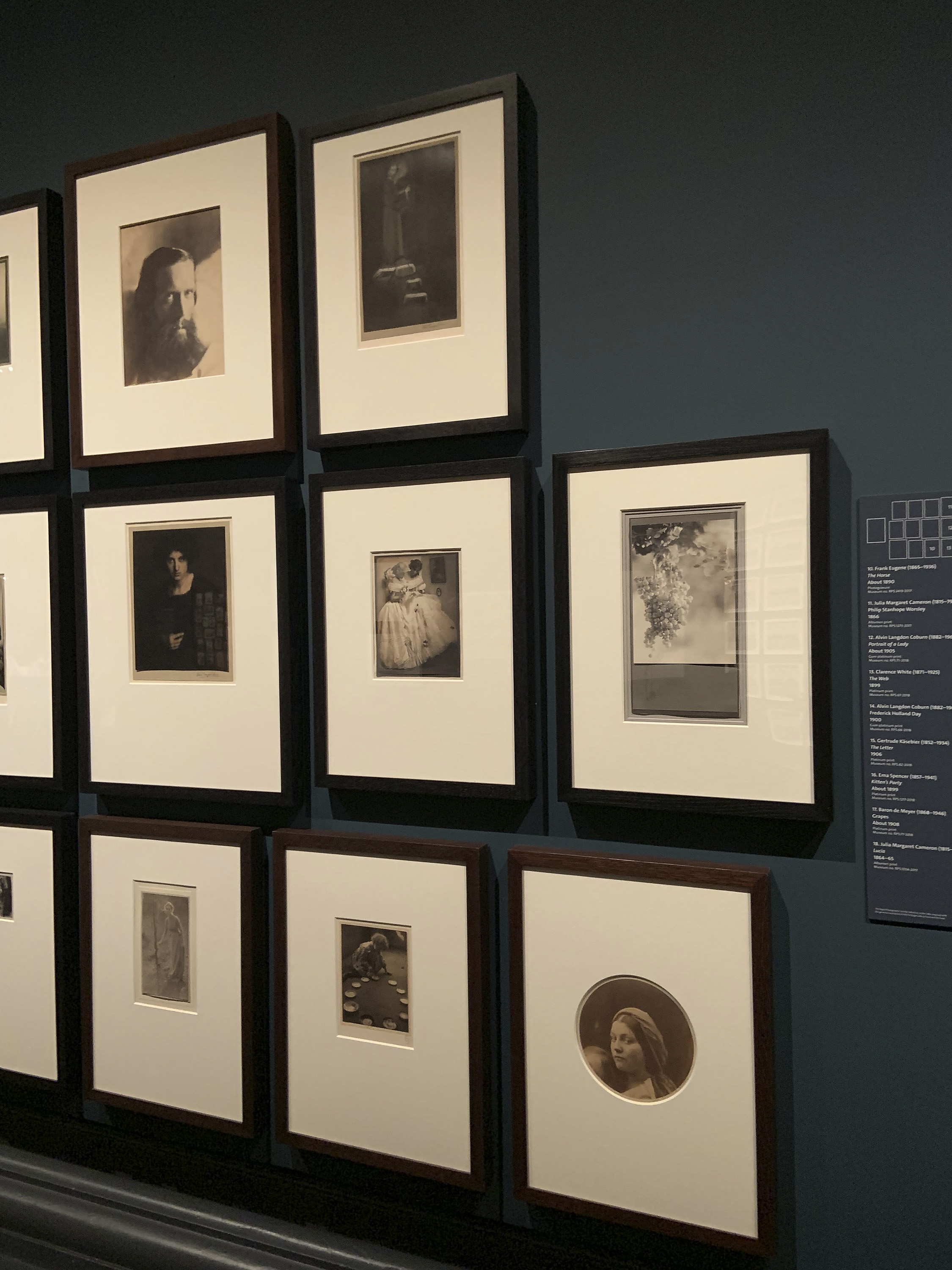

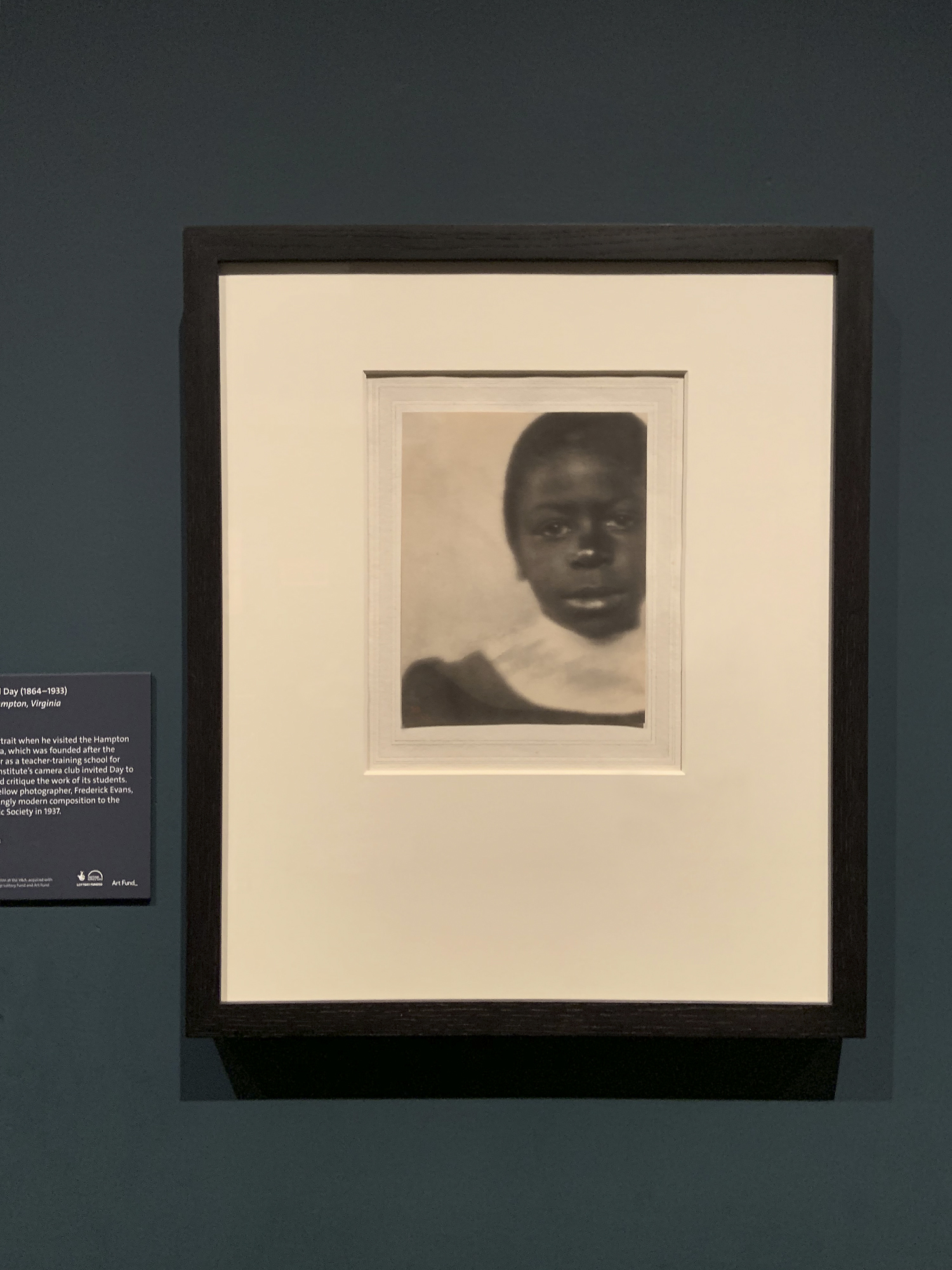
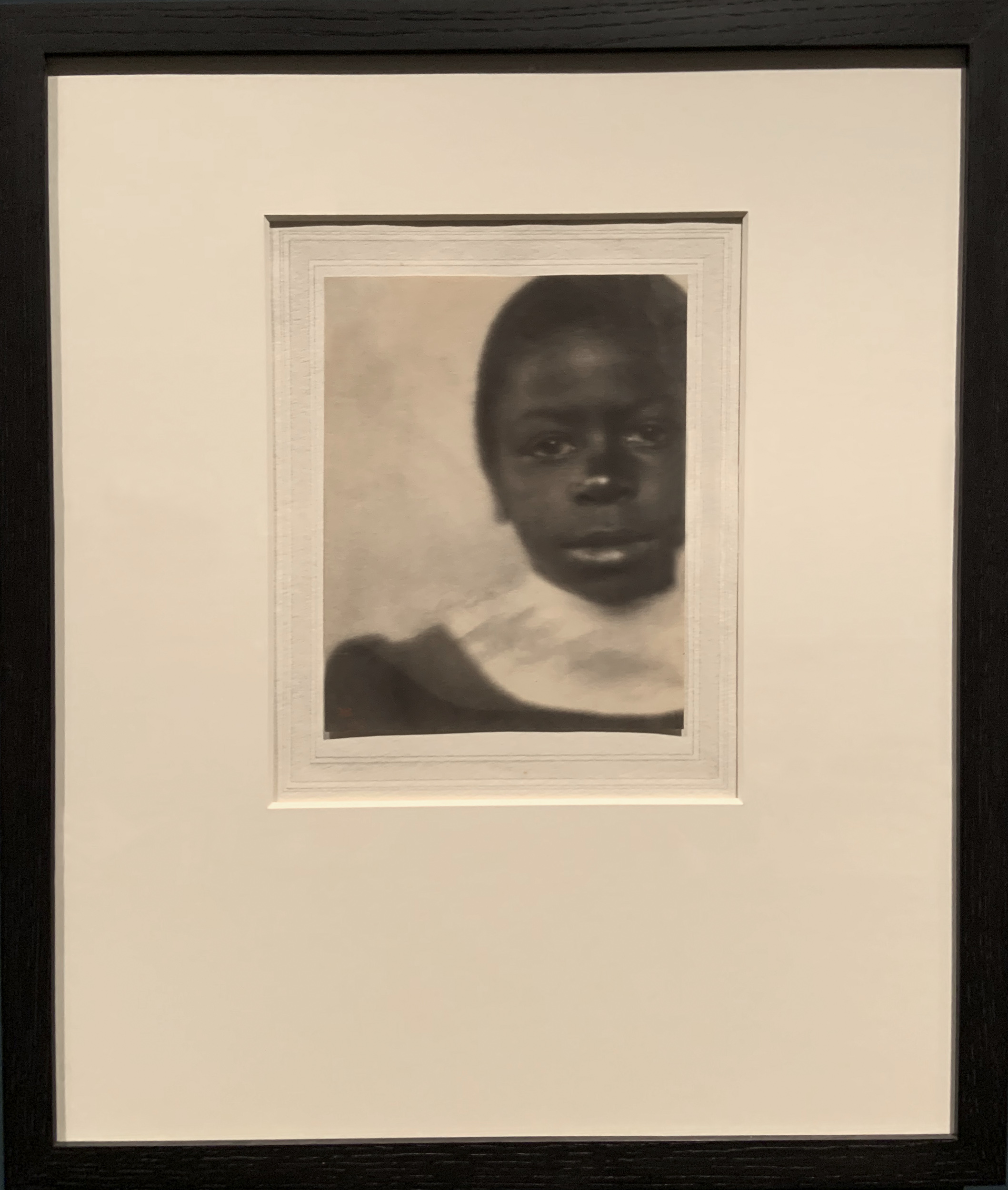


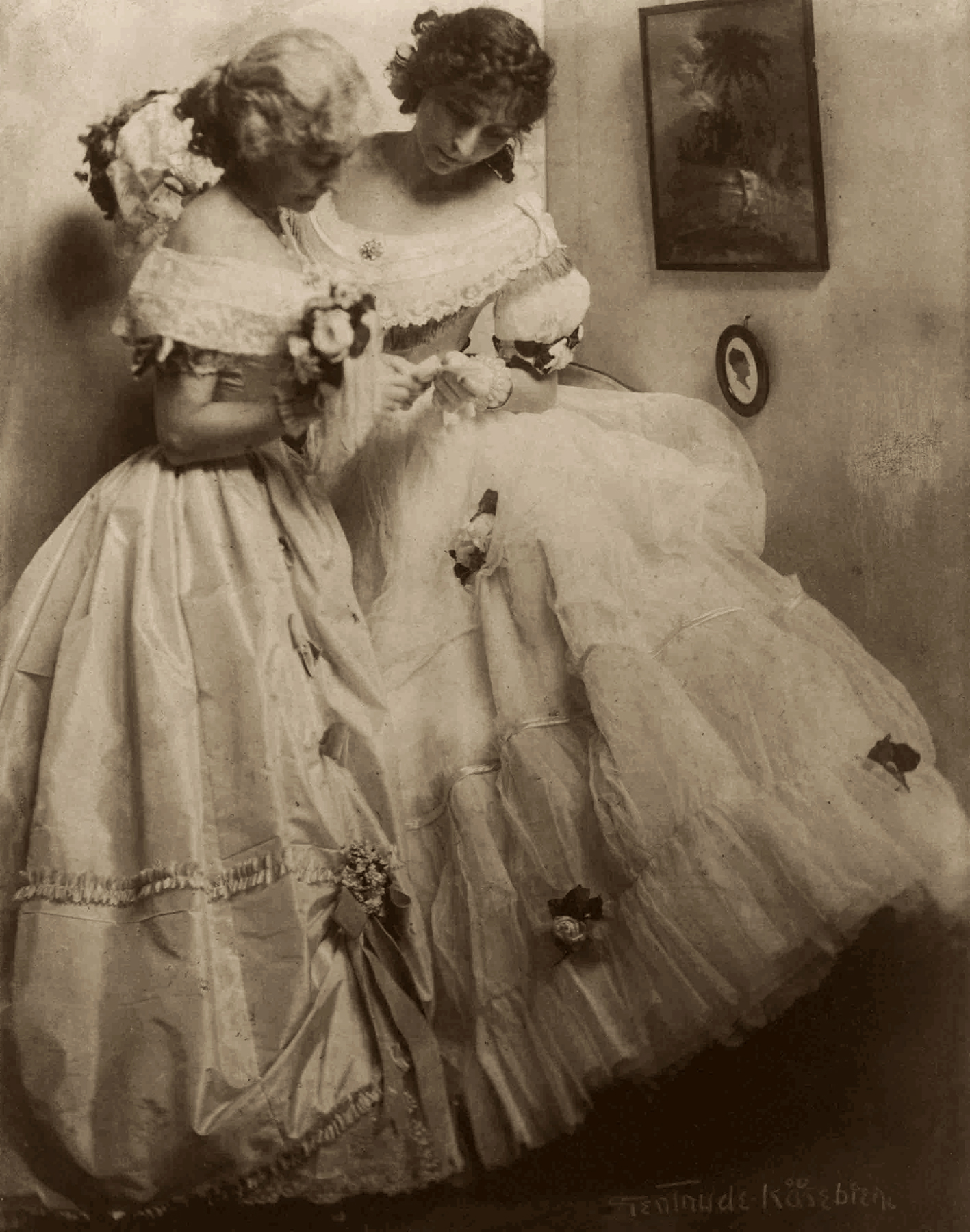
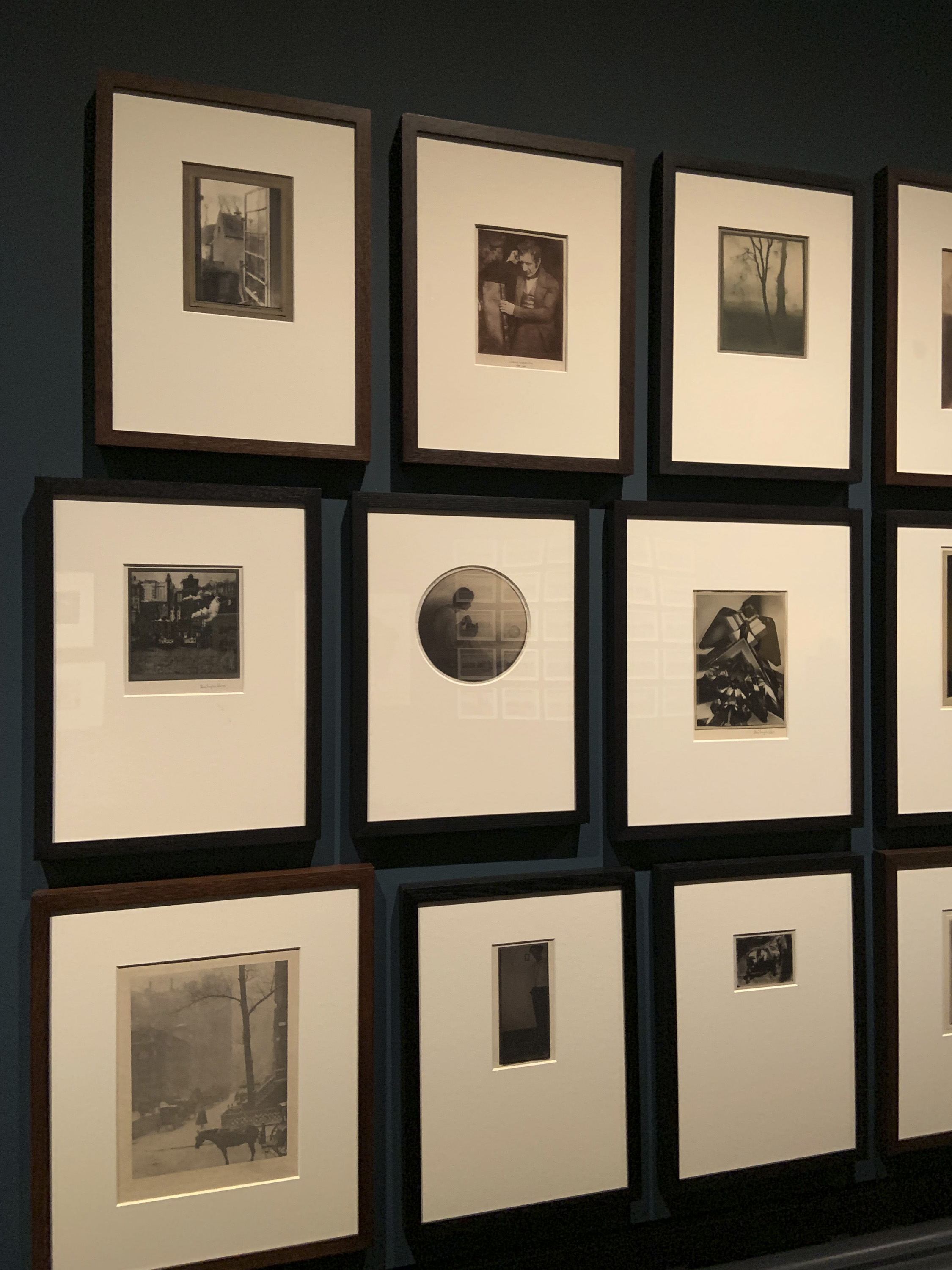
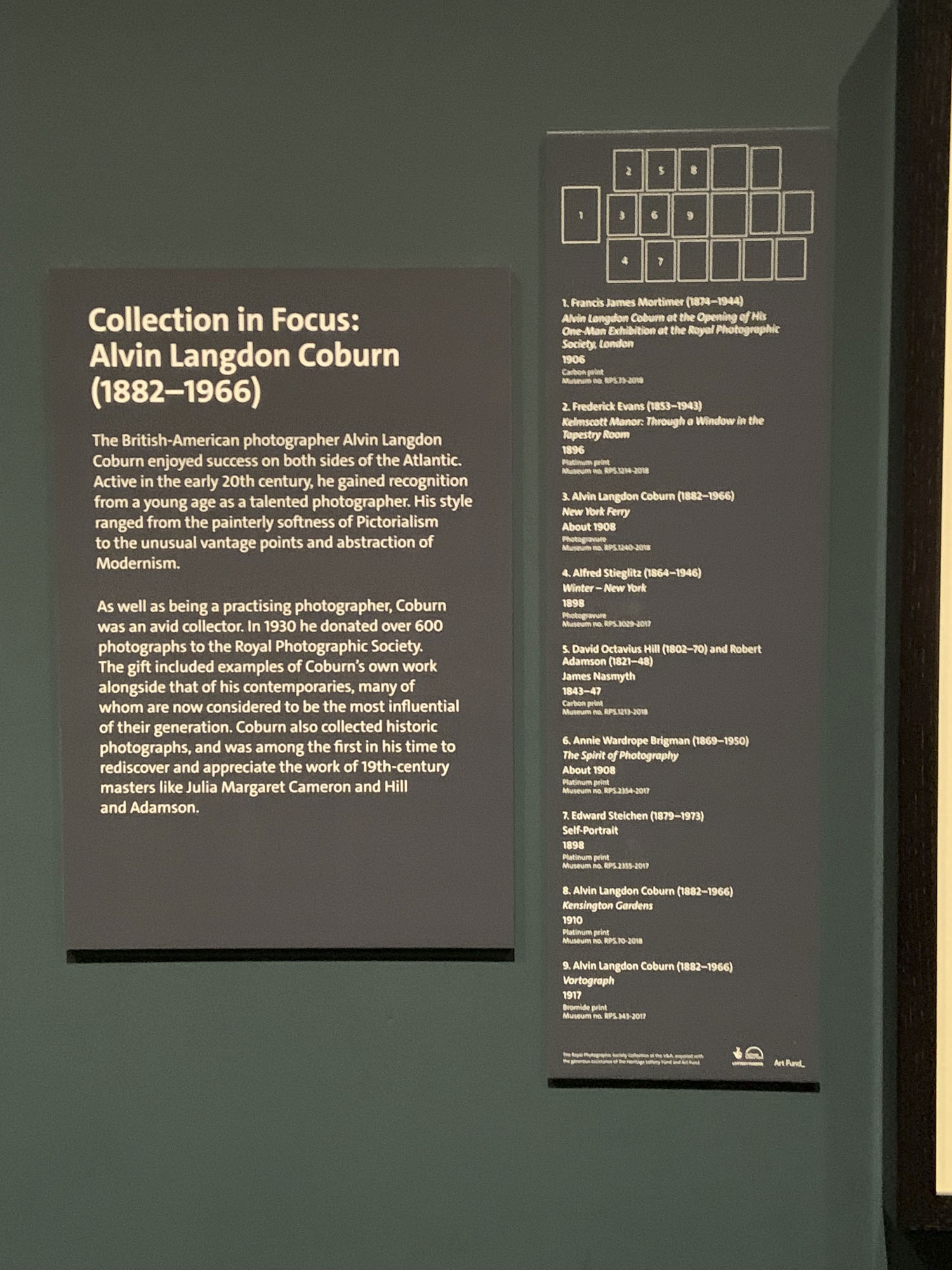

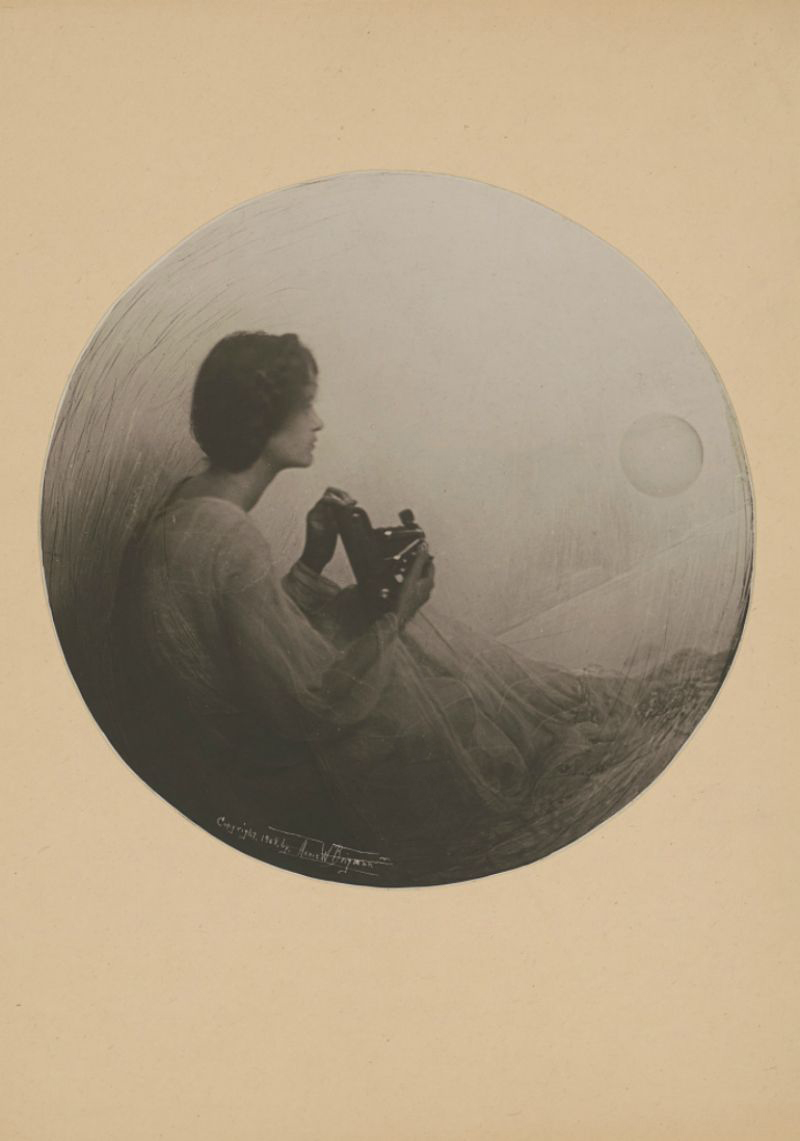

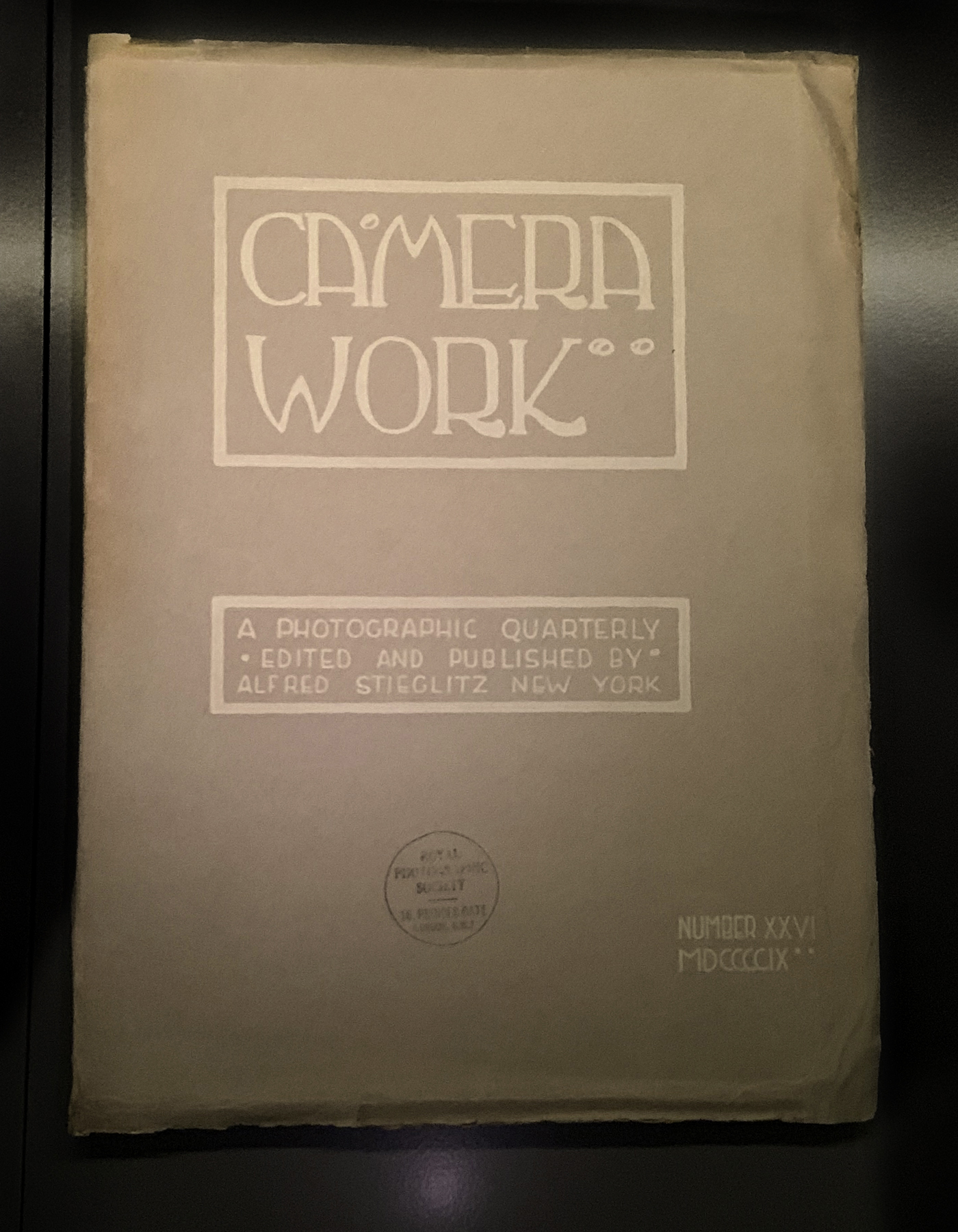
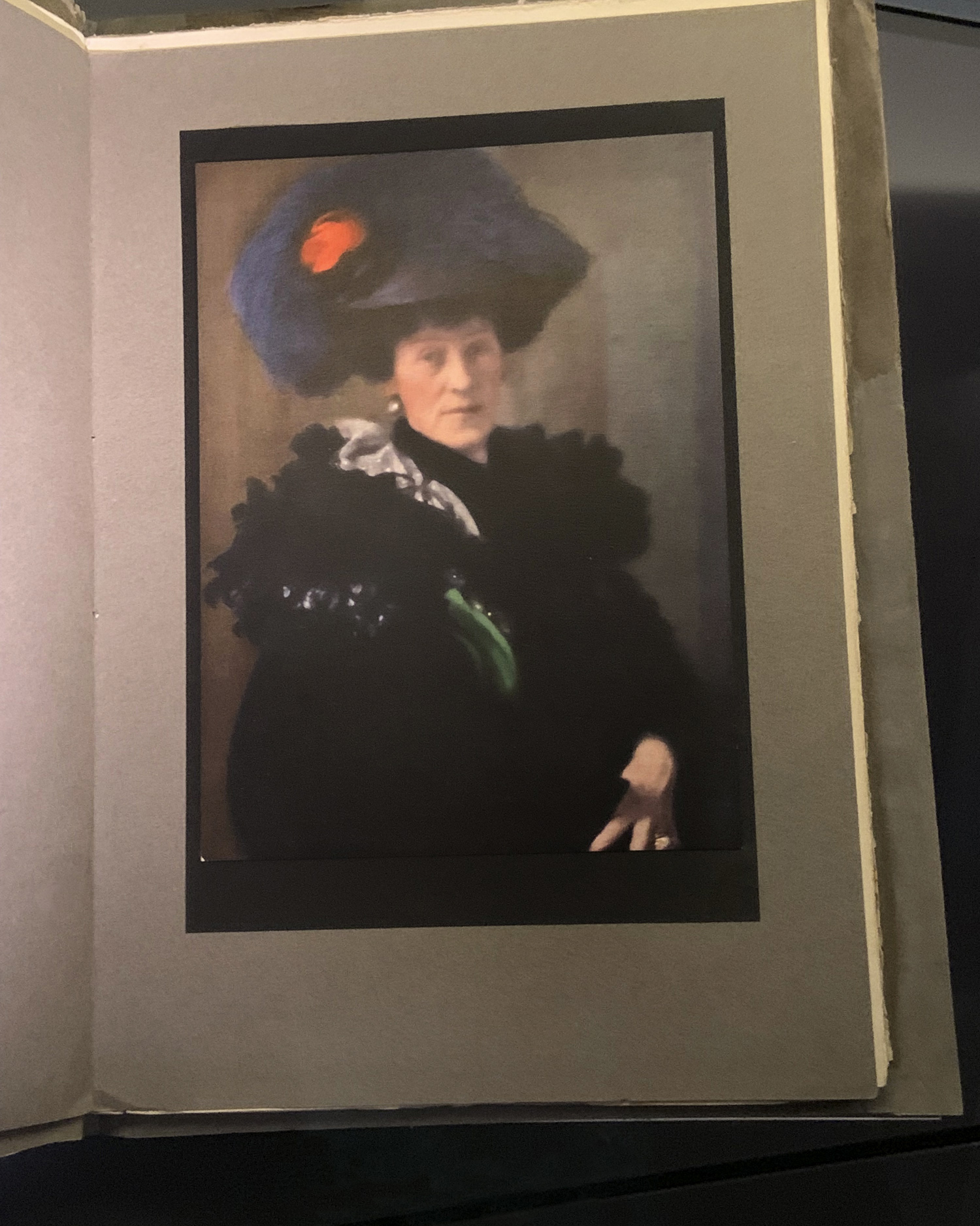
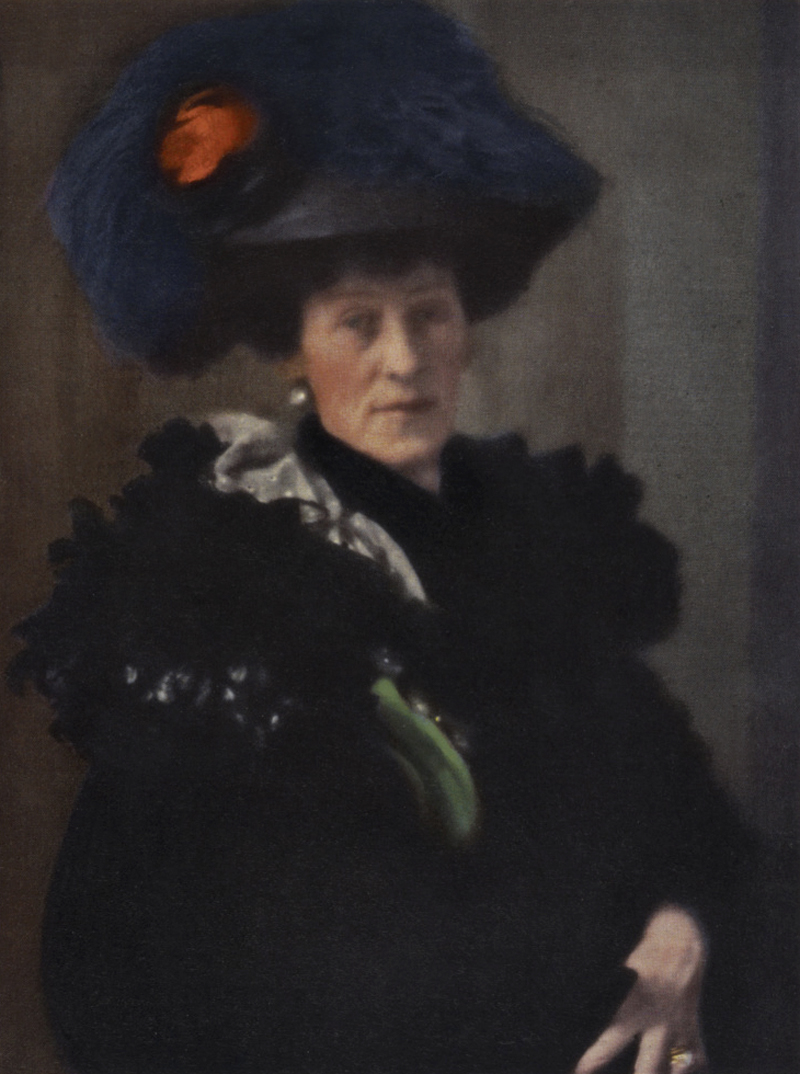

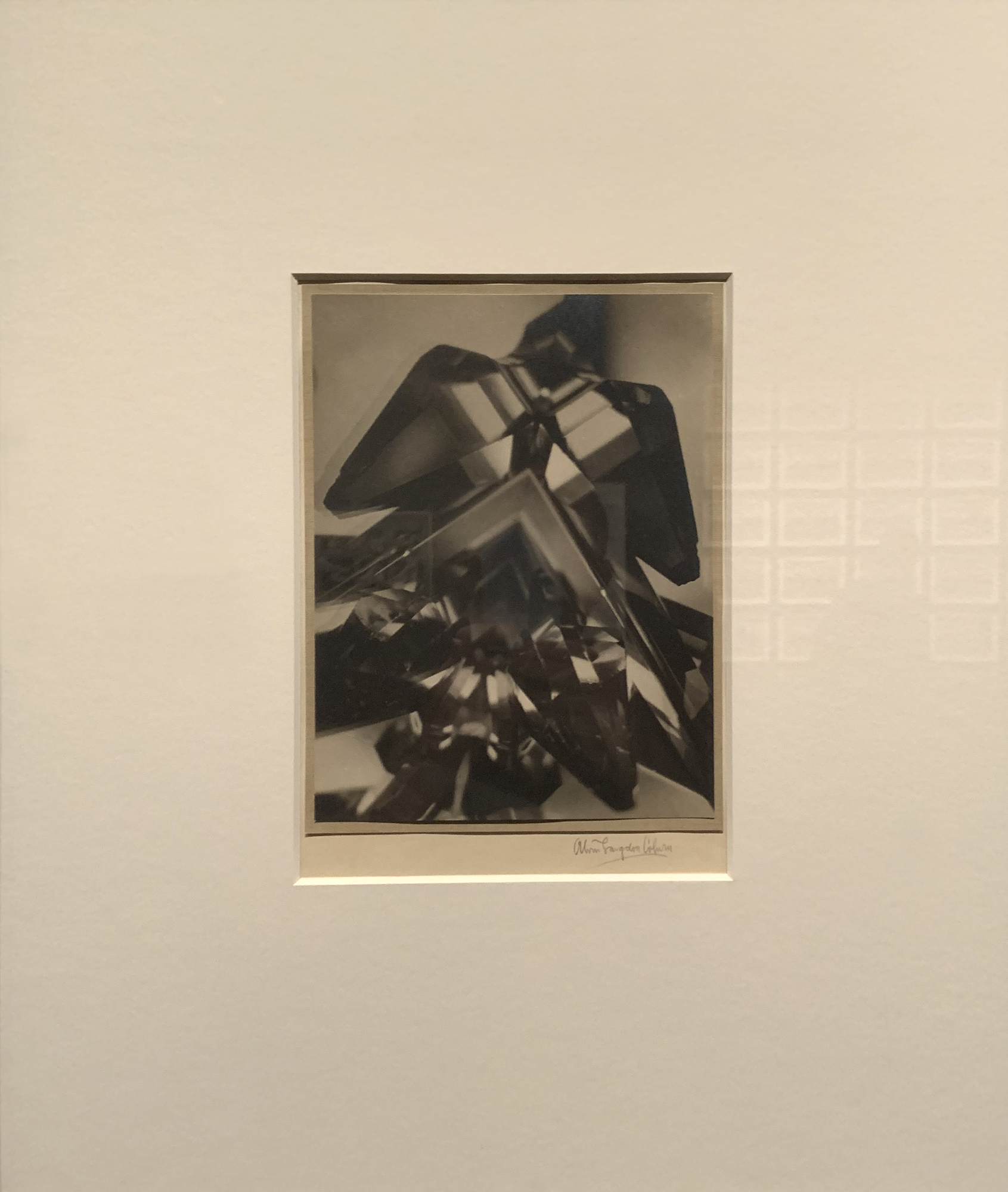

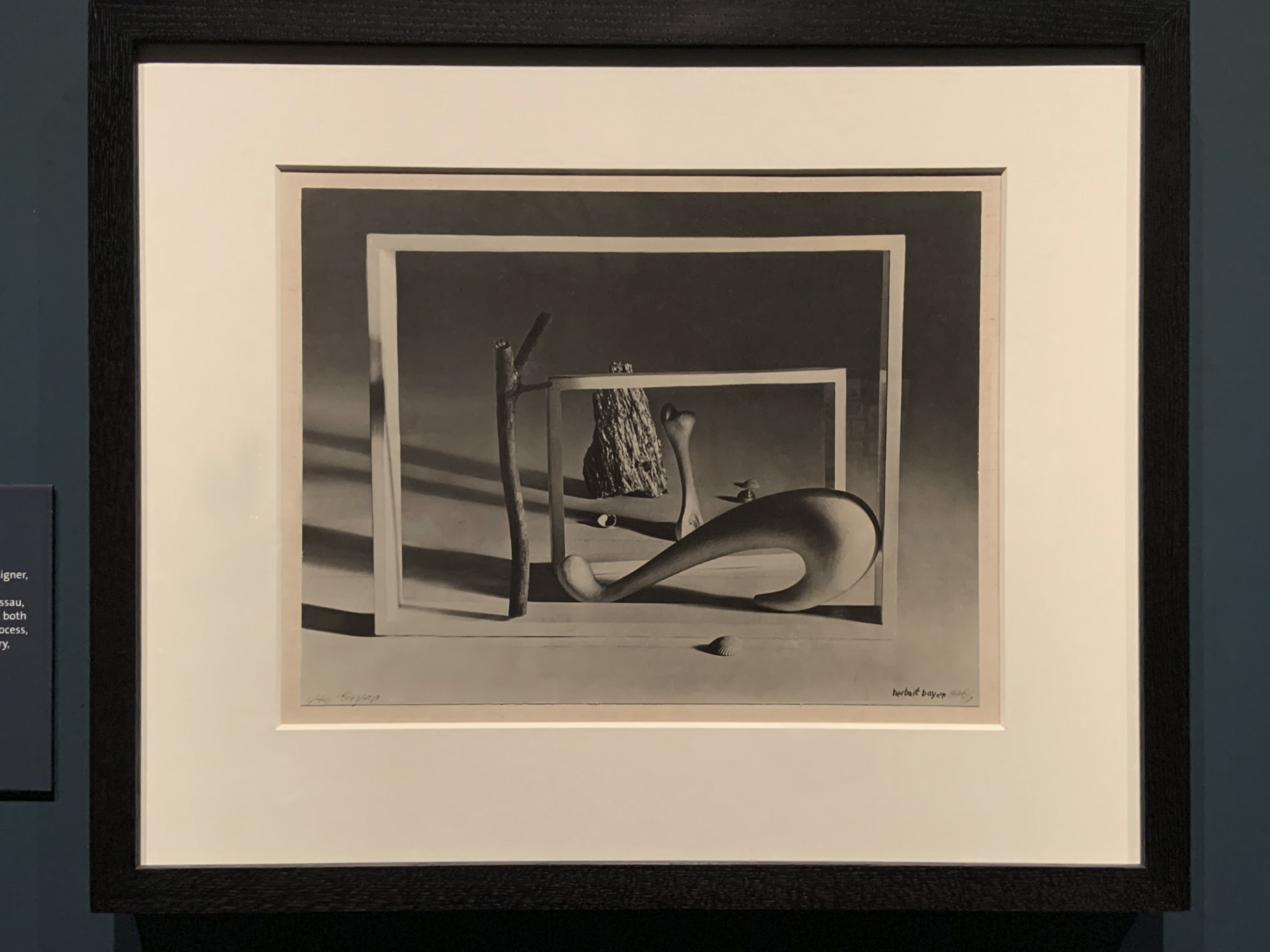

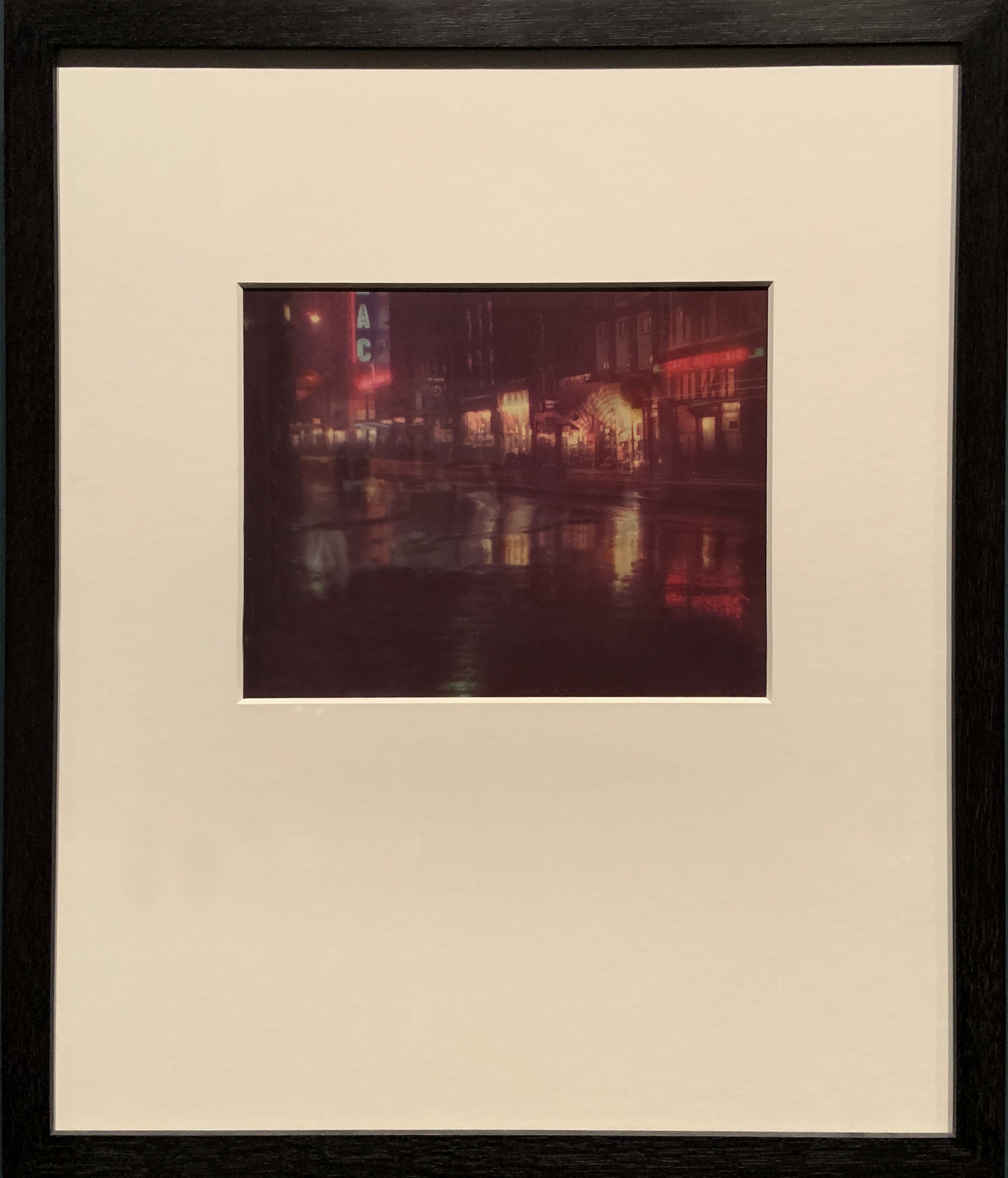

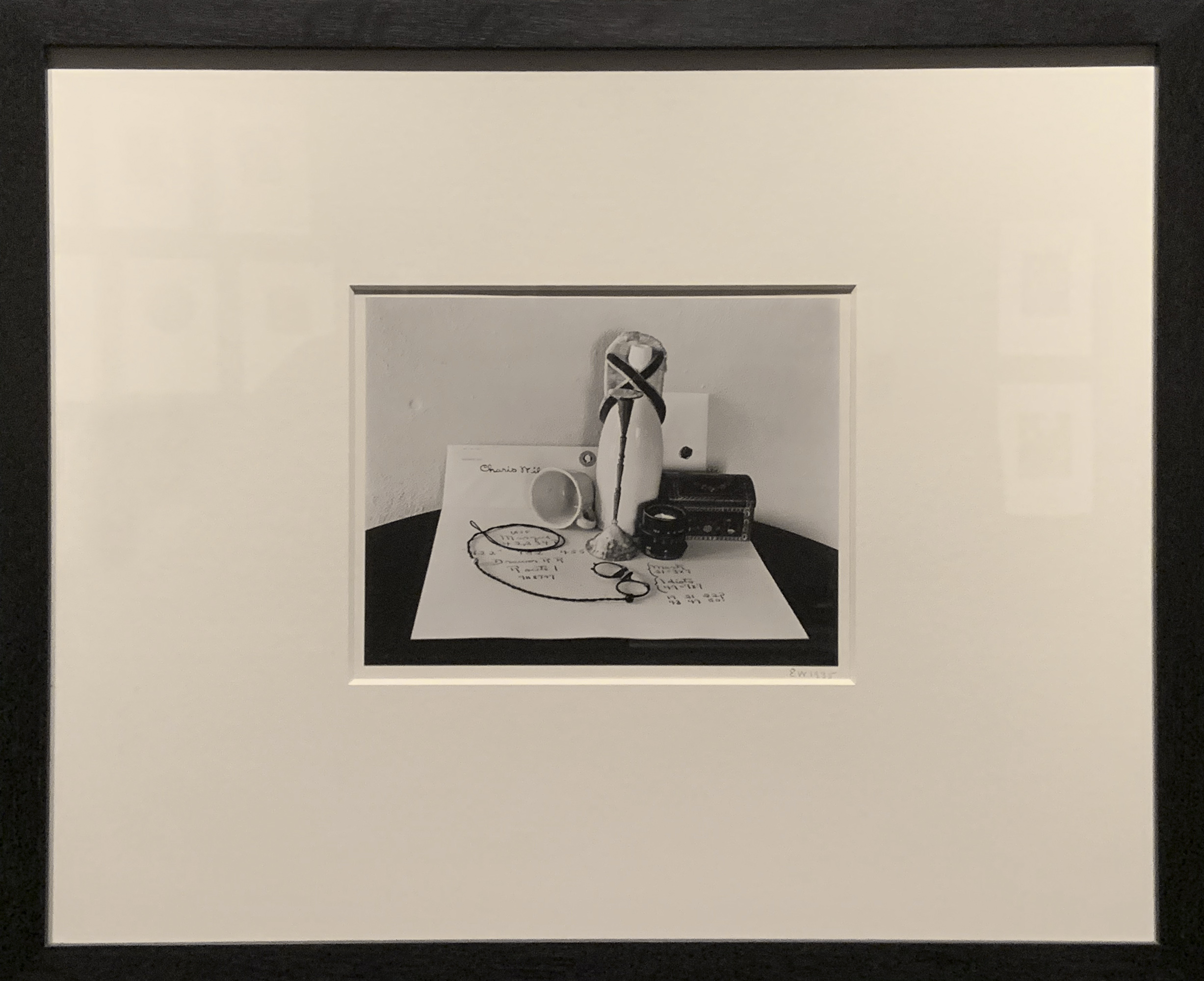

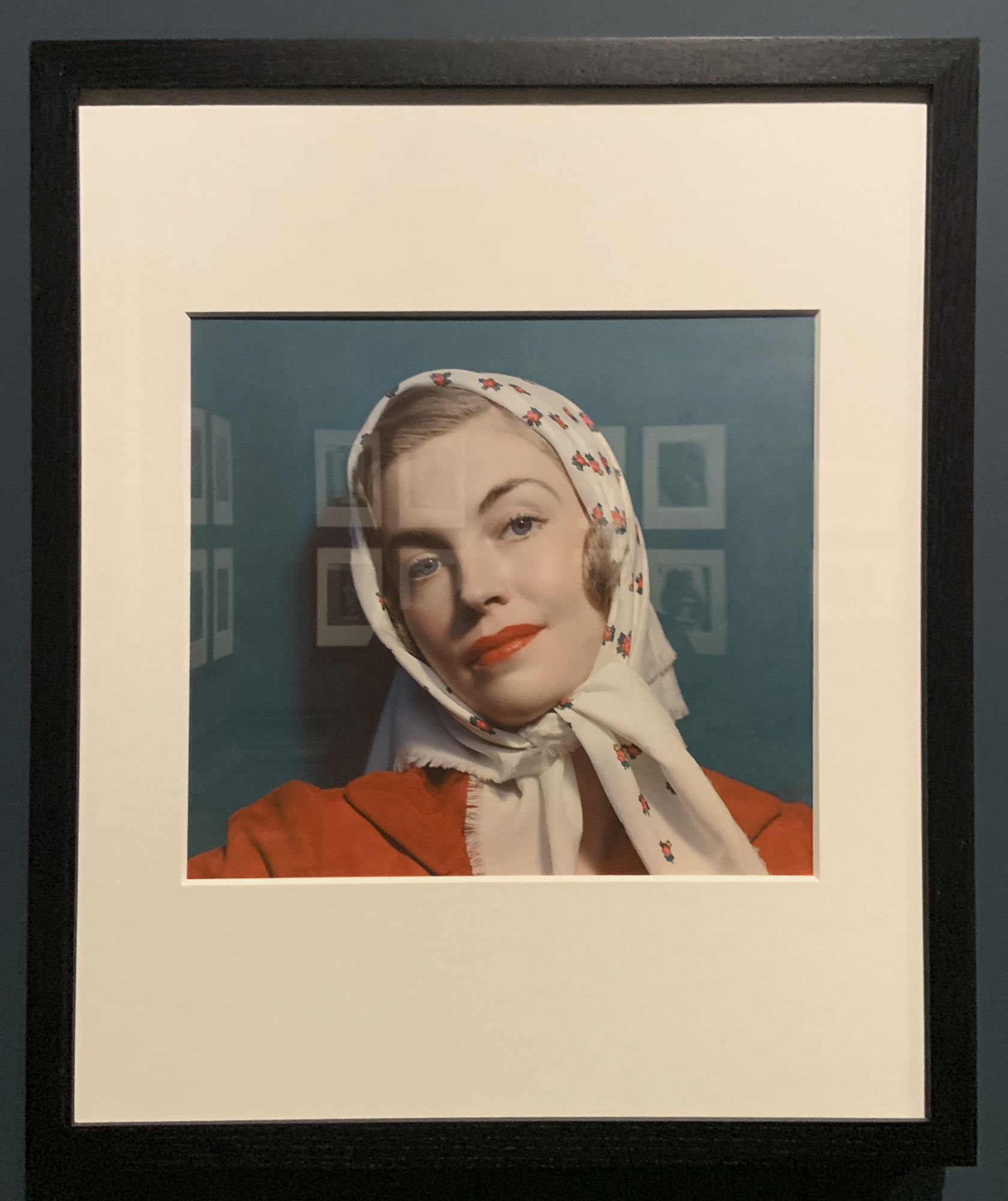
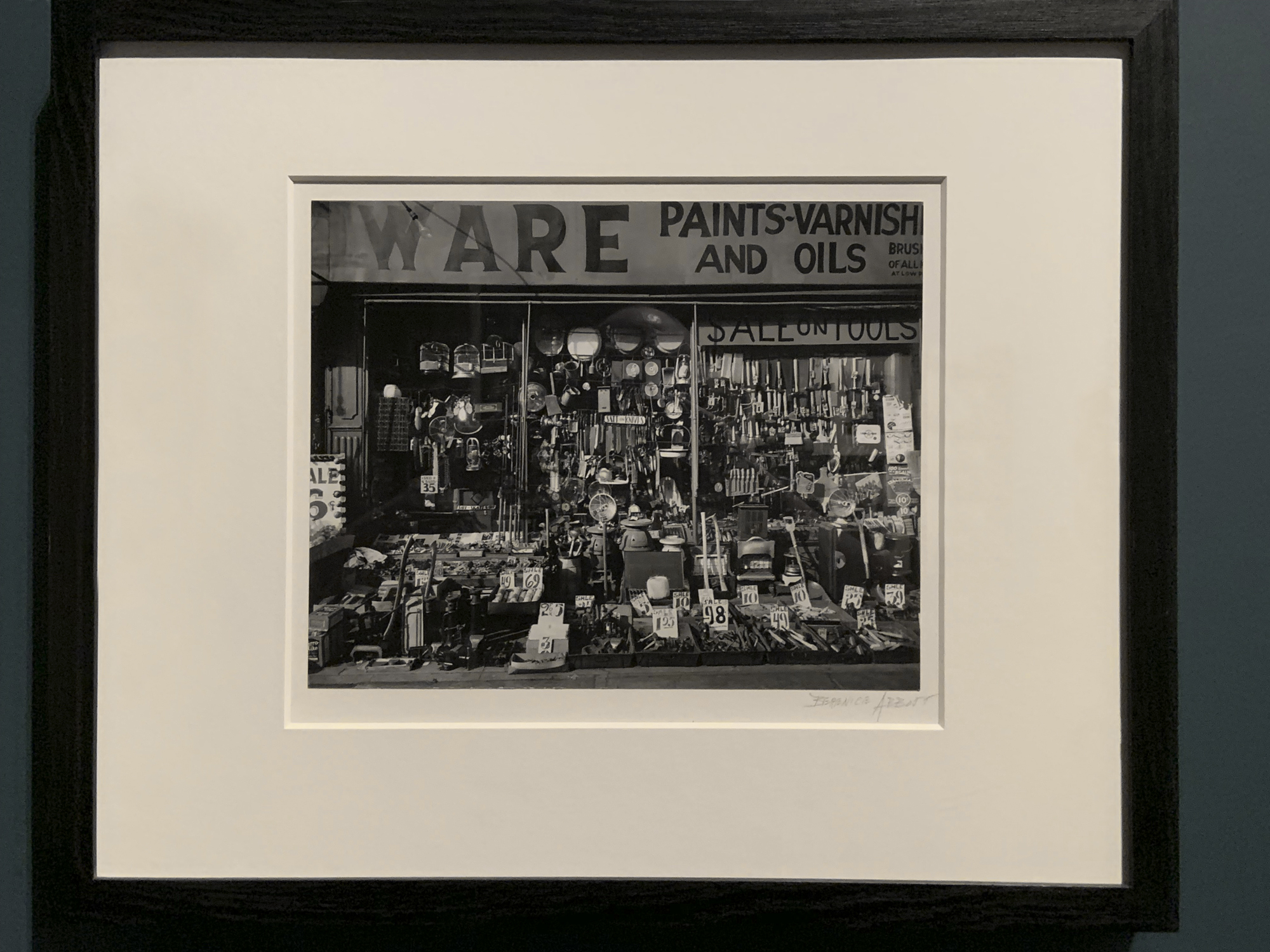
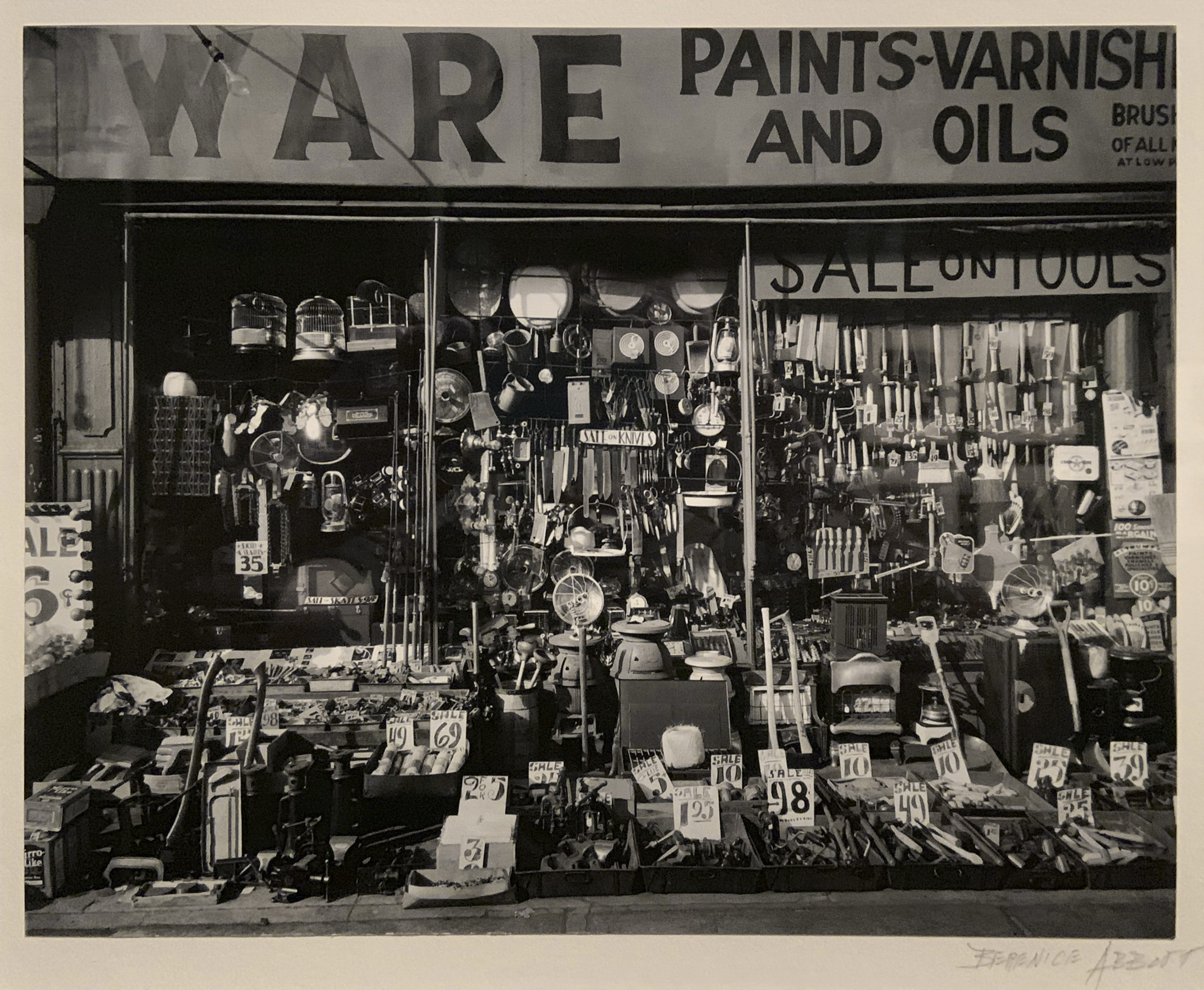
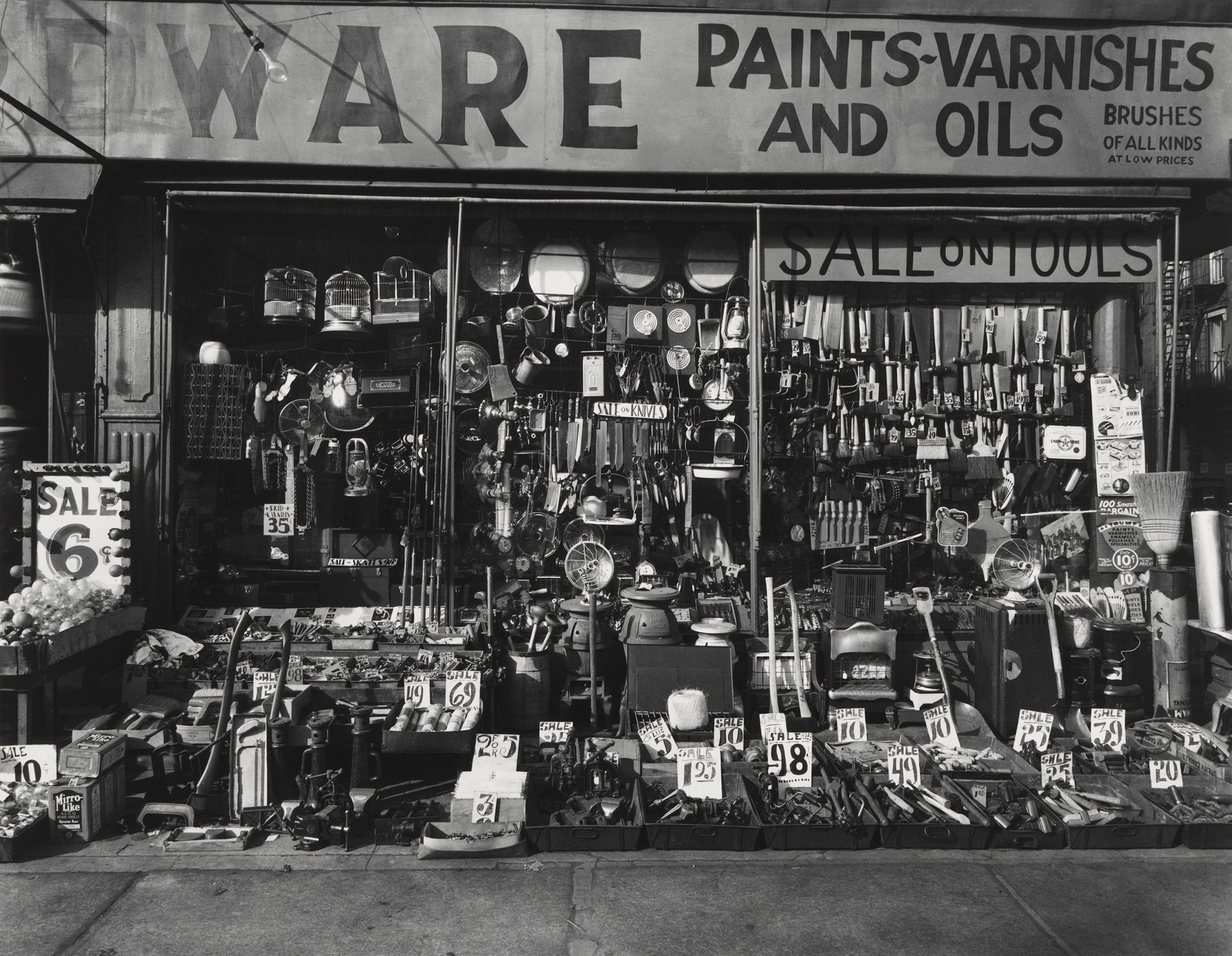
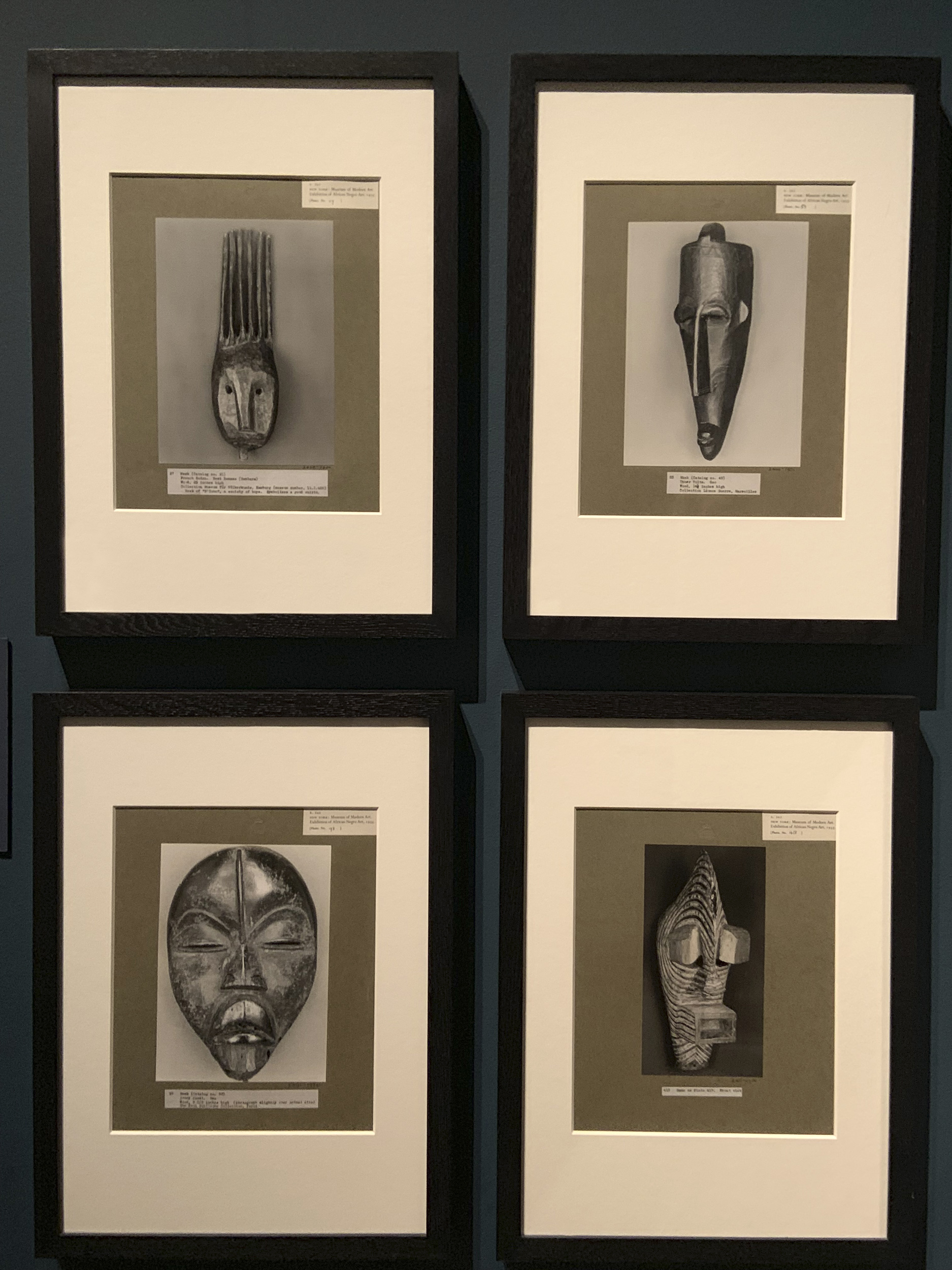
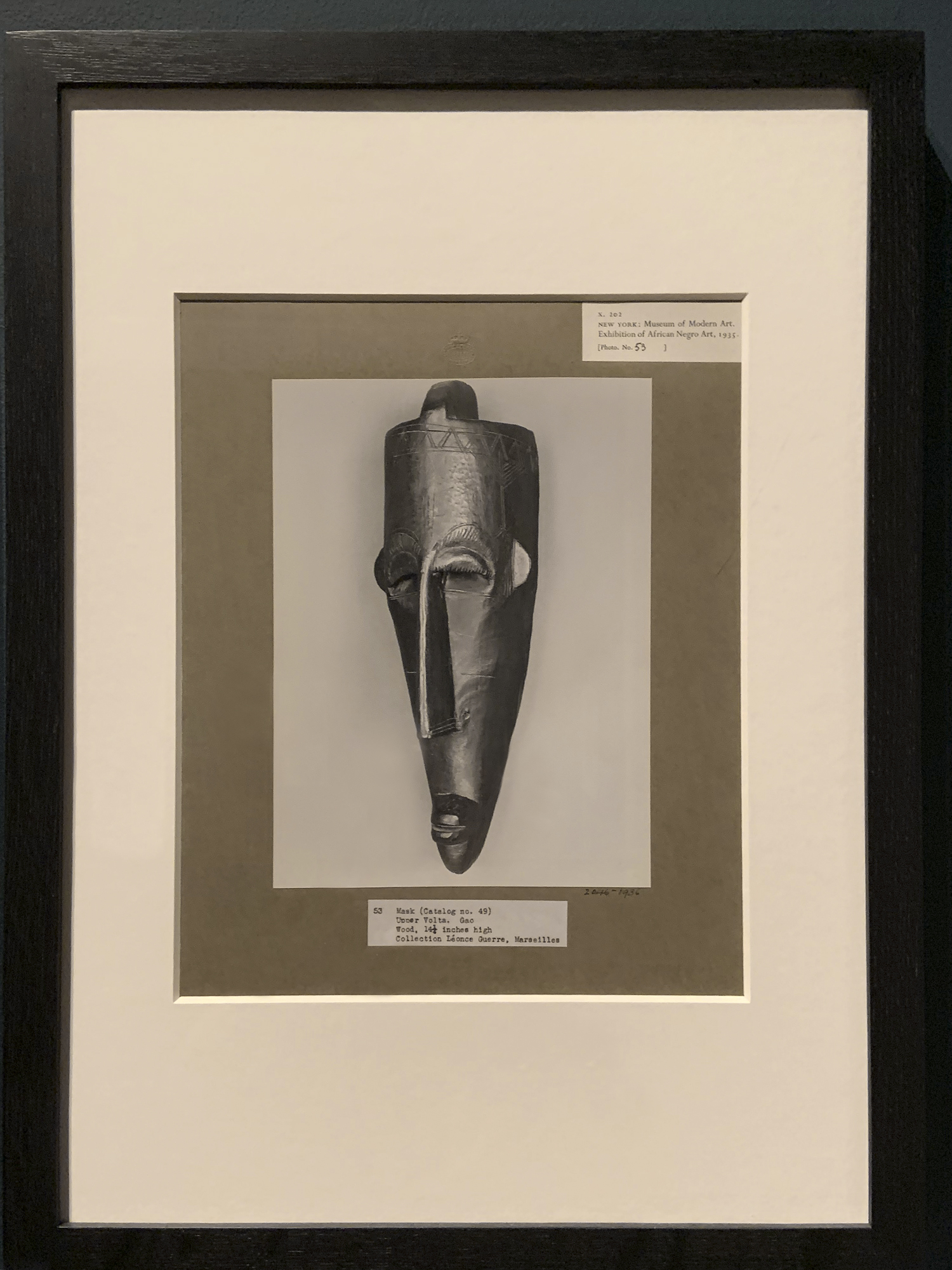
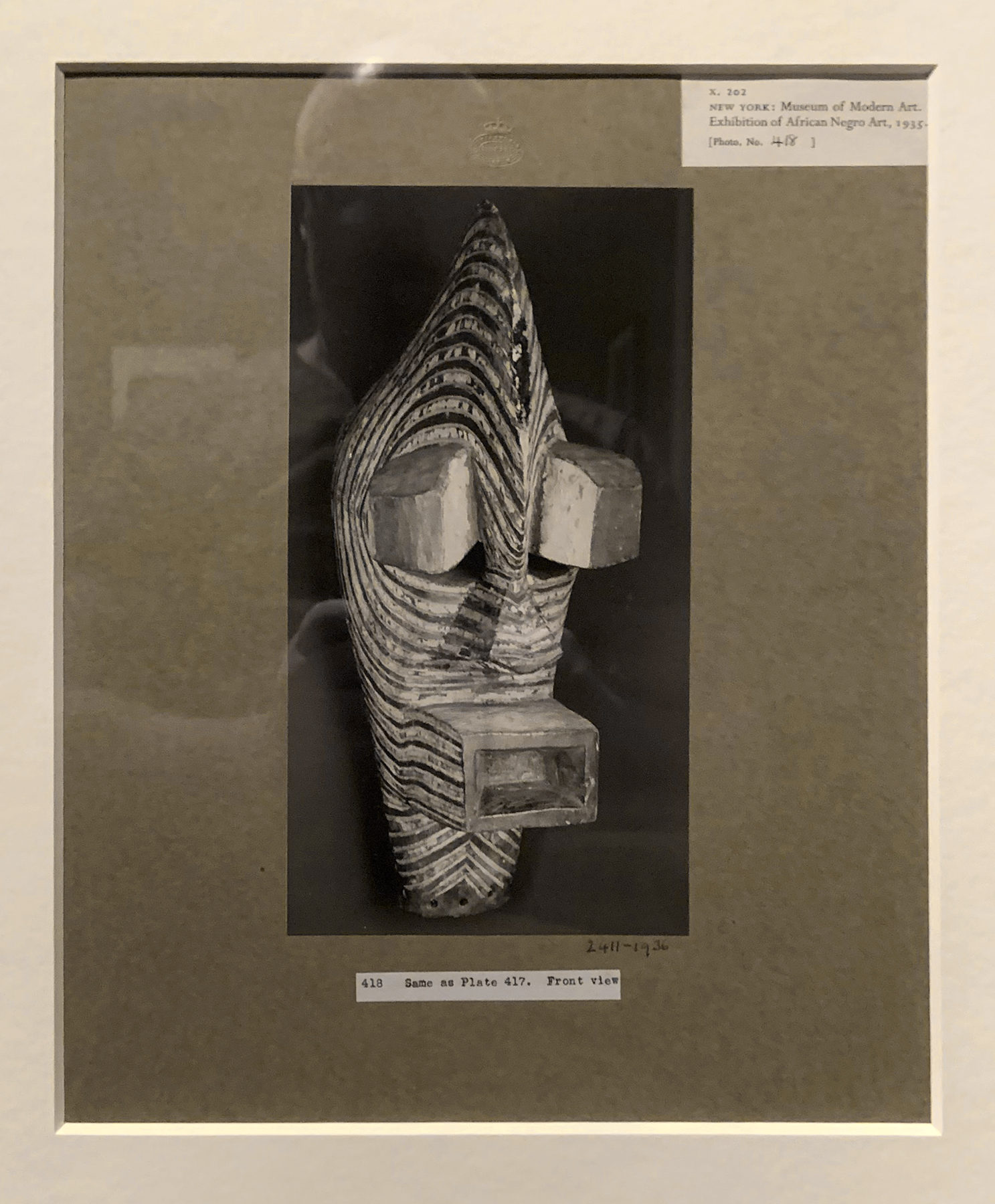
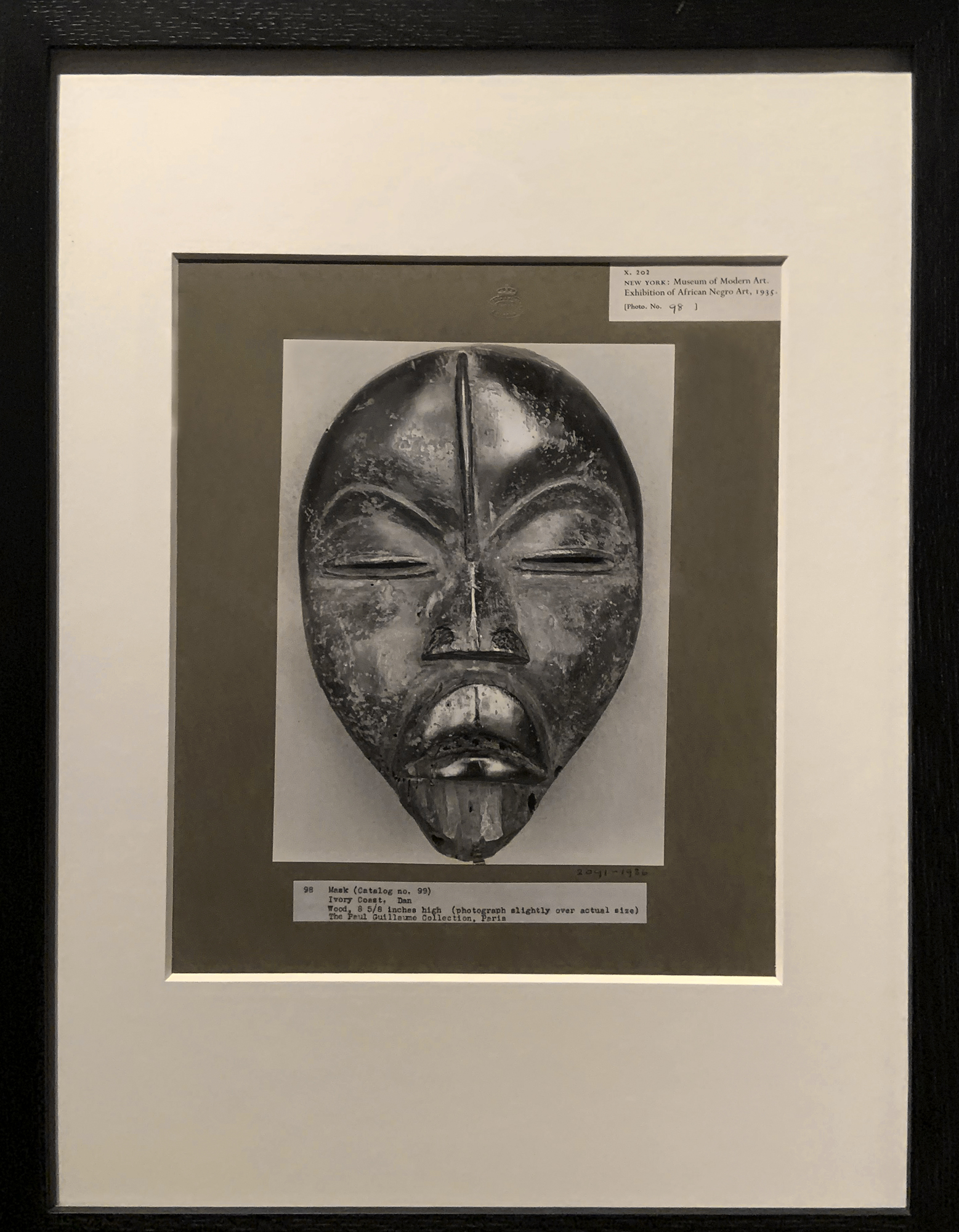

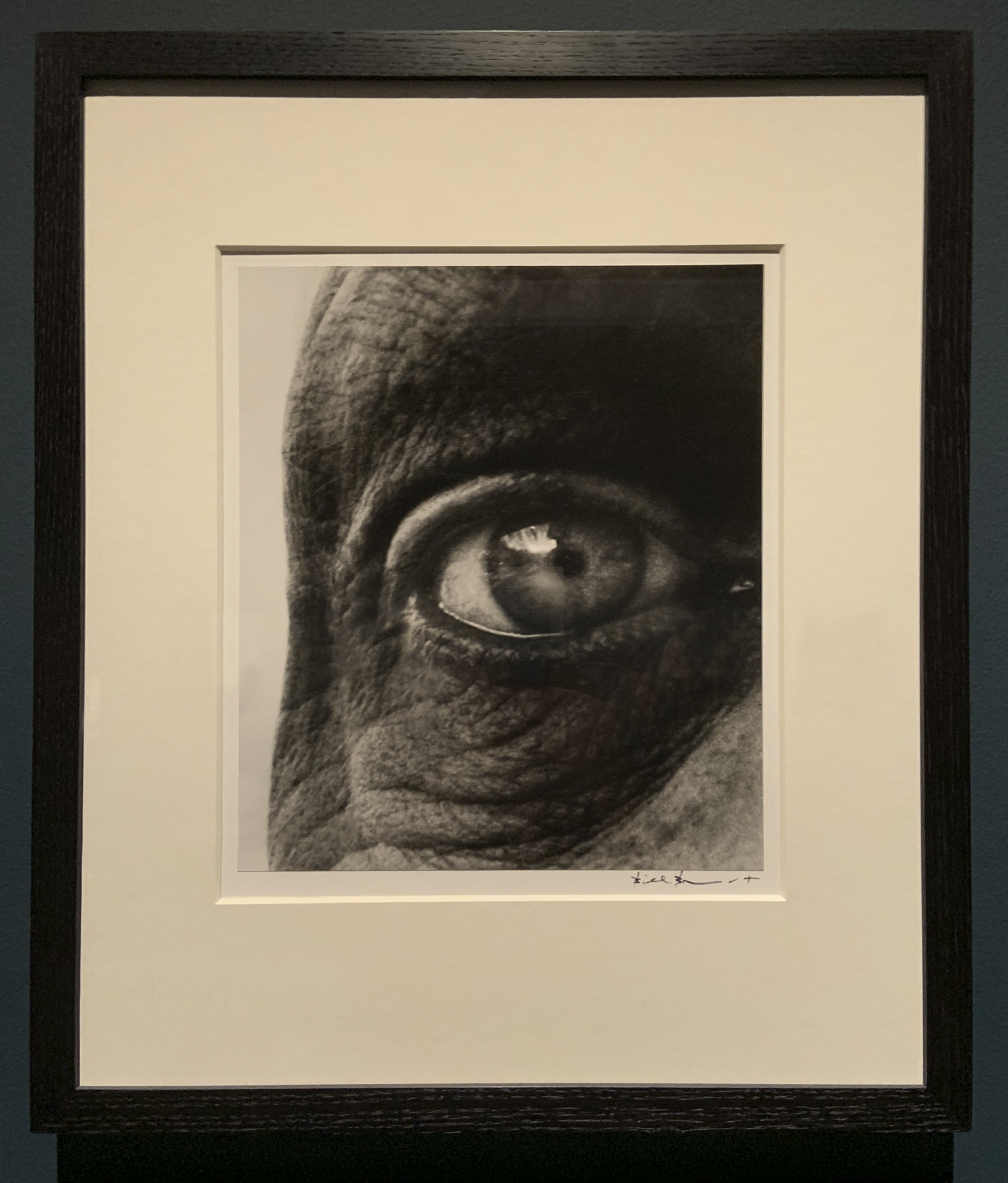
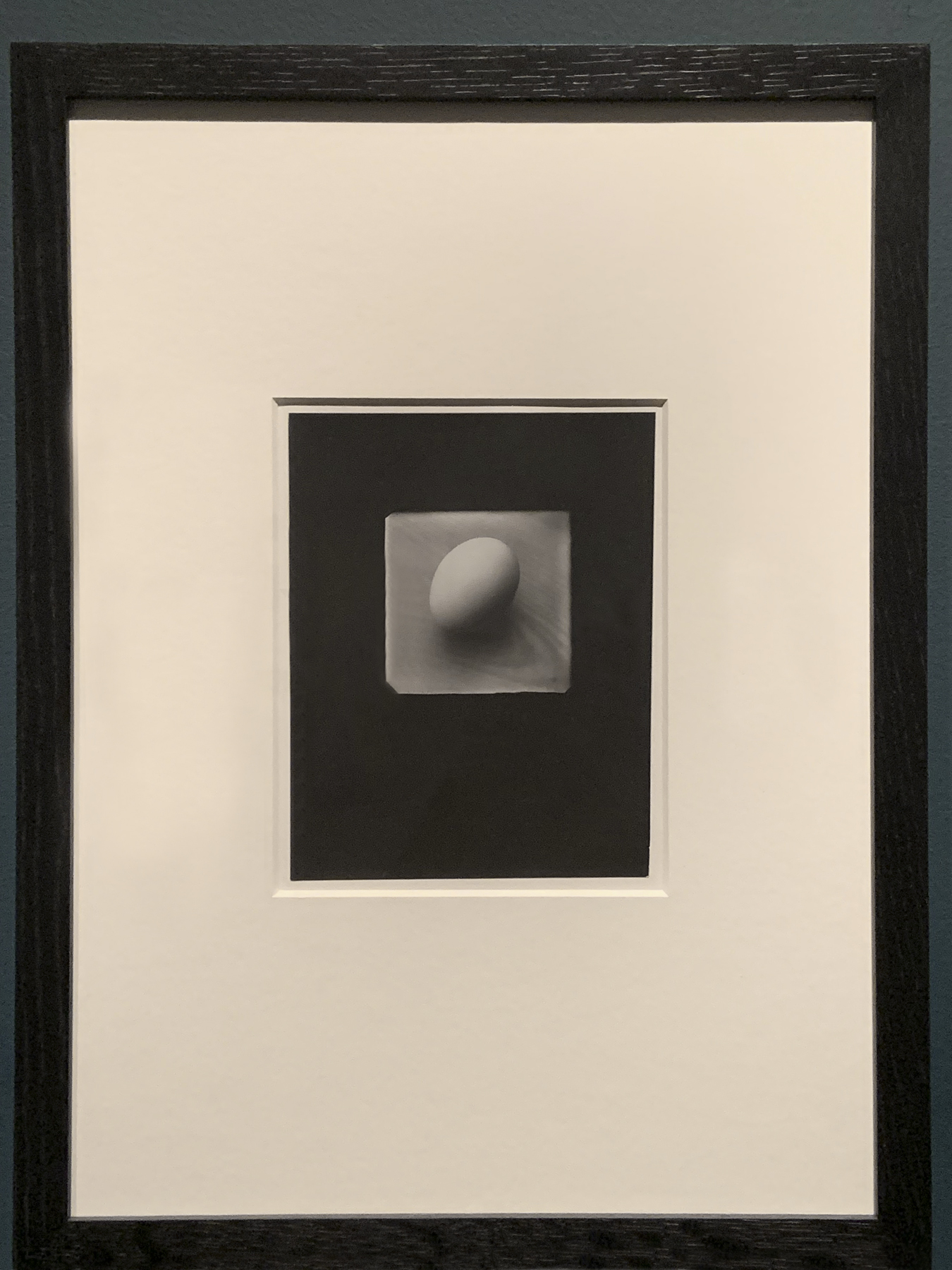


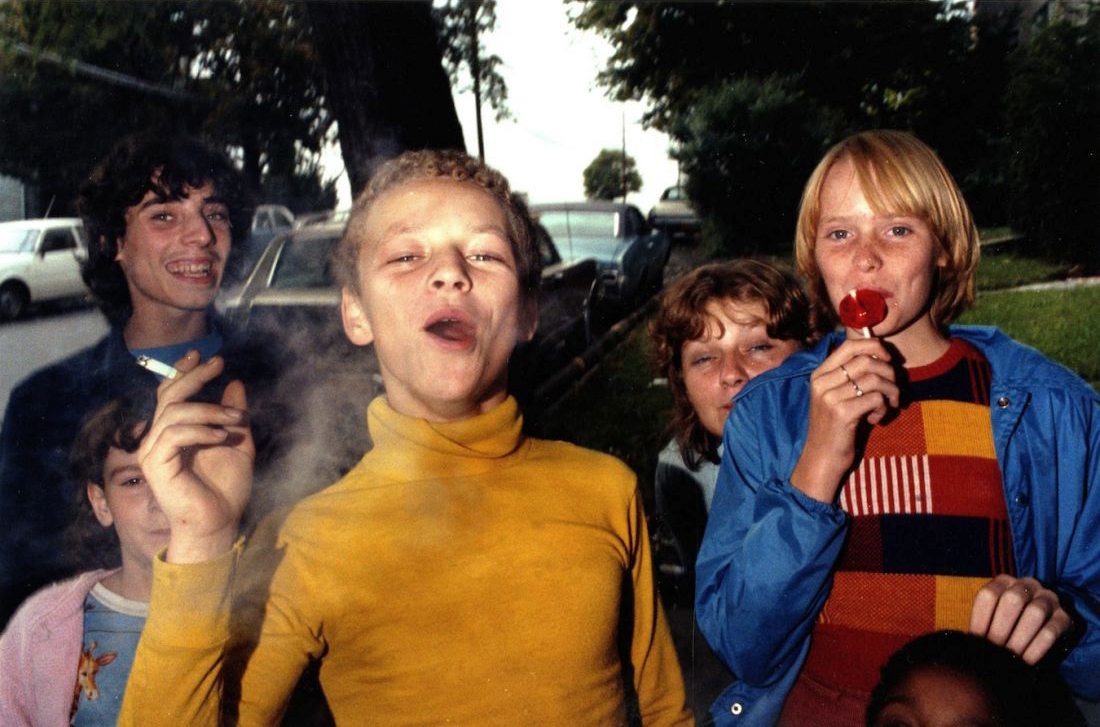


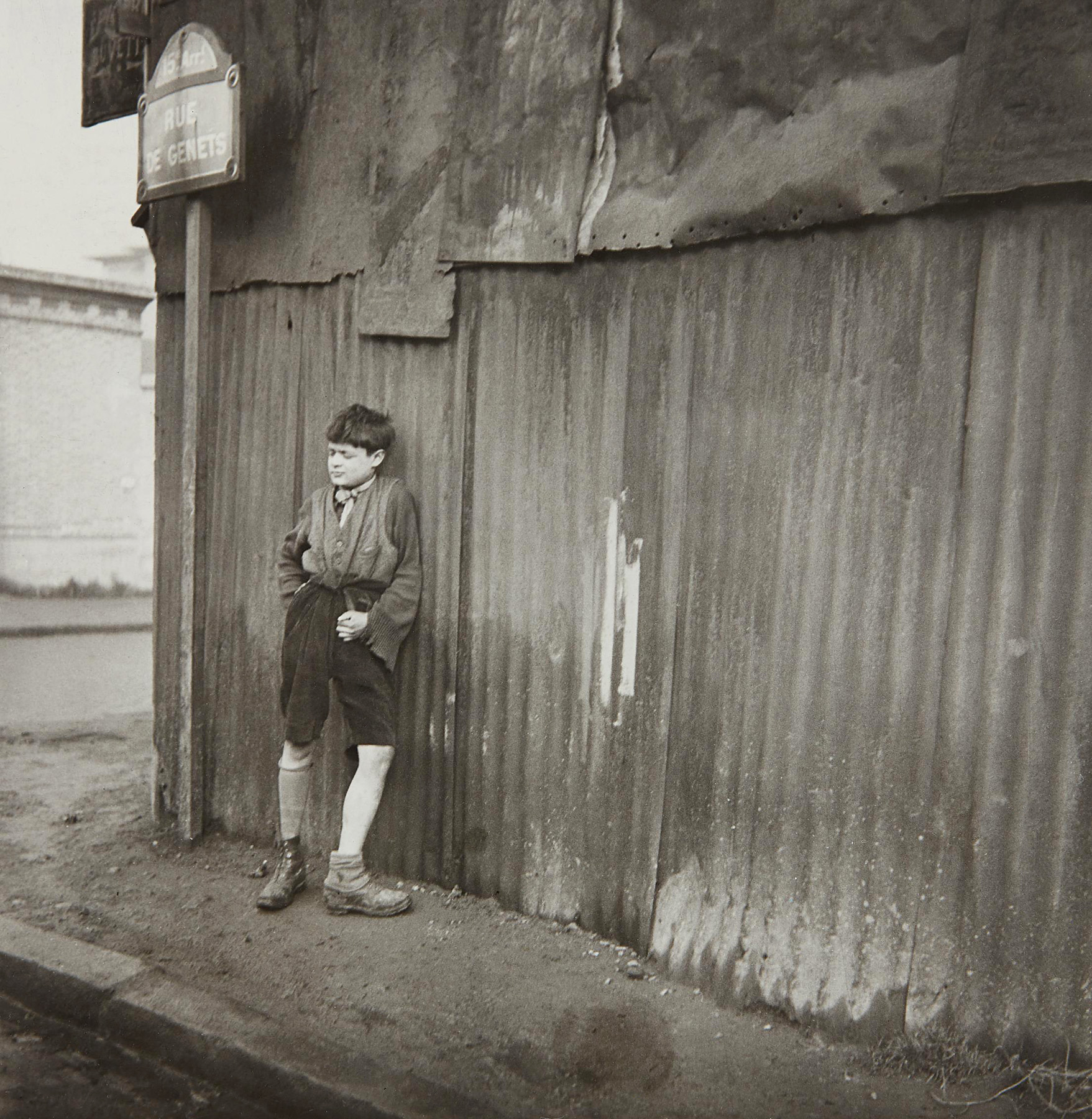

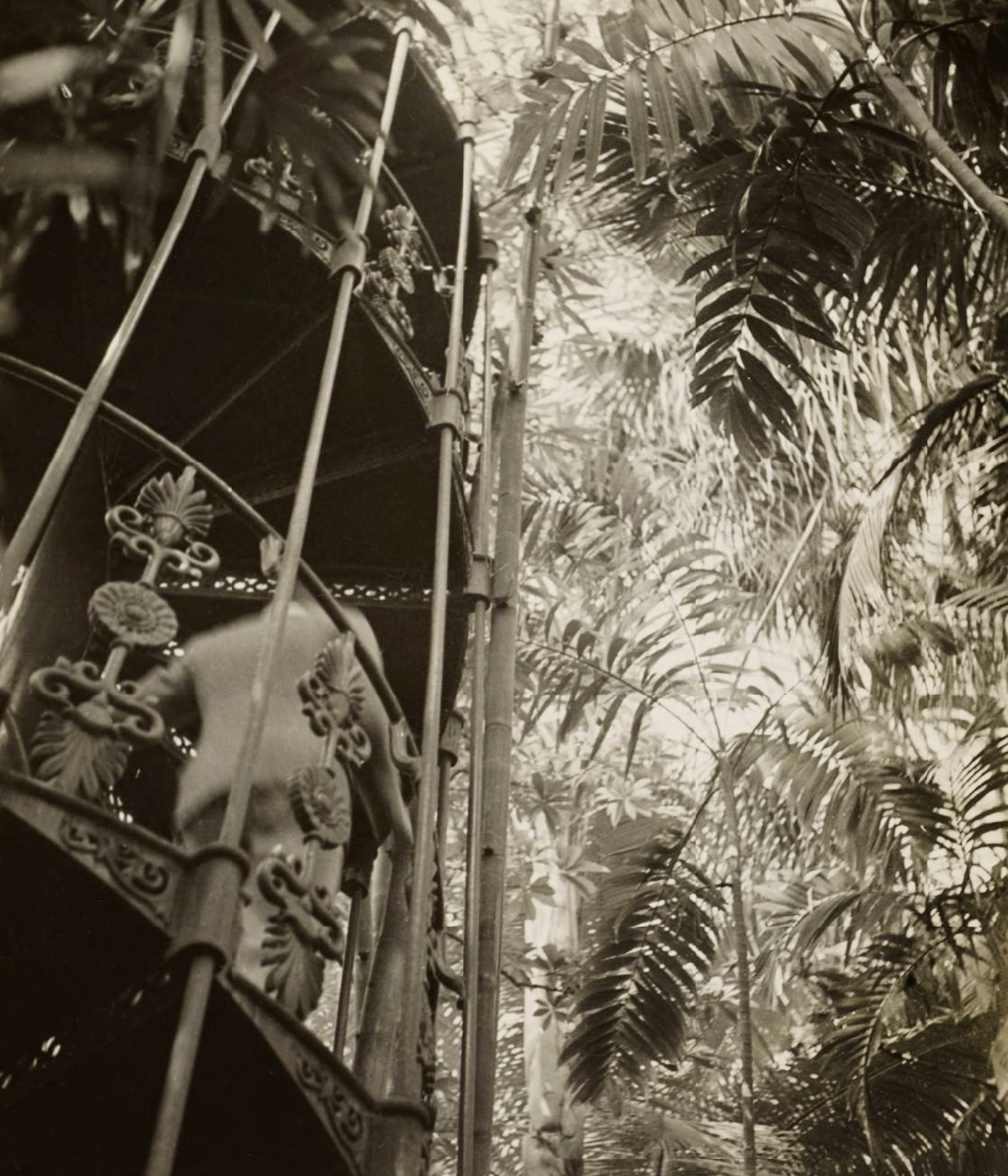
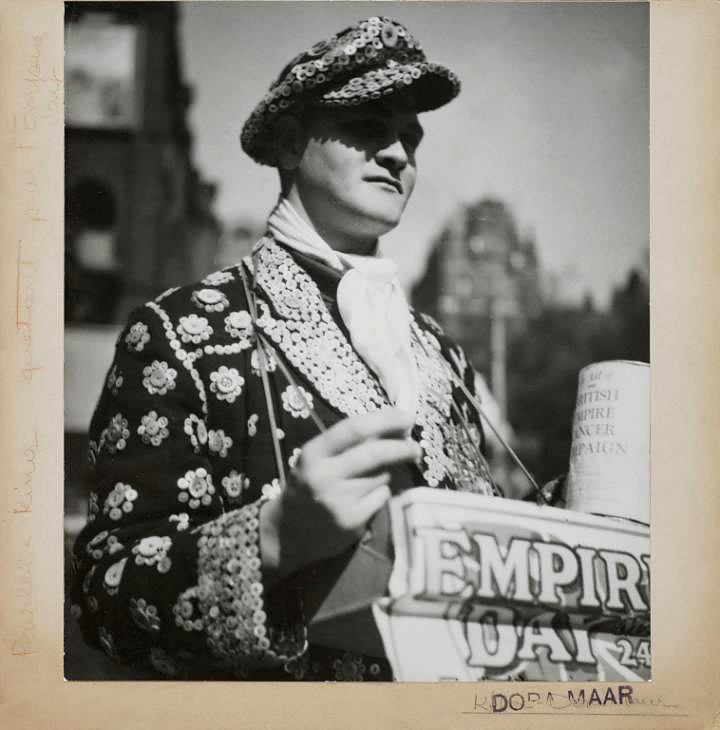

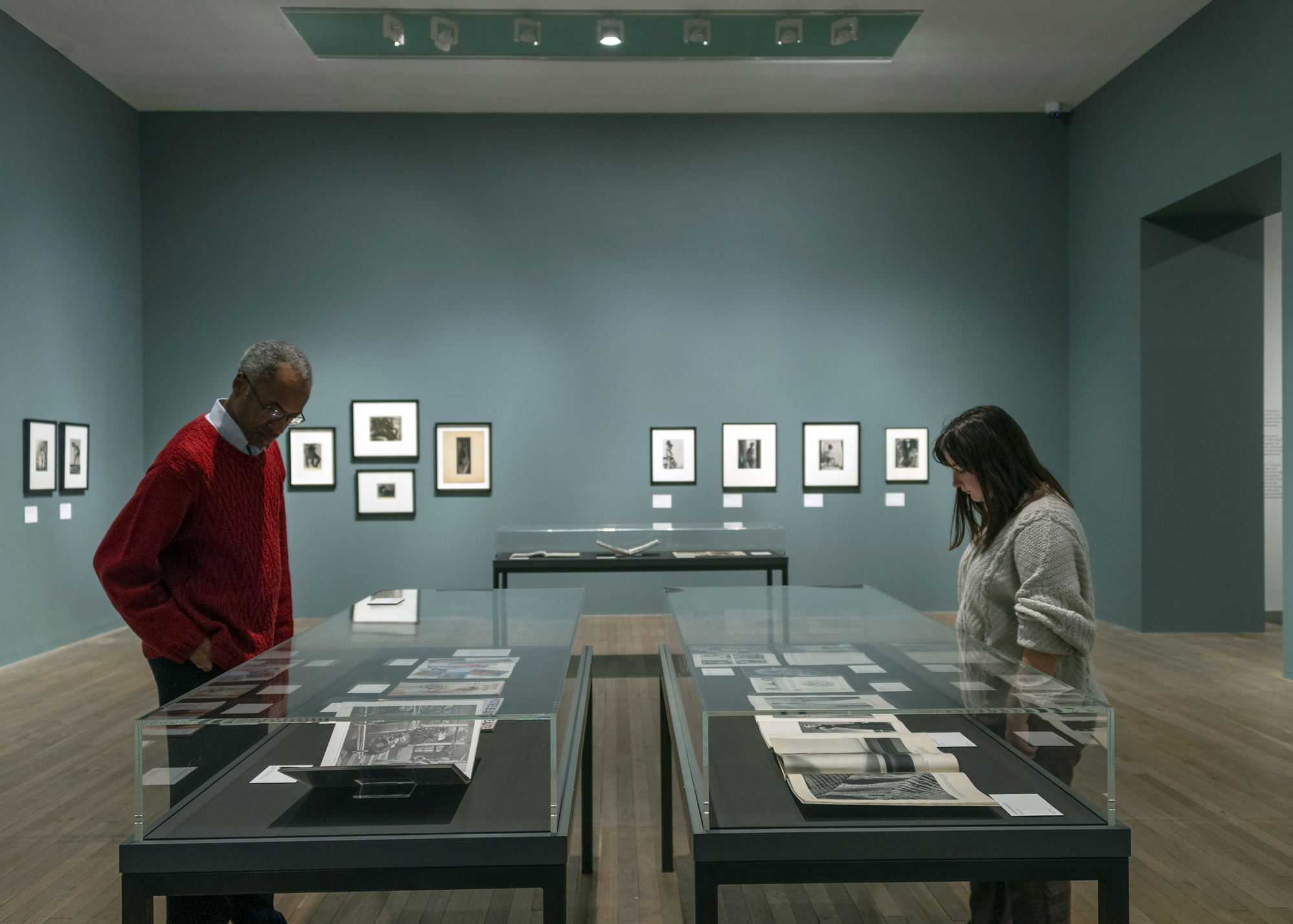

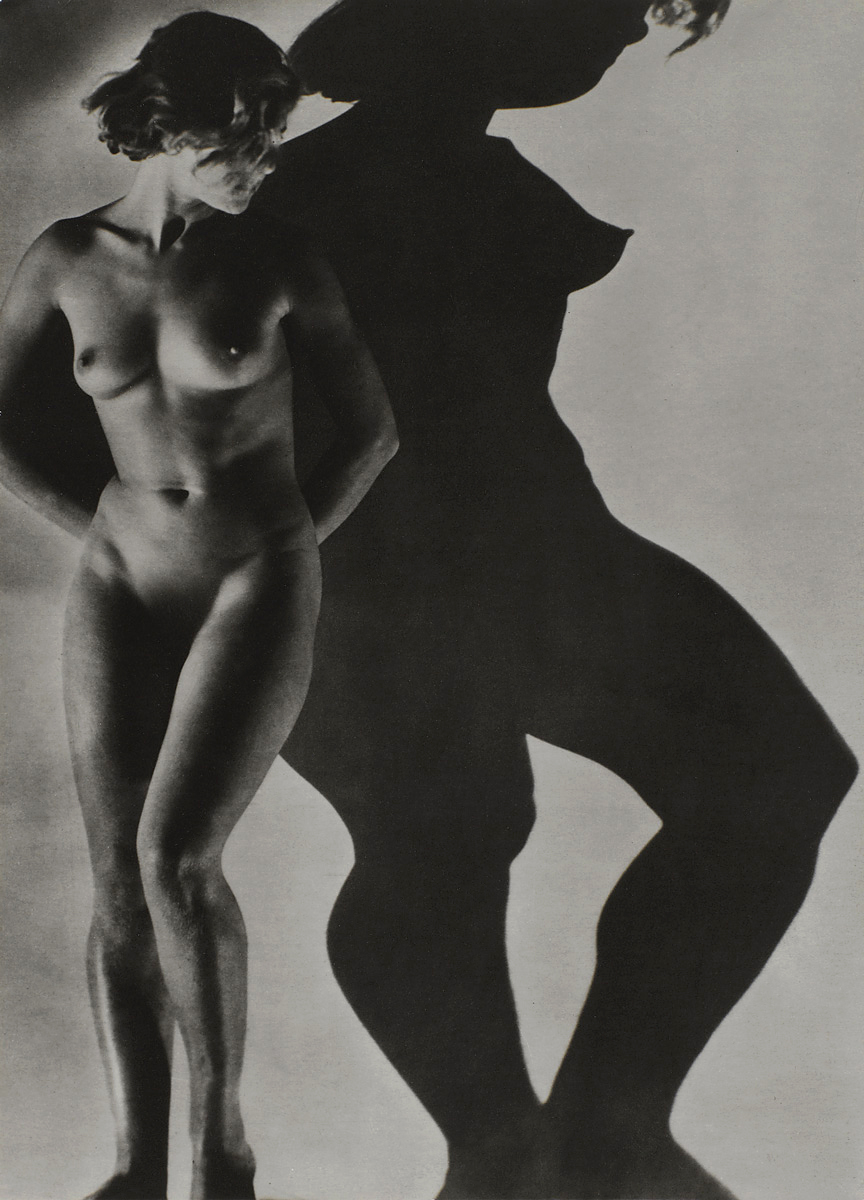


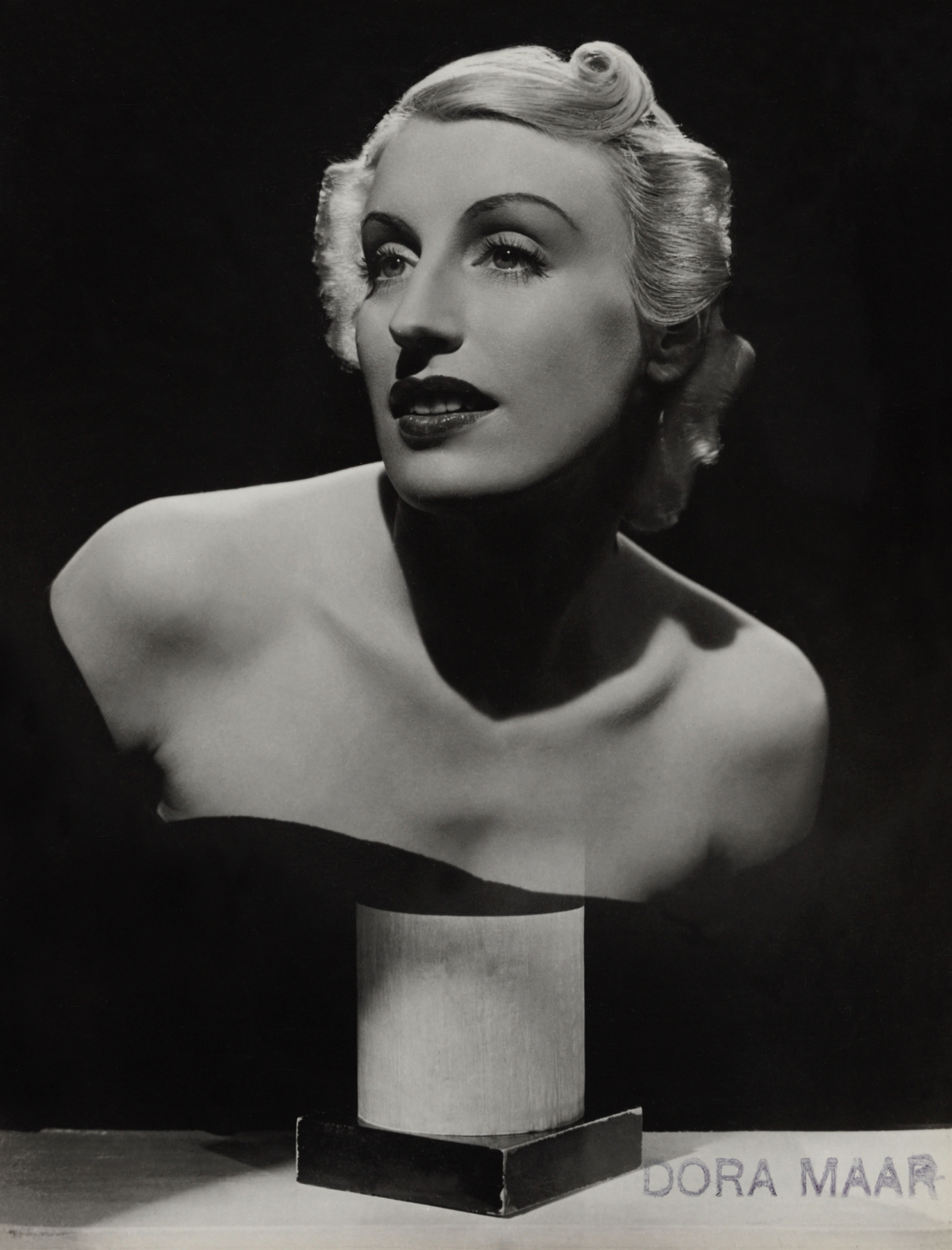
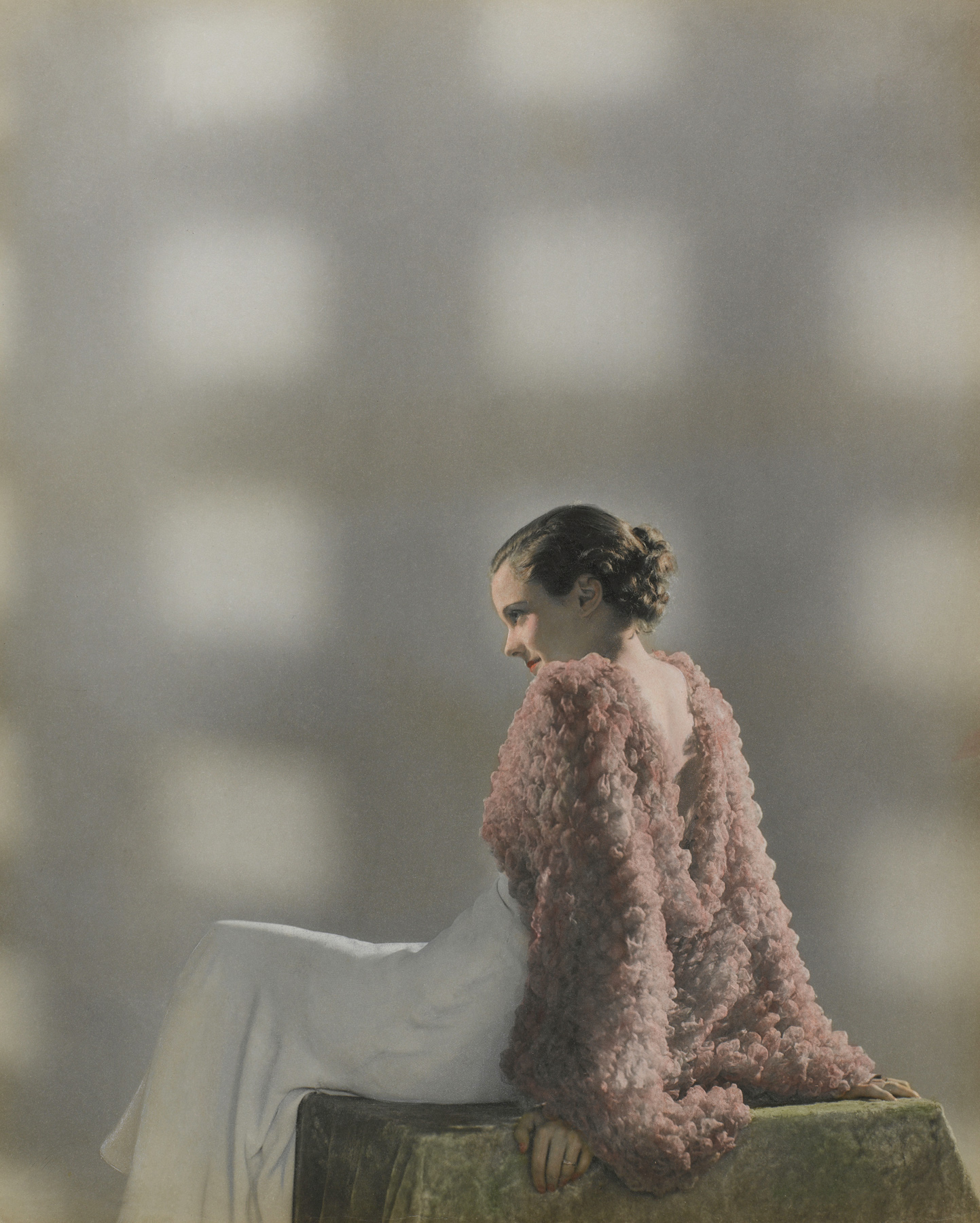
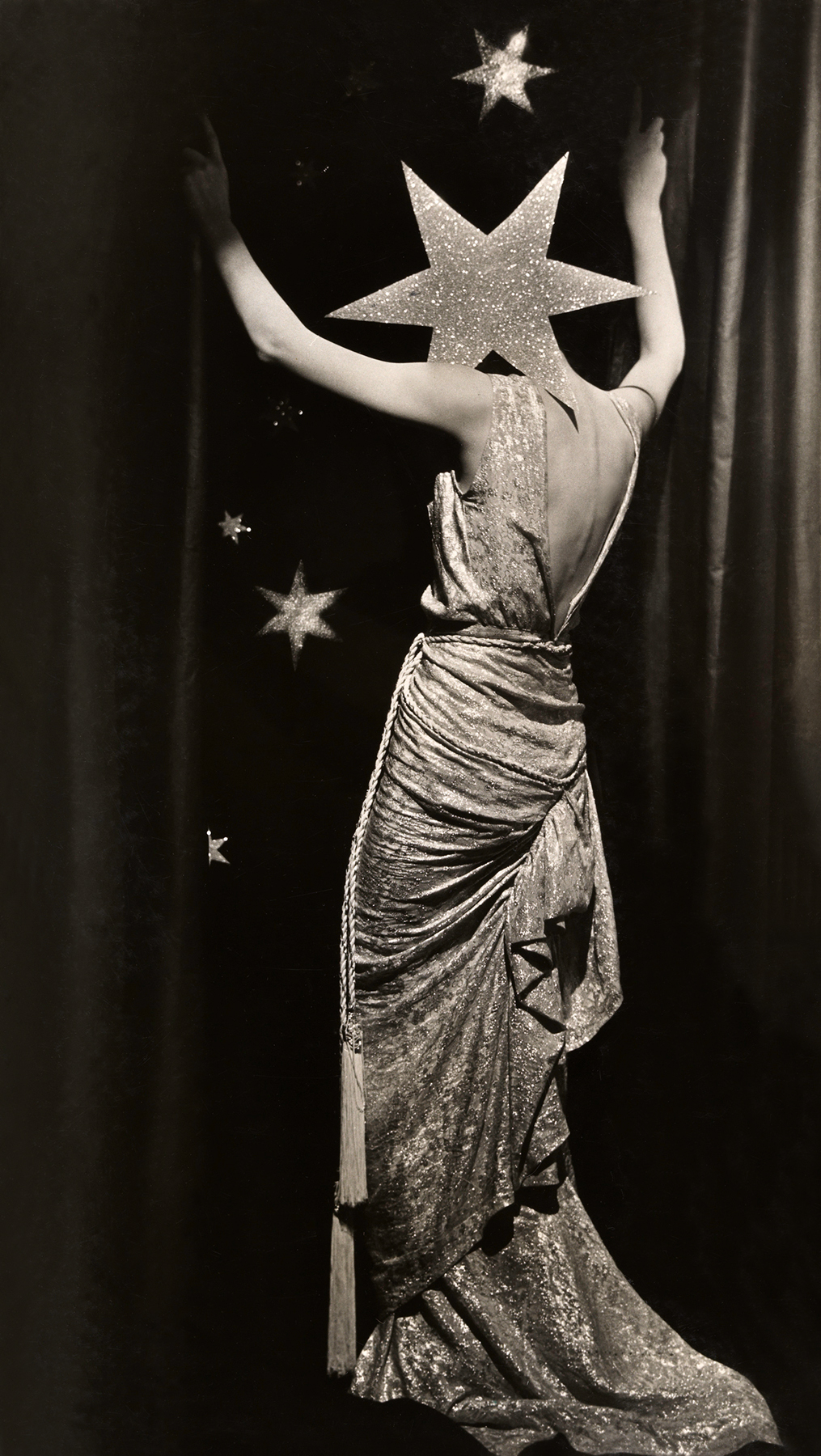
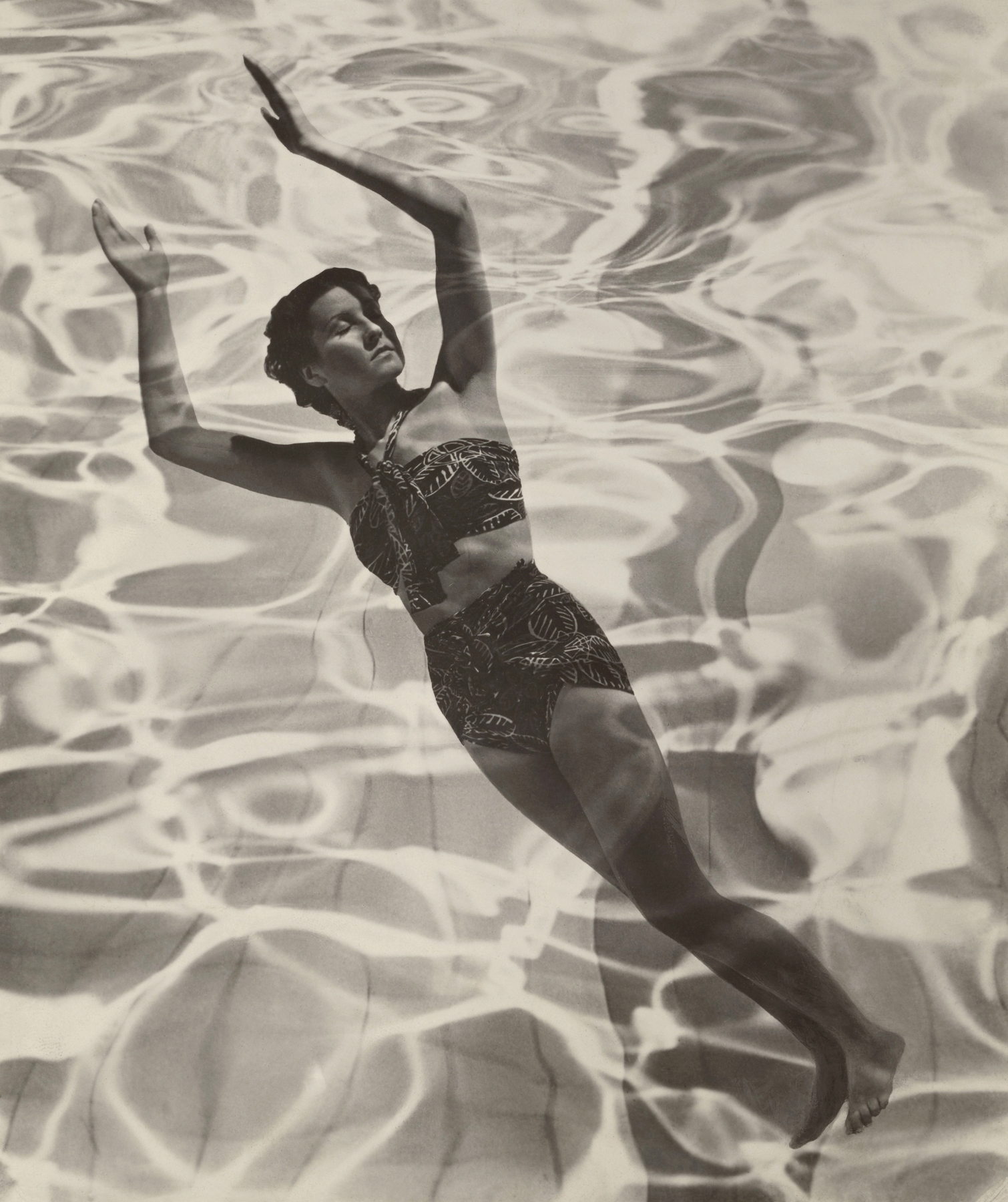
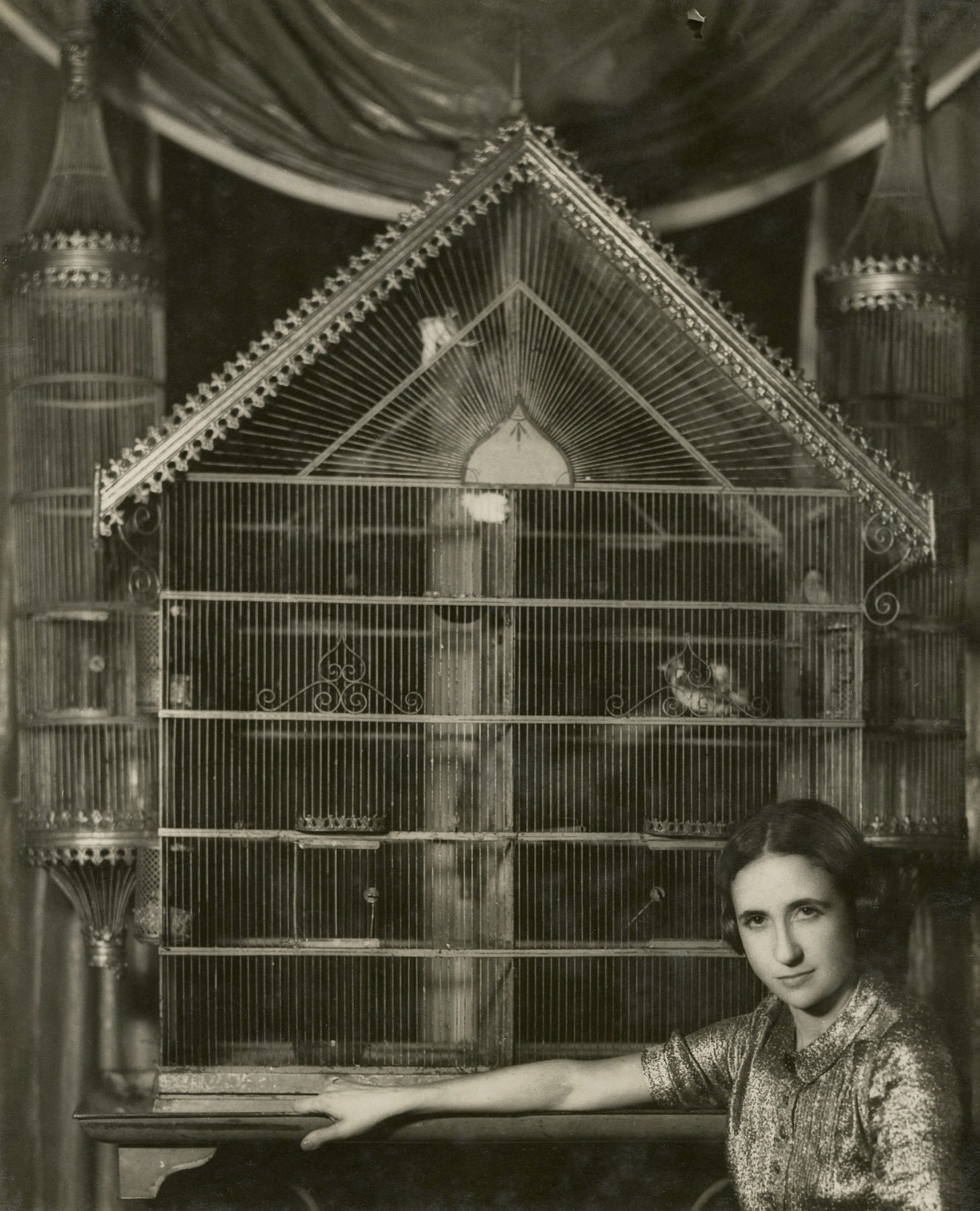
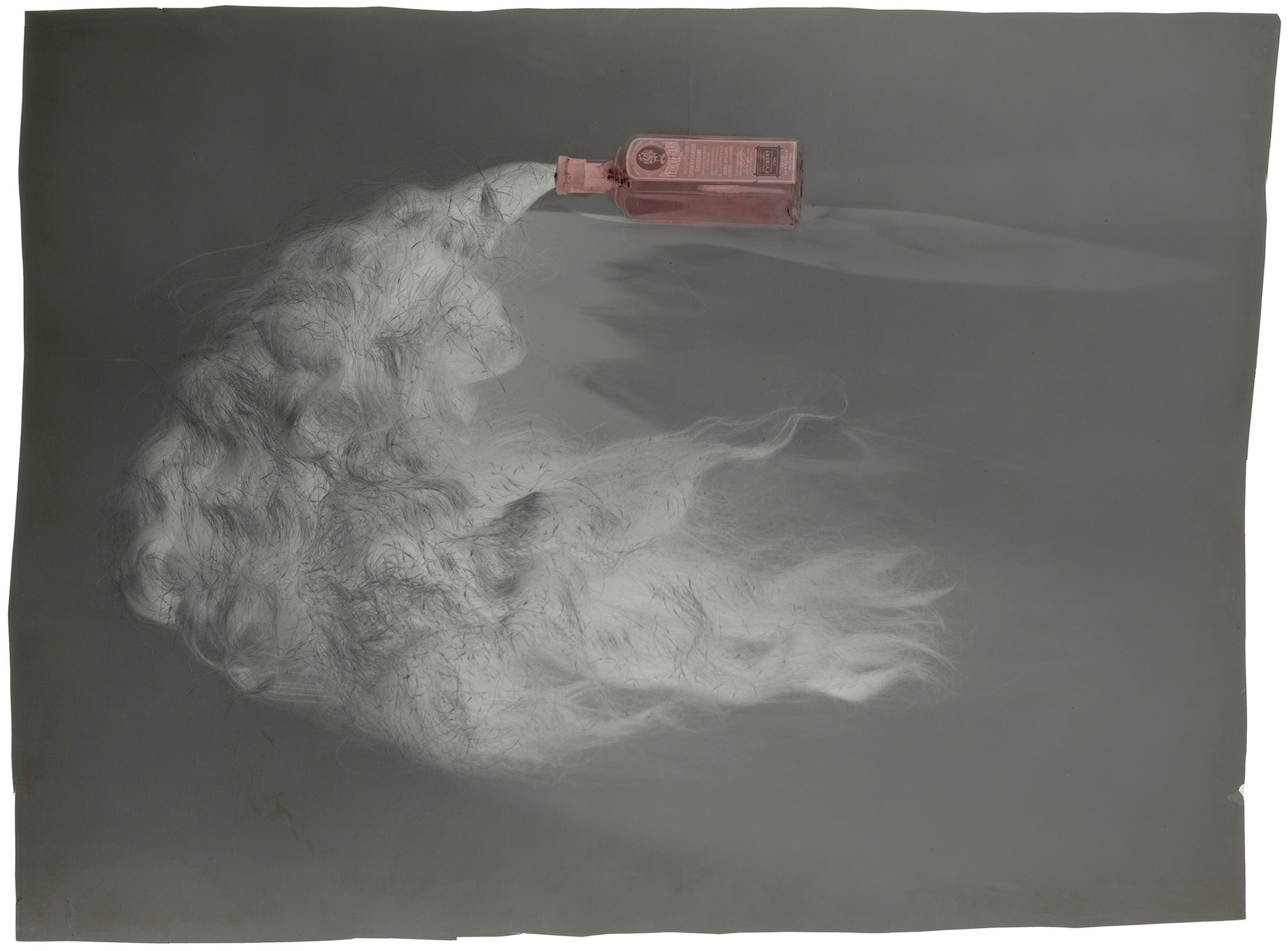
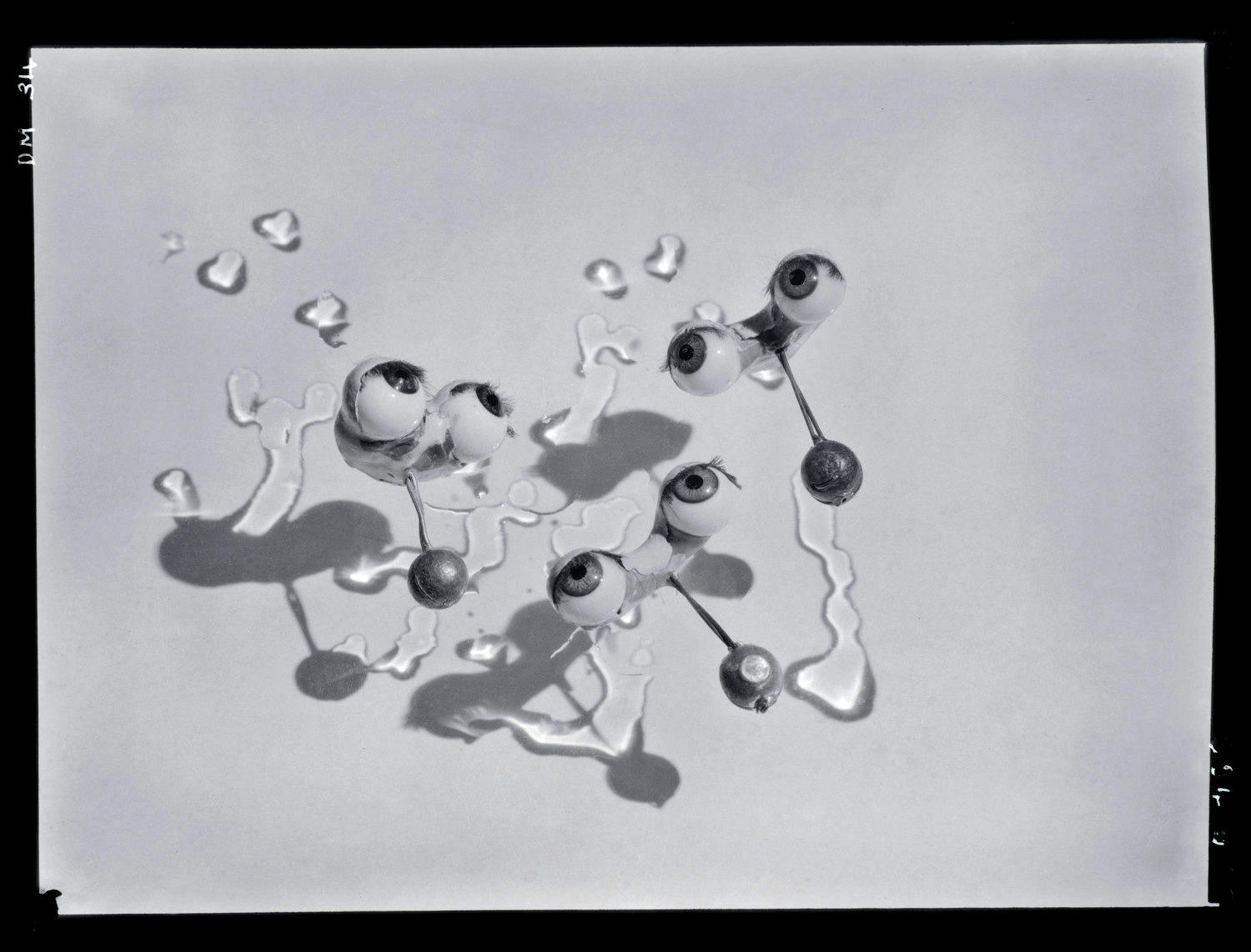
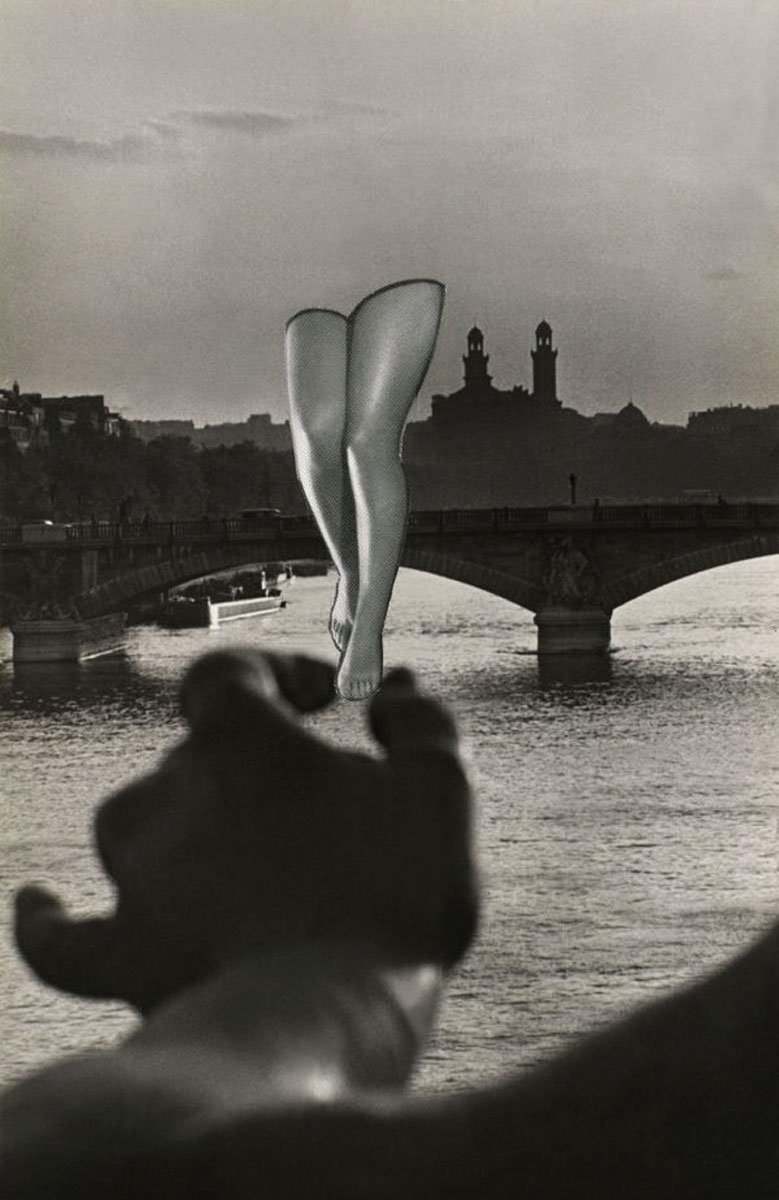
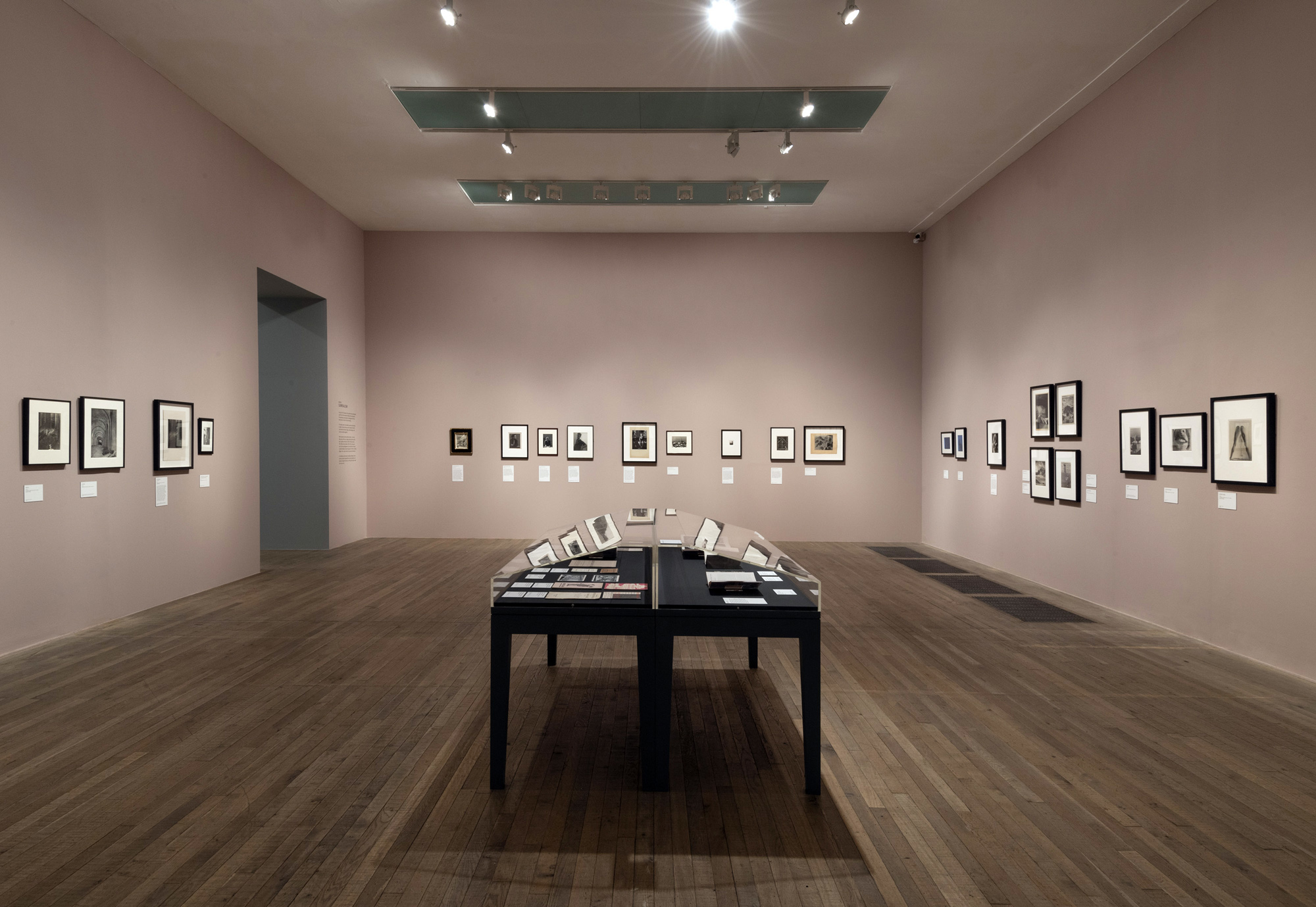
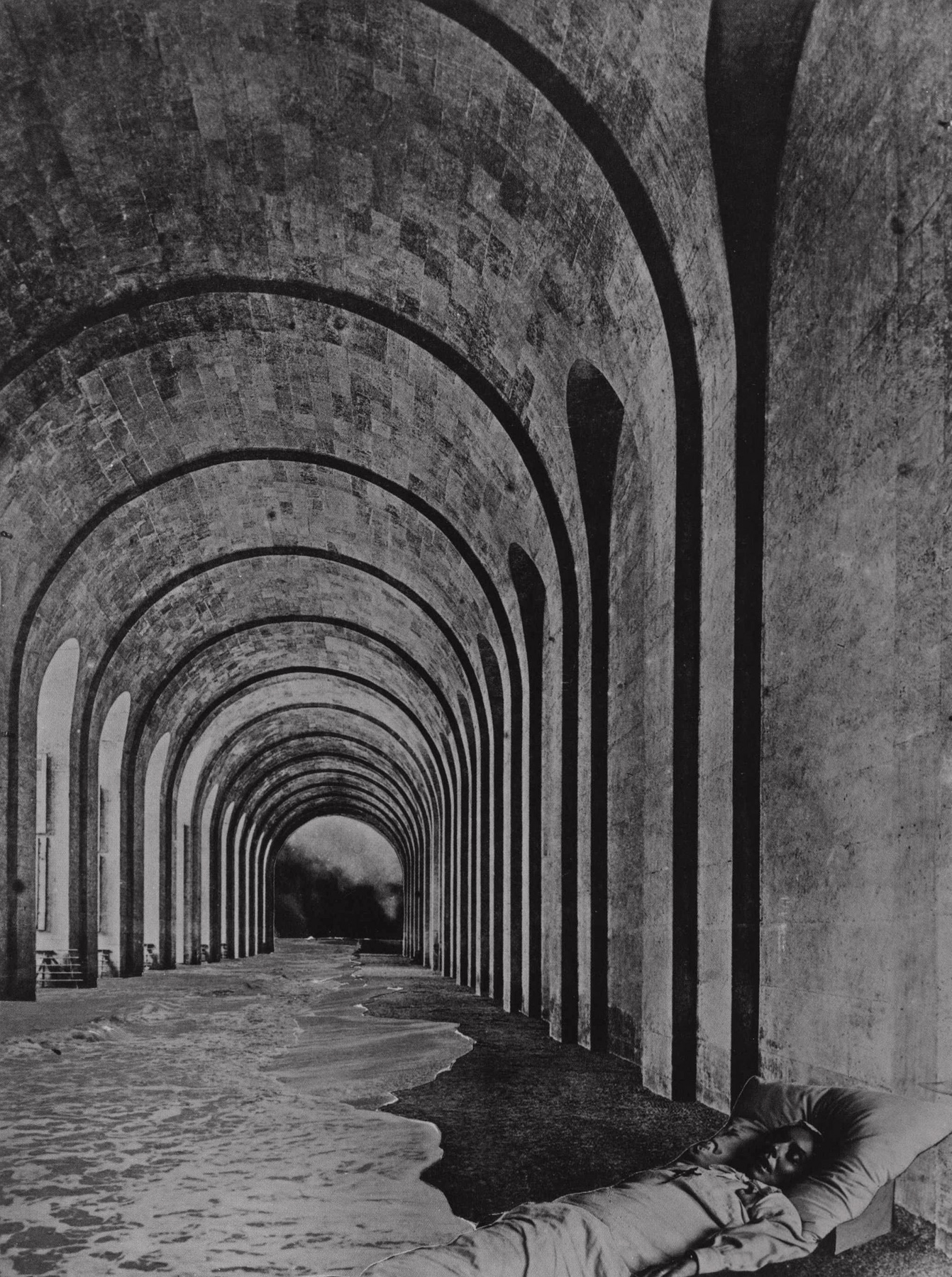
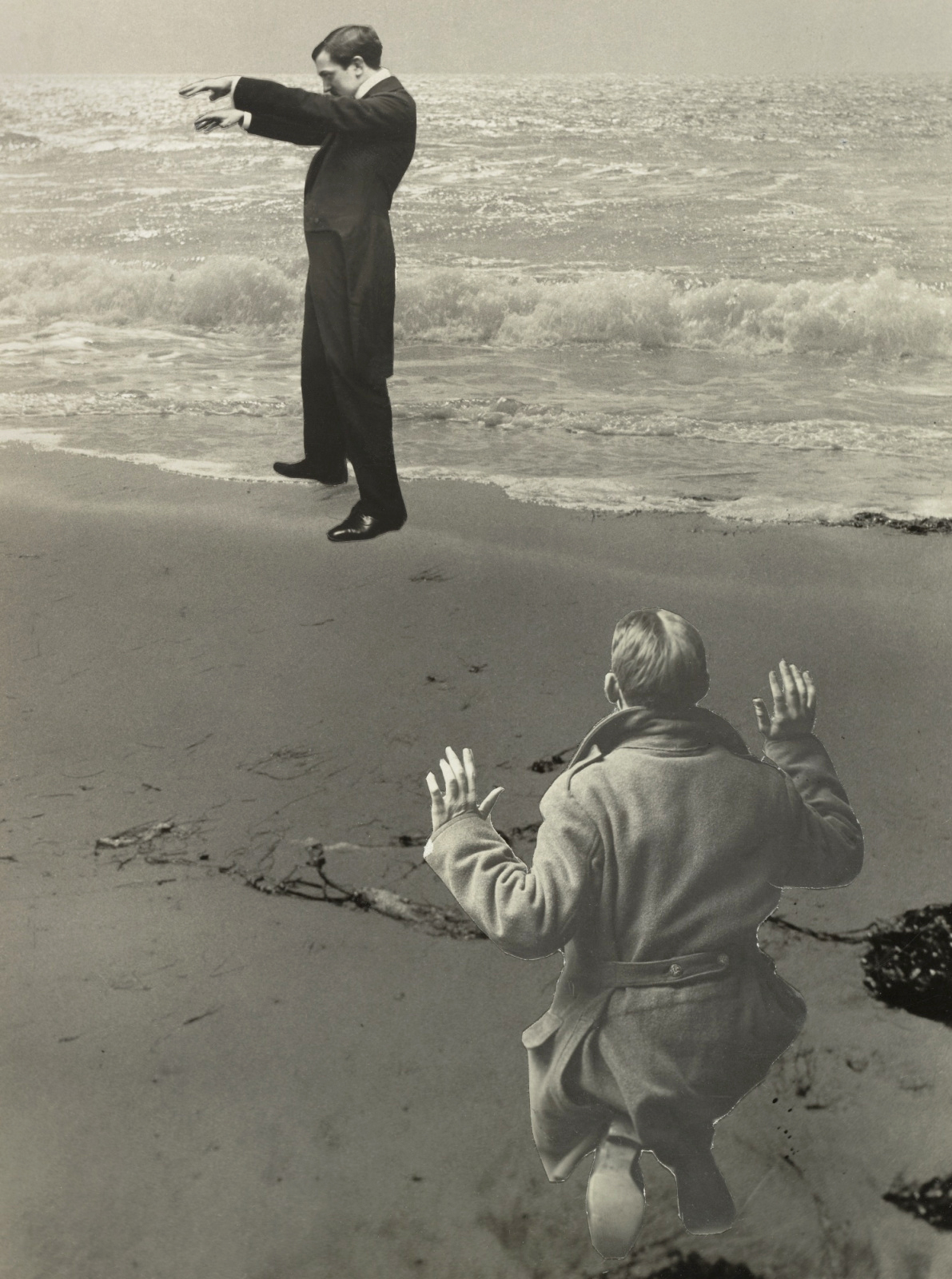


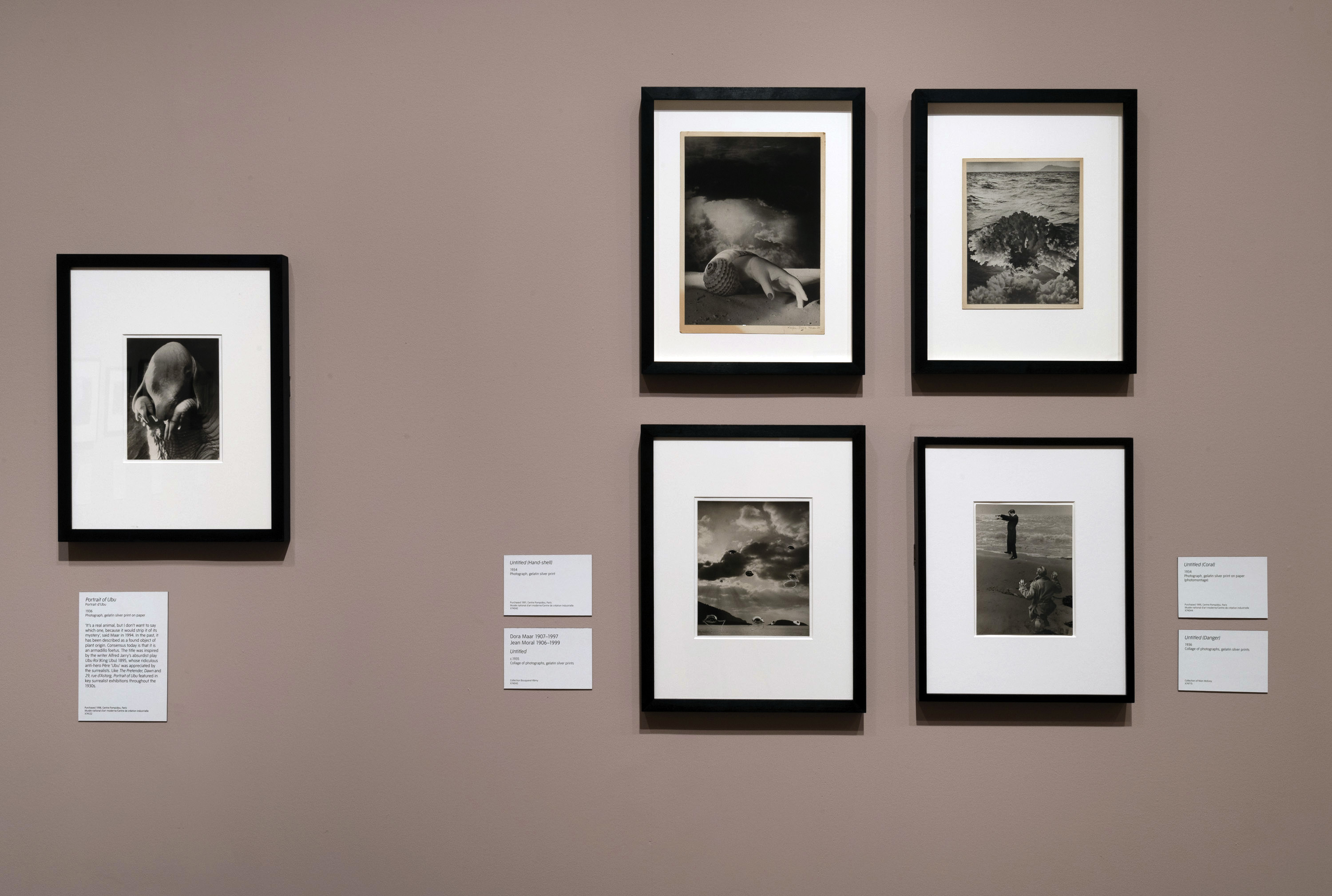
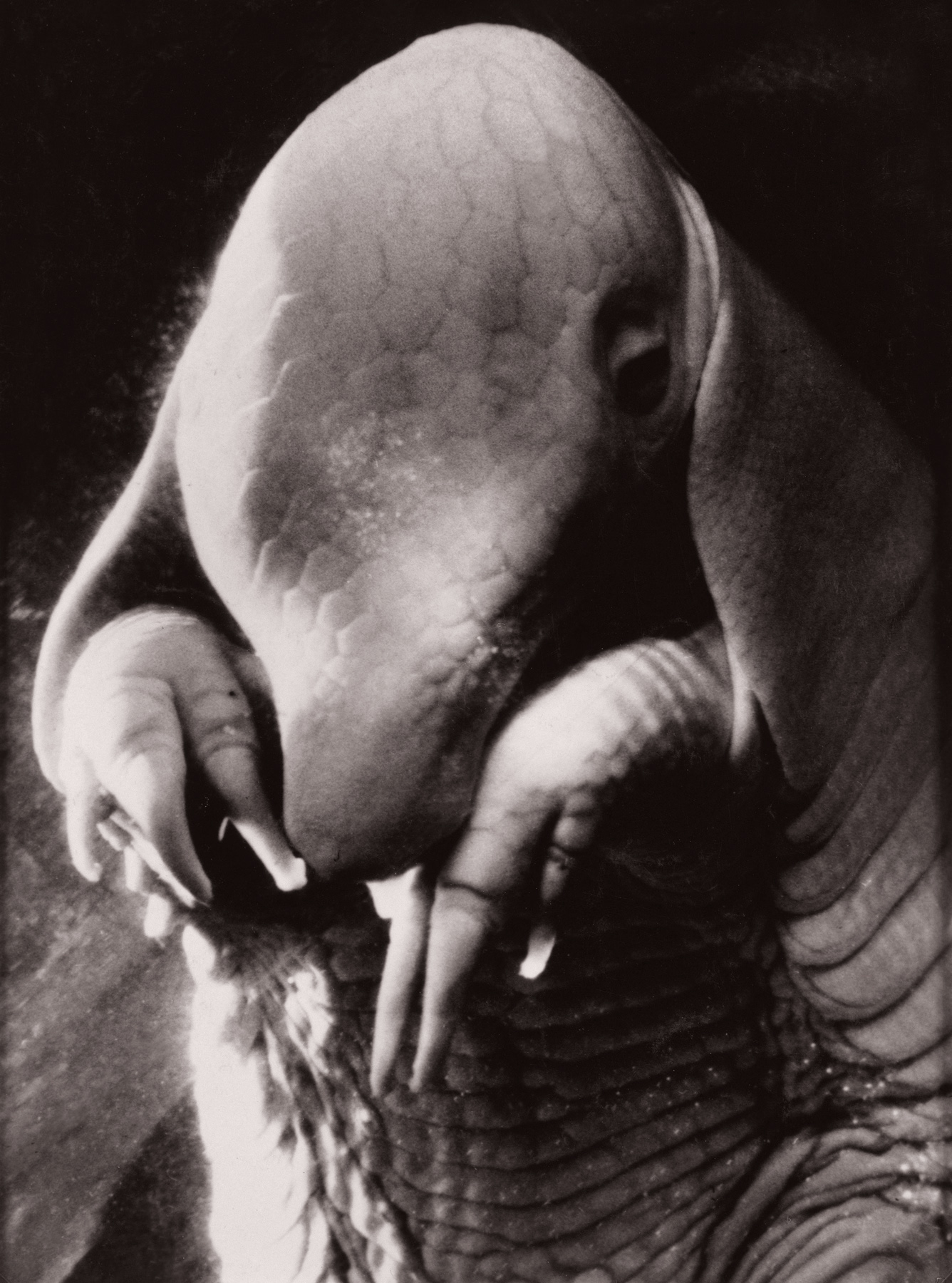

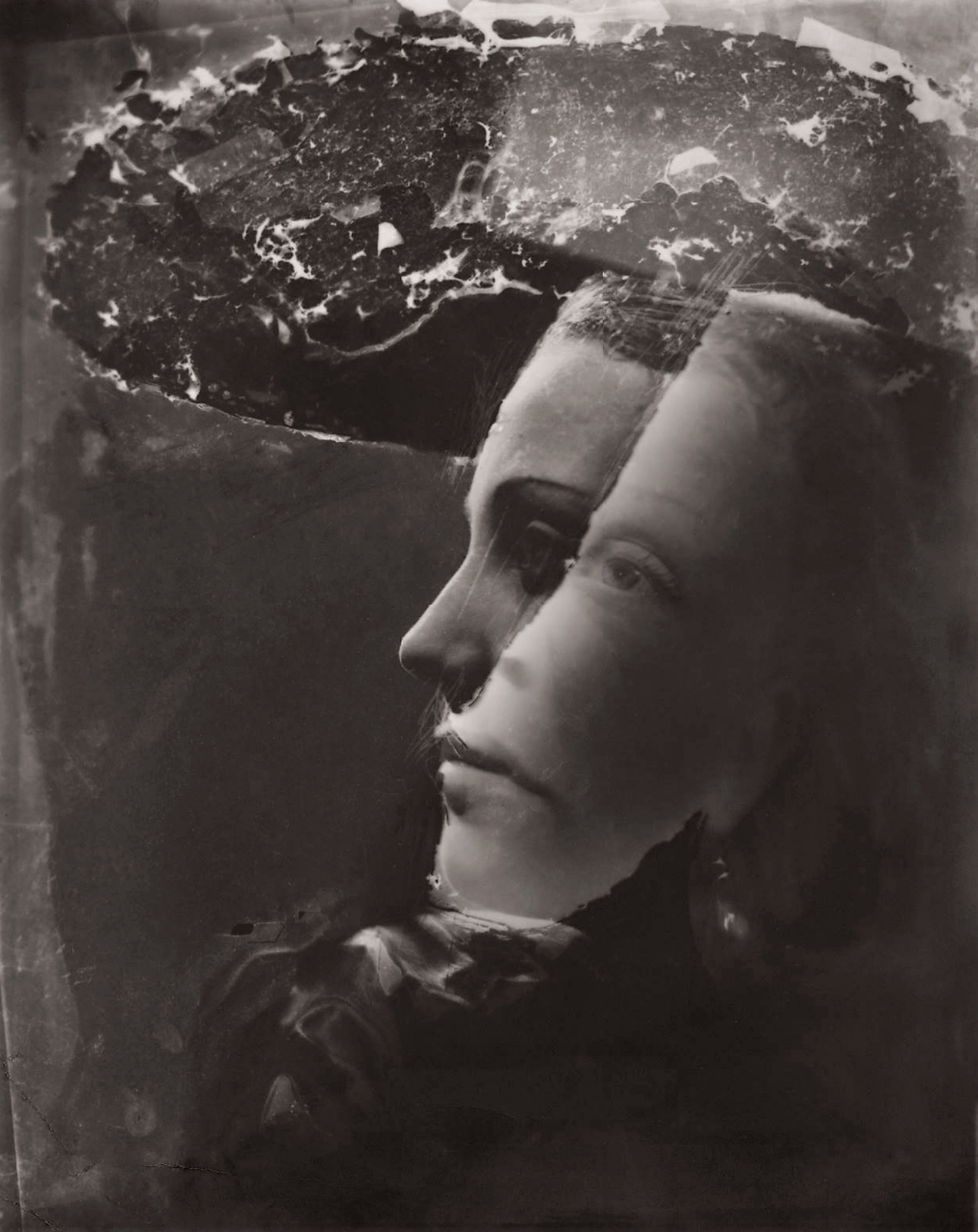


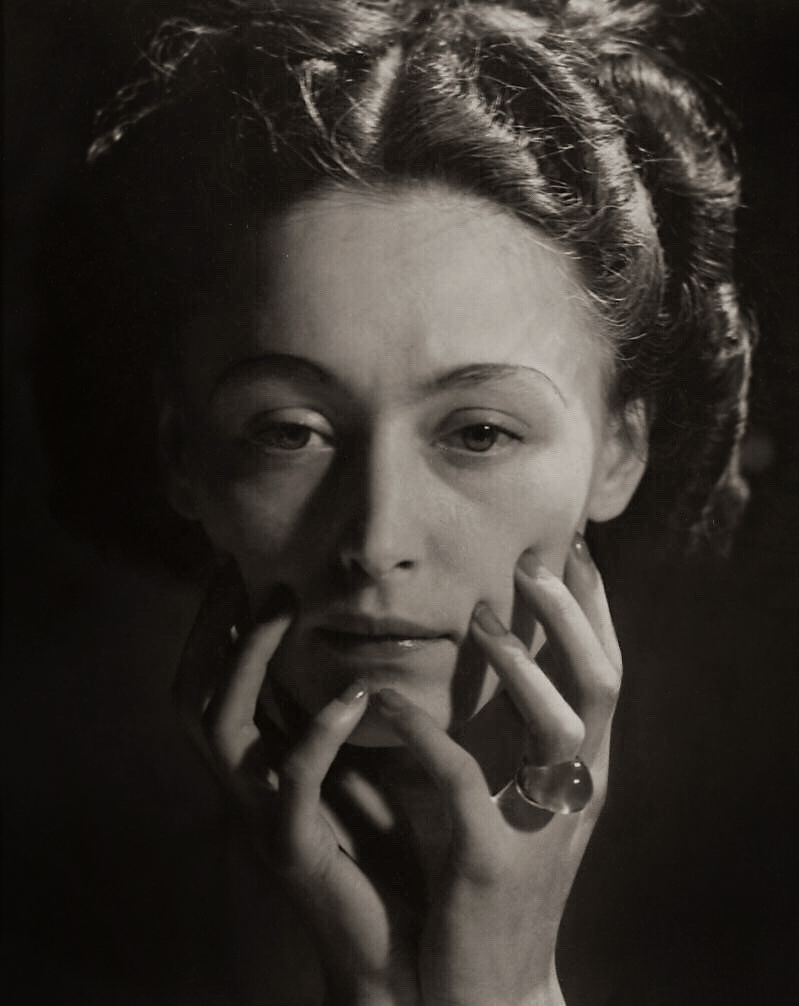
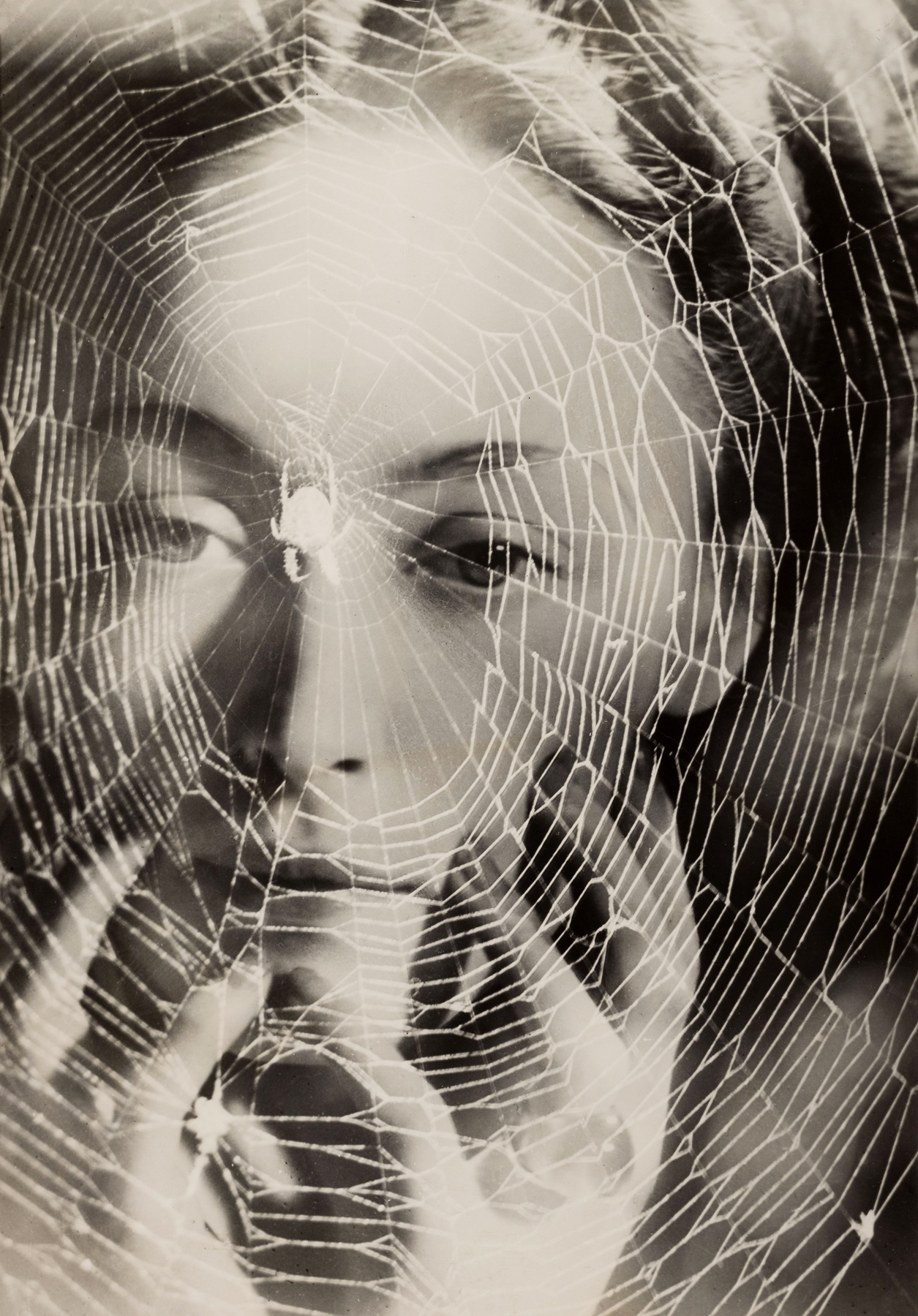

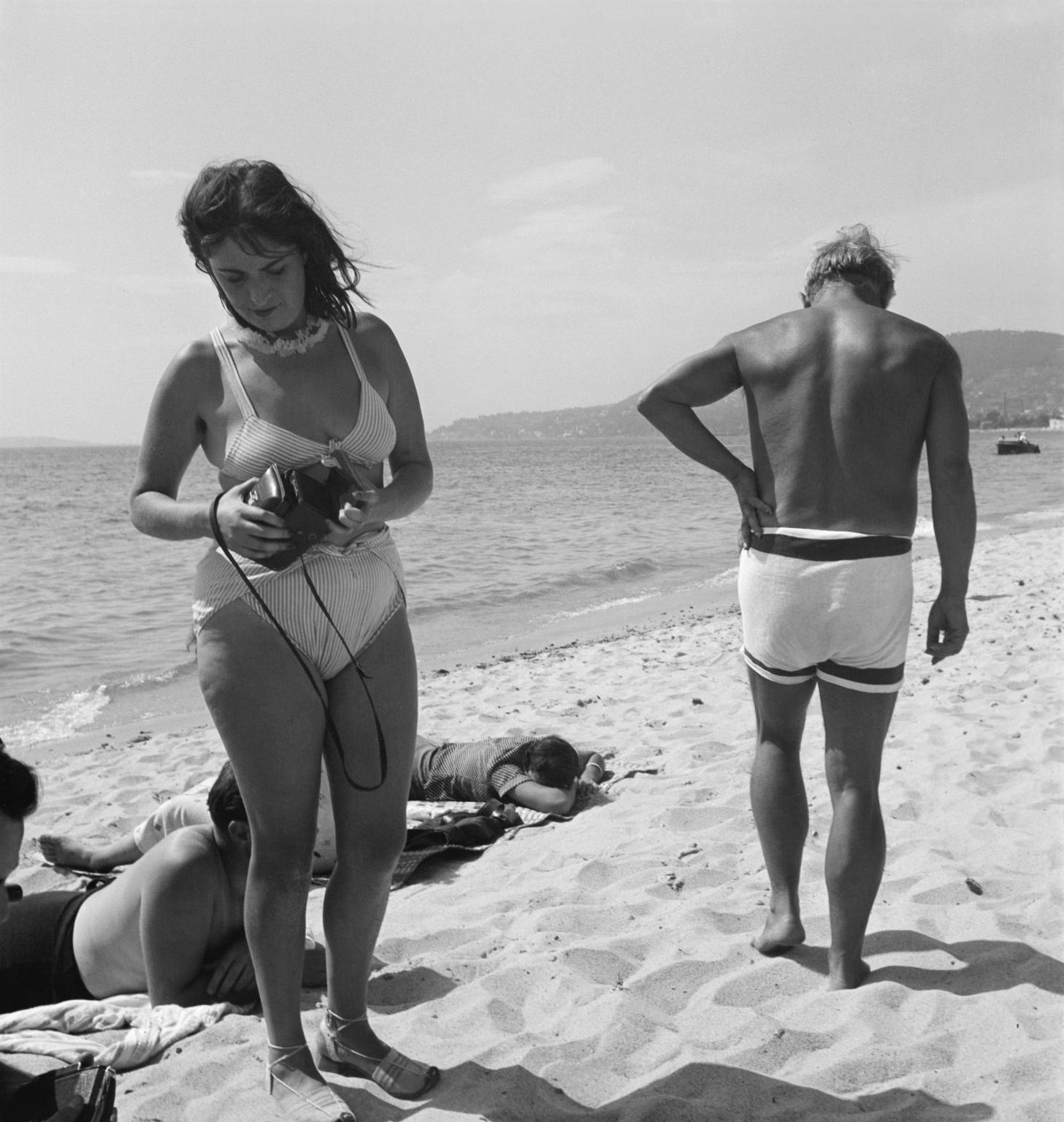
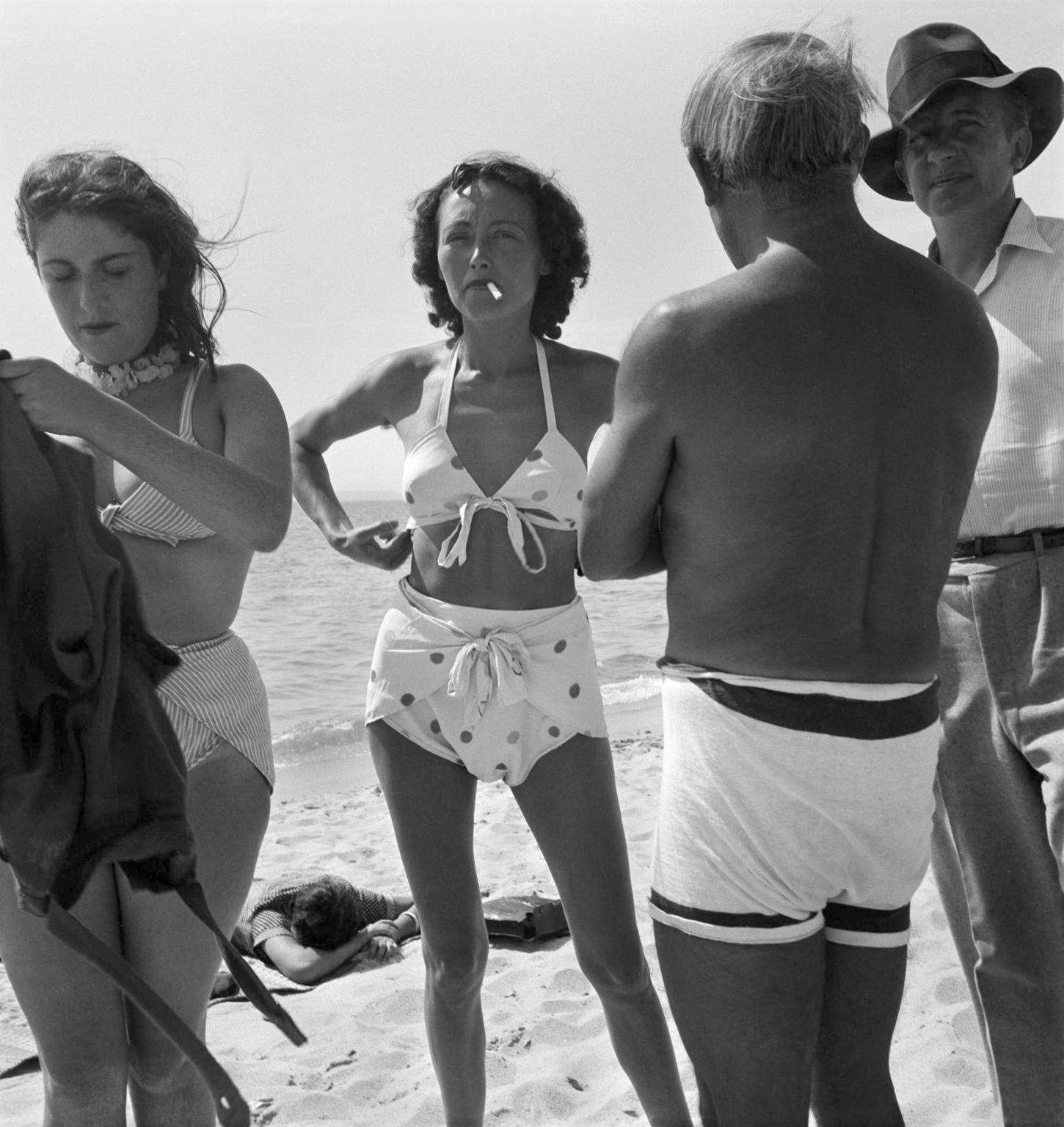
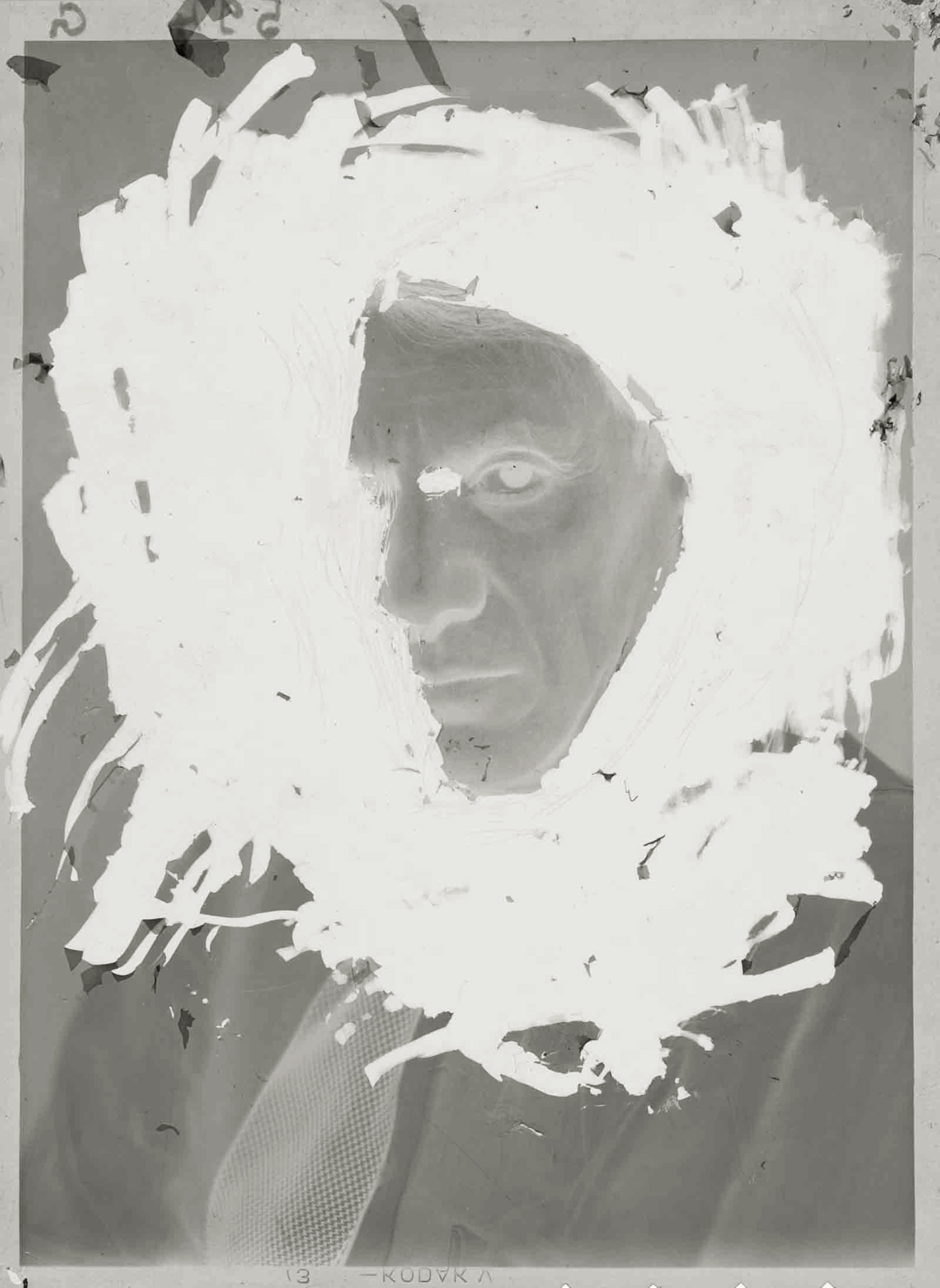
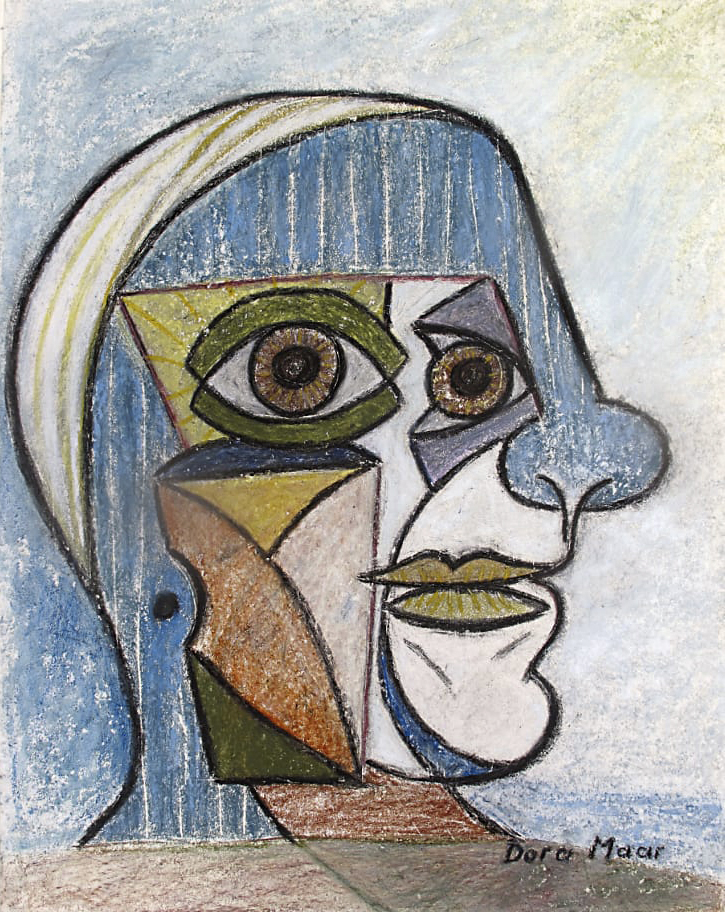
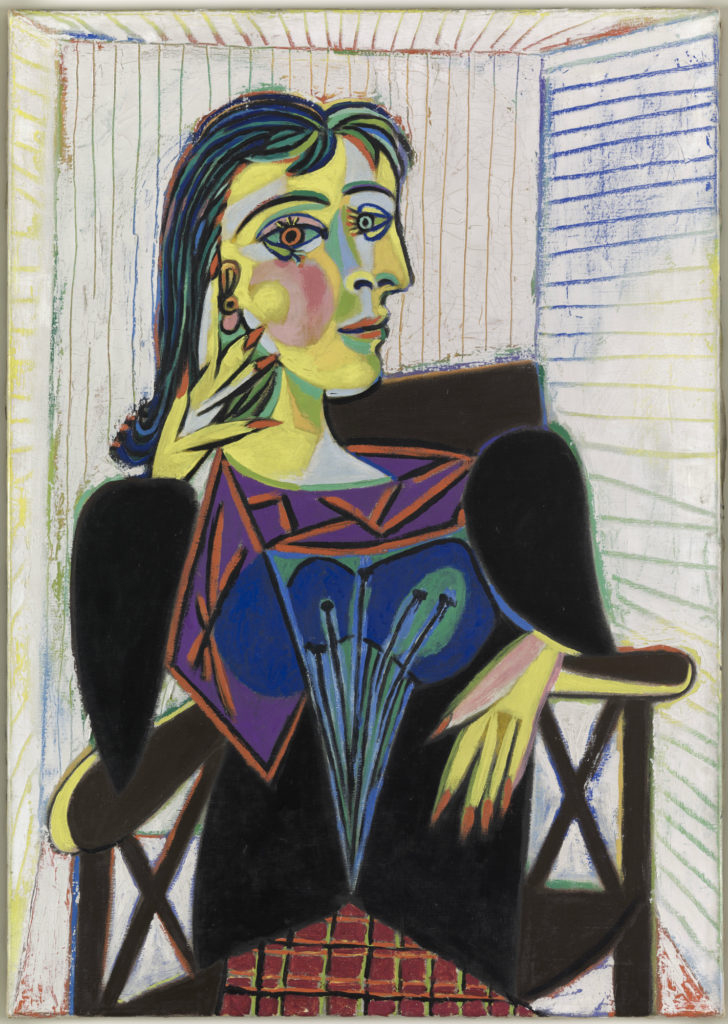
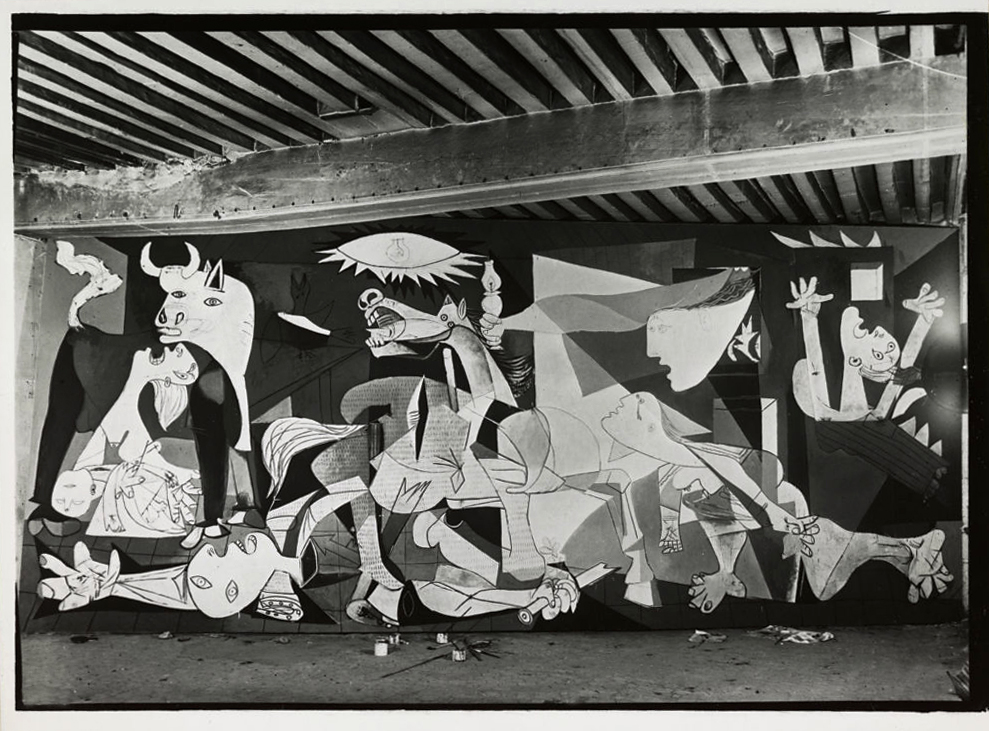
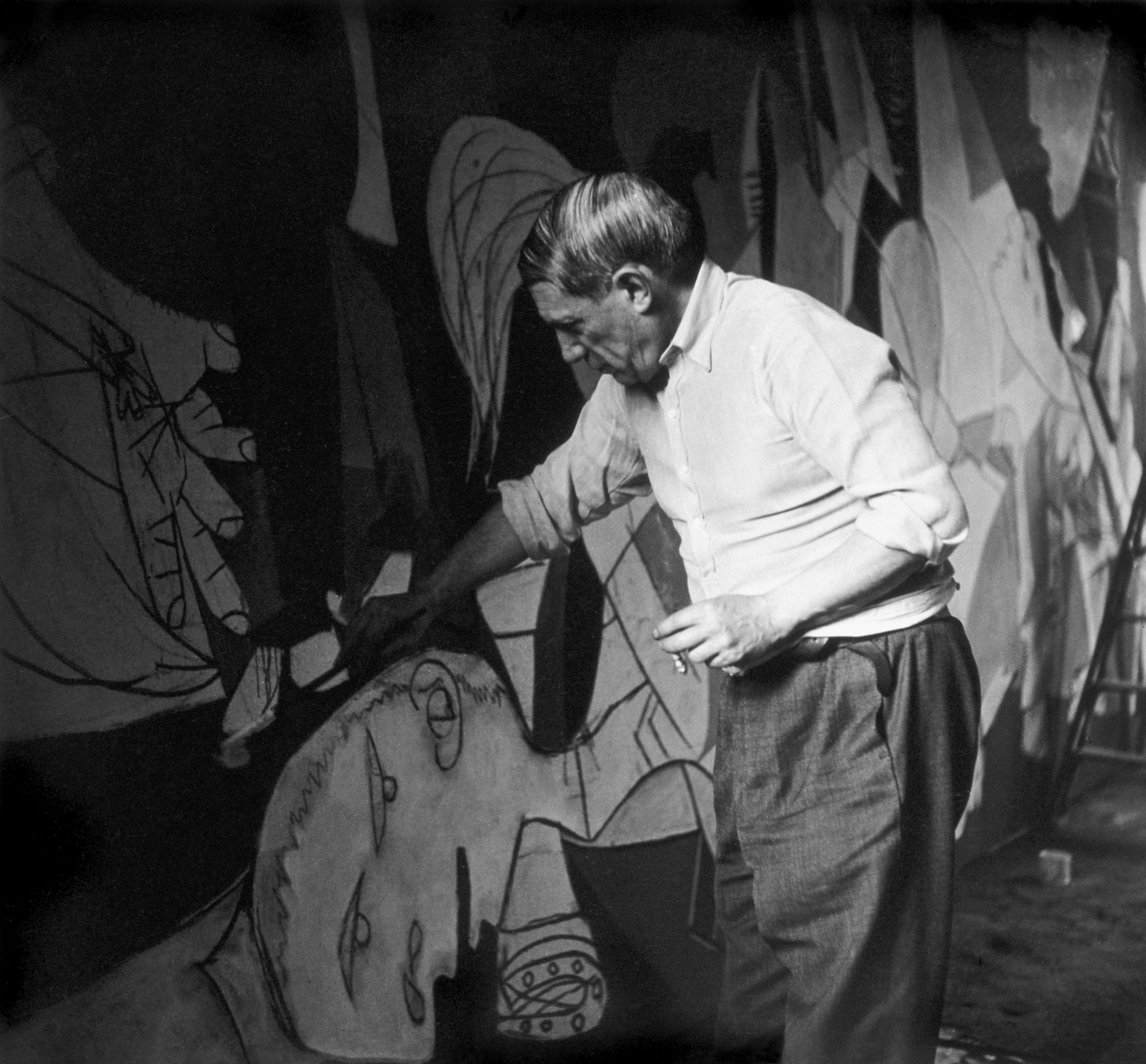
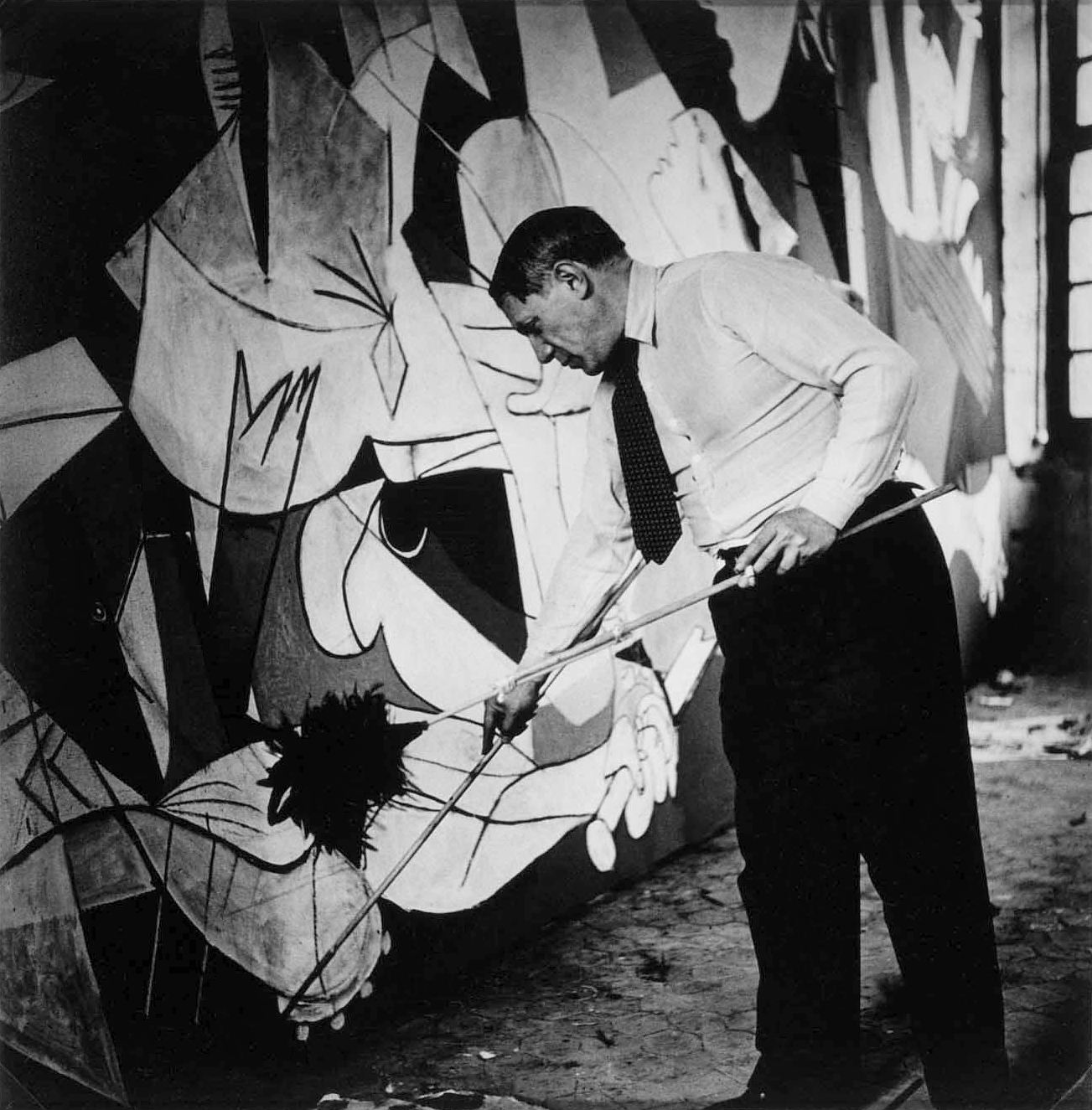
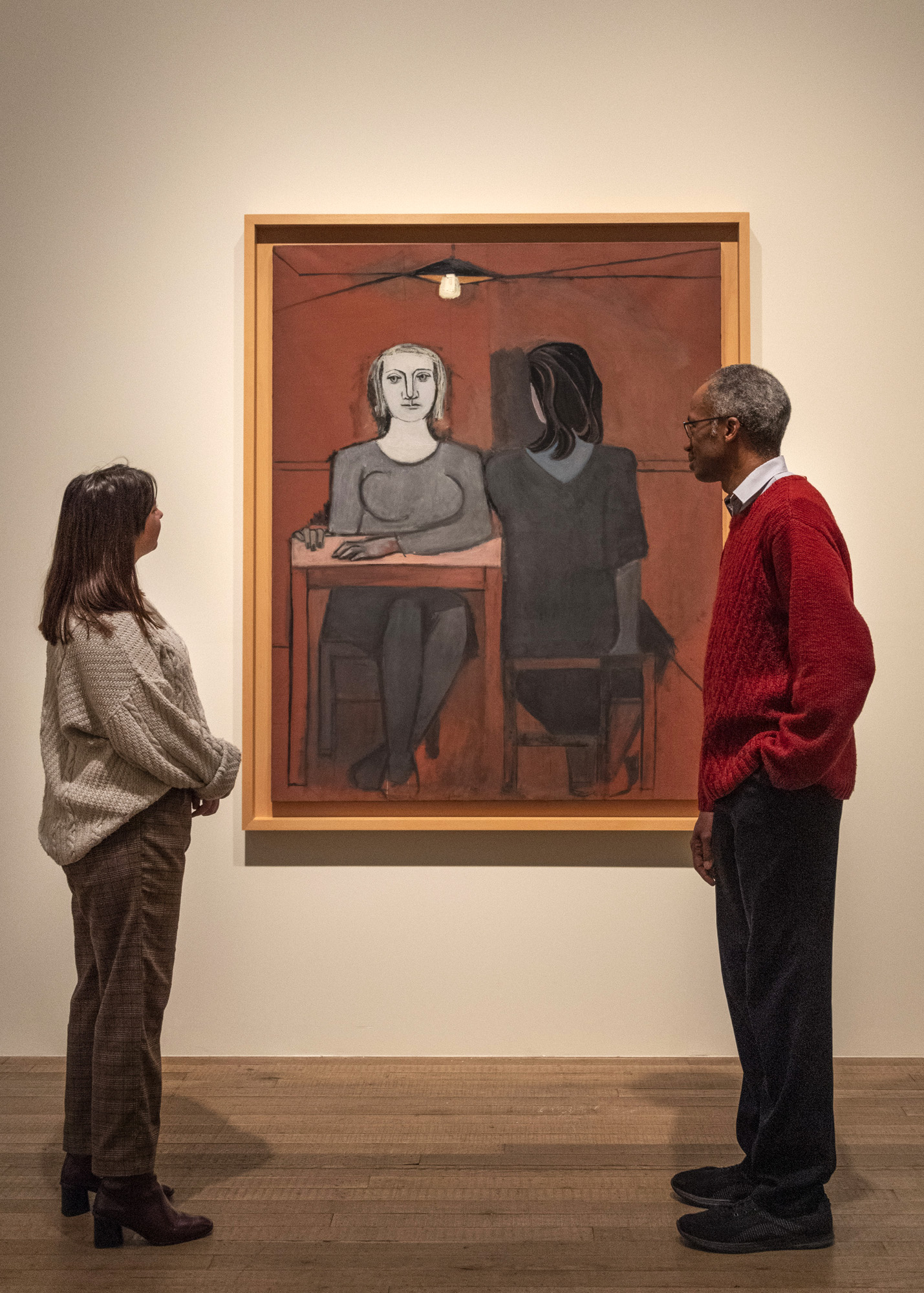
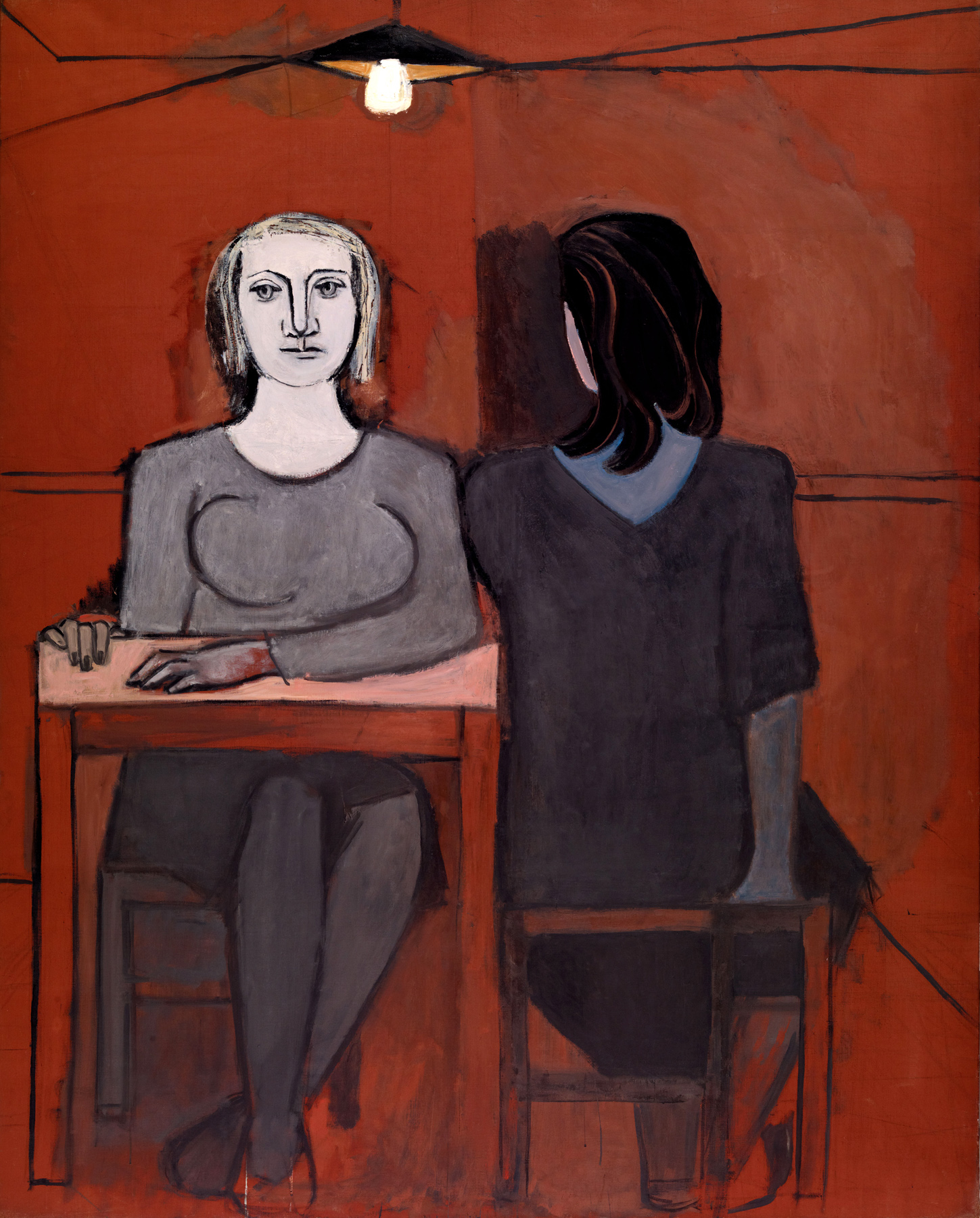
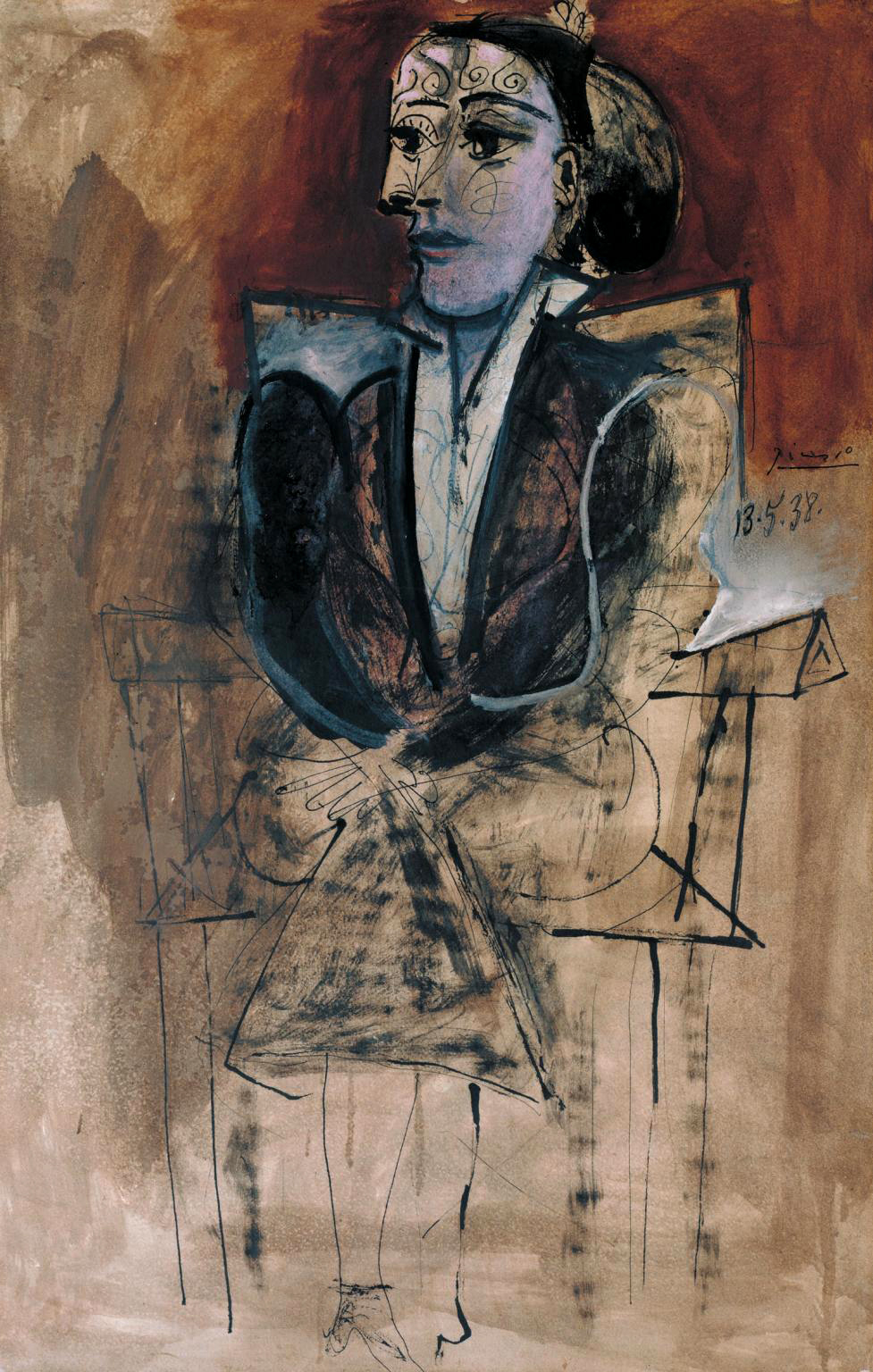
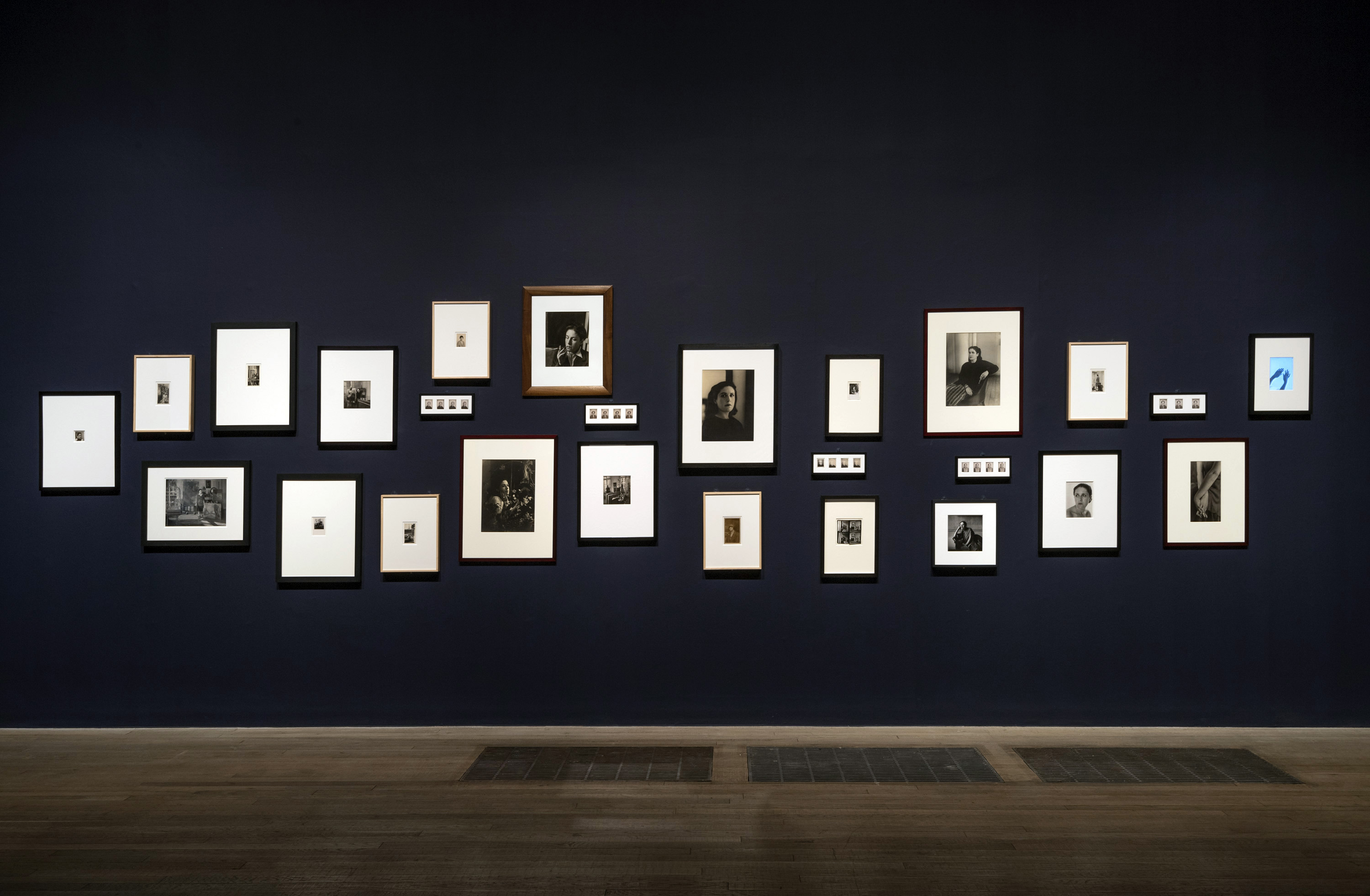
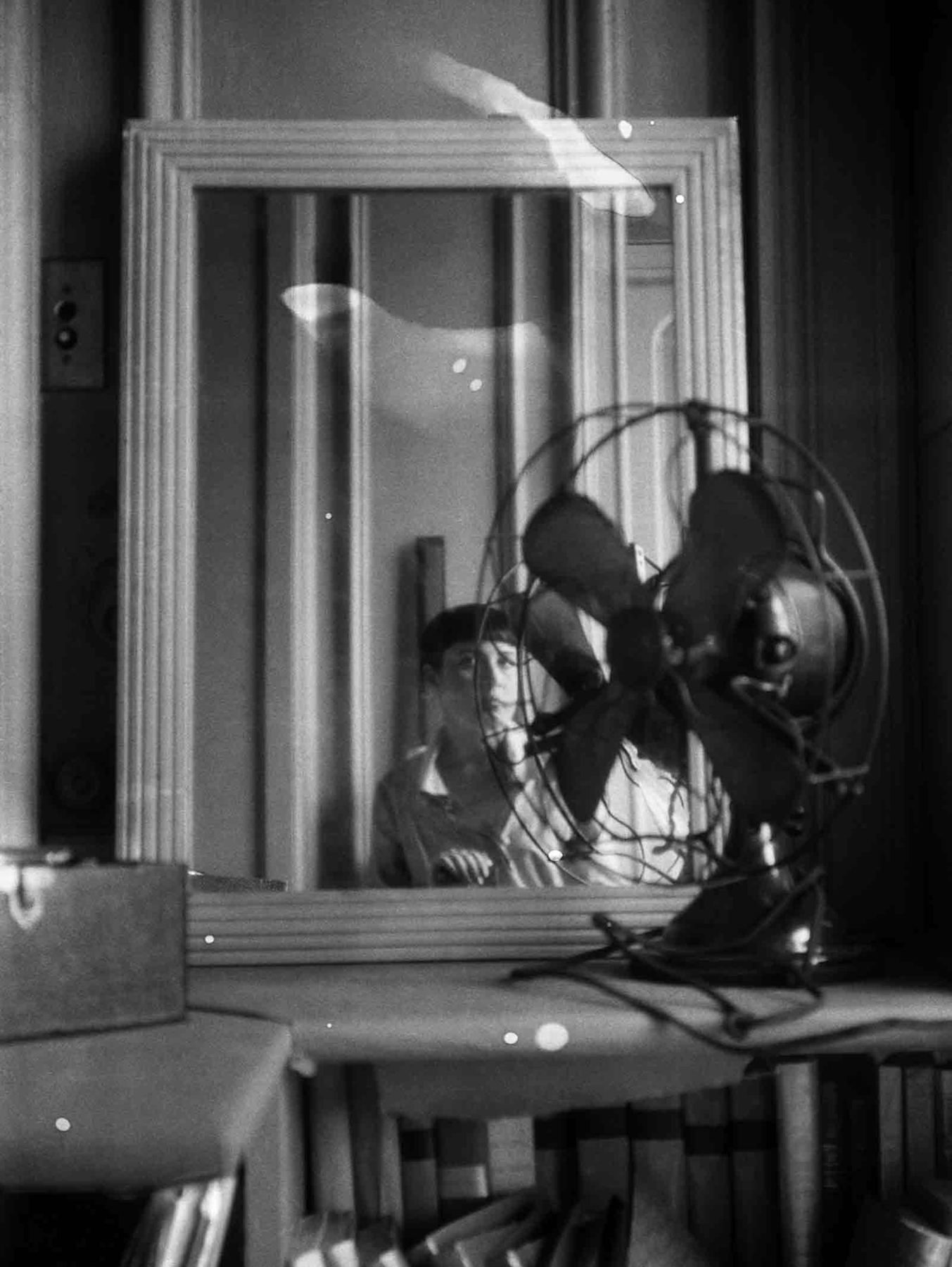
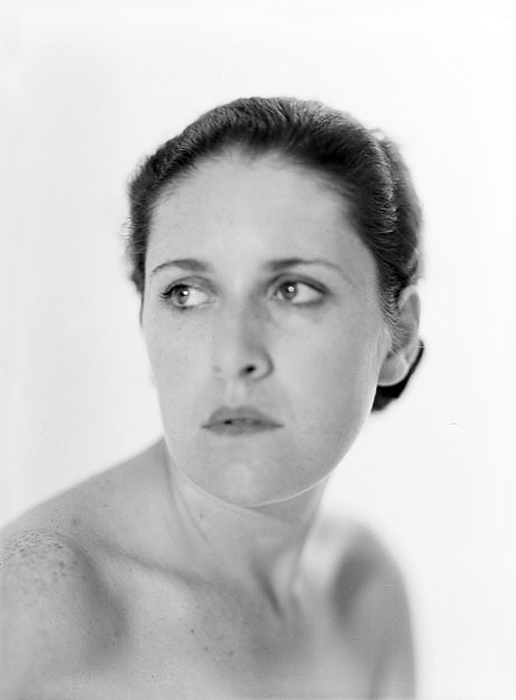
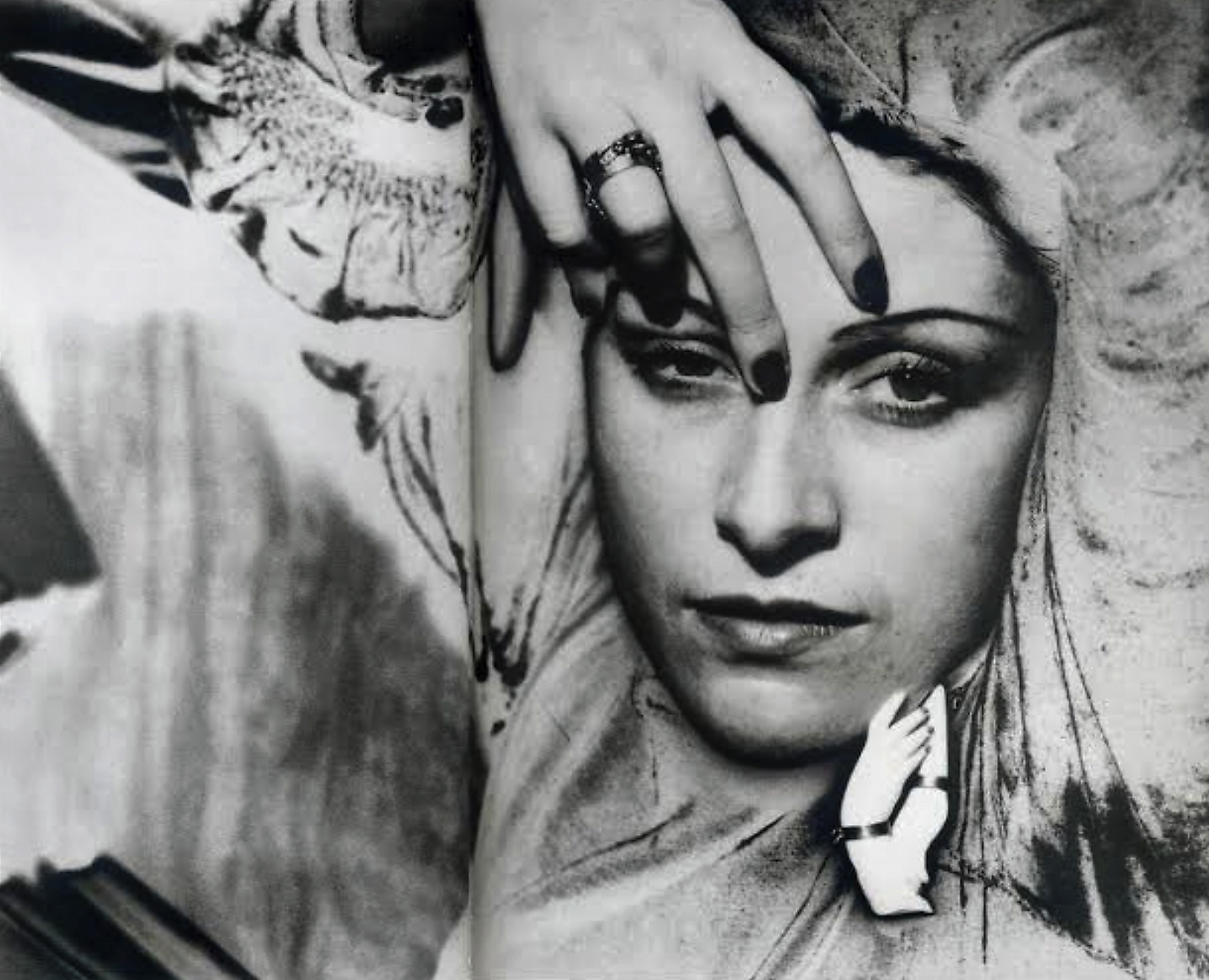
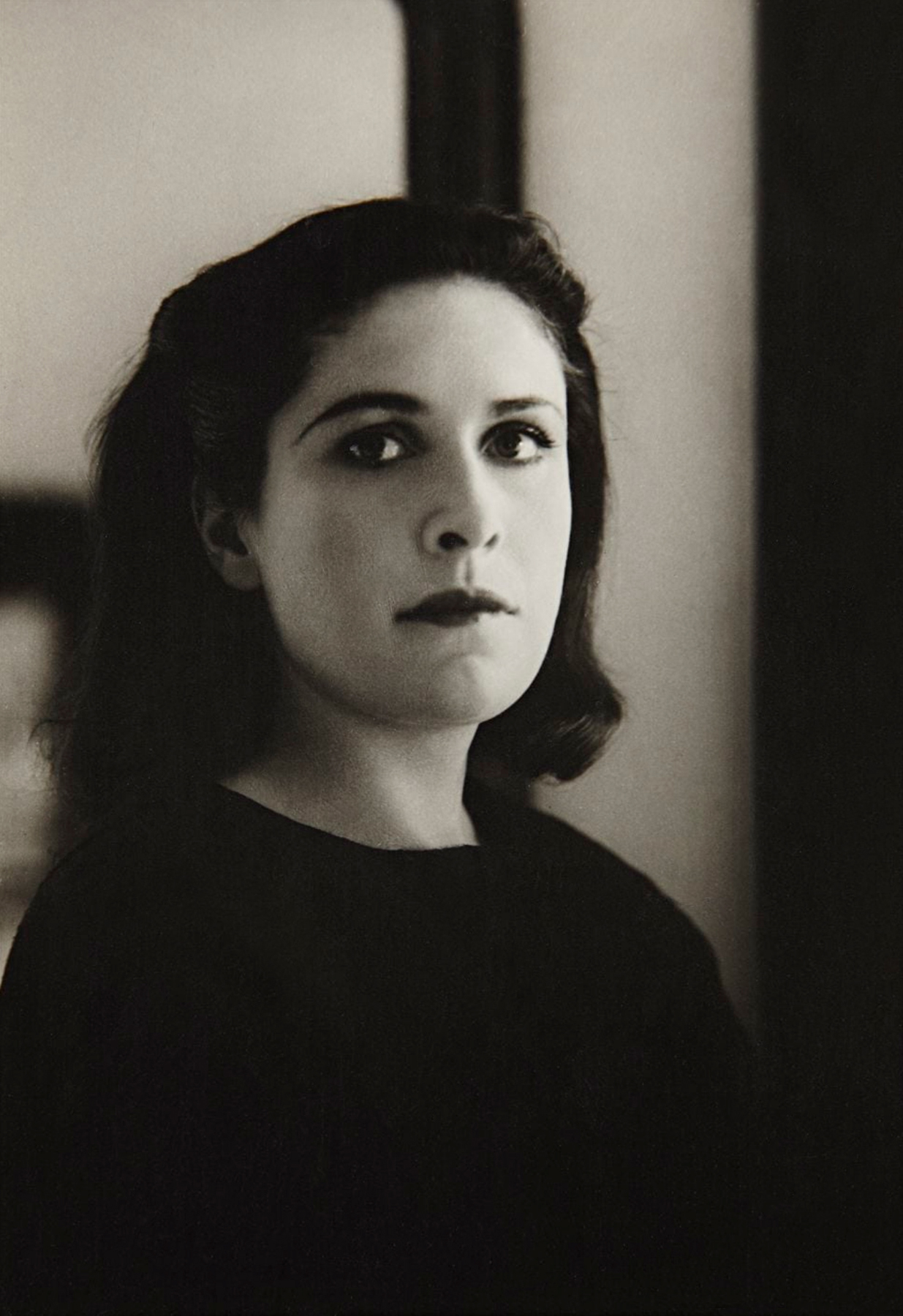
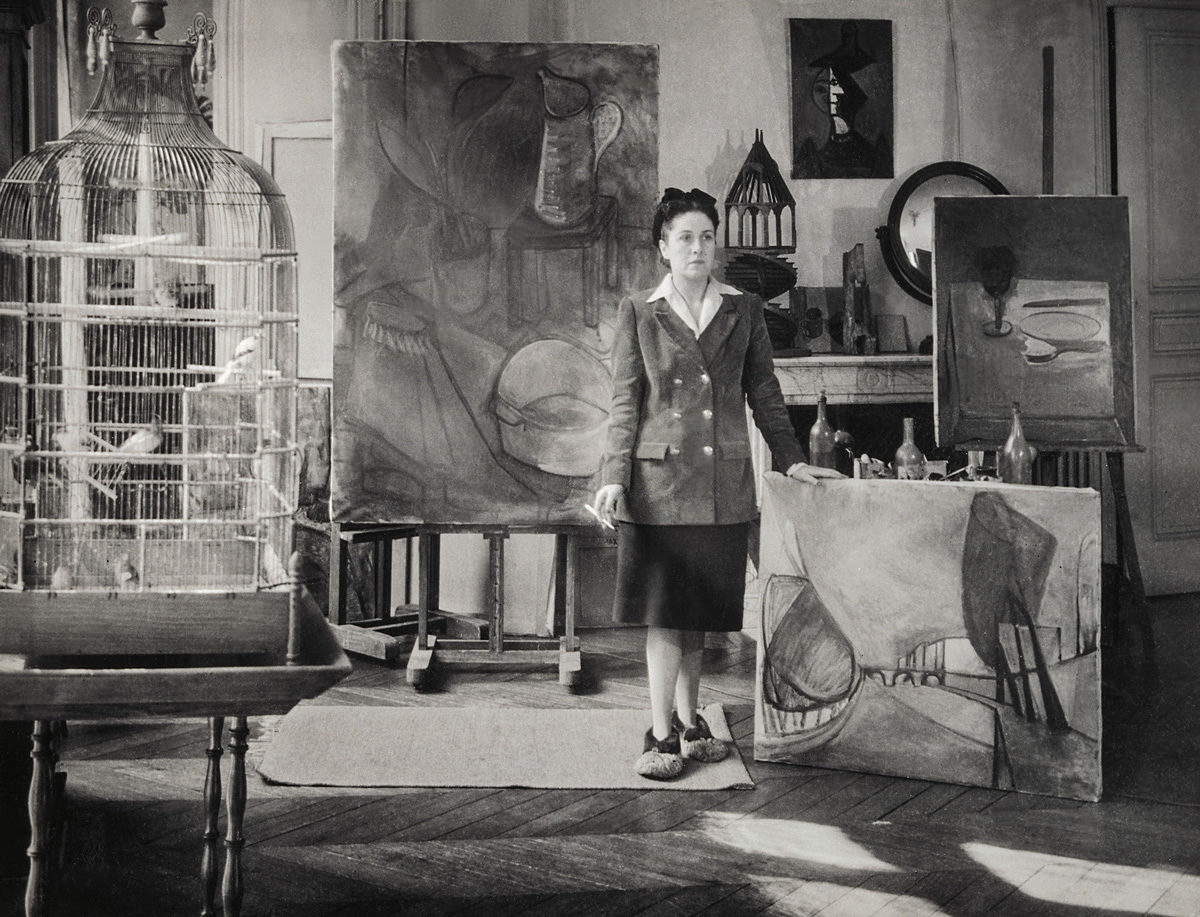
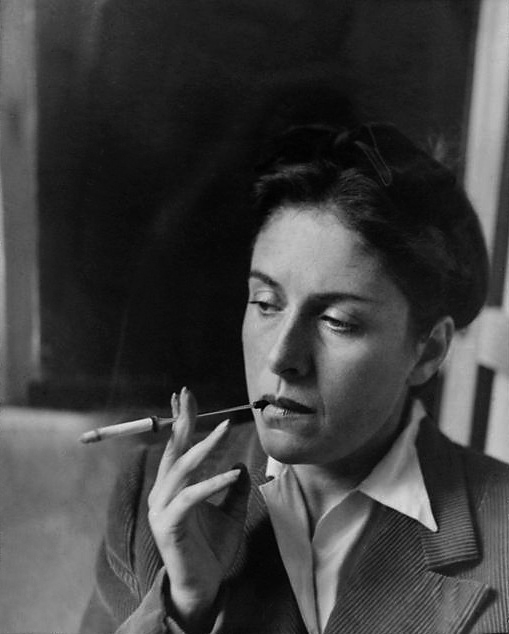

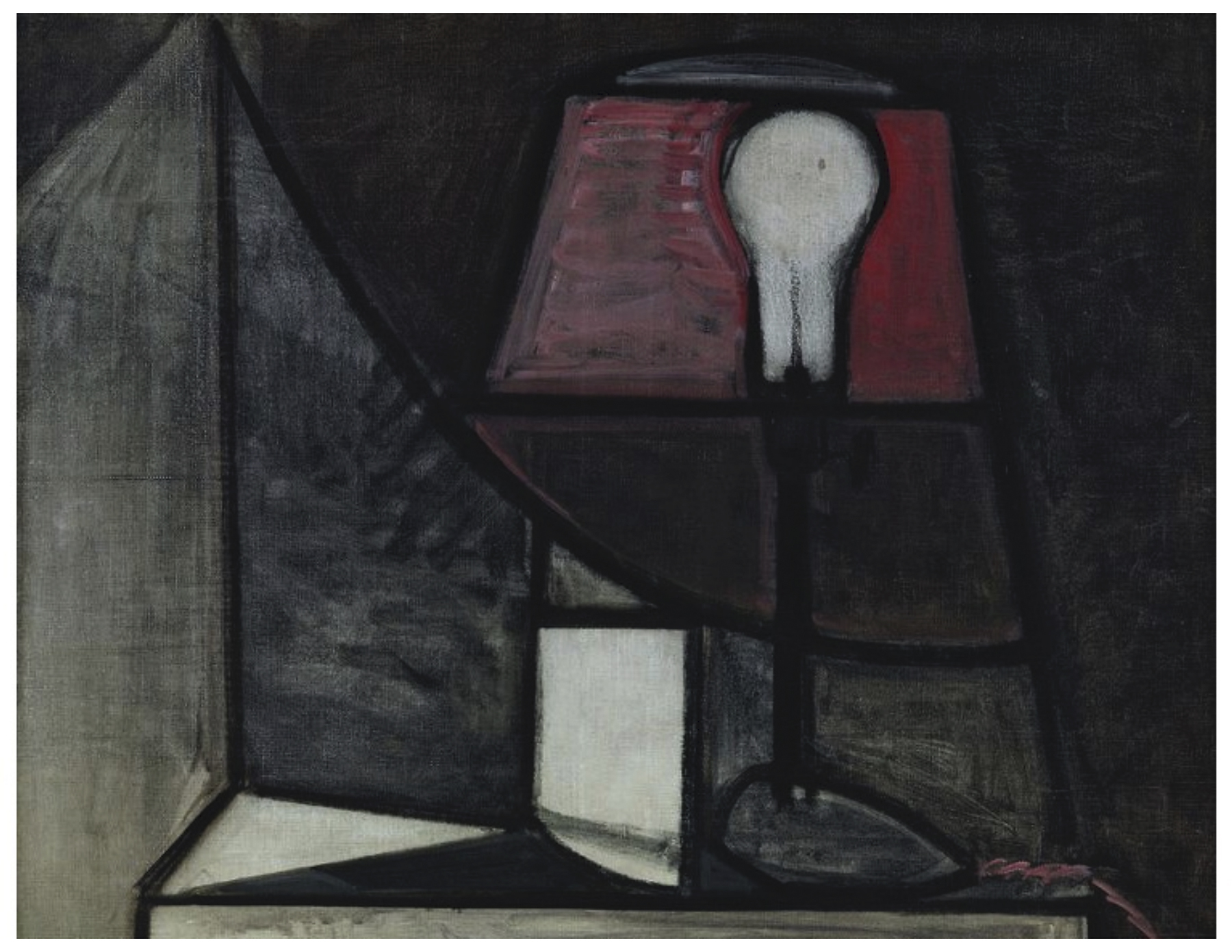
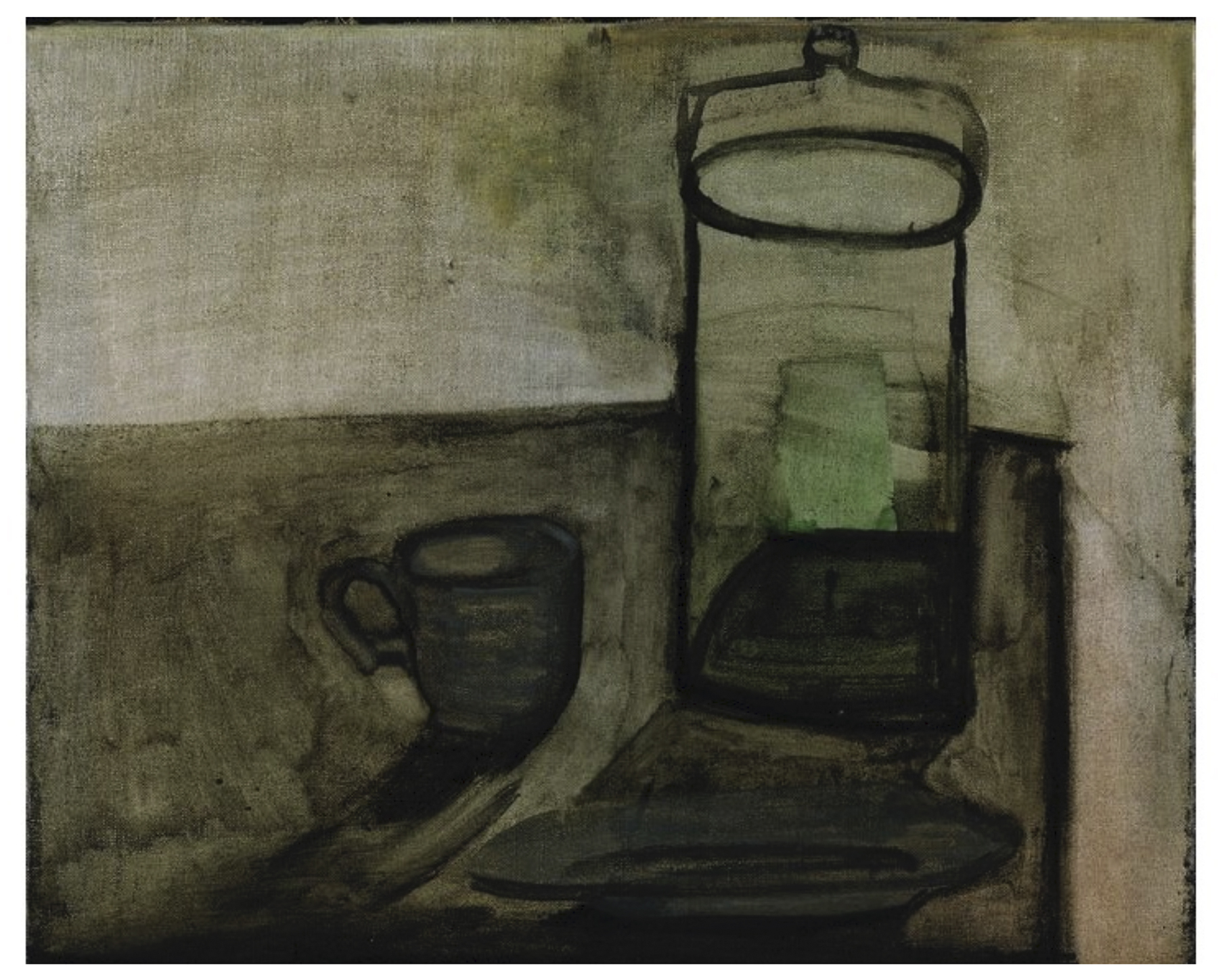

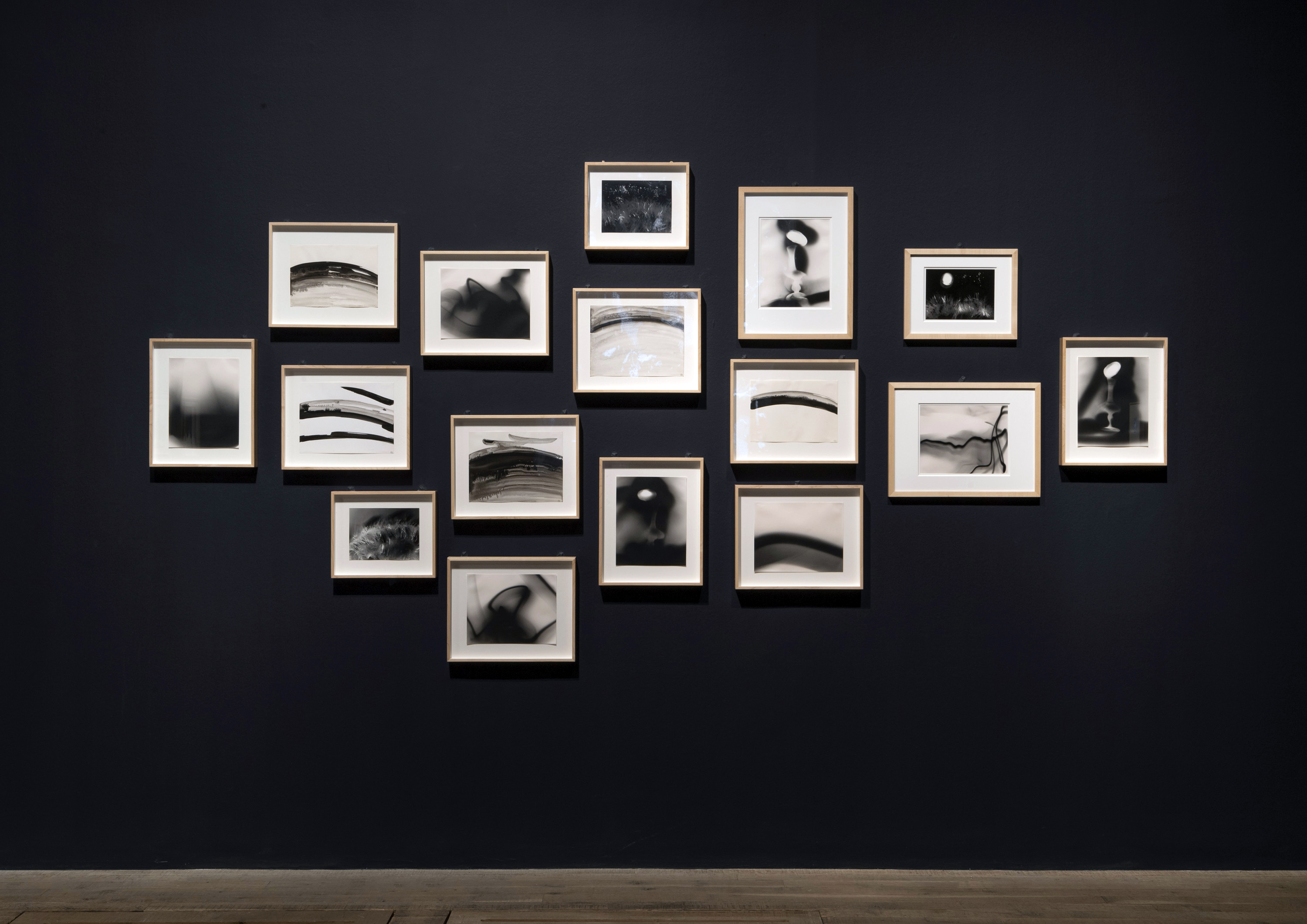
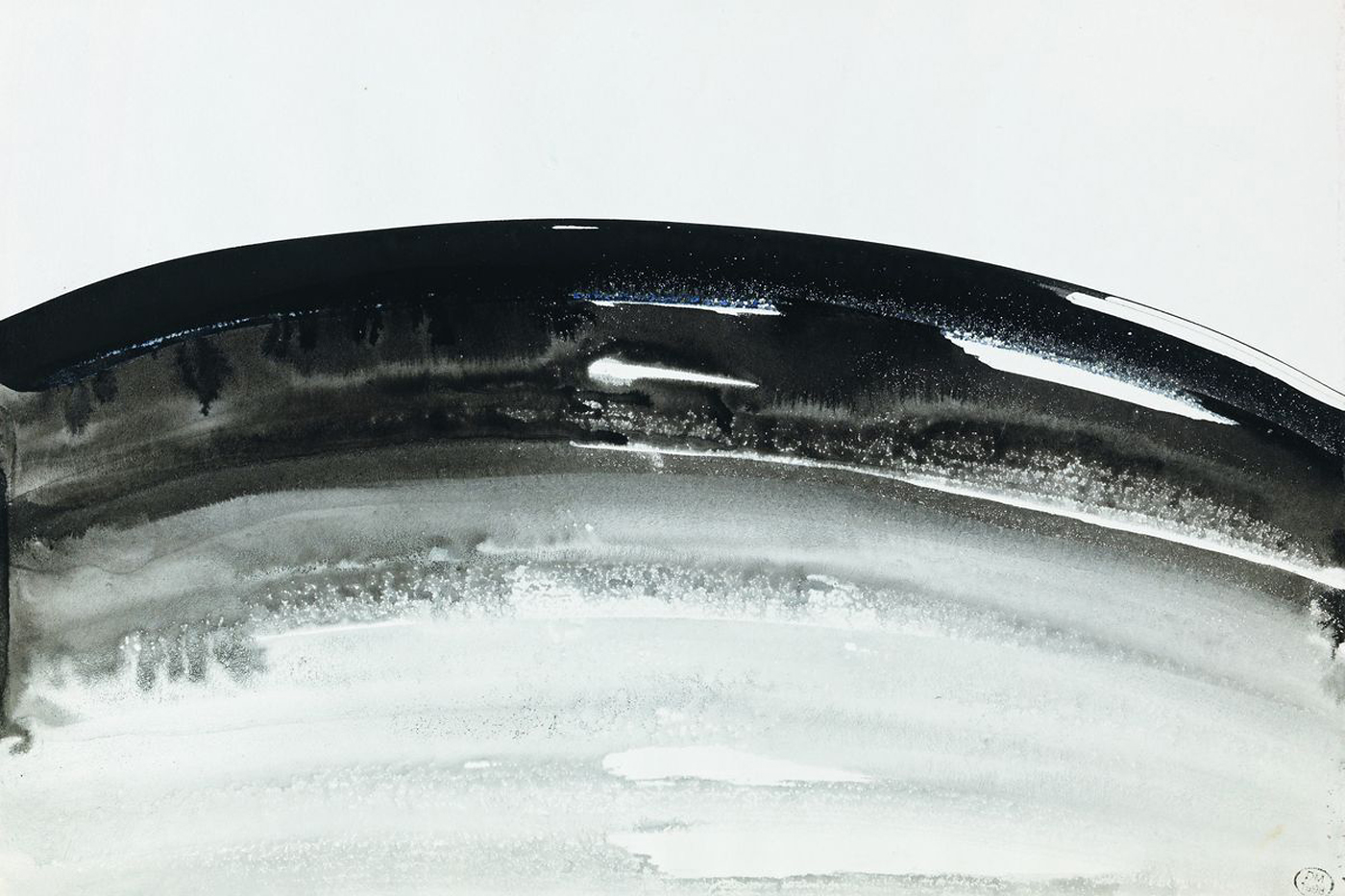
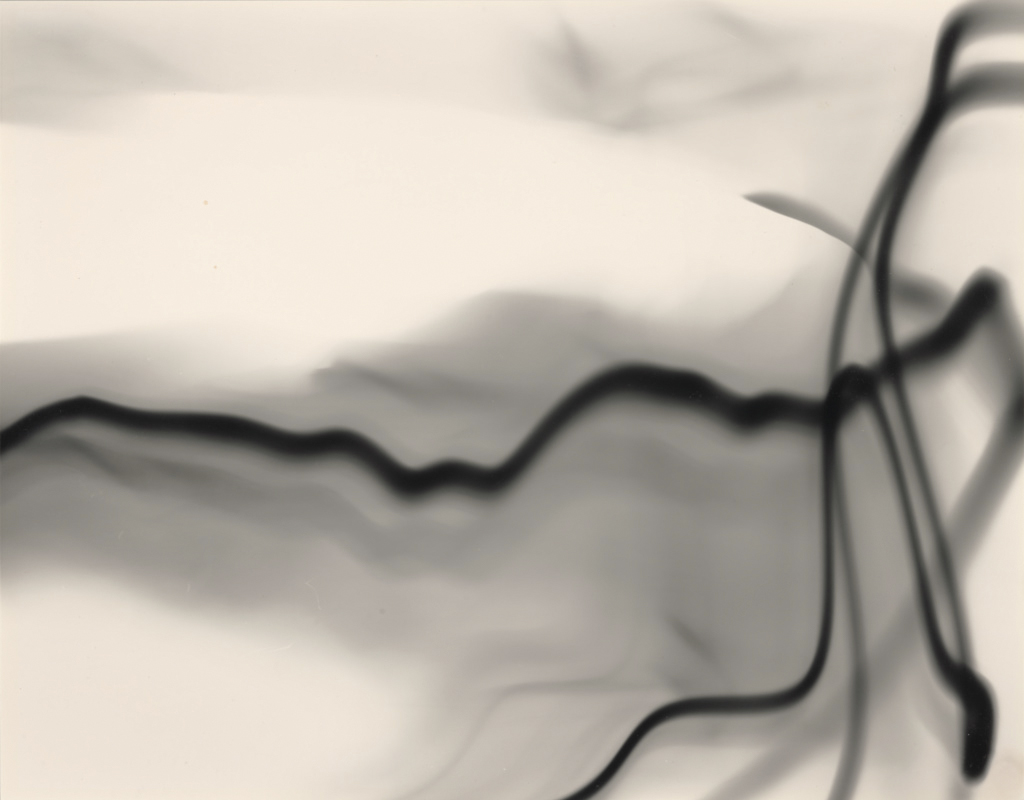
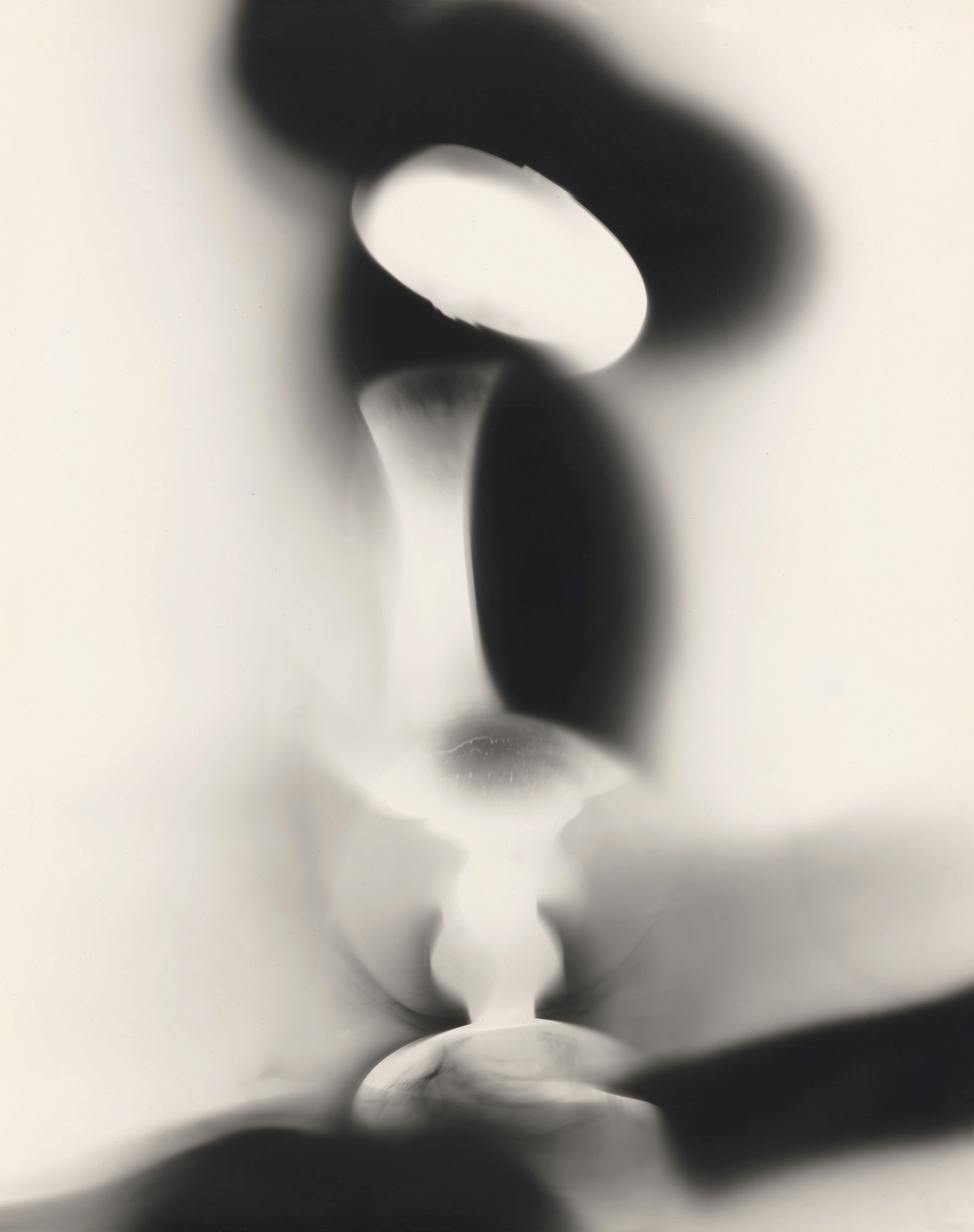

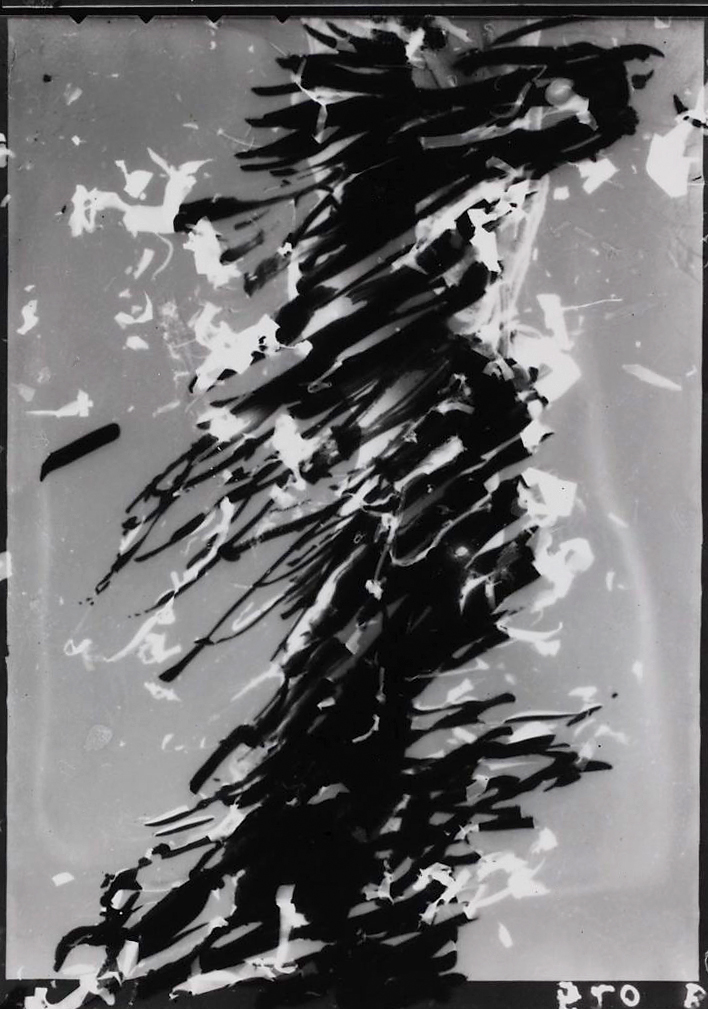
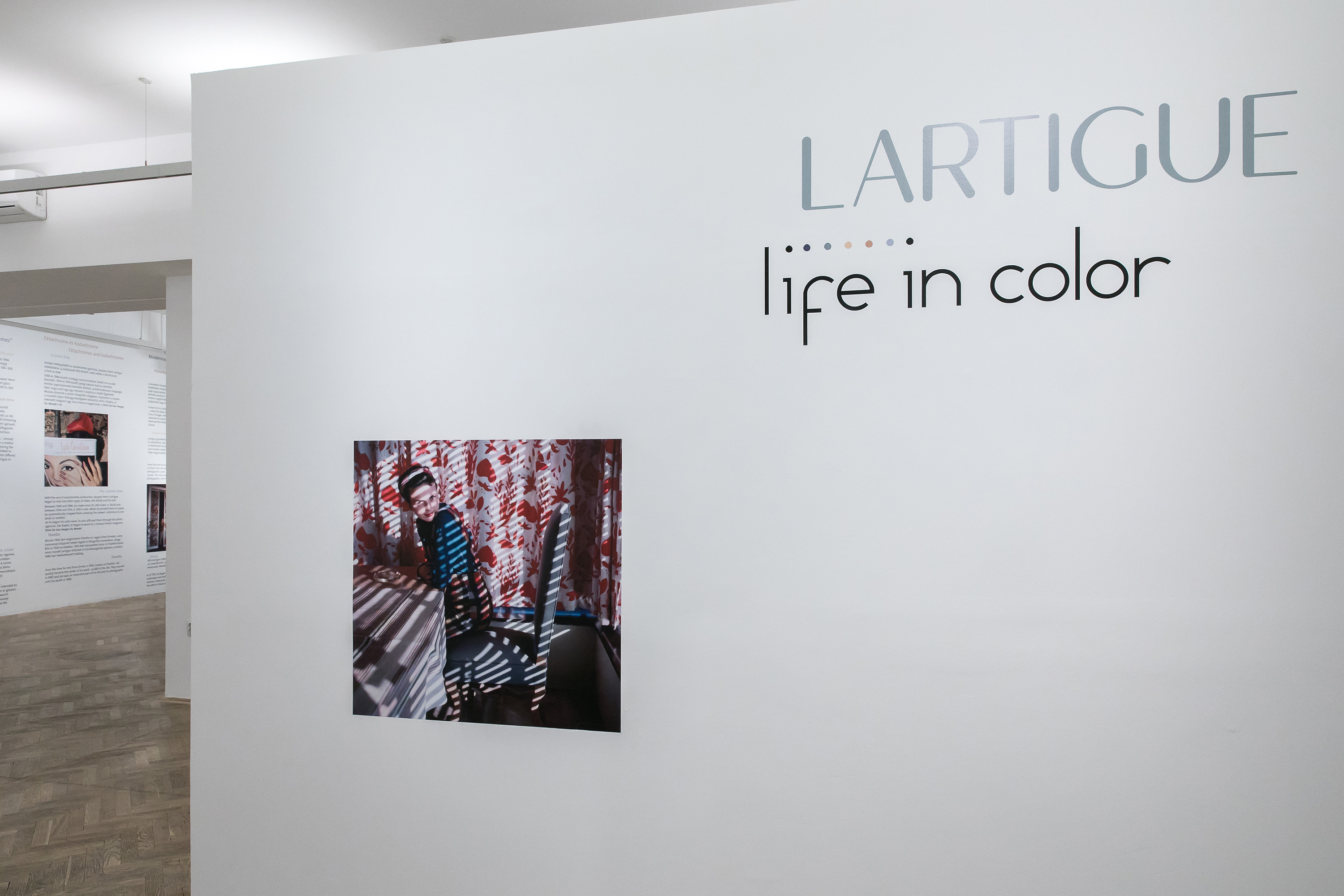
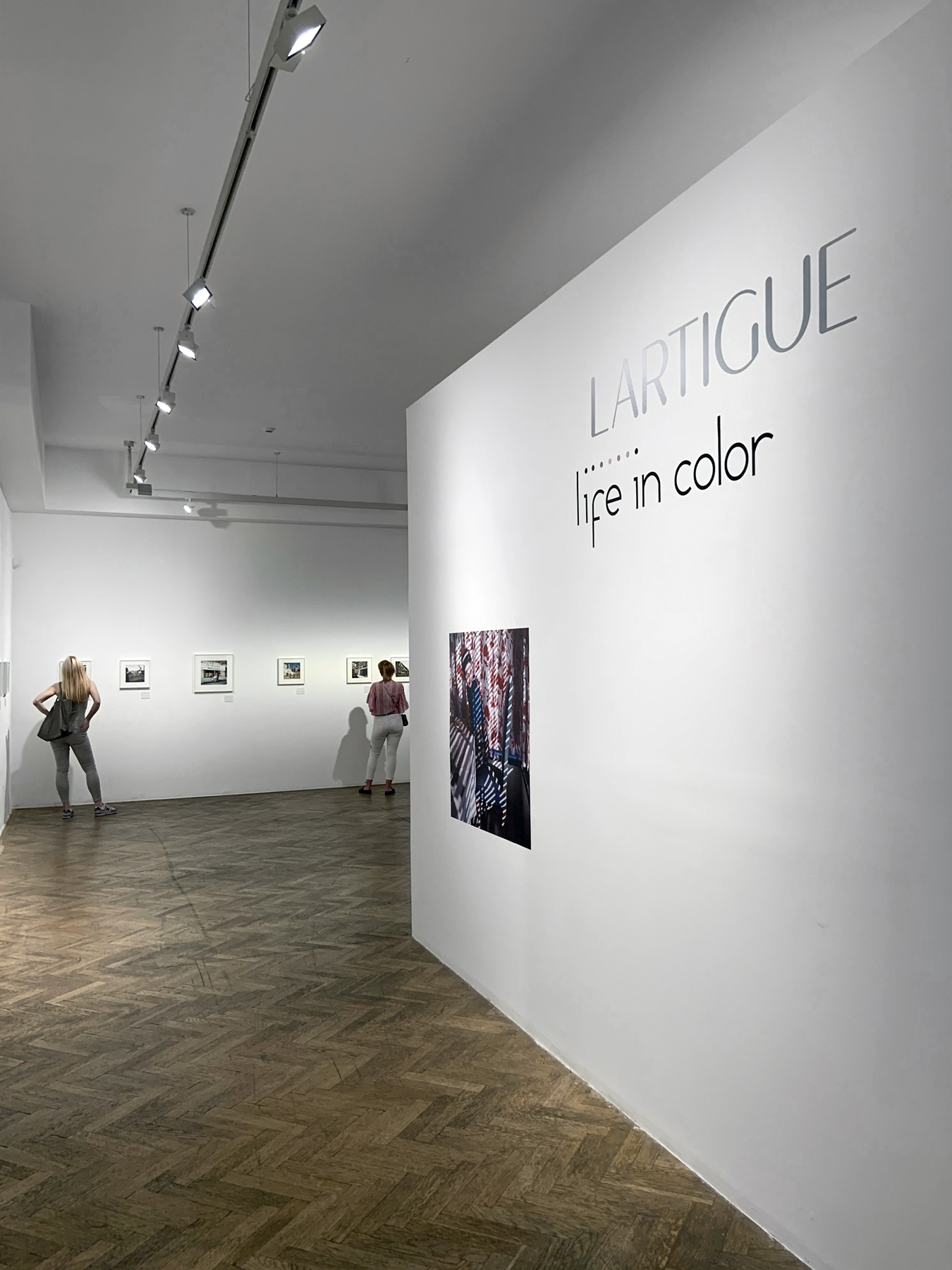
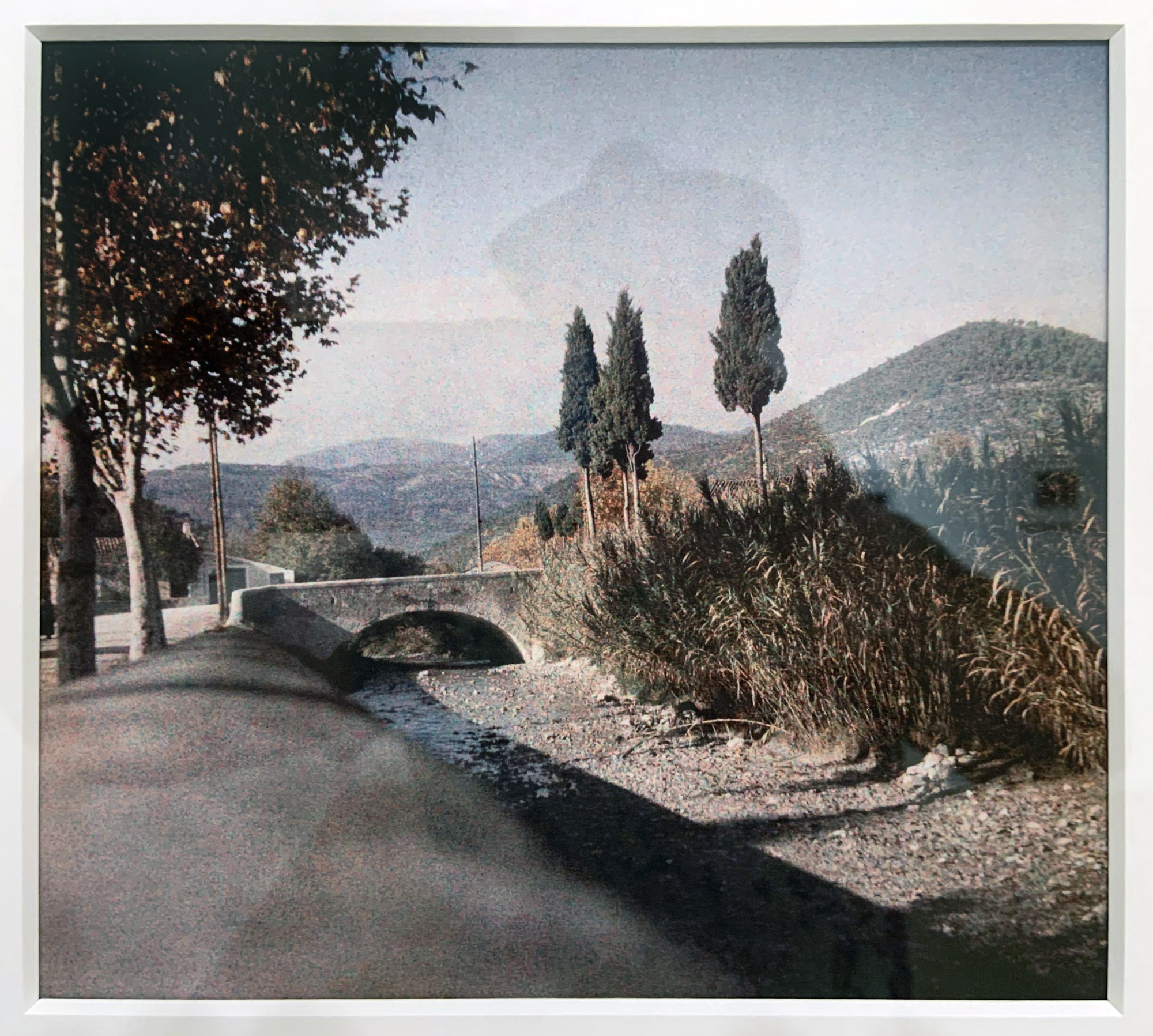
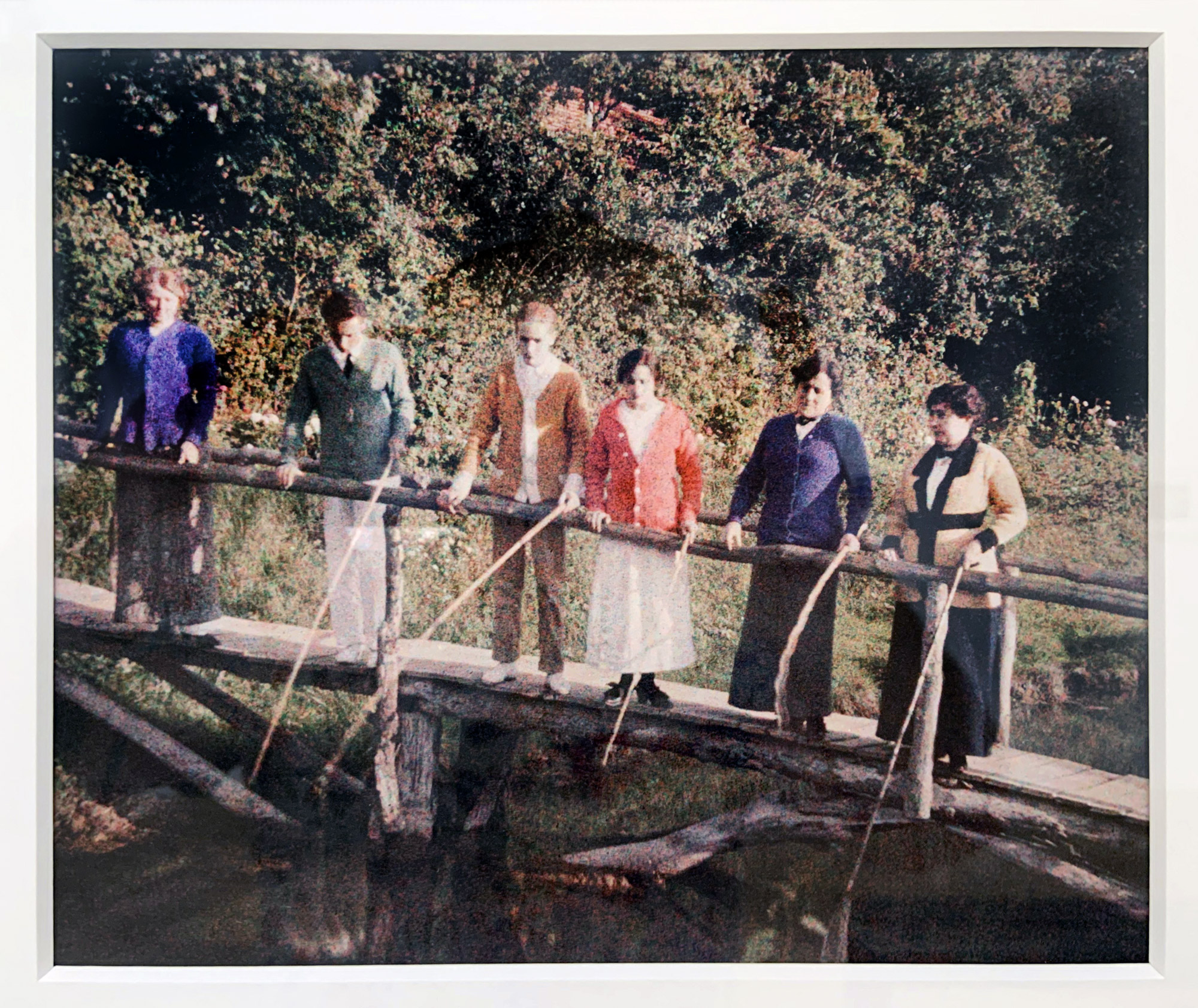
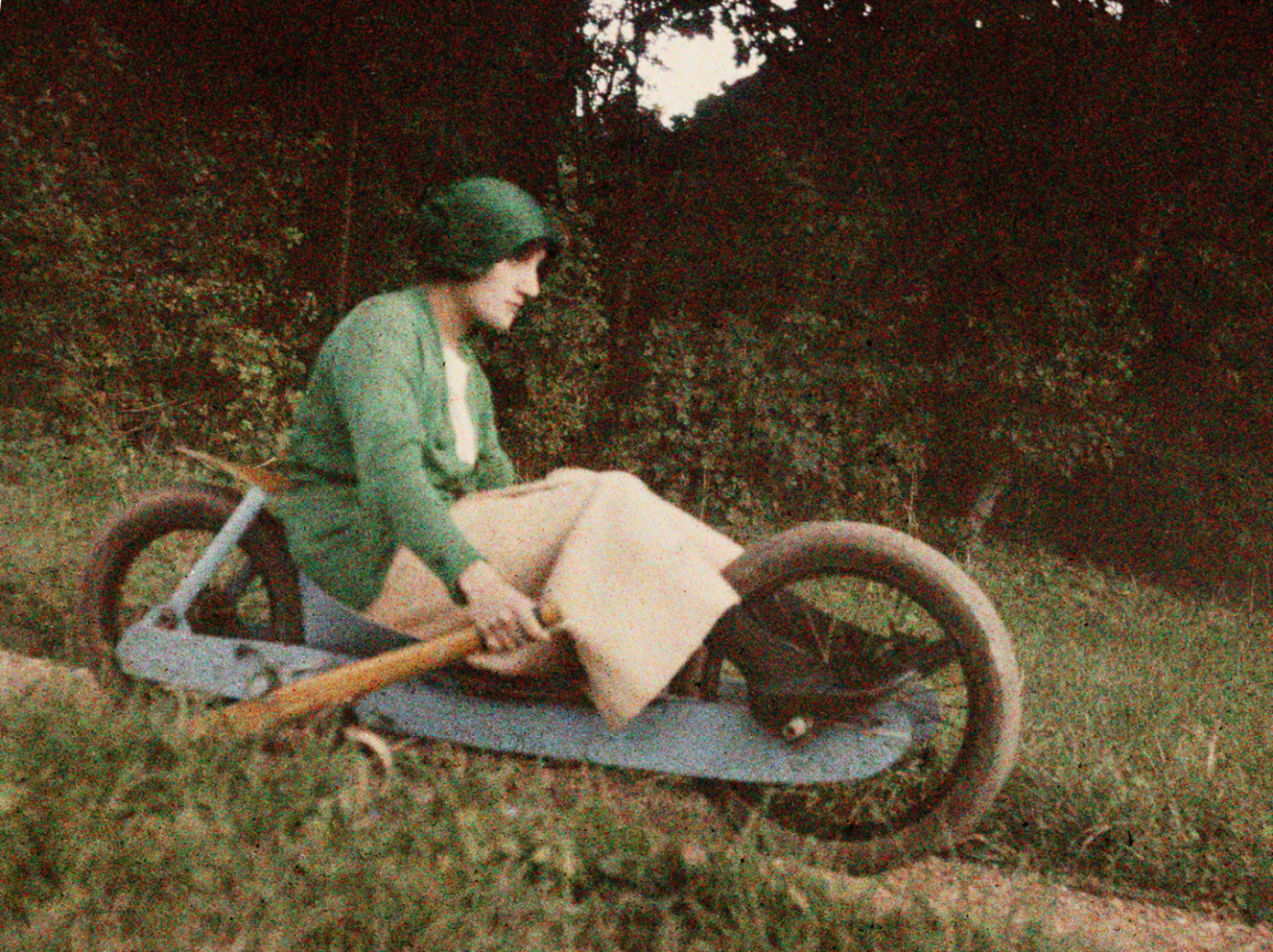
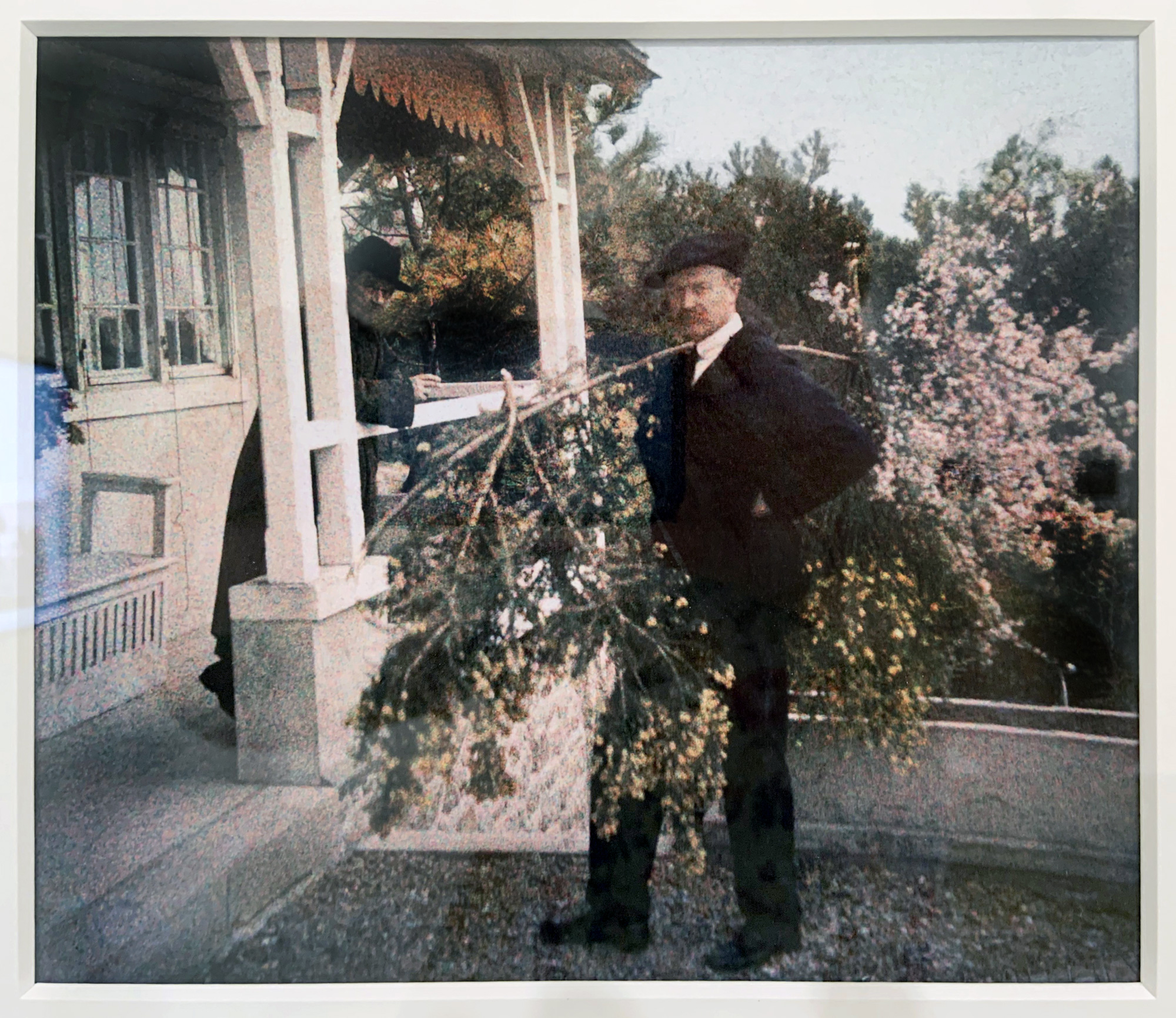
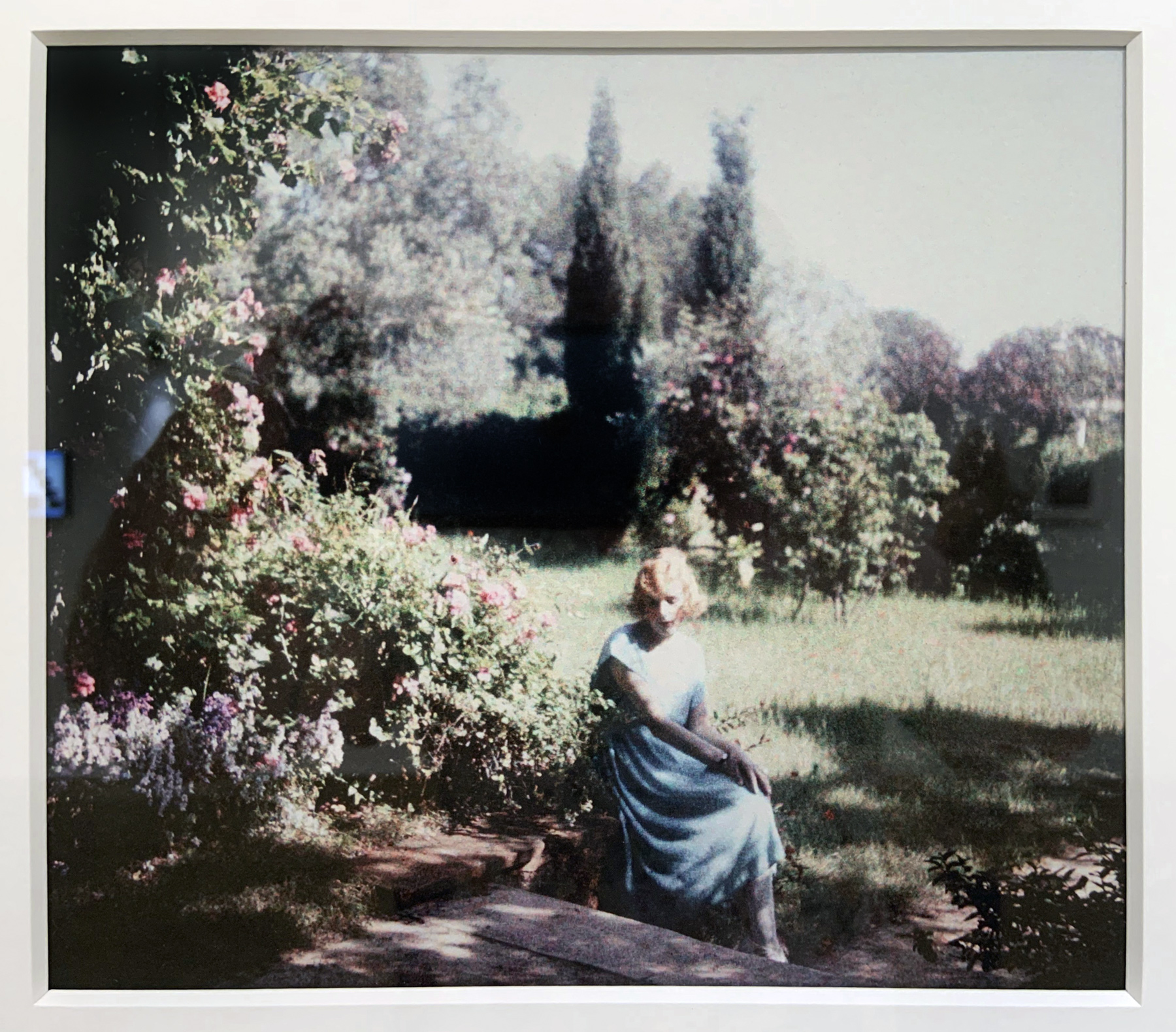
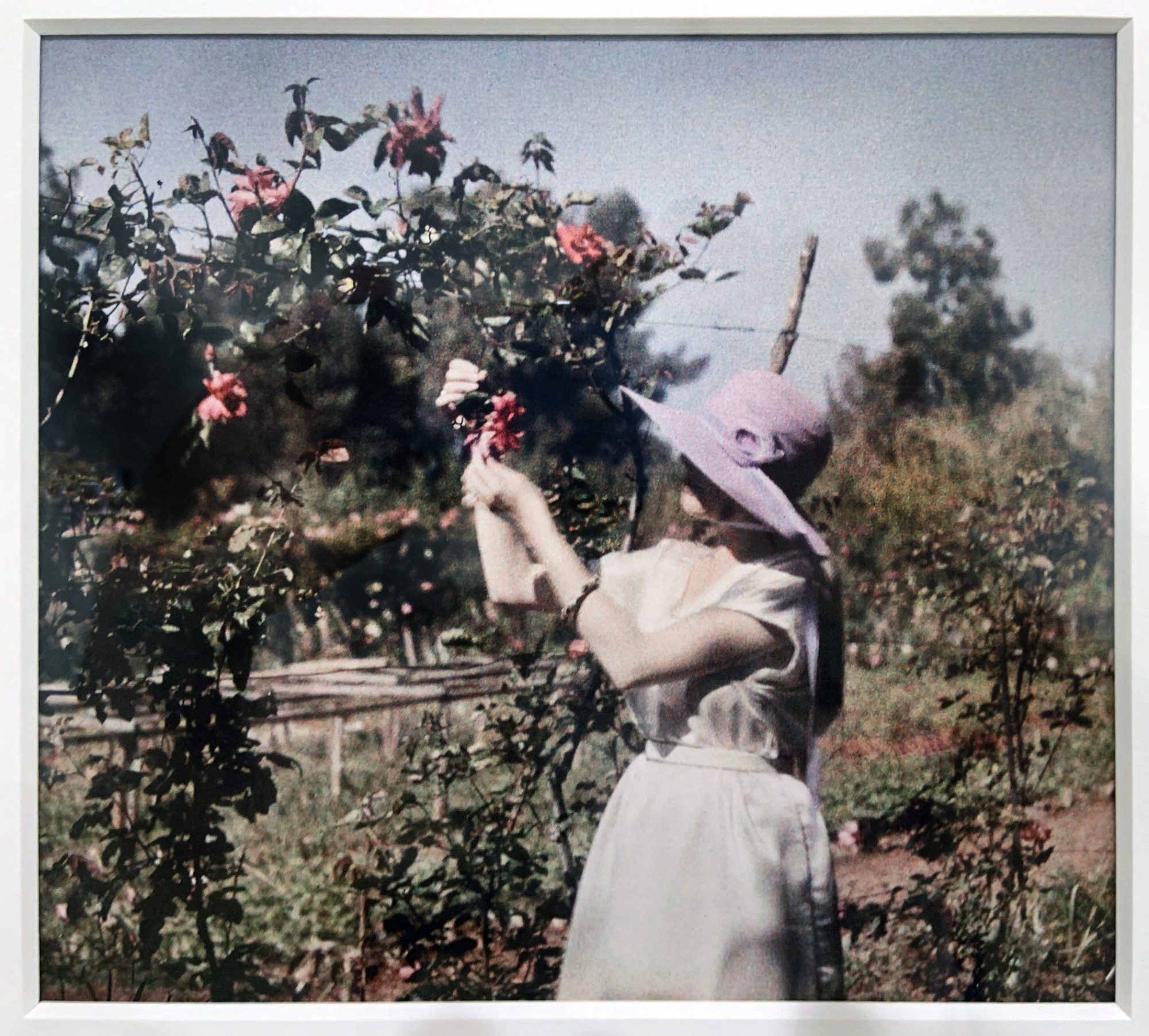
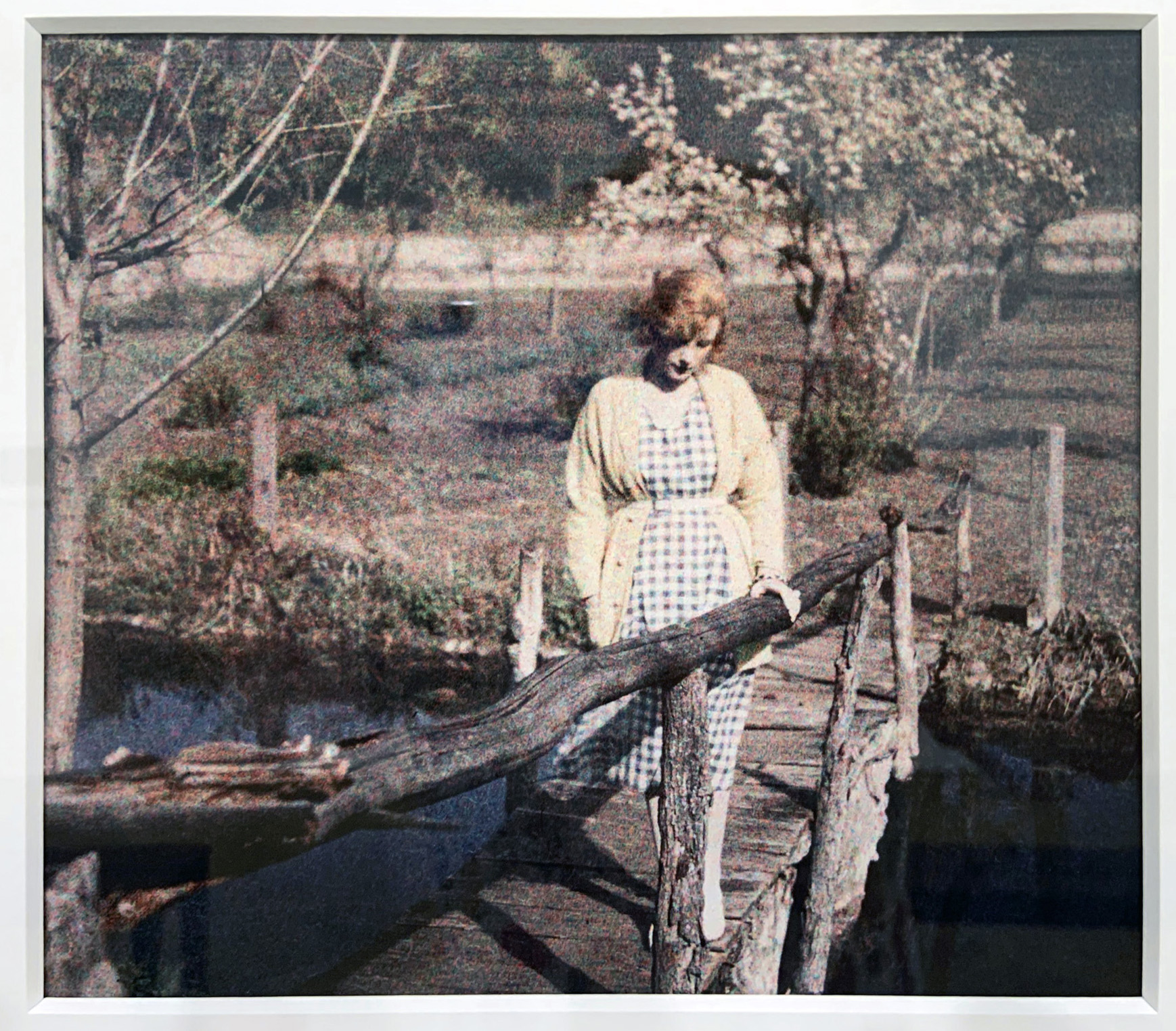
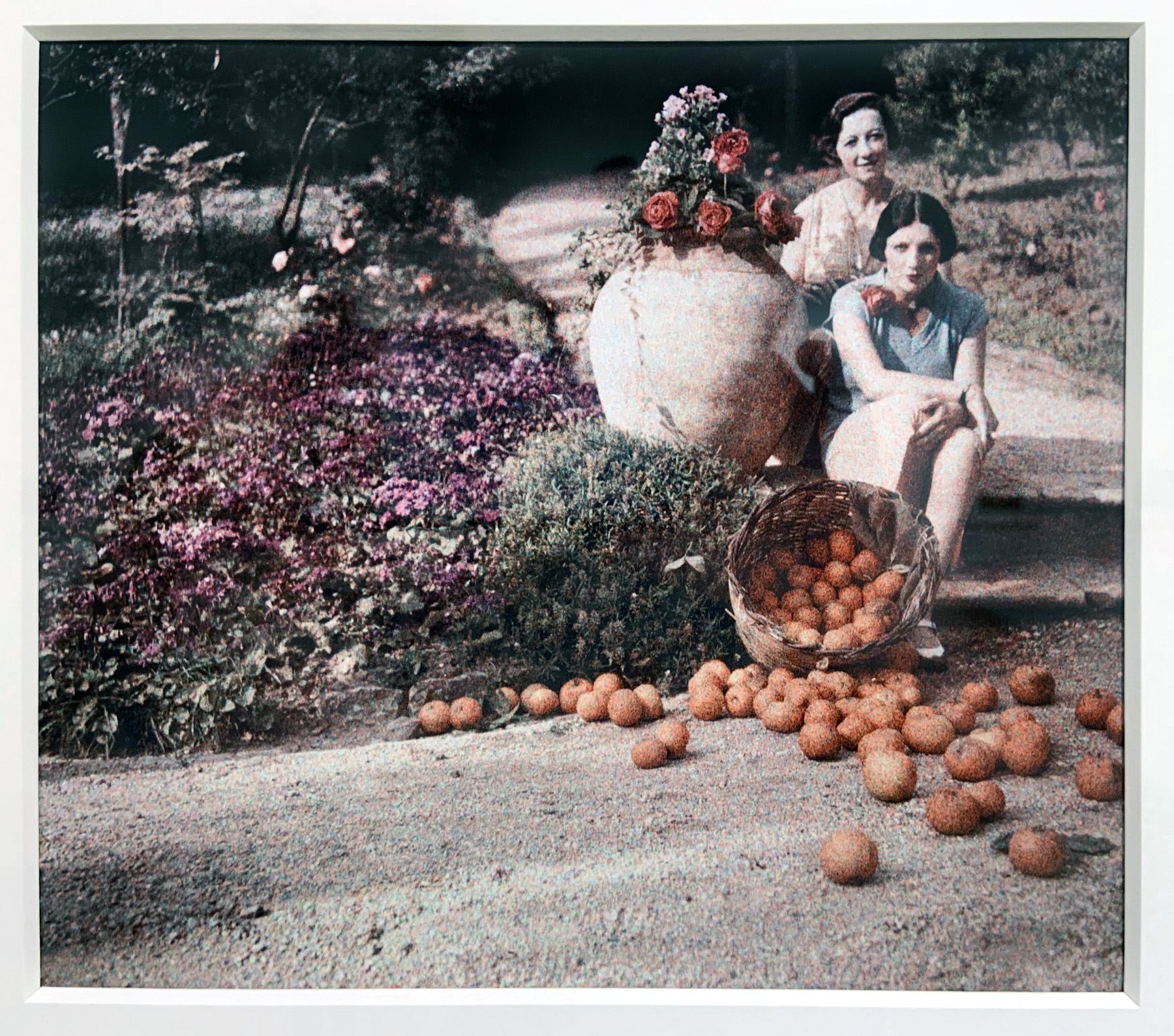
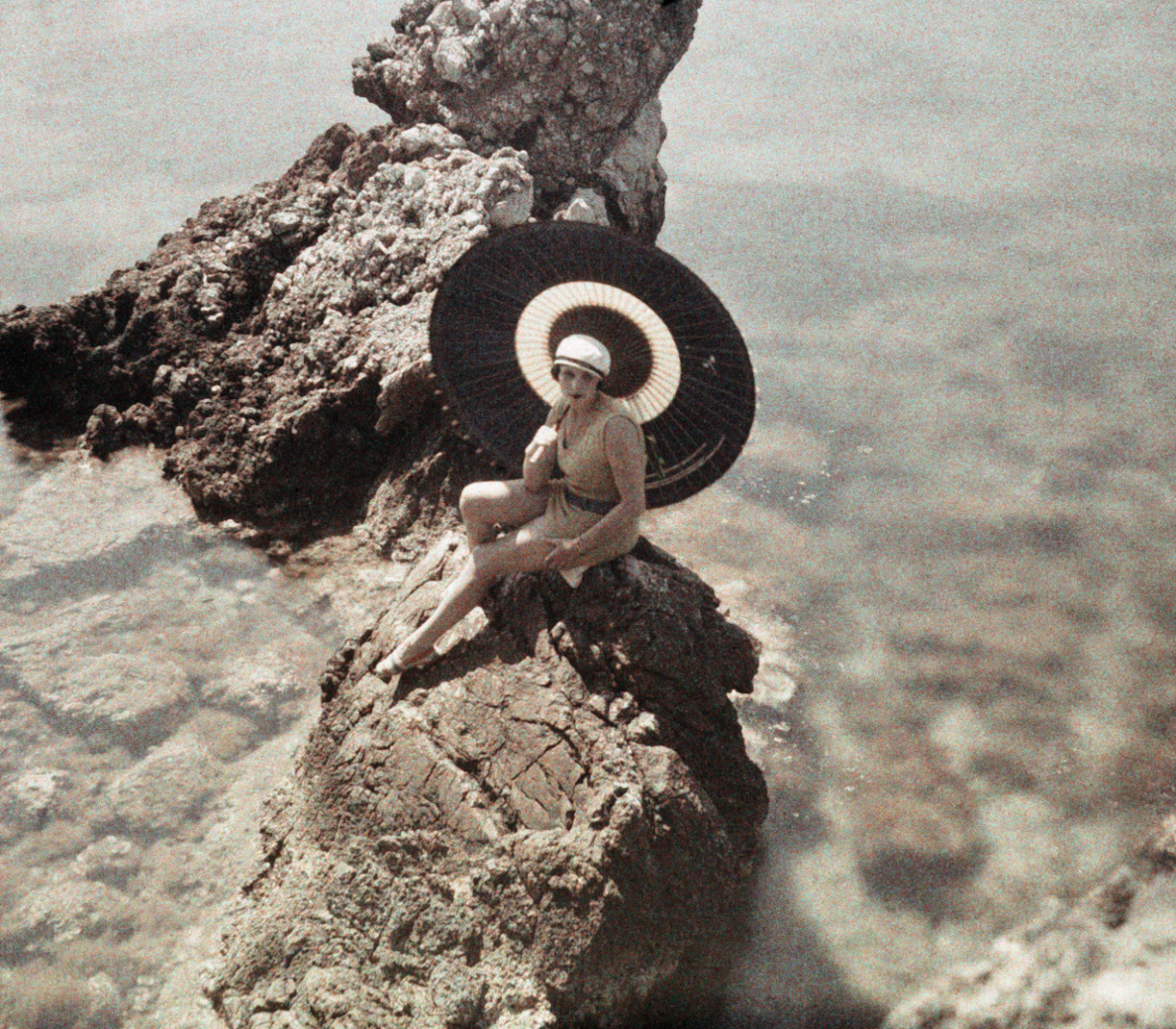
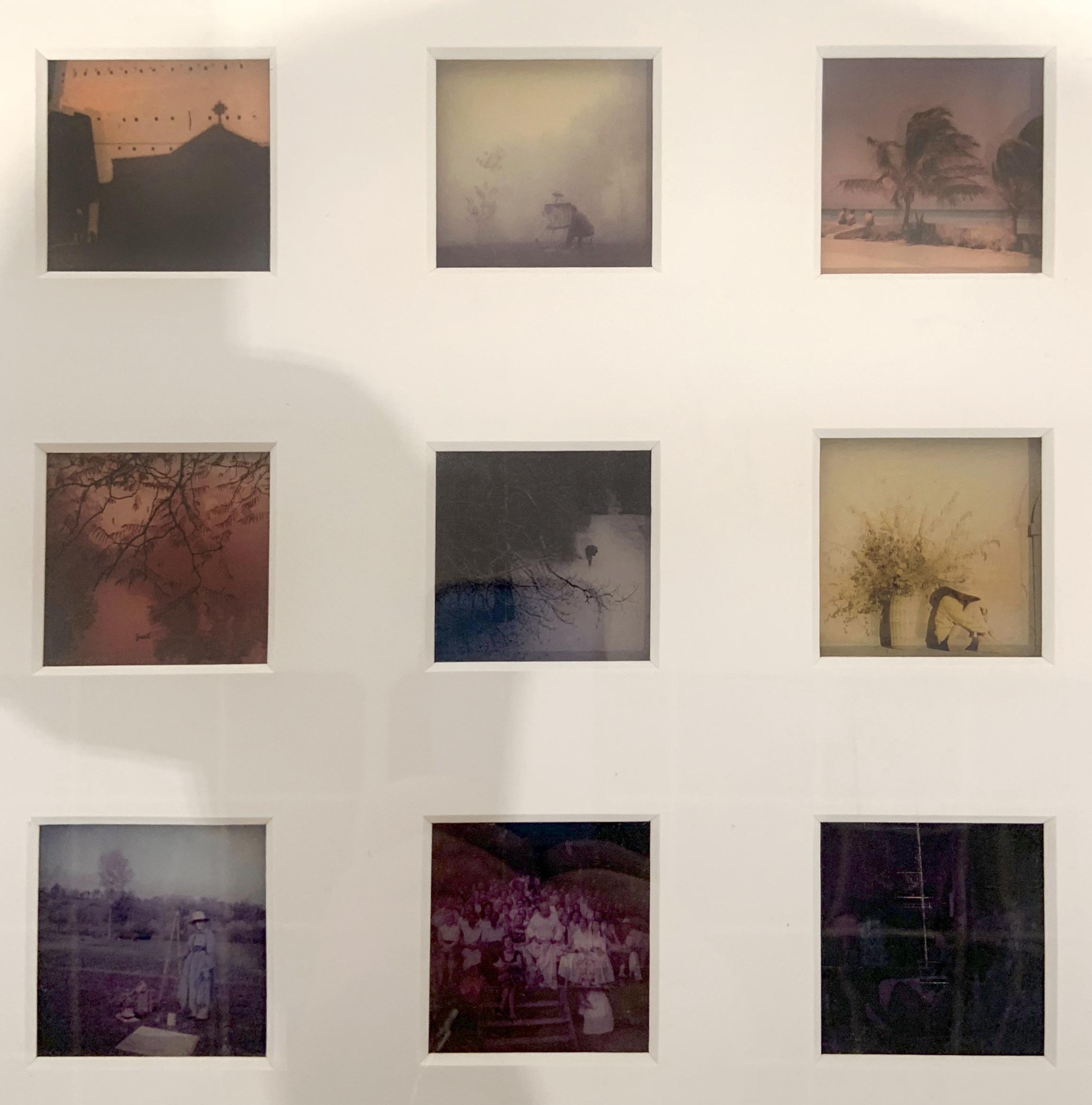
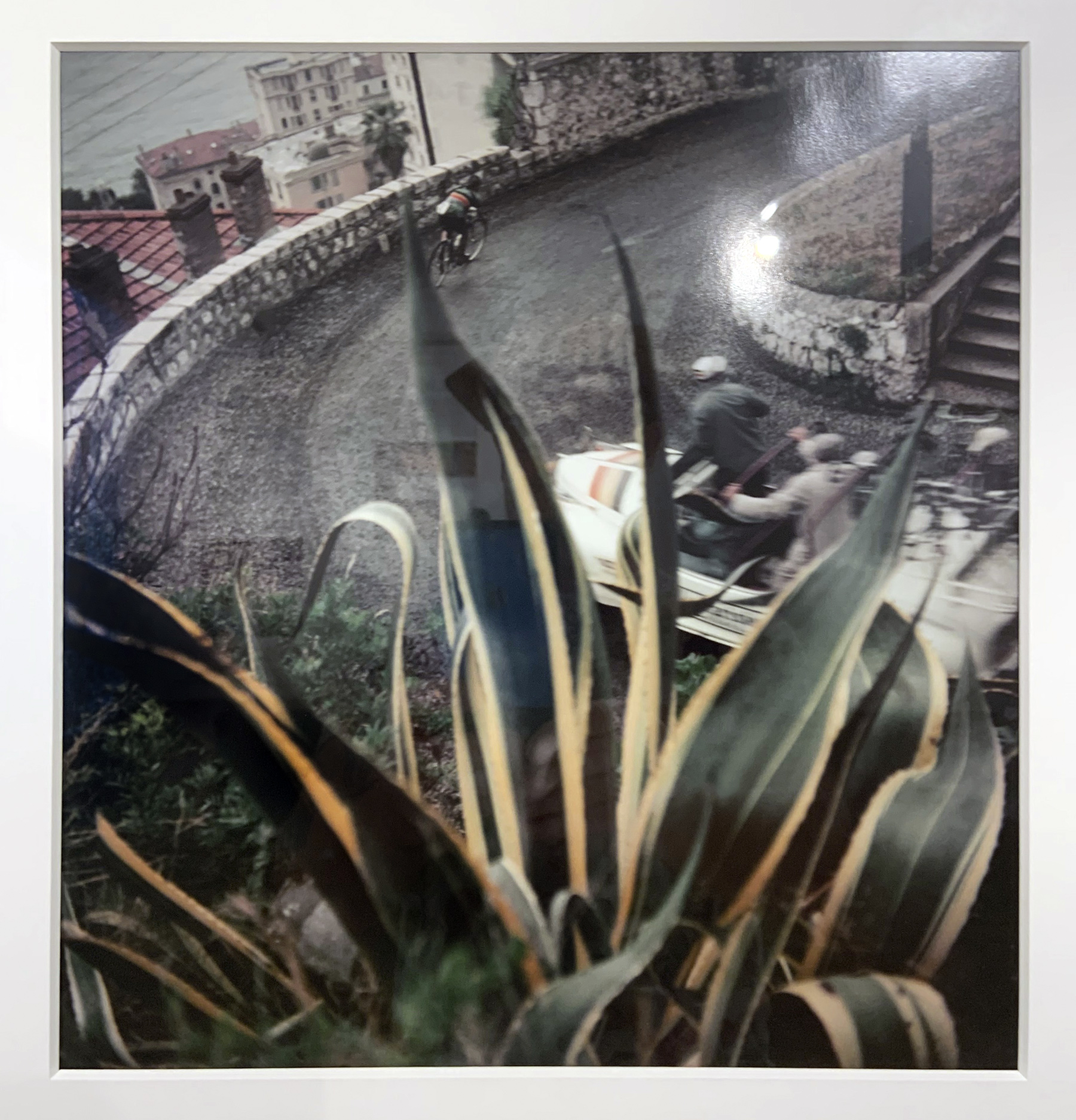
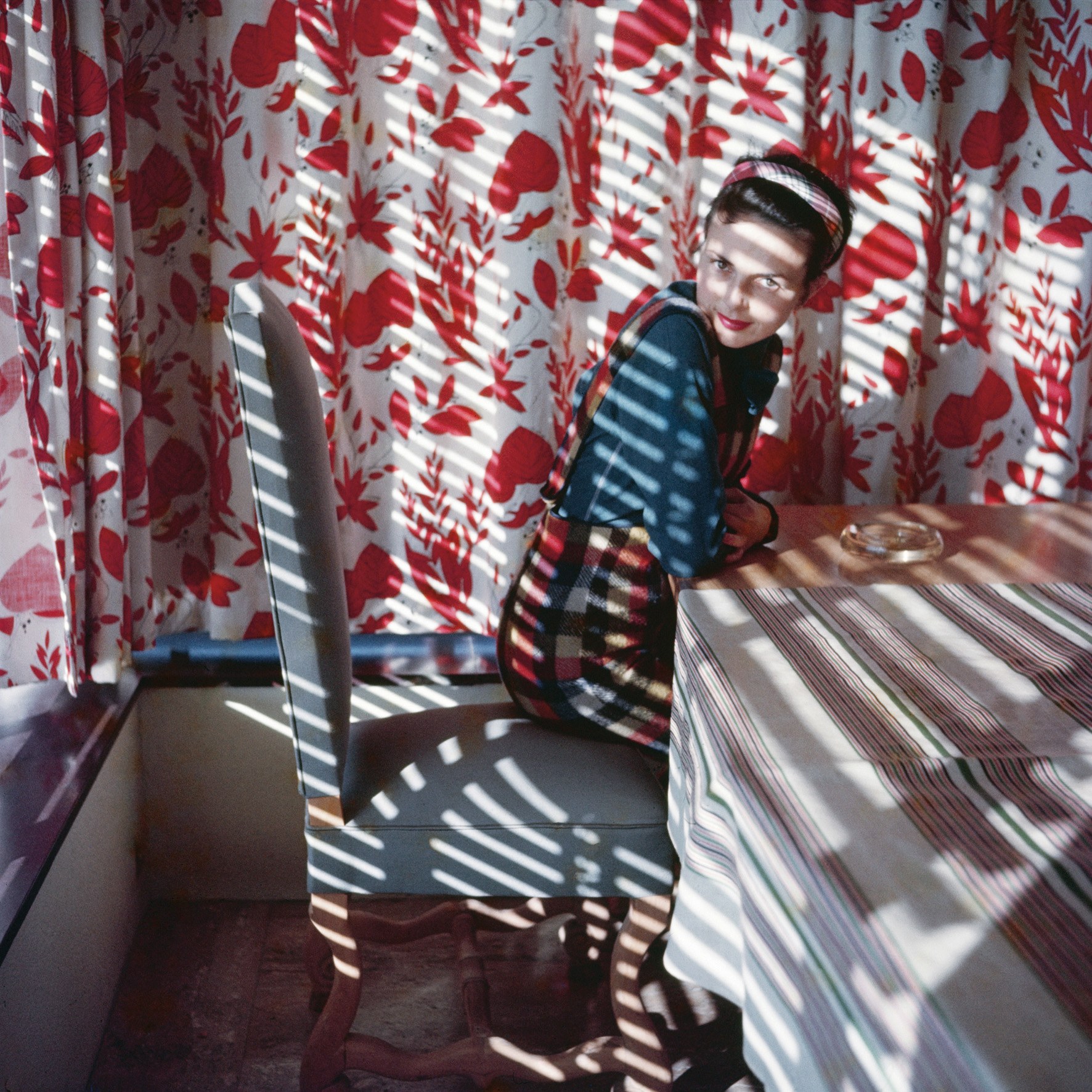
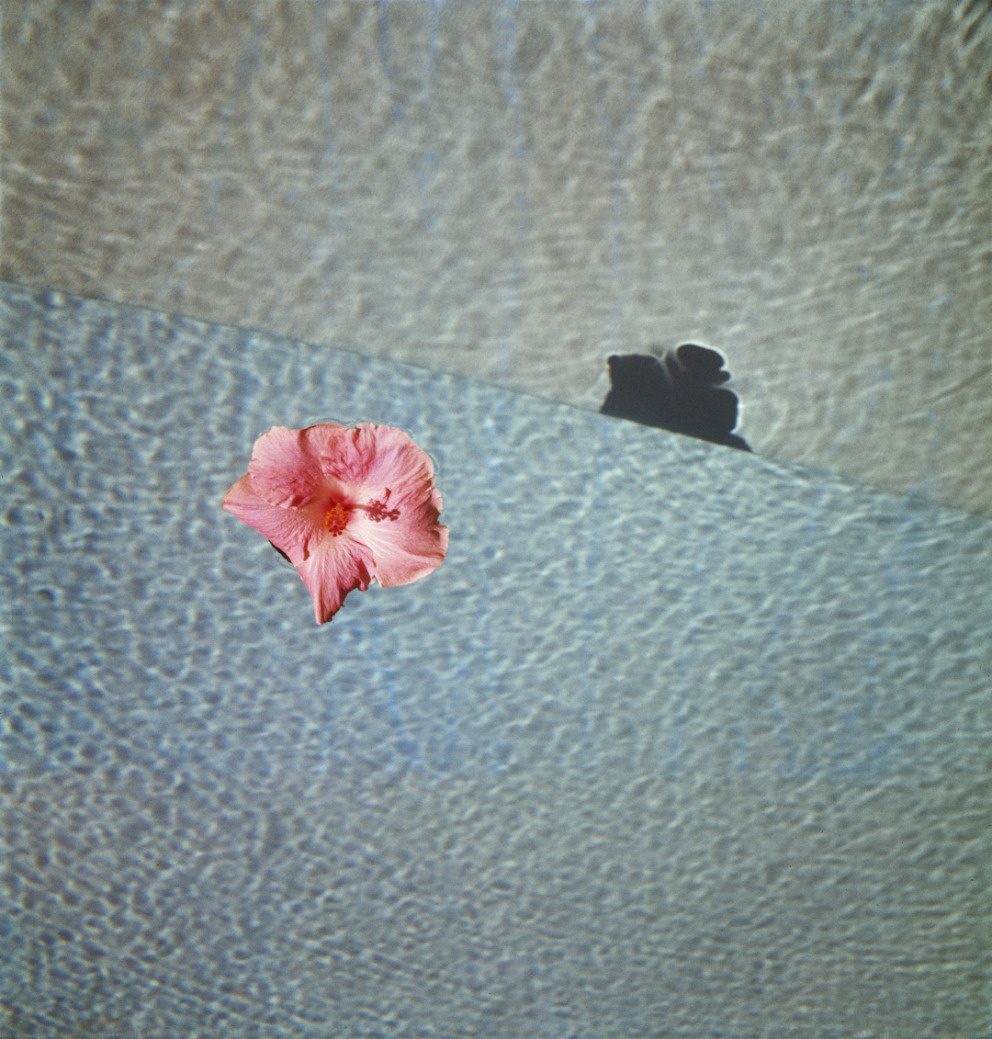
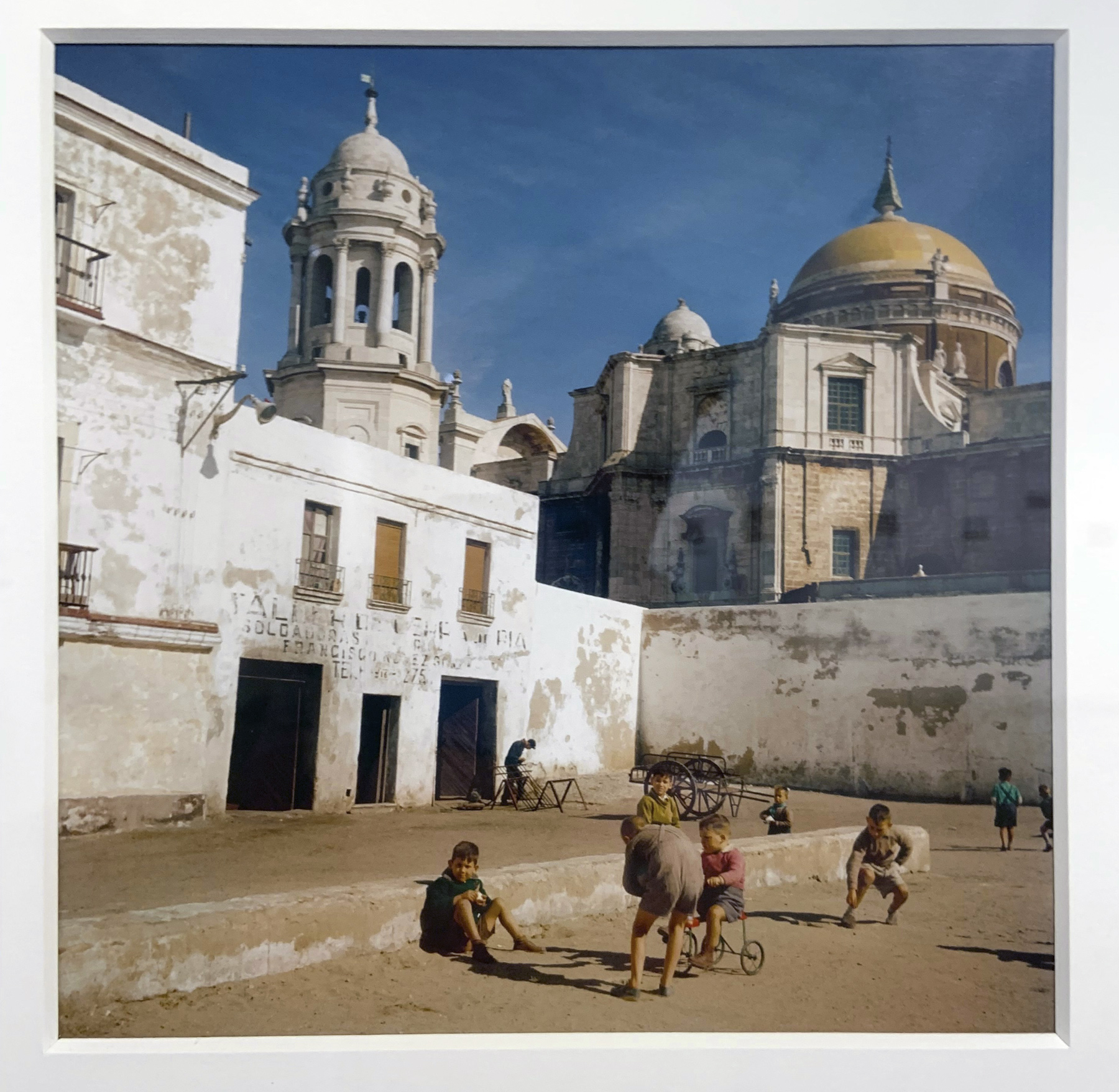
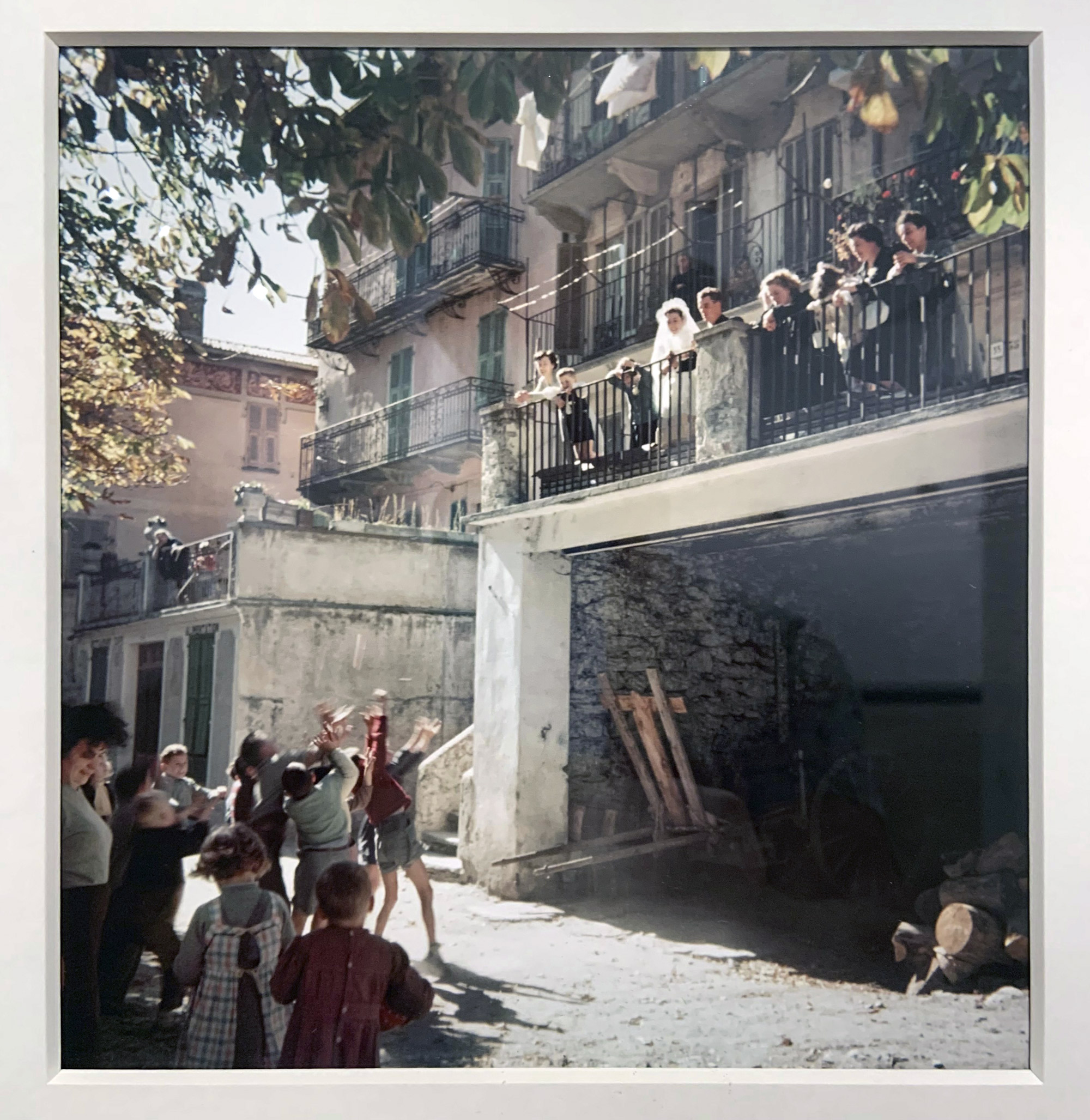
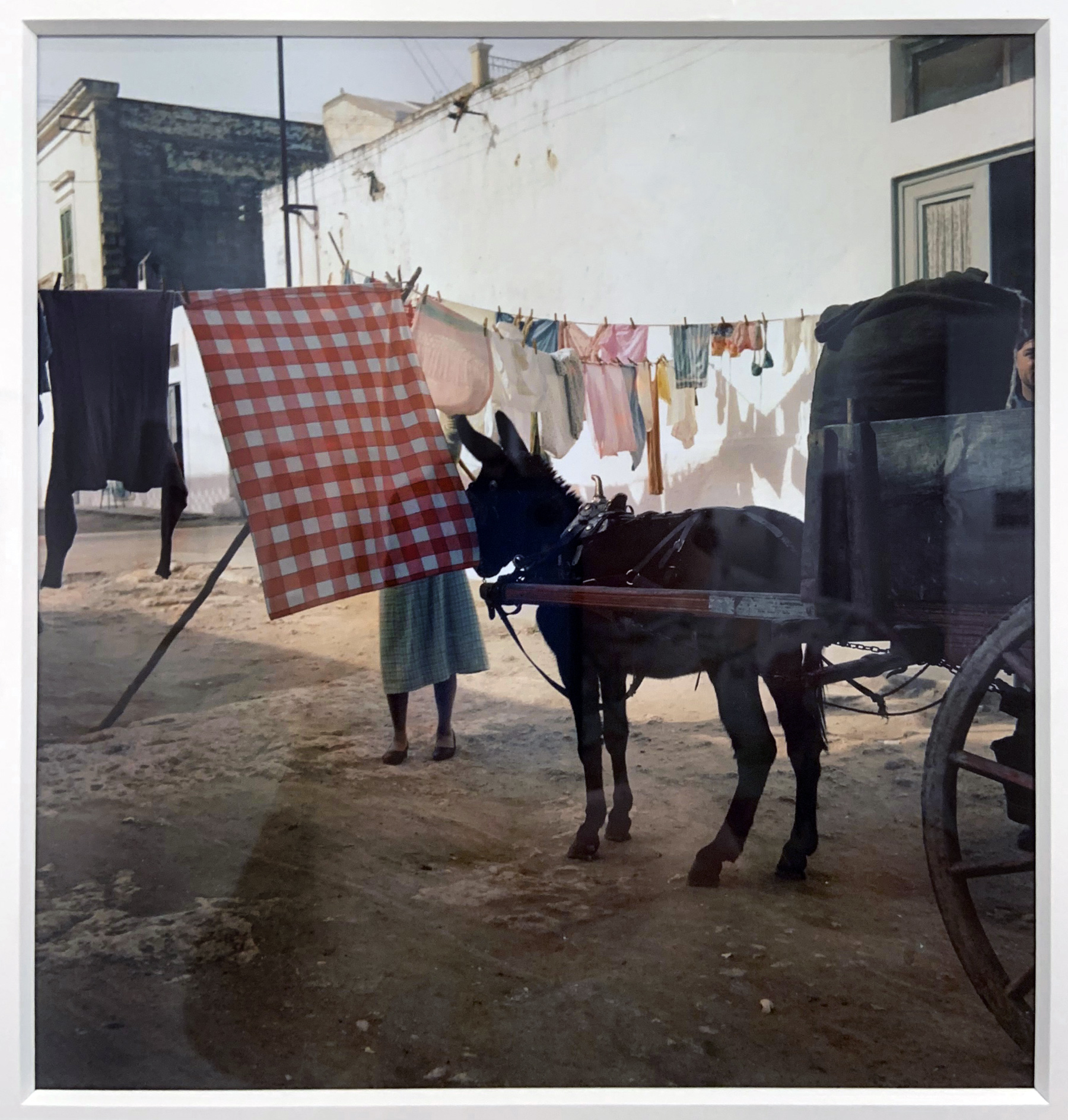
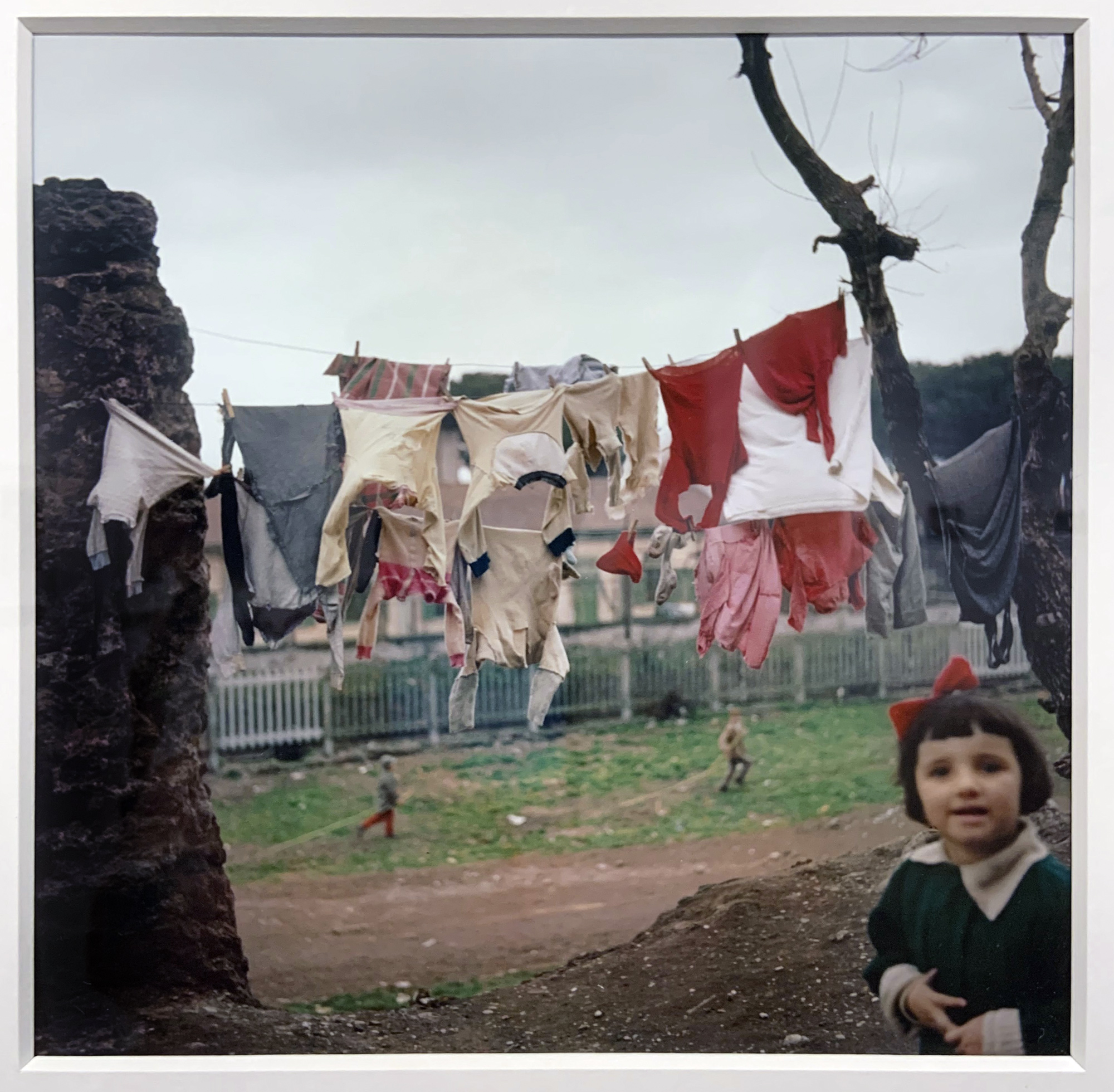
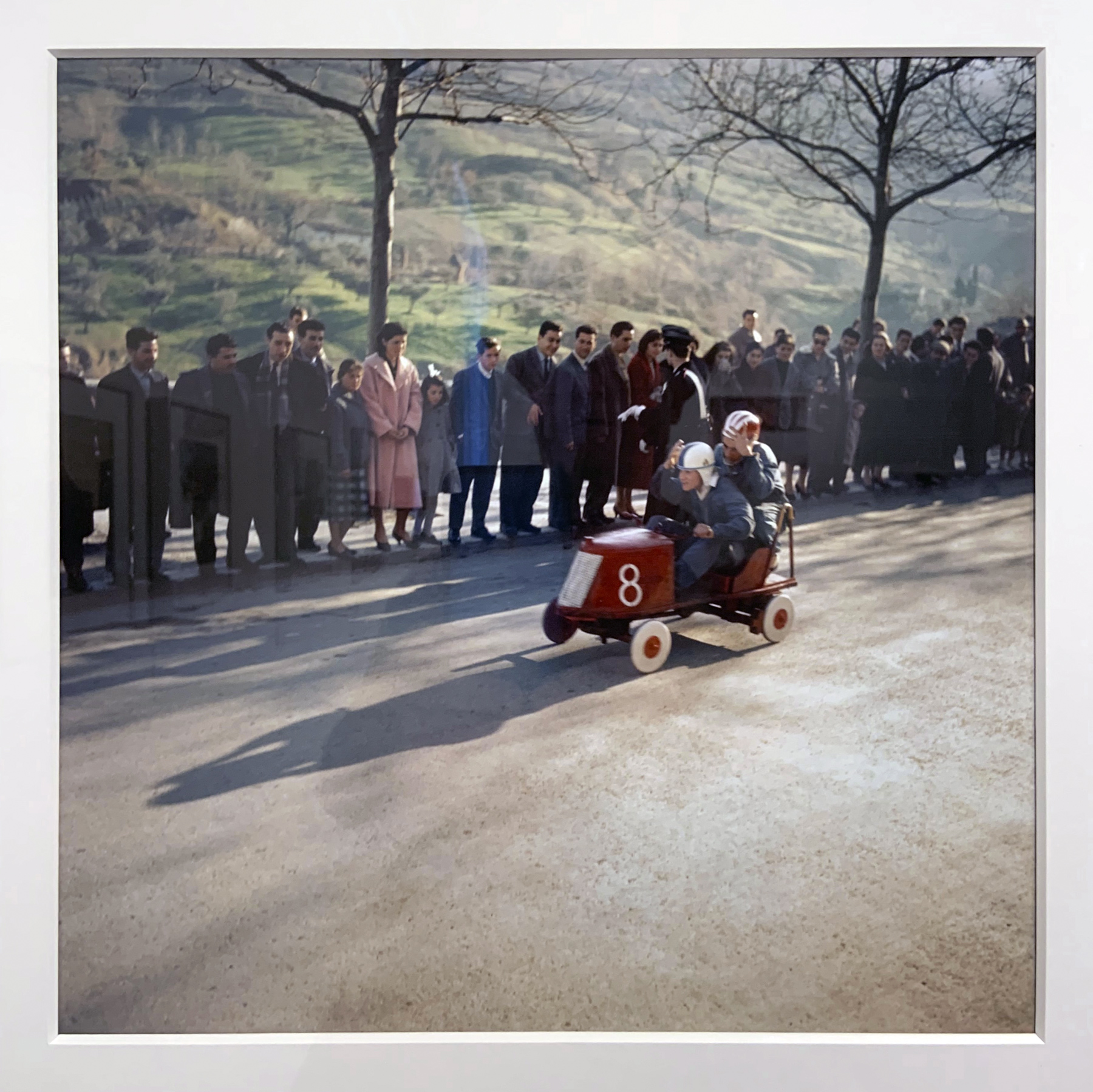
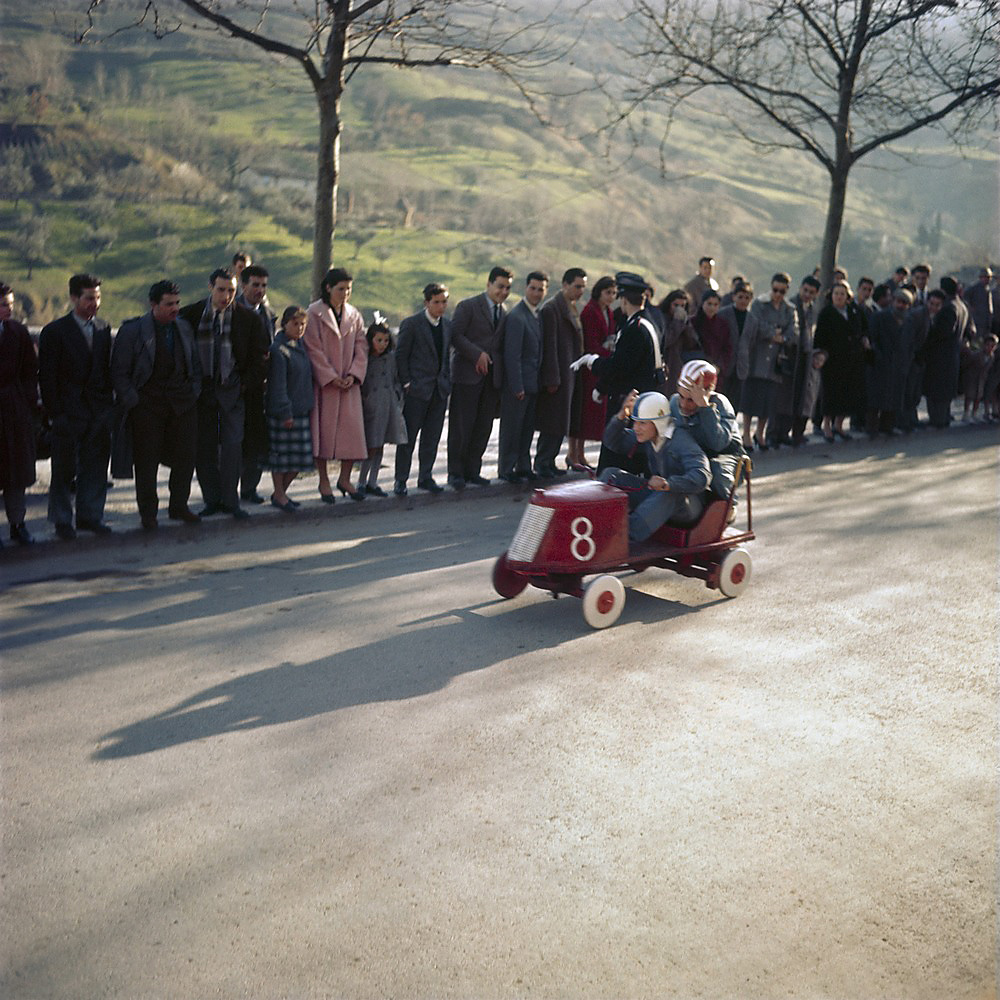
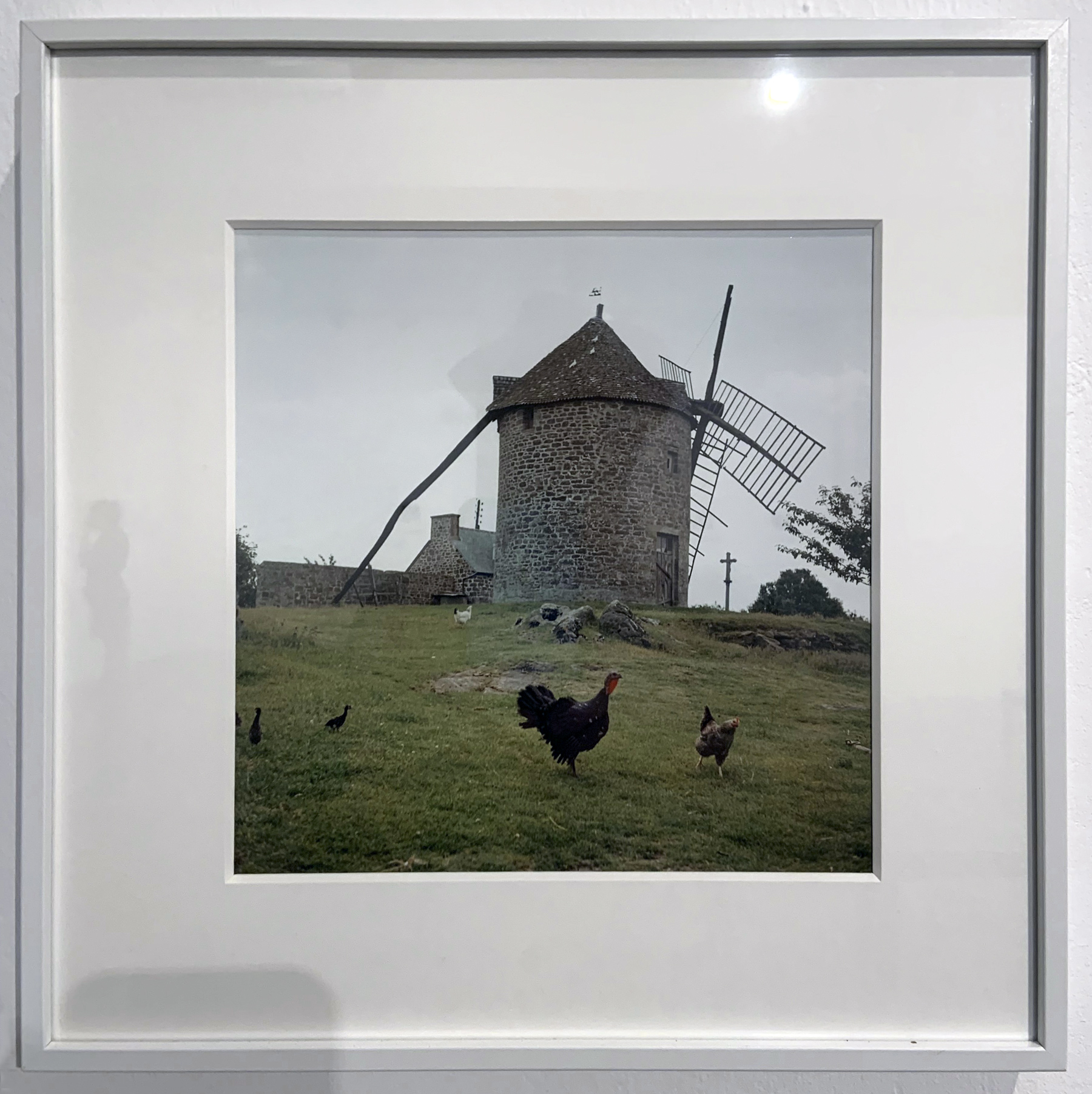
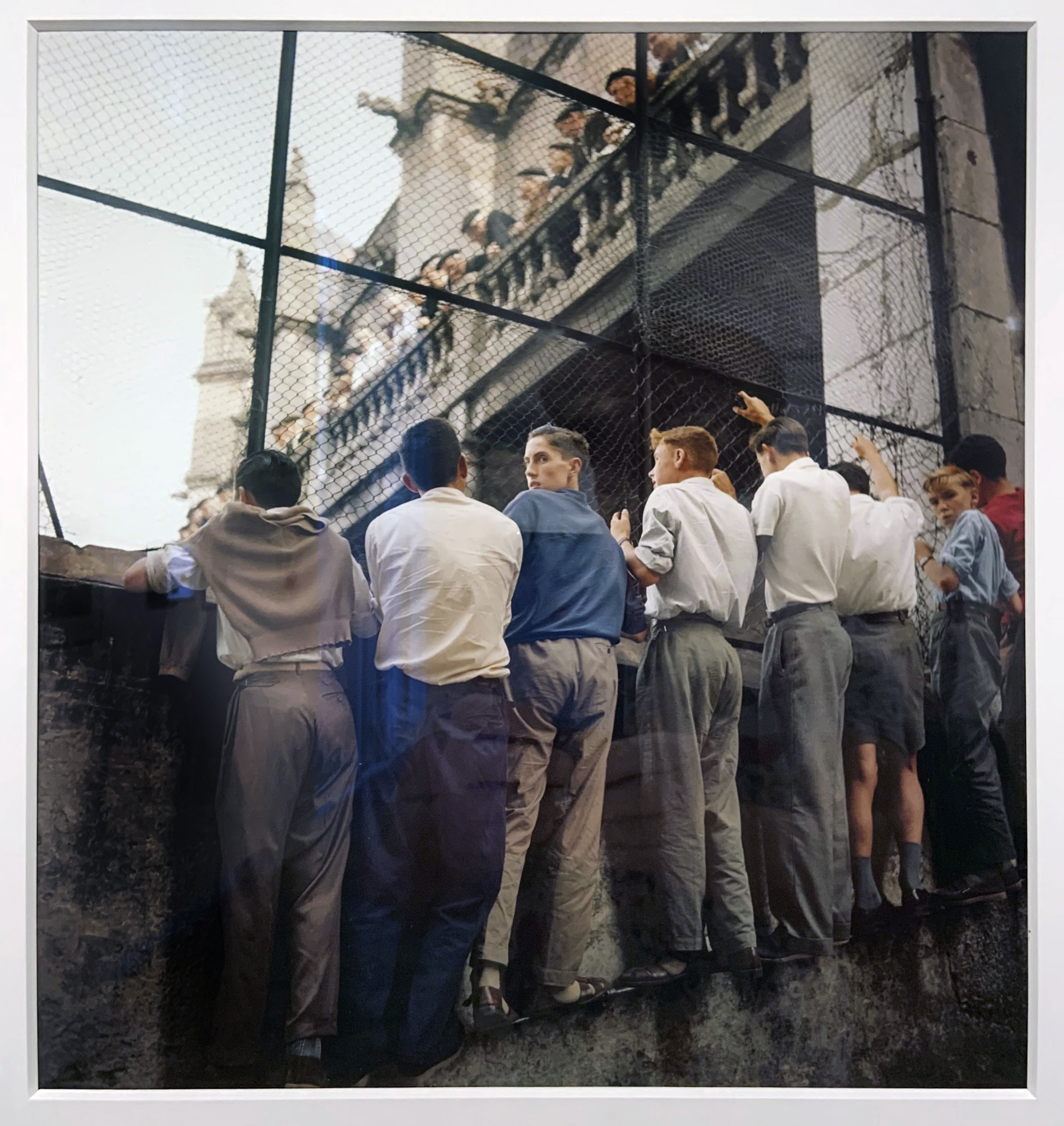
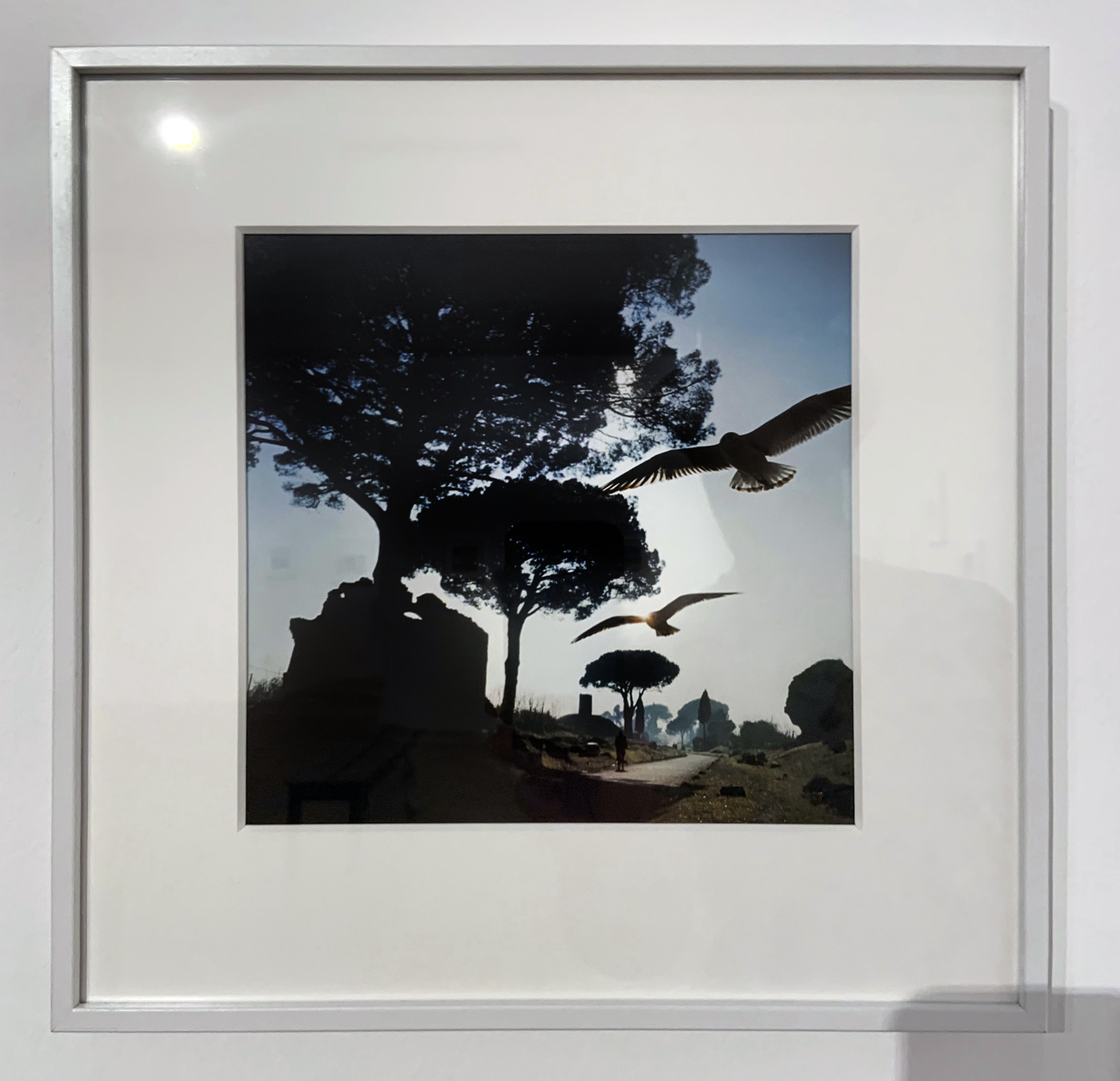
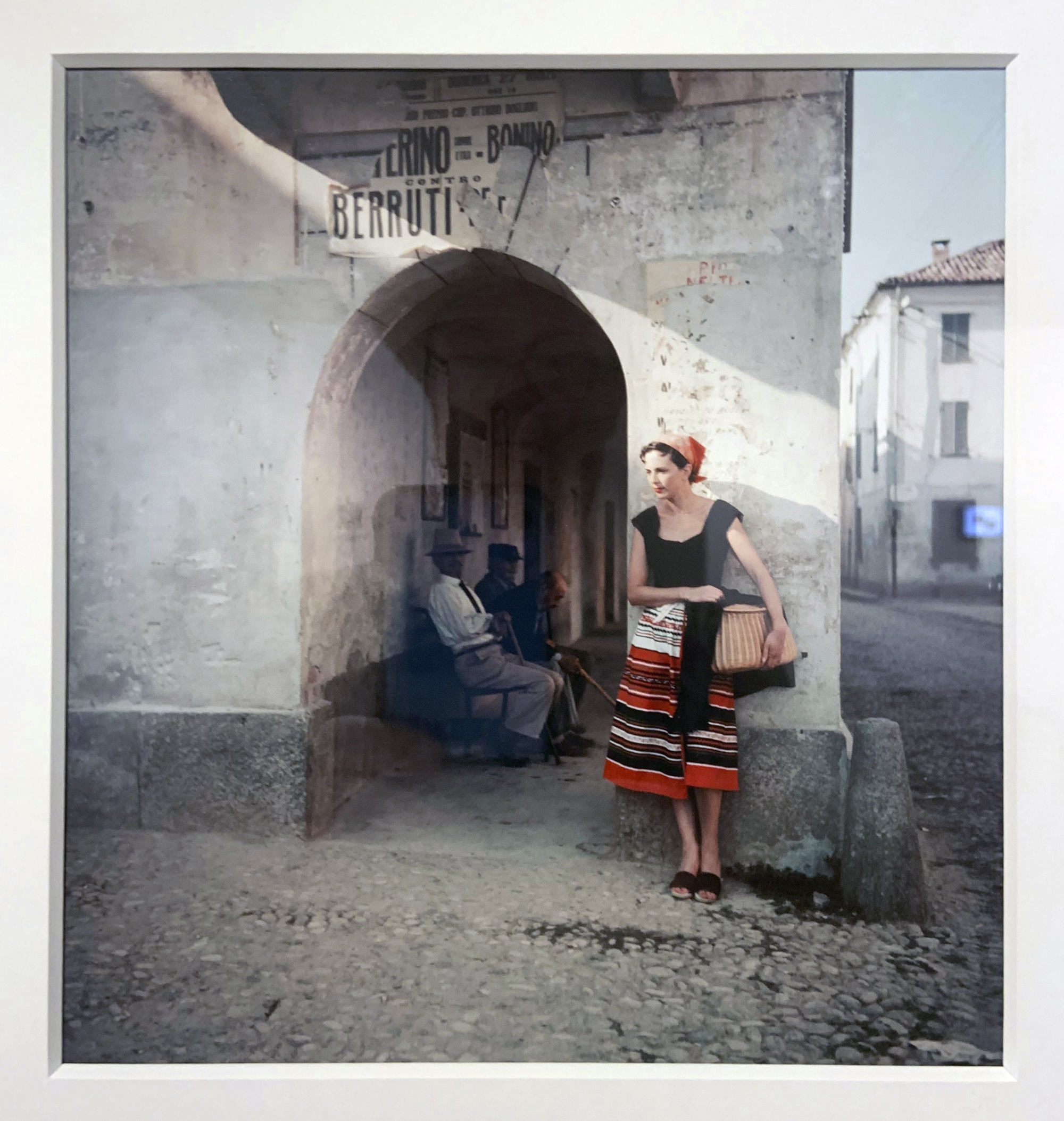
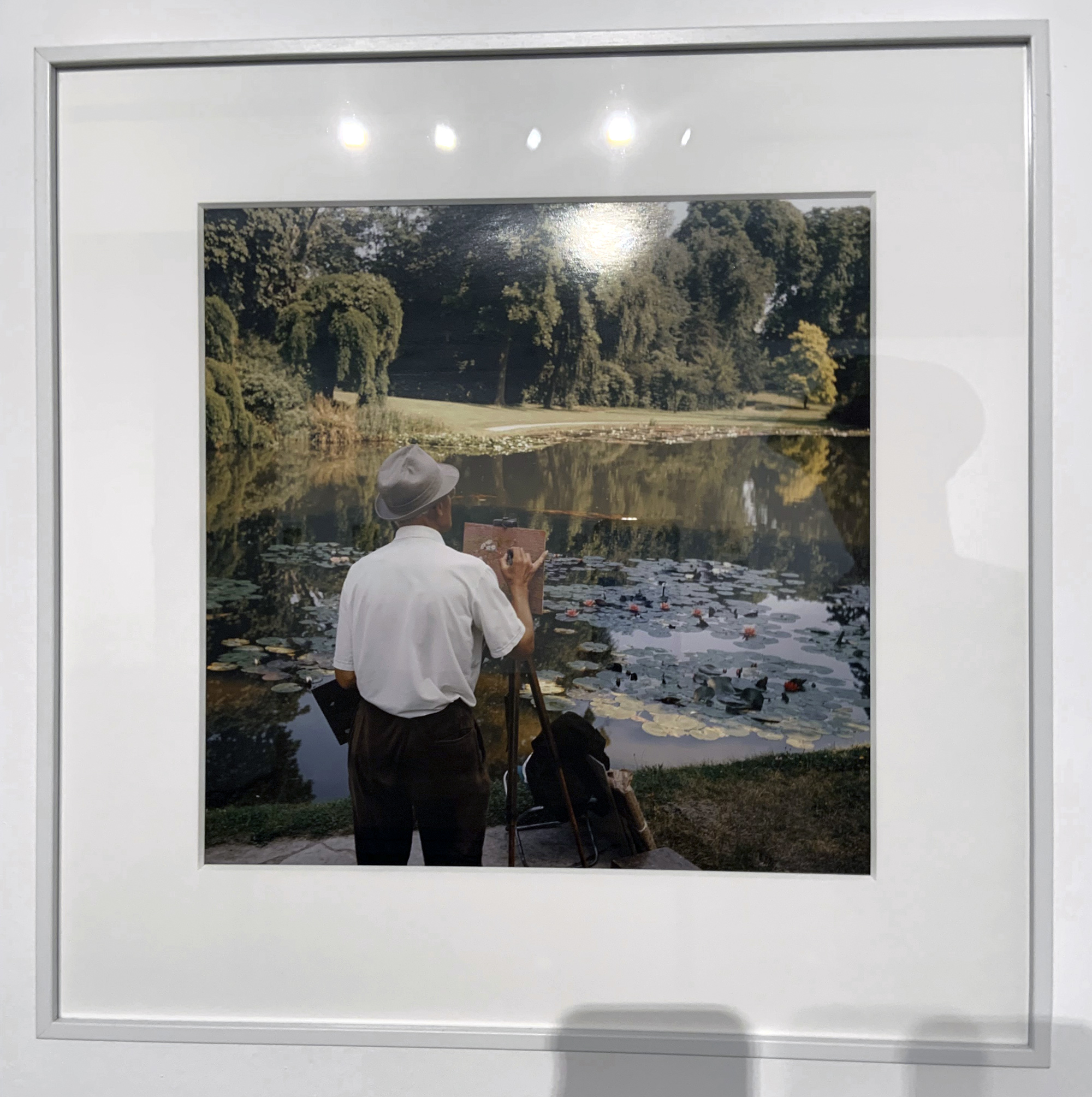
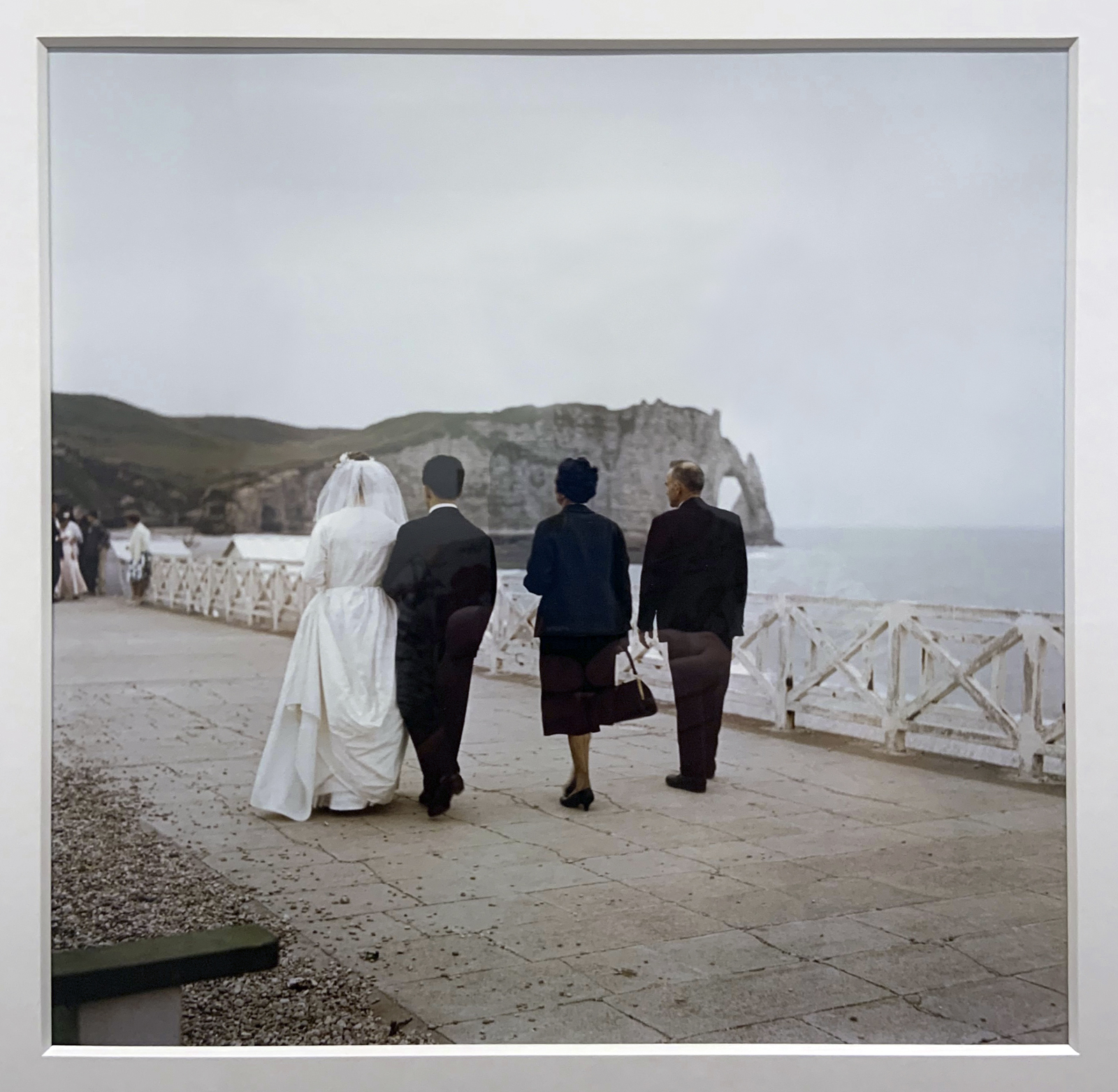
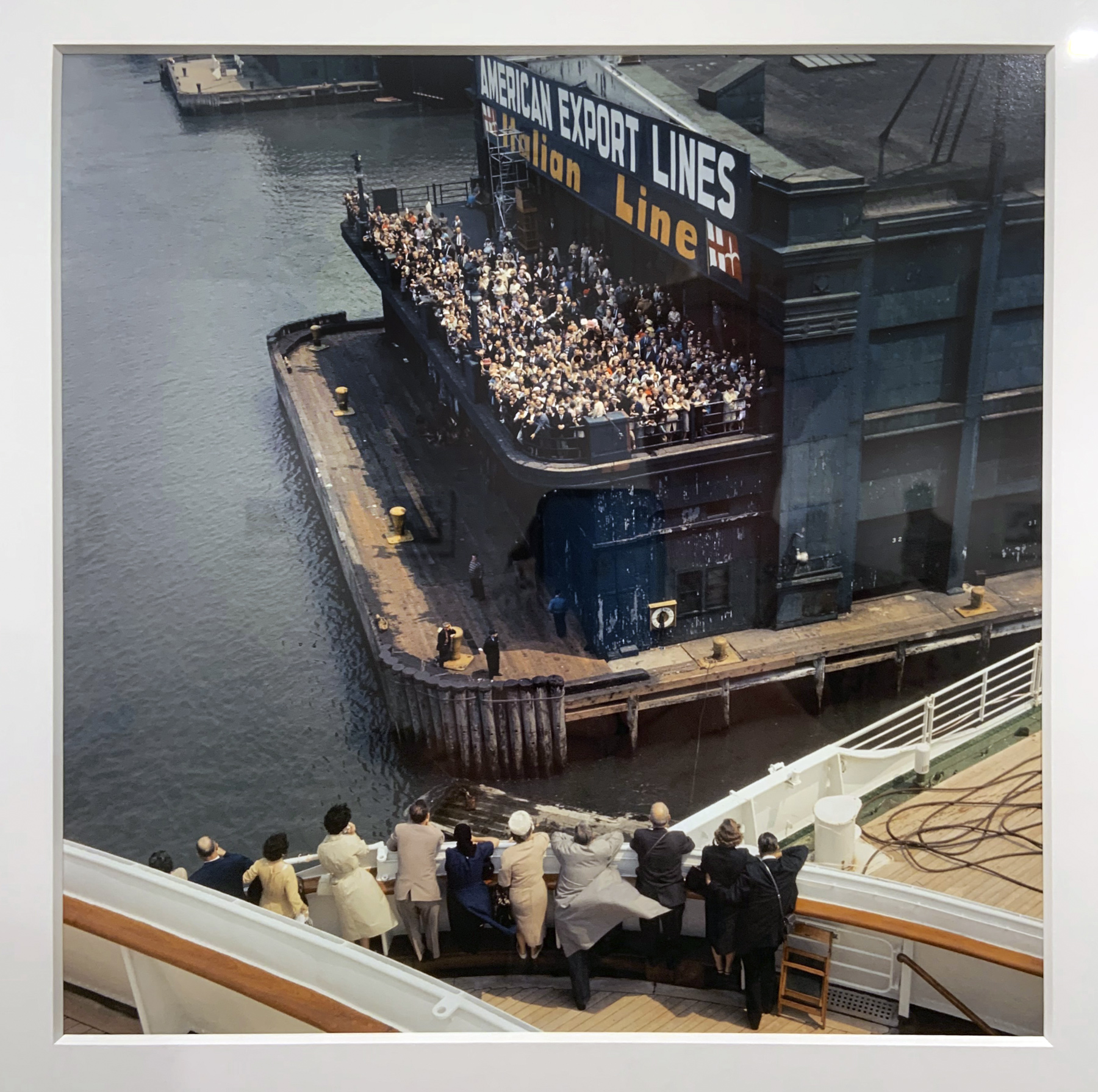
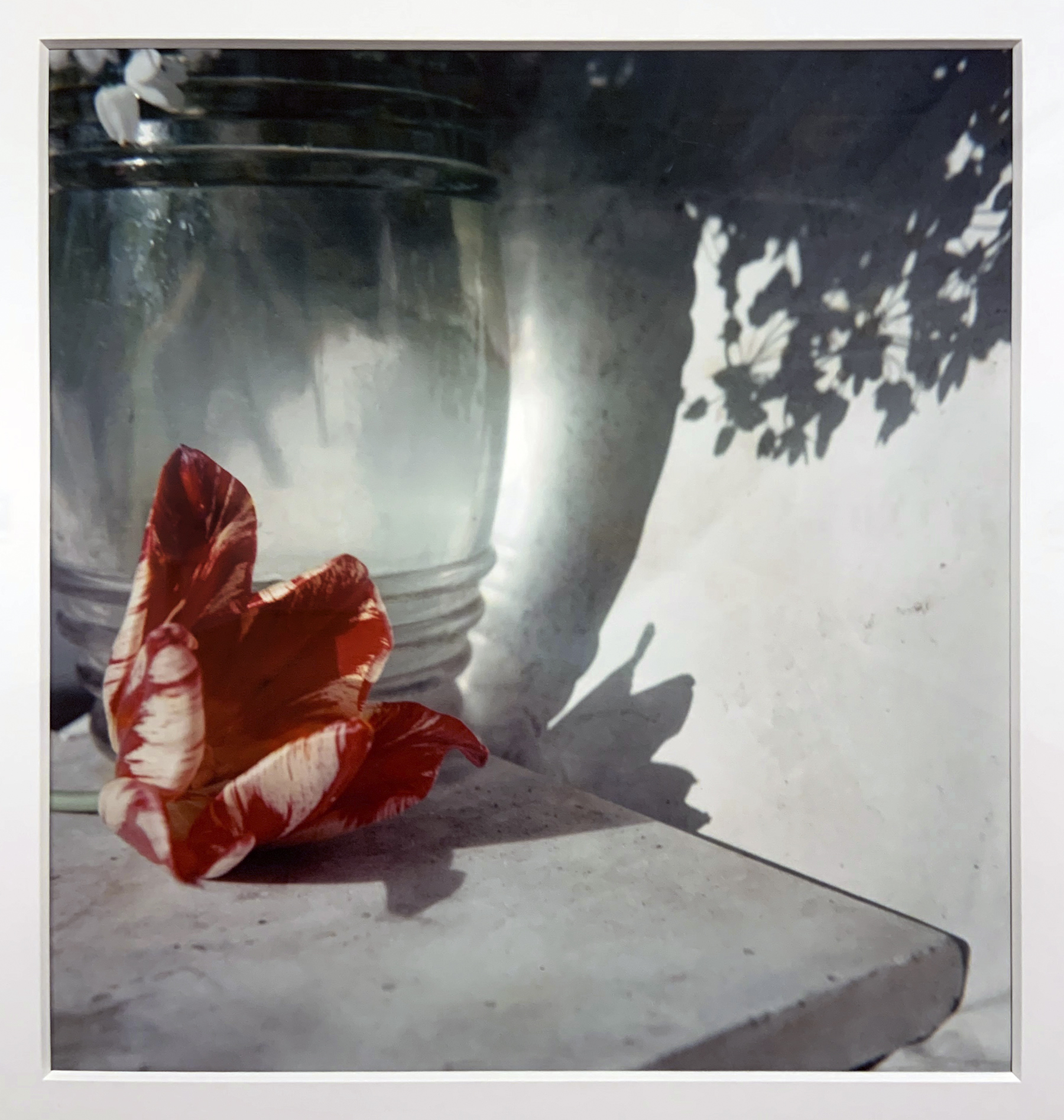
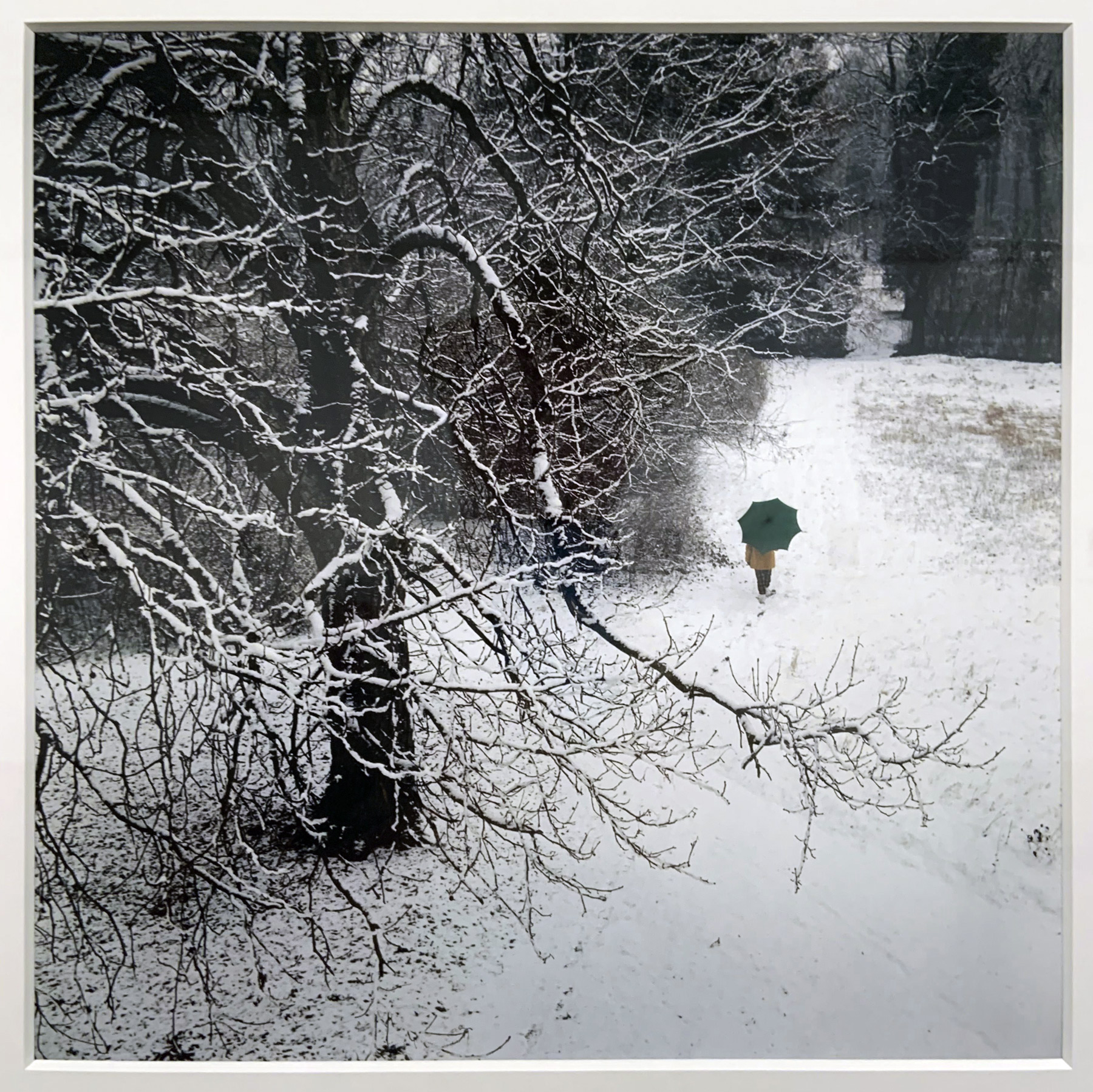
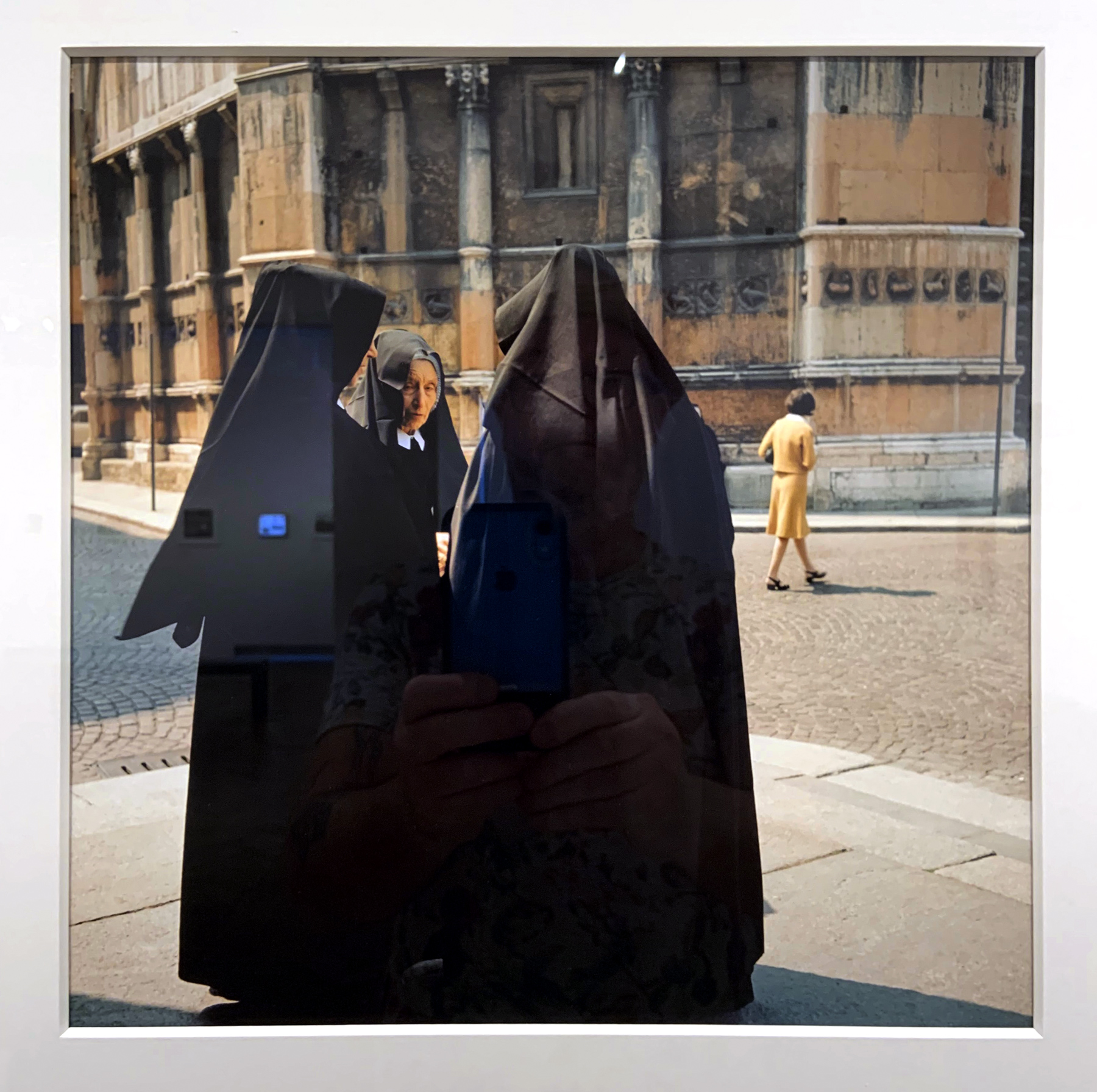
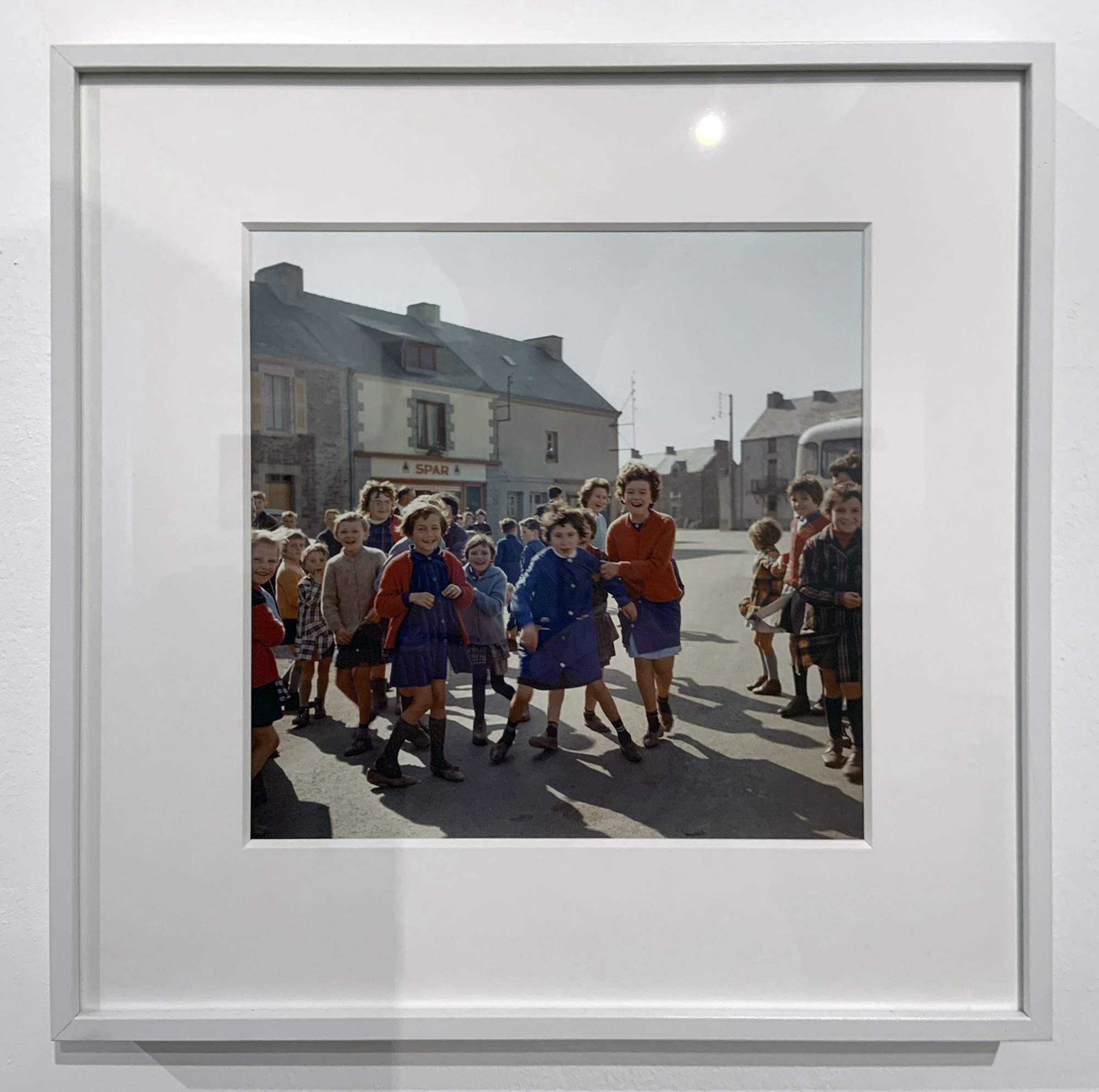
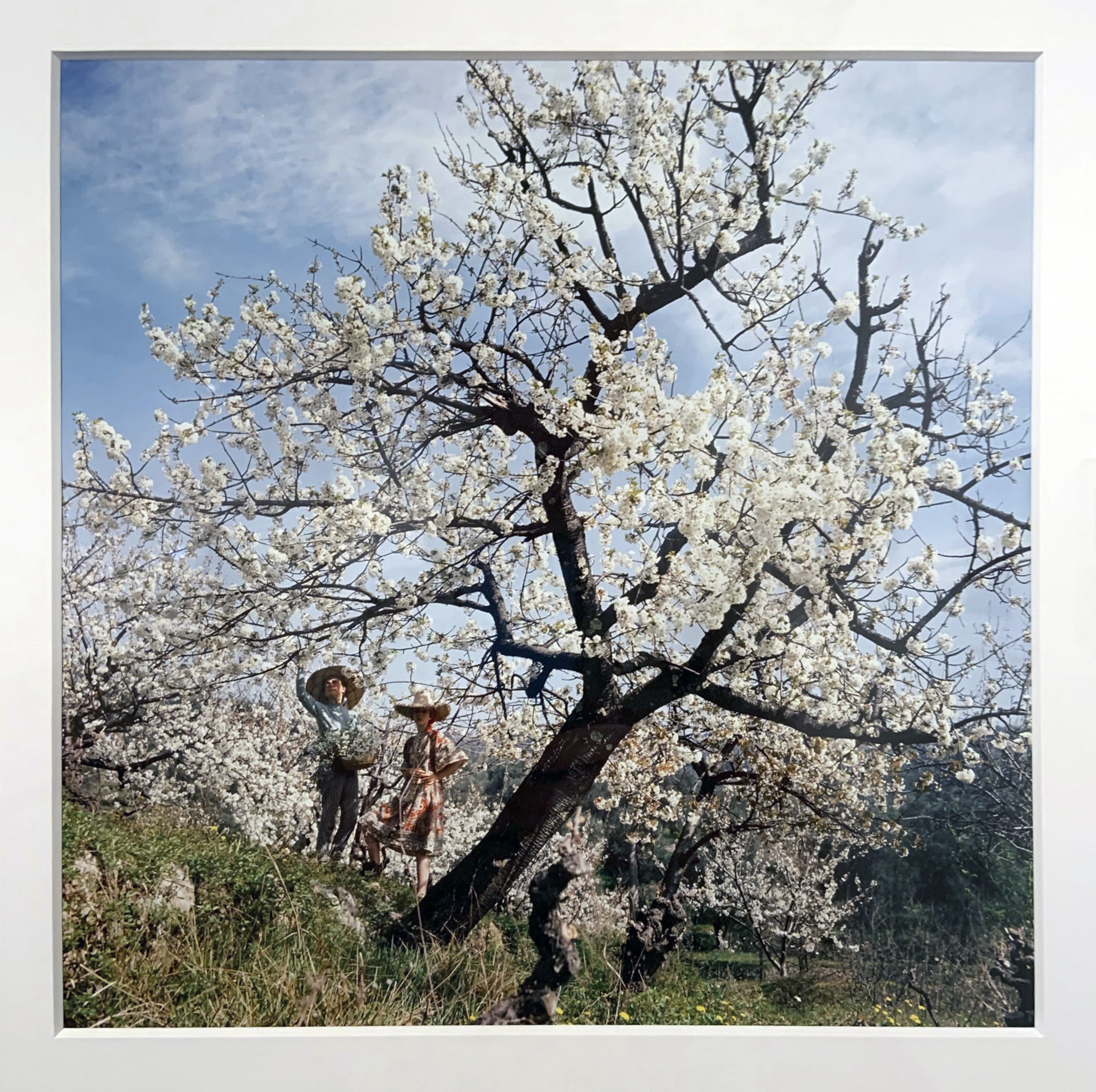
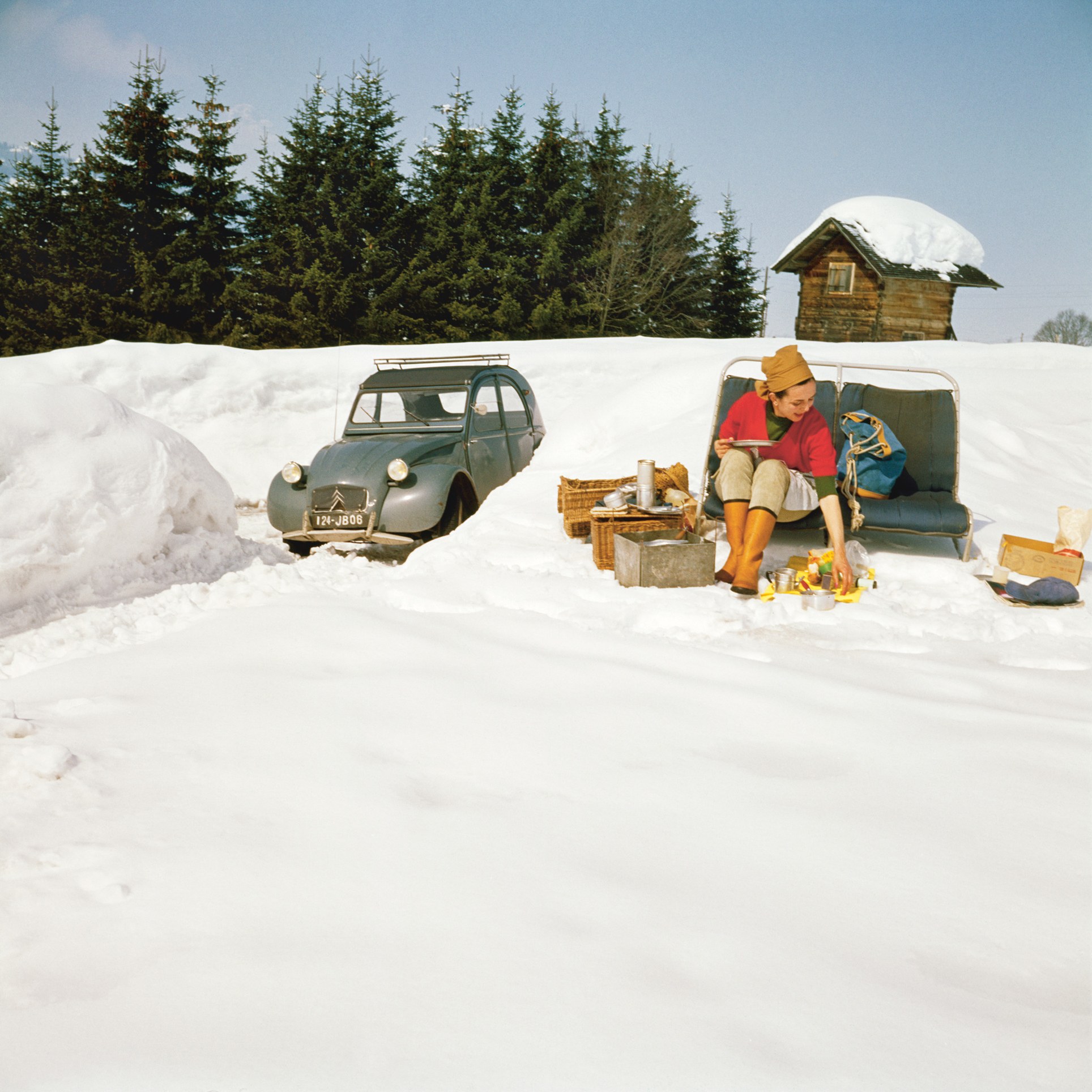
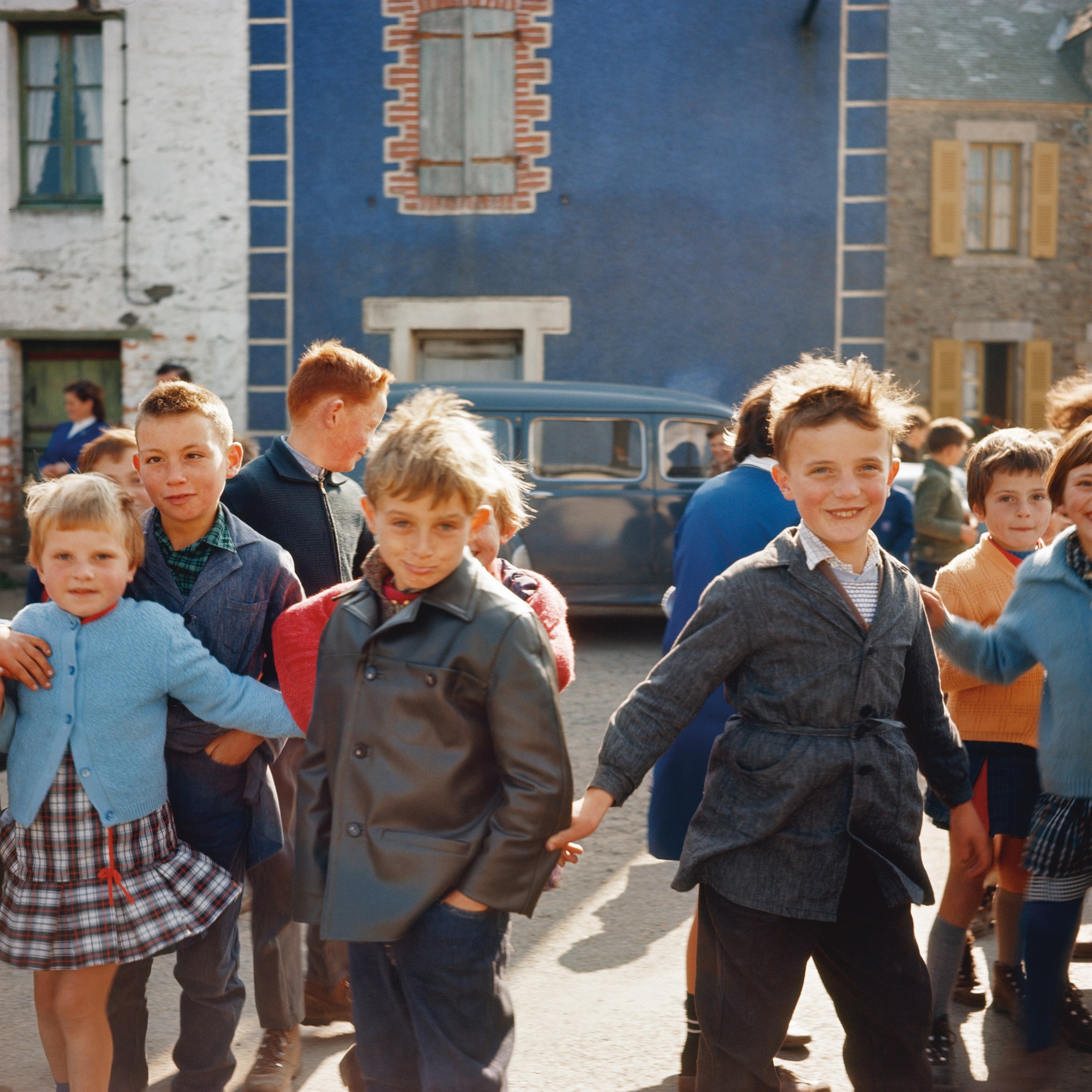


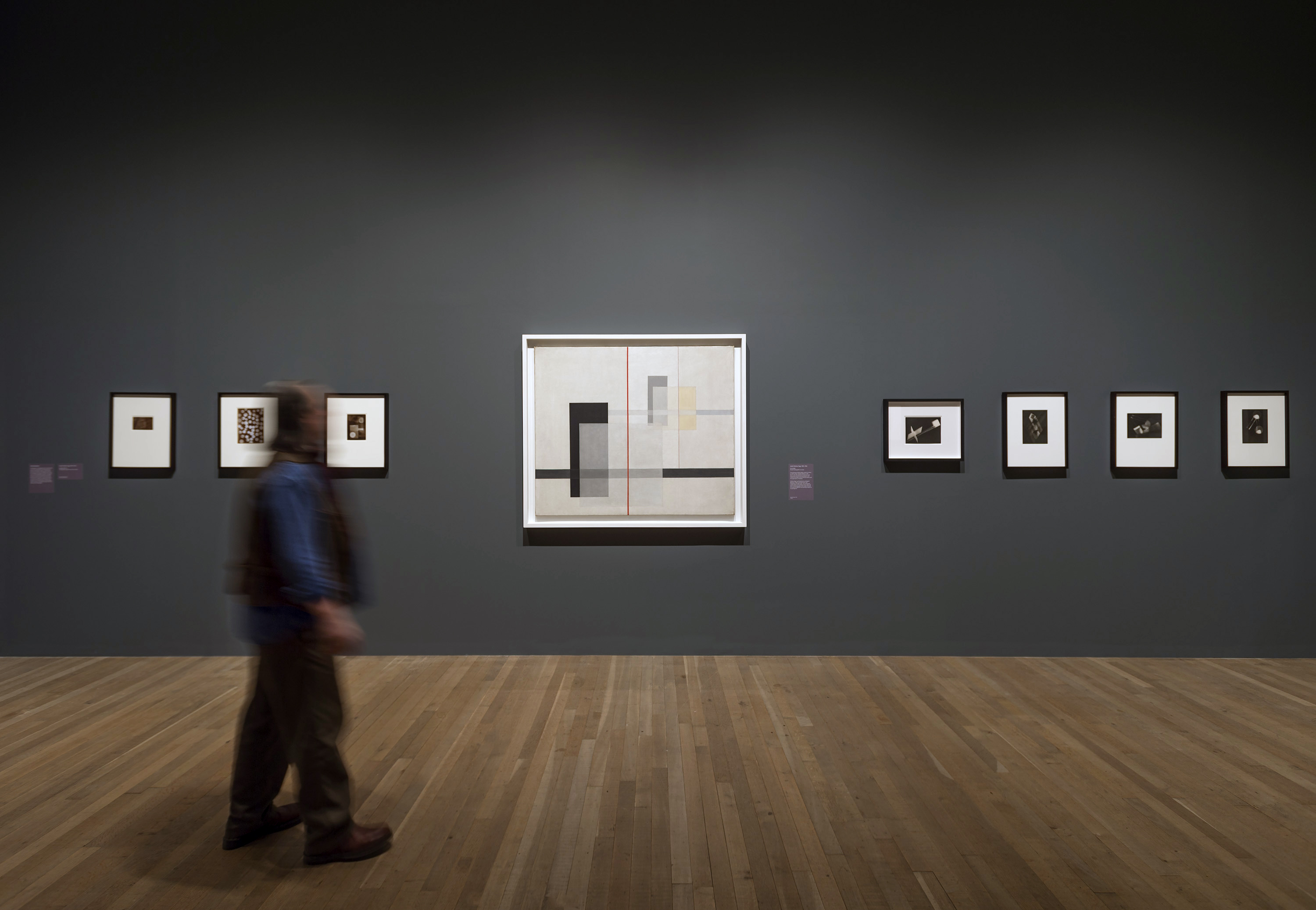


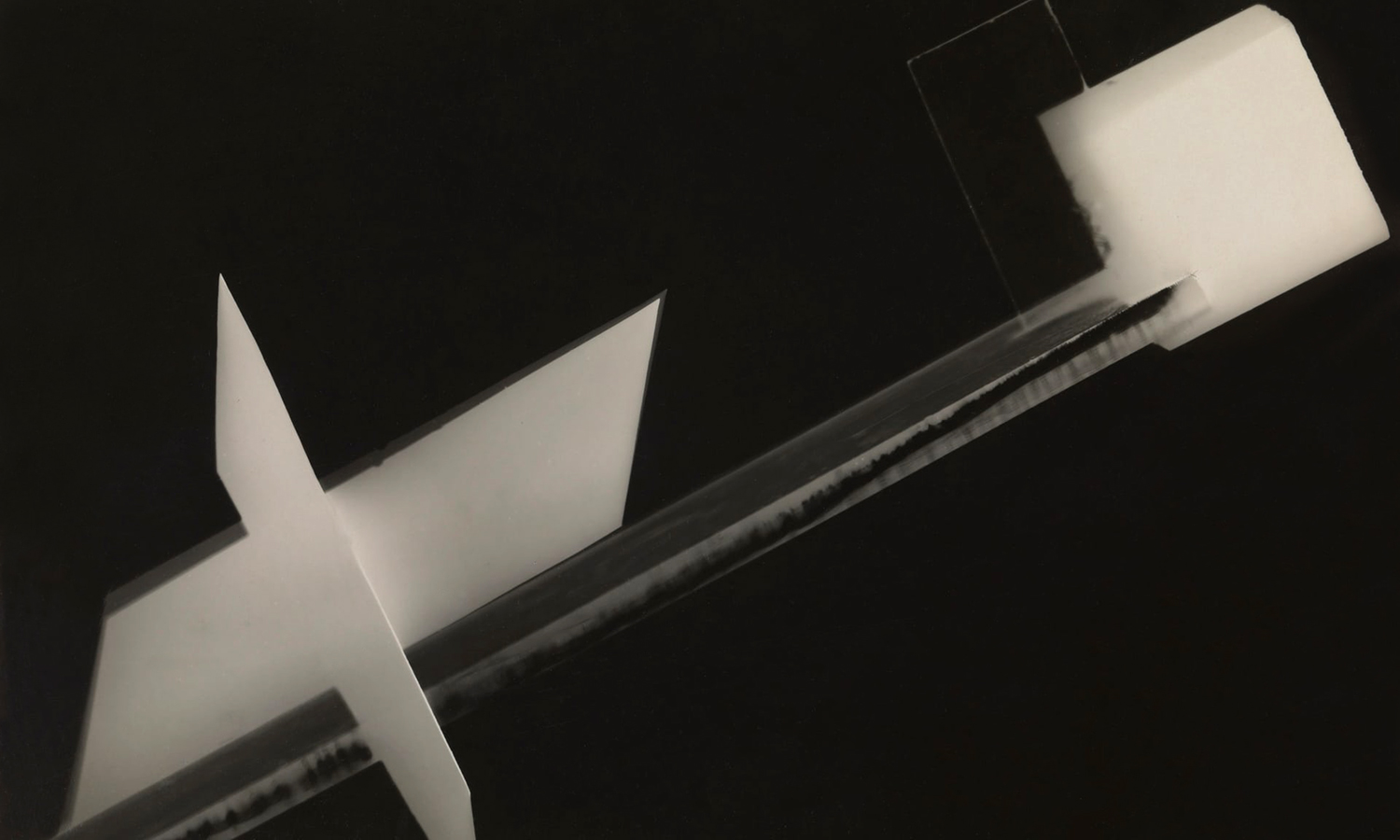

![Edward Steichen (American, 1879-1973) 'Bird in Space' [L'Oiseau dans l'espace] 1926](https://artblart.com/wp-content/uploads/2018/07/edward-steichen-bird-in-space-sculpture-by-brancusi-1926-web.jpg "Edward Steichen (American, 1879-1973) 'Bird in Space' [L'Oiseau dans l'espace] 1926")
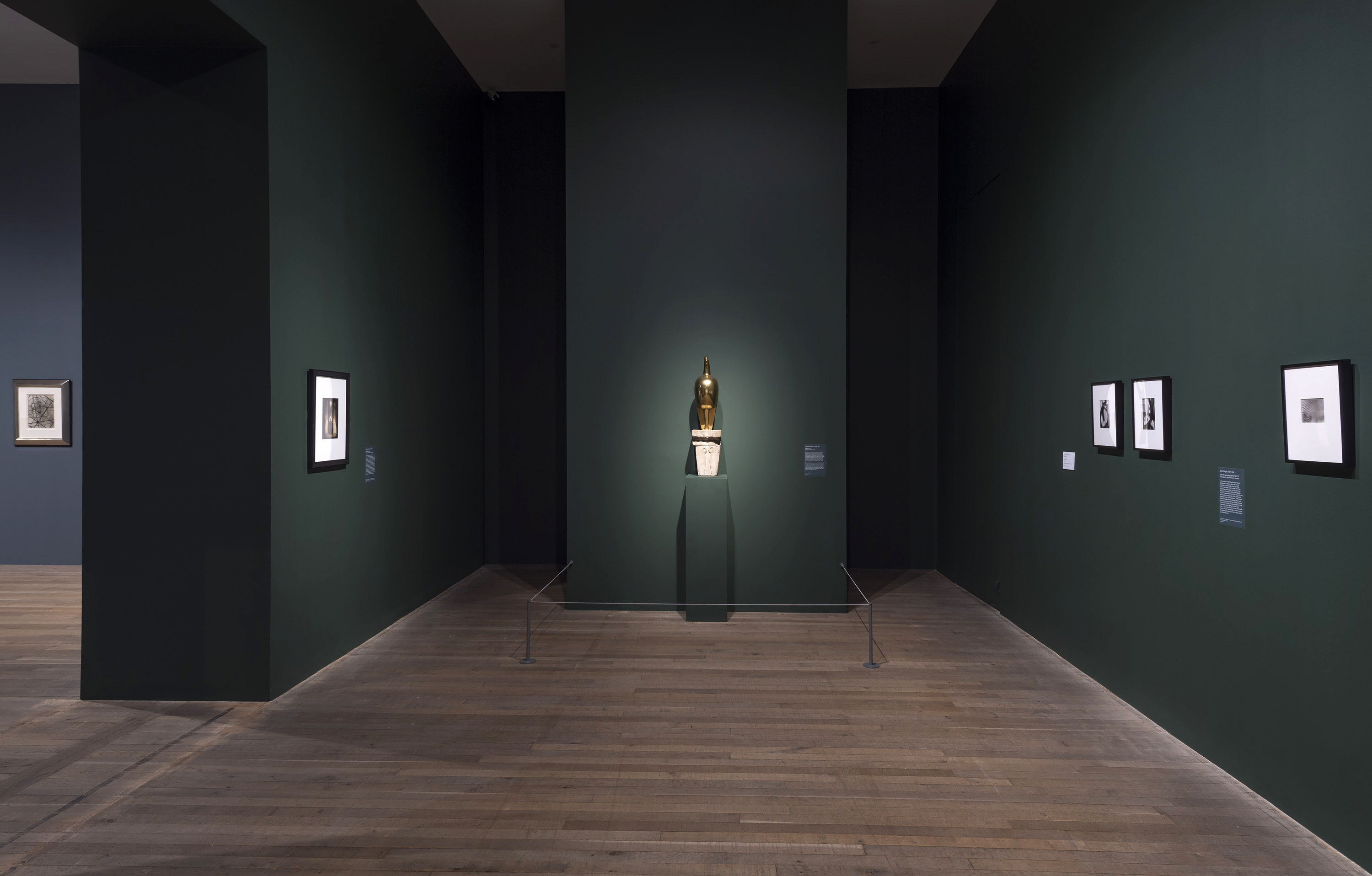


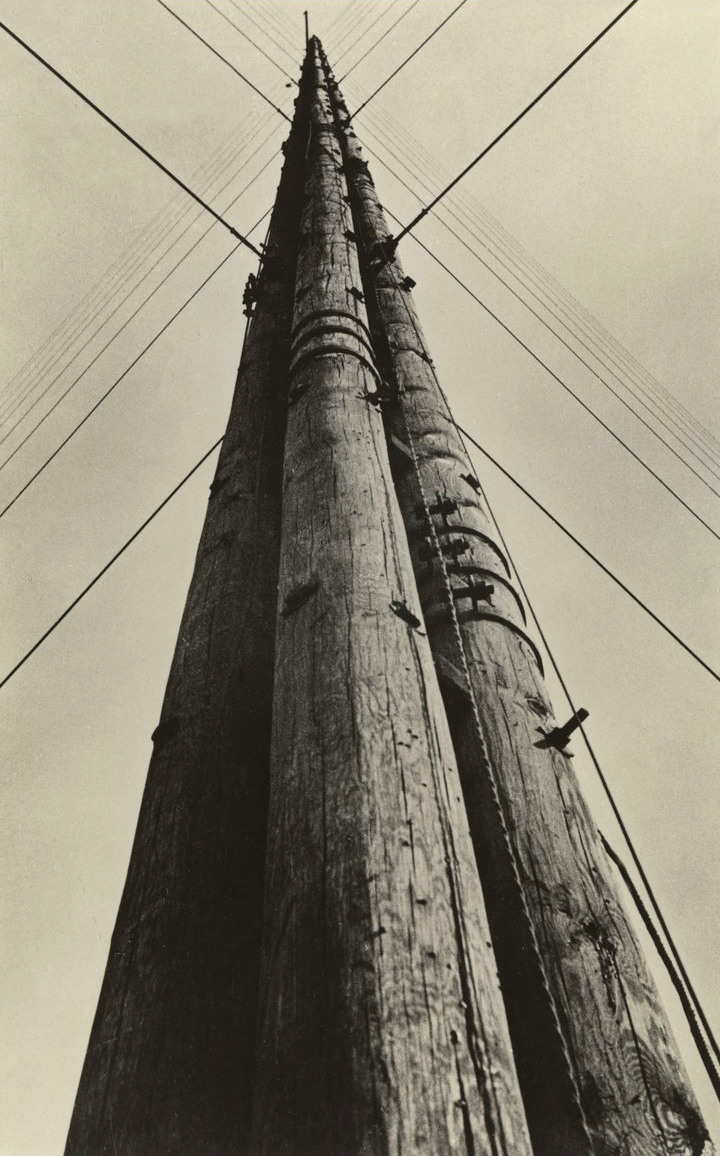
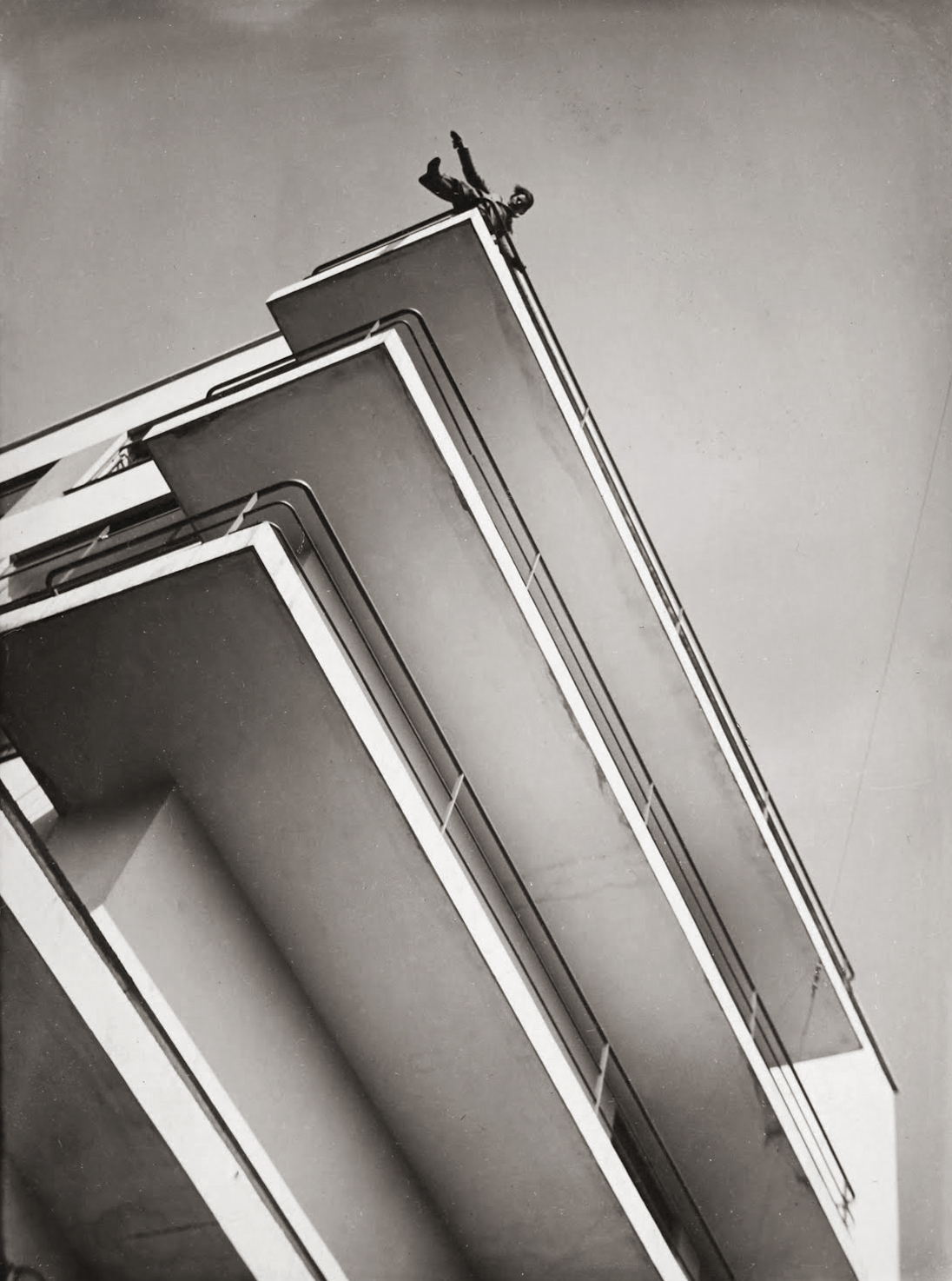


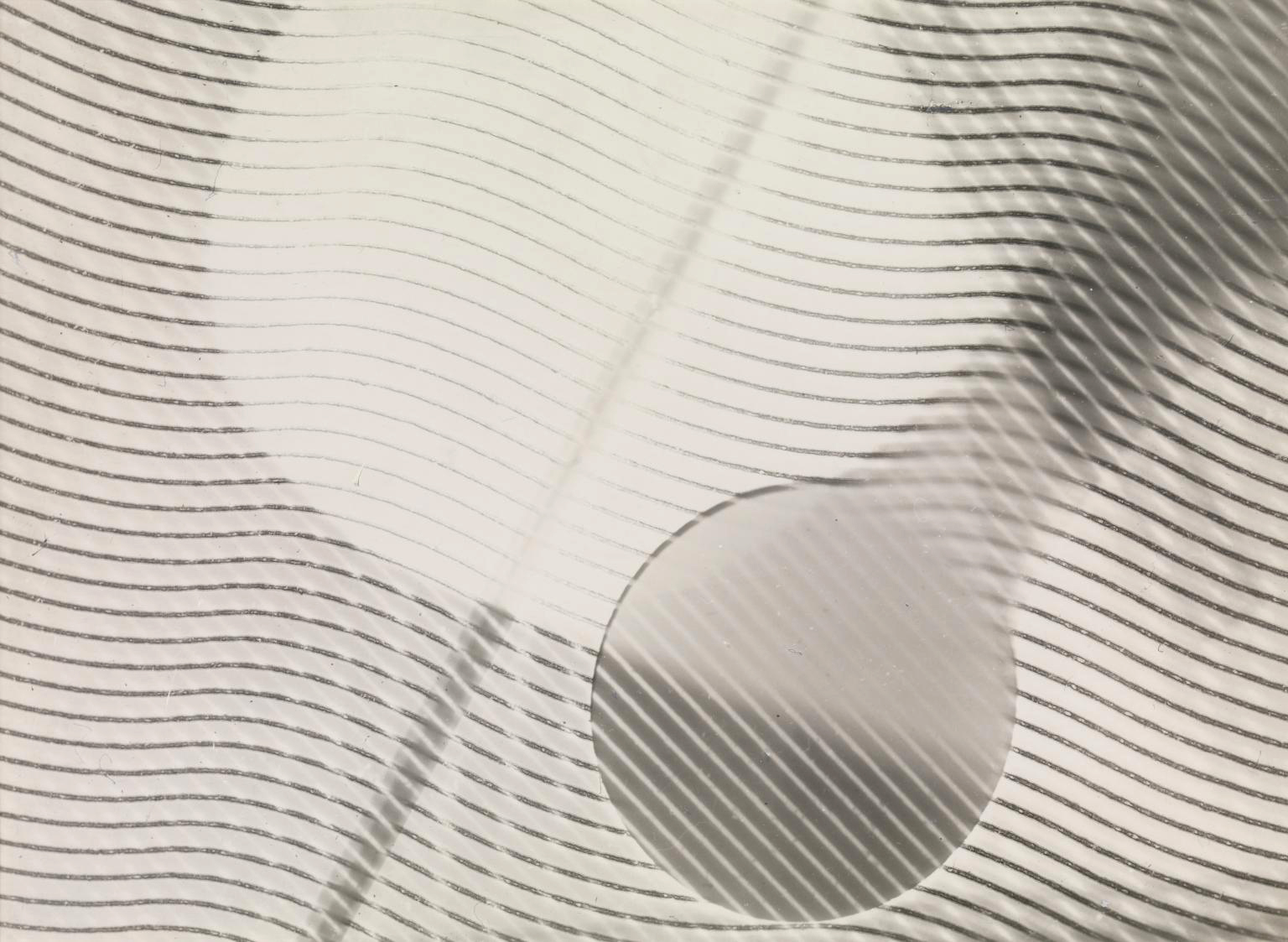


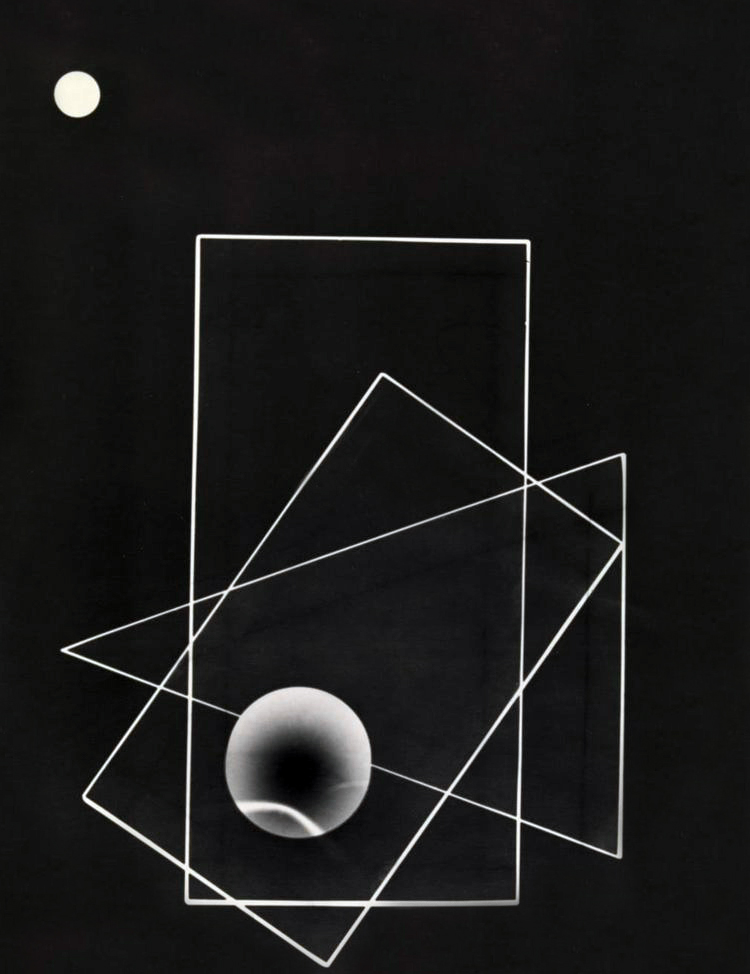


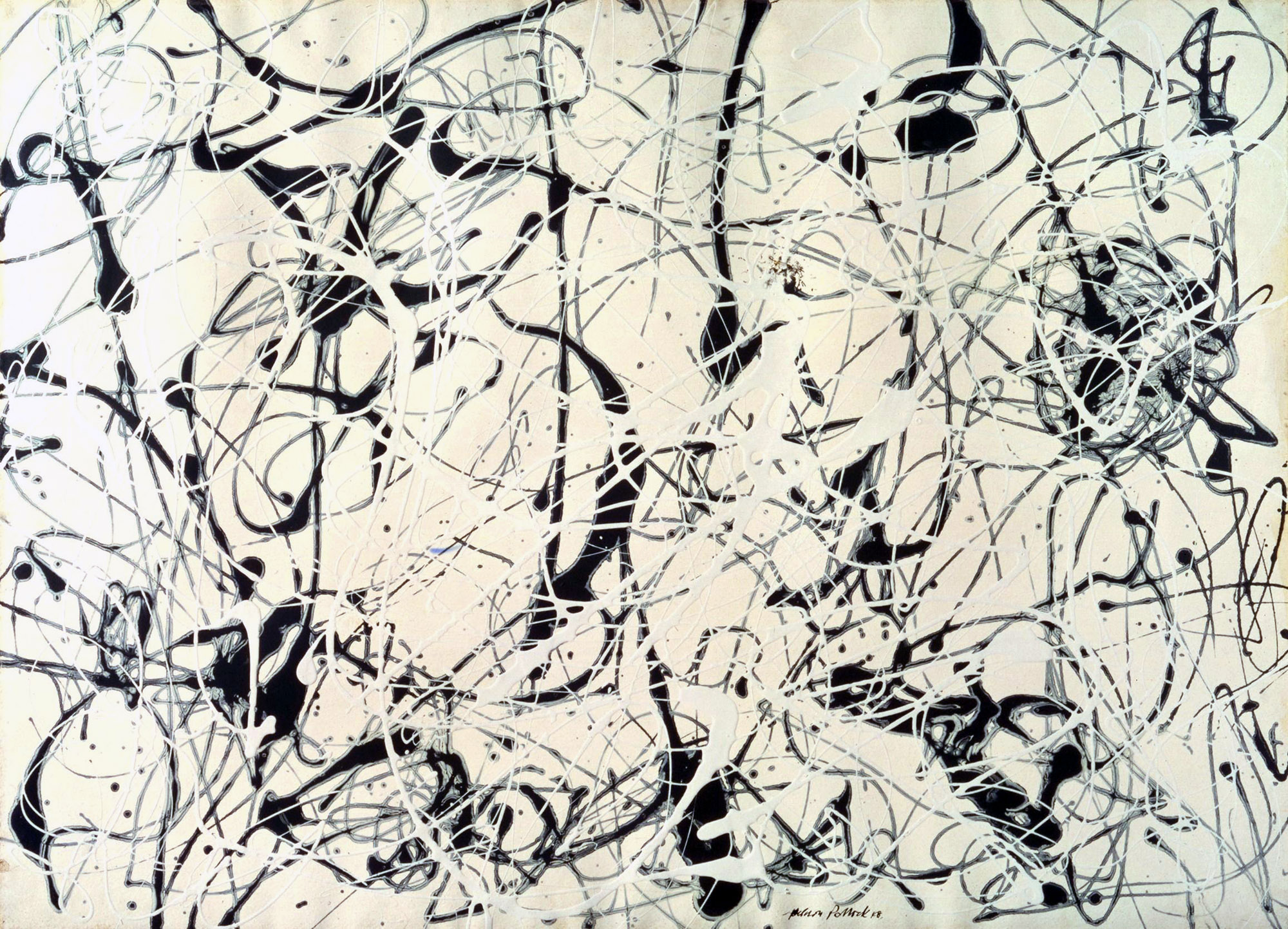


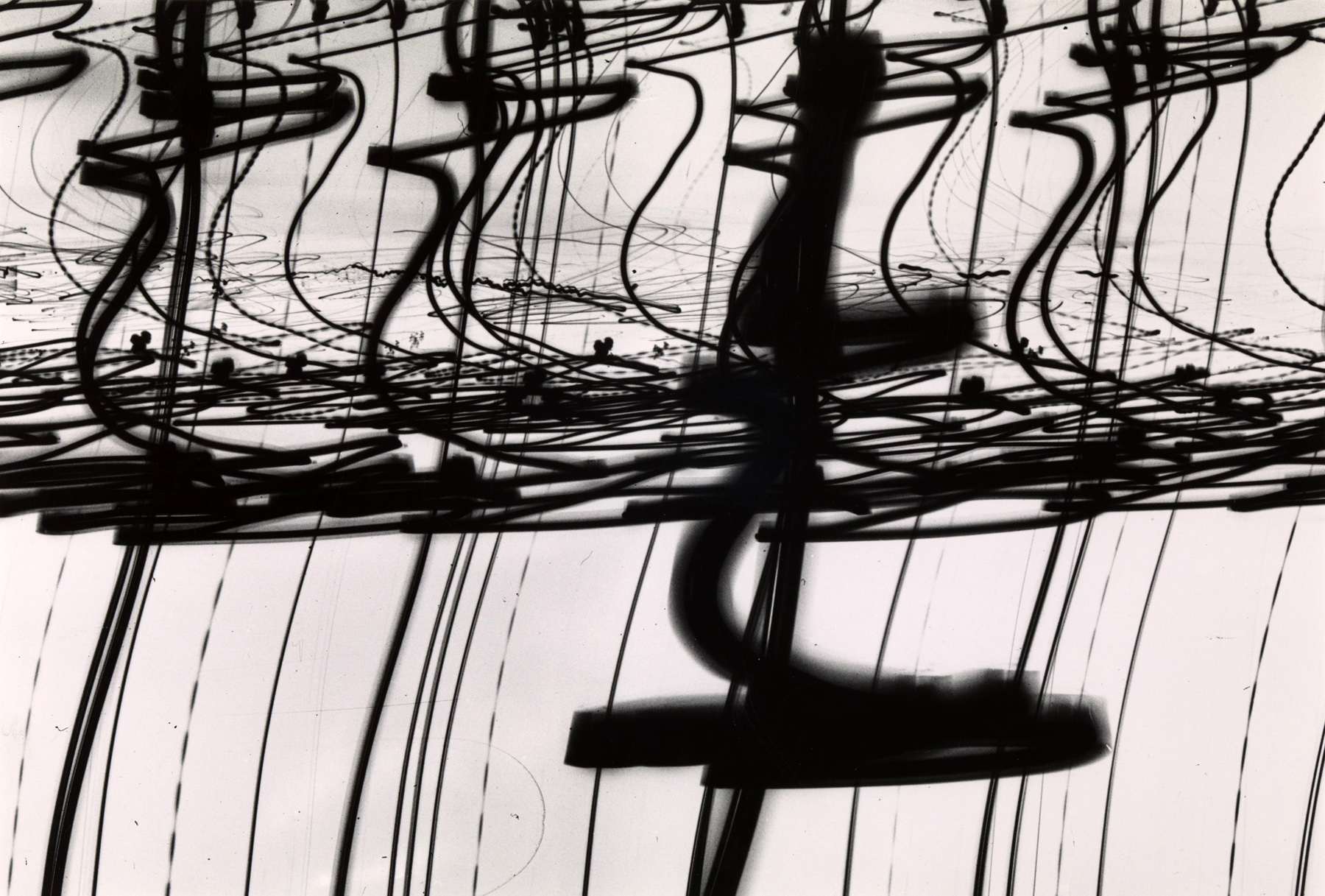
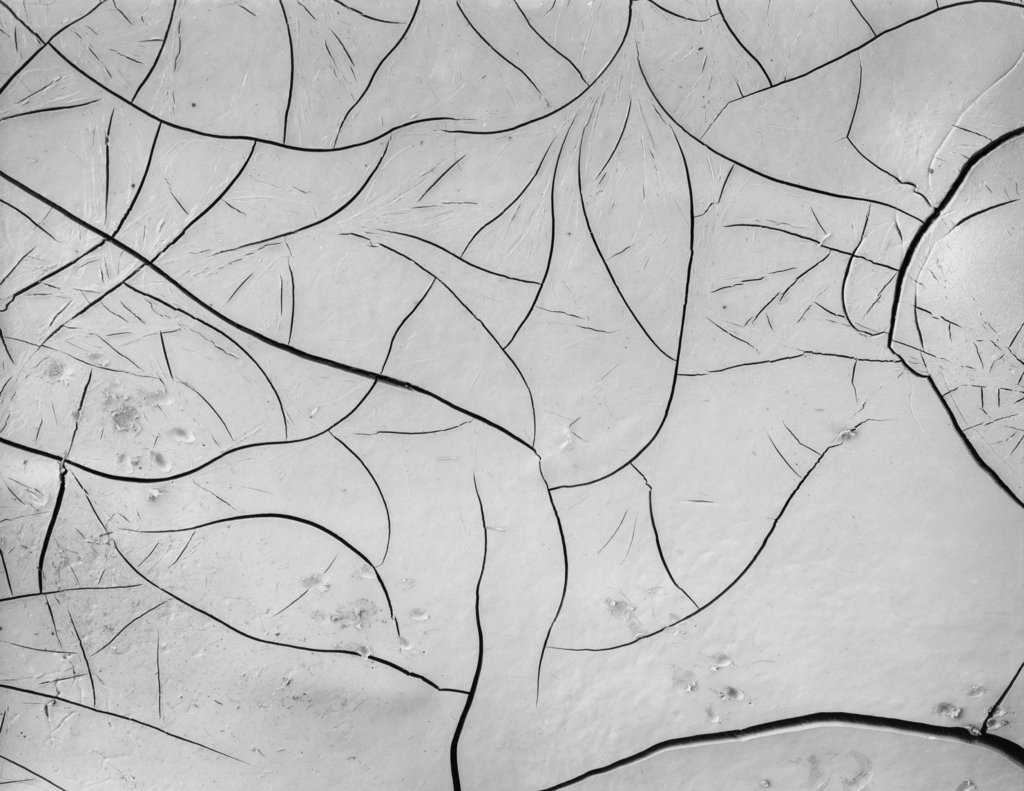






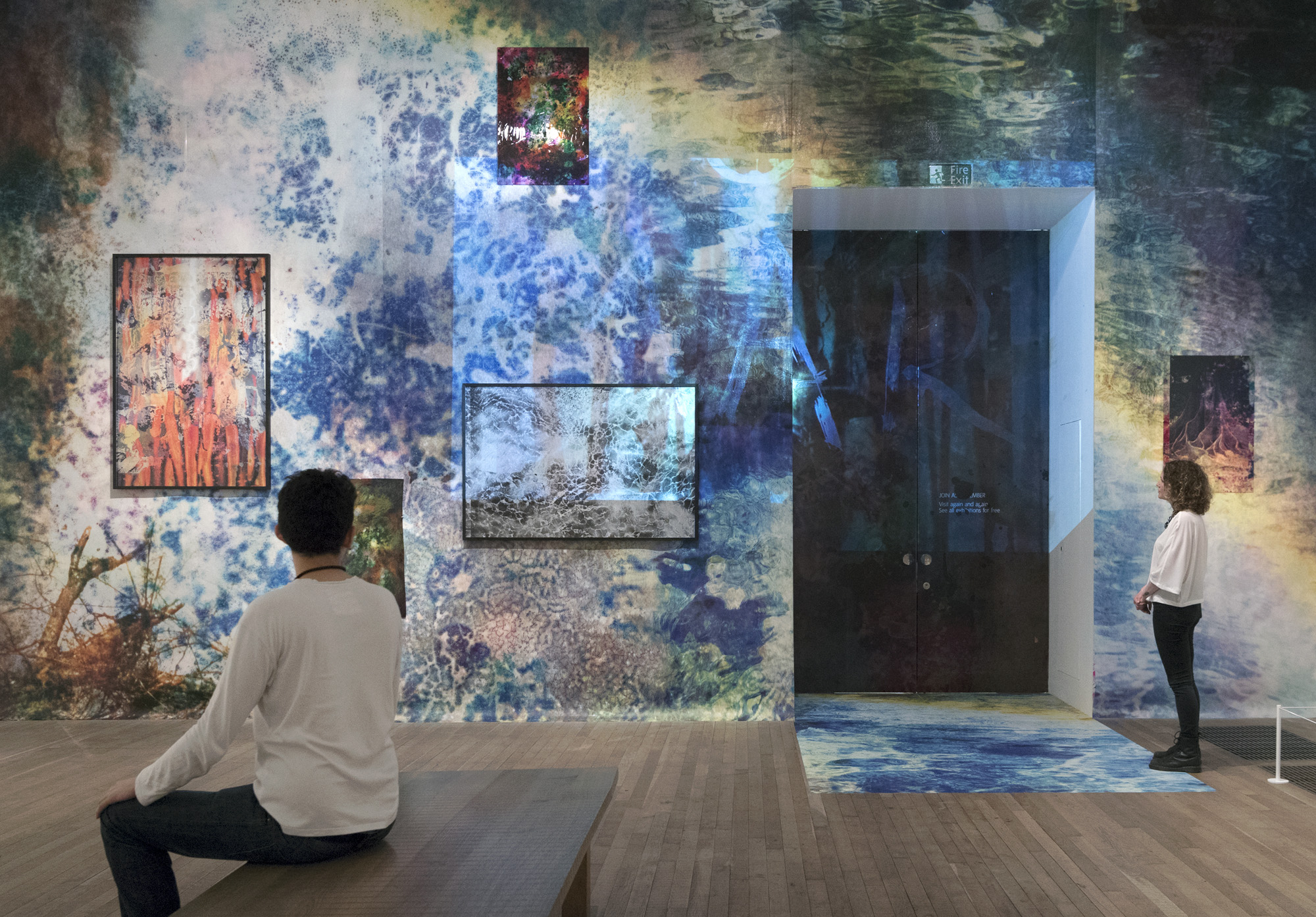
![Brassaï (Gyulá Halász) (Hungarian-French, 1899-1984) 'Vista per sota del Pont Royal cap al Pont de Solférino [View through the pont Royal toward the pont Solférino]' c. 1933 from the exhibition 'Brassaï' at Fundación MAPFRE, Barcelona, Feb - May, 2018](https://artblart.com/wp-content/uploads/2018/04/br-4-web.jpg "Brassaï (Gyulá Halász) (Hungarian-French, 1899-1984) 'Vista per sota del Pont Royal cap al Pont de Solférino [View through the pont Royal toward the pont Solférino]' c. 1933 from the exhibition 'Brassaï' at Fundación MAPFRE, Barcelona, Feb - May, 2018")
![Brassaï (Gyulá Halász) (Hungarian-French, 1899-1984) 'Porteria, París [Concierge's Lodge, Paris]' 1933 from the exhibition from the exhibition 'Brassaï' at Fundación MAPFRE, Barcelona, Feb - May, 2018](https://artblart.com/wp-content/uploads/2018/04/br-1-web.jpg "Brassaï (Gyulá Halász) (Hungarian-French, 1899-1984) 'Porteria, París [Concierge's Lodge, Paris]' 1933 from the exhibition 'Brassaï' at Fundación MAPFRE, Barcelona, Feb - May, 2018")


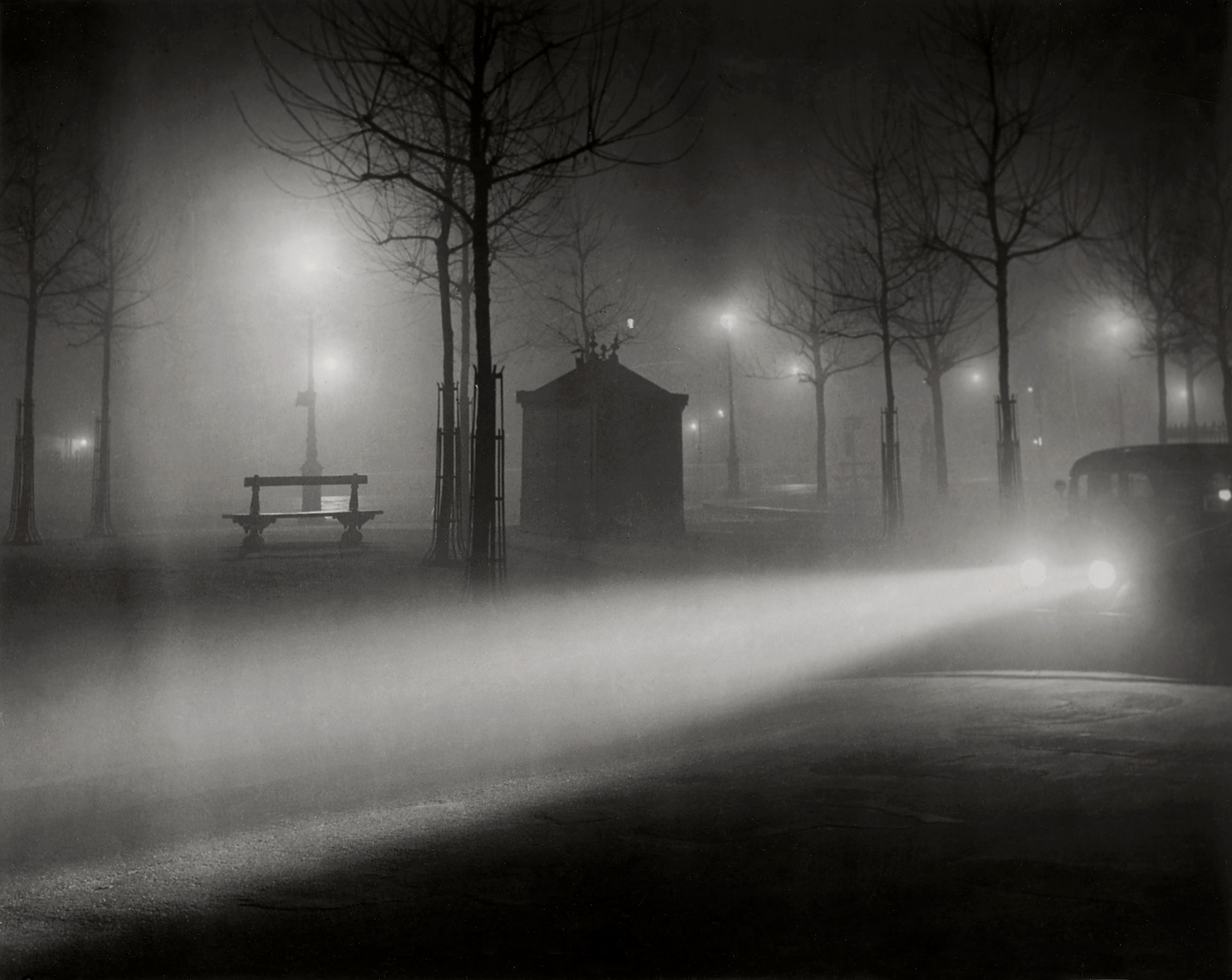

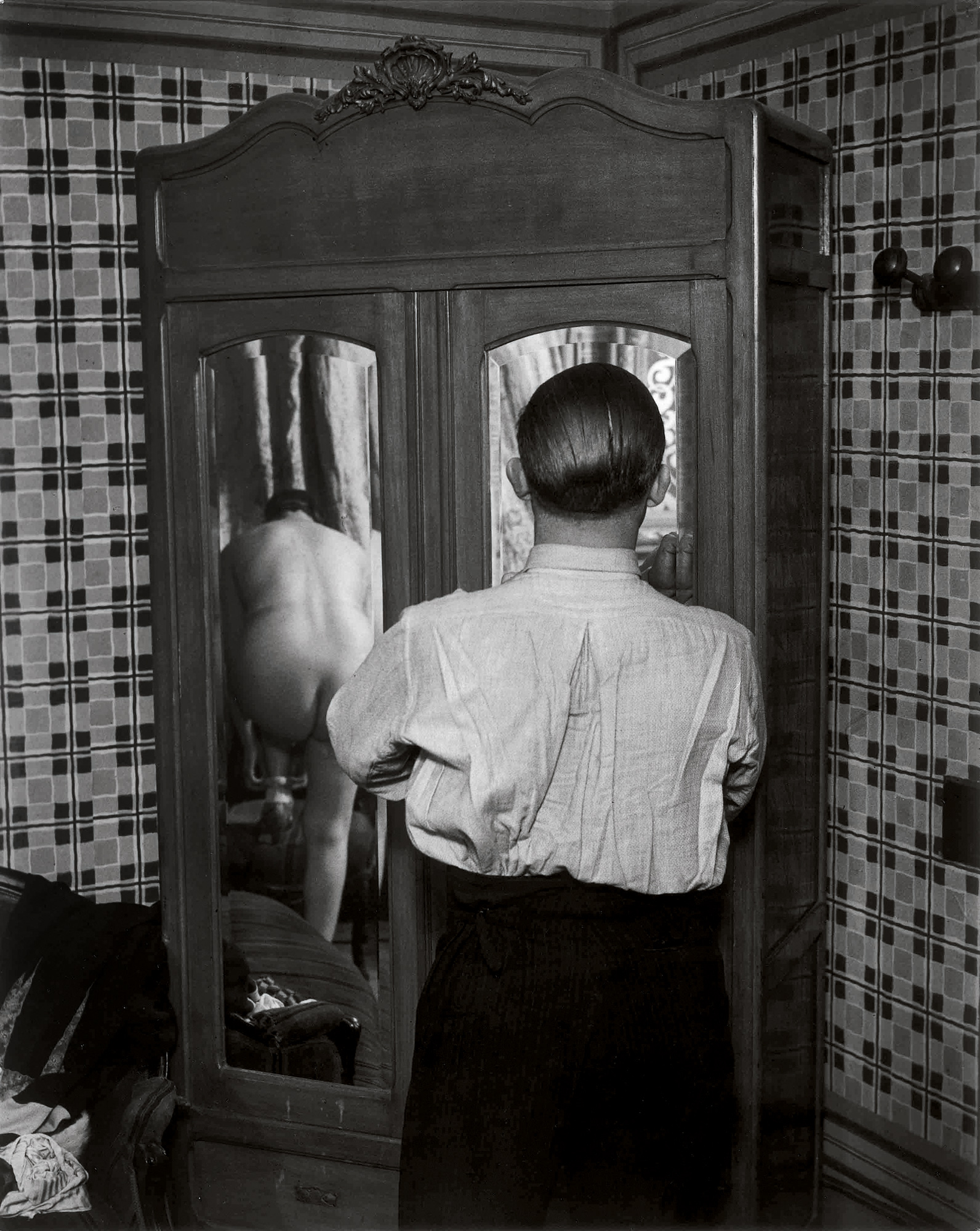
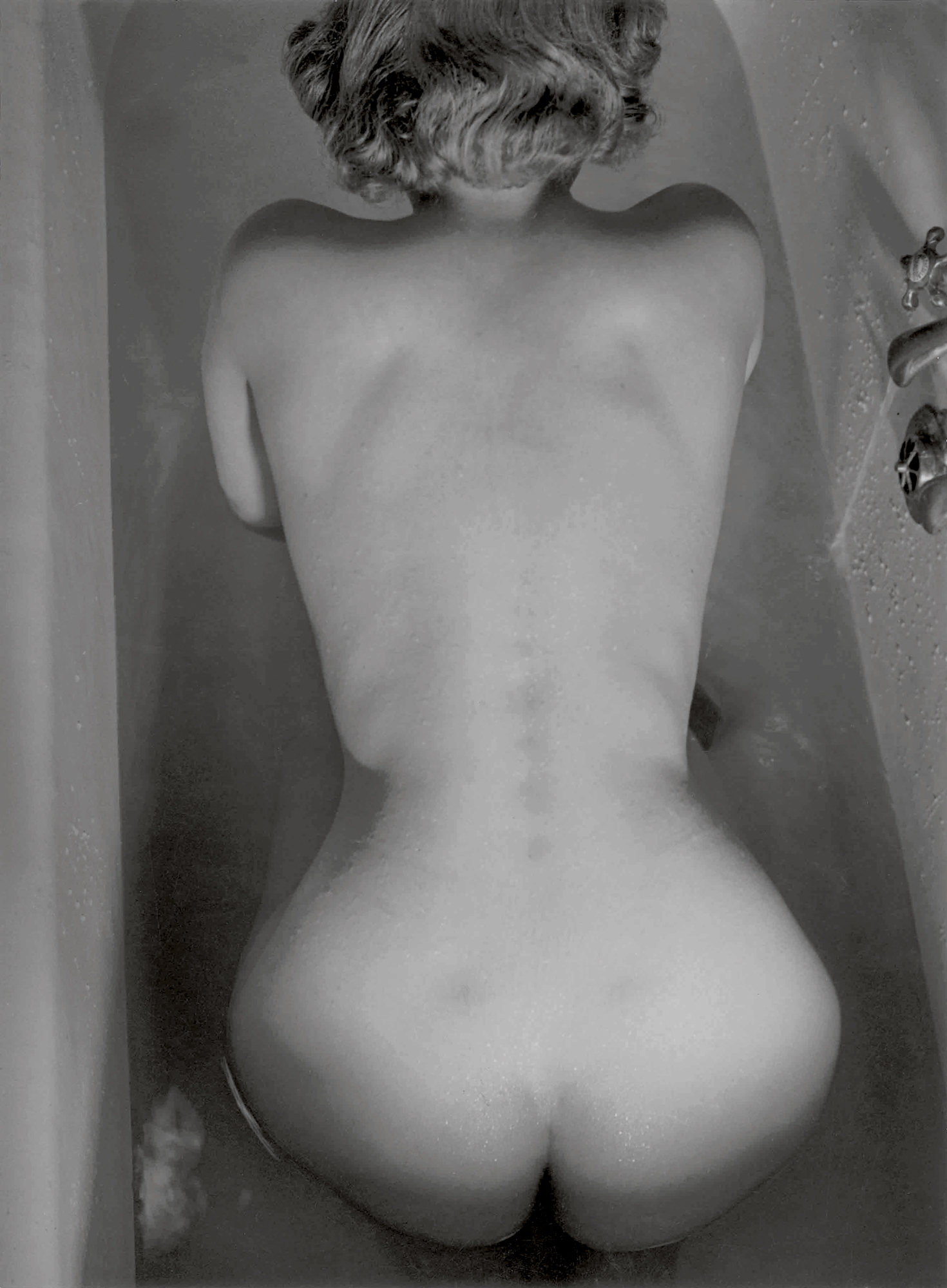


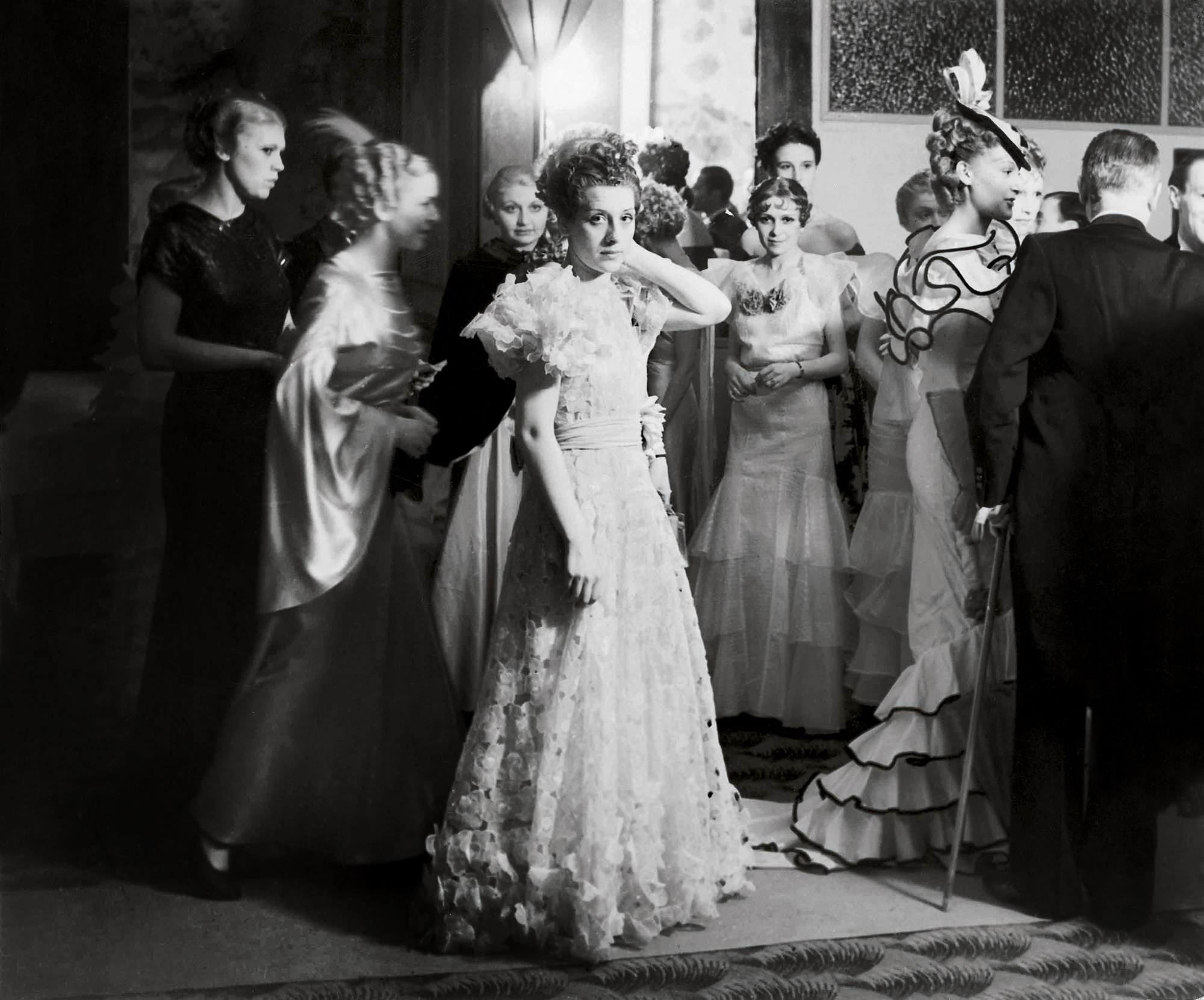
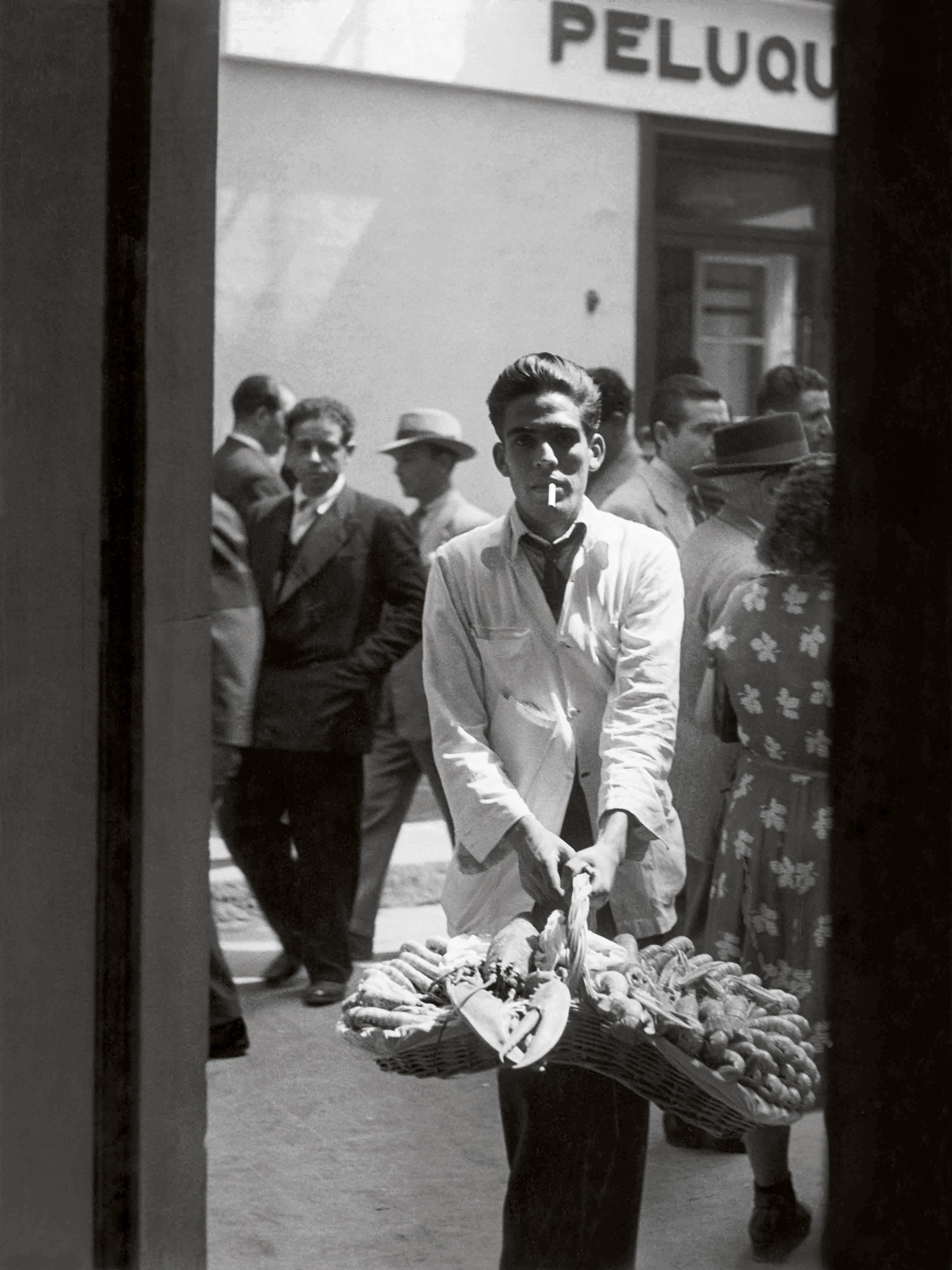
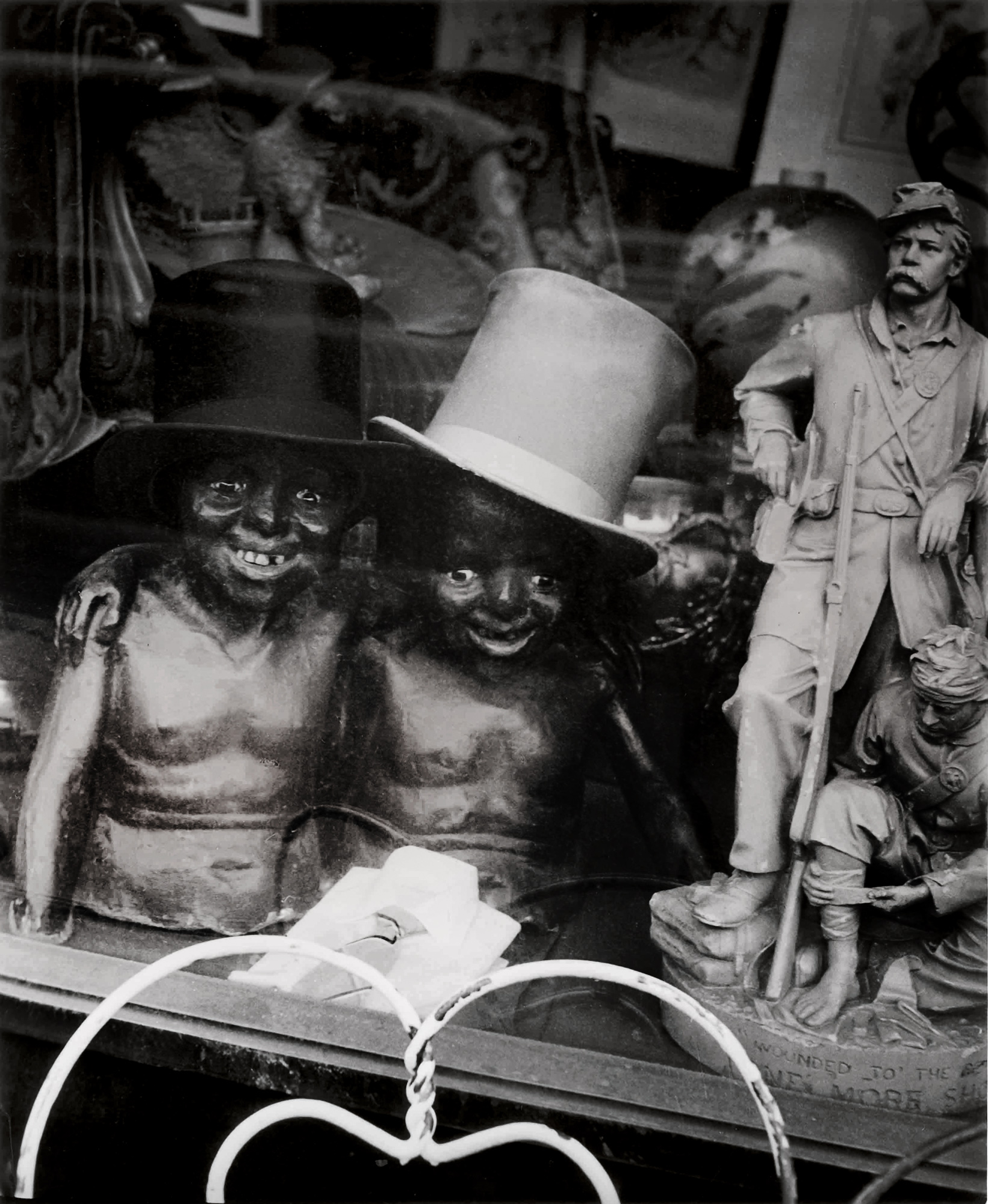

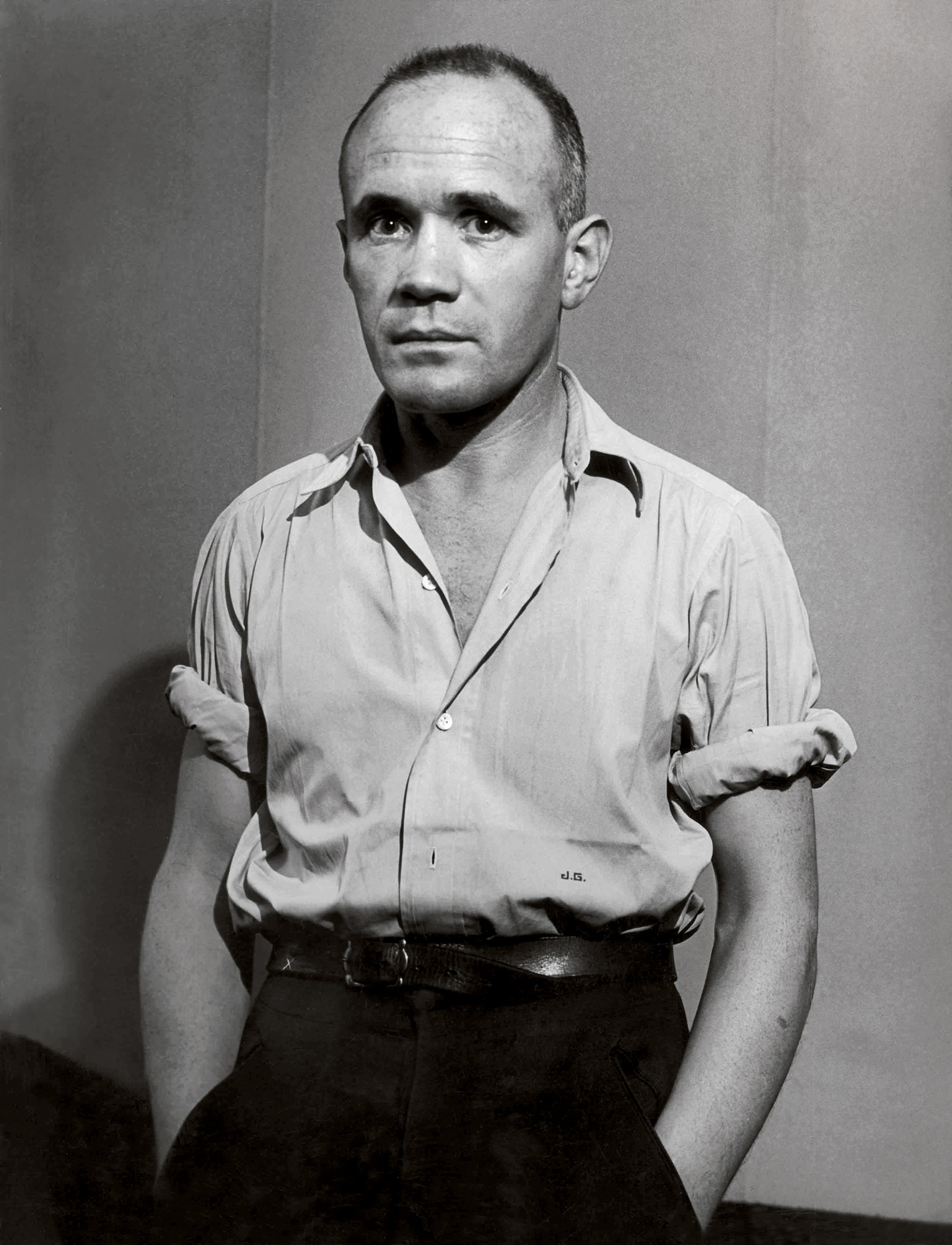

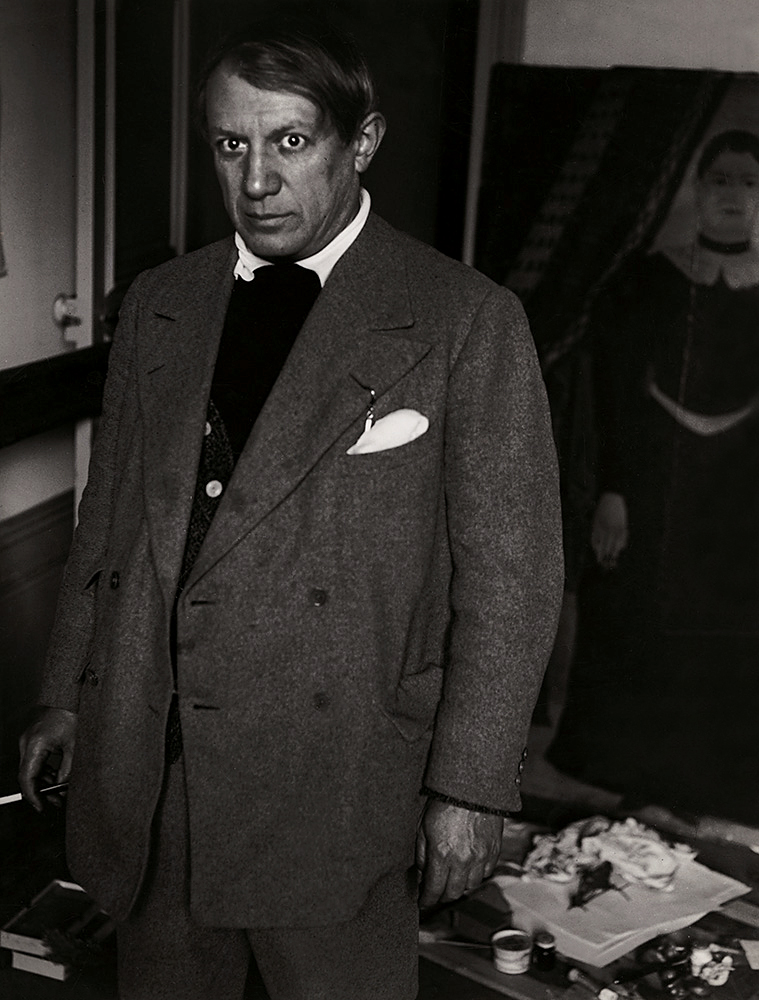
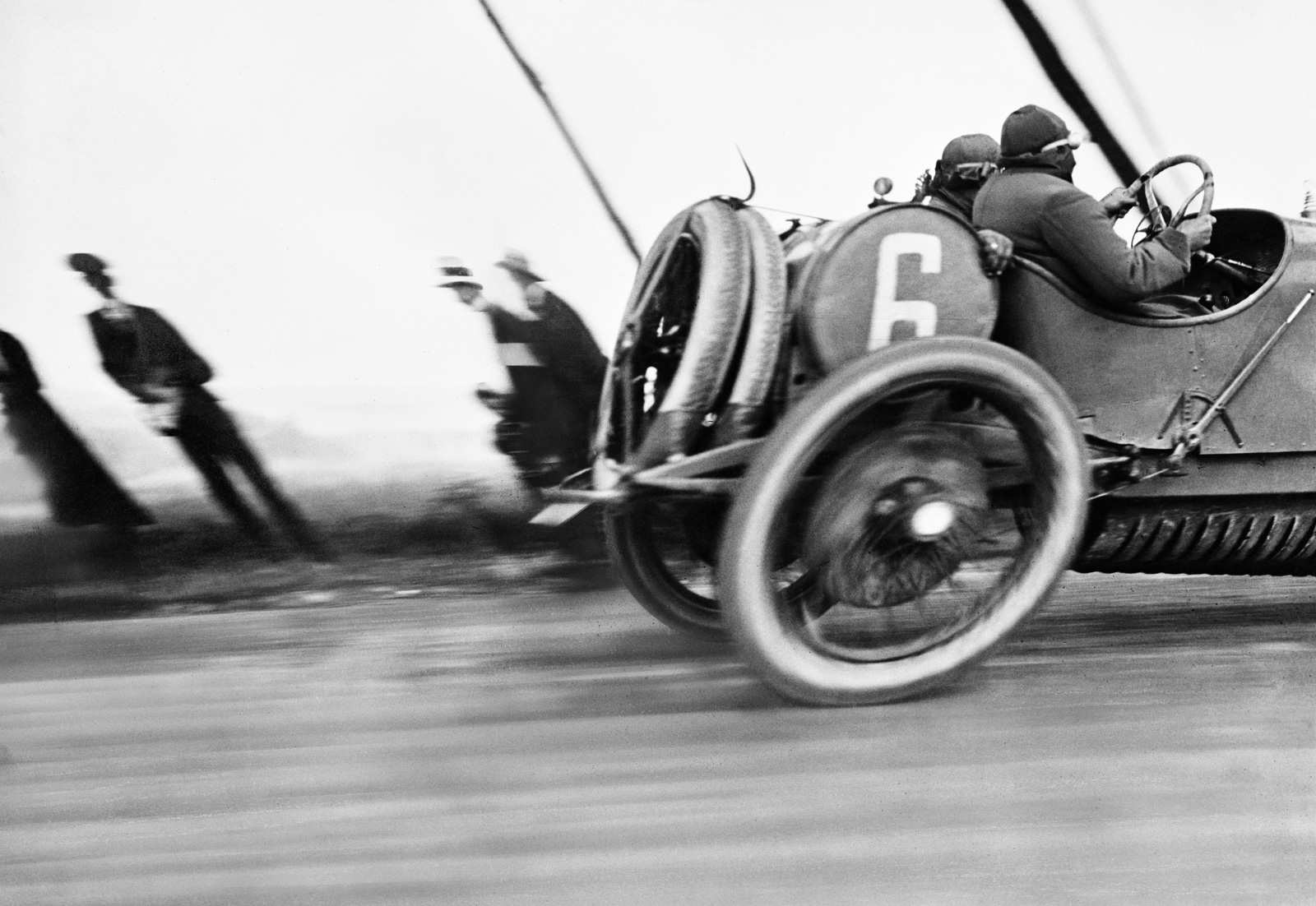
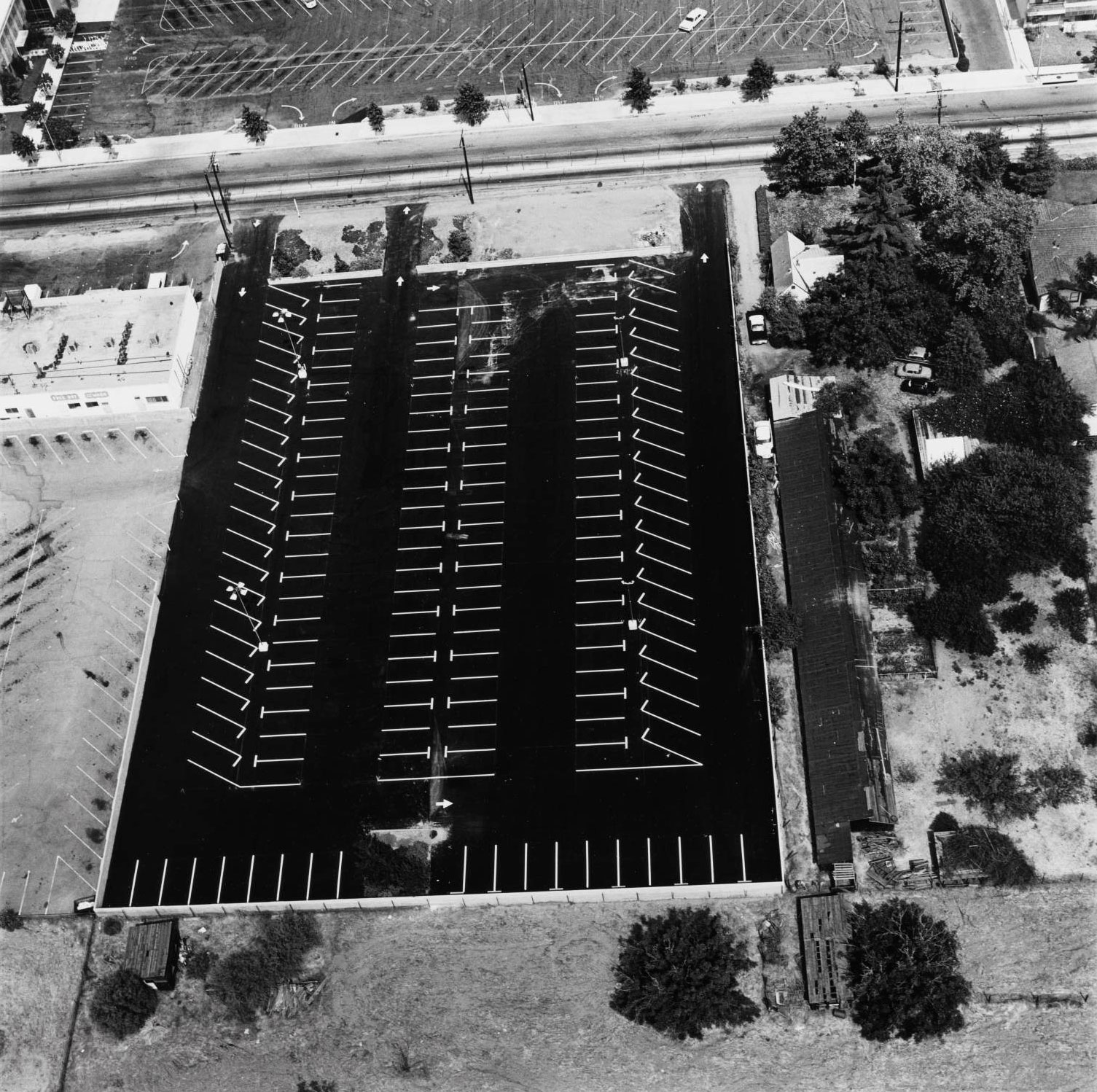
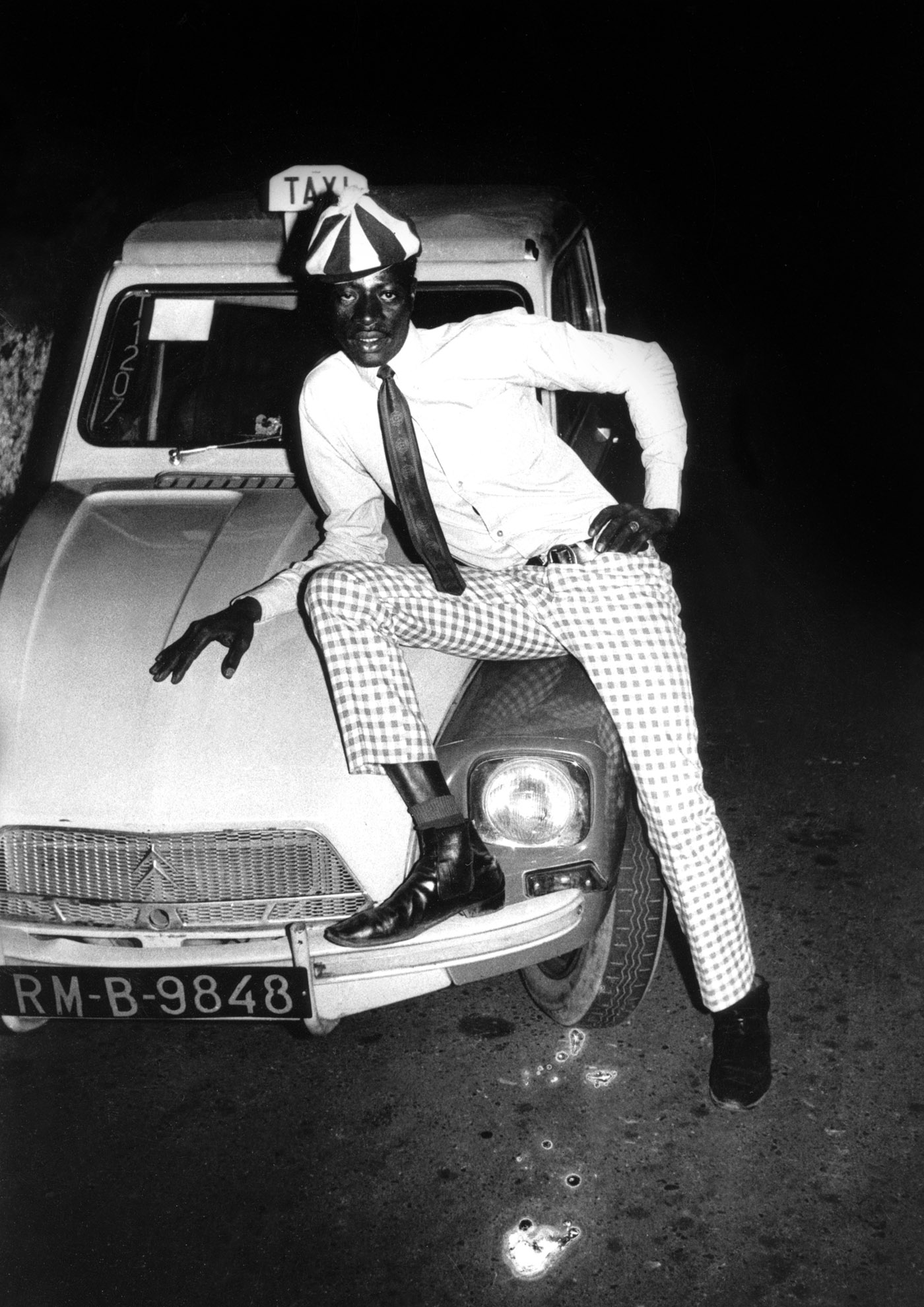
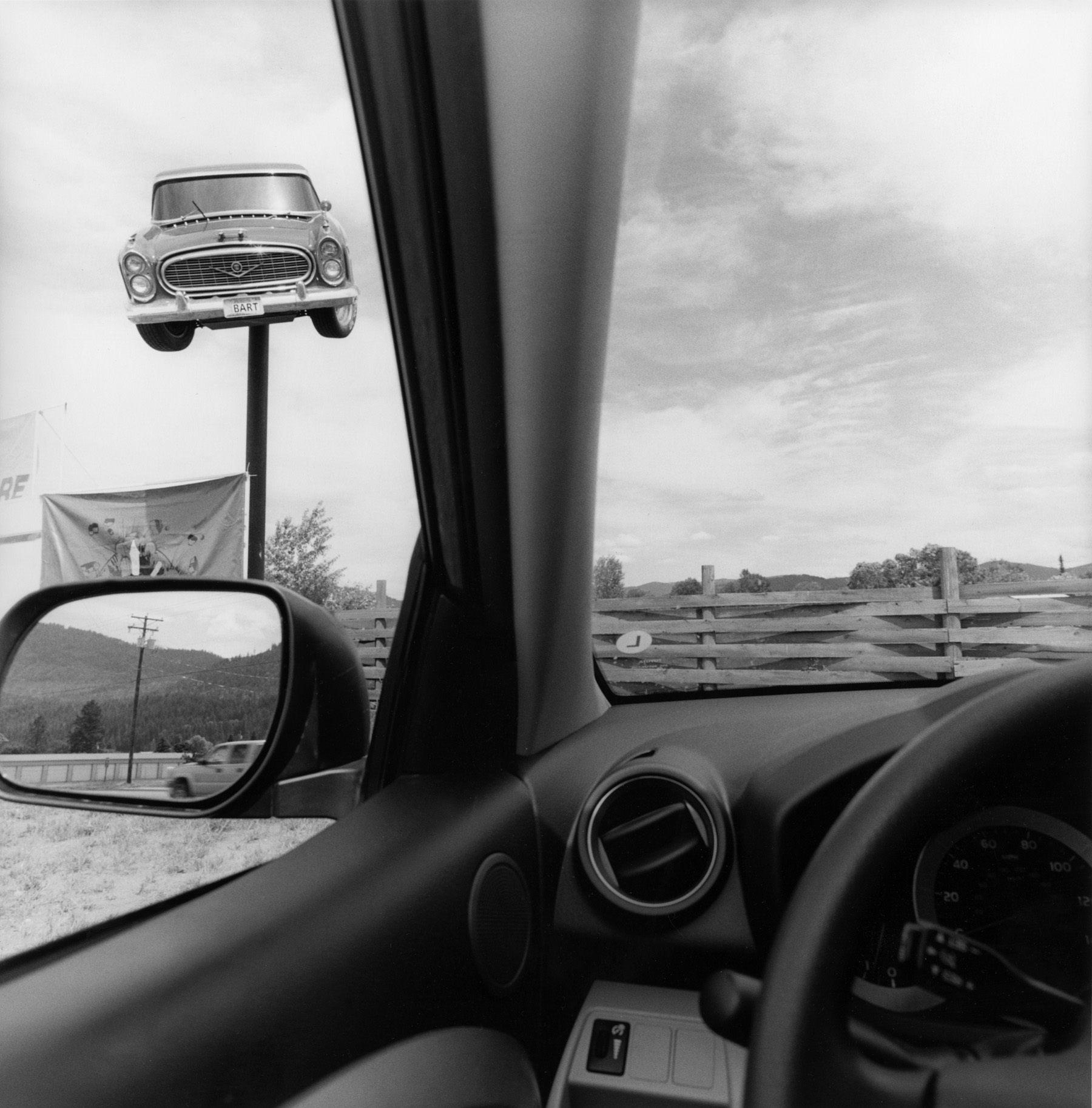
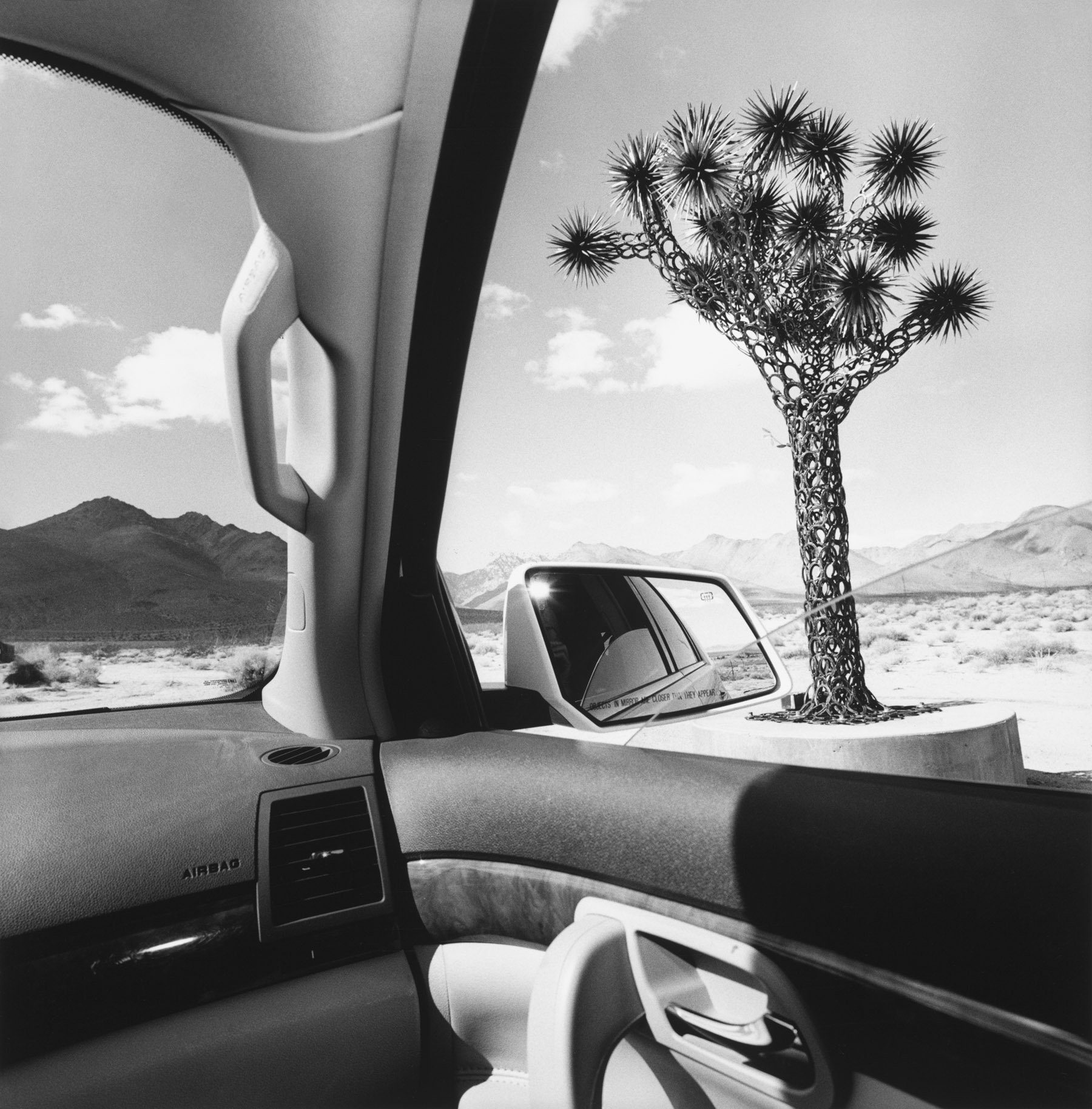






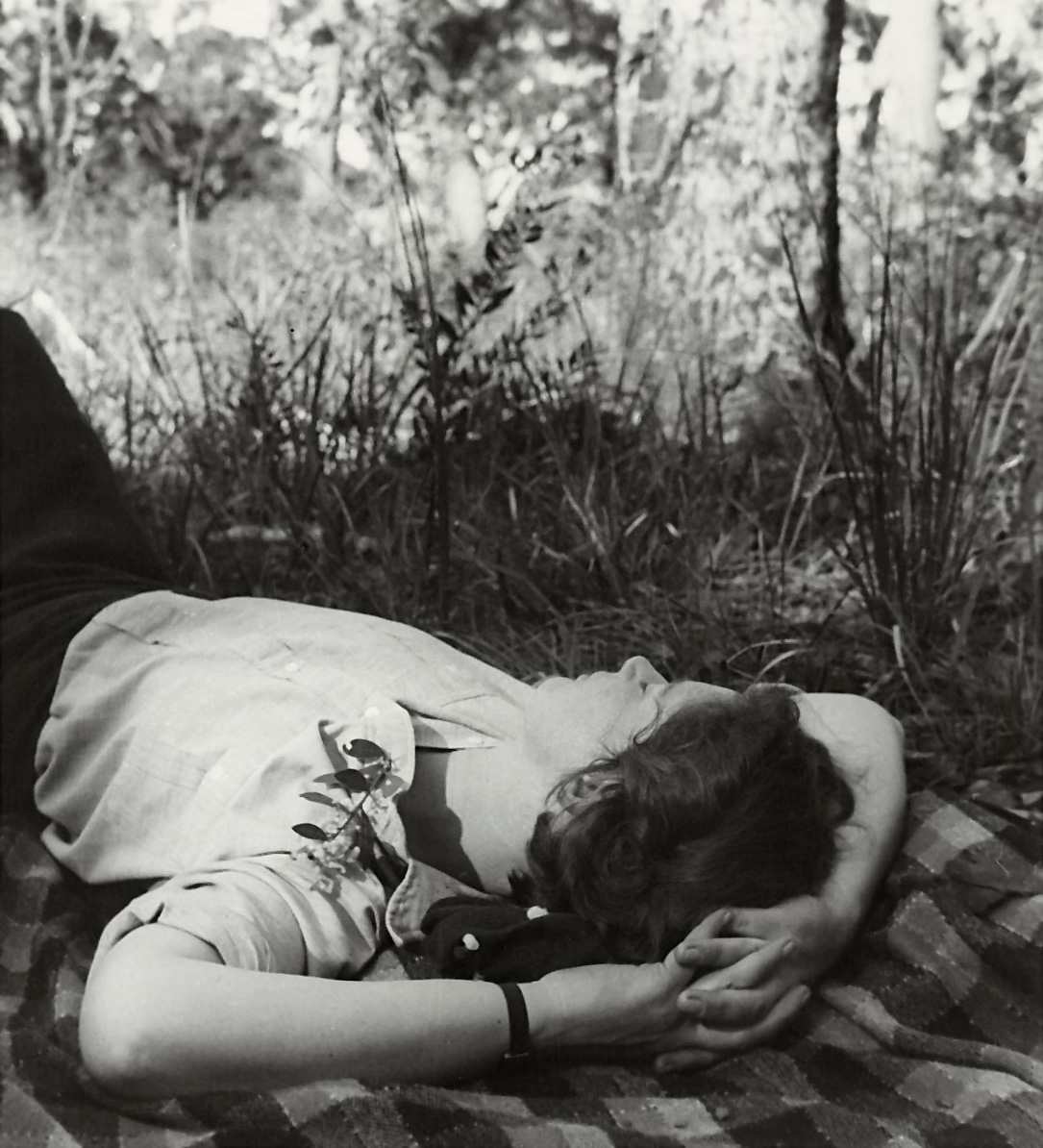
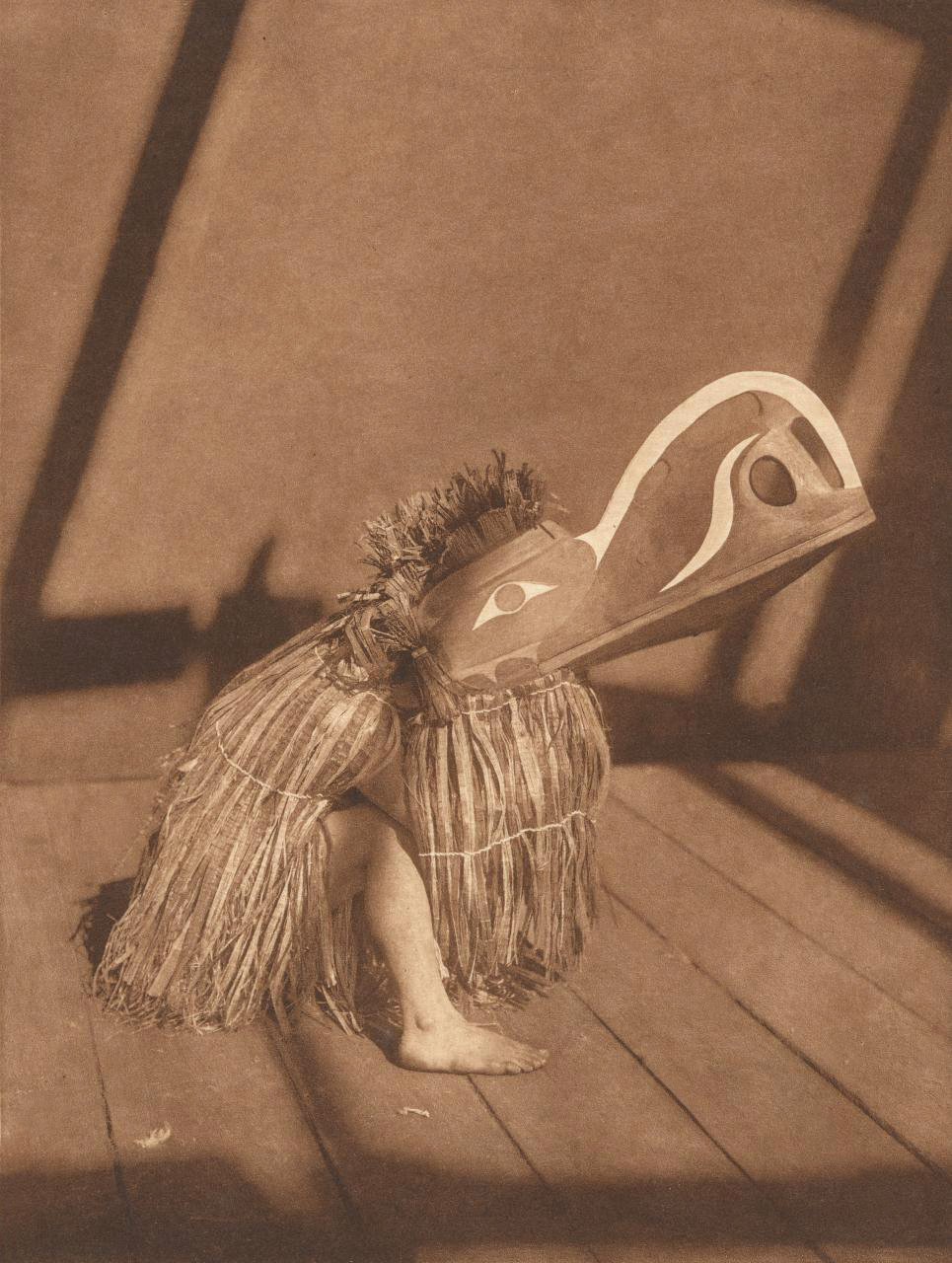

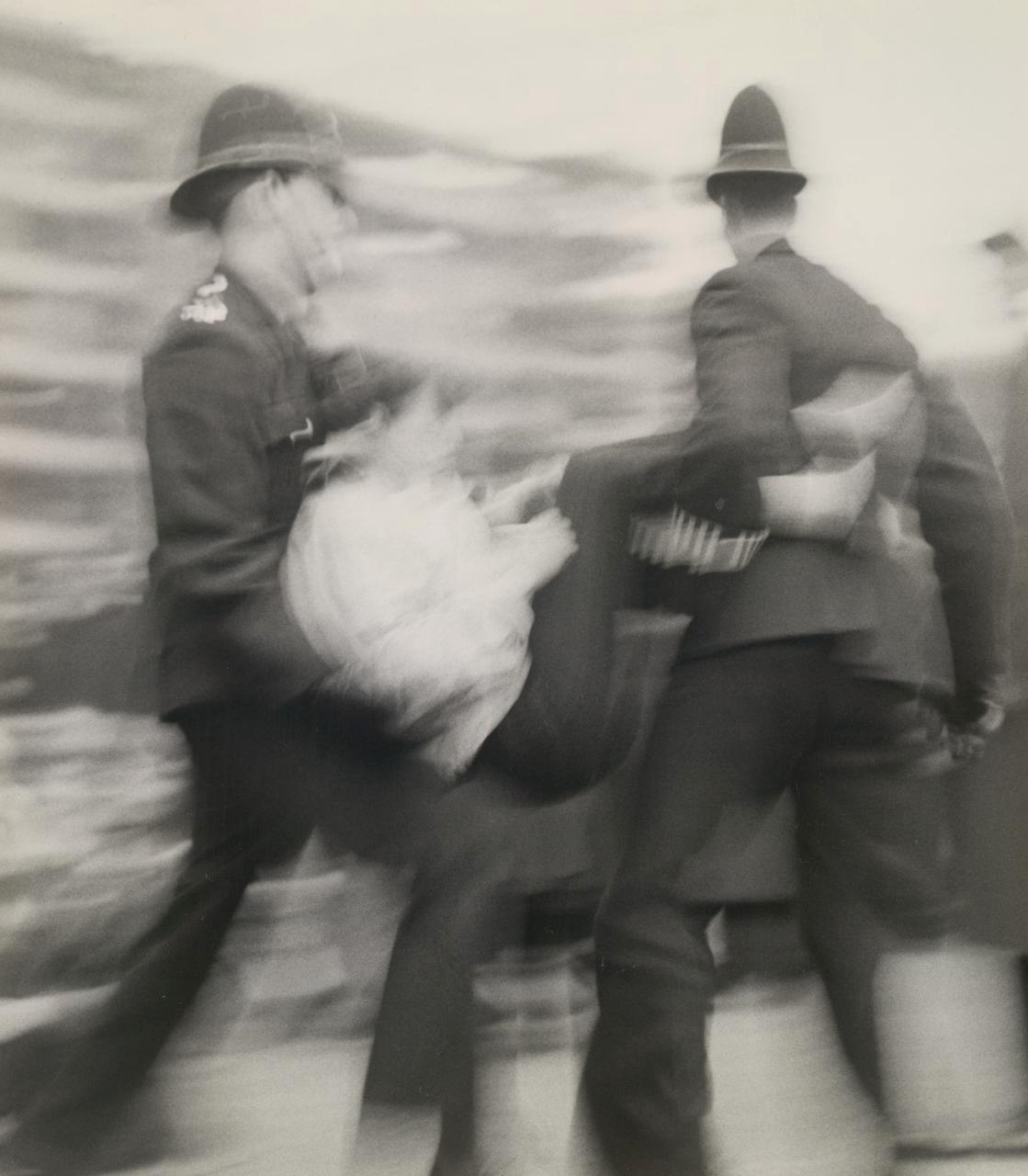


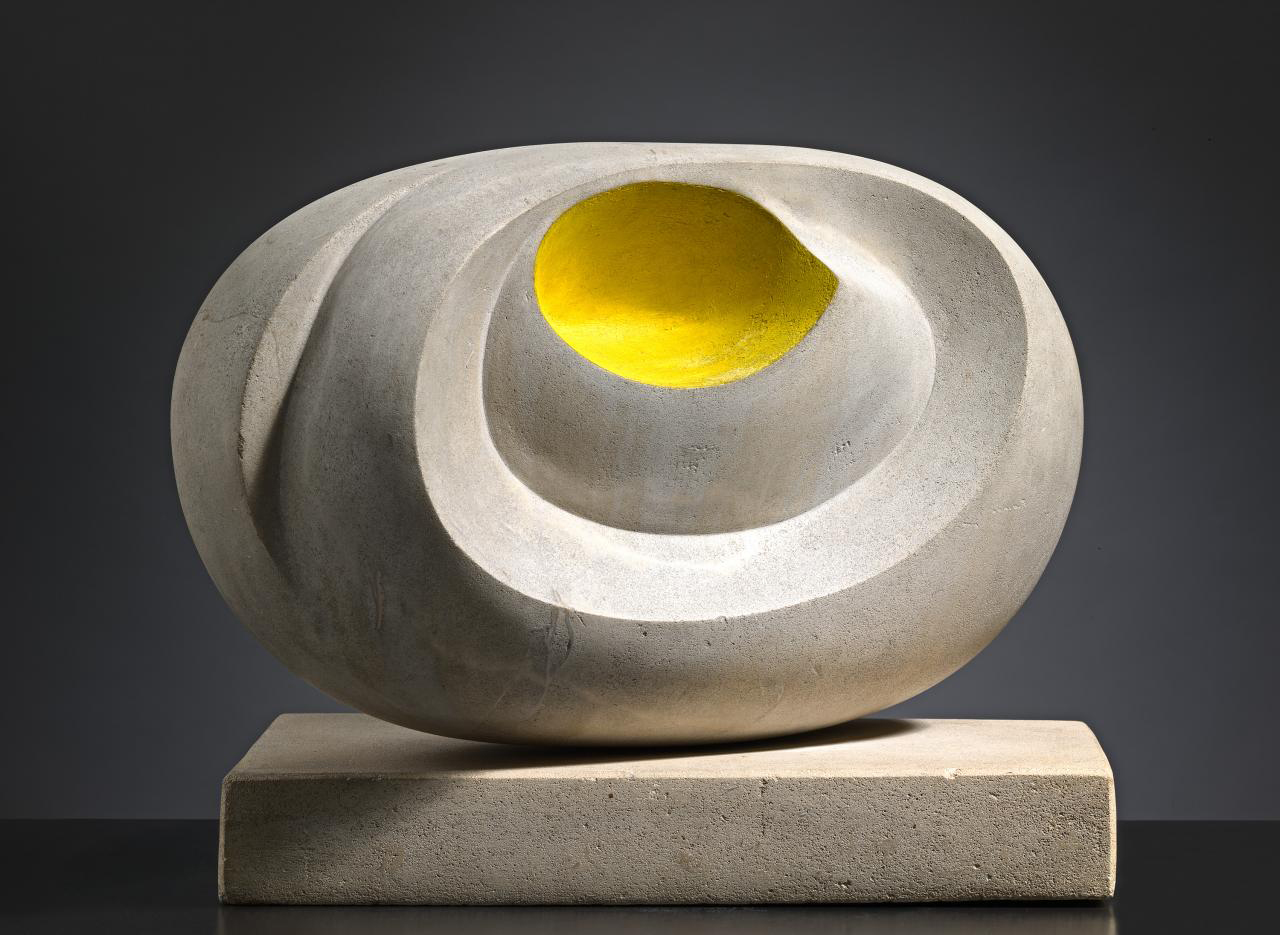









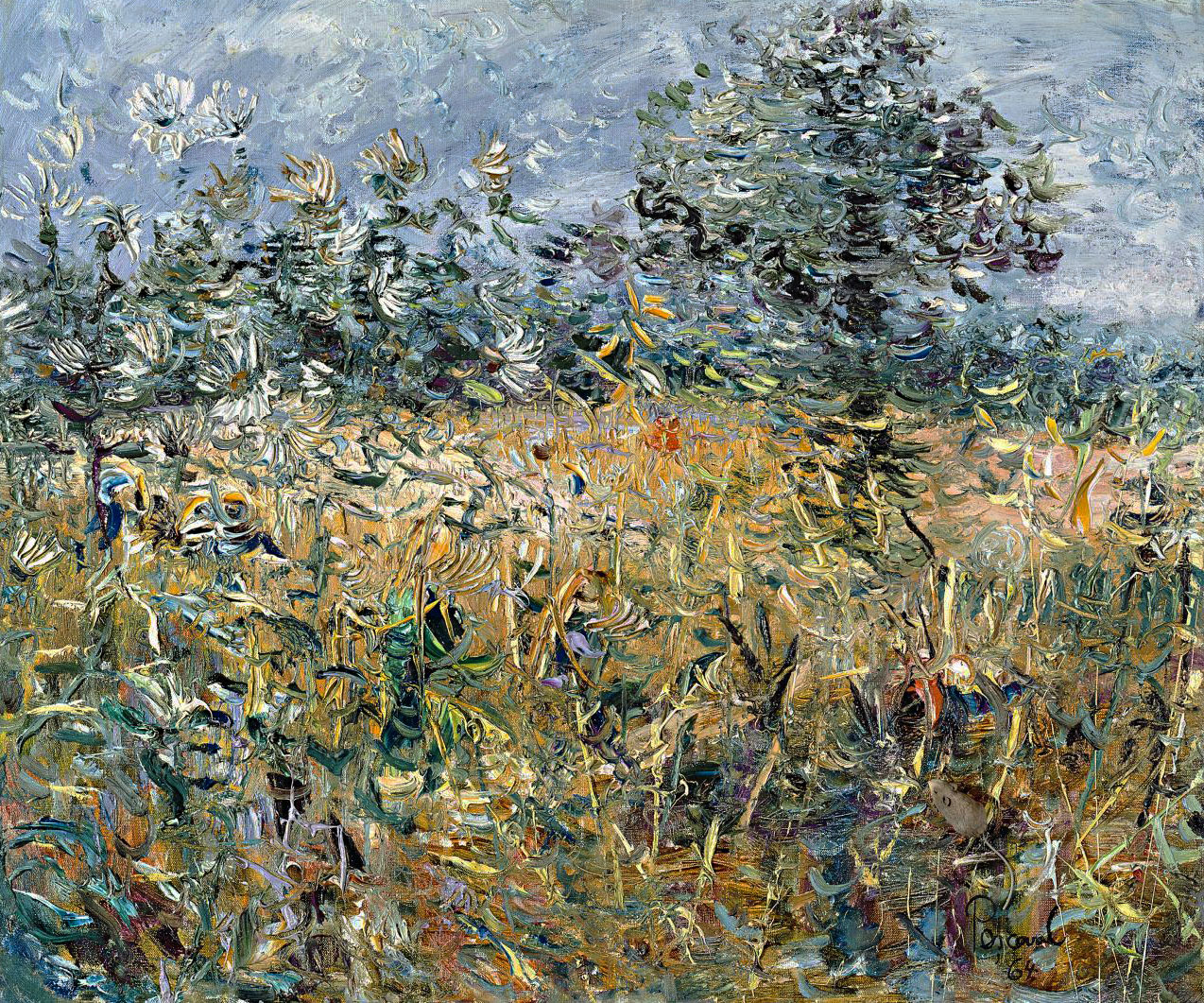

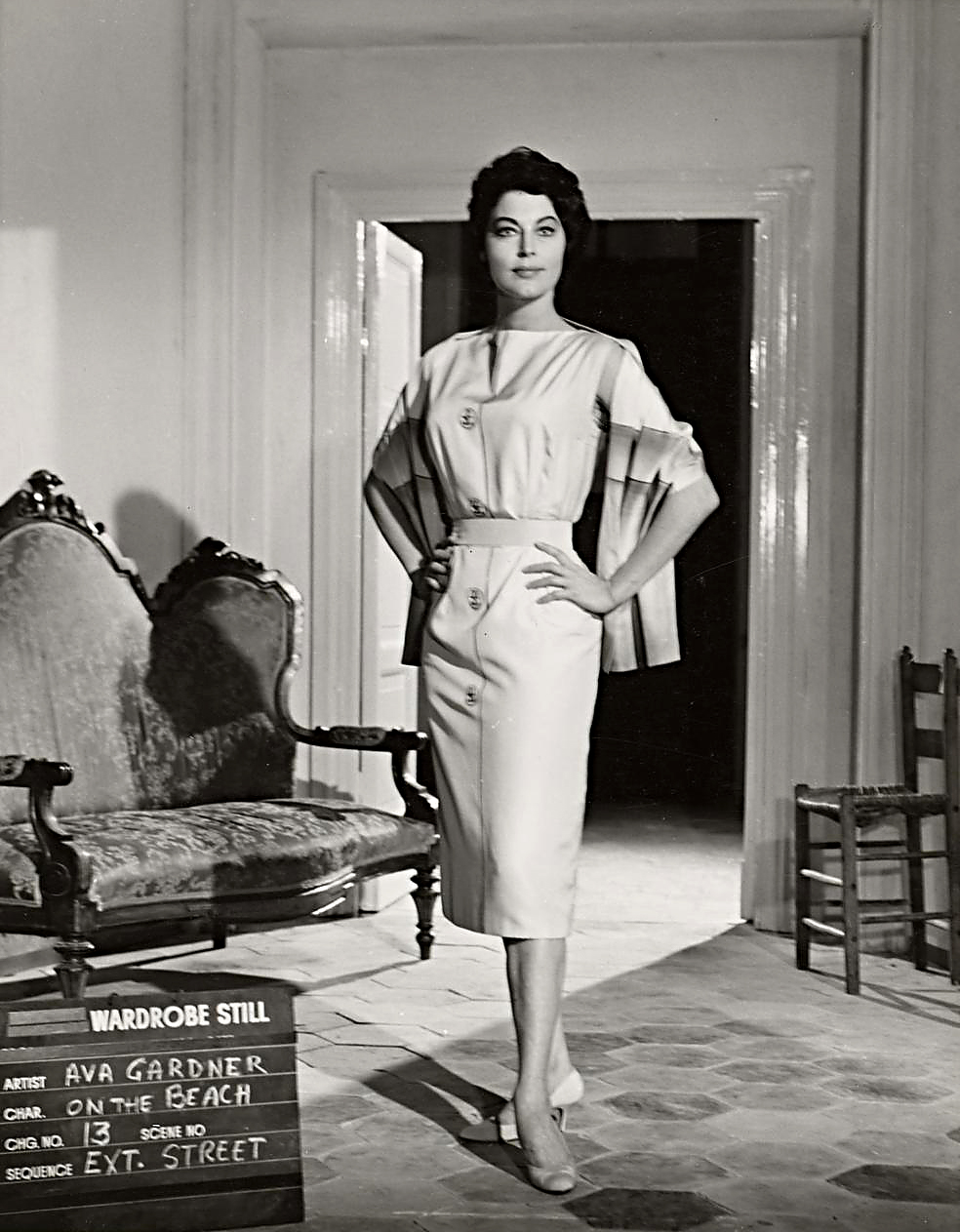

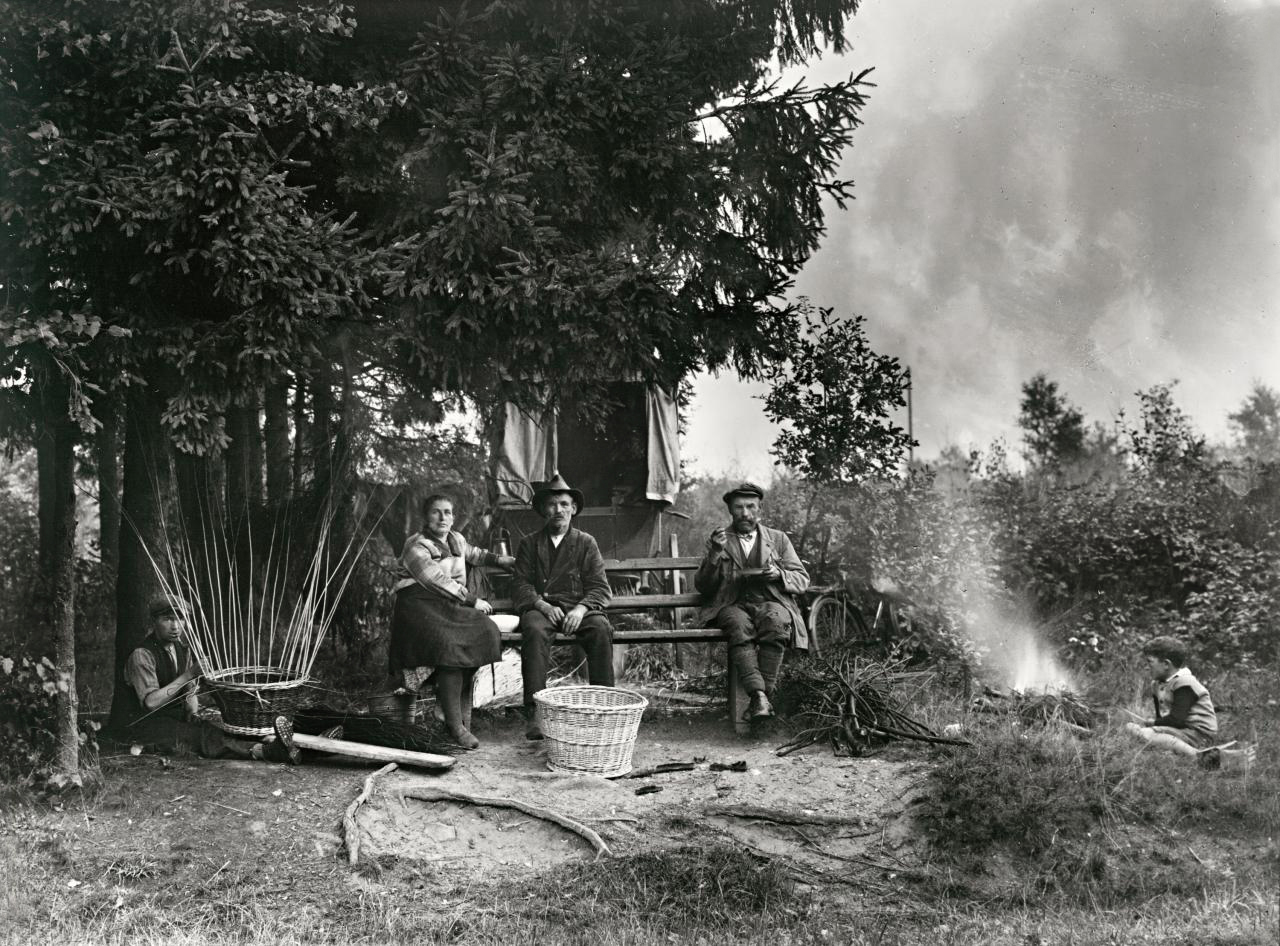


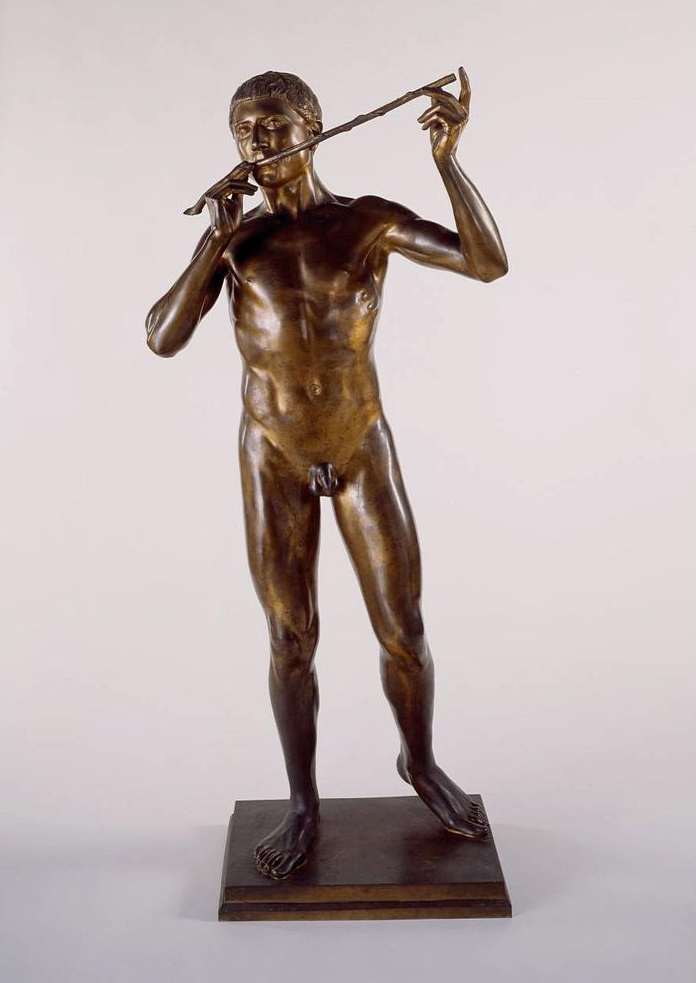
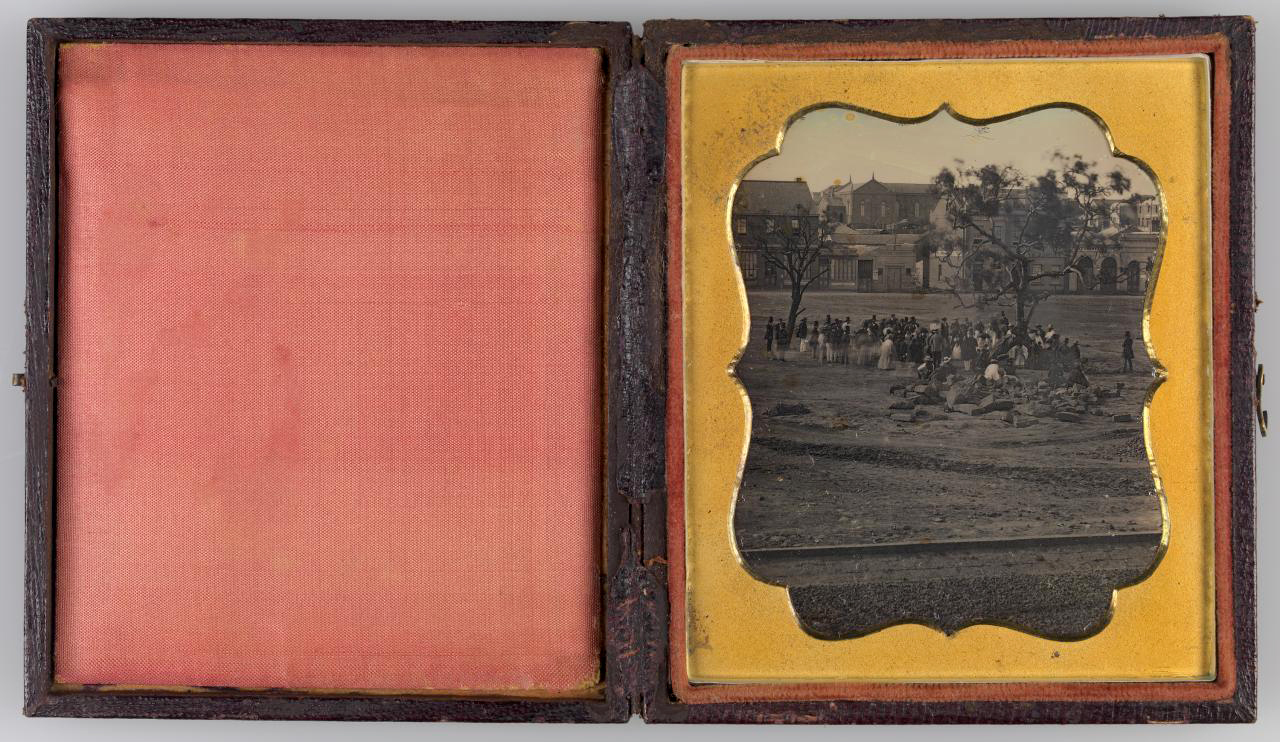


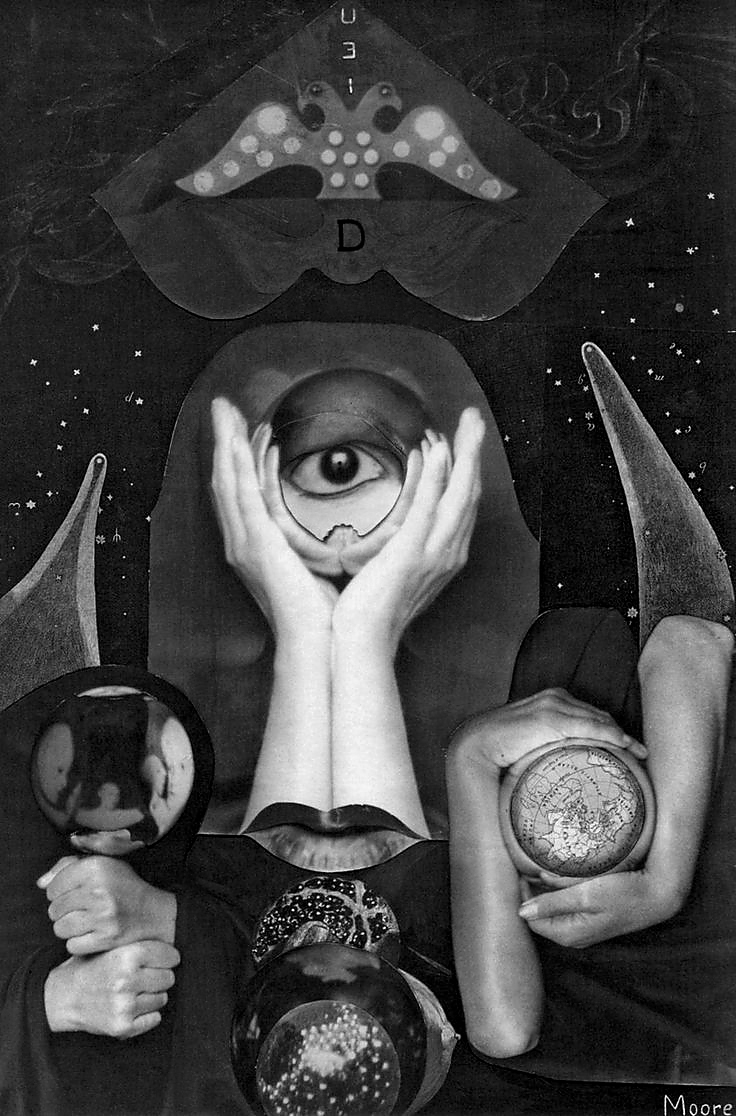


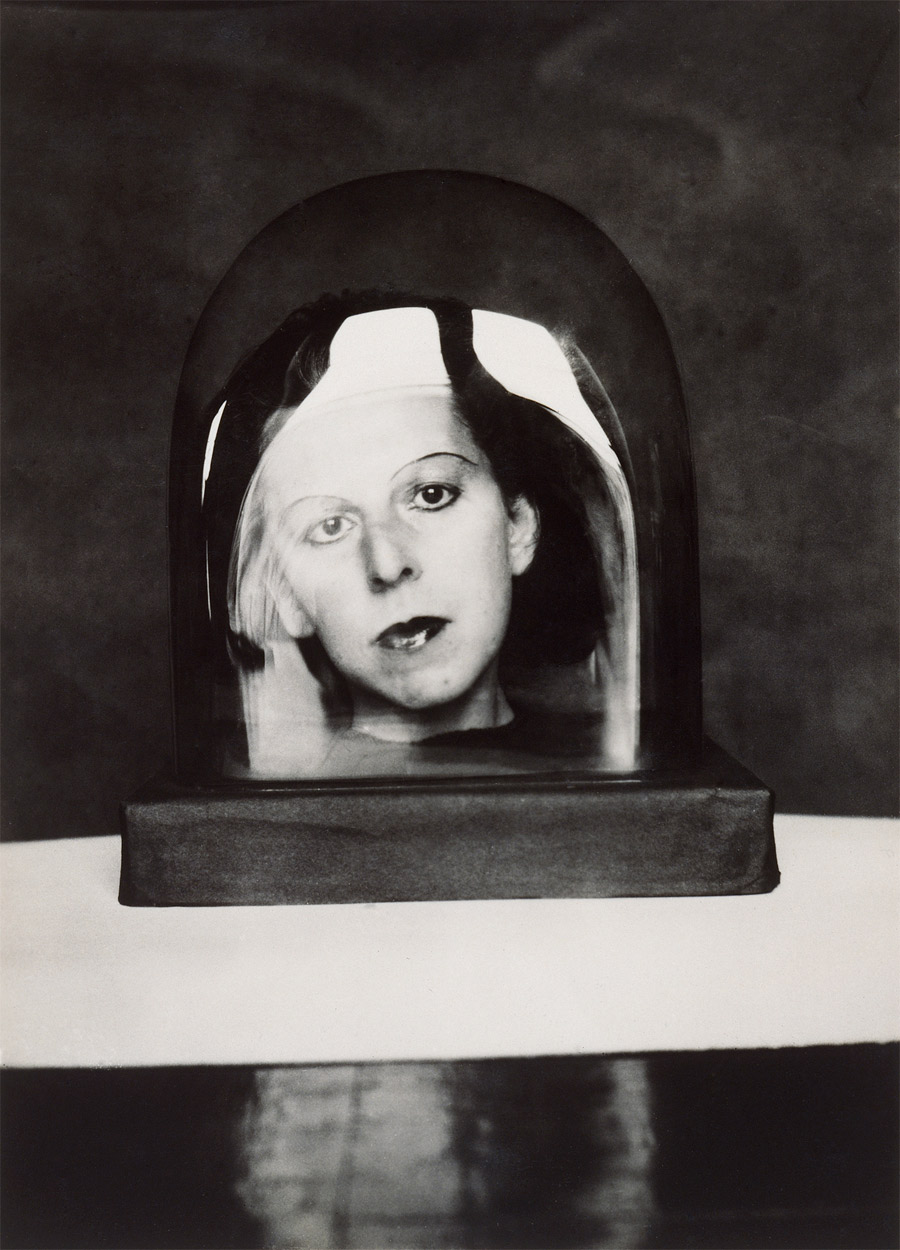


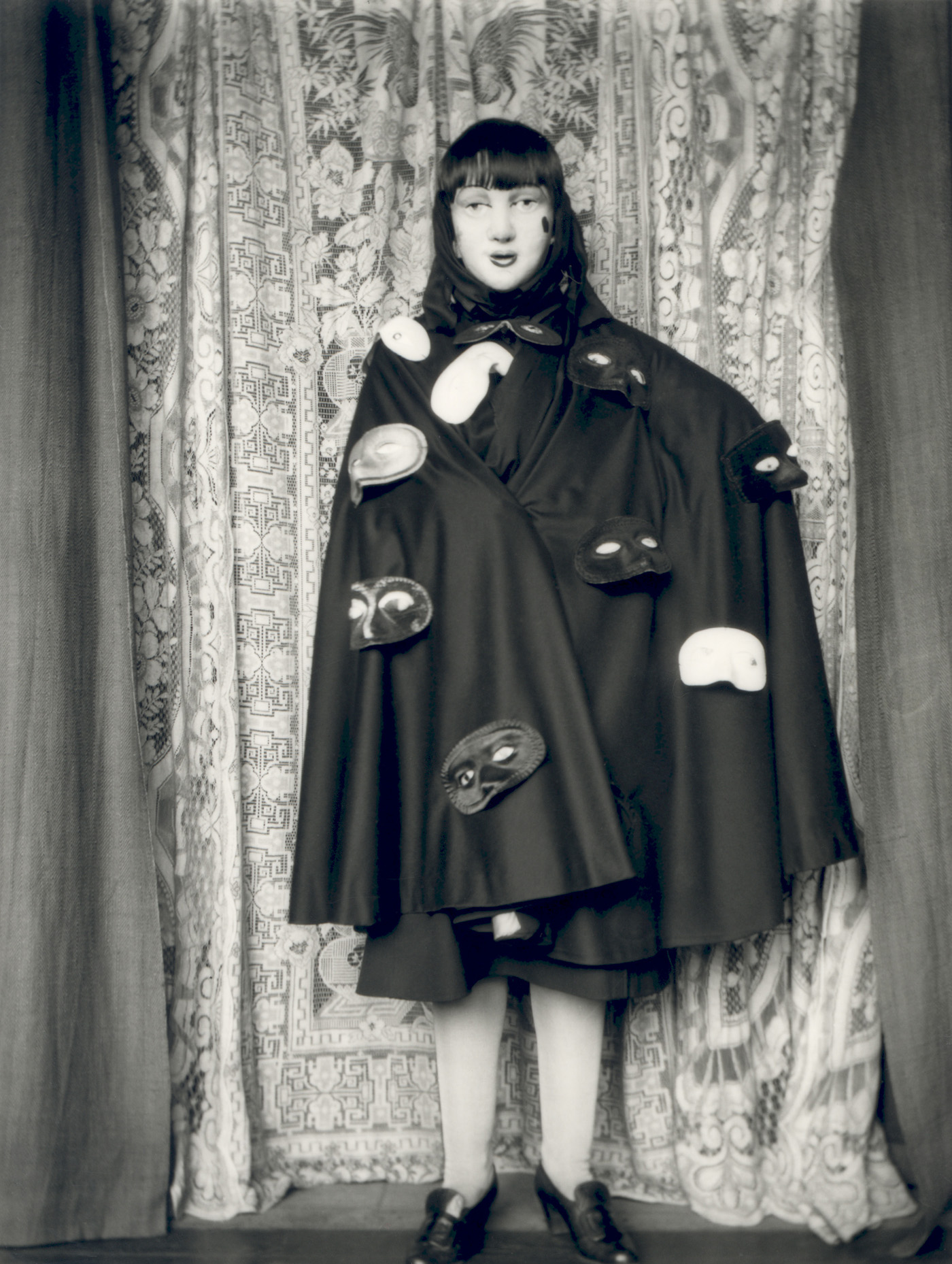

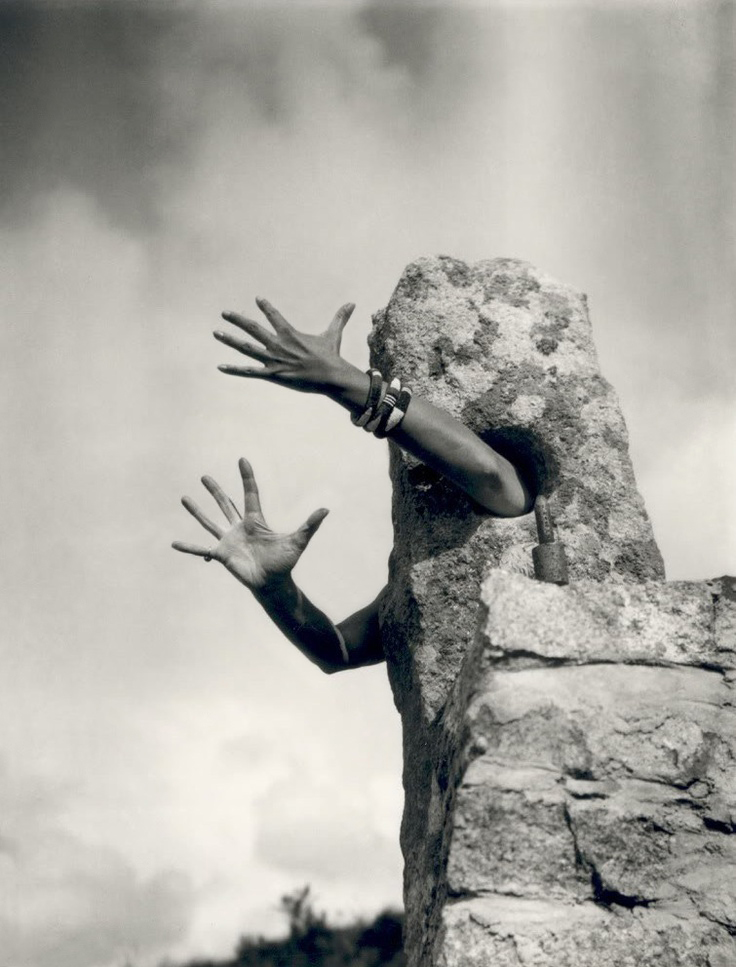

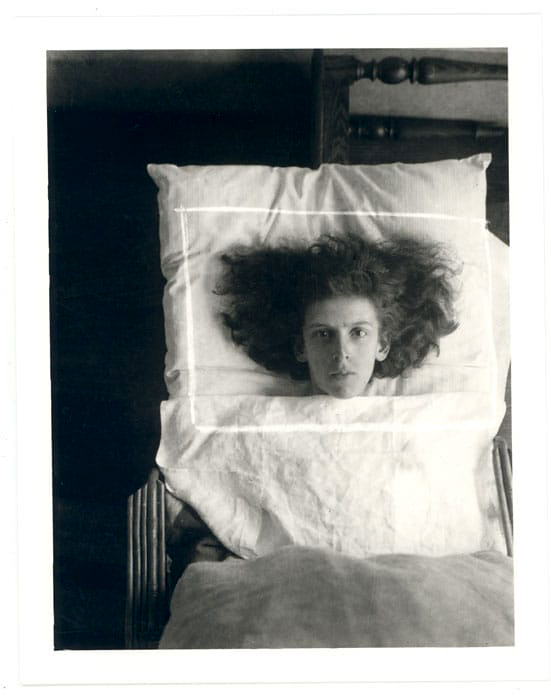


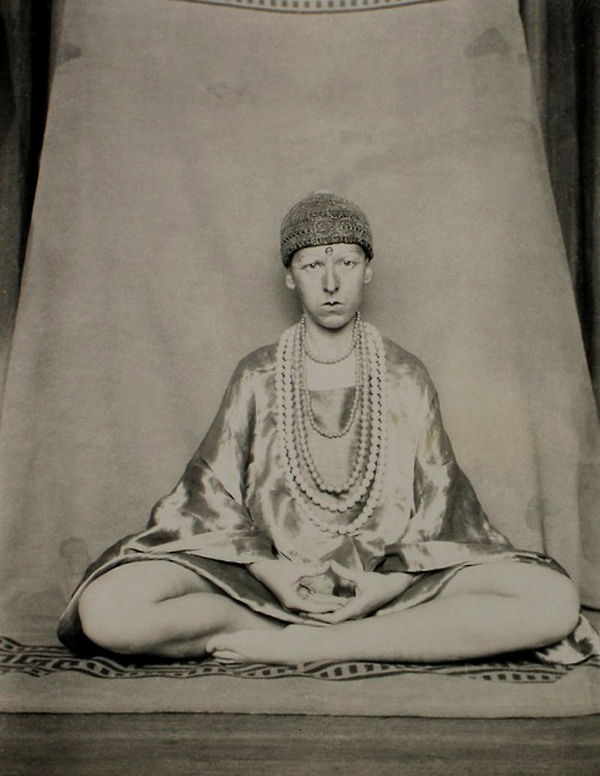
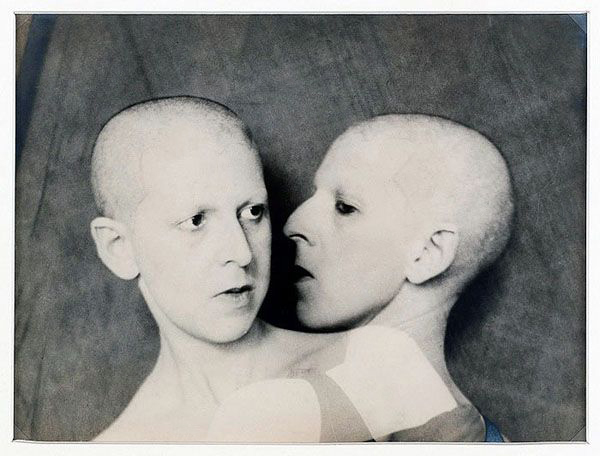


 Art Blart _ art and cultural memory archive
You must be logged in to post a comment.