Edward Weston (American, 1886-1958) Surf, Bodega 1937 19 x 24cm Gelatin silver print Center for Creative Photography, The University of Arizona. Edward Weston Archive
Three week’s to the day since my hip replacement operation and I’m still in pain. I know, slowly slowly but it’s very frustrating…
Thus, I just have two words for you about this exhibition –
GREAT WESTERN!
Dr Marcus Bunyan
Many thankx to the Fundación MAPFRE for allowing me to publish the photographs in the posting. Please click on the photographs for a larger version of the image.
“Not I, nor anyone else can travel that road for you, You must travel it for yourself.
It is not far, It is within reach, Perhaps you have been on it since you were born, and did not know, Perhaps it is every where on water and land.”
Walt Whitman. Part of Song of Myself from Leaves of Grass. 1855
I never try to limit myself by theories, I do not question right or wrong approach when I am interested or amazed – impelled to work. I do not fear logic, I dare to be irrational, or really never consider whether I am or not. This keeps me fluid, open to fresh impulse, free from formulae; and precisely because I have no formulae – the public who know my work is often surprised, the critics, who all, or most of them, have their pet formulae are disturbed. And my friends distressed.
I would say to any artist – don’t be repressed in your work – dare to experiment – Consider any urge – if in a new direction all the better – as a gift from the Gods not to be lightly denied by convention or a priori concept. Our time is becoming more and more bound by logic, absolute rationalism; this is a straitjacket I – it is the boredom and narrowness which rises directly from mediocre mass thinking.
The great scientist dares to differ from accepted ‘facts’ -think irrationally – let the artist do likewise.
Edward Weston 28 January, 1932 from The Daybooks of Edward Weston. Vol. ll Horizon Press, New York 1966
Edward Weston (American, 1886-1958) Guadalupe Marín de Rivera 1924 20.8 x 17.9cm Gelatin silver print Center for Creative Photography, The University of Arizona. Gift of Ansel and Virginia Adams
Strongly linked to the landscape and to North American cultural history, Edward Weston’s work, in its extreme simplicity and originality, allows us to appreciate a unique perspective on the process of consolidation of photography as an artistic medium and its relevant role in the context of modernity in the visual arts. The exhibition Edward Weston. La matèria de les formes (Edward Weston. The Matter of Forms) is conceived as an anthology that covers the different phases of the artist’s photographic production.
A pioneer in the use of a modern photographic style, his use of the large-format camera gives rise to richly detailed black and white images of extraordinary clarity. His technical expertise and his affection for nature and form led to the development of a body of work in which iconic images of still lifes, nudes, landscapes and portraits stand out. His images are essential for understanding the new aesthetic and new American lifestyle that emerged in the United States between the wars.
The exhibition, curated by Sergio Mah, consists of around two hundred photographs grouped into seven sections. The exhibition tour is completed with numerous documentary material and is conceived from a European perspective on the legacy of modern American photography. An aesthetic and conceptual counterpoint to the photographic modernism in Europe that emerged with the first avant-garde of the 20th century.
The emancipation of photography
Edward Weston was one of the pioneers, along with Alfred Stieglitz and Paul Strand, in defending the emancipation of photography from other artistic disciplines. In this sense, his work contributed decisively to demonstrating, in this early period of photography, the aesthetic and perceptual dimension of the medium, the capacity to express aesthetic qualities in the same way as painting or sculpture.
Figuration and abstraction
The technical mastery of the photographic medium leads Weston to a formalism in which framing becomes one of the most relevant elements of his work. Weston eliminates any anecdotal aspect and focuses on the motif that interests him, and does so with such realism and exaltation of the two-dimensional nature of photography, which often results in an abstract image. In this way, the artist shows that figuration and abstraction do not exempt one from the other, but are perfectly compatible.
Exhibition organised with the support of the Center for Creative Photography at the University of Arizona, Tucson.
Text from the Fundación MAPFRE website translated from the Spanish by Google Translate
Edward Weston (American, 1886-1958) Two Shells 1927, print about 1933 24.1 x 18.4cm Gelatin silver print The J. Paul Getty Museum, Los Angeles
Edward Weston (American, 1886-1958) Pepper No. 30 1930 22.8 x 17.7cm Gelatin silver print Courtesy by Trockmorton Fine Art
Highlights
Fundación MAPFRE presents the exhibition Edward Weston. The Matter of Forms, dedicated to the five decades of the career of this North American artist, one of the most important figures in modern photography. In addition, through the work of the artist himself, the exhibition aims to offer a pedagogical reflection on the history of the medium and its relevance as an aesthetic and perceptive discipline, apart from the more traditional plastic arts; specifically, painting.
Key points
The emancipation of photography
Edward Weston was one of the pioneers, along with Alfred Stieglitz and Paul Strand, in defending the emancipation of photography from other artistic disciplines. In this sense, his work is essential to understanding the aesthetic and perceptive capacity of the medium in its beginnings. This capacity allows photography to express aesthetic qualities such as beauty, pain or ugliness at the same level as painting or sculpture.
Figuration and abstraction
The technical mastery of the photographic medium leads Weston to a formalism where framing becomes one of the most relevant elements of his work. In this sense, he eliminates any anecdotal aspect and focuses on the motif that interests him, and he does so with such realism and with such exaltation of the two-dimensional character of photography that he ends up obtaining an abstract image as a result. In this way, the artist shows that figuration and abstraction do not exclude each other, but are perfectly compatible.
Pepper No. 30
Edward Weston took this photograph, one of the most representative of his entire career, at the beginning of August 1930. It was not the first time he had photographed a vegetable, nor a pepper. The artist himself spoke about this image: “It is a fully satisfactory classic: a pepper, but more than a pepper. It is abstract, in the sense that it exists completely outside the subject. It has no psychological attributes, it does not awaken human emotions: this new pepper takes us beyond the world we know in the conscious mind.” In the light of this photograph and the artist’s words, the innovative character of his work can be distinguished, which transcended not only modern American photography, but also European photography.
The exhibition
Weston’s work, strongly linked to the landscape and to North American cultural history, in its extreme simplicity and originality, reveals a unique perspective on the process of consolidation of photography as an artistic medium and its relevant role in the context of modernity in the visual arts. The exhibition Edward Weston. The Matter of Forms is conceived as an anthology that covers the different phases of the artist’s photographic production. From his initial interest in Pictorialist approaches to his consolidation as one of the central figures in the affirmation of the poetic and speculative value of direct photography. A pioneer in the use of a modern photographic style, his work is characterised by the use of a large-format camera, which allows him to offer richly detailed black and white images of extraordinary clarity. His mastery of technique, together with his love of nature and form, led him to develop a photographic production in which iconic images of still lifes, nudes, landscapes and portraits stand out. As a co-founder of the photography collective Group f/64, his images are key to understanding the new North American aesthetic and lifestyle that emerged in the United States between the wars.
The exhibition, grouped into seven sections and curated by Sérgio Mah, consists of around 200 photographs and a large amount of documentary material. The exhibition is conceived as a European look at the legacy of modern North American photography. An aesthetic and conceptual counterpoint to the modern photography that emerged in Europe with the first avant-garde of the 20th century.
Edward Weston (American, 1886-1958) Prologue to a Sad Spring 1920 23.8 x 18.7cm Platinum print Center for Creative Photography, The University of Arizona. Johan Hagemeyer Collection/Purchase
1 /
Edward Weston began photography very early, thanks to a Kodak Bulls-Eye No. 2 camera that his father gave him when he was just sixteen. Although he was practically self-taught, in 1911 he opened his first photographic establishment in a suburb of Los Angeles. His early works reveal the influence of the Pictorialist atmosphere of the time: impressionistic views and pastoral subjects with soft or slightly blurred focus, scenography and expressive poses.
Edward Weston (American, 1886-1958) Janitzio, Mexico 1926 20.4 x 25.2cm Gelatin silver print Center for Creative Photography, The University of Arizona. Edward Weston Archive/Gift of the Heirs of Edward Weston
2 /
Weston’s dissatisfaction with this artistic approach to photography, which sought to assimilate itself to painting, coincided with the appearance of other photographers with similar ideas, such as Alfred Stieglitz and Paul Strand, whom he met in New York in 1922. In 1923 he set sail for Mexico accompanied by one of his sons and the photographer Tina Modotti. There he found a true renaissance of the arts and culture, and he came into contact with artists such as Diego Rivera, Frida Kahlo and Rafael Sala. He expanded his visual horizon and tackled new themes, photographing objects, figures and motifs far from their original context, turning them into suggestive and extraordinary elements. It was then that he realised that true photographic art is intuitive and immediate, that the elimination of everything that is accessory constitutes the essence of his creative talent.
Edward Weston (American, 1886-1958) Excusado, Mexico October 1925 24.1 x 19.1cm Gelatin silver print Center for Creative Photography, The University of Arizona. Edward Weston Archive
3 /
From 1927, influenced by the humanism of Walt Whitman and his work Leaves of Grass, he felt attracted, in the words of Sérgio Mah, by “the extraordinariness of banality”. Fruits, shells and vegetables became the protagonists of his works, and he made one of his most famous photographs: a toilet, an unusual object as an artistic subject, with the title Excused. In these images, Weston accentuated the two-dimensionality of the motifs, since it was one of the characteristics of photography that interested him. He looked for details as a way of fragmenting, isolating and approximating the photographed object, eliminating the sense of depth, a technique particularly notable in still lifes with dark backgrounds, as is the case with his photographs of peppers.
Edward Weston (American, 1886-1958) Floating Nude 1939 19.3 x 24.2cm Gelatin silver print Center for Creative Photography, The University of Arizona. Edward Weston Archive
4 /
From 1926, after leaving Mexico, Weston photographed several sets of nudes. In these nudes, the photographer’s gaze varies depending on the model. In some cases, the frame is wide and even shows the face, while in others the gaze is more segmented and focuses on parts of the body as a way of cutting out and accentuating the shapes within the frame. It must be recognized that eroticism is a quality present in some of these photographs. However, it is incorrect to conclude that this type of gaze prevails in most of the nudes he photographed. Above all, Weston observes the body as a formal reality. The beauty and sensuality that these bodies suggest is reflected in the play of lines, shadows and contours they offer.
Edward Weston (American, 1886-1958) Clouds, Death Valley 1939 20.4 x 25.2cm Gelatin silver print Center for Creative Photography, The University of Arizona. Edward Weston Archive
5 /
From the late 1920s and into the following decades, landscape became a central element in Weston’s work. The artist photographed in the desert near Palm Springs, California, as well as in New Mexico, Arizona, and other Californian areas near his home in Carmel. In these works, the horizon and the depth of the background become a structural part of his works: the panoramic shots highlight the sublime character of the landscape. It was also during this period that Weston began to be interested in meteorological phenomena such as rain, the configuration of clouds, and the aridity of the territory.
Edward Weston (American, 1886-1958) Crescent Beach, North Coast 1939 24.3 x 19.2cm Silver print mounted on board The Huntington Library, Art Museum, and Botanical Gardens
6 /
Over the years, Weston’s work increasingly acquired a “dense and melancholic” patina, an aspect that is accentuated by the tones that the images acquire. This characteristic is particularly evident in the photographs he took in 1941 to illustrate Leaves of Grass, a project for which he traveled throughout much of the United States for nearly two years. The images he captured in cemeteries in Louisiana and Georgia stand out, as well as those of abandoned, destroyed and burned buildings where the interest in formal aspects predominates and in which a critical and disillusioned commentary on reality and American society can already be seen.
Edward Weston (American, 1886-1958) Drift Stump, Crescent Beach 1937 20.3 x 25.2cm Gelatin silver print Center for Creative Photography, The University of Arizona. Edward Weston Archive
7 /
In the vicinity of Point Lobos, California, was the log cabin built by his son Neil on Wildcat Hill, where Weston moved in 1938. In this area of California, the artist found the wild nature that he had sought in distant places. His images from this period denote less compositional and formal rigidity and show the cycles of nature in the territory, the wild beauty, the trees, stones and rocky landscapes that seem to arise and remain in a time that is stopped. These images express a certain melancholy and solitude, while allowing the viewer to rediscover nature in all its splendour.
Edward Weston (American, 1886-1958) Dunes, Death Valley 1938 20.4 x 25.1cm Gelatin silver print Center for Creative Photography, The University of Arizona. Edward Weston Archive
Catalogue
The catalogue accompanying this exhibition reproduces all the photographs on display. In addition, it includes essays by Sérgio Mah, its curator, by Rebecca Senf, who discusses the artist’s relationship with Mexico, and by Jason Weems, who focuses on Weston’s landscapes and vegetable photographs. It also includes a series of reflections by the artist himself on photography taken from his diaries.
The publication of the catalogue, published in Spanish and Catalan by Fundación MAPFRE, also has a co-edition in Italian published by Dario Cimorelli Editore.
Text from Fundación MAPFRE translated from the Spanish by Google Translate
Edward Weston (American, 1886-1958) Nude 1936 23.4 x 19.1cm Gelatin silver print Center for Creative Photography, The University of Arizona. Gift of the Estate of A.Richard Diebold, Jr.
Author of a vast and diverse body of work spanning five and a half decades, Edward Weston (1886-1958) is one of the great figures in the history of modern photography, partly because his work allows us to reflect on the distinctive qualities of photography as a technical, aesthetic and perceptual category.
His first creative experiments reveal a momentary adherence to the pictorialist tendencies of the time, but he would later stand out as one of the protagonists of a new generation of American photographers who sought to refocus the artistic axis of photography based on its exceptional capacity to represent the most diverse subjects in the world with rigor, clarity and sobriety.
With their extreme simplicity and originality, the exceptional quality of Weston’s images also lies in the way in which he was able to rethink and articulate the extraordinary realistic and objective capacity of photography with its aesthetic, poetic and phenomenological potential, contributing to expanding the horizon of the subjective experience of the image. In this way, Weston enunciated the unique role of photography in the panorama of the visual arts of his time.
Weston was an immensely prolific photographer and his work brings together a whole series of photographic themes, types and genres: portraits, nudes, still lifes, natural and urban landscapes, object photography, architecture… This anthological exhibition aims to cover the entirety of Weston’s photographic career, which began at the beginning of the 20th century and was uninterrupted until the end of the 1940s. The selection of works aims to go well beyond the period in which Weston took most of the images that gave him wide critical and institutional recognition. The truth is that a more complete and heterogeneous approach to his work allows us to summon other layers of aesthetic appreciation, broadening the understanding of the depth and articulations that Weston developed in the various fields he explored. Furthermore, it offers the opportunity to point out the aspects and affinities (in the gaze, in the construction of the image or in its peculiar relationship with certain themes) present throughout his career, emphasizing the coherence of his imagery, as well as the nuances and moments of transition that occurred in it.
Sérgio Mah Curator
Text from Fundación MAPFRE translated from the Spanish by Google Translate
Edward Weston (American, 1886-1958) Dunes, Oceano 1936 24.1 x 18.9cm Silver print mounted on board The Huntington Library, Art Museum, and Botanical Gardens
From an early age, Edward Weston showed an interest in developing a creative side of photography apart from his commercial work. His early experiments show the influence of painting and reveal his attention and attachment to the pictorialist atmosphere of the time. These photographs include impressionistic views, pastoral subjects with soft or slightly blurred focus, numerous staged portraits that explore expressive poses and combinations with shadows and graphic elements of the environment.
The two periods he spent in Mexico, between 1923 and 1924 and then between 1925 and 1926, were decisive in Edward Weston’s creative career. There he began to explore new themes and genres and his visual horizon expanded significantly. He covered a wide variety of subjects, types of places, figures and things, parts of things, appropriate objects, motifs taken from their original context and repositioned in another interpretative framework. At the same time, his visual style completely sheds any reminiscence of the Pictorialist phase. A photography of great technical, formal and compositional rigour was consolidated. Weston realised that he had the capacity to transform trivial things into suggestive and extraordinary. He was clear that the art of photography lies fundamentally in the moment of making the image, in the way in which the photographer contemplates the subject and makes decisions according to the variables inherent in the photographic device. For him, the process is instinctive. This way of seeing – intuitive, intense and immediate – which seeks to isolate the subject, eliminating the accessory, the unnecessary, anything that could divert or attenuate the intensity of the photographic vision, constitutes the essence of Weston’s creative talent.
From 1927, Weston began a series of still life photographs. In these images he fully reveals the principles and characteristics of his work: the desire to represent the timeless essence of a natural object and, correlatively, to emphasise the duplicative and perceptive capacities of the photographic medium.
The compositions are carefully conceived. In the space of the image, there is a calculated conformity between the dimension of the forms and the format of the image. Here it is important to reiterate the focus on detail as a defining aspect of Weston’s imagery, evident in these still lifes and also in other aspects of his work. Weston understands the vision of detail as a way of fragmenting, isolating and bringing our gaze closer to certain things, accentuating the two-dimensional character of the image, its closed and opaque nature, without depth or horizon, evident above all in still lifes with dark backgrounds, such as photographs of peppers, but also in the various images of plants, trees, rocks and stones that he has been making since the early 1930s.
Weston left Mexico in 1926. In the following years, he made several series of nudes. This is not a new subject. He had already made some important ones before, including one of Anita Brenner’s back and another of her son Neil, whose torso is cut out in an image that evokes ancient Greek statues. In the nudes, the photographer’s gaze varies depending on the model. In some cases, the framing is wide and even shows the face, while in others the gaze is more segmented and focuses on parts of the body as a way of cutting out and accentuating the shapes within the frame. We can recognise that eroticism is a quality present in some of these photographs. It is incorrect, however, to conclude that this gaze prevails in most of his nudes. Weston observes the body mainly as a formal reality. The beauty and sensuality that these bodies suggest are based above all on the play of lines, shadows and contours that they provide.
From the late 1920s, and with greater intensity in the following decades, the landscape genre occupies a central place in Weston’s photographic production. In 1927, the artist takes photos in the Californian desert near Palm Springs. In the following years, he travels through New Mexico, Arizona and other areas of California, such as Oceano, Death Valley, Yosemite, the Mojave Desert and Point Lobos, near his home in Carmel. In these various places, he captures wide views of inhospitable territories in which there are no signs of human presence or intervention. The horizon line and the breadth of the territory become structuring motifs in his work. The impetus for these images is a feeling of admiration for the epic and immeasurable nature of these natural landscapes. Beyond his choice of panoramic shots, the images reveal other aspects and elements of nature, such as meteorological phenomena, rain, cloud formations and variations in sunlight, often in conjunction with their visual effect on the arid land or the vegetation and unique morphology of these territories. It is a vision sensitive to the transformative nature of the landscape, subject to environmental and geological changes.
Gradually, and with greater intensity from the 1940s onwards, Edward Weston’s imagery became denser and more melancholic, not only in terms of the selection of subjects, but also in the tonalities of the images. This tendency is particularly evident in the photographs he takes for an edition of Leaves of Grass, the masterpiece of the poet Walt Whitman. He travels throughout the United States for two years. He revisits many of the recurring themes in his work, but the large number of images he takes of cemeteries in Louisiana and Georgia stand out. These are photographs in which his interest in formal aspects, texture and light predominates. All the subjects are seen as an integral part of a geography that is at once physical, social and mental. On the other hand, there are a lot of images of abandoned, destroyed and burnt buildings, of rubbish and things destined to disappear. We can identify that the themes of finitude and death contribute to an imagery increasingly characterised by loneliness, melancholy, and decadence. For the first time in his work, the images suggest a disillusioned and critical commentary on American reality, on the relationship between nature and culture, continuity and change, alienation and social tension.
In 1938, Weston moved with Charis Wilson to the wooden house built by his son Neil on Wildcat Hill, near Point Lobos, California. The artist spent long periods taking photos in this coastal region. He wandered through areas that he knew well. The images show a nature permeated with cycles, rhythms and forces, a macrocosm where Weston found the material to continue his work. At Point Lobos, Weston encountered a wild, dazzling and ineffable beauty that he had always sought in distant places. In the trees, forests, stones and rocky landscapes, the photographer found a vital energy that led perception towards a diffuse time, contrary to the linearity of history, alien to modernity. Nature then emerged as a theme and setting that allowed him to think and experience a renewed gaze (spontaneous, intuitive, aesthetic), a gaze that was both concrete and metaphysical that allowed him to rediscover nature.
Text from Fundación MAPFRE translated from the Spanish by Google Translate
Edward Weston (American, 1886-1958) Charis, Lake Ediza 1937 19.1 x 24.1cm Silver print mounted on board The Huntington Library, Art Museum, and Botanical Gardens
KBr Fundación MAPFRE Av. del Litoral, 30 08005 Barcelona Phone: +34 932 723 180
Exhibition dates: 8th November 2022 – 12th February 2023
Exhibition curators: Tatyana Franck, President of the French Institute Alliance Française in New York, former director of Photo Elysée Emilie and Delcambre Hirsch Agnès Sire, Artistic director, for the Paris version
Well no. No it isn’t. Groover is not one of my favourite photographers but I acknowledge how she broadened the definition of what a photograph can be. But her photographs are too clinical for my taste. They leave me cold. I like a little serendipity and spirit in my photography…
A painter before she became a photographer.
All images are constructions.
She composed her photographs as artists compose their paintings.
She wanted to “reinvent everything”.
Still life were influenced by Edward Weston, Paul Outerbridge and Alfred Stieglitz.
The reality is in the detail.
Nothing was left to chance. Every photograph had a plan:
“Spotlight on the house sink: who would have thought that so much beauty was nestled there? Reflection of a fork, transparency of a glass, sliding of water, damaged enamel, burning of coffee: under its tight framing, effects and materials are intertwined. Nothing is left to chance, each arrangement is first sketched out in pencil, tested with Polaroid.”1
concept [of] space
elements [of] reality
perception [of] image
photographs [of] objects
Dr Marcus Bunyan
1/ Emmanuelle Lequeux. “Jan Groover, l’abstraction du réel,” on the Le Monde website 18 September 2019 [Online] Cited 10/01/2022. Translated from the French by Google Translate
Many thankx to the Fondation Henri Cartier-Bresson for allowing me to publish the photographs in the posting. Please click on the photographs for a larger version of the image.
“And then one day I had the thought that I didn’t want to have to make everything up, so I quit painting. Then I found out that you have to make everything up anyway.”
Jan Groover, in Pure invention: The Tabletop Still Life, 1990
“I had some wild concept that you could change space – which you can… If the thing doesn’t look like the way I want it to look, I’ll try something else.”
Jan Groover, 1994
Interview with Tatyana Franck around the Jan Groover. Laboratory of Forms exhibition
A singular artist, Jan Groover (1943-2012), of American origin, had a considerable impact on the recognition of colour photography. This exhibition, the first retrospective to be dedicated to her since her death in 2012, shows the evolution of her work, from her original polyptychs to the still lifes that she would produce throughout her life. Thanks to the donation of Jan Groover’s archives to Photo Elysée (Lausanne) in 2017, this exhibition, presented in 2019 in Lausanne, pays tribute to an artist who has constantly renewed herself, thus becoming part of the history of photography.
Born in the United States, singular artist Jan Groover (1943-2012) played a significant role in the appreciation of colour photography. In the first retrospective since her death in 2012, the exhibition shows the development of Groover’s work, from original polyptychs to still lifes she produced throughout her career. Thanks to a donation from the Jan Groover archives at Photo Elysée (Lausanne) in 2017, the exhibition, shown in Lausanne in 2019, pays tribute to an artist who constantly reinvented herself, thus leaving her mark on the history of photography.
Jan Groover took up photography as a sort of challenge. Noting that “photography wasn’t taken seriously” in the United States in the 1960s, she distanced herself from abstract painting, which she’d previously studied. In 1967, Groover bought her first camera in what she described as her “first adult decision.” Her fondness for abstraction and the pictorial can already be seen in her first series of polyptychs, where the subject is multiplied, divided, or hidden behind opaque forms to the point of negation.
Starting in the late 1970s, Groover turned to the still life, a traditional genre in pictorial art, experimenting with it until the end of her life through impressively diverse subjects, formats and techniques. At a time when documentary photography was at the forefront in magazines like LIFE, Groover applied her background in painting to photography, giving abstract photography due credit by creating images for the sake of form, far from signification and statement. On top of her still lifes, Groover also produced series on freeways, portraits, and Body Parts.
As an actor in rendering the photographic medium more versatile – a property then attributed to painting and drawing – Groover explored different creative techniques, as in the use of platinum and palladium prints for her urban series and portraits of close friends (John Coplans or Janet Borden, with whom she was in constant intellectual dialogue).
In Jan Groover. Laboratory of Forms, colour and black-and-white vintage prints are presented, along with the artist’s work materials (polaroids, notebooks, etc.). The exhibition explores Groover’s artistic process and gives us insight into the experimental nature of her work and her influence on modern photography.
Biography
Born on April 24, 1943, in Plainfield, New Jersey, Jan Groover first studied abstract painting at the Pratt Institute in New York before taking up photography, with the purchase of her first camera in the early 1970s. This marked the beginning of a diverse career made of polyptychs, series of shots of the same location, portraits and still lifes (a recurring theme of her art). In 1970, she earned a Master’s in Art Education from Ohio State University, Columbus. She then moved to New York with her partner, painter and art critic Bruce Boice.
In New York, a center of contemporary art, she gradually gained recognition on the art scene and experimented with other techniques in photography, like platinum/palladium prints.
In 1974, the Light Gallery put on her first solo exhibition, and in 1978 she received a grant from the federal agency National Endowment for the Arts. As a respected teacher at Purchase College, she taught photographers Gregory Crewdson, Laurie Simmons and Philip-Lorca diCorcia, for a few.
In 1987, the New York Museum of Modern Art (MoMA) held a retrospective on Groover’s work.
The Groover-Boice couple turned in this way on the New York art scene until 1991, the year they settled in the Dordogne region of France. Groover continued her series of still lifes despite falling ill in 1998. The couple gained French nationality in 2005. Jan Groover passed away a few years later, on January 1st, 2012.
Thanks to Bruce Boice’s donation, Photo Elysée in Lausanne was able to expand its collection with the archive of Jan Groover, including a great majority of her work as well as unpublished archival material from her studio. The museum ensures the conservation, study and distribution of the archive.
Text from the Fondation Henri Cartier-Bresson website
In 1978, another radical turning point.Jan Groover focuses all her efforts on still life.Spotlight on the house sink: who would have thought that so much beauty was nestled there?Reflection of a fork, transparency of a glass, sliding of water, damaged enamel, burnt coffee: under its tight framing, effects and materials are intertwined.Nothing is left to chance, each arrangement is first sketched out in pencil, tested with Polaroid.In fact, she has never stopped painting: she simply does it with the elements of reality.Her challenge, “that the entire surface of the photo have the same magnetism and the same importance,” summarises the painter Bruce Boice, her husband.
Resounding success: her Kitchen Still Lifes establish her as an immense visual artist. In the eyes of Susan Kismaric, curator in the photography department at MoMA in New York, she invented “nothing less than a resplendent new way of seeing”. An “anomaly of the photographic world”? Some call it that. But of those who have a sacred heritage: initiated by Jan Groover, photographers Gregory Crewdson and Philip-Lorca diCorcia bring her composition lessons to incandescence.
Emmanuelle Lequeux. “Jan Groover, l’abstraction du réel,” on the Le Monde website 18 September 2019 [Online] Cited 10/01/2022. Translated from the French by Google Translate
A summary inventory of Groover’s archive tallied a total of 11,663 negatives, 525 slides, and 9,485 paper prints, along with unpublished drawings and all of her camera equipment. “Jan Groover was not only interested in beautiful prints, but she was very much interested in techniques, and the artisanal way of making images,” says Franck. “We were very lucky to have been able to find a complete laboratory with all of her prints, negatives, everything was kept in her house.”
Marigold Warner. “Jan Groover: Laboratory of Forms,” on the British Journal of Photography website 8th November 2019 [Online] Cited 10/01/2022.
An unpublished exhibition, from the artist’s archive
This exhibition looks back over the life’s work of Jan Groover (1943- 2012), the American photographer whose personal collection was added to the Musée de l’Elysée’s collections in 2017. Based on a selection of archives from her personal collections, the exhibition evokes not only the artist’s years in New York but also her years in France – a less known part of her career. With the will to enrich research on Jan Groover, the exhibition displays the first results of the considerable work on the collection conducted by the museum – from the perspective both of conservation as well as historical documentation.
Formalism is everything
Taking Jan Groover’s statement as a guiding principle, the exhibition highlights the eminently plastic design pursued by the photographer throughout her career. Conducted in a spirit of endless experimentation, this research and the creative process it involves are emphasised not only by the presentation of early tests and experiments but also by the inclusion of unique documents, notes and preparatory notebooks.
In the early 1970s, abandoning her earlier vocation as a painter, Jan Groover began to attract attention with her photographic polyptychs constructed around the motifs of the road, cars and the urban environment. As the early stages of her formal and aesthetic explorations, they offer an opportunity to re-examine the reflections initiated at the time by the conceptual trend (especially with regard to notions of seriality and sequence).
By 1978, Jan Groover had radically changed subject, turning to still life. She embarked on pictures that were to form the main body of her work and thanks to which she remains to this day one of the eminent figures of the genre. Mostly created in her studio, her compositions use a variety of processes. In the 1980s, they actively contributed to the recognition of colour photography. Despite the indisputable pre-eminence of her photographs of objects, Jan Groover’s work is also studded with landscapes, bodies and portraits, often in monochrome. She developed a keen interest in the technique of platinum and palladium, which she studied in greater depth when she arrived in France, with several series in a very specific elongated format (banquet camera) concluding the exhibition.
Tatyana Franck (author) Photo Elysée & Scheidegger and Spiess (publisher) February, 2020 (date of publication) ISBN 978-3858818386 192 pages 48 euros
This book accompanies the eponymous exhibition presented at Photo Elysée from September 18, 2019 to January 5, 2020, then at the Fondation Henri Cartier-Bresson from November 8, 2022 to February 12, 2023.
“Formalism is everything”: Jan Groover’s statement alone sums up the plastic ambition of a work that today embodies one of the key moments in the history of photography and the genre of still life.
Conducted through constant and varied experimentation, her research focused on forms and their ability to transform the perception of the image. In the early 1970s, the photographer was noticed by the New York art scene for her polyptychs based on the motifs of the car and the urban environment. Around 1978, Jan Groover radically changed the subject to still life, which would form the main part of his later work. Produced in the studio, her compositions use a variety of techniques; in the 1970s and 1980s, they actively contributed to the institutional and artistic recognition of colour photography. She then developed a great interest in a late 19th century process, the platinum-palladium.
Defending the historical and technical importance of her work, the publication thus puts Jan Groover’s work in perspective with the analysis of the archival finds given by her husband, Bruce Boice, to Photo Elysée.
Edited by Tatyana Franck
With contributions from Bruce Boice, Emilie Delcambre Hirsch, Paul Frèches, Tatyana Franck, Sarah Hermanson Meister, and Pau Maynés Tolosa
21 x 27 cm. Texts in English
Fondation Henri Cartier-Bresson 79 rue des Archives 75003 Paris
There is a free exhibition space available for all 2D artists at my wonderful local café, Neighbours, 42 Chapel Street, St Kilda, Melbourne.
The wall space consists of approximately 4.5m in the main body of the cafe and 10m in the extension out back (see photos)
The extension out back is probably not so good in the summer for photographs because of the heat and corrugated roof.
Dominic is the contact. He wants to have an exhibition change over every 2 months, so 6 shows a year and for the café to become a hub for art, to draw people together in the local area. He is very passionate about art being in our lives on an everyday basis, for it to be part of our daily visual interaction. Good stuff.
Curator: Lauren Hinkson, Associate Curator of Collections at the Guggenheim Museum in New York
Organised by The Solomon R. Guggenheim Foundation, New York
Josef Albers (American born Germany, 1888-1976) Study for Homage to the Square, Closing 1964 Acrylic on Masonite Solomon R. Guggenheim Museum, New York, Gift, The Josef Albers Foundation, Inc., 1996
It is fascinating to see “the influence and connectivity between the work of Josef Albers and the abstracted geometric vocabulary of pre-Columbian art, architecture and material culture” … and the press release might add, between Albers, architecture and the flattened, geometric vocabulary of his photographs.
The lesser-known photographs and collages are “a visual conversation Albers created in response to his frequent visits to Mexico to view archaeological sites as early as the 1930s, illustrating the nuanced relationship between the geometry and design elements of pre-Columbian monuments and the artist’s iconic abstract canvases and works on paper.”
But these photographic collages stand as works of art in their own right, for they are music not just notation. Just look at the elegance and tension between the lower images in Mitla (1956, below). You don’t group photographs together like this so that they sing, so that the ‘ice-fire’ as Minor White would say (that space between each image that acts as tension between two or more images), enacts powerful attractors of light, form and energy (or spirit, if you like) … without knowing what you are doing, without feeling the presence of what you are photographing.
While artists have used photographs as “models” for other forms of art for years (for example Atget’s “documents for artists”), and we acknowledge that purpose, these images stand on their own two feet as visually nuanced, cerebral and finished works of art.
Dr Marcus Bunyan
Many thankx to the Heard Museum for allowing me to publish the photographs in the posting. Please click on the photographs for a larger version of the image.
Josef Albers (American born Germany, 1888-1976) Study for Sanctuary 1941-1942 Ink on paper The Josef and Anni Albers Foundation, Bethany, Connecticut, 1976
Josef Albers (American born Germany, 1888-1976) Ballcourt at Monte Alban, Mexico c. 1936-1937 Gelatin silver print The Josef and Anni Albers Foundation, Bethany, Connecticut, 1976
Josef Albers (American born Germany, 1888-1976) Tenayuca I 1942 Oil on Masonite The Josef and Anni Albers Foundation, Bethany, Connecticut, 1976
Josef Albers (American born Germany, 1888-1976) The Pyramid of the Magician, Uxmal 1950 Gelatin silver print Solomon R. Guggenheim Museum, New York, Gift, The Josef Albers Foundation, Inc., 1996
Josef Albers (American born Germany, 1888-1976) Governor’s Palace, Uxmal 1952 Gelatin silver print Solomon R. Guggenheim Museum, New York, Gift, The Josef Albers Foundation, Inc., 1996
Josef Albers (American born Germany, 1888-1976) Luminous Day 1947-1952 Oil on Masonite The Josef and Anni Albers Foundation, Bethany, Connecticut, 1976
Josef Albers (American born Germany, 1888-1976) Platform of the Eagles, Chichen Itza 1952 Gelatin silver print The Josef and Anni Albers Foundation, Bethany, Connecticut, 1976
The Heard Museum is presenting Josef Albers in Mexico. The exhibition demonstrates the influence and connectivity between the work of Josef Albers (German, 1888-1976) and the abstracted geometric vocabulary of pre-Columbian art, architecture and material culture. The Heard Museum is the third and final stop of the exhibition which opened in New York in 2017 then traveled to the Peggy Guggenheim Collection in Venice in 2018.
Josef Albers in Mexico is organised by the Solomon R. Guggenheim Foundation, and curated by Lauren Hinkson, Associate Curator of Collections at the Guggenheim Museum in New York. Drawing from the collections of the Solomon R. Guggenheim Museum and the Josef and Anni Albers Foundation, Josef Albers in Mexico presents an opportunity to learn about a little-known aspect of the artist’s practice and the influences he absorbed in his travels.
“Through his close attention to ancient architecture, Josef Albers developed new modes of seeing the modern world,” says Lauren Hinkson. “This exhibition of his celebrated paintings, along with lesser-known photographs and collages, reveals the complex and often surprising roles of place, time, and spirituality in Albers’s body of work.”
Included in the exhibition are rarely seen early paintings by Albers, including Homage to the Square and Variant / Adobe series, works on paper, and a rich selection of photographs and photocollages, many of which have never before been on view. The photographic works reveal a visual conversation Albers created in response to his frequent visits to Mexico to view archaeological sites as early as the 1930s, illustrating the nuanced relationship between the geometry and design elements of pre-Columbian monuments and the artist’s iconic abstract canvases and works on paper. Accompanying the artworks are a series of letters, personal photographs, studies and other ephemera.
Josef Albers was born in Bottrop, Germany in 1888 and was a fixture at the pioneering school of art, architecture, and design, the Bauhaus, until its forced closure by the Nazis. Albers and his wife, Anni Albers (1899-1994), an accomplished artist and textile designer, relocated to the United States in 1933, where he first accepted a position as head of the department of art at Black Mountain College outside of Asheville, North Carolina, a position he held until 1949. He then went on to be the head of the design department at Yale University in New Haven, Connecticut. Josef and Anni Albers traveled often to Latin America with particular interest in Mexico – visiting the country more than a dozen times from the 1930s to the 1960s. Albers’ fascination with the visual culture of Mexico left an indelible mark on his own artistic production and methodology, with sites like Teotihuacán, Chichén Itza, Monte Albán, and Mitla resonating within his paintings and stimulating new experiments in his photography.
The Heard also produced a series of public programs co-curated by the Heard Museum’s Fine Arts Curator, Erin Joyce. Topics include explorations of colour theory with some of todays’ leading artists, designers, and architects; the influence of Indigenous art and aesthetics on broader visual art, the role it has on informing artistic production and investigations into formalism and politics. Josef Albers in Mexico runs through Monday, May 27, 2019 at the Heard Museum.
Press release from the Heard Museum website [Online] Cited 25/02/2019
Josef Albers (American born Germany, 1888-1976) Mitla 1956 Gelatin silver prints and postcards, mounted to paperboard The Josef and Anni Albers Foundation, Bethany, Connecticut, 1976
Josef Albers (American born Germany, 1888-1976) Mitla (detail) 1956 Gelatin silver prints and postcards, mounted to paperboard The Josef and Anni Albers Foundation, Bethany, Connecticut, 1976
Josef Albers (American born Germany, 1888-1976) Mitla (detail) 1956 Gelatin silver prints and postcards, mounted to paperboard The Josef and Anni Albers Foundation, Bethany, Connecticut, 1976
Josef Albers (American born Germany, 1888-1976) Mitla (detail) 1956 Gelatin silver prints and postcards, mounted to paperboard The Josef and Anni Albers Foundation, Bethany, Connecticut, 1976
Josef Albers (American born Germany, 1888-1976) Mitla (detail) 1956 Gelatin silver prints and postcards, mounted to paperboard The Josef and Anni Albers Foundation, Bethany, Connecticut, 1976
Anni Albers (American born Germany, 1899-1994) Josef Albers, Mitla 1935-1939 The Josef and Anni Albers Foundation, Bethany, Connecticut, 1976
Heard Museum 2301 N. Central Avenue Phoenix, Arizona 85004
Christian Waller (Australian, 1894-1954) The daughter of the sun 1932 Paper lithograph, printed in black ink, from one zinc plate 21.4 x 15.8cm National Gallery of Australia, Canberra Purchased 1983
I travelled up to Bendigo to see this small gem of an exhibition with a friend of mine… and the trip was so very worthwhile.
Being a ceramic tragic (especially in my love of vases), I was in seventh heaven observing and admiring the sublime work of Klytie Pate – the precision of incised and pierced motifs, the clean, classic forms and the gorgeous, colourful glazes. Absolutely brilliant work.
But the revelation of the exhibition was the work of Christian Waller. Oh My God – literally, religion as “an idiosyncratic fusion of orthodox and alternative spiritual philosophies: Christianity, Theosophy, the Golden Dawn and the International Peace Mission Movement,” portrayed through a personal language of symbols in Waller’s art, used “to express her pantheistic sense of the spiritual and encourage spiritual contemplation…”
To the list of spiritual philosophies you can add the Tarot, Egyptology, and mythology – Arthurian and Irish. The list of influences includes the British Arts and Crafts Movement, the Pre-Raphaelites, and Art Deco. And the list of personal symbols includes the sun, the moon, stars and flowers.
These are mighty works, particularly the impressive linocuts. They had such a depth of form and feeling, the blackness of the ink seeming to draw you into the physical and spiritual structure of the works. The highlight was a darkened room at the centre of the exhibition in which was presented all seven linocuts from Waller’s book The Great Breath: A book of seven designs (1932, below).
Swear to my god (that is, an energy that I believe permeates every atom, tree, animal and pore of the earth and the cosmos), I had a spiritual revelation while contemplating this work. Some might say that the designs are “of their time”, the sentiments expressed romantic and trite. To that I have one word to say: bullshit.
Great art, great design, and great feeling (for/of spirit) never, ever, leaves the creator or the creation.
“The Spirit of Light… Who descended into the depths of Chaos.” “The Lords of the Flame… Who brought down to Earth the Divine Fire of Heaven.”
Australia has so many hidden gems in their artists. Thank you, thank you Bendigo Art Gallery for showing me two of them. Simply magical.
Christian Waller (Australian, 1894-1954) Destiny 1916 Oil on canvas 51.0 × 61.1cm National Gallery of Victoria, Melbourne Purchased with funds donated from the Estate of Ouida Marston, 2011
Destiny, 1916, a painting completed by Christian shortly after leaving the school, indicates that the influence of Hall’s teaching extended beyond her student years. She adroitly renders the flesh in paint, yet adds her personal style. Florence modelled for this work and assumes the character of a sorceress watching over a mystical concoction. Through the use of dark, muted tones, Christian suggests a macabre, mystical narrative: the woman dressed in a medieval cloak is depicted bent over a bubbling cauldron, while the naked humans are trapped in the bubbles.15 This work demonstrates that by 1916 she possessed high-level artistic skills and the capacity to develop original compositions informed by her literary and mystical interests.
Extract from Woman of the Sun: Christian Waller by Dr Grace Blakeley-Carroll
Christian Waller (Australian, 1894-1954) The conspirators c. 1920 Drawing in pen and black ink Image: 12.9 h x 25.9 w cm Sheet: 12.9 h x 25.9 w cm National Gallery of Australia
The phase of Christian’s practice immediately after she had left the National Gallery School, including the period when she and Napier were developing their home at Fairy Hills, saw her employ dynamic line and decorative expression to create original drawings (mainly in pen and ink) and book illustrations that increasingly reflected her engagement with mysticism and spiritual symbols, such as The Conspirators, c. 1920 (above), one of her finest pen-and-ink drawings. Her intricate line work evokes a sinister scene, one that bears little resemblance to the world in which she lived, suggesting instead a narrative from a medieval story. Her strong graphic abilities and striking use of symbolism were repeatedly singled out in reviews of the Victorian Artists’ Society exhibitions in which she participated from 1913 through to the 1920s.27
Extract from Woman of the Sun: Christian Waller by Dr Grace Blakeley-Carroll
Photographer unknown Napier and Christian Waller 1922 Gelatin silver photograph Courtesy the Trustees of the Waller Estate, Melbourne
Christian Waller, in a 1948 interview about her stained glass for the Woman’s Magazine, stated that there were ‘two words printed on my consciousness’, these being ‘work and God’.1 As she implies, Christian created artworks that unified her aesthetic interests with the spiritual values she held so profoundly – her art was inspired by her spiritual thinking. And her evolving artistic and spiritual values were expressed through the array of expressive decorative media harnessed by her, including drawing, illustration, printmaking, painting and stained glass.
Christian was driven by her aim to communicate spiritual values through art, articulating this towards the end of her life in the newspaper interview from which the earlier quotation was obtained: ‘My life is to get the message through, and I am trying to make religion real’.2 Her spirituality was an idiosyncratic fusion of orthodox and alternative spiritual philosophies: Christianity, Theosophy, the Golden Dawn and the International Peace Mission Movement. To express her pantheistic sense of the spiritual and encourage spiritual contemplation, she developed a personal language of symbols, these being predominantly the sun, the moon, stars and flowers. Her engagement with the values associated with the British Arts and Crafts Movement, specifically the privileging of the handmade work of art and its social function, was central to the overall spiritual significance of her work. Christian’s artworks were generally accompanied by – or explicitly responded to – written narratives, with the harmony of word, image and message central to her creative process.
Extract from Woman of the Sun: Christian Waller by Dr Grace Blakeley-Carroll
This exhibition tells the story of Christian Waller, celebrated Australian printmaker of the Art Deco era, and her niece, the pioneering ceramic artist, Klytie Pate.
Christian Waller, born in Castlemaine in Central Victoria in 1894, had a deep personal interest in spiritualism, symbolism and the mystical philosophies of the modern theosophical movement. Her print work is characterised by a complex symbolism, combining ancient classical and literary subjects alongside occult motifs in a dynamic style owing much to the bold geometry of Art Deco and the handmade ethos of the Arts and Crafts movement. In 1954, aged 59, Waller died a virtual recluse in the Fairy Hills home she shared with her artist husband, Napier Waller. At this time, she had also established a reputation as one of Australia’s leading stained glass artists, having produced some 65 windows for churches in Victoria, South Australia and New South Wales.
Christian Waller’s niece, Klytie Pate, came to live with the Wallers as a young teenager. As Pate’s maternal figure from a formative age, Christian Waller was an influential force in Pate’s life, directing her notable artistic talent into formal studies and guiding her early career. Klytie Pate mastered her chosen craft of ceramic art, forging innovations in design and glazing to become one of Australia’s foremost studio potters of the 20th century. Her aunt’s influence, in design and in subject, continued in Pate’s work for the whole of her long and successful career.
Daughters of the Sun: Christian Waller & Klytie Pate explores the intertwining lives and work of these artists, bringing together works from Bendigo Art Gallery’s own collection, as well as the Klytie Pate Treasury at Beleura, Napier Waller House, the National Gallery of Victoria, the National Gallery of Australia and other lenders. A major publication will accompany the exhibition, with essays by the exhibition curator, Emma Busowsky Cox, and art historian Dr Grace Blakeley-Carroll.
Text from the Bendigo Art Gallery website
Christian Waller (Australian, 1894-1954) Morgan Le Fay [Morgan the fairy] c. 1925 Oil on wood panel Collection of Dennis O’Hoy, AM
Christian Waller (Australian, 1894-1954) Morgan Le Fay [Morgan the fairy] c. 1927 Linocut on paper, printed in colour, hand coloured Sheet: 27.5 x 18.9cm Collection: Art Gallery of Ballarat Purchased, 1976
Daughters of the Sun: Christian Waller & Klytie Pate tells a story with its origins in Central Victoria. Christian Waller was born in Castlemaine in 1894, and received some of her early artistic tuition in Bendigo. A child prodigy, Waller first exhibited her work at Bendigo Art Gallery in 1909 with a classically themed painting called A Petition. She was just fourteen years old.
Christian Waller’s notable artistic talent saw the family move to Melbourne so she could attend the National Gallery School. Establishing a reputation in book illustration, printmaking and stained glass (both design and execution), Waller’s interests in the occult, ancient mythology, literature and theosophy are brought together in dazzling, original works. With her husband, the artist Napier Waller, she established a superb Arts and Crafts style home in an area of Melbourne’s Ivanhoe, fittingly called Fairy Hills.
In around 1925, following difficult family circumstances, Christian Waller’s young niece, Klytie Pate, came to live with the Wallers under their guardianship. As Pate’s maternal figure from a formative age, Christian Waller was an influential force in Pate’s life, directing her notable artistic talent into formal studies and guiding her early career. Klytie Pate mastered her chosen craft of ceramic art, forging innovations in design and glazing to become one of Australia’s foremost studio potters of the twentieth century. Her aunt’s influence, in design and in subjects, can be seen throughout Pate’s oeuvre – a career that spanned more than sixty years.
Karen Quinlan, Director of Bendigo Art Gallery
Installation views of the exhibition Daughters of the Sun showing the work Christian Waller with Baldur, Undine and Siren at Fairy Hills by Napier Waller, 1932 Photos: Marcus Bunyan
Napier Waller (Australian, 1893-1972) Christian Waller with Baldur, Undine and Siren at Fairy Hills 1932 Oil and tempera on canvas mounted on composition board 121.5 x 205.5cm National Gallery of Australia, Canberra Purchased 1984
Napier Waller (Australian, 1893-1972) Christian Waller with Baldur, Undine and Siren at Fairy Hills (detail) 1932 Oil and tempera on canvas mounted on composition board 121.5 x 205.5cm National Gallery of Australia, Canberra Purchased 1984
Christian Waller (Australian, 1894-1954) Ex Libris: Klytie c. 1932 Linocut 13.6 x 7.8cm Irreg. (block) 15.4 x 9.5 cm irreg. (sheet) National Gallery of Victoria, Melbourne Presented through The Art Foundation of Victoria by Ms Klytie Pate, Member, 1999
Christian Waller (Australian, 1894-1954) Untitled (Thomas and the Persian) 1932 Paper lithograph, printed in black ink, from one zinc plate 22.8 x 17.4cm National Gallery of Australia, Canberra Purchased 1979
Installation views of the exhibition Daughters of the Sun showing the 7 linocuts from The Great Breath: A book of seven designs by Christian Waller, 1932 Photos: Marcus Bunyan
Christian Waller (Australian, 1894-1954) The Lords of Venus from The Great Breath: A book of seven designs 1932 Linocut 31.8 x 13.5cm (block) 35.3 x 16.6cm irreg. (sheet) Bendigo Art Gallery R.H.S. Abbott Bequest Fund, 1990
Christian Waller (Australian, 1894-1954) The Magician of the Beautiful from The Great Breath: A book of seven designs 1932 Linocut 31.8 x 13.5cm (block) 35.3 x 16.6cm irreg. (sheet) Bendigo Art Gallery R.H.S. Abbott Bequest Fund, 1990
Christian Waller (Australian, 1894-1954) The Spirit of Light from The Great Breath: A book of seven designs 1932 Linocut 31.8 x 13.5cm (block) 35.3 x 16.6cm irreg. (sheet) Bendigo Art Gallery R.H.S. Abbott Bequest Fund, 1990
Installation view of the exhibition Daughters of the Sun showing the work The robe of glory by Christian Waller, 1937 Photo: Marcus Bunyan
Christian Waller (Australian, 1894-1954) The robe of glory 1937 Oil on canvas 172.0 x 267.0cm Collection of the Greater Metropolitan Cemeteries Trust
Christian Waller (Australian, 1894-1954) The robe of glory (detail) 1937 Oil on canvas 172 x 267cm Collection of the Greater Metropolitan Cemeteries Trust
Christian Waller (Australian, 1894-1954) Untitled (Angus Og and Caer Ormaith) c. 1930s Stained glass, lead 32cm diameter The Hilda Johns Collection on loan from Peter Johns
Installation views of the exhibition Daughters of the Sun showing the work East of the Sun and West of the Moon by Christian Waller, c. 1940 Photos: Marcus Bunyan
Christian Waller (Australian, 1894-1954) East of the Sun and West of the Moon c. 1940 Stained glass window Beleura House & Garden
One of Christian’s most impressive windows is also one of her only known secular windows, the baptistery-sized window East of the Sun and West of the Moon. It was made for her friend Tallis, whom she and her husband had met while travelling to London on the boat Otranto in 1929; the then teenager recorded his impressions of the ‘terribly imaginative and emotional’ Christian in his diary, which she illustrated.50 The window is located alongside a collection of Christian’s art and that of her niece at Beleura House & Garden in Mornington, Victoria. The use of pattern, symbols and sinuous line in East of the Sun and West of the Moon owes a stylistic debt to Danish illustrator Kay Nielsen, specifically his work in East of the Sun and West of the Moon: Tales from the North (1914), from which Christian derived the name for the window.51
Extract from Woman of the Sun: Christian Waller by Dr Grace Blakeley-Carroll
Jack Cato (Australian, 1889-1971) Untitled (Christian Waller) 1930s Gelatin silver photograph 24.3 × 18.8cm National Gallery of Victoria, Melbourne Presented through The Art Foundation of Victoria by Ms Klytie Pate, Member, 1999
Photographer unknown Untitled (Klytie Pate and cat) c. 1930 Gelatin silver photograph Klytie Pate Archive, Shaw Research Library, National Gallery of Victoria
Klytie Pate (Australian, 1912-2010) Youth and girl (detail) c. 1936 Brush and ink over pencil 11.9 x 21.0cm irreg. (image and comp.) 18.5 x 29.3cm irreg. (sheet) National Gallery of Victoria, Melbourne Purchased, 1981
Klytie Pate (Australian, 1912-2010) Youth and girl c. 1936 Brush and ink over pencil 11.9 x 21.0cm irreg. (image and comp.) 18.5 x 29.3cm irreg. (sheet) National Gallery of Victoria, Melbourne Purchased, 1981
Klytie Pate (Australian, 1912-2010) Youth and girl, plaque 1932-1936 Plaster 31.9 x 55.7 x 2.4cm irreg. National Gallery of Victoria, Melbourne Purchased from the artist, 1984
Installation view of the exhibition Daughters of the Sun showing the ceramics of Klytie Pate Photo: Marcus Bunyan
Klytie Pate (Australian, 1912-2010) Spirit of the trees (back) Terracota Collection John McPhee
Klytie Pate (Australian, 1912-2010) Fauna (right) 1937 wood engraving On loan courtesy of the Klytie Pate Collection at Beleura, Mornington
Installation view of the exhibition Daughters of the Sun showing the ceramics of Klytie Pate Photo: Marcus Bunyan
Klytie Pate (Australian, 1912-2010) Vase 1936 Incised and glazed earthenware On loan courtesy of the Klytie Pate Collection at Beleura, Mornington
Klytie Pate (Australian, 1912-2010) Vase 1936 Incised and glazed earthenware The Trustees of the Waller Estate, Melbourne
Klytie Pate (Australian, 1912-2010) Vase 1936 Incised and glazed earthenware The Trustees of the Waller Estate, Melbourne
Klytie Pate (Australian, 1912-2010) Vase 1936 Earthenware The Trustees of the Waller Estate, Melbourne Photo: Marcus Bunyan
Installation views of the exhibition Daughters of the Sun showing the ceramics of Klytie Pate Photos: Marcus Bunyan
Pate’s work from the late 1930s through to the 1940s indicates a maturing of her personal style and approach. Covered jar of 1939 embodies her deference both to the ginger jar form and the monochrome glaze, elements taken from the Chinese tradition and to which she would continuously return. The ginger jar, with its large globular body, provided the ideal vehicle to showcase her spectacular glazing technique and skilful decorative incising. Pate took a highly experimental approach to glazing, one adopted in the lean years of the Depression, when materials were scarce. (She was known to grind up mosaic tiles from Napier’s commissions to use in her glazes, and on a later occasion, employed sand pocketed during a trip to the Grand Canyon, to glittering effect.) However, the serene sea blue so favoured by Pate, known as ‘Klytie blue’, became a hallmark of her work.49 Pate acquired glazes from a range of sources, including England, with her recipes closely guarded secrets.50 Applied with a spray gun, their successes were garnered through trial and error and a bit of luck in the final firing, after which the kiln was not opened for three days. About the process, she said: ‘The suspense is awful’.51
Both the natural and spiritual worlds provided Pate with a wellspring of imagery and readily translated into designs for the ceramic form. Bottle-brush vase of c. 1939, to which the artist wrote a poetic ode for a competition, takes its motif from the plant Banksia serrata, and is a stunning conceptualisation of subject and form.52 The motif of her namesake and symbol of modern Spiritualism, the sunflower, repeatedly appears, as does the Tudor rose; it is also seen dotted throughout Christian’s work and that of Vienna Secession artist Michael Powolny, to whom Christian is arguably indebted. The Ouija board used as a plinth, and celestially themed works such as Milky Way vase, c. 1956, show that the formative influence of her spiritualist aunt continued as a tangible presence.53
Animals, often her adored cats, commonly appear in both incised frieze-like filigree decorations and in sculptural form. Material collected and kept by Pate indicates her admiration for the animal works of the late nineteenth-century Italian sculptor, Rembrandt Bugatti, as well as Sumerian animal sculpture from Ur.54 Dragons, gryphons and more earthly, but no less bizarre, sea creatures are favoured motifs for both non-functional and functional ceramic forms. Theatre and music are also recurring themes: Pate fondly recalls Christian taking her to piano recitals at Melbourne Town Hall in the 1930s.55 The pianist Roy Shepherd became a close friend and urged Pate to design pots for particular records. Mahler, Monteverdi, Chopin and Debussy were amongst her favourite composers.56
Pate remained true to the earthenware tradition, despite the proliferation of stoneware in the 1950s, which was ushered in by the ready availability of higher temperature kilns and a shift towards the utilitarian simplicity espoused by influential British studio potter Bernard Leach. In the first of many subsequent trips abroad, Pate took extended leave in 1951, travelling to Britain with Bill aboard the Otranto. It was the same elegant passenger ship that Christian and Napier had taken to the UK twenty one years earlier, a trip during which they had made the acquaintance of the young composer, John (Jack) Tallis. The trip was the foundation of a lifelong friendship between Tallis and the Wallers.57 Tallis later became a significant supporter of Pate’s work and also the final owner of Beleura, the splendid mansion on the Mornington Peninsula, built in 1863 by Scottish immigrant James Butchart. Tallis bequeathed Beleura to the people of Victoria in 1996 as a memorial to his late father, Sir George Tallis, the well-known theatre entrepreneur and head of J.C. Williamson Ltd. Several works by Christian Waller adorn Beleura, which now operates as a house museum, including the wonderful stained glass window, East of the Sun and West of the Moon, in what was Tallis’s bedroom. The Klytie Pate ceramics that Tallis collected over the years became the nucleus of the largest collection of her work in any museum. Anthony Knight, Director of Beleura and one of the trustees of the Tallis Foundation, has considerably expanded Beleura’s collection of Pate’s work. In 2015, Dr Will Twycross, whose parents had been lifelong friends of the Pates, donated significant pieces from their collection to Beleura. The Twycross family also contributed to the construction of the Klytie Pate Treasury to ensure the ongoing display, preservation and enjoyment of her work.
Extract from Daughter of the Sun: Klytie Pate by Emma Busowsky Cox
Installation views of the exhibition Daughters of the Sun showing the ceramics of Klytie Pate Photos: Marcus Bunyan
Klytie Pate (Australian, 1912-2010) Lidded jar (Tragedy and Comedy) c. 1943 Earthenware On loan courtesy of the Klytie Pate Collection, Beleura, Mornington
Klytie Pate (Australian, 1912-2010) Display plate Nd Earthenware with wax resist glaze On loan courtesy of the Klytie Pate Collection, Beleura, Mornington
Klytie Pate (Australian, 1912-2010) Incised ginger jar Nd Earthenware On loan courtesy of the Klytie Pate Collection, Beleura, Mornington
Klytie Pate (Australian, 1912-2010) Incised urn-shaped vase with carved seahorse lugs (flying fish motif) Nd Earthenware On loan courtesy of the Klytie Pate Collection, Beleura, Mornington
Klytie Pate (Australian, 1912-2010) Incised urn-shaped vase with carved seahorse lugs (flying fish motif) Date unknown Earthenware with biscuit glaze 36.5 x 25.5cm Beleura House & Garden Photo: Marcus Bunyan
Installation views of the exhibition Daughters of the Sun showing the ceramics of Klytie Pate Photos: Marcus Bunyan
Klytie Pate (Australian, 1912-2010) Vase (ovoid shape with rimmed neck) (left) Nd Earthenware On loan courtesy of the Klytie Pate Collection, Beleura, Mornington
Klytie Pate (Australian, 1912-2010) Sunflower plate (front) Nd Earthenware On loan courtesy of the Klytie Pate Collection, Beleura, Mornington
Klytie Pate (Australian, 1912-2010) Lidded jar (sunflower buds) (middle) Nd Earthenware On loan courtesy of the Klytie Pate Collection, Beleura, Mornington
Klytie Pate (Australian, 1912-2010) Covered jar (right) c. 1943 Earthenware National Gallery of Victoria, Melbourne
Klytie Pate (Australian, 1912-2010) Lidded jar (sunflower buds) Date unknown Glazed earthenware, incised Beleura House & Garden Photo: Marcus Bunyan
Klytie Pate (Australian, 1912-2010) Lidded jar (sunflower buds) (detail) Date unknown Glazed earthenware, incised Beleura House & Garden Photo: Marcus Bunyan
Installation view of the exhibition Daughters of the Sun showing the ceramics of Klytie Pate Photo: Marcus Bunyan
Klytie Pate (Australian, 1912-2010) Covered jar 1971 Earthenware National Gallery of Victoria, Melbourne Gift of Mrs Anne Howett Molan through the Australian Government’s Cultural Gifts Program, 2009
Klytie Pate (Australian, 1912-2010) Ginger jar 1981 Earthenware On loan courtesy of the Klytie Pate Collection at Beleura, Mornington
Klytie Pate (Australian, 1912-2010) Zodiac plates (from a suite) Nd Earthenware On loan courtesy of the Klytie Pate Collection at Beleura, Mornington
Klytie Pate (Australian, 1912-2010) Ginger jar (music) Nd Earthenware On loan courtesy of the Klytie Pate Collection at Beleura, Mornington
Klytie Pate (Australian, 1912-2010) Lidded bottle 1981 Earthenware On loan courtesy of the Klytie Pate Collection at Beleura, Mornington
Klytie Pate (Australian, 1912-2010) Urn Nd Earthenware On loan courtesy of the Klytie Pate Collection at Beleura, Mornington
Installation views of the exhibition Daughters of the Sun showing the ceramics of Klytie Pate Photos: Marcus Bunyan
Klytie Pate (Australian, 1912-2010) Ginger jar 1977 Terracota On loan courtesy of the Klytie Pate Collection at Beleura, Mornington
Klytie Pate (Australian, 1912-2010) Ginger jar Nd (late 1970s) Terracota On loan courtesy of the Klytie Pate Collection at Beleura, Mornington
Klytie Pate (Australian, 1912-2010) Bowl Nd (late 1970s) Terracota On loan courtesy of the Klytie Pate Collection at Beleura, Mornington
Klytie Pate (Australian, 1912-2010) Candleholder (central cross design) Nd (late 1970s) Terracota On loan courtesy of the Klytie Pate Collection at Beleura, Mornington
Klytie Pate (Australian, 1912-2010) Candleholder (filigree design) 1979 Terracota On loan courtesy of the Klytie Pate Collection at Beleura, Mornington
Klytie Pate (Australian, 1912-2010) Ginger jar Date unknown Terracotta, turquoise glaze Beleura House & Garden Photo: Marcus Bunyan
Klytie Pate (Australian, 1912-2010) Large pierced ginger jar (woven waterlily motif) 1950 Glazed earthenware 51 x 28cm Beleura House & Garden Photo: Marcus Bunyan
Installation views of the exhibition Daughters of the Sun showing the ceramics of Klytie Pate Photos: Marcus Bunyan
Klytie Pate (Australian, 1912-2010) Candlestick holder (filigree pheasant motif) (right) 1979 Earthenware Bendigo Art Gallery Purchased with a gift from the Bendigo Rotary Club and the assistance of the Crafts Board of the Australia Council, 1982
Bearing witness – in private, in public, through creative judgement, editing and the selection process
“Bearing witness is a term that, used in psychology, refers to sharing our experiences with others, most notably in the communication to others of traumatic experiences. Bearing witness is a valuable way to process an experience, to obtain empathy and support, to lighten our emotional load via sharing it with the witness, and to obtain catharsis. Most people bear witness daily, and not only in reaction to traumatic events. We bear witness to one another through our writing, through art, and by verbally simply sharing with others.
In legal terms, witness is derived from a root meaning “to bear in mind;” “to remember;” “to be careful.” A witness in this light can be defined as one who has knowledge of something by recollection and experience, and who can tell about it accurately. By this definition, we are all witnesses for one another, whether or not by choice. Some instances of bearing witness, whether legally or psychologically, do not require the permission of the witness. At other times, the witness is a willing and active participant.
Art is a wonderful avenue for us to bear witness…”
Many thankx to Museum für Kunst und Gewerbe Hamburg for allowing me to publish the photographs in the posting. Please click on the photographs for a larger version of the image.
The exhibition DELETE at the Museum für Kunst und Gewerbe Hamburg (MKG) explores the production conditions under which photojournalists work and the selection processes their photographs go through before journals and magazines print them. How do publishers, editors, authors, and graphic designers influence the photographers’ work and the expressive force of their pictures? What requirements do the commissioned reports have to fulfil? What mechanisms determine which photos are shown and which never see the light of day? What then ends up being remembered, and what is forgotten? Guided by these questions, the MKG takes a look at four reportages from 1968 to 1983. On view are some 60 reportage photographs, four photo-spreads from the magazines, Stern, Playboy, Kristall, and Der Bote für die evangelische Frau, and four interview films which the photographers made for the exhibition. By comparing and contrasting the published photo-spreads with the original contact sheets as well as with the pictures selected by the photographers for the museum collection, and based on the photographers’ own accounts, viewers can discover the background behind the selection process, how journalists work, and what scope photographers are given to exercise their own creative judgement. The historical works by Thomas Hoepker, Ryūichi Hirokawa, Günter Hildenhagen, and Hanns-Jörg Anders are supplemented by a contemporary art film by Sirah Foighel Brutmann and Eitan Efrat that illuminates the selectivity of memory from an artistic perspective.
The exhibition DELETE is part of the 7th Triennial of Photography Hamburg, which is taking place from 8 June until 25 November 2018 under the motto Breaking Point.
Text from the Museum für Kunst und Gewerbe Hamburg website
“It was 1963 and I was on the staff of Kristall magazine in Germany when the editor asked me if I would be interested in taking a road trip across America with a writer friend of mine. I said, “Of course, but what do you want us to report on?” He simply answered, “show us the United States outside of the big cities and the well-known tourist spots. Show us what it’s like to live there for ordinary people.”
“This was a typical assignment in that period. It was still post-war Germany; people had not traveled widely, television was in its infancy and the magazine’s readers simply wanted to see and read about foreign countries. So we rented a car and drove it from New York to Los Angeles and back, looking at Middle America. The trip took us three months. My pictures were later printed in Kristall, covering twenty-five pages in five consecutive issues.”
The Sabra and Shatila massacre (also known as the Sabra and Chatila massacre) was the killing of between 460 and 3,500 civilians, mostly Palestinians and Lebanese Shiites, by a militia close to the Kataeb Party, also called Phalange, a predominantly Christian Lebanese right-wing party in the Sabra neighbourhood and the adjacent Shatila refugee camp in Beirut, Lebanon. From approximately 18.00 on 16 September to 08.00 on 18 September 1982, a widespread massacre was carried out by the militia under the eyes of their Israeli allies. The Phalanges, allies to the Israeli Defence Forces (IDF), were ordered by the IDF to clear out Palestine Liberation Organization (PLO) fighters from Sabra and Shatila, as part of the IDF manoeuvring into West Beirut. The IDF received reports of some of the Phalanges atrocities in Sabra and Shatila but failed to stop them.
The massacre was presented as retaliation for the assassination of newly elected Lebanese president Bachir Gemayel, the leader of the Lebanese Kataeb Party. It was wrongly assumed by the Phalangists that Palestinian militants had carried out the assassination. In June 1982, the Israel Defense Forces had invaded Lebanon with the intention of rooting out the PLO. By mid-1982, under the supervision of the Multinational Force, the PLO withdrew from Lebanon following weeks of battles in West Beirut and shortly before the massacre took place. Various forces – Israeli, Phalangists and possibly also the South Lebanon Army (SLA) – were in the vicinity of Sabra and Shatila at the time of the slaughter, taking advantage of the fact that the Multinational Force had removed barracks and mines that had encircled Beirut’s predominantly Muslim neighbourhoods and kept the Israelis at bay during the Beirut siege. The Israeli advance over West Beirut in the wake of the PLO withdrawal, which enabled the Phalangist raid, was considered a violation of the ceasefire agreement between the various forces. The Israeli Army surrounded Sabra and Shatila and stationed troops at the exits of the area to prevent camp residents from leaving and, at the Phalangists’ request, fired illuminating flares at night.
According to Alain Menargues, the direct perpetrators of the killings were the “Young Men”, a gang recruited by Elie Hobeika, a prominent figure in the Phalanges, the Lebanese Forces intelligence chief and liaison officer with Mossad, from men who had been expelled from the Lebanese Forces for insubordination or criminal activities. The killings are widely believed to have taken place under Hobeika’s direct orders. Hobeika’s family and fiancée had been murdered by Palestinian militiamen, and their Lebanese allies, at the Damour massacre of 1976, itself a response to the 1976 Karantina massacre of Palestinians and Lebanese Muslims at the hands of Christian militants. Hobeika later became a long-serving Member of the Parliament of Lebanon and served in several ministerial roles. Other Phalangist commanders involved were Joseph Edde from South Lebanon, Dib Anasta, head of the Phalangist Military Police, Michael Zouein, and Maroun Mischalani from East Beirut. In all 300-400 militiamen were involved, including some from Sa’ad Haddad’s South Lebanon Army.
In 1983, a commission chaired by Seán MacBride, the assistant to the UN Secretary General and President of United Nations General Assembly at the time, concluded that Israel, as the camp’s occupying power, bore responsibility for the violence. The commission also concluded that the massacre was a form of genocide.
In 1983, the Israeli Kahan Commission, appointed to investigate the incident, found that Israeli military personnel, aware that a massacre was in progress, had failed to take serious steps to stop it. The commission deemed Israel indirectly responsible, and Ariel Sharon, then Defense Minister, bore personal responsibility “for ignoring the danger of bloodshed and revenge”, forcing him to resign.
The four historical reportages deal with such diverse themes as the situation of blacks in the USA around 1963, the escalation of the conflict in Northern Ireland in 1969, the Sabra and Shatila massacre in Beirut in 1982, and the relationship of a disabled homosexual couple in a care facility from 1976 to 1999. These topics have lost nothing of their pertinence today – we need only think of the continuing racial conflicts in the USA, the renewed concerns about Northern Ireland with the prospect of the Brexit, or the treatment of the physically and mentally disabled. The exhibition does not aim to delve in depth into the complex historical incidents pictured, however, but rather to shed light on the power structures that determine what we remember about them. According to Michel Foucault, it is the limitations of the speakable that establish and define the discourse on what a society remembers and what is forgotten. The focus of the exhibition is thus on the mechanisms and processes of image selection and exclusion, with the aim of sensitising viewers to just how selective the contents of media reporting really are.
Thomas Hoepker (b. 1936) presents an epoch-making photo report on the USA, which he put together in the autumn of 1963 for the magazine Kristall. Several of his photos show black children growing up in poverty and desolation. Hoepker thus addresses racial segregation, one of the most pressing social problems facing the USA, and yet hardly any space was devoted to this issue in the photo-spreads printed across a total of 56 pages in six issues of Kristall during the year 1964. Although in the interview Hoepker describes selecting photos for the magazine as a collaborative effort between the author, photographer, and picture editors, the editor-in-chief always had the last word. The reportage photos that Hoepker handed over to MKG reflect his consuming interest in the situation of blacks in America. This discrepancy illustrates how events and situations may be evaluated very differently by photographers and editorial departments, and shows that photographers, although working on commission, view themselves as independent authors with their own agenda.
Thomas Hoepker taught himself photography and worked from 1960 alternately freelance and as a staff photographer for magazines, from 1962 for Kristall and from 1964 for Stern. He produced television documentaries in the 1970s. From 1978 to 1981, he was editor-in-chief of Geo magazine and from 1986 to 1989 art director at Stern. Hoepker has been a member of Magnum Photos since 1989.
Hanns-Jörg Anders (b. 1942) documented for Stern magazine the escalation of violence between Catholics and Protestants in Northern Ireland in 1969. He was working as a staff photographer for the magazine and largely left the selection of images for the report up to the picture editors. Anders’s colleague Gilles Caron took the rolls of film he had shot to Paris and sent them from there to the magazine in Hamburg. By the time Anders returned from his trip, the picture editors at Stern had already selected three photos for publication. The report focused on the street fighting in Belfast and Londonderry, showing demonstrators throwing stones, smoke, and heavily armed policemen – visuals that have dominated media coverage from the Prague Spring to the G20 summit. The photos in which Anders documented the social consequences of the civil war were passed over. Among them was the image We Want Peace, which Anders only discovered while subsequently reviewing his contact sheets, submitting it that same year to the World Press Photo Award contest. The picture shows a man wearing a gas mask leaning against a dark wall which is emblazoned with large white letters spelling “We Want Peace.” The photo won the award and is today an iconic image expressing the despair of people caught up in civil wars. In the interview film, Anders looks back on photojournalists’ work process in the days of analogue photography and the pre-eminence of the picture editors. As the exposed film was often not developed until it reached the editorial departments, photographers had no way of reviewing their own shots on site and thus no say in the selection of motifs for publication.
Hanns-Jörg Anders did commercial training and began working as a self-taught photographer in 1967. He was hired by Stern in 1968 and traveled the world doing reports for the magazine until retiring in 2002.
The Japanese journalist Ryūichi Hirokawa (b. 1943) photographed the scenes of the 1982 Sabra and Shatila massacre in Beirut on his own initiative, bringing to light the murder of hundreds of Palestinian refugees during the Lebanese Civil War. Hirokawa portrayed desperate survivors but mainly focused his lens on the numerous corpses strewn across the streets. He confronts the viewer with shocking images of the maimed faces and bodies of the victims. His report thus raises a question that still remains unanswered today: What role should be given in media coverage to photos that are meant to shock, and what should or must one be willing to expose viewers to? Hirokawa attaches great importance to retaining control over his images. He therefore decided against selling these photos to the Associated Press agency so that he could choose for himself how they would be used and published. Hirokawa’s Israel-critical photos were published in Yomiuri Shimbun, one of the most widely read Japanese daily papers at the time, in the magazine Shagaku, and in the Japanese Playboy.
Ryūichi Hirokawa was active in the Japanese student movement and uses the camera to express his political convictions. In 1967, he worked in an Israeli kibbutz and conceived a book about destroyed Palestinian villages, which was published in Japan in 1970. After returning to Japan, Hirokawa was a staff member in the Japanese office of the Palestine Liberation Organization (PLO).
Günter Hildenhagen (b. 1935) has been active as a freelance photojournalist since the mid-1960s, taking photos at hospitals, care facilities, and charitable organisations. He concentrates on portraits of individuals and images showing people relating to one another on equal terms. In 1976, the Wittekindshof, a care facility for the physically and mentally disabled, hired Hildenhagen and the journalist Maria Urbanczyk to portray the institute. Among the residents of the home, the photographer’s attention was drawn especially to a deaf Iranian named Mehri and his partner Karlheinz, who suffered from spastic paralysis. The two men had been living at the Wittekindshof since their youth and had become friends in the late 1950s, and ultimately also lovers. Hildenhagen was fascinated by how the friends had found their own form of communication, which remained incomprehensible to outsiders. He put these strengths and the personal story of his subjects at the centre of his reportage, thus going far beyond what his contemporaries were generally willing to acknowledge about disabled people, their abilities, their needs, and their sexuality. Unable to find a magazine willing to publish his story, Hildenhagen chose the exhibition format as a way to present his pictorial account to the public.
Günter Hildenhagen apprenticed with Pan Walther and then studied photography with Otto Steinert. He has been working as a freelance photojournalist since 1965. Hildenhagen started specialising in social issues early on, working for charitable organisations such as Diakonie and the German Caritas association.
The artist duo Sirah Foighel Brutmann (b. 1983) and Eitan Efrat (b. 1983) explore in their film Printed Matter (2011) the archive of the press photographer André Brutmann (1947-2002), who worked in Israel and Palestine from the early 1980s until 2002. On the basis of contact sheets and negatives that are placed one after the other on a light table, the viewer learns in chronological order of the events of the years 1982 to 2002. The material gives us an in-depth look at the day-to-day work of a photojournalist. The documented events range from politicians’ speeches, to fashion shows, to the battles of the first and second Intifadas in Israel (1987-1993, 2000-2005) and the assassination of Israeli Prime Minister Yitzhak Rabin in 1995. In the film, André Brutmann’s partner Hanna Foighel comments on the contact sheets, which are repeatedly interrupted by pictures of family life. Political history is thus interwoven with the private realm. The film presents the photographer as a chronicler of the times but at the same time questions the notion of the photojournalist as a neutral observer, underlining how he is wrapped up in both his own private life and the events of the day.
Sirah Foighel Brutmann and Eitan Efrat collaborate on audiovisual projects. They deal in their works with the spatial and temporal aspects of reading images. Printed Matter, too, addresses in this way the relationship between spectators and history as well as the time-bound nature of narratives and memories.
Text from the Museum für Kunst und Gewerbe Hamburg website
Exhibition dates: 13th July – 30th September, 2018
Curators: This exhibition is co-curated by David Kiehl, Curator Emeritus, and David Breslin, DeMartini Family Curator and Director of the Collection.
David Wojnarowicz (American, 1954-1992) with Tom Warren Self-Portrait of David Wojnarowicz 1983-1984 Acrylic and collaged paper on gelatin silver print 60 × 40 in. (152.4 × 101.6cm) Collection of Brooke Garber Neidich and Daniel Neidich Photo: Ron Amstutz
Man on fire
… and two important ones I forgot: earth and spirit!
What an unforgettable, socially aware artist.
His work, and the concepts it investigates, have lost none of their relevance. With the rise of the right, Trump, fake news, discrimination and the ongoing bigotry of religion his thoughts and ideas, his writing, and his imagination are as critical as ever to understanding the dynamics of power and oppression. As Olivia Laing observes, ” …the forces he spoke out against are as lively and malevolent as ever.”
Remember: silence is the voice of complicity.
Although in his lifetime he never achieved the grace he desired, through his art the grace of his spirit lives on. Love and respect.
Dr Marcus Bunyan
Many thankx to the Whitney Museum of American Art for allowing me to publish the photographs in the posting. Please click on the photographs for a larger version of the image.
“I want to throw up because we’re supposed to quietly and politely make house in this killing machine called America and pay taxes to support our own slow murder, and I’m amazed that we’re not running amok in the streets and that we can still be capable of gestures of loving after lifetimes of all this.”
“It is exhausting, living in a population where people don’t speak up if what they witness doesn’t directly threaten them…”
“When I was told that I’d contracted this virus it didn’t take me long to realise that I’d contracted a diseased society, as well.”
“I’ve always painted what I see, and what I experience, and what I perceive, so it naturally has a place in the work. I think not all the work I do is about AIDS or deals with AIDS, but I think the threads of it are in the other work as well.”
“I think what I really fear about death is the silencing of my voice… I feel this incredible pressure to leave something of myself behind.”
“To make the private into something public is an action that has terrific ramifications.”
“I’m beginning to believe that one of the last frontiers for radical gesture is the imagination…”
“Smell the flowers while you can.”
“All I want is some kind of grace.”
David Wojnarowicz
The image of Rimbaud as a loner bad boy – shooting up, masturbating, prowling Times Square – embodied Wojnarowicz’s early view of what an artist should be: a guerrilla infiltrator, disrupter of what he called the “pre-invented world” that we’re all told is normal, a world of fake borders, gated hierarchies and controlling insider laws. …
A salon-like central gallery is lined with large-scale pictures from the mid-1980s that are basically the equivalent of the history paintings produced by Nicolas Poussin and Thomas Cole, big-thinking panoramas that addressed contemporary politics in a classical language of mythology and landscape. …
Wojnarowicz unabashedly turned, as he said, “the private into something public.” He collapsed political, cultural and personal history in a way that he hadn’t before. He took his outsider citizenship as a subject and weaponized it. The move was strategically effective: It got a lot of attention, including a barrage of right-wing attacks that have persisted into the near-present.”
“Wojnarowicz, the writer, painter, photographer, poet, printmaker and activist, was gay himself, and in his work addressed same-sex desire, the Aids crisis, the persecution of sexual minorities and the Reagan administration’s refusal to acknowledge their existence. But his work is really about America, a place he had described in his 1991 essay collection ‘Close to the Knives’ as an “illusion”, a “killing machine”, a “tribal nation of zombies … slowly dying beyond our grasp”.
“Long before the word intersectionality was in common currency, Wojnarowicz was alert to people whose experience was erased by what he called “the pre‑invented world” or “the one-tribe nation”. Politicised by his own sexuality, by the violence and deprivation he had been subjected to, he developed a deep empathy with others, a passionate investment in diversity.”
“AIDS is not history. The AIDS crisis did not die with David Wojnarowicz,” reads a mission statement displayed by protesters at the museum. “We are here tonight to honor David’s art and activism by explicitly connecting them to the present day. When we talk about HIV/AIDS without acknowledging that there’s still an epidemic – including in the United States – the crisis goes quietly on and people continue to die… The danger is when you look right now at young people, they think AIDS is over with. They don’t think anyone is living with HIV. They go to the museum and they see it as art – they don’t see AIDS as an urgent problem…”
This exhibition will be the first major, monographic presentation of the work of David Wojnarowicz (1954-1992) in over a decade. Wojnarowicz came to prominence in the East Village art world of the 1980s, actively embracing all media and forging an expansive range of work both fiercely political and highly personal. Although largely self-taught, he worked as an artist and writer to meld a sophisticated combination of found and discarded materials with an uncanny understanding of literary influences. First displayed in raw storefront galleries, his work achieved national prominence at the same moment that the AIDS epidemic was cutting down a generation of artists, himself included. This presentation will draw upon recently-available scholarly resources and the Whitney’s extensive holdings of Wojnarowicz’s work.
David Wojnarowicz’s Untitled (Buffalo) is one of the artist’s best-known works and perhaps one of the most haunting artistic responses to the AIDS crisis of the 1980s. The work depicts a herd of buffalo falling off a cliff to their deaths. The artist provides very little context for why and how the creatures got there. The work is in reality, a photograph of a diorama from a museum in Washington, DC depicting an early Native American hunting technique. Through appropriation of this graphic image, the artist evokes feelings of doom and hopelessness, making the work extremely powerful and provocative. Made in the wake of the artist’s HIV-positive diagnosis, Wojnarowicz’s image draws a parallel between the AIDS crisis and the mass slaughter of buffalo in America in the nineteenth century, reminding viewers of the neglect and marginalisation that characterised the politics of HIV/AIDS at the time.
Anonymous text from the Paddle 8 website Nd [Online] Cited 26/09/2022. No longer available online
Beginning in the late 1970s, David Wojnarowicz (1954-1992) created a body of work that spanned photography, painting, music, film, sculpture, writing, and activism. Largely self-taught, he came to prominence in New York in the 1980s, a period marked by creative energy, financial precariousness, and profound cultural changes. Intersecting movements – graffiti, new and no wave music, conceptual photography, performance, and neo-expressionist painting – made New York a laboratory for innovation. Wojnarowicz refused a signature style, adopting a wide variety of techniques with an attitude of radical possibility. Distrustful of inherited structures – a feeling amplified by the resurgence of conservative politics – he varied his repertoire to better infiltrate the prevailing culture.
Wojnarowicz saw the outsider as his true subject. Queer and later diagnosed as HIV-positive, he became an impassioned advocate for people with AIDS when an inconceivable number of friends, lovers, and strangers were dying due to government inaction. Wojnarowicz’s work documents and illuminates a desperate period of American history: that of the AIDS crisis and culture wars of the late 1980s and early 1990s. But his rightful place is also among the raging and haunting iconoclastic voices, from Walt Whitman to William S. Burroughs, who explore American myths, their perpetuation, their repercussions, and their violence. Like theirs, his work deals directly with the timeless subjects of sex, spirituality, love, and loss. Wojnarowicz, who was thirty-seven when he died from AIDS-related complications, wrote: “To make the private into something public is an action that has terrific ramifications.”
Text from the Whitney Museum of American Art
David Wojnarowicz in 1988
David Wojnarowicz (History Keeps Me Awake at Night) Whitney Museum of American Art
Beginning in the late 1970s, David Wojnarowicz (1954-1992) created a body of work that spanned photography, painting, music, film, sculpture, writing, and activism. Largely self-taught, he came to prominence in New York in the 1980s, a period marked by creative energy, financial precariousness, and profound cultural changes. Intersecting movements – graffiti, new and no wave music, conceptual photography, performance, and neo-expressionist painting – made New York a laboratory for innovation. Wojnarowicz refused a signature style, adopting a wide variety of techniques with an attitude of radical possibility. He saw the outsider as his true subject. Queer and later diagnosed as HIV-positive, he became an impassioned advocate for people with AIDS when an inconceivable number of friends, lovers, and strangers were dying due to government inaction.
Whitney Museum of American Art
This summer, the most complete presentation to date of the work of artist, writer, and activist David Wojnarowicz will be on view in a full-scale retrospective organised by the Whitney Museum of American Art. David Wojnarowicz: History Keeps Me Awake at Night is the first major re-evaluation since 1999 of one of the most fervent and essential voices of his generation.
Beginning in the late 1970s, David Wojnarowicz (1954-1992) created a body of work that spanned photography, painting, music, film, sculpture, writing, performance, and activism. Joining a lineage of iconoclasts, Wojnarowicz (pronounced Voyna-ROW-vich) saw the outsider as his true subject. His mature period began with a series of photographs and collages that honoured – and placed himself among – consummate countercultural figures like Arthur Rimbaud, William Burroughs, and Jean Genet. Even as he became well-known in the East Village art scene for his mythological paintings, Wojnarowicz remained committed to writing personal essays. Queer and HIV-positive, Wojnarowicz became an impassioned advocate for people with AIDS at a time when an inconceivable number of friends, lovers, and strangers – disproportionately gay men – were dying from the disease and from government inaction.
Scott Rothkopf, Deputy Director for Programs and Nancy and Steve Crown Family Chief Curator, remarked, “Since his death more than twenty-five years ago, David Wojnarowicz has become an almost mythic figure, haunting, inspiring, and calling to arms subsequent generations through his inseparable artistic and political examples. This retrospective will enable so many to confront for the first time, or anew, the groundbreaking multidisciplinary body of work on which his legacy actually stands.”
David Breslin noted, “With rage and beauty, David Wojnarowicz made art that questioned power, particularly why some lives are visible and others are hidden. Wojnarowicz wrote, ‘To make the private into something public is an action that has terrific ramifications.’ Present throughout his work and this exhibition is the will to show the desires, dreams, and politics of outsiders – like him – queer, economically marginalised, sick, vulnerable, and vibrantly idiosyncratic.”
Largely self-taught, Wojnarowicz came to prominence in New York in the 1980s, a period marked by great creative energy and profound cultural changes. Intersecting movements – graffiti, new and no wave music, conceptual photography, performance, neo-expressionist painting – made New York a laboratory for innovation. Unlike many artists, Wojnarowicz refused a signature style, adopting a wide variety of techniques with an attitude of radical possibility. Distrustful of inherited structures, a feeling amplified by the resurgence of conservative politics, Wojnarowicz varied his repertoire to better infiltrate the culture.
Wojnarowicz was a poet before he was a visual artist. His mature period began with Rimbaud in New York (1978-1979), in which he photographed friends wearing a mask of the nineteenth-century French poet’s face and posing throughout New York City. He became, in the 1980s, a figure in the East Village art scene, showing his paintings, photographs, and installations at galleries like Civilian Warfare, Gracie Mansion, and P.P.O.W. During a time when AIDS was ravaging the artistic community of New York, Wojnarowicz emerged as a powerful activist and advocate for the rights of people with AIDS and the queer community, becoming deeply entangled in the culture wars.
His essay for the catalogue accompanying the exhibition Witnesses: Against Our Vanishing (curated by Nan Goldin at Artists Space in 1989-1990) came under fire for its vitriolic attack on politicians and leaders who were preventing AIDS treatment and awareness. The National Endowment for the Arts (NEA) threatened to defund the exhibition, and Wojnarowicz fought against this and for the first amendment rights of artists.
The Whitney retrospective will include an excerpt of footage shot by Phil Zwickler, a filmmaker, fellow activist, and friend of Wojnarowicz who also died of AIDS, in which Wojnarowicz is seen preparing to talk to the press in the wake of the NEA controversy. Important text-photo works from this period, which incorporated writings from Close to the Knives: A Memoir of Disintegration, a collection of essays published a year prior to Wojnarowicz’s death, will also be in the Whitney show, including When I Put My Hands on Your Body (1990), Untitled (One day this kid…) (1989), and the iconic photograph Untitled (Falling Buffalo) (1988-1989).
The Whitney exhibition begins with the artist’s early experiments in collage and photography that were contemporaneous with the Rimbaud in New York series and features three of Wojnarowicz’s original journals that he kept during the time he was living in Paris and conceiving the Rimbaud photographs. Also on view will be the original Rimbaud mask the artist had his friends wear to pose for the photographs.
Wojnarowicz’s early stencil works first appeared on the streets of downtown Manhattan. These show him developing an iconographic language that he also used on the walls of the abandoned piers on the Hudson River and would figure in the more complex studio paintings that characterise his art later in the decade. An important group of spray and collage paintings in 1982 focus on an image of the artist Peter Hujar, his great friend and mentor. A group of Hujar’s photographs of Wojnarowicz will be shown in conversation with these paintings. By the mid-1980s, Wojnarowicz’s paintings combined mythological subject matter with elements that explored urbanism, technology, religion, and industry.
His masterful suite of four paintings from 1987, each named for one of the four elements, will be shown in their own gallery both to emphasise the centrality of painting and image-making during this moment and to mark the beginning of a period of mourning, rage, and action (both aesthetic and activist) marked by the death of Hujar and others to AIDS-related complications. His never-completed film, Fire in My Belly, will be shown among other unfinished film work that later would become the source for much of his photographic work from 1988-89: the Ant Series, The Weight of the World, and Spirituality (for Paul Thek). A gallery will be devoted to a recording of Wojnarowicz reading from his own writings in 1992 at The Drawing Center in Soho.
Installation view of David Wojnarowicz: History Keeps Me Awake at Night (Whitney Museum of American Art, New York, July 13-September 30, 2018). Clockwise, from top left: Andreas Sterzing, Something Possible Everywhere: Pier 34, NYC, 1983-1984; David Wojnarowicz, Fuck You Faggot Fucker, 1984; Peter Hujar, Untitled (Pier), 1983; Peter Hujar, Canal Street Piers: Krazy Kat Comic on Wall (by David Wojnarowicz), 1983; David Wojnarowicz, Untitled, 1982; David Wojnarowicz, Untitled (Slam Click), 1983 Photograph by Ron Amstutz
Installation view of David Wojnarowicz: History Keeps Me Awake at Night (Whitney Museum of American Art, New York, July 13-September 30, 2018) Photograph by Ron Amstutz
Installation view of David Wojnarowicz: History Keeps Me Awake at Night (Whitney Museum of American Art, New York, July 13-September 30, 2018)
Installation view of David Wojnarowicz: History Keeps Me Awake at Night (Whitney Museum of American Art, New York, July 13-September 30, 2018). From left to right: He Kept Following Me, 1990; I Feel A Vague Nausea, 1990; Americans Can’t Deal with Death, 1990; We Are Born into a Preinvented Existence, 1990. Photograph by Ron Amstutz
About the Artist
After hitchhiking across the U.S. and living for several months in San Francisco, and then in Paris, David Wojnarowicz settled in New York in 1978 and soon after began to exhibit his work in East Village galleries. He was included in the 1985 and 1991 Whitney Biennials, and was shown in numerous museum and gallery exhibitions throughout the United States and Europe. Previous exhibitions to focus on Wojnarowicz include “Tongues of Flame” at the University Galleries of Illinois State University (1990) and “Fever: The Art of David Wojnarowicz” at the New Museum (1999). Wojnarowicz was the author of a number of books, including Close to the Knives: A Memoir of Disintegration (1991). His artwork is in numerous private and public collections including the Whitney Museum of American Art; the Metropolitan Museum of Art; The Museum of Modern Art, New York; The Art Institute of Chicago; the Broad Art Foundation, Los Angeles; and Museo Nacional Centro de Arte Reina Sofía, Madrid, Spain.
Press release from the Whitney Museum of American Art
Gallery 1
Wojnarowicz, who aspired to be a writer in the 1970s, immersed himself in the work of William S. Burroughs and Jean Genet – two collages here feature them – but he felt a particular kinship to the iconoclastic nineteenth-century French poet Arthur Rimbaud. In the summer of 1979, just back from a stay in Paris with his sister, the twenty-four-year-old Wojnarowicz photographed three of his friends roaming the streets of New York wearing life-size masks of Rimbaud. Using a borrowed camera, Wojnarowicz staged the images in places important to his own story: the subway, Times Square, Coney Island, all-night diners, the Hudson River piers, and the loading docks in the Meatpacking District, just steps away from the Whitney Museum. Born one hundred years, almost to the month, before Wojnarowicz, Rimbaud rejected established categories and wanted to create new and sensuous ways to participate in the world. He, like Wojnarowicz, was the forsaken son of a sailor father, made his queerness a subject of his work, and knowingly acknowledged his status as an outsider (“Je est un autre” – “I is an other” – is perhaps Rimbaud’s most famous formulation).
David Wojnarowicz (American, 1954-1992) Arthur Rimbaud in New York 1978-1979 (printed 1990) Gelatin silver print 8 × 10 in. (20.3 × 25.4cm) Collection of the Estate of David Wojnarowicz Courtesy P.P.O.W, New York
David Wojnarowicz (American, 1954-1992) Arthur Rimbaud in New York (On Subway) 1978-1979 (printed 1990) Gelatin silver print 8 × 10 in. (20.3 × 25.4cm) Collection of the Estate of David Wojnarowicz Courtesy P.P.O.W, New York
David Wojnarowicz (American, 1954-1992) Arthur Rimbaud in New York (Duchamp, Pier) 1978-1979 (printed 2004) Gelatin silver print 10 × 8 in. (25.4 × 20.3cm) Collection of Philip E. Aarons and Shelley Fox Aarons Image courtesy the Estate of David Wojnarowicz and P.P.O.W., New York
David Wojnarowicz (American, 1954-1992) Untitled (Genet after Brassaï) 1979 Collage of offset-lithographs and coloured pencil 12 × 15 in. (30.5 × 38.1cm) Private collection Photo: Carson Zullinger
At the same time as he conceived the Rimbaud series, Wojnarowicz created homages to other personal heroes, including Jean Genet (1910-1986), the French novelist, poet, and political activist. Genet resonated with Wojnarowicz for his erotic vision of the universe, his embrace of the outsider, and his frank writing on gay sex. For Untitled (Genet after Brassaï), Wojnarowicz transforms the iconoclast writer into a saint; in the background, a Christ figure appears to be shooting up with a syringe. When later criticised by religious conservatives, Wojnarowicz explained that he saw drug addiction as a contemporary struggle that an empathetic Christ would identify with and forgive.
Gallery 2
In the early 1980s Wojnarowicz had no real income. He scavenged materials like supermarket posters and trashcan lids as well as cheap printed materials available in his Lower East Side neighbourhood. Incorporating them in his art, Wojnarowicz found radical possibilities in these discarded, forgotten artefacts and in the city itself. He embraced the abandoned piers on the Hudson River, particularly Pier 34 just off Canal Street, for the freedom they offered. He cruised for sex there, and he also wrote and made art on site. He appreciated their proximity to nature and the solitude he could find there.
Wojnarowicz began using stencils out of necessity. He was a member of the band, 3 Teens Kill 4, whose album, No Motive, can be played on the website. He produced posters for their shows, and to prevent their removal started making templates to spray-paint his designs on buildings, walls, and sidewalks. These images – the burning house, a falling man, a map outline of the continental United States, a dive-bombing aircraft, a dancing figure – became signature elements in his visual vocabulary, creating an iconography of crisis and vulnerability. Wojnarowicz frequently railed against what he called the “pre-invented world”: a world colonised and corporatised to such an extent that it seems to foreclose any alternatives. For him, using found objects, working at the abandoned piers for an audience of friends and strangers, and creating a language of his own were ways to shatter the illusion of the pre-invented world and make his own reality.
David Wojnarowicz (American, 1954-1992) Diptych II 1982 Spray paint with acrylic on composition board 48 × 96 in. (121.9 × 243.8cm) Collection of Raymond J. Learsy Image courtesy Raymond J. Learsy Photo: Brian Wilcox
David Wojnarowicz (American, 1954-1992) Jean Genet Masturbating in Metteray Prison (London Broil) 1983 Screenprint on supermarket poster 34 × 25 in. (86.4 × 63.5cm) Whitney Museum of American Art, New York Purchase, with funds from the Print Committee Photo: Mark-Woods.com
David Wojnarowicz (American, 1954-1992) Fuck You Faggot Fucker 1984 Four black-and-white photographs, acrylic, and collaged paper on Masonite 48 × 48 in. (121.9 × 121.9cm) Collection of Barry Blinderman Image courtesy Barry Blinderman, Normal, Illinois Photo: Jason Judd
This work was one of Wojnarowicz’s first to directly tackle homophobia and gay bashing and to embrace same-sex love. Its title comes from a scrap of paper containing a homophobic slur that Wojnarowicz found and affixed below the central image of two men kissing. Made with one of his stencils, these anonymous men are archetypes, stand-ins for a multitude of personal stories. Using photographs taken at the piers and in an abandoned building on Avenue B, Wojnarowicz also includes himself and his friends John Hall and Brian Butterick in this constellation. Maps like those in the background here often appear in Wojnarowicz’s work; for him, they represented a version of reality that society deemed orderly and acceptable. He often cut and reconfigured the maps to gesture toward the groundlessness, chaos, and arbitrariness of both man-made borders and the divisions between “civilisation” and nature.
David Wojnarowicz (American, 1954-1992) Fuck You Faggot Fucker (details) 1984 Four black-and-white photographs, acrylic, and collaged paper on Masonite 48 × 48 in. (121.9 × 121.9cm) Collection of Barry Blinderman Image courtesy Barry Blinderman, Normal, Illinois
David Wojnarowicz (American, 1954-1992) Prison Rape 1984 Acrylic and spray paint on posters on composition board 48 × 48 in. (121.9 × 121.9cm) Private collection Image courtesy Ted Bonin Photo: Joerg Lohse
Andreas Sterzing Something Possible Everywhere: Pier 34, NYC [Wojnarowicz’s Gagging Cow at the Pier] 1983 Courtesy the artist and Hunter College Art Galleries, New York
“So simple, the appearance of night in a room full of strangers, the maze of hallways wandered as in films, the fracturing of bodies from darkness into light, sounds of plane engines easing into the distance.”
~ David Wojnarowicz
Peter Hujar (American, 1934-1992) Canal Street Piers: Krazy Kat Comic on Wall (by David Wojnarowicz) 1983 Gelatin silver print 8 x 8 inches (20.3 x 20.3cm) Peter Hujar Archive, courtesy Pace/MacGill Gallery, New York, and Fraenkel Gallery, San Francisco
David Wojnarowicz (American, 1954-1992) Untitled (Two Heads) 1984 Acrylic on commercial screenprint poster 41 × 47 1/2 in. (104.1 × 120.7cm) Collection of the Ford Foundation Image courtesy the Fales Library and Special Collections, New York University
David Wojnarowicz (American, 1954-1992) Incident #2 – Government Approved 1984 Acrylic and collaged paper on composition board 51 × 51 × 7/8 in. (129.5 × 129.5 × 2.2cm) framed Collection of Howard Bates Johnson
Gallery 3
For his exhibition at the East Village gallery Civilian Warfare in May 1984, Wojnarowicz created a group of cast-plaster heads that he individualised by applying torn maps and paint. He made twenty-three of them, a reference to the number of chromosome pairs in human DNA, and explained that the series was about “the evolution of consciousness.” At the gallery, he installed these “alien heads” on long shelves on a wall painted with a bull’s-eye. Suggesting a ring line, the installation evoked the conflicts then ravaging Central and South America, from the Contra War in Nicaragua to the Salvadoran Civil War to the Argentine Dirty War. The spectre of torture, disappearance, and human-rights abuses cast a shadow over all of the Americas.
David Wojnarowicz (American, 1954-1992) Untitled 1984 From the Metamorphosis series Collaged paper and acrylic on plaster 9 1/2 × 9 1/2 × 9 1/2 in. (24.1 × 24.1 × 24.1cm) Collection of Beth Rudin DeWoody Image courtesy Beth Rudin DeWoody Photo: Monica McGivern
Gallery 4
Wojnarowicz met Peter Hujar in 1980. They were briefly lovers, but the relationship soon transitioned and intensified into a friendship that defied categorisation. The two frequently made artworks using the other as subject. Twenty years Wojnarowicz’s senior, Hujar was a photographer and a known figure in the New York art world, esteemed for his achingly beautiful, technically flawless portraits. At the time of their meeting, Wojnarowicz was still finding his way. It was Hujar who convinced him that he was an artist and, specifically, encouraged him to paint – something Wojnarowicz had never done. After Hujar’s death in 1987 due to complications from AIDS, Wojnarowicz would claim him as “my brother, my father, my emotional link to the world.”
David Wojnarowicz (American, 1954-1992) Peter Hujar Dreaming/Yukio Mishima: Saint Sebastian 1982 Acrylic and spray paint on Masonite 48 × 48 in. (121.9 × 121.9cm) Collection of Matthijs Erdman Image courtesy the Estate of David Wojnarowicz and P.P.O.W, New York
In this painting from 1982, Wojnarowicz composes a meditation on male desire. His friend and mentor Peter Hujar stretches across the bottom, reclining with his eyes closed, apparently dreaming the scene above. An image of the Japanese author Yukio Mishima (1925-1970) masturbating dominates the centre of the composition; it is inspired by the writer’s description of his first masturbatory experience, initiated by a reproduction of a Renaissance painting of Saint Sebastian. The torso of the Christian martyr – young, statuesque, and pierced with arrows – rises above, a glowing aura linking him to the night sky and offering him up as an icon of queerness.
This photograph of Wojnarowicz with his head bowed appeared on the cover of the June 28, 1983, edition of The Village Voice. It accompanied the article “Heartsick: Fear and Loving in the Gay Community” by Richard Goldstein. At the time of publication, very little was known about HIV and AIDS, including how it spread. Goldstein wrote: “If one were to devise a course of action based on incontrovertible evidence alone, there would be no conclusion to draw. Should I screen out numbers who look like they’ve been around? Should I travel to have sex? Should I look for lesions before I leap? How do I know my partner doesn’t have the illness in its (apparently protracted) dormant stage?” By the end of 1983, there were 2,118 reported AIDS-related deaths in the United States.
Peter Hujar (American, 1934-1992) David Wojnarowicz with Hand Touching Eye 1981 Gelatin silver print 14 3/4 x 14 3/4″ (37.4 x 37.4cm) The Museum of Modern Art, New York The Fellows of Photography Fund
Peter Hujar (American, 1934-1992) David Wojnarowicz Reclining (II) 1981 Gelatin silver print 14 11/16 x 14 13/16 in. (37.3 x 37.6cm) Princeton University Art Museum, Princeton, NJ Gift of Stephen Koch
David Wojnarowicz (American, 1954-1992) Untitled (Green Head) 1982 Acrylic on composition board 48 × 96 in. (121.9 × 243.8cm) Collection of Hal Bromm and Doneley Meris
Gallery 5
In the mid-1980s Wojnarowicz began to incorporate his disparate signs and symbols into complex paintings. A fierce critic of a society he saw degrading the environment and ostracising the outsider, Wojnarowicz made compositions that were dense with markers of industrial and colonised life. These include railroad tracks and highways, sprawling cities and factory buildings, maps and currency, nuclear power diagrams and crumbling monuments. Interspersed among them are symbols that he connected to fragility, such as blood cells, animals and insects, and the natural world. Wojnarowicz used these depictions as metaphors for a culture that devalues the lives of those on the periphery of mainstream culture. He made these paintings at a time when AIDS was ravaging New York, particularly the gay community. Although AIDS was first identified in 1981, President Ronald Reagan did not mention it publicly until 1985. By the end of that year, in New York alone there already had been 3,766 AIDS-related deaths.
David Wojnarowicz (American, 1954-1992) History Keeps Me Awake at Night (For Rilo Chmielorz) 1986 Acrylic, spray paint, and collaged paper on composition board 72 x 84 in. (170.2 x 200cm) Collection of John P. Axelrod Photo: Ron Cowie
In History Keeps Me Awake at Night (for Rilo Chmielorz) Wojnarowicz presents a dystopic vision of American life. Presenting simulated American currency and bureaucratic emblems alongside symbols of crime, monstrosity, and chaos, the painting’s threatening imagery runs counter to the apparently placid sleep of the man below. If the painting is about fear, perhaps the fear of staring down AIDS, Wojnarowicz presents it as an endemic condition in which new fears are built upon historical ones.
A nightmarish allegory of violence and capitalism, Das Reingold: New York Schism makes reference to Richard Wagner’s opera Das Rheingold (1854), in which the holder of a magical ring will gain the power to rule the world should he renounce love. This narrative assumed particular power at a moment when artists were joining the group ACT UP (AIDS Coalition to Unleash Power) to protest the profiteering of pharmaceutical companies and government mismanagement of the AIDS crisis.
The Death of American Spirituality contains a number of Wojnarowicz’s recurring symbols and imagery densely layered in a single composition. With its radically juxtaposed motifs that suggest different temporalities – from geologic landforms to emblems of the American West and the Industrial Revolution – the mythical tableau depicts destruction proliferating alongside technological advancement and geographic conquest.
David Wojnarowicz (American, 1954-1992) I Use Maps Because I Don’t Know How to Paint 1984 Acrylic and collaged paper on composition board 48 x 48 in. (121.9 x 121.9cm) Rubell Family Collection, Miami
David Wojnarowicz (American, 1954-1992) The Birth of Language II 1986 Acrylic, spray paint, and collaged paper on wood 67 x 79 in. (170.2 x 200.7cm) Collection of Matthijs Erdman
David Wojnarowicz (American, 1954-1992) Earth, Wind, Fire, and Water 1986 Acrylic and spray paint on canvas 78 3/4 in. × 157 1/2 in. (200 × 400cm) Private collection Image courtesy Daniel Buchholz and Christopher Müller, Cologne Photo: Nick Ash
Gallery 6
Wojnarowicz filmed constantly during this period, bringing his Super 8 camera with him on his frequent travels. At the end of October 1986, he went to Mexico where he filmed the Day of the Dead festivities and other scenes at Teotihuacán. This footage includes fire ants climbing on objects such as clocks, currency, and a crucifix that Wojnarowicz brought with him. Wojnarowicz, who was raised Roman Catholic, would later speak of Jesus Christ as one who “took on the suffering of all people.” As the AIDS crisis intensified, he sought to find a symbolic language that encapsulated ideas of spirituality, mortality, vulnerability, and violence. He began to edit the Mexican footage into a film entitled A Fire in My Belly, but it was never finished. Ravenous for the world and its offerings, Wojnarowicz used film as form of second sight, a visual notebook, and a record for us to see the world – at least in ashes – as he did.
David Wojnarowicz (American, 1954-1992) Still from an unfinished film Super 8 film, black and white, silent, 3 minutes Courtesy the Fales Library and Special Collections, New York University
David Wojnarowicz (American, 1954-1992) Unfinished Film (A Fire in My Belly) 1986-1987 Super 8 film transferred to digital video, black-and-white and colour, silent; 20:56 min. Fales Library and Special Collections, New York University
Original Silent Version of “A Fire in My Belly” by the late David Wojnarowicz. This film was censored by The National Portrait Gallery in early December, 2010.
Gallery 7
On September 17, 1987, Gracie Mansion Gallery opened an exhibition of Wojnarowicz’s work called The Four Elements. These symbolically and technically dense paintings – allegorical representations of earth, water, fire, and wind – are Wojnarowicz’s take on a theme with a long history in European art. By linking his contemporary moment to a historical subject, he claims a lineage for his work as he suggests the particularity – and particular violence – of his time.
David Wojnarowicz (American, 1954-1992) Water 1987 Acrylic, ink, and collaged paper on composition board 72 × 96 in. (182.9 × 243.8cm) Second Ward Foundation Image courtesy the Estate of David Wojnarowicz and P.P.O.W, New York
David Wojnarowicz (American, 1954-1992) Water (details) 1987 Acrylic, ink, and collaged paper on composition board 72 × 96 in. (182.9 × 243.8cm) Second Ward Foundation Image courtesy the Estate of David Wojnarowicz and P.P.O.W, New York
David Wojnarowicz (American, 1954-1992) Earth 1987 Acrylic and collaged paper on wood, two panels 72 × 96 in. (182.9 × 243.8cm) The Museum of Modern Art, New York Gift of Agnes Gund
David Wojnarowicz (American, 1954-1992) Wind (For Peter Hujar) 1987 Acrylic and collaged paper on composition board, two panels 72 × 96 in. (182.9 × 243.8cm) Collection of the Second Ward Foundation
Wind (For Peter Hujar) is the most personal and self-referential of Wojnarowicz’s Four Elements paintings. A red line running through an open window connects a baby – based on a photograph of his brother Steven’s newborn – to a headless paratrooper. Wojnarowicz, in his only painted self-portrait, stands behind. The bird’s wing dominating the upper left quarter of the painting is a copy of one of Hujar’s favorite works – a 1512 drawing by the German artist Albrecht Dürer. Hujar would die less than two months after this painting was first exhibited and Wojnarowicz later had the wing carved into his friend’s tombstone. Three days after Hujar’s death, Wojnarowicz wrote in his journal after visiting his grave: “He sees me, I know he sees me. He’s in the wind in the air all around me.”
David Wojnarowicz (American, 1954-1992) Fire 1987 Acrylic and collaged paper on wood, two panels 72 x 96 in. (182.9 x 243.8cm) The Museum of Modern Art, New York Gift of Agnes Gund and Barbara Jakobson Fund
Gallery 8: Sound Gallery
Writing and engaging in readings was an important part of David Wojnarowicz’s practice. The transcript on the website is text from audio recordings of Wojnarowicz reading his own work in 1992 at the Drawing Center, New York, at a benefit for Needle Exchange. He read excerpts from his books Close to the Knives: A Memoir of Disintegration (1991) and Memories That Smell Like Gasoline (1992); a short work, “Spiral,” which appeared in Artforum in 1992; and another brief piece that begins with the phrase “When I put my hands on your body,” which also appears in one of his photo-based works.
Gallery 9
Wojnarowicz was in the hospital room when Peter Hujar died from complications related to AIDS. He asked the others who were there to leave so that he could film and photograph his friend for the last time. The three tender images of Hujar’s head, hands, and feet installed here come from this final encounter. While Wojnarowicz would continue to draw and paint after Hujar’s death, photography and writing would preoccupy him until the end of his life. He moved into Hujar’s loft, which had a darkroom, enabling him to reconsider – and experiment with – the vast number of negatives he had accumulated over the years.
Wojnarowicz found himself at the centre of political debates involving the National Endowment for the Arts (NEA). In a newsletter that the American Family Association distributed to criticise NEA funding of exhibitions with gay content, the religious lobby group excerpted Wojnarowicz’s work out of context. He sued for copyright infringement and won. Wojnarowicz’s hand-edited affdavit and related materials are included here. The searing essay he contributed to the catalogue for Witnesses: Against Our Vanishing, an exhibition curated by artist Nan Goldin in 1989, triggered the NEA to withdraw its funding. In it Wojnarowicz strenuously criticised – and personally demonised conservative policy-makers for failing to halt the spread of AIDS by discouraging education about safe sex practices. One of its most memorable passages is the pronouncement: “WHEN I WAS TOLD THAT I’D CONTRACTED THIS VIRUS IT DIDN’T TAKE ME LONG TO REALIZE THAT I’D CONTRACTED A DISEASED SOCIETY AS WELL.”
David Wojnarowicz (American, 1954-1992) Bad Moon Rising 1989 Four gelatin silver prints, acrylic, string, and collage on composition board 36 3/4 x 36 5/8 x 2 1/4 in. (93.3 x 93 x 5.7cm) Collection of Steven Johnson and Walter Sudol Courtesy Second Ward Foundation
Phil Zwickler (b. 1954; Alexandria, VA; d. 1991; New York, NY) Footage of Wojnarowicz speaking about the National Endowment for the Arts controversy (extract) 1989 Video transferred to digital video, color, sound; 7:23 min. Fales Library and Special Collections, New York University; courtesy the Estate of Phil Zwickler
Artist David Wojnarowicz discusses right-wing backlash against the NEA and arts funding (circa 1989).
This 1989 video by Phil Zwickler, a filmmaker, journalist, and AIDS activist, was shot in Wojnarowicz’s apartment days before the opening of Witnesses: Against Our Vanishing, an exhibition that presented artists’ responses to the AIDS crisis. John Frohnmayer, the chairman of the National Endowment for the Arts (NEA), withdrew the NEA’s $10,000 grant to the exhibition in response to the essay that Wojnarowicz wrote for the catalogue. The grant was later partially reinstated, but with the stipulation that no money was to be used to support the catalogue. Zwickler filmed Wojnarowicz while the controversy was unfolding.
David Wojnarowicz (American, 1954-1992) Untitled (Hujar Dead) 1988-1989 Black-and-white photograph, acrylic, screenprint, and collaged paper on Masonite 39 × 32 in. (99.1 × 81.3cm) Whitney Museum of American Art, New York Gift of Steven Johnson and Walter Sudol in memory of David Wojnarowicz Image courtesy the Estate of David Wojnarowicz and P.P.O.W, New York
This painting presents an urgent condemnation of systemic homophobia and government inattention to people with AIDS – including, by that point, Wojnarowicz himself – and expresses the artist’s extreme anger at being at the mercy of those in power. The nine photographs at the centre of the painting are of Peter Hujar, taken shortly after his death. The painting was included in Witnesses: Against Our Vanishing at New York’s Artists Space from November 16, 1989, to January 6, 1990. Curated by Nan Goldin, the exhibition also included work by other artists responding to the AIDS crisis: David Armstrong, Tom Chesley, Dorit Cypris, Jane Dickson, Philip-Lorca DiCorcia, Darrel Ellis, Allen Frame, Peter Hujar, Greer Lankton, Siobhan Liddel, James Nares, Perico Pastor, Margo Pelletier, Clarence Elie Rivera, Vittorio Scarpati, Jo Shane, Kiki Smith, Janet Stein, Stephen Tashjian, Shellburne Thurber, and Ken Tisa.
David Wojnarowicz (American, 1954-1992) Childhood 1988 Acrylic, watercolour, and collaged paper on canvas 42 × 47 1/2 in. (106.7 × 120.7cm) Collection of Eric Ceputis and David W. Williams Photo: Michael Tropea
David Wojnarowicz (American, 1954-1992) Something from Sleep III (For Tom Rauffenbart) 1989 Acrylic and spray paint on canvas 48 1/2 x 39 x 1 5/8 in. (123.2 x 99.1 x 4.1cm) Collection of Tom Rauffenbart
Installation view of David Wojnarowicz: History Keeps Me Awake at Night at the Whitney Museum of American Art, New York showing some of the Ant series
David Wojnarowicz (American, 1954-1992) Untitled (Time and Money) 1988-1989 From the Ant Series Gelatin silver print 16 × 20 in. (40.6 × 50.8cm) Collection of Steve Johnson and Walter Sudol Courtesy Second Ward Foundation Image courtesy the Estate of David Wojnarowicz and P.P.O.W, New York
David Wojnarowicz (American, 1954-1992) Untitled (Desire) 1988-1989 From the Ant Series Gelatin silver print 16 x 20 in. (40.6 x 50.8cm) Collection of Steven Johnson and Walter Sudol Courtesy Second Ward Foundation
David Wojnarowicz (American, 1954-1992) Untitled (Violence) 1988-1989 From the Ant Series Gelatin silver print 16 x 20 in. (40.6 x 50.8cm) Collection of Steven Johnson and Walter Sudol Courtesy Second Ward Foundation
David Wojnarowicz (American, 1954-1992) Spirituality (For Paul Thek) 1988-1989 Gelatin silver prints on museum board 41 × 32 1/2 in. (104.1 × 82.6cm) Collection of Steve Johnson and Walter Sudol Courtesy Second Ward Foundation Image courtesy the Estate of David Wojnarowicz and P.P.O.W, New York
Wojnarowicz often presented a series of photographs as a single composition, as he does with Spirituality (For Paul Thek). This method allows the images to retain their singularity as they merge into one entity, and to serve as potent metaphors for the role – and importance – of the individual in the larger society. The central image of the crucifix was taken while Wojnarwicz was in Teotihuacán, north of Mexico City. He wanted to stage an image that suggested the eternal conflict between nature and man-made culture. Wojnarowicz considered ants to be evolved beings, writing in a 1989 text that they “are the only insects to keep pets, use tools, make war, and capture slaves.” The photograph of the reclining man was taken in 1980 and depicts Wojnarowicz’s friend Iola Carew, then a coworker at the nightclub Danceteria. Carew was the first person Wojnarowicz knew to be diagnosed with AIDS. The work is dedicated to the artist Paul Thek, who died of AIDS-related complications in 1988.
David Wojnarowicz (American, 1954-1992) Spirituality (For Paul Thek) (details) 1988-1989 Gelatin silver prints on museum board 41 × 32 1/2 in. (104.1 × 82.6cm) Collection of Steve Johnson and Walter Sudol Courtesy Second Ward Foundation Image courtesy the Estate of David Wojnarowicz and P.P.O.W, New York
The works in Wojnarowicz’s Sex Series are punctuated with circular insets containing an array of cropped details, including pornographic imagery. For Wojnarowicz, these voyeuristic “peepholes” evoked surveillance photos or objects under a microscope. This was one of his first projects after Hujar’s death and Wojnarowicz’s own diagnosis with HIV. “It came out of loss,” he said. “I mean every time I opened a magazine there was the face of somebody else who died. It was so overwhelming and there was this huge backlash about sex, even within the activist community… And it essentially came out of wanting some sexy images on the wall – for me. To keep me company. To make me feel better.”
The sole survey of Wojnarowicz’s work during his lifetime, David Wojnarowicz: Tongues of Flame, was held in 1990 at Illinois State University in Normal. In the lead-up to the exhibition, he began work on the four large-scale paintings of exotic flowers. Equating the beauty of the body with its very fragility, Wojnarowicz uses the flower as an allusion to the AIDS crisis, his own illness, and a continuum of loss. Importantly, the flower also suggests the possibility and necessity of beauty. The artist Zoe Leonard recalls showing Wojnarowicz, at the height of the AIDS crisis, her small work prints of clouds. Leonard, also an activist, recalls: “I felt guilty and torn. I felt detached – my work was so subtle and abstract, so apolitical on the surface. I remember showing those pictures to David and talking things over with him and he said – I’m paraphrasing – Don’t ever give up beauty. We’re fighting so that we can have things like this, so that we can have beauty again.”
David Wojnarowicz (American, 1954-1992) Weight of the Earth I 1988 Fourteen gelatin silver prints and watercolour on paper on board 39 x 41 1/4 in. (99.1 x 104.8cm) The Museum of Modern Art, New York; The Family of Man Fund
David Wojnarowicz (American, 1954-1992) Weight of the Earth II 1988-1989 Fourteen gelatin silver prints and watercolor on paper on board 39 x 41 1/4 in. (99.1 x 104.8cm) Collection of Dunja Siegel
Through compositions like these Wojnarowicz sought to create a language out of images. To him, the combination of images described something painful but also mysterious about the experience of being alive – “about captivity in all that surrounds us,” in his words, and the “heaviness of the pre-invented experience we are thrust into.”
David Wojnarowicz (American, 1954-1992) Fever 1988-1989 Three gelatin silver prints on museum board 31 × 25 in. (78.7 × 63.5cm) Collection of Michael Hoeh Image courtesy the Estate of David Wojnarowicz and P.P.O.W, New York
David Wojnarowicz (American, 1954-1992) Something from Sleep IV (Dream) 1988-1989 Gelatin silver print, acrylic, and collaged paper on Masonite 16 × 20 1/2 in. (40.6 × 52.1cm) Collection of Luis Cruz Azaceta and Sharon Jacques Image courtesy Luis Cruz Azaceta and Sharon Jacques Photo: by Dylan Cruz Azaceta
David Wojnarowicz (American, 1954-1992) I Feel A Vague Nausea 1990 Five gelatin silver prints, acrylic, string, and screenprint on composition board 62 × 50 × 3 in. (157.5 × 127 × 7.6cm) Collection of Michael Hoeh Image courtesy the Estate of David Wojnarowicz and P.P.O.W, New York
David Wojnarowicz (American, 1954-1992) Americans Can’t Deal with Death 1990 Two black-and-white photographs, acrylic, string, and screenprint on Masonite 60 × 48 in. (152.4 × 121.9cm) Collection of Eric Ceputis and David W. Williams Image courtesy the Estate of David Wojnarowicz and P.P.O.W, New York
“Americans can’t deal with death unless they own it. If they own it they will celebrate it…”
Gallery 11
Wojnarowicz’s work concerns itself with the mechanisms, politics, and manipulations of power that make some lives visible and others not. The will to make bodies present – the compulsion to clear a space for queer representations not commonly seen through language and image – was threaded throughout his work, exacerbated by the AIDS crisis, and crystallised in his work. Untitled (One Day This Kid… ) (1990-1991) is perhaps Wojnarowicz’s best-known work. Black script shapes the boundary of a boy’s body – a boy whom we know, with his high forehead, prominent teeth, and electric eyes, is Wojnarowicz as a child. He sits for what we assume is a school picture, and he’s no older than eight. The text that surrounds him projects the child into a future scarred by abuse and homophobia. This artwork, like many by Wojnarowicz, has rightly come to embody the spirit of protest, struggle, and resistance. Wojnarowicz died on July 22, 1992. By the end of that year, 38,044 others in New York had died from AIDS-related complications. In his essay “Postcards from America: X Rays from Hell,” Wojnarowicz states what is equally true of art and protest: “With enough gestures we can deafen the satellites and lift the curtains surrounding the control room.”
David Wojnarowicz (American, 1954-1992) Sub-Species Helms Senatorius 1990 Silver dye bleach print (Cibachrome) 16 x 20 in. (40.6 x 50.8cm) Whitney Museum of American Art, New York Gift of Steven Johnson and Walter Sudol
In this work, Senator Jesse Helms of North Carolina appears as a spider with a swastika on his back. In 1989, in response to the controversy regarding his essay for the Witnesses: Against Our Vanishing catalogue, Wojnarowicz drafted a press release that included a description of Helms as one of seven particularly bad actors in the fight against AIDS. It read, in part:
‘One of the more dangerous homophobes in the continental United States… Has introduced legislation that denies federal funding for any program that mentions homosexuality… Cut out any and all AIDS education funding that relates to gays and lesbians. Introduced legislation that we must now live with that prevents any HIV-positive people or PWA’s [people with AIDS] from entering any border of the U.S.A. as well as deporting people with green cards forcibly tested and found to be HIV-positive.’
David Wojnarowicz (American, 1954-1992) Bread Sculpture 1988-1989 Bread, string, and needle with newspaper 11 1/2 × 14 1/8 in. × 6 in. (29.2 × 35.9 × 15.2cm) Collection of Gail and Tony Ganz Photo: Ed Glendinning
Wojnarowicz used red string as a material throughout his practice. From his early supermarket posters to the flower paintings, he stitched red string into the surface of his compositions to suggest the seams and irreconcilable breaks in culture. In his unfinished film A Fire in My Belly (1986-1987, see above), Wojnarowicz included footage of the stitching together of a broken loaf of bread. This sculpture is a physical manifestation of that earlier idea. The film also included footage of what appeared to be a man’s lips being sewn together. A version of that image by Andreas Sterzing – picturing Wojnarowicz himself – would become one of the most galvanising images to come out of the AIDS crisis.
David Wojnarowicz (American, 1954-1992) What Is This Little Guy’s Job in the World 1990 Gelatin silver print 13 3/4 × 19 1/8 in. (34.9 × 48.6cm) Collection of Penelope Pilkington Image courtesy the Estate of David Wojnarowicz and P.P.O.W, New York
David Wojnarowicz (American, 1954-1992) Untitled (When I Put My Hands on Your Body) 1990 Gelatin silver print and screenprint on board 26 x 38 in. (66 x 96.5cm) Collection of Eric Ceputis and David W. Williams Promised gift to the Art Institute of Chicago
Wojnarowicz visited Dickson Mounds, a museum on the site of an ancient Indigenous community in Lewistown, Illinois, around the time of his 1989 exhibition at Illinois State University. There, he photographed a burial site displaying skeletons and artefacts that had been excavated in 1927. Wojnarowicz, facing his own mortality and the deaths of many whom he loved, returned to the photograph a few years later and layered it with his own text about loss to create this work. The exhibit at Dickson Mounds closed in 1992 after years of protests by Native American activists and their supporters who objected to the public display of human remains. Activists also were fighting at the national level around this time for legislation affirming Indigenous peoples’ right to protect the graves and remains of their ancestors. Wojnarowicz, who frequently wrote and spoke out in support of those who had been forgotten and disenfranchised due to U.S. policies, including Native Americans, recorded the following in an audio journal from 1989: “If I’m making a painting about the American West and I want to talk about the railroad bringing culture – white culture – across the country and exploiting or destroying Indian culture… I see that there’s a certain amount of information that is totally ignored in this country. That all this is built on blood.”
David Wojnarowicz (American, 1954-1992) Untitled (Face in Dirt) 1991 (printed 1993) Gelatin silver print 19 × 23 in. (48.3 × 58.4cm) Collection of Ted and Maryanne Ellison Simmons Image courtesy the Estate of David Wojnarowicz and P.P.O.W, New York
This photograph was taken in late May 1991 at Chaco Canyon in New Mexico while Wojnarowicz and his friend Marion Scemama took a road trip around the American Southwest. Cynthia Carr, Wojnarowicz’s biographer, describes how the photograph came to be:
‘He had been there before and knew exactly where he wanted to stage this. “We’re going to dig a hole,” he told her, “and I’m going to lie down.” They began digging without saying a word, a hole for his upper body and a bit for the legs. They used their hands. The dirt was loose and dry. He lay down and closed his eyes. Marion put dirt around his face till it was halfway up his cheeks and then stood over him, photographing his half buried face first with his camera and then with hers.’
Whitney Museum of American Art 99 Gansevoort Street New York, NY 10014 Phone: (212) 570-3600
Exhibition dates: 18th November, 2017 – 22nd April, 2018
Gustave Le Gray (French, 1820-1884) In the Forest of Fontainbleau (Bas-Bréau) 1852 Gold-toned albumen print from waxed paper negative Chauncey Hare Townshend Bequest 1868
Gustave Le Gray trained as a painter in the 1840s but took up photography soon after. He followed the Barbizon School painters to the French forest of Fontainebleau, where he made enchanting photographic studies. Combining technical knowledge with artistic flair, Le Gray rapidly became one of the most renowned photographers of his day.
I grew up on a farm for the first thirteen years of my life. I played in the fields and forests of England, and wandered the cart paths with my brother. I saw him for the first time in thirty years last August, after the passing of my father. We went back and walked those very same paths where we grew up and looked at the magnificent trees planted along the edge of the fields. After all that had happened, it was an emotional and healing journey for both of us…
The innocence of being a child growing up on the land returned, the innocence of something that is never really forgotten. I still am a country boy at heart; I still love the land and the trees. I always will.
It’s a pity then, that this seems to be just a “filler” exhibition from the V&A. No press release, two sentences on the website (see below) and no information about the images such as details of process etc… I had to dig into the collection to find the information you read here, including the text descriptions beneath the images. For such a magical and mythical subject that has fascinated human beings since the beginning of time, you might have expected a more in depth investigation.
As an addendum I have included my favourite tree images. You will have your own. The last image in particular has that element of threat and wonder that makes the forest such a rich, fluid and evocative space.
Dr Marcus Bunyan
Many thankx to the V&A for allowing me to publish the photographs in the posting. Please click on the photographs for a larger version of the image.
Trees have long been a source of inspiration for artists. This display explores the diverse representation of trees in photography – as botanical subjects and poetic symbols, in the context of the natural and human worlds.
Royal Engineers Cutting on the 49th Parallel, on the Right Bank of the Mooyie River Looking West about 1860 Albumen print from wet collodion-on-glass negative Photographed by a Royal Engineers photographer on a U.S.-Canada Border Survey Received from the Foreign Office 1863
In 1856 the War Department appointed the South Kensington Museum photographer Charles Thurston Thompson to teach photography to the Royal Engineers. On one expedition these soldier-photographers documented the border between the USA and Canada. From the crest of the Rockies westwards along the 49th Parallel to the coast, they painstakingly recorded everything that crossed their path, producing ‘one of the earliest significant bodies of photographs made in the Pacific Northwest’.
Samuel Bourne (British, 1834-1912) Poplar Avenue, Srinuggur, Kashmir, from the end 1864 Albumen print from wet collodion negative
In 1863 Samuel Bourne (1834-1912) arrived in India. He had left his job as a Nottingham bank clerk in order to develop his new career as a photographer. Bourne undertook three treks to Kashmir and the western Himalayas in 1863, 1864 and 1866, during which he photographed his surroundings extensively.
He began his second trip to India, during which this photograph was taken, in March 1864. It was to be a nine-month expedition through the Kashmir region. Throughout his travels Bourne wrote about his first impressions of the places he visited and these writings were published in the British Journal of Photography. Of his first impressions of the poplar avenues at Srinagar he noted: “The next day was devoted to an ascent of the Takht Hill and a stroll among the poplar avenues, of which, as I before stated, there are several about Srinugger. One of them is known as the “poplar avenue,” and is a mile long and quite straight. This is a fine walk and is almost perfect-hardly a tree is wanting, and the effect on looking down it is very striking. It is carpeted with grassy turf and a level grassy plain stretches on each side of it; at right angles to this are the three or four smaller avenues extending to the river, a walk down which when the grapes are ripe is by no means an enjoyable exercise, if one be a good climber. Running up, and entwining themselves among the poplars to a height of ninety or a hundred feet, are numbers of vines, whose tempting clusters hanging at this elevation only mock the wistful, watery eyes cast up to them.” Bourne, S. “Narrative of a Photographic Trip to Kashmir (Cashmere) and the Adjacent Districts,” in The British Journal of Photography, 23 January 1867, p. 38.
Towards the end of the 1860s, Bourne established a partnership with fellow photographer and Englishman Charles Shepherd (fl. 1858-1878) and in the space of a few years Bourne & Shepherd became the pre-eminent photographic firm in India. By the end of 1870 they had three branches, in Simla, Calcutta and Bombay.
Samuel Bourne’s ability to combine technical skill and artistic vision has led to him being recognised today as one of the most outstanding photographers working in India in the nineteenth century.
Lake George was the family estate where Stieglitz spent his summers, often with his wife, the painter Georgia O’Keefe. However, he took this photograph when O’Keefe was away in New Mexico. The loneliness of separation led Stieglitz to contemplate his own mortality, a theme reflected in this representation of poplars. Perhaps he identified with the trees’ dwindling vitality, as he photographed them repeatedly that summer, almost as one might check one’s pulse.
Ansel Adams (American, 1902-1984) Aspens, Northern New Mexico 1958 Gelatin silver print Given by Virginia and Ansel Adams
Ansel Adams is well-known for his portrayal of the mountain ranges, deserts, rivers and skies of the western United States. Adams was a passionate lover of the vast American wilderness and an active conservationist. He commented, “my approach to photography is based on my belief in the vigour and values of the world of nature – in the aspects of grandeur and of the minutiae all about us.” Having trained as a pianist before turning to photography in 1927, Adams often discussed his process of composition in musical terms.
Gerhard Stromberg is one of the foremost contemporary photographers working with the subject of the British landscape. His images demonstrate how constructed this landscape can be. The subtle, large format prints (5 x 6 ft approx.) allow the viewer to contemplate details that reveal the photographers’ intimacy and familiarity with the subject. This piece is one of the most representative of his works.
A C-type print, such as Ektachrome, is a colour print in which the print material has at least three emulsion layers of light sensitive silver salts. Each layer is sensitised to a different primary colour – either red, blue or green – and so records different information about the colour make-up of the image. During printing, chemicals are added which form dyes of the appropriate colour in the emulsion layers. It is the most common type of colour photograph.
This image of apples lying rotten on a peacock blue carpet was taken in a family garden on a Norfolk nature reserve. The owners use pieces of old carpet, often donated by a neighbouring Buddhist retreat, as weed control. The decorative juxtaposition of the natural with the man-made moved Mark Edwards to record the carpet as it became integrated into the fabric of the garden. The photograph hints at ideas of contemplation and the passage of time.
This photograph embodies Sato’s ephemeral imagination. It was made in the primeval Hakkoda forest, in northern Honshu on the main island of Japan. The image reveals a long fascination with the sculptural form of the Japanese Beech tree. Sato has said that to him ‘these trees suggest the ancient continental origins of the Japanese people while representing masculine strength and feminine sensitivity’. To make the picture, he exposed large-format film, during which he moved in front of the camera with a mirror reflecting the sun’s rays. The power of the sun momentarily ‘blinds’ the camera, creating an area that registers on film as an intense flare of light. Although we know that Sato is standing somewhere in the scene, we struggle to locate precisely where. While his traces are like pinpoint coordinates on a map, all we can do is estimate his continually moving location and follow the possible connecting trails. In this way, his photographs can be seen as enigmatic sculptural or physical performances. Knowing how Sato makes his images, we recognise there is not a multiplicity of presences indicated by the lights, but instead a multiplicity of one presence: the artist’s. His omnipresence might be a hint of some kind of divinity: the ever-present force of an invisible creator. Or it may simply be a record of the movement of one human force. However it is interpreted, human or divine, the light is a kind of mark that asserts both transcendence and specificity: “I was here,” even if, as in life, it is only momentarily.
Shochat applies the conventions of studio portraiture to photographing trees. The first stage in her meticulous process is to identify the perfect specimen of a particular type of tree. When the fruit is at the height of maturity, she cleans the dust off the branches, leaves and fruit. Finally, Shochat photographs the tree, artificially lit and isolated against a black cloth background. The photographs present a view of nature that would never actually exist in a natural environment. The work highlights the tensions in photography between reality and artifice.
Awoiska van der Molen (b. 1972, Groningen, Netherlands) is a Dutch photographer based in Amsterdam. She studied architecture and photography at the Academy of Fine Arts Minerva in Groningen. In 2003 she graduated from the St. Joost Academy of Art and Design in the Netherlands with an MFA in Photographic Studies. Her work is borne out of an immersion in nature and is concerned with the untamed landscape and the sense of solitude that can be experienced in isolated locations. She works with analogue technology and explains that her pictures should be ‘understood as a metaphysical quest, a journey to the essence of being.’
For the project Sequester, van der Molen walked alone in the Canary Islands, seeking to ‘gain access to the stoic nature of the landscape’, as she describes it. She made long exposure black-and-white pictures of the dramatic volcanic terrain and dense forests at dawn and dusk. The exposures could be as long as thirty minutes and result in photographs of great intensity and ambiguity.
Van der Molen’s photographs go beyond the long tradition of black and white landscape photography, exemplified by photographers in the V&A collection such as Gustave Le Gray, Samuel Bourne, Ansel Adams, and Edward Weston. Rather than emulating the visual approaches of past masters, she seeks to portray the inner condition that uninhabited natural spaces engender.
Her interest in psychological states in relation to landscape can be aligned with that of numerous contemporary practitioners, including Chrystel Lebas and Nicholas Hughes, whose landscape photographs are also created using long exposures and convey a similar atmosphere of primeval power and solitude.
The collotype process is a screenless photomechanical process that allows high-quality prints from continuous-tone photographic negatives. Collotypes are comprised of many layers of ink and have a velvety matte appearance; the process has the power to produce the depth and detail of these works faithfully. Other examples of collotypes in the collection largely date from the 19th century and include works by Eadweard Muybridge and Julia Margaret Cameron. Once a widespread process, today, there are only two professional collotype studios remaining, both of which are in Kyoto.
In 2014, van der Molen received the Japanese Hariban Award, which gave her the opportunity to collaborate with the master printmakers of the Benrido Collotype Atelier in Kyoto to produce this set of 8 collotypes from the Sequester project.
Addendum
Carleton Watkins (American, 1829-1916) Yosemite Valley from the “Best General View” 1866 From the album Photographs of the Yosemite Valley Albumen print Lent by Department of Special Collections, Stanford University Libraries
Carleton Watkins had the ability to photograph a subject from the viewpoint that allowed the most information to be revealed about its contents. In this image, he captured what he considered the best features of Yosemite Valley: Bridalveil Falls, Cathedral Rock, Half Dome, and El Capitan. By positioning the camera so that the base of the slender tree appears to grow from the bottom edge of the picture, Watkins composed the photograph so that the canyon rim and the open space beyond it seem to intersect. Although he sacrificed the top of the tree, he was able to place the miniaturised Yosemite Falls at the visual centre of the picture. To alleviate the monotony of an empty sky, he added the clouds from a second negative. This image was taken while Watkins was working for the California Geological Survey. His two thousand pounds of equipment for the expedition, which included enough glass for over a hundred negatives, required a train of six mules.
I have written critically and glowingly of Crewdson’s work in the past (see my review of his exhibition at the Centre for Contemporary Photography, Melbourne 2012). With the exhibition Gregory Crewdson: Cathedral of the Pines the same elements are extant: life in the back woods of America, the tableaux beautifully staged and presented in large photographic prints throughout the three floors of the expansive spaces of the Photographers’ Gallery, London. And yet there is something particularly “icky”, if I can use that word, about this new body of work. What made me feel this way?
Firstly, I was uncomfortable with the number of naked or half-naked females (compared to men) in the photographs, all looking vulnerable, melancholic and isolated in small, rural town America. If this is how Crewdson sees women in the microcosms he creates – vulnerable women “pictured” in forest and cabin settings – this incessant observation is objectionable to me. These are not powerful, strong, independent women, far from it. These are stateless women who peer endlessly out of windows, or sit on the end of beds looking downcast. It is almost degrading to females that these woman are so passive and objectified. Reinforcing the theme of isolation and desperation is the word “HELP!” painted on the bridge above a naked woman standing on a roadway; reinforcing the feeling of voyeurism is a woman’s bra hanging in a toilet being observed by a man on a pair of skis.
Secondly, compared to the earlier series, the spaces in these new photographs seem to be completely dead. The photographs look handsome enough but they have a very different feel from the previous work. While externally referencing a sense of space and uncertainty present in B grade movies, European and American 19th century landscape paintings (where the human figure is dwarfed by the supposed sublime), and the paintings of Edward Hopper – the spaces in these new works feel closed, locked down and a bit scary. Nothing is real (and never has been) in Crewdson’s work but this time everything seems to be over directed. As my friend Elizabeth Gertsakis observed, “The environmental context is chilling. The palette is extremely cold, there is no warmth at all. The viewer is not welcome, because there is nothing to be welcome to… even for curiosity’s sake. No one is real here – everything is silent.” Or dead. Or lifeless.
The whole series seems apathetic. That is, apathy with extreme effort. While Crewdson observes that the darkness lifted, leading to a reconnection with his artistic process and a period of renewal and intense creativity, this work is clearly at the end of something. As Elizabeth comments, “An invisible wall has come down here… and there is absolutely no entry. This body of work is so much more pervy because it is so obvious and wooden. The camera here is well and truly in the mortuary and the photographer is the undertaker as well as the man who makes dead faces look ‘human’.” But he doesn’t make them human, and there’s the rub. Which all begs the question: where is this work going?
While Crewdson continues to move down a referential and associative path, the work fails to progress conceptually even as the work ultimately stagnates, both visually and emotionally. These wooden mise en scène are based on a very tired conceptual methodology, that of the narrative of the B grade movie which, if you have the money, time and willingness to invest in, can seem sufficiently sophisticated. Of course, buyers want to keep buying a signatory technique or idea that is easily recognisable and this adds to the cachet of the art… but as a critic you have to ask where the work is going, if an artist keeps repeating the same thing over and over and over again in slightly different contexts.
Imagine if Degas had kept painting ballet dancers using the same lighting, the same perspective, the same colour palette, the same psychological investigation painting after painting… what we would be saying about the resulting work? Sure, there is great technical proficiency contained in Crewdson’s work, but is he pushing the work anywhere more interesting?
And the simple answer to that question is, no he isn’t.
No wonder he has been having a tough time reconnecting with his artistic process.
“It was deep in the forests of Becket, Massachusetts that I finally felt darkness lift, experienced a reconnection with my artistic process, and moved into a period of renewal and intense creativity.”
This is the first UK exhibition of Cathedral of the Pines, a new body of work by acclaimed American artist Gregory Crewdson, and it is also the first time The Photographers’ Gallery has devoted all three of its gallery spaces to one artist.
With this series, produced between 2013 and 2014, Crewdson departs from his interest in uncanny suburban subjects and explores human relations within more natural environments. In images that recall nineteenth-century American and European paintings, Crewdson photographs figures posing within the small rural town of Becket, Massachusetts, and its vast surrounding forests, including the actual trail from which the series takes its title. Interior scenes charged with ambiguous narratives probe tensions between human connection and separation, intimacy and isolation.
Crewdson describes this project as ‘his most personal’, venturing to retrieve in the remote setting of the forest, a reminiscence of his childhood. The images in Cathedral of the Pines, located in the dystopian landscape of the anxious American imagination, create atmospheric scenes, many featuring local residents, and for the first time in Crewdson’s work, friends and family. In Woman at Sink, a woman pauses from her domestic chores, lost in thought. In Pickup Truck, Crewdson shows a nude couple in the flatbed of a truck in a dense forest – the woman seated, the man turned away in repose. Crewdson situates his disconsolate subjects in familiar settings, yet their cryptic actions – standing still in the snow, or nude on a riverbank – hint at invisible challenges. Precisely what these challenges are, and what fate awaits these anonymous figures, are left to the viewer’s imagination.
Crewdson’s careful crafting of visual suspense conjures forebears such as Diane Arbus, Alfred Hitchcock, and Edward Hopper, as well as the influence of Hollywood cinema and directors such as David Lynch. In Cathedral of the Pines, Crewdson’s persistent psychological leitmotifs evolve into intimate figurative dramas. Visually alluring and often deeply disquieting, these tableaux are the result of an intricate production process: For more than twenty years, Crewdson has used the streets and interiors of small-town America as settings for photographic incarnations of the uncanny.
Maintaining his trademark elaborate production processes, Crewdson works with a large crew to produce meticulously staged images with an obsessive attention to detail. Situated between Hollywood cinema and nineteenth-century American and European Romantic landscape painting, these scenes are charged with ambiguous narratives, which prove tensions between human connection and separation, intimacy and isolation.
Text from The Photographers’ Gallery website and wall text
Room 2
Gregory Crewdson. The VW Bus 2013
Gregory Crewdson. Pregnant Woman on Porch 2013
Gregory Crewdson. Father and Son 2013
Gregory Crewdson. The Ice Hut 2014
Gregory Crewdson. Sisters 2014
Gregory Crewdson. Sisters 2014 (detail)
Gregory Crewdson. The Disturbance 2014 (detail below)
To be honest, Robert Capa was not the most natural colour photographer, especially when you compare him to the likes of Paul Outerbridge and Saul Leiter who were working at around the same time. Even the official text from Jeu de Paume that accompanies the exhibition is littered with descriptions like “uninspired”, “the color photographs lack focus”, or worse, “Fleur Cowles at Look and Len Spooner at Illustrated were disappointed with the color images.”
His work in this medium is what I would call “observational” colour photography. The images are best when the subject is intimate, human and ‘on set’, preferably using a limited palette with splashes of subdued colour – such as in the gorgeous Model wearing Dior on the banks of the Seine, Paris, France (1948), the delicate Woman on the beach, Biarritz, France (1951), and the simpatico duo of Humphrey Bogart and Peter Lorre on the set of ‘Beat the Devil’, Ravello, Italy (April 1953) and Truman Capote and Jennifer Jones on the set of ‘Beat the Devil’, Ravello, Italy (April 1953). The photographs of Ava Gardner on set are also cracking images for their vitality and overall balance, as is the almost monochromatic Gen X girl, Colette Laurent, at the Chantilly racetrack, France (1952). Other ensemble tableaux might as well have been shot in black and white, such as Spectators at the Longchamp Racecourse, Paris, France (c. 1952).
Capa too often resorts to one or two strong primary colours for effect, as in Capucine, French model and actress, on a balcony, Rome, Italy (August 1951), Rambaugh Family Circus, Indiana, USA (1949) or American Judith Stanton, Zermatt, Switzerland (1950). In the the former two images the composition doesn’t work with the colour; only in the latter does it become a vigorous and joyous structural element.
Sometimes I think that Capa didn’t exactly know what to do with colour – Woman at an ice bar, Zürs, Austria (1949-1950) and Party, Rome, Italy (August 1951) are not very good at all – but here we must acknowledge an artist experimenting with a relatively new commercial medium, even as he seeks to sell these images to his clients.
Capa in Color is at his best when he employs subtlety, constructing strong human compositions with nuanced placement of shades and hues.
One of the most complex images in the posting is Anna Magnani on the set of Luchino Visconti’s ‘Bellissima’ (Rome, 1951-1952). Just look at this image: your eye plays over the surface, investigating every nook and cranny, every modular plane. The blue of the skirt, the brown of the top, the patterns of the two bikinis and the earthiness of tree and earth. I am reminded of the paintings of Paul Cézanne.
Dr Marcus Bunyan
Many thankx to Jeu de Paume for allowing me to publish the photographs in the posting. Please click on the photographs for a larger version of the image.
The first exhibition dedicated to Capa’s fourteen years of color photographs, Capa in Color has an ambition to evaluate and place these photographs in the timeline of his career and of their period. Capa in Color shows how color photography renewed his vision and how his work gained from a new sensibility after the war, by readapting his compositions in colour, but also to a public attracted to entertainment and to the discovery of new types of images.
Recently presented at the International Center of Photography and now available for travel, Capa in Color presents Robert Capa’s colour photographs to the European public for the first time. Although he is recognised almost exclusively as a master of black-and-white photography, Capa began working regularly with colour film in 1941 and used it until his death in 1954. While some of this work was published in the magazines of the day, the majority of these images have never been printed or seen in any form.
Capa in Color includes over 150 contemporary colour prints by Capa, as well as personal papers and tear sheets from the magazines in which the images originally appeared. Organised by Cynthia Young, curator of Capa Collections at ICP, the exhibition presents an unexpected aspect of Capa’s career that has been previously edited out of posthumous books and exhibitions, and show how he embraced colour photography and integrated it into his work as a photojournalist in the 1940s and 1950s.
Robert Capa’s (1913-1954) reputation as one of history’s most notable photojournalists is well established. Born Endre Ernö Friedmann in Budapest and naturalised as a U.S. citizen in 1946, he was deemed “The Greatest War Photographer in the World” by Picture Post in a late 1938 publication of his Spanish Civil War photographs. During World War II, he worked for such magazines as Collier’s and Life, extensively portraying preparation for war as well as its devastating aftermath. His best-known images symbolised for many the brutality and valour of war and changed the public perception of, and set new standards for, war photography.
July 27, 1938, while in China for eight months covering the Sino-Japanese war, Robert Capa wrote to a friend at his New York agency, “… send 12 rolls of Kodachrome with all instructions; … Send it “Via Clipper” because I have an idea for Life“. Although no colour film from China survives except for four prints published in the October 17, 1938, issue of Life, Capa was clearly interested in working with colour photography even before it was widely used by many other photojournalists.
In 1941, he photographed Ernest Hemingway at his home in Sun Valley, Idaho, in colour, and used colour for a story about crossing the Atlantic on a freighter with an Allied convoy, published in the Saturday Evening Post. While Capa is best known for the black-and-white images of D-Day, he also used colour film sporadically during World War II, most notably to photograph American troops and the French Camel Corps in Tunisia in 1943.
Capa’s use of colour film exploded in his postwar stories for magazines such as Holiday (USA ), Ladies’ Home Journal (USA ), Illustrated (UK), and Epoca (Italy). These photographs, which until now have been seen only in magazine spreads, brought the lives of ordinary and exotic people from around the world to American and European readers alike, and were markedly different from the war reportage that had dominated Capa’s early career. Capa’s technical ability coupled with his engagement with human emotion in his prewar black-and-white stories enabled him to move back and forth between black and white and colour film and integrate colour to complement the subjects he photographed. These early stories include photographs of Moscow’s Red Square from a 1947 trip to the USS R with writer John Steinbeck and refugees and the lives of new settlers in Israel in 1949-50. For the Generation X project, Capa traveled to Oslo and northern Norway, Essen, and Paris to capture the lives and dreams of youth born before the war.
Capa’s photographs also provided readers a glimpse into more glamorous lifestyles that depended on the allure and seduction of colour photography. In 1950, he covered fashionable ski resorts in the Swiss, Austrian, and French Alps, and the stylish French resorts of Biarritz and Deauville for the burgeoning travel market capitalised on by Holiday magazine. He even tried fashion photography by the banks of the Seine and on the Place Vendôme. Capa also photographed actors and directors on European film sets, including Ingrid Bergman in Roberto Rossellini’s Viaggio in Italia, Orson Welles in Black Rose, and John Huston’s Moulin Rouge. Additional portraiture in this period included striking images of Picasso, on the beach near Vallauris, France with his young son Claude.
Capa carried at least two cameras for all of his postwar stories: one with black-and-white film and one with colour, using a combination of 35mm and 4 x 5 Kodachrome and medium-format Ektachrome film, emphasising the importance of this new medium in his development as a photographer. He continued to work with colour until the end of his life, including in Indochina, where he was killed in May 1954. His colour photographs of Indochina presage the colour images that dominated the coverage from Vietnam in the 1960s.
Capa in Color is the first museum exhibition to explore Capa’s fourteen-year engagement with colour photography and to assess this work in relation to his career and period in which he worked. His talent with black-and-white composition was prodigious, and using colour film halfway through his career required a new discipline. Capa in Color explores how he started to see anew with colour film and how his work adapted to a new postwar sensibility. The new medium required him to readjust to colour compositions, but also to a postwar audience, interested in being entertained and transported to new places.
It is surprising, even shocking to some, that famous photojournalist Robert Capa (born Budapest 1913, died Indochina 1954) photographed in colour, and not just occasionally, but regularly after 1941. His coloured work is essentially unknown. Capa is considered a master of black-and-white war photography, a man who documented some of the most important political events of Western Europe in the mid-twentieth century. His photographs of 1930s Paris, the Spanish Civil War, World War II, postwar Europe, and his last images in Indochina are known to us in black-and-white. None of the posthumous retrospective projects of his work have included colour, with a few rare exceptions..
Capa first experimented with colour in 1938, two years after Kodak developed Kodachrome, the first colour roll film. While in China covering the Sino-Japanese War, he wrote to a friend at his New York agency, Pix, “Please immediately send 12 rolls of Kodachrome with all instructions; whether special filters are needed, etc. – in short, all I should know. Send it ‘Via Clipper’, because I have an idea for Life“. Only four colour images from China were published, but Capa’s enthusiasm for colour was born. He photographed with colour film again in 1941 and for the next two years he fought hard to persuade editors to buy his colour images in addition to the black-and-white. After the war, the magazines were eager to include colour and his colour assignments increased. For the rest of his life, he almost always carried at least two cameras: one for black-and-white and one for colour film.
Jay F. Shelley, Sr., 88, of Yuma,formerly of Scottsdale, Arizona, entered Eternity on June 6, 2004. Jay was born May 16, 1916, in Long Beach, California. He was a decorated B-17 Bomber Pilot during WWII and flew 54 combat missions. He received a degree in business administration with a major in accounting from University of Montana. Jay worked as an accountant until 1979 when he retired with his wife to Scottsdale, Arizona. Capt. Jay F Shelleywas assigned to the 301st BG 32nd Squadron.
In 1941, Capa produced his first colour film story for the Saturday Evening Post, about crossing the Atlantic from New York on a convoy. Once in England, he was also able to sell these images to the English magazine Illustrated, because the two magazines did not have the same readerships.
He made the crossing again the next year, carrying a larger format camera that made bigger, more spectacular portraits of the ship’s crew. The turnaround time for Kodachrome film was several weeks. As Kodak maintained secrecy surrounding the formula, the undeveloped film had to go to a special Kodak processing plant and then returned to the photographer. It was not ideal for timely news. The magazines published few of Capa’s colour images from the UK, but he persisted in using it. In 1943, he entered the battlefields of World War II in North Africa, first traveling on a troop ship from England to Casablanca. His last colour images from the war were taken on a boat from Tunisia to Sicily in July 1943, where he debarked and moved up to Naples with America soldiers over the following months. It appears that for the rest of the war he did not use colour film, apparently discouraged by a combination of the slow shutter speed of the film, long processing times, and the uneven commitment to his colour images by the magazines.
Soon after his return from England, in the fall of 1941, Capa traveled to Sun Valley, Idaho, to do a story for life on his friends, the writers Ernest Hemingway and Martha Gellhorn, whom he had met during the Spanish Civil War. After World War II, Capa sought out new relationships with magazines and holiday became one of his most important supporters.
A glamorous travel magazine that featured New Yorker – caliber writers, Holiday was launched in 1946 by the Philadelphia-based Curtis Publishing Company, which also carried The Saturday Evening Post and Ladies’ Home Journal. Born in full colour, it was a peacetime publication catering to an ideal of American postwar prosperity. Holiday covered American cities, but immediately assigned stories on stylish international hot spots, places readers could dream of visiting with the advent in 1947 of nonstop transatlantic flights. In 1950, Holiday sent Capa to Indianapolis, and while his pictures of a nuclear family of five exploring the city are uninspired, he also photographed a family-run traveling circus. Despite Capa’s lukewarm attitude toward American culture, the colour images present a strong vision of American small-town life.
The year 1947 was a turning point in Capa’s life. He founded Magnum, the photographers cooperative agency he had dreamed of since 1938. The same year, he traveled to the Soviet Union, a trip that he had wanted to make in 1937 and then in 1941, both times unable to obtain a visa or magazine support for the trip.
He teamed up with writer John Steinbeck to report on the lives and opinions of ordinary Russians in opposition to Cold War rhetoric. Their adventures were published in the book A Russian Journal the following year and syndicated in newspapers and international picture magazines. Although the colour images were well represented in the magazines and on the cover of Illustrated for a special issue, Capa did not shoot much colour film in the Soviet Union, and no colour was included in A Russian Journal, except for the cover. Either he deemed only a few places worthy of the new medium format Ektachrome colour film that did not require special processing – chiefly Moscow and collective farms in the Ukraine and Georgia – or he had only a limited amount of film and used it sparingly. The images of Red Square take full advantage of colour film.
Some of Capa’s colour works were considerably less successful than his black-and-white photographs. This was the case with his 1948 feature on Picasso, originally sold to look as a story about the artist’s pottery, but as Capa failed to take pictures of the pottery, it became a story about Picasso and his family.
He instructed his Magnum colleague Maria Eisner: “Look gave me a definite assignment but no price so you have to insist on $200 pro black and white and $300 pro coloured page, and $250 for expenses. If they are not willing to pay a reasonable sum, you can withdraw, but Madame Fleurs Cowles was so positive on this matter and the pictures are so exclusive that I could be very surprise[d] if this doesn’t work”. Both Fleur Cowles at Look and Len Spooner at Illustrated were disappointed with the colour images, although delighted with the story, which included Capa’s now famous picture of Picasso holding a sun umbrella over his ravishing young artist girlfriend, Françoise Gilot, parading on the beach.
Hungary
In 1948, Holiday sent Capa to his native Budapest and commissioned him to write the accompanying article. Capa had been widely praised for the hilarious and self-deprecating 1947 book about his wartime exploits, slightly out of focus, so the editors were hardly taking risk by asking him to write a long article.
Holiday used four colour images in the November 1949 issue. Unlike the glamorous destinations the magazine usually covered or that Capa would later cover for them, the images and accompanying article, one of the strongest texts he wrote about a place, functioned more as a letter from Budapest. He observes with fascination and humour the clashing end of one empire with the start of another, bittersweet against the reality of what his childhood city had become. While he seemed to have had more colour film on this assignment than in Russia, it was expensive to buy and process, so he still conserved, and there are many more black-and-white negatives of similar scenes than in colour.
Morocco
Capa’s 1949 trip to Morocco was one of the few postwar stories he made concerning a political subject, but it was a complicated sell and failed as an international news story.
The assignment was muddled from the start, as it combined Moroccan politics, lead mines, and the filming of The Black Rose with Orson Welles. Paris Match first published some of the pictures in a piece about the annual tour of the country by the Moroccan leader Sultan Sidi Mohammed. Illustrated published a story with only black-and-white images about the strange effects of the Marshall Plan, in which as a French colony Morocco received American aid through France, although the French General was not recognised as the leader in charge by the U.S. State Department. Some of the best images are portraits of the Moroccan people.
Capa’s big geopolitical assignment of the late 1940s took him to Israel. He first traveled there in 1948 to cover the Arab-Israeli war, then returned in 1949, for Holiday and Illustrated, with writer Irwin Shaw.
He came back in 1950 to continue photographing the new nation in transition, focusing on the influx of refugees arriving from Europe and neighbouring Arab countries, the ongoing repair of the physical destruction, portraits of immigrants, agricultural work, kibbutzim, and various Jewish festivities. While there is only one colour image from the 1948 trip, of the Altalena ship burning in the water off the beach in Tel Aviv – a result of the conflict between extreme right-wing Irgunists and the Israeli government – by the time Capa arrived in 1949, he seemed to have all the colour film he needed. His Israel stories were picked up by all the major international picture news magazines, spurred by the 1950 publication Report on Israel, with text by Shaw and photos by Capa.
Following the success of his skiing story, Capa proposed a piece on French seaside resorts. In the summer of 1950, he traveled to Deauville in Normandy, with its racetrack and casino, photographing only in black-and-white (all that appeared in Illustrated).
He knew he could do more with the story and pitched it to Holiday as a double feature with Biarritz, in Basque Country. A year later, he returned to Deauville with colour film to photograph the scene, capturing the mix of social classes at the horse races. He then traveled to Biarritz, covering the beach, nightlife, and traditional folklore. For this story, the black-and-white and colour images complement each other – the colour adding details to the black-and-white, which set the stage. The layout, not published until September 1953, balances the colour and black-and-white with Capa’s humorous, self-deprecating text about his time in each resort.
Capucine (6 January 1928 – 17 March 1990) was a French fashion model and actress known for her comedic roles in The Pink Panther (1963) and What’s New Pussycat? (1965). She appeared in 36 films and 17 television productions between 1948 and 1990. At age 17, while riding in a carriage in Paris, she was noticed by a commercial photographer. She became a fashion model, working for fashion houses Givenchy and Christian Dior.She adopted the name, “Capucine” (French for nasturtium). She met Audrey Hepburn while modelling for Givenchy in Paris. The two would remain close friends for the rest of Capucine’s life.
In 1957, film producer Charles K. Feldman spotted Capucine while she was modelling in New York City. Feldman brought her to Hollywood to learn English and study acting under Gregory Ratoff. She was signed to a contract with Columbia Pictures in 1958 and landed her first English-speaking role in the film Song Without End (1960) for which she was nominated for a Golden Globe Award. Over the next few years, Capucine made six more major motion pictures. They included North to Alaska (1960), a comedy, as a prostitute who becomes the love interest of John Wayne, and Walk on the Wild Side (1962), in which she portrayed a redeemed hooker, before moving to Switzerland in 1962.
Much of 1963’s hit film The Pink Panther was shot in Europe. A crime comedy that led to a number of sequels, the film starred David Niven and Peter Sellers along with Capucine. The risqué comedy What’s New Pussycat? (1965), which co-starred Sellers and Peter O’Toole, was filmed entirely in France. She continued making films in Europe until her death.
In his article on Norway for Holiday, Capa wrote: “I have revisited Budapest because i happen to have been born there, and because the place offered only a short season for revisiting. I even got to Moscow, which usually offers no revisiting at all. I kept on revisiting Paris because I used to live there before the war; London, because I lived there during the war; and Rome, because I was sorry that I had never lived there at all.”
Capa traveled to Rome for Holiday in 1951 and his pictures were published in April 1952, with a text authored by Alan Moorehead. A writer for The New Yorker at the time of the Rome assignment, Moorehead had been a correspondent for the Daily Express of London during World War II, and he and Capa had been together in North Africa, Sicily, and Normandy. Capa’s accompanying colour photographs pursued a glamorous city filled with beautiful people engaged in endless partying, reflecting a Rome removed from postwar destruction and entering the period of La Dolce Vita.
Skiing was one of Capa’s favourite pastimes and he vacationed annually in Klosters, Switzerland, to relax and recuperate. In 1948, he and a Magnum colleague were trying to drum up a story on Megève, France, a popular ski resort for Parisians, on its “dual personality … simple peasant life and gay, café society set.”
Capa photographed in Zürs, Austria, in early 1949, for a Life story, although the magazine ultimately killed it. Holiday pulled in after Life dropped out and, in late 1949, signed on to a feature about the great skiing resorts of Austria, Switzerland, and France, which would become one of Capa’s most joyous and successful colour stories. In fact, it was arguably better in colour, which provided the additional elements of glitter and humour that black-and-white often missed. For two months, he traveled from the Austrian resorts of Kitzbühel, St. Anton, Zürs, and Lech, to the Swiss towns of Davos, Klosters, and Zermatt, then over the French border to Val d’Isère. In each place, he found a glamorous circle to depict: director Billy Wilder and writer Peter Viertel from Hollywood, young international ski champions, and current and ex-European royalty, including the Queen and Prince of Holland. Everyone was healthy and the mood festive. Capa found a relaxed, casual confidence in his subjects.
Paris was Capa’s de facto home from 1933 to 1939 and then as his postwar base, usually in a back room of the elegant Hotel Lancaster off the Champs-Élysées, where he was friend with the owner.
Holiday‘s editor Ted Patrick commissioned Capa to provide photographs for a special issue on Paris in 1952, and Capa brought in other Magnum colleagues – Henri Cartier-Bresson, Chim, and the young Dennis Stock. The magazine included texts by Irwin Shaw, Paul Bowles, Ludwig Bemelmans, Art Buchwald, and Colette, among others, and is a romantic paean to the city, almost a stage set for romance, gastronomy, and history. Some of Capa’s best images from this story are the quirkiest ones and play with the contrasts that he seemed to revel in, between the young and old, human and animal, high-life and low-life, particularly at the horse races, about which he noted: “The sport of kings is also the sport of concierges”. For his photographs of plein air painters, Capa wrote: “Place du Tertre is a painter’s paradise. A few stops from Sacré Coeur we find an old gentleman in beard and beret looking like an American movie producer’s idea of the kind of French painter found in Montmartre”.
Capa developed Generation X, also known as Gen X, for Magnum on the mark of the half century in late 1949. McCall’s was originally behind the project, but had pulled out by 1951, when Capa insisted on injecting more political content.
Holiday filled the void and supported the project all the way to a three-part series published in early 1953. Capa observed, “it was one of those projects, of which many are born in the minds of people who have big ideas and little money. The funny thing about this project is that it was accomplished.” He assigned the photographers, including Chim, Cartier-Bresson, and Eve Arnold, to each create a portrait of a boy and/or girl in countries where they were already working or had worked. Each subject answered a detailed questionnaire about his or her life, family, personal beliefs, and goals. The project eventually included twenty-four individuals in fourteen countries on five continents. Capa photographed all his subjects – a French girl, a German boy, and Norwegian boy and girl – in colour and black-and-white, but only the Norwegian photos were published in colour. Capa’s biographer Richard Whelan suggested that Capa’s depiction of the French girl, Colette Laurent, was an oblique portrait of himself at the time: “Her life is superficial, artificial on the surface and holds none of the good things except the material ones.”
Capa was friends with a number of movie stars and directors and incorporated them into his professional work. He met John Huston in Naples in 1944, while Huston was making films for the Army Signal Corps, and Ingrid Bergman in 1945 when she was filming in Paris, before beginning a one-year love affair.
As part of his 1948 trip to Morocco, he included a story on The Black Rose and its star Orson Welles. He photographed the set of Huston’s Beat the Devil, written by Truman Capote and filmed in the hillside town of Ravello, Italy. The cast visited the set of Viaggio in Italia in nearby Almalfi with Bergman, Roberto Rossellini, and George Sanders and Capa also dipped down to Paestum with his friend Martha Gellhorn, casting her as a caryatid in the ancient ruins. Capa covered another Huston film, Moulin Rouge, about the life of painter Toulouse Lautrec, shot in Paris and at Shepparton Studios near London. Capa’s colour portraits of the actors eschew traditional head shots and capture the varied pace and playful moments on the set.
In 1953, Capa traveled to London to cover the coronation of the young Elizabeth II with friends Humphrey Bogart and John Huston. His colour images of crowds waiting for the parade of guests before the coronation, for which he used 35mm Kodachrome, suggest a new interest in colour for colour’s sake.
In 1954, he received an invitation from Mainichi Press to travel to Japan for six weeks with Japanese cameras and an unrestricted amount of film to shoot what he liked in return for images they could publish. The trip was an easy one, but the colour photographs lack focus. He wandered around markets, documented foreign signs, watched people visiting temples and shrines, and photographed Children’s Day in Osaka, but they are little better than tourist snaps. Only a few images of a May Day workers’ celebration in Tokyo, in bright colours, show some engagement, reminiscent of his 1930s images of workers in France and Spain.
In 1953, Capa expressed his readiness “to get back to real work, and soon. What and where I do not know, but the Deauville and Biarritz and motley movie period is over.”
In the same letter, he writes of his desire to go to “Indochina, or any other proposition which would get me back to reporting on my own type of territory”. While in Japan the next year, Capa received a cable from Life asking him to cover for their photographer in Indochina. The assignment was only for a few weeks and would bring in some needed money. He reached Hanoi on May 9 and on May 25, with Time reporter John Mecklin and Scripps-Howard correspondent John Lucas, left Mandihn with two cameras, a Contax with black-and-white film, and a Nikon with colour film. Their convoy traveled along a dirt road lined by rice paddies. Moving toward Thaibinh, Capa left the convoy and walked on by himself. He photographed the soldiers advancing through the fields, and as he climbed the dike along the road, he stepped on a land mine and was killed. While the colour images are some of the strongest war pictures he made, none were used in the press at the time, probably in part because of the extra time required to process the colour film.
Jeu de Paume – Château de Tours 25 avenue André Malraux 37000 Tours
Opening hours: Tuesday to Sunday: 2pm – 6pm Closed Mondays

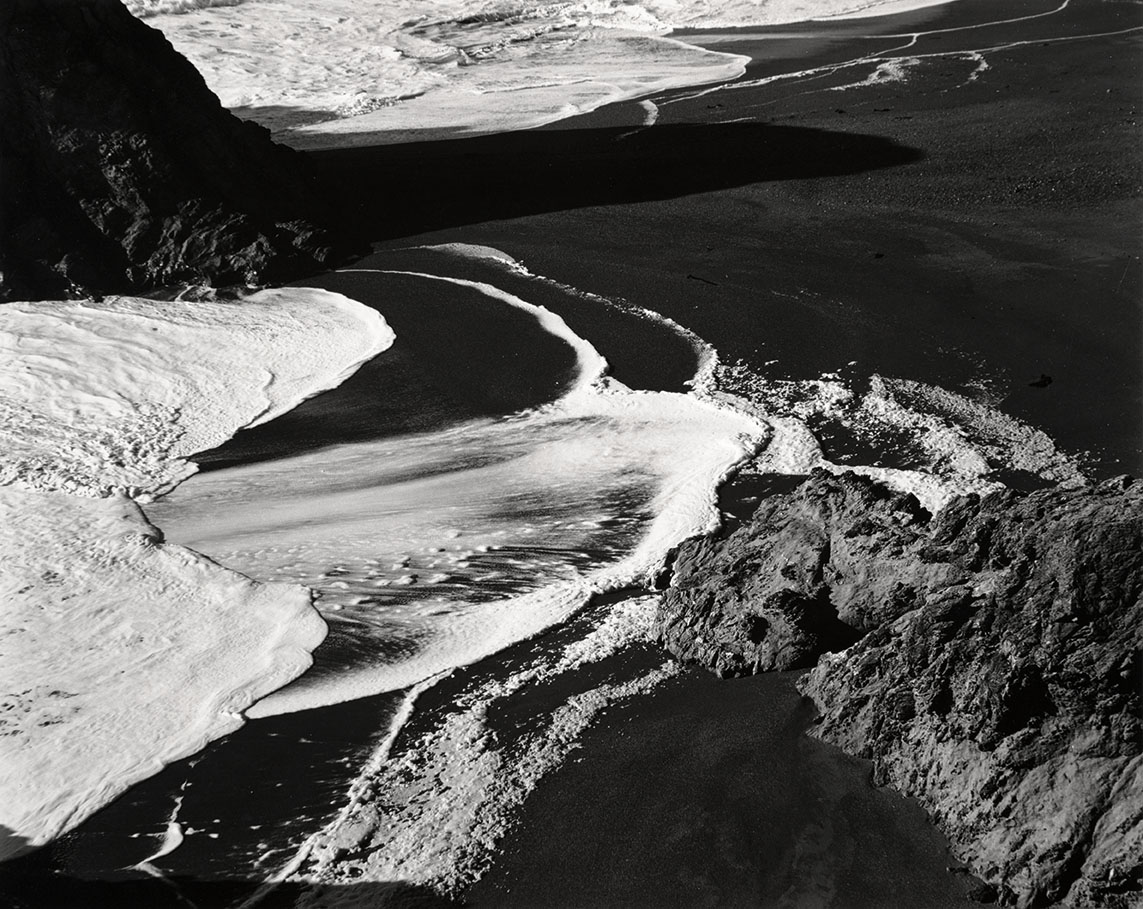
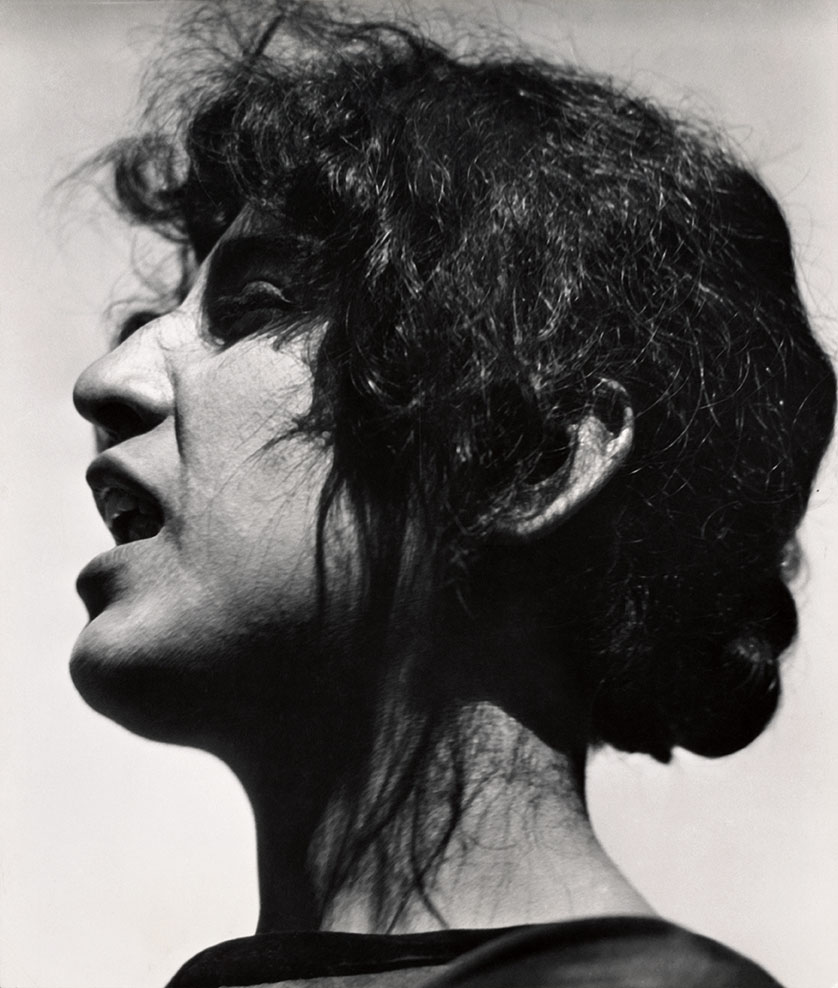
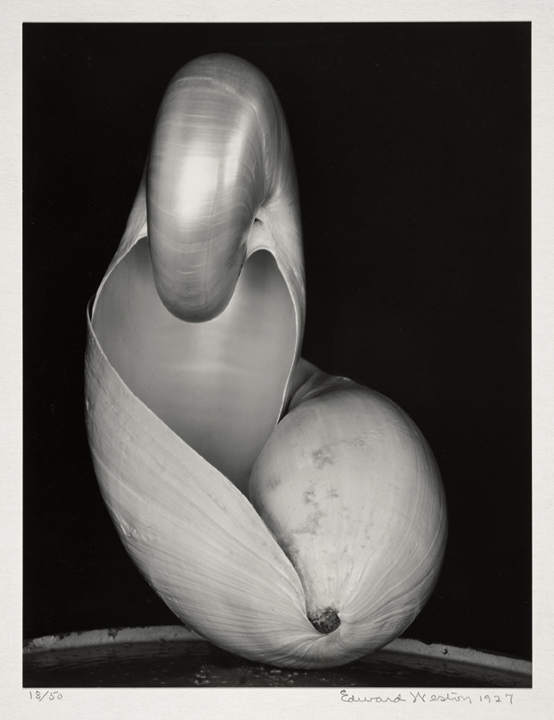

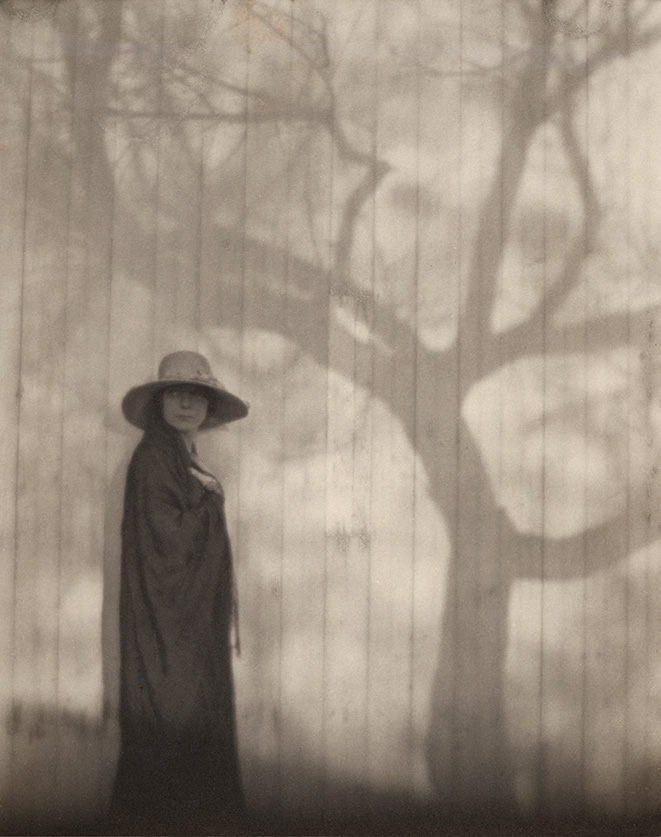
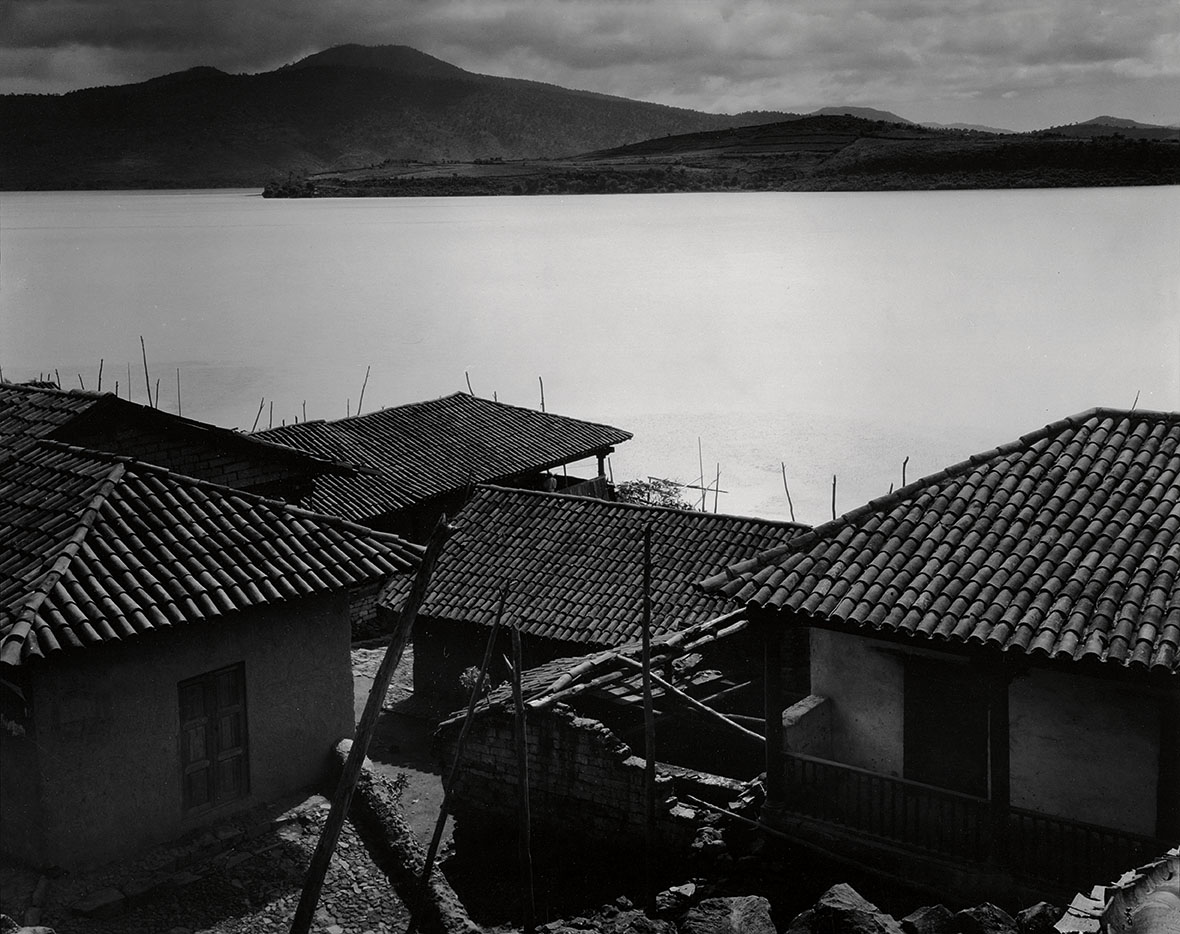
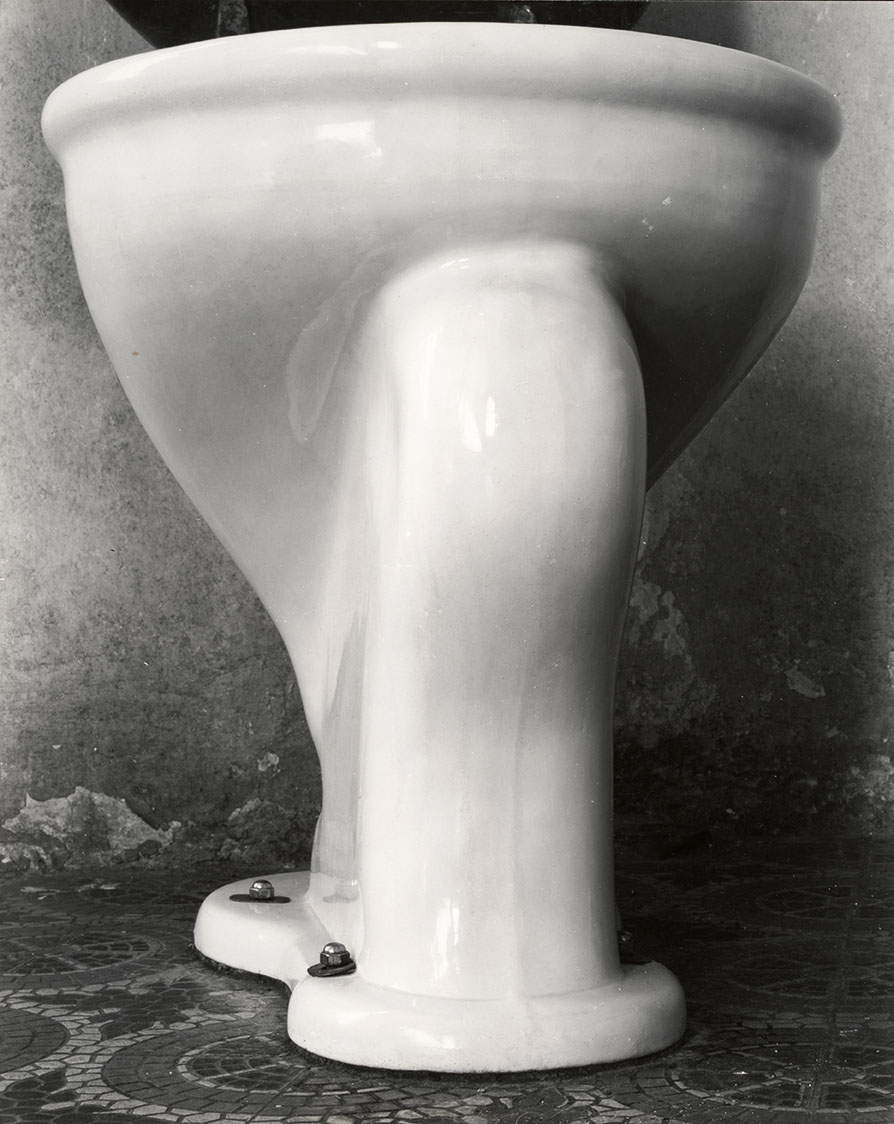
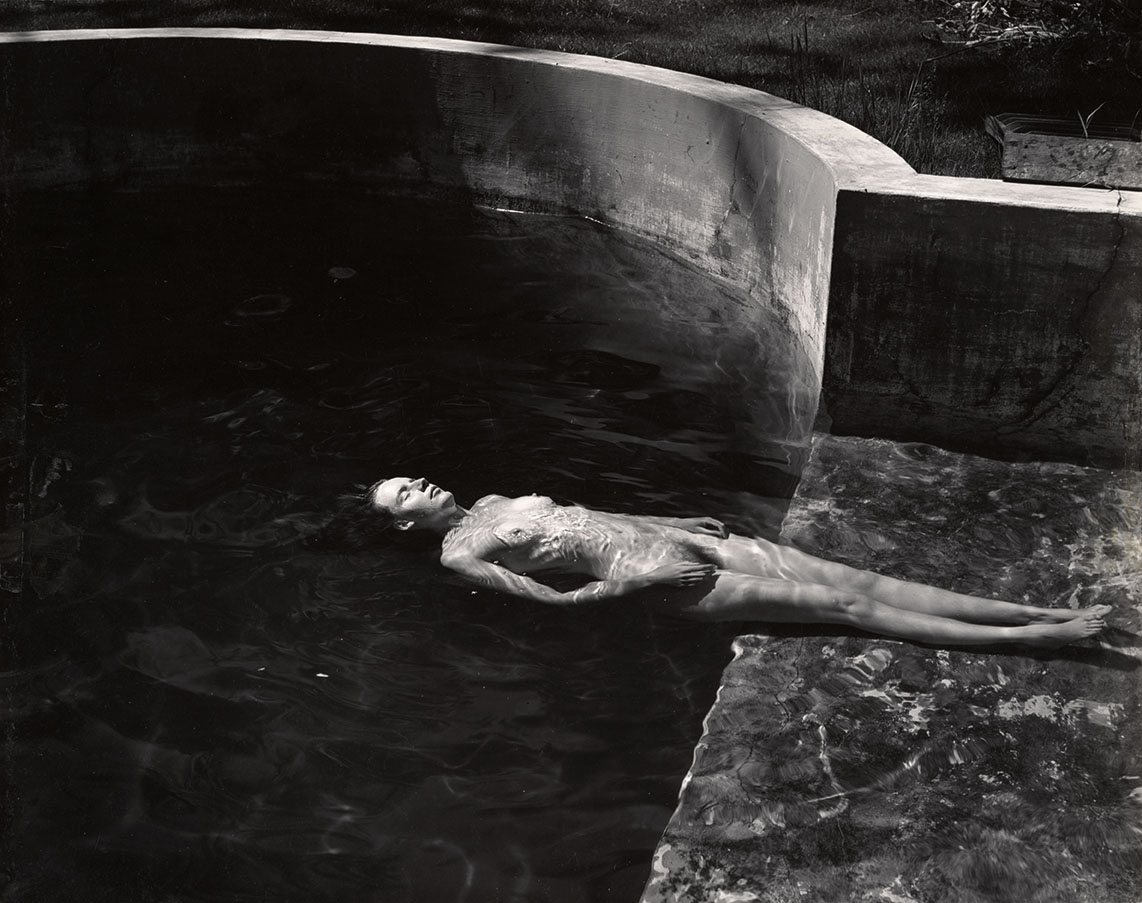
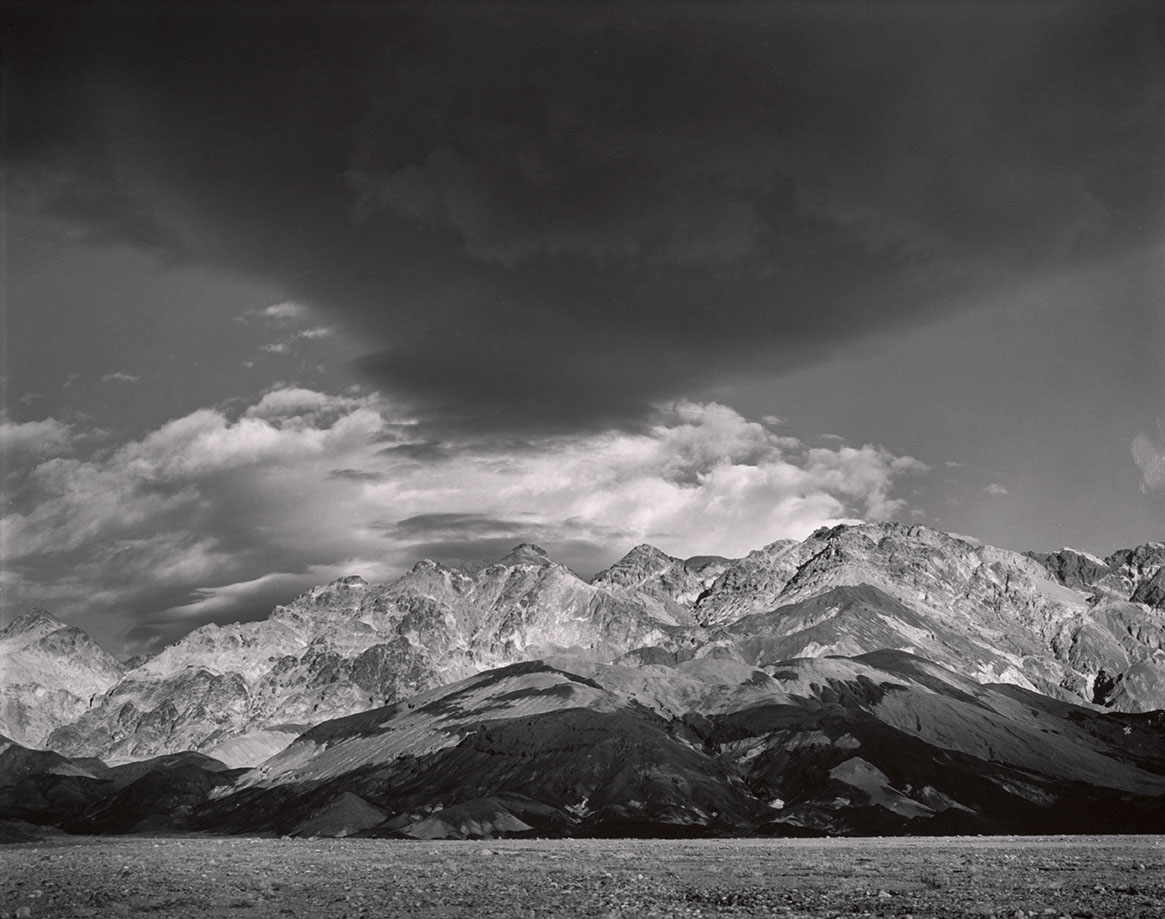
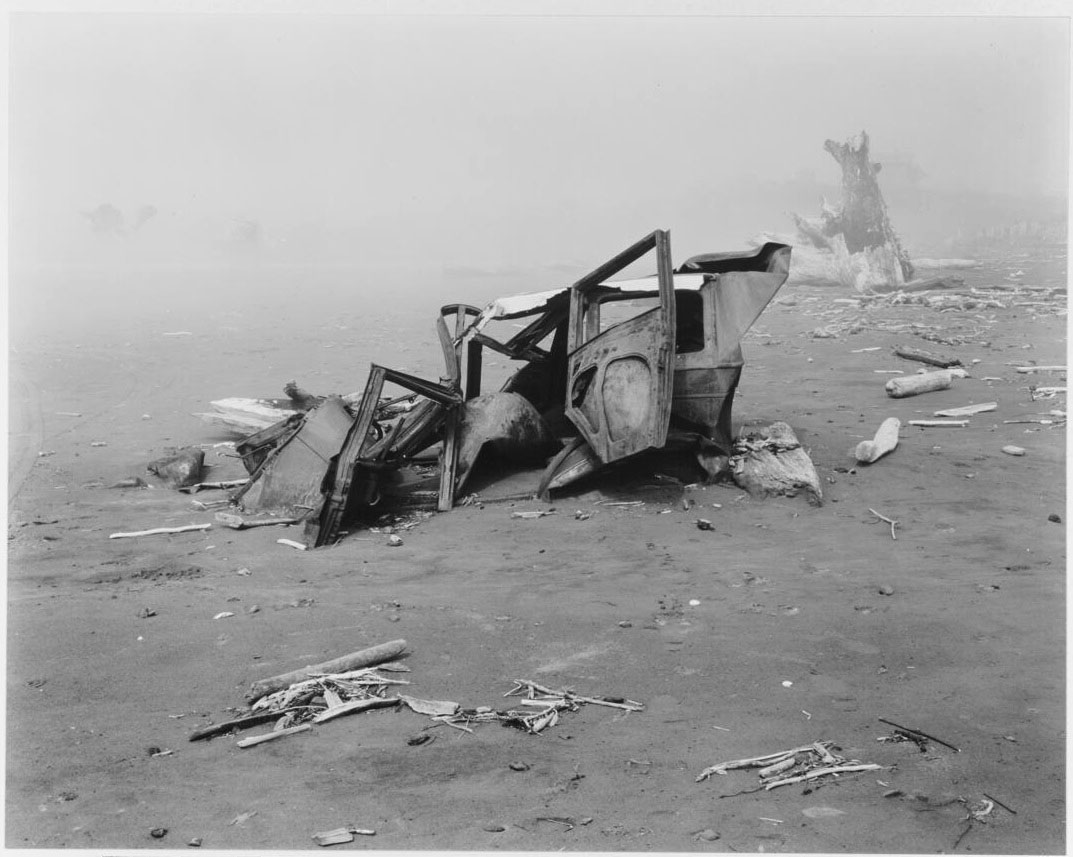
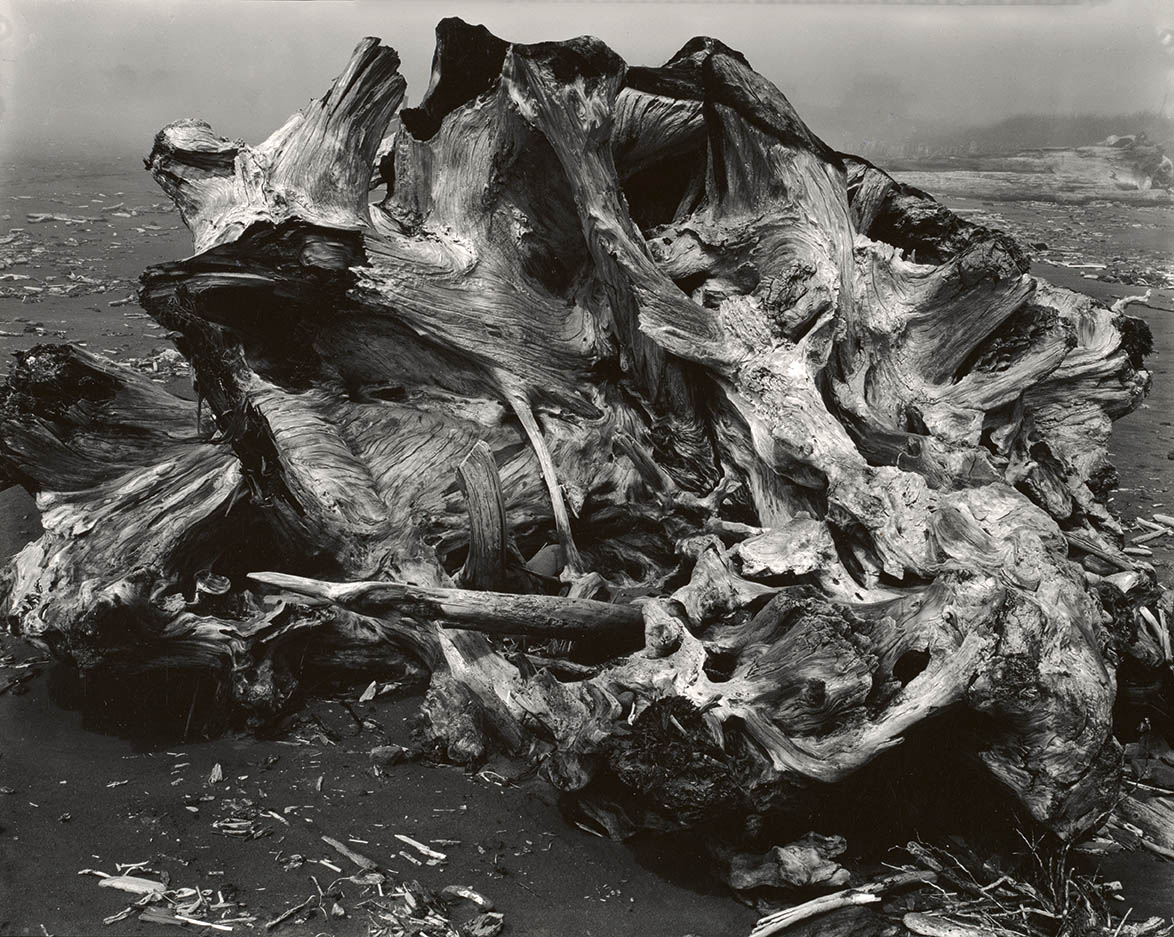

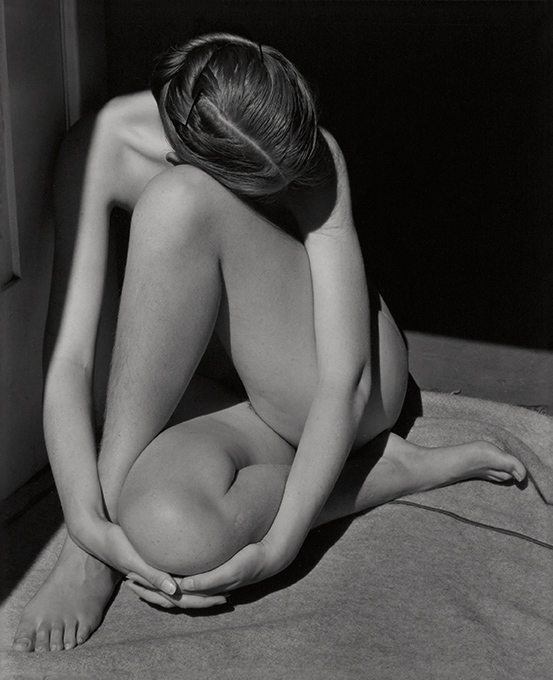
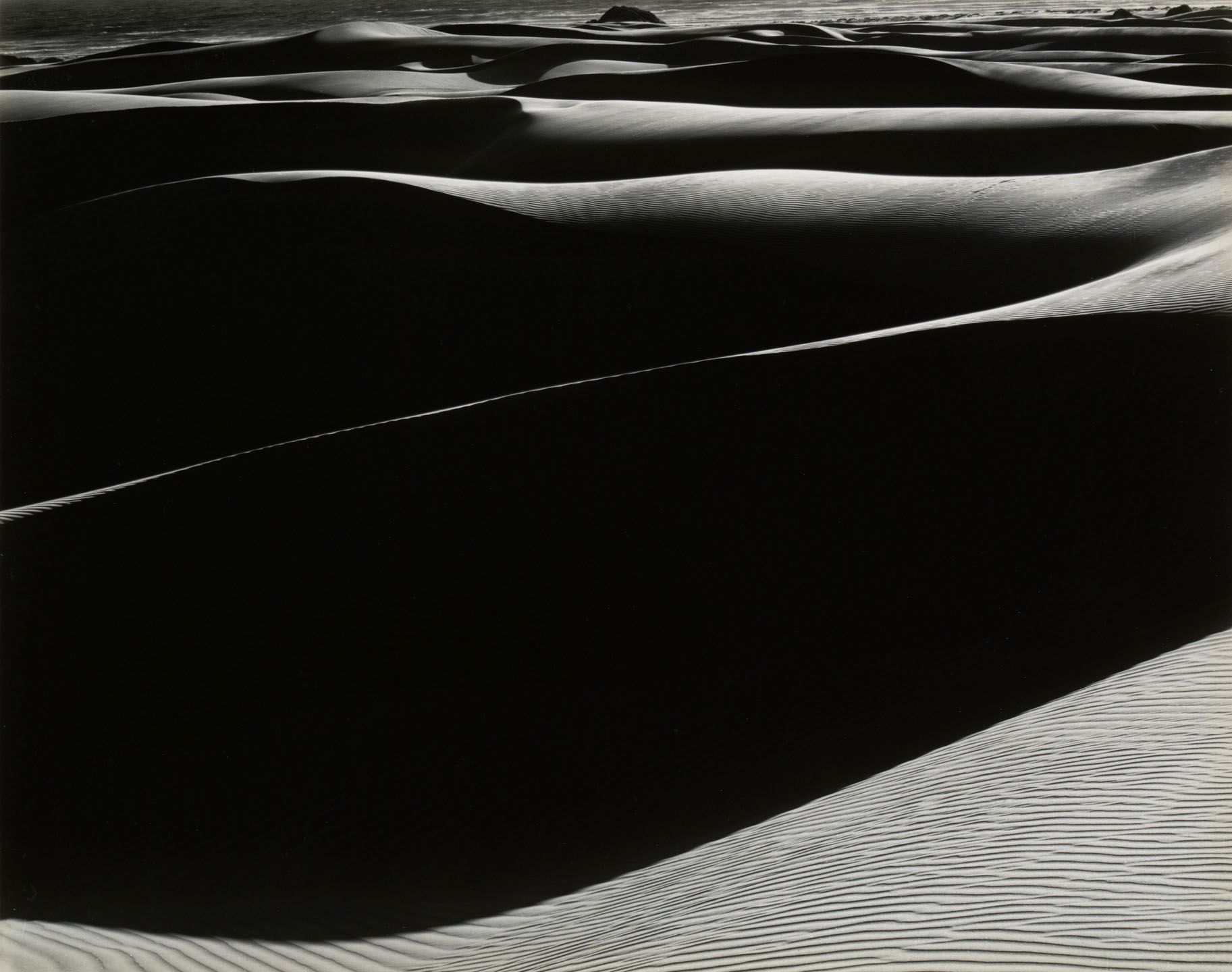

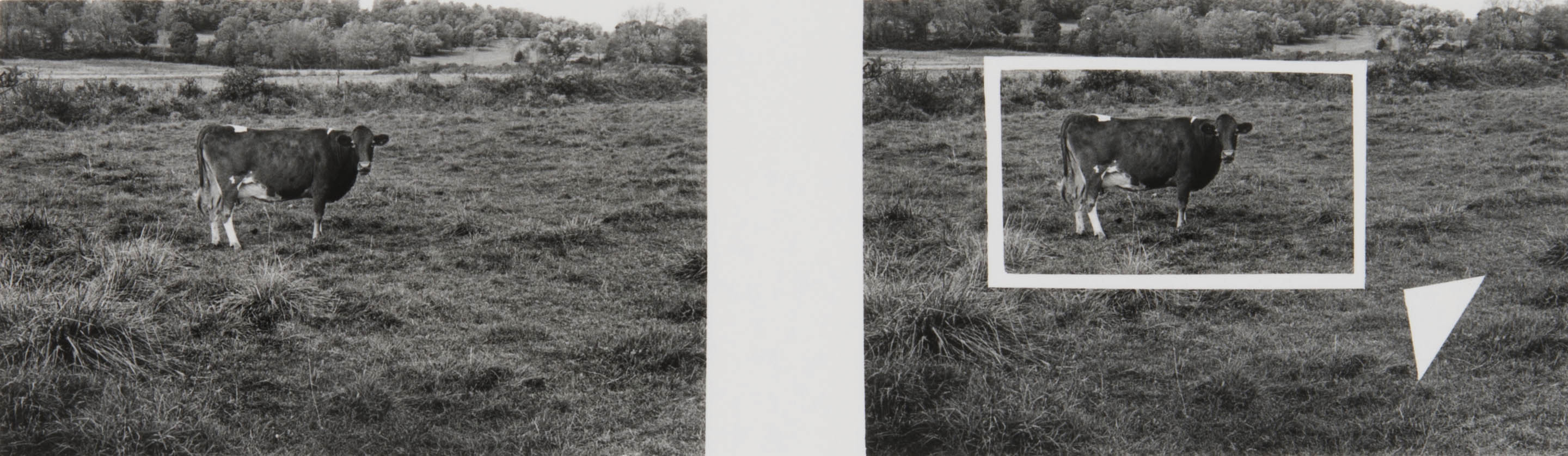
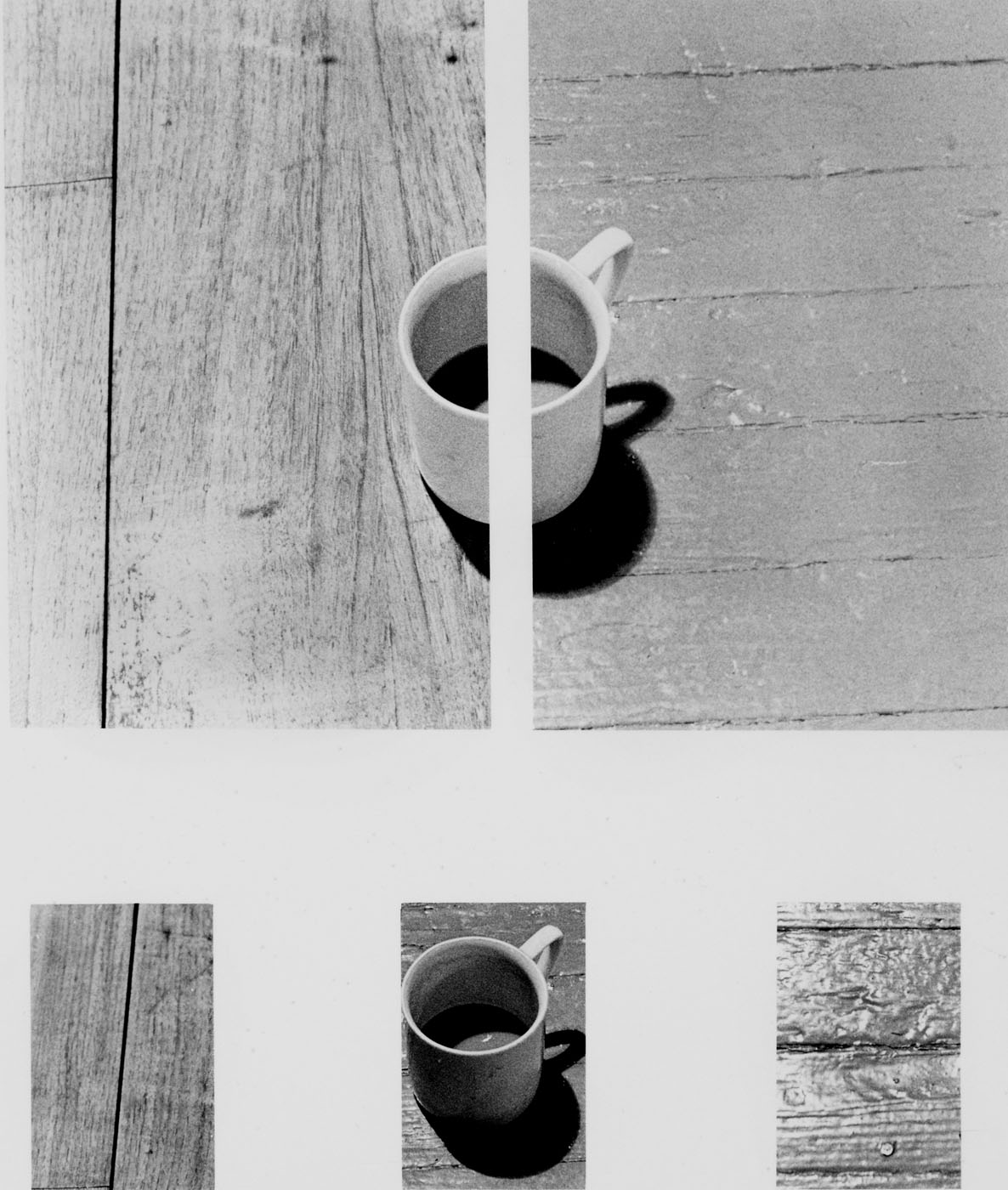
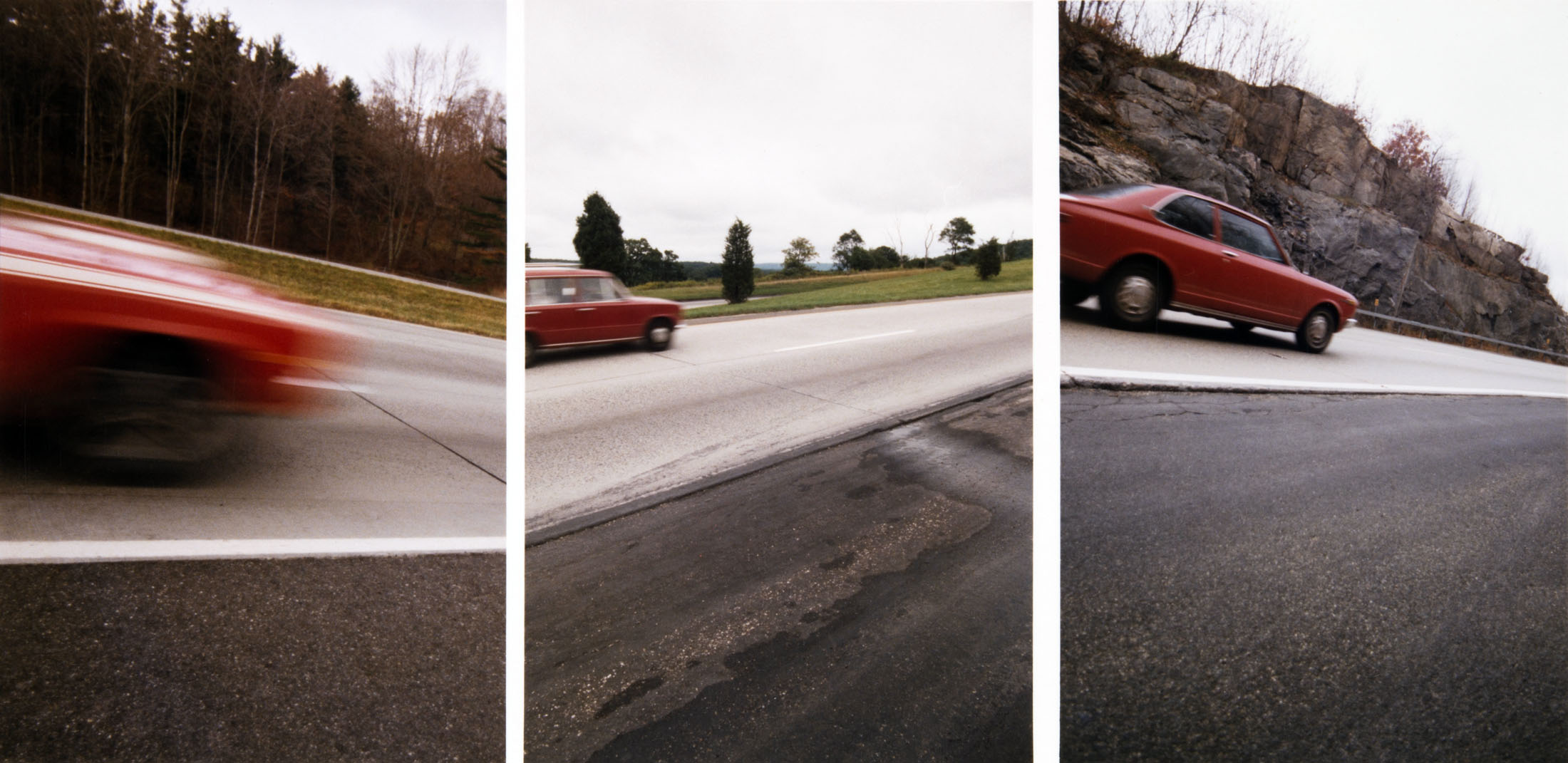
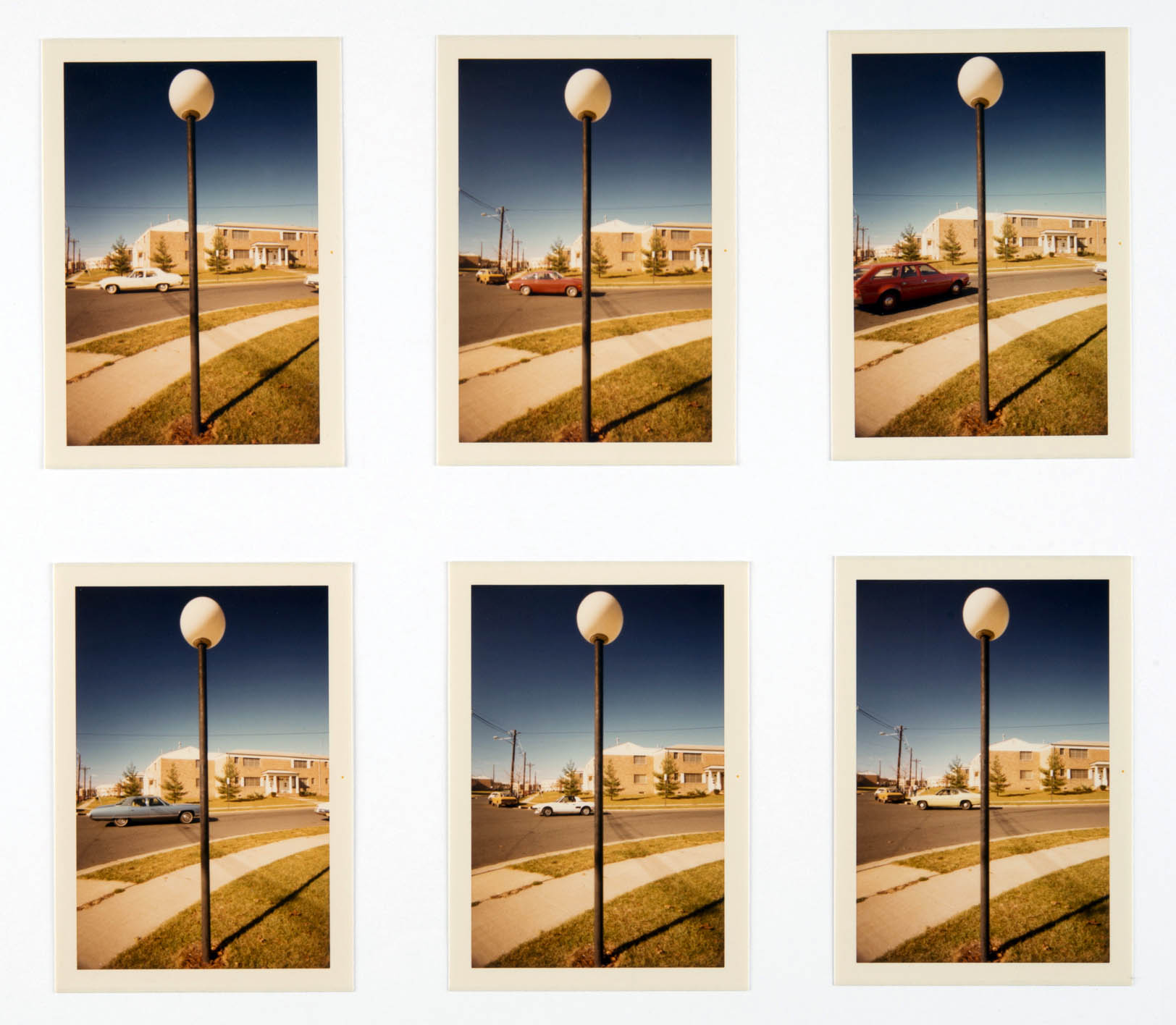
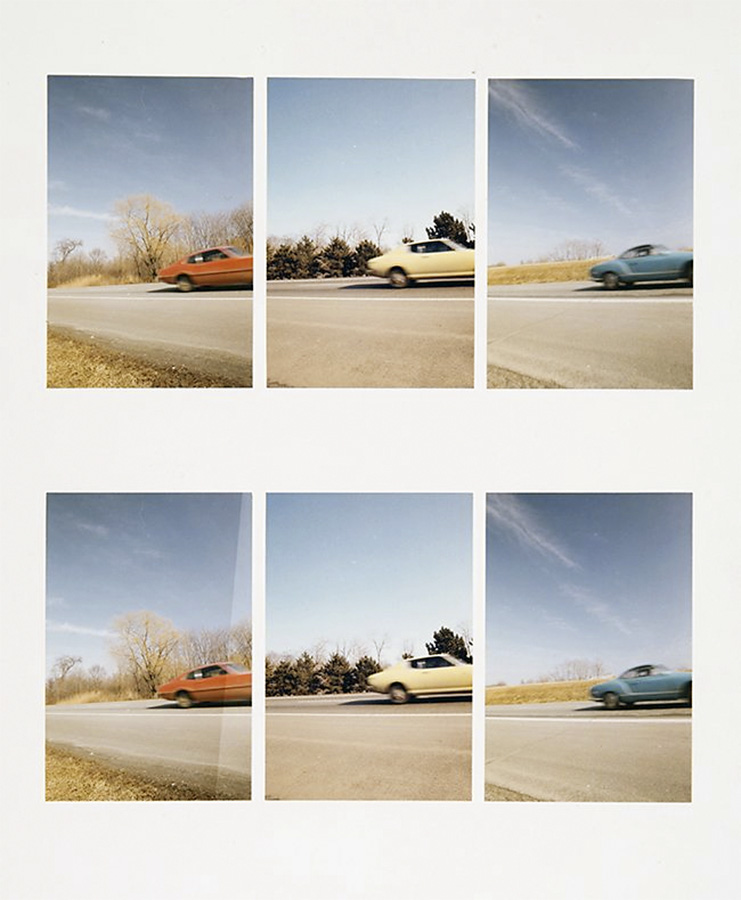
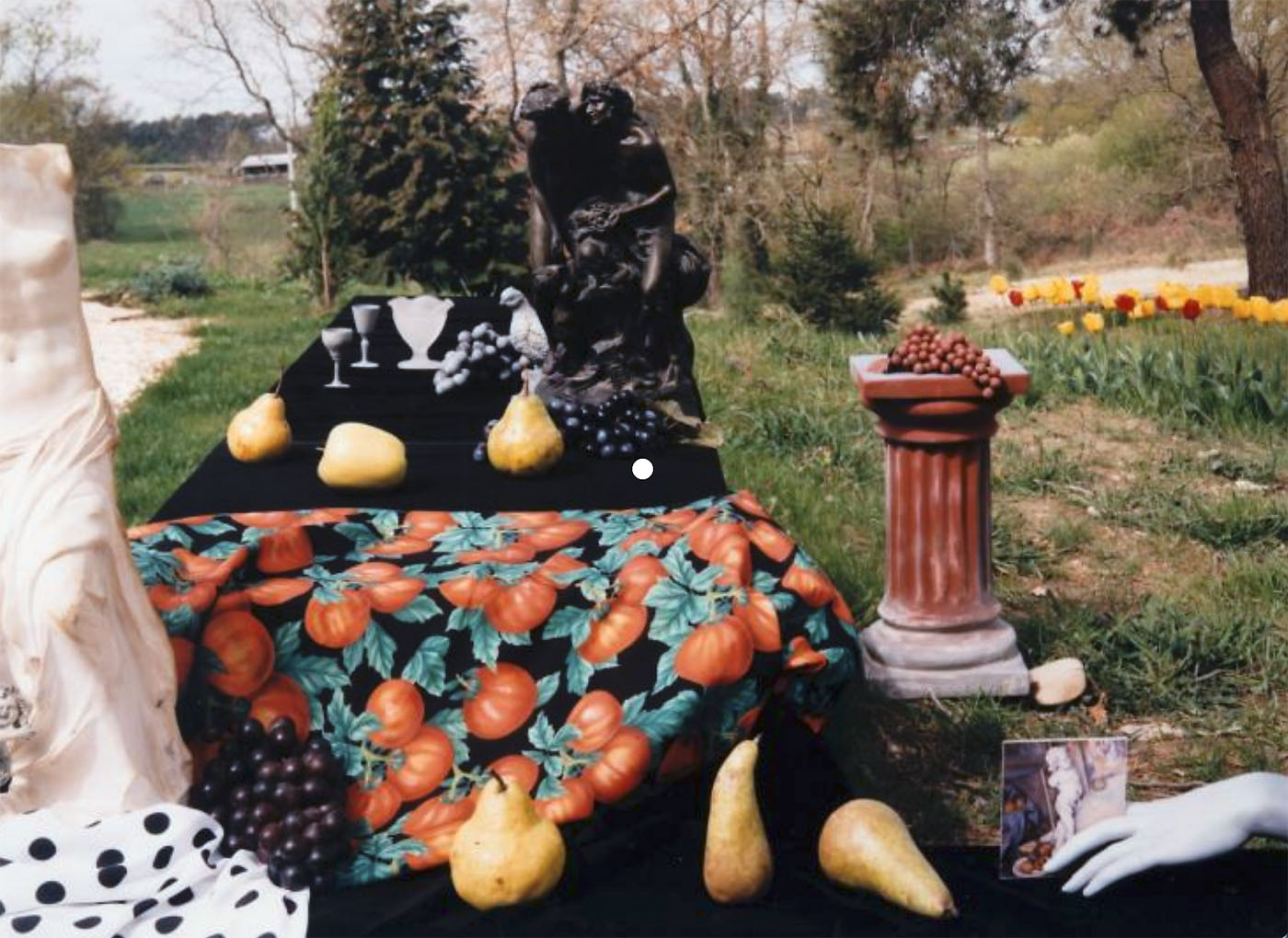
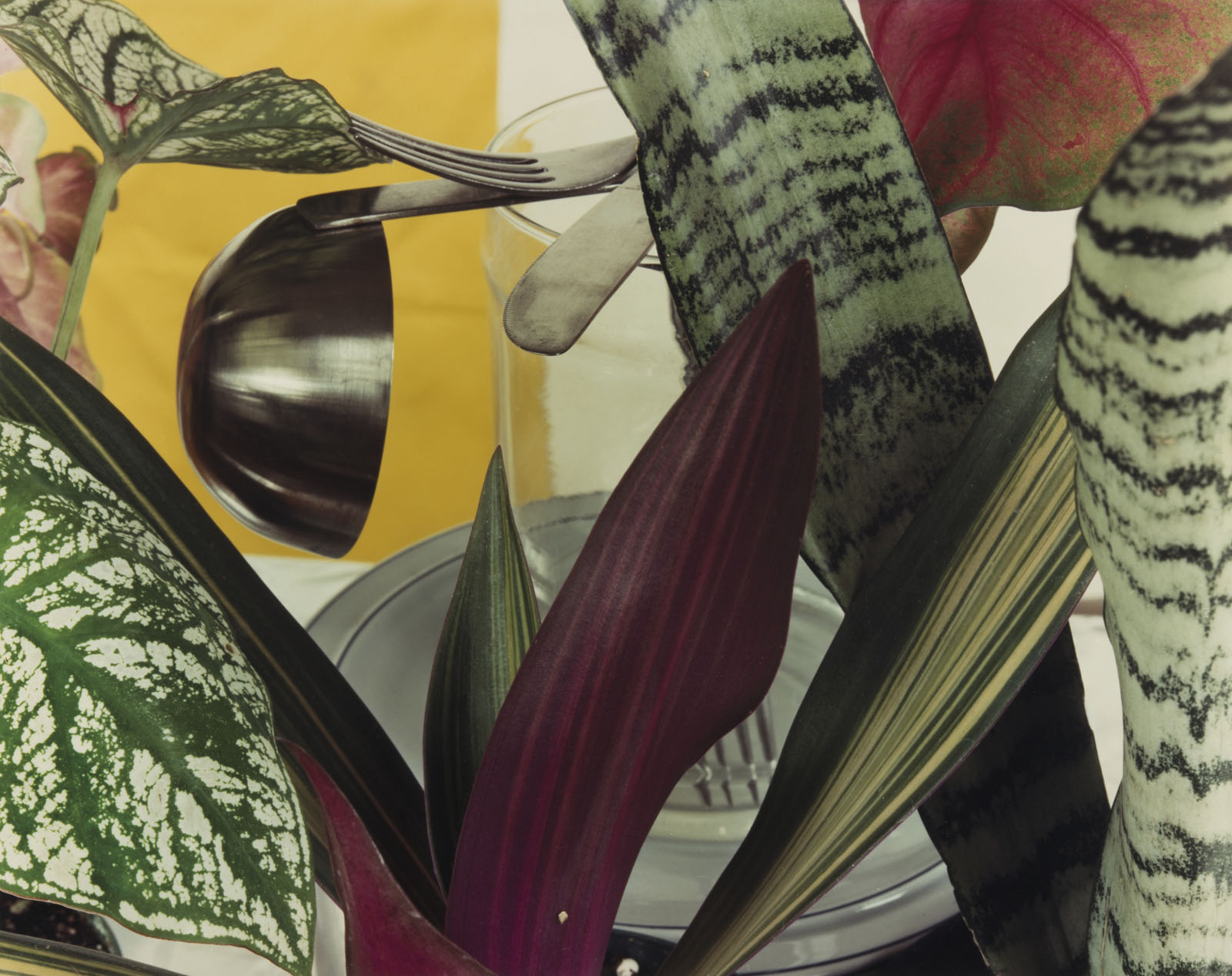
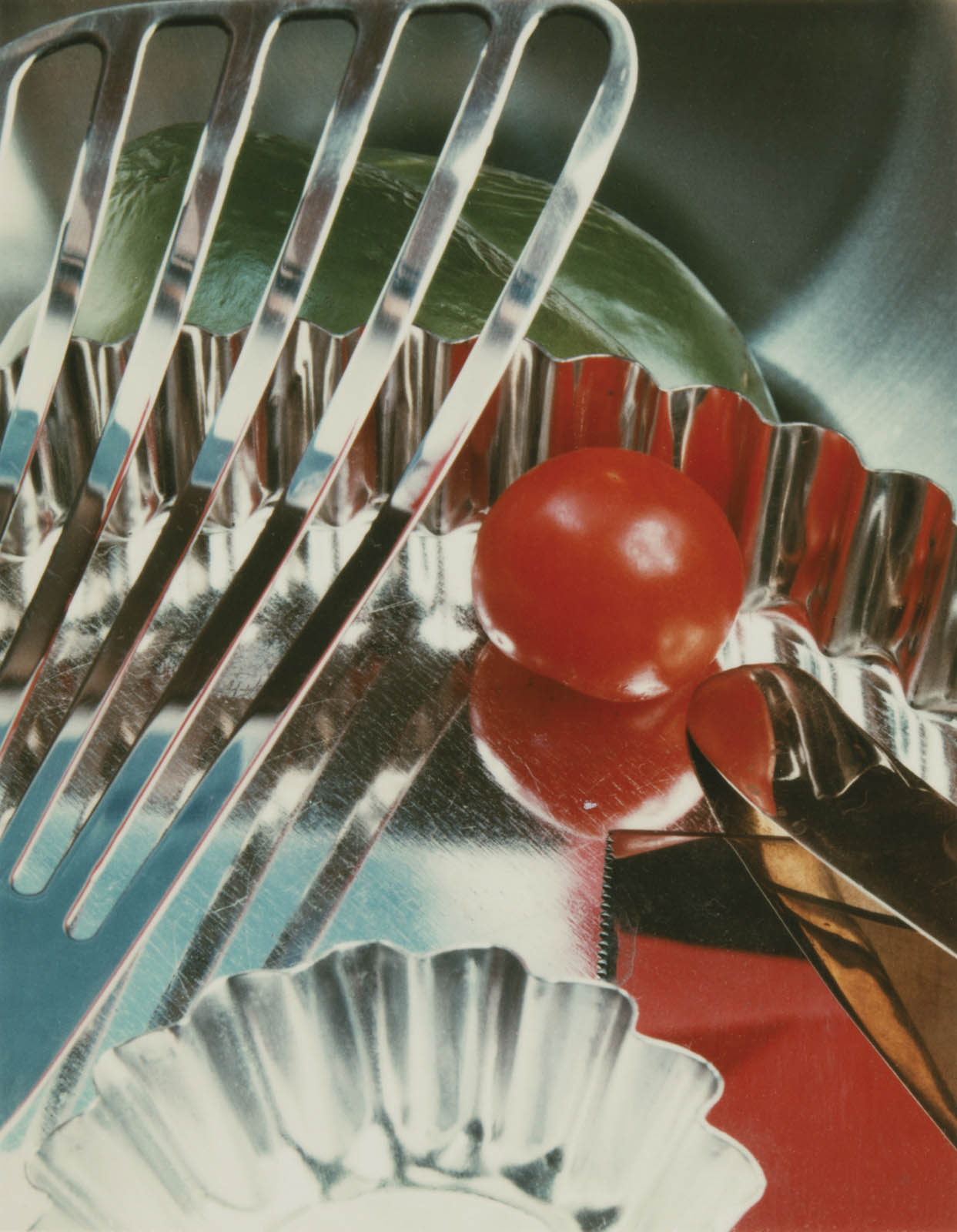
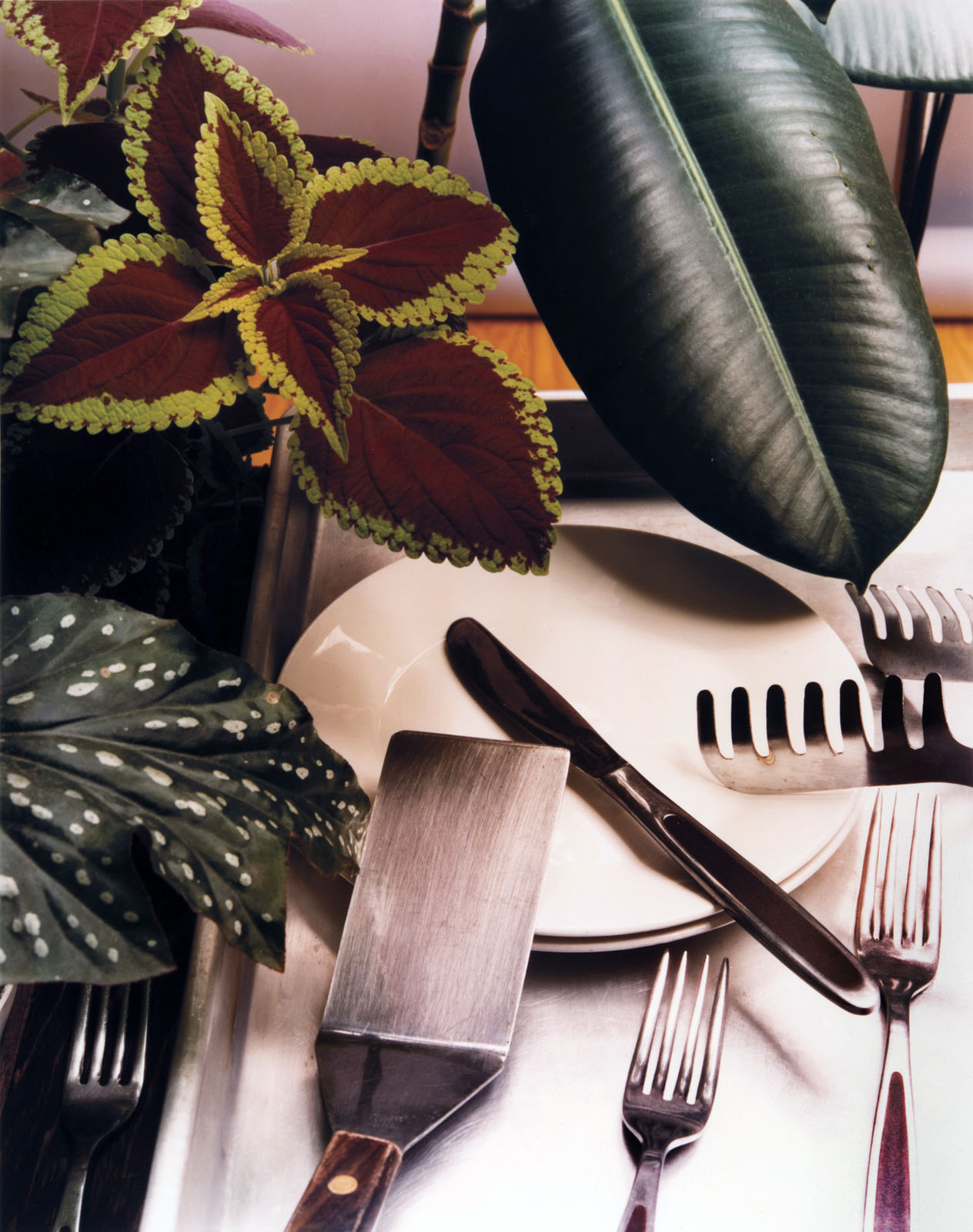
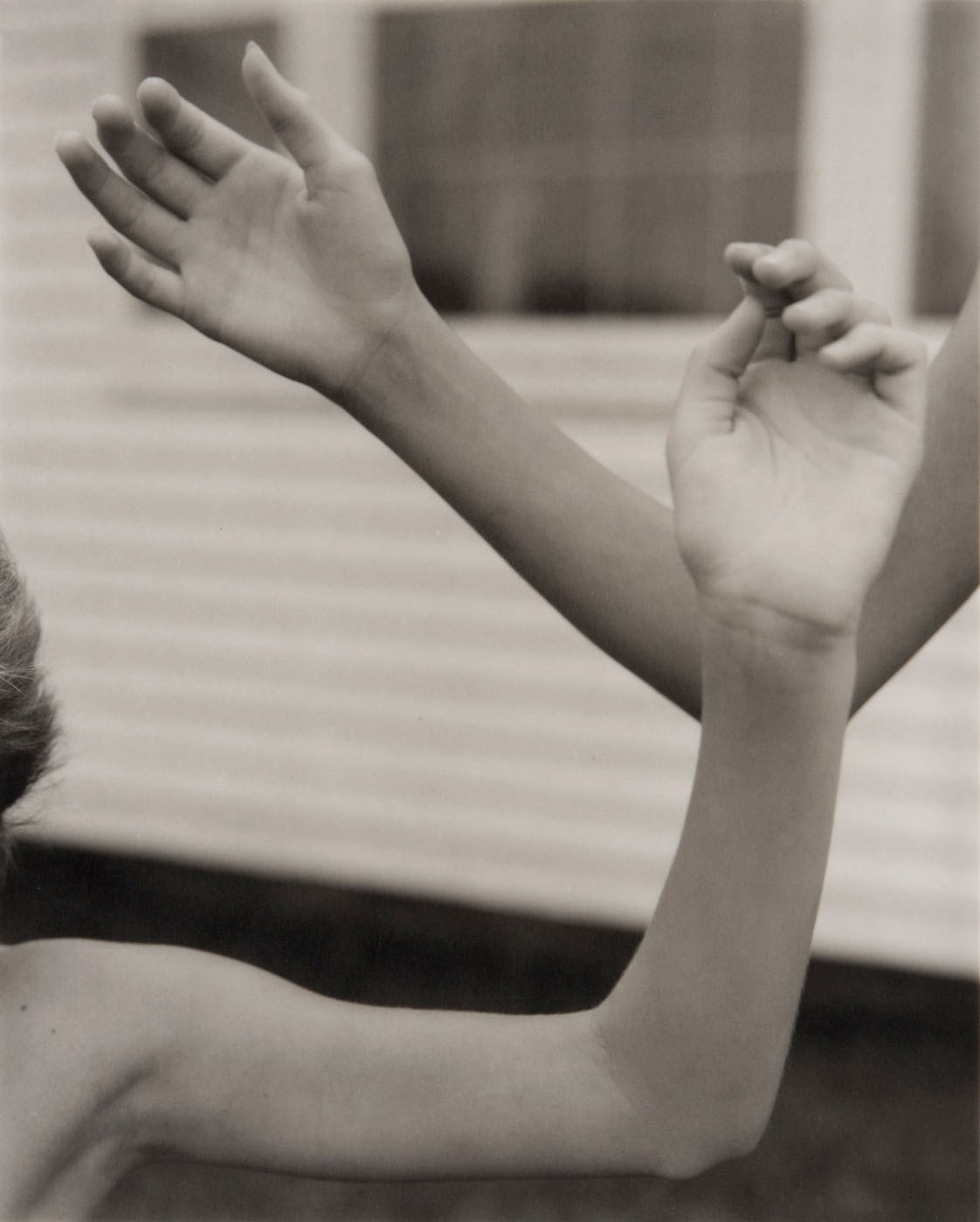
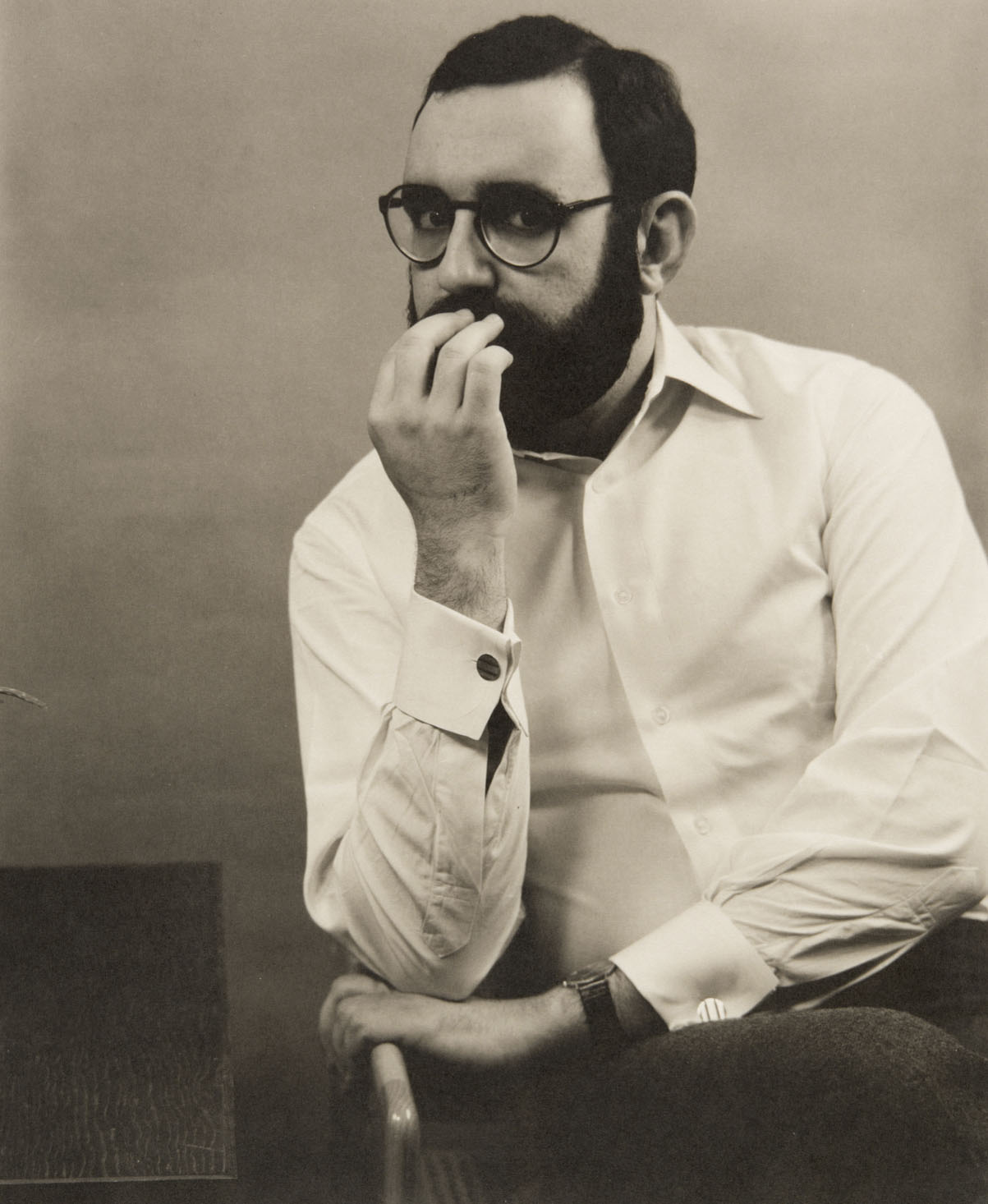
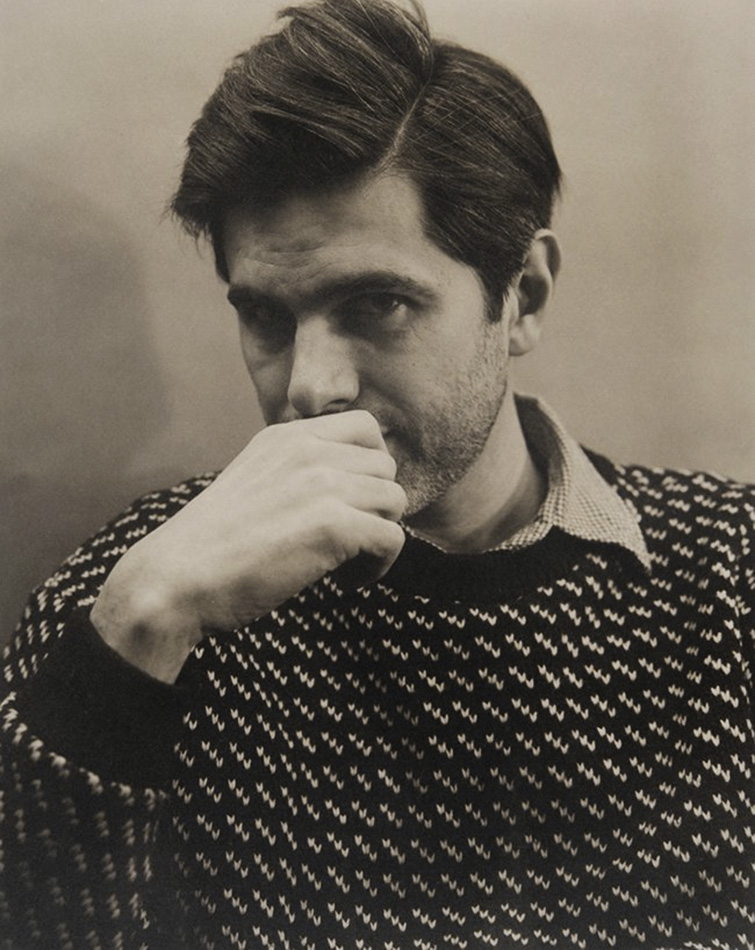
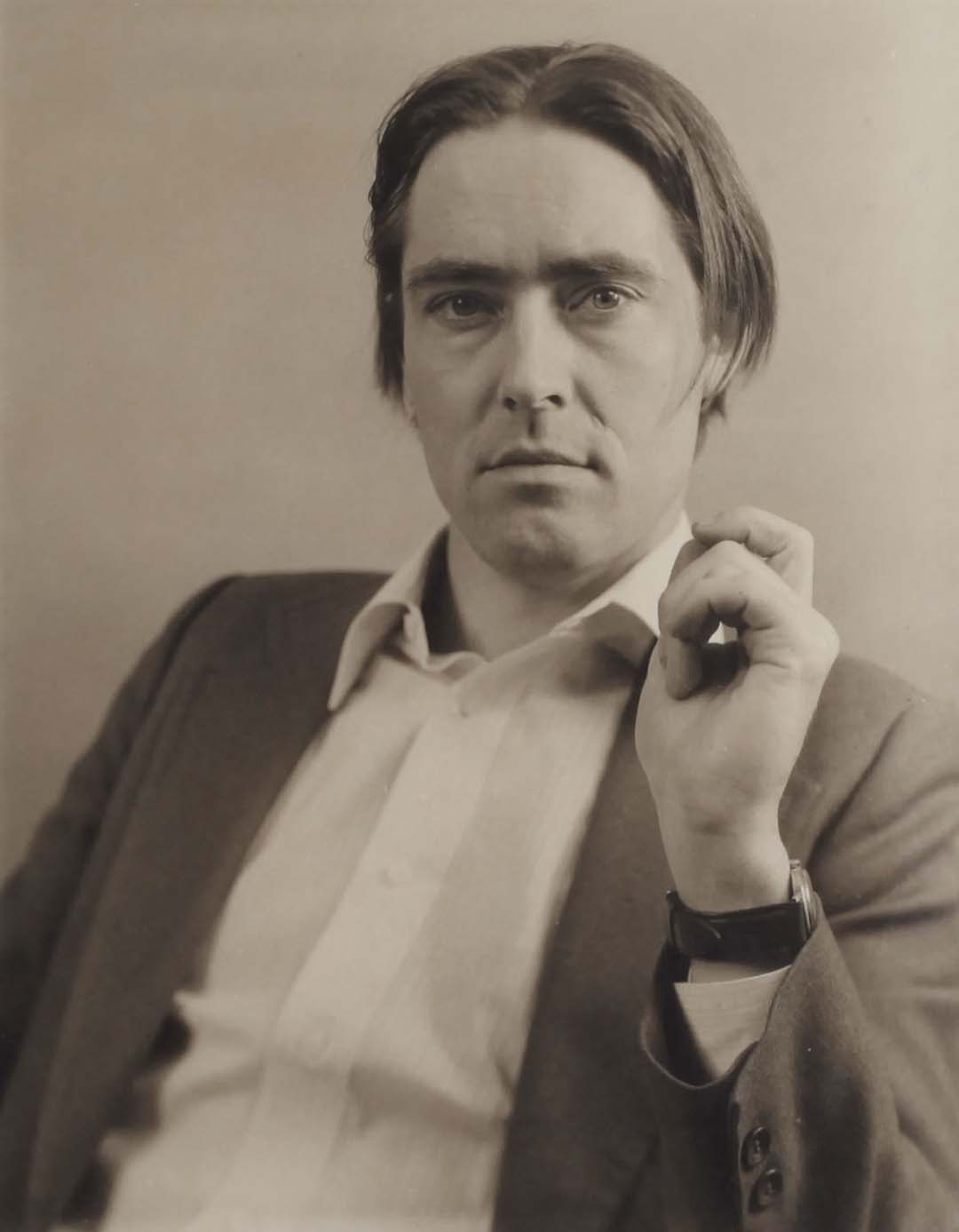
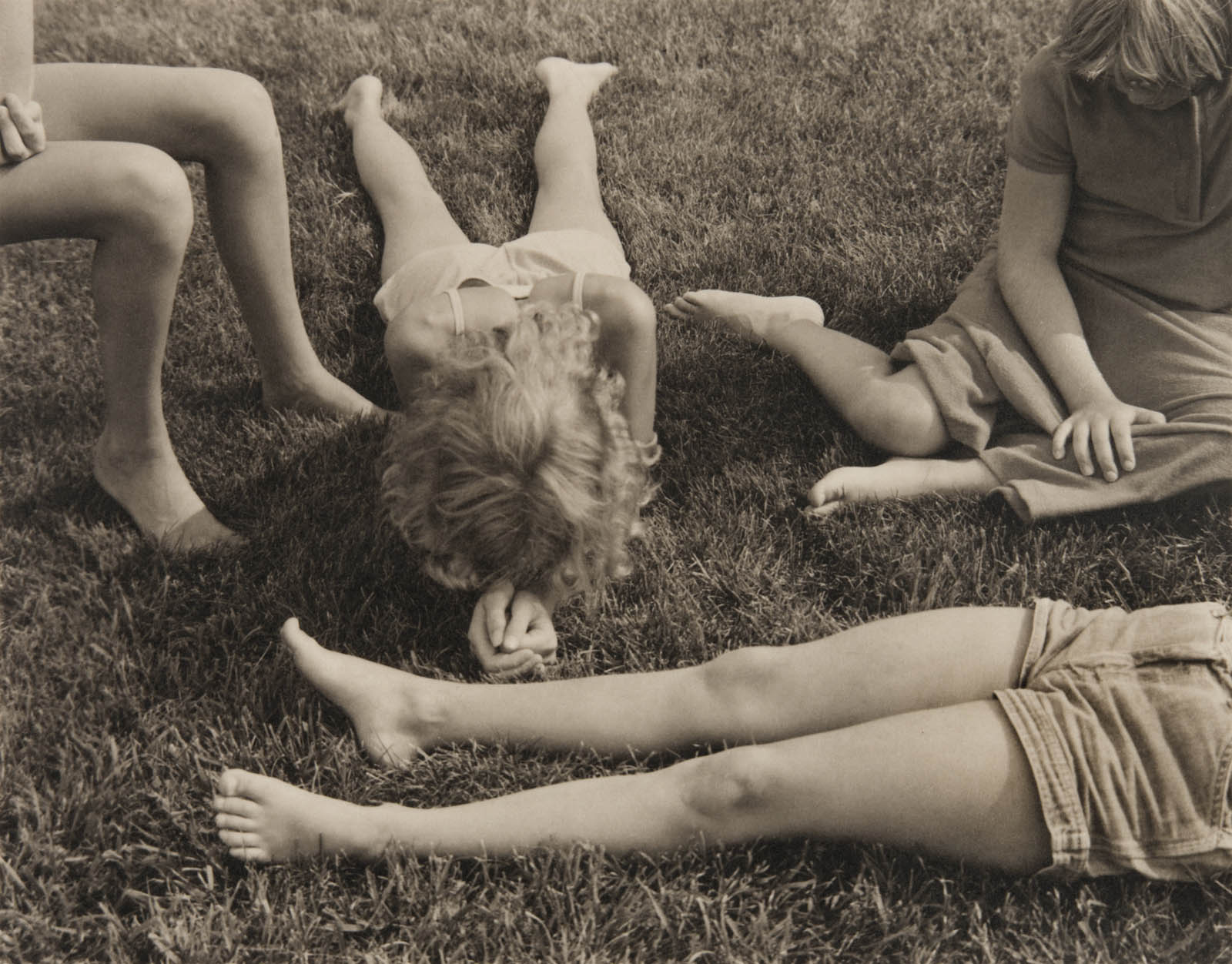
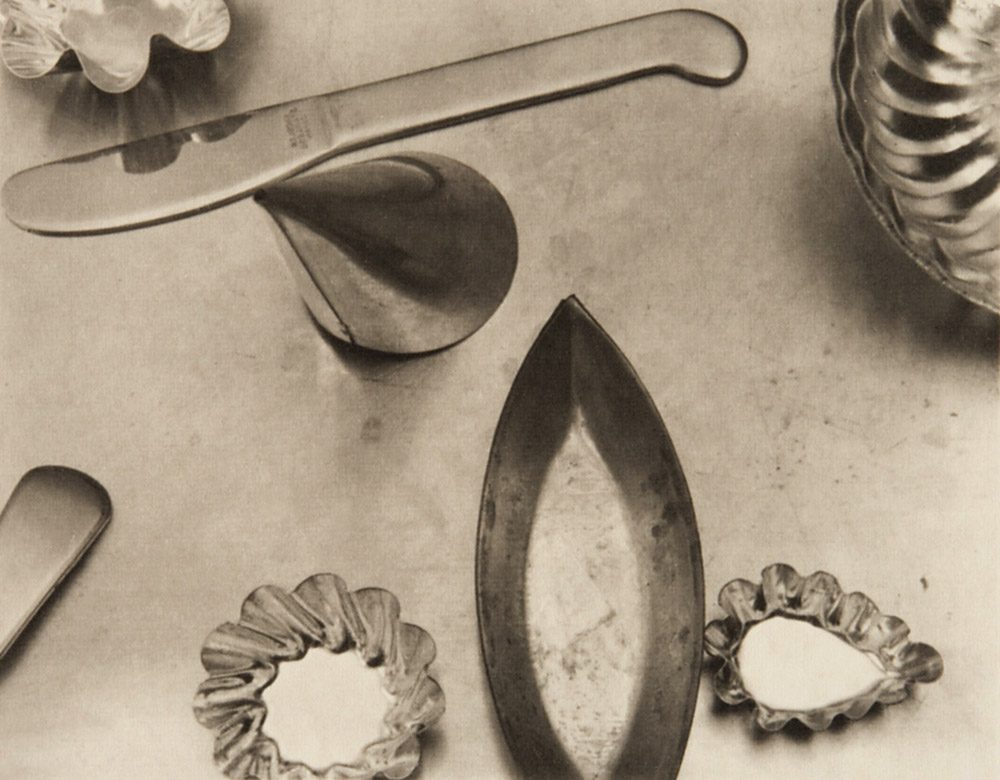
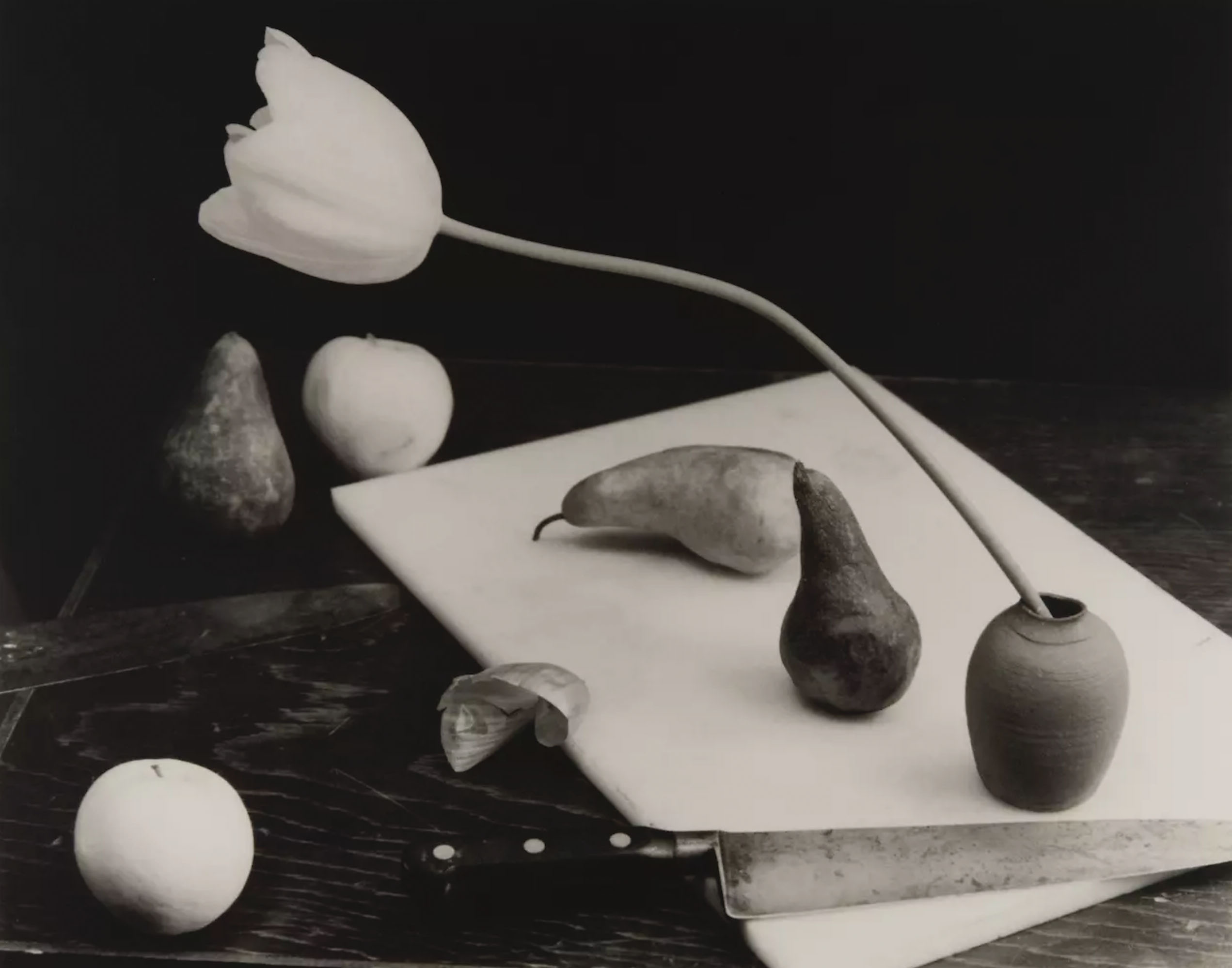
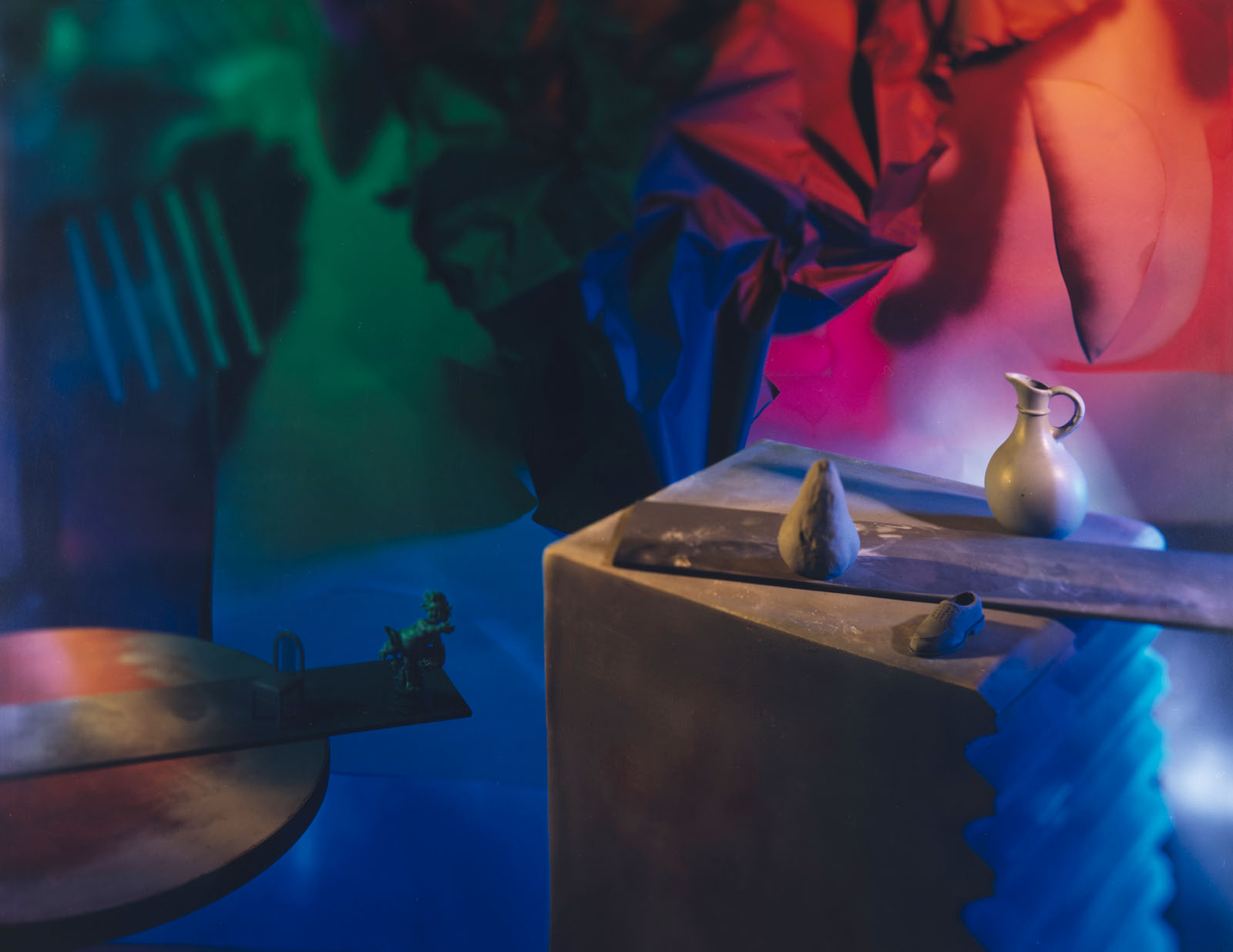
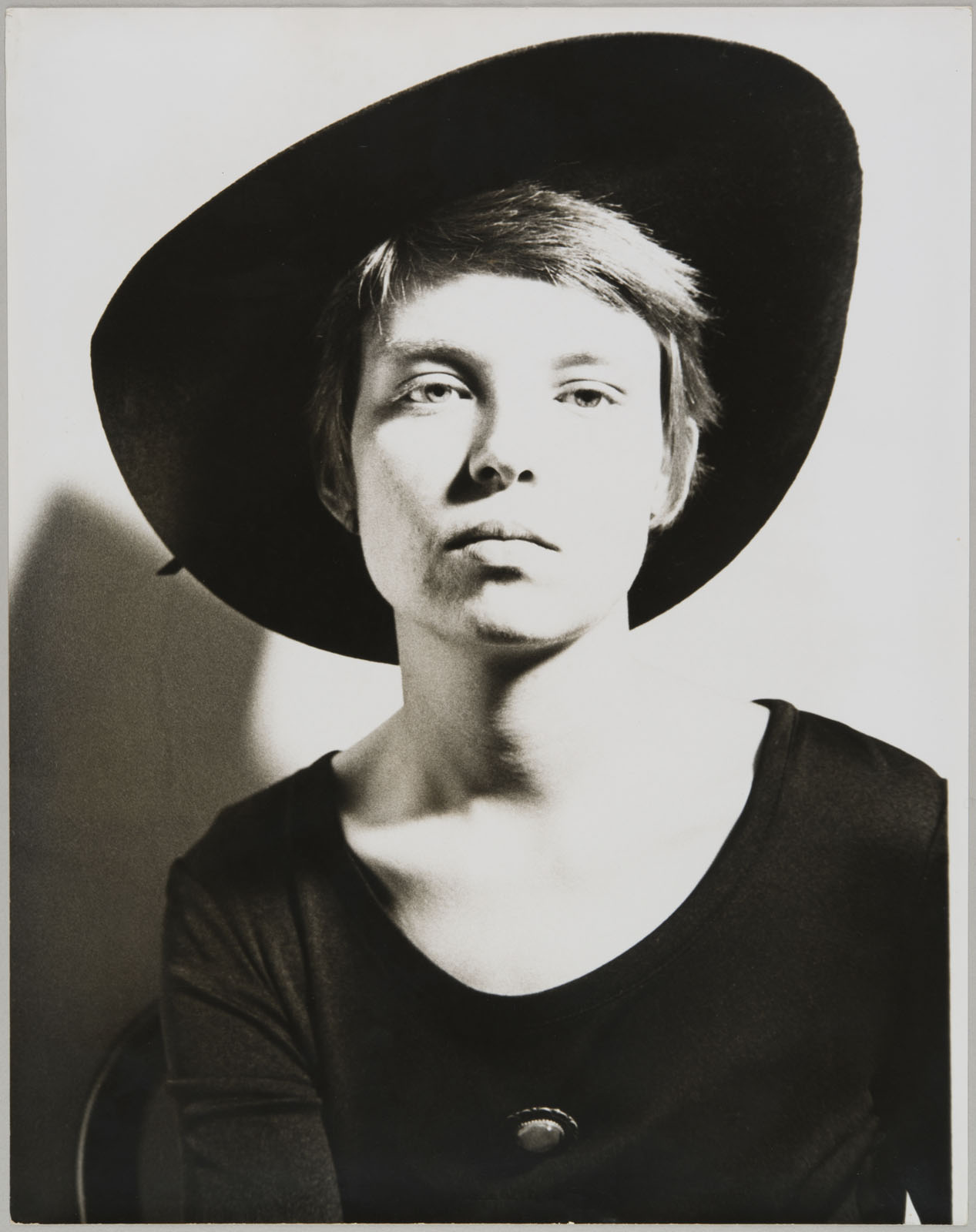
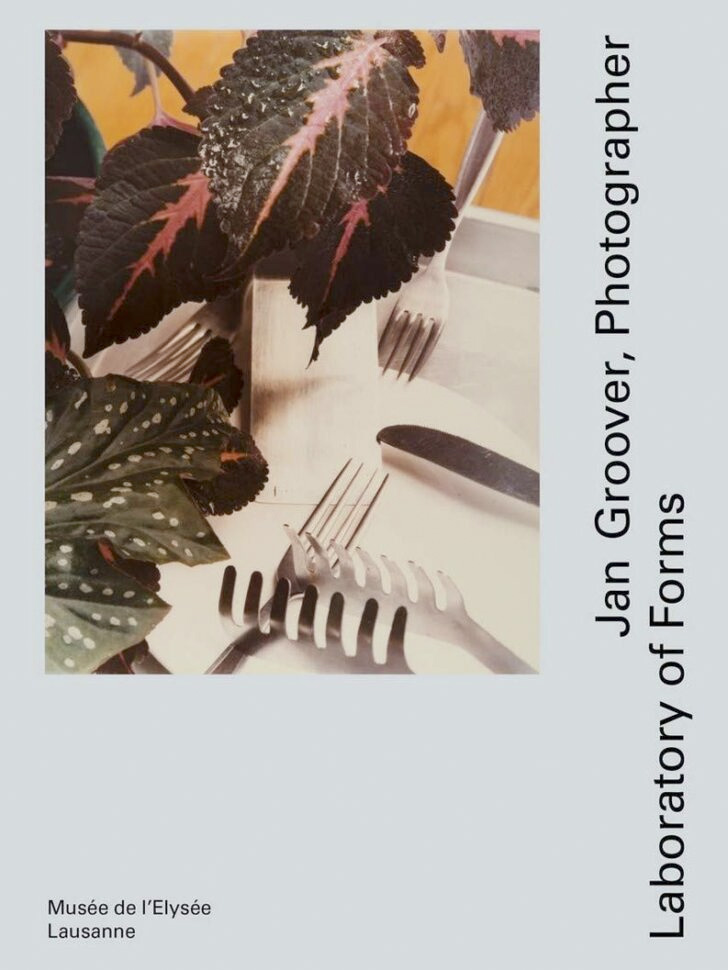
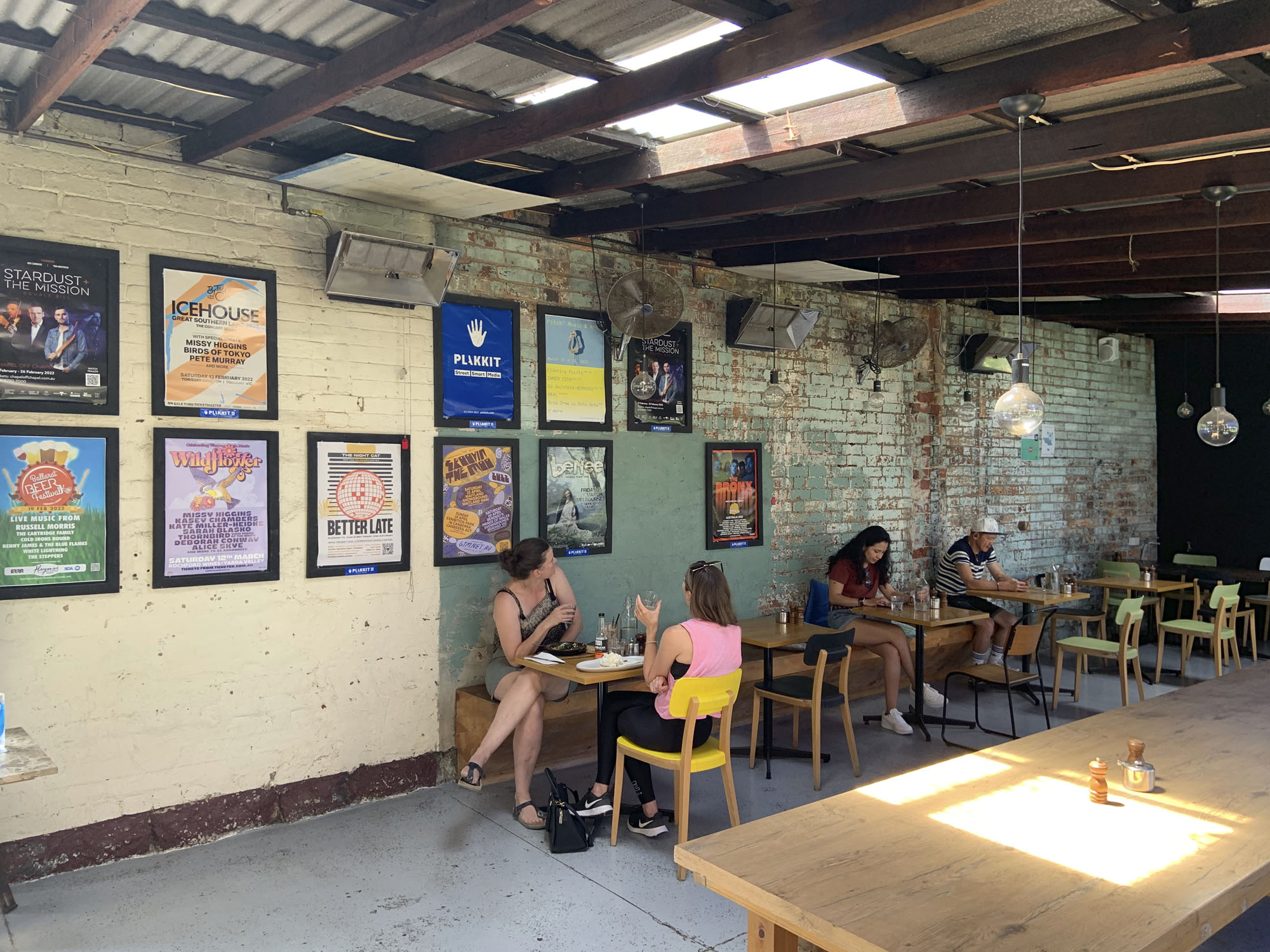
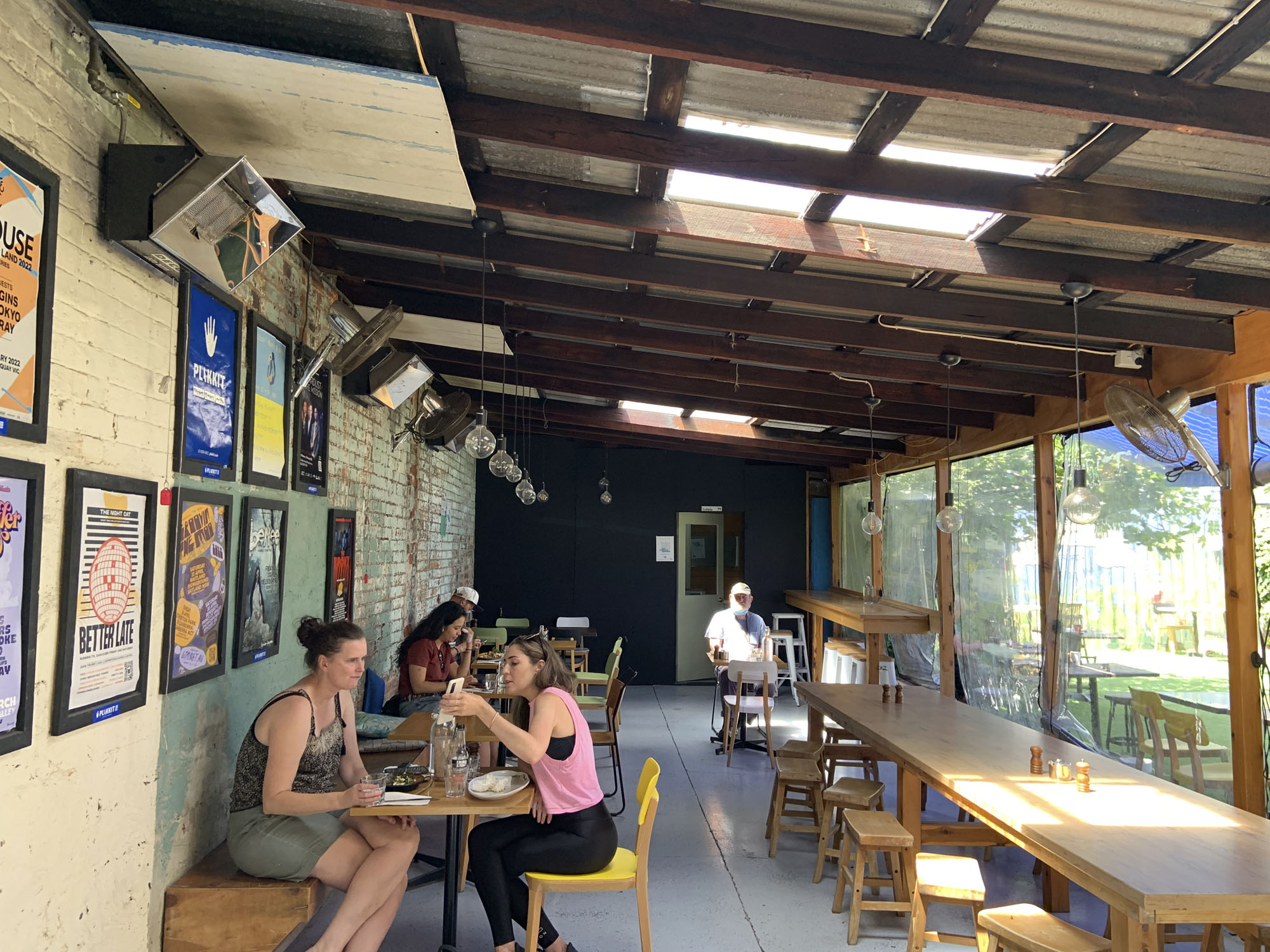
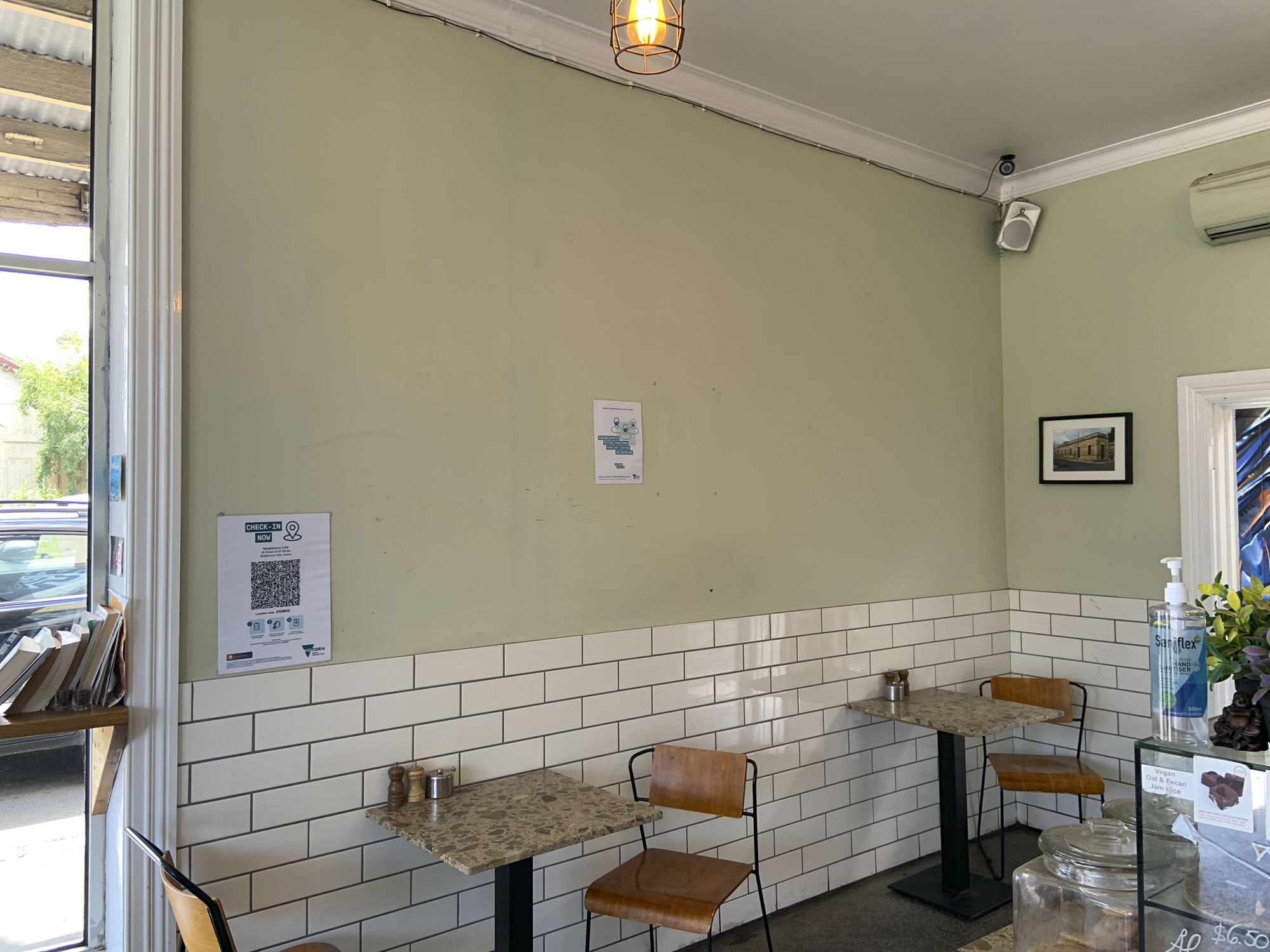
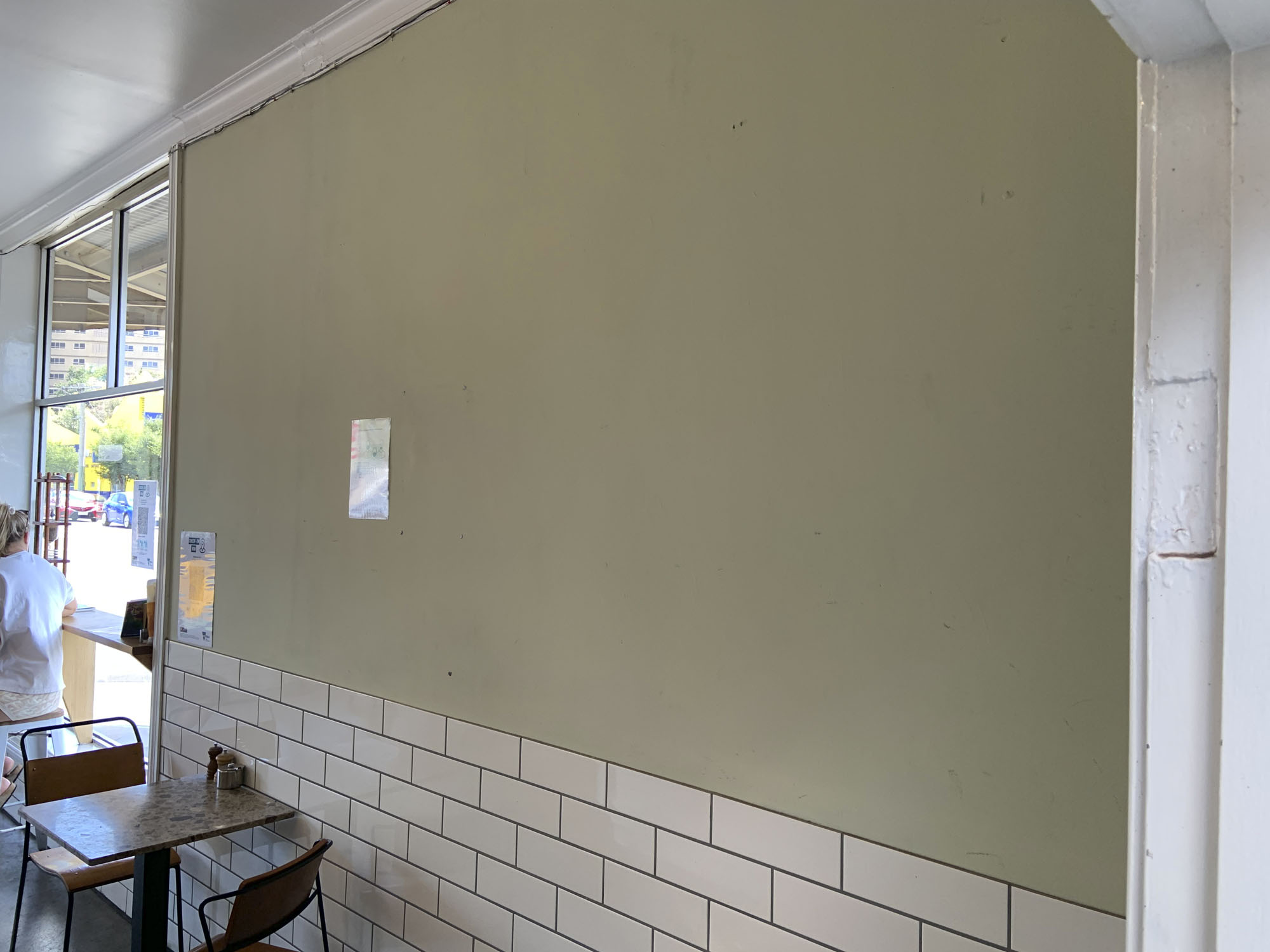

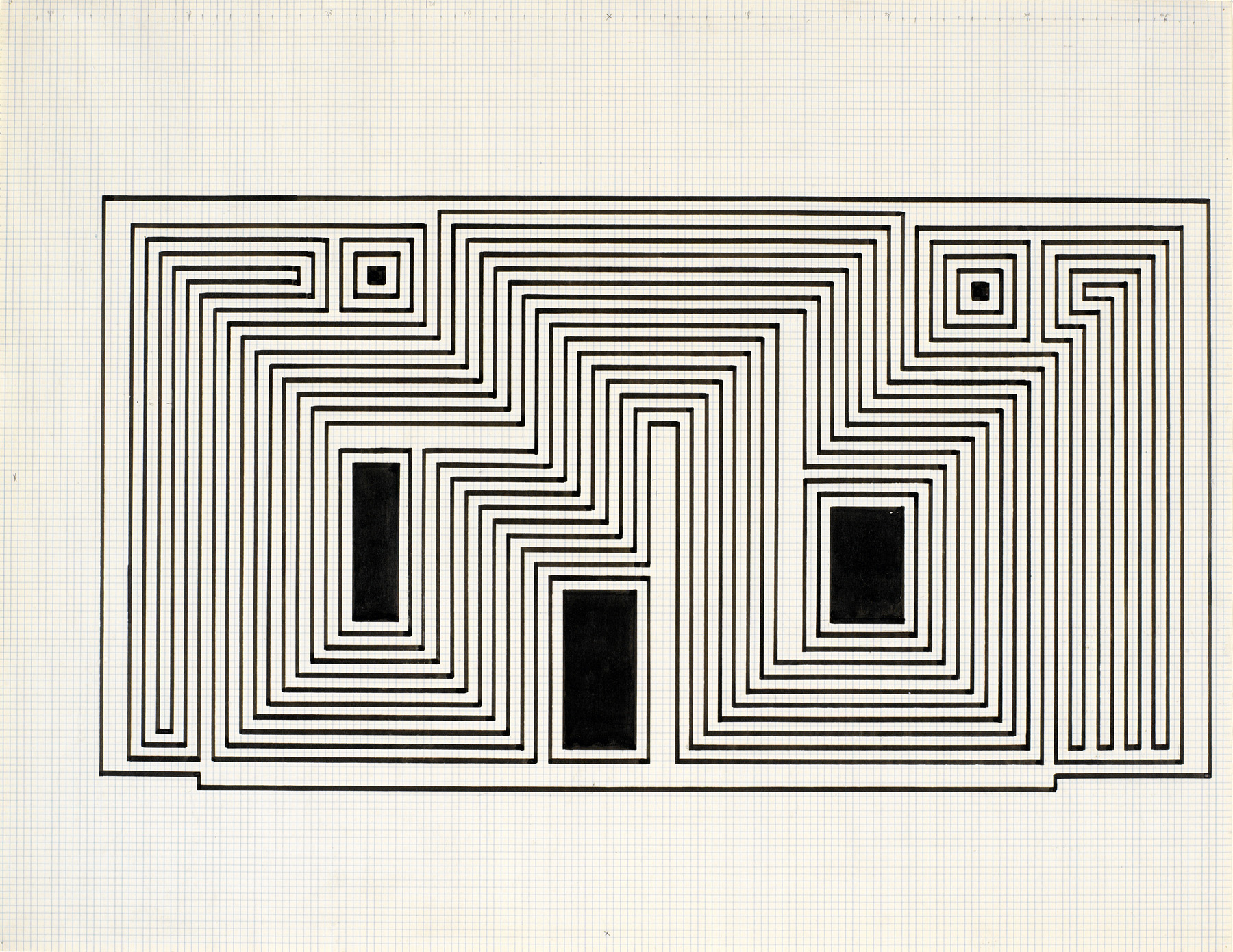
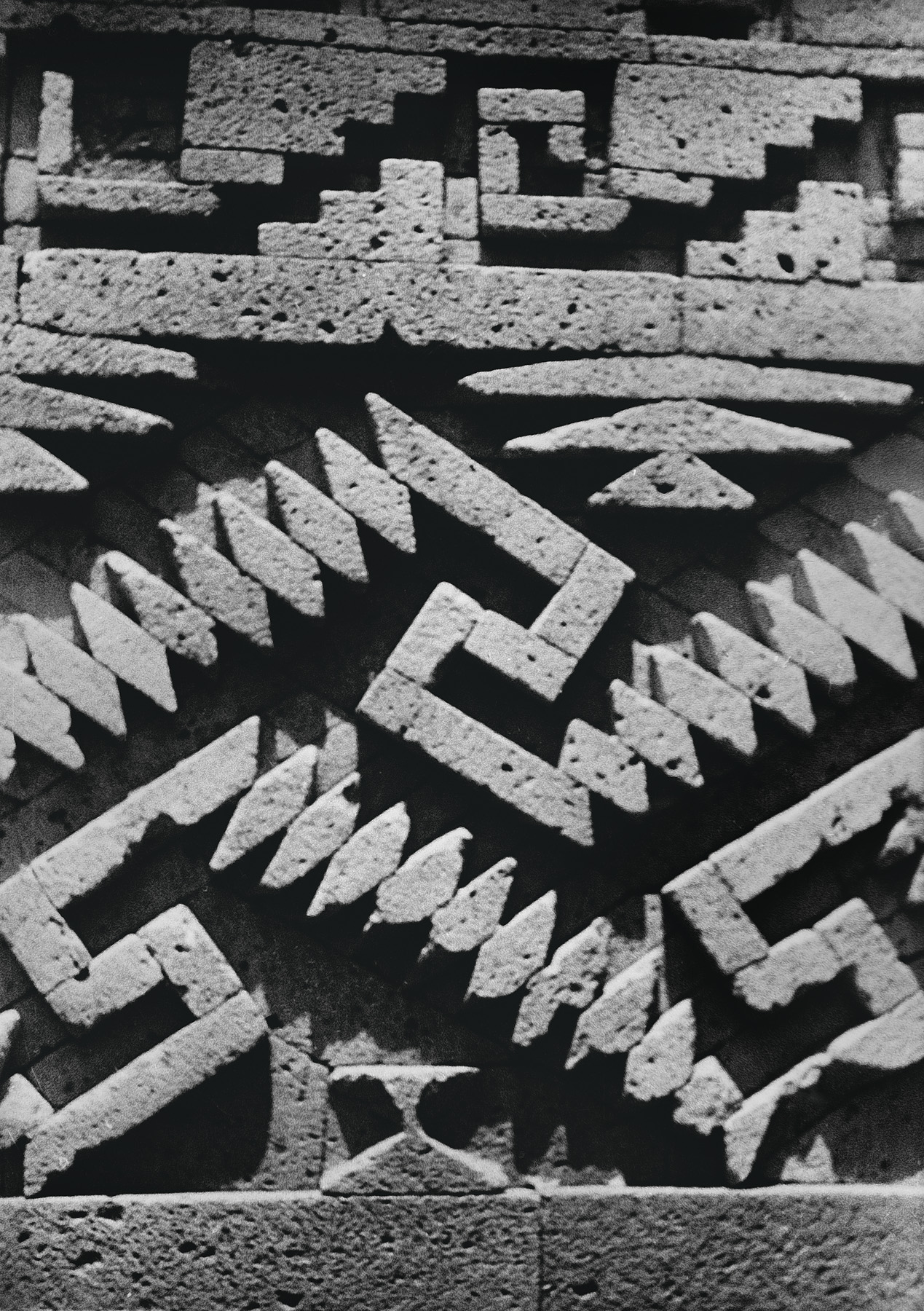

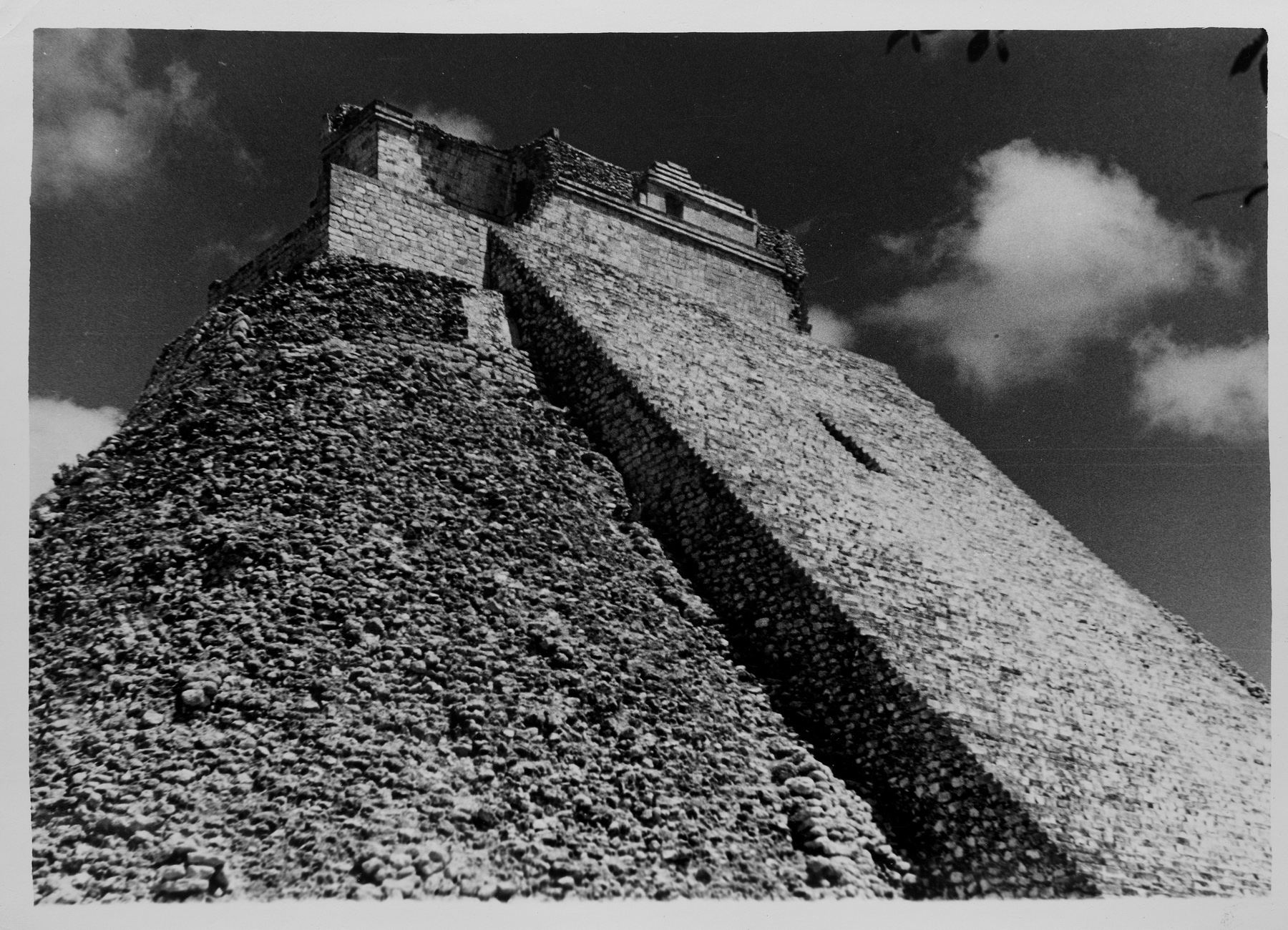
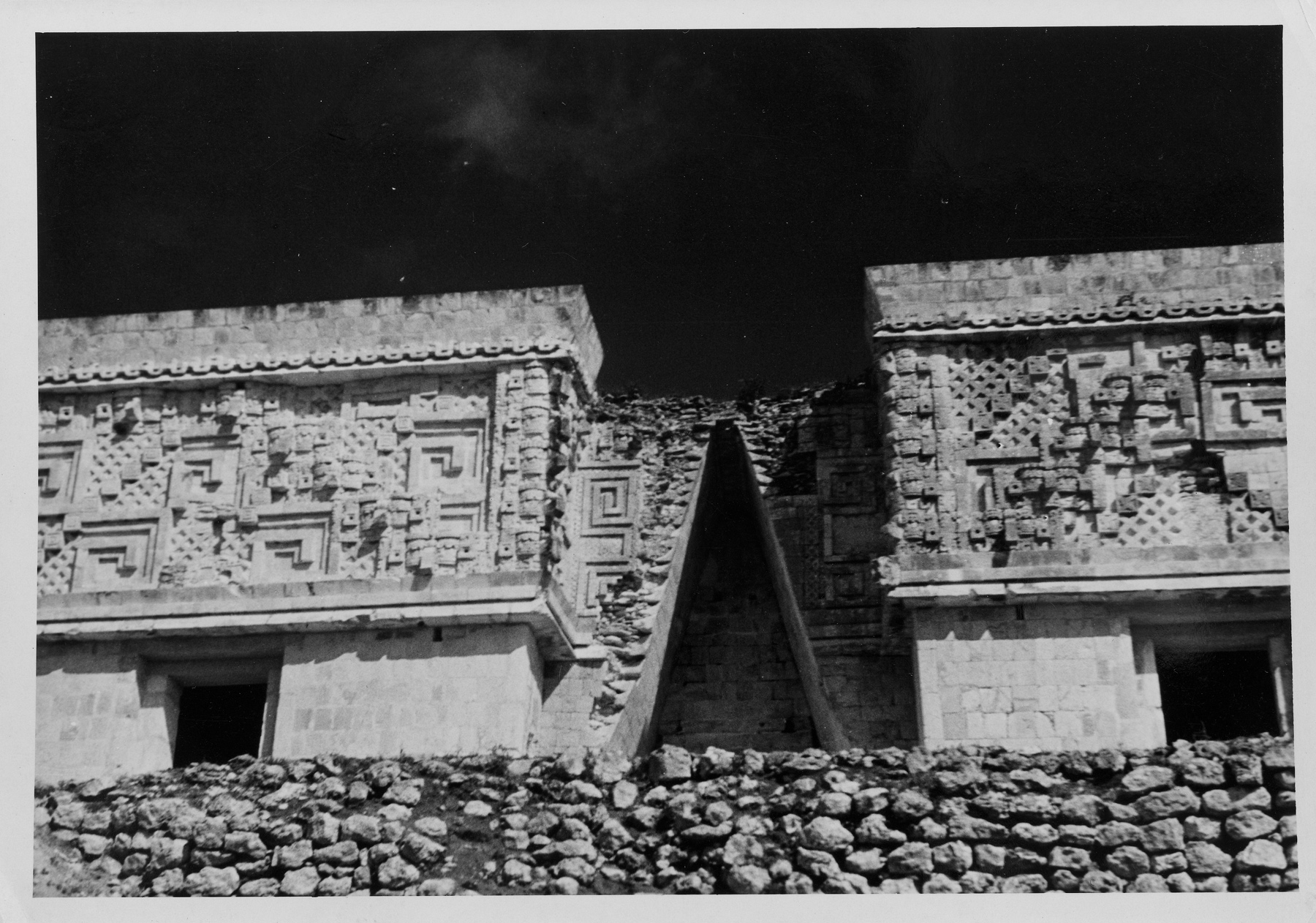
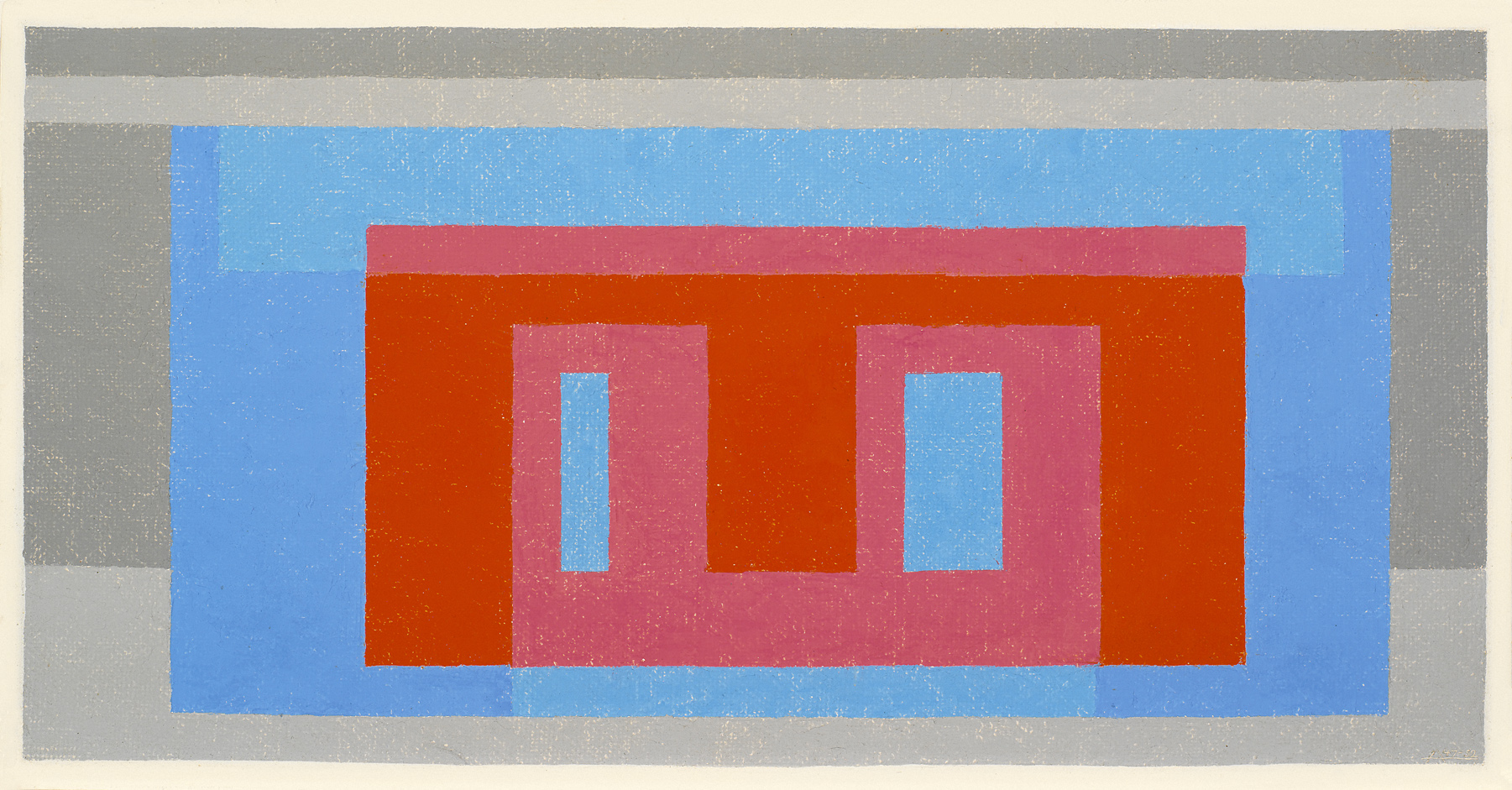
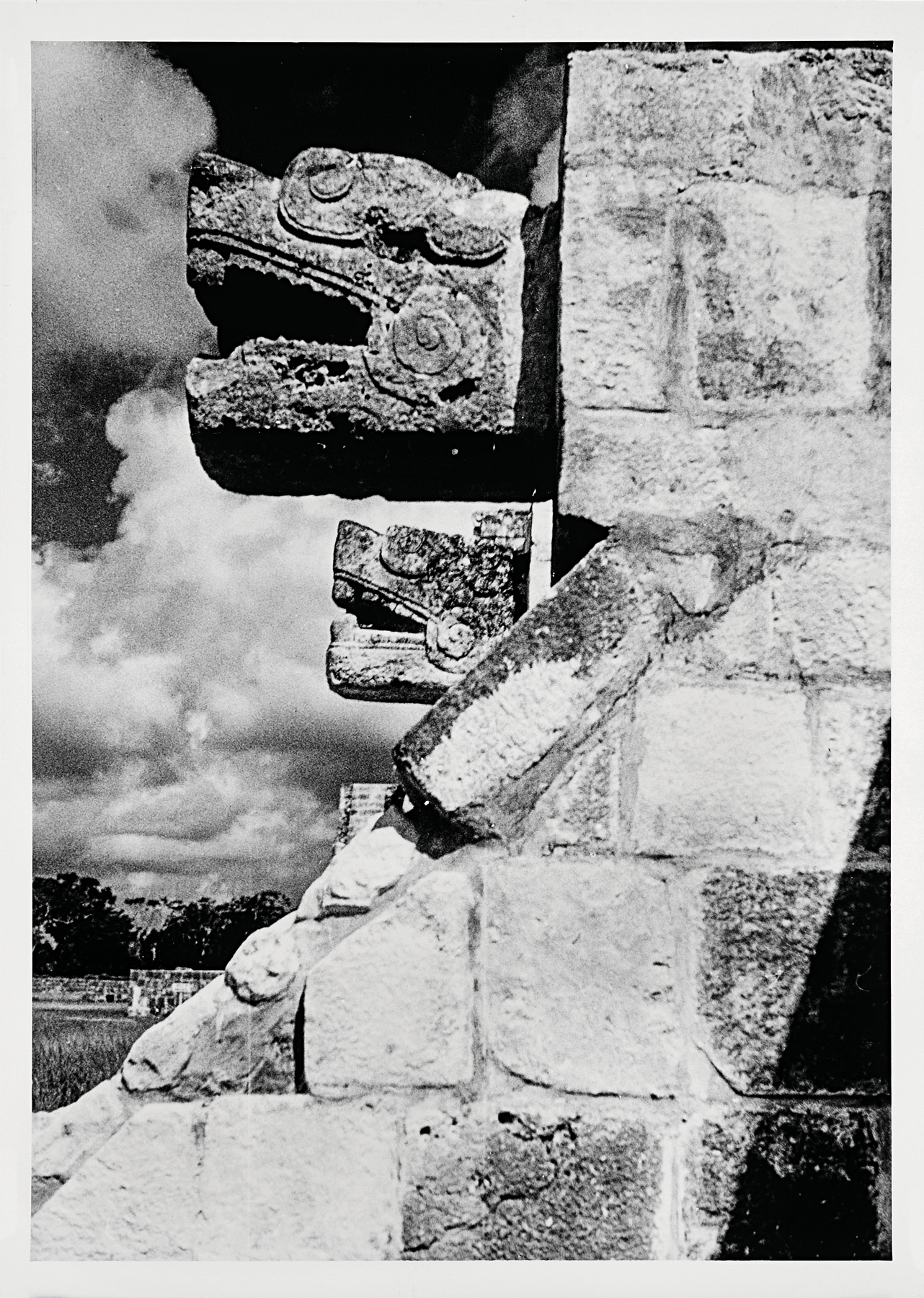
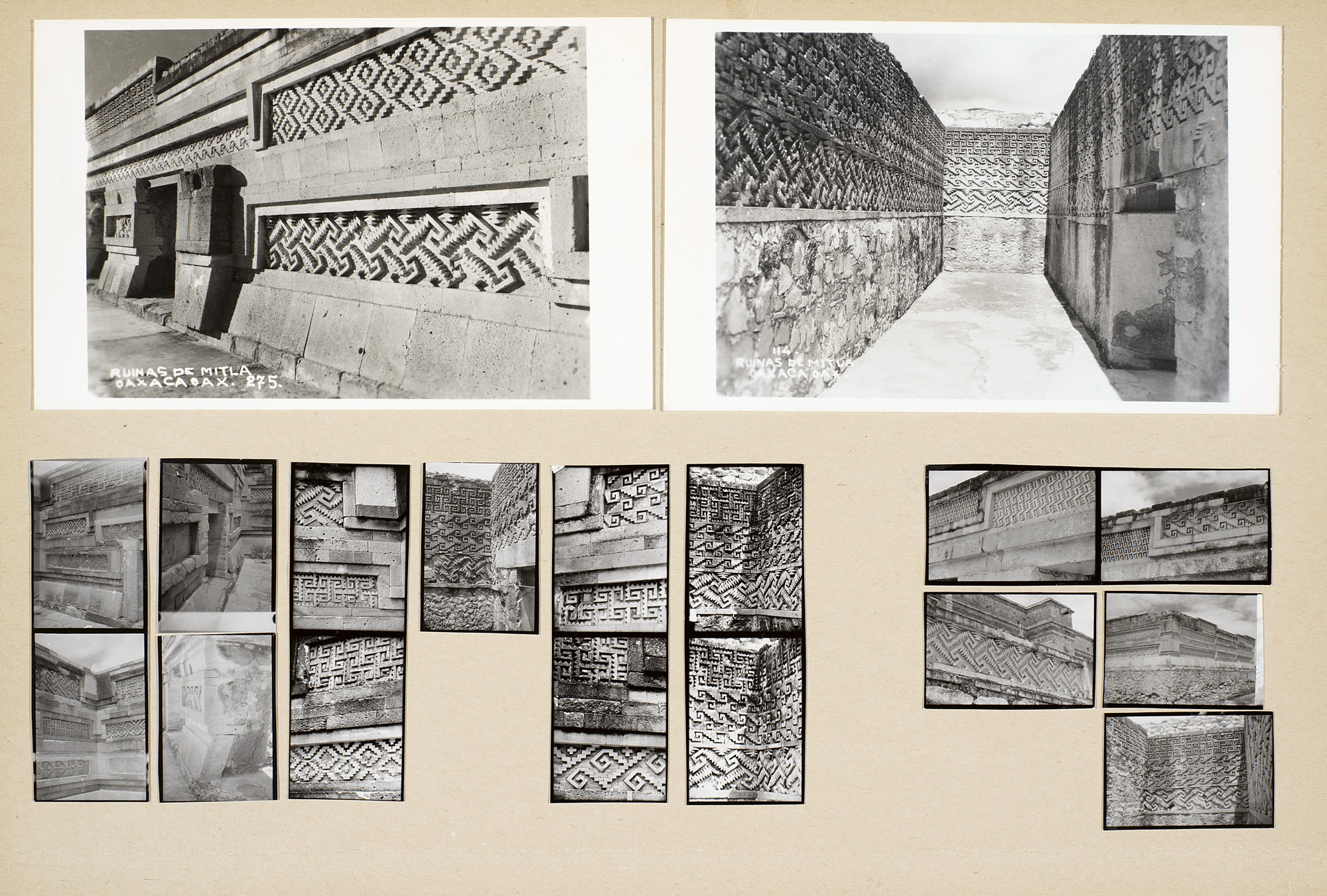

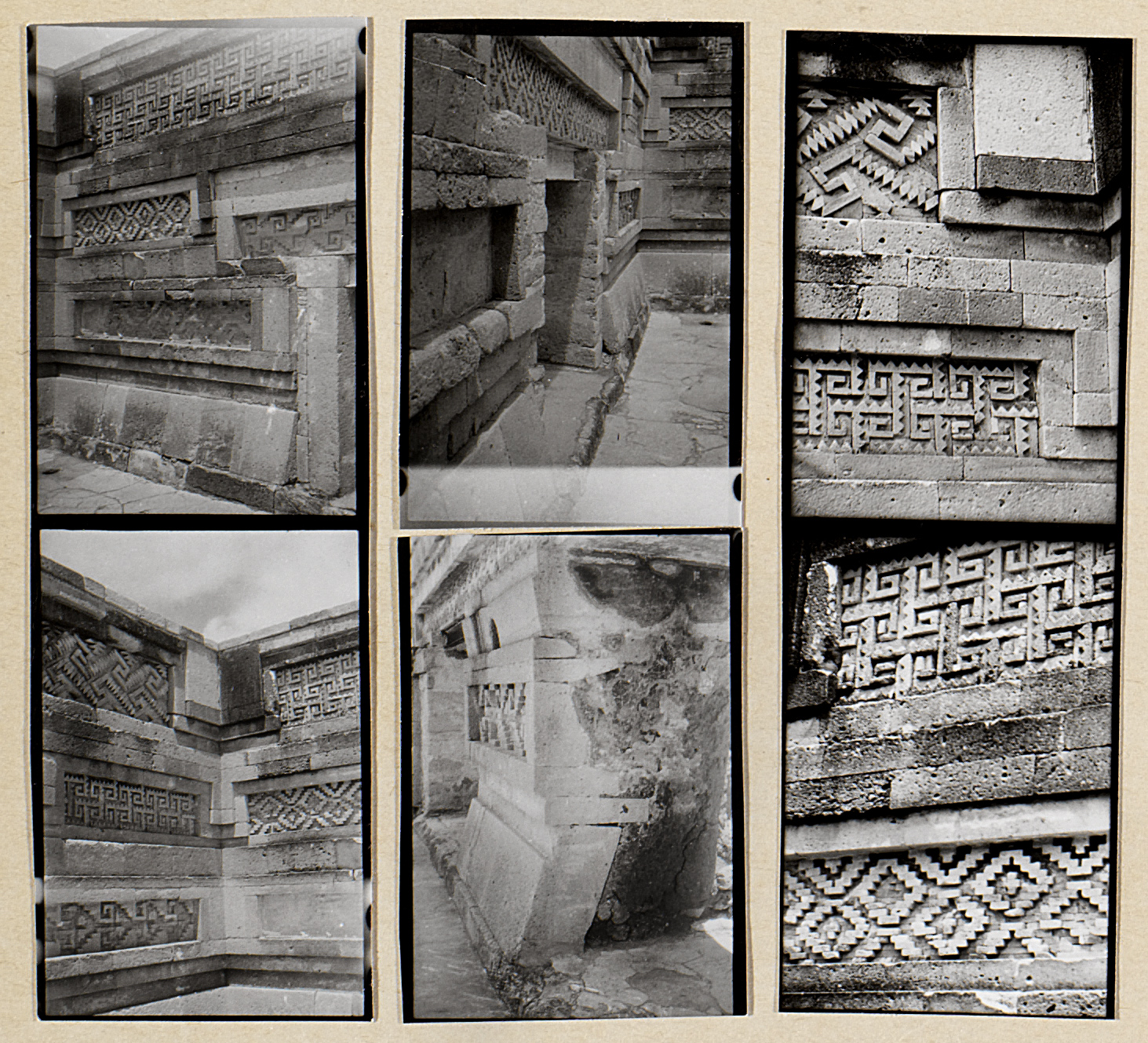
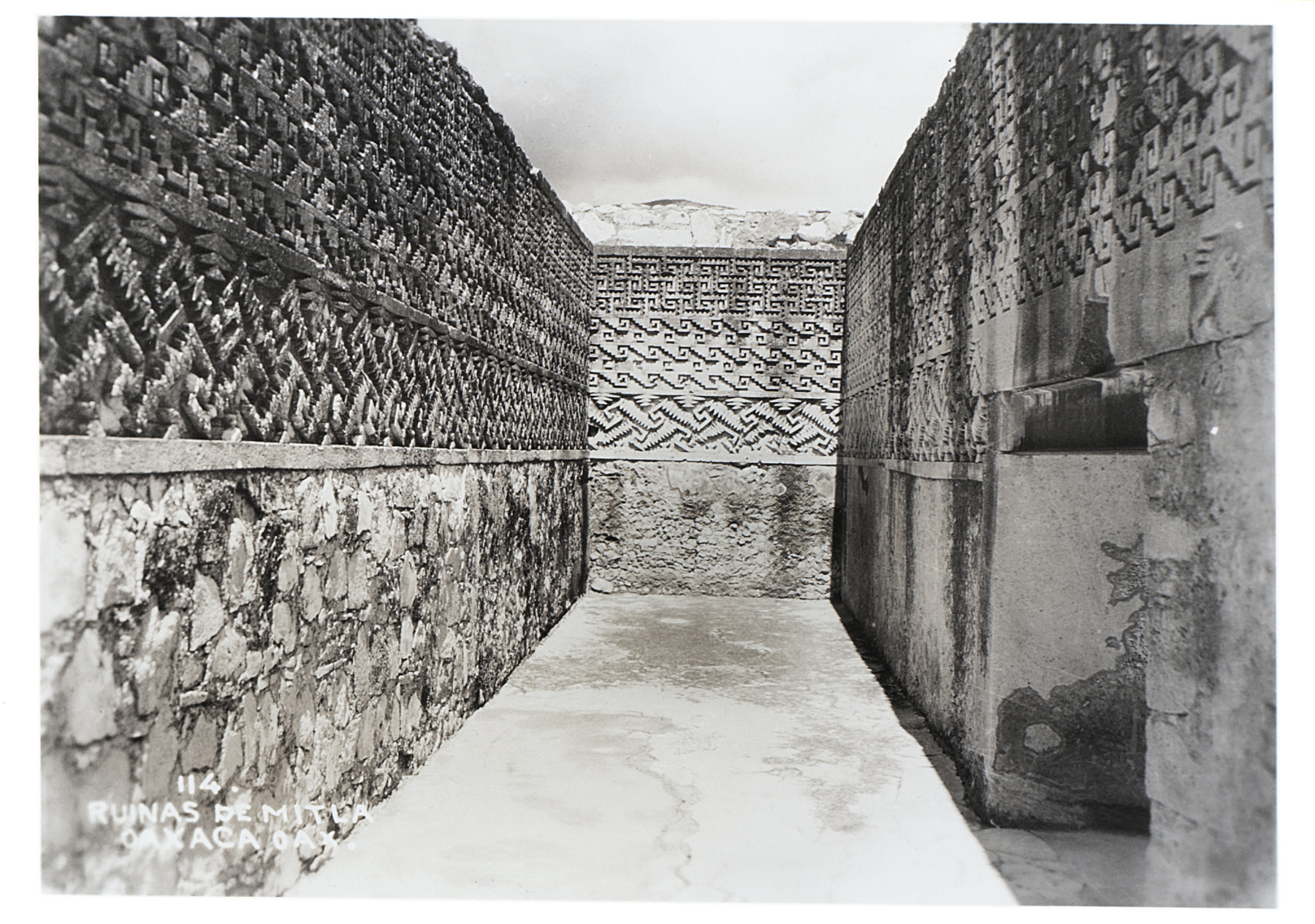
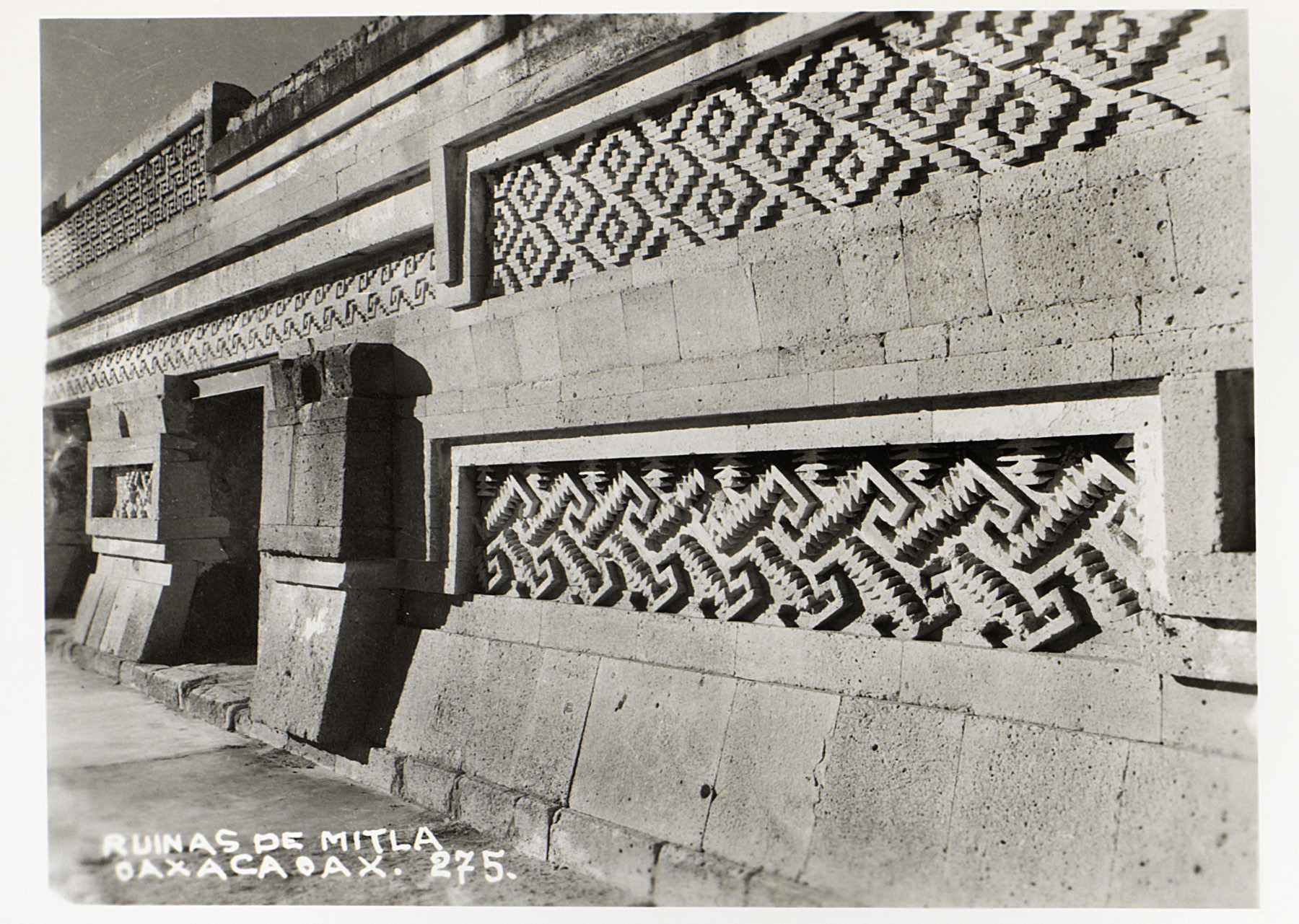


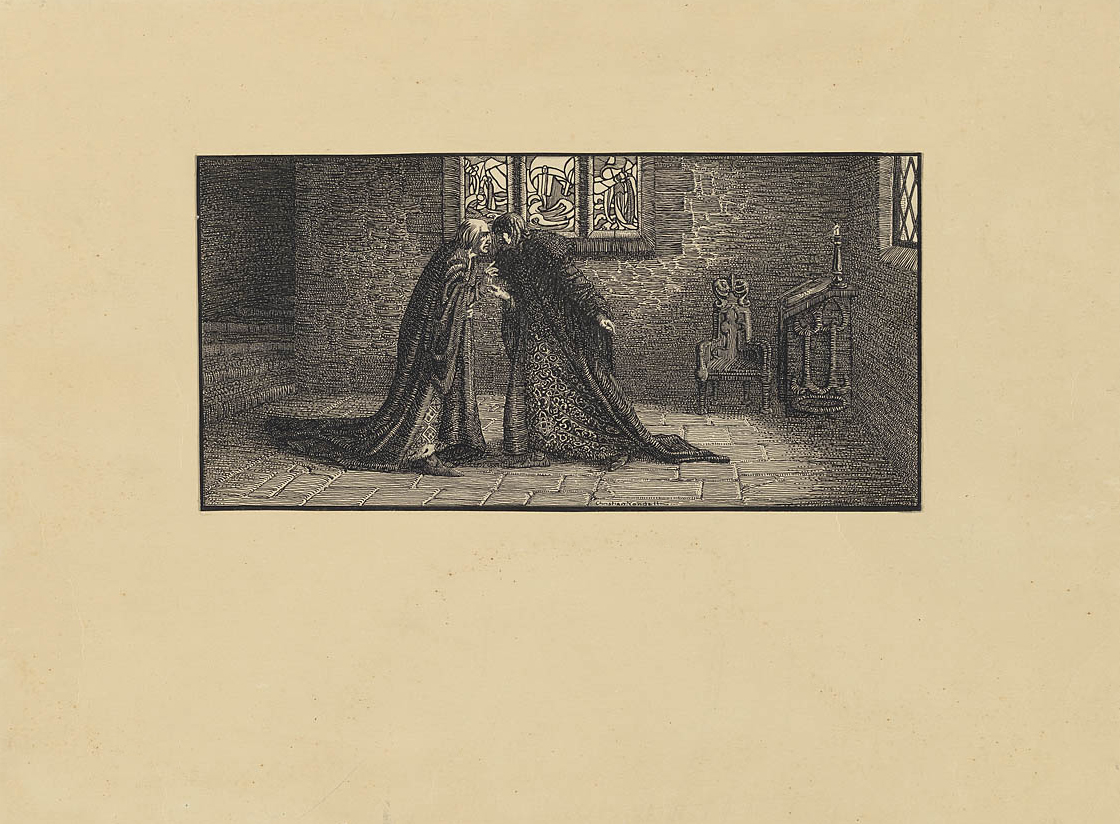
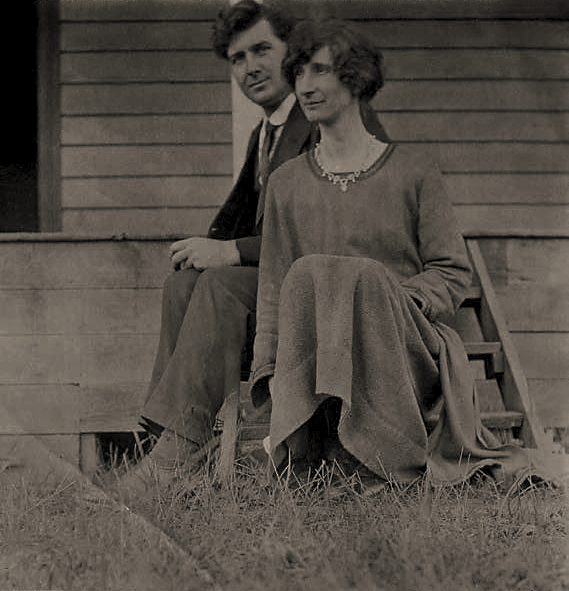


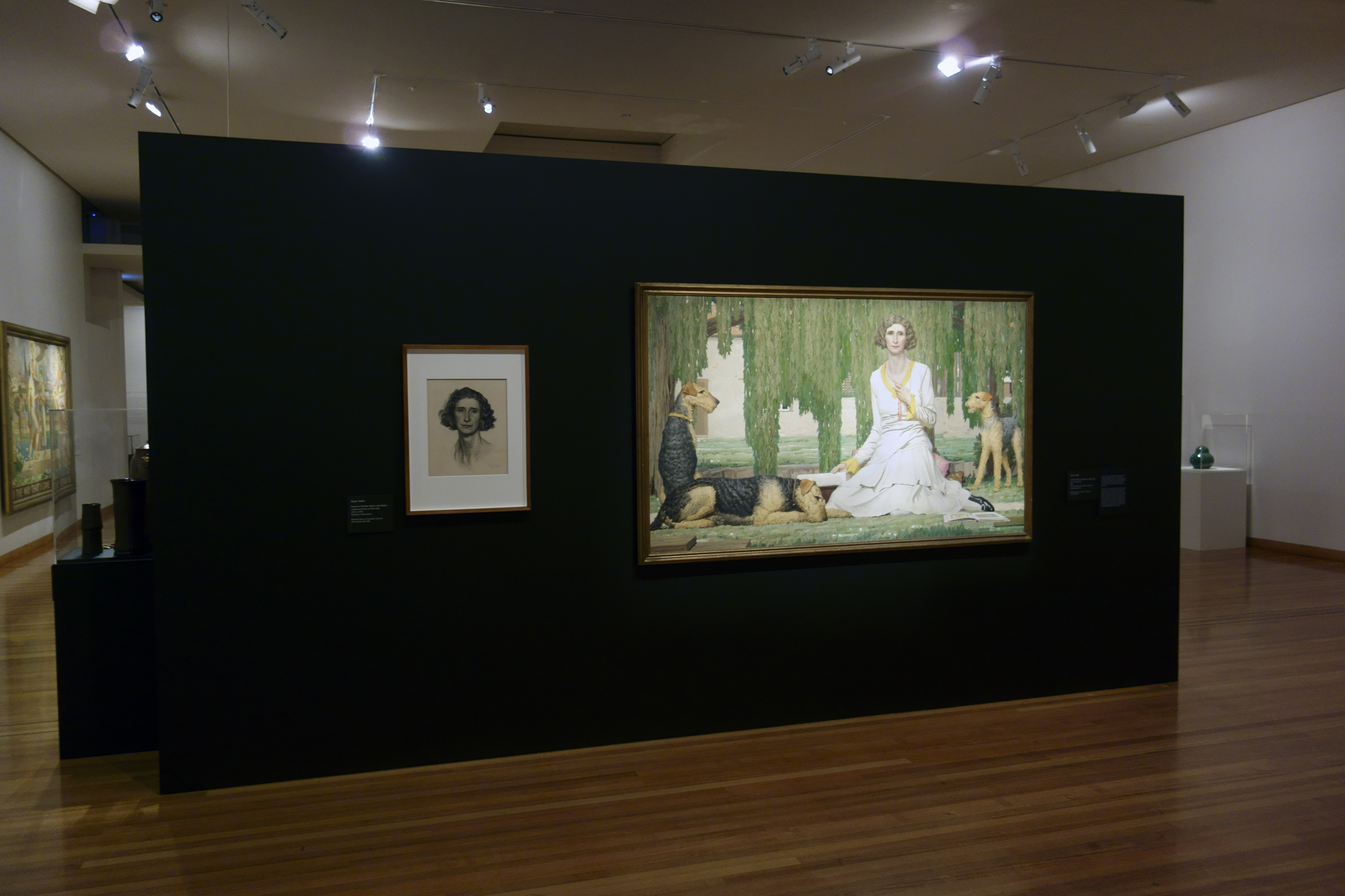
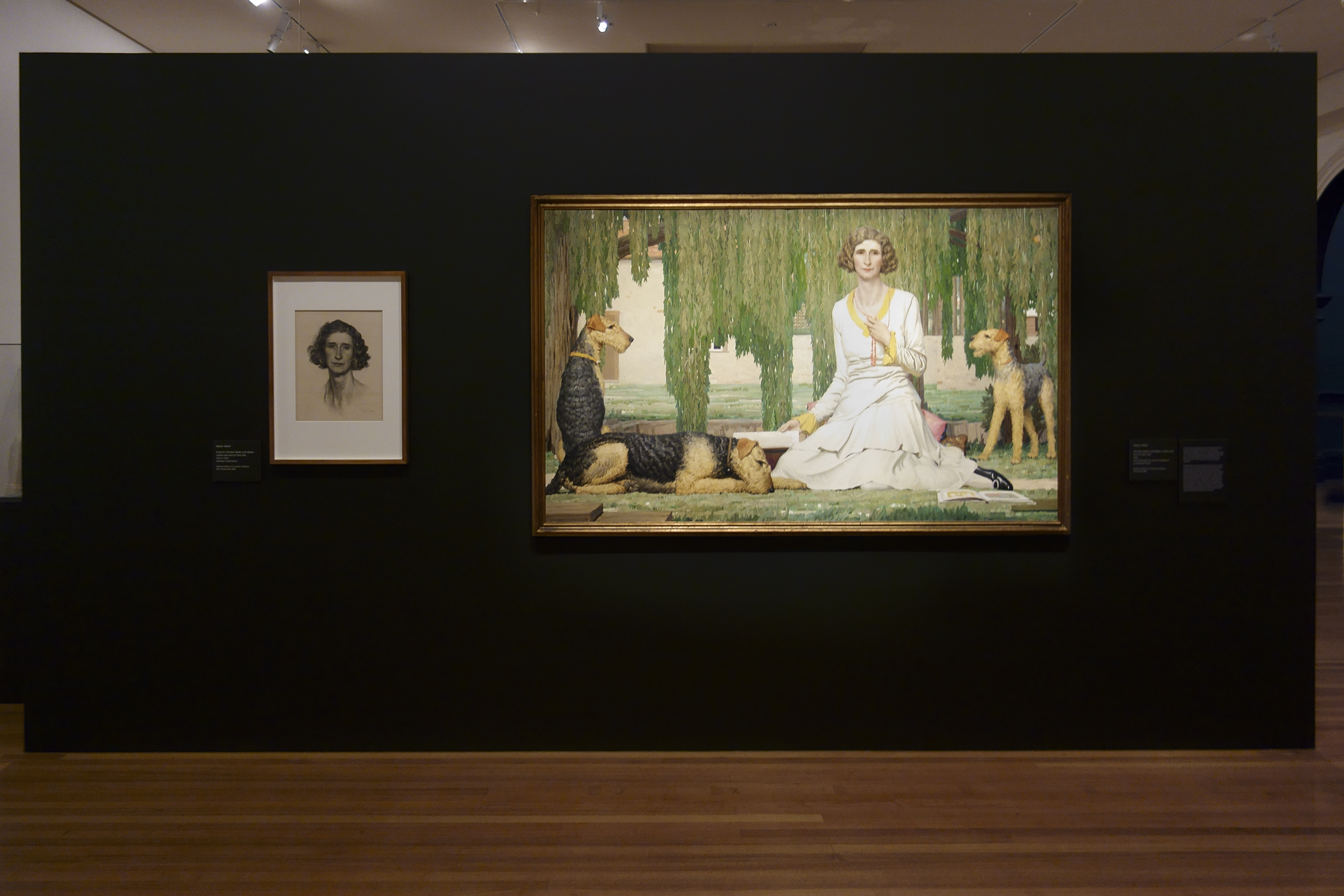
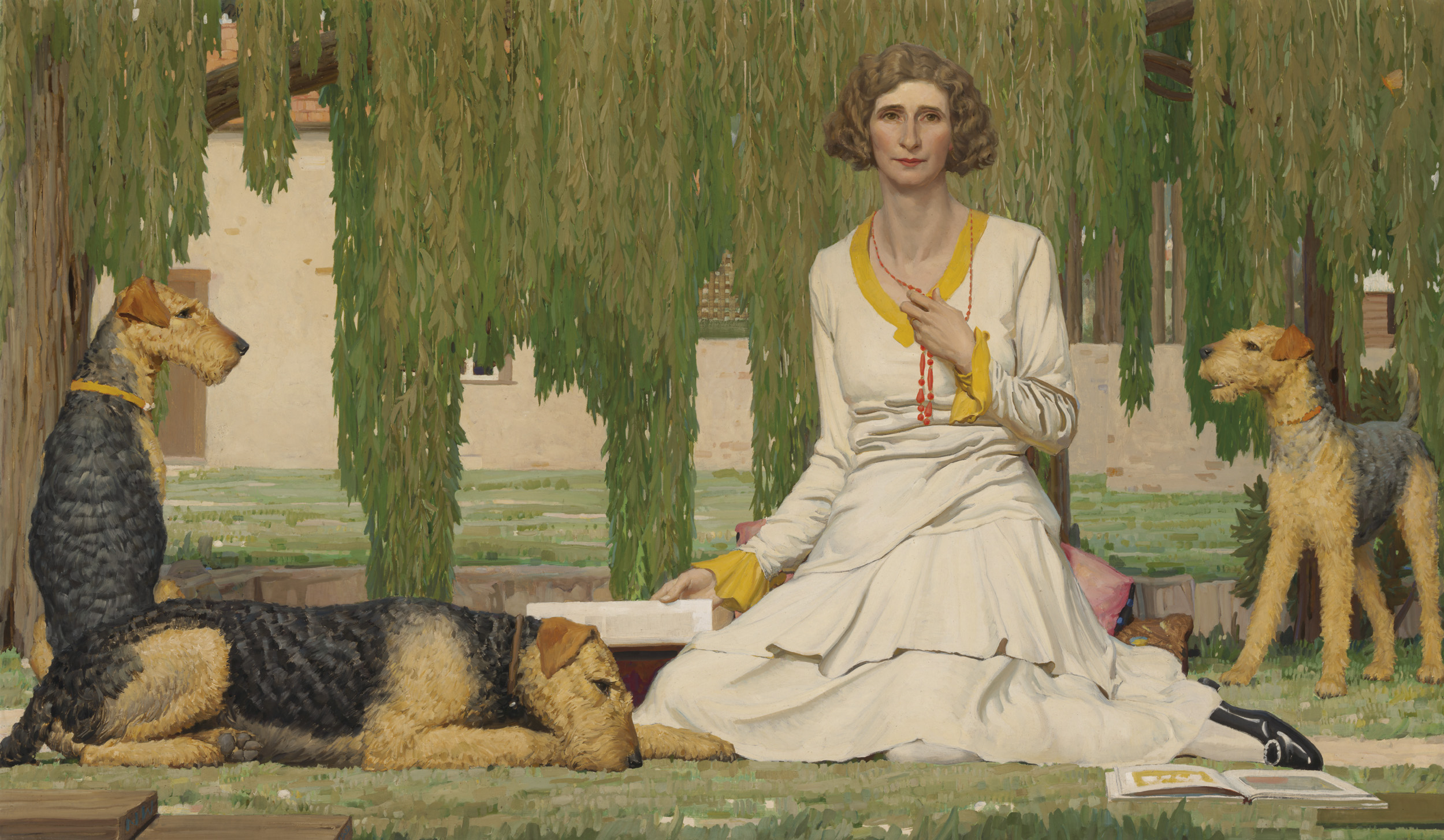

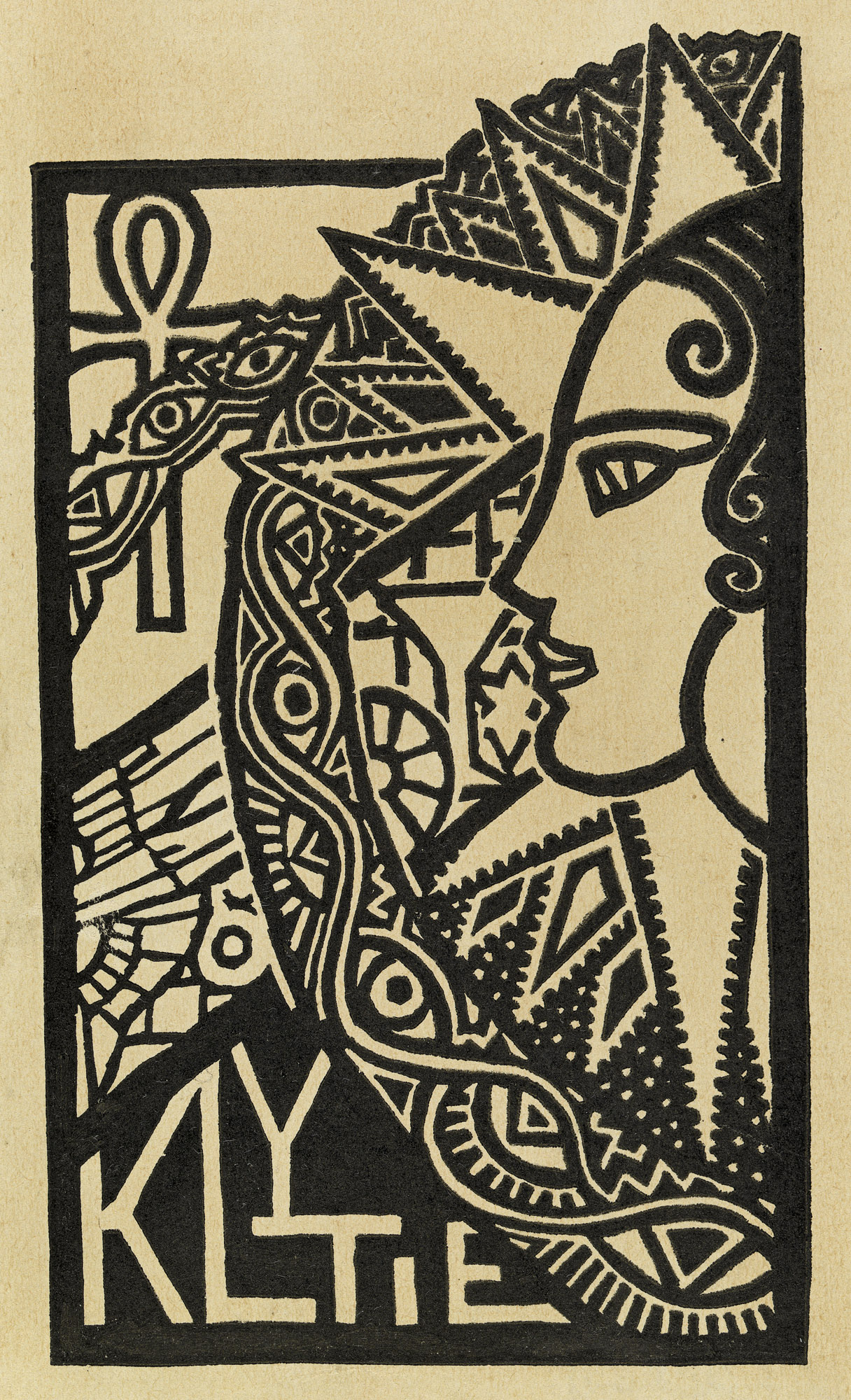

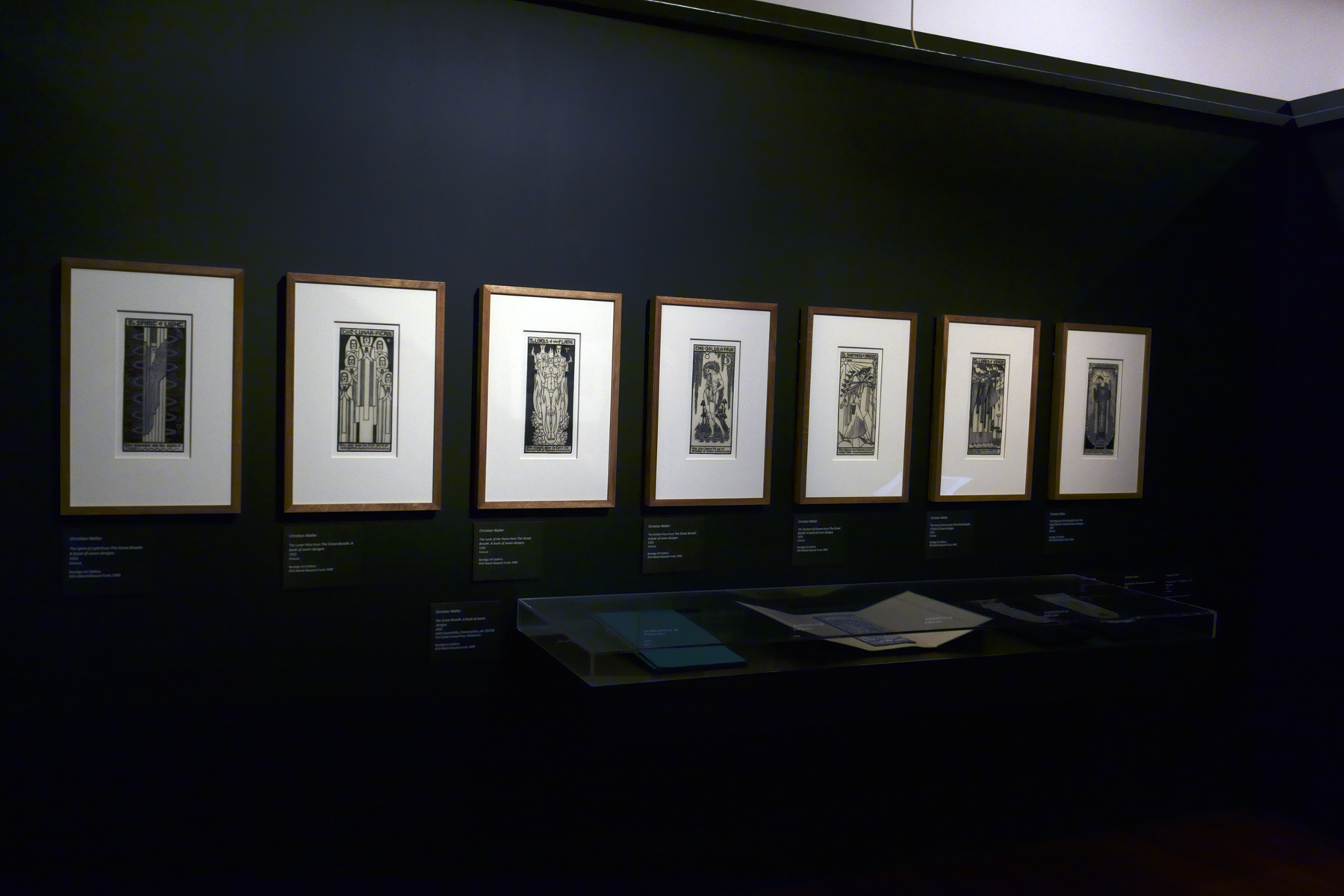


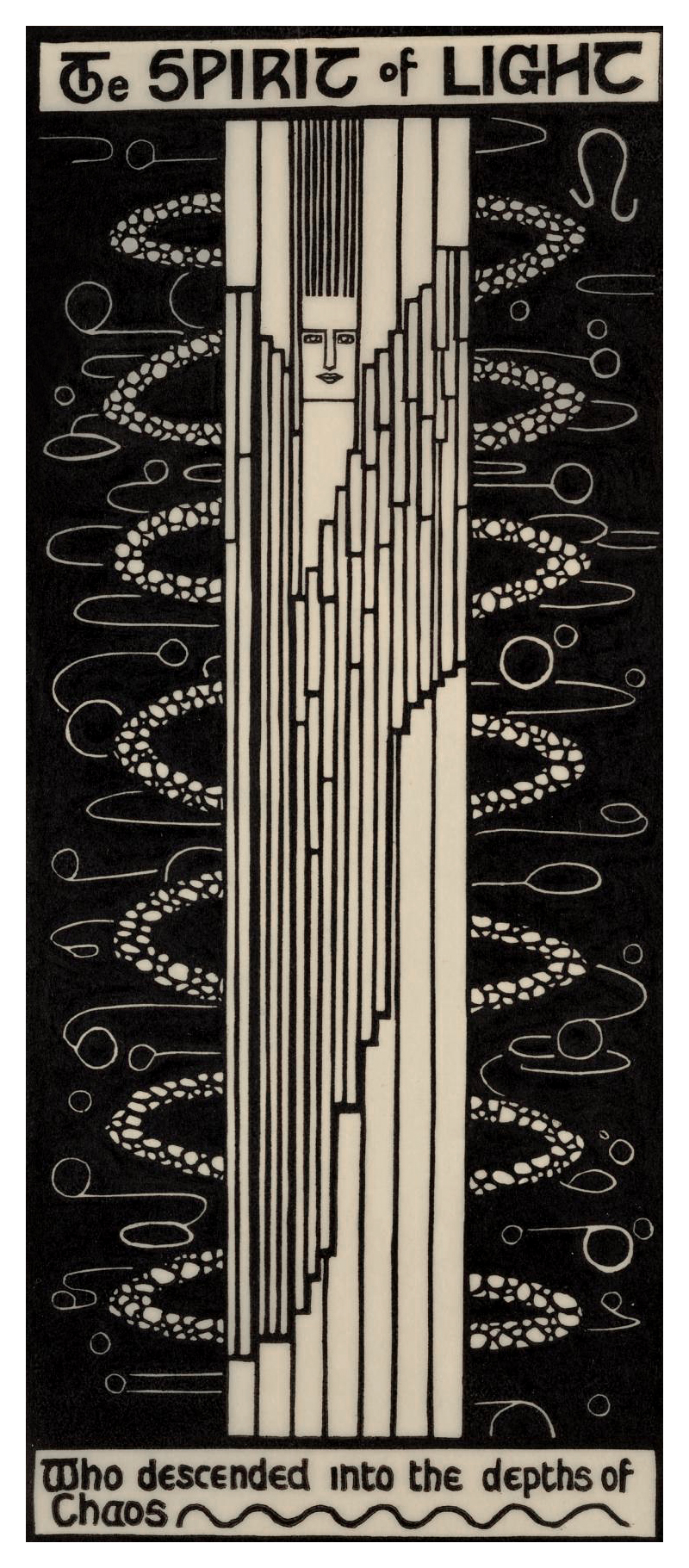
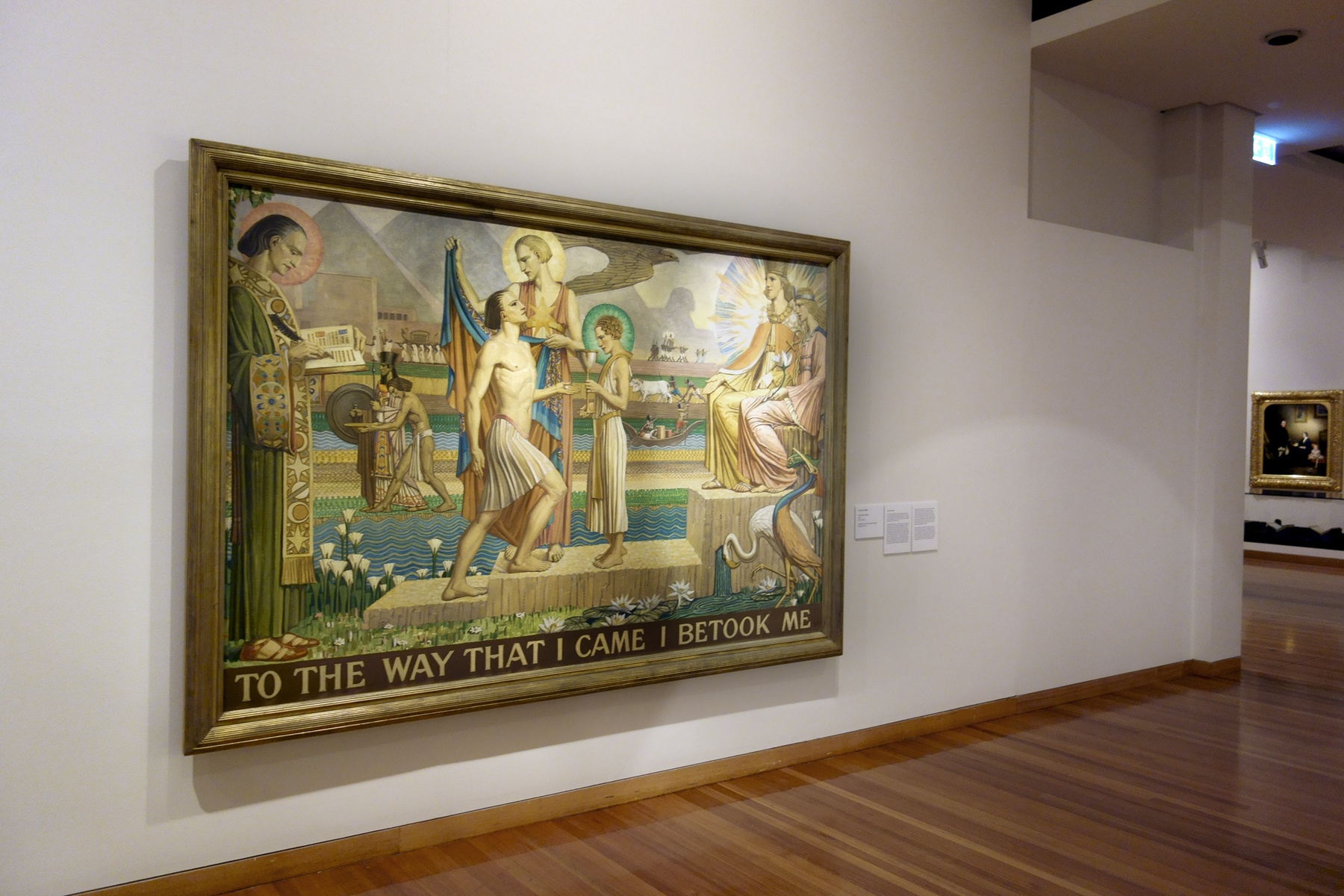
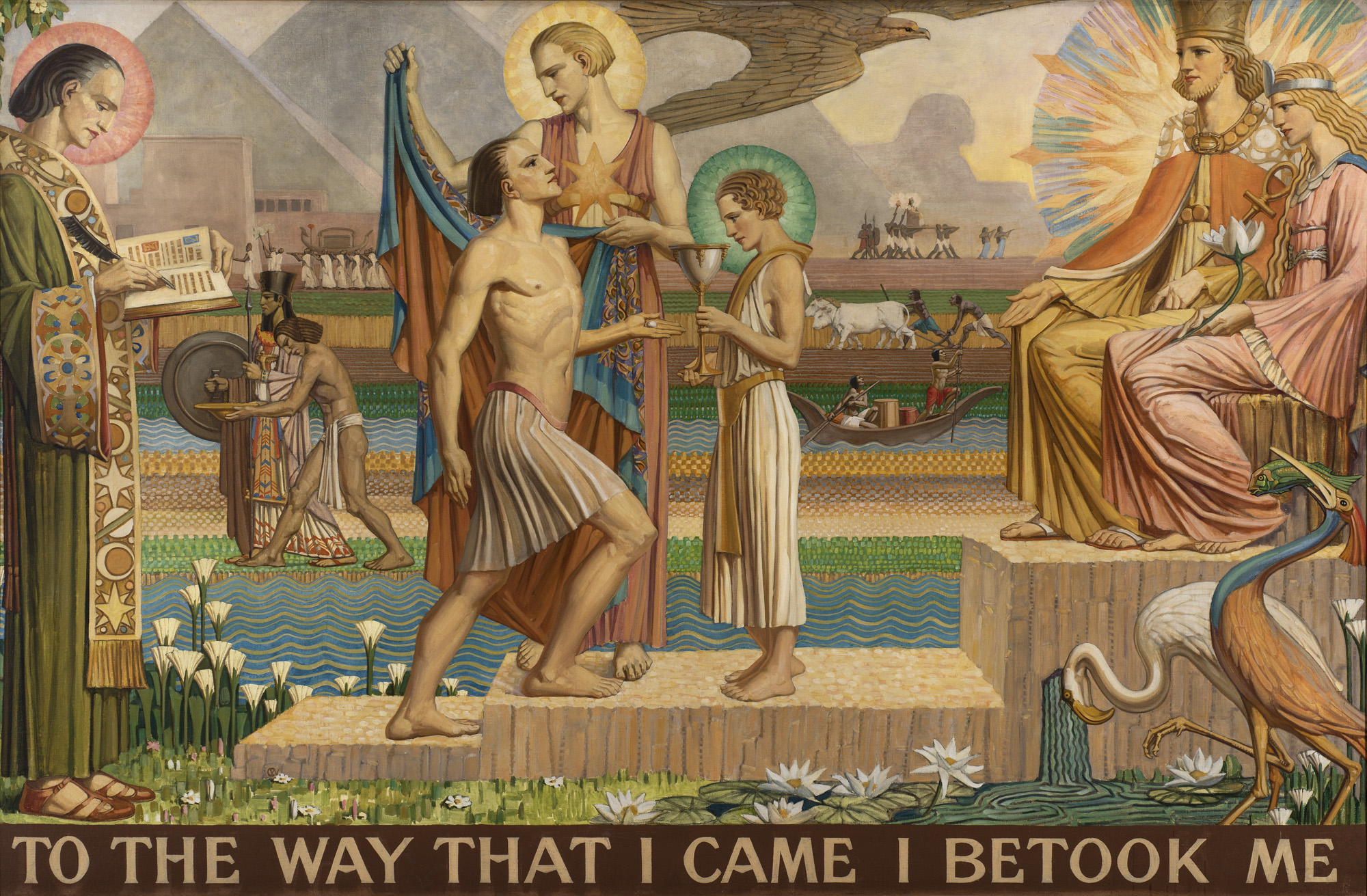


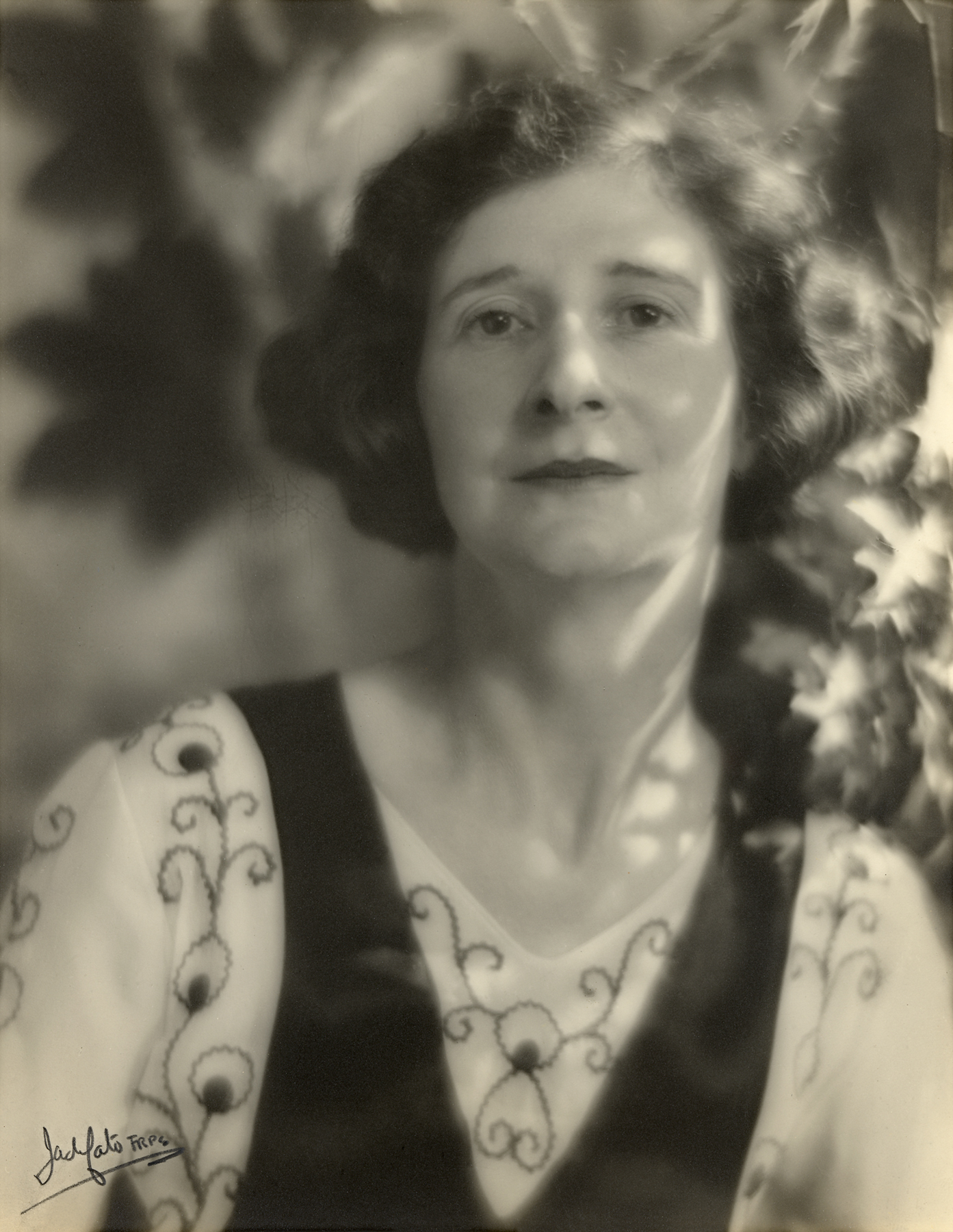
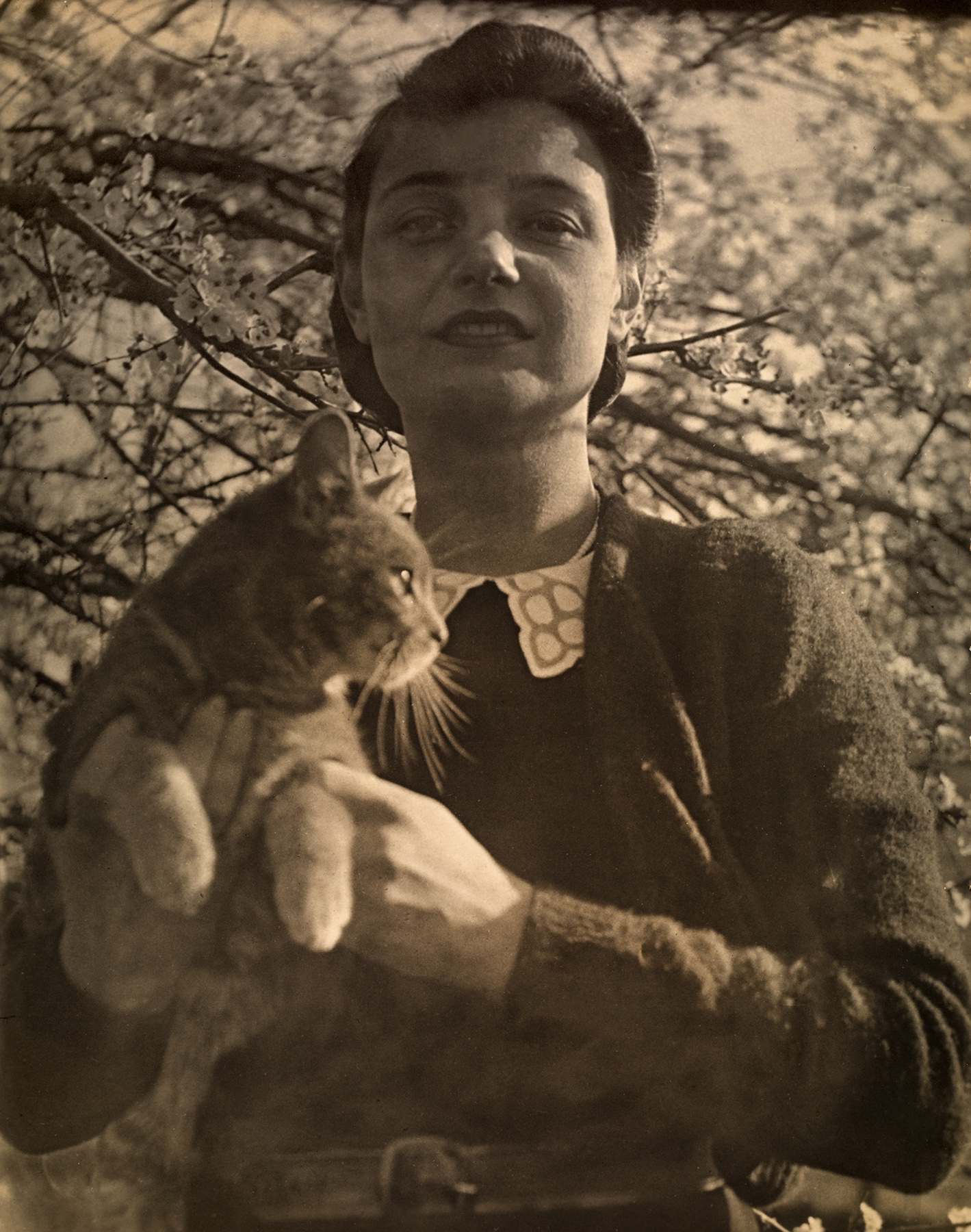

![Photographer unknown. 'Untitled (Klytie Pate [centre] at Melbourne Technical College)' early 1930s](https://artblart.com/wp-content/uploads/2019/01/photographer-unknown-untitled-klytie-pate-at-melbourne-technical-college-early-1930s-web.jpg "Photographer unknown. 'Untitled (Klytie Pate [centre] at Melbourne Technical College)' early 1930s")
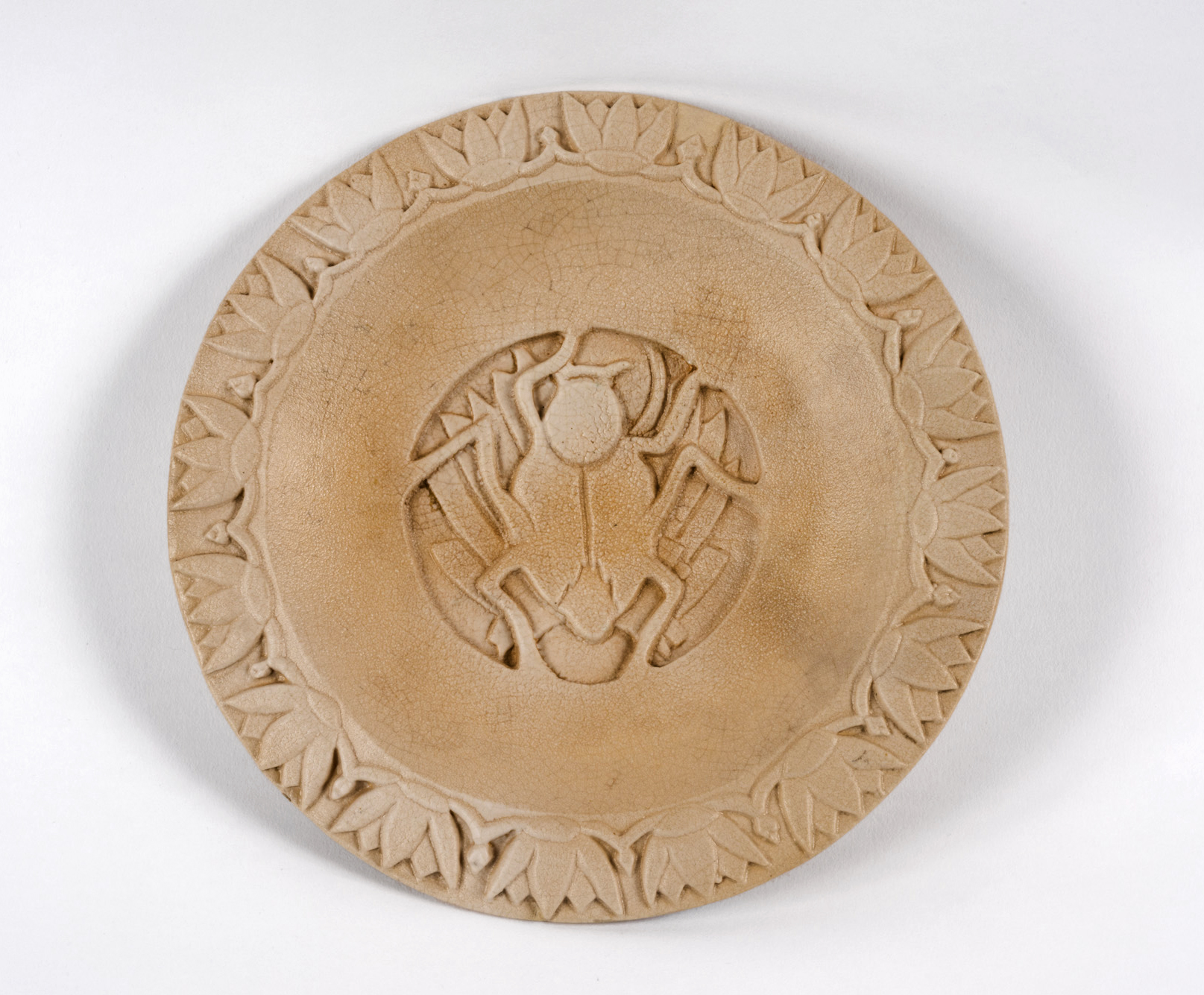
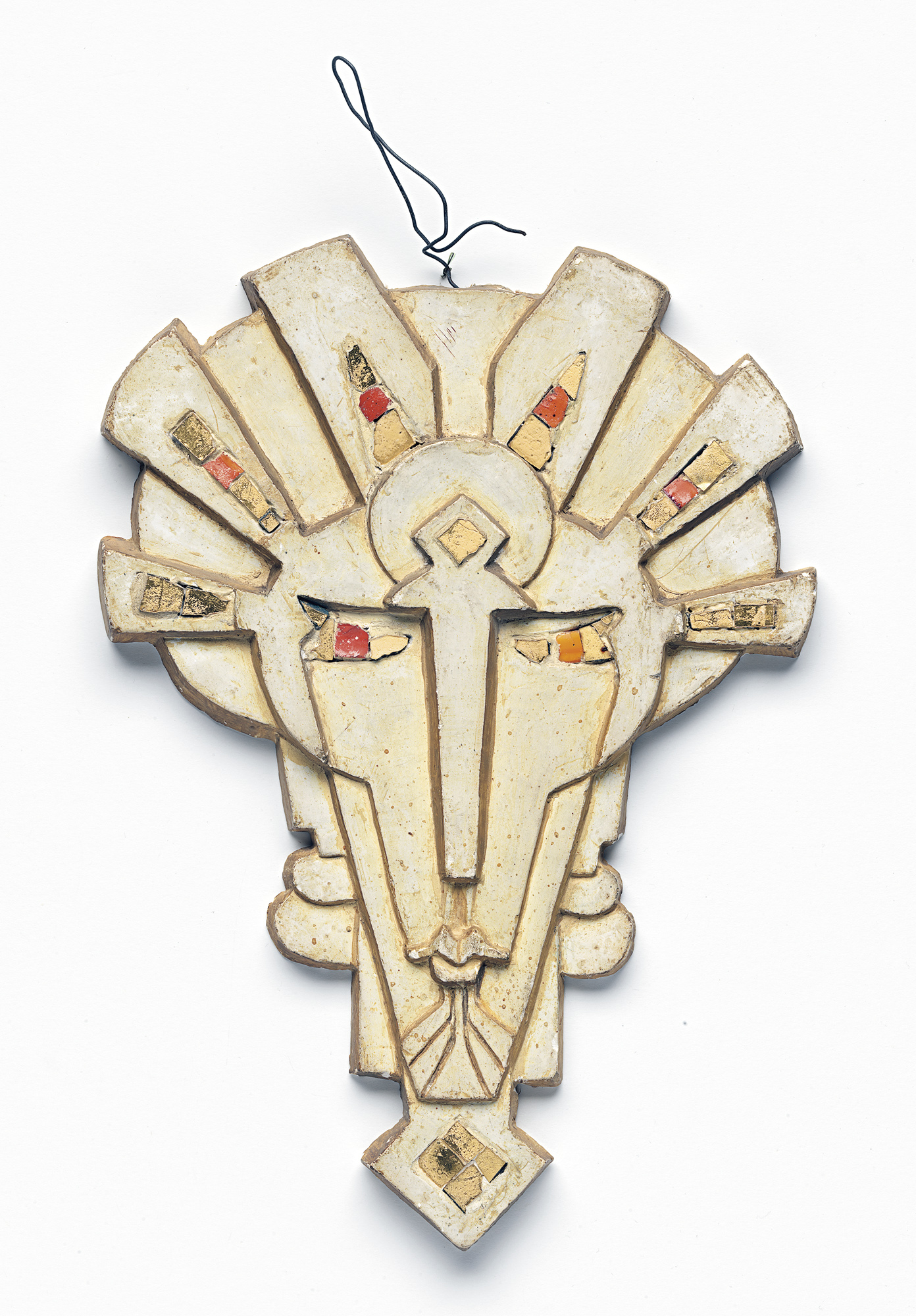
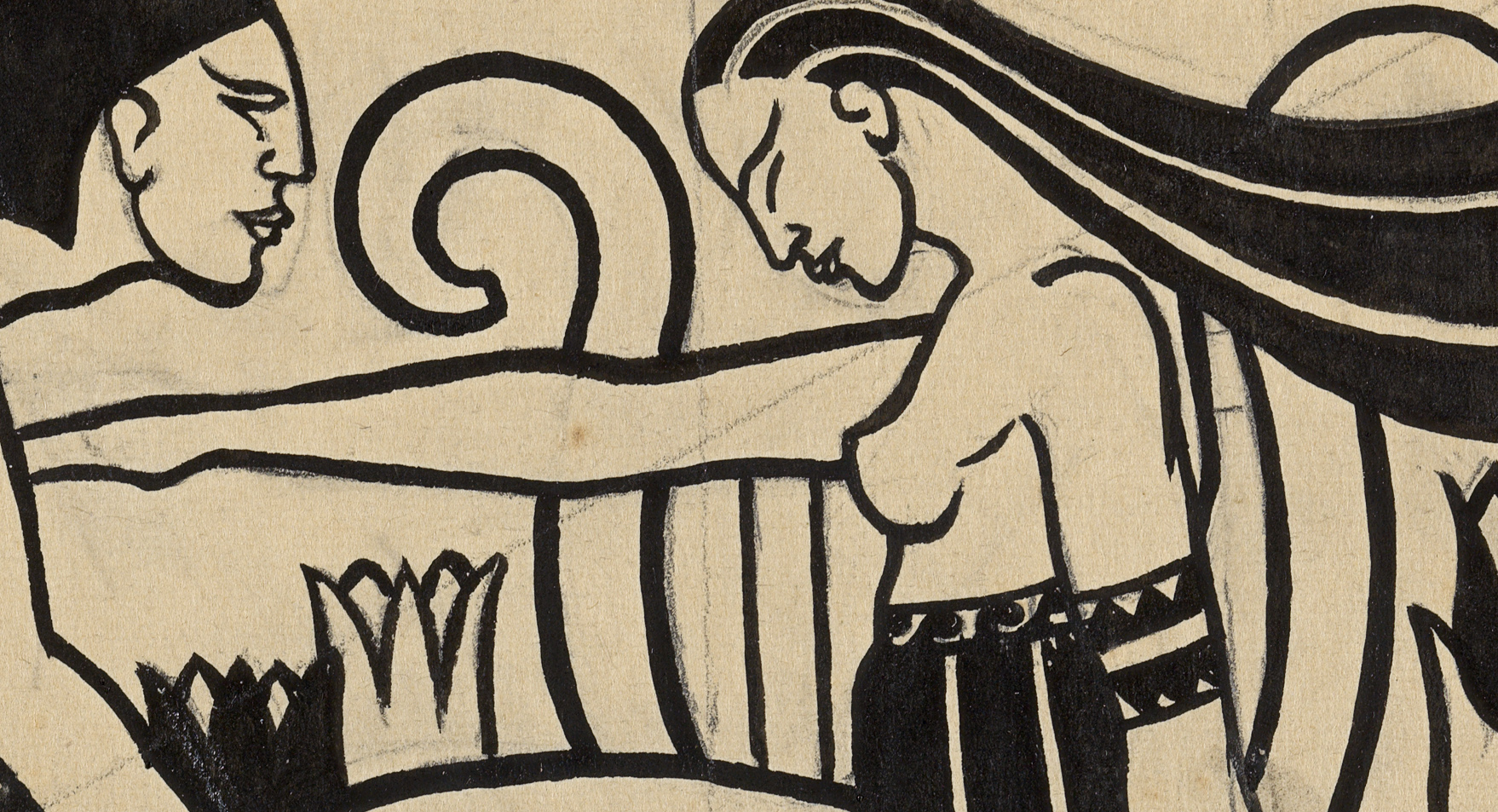
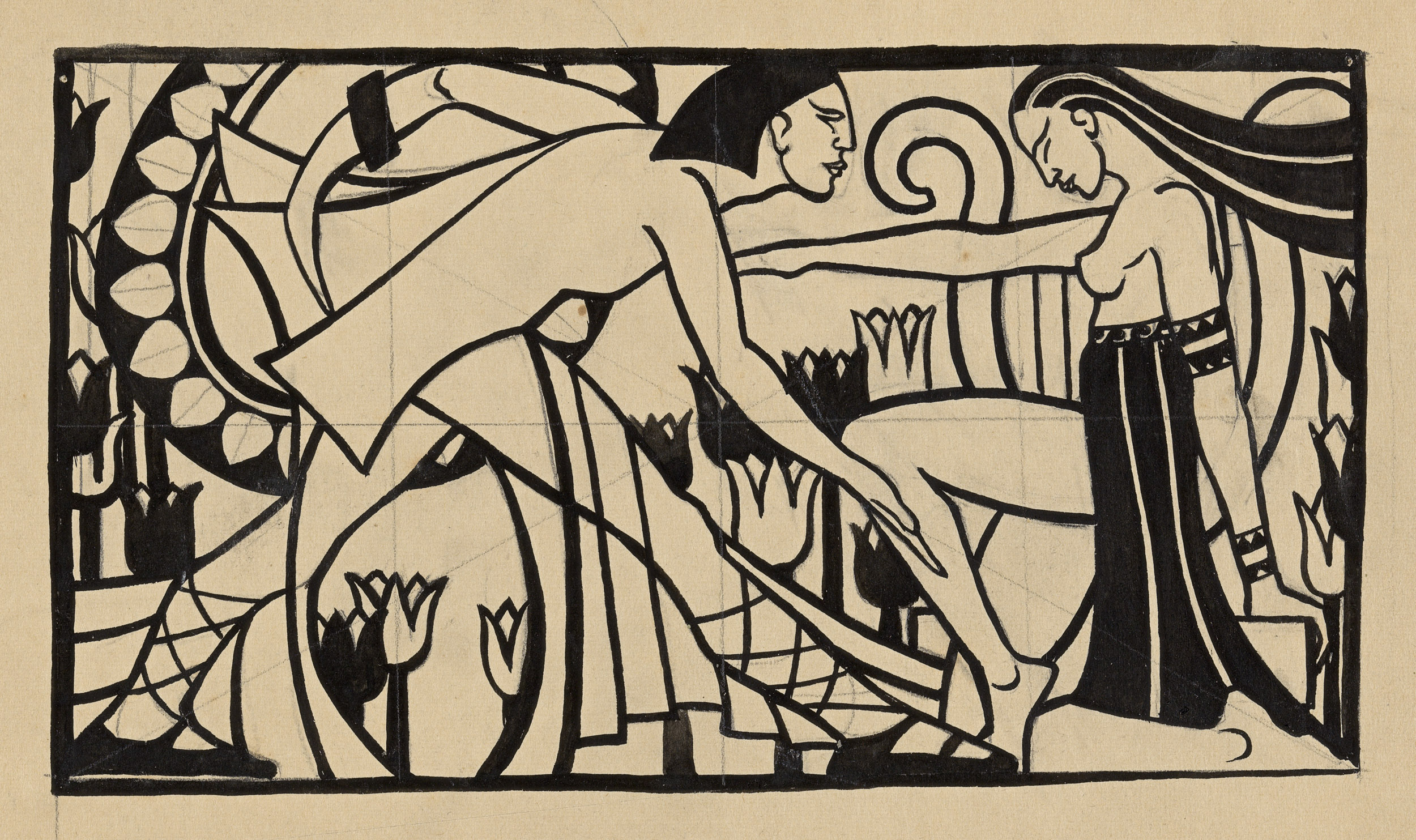


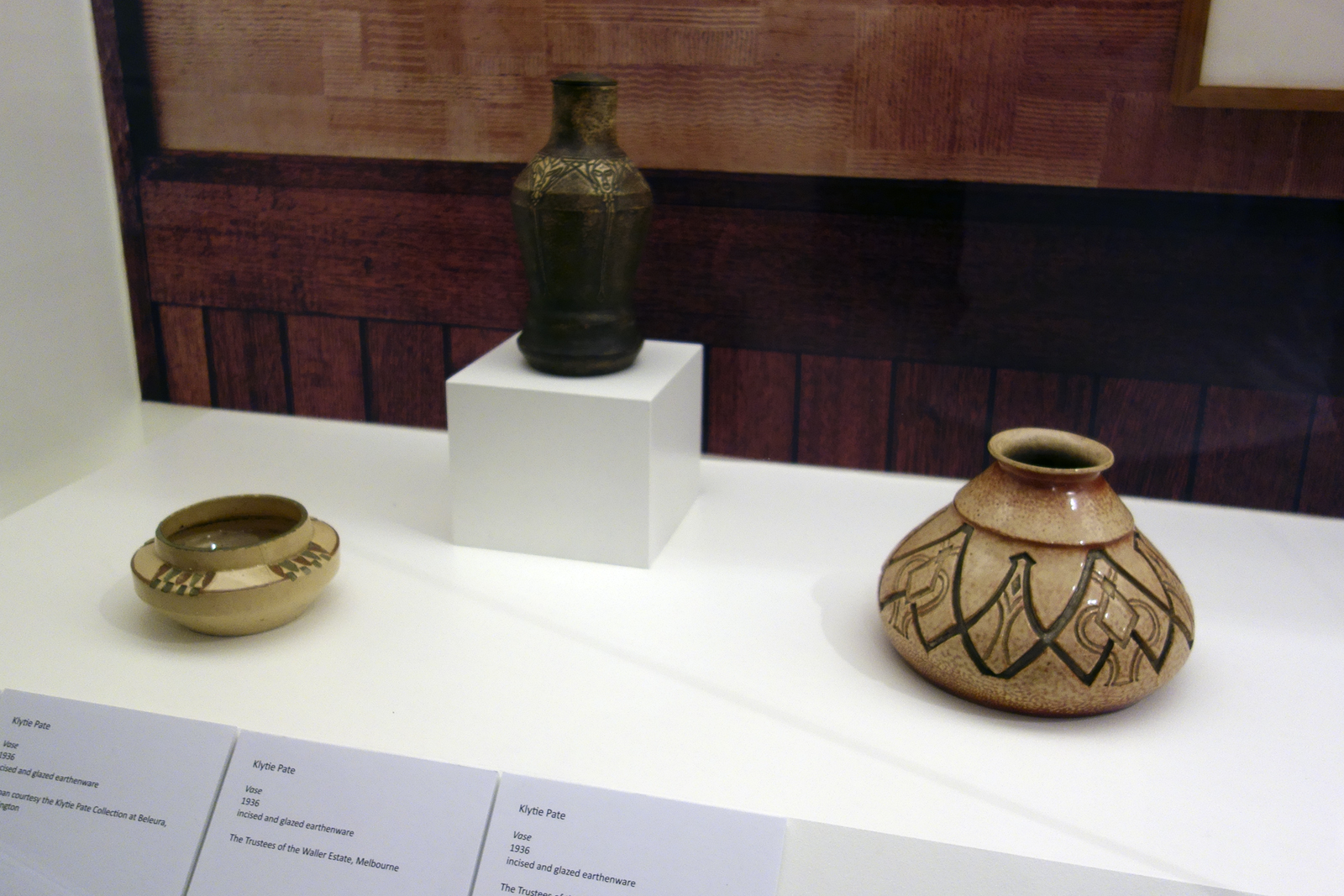
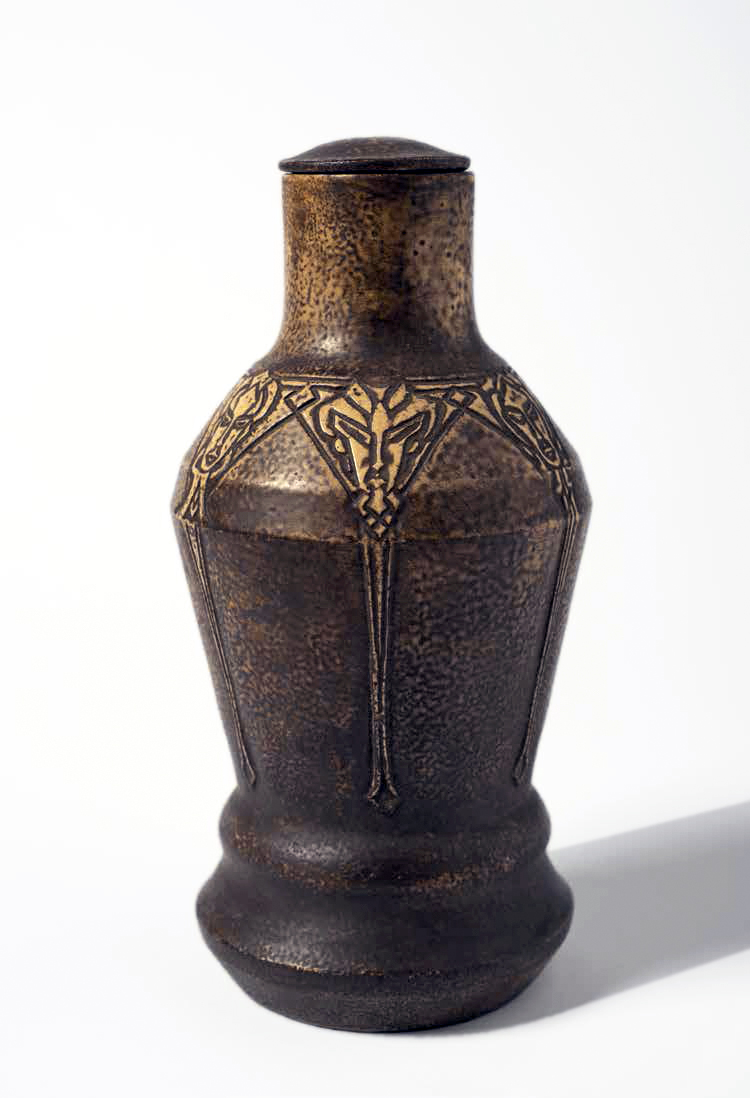
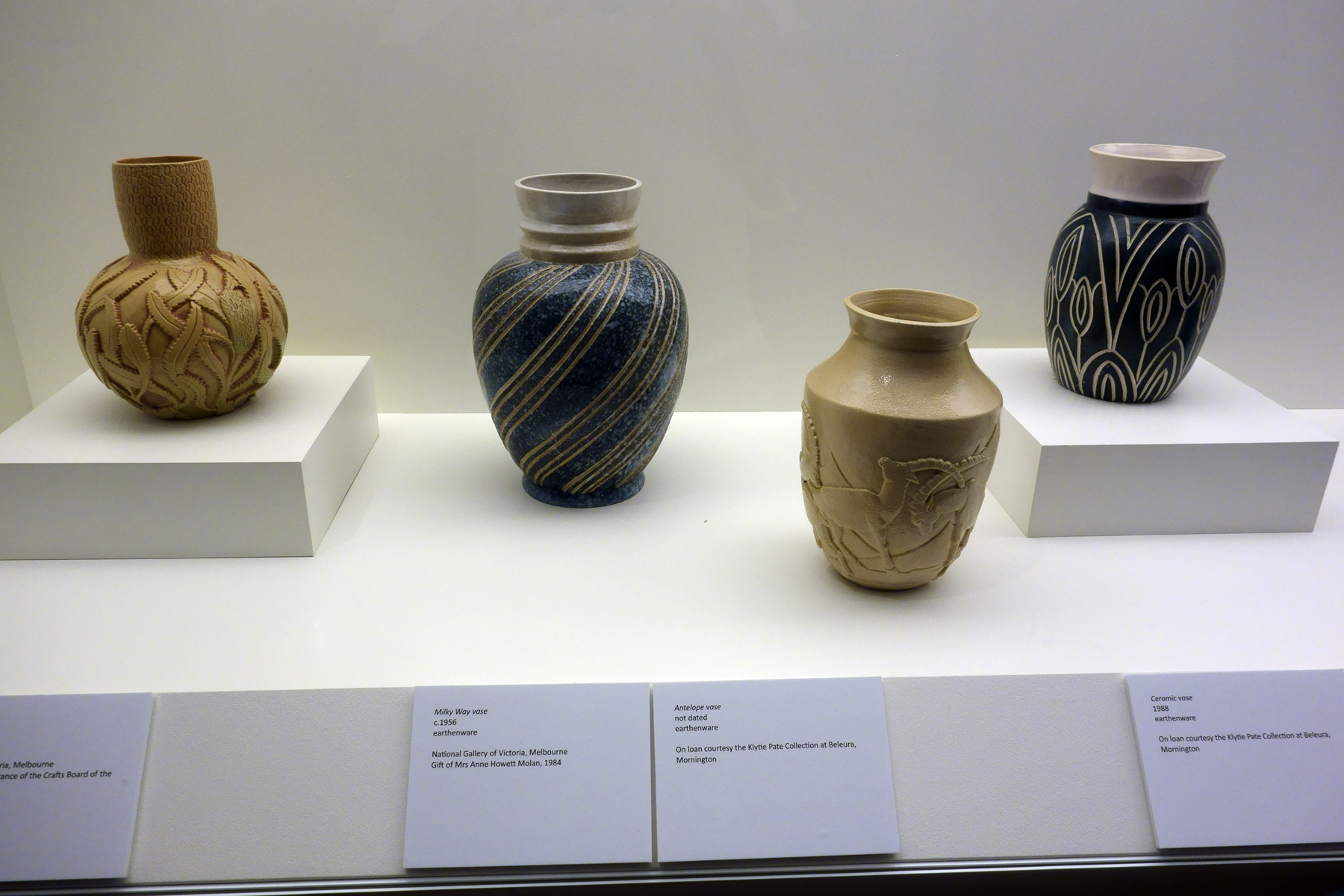


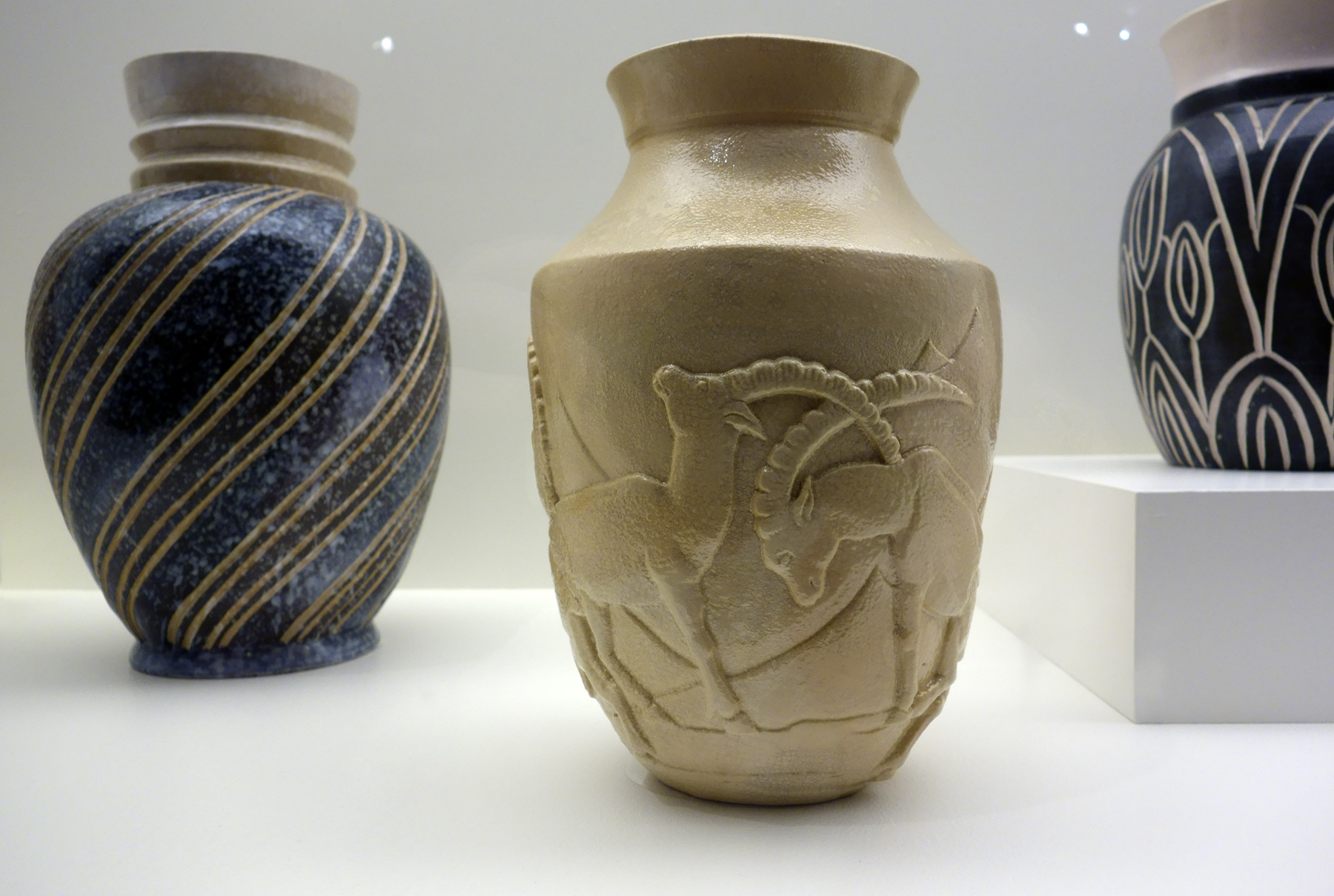
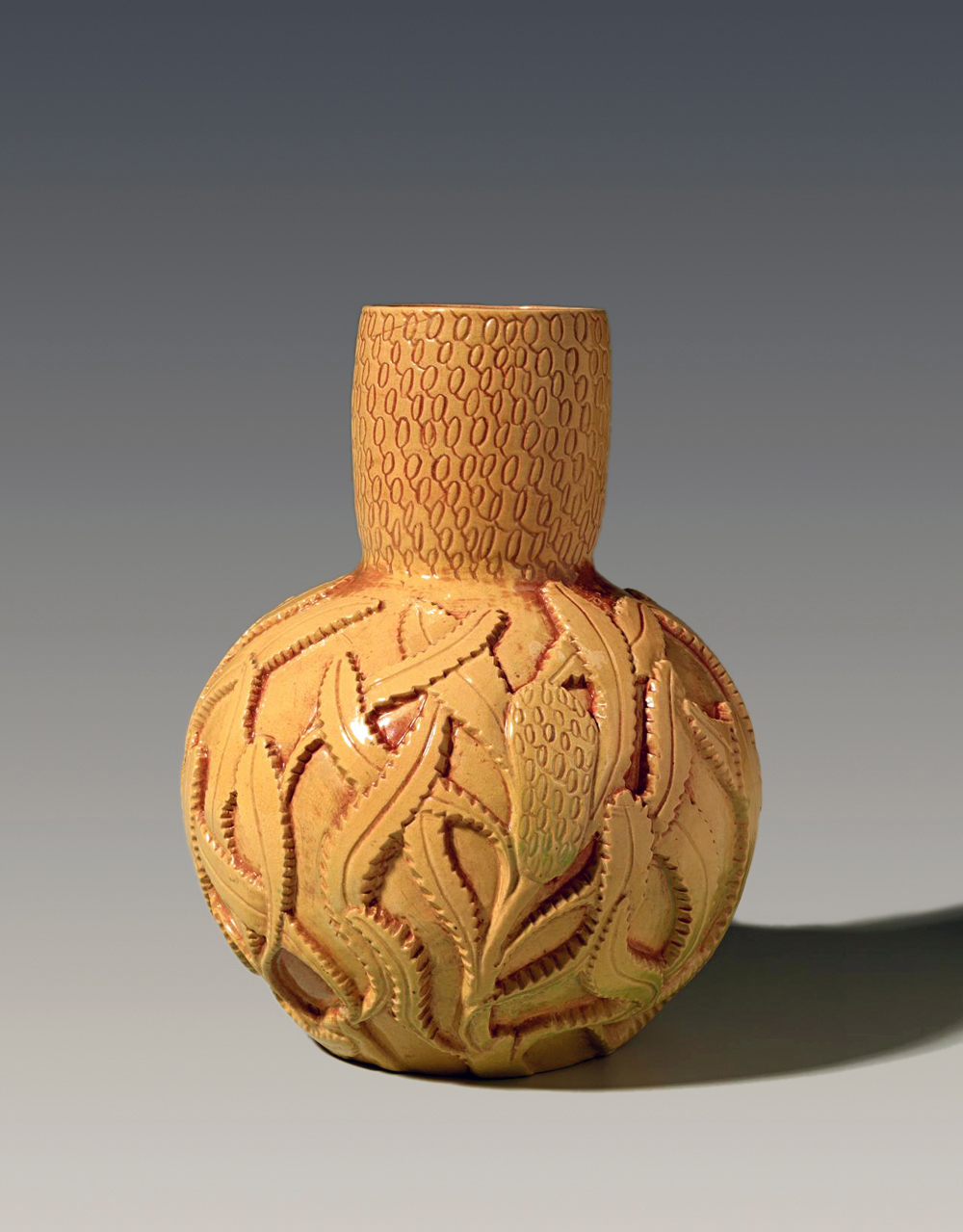
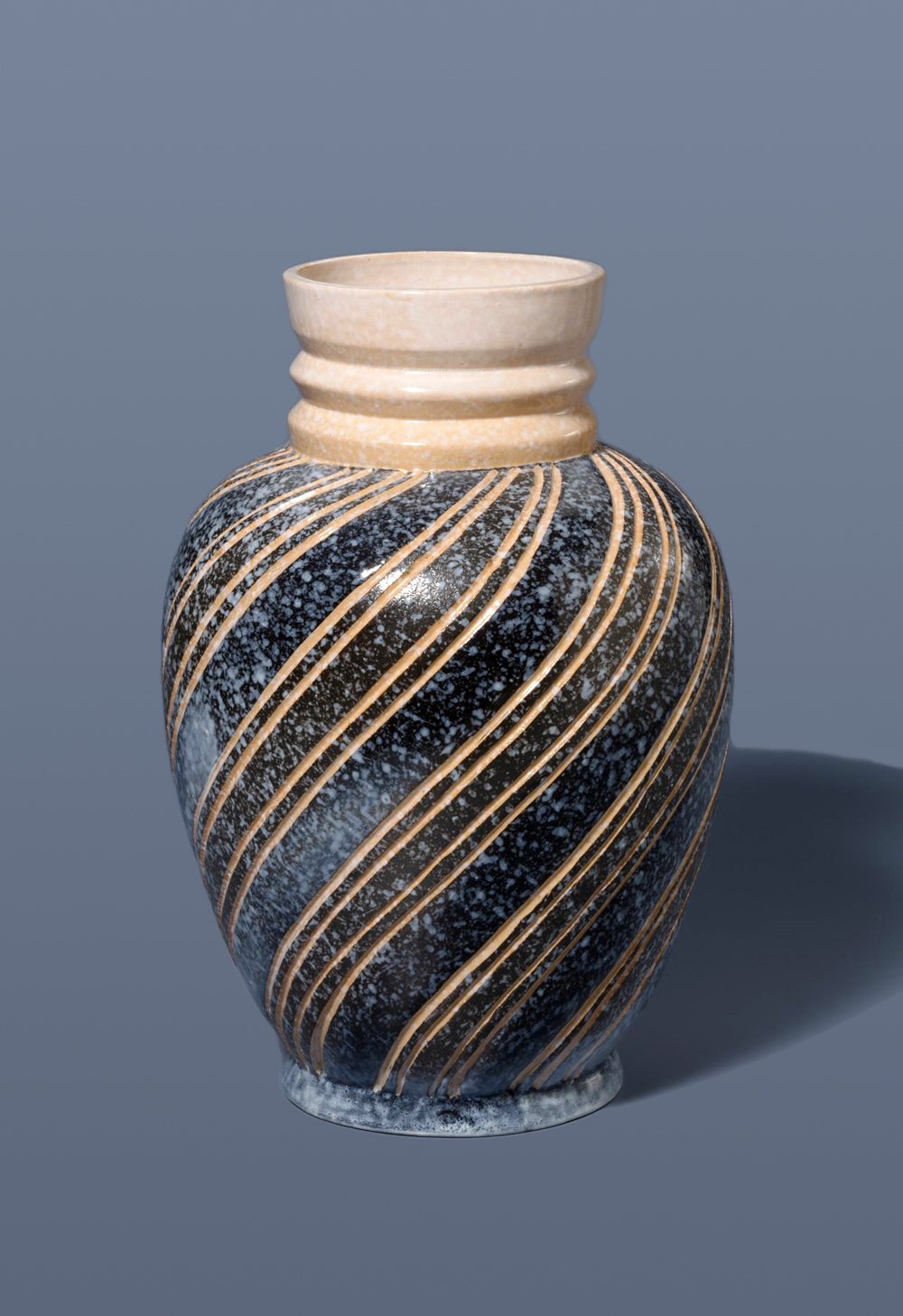
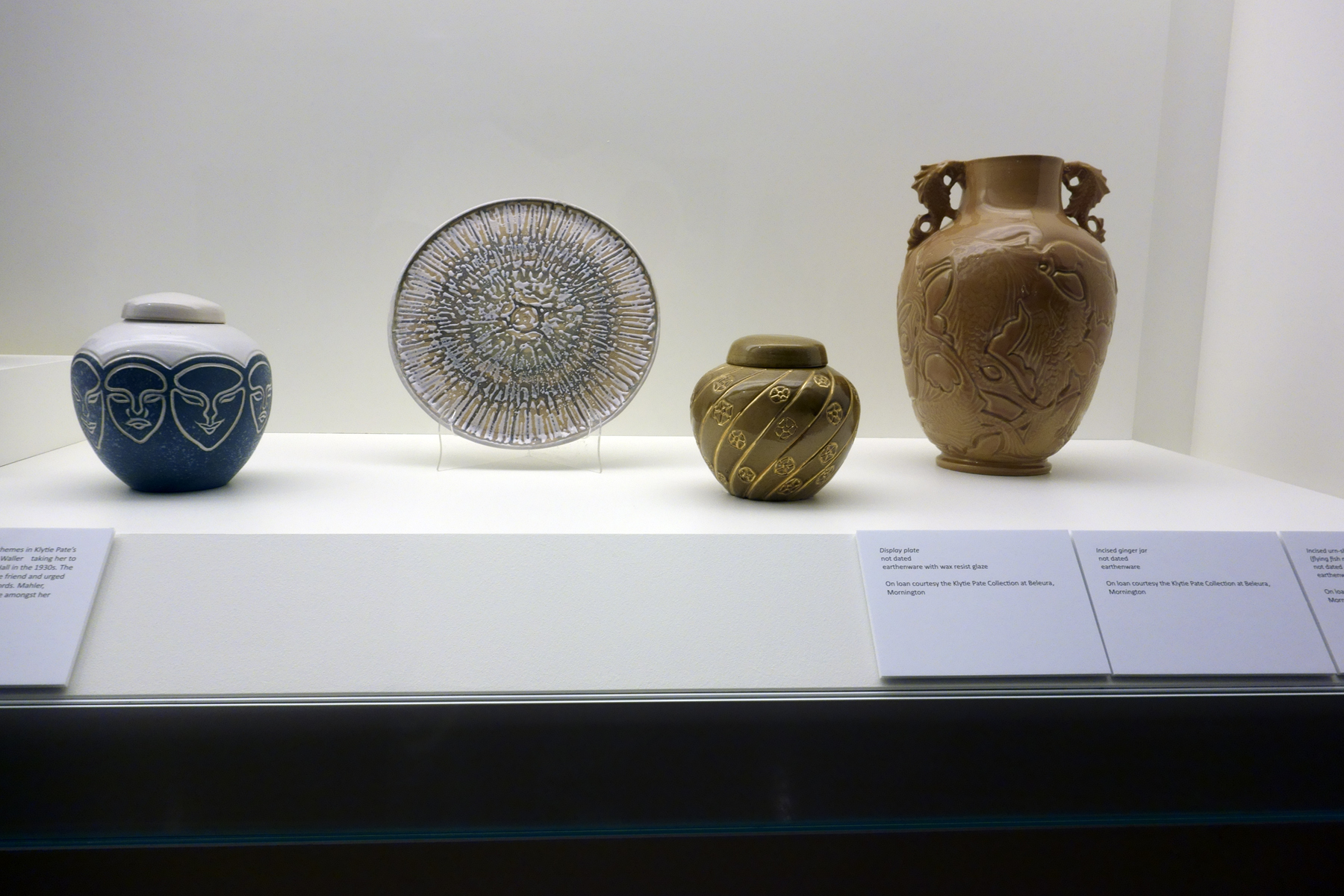

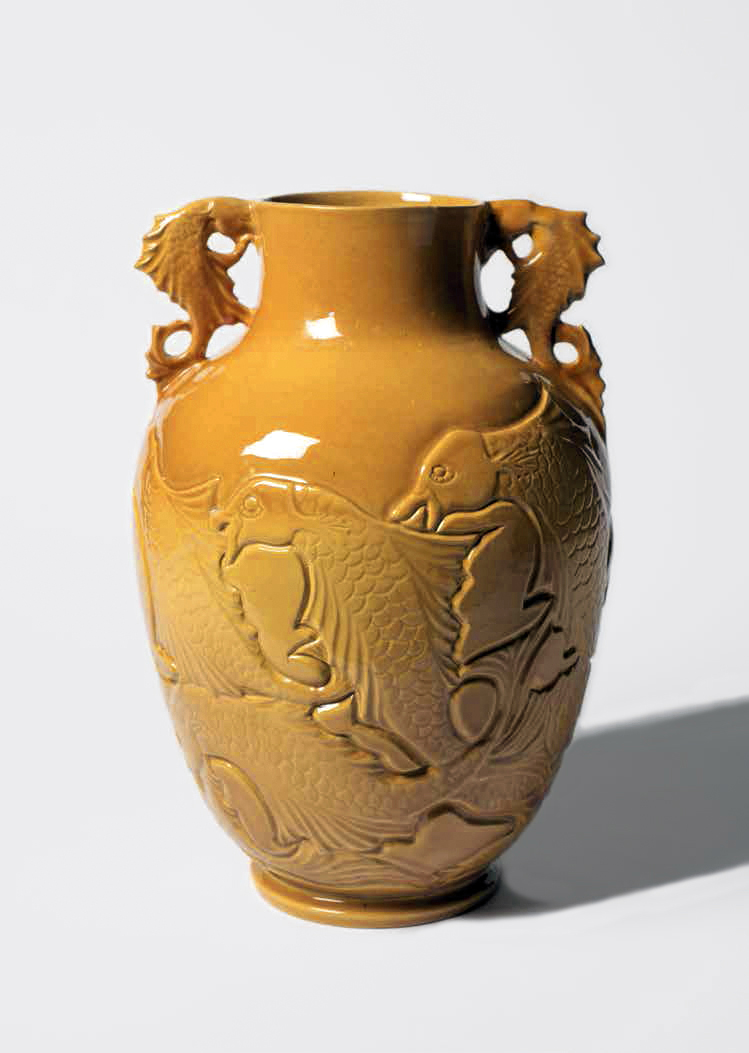

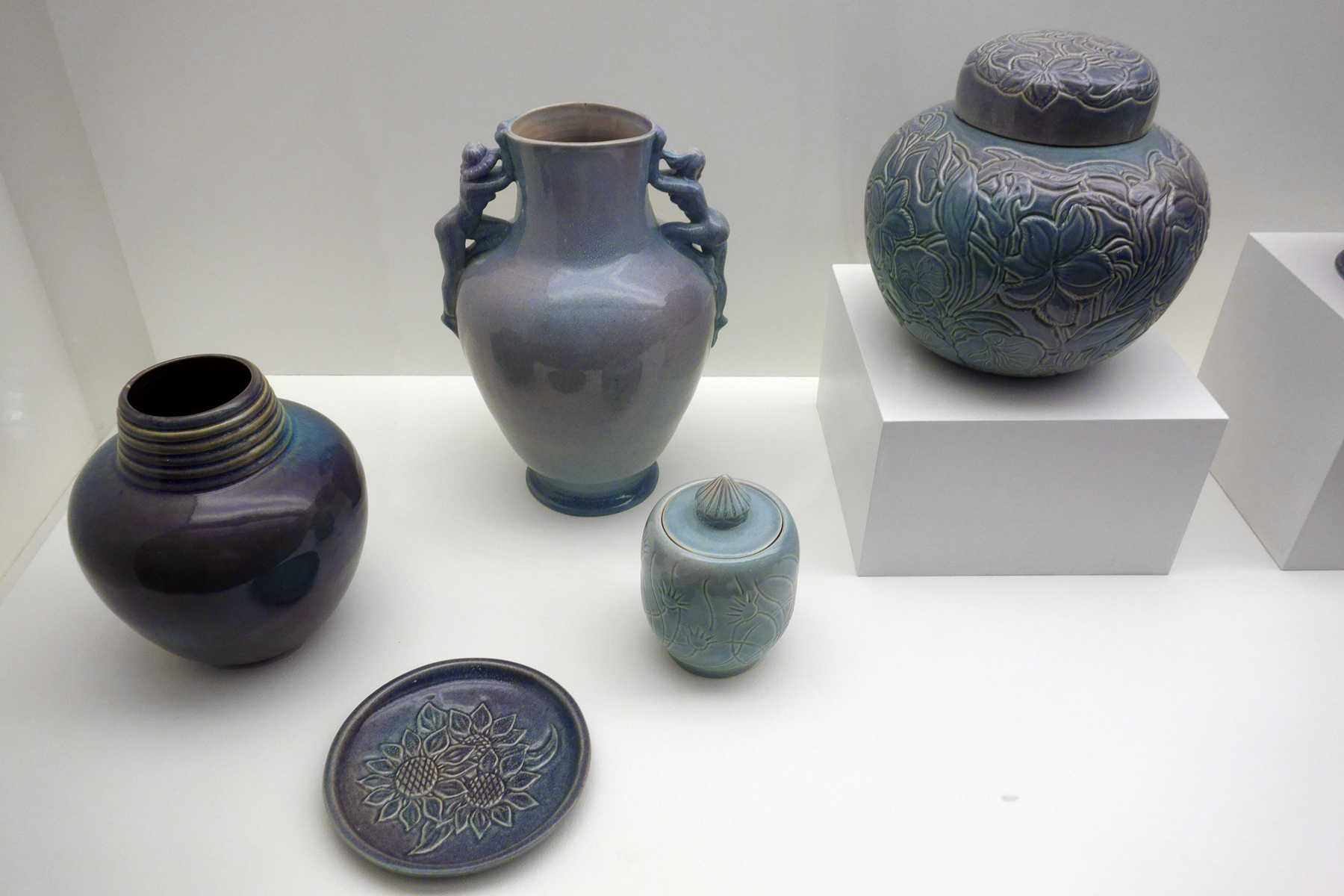
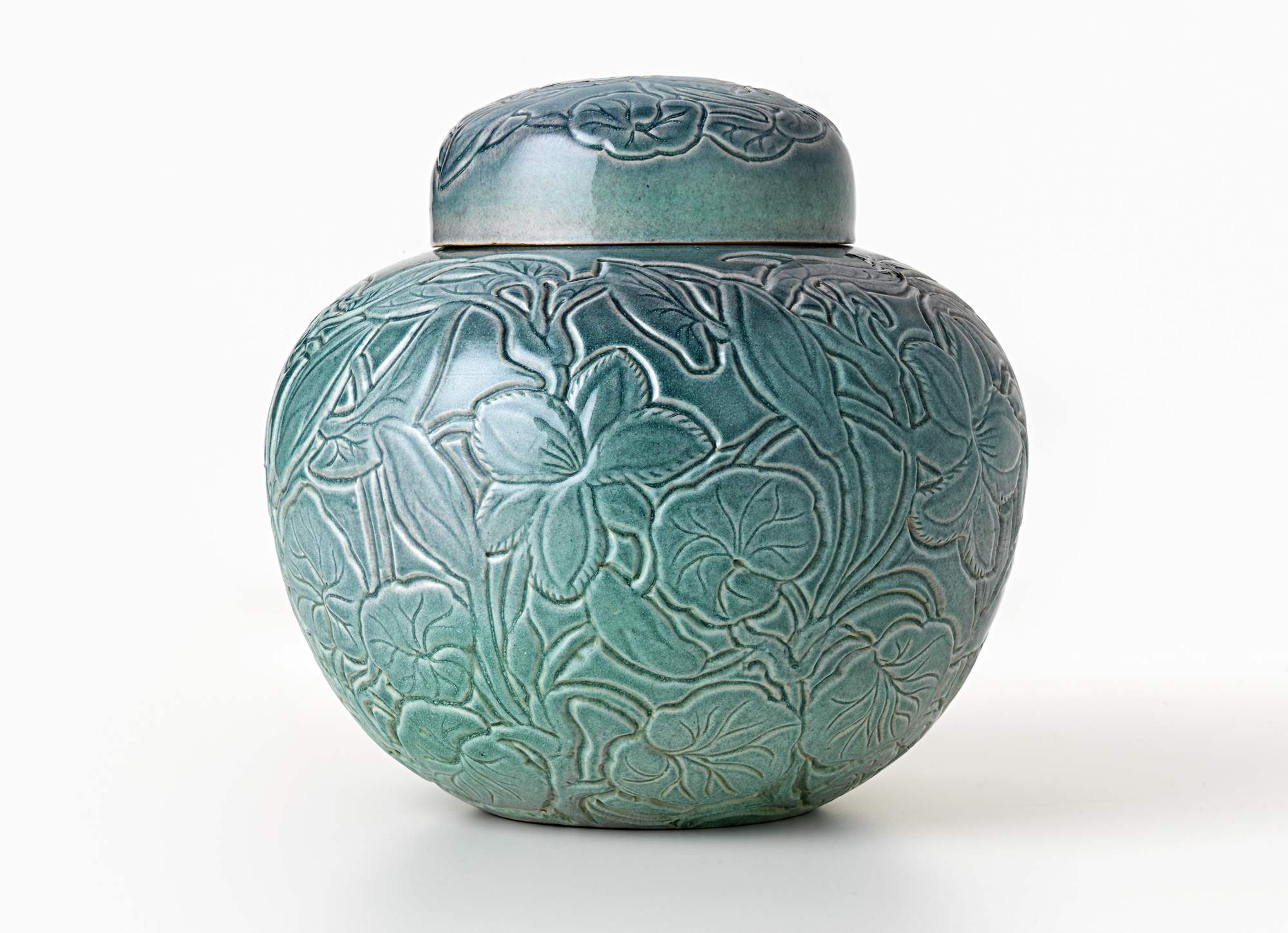

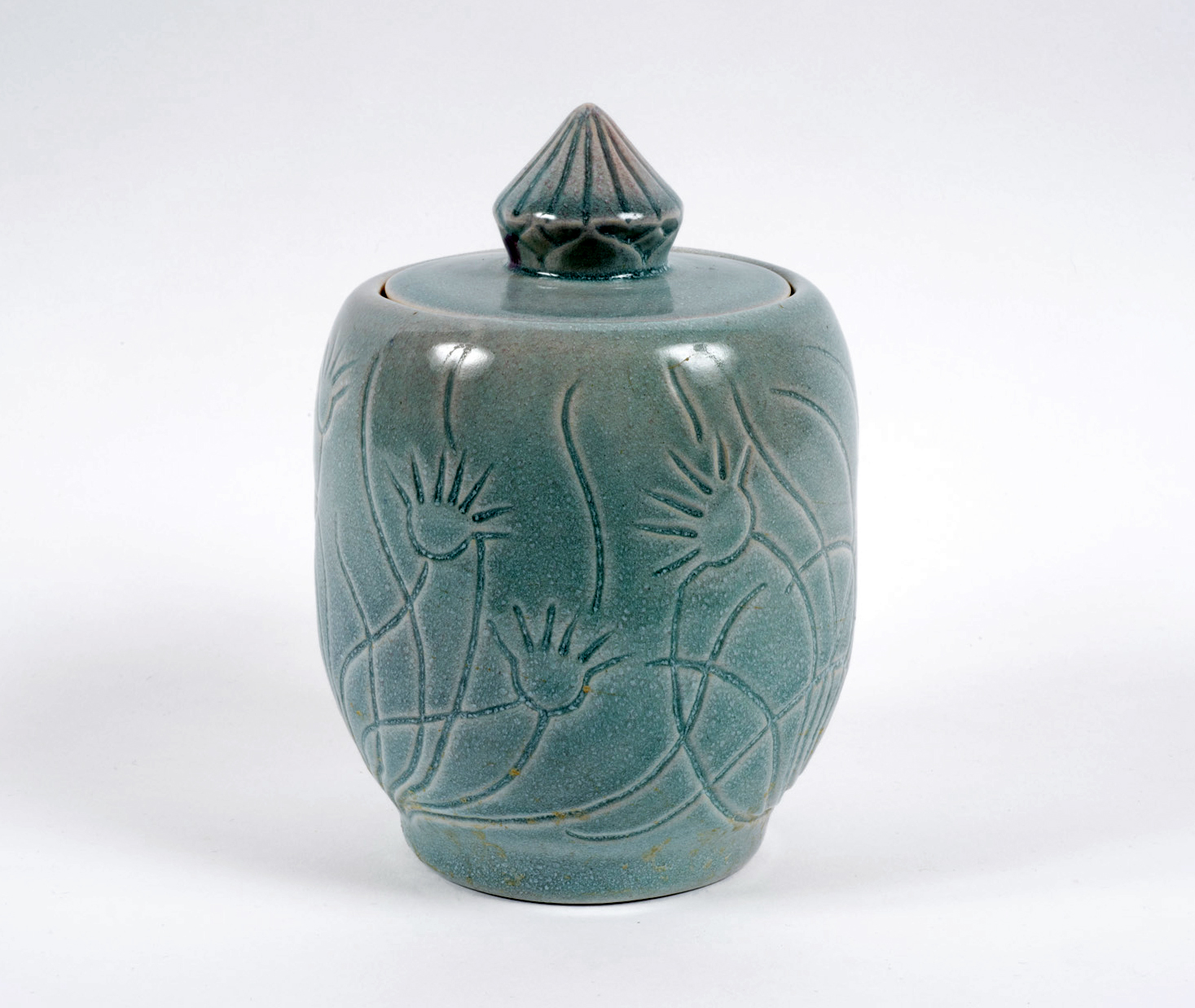


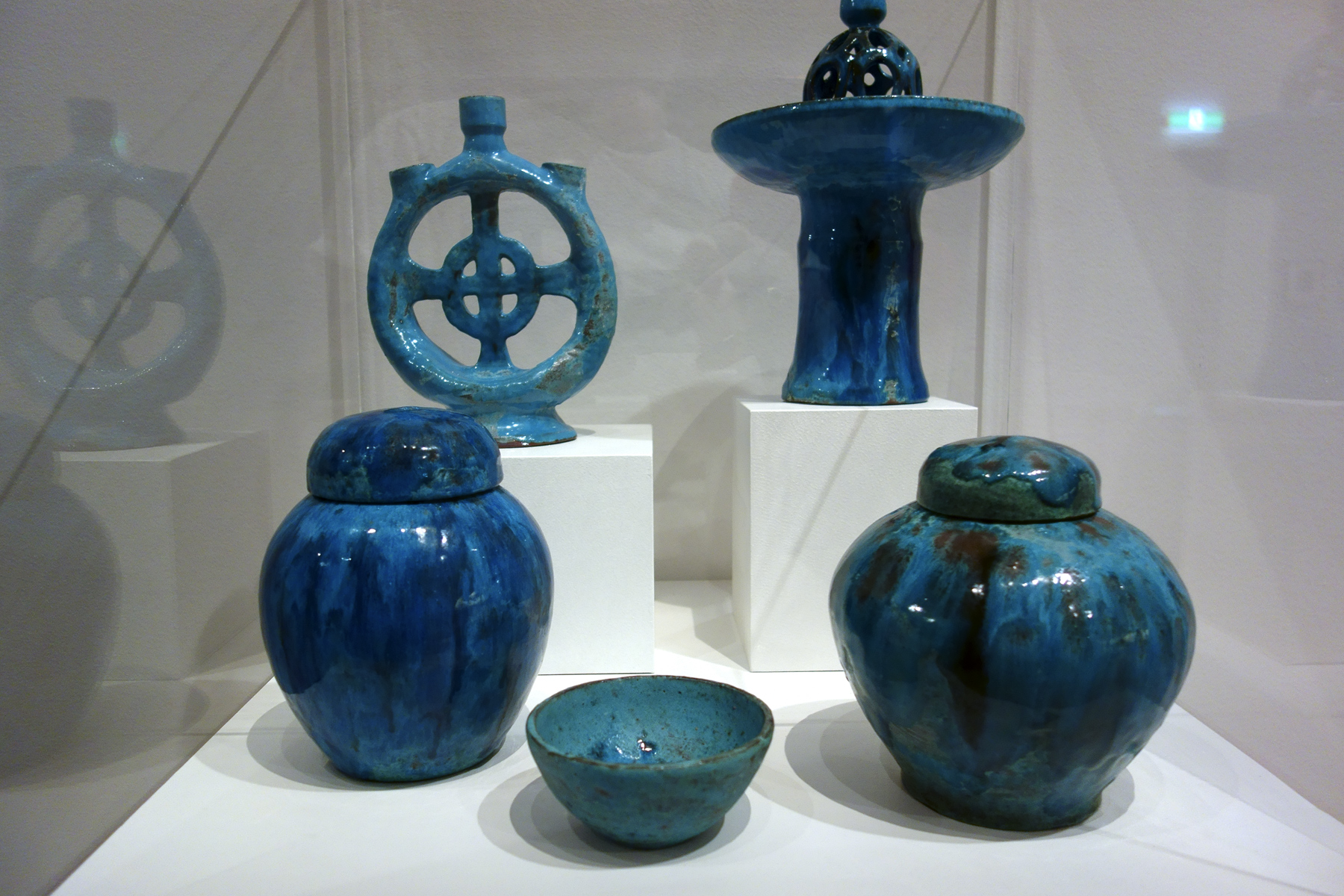
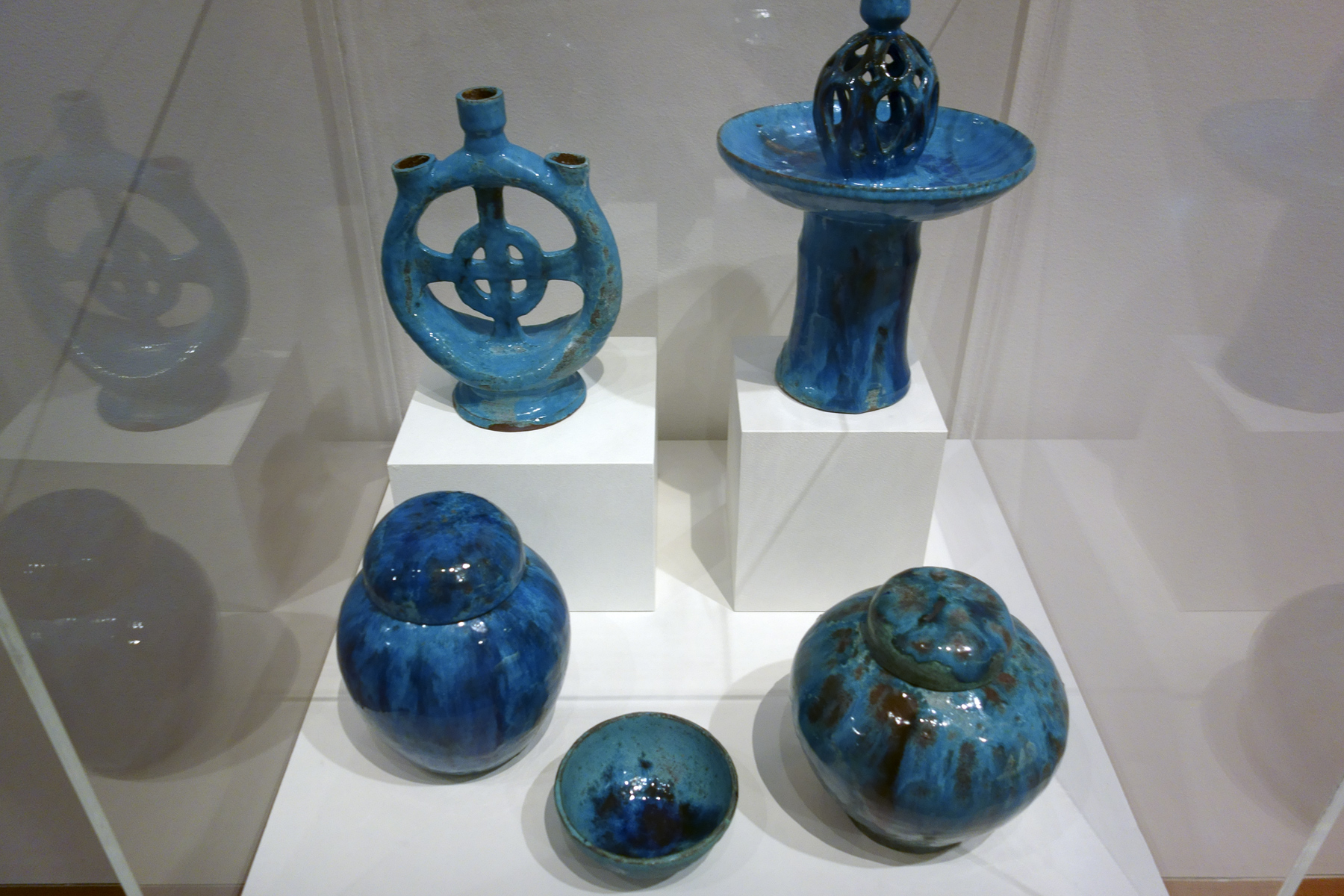
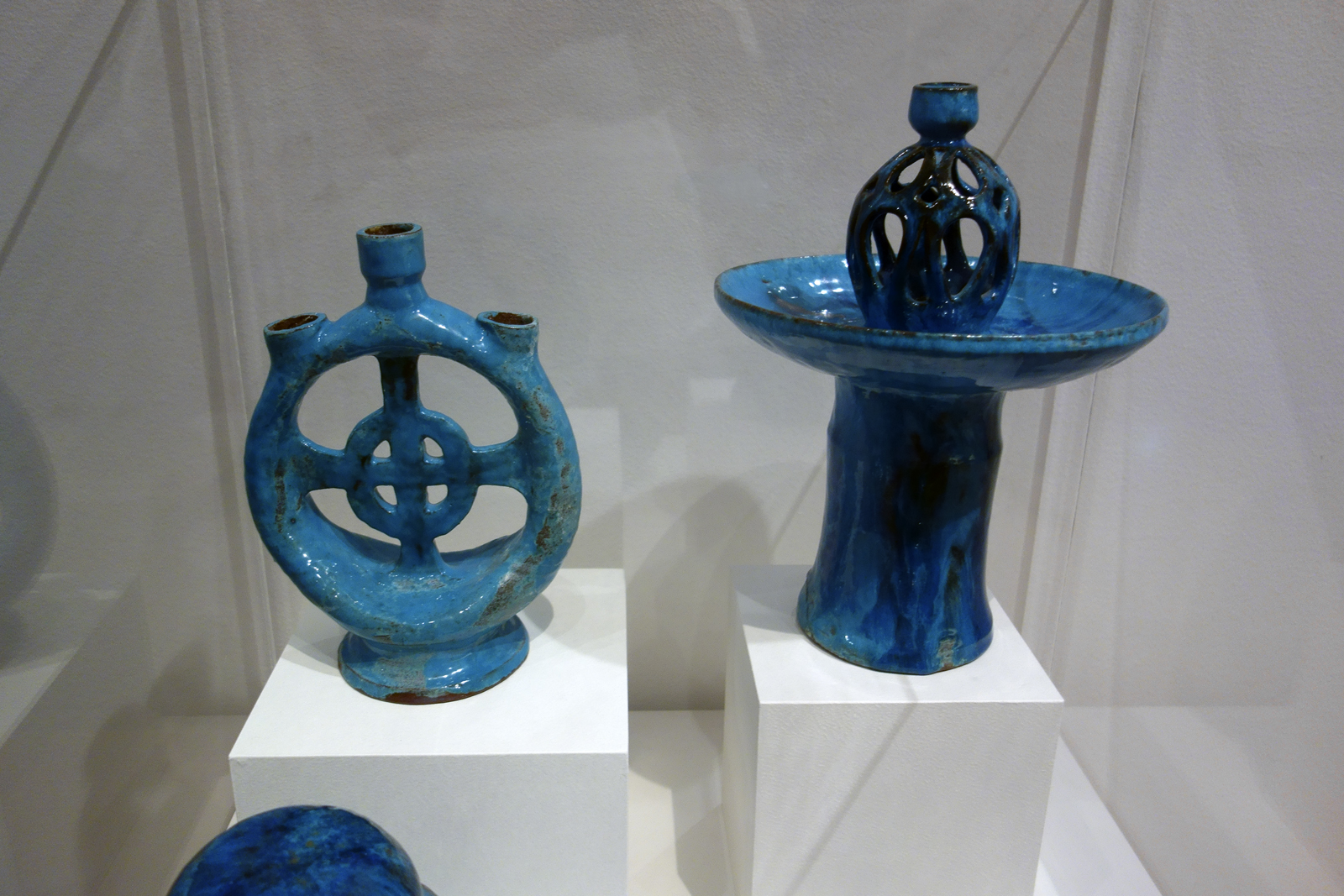
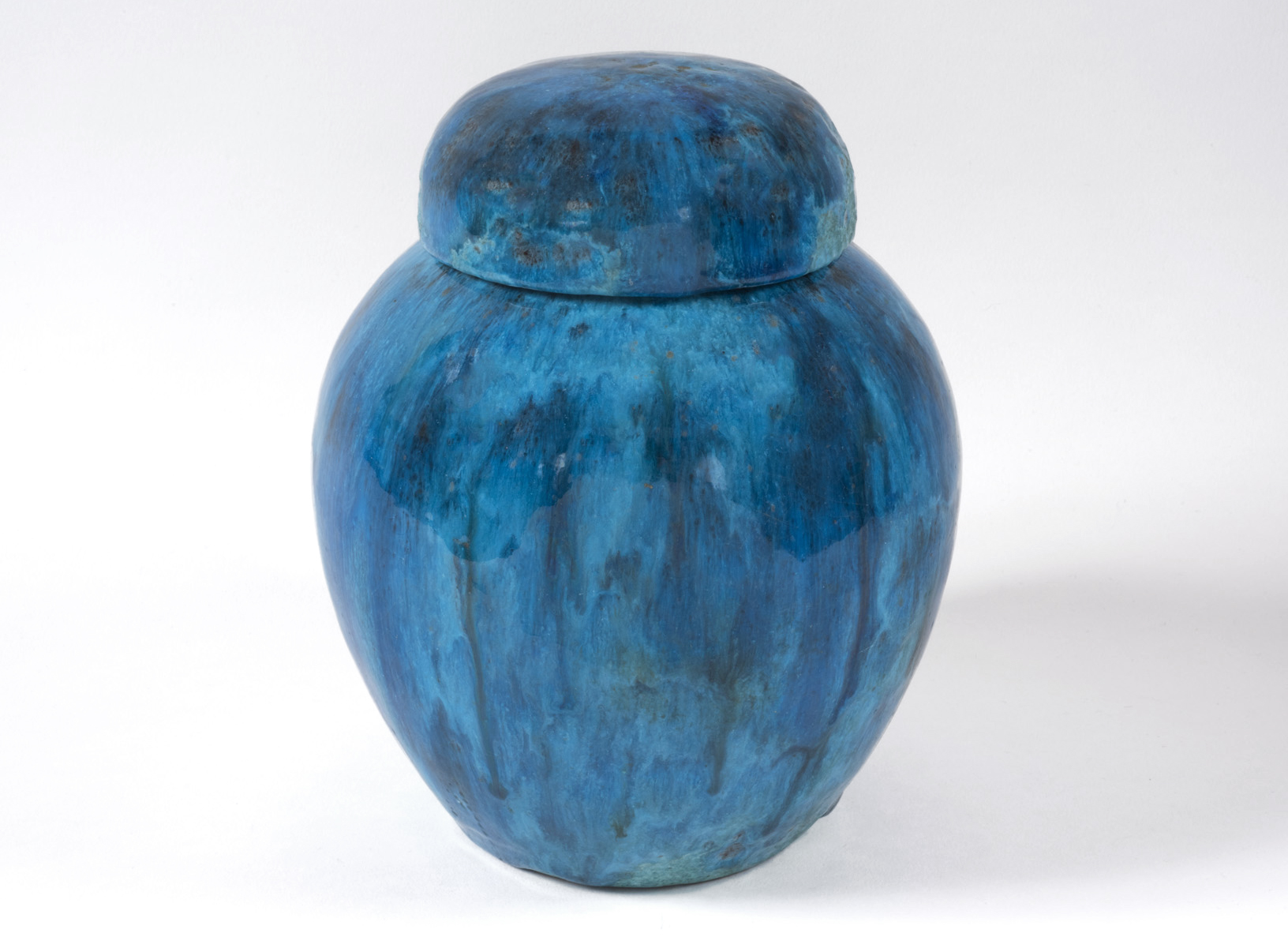
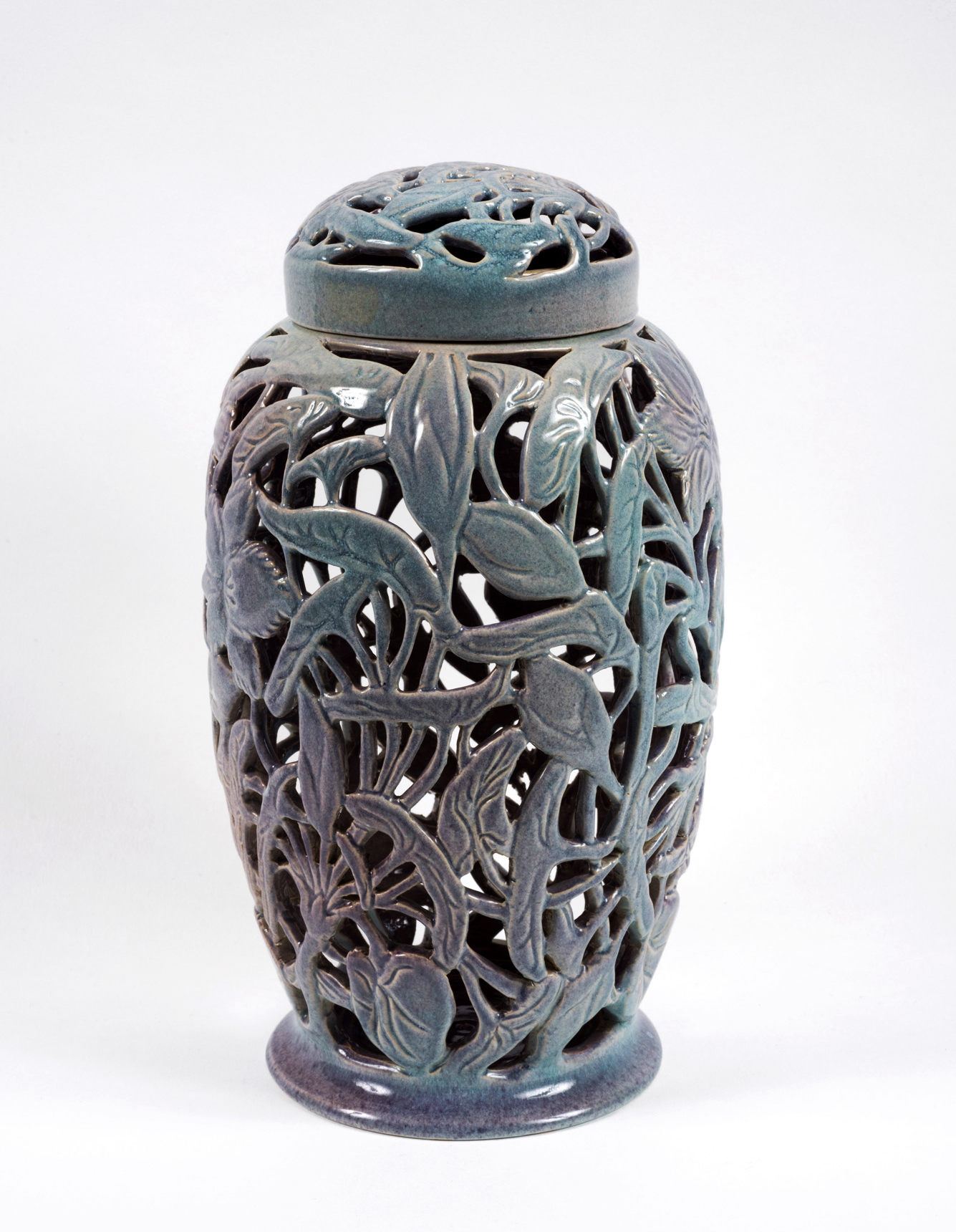

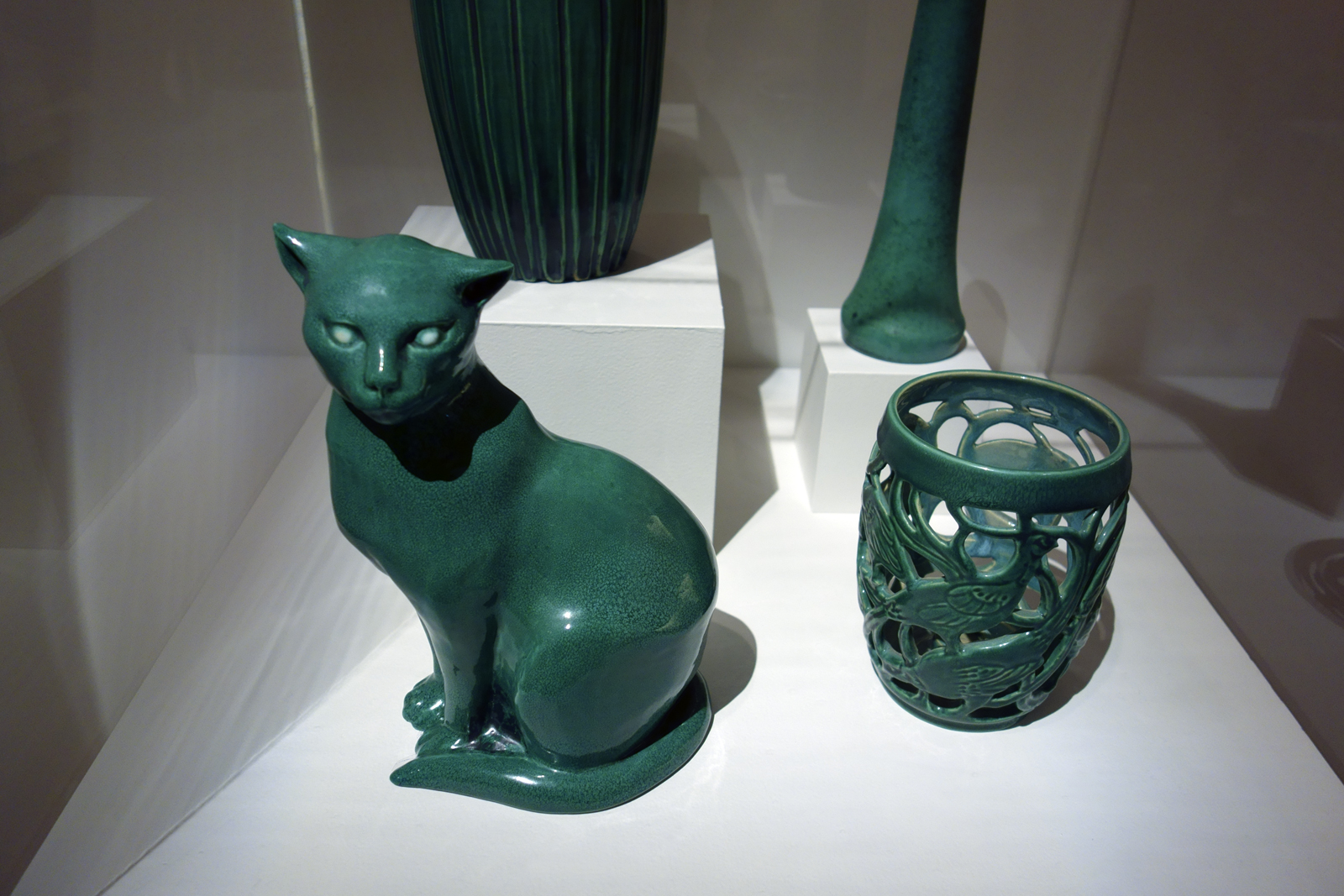

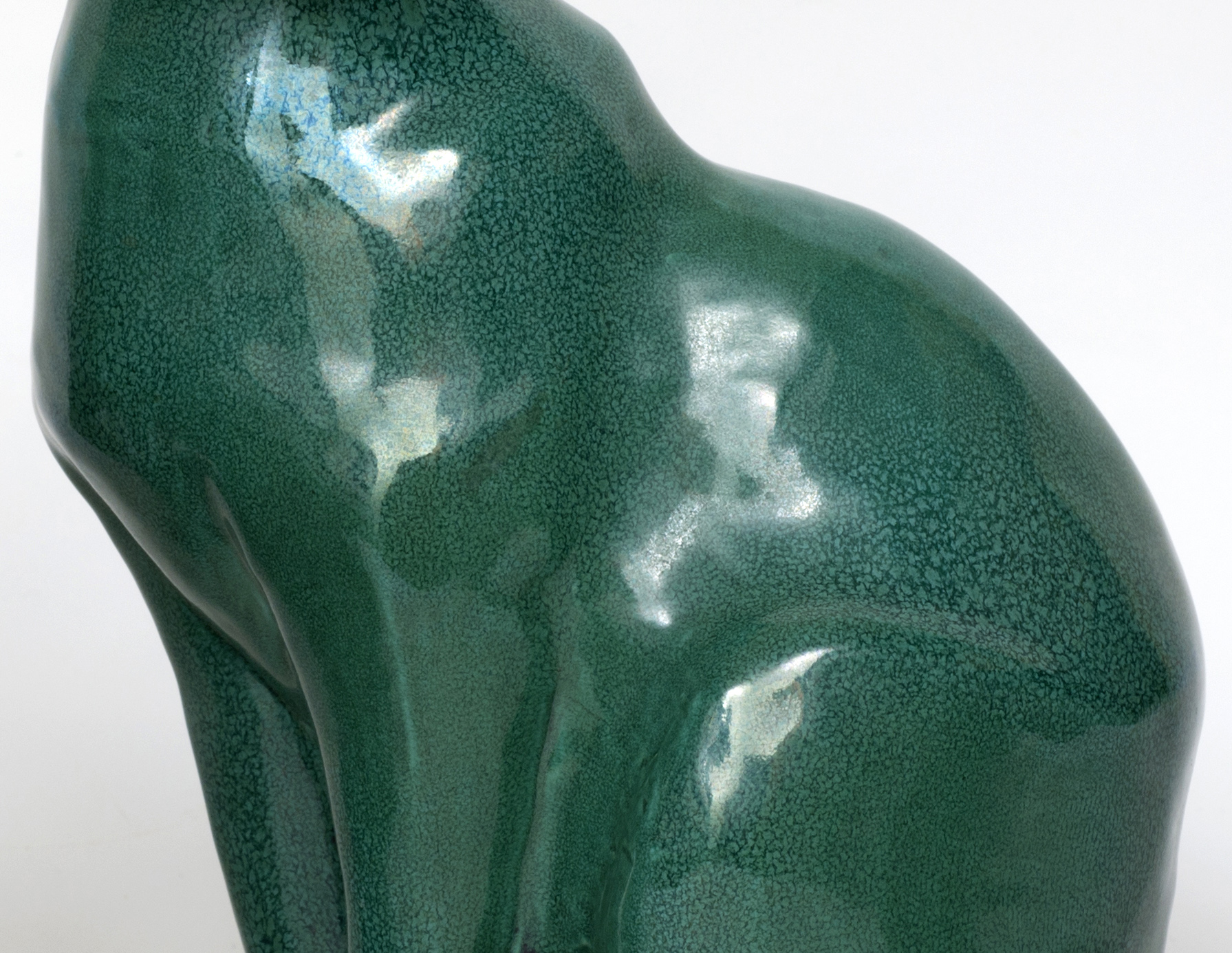
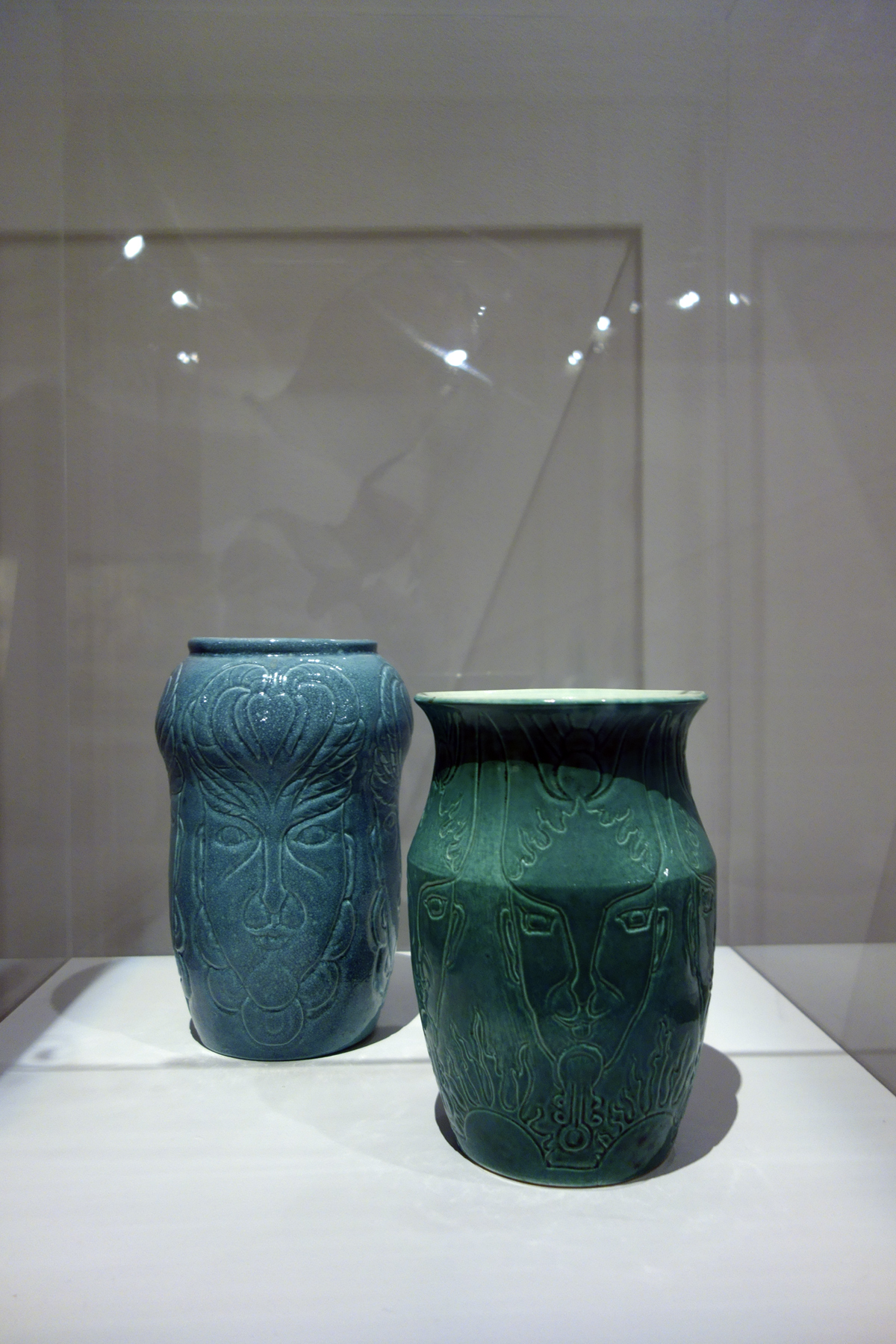
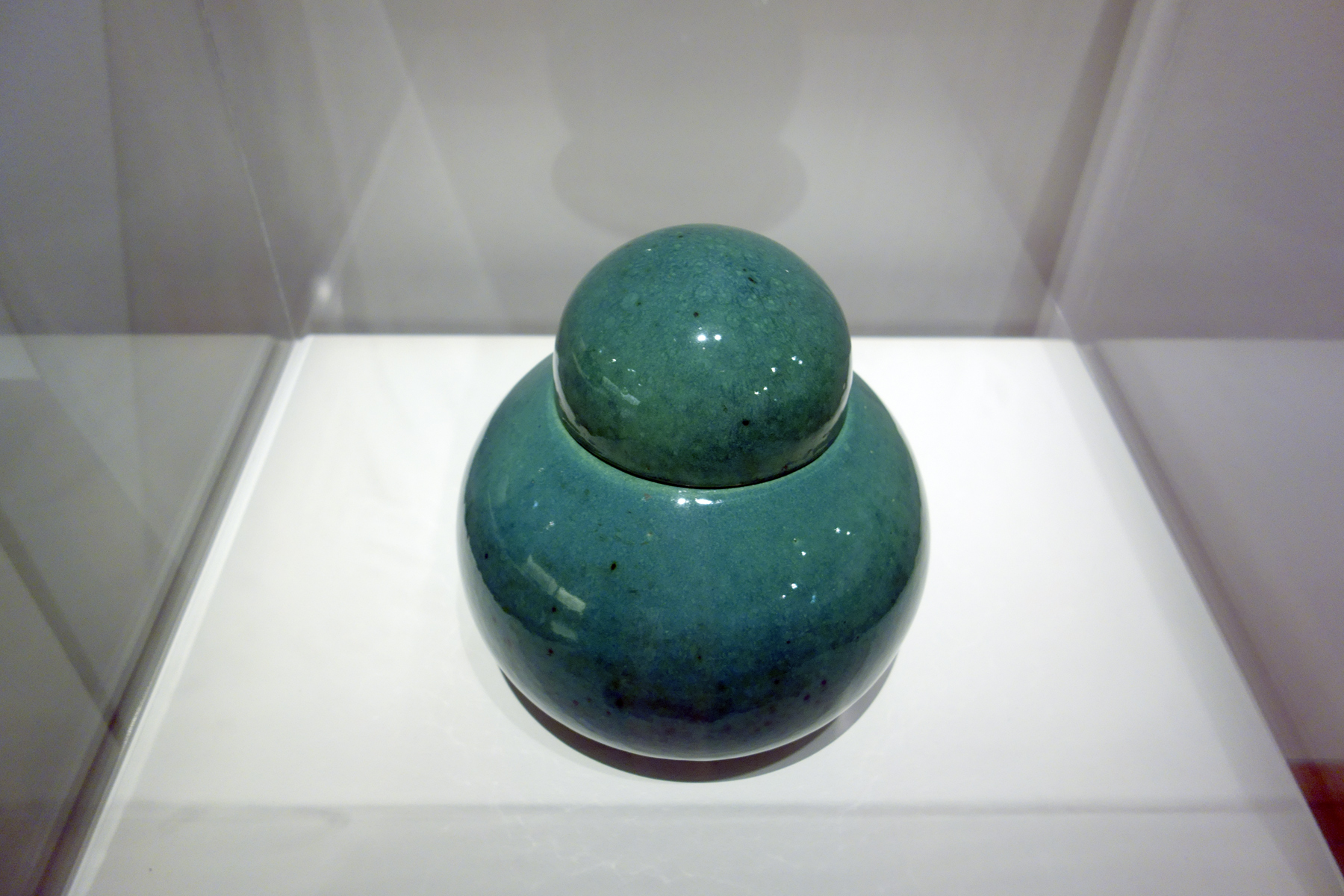

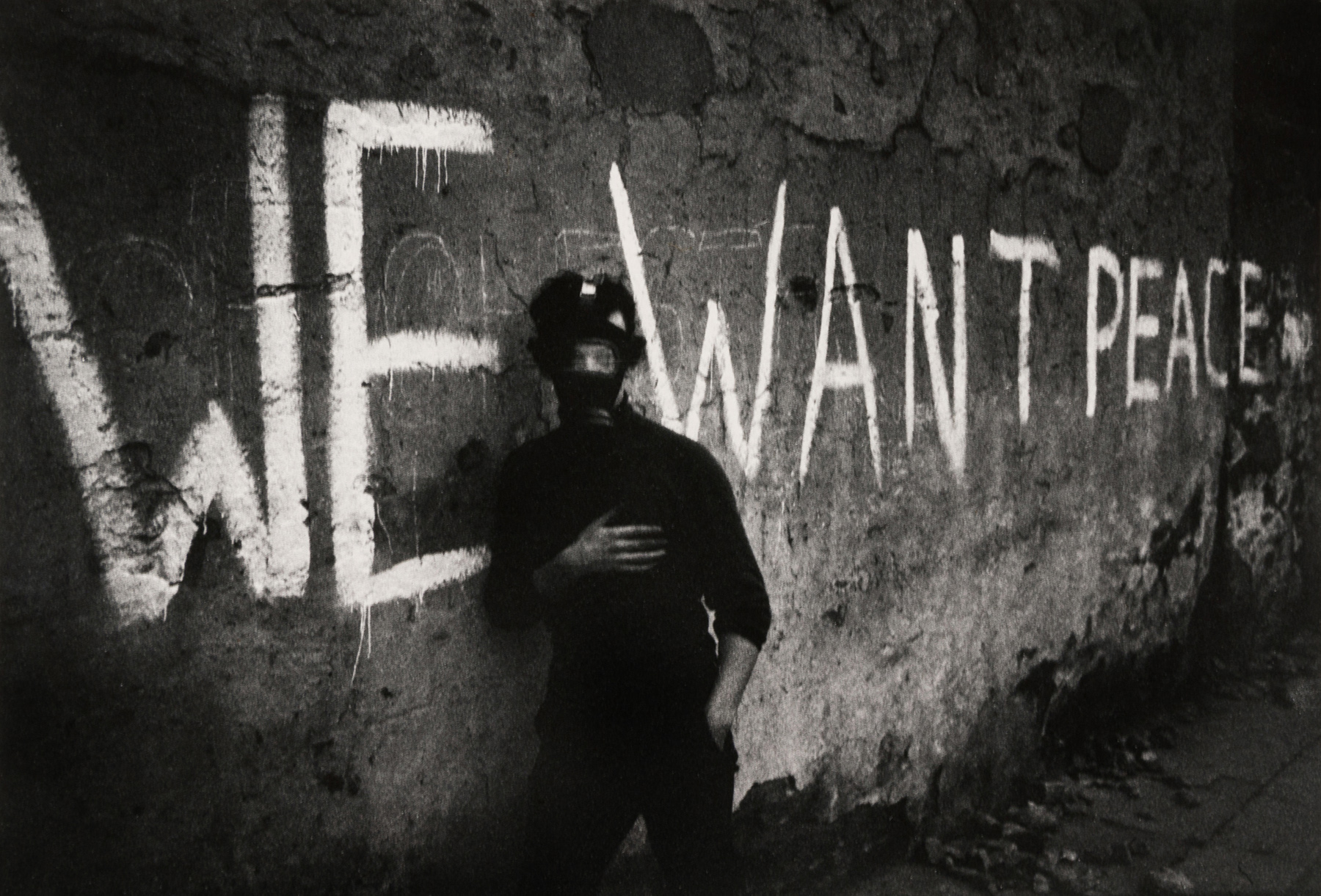
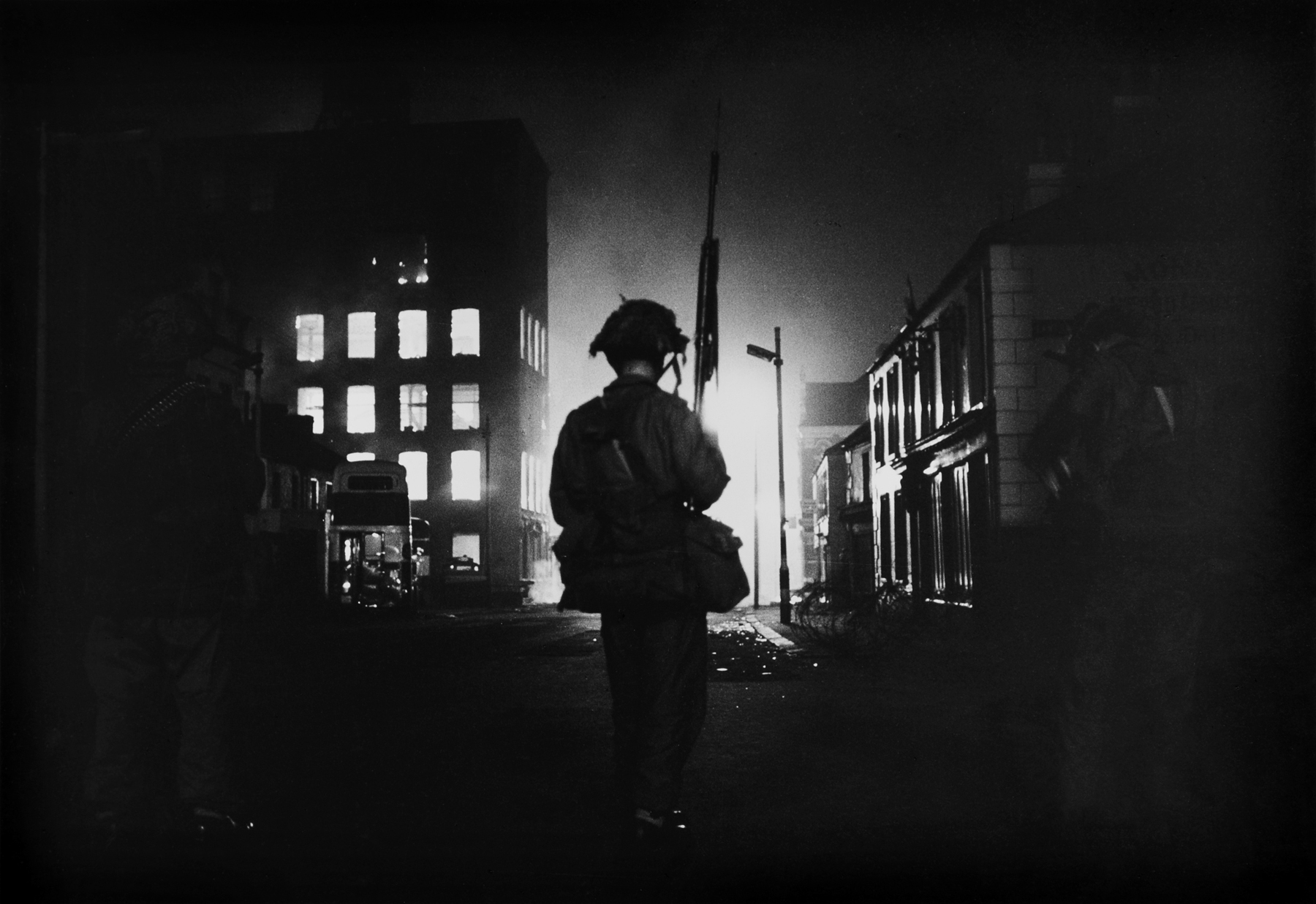
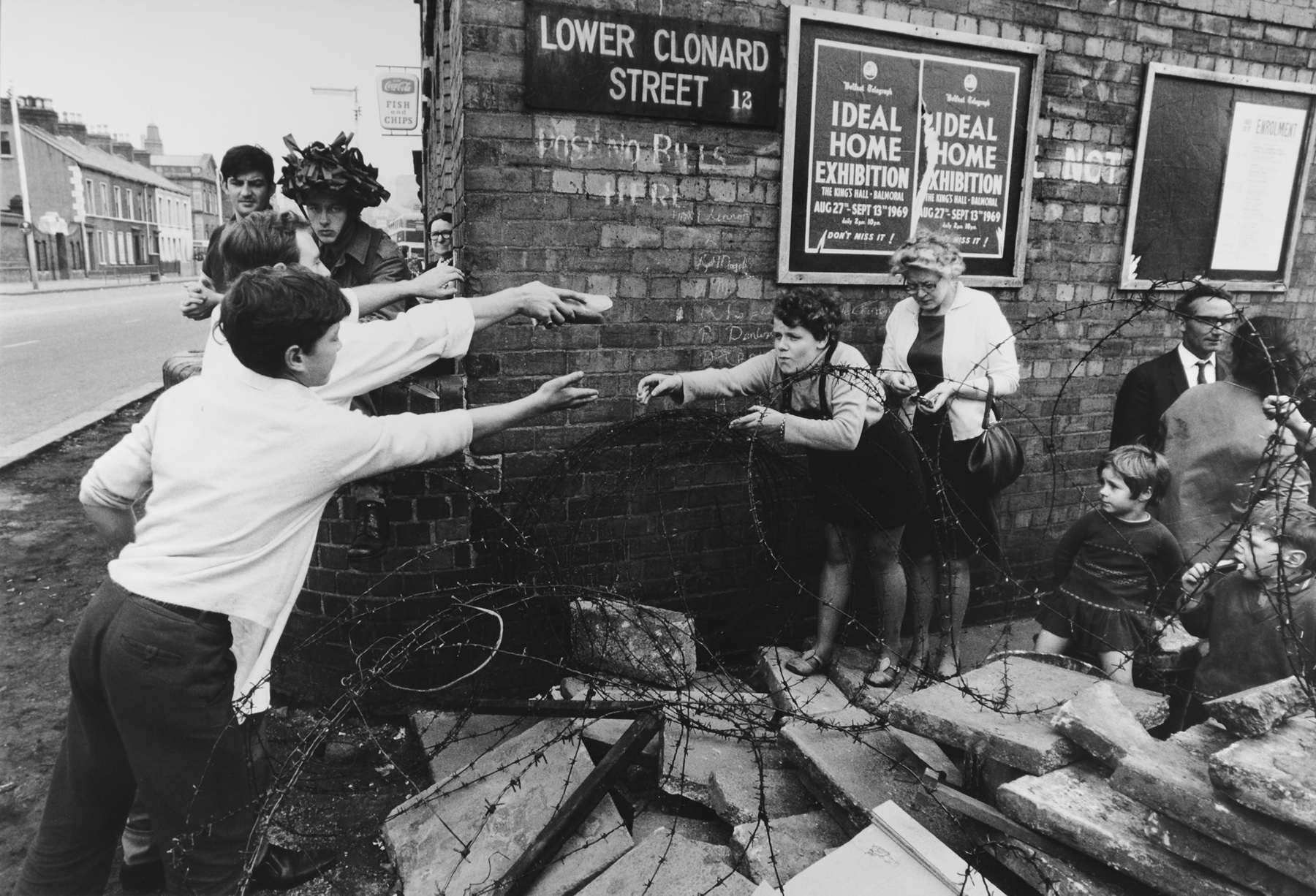
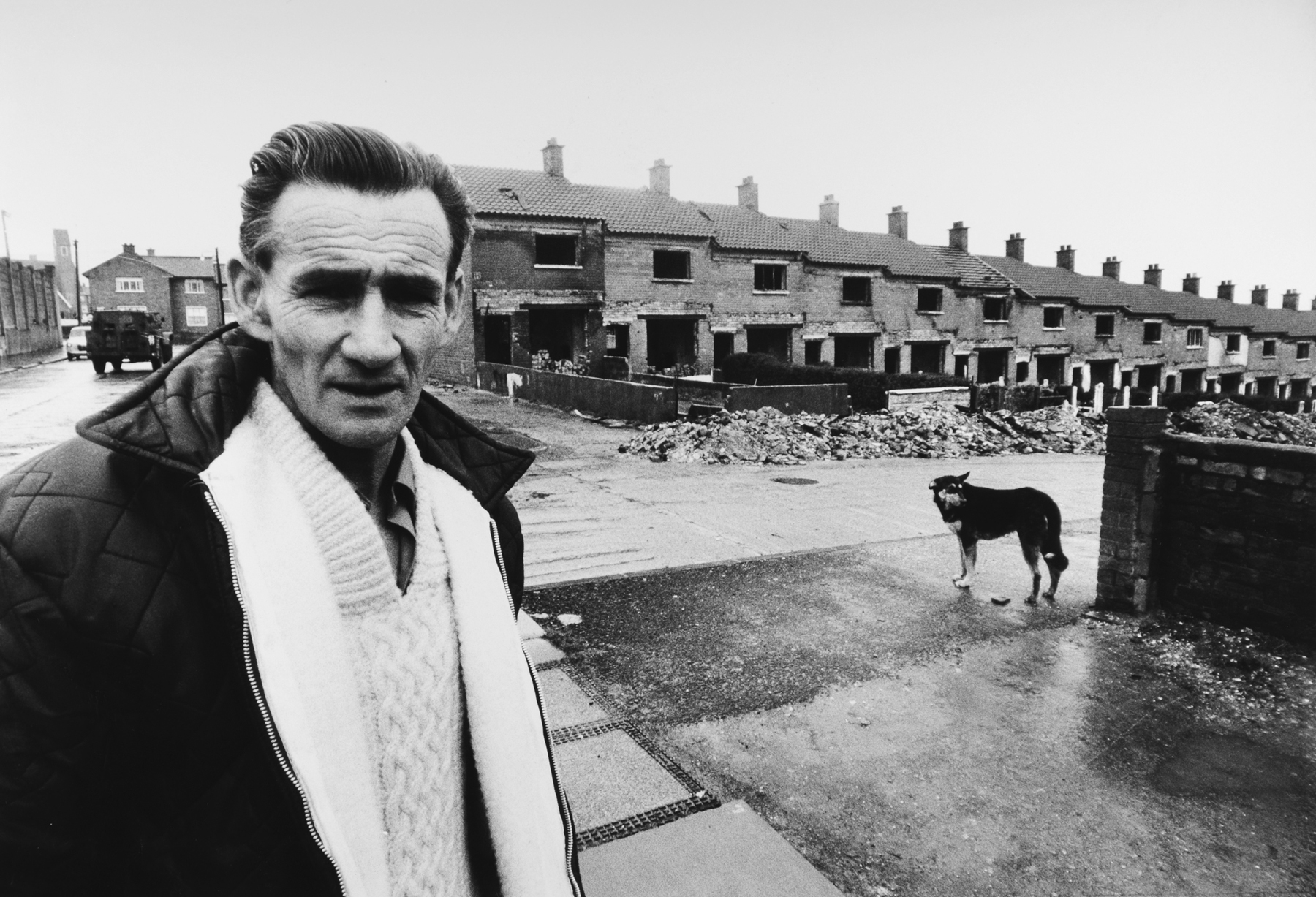
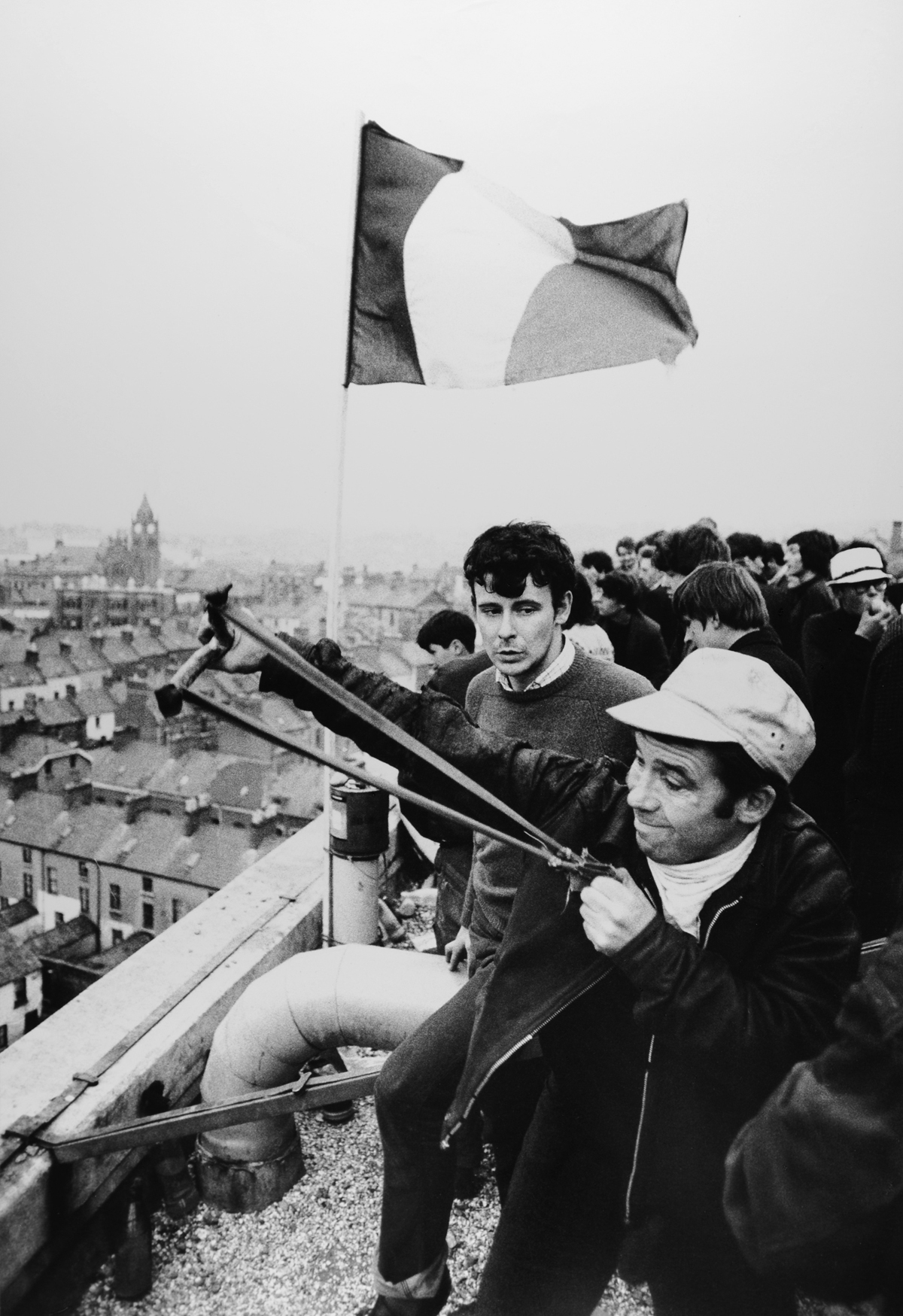
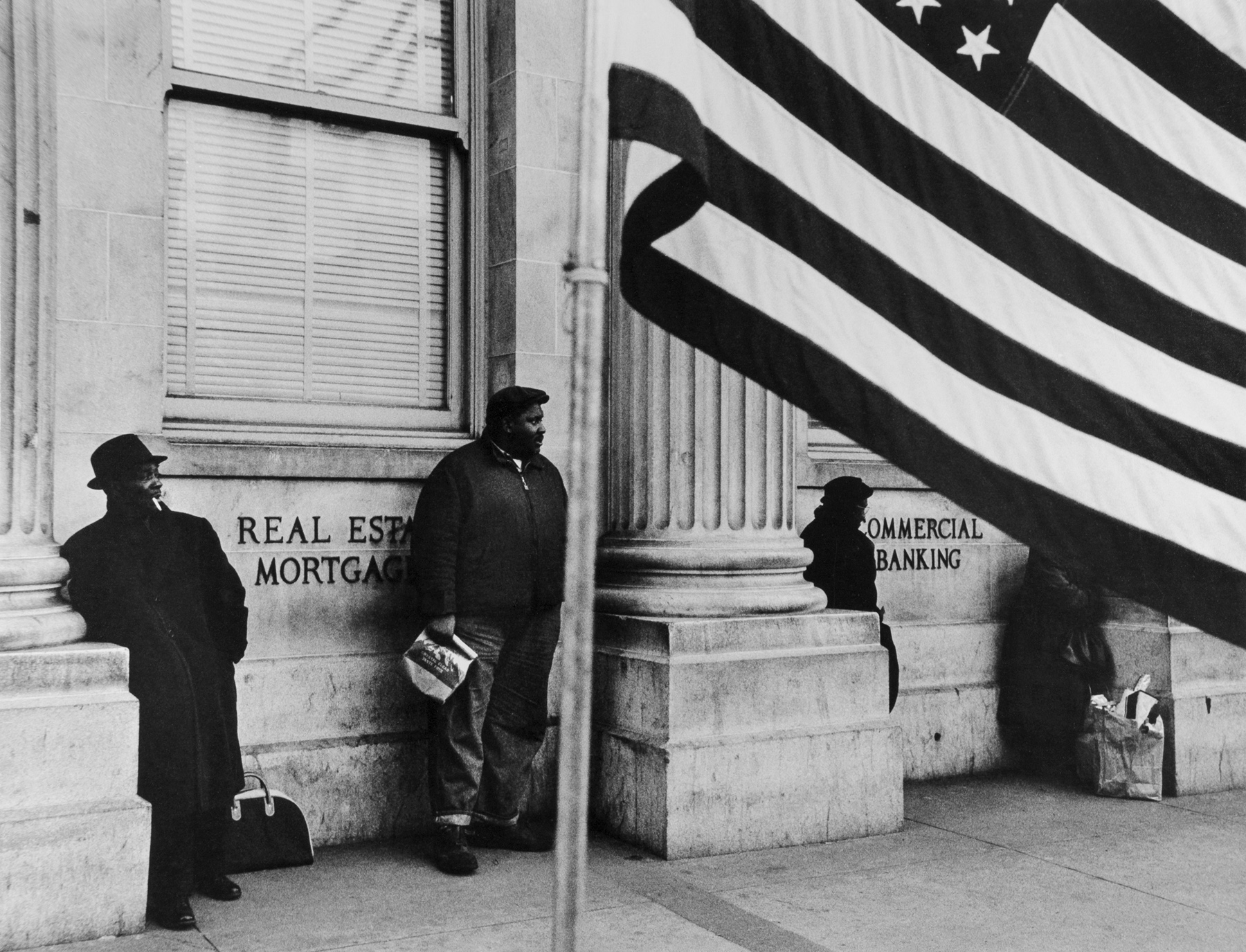
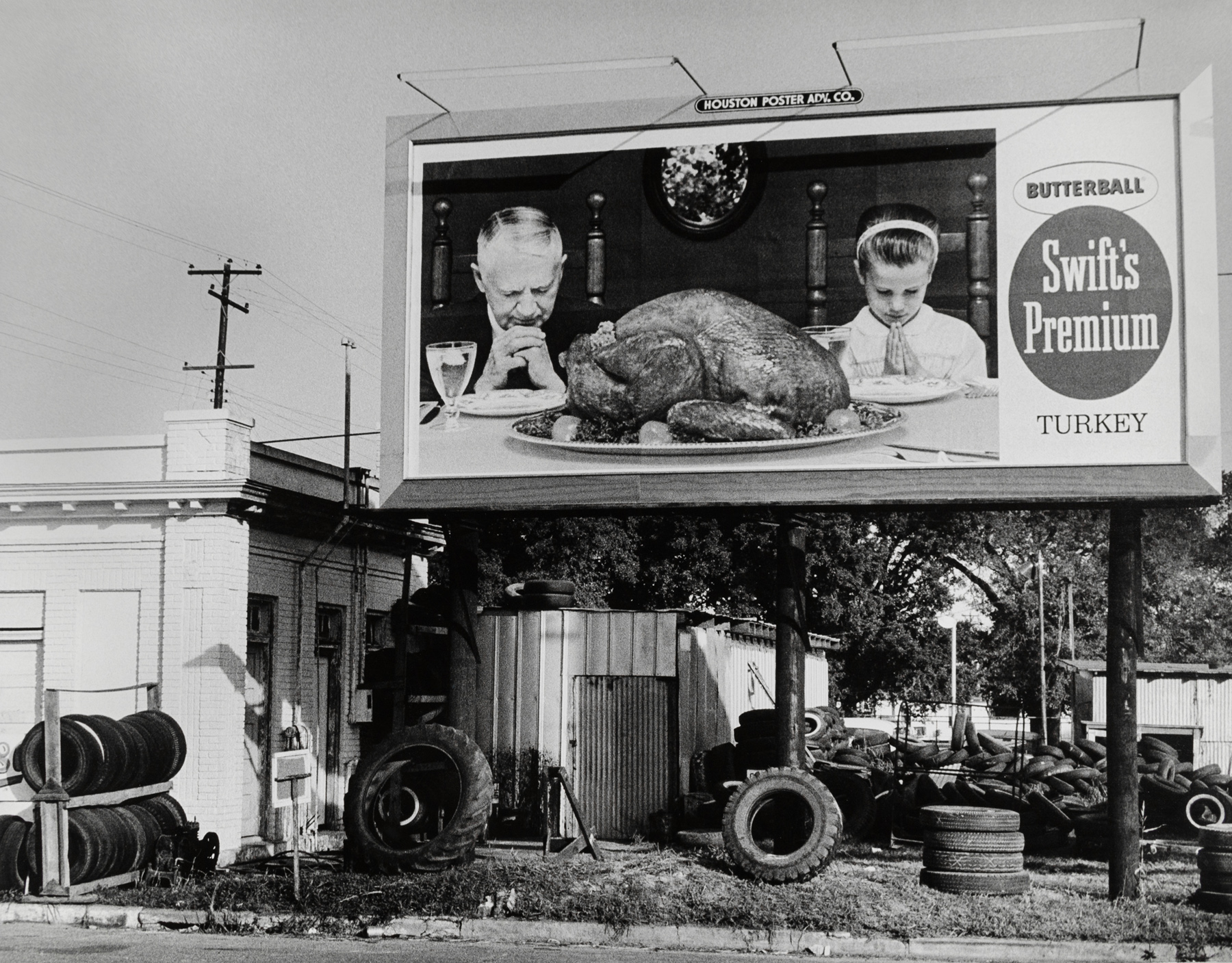
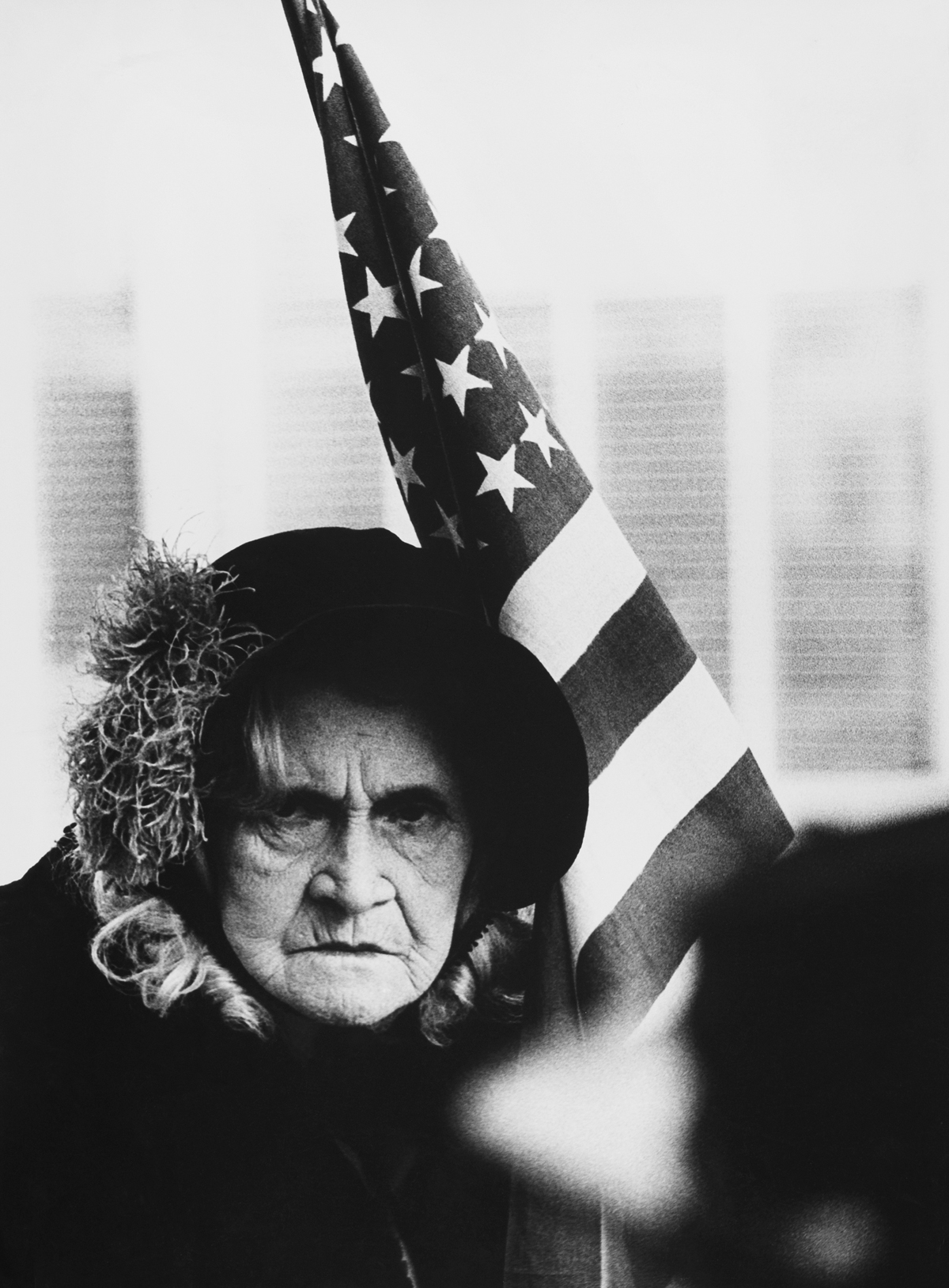
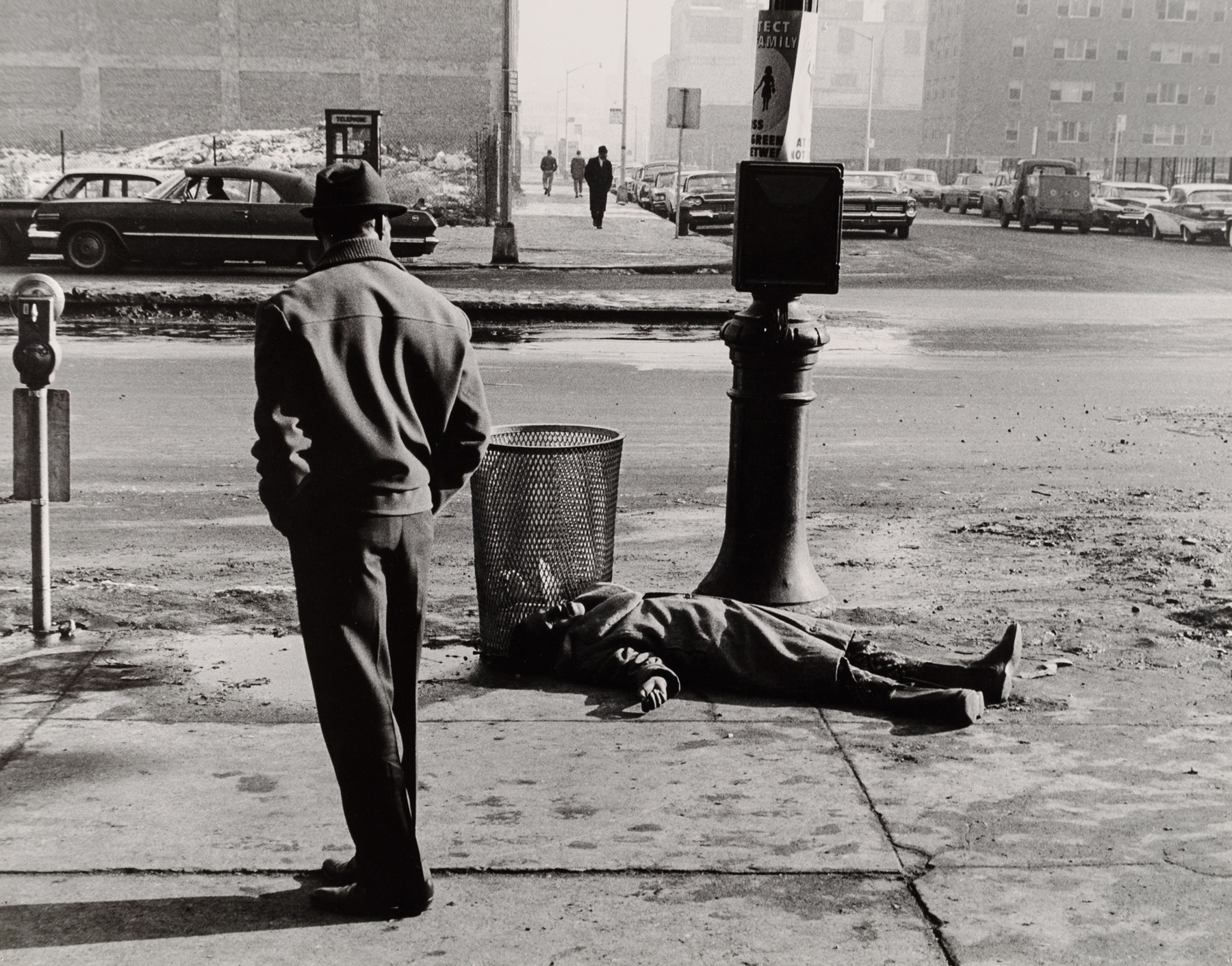
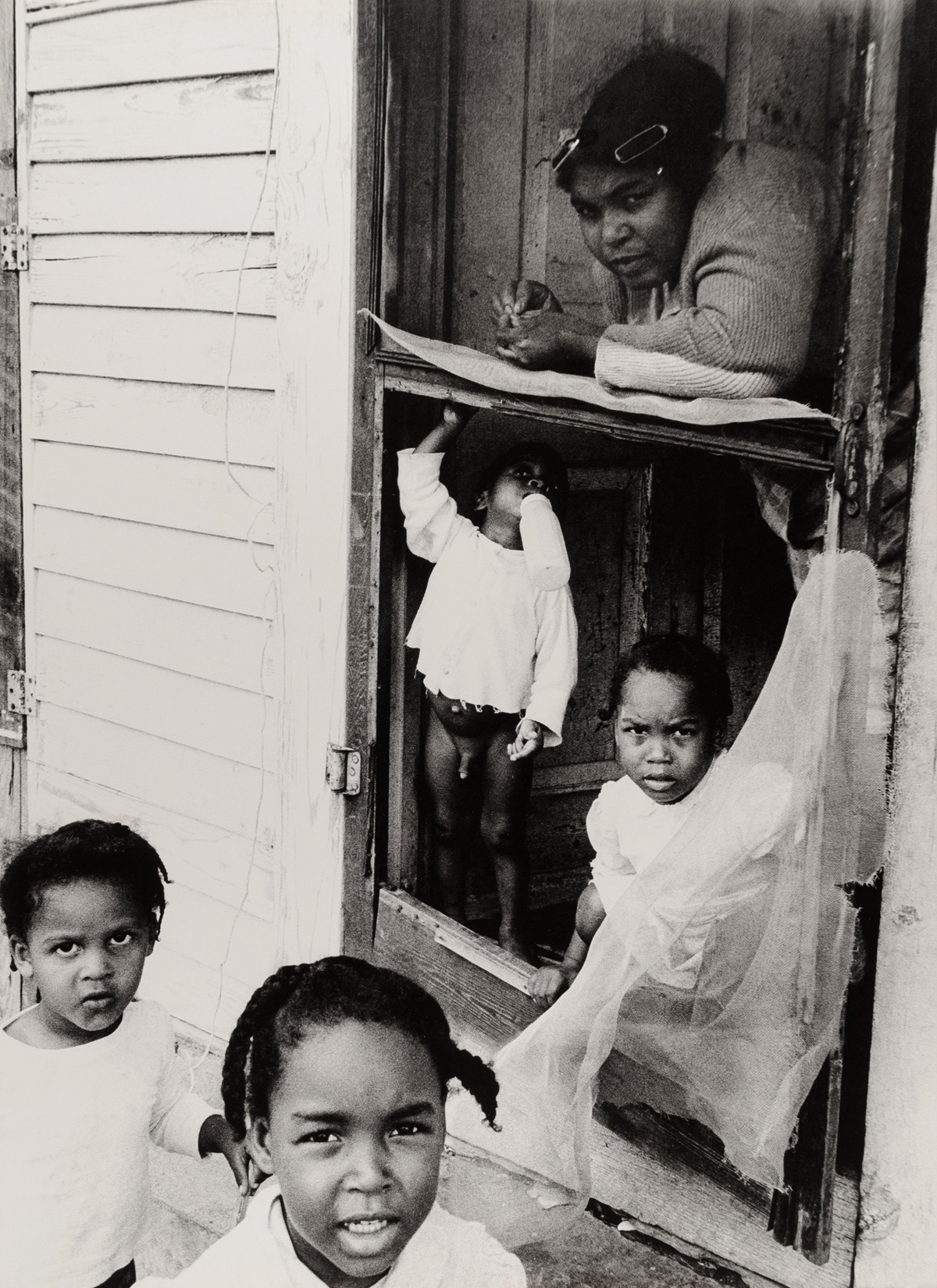
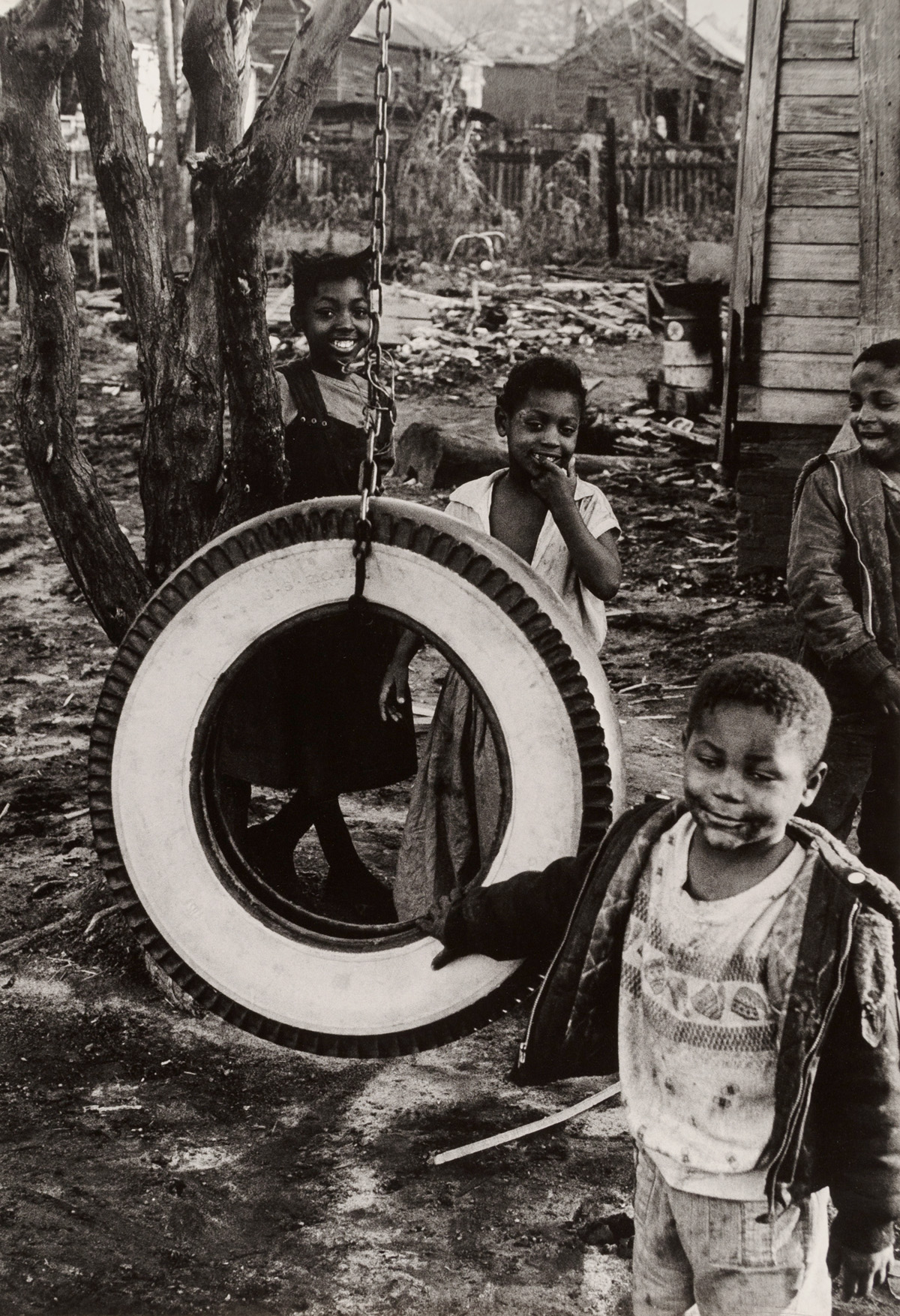
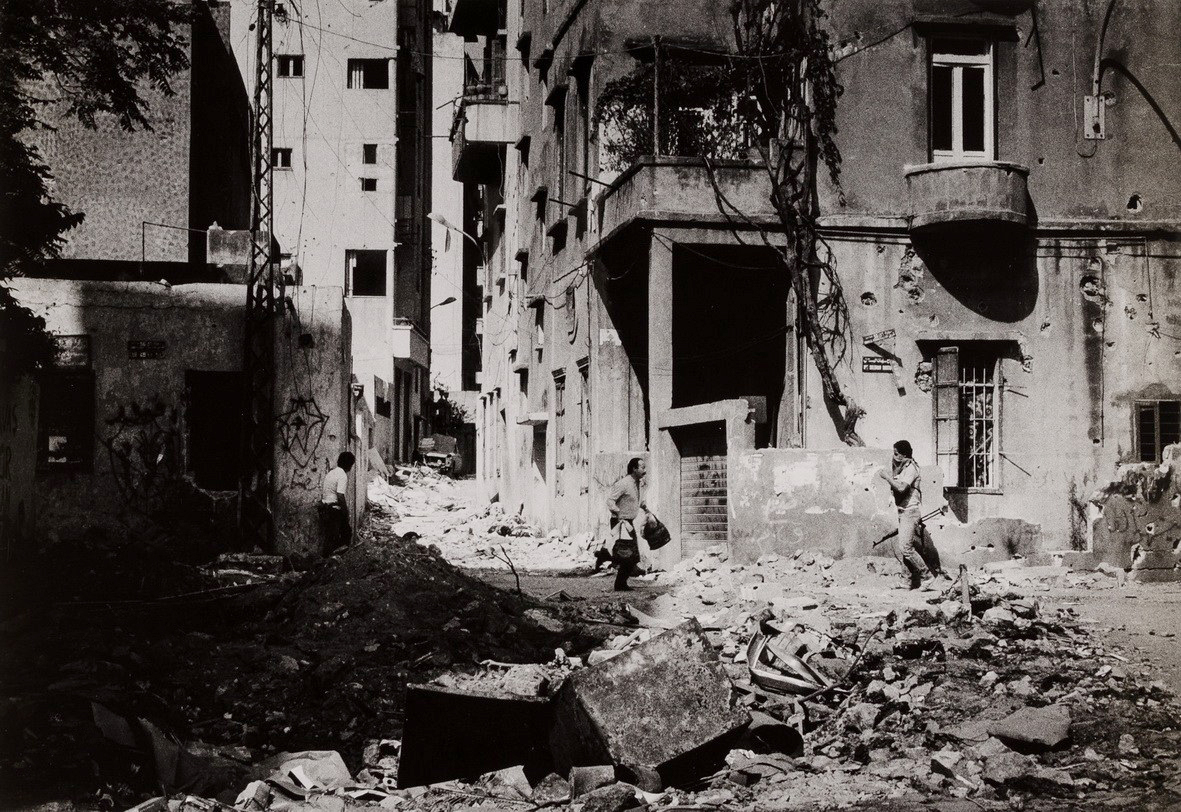
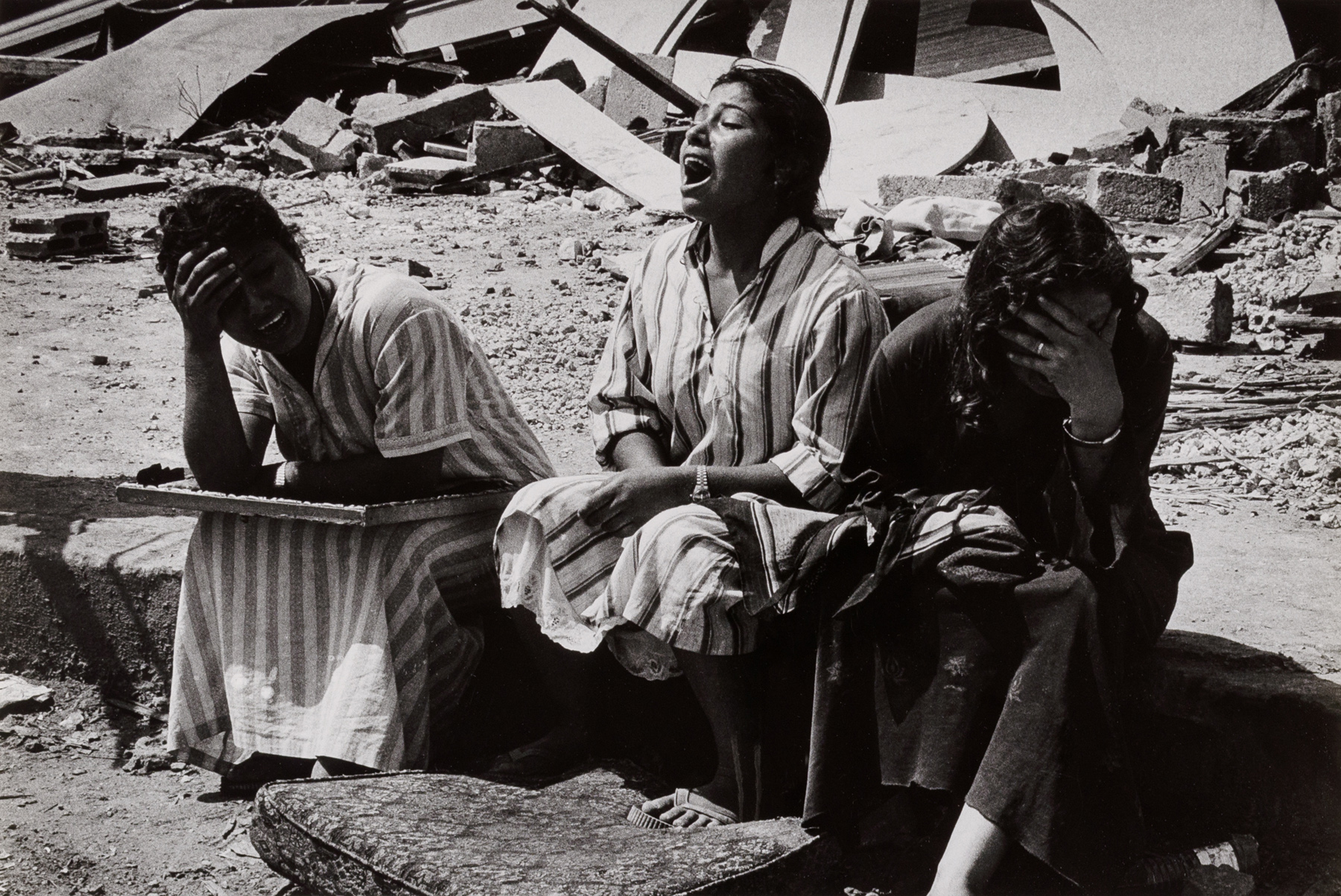
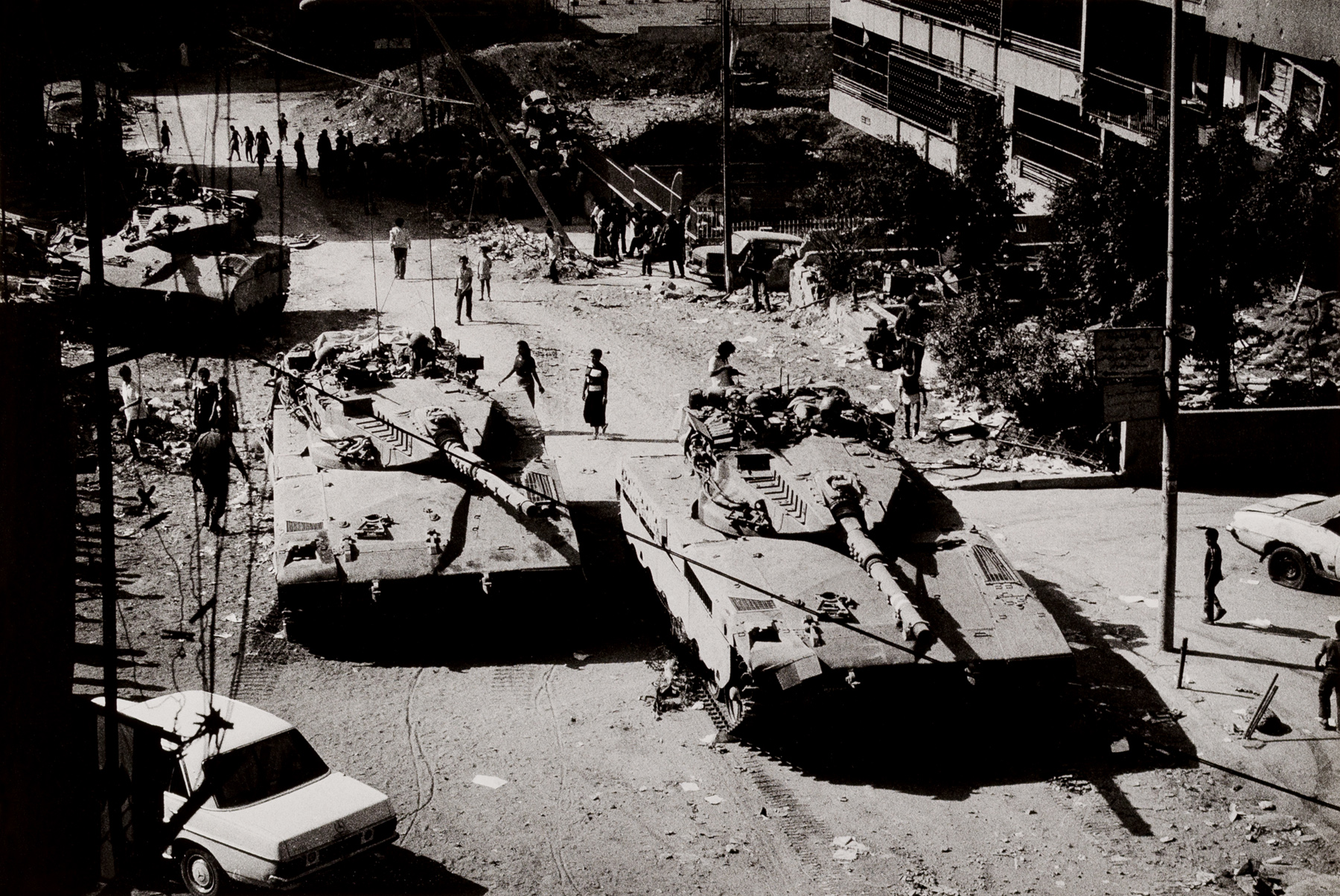
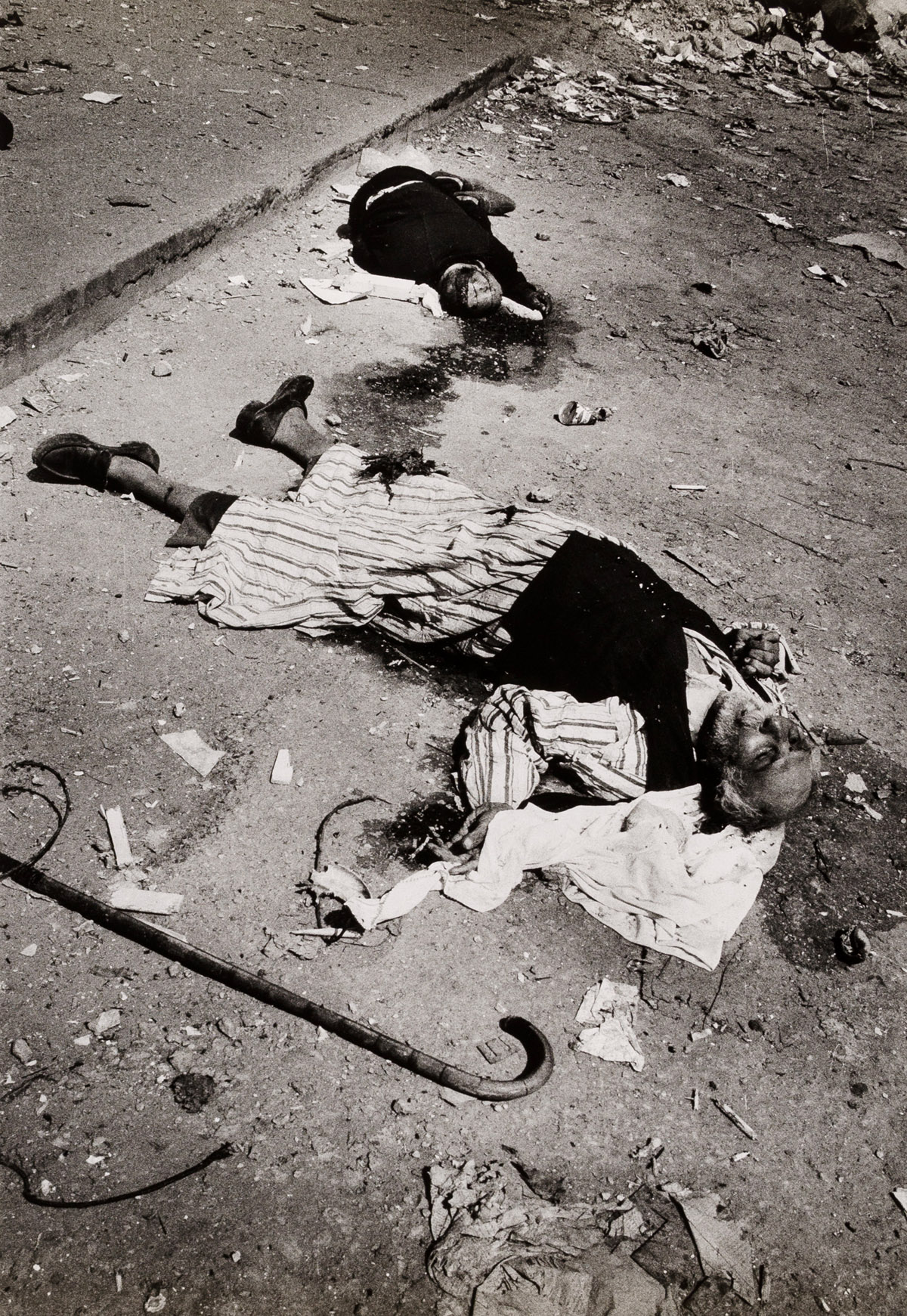
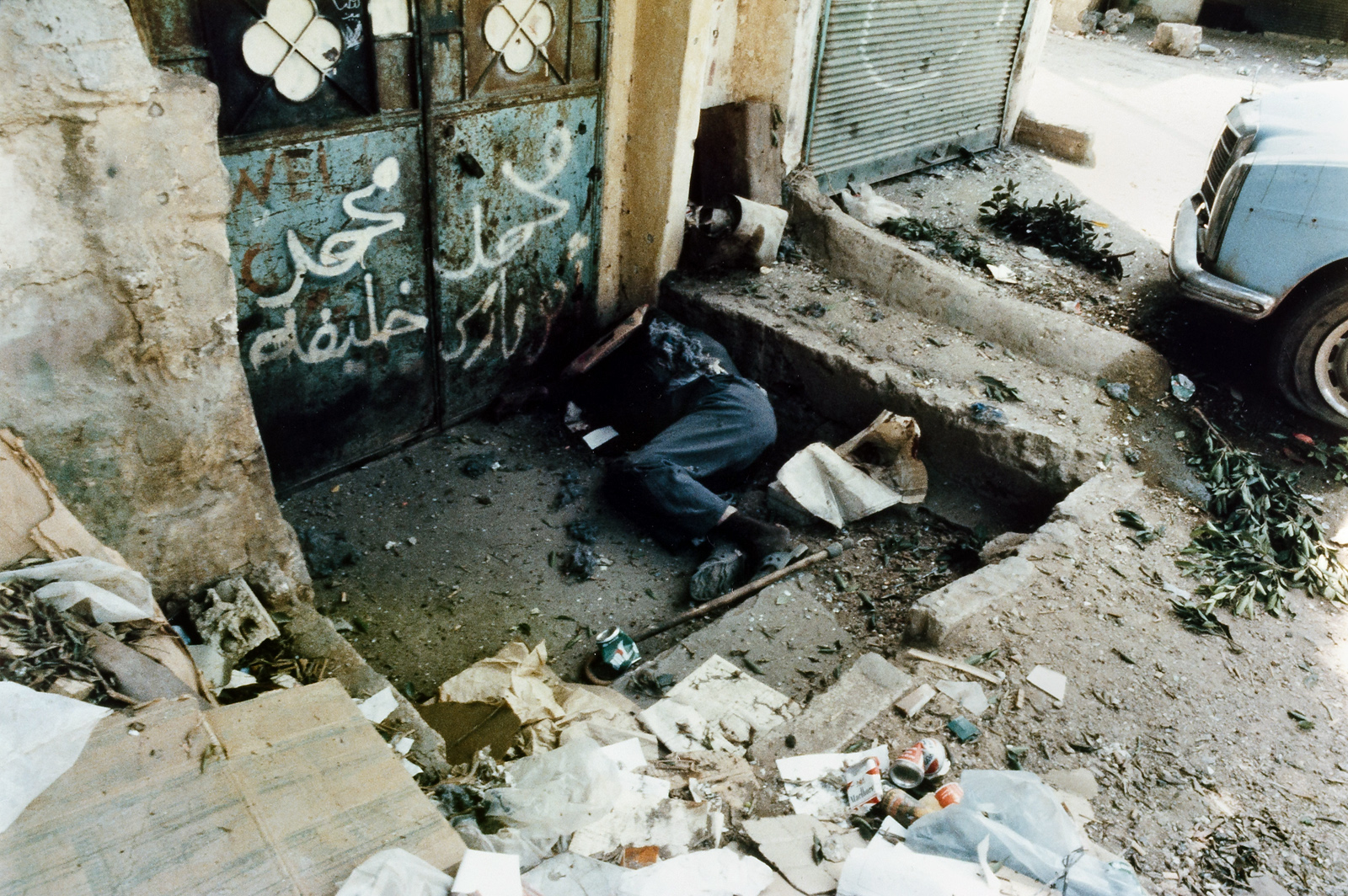
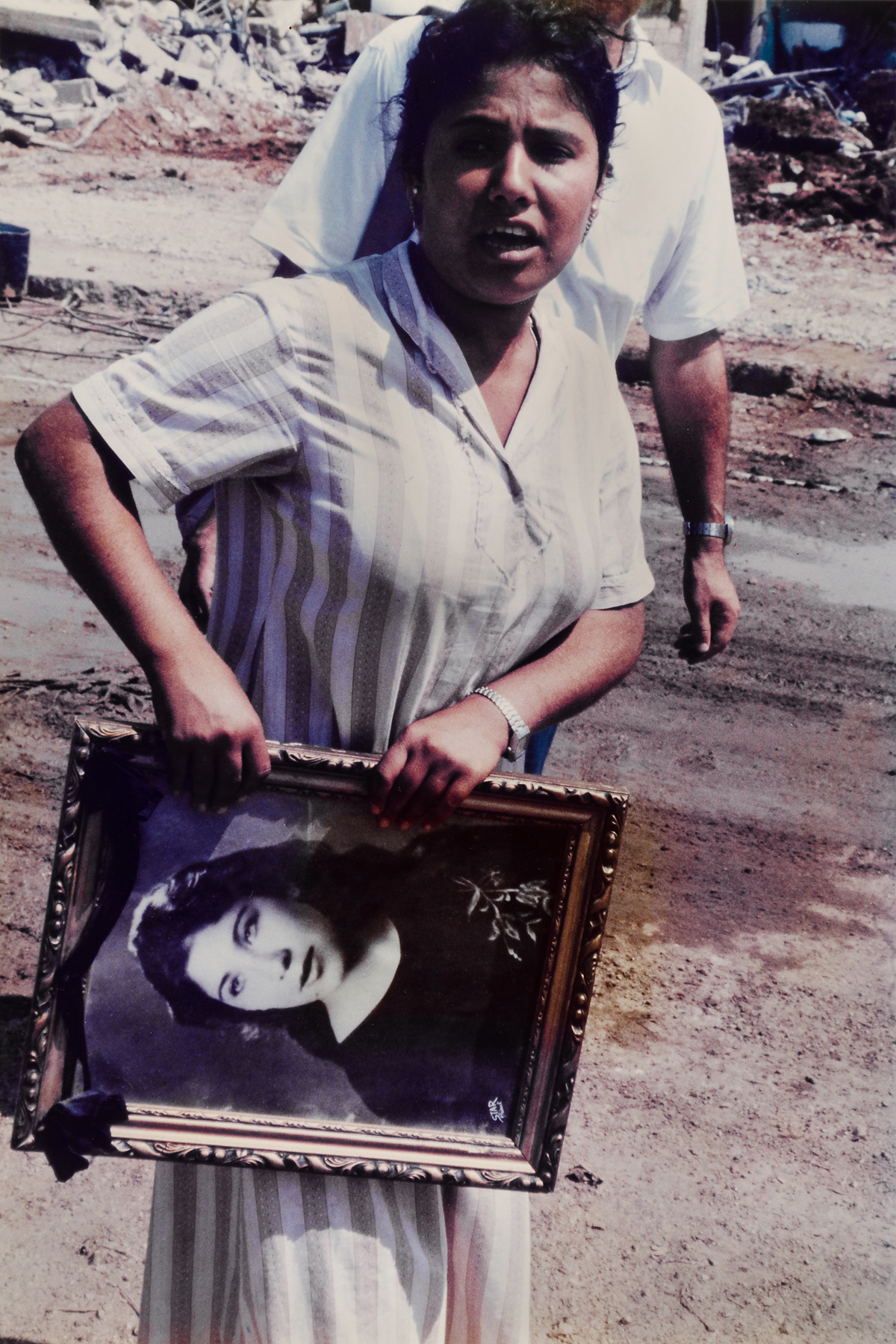
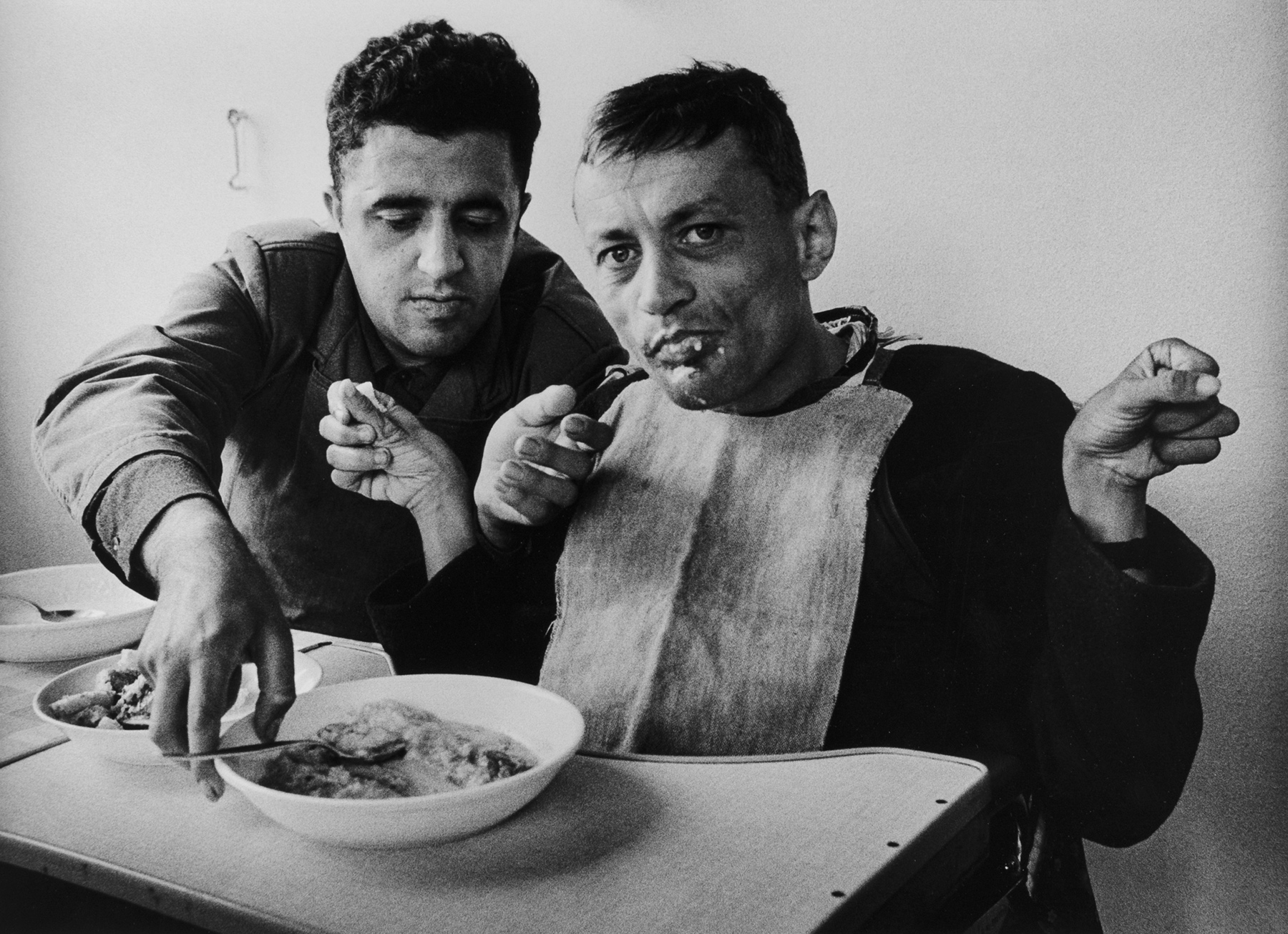
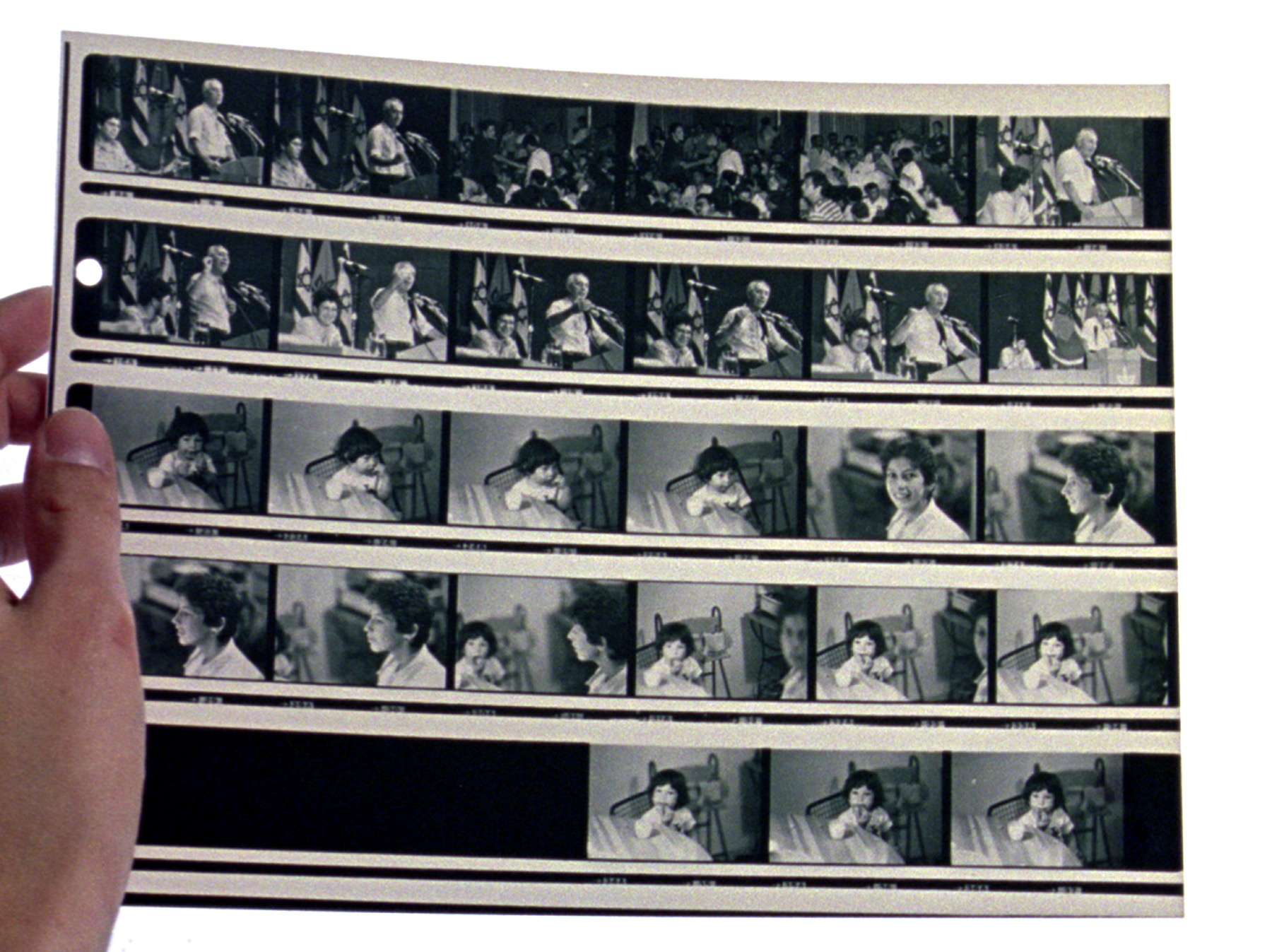
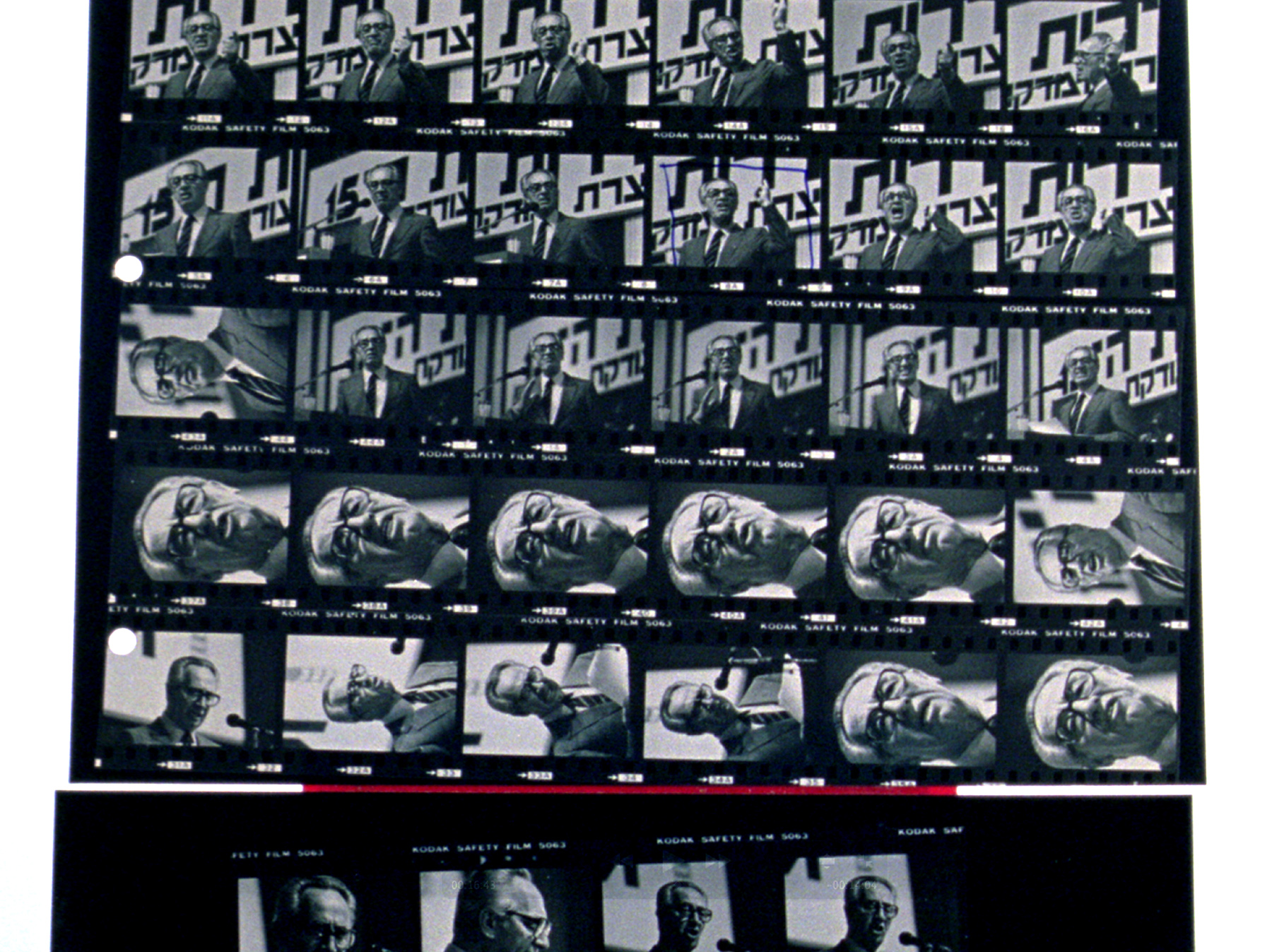
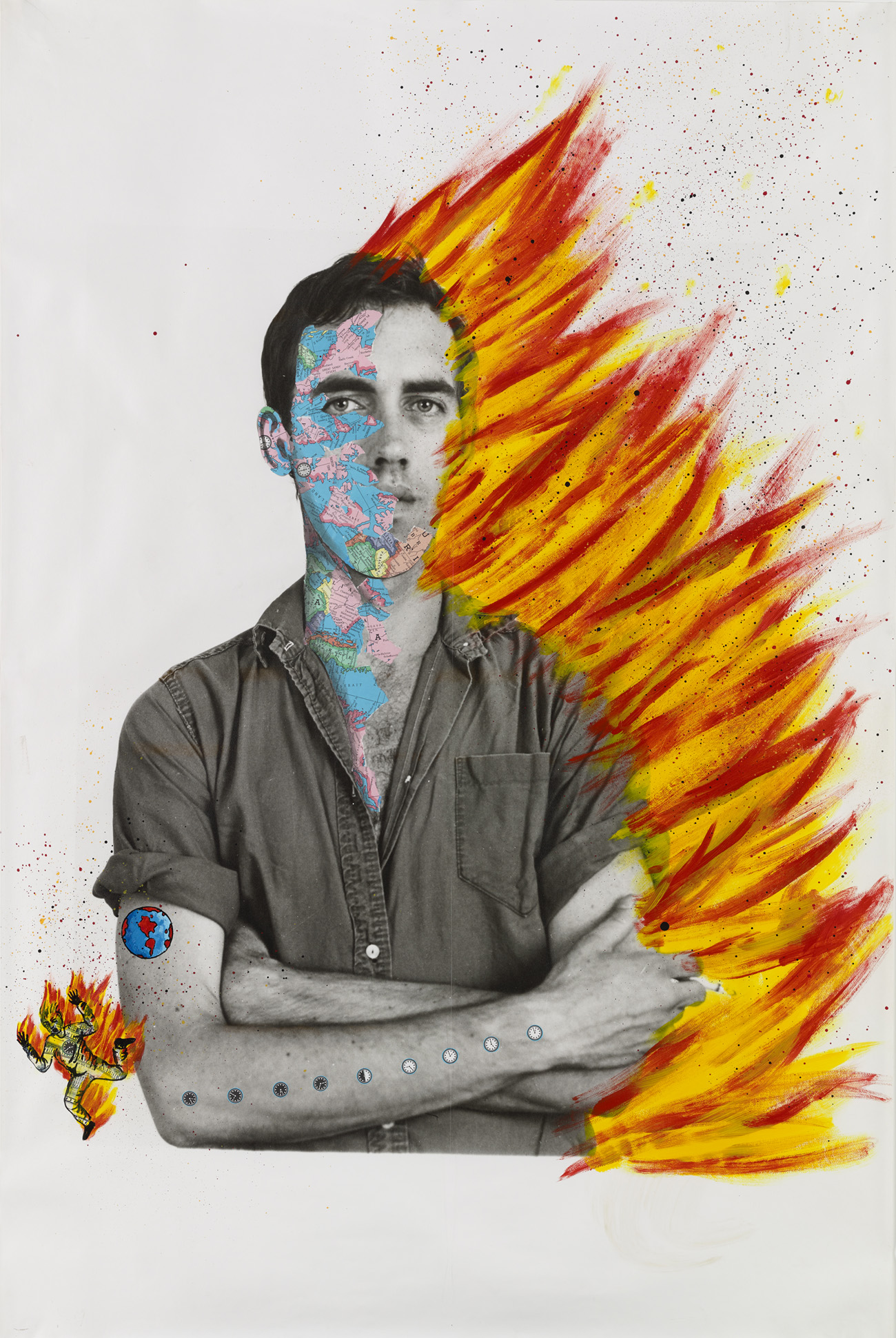


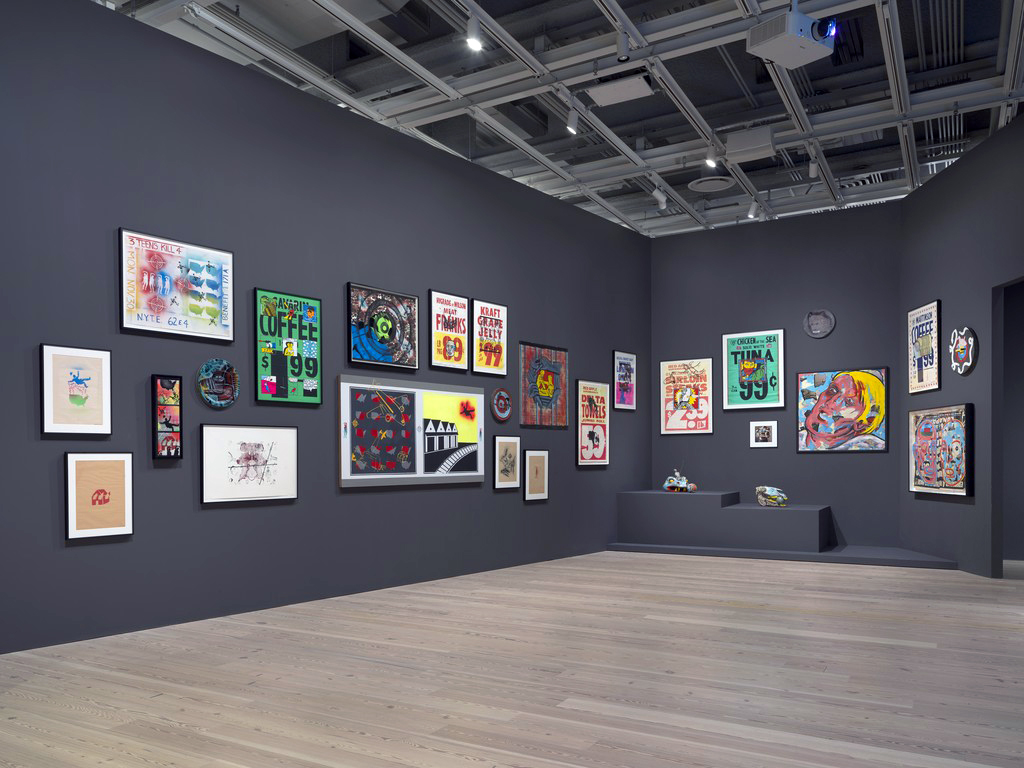






![Peter Hujar (American, 1934-1992) 'Canal Street Piers: Krazy Kat Comic on Wall [by David Wojnarowicz]' 1983](https://artblart.com/wp-content/uploads/2018/07/peter-hujar-canal-street-piers-krazy-kat-comic-on-wall-by-david-wojnarowicz-web.jpg "Peter Hujar (American, 1934-1992) 'Canal Street Piers: Krazy Kat Comic on Wall [by David Wojnarowicz]' 1983")









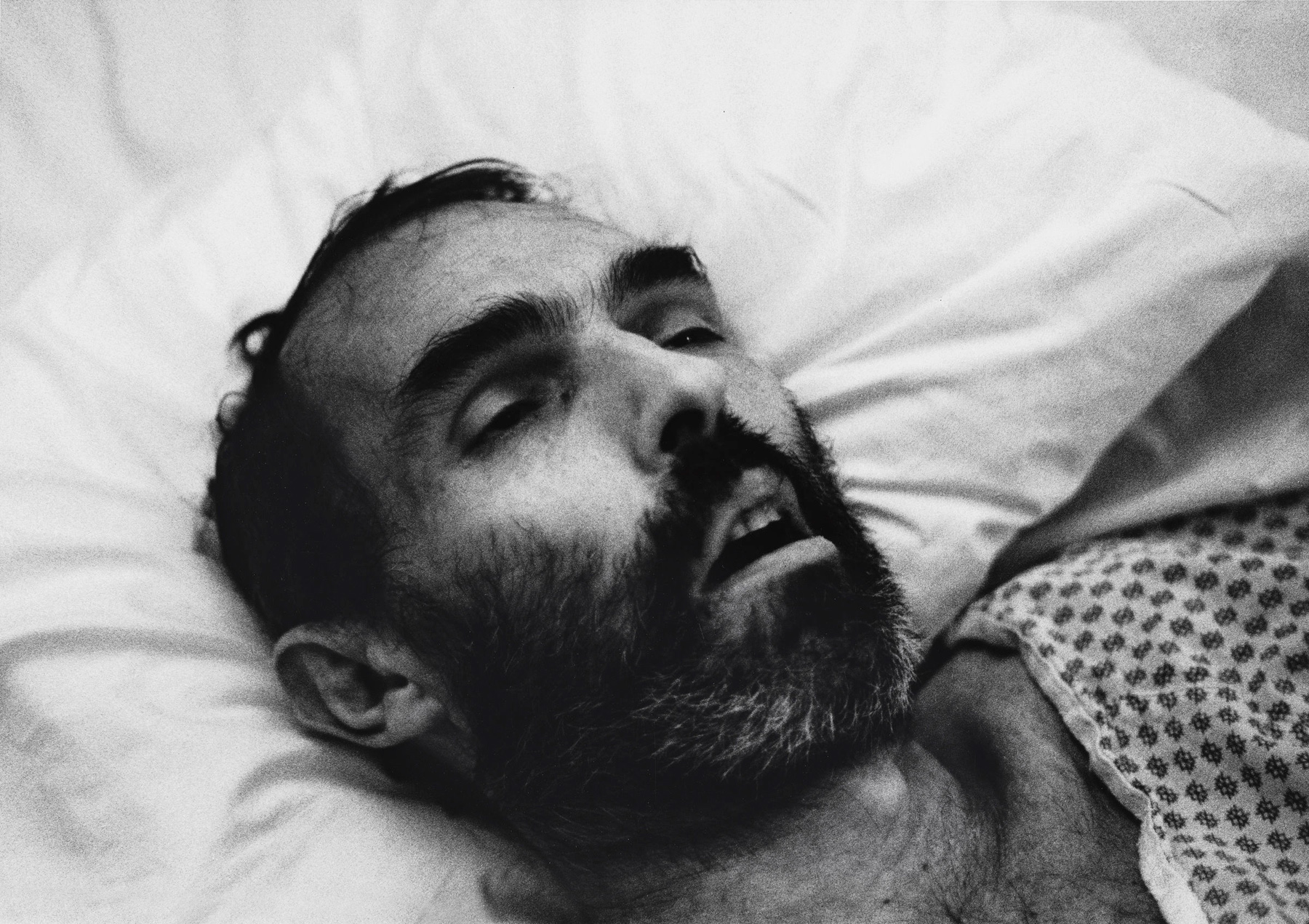
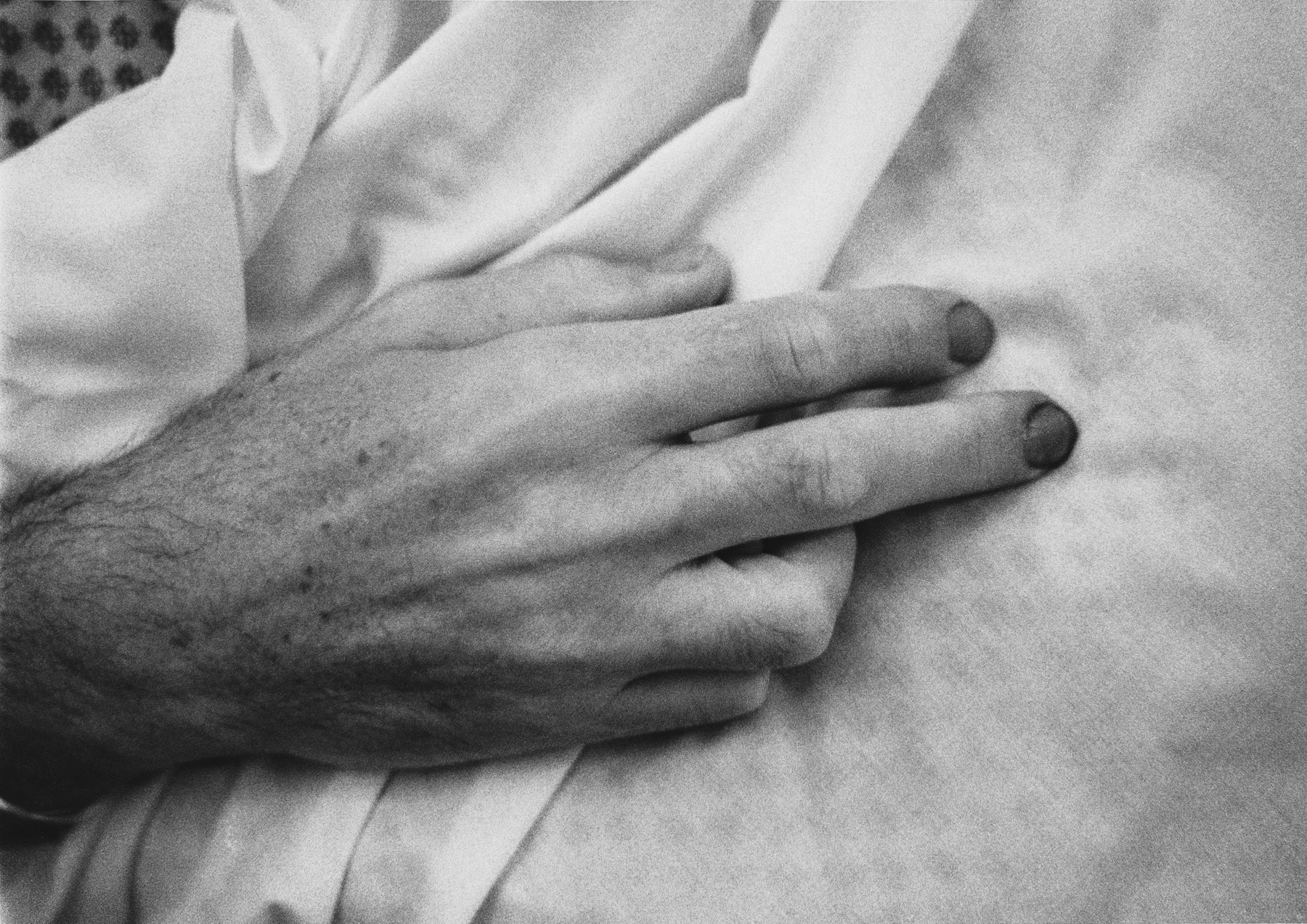
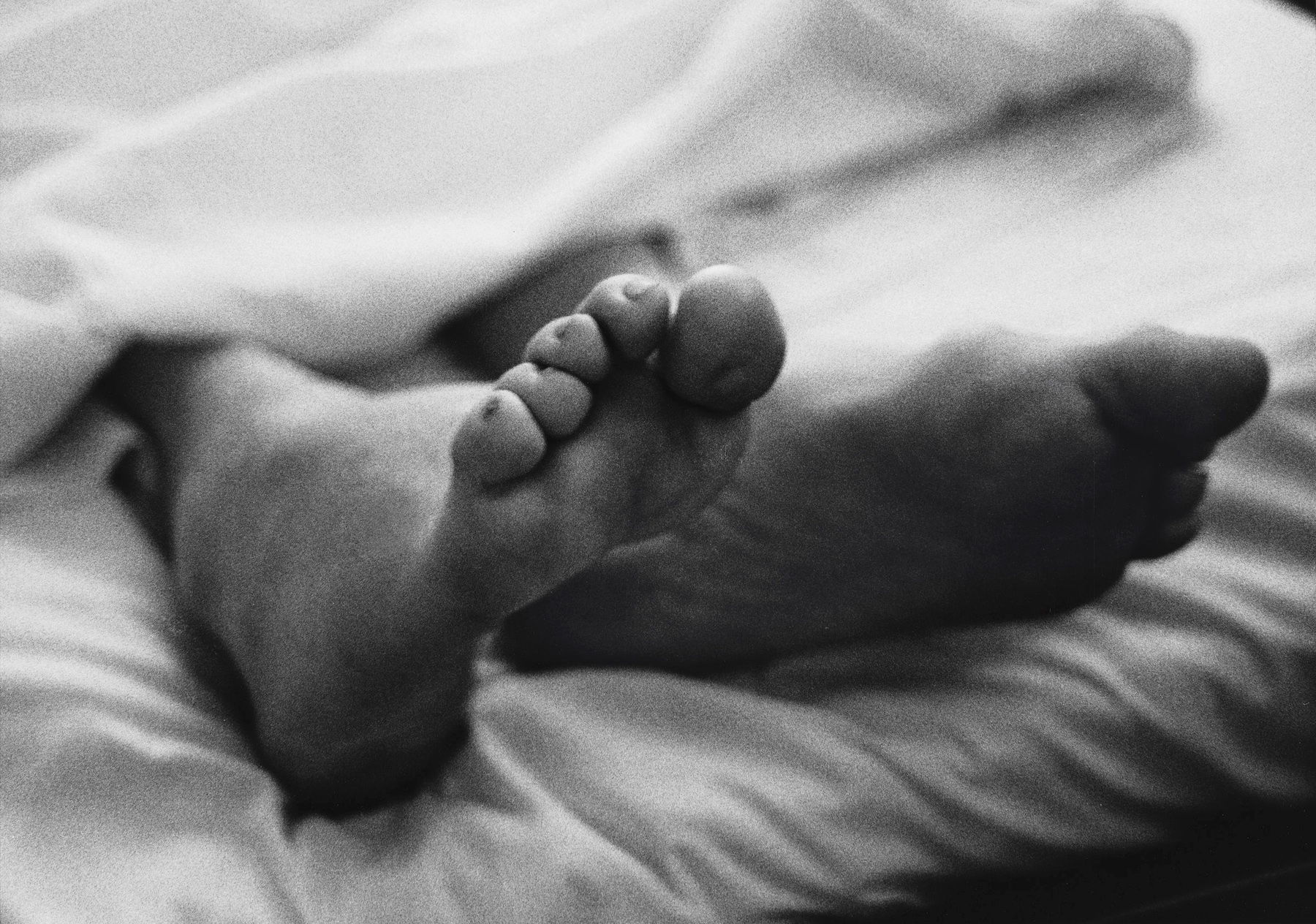
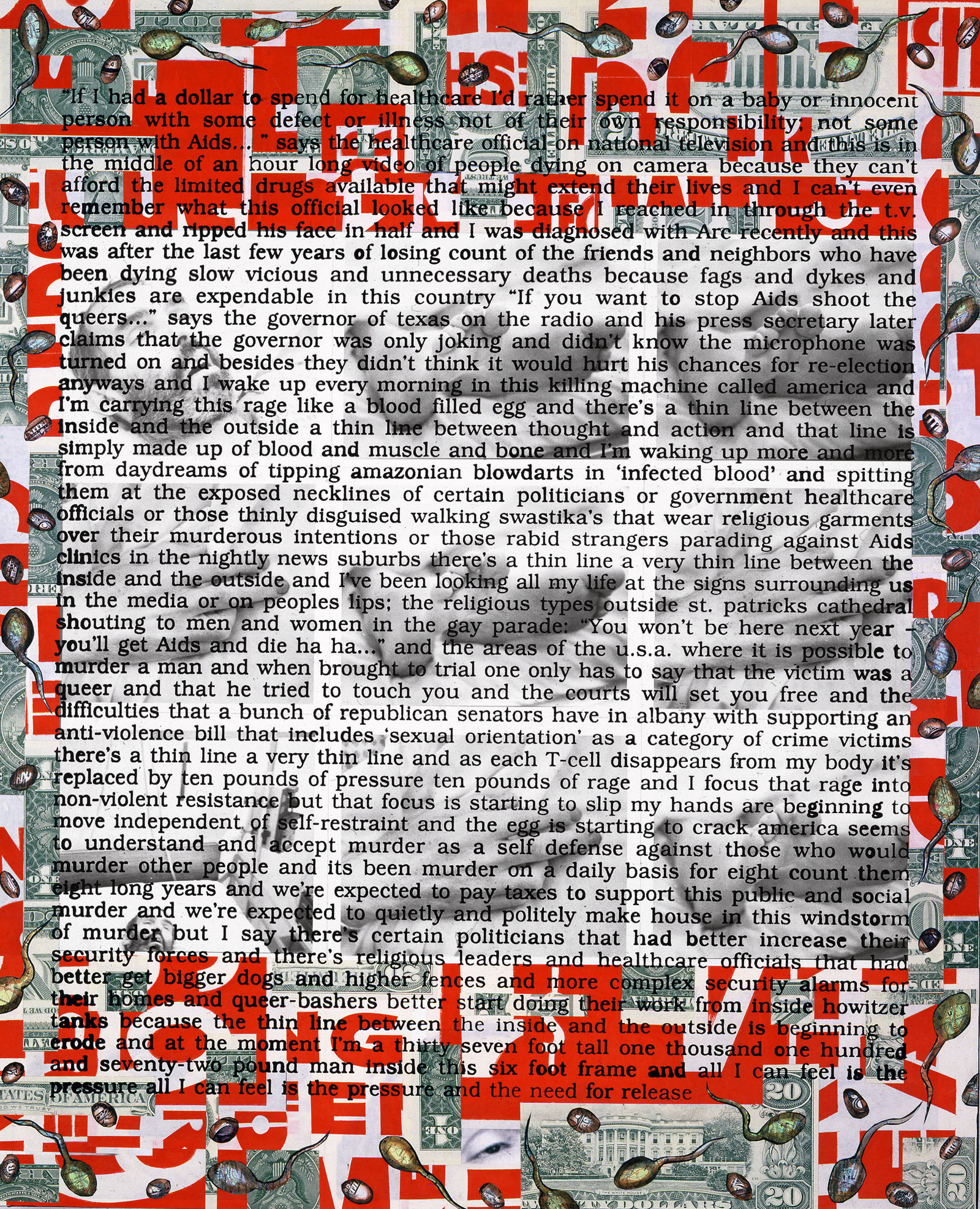
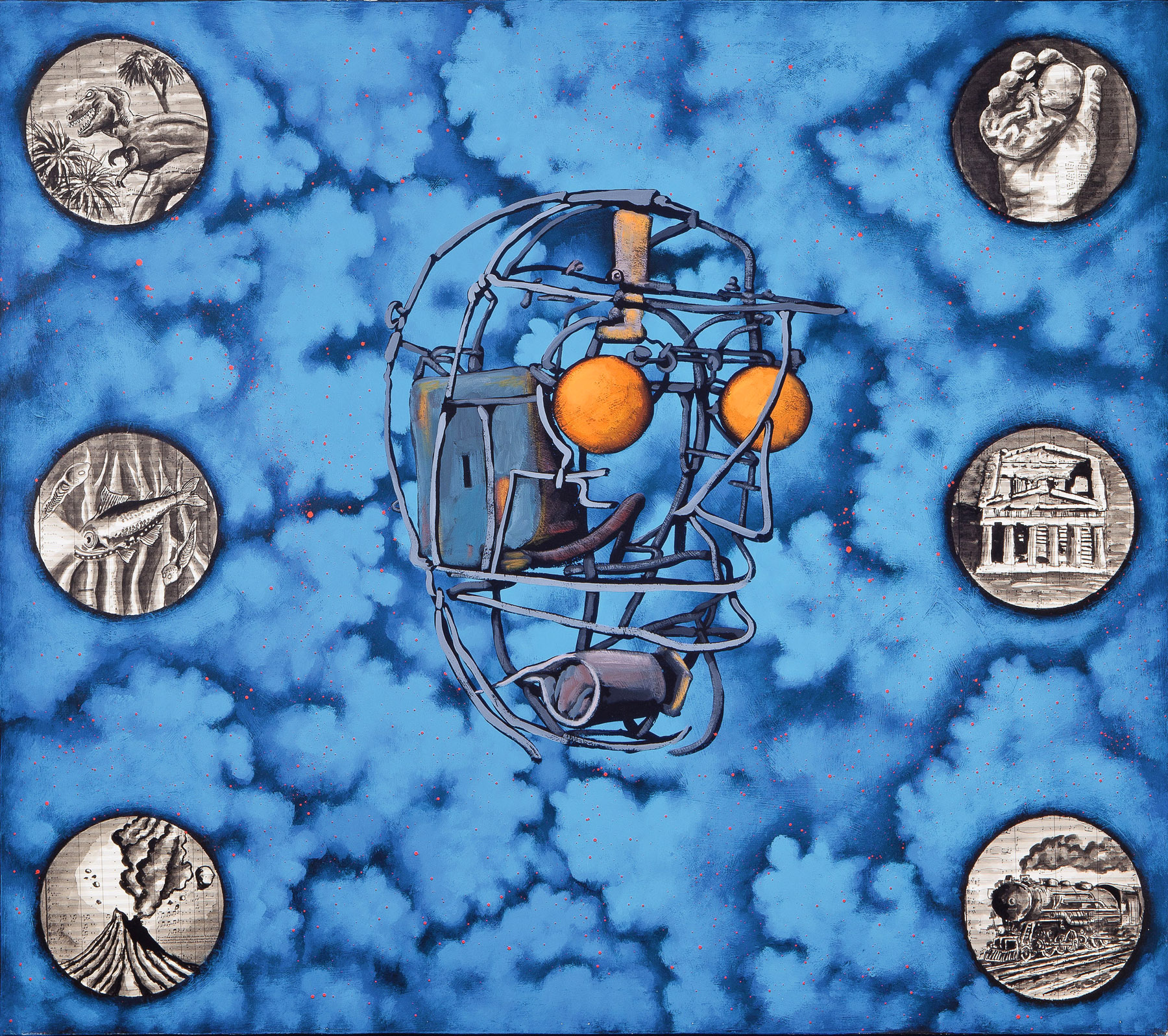

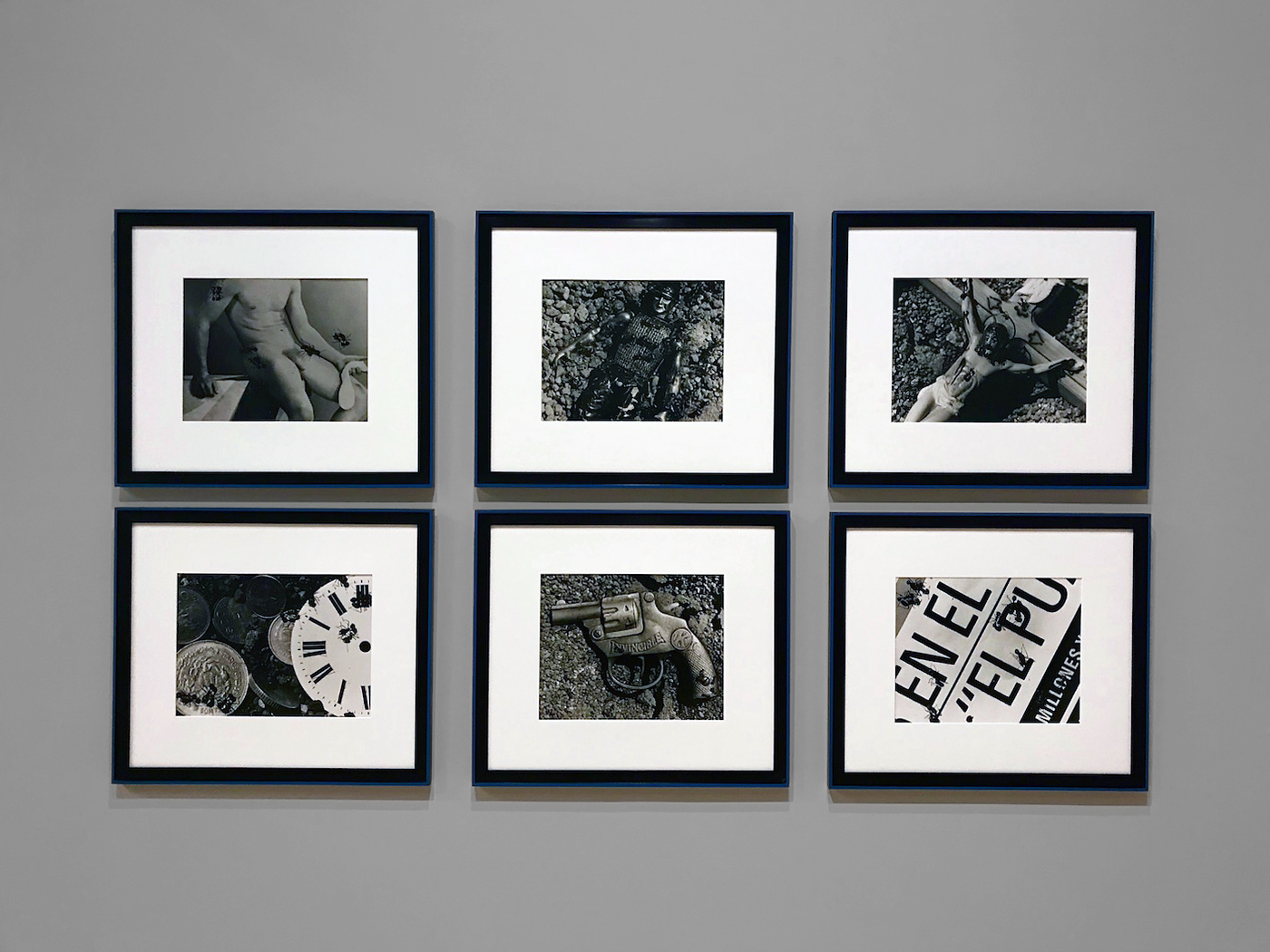
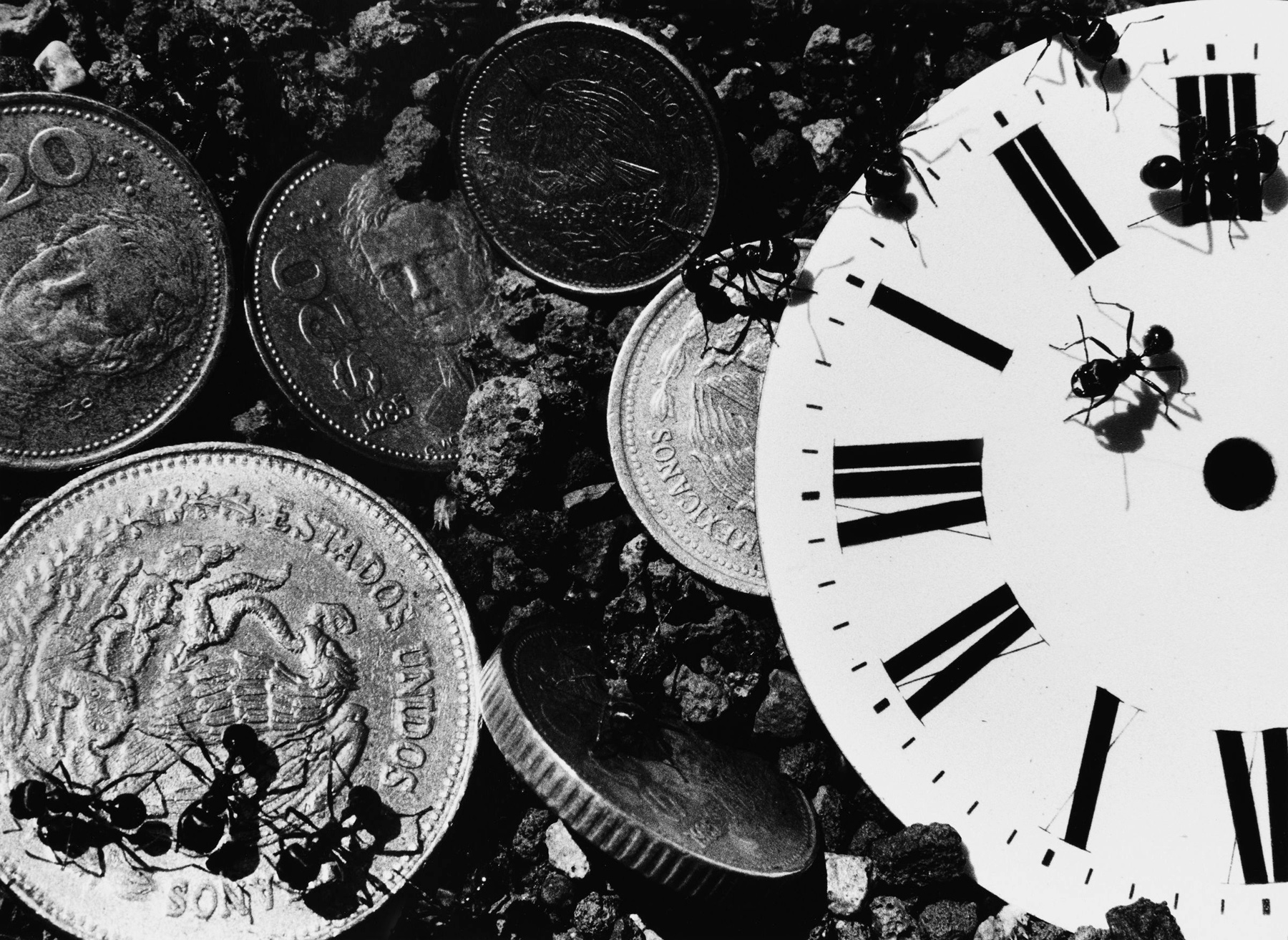

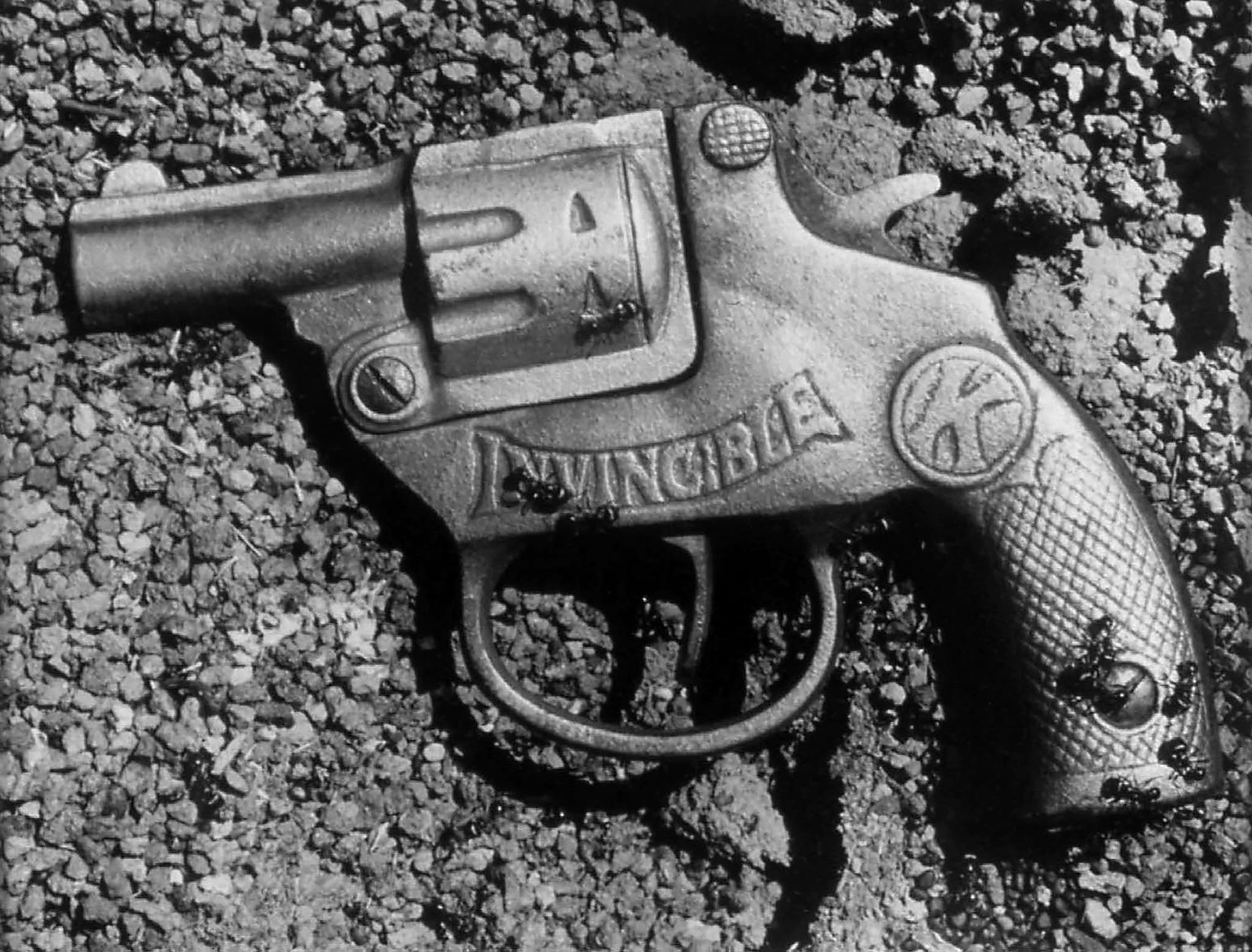





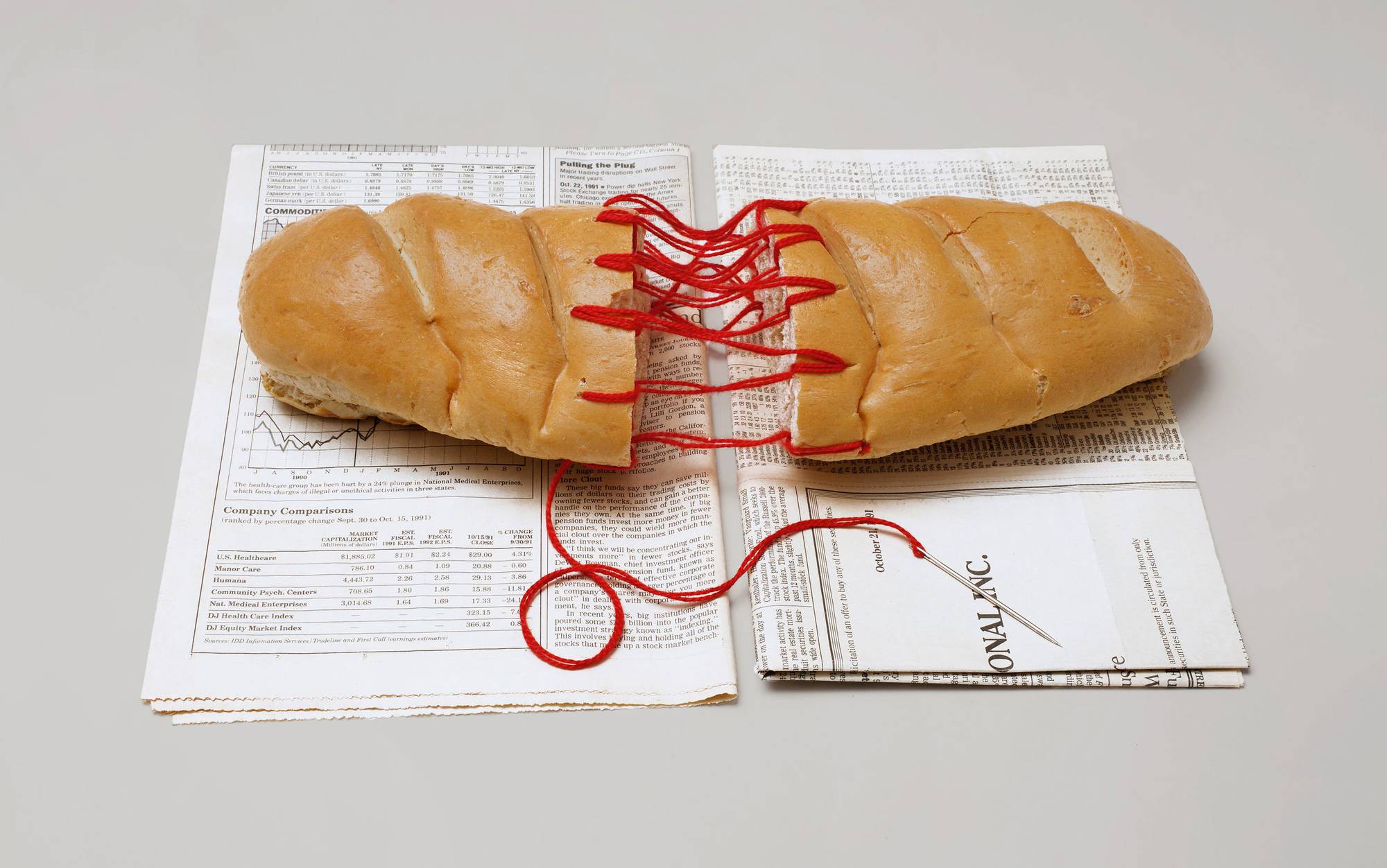


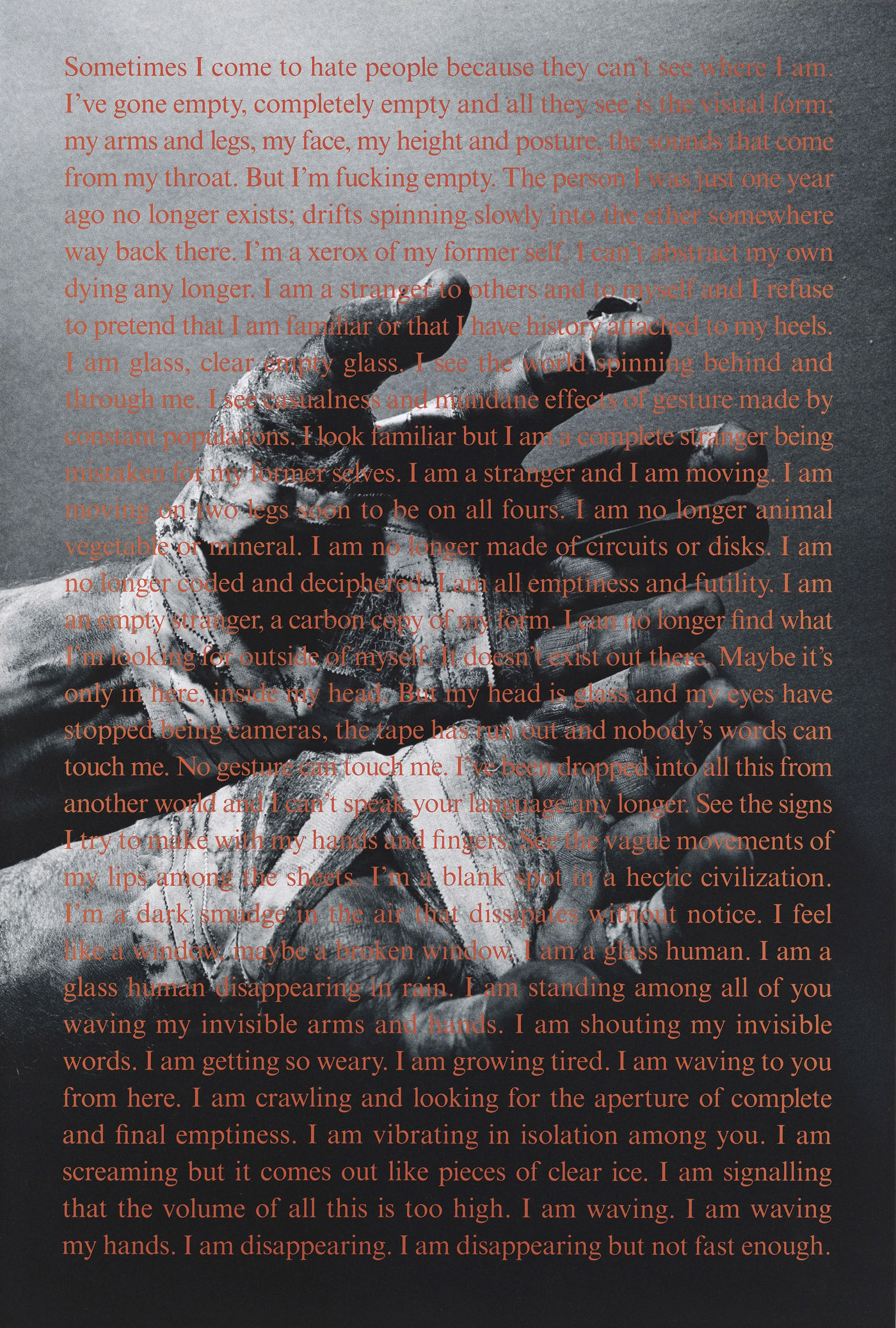
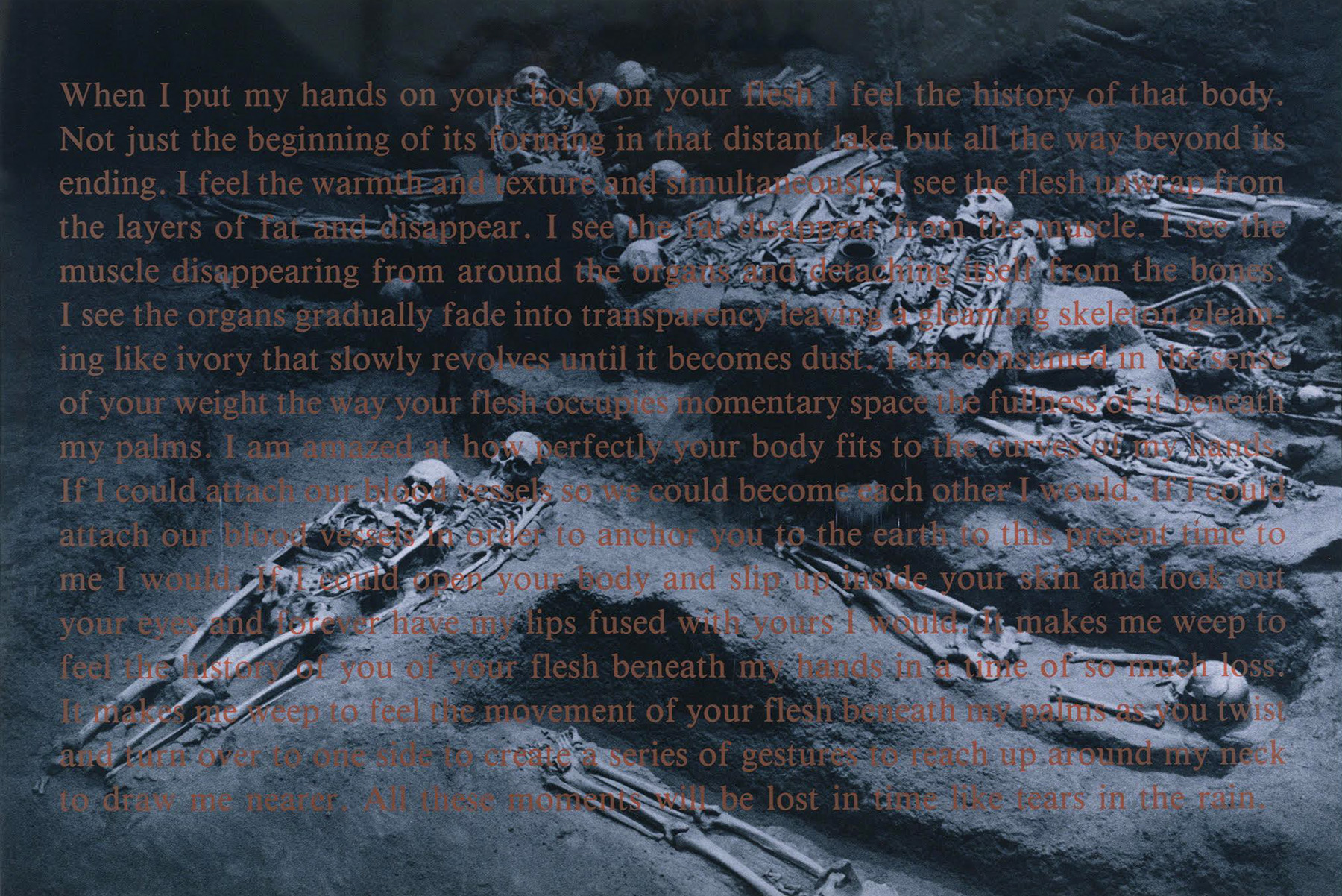
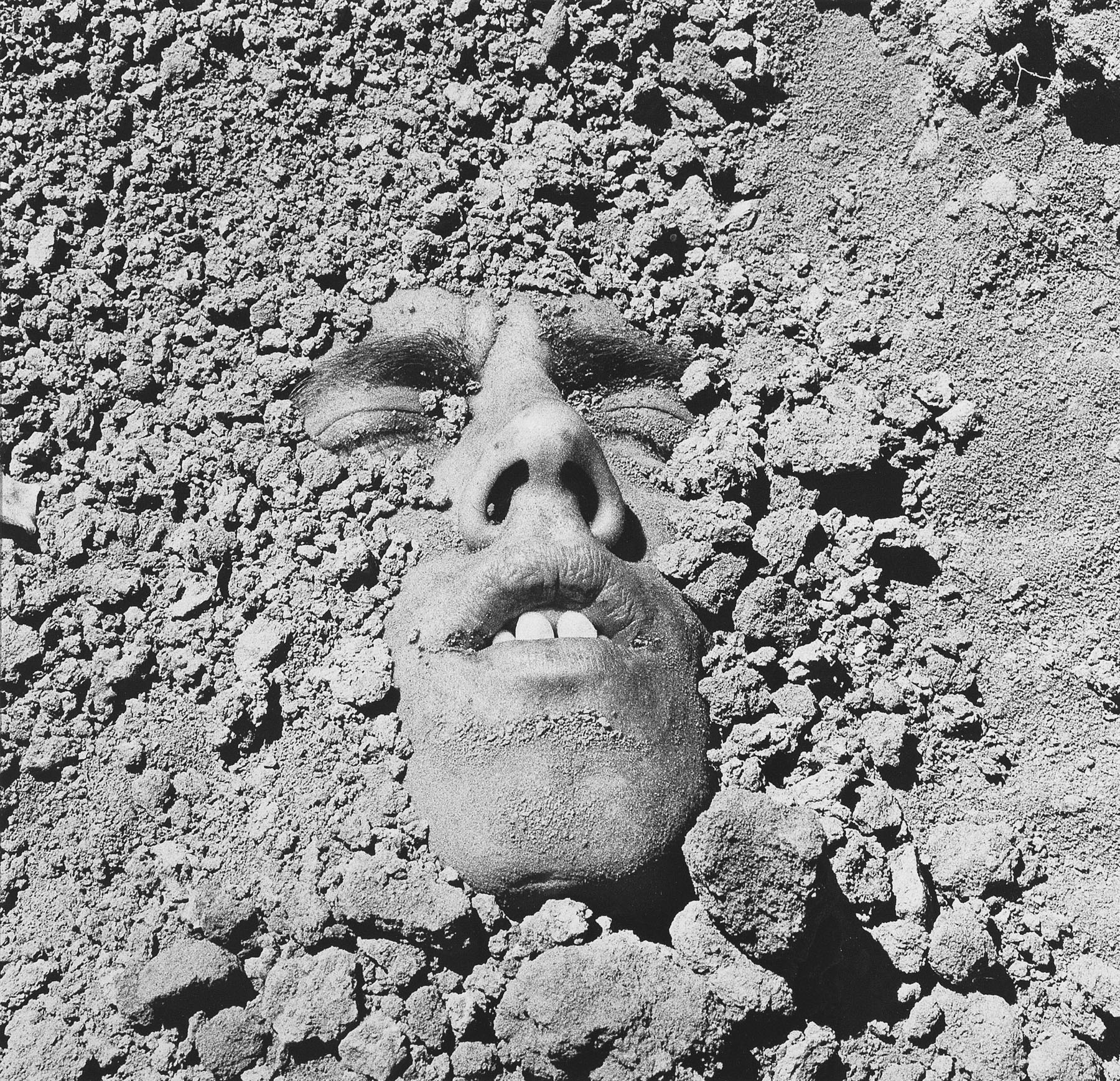
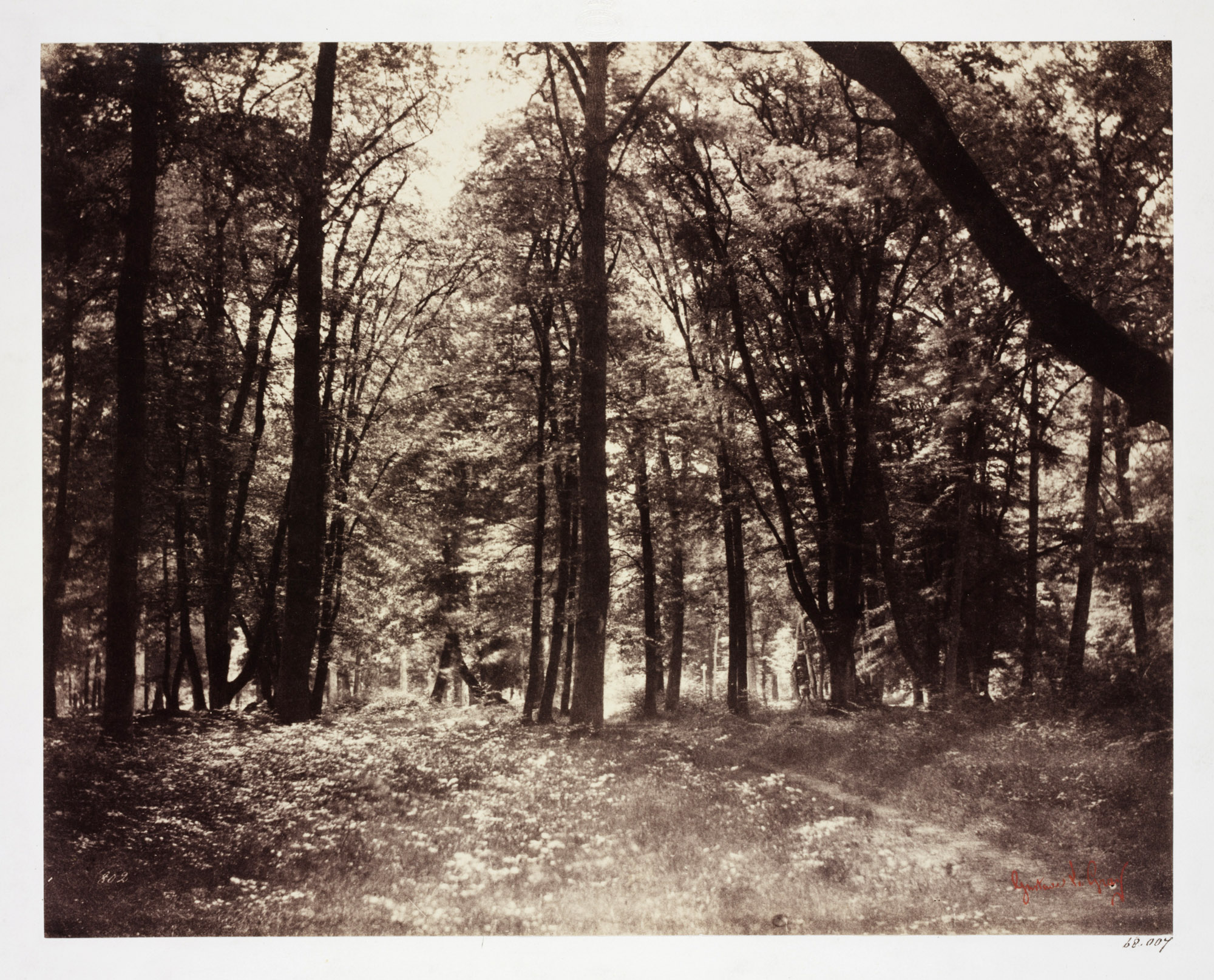
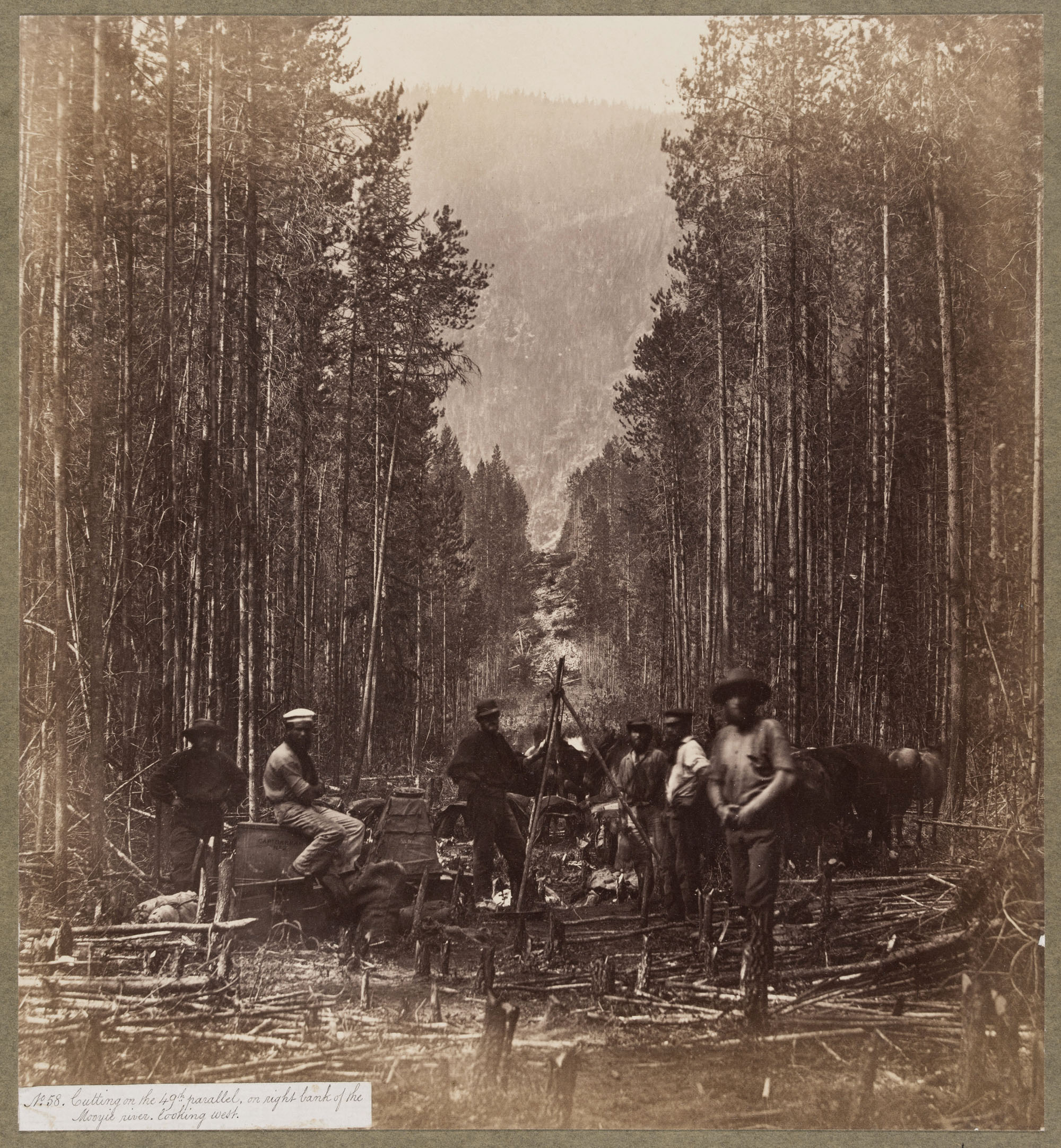


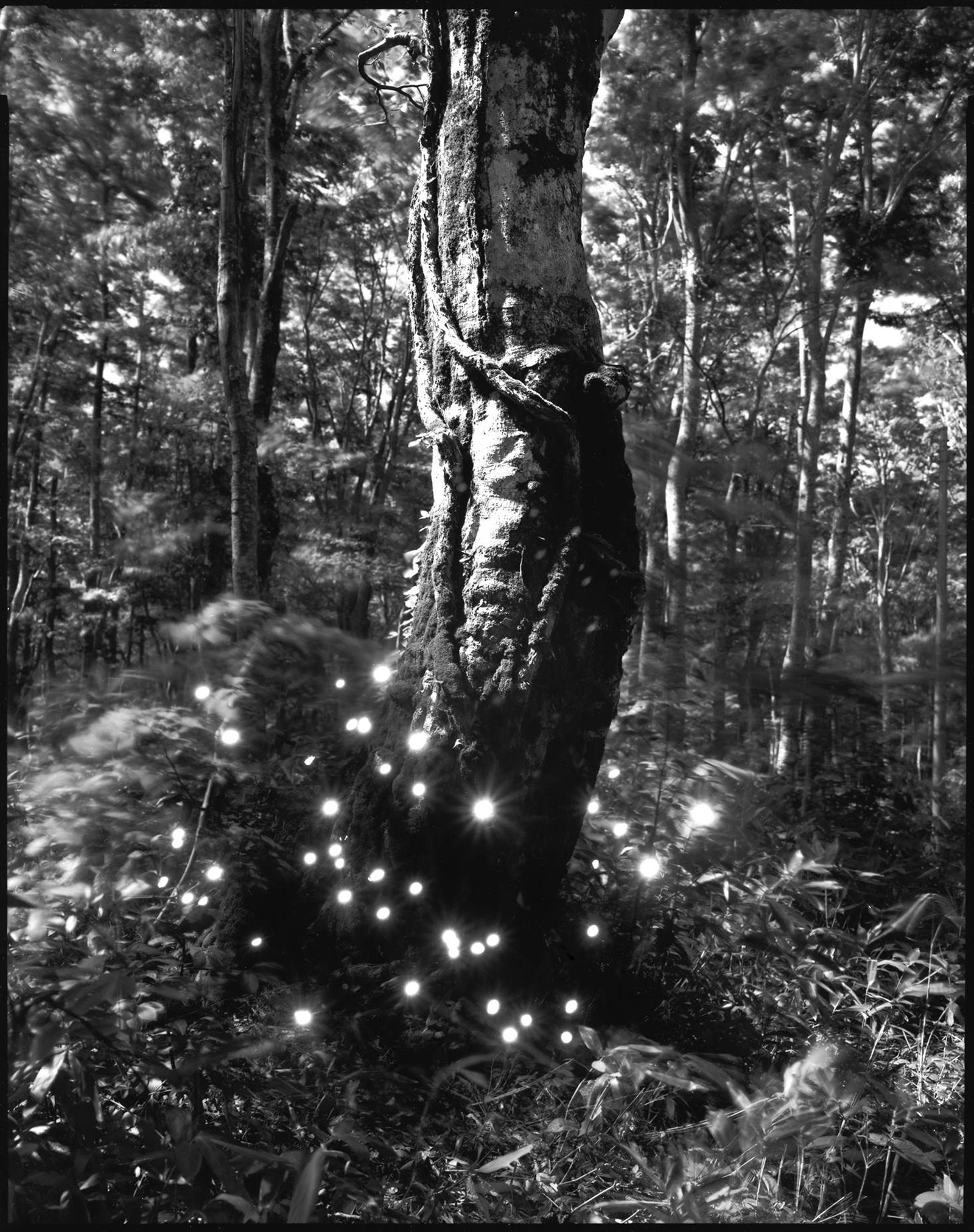
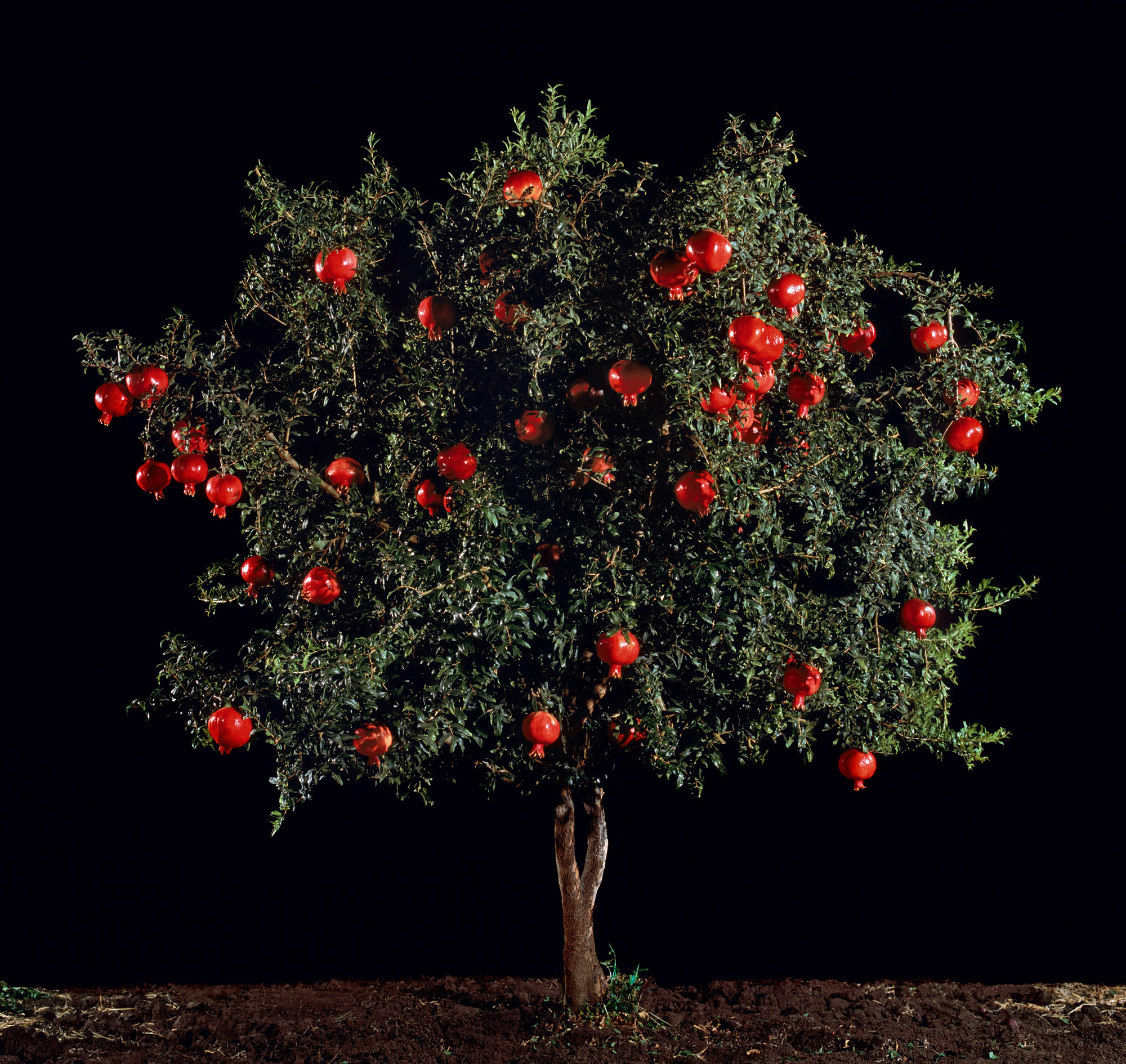
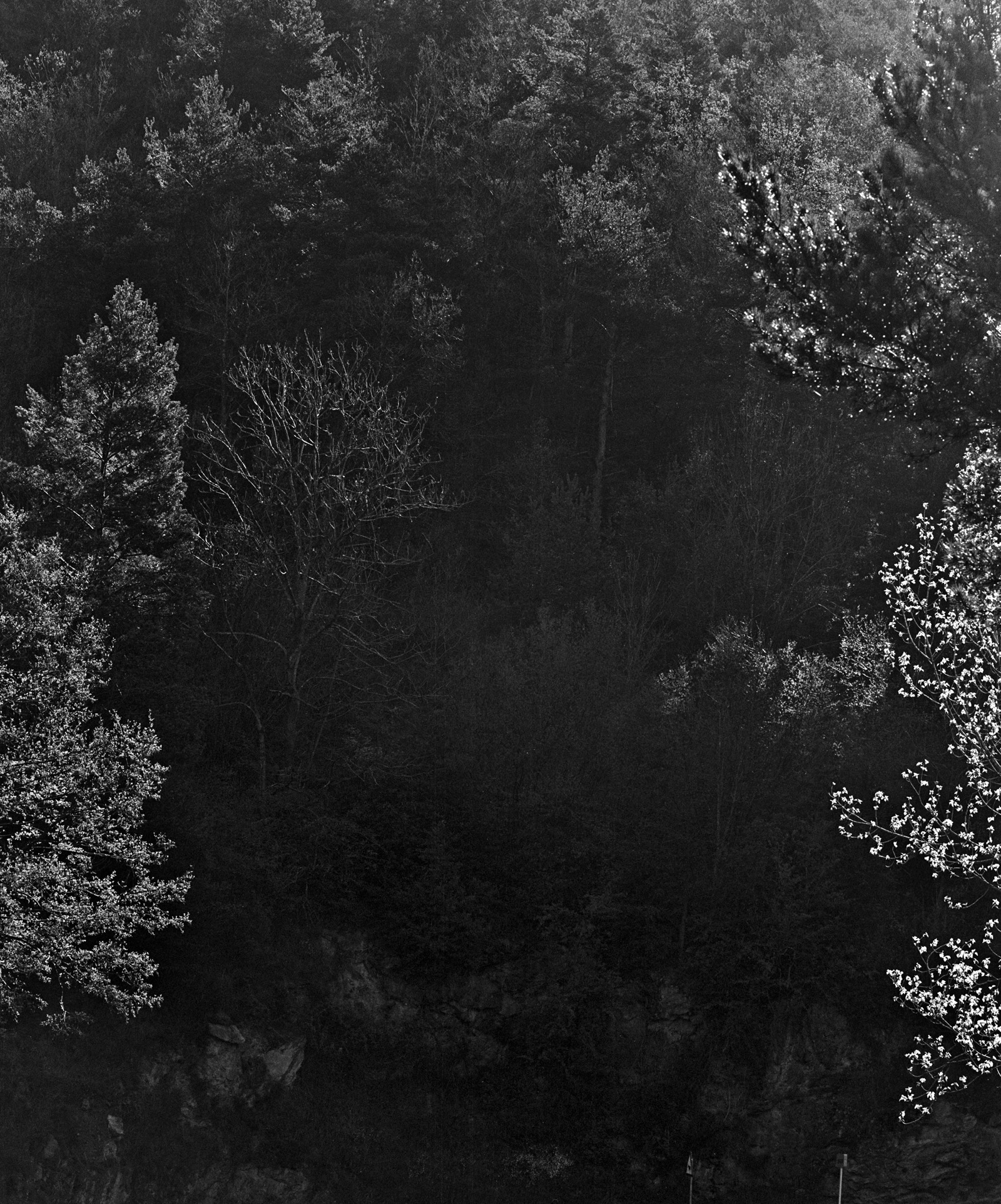
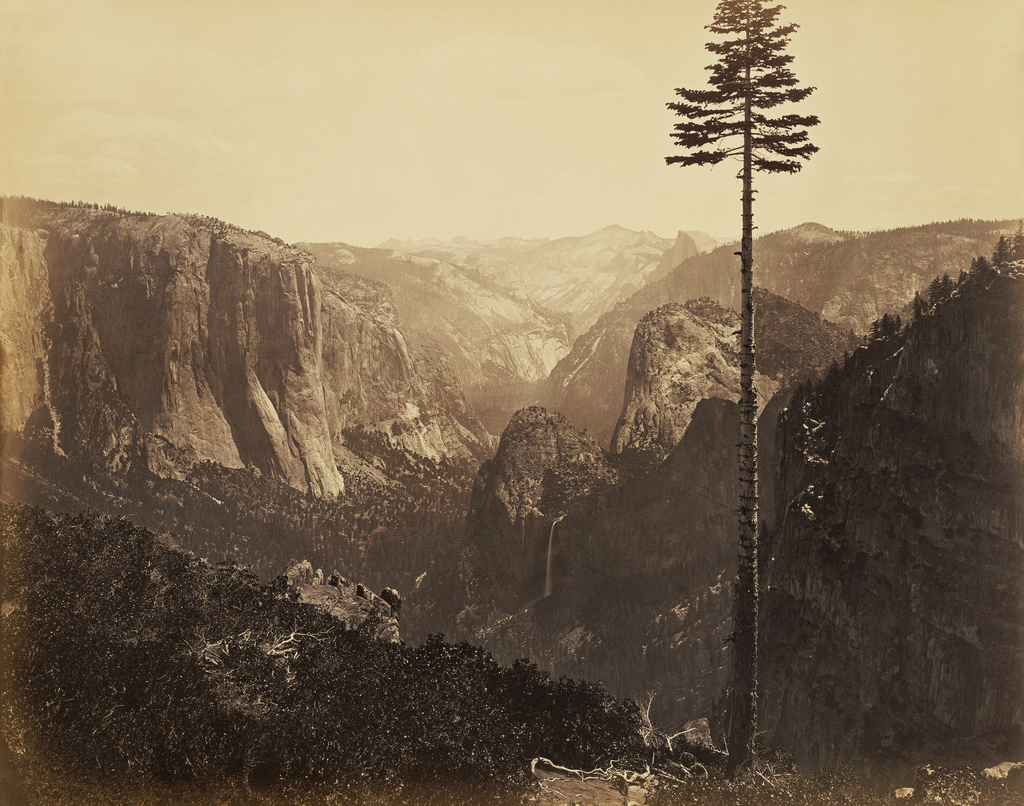
![Albert Renger-Patzsch (German, 1897-1966) 'Das Bäumchen [Sapling]' 1928](https://artblart.com/wp-content/uploads/2018/01/renger-patzsch-das-bacc88umchen.jpg "Albert Renger-Patzsch (German, 1897-1966) 'Das Bäumchen [Sapling]' 1928")

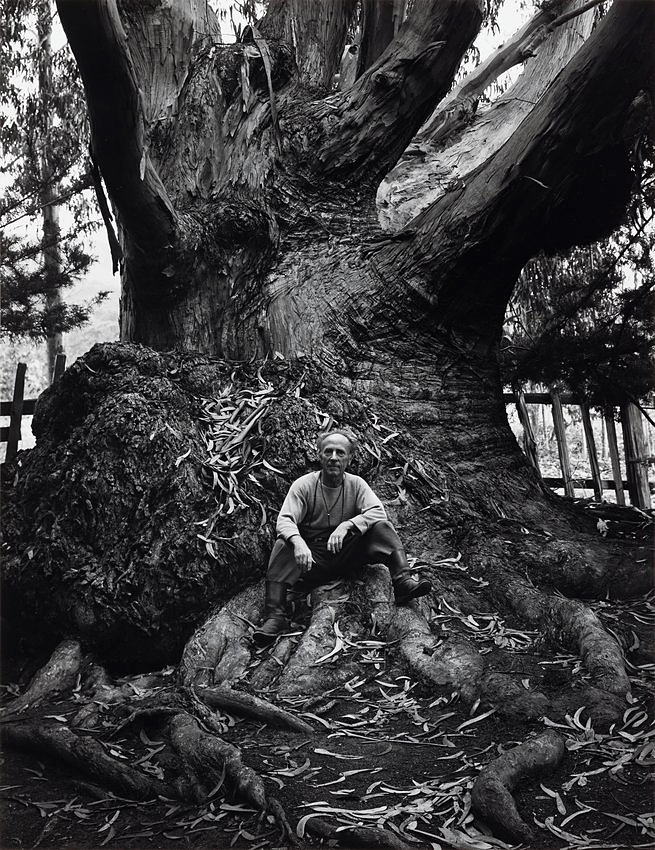

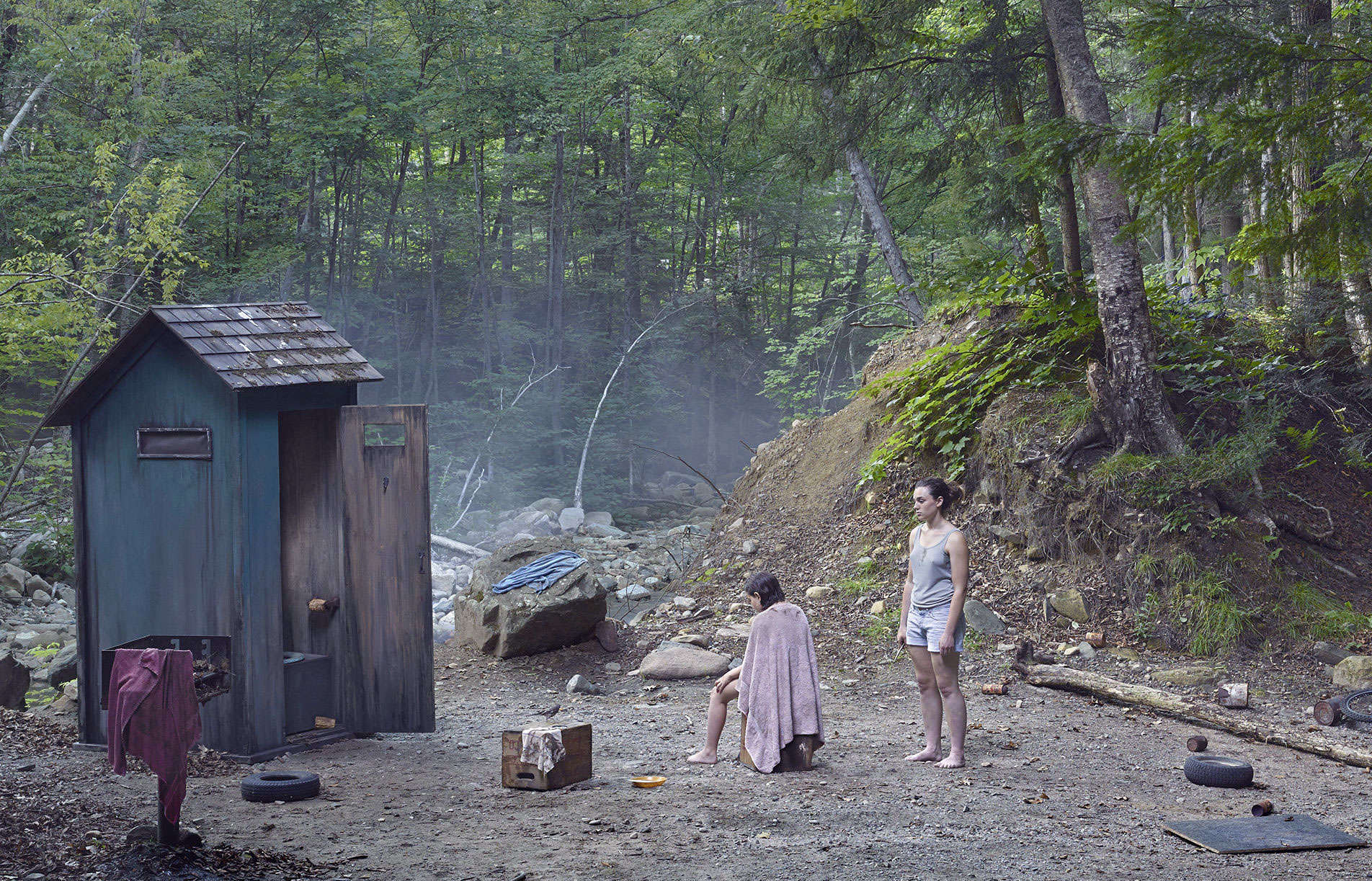






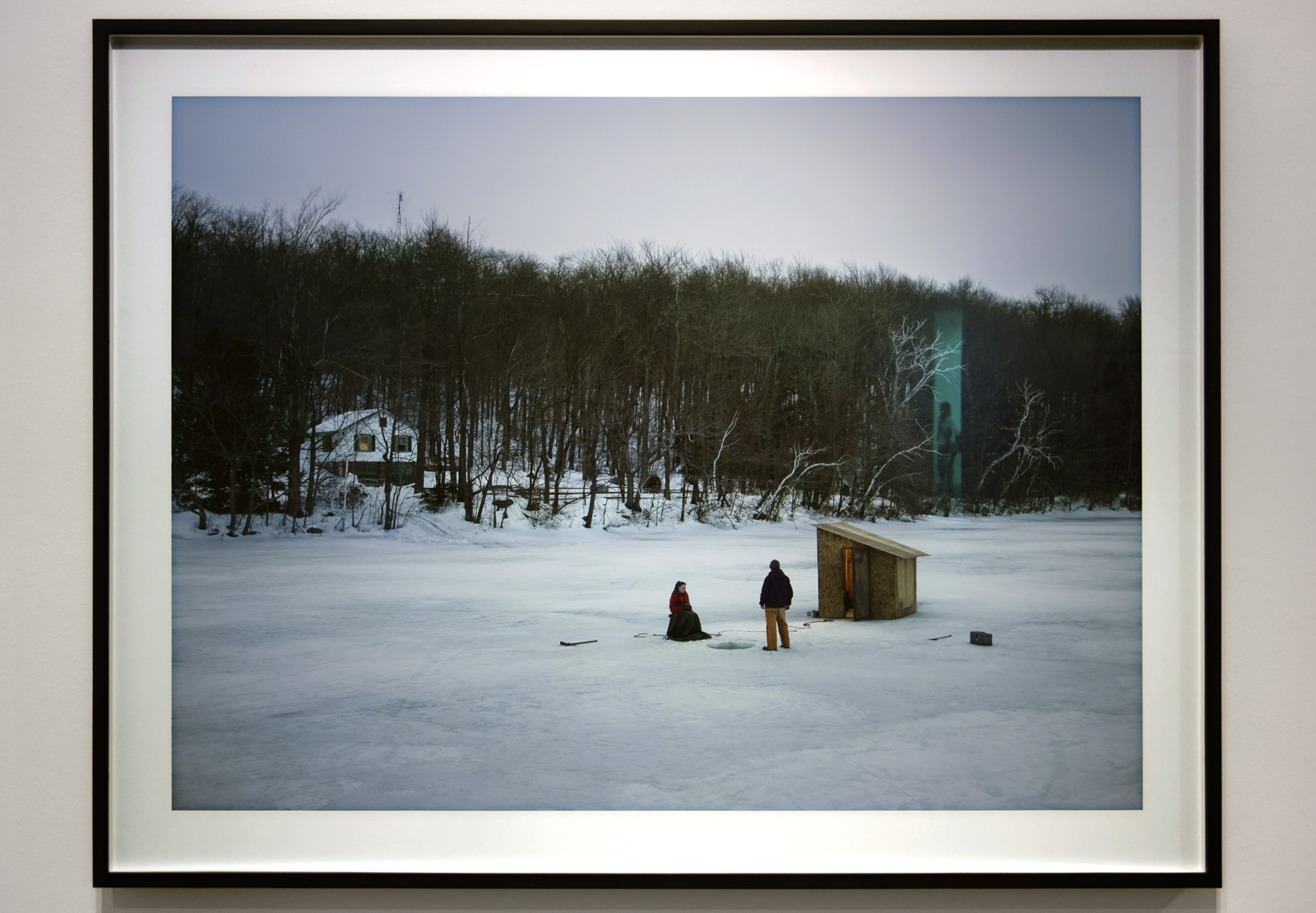


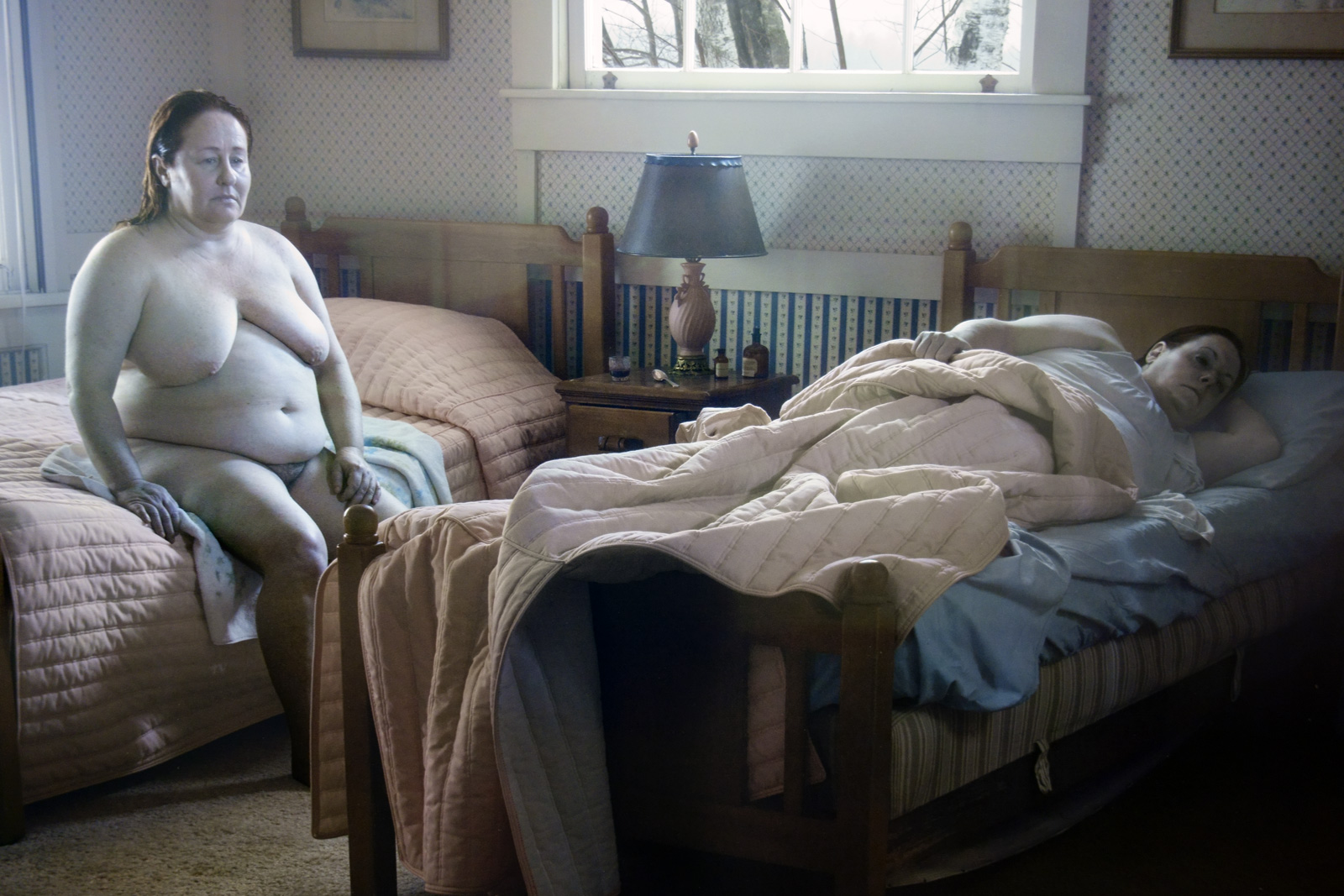

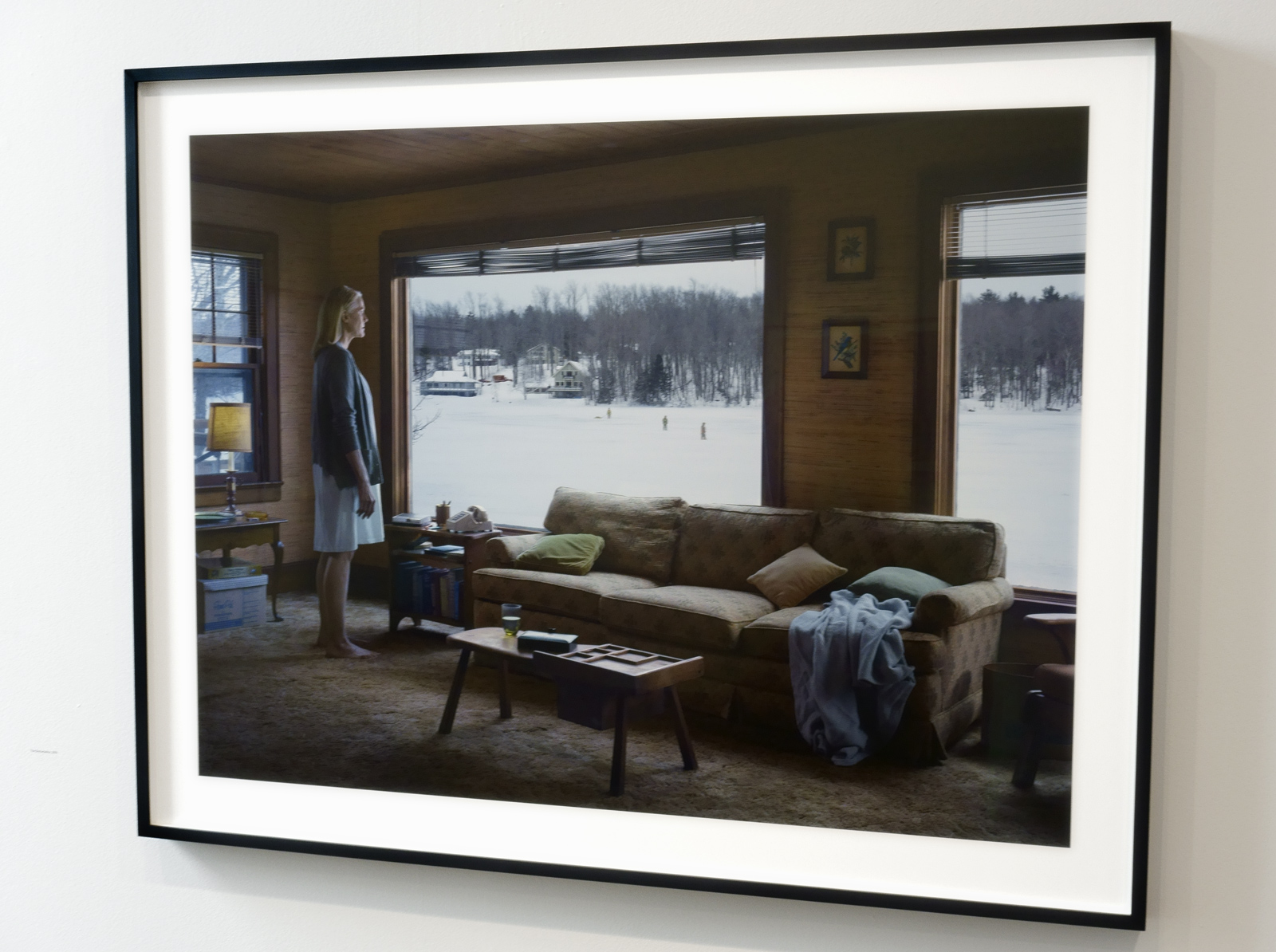

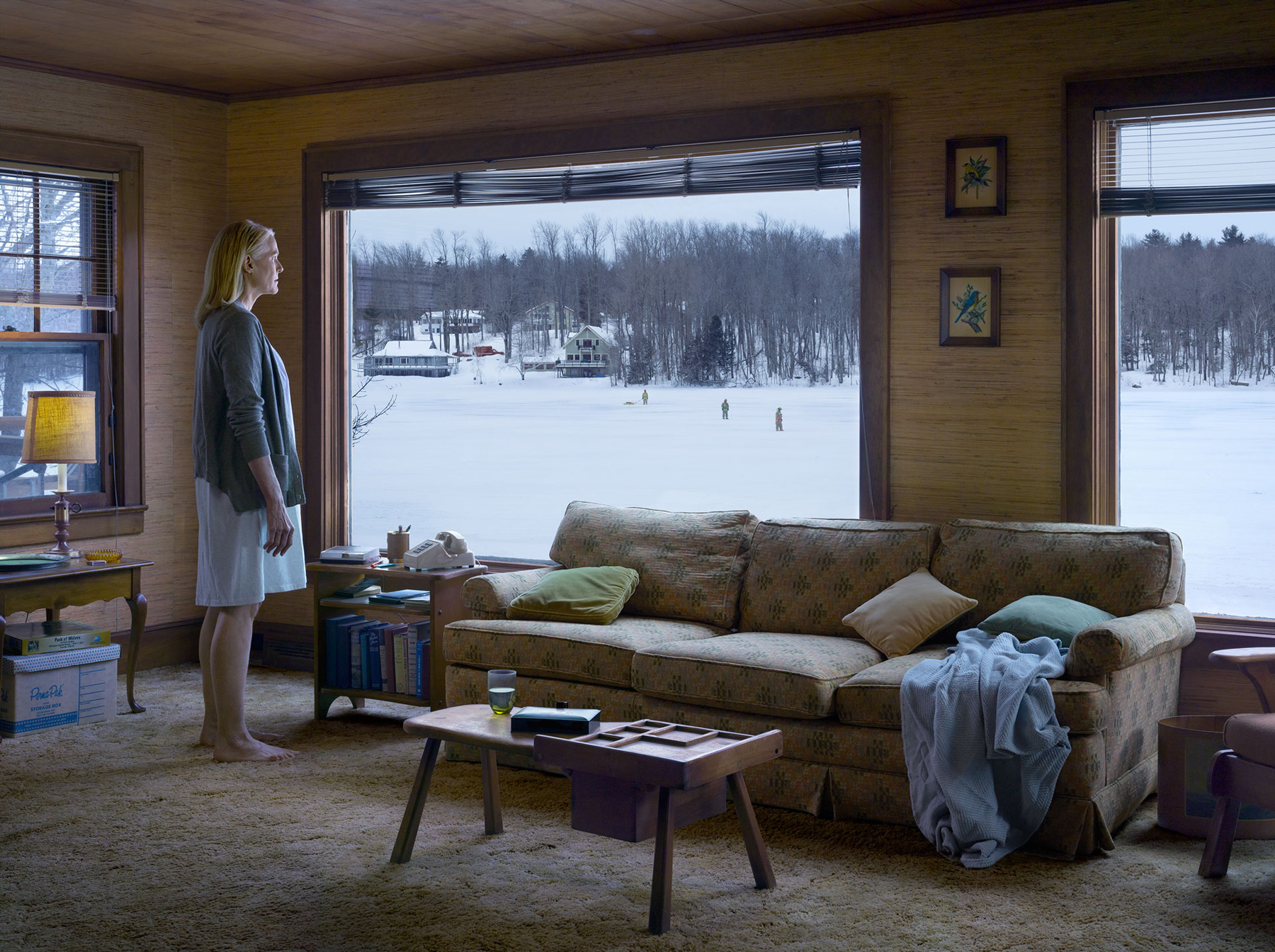

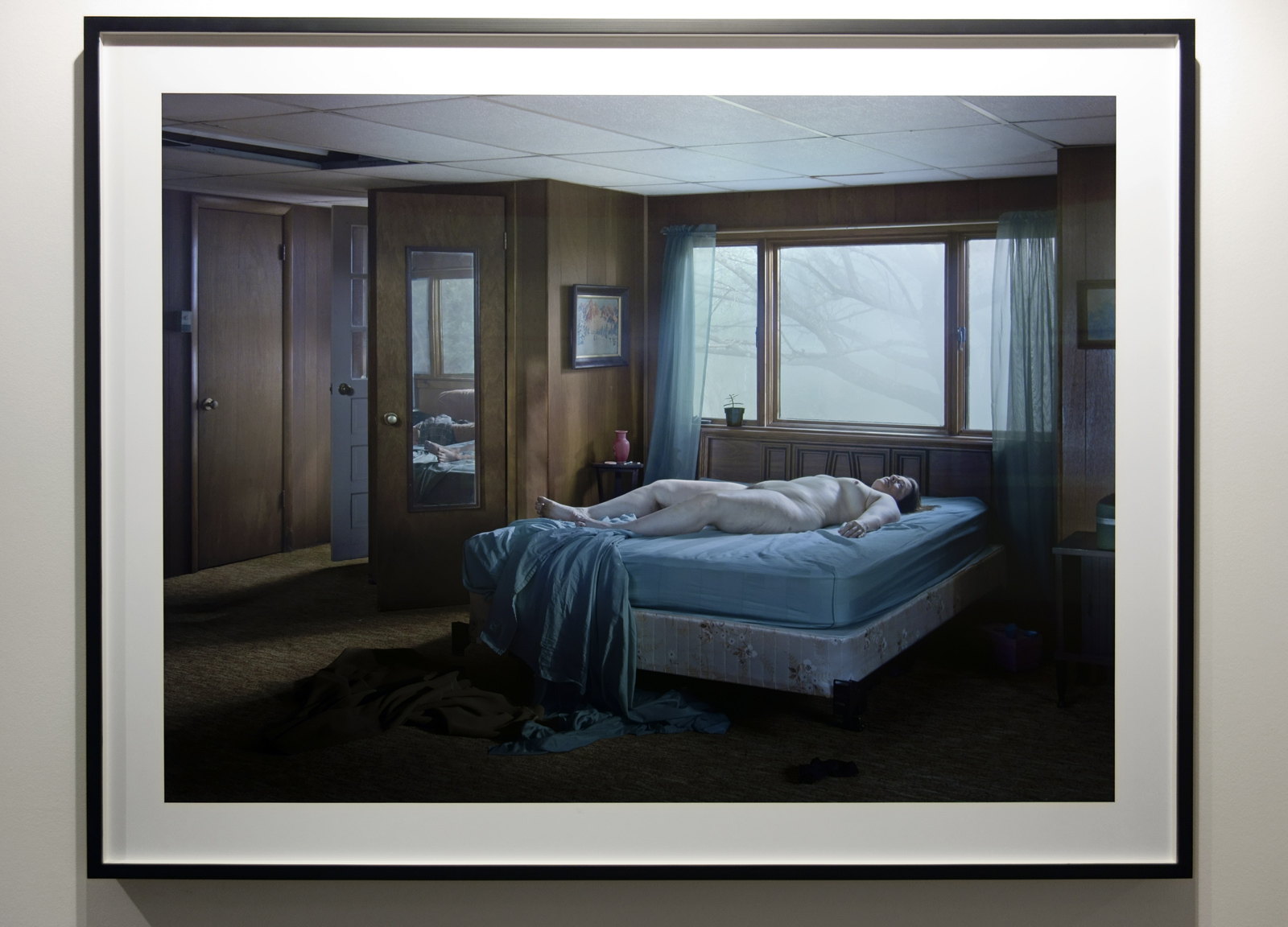
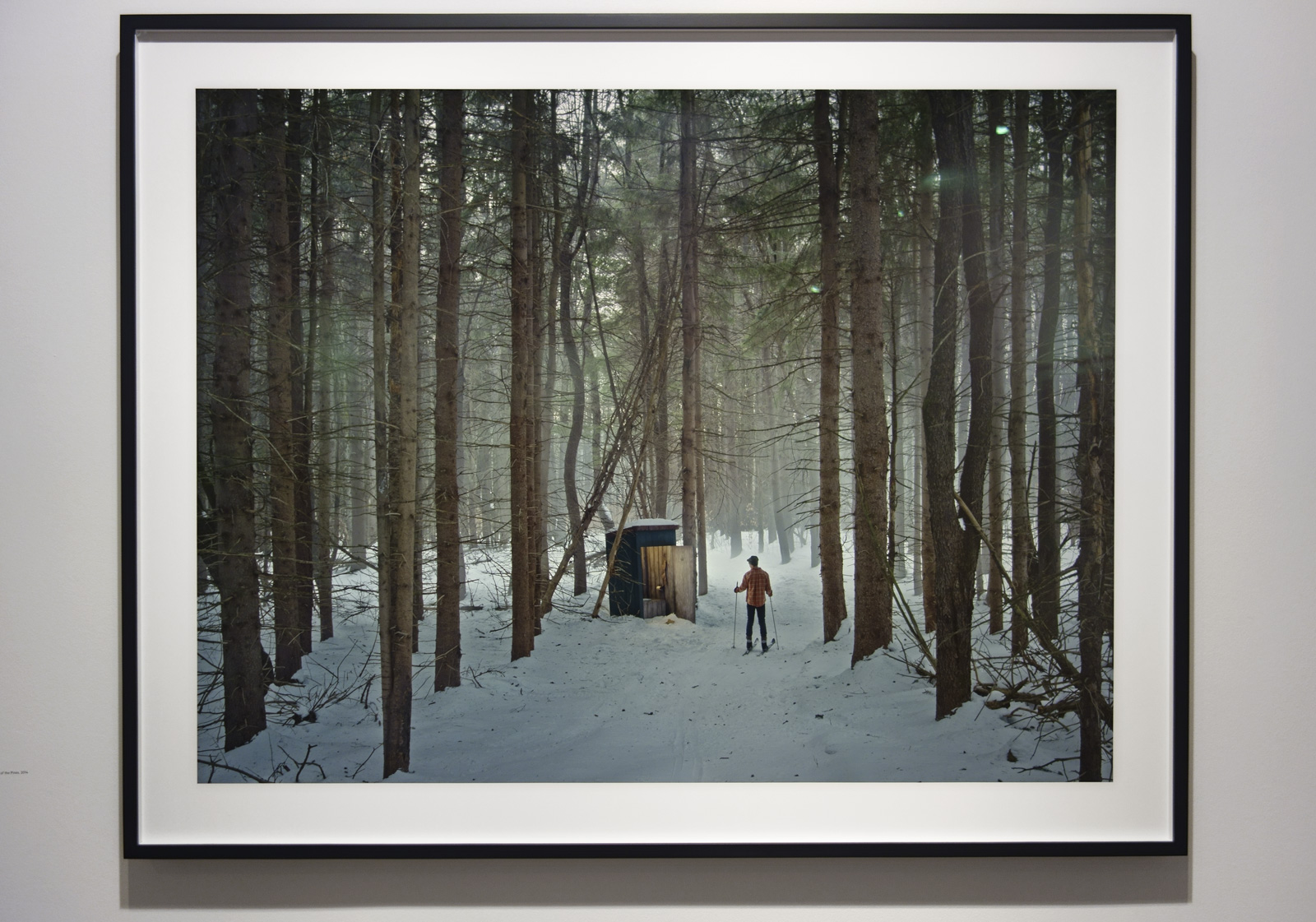
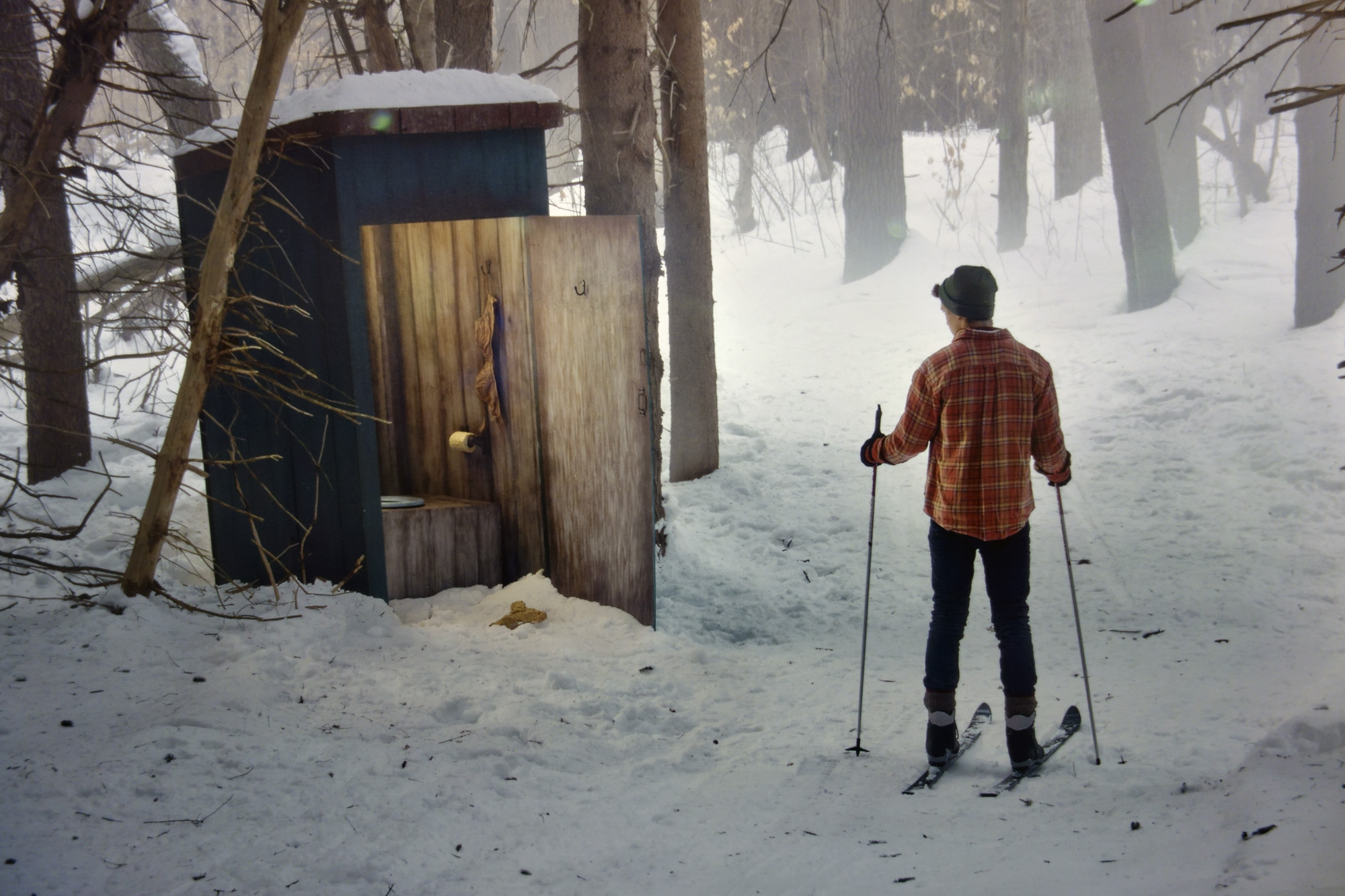


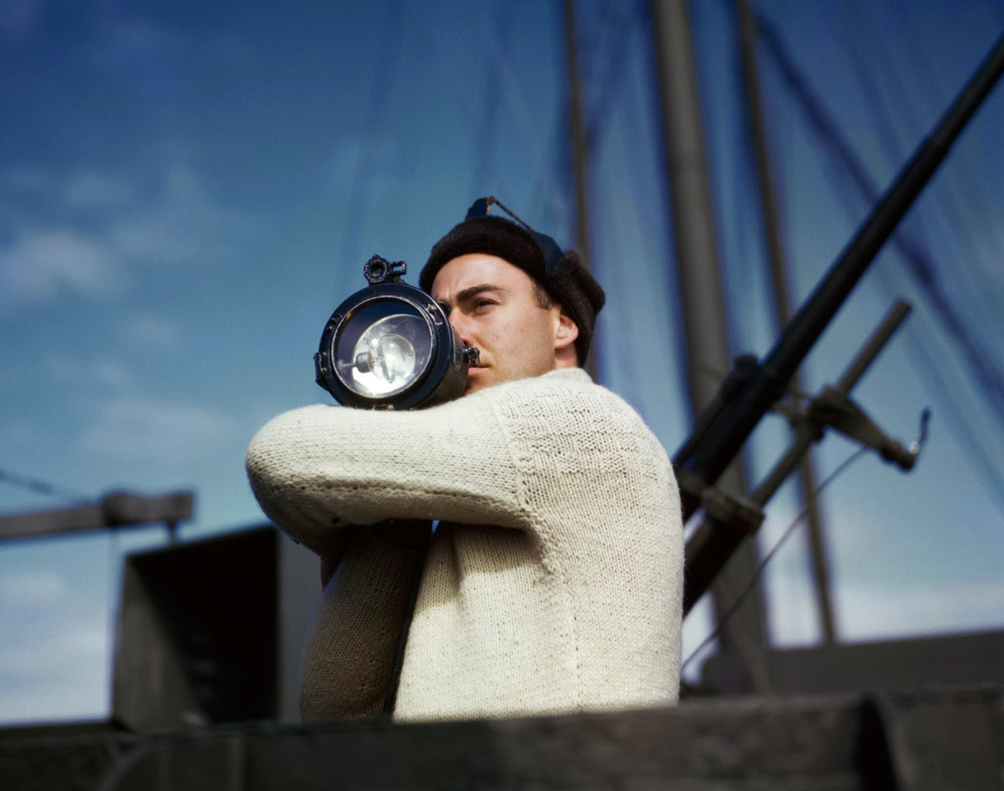


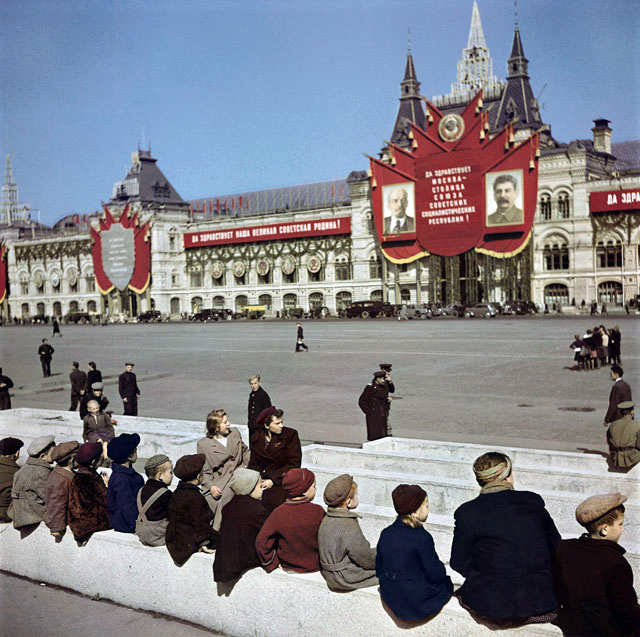


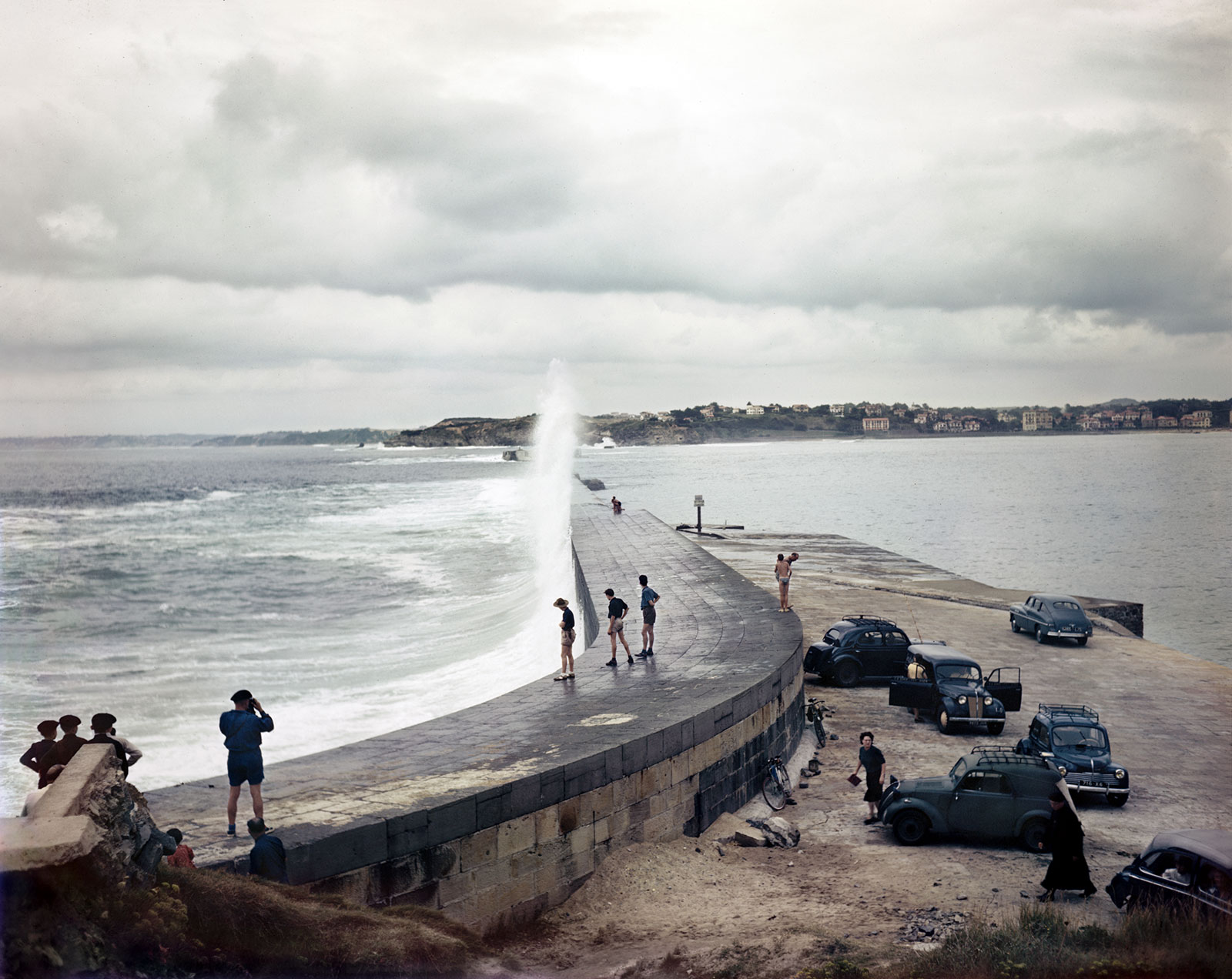
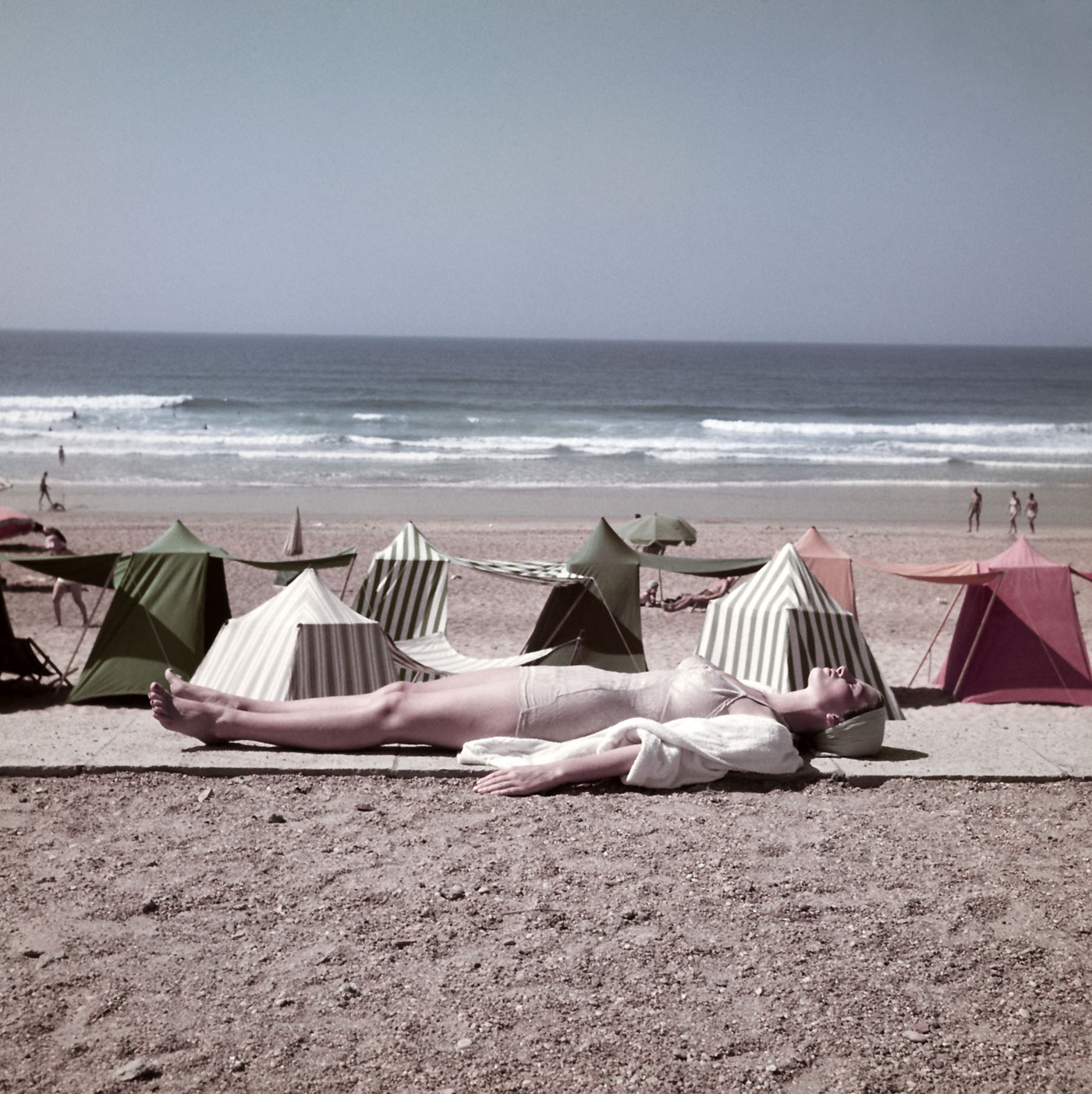

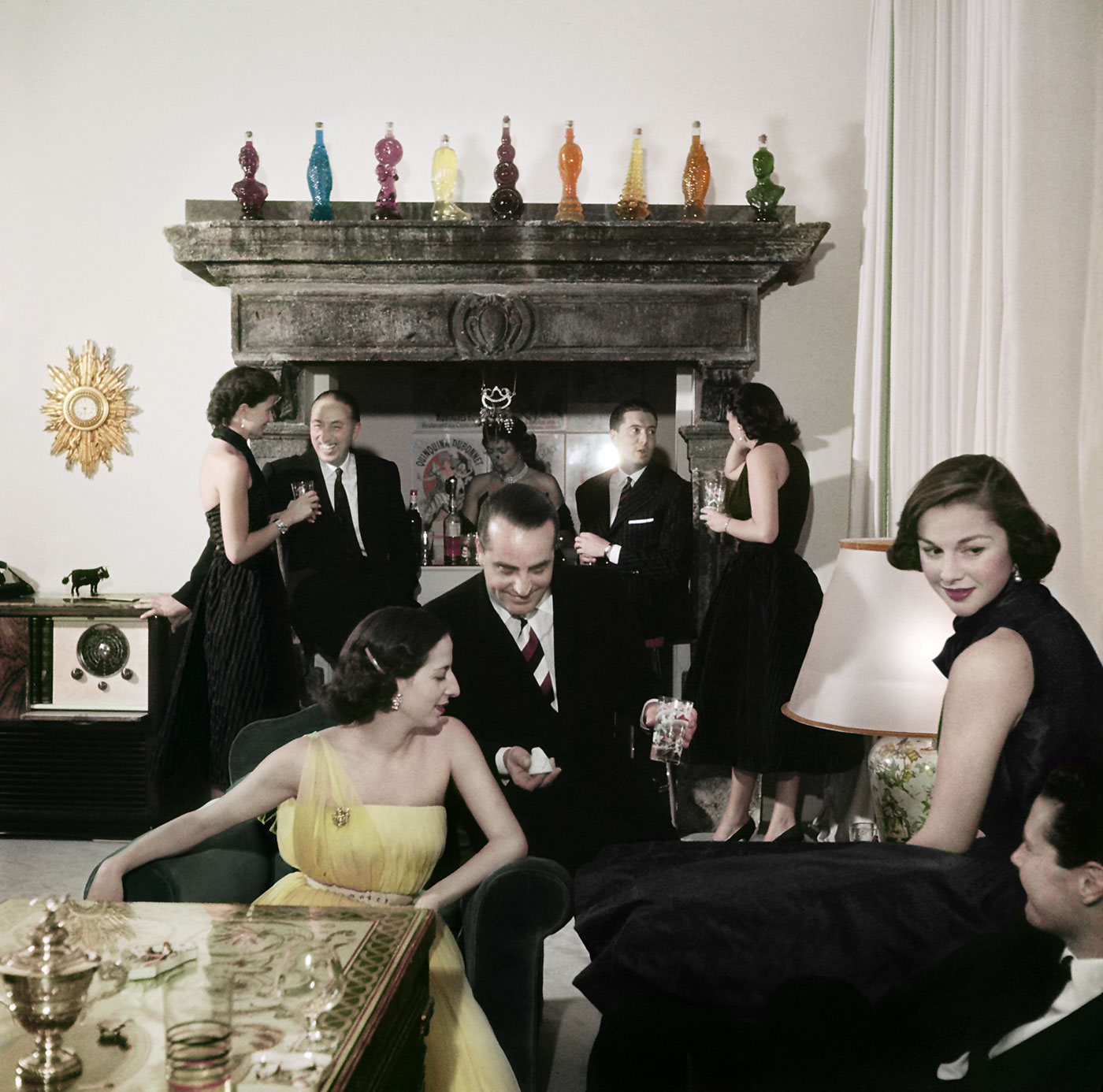






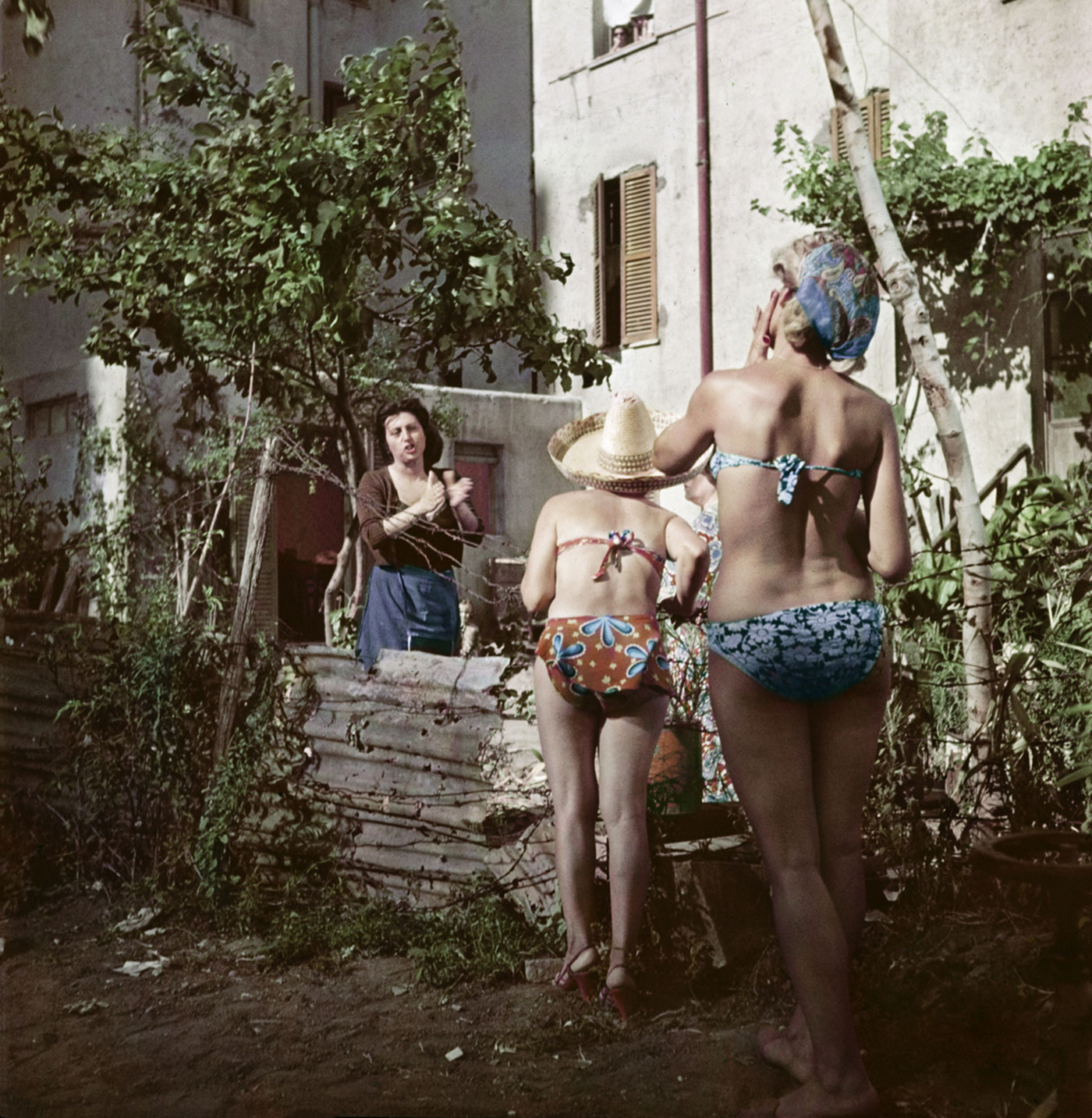


 Art Blart _ art and cultural memory archive
You must be logged in to post a comment.