Charles Marville (French, 1813-1879) Rue Chanoinesse (de la rue des Chantres) c. 1853 – c. 1870 In collection: Photographic views of Paris Undated, dates assigned from time of Haussman’s renovation of Paris Photographic print mounted on cardboard : albumen silver 34 x 27cm Gift; Government of France; 1880
Research experience on the Charles Marville photographs at the State Library of Victoria
I don’t usually get upset but this is an exception, and rightly so. They say that any publicity is good publicity but not in this case, because this posting goes right around the world.
After my recent posting on Charles Marville: Photographer of Paris at the National Gallery of Art, Washington I was contacted by Robert Heather, Manager Collection Interpretation at SLV about the 330 Marville’s they have in the Pictures collection, donated by the French Government in 1881 after the Melbourne International Exhibition of 1880 had finished. I had know about these photographs from pages 203-205 of the catalogue from the above exhibition (see images below). The Manager of Collection Interpretation encouraged me to make an appointment to come in an see the Marville.
Naturally I was excited at the prospect of doing some research on these recently rediscovered images. An idea was forming in my mind – about research that linked the redevelopment of Paris at the time of the Marville photographs with images of the expanding and developing Melbourne around the same time. The comparisons between cities and photographers, photographs, styles (such as Charles Nettleton pre-1880 and J. W. Lindt and Nicholas Caire post-1880), I thought would be illuminating.
Don’t forget I was encouraged to come in and see the marvellous Marville!
Contacted by the Picture Librarian, I was asked to select TWO, yes TWO images out of 330 to look at. I think I was lucky to be able to choose two but I chose three.
Upon arrival the Picture Librarian failed to introduce themselves and said, “Oh, your Marcus” in the most off hand manner. This person was brusque to the point of rudeness, so efficacious in their duty to protect the art work that I felt it was almost criminal to be there. It was like stepping back into the Victoria era their attitude was so unhelpful.
The Marville’s are not in albums as I had supposed (and the librarian had no knowledge of whether they had ever been in albums), but were mounted on blue cards and kept in plastic (presumably archival) sleeves. When I asked for the photographs to be removed so that I could look at the images I had chosen, I was refused! How can you possibly study an artist’s work, in this case photographs, without being able to see the surface of the print? It is just impossible to study these works under opaque plastic…
Even if the sleeves are archival, photographs need to breathe and not be suffocated in plastic. It’s like a Stradivarius violin – they need to be played, not kept locked up in a museum display cabinet because then they loose all of their resonance. And when I asked this person about what conservation was being undertaken on the images they had no idea, blithely announcing that the photographs had been on those cards for a century. This does not mean that the card is not leaching acid into the photographs and the necessary testing should be carried out to assess the stability of the material and photographs (see the response from the State Library below). And if they have been stable and survived for a hundred years as this person suggested, then what is the harm of actually showing them to people. A piece of cardboard that was shown to me as coming off one of the sheets is no reason to deny people the right to see these objects in the flesh.
This person had no idea who I was nor did they care that I am a professional researcher, writer and artist. But that is not the point, I could have been anyone from Joe Public wanting to look at something in the collection: it is a public institution and they have a duty and obligation to show things to the general public. In their ‘Vision Statement’ they say, and I quote:
“We want to be a place where all Victorians can discover, learn, create and connect. We want to be a cultural and heritage destination for Victorians, and a catalyst for generating new knowledge and ideas… We will focus on developing: services and physical facilities tailored to your needs.”
New knowledge and ideas. Services and physical facilities tailored to your needs. After the appalling experience that I had I am not so sure. I was going to apply for a Fellowship hoping to do the research I mentioned at the top of the posting, but after my awful experience I am thinking better of it. While all the Marville’s are online and downloadable at high resolution, which is a wonderful thing in itself, at this rate the Marville’s might as well be buried for another 100 years, other than being shown in an upcoming exhibition. At least at the National Gallery of Victoria when you go in to look at the work, you can actually see the photographs.
I have now requested another appointment to see the Marville’s and this time I don’t want to see just THREE PHOTOGRAPHS behind plastic – I want to see as many photographs as I would like, and be left in peace to study them, out of the plastic.
As a public institution the State Library of Victoria has a duty to make these photographs available for research. I have asked them to let me know when this visit can be conducted and have yet to receive a reply.
I don’t usually get upset, dear readers, but this situation is intolerable for anyone, let alone a person who loves photography. The attitude spoiled what was going to be a special and magical experience. Imagine if a researcher from overseas had arrived to view these works and they had had this reception. Unbelievable.
I will, of course, keep you updated with news.
Dr Marcus Bunyan
“Gee have you been using these plastic sleeves for a long time?”
“Do you have many people asking to see these images out of their covers?”
Thankx to my mentor Ian Lobb for these pearls of wisdom…
I think people are too afraid to speak out these days for fear of having an opinion, being seen as judgemental, upsetting the powers that be. I am not afraid to call them out, especially on a subject in which I have knowledge over many years. I have been studying the new Left of the 1960s and how they put their bodies on the line out on the streets – for anti-Vietnam, pro-Communist, gay liberation, feminism and Aboriginal rights. I grew up in an era where you say what you think, fight for your freedom and have the courage of your convictions…
Addendum
A response from the State Library of Victoria.
Hi Marcus, we’re sorry to hear your experience was not a positive one. The Marville Collection is an extraordinary anthology of photographs to be celebrated. While we certainly don’t wish to keep this treasure from the public, we do want to ensure these photographs are preserved for future generations to enjoy.
So that everyone can access these photographs at any time, we have digitised the entire collection in high resolution and made available online. We also arrange viewings of the original photographic prints by appointment but due to their age, size and delicate nature, it’s preferable that only a selection are brought out at any one time and handled with care. The plastic envelopes in which the photographs are kept are archival and the blue card on which they’re mounted is how the prints were exhibited in 1880 and include the original captions. Conservation staff have assessed the prints and original backing card and are of the opinion that the card is not causing any damage to these photographs.
Our Collection Services Manager is getting in touch with you to arrange another visit where you can see more from this wonderful collection. We look forward to seeing you back at the Library soon.
AS SEEN IN THE FLESH
Charles Marville (French, 1813-1879) Rue Chanoinesse (de la rue des Chantres) c. 1853 – c. 1870 In collection: Photographic views of Paris Undated, dates assigned from time of Haussman’s renovation of Paris Photographic print mounted on cardboard : albumen silver 34 x 27cm Gift; Government of France; 1880
Extracts from pages 203 and 205 of Reynaud, Françoise. “Marville and Old Paris,” in Kennel, Sarah. Charles Marville: Photographer of Paris. Washington: National Gallery of Art, 2013.
State Library of Victoria 328 Swanston St, Melbourne VIC 3000 Phone: (03) 8664 7000
Curators: Bennett Simpson, MOCA curator and Richard Hawkins, guest co-curator
PLEASE NOTE: THIS POSTING CONTAINS ART WORK OF MALE NUDITY AND EROTIC IMAGES OF GAY MALE SEX – IF YOU DO NOT LIKE PLEASE DO NOT LOOK, FAIR WARNING HAS BEEN GIVEN
Bob Mizer (American, 1922-1992) Physique Pictorial Volume 16 Number 4, February 1968 1968 Publication Printed with permission of Bob Mizer Foundation, Inc .
What a fantastic pairing in this exhibition and in their relationship in real life. We must remember that Tom of Finland (pseudonym of Touko Valio Laaksonen) was a ground-breaking artist, one of the very first to picture masculine gay men, “robbing straight homophobic culture of its most virile and masculine archetypes (bikers, hoodlums, lumberjacks, cops, cowboys and sailors) and recasting them – through deft skill and fantastic imagination – as unapologetic, self-aware and boastfully proud enthusiasts of gay sex.”
Laaksonen would have just been in his twenties when he started drawing men in the early 1940s, inspired by the soldiers and uniforms he saw around him from the Second World War. With no outward gay culture in Finland, let alone in America until the late 1960s, just imagine being an artist producing this kind of erotic imagery at that time. To then go on to be the seminal figure in the creation of gay leather culture… what an impact this artist had on gay and popular culture. Of course, as tastes were liberalised in the era of free love, Stonewall and after, the muscles of his hunks became bigger, the size of their endowments larger and the actions portrayed became more open and transparent (as can be seen from Untitled (From Beach Boy 2 story), 1971, below).
During my PhD research I visited the One Institute/International Gay and Lesbian Archives Collection, University of Southern California, Los Angeles, to investigate the cross-over between physique magazines and early gay pornography magazines of the 1960s to early 1970s.1 I was interested to see whether the muscular mesomorphic bodies of the physique magazines crossed straight over into the first gay pornography magazines. To my surprise, the answer was that they did not.
After the American Supreme Court ruled on obscenity laws in the late 1960s, the first gay pornography magazines started appearing. The earliest gay porn magazine in the One Institute / IGLA collection, Action Line.No.1. San Francisco: Mark Vaughn Associates. 1969, features mostly smooth but natural bodies, not as built as in physique magazines, with nude young men with full erections lying next too each other touching. There is no sex, no sucking or fucking. Only a year later, in 1970, the story is different. In Album 1501: A Study of Sexual Activity Between Males.Los Angeles: Greyhuff Publishing, 1970 their is sexual intercourse pictured between men in an openly available publication for the first time.
Bodies in this magazine are smooth, young toned men, much as in the early photographs of George Platt Lynes (such as those of Charles ‘Tex’ Smutney, Charles ‘Buddy’ Stanley, and Bradbury Ball). They are also similar to the bodies in the photographs that Lynes submitted to the Zurich published homosexual magazine Der Kries after he found out that he had cancer, during the last years of his life (under the pseudonym Roberto Rolf late 1940s – early 1950s). The participants in Album 1501 perform sex on each other in a lounge room lit by strong lights (shadows on walls). The black and white photographs, well shot, feature in a magazine that is about 5″ wide and 10″ high, well laid out and printed. The magazine is a thin volume and features just the two models in one sex scene of them undressing each other and then having sex. One man wears a Pepsi-Cola T-shirt at first and he also has tattoos one of which says ‘Cheri’. The photographs almost have a private feel to them.
In their introduction the publishers disclaim any agreement with the content of the magazine and are only publishing it for the freedom of everybody to study the material in the privacy of their own homes. In other words male to male sex is a natural phenomenon and the publication is educational. This was a common ploy in early nudist and pornographic publications (along with classical themes) that was used to justify the content – to claim that the material was for private educational purposes only:
Introduction
“Publishers of material dealing frankly with sexual activity have suffered greatly in the past because of society’s anxiety over the existence and propagation of such material. But the real issue is why should such material dealing with sexual activity be any less valid or acceptable than material dealing with other facets of human behaviour? …
This book was produced so that all interested adults may have an opportunity to acquire it for their own private interests in matters relating to sex … Our publication of this book is not to be construed that we agree with, condone or encourage any of the behaviour depicted herein. However, sexual activity between males is a fact of life and interested adults should not be denied an opportunity to study this, or any other, facet of human behaviour.”
The Publishers
It is interesting to note the progression from physique magazines and models in posing pouches in 1966-1968 (such as the photographs of Bob Mizer featured in this posting), then to full erection and stories of anal penetration in Action Line in 1969, to full on photographs of gay sex in this magazine in 1970. Bodies are all smooth, quite solid, toned natural physiques, not as ‘built’ as in earlier physique magazines, but still featuring younger smooth men and not older heavier set men. It was not until the development of the clone, leatherman and magazines such as Colt from Colt Studios that Tom of Finland’s muscular mesomorphic leatherman took hold in the popular gay imagination.
Even in the mid 1970’s companies such as Colt Studios, which has built a reputation for photographing hunky, very well built masculine men, used classical themes in their photography of muscular young men. Most of the early Colt magazines have photographs of naked young men that are accompanied by photographs and illustrations based on classical themes. In their early magazines quite a large proportion of the bodies were hirsute or had moustaches as was popular with the ‘clone’ image at the time. Later Colt models of the early 1980’s tend towards the buff, tanned, stereotypical muscular mesomorph in even greater numbers. Sometimes sexual acts are portrayed in Colt magazines but mainly they are not. It is the “look” of the body and the face that the viewers desiring gaze is directed towards – not the sexual act itself.
Photographers such as Bob Mizer from Athletic Model Guild produced more openly homoerotic images. In his work from the 1970’s full erections are not prevalent but semi-erect penises do feature, as do revealing “moon” shots from the rear focusing on the arsehole as a site for male libidinal desires. A less closeted, more open expression of homosexual desire can be seen in the photographs of the male body in the 1970’s.
Dr Marcus Bunyan
1/ During my research at The One Institute in Los Angeles I investigated the type of body images that appeared in the transitional phase from physique magazines of the mid-late 1960s into the early gay pornography magazines of 1969-1970 in America which occurred after the Supreme Court ruling on obscenity. I wanted to find whether there had been a crossover, a continuation of the muscular mesomorphic body image that was a favourite of the physique photographers into the early pornography magazines. From the evidence of the images in the magazines I would have to say that there was a limited crossover of the bigger muscular bodies but most bodies that appeared in the early gay porn mags were of the youthful, smooth, muscular ephebe-type body image.
Most of the men featured in the early gay pornography magazines and films have bodies that appear to be quite ‘natural’ in their form. Models are mostly young, smooth, quite solid with toned physiques, not as ‘built’ as in the earlier physique magazines but still well put together. Examining the magazines at the One Institute I found that the bodies of older muscular / hairy men were not well represented. Perhaps this was due to the unavailability of the bigger and older bodybuilders to participate in such activity? In the male bodies of the c. late-1970s Super 8 mm pornography films we can observe the desirable image of the smooth youthful ephebe being presented for our erotic pleasure.
Bunyan, Marcus. “Gay Male Pornography,” in the ‘In-Press’ chapter in Marcus Bunyan. Pressing the Flesh: Sex, Body Image and the Gay Male. RMIT University, Melbourne, 2001.
Many thankx to The Museum Of Contemporary Art (MOCA) for allowing me to publish the art work in the posting. Please click on the photographs for a larger version of the image.
Bob Mizer (American, 1922-1992) Physique Pictorial Volume 11 Number 4, May 1962 1962 Publication Printed with permission of Bob Mizer Foundation, Inc .
Bob Mizer (American, 1922-1992) Physique Pictorial Volume 7 Number 1, 1957 1957 Publication Printed with permission of Bob Mizer Foundation, Inc .
Bob Mizer (American, 1922-1992) Physique Pictorial Volume 10 Number 4, April 1961 1961 Publication Printed with permission of Bob Mizer Foundation, Inc .
Bob Mizer (American, 1922-1992) Jim Horn, Los Angeles c. 1966 Vintage large-format black and white negative Silver gelatin print 8 x 10 inches Printed with permission of Bob Mizer Foundation, Inc .
Bob Mizer (American, 1922-1992) Untitled [Barry Maurer, Hand on Gun], Los Angeles c. 1961 Vintage large-format black and white negative Silver gelatin print 8 x 10 inches Printed with permission of Bob Mizer Foundation, Inc .
Bob Mizer (American, 1922-1992) Untitled [Larry Lamb, with Tumbleweed], Los Angeles c. 1959 Vintage large-format black and white negative Silver gelatin print 8 x 10 inches Printed with permission of Bob Mizer Foundation, Inc .
Bob Mizer (American, 1922-1992) Untitled [Ray Hornsby, Motorcycle], Los Angeles c. 1957 Vintage large-format black and white negative Silver gelatin print 8 x 10 inches Printed with permission of Bob Mizer Foundation, Inc .
“To my mind, there is no clearer representation of Mizer’s almost manic attempts to condense the joyful, celebratory chaos of his daily photo shoots down to their most selectively stupendous moments than his catalogue boards.”
~ artist and exhibition co-curator Richard Hawkins
The Museum of Contemporary Art, Los Angeles (MOCA), is proud to present Bob Mizer and Tom of the Finland, the first American museum exhibition devoted to the art of Bob Mizer (1922-1992) and Touko Laaksonen, aka “Tom of Finland” (1920-1991), two of the most significant figures of twentieth century erotic art and forefathers of an emergent post-war gay culture. The exhibition features a selection of Tom of Finland’s masterful drawings and collages, alongside Mizer’s rarely seen photo-collage “catalogue boards” and films, as well as a comprehensive collection of his groundbreaking magazine Physique Pictorial, where drawings by Tom were first published in 1957. Organised by MOCA Curator Bennett Simpson and guest co-curator Richard Hawkins, the exhibition is presented with the full collaboration of the Bob Mizer Foundation, El Cerrito, and the Tom of Finland Foundation, Los Angeles.
Tom of Finland is the creator of some of the most iconic and readily recognisable imagery of post-war gay culture. He produced thousands of images beginning in the 1940s, robbing straight homophobic culture of its most virile and masculine archetypes (bikers, hoodlums, lumberjacks, cops, cowboys and sailors) and recasting them – through deft skill and fantastic imagination – as unapologetic, self-aware and boastfully proud enthusiasts of gay sex. His most innovative achievement though, worked out in fastidious renderings of gear, props, settings and power relations inherent therein, was to create the depictions that would eventually become the foundation of an emerging gay leather culture. Tom imagined the leather scene by drawing it; real men were inspired by it … and suited themselves up.
Bob Mizer began photographing as early as 1942 but, unlike many of his contemporaries in the subculture of illicit physique nudes, Mizer took the Hollywood star-system approach and founded the Athletic Model Guild in 1945, a film and photo studio specialising in handsome natural-bodied (as opposed to exclusively musclebound, the norm of the day) boy-next-door talent. In his myriad satirical prison dramas, sci-fi flix, domesticated bachelor scenarios and elegantly captivating studio sessions, Mizer photographed and filmed over 10,000 models at a rough estimate of 60 photos a day, seven days a week for almost 50 years. Mizer always presented a fresh-faced and free, unashamed and gregarious, totally natural and light-hearted approach to male nudity and intimate physical contact between men. For these groundbreaking perspectives in eroticised representation alone, Mizer ranks with Alfred Kinsey at the forefront of the sexual revolution.
Though Laaksonen did not move to Los Angeles until the 1970s, he had long known of Mizer and the photographer’s work through Physique Pictorial, the house publication and sales tool for Athletic Model Guild. It was to this magazine that the artist first sent his drawings and it was Mizer, finding the artworks remarkable and seeking to promote them on the magazine’s cover, but finding the artist’s Finnish name too difficult for his clientele, who is responsible for the now famous “Tom of Finland” pseudonym.
By the time the gay liberation movement swept through the United States in the late 1960s, both Tom of Finland and Bob Mizer were already well-known and widely celebrated as veritable pioneers of gay art. Decades before Stonewall and the raid on the Black Cat these evocative and lusty representations of masculine desire and joyful, eager sex between men proliferated and were disseminated worldwide at a time when the closet was still very much the norm – there was no such thing as a gay community. If these artists were not ahead of their time, they might just have foreseen and even invented a time.
Spanning five decades, the exhibition seeks a wider appreciation for Tom of Finland and Bob Mizer’s work, considering their aesthetic influence on generations of artists, both gay and straight, among them, Kenneth Anger, Rainer Werner Fassbinder, David Hockney, G.B. Jones, Mike Kelley, Robert Mapplethorpe, Henrik Olesen, Jack Pierson, John Waters, and Andy Warhol. The exhibition also acknowledges the profound cultural and social impact both artists have made, especially in providing open, powerful imagery for a community of desires at a time when it was still very much criminal. Presenting the broader historical context and key aspects of their shared interests and working relationship, as well as more in-depth solo rooms dedicated to each artist, the exhibition establishes the art historical importance of the staggering work of these legendary figures.
In addition to approximately 75 finished and preparatory drawings by Tom of Finland spanning 1947-1991, the exhibition includes a selection of Tom’s never before exhibited scrapbook collages, and examples of his serialised graphic novels, including the legendary leatherman Kake, as well as a selection of Mizer’s “catalogue boards,” AMG films, and a complete set of Physique Pictorial magazine. An accompanying publication includes texts by the exhibition co-curators and a selection of images.
Press release from the MOCA website
Bob Mizer (American, 1922-1992) Untitled [Ray Hornsby, with Skull Staff], Los Angeles c. 1957 Vintage large-format black and white negative Silver gelatin print 8 x 10 inches Printed with permission of Bob Mizer Foundation, Inc .
Bob Mizer (American, 1922-1992) Untitled [Ernie Rabb, Pointed Pistol], Los Angeles c. 1957 Vintage large-format black and white negative Silver gelatin print 8 x 10 inches Printed with permission of Bob Mizer Foundation, Inc .
Bob Mizer (American, 1922-1992) Untitled [Larry Lamb, Profile with Chains], Los Angeles c. 1959 Vintage large-format black and white negative Silver gelatin print 8 x 10 inches Printed with permission of Bob Mizer Foundation, Inc .
Bob Mizer (American, 1922-1992) Untitled [Dennis Schreffer, Wand Balance], Los Angeles c. 1957 Vintage large-format black and white negative Silver gelatin print 8 x 10 inches Printed with permission of Bob Mizer Foundation, Inc .
Bob Mizer (American, 1922-1992) Untitled [Dennis Schreffer with Portrait], Los Angeles c. 1957 Vintage large-format black and white negative Silver gelatin print 8 x 10 inches Printed with permission of Bob Mizer Foundation, Inc .
Bob Mizer (American, 1922-1992) Athletic Model Guild Catalog Board, David Elliott. [Double-sided; This side Page 1 of SW series] c. 1965 Photographs mounted to matboard and mixed media Printed with permission of Bob Mizer Foundation, Inc . The Museum of Contemporary Art, Los Angeles Proposed purchase with funds provided by the Photography Committee The Bob Mizer Foundation & INVISIBLE-EXPORTS, New York
Bob Mizer (American, 1922-1992) Athletic Model Guild Catalog Board, David Elliott. [Double-sided; This side Page 2 of SW series] c. 1965 Photographs mounted to matboard and mixed media Printed with permission of Bob Mizer Foundation, Inc . The Museum of Contemporary Art, Los Angeles Proposed purchase with funds provided by the Photography Committee The Bob Mizer Foundation & INVISIBLE-EXPORTS, New York
Bob Mizer (American, 1922-1992) Athletic Model Guild Catalog Board, Ernie Rabb. [Double-sided; This side Page 57 of XT series] c. 1957 Photographs mounted to matboard and mixed media Printed with permission of Bob Mizer Foundation, Inc . The Museum of Contemporary Art, Los Angeles Proposed purchase with funds provided by the Photography Committee The Bob Mizer Foundation & INVISIBLE-EXPORTS, New York
Bob Mizer (American, 1922-1992) Athletic Model Guild Catalog Board, Ernie Rabb. [Double-sided; This side Page 58 of XT series] c. 1957 Photographs mounted to matboard and mixed media Printed with permission of Bob Mizer Foundation, Inc . The Museum of Contemporary Art, Los Angeles Proposed purchase with funds provided by the Photography Committee The Bob Mizer Foundation & INVISIBLE-EXPORTS, New York
Co-curators: April M. Watson and Jane L. Aspinwall, Associate Curators of Photography at the Nelson-Atkins Museum of Art
Rachel Herman (American) Hannah and Tim 2007 Inkjet print (printed 2012) Gift of the Hall Family Foundation
Facile, Facies, Facticity
“The structure of presentation – point-of-view and frame – is intimately implicated in the reproduction of ideology(the ‘frame of mind’ of our ‘points-of-view’). More than any other textual system, the photograph presents itself as ‘an offer you can’t refuse’.”
Victor Burgin 1
“Facies simultaneously signifies the singular air of a face, the particularity of its aspect, as well as the genre or species under which this aspect should be subsumed. The facies would thus be a face fixed to a synthetic combination of the universal and the singular: the visage fixed to the regime of representation, in a Helgian sense.
Why the face? – Because in the face the corporeal surface makes visible something of the movements of the soul, ideally. This also holds for the Cartesian science of the expression of the passions, and perhaps also explains why, from the outset, psychiatric photography took the form of an art of the portrait.”
Georges Didi-Huberman 2
How shallow contemporary portrait photography has become when compared to the sensual portraits of Julia Margaret Cameron, the grittiness of Gordon Parks or the in your face style of Diane Arbus. I think the word facile (from Latin facilis ‘easy’, from facers ‘do, make’) with its link to the etymologically similar word ‘face’ (Old Latin facies) is a good way to describe most of the photographs in this posting. These simplistic, nihilistic portraits, with their contextless backgrounds and head on frontally (also the name of an insipid Australian portrait photography prize), are all too common in contemporary portraiture. People with dead pan expressions stare at the camera, stare off camera. The photographs offer little insight and small engagement for the viewer. If these photographs are representative of the current ‘frame of mind’ of our ‘points-of-view’ vis a vis the construction of identity then the human race is in deep shit indeed. As we accept an offer that we can’t refuse – the reflexivity of selfies, an idealised or passive image of ourselves reflected back through the camera lens º we uncritically accept the mirror image, substituting passive receptivity for active (critical) reading. We no longer define and engage critically with something we might call ‘photographic discourse’:
“A discourse can be defined as an arena of information exchange, that is, as a system of relations between parties engaged in communicative activity. In a very important sense the notion of discourse is a notion of limits. That is, the overall discourse relation could be regarded as a limiting function, one that establishes a bounded arena of shared expectations as to meaning. It is this limiting function that determines the very possibility of meaning. To raise the issue of limits, of the closure affected from within any given discourse situation, is to situate oneself outside, in a fundamentally metacritical relation, to the criticism sanctioned by the logic of the discourse…
A discourse, then, can be defined in rather formal terms as the set of relations governing the rhetoric of related utterances. The discourse is, in the most general sense, the context of the utterance, the conditions that constrain and support its meaning, that determine its semantic target.”3
These photographs have few conditions that support their meaning. The context of their utterances is constrained by their own efficacy and passivity. Paul Virilio, speaking of contemporary images, describes them as ‘viral’. He suggests that they communicate by contamination, by infection. In our ‘media’ or ‘information’ society we now have a ‘pure seeing’; a seeing without knowing.4 A seeing without knowing… quite appropriate for these faceless images, images that contaminate how we observe humans living in the world. Of course, one can be involved in logical criticism of the discourse from within but that still gives the discourse power. By situating yourself outside the conditions that constrain the discourse, you can criticise from a different perspective, “seeing something new” as an active, temporal protension of seeing. “Such is the fundamental instability of the pleasure of seeing, of Schaulust, between memory and threat.”5 We may glance, instead of staring (as the subject of these portraits blankly stare back) – the glance becoming a blow of the eye, the acting-out of seeing.6
Here is a possible way forward for contemporary photographic portraiture: a description of the states of the body and the air of the face through a subtle and constant art of the recovering of surfaces, an inquiry that always seeks depth – conceptual depth – in the filmy fabric or stratum of the cameras imaging of the constructed subject. In other words an inquiry into the source, the etiology and logic of the subjects own being – through the glance, not the passive gaze. Even as the object of knowledge is photographically detained for observation, fixed to objectivity, that knowledge can slip away from itself into what Georges Didi-Huberman calls the paradox of photographic resemblance.7
“Thus photography is ultimately an uncertain technique (see Barthes. Camera Lucida. p. 18), changeable and ill-famed, too. Photography stages bodies: changeability. And at one moment or another, subtly, it belies them (invents them), submitting them instead to figurative extortion. As figuration, photography always poses the enigma of the “recumbence of the intelligible body,” even as it lends itself to some understanding of this enigma, and even as this understanding is suffocated…
And when one comes to pose oneself, before a photograph, paradoxical questions: whom does this photographed face resemble? Exactly whose face is being photographed? In the end, doesn’t a photograph resemble just anyone? Well, one cannot, for all that, simply push resemblance aside like a poorly posed problem. Rather, one points a finger at Resembling as an unstable, vain, and phantasmatic temporal motion. One interrogates the drama of imaginary evidence.
For “to resemble,” or Resembling, is the name for a major concern about time in the visible. This is precisely what exposes all photographic evidence to anxiety, and beyond it, to staging, compromises, twisted meanings, and simulacra. And this is how photography circumvents itself – in its own sacrilege. It blasphemes it own evidence because evidence is diabolical. It ruins evidence, from a theater.”8
Only through slippage may we stumble upon the uncertainty of the soul in the uncertainty of the photographic technique. Only through the facticity of the face, the “thrownness” – Heidegger’s Geworfen, which denotes the arbitrary or inscrutable nature of Dasein, being there or presence, that connects the past with the present, just as photographs do – of the individual rendered in the lines of the human face can we engage with the intractable conditions of human existence. Not a bland resemblance-filled anxiety (the hair covering the face, the face in suburban ephemera, the compressed face pressed up against the condensation-filled window), but an unstable signification that has been passionately re(as)sembled in the anxiety of photographic evidence. Only then can contemporary portrait photography make visible something of the movements of the soul, ideally.
“Into this world we’re thrown /
Like a dog without a bone”
(Jim Morrison, Riders on the Storm, 1971)
Dr Marcus Bunyan
Endnotes
1/ Burgin, Victor (ed.,). Thinking Photography. Basingstoke: Macmillan, 1982, p. 146
2/ Didi-Huberman, Georges. Invention of Hysteria: Charcot and the Photographic Iconography of the Salpetriere (trans. Alisa Hartz). Cambridge, Mass.: MIT Press, 2003, p. 49
3/ Burgin, pp. 84-85
4/ Virilio, Paul. “The Work of Art in the Electronic Age,” in Block No. 14, Autumn, 1988, pp. 4-7 quoted in McGrath, Roberta. “Medical Police,” in Ten.8 No. 14, 1984 quoted in Watney, Simon and Gupta, Sunil. “The Rhetoric of AIDS,” in Boffin, Tessa and Gupta, Sunil (eds.,). Ecstatic Antibodies: Resisting the AIDS Mythology. London: Rivers Osram Press, 1990, p. 143
5/ Didi-Huberman, op. cit., pp. 27-28
6/ Ibid., “Coup d’oeil, signifying “glance,” literally means the “blow of an eye.” Here as elsewhere, Didi-Huberman draws on the notion of the glance as a blow. He also works with the various meanings of trait, including trait, line, draught, and shaft of an arrow” – Translator
7/ Didi-Huberman, op. cit., p. 59
8/ Didi-Huberman, op. cit.,p. 65
Many thankx to The Nelson-Atkins Museum of Art for allowing me to publish the photographs in the posting. Please click on the photographs for a larger version of the image.
Anna Shteynshleyger (Russian, b. 1977) City of Destiny (Covered) 2007 Inkjet print Gift of the Hall Family Foundation
Lise Sarfati (French, b. 1958) Emily, 2860 Sunset Blvd. 2012 Chromogenic print Gift of the Hall Family Foundation
Alec Soth (American, b. 1969) Mother and daughter, St. Paul, Minnesota, 1999 1999
LaToya Ruby Frazier (American, b. 1982) Momme 2008 Gelatin silver print Gift of the Hall Family Foundation
This exhibition will explore the breadth and global diversity of contemporary photographic portraiture since 2000, highlighting recent acquisitions to the museum’s permanent collection.
About Face will include works by twenty-nine artists from the United States, England, Canada, France, Germany, Russia, Japan, Iran and South Africa. Though each of these photographers approaches portrait-making differently, certain thematic threads resonate throughout the show, including questions of racial, cultural, ethnic, class and gender identity; the relationship between individuals and typologies; the way photographic processes themselves inform meaning; the relevance of historical precedents to contemporary practice; and the impact of media stereotypes on self-presentation. Considered collectively, the works in About Face offer a provocative and engaging forum for considering the question: how do we define portraiture today?
The project will present two distinct, simultaneous exhibitions: About Face, our in-gallery exhibition at the Nelson-Atkins, and Making Pictures of People, a digital exhibition presented online for web-based audiences worldwide. Visitors will be able to access the Flak Photo exhibition via touch screens in the gallery and on mobile devices outside the museum. The goal of our collaboration is twofold: to celebrate the complementary experiences of engaging with photographs as objects and as images, and to connect museum visitors in Kansas City with an international community deeply engaged in thinking about portraiture and contemporary photographic practice.
“Contemporary photographers approach portraiture from multiple perspectives, and this show reflects that diversity,” said April M. Watson, who co-curated this exhibition with Jane L. Aspinwall (both are Associate Curators of Photography). “Some portraits emphasise the construction of identity through race, gender and class, while others question the relationship between individuality and typology, or the impact of the media on self-presentation. At the core is the relationship between the photographer and his or her subject, and how that interaction translates in the final portrait.” Adds Aspinwall: “Some of these photographers use antiquated processes such as the daguerreotype and tintype to make portraits of contemporary subjects. These historical resonances add an interesting dimension to the show.
Press release from the Nelson-Atkins Museum of Art website
Richard Learoyd (English, b. 1966) Erika 2007 Ilfachrome print Gift of the Hall Family Foundation in honour of the 75th anniversary of The Nelson-Atkins Museum of Art
Jocelyn Lee (American born Italy, b. 1962) Untitled (Julia and Greenery) 2005 Chromogenic print Gift of the Hall Family Foundation
Jim Goldberg (American, b. 1953) Prized Possession, Democratic Republic of Congo 2008 Gelatin silver print Gift of the Hall Family Foundation
Vanessa Winship (British, b. 1960) Hakkari 8 2007-2008 Inkjet print (printed 2008) Gift of the Hall Family Foundation
Pieter Hugo (South African, b. 1976) Annebelle Schreuders (1) 2012 Inkjet print Gift of the Hall Family Foundation
Sage Sohier (American, b. 1954) 12-Year Old Boy with His Father 2009 Inkjet print Gift of the Hall Family Foundation
Michael Wolf (American, b. 1954) Tokyo Compression #18 2010 Inkjet print Gift of the Hall Family Foundation
Tomoko Sawada (Japanese, b. 1977) Recruit/BLACK 2006 Chromogenic print Purchase: acquired through the generosity of the Photography Society
The Nelson-Atkins Museum of Art 4525 Oak Street Kansas City, MO 64111
Curator: Russell Lord, Freeman Family Curator of Photographs at NOMA
Edward Burtynsky (Canadian, b. 1955) Xiaolangdi Dam #1, Yellow River, Henan Province, China 2011
“Now with the assistance of the web and being able to look at things in a bit more depth before I go there, I can actually predetermine my pictures…”
Edward Burtynsky
Predetermined weather music
The geometric images such as Navajo Reservation / Suburb (2011), Pivot Irrigation #11 (2011) and Pivot Irrigation / Suburb (2011) are of more interest here, with their juxtaposition of irrigation/habitation/nature.
I especially like the Andreas Gursky-esque patterning of Benidorm #2 (2010) … but I’m really over the abstract pattern of rivers, rice terraces and greenhouses covering the plane of view, mainly because so many photographers have done it and all in the same way.
You only have to type in ‘Australian aerial landscape photographer’ into Google Images to see what I mean. Australia even has its own version in the West Australian photographer Richard Woldendorp. Bet you can’t tell the difference between the two photographers in a blind taste test!
These images are a bit like elevator music (also known as Muzak, piped music, weather music or lift music). Quite a nice analogy, weather music, as these photographs are generic, middle of the road easy listening abstraction, beauty, and formality – images with a simple melody that constantly loop back to the beginning, commonly played through speakers (in this case the institutions that laud such repetitive work).
While Burtynsky’s work seeks to explore the relationship between art and environment, “focusing on all the facets of people’s relationship with water, including ritual and leisure,” he offers evidence without argument. And there is the crux of the problem. When an artist promulgates an objective point of view without comment, they run the risk of saying very little with the work for they have nothing to say themselves.
There is nothing passionate, weak, decadent and impure here. Perhaps the artist needs to change the angle of attack for me to sit up and take notice. Otherwise the motion of the train has a somewhat soporific effect.
Dr Marcus Bunyan
Many thankx to The New Orleans Museum of Art and the Contemporary Arts Center for allowing me to publish the photographs in the posting. Please click on the photographs for a larger version of the image.
NOMA CAC
NOMA CAC is an ongoing exhibition and programming partnership between two of the most significant cultural institutions of New Orleans: the New Orleans Museum of Art and the Contemporary Arts Center. Edward Burtynsky: Water is the second initiative of this unique collaboration, which will draw on the strengths of both institutions to provide thought-provoking exhibitions and programming for a cross section of the community. The exhibition is presented in the second floor Lupin Foundation Gallery of the Contemporary Arts Center (CAC).
Where I Stand: A Behind the Scenes Look at Edward Burtynsky’s Photographic Essay, Water
Edward Burtynsky (Canadian, b. 1955) Cerro Prieto Geothermal Power Station, Baja, Mexico 2012
Edward Burtynsky (Canadian, b. 1955) Marine Aquaculture #1, Luoyuan Bay, Fujian Province, China 2012
Edward Burtynsky (Canadian, b. 1955) Rice Terraces #2, Western Yunnan Province, China 2012
Edward Burtynsky (Canadian, b. 1955) Verona Walk, Naples, Florida, USA 2012
Edward Burtynsky (Canadian, b. 1955) Thjorsá River #1, Iceland 2012
Edward Burtynsky (Canadian, b. 1955) Stepwell #4, Sagar Kund Baori, Bundi, Rajasthan, India 2010
NOMA CACis proud to present Edward Burtynsky: Water, the world premiere of the latest body of work by internationally renowned photographer Edward Burtynsky, opening Saturday, October 5 in the second floor Lupin Foundation Gallery of the Contemporary Arts Center (CAC). This second initiative of the ongoing NOMA CAC programming partnershipincludes over 50 large-scale colour photographs that form a global portrait of humanity’s relationship to water. Burtynsky’s images address several facets of the world’s vital resource, exploring the source, collection, control, displacement, and depletion of water. The exhibitionopens on October 5, 2013 and runs through January 19, 2014.
Edward Burtynsky (born 1955, St. Catharines, Ontario, Canada) has long been recognised for his ability to combine vast and serious subject matter with a rigorous, formal approach to picture making. The results are images that are part abstraction, part architecture, and part raw data. In producing Water, Burtynsky has worked across the globe – from the Gulf of Mexico to the shores of the Ganges – weaving together an ambitious representation of water’s increasingly fragmented lifecycle.
“The CAC is thrilled to be able to premiere an exhibition of this scale and quality through our partnership with NOMA,” said Neil Barclay, Executive Director of the Contemporary Arts Center. “Burtynsky’s work has long served as a commentary on the relationship between art and environment, and I believe the subject of these works will be of keen interest to anyone who has experienced life in New Orleans over the past decade.”
“Five years in the making, Water is at once Burtynsky’s most detailed and expansive project to date, with images of the 2010 Gulf oil spill, step wells in India, dam construction in China, aquaculture, farming, and pivot irrigation systems,” said Susan M. Taylor, Director of the New Orleans Museum of Art. In addition Water includes some of the first pure landscapes that Burtynsky has made since the early 1980s. These archaic, almost primordial looking images of British Columbia place the structures of water control in a historical context – tracing the story of water from the ancient to the modern, and back again.
While the story of water is certainly an ecological one, Burtynsky is more interested in presenting the facts on the ground than in declaring society’s motives good or bad. In focusing on all the facets of people’s relationship with water, including ritual and leisure, Burtynsky offers evidence without an argument. “Burtynsky’s work functions as an open ended question about humanity’s past, present, and future,” said Russell Lord, Freeman Family Curator of Photographs at the New Orleans Museum of Art. “The big question is: do these pictures represent the achievement of humanity or one of its greatest faults, or both? Each visitor might find a different answer in this exhibition, depending upon what they bring to it.”
The exhibition, organised by Russell Lord, is accompanied by a catalogue published by Steidl with over 100 colour plates from Burtynsky’s water series. It includes essays by Lord and Wade Davis, renowned anthropologist and Explorer-in-Residence at the National Geographic Society.
Press release from NOMA CAC
Edward Burtynsky (Canadian, b. 1955) Navajo Reservation / Suburb, Phoenix, Arizona, USA 2011
Edward Burtynsky (Canadian, b. 1955) Pivot Irrigation #11, High Plains, Texas Panhandle, USA 2011
Edward Burtynsky (Canadian, b. 1955) Pivot Irrigation / Suburb, South of Yuma, Arizona, USA 2011
Edward Burtynsky (Canadian, b. 1955) Benidorm #2, Spain 2010
Edward Burtynsky (Canadian, b. 1955) Dryland Farming #2, Monegros County, Aragon, Spain 2010
Edward Burtynsky (Canadian, b. 1955) Dryland Farming #24, Monegros County, Aragon, Spain 2010
Edward Burtynsky (Canadian, b. 1955) Greenhouses, Almira Peninsula, Spain 2010
Contemporary Arts Center 900 Camp Street New Orleans, LA 70130-3908
Curators: Brian Wallis, Chief Curator at the International Center of Photography (ICP), and Julie Maguire, Director of the Brett Weston Archive
Brett Weston (American, 1911-1993) [Air vents, New York] 1945 Image: 10 3/4 x 13 13/16 in. (27.3 x 35.1cm) Gelatin silver print Gift of the Brett Weston Archive, from the collection of Christian Keesee, 2003
Out of the 84 images online on eMuseum I have picked just 13 from the exhibition for this posting. While the press release is loquacious in its praise for these 8 x 10 view camera photographs – and Weston’s subjective and abstract view of the city with it’s flattened and abstracted deep space “distinguished by an attention to the formal values of linearity, depth, and contrast” – only the few that I have focused on here really work to any considerable degree.
Most of the photographs are mundane, prosaic experiments in form, shape and detail. Church door, Bowery, New York and Wrought iron fence, New York (both c. 1945, below) are better examples of detail photographs by Weston, but other than their formal qualities they are pretty boring images. More interesting is the photograph Stoop with broom, arrow, and pushcart, New York (1944, below) with its cacophony of shapes and angles, form, light and shadow.
While most photographs in the posting have some interesting qualities, the only real show stopper is Air vents, New York (1944, below). This is a beautifully resolved modernist image which contrasts the air vents as sculptural objects with the city skyline beyond. Here Weston manipulates deep space (without deep focus / large depth of field) as part of the mise en scène, placing the significant props in different planes of the picture while successfully flattening the whole tableau vivant at the same time. The rendition of light is handsomely controlled, the air vents becoming Brancussi-like sculptures or some form of alien creature.
Dr Marcus Bunyan
Many thankx to the International Center of Photography and the Avenue of the Americas Art Gallery for allowing me to publish the photographs in the posting. Please click on the photographs for a larger version of the image.
Brett Weston (American, 1911-1993) [42nd Street at First Avenue, New York] c. 1945 Image: 7 3/4 x 9 3/4 in. (19.7 x 24.8cm) Gelatin silver print Gift of the Brett Weston Archive, from the collection of Christian Keesee, 2003
Brett Weston (American, 1911-1993) [Oceano Dunes, California] 1934 Image: 10 5/8 x 13 13/16 in. (27 x 35.1cm) Gelatin silver print Gift of the Brett Weston Archive, from the collection of Christian Keesee, 2003
Brett Weston (American, 1911-1993) [Stoop with broom, arrow, and pushcart, New York] 1944 Image: 10 1/4 x 13 5/8 in. (26 x 34.6cm) Gelatin silver print Gift of the Brett Weston Archive, from the collection of Christian Keesee, 2003
Brett Weston (American, 1911-1993) [Airshafts, New York] c. 1945 Image: 13 13/16 x 10 11/16 in. (35.1 x 27.1cm) Gelatin silver print Gift of the Brett Weston Archive, from the collection of Christian Keesee, 2003
Brett Weston (American, 1911-1993) [Courtyard, New York] c. 1945 Image: 19 x 15 1/4 in. (48.3 x 38.7cm) Gelatin silver print Gift of the Brett Weston Archive, from the collection of Christian Keesee, 2003
Brett Weston (1911-1993) is widely regarded as one of the leading photographers of the 20th century. He is known primarily for his bold compositions based on Western landscapes and natural forms, and for his extraordinary printing style. Weston was among a small group of California photographers in the 1930s, known as the Group f/64, who favoured large-format view cameras, straight and uncropped images, and stark black-and-white prints, often contact printed. This group included Ansel Adams and Brett Weston’s father, Edward Weston. But Brett Weston’s style became even more radical when he was drafted into the army during World War II, and, in 1944, sent to the Army Pictorial Center in New York. There, in addition to routine Army work, Weston explored the streets of New York with his large 8 x 10 view camera. Over the next two years, Weston took over 300 photographs, each distinguished by an attention to the formal values of linearity, depth, and contrast. Turning away from the documentary style that characterised much of the photography of New York in the preceding decade, notably Berenice Abbott’s project Changing New York (1939), Weston pioneered a highly subjective and abstract view of the city, often focusing on details such as the finial on an iron railing or ivy on the side of a building. In pictures like Air Vents (1944) and Whelans Drugstore (1944), Weston flattened and abstracted the deep space of the New York cityscape creating rich, two-dimensional black-and-white images. This approach would govern the most prolific period of Weston’s work in the late 1940s and 1950s, when he utilised this highly polished style to photograph Western dunes, beaches, rocks, and vegetation.
This exhibition includes over 100 photographs, drawn largely from the collection of the International Center of Photography. The exhibition is a collaboration between the International Center of Photography, the Brett Weston Archive, and the host Gallery of the Americas. It is organised by Brian Wallis, Chief Curator at the International Center of Photography, and Julie Maguire, Director of the Brett Weston Archive.
Please note that this exhibition is at the 1285 Avenue of the Americas Art Gallery between 51st and 52nd Streets.
Press release from the ICP website
Brett Weston (American, 1911-1993) [House, Ewing Street, Staten Island, New York] c. 1945 Image: 10 x 8 in. (25.4 x 20.3cm) Paper: 10 x 8 in. (25.4 x 20.3cm) Gelatin silver print Gift of the Brett Weston Archive, from the collection of Christian Keesee, 2003
Brett Weston (American, 1911-1993) [Sutton Place, New York] c. 1945 Image: 10 x 8 in. (25.4 x 20.3cm) Paper: 10 x 8 in. (25.4 x 20.3 cm) Gelatin silver print Gift of the Brett Weston Archive, from the collection of Christian Keesee, 2003
Brett Weston (American, 1911-1993) [Skylight and fences, Midtown, New York] c. 1945 Image: 10 x 8 in. (25.4 x 20.3cm) Gelatin silver print Gift of the Brett Weston Archive, from the collection of Christian Keesee, 2003
Brett Weston (American, 1911-1993) [Wrought iron fence, New York] c. 1945 Image: 9 9/16 x 6 13/16 in. (24.3 x 17.3cm) Gelatin silver print Gift of Christian K. Keesee, 2012
Brett Weston (American, 1911-1993) [Church door, Bowery, New York] c. 1945 Image: 9 1/2 x 7 9/16 in. (24.1 x 19.2cm) Gelatin silver print Gift of the Brett Weston Archive, from the collection of Christian Keesee, 2003
Brett Weston (American, 1911-1993) [Pillars and tree, New York] 1944 Image: 10 x 8 in. (25.4 x 20.3cm) Gelatin silver print Gift of the Brett Weston Archive, from the collection of Christian Keesee, 2003
Brett Weston (American, 1911-1993) [St. Francis Grocery & Fruit, New York] c. 1945 Image: 9 1/2 x 7 9/16 in. (24.1 x 19.2cm) Gelatin silver print Gift of Christian K. Keesee, 2012
International Center of Photography 79 Essex Street, New York, NY 10002 between Delancey Street and Broome Street
Darron Davies (Australian) Encased 2012 Archival Pigment Print on Photo Rag 80 x 80cm / edition of 6
Here’s my pick of the nine best local exhibitions which featured on the Art Blart art and cultural memory archive in 2013 (plus a favourite of the year from Hobart). Enjoy!
Dr Marcus Bunyan
1/ Review: Terraria by Darron Davies at Edmund Pearce Gallery, Melbourne
This is the first “magical” exhibition of photography that I have seen in Melbourne this year. Comprising just seven moderately large Archival Pigment Print on Photo Rag images mounted in white frames, this exhibition swept me off my feet. The photographs are beautiful, subtle, nuanced evocations to the fragility and enduring nature of life…
A sense of day / dreaming is possible when looking at these images. Interior / exterior, size / scale, ego / self are not fixed but fluid, like the condensation that runs down the inside of these environments (much like blood circulates our body). This allows the viewer’s mind to roam at will, to ponder the mysteries of our short, improbable, joyous life. The poetic titles add to this introspective reflection. I came away from viewing these magical, self sustaining vessels with an incredibly happy glow, more aware of my own body and its relationship to the world than before I had entered Darron Davies enveloping, terrarium world.
Darron Davies (Australian) The Red Shard 2012 Archival Pigment Print on Photo Rag 80 x 80cm / edition of 6
Presently, contemporary photography is able to reveal intangible, constructed vistas that live outside the realm of the scientific. A photograph becomes a perspective on the world, an orientation to the world based on human agency. An image-maker takes resources for meaning (a visual language, how the image is made and what it is about), undertakes a design process (the process of image-making), and in so doing re-images the world in a way that it has never quite been seen before.
These ideas are what a fascinating exhibition titled Confounding: Contemporary Photography, at the National Gallery of Victoria, Melbourne investigates. In the confounding of contemporary photography we are no longer witnessing a lived reality but a break down of binaries such as sacred and profane, public and private, natural and artificial, real and dreamed environments as artists present their subjective visions of imagined, created worlds. Each image presents the viewerwith a conundrum that investigates the relationship between photographs and the “real” world they supposedly record. How do these photographs make you feel about this constructed, confounding world? These fields of existence?
This is a tough, stimulating exhibition of late works by Louise Bourgeois at Heide Museum of Modern Art, Melbourne. All the main themes of the artist’s work explored over many years are represented in these late works: memory, emotion, anxiety, family, relationships, childhood, pain, desire and eroticism are all present as are female subjectivity and sexuality, expressed through the body…
Bourgeois’ work gives me an overall feeling of immersion in a world view, one that transcends the pain and speaks truth to power. Bourgeois confronted the emotion, memory or barrier to communication that generated her mood and the work. She observed, “My art is an exorcism. My sculpture allows me to re-experience fear, to give it a physicality, so that I am able to hack away at it.” By weaving, stitching and sewing Bourgeois threaded the past through the present and enacted, through artistic performance, a process of repair and reconstruction, giving meaning and shape to frustration and suffering. I have not been so lucky. My mother refuses to discuss the past, will not even come close to the subject for the pain is so great for her. I am left with a heaviness of heart, dealing with the demons of the past that constantly lurk in the memory of childhood, that insistently impinge on the man I am today. Louise Bourgeois’ sculptures brought it all flooding back as the work of only a great artist can, forcing me to become an ethical witness to her past, my past. A must see exhibition this summer in Melbourne.
A stunning, eloquent and conceptually complex exhibition buy Petrina Hicks at Helen Gory Galerie…
I am just going to add that the photograph Venus (2013, below) is one of the most beautiful photographs that I have seen “in the flesh” (so to speak) for a long while. Hicks control over the ‘presence’ of the image, her control over the presence within the image is immaculate. To observe how she modulates the colour shift from blush of pink within the conch shell, to colour of skin, to colour of background is an absolute joy to behold. The pastel colours of skin and background only serve to illuminate the richness of the pink within the shell as a form of immaculate conception (an openness of the mind and of the body). I don’t really care who is looking at this photograph (not another sexualised male gaze!) the form is just beauty itself. I totally fell in love with this work.
Forget the neo-feminist readings, one string of text came to mind: The high fidelity of a fetishistic fecundity.
Petrina Hicks (Australian, b. 1972) Venus 2013 Pigment print, Edition of 8 100 x 100cm
Petrina Hicks (Australian, b. 1972) Enigma 2013 Pigment print, Edition of 8 100 x 100cm
5/ Exhibition: Density by Andrew Follows at Anita Traverso Gallery, Richmond
I include this in my list of magnificent photographic exhibitions for the year not because I curated it, but because of the conceptualisation, the unique quality of the images and the tenacity of a visually impaired artist to produce such memorable work.
A wonderful exhibition by vision impaired photographer Andrew Follows at Anita Traverso Gallery, Richmond. It has been a real pleasure to mentor Andrew over the past year and to see the fruits of our labour is incredibly satisfying. The images are strong, elemental, atmospheric, immersive. Due to the nature of Andrew’s tunnel vision there are hardly any traditional vanishing points within the images, instead the ‘plane of existence’ envelops you and draws you in.
Densityn.
The degree of optical opacity of a medium or material, as of a photographic negative;
Thickness of consistency;
Complexity of structure or content.
Andrew Follows (Australian, d. 2019) Number 31, Eltham 2013 Digital photograph on archival cotton rag 130 cm x 86.5cm
Andrew Follows (Australian, d. 2019 Green, Montsalvat 2013 Digital photograph on archival cotton rag 130 cm x 86.5 cm
This is a fascinating National Gallery of Australia exhibition about the work of Australian photographer Carol Jerrems at Monash Gallery of Art, Wheelers Hill – in part both memorable, intimate, informative, beautiful, uplifting and disappointing…
The pity is that she died so young for what this exhibition brought home to me was that here was an artist still defining, refining her subject matter. She never had to time to develop a mature style, a mature narrative as an artist (1975-1976 seems to be the high point as far as this exhibition goes). This is the great regret about the work of Carol Jerrems. Yes, there is some mediocre work in this exhibition, stuff that really doesn’t work at all (such as the brothel photographs), experimental work, individual and collective images that really don’t impinge on your consciousness. But there are also the miraculous photographs (and for a young photographer she had a lot of those), the ones that stay with you forever. The right up there, knock you out of the ball park photographs and those you cannot simply take away from the world. They live on in the world forever.
Does Jerrems deserve to be promoted as a legend, a ‘premier’ of Australian photography as some people are doing? Probably not on the evidence of this exhibition but my god, those top dozen or so images are something truly special to behold. Their ‘presence’ alone – their physicality in the world, their impact on you as you stand before them – guarantees that Jerrems will forever remain in the very top echelons of Australian photographers of all time not as a legend, but as a women of incredible strength, intelligence, passion, determination and vision.
What a gorgeous exhibition. It’s about time Melbourne had a bit of style put back into the National Gallery of Victoria, and this exhibition hits it out of the park. Not only are the photographs absolutely fabulous but the frocks are absolutely frocking as well. Well done to the NGV for teaming the photographs with the fashion and for a great install (makes a change to see 2D and 3D done so well together). Elegant, sophisticated and oozing quality, this is a sure fire winner….
Installation photograph of the exhibition Edward Steichen & Art Deco Fashion at NGV International
Monash University Museum of Art (MUMA) is generating an enviable reputation for holding vibrant, intellectually stimulating group exhibitions on specific ideas, concepts and topics. This exhibition is no exception. It is one of the best exhibitions I have seen in Melbourne this year. Accompanied by a strong catalogue with three excellent essays by Thierry de Duve, Dr Rex Butler and Patrice Sharkey, this is a must see exhibition for any Melbourne art aficionado before it closes.
“This transition is a flash, a boundary where this becomes that, not then, not that – falling in love, jumping of a bridge. Alive : dead; presence : absence; purpose : play; mastery : exhaustion; logos : silence; worldly : transcendent. Not this, not that. It is an impossible presence, present – a moment of unalienated production that we know exists but we cannot define it, place it. How can we know love? We can speak of it in a before and after sense but it is always a past moment that we recognise.”
Dr Marcus Bunyan. Made Ready: A Philosophy of Moments. December 2013
Jeff Koons (American, b. 1955) Balloon dog (Red) 1995 designed Porcelain, ed. 1113/2300 11.3 x 26.3 cm diameter National Gallery of Victoria, Melbourne Photo: Marcus Bunyan
Andrew Liversidge (Australian, b. 1979) IN MY MIND I KNOW WHAT I THINK BUT THAT’S ONLY BASED ON MY EXPERIENCE 2009 10,000 $1 coins (AUD) 30 x 30 x 30cm Courtesy of the artist and The Commercial Gallery, Sydney Photo: Marcus Bunyan
Claudia Terstappen (Australian born Germany, b. 1959) Cabbage trees (Queensland, Australia) 2002 From the series Our ancestors 1990- Gelatin silver print 29 x 29cm Courtesy of the artist
Claudia Terstappen (Australian born Germany, b. 1959) Zion Park (USA) 1996 From the series Sacred land of the Navajo Indians 1990- Gelatin silver print 37 x 37cm Courtesy of the artist
Without doubt this is the best pure photography exhibition I have seen this year in Melbourne. The exhibition is stimulating and enervating, the image making of the highest order in its aesthetic beauty and visual complexity. The artist explores intangible spaces which define our physical and spiritual relationship with the un/known world…
In Terstappen’s work there is no fixed image and no single purpose, a single meaning, or one singular existence that the images propose. They transcend claims about the world arising from, for example, natural or scientific attitudes or theories of the ontological nature of the world. As the artist visualises, records the feeling of the facts, such complex and balanced images let the mind of the viewer wander in the landscape. In their fecundity the viewer is enveloped in that situation of not knowing. There is the feeling of the landscape, a sensitivity to being “lost” in the landscape, in the shadow of ‘Other’, enhanced through the modality of the printing. Dreamworld vs analytical / descriptive, there is the enigma of the landscape and its spiritual places. Yes, the sublime, but more an invocation, a plea to the gods for understanding. This phenomenological prayer allows the artist to envelop herself and the viewer in the profundity – the great depth, intensity and emotion – of the landscape. To be ‘present’ in the the untrammelled places of the world as (divine) experience…
I say to you that this is the most sophisticated reading of the landscape that I have seen in a long time – not just in Australia but from around the world. This is such a joy of an exhibition to see that you leave feeling engaged and uplifted. Being in the gallery on your own is a privilege that is hard to describe: to see (and feel!) landscape photography of the highest order and by an Australian artist as well.
The claiming of things The touching of things The digging of land The tagging of place The taking over of the world
Tag and capture. Tag and capture. Shop, dig, spray, destroy.
An ironic critique of the pastoral, neo/colonial world, tagged and captured in the 21st century.
Excellent work. The construction, sensibility and humour of the videos is outstanding. I also responded to the two works Tag and capture and Shopping for butterfly (both 2013, below).
Joan Ross (Australian, b. 1961) Tag and capture 2013 Hand painted pigment print on cotton rag paper 50 x 47cm (image size) Edition of 3
Joan Ross (Australian, b. 1961) Shopping for butterfly 2013 Hand painted pigment print on cotton rag paper 51.5 x 50cm (image size) Edition of 3
Exhibition dates: 2nd November – 21st December, 2013
Enrico Natali (American, b. 1933) Spectators at a public demonstration, Detroit, 1968 1968 Gelatin silver print
The stink of humanity
It takes about five or six photographs. Then, in a light bulb moment, you realise what the artist is doing and how good these images really are.
They stink of humanity!
They are good because the humanity is not something that the photographer has been able to whip around to serve his photography. In fact, because of the milieu in which they were made, he might not have even been aware of it as an outstanding feature. But after looking at contemporary photography, Natali serves up something that is now missing in aces. As a full house in fact.
The strength of these photographs lies in their directness, intimacy and immediacy. The 35mm format adds to latter quality, as does the photographers ability to get his subjects to engage with the process of having their photograph taken. In different contexts, Natali seems to have a wonderful rapport with all sorts of people, whether it be office workers, people at home, students at school or men sitting under hair dryers. The look of the woman with sunglasses fourth in line in the photograph Women’s Convention, Detroit, 1968 (1968, below) is priceless.
Natali never defines his point of departure and just moves around it but in his case it doesn’t matter, for the “humanity” present in his work is obvious. Admittedly, there are elements that Natali borrows from people such as Robert Frank and Diane Arbus. And a photographer such as Lee Friedlander for example, by his intellect / aesthetic, tops the attribute of humanity under a layer of quality and a veneer of fame. But this work has a wonderful presence and substance, a respect for human beings and their worlds and real guts to the work. You can absolutely feel his love for the medium, the craft of photography, and the capturing of these self-contained moments.
Today, all too often (as in most of the photography in the Melbourne Now exhibition) we have a top layer of aesthetic / intellect etc… but there is rarely anything under it.
And that my friends, that gives me the shits.
Dr Marcus Bunyan
Many thankx to Joseph Bellows Gallery for allowing me to publish the photographs in the posting. Please click on the photographs for a larger version of the image.
Enrico Natali (American, b. 1933) Incident at Bell Isle Park, Detroit, 1968 1968 Gelatin silver print
Enrico Natali (American, b. 1933) Businessmen at a squash match, Detroit, 1968 1968 Gelatin silver print
Enrico Natali (American, b. 1933) Woman at a gym, Detroit, 1968 1968 Gelatin silver print
Enrico Natali (American, b. 1933) Husband and wife at home with their youngest child, Detroit, 1968 1968 Gelatin silver print
As the fall of Detroit began, as her middle class American Dreamers began moving to greener pastures, and while the Motor City’s status as one of the shining stars of the industrial revolution began to fade, Detroit became a locus for the racial conflict and political upheaval that swept the country during the late 1960s. Throughout this pivotal moment, Enrico Natali was present, empathically documenting Detroit, her people and their environments, and their lives and conditions in his compelling photographs.
Forty-one years later, Natali’s photographs of Detroit still resonate with hope and emotion, and indeed, have taken on an added pathos. These pictures capture the relative calm before the storm: people attending art exhibitions, sporting events, a high school prom; families posing together for portraits; secretaries smoking their afternoon cigarettes; children, parents and grandparents, workers of every stripe – machinists, waitresses, beauticians – plying their trades with what might be described in retrospect as innocence. The spirits of these nameless faces, young and old, are the ghosts that haunt what is now – very literally – this bankrupt metropolis.
Enrico Natali was born in 1933, in Utica, New York. During the 1960s he lived and photographed in various American cities, including New York, New Orleans, Chicago, and Detroit. At the end of that decade he ceased work as a photographer and began a meditation practice that became his primary focus, as he built a home and raised his family in California’s Los Padres National Forest. In 1990 Natali and his wife Nadia founded the Blue Heron Center for Integral Studies, a Zen meditation center in Ojai, California. A handsome, timely and poignant publication, Detroit 1968, published by Foggy Notion Books, including an essay by Mark Binelli, author of the critically acclaimed Detroit City is the Place to Be (2012, Metropolitan Books), accompanies the exhibition.
Press release from the Joseph Bellows Gallery website
Enrico Natali (American, b. 1933) Young woman on a street, Detroit, 1968 1968 Gelatin silver print
Monash University Museum of Art (MUMA) is generating an enviable reputation for holding vibrant, intellectually stimulating group exhibitions on specific ideas, concepts and topics. This exhibition is no exception. It is one of the best exhibitions I have seen in Melbourne this year. Accompanied by a strong catalogue with three excellent essays by Thierry de Duve, Dr Rex Butler and Patrice Sharkey, this is a must see exhibition for any Melbourne art aficionado before it closes. My favourite pieces were Jeff Koons’ tactile Balloon dog (Red) (1995, below) and the coupling, copulating lights of Lou Hubbard’s Stretch (2007, below).
I am not going to critique the exhibition pieces per se but offer some thoughts about the nature of the readymade below.
“This transition is a flash, a boundary where this becomes that, not then, not that – falling in love, jumping of a bridge. Alive : dead; presence : absence; purpose : play; mastery : exhaustion; logos : silence; worldly : transcendent. Not this, not that. It is an impossible presence, present – a moment of unalienated production that we know exists but we cannot define it, place it. How can we know love? We can speak of it in a before and after sense but it is always a past moment that we recognise.“
Dr Marcus Bunyan. Made Ready: A Philosophy of Moments. December 2013
Made ready: A Philosophy of Moments
Dr Marcus Bunyan
December 2013
The readymade is everywhere in the world (for the readymade can be made of anything); the readymade is nowhere in the world. This is the paradox of the readymade: it does not exist in the world as art until after the artist has named it. In this sense it can be argued that there is no such thing as a readymade. It only comes into being through the will and intention of the artist. The readymade may live unnamed in the world for years but it does not exist in the world as art until the artist has intentionally named it (or made it). As Marcel Duchamp observes,
“It’s not the visual aspect of the readymade that matters, it’s simply that fact that it exists… Visuality is no longer the question: the readymade is no longer visible, so to speak. It is completely grey matter. It is no longer retinal.”1
The readymade is (initially) a concept of the brain and not of the eye. It is a commodity made by man living in the world made ready for identification as art ‘already made’ by the recognition of the artist of its exchange value – the object as transitory metonym which “stands in” for another place of being through a change of name or purpose. It is the intention of the artist to impose an (alternate) order on the object, an order in which the readymade questions aesthetic criteria and categories such as taste, authorship and intentionality. As Dr Rex Butler notes, “The work is not simply intended – which is an obvious fact about any work of art – but about an intention that has come to replace, while entirely reproducing, that which is the very embodiment of the contingent and unpredictable.”2
According to Thierry de Duve, the choosing of the object is accompanied by three other acts: naming the object, signing it and devising some original presentation for it.3 There are the so called unassisted readymades (such as Duchamp’s Bottle dryer, 1914 reconstructed 1964 below) and there are also plain, aided, sick, unhappy, reciprocal and semi-readymades.4 In reality no readymade is unassisted as all are called into being by the mind of the artist. But the concept of the readymade “heralds the realisation that art can be made from anything whatsoever.”5 If this is the case then the readymade “makes of all aesthetic judgements something unconvincing, derivative, second-hand,”6 perhaps even deliberately “invoking” criticism before the artwork is even constructed. If the inherent structural and aesthetic function of all things is predetermined, as though fulfilling some underlying design, it is the artists intentionality in naming the object as art – a model of explanation “that abducts from external products to internal processes, from what is visible to what must be inferred”7 – that deliberately places and fixes these objects in a new moment in space and time.
Through appropriation, readymades “make their claim to the dignity of an art object through some unexpected presentation that decontextualises them and pulls them away from their daily use.”8 Through appropriation, artists laud everyday objects as art for all to see.9 Through appropriation, art institutes emphasise the power of the art institution, the readymade made taxidermied, stuffed object, placed on a stand, an everyday object lauded as art for all to see. In this scenario, the desire of manufacturing that wants consumer objects to be seen as useful, valuable is inverted as readymades become institutional objects of desire just out of reach of the audience (10,000 dollar coins just lying around on the floor!). The death of the object as an object and its reanimation “to the dignity of an art object” is completed “simply by its presence in the museum.”10 As Elizabeth Wilson states, “The only defence against transgressive desire is to turn either oneself or the object of desire to stone.”11 In this case it is the museum officials that turn the object of desire into stone (by lionising them as readymades). In actuality, these objects that artists imagine explore the dichotomy between presence and absence and the nature of transgressive desire.
Essentially, the concept of the readymade is both elastic (like the band that holds together the brick and book cover in Claire Fontaine’s witty La société du spectacle brickbat 2006, below) and fixed (like the brick itself), the readymade being both a performative act (ritualised play) and citational practice by which discourse produces the effects it names.12 Further, a link can be made to Bachelard’s theory of space and imagination which describes literary space as reflexive, resonant and moulded by consciousness.13 In their playfulness the spatial dynamics of readymades challenge and illuminate the human, sensory possibility. They examine how the reality of contemporary life is disguised and concealed from view, and how human beings are alienated from the very objects that they produce. For the French philosopher and sociologist Henri Lefebvre, “(The) critique of everyday life is … at once a rejection of the inauthentic and the alienated, and an unearthing of the human which still lies buried therein.”14
“One avenue for this unearthing is what Lefebvre describes as moments of presence – fleeting, sensate instants in which the “totality of possibilities contained in daily existence” were revealed. While destined to pass in an instant, it is through such moments that we are able to catch glimpses of the relation between the everyday and the social totality.”15 This philosophy or theory of moments was developed in opposition to Bergson’s understanding of time as a linear duration (duree) of separate instances and for Lefebvre, these “moments are “experiences of detachment from the everyday flow of time” which puncture the banality of everyday life…”16
“All the activities that constitute everyday life must then be rethought in terms of a dialectic of presence and absence and each moment is simultaneously an opportunity for alienation and disalienation.”17
The readymade, then, explores the politically radical potential that lies within the everyday through play and the intentionality of the artist. Through representation, readymades mediate between absence and presence; through poësis they begin to inhabit another time and space.
“In the poetic act, presence is the given. Lefebvre intends ‘poetic’ to cover unalienated production – the Greek poësis – as he explained in The Production of Space (1974)… Presence and poësis stand outside social relations of production. Flashes of inspiration, moments when one feels ‘all together’ and ‘in touch’, are not determined by economic relations, and cannot be prevented, even in a prison camp.”18
Readymades are a reaction against the linear production of industry, which is both functional and hierarchical. They are a reaction against the banality and repetition of the everyday – of the hegemony of capitalist production and the social relations of everyday life. In a culture of use and use by, the readymade “inscribes the work of art within a network of signs and pre-existing material.”19 Theses assemblages enable us to ask the question, what makes aesthetic judgement possible. They offer an alternative form of resistance to the imposition of linear repetition, through a form of mental and visual play. The moment of the representation encloses a transition (something transitory, something which ‘traverses’)20 – through a plethora of creative, emotive and imaginative practices – from something stable to un/stable.
This transition is a flash, a boundary where this becomes that, not then, not that – falling in love, jumping of a bridge. Alive : dead; presence : absence; purpose : play; mastery : exhaustion; logos : silence; worldly : transcendent. Not this, not that. It is an impossible presence, present – a moment of unalienated production that we know exists but we cannot define it, place it. How can we know love? We can speak of it in a before and after sense but it is always a past moment that we recognise.
It is the same with the readymade. The inscriptions on the early readymades (such as the bottle dryer and urinal) detailing authorship, dates, times, places can be seen as an attempt to ‘fix’ an individual artwork in the flow of time, to distinguish it from its unacknowledged neighbour – like “fixing” a photograph. It is telling that when the bottle rack was lost and remade in the 1960s the text that was originally on the lower metal ring was lost with the object itself.21 The text sought to fix these transitory moments of absence : presence.
Søren Kierkegaard calls this transition a “leap,” where a human being chooses an ethical life-view, one that resides in the actual and not in an ironic-aesthetic attitude.
“It is important to see that choice, as the characteristic of the ethical lifeview, forms a radical break with the ironic spiral of the aesthetic attitude. Kierkegaard sometimes calls the ethical choice a “leap,” a term that expresses the fundamental uncertainty of each commitment to actuality: contrary to aesthetic fantasy, which is “safely” self-contained, the outcome of the individual’s ethical choice is dependent on actuality and therefore not fully under the individual’s control. This is a decisive difference between aesthetic irony (including meta-irony) and the ethical leap: instead of merely rejecting all actuality, the latter takes responsibility for a certain actuality and tries to reshape it.”22
And tries to reshape it. Thus we can say that readymades are human beings taking responsibility for their actuality by choosing to name an object as art, creating objects that challenge aesthetic value judgements and an ironic-aesthetic lifeview through their very presence, by their very selfness. Remembering (ah memory!), that it is always a past moment that we recognise. The familiar is not necessarily the known – it has to be named.
Dr Marcus Bunyan
Endnotes
1/ Duchamp, Marcel. “Talking about Readymades,” Interview by Phillipe Collin, June 21, 1967, quoted in Girst, Thomas. “Duchamp for Everyone,” in The Indefinite Duchamp. Germany: Hatje Cantz, 2013, p. 55 quoted in Day, Charlotte. “Introduction,” in Reinventing the Wheel: The Readymade Century. Melbourne: Monash University Museum of Art (MUMA), 2013, p. 85
2/ Butler, Rex. “Two Snapshots of the Readymade Today,” in Reinventing the Wheel: The Readymade Century. Melbourne: Monash University Museum of Art (MUMA), 2013, p. 98
3/ Duve, Thierry de. “Readymade,” in Reinventing the Wheel: The Readymade Century. Melbourne: Monash University Museum of Art (MUMA), 2013, p. 92
9/ “Still, appropriationism, which defines the end-of-art condition, is pretty much the defining principle of our moment, putting, as it does, everything and every combination of things at the service of art, even including bad drawing and bad painting, since these, being designated, tell us only what kind of point the artist who appropriates them intends, not what kind of artist she or he is.” Danto op. cit.,
10/ Duchamp, Marcel. Definition of the readymade in the Dictionnaire abrégé du Surréalisme quoted in Duve, op. cit. p. 92
11/ Wilson, Elizabeth. “The Invisible Flaneur,” in Watson, Sophie and Gibson, Katherine (eds.,). Postmodern Cities and Spaces. Cambridge, Mass: Blackwell, 1995, p. 75
12/ Butler, Judith. Bodies That Matter. New York: Routledge, 1993, p. 1-2
13/ See Bachelard, Gaston. The Poetics of Space. Boston: Beacon Press, 1958 (1994)
14/ Trebitsch, M. “Preface,” in Lefebvre, Henri. Critique of everyday life Vol. I. London: Verso, 1991, pp.ix-xxviii quoted in Butler, Chris. Law and the Social Production of Space. August 2003, p.60 [Online] Cited 01/12/2013. No longer available online
15/ Harvey, D. “Afterword,” in Lefebvre, Henri. The production of space. Blackwell, Oxford, 1991, see note 1, at p. 429 quoted in Butler, Chris. Ibid., p. 60
16/ Shields, Rob. Lefebvre, love and struggle: spatial dialectics. London: Routledge, 1999, see note 4, at p. 61 quoted in Butler, Chris. Ibid., p. 61
17/ Shields, Rob. Lefebvre, love and struggle: spatial dialectics. London: Routledge, 1999, see note 4, at p. 70 quoted in Butler, Chris. Ibid., p. 61
18/ Shields, Rob. Lefebvre, love and struggle: spatial dialectics. London: Routledge, 1999, p. 99 [Online] Cited 01/12/2013. Google Books website.
19/ Sharkey, Patrice. “When Everything is already a Readymade,” in Reinventing the Wheel: The Readymade Century. Melbourne: Monash University Museum of Art (MUMA), 2013, p. 107
20/ Lefebvre, Henri. The production of space. Blackwell, Oxford, 1991, p. 213 quoted in Shields, Rob op. cit., p. 99
21/ Duve, op. cit. p. 91
22/ Dulk, Allard Den. “Beyond Endless “Aesthetic” Irony: A Comparison of the Irony Critique of Søren Kierkegaard and David Foster Wallace’s Infinite Jest,” in Studies in the Novel Vol. 44, No. 3. University of North Texas: Fall 2012, pp. 325-345
Marcel Duchamp (French-American, 1887-1968) Bottle dryer (installation view) 1914 reconstructed 1964 Galvanised iron bottle dryer 65 x 44 x 43cm (overall); base: 37.5cm (diam.) National Gallery of Australia, Canberra
Martin Creed (British, b. 1968) Work no. 88 A sheet of A4 paper crumpled into a ball (installation view) 1995 A4 paper, ed. 625/Unlimited Approx. 2 in / 5.1cm diameter Courtesy of the artist and Hauser & Wirth, London
Arguably the most influential artistic development of the twentieth century, the readymade was set in motion one hundred years ago when Marcel Duchamp mounted an upturned bicycle wheel on a stool. Duchamp’s conversion of unadorned, everyday objects into fine art completely inverted how artistic practice was considered. Suddenly, art was capable of being everywhere and in everything. It was a revolutionary moment in modern art and the ripples from this epochal shift still resonate today.
Reinventing the Wheel: the Readymade Century pays tribute to Duchamp’s innovation, including two key examples of his work: Bicycle wheel 1913 and Bottle dryer 1914. Other important historical works that MUMA has borrowed for the exhibition reveal the readymade’s presence in Minimalism and Conceptual art as well as its echoes in Pop art. The exhibition traces some of the ways the readymade has been reinterpreted by subsequent artists in acts of homage to Duchamp or further expanding the possibilities the readymade has unfurled.
Among the various trajectories of the readymade, Reinventing the Wheel traces its elaborations in neo-dada practices, with a particular focus on everyday and vernacular contexts; the mysterious and libidinous potential of sculptural objects; institutional critique and nominal modes of artistic value. These discursive contexts also provide a foundation to explore more recent tendencies related to unmonumental and social sculpture, post-Fordism and other concerns, particularly among contemporary Australian artists. Bringing together works by over forty artists – from Duchamp and Man Ray to Andy Warhol and Martin Creed, along with some of Australia’s leading practitioners – this is a one-of-a-kind salute to an idea that continues to define the very nature of contemporary art.
“This is the most ambitious exhibition that MUMA has yet presented, including works that establish the historical moment of the readymade in Europe and its reception in the USA and in Australia. Most exciting is the opportunity for living artists to see their work as part of this ongoing history,” said Charlotte Day, Director of MUMA.
The earliest sense of brickbat, first recorded in 1563, was “a piece of brick.” Such pieces of brick have not infrequently been thrown at others in the hope of injuring them; hence, the figurative brickbats (first recorded in 1929) that critics hurl at performances they dislike. The appearance of bat as the second part of this compound is explained by the fact that the word bat, “war club, cudgel,” developed in Middle English the sense “chunk, clod, wad,” and in the 16th century came to be used specifically for a piece of brick that was unbroken on one end.
1/ A piece of brick or similar material, esp one used as a weapon 2/ Blunt criticism the critic threw several brickbats at the singer
Monash University Museum of Art (MUMA) Ground Floor, Building F. Monash University Caulfield campus 900 Dandenong Road Caulfield East, VIC 3145 Phone: 61 3 9905 4217
“I’m not trying to do something to you, I’m trying to do something with you.”
American pianist and composer Keith Jarrett at a concert in Melbourne, 1970s
The eye of Lee Friedlander is incredible. His complex, classical photographs in books such as Letters from the People (1993),Flowers and Trees (1981),The American Monument (1976) and America by Car (2010) have redefined the (photographic) landscape. The artist is constantly reinventing himself, reinventing pictorial space – cutting, distorting, reflecting it back onto itself – to create layered images (after Eugène Atget and Walker Evans). These self-reflective spaces are as much about the artist and his nature as they are about the world in which he lives. They have become the basis of Friedlander’s visual language. Here is a love of the medium and of the world that is a reflection of Self.
I don’t see these cars (or photographs) as illusion factories. For me, this series of work is akin to a tri-view self-portrait. Instead of the artist painting the sitter (as in the triple portrait of Cardinal Richelieu, 1627 below), a vision, an energy of Self emanates outwards from behind the bulwark of the car steering wheel and dash. It is a Self and its relationship to the world split into multifaceted angles and views. He looks out the left window, the front window, the side window – and then he splits his views between side and front windows using the A pillar of the car as a dividing, framing tool. Sometimes he throws in the reflections of him / self with camera in the rear view mirror for good measure. There is wit, humour and irony in these photographs. There is cinematic panorama and moments of intimacy. There is greatness in these images.
Friedlander is not trying to do something to you, but something with you, for he is showing you something that you inherently know but may not be aware of. Like a Zen master, he asks you questions but also shows you the way. If you understand the path of life and the energy of the cosmos, you understand what a journey this is.
Dr Marcus Bunyan
Many thankx to Foam for allowing me to publish the photographs in the posting. Please click on the photographs for a larger version of the image.
Philippe de Champaigne (French, 1602-1674) Triple portrait of Cardinal Richelieu c. 1640 Oil on canvas 58cm (22.8 in) x 72cm (28.3 in) The National Gallery, London This reproduction is in the public domain
The automobile has come to symbolise the American dream and the associated urge for freedom. It is therefore no surprise that cars play a central role in the series America by Car and The New Cars 1964 by renowned American photographer Lee Friedlander (1934, US), now receiving their first showing in the Netherlands.
Road Trip
America by Car documents Friedlander’s countless wanderings around the United States over the past decade. In this he follows a trail laid down by numerous photographers, film makers and writers like Robert Frank, Stephen Shore and Jack Kerouac. Friedlander nevertheless succeeds in giving the theme of the American road trip his own very original twist, using the cars’ windscreens and dashboards to frame the familiar American landscape, as well as exploiting the reflections found in their wing and rear view mirrors. It is a simple starting point which results in complex and layered images that are typical for Friedlander’s visual language. He also has a sharp eye for the ironic detail. He makes free use of text on billboards and symbols on store signs to add further meaning to his work. His images are so layered that new information continues to surface with every glance, making America by Car a unique evocation of contemporary America.
Car portraits
The New Cars 1964 is a much older series. Friedlander had been commissioned by Harper’s Bazaar to photograph all the new models of automobile introduced in 1964. Rather than placing them centrally and showing them to best advantage, Friedlander decided to set the cars in the most banal of locations, in front of a furniture store or in a scrap yard for instance. Exploiting reflections, available light and unusual perspectives, his cars are almost completely absorbed into the street scene. Although they were rejected at the time by the magazine’s editorial board on the grounds that the images were not attractive enough, the pictures were put away in a drawer and since forgotten. Friedlander however recently rediscovered this series. The New Cars 1964 has since become a special historical and social document and has in its own right become part of Friedlander’s impressive oeuvre.
Fifty-year career
Lee Friedlander was born in the US in 1934. In a career extending across 5 decades Friedlander has maintained an obsessive focus on the portrayal of the American social landscape. His breakthrough in the eyes of the wider public came with the New Documents exhibition at the MoMA in 1967, where his work was presented alongside that of Diane Arbus and Garry Winogrand. Friedlander accumulated numerous awards during his career, including the MacArthur Foundation Award and three Guggenheim Fellowships. He also published more than twenty books. His work has been shown at many venues around the world, including the Whitney Museum of American Art and the MoMA in New York, San Francisco’s SFMOMA, the MAMM in Moscow and the National Museum of Photography in Copenhagen.
Mr. Friedlander took his black-and-white, square-format photographs entirely from the interior of standard rental cars – late-model Toyotas and Chevys, by the looks of them – on various road trips over the past 15 years. In these pictures our vast, diverse country is buffered by molded plastic dashboards and miniaturized in side-view mirrors…
Mr. Friedlander groups images by subject, not geography: monuments, churches, houses, factories, ice cream shops, plastic Santas, roadside memorials.
So “America by Car,”… is more of an exercise in typology, along the lines of Ed Ruscha’s “Twentysix Gasoline Stations.” But there’s nothing deadpan or straightforward about the way Mr. Friedlander composes his pictures. He knows that cars are essentially illusion factories – to wit: “Objects in the mirror are closer than they appear.”
Some of the illusions on view here exploit the technology of the camera Mr. Friedlander has been using since the 1990s, the square-format Hasselblad Superwide (so named for its extra-wide-angle lens). The Superwide produces crisp and detail-packed images that are slightly exaggerated in perspective, giving the foreground – the car – a heightened immediacy…
Some of the photographs are dizzyingly complex, like one taken in Pennsylvania in 2007. The camera looks out through the passenger-side window, at a man whose feet appear to be perched on the door frame. He is standing in front of a trompe l’oeil mural of a train, which seems to be heading right at the car. In the side-view mirror you can see a woman approaching. It’s a bizarre pileup of early cinematic trickery (as in the Lumière Brothers), amateur photography and surveillance technology.
Mr. Friedlander’s love of such layering can be traced to Walker Evans and Eugène Atget. He also shares, in this series, Evans’s wry eye for signs of all kinds: the matter-of-fact “Bar” advertising a Montana watering hole, or the slightly more cryptic “ME RY RISTMAS” outside a service station in Texas [see image below]. He strikes semiotic gold at Mop’s Reaching the Hurting Ministry in Mississippi: “LIVE IN RELATIONSHIP ARE LIKE RENTAL CARS NO COMMITMENT.”
Cars distance people from one another, this series reminds us over and over. When Mr. Friedlander photographs people he knows – the photographer Richard Benson, or the legendary MoMA curator John Szarkowski (to whom the book is dedicated) – he remains in his seat, shooting through an open window. In just a few instances the subjects poke their heads inside, a gesture that seems transgressive in its intimacy…
Did he ever get out of the vehicle? Just once in this series, for a self-portrait. It’s the last picture, and it shows him leaning into the driver’s-side window, elbow propped on the door, left hand reaching for the steering wheel.
Maybe he was thinking of the last image in “The Americans” – a shot of Mr. Frank’s used Ford taken from the roadside, showing his wife and son huddled in the back seat. In Mr. Frank’s photograph the car is a protective cocoon. Mr. Friedlander seems to see it that way too, but from the inside out.
Excerpts of an excellent review by Karen Rosenberg. “America by Car,” on The New York Times website, September 2, 2010 [Online] Cited 05/11/2013. Used under fair use conditions for the purposes of education and research
As people may know, I am not a great fan of the photography of Garry Winogrand. Wile other people rave over this “master” of street snapshot photography, his work has never won me over, and possibly never will. There is something a little… what’s the word… creepy? voyeuristic? plain downright predatory about his photography. All the oblique angles in the world aren’t going to change my opinion.
For me, this series represents the pinnacle of Winogrand’s photography. The affection of the photographer toward the subject is clearly evident, coupled with a stealthy hunting instinct. It’s almost as if he is stalking these women to peer up their skirts (as in Woman in a Telephone Booth, New York, about 1972, below). The scenario is pretty unedifying. There are odd moments of joy (such as is in Woman Laughing, New York 1968, below) and beauty, as in the rightly famous Centennial Ball, Metropolitan Museum, New York (1969, below).
However, I feel like the human being in Woman Crossing Street, New York (about 1970, below) where the look on her face says that she could just bop him on the nose with a good left hook. And I wouldn’t have blamed her, either.
Dr Marcus Bunyan
Many thankx to the Worcester Art Museum for allowing me to publish the photographs in the posting. Please click on the photographs for a larger version of the image.
Worcester Art Museum is pleased to announce the photography exhibition, Winogrand’s Women are Beautiful, on view August 10 through November 10, 2013. Worcester Art Museum owns a complete portfolio of the Women are Beautiful series by photographer Garry Winogrand (American, 1928-1984). 68 of the 85 images will be on view. Photographs feature black and white images of young adult women taken primarily during the 1960s and early 1970s.
Hailed as a pioneer of the “snapshot aesthetic” within the genre of documentary photography, Winogrand used a wide-angle Leica M4 camera to produce spontaneous images emphasising how everyday subjects, like people, dogs, or crowds, interact with the landscape around them. His work features oblique perspectives, often resulting in uniquely composed photographs made by the stealthy eye of a private investigator. However, Winogrand is also routinely criticised for exploiting the subjects of his work, particularly women.
Organised by Assistant Curator of Prints, Drawings and Photographs, Nancy Burns, Winogrand’s Women are Beautiful, presents the photographer’s most popular portfolio through the lens of five varying themes. These themes seek to promote Winogrand’s significance within the canon of photography, while engaging directly with the censure his works receive from art historians and feminists alike.

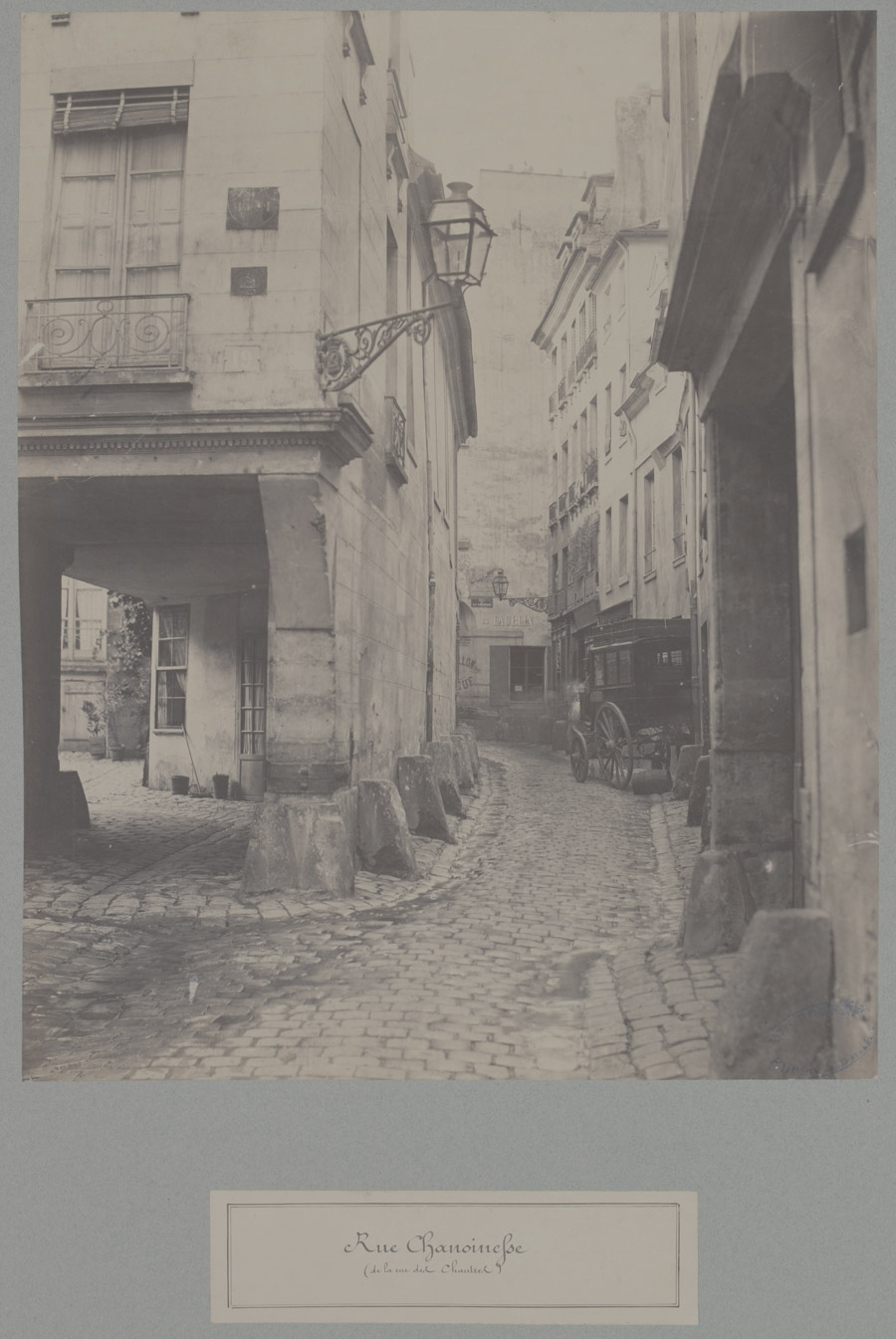

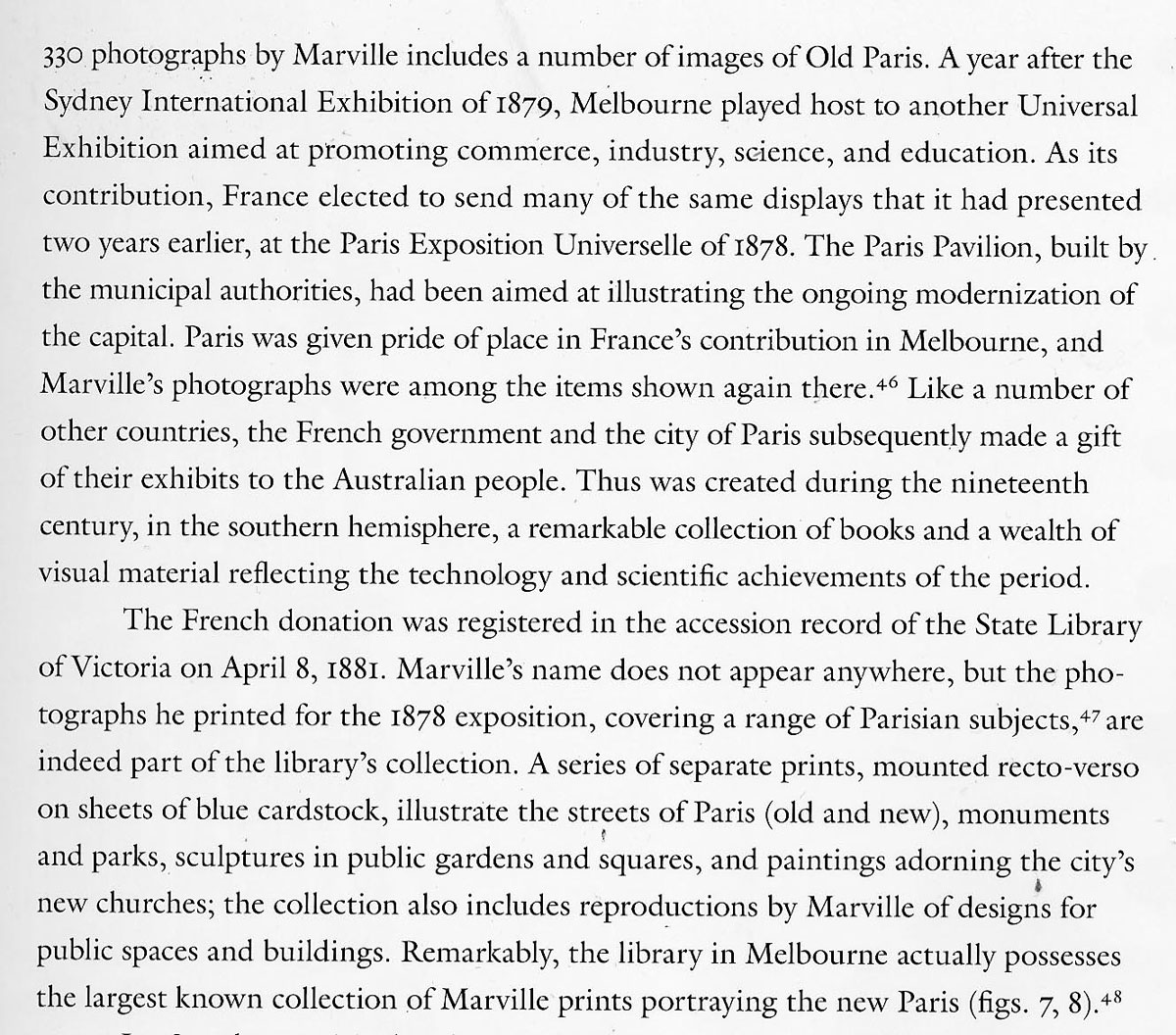


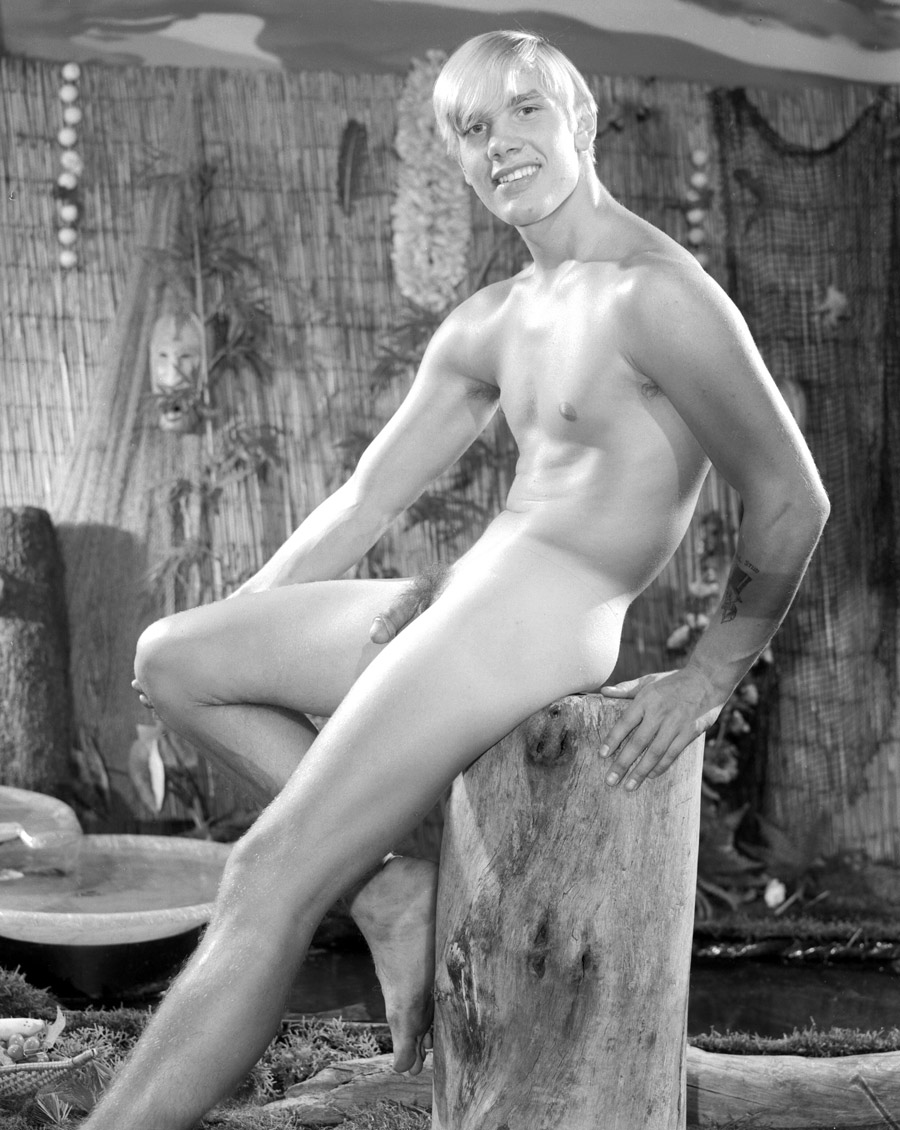


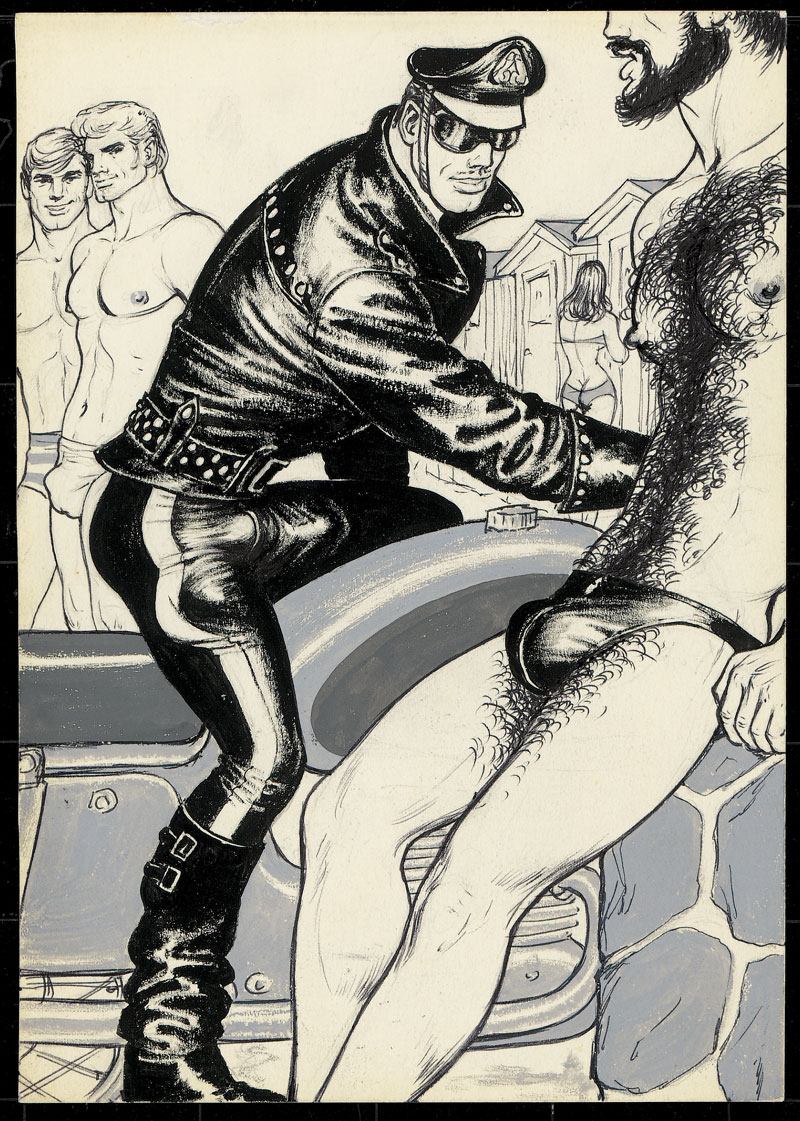


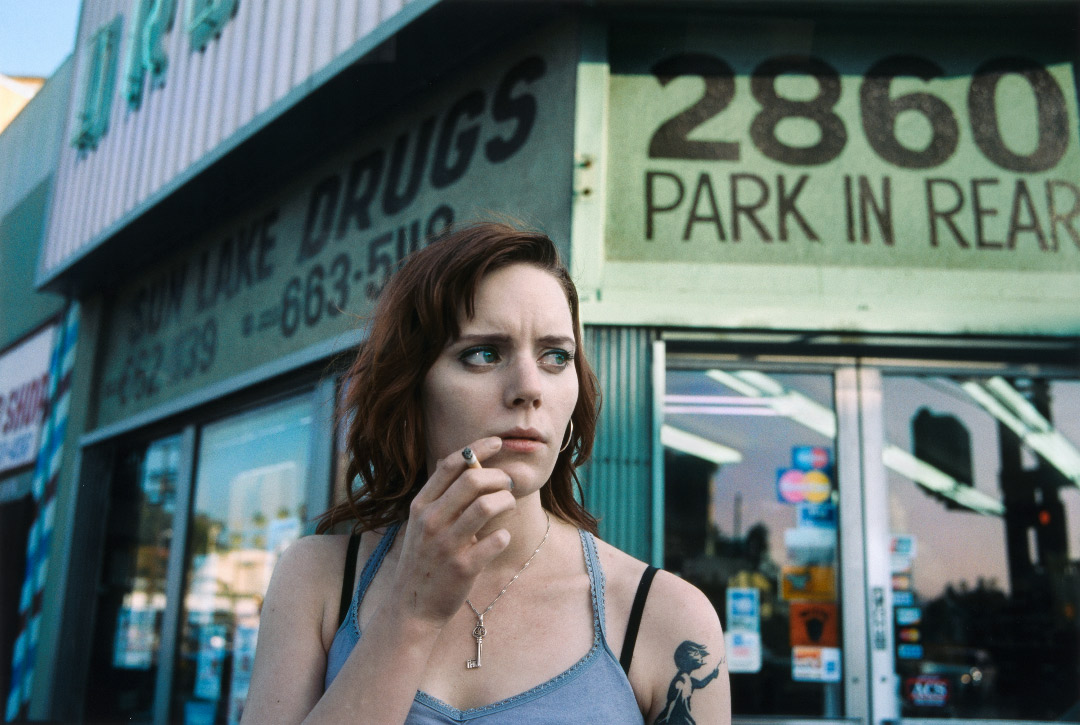


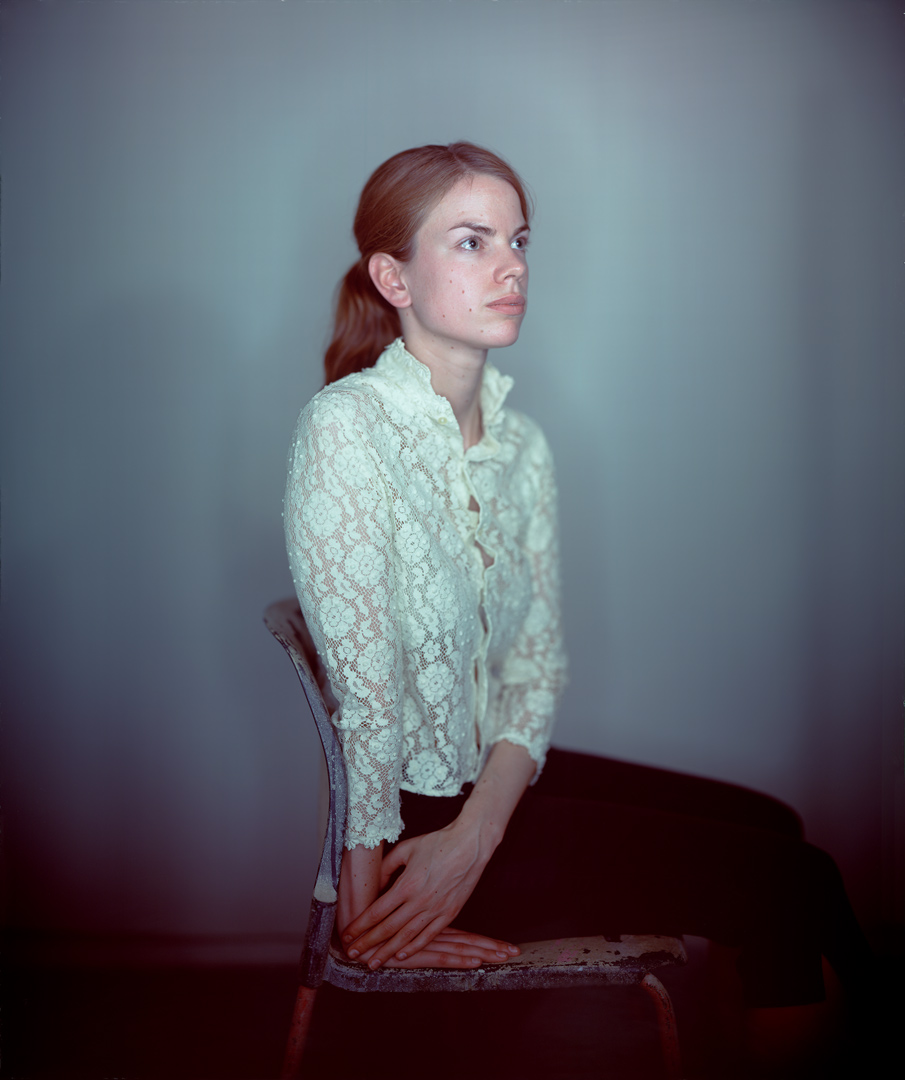

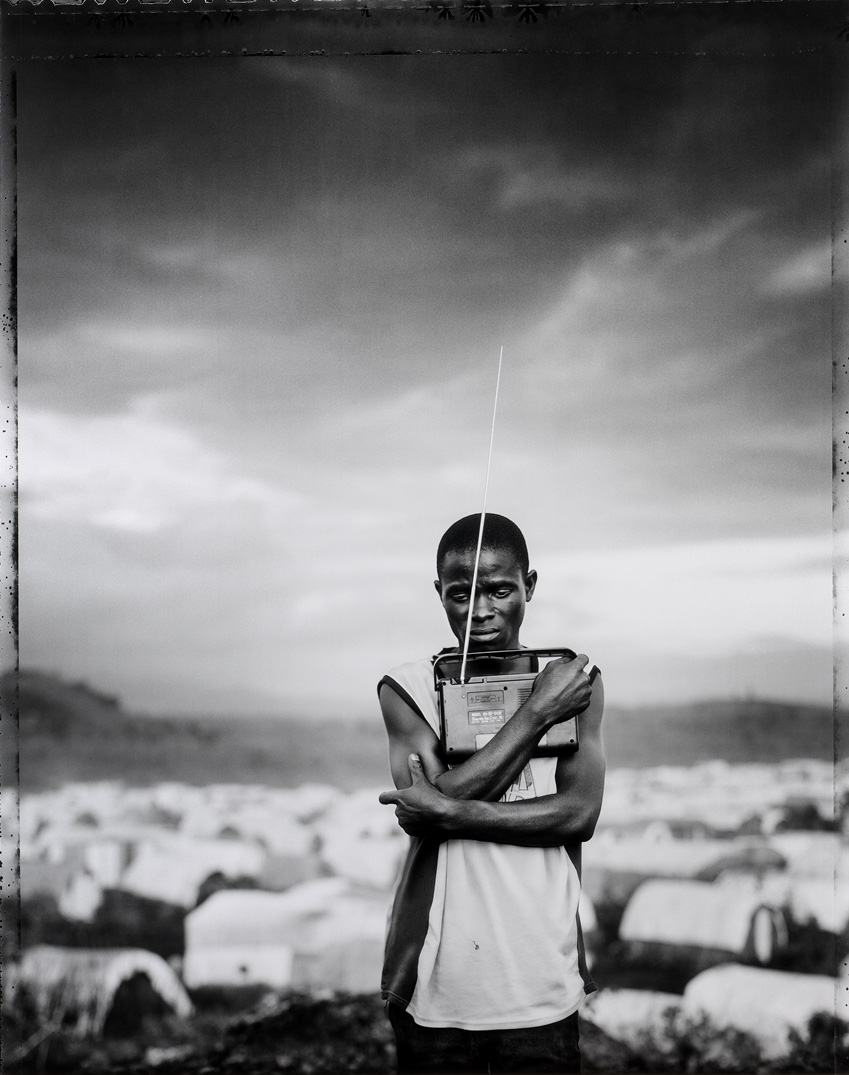


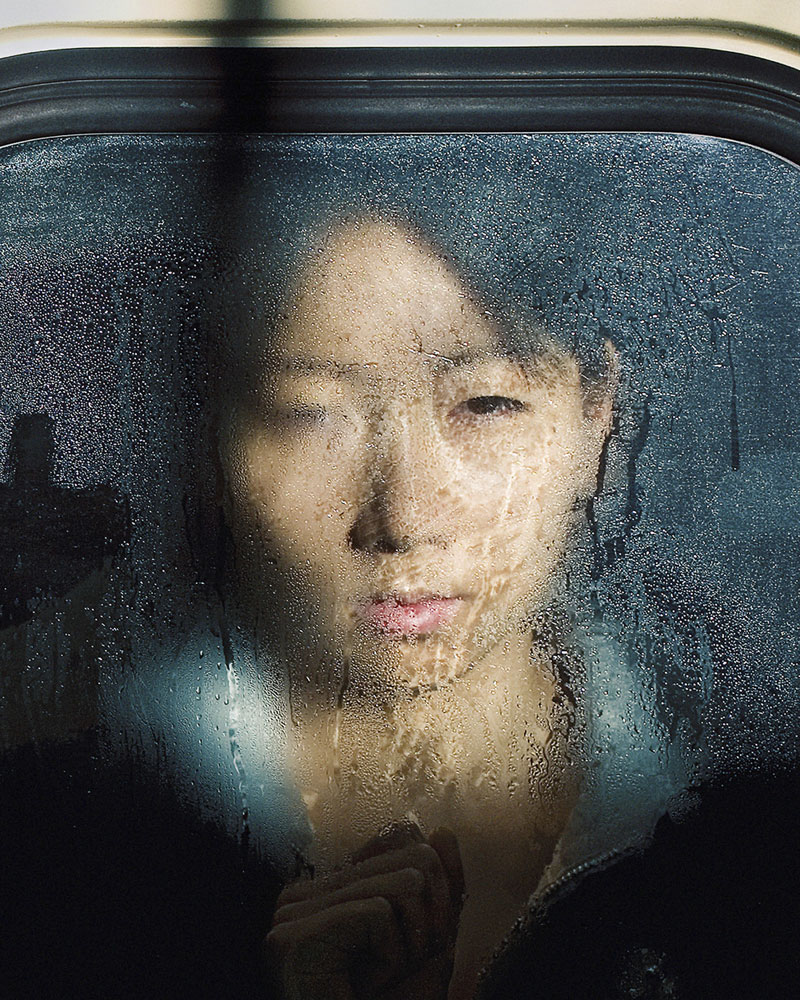

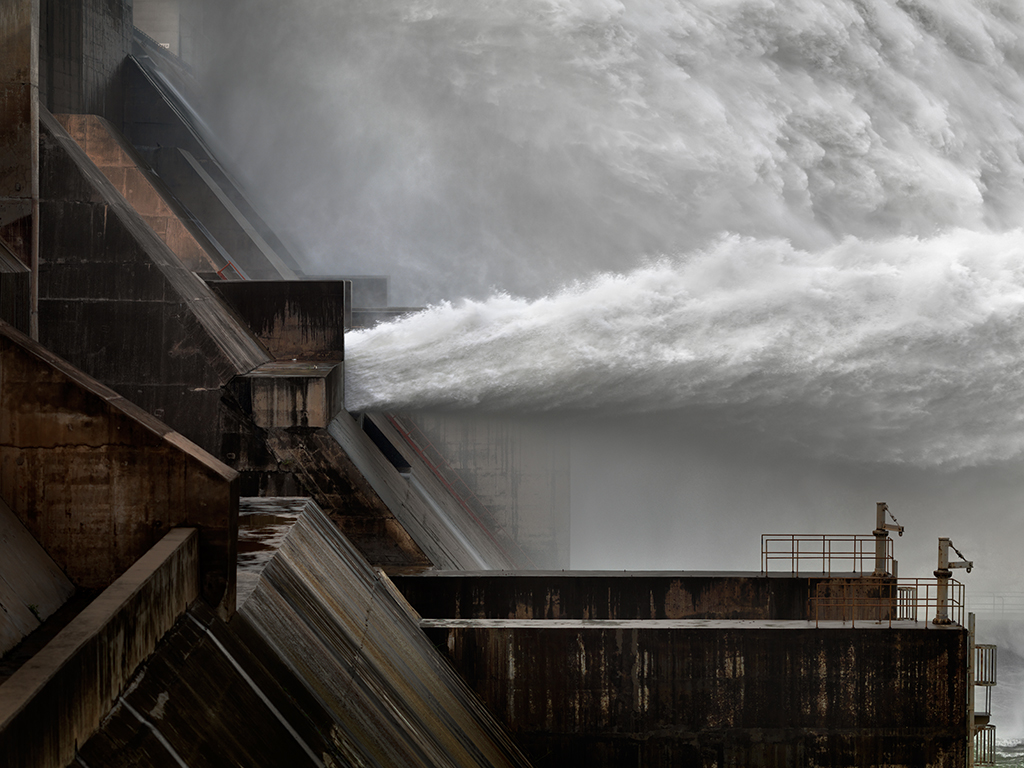
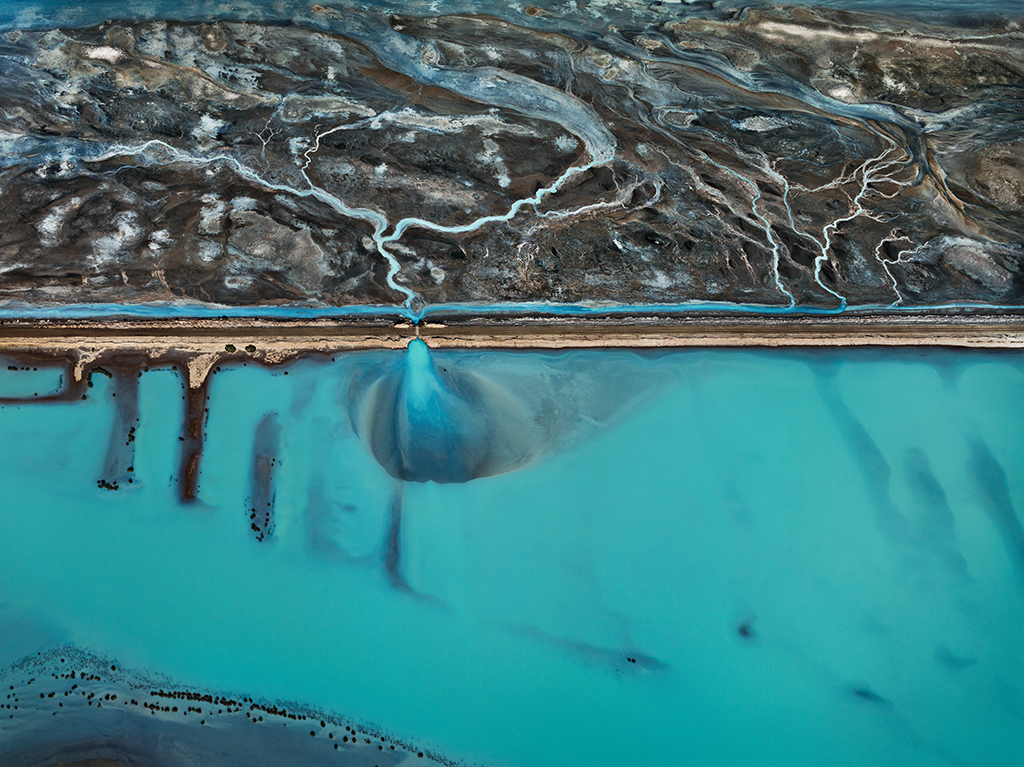
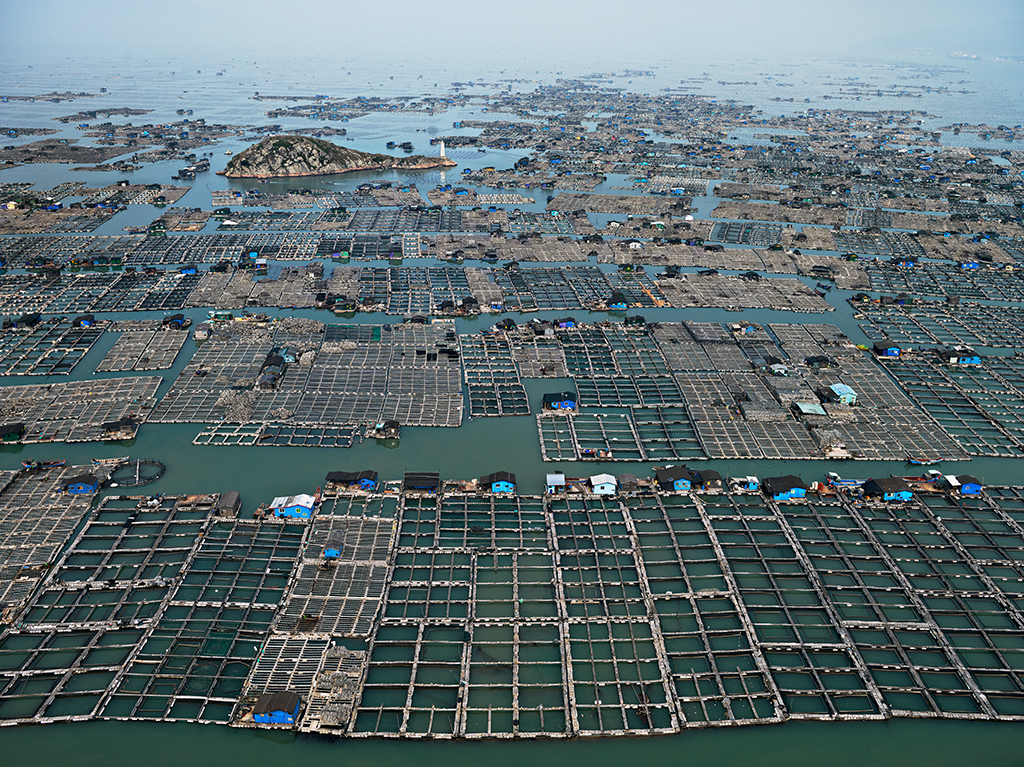
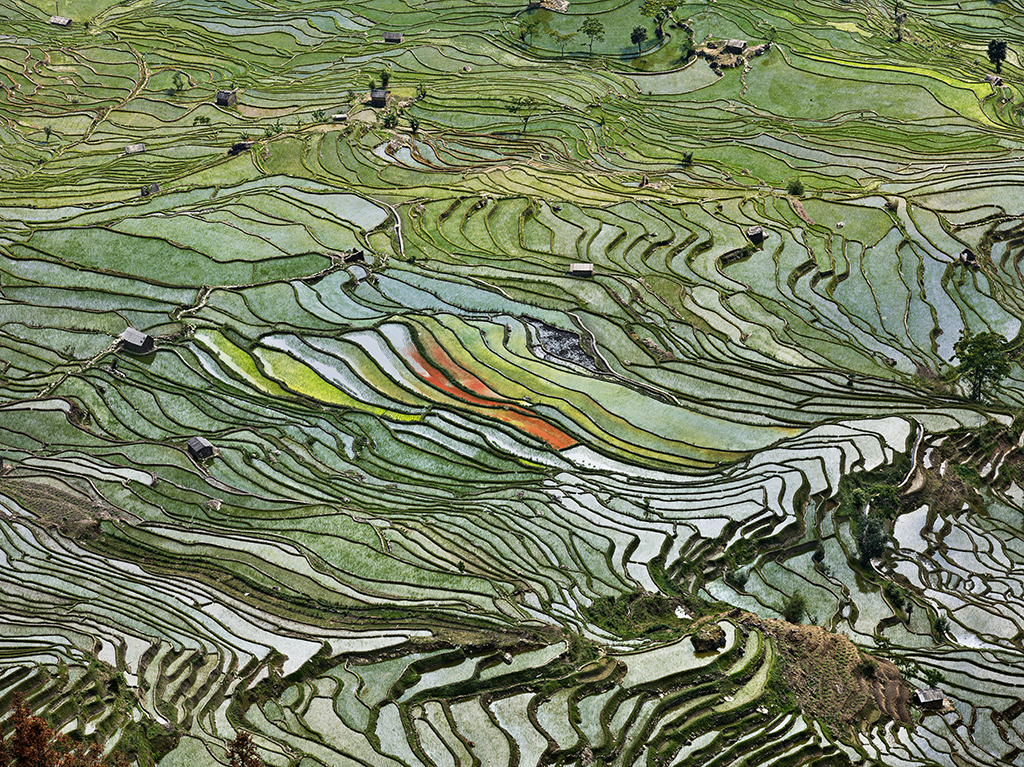
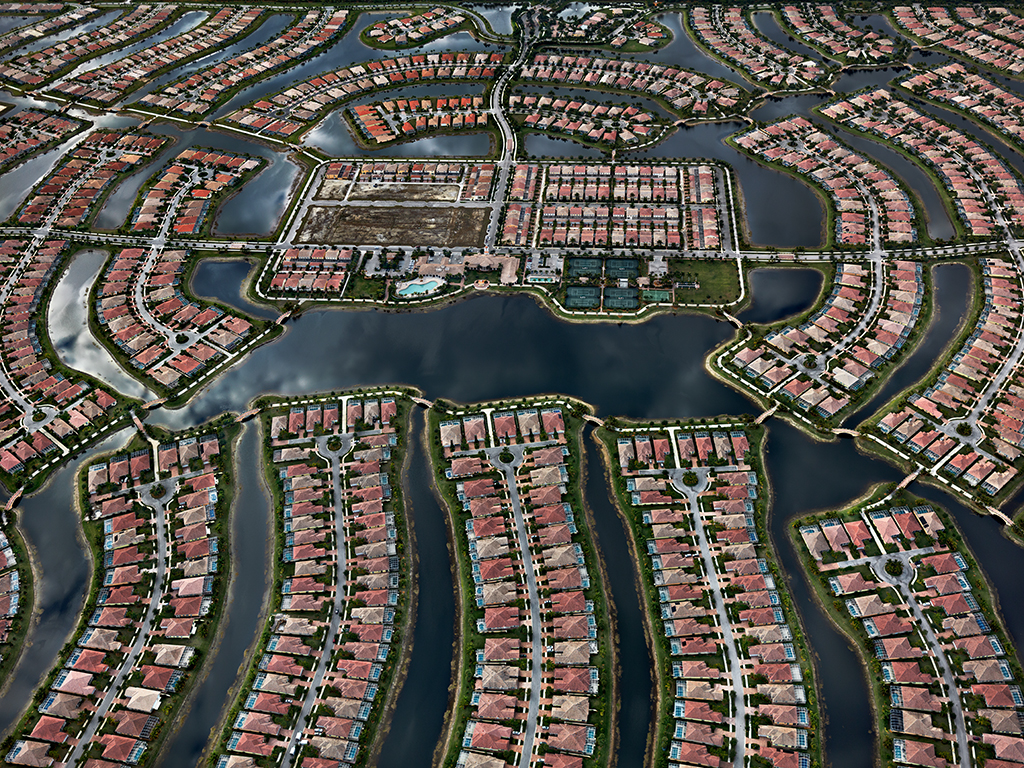
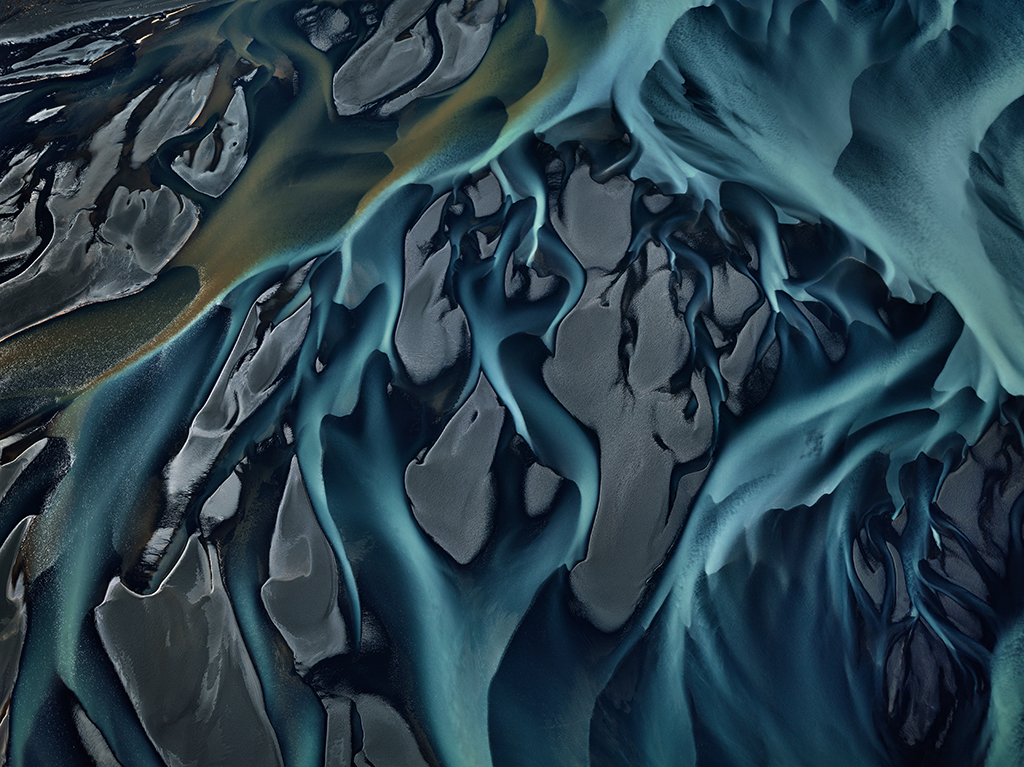
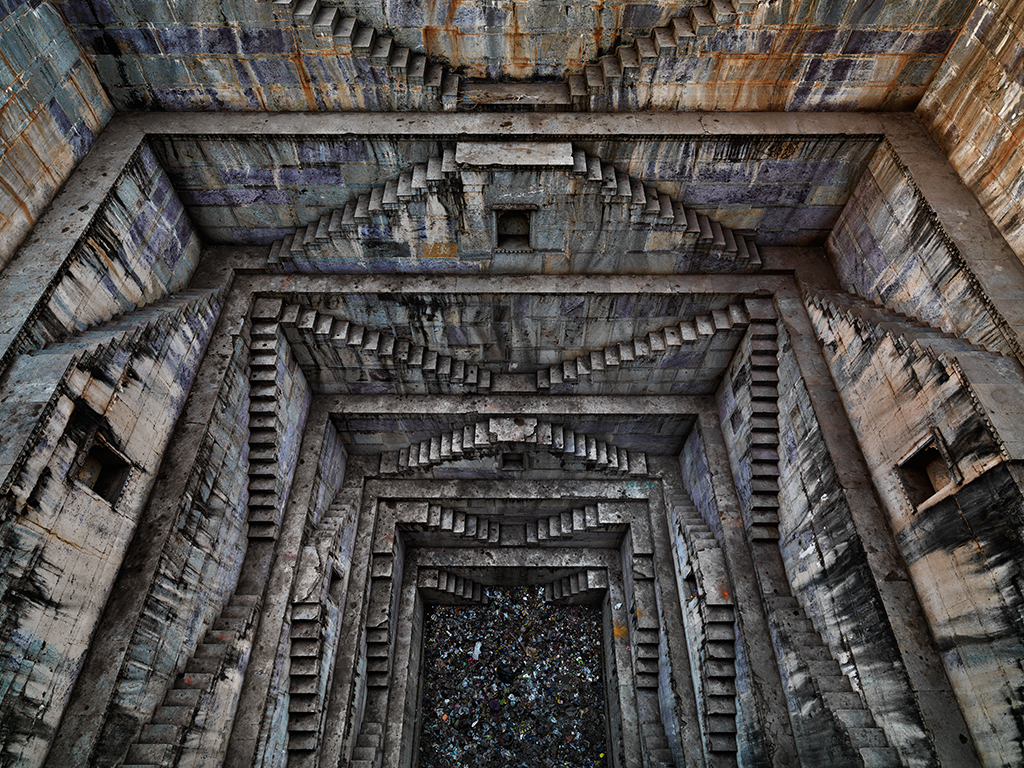
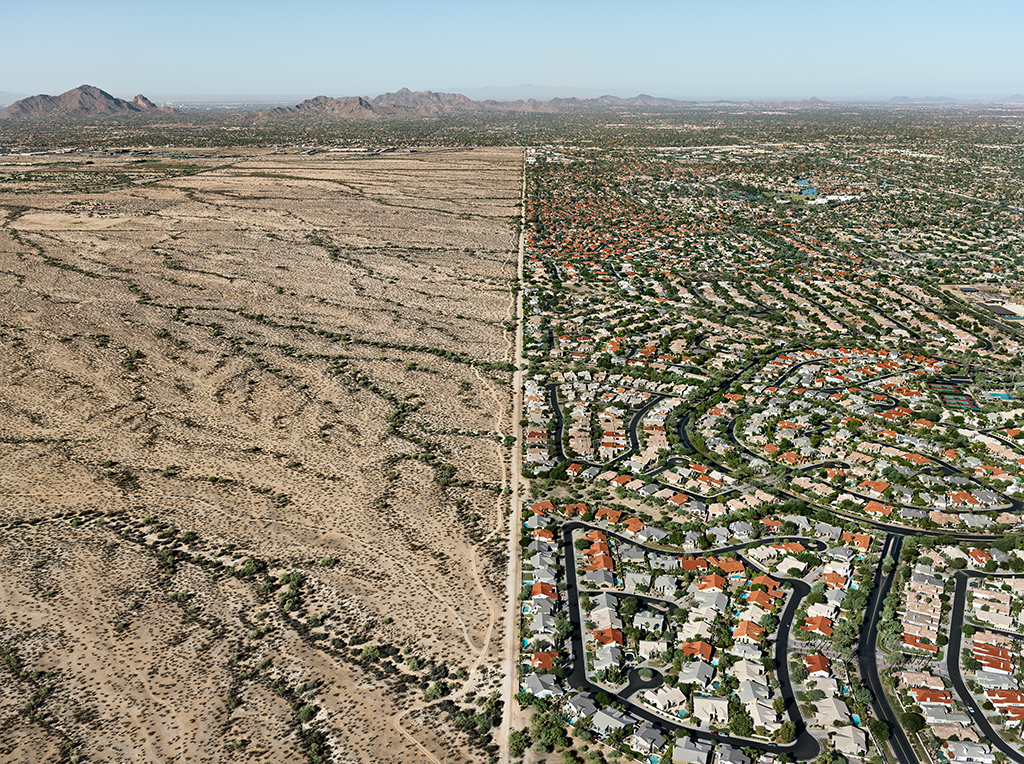
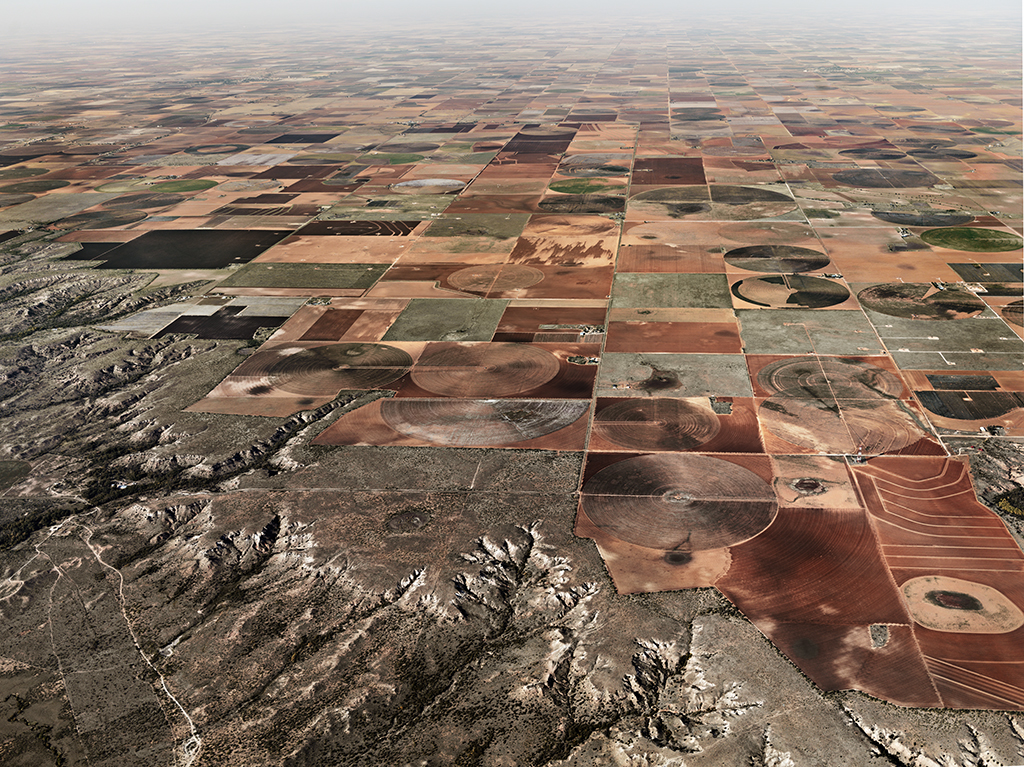
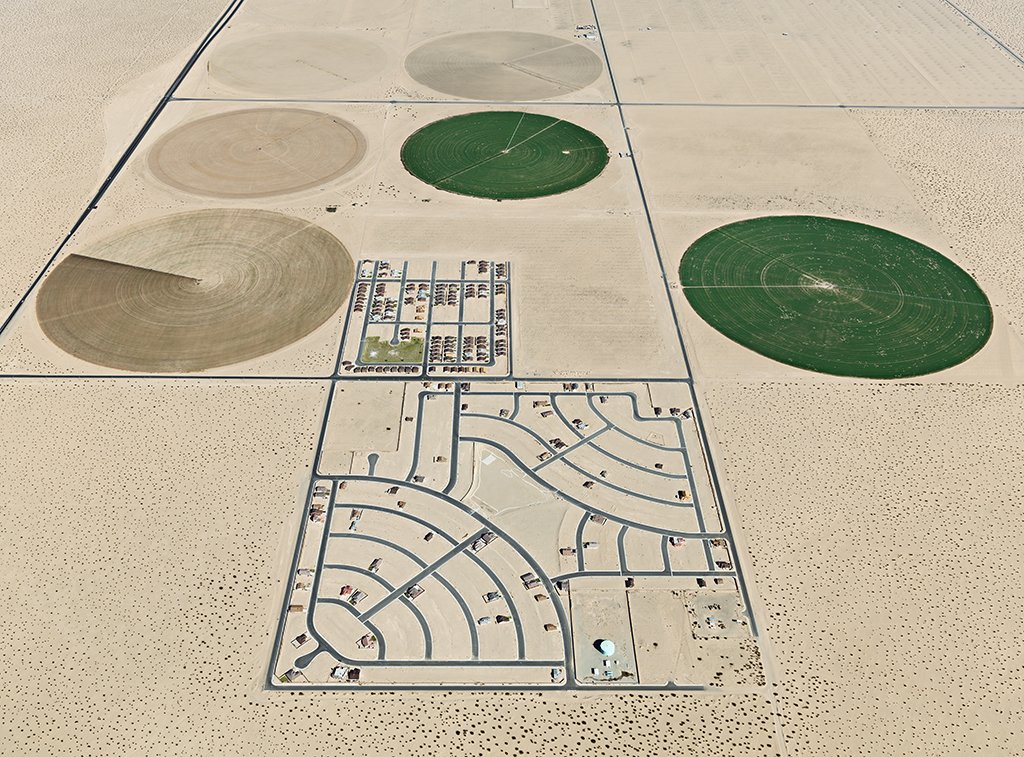
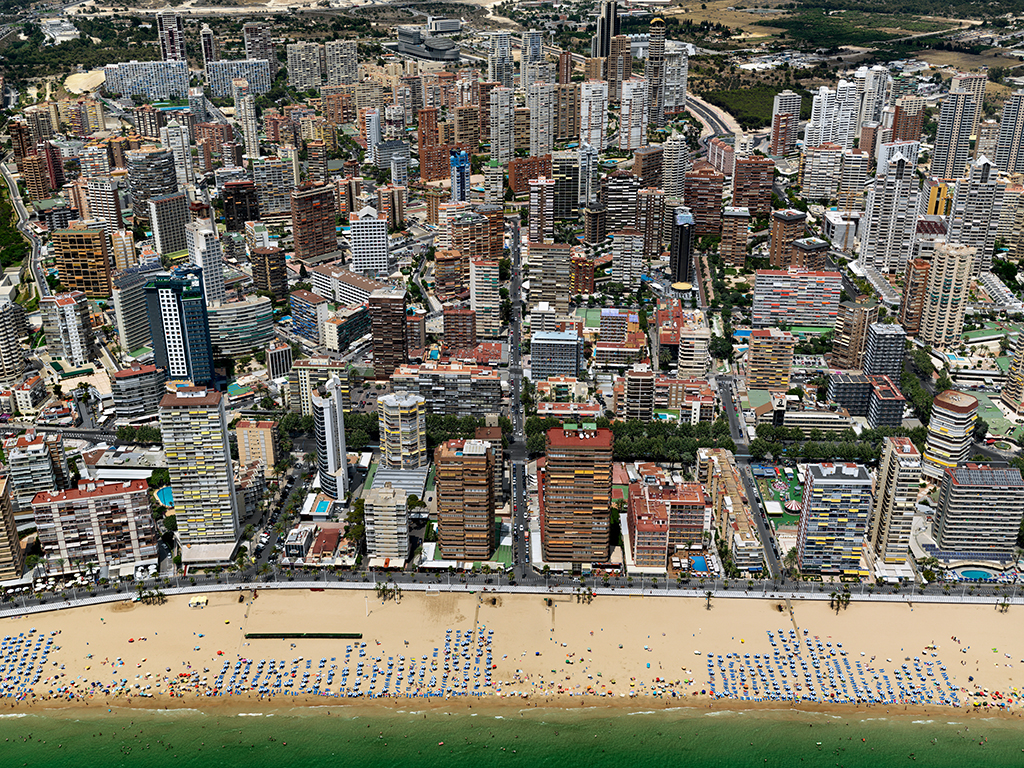
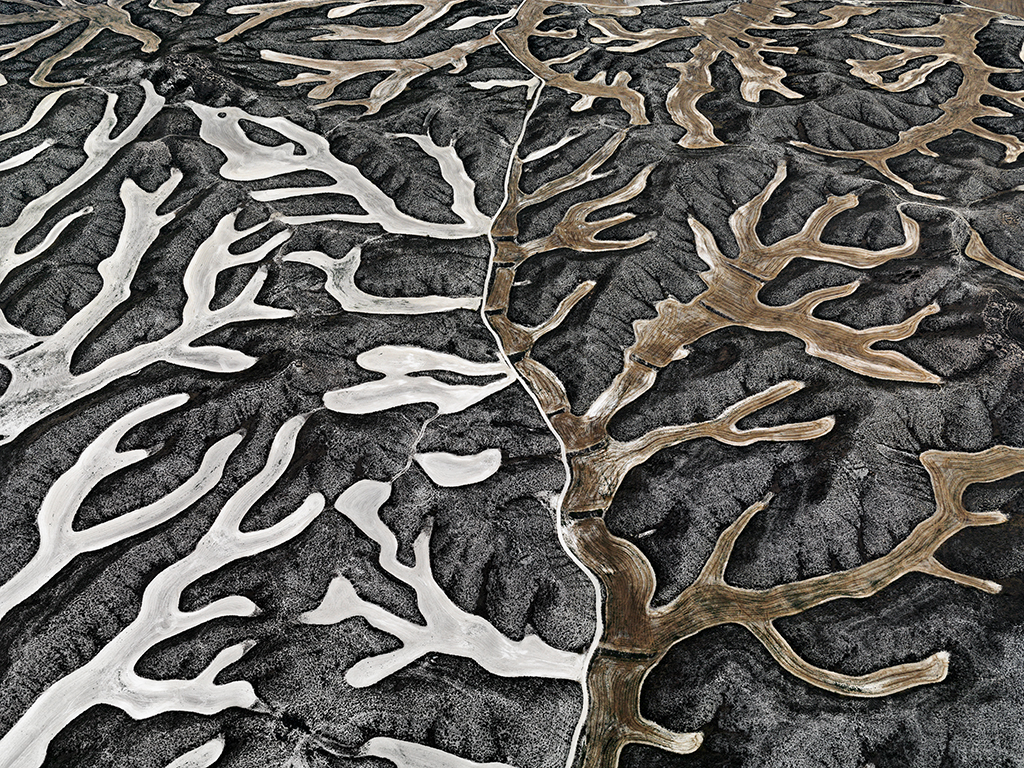
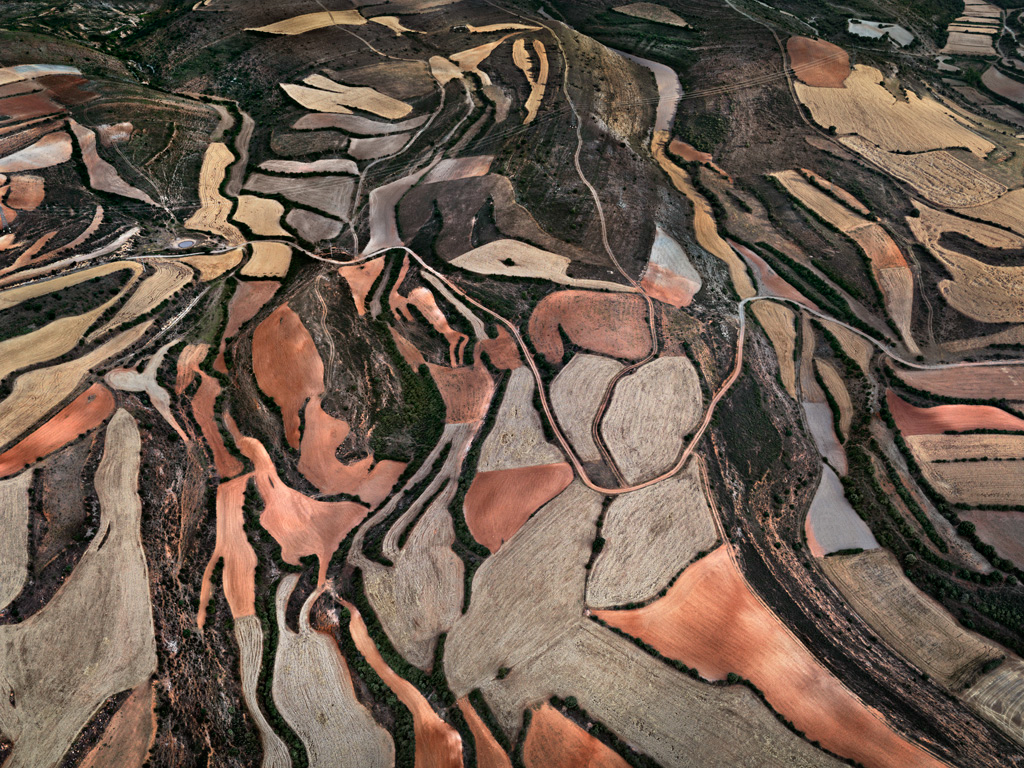
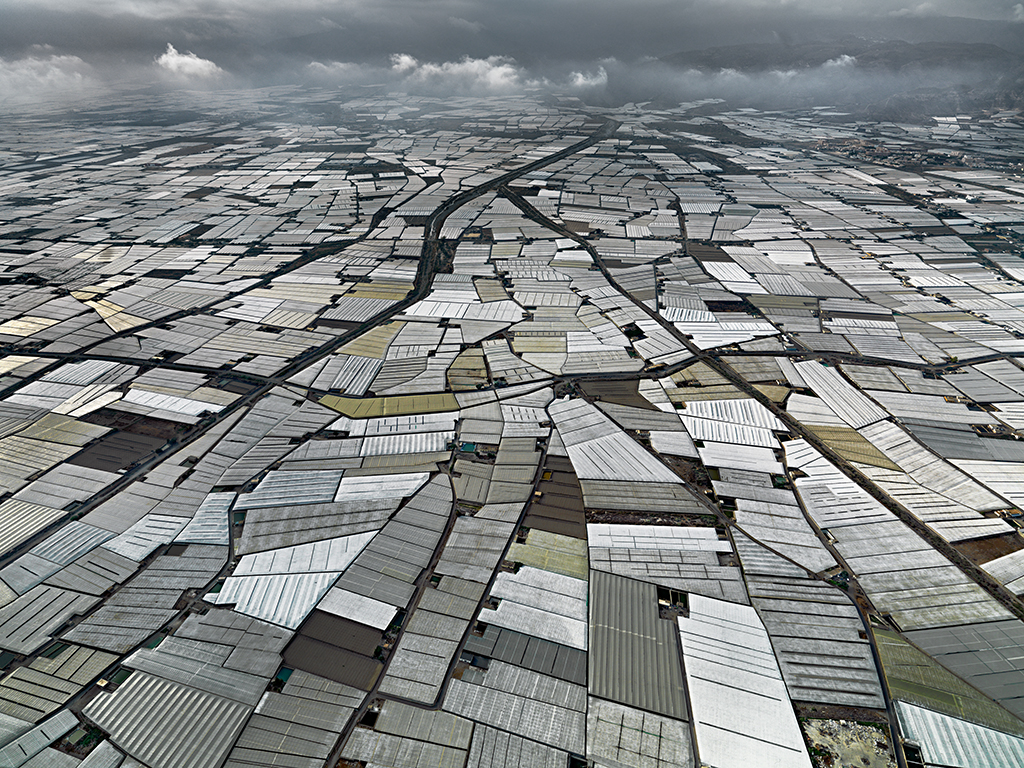


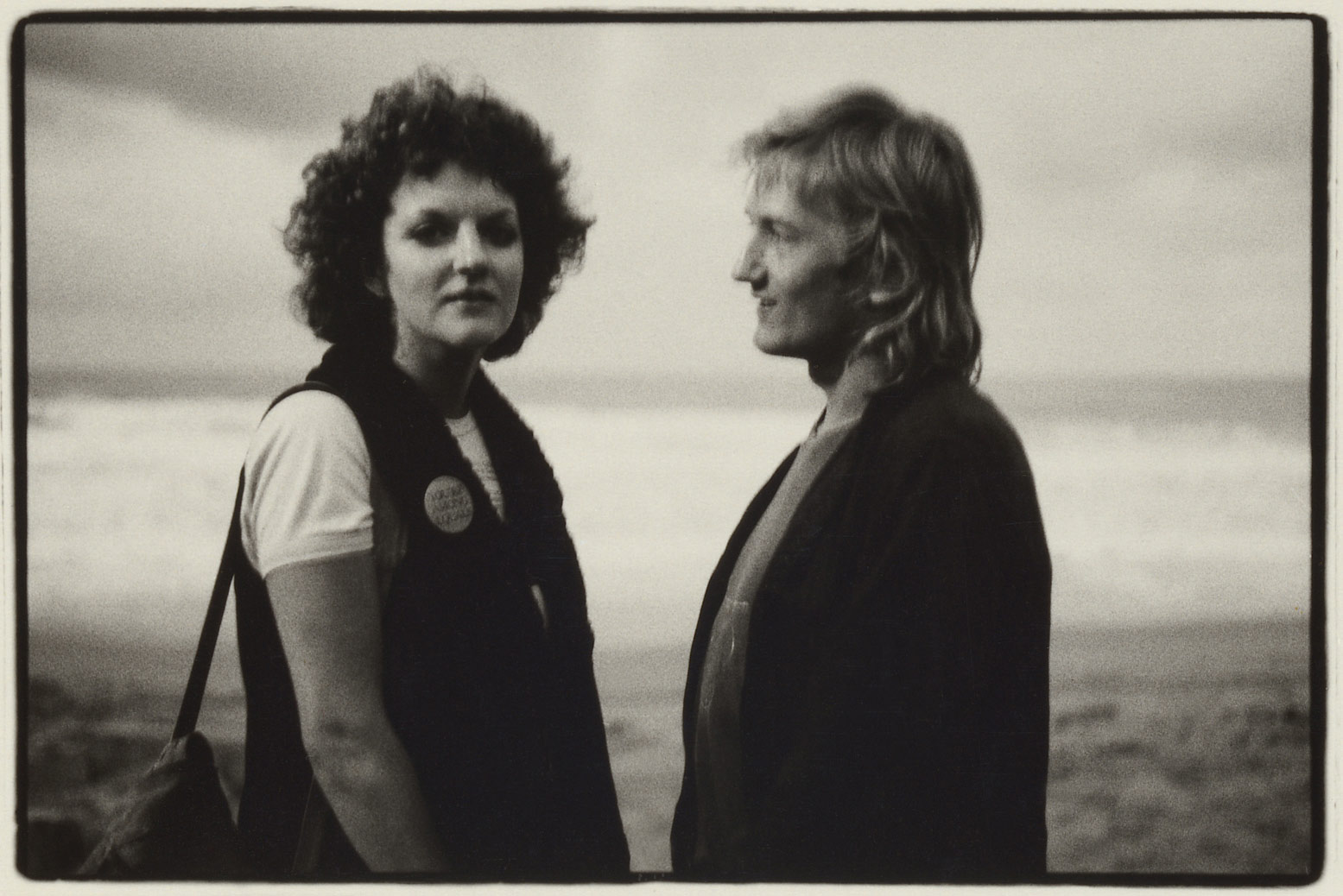


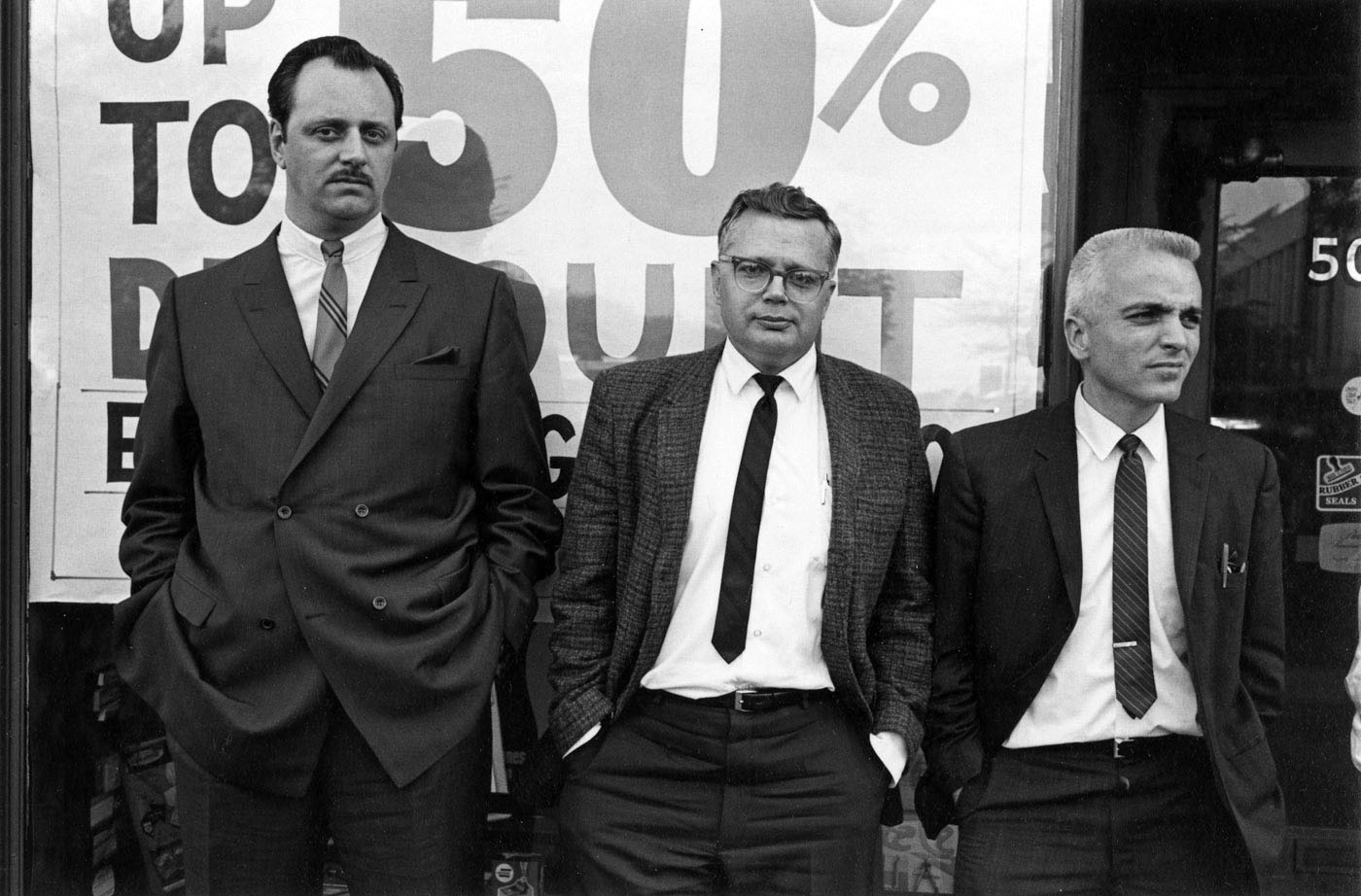
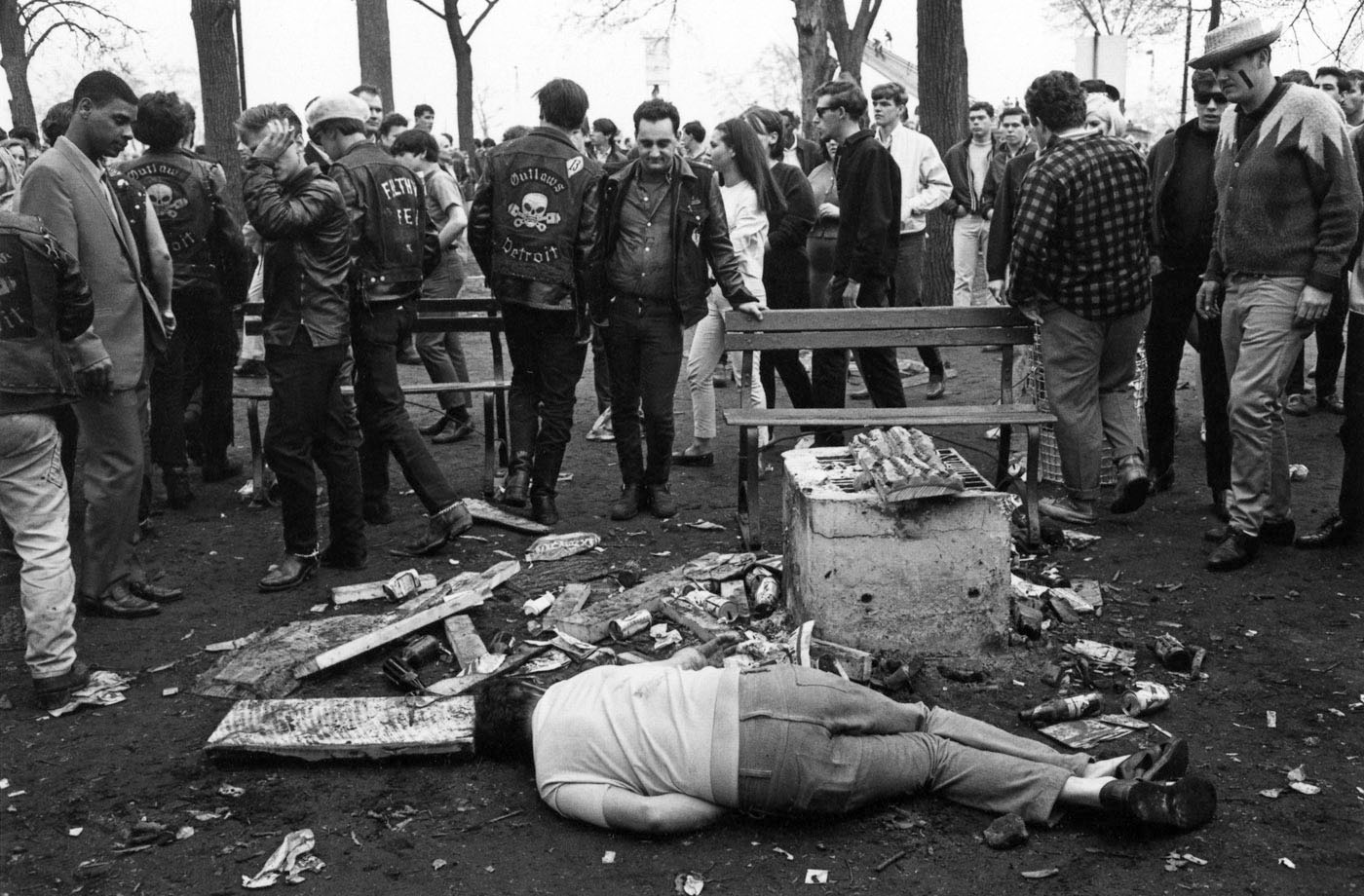
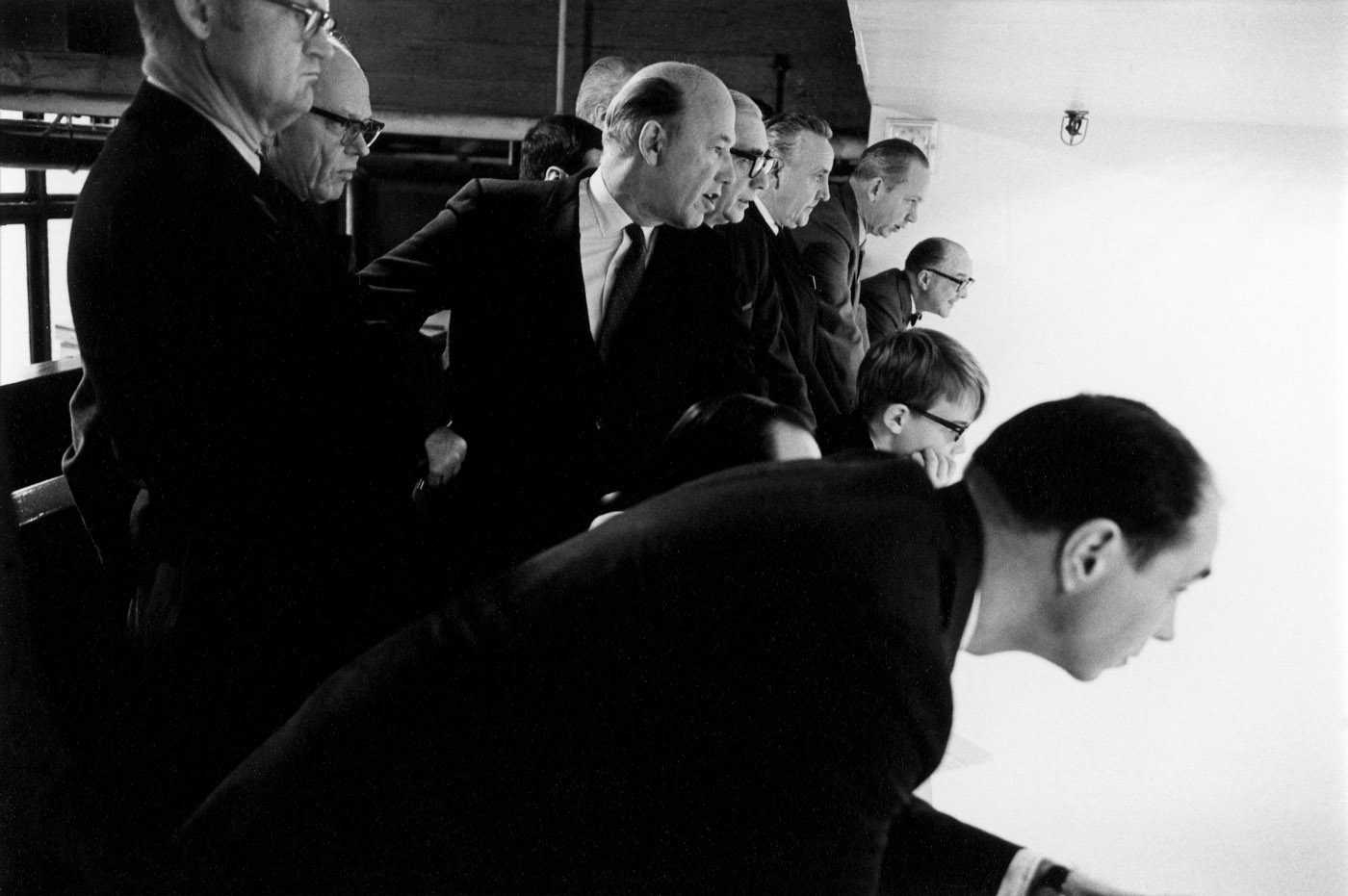
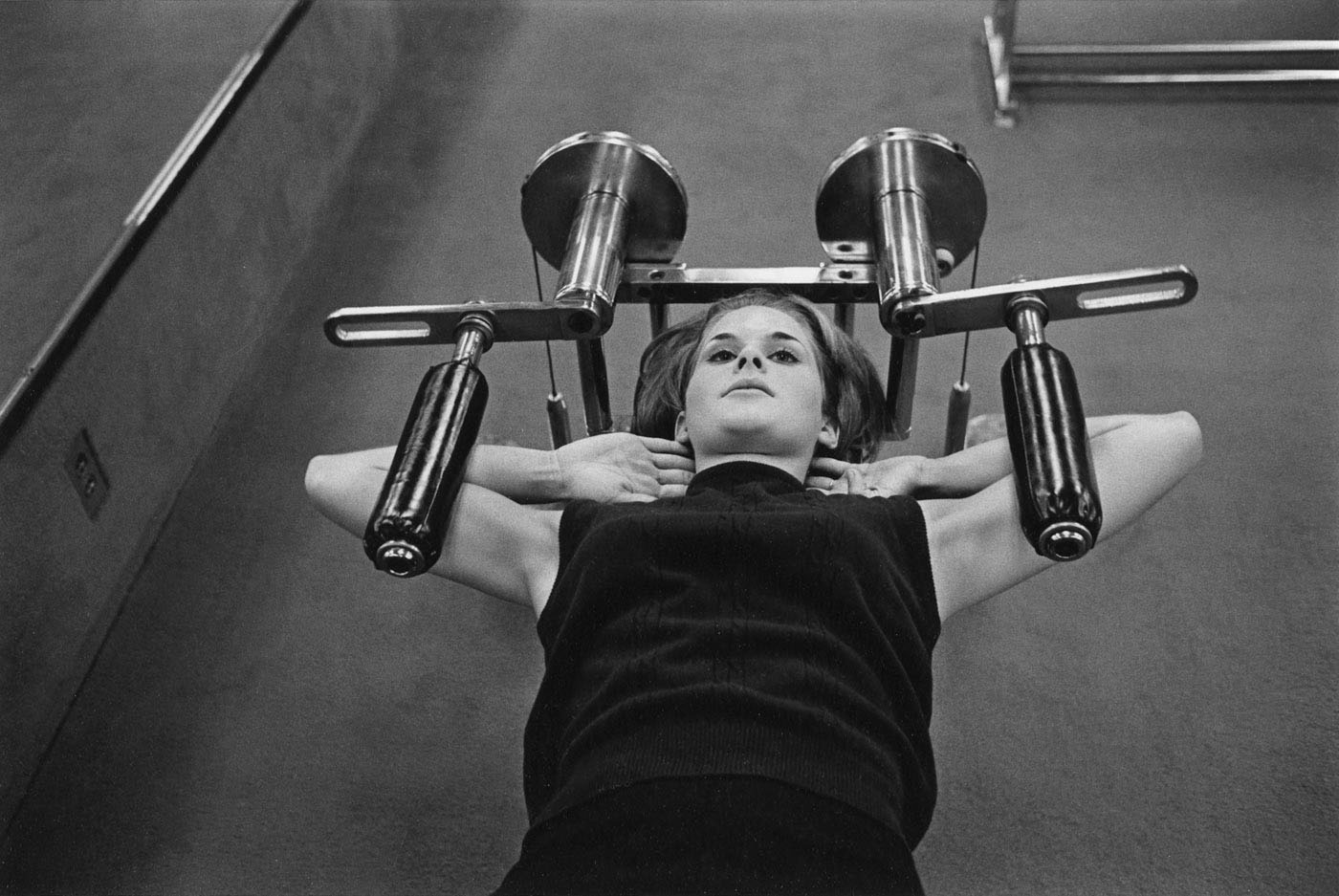
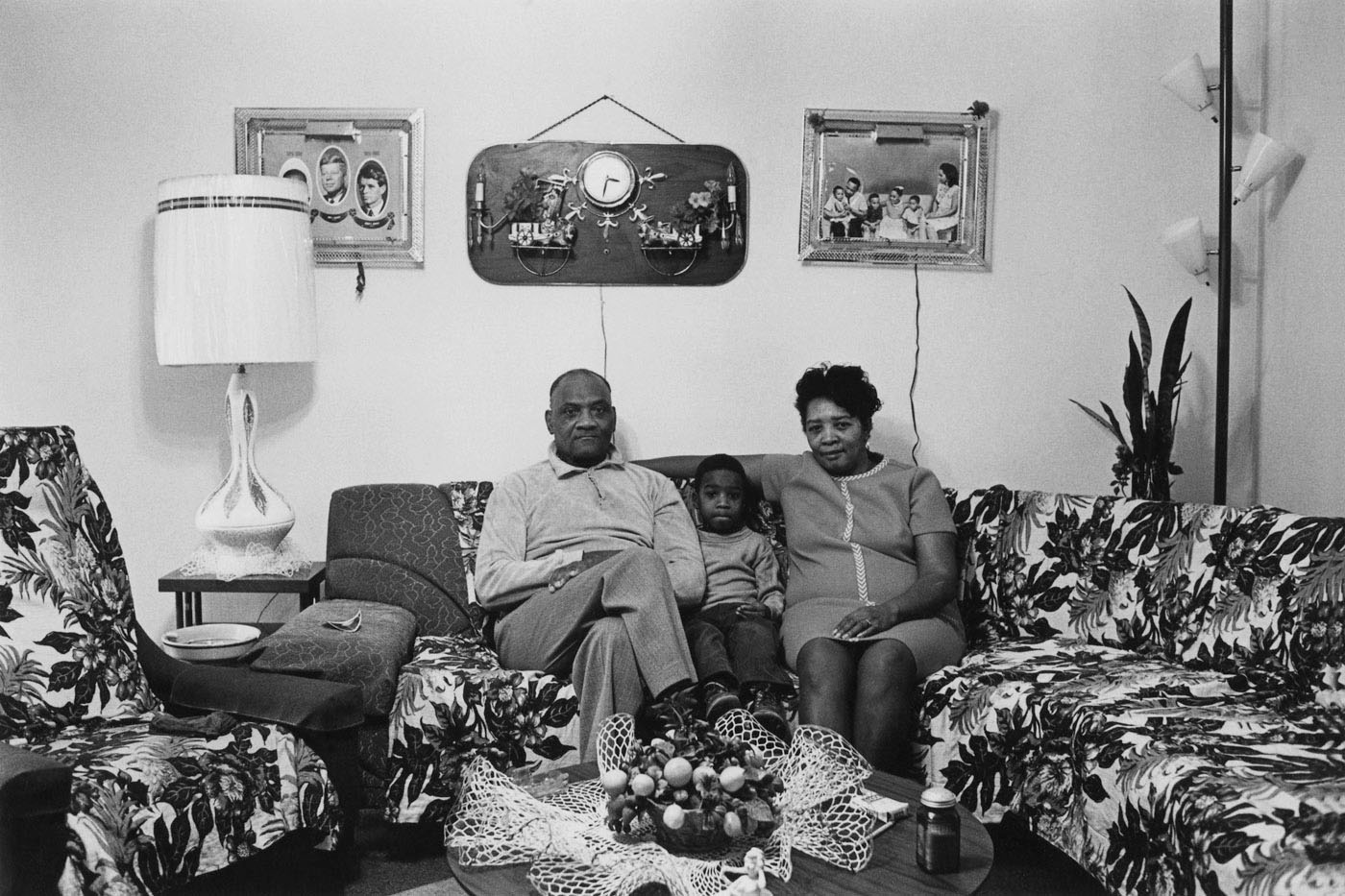
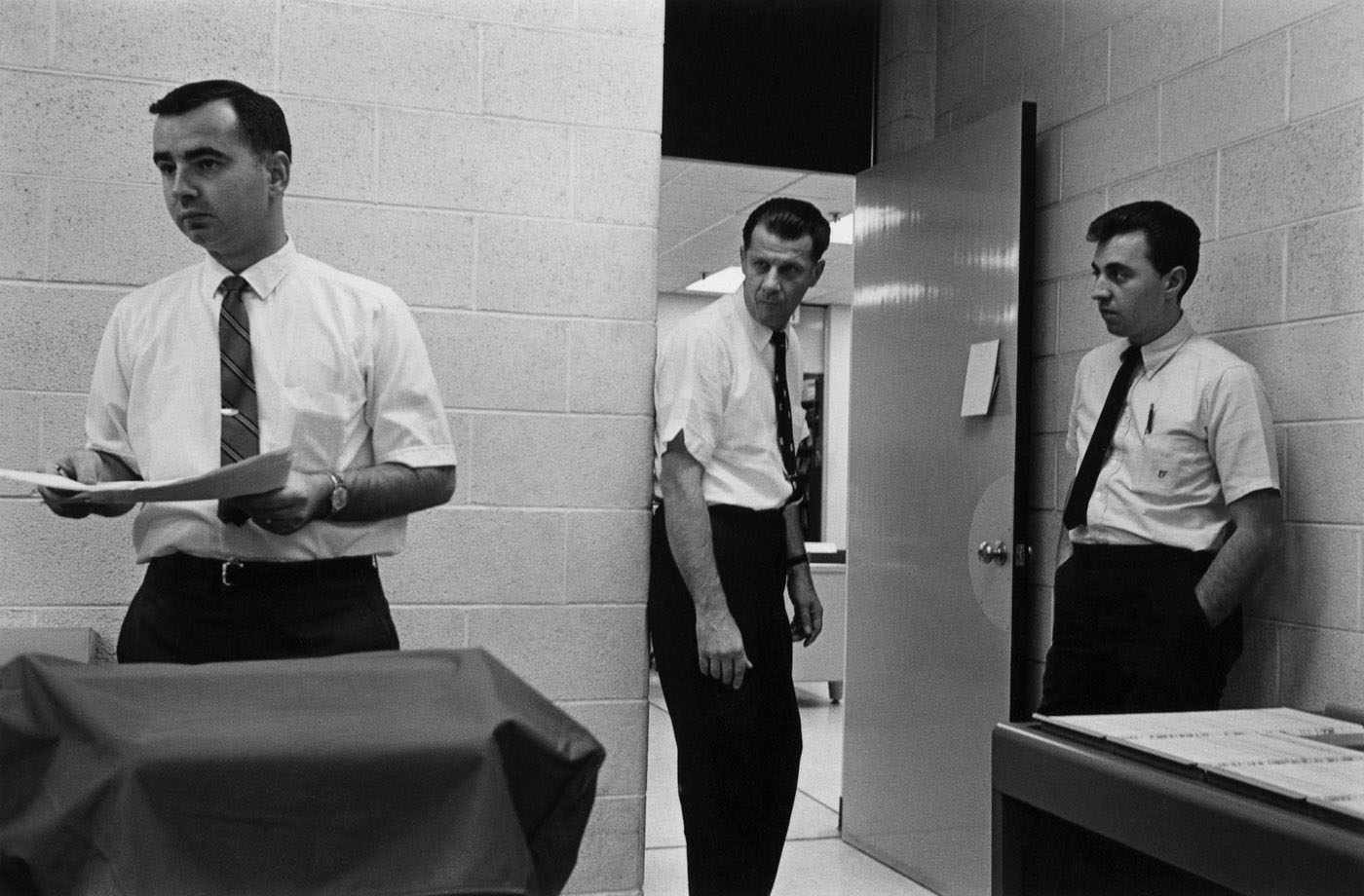
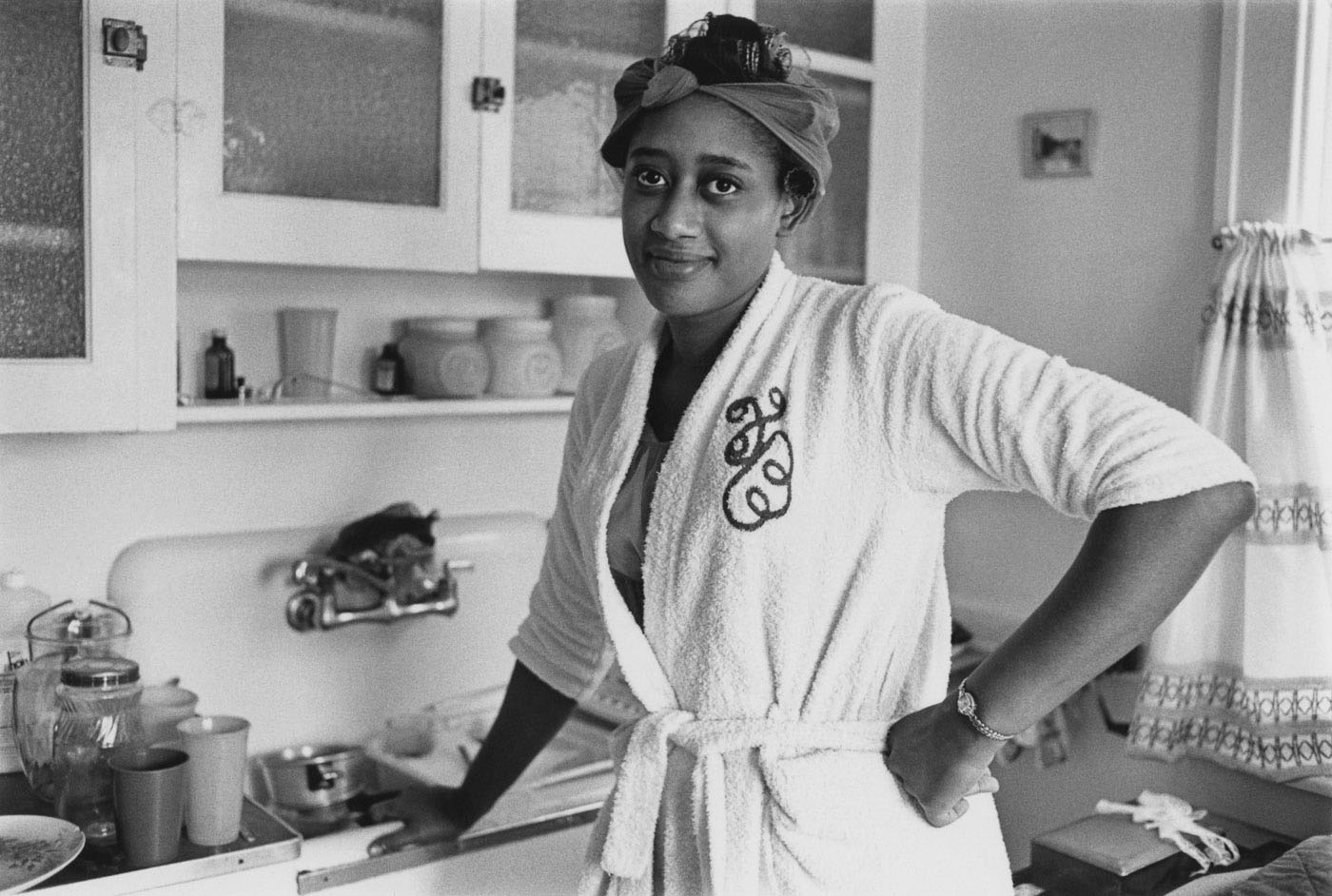
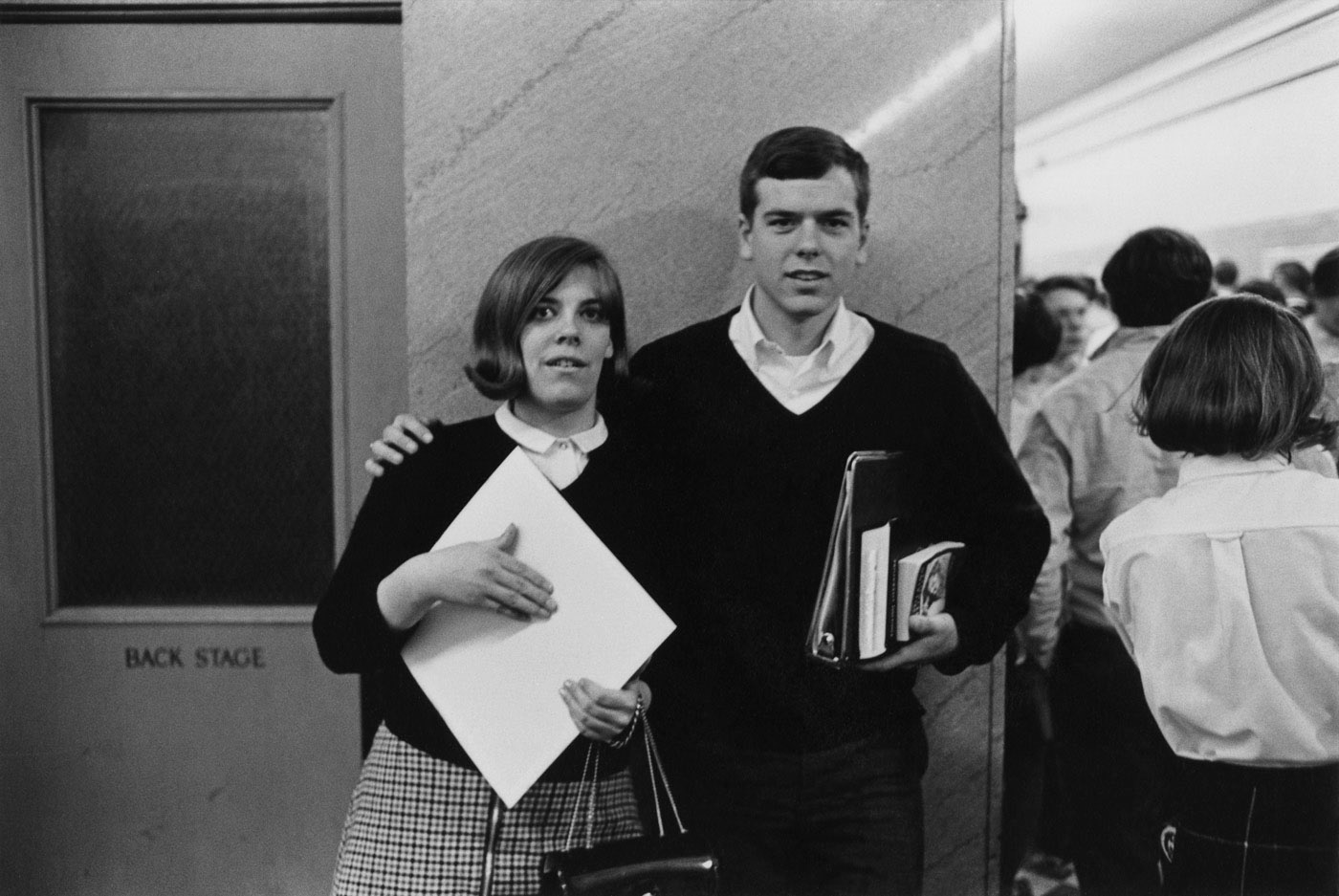
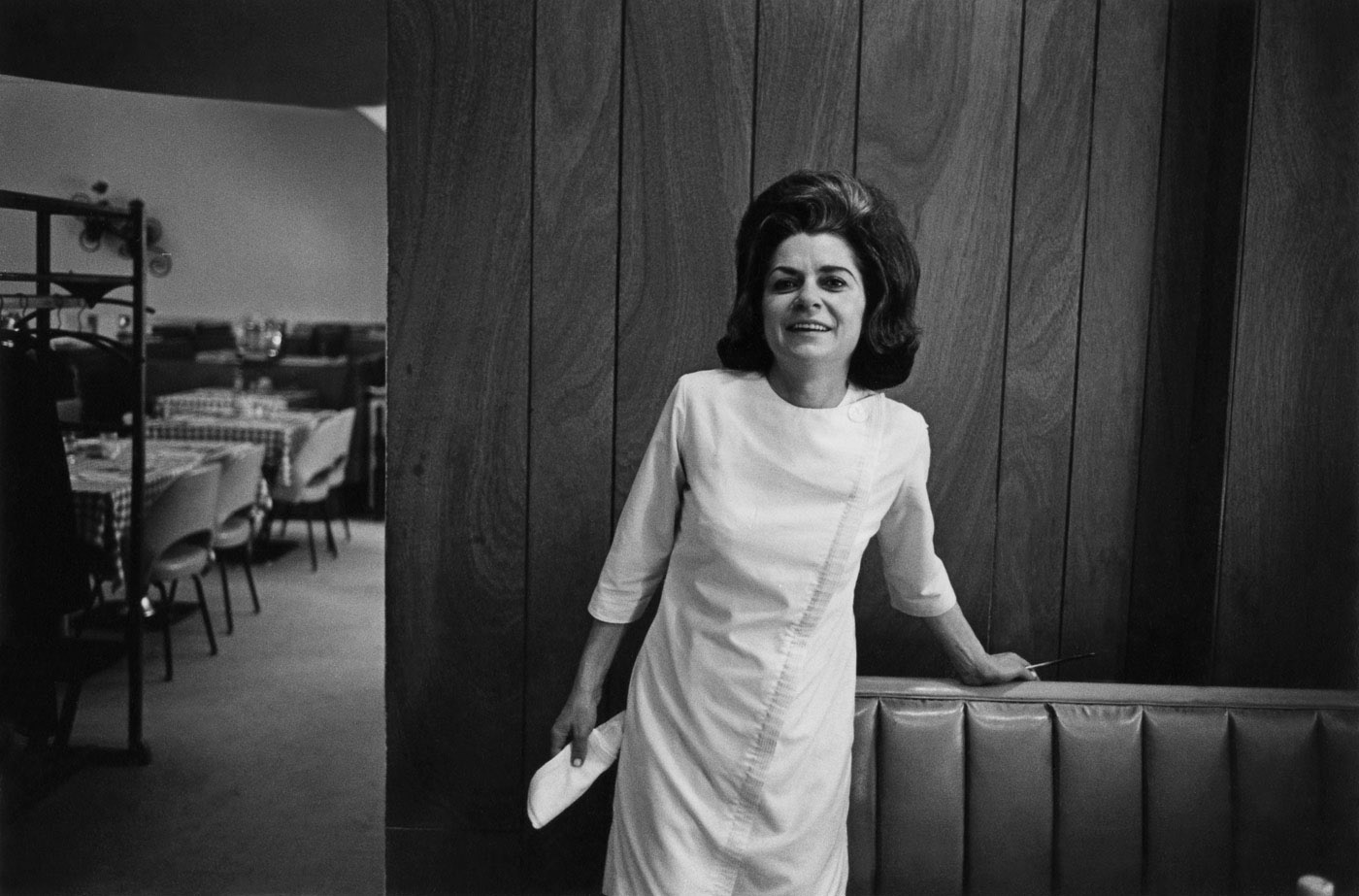
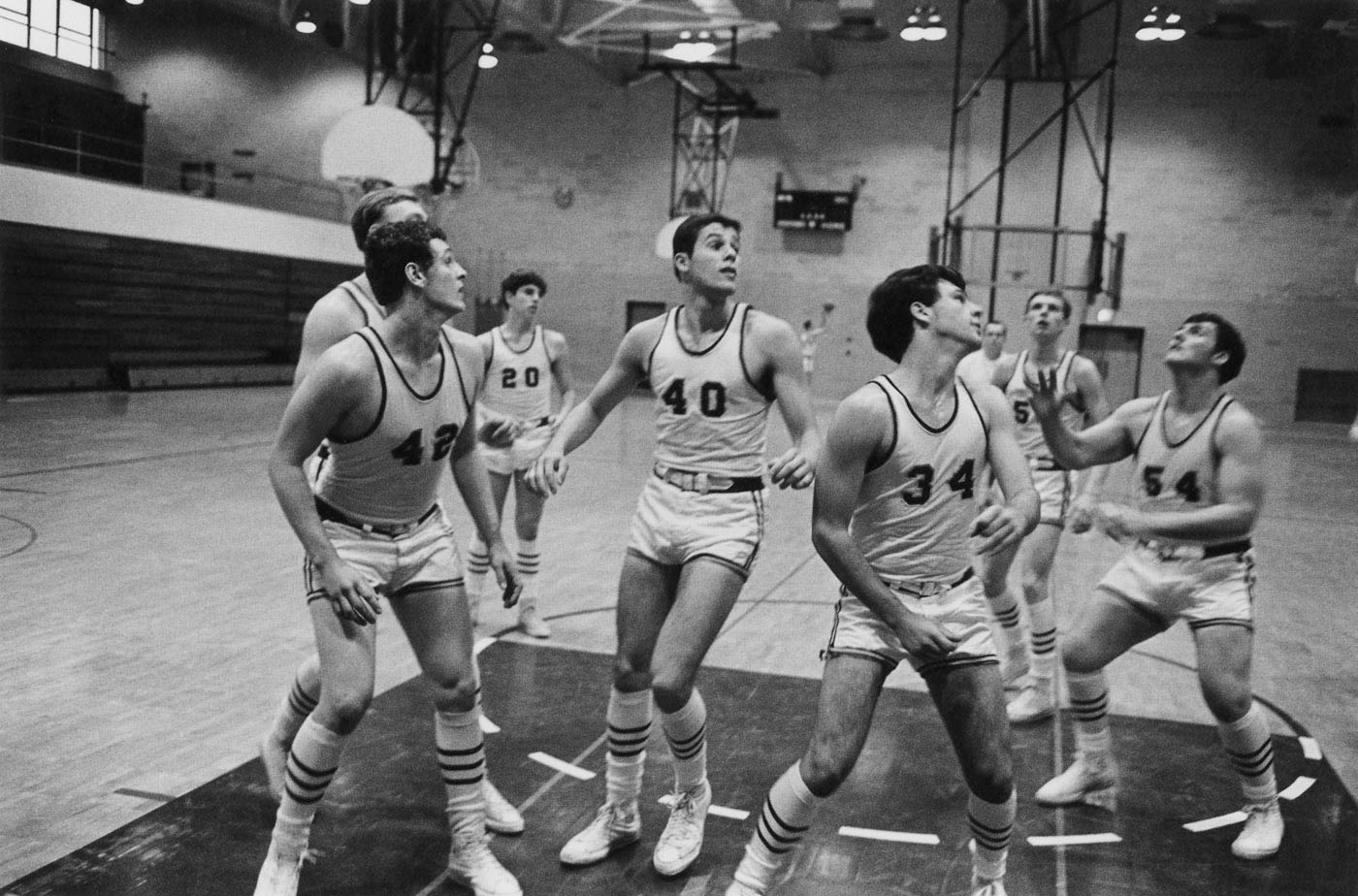
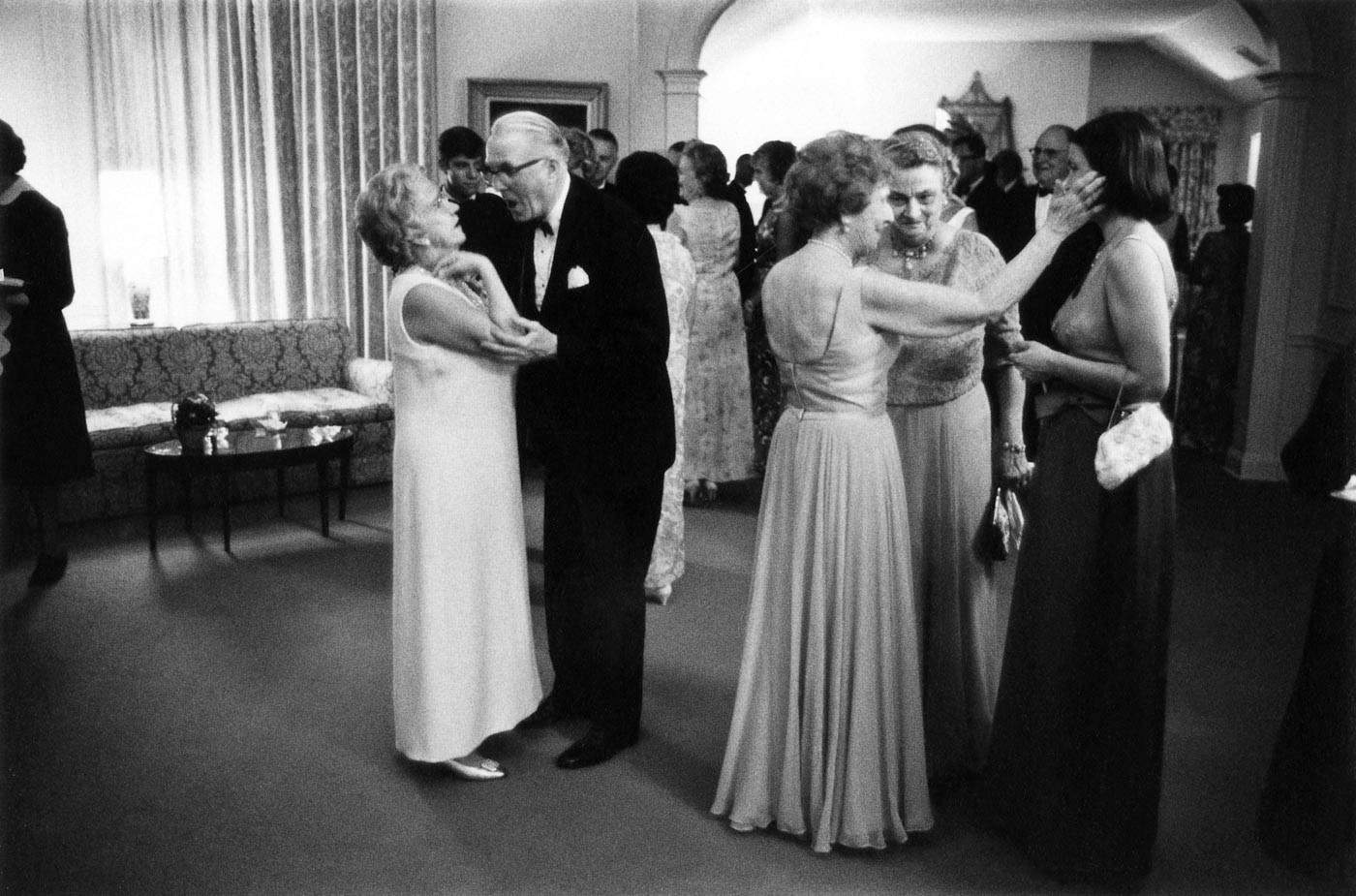
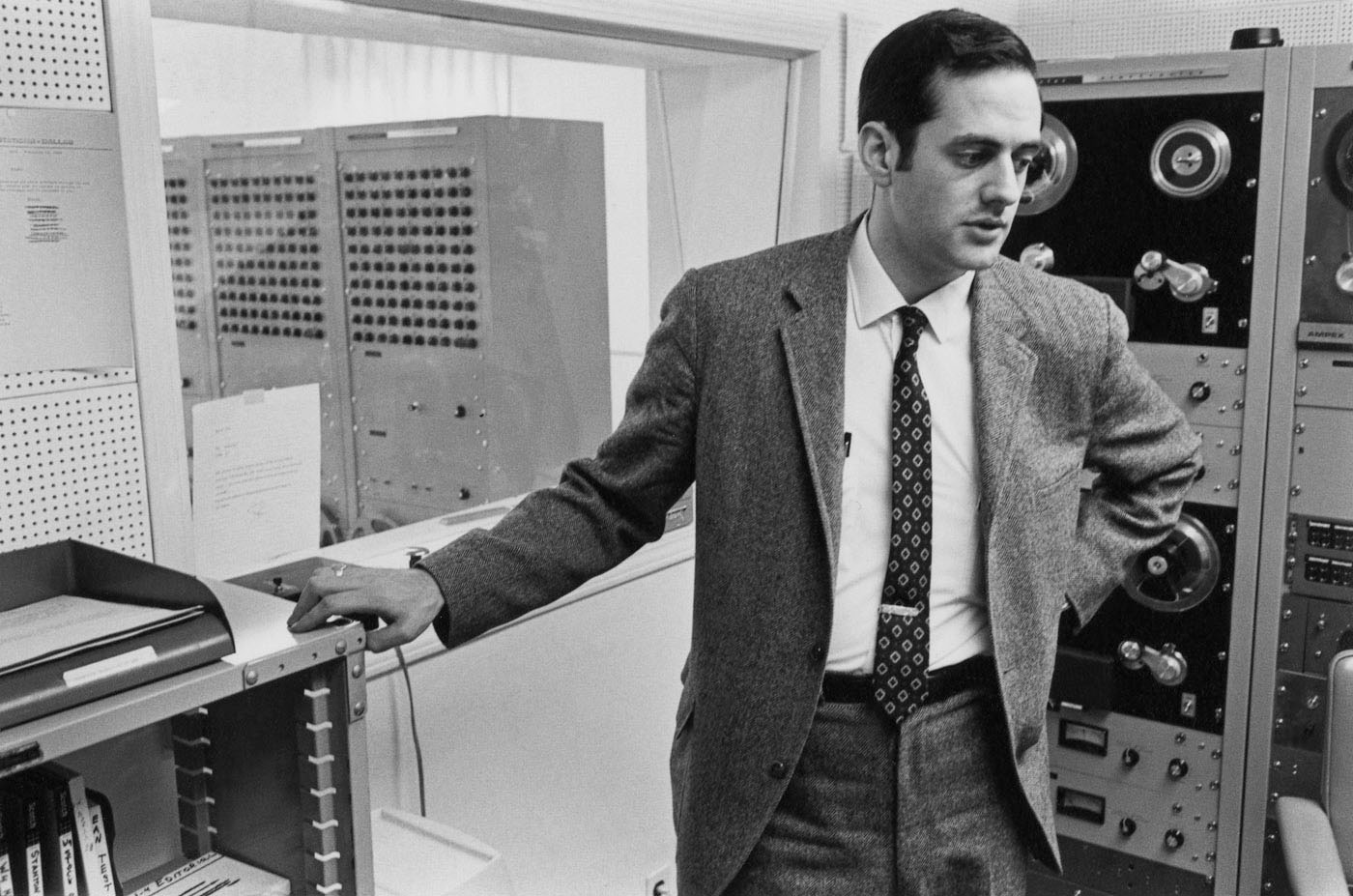
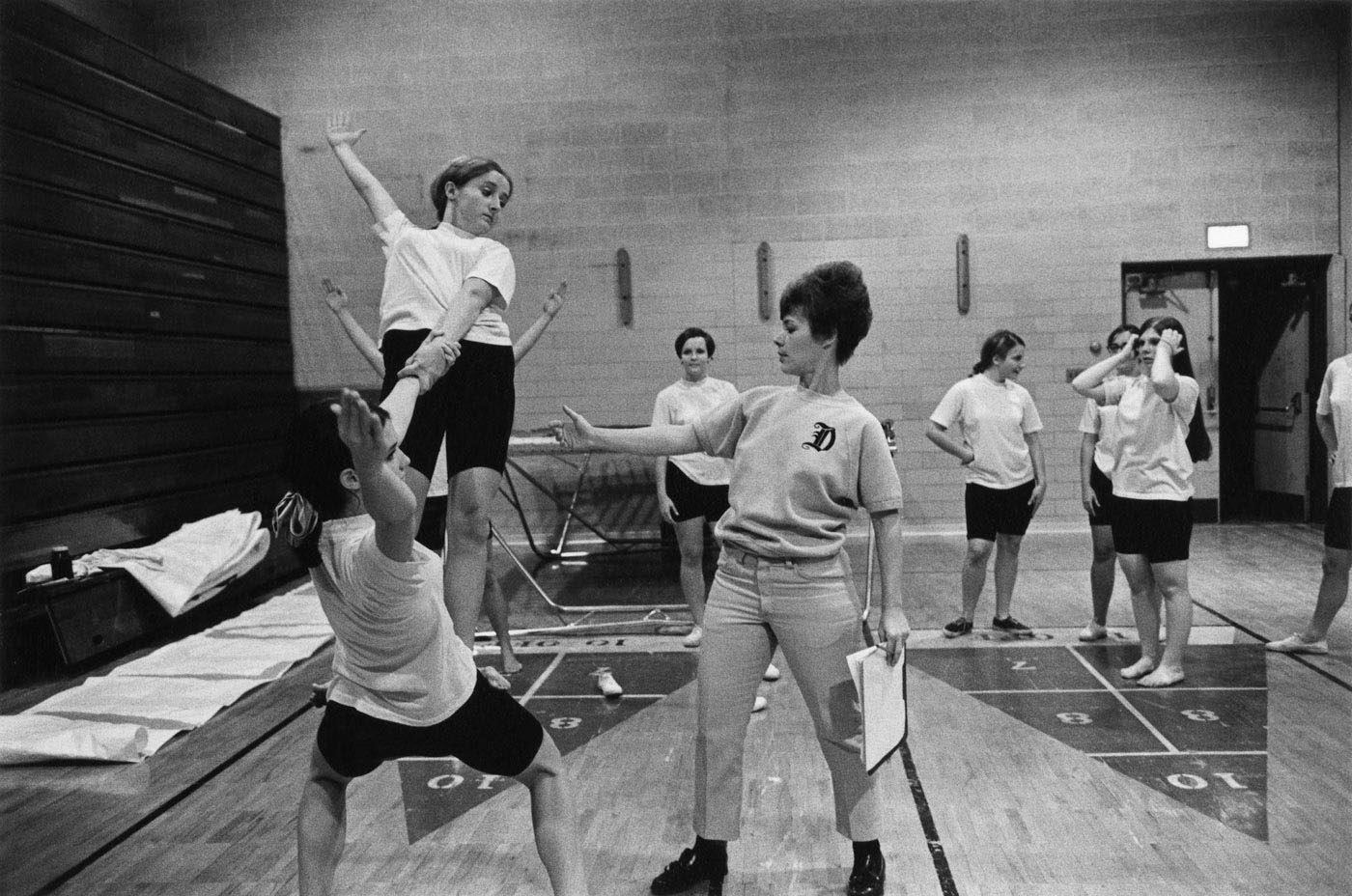
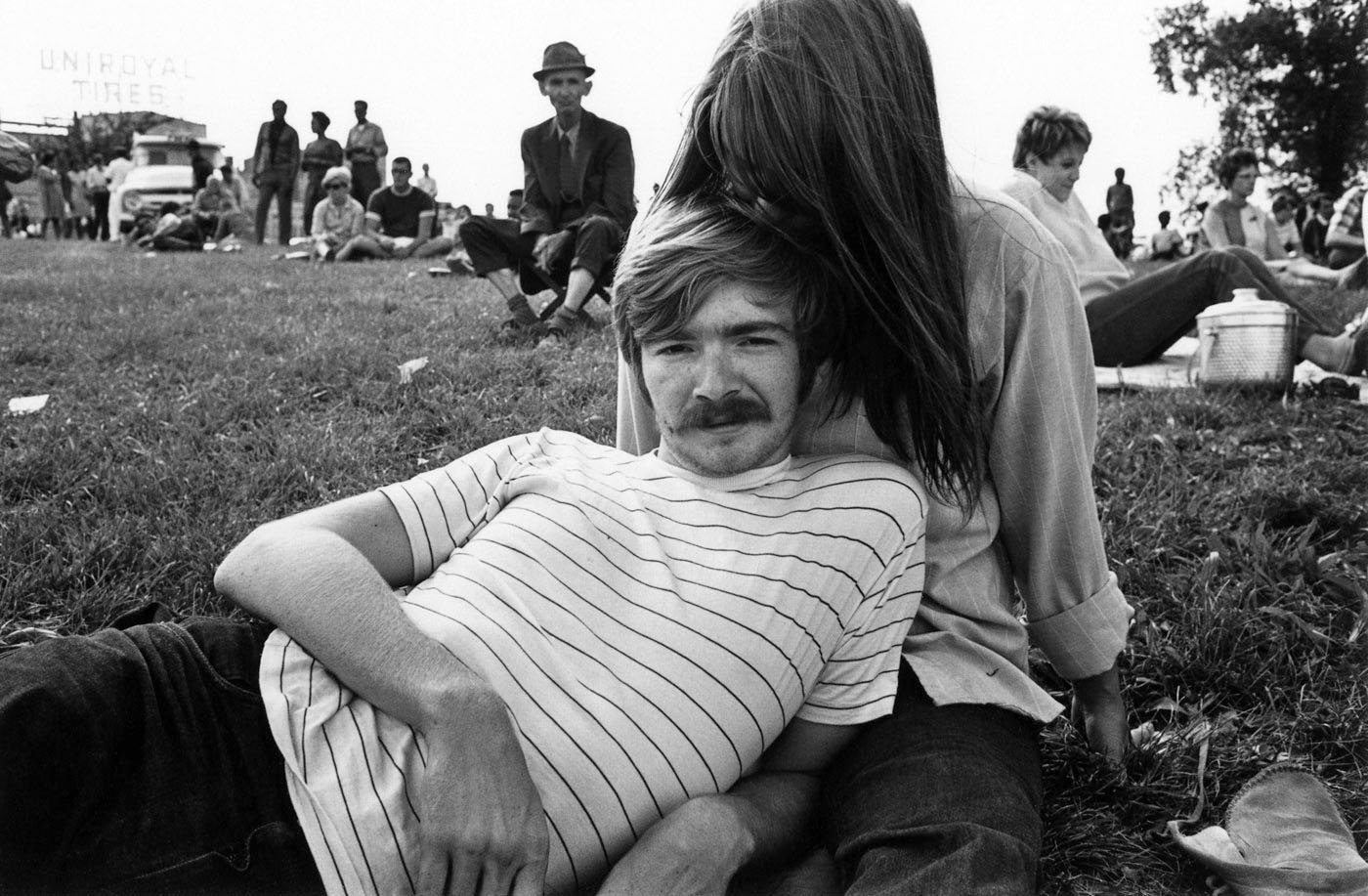
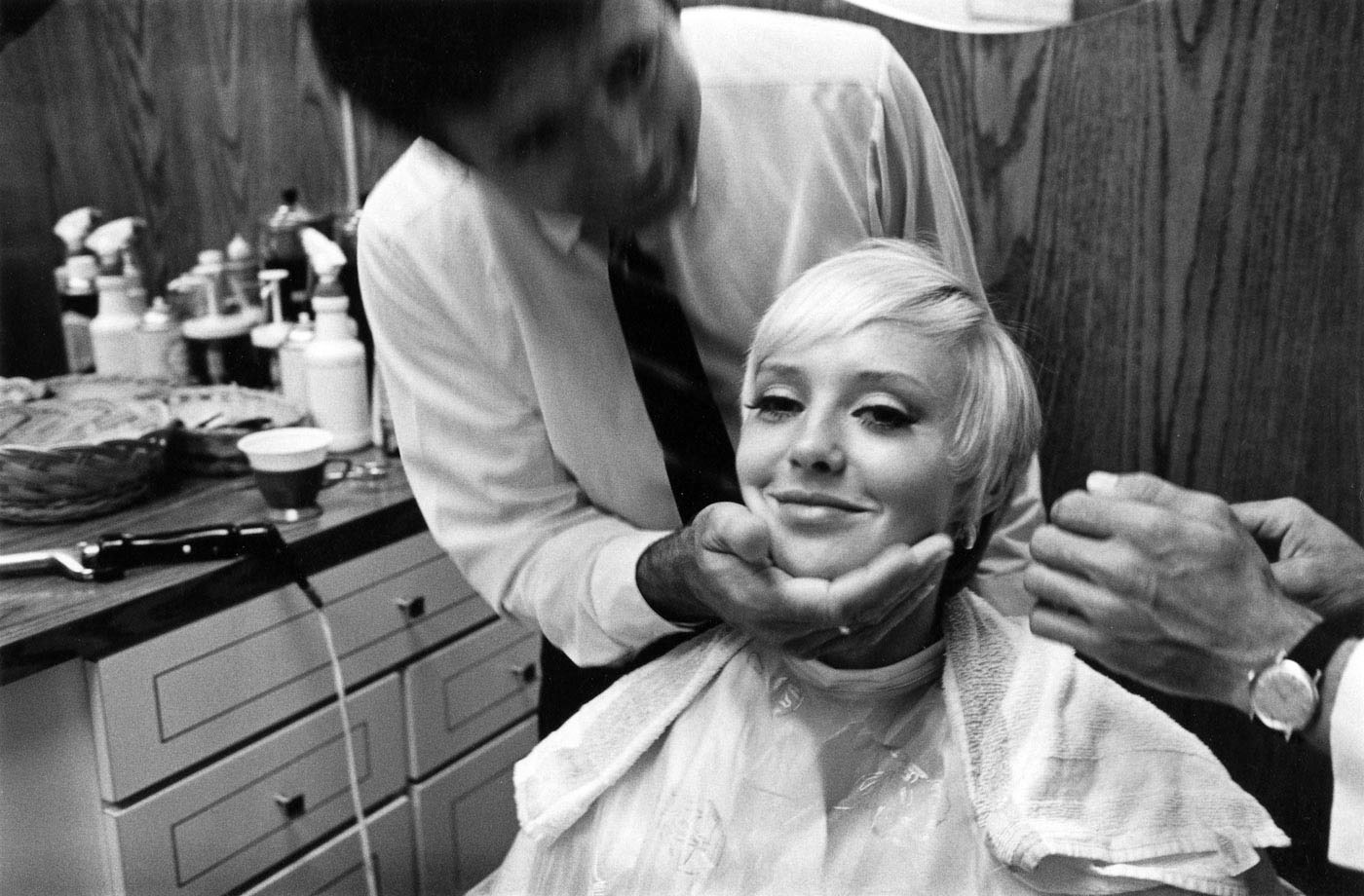
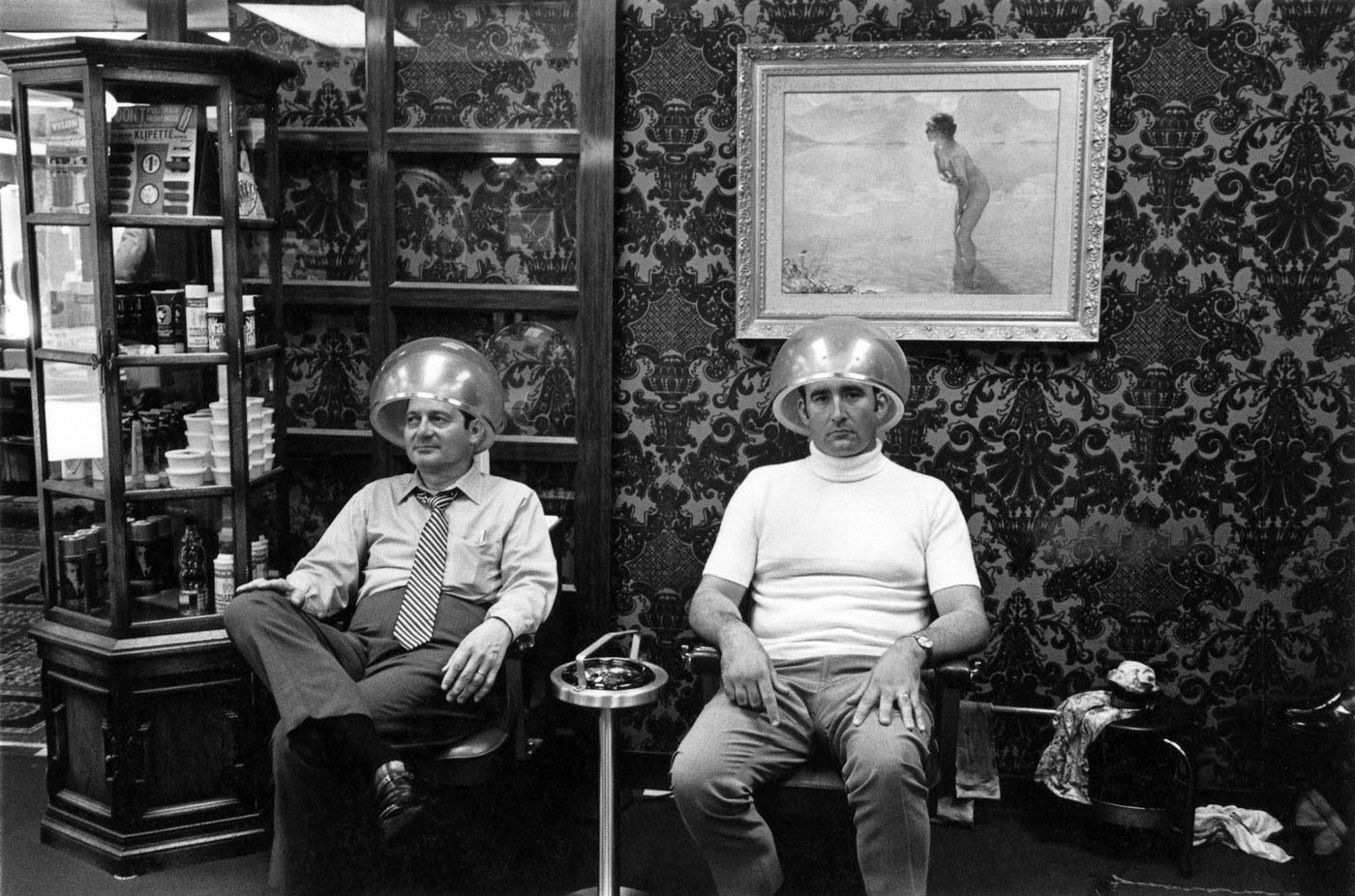
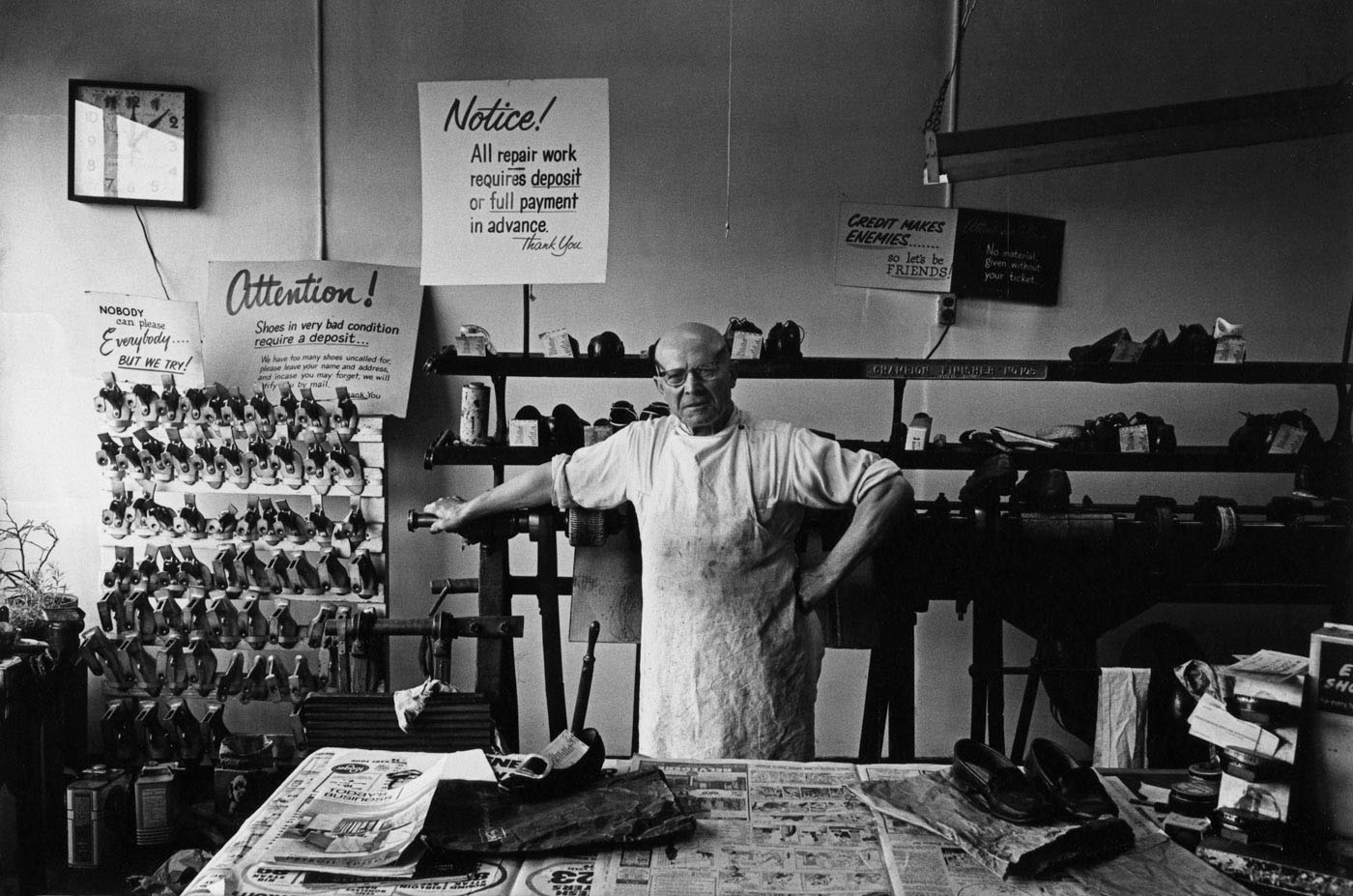
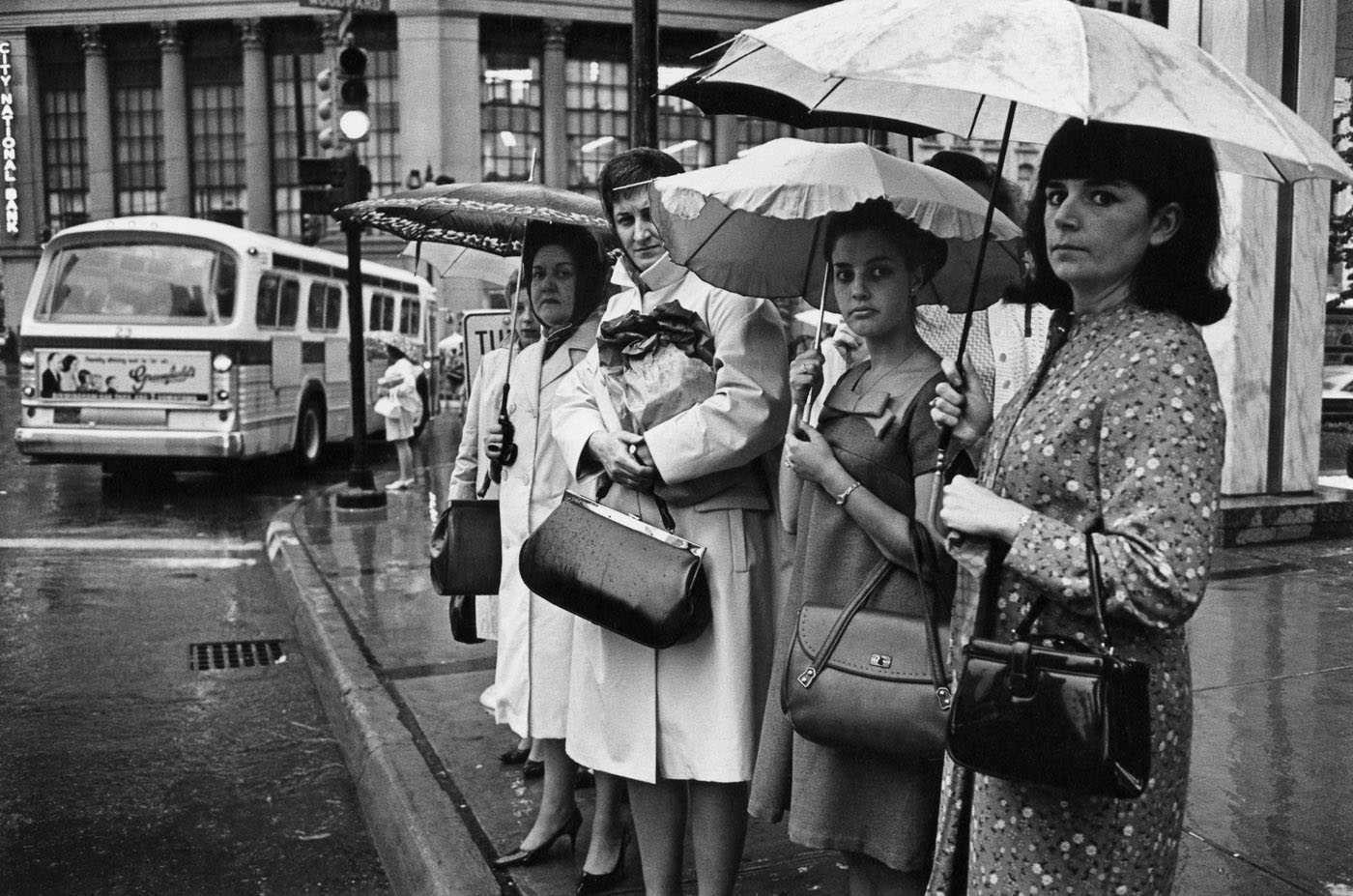
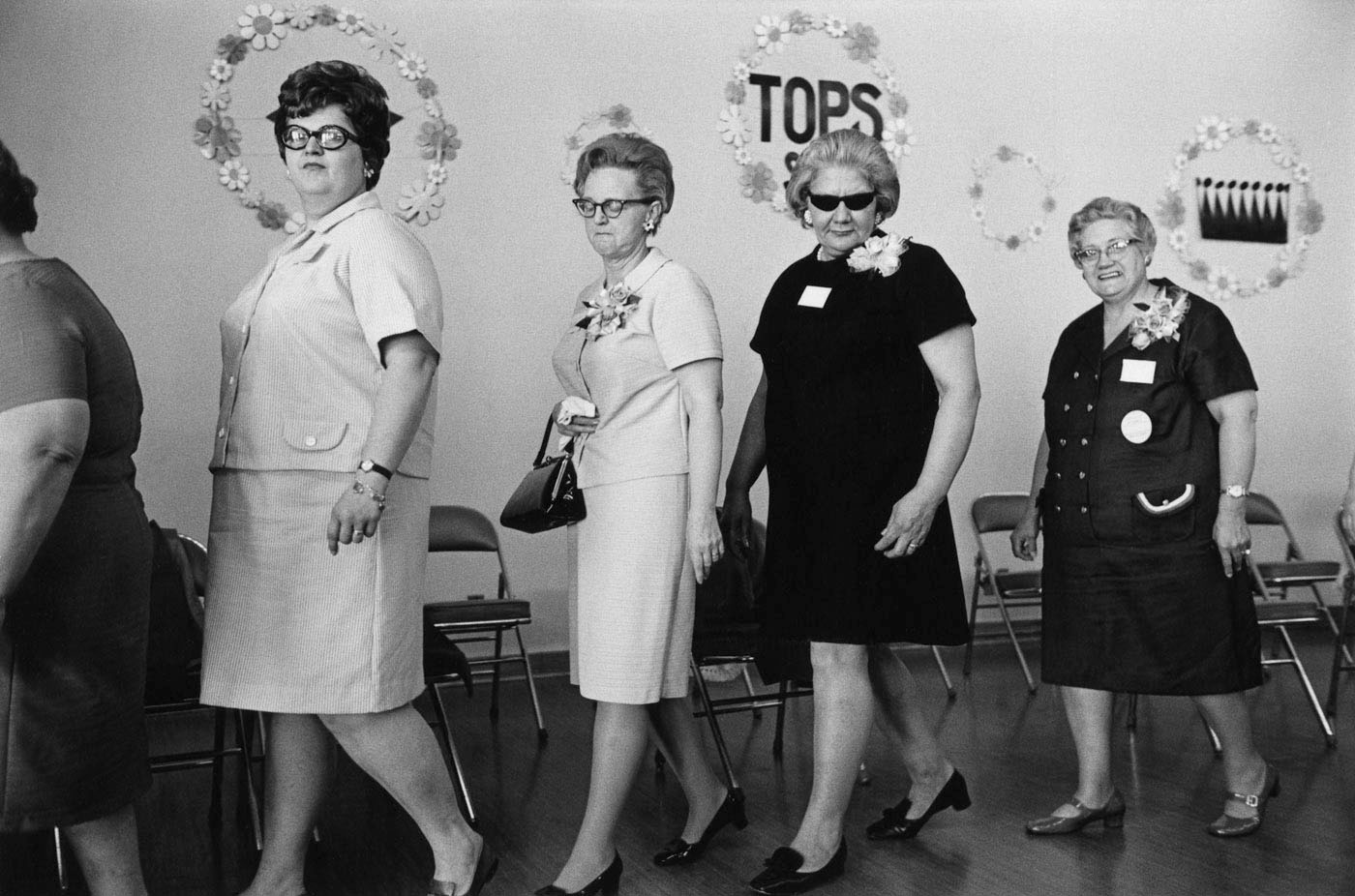
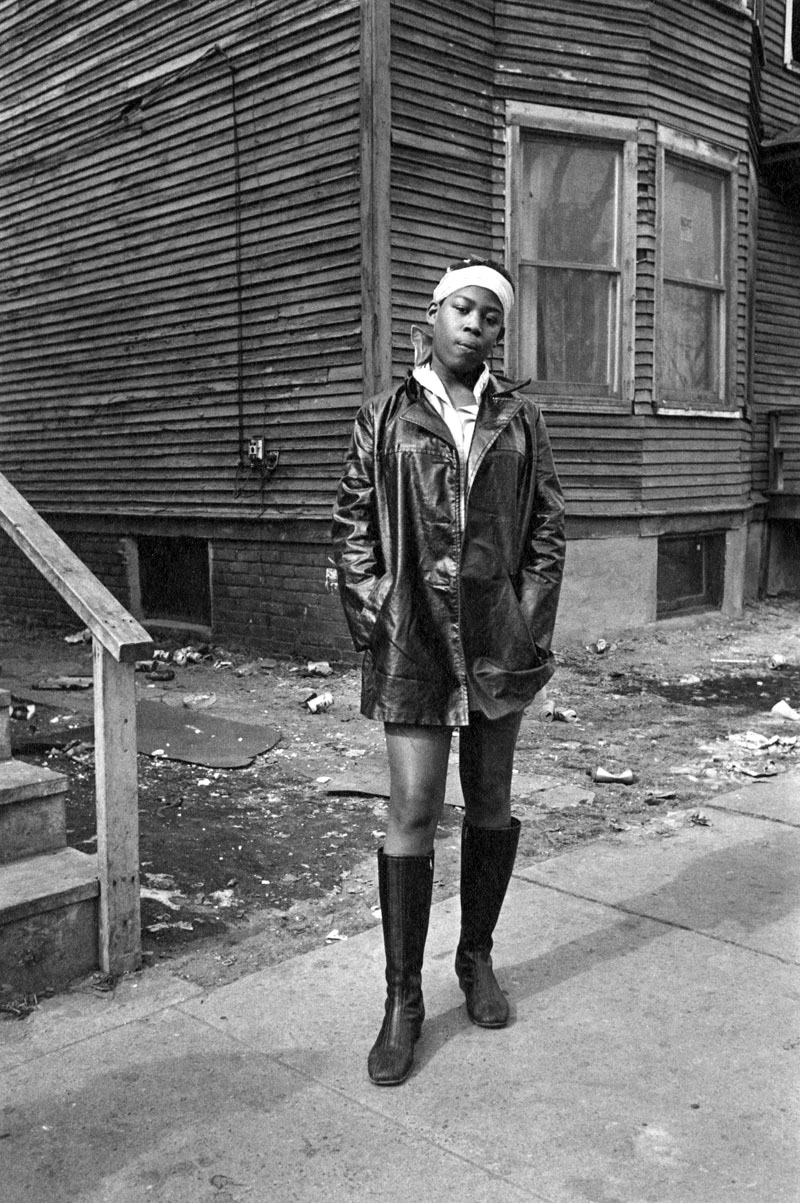
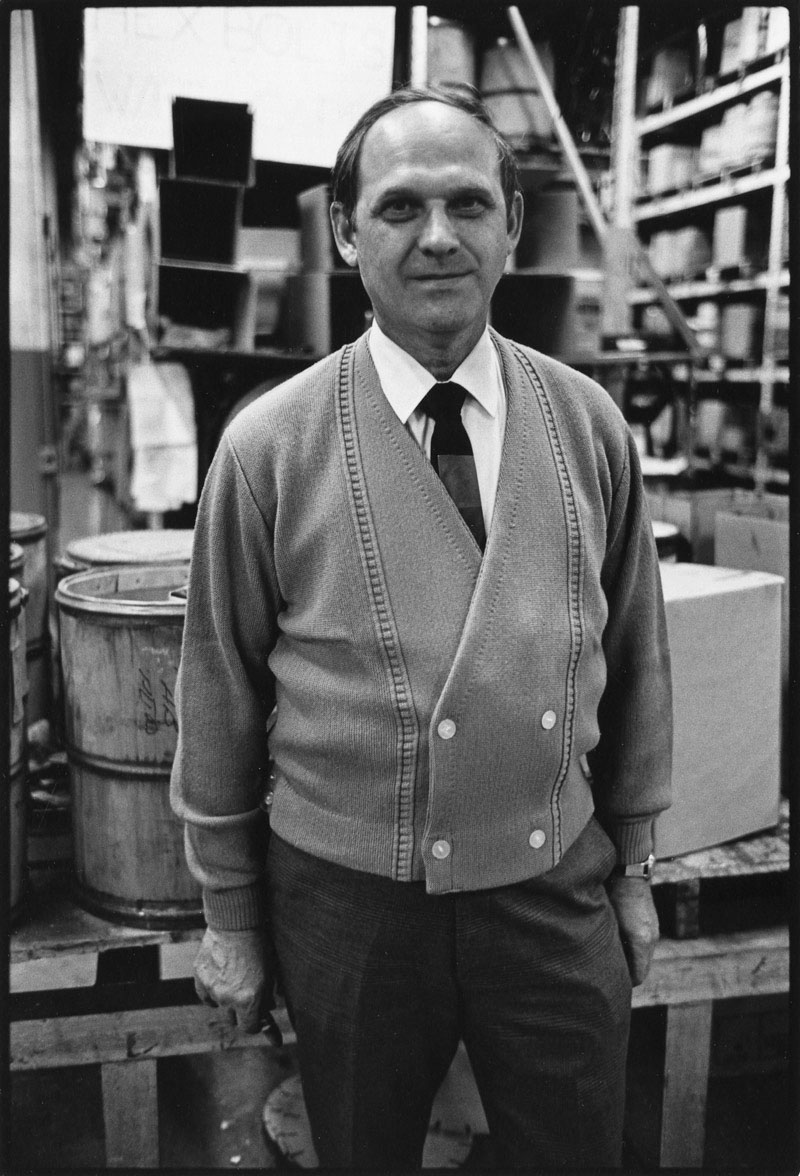
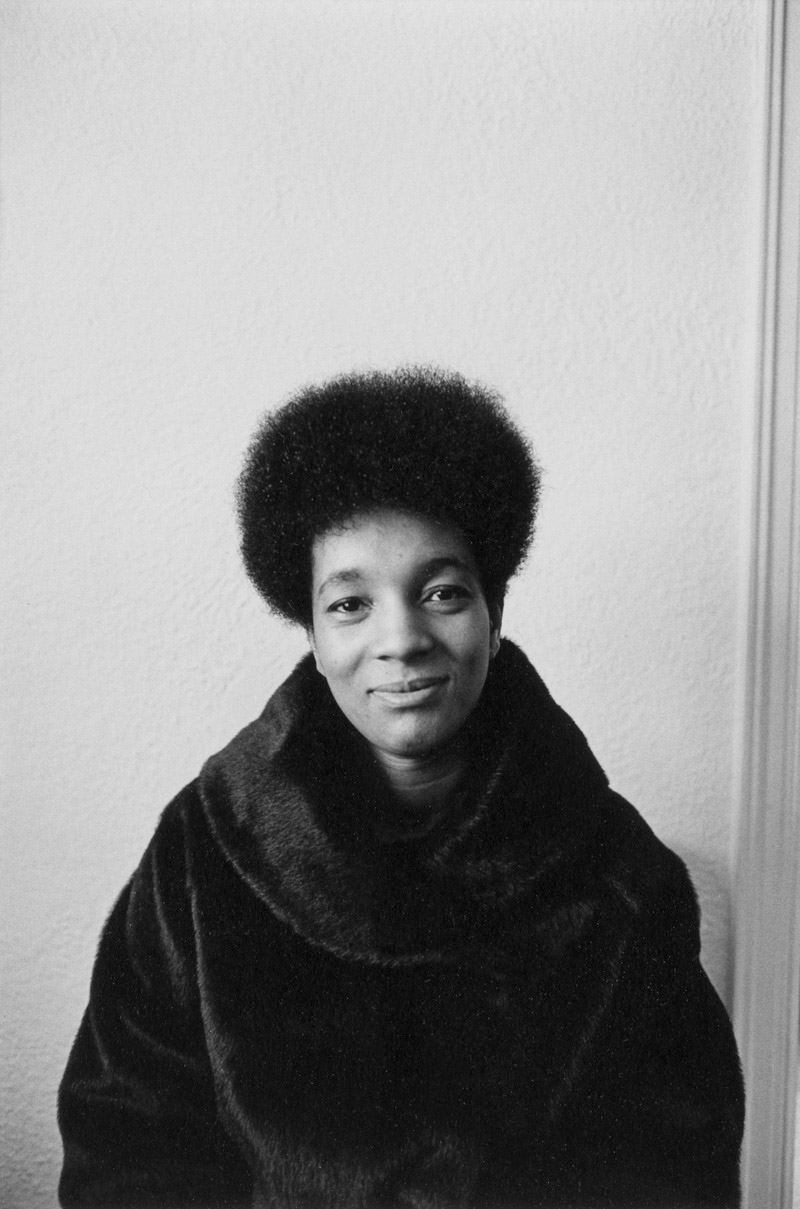
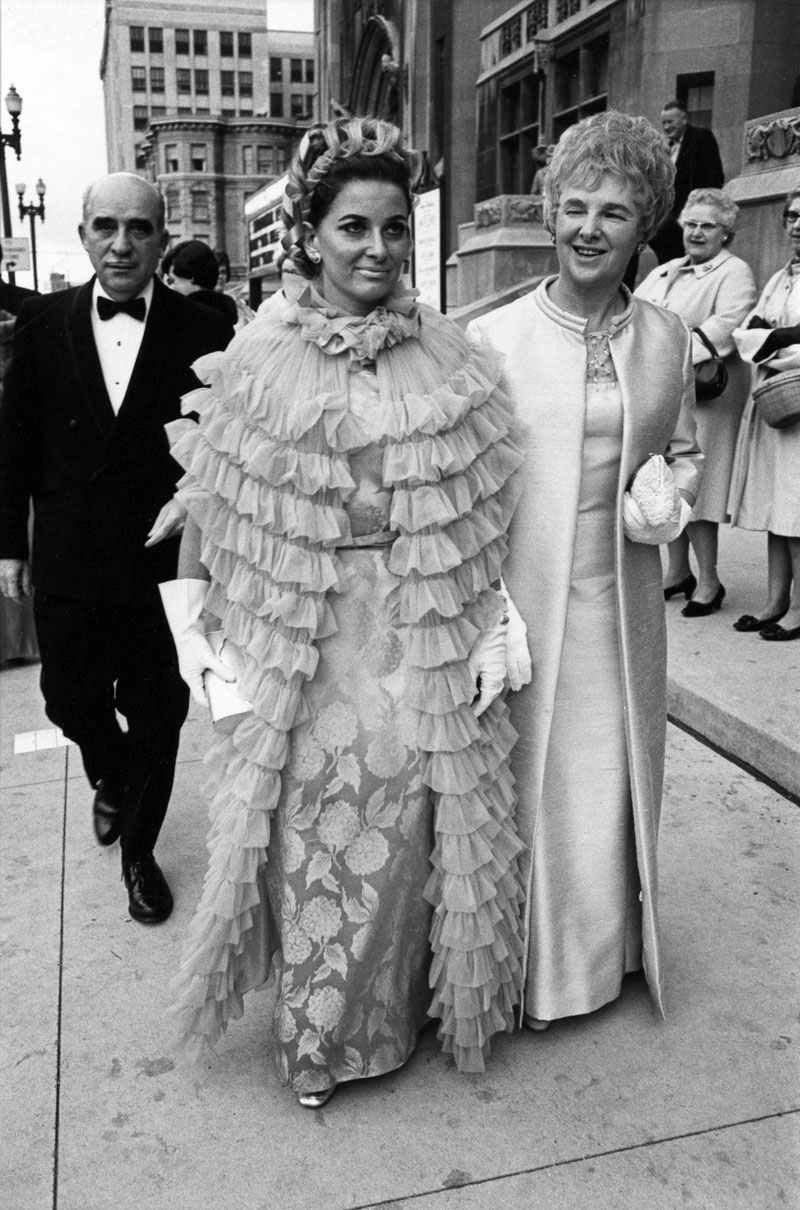
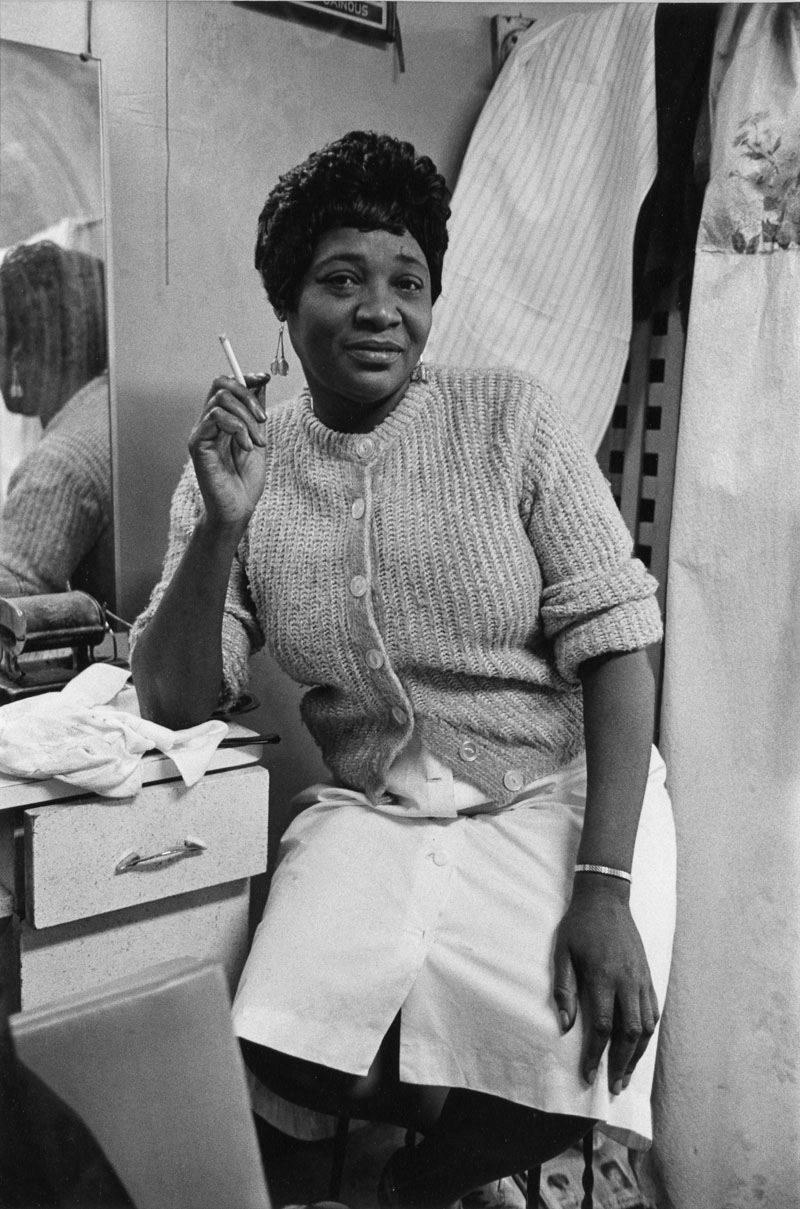
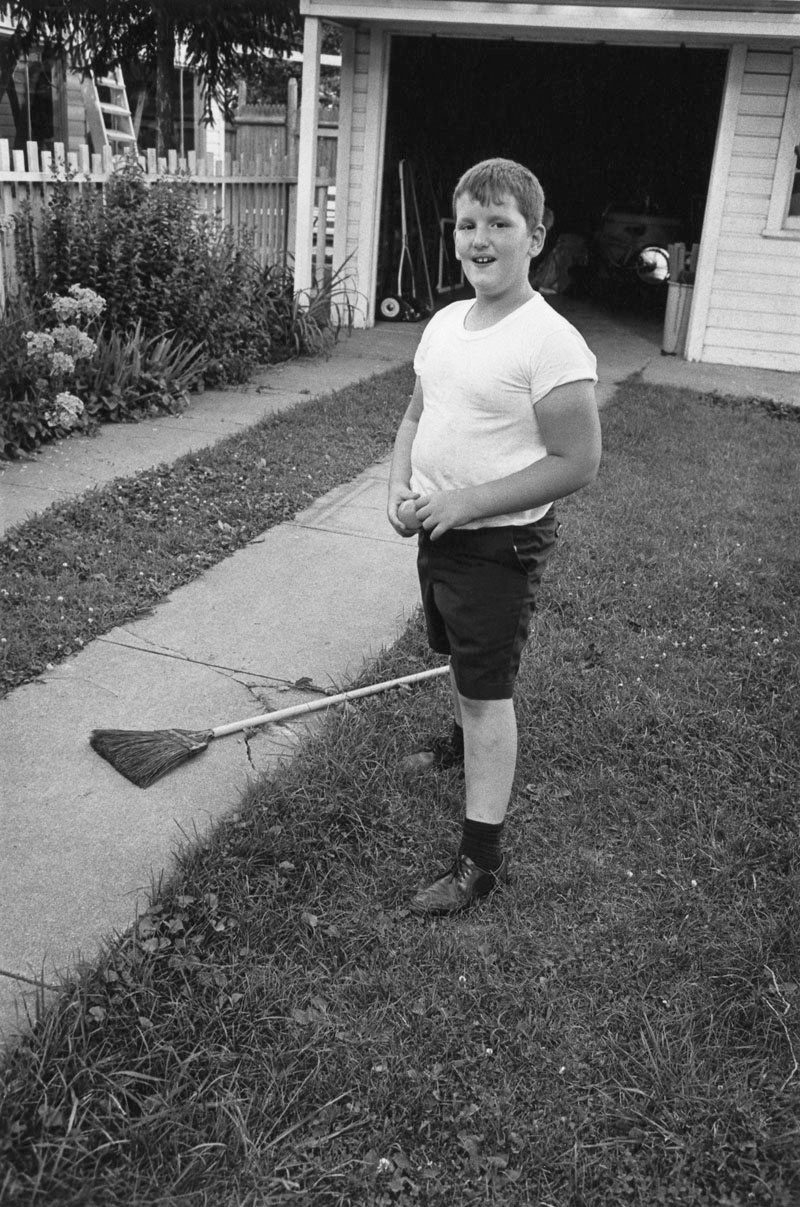
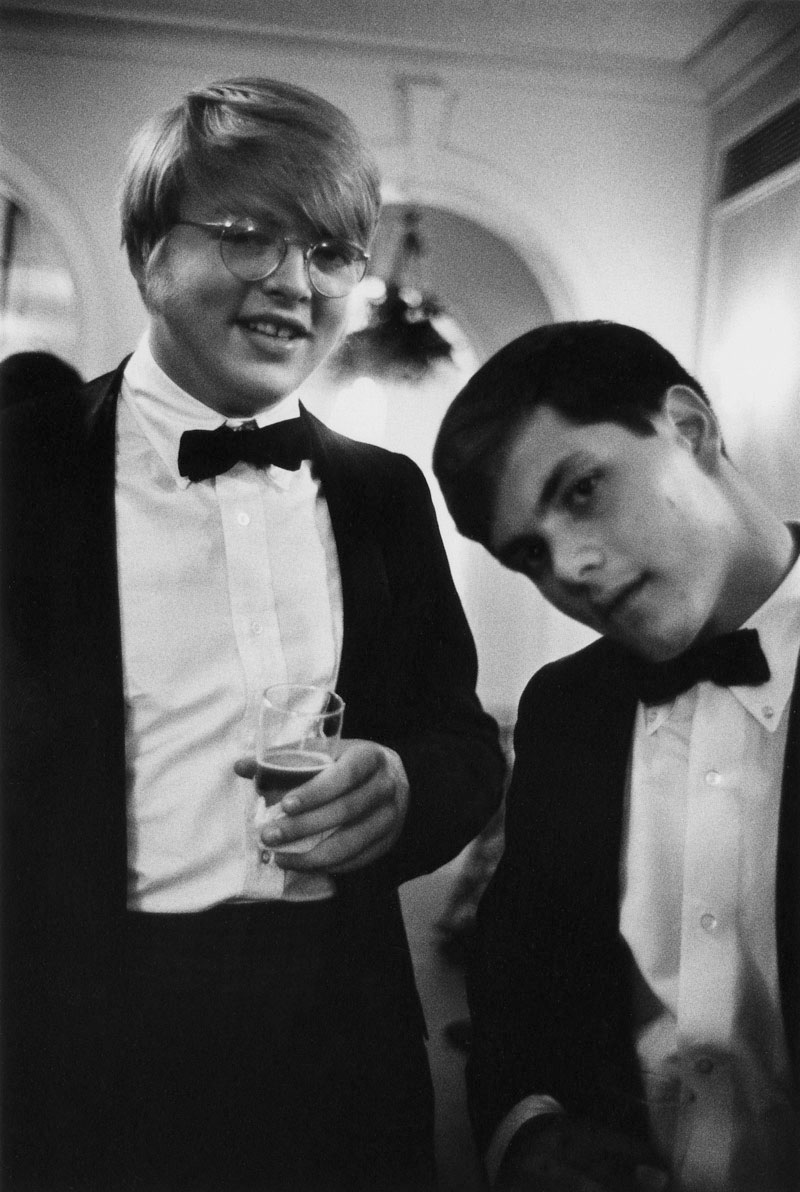
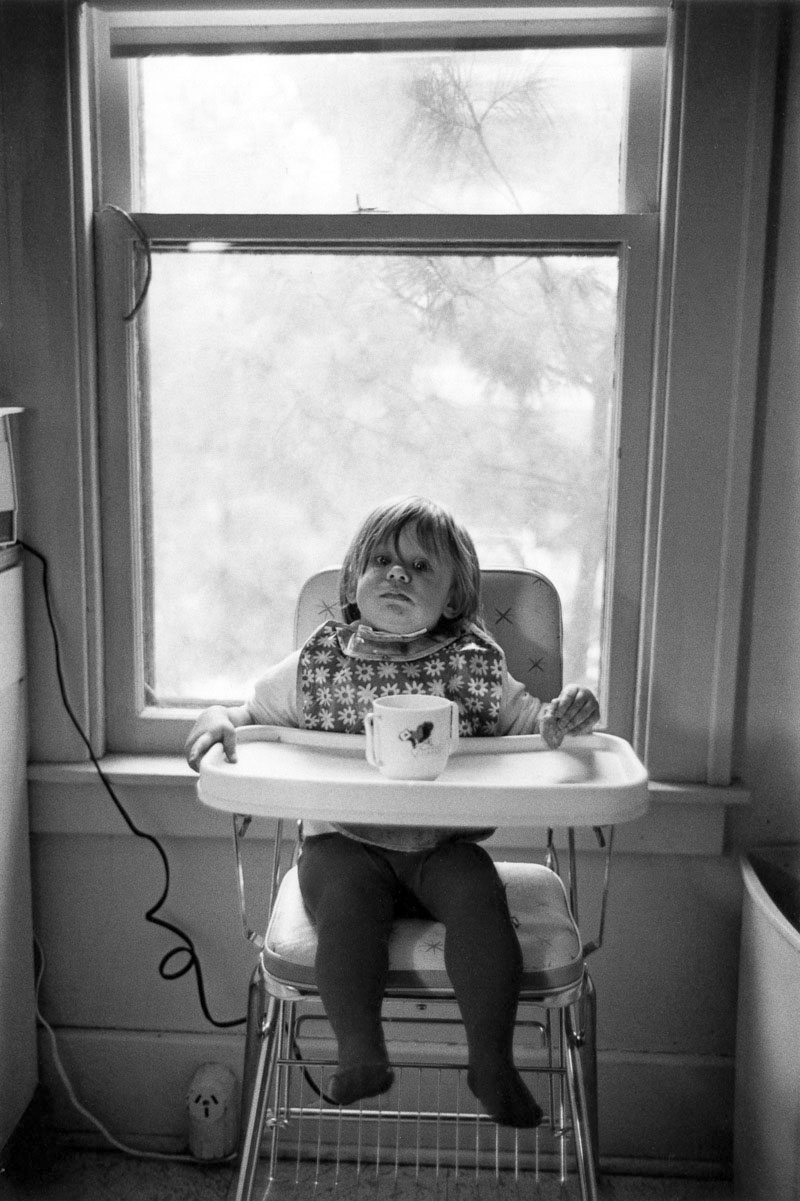
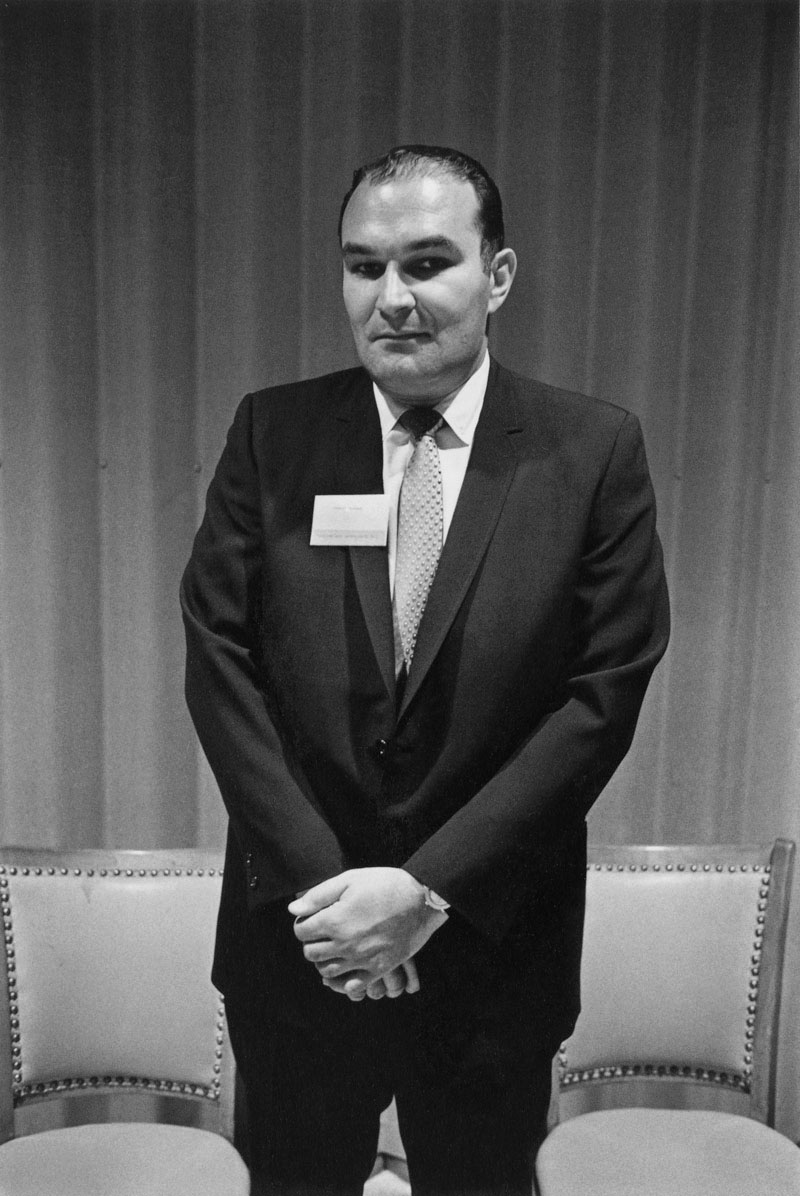
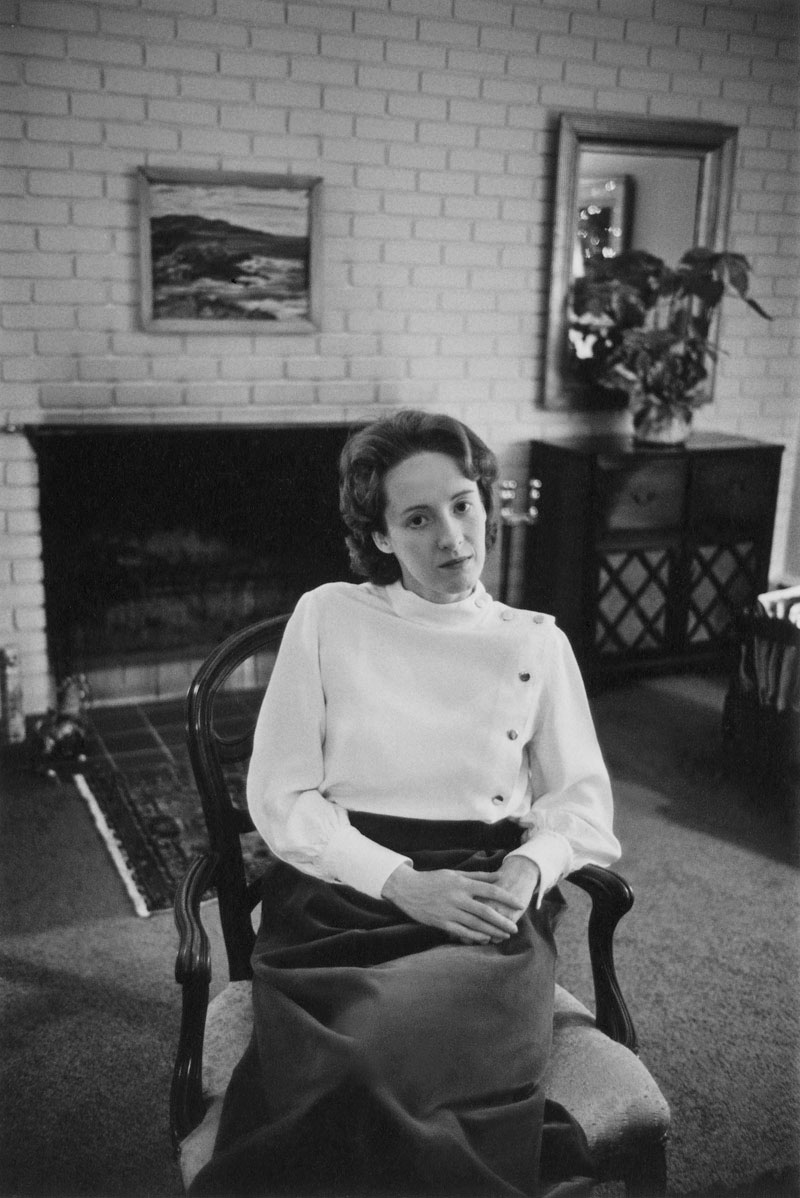
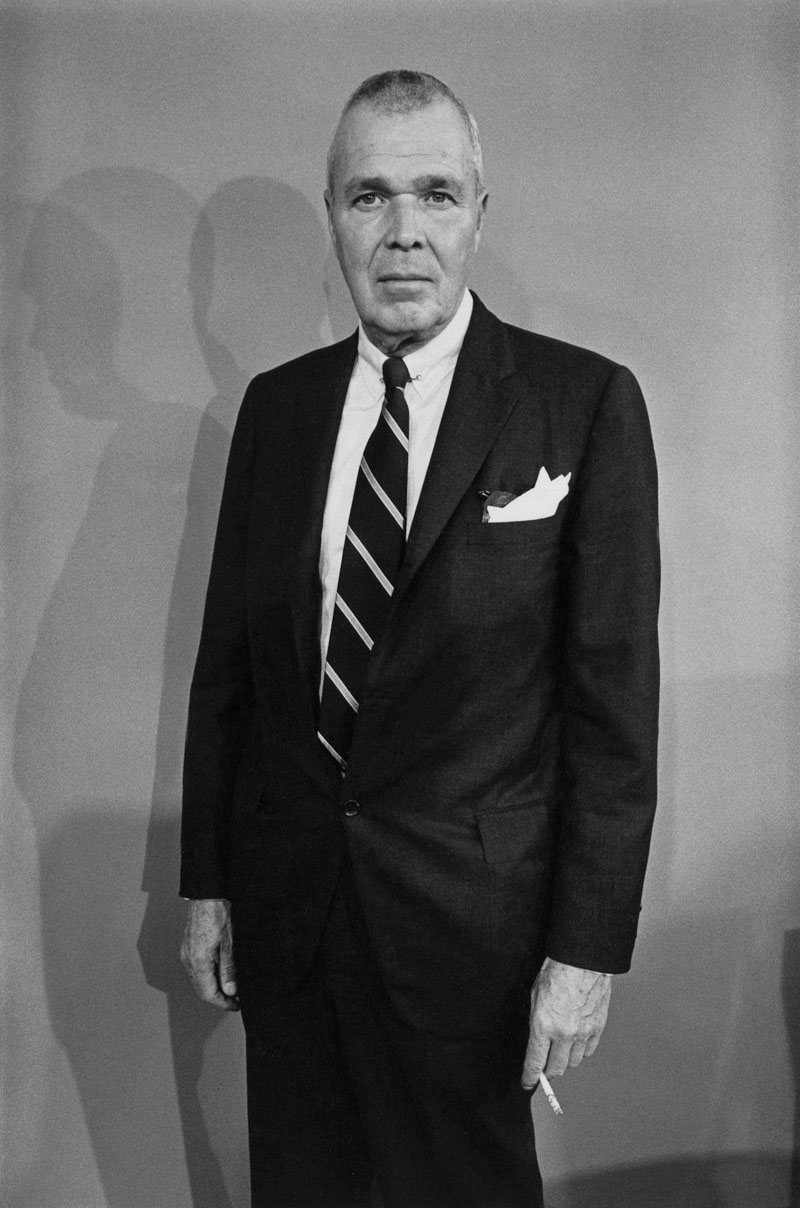
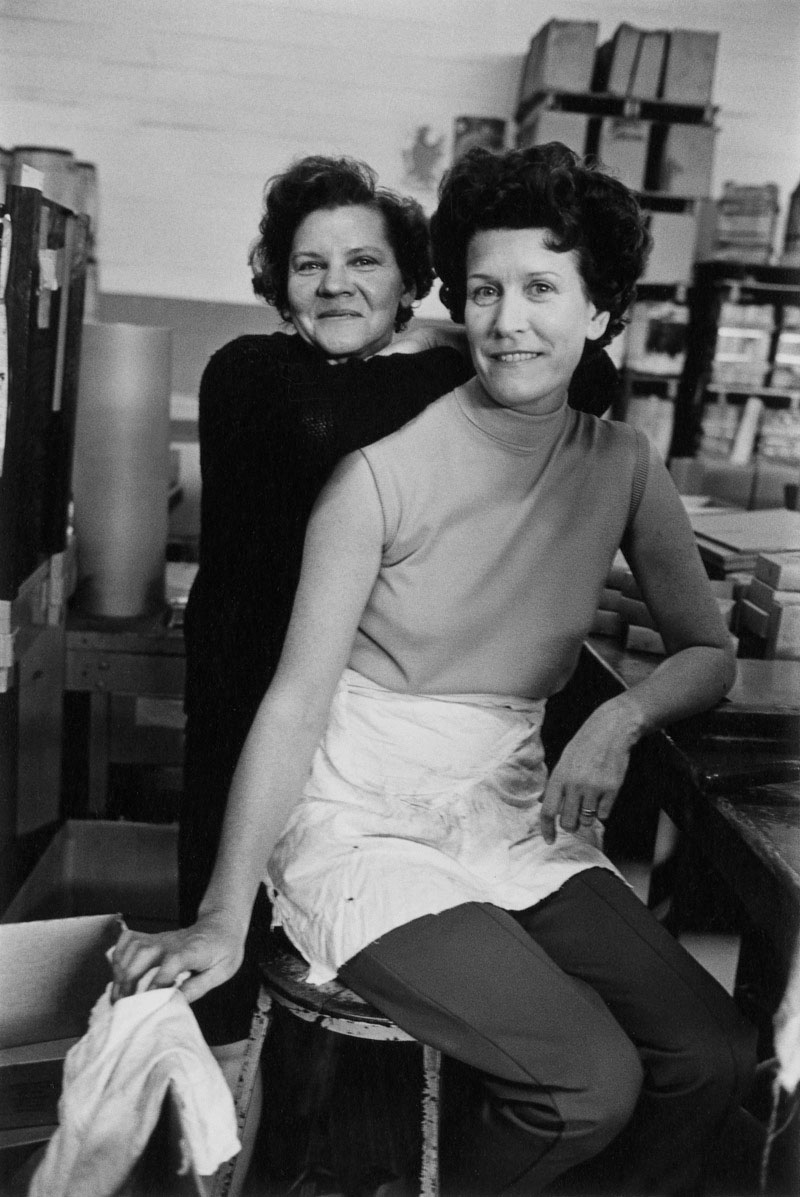
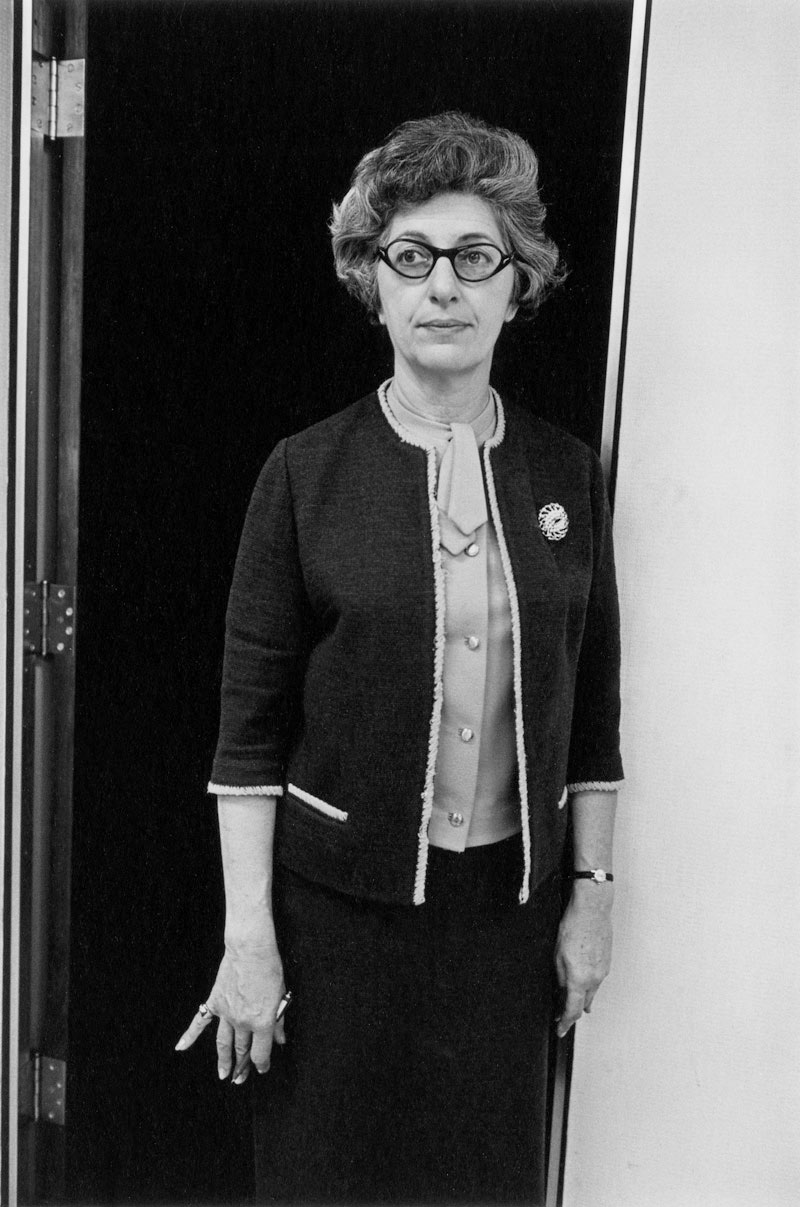
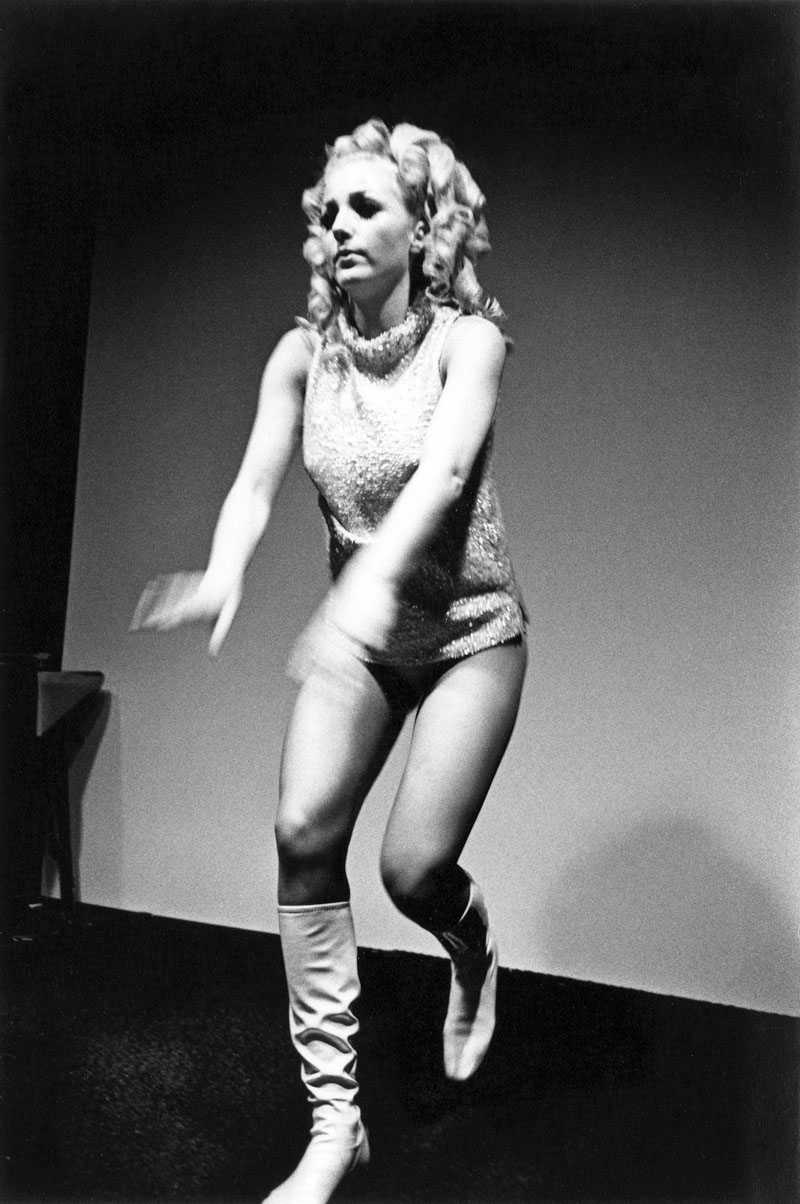
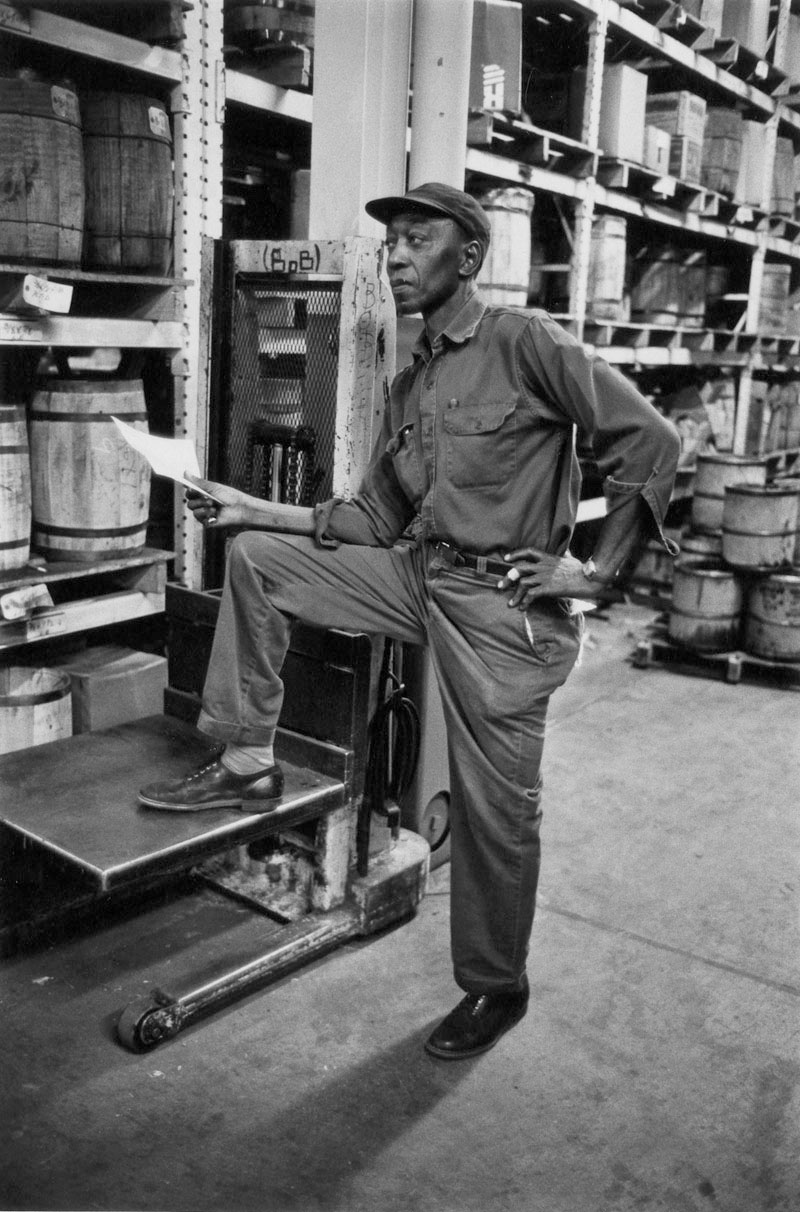
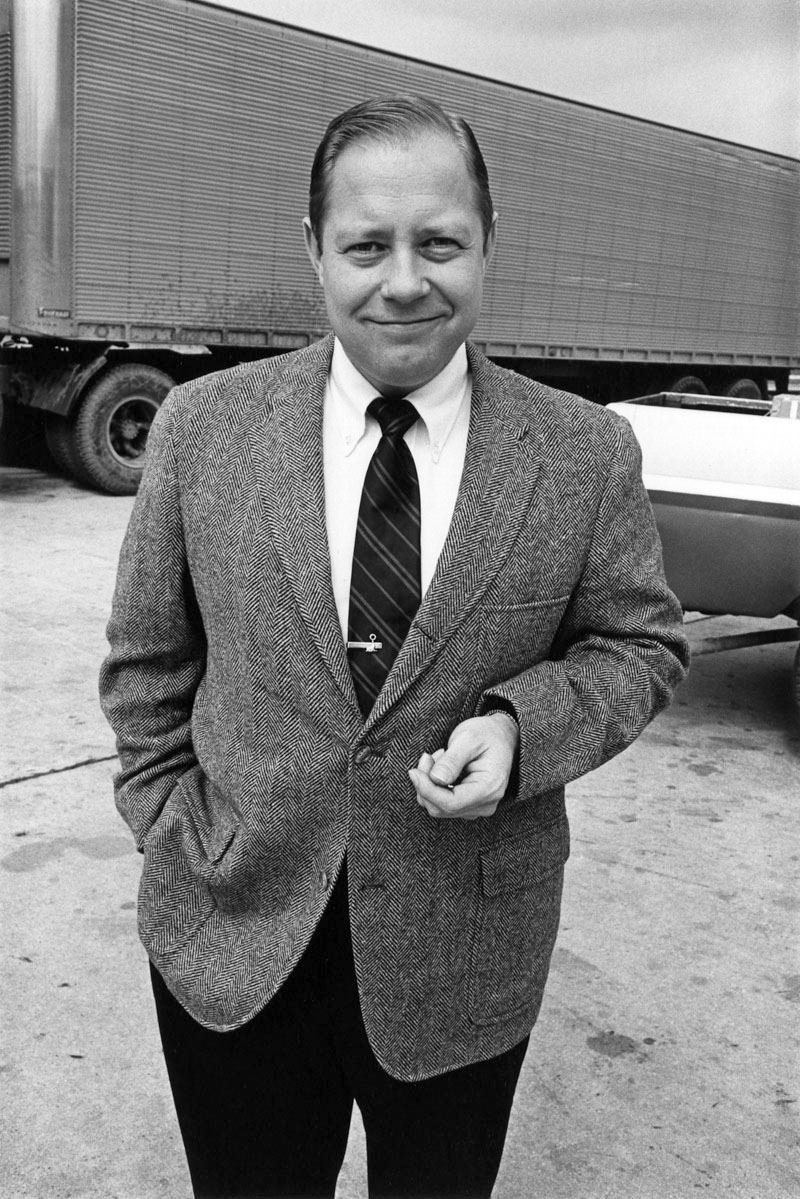
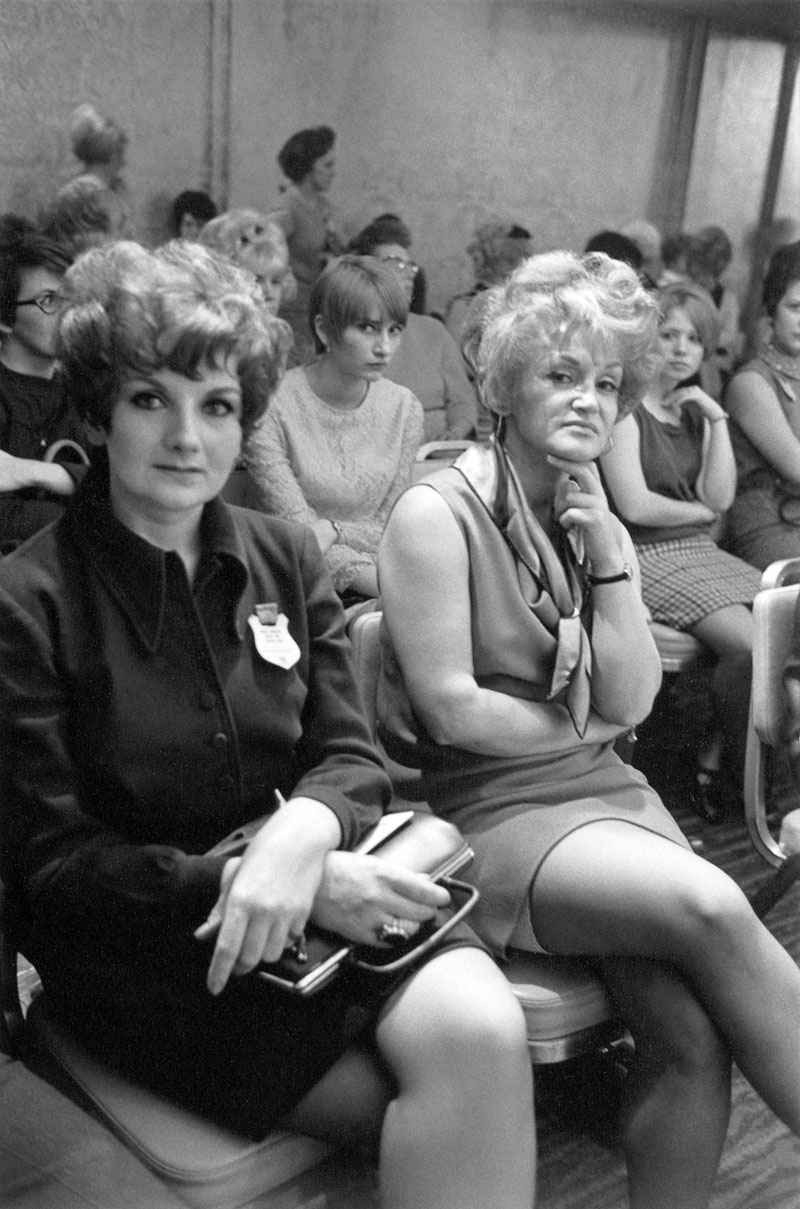
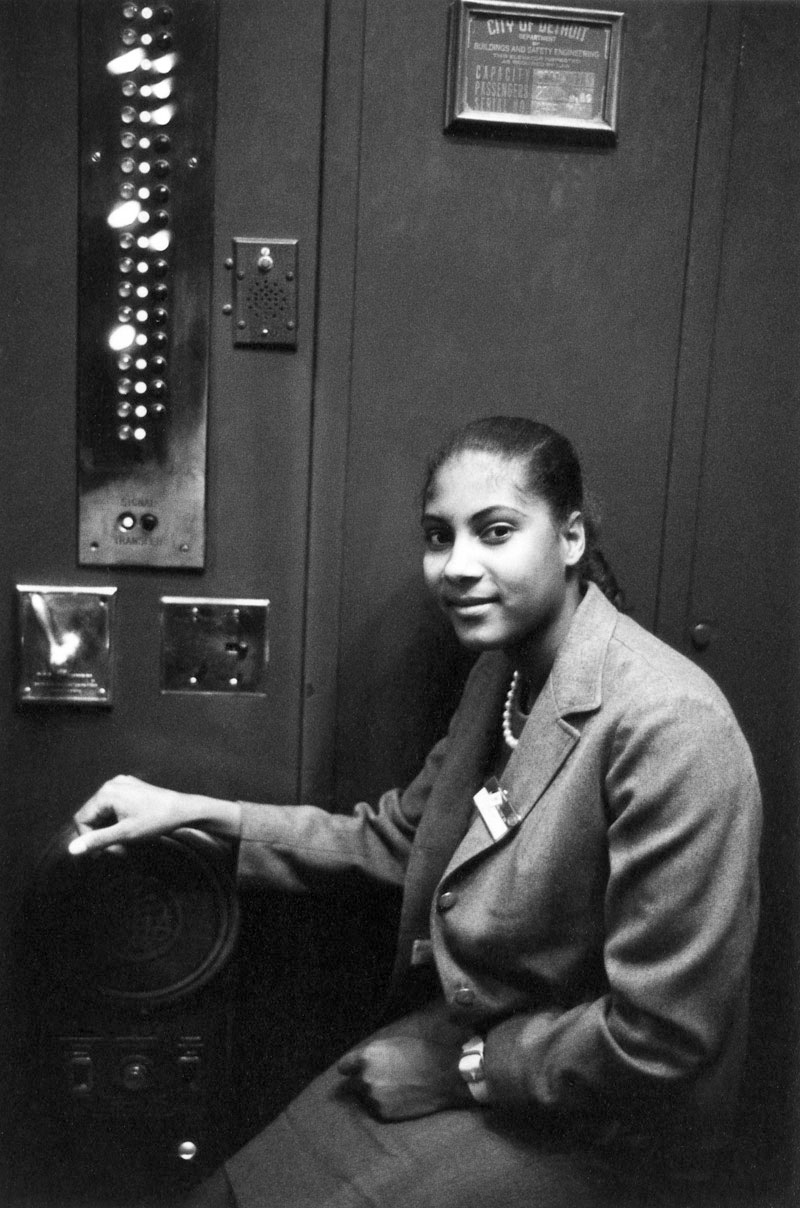


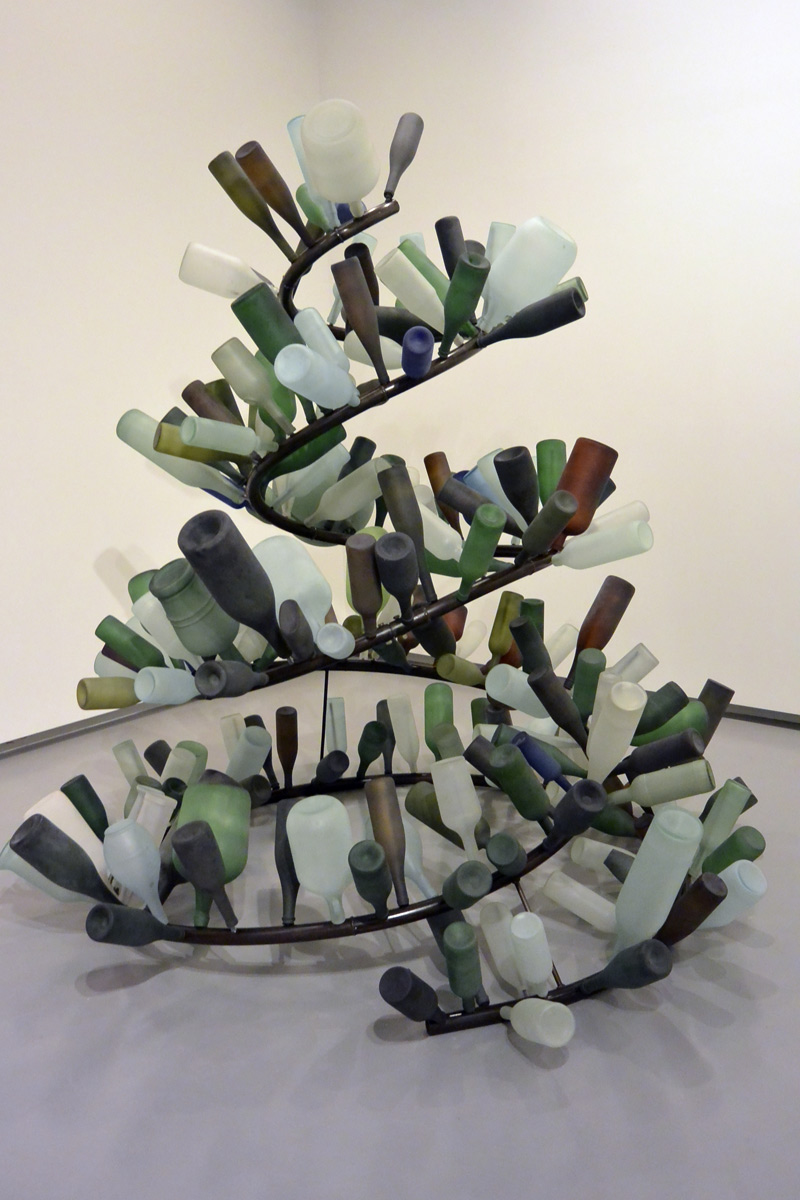


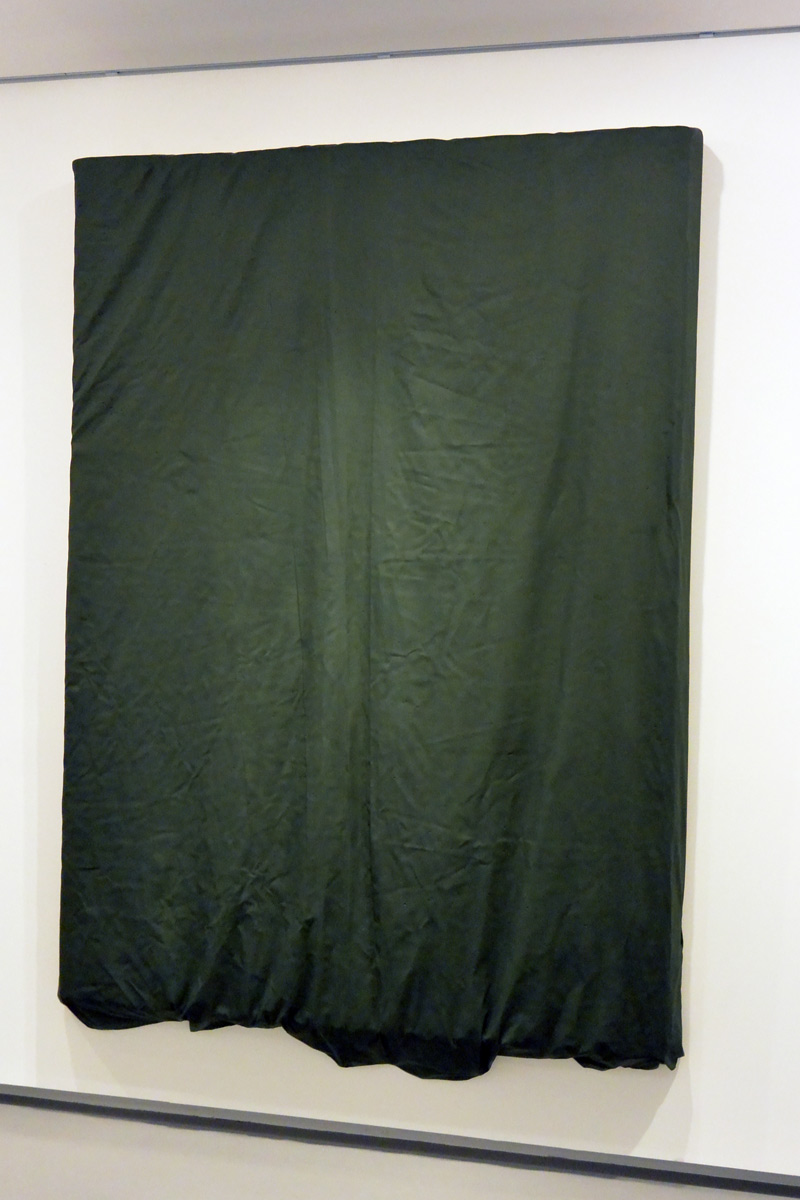


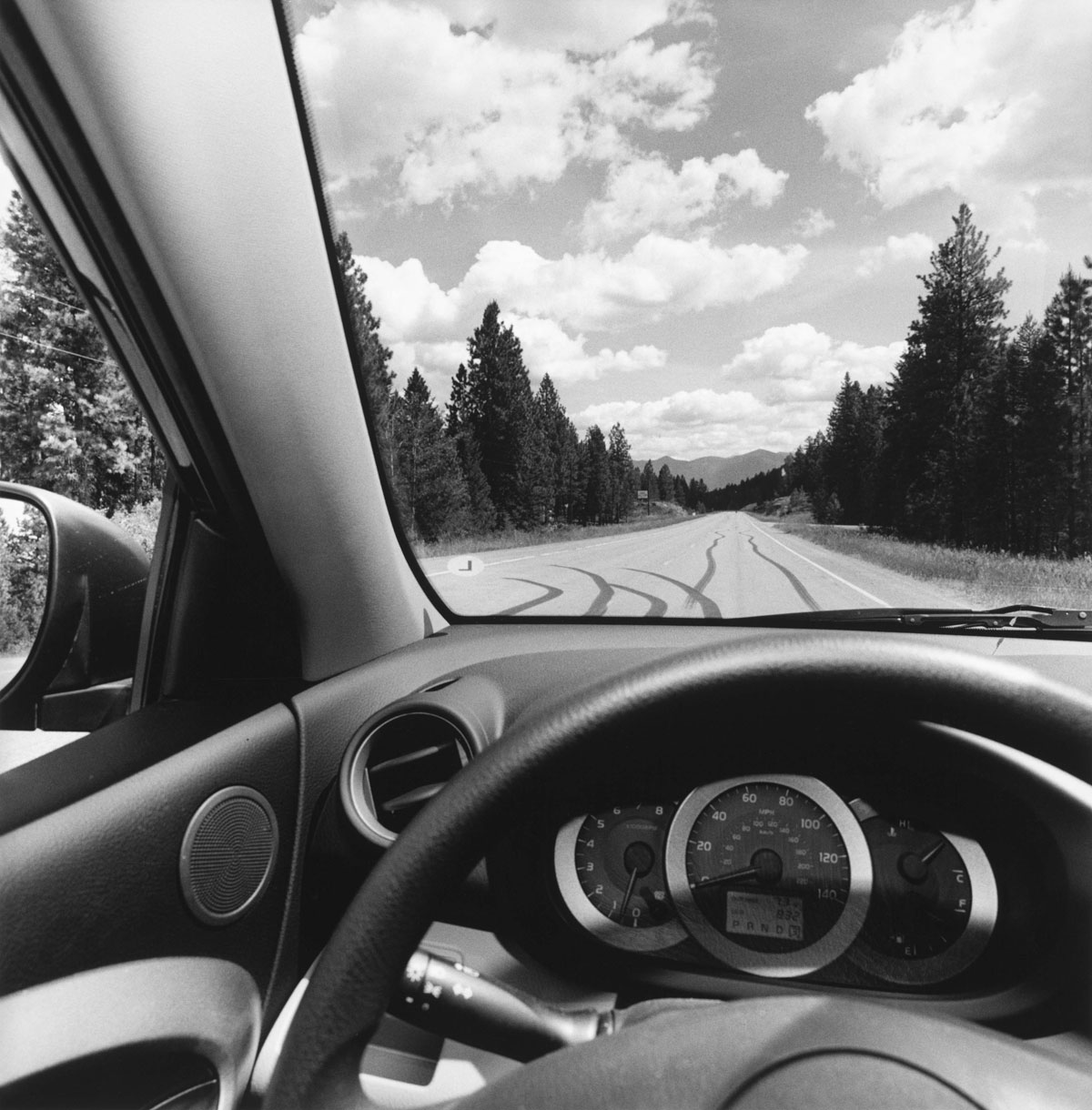



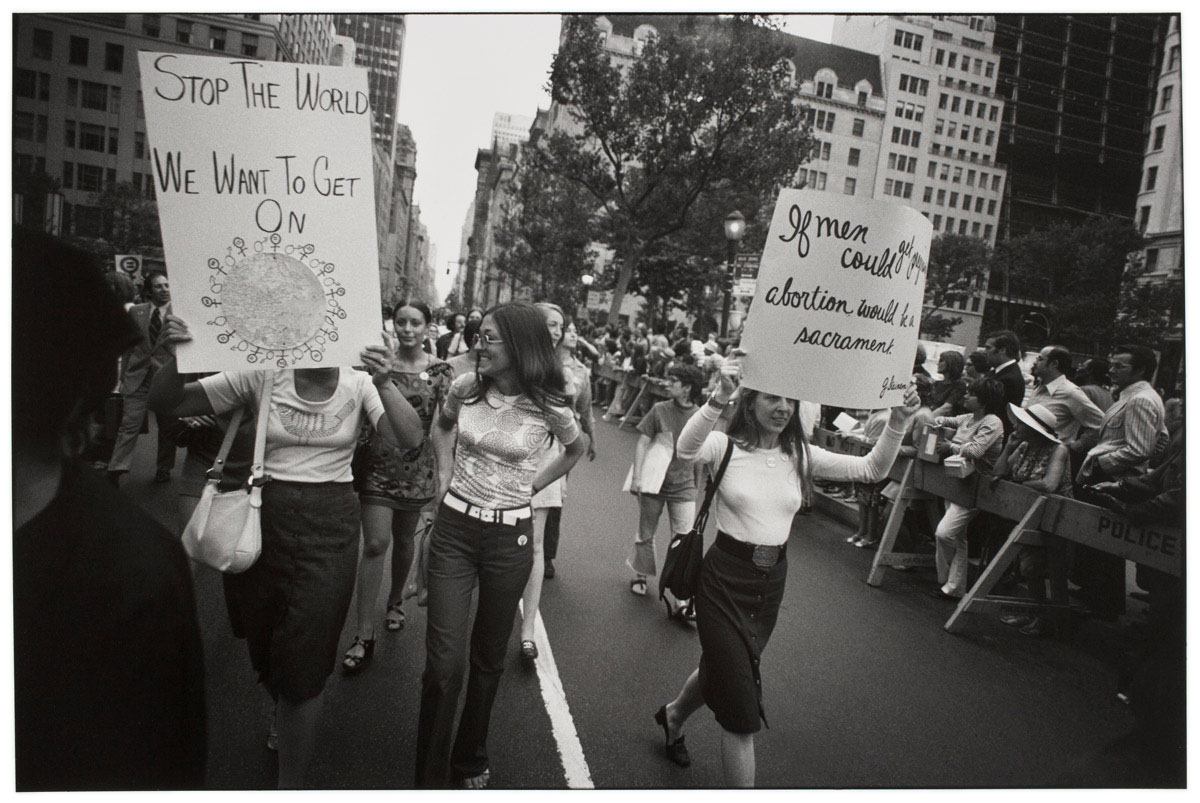
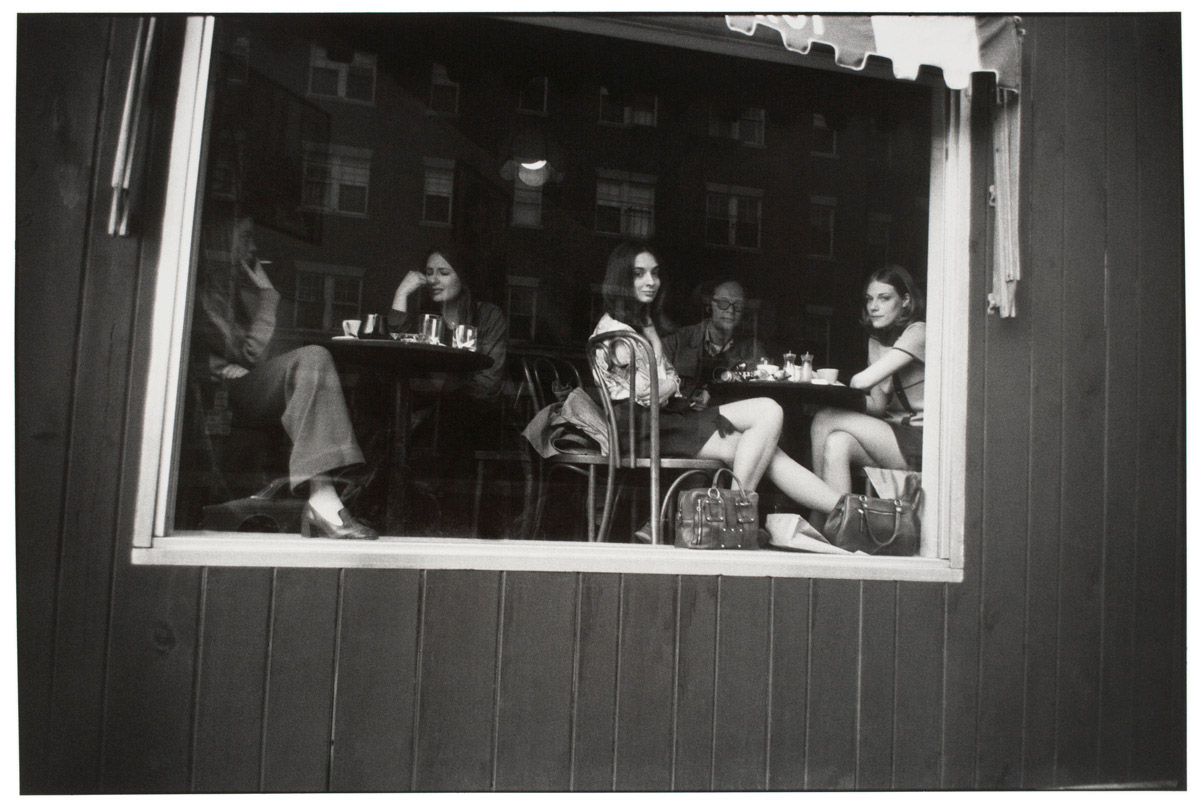
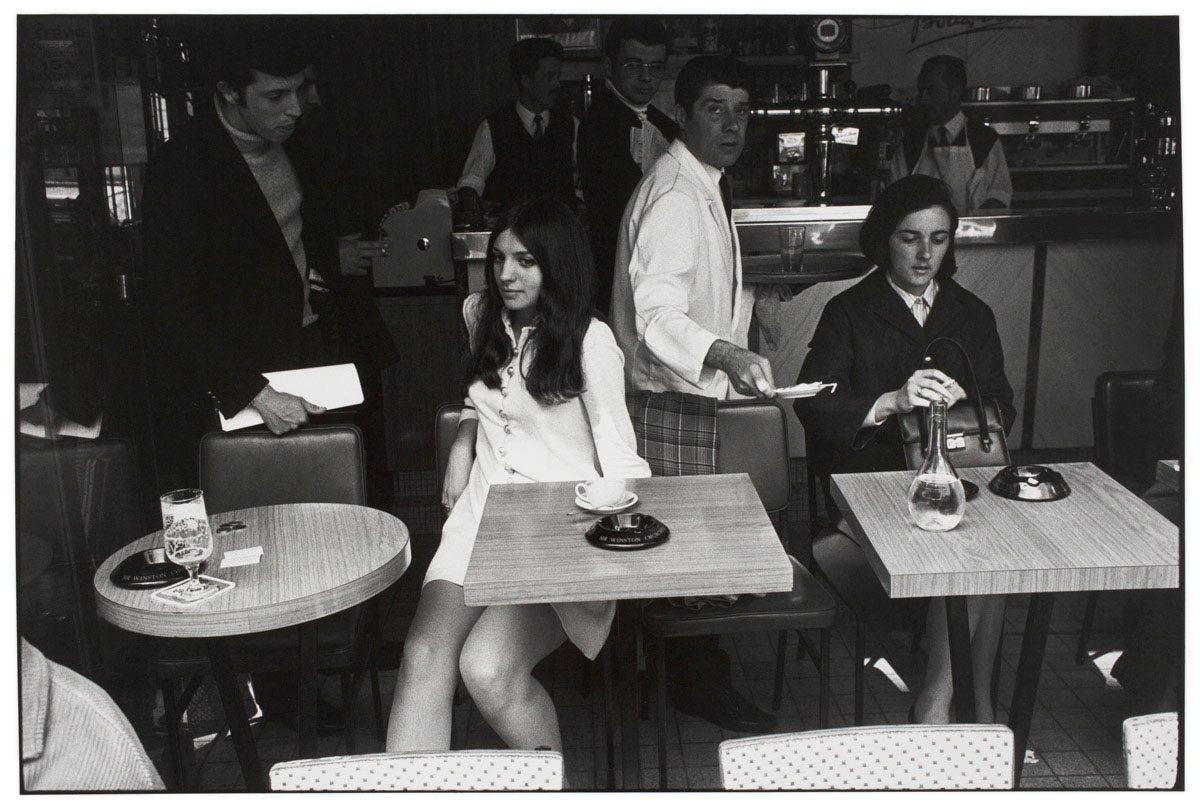
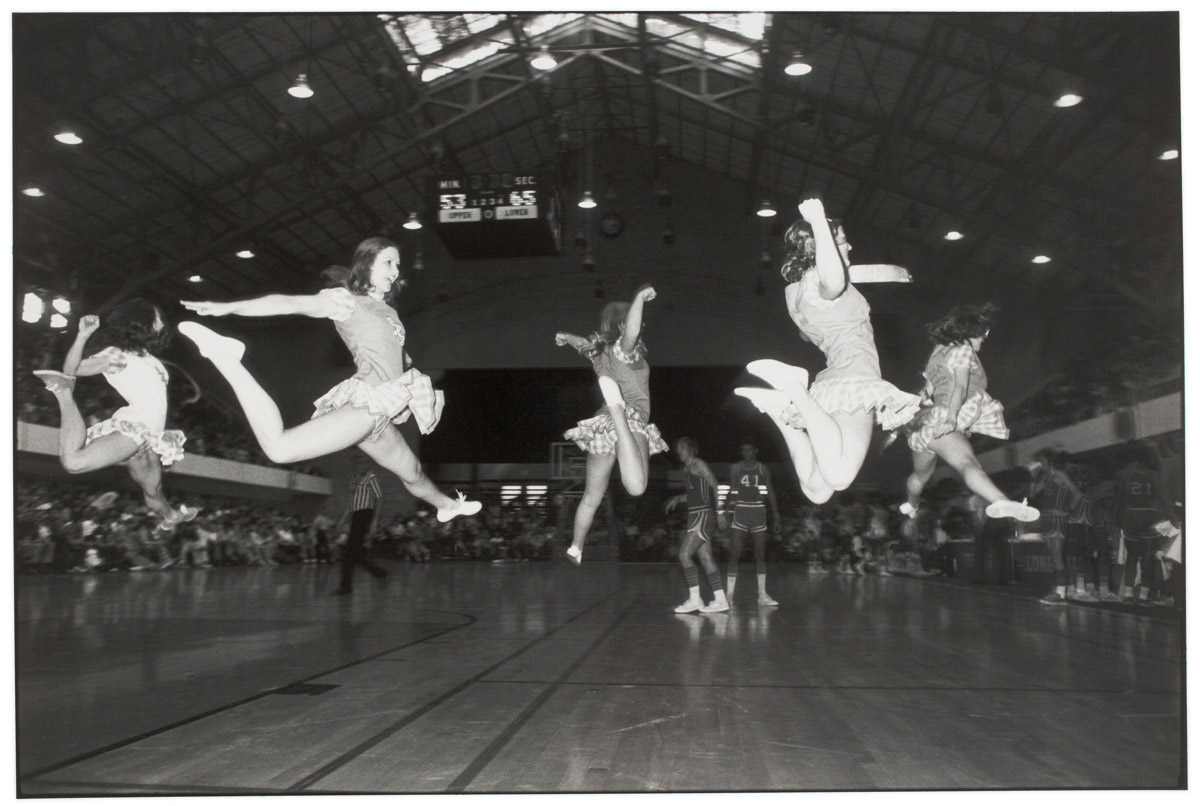
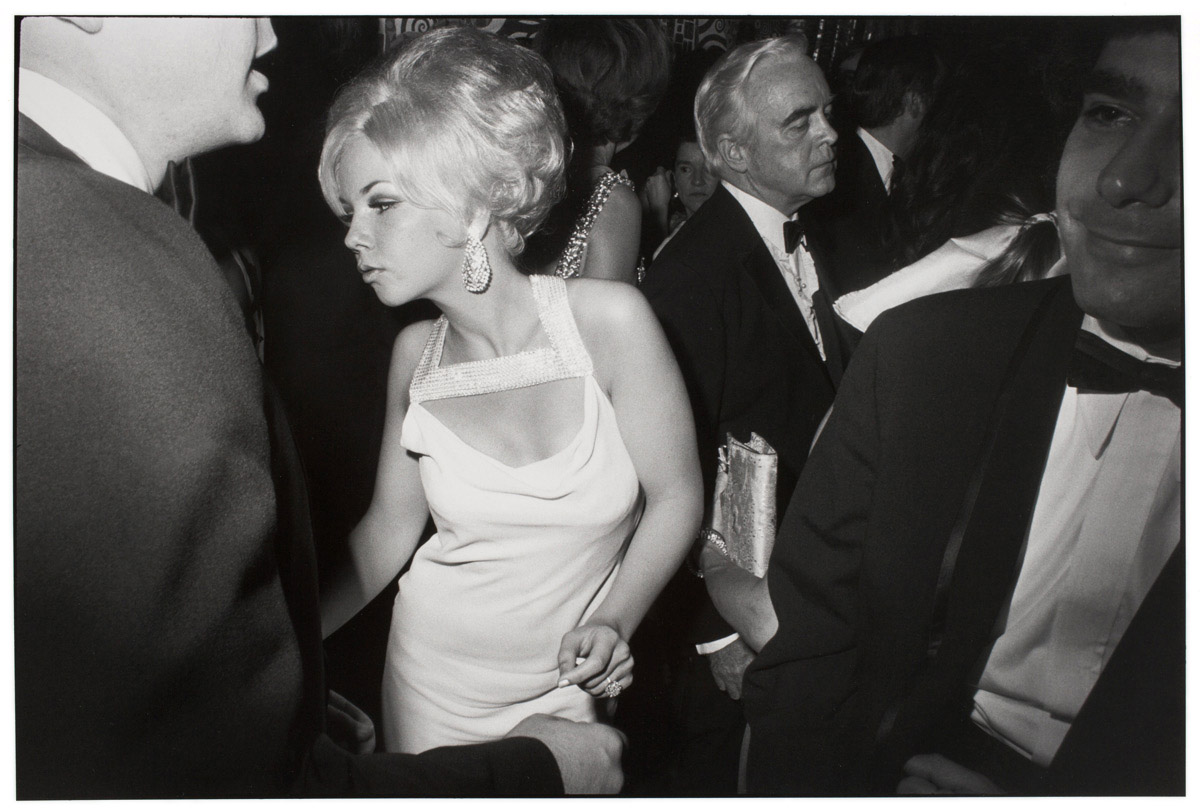

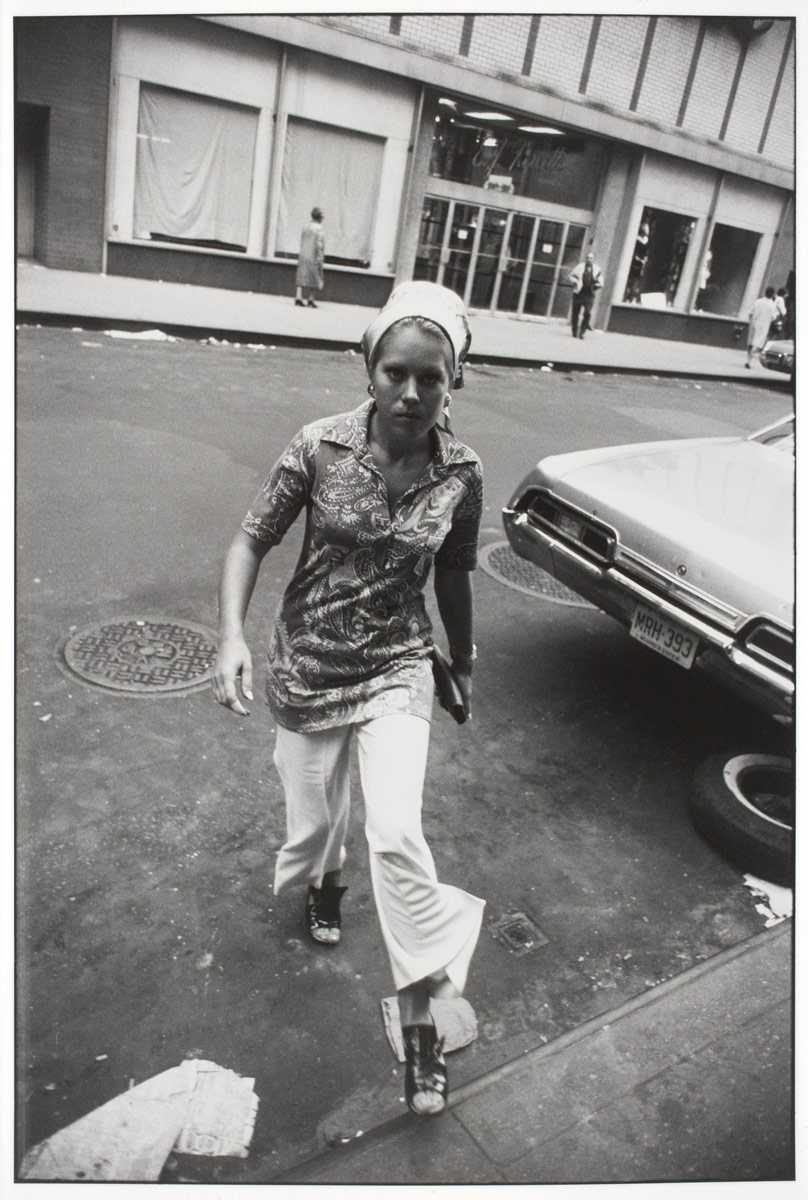


You must be logged in to post a comment.