Curator: Jason Smith, Director and CEO of Heide Museum of modern Art
Louise Bourgeois & Australian Artists 13 October, 2012 – 14 April, 2013
Curator: Linda Michael
Louise Bourgeois: Late Works installation view Heide Museum of Modern Art, Melbourne Photograph: John Gollings 2012
Tough Love
This is a tough, stimulating exhibition of late works by Louise Bourgeois at Heide Museum of Modern Art, Melbourne. All the main themes of the artist’s work explored over many years are represented in these late works: memory, emotion, anxiety, family, relationships, childhood, pain, desire and eroticism are all present as are female subjectivity and sexuality, expressed through the body. As the quotation above by Bourgeois states, her body became her sculpture.
I am no expert on the work of the artist. But what I will try and enunciate are my feelings when viewing the exhibition.
I thought the drawings by Louise Bourgeois in Heide II were the most magical thing that I saw all day; they seemed to be the well spring of her creativity, the initial thought sketched quickly and imperiously. Secondly, series such as Dawn (2007, below) and The Waiting Hours (2007), assemblages of cut fragments of her dresses and other textiles used to create spiral three-dimensional realities, were the most beautiful, peaceful Zen based works in the exhibition possessing as they did a calm, resolved, mandala-like presence. Lastly, the main group of sculptures were, for me, hard to look at. A series of severed heads, dismembered bodies, tapestry fragments, spiders, bones, an orrery-like planetarium, pendulous objects stuck with needles, kitchen implements and the house brought back memories of my own childhood.
I was born in the late 1950’s to a mother who didn’t really want to have children, to a mother who was already being beaten up by an abusive husband before she was even married, who lived on a remote, isolated farm in the middle of nowhere. I can’t imagine what my mother went through in those early years raising two children – with no hope of help or escape, with no women’s refuge to flee to, stuck there doing her best to protect her children and herself from a violent, mentally ill man. You cannot imagine the torment I went through for the first 18 years of my life, trying to protect my mother when I was old enough, creating my own worlds to escape the reality of the present (which is why I probably became an artist, to still create my own worlds). There were good times at Christmas and bonfire night, but the best part was growing up on the land, learning the rhythms of nature, learning to drive on a tractor and combine harvester, but always in the back of your mind was the instant of abuse lurking around the corner, the inherent violence of life. It is only now, as I have grown older, that I can truly appreciate the dire predicament that my mother was in and acknowledge a profound sense of gratitude towards her protection of me as a baby and child.
That is why this exhibition is, for me, tough love. The emotions of Bourgeois’ sculptures are close to the bone. As Jason Smith observes, “Bourgeois saw her mother as rational, patient and stoic in her nurturing, in contrast to the temperament of her father whom she regarded as irrationally emotional, unreasonable and capable of psychological cruelty. Bourgeois became aware at an early age that she was living in a time and social environment in which women and their identities were subordinate to men.”As Bourgeois says of the spider (her mother), “she was deliberate, clever, patient, soothing, reasonable, dainty, subtle, indispensable, neat and as useful as a spider. She could also defend herself, and me.” This is what my mother did as well, at great cost to herself.
Bourgeois’ work gives me an overall feeling of immersion in a world view, one that transcends the pain and speaks truth to power. Bourgeois confronted the emotion, memory or barrier to communication that generated her mood and the work. She observed, “My art is an exorcism. My sculpture allows me to re-experience fear, to give it a physicality, so that I am able to hack away at it.” By weaving, stitching and sewing Bourgeois threaded the past through the present and enacted, through artistic performance, a process of repair and reconstruction, giving meaning and shape to frustration and suffering. I have not been so lucky. My mother refuses to discuss the past, will not even come close to the subject for the pain is so great for her. I am left with a heaviness of heart, dealing with the demons of the past that constantly lurk in the memory of childhood, that insistently impinge on the man I am today. Louise Bourgeois’ sculptures brought it all flooding back as the work of only a great artist can, forcing me to become an ethical witness to her past, my past.
A must see exhibition this summer in Melbourne.
Dr Marcus Bunyan
Many thankx to curator and Director Jason Smith and Heide Museum of Modern Art for allowing me to publish the photographs in the posting. Please click on some of the photographs for a larger version of the image.
“What counts, our whole purpose, is to try to understand what we are about, to scrutinise ourselves… Every day you have to abandon your past or accept it, and then, if you cannot accept it, you become a sculptor.”
“The fears of the past were connected with the functions of the body, they reappear through the body. For me, sculpture is the body. My body is my sculpture.”
Louise Bourgeois
“What images can art find for depicting femaleness from within, as distinct from the familiar male conventions of looking at it from the outside, from the eye-line of another gender?” Hughes questioned in a commentary that implied no precedents. “… [Her] influence on young artists has been enormous.”
Robert Hughes quoted by Annemarie Kiely on the Vogue Living Blog [Online] Cited 28/02/2013 no longer available online
“Yes, there are the oft-told stories of the father and the mistress, but it is Bourgeois’s intense love of her mother and her [mother’s] death that completely transformed her life… The art ultimately became about her never-ending grief… and her continuing desire as a woman. It’s still so potent; not just as a memory, but as a constant.”
Jason Smith, Curator, Director and CEO of Heide quoted by Annemarie Kiely on the Vogue Living Blog [Online] Cited 28/02/2013 no longer available online
Louise Bourgeois: Late Works installation view Heide Museum of Modern Art, Melbourne Photograph: John Gollings 2012
“The friend (the spider – why the spider?) because my best friend was my mother and she was deliberate, clever, patient, soothing, reasonable, dainty, subtle, indispensable, neat and as useful as a spider. She could also defend herself, and me.”
Louise Bourgeois, from Ode to my Mother, 1995
Louise Bourgeois (French-American, 1911-2010) Spider (detail) 1997 Steel, tapestry, wood, glass, fabric, rubber, silver, gold, bone 449.6 x 665.5 x 518.2cm The Easton Foundation, New York, NY Photograph: John Gollings 2012
Louise Bourgeois (French-American, 1911-2010) Dawn (detail) 2007 Fabric book, 12 pages 12 1/4 x 9 3/4 inches each
Around 1996, aged 85, Bourgeois began to mine her closets for the garments and textiles that she had worn, collected and stored over a lifetime, and use them to make sculpture and ‘fabric drawings’, continuing her lifelong recall and articulations of familial dysfunction, desire and fear, anger and remorse, isolation and connectedness. In the recycling and reconstruction of her clothing and collected textiles Bourgeois intensified her work’s expression of the human body and of life’s episodes (those as daughter, wife, mother, woman, artist). The materiality of these works testifies to the impression of Bourgeois’ past on her psyche and on reparative acts of making through which her past was reconciled in her present. The beauty of the past for Bourgeois resided in the nurturing, repairing, fortifying and protective tendencies of her mother, which she aligned with the processes of stitching and assembling.
Blue Days (1996) is one of a number of works in which Bourgeois suspended, stuffed and shaped her dresses and shirts, sometimes adding abstract sculptural elements like the red glass sphere that operates here like a nucleus around which the new sculptural bodies circulate. With its intimate relation to the skin and contours of the body, to time and seasons, clothing was used for its power to summon memory: ‘You can retell your life … by the shape, weight, colour and smell of those clothes in your closet. They are like the weather, the ocean, changing all the time.’
In other works Bourgeois’ fragmented figures and anatomical parts give physical form to anxieties rising from unfulfilled desire, acts of betrayal, losses or thwarted communication. Couple IV embodies the dark confusion of the child happening upon the sexual embrace of the adults. The copulating, decapitated lovers appear as an encased ‘archaeological specimen’ and signal Bourgeois’ fraught obsession not only with the infidelities of her father, but also with sex itself. For Bourgeois there is ‘a fatal attraction not towards one or the other, but to the phenomena of copulation … I am exasperated by the vision of the copulating couple, and it makes me so furious … that I chop their heads [off]. This is it … I turn violent. The sewing is a defence. I am so afraid of the things I might do. The defence is to do the opposite of what you want to do.’
Louise Bourgeois’ practice was an elaborate articulation of an existence in which the sculpting world and the living world were one. Her late works summoned the past and confronted the present, and the passage of time, by using the very garments in which the experiences of her life, loves and longings resided.
Jason Smith, Curator, Director and CEO, Heide Museum of Modern Art. “Louise Bourgeois,” on The Melbourne Review website, November 2012 [Online] Cited 26/02/2013 no longer available online
Note that Femme Maison and other artworks are encased in ‘cells’. In one sense, the cell encases and protects the artwork; however, Louise Bourgeois’ intention was to use the cell also as a way of containing the memory held within the work.
The hybrid form of Femme Maison – with its dual translations to ‘woman house’ or housewife – appeared in drawings, paintings and sculpture, and in degrees of abstraction and figuration, from the mid 1940s onwards. In this key late work the textured fabric affirms the central relationship of woman with the domestic space. Stories of the house and the home defined Bourgeois’ identity. The architectural house and its contents – especially the table, bed and chair – and the familial home and its occupants, were the structures that shaped Bourgeois’ unstable sense of self, and her relationships with others. This work plays on the house literally growing out of the woman’s body (the nurturing mother) or, conversely, pinning her dismembered body to the ground, registering the paralysing power of fear, and recalling a painful childhood.
Heide Museum of Modern Art is proud to present two major exhibitions featuring the work of Louise Bourgeois. The first, Louise Bourgeois: Late Works includes over twenty, key works direct from the late artist’s studio in New York. The second exhibition, Louise Bourgeois and Australian Artists presents a selection of works by contemporary Australian artists who have been inspired by Bourgeois alongside prints and drawings from her vast graphic oeuvre. Louise Bourgeois (1911-2010) was one of the most inventive, provocative and influential artists of the twentieth century. Although her work has been exhibited extensively overseas, it has rarely been seen in Australia, and only once in significant depth, at the National Gallery of Victoria (NGV) in 1995 in an exhibition curated by then NGV curator Jason Smith. Louise Bourgeois: Late Works focuses on Bourgeois’s use of fabric in sculpture and what she termed ‘fabric drawings’. A preoccupation with memory and time, human relationships, fear and its annihilation, sexuality and the erotic body, are all emphases of Bourgeois’ final works.
Louise Bourgeois: Late Works is the first exhibition in Australia to survey the work of this profoundly important artist since her death in 2010 and has been curated by Jason Smith, now Heide Director & CEO – in close collaboration with the Bourgeois studio, New York – as a follow up to the 1995 exhibition at the NGV. Focusing on the final fifteen years of Bourgeois’ career, the exhibition examines the use of fabric in her works, and includes 18 sculptures, two suites of ‘fabric drawings’, watercolours, embroidered texts and lithographs never before seen in Australia. In the fabric works the processes of deconstructing and reconstructing, are applied to the contents of Bourgeois’ closets. The recycling of her garments, collected textiles and tapestry fragments intensifies her work’s expression of self-portraiture, and the profound personal experiences that defined her life and art.
Fabric was important to Louise Bourgeois, who grew up in her parents’ tapestry making business. In 1996, in her mid-eighties, Bourgeois began to transform the garments and textiles that she had worn, collected and stored over a lifetime into sculptures and ‘fabric drawings’. For her, sewing was an act of healing or reparation, linked to memories of her mother who ‘would sit out in the sun and repair a tapestry or a petit point’, an image of calm amid more distressing family dynamics.
Central to the exhibition is Spider, 1997 one of the Bourgeois’ Cells sculptures which is dominated, enclosed and protected by a gargantuan spider – a recurring and powerful motif in the artist’s work. Bourgeois created her spider sculptures partly in tribute to her mother, saying: ‘Like a spider, my mother was a weaver. Spiders are helpful and protective, just like my mother’. The female body and female subjectivity are concentrations in the exhibition.
The familial, biographical stories that provided life-long fuel for Bourgeois’ art are well known: her parents’ tapestry workshop in which she learnt the value of art as a form of reparation; her father’s public infidelity; her mother’s betrayal and early death; her complex sense of abandonment; her constant analysis of self; her belief in art a form of exorcism and as a potential reconciliation with the past.
Another highlight of the exhibition is the haunting Couple IV 1997, depicting a pair of copulating, and decapitated, lovers. The embracing figures are cast in the black of mourning, and appear as an encased ‘archaeological specimen’ in the vitrine. The work signals Bourgeois’ fraught obsession with the past, the infidelities of her father, and with sex itself.
Surrealism and pathos combine in Bourgeois’ smaller, intimate works like Knife figure 2002 and Untitled 2002. Here we see a dark side of the domestic with the knife and the whisk looming threateningly large in relation to the prone, dismembered bodies. In their colouration and homely material qualities they inspire tenderness and protection, yet as with so many of Bourgeois’ bodies, each remains cut off from the world and isolated to deal with its fate.”
Press release from the Heide Museum of Modern Art website
Louise Bourgeois & Australian Artists
This exhibition looks at relationships, both real and imagined, between the art of Louise Bourgeois (1911-2010) and that of ten Australian artists, in the rare context of a solo Bourgeois exhibition at Heide. Some pay direct homage to Bourgeois’ work or consider similar themes, while the connection of others registers more instinctually, on the level of a shared psychological intensity. Many of the works are rooted in memory and emotion, with a core that remains indecipherable – they do not illustrate or explain.
Forged regardless of fashion or fortune, Bourgeois’ oeuvre gave several artists in this exhibition the impetus to use personal subject matter as a creative source in the late 1980s and 1990s, an era when a cool, detached conceptualism dominated. Many share Bourgeois’ subjective focus and use the human body as a vehicle for self-expression, while for others her work’s formal precision and constant reinvention inspire. All respond to the exemplary fusion in Bourgeois’ art between inner compulsion and formal discipline, instinct and intelligence.
The Australian artists are Del Kathryn Barton, Pat Brassington, Janet Burchill, Carolyn Eskdale, Brent Harris, Joy Hester, Kate Just, Patricia Piccinini, Heather B. Swann.
Statement from the from the Heide Museum of Modern Art website
Janet Burchill (Australian, b. 1955)
Following the Blind Leading the Blind
1997
Synthetic polymer and enamel paint on wood
144.6 × 142.6 × 29.8cm
National Gallery of Victoria, Melbourne Purchased 1999
“The grid is a very peaceful thing, because nothing can go wrong … everything is complete. There is no room for anxiety … everything has a place. Everything is welcome.”
Louise Bourgeois
I had a weak-at-the-knees, tingle-all-over moment when I saw Louise Bourgeois’ work for the first time about fifteen years ago in Los Angeles. Yes I am a CRAZY fan. And, yes, it’s true I lay under her big spider in Tokyo and cried…
These are the releases I hope for in our vast world of art. Encounters when the artwork is somehow so inexplicably intimate, so beyond, so seemingly effortless that there can be no defence. In these moments there is an opening-up within the body, the mind, within all the senses … an experience of recognition, relief and awe that informs one’s deeper creative makeup.
Del Kathryn Barton
Del Kathryn Barton (Australian, b. 1972) no other side 2012 (one part of nine) Dupion silk and embroidery cotton 9 parts, each 42 × 45cm In collaboration with Karen Barton Courtesy of the artist and Roslyn Oxley9 Gallery, Sydney
“I guess every artist has other practices that they aspire to. Louise Bourgeois’ practice – by which I mean the combination of the works, the way that they were made, the artist and the way that she conducted herself – is such a practice for me. The way that she worked for so long, and continued to develop her work in good times and bad, as well as the way that her works are so much of their times but at the same time not quite in sync with them inspires me. The fact that I hardly know the work she made prior to her fifties demonstrates the truth of the idea that art is a lifetime project that can continue to evolve as an artist matures. And then, of course, there is the work itself.”
Patricia Piccinini
Patricia Piccinini (Australian, b. 1965) The Uprising 2008 Bronze
Patricia Piccinini (Australian, b. 1965) The Uprising (detail) 2008 Bronze
“The massive aorta-like The Uprising, with its labyrinthine musculature, is a much stranger work. It establishes a bridge between the Vespa stags and the transgenic creatures, while being simultaneously amorphous and representational. Corporeal and mechanical, it suggests the plastic, porous, and uncertain world of the new nature that is at the core of the figurative works. For this reason it is physically sited at the boundary between natural history and art history…”
Juliana Engberg
Patricia Piccinini (Australian, b. 1965) Nectar 2012 Silicone, fibreglass, human hair, refrigerator edition 1/6 83 x 48 x 51cm Courtesy of the artist, Tolarno Galleries, Melbourne, and Haunch of Venison, London and New York
“Taking her cue from the vague boundaries of the biotech world, ‘where it is difficult to figure exactly where the good becomes tainted and the bad becomes justifiable’, Piccinini considers her own hybrid creations, however abject or grotesque, as lovable, associated with fecundity, growth and optimism. Like Bourgeois, she presents strange couplings of the animal and the human, that despite their de-formations always convey intimacy and warmth. Here the title Nectar suggests that there may be something nourishing in what might otherwise appear as a failed experiment.”
Text from educational pdf
Pat Brassington (Australian, b. 1942) House guest #2 2007
Pat Brassington (Australian, b. 1942) The Guardian 2009 Pigment print on paper edition 6/8 112 x 87.5cm Heide Museum of Modern Art, Melbourne Purchased with funds from the Robert Salzer Foundation 2009
Louise Bourgeois at Heide Museum
A behind-the-scenes look at how the works of Louise Bourgeois, including her famous Spider were installed at Heide Museum.
Heide Museum of Modern Art 7, Templestowe Road Bulleen, Victoria 3105
Opening hours: (Heide II and Heide III) Tuesday, Wednesday, Sunday, 10am – 5pm Thursday – Saturday, 10am – 8pm
“Collectively, it is the ideas contained within the images in this exhibition that unsettle the relationship between the photograph and the world in the mind of the viewer, not their confounding.” Dr Marcus Bunyan
At its birth in the 19th century, photography was seen as the ultimate tool for the representation and classification of the visual world.1 Photography recorded reality; a photograph was seen as a visual and literal truth of something that existed in the world. It re-presented the world to the viewer, telling something of the world, reflecting the world. A photograph provided a freeze frame – the snap of the shutter – of one point in time and space. People were astounded that their likeness and that of the world around them could be captured for all to see.
Technological advancements in the early twentieth century, such as faster exposure times and more portable cameras, transformed the potential of the medium to not only show things that escaped the eye but new ways of seeing them as well.2 The photograph began to reveal the personal dimensions of reality. It began to explore the intangible spaces that define our physical and spiritual relationship with reality. “Photographers and artists attempted to depict via photographic means that which is not so easily photographed: dreams, ghosts, god, thought, time” (Jeffrey Fraenkel The Unphotographable Fraenkel Gallery Books 2013). With the advent of modernism, they sought to capture fragments, details and blurred boundaries of personal experience.3 The indexical link photograph and referent, between the camera, the object being photographed and the photograph itself was being stretched to breaking point.
Think of it like this. Think of a photograph of an apple that a camera has taken. There is a link between the photograph and its referent, the photograph of the apple and the object itself (in reality, in the lived world). As a viewer of the photograph of the apple we are secondary witness to the fact that, at some point in time, someone took a photograph of this apple in real life. We bear witness to the eyewitness. Now what if I rip up the photograph of the apple and reassemble it in a different order? Is this still not an apple, only my subjective interpretation of how I see an apple existing in the world? Is it no less valid than the “real” photograph of the apple? What kinds of visual “truth” can exist in images?
Presently, contemporary photography is able to reveal intangible, constructed vistas that live outside the realm of the scientific. A photograph becomes a perspective on the world, an orientation to the world based on human agency. An image-maker takes resources for meaning (a visual language, how the image is made and what it is about), undertakes a design process (the process of image-making), and in so doing re-images the world in a way that it has never quite been seen before.
These ideas are what a fascinating exhibition titled Confounding: Contemporary Photography, at the National Gallery of Victoria, Melbourne investigates. In the confounding of contemporary photography we are no longer witnessing a lived reality but a break down of binaries such as sacred and profane, public and private, natural and artificial, real and dreamed environments as artists present their subjective visions of imagined, created worlds. Each image presents the viewer with a conundrum that investigates the relationship between photographs and the “real” world they supposedly record. How do these photographs make you feel about this constructed, confounding world? These fields of existence?
Thomas Demand’s Public Housing (2003, above) plays with the real and the fictional, presenting the viewer with an idealised vision of a public housing complex illustrated on a Singapore $10 note. Demand makes large models out of paper and cardboard in his studio and then photographs the result before destroying the basis of his performance, the model, leaving only the photograph as evidence of their existence, an existence that emanated from the imagination of the artist. This particular Demand is unusual in that it depicts the totality of an outdoor structure, for the artist usually focuses on details of buildings, plants and environments in mid to close up view. The flattened perspective, limited colour palette and absence of detail adds to the utopian nature of the work (almost like a photographic Jeffrey Smart), aping the aesthetic and social ideals of Le Courbusier. As John Meades notes, “From early in its history, photography was adopted by architects as a means of idealising their buildings. As beautiful and heroic, as tokens of their ingenuity and mankind’s progress, etc. This debased tradition continues to thrive. At its core lies the imperative to show the building out of context, as a monument, separate from streetscape, from awkward neighbours, from untidiness.”4
In Roger Ballen’s photograph Terminus (2004, below), one the more moody works in the exhibition, a heavy wooden board with a deflated leather bladder on top presses down on a human face. Although it is not a human face (it confounds!), it is the painted face of a mannequin which the viewer can only acknowledge after a jolt of recognition. There is a feeling of entombment, a palpable feeling of claustrophobia, as the meta / physical “weight” of the bladder (like the weight of a heavy meteorite) presses down on the half obscured, thin lipped, black eyed face. Similarly confounding are the two photographs by Eliza Hutchison called The ancestors (2004, below). Shot from the waist up, these photographs remind you of those old black and white Photo Booth snapshots that you used to get for passports (there are still two of those machines outside the Elizabeth Street entrance to Flinders Street railway station, standing there like forlorn sentinels of a by gone age), complete with nondescript curtain that you used to pull behind you. There is something “not quite right” about the people in the photographs but you can’t put your finger on it until the text panel, a little gleefully, informs you that the portraits had been shot upside down. Now you realise what is out of kilter: more cheek and jowl rather than cheek by jowl.
The exhibition makes a powerful point as Robert Nelson in his review of the exhibition in The Age newspaper observes: photography doesn’t necessarily have to be confounding to be art, to become enduring, it just has to have a decent idea behind it.
“I would say that being confounding is not a necessary property of art photography; and even when it’s present, it isn’t in itself a sufficient ingredient to guarantee enduringly valuable art. Photography doesn’t have to confound in order to be art, but it does have to have an idea in it. The idea is always the issue, whether it works by confounding us or not.”5
The idea has always been the issue. Collectively, it is the ideas contained within the images in this exhibition that unsettle the relationship between the photograph and the world in the mind of the viewer, not their confounding. I don’t find any of these images contain much emotion (except possibly the Ballen) but the images are transformational because they fire up our imagination.Images speak not just of the world, but to the world; they challenge our beliefs, our politics and our daily practices. The camera’s single viewpoint, our single viewpoint, our field of existence has changed. People find themselves somehow, somewhere, not in a lived reality but in an imagined one.
Much is staged, scaled and variations in perspective are paramount. This affects the relationship between the viewer and the viewed for we can no longer take anything at face value. In a media saturated world full of images we begin to question every image that we see: has it been digitally manipulated, does it, did it actually exist in the world? These days “truth” in photography is an elusive notion and that might not be such a bad thing as people question the nature of images that surround them, their authenticity and their aura. In a media saturated world, in a world no longer of our making, seeing is no longer believing.
5/ “First, do all confounded photographic images qualify as art? Or does a photograph have to be founding in a special way? And second, can a photograph be art without being confounding? Bundling these questions together, I would say that being confounding is not a necessary property of art photography; and even when it’s present, it isn’t in itself a sufficient ingredient to guarantee enduringly valuable art. Photography doesn’t have to confound in order to be art, but it does have to have an idea in it. The idea is always the issue, whether it works by confounding us or not.”
Nelson, Robert. “Getting the picture can be confounding,” in The Age newspaper, Wednesday January 2nd, 2013, p. 11.
Many thankx to the National Gallery of Victoria for allowing me to publish the photographs in the posting. Please click on the photographs for a larger version of the image.
On 5 October, the National Gallery of Victoria will present Confounding: Contemporary Photography, an exploration of the uncanny worlds created by human imagination, dreams and memories.
Drawn from the NGV’s collection, the fourteen works on display transform the strange, uncomfortable and awkward into plausible realities. Visitors will discover the gaze of unnerving children in the hyper-real work of Loretta Lux; be jolted upon realising the hidden reality of Wang Qingsong’s monumental tableaux; and wonder at the strange beauty in the carefully constructed cardboard world of Thomas Demand.
Susan van Wyk, Curator, Photography, NGV, said: “Like the recollection of a dream, the photographs displayed in Confounding seem to make sense, but do not sit comfortably in the world. There are subtle, slightly sinister elements within the images that suggest a mystifying alternative reality… Through a selection of works by Australian and international artists, including two new acquisitions by Thomas Demand and Roger Ballen, Confounding explores the unexpected with images that bridge the divide between real and fictional.”
Confounding will present works by contemporary photographers including Roger Ballen, Pat Brassington, Thomas Demand, Eliza Hutchison, Rosemary Laing, Loretta Lux, Patricia Piccinini, Peter Peryer, Wang Qingsong and Ronnie van Hout.
Press release from the National Gallery of Victoria website
“Photographed in the rowdy Cape Town nightclub The Catacombs in the 1960s, Monk’s photographs of the racially mixed clientele portray them in extraordinary intimacy in all their states of joy and sadness.” Dr Marcus Bunyan
It is the work of Billy Monk that is most impressive in this posting. Photographed in the rowdy Cape Town nightclub The Catacombs in the 1960s, Monk’s photographs of the racially mixed clientele portray them in extraordinary intimacy in all their states of joy and sadness. While his protagonists take centre stage within his photographs there is a wonderful spatial openness to Monk’s 35mm flash images photographed with a slightly wide angle 35mm lens. Monk does not fill the pictorial frame; he allows his images to breathe. Witness (and that is what he did) the moment of stasis before kiss of The Catacombs, 30 September 1967 (below), the intensity of the man’s passionate embrace, gaze, the sublime distance between bottle at right and bottle top, the image replete with blank, contextless wall behind. There is passion and hilarity here coupled with a feeling of infinite sadness – the squashed faces of The Catacombs, 31 July 1967, the convivial happiness of the couple in The Catacombs, 5 February 1968 (he with his stained trouser leg)counterbalanced by the desolate looking man behind them and the mute expression on the trapped go-go dancers face in The Balalaika, December 1969 as the man reaches his hand through the bars towards her.
Observe the masterpiece that is The Catacombs, 21 November 1967 (below). The cheap Formica bench top and empty Coca-Cola bottle with straw, a half smoked cigarette pointing out of the photograph at bottom right. If the cigarette wasn’t there the image would fall away in that corner: it HAS to be there, and Monk’s eye knew it. The women, standing, singing? holding two bottles of liquor in her out thrust arms, her eyes and hair mimicking the patterns of the painted Medusa behind her. And the young man dressed in jacket and time, one arm outstretched and resting on the bench, the other resting curled up next to his mouth and cheek. It’s his look that gets you – she, declamatory; he, lost in melancholic reverie, with the troubles of the world on his shoulders totally oblivious to her performance. The emotional distance between the two, as the distance between his resting hand and the empty Coke bottle, is enormous, insurmountable. Such a profound and troubling image of a society in hedonistic denial. His look is the look of loneliness, anguish and despair.
These photographs that are the eye of Billy Monk, these slivers of possibility, should not be regarded as a “what if he had lived” sliver, but the silver possibility of what he did see when he was alive. They are a celebration of his informed eye and a recognition of his undoubted talent. I am moved by their pathos and humanity.
Dr Marcus Bunyan
Many thankx to the San Francisco Museum of Modern Art for allowing me to publish the text and photographs in the posting. Please click on the photographs for a larger version of the image.
“We were insiders, all three of us: Ernest Cole, Billy Monk, and me. We each photographed from the inside what we most intimately knew.
Cole was born Ernest Levi Tsoloane Kole in 1940, to a working-class Black family in a Black township outside the city of Pretoria. Growing into that society he came to know, with a depth of understanding that only belonging could bring, both its richness and the hardship and humiliation imposed by apartheid. As a boy he photographed people in the township for a shilling a time. By the age of eighteen he had begun to work as a photojournalist, and within a few years he was deeply committed to his essay on what it meant to be Black under apartheid. At age twenty-six, to escape the Security Police and to publish his seminal book, House of Bondage, he went into bitter and destructive exile. Cancer killed him in 1990. Apartheid destroyed him.
Billy Monk’s photographs have the frank and warm intimacy that comes to someone who was completely trusted by his subjects. They are of a tiny splinter of another way of being: a place in apartheid South Africa of neither Black nor White but of somewhere not quite in between. Not quite, because while Blacks would not have gained participatory entrance to the Catacombs nightclub, people “of colour” did, and mixed there freely with Whites. It was a question of bending the law – within limits. Here you were judged not by your conformity with the pathological rigidities of Calvinism gone mad, but by your immersion in the conviviality of brandy and Coke. We will never know what might have become of the eye of Billy Monk, for in 1982 he died at age forty-five in a brawl while on his way to the first exhibition of his work. He has left us what the photographer Paul Graham might describe as a sliver of possibility.
My series In Boksburg tells of what it meant to be White in a middle-class South African community during the years of apartheid. It was a place of quiet respectability such as might be found in innumerable towns around the world. Except that Blacks were not of it. They were the largest component of its population; they served it, traded with it, received charity from it, and were ruled, rewarded, and punished by its precepts. Some, on occasion, were its privileged guests. But all who went there did so by permit or invitation, never by right. White and Black: locked into a system of manic control and profound immorality. Simply to draw breath was to be complicit. Heroism or emigration seemed to offer the only escape.
From December 1, 2012, through March 5, 2013, the San Francisco Museum of Modern Art (SFMOMA) presents South Africa in Apartheid and After: David Goldblatt, Ernest Cole, Billy Monk, featuring work by three photographers that illuminates a rich and diverse photographic tradition as well as a vital, difficult, and contested period in the history of South Africa. The exhibition continues the museum’s longstanding commitment to documentary photography, showcasing the greatest breadth of each artist’s work ever shown in San Francisco, and in the U.S. for Cole and Monk. Organised by Sandra S. Phillips, SFMOMA’s senior curator of photography, South Africa in Apartheid and After brings together more than 120 photographs.
“South Africa is proving to be a very fertile and active area for contemporary photography, to which David Goldblatt’s contributions and longstanding concerns have contributed significantly,” notes Phillips. “With this show we hope to show some of this rich and varied activity.”
The internationally recognised artist David Goldblatt (1930-2018) has created an immense and powerful body of work depicting his native South Africa for a half century. The exhibition features photographs from Goldblatt’s early project In Boksburg (1982), which portrays a suburban white community near Johannesburg shaped by what the artist calls “white dreams and white proprieties.” Losing its distinctiveness in the accelerated growth of development, Boksburg could almost be mistaken for American suburbia in Goldblatt’s pictures, made in 1979 and 1980. In them, the quaintness of small-town life in South Africa is startlingly set against the increasing entrenchment of racial inequality in the country under apartheid.
Offering multiple perspectives on South Africa during this period, the work of Ernest Cole and Billy Monk are presented in the exhibition at Goldblatt’s suggestion. Adding an important dimension to Goldblatt’s Boksburg project is the work of Cole (1940-1990), a black South African photographer who documented the other side of the racial divide until he was forced to leave his country in 1966. The following year, his project was published in the United States as the book, House of Bondage, and immediately banned in South Africa; this major critique of apartheid has hardly been seen in his own country. In 2006, Goldblatt received the Hasselblad Award and became aware of Cole’s original, uncropped prints. Goldblatt was instrumental in helping bring Cole’s work to international prominence, assisting in organising a retrospective tour of the work, and championing an accompanying book project, Ernest Cole Photographer (2010). Selected works from the publication are included in the SFMOMA exhibition, featuring pictures that are eloquent, tragic, and deeply humane without a trace of sensationalism. Billy Monk (1937-1982) was a gregarious self-taught photographer who worked as a bouncer in the rowdy Cape Town nightclub The Catacombs in the 1960s. His work, recovered and reprinted posthumously by South African photographer Jac de Villiers, exists as a raw and beautiful record of the port city’s racially mixed population. These three groups of pictures are complemented by a selection of Goldblatt’s post-apartheid photographs, including large colour triptychs of beautiful and sober yet hopeful records of an imperfect, still evolving democracy.
The work of all three photographers are also featured in the exhibition Rise and Fall of Apartheid: Photography and the Bureaucracy of Everyday Life at the International Center of Photography, New York (September 14, 2012 – January 6, 2013), and Goldblatt and Cole are included in Everything Was Moving: Photography from the 60s and 70s at Barbican Art Gallery, London (September 13, 2012 – January 13, 2013).
David Goldblatt
Born in Randfontein, South Africa, Goldblatt first started photographing his native country in 1948, the same year the National Party came to power and instituted the policy of apartheid. Since then, he has devoted himself to documenting the South African people, landscape, and cities. Goldblatt photographed exclusively in black and white until the late 1990s. Following the end of apartheid and South Africa’s democratic elections in 1994, he looked for new expressive possibilities for his work and turned to colour and digital photography. This transition only took place after developments in scanning and printing technology allowed Goldblatt to achieve the same sense of depth in his colour work as in his black and white photographs.
In 1989 Goldblatt founded the Market Photography Workshop in Johannesburg with “the object of teaching visual literacy and photographic skills to young people, with particular emphasis on those disadvantaged by apartheid,” he has said. In 1998 he was the first South African to be given a solo exhibition at the Museum of Modern Art (MoMA), New York. That year, the retrospective David Goldblatt, Fifty-one Years began its international tour, traveling to New York, Barcelona, Rotterdam, Lisbon, Oxford, Brussels, Munich, and Johannesburg. He was also one of the few South African artists to exhibit at Documenta 11 (2002) and Documenta 12 (2007) in Kassel, Germany. In addition to numerous other solo and group exhibitions, Goldblatt was featured recently in solo shows at the New Museum (2009), the Jewish Museum (2010) in New York – which also traveled to the South African Jewish Museum – and the Victoria and Albert Museum (2011).
Ernest Cole
Cole left school at 16 as the Bantu education for black South Africans during apartheid prepared them only for menial jobs. Essentially self taught, Cole worked early on as a layout and darkroom assistant for Drum Magazine, a publication loosely inspired by Life magazine and directed toward the native African population. Cole was relatively mobile due to his racial reclassification as “coloured,” the designation for mixed race, that likely stemmed from his ability to speak Afrikaans, the language of Afrikaners. However, Cole was closely surveilled and had to photograph covertly, so he always worked at the risk of being arrested and jailed. He believed passionately in his mission to tell the world in photographs what it was like and what it meant to be black under apartheid, and identified intimately with his own people in photographs. With imaginative daring, courage, and compassion, he portrayed the full range of experience of black people as they negotiated their lives through apartheid.
In 1966, Cole decided to leave South Africa with a dream of making a book; House of Bondage was eventually published in the U.S. in 1967. The book, and Cole himself, were immediately banned in South Africa, and Cole passed away after more than 23 years of painful exile, never returning to his home country and leaving no known negatives and few prints of his monumental work. Tio fotografer, an association of Swedish photographers with whom Cole worked from 1970 to 1975 while living in Stockholm, received a collection of his prints, and these were later donated to the Hasselblad Foundation in Sweden.When David Goldblatt received the Hasselblad award in 2006, he viewed the works and then collaborated with the foundation to bring Cole’s work to light. Many of the prints were shown publicly for the first time in the traveling 2010 retrospective Ernest Cole Photographer, which offered new insights to the complex interaction between Cole’s unflinching revelations of apartheid at work and the power, yet subtlety and even elegance, of his photographic perspective. Ernest Cole Photographer has only been seen in South Africa and Sweden. Approximately one-third of Cole’s photographs on view in the SFMOMA exhibition have never been shown before.
Billy Monk
Using a Pentax camera with 35mm lens, Monk photographed the nightclub revellers of The Catacombs and sold the prints to his subjects. His close friendships with many of the people in the pictures allowed him to photograph them with extraordinary intimacy in all their states of joy and sadness. His pictures of nightlife seem carefree and far away from the scars and segregation of apartheid that fractured this society in the daylight.
In 1969, Monk stopped taking photographs at the club. A decade later his contact sheets and negatives were discovered in a studio by photographer Jac de Villiers, who recognised the significance of his work and arranged the first exhibition of Monk’s work in 1982 at the Market Gallery in Johannesburg. Monk could not attend the opening, and two weeks later, en route to seeing the exhibition, he was tragically shot dead in a fight. From 2010 to 2011, De Villiers revisited Monk’s contact sheets and curated an exhibition at the Stevenson Gallery in Cape Town, including works that had never been shown before, accompanied by a publication.
“The photographs are beautiful, subtle, nuanced evocations to the fragility and enduring nature of life.” Dr Marcus Bunyan
Exhibition dates: 16th January – 9th February, 2013
Curator: the artist
Darron Davies (Australian) Atmosphere 2012 Archival Pigment Print on Photo Rag 80 x 80cm Edition of 6
This is the first “magical” exhibition of photography that I have seen in Melbourne this year. Comprising just seven moderately large Archival Pigment Print on Photo Rag images mounted in white frames, this exhibition swept me off my feet. The photographs are beautiful, subtle, nuanced evocations to the fragility and enduring nature of life.
The photographs move (shimmer almost) one to another, with slight changes in the colour green balanced with abstract splashes of light and pigment reminiscent of an abstract expressionist painting (I particularly like the splash of red in The Red Shard, 2102, below). These are beautifully seen works, that require 1) a good idea, 2) an aware and enquiring mind, 3) an understanding and receptive eye, and 4) a relationship to the ineffable that allows visions such as these to be breathed into existence.
As Minor White would say,
Three Canons
Be still with yourself Until the object of your attention Affirms your presence
Let the Subject generate its own Composition
When the image mirrors the man And the man mirrors the subject Something might take over
A sense of day/dreaming is possible when looking at these images. Interior / exterior, size / scale, ego / self are not fixed but fluid, like the condensation that runs down the inside of these environments (much like blood circulates our body). This allows the viewer’s mind to roam at will, to ponder the mysteries of our short, improbable, joyous life. The poetic titles add to this introspective reflection.
I came away from viewing these magical, self sustaining vessels with an incredibly happy glow, more aware of my own body and its relationship to the world than before I had entered Darron Davies’ enveloping, terrarium world.
Dr Marcus Bunyan
Many thankx to Edmund Pearce Gallery for allowing me to publish the photographs in the posting. Please click on the photographs for a larger version of the image.
Darron Davies (Australian) Day’s Reach 2012 Archival Pigment Print on Photo Rag 80 x 80cm Edition of 6
Darron Davies (Australian) Encased 2012 Archival Pigment Print on Photo Rag 80 x 80cm Edition of 6
Terraria
I step into your small world Your secret world Each a planet of green
Fragile edges holding the lived and living
Peering into your glass your mirror I see the shards of light Drawing in and Stretching out
You are another In atmosphere In moss In fear
Terraria is a photographic project exploring the magical, abstract and metaphoric world of terrariums – an increasingly popular form of enclosed and small scale eco-system designed for showcasing plants.
Ultimately, Terraria is also about the fragility of life – terrariums as self contained vessels, enduring, magical – like the human body or our planet – yet somewhat mysterious. These vessels are self sustaining with no watering needed. They are independent and endure quietly. This project would not have been possible without support from Lisa Rothwell from Lu Lu Blooms.
Artist statement
Darron Davies (Australian) Heaven’s Door 2012 Archival Pigment Print on Photo Rag 80 x 80cm Edition of 6
Darron Davies (Australian) The Second Dream 2012 Archival Pigment Print on Photo Rag 80 x 80cm Edition of 6
Darron Davies (Australian) The Light Play 2012 Archival Pigment Print on Photo Rag 80 x 80cm Edition of 6
Darron Davies (Australian) The Red Shard 2012 Archival Pigment Print on Photo Rag 80 x 80cm Edition of 6
Josef Sudek (Czechoslovakian, 1896-1976) From the Window of My Atelier 1940 Gelatin silver print
“Bowery was a child of his time, a prescient, sentient being who was out there doing his thing, challenging the dominant paradigms of a patriarchal society.” Dr Marcus Bunyan
Curator: Nicola Bateman (Bowery’s widow and artistic collaborator) in close collaboration with the gallery team and the Estate of Leigh Bowery
Installation view of XTRAVAGANZA. Staging Leigh Bowery, Kunsthalle Wien Foto: Stephan Wyckoff Kostüme: Leigh Bowery Kostümpräsentation: Klaus Mayr Courtesy Estate of Leigh Bowery
I can die happy now that I have had the opportunity to do a posting on this amazing man. He challenged social stereotypes turning his body into an every changing, ever challenging work of art. He used his body as a canvas and inscribed narratives upon it. He used these narratives to challenge the dominant discourse, offering himself as material evidence to facilitate new perspectives. His body became a performance, the self as performance, one that was not fully pre-determined, for you never knew what he would do next, what social outrage he would offer up.
Through masks, makeup, wigs and body modification, Bowery confronted the viewer with an/other field of existence, one that promoted an encounter with the face of the other, causing an emotional response in the audience, the viewer. As Wendy Garden observes, “Being faced with another provokes a reaction: it makes an appeal, demands an engagement.”1 We cannot look away for we do not know what Bowery will do next. He used his large body, its bulk and presence to bring the viewer face-to-face with an/other. The magnification of his size and the emphasis and manipulation of his face, especially the mouth and eyes, rescales his presence in front of the viewer – at his performances, in the photographs of Bowery. For example, look at his creation Evening Wear – Andrew Logan’s 1986 Alternative Miss World (1986, below). Impossibly high and luridly coloured boots, leggings, a bustled and bedazzled jacket / skirt combo, crash helmet and the most maniacal black and white face you will ever see. Bowery unbalances the fixity of the single perspective and through his transgression destabilises the mastering gaze.
I was living in London at the time Leigh Bowery, Boy George, Marilyn and Divine were strutting their stuff in the nightclubs of London town. What a time. Maggie Thatcher (and I can hardly bring myself to type her name) was Prime Minister of a right wing Conservative government from 1979-1990, a period of social oppression of minorities, the breaking of the trade unions, the beginning of HIV/AIDS. Think Boy George’s famous song No Clause 28 that protested against a local government act that “shall not intentionally promote homosexuality or publish material with the intention of promoting homosexuality” or “promote the teaching in any maintained school of the acceptability of homosexuality as a pretended family relationship.”
Bowery was a child of his time, a prescient, sentient being who was out there doing his thing, challenging the dominant paradigms of a patriarchal society. He burned like a comet, bright in the sky, and then was gone all too early. But he will never be forgotten.
Dr Marcus Bunyan
1/ Garden, Wendy. “Ethical witnessing and the portrait photograph: Brook Andrew,” in Journal of Australian Studies Vol. 35, No. 2, June 2011, p. 261.
Many thankx to Kunsthalle Wien for allowing me to publish the photographs in the posting. Please click on the photographs for a larger version of the image.
“I believe that fashion (where all girls have clear skin, blue eyes, blonde blow-waved hair + a size 10 figure, and where all men have clear skin, a moustache, short blow-waved hair, a masculine physique + appearance) STINKS”
Leigh Bowery
The Legend of Leigh Bowery 2002
Installation view of XTRAVAGANZA. Staging Leigh Bowery, Kunsthalle Wien Foto: Stephan Wyckoff Kostüme: Leigh Bowery Kostümpräs: Klaus Mayr Courtesy Estate of Leigh Bowery; Cerith Wyn Evans, In Girum Imus Nocte Et Consumimur Igni, 2008 Courtesy Cerith Wyn Evans und White Cube
Installation view of XTRAVAGANZA. Staging Leigh Bowery, Kunsthalle Wien Foto: Stephan Wyckoff Kostüme: Leigh Bowery Kostümpräsentation: Klaus Mayr Courtesy Estate of Leigh Bowery
Werner Pawlok (German, b. 1953) Portrait Leigh Bowery 3 1988 Courtesy Werner Pawlok
“I think of myself as a canvas,” fashion pioneer Leigh Bowery once said about himself. If there were a formula to describe this enfant terrible who refused all categorisation throughout his life, this would be it: turning oneself into a work of art. Presenting himself in the most garish ways that defied all conventions and stylising himself as a walking work of art, Leigh Bowery, who was born in Australia in 1961, stirred up London’s sub-culture of the 1980s in the wake of post punk and New Romanticism. Being friends with stars of the scene like Michael Clark and Cerith Wyn Evans, he continuously reinvented himself on the manifold stages of the metropolis.
The show highlights Leigh Bowery’s life and work between fashion, performance, music, dance, and sculpture by presenting rarely exhibited costumes, numerous films, photographs, music videos, talk shows, and magazines. It approaches Bowery by way of artistic descriptions, reflections, and documentations in the work of friends, supporters, and colleagues, whose source of inspiration, entertainer, and muse he was: Bowery’s performative enactments oscillating between masquerade and radical self-expression were captured by filmmakers such as Charles Atlas, Dick Jewell, Baillie Walsh, and John Maybury. It took Fergus Greer a number of sessions that stretched over six years to shoot the legendary photo series Looks. As Charles Atlas’s Teach shows, Leigh Bowery developed his unmistakable outfits, gestures, and poses in multiple forms of self-reflection under his companions’ critical eye. Bowery’s one-week performance in the Anthony d’Offay Gallery in London (1988) involved a two-way mirror: while the public could watch Leigh Bowery changing his outfits for hours on end, he saw only his own mirror image and remained inescapably confronted with himself and his movements. Though Bowery claimed that he had had to fight his shame initially and hid his room-filling physique behind conspicuous materials such as tulle, glitter, paint, and satin, his performances were anything but embarrassing: “The rest of us used drag and make-up to disguise our blemishes and physical defects. Leigh made them the focal point of his art,” Boy George once remarked. The nightclubs of London provided Bowery with catwalks on which to flaunt his visions of himself and let him always come out on top in terms of maximum attention. Lucian Freud, the British prince of painters, took great pleasure in Leigh Bowery’s fascinating personality and the fullness of his naked body. Bowery became one of his most important models, and the artist depicted him as he could never be seen in public: natural, intimate, and vulnerable.
Leigh Bowery’s art clearly differs from the designs, presentation patterns, and distribution channels of fashion designers. With Trash and Bad Taste irony, Bowery, like his idol John Waters and his main actor Divine, abandoned all conventions and stylistic doctrines in a both cynical and humorous way. His craftsmanship in tailoring and his creative potential constitute the core of an expressive self-stylisation which did not depend on encouraging the public through marketing strategies or offers of consumer goods. His vestimentary creations were based on the work with his own body, which he regarded as a malleable material and workable mass and which was to play an increasingly central part in his late oeuvre. Regarded as inexorably deficient, his body became the origin of those manifold appearances and kaleidoscopic diversifications that we find most astounding when confronted with Bowery’s work. He experimented with second skins of black latex, exaggerated the size and volume of his body with sweeping tulle attires, and made himself look taller with platform shoes. Bowery sabotaged glamorous, ornamental and transparent materials with steel helmets, toilet seats, and skulls. He fastened artificial lips in his cheeks with safety pins and wore flesh-coloured velvet suits that transformed his body into a vagina. Using adhesive tape and a bodice, he shaped his flesh into an artificial bosom, and he concealed his member behind pubic hair toupees or overemphasised it as he did in one of the Michael Clark Company’s dance performances. He disparaged unequivocal gender definitions and transcended their socially informed attributions – Gender Trouble: everything was a look. By and by, Bowery turned into what has been called “the self as performance.”
Leigh Bowery’s existence was the epitome of extremes. He looked for exceptional emotional and physical states like pain and ecstasy that would release him from the mediocrity of everyday life, like in the performance The Laugh of No.12 in Fort Asperen on June 4, 1994. Suspended on one foot, stark naked, wearing a black face mask, and displaying some clothespins on his genitals, he swung through the air uttering a sprechgesang, before he smashed a pane of glass with his bulky body. Exposing himself to his vulnerability in his performances, Bowery overcame physical injuries by showcasing them. His sometimes sadomasochist appearances and provocative lifestyle culminated in an attitude that crystallised into a sociopolitical approach in his statement “I like doing the opposite of what people expect.” Far from nocturnal footlights and kindred spirits’ protection, he – who was “larger than life” in every respect – strained the social limits of propriety with his big and exalted appearance. He enjoyed causing offence and holding up a mirror to the dictatorship of conformism, unmasking its heteronomy.
After an excessive life, Leigh Bowery died from AIDS at the age of 33. He was more than an extraordinary peripheral figure making his mark in the urban arena of exhibitionism and voyeurism. His virtuoso works have influenced haute couture collections by such fashion stars as Rei Kawakubo, John Galliano, Walter van Beirendonck, and Alexander McQueen. In spite of its simplicity, the latest fall/winter collection of Comme des Garçons shows obvious parallels to Leigh Bowery’s designs.
Press release from the Kunsthalle Wien website
Robin Beeche (Australian, 1945-2015) Evening Wear – Andrew Logan’s 1986 Alternative Miss World 1986 Courtesy Robin Beeche
They may be channelling the master, but none does it like Cartier-Bresson. There is a spareness and spatial intensity to Cartier-Bresson’s work that is absolutely his own. Look at the photograph directly above (Harlem, New York, 1947). A railing leads the eye in bottom right, echoed by the bottom jamb of the window. The opening is set for the old man to perform complete with curtains, talking stage right. The jamb zig zags above a trilby-wearing, cigarette-smoking man’s head leading to a wire mesh fence that takes the eye out of the frame on the left. The two men, lower than the old man in the framed window, look in a completely different direction to him.
Counterpoise. The image pulls in two directions. Above their head a series of cantilevered staircases ascends to the heavens, thought ascending. A masterpiece.
So many of the other photographers in this posting crowd the plane with people looking in all directions, closed off foregrounds or tensionless images. Images that are too complex or too simple. There is an opposition to Cartier-Bresson’s images that is difficult for the viewer to resolve neatly, yet they appear as if in perfect balance. Look at Brooklyn, New York, 1947 towards the bottom of the posting. Nothing in this still life is out of place (from the light to the multiple, overlapping shadows and the out of focus elements of the composition) yet there is humbling agony about the whole thing. It is almost is if he is saying, “cop a load of this, this is what I can see.” And what a fabulous eye it is.
Dr Marcus Bunyan
Many thankx to Somerset House for allowing me to publish the photographs in the posting. Please click on the photographs for a larger version of the image.
“I only know how to approach a place by walking. For what does a street photographer do but walk and watch and wait and talk, and then watch and wait some more, trying to remain confident that the unexpected, the unknown, or the secret heart of the known awaits just around the corner.”
Positive View Foundation announces its inaugural exhibition Cartier-Bresson: A Question of Colour, to be held at Somerset House, 8 November 2012 – 27 January 2013. Curated by William A. Ewing, the exhibition will feature 10 Henri Cartier-Bresson photographs never before exhibited in the UK alongside over 75 works by 15 international contemporary photographers, including: Karl Baden (US), Carolyn Drake (US), Melanie Einzig (US), Andy Freeberg (US), Harry Gruyaert (Belgium), Ernst Haas (Austrian), Fred Herzog (Canadian), Saul Leiter (US), Helen Levitt (US), Jeff Mermelstein (US), Joel Meyerowitz (US), Trent Parke (Australian), Boris Savelev (Ukranian), Robert Walker (Canadian), and Alex Webb (US).
The extensive showcase will illustrate how photographers working in Europe and North America adopted and adapted the master’s ethos famously known as ‘the decisive moment’ to their work in colour. Though they often departed from the concept in significant ways, something of that challenge remained: how to seize something that happens and capture it in the very moment that it takes place.
It is well-known that Cartier-Bresson was disparaging towards colour photography, which in the 1950s was in its early years of development, and his reasoning was based both on the technical and aesthetic limitations of the medium at the time. Curator William E. Ewing has conceived the exhibition in terms of, as he puts it, ‘challenge and response’. “This exhibition will show how Henri Cartier-Bresson, in spite of his skeptical attitude regarding the artistic value of colour photography, nevertheless exerted a powerful influence over photographers who took up the new medium and who were determined to put a personal stamp on it. In effect, his criticisms of colour spurred on a new generation, determined to overcome the obstacles and prove him wrong. A Question of Colour simultaneously pays homage to a master who felt that black and white photography was the ideal medium, and could not be bettered, and to a group of photographers of the 20th and 21st centuries who chose the path of colour and made, and continue to make, great strides.”
Cartier-Bresson: A Question of Colour will feature a selection of photographers whose commitment to expression in colour was – or is – wholehearted and highly sophisticated, and which measured up to Cartier-Bresson’s essential requirement that content and form were in perfect balance. Some of these artists were Cartier-Bresson’s contemporaries, like Helen Levitt, or even, as with Ernst Haas, his friends; others, such as Fred Herzog in Vancouver, knew the artist’s seminal work across vast distances; others were junior colleagues, such as Harry Gruyaert, who found himself debating colour ferociously with the master; and others still, like Andy Freeberg or Carolyn Drake, never knew the man first-hand, but were deeply influenced by his example.
Press release from Somerset House website
Fred Herzog (Canadian born Germany, 1930-2019) Man with Bandage, Vancouver, Canada 1968
Harry Gruyaert is known for his extraordinary photographic work with color. Born in Antwerp in 1941, he originally dreamed of becoming a film director. In the late 1970s, Pop art and a trip to Morocco inspired him to become one of the first photographers in Europe to devote his work entirely to color photography. Gruyaert’s cinematographic background instilled in him an aesthetic conception of photography. Rather than telling stories or documenting the world through his lens, he searches for beauty in everyday elements. His images are simply snapshots of magical moments in which different visual aspects, primarily color, form, light and movement, spontaneously come together in front of his lens.
“My process is linked to everyday life. Only on rare occasions do I go out specifically to ‘shoot’. My best photographs were taken going to or from work, or some other destination. Sometimes a picture appears that helps me sum up a strange mood or thought that I’ve struggled with for weeks. Other times my work is more documentary in nature.
Photographing in public keeps me awake and aware, always looking around, in awe at what we humans are up to. In a time when staged narratives and rendered images are popular, I am excited by the fact that life itself offers situations far more strange and beautiful than anything I could set up.”
Ingeborg Tyssen (Netherlands, Australia 1945-2002) Untitled 1977 From the People series Gelatin silver print Image: 20.1 x 25.2cm Monash Gallery of Art, City of Monash Collection Donated by Janice Hinderaker through the Australian Government’s Cultural Gifts Program 2003
“Ingeborg Tyssen was one of the great Australian photographers of her generation.” (Press release)
“Ingeborg Tysenn was one of Australia’s most important post war artists.” (Essay “Remembering Ingeborg” by Sandra Byron)
This is a disappointing exhibition of the work of Australian photographer Ingeborg Tyssen at Monash Gallery of Art, Melbourne encumbered as it is by the above two statements. On the evidence of the work presented neither statement is true. Whoever is pushing this barrow (and it is a large barrow to push) should really stop and have a damn good look at the work to see whether it is worthy of such claims and what they hope to achieve by promoting such statements. If they really looked objectively they would see that the art just is, and nothing more.
Being a cultural commentator means that you have to form an opinion on the work presented. For me this involves the eye (what the work looks like), the head (undertaking research into the artist) and the heart (how I feel about the work). Then and only then can you make an informed decision on the merits of the work. With Tyssen’s work there were four standout photographs in the exhibition (people in a swimming pool taken in the Modernist style, part of the 1981 Ryde Pool, Sydney series, none of which I can show you in this posting) and the rest of the photographs exist in the world.
Tyssen was born in The Netherlands and arrived here when she was 12 years old. Her photographs show a European and Australian sensibility, a dislocation from but also an attraction toward both her native country and her adopted country Australia. Her photographs can be divided into various styles: early documentary street photography (the People series, 1977), Modernist photography (Ryde Pool, Sydney series, 1981 and From the heart of the forest to the edge of the road series, 1982-1984), New Topographics photography (Billboards and Trees series, 1981-1982) and Romantic photography (The voice of silence series 1991-1992). In this regard, Tyssen never seems to have developed a voice of her own, a signature style that you could say was unique to her own art practice. So many of these photographs are derivative of other photographers who have already invented and mastered that style that nothing seems to belong to Tyssen herself. She seems to have been enamoured of style after style.
In the high contrast, small scale People series (1977, above) the animals are particularly unapproachable. While exhibiting a sense of Australian light and an intimation of Australia’s white only policy – there is a specific Australian-ness in the people she has chosen and the atmosphere of Whitlam / post Whitlam remaking of the Australian identity; even the lady with the European aura knows she is in Australia, perhaps she even knows she is in the Australian light – these are hard images to engage with emotionally, unlike the psychological works of Harry Callahan and Garry Winogrand. Problematically, the Billboards and Trees series (both 1981-1982, below) are so redolent of American photography (both in physical dis/location and surface remarks) that I felt I had seen it all before. In both these series Australia morphs into America and not in a good way.
In the panoramic series From the heart of the forest to the edge of the road (1982-1984, below) Tyssen comes closest to capturing the intensity of the Australian landscape only to be let down by a) the quality of the prints and b) the fact that the title is a coat hanger, allowing the artist to hang disparate images together that really have no relationship to each other. The prints themselves do little to support the work, being sometimes too pale and insignificant to hold the image, too flat. Playing with the print and its tonal range and surface qualities does little to help an overall vision of the work or help the viewer engage with the content.
In my notes I wrote in capital letters: THEY DON’T ENGAGE ME! In other words, there was little in these photographs that held my attention for any length of time.
Tyssen seems to have known her limitations as well. She just wanted to be a photographer and kept persevering at her art … keep at it, keep going, keep creating. That’s all you can do as an artist.
At their best Tyssen’s photographs lie somewhere between Kertesz and Cartier-Bresson without the decisive moment (look at the photograph Taronga Zoo, Sydney, 1974 below and you will understand what I mean). But the deference of some of her images was really brought home to me when, in a small gallery off to the side of the main space, there in all its glory was one of the iconic images of a generation – Vale Street (1975) by Carol Jerrems.
People really do need to stop making grandiose statements about the work of artists and let the viewer just look clearly at the art. That way there is little expectation, the work will be taken on its merits, and everyone may be quietly surprised at the outcome.
Dr Marcus Bunyan
Many thankx to the Monash Gallery of Art for allowing me to publish the photographs in the posting. Please click on the photographs for a larger version of the image.
“Tysenn clearly felt a deep sense of dislocation from her country of birth, its national identity and cultural conventions. It was apparent in her ongoing explorations of the Australian landscape that on her arrival she had met with more than just an initial linguistic barrier, and there were also barriers to understanding the Australian landscape which was so far and different to European forests and Dutch tales and legends about them that she grew up with.”
Essay “Remembering Ingeborg” by Sandra Byron
“Tyssen’s people are not known to her, rather are studies of anonymous people: in action, in the city, at a fairground. The People series – City Light 1977 images reveal a sense of isolation in a crowd. People emerging from the dark shadows of the same station / mall and march into the sunlight. They are expressionless, uncommunicative, isolated, yet display a keen sense of self and appearance. Mostly minding their own business, doing their own thing, they seem undisturbed by the female photographer standing nearby. She must not have been intrusive or demanding, just there with her camera at the ready.”
Fiona McIntosh. “Two women photographers,” on the art out there blog Friday, 18 May 2012 [Online] Cited 08/09/2022
Ingeborg Tyssen (Netherlands, Australia 1945-2002) Untitled 1977 From the People series Gelatin silver print Image: 20.1 x 25.2cm Monash Gallery of Art, City of Monash Collection Donated by Janice Hinderaker through the Australian Government’s Cultural Gifts Program 2003
Ingeborg Tyssen (Netherlands, Australia 1945-2002) Untitled 1977 From the People series Gelatin silver print Image: 20.1 x 25.2cm Monash Gallery of Art, City of Monash Collection Donated by Janice Hinderaker through the Australian Government’s Cultural Gifts Program 2003
Ingeborg Tyssen (Netherlands, Australia 1945-2002) Untitled 1977 From the People series Gelatin silver print Image: 20.1 x 25.2cm Monash Gallery of Art, City of Monash Collection Donated by Janice Hinderaker through the Australian Government’s Cultural Gifts Program 2003
Ingeborg Tyssen (Netherlands, Australia 1945-2002) Untitled 1977 From the People series Gelatin silver print Image: 20.1 x 25.2cm Monash Gallery of Art, City of Monash Collection Donated by Janice Hinderaker through the Australian Government’s Cultural Gifts Program 2003
Ingeborg Tyssen Untitled 1977 From the People series Gelatin silver print Image: 20.1 x 25.2cm Monash Gallery of Art, City of Monash Collection Donated by Janice Hinderaker through the Australian Government’s Cultural Gifts Program 2003
Garry Winogrand (American, 1928-1984) Untitled Nd (1960s) / published 1981 From the portfolio Women are Beautiful Silver gelatin print
Ingeborg Tyssen (Netherlands, Australia 1945-2002) Taronga Zoo, Sydney 1974 Gelatin silver print Collection of the Estate of Ingeborg Tyssen
Ingeborg Tyssen (Netherlands, Australia 1945-2002) Royal Easter Show, Sydney 1979 Silver gelatin print Collection of the Estate of Ingeborg Tyssen
Ingeborg Tyssen (Netherlands, Australia 1945-2002) Untitled 1981 From the series Ryde Pool, Sydney Ink-jet print Collection of the Estate of Ingeborg Tyssen
Ingeborg Tyssen (Netherlands, Australia 1945-2002) Annandale, Sydney 1981 From the series Trees 1981-82 Silver gelatin print
Ingeborg Tyssen (Netherlands, Australia 1945-2002) Pyrmont, Sydney 1982 From the series Billboards 1981-82 Silver gelatin print
Ingeborg Tyssen (1945-2002) was one of the great Australian photographers of her generation. Although generally overlooked by critics during her lifetime in favour of many of her male counterparts, Tyssen left us a remarkable body of work. Ingeborg Tyssen: photographs is the first museum retrospective of her work in Victoria, and the first major exhibition since her memorial show was held at the Art Gallery of NSW in 2002.
This exhibition provides a great opportunity for audiences to view the work of this major figure. Spanning 20 years of creative output from 1974-94, Ingeborg Tyssen: photographs shows Tyssen as a highly original observer of modern life. Her candid photographs of pedestrians in city streets, young kids playing in suburban swimming pools, and images of the Australian and American landscape reveal an artist whose concerns were at the forefront of Australian photographic practice.
MGA Gallery Director Shaune Lakin states, “Tyssen’s story is one of the great stories of Australian photography. Her arrival in Australia at the age of 12 as an immigrant from her native Holland and her struggle with displacement and new language and landscape is one that many Australians are familiar with. Being one of Australia’s first street photographers, she made a significant contribution to the history of Australian photography. Her experience of migration gave Tyssen a rare ability to observe people in their environment. Her earliest photographs, taken in the city streets, fun parks, and suburbs of 1970s were acute depictions of the urban isolation she felt in her new homeland. Her experience and pictures certainly remain relevant to contemporary Australia.”
In 1995 the Art Gallery of New South Wales presented a mid-career survey of her work and she continued to exhibit in commercial galleries and museums in Australia and abroad until she died as a result of a motor accident in 2002. In her obituary, critic Robert McFarlane wrote: “With Tyssen’s death, Australia has lost one of the most talented photographers from the postwar generation… The originality and lack of ego in these images will ensure their enduring place in the history of the medium.”
Tyssen studied photography under John Williams, who became her husband. She was a co-founder of the Photographers Gallery in South Yarra in 1975.
Press release from the Monash Gallery of Art website
Ingeborg Tyssen (Netherlands, Australia 1945-2002) Perisher Valley, NSW 1984 From the series From the heart of the forest to the edge of the road 1982-1984 Silver gelatin print
Curator: Billy Miller in cooperation with the Bob Mizer Foundation
** Warning this posting contains male nudity **
Bob Mizer (American, 1922-1992) Rick Gordon, rooftop studio, Los Angeles 1972 Vintage color transparency Cibachrome print 10.5 x 10.5 inches Edition of 5 Printed in 2012
There are some appealing but relatively tame photographs from one of the doyens of male physique photography from the 1950s-1970s in this posting. More interesting to me are the photographs that never get published or shown in a gallery. While visiting The Kinsey Institute in Bloomington, Indiana as part of my PhD research Pressing the Flesh: Sex, Body Image and the Gay Male in 2001 I made a list of all the physique photographers present in their collection, as well as annotated notes on the photographs of Baron von Gloeden, George Platt Lynes, male homosexual catalogue photographs, male homosexual photographs and male2male sex photographs. Unfortunately almost nothing of this amazing collection of photographs at The Kinsey has ever been published, mainly I suspect due to the prudish nature of American society.
The physique photographers include artists such as Russ Warner, Al Urban, Lon of New York (who began their careers in the late 1930’s), Bob Mizer (started Athletic Model Guild (AMG) in 1945 and later, on his own, Physique Pictorial), Charles Renslow (started Kris studio in 1954), Bruce of Los Angeles, Douglas: Detroit, Dick Falcon, Melan, Karl Eller and Physique Culture and Early Homosexual Magazines.
Bob Mizer set up AMG in 1945 to photograph male bodybuilders and it is now the oldest male model photography studio in the United States of America. All models in the photographs that I studied were well built, smooth, toned. Lots of outdoor shots! Models are usually quite young (18-22 approx.) Tiny waists and v shaped. For example Image No. 51820. 3 studio portraits of one smooth boy featuring twisted back, arms and torso to great effect. Total V shape. Lots of erotic wrestling photographs from AMG as well.
Although not showing nudes in publications such as Physique Pictorial, private photographs by Bob Mizer heavily feature nudity. Wide use made of projected backdrops – abstracts, leaves, mountains, ships, classical Roman ruins. 4″ x 5″ prints are much better than the 8″ x 10″ enlargements. The Annotations on back of both size images tell of the models jobs and sexual orientation and what they will or will not do sexually if known. It is interesting to note that these annotations are usually the only thing that places the physical bodies in a social context. The studio shots really have no context while the outdoor shots have slightly more context. The annotations helps define the social and sexual structures within which the models circulated.
What surprised me the most in The Kinsey Institute collection were the black and white and colour photographs of the beefcake models with erect penis and having full on male2male sex out in the open. These photographs are never seen, never published or exhibited but these prurient texts provide an important touchstone when trying to understand the more sexually and aesthetically passive work. It is a pity that the viewer cannot make an informed decision on the development of an artist’s oeuvre without im/morality raising its ugly head.
PLEASE SEE THE NOTES FROM MY RESEARCH AT THE KINSEY INSTITUTE BELOW IN THE POSTING.
Dr Marcus Bunyan
Many thankx to Invisible Exports for allowing me to publish the photographs in the posting.
Bob Mizer (American, 1922-1992) John Benninghoff 1991 Vintage color transparency Cibachrome print 7 x 10.5 inches Edition of 5 Printed 2012
Bob Mizer (American, 1922-1992) Unknown, Los Angeles 1972 Vintage color transparency Cibachrome print 10.5 x 10.5 inches Edition of 5 Printed in 2012
Bob Mizer (American, 1922-1992) Production still from “Boy Factory” 1969 Vintage large-format black and white negative Silver gelatin print 16 x 20 inches Edition of 3 Printed in 2012
Most widely known as a photographer-filmmaker, independent publisher, and midcentury iconoclast, Bob Mizer (1922-1992) was an erotic auteur and a lyrical chronicler of the pre-Stonewall demimonde. In his meticulously staged idiosyncratic private work, Mizer revealed himself as a conscientious artist of intimacy and depth, a visionary stylist of the male-on-male gaze as it was refracted through a culture suffused with masculine iconography, which yet stymied and redirected the vectors of desire. The objects and photographs here show Mizer to be the progenitor of a new kind of devotional work that honours the kaleidoscopic typology of desire in the final stages of the underground era, while approaching it simultaneously as an improvised and mesmerising ethnography.
Mizer founded the Athletic Model Guild studio in 1945 when American censorship laws permitted women, but not men, to be photographed partially nude, so long as the result was “artistic” in nature. In 1947 he was wrongly accused of having sex with a minor and subsequently served a year-long prison sentence at a desert work camp in Saugus, California. But his career was catapulted into infamy in 1954 when he was convicted of the unlawful distribution of obscene material through the US mail. The material in question was a series of black and white photographs, taken by Mizer, of young bodybuilders wearing what were known as posing straps – a precursor to the G-string.
Upon his release from prison, he continued working undeterred, founding the groundbreaking magazine Physique Pictorial in 1951, which also debuted the work of artists such as Tom of Finland, Quaintance and many others. Models included future Andy Warhol superstar Joe Dallesandro, actors Glenn Corbett, Alan Ladd, Susan Hayward, Victor Mature, and actor-politician Arnold Schwarzenegger.
Throughout his long career he produced a dizzying array of intimate and idiosyncratic imagery, some flattened of explicit content but bathed nevertheless in an unmistakable erotic glow – tributes to the varieties of desire. Although Mizer’s studio was successful, his influence on artists ranging from David Hockney (who moved from England to California in part to seek out Mizer), Robert Mapplethorpe, Francis Bacon, Jack Smith, Andy Warhol and many others is only now beginning to be more widely appreciated.
The works collected in Bob Mizer: ARTIFACTS include a rare selection of staged tableux, images of California subcultures and an intimate collection of objects from various private sessions – preserved by Mizer along with photographs, films, videos and an ever-expanding catalog of props which over time evolved into a haphazard private museum and a natural history of American desire.
Press release from the Invisible-Exports website
Bob Mizer (American, 1922-1992) Jim Carroll, Los Angeles c. 1951 Vintage large-format black and white negative Silver gelatin print 10.5 x 8.4 inches Edition of 5 Printed in 2012
Bob Mizer (American, 1922-1992) Bill Holland, Los Angeles c. 1951 Vintage large-format black and white negative Silver gelatin print 10.5 x 8.4 inches Edition of 5 Printed in 2012
Bob Mizer (American, 1922-1992) Beau Rouge, Los Angeles c. 1954 Vintage large-format black and white negative Silver gelatin print 10.5 x 8.4 inches Edition of 5 Printed in 2012
Research at the Kinsey Institute, Bloomington, Indiana
16/08/1999 – 19/08/1999
This research was undertaken as part of my Phd research Pressing the Flesh: Sex, Body Image and the Gay Male at RMIT University, Melbourne.
~ Male homosexual catalogue photographs from the Collection at The Kinsey Institute
~ George Platt Lynes photographs from the Collection at The Kinsey Institute
~ M2M sex photographs from the Collection at The Kinsey Institute
~ Notes on physique culture photographs and magazines from the Collection at The Kinsey Institute
~ Baron von Gloeden photographs from the Collection at The Kinsey Institute
Male homosexual catalogue photographs from the Collection at The Kinsey Institute
Image No. 543-280. Frontier Club, San Diego, California.
**Mr. America – Plus** Frontier #11. Catalogues and ads, December 1967
Image No. 543-281. Frontier Club, San Diego, California.
**Mr. America – Plus** Frontier #5. Catalogues and ads, December 1967
Proof sheet photographs cut up and taped down onto card and the rephotographed. #11 features a solo young man, naked except boots and hat, posing with whip. #5 features natural boys in shorts, shirts, wrestling, one punching the other’s stomach, holding each other just wearing underwear. Really cute, natural bodies and photographs. Some posing by photographer. Lighting obviously just by table lamps or lights, very amateur, but all the more intriguing and interesting for that.
Image No. 2667-9. Anonymous. Nd Acquired 1951
Image No. 2669 is a duplicate of No. 2667. 8″ x 10″ sheet of proofs 6 side by 6 high, each proof oblong in shape. Originally folded in four and now flattened out.
2 men, possibly 3 (hard to tell from small proofs), in the country by a river/pond, diving, fishing, posing, lifting weights, rocks, rowing boats together, archery, playing tennis, wrestling, running. Sunbaking side by side, one back down, the other stomach down on a rock by the river, great bodies – some of the most beautiful physique photographs, if not THE best in the whole collection. Need to have negatives made and printed! 2 men have great bodies, smooth, built, and great poses and rapport with each other. Strong sunlight. They have painted on posing pouches, so originally they must have been nude photographs. American. Social setting and context is interesting – theirs or a friends country property? (tennis courts, lake, etc., …) enabled the privacy needed to photograph them like this, so from a moneyed social class.
Image No. 2864. 12 models on a 3″ wide x 4″ high page.
Image No. 2865. 4 models on a 2″ wide x 4″ high page.
Rare physique photographs of nude men with erections. Some are shot using double flash or lights in a house (skirting board visible). A couple on an unmade bed and others in a studio setting with nothing behind. Most models are smiling! Same photographer in both proof sheets as curtain behind bed features in both sheets. Also numbered sequentially 1-12 for first sheet, 13-16 for second sheet.
George Platt Lynes photographs from the Collection at The Kinsey Institute
It is interesting to note that most of the photographs list the names of the models used but I am unable to print them here due to an agreement between GPL and Dr. Kinsey as to their secrecy. Also most of the photographs have annotations in code on the back of them giving details of age, sexual proclivities of models and what they are prepared to do and where they were found. This information gives a vital social context to GPL’s nude photographs of men and positions them within the moral and ethical framework of the era in which they were made. I hope that one day this information, along with the names of the models, can be made available to the public to give them a greater insight into the development of GPL’s personal aesthetic as well as the development of the visible erotic desire of the male body by and for other men during the 1940s-1950s.
Untitled Nude. 1944
Photograph of a well built older (about 25?) nude man reclining on a bench with a high back. Lit by one spot on body forming heavy shadows with the backdrop lit to form outline of body against it. Head is tilted back so face not visible, left arm flung out. man is smooth, toned and quite hunky. Hairy legs with one knee in air. This is a very passive pose and the genitalia are hidden in deep shadow as though afraid to be revealed. Despair/sex/anonymity?
See Kinsey Institute and Crump, James. George Platt Lynes: Photographs From the Kinsey Institute. Boston: Bulfinch Press, 1993, Plate 16.
Some earlier nudes especially portrait of Reginald Beane, 1938, have a very Man Ray quality too them. See Kinsey Institute and Crump, James. George Platt Lynes: Photographs From the Kinsey Institute. Boston: Bulfinch Press, 1993, Plate 47.
Untitled Nude. 1953
Black man lying on a white mattress in a horizontal position, the top of mattress showing creases in the sheet covering it. Photographed from slightly higher than the prone body, horizontal print. This photograph is an exercise in tonal scale and lighting / textures. Beautiful light on body. The image is divided into different planes and spaces.
See Kinsey Institute and Crump, James. George Platt Lynes: Photographs From the Kinsey Institute. Boston: Bulfinch Press, 1993, Plate 57.
Male Nude Hanging. 1940
Close up of fuller length photograph of 1940 Crucifixion showing agony on face, shaved armpits(!) and pubes, legs, ropes cutting into wrists. Beautiful cool brown / grey tonality to print. Lighting is from two sides as can be seen by the shadows formed on the body and the backdrop. Quite a feminine image I feel, with the heavy eyebrows, very smooth ephebe body and the lean of the torso. Print is more tonal than the reproduction in the book.
See Kinsey Institute and Crump, James. George Platt Lynes: Photographs From the Kinsey Institute. Boston: Bulfinch Press, 1993, Plate 75.
Untitled Nude. 1955
Tanned older (25?) nude man with hanging big cut dick standing in front of graffiti wall. Head back and eyes closed, not engaging with the camera. Tan line of shorts very visible. Beautiful smooth body, and lovely skin tones in print.
Untitled Nude. 1952
This photograph has much more life than the reproduction in the book. Every hair on his chest GLOWS. The grey of the print is more intense and the print darker overall. The arm of the left hand side of the print is not so blown out and the hands have more of a feeling of suspension to them.
See Kinsey Institute and Crump, James. George Platt Lynes: Photographs From the Kinsey Institute. Boston: Bulfinch Press, 1993, Plate 41.
Male Nude. 1951
Paper negative? Smooth, young man lying on his back, breathing in, thin waist, arm behind head, looking straight into camera. Backdrop lit by two spots to outline body. Horizontal print with lots of negative space above body. Those eyes really get you and the tufts of pubic hair really stand out in the original photograph. Outline shape is amazing and the reproduction does not do it justice. Real presence. One of the most moving prints yet. It is a privilege to see it!
See Kinsey Institute and Crump, James. George Platt Lynes: Photographs From the Kinsey Institute. Boston: Bulfinch Press, 1993, Plate 72.
Untitled Nude. 1954
Young man on left hand side of photograph wearing necklace, ring on right hand, tattoo of rose on right forearm, rocker haircut, looking down and away from camera. Darker figure. Another smooth, youthful male form behind opaque screen has hand reaching for first figure, touching him with left hand. Lighter figure with tattoo on left hand bicep. Print is mid to light grey in its tonality. Very homoerotic.
Untitled Nude. 1952
Beautiful photograph of a nude young male sitting on a work bench table in a derelict building, 2 windows behind him to either side. His body is very smooth and he has a cut dick. His arms are out behind him on table to support his body which is leaning back. One leg is hanging over edge of table whilst the front leg is raised with knee in the air with the foot resting on the edge of the work bench. The background is lit from the left and the figure is lit from behind and above – great lighting.
Strong use of chiaroscuro and opposite way lighting in later photographs. There are several photographs of men in unmade beds, genitalia showing or face down showing butts off.
Untitled Nude. 1946
One such photograph shows 2 boys lying in single unmade beds next too each other. The second young man is way out of focus in the background. These are not studio shots any of these. They are much more personal. In this photograph the erect, stiff, nodular end post of the bed is like a metaphor for an erect penis, the opposite side of flaccid one of the young man on the bed nearest the camera. The young man has his one hand on his stomach and the other behind his head, eyes closed, as though he is asleep. Flash or strong lights? Definitely flash.
Untitled Nude. 1953
Same backdrop but different pose from Plate 61 in Kinsey Institute and Crump, James. George Platt Lynes: Photographs From the Kinsey Institute. Boston: Bulfinch Press, 1993. Here one of the men has his hand under his chin, arm resting on folded knee, looking down at prone body which is face down beside him. Young man face down has cute butt with tan line. Beautiful tonal print, especially skin tones.
Beautifully toned photograph of a young man kneeling on a mattress with feet hanging over its edge. Backdrop is lit to give outline and form to shoulders / head and fade into darkness above. His balls hang down between his legs and you can see every hair on them. Young man has a cute butt. Photograph is very erotic, very suggestive of anal penetration, and very about form as well.
Strong image always quoted as an example of GPL’s more direct way of photographing the male nude in the last years of his life. Male is solid, imposing, lit from above, heavy set, powerful, massive. Eyes are almost totally in shadow. Later photos have more chiaroscuro possibly, more use of contrasting light (especially down lit or up lit figures) but are they more direct? Yes. Models look straight into camera.
See Plate 59 in Ellenzweig, Allen. The Homoerotic Photograph. New York: Columbia University Press, 1992, p. 103.
Really strong image of older man sitting on edge of bench, cropped mid thigh and under mouth. Image shows hairy chest, arms, legs, cut dick and great definition of abdominals. Tan line visible, skin tones in print are just above mid grey. Really good shadows on stomach, under pecs. Lit from above, softbox?
Whole series of studio shots of male butt and arsehole in different positions. Quite explicit. Some close-up, others full body shots with legs in the air. Not his best work but interesting for its era. Very sexually anal or anally sexual! As in GPL’s work, very about form as well. In one photograph a guy spreads his cheeks while bending over from the waist, in another photograph he spreads his cheeks while standing slightly bent forward.
These are the most explicit of GPL’s images in the collection that I saw, though perhaps not the most successful or interesting photographically. 8″ x 10″ contact print.
See Kinsey Institute and Crump, James. George Platt Lynes: Photographs From the Kinsey Institute. Boston: Bulfinch Press, 1993, Plate 78 for an image from this series.
It is interesting to note that George Platt Lynes photographed his own erect penis as early as 1929, although this photograph is not present in The Kinsey Institute Collection and belongs to The Collection of Anatole Pohorilenko (See Crump, James. “Iconography of Desire: George Platt Lynes and Gay Male Visual Culture in Postwar New York,” in Kinsey Institute and Crump, James. George Platt Lynes: Photographs From the Kinsey Institute. Boston: Bulfinch Press, 1993, p.151, Footnote 19).
I also did not see the photograph titled “Erection, c. 1952,” (See Figure 29 on page 255 of the Hard copy of the Project notes; Crump, James. “Iconography of Desire: George Platt Lynes and Gay Male Visual Culture in Postwar New York,” in Kinsey Institute and Crump, James. George Platt Lynes: Photographs From the Kinsey Institute. Boston: Bulfinch Press, 1993, p.153), while at The Kinsey Institute which illustrates this article. This is the most sexually explicit photograph of GPL’s that I have ever seen but there is no accreditation listed for this photograph in a book which is subtitled ‘Photographs From The Kinsey Institute’. Is this photograph part of The Kinsey Collection and if it is, why didn’t I see it when I was researching there?
Image No. 457. Untitled Nude. 1955
Man on an unmade bed staring into camera. Tattoo of ‘Chuck’ on upper left arm bicep / shoulder. Older man with tan line and cute butt. Behind is a dark, dark background of a bedroom with a Venetian blind over a window, plant just visible in front of it, bookcase in back right of photo, down light from table lamp highlighting books on side table. Printed down background to make it darker? Man stares straight into camera with a penetrating gaze – presence, engagement, defiance! After sex? Before sex? with GPL? Photograph is blurred so slow shutter speed and tungsten lighting. The white highlights of sheet nearest camera are almost blown out by lighting. Very personal and beautiful photograph placing the male body in bedroom available for sex with another male.
See Plate 50 in Ellenzweig, Allen. The Homoerotic Photograph. New York: Columbia University Press, 1992, p. 93.
Two young men stretched out, intertwined legs and arms, very sensual pose. Horizontal print. Lots of darker negative space above the bodies. Backdrop lit to highlight body outline – usual GPL trademark.
2 smooth young men, ephebes, about 19 years old, one cut off at the waist, leaning backwards and resting on others stomach. Both have blond hair and the young man at front has his right hand resting on his chest, eyes closed. Rear figure has his head turned away from the camera.
See Plate 52 in Ellenzweig, Allen. The Homoerotic Photograph. New York: Columbia University Press, 1992, p. 95.
One of the best images in the collection. Very evangelical and homoerotic at the same time.
Image No. 483. ‘Charles ‘Tex’ Smutney, Charles ‘Buddy’ Stanley and Bradbury Ball’. 1941. Acquired GPL 10/05/1950
Studio shot of 3 smooth, nude young men in various positions on an unmade mattress bed sitting on GPL’s studio floor. All three young men are intertwined with a white sheet covering some of the bodies and faces. Dark chair in background has clothes lying on it. Lit from above left. Skin tones in print are just above mid grey. According to Leddick, David. Naked Men: Pioneering Male Nudes 1935-1955. New York: Universe Publishing, 1997, p. 21, the names of the models are as above and come from a series of 30 photographs of three boys undressing and lying on a bed together. Image No. 483 and 484 come from the same series as the reproduced photograph.
Image No. 484. ‘Charles ‘Tex’ Smutney, Charles ‘Buddy’ Stanley and Bradbury Ball’. 1941. Acquired GPL 10/05/1950
Different pose from above. No genitalia visible. No touching each other. Darker print than above. Beautiful tone of print.
M2M sex photographs from the Collection at The Kinsey Institute
Image No. 54106-7. M. Koch – O. Reith. ‘Der Act’. Acquired 1946
Early (1880-1910?) male nude photographs used as models for other artists. 2 older males together supporting the pediment of a Roman column, themselves taking the place of the column. In Image No. 54107 they have their arms around each other. Just natural male bodies, smooth, moustaches, uncut.
VERY RARE location shot of male nudes at baths(?) White nude male laying down, with black man doing handstand on his shins, back to the viewer. In the background is another nude black man, partially visible. Hanging up on pegs behind him are 5 singlets and 1 pair of underwear. Small photograph 2” wide by 4” high. Significant in that the photograph appears to be at the baths, shows interracial nudity and M/M contact.
One of the most significant photographs in the whole collection in my opinion. The sexologists of the era did not collect photographs of gay men and their bodies in social contexts, preferring instead to concentrate on photographs of M/M bodies engaged in sexual acts or physique photographs taken in the studio which generally do not have any context in relationship to the outside world. I know they did not have much of a choice in the material offered to them but surely there must have been photographs of gay men in the park, at the beach lying next too each other. In contemporary research we would embed such photographs within broader situational contexts and theoretical analyses.
Image No. 543-280. Frontier Club, San Diego, California.
**Mr. America – Plus** Frontier #11. Catalogues and ads, December 1967
Image No. 543-281. Frontier Club, San Diego, California.
**Mr. America – Plus** Frontier #5. Catalogues and ads, December 1967
Proof sheet photographs cut up and taped down onto card and the rephotographed. #11 features a solo young man, naked except boots and hat, posing with whip. #5 features natural boys in shorts, shirts, wrestling, one punching the other’s stomach, holding each other just wearing underwear. Really cute, natural bodies and photographs. Some posing by photographer. Lighting obviously just by table lamps or lights, very amateur, but all the more intriguing and interesting for that.
Small photograph 2″ wide x 3″ high. Interior. Male nude with hips thrust to one side, right leg splayed outwards, smooth, uncut, holding cane in left hand and top hat on his head at a rakish angle with right hand. Backdrop probably a Japanese fabric of bamboo canes. Very effeminate photograph of a young nude man in a bedroom possible (?) – very personal.
Image No. 55202. Anonymous. Nd Acquired Chicago Police Dept., 05/1961
Nude man in gaiters (1920s-1940s?), uncut, watch on left hand, drinking from small silver cup which hides mouth. Right hand holds half smoked cigarette. Body has no shape about it at all – really strange. In the background is a standard lamp, skirting board and striped wallpaper. Flash or lamp lit. Personal / private photograph.
Image No. 55203. Anonymous. Nd Acquired Chicago Police Dept., 05/1961
Young man, nude, uncut, flattened against interior wall covered with Arabic scene of horses, men and tigers above skirting board and wooden floor. Possibly 1930s. He has a tattoo on right forearm and the most amazing tan line from wearing shorts and singlet. His body has no shape to it at all, he has thin arms and is about 20-22 years old. Really unusual to see such a tan line, possibly from a bathing suit. With the background, I would say it positions this man socially in the upper classes and is interesting for its social contextualisation of the male body.
Image No. 55259. Anonymous. Nd Acquired Chicago 1940
Photograph one and a half inches square of male nude approx. 25-28 years old, smoking a cigarette, in slip on shoes, standing in front of what looks like army tents with trestle tables inside them. Body is natural, no real shape, smooth, man is smiling.
Male nude with dark hair, three quarters side profile standing in lounge room. Very Diane Arbus. Table lamp with big shade and 2 tiered side table. Vinyl chair behind. Print on wall is nearly completely hidden, curtain to top right hand side with wood grain wall as well. Beautiful man, serene, calm, relaxed in his own body – ONE OF THE BEST PHOTOGRAPHS. Flash was used as heavy shadow of man outline falls on the wall behind. Body is smooth, hunky but not a bodybuilder. Cut dick. Hands by side. Nice face, smiling, looking at camera.
Really like this photograph as the man is comfortable in showing off his body in front of the camera yet not really posing or puffing himself up. He and his body are aware but relaxed and just so.
Small photograph 2″ wide x 3″ high of young nude man sitting in car facing out of the open passenger side door with his trousers down below his knees. Left hand is resting on knee and the right hand is pinned against the seat by the weight of his own body. Uncut dick. Curly dark hair, eyes closed. Car has stick shift left hand drive (American) probably early 1950s. Body is smooth, boyish and young man is about 17-19 years old.
Just before or after sex? Intimacy? Photograph positions the body in an era and specific situation. Was he about to be sucked off? Was he being forced into pulling his pants down and being photographed? I don’t think so from the closed eyes and position of the body within the car. Lover is the photographer?
Photograph approx. 7″ wide by 5″ high. Smooth young man, about 18, eyes closed, wavy hair, leaning back on one hand on sandy beach. Right hand leg rests on lower of 2 wooden steps. Right hand rests on knee of right leg. Cut dick. Smiling. Lake in background with 3 sailing boats on it, one with sail up and 2 people in it. Pair of shoes sits on second step.
Beautiful photograph – intimacy, again possibly a lover has taken this photo, and it has some context to it – shoreline and people sailing boats in the background, steps leading to holiday shack? Young man is beautiful, happy and at ease in his surroundings, his company and in his own body.
Image No. 54768-54779. Anonymous. Nd Figure Set 41. 1960s(?)
All photographs 3″ wide x 4″ high. 2 nude men, about 25-30 years old, in bedroom, mirror on front of wardrobe, flowers in vase on dressing table, bed, flower patterned wallpaper, window behind dressing table. One man is hairy and cut, the other smooth and uncut. They are using a measuring tape (in inches) to measure each others necks, arms, chests, waists and calves in this series of photographs. Both men are smiling at each other and at other people off camera and are totally unaffected by the cameras presence in one respect whilst posing for it in another. Flash used. In some of the photographs the smooth man has his hand on the others head (for balance?) No, probably lovers.
Great series of photographs, very natural using built bodies in a bedroom setting (their own?), measuring and showing off the results of their bodybuilding. The images are quite a laugh and they are obviously comfortable and having a good time too! Much less formal than the usual physique photograph and show an intimacy between the two models, plus a context for that intimacy, the bedroom.
Image No. 41601. Anonymous. 1935+-. Acquired 1948
Annotation: Swedish boy named Gustav(?) Young man in trousers, white shirt, hair parted down middle, holds a Gladstone bag. He is smiling. House in background with women pulling kid along which is blurred in middle distance. Slim, natural body especially arms.
Image No. 41602. Anonymous. 1935+-. Acquired 1948
Annotation: Took him to baths in Germany. Same young man as above now in a one piece bathing suit, hair wet, slicked back. SLIM, beautiful boy. He is sitting on sand. People lying on beach in background including another boy who is out of focus.
Image No. 41602. Anonymous. 1935+-. Acquired 1948
Annotation: Met in Navarin Masquerade, 1932. Same young man lying on towel on beach, Gladstone bag behind him. Very smooth young man, very Horst P. Horst model. Wearing a one piece bathing suit pulled down to his waist.
Good set of 3 photographs because it shows this young gay man in a variety of different settings posing for the photographer who he obviously knows from the annotations. Relaxed in his body and his surroundings. Perhaps they are on holiday together?
Image No. 41607/41610. Anonymous. c. 1946. San Francisco. Acquired 1958
4 guys in various uniforms, table in front of them filled with alcohol. Hands on each others crutches. Second photograph has friends with Navy coats on coming in door. Like stills from a film?
Image No. 41612. ‘Ray Baker’. c. 1946. Acquired 1950
Annotation: Donny 16-17 years. Bob 25 years. Donny seated, nude, socks on, reading a bit of paper. Bob, standing, hand on Donny’s inner thigh, bent over reading bit of paper as well. Donny is very slim ephebe, beautiful, smooth. Bob is older, hairy chest. Look like a married couple. Very good image.
Image No. 41614. Set of CK. 1950s. Acquired 1953
2 young men nude in shower, back shot with bums.
Image No. 41615. Set of CK. 1950s
Acquired 1953. Same young men, frontal shots in shower, very smooth, not built bodies.
2 men sitting on a couch, naked , one with arms crossed looking into camera, smiling, tapestry on wall behind. Older men – 30s? Not young men which is unusual in these muscular mesomorphic photographs. They sit side by side, feet touching, knees touching. Everyday bodies. Good for its openness and body-images.
Image No. 44228. Anonymous. 1935+. Acquired 1947
Beautiful image. 2 slim young men, one seated, one standing by a pond.
Image No. 44263. Anonymous. 1940s?
Good photograph of 2 older men, hairy, naked, with their arms around each other. No erections. Smiling at camera.
Image No. 44426. Anonymous. n.d. 1950s?
2 young men in bathing trunks, standing, hugging each other on a beach, sea behind. Very good photograph.
Image No. 44526/44532. Anonymous. n.d. 1960s?
2 nude young men, one with arm around others shoulder with the guy on left looking warily at the camera. Natural bodies. Small 2″ square print. Image No. 44532 has them seated, laughing and is a much better photograph, less self conscious.
Notes on physique culture photographs and magazines from the Collection at The Kinsey Institute
This section includes my research notes on the physique culture photographs held in the collection at the Kinsey Institute by the photographers listed below. It also includes a description of early homosexual magazines held by the Kinsey Institute.
1/ Bruce of Los Angeles: Project notes pages 343-345
2/ Detroit: Douglas: Project notes page 346
3/ Dick Falcon: Project notes pages 346-347
4/ Melan: Project notes page 347
5/ Bob Mizer/AMG: Project notes page 348
6/ Karl Eller: Project notes pages 348-349
7/ Anonymous: Project notes page 349
8/ Al Urban: Project notes page 350
9/ Bob Mizer/Physique Pictorial: Project notes pages 350-352
10/ Physique culture & early homosexual magazines: Project notes pages 353-354
1. Bruce of Los Angeles
Image No. 52001. Bruce of Los Angeles. 1942-1950. Acquired 1950
Grey backdrop. Young man, nude, about 19, with curly wavy blond hair leaning back with arms behind back. Smooth, toned body with tattoo of owl. Good dick sticking straight out with big fat erection. Young man is looking into camera. Diffused (soft box?) lighting. Doesn’t hide his face to hide his identity – quite open towards camera.
Image No. 52002. Bruce of Los Angeles. 1942-1950. Acquired 1950
Same young man/backdrop. Radio and curtain to right. Carpet floor. Interior of house so shoot not done in the studio. Dressed in sailors uniform with white cap on. Big hands, crossed and clasping each in front of him. Slight shadow on backdrop.
Image No. 52003. Bruce of Los Angeles. 1942-1950. Acquired 1950
Same young man/backdrop, nude, reading a newspaper while being sucked off by an older man dressed in white shirt with cufflinks, stripped trousers, black socks. Young man wears only socks and lace up shoes, watch on left arm, bracelet on right arm. Must be tungsten lighting because boys upper body is slightly blurred.
Image No. 52004. Bruce of Los Angeles. 1942-1950. Acquired 1950
Same young man, backdrop. Frontal pose, with hands behind back. Limp, cut dick. Staring straight into camera. Tattoo of hearts and word ‘mom’ visible of left bicep. Wearing black socks and shoes.
Unusual in that this series shows erections and sexual activity within a specific context and environment (the home) and between an older and younger man.
Also unusual is that these photographs are by a physique photographer, obviously not for publication but for private consumption. These are the only photographs that I found during research at The Kinsey Institute that were explicitly sexual in nature taken by a physique photographer.
Image No. 52005. Bruce of Los Angeles. Acquired 1966
Young man, dark hair, wearing white posing pouch leaning against tree, one arm behind him holding tree, other raised behind his head. Long grass around. Good arms, chest, stomach development. Must have been nearly midday as the shadow of his head is cast onto neck and upper chest. Eyes are closed and looking down, leaving body open for inspection / adoration without challenge of return gaze. Matt surface to print.
Image No. 52006. Bruce of Los Angeles. Acquired 1950
Annotation: Tom Matthews, 24 years old. Older man, dark hair. Big pecs, arms, tanned, hairy arms and chest, looking down and away from camera. Nude, limp cut dick. Sitting on a pedestal which is on a raffia mat. Metal chain wrapped around both wrists which are crossed. Lighting seems to be from 2 sources – high right and mid-left. Unusual in that this physique photograph shows an older, hairy man who is nude.
Image No. 52010. Bruce of Los Angeles. 1948
Numbered 7-12. 6 small (1.5” wide by 2” high) photographs of older (22-25?) muscleman posing outside near a stream with mountains in the background. Mounted on one piece of card. He wears white posing pouch and has BIG arms, chest, back. Real bodybuilder. Tattoo on right bicep.
Image No. 52011. Bruce of Los Angeles. 1948
Numbered 13-16. Same guy as above now posing with an older blond well built man in 3 photographs mounted on one piece of card. Both posing in bathing trunks using fencing swords as props! Both very big men, arms, chest, lats, etc. …
Image No. 52012. Bruce of Los Angeles. 1948
Numbered 17-20. Blond man from above series posing alone but still with fencing sword. Again 3 photographs mounted on one piece of card. Same location used for all 3 series. I think these photographs dispelled the myth that I had built up that all of Bruce of Los Angeles photography was studio based.
Image No. 52017-20. Bruce of Los Angeles. 1950
Annotation: Lewis Tan, 21 years old and Tom Matthews, 24 years old. Taken outdoors, full sunlight / shadow, mountains in background. Wrestling photographs using same raffia mat used in Image No. 52006. Quite erotic. Posed but usually only arms grasping each other. Not full body contact. Developed bodies, masculine, biceps straining, wearing posing pouches.
Image No. 52021-23. Bruce of Los Angeles. 1950?
Annotation: Bert Elliot (stud), 20 years old and Hector De Hoyos, 19 years old. Wrestling, beautiful action shots taken in sand dunes. Both are cute, have dark hair, smooth, tanned bodies and are wearing posing pouches. 8″ x 10″ prints. More full body to body contact in these photographs.
Image No. 52029. Bruce of Los Angeles. 1950
Annotation: Bulldog Football Team. All Married. 3 naked men with dark hair drying themselves after a shower. Bench with cigar a towel on foreground. Location shot using flash. Naturally hairy bigger bodies. Good photograph a la Diane Arbus mould.
Image No. 52062. Bruce of Los Angeles. 1950
Annotation: Dick Fowler 17 years old. Nude, slim body, dark hair with cut dick standing on a beach in front of a water fountain. Typical ephebe. Pylons in background. Strange photograph.
2. Douglas: Detroit
Image No. 52068. Douglas photographer. Detroit. 1946
Annotation: Guy, age 28, Persian descent, Ht 5’10”, Wt 165, skilled factory operator. Hair over whole chest and abdomen shaved off. Posing in nude with trees in background. Triumphant pose with clenched fists.
Interesting to note that body hair has been shaved off before photo shoot. Douglas seems to have photographed a lot of Polish models from the images with annotations that I have seen. His photographs seem to hark back to the more stylised 1930s era.
3. Dick Falcon
Image No. 52202. Models of Dick Falcon. Columbus, Ohio. NYC 1949
2 blond (one slightly darker than the other) haired young men with smooth bodies, washboard abs, limp cut dicks. One young man is standing in water, one sitting on a log. 8″ x 10″ print.
Image No. 52206. Models of Dick Falcon. Columbus, Ohio. NYC 1949
Same young men as in Image No. 52202. Looking away from camera, smooth, washboard abs, limp cut dicks standing in front of a fallen tree. Holding hands – not fully clasped hands but just resting there. Very sensitive photograph. They feel like lovers to me. Small photograph approx. 3″ wide x 4″ high. Very contrasty image. What definition the right hand boy has!! Long and lanky, slim and not big, really toned ephebe.
Image No. 52218. Models of Dick Falcon. Columbus, Ohio. NYC 1949
Same young men as in Image No. 52202-6. Lighter blond haired young man is balanced on one shoulder of other young man.
Image No. 52229. Models of Dick Falcon. Columbus, Ohio. NYC 1949
Same young men as in Image No. 52202-6. Lighter blond haired young man balanced on other man who is on all fours. Blond young man smiling with one arm raised in the air, looking at camera. Other boy looking away. Natural bodies, outdoors.
Strange set of photographs reminds me of later Diane Arbus photographs of nudist camp. Most of this photographers studio work harks back to a more stylised classical romantic tradition.
Proof sheet of young man at waterfall wearing black posing pouch. One of the best bodies I’ve ever seen photographs of. Tall, beautiful face, abs for days, chest not that big, good arms. Great poses outdoors, sensitive – like to see enlargements! One lying on a rock in a crucifix position. One where he is sitting on edge of rock with feet in water – WOW! Not massively big but what a body and the small size of the images makes them all the more intriguing.
5″ x 7″ print off proof sheet above that I said was the most beautiful body that I’d ever seen! Bad print, bottom half of print loosing its tonality, fogging out. Still a magnificent body, really long legs, amazing stomach. By a waterfall, arms outstretched, cut dick. My attribution.
5. Bob Mizer / Athletic Model Guild
Bob Mizer set up AMG in 1945 to photograph male bodybuilders and it is now the oldest male model photography studio in the United States of America. All models in the photographs that I studied were well built, smooth, toned. Lots of outdoor shots! Models are usually quite young (18-22 approx.) Tiny waists and v shaped. For example Image No. 51820. 3 studio portraits of one smooth boy featuring twisted back, arms and torso to great effect. Total v shape. Lots of erotic wrestling photographs from AMG as well.
6. Karl Eller
Image No. 51844. Karl Eller. 1949
Annotation: Ex-German. Unusual shot of male lying on stomach in sunlight/shadow with flowers in hair. Small photograph 5″ wide x 3″ high. Screen behind. Quite sensitive. More an art photograph that just a physique study?
Image No. 51846. Karl Eller. 1949
Same young man, standing, back/side on, head turned so looking into camera. Private reflection/moments. Maybe the photographers lover? Flowers in hair reminder of Fred Holland Day’s Dionysian photographs of ephebes.
Image No. 51848. Karl Eller. 1949
Same young man looking to left, fontal nude. 2 screens behind, one covered with flowered wallpaper (dark), the other with a leaf design wallpaper (light).
Image No. 51850. Karl Eller. 1949
Same young man in a reverie. Much more intimate than usual physique photography.
Image No. 51852. Karl Eller. 1949
Same young man in same positioning as Image No. 51848 but hand to mouth in a pensive mood.
Image No. 51853. Karl Eller. 1949
Same young man by an open window, nude, uncut dick, sunlight falling on chest, flowers in hair. Head turned away from sun so in shadow. Looking down and not into camera. Must be about 18-20 years old.
This series is using the romantic ideal of the young ephebe. It is much more intimate than the usual physique photography images and I wonder what it is doing in this section of the archive?
Present in The Kinsey Institute collection were a lot more nude photographs than were published. Really, most physique photographers used stock standard poses across the board. An exception to this rule was one of the most interesting series of photographs in the collection. It was taken by anonymous photographer and is described below.
7. Anonymous
Image No. 51901-20. Anonymous. n.d. Donated by RES. Acquired 1952-1953
Fantastic series of studio photographs of several different bodies – some are built bodies and some are not. Black background, beautiful skin tones.
Difference: Close up of different body parts. Butts, chests, arms, cut off heads, arms/legs, just sections … in anticipation of Robert Mapplethorpe’s deconstruction of the body in his nudes. Did he see some of these? Interesting thought! Very art shots of buttocks, torsos. Very tonal like Edward Weston’s nudes or Steiglitz in some of his nudes of Georgia O’Keefe. Image No. 51912 shows close up of veins in arms and hair in armpit. 8″ x 10″ prints.
WOW! for the whole series.
8. Al Urban
Much more studio set shots than outdoors. Use of black background or white background. Mainly nudes in The Kinsey Institute collection. There is an occasional black nude (Image No. 53145 from 1949). Most prints are 8″ x 10″ but some, like Image No. 53145, are 3″ x 7″ approx.
Image No. 53247-8. Al Urban. 04/01/1949
Two dark haired young men, 17 and 18, posing nude, both cut. Both have all over tans, arms on hips, looking at each other, laughing kinda – both bodies ‘ripped’ and toned like you wouldn’t believe! Arms, pecs, 8 pak washboard stomachs, skinny legs. Not big built like a muscular mesomorph or bodybuilder but young men, toned and cut. Amazing definition.
9. Bob Mizer / Physique Pictorial
Image No. 52505-9. Bob Mizer. 1954
Annotation: Used by DA to show intent to exh pvt RCT. Both 4″ x 5″ contacts and 8″ x 10″ enlargements. Series of 12 photographs confiscated by police and used in the 1954 court case by the District Attorney to show intent to exhibit partially erect. What happened in court case? Obviously the charge of exhibiting partially erect did not stick but Mizer lost then won on the obscenity of the male rump: “Not long after the first issues of Physique Pictorial began appearing on the newsstands, the magazine drew the published comment of the columnist Paul Coates of the now defunct L.A. Mirror. Vice officers raided the AMG studio and a case was taken to court which Mizer lost. But the decision of an Appellate Court overturned the earlier ruling and declared that “the male rump is not necessarily obscene.””
Siebernand, P. The Beginnings of Gay Cinema in Los Angeles: The Industry and The Audience. Ann Harbor, Michigan: Xerox Microfilms International, 1975, pp. 44-45.
Although not showing nudes in publications such as Physique Pictorial, private photographs by Bob Mizer heavily feature nudity. Wide use made of projected backdrops – abstracts, leaves, mountains, ships, classical Roman ruins. 4″ x 5″ prints are much better than 8″ x 10″ enlargements. Annotations on back of both size images tell of models jobs and sexual orientation and what they will or will not do sexually if known. Interesting in that these annotations are usually the only thing that places the physical bodies in a social context. Studio shots really have no context. Outdoor shots have slightly more. Commentary helps define social and sexual structures of models.
Image No. 52514. Bob Mizer. 1948
Annotation: Charles Brant, 20 years old. Tried suicide because wife refused to take him back. 4″ x 5″ contact. Tiled floor (dark), white drapes both sides. Dark fabric backdrop. Ephebe body, smooth, looking right and up and out of frame. Hands held palm upwards and curled fingers, elbows slightly out from sides. Like he’d just cut his arms, or pleading. Did the photographer pose this in an imitation of an attempted suicide? Strong shadow behind – tungsten or flash? Disturbing photograph.
Image No. 52740. Bob Mizer. 07/01/1952
Great photograph of 3 bodybuilders at a contest. Left hand man seated looking off camera. Middle figure seated looking at figure behind both of them walking out of frame carrying huge trophy. Figure behind smirking at his prize!! To the right and back of photograph is a throne which is really symbolic. 4″ x 5″ contact.
Beautiful. One of the few less posed and more fluid photographs in the collection, shot on location.
Image No. 523-8. Bob Mizer. 28/10/1951
Later photographs such as this have more overt homosexual overtones. Backdrop of projected Italian style waterfront (steps, canvas umbrellas). 2 smooth men, one older, one younger, posing pouches, one held down by the other wearing a sailors cap. Pinned by wrists. Younger man underneath has head turned towards camera, eyes closed in a submissive attitude, very passive. Man on top looking down at his face. Has power over him.
Image No. 523-9. Bob Mizer. 28/10/1951
Same men, looking at each other, smiling, sitting side by side. Young man underneath in last photo has his arm around his “buddy,” both wearing sailors hats. At least 2-3 or possibly 4 lighting sources in this shot because of the shadows at different angles – strong and fill lighting.
Image No. 523-10. Bob Mizer. 28/10/1951
Younger man underneath now face down being hog-tied with the other guy kneeling on his back but upright, showing off his body, over him whilst using rope to tie him up. Good tonality to print, probably 4″ x 5″ contact? Older guy much bigger than younger guy.
Image No. 523-139. Bob Mizer. 27/09/1951
Image of bodybuilder in white trunks looking down about too lift weights. Guy crouched down over weights on tiled floor. Huge negative black space around him.
Image No. 523-140. Bob Mizer. 28/10/1951
Muscular mesomorph. Big legs, arms, chest, smile, everything!! Posing in black trunks with arms in S shape, fists clenched. Big negative black space around him.
Like the idea of using this large expanse of negative space above models in my own work. Some of his nude and posing pouch models have dirty feet. Walking around outside or on dirty studio floors.
Image No. 523-431. Bob Mizer. 28/10/1951
Two young men with dark hair in posing pouches walking along a train track, one on each rail, holding hands/supporting each other across the tracks. Tanned, built, abs, lats, lovers? Mountains and hills in the background.
10. Physique Culture and Early Homosexual Magazines
A.Tomorrow’s Man. Irving Johnson Health, 1952.
B.Body Beautiful. Montreal: Weider Publishing, 1955.
The first issue is really crude. Headings are hand done and filled in like kids graffiti. Typed content is on A4 pages. Hand drawings also. Only the cover uses magazine paper and it has a photograph printed on it. Cost 15c. The second issue is in a smaller format but is printed all on magazine paper and properly printed. Much more professional. Later editions are back to A4 size.
E.Vim – for Vigorous Living. Vol. 1, No. 1. Chicago: Victory Printing and Publishing Co., May 1954.
Homosexual magazine. Pictures of lithe, nude young men, articles, cartoons, social comment. “What is Obscenity?” “Discovery: Can a Young Man in a Small Country Town Find Happiness in the Great Big City?” “Is Punishment the Answer? Is There an Effective Way to Eliminate Homosexuality?” “The Public is Watching.”
2nd Edition. Quotation: “The beginning of wisdom is the realization that there are other points of view than my own. Understanding those points of view is the next step. The final test of wisdom is understanding why those points of view are held.”
G.Der Neue Ring. No.1. Hamburg/Amsterdam: Gerhard Presha, November 1957.
Homosexual magazine. Small 5″ wide x 9″ high ‘art’ magazine including nude posing.
I.Der Kries. No.1. Zurich: No Publisher, January, 1952.
Homosexual magazine. Typical photographs of the era in this magazine. No frontal nudity even up to the later 1965 editions. Lithe young men, drawings and articles, including one on the Kinsey Report in the first edition (pp. 6-7).
Some of the photographs in Der Kries of young European men are similar to German naturist movement photographs (Oct, Nov, Dec 1949 – Cat. No. 52423, May, June 1949 – Cat. No. 52452 showing 5 nude boys outdoors throwing medicine ball in the air with their arms upraised).
Also some photographs are similar to von Gloeden’s Italian peasants (July 1952 – Cat. No. 52424, August 1960 – Cat. No. 52425, all 4 photographs in May, Oct 1956 – Cat. No. 52426). The 1949 photographs are possibly taken from earlier German magazines anyway? Discus, javelin, archer and shot putter images. Mainly nudes. George Platt Lynes contributed to the magazine under the pseudonym Roberto Rolf.
Baron von Gloeden photographs from the Collection at The Kinsey Institute
Young peasant boys, all with uncut dicks, pose (unpretentiously some of them) for the camera. Innocence lost to the Baron, to the camera? Most models ages range from 11-18 years old. There are a couple o f portraits of older men with moustaches in the collection. Usually his photographs are full length portraits against walls using steps, props (swords, tiger skins, fish, hats, togas, flowers, vases). He doesn’t rely on classical props as much as I thought he would – just the form of the body with perhaps a ribbon in the hair, for example. Some are incredibly beautiful photographs and have a distinct presence. Catalogue No.’s 79 and 80 are two particularly good photographs I think. Relatively long exposures can be seen in the movement of dogs and trees in prints.
Catalogue No. 18. #9744. Nd
One of my favourites is not a full length composition but a seated boy cropped mid thigh, legs and body turned slightly to the right, staring straight into the camera. The body within the frame takes up a much greater space within the image than in the other photographs. The young mans hair is amazing.
Catalogue No. 129. ANG #60. Nd
2 nude young men, 14 years old, in country landscape, grasses, mountains in far distance. Both have uncut dicks, one is lighter skinned, the other darker. Lighter skinned one has an arm around the other boy. Darker skinned boy is holding lighter skinned boys other hand and affectionately looking at him What an intimate photograph!! What was he thinking! The darker skinned lad looking at the other boy. Catalogue No. 165 is a cropped version of the above print.
Catalogue No. 167. Nd
Magnificent. 2 naked young men reclining on a tiger skins in a courtyard surrounded by flowering plants. Both have rough hands and feet. In bottom left of print you can see the shadow of photographer and camera(?) This has been retouched to try and remove this.
The 100 or so von Gloeden’s are stunning, mainly 8″ x 10″ prints – contact prints?
Bob Mizer (American, 1922-1992) Unknown, Handstand, Santa Monica 1945 Vintage large-format black and white negative Silver gelatin print 10.5 x 8.4 inches Edition of 5 Printed in 2012
Bob Mizer (American, 1922-1992) Unknown Woman Lifting, Santa Monica c. 1951 Vintage large-format black and white negative Silver gelatin print 10.5 x 8.4 inches Edition of 5 Printed in 2012
Bob Mizer (American, 1922-1992) Unknown Woman, Los Angeles c. 1951 Vintage large-format black and white negatives Silver gelatin print 10.5 x 8.4 inches Edition of 5 Printed in 2012
Bob Mizer (American, 1922-1992) Unknown on Platform, Santa Monica c. 1945 Vintage large-format black and white negative Silver gelatin print 10.5 x 8.4 inches Edition of 5 Printed in 2012
Jacqui Stockdale (Australian, b. 1968) Negro Returno, Long Gully
2012
Type C Print
100 x 78cm
“What does it mean, to rediscover an unknown continent through the medium of photography in the 21st century? The seven artists that appear in this “Unfound in Australia” issue are well versed in the photographic technique and language familiar to modern art, yet show cultural distinctness that is nothing short of extraordinary. Our readers might experience a sense of shock or alienation from their work, which combines the new with the old. This kind of unsettling feeling may very well be an unconscious reaction to what we consider to be the ‘other.’ It is my hope that our readers will rediscover the power of photography as a chronological and visual language through these works of long under appreciated modern Australian photography.
IANN magazine Vol.8, “Unfound in Australia,” October 2012 ‘IANN Magazine’ website [Online] Cited 06/01/2013
My text that appears in IANN magazine Vol.8, “Unfound in Australia” (October 2012) on the art of Jacqui Stockdale is a reworking of the review of her exhibition Jacqui Stockdale: The Quiet Wild at Helen Gorie Galerie in April – May 2012. It is a good piece of writing but it is the “lite” version of the text that I wrote. Instead of the “heavy” version fragmenting away on some long forgotten backup hard drive, and for those of you that like a little more conceptual meat on the bone, it is published below.
Other artists featured in the Volume 8 edition of IANN magazine include Marian Drew, Henri Van Noordenburg, Justine Khamara, Magdalena Bors and Christian Thompson.
Dr Marcus Bunyan
Orality, (n)framing and enactment in the art of Jacqui Stockdale
The concept of Orality is important in the art of Australian Jacqui Stockdale for her works are visual tone poems. Portraying identities in flux, her mythological creatures rise above the threshold of visibility to engage our relationship with time and space, to challenge the trace of experience.
Stockdale uses the body not as passive object but as descriptive and rhapsodic theme, the body as pliable flesh acting as a kind of threshold or hinge of experience – between interior and exterior, viewer and photograph, longing and desire. Drawing on personal places and stories, assemblage and performance (the process of painting the models and the outcome of this interaction), Stockdale creates a wonderful melange of archetypal characters that subvert traditional identities and narratives. Her creatures “shape-shift” and frustrate attempts at categorisation and assimilation.
The artist inverts cultural stereotypes (which embody elements of fixity, repetition, and ambivalence) located within the realms of the fetish, the scopic, and the Imaginary in order to dis/place the collective memory of viewers that have been inscribed with a stereotypical collective vernacular. In this process the work elides “fantasy” which Bhabha suggests plays a formative role in colonial exercises of power.1 In Stockdale’s upside-down world (quite appropriate for the “land down under”), “Each new identity is one of inversion; man becomes woman, child becomes adult, animals transform into humans and vice-versa.”2
An example of this inversion can be seen in her latest series of photographs, The Quiet Wild (2012). HereStockdale unsettles traditional textual readings, the titles of her photographic portraits indecipherable to the uninitiated, a coded language of identity and place. Lagunta, Leeawuleena and Jaara for example, are three Aboriginal names meaning, respectively, Tasmanian Tiger, the name for the land around Cradle Mountain on that island and the name for the Long Gully region around Bendigo, Victoria (Stockdale’s native area); El Gato is the cat and Gondwanan the name for the southernmost of two supercontinents (the other being Laurasia) before the world split apart into the structure that we known today.
Stockdale’s performative tactics and multiple modes of address, her polyvocal subject if you like, may be said to be an effect of intertextuality3: “a conscious recognition and pursuit of an altogether different set of values and historical and cultural trajectories.”4 Undeniably her re-iterations and re-writings of cultural trajectories as ritual performative acts have links to Bakhtin’s idea of the carnivalesque and the carnival paradigm, which accords to certain patterns of play where “the social hierarchies of everyday life… are profaned and overturned by normally suppressed voices and energies.”5
It is through this “play” that the context of the photographs and their relationship to each other and the viewer are “framed.” This device emphasises the aesthetic rather than information and encourages the viewer to think about the relationship between the body, the world of which it is part and the dream-reason of time.6
This intertextual (n)framing (n meaning unspecified number in mathematics) encourages the viewer to explore the inbetween spaces in the meta-narrative, “and by leaps (intuitive leaps, poetic leaps, leaps of faith)”7 encourage escapism. Through the (n)framing of the body and the enactment of multiple selves Stockdale narrativises her mythological creatures, her charged bodies initiating new conditions of Otherness in the mise-en-scène of being. This is why her images are so powerful for her art approaches Otherness using a visual Orality and a theatrical openness that encourages disparate meanings to emerge into consciousness. It is up to us as viewers to seek the multiple, disparate significances of what is concealed in each photograph – in the myth of origin; in something that can’t be explained by man; in the expression of meaning of the things that are beyond us.
Dr Marcus Bunyan August 2012
Footnotes
1/ “According to Bhabha, stereotypes are located within the realms of the fetish, the scopic, and the Imaginary. He suggests that fantasy plays a formative role in colonial exercises of power. Bhabha describes the mechanism of cultural stereotypes as embodying elements of fixity, repetition, fantasy, and ambivalence, and suggests that if certain types of images are constantly presented in a range of different contexts, they will become imprinted onto the collective memory of viewers and inscribed within a collective vernacular.” Vercoe, Caroline. “Agency and Ambivalence: A Reading of Works by Coco Fusco,” in Fusco, Coco. The Bodies That Were Not Ours. London: Routledge, 2001, p. 240.
2/ Stockdale, Jacqui. Artist statement 2012
3/ Intertextuality “is always an iteration which is also a re-iteration, a re-writing which foregrounds the trace of the various texts it both knowingly and unknowingly places and dis-places.” Intertexuality is how a text is constituted. It fragments singular readings. “The reader’s own previous readings, experiences and position within the cultural formation” also influences these re-inscriptions.” Keep, Christopher, McLaughlin, Tim and Parmar, Robin. “Intertextuality,” on The Electronic Labyrinth website [Online] Cited 13/11/2011
4/ Fisher, Jean. “Witness for the Prosecution: The Writings of Coco Fusco,” in Fusco, Coco. The Bodies That Were Not Ours. London: Routledge, 2001, pp. 227-228.
5/ Anon. “Carnivalesque,” on the Wikipedia website. [Online] Cited 13/05/2012
6/ Bacon, Julie Louise. “Liquid Archive: On Ambivalence,” in Liquid Archive. Melbourne: Monash University Museum of Art (MUMA), 2012, p. 119
7/ Kirshenblatt-Gimblett, Barbara. “The Museum – A Refuge for Utopian Thought,” in Rüsen, Jörn; Fehr Michael, and Ramsbrock, Annelie (eds.). Die Unruhe der Kultur: Potentiale des Utopischen. Velbrück Wissenschaft, 2004. In German.
We were asked to choose our favourite photograph, one that we could nominate as a great photograph. I chose a slightly different take on proceedings.
Dr Marcus Bunyan
Many thankx to my fellow speakers for their talks and to Director of the Centre for Contemporary Photography Naomi Cass for inviting me to speak at a wonderful evening. Please click on the photographs for a larger version of the image.
Alexander Gardner (American, 1821-1882) Lewis Paine 26th April, 1865 Albumen silver print from a Collodion glass plate negative
This is not my favourite photograph
A minute’s silence…
This is not my favourite photograph Nor may it be a great photograph… More interestingly to me, it is a remarkable photograph – one that you are able to make remarks on.
It is also a photograph that has haunted me for years.
Taken by Alexander Gardner in April 1865, this photograph is a portrait of Lewis Thornton Powell (aka Lewis Payne or Paine) who was one of the conspirators in the assassination of Abraham Lincoln which had happened the same month. The photograph has a background of dark metal, and was taken on one of the ironclads U.S.S. Montauk or Saugus, where the conspirators were for a time confined. Paine was executed in July 1865 just eight short weeks later.
Alexander Gardner (American, 1821-1882) Three photographs of Lewis Paine 26th April, 1865
This is the triptych of photographs by Gardner in the form they are usually displayed, like a three-panel renaissance altar-piece. The left and right hand photographs were taken within minutes of each other, with the camera in the same position, whereas in the centre photograph the camera has been lowered to show more of the body, and the image has been cropped at the top. In the central plate the figure of Paine has been raised up in the frame – almost prematurely brought back to life by his placement.
The centre image is the only one where Paine stares directly at the camera. He surveys the viewer with a gaze I find enigmatic.
This is a very modern face, a very contemporary face. His hair is just like Justin Beiber’s.
Who brushed his hair across for this picture, and would it normally be this long, or has it just been ignored because of his fate?
He still has good muscle tone – has he been exercising in his cell?
And finally his clothing – is it navy issue, as his top appears to have been given to him, perhaps the coarse, navy blue wool of the Northern states.
Noel Cordle Hot Dead Guys: Lewis Powell Posted on September 5th, 2010 Mere Musings blog [Online] Cited 01/12/2012 no longer available online
There’s even a web page dedicated to him on “hot dead guys” where there’s that awkward moment when one of Lincoln’s conspirators is so sexy its ridiculous…
He wasn’t all bad. Biographers of Powell describe him as a quiet, introverted boy who enjoyed fishing and caring for sick and injured animals. Apparently, Lewis was an intelligent, sensitive, soul with great potential.
Descriptions of Lewis from “The Life, Crime and Capture”
.
Alexander Gardner (American, 1821-1882) Lewis Paine (detail) 26th April, 1865 Albumen silver print from a Collodion glass plate negative
Could we say that he is left-handed given the different size of his fingers (?)
Roland Barthes (French, 1915-1980) Camera Lucida (La Chambre claire) 1980
Roland Barthes in his seminal work Camera Lucida said in Section 39: “He is dead and he is going to die…
“The photograph is handsome, as is the boy: that is the studium. But the punctum is: he is going to die. I read at the same time: this will be and this has been; I observe with horror an anterior future of which death is the stake. By giving me the absolute past of the pose, the photograph tells me death in the future. What pricks me is the discovery of this equivalence.”
If we were to place this image within the metaphysical school of photography which peaked with Paul Caponigro and Minor White we could say:
Hovering above his head, has his spirit already begun to leave his body?
One reading of his gaze is that he is really interested in what the photographer is doing – almost the gaze of an apprentice wanting to apply these skills in the future.
Given his fate is he insane because of his interest?
What is really going on in his mind – what is his perspective?
Another reading could be as looking out to the future in the hope of finding that he will be judged in another way.
And another is the immediacy of his gaze – it is a gaze that is happening now!
The other thing that I find quite mysterious is the distance of the photographer from the subject.
Was it fear that stopped him getting any closer or are there deck fittings we cannot see that prevented his approach?
What brought Paine to this place?
Michel Foucault calls the methods and techniques through which human beings constitute themselves, “Technologies of the self.” Foucault argued that we as subjects are perpetually engaged in processes whereby we define and produce our own ethical self-understanding. According to Foucault, technologies of the self are the forms of knowledge and strategies that “permit individuals to effect by their own means or with the help of others a certain number of operations on their own bodies and souls, thoughts, conduct, and way of being, so as to transform themselves in order to attain a certain state of immortality.”1
As we look into his eyes he knows that we know he is going to die, has already died but the intensity of that knowledge is brought into present time. What Paine emanates is a form of i-mortality.
I wonder, did Gardner ever show him the finished photographs before he died?
This is Barthes anterior future, a moment where truth is interpreted in the mind of the photographer, not out there but in here [points to head and heart], where past, present and future coalesce into single point in time – his death and our death are connected through his gaze, the knowledge of our discontinuity. Eons contracted into an eternal moment.
In this moment in time, what we are doing is we are making a list about the human condition when we talk about something that is remarkable. We are moving towards a language that defines the human condition…
But ultimately language can never fully describe the human condition, much as it may try… and this is why this photograph is remarkable, because it is ineffable, unknowable.
This photograph inhabits you, it haunts you like few others.
Early Wittgenstein described a world of facts pictured by thoughts. He said, “Don’t Think, But Look!”
I would add “Don’t think, but feel and look”
This photograph is a memoriam to a young man and his present death. As such it is a REMARKABLE photograph that haunts us all.
Dr Marcus Bunyan December 2012
1/ Foucault, Michel. “Technologies of the self,” in L. H. Martin, H. Gutman and P. H. Hutton (eds.). Technologies of the self. Amherst: University of Massachusetts Press, 1988,p. 18.
Postscript
George Cook (American, 1819-1902) Union ironclads firing on Fort Moultrie, S.C., (detail) 8th September 1863
“On the highest point of the battered dust heap that was the still untaken fortress of Sumter. the Confederate photographer, Cook, planted his camera on September 8, 1863, and took the first photograph of ironclads in action – the monitors W’echaten. Montauk and Passaic. as they were actually firing on the Confederate batteries at Fort Moultrie. The three low-freeboarded vessels, lying almost bows-on, at the distance of nearly two miles, look like great iron buoys in the channel, but the smoke from their heavy guns is drifting over the water, and the flames can almost be seen leaping from the turret ports. Although Fort Moultrie was the aim of their gunners, Cook, with his head under the dark cloth, saw on the ground glass a shell passing within a few feet of him. Another shell knocked one of plate-holders off the parapet into the rain-water cistern. He gave a soldier five dollars to fish it out for him. He got his picture – and was ordered off the parapet, since he was drawing upon the fort the fire of all the Union batteries on Morris Island. It seems incredible that such a daring photographic feat, and one of such historic interest, could have remained unpublished for nearly half a century – until one recalls the absence of any satisfactory method for reproducing photographs direct during the generation succeeding the war. Before photo-engraving became perfected, thirty years or more had passed, and most of the few negatives taken by Confederates had vanished through fire, loss, and breakage. Fortunately, this has been preserved one of the most vivid of any war.”
Francis Trevelyan Miller. “First Preface: Photographing The Civil War,” in The Photographic History of The Civil War In Ten Volumes. New York: The Review of Reviews, 1911, p. 24.
George Cook (American, 1819-1902) Union ironclads firing on Fort Moultrie, S.C., 8th September 1863 Photo courtesy of the Cook Collection, Valentine Richmond History
George Cook’s photograph of Union ironclads firing on Fort Moultrie, S.C., believed to be the world’s first combat photograph. Monitors engage Confederate batteries on Sullivan’s Island, Charleston, South Carolina. Photographed from one of the Confederate emplacements, the ships are identified as (from left to right): Weehawken, Montauk and Passaic. The monitor on the right appears to be firing its guns. Date is given as 8 September 1863, when other U.S. Navy ships were providing cover for Weehawken, which had gone aground on the previous day. She was refloated on the 8th after receiving heavy gunfire from the Confederate fortifications.
Kilburn Brothers (Edward and Benjamin Kilburn, American) Four monitors laid up in the Anacostia River, off the Washington Navy Yard c. 1866 Ships are (from left to right): USS Mahopac, USS Saugus, USS Montauk (probably), and either USS Casco or USS Chimo Photo mounted on a stereograph card, marked: “Photographed and published by Kilburn Brothers, Littleton, N.H.”
Anonymous photographer ‘Montauk’ at left, and ‘Lehigh’ at right, laid up at the Philadelphia Navy Yard, Pennsylvania c. late 1902 or early 1903 U.S. Naval Historical Center photograph
Anonymous photographer Saugus, in Trent’s Reach on the James River, Virginia c. early 1865 Note the mine sweeping “rake” attached to her bow U.S. Naval Historical Center photograph
Anonymous photographer Officers pose on deck of the Saugus, in front of the gun turret, probably while the ship was serving on the James River, Virginia c. early 1865 Note ship’s bell and other details of the turret and deck fittings U.S. Naval Historical Center photograph



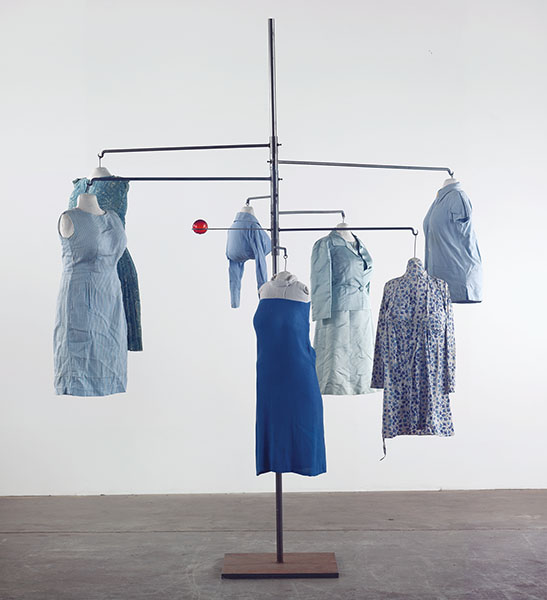
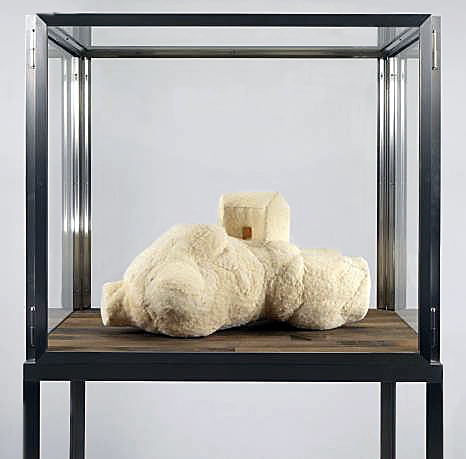
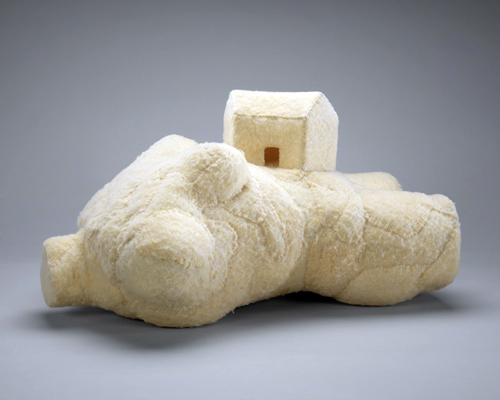


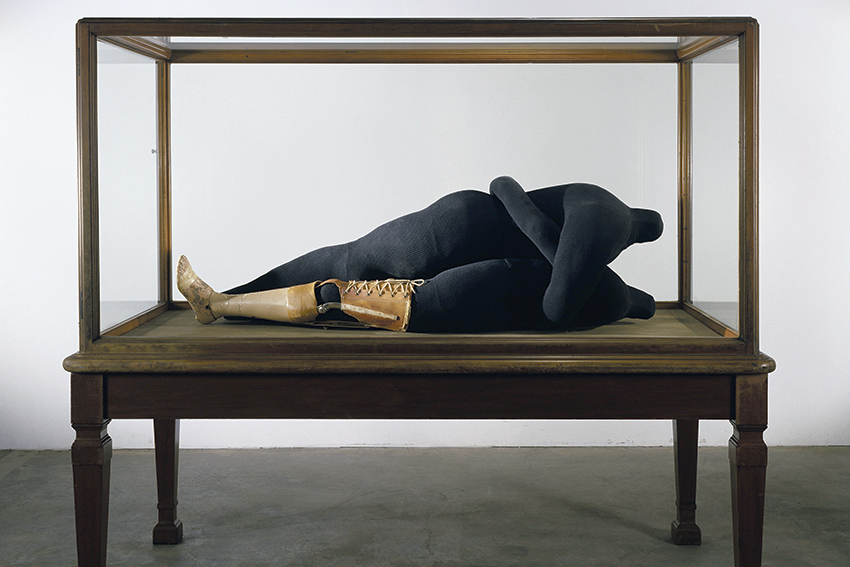
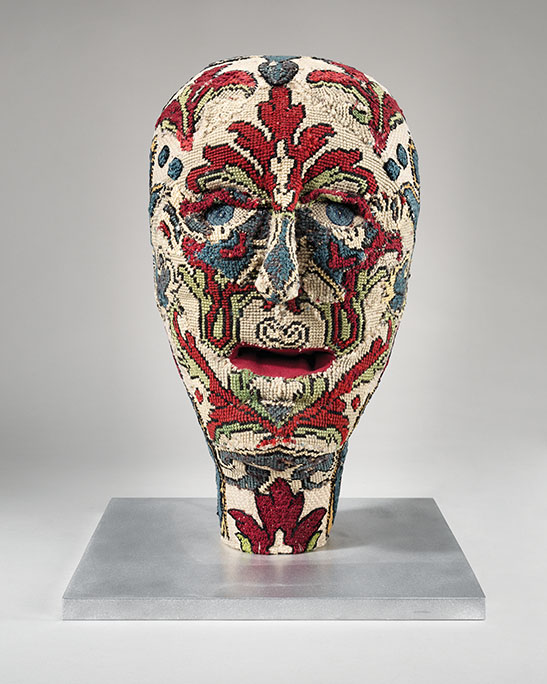


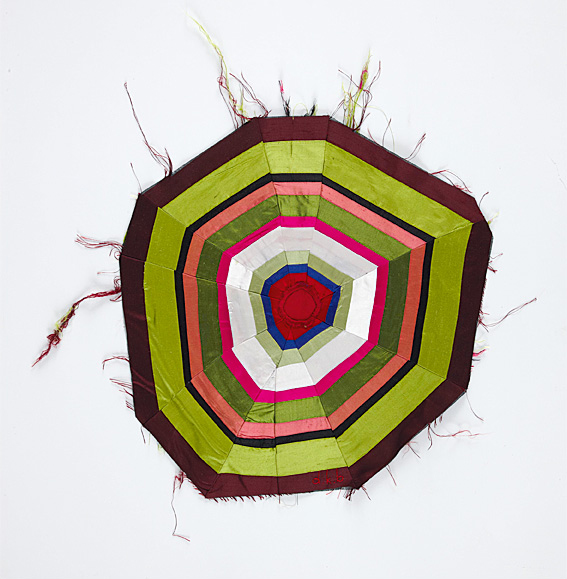
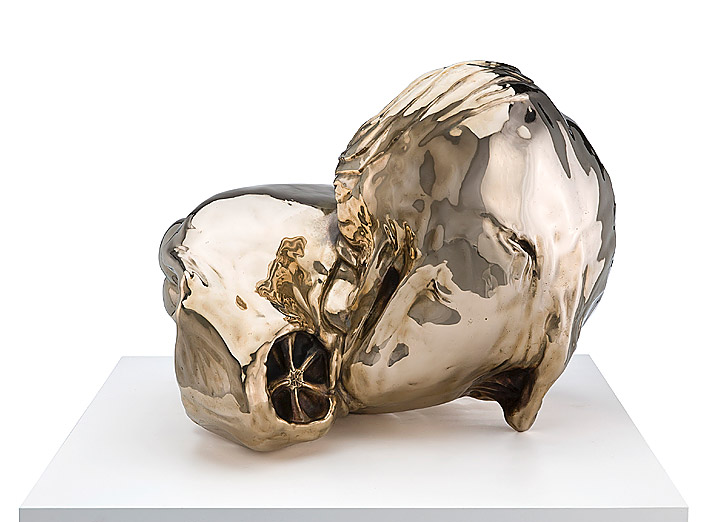
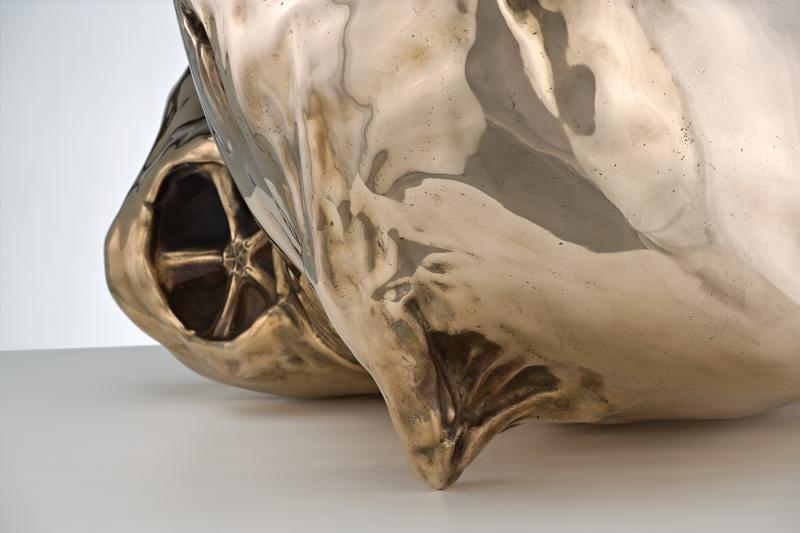
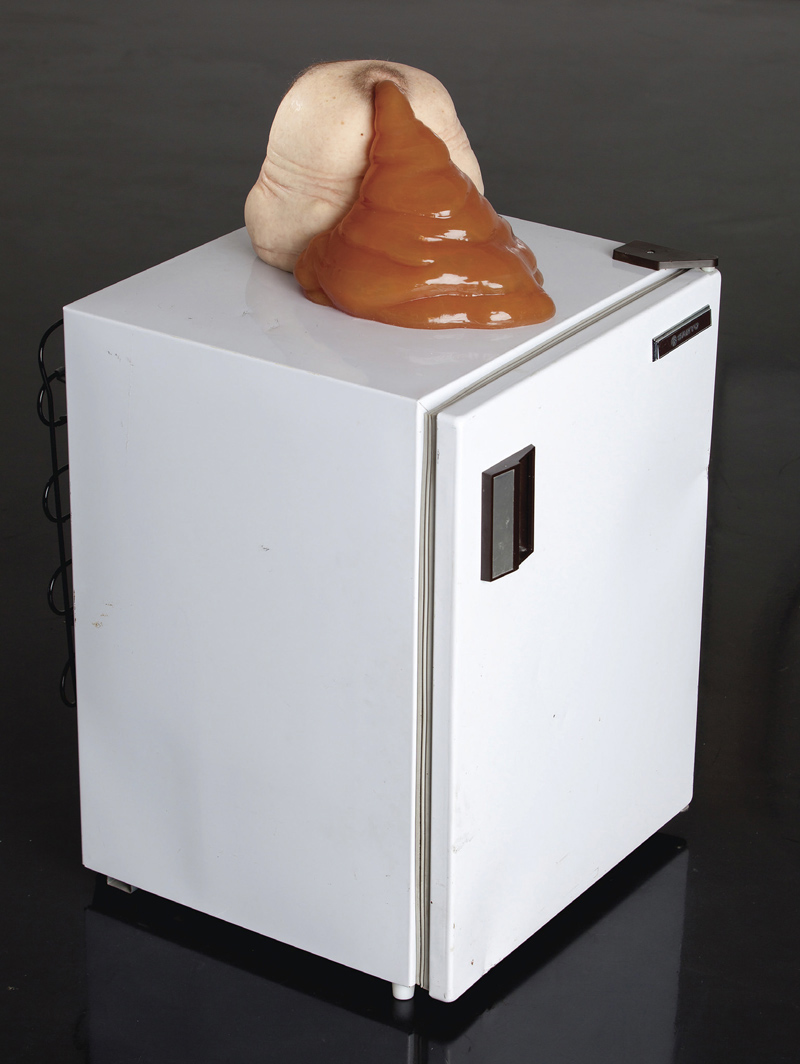

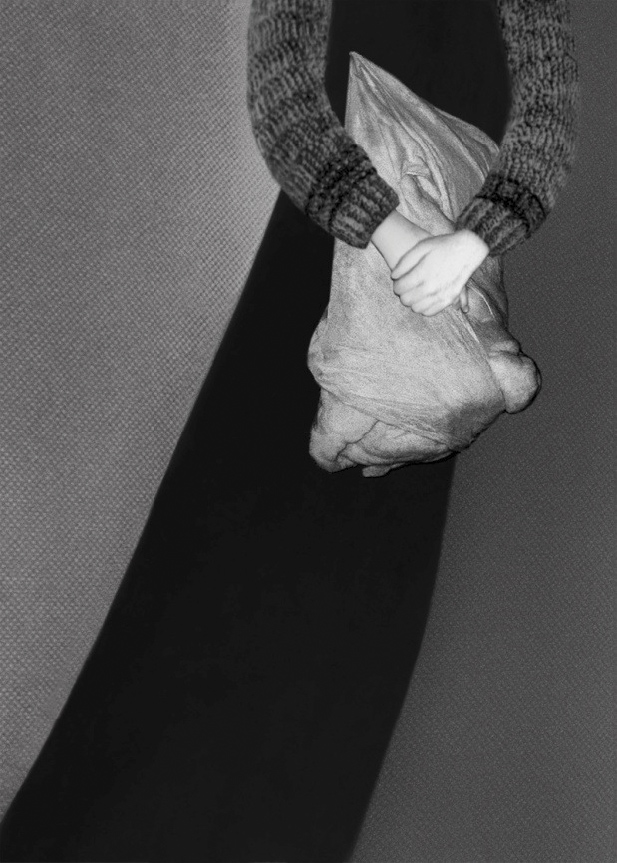

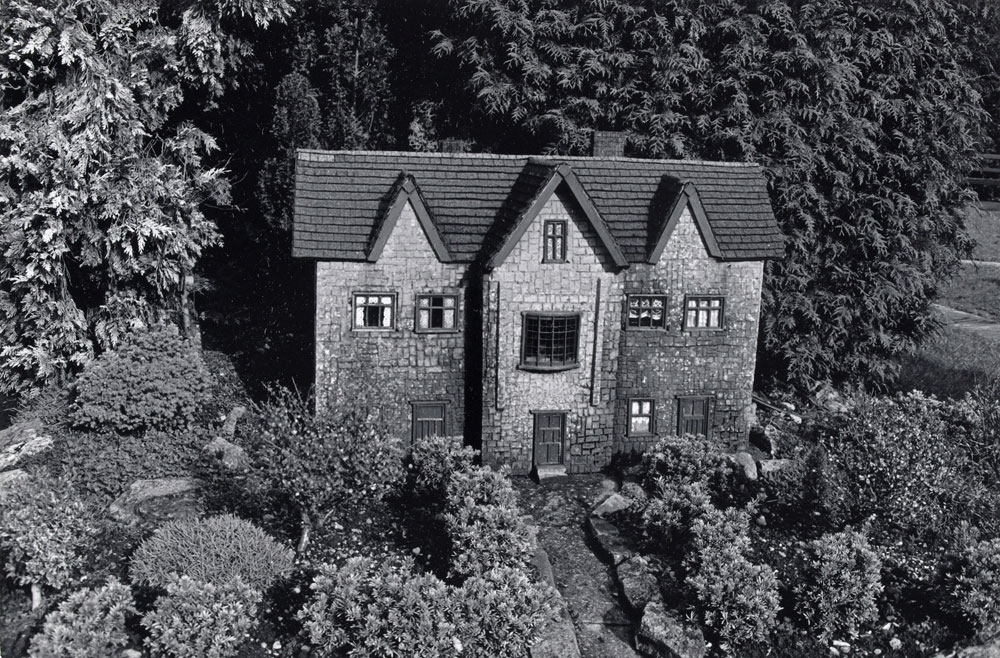
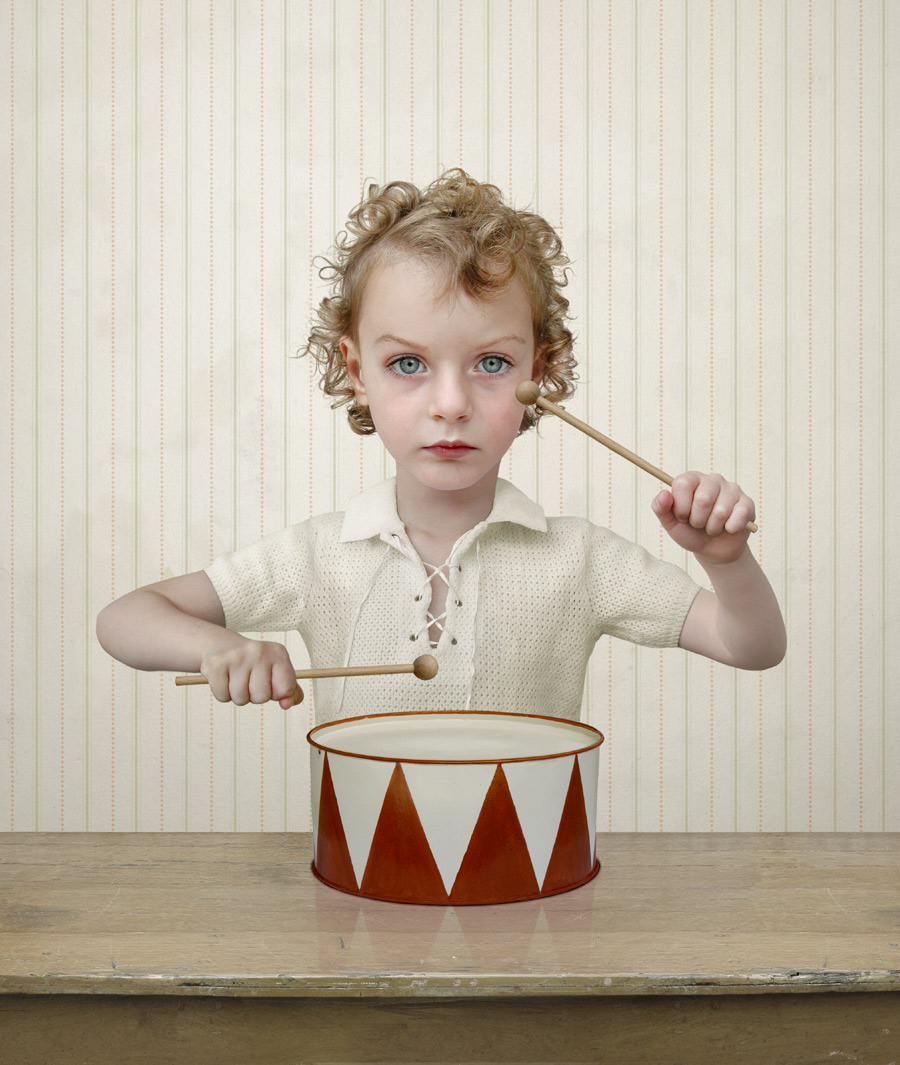

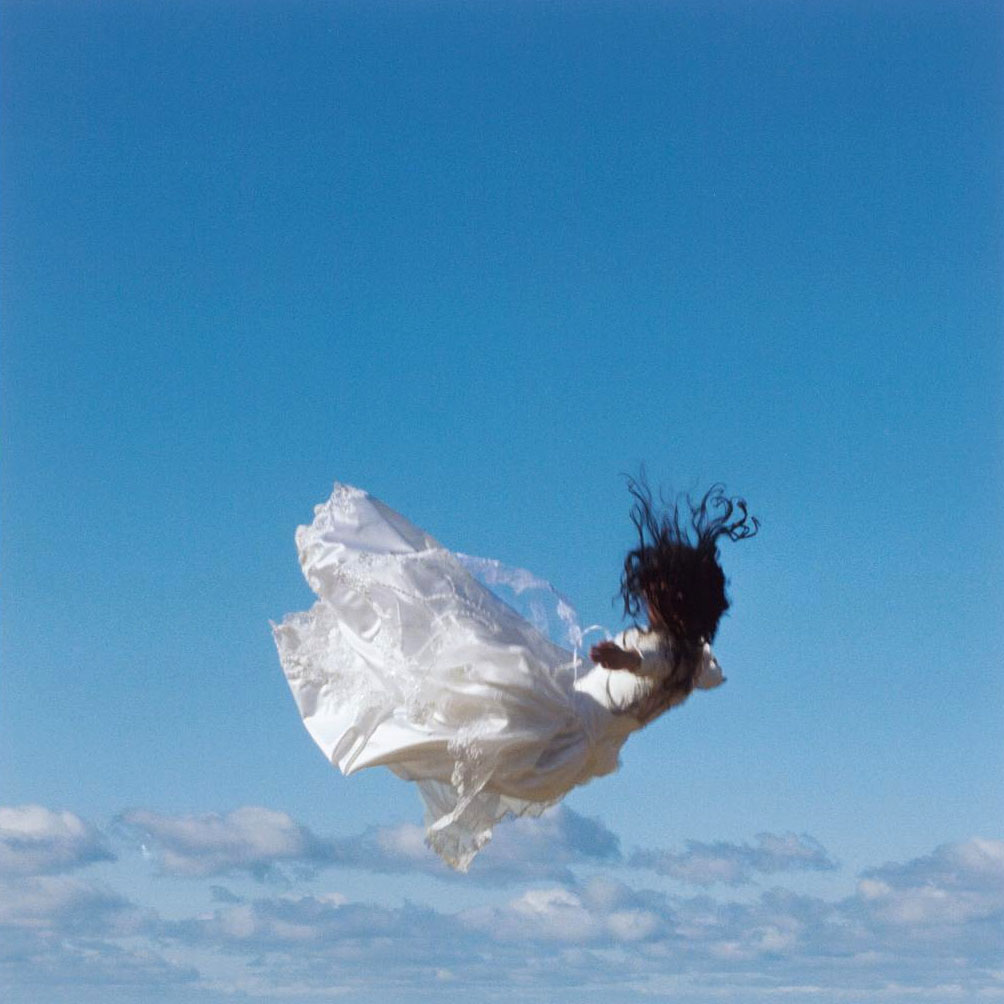
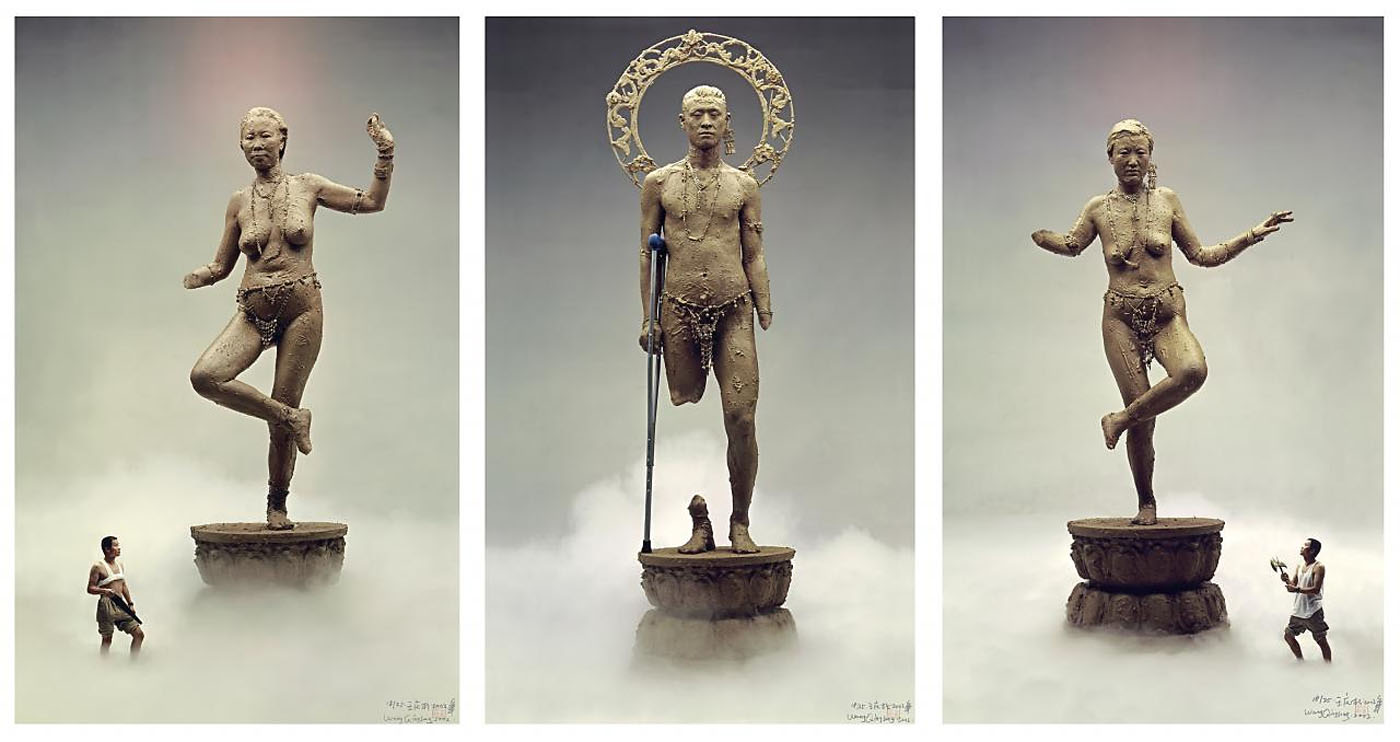


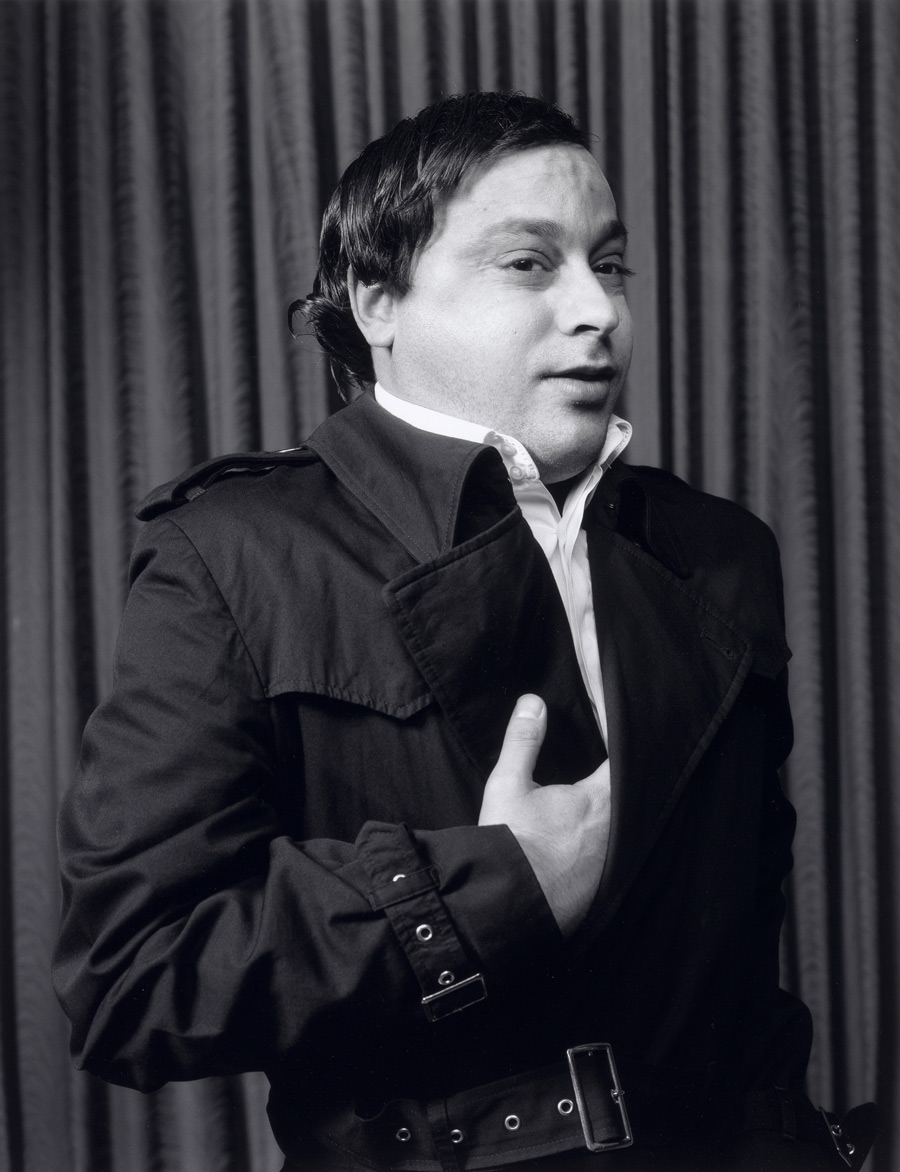


![Ernest Cole (South African, 1940-1990) 'Untitled [White Washroom]' 1960-1966](https://artblart.com/wp-content/uploads/2013/01/19_cole_untitledwhitewashroom-web.jpg "Ernest Cole (South African, 1940-1990) 'Untitled [White Washroom]' 1960-1966")
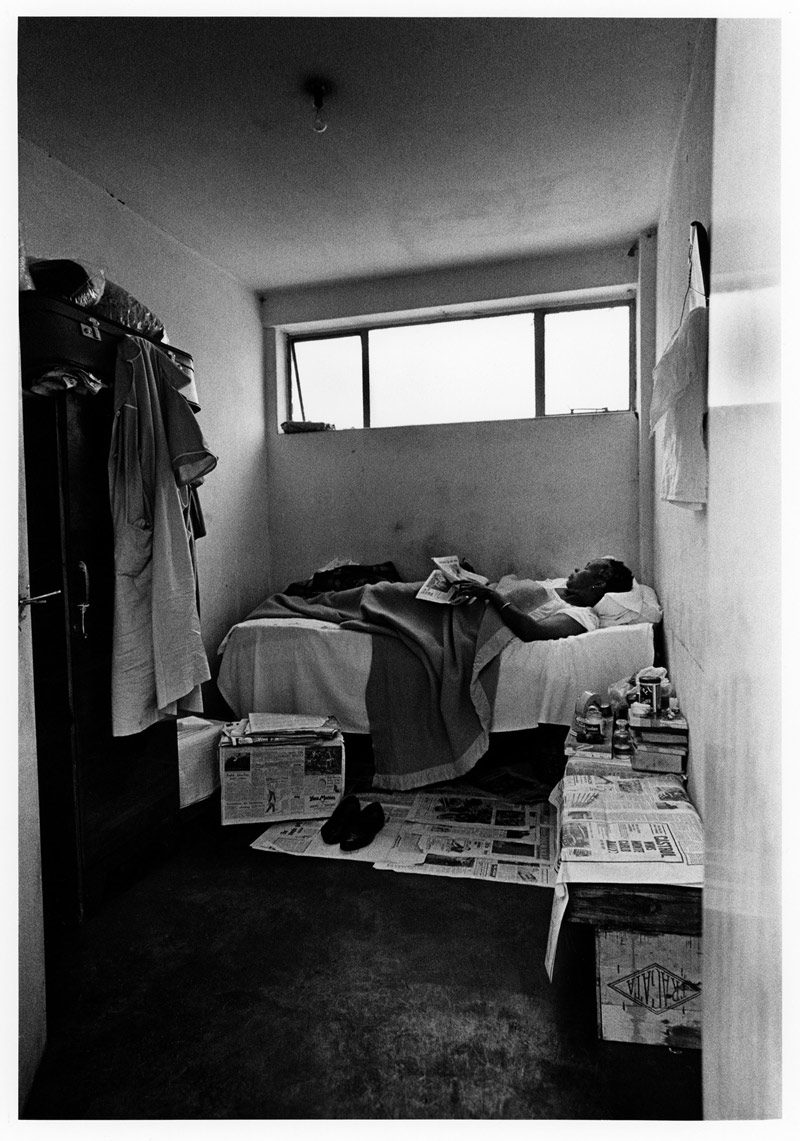


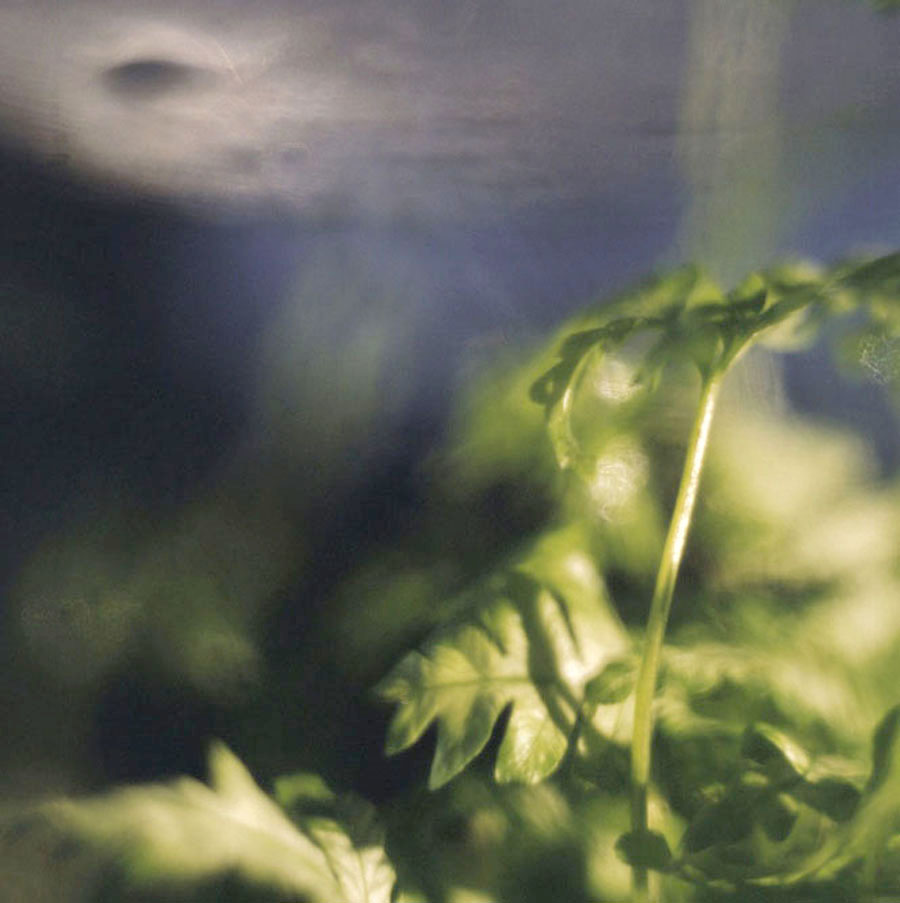
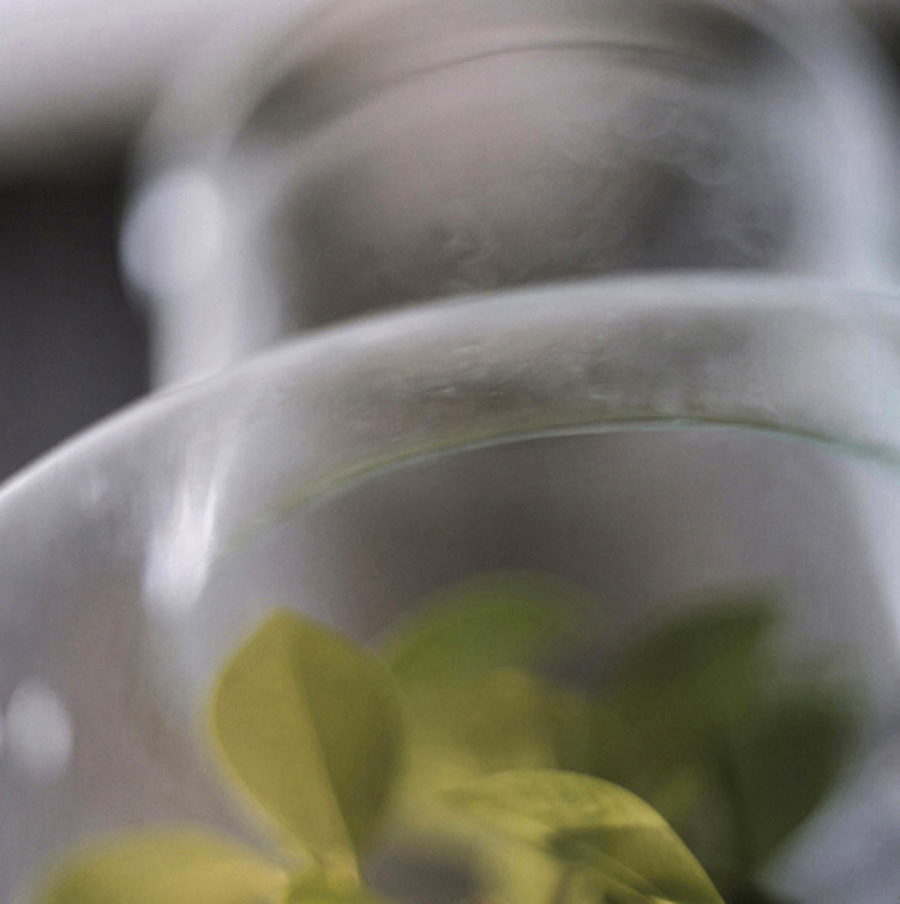

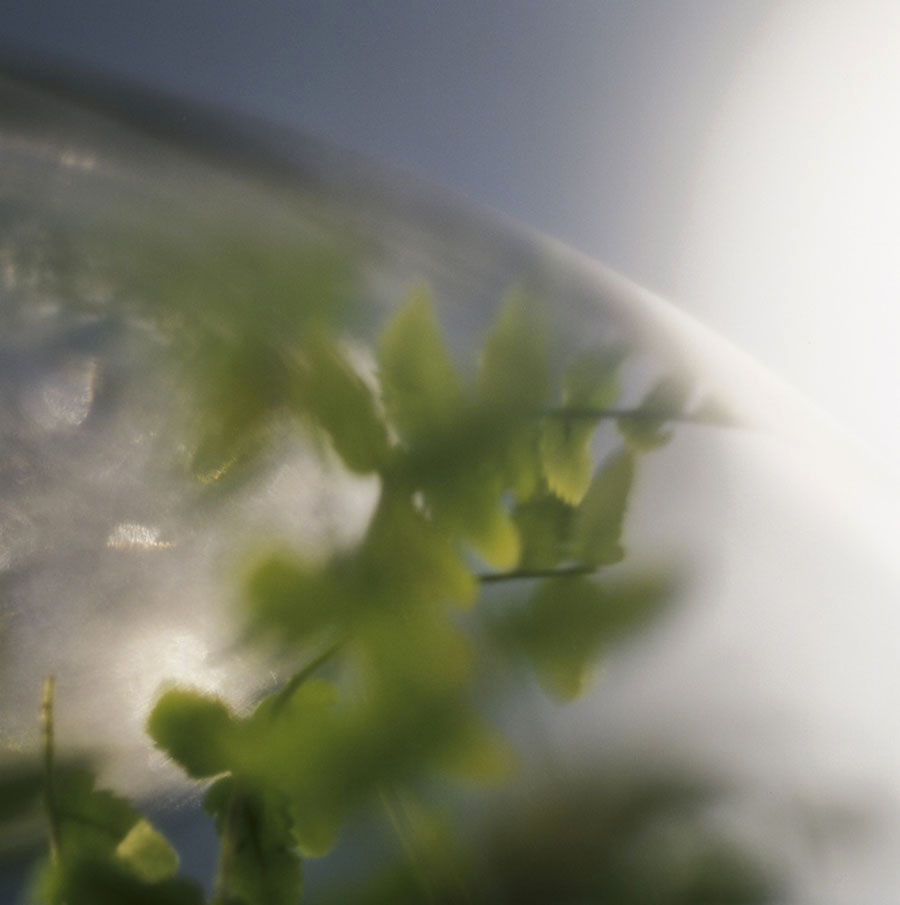


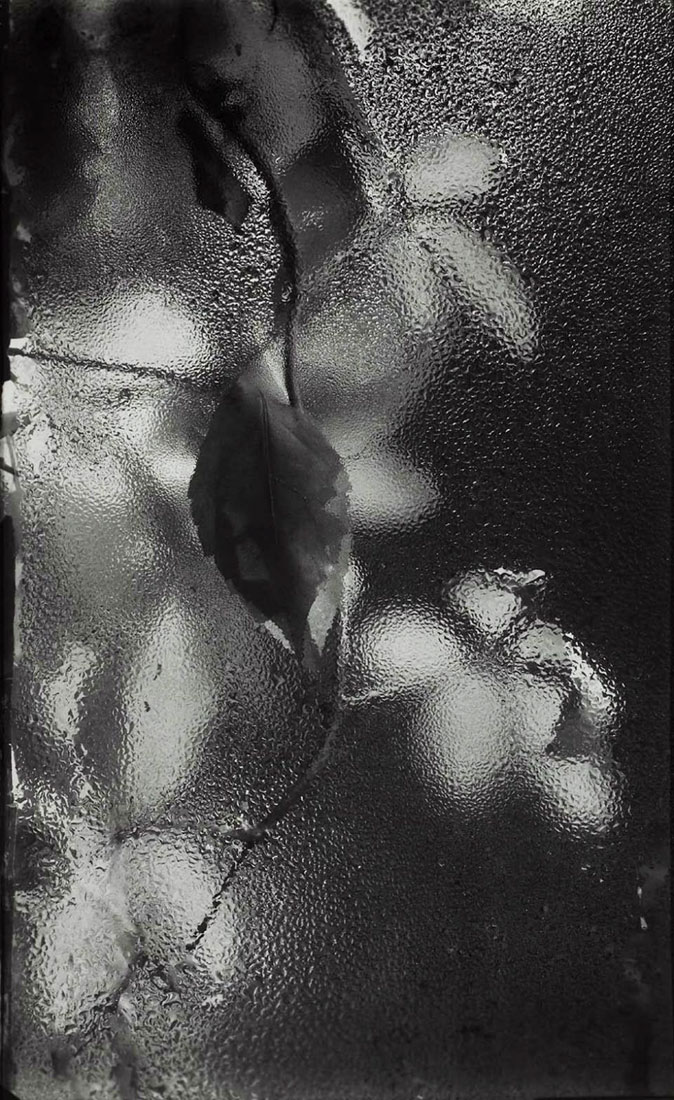

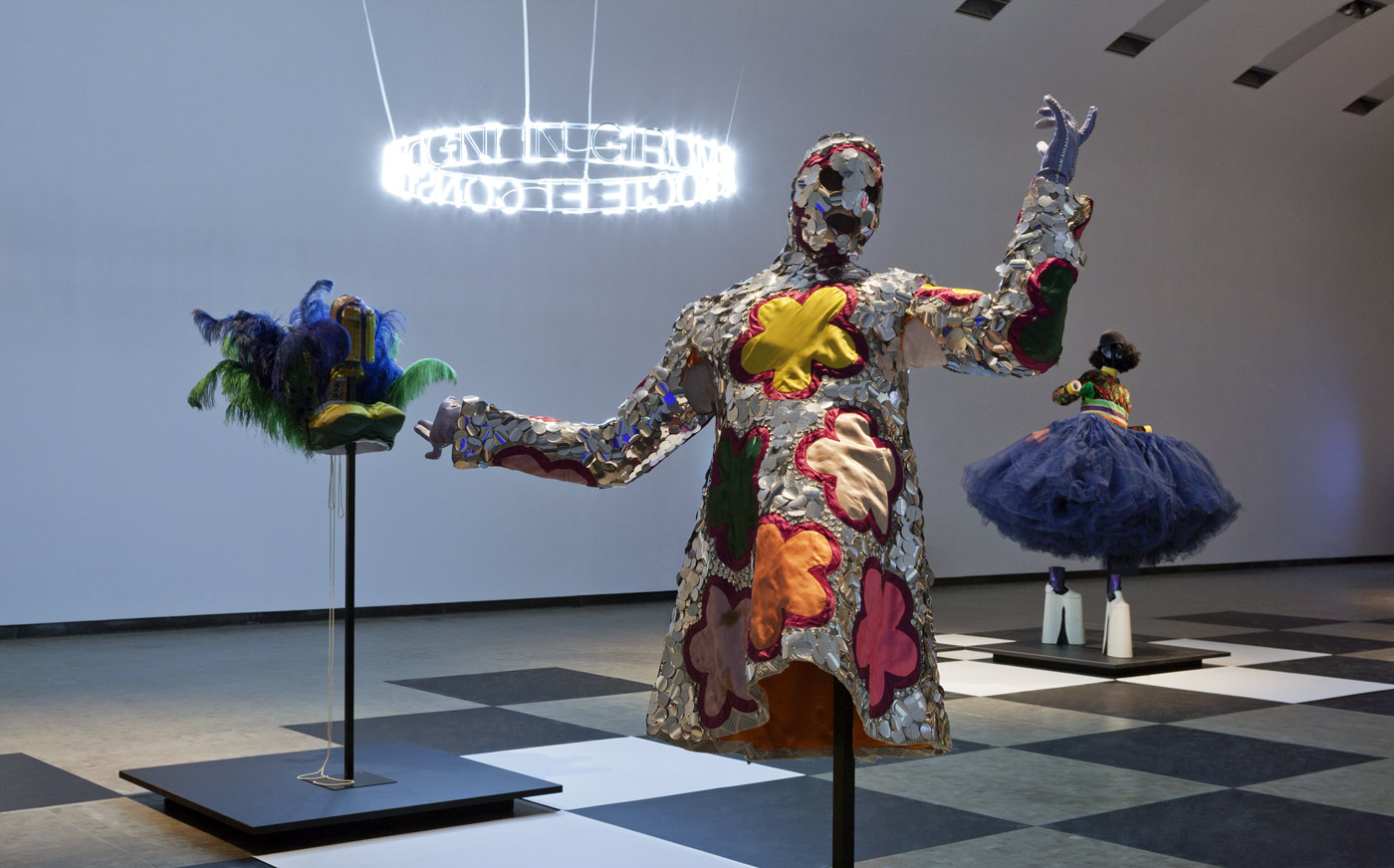


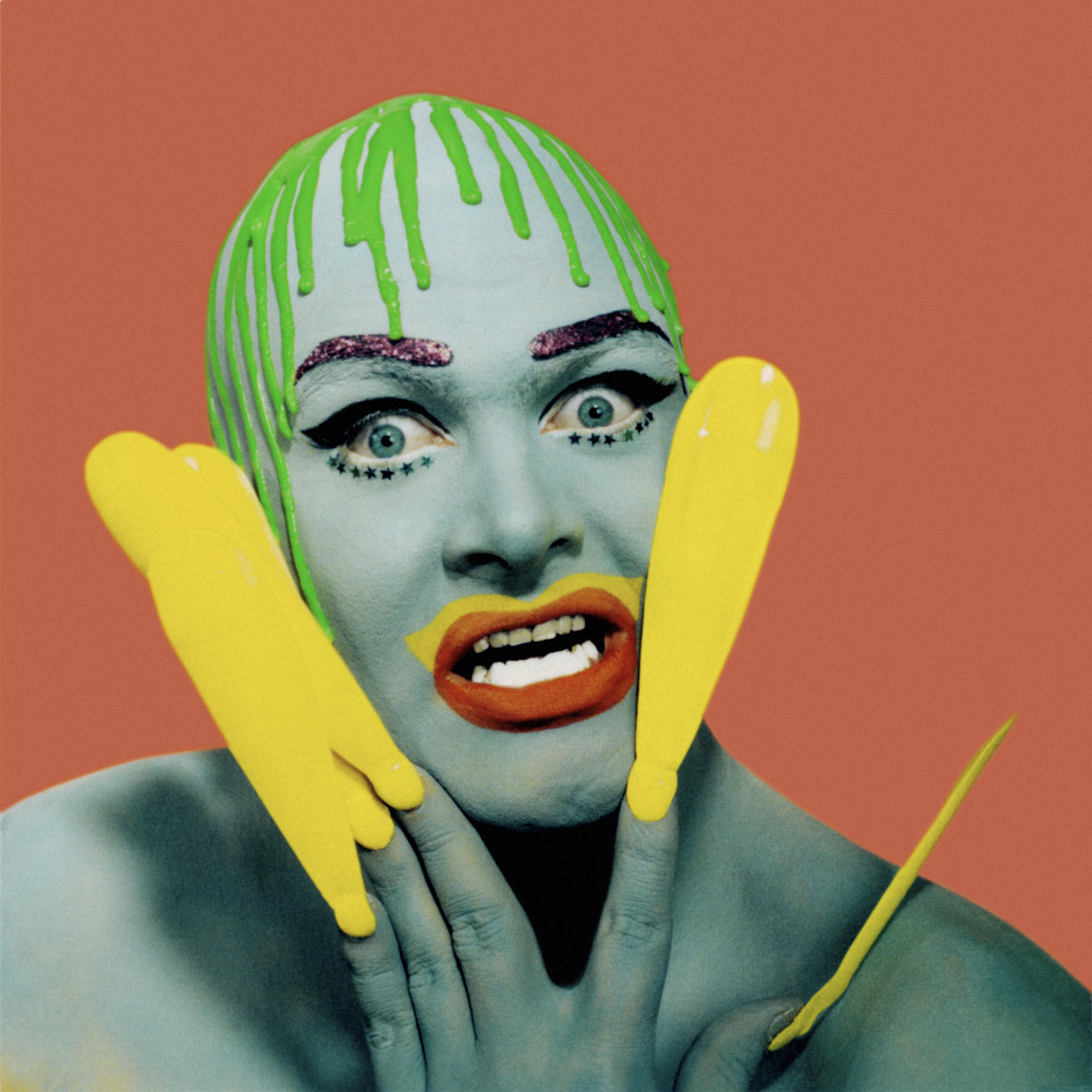
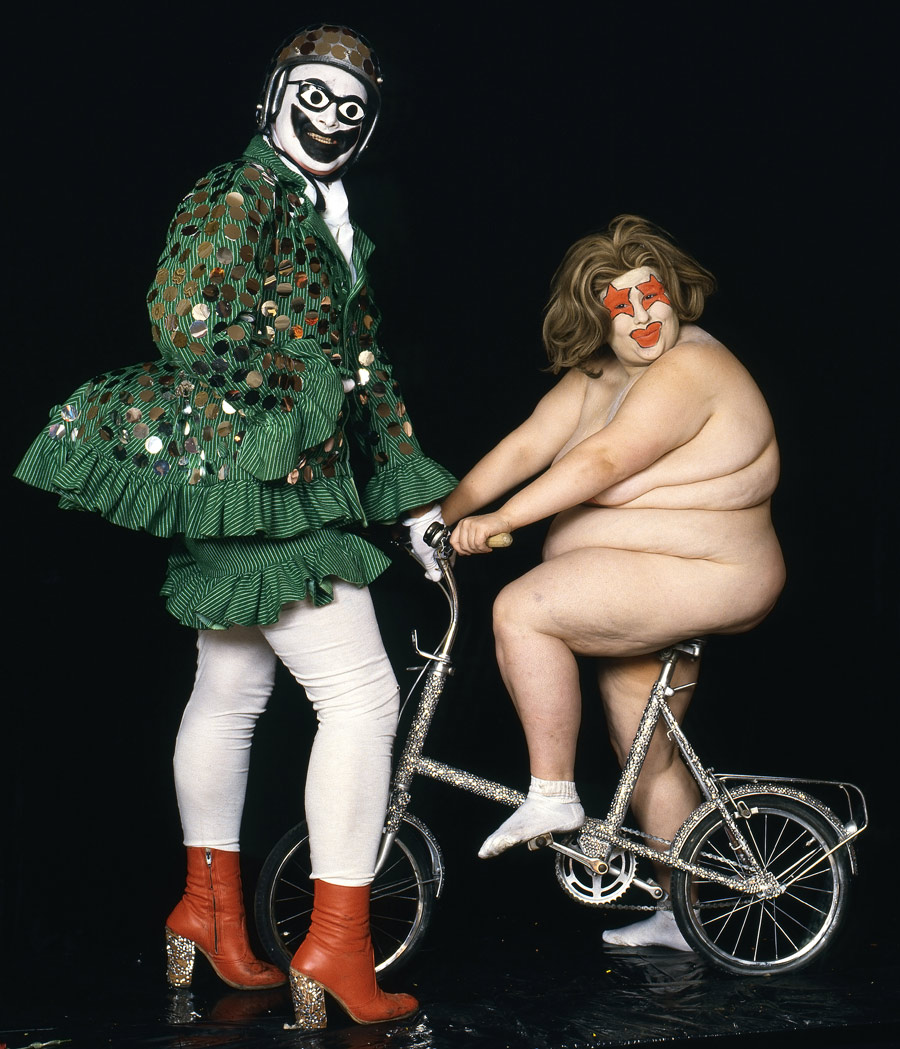

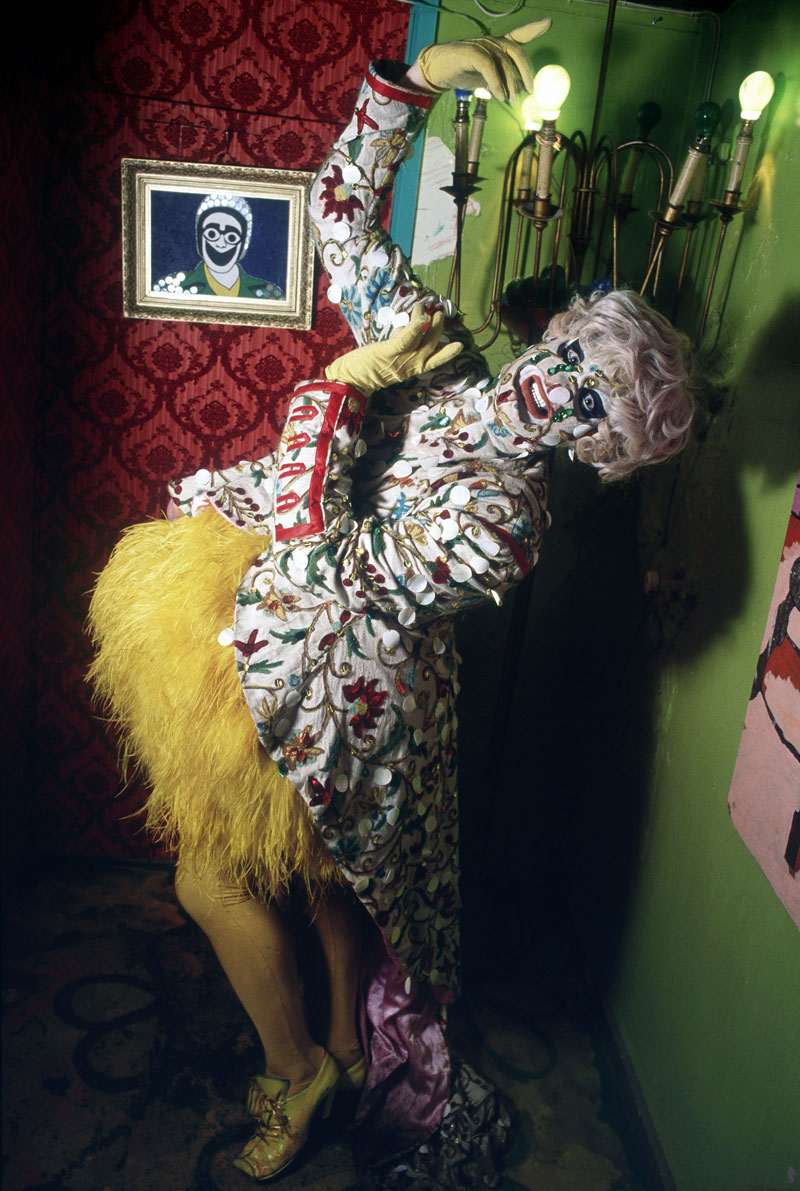
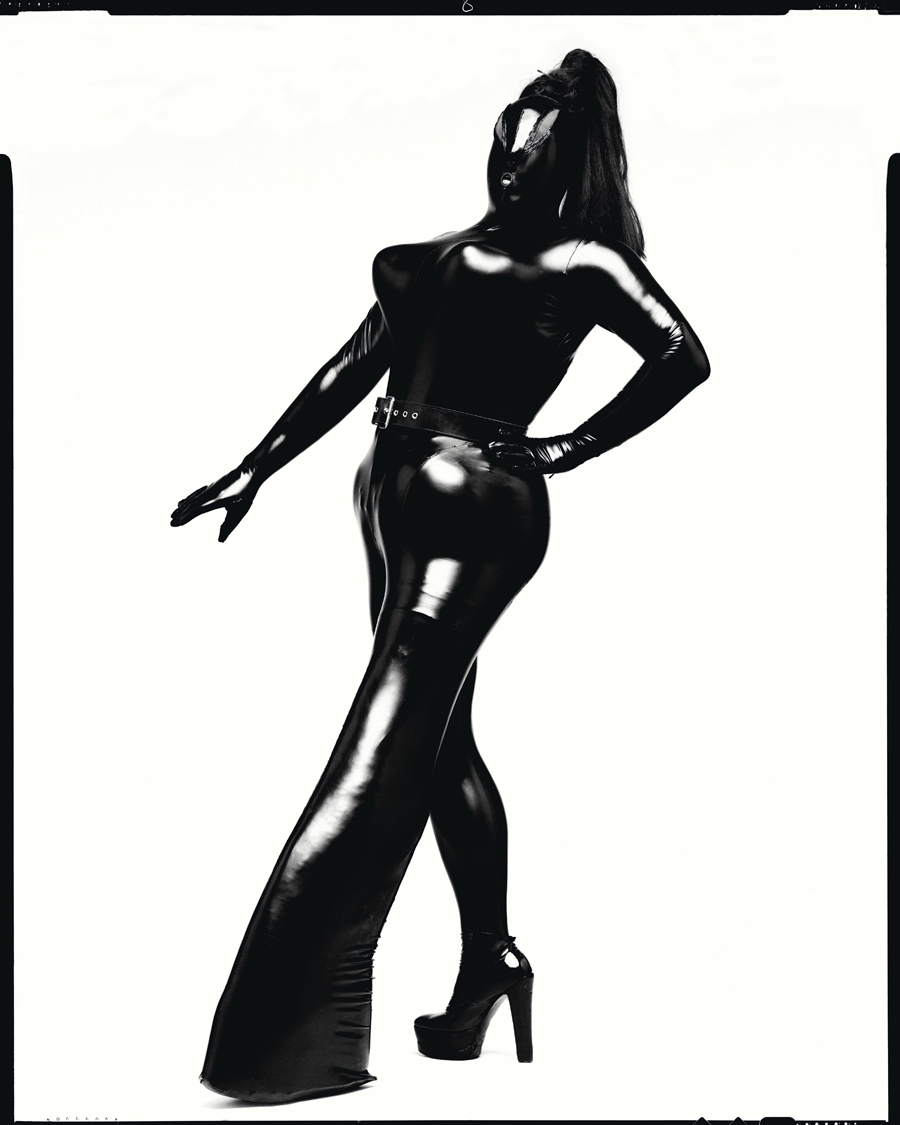


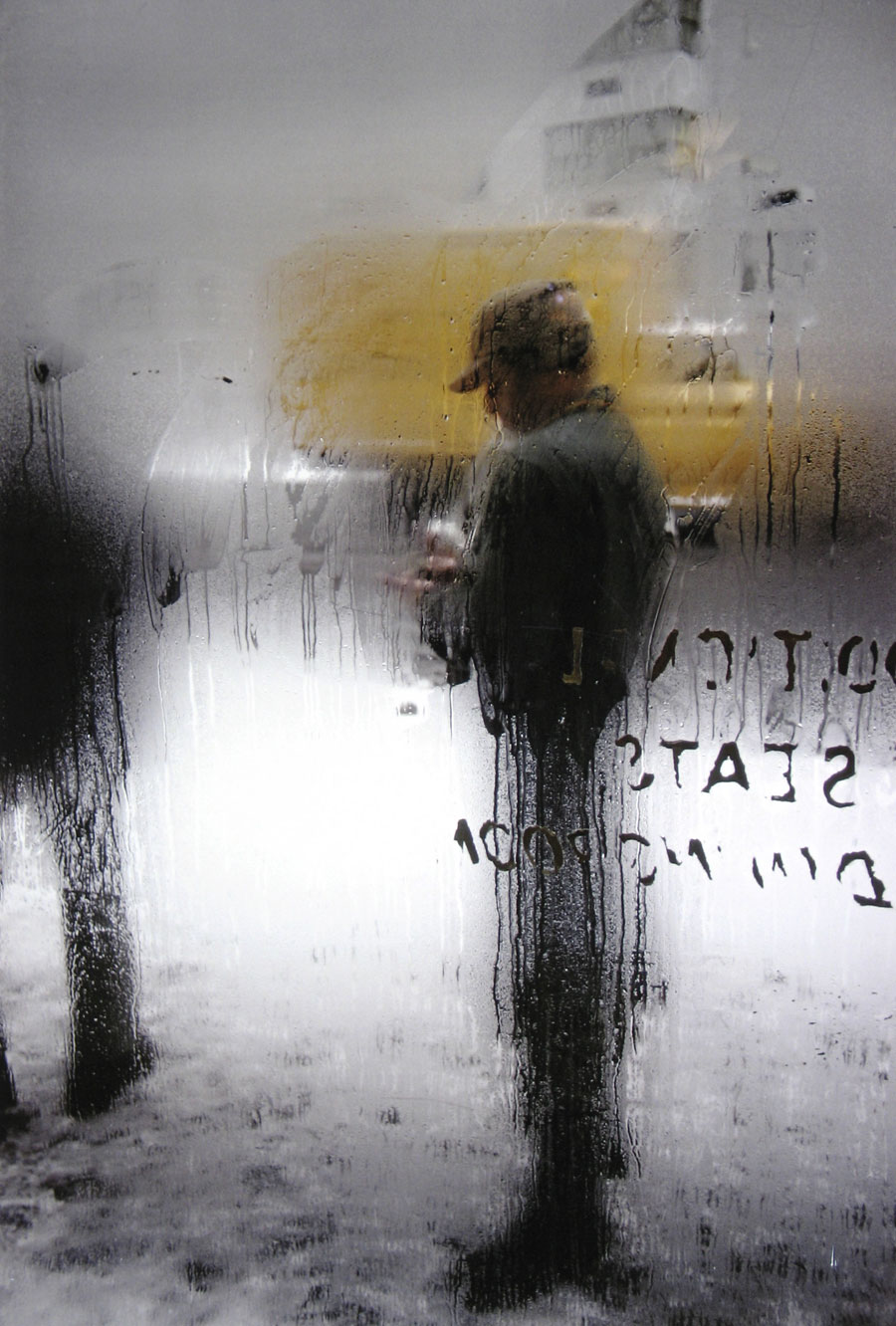


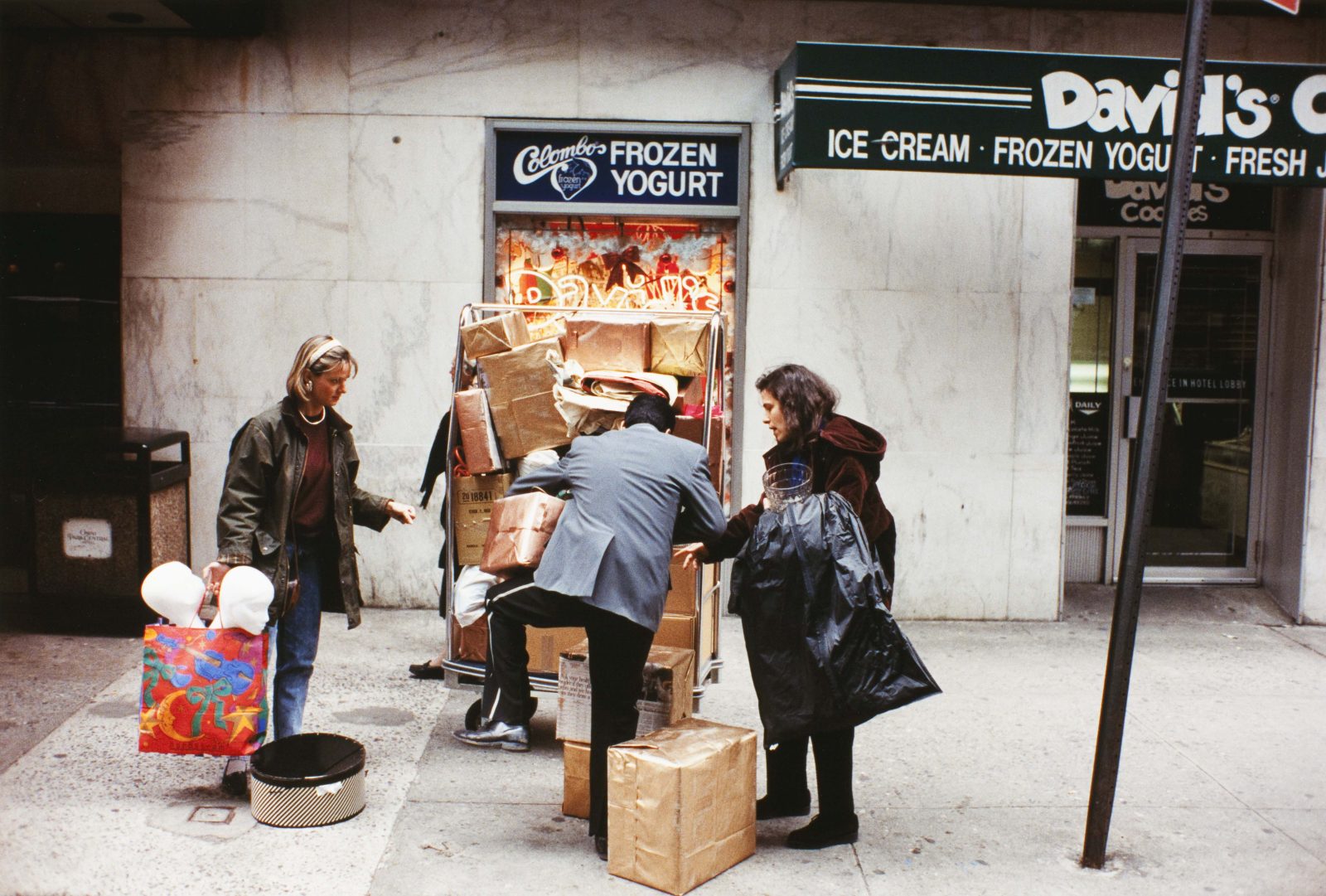
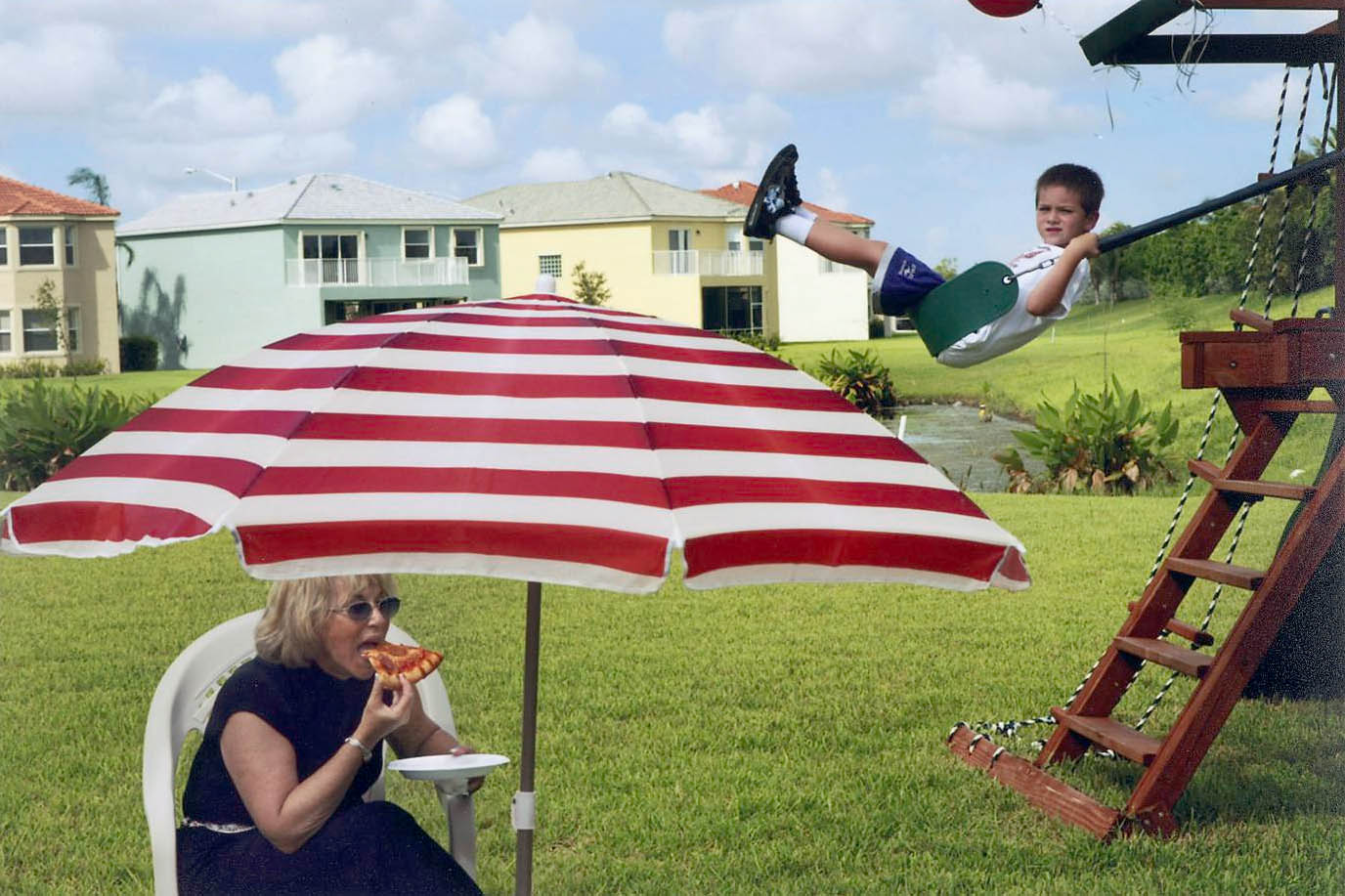
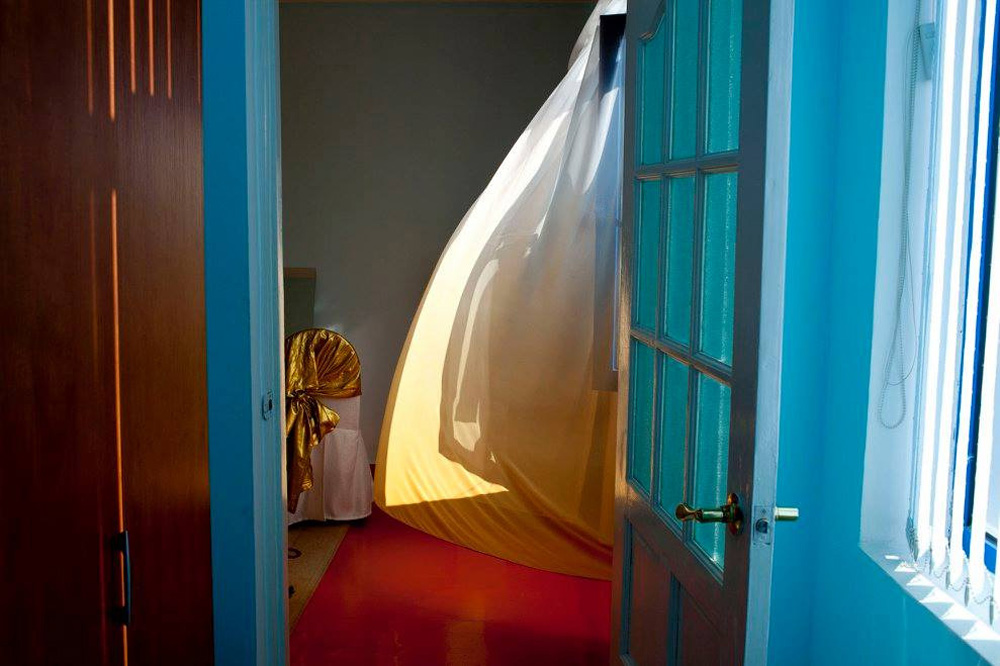


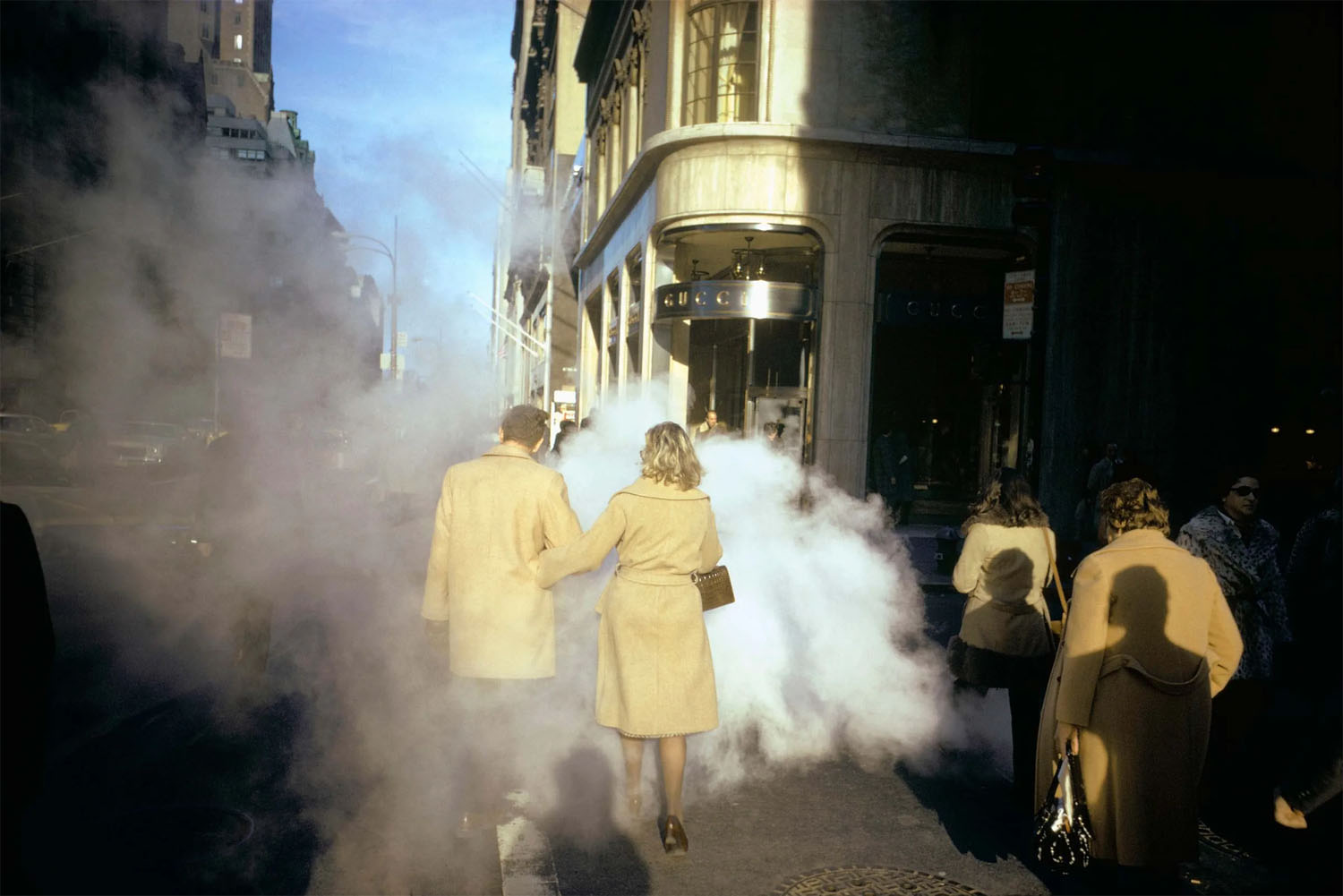

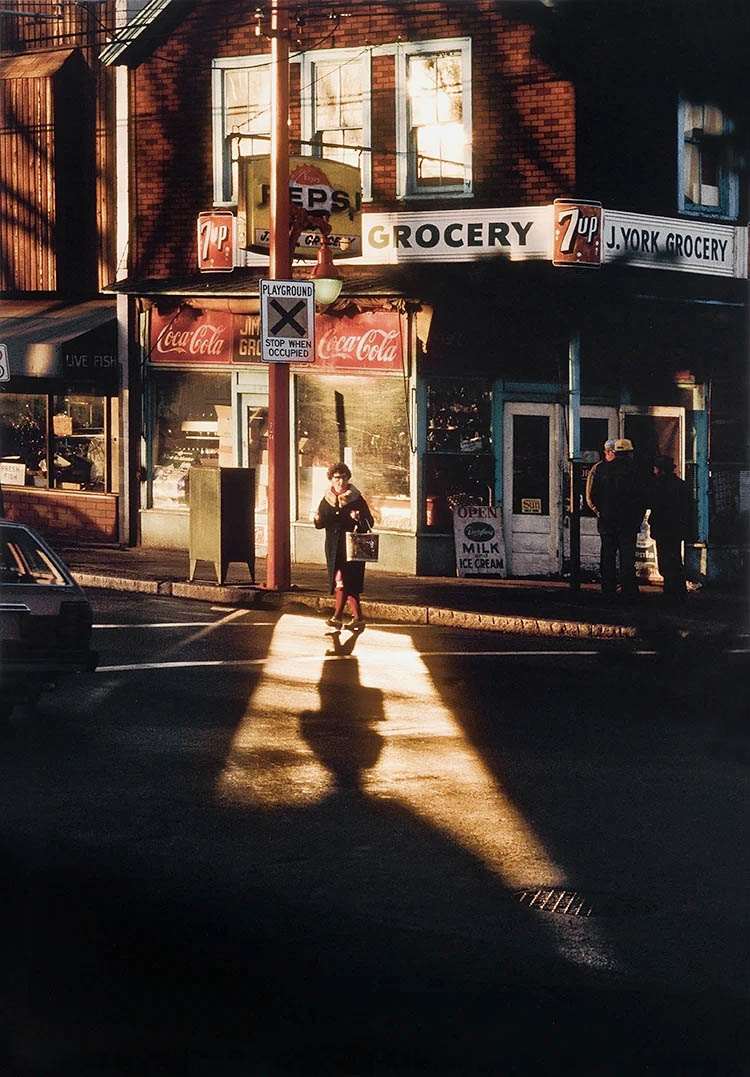
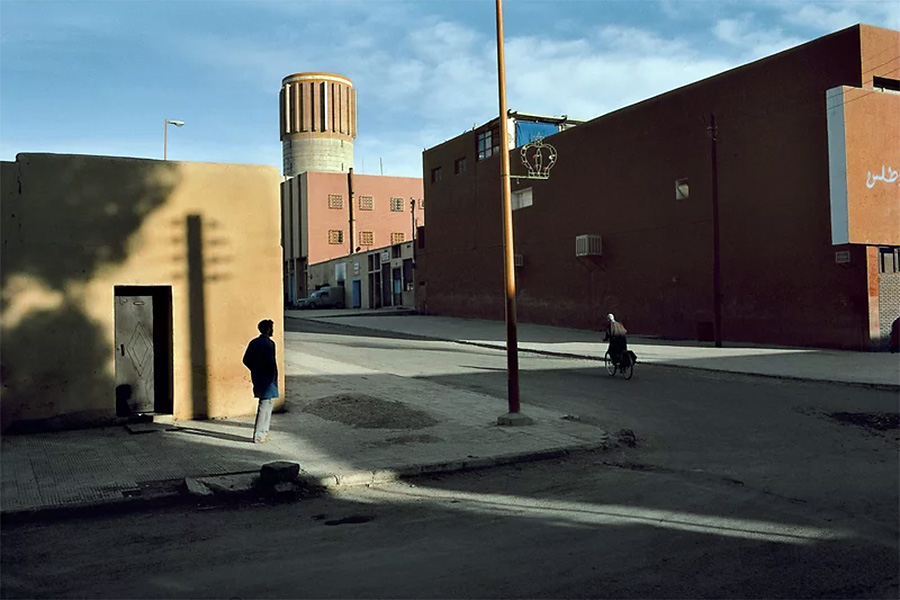
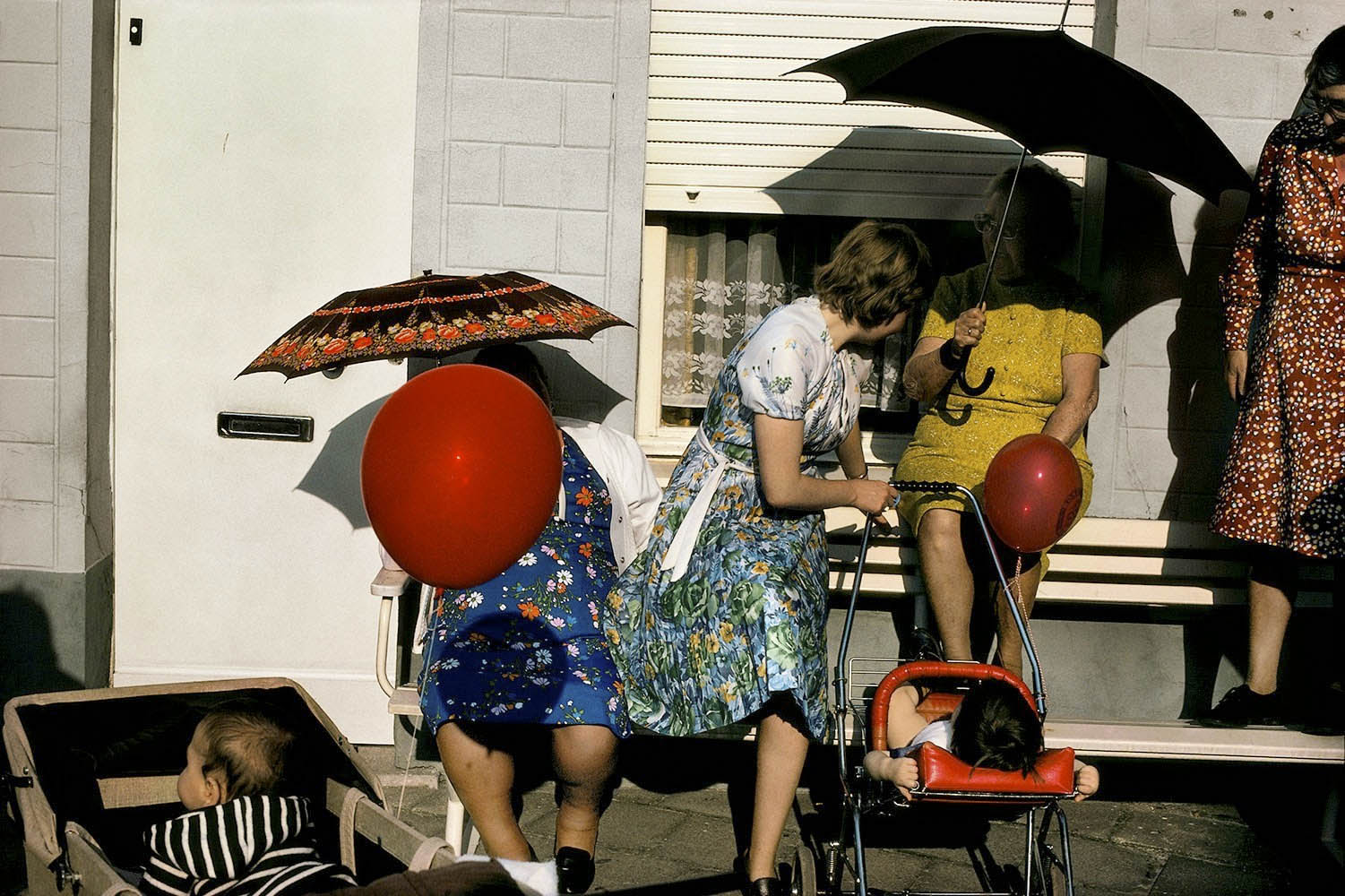

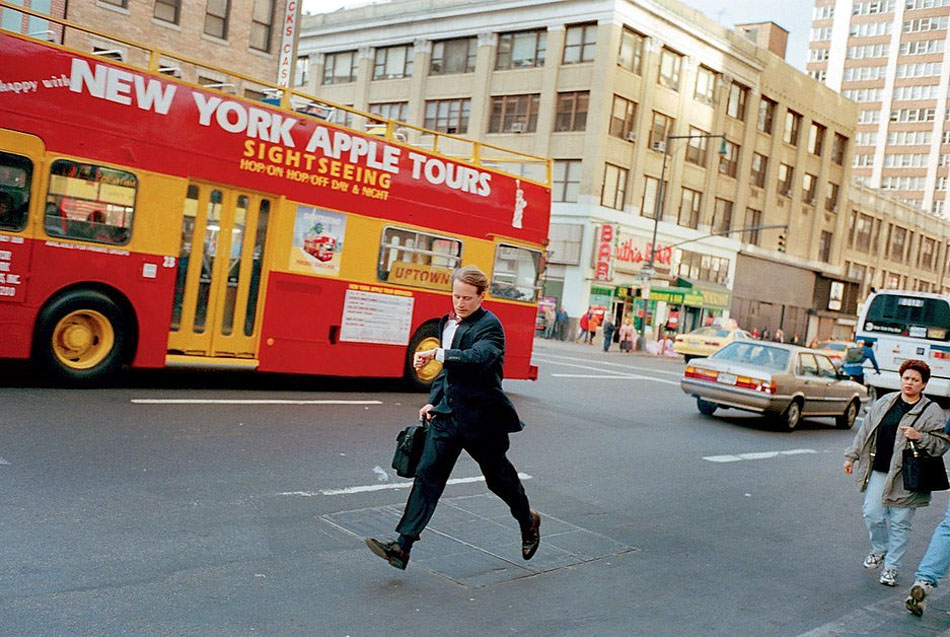


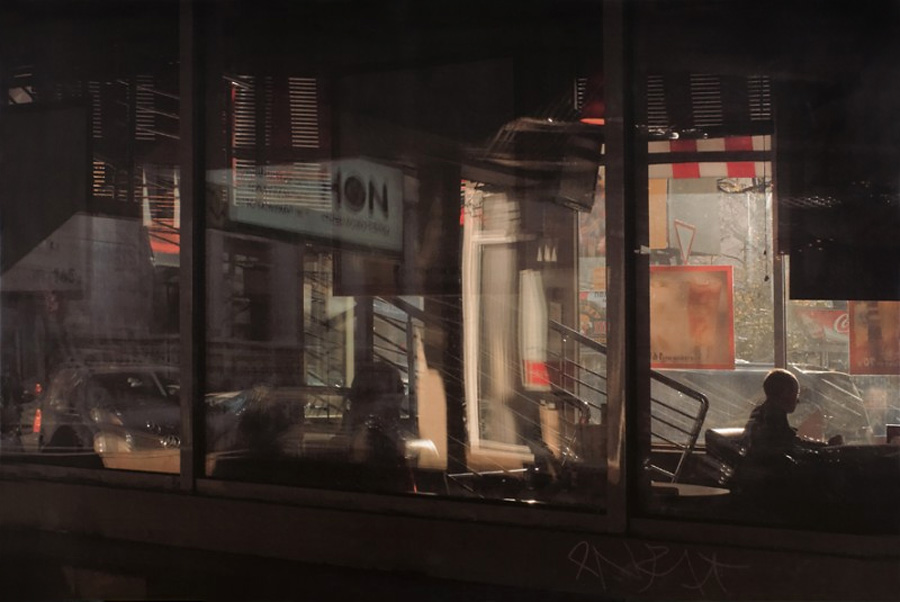


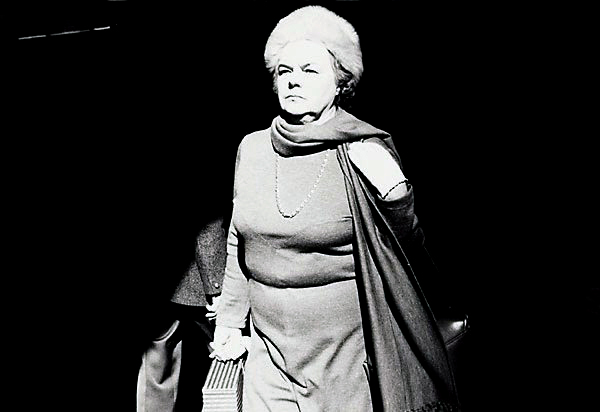


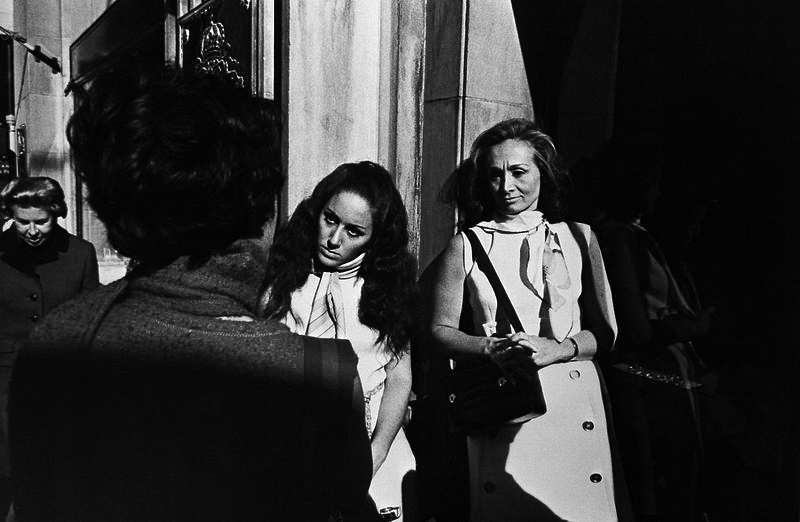

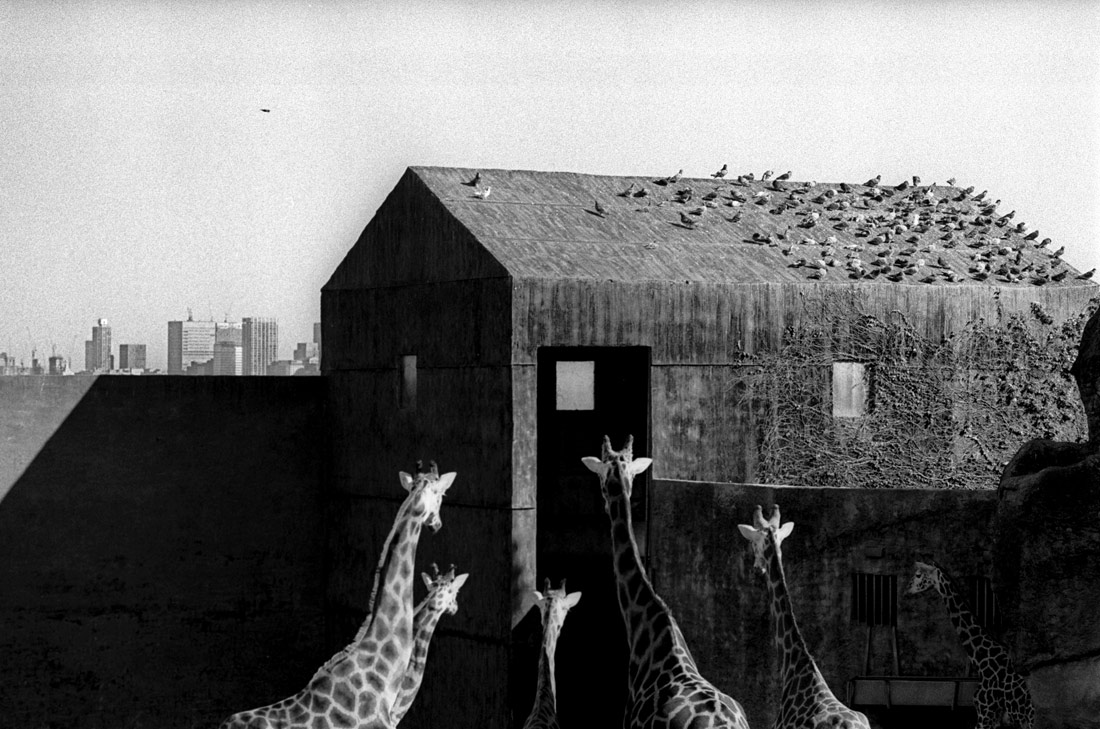
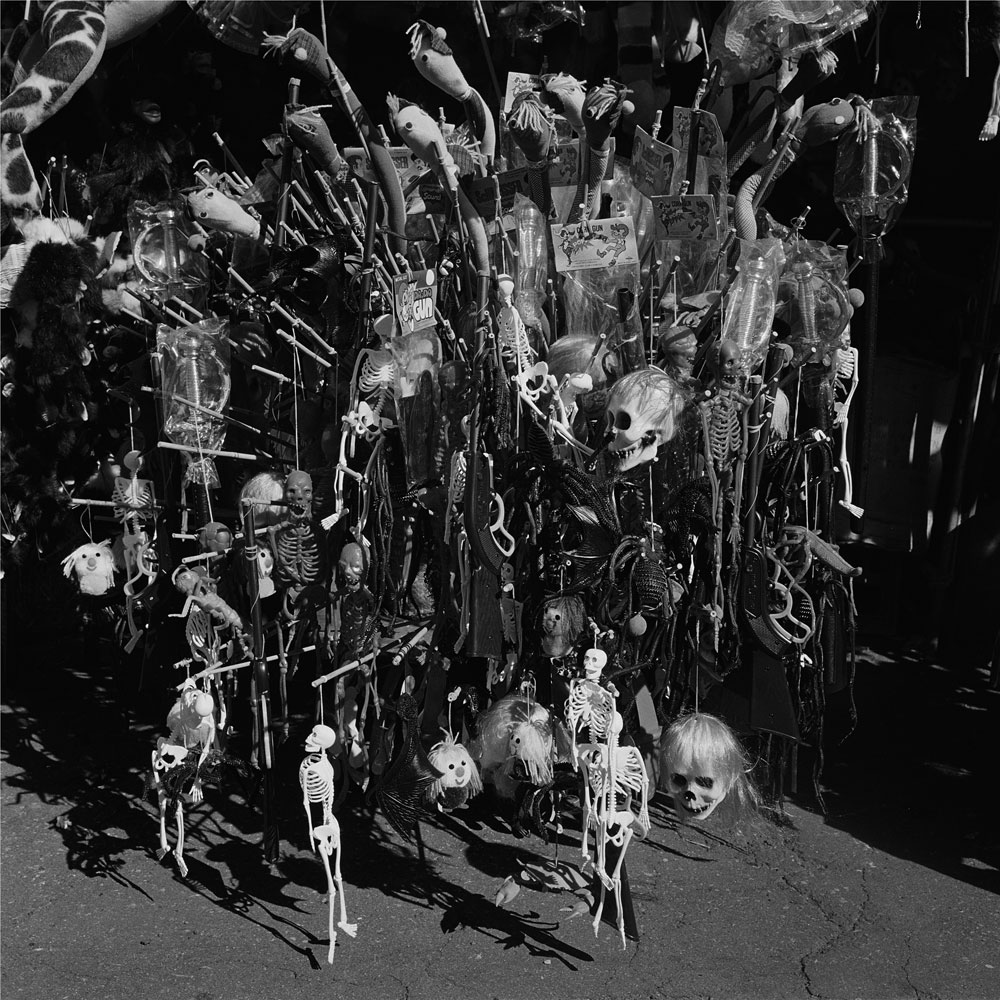

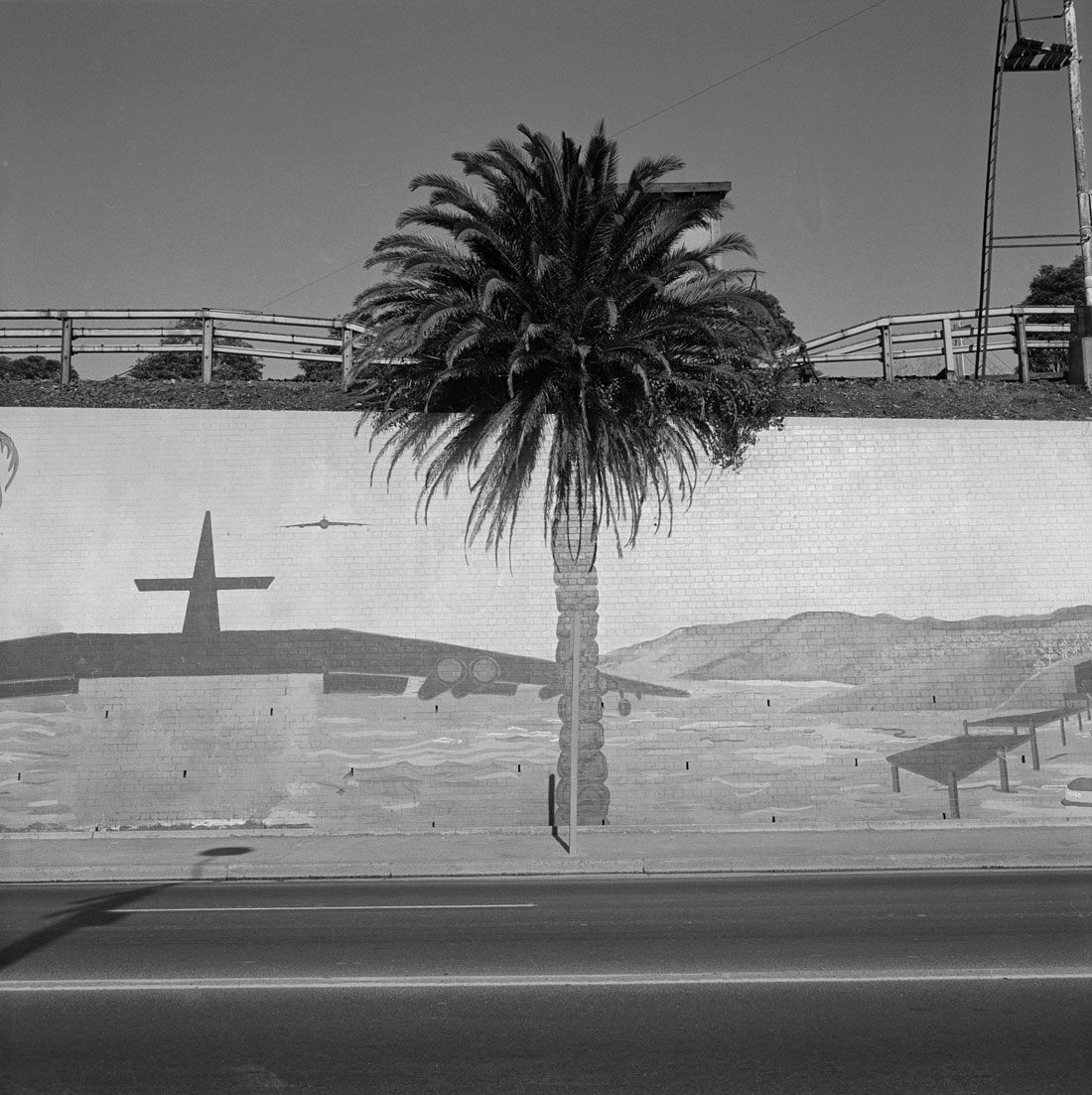

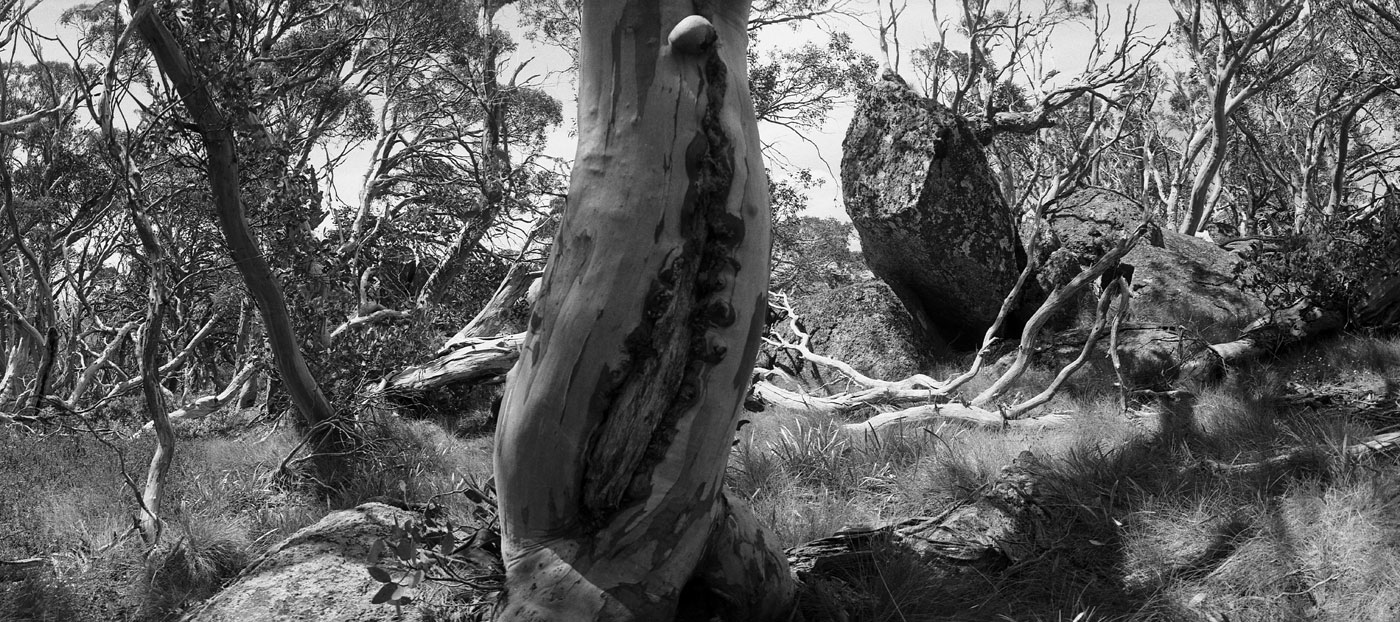
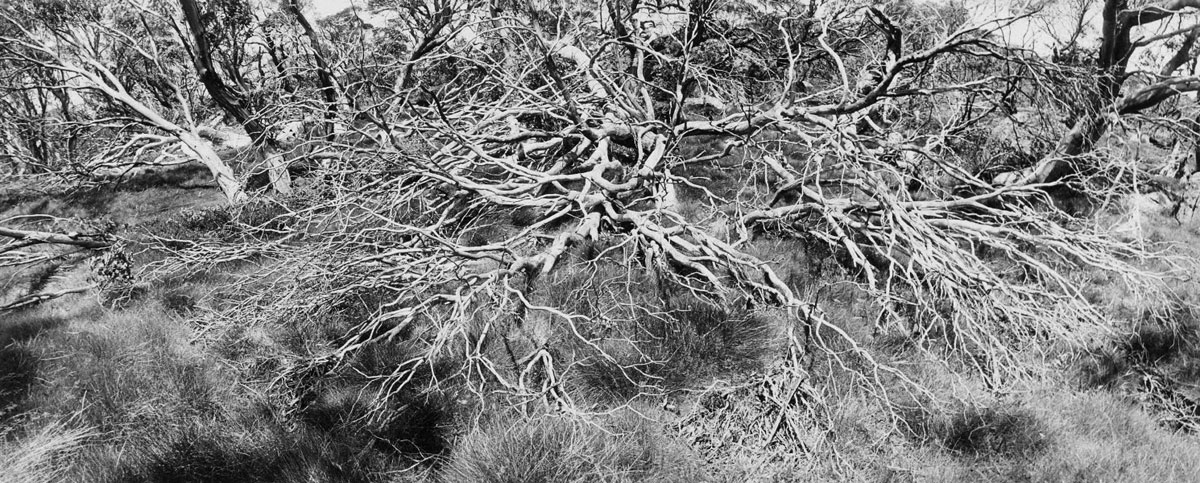


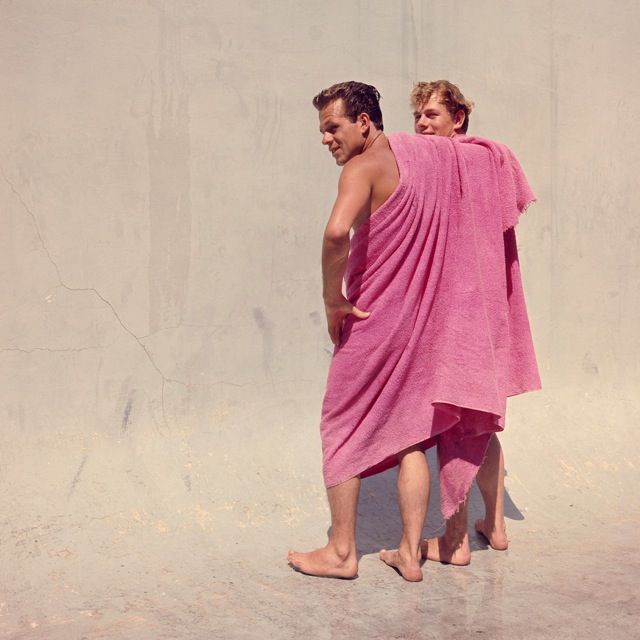

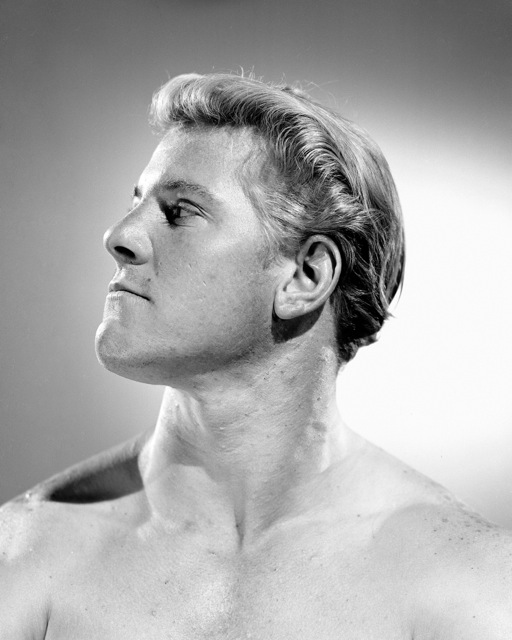


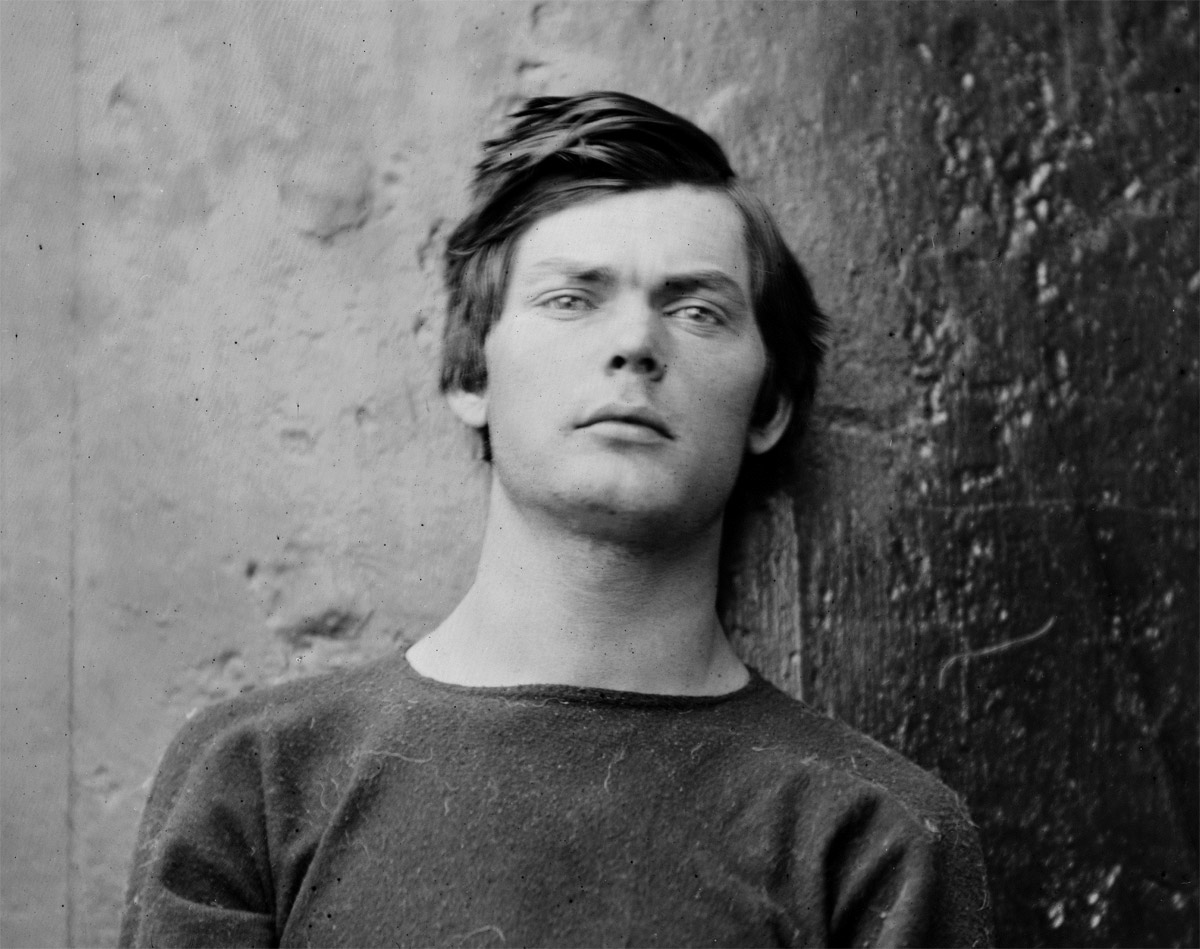

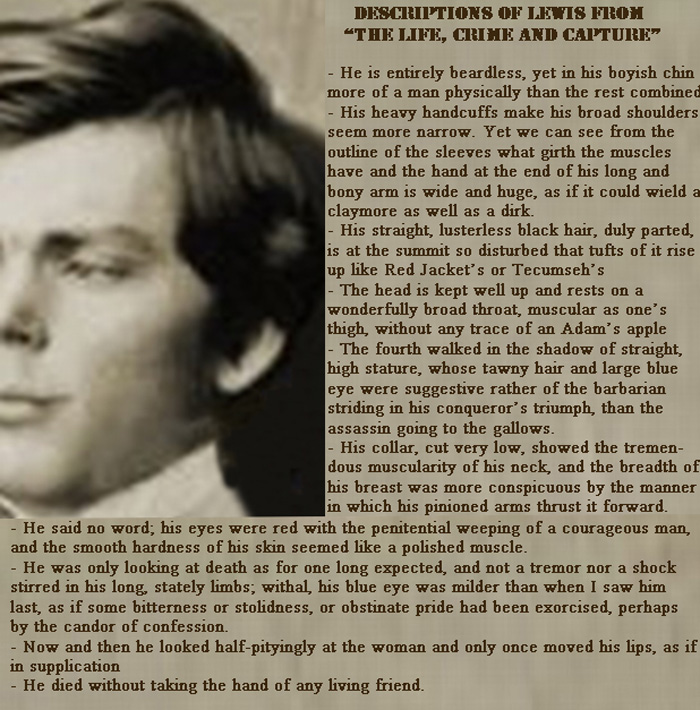
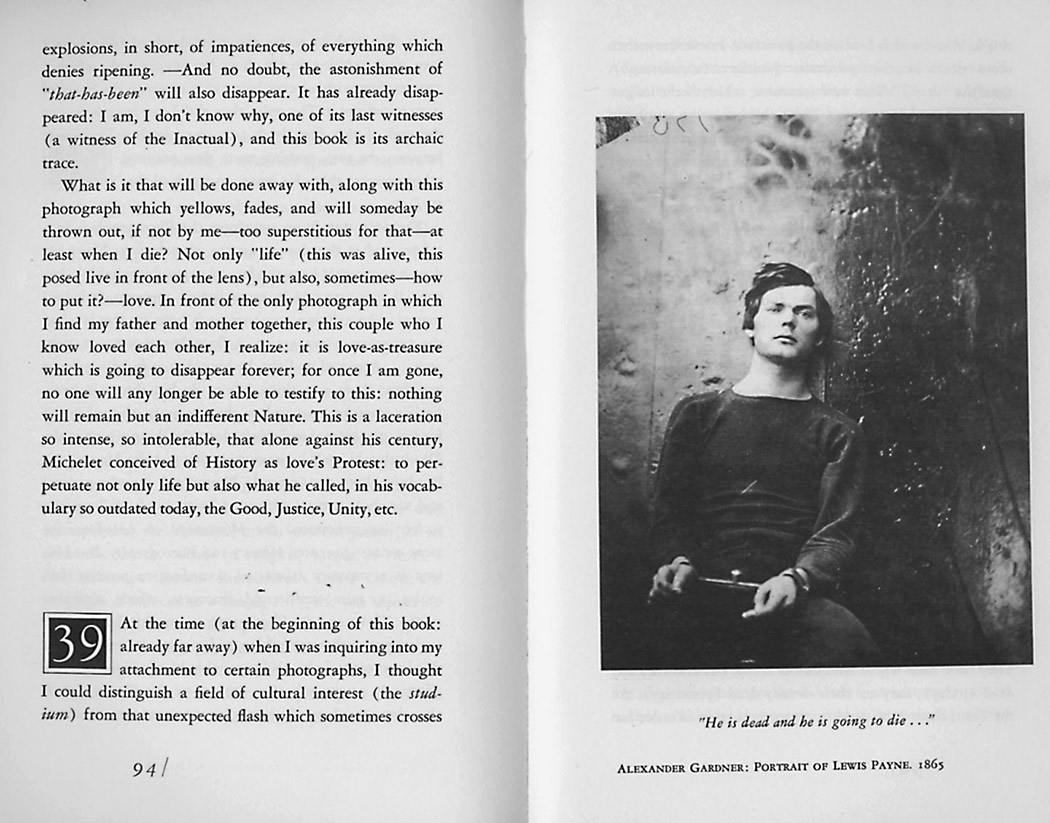
 Art Blart _ art and cultural memory archive
You must be logged in to post a comment.