
Exhibition dates: 27th February - 28th June, 2026
Curator: Judy Ditner, the Richard Benson Curator of Photography and Digital Media
![August Sander (German, 1876-1964) 'Painter [Heinrich Hoerle]' 1928, printed c. 1990-1999](https://artblart.com/wp-content/uploads/2019/01/sander-maler_hoerle-web.jpg "August Sander (German, 1876-1964) 'Painter [Heinrich Hoerle]' 1928, printed c. 1990-1999")
August Sander (German, 1876-1964)
Painter [Heinrich Hoerle]
1928, printed c. 1990-1999
Gelatin silver print
10 3/16 x 7 7/8 in. (25.9 x 20cm)
Societe Anonyme Acquisition Fund and Katharine Ordway Fund
© Die Photographische Sammlung / SK Stiftung Kultur – August Sander Archiv, Cologne / ARS, NY
Heinrich Hoerle (1 September 1895 – 7 July 1936) was a German constructivist artist of the New Objectivity movement.
Generations
There have been so many words written about one of the most important photographers of the 20th century, August Sander (German, 1876-1964), his magnum opus People of the 20th Century (Menschen des 20. Jahrhunderts) (1892-1954) – which consists of over 600 photographs organised into seven categories and 49 portfolios – and his influence on social realist photographers such as Walker Evans and Dorothea Lange, and the later typologies of conceptual photographers such as Bernd and Hiller Becher … what else is there left to say?
We know of his use of an “old fashioned” large-format camera, tripod, glass negatives and long exposure times used for the crispness and detail obtainable in the final print. We observe the many scenarios in which Sander took his photographs, from staged studio portraits, to seemingly impromptu photographs “on the road”, from closely cropped portraits, to medium distance group photos, to group photographs out in the Westwald or the Eifel or basket weavers embedded in the landscape. From low depth of field to high depth of field. From seriously “dead pan” to romantically engaged. We know of the influence of New Objectivity (known in German as Neue Sachlichkeit) on his frontal, unsentimental, realist portraits – his fascinating cast of personages, characters modulating the personal into universal typologies: the farmer, the skilled tradesman, the woman, the artists, etc… character templates that picture archetypes in German history.
All this is known and given. What else can be said?
Personally I feel the heavy weight of history permeating Sander’s almost melancholy portraits, portraits that emanate from a generations long uncertain cultural landscape:
~ The photographs from 1912-1913 in the first posting on this exhibition, such as Farmer Couple – Propriety and Harmony (1912, printed c. 1990-1999), Country Band (1913, printed c. 1990-1999), Country Lads from the Westerwald (1912, printed c. 1990-1999), and Farm Children (c. 1913, printed c. 1990-1999) emerge from a society facing “significant social and political unrest prior to World War I, driven by rigid class hierarchies, rapid industrialisation, and a growing labour movement. The landed aristocracy held significant political power, which bred resentment among the working and middle classes.”
In these four photographs by Sander we have an elderly farmer couple of propriety and harmony facing the prospect of old age and experiencing severe, devastating food shortages during World War I as conscription of agricultural workers and the requisitioning of draft horses for the Imperial German Army paralysed domestic food production, poor harvests and harsh winters further eroding the civilian diet, and inflation making even basic items unaffordable for many (the government taking away or strictly controlling the food produced by farmers during the war) – while the young men in the country band and country lads from the Westerwald would have become machine gun fodder on the fields of Europe.
The children would have had to live through this. The Burgfrieden (civil truce) which had brought political unity and the cessation of strikes at the beginning of the war fell apart during it.1 Revolution in 1918 led to “the downfall of the House of Hohenzollern, the dissolution of the German army, and the demise of the old German social order.”2 General Erich Ludendorff, defacto military commander resigned in October 1918; Kaiser Wilhelm II abdicated in November 1918; Prince Max of Baden Chancellor of Germany resigned in November 1918; and King Ludwig III of Bavaria was overthrown in November 1918. Shootings and murders were the order of the day in Berlin.
“In November 1918 … the old regime of Kaiser Wilhelm II was swept away by a revolution. It ended the First World War and led to the establishment of democracy in Germany. The Weimar Republic was born out of the struggle for a new social order and political system.”3
Tumultuous times.
From the outset the new Weimar Republic was always under pressure as the cabaret of cultural life continued its unstable rollercoaster of protests, strikes, murders and social and political upheaval during the interwar years.
“During the interwar years, Germany experienced frequent, deadly street battles between communists and right-wing groups, which bordered on low-intensity civil war:
~ Following World War I, communist uprisings – such as the 1919 Spartacist Uprising in Berlin – were brutally suppressed by far-right volunteer paramilitaries known as the Freikorps.
~ Both sides formed official, heavily armed paramilitary wings. The Communist Party (KPD) utilised the Red Front Fighters’ League (Roter Frontkämpferbund or RFB). Their primary right-wing antagonists were the Nazi Party’s Stormtroopers (Sturmabteilung or SA), alongside the nationalist Stahlhelm and the Social Democratic Reichsbanner.
~ Violence peaked as the Weimar Republic collapsed. Nazi paramilitaries regularly marched directly into working-class, communist strongholds (such as the Wedding and Neukölln districts in Berlin) to intentionally spark brawls. Clashes escalated from brawls to armed gunfire, claiming hundreds of lives on both sides.” (multiple sources)
The great Wall Street Crash of 1929 ramped up the instability, causing severe economic depression in Germany and rampant inflation. “Millions of Germans faced severe hunger and malnutrition because the economic collapse left them without the income to buy food.” This was the era of political violence in Germany (1918-1933) before the fall of the Weimar Republic (1930-1933) when the expansive creativity of artists, the small, hard won civil liberties and the sense of liberal freedom were all swept away by the Nazis in the 1930s.
Tumultuous times.
NOW
You look at the photographs by Sander of human beings from the interwar years and you overlay this knowledge onto them and a kind of melancholy realism descends on you as you appreciate the import of historic events that they were caught up in, the maelstrom, malevolence and disaster of the Second World War that was quickly approaching.
I think of the farm children photographed in 1913 – in 1939 they will be in their thirties and will, most likely, be serving in the German armed forces during the second conflagration. I look at the Peddler (1930, printed c. 1990-1999 below) and the Itinerant Mason (c. 1927, printed c. 1990-1999) and wonder what they did during the war and whether they survived it. I flinch looking at the “Aryan” doppelgängers in Farmers Playing Cards (c. 1920, printed c. 1990-1999) as I imagine them in SS uniforms. And I look at the men in Workers’ Council from the Ruhr Region (1929, printed c. 1990-1999 below) and wonder whether they were later pressed into the army or, perhaps, the Volkssturm (national militia) at the end of the Second World War made up of the young, the injured, the old, to defend the Fatherland from the Russians. To refuse the call invited execution.
I wonder about the Country Girls, Westerwald (1925, printed c. 1990-1999) and how many babies they produced for the Reich and what medals they received. I think about the black man in Circus Performers (1926-1932, printed c. 1990-1999). I think about the persecuted, the Jews and the political prisoners including Sander’s son Political Prisoner [Erich Sander] (1941-1944, printed c. 1990-1999 below) “who was a member of the left wing Socialist Workers’ Party (SAP), was arrested by Nazis in 1934 and sentenced to 10 years in prison, where he died of an untreated ruptured appendix in 1944” (Wikipedia) because the guards couldn’t care less … and I imagine the pain and heartache that his father August went through at the time, loosing his eldest son.
I gaze at the faces of The Last People, the stare of an Inmate of an Asylum (1926-1930, printed c. 1990-1999) and the faces of Blind Children (c. 1930, printed c. 1990-1999) and wonder whether they were all killed as part of the Nazis euthanasia program (code-named Aktion T4) “which was a systematic campaign of mass murder that targeted institutionalised people with physical and intellectual disabilities in Germany and annexed territories (between 1939-1945).”4
A tear rolls down my cheek.
And then you think of the persecution of Sander himself, the destruction in 1936 of all the publishers copies of his first book Face of Our Time (Antlitz der Zeit), published in 1929, the destruction of the printing plates and the confiscation of his negatives – because the portrayal of all strata of German society did not fit with right wing eugenics and defied the regime’s rigid ideology of the “master race”.
Finally, I think of the courage of Sander to keep on photographing, to keep on recording his people of the 20th century no matter who they were, no matter the peril he was in. What else could he do? Give in to oppression? To survive the vicissitudes of the Second World War only then to loose 25,000 to 30,000 of his negatives, part of his life’s work, destroyed in an accidental basement fire in Cologne in 1946.
AND NOBODY SAYS ANY OF THIS.
But in his photographs we can see and feel how …
“The faces of those he photographed show traces of this collective historical experience.”
Through the generations.
~
As I observed in a 2013 paper Transgressive Topographies, Subversive Photographies, Cultural Policies, “Photography has always opened up to artists the possibility of offering the viewer images open to interpretation, where the constructed personal narratives of the viewer are mediated through mappings of identity, body and place that challenge how the viewer sees the world and the belief systems that sustain that view.”5
Thus, we are trans/fixed (trans, derived from Latin, “trans-” means to go across, beyond, or through) by the photographs of August Sander, for in understanding their history and their gestures (the hands of the blind children, the outstretched arm of the farmer sowing), their behaviour, social interactions, and psychological tension6 we may go beyond the here and now, transcending a belief system that sustains a limited world view, embracing identities that are constantly shifting and evolving. In this way, Sander’s photographs change human consciousness.
They undermine Volksgemeinschaft, a German term translating to “people’s community” or “national community”,7 a central ideological concept in Nazi Germany used to describe a supposedly classless, racially unified society where the interests of the individual were strictly subordinated to the needs of the nation … for within the archetype there is always the individual, choice, difference, freedom of expression, freedom to say no. Enough. No matter what the cost.
Through individual and archetype, gesture and pose, Sander’s art becomes impervious to time, a guiding light for generations.
Dr Marcus Bunyan
For more information on August Sander please see my text A portent of things to come… on ‘Germany / 1920s / New Objectivity / August Sander’, August 7, 2022. See Part 1 of the posting on this exhibition.
Footnotes
1/ “The right saw the Burgfrieden as a sign of support for the authoritarian state while the left expected their sacrifices to be rewarded by social changes after the end of the war.”
Anonymous. “Burgfriedenspolitik,” on the Wikipedia website Nd [Oline] Cited 18/06/2026
2/ Harry Graf Kessler, diary entry from November 9, 1918
3/ Text from the catalogue to the exhibition Berlin in the revolution 1918/19. Verlag Kettler, Kunstbibliothek Staatliche Museen zu Berlin, 2018
4/ Anonymous. “Aktion T4,” on the Wikipedia website Nd [Oline] Cited 18/06/2026
5/ Marcus Bunyan. “Transgressive Topographies, Subversive Photographies, Cultural Policies,” on the Art Blart website, October 2013 [Oline] Cited 16/06/2026
6/ “Identity however is constantly evolving, shifting, and even fragmenting, while gesture signals shifts in human consciousness, behaviour, social interactions, and psychological tension.”
Associate Professor James McArdle. “Entwine,” on the On This Date in Photography website 15/06/2026 [Online] Cited 16/02/2026
7/ “A central concept in Nazi ideology, “Volksgemeinschaft” (community of the People) was the name given to the fictional notion of a classless community of all “racially pure” Germans as a unified people, supposedly bound together by blood and culture as well as common experiences and beliefs. The idea of the “Volksgemeinschaft” was intended to evoke a strong identification of the majority of Germans with the Nazi regime and to promote their sense of obedience. Central was the exclusion of certain groups, such as Jews, Sinti and Roma, homosexuals, political opponents and people persecuted for being “antisocial”. They were all labelled as “aliens to the community”. Many were arrested and deported to concentration or death camps.”
Anonymous. “Volksgemeinschaft / Lit. Community of the People,” on the Bildungsportal Ns-Zwangsarbeit website Nd [Online] Cited 18/06/2026
Many thankx to the Yale University Art Gallery for allowing me to publish the photographs in the posting. All photographs were printed by Gerd Sander (German, 1940-2021). Please click on the photographs for a larger version of the image. See Part 1 of the posting.
“The stark reminder that there was a person behind the lens, who suffered loss along with so many during that time, only makes People of the 20th Century more remarkable in its monumental intimacy. Each image is its own stunning portrait. Cumulatively, they have the power to leave the viewer in a daze, awestruck at the way someone with a clear eye and a loudly beating heart could show us how to connect with people from three generations ago…”
Brian Slattery. “Photographer Gives Everyone Their Dignity,” on the Midbrow website 30 March, 2026 [Online] Cited 03/06/2026
“Seen together, Sander’s images form a pictorial mosaic of inter-war Germany. Rapid social change and newfound freedom were accompanied by financial insecurity and social and political unrest. By photographing the citizens of the Weimar Republic – from the artistic, bohemian elite to the Nazis and those they persecuted – Sander’s photographs tell of an uncertain cultural landscape. It is a world characterized by explosions of creativity, hyperinflation and political turmoil. The faces of those he photographed show traces of this collective historical experience.
Anonymous. “Five things to know: August Sander,” on the Tate website Nd [Online] Cited 18/06/2026
![August Sander (German, 1876-1964) 'Painter [Marta Hegemann]' c. 1925, printed c. 1990-1999](https://artblart.com/wp-content/uploads/2022/08/august-sander-painter-marta-hegemann.jpg "August Sander (German, 1876-1964) 'Painter [Marta Hegemann]' c. 1925, printed c. 1990-1999")
August Sander (German, 1876-1964)
Painter [Marta Hegemann]
c. 1925, printed c. 1990-1999
Gelatin silver print
10 1/8 x 7 11/16 in. (25.7 x 19.5cm)
Societe Anonyme Acquisition Fund and Katharine Ordway Fund
© Die Photographische Sammlung / SK Stiftung Kultur – August Sander Archiv, Cologne / ARS, NY
Marta Hegemann (14 February 1894 – 28 January 1970) was a German artist associated with the Dada movement and with the Cologne Progressives.
Cologne Progressives
The Cologne Progressives was an art movement and were an informal group of artists based in the Cologne and Düsseldorf area of Germany. They came together following the First World War and participated in the radical workers’ movement.
History
The group was founded by Gerd Arntz, Heinrich Hoerle and Franz Wilhelm Seiwert. The group related their attitude to art to their political activism. As Wieland Schmied put it, they “sought to combine constructivism and objectivity, geometry and object, the general and the particular, avant-garde conviction and political engagement, and which perhaps approximated most to the forward looking of New Objectivity […] “. They originated Figurative Constructivism.
Other artists and designers associated with this group include Wilhelm Kleinert, Marta Hegemann, Angelika Hoerle, Anton Räderscheidt, and Gottfried Brockmann. Many members had come from the Stupid (art movement).
Key concepts – Reversibility
This concept comes from their concern not merely to communicate social and political necessities, but also to ensure that their artworks could be turned toward the viewers sensible reality and become tenable as an argument. This is tied to their political commitment to proletarian culture in the specific context of the Rhineland during the tumults of the 1920s.
Text from the Wikipedia website
![August Sander (German, 1876-1964) 'Painter [Willi Bongard]' 1922-1925, printed c. 1990-1999](https://artblart.com/wp-content/uploads/2026/05/august-sander-painter-willi-bongard.jpg "August Sander (German, 1876-1964) 'Painter [Willi Bongard]' 1922-1925, printed c. 1990-1999")
August Sander (German, 1876-1964)
Painter [Willi Bongard]
1922-1925, printed c. 1990-1999
Gelatin silver print
10 1/16 x 7 1/2 in. (25.5 x 19cm)
Societe Anonyme Acquisition Fund and Katharine Ordway Fund
© Die Photographische Sammlung / SK Stiftung Kultur – August Sander Archiv, Cologne / ARS, NY
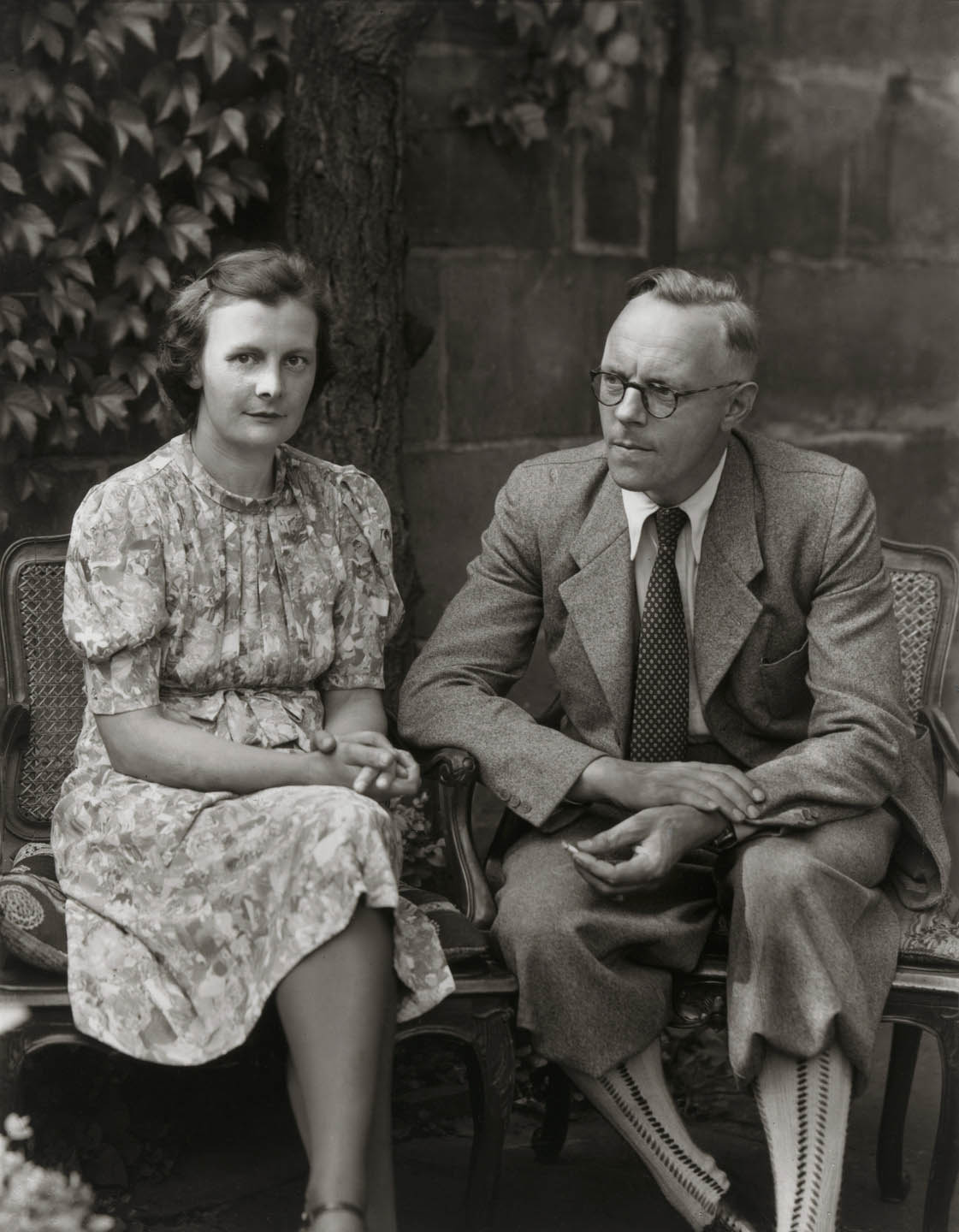
August Sander (German, 1876-1964)
Paper Manufacturer and His Wife
1932, printed c. 1990-1999
Gelatin silver print
9 15/16 × 7 11/16 in. (25.3 × 19.6cm)
Societe Anonyme Acquisition Fund and Katharine Ordway Fund
© Die Photographische Sammlung / SK Stiftung Kultur – August Sander Archiv, Cologne / ARS, NY

August Sander (German, 1876-1964)
Peddler
1930, printed c. 1990-1999
Gelatin silver print
10 3/16 x 7 5/16 in. (25.8 x 18.6cm)
Societe Anonyme Acquisition Fund and Katharine Ordway Fund
© Die Photographische Sammlung / SK Stiftung Kultur – August Sander Archiv, Cologne / ARS, NY
![August Sander (German, 1876-1964) 'Philosopher [Max Scheler]' c. 1925, printed c. 1990-1999](https://artblart.com/wp-content/uploads/2026/05/august-sander-philosopher-max-scheler.jpg "August Sander (German, 1876-1964) 'Philosopher [Max Scheler]' c. 1925, printed c. 1990-1999")
August Sander (German, 1876-1964)
Philosopher [Max Scheler]
c. 1925, printed c. 1990-1999
Gelatin silver print
10 3/16 x 7 5/16 in. (25.8 x 18.6cm)
Societe Anonyme Acquisition Fund and Katharine Ordway Fund
© Die Photographische Sammlung / SK Stiftung Kultur – August Sander Archiv, Cologne / ARS, NY
Max Ferdinand Scheler (German: [ˈʃeːlɐ]; 22 August 1874 – 19 May 1928) was a German philosopher known for his work in phenomenology, ethics, and philosophical anthropology. Considered in his lifetime one of the most prominent German philosophers, Scheler developed the philosophical method of Edmund Husserl, the founder of phenomenology.
The German photographer August Sander (1876-1964) is one of the most significant and influential photographers of the 20th century. This exhibition presents Sander’s ambitious and groundbreaking portrait series Menschen des 20. Jahrhunderts (People of the 20th Century) (1892-1954), a canonical work in the history of photography. The presentation – of over 600 prints from the series – represents the most comprehensive installation of his life’s work.
For this monumental archive of modern humanity, Sander photographed German citizens from all classes and backgrounds, organising them into categories such as “The Skilled Tradesman,” “The Farmer,” “The Artist,” and “The Woman.” Sander conceived of the project in the 1920s, during the Weimar Republic, but included in it photographs he had made as early as 1892. His portrayal of marginalised individuals, including people with disabilities and the unemployed, provided visibility to those often excluded from mainstream representations and drew the ire of the Nazis. Striking for their unflinching realism and skilful observations of character, his images reflect the changing social landscape of Germany in the first half of the 20th century.
Text from the Yale University Art Gallery website
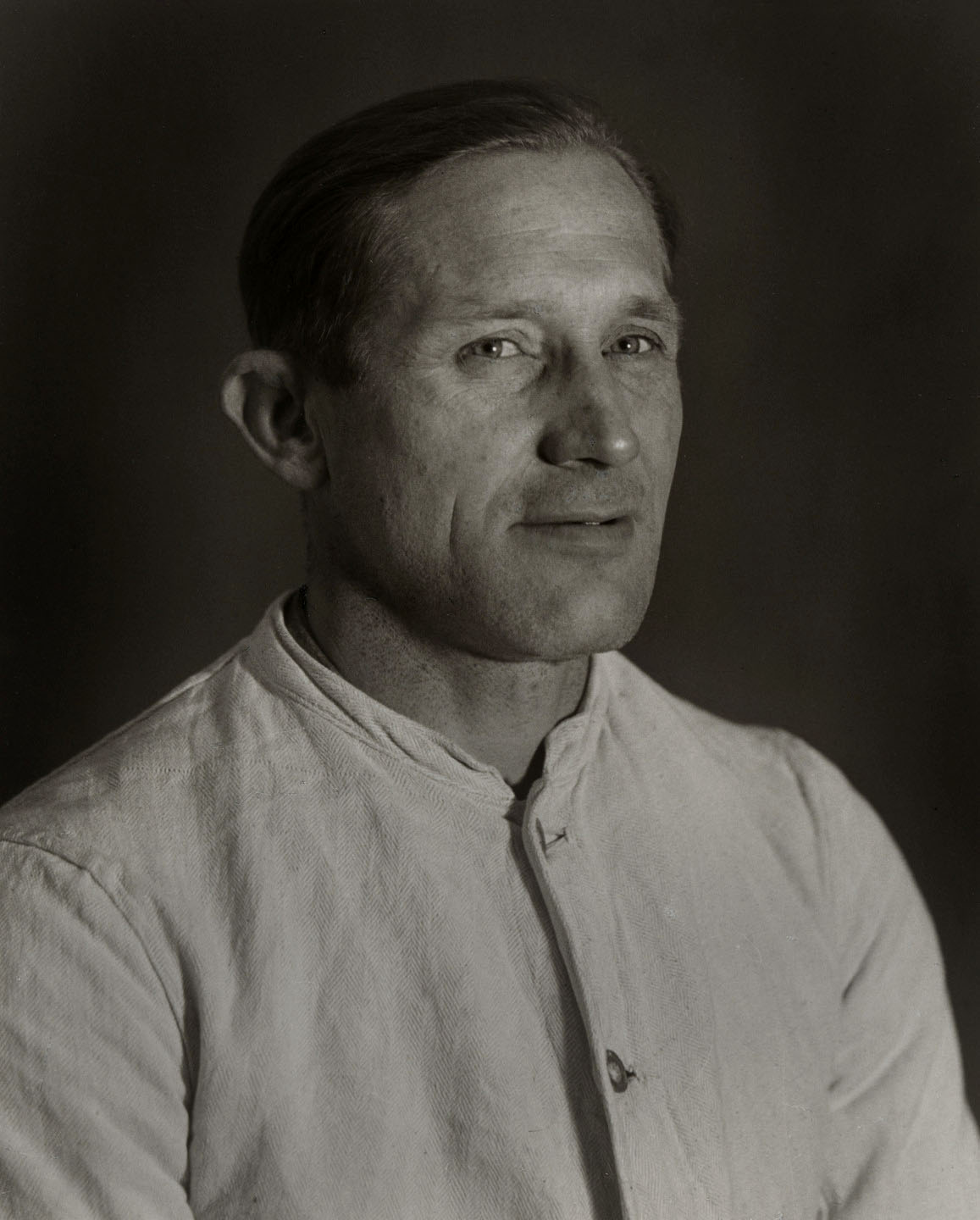
August Sander (German, 1876-1964)
Political Prisoner
1941-1944, printed c. 1990-1999
Gelatin silver print
9 7/16 x 7 3/4 in. (24 x 19.7cm)
Societe Anonyme Acquisition Fund and Katharine Ordway Fund
© Die Photographische Sammlung / SK Stiftung Kultur – August Sander Archiv, Cologne / ARS, NY
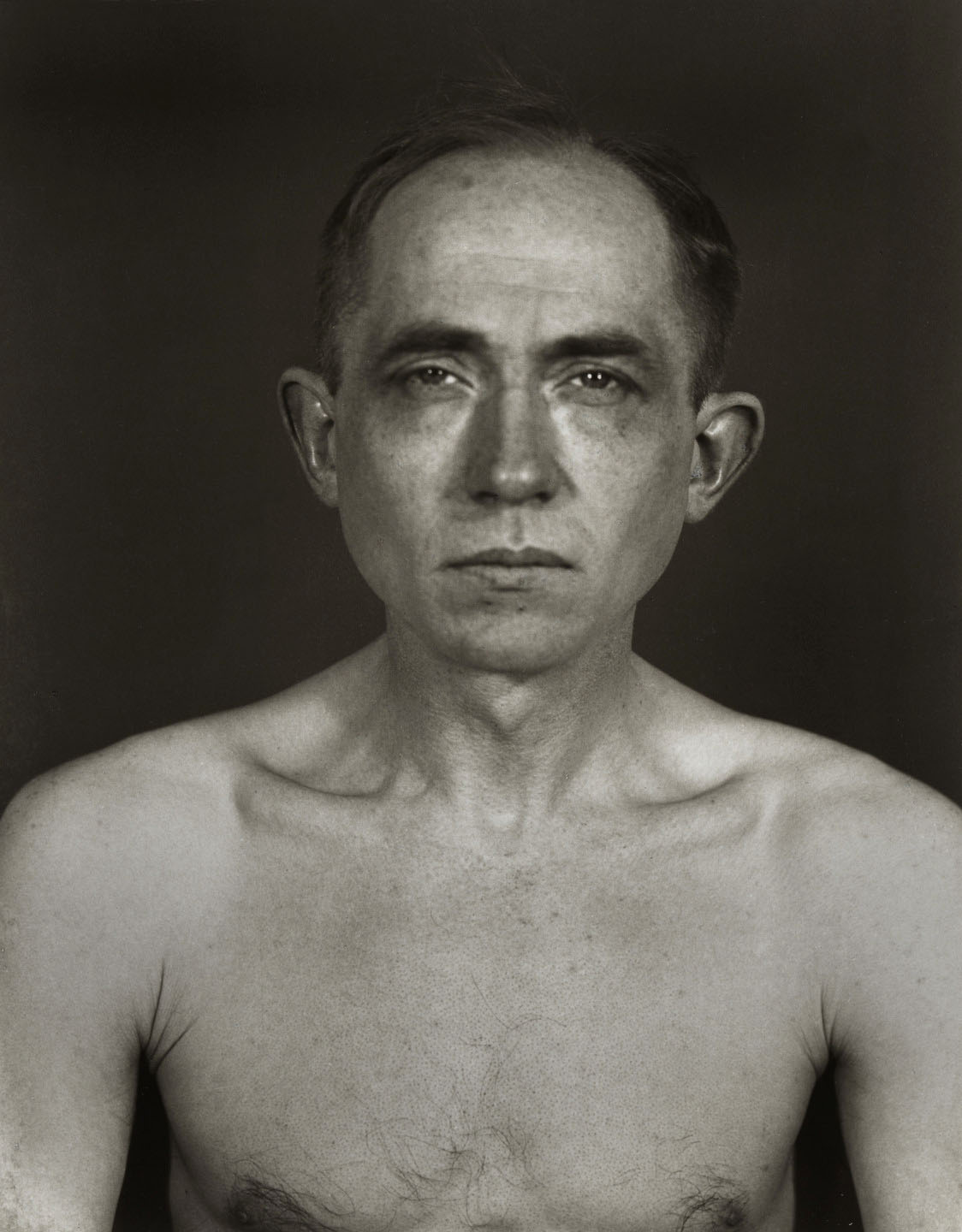
August Sander (German, 1876-1964)
Political Prisoner
1941-1944, printed c. 1990-1999
Gelatin silver print
9 13/16 x 7 11/16 in. (25 x 19.6cm)
Societe Anonyme Acquisition Fund and Katharine Ordway Fund
© Die Photographische Sammlung / SK Stiftung Kultur – August Sander Archiv, Cologne / ARS, NY
![August Sander (German, 1876-1964) 'Political Prisoner [Erich Sander]' 1941-1944, printed c. 1990-1999](https://artblart.com/wp-content/uploads/2026/05/august-sander-political-prisoner-b.jpg "August Sander (German, 1876-1964) 'Political Prisoner [Erich Sander]' 1941-1944, printed c. 1990-1999")
August Sander (German, 1876-1964)
Political Prisoner [Erich Sander]
1941-1944, printed c. 1990-1999
Gelatin silver print
9 7/8 x 7 3/8 in. (25.1 x 18.7cm)
Societe Anonyme Acquisition Fund and Katharine Ordway Fund
© Die Photographische Sammlung / SK Stiftung Kultur – August Sander Archiv, Cologne / ARS, NY
Erich Sander (1903-1944) was the eldest son of Anna and August , an intellectual, political activist and member of the Resistance who was introduced to photography by his father, with whom he worked. In Cologne, with his comrade Ernst Ransenberg, he took over the leadership of the local section of the SAP party (Sozialistische Arbeiterpartei Deutschland – Socialist Workers’ Party of Germany), writing and publishing leaflets against the Nazi party in power. In 1934, Erich was arrested and sentenced to 10 years’ imprisonment for high treason. He worked as a photographer for the prison administration and managed to smuggle in a camera that enabled him to take portraits of himself and his fellow prisoners, whom he managed to smuggle out of the prison. He left a substantial correspondence with his family (some letters written in secret ink), which constitutes essential documentation on life in prison during National Socialism. …
Erich Sander did not live to see the end of the war. He died on 23 March 1944, after his severe abdominal pain was ignored for days by the prison authorities.
Marie-Édith Agostini. “Portraits of a Time by August and Erich Sander,” on the Wer Ist Walter? website Nd [Online] Cited 03/06/2026. Used under fair use conditions for the purposes of education and research
![August Sander (German, 1876-1964) 'Political Prisoner [Erich Sander]' 1943, printed c. 1990-1999](https://artblart.com/wp-content/uploads/2026/05/august-sander-political-prisoner-erich-sander.jpg "August Sander (German, 1876-1964) 'Political Prisoner [Erich Sander]' 1943, printed c. 1990-1999")
August Sander (German, 1876-1964)
Political Prisoner [Erich Sander]
1943, printed c. 1990-1999
Gelatin silver print
9 15/16 x 7 3/8 in. (25.3 x 18.8cm)
Societe Anonyme Acquisition Fund and Katharine Ordway Fund
© Die Photographische Sammlung / SK Stiftung Kultur – August Sander Archiv, Cologne / ARS, NY
![August Sander (German, 1876-1964) 'Political Prisoner [Marcel Ancelin]' 1943, printed c. 1990-1999](https://artblart.com/wp-content/uploads/2026/05/august-sander-political-prisoner-marcel-ancelin.jpg "August Sander (German, 1876-1964) 'Political Prisoner [Marcel Ancelin]' 1943, printed c. 1990-1999")
August Sander (German, 1876-1964)
Political Prisoner [Marcel Ancelin]
1943, printed c. 1990-1999
Gelatin silver print
9 5/8 x 7 11/16 in. (24.5 x 19.6cm)
Societe Anonyme Acquisition Fund and Katharine Ordway Fund
© Die Photographische Sammlung / SK Stiftung Kultur – August Sander Archiv, Cologne / ARS, NY
One of his fellow prisoners was Marcel Ancelin, born in Paris in 1923. A member of the Front National de Lutte pour la Libération et l’Indépendance de la France (National Front for the Fight for the Liberation and Independence of France) and later the FTP (Francs-Tireurs et Partisans), he was arrested by the French police on 13 August 1941. Handed over to the German authorities and sentenced to hard labour, he spent several years in camps and prisons in Germany, among them in Siegburg where he met Erich Sander. Ancelin was finally liberated from a camp near Frankfurt with other inmates by American troops in April 1945, and returned to France. On 8 November 1956, he received the official title of “deported resistance fighter”. Marcel Ancelin died in 2003, having never told his family or friends about his heroic past.
Erich Sander wrote of him in a letter to his parents: “One of the three (French men) has some very striking features, which is sure to give father some pleasure […] Very intelligent chap, by the way. He wants to come and visit me after the war.” However, Erich Sander did not live to see the end of the war. He died on 23 March 1944, after his severe abdominal pain was ignored for days by the prison authorities.
Marie-Édith Agostini. “Portraits of a Time by August and Erich Sander,” on the Wer Ist Walter? website Nd [Online] Cited 03/06/2026. Used under fair use conditions for the purposes of education and research
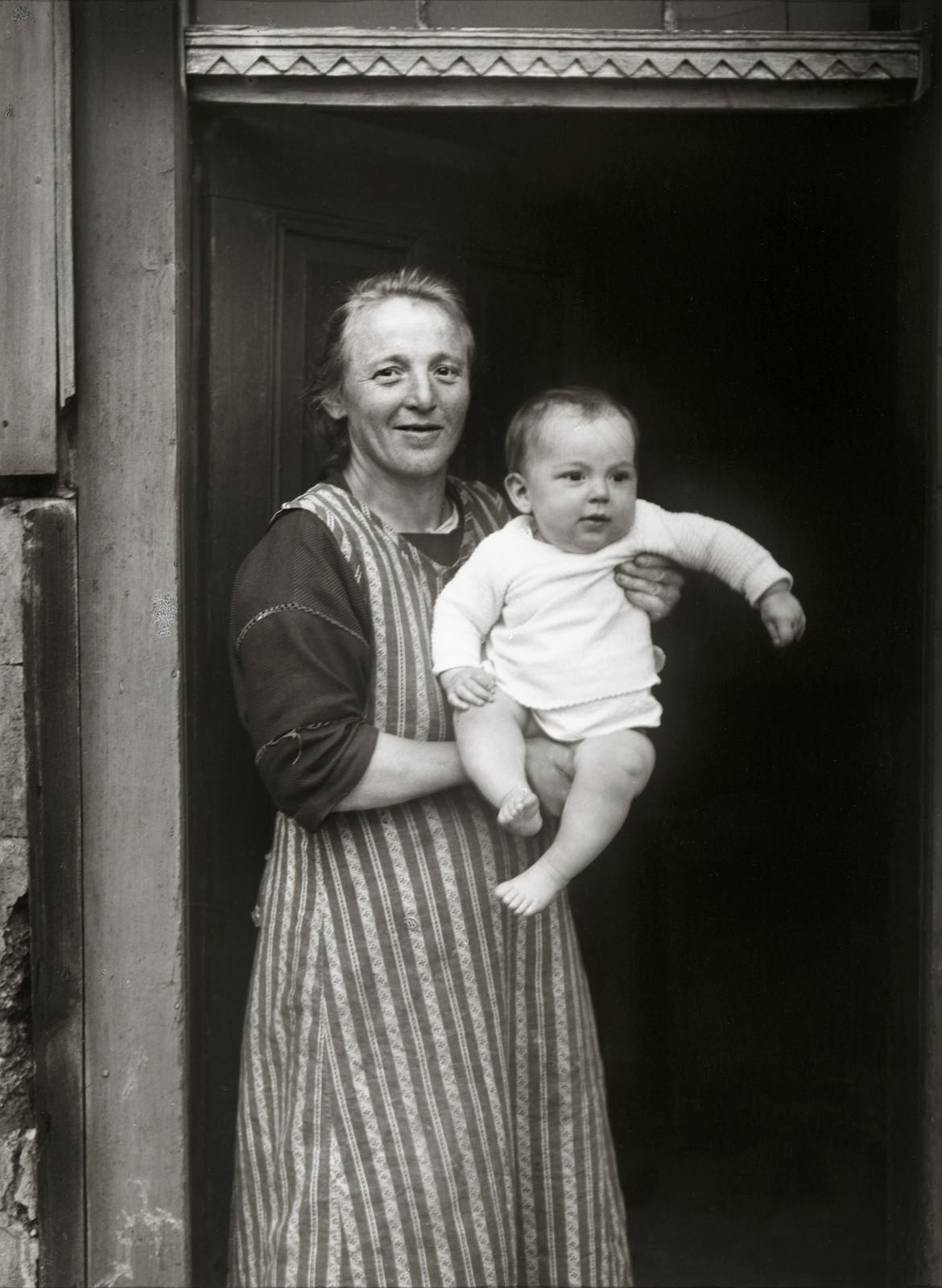
August Sander (German, 1876-1964)
Proletarian Mother
1927, printed c. 1990-1999
Gelatin silver print
10 1/16 x 7 3/8 in. (25.5 x 18.8cm)
Societe Anonyme Acquisition Fund and Katharine Ordway Fund
© Die Photographische Sammlung / SK Stiftung Kultur – August Sander Archiv, Cologne / ARS, NY
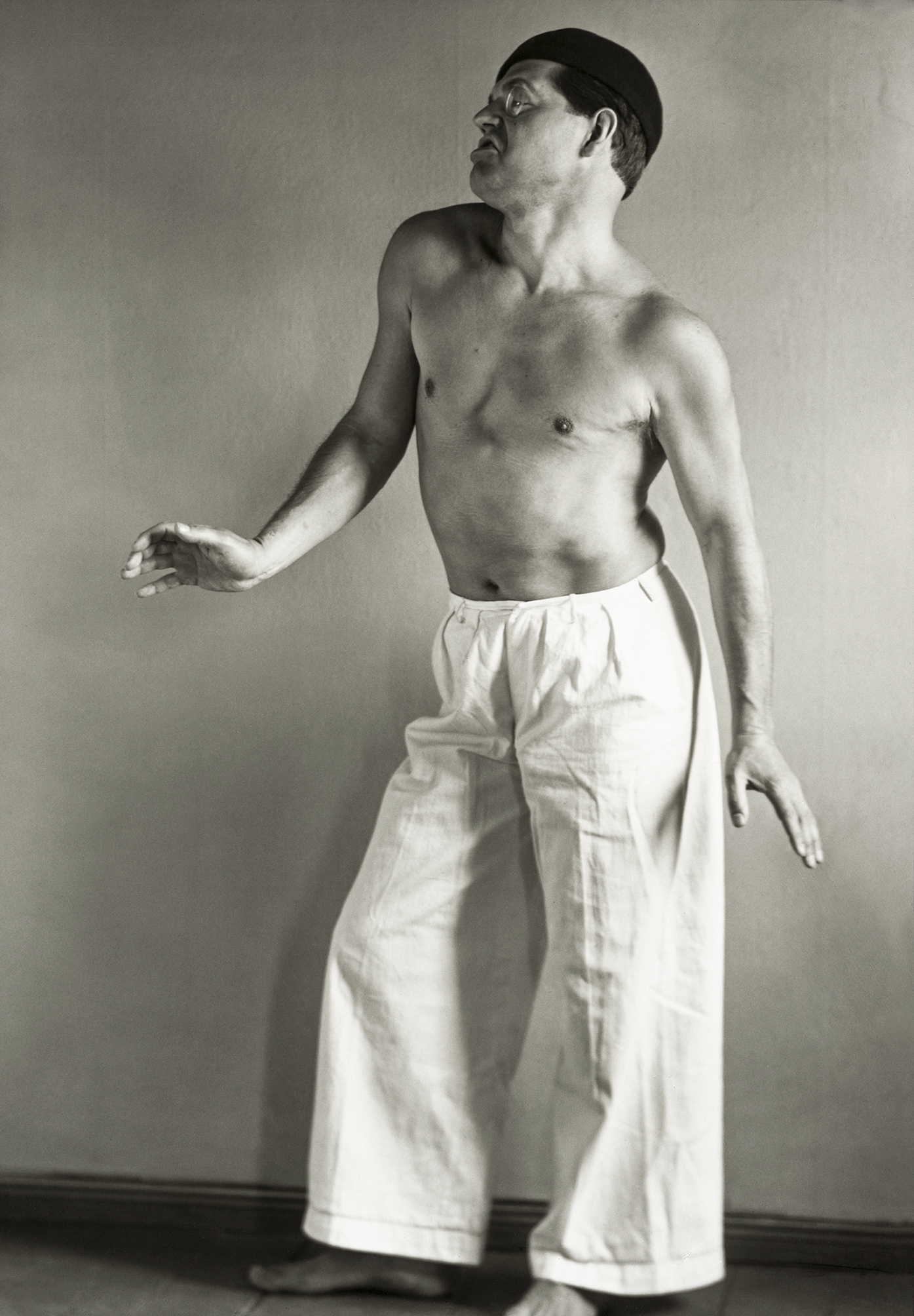
August Sander (German, 1876-1964)
Raoul Hausmann as a Dancer
1929, printed c. 1990-1999
Gelatin silver print
10 1/16 x 7 in. (25.6 x 17.8cm)
Societe Anonyme Acquisition Fund and Katharine Ordway Fund
© Die Photographische Sammlung / SK Stiftung Kultur – August Sander Archiv, Cologne / ARS, NY
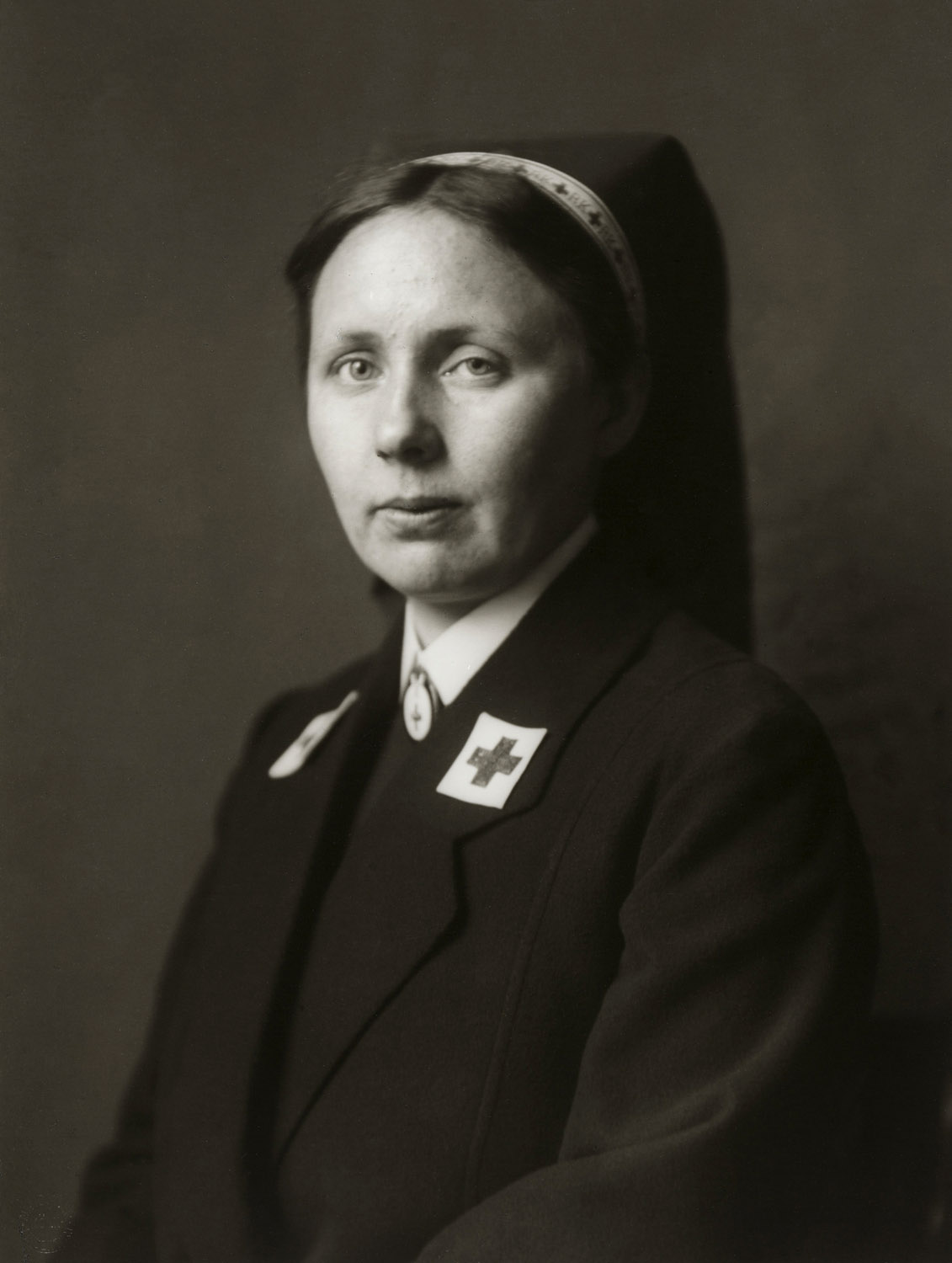
August Sander (German, 1876-1964)
Red Cross Nurse
1924, printed c. 1990-1999
Gelatin silver print
10 1/8 x 7 5/8 in. (25.7 x 19.4cm)
Societe Anonyme Acquisition Fund and Katharine Ordway Fund
© Die Photographische Sammlung / SK Stiftung Kultur – August Sander Archiv, Cologne / ARS, NY
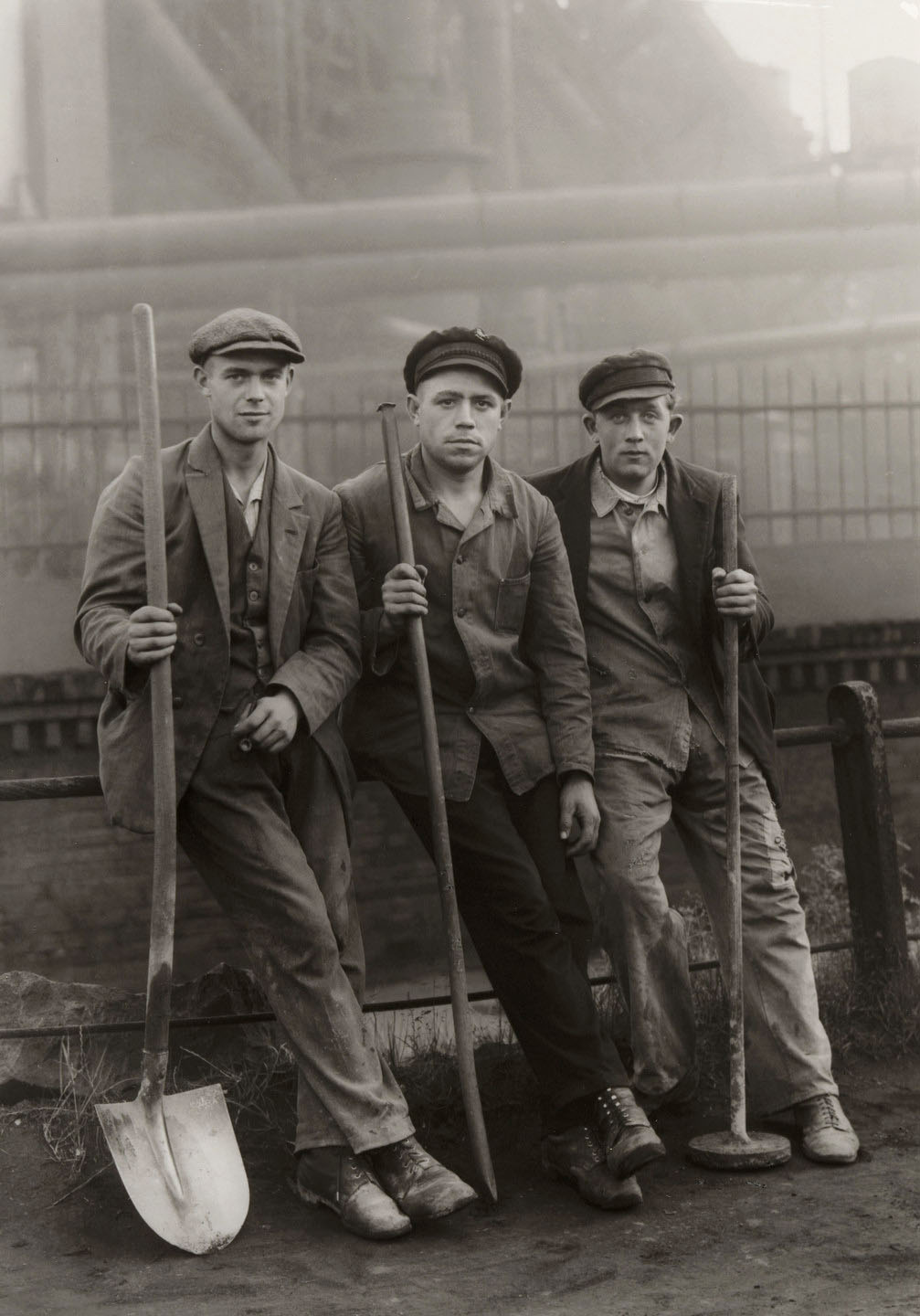
August Sander (German, 1876-1964)
Road Workers in the Ruhr Region
c. 1928, printed c. 1990-1999
Gelatin silver print
10 1/8 x 7 3/16 in. (25.7 x 18.2cm)
Societe Anonyme Acquisition Fund and Katharine Ordway Fund
© Die Photographische Sammlung / SK Stiftung Kultur – August Sander Archiv, Cologne / ARS, NY
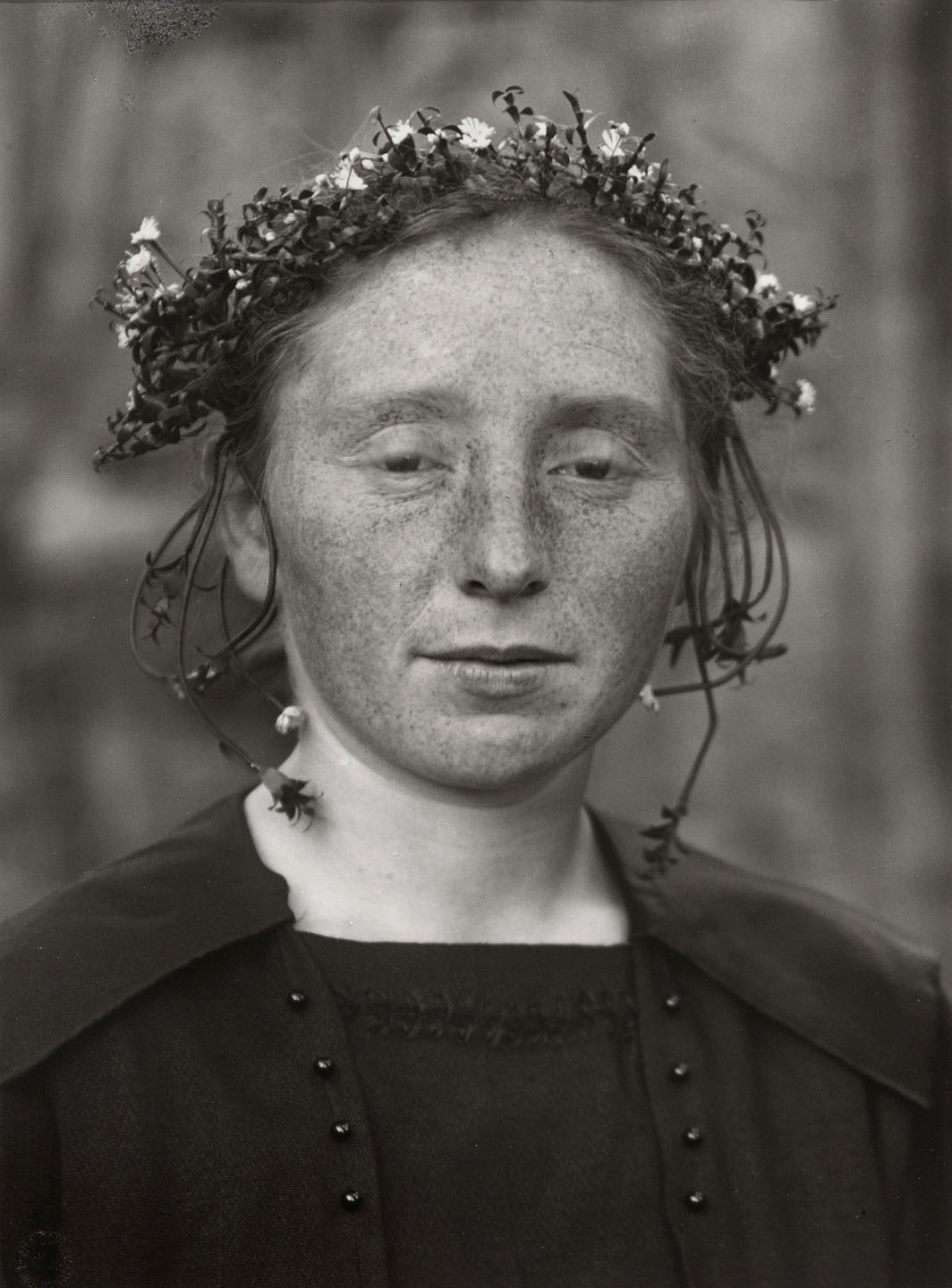
August Sander (German, 1876-1964)
Rural Bride
1920-1925, printed c. 1990-1999
Gelatin silver print
10 3/16 x 7 1/2 in. (25.8 x 19cm)
Societe Anonyme Acquisition Fund and Katharine Ordway Fund
© Die Photographische Sammlung / SK Stiftung Kultur – August Sander Archiv, Cologne / ARS, NY
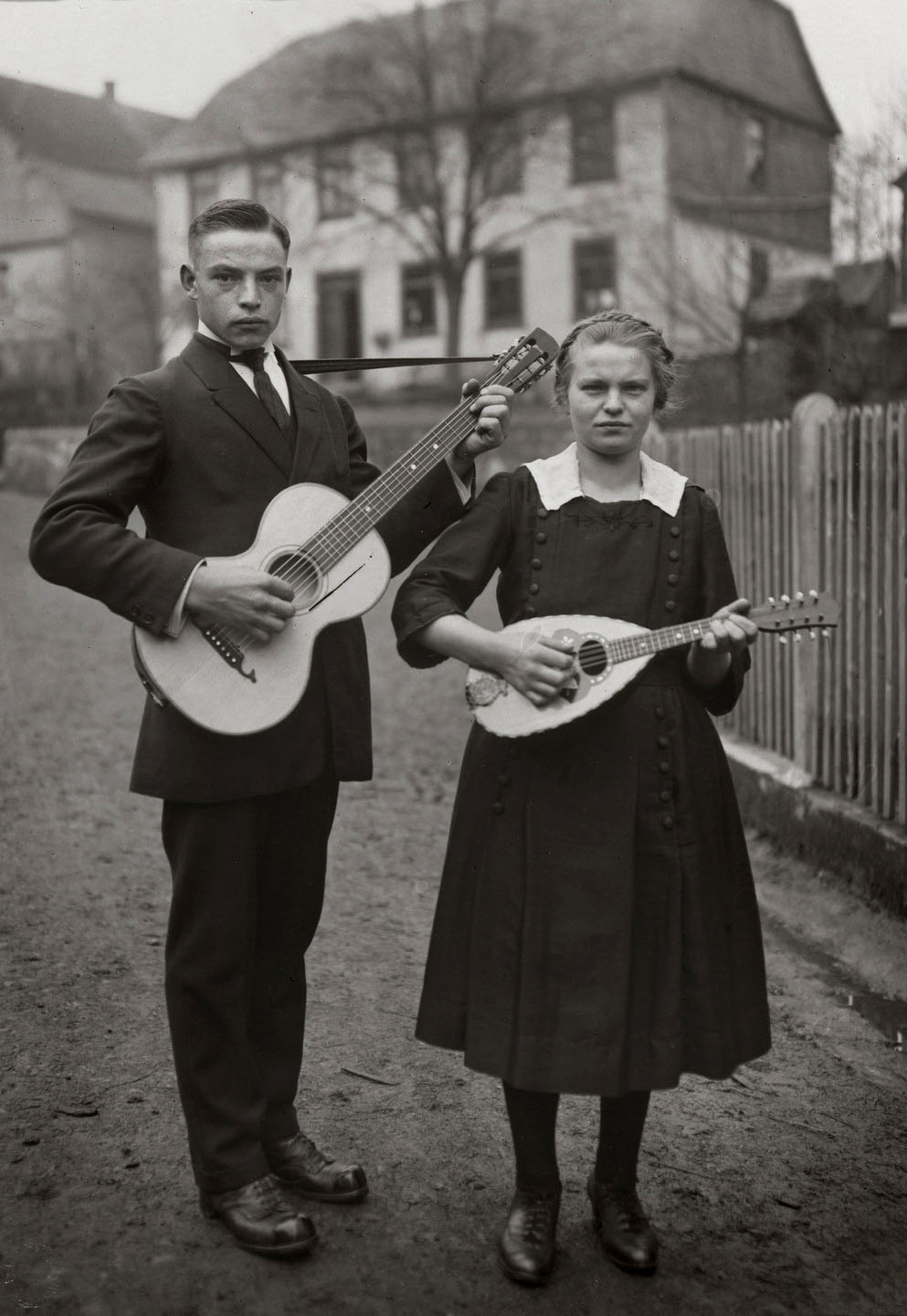
August Sander (German, 1876-1964)
Rural Brother and Sister
1925-1930, printed c. 1990-1999
Gelatin silver print
10 1/4 x 7 3/16 in. (26 x 18.3cm)
Societe Anonyme Acquisition Fund and Katharine Ordway Fund
© Die Photographische Sammlung / SK Stiftung Kultur – August Sander Archiv, Cologne / ARS, NY
In the history of photography, few projects have proven as groundbreaking as People of the 20th Century. August Sander (1876-1964) developed his ambitious series over more than six decades, capturing the diverse social fabric of his home country of Germany during a period marked by cultural upheaval and change. A new exhibition at the Yale University Art Gallery showcases over 600 prints from this landmark work, inviting viewers to experience the breadth and depth of Sander’s vision. Never before has his output received such comprehensive treatment in a museum display.
Sander undertook to photograph people from all walks of life and organise them into groups, whether by class, gender, profession, or other traits – resulting in a sociological archive of Germany in the first half of the 20th century. The installation at the Gallery draws its structure from the typology he established: The Farmer; The Skilled Tradesman; The Woman; Classes and Professions; The Artists; The City; and The Last People. Each of Sander’s portraits at once represents an individual and a social archetype, exploring the tension between public identity and personal uniqueness. As he explained, “The individual does not make the history of his time, but he both impresses himself on it and expresses its meaning.”
In one image, the photographer’s eldest son, Erich, poses with his fellow working college students. He appears again in a photograph taken surreptitiously while imprisoned for leftist activity. Such reoccurrences make clear that Sander’s categories are not as fixed as they may at first appear, with many individuals and motifs showing up across different classifications. Further challenging the project’s claim to offer a neat and neutral study of social types is the deeply personal character of some of the pictures. Indeed, People of the 20th Century incorporates intimate portraits of Sander’s family, including the poignant My Wife in Joy and Sorrow showing his wife, Anna, with their twin infants, one of whom did not survive.
Sander was steeped in the avant-garde movements of early 20th-century Germany as he cultivated a realistic style aimed at portraying life as it was, without romanticisation. Among these influences were the Cologne Progressives, a collective of artists deeply invested in labor activism, and the New Objectivity, which countered the era’s prevailing Expressionism with a manner of ostensible impartiality or resignation. This turn away from subjective expression in art shaped Sander’s approach to framing his subjects. He situated figures carefully within their environments such that their surroundings tell parts of their stories: as in the above-mentioned Political Prisoner, the individual becomes inextricable from the context.
Following the rise to power of the National Socialist party in 1933, Sander remained in Germany and faced professional constraints due to the nature and content of his artwork. Defying the representational mandates imposed by Nazi ideology, he photographed marginalised peoples – those with disabilities, the unemployed, and the persecuted. Even when an early version of the project was destroyed by the regime, Sander persisted, documenting the stories of those often overlooked by society. Through his lens, every subject was given dignity and importance, creating a stark contrast to the dehumanising rhetoric of this period.
Judy Ditner is the Richard Benson Curator of Photography and Digital Media
Yale University Art Gallery Spring 2026 Magazine
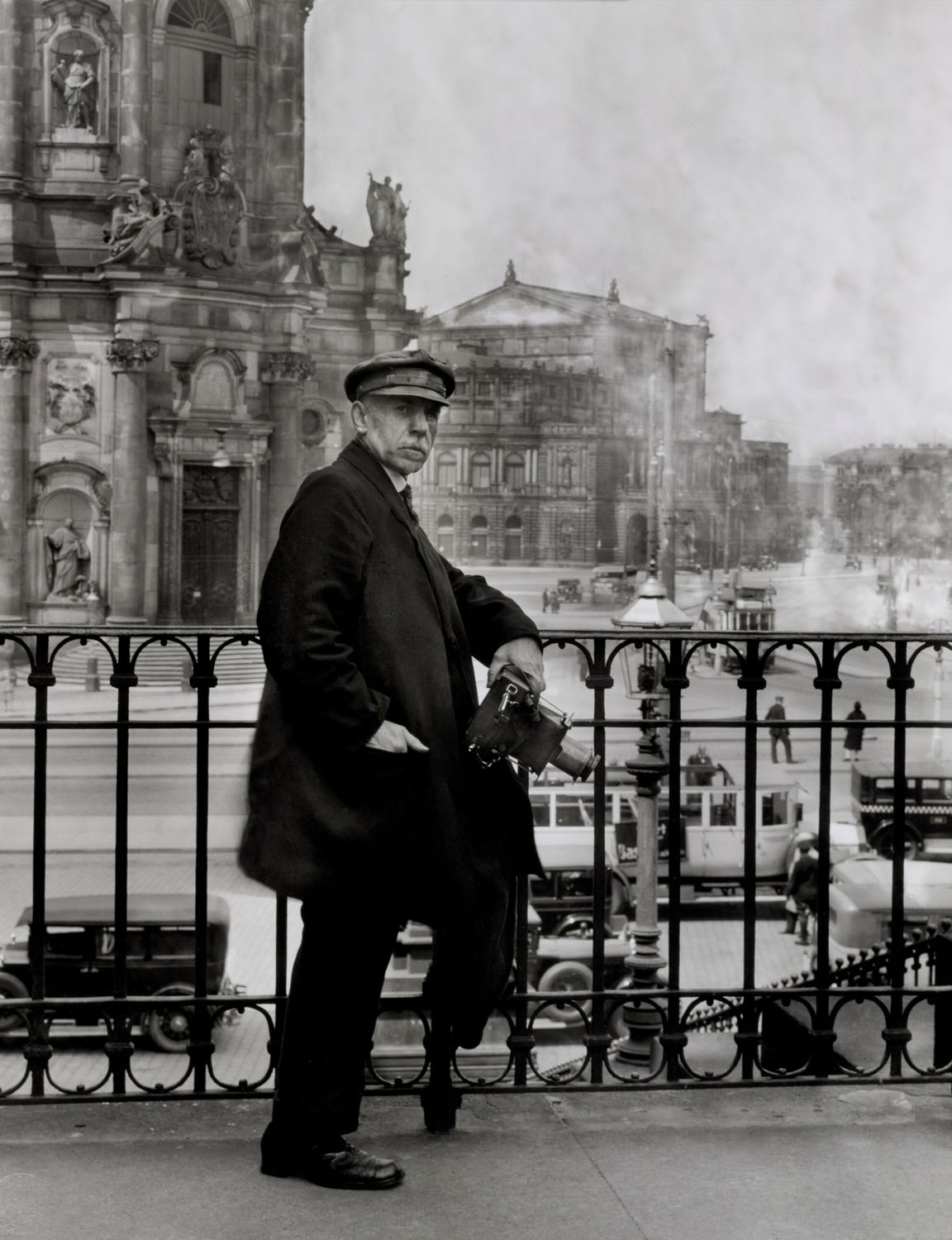
August Sander (German, 1876-1964)
Street Photographer
c. 1930, printed c. 1990-1999
Gelatin silver print
10 3/16 x 7 7/8 in. (25.8 x 20cm)
Societe Anonyme Acquisition Fund and Katharine Ordway Fund
© Die Photographische Sammlung / SK Stiftung Kultur – August Sander Archiv, Cologne / ARS, NY

August Sander (German, 1876-1964)
“Test Your Strength” Showman
1930, printed c. 1990-1999
Gelatin silver print
10 1/16 x 7 7/16 in. (25.6 x 18.9cm)
Societe Anonyme Acquisition Fund and Katharine Ordway Fund
© Die Photographische Sammlung / SK Stiftung Kultur – August Sander Archiv, Cologne / ARS, NY
![August Sander (German, 1876-1964) 'The Architect Couple [Dora und Hans Heinz Lüttgen]' 1926, printed c. 1990-1999](https://artblart.com/wp-content/uploads/2026/05/august-sander-the-architect-couple-dora-und-hans-heinz-luttgen-dora.jpg "August Sander (German, 1876-1964) 'The Architect Couple [Dora und Hans Heinz Lüttgen]' 1926, printed c. 1990-1999")
August Sander (German, 1876-1964)
The Architect Couple [Dora und Hans Heinz Lüttgen]
1926, printed c. 1990-1999
Gelatin silver print
8 × 9 3/8 in. (20.3 × 23.8cm)
Societe Anonyme Acquisition Fund and Katharine Ordway Fund
© Die Photographische Sammlung / SK Stiftung Kultur – August Sander Archiv, Cologne / ARS, NY
Hans Heinz Lüttgen (actually Theodor Heinrich Lüttgen; born 16. November 1895 (according to another source 1898) in Düsseldorf; died July 1976 in New York) was a German architect, interior designer and artist. According to his designs, the Sartory rooms and settlement buildings in Riehl were built in Cologne, as well as a series of single-family houses and villas in Wuppertal, which can be attributed to the style of the New Building of the 1920s and 1930s and now have “cult status”.
![August Sander (German, 1876-1964) 'The Dadaist Raoul Hausmann [with Hedwig Mankiewitz and Vera Broïdo]' 1929](https://artblart.com/wp-content/uploads/2019/01/sander-der_dadaist-web.jpg "August Sander (German, 1876-1964) 'The Dadaist Raoul Hausmann [with Hedwig Mankiewitz and Vera Broïdo]' 1929")
August Sander (German, 1876-1964)
The Dadaist Raoul Hausmann [with Hedwig Mankiewitz and Vera Broïdo]
1929, printed c. 1990-1999
Gelatin silver print
10 1/4 x 7 1/2 in. (26 x 19cm)
Societe Anonyme Acquisition Fund and Katharine Ordway Fund
© Die Photographische Sammlung / SK Stiftung Kultur – August Sander Archiv, Cologne / ARS, NY
Hedwig Mankiewitz (also known as Hedwig Hausmann, 1893–1974) was a German painter and a vital, yet frequently under-appreciated, figure in the European avant-garde and Dada art movements. She is best known as the second wife, muse, and collaborator of the influential Dadaist Raoul Hausmann. Mankiewitz played a crucial role in providing emotional and financial support to Hausmann, especially during the tumultuous years when he was classified as a banned artist under the Nazi regime.
Vera Broïdo (7 September 1907 – 11 February 2004) was a Russian-born writer and a chronicler of the Russian Revolution, as one who grew up through it and lost her mother to its aftermath…
During her time in Berlin in the 1920s, Broido met avant garde artist and Dadaist turned society photographer Raoul Hausmann and became his lover and muse, living in a ménage à trois with him and his wife Hedwig in the fashionable Charlottenburg district of Berlin between 1928 and 1934.
![August Sander (German, 1876-1964) 'The Industrialist [Max Spindler]' 1929, printed c. 1990-1999](https://artblart.com/wp-content/uploads/2022/03/sander-the-industrialist-1929.jpg "August Sander (German, 1876-1964) 'The Industrialist [Max Spindler]' 1929, printed c. 1990-1999")
August Sander (German, 1876-1964)
The Industrialist [Max Spindler]
1929, printed c. 1990-1999
Gelatin silver print
10 1/16 x 7 3/16 in. (25.5 x 18.2cm)
Societe Anonyme Acquisition Fund and Katharine Ordway Fund
© Die Photographische Sammlung / SK Stiftung Kultur – August Sander Archiv, Cologne / ARS, NY
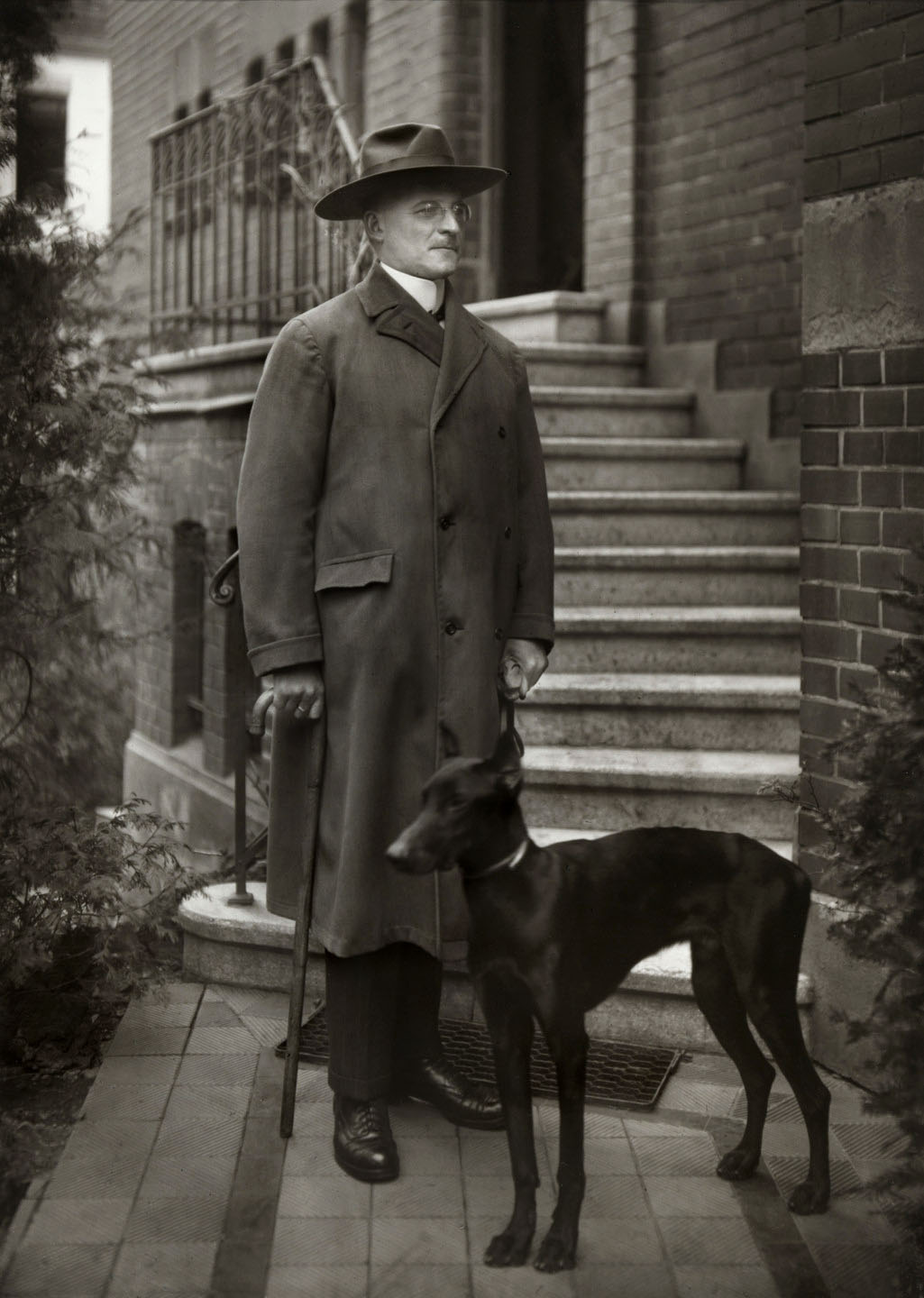
August Sander (German, 1876-1964)
The Notary
1924, printed c. 1990-1999
Gelatin silver print
10 1/16 x 7 5/16 in. (25.6 x 18.6cm)
Societe Anonyme Acquisition Fund and Katharine Ordway Fund
© Die Photographische Sammlung / SK Stiftung Kultur – August Sander Archiv, Cologne / ARS, NY
![August Sander (German, 1876-1964) 'The Painter Couple [Martha und Otto Dix]' 1925-1926, printed c. 1990-1999](https://artblart.com/wp-content/uploads/2022/08/11.jpg "August Sander (German, 1876-1964) 'The Painter Couple [Martha und Otto Dix]' 1925-1926, printed c. 1990-1999")
August Sander (German, 1876-1964)
The Painter Couple [Martha und Otto Dix]
1925-1926, printed c. 1990-1999
Gelatin silver print
7 15/16 x 9 7/16 in. (20.2 x 24cm)
Societe Anonyme Acquisition Fund and Katharine Ordway Fund
© Die Photographische Sammlung / SK Stiftung Kultur – August Sander Archiv, Cologne / ARS, NY
Martha Dix (née Lindner; other married name Koch; July 19, 1895 – March 6, 1985) was a German goldsmith and silversmith who was the wife of the painter Otto Dix.
Wilhelm Heinrich Otto Dix (German; 2 December 1891 – 25 July 1969) was a German painter and printmaker, noted for his ruthless and harshly realistic depictions of German society during the Weimar Republic and the brutality of war. Along with George Grosz and Max Beckmann, he is widely considered one of the most important artists of the Neue Sachlichkeit.
Martha Dix and the renowned German painter Otto Dix formed one of the most creatively documented couples of the Weimar era. She was a trained goldsmith and silversmith, and was her husband’s primary muse.
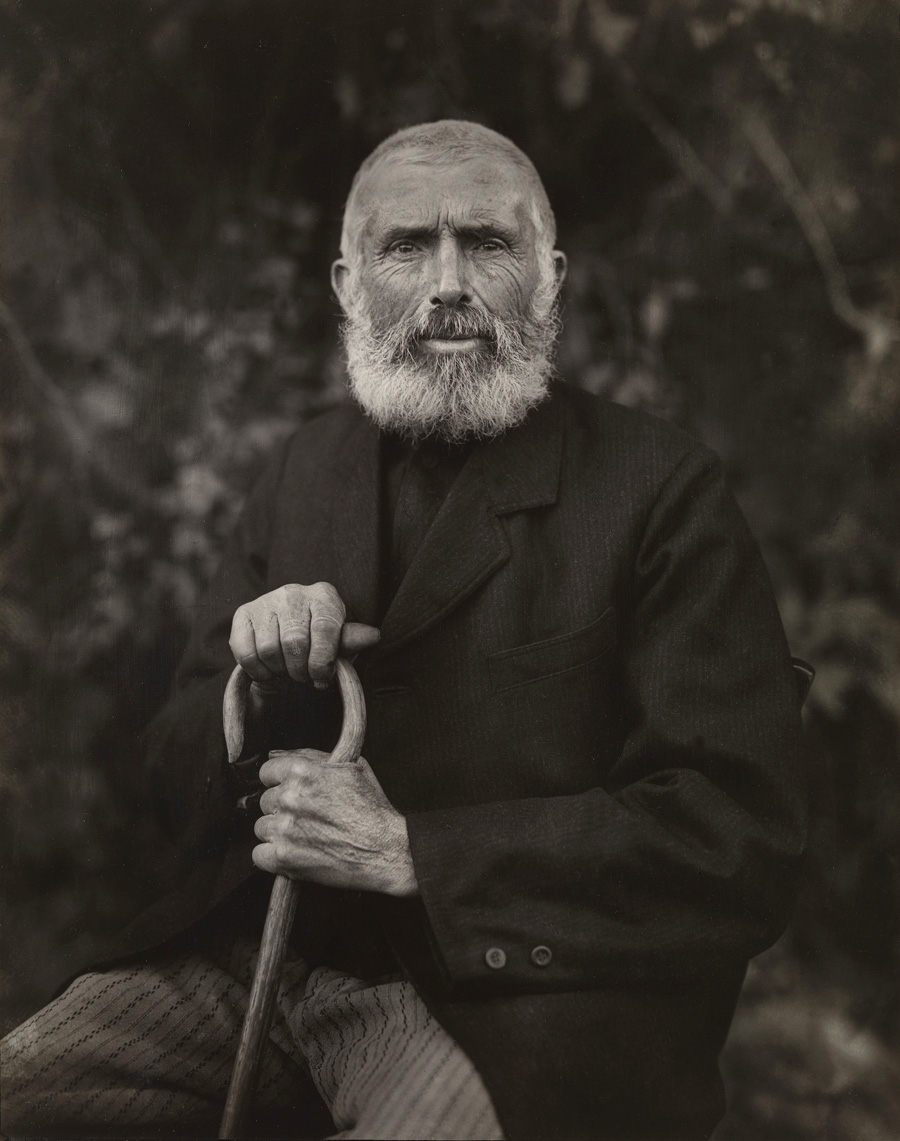
August Sander (German, 1876-1964)
The Person of the Soil
1910, printed c. 1990-1999
Gelatin silver print
10 1/16 x 7 5/16 in. (25.5 x 18.6cm)
Societe Anonyme Acquisition Fund and Katharine Ordway Fund
© Die Photographische Sammlung / SK Stiftung Kultur – August Sander Archiv, Cologne / ARS, NY
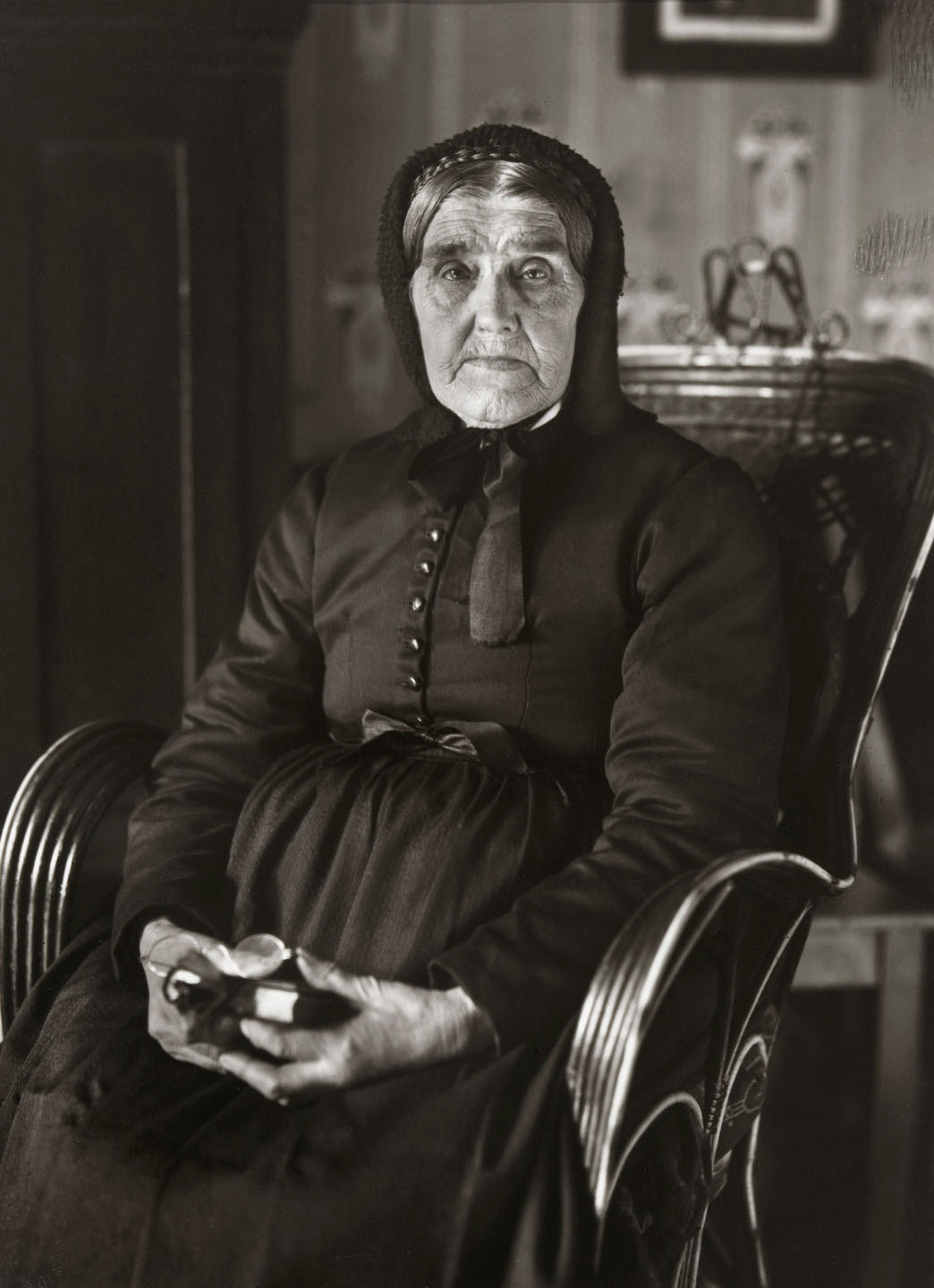
August Sander (German, 1876-1964)
The Sage
1913, printed c. 1990-1999
Gelatin silver print
10 1/16 x 7 5/16 in. (25.6 x 18.5cm)
Societe Anonyme Acquisition Fund and Katharine Ordway Fund
© Die Photographische Sammlung / SK Stiftung Kultur – August Sander Archiv, Cologne / ARS, NY
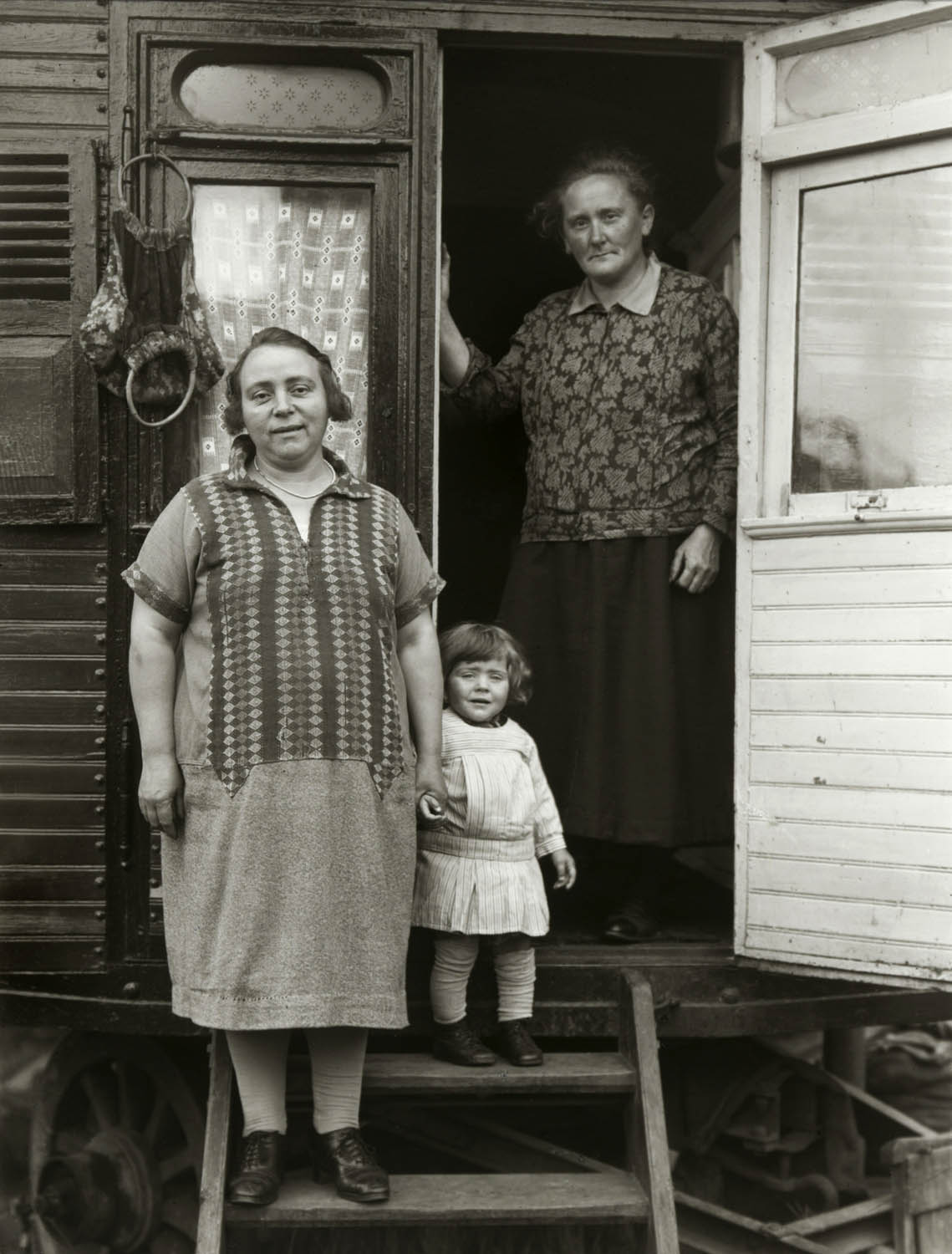
August Sander (German, 1876-1964)
Three Generations in a Fairground Caravan
1926-1932, printed c. 1990-1999
Gelatin silver print
10 1/16 x 7 5/8 in. (25.5 x 19.3cm)
Societe Anonyme Acquisition Fund and Katharine Ordway Fund
© Die Photographische Sammlung / SK Stiftung Kultur – August Sander Archiv, Cologne / ARS, NY
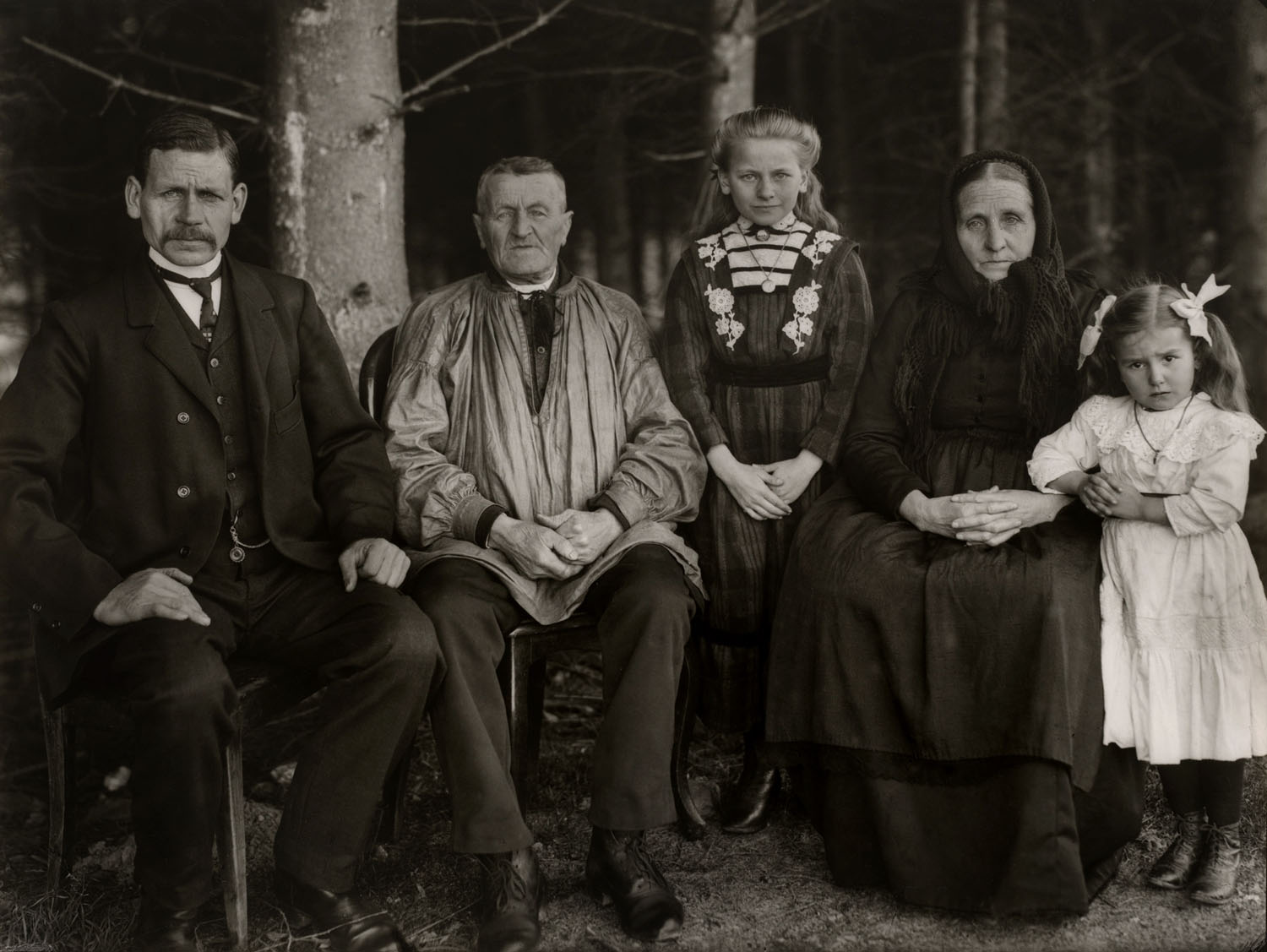
August Sander (German, 1876-1964)
Three Generations of the Family
1912, printed c. 1990-1999
Gelatin silver print
6 15/16 x 10 1/16 in. (17.6 x 25.5cm)
Societe Anonyme Acquisition Fund and Katharine Ordway Fund
© Die Photographische Sammlung / SK Stiftung Kultur – August Sander Archiv, Cologne / ARS, NY
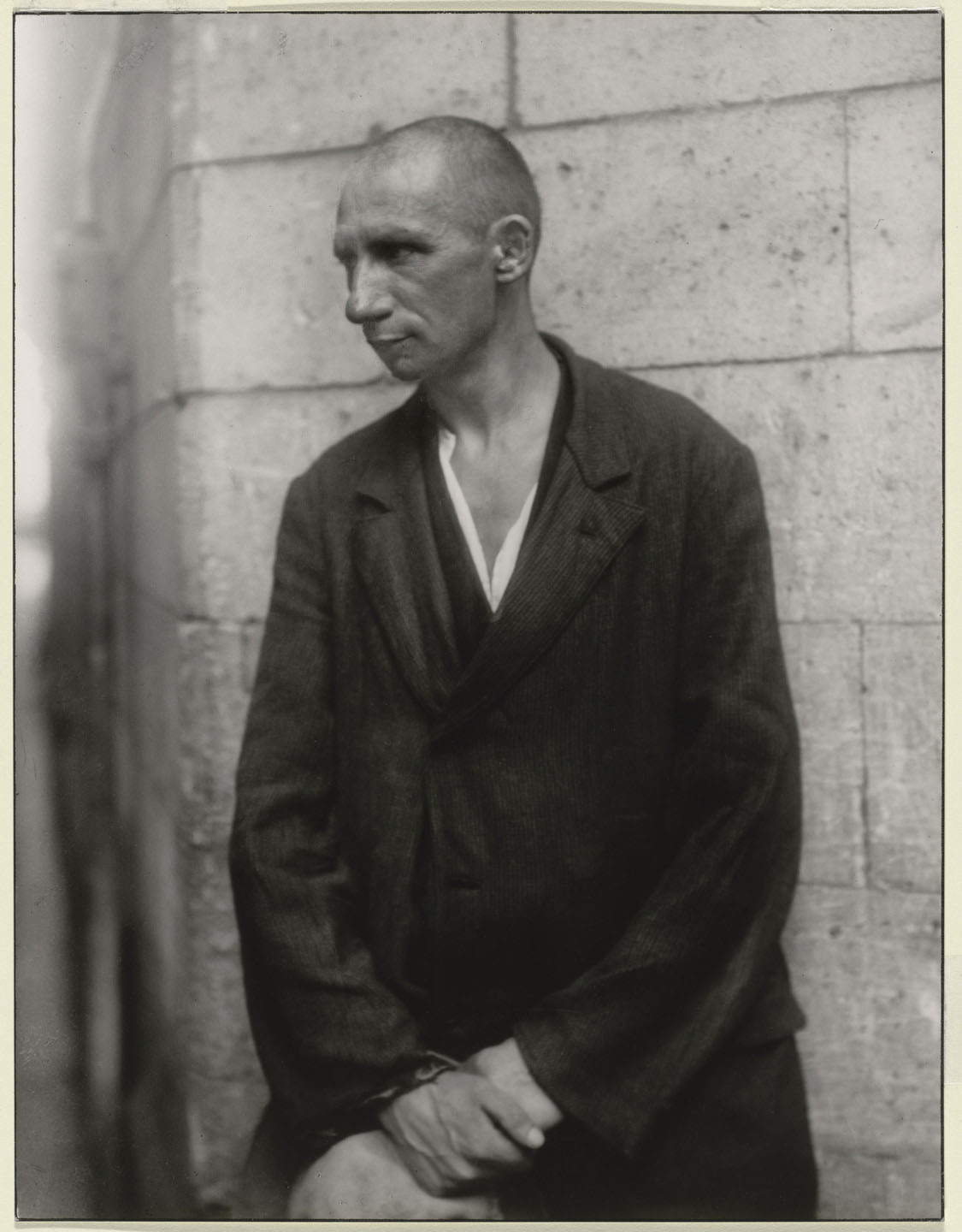
August Sander (German, 1876-1964)
Unemployed
1928, printed c. 1990-1999
Gelatin silver print
10 1/16 x 6 3/8 in. (25.5 x 16.2cm)
Societe Anonyme Acquisition Fund and Katharine Ordway Fund
© Die Photographische Sammlung / SK Stiftung Kultur – August Sander Archiv, Cologne / ARS, NY
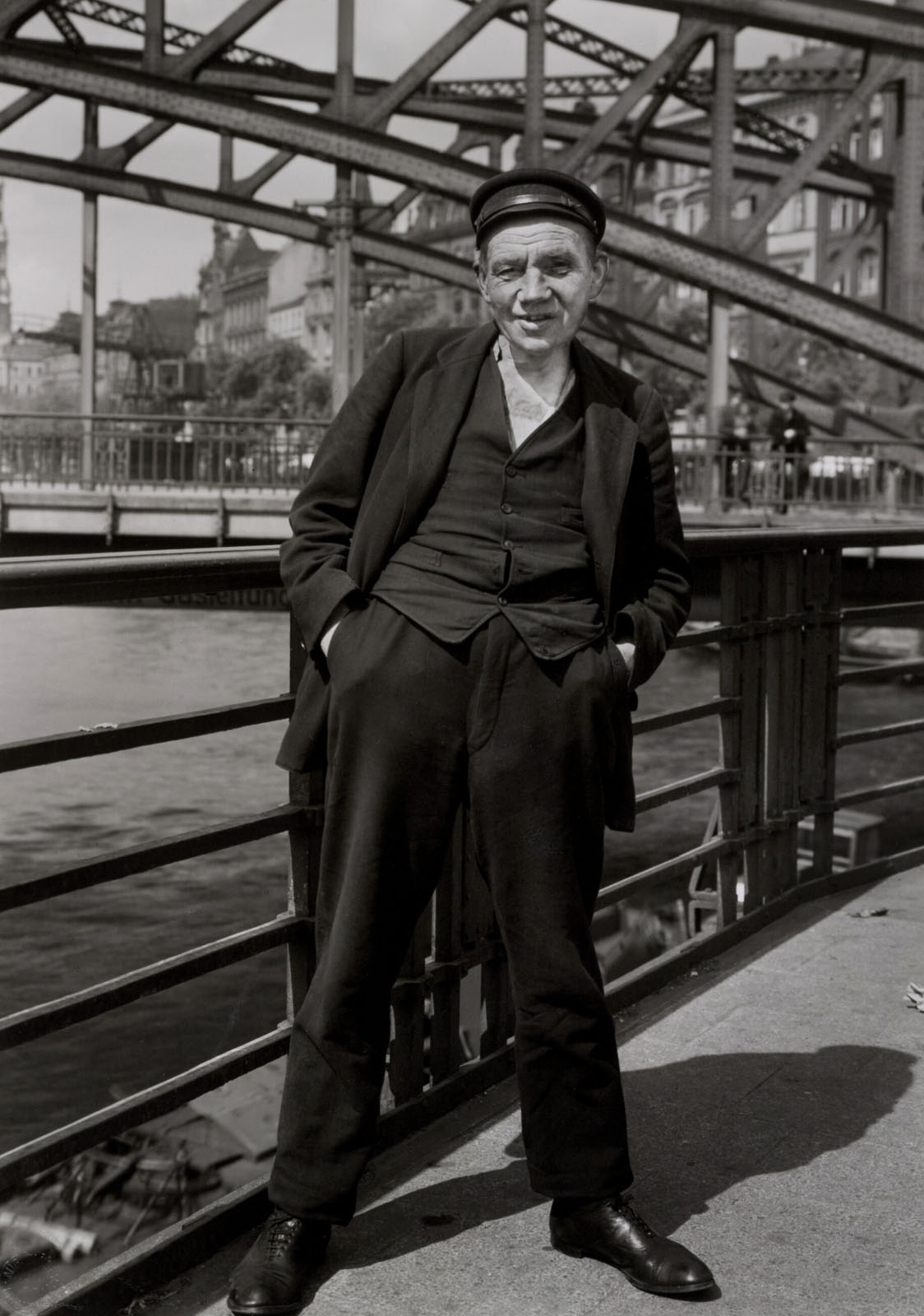
August Sander (German, 1876-1964)
Unemployed Sailor
1929, printed c. 1990-1999
Gelatin silver print
10 1/16 x 7 1/16 in. (25.5 x 18cm)
Societe Anonyme Acquisition Fund and Katharine Ordway Fund
© Die Photographische Sammlung / SK Stiftung Kultur – August Sander Archiv, Cologne / ARS, NY
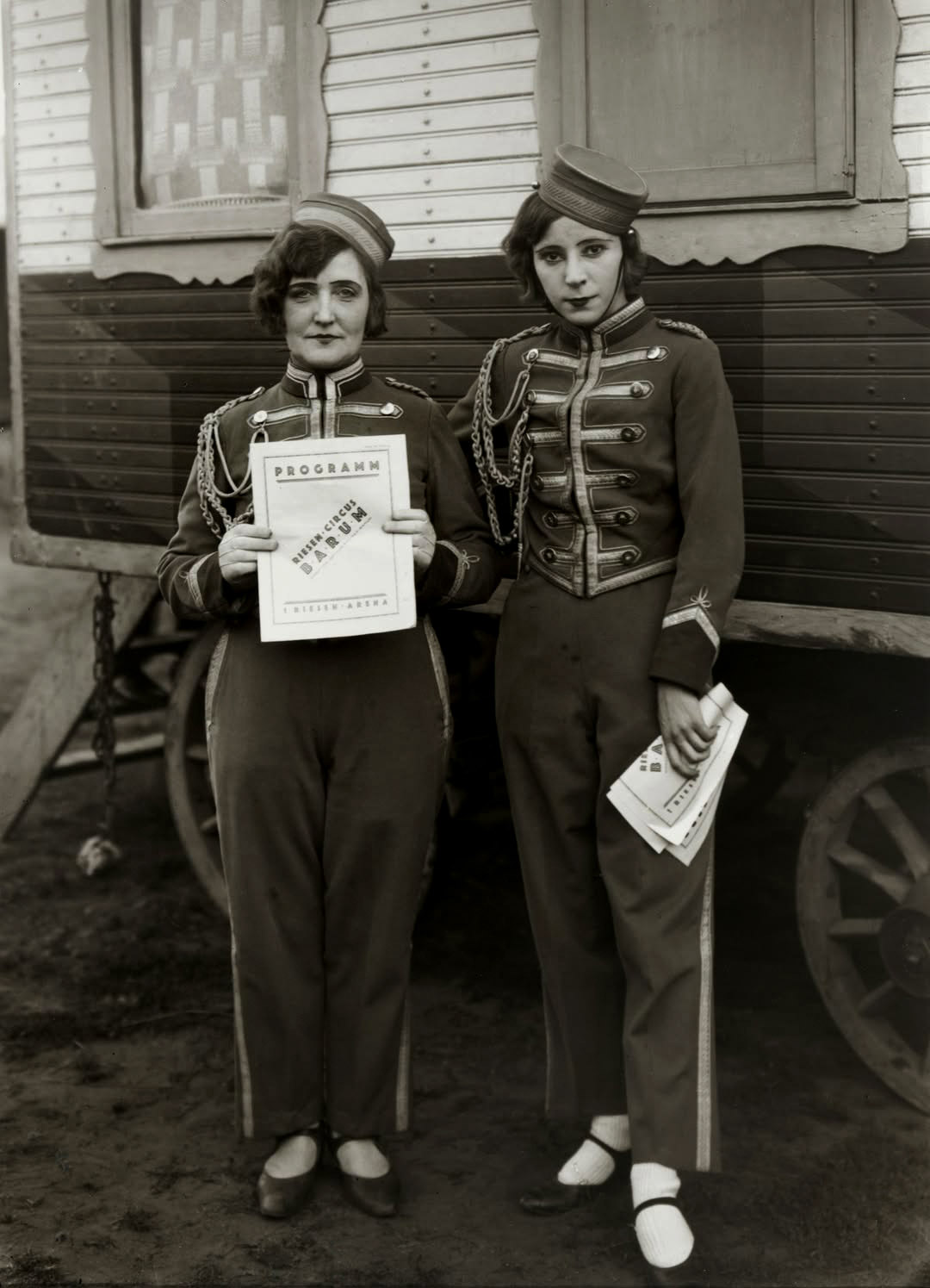
August Sander (German, 1876-1964)
Usherettes
1926-1932, printed c. 1990-1999
Gelatin silver print
10 1/8 x 7 3/8 in. (25.7 x 18.8cm)
Societe Anonyme Acquisition Fund and Katharine Ordway Fund
© Die Photographische Sammlung / SK Stiftung Kultur – August Sander Archiv, Cologne / ARS, NY
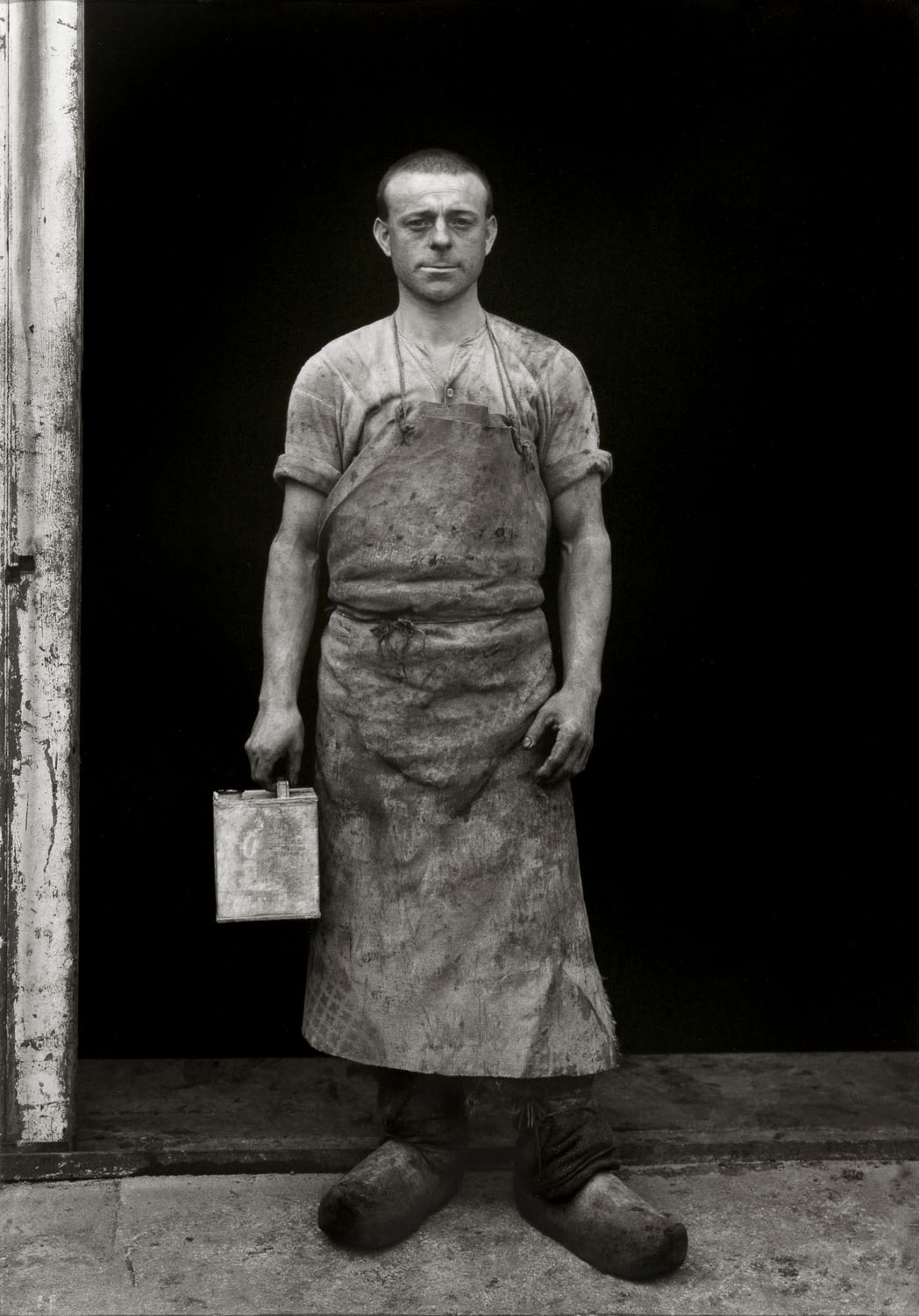
August Sander (German, 1876-1964)
Varnisher
c. 1930, printed c. 1990-1999
Gelatin silver print
10 3/16 x 7 1/16 in. (25.8 x 18cm)
Societe Anonyme Acquisition Fund and Katharine Ordway Fund
© Die Photographische Sammlung / SK Stiftung Kultur – August Sander Archiv, Cologne / ARS, NY
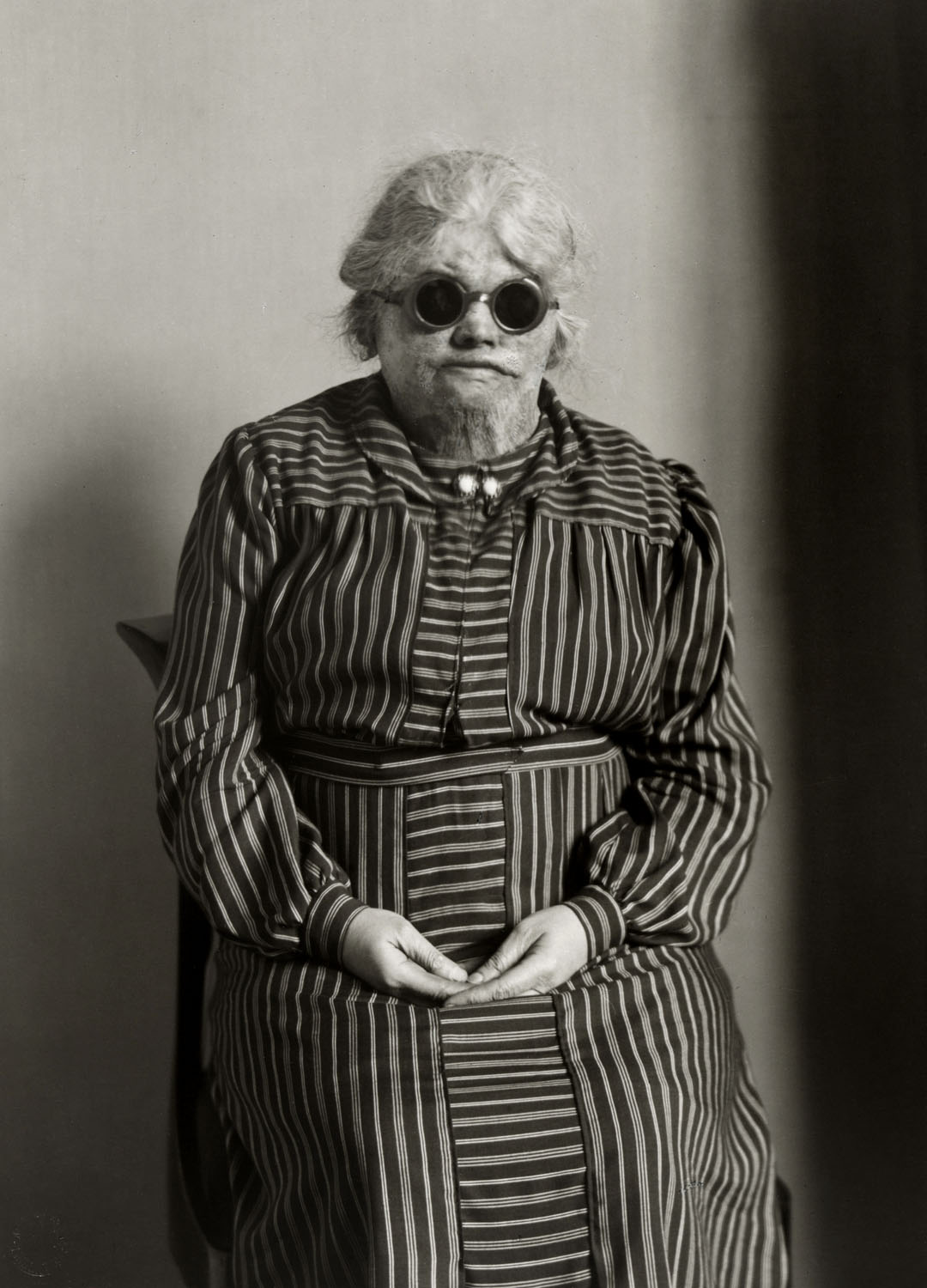
August Sander (German, 1876-1964)
Victim of an Explosion
c. 1930, printed c. 1990-1999
Gelatin silver print
10 3/16 x 7 5/16 in. (25.9 x 18.5cm)
Societe Anonyme Acquisition Fund and Katharine Ordway Fund
© Die Photographische Sammlung / SK Stiftung Kultur – August Sander Archiv, Cologne / ARS, NY
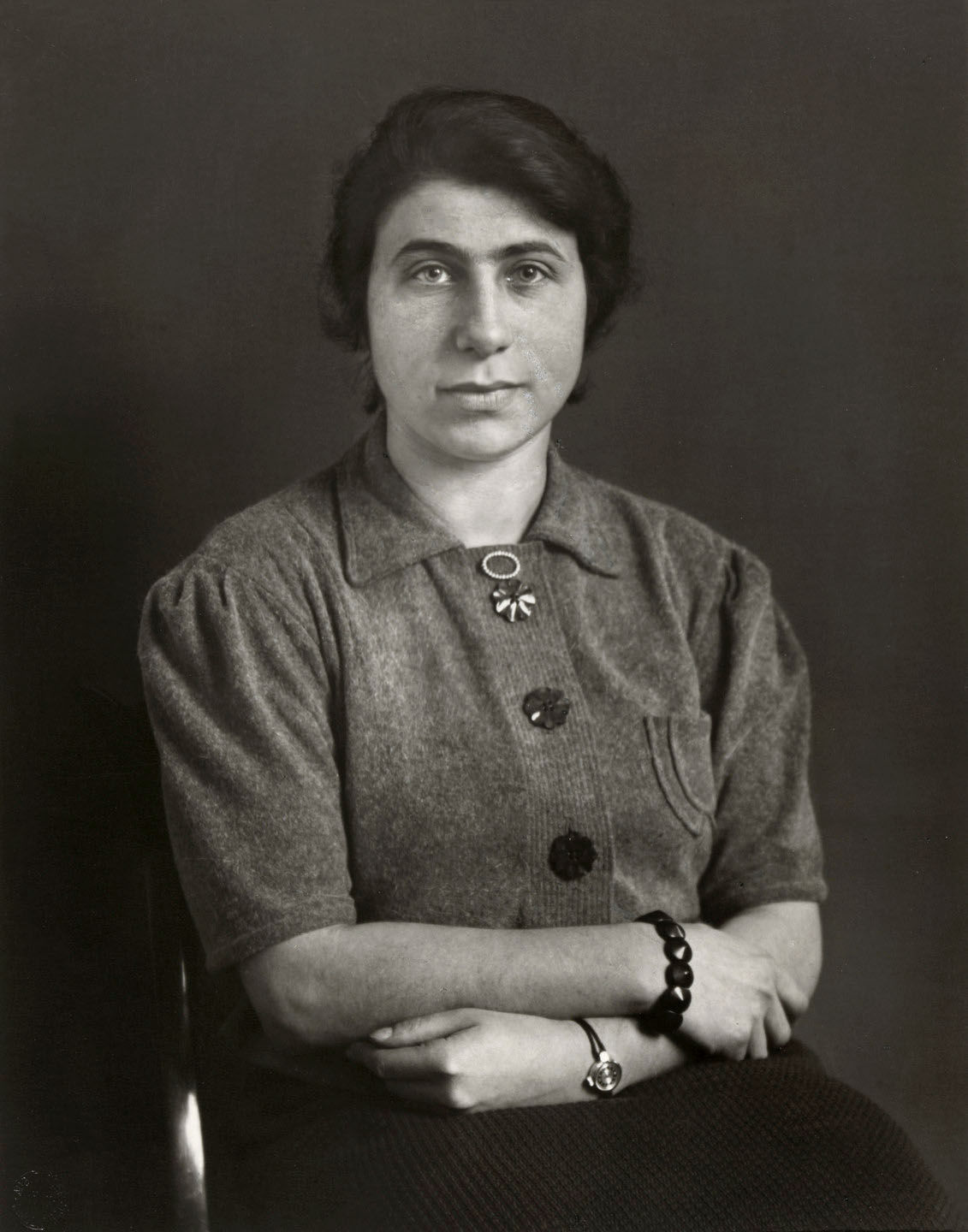
August Sander (German, 1876-1964)
Victim of Persecution
c. 1938, printed c. 1990-1999
Gelatin silver print
10 1/16 x 7 7/8 in. (25.6 x 20cm)
Societe Anonyme Acquisition Fund and Katharine Ordway Fund
© Die Photographische Sammlung / SK Stiftung Kultur – August Sander Archiv, Cologne / ARS, NY
![August Sander (German, 1876-1964) 'Victim of Persecution [Miss Oppenheim]' c. 1938, printed c. 1990-1999](https://artblart.com/wp-content/uploads/2026/05/august-sander-victim-of-persecution-miss-oppenheim.jpg "August Sander (German, 1876-1964) 'Victim of Persecution [Miss Oppenheim]' c. 1938, printed c. 1990-1999")
August Sander (German, 1876-1964)
Victim of Persecution [Miss Oppenheim]
c. 1938, printed c. 1990-1999
Gelatin silver print
10 1/8 x 7 7/8 in. (25.7 x 20cm)
Societe Anonyme Acquisition Fund and Katharine Ordway Fund
© Die Photographische Sammlung / SK Stiftung Kultur – August Sander Archiv, Cologne / ARS, NY
![August Sander (German, 1876-1964) 'Victim of Persecution [Margarete (Grete) Trier Oppenheim]' c. 1938, printed c. 1990-1999](https://artblart.com/wp-content/uploads/2026/05/august-sander-victim-of-persecution-margarete-grete-trier-oppenheim.jpg "August Sander (German, 1876-1964) 'Victim of Persecution [Margarete (Grete) Trier Oppenheim]' c. 1938, printed c. 1990-1999")
August Sander (German, 1876-1964)
Victim of Persecution [Margarete (Grete) Trier Oppenheim]
c. 1938, printed c. 1990-1999
Gelatin silver print
10 1/16 x 7 7/16 in. (25.5 x 18.9cm)
Societe Anonyme Acquisition Fund and Katharine Ordway Fund
© Die Photographische Sammlung / SK Stiftung Kultur – August Sander Archiv, Cologne / ARS, NY
![August Sander (German, 1876-1964) 'Victim of Persecution [Mr. Leubsdorf]' c. 1938, printed c. 1990-1999](https://artblart.com/wp-content/uploads/2026/05/august-sander-victim-of-persecution-mr.-leubsdorf.jpg "August Sander (German, 1876-1964) 'Victim of Persecution [Mr. Leubsdorf]' c. 1938, printed c. 1990-1999")
August Sander (German, 1876-1964)
Victim of Persecution [Mr. Leubsdorf]
c. 1938, printed c. 1990-1999
Gelatin silver print
10 1/16 x 7 3/16 in. (25.6 x 18.2cm)
Societe Anonyme Acquisition Fund and Katharine Ordway Fund
© Die Photographische Sammlung / SK Stiftung Kultur – August Sander Archiv, Cologne / ARS, NY
The twelve portraits in this series were taken by the German photographer August Sander in Cologne and nearby towns around 1938, at the height of Hitler’s power. Although Sander’s Jewish subjects were probably friends and neighbours, he labelled these photographs simply “Persecuted Jews.” It is possible that Sander, who was not Jewish, made the photographs to help desperate German Jews obtain exit papers. Sander himself had been a victim of Nazi persecution in 1934 when many of his plates were destroyed by the authorities and his eldest son was imprisoned for his antifascist activities.
Text from The Jewish Museum website
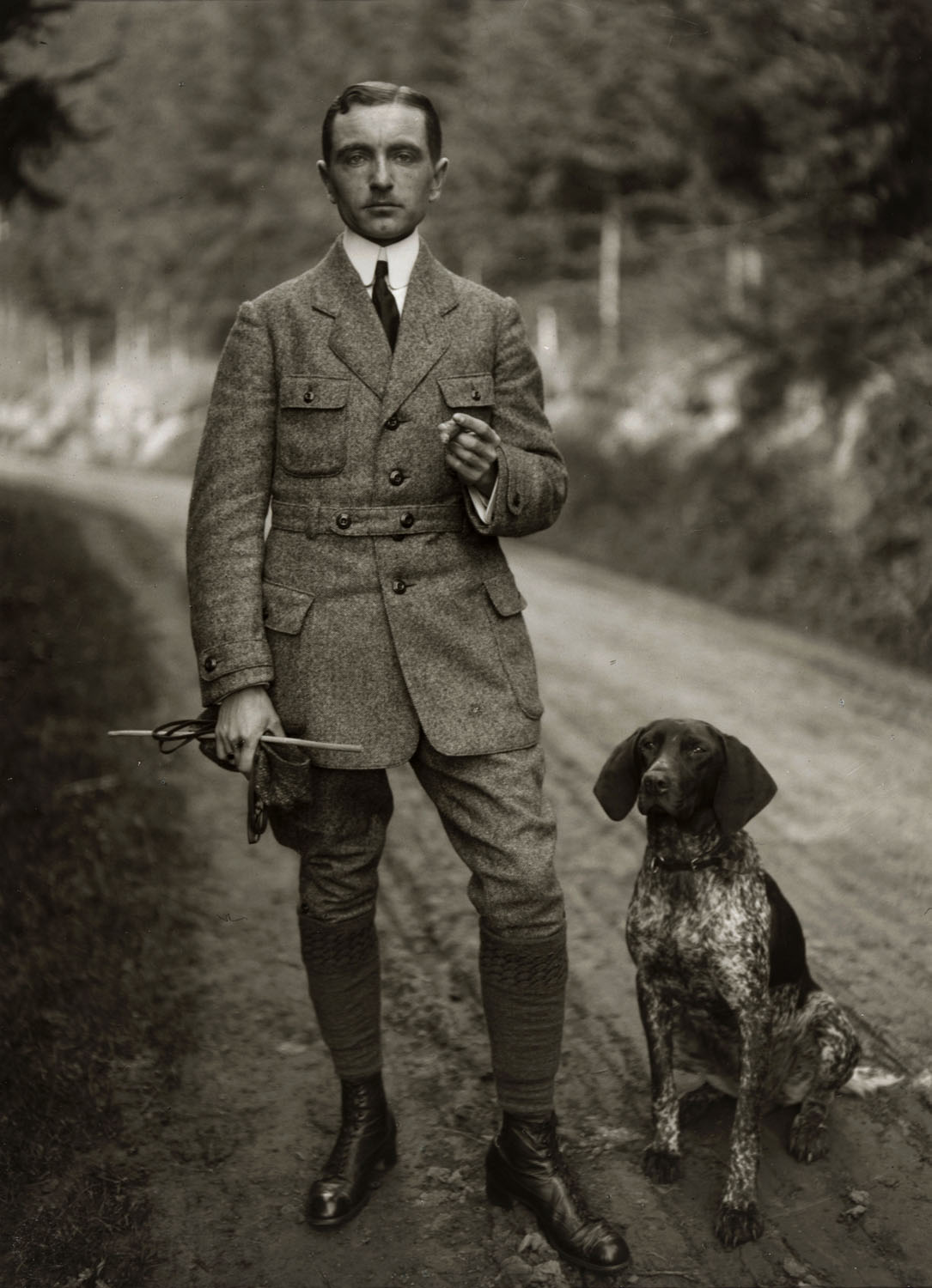
August Sander (German, 1876-1964)
Village Schoolteacher
1921, printed c. 1990-1999
Gelatin silver print
10 1/8 x 7 3/8 in. (25.7 x 18.7 cm)
Societe Anonyme Acquisition Fund and Katharine Ordway Fund
© Die Photographische Sammlung / SK Stiftung Kultur – August Sander Archiv, Cologne / ARS, NY

August Sander (German, 1876-1964)
Woman from a Fairground Caravan
c. 1930, printed c. 1990-1999
Gelatin silver print
10 1/8 x 6 1/8 in. (25.7 x 15.5cm)
Societe Anonyme Acquisition Fund and Katharine Ordway Fund
© Die Photographische Sammlung / SK Stiftung Kultur – August Sander Archiv, Cologne / ARS, NY
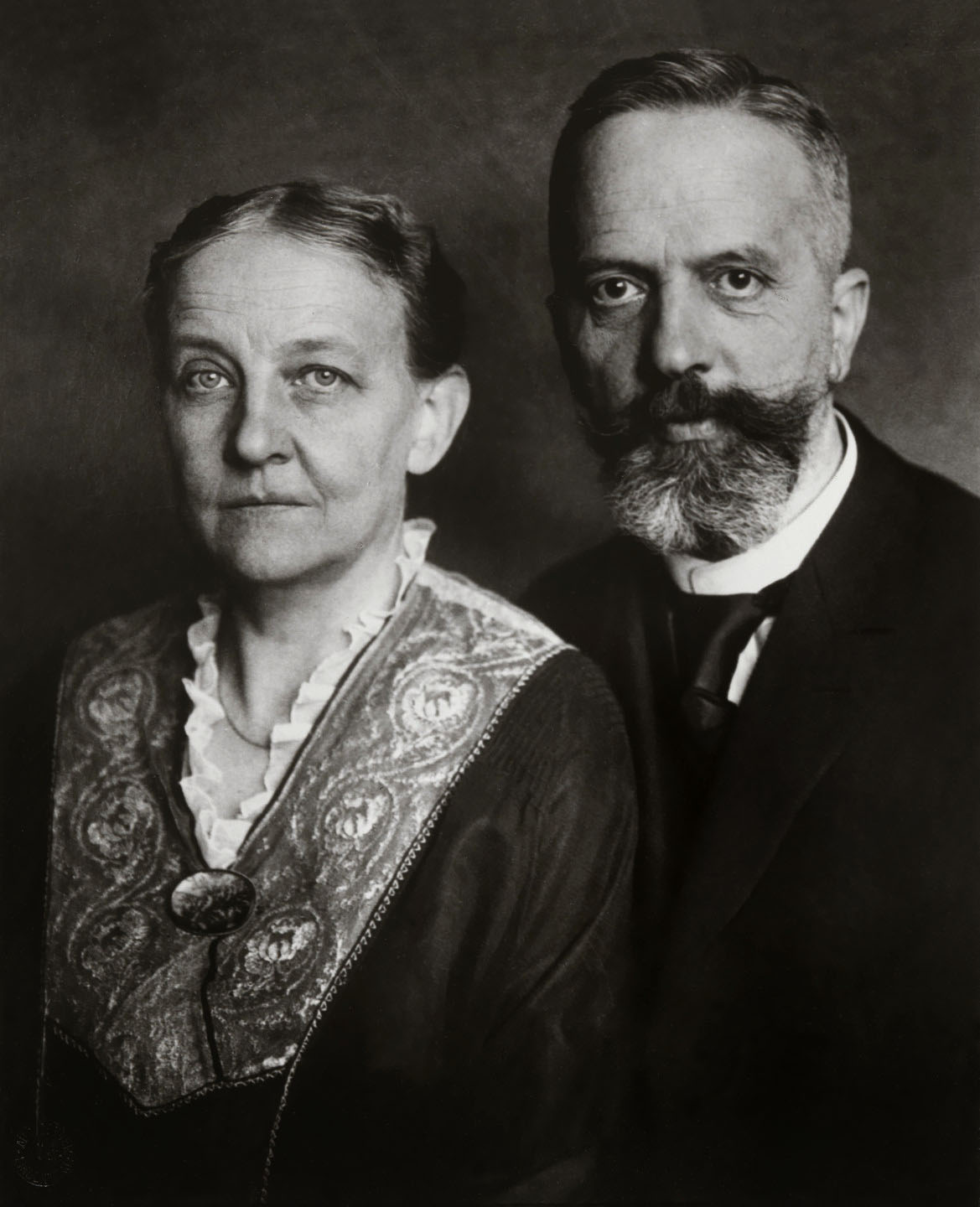
August Sander (German, 1876-1964)
Wholesale Merchant and His Wife
1923, printed c. 1990-1999
Gelatin silver print
9 1/16 x 7 3/8 in. (23 x 18.7cm)
Societe Anonyme Acquisition Fund and Katharine Ordway Fund
© Die Photographische Sammlung / SK Stiftung Kultur – August Sander Archiv, Cologne / ARS, NY
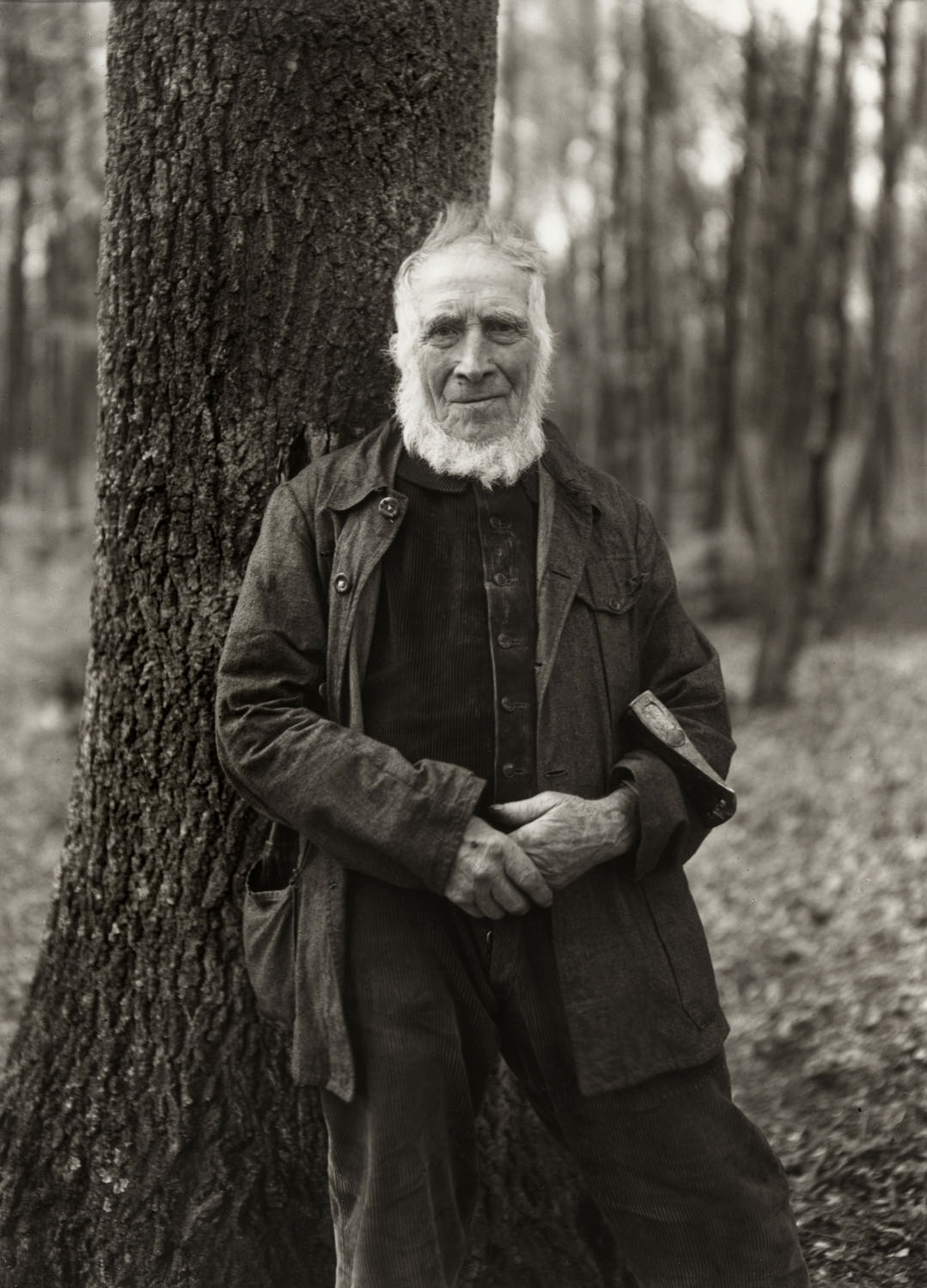
August Sander (German, 1876-1964)
Woodcutter
1931, printed c. 1990-1999
Gelatin silver print
10 3/16 x 7 5/16 in. (25.8 x 18.6cm)
Societe Anonyme Acquisition Fund and Katharine Ordway Fund
© Die Photographische Sammlung / SK Stiftung Kultur – August Sander Archiv, Cologne / ARS, NY
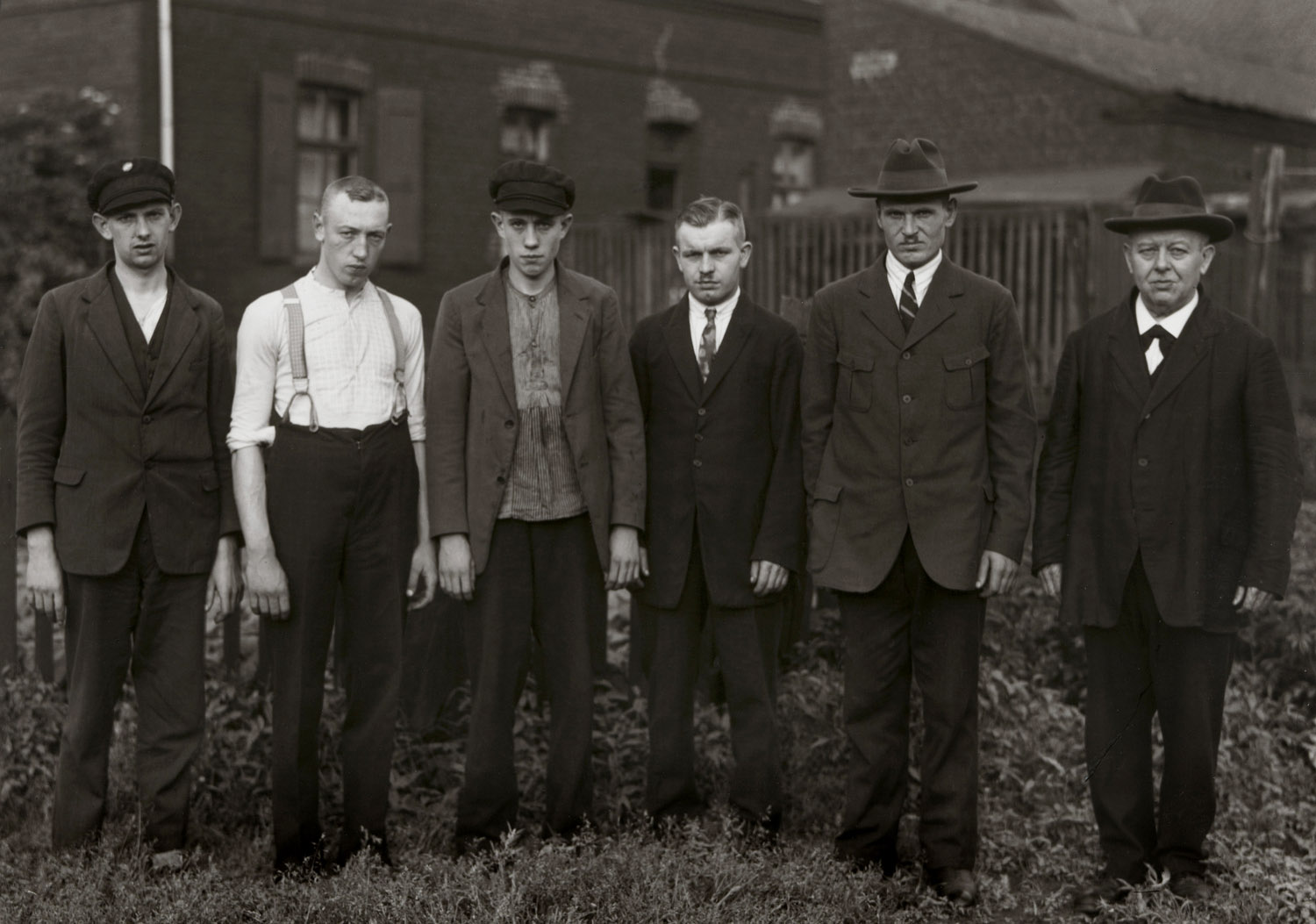
August Sander (German, 1876-1964)
Workers’ Council from the Ruhr Region
1929, printed c. 1990-1999
Gelatin silver print
7 1/16 × 10 1/16 in. (18 × 25.5cm)
Societe Anonyme Acquisition Fund and Katharine Ordway Fund
© Die Photographische Sammlung / SK Stiftung Kultur – August Sander Archiv, Cologne / ARS, NY
![August Sander (German, 1876-1964) 'Working Students [Erich Sander, far left; Richard Creutzberg, center left]' 1926, printed c. 1990-1999](https://artblart.com/wp-content/uploads/2026/05/august-sander-working-students.jpg "August Sander (German, 1876-1964) 'Working Students [Erich Sander, far left; Richard Creutzberg, center left]' 1926, printed c. 1990-1999")
August Sander (German, 1876-1964)
Working Students [Erich Sander, far left; Richard Creutzberg, center left]
1926, printed c. 1990-1999
Gelatin silver print
7 1/2 x 10 in. (19 x 25.4cm)
Societe Anonyme Acquisition Fund and Katharine Ordway Fund
© Die Photographische Sammlung / SK Stiftung Kultur – August Sander Archiv, Cologne / ARS, NY
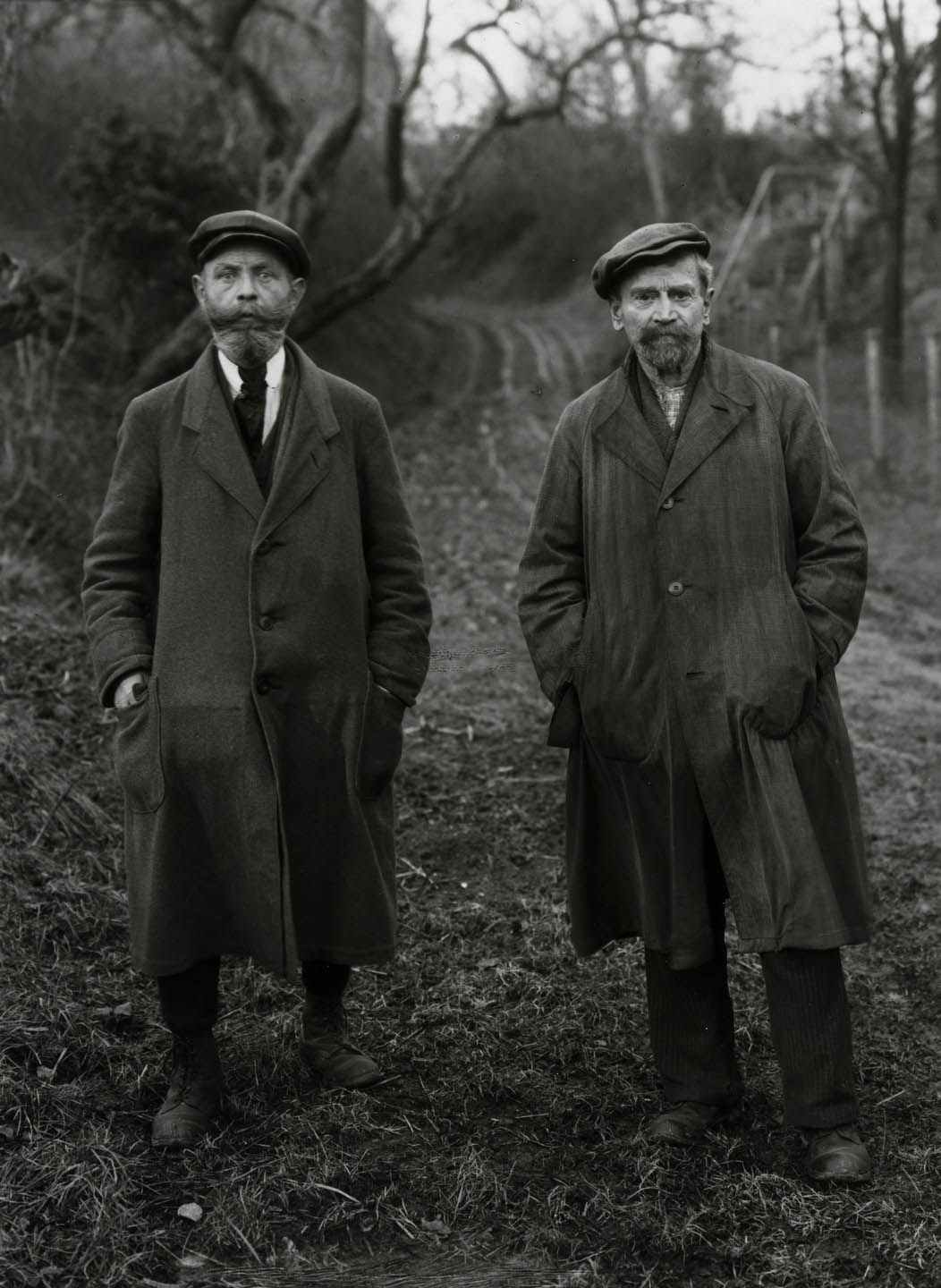
August Sander (German, 1876-1964)
Vagabonds
1929-1930, printed c. 1990-1999
Gelatin silver print
10 1/16 x 7 5/16 in. (25.6 x 18.6cm)
Societe Anonyme Acquisition Fund and Katharine Ordway Fund
© Die Photographische Sammlung / SK Stiftung Kultur – August Sander Archiv, Cologne / ARS, NY
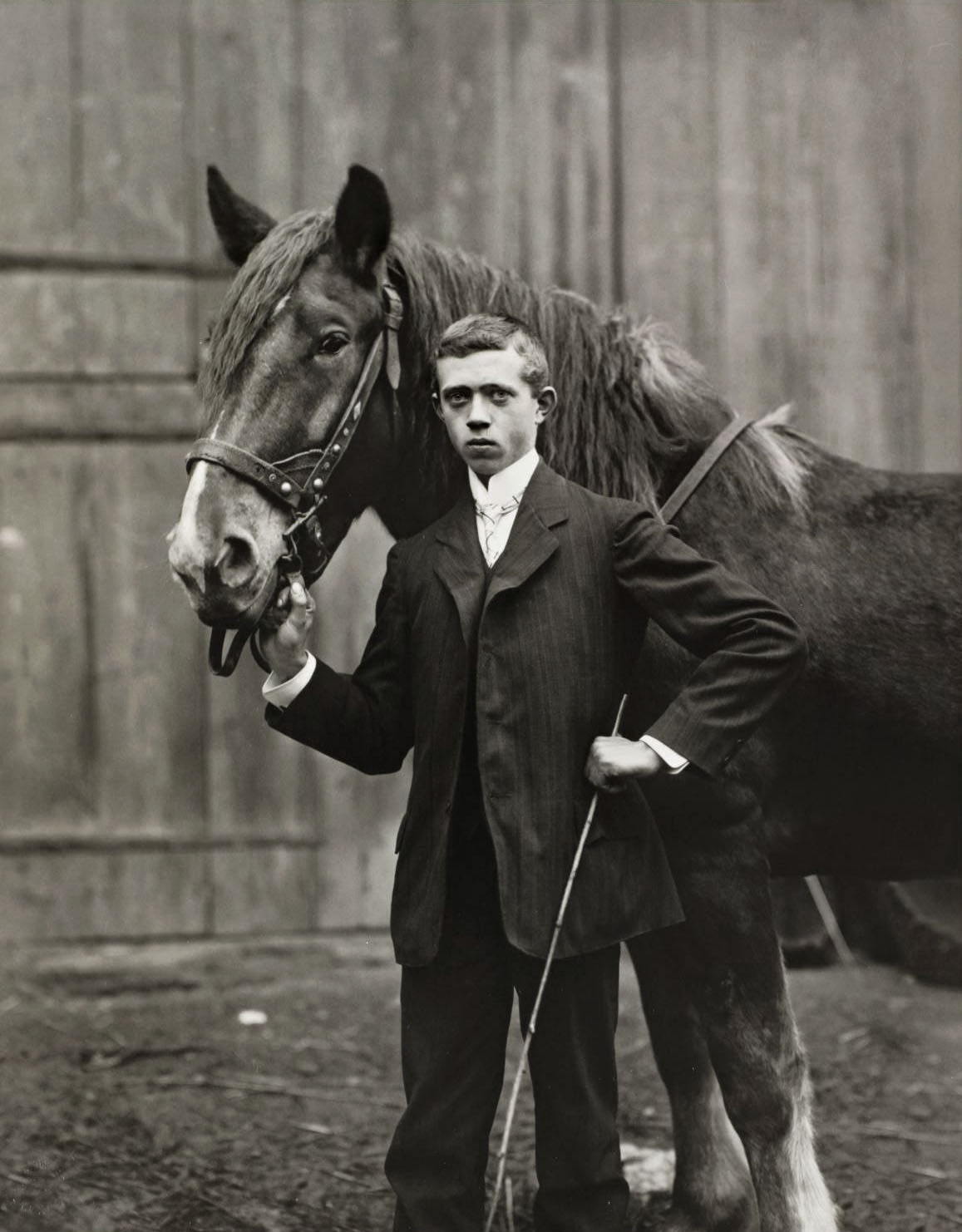
August Sander (German, 1876-1964)
Young Farmer
1912-1913
Gelatin silver print
10 1/16 x 7 7/8 in. (25.5 x 20cm)
Societe Anonyme Acquisition Fund and Katharine Ordway Fund
© Die Photographische Sammlung / SK Stiftung Kultur – August Sander Archiv, Cologne / ARS, NY

August Sander (German, 1876-1964)
Young Farmers
1914, printed c. 1990-1999
Gelatin silver print
10 3/16 x 7 5/16 in. (25.9 x 18cm)
Societe Anonyme Acquisition Fund and Katharine Ordway Fund
© Die Photographische Sammlung / SK Stiftung Kultur – August Sander Archiv, Cologne / ARS, NY
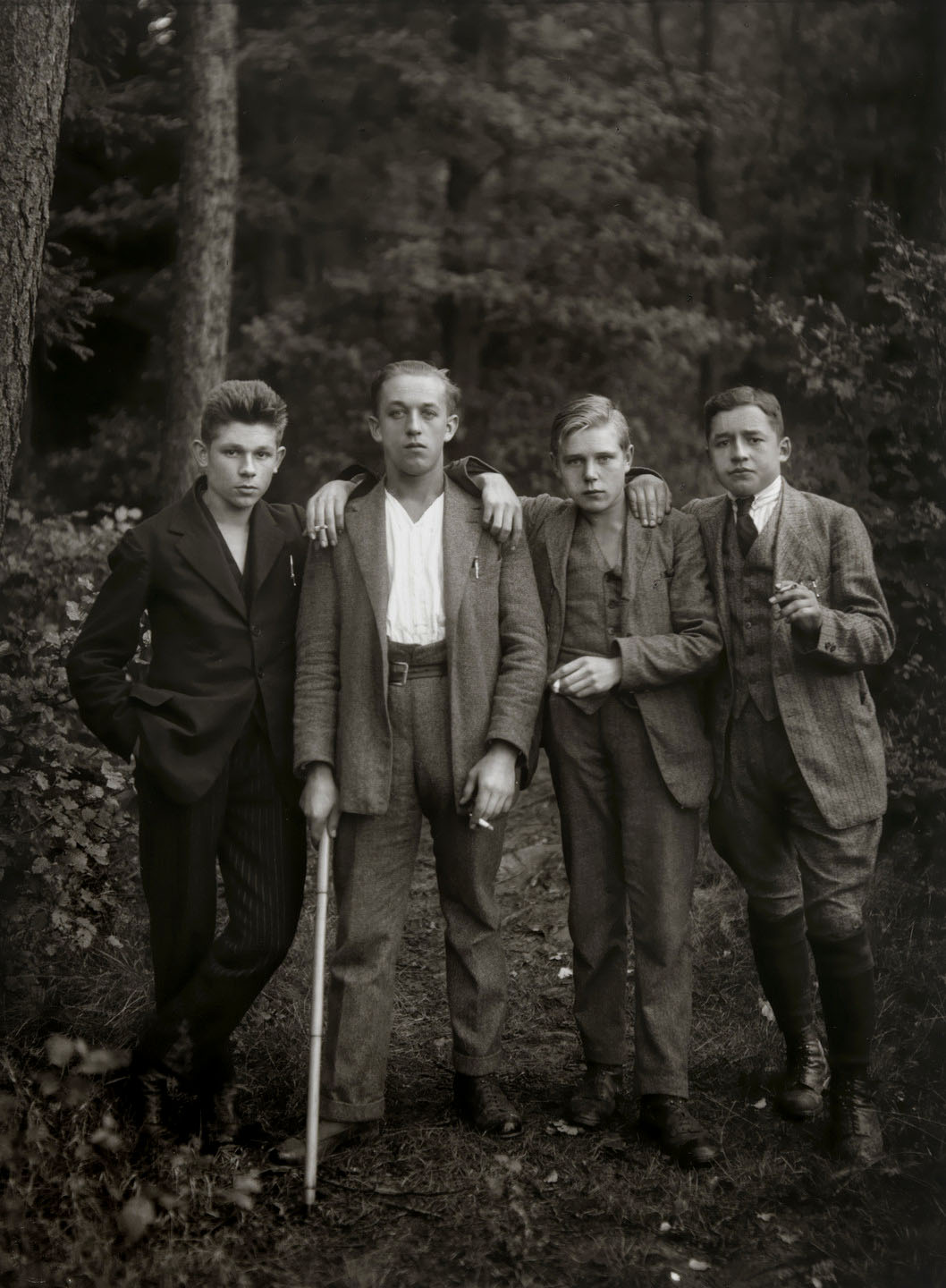
August Sander (German, 1876-1964)
Young Farmers
1925-1927, printed c. 1990-1999
Gelatin silver print
10 1/16 x 7 3/8 in. (25.6 x 18.7cm)
Societe Anonyme Acquisition Fund and Katharine Ordway Fund
© Die Photographische Sammlung / SK Stiftung Kultur – August Sander Archiv, Cologne / ARS, NY

August Sander (German, 1876-1964)
Young Mother, Middle-Class
1926, printed c. 1990-1999
Gelatin silver print
7 3/8 x 8 in. (18.8 x 20.3cm)
Societe Anonyme Acquisition Fund and Katharine Ordway Fund
© Die Photographische Sammlung / SK Stiftung Kultur – August Sander Archiv, Cologne / ARS, NY
![August Sander (German, 1876-1964) 'Young Photographer [Gunther Sander]' 1929, printed c. 1990-1999](https://artblart.com/wp-content/uploads/2026/05/august-sander-young-photographer-gunther-sander.jpg "August Sander (German, 1876-1964) 'Young Photographer [Gunther Sander]' 1929, printed c. 1990-1999")
August Sander (German, 1876-1964)
Young Photographer [Gunther Sander]
1929, printed c. 1990-1999
Gelatin silver print
9 15/16 x 7 1/2 in. (25.3 x 19.1cm)
Societe Anonyme Acquisition Fund and Katharine Ordway Fund
© Die Photographische Sammlung / SK Stiftung Kultur – August Sander Archiv, Cologne / ARS, NY
Yale University Art Gallery
1111 Chapel Street (at York Street)
New Haven, CT
Opening hours:
Tuesday – Friday 10.00am – 5.00pm
Thursday 10.00am – 8.00pm
Saturday – Sunday 11.00am – 5.00pm
Closed Mondays


You must be logged in to post a comment.