Exhibition dates: 15th November – 30th December, 2016
Lewis Baltz (American, 1945-2014) Reno Sparks, Looking South (1) 1977 Silver gelatin print
I love this man’s work. Elegant, formalist, classical photographs of man altered landscapes and their environs.
New Topographics.
From the lineage of Carleton E. Watkins, Timothy O’Sullivan and Eadweard Muybridge in the 19th century through until today, these “modern and postmodern photographic landscapes mark a progressively disquieting understanding of humanity’s relationship to the natural universe.” First there was exploration and documentation, now there is the glare of blown-out skies, broken fluorescent tubes and soulless, tract homes.
The brooding mountain behind Model Home; the evanescent light of Night Construction falling into imperishable darkness; and the twinkling, star studded wall of New Construction, Shadow Mountain. Light-filled space traced onto film producing timeless, twisted dioramas. Landscape as conceptual performance.
Dr Marcus Bunyan
Many thankx to the Mike and Joseph Bellows Gallery for allowing me to publish the photographs in the posting. Please click on the photographs for a larger version of the image.
“In Nevada, Lewis Baltz alternates unbuilt views with home construction, trailer parks, and roads in a documentation of a rapidly changing landscape in the desert valleys surrounding Reno, an area he once described as “landscape-as-real-estate.” Baltz, like Joe Deal and Harold Jones, whose works are on view in this gallery, developed projects as portfolios, believing that a single photograph cannot capture a complete portrait of a place. In Baltz’s series, a multifaceted, occasionally contradictory image of Nevada emerges through the accumulation of photographs.”
“Once continental expansion had reached its limits, however, and no existential threats to white settlement remained, American landscape images began to reflect a new criticality – at turns romantic and realistic – that persists to this day. Indeed, for the last century, landscape photography has consistently mirrored Americans’ anxieties about nature, or rather its imminent loss, whether due to industrialization, pollution, population growth, real estate profiteering, or bioengineering. Alternately portraying nature as a balm for the alienated modern soul or a dystopian fait accompli, modern and postmodern photographic landscapes mark a progressively disquieting understanding of humanity’s relationship to the natural universe.”
Deborah Bright. Photographing Nature, Seeing Ourselves 2012 in America in View: Landscape Photography 1865 to Now catalogue, p.32
Lewis Baltz (American, 1945-2014) Hidden Valley, Looking South (2) 1977 Silver gelatin print
Lewis Baltz (American, 1945-2014) Hidden Valley, Looking Southeast (3) 1977 Silver gelatin print
Lewis Baltz (American, 1945-2014) US 50, East of Carson City (5) 1977 Silver gelatin print
Lewis Baltz (American, 1945-2014) New Construction, Shadow Mountain (6) 1977 Silver gelatin print
Lewis Baltz (American, 1945-2014) Night Construction (7) 1977 Silver gelatin print
Joseph Bellows Gallery is pleased to announce its upcoming exhibition, NEVADA by the late American photographer, Lewis Baltz (1945-2014). NEVADA will present the entire portfolio of 15 black and white photographs created by Baltz in 1977. The exhibition will open on November 15th and continue through December 30th, 2016.
Nevada is a central work of Baltz’s continued interest in the American West and its changing landscape. The photographs describe the development of the desert region of Nevada, near Reno: construction sites and their artefacts, vistas of newly built tract communities, and the desert environments that surround their imprint are traced with the high-key light of the western sun or glow of artificial light illuminating the darkness of night.
Biography
Lewis Baltz was born in Newport Beach, California in 1945. He received his BFA from the San Francisco Art Institute in 1969 and his MFA from Claremont Graduate School in 1971. That same year he was included in The Crowed Vacancy: Three Los Angeles Photographers, an exhibition that also included Anthony Hernandez and Terry Wild.
Baltz’s photographs of the transforming American landscape defined a central role in 1970’s landscape photography and influenced forthcoming generations of photographic practice. He, along with other notable photographers including Frank Gohkle, Robert Adams, Stephen Shore and John Schott came to prominence through their inclusion in the groundbreaking and influential exhibition, New Topographics: Photographs of a Man-altered Landscape, an exhibition organised at the George Eastman House in 1975.
Baltz’s serial work often took the form of published portfolios relating to a particular landscape theme or geographic location. Portfolios include: The New Industrial Parks Near Irvine, California (1974), Nevada (1978), Park City (1980), San Quentin Point (1985) and Candlestick Point (1989). Baltz received two National Endowment for the Arts grants in 1973 and 1977 and a Guggenheim Fellowship in 1977. His photographs have been the subject of over 50 one-person exhibitions and seventeen monographs.
Press release from the Joseph Bellows Gallery
Lewis Baltz (American, 1945-2014) Model Home, Shadow Mountain (8) 1977 Silver gelatin print
Lewis Baltz (American, 1945-2014) B Street, Sparks (9) 1977 Silver gelatin print
Lewis Baltz (American, 1945-2014) Lemmon Valley, Looking North (11) 1977 Silver gelatin print
Lewis Baltz (American, 1945-2014) Lemmon Valley, Looking Northeast (12) 1977 Silver gelatin print
Lewis Baltz (American, 1945-2014) Lemmon Valley, Looking Northwest, Toward Stead (13) 1977 Silver gelatin print
Lewis Baltz (American, 1945-2014) Nevada 33, Looking West (14) 1977 Silver gelatin print
Exhibition dates: 17th June – 25th September, 2016
Curator: Julian Cox
Danny Lyon (American, b. 1942) Self-portrait, Chicago 1965/1995 Gelatin silver print montage Image: 31.2 x 27.8cm (12 1/4 x 10 15/16 in.) Mount: 50.8 x 40.6cm (20 x 16 in.) Collection of the artist
This man is a living legend. What a strong body of socially conscious work he has produced over a long period of time. Each series proposes further insight into the human condition – and adds ‘value’ to series that have gone before. It is a though the artist possesses the intuition for a good story and the imagination to photograph it to best advantage, building the story over multiple encounters and contexts to form a thematic whole.
In a press release for a currently showing parallel exhibition titled Journey at Edwynn Houk Gallery the text states, “Continuing in the tradition of Walker Evans and Robert Frank, Lyon forged a new style of realistic photography, described as “New Journalism,” where the photographer immerses himself in his subject’s world.” This reference to immersion is reinforced by the second quotation below, where “the power of Lyon’s work has often derived from his willingness of immerse himself entirely in the cultures and communities he documents.”
While the observation is correct that the artist immerses himself in the cultures and communities he documents, this is different to the tradition of Robert Frank and to a lesser extent, Walker Evans. Frank was a Swiss man who imaged his impressions of America on a road trip across the country. His “photographs were notable for their distanced view of both high and low strata of American society” which pictured the culture as both alienating and strange, “skeptical of contemporary values and evocative of ubiquitous loneliness”. This is why The Americans had so much power and caused so much consternation when it was first released in 1959 in America, for it held up a mirror to an insular society, one not used to looking at itself especially from the position of an “outsider” – where the tone of the book was perceived as derogatory to national ideals – and it didn’t like what it saw. The American Walker Evans was also an outsider photographing outsiders, journeying through disparate towns and communities documenting his impressions how I can I say, subjectively with an objective focus, at one and the same time. He never immersed himself in the culture but was an active observer and documenter, never an insider.
Lyon was one of the first “embedded” social documentary photographers of the American street photography movement of the 1960s who had the free will and the social conscience to tell it like it is. His self-proclaimed “advocacy journalism” is much more than just advocacy / journalism. It is a vitality of being, of spirit, an inquiry of the mind that allows the artist to get close, both physically and emotionally, to the problems of others through becoming one with them – and then to picture that so that others can see their story, so that he can “change history and preserve humanity.” But, we must acknowledge, that humanity is mainly (good looking) males: outlaw motorcycle clubs, mainly male prisons, mainly male civil rights, tattoo shops, and male Uptown, Chicago. Women are seemingly reduced to bit-players at best, singular portraits or standing in the background at funerals. This is a man’s world and you better not forget it…
Having said that, can you imagine living the life, spending four years as a member of the Chicago Outlaw Motorcycle Club. How exhilarating, how enmeshed with the culture you would become – the people, the travel, the ups and downs, the life, the danger – and then when you get photographs like Funny Sonny Packing with Zipco, Milwaukee (1966, below) with the manic look in Funny Sonny’s eyes, how your heart would sing. If I had to nominate one image that is for me the epitome of America in the 1960s it would be this: Crossing the Ohio River, Louisville (1966, below): all Easy Rider (an 1969 American road movie) encapsulated in one image. The structure and modernism / of the two bridges frames / the speeding / wicked bike / helmet lodged over the headlight; the man / wearing a skull and crossbones emblazoned jacket / helmet-less / head turned / behind / hair flying in the wind / not looking where / he is going / as though his destiny: unknown.
Danny Lyon IS one of the great artists working in photography today. He is a rebel with his own cause. Through his vital and engaging images his message to the future is this: everyone has their own story, their own trials and tribulations, each deserving of empathy, compassion, and non-judgemental acceptance. Prejudice has no voice here, a lesson never more pertinent than for America today as it decides who to elect – a woman who has fought every inch of the way or a narcissistic megalomaniac who preaches hate to minorities.
Dr Marcus Bunyan
Many thankx to the Whitney Museum of American Art for allowing me to publish the photographs in the posting. Please click on the photographs for a larger version of the image.
“Closeness, both physical and emotional, is a recurring theme throughout the 175 works in “Message to the Future,” Lyon’s Whitney Museum retrospective, a quietly brilliant affair curated with panache by Julian Cox. (Later this year, the show will travel to the Fine Arts Museums in San Francisco, which organized it; Elisabeth Sussman oversaw the Whitney installation.) We see here a photographer who was witness to a changing America and, occasionally, other places in the world. Since the early ’60s, Lyon has been infiltrating outsider groups – talking to and photographing bikers, Texas prison inmates, and hippies, and learning from them by becoming close with them. It’s as if Lyon has no sense of personal space. That, as this revelatory show proves, is his greatest attribute…
Lyon is a deft stylist who cares deeply about his subjects, to the point of exchanging letters with them for years after taking their pictures. What results is something more intimate, more political, and, in some ways, better than traditional photojournalism – a fuller portrait of America since the ’60s.”
“Self-taught, and driven by his twin passions for social change and the medium of photography, the power of Lyon’s work has often derived from his willingness of immerse himself entirely in the cultures and communities he documents. This was evident early on in his series ‘Bikeriders’ (1968; reissued in 2003 by Chronicle Books), which evolved from four years spent as a member of the Chicago Outlaw Motorcycle Club. And ‘Conversations with the Dead’ derived from his close study of the Texas prison system; it also revealed Lyon’s novel and distinctive approach to the photobook, which often sees him splicing images with texts drawn from various sources, including interviews, letters, and even fiction.”
Text from the Edwynn Houk Gallery website [Online] Cited 21/09/2016. No longer available online
Danny Lyon (American, b. 1942) Self-Portrait, New Orleans, 1964 1964 Gelatin silver print 18.2 x 12.2cm (7 3/16 x 4 13/16 in.) Collection of the artist
In his 1981 book, “Danny Lyon: Pictures From the New World,” he wrote of starting out in the early ’60s. “Photography then seemed new and exciting, and all America, which I regarded with mystery and reverence, lay before me.”
That sense of newness and excitement fills the show. What we’re discovering now, Lyon was discovering then – not just seeing or observing, but discovering, with the sense of revelation that brings. Mystery and reverence are here, too, but complicatedly. Framing them – debating with them? – are the clarity of precision the camera affords and a skepticism born of a forthrightly ’60s sensibility. Several photographs of the Occupy movement attest to how vigorous that sensibility remains…
He was working as a documentarian but not a photojournalist. That’s an important distinction. These images are implicitly polemical – inevitably polemical, too. Rarely in our nation’s history has the distinction between what’s right and what’s wrong been as clear cut. Yet then as now, people matter more to Lyon than any ideological stance. Outsiders attract Lyon and populate the show: civil rights demonstrators, transgender people (in Galveston, Texas, of all places), lower Manhattan demolition crews, inmates, undocumented workers, Indians, Appalachian whites transplanted to Chicago, motorcycle gangs…
Enclosure and entrapment are not for Lyon – nor, for that matter, is the absence of people (a very rare condition in his work). A larger restlessness in Lyon’s career reflects the energy so often evident within the frame – within the frame being another form of enclosure and entrapment. The South, Chicago, lower Manhattan, Texas, New Mexico, China, Haiti, Latin America share space in the show. Even so, sense of place doesn’t signify as much for Lyon as a sense of a place’s inhabitants. More likely he’d say that the two are indistinguishable. Looking at his pictures, you can see why he’d think so.”
Danny Lyon (American, b. 1942) Arrest of Eddie Brown, Albany, Georgia 1962 Gelatin silver print Image: 22 x 31.7cm (8 5/8 x 12 1/2 in.) Sheet: 27.9 x 35.6cm (11 x 14 in.) Collection of the artist
Eddie Brown former gang leader and movement activist is arrested.
“The first sit-in arrests I see and photograph are those of Eddie Brown, a former Albany gang leader, and a visitor from the North. Both have volunteered to be arrested for the photographs. The picture of Eddie Brown, calmly being carried off by the Albany police, is widely distributed as the image of the classic non-violent arrest, Georgia.”
~ Danny Lyon
“Eddie Charles Brown, Jr., a great-souled human being committed to fighting the oppression of all people from Mississippi to South Africa, died at his home on November 23, 2011. In political circles, Ed was respected for his enduring commitment to our people. As a consequence of his tireless devotion to, and success in advancing the culture and economic progress of poor black folk, Ed Brown was widely recognised as among the most, incorruptible, responsible, resourceful and effective of the activist leaders of the Movement. As his SNCC colleagues said of him, “More than most, Ed’s life embodies and exemplifies to a remarkable degree, the principle of undying love for our people both here and in the Motherland.” …
A native of Louisiana, Ed was born on August 19, 1941, in New Orleans and raised in Baton Rouge to Thelma Warren and Eddie Charles Brown, Sr. Ed’s historical efforts to fight segregation and all forms of oppression as well as to empower Black people started in 1960 as a young student at Louisiana’s Southern University. He and 16 other classmates confronted the University and staged a sit-in protesting the racial segregation prevalent in Louisiana at the time. After he and the others were arrested, expelled and banned from enrolling in any university in Louisiana Ed began the ongoing struggle for justice, which would define his entire life. This expulsion led Ed to Howard University in Washington, D.C. in 1961, where he landed on the front line of the Civil Rights Movement. Ed was an active member of the Nonviolent Action Group, the SNCC affiliate at Howard.
As a leader and field secretary for the Student Nonviolent Coordinating Committee (SNCC) he fought to win constitutional rights for Blacks and all disenfranchised people. Ed always proclaimed that he was “fighting fire with a feather,” but he knew he would prevail because he often said, ironically, he was protected by “asbestos gloves.””
The most comprehensive retrospective of the work of American photographer, filmmaker, and writer Danny Lyon in twenty-five years debuts at the Whitney on June 17, 2016. The first major photography exhibition to be presented in the Museum’s downtown home, Danny Lyon: Message to the Future is organised by the Fine Arts Museums of San Francisco, where it will make its West Coast debut at the de Young Museum on November 5, 2016. The exhibition assembles approximately 175 photographs and is the first to assess the artist’s achievements as a filmmaker. The presentation also includes a rare look at works from Lyon’s archives, including vintage prints, unseen 16mm film footage made inside Texas prisons, and his personal photo albums. A leading figure in the American street photography movement of the 1960s, Lyon has distinguished himself by the personal intimacy he establishes with his subjects and the inventiveness of his practice.
Photographer, filmmaker, and writer Danny Lyon (b. 1942) has over the past five decades presented a charged alternative to the sanitised vision of American life presented in the mass media. Throughout, he has rejected the standard detached humanism of the traditional documentary approach in favour of a more immersive, complicated involvement with his subjects. “You put a camera in my hand,” he has explained, “I want to get close to people. Not just physically close, emotionally close, all of it.” In the process he has made several iconic bodies of work, which have not only pictured recent history but helped to shape it.
Lyon committed intensively to photography from the beginning. In 1962, while still a student at the University of Chicago, he hitchhiked to the segregated South to make a photographic record of the civil rights movement. He went on to photograph biker subcultures, explore the lives of the incarcerated, and document the architectural transformation of Lower Manhattan. He has travelled to Latin America and China, and has lived for years in New Mexico; the work he has made throughout these journeys demonstrates his respect for the people he photographs on the social and cultural margins.
Message to the Future, shaped in collaboration with the artist, incorporates seldom-exhibited materials from Lyon’s archive, including rare vintage prints, previously unseen 16mm film footage made inside the Texas prisons, his personal photo albums, and related documents and ephemera. In his roles as a photographer, filmmaker, and writer, Lyon has reinvented the expectations for how the still photographic image can be woven together with journalism, books, films, and collage to present a diverse record of social customs and human behaviour. His work, which he continues to make today, reveals a restless idealist, digging deep into his own life and those of his subjects to uncover the political in the personal and the personal in the political.
Text from the Whitney Museum of American Art
Civil rights
In the summer of 1962, Lyon hitchhiked to Cairo, Illinois, to witness demonstrations and a speech by John Lewis, chairman of the Student Nonviolent Coordinating Committee (SNCC), one of the most important organisations driving the civil rights movement of the early 1960s. Inspired to see the making of history firsthand, Lyon then headed to the South to participate in and photograph the civil rights movement. There, SNCC executive director James Forman recruited Lyon to be the organisation’s first official photographer, based out of its Atlanta headquarters. Traveling throughout the South with SNCC, Lyon documented sit-ins, marches, funerals, and violent clashes with the police, often developing his negatives quickly in makeshift darkrooms.
Lyon’s photographs were used in political posters, brochures, and leaflets produced by SNCC to raise money and recruit workers to the movement. Julian Bond, the communications director of SNCC, wrote of Lyon’s pictures, “They put faces on the movement, put courage in the fearful, shone light on darkness, and helped make the movement move.”
Danny Lyon (American, b. 1942) Student Nonviolent Coordinating Committee (SNCC) Sit-In, Atlanta 1963 Gelatin silver print Image: 16.1 x 24cm (6 3/8 x 9 1/2 in.) Sheet: 20.3 x 25.4cm (8 x 10 in.) Collection of the artist
Danny Lyon (American, b. 1942) The Leesburg Stockade, Leesburg, Georgia 1963 Gelatin silver print Image: 17.5 x 26cm (6 7/8 x 10 3/16 in.) Sheet: 27.9 x 35.6cm (11 x 14 in.) Collection of the artist
Danny Lyon (American, b. 1942) Abernathy, Shuttlesworth (SCLC), King and Wilkinson (NAACP) 1963 Gelatin silver print
Danny Lyon (American, b. 1942) Voting Rights Demonstration, Organized by the Student Nonviolent Coordinating Committee (SNCC), Selma, Alabama October 7, 1963 Gelatin silver print Image: 18.3 x 26.8cm (7 3/16 x 10 9/16 in.) Sheet: 27.8 x 35.4cm (10 15/16 x 13 15/16 in.) Whitney Museum of American Art, New York; purchase with funds from the Photography Committee
Danny Lyon (American, b. 1942) Sheriff Jim Clark Arresting Demonstrators, Selma, Alabama October 7, 1963 Gelatin silver print Image: 18.4 x 27cm (7 1/4 x 10 5/8 in.) Sheet: 27.8 x 35.4cm (10 15/16 x 13 15/16 in.) Whitney Museum of American Art, New York; purchased with funds from the Photography Committee
Danny Lyon (American, b. 1942) Stokely Carmichael, Confrontation with National Guard, Cambridge, Maryland 1964 Gelatin silver print Image: 16.5 x 22.2cm (6 1/2 x 8 3/4 in.) Sheet: 20.3 x 25.4cm (8 x 10 in.) Collection of the High Museum of Art, Atlanta; purchase with funds from Joan N. Whitcomb
Danny Lyon (American, b. 1942) Woman Holds Off a Mob, Atlanta 1963 Gelatin silver print
Danny Lyon (American, b. 1942) Bob Dylan behind the SNCC office, Greenwood, Mississippi 1963 Gelatin silver print
Danny Lyon (American, b. 1942) Arrest of Taylor Washington, Atlanta 1963 Gelatin silver print 24 x 16cm (9 7/16 x 6 1/4 in.) Collection of the artist
Atlanta, Georgia. High school student Taylor Washington is arrested at Lebs Delicatessen. His eighth arrest.
“One of Taylor Washington’s numerous arrests is immortalised as he yells while passing before me. The photograph became the cover of SNCC’s photo book, The Movement, and was reproduced in the former Soviet Union in Pravda, captioned “Police Brutality USA.””
~ Danny Lyon
The Civil Rights movement of the 1960’s was a widespread effort to end racial segregation and discrimination against African Americans. News coverage of sit-ins and freedom rides dominated the cultural and political landscape of the United States. At this time Danny Lyon was in his early 20s and an undergraduate student at the University of Chicago. After meeting John Lewis, the chairman of the Student Nonviolent Coordinating Committee’s (SNCC’s) in Cairo, Illinois, Lyon then traveled to Mississippi, to cover voter registrations, and soon he was present at almost all of the major SNCC events during the movement. Lyon served as SNCC’s photographer from 1962 to 1964 and later documented his experiences in his book Memories of the Southern Civil Rights Movement.
Text from the Minneapolis Institute of Art Collection website
Danny Lyon (American, b. 1942) The March on Washington August 28, 1963 Gelatin silver print 29.8 x 20.8cm (11 3/4 x 8 3/16 in.) Museum of Modern Art, New York; Gift of Anne Ehrenkranz
Galveston
Danny Lyon (American, b. 1942) Pumpkin and Roberta, Galveston, Texas 1967 Gelatin silver print Image: 23.8 x 16.1cm (6 3/8 x 9 3/8 in.) Sheet: 20.3 x 25.4cm (8 x 10 in.) Collection of the artist
Prisons
In 1967, Lyon applied to the Texas Department of Corrections for access to the state prisons. Dr. George Beto, then director of the prisons, granted Lyon the right to move freely among the various prison units, which he photographed and filmed extensively over a fourteen-month period. The result is a searing record of the Texas penal system and, symbolically, of incarceration everywhere.
Lyon’s aim was to “make a picture of imprisonment as distressing as I knew it to be in reality.” This meant riding out to the fields to follow prisoners toiling in the sun, as well as visiting the Wynne Treatment Centre, which housed primarily convicts with mental disabilities. He befriended many of the prisoners, listening to their stories and finding the humanity in their experiences, and still maintains contact with some of them.
Danny Lyon (American, b. 1942) Weight Lifters, Ramsey Unit, Texas 1968 Gelatin silver print Image: 22.4 x 33.2cm (8 7/8 x 13 1/16 in.) Sheet: 27.7 x 35.6cm (11 x 14 in.) Collection of the artist
Danny Lyon (American, b. 1942) New Arrivals from Corpus Christi, The Walls, Texas 1968 Gelatin silver print Image: 21.4 x 32cm (8 7/16 x 12 5/8 in.) Sheet: 27.9 x 35.6cm (11 x 14 in.) Collection of the artist
Danny Lyon (American, b. 1942) Contents of Arriving Prisoner’s Wallet, Diagnostic Unit, The Walls, Huntsville, Texas 1968 Gelatin silver print Image: 24.3 x 17.5cm (9 9/16 x 6 3/4 in.) Sheet: 25.4 x 20.3cm (10 x 8 in.) Collection of the artist
Danny Lyon (American, b. 1942) Six-Wing Cell Block, Ramsey Unit, Texas 1968 Gelatin silver print Image: 16 x 24cm (6 5/16 x 9 7/16 in.) Sheet: 20.3 x 25.4cm (8 x 10 in.) Collection of the artist
Danny Lyon (American, b. 1942) Charlie Lowe, Ellis Unit, Texas 1968 Gelatin silver print Image: 16.2 x 23.8cm (6 3/8 x 9 3/8 in.) Sheet: 20.3 x 25.4cm (8 x 10 in.) Collection of the artist
Danny Lyon (American, b. 1942) Shakedown, Ellis Unit, Texas 1968 Gelatin silver print 21.6 x 31.3cm (8 1/2 x 12 1/4 in.) Museum of Modern Art, New York; purchase
Danny Lyon (American, b. 1942) Shakedown, Ramsey Unit, Texas 1968 Gelatin silver print Image: 17 x 24.2cm (6 5/8 x 9 9/16 in.) Sheet: 20.3 x 25.4cm (8 x 10 in.) Collection of the artist
Danny Lyon (American, b. 1942) Convict With a Bag of Cotton, Texas 1968 Gelatin silver print
Danny Lyon (American, b. 1942) Two Inmates, Goree Unit, Texas 1968 Gelatin silver print Image: 16.8 x 24cm (6 5/8 x 9 91/6 in.) Sheet: 20.3 x 25.4cm (8 x 10 in.) Collection of the artist
The destruction of Lower Manhattan
In late 1966 and into the summer of 1967, starting from his loft at the corner of Beekman and William Streets near City Hall Park, Lyon documented the demolition of some sixty acres of predominantly nineteenth-century buildings below Canal Street in lower Manhattan. With funding from the New York State Council on the Arts, he photographed most of the buildings that would be torn down to make way for the World Trade Center. Lyon recalled later: “I wanted to inhabit [the buildings] with feelings and give them and their demise a meaning.”
Moving from the outside of the buildings to their deserted interiors, Lyon also took pictures of the workers involved in the demolition. The photographs, together with Lyon’s journal entries, became a book, published by Macmillan in 1969 and dedicated to his close friend, sculptor Mark di Suvero. The volume’s significance lies in part in its depiction of a city – and, more broadly, a culture – cannibalising its own architectural history for the sake of development.
Danny Lyon (American, b. 1942) View South from 100 Gold Street, New York 1967 Gelatin silver print 18.3 x 18.2cm (7 1/4 x 7 3/16 in.) Collection of Melissa Schiff Soros and Robert Soros
Danny Lyon (American, b. 1942) Self-Portrait in Susquehanna Hotel, Third-Floor Room with Grass, New York 1967 Gelatin silver print 18.2 x 18.2cm (7 3/16 x 7 3/16 in.) Collection of Melissa Schiff Soros and Robert Soros
Danny Lyon (American, b. 1942) Ruins of 100 Gold Street, New York 1967 Gelatin silver print 23.6 x 23.4cm (9 5/16 x 10 7/16 in.) Collection of Melissa Schiff Soros and Robert Soros
The Bikeriders
Lyon purchased his first motorcycle – a 1953 Triumph TR6 – in 1962, after spending weekends watching college friend and motorcycle racer Frank Jenner compete at informal dirt track races across the Midwest. When he returned to Chicago in 1965 after leaving SNCC, Lyon joined the hard-riding, hard-drinking Chicago Outlaws Motorcycle Club and began making photographs with a goal to “record and glorify the life of the American bike rider.” With clubs like the Hells Angels making headlines for their criminal and vigilante activities at the time, bike riders were simultaneously feared for their anarchism and romanticised for their independence.
Riding with the Outlaws, Lyon attempted to capture their way of life from the inside out. Their unapologetic pursuit of freedom and libertine pleasures compelled him to get close to them as people. Lyon’s images are intimate and familiar, whether taken during rides or at clubhouse meetings. He also used a tape recorder to document the bikers speaking for themselves, unobtrusively capturing their collective voice. The resulting photographs were gathered into the now classic book of the same name, published in 1968, combining his pictures with an edited transcription of the interviews.
Danny Lyon (American, b. 1942) Racer, Schererville, Indiana 1965 Gelatin silver print 13.9 x 20.3cm (5 1/2 x 8 in.) Silverman Museum Collection
Danny Lyon (American, b. 1942) Crossing the Ohio River, Louisville 1966 Gelatin silver print 20.3 x 31.8cm (8 x 12 1/2 in.) Silverman Museum Collection
Danny Lyon (American, b. 1942) Route 12, Wisconsin 1963 Gelatin silver print 15.6 x 23.8cm (6 1/8 x 9 1/8 in.) Silverman Museum Collection
Danny Lyon (American, b. 1942) Sparky and Cowboy, Schererville, Indiana 1965 Gelatin silver print Image: 16.1 x 23.9cm (6 3/8 x 9 3/8 in.) Sheet: 20.3 x 25.4cm (8 x 10 in.) Collection of the artist
Danny Lyon (American, b. 1942) Untitled (Close Up of Cal on the Road) 1966 Gelatin silver print
Danny Lyon (American, b. 1942) Renegade’s funeral, Detroit 1966 Gelatin silver print
Danny Lyon (American, b. 1942) Funny Sonny Packing with Zipco, Milwaukee 1966 Gelatin silver print
Danny Lyon (American, b. 1942) Kathy, Chicago 1965 (printed 1966) Gelatin silver print 25.8 x 25.5cm (10 1/8 x 10 1/16 in.) Collection of the artist
Danny Lyon (American, b. 1942) Cal on the Springfield Run, Illinois 1966 (printed 2003) Cibachrome print Image: 22.8 x 32.5cm (9 x 13 1/4 in.) Sheet: 27.9 x 35.6cm (11 x 14 in.) Collection of the artist
Danny Lyon (American, b. 1942) Cowboy, Rogue’s Picnic, Chicago 1966 Gelatin silver print Image: 23.5 x 15.9cm (9 1/4 x 6 1/4 in.) Mount: 50.8 x 40.6cm (20 x 16 in.) Collection of the artist
Danny Lyon (American, b. 1942) Benny, Grand and Division, Chicago 1965 Gelatin silver print 24.5 x 17.2cm (9 5/8 x 6 3/4 in.) Collection of the artist
New Mexico and the West
Lyon headed west from New York in 1969. Tired of the hectic pace of the big city and in search of new surroundings, he settled in Sandoval County, New Mexico. He developed a great admiration for the region’s close knit communities of Native Americans and Chicanos. Lyon’s photographs and, increasingly, his films reflected his growing understanding of the cross-cultural flow between these disparate groups and how they interacted with the geography of the Southwest.
With the help of his good friend, a migrant labourer named Eduardo Rivera Marquez, Lyon built a traditional adobe home for his family in Bernalillo, in the Rio Grande Valley just north of Albuquerque. As Lyon’s family grew, his children also became a frequent subject, often depicted against the dramatic Western landscape. Though Lyon moved back to New York in 1980, New Mexico would remain a centre of gravity for the artist, who returned every summer with his family to photograph and make films.
Danny Lyon (American, b. 1942) Eddie, New Mexico 1972 Gelatin silver print Image: 23 x 34.5cm (9 x 13 5/8 in.) Sheet: 27.9 x 35.6cm (11 x 14 in.) Collection of the artist
Danny Lyon (American, b. 1942) Navajo Boy, Gallup, New Mexico 1971 Gelatin silver print Image: 23.3 x 33.8cm (9 1/8 x 13 5/16 in.) Sheet: 27.9 x 35.6cm (11 x 14 in.) Collection of the artist
Danny Lyon (American, b. 1942) Maricopa County, Arizona 1977 Gelatin silver print Image: 22.8 x 33.5cm (9 x 13 3/16 in.) Sheet: 27.9 x 35.6cm (11 x 14 in.) Collection of the artist
Danny Lyon (American, b. 1942) Stephanie, Sandoval County, New Mexico 1969/1975 Gelatin silver print (decorated) Image: 16.7 x 25cm (6 9/16 x 9 3/4 in.) Sheet: 27.9 x 35.6cm (11 x 14 in.) Collection of the artist
Danny Lyon (American, b. 1942) El Paso, Texas 1975 (printed 2015) Pigmented inkjet print Image: 27.9 x 40.6cm (11 x 16 in.) Sheet: 33 x 45.7cm (13 x 18 in.) Collection of the artist
Danny Lyon (American, b. 1942) El Paso, Texas 1975
Films and montages
Lyon started making 16mm films in earnest in the 1970s, focusing on marginalised communities and injustice as he had in his photographs. His subjects included Colombian street kids in Los Niños Abandonados (1975) and undocumented workers from Mexico in El Mojado (1974) and El Otro Lado (1978). Lyon has explained that after leaving the Texas prisons he struggled to move forward, feeling that there were “no more worlds to conquer” in creating photography books. Filmmaking became the means by which he could continue to make sense of the beauty and inequality he saw in the world around him.
Lyon did not give up photography completely, however. He turned to assembling family albums and creating collaged works that he describes as montages, referencing the filmmaking practice of juxtaposing disparate images to form a continuous whole. Lyon’s montages combine multiple images and materials sourced from his archives. Initially meant as vehicles for reflection and, in the case of the albums, as family heirlooms, these deeply personal works bridge past generations of his family with his present.
Danny Lyon (American, b. 1942) Los Niños Abandonados 1975
Danny Lyon (American, b. 1942) El Mojado 1974 New Mexico, colour, 14 minutes [The Wetback] English and Spanish with subtitles A portrait of a hard-working undocumented labourer from Mexico produced by J.J. Meeker
Danny Lyon (American, b. 1942) El Otro Lado 1978 Mexico and Arizona, colour, 60 minutes [The Other Side] Spanish with English subtitles An honest film infused with poignant beauty, without political rhetoric
Danny Lyon (American, b. 1942) Dear Mark 1981, New York and France, colour and b&w, 15 minutes A comedy in which the artist’s voice has been replaced by Gene Autry’s Lyon’s homage to his friend, sculptor Mark di Suvero, from footage shot in 1965 and 1975.
Danny Lyon (American, b. 1942) Soc Sci 127 1969 Houston, color and b&w, 21 minutes A comedy – Danny Lyon’s first film with the late great Bill Sanders and his “painless” tattoo shop.
Danny Lyon (American, b. 1942) Willie 1985 New Mexico, color, b&w, 82 minutes Willie is a realistic film made in Bernalillo, home of Willie Jaramillo and filmmakers Danny and Nancy Weiss Lyon Defiantly individual and implacable in the face of authority, Willie is repeatedly thrown into jail for relatively minor offences. The filmmakers gain access to jail cells, day rooms, lunatic wards, and the worst cellblock in the penitentiary where Willie is locked up next to his childhood friend and convicted murderer, Michael Guzman.
Knoxville
Danny Lyon (American, b. 1942) Knoxville 1967 Gelatin silver print
Danny Lyon (American, b. 1942) Knoxville, Tennessee 1967 Gelatin silver print
Danny Lyon (American, b. 1942) Leslie, Downtown Knoxville 1967 Gelatin silver print Image: 28.7 x 19.1cm (11 1/4 x 7 1/2 in.) Mount: 56.2 x 45.7cm (22 1/8 x 18 in.) Art Institute of Chicago; gift of Mr. Danny Lyon
Tattoo
Danny Lyon (American, b. 1942) Bill Sanders, Tattoo Artist, Houston, Texas 1968 Gelatin silver print Image: 20.7 x 20.7cm (8 3/16 x 8 3/16 in.) Sheet: 35.6 x 27.9cm (14 x 11 in.) Collection of the artist
Chicago
Danny Lyon (American, b. 1942) Two youths in Uptown, Chicago, Illinois, a neighborhood of poor white southerners 1974
Danny Lyon (American, b. 1942) Children at an apartment entrance 1965 From series Uptown, Chicago Gelatin silver print
Danny Lyon (American, b. 1942) Kathy, Uptown, Chicago 1965 Gelatin silver print Image: 24.1 x 23.9cm (9 1/2 x 9 3/8 in.) Sheet: 35.6 x 27.9cm (14 x 11 in.) Collection of the artist
Danny Lyon (American, b. 1942) Uptown, Chicago 1965 Gelatin silver print Image: 16.4 x 16.4cm (6 1/2 x 6 1/2 in.) Mount: 50.8 x 40.6cm (20 x 16 in.) Collection of the artist
New York
Danny Lyon (American, b. 1942) Subway, New York 1966 (printed 2015) Pigmented inkjet print Image: 23.7 x 24.1cm (9 5/16 x 9 1/2 in.) Sheet: 28.8 x 29.2cm (11 5/16 x 11 1/2 in.) Collection of the artist
Danny Lyon (American, b. 1942) Self-Portrait in Mary Frank’s Bathroom, New York 1969 Gelatin silver print Image: 15.6 x 23.5cm (6 1/8 x 9 1/4 in.) Sheet: 20.3 x 25.2cm (8 x 9 15/16 in.) Whitney Museum of American Art, New York; purchase with funds from Joanna Leonhardt Casullo, Niko Elmaleh, Lauren DePalo, Julia Macklowe, and Fern Kaye Tessler
Danny Lyon (American, b. 1942) John Lennon and Danny Seymour, The Bowery, New York 1969 (printed c. 2005) Gelatin silver print, printed later Image: 22.3 x 33.3cm (8 13/16 x 13 1/8 in.) Sheet: 27.6 x 35.4cm (11 x 14 in.) Collection of the artist
Danny Lyon (American, b. 1942) Mark di Suvero and Danny Lyon, Hyde Park, Chicago 1965 Gelatin silver print Image: 23.9 x 16.2cm (9 3/8 x 6 3/8 in.) Sheet: 25.4 x 20.3cm (10 x 8 in.) Collection of the artist
Colombia
Danny Lyon (American, b. 1942) Mary, Santa Marta, Colombia 1972 Gelatin silver print Image: 17.1 x 25.3cm (6 3/4 x 10 in.) Sheet: 27.9 x 35.6cm (11 x 14 in.) Collection of the artist
Danny Lyon (American, b. 1942) Tesca, Cartagena, Colombia 1966 (printed 2008) Cibachrome print Image: 25.7 x 25.7cm (10 1/8 x 10 1/8 in.) Sheet: 35.6 x 27.9cm (14 x 11 in.) Collection of the artist
The most comprehensive retrospective of the work of American photographer, filmmaker, and writer Danny Lyon in twenty-five years debuted at the Whitney on June 17, 2016. The first major photography exhibition to be presented in the Museum’s downtown home, Danny Lyon: Message to the Future is organised by the Fine Arts Museums of San Francisco, where it will make its West Coast debut at the de Young Museum on November 5, 2016.
The exhibition assembles approximately 175 photographs and is the first to assess the artist’s achievements as a filmmaker as well as a photographer. The presentation also includes many objects that have seldom or never been exhibited before and offers a rare look at works from Lyon’s archives, including vintage prints, unseen 16mm film footage made inside Texas prisons, and his personal photo albums.
A leading figure in the American street photography movement of the 1960s, Lyon has distinguished himself by the personal intimacy he establishes with his subjects and the inventiveness of his practice. With his ability to find beauty in the starkest reality, Lyon has presented a charged alternative to the vision of American life presented in the mass media. Throughout, he has rejected the traditional documentary approach in favour of a more immersive, complicated involvement with his subjects. “You put a camera in my hand,” he has explained, “I want to get close to people. Not just physically close, emotionally close, all of it.” In the process he has made several iconic bodies of work, which have not only pictured recent history, but helped to shape it.
“We are delighted to partner with the Fine Arts Museums of San Francisco on Danny Lyon: Message to the Future,” stated Adam D. Weinberg, the Alice Pratt Brown Director of the Whitney Museum of American Art. “Since the early 1960s, Lyon’s photographs and films have upturned conventional notions of American life. The Whitney has long championed Lyon’s work and we are thrilled to present this retrospective, which encompasses more than half a century of important work.”
In 1962, while still a student at the University of Chicago, Lyon hitchhiked to the segregated South to make a photographic record of the Civil Rights movement. His other projects have included photographing biker subcultures, exploring the lives of individuals in prison, and documenting the architectural transformation of Lower Manhattan. Lyon has lived for years in New Mexico, and his commitment to personal adventure has taken him to Mexico and other countries in Latin America, China, and the less-traveled parts of the American West.
“Danny Lyon is one of the great artists working in photography today,” said Julian Cox, Founding Curator of Photography for the Fine Arts Museums of San Francisco and Chief Curator at the de Young Museum. “Lyon’s dedication to his art and his conviction to produce work underpinned by strong ethical and ideological motivations sets him apart from many of his peers.
Press release from the Whitney Museum of American Art
Ongoing activism
Lyon’s first encounter with Latin America was through a trip to Colombia in February 1966, during which he photographed extensively in and around Cartagena. In the 1970s and 1980s, Lyon’s self-described “advocacy journalism” took him to Bolivia, where he captured the hard lives of rural miners; Mexico, where he photographed undocumented workers moving back and forth across the U.S. – Mexico border; back to Colombia, where he made the film Los Niños Abandonados, chronicling the lives of street children; and to Haiti, where he witnessed firsthand the violent revolution overthrowing Jean-Claude Duvalier’s dictatorship.
More recently, Lyon made six trips between 2005 and 2009 to Shanxi province in northeast China. Aided by a guide, he photographed the people living in this highly polluted coal-producing region. As in his work in the civil rights movement and the Texas prisons, Lyon’s photographs from his travels are examples of his advocacy journalism, part of his effort to “change history and preserve humanity.”
Danny Lyon (American, b. 1942) Boulevard Jean-Jacques Dessalines, Port-au-Prince, Haiti February 7, 1986 Gelatin silver print Image: 21.3 x 32.1cm (8 3/8 x 12 5/8 in.) Sheet: 27.9 x 35.6cm (11 x 14 in.) Collection of the artist
Occupy
Danny Lyon (American, b. 1942) Occupy Demonstration on Broadway, Los Angeles 2011 Inkjet print Image: 24.5 x 32.9cm (9 5/8 x 12 15/16 in.) Sheet: 32.7 x 40cm (13 x 15 3/4 in.) Collection of the artist
Danny Lyon (American, b. 1942) Occupy Oakland, City Hall, Oakland 2011 Pigmented inkjet print Image: 24.6 x 33cm (9 3/4 x 13 in.) Sheet: 27.3 x 38cm (10 3/4 x 15 in.) Collection of the artist
Whitney Museum of American Art 99 Gansevoort Street New York, NY 10014 Phone: (212) 570-3600
To be honest, Robert Capa was not the most natural colour photographer, especially when you compare him to the likes of Paul Outerbridge and Saul Leiter who were working at around the same time. Even the official text from Jeu de Paume that accompanies the exhibition is littered with descriptions like “uninspired”, “the color photographs lack focus”, or worse, “Fleur Cowles at Look and Len Spooner at Illustrated were disappointed with the color images.”
His work in this medium is what I would call “observational” colour photography. The images are best when the subject is intimate, human and ‘on set’, preferably using a limited palette with splashes of subdued colour – such as in the gorgeous Model wearing Dior on the banks of the Seine, Paris, France (1948), the delicate Woman on the beach, Biarritz, France (1951), and the simpatico duo of Humphrey Bogart and Peter Lorre on the set of ‘Beat the Devil’, Ravello, Italy (April 1953) and Truman Capote and Jennifer Jones on the set of ‘Beat the Devil’, Ravello, Italy (April 1953). The photographs of Ava Gardner on set are also cracking images for their vitality and overall balance, as is the almost monochromatic Gen X girl, Colette Laurent, at the Chantilly racetrack, France (1952). Other ensemble tableaux might as well have been shot in black and white, such as Spectators at the Longchamp Racecourse, Paris, France (c. 1952).
Capa too often resorts to one or two strong primary colours for effect, as in Capucine, French model and actress, on a balcony, Rome, Italy (August 1951), Rambaugh Family Circus, Indiana, USA (1949) or American Judith Stanton, Zermatt, Switzerland (1950). In the the former two images the composition doesn’t work with the colour; only in the latter does it become a vigorous and joyous structural element.
Sometimes I think that Capa didn’t exactly know what to do with colour – Woman at an ice bar, Zürs, Austria (1949-1950) and Party, Rome, Italy (August 1951) are not very good at all – but here we must acknowledge an artist experimenting with a relatively new commercial medium, even as he seeks to sell these images to his clients.
Capa in Color is at his best when he employs subtlety, constructing strong human compositions with nuanced placement of shades and hues.
One of the most complex images in the posting is Anna Magnani on the set of Luchino Visconti’s ‘Bellissima’ (Rome, 1951-1952). Just look at this image: your eye plays over the surface, investigating every nook and cranny, every modular plane. The blue of the skirt, the brown of the top, the patterns of the two bikinis and the earthiness of tree and earth. I am reminded of the paintings of Paul Cézanne.
Dr Marcus Bunyan
Many thankx to Jeu de Paume for allowing me to publish the photographs in the posting. Please click on the photographs for a larger version of the image.
The first exhibition dedicated to Capa’s fourteen years of color photographs, Capa in Color has an ambition to evaluate and place these photographs in the timeline of his career and of their period. Capa in Color shows how color photography renewed his vision and how his work gained from a new sensibility after the war, by readapting his compositions in colour, but also to a public attracted to entertainment and to the discovery of new types of images.
Recently presented at the International Center of Photography and now available for travel, Capa in Color presents Robert Capa’s colour photographs to the European public for the first time. Although he is recognised almost exclusively as a master of black-and-white photography, Capa began working regularly with colour film in 1941 and used it until his death in 1954. While some of this work was published in the magazines of the day, the majority of these images have never been printed or seen in any form.
Capa in Color includes over 150 contemporary colour prints by Capa, as well as personal papers and tear sheets from the magazines in which the images originally appeared. Organised by Cynthia Young, curator of Capa Collections at ICP, the exhibition presents an unexpected aspect of Capa’s career that has been previously edited out of posthumous books and exhibitions, and show how he embraced colour photography and integrated it into his work as a photojournalist in the 1940s and 1950s.
Robert Capa’s (1913-1954) reputation as one of history’s most notable photojournalists is well established. Born Endre Ernö Friedmann in Budapest and naturalised as a U.S. citizen in 1946, he was deemed “The Greatest War Photographer in the World” by Picture Post in a late 1938 publication of his Spanish Civil War photographs. During World War II, he worked for such magazines as Collier’s and Life, extensively portraying preparation for war as well as its devastating aftermath. His best-known images symbolised for many the brutality and valour of war and changed the public perception of, and set new standards for, war photography.
July 27, 1938, while in China for eight months covering the Sino-Japanese war, Robert Capa wrote to a friend at his New York agency, “… send 12 rolls of Kodachrome with all instructions; … Send it “Via Clipper” because I have an idea for Life“. Although no colour film from China survives except for four prints published in the October 17, 1938, issue of Life, Capa was clearly interested in working with colour photography even before it was widely used by many other photojournalists.
In 1941, he photographed Ernest Hemingway at his home in Sun Valley, Idaho, in colour, and used colour for a story about crossing the Atlantic on a freighter with an Allied convoy, published in the Saturday Evening Post. While Capa is best known for the black-and-white images of D-Day, he also used colour film sporadically during World War II, most notably to photograph American troops and the French Camel Corps in Tunisia in 1943.
Capa’s use of colour film exploded in his postwar stories for magazines such as Holiday (USA ), Ladies’ Home Journal (USA ), Illustrated (UK), and Epoca (Italy). These photographs, which until now have been seen only in magazine spreads, brought the lives of ordinary and exotic people from around the world to American and European readers alike, and were markedly different from the war reportage that had dominated Capa’s early career. Capa’s technical ability coupled with his engagement with human emotion in his prewar black-and-white stories enabled him to move back and forth between black and white and colour film and integrate colour to complement the subjects he photographed. These early stories include photographs of Moscow’s Red Square from a 1947 trip to the USS R with writer John Steinbeck and refugees and the lives of new settlers in Israel in 1949-50. For the Generation X project, Capa traveled to Oslo and northern Norway, Essen, and Paris to capture the lives and dreams of youth born before the war.
Capa’s photographs also provided readers a glimpse into more glamorous lifestyles that depended on the allure and seduction of colour photography. In 1950, he covered fashionable ski resorts in the Swiss, Austrian, and French Alps, and the stylish French resorts of Biarritz and Deauville for the burgeoning travel market capitalised on by Holiday magazine. He even tried fashion photography by the banks of the Seine and on the Place Vendôme. Capa also photographed actors and directors on European film sets, including Ingrid Bergman in Roberto Rossellini’s Viaggio in Italia, Orson Welles in Black Rose, and John Huston’s Moulin Rouge. Additional portraiture in this period included striking images of Picasso, on the beach near Vallauris, France with his young son Claude.
Capa carried at least two cameras for all of his postwar stories: one with black-and-white film and one with colour, using a combination of 35mm and 4 x 5 Kodachrome and medium-format Ektachrome film, emphasising the importance of this new medium in his development as a photographer. He continued to work with colour until the end of his life, including in Indochina, where he was killed in May 1954. His colour photographs of Indochina presage the colour images that dominated the coverage from Vietnam in the 1960s.
Capa in Color is the first museum exhibition to explore Capa’s fourteen-year engagement with colour photography and to assess this work in relation to his career and period in which he worked. His talent with black-and-white composition was prodigious, and using colour film halfway through his career required a new discipline. Capa in Color explores how he started to see anew with colour film and how his work adapted to a new postwar sensibility. The new medium required him to readjust to colour compositions, but also to a postwar audience, interested in being entertained and transported to new places.
It is surprising, even shocking to some, that famous photojournalist Robert Capa (born Budapest 1913, died Indochina 1954) photographed in colour, and not just occasionally, but regularly after 1941. His coloured work is essentially unknown. Capa is considered a master of black-and-white war photography, a man who documented some of the most important political events of Western Europe in the mid-twentieth century. His photographs of 1930s Paris, the Spanish Civil War, World War II, postwar Europe, and his last images in Indochina are known to us in black-and-white. None of the posthumous retrospective projects of his work have included colour, with a few rare exceptions..
Capa first experimented with colour in 1938, two years after Kodak developed Kodachrome, the first colour roll film. While in China covering the Sino-Japanese War, he wrote to a friend at his New York agency, Pix, “Please immediately send 12 rolls of Kodachrome with all instructions; whether special filters are needed, etc. – in short, all I should know. Send it ‘Via Clipper’, because I have an idea for Life“. Only four colour images from China were published, but Capa’s enthusiasm for colour was born. He photographed with colour film again in 1941 and for the next two years he fought hard to persuade editors to buy his colour images in addition to the black-and-white. After the war, the magazines were eager to include colour and his colour assignments increased. For the rest of his life, he almost always carried at least two cameras: one for black-and-white and one for colour film.
Jay F. Shelley, Sr., 88, of Yuma,formerly of Scottsdale, Arizona, entered Eternity on June 6, 2004. Jay was born May 16, 1916, in Long Beach, California. He was a decorated B-17 Bomber Pilot during WWII and flew 54 combat missions. He received a degree in business administration with a major in accounting from University of Montana. Jay worked as an accountant until 1979 when he retired with his wife to Scottsdale, Arizona. Capt. Jay F Shelleywas assigned to the 301st BG 32nd Squadron.
In 1941, Capa produced his first colour film story for the Saturday Evening Post, about crossing the Atlantic from New York on a convoy. Once in England, he was also able to sell these images to the English magazine Illustrated, because the two magazines did not have the same readerships.
He made the crossing again the next year, carrying a larger format camera that made bigger, more spectacular portraits of the ship’s crew. The turnaround time for Kodachrome film was several weeks. As Kodak maintained secrecy surrounding the formula, the undeveloped film had to go to a special Kodak processing plant and then returned to the photographer. It was not ideal for timely news. The magazines published few of Capa’s colour images from the UK, but he persisted in using it. In 1943, he entered the battlefields of World War II in North Africa, first traveling on a troop ship from England to Casablanca. His last colour images from the war were taken on a boat from Tunisia to Sicily in July 1943, where he debarked and moved up to Naples with America soldiers over the following months. It appears that for the rest of the war he did not use colour film, apparently discouraged by a combination of the slow shutter speed of the film, long processing times, and the uneven commitment to his colour images by the magazines.
Soon after his return from England, in the fall of 1941, Capa traveled to Sun Valley, Idaho, to do a story for life on his friends, the writers Ernest Hemingway and Martha Gellhorn, whom he had met during the Spanish Civil War. After World War II, Capa sought out new relationships with magazines and holiday became one of his most important supporters.
A glamorous travel magazine that featured New Yorker – caliber writers, Holiday was launched in 1946 by the Philadelphia-based Curtis Publishing Company, which also carried The Saturday Evening Post and Ladies’ Home Journal. Born in full colour, it was a peacetime publication catering to an ideal of American postwar prosperity. Holiday covered American cities, but immediately assigned stories on stylish international hot spots, places readers could dream of visiting with the advent in 1947 of nonstop transatlantic flights. In 1950, Holiday sent Capa to Indianapolis, and while his pictures of a nuclear family of five exploring the city are uninspired, he also photographed a family-run traveling circus. Despite Capa’s lukewarm attitude toward American culture, the colour images present a strong vision of American small-town life.
The year 1947 was a turning point in Capa’s life. He founded Magnum, the photographers cooperative agency he had dreamed of since 1938. The same year, he traveled to the Soviet Union, a trip that he had wanted to make in 1937 and then in 1941, both times unable to obtain a visa or magazine support for the trip.
He teamed up with writer John Steinbeck to report on the lives and opinions of ordinary Russians in opposition to Cold War rhetoric. Their adventures were published in the book A Russian Journal the following year and syndicated in newspapers and international picture magazines. Although the colour images were well represented in the magazines and on the cover of Illustrated for a special issue, Capa did not shoot much colour film in the Soviet Union, and no colour was included in A Russian Journal, except for the cover. Either he deemed only a few places worthy of the new medium format Ektachrome colour film that did not require special processing – chiefly Moscow and collective farms in the Ukraine and Georgia – or he had only a limited amount of film and used it sparingly. The images of Red Square take full advantage of colour film.
Some of Capa’s colour works were considerably less successful than his black-and-white photographs. This was the case with his 1948 feature on Picasso, originally sold to look as a story about the artist’s pottery, but as Capa failed to take pictures of the pottery, it became a story about Picasso and his family.
He instructed his Magnum colleague Maria Eisner: “Look gave me a definite assignment but no price so you have to insist on $200 pro black and white and $300 pro coloured page, and $250 for expenses. If they are not willing to pay a reasonable sum, you can withdraw, but Madame Fleurs Cowles was so positive on this matter and the pictures are so exclusive that I could be very surprise[d] if this doesn’t work”. Both Fleur Cowles at Look and Len Spooner at Illustrated were disappointed with the colour images, although delighted with the story, which included Capa’s now famous picture of Picasso holding a sun umbrella over his ravishing young artist girlfriend, Françoise Gilot, parading on the beach.
Hungary
In 1948, Holiday sent Capa to his native Budapest and commissioned him to write the accompanying article. Capa had been widely praised for the hilarious and self-deprecating 1947 book about his wartime exploits, slightly out of focus, so the editors were hardly taking risk by asking him to write a long article.
Holiday used four colour images in the November 1949 issue. Unlike the glamorous destinations the magazine usually covered or that Capa would later cover for them, the images and accompanying article, one of the strongest texts he wrote about a place, functioned more as a letter from Budapest. He observes with fascination and humour the clashing end of one empire with the start of another, bittersweet against the reality of what his childhood city had become. While he seemed to have had more colour film on this assignment than in Russia, it was expensive to buy and process, so he still conserved, and there are many more black-and-white negatives of similar scenes than in colour.
Morocco
Capa’s 1949 trip to Morocco was one of the few postwar stories he made concerning a political subject, but it was a complicated sell and failed as an international news story.
The assignment was muddled from the start, as it combined Moroccan politics, lead mines, and the filming of The Black Rose with Orson Welles. Paris Match first published some of the pictures in a piece about the annual tour of the country by the Moroccan leader Sultan Sidi Mohammed. Illustrated published a story with only black-and-white images about the strange effects of the Marshall Plan, in which as a French colony Morocco received American aid through France, although the French General was not recognised as the leader in charge by the U.S. State Department. Some of the best images are portraits of the Moroccan people.
Capa’s big geopolitical assignment of the late 1940s took him to Israel. He first traveled there in 1948 to cover the Arab-Israeli war, then returned in 1949, for Holiday and Illustrated, with writer Irwin Shaw.
He came back in 1950 to continue photographing the new nation in transition, focusing on the influx of refugees arriving from Europe and neighbouring Arab countries, the ongoing repair of the physical destruction, portraits of immigrants, agricultural work, kibbutzim, and various Jewish festivities. While there is only one colour image from the 1948 trip, of the Altalena ship burning in the water off the beach in Tel Aviv – a result of the conflict between extreme right-wing Irgunists and the Israeli government – by the time Capa arrived in 1949, he seemed to have all the colour film he needed. His Israel stories were picked up by all the major international picture news magazines, spurred by the 1950 publication Report on Israel, with text by Shaw and photos by Capa.
Following the success of his skiing story, Capa proposed a piece on French seaside resorts. In the summer of 1950, he traveled to Deauville in Normandy, with its racetrack and casino, photographing only in black-and-white (all that appeared in Illustrated).
He knew he could do more with the story and pitched it to Holiday as a double feature with Biarritz, in Basque Country. A year later, he returned to Deauville with colour film to photograph the scene, capturing the mix of social classes at the horse races. He then traveled to Biarritz, covering the beach, nightlife, and traditional folklore. For this story, the black-and-white and colour images complement each other – the colour adding details to the black-and-white, which set the stage. The layout, not published until September 1953, balances the colour and black-and-white with Capa’s humorous, self-deprecating text about his time in each resort.
Capucine (6 January 1928 – 17 March 1990) was a French fashion model and actress known for her comedic roles in The Pink Panther (1963) and What’s New Pussycat? (1965). She appeared in 36 films and 17 television productions between 1948 and 1990. At age 17, while riding in a carriage in Paris, she was noticed by a commercial photographer. She became a fashion model, working for fashion houses Givenchy and Christian Dior.She adopted the name, “Capucine” (French for nasturtium). She met Audrey Hepburn while modelling for Givenchy in Paris. The two would remain close friends for the rest of Capucine’s life.
In 1957, film producer Charles K. Feldman spotted Capucine while she was modelling in New York City. Feldman brought her to Hollywood to learn English and study acting under Gregory Ratoff. She was signed to a contract with Columbia Pictures in 1958 and landed her first English-speaking role in the film Song Without End (1960) for which she was nominated for a Golden Globe Award. Over the next few years, Capucine made six more major motion pictures. They included North to Alaska (1960), a comedy, as a prostitute who becomes the love interest of John Wayne, and Walk on the Wild Side (1962), in which she portrayed a redeemed hooker, before moving to Switzerland in 1962.
Much of 1963’s hit film The Pink Panther was shot in Europe. A crime comedy that led to a number of sequels, the film starred David Niven and Peter Sellers along with Capucine. The risqué comedy What’s New Pussycat? (1965), which co-starred Sellers and Peter O’Toole, was filmed entirely in France. She continued making films in Europe until her death.
In his article on Norway for Holiday, Capa wrote: “I have revisited Budapest because i happen to have been born there, and because the place offered only a short season for revisiting. I even got to Moscow, which usually offers no revisiting at all. I kept on revisiting Paris because I used to live there before the war; London, because I lived there during the war; and Rome, because I was sorry that I had never lived there at all.”
Capa traveled to Rome for Holiday in 1951 and his pictures were published in April 1952, with a text authored by Alan Moorehead. A writer for The New Yorker at the time of the Rome assignment, Moorehead had been a correspondent for the Daily Express of London during World War II, and he and Capa had been together in North Africa, Sicily, and Normandy. Capa’s accompanying colour photographs pursued a glamorous city filled with beautiful people engaged in endless partying, reflecting a Rome removed from postwar destruction and entering the period of La Dolce Vita.
Skiing was one of Capa’s favourite pastimes and he vacationed annually in Klosters, Switzerland, to relax and recuperate. In 1948, he and a Magnum colleague were trying to drum up a story on Megève, France, a popular ski resort for Parisians, on its “dual personality … simple peasant life and gay, café society set.”
Capa photographed in Zürs, Austria, in early 1949, for a Life story, although the magazine ultimately killed it. Holiday pulled in after Life dropped out and, in late 1949, signed on to a feature about the great skiing resorts of Austria, Switzerland, and France, which would become one of Capa’s most joyous and successful colour stories. In fact, it was arguably better in colour, which provided the additional elements of glitter and humour that black-and-white often missed. For two months, he traveled from the Austrian resorts of Kitzbühel, St. Anton, Zürs, and Lech, to the Swiss towns of Davos, Klosters, and Zermatt, then over the French border to Val d’Isère. In each place, he found a glamorous circle to depict: director Billy Wilder and writer Peter Viertel from Hollywood, young international ski champions, and current and ex-European royalty, including the Queen and Prince of Holland. Everyone was healthy and the mood festive. Capa found a relaxed, casual confidence in his subjects.
Paris was Capa’s de facto home from 1933 to 1939 and then as his postwar base, usually in a back room of the elegant Hotel Lancaster off the Champs-Élysées, where he was friend with the owner.
Holiday‘s editor Ted Patrick commissioned Capa to provide photographs for a special issue on Paris in 1952, and Capa brought in other Magnum colleagues – Henri Cartier-Bresson, Chim, and the young Dennis Stock. The magazine included texts by Irwin Shaw, Paul Bowles, Ludwig Bemelmans, Art Buchwald, and Colette, among others, and is a romantic paean to the city, almost a stage set for romance, gastronomy, and history. Some of Capa’s best images from this story are the quirkiest ones and play with the contrasts that he seemed to revel in, between the young and old, human and animal, high-life and low-life, particularly at the horse races, about which he noted: “The sport of kings is also the sport of concierges”. For his photographs of plein air painters, Capa wrote: “Place du Tertre is a painter’s paradise. A few stops from Sacré Coeur we find an old gentleman in beard and beret looking like an American movie producer’s idea of the kind of French painter found in Montmartre”.
Capa developed Generation X, also known as Gen X, for Magnum on the mark of the half century in late 1949. McCall’s was originally behind the project, but had pulled out by 1951, when Capa insisted on injecting more political content.
Holiday filled the void and supported the project all the way to a three-part series published in early 1953. Capa observed, “it was one of those projects, of which many are born in the minds of people who have big ideas and little money. The funny thing about this project is that it was accomplished.” He assigned the photographers, including Chim, Cartier-Bresson, and Eve Arnold, to each create a portrait of a boy and/or girl in countries where they were already working or had worked. Each subject answered a detailed questionnaire about his or her life, family, personal beliefs, and goals. The project eventually included twenty-four individuals in fourteen countries on five continents. Capa photographed all his subjects – a French girl, a German boy, and Norwegian boy and girl – in colour and black-and-white, but only the Norwegian photos were published in colour. Capa’s biographer Richard Whelan suggested that Capa’s depiction of the French girl, Colette Laurent, was an oblique portrait of himself at the time: “Her life is superficial, artificial on the surface and holds none of the good things except the material ones.”
Capa was friends with a number of movie stars and directors and incorporated them into his professional work. He met John Huston in Naples in 1944, while Huston was making films for the Army Signal Corps, and Ingrid Bergman in 1945 when she was filming in Paris, before beginning a one-year love affair.
As part of his 1948 trip to Morocco, he included a story on The Black Rose and its star Orson Welles. He photographed the set of Huston’s Beat the Devil, written by Truman Capote and filmed in the hillside town of Ravello, Italy. The cast visited the set of Viaggio in Italia in nearby Almalfi with Bergman, Roberto Rossellini, and George Sanders and Capa also dipped down to Paestum with his friend Martha Gellhorn, casting her as a caryatid in the ancient ruins. Capa covered another Huston film, Moulin Rouge, about the life of painter Toulouse Lautrec, shot in Paris and at Shepparton Studios near London. Capa’s colour portraits of the actors eschew traditional head shots and capture the varied pace and playful moments on the set.
In 1953, Capa traveled to London to cover the coronation of the young Elizabeth II with friends Humphrey Bogart and John Huston. His colour images of crowds waiting for the parade of guests before the coronation, for which he used 35mm Kodachrome, suggest a new interest in colour for colour’s sake.
In 1954, he received an invitation from Mainichi Press to travel to Japan for six weeks with Japanese cameras and an unrestricted amount of film to shoot what he liked in return for images they could publish. The trip was an easy one, but the colour photographs lack focus. He wandered around markets, documented foreign signs, watched people visiting temples and shrines, and photographed Children’s Day in Osaka, but they are little better than tourist snaps. Only a few images of a May Day workers’ celebration in Tokyo, in bright colours, show some engagement, reminiscent of his 1930s images of workers in France and Spain.
In 1953, Capa expressed his readiness “to get back to real work, and soon. What and where I do not know, but the Deauville and Biarritz and motley movie period is over.”
In the same letter, he writes of his desire to go to “Indochina, or any other proposition which would get me back to reporting on my own type of territory”. While in Japan the next year, Capa received a cable from Life asking him to cover for their photographer in Indochina. The assignment was only for a few weeks and would bring in some needed money. He reached Hanoi on May 9 and on May 25, with Time reporter John Mecklin and Scripps-Howard correspondent John Lucas, left Mandihn with two cameras, a Contax with black-and-white film, and a Nikon with colour film. Their convoy traveled along a dirt road lined by rice paddies. Moving toward Thaibinh, Capa left the convoy and walked on by himself. He photographed the soldiers advancing through the fields, and as he climbed the dike along the road, he stepped on a land mine and was killed. While the colour images are some of the strongest war pictures he made, none were used in the press at the time, probably in part because of the extra time required to process the colour film.
Jeu de Paume – Château de Tours 25 avenue André Malraux 37000 Tours
Opening hours: Tuesday to Sunday: 2pm – 6pm Closed Mondays
Curators: Matthieu Rivallin, collections officer, Médiathèque de l’architecture et du patrimoine, Paris, and Pia Viewing, curator – researcher at the Jeu de Paume, Paris.
François Kollar is a magnificent photographer. He produced strong images that possess few histrionics, even less ego. They simply just are.
People quoted in this posting comment that in his photographs “human measure is omnipresent”; that you never loose the sense of scale; that there are “frequent contrasts between near and far, the intimate and the monumental”; that his photographs are “an anthropological investigation into the behaviour, gestures and postures of people at work”; that “Men and women and their functions and roles in the production process are recurrent elements.”
All these statements are true.
Further, his images are sensitive, beautiful, show no traces of any social movements, and little sign of emotion. As Dominique Vautrin observes, “François Kollar is a photographer who resembles his images: somewhat mysterious, beautiful, and discreet…” And as the text from Jeu de Paume states, “He revealed himself to be a temperate photographer, somewhere between the barebones modernism of Bauhaus and a humanist approach to photography.” Other photographers who could fit into this playlist could be Bill Brandt in England, Walker Evans in America and Wolfgang Sievers in Australia.
But what a splendid description – a “temperate photographer”. Showing moderation and self-restraint… there is far too little of that in contemporary photography. A humanist with an avant-garde edge, a photographer whose vision was clear and consistent throughout his oeuvre, who could turn his hand to anything: advertising, fashion, avant-garde, double exposures, solarisation, photomontage, documentary reportage, surrealism, constructivism, modernism.
Joseph Nechvatal comments that Kollar’s work is poignant. This is an incorrect word to describe the work, for the photographs never evoke a keen sense of sadness or regret. They are of a different order altogether. Let me explain.
There is a wonderful stoicism about the people who Kollar chooses to photograph, who inhabit his world of work. The endurance of work without the display of feelings and without complaint. Labour is not represented in any glorified way, not as a noble undertaking, and certainly not heroic (although the worker can be represented as intimate and monumental). The workers are represented as an adjunct to the machine but not in a cyborg fashion. In his photographs there is a distinctness about the worker which sets the human apart from the machine, even as he is “deeply embedded within their functions and roles in the production process.” I don’t believe that people understand this separation, preferring instead to comment on the embedding of the human within machine processes. But something was bothering me when I looked at these images and I have pondered long and hard over how to interpret them. There was something I could not put my finger on and it is this…
In the work of Lewis Hine, the workers are in the present looking to the future. In the work of François Kollar there is no justification for the work it is just work… being there in the present. No ego, no elevation of experience or emotion, and the photographs are just so. Just being in the world. The thing itself. Nothing more, nothing less. It seems simple when you say it like that, but the concept is very complex – to allow the photograph to materialise from consciousness, as a sort of previsualisation of experience – of being a poor, working class immigrant (which Kollar was) picturing his own.
That he achieved such photographs “with his 5 x 7 large-format camera and cumbersome lighting equipment” is a testament to the dedication to his craft, to his work, and to his roots – a connection to the working man and woman. These are honest and forthright photographs of what most humans do for most of their life: work at a job they may not like – to pay the bills, to put food on the table. The lighting is superb, the compositions eloquent, the characters in his images unforgettable (Kollar particularly likes portraits of men shot from below with their arms folded) but it is the balance between the subjective and objective which is so finely honed in his work. The dispassionate nature of humans when at work is balanced by the aesthetics of the artist and the humanity of the individual.
Dr Marcus Bunyan
Many thankx to Jeu de Paume for allowing me to publish the photographs in the posting. Please click on the photographs for a larger version of the image. View an interesting video of the exhibition and the work of François Kollar on Vimeo.
This retrospective features an ensemble of 130 vintage prints, some of which are previously unseen, as well as others from the photographer’s family’s bequest to the state. It puts Kollar’s work in the spotlight and shows how he managed to lift the veil on the working world in the 20th century. As visitors discover the documentary, artistic and historical qualities of the material on show, they will be able to observe how individuals found their place in society by the means of their occupation and realise the profound changes that took place in industry between the 1930s and the 1960s.
François Kollar. Courtesy Jeu de Paume
“Without falling into hammy Socialist Realism style, Kollar rendered French working class heroes in beautiful, discreet, lush black-and-white tones. These images of the working person endow them with qualities of excellence, nobility, and respect, and evoked in me mixed sensations of hard materialistic capability and human tenderness. These images of men and women, such as “Nettoyage des lampes. Société des mines de Lens, Lens (Pas-de-Calais)” [1931-34, below], show people deeply embedded within their functions and roles in the production process. In that sense, they contrast with Dorothea Lange’s famous and beautiful Migrant Mother series and the uninhabited, rigorously stark industrial scenes photographed by Bernd and Hilla Becher…
Kollar’s distinctive aesthetic provides a strong, sweet spot amid the sour struggles for employment taking place today in economies shaped by histories of slavery, colonialism, union-busting, sexual exploitation, and corporate capitalism. His artistic style, one that colorlessly abstracts, unifies, and embeds the worker within his or her technological environment, broadens the social politics of employment beyond the heroic human. Rather, he depicts through his unifying, ashen tones the conjunction of laborer and machine. In these photographs, the human worker is bound up with non-human apparatuses in cyborg fashion, depicting a complex technological laborer who is no less real and worthy of our aesthetic delectation.”
François Kollar (French born Slovakia, 1904-1979) Construction des grands paquebots, Rivetage de tôles d’un pont de navire, chantier et ateliers de Saint-Nazaire à Penhoët Construction of large ships, riveting the sheets of a ships deck, site workshops of Saint Nazaire Penhoët 1931-1932 Vintage silver gelatin photograph 28.9 x 23.5cm Donation François Kollar, Médiathèque de l’architecture et du patrimoine
François Kollar: “A Working Eye” from 09 February 2016 until 22 May 2016 at Jeu de Paume, Paris
François Kollar (French born Slovakia, 1904-1979) Dans le port, à bord. Super Ile de France: cisaillage au chalumeau oxhydrique. Société des chantiers et ateliers de Saint-Nazaire à Penhoët In port, on board. Super Ile de France: cutting using the welding torch. Company building sites and workshops of Saint Nazaire Penhoët 1931 Vintage silver gelatin photograph
François Kollar (French born Slovakia, 1904-1979) Dans le port, à bord. Champlain: grattage du pont. Société des chantiers et ateliers de Saint-Nazaire à Penhoët In port, on board. Champlain: scraping the bridge. Company building sites and workshops of Saint Nazaire Penhoët 1931 Vintage silver gelatin photograph
François Kollar (French born Slovakia, 1904-1979) Dans le port, à bord. “Negre” soutier, Bordeaux (Gironde) In port, on board. “Negro” help, Bordeaux (Gironde) 1931 Vintage silver gelatin photograph
François Kollar was born in Szenc, Hungary in 1904 (now the Slovakian town of Senec) and died in Créteil, France in 1979. He was first employed on the railways in his native country and then worked as a lathe operator at Renault’s Boulogne-Billancourt factory, before becoming a professional photographer at the age of 24 after gaining solid experience as a studio manager at the Parisian printer’s, Draeger. His in-depth knowledge of the world of work, in sectors as diverse as advertising, fashion, industry, handicrafts and agriculture, allowed him to portray tools, materials and gestures with exceptional professional expertise.
This retrospective features an ensemble of 130 vintage prints, some of which are previously unseen, as well as others from the photographer’s family’s bequest to the state. It puts Kollar’s work in the spotlight and shows how he managed to lift the veil on the working world in the 20th century. As visitors discover the documentary, artistic and historical qualities of the material on show, they will be able to observe how individuals found their place in society by the means of their occupation and realise the profound changes that took place in industry between the 1930s and the 1960s.
In 1930 Kollar got married and set up his own studio in Paris. His wife, who was his first model, worked faithfully by his side throughout his life. He worked for advertising agencies and famous luxury brands and excelled in showcasing the qualities of his models, forms and fabrics thanks to his feeling for light and texture. François Kollar worked with several fashion magazines, notably Harper’s Bazaar for which, over the course of more than fifteen years, he produced many photographic series, particularly images shot on location. Whether he was photographing the period’s fashion celebrities (Coco Chanel, Elsa Schiaparelli, Pierre Balmain) or models and adverts for the major fashion houses (Hermès, Molyneux, Oméga, Christofle and Worth et Coty perfumes…), he experimented with a wide variety of modern photographic techniques, freely creating original compositions using backlighting, double exposures, overprinting and solarisation…
In 1930, after exhibiting at “Das Lichtbild”, an international photography exhibition in Munich alongside Florence Henri, André Kertész, Germaine Krull and Ergy Landau, François Kollar received a major commission from a publishing company, Horizons de France entitled La France travail (1931-1934) that would establish his reputation as one of the period’s greatest industrial reporters. During the war he refused to collaborate with the powers that be during the German occupation and left the public eye, moving with his wife and three children to the Poitou-Charentes region and only returning to photography in 1945 on his return to Paris. In the 1950s and 1960s, Kollar covered numerous industrial subjects in France and abroad.
Text from the Jeu de Paume website
François Kollar (French born Slovakia, 1904-1979) La Tour Eiffel (The Eiffel Tower) 1930 Montage of a negative and interpositive, period photomontage 18 x 24cm Donation François Kollar, Médiathèque de l’architecture et du patrimoine
François Kollar (French born Slovakia, 1904-1979) Bouche du tunnel Sainte-Catherine, Sotteville-lés-Rouen St. Catherine tunnel mouth, Sotteville-lés-Rouen 1931-1932 Vintage silver gelatin photograph Donation François Kollar, Médiathèque de l’architecture et du patrimoine
François Kollar (French born Slovakia, 1904-1979) Étude publicitaire pour Magic Phono, portrait de Marie Bell en photomontage Advertising study for Magic Photo, Marie Bell portrait photomontage 1930 Vintage silver gelatin photograph Donation François Kollar, Médiathèque de l’architecture et du patrimoine
François Kollar (French born Slovakia, 1904-1979) Publicité pour machine à écrire Hermès Advertising for the Hermes typewriter 1930 Vintage silver gelatin photograph 30.1 x 23.7cm Donation François Kollar, Médiathèque de l’architecture et du patrimoine
François Kollar (French born Slovakia, 1904-1979) Escalier chez Chanel Staircase at Chanel 1937 Vintage silver gelatin photograph Donation François Kollar, Médiathèque de l’architecture et du patrimoine
François Kollar (French born Slovakia, 1904-1979) Gabrielle Chanel 1938 Silver gelatin photograph
François Kollar (French born Slovakia, 1904-1979) Le mannequin Muth, Balenciaga The model Muth, Balenciaga 1930 Vintage silver gelatin photograph Donation François Kollar, Médiathèque de l’architecture et du patrimoine
François Kollar (French born Slovakia, 1904-1979) Haute couturière Elsa Schiaparelli in a window of her showroom at 21 Place Vendôme in Paris 1938 Vintage silver gelatin photograph Courtesy Jeu de Paume
The design of the three large exhibition halls, which sometimes suffers from inadequate lighting, is completed by numerous documents (leaflets, magazines, personal albums) and an extensive slide show. The rooms are color-coded: white, blue-grey, and light beige, corresponding to the curators’ pedagogical intention. The beige in the last room is particularly interesting because it nearly blends in with the wooden frames, thereby intensifying the magical black-and-white tones in François Kollar’s work.
In addition to the documentary dimension of his work, the power of this photographer lies in his evocation of a “journey”: hence the exhibition walls are brimming with gems such as Les enseignes lumineuses (“Illuminated signs”, above), La bouche du tunnel (“The entrance of the tunnel”, above), or La fabrique à papier (“Paper factory”), advertisements for Hermès or Chanel (above), and many other photographs which, I have no doubt, will resonate with the visitor.
François Kollar is a photographer who resembles his images: somewhat mysterious, beautiful, and discreet, such as his small picture of a river outside the city of Abidjan. A Working Eye which conveys the nobility of men who, one day, had to travel far from home to earn their living.
François Kollar was commissioned by the publishers Horizons de France for a major documentary investigation into the world of work. He took a large number of photos, a part of which were published in a work that has since become famous: La France travaille. This ensemble comprises the main part of the exhibition. The photographer criss-crossed the whole of France, observing the country through the prism of work. Kollar delivered more than 2,000 images covering agricultural and industrial activity in twenty regions of France, including Paris and its suburbs. Horizons de France published La France travaille between 1932 and 1934 in the form of fifteen separate booklets, which are presented in the exhibition in relation to a selection of around sixty prints. The images are organised by theme. Each theme corresponds to a type of raw material used in industry: coal, iron, products of the sea, glass, textiles etc. Slideshows are used to underline the extent of this archive and the variety of photos it contains, as well as analysing it from a contemporary point of view.
The fifteen booklets that comprise La France Travaille constitute “an anthropological investigation into the behaviour, gestures and postures of people at work” (Jean-François Chevrier, ‘La France travaille: les vertus de l’illustration’, Jeu de Paume, Editions de La Martinière). These fifteen volumes touch on the revolutions taking place across the country – factories, hydroelectric installations etc – as well as the place of the workers in these infrastructures. Apart from the recognition that he had earned in the world of fashion and luxury products, it was through his work to fulfil this commission, the most important in France in the 1930s, that Kollar distinguished himself as a photographer and an ‘industrial reporter’.
From 1931 to 1934, just before the major protests led by the Popular Front, François Kollar (1904-1979) traveled across France meeting its working population. This wide-ranging survey of the working world, which featured 1400 illustrations, was published in 1934 in booklets entitled La France Travaille (France at Work). With his 5 x 7 large-format camera and cumbersome lighting equipment, this Slovak immigrant of humble origins convinced miners, winemakers, boatmen and railroad men to pose for him during their daily routines. The images from La France Travaille, negatives and positives, are preserved at the Bibliothèque Forney and distributed exclusively by the Agence Roger-Viollet.
François Kollar’s body of work covers two major periods in photographic history and the history of the 20th century: the 1930s and the 1950s-1960s. This retrospective at the Jeu de Paume is part of a cycle of exhibitions devoted to the emblematic photographers of the period, such as Laure Albin Guillot, André Kertész, Claude Cahun and Germaine Krull. The exhibition gives pride of place to the photographer’s three children’s bequest of negatives, prints, magazines, press cuttings and advertising pamphlets that was accepted by the French state in 1987.
The exhibition is organised chronologically following the photographer’s life and career, starting with his experimentations in the 1930s (self-portraits and photomontages) with his wife and close collaborator, Fernande. Right from the start of his photographic work in the field of advertising and fashion, François Kollar asserted his talent with photo shoots for Oméga, Christofle, Hermès and Worth et Coty perfumes. For many years he worked with such magazines as Harper’s Bazaar, L’Illustration, VU, Voilà, Le Figaro Illustré and Plaisir de France. Following his coverage of the transformation of the working world in the 1930s, during the 1950s and 60s industrial reports in French West Africa and in France set the tempo for the later years of his career.
Thanks to his experience as a manual worker in Renault, François Kollar’s photography demonstrates his awareness of the world of industry and industrial spaces. ‘Un ouvrier du regard’ bears witness to his high level of technical expertise, both in the studio and on location and his deep-seated interest for industrial trades. It highlights the wide variety of subjects photographed by François Kollar throughout his career, a variety that is mirrored in the techniques he used, as well as the evolutions in the working world as it transitioned from handicrafts and cottage industries to industrial production.
The central part of the exhibition is devoted to the high point of François Kollar’s career, La France travaille. This commission from the publishing company Horizons de France comprises some fifteen booklets produced between 1931 and 1934. The reports, indexed by sector – from agriculture to the steel industry, including the maritime industry and electricity production – were produced with the aim of showcasing France’s leading companies and the figure of the working man, contributing in this way to idealising the image of men and women at work. Taken as a whole, these reports constitute a unique chronicle in images of the world of work and French society from the beginning of the 1930s up until the 1960s. During this entire period, François Kollar endeavoured to photograph the mechanised world of serial production, standardisation and the rationalisation of production.
Through a play with light, transparency and chiaroscuro effects, as well as compositions that highlighted different textures, François Kollar managed to reveal a sensitive side to industrial landscapes. He revealed himself to be a temperate photographer, somewhere between the barebones modernism of Bauhaus and a humanist approach to photography. At the beginning of his career, François Kollar had immortalised dresses, jewellery and objets d’art for Harper‘s Bazaar in a manner that demonstrated his attention to the gesture and the ‘intelligence of the hand’. Kollar’s work is characterised by an approach that is simultaneously sensitive and distant: sensitive to shape and light in the situations in which objects and human bodies are portrayed; distant because of this lens between him and the general population. The camera’s lens distanced him from the ordinary men and women and their demands, which explains why his work shows no traces of any social movements, although they were frequent at the time (1929 and 1931-1936).
The retrospective provides the means to fully-apprehend the diversity of a photographer who was himself a ‘worker’ (ouvrier) at the service of his clients – whether advertising companies, clients from the world of fashion and the media, or industrialists – but who nevertheless managed to preserve a strong photographic identity and a unique view on his times. Throughout his body of work, François Kollar bears witness to the ideology of progress that drives the capitalist economy, whilst preserving his characteristic objectivity.
First part
The first part of the exhibition features Kollar’s experimental period including self-portraits taken in his Parisian studio, as well as his work for advertising firms and the fashion industry. This section is made up of photos that reflect the spirit of the modern world he lived in and bear witness to Kollar’s desire to develop an experimental and expressive style of photography through an almost playful approach to his models, objects, lighting and composition. Detailed documentary resources enable visitors to understand the context of his advertising work and the photos for the blossoming illustrated magazine sector, which were published in L’Illustration, Vu, Voilà, Art et Médecine and Plaisir de France, amongst others.
Second part
The central part of the exhibition, devoted to La France travaille (1931-1934), features vintage prints and slideshows, as well as archives and publications. This photographic commission constitutes a unique record of the world of work in the 1930s. Kollar photographed every sector of activity: industry, agriculture, aviation, handicrafts, as well as the automobile, maritime and railway industries. Men and women and their functions and roles in the production process are recurrent elements in François Kollar’s images. Published in the form of fifteen themed booklets, printed in photogravure by Editions Horizons de France, Kollar’s photographs were used to illustrate texts by popular authors from the period (Paul Valéry, Pierre Hamp, Lucien Favre…) dealing with the main professions in French industry.
Third part
The third part of the exhibition presents works by Kollar from the period following on from La France travaille, notably fashion photography and commissions for industrial reporting assignments. Thanks to his reputation as a talented advertising photographer, François Kollar was much in demand for portrait work and he notably photographed Coco Chanel, Elisa Schiaparelli and the Duchess of Windsor. Although his collaboration with Harper’s Bazaar came to an end in 1955, Kollar continued to enjoy a successful career in industrial photography. Amongst his numerous photographic series, the Jeu de Paume has chosen to show in particular the 1951 commission from the French State for a report on French West Africa (now Burkina Faso, Ivory Coast, Mali and Senegal), as well as a series of photos showing the workshops of the Union Aéromaritime de Transport. In this way, the exhibition highlights the transformations in the world of work during the 20th century and the place occupied by men and women at a time when the world was in a state of upheaval because of global conflicts, as well as in the midst of rebuilding itself.
Text from Jeu de Paume
François Kollar (French born Slovakia, 1904-1979) Untitled 1930
François Kollar (French born Slovakia, 1904-1979) Untitled 1930
François Kollar (French born Slovakia, 1904-1979) Fleur d’ail (Garlic flower) 1930 Vintage silver gelatin photograph 29.4 x 22.6cm Donation François Kollar, Médiathèque de l’architecture et du patrimoine
FRENCH WEST AFRICA (A.O.F.) COMMISSION ED BY THE FRENCH STATE, 1951
When France invested massively in the 1950s in the construction of infrastructures in French West Africa, Kollar went to document this milestone in the relationship between France and its colonies, notably today’s Burkina Faso, Ivory Coast, Mali and Senegal. His photos were published in the magazines of French West Africa to portray France’s initiatives in a positive light. Continuing to play his part in the ‘manufacture’ of consensual, positive images, Kollar continued his career by taking photos of men and women at work in factories, building roads or on ships plying their trade… “What François Kollar wants to portray is a sort of gradual disengagement of the colonial power, (…) but also how behind the ‘modernity’ (which is the subject of his remit) lies a form of tradition, rather as if he wanted to show how the two aspects are in contradiction with each other” (Pascal Blanchard, ‘Francois Kollar. Afrique 50. Dans l’oeil de la propagande’, Jeu de Paume, Editions de La Martinière).
Text from Jeu de Paume
INDUSTRIAL REPORTS 1950-1960
Back in Paris in 1945, François Kollar re-established his contacts and started receiving commissions from French industry once more. His photos powerfully document the relationship between the human body, the machine and the working environment. “In Kollar’s images, the human measure is omnipresent; one almost never loses the sense of scale […] with frequent contrasts between near and far, the intimate and the monumental”. (Jean-François Chevrier, ‘La France travaille: les vertus de l’illustration’, Jeu de Paume, Editions de La Martinière). Indeed the design of new industrial buildings took the question of ergonomics into account, which went hand-in-hand with the evolutions in the roles and tasks of factory workers. Amongst others, François Kollar worked for the Union Aéromaritime de Transport, (an airline that mainly served Africa, and French West Africa in particular, later to become UTA); the potash mines of Alsace; Moulinex; Christofle; and Poliet-et-Chausson. Kollar, who learnt how to use colour photography techniques early on, used this new medium for some of these reports.
Text from Jeu de Paume
François Kollar (French born Slovakia, 1904-1979) Chaussures Bata, Rufisque, Senegal Bata Shoes, Rufisque, Senegal 1951 Vintage silver gelatin photograph 22.6 x 24.8cm Donation François Kollar, Médiathèque de l’architecture et du patrimoine
François Kollar (French born Slovakia, 1904-1979) Poliet et Chausson, Gargenville 1957-1958 Vintage silver gelatin photograph 29.7 x 21.6cm Donation François Kollar, Médiathèque de l’architecture et du patrimoine
François Kollar (French born Slovakia, 1904-1979) Untitled [Emplacement de traverses, usine Cima, Croix] [Replacement of sleepers, Cima factory, Croix] c. 1954 Vintage silver gelatin photograph 29.7 x 21.6cm Donation François Kollar, Médiathèque de l’architecture et du patrimoine
François Kollar (French born Slovakia, 1904-1979) Type de laiterie dans une ferme Normande Type of dairy farm in Normandy 1950 Vintage silver gelatin photograph 15.5 x 11.5cm Donation François Kollar, Médiathèque de l’architecture et du patrimoine
François Kollar (French born Slovakia, 1904-1979) Fabrication de corps de chauffe de chauffe-eau, usine Brandt, France Manufacturing water heater, heater factory Brandt, France 1950 Vintage silver gelatin photograph 13.6 x 8.9cm Donation François Kollar, Médiathèque de l’architecture et du patrimoine
François Kollar (French born Slovakia, 1904-1979) Untitled [Fabrication des moulins à légumes, usine Moulinex, Alençon] [Production of vegetable mills, Moulinex factory, Alençon] 1950 Vintage silver gelatin photograph 29.6 x 21.6cm Donation François Kollar, Médiathèque de l’architecture et du patrimoine
François Kollar (French born Slovakia, 1904-1979) Untitled [Emboutissage des couverts, Christofle, France] [Stamping cutlery, Christofle, France] 1957-1958 Vintage silver gelatin photograph 30 x 21.6cm Donation François Kollar, Médiathèque de l’architecture et du patrimoine
Other François Kollar photographs
François Kollar (French born Slovakia, 1904-1979) Untitled 1931 Silver gelatin photograph
François Kollar (French born Slovakia, 1904-1979) Untitled 1936 Silver gelatin photograph
François Kollar (French born Slovakia, 1904-1979) Construction 1936 Silver gelatin photograph
Jeu de Paume 1, Place de la Concorde 75008 Paris métro Concorde Phone: 01 47 03 12 50
While the photographs of the bridge, rigging and pastimes aboard the twin-screw turbine steamer New York are the most avant-garde and successful (in terms of composition, light and pictorial space) in this posting, it is very interesting to observe how a German immigrant artist viewed New York through the lens of a Leica camera upon his arrival.
These photographs could be seen as typical tourist snapshots but there is a certain vivacity (don’t you just love that word, vivacity – viva/city) and angular disposition about them that raises them above the status of snapshots. Grosz captures the spatial abstractness, intensity and excitement of the metropolis in displaced beats and accents – the sense of the buildings closing in looking uptown on 42nd street, or the flashing of bodies frozen in perpetual motion.
These images are precursors to the work of other great immigrant photographers who made the journey to America – the Hungarian André Kertész in 1936 and, later, the Swiss Robert Frank in 1947. Even though these latter photographers have a completely different style to Grosz, all three artists cast their dispassionate eye over American culture. They view it from the standpoint of an outsider, reinterpreting what they see from a different point of view.
Dr Marcus Bunyan
Please note: I have added the postcard of the steamer SS New York, the photograph of the boxer Max Schmeling and the paintings by George Grosz to give some social, historical and artistic context to the photographs in the exhibition. These works are NOT included in the exhibition.
Many thankx to the Akim Monet Side by Side Gallery for allowing me to publish the photographs in the posting. Please click on the photographs for a larger version of the image.
“After his emigration to the USA in 1933, Grosz “sharply rejected [his] previous work, and caricature in general.” In place of his earlier corrosive vision of the city, he now painted conventional nudes and many landscape watercolours. More acerbic works, such as Cain, or Hitler in Hell (1944), were the exception. In his autobiography, he wrote: “A great deal that had become frozen within me in Germany melted here in America and I rediscovered my old yearning for painting. I carefully and deliberately destroyed a part of my past.”Although a softening of his style had been apparent since the late 1920s, Grosz’s work assumed a more sentimental tone in America, a change generally seen as a decline.”
Akim Monet Side by Side Gallery presents a selection of 60 photographs by George Grosz taken in 1932 in partnership with Ralph Jentsch, director of the George Grosz Estate.
George Grosz is well known for his painting and drawing. The DADA MARSHAL, the moralist and angry observer, whose obsessive eye misses nothing and whose cutting, razor-sharp line, records the dangers and problems of his time like no other.
Lesser known is George Grosz the photographer, who in 1932, during his first voyage to America, took camera in hand and in just a few days shot almost 200 multi-layered photos. Right before his departure for America to accept a teaching position, George Grosz bought his first camera in Berlin especially for this trip. With it he started to take photographs during the Atlantic crossing on a ship tellingly called the New York. He chose specific subject matter with a clear emphasis on angles. Behind the viewfinder of the objective camera, finding the right crop became for him a fascinating, creative moment.
His photography profoundly changed after his arrival. In New York, instead of structured stills, his photography was dominated by dynamic movement. In rapid shots taken from moving double-decker buses or in sequences of moving subjects, George Grosz captured the restless metropolis that fascinated him, as if he wanted to imitate cinema with these syncopated images. Chance and detail take the place of balanced composition. The whole, pulsating life of New York is seen through the eyes of the artist.
Text after: Jentsch, Ralph, George Grosz. Eye of the Artist, Photographs New York 1932, Weingarten, 2002.
Press release from the Akim Monet Side by Side Gallery
Anonymous photographer Knackstedt & Co (publisher) SS New York (front and verso) After 1926 Postcard
The Twin-Screw Turbine Steamer “New York”
Measurement: 21,500 tons gross • Length 633 ft. • Beam 79 ft. • Depth 56 ft. 5 Builders: Messrs. Blohm 6- Voss, of Hamburg (1926/27)
New York, the city after which the Hamburg-America Line (HAPAG) steamer “New York” was christened by the Lady Mayoress of the American metropolis on the occasion of her being launched in Hamburg on October 20, 1926. USA service, 1941 transferred to Deutsche Amerika Line, 1945 bombed at Kiel and capsized.
George Grosz (German, 1893-1959) Lower Manhattan c. 1934 Oil on cardboard 18 x 24 (45.7 x 61cm) Gift of Dalzell Hatfield
The Greatest Boxing Fights of All Time – Max Schmeling vs Mickey Walker in 1932
Unknown photographer Max Schmeling(German, 1905-2005) “The Black Uhlan” Heavyweight Champion 1930-1932
Maximillian Adolph Otto Siegfried “Max” Schmeling (September 28, 1905 – February 2, 2005) was a German boxer who was heavyweight champion of the world between 1930 and 1932. His two fights with Joe Louis in 1936 and 1938 were worldwide cultural events because of their national associations.
Starting his professional career in 1924, Schmeling came to the United States in 1928 and, after a ninth-round technical knockout of Johnny Risko, became a sensation. He became the first to win the heavyweight championship (at that time vacant) by disqualification in 1930, after opponent Jack Sharkey knocked him down with a low blow in the fourth round. Max retained his crown successfully in 1931 by a TKO victory over Young Stribling. A rematch in 1932 with Sharkey saw the American gaining the title from Schmeling by a controversial fifteen-round split decision. In 1933, Schmeling lost to Max Baer by a tenth-round TKO. The loss left people believing that Schmeling was past his prime. Meanwhile, Adolf Hitler and the Nazi Party took over control in Germany, and Schmeling came to be viewed as a ‘Nazi puppet.’
In 1936, Schmeling knocked out American rising star Joe Louis, placing him as the number one contender for Jim Braddock’s title, but Louis got the fight and knocked Braddock out to win the championship in 1937. Schmeling finally got a chance to regain his title in 1938, but Louis knocked him out in one round. During World War II, Schmeling served with the German Air Force (Luftwaffe) as an elite paratrooper (Fallschirmjäger). After the war, Schmeling mounted a comeback, but retired permanently in 1948.
After retiring from boxing, Schmeling worked for The Coca-Cola Company. Schmeling became friends with Louis, and their friendship lasted until the latter’s death in 1981. Schmeling died in 2005 aged 99, a sporting icon in his native Germany. Long after the Second World War, it was revealed that Schmeling had risked his own life to save the lives of two Jewish children in 1938.
Curators: Yaëlle Biro, Associate Curator in the Department of Africa, Oceania, and the Americas at the Metropolitan Museum, together with Dr Evelyn Owen, the 2013-2015 Mellon Curatorial Fellow at The Africa Center, New York, in collaboration with the Museum’s Department of Modern and Contemporary Art and Department of Photographs
To be frank, I am not enamoured of these photographs. They seem to be conceptual ideas masquerading as documentary photographs that evidence a lazy way of seeing the world, one in which the untold narrative has become an empty spectacle. The story, such as it is, is only narrativised by the accompanying text. If an image cannot stand on its own two feet in and of itself without lines of text to support its supposition, then it is not doing its job properly.
The framing is sloppy and the focus of the images is poor. For example, the focus of Template for digging graves, Pomfret (above) is the shadow at the front of the photograph, where the real focus should have been the template and the graves beyond with their horizontals and verticals. This would have made for a much stronger photograph, for the creeping shadow in the foreground would have become a metaphor for death itself.
Ractliffe really needs to look at the documentary photographers of the 19th century to see how it is done. The aftermath of conflict photographs of the American Civil War by photographers such as Matthew Brady, Alexander Gardner and Timothy O’Sullivan (and here I am not talking about the battlefield photographs) have a robust narrative quality that this artist could only ever hope to achieve. Their photographs possess a clear and consistent vision, a deep aesthetic that is emergent, based on transparence, a ruddy darkness and textural ambience – rather than an aesthetic that is superficially descriptive of surfaces.
This lack of understanding of the depth of contested place / disputed histories can be no better illustrated than in the diptych The battlefield at Cuito Cuanavale (2009, below) whose photographs really say nothing about what went on here. The photographs are prescriptive (relating to the imposition or enforcement of a rule or method) statements constructed by the artist, with no emotion and little ambience or feeling for subject matter. They are not even very good descriptive photographs of the landscape. Photographs such as Mural depicting Fidel Castro, Agostinho Neto and Leonid Brezhnev, circa 1975, Viriambundo (2009, below) and Details of tiled murals at the Fortaleza De São Miguel, depicting Portuguese explorations in Africa (2007, below) are worse, recording inarticulate artefacts at a level best reserved for student work.
By far the most interesting and powerful photograph is Roadside stall on the way to Viana (2007, below). This photograph is memorable as so many of the others are not, because it possesses a sense of disposition, of alienation, ambience and the weight of history all bound up in those hanging bodies.
Dr Marcus Bunyan
Many thankx to The Metropolitan Museum of Art for allowing me to publish the photographs in the posting. Please click on the photographs for a larger version of the image.
This coarse, grassy landscape appears at first glance to be empty, yet the billboard declaring “Terreno Ocupado” – Portuguese for “occupied land” – reveals this site in Luanda as both active and politically charged. It points to Angola’s long history of occupation and territorial turmoil, from the arrival of Portuguese explorers in 1483 through to the tangled twentieth-century conflicts that spilled over into neighbouring countries. It also points to the contested terrain that is today’s Luanda. With this image, the opening photograph of the first series, Ractliffe sets the scene for her exploration of land, borders, and displacement, themes which thread through all the works featured here.
Conflict between Luanda’s population and its governing elites forms an undercurrent to this photograph of a young woman carrying a baby across litter-strewn ground, observed by a man wearing a military beret. In September 2010, three years after Ractliffe took these photographs and following a protracted dispute between the government and the local community, the Luandan authorities closed down Roque Santeiro and relocated it to a new Chinese-built facility at Panguila, some twelve miles to the north. Although the government cited concerns over insanitary conditions and organised crime, critics argued that the relocation had more to do with repossessing prime real estate for new luxury apartments.
Apparently out of breath and clutching a plastic bag, the woman in the foreground of this photograph is making her way up a faintly visible footpath and out of Ractliffe’s field of vision. A digger perches on the cliff top above her, and in the middle distance, a cluster of dwellings clings precariously to the litter-strewn side of the ravine. Boa Vista – “good view” – is one of Luanda’s largest shanty towns, and at the time of this photograph was home to over 50,000 people. Following landslides in 2001 which killed several residents, parts of the neighbourhood were bulldozed and over 4,000 families were evicted from their homes and relocated to tents in other parts of the city while awaiting the construction of their new accommodation.
Before its closure in 2010, Roque Santeiro was renowned as the biggest open-air market in sub-Saharan Africa, and the centre of Angola’s informal economy. Established in the 1980s and named after a popular Brazilian soap opera, it flourished during the Angolan Civil War as streams of refugees fled the countryside and came to Luanda, searching for new livelihoods. Everything was for sale in its makeshift stalls, from household items, food, and clothes, to contraband alcohol, cars, and livestock. In this photograph Ractliffe focuses on one of the market’s many video clubs, which were housed in military-style tents and screened action movies on televisions powered by generators.
The abandoned mining town of Pomfret is located in the far north of South Africa, near the border with Botswana. After the closure of its asbestos mine, the town was converted into a military base and used to accommodate 32 Battalion, an elite Special Forces unit made up of Angolan soldiers. When the unit was disbanded in 1993, most of the veterans and their families stayed in Pomfret, living in abject conditions without basic services and under constant threat of eviction. Ractliffe has spoken of finding graves there marked only with “Born Angola”; for the veterans whose paths ended here, death in Pomfret was “the final displacement”.
In this photograph, an assemblage of objects perches on a stony outcrop, surrounded by a barren expanse of desert. The long pole protruding from the pile is topped with a ragged banner, announcing the presence of this unusual memorial, but giving little away about its exact significance. Ractliffe took this photograph close to the Cuban base at Namibe on Angola’s southwestern coast, where an extensive network of trenches, bunkers, and anti-aircraft defences is located. As Ractliffe has remarked: “there are some very poignant things in the landscape, like these markers, that seem to say ‘I have been here, people have been here.'”
Reflecting on this diptych, Ractliffe has observed that “Quite often, sites of significance don’t evidence their historical weight.” It is true that the calm landscape – muddy riverbanks weaving through a marsh – together with the small size of these prints belies the huge historical importance of their subject. In 1987-1988, during the Angolan Civil War, Cuito Cuanavale was the site of the biggest battle in Africa since World War II. On one side was the armed wing of Agostinho Neto’s government, supported by their Cuban allies; on the other side was the rebel group UNITA, supported by the South African Defence Force. The outcome of the battle is still widely disputed, with both sides claiming victory.
In this photograph and the next one, “Playing soccer with marbles, Platfontein”, the placement of personal objects in a seemingly unforgiving setting hints at the tension between resilience and vulnerability negotiated by the resident community. The settlement of Platfontein is now home to veterans of 31/201 Battalion, a South African Special Forces unit made up of Angolan and Namibian San trackers who became tied up in the independence conflicts in Angola and Namibia. After the conflicts ended, many of the San veterans were relocated to Schmidtsdrift, but had to live in tents for 14 years because of a competing claim on the land from local communities. The veterans ultimately accepted financial compensation, which enabled them to buy land at Platfontein, pictured here.
In this photograph and the previous one, “Thorn tree, Platfontein”, the placement of personal objects in a seemingly unforgiving setting hints at the tension between resilience and vulnerability negotiated by the resident community. The settlement of Platfontein is now home to veterans of 31/201 Battalion, a South African Special Forces unit made up of Angolan and Namibian San trackers who became tied up in the independence conflicts in Angola and Namibia. After the conflicts ended, many of the San veterans were relocated to Schmidtsdrift, but had to live in tents for 14 years because of a competing claim on the land from local communities. The veterans ultimately accepted financial compensation, which enabled them to buy land at Platfontein, pictured here.
The veterans’ experiences are given added poignancy in this portrait, in which they stand in front of a tarpaulin hanging untidily from a derelict building. Automover Kakenge, standing on the right, is the leader of a group of San veterans who refused to move to Platfontein after their land claim at Schmidtsdrift was unsuccessful. Kakenge has stated that “Schmidtsdrift was the ending for us […]. When we were relocated from Namibia, we had to swear, “South Africa is our land, and our house is here in Schmidtsdrift.” This attachment to the land and buildings at Schmidtsdrift is the endpoint of what Ractliffe refers to as an “epic narrative of displacement”.
The Aftermath of Conflict: Jo Ractliffe’s Photographs of Angola and South Africa at The Metropolitan Museum of Art beginning August 24 features 23 works produced over the past 10 years by South African artist Jo Ractliffe (born 1961). The photographs examine the landscapes of Angola and South Africa as sites of conflict and contention. Focusing on the aftermath of the Angolan Civil War and the intertwined conflict known in South Africa as the “Border War,” her photographs address themes of dispossession, history, memory, and erasure. The exhibition highlights Ractliffe’s engagement with the land and structures of Angola’s capital, Luanda, as well as with places in the Angolan and South African countryside where unmarked mass graves, minefields, and former military testing sites reveal the complex traces of the past in the present.
The 23 works on loan from the artist include single images, diptychs, and triptychs selected from three photographic series: Terreno Ocupado (2007), As Terras do Fim do Mundo (2010), and The Borderlands (2013). In Terreno Ocupado, Ractliffe establishes the city of Luanda as a multilayered place of both historical dispute and present-day struggle. Photographs highlighting the Portuguese colonial occupation of Angola and its imprint on the built environment appear alongside works depicting the often harsh economic conditions of Luanda today. By focusing on the structural instability of the city’s shanty towns, as well as the longer history of political instability threading through their foundations, these photographs question what it means for land to be occupied, abandoned, and struggled over.
The works selected from 2010’s As Terras do Fim do Mundo highlight traces of the Border War, a conflict fought in rural Angola and present-day Namibia between South Africa and its allies on one side and, on the other, the exiled Namibian liberation movement, the Angolan government, and their allies. For this series, Ractliffe traveled alongside ex-soldiers returning to the desolate places where they had fought. The images produced on these trips include photographs of unmarked mass graves, minefields, and other often-inconspicuous signs of past conflict, showing how landscape can function as a repository of histories and memories and yet not be apparent at first glance. Most of the photographs in this series appear devoid of human presence, but in a triptych featuring mural representations of the conflict’s three key political leaders – Fidel Castro, Agostinho Neto, and Leonid Brezhnev – Ractliffe points more directly to notions of individual agency, culpability, and experience.
For her most recent series, The Borderlands, Ractliffe sought out sites in South Africa that were intricately connected to the history of the Border War and photographed their inhabitants amid their surroundings. The people she photographed, often the subjects of forced relocation and living in precarious conditions, exist at the intersection of the region’s troubled history and challenging present. Works from this series show how histories of violence and dispossession under apartheid intersect with these militarised landscapes.
The Aftermath of Conflict has been organised to coincide with the special exhibition Kongo: Power and Majesty, which focuses on works created by artists in present-day Angola between the 16th and 19th centuries (on view at the Metropolitan Museum September 17, 2015 – January 3, 2016). The landscapes captured by Ractliffe consider a more recent chapter of Angola’s history. The Aftermath of Conflict: Jo Ractliffe’s Photographs of Angola and South Africa is curated by Yaëlle Biro, Associate Curator in the Department of Africa, Oceania, and the Americas at the Metropolitan Museum, together with Dr Evelyn Owen, the 2013-2015 Mellon Curatorial Fellow at The Africa Center, New York, in collaboration with the Museum’s Department of Modern and Contemporary Art and Department of Photographs.
This monument to Angola’s first president Agostinho Neto (1922-1979) was erected in 2001-2002 as a gift from North Korea. Neto, a doctor and poet, was a founder of the MPLA (People’s Movement for the Liberation of Angola) and led the party during Angola’s struggle for independence from Portugal. When the Portuguese withdrew from Angola on November 11, 1975, with help from Cuba and in the face of competing anti-colonial factions, the MPLA seized control of Luanda and Neto became president. He went on to cultivate closer ties with the Soviet Union and other communist states. In this photograph, Ractliffe contrasts the heroic figure symbolising freedom from colonialism shown on the monument’s pedestal with the everyday heroism of a man pushing a heavy lawnmower.
The National Bank of Angola building was designed by Portuguese architect Vasco Regaleira and inaugurated in 1956 by Portuguese president Francisco Lopes. The building’s pink exterior, with its imposing dome and colonnade, was intended to fit in with other colonial-style buildings in Luanda. The bank’s lavish décor provides a dramatic contrast to many of Ractliffe’s other photographs of the city, especially the marble atrium, which features tiled murals portraying the arrival of the Portuguese in Angola. In the image to the right (bottom above), Portuguese explorers are depicted disembarking from their ship and erecting a padrão; these large limestone markers were inscribed with the Portuguese coat of arms and positioned at key locations along the coast by Portuguese navigator Diogo Cão in 1483. An original padrão is currently on view in the exhibition Kongo: Power and Majesty.
In this photograph and the next one, “Wreck of a Chinese ship at Ilha”, stretches of bare ground in and around Luanda form the backdrop to ghostly signs of economic activity. Workmen’s overalls dangle from a tree at a roadside stall next to a taxi rank, and a grounded ship basks on a deserted beach while other vessels float offshore. Before it capsized in the mid-2000s, this ship transported and housed Chinese workers drawn to Angola by the many Chinese-run infrastructure projects in the country. These images reflect Angola’s diverse economy where a globalised workforce and the informal sector both play important roles, yet the absence of the workers themselves is striking.
This photograph and the previous one were taken inside the Fortaleza de São Miguel, a fort originally built in 1576 by Paulo Dias de Novais, the explorer who “founded” Luanda. It later became the administrative heart of the Portuguese colony of Angola in its important role as a trading centre and slaving hub. In 1938 the fort was transformed into the home of the Museum of Angola, and the tiled murals shown here were commissioned at this time. Depicting the flora, fauna and history of Angola, these cobalt-blue 18th-century style tiles were inspired by early modern European prints depicting the Kongo and Angola kingdoms, and represented an attempt to legitimise the ongoing Portuguese presence in the country. Sources included Olfert Dapper’s 1668 “Description of Africa” from which the map fragment shown here is drawn.
In this triptych, Ractliffe’s focal point is a ghostly ensemble of deserted military buildings. Schmidtsdrift’s original inhabitants were forcibly relocated in the 1950s-1970s under the apartheid regime’s policy of racial segregation. From 1974 the emptied settlement was used as a military training base by the South African Defence Force, which was fighting against the exiled Namibian liberation movement and the Angolan army in a conflict later referred to in South Africa as the “Border War”. Now that the war is over, the decommissioned buildings remain, testifying to the region’s past conflicts and histories of forced relocation.
The central figure of Agostinho Neto, Angola’s anti-colonial leader and president from 1975-79, is flanked by Cuban revolutionary Fidel Castro on the left, and Soviet leader Leonid Brezhnev on the right. This mural personifies the threats of African Nationalism and Communism that propelled South Africa to become involved in the Border War. It highlights the fact that the Angolan Civil War was also a Cold War battleground, with Cuba and the Soviet Union on the side of Neto’s party, the MPLA (People’s Movement for the Liberation of Angola), and South Africa and the United States supporting UNITA (National Union for the Total Independence of Angola). Here, all three men still command a presence despite their faded, cartoon-like rendering.
The Metropolitan Museum of Art 1000 Fifth Avenue at 82nd Street New York, New York 10028-0198 Phone: 212-535-7710
Opening hours: Sunday – Tuesday, and Thursday: 10am – 5pm Friday and Saturday: 10am – 9pm Closed Wednesday
Berenice Abbott (American, 1898-1991) Fifth Avenue Houses (5th Avenue and 8th Street) 1936, printed later Silver gelatin print
A selection of interesting images.
The Vanishing Race by Edward S. Curtis is simple, yet one of the best. Their shadows seem more substantial than their owners.
Any photographer worth their salt would recognise the light on the foliage in a certain location that they know, but the chance of it being as perfect as this are about a billion to one. Notice how the original frame extends the synthesis of man and landscape as well. Such a great amalgam of image and frame, such a perfect marriage where one complements the other without the frame being overpowering, as though the frame were an extension of the image (and organic nature of the landscape).
The line of the riders in the image … they would have virtually ridden over the photographer and the tripod if they had kept that line! And the outrider – magnificent!!
Marcus
Please click on the photographs for a larger version of the image.
Edward S. Curtis (American, 1868-1952) The Vanishing Race – Navaho 1904 Orotone (in original frame)
“The passing of every old man or woman means the passing of some tradition, some knowledge of sacred rites possessed by no other… consequently the information that is to be gathered, for the benefit of future generations, respecting the mode of life of one of the great races of mankind, must be collected at once or the opportunity will be lost for all time.”
Paul Caponigro (American, 1932-2024) Redding Stream, Redding, Connecticut 1968, printed later Gelatin silver print
Paul Caponigro (American, 1932-2024) Nautilus Shell, Ipswich, Mass 1960 Silver gelatin print
Paul Caponigro (American, 1932-2024) Two Leaves, Brewster, New York 1963 Silver gelatin print
Harry Callahan (American, 1912-1999) Eleanor, Port Huron c. 1954 Silver gelatin print
With her raven hair and ripe figure, Eleanor Callahan is one of the most recognisable models in the history of 20th-century photography, an inseparable part of both the life and work of one of its most renowned artists. Clothed and standing among trees in a public park, or nude and turned to the wall while clutching a radiator in an empty room, she served as a formal element within Mr. Callahan’s austere compositions as well as a symbol of womanhood. From 1941 to his death in 1999, she allowed herself to be photographed by him, without complaint, hundreds of times…
“He just liked to take the pictures of me,” she told an interviewer in 2008. “In every pose. Rain or shine. And whatever I was doing. If I was doing the dishes or if I was half asleep. And he knew that I never, never said no. I was always there for him. Because I knew that Harry would only do the right thing.”
Text from Richard B. Woodward. “Eleanor Callahan, Photographic Muse, Dies at 95,” on the New York Times website 28th February 2012. Used under fair use conditions for the purposes of education and research
Dorothea Lange (American, 1895-1965) Potato truck in the field near Shafter, California 1937 Ferrotyped silver print
Walker Evans (American, 1903-1975) Fish Market near Birmingham, Alabama 1936 Silver gelatin print
Robert Doisneau (French, 1912-1994) Le gardien des géants du Nord Nd Silver gelatin print
Berenice Abbott (American, 1898-1991) Christopher Street Shop late 1940s Silver gelatin print
Francesca Woodman (American, 1958-1981) But Lately I Find a Sliver of a Mirror is Simply to Slice an Eyelid 1979-1980 Silver gelatin print
André Kertész (Hungarian, 1894-1985) Fan, December 1937 1937 Silver gelatin print
“I am an amateur and I intend to stay that way for the rest of my life.”
~ André Kertész
Margaret Bourke-White (American, 1904-1971) Fort Peck Dam, Montana 1936 Silver gelatin print
This photograph became an icon of the machine age, not only because it was printed as the cover of the first issue of Life magazine (November 23, 1936), but also because it showed the power of modern technology to dwarf humankind. The giant buttresses and what seem to be crenellated battlements (actually the supports for an elevated highway) are meant to be as raw and impressive as the towering walls of ancient monuments. The engineers on the spillway provide the necessary indication of scale.
Margaret Bourke-White (American, 1904-1971) Terminal Tower [Cleveland] c. 1928 Silver gelatin print
“I stood on the deck to watch the city [Cleveland] come into view. As the skyline took form in the morning mist, I felt I was coming to my promised land … columns of machinery gaining height as we drew toward the pier, derricks swinging like living creatures. Deep inside I knew these were my subjects.”
~ Margaret Bourke-White 1927
François Kollar (Hungarian, 1904-1979) Double-impression of the Eiffel Tower 1931 Solarised silver gelatin print
In this unique and widely-reproduced photograph, the French modernist photographer has overlaid positive and negative images of the magnificent Eiffel Tower. The iconic structure is depicted from an unusual perspective, thrusting upward, with Kollar’s special solarised effect.
Edward J. Kelty (American, 1888-1967) X-ray of Ajax, the sword swallower 1928 Silver print 18 × 11 inches (45.7 × 27.9cm) With a New York X-ray lab credit in the negative
Edward J. Kelty (American, 1888-1967) Marcellus Golden Models 1933 Silver print 11 1/4 × 8 7/8 inches (28.6 × 22.5cm) With Kelty’s credit and title in the negative
Robert Frank (American born Switzerland, 1924-2019) En route from New York to Washington, Club Car 1954 Gelatin silver print Cantor Arts Center Collection, Gift of Raymond B. Gary
Robert Frank (1924-2019) is one of the most important photographic artists of the twentieth century. He was born in Switzerland but he emigrated to American in 1947. He soon gained a job as a fashion photographer for Harper’s Bazaar. He honed his craft as a photographer in England where he took formal, classical images of British life during a trip to Europe and South America in 1947.
He became friends with Edward Steichen and Walker Evans, and it was Evans who supported him in his Guggenheim Fellowship application in 1955 which enabled him “to travel across the United States and photograph all strata of its society. Cities he visited included Detroit and Dearborn, Michigan; Savannah, Georgia; Miami Beach and St. Petersburg, Florida; New Orleans, Louisiana; Houston, Texas; Los Angeles, California; Reno, Nevada; Salt Lake City, Utah; Butte, Montana; and Chicago, Illinois.He took his family along with him for part of his series of road trips over the next two years, during which time he took 28,000 shots. 83 of these were selected by him for publication in The Americans.“1
In The Americans, Frank documents, “the tensions between the optimism of the 1950s and the realities of class and racial differences. The irony that Frank found in the gloss of American culture and wealth over this tension gave his photographs a clear contrast to those of most contemporary American photojournalists, as did his use of unusual focus, low lighting and cropping that deviated from accepted photographic techniques.2
Originally published as Les Américains in 1958 by Robert Delpire in Paris, and finally in 1959 in the United States by Grove Press, reaction in America was initially hostile. The American critics did not like Frank’s shoot from the hip style of photography, nor the mirror that was being held up to their society, especially by a Jewish foreigner. Over time The Americans came to be seen as a seminal work of American photography and social history. Like many artists, Frank only took photographs for a relatively short period of time, before moving on to become a filmmaker.
One cannot forget the era in which Frank took these photographs – that of McCarthyism and “the Second Red Scare, lasting roughly from 1950 to 1956 and characterised by heightened political repression against communists, as well as a campaign spreading fear of their influence on American institutions and of espionage by Soviet agents.”3 Americans were suspicious of foreigners, especially ones with cameras, and this was still the era of racial segregation pre the civil rights movement of the 1960s.
With regard to the structure of the photographs, their origin is based in classicism. This was Frank’s training. It was his skill as an artist, his intuitive and prescient vision of America – how he saw America like no one else before him had – that enabled him to ramp up the intensity, shoot from weird angles, low lighting, cropping, depth of field, unusual focus – and focus on the iconography of America as never seen before: jukeboxes, American flags, cars, highways, death, racial segregation – that was so revolutionary. But he could not have done that without his formal training. You only have to look at the comparison between the photographs of Robert Frank and Walker Evans. Formal and elegant in Evans Church Organ and Pews (1936) and Downtown street, New Orleans (December 1935) with lines vertical and clean… and then Frank, with hardly a straight line or neat angle to be seen. But the one does inform the other, otherwise Frank’s photographs would just become snapshots, vernacular photographs with very little meaning. Which they are not.
This is one of the most powerful, lyrical, humanist photo essays of a country that has ever been taken. Critic Sean O’Hagan, writing in The Guardian in 2014, said The Americans “changed the nature of photography, what it could say and how it could say it. […] it remains perhaps the most influential photography book of the 20th century.”4 As an artist, Frank became the great connector for he is the critical link in the chain that stretches from Lewis Hine through Walker Evans… and on to Lee Friedlander, Garry Winogrand and Joel Meyerowitz.
As an artist you marvel at his intuition and inspiration, to look at the world as no one else had done before, to push the boundaries of medium and message. To photograph people, alone and in groups; politics; religion; race; automobiles and the road; and the media and thrust them into the white, bright, happy world of 1950s consumerist America saying: this is what this country is really like, this is my “impression” of you in all your fleeting madness, “America as an often bleak and lonely place.” You only have to look at the “eye” in U.S. 91, leaving Blackfoot, Idaho (1956, below) or look at the photograph of the grave by the side of the road to know that you are in Blue Velvet territory (David Lynch, director 1986, the title is taken from The Clovers’ 1955 song of the same name).
I am not sure yet how one world pierces the other but believe me they surely do.
Many thankx to the Cantor Arts Center for allowing me to publish the photographs in the posting. Please click on the photographs for a larger version of the image.
“It was the vision that emanated from the book that lead not only me, but my whole generation of photographers out into the American landscape, in a sense, the lunatic sublime of America.”
Joel Meyerowitz
“Like a boxer trains for a fight, a photographer by walking the streets, and watching and taking pictures, and coming home and going out the next day, the same thing again, taking pictures. It doesn’t matter how many he takes, or if he takes any at all, it gets you prepared to know what you should take pictures of, or what is the right thing to do and when.”
Robert Frank
Walker Evans (American, 1903-1975) Main St., Ossining, New York 1932 Gelatin silver print
Robert Frank (American born Switzerland, 1924-2019) Detroit 1955 Gelatin silver print Cantor Arts Center Collection, Gift of Raymond B. Gary
In 1955 and 1956, Swiss-born photographer Robert Frank (b. 1924) traveled throughout the United States on a Guggenheim Fellowship, photographing ordinary people in their everyday lives. His book The Americans – 83 photographs, mostly from those travels, published in 1959 – repudiated the bland good cheer of the magazines with an image of the country that was starkly at odds with the official optimism of postwar prosperity. The book became a landmark of photographic history; but Frank soon turned to filmmaking, and the rest of his early photographic career was largely forgotten. An important group of unknown or unfamiliar photographs in the Cantor Arts Center’s collection provides the core of the exhibition Robert Frank in America, which sheds new light on the making of The Americans and presents, for the first time, Frank’s American photographs from the 1950s as a coherent body of work.
“We are delighted that the Cantor’s collection has provided the basis for a fresh look at one of the great achievements of 20-century photography,” said Connie Wolf, John and Jill Freidenrich Director of the Cantor Arts Center. “We are also deeply grateful to Robert Frank, who has generously contributed to the project.”
The exhibition Robert Frank in America, on view September 10, 2014 through January 5, 2015, features 130 photographs drawn primarily from the Cantor’s collection as well as from other public and private collections and from Frank himself. Peter Galassi, former chief curator of photography at the Museum of Modern Art, New York, is the exhibition’s guest curator and author of the accompanying publication.
The Exhibition’s Development from the Cantor’s Collection
In the summer of 2012, Wolf invited Galassi to offer his thoughts on one of the museum’s hidden treasures: more than 150 photographs by Robert Frank given to the Cantor in the mid-1980s by Stanford alumnus Bowen H. McCoy and his colleague Raymond B. Gary. This remarkable collection spans the full range of Frank’s photographic career before he turned to filmmaking in the early 1960s. It is especially rich in Frank’s American work of the 1950s, including scores of photographs that are unknown or unfamiliar even to scholars. Wolf and Galassi saw an opportunity to share this work with Stanford students, faculty, scholars at large and the general public.
Research began at the National Gallery of Art, Washington, where more than two decades ago the artist established the archive of his photographic career prior to 1970. Studying more than 1,000 contact sheets enabled Galassi to determine the locations and dates of dozens of previously unidentified photographs in the Cantor collection. He then selected works for the exhibition so as to identify Frank’s major themes and artistic strategies. The compelling sequence of The Americans poetically weaves diverse images into a seamless whole, but Robert Frank in America groups related pictures to explore the pictorial strategies that Frank developed as he worked, and also to highlight important subjects – people, alone and in groups; politics; religion; race; automobiles and the road; and the media.
Frank repeatedly photographed isolated figures so that they seemed trapped by pictorial forces, for example. This powerful metaphor for Frank’s vision of lonely individuals imprisoned by social circumstances is announced in the first picture, The Americans, where the flag obliterates a spectator’s face (Parade – Hoboken, New Jersey, 1955). In Robert Frank in America, that photograph is juxtaposed with another that uses the identical pictorial scheme but a different subject; the interior of a bar (New York City, 1955).
“Although The Americans is famous – partly because it is famous – Robert Frank’s American work of the 1950s has never been considered as a whole,” said Galassi. “The full range of the work shows just how Frank turned the vocabulary of magazine photojournalism on its head and used it to speak in a personal, poetic voice.”
Inviting Galassi to organise the exhibition was part of the museum’s renewed commitment to collecting, studying and presenting photography, Wolf says. The Cantor has been adding to its already strong holdings, presenting innovative exhibitions of work by distinguished artists and providing a valuable opportunity for Stanford students and faculty to work directly with photographs. Leland Stanford’s commission more than a century ago for Eadweard Muybridge’s pioneering work on animal locomotion serves as a foundation for the museum’s extensive collection today.
Exhibition catalogue
The major catalogue accompanying this exhibition is published by the Cantor Arts Center in association with international publisher Steidl, with whom Frank has worked closely on most of his books. All 130 photographs in the exhibition are reproduced as full-page tritone plates. Galassi’s extensive essay traces the evolution of Frank’s work from his arrival in the United States in 1947 until he abandoned his first photographic career in the early 1960s. The text provides a thorough outline of the photographic context in which Frank at first sought success as a magazine photojournalist as well as a detailed analysis of the methods and strategies that lie behind The Americans. The essay features 24 illustrations, including an unprecedented map of Frank’s 1955-56 Guggenheim travels, which locates the sites of nearly all of the photographs in The Americans and in Robert Frank in America. The 200-page book, with a foreword by Connie Wolf, is designed by Katy Homans, New York.
Robert Frank
Robert Frank was born in 1924 in Zürich, Switzerland. The conclusion of World War II ended his vulnerability (his father was a German-born Jew) and enabled him to escape what he regarded as a narrow, antiquated culture. Soon after reaching New York in March 1947, he was hired by Harper’s Bazaar, but his distaste for photographing fashion led him to quit after six months. Over the next five or six years, in Europe and the United States, Frank aimed to establish himself as a freelance photojournalist, with limited success. A Guggenheim Fellowship, awarded in March 1955 and renewed a year later, freed him to pursue his work independently, and he soon began to travel in hopes of making a book. Les Américains was published by Robert Delpire in Paris in 1958 and, as The Americans, by Grove Press in New York in 1959. The latter included an introduction by Jack Kerouac, author of On the Road.
Film and video have formed a central aspect of Frank’s work since 1959, when he collaborated with Allen Ginsberg, Jack Kerouac and Alfred Leslie on Pull My Daisy. In 1972, however, he resumed making photographs, often using Polaroid positive-negative materials and incorporating text and multiple images. That same year he published the first of several editions of The Lines of My Hand, a book that surveyed his career in all mediums and initiated reconsiderations of his early photographic career. The first full-scale retrospective of his photographs was organised at the Museum of Fine Arts, Houston, in 1986. In 1990, a major gift by Frank established the Robert Frank Collection at the National Gallery of Art, Washington, which has since presented two major exhibitions, each accompanied by an important book: Robert Frank: Moving Out(1994) and Looking In: Robert Frank’s “The Americans”(2009).
Press release from the Cantor Arts Center
Robert Frank (American born Switzerland, 1924-2019) Beaufort, South Carolina 1955 Gelatin silver print Cantor Arts Center Collection, Gift of Raymond B. Gary
Guggenheim proposal summary
“To photograph freely throughout the United States, using the miniature camera exclusively. The making of a broad, voluminous picture record of things American, past and present. This project is essentially the visual study of a civilization and will include caption notes; but it is only partly documentary in nature: one of its aims is more artistic than the word documentary implies.”
The full statement
“I am applying for a Fellowship with a very simple intention: I wish to continue, develop and widen the kind of work I already do, and have been doing for some ten years, and apply it to the American nation in general. I am submitting work that will be seen to be documentation - most broadly speaking. Work of this kind is, I believe, to be found carrying its own visual impact without much work explanation. The project I have in mind is one that will shape itself as it proceeds, and is essentially elastic. The material is there: the practice will be in the photographer’s hand, the vision in his mind. One says this with some embarrassment but one cannot do less than claim vision if one is to ask for consideration.
“The photographing of America” is a large order - read at all literally, the phrase would be an absurdity. What I have in mind, then, is observation and record of what one naturalized American finds to see in the United States that signifies the kind of civilization born here and spreading elsewhere. Incidentally, it is fair to assume that when an observant American travels abroad his eye will see freshly; and that the reverse may be true when a European eye looks at the United States. I speak of the things that are there, anywhere and everywhere - easily found, not easily selected and interpreted. A small catalog comes to the mind’s eye: a town at night, a parking lot, a supermarket, a highway, the man who owns three cars and the man who owns none, the farmer and his children, a new house and a warped clapboard house, the dictation of taste, the dream of grandeur, advertising, neon lights, the faces of the leaders and the faces of the followers, gas tanks and post offices and backyards.
The uses of my project would be sociological, historical and aesthetic. My total production will be voluminous, as is usually the case when the photographer works with miniature film. I intend to classify and annotate my work on the spot, as I proceed. Ultimately the file I shall make should be deposited in a collection such as the one in the Library of Congress. A more immediate use I have in mind is both book and magazine publication.”
Robert Frank (American born Switzerland, 1924-2019) Florida 1958 Gelatin silver print Cantor Arts Center Collection, Gift of Raymond B. Gary
“I am grateful to the Guggenheim Foundation for their confidence and the provisions they made for me to work freely in my medium over a protracted period. When I applied for the Guggenheim Fellowship, I wrote: “To produce an authentic contemporary document, the visual impact should be such as will nullify explanation.”
With these photographs, I have attempted to show a cross-section of the American population. My effort was to express it simply and without confusion. The view is personal and, therefore, various facets of American life and society have been ignored. The photographs were taken during 1955 and 1956; for the most part in large cities such as Detroit, Chicago, Los Angeles, New York and in many other places during my Journey across the country. My book, containing these photographs, will be published in Paris by Robert Delpire, 1958.
I have been frequently accused of deliberately twisting subject matter to my point of view. Above all, I know that life for a photographer cannot be a matter of indifference. Opinion often consists of a kind of criticism. But criticism can come out of love. It is important to see what is invisible to others – perhaps the look of hope or the look of sadness. Also, it is always the instantaneous reaction to oneself that produces a photograph.
My photographs are not planned or composed in advance and I do not anticipate that the on-looker will share my viewpoint. However, I feel that if my photograph leaves an image on his mind – something has been accomplished.
It is a different state of affairs for me to be working on assignment for a magazine. It suggests to me the feeling of a hack writer or a commercial illustrator. Since I sense that my ideas, my mind and my eye are not creating the picture but that the editors’ minds and eyes will finally determine which of my pictures will be reproduced to suit the magazines’ purposes.
I have a genuine distrust and “mefiance” toward all group activities. Mass production of uninspired photojournalism and photography without thought becomes anonymous merchandise. The air becomes infected with the “smell” of photography. If the photographer wants to be an artist, his thoughts cannot be developed overnight at the corner drugstore.
I am not a pessimist, but looking at a contemporary picture magazine makes it difficult for me to speak about the advancement of photography, since photography today is accepted without question, and is also presumed to be understood by all – even children. I feel that only the integrity of the individual photographer can raise its level.
The work of two contemporary photographers, Bill Brandt of England and the American, Walker Evans, have influenced me. When I first looked at Walker Evans’ photographs, I thought of something Malraux wrote: “To transform destiny into awareness.” One is embarrassed to want so much for oneself. But, how else are you going to justify your failure and your effort?”
Robert Frank, U.S. Camera Annual, 1958, p. 115
Robert Frank (American born Switzerland, 1924-2019) Lusk, Wyoming 1956 Gelatin silver print Cantor Arts Center Collection, Gift of Raymond B. Gary
Robert Frank (American born Switzerland, 1924-2019) Main Street – Savannah, Georgia 1955 Gelatin silver print Cantor Arts Center Collection, Gift of Raymond B. Gary
Walker Evans (American, 1903-1975) Downtown street, New Orleans December 1935 Gelatin silver print
Robert Frank (American born Switzerland, 1924-2019) New York City 1949 Gelatin silver print Lent by Peter Steil
Robert Frank (American born Switzerland, 1924-2019) New York City early 1950s Gelatin silver print Cantor Arts Center Collection, Gift of Bowen H. McCoy
Cantor Arts Center at Stanford University 328 Lomita Drive at Museum Way Stanford, CA 94305-5060 Phone: 650-723-4177
What can you say about one of the greatest photographers in the history of the medium, a man with a social conscience, a man who’s fame “rests on his extraordinary artistic talent as well as his belief in the transformative power of the medium in which he chose to work.”
From a personal perspective, in my first year at university learning the history of the medium in the early 1990s, the image White Fence, Port Kent, New York (1916, below) was proposed as the first truly modernist photograph. I remember seeing this image for the first time, placing myself in that time (the First World War) and trying to understand what a shock that photograph must have been to the world of Pictorialism. Even now, the strength of that white picket fence is electrifying in its frontality and geometric solidity. In this image, “Strand deliberately destroyed perspective to build a powerful composition from tonal planes and rhythmic pattern.”1 A year earlier Strand had produced what is one of my favourite photographs of all time, a modernist image – Wall Street, New York (1915, below), with the dark maw of industry ready to swallow the rushing workers framed in streaming sunlight. We cannot underestimate the impact that Strand’s revolutionary photographs had on the history of photography.
You only have to look at the images. Look at the tonality and intense stare in Young Boy, Gondeville, Charente, France (1951, below), so haunting and beautiful. Observe the ensemble of figures so tightly choreographed in The Family, Luzzara (The Lusettis) (1953, below) or the darkness and weight of the cheese in Parmesan, Luzzara (1953, below) – an image I had never seen before – as it presses into the upturned hand. Magnificent. What seems so difficult to others and what is difficult in reality, is expressed simply and eloquently by Strand, whether it be portraits of tribal elders, market squares or oil refineries. That is the mark of a master craftsman, when the difficult appears simple and insightful at one and the same time. I vividly recall seeing a folio from The garden series (1957-67, printed in the year of his death 1976) – still lifes of his garden in Orgeval, outside Paris – at the National Gallery of Victoria and being awestruck by their tonality, their beauty, quietness and lyricism. No ego here… just a reflection of life on earth and “the beauty of myriad textures.” Several of these photographs are at the bottom of the posting.
An aphorism that I was taught when first starting out as a photographer was that Strand said it took ten years to become a photographer. Ten years of study to understand your equipment, your medium and what you are trying to say yourself as an artist – and to get rid of ego in the work, to let the work just speak for itself. Whether he actually said this I am not sure, but from my experience I would say that it is about right. Strand starting studying photography at the Ethical Culture School in 1907 under the tutelage of documentary photographer Lewis Hine and his first important images were produced in 1915. The timeline is there.
For Strand, “the camera was a machine – a modern machine,” says curator of the exhibition Peter Barberie. “He was preoccupied with the question of how modern art – whether it’s photography or not – could contain all of the humanity that you see in the western artistic traditions.”
A big ask but a great artist to produce such work.
Dr Marcus Bunyan
Many thankx to the Philadelphia Museum of Art for allowing me to publish the photographs in the posting. Please click on the photographs for a larger version of the image.
“Who can say what amalgam of memory, dreams, study, pain and discipline brought Paul Strand to photograph Mr. Bennett and to record him so perfectly? The picture is almost as unaccountable as the fact of Mr. Bennett, we are left with our little cosmologies and the certainty that we will never fully know. But we continue to speculate, as with all great art, because the picture is clearer than life and this is consoling.”
Robert Adams, Why People Photograph
“Treating the human condition in the modern urban context, Strand’s photographs are a subversive alternative to the studio portrait of glamour and power. A new kind of portrait akin to a social terrain, they are, as Sanford Schwartz put it, “cityscapes that have faces for subjects.””
Department of Photographs, The Metropolitan Museum of Art
“The portrait of a person is one of the most difficult things to do, because in order to do it it means that you must almost bring the presence of that person photographed to other people in such a way that they don’t have to know that person personally in any way, but they are still confronted with a human being that they won’t forget. The images of that person that they will never forget. That’s a portrait.”
Paul Strand’s 1915 photograph of Wall Street workers passing in front of the monolithic Morgan Trust Company can be seen as the quintessential representation of the uneasy relationship between early twentieth-century Americans and their new cities. Here the people are seen not as individuals but as abstract silhouettes trailing long shadows down the chasms of commerce. The intuitive empathy that Strand demonstrates for these workers of New York’s financial district would be evident throughout the wide and varied career of this seminal American photographer and filmmaker, who increasingly became involved with the hardships of working people around the world. In this and his other early photographs of New York, Strand helped set a trend toward pure photography of subject and away from the Pictorialist imitation of painting. Wall Street is one of only two known vintage platinum prints of this image and one of the treasures of some five hundred photographs in the Museum’s Paul Strand Retrospective Collection.
Martha Chahroudi, from Philadelphia Museum of Art: Handbook of the Collections (1995), p. 230.
The Philadelphia Museum of Art is presenting the first major retrospective in nearly fifty years to be devoted to Paul Strand (American, 1890-1976), one of the greatest photographers in the history of the medium. It explores the remarkable evolution of Strand’s work spanning six decades, from the breakthrough moment when he brought his art to the brink of abstraction to his broader vision of the place of photography in the modern world. This exhibition examines every aspect of Strand’s work, from his early efforts to establish photography as a major independent art form and his embrace of filmmaking as a powerful medium capable of broad public impact to his masterful extended portraits of people and places that would often take compelling shape in the form of printed books. Paul Strand: Master of Modern Photography celebrates the recent acquisition of more than 3,000 prints from the Paul Strand Archive, which has made the Philadelphia Museum of Art the world’s largest and most comprehensive repository of Strand’s work.
Timothy Rub, the George D. Widener Director, stated: “Strand’s achievement was remarkable. The distinctive place he holds in the history of modern photography rests on his extraordinary artistic talent as well as his belief in the transformative power of the medium in which he chose to work. From his early experiments with street photography in New York to his sensitive portrayal of daily life in New England, Italy, and Ghana, Strand came to believe that the most enduring function of photography and his work as an artist was to reveal the essential nature of the human experience in a changing world. He was also a master craftsman, a rare and exacting maker of pictures. We are delighted to be able to present in this exhibition a selection of works drawn almost exclusively from the Museum’s collection, and to share these with audiences in the United States and abroad. Paul Strand: Master of Modern Photography will introduce a new generation of visitors to a great modern artist.”
Paul Strand’s career spanned a period of revolutionary change both in the arts and in the wider world. Always motivated by a strong sense of social purpose, he came to believe that depicting the human struggle, both economic and political, was central to his responsibility as an artist. The exhibition begins with his rapid mastery of the prevailing Pictorialist style of the 1910s, reflected in serene landscapes such as The River Neckar, Germany (1911). On view also are his innovative photographs of 1915-1917 in which he explored new subject matter in the urban landscape of New York and innovative aesthetic ideas in works such as Abstraction, Porch Shadows, Twin Lakes, Connecticut (1916). These new directions in Strand’s photography demonstrated his growing interest both in contemporary painting – especially Cubism and the work of the American artists championed by Alfred Stieglitz – and in discovering for photography a unique means of expressing modernity. Strand’s work of this period includes candid, disarming portraits of people observed on the street – the first of their type – such as Blind Woman, New York (1916), and Wall Street, New York (1915), an arrangement of tiny figures passing before the enormous darkened windows of the Morgan Trust Company Building, which illustrates Strand’s fascination with the pace of life and changing scale of the modern city.
During the 1920s – a period often called “the Machine Age” – Strand became transfixed by the camera’s capacity to record mesmerising mechanical detail. At this time his ideas about the nature of portraiture began to expand significantly. These new and varied concerns can be seen in the sensuous beauty of close-up images of his wife, Rebecca Salsbury Strand, to cool, probing studies of his new motion picture camera, such as Akeley Camera with Butterfly Nut, New York (1922-23). His ideas about portraiture also extended to his growing preoccupation with photographic series devoted to places beyond New York, such as the southwest and Maine, where he would make seemingly ordinary subjects appear strikingly new. The exhibition looks at Strand’s widening engagement with his fellow artists of the Stieglitz circle, placing his works alongside a group of paintings by Georgia O’Keeffe, Marsden Hartley, Arthur Dove, and John Marin, as well as photographs by Stieglitz, who played an important role in launching Strand’s career. These juxtapositions reveal the rich interaction between Strand and his friends and peers during this time.
Over the next several decades Strand traveled widely, seeking always to establish a broader role for photography. The exhibition conveys his growing interest in the medium’s unique ability to record the passage of time and the specific qualities of place, as seen in Elizabethtown, New Mexico (1930), one of many photographs he made of abandoned buildings. It shows Strand returning to a core motif – the portraiture of anonymous subjects – during the time when he lived in Mexico, from 1932 to 1934. This period abroad had a profound influence on him, deepening his engagement with the politics of the left. Many of the works he created at this time, whether depicting individuals, groups of people, or even religious icons, show in their exceptional compositions a deep empathy. This can also be seen in his series devoted to Canada’s Gaspé Peninsula from the same decade.
By the 1940s, books would become Strand’s preferred form of presentation for his work, reflecting a synthesis of his aims both as a photographer and filmmaker, and offering him the opportunity to create multifaceted portraits of modern life. In his photographs of New England, Strand drew upon cultural history, conveying a sense of past and present in order to suggest an ongoing struggle for democracy and individual freedom. Images of public buildings, such as Town Hall, New Hampshire (1946), and portraits of people he met, including Mr. Bennett, East Jamaica, Vermont (1943), were reproduced in Time in New England. This book was published in 1950, the year Strand moved to France in response to a growing anti-Communist sentiment in the U.S., and reflected his political consciousness. Strand described New England as “a battleground where intolerance and tolerance faced each other over religious minorities, over trials for witchcraft, over the abolitionists … It was this concept of New England that led me to try to find … images of nature and architecture and faces of people that were either part of or related in feeling to its great tradition.”
The exhibition also highlights his project in Luzzara, Italy (1953), where he focused his attention on the everyday realities of a northern village recovering from the miseries of war and fascism. This series is centred on images of townspeople, as seen in The Family, Luzzara (The Lusettis) (1953), and fulfils his long-held ambition to create a major work of art about a single community. Strand’s photographs of Luzzara were published in Un Paese: Portrait of an Italian Village (1955).
In 1963, Strand was invited to Ghana at the invitation of Kwame Nkrumah, its first president following the end of British rule. Fascinated by Ghana’s democracy during these years, Strand was excited to photograph a place undergoing rapid political change and modernisation. He saw modernity in the efforts of a newly independent nation to chart its future unfolding simultaneously alongside traditional aspects of Ghanaian culture. Portraiture was central to the project, as seen in Anna Attinga Frafra, Accra, Ghana (1964), in which a young schoolgirl balances books on her head. The project led to the publication of Ghana: An African Portrait (1976).
In Strand’s later years, he would increasingly turn his attention close to his home in Orgeval, outside Paris, often addressing the countless discoveries he could make within his own garden. There he produced a remarkable series of still life. These were at times reflective of earlier work, but also forward-looking in their exceptional compositions that depict the beauty of myriad textures, free-flowing movement, and evoke a quiet lyricism.
In addition to Strand’s still photography, the exhibition features three of his most significant films. Manhatta (1921), his first film and an important collaboration with painter and photographer Charles Sheeler, will be shown in full. This brief non-narrative “scenic” is considered the first American avant-garde film. It portrays the vibrant energy of New York City, juxtaposing the human drama on the street with abstracted bird’s-eye perspectives taken from high buildings and scenes of the ferry and harbour, all punctuated by poetry from Walt Whitman. Two of the films are seen in excerpts. Redes (1936), Strand’s second film, reflects the artist’s growing social awareness during his time in Mexico. Released as The Wave in the U.S., the film is a fictional account of a fishing village struggling to overcome the exploitation of a corrupt boss. Native Land (1942) is Strand’s most ambitious film. Co-directed with Leo Hurwitz and narrated by Paul Robeson, it was created after his return to New York when Strand became a founder of Frontier Films and oversaw the production of leftist documentaries. Ahead of its time in its blending of fictional scenes and documentary footage, Native Land focuses on union-busting in the 1930s from Pennsylvania to the Deep South. When its release coincided with the Japanese attack on Pearl Harbor, it was criticised as out-of-step with the nation, leading Strand to return exclusively to still photography.
Paul Strand: Master of Modern Photography is curated by Peter Barberie, the Brodsky Curator of Photographs, Alfred Stieglitz Center at the Philadelphia Museum of Art, with the assistance of Amanda N. Bock, Project Assistant Curator of Photographs. Barberie said, “Whether he was printing in platinum, palladium, gelatin-silver, making films, or preparing books, Strand was ultimately more than a photographer. He was a great modern artist whose eloquent voice addressed the widest possible audience, and this voice continues to resonate today.
Born in New York City, Strand first studied with the social documentary photographer Lewis Hine at New York’s Ethical Culture School from 1907-1909, and subsequently became close to the pioneering photographer Alfred Stieglitz. Strand fused these powerful influences and explored the modernist possibilities of the camera more fully than any other photographer before 1920. In the 1920s, Strand tested the camera’s potential to exceed human vision, making intimate, detailed portraits, and recording the nuances of machine and natural forms. He also created portraits, landscapes, and architectural studies on various travels to the Southwest, Canada, and Mexico. The groups of pictures of these regions, in tandem with his documentary work as a filmmaker in the 1930s, convinced Strand that the medium’s great purpose lay in creating broad and richly detailed photographic records of specific places and communities. For the rest of his career he pursued such projects in New England, France, Italy, the Hebrides, Morocco, Romania, Ghana, and other locales, producing numerous celebrated books. Together, these later series form one of the great photographic statements about modern experience. The last major retrospective dedicated to Strand was organised by the Philadelphia Museum of Art in 1971.
The Paul Strand Collection at the Philadelphia Museum of Art
In 2010, the Philadelphia Museum of Art began to acquire the core collection of photographs by Paul Strand. Through the generosity of philanthropists Lynne and Harold Honickman, Marjorie and Jeffrey Honickman, and H.F. “Gerry” and Marguerite Lenfest, the Museum received as partial and promised gifts from The Paul Strand Archive at the Aperture Foundation, as well as master prints from Strand’s negatives by the artist Richard Benson.
The Paul Strand Collection permits the study of Strand’s career with prints from the majority of his negatives, including variants and croppings of individual images. Together with other photographs already owned by the Museum, the acquisition makes the Philadelphia Museum of Art the world’s most comprehensive repository for the study of his work.
Catalogue
The exhibition will be accompanied by a substantial scholarly catalogue, co-published by the Philadelphia Museum of Art and Yale University press in collaboration with MAPFRE. The accompanying publication is supported by Lynne and Harold Honickman and The Andrew W. Mellon Fund for Scholarly Publications at the Philadelphia Museum of Art.”
Many thanxk to the Musée de l’Elysée, Lausanne and the Moscow Manege for allowing me to publish the photographs in the posting. Please click on the photographs for a larger version of the image.
War from the Victims’ Perspective, Photographs by Jean Mohr
Early on, Jean Mohr sought to understand and explain the drama of civilians trapped in belligerent situations. His reportages are the result of decades of experience, which saw a ICRC and UNRWA (United Nations Relief and Works Agency for Palestine Refugees in the Near East) delegate transform himself into a full-time photographer, after a spell at an academy of painting.
More than 80 exhibitions worldwide have been dedicated to his work, including two at the Musée de l’Elysée in Lausanne that holds his collection. In 1978, at Photokina (Frankfurt’s major Photography Fair), Jean Mohr was awarded the prize for the photographer who had most consistently served the cause of human rights. He is one of the best representatives of humanist photography, masterfully balancing sensitivity and rigour, emotion and reflection, art and documentary evidence.
The exhibition addresses the issues of victims of conflicts, refugees and communities suffering from war and still under potential threat. It focuses on the emblematic cases of Palestine, Cyprus, and Africa. Other examples illustrate the universal problems of populations directly or indirectly enduring repercussions of war (in Iran, Pakistan, Nicaragua…).
Palestine, its refugee camps, precarious sanitary conditions, and the Gaza stalemate, whilst being the subject of major media attention, is a case worthy of reconsideration. It needs to be regularly re-explained and repositioned in the context of the Israeli-Arab conflict. The case of Cyprus serves as a reminder that the refugee problem still remains an issue for certain members of the European Union. Several hundreds of thousands of people were forced into exile. Africa too needed to be addressed, as the post-colonial conflicts forced millions into displacement. The fragility of these States, outlined as they are by inherited colonial borders, regularly fuels turmoil which leads to humanitarian crises. The refugee problem is present throughout the continent.
Focussing upon these three geographical regions presents the problem of war victims in an historical setting classified by theme: “Portraits of Exile”, “The Children’s Diaspora”, “Temporary Landscapes”, and “Life Goes On”. These photographs render a face to the casualties and retrace the steps of their displacement, from their settlement in the precariousness of the camps and reception centres to their attempts to adapt to an enduring situation.
Portraits of Exile
Featuring portraits of refugees from different countries and cultures, the first section gives a human face to the impact of conflict.
Temporary Landscapes
The second section deals with the impact that war has on people’s homes. The photos document the displacement process and the precarious settlement of victims in camps, reception centres, mosques and shanty towns.
The Children’s Diaspora
Featuring images that capture the day-to-day lives of war’s youngest victims, this section reveals the gamut of situations faced by child refugees, as well as the many and diverse activities they engage in. Some photos show children attending a medical centre or clinic, while others show them playing, dancing or in class at a temporary school.
Life Goes On
The final section documents how people adapt to temporary situations that stretch out indefinitely. The images illustrate how important the distribution of food and clothing is, as well as documenting efforts to ensure that refugees can continue their schooling and education. This section includes the iconic image of a young Mozambican refugee and her newborn baby in a clinic in Lundo, Tanzania.

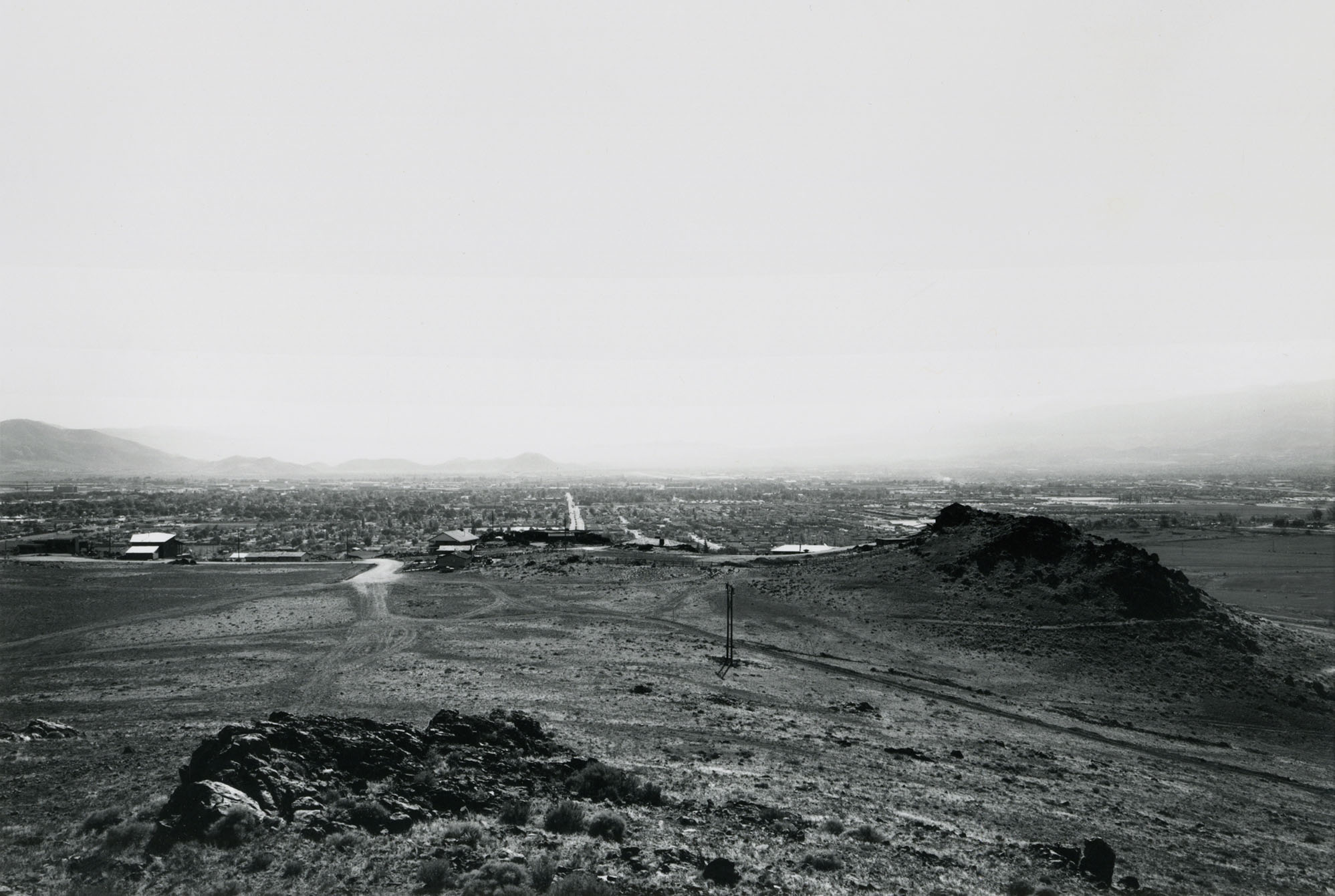

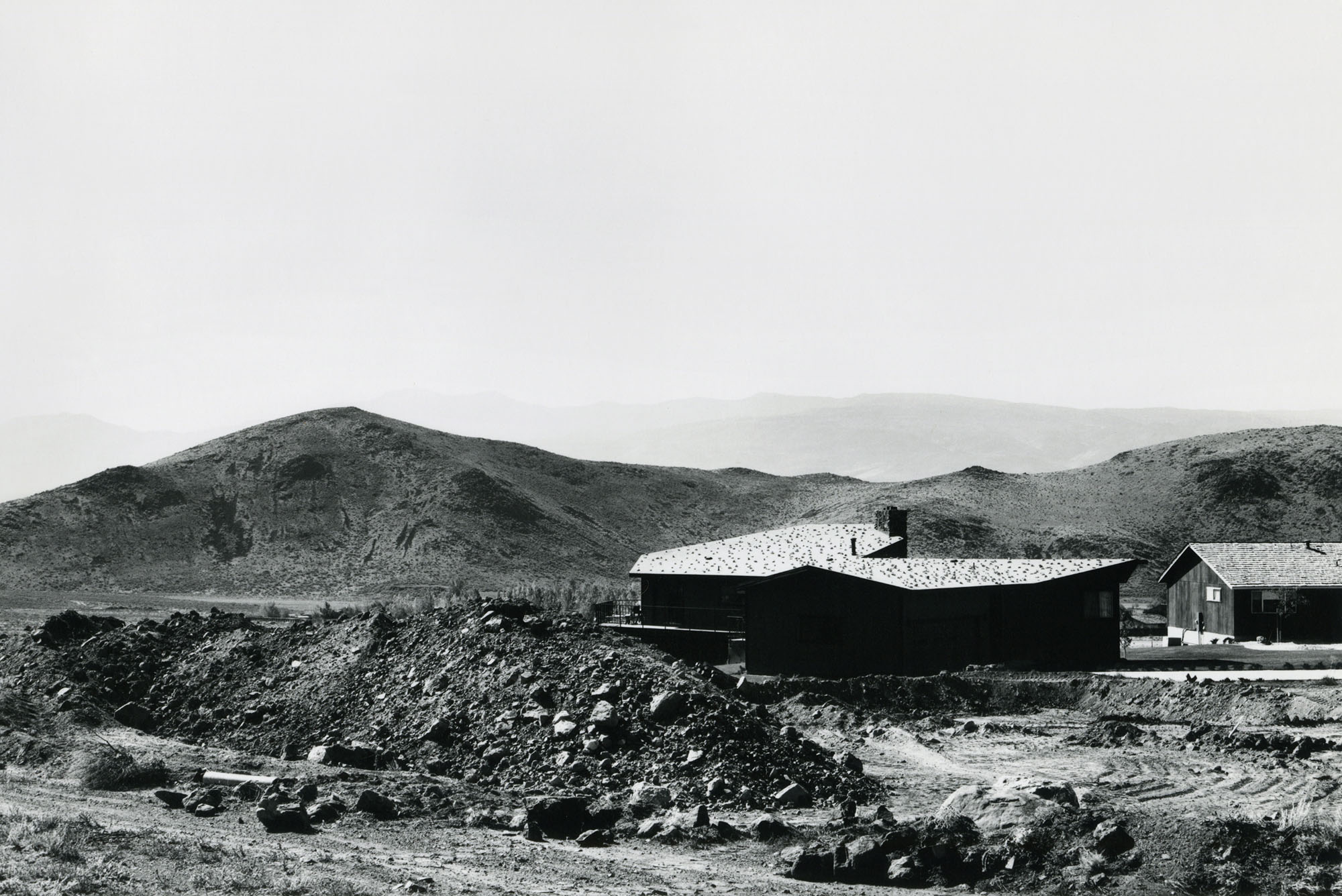

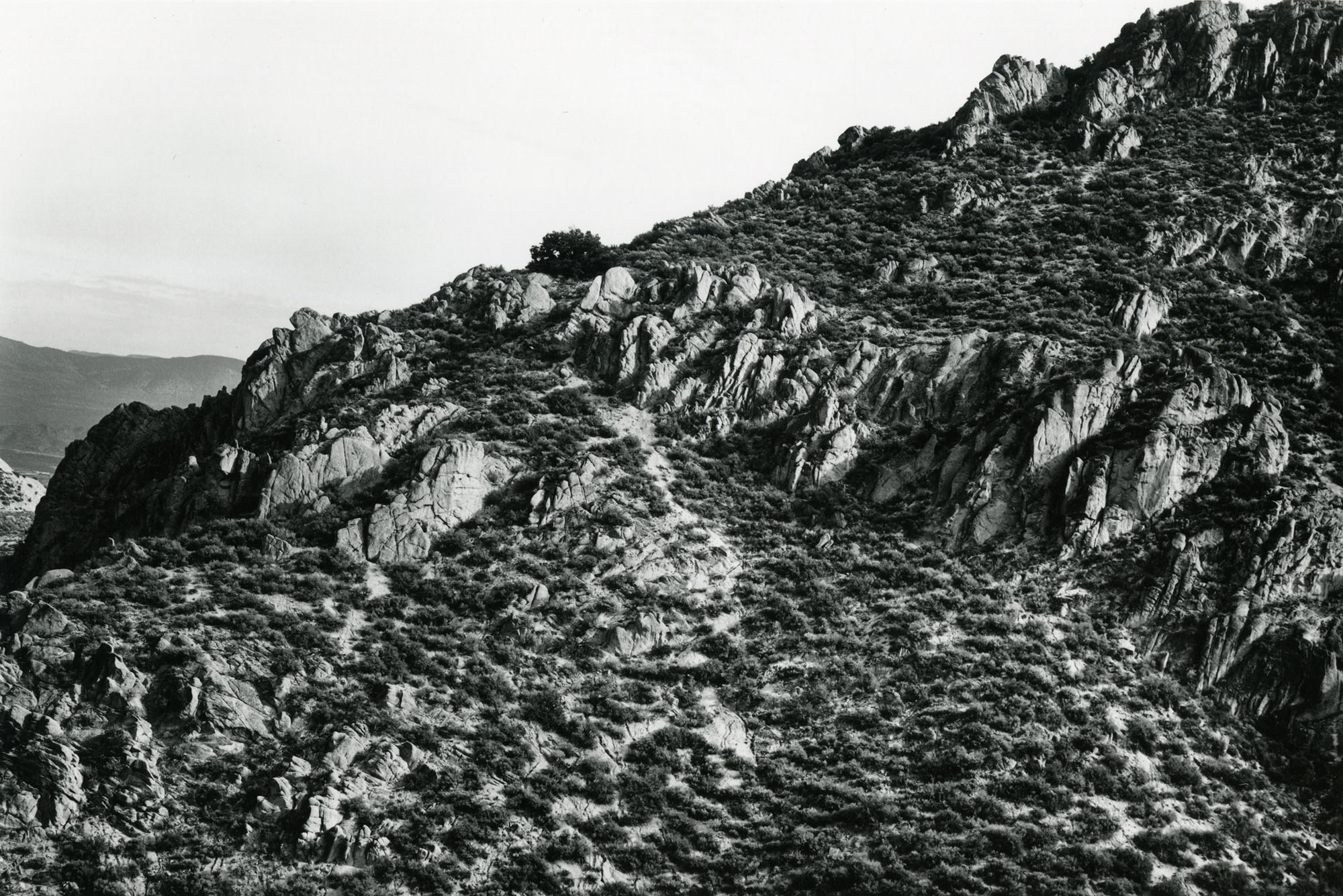


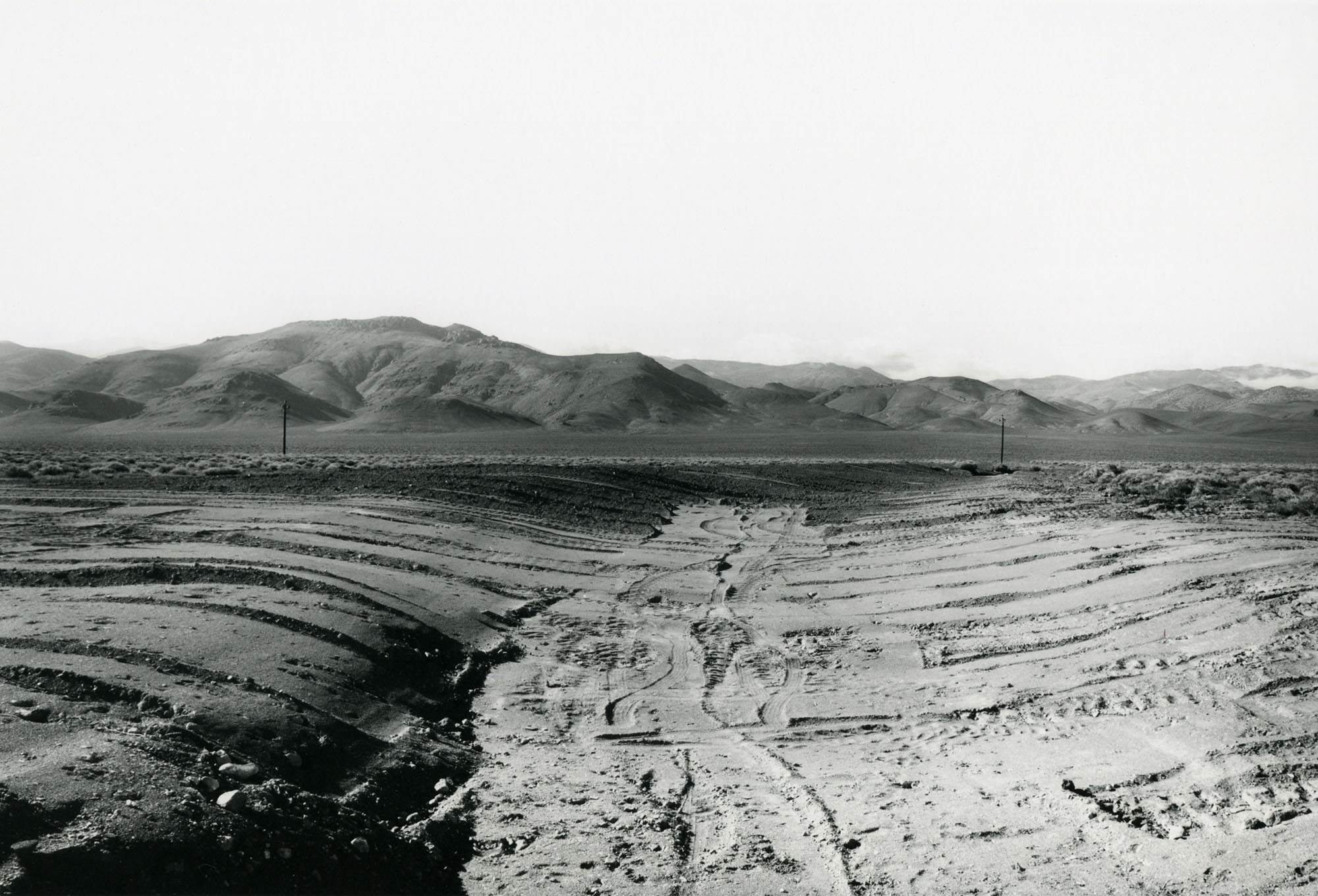


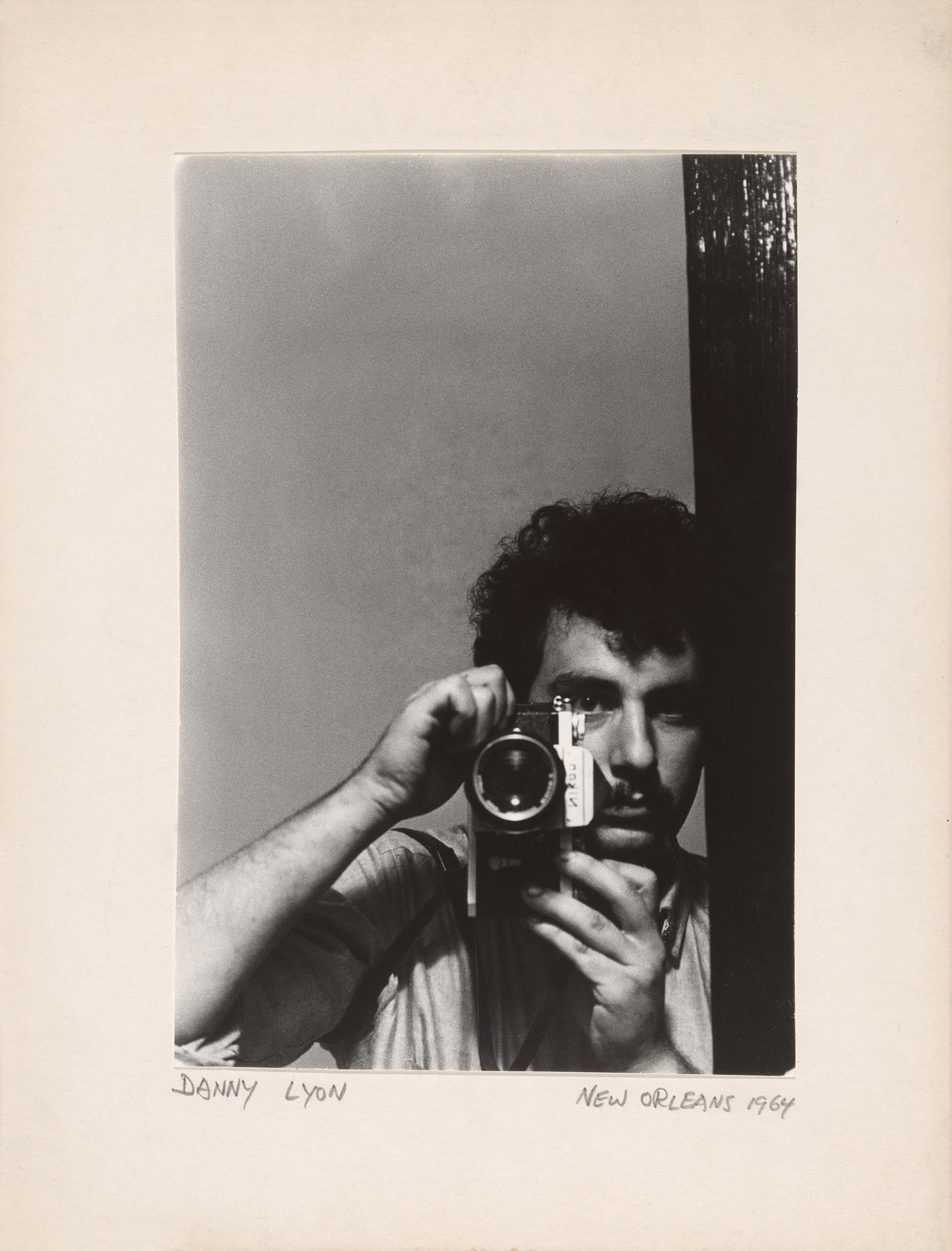


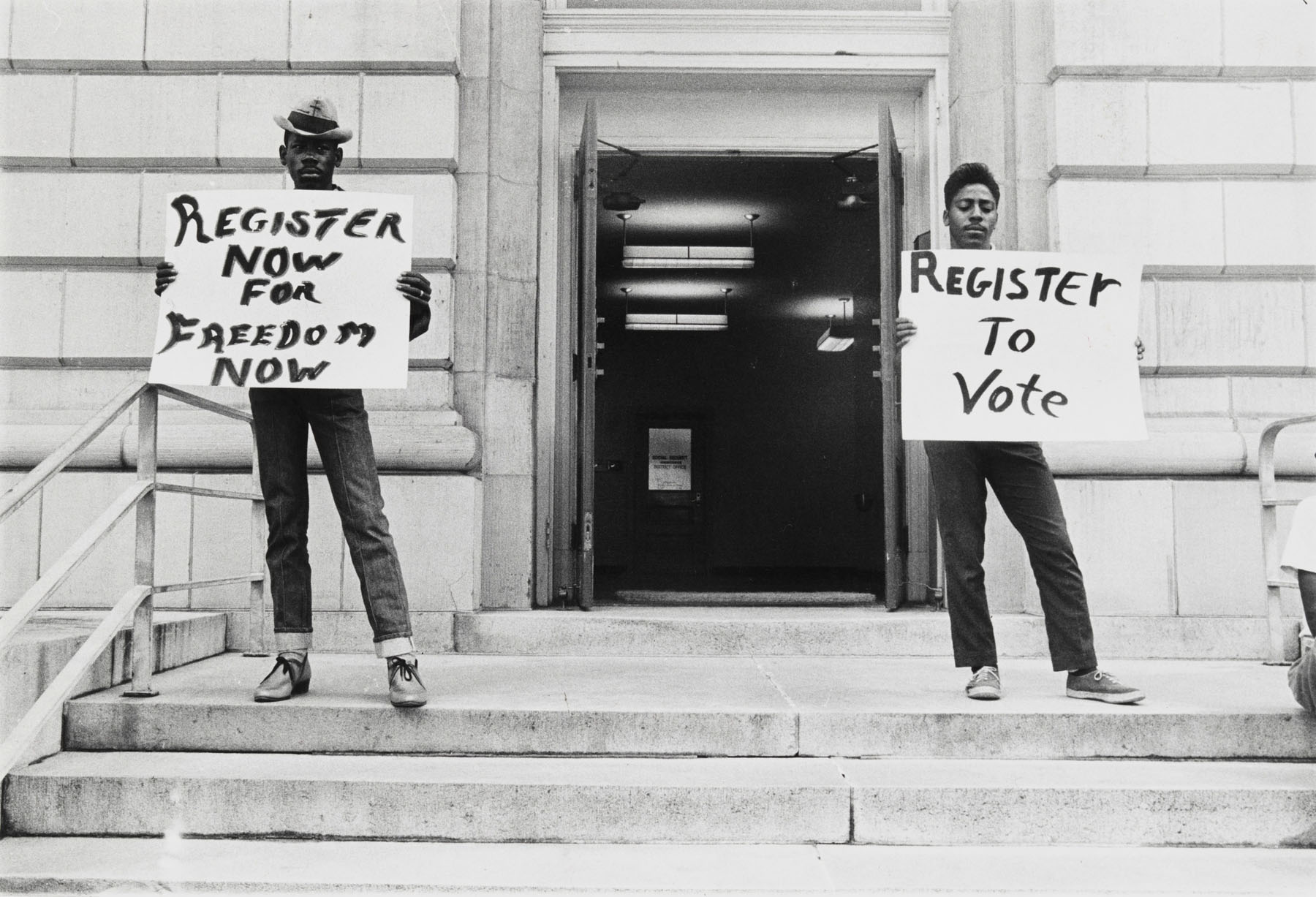
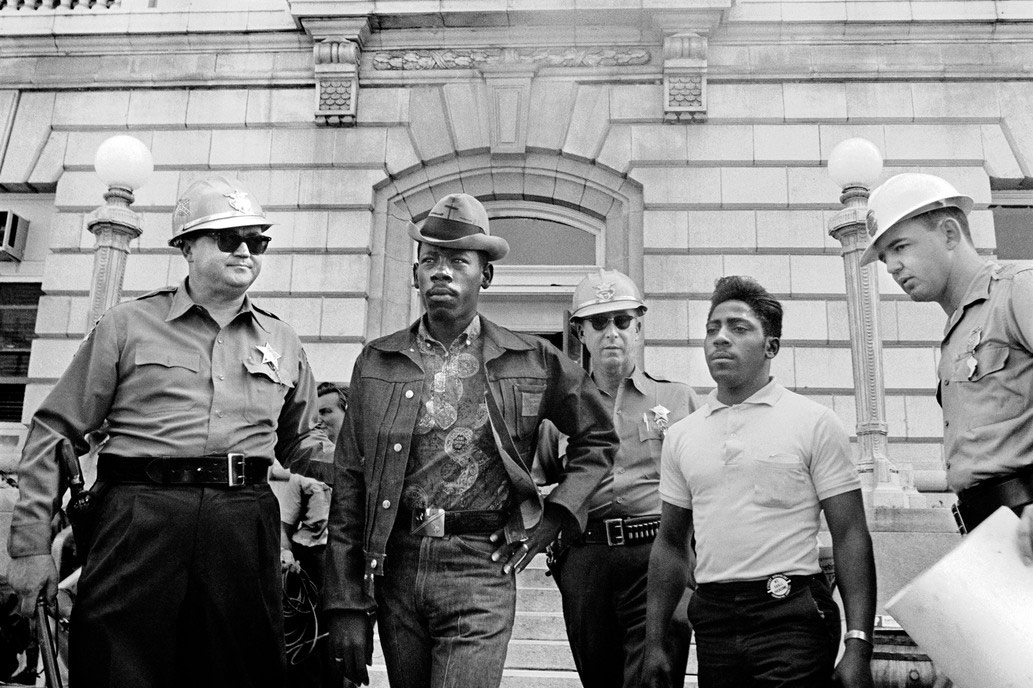


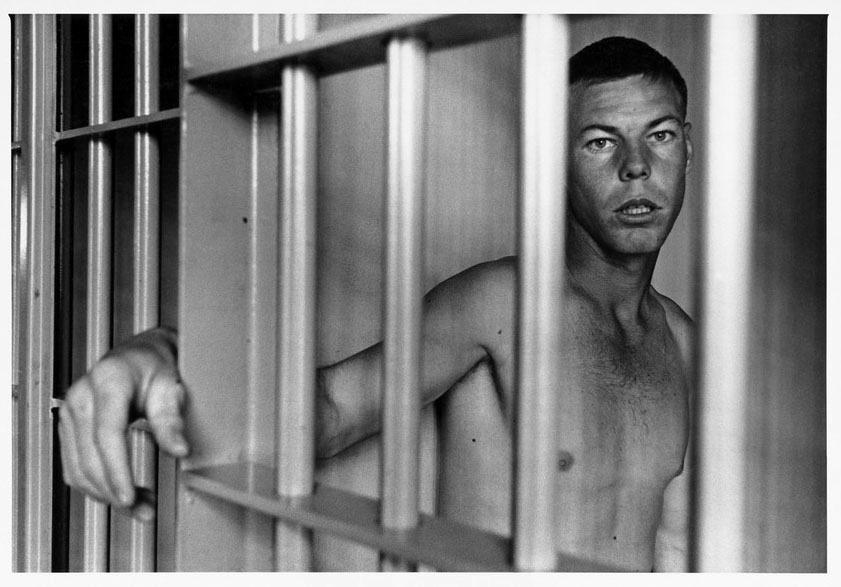


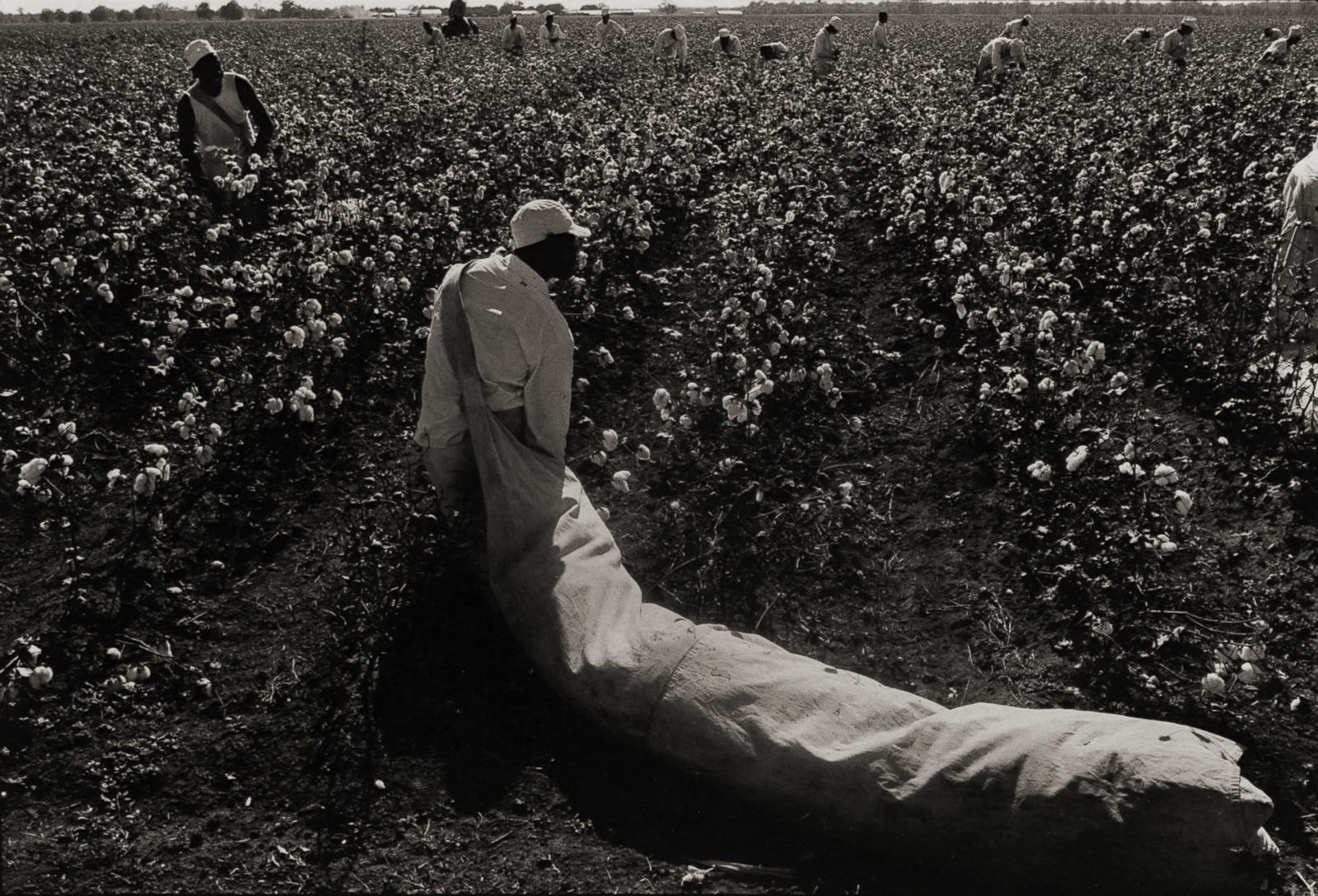


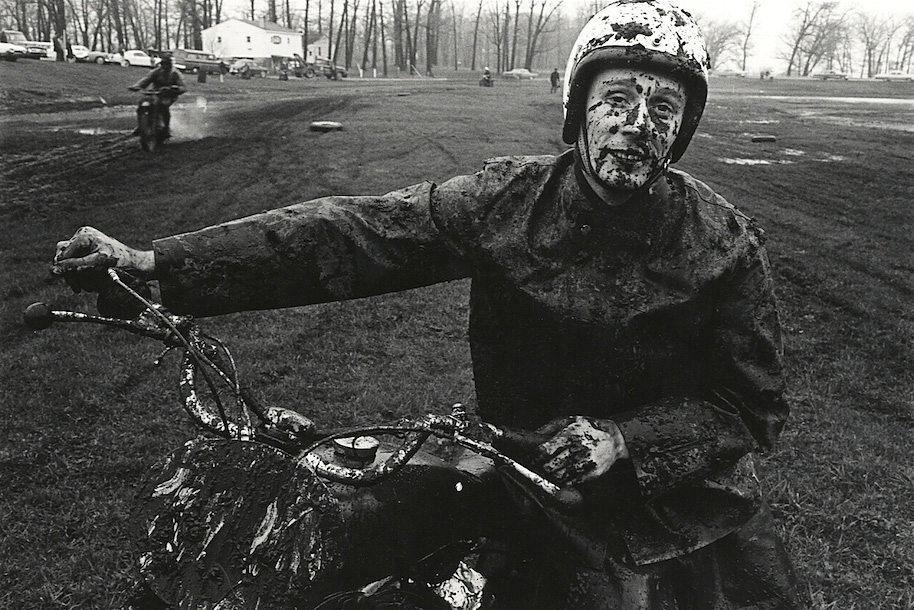
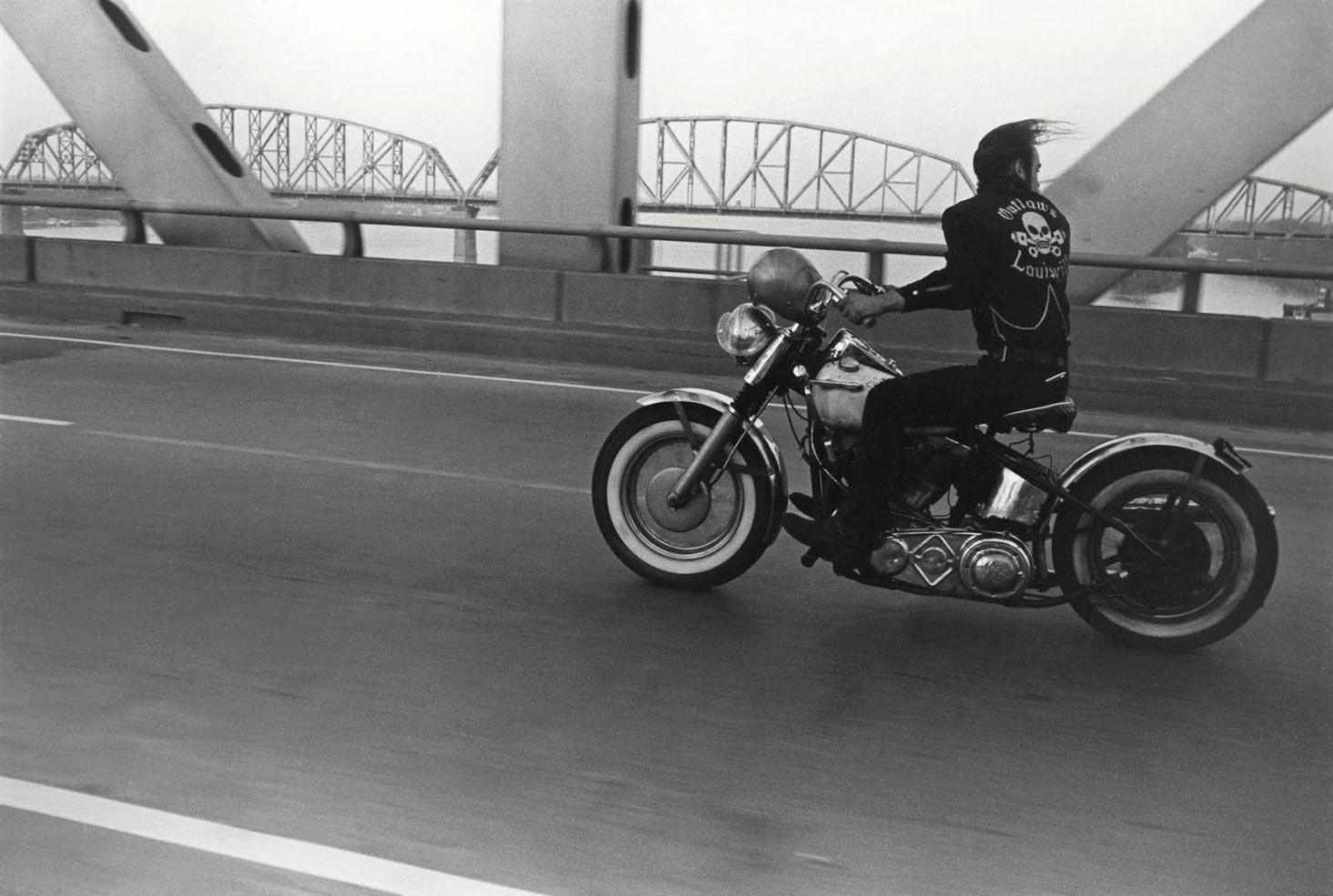


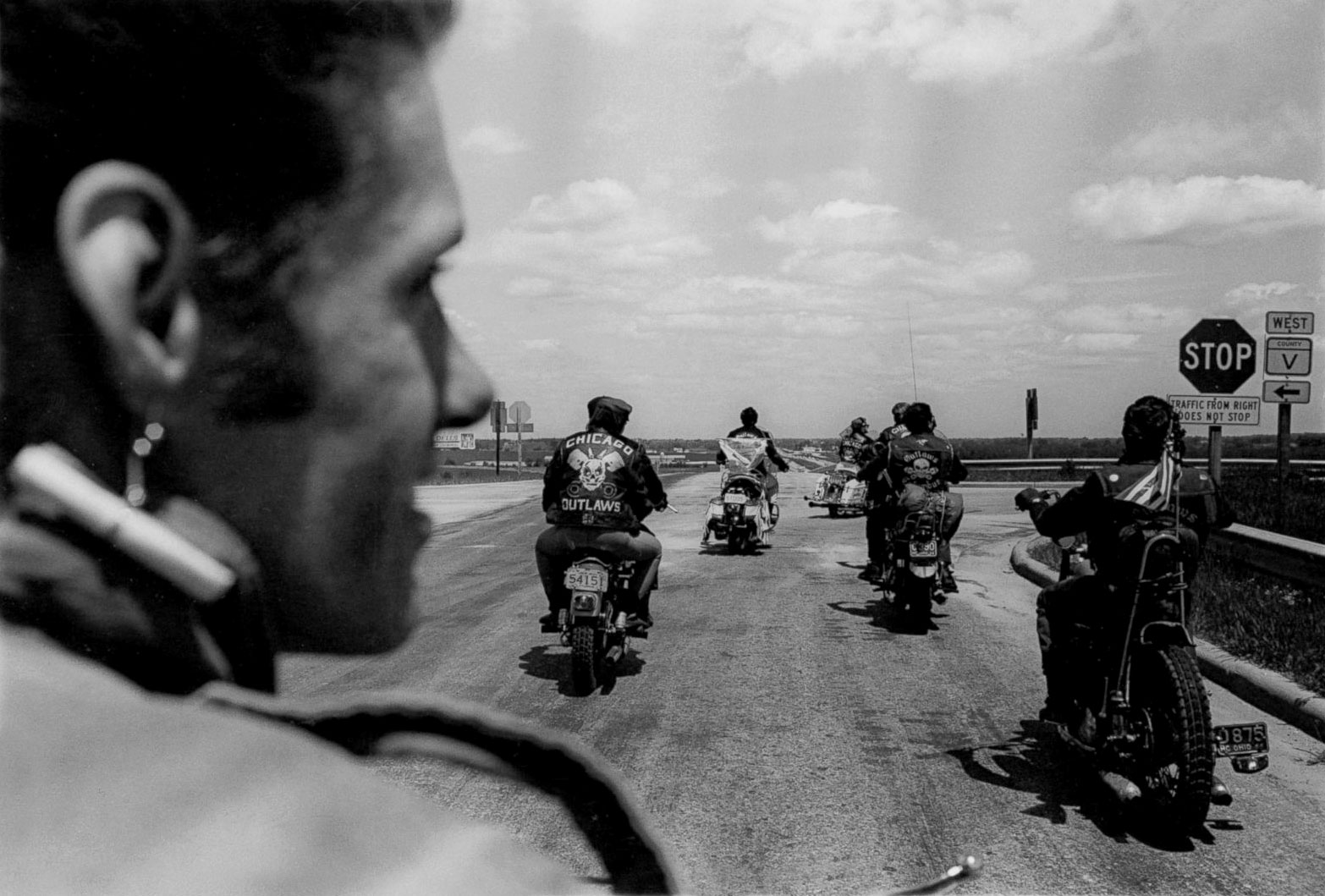

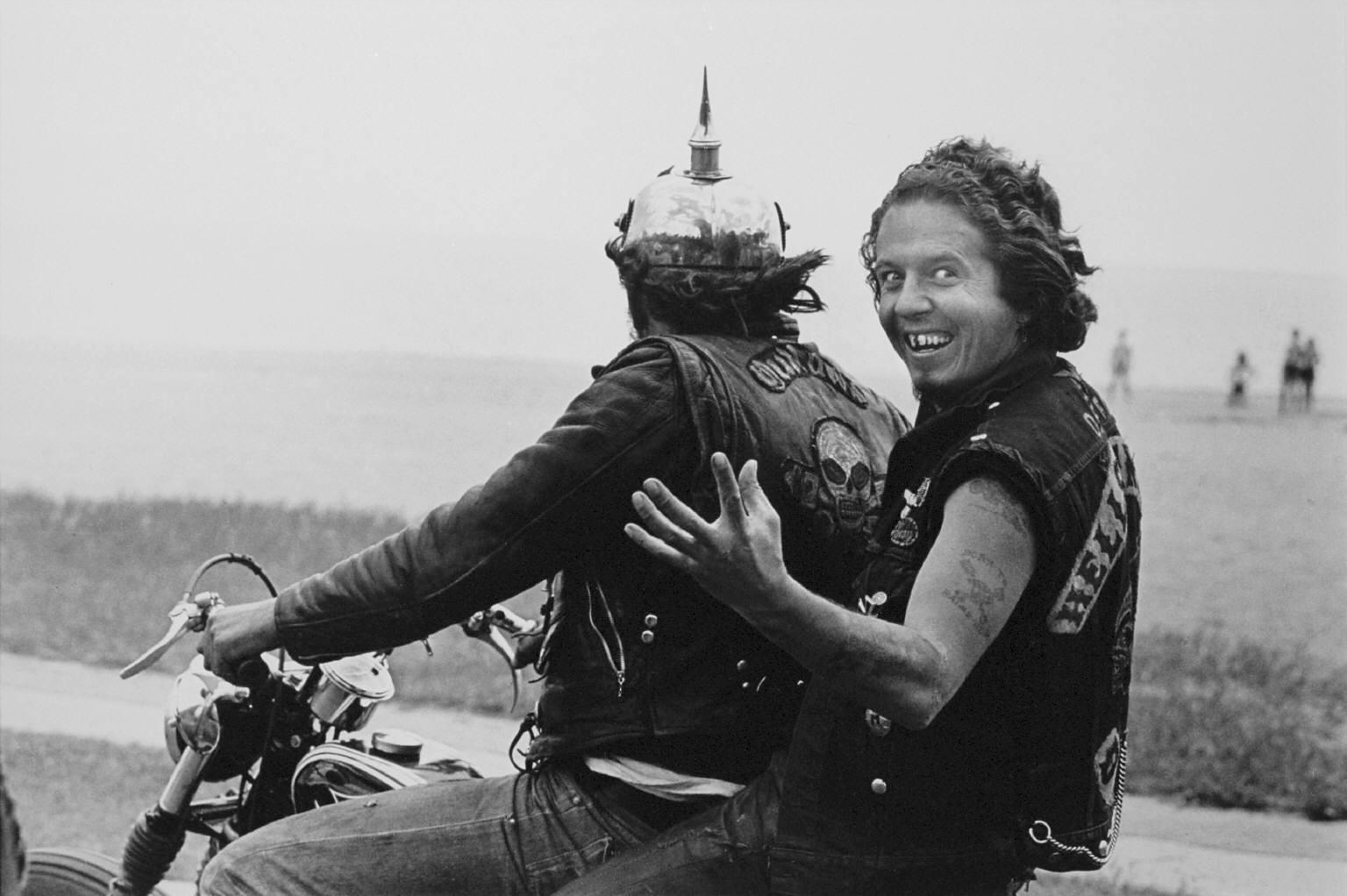

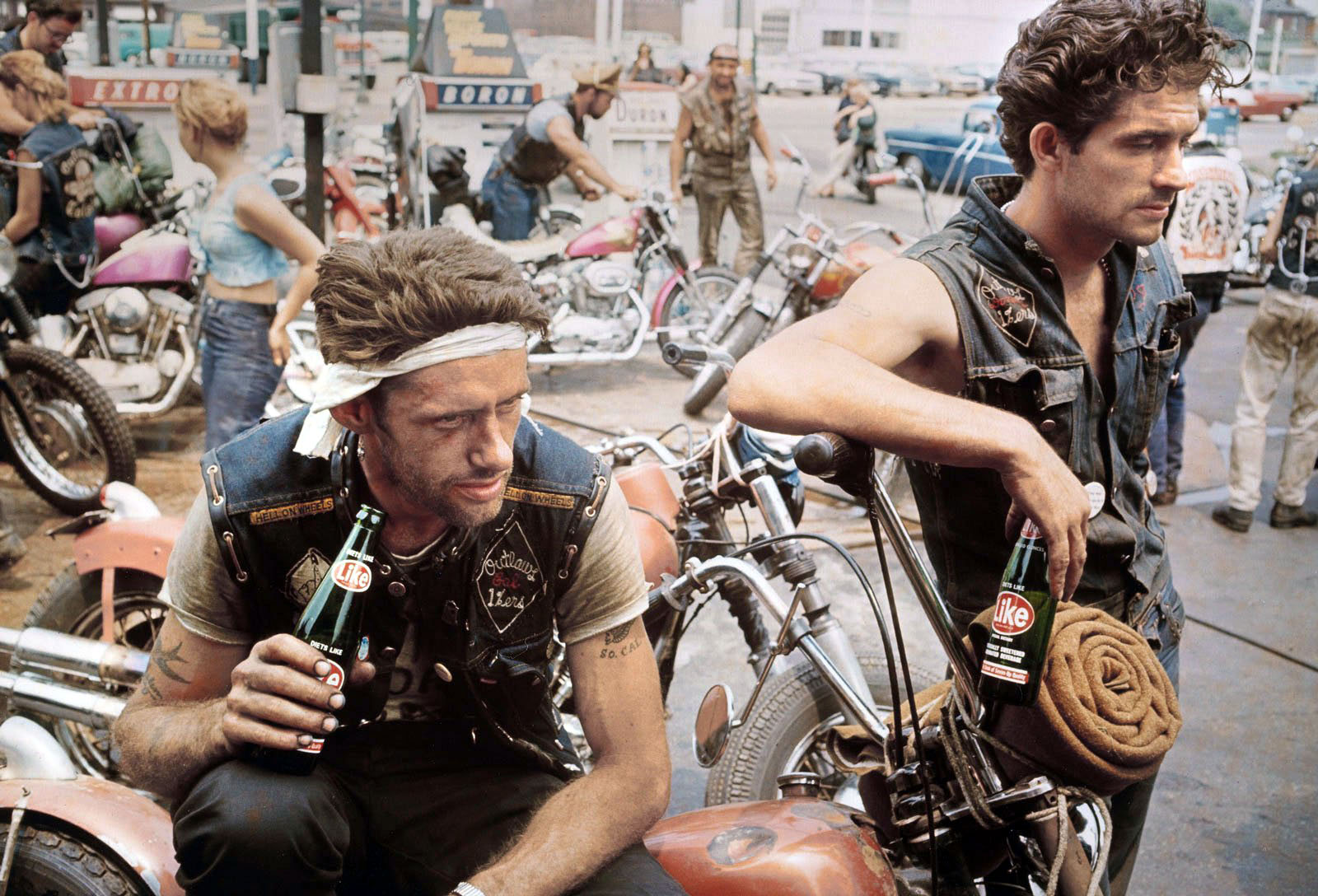


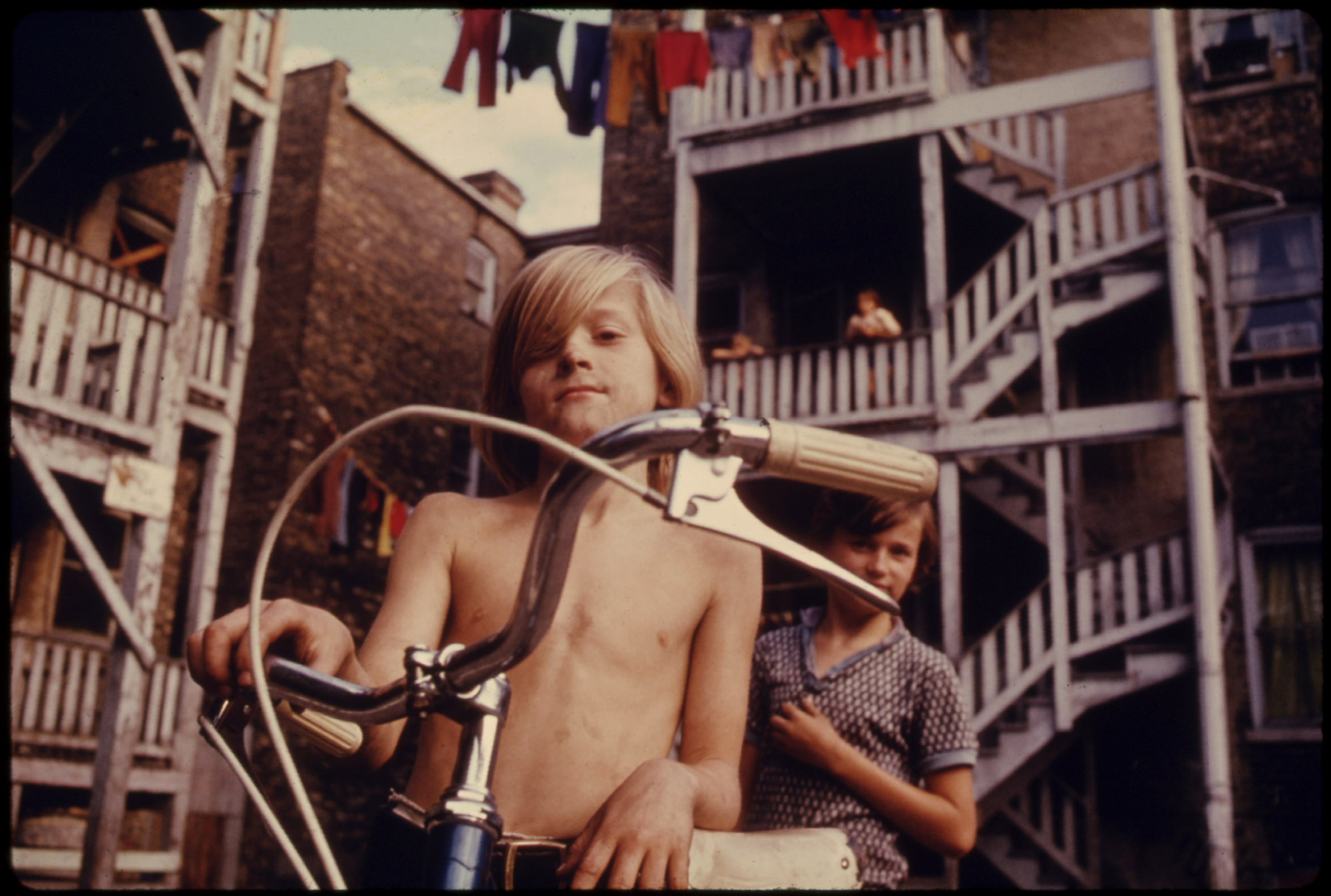


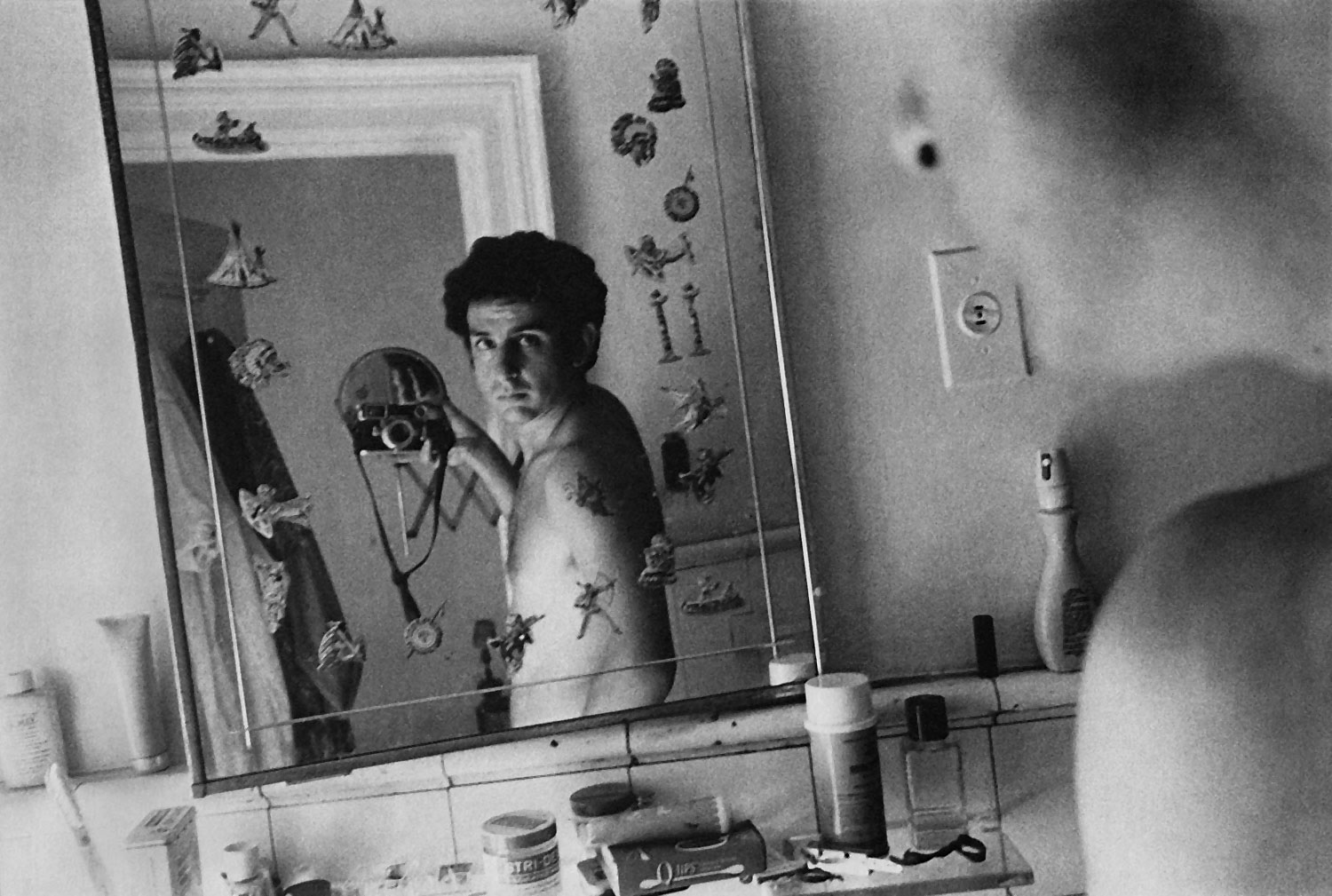
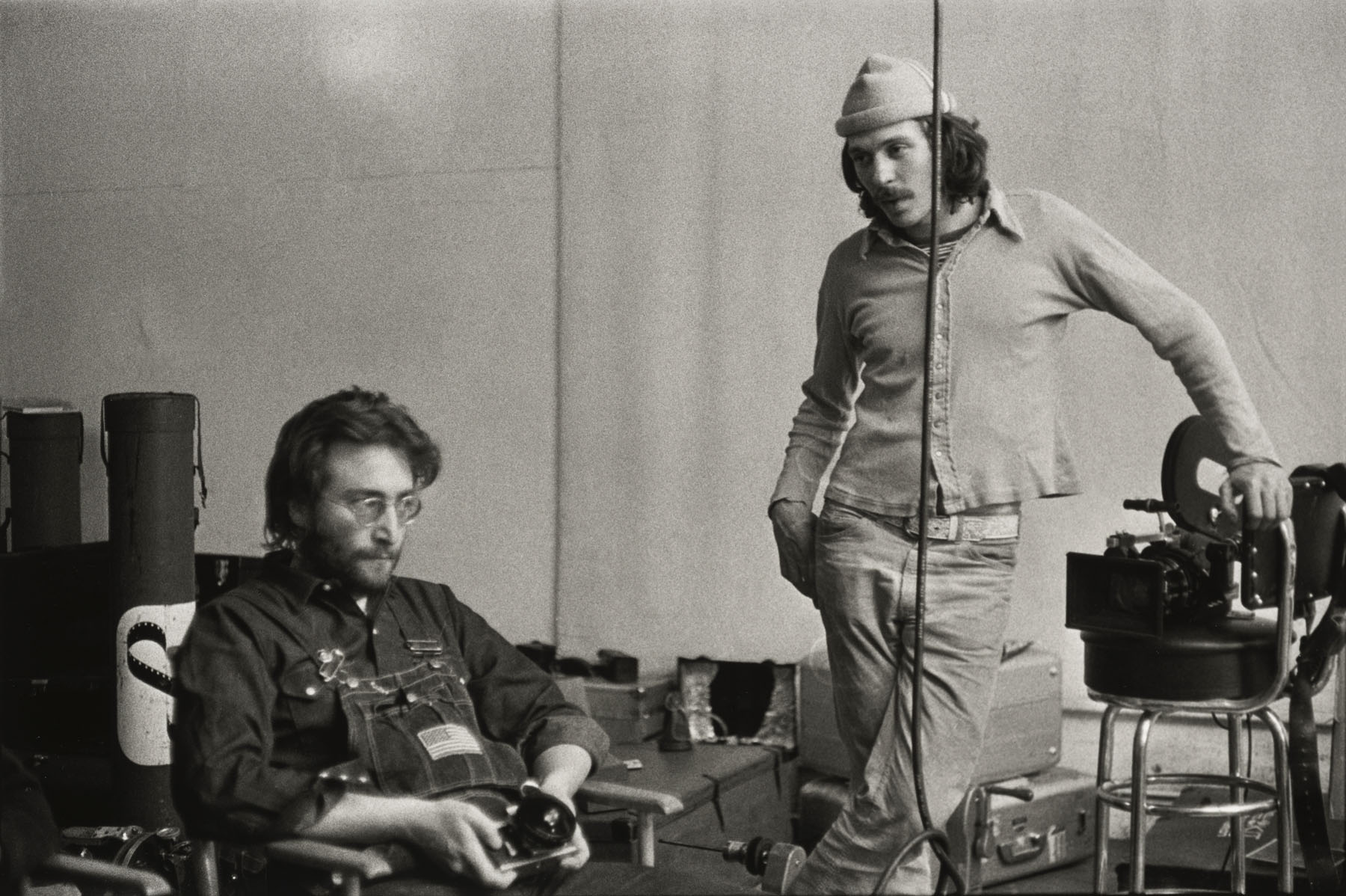


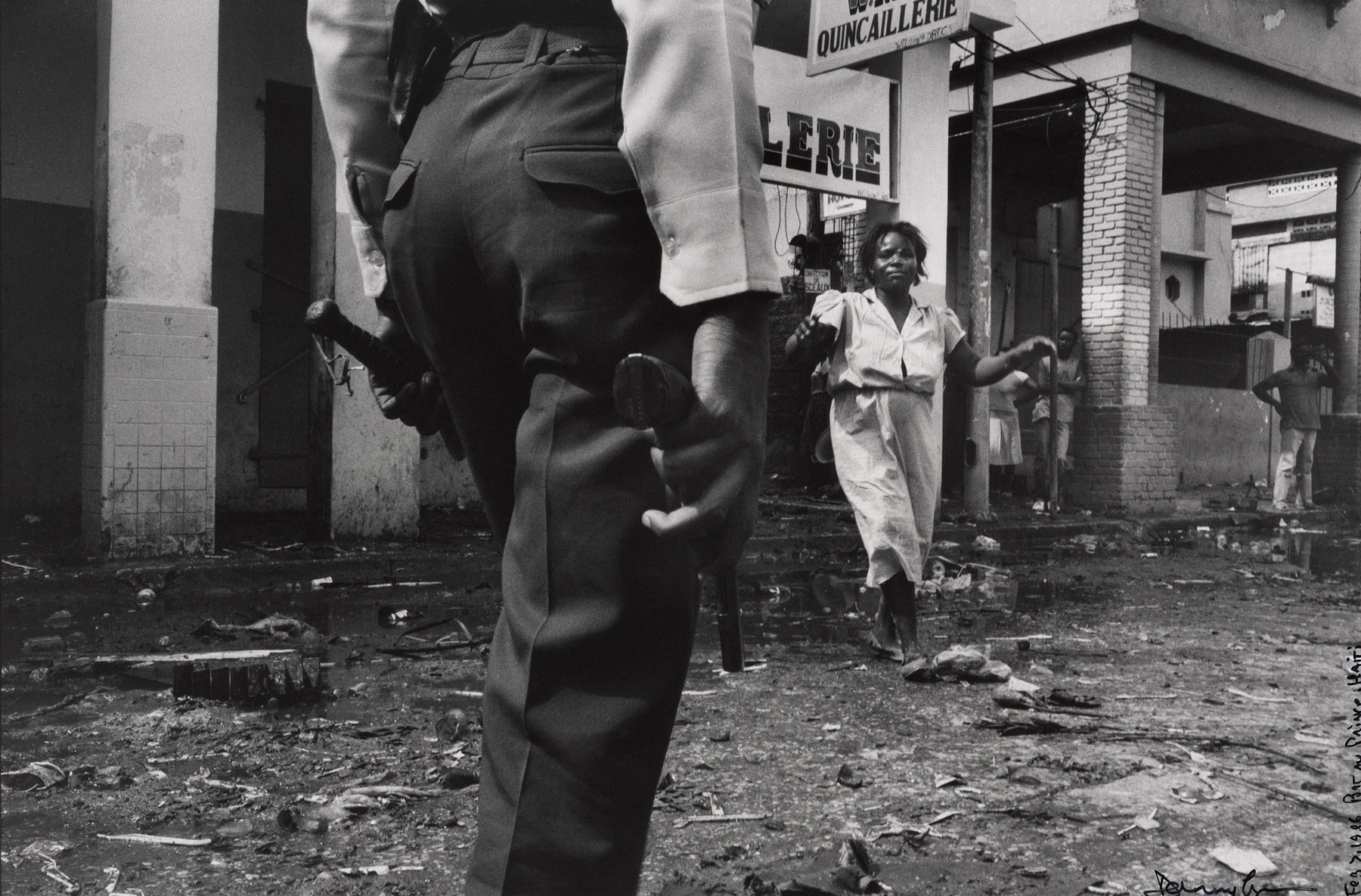


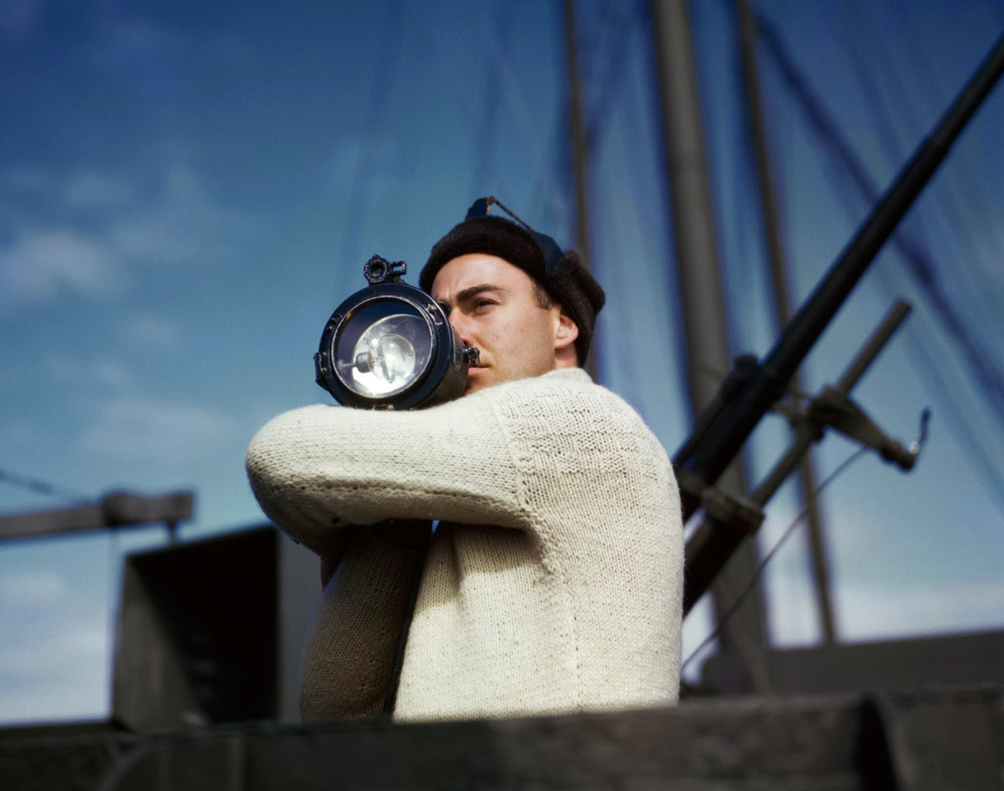


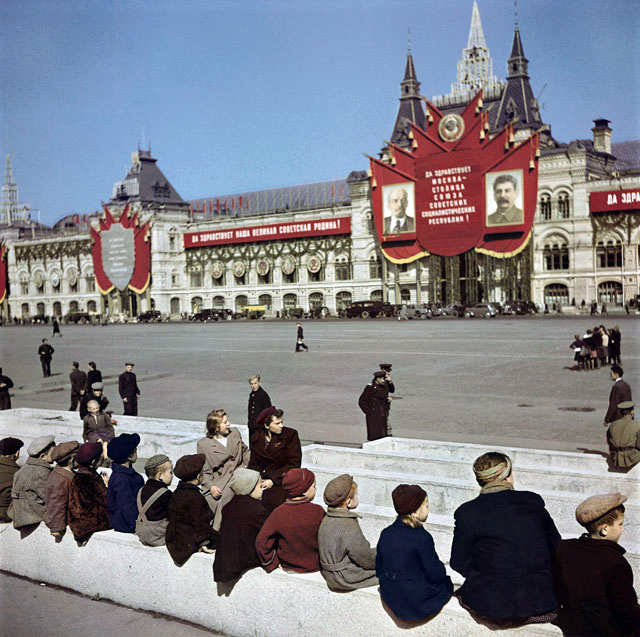


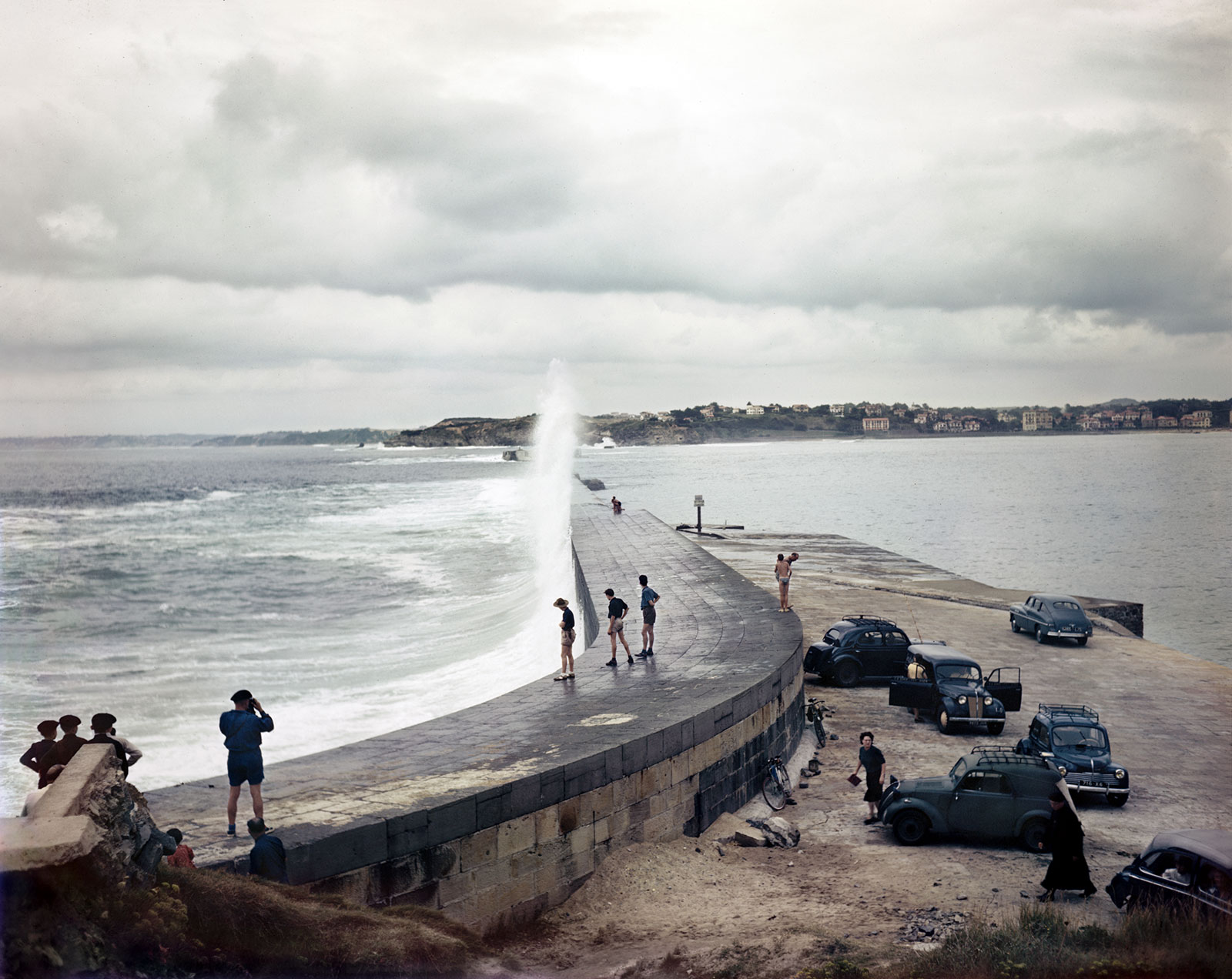
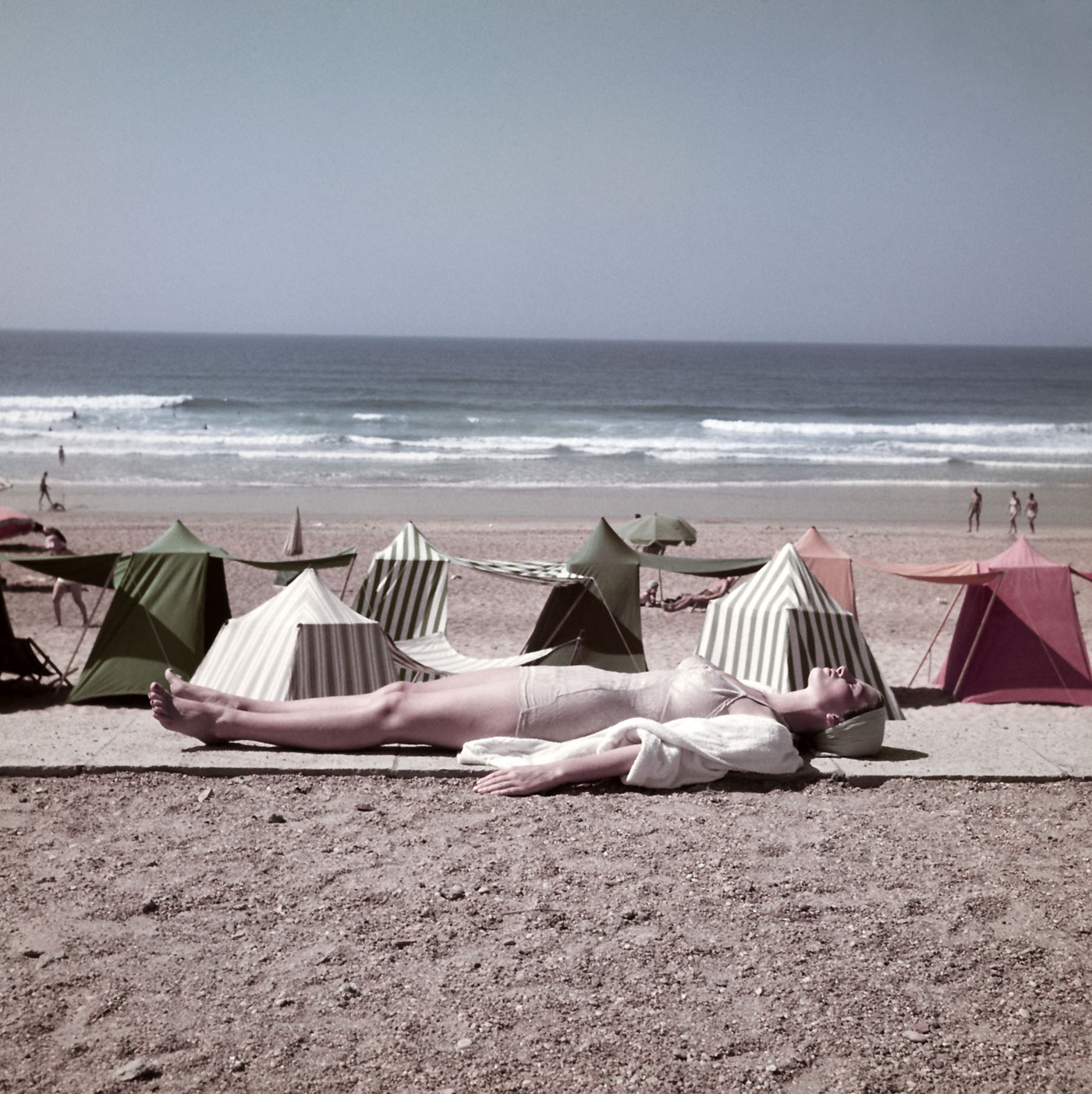

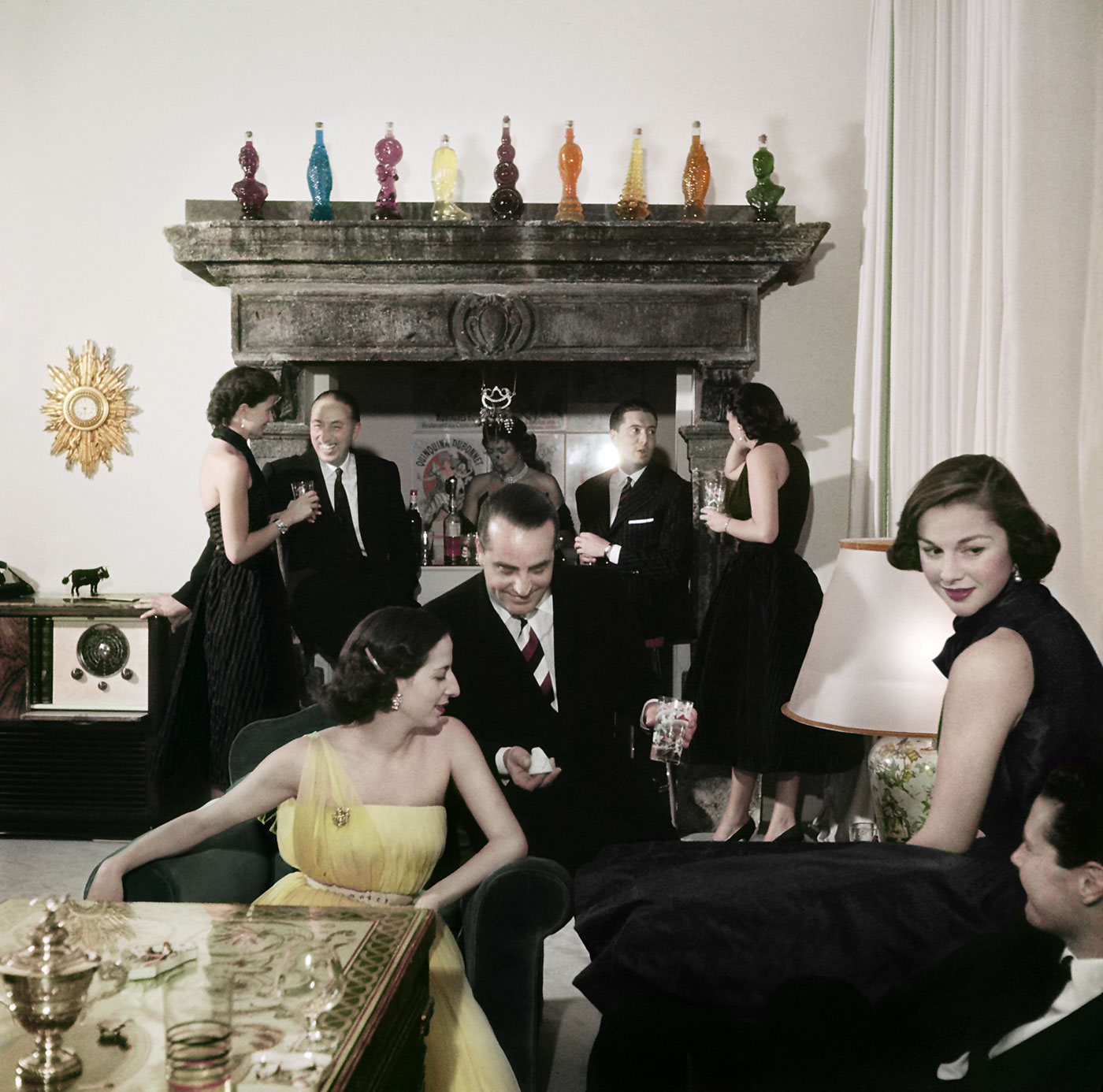
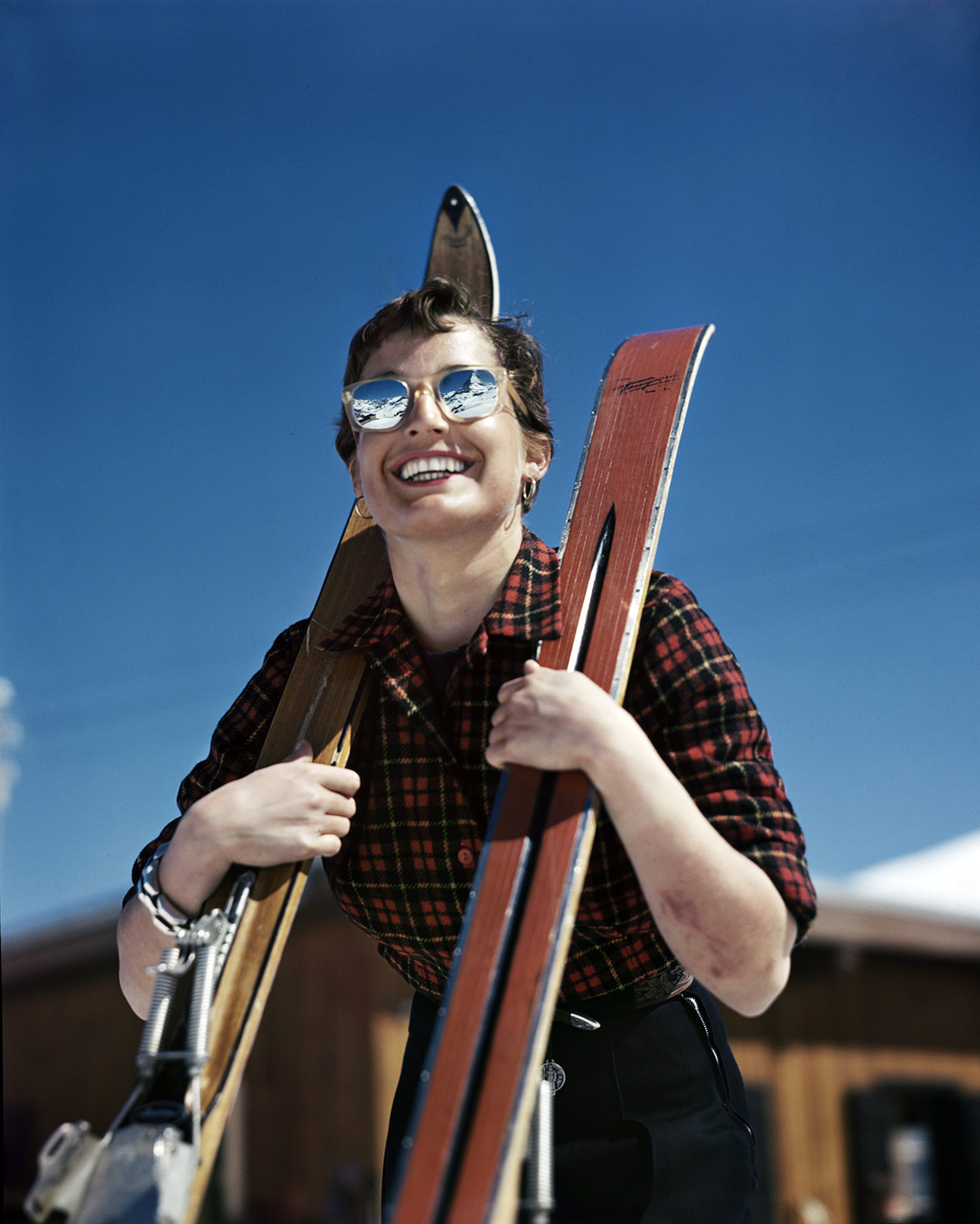


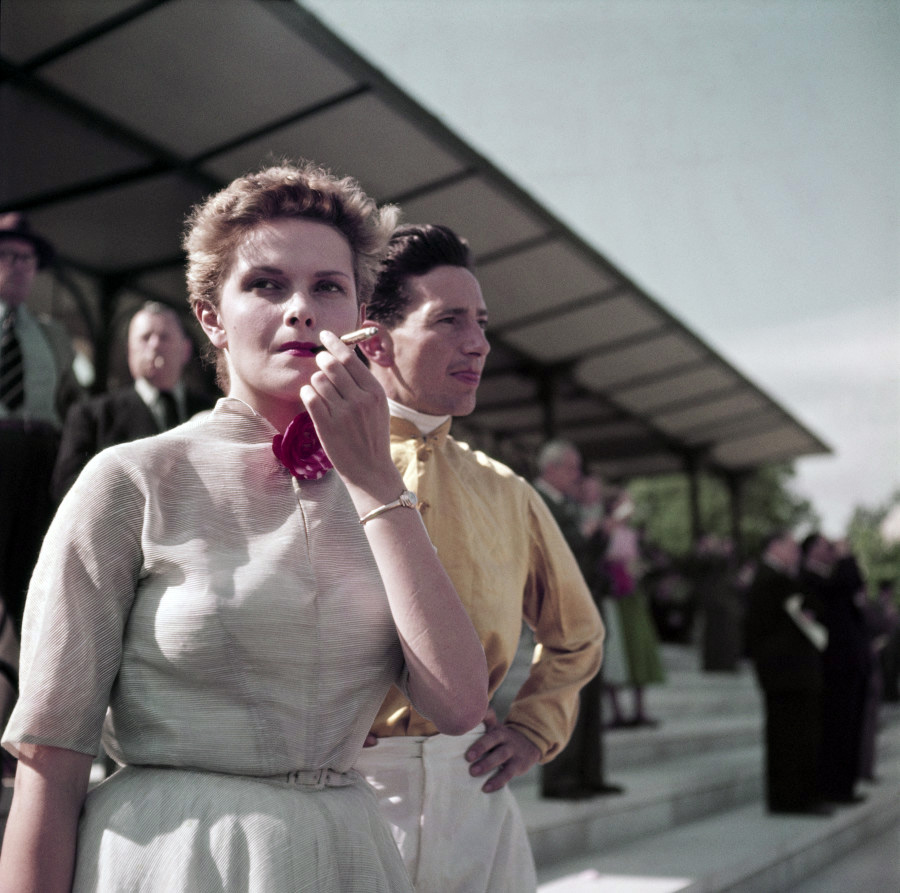
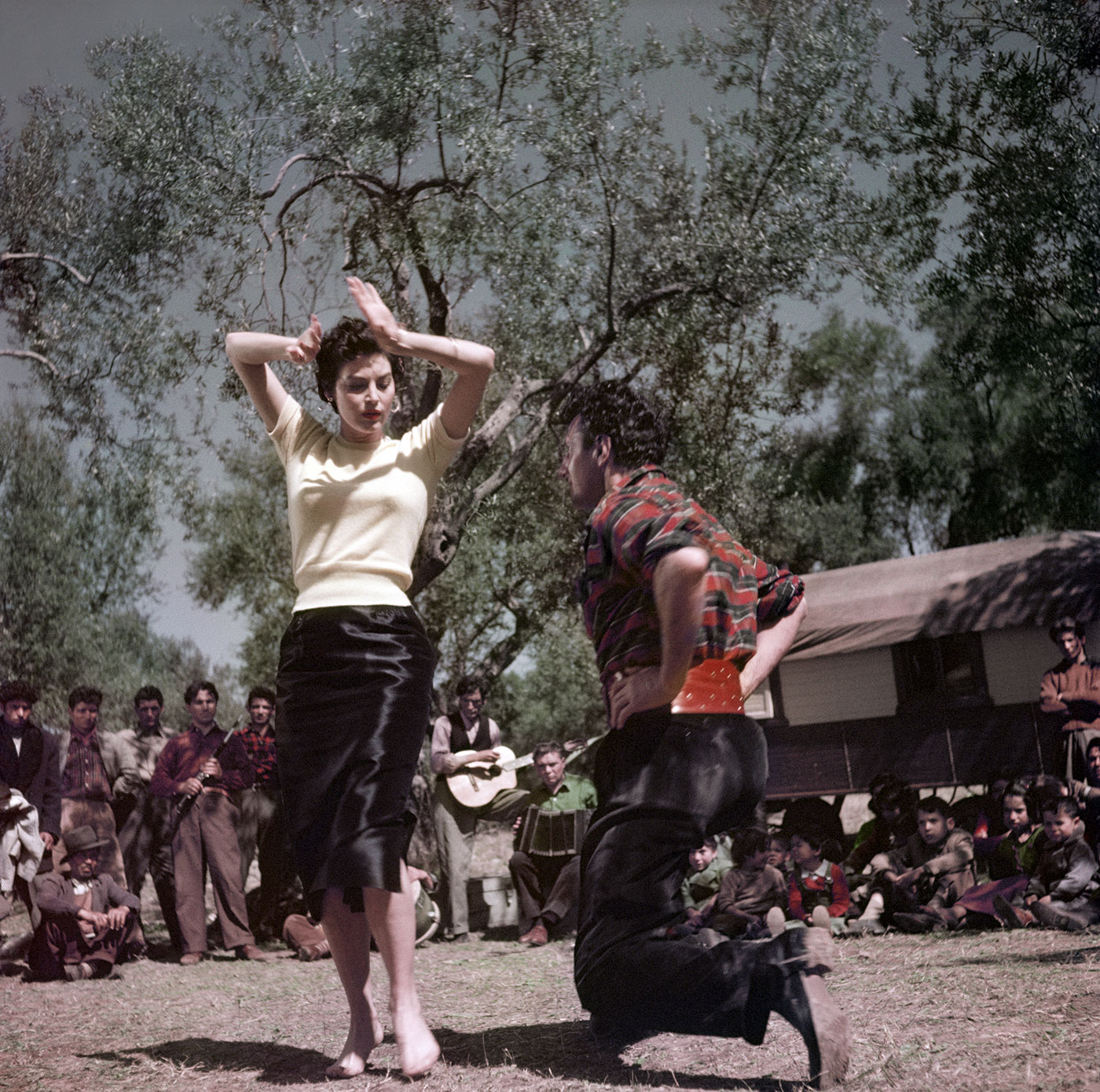


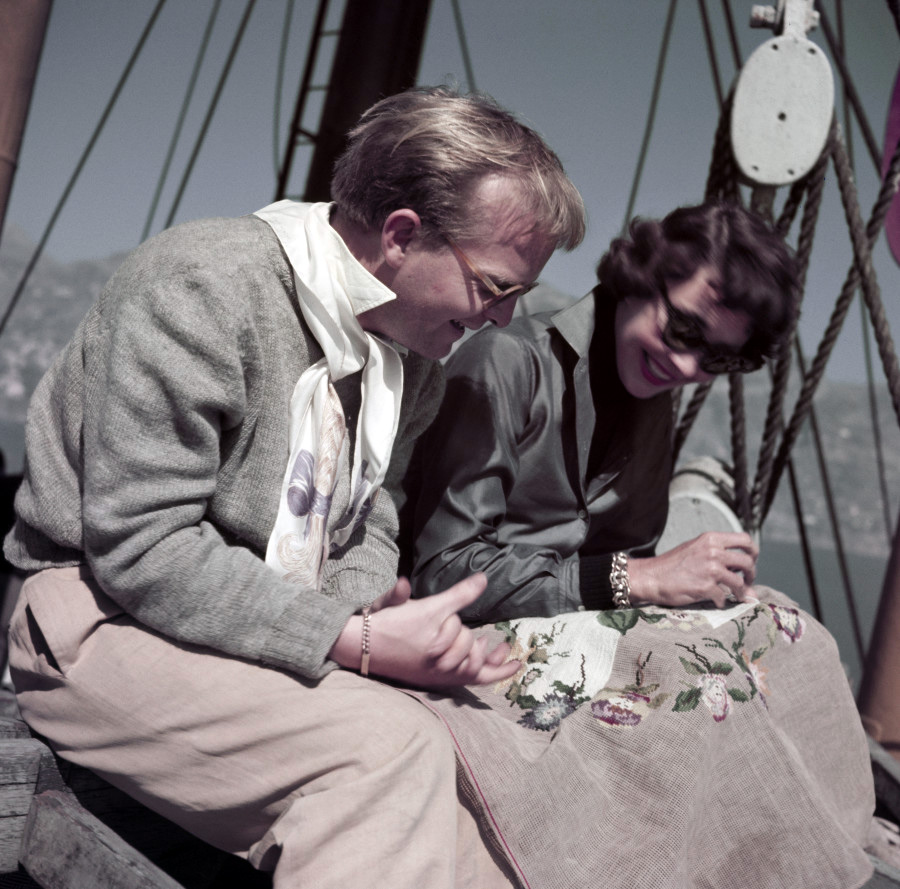


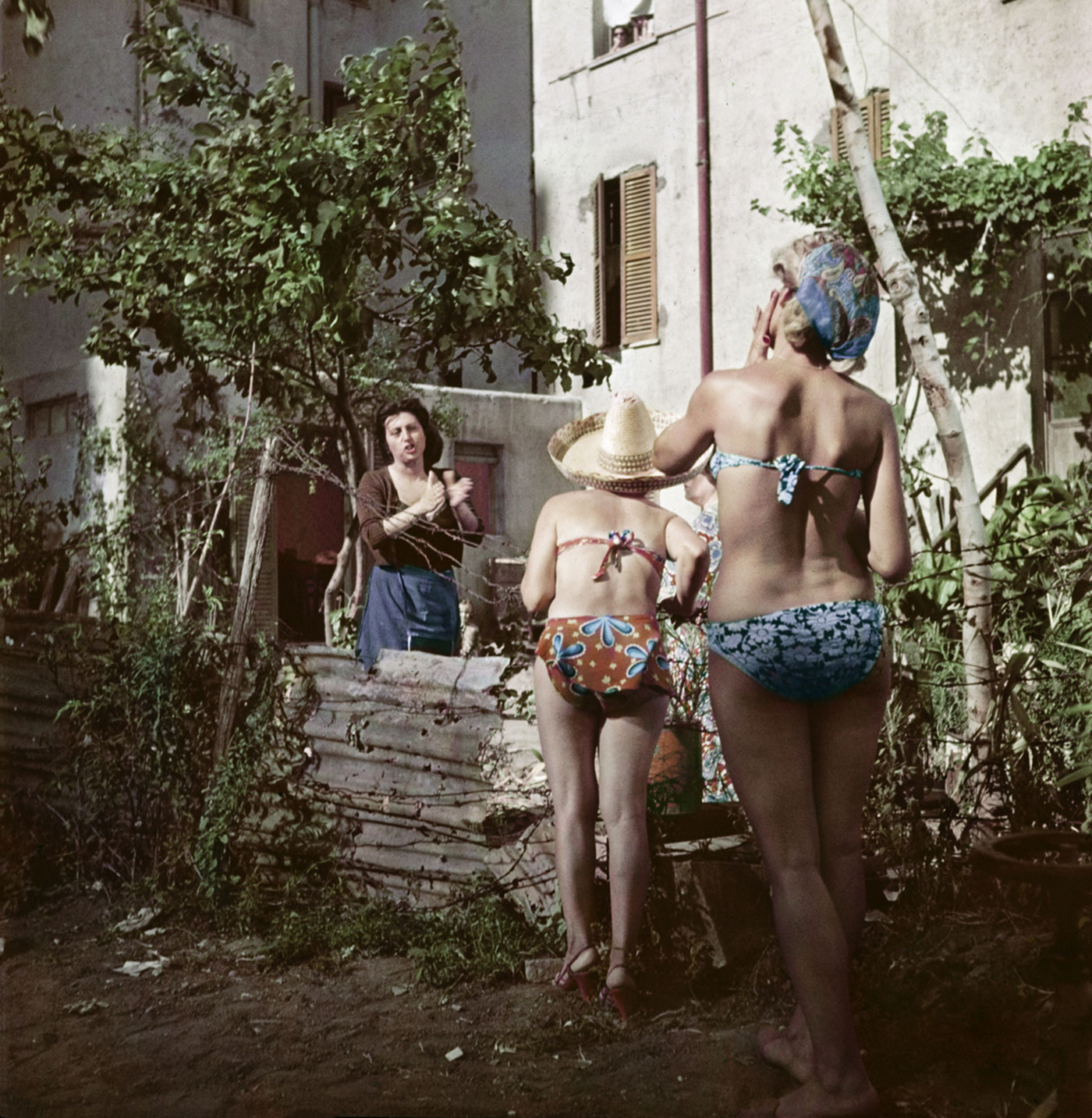


![François Kollar (French born Slovakia, 1904-1979) 'Untitled [mine worker]' 1931-1934](https://artblart.com/wp-content/uploads/2016/05/kollar-worker-web.jpg "François Kollar (French born Slovakia, 1904-1979) 'Untitled [mine worker]' 1931-1934")
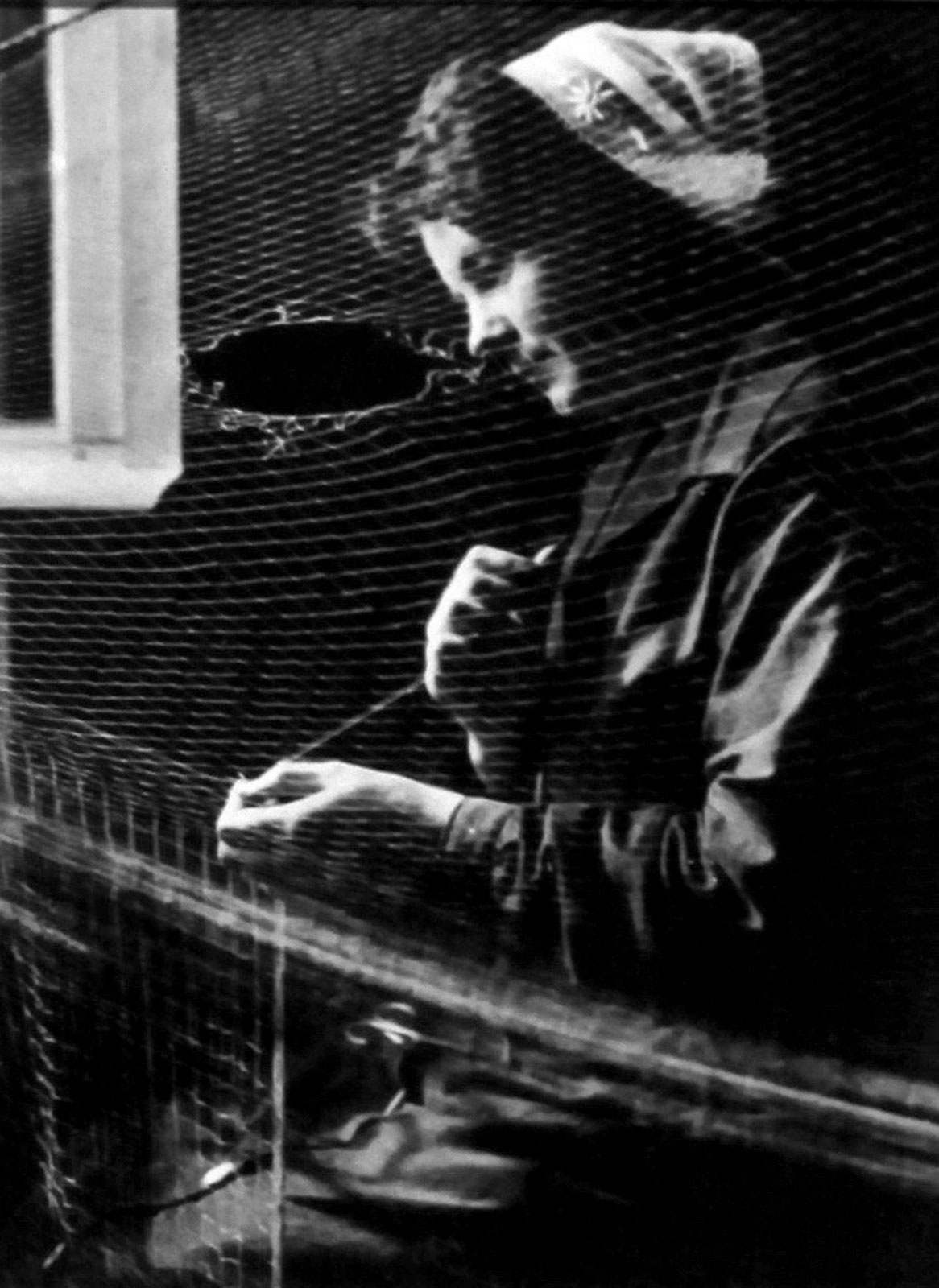


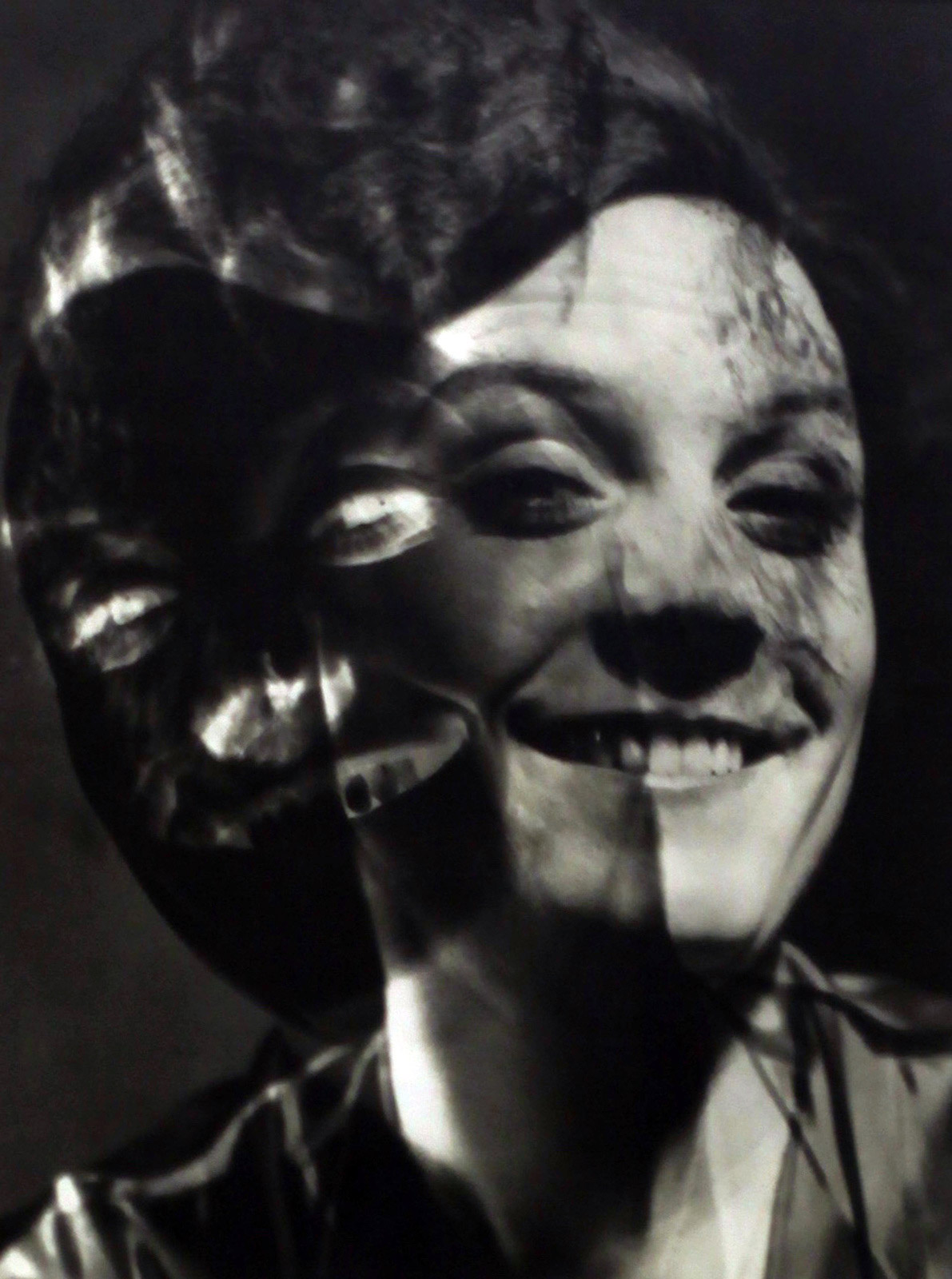


![François Kollar (French born Slovakia, 1904-1979) Untitled [Emplacement de traverses, usine Cima, Croix]' [Replacement of sleepers, Cima factory, Croix] c. 1954](https://artblart.com/wp-content/uploads/2016/05/kollar_18-web.jpg "François Kollar (French born Slovakia, 1904-1979) Untitled [Emplacement de traverses, usine Cima, Croix]' [Replacement of sleepers, Cima factory, Croix] c. 1954")

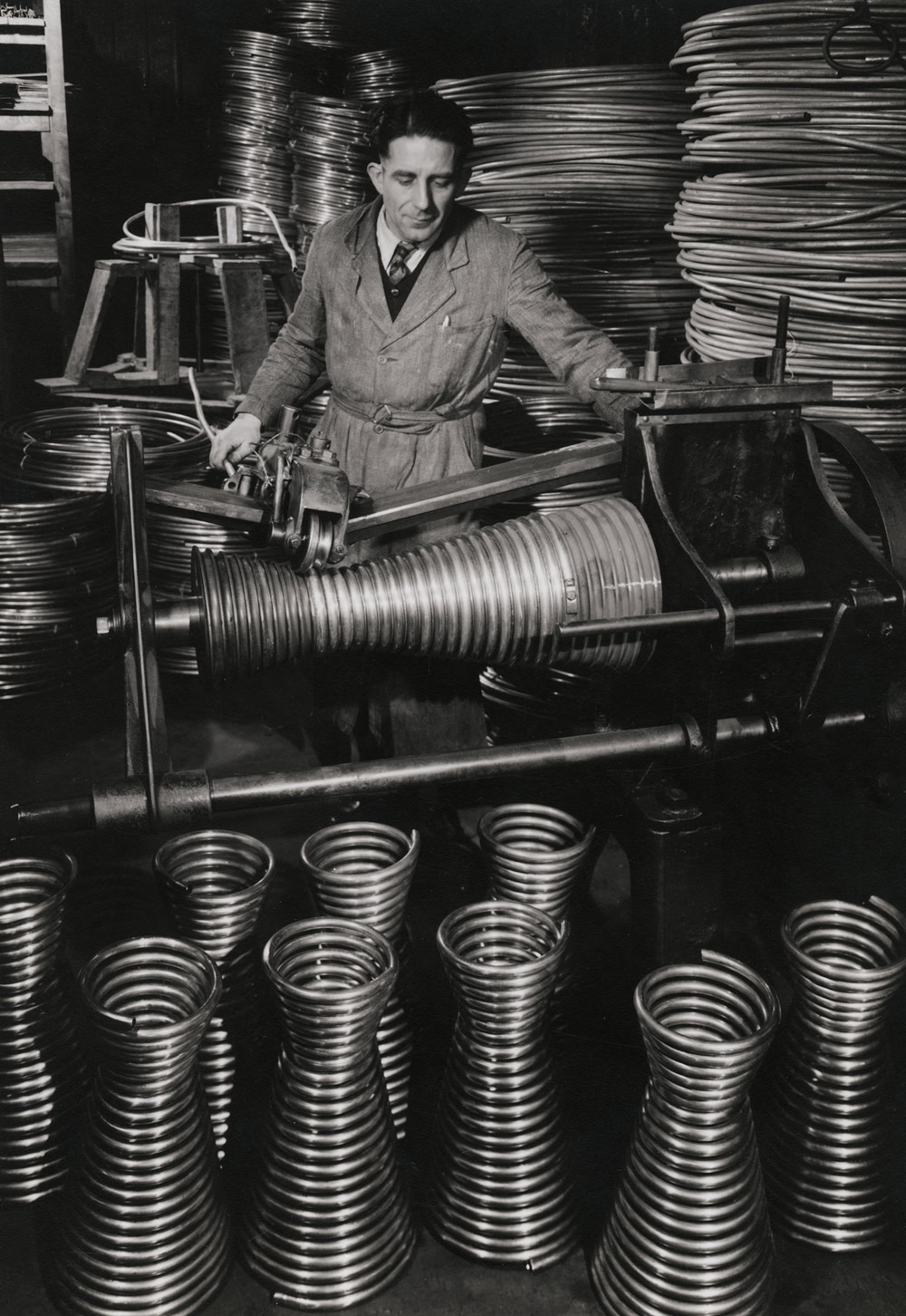
![François Kollar (French born Slovakia, 1904-1979) 'Untitled [Fabrication des moulins à légumes, usine Moulinex, Alençon]' [Production of vegetable mills, Moulinex factory, Alençon] 1950](https://artblart.com/wp-content/uploads/2016/05/kollar_16-web.jpg "François Kollar (French born Slovakia, 1904-1979) 'Untitled [Fabrication des moulins à légumes, usine Moulinex, Alençon]' [Production of vegetable mills, Moulinex factory, Alençon] 1950")
![François Kollar (French born Slovakia, 1904-1979) 'Untitled [Emboutissage des couverts, Christofle, France]' [Stamping cutlery, Christofle, France] 1957-1958](https://artblart.com/wp-content/uploads/2016/05/kollar_15-web.jpg "François Kollar (French born Slovakia, 1904-1979) 'Untitled [Emboutissage des couverts, Christofle, France]' [Stamping cutlery, Christofle, France] 1957-1958")


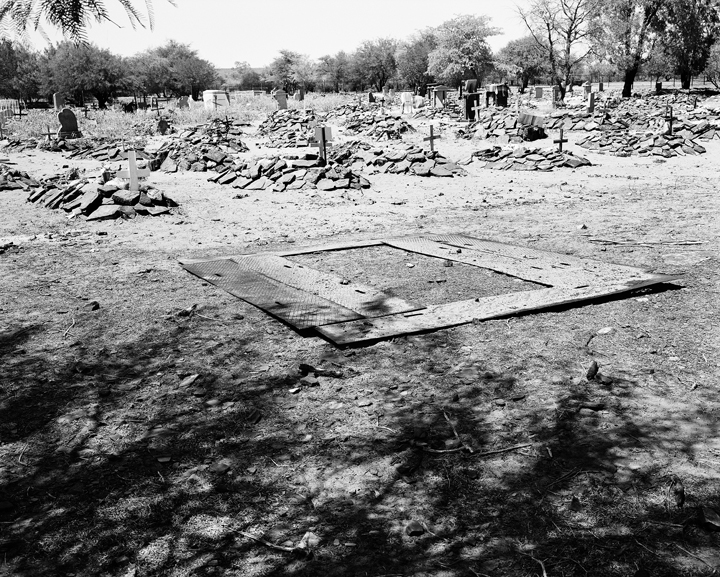
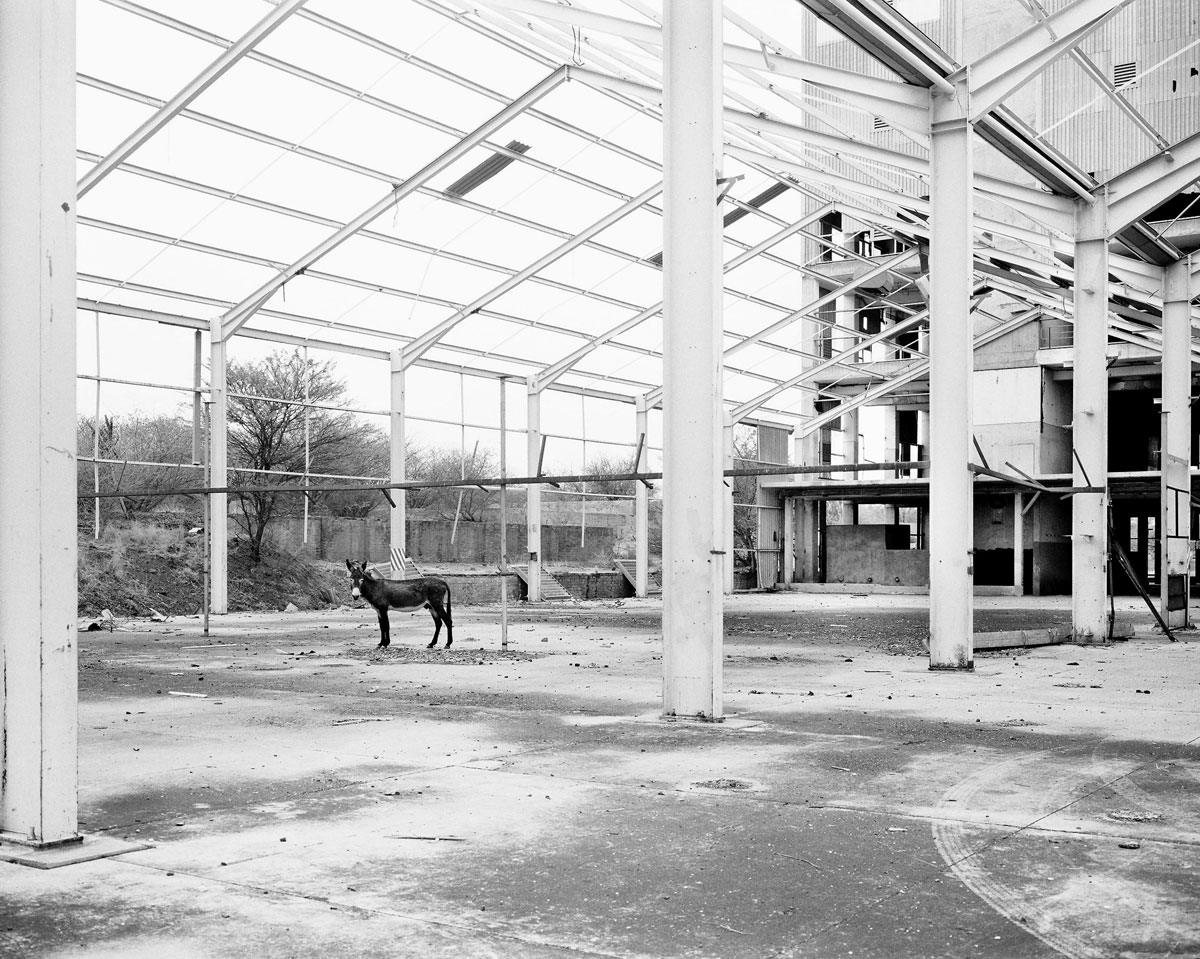
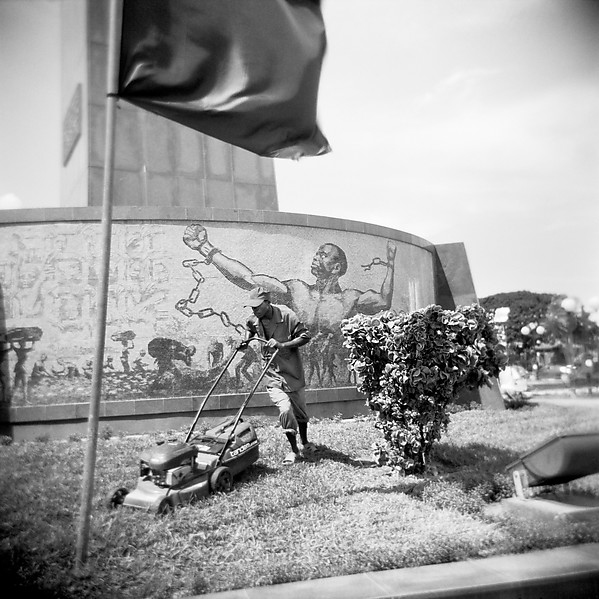
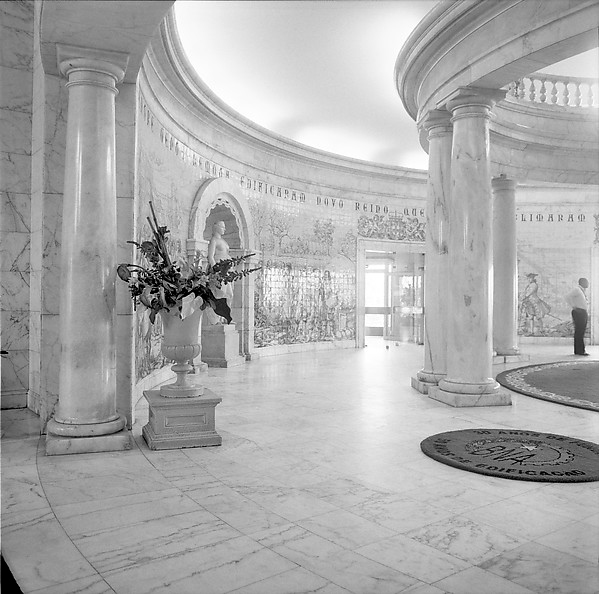
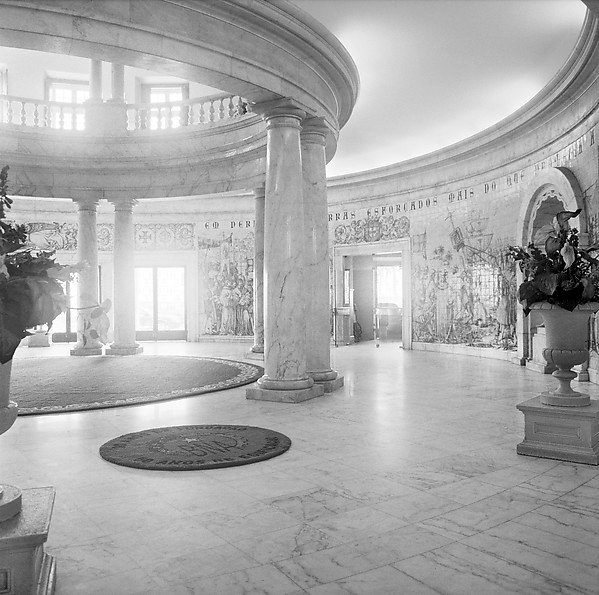
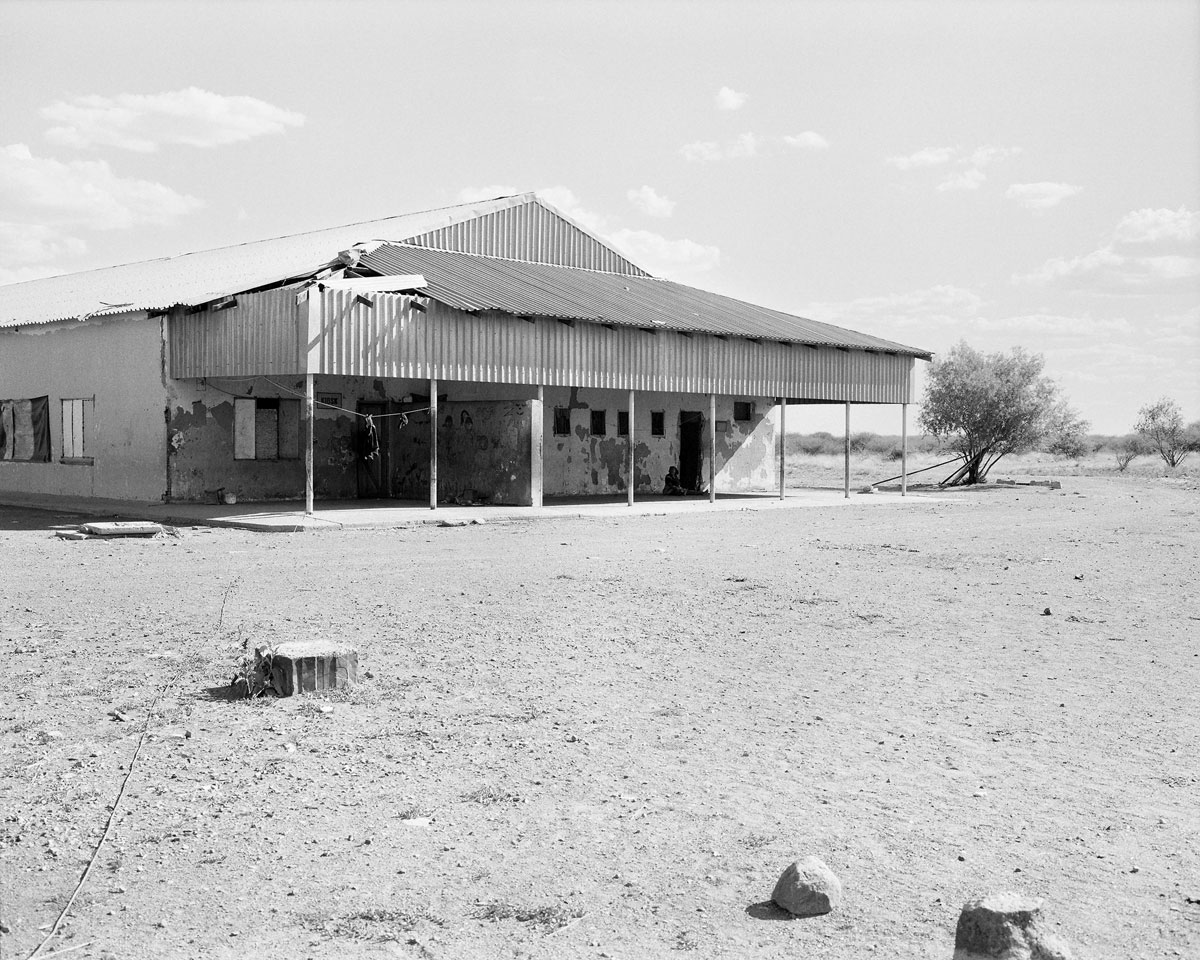
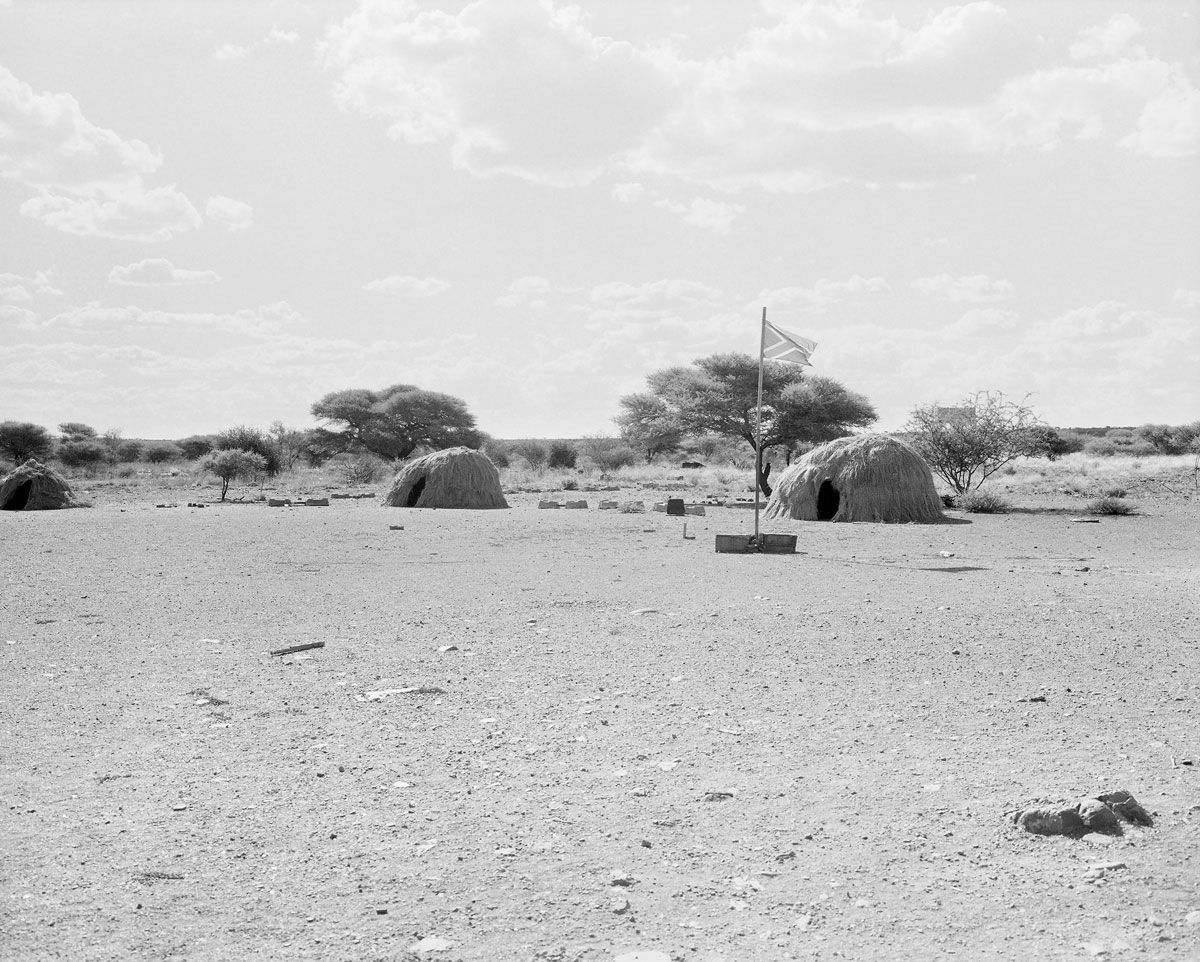
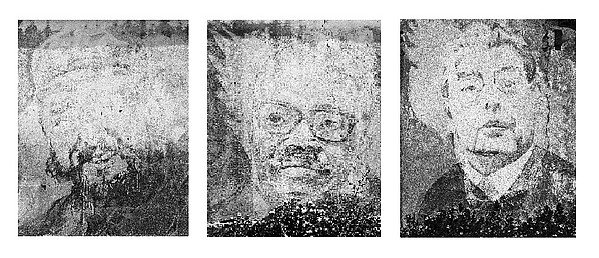
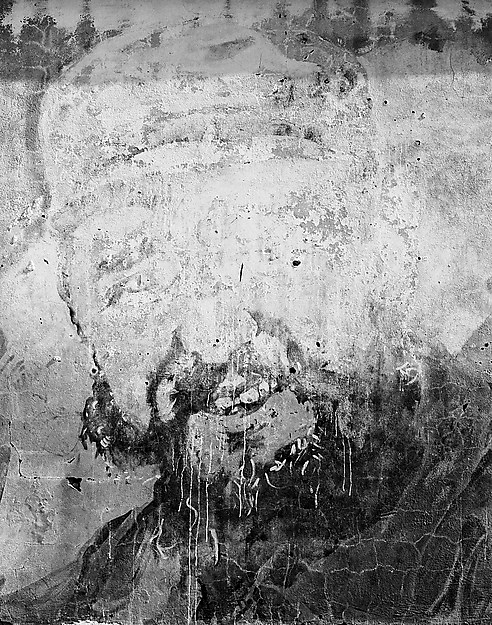
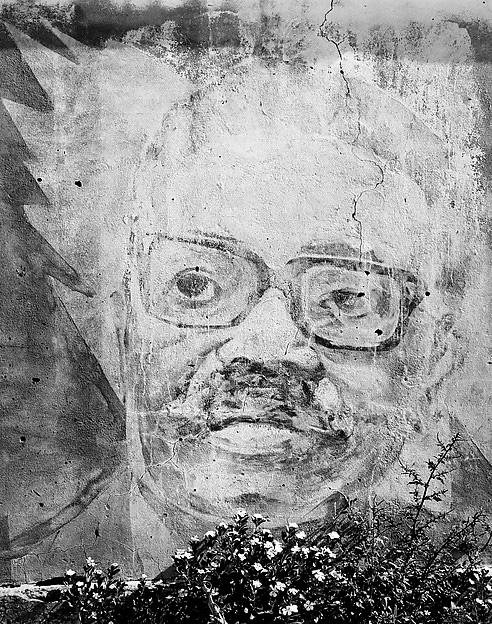
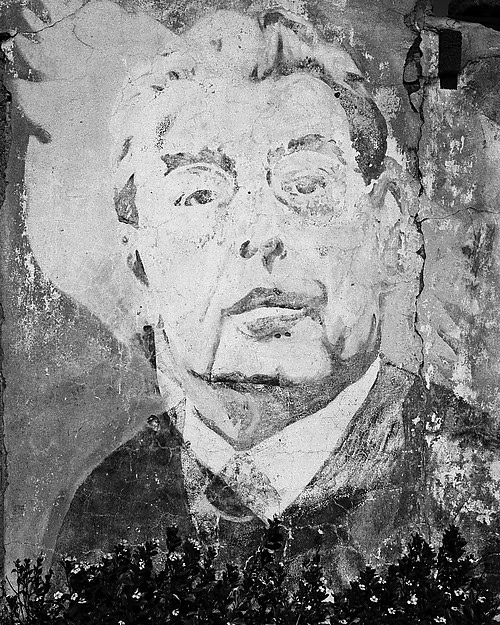
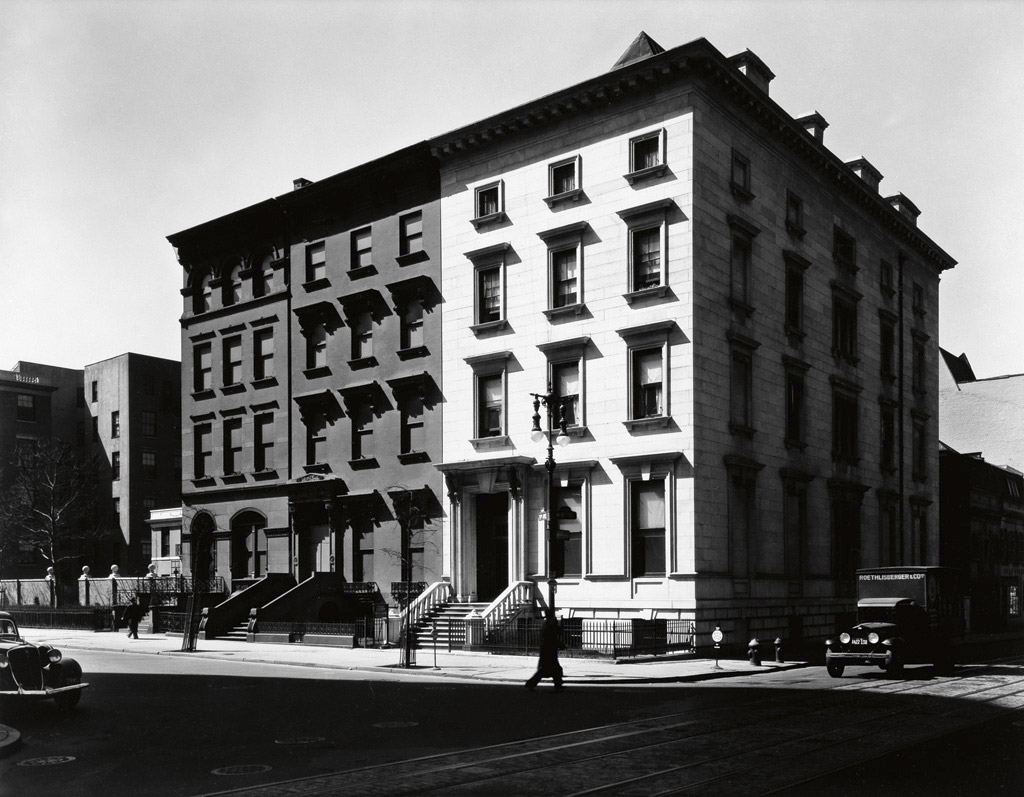


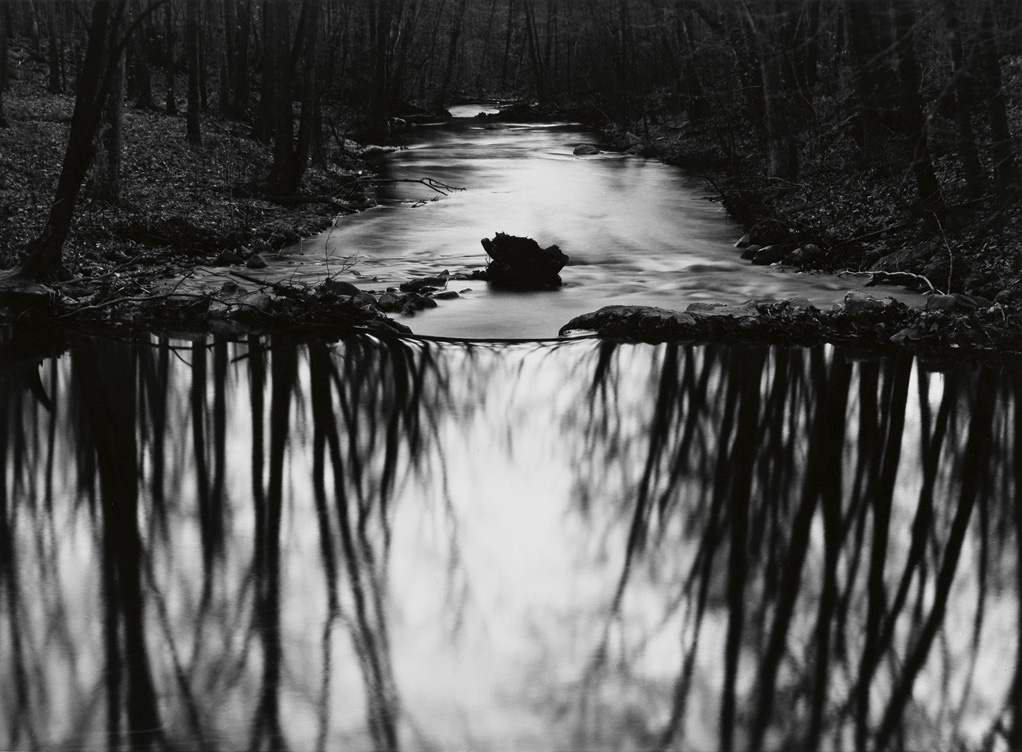
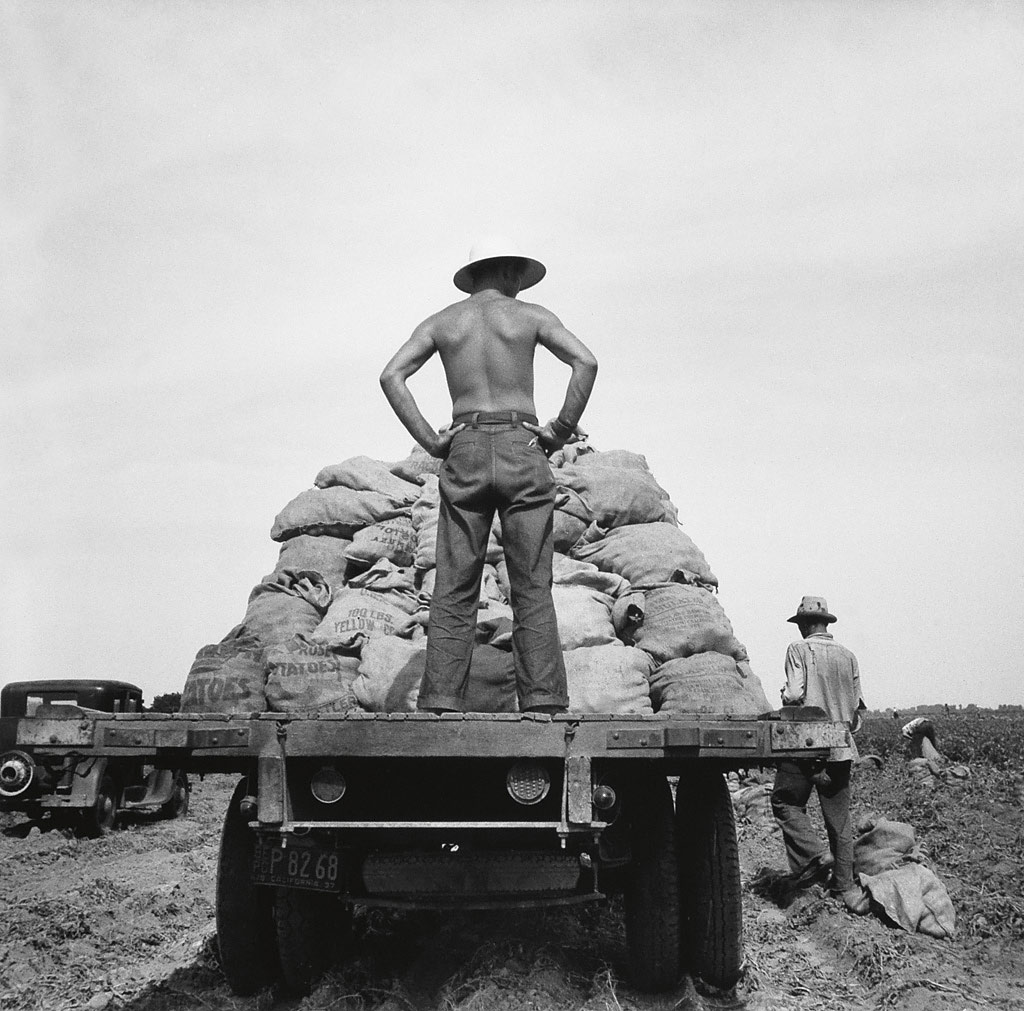

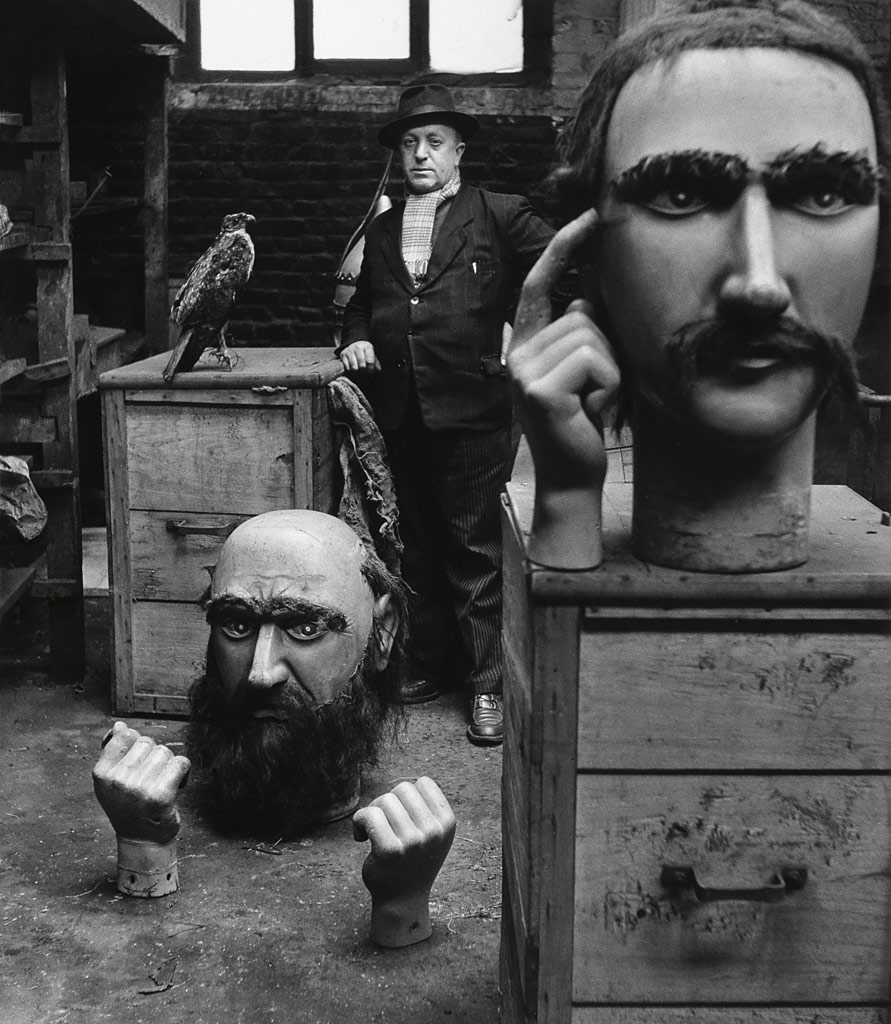
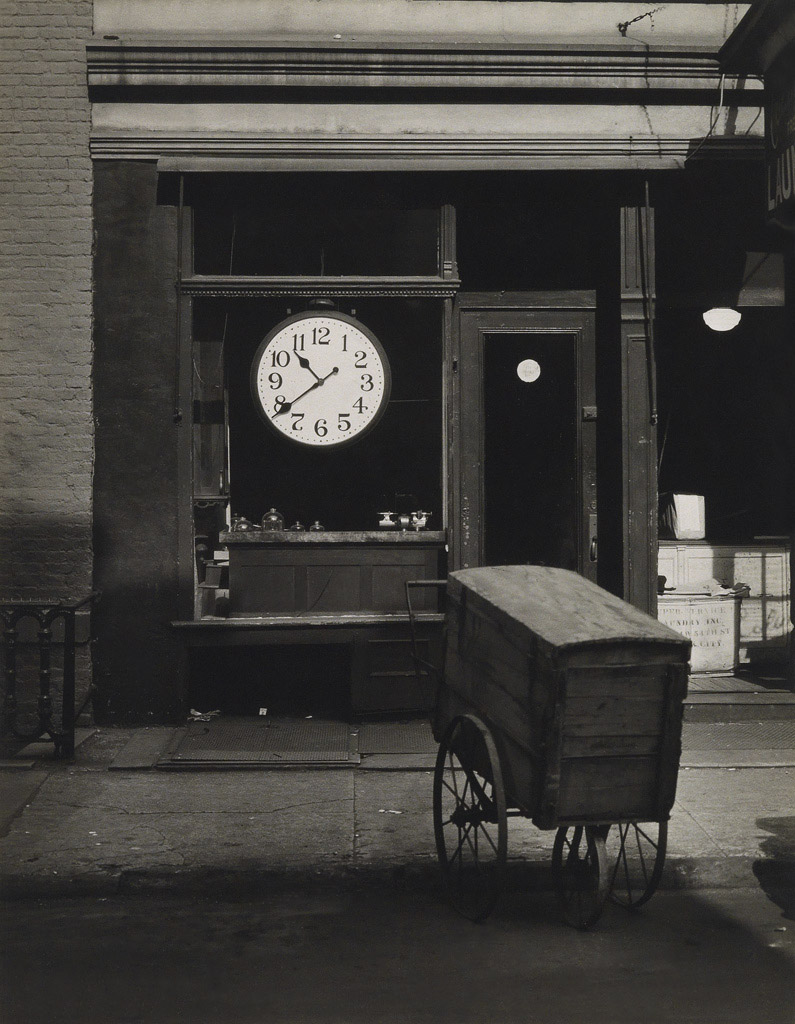
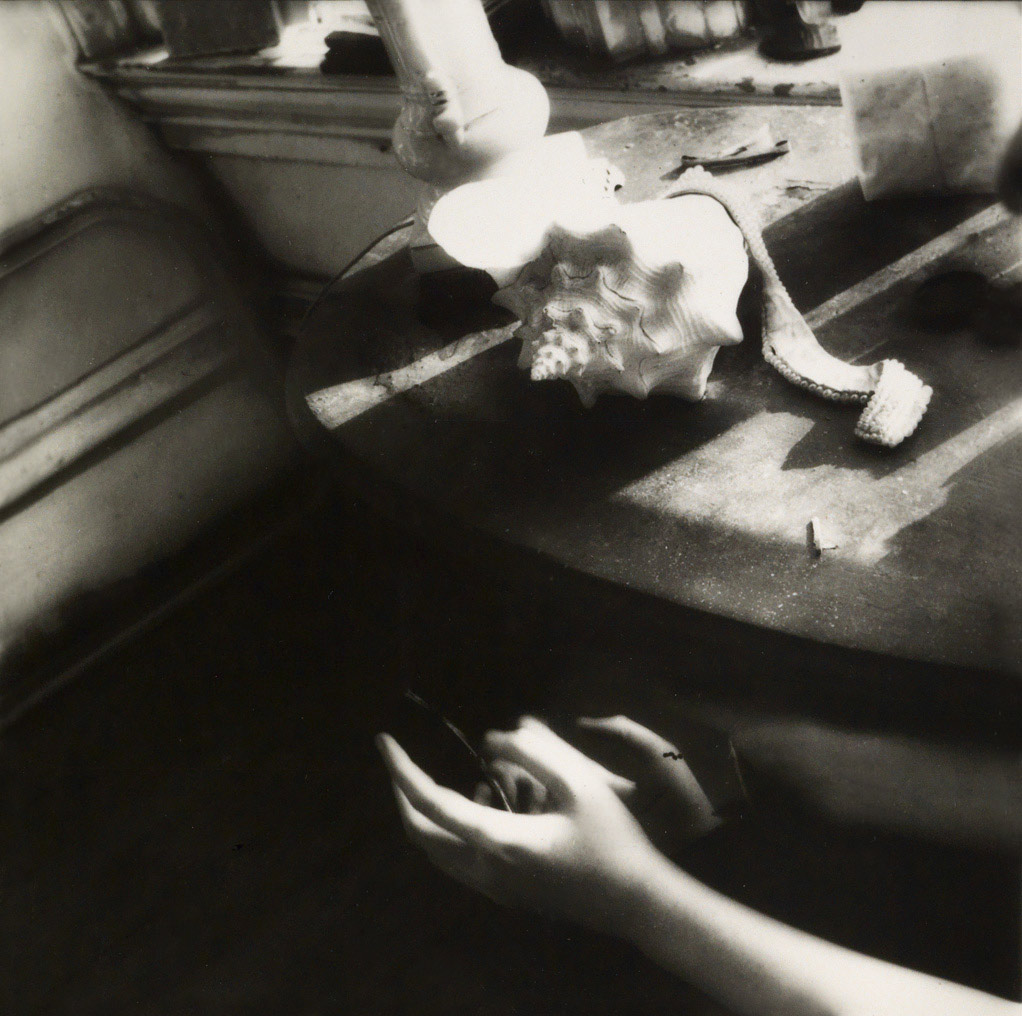
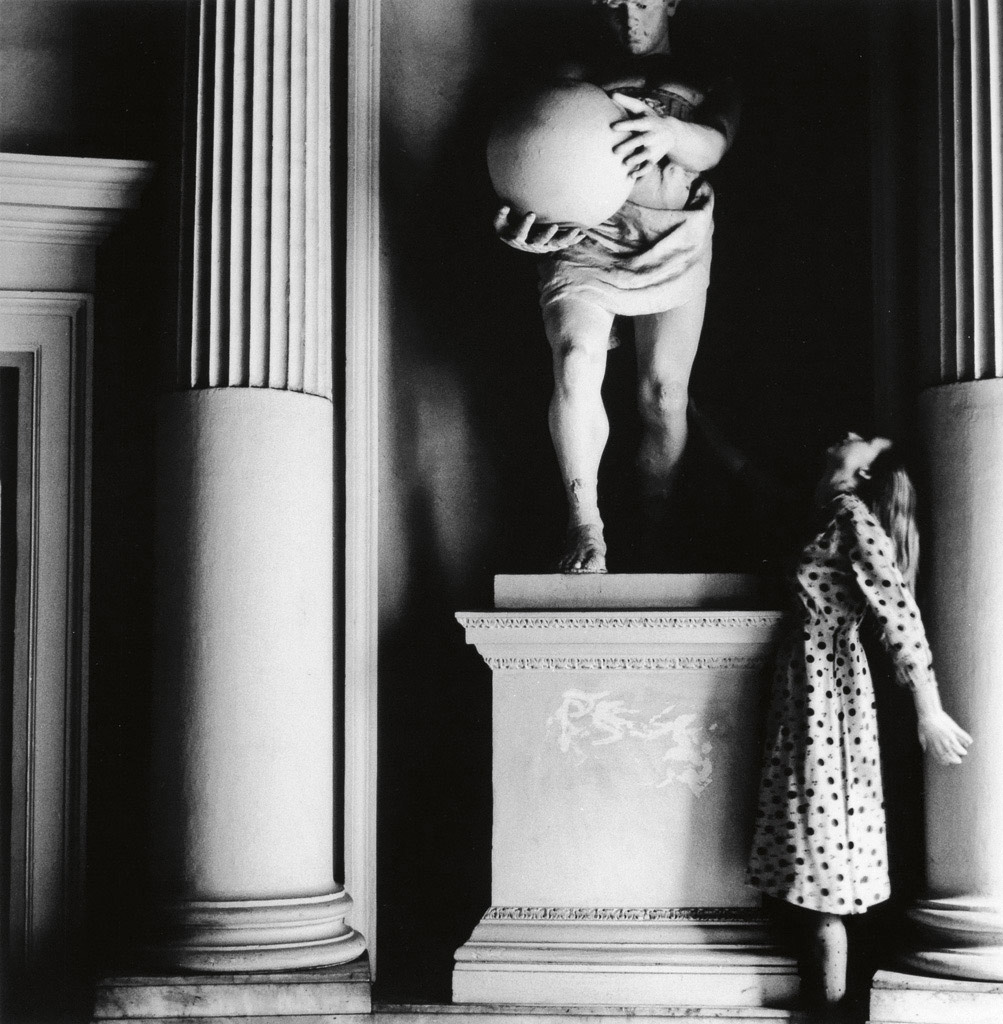
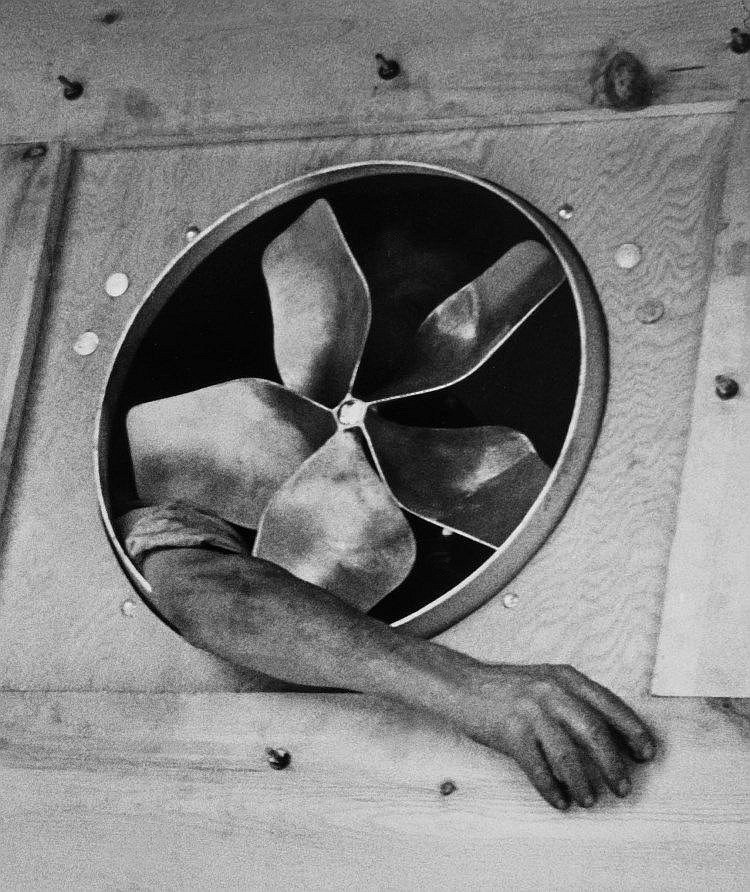
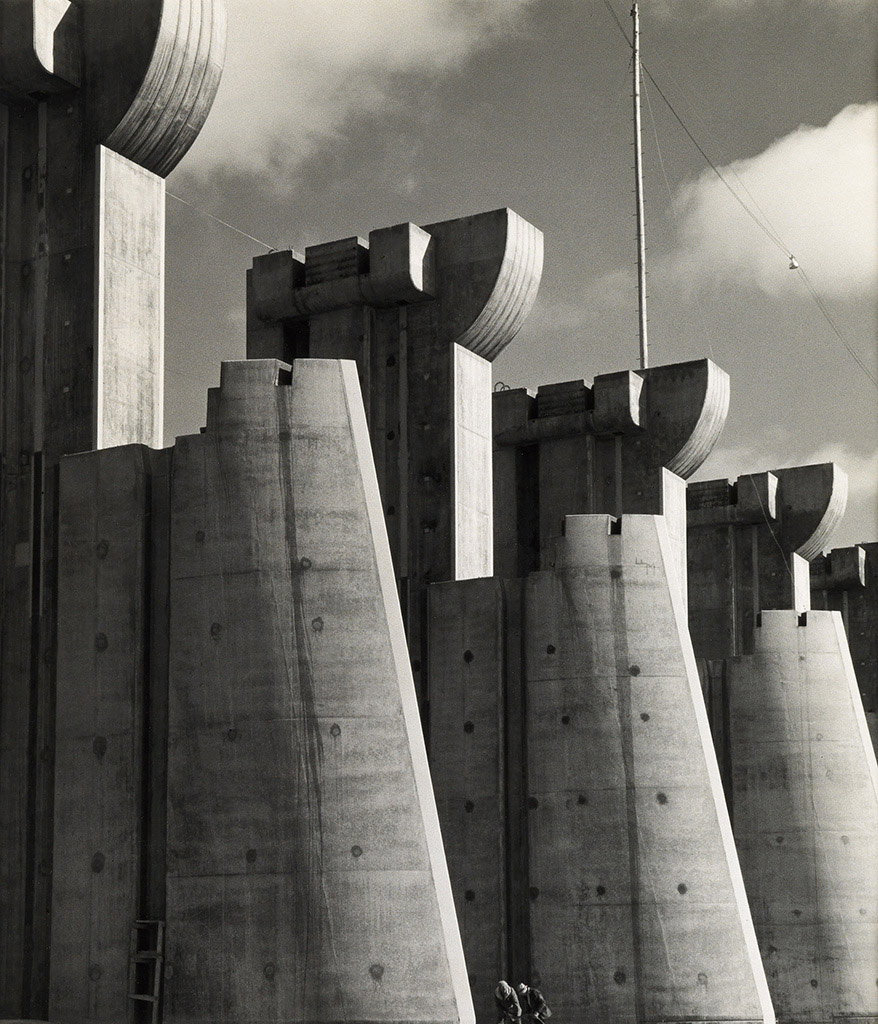
![Margaret Bourke-White (American, 1904-1971) 'Terminal Tower [Cleveland]' c. 1928](https://artblart.com/wp-content/uploads/2015/03/margaret-bourke-white-terminal-tower-cleveland-web.jpg "Margaret Bourke-White (American, 1904-1971) 'Terminal Tower [Cleveland]' c. 1928")
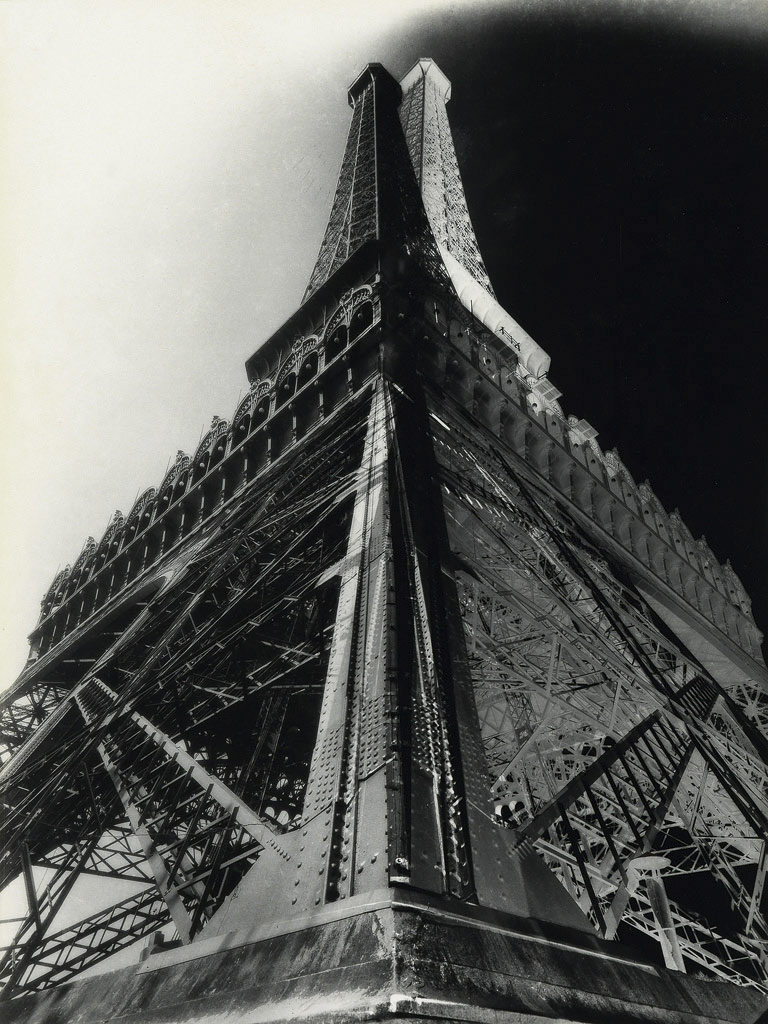
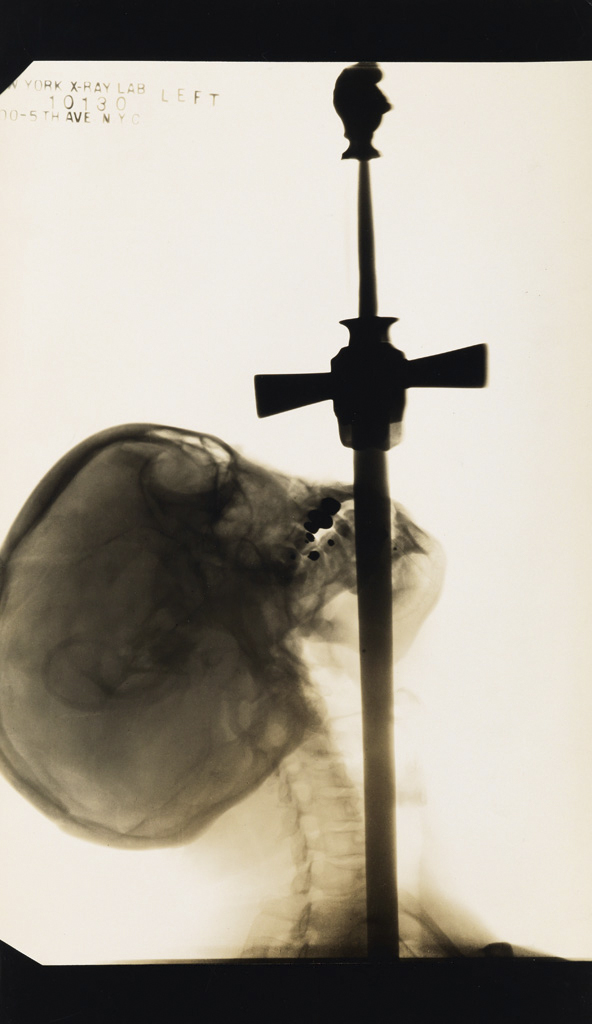
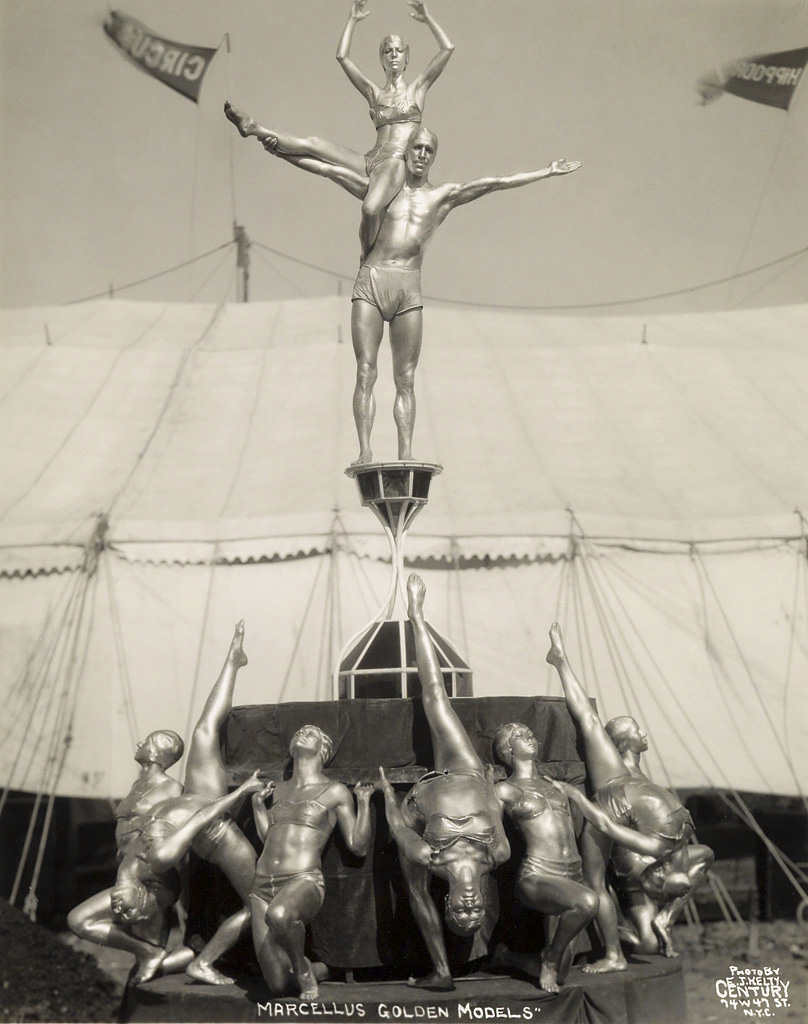

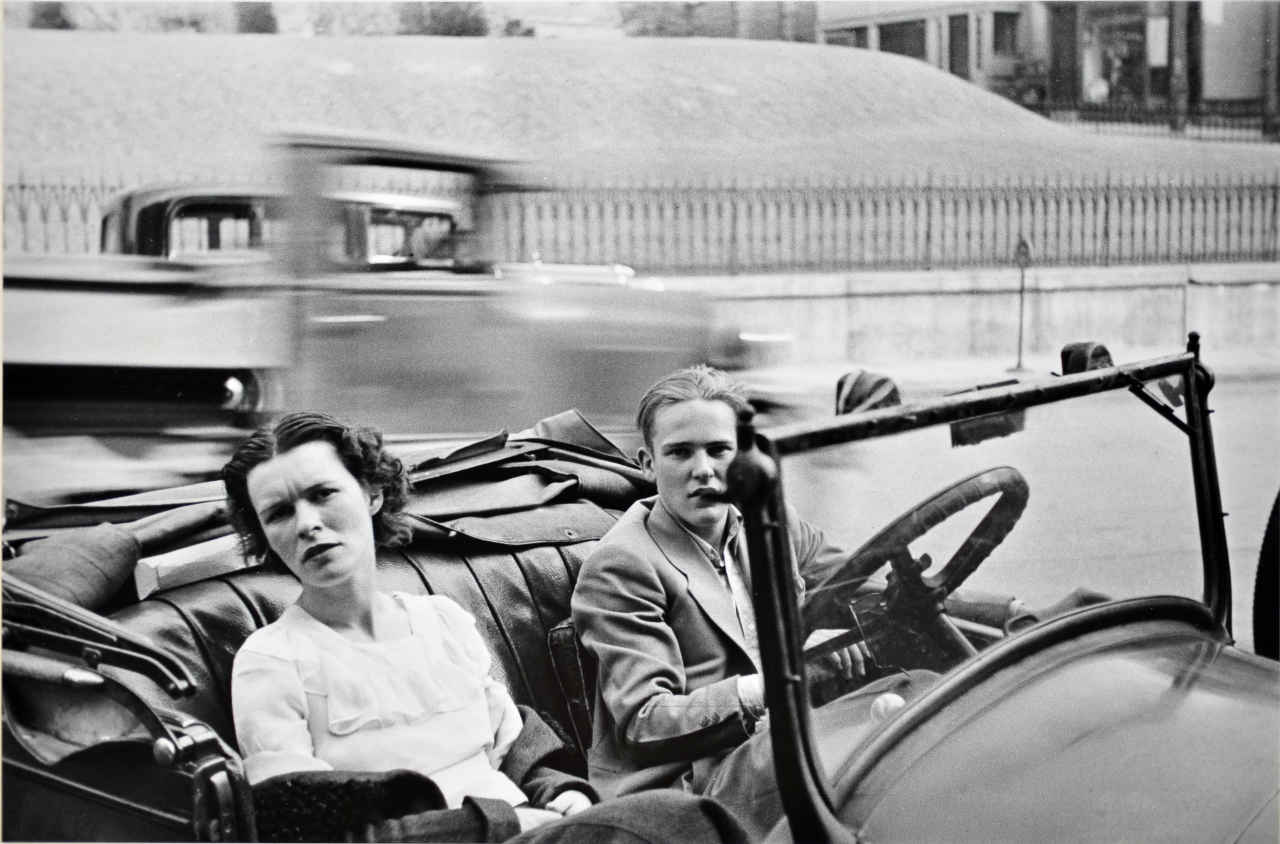


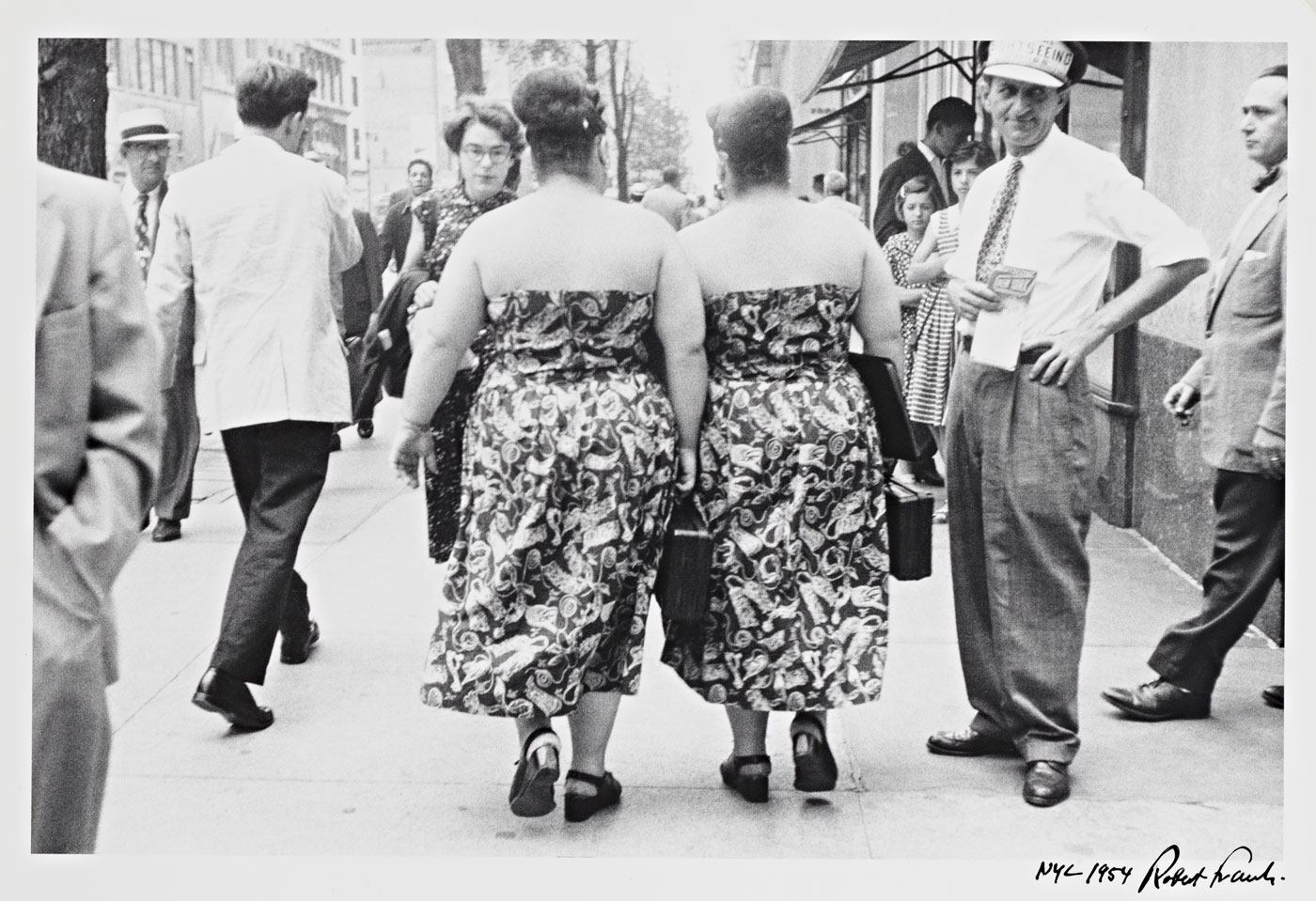

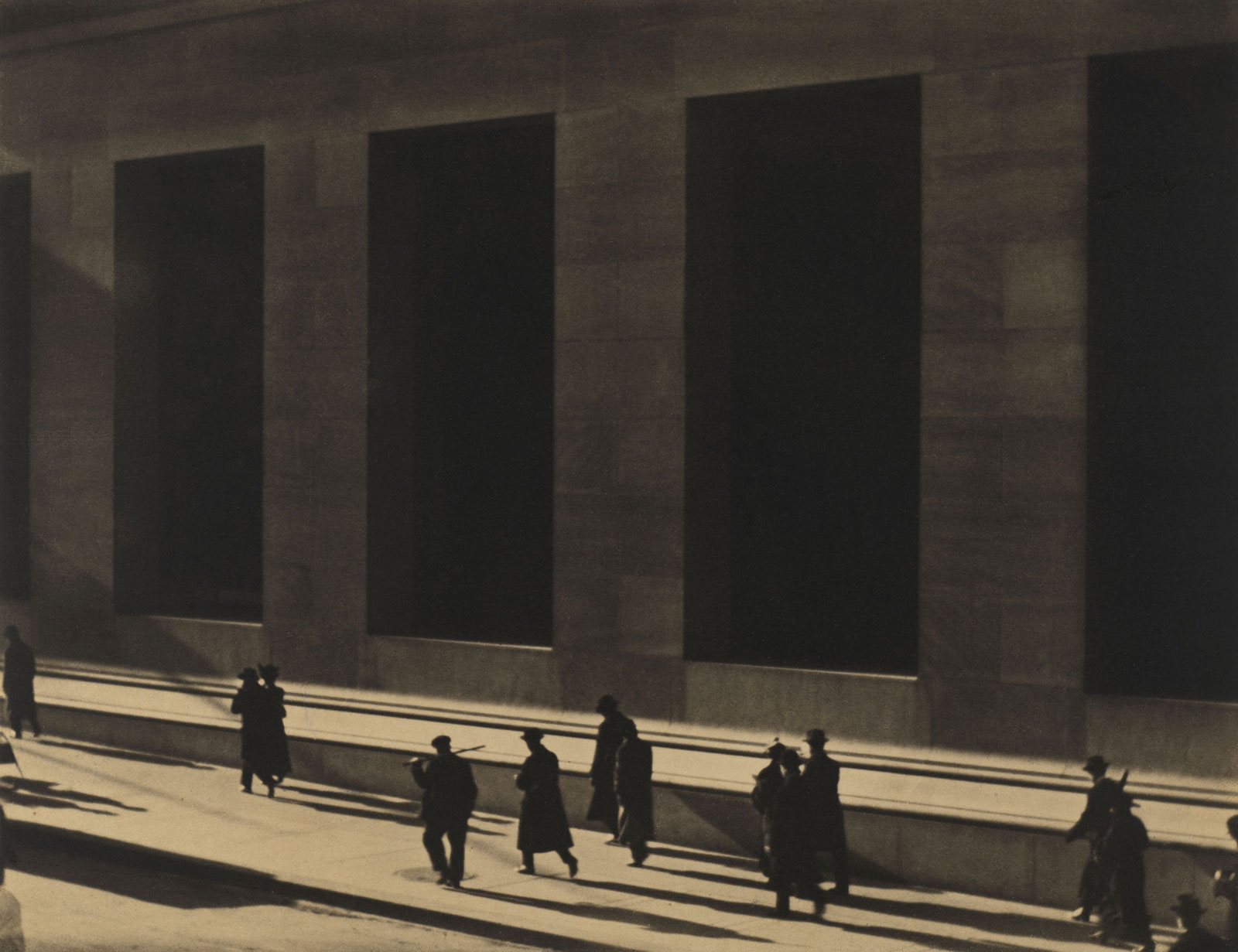
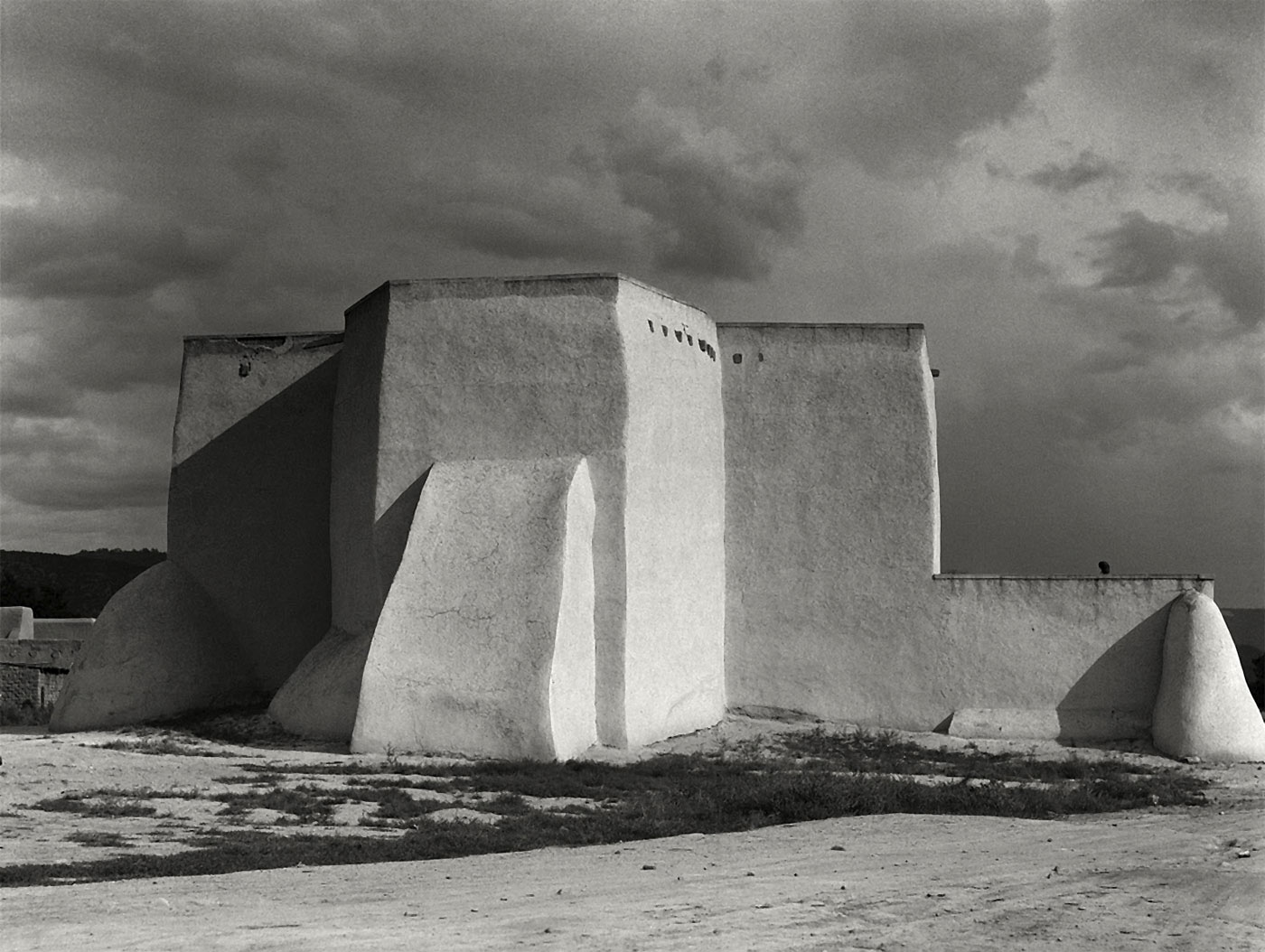
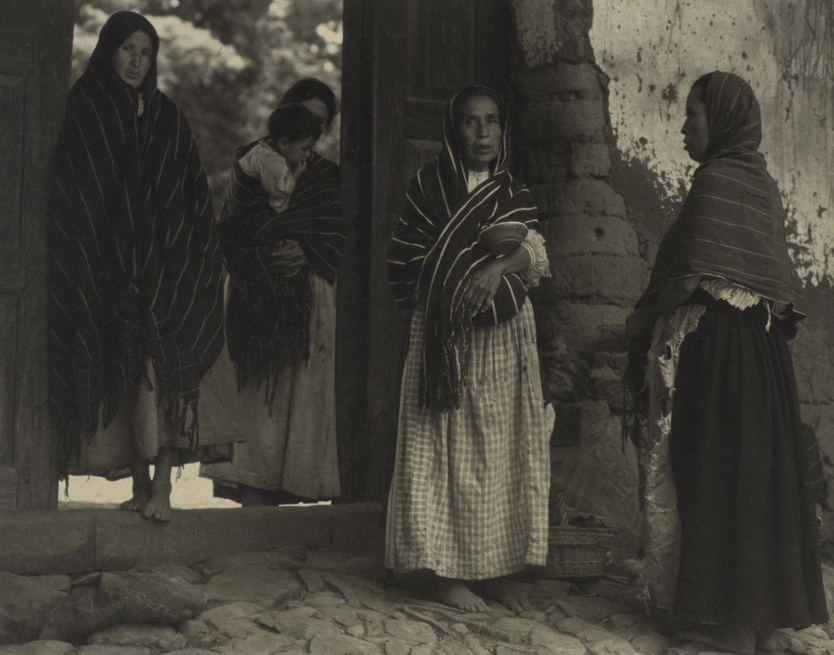

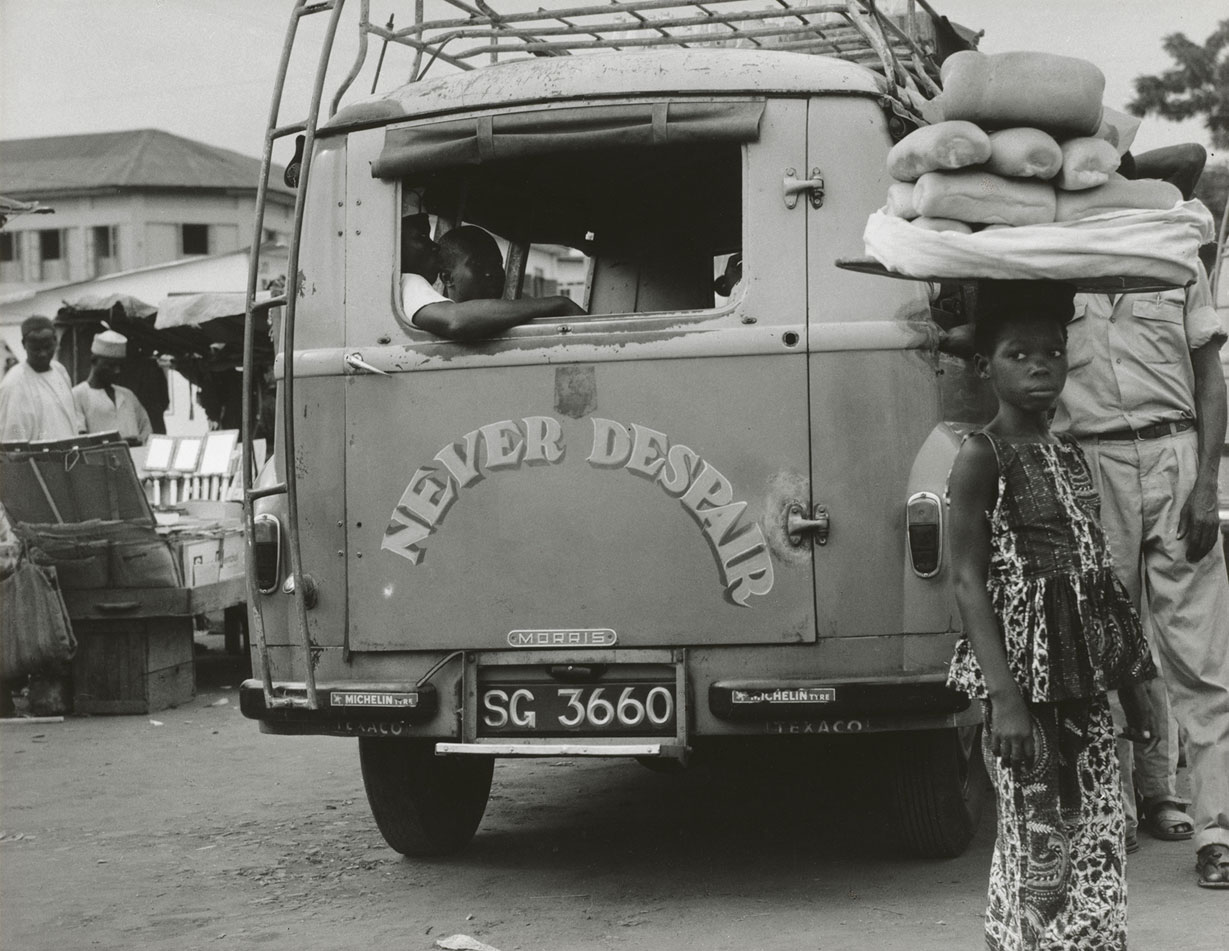
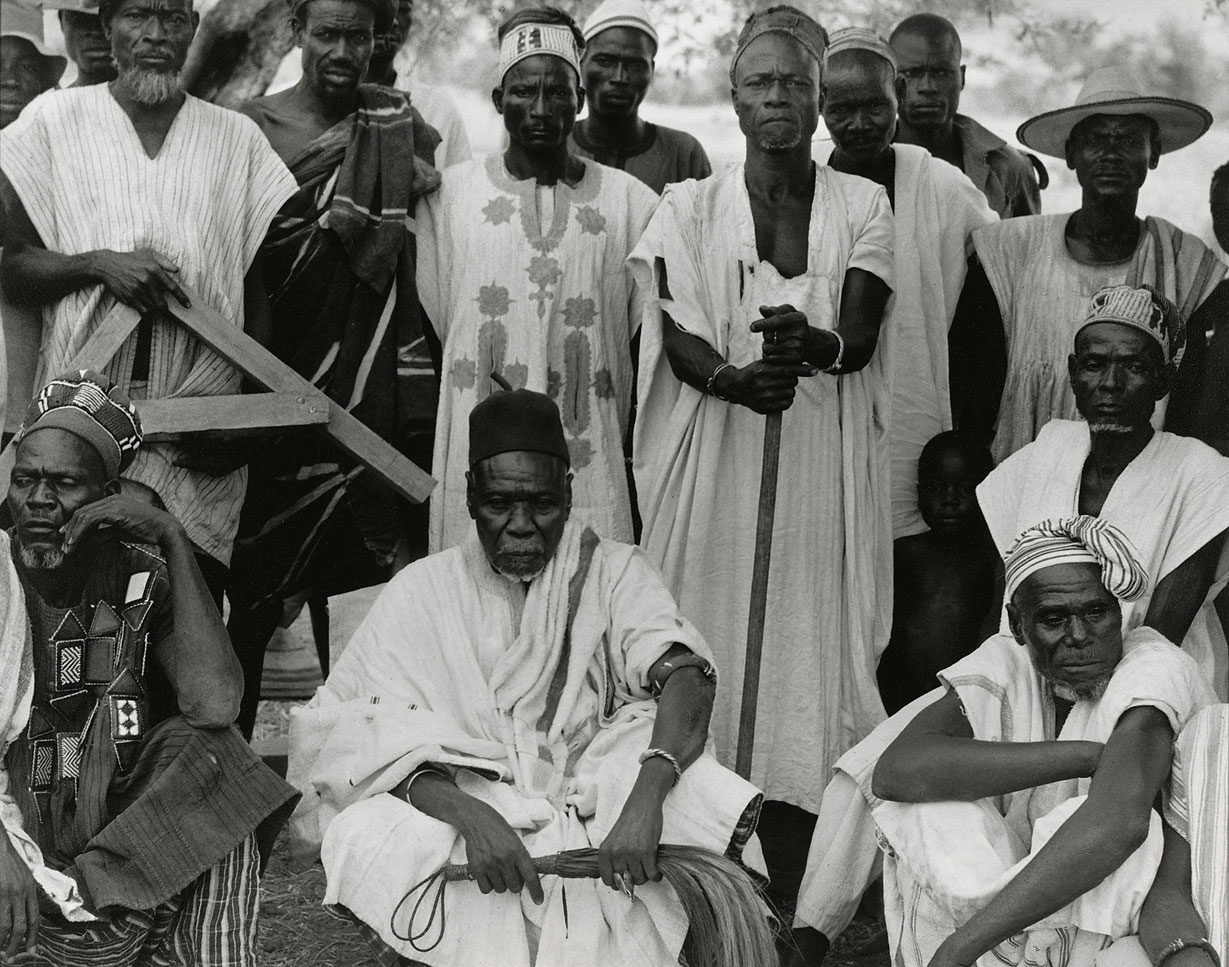


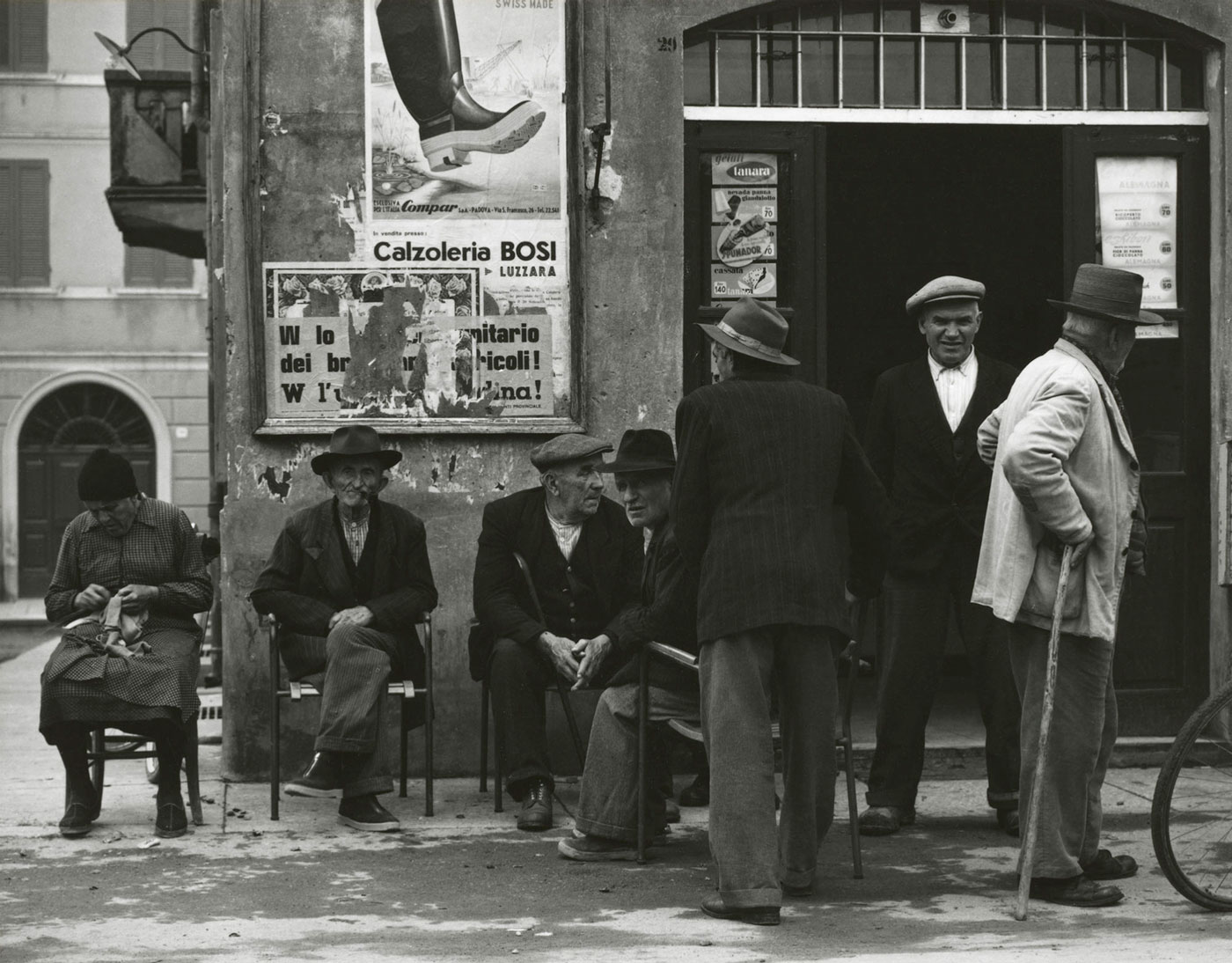
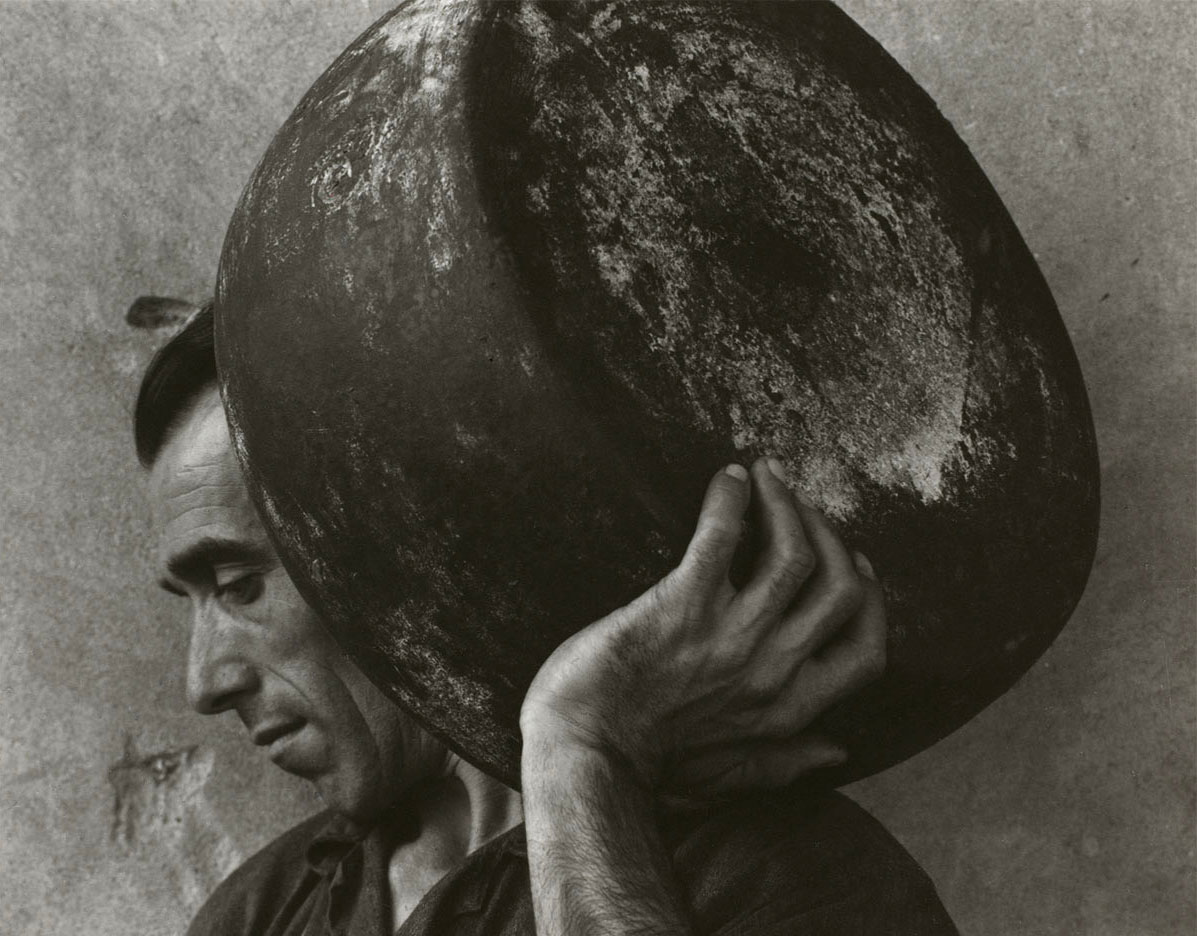
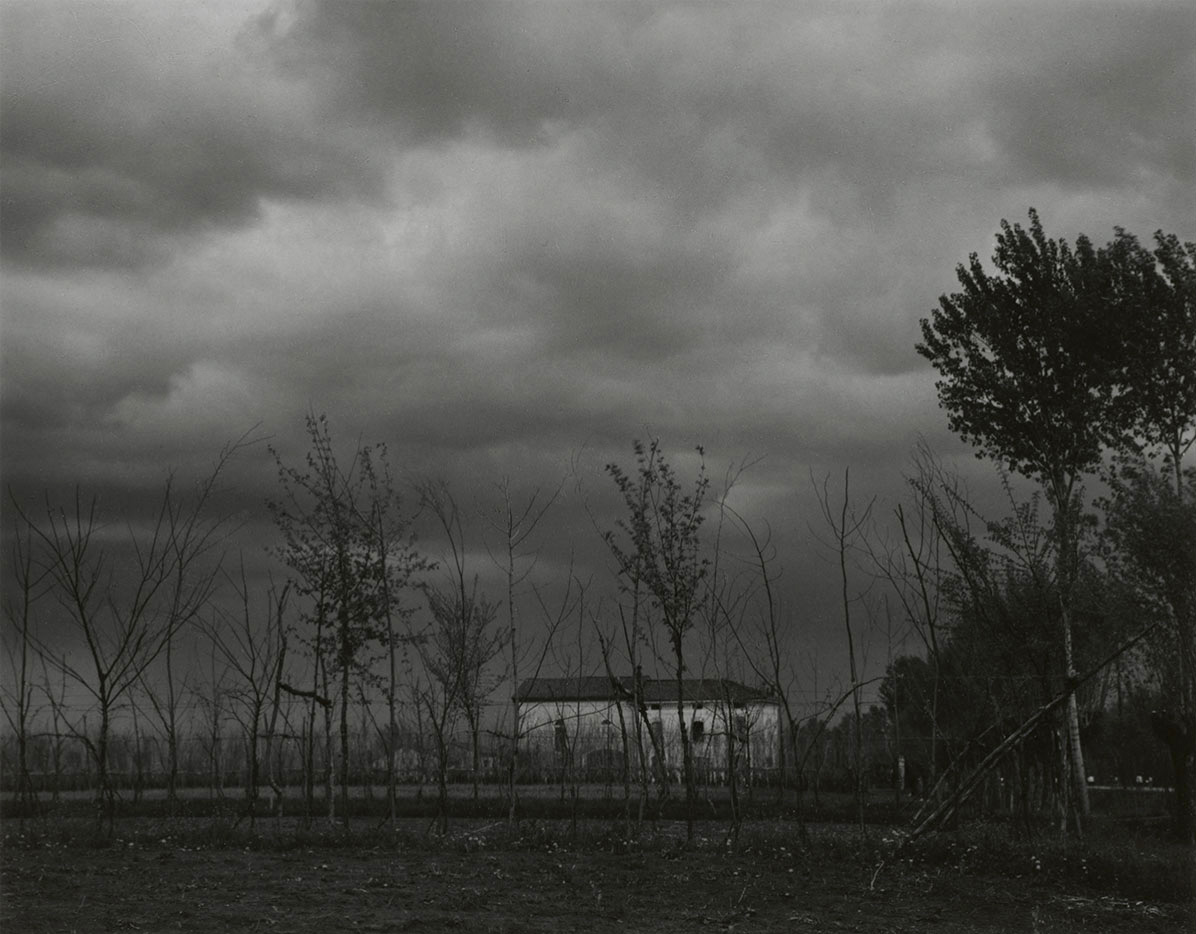

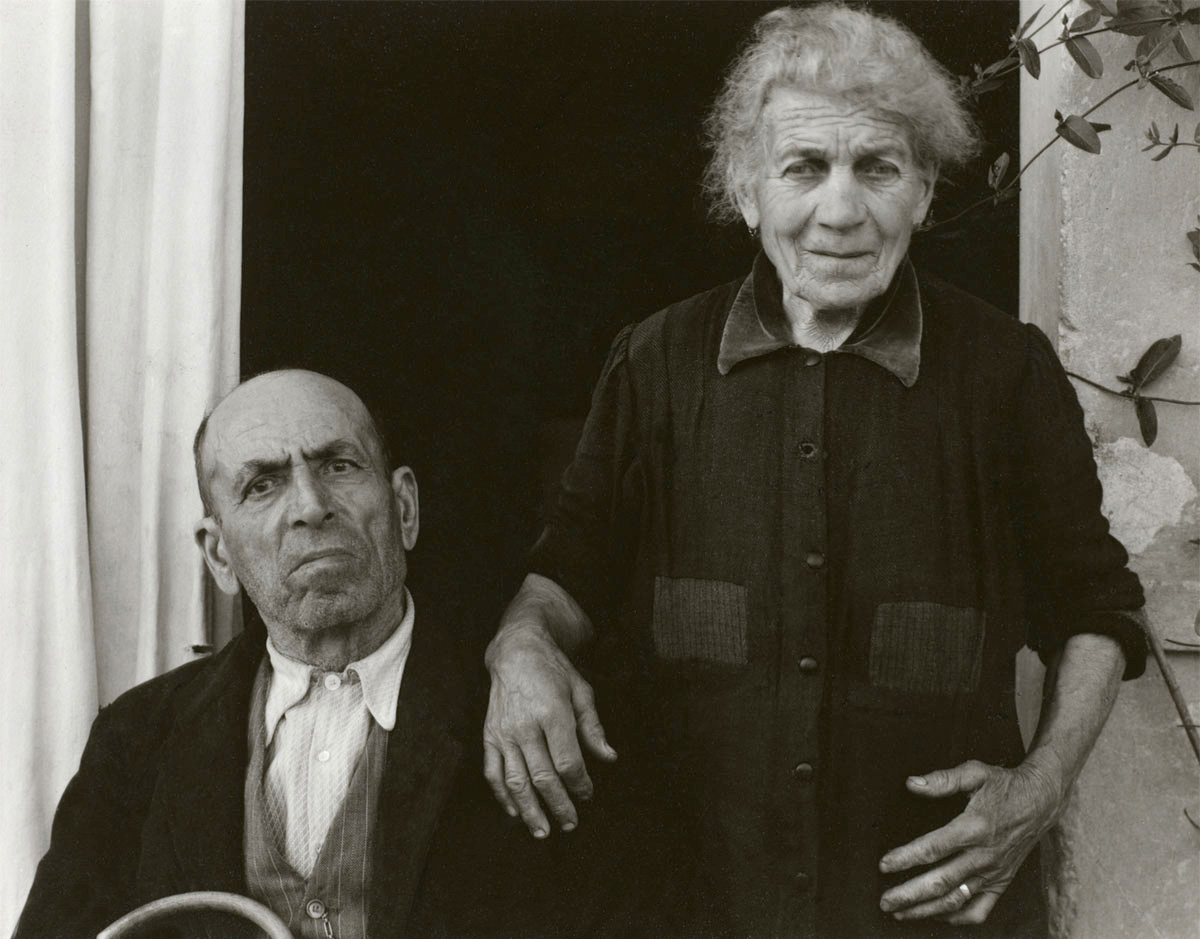
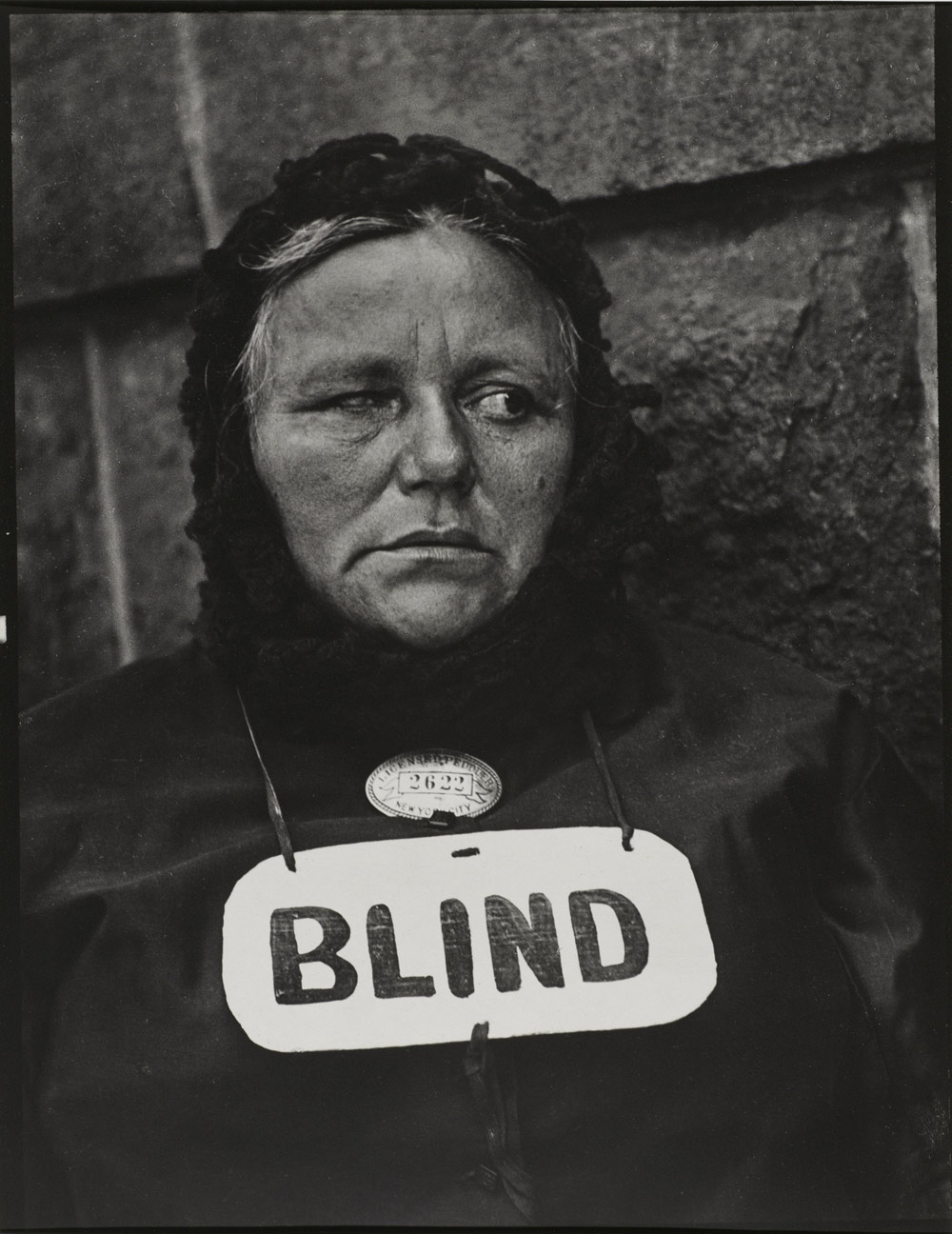


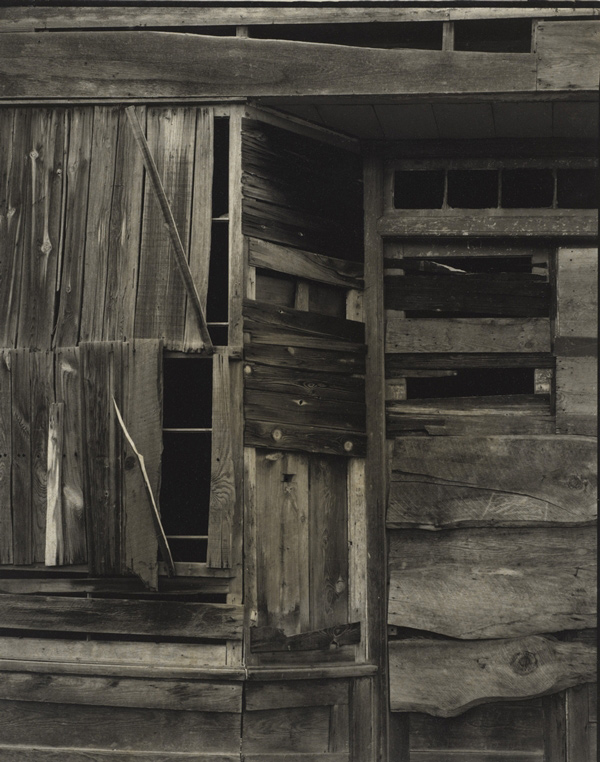
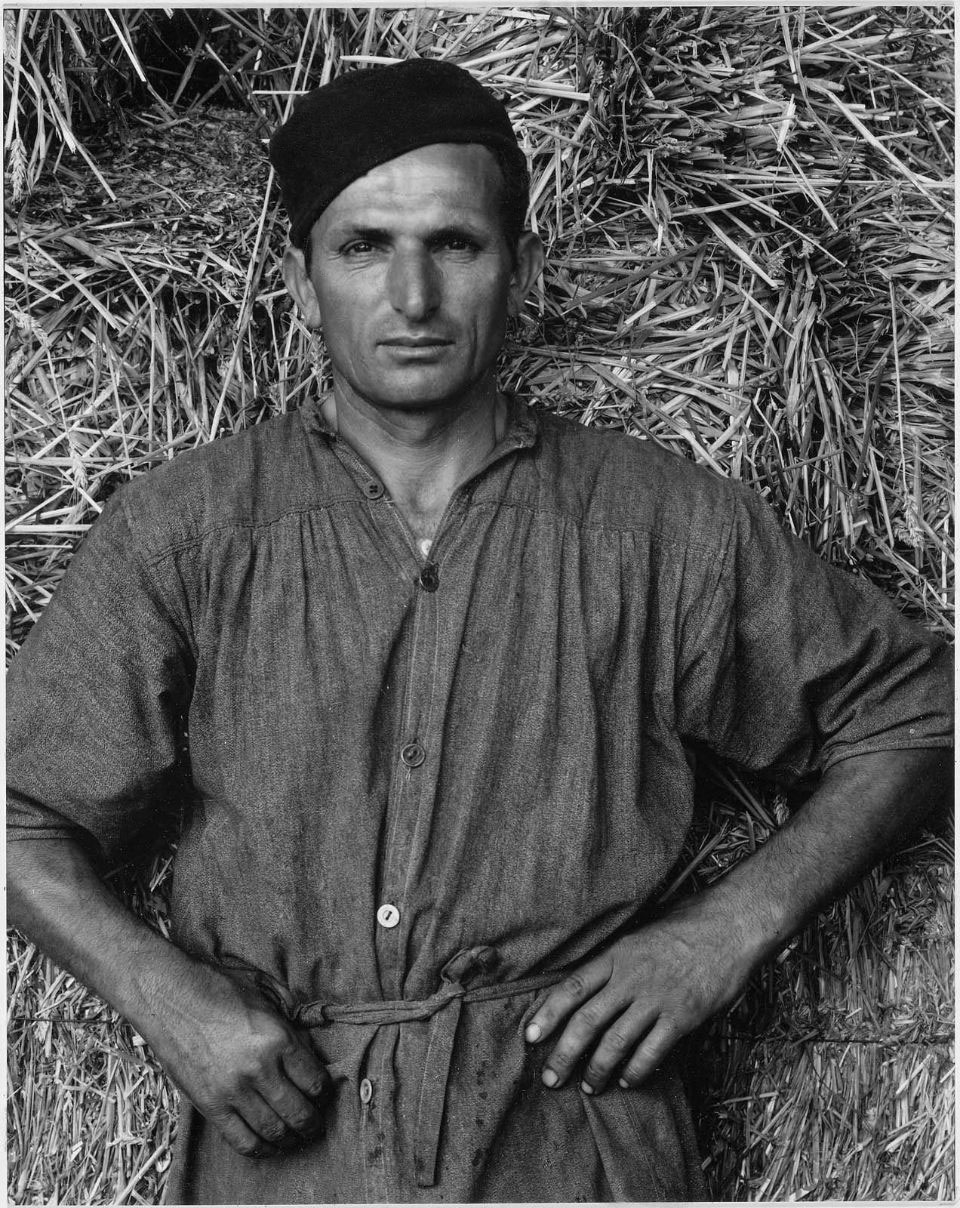
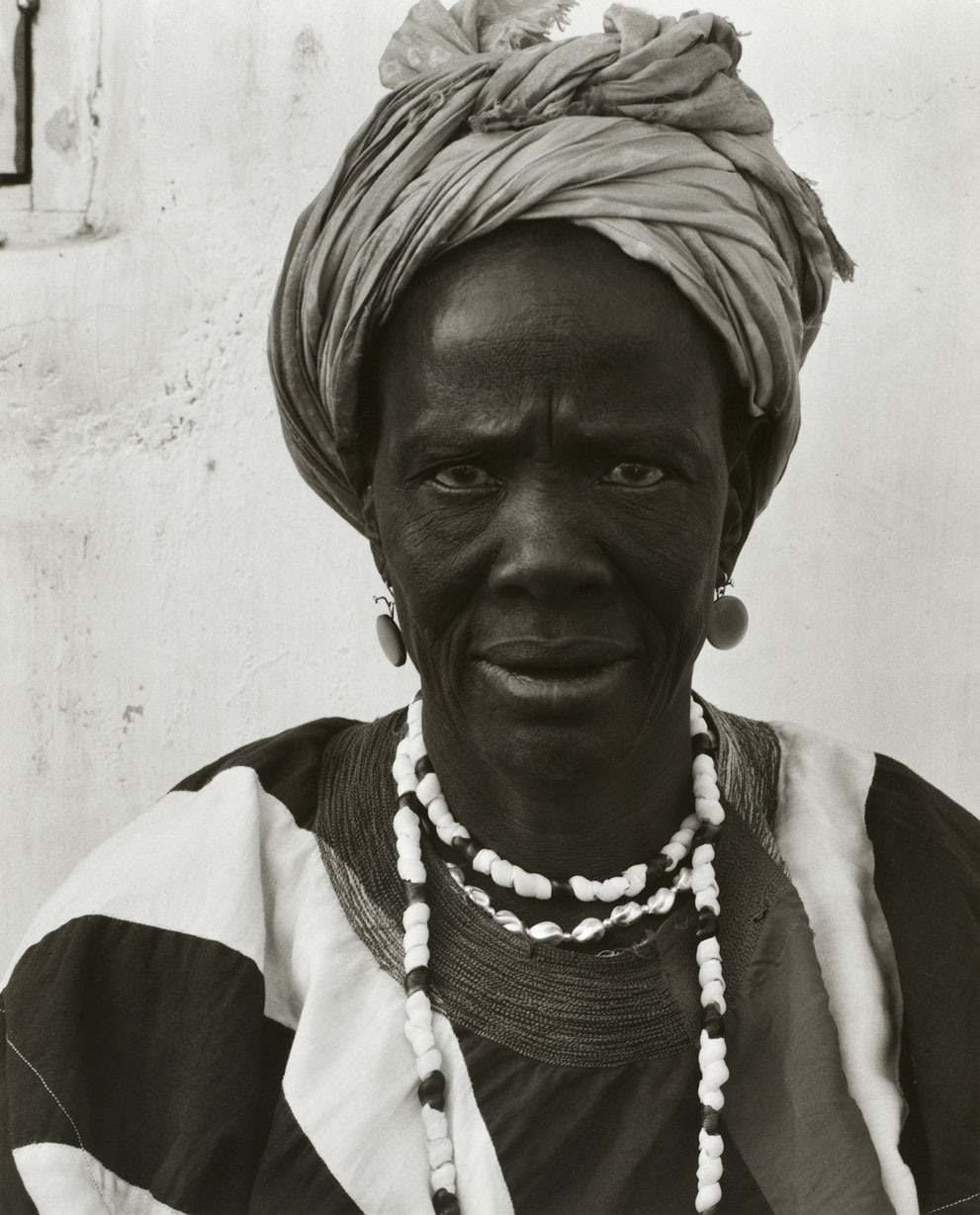
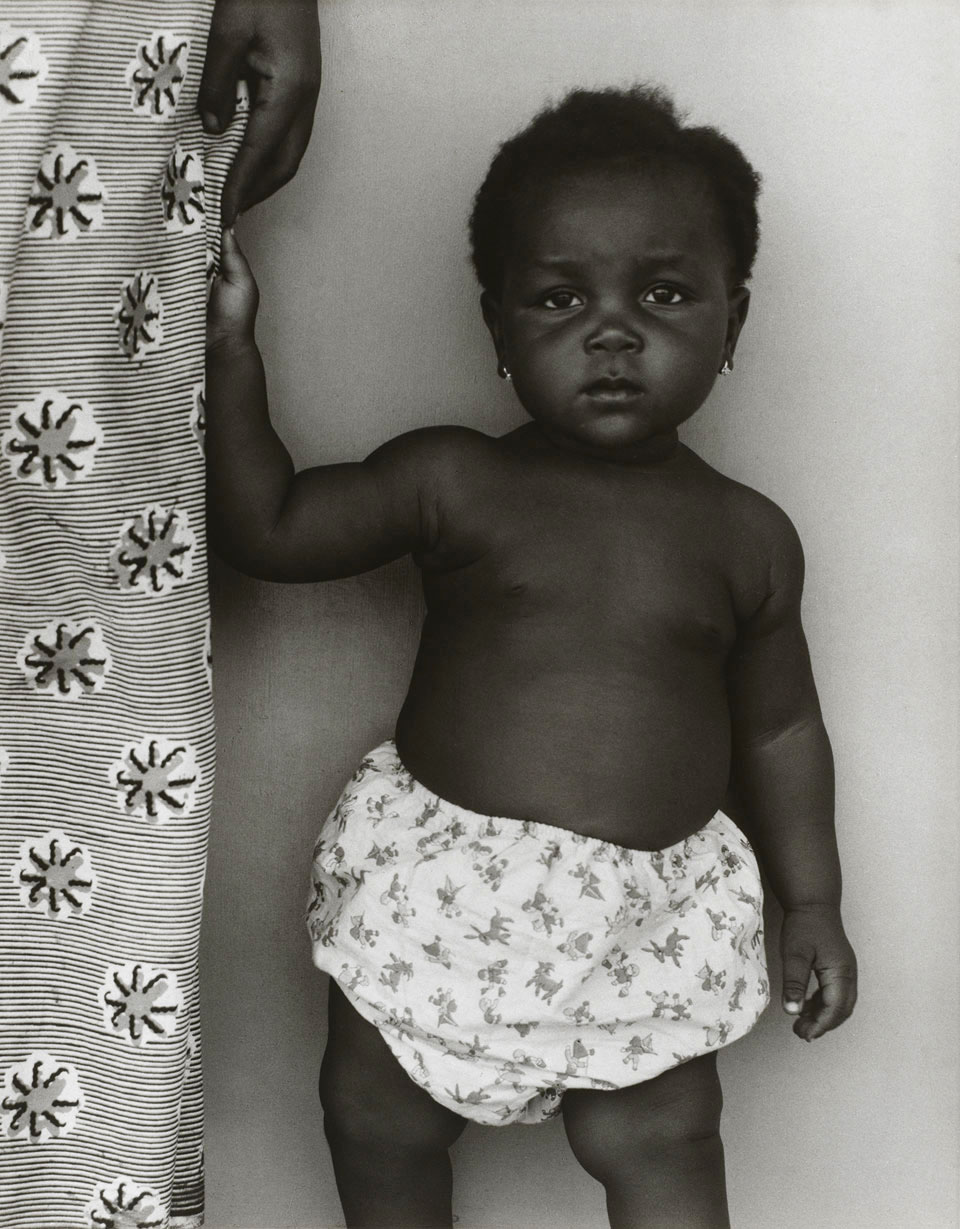
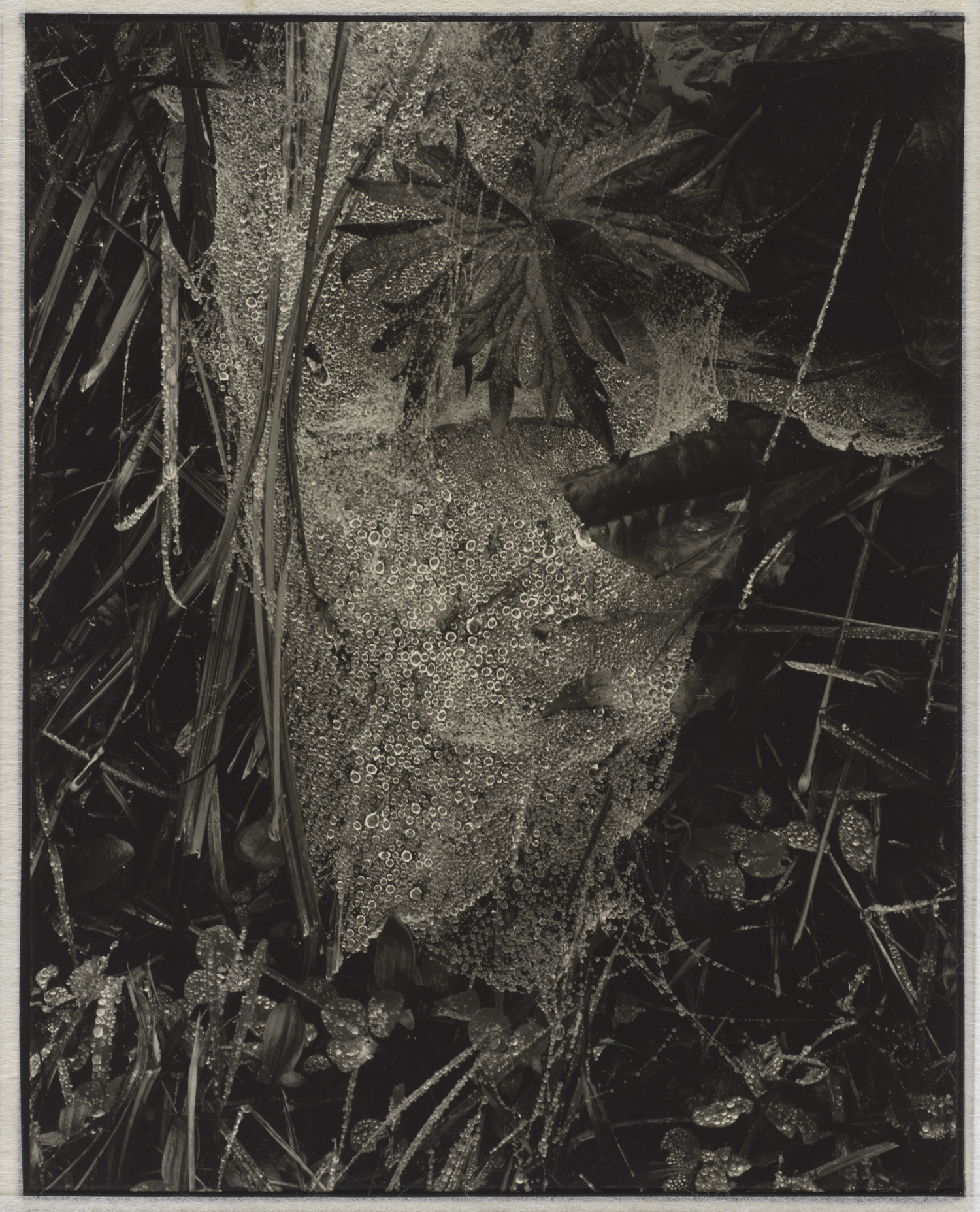


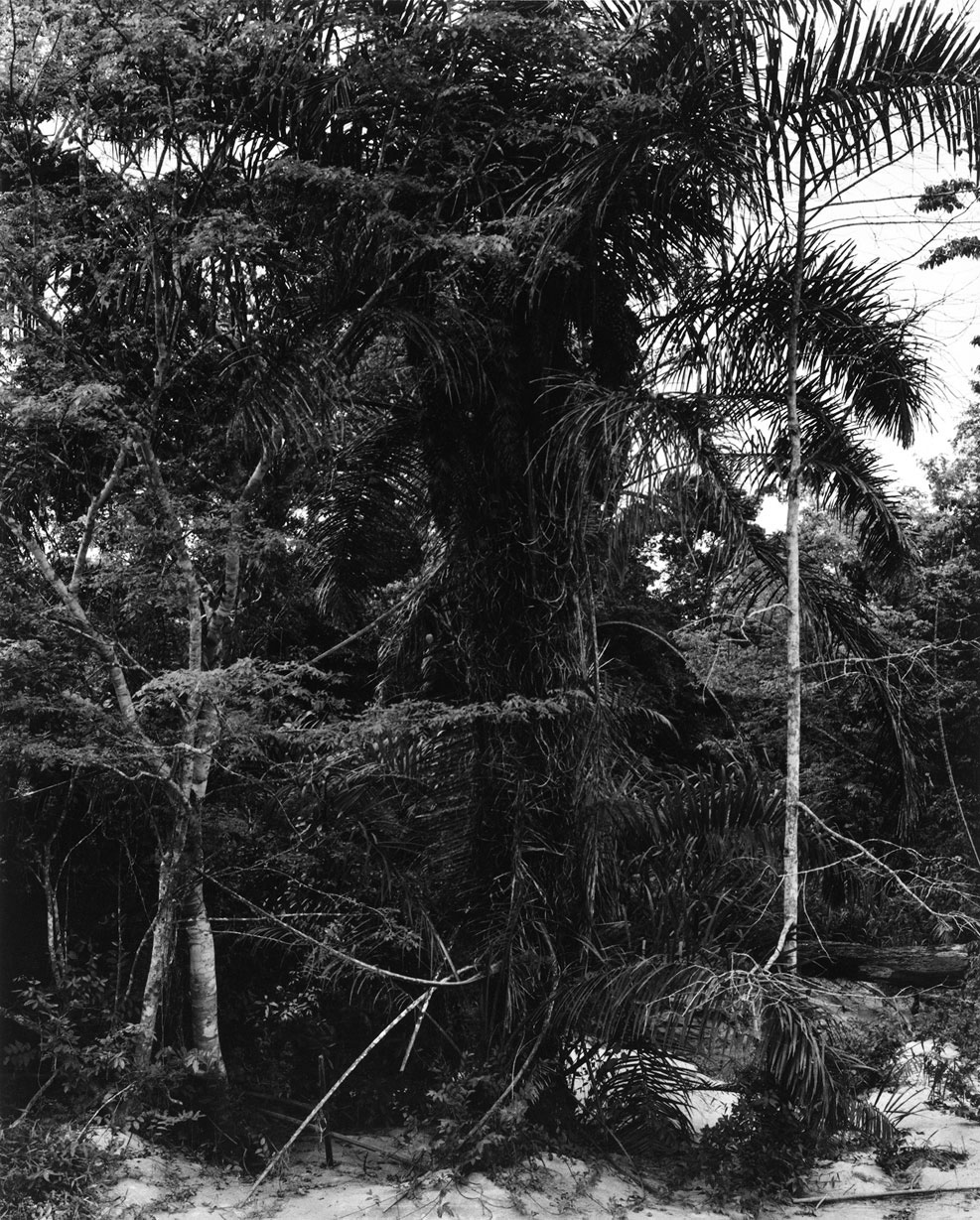


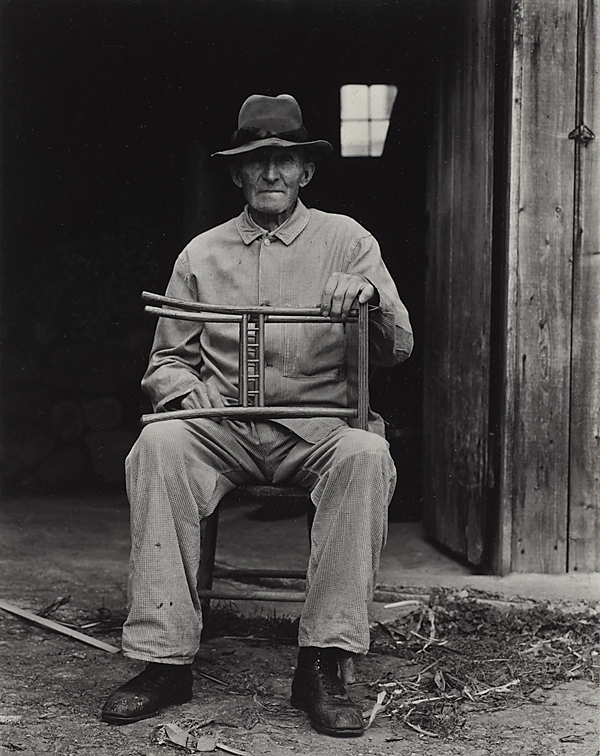
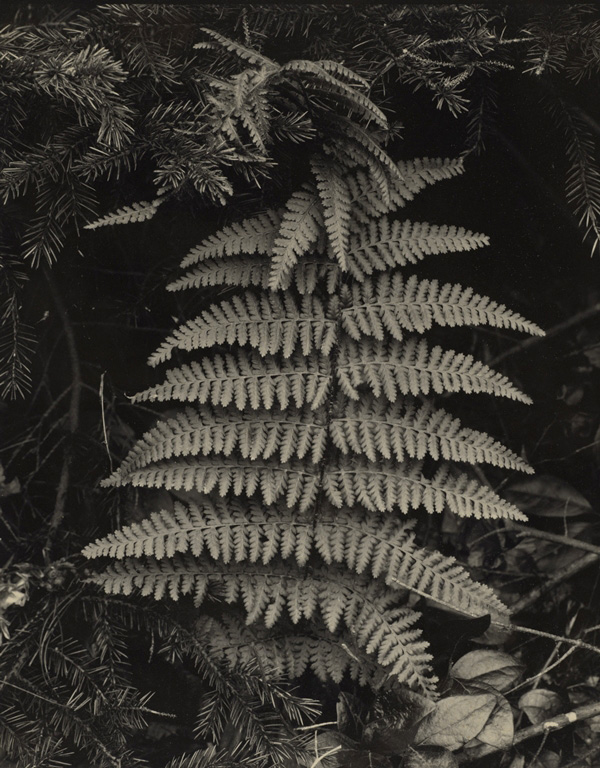
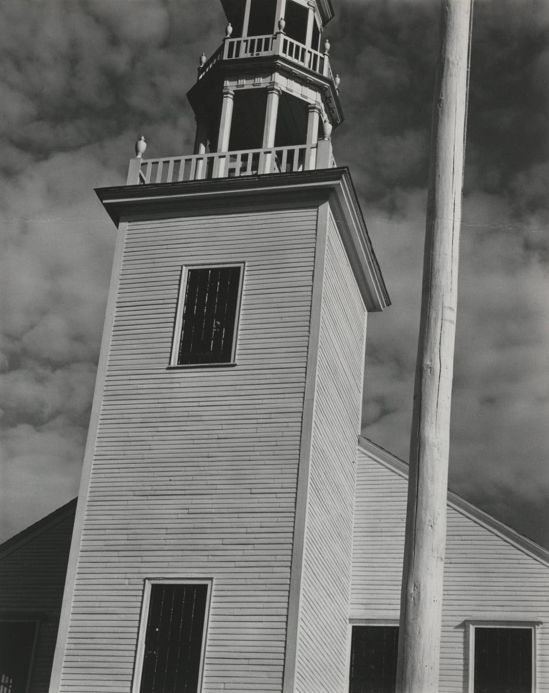

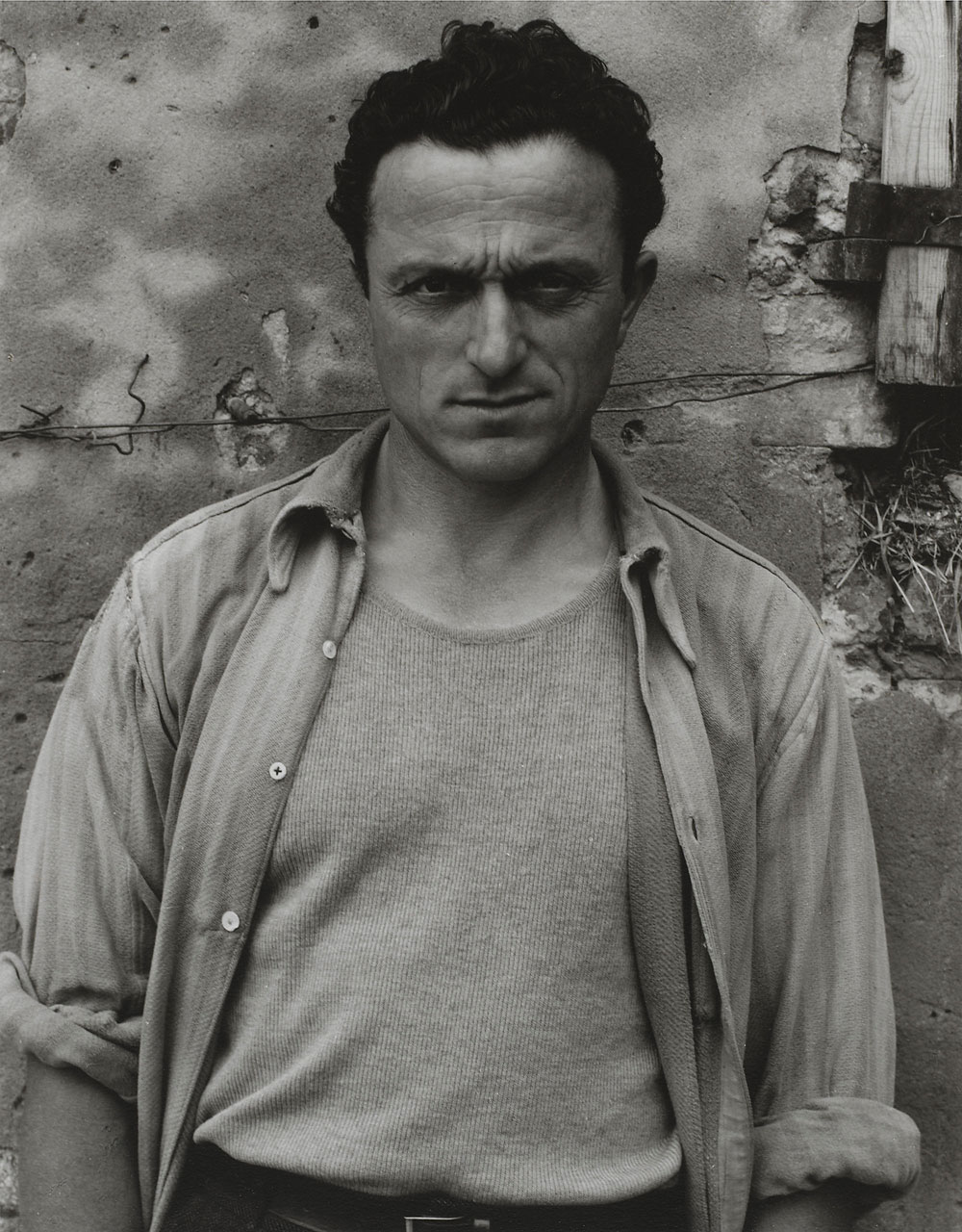
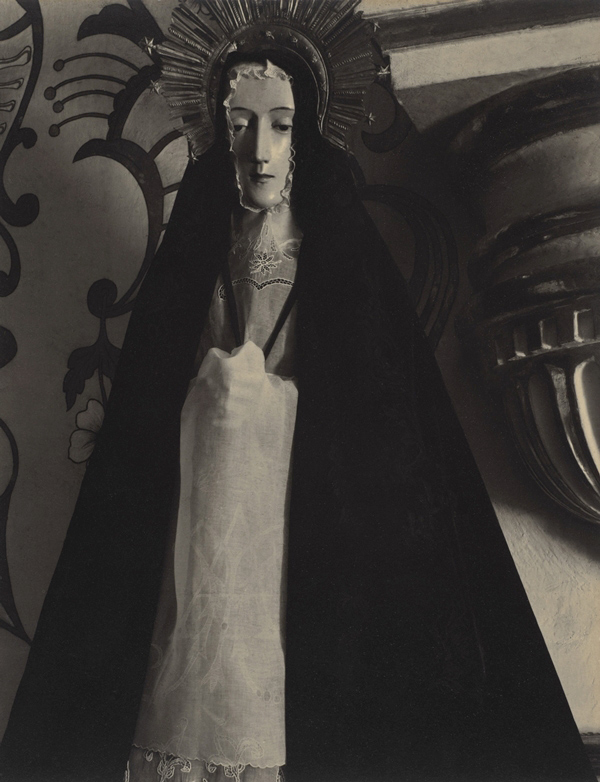

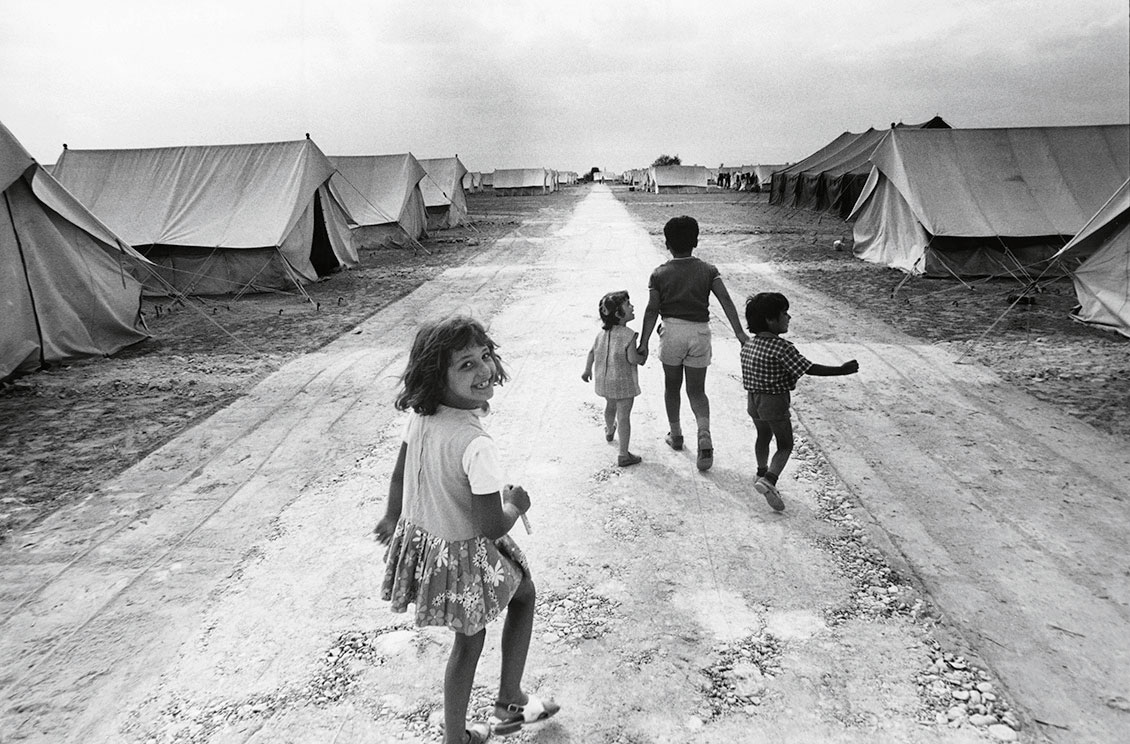

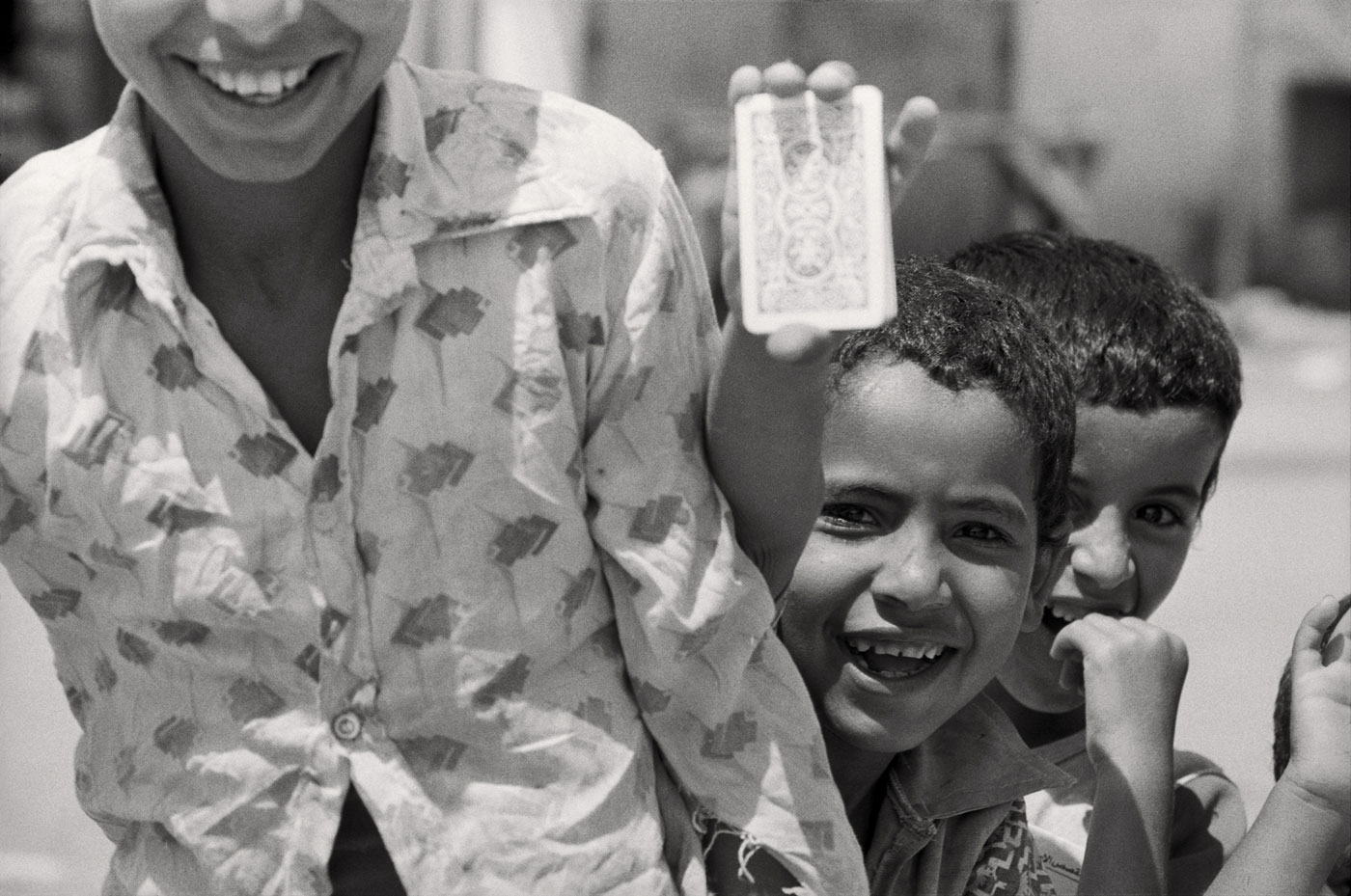

 Art Blart _ art and cultural memory archive
You must be logged in to post a comment.