I remember many many years ago (2004) the National Gallery of Victoria held a major exhibition of the work of Man Ray, the first large-scale exhibition of Man Ray’s photography to have been presented in Australia. The exhibition was organised by the Art Gallery of New South Wales where it set an attendance record for photography exhibitions, with over 52,000 visitors, before travelling to Brisbane and Melbourne – which exhibitions did in those days between state capitals, alas no longer.
All these years later I still remember being impressed by the technical, almost scientific element – and elemental – aspect of Man Ray’s photography, the sheer intensity of his images, and their small, jewel-like size. I was less impressed by the lack of feeling the photographs gave me, as though the photographs were scientific experiments which emphasised “his techniques of framing, cropping, solarising and use of the photogram in order to present a new, ‘surreal’ way of seeing” and which, to my young photographic eyes, saw their lush and enigmatic beauty subsumed in an unemotional technical exercise.
Concentrating on his portrait photographs during his Paris years, this exhibition includes more than 100 portrait photographs made by the artist in Paris between 1921 and 1940. “In choosing portraits for the exhibit, the curator’s objective was to present the complete picture of Man Ray’s pantheon of cultural luminaries… “Since this exhibition is all about storytelling, we wanted to highlight the femme moderne and tell the public of their fierce individuality and creativity,” [Michael] Taylor says, explaining that the women’s inclusion makes for a more dynamic and meaningful exhibition. “These are musicians, models and performers whose contributions have been marginalized due to the legacy of colonialism and racism.” … The portraits chosen for “Man Ray: the Paris Years” reflect not only the staggering range of techniques Ray employed during his Parisian years, but also the fascinating people who inhabited his world. “Innovative, groundbreaking, experimental and completely original, Ray’s portraits are unlike the work of any of his contemporaries,” Taylor says.”1
But to my mind Man Ray’s other photography during this period, such as his 1922 album Champs Délicieux which contained 12 Dada inspired Rayographs (some of his first), his surreal photographic solarisations and his portfolio, Électricité (Electricity) (1931) are more expressive and revolutionary avant-garde statements of the creative power of photography than ever his portraits are.
And while his portrait photographs may be experimental and groundbreaking – all about technique – are they good portraits? That’s the key question. To my eyes his portraits have a “lumpy” quality to them, a kind of enigmatic blankness that never reveals much of the sitters personality. The doll-like beauty of Kiki de Montparnasse (c. 1924, below) becomes a later abstract wistfulness both photographs revealing nothing; a tough, shielded Gertrude Stein (at Home) (1922, below) is not a patch on Imogen Cunningham’s engaging, challenging portrait of 1934; and the portrait of Elsie Houston (1933, below) is just plain uncomfortable in its placement of the bandaged head and hand in the pictorial frame.
Apparently, Man Ray “was in league with the surrealists and, in even his most classical-seeming portraits, revealed a predilection for unexpected juxtapositions, visual rhymes and piercing expressions that can transport you instantaneously to the lip of a volcanic unconscious.” Allegedly.
A volcanic unconscious. Who writes this stuff? I often feel I am looking at different photographs than the ones other people are writing about. Again, “Man Ray’s photography doesn’t simply capture the image of a person, or the ghost that inhabits them. It captures the whole of creative expression – the surreal and sorrowful, the conflict and music, the desperation and freedom that comprise the human narrative.” No it doesn’t… I don’t even think he is a very good portrait photographer! Compared to a Weston, Sander or Lange, a Stieglitz, Arbus or Julia Margaret Cameron, Man Ray’s portraits are modestly proficient evocations at best.
“To be ‘done’ by Man Ray and Berenice Abbott meant that you rated as somebody,” wrote Sylvia Beach, owner of Shakespeare and Company, the legendary bookstore and lending library established in Paris after World War I by the American expatriate. You had made it… immortalised in the negative, promoted in the positive. There is the key. To be worthy, to be “fashion” able. After all, Man Ray was running a commercial photographic studio with Berenice Abbott as his assistant in order to make a living. After Man Ray fired her in 1926 Abbott set up her own studio and they became business rivals.
The two most enticing portrait photographs in the posting are both wistful visages of the female: the slightly out of focus, low depth of field beauty of the direct Lee Miller, an ex-lover of Man Ray, staring down the desiring male gaze, like the most glamorous and scientifically symmetrically perfect “mug shot” you have ever seen; and the soft sfumato (which translated literally from Italian means “vanished or evaporated”) background to the contemporary Mona Lisa that is the vulnerable, tender Berenice Abbott surrounded by vanished shadows and evaporated space. “Leonardo has studied the sky, the elements, the atmosphere, and the light. He takes the approach of a scientist, but translates it into the painting with superb delicacy and finesse. For him the painting doesn’t count. What counts is the knowledge,” observes Louvre Curator Jean-Pierre Cuzin.2
Science, knowledge and atmosphere. Only in this portrait of Berenice Abbott does Man Ray take his love of science and knowledge and approach what Preston Duncan observes: “It is through this aperture that we find the abiding sense that, in all the weight, the struggle, the limitations of our physical form, is an ongoing moment of release.”
A final thought emerges in my consciousness. I wondered whether there is a photograph of Man Ray by Berenice Abbott? Not that I can find…
Dr Marcus Bunyan
1/ Karen Newton. “Storytelling Portraits,” on the Style Weekly website August 31, 2021 [Online] Cited 20/02/2022
Many thankx to the Virginia Museum of Fine Arts for allowing me to publish the photographs in the posting. Please click on the photographs for a larger version of the image.
“The story of Man Ray and Paris has been told, but it’s usually been told through the lens – pardon the pun, it’s a photography show – of Man Ray’s innovations; the Rayograph, Solarization, his friendships, and his network. But what about the subjects?” says Chief Curator, Dr. Michael Taylor. “We took inspiration from the photograph on the cover of this show. It’s the first work you see in the exhibition. This is actually Man Ray taking your portrait. In other words, […] even though it’s called a self-portrait, a camera is photographing him, but he is looking at you with his camera. So we started to think about not just telling Man Ray’s story, which is fascinating, but the story of the sitters, the subjects, the models. …
While the primary focus of the exhibit is on portraiture and the radical expressiveness of his subjects – from the vanguards of femme moderne culture to aerialists in drag – there are some detours into avant-garde Rayography and cinema. This diversity of expression is resonant with Man Ray’s professional dedication to dismantling boundaries – those of gender, race, and national identity, as well as artistic traditionalism and aesthetic philosophy. …
Man Ray’s photography doesn’t simply capture the image of a person, or the ghost that inhabits them. It captures the whole of creative expression – the surreal and sorrowful, the conflict and music, the desperation and freedom that comprise the human narrative. It is through this aperture that we find the abiding sense that, in all the weight, the struggle, the limitations of our physical form, is an ongoing moment of release. It confronts us with the fact we are all winging this strange dance, contributing our solitary note to an overture that is entirely improvised, sharing in the simple hope that we may, for an instant, hear the enormity of the score.”
Preston Duncan. “The View From Paris,” on the RVA website November 3, 2021 [Online] Cited 02/02/2022
All the men of the age are there: Igor Stravinsky, James Joyce, Andre Breton, Picasso and Braque. Equally present are the era’s modern women, including Bernice Abbott, the rarely-as-well-photographed Gertrude Stein, Lee Miller and Virginia Woolf. The real stars, however, are the unknowns. Or rather, those unknown-to-us. “Man Ray used photography to challenge the artistic traditions and break boundaries, including fixed gender roles and racial barriers,” says Michael Taylor, the museum’s chief curator, who conceived the exhibition.
Alice Ernestine Prin (2 October 1901 – 29 April 1953), nicknamed the Queen of Montparnasse, and often known as Kiki de Montparnasse, was a French artist’s model, literary muse, nightclub singer, actress, memoirist and painter. She flourished in, and helped define, the liberated culture of Paris in the 1920s.
Alice Prin was born in Châtillon-sur-Seine, Côte d’Or. An illegitimate child, she was raised in abject poverty by her grandmother. At age twelve, she was sent to live with her mother in Paris in order to find work. She first worked in shops and bakeries, but by the age of fourteen, she was posing nude for sculptors, which created discord with her mother.
Adopting a single name, “Kiki”, she became a fixture in the Montparnasse social scene and a popular artist’s model, posing for dozens of artists, including Sanyu, Chaïm Soutine, Julian Mandel, Tsuguharu Foujita, Constant Detré, Francis Picabia, Jean Cocteau, Arno Breker, Alexander Calder, Per Krohg, Hermine David, Pablo Gargallo, Mayo, and Tono Salazar. Moïse Kisling painted a portrait of Kiki titled Nu assis, one of his best known.
Her companion for most of the 1920s was Man Ray, who made hundreds of portraits of her. She can be considered his muse at the time and the subject of some of his best-known images, including the surrealist image Le violon d’Ingres and Noire et blanche (see below).
She appeared in nine short and frequently experimental films, including Fernand Léger’s Ballet mécanique without any credit.
A painter in her own right, in 1927 Prin had a sold-out exhibition of her paintings at the Galerie au Sacre du Printemps in Paris. Signing her work with her chosen single name, Kiki, she usually noted the year. Her drawings and paintings comprise portraits, self-portraits, social activities, fanciful animals, and dreamy landscapes composed in a light, slightly uneven, expressionist style that is a reflection of her easy-going manner and boundless optimism. …
A symbol of bohemian and creative Paris and of the possibility of being a woman and finding an artistic place, at the age of twenty-eight she was declared the Queen of Montparnasse. Even during difficult times, she maintained her positive attitude, saying “all I need is an onion, a bit of bread, and a bottle of red [wine]; and I will always find somebody to offer me that.”
She left Paris to avoid the occupying German army during World War II, which entered the city in June 1940. …
Prin died in 1953 after collapsing outside her flat in Montparnasse, at the age of fifty-one, apparently of complications of alcoholism or drug dependence. A large crowd of artists and fans attended her Paris funeral and followed the procession to her interment in the Cimetière parisien de Thiais. Her tomb identifies her as “Kiki, 1901-1953, singer, actress, painter, Queen of Montparnasse.” Tsuguharu Foujita has said that, with Kiki, the glorious days of Montparnasse were buried forever.
Long after her death, Prin remains the embodiment of the outspokenness, audacity, and creativity that marked that period of life in Montparnasse. She represents a strong artistic force in her own right as a woman. In 1989, biographers Billy Klüver and Julie Martin called her “one of the century’s first truly independent women.” In her honour, a daylily has been named Kiki de Montparnasse.
Imogen Cunningham (American, 1883-1976) Gertrude Stein, Writer 1934 Gelatin silver print Image: 7 9/16 × 6 11/16 in. Frame: 22 5/8 x 16 5/8 x 1 3/8 in. The J. Paul Getty Museum, Los Angeles
In 1926 Peggy Guggenheim, who often lent her financial support to the Paris colony of artists and writers, telephoned Man Ray to arrange a studio appointment to have her portrait taken, not by Man Ray himself, but by Berenice. Afterwards Man Ray was livid, he now realised that Berenice had become a serious business rival, and the next day he fired her. Berenice immediately made plans to have a studio of her own and friends of Berenice stepped forward to help her. When she made arrangements to purchase a view camera – Peggy Guggenheim lent her the money to pay for it. As partial repayment, Berenice later photographed Peggy’s children. In 1926, she had her first solo exhibition (in the gallery “Au Sacre du Printemps”) and started her own studio on the rue du Bac.
Photographed during the year in which her liaison with Edward VIII became public and he abdicated the throne of the British Empire.
The Virginia Museum of Fine Arts announces its upcoming exhibition, Man Ray: The Paris Years, on view in Richmond from October 30, 2021, through February 21, 2022. Organised by Dr. Michael Taylor, VMFA’s Chief Curator and Deputy Director for Art and Education, the exhibition includes more than 100 compelling portrait photographs made by the artist in Paris between 1921 and 1940, featuring cultural luminaries such as Barbette, André Breton, Jean Cocteau, Marcel Duchamp, Ernest Hemingway, Miriam Hopkins, James Joyce, Henri Matisse, Méret Oppenheim, Alice Prin (Kiki de Montparnasse), Elsa Schiaparelli, Erik Satie, Wallis Simpson and Gertrude Stein.
The son of Russian-Jewish immigrants, Emmanuel “Manny” Radnitzky grew up in New York and adopted the pseudonym Man Ray around 1912. A timely sale of paintings to Ferdinand Howald, an art collector from Columbus, Ohio, provided Man Ray with funds for a trip to Paris, and he arrived in the French capital on July 22, 1921. Although the artist worked in a variety of media over the next two decades, including assemblage, film, sculpture and painting, photography would be his primary means of artistic expression in Paris.
Shortly after moving to France, Man Ray embarked on a sustained campaign to document the international avant-garde in a series of remarkable portraits that established his reputation as one of the leading photographers of his era. Man Ray’s portraits often reflect a dialogue or negotiation between the artist’s vision and the self-fashioning of his subjects. Whether they had their portrait taken to promote their work, affirm their self-image, project their desires, fulfil their dreams or create a new identity, Man Ray’s sitters were not inanimate objects, like blocks of marble to be shaped and coerced, but were instead highly creative cultural and thought leaders who were active participants in the creative act. By telling the stories of his respective sitters and the innovative techniques he used to create their portraits, Man Ray: The Paris Years empowers the subjects portrayed in these photographs and gives them an agency and voice that is not typically realised in monographic accounts of modern artists.
“Timed to coincide with the 100th anniversary of the artist’s arrival in the French capital and, coincidentally, the near-centennial anniversary of the Spanish flu pandemic, Man Ray: The Paris Years will prove to be a visually provocative and especially relevant exhibition,” said Alex Nyerges, VMFA’s Director and CEO. “This is an opportunity to better understand the lives of his subjects and see Man Ray in a different light.”
“Man Ray used photography to challenge artistic traditions and break boundaries, including fixed gender roles and racial barriers,” said Taylor. “His portraits went beyond recording the mere outward appearance of the person depicted and aimed instead to capture the essence of his sitters as creative individuals, as well as the collective nature and character of Les Années folles (the crazy years) of Paris between the two world wars.”
Man Ray’s radical portraits also capture an important constituency of the avant-garde at this time, namely the femme moderne (modern woman). Adventurous, ambitious, assertive, daring, enterprising and self-assured modern women like American photographers Berenice Abbott and Lee Miller, French artist Suzanne Duchamp and American sculptor Janet Scudder took full advantage of their unprecedented freedom and access to educational and professional opportunities to participate as equals to their male counterparts in the Parisian avant-garde. Although these women came from different classes and economic backgrounds, they shared a collective goal in the 1920s and 1930s to be creatively, financially and intellectually independent.
“Rejecting traditional gender roles and expectations, modern women were interested in erasing sexual differences,” said Taylor. “They often embraced the symbolic trappings and autonomy of their male counterparts including wearing men’s clothes, driving fast cars, smoking cigarettes and sporting tightly cropped ‘bobbed’ haircuts.”
The exhibition also tells the important stories of Black subjects such as Henry Crowder, Adrienne Fidelin and Ruby Richards, whose contributions have often been unfairly relegated to the margins of modernism due to the legacy of colonialism and racism. The artist’s series of portraits of the dancer and singer Ruby Richards, who was born in St. Kitts in the British West Indies and grew up in Harlem, New York, brings to light an important performer whose work with Man Ray has never been acknowledged in previous accounts of his work. Richards moved to Paris in 1938 to replace the legendary African American performer Josephine Baker as the star attraction at the Folies Bergère, and the famous cabaret music hall commissioned Man Ray to help introduce her to French audiences through his portrait photographs.
Many of the subjects portrayed in Man Ray’s photographs were born in Spanish-speaking countries such as Argentina, El Salvador, Peru and Spain, including famous modern artists like Salvador Dalí and Pablo Picasso, as well as the flamenco dancer Prou del Pilar and the pianist Ricardo Viñes. As a state art museum that has free general admission and is open 365 days a year, VMFA is committed to representing the cultural and linguistic diversity of our community. According to recent data from the U.S. Census Bureau, more than 7 percent of Virginia’s 8.5 million residents speak Spanish at home. This data has informed the museum’s decision to incorporate dual-language labels throughout the Man Ray: The Paris Years exhibition, as well as the audio tour and gallery guide. Recognising that English is not the native language of everyone who visits the exhibition, VMFA is offering content in both Spanish and English to create a more accessible, inclusive and welcoming experience for all of our visitors.
Informed by extensive archival research, this exhibition and accompanying catalogue offers a more complete account of Man Ray’s Paris years by focusing not just on his achievement as a photographer and his superb gifts as a portraitist, but also on the friendships and exchange of ideas that took place between the artist and his subjects in Paris between the two world wars.
Mossé was a surrealist artist and performer in a lesbian cabaret.
Ray’s double portraits are among his most spellbinding. Two feature Nusch Éluard, the actress, acrobat and hypnotist’s assistant who married the surrealist poet Paul Éluard. One shows Nusch with the openly bisexual actress, singer, surrealist and model Sonia Mossé. Taken in 1937, the photograph trembles with the intimacy and uncanniness of the culminating scenes in Ingmar Bergman’s “Persona,” where the face of Bibi Andersson begins to merge with that of Liv Ullmann. …
To try to square Man Ray’s magical, tender double portrait with Mossé’s subsequent life, as sketched in by Taylor in the catalogue, is to feel the 20th century – stretched to breaking point by the contrary forces of personal liberation and vicious repression – suddenly snap, like the shutter of a camera taking a photograph no one can bear to look at.
Mossé, writes Taylor, was romantically involved with the French dramatist Antonin Artaud. Best known for conceptualising the Theater of Cruelty movement, Artaud had tried to break off their relationship in 1939 “via handwritten malediction” (a letter in which he wrote curses – e.g., “You will live dead” – in an envelope containing drawings and burned holes).
But Mossé would never receive it. War had broken out. And on Feb. 11, 1943, Mossé and her stepsister Esther were denounced as Jews to the Gestapo. They were taken to the Drancy internment camp in a northeastern suburb of Paris and then to the Sobibór extermination camp in occupied Poland, where Mossé was murdered in a gas chamber.
The American Surrealist Man Ray made a number of portraits of Picasso over the years, beginning with this photograph that appeared in the July 1922 issue of Vanity Fair. It was taken on the second floor of Picasso’s apartment at 23 rue de La Boëtie in Paris, where he established a studio in November 1918 and completed many of the Cubist paintings that form the background of this portrait. Man Ray’s portrait brilliantly captures both sides of Picasso’s personality at this time, since the proud and successful artist is also shown to be emotionally distant and seemingly uncomfortable with his newfound wealth and fame.
Man Ray (American, 1890-1976) Ruby Richards with Feathers (installation view) 1938 Gelatin silver print
Ruby Richards (aka The Black Pearl) was a singer and dancer born in Saint Christopher Island (Saint Kitts) in the West Indies.
In 1938 the dancer and singer moved to Paris to replace Josephine Baker as the star attraction at the Folies Bergère. The famous cabaret music hall commissioned Man Ray to help introduce Richards to French audiences through his innovative portrait photographs.
Louis Jordan Soundie: Fuzzy Wuzzy
Featuring Louis Jordan and His Tympany Band with dancer Ruby Richards (recorded on New Year’s Eve 1942).
Man Ray (American, 1890-1976) Ruby Richards (installation view) 1938 Gelatin silver print
He called her his “little black sun.” Born in Guadeloupe, Adrienne Fidelin was the American artist’s partner in Paris before World War II tore them apart. She appears in almost 400 of the renowned artist’s photographs, and in 1937 became the first Black model to be featured in a leading U.S. fashion magazine. However, she was pushed to the sidelines of history. …
Man Ray himself only mentions Fidelin fleetingly in his autobiography. This marginalisation continues today, despite current efforts to recognise the stories of people of colour throughout history…
Adrienne Fidelin was born on March 4, 1915, in Pointe-à-Pitre. At the age of 13, she lost her mother in a hurricane that devastated Guadeloupe, and her father died a few years later. The orphaned teenager joined other members of her family living in Paris in the early 1930s. At the time, the French capital was under the thrall of the Colonial Exposition and obsessed with France’s far-flung colonies. At the Bal Blomet, a cabaret in the 15th arrondissement, the West Indian diaspora and the artistic avant-garde partied to the sounds of Creole biguine music, and Fidelin joined a Guadeloupean dance company.
This is most likely where she and Man Ray first set eyes on each other. She was 19, he was 44. In a diary entry dated December 29, 1934, the artist simply wrote “Ady.” Wendy Grossman discovered this valuable evidence of their first meeting in the Man Ray archives at the Getty Center in Los Angeles. The following year, he wrote down her number (“Odéon 79-95”) and photographed her wearing a simple white tank top. The artist and the dancer were inseparable. On May 13, 1937, Man Ray combined their names in a tender Surrealist pairing, writing “Manady” and “Adyman” in his diary. …
On September 15, 1937, a full-page portrait photo of Fidelin taken by Man Ray was published in the U.S. magazine Harper’s Bazaar – a first in segregated America. However, captured “wearing a tiger-tooth necklace, an ivory arm bracelet, and a Belgian Congo headdress, and adopting a seductive pose, Fidelin was presumed to represent the sensual African ‘native’ identified in the article’s title,” writes Wendy Grossman. “The article shows how the Surrealist movement exoticised ‘the other.'”
Man Ray found a partner in Fidelin, but their relationship was asymmetrical. “She stops me from sinking into pessimism,” he wrote. “She does everything: shining my shoes, making me breakfast, and painting the backdrops on my large canvases.” Fidelin also danced in the “negro clubs” on the Champs-Elysées and worked with photographers and directors looking for “exotic girls.” …
The couple was torn apart when the Wehrmacht entered Paris in June 1940. After trying – and failing – to flee to the Côte d’Azur together, Man Ray returned to the United States alone. The lovers continued writing each other for a few months, but the war severely impacted the postal service and Man Ray soon fell in love with another dancer in Hollywood. Fidelin remained in Paris, married another man in 1957, and died in a retirement home a few miles outside Albi in Southern France [February 5, 2004].
If, in the early 1920s, you happened to walk into Shakespeare and Company, the legendary bookstore and lending library established in Paris after World War I by the American expatriate Sylvia Beach, you would have noticed that the walls were covered with photographic portraits by Man Ray and Berenice Abbott.
“To be ‘done’ by Man Ray and Berenice Abbott meant that you rated as somebody,” wrote Beach. The habitues of Shakespeare and Company famously included such somebodies as Ernest Hemingway, Gertrude Stein, Djuna Barnes, T.S. Eliot, Ezra Pound, Hilda Doolittle and F. Scott Fitzgerald.
In 1922, Beach commissioned Ray (1890-1976) to make a publicity photograph of James Joyce, the Irish novelist whose book “Ulysses” she was about to publish (to her everlasting glory). That same year, Ray photographed Marcel Proust on his deathbed (below).
“It comes so soon, the moment when there is nothing left to wait for.”
~ Marcel Proust
Ravaged by bronchitis and pneumonia, Marcel Proust spent the last night of his life dictating manuscript changes for a section of his famous novel Remembrance of Things Past.
Man Ray did not know Proust, but he had become such an important photographer that mutual friends dispatched him to the celebrated French author’s bedside to make a final portrait two days after his death. The side view associates Man Ray’s photograph with a tradition of postmortem photography dating back to the inception of the medium.
Text from the J. Paul Getty Museum website
At the urging of his friend Jean Cocteau, Man Ray rushed to photograph the author of Remembrance of Things Past on his deathbed. In the October / November issue of Les Nouvelles Littéraires, Cocteau wrote:
Those who have seen this profile of calm, of order, of plenitude, will never forget the spectacle of an unbelievable recording device come to a stop, becoming an art object: a masterpiece of repose next to a heap of notebooks where our friend’s genius continues to live on like the wristwatch of a dead soldier.
“Houston sang Brazilian folk songs by candlelight in Paris. She moved to New York in 1939, where she performed as a possessed woman muttering “voodoo” incantations and playing the drums. She died in her home in 1943, an empty vial of sleeping pills by her bedside. In Ray’s photograph, her smile is soft. Her head tilts in line with her elongated hand. That hand is adorned with a piece of jewellery in the shape of a spotted disc, which rhymes with her hoop earring and the arches of her eyebrows. The cool, clean contrasts of her white turban and dark clothes make the portrait one of Ray’s finest.”
Elsie Houston (22 April 1902 – 20 February 1943) was a Brazilian singer.
Houston figured in the Brazilian literary/art/music scene during a critical time in its history. It was an era of tremendous creative energy. In addition to Mário de Andrade and Pagu, Houston knew others famous members of this artists movement, including the composer Heitor Villa-Lobos, the painters Flavio de Carvalho, Anita Malfatti and Tarsila do Amaral, and the leader of Brazilian modernism, Oswald de Andrade.
Houston moved to Germany and studied with Lilli Lehmann a renowned voice teacher. She then studied with another famed soprano, Ninon Vallin, first in Argentina and then in Paris. Houston’s relationship with Heitor Villa Lobos began in her teens. Houston was definitely a soloist at Villa Lobos’s 1927 Paris concerts. In 1928 she married Benjamin Péret, French surrealist poet, with whom she lived in Brazil from 1929 to 1931. Their son, Geyser, was born in Rio de Janeiro in 1931.
By the late 1930s, Houston had moved to New York City. She was a brilliant singer, particularly skilled in the interpretation of Brazilian songs. The New York Times during this era praised for her performances. She was also an active supporter of young Latin American composers, performing early pieces by composers such as Jayme Ovalle and Camargo Guarnieri.
She died in 1943. Her death was listed as an apparent suicide.
Ray learned from the history of painting as much as from other photographers. He borrowed from Rembrandt’s tenebrism (his dramatic use of engulfing shadow), the slanting light and perspectival structure in Vermeer’s interiors, and the directness of Hans Holbein (strong light on the face, minimal backgrounds). But of course, he was in league with the surrealists and, in even his most classical-seeming portraits, revealed a predilection for unexpected juxtapositions, visual rhymes and piercing expressions that can transport you instantaneously to the lip of a volcanic unconscious.
Ray’s 1929 portrait of Lee Miller is a good example – surely one of the most mesmerising photographic portraits ever taken. What is the source of its uncanny power? It’s not just that Miller – herself a great photographer who for several years was Ray’s lover – is so beautiful; or that her direct gaze is simultaneously so trusting and challenging; or even that her unblemished skin and the symmetry of the whole composition suggest something impossibly pristine and inviolate. It’s because the image is slightly out of focus. The effect of the blur is to slow one’s response, as smoke rings slow the mind – and to trigger a dream state.
Man Ray (American, 1890-1976) Emak Bakia (Leave Me Alone) 1926
But you may be less familiar with some of Ray’s other subjects, including Germaine Tailleferre, the female composer who changed her name from Taillefesse, Taylor writes, “partly to spite her father, who refused to support her musical studies, but also because she disliked the connotations of the name Taillefesse, which translates as buttock in English”; Janet Scudder, an American sculptor, whose partner was the children’s author and suffragist Marion Cothren; and Barbette (below), the high-wire performer who presented as a graceful woman, but at the end of her act removed her wig and revealed herself as a man.
Personae like these – and Ray’s always inventive approach to their portraits – make this show more than just a roll call of famous names. They make it revelatory. The show is further enhanced by the inclusion of Ray’s wonderful 1926 film, “Emak-Bakia” (he called it a “cinépoème”), and a portfolio of semiabstract photographs he made for a Paris Electricity Co. marketing campaign. Both are remarkable.
Vander Clyde Broadway (December 19, 1899 – August 5, 1973), stage name Barbette, was an American female impersonator, high-wire performer, and trapeze artist born in Texas. Barbette attained great popularity throughout the United States but his greatest fame came in Europe and especially Paris, in the 1920s and 1930s.
Barbette began performing as an aerialist at around the age of 14 as one-half of a circus act called The Alfaretta Sisters. After a few years of circus work, Barbette went solo and adopted his exotic-sounding pseudonym. He performed in full drag, revealing himself as male only at the end of his act.
Following a career-ending illness or injury (the sources disagree on the cause), which left him in constant pain, Barbette returned to Texas but continued to work as a consultant for motion pictures as well as training and choreographing aerial acts for a number of circuses. After years of dealing with chronic pain, Barbette committed suicide on August 5, 1973. Both in life and following his death, Barbette served as an inspiration to a number of artists, including Jean Cocteau and Man Ray. …
“Barbette,” writes Cocteau,
“transforms effortlessly back and forth between man and woman. His female glamour and elegance Cocteau likens to a cloud of dust thrown into the eyes of the audience, blinding it to the masculinity of the movements he needs to perform his acrobatics. That blindness is so complete that at the end of his act, Barbette does not simply remove his wig but instead plays the part of a man. He rolls his shoulders, stretches his hands, swells his muscles… And after the fifteenth or so curtain call, he gives a mischievous wink, shifts from foot to foot, mimes a bit of an apology, and does a shuffling little street urchin dance – all of it to erase the fabulous, dying-swan impression left by the act.”
Cocteau calls upon his fellow artists to incorporate deliberately this effect that he believes for Barbette is instinctive.
Cocteau commissioned a series of photographs of Barbette by the Surrealist artist Man Ray, which captured not only aspects of Barbette’s performance but also his process of transformation into his female persona.
In 1931, Man Ray was commissioned by the Compagnie Parisienne de Distribution d’Electricite (CPDE) to produce a series of pictures promoting the private consumption of electricity. The resulting portfolio, Électricité (Electricity), comprises rayographs reproduced as photogravures. Le Monde (The World), a picture of the moon above an electrical cord, suggests that even celestial bodies rely on the CPDE for their illumination; the photogravure Électricité equates the electric charge of the electron with the erotic beauty of a nude female figure; and Le Souffle (Breeze) combines spinning fan blades with the weblike stimuli of electrical current.
Gallery label from The Shaping of New Visions: Photography, Film, Photobook, April 16, 2012 – April 29, 2013 on the MoMA website [Online] Cited 03/02/2022
Man Ray’s innovations are not excluded. A whole section of the exhibition is devoted to his light-bending portfolio Électricité (1931), a commercial project commissioned by the Paris Electric Company to promote the use of electrically powered household appliances. Comprised of ten “Rayographs” (another name for photograms), the portfolio pulses with kinetic energy. Fans spin with an otherworldly force, a fowl is perfectly cooked as by magic rays, and the Eiffel Tower swims in hi-wattage advertisements.
Curated by Sarah Meister, former Curator, Department of Photography, The Museum of Modern Art, New York and Quentin Bajac, Director, Jeu de Paume, with Jane Pierce, Carl Jacobs Foundation Research Assistant, The Museum of Modern Art, New York. Organised by the Museum of Modern Art, New York
A huge posting today that took hours to compile and all I can think of to say is – wow, I want them all in my collection!
If I had to specify one era of photography that is my favourite it would be the experimental, avant-garde photographs from the interwar period. There was such freedom, revolution and danger in the air which encouraged artists to produce radical art that defined a generation (and which ideological others found offensive and degenerate).
The tremendous diversity of “modern” photography is on show in the different sections of the exhibition – from portraiture to perspective, from science to magic realism, from interiority and surrealist dreams to new objective visions of self and the landscape – the works investigating how photographs transcend their conventional function of documentation through their social, psychological, and metaphysical implications.
I have added relevant biographical details and salient book covers and pages from the exhibition catalogue to enhance the viewing experience. My particular favourites in the posting are Willi Ruge’s vertiginous Seconds before Landing (1931, below); Stanisław Ignacy Witkiewicz’s unforgettable portrait of Anna Oderfeld, Zakopane (1911-1912, below); Lyonel Feininger’s almost-there, atmos/sphere Bauhaus (February 26, 1929 below); and Gertrud Arndt’s masterpiece, At the Masters’ Houses (1929-1930, below).
I hope you enjoy your Sunday looking at these stunning images.
Dr Marcus Bunyan
Many thankx to Jeu de Paume for allowing me to publish the photographs in the posting. Please click on the photographs for a larger version of the image.
Maurice Tabard (French, 1897–1984) Untitled (Self-Portrait with Roger Parry) c. 1936 Gelatin silver print 9 1/4 × 6 5/8″ (23.5 × 16.8cm) Thomas Walther Collection. Gift of Thomas Walther
Roger M. Parry (French, 1905-1977)
Born and educated in Paris, Roger Parry was originally interested in painting and worked as a draftsman after graduation. In 1928 he met Maurice Tabard, who taught him photography and for whom Parry worked as a darkroom assistant. Parry published his photographs in Art et Métiers Graphiques, a photographic annual, and Banalités, a book of poems. These publications gained the attention of André Malraux, with whom Parry became associated around 1930.
Parry worked for Malraux and the Gallimard publishers for more than forty years. In 1934 Gallimard published Parry’s photographs of Tahiti. During World War II Parry was a photography war correspondent for the news agency L’Express. He eventually became head of photography and art director for the Gallimard publication Nouvelle Revue Française.
Text from the J. Paul Getty website [Online] Cited 25/01/2022
Francis Lederer (November 6, 1899 Prague – May 25, 2000) was a Czech-born American film and stage actor with a successful career, first in Europe, then in the United States. His original name was Franz (Czech František) Lederer.
In 2001 and 2017, The Museum of Modern Art in New York acquired more than 350 photographs from the collector Thomas Walther. This collection, which is now one of the pillars of MoMA’s modern collection, is presented for the first time in France in an exhibition of some 230 images.
Comprising iconic works from the first half of the twentieth century, the exhibition provides a history of the European and American photographic avant-gardes. Through the works of a hundred or so photographers, from Berenice Abbott to Karl Blossfeldt, from Claude Cahun to El Lissitzky, from Edward Weston to André Kertész, this fusion of masterpieces and lesser-known images traces the history of modernity in photography. Mixing genres and approaches – architecture and urban landscapes, portraits and nudes, reportage, photomontage, experimentation, etc. – the exhibition delves deep into the artistic networks of the inter-war period, from the Bauhaus to Surrealist Paris, via Moscow and New York.
In their visually radical inventiveness, these images capture perfectly the utopian spirit of those who wanted to change images in order to change the world; now we fully understand the words of the photographer and theoretician Lázló Moholy-Nagy who, a century ago, stated that “the illiterate of the future will be ignorant of the camera and the pen alike.”
The Exhibition
Life as an artist
While it is true that throughout the 20th century photographers took great pleasure in portraiture, the Thomas Walther Collection also illustrates the spirit of freedom that characterised the lives of these artists and the circles they moved in.
Marcel Duchamp once described the Paris of the 1920s as home to the first truly international community of artists. The body of photographs by André Kertész assembled by Thomas Walther offers a fine summary of the photographer’s affinities, empathies and networking during his Parisian years, while also reflecting his interest in abstract and post-Cubist art and the play of light on highly geometric volumes.
The period between the two World Wars saw the affirmation of a collective artistic adventure most strikingly evidenced by the Bauhaus – one of the main axes of the Thomas Walther collection. From Florence Henri to Lotte Beese and Umbo, many of the artists represented in the collection spent time there; and all of them practiced photography without necessarily being photographers. Thus the works relating to the Bauhaus here are essentially snapshots of documentary interest. Lázsló Moholy-Nagy and Lucia Moholy were both very active photographers, but while Lázsló’s work attracted considerable critical attention, this is less true of his wife, who, although not an official member of the school, took numerous photographs of architecture and portraits.
Similarly, Lyonel Feininger, a trained painter and head of the engraving workshop, and Gertrud Arndt and Lotte Beese, students in the weaving workshop, acquired skills through an intense photographic activity that went far beyond the official teaching.
Experiments with night photography, high- and low-angle shots, multiple exposures, distorting reflections: a large part of the vocabulary of the avant-gardes can be found at the Bauhaus.
The third body of work in this section documents these artistic networks and communities in a different way. The self-portrait plays a predominant role here, revealing the shaping of a new identity for the photographer via an emphasis on the camera that underscored photography’s mechanical character – an aspect often skirted by the art photographers of the previous generation.
Now, whether on a tripod or in the hand, the camera was omnipresent, to the point where it merged completely with the user as an artificial extension of the eye.
El Lissitzky redefined photography as a mental activity and the photographer as a “constructor”, a producer of images who must unify the work of eye and hand, in a context of photography become inseparable from graphics.
Here comes the new photographer!
Photography was the ideal medium for catching the feel of modern life in the aftermath of the First World War: looking both up and down – from planes, bridges and skyscrapers – photographers discovered unparalleled views and a new, dynamic visual language, free of convention.
A new thirst for photographic images took hold of the illustrated press between the wars, a period that saw the advent of reports and magazines built entirely around the photographic image. Another feature of this period was its passion for sport and speed. Advances in the sensitivity of photographic film and paper and the development of more manageable cameras allowed artists to capture movement as never before.
Totally unexpected points of view were thus created. One of the most famous is doubtless the aerial view, where the aviator embodies this new sporting modernity, as does the racing driver.
A sense of weightlessness and lightness is found in the images of Kate Steinitz and John Gutmann, both influenced by Dada and European Surrealism. Alexander Rodchenko’s images of divers emphasise the space that the body travels through as well as the athlete himself.
Their out-of-kilter framing, pushing the bodies into the corners of the image, attempts to summarise a rapid, complex movement in a single still image. While using an overtly avant-garde photographic grammar – high-angle, low angle – the themes of these photographs seem to be fully in line with the political context of the Soviet Union in the 1930s. Lissitzky too was fascinated by the figure of the athlete: his photomontage Rekord (Record), a model of a project for the photographic decoration of a sports club in Moscow, offers a modernist yet dreamlike vision in which the entire illuminated metropolis mutates into a sports arena.
Finally, this exaltation of a new humanity underlies in a much more literal way Leni Riefenstahl’s images of the 1936 Berlin Olympic Games. Armed with impressive technical and financial resources, photographer / filmmaker Riefenstahl directed Olympia, commissioned by the Hitler regime to hymn the new Aryan type. In images markedly avant-garde in style, one finds many features of the aesthetics of the Third Reich, from the references to antiquity to the celebration of the athlete-hero and the geometrisation and perfect synchronisation of figures in movement.
Discovering photography
In 1925, László Moholy-Nagy asserted that although photography had been invented a hundred years earlier, its true aesthetic potential had only just been discovered when he and other members of avant-garde circles adopted the medium. With their brief history and no connection to traditional fine arts disciplines, photography and film became true modernist instruments.
Moving away from the efforts of the art photographers of the previous generation, out to obscure the mechanical nature of the photographic print through various subterfuges – timeless subjects, use of blur, etc. – the photographic avant-gardes of the early 20th century drew on images from non-art spheres: X-rays, astronomy, medicine and science provided them with representations of the invisible; photojournalism revealed forms in motion, improbably frozen by the snapshot; amateur photography offered a repertoire of strange viewpoints and aberrations of perspective. See differently, that was the maxim.
They experimented every which way, playfully and undeterred by reversion to archaic forms and processes. The photogram is probably the best illustration of this new language. This camera-less technique, which simply prints images of objects directly onto sensitised paper that has been exposed to light, is the origin of photography. It was practiced by all of photography’s pioneers before falling into disuse except as a mere laboratory exercise. It was only after the First World War that it was rediscovered by a few enthusiasts and became a major avant-garde gambit.
Appreciated for its simplicity, playfulness, and undeniable visual impact, it also became a much appreciated tool in the field of applied photography. Moreover, in addition to the photogram as such, advertising, Industry, and publishing were becoming broadly receptive to the new avant-garde photographic language, just as photography was gradually beginning to oust graphic techniques in their respective fields.
At the same time the laboratory began to function as a venue for exploration of both the negative and the print. The stretching of exposure times, with the resultant blurring of movement, allows the representation of time to be modified by embedding duration and movement in the still image. In some cases – think Albert Renger-Patzsch and Jean Painlevé – the precision of a simple close-up framing a particular being or thing as closely as possible, sufficed to imbue the subject with fresh presence and reality.
Last but not least, the avant-gardes revelled in the construction of composite images, notably through collage and photomontage, using all the resources made available to them by the illustrated press and publishing of the time. To these image games we should add the multiple exposure, long considered as no more than a photographer’s failure. In this sense, this generation was the first to practice borrowing and reusing images and forms on such a scale, attesting to the – already – rapid circulation of images within the European avant-garde.
Magic Realisms
In the mid-1920s, members of European art movements ranging from Surrealism to New Objectivity moved away from a realist approach, seeking instead to highlight the strangeness of everyday life or to bring together dreams and unusual states of consciousness. Echoes of these preoccupations, centred on the human figure, can be found throughout the Thomas Walther collection.
The images in this section hijack two traditional photographic genres, the portrait and the nude, with the aid of various processes: close-ups, inversion of negative-positive values through solarisation, photograms, overprints. Many of the techniques employed by photographers close to Surrealism aimed to transform reality by pushing technique to the point of destroying the human form. The diffuse influence of Surrealism is of course particularly evident among Parisian photographers, as can be seen in the numerous, often virtuoso laboratory games of commercial, advertising or fashion photographers like Maurice Tabard or Aurel Bauh, and even André Kertész in the early 1930s. The “distortions” Kertész produced, using the countless optical possibilities offered by deforming mirrors, are part of a photographic tradition that goes back to the 19th century, but also remind us of the representation and deformation of the human body undertaken by Picasso and Dalí in the same years.
The press of the 1920s was fond of optical visual games, transforming the human body in line with a certain objectification: loss of scale and reference points, oddness induced by a detail or the texture of skin. Of all the parts of the body, it was undoubtedly the eye, the organ of sight, that attracted the attention of distinction between the real and the fantastic – and created interplay between the animate and the inanimate by approaching the human body through substitutes such as dolls, mannequins, or masks.
Symphony of a Great City
Like the cinema, photography in the first half of the 20th century achieved a fragmentation and recomposition of an increasingly insistent urban reality. In an era of rapidly advancing urbanisation, the big city was the stamping ground par excellence for photographers and filmmakers.
The period saw the emergence of a large number of films that treated the city as a living organism: Paul Strand’s Manhattan, Charles Sheeler on New York and Berlin, Walther Ruttmann’s Symphony of a Great City. Often consisting of short, rapidly edited shots, these films have obvious links with the photography of the time: the German photographer Umbo was involved in the making of Ruttmann’s film. The four images on display here play on some of the optical games dear to the avant-garde: the derealisation effected by the bird’s-eye view and cast shadows, the simultaneous transparency and reflection of store windows, and the repetitive geometry of certain urban spaces.
The advent of an architecture of mobility was exactly contemporary with that of the first Kodak-type cameras, which allowed the operator a hitherto unknown freedom and mobility. Photographers would take full advantage of all the new possibilities open to them by favouring symbols and places emblematic of the contemporary: factory chimneys and industry at work; the iron architecture of buildings like the Eiffel Tower in Paris or the Brooklyn Bridge in New York; subjects and objects in movement, such as cyclists caught in urban traffic; newly pullulating public spaces; and, of course, the omnipresent street. The city was indeed this dynamic organism, the locus of human encounters, of incongruous objects and visual signs, captured at random in its streets. Constantly on the lookout, the pedestrian-photographer of the inter-war period appears as a modern version of the Baudelairean flâneur of the preceding century. With its unprecedented vertical extension, the modern city offers a multitude of new points of view, high-angle or low-angle, magnifying the impression of vertigo or crushing weight.
The city allowed for all kinds of new visual and optical experiments. Iron architecture, by erasing the boundaries between interior and exterior, offered countless possibilities for framing, as in the work of Germaine Krull, a photographer particularly attentive to these exercises in “framing within the frame”. Night shots, which gave pride of place to lighting effects, renewed the experience of nocturnal vision to a point of near-abstraction, simple luminous inscriptions of objects in movement.
But the fragmenting dear to Walter Benjamin is probably nowhere more perceptible than in photomontage, with its fantasised, idealised or monstrous version of the urban and industrial universe. The visual chaos of Paul Citroën’s Metropolis, composed of some two hundred images pasted together, is a perfect example. Citroën evokes a city not in ruins but in pieces, a cacophonous space, all the elements piled up in an incoherent spirit close to Dada.
High fidelity
At a time when, in Europe, experimentation was being put forward as a core concept by the photographic avant-gardes, the Americans seem to have put more emphasis on a search for a truth of the world through exact representation. “High fidelity”, a term borrowed from the world of acoustics, was used to designate this approach and its taste for a clear and faithful image.
Pure photography is a discipline in search of perfection and technical mastery at all stages of the production of the image. It is in this near-contradictory tension between the “highly detailed” and the “abstract”, between the use of a large format camera combining an almost hyper-realistic rendering with simplified shooting strategies, that lies one of the main characteristics of a certain American modernist approach. It seems logical, then, that this aesthetic of attention to object, texture and form, quickly pervaded various spheres of American commercial photography of the time.
At Film und Foto, the flagship exhibition of the international photographic avant-garde, some people remarked on the extent to which the American section, with its “refined technique that can rightly be described as cultivated”, contrasted with the more raw work of the Europeans.
However, while straight photography remained a very American movement, it also had ramifications in Europe. In Germany, in the late 1920s and early 1930s, voices began to be raised in photographic circles against the expressive experiments of the previous decade, urging respect for reality and greater objectivity. Karl Blossfeldt’s direct and unmanipulated approach to plants, produced for documentary purposes as part of his teaching at the Berlin School of Applied Arts, was praised. At the same time, it was the sweeping aerial views of Germany taken by balloonist Robert Petschow that aroused the enthusiasm of avant-garde circles, which exhibited them and celebrated both their quasi-abstract singularity and their informative content, blended in the manner of a topographical survey.
The essence of New Vision photography is pointedly expressed in this picture, commonly known as The Constructor, which puts the act of seeing at center stage. Lissitzky’s hand, holding a compass, is superimposed on a shot of his head that explicitly highlights his eye: insight, it expresses, is passed through the eye and transmitted to the hand, and through it to the tools of production. Devised from six different exposures, the picture merges Lissitzky’s personae as photographer (eye) and constructor of images (hand) into a single likeness. Contesting the idea that straight photography provides a single, unmediated truth, Lissitzky held instead that montage, with its layering of one meaning over another, impels the viewer to reconsider the world. It thus marks a conceptual shift in the understanding of what a picture can be.
Gallery label from The Shaping of New Visions: Photography, Film, Photobook, April 16, 2012 – April 29, 2013
Aleksandr Rodchenko (Russian, 1891-1956) Demonstration 1932 Gelatin silver print 11 5/8 × 9″ (29.6 × 22.8cm) Thomas Walther Collection Gift of Shirley C. Burden, by exchange
Germaine Krull was a pioneer in the fields of avant-garde photomontage, the photographic book, and photojournalism, and she embraced both commercial and artistic loyalties. Born in Wilda-Poznań, East Prussia, in 1897, Krull lived an extraordinary life lasting nine decades on four continents – she was the prototype of the edgy, sexually liberated Neue Frau (New Woman), considered an icon of modernity and a close cousin of the French garçonne and the American flapper. She had a peripatetic childhood before her family settled in Munich in 1912. She studied photography from 1916 to 1918 at Bayerische Staatslehranstalt für Lichtbildwesen (Instructional and Research Institute for Photography), and in 1919 opened her own portrait studio. Her early engagement with left-wing political activism led to her expulsion from Munich. Then, on a visit to Russia in 1921, she was incarcerated for her counterrevolutionary support of the Free French cause against Hitler. In 1926, she settled in Paris, where she became friends with artists Sonia and Robert Delaunay and intellectuals André Malraux, Jean Cocteau, Colette, and André Gide, who were also subjects of her photographic portraits.
Krull’s artistic breakthrough began in 1928, when she was hired by the nascent VU magazine,the first major French illustrated weekly. Along with photographers André Kertész and Éli Lotar, she developed a new form of reportage rooted in a freedom of expression and closeness to her subjects that resulted in intimate close-ups, all facilitated by her small-format Icarette, a portable, folding bed camera. During this period, she published the portfolio, Metal (Métal) (1928), a collection of 64 pictures of modernist iron giants, including cranes, railways, power generators, the Rotterdam transporter bridge, and the Eiffel Tower, shot in muscular close-ups and from vertiginous angles. Krull participated in the influential Film und Foto, or Fifo, exhibition (1929-1930), which was accompanied by two books, Franz Roh’s and Jan Tschichold’s Foto-Auge (Photo-Eye) and Werner Gräff’s Es kommt der neue Fotograf! (Here Comes the New Photographer!). Fifo marked the emergence of a new critical theory of photography that placed Krull at the forefront of Neues Sehen or Neue Optik (New Vision) photography, a new direction rooted in exploring fully the technical possibilities of the photographic medium through a profusion of unconventional lens-based and darkroom techniques. After the end of World War II, she traveled to Southeast Asia, and then moved to India, where, after a lifetime dedicated to recording some of the major upheavals of the twentieth century, she decided to live as a recluse among Tibetan monks.
Introduction by Roxana Marcoci, Senior Curator, Department of Photography, 2016, text from the MoMA website [Online] Cited 01/02/2022
The creative possibilities explored through photography were never richer or more varied than in the years between the two world wars, when photographers tested the medium with unmatched imaginative fervor. This moment of inventive approaches to documentary, abstract, and architectural subjects is dramatically captured in the more than three hundred and fifty photographs that constitute the Thomas Walther Collection at The Museum of Modern Art. The Museum acquired these photographs from Thomas Walther’s private collection, which includes exceptionally striking prints by towering figures in the field alongside lesser known treasures by more than one hundred other practitioners. This exhibition also highlights the artists whose work Walther collected in depth, including André Kertész, Germaine Krull, Franz Roh, Willi Ruge, Maurice Tabard, Umbo, and Edward Weston. Made on the street and in the studio, intended for avant-garde exhibitions and the printed page, these photographs provide unique insight into the radical objectives of their creators. The transatlantic circulation of ideas, images, objects, and people stimulated vibrant dialogues concerning the transformation of vision, and the varied uses and capacities of photography. Organised to explore thematic connections between the works, the exhibition testifies to the dynamic experience of modernity through genres such as portraiture, expressions of the urban experience, and techniques of estrangement and experimentation, including unfamiliar points of view and distortions.
Purisms
Beginning in the 1890s, in an attempt to distinguish their efforts from those of the growing ranks of professionals and the new hordes of Kodak-wielding amateurs, “artistic” photographers referred to themselves as Pictorialists. They embraced soft focus and painstakingly wrought prints to encourage an awareness of the preciousness of their photographs as objects, often emulating strategies from contemporary fine-art prints and drawings and choosing subjects that underscored the ethereal effects of their methods. Before long, however, some avant-garde photographers came to celebrate precise and distinctly photographic qualities as virtues, and by the early twentieth century, photographers on both sides of the Atlantic were transitioning from Pictorialism to Modernism – and occasionally blurring the distinction. Modernist photographers made exhibition prints using precious platinum or palladium, or, particularly after World War I, matte surfaces that mimicked those materials. These techniques are in evidence in the work of Edward Weston, whose suite of prints in the Walther Collection suggests the range of appearances achievable with unadulterated contact prints from large-format negatives.
Edward Weston (United States, 1886-1958)
In 1922, en route from his home in Los Angeles to New York City, where he planned to meet Alfred Stieglitz, Weston stopped to visit his sister in Ohio. There he made a series of pictures of the Armco Steel factory that signalled a break from the ethereal portrait practice that characterised his early professional work and an embrace of pure, industrial form. The following year Weston relocated to Mexico City, where he expanded his modernist vocabulary in the company of his apprentice, lover, and muse, the photographer Tina Modotti. In 1926, Weston returned to the United States, where he received increasingly international recognition for the formal rigour of his distilled subjects and the expressive luminosity of his prints.
The extraordinary fecundity of the photographic medium between the First and Second World Wars can be persuasively attributed to the dynamic circulation of people, ideas and images that was a hallmark of that era in Europe and the United States. Migration, a profusion of publications distributed and read on both sides of the Atlantic, and landmark exhibitions that brought artistic achievements into dialogue with one another all contributed to a period of innovation that was a creative peak both in the history of photography and in the field of arts and letters. Overall, only a small number of European photobooks made their way to the United States, but their significance was evidently appreciated by those Americans who encountered them. These publications signalled a recognition of the artistic potential of photography while also cementing its centrality in the popular imagination, as well as providing the opportunity to discover photographic works no matter the artist’s place of origin. Photographs also circulated in Europe and America through various types of publications such as avant-garde magazines and more widely circulated periodicals. The vast majority of magazines and reviews founded in the 1910s and 1920s did not survive the economic crisis of the end of the decade. This is not to say that the era of photographs in magazines was over – far from it. Life was founded in 1936, and its extraordinary success was followed, if not matched, by dozens of other magazines in the United States and Europe. These, however, did not embrace the experimental artistic and literary practices that had flourished on the pages of magazines and journals in the first quarter of the twentieth century.
Cover of László Moholy-Nagy (Hungarian, 1895-1946) Painting, Photography, Film (Malerei, Fotografie, Film) Munich: Albert Langen Verlag, 1925
Malerei Photographie Film (Painting Photography Film) marked the beginning of an explosively creative and influential decade of photography books. The book features the work of Walther Collection artists Paul Citroen, Georg Muche, and István Kerny in addition to Moholy-Nagy, and was the eighth in the Bauhausbücher (Bauhaus Books) publications series, which was edited by Moholy-Nagy and Walter Gropius, the German art school’s founding director. Although photography was central to the thinking of Moholy-Nagy and his fellow Bauhaus teacher Josef Albers, and each incorporated it into the school’s preliminary course, the medium was not formally made a part of the curriculum until 1929, when the Bauhaus hired photographer Walter Peterhans. Peterhans balanced a rigorous attention to technical detail with the reputational benefits of having his work circulate in publications and exhibitions, and he was responsible for teaching a significant number of Walther Collection photographers – from the Argentine Horacio Coppola to the German Umbo.
In 1922, Laszlo Moholy-Nagy published the short article “Produktion-Reproduktion” in the Dutch journal De Stijl, identifying the potential for the relatively new mediums of photography and film to transcend their conventional function of documentation. He advocated for their creative application – through multiple exposures, typographic interventions, montage, and oblique perspectives – to produce “new, as yet unfamiliar relationships” in the visual field. In the first half of the twentieth century, publications featuring photography were one of the primary outlets for expressing these new ways of seeing. Viewing these books and journals today provides a richer understanding of modernist photography and its impact on other mediums.
Text from the MoMA website
Cover of Werner Gräff (German, 1901-1978) Es kommt der neue Fotograf! (Here comes the new photographer!) Berlin: H. Reckendorf, 1929
Es kommt der neue Fotograf! (Here Comes the New Photographer!) features eleven artists (and four artworks) of the Walther Collection, and was likewise designed as a primer for those interested in but unfamiliar with the experimental front lines of its medium. “The purpose of this book is to break down barriers, not create them,” wrote the author of the book Werner Gräff. He declared his bias in favour of “unconventional photographs,” including photomontage, which is featured in a dedicated section.
Foto-Auge (Photo-Eye) features on its cover El Lissitzky’s work Self-Portrait (The Constructor), a complex photomontage that collapses pictorial and graphic space, merging image with text, geometry with human form, and the act of seeing with, as the title suggests, constructing. In 1931, just two years after it appeared, Foto-Auge was recognised as a vital publication by the American photographer Walker Evans. Evans wrote, “Photo-Eye is a nervous and important book. Its editors call the world not only beautiful but exciting, cruel, and weird. In intention social and didactic, this is an anthology of the ‘new’ photography; yet its editors knew where to look for their material, and print examples of the news photo, aerial photography, microphotography, astronomical photography, photomontage and the photogram, multiple-exposure and the negative print.”
Cover from August Sander (German, 1876-1964) and Alfred Döblin (German, 1878-1957) Antlitz der Zeit. Sechzig Aufnahmen Deutscher Menschen Des 20. Jahrhunderts (Face of our time: Sixty portraits of twentieth-century Germans) Munich: Transmare Verlag, 1929
By the mid-1920s, August Sander had fixed on a wildly ambitious (if not intentionally impossible) goal of publishing a synthetic portrait – Menschen des 20. Jahrhunderts (People of the Twentieth Century) – comprising hundreds of individual portraits of his fellow Germans. Although this project of capturing “an absolutely faithful historical picture of our time” would remain unrealised in his lifetime, Antlitz der Zeit (Face of Our Time), published in Munich in 1929, distilled his vision into a suite of sixty photographs accompanied by an essay by novelist Alfred Doblin.
Cover of Albert Renger-Patzsch (German, 1897-1966) Die Welt ist schön 1928 Munich: Kurt Wolff Verlag, 1928
Left: Albert Renger-Patzsch. Kauper, von unten gesehen. Hochofenwerk. Herrenwyk (Cowper, Seen from below. Blast furnace plant. Herrenwyk). Right: Albert Renger-Patzsch. Bügeleisen für Schuhfabrikation (Iron shoe for fabrication).
Albert Renger-Patzsch’s Die Welt ist schön (The World Is Beautiful) and Karl Blossfeldt’s Urformen der Kunst (Art Forms in Nature) both appeared in 1928, published in Munich and Berlin, respectively. Renger-Patzsch and Blossfeldt represented two threads of the New Vision: the former was committed to unadulterated photographic depiction as the essence of a modern way of seeing, while the latter explored the intersection of mechanical processes and natural form. Neither chose the path of experimentation that Moholy-Nagy had defined earlier in the decade with Malerei Photographie Film, but in their embrace of the camera’s mechanical capacity, their work resonated with avant-garde practices.
Albert Renger-Patzsch was one of the most important promoters of modern photography in Weimar Germany. Die Welt ist Schön (The World is Beautiful) is his most well-known book, and the one that has come to define his career. It contains 100 closeup photographs of natural and man-made objects which are sequenced in progression from plants, animals, people, and the natural landscape, to turbines, girders, and other elements of industry before ending with a pair of hands clasped in prayer. The book was hugely popular at the time but received some criticism, particularly over the title which has contributed to a possible misreading of the work. In A Short History of Photography, Walter Benjamin wrote: ‘Therein is unmasked a photography which is able to relate a tin of canned food to the universe, yet cannot grasp a single one of the human connections in which that tin exists.’ Renger-Patzsch himself maintains that he would have preferred to have used the title Die Dinge (Things), which is more in keeping with his straight documentary approach. He maintained that his aesthetic arose from an interest in the precise nature of scientific photography and an interest in the composition of visual structures of the outside world, rather than from a desire to create a harmonic universal design. In a 1930 letter to Franz Roh he expressed his concern that Die Welt ist Schön was being interpreted philosophically, holding it up instead as his declared belief in optimism. To the end of his life Renger-Patzsch rejected any attempts to push photography toward total abstraction. He maintained his belief that photography was not an art but a means of documenting and recording, and that any attempt to compete with the graphic arts would cause photography to lose it own inherent characteristics of nuance and detail.
Text from the Oliver Wood Books website [Online] Cited 26/01/2022
Artist’s Life
Photography is particularly well suited to capture the distinctive nuances of the human face, and photographers delighted in portraiture throughout the twentieth century. In the Thomas Walther Collection, portraits and self-portraits of artists – as varied as the individuals portrayed – are complemented by works that convey a free-spirited sense of artists’ lives and communities, generously represented here through photographs made by André Kertész in Paris, and by students and faculty at the Bauhaus. When the Hungarian-born Kertész moved to the French capital in 1925, large sheets of photographic paper were a luxury he couldn’t afford. Choosing less expensive postcard stock instead, he made intimate prints that function as miniature windows into the lives of his bohemian circle of friends. The group of photographs made at the Bauhaus in the mid-1920s, before the medium was formally integrated into the school’s curriculum, includes playful and spontaneous snapshot-like pictures, as well as more considered compositions in which students explore their relationship to the architecture of the school and other aspects of their coursework.
Between 1924 and 1930, Moholy photographed dozens of Bauhaus students, masters, and their families, creating often startlingly close views with her large-format camera. Within very narrow parameters, Moholy conveys her sensitivity to her sitters. Having printed many enlargements for her husband, László Moholy-Nagy, she was well aware of the visual impact afforded by large prints, and she had the experience and talent required to produce them.
The glass plate negative from which this image was made is the largest Moholy used, exposed in a large wooden camera on a tripod. The advantage to working with these fragile and cumbersome glass plates is their exceptionally high resolution, as well as the possibility that one could retouch directly on the negative. Indeed, this print reveals extensive retouching, both in the negative and on the print.
At the Bauhaus in Dessau, all members of the Feininger family (Lyonel, his wife, Julia, and their sons, Andreas, Laurence, and Theodore Lux) were active photographers. In 1927, Andreas built a darkroom in the Feininger basement. The year after, his father also took up photography, initially as an activity to enliven his long, solitary evening walks. Bauhaus is a view of the workshop wing of the school, carefully trimmed, retouched, and inscribed on the verso with the time and place it was taken. Feininger chose a matte paper that invites the eye to sink into the velvety blacks and allows the gradual discrimination of degrees of darkness within this nocturne.
In 1926, Lyonel Feininger, accompanied by his wife, Julia, and their adolescent sons, Andreas, Laurence, and Theodore Lux, moved into one of the double Masters’ Houses at the Dessau Bauhaus. In the other half of the house – designed by Walter Gropius, the director of the school – lived the photographer Lázsló Moholy-Nagy with his wife, Lucia Moholy, a skilled professional photographer. Moholy-Nagy enthusiastically advocated photography as the essential modern language, a message he broadcast in his influential book Malerei, Fotographie, Film (Painting, Photography, Film), which was published by the school in 1925 and reprinted in 1927. Feininger initially considered Moholy’s vigorous embrace of camera optics, new perspectives, and recombinant techniques to be outside the realm of art, but after a few years of living in the same house he changed his views: Moholy’s ideas and vitality had proved irresistible not only to the painter but to his three sons as well.
From the Feininger basement, where Andreas built a darkroom in 1927, emerged lively photographs of Bauhaus theatre productions, of the Bauhaus jazz band in which T. Lux and other students played, and of their friends involved in all manner of events. To enlarge their images, the young Feiningers fabricated a projector from a wood box, four lightbulbs, and a camera lens. They secured a glass negative to the front of the device and projected the negative’s image onto sheets of unexposed photographic paper pinned to an easel. The only signs of this procedure in the prints are the tiny white lines of shadow cast by the pins, which blocked the paper’s exposure to the light.
Prior to his arrival at the Bauhaus, in 1919, Feininger had shown his paintings with the artist group Blaue Reiter (Blue Rider), at the Galerie der Sturm and at the Galerie Dada. Because of these and other accomplishments, Gropius deferred to the somewhat older master and let him give up teaching and devote himself entirely to painting. In 1928 Feininger also took up photography, initially as an activity to enliven his long, solitary evening walks. Bauhaus is a view of the workshop wing of the school printed from a 4.5 by 6 centimeter (1 3/4 by 2 3/8 inch) glass-plate negative using the projection technique worked out by his sons. Feininger carefully trimmed, retouched, and inscribed this large print on the verso with the time and place it was taken.
In making his prints Feininger drew from his experience as a printmaker who knew the critical role of craft and materials – of inks and papers – and Lucia Moholy’s fine printing may also have made him especially attentive to print quality. Feininger chose a thin matte paper with a high rag content, which instead of reflecting light, as glossy papers do, absorbs it. This invites the viewer’s eye to sink into the velvety blacks and allows the gradual discrimination of degrees of darkness within these meditative nocturnes.
Trained first as a graphic artist and introduced to photography only upon enrolling at the Bauhaus in 1930, Rose applied his talents with both disciplines to generate this superimposition made from two different negatives: the distinctive facade of the Bauhaus in Dessau circumscribed by a self-portrait. Photography was formally integrated into the Bauhaus curriculum with the appointment of Walter Peterhans to the faculty in 1929, and this image may have been Rose’s response to a Peterhans assignment. Like the school’s curriculum, the picture weaves together photography, graphic design, and architecture into a unique, instructive whole, suggesting the collective nature of the school and the inculcation of Constructivist ideals in the individuals that made up the student body.
Lucy Schwob was a writer, actress, and outspoken member of the lesbian community of Paris between the two world wars. She and her half-sister, Suzanne Malherbe, became partners in life, love, and art, and took the ambiguously gendered pseudonyms Claude Cahun and Marcel Moore for their theatrical and photographic works. These mostly depict Cahun, and sometimes Moore, in a variety of masculine, androgynous, and feminine personas in minimally staged scenes in their home. This cropped image shows just Cahun’s head. In the full negative she appears full-length as a dandy in a man’s evening suit, her stance brazen, with hand on hip and improper cigarette in hand.
Lucy Schwob was a writer, actress, and outspoken member of the Parisian lesbian community between the two world wars. She and Suzanne Malherbe, her stepsister, became partners in life, love, and art, and took the ambiguously gendered pseudonyms Claude Cahun and Marcel Moore for their collaborative theatrical and photographic works. The images they made mostly depict Cahun, and sometimes Moore, in a variety of masculine, androgynous, and feminine personas set in minimally staged scenes in their home.
This print is an enlargement from a negative that was cropped to frame Cahun’s face and torso; the full-length image reveals a dandy in a men’s evening suit, her stance brazen, with hand on hip and cigarette in hand. Cahun erased the visible traces of her femininity by shaving her head, wearing masculine clothes, and avoiding jewellery and makeup. Through her wide variety of self-portrayals, she undercut the notion of a fixed identity and challenged the concept of a strict gender binary. Cahun and Moore’s writings – particularly their 1930 book Aveux non avenus (Disavowals), where this photograph was reproduced – also explored a shifting, malleable concept of personhood. Cahun considered their self-imaging project to be never-ending, explaining, “Under this mask another mask. I will never finish removing all these faces.”
In 1920, collector-philanthropist Katherine Dreier and Marcel Duchamp cofounded the Société Anonyme, an organisation intended to promote and exhibit modern European and American art in New York. Various other artists assisted in this enterprise, including Man Ray, who photographed the art and artists for publicity and postcards, and the Italian Futurist Joseph Stella, who helped to select and hang the early exhibitions.
The presence of Stella and Duchamp together on the couch in this image reflects their close association with Dreier at this moment. Stella contrasts in joviality and girth with the monkish intensity of Duchamp; combined with the photograph of the woman smoking on the wall (an image also taken by Man Ray) this incidental pairing was just the sort of delicious, lightly barbed nonsense that delighted Man Ray. He referred to portrait photography, with which he would earn his living in Paris, as “taking heads”; that he considered the picture of the woman an essential part of this image is indicated by his title, Three Heads.
Around 1910 Sander began producing his monumental project, Menschen des 20. Jahrhunderts (People of the Twentieth Century): a photographic catalogue of the German people that traces the country’s transformation from agrarian society into modern industrialised nation, organised in seven categories: farmers, workers, women, professionals, artists, urbanites, and the “last people,” or those individuals on the fringe of society. In 1929, he published Antlitz der Zeit (Face of Our Time), a group of sixty of these photographs that outlined his ideas about the existing social order, but the project’s incompatibility with Nazi ideology eventually caught the attention of Third Reich censors, who destroyed the printing plates in 1936. This portrait appeared in Antlitz der Zeit, and was classified in Menschen des 20. Jahrhunderts as a representative image of a modern high school student.
Atelier Stone. Sasha Stone (Russian, 1895-1940) and Cami Stone (born Wilhelmine Schammelhout, Belgian 1892-1975) Woman Smoking 1928 Gelatin silver print 23 1/16 × 16 5/16″ (58.6 × 41.4cm) Thomas Walther Collection. Committee on Photography Fund
Atelier Stone was a photography studio founded in Berlin by Sasha and Cami Stone, a married couple who collaborated professionally. Their pictures were disseminated in German magazines throughout the 1920s, and in 1929 their photographs were included in the exhibition Film und Foto. This large-scale print was almost certainly made for display, rather than reproduction. Oozing cool confidence, the figure portrayed here is emblematic of the Weimar-era “neue Frau,” or “new woman,” a social type whose independence, feminist outlook, and daring style challenged traditional gender expectations.
Magic Realisms
In the mid-1920s, members of European artistic movements ranging from Surrealism to New Objectivity shifted away from a realist approach, instead seeking to highlight the strangeness of everyday life or to mingle dreams and conscious states. Echoes of these concerns, centred on the human figure, can be found throughout the Walther Collection. Some photographers used anti-naturalistic methods – capturing hyperreal, close-up details, playing with scale, or rendering the body as landscape – to challenge the viewer’s perception. Others, in line with Sigmund Freud’s definition of “the uncanny” in 1919 as an effect resulting from the blurring of distinctions between the real and the fantastic, offered plays on life and the lifeless, the animate and the inanimate, engaging the human body through surrogates in the form of dolls, mannequins, and masks. Photographers influenced by Surrealism, such as Maurice Tabard, subjected the human figure to distortions and transformations by experimenting with photographic techniques while capturing the image or developing prints in the darkroom.
Maurice Tabard (France, 1897-1984)
Although he started out as a more conventional portrait photographer in the United States, Tabard made his name internationally as a magician of solarisation – a method that creates a hybrid image (part negative, part positive) by interrupting the development process to expose the image to an additional flash of light – and other darkroom manipulations. From 1928 to 1931 he was director of the photography lab at the Parisian type foundry Deberny & Peignot, which was at the forefront of the printing, advertising, and magazine trades, bringing him into contact with leading writers and artists of the day.
In the case of the Germans Herbert Bayer and John Guttman, it is the photographer’s own body that is the object of this doubling. In his Humanly Impossible – part of a series of photomontages titled Man and Dream – Bayer calls up the themes of the double and the ancient. Mingling disbelief and horror, the photographer watches himself performing his own amputation. The reflection in the mirror shows him his own body turned into a statue, his own flesh transformed into marble, and the present reverting to antiquity.
From 1925 to 1928 Bayer led the workshop in printing and advertising at the Bauhaus. In 1928, he relocated to Berlin, where he became the art director of the German edition of Vogue magazine and of Dorland Studio, an international advertising agency. It is at that time that he started creating dramatic montages, including this one, in which Bayer observes his reflected double in a mirror. A slice of his arm is severed from his torso. Although the picture is playful, reflecting both Dada humour and Surrealist dream states, the horror on Bayer’s face could reflect something darker, perhaps the physical and psychological traumas of World War I and the growing fears that such a cataclysmic nightmare might recur.
A key Berlin-based Dadaist, Hausmann exhibited assemblage sculptures, collages, and photomontages made with magazines and newspaper clippings between 1918 and 1922. By the late 1920s he had taken up photography in earnest, making straight camera-based images of landscapes and plants before turning to more experimental works on light and optics. Hausmann made this untitled image during these years of intense focus on photography. The model is his second wife, Hedwig Mankiewitz-Hausmann. The reflection in the shaving mirror magnifies the organ of vision, the eye, a strategy popular in avant-garde photography of that period. The round mirror becomes a metaphor for the camera’s mechanical lens, which enables the operator to see the world literally larger than life.
Jindřich Štyrský (Czech, 1899-1942) Untitled 1934-1935 From Na jehlách těchto dní. On the Needles of These Days Gelatin silver print 3 9/16 × 3 3/8″ (9 × 8.5cm) Thomas Walther Collection. Abbott-Levy Collection funds, by exchange
Štyrský – an avant-garde poet, photographer, editor, painter, and collagist – was among the many avant-garde artists between the two world wars who were interested in the mannequin motif. Like the Surrealists in France, he was drawn to the bizarre, erotic, and morbid, and to the symbolic forms in which they appeared in popular culture. Štyrský trawled the streets of Paris and Prague, looking for such subjects. In 1941, in occupied Czechoslovakia, he published a clandestine edition of On the Needles of These Days, a book of photographs accompanied by Jindřich Heisler’s poems. This print of a mannequin in the window of a Prague shop comes from a maquette for the book.
“Na Jehlach Techto Dni (On the Needles of These Days)” published by Fr. Borovy v Praze, Prague in 1945 was preceded by the extremely scarce clandestine self-published edition of 1941 with original tipped-in silver gelatin prints. In “The Photobook: A History”, Parr and Badger write, “This remains a haunting photobook, 50 years after the war. It is a prime example of one of the photobook’s great truths – it’s not necessarily the individual pictures that count, but what you do with them”. Commenting in the book, “The Book of 101 Books: Seminal Photographic Books of the Twentieth Century”, Vince Aletti states, “On the Needles of These Days” is a Surrealist meditation on war and resistance the book’s aura of alienation, repression, and anxiety not only captured the war’s home front theatre of the absurd, it anticipated the depth of postwar pessimism.” Cited in all three reference books on photobooks: “The Book of 101 Books: Seminal Photographic Books of the Twentieth Century” by Andrew Roth and “The Photobook: A History”, by Parr and Badger, and “The Open Book” by Andrew Roth.
At the time of his association with Surrealism in the 1930s, Ubac distinguished himself with deft darkroom manipulations, creating complex photographs through multiple experimental techniques. This image is from a series that has come to be associated with the legend of Penthesilea, the mythical queen of the Amazons. To construct this picture, Ubac carefully lit and posed his wife, Agui, and a friend in the studio. The resulting images were collaged into a new composition, which he rephotographed and solarised (exposed to an additional flash of light) to partially annihilate their forms. Recalling the transformative rituals of secret societies, the tangled mass of naked flesh and hair evokes unconscious sexual and aggressive drives, while the title suggests secret societies and subterfuge.
Stanisław Ignacy Witkiewicz (Polish, 1885-1939) Anna Oderfeld, Zakopane 1911-1912 Gelatin silver print 6 11/16 × 4 3/4″ (17 × 12.1 cm) Thomas Walther Collection. Gift of Mrs. Willard Helburn, by exchange
Writer, painter, and philosopher, Witkiewicz made extraordinary close-up portraits of himself, his parents, and his friends, including this elusive portrait of his lover, Anna Oderfeld. This photograph is an intimate record of a young man’s romantic obsession, yet the blurred image and extremely tight cropping look nothing like a traditional portrait of a sweetheart. As evidenced by the dark oval left by a negative clip in the top right corner, this is a contact print, and the light source – a paned window – is reflected in the dark of the subject’s eyes. Witkiewicz’s embrace of these technical “flaws” was not merely a signal of creative license; he was keenly attuned to their social, psychological, and metaphysical implications.
Trained in architecture at the Tokyo School of Arts but disenchanted with architectural practice in his native country, Yamawaki applied to study architecture and interior design at the Bauhaus in Dessau. Once in Germany, however, he turned to photography, creating images of architecture, people, furniture, and objects. This image is a prime example of the exquisite sculptural quality Yamawaki could achieve in his photographs. Involved in designing and producing theatre and dance at the school, Yamawaki employed theatrical lighting to emphasise the voluminous forms of a commonly available artist’s mannequin.
Experiments in Form
In 1925 László Moholy-Nagy asserted that although photography had been invented one hundred years earlier, its true aesthetic possibilities were only then being discovered, as he and others in his avant-garde circles adopted the medium. As products of technological culture, with short histories and no connection to the old fine-art disciplines, photography and cinema were truly modern instruments with the greatest potential for transforming visual habits – a key goal of the New Vision, the movement of young photographers synthesised through Moholy’s writing. These ideas were distilled in widely circulated publications by Moholy-Nagy, Franz Roh, and others who deployed innovative combinations of text and image. From the photogram to solarisation, from negative prints to double exposures, New Vision photographers explored the medium in countless ways, rediscovering older techniques and inventing new ones. Echoing the cinematic experiments of the same period, their emerging photographic vocabulary was adopted by the advertising industry, which was quick to exploit the visual efficiency of its bold graphic simplicity.
Franz Roh (Germany, 1890-1965)
Roh was an art historian and a pioneering critic of the twentieth-century avant-garde, with a special interest in photography. In 1927, encouraged by his friend László Moholy-Nagy, whom he had visited at the Bauhaus in Dessau the year before, he started making his own experimental photos. Some of Roh’s favourite techniques were photomontage, which he often used to combine shots of nudes and of architecture in nonsensical compositions; negative printing; and sequenced contact prints that suggest a film-like narrative. He coauthored the seminal photography book Foto-Auge with the Dutch graphic designer Jan Tschichold in 1929 and launched Fotothek (Photo Library), a short-lived series of small books about new photographers, in 1930.
Henri arrived at the Bauhaus in Dessau in 1927 as a painter and left a few short months later as a photographer. Back in Paris in 1928 and influenced by Lucia Moholy’s ideas about photography, Henri started a series of still lifes with mirrors, playing with photography’s usual perspective. Every adjustment of mirrors and objects yielded fascinating new perceptions in this elastic environment. These images circulated in avant-garde magazines and major photography exhibitions of the day, including the 1929 exhibition Film und Foto.
“With photography, what I really want to do is compose the image, as I do in painting,” the artist Florence Henri has said about her artistic approach. “The volumes, lines, shadows and light should submit to my will and say what I would like them to say. All of this under the strict control of the composition, because I do not claim to be able to explain the world or to explain my own thoughts.” …
Henri turned to photography after spending a semester at the Bauhaus in Dessau, Germany, in 1927. Even though photography wasn’t introduced into the curriculum until 1929, it had already been used on campus for documentary, publicity, and experimental purposes for years. Henri’s professor, László Maholy-Nagy said, “With Florence Henri’s photos, photographic practice enters a new phase, the scope of which would have been unimaginable before today… Reflections and spatial relationships, superposition and intersections are just some of the areas explored from a totally new perspective and viewpoint.”
Though photography is a medium that uses light to capture the surfaces of physical objects, she manipulated light and manipulated objects to create a dialogue between realism and abstraction. Henri frequently experimented with mirror, angling them to create surreal still lives and self-portraits marked by spatial ambiguity. She also manipulated her images via photomontage, multiple exposures, and negative printing. This experimental work exemplified the New Vision movement (a term coined by Moholy-Nagy), and it earned its place on the walls of the prominent international photography exhibitions of the time, including Fotografie der Gegenwart (1929), Film und Foto (1929), and Das Lichtbild (1930).
In 1929, Henri established her own successful studio in Paris, and she taught photography to artists such as Gisèle Freund and Lisette Model. During the Nazi occupation, photographic supplies became difficult to acquire, and Henri’s experimental style was in danger of being deemed “degenerate” by the regime. Henri returned to painting, but it was her photographs, taken mainly between 1927 and 1940, that left lasting impressions on her contemporaries and later generations alike.
Jane Pierce, Carl Jacobs Foundation Research Assistant, Department of Photography. “Florence Henri,” on the MoMA website Nd [Online’ Cited 292/01/2022
The Modern World
Even before the introduction of the handheld Leica camera in 1925, photographers were avidly exploring the unique experience of capturing the world through a camera’s lens. Photography was ideally suited to express the tenor of modern life in the wake of World War I: looking both up and down (from airplanes, bridges, and skyscrapers), photographers found unfamiliar points of view and a new dynamic visual language, freed from convention. Improvements in the light sensitivity of photographic films and papers meant that photographers could capture motion as never before. At the same time, technological advances in printing resulted in an explosion of opportunities for photographers to present their work to ever-widening audiences. From inexpensive weekly magazines to extravagantly produced journals, periodicals exploited the potential of photographs and imaginative layouts to tell a story. It wasn’t just photojournalists like Willi Ruge whose work appeared in magazines and newspapers; the illustrated press was a primary means of distribution and circulation for most photographers of this era.
Leni Riefenstahl (German, 1902-2003) Schönheit im Olympischen Kampf Berlin: Deutschen Verlag 1937
Having enjoyed success as a dancer and actress, Riefenstahl pivoted to directing films in the 1930s. Although never a formal member of the Nazi Party, she infamously made propaganda films for the Nazi Party and cultivated a close personal and professional relationship with Hitler. With the assistance of various cameramen Riefenstahl extensively documented the 1936 Olympics in Berlin in both still photography and film, using her technical virtuosity to craft an image of German triumph for an international audience. The resultant 1938 film Olympia broke ground with its innovative cinematography, and many photographs of the games taken by her and her team, including this one, were compiled in the 1936 multilingual publication Schönheit im Olympischen Kampf (Beauty in the Olympic Games) [above]. During post-war denazification proceedings, Riefenstahl was classified as a Nazi sympathiser.
In 1931, the photojournalist Willi Ruge took a series of photographs during a parachute jump over Berlin, using a camera attached to his waist. The reportage was backed up by a number of more conventional shots from another plane and from the ground. The story was published in the Berliner Illustrierte Zeitung, at the time Germany’s leading magazine using photography. Such was the success of the story that it was subsequently picked up by other magazines ranging from England to the United States.
Oscillating between documentation and entertainment stunt, this series depicts a parachute jump made by press photographer Ruge in 1931 from the Staaken airfield, near Berlin. In addition to the photographs Ruge made during his descent using a camera strapped to his belt, published accounts included pictures made from a second plane, and by at least one other photographer on the ground before and after the jump. The images Ruge produced while jumping echo many of the concerns and qualities put forward by New Vision photographers, including taking a more personal and almost amateur approach; unusual, dynamic vantage points; unexpected cropping; fractured, collage-like images; and the exaltation of modern sporting heroism. Distributed by the Berlin-based press agency Fotoaktuell, the pictures were published in a variety of magazines, first in Germany and then in Great Britain.
Jeu de Paume 1, Place de la Concorde 75008 Paris métro Concorde Phone: 01 47 03 12 50
Curator: The exhibition is curated by Andrea Nelson, associate curator in the department of photographs, National Gallery of Art, Washington.
Ilse Salberg (German, 1899-1947) Anton im Detail (Anton in Detail) 1938 Gelatin silver print Image: 29.6 x 39.8cm (11 5/8 x 15 11/16 in.) Frame (outer): 41.3 x 51.3 x 2.7cm (16 1/4 x 20 3/16 x 1 1/16 in.) Galerie Berinson, Berlin
Ilse Salberg (1899-1947) worked in the New Vision style in Paris and Sanary-sur-Mer. Driven from Cologne, Germany by persecutions, escaping the SS in Barjols, France, she died early of cancer in Switzerland. …
For a long time, Ilse Salberg’s photographs went unnoticed by the public. Most of her photographs from exile in France were lost while fleeing. Fortunately, in 1963 Anton Räderscheidt and his new wife Giséle found paintings and negatives by Ilse Salberg in a cellar in Barjols, which she had to leave behind when she fled to Switzerland.
The second of a humungous three-part posting on this archaeological exhibition.
Combined with the posting I did on this exhibition when it was on view at The Metropolitan Museum of Art, this three-part posting will include over 160 new images from the exhibition… meaning a combined total over the four postings of over 200 images with biographical information.
This has been a mammoth effort to construct these postings but so worthwhile!
Many thankx to the National Gallery of Art for allowing me to publish the photographs in the posting. Please click on the photographs for a larger version of the image.
“[Lee] Miller was the quintessential New Woman, as were the photographers in The New Woman Behind the Camera in New York. Andrea Nelson, who organised the show at its next destination, the National Gallery in Washington, says these new women were independent, competent, and – especially in the 1920s – found themselves in a moment when they were fighting for, then winning the right to vote, “and had really started examining their lives, their marriages and children.” They were also exploring what it meant to be professional photographers. “It was a time when photography was replacing drawings in all the magazines,” says Nelson. And women could sell their advertising and fashion pictures readily.”
Helene Bertha Amalie “Leni” Riefenstahl (German, 22 August 1902 – 8 September 2003) was a German film director, photographer, and actress, known for her seminal role in producing Nazi propaganda.
The relentless pursuit of the truth about Riefenstahl. About time.
She knew what was going on and hitched her wagon to National Socialism, taking money to make her film Tiefland (Lowlands), bringing in extra from a concentration camp, keeping them in rags and starving them. After filming some were executed in the gas chambers. Her story is similar to that of Albert Speer (Hitler’s architect) who after being released from Spandau prison in 1966 rehabilitated himself by writing books and public speaking about his wartime experiences. Only recently has it come to light that Speer knew all along about the ruthlessness of the Nazi regime and – as Reich Minister of Armaments and War Production (until 2 September 1943 Reich Minister of Armaments and Munitions) – used conscripted labour and prisoners of war in appalling conditions to power the Nazi war effort. Many thousands died as a result of his zeal.
“Riefenstahl denied that she had visited the camp to handpick the extras, denied failing to pay them and denied having promised and subsequently failed to save them from Auschwitz. She claimed that, while making the film, she had not known of the existence of the gas chambers, nor of the fate of the Roma and Sinti.”
Vera Jackson (American, 1911-1999) Man at Printing Press 1940s Gelatin silver print Image/sheet: 27.94 x 35.56cm (11 x 14 in.) Frame: 40.64 x 50.8cm (16 x 20 in.) Framed (outer): 43.18 x 53.34cm (17 x 21 in.) Collection of Friends, the Foundation of the California African American Museum. Gift of the artist Courtesy of the California African American Museum
Vera Jackson (July 21, 1911 – January 26, 1999) was a “pioneer woman photographer in the black press”. She photographed African-American social life and celebrity culture in 1930s and 1940s Los Angeles. Noted photographic subjects included major league baseball player Jackie Robinson, educator Mary McLeod Bethune, and actresses Dorothy Dandridge, Hattie McDaniel and Lena Horne.
Hildegard Rosenthal (Brazilian born Switzerland, 1913-1990) Ponto de encontro Ladeira Porto Geral, esquina da Rua 25 de Março, São Paulo (Meeting Place Ladeira Porto Geral, Corner of 25 de Março Street, São Paulo) c. 1940, printed later Gelatin silver print Image: 24 x 36cm (9 7/16 x 14 3/16 in.) Mount: 40 x 50cm (15 3/4 x 19 11/16 in.) Frame (outer): 42 x 52cm (16 9/16 x 20 1/2 in.) Instituto Moreira Salles Collection Hildegard Rosenthal / Acervo Instituto Moreira Salles
Hildegard Rosenthal (Brazilian born Switzerland, 1913-1990)
Hildegard Baum Rosenthal (March 25, 1913 – September 16, 1990) was a Swiss-born Brazilian photographer, the first woman photojournalist in Brazil. She was part of the generation of European photographers who emigrated during World War II and, acting in the local press, contributed to the photographic aesthetic renovation of Brazilian newspapers.
Life and career
Rosenthal was born in Zurich, Switzerland. Until her adolescence, she lived in Frankfurt (Germany), where she studied pedagogy from 1929 until 1933. She lived in Paris between 1934 and 1935. Upon her return to Frankfurt, she studied photography for about 18 months in a program led by Paul Wolff [de]. Wolff emphasised small, portable cameras that used 35 mm film. These were a recent innovation at the time, and could be used unobtrusively for street photography. She also studied photographic laboratory techniques at the Gaedel Institute.
In this same period, she had entered a relationship with Walter Rosenthal. Rosenthal was Jewish, and Jews were increasingly persecuted in Germany in the 1930s under the National Socialist (Nazi) regime that took power in 1933. Walter Rosenthal emigrated to Brazil in 1936. Hildegard joined him in São Paulo in 1937. That same year she began working as a laboratory supervisor at the Kosmos photographic materials and services company. A few months later, the agency Press Information hired her as a photojournalist and she did news reports for national and international newspapers. During this period, she took photographs of the city of São Paulo and the state countryside of Rio de Janeiro and other cities in southern Brazil, as well as portraying several personalities from the São Paulo cultural scene, such as the painter Lasar Segall, the writers Guilherme de Almeida and Jorge Amado, the humorist Aparicio Torelly (Barão de Itararé) and the cartoonist Belmonte. Her images sought to capture the artist at his moment of creation, in obvious connection with his spirit of reporter. She interrupted her professional activity in 1948, after the birth of her first daughter. And in 1959, after her husband died, she took over the management of her family’s company.
Artistic trajectory
Her photographs remained little known until 1974, when art historian Walter Zanini held a retrospective of her work at the Museum of Contemporary Art of the University of São Paulo. The following year the Museum of Image and Sound of São Paulo (MIS) was opened with the exhibition Memória Paulistana, by Rosenthal. In 1996 the Instituto Moreira Salles acquired more than 3,000 of her negatives, in which urban scenes of São Paulo from the 1930s and 1940s stood out, during which time the city underwent a vertiginous growth, both material and cultural. Other negatives were donated by her during her life to the Lasar Segall Museum.
“Photography without people does not interest me,” she said at the Museum of Image and Sound of São Paulo in 1981.
Liselotte Grschebina (Israeli born Germany, 1908-1994)
Liselotte Grschebina (or Grjebina; 1908-1994) was an Israeli photographer. …
In January 1932 Grschebina opens Bilfoto, her own studio, announcing her specialisation in child photography, and takes on students. In 1933, following the Nazis come to power and the restrictions on professional freedom for Jews, Grschebina closed her studio. Before leaving Germany, she marries Dr. Jacob (Jasha) Grschebin. …
The Grschebin couple reaches Tel Aviv in March 1934. The same year, Grschebina opens the Ishon studio on Allenby Street with her friend Ellen Rosenberg (Auerbach), previously a partner in the Berlin photographic studio ringl + pit. In 1936 the Ishon studio is closed when Rosenberg leaves the country; Grschebina continues to work from her home.
Style
Grschebina arrived in Palestine in 1934, a trained professional profoundly influenced by the revolutionary movements of the Weimar Republic: New Objectivity in painting and New Vision in photography, as well as by a number of prominent professors, including Karl Hubbuch and Wilhelm Schnarrenberger. Unlike many of her colleagues in Palestine, who sought their identities in the collective Zionist endeavour by documenting and extolling it in their work, Grschebina did not use photography as a means of forming her identity. She came with a full-fledged style and remained committed to Weimar artistic ideals and principles in her new home, where she continued to apply and develop them. … Grschebina’s artistic roots clearly lay in New Vision, which defined photography as an artistic field in its own right and called on camera artists to portray subjects in a new, different way to convey their unique qualities and their essence. She did this through striking vantage points and strong diagonals, making masterful use of mirrors, reflections, and plays of light and shadow to create geometric shapes and to endow her photographs with atmosphere, appeal, and meaning.
In Germany, most of her photographs – usually advertising commissions – were taken in the studio. In the land of Israel, she also worked outdoors, observing those around her with a clear, impartial eye. She photographed people going about their daily routine, unaffected by the presence of the camera. The viewer of her pictures feels like an outsider looking in, gaining a new, objective perspective on the subject: the “objective portrait … not encumbered with subjective intention” wherein, according to New Vision photographer László Moholy-Nagy, lies the genius of photography.
Legacy
The photographs of Liselotte Grschebina, rediscovered casually, almost miraculously, in a cupboard in Tel Aviv, reveal a talent that might otherwise have remained forgotten.
The archive of Liselotte Grschebina’s photographs were given to the Israel Museum by her son, Beni Gjebin and his wife Rina, from Shoham, with the assistance of Rachel and Dov Gottesman, the museum president between 2001 and 2011.
Eiko Yamazawa (山沢 栄子, Yamazawa Eiko, February 19, 1899 – July 16, 1995) was a renowned Japanese photographer. She is considered one of Japan’s earliest women photographers and is among the few women photographers in Japan who were active both before and after World War II. First trained in Nihonga, she later studied photography in the U.S. under the mentorship of Consuelo Kanaga, and also exposed to the work of Kanaga’s contemporaries such as Paul Strand and Edward Weston.
After coming back to Japan in 1929, she established herself as a professional photographer. In 1931 she opened a portrait studio in Osaka, and in 1950 she established the Yamazawa Institute of Photography also in Osaka. In the early half of her career, Yamazawa was engaged in portraiture and commercial photography, having produced work for major Osaka department stores. In 1960 she shifted abstraction away from realism. Her work in this latter half of her career is characterised by her photographing art materials in distortion and reflection. Yamazawa’s photographs were unique at the time for their use of vibrant colour, which was in stark contrast to black and white photography championed by other Japanese photographers.
Yamamoto Yasue (Japanese 山 本 安 英, actually Yamamoto Chiyo (山 本 千代); born October 29, 1906 in Tōkyō ; died December 29, 1993 there) was a Japanese actress.
Yamamoto Yasue attended from 1921 the “School for modern theater training for women” (現代 劇 女優 養成 所, Gendaigeki joyū yōseijo), which was directed by Ichikawa Sadanji II (二世 市 川 左 団 次; 1880-1940). In 1924 she became a founding member of the “Small Theater Tsukiji” (築 地 小 劇 所) directed by Osanai Kaoru and played the leading role in 67 productions. After Osanai’s death in 1928, Yamamoto and Hijikata Yoshi (1998-1959) founded the “New Tsukiji Theater Company” (新 築 地 劇 団, Shin Tsukiji gekidan). Until the end of the Pacific War, she also took part in radio broadcasts.
In 1951 the Ministry of Culture honored Yamamoto for her role as Tsū in Kinoshita Junji’s internationally acclaimed play “Yūzuru” (夕 鶴), “Crane in the Twilight” [A1] , which had been performed since 1949. In 1966 she founded the “Yasue no kai” (安 英 の 会) to research recitation in contemporary pieces. Yamamoto had a unique presence on stage and a sophisticated way of speaking. In 1974 she was awarded the Asahi Prize and in 1984 the Mainichi Art Prize.
Eiko Yamazawa (Japanese, 1899-1995)
Yūzō Yamamoto (山本 有三, Yamamoto Yūzō, July 27, 1887 – January 11, 1974) was a Japanese novelist and playwright. His real name was written as “山本 勇造” but pronounced the same as his pen name. He was born to a family of kimono makers in Tochigi-city, Tochigi Prefecture.
He studied German literature at Tokyo Imperial University. After graduating, he gained popularity for his solidly crafted plays, some twenty in all, notably Professor Tsumura (Tsumura kyōju, 1919), The Crown of Life (生命の冠, Inochi no kanmuri, 1920), Infanticide (Eijigoroshi, 1920), and People Who Agree (同志の人々, Dōshi no hitobito, 1923). In 1926 he turned to novels, known for their clarity of expression and dramatic composition. Later, with the writers Kan Kikuchi and Ryūnosuke Akutagawa, he helped to co-found the Japanese Writer’s Association and openly criticised Japan’s wartime military government for its censorship policies.
After World War II he joined the debate on Japanese language reform, and from 1947 to 1953 he served in the National Diet as a member of the House of Councillors. He is well known for his opposition to the use of enigmatic expressions in written Japanese and his advocacy for the limited use of furigana [a Japanese reading aid]. In 1965 he was awarded the prestigious Order of Culture. He died at his summer villa in Yugawara, Kanagawa in 1974.
Yamamoto’s large European-style house in Mitaka, Tokyo, was expropriated by the Supreme Commander for the Allied Powers by eminent domain during the occupation period from 1945 to 1953. The mansion was then used as an archive and research lab by non-profit organisations for years, until it was converted into the Mitaka City Yūzō Yamamoto Memorial Museum in 1996. There is also a museum dedicated to him in his hometown of Tochigi.
Valentina Kulagina (Russian, 1902-1987) A. Tarasov-Rodionov’s “October” 1930 Book cover maquette with collage of cut-and-pasted gelatin silver prints, gouache, and ink on paper Overall: 20.7 x 31.2cm (8 1/8 x 12 1/4 in.) Frame: 40.64 x 50.8cm (16 x 20 in.) Frame (outer): 43.18 x 53.34cm (17 x 21 in.) Collection Merrill C. Berman
Valentina Kulagina, full name Valentina Nikiforovna Kulagina-Klutsis (Russian: Валентина Никифоровна Кулагина-Клуцис, 1902-1987) was a Russian painter and book, poster, and exhibition designer. She was a central figure in Constructivist avant-garde in the early 20th century alongside El Lissitzky, Alexander Rodchenko other and her husband Gustav Klutsis. She is known for the Soviet revolutionary and Stalinist propaganda she produced in collaboration with Klutsis.
Elizaveta Ignatovich (Russian, 1903-1983) The struggle for the polytechnical school is the struggle for the five-year plan, for the communist education about class consciousness 1931 Photolithograph Sheet: 51.4 x 72.1cm (20 1/4 x 28 3/8 in.) Frame: 66.04 x 86.36cm (26 x 34 in.) Collection Merrill C. Berman
Elizaveta Ignatovich (Russian, 1903-1983)
Elizaveta Ignatovich (1903-1983) was born in Moscow, and was a well-regarded photographer and photojournalist of the 1920s through 1940s. In 1929, Elizaveta joined the experimental October organisation with such artists as Alexander Rodchenko, Elizar Langman, Dmitry Debabov, and her husband Boris Ignatovich. After October disbanded, she joined the Ignatovich Brigade along with her husband; her sister-in-law, Olga; Elizar Langman; J. Brodsky and L. Bach.
Elizaveta participated in many photographic exhibitions in the 1930s both in the Soviet Union and abroad including the seminal 1937 exhibition, First all-Union Exhibition of Soviet Photographic Art. While a prolific photographer of her day, Elizaveta’s photographs are now distinguished for their rarity. Among her photographs are Family of Kolkhoz Farmer, Portrait of Pioneer Leader Galina Pogrebniak, The Worker Tatiana Surina, and At the Kokhoz’s 10 Year Anniversary. By 1940, having gained a reputation as a veteran of documentary art photography, Sovetskoe Foto (1940, no. 3, “Zhenshchiny-fotoreportery”) wrote on Elizaveta:
“She is captivated by the fast-paced developments and the colourfulness of our lives, and she knows how to present it in a new fashion with the eyes of an artist. Her work is opposed to posturing and artificiality; as well as to the flashiness in formalist scholasticism.
Overall, E. Ignatovich tends to analyse every component of the scene before taking the shot. For this reason, she is attracted to creating monumental work and to constructing the scene. And E. Ignatovich truly succeeds in creating these scenes. A rich characterisation of her subjects and an artistic integrity distinguish her work.”
The writer for Sovetskoe Foto underscores Ignatovich’s ability to breath life into her subjects by manifesting their histories and personalities on film. In Family of Kolzhoz Farmer, Ignatovich creates an elaborate scene framed compositionally by tasseled curtains. Occupied by their tasks, Ignatovich’s subjects reveal their dynamic as a tight-knit Soviet family, and suggest their own personalities and concerns.
Later in her career, Ignatovich worked creating commercial photographic albums and post cards for the art publishing house Izogiz and the art journal Iskusstvo. In 1956, she received a silver medal and diploma at the Fifth International Salon of Art Photography (see Power of Pictures, 2015, p. 223) in Paris.
In 2015, E. Ignatovich’s artwork was included in the acclaimed exhibition The Power of Pictures: Early Soviet Photography, Early Soviet Film at the Jewish Museum in New York.
Anonymous text. “Elizaveta Ignatovich,” on the Nailya Alexander Gallery website [Online] Cited 28/11/2021. No longer available online
During the 1920s, the iconic New Woman was splashed across the pages of magazines and projected on the silver screen. As a global phenomenon, she embodied an ideal of female empowerment based on real women making revolutionary changes in life and art. Featuring more than 120 photographers from over 20 countries, the groundbreaking exhibition, The New Woman Behind the Camera, explores the diverse “new” women who embraced photography as a mode of professional and personal expression from the 1920s to the 1950s. The first exhibition to take an international approach to the subject, it examines how women brought their own perspectives to artistic experimentation, studio portraiture, fashion and advertising work, scenes of urban life, ethnography, and photojournalism, profoundly shaping the medium during a time of tremendous social and political change. Accompanied by a fully illustrated catalogue, this landmark exhibition will be on view from October 31, 2021 through January 30, 2022, in the West Building of the National Gallery of Art, Washington. It was previously on view at The Metropolitan Museum of Art, New York, from July 2 through October 3, 2021.
In an era when traditional definitions of womanhood were being questioned, women’s lives were a mix of emancipating and confining experiences that varied by country. Many women around the world found the camera to be a means of independence as they sought to redefine their positions in society and expand their rights. This exhibition presents a geographically, culturally, and artistically diverse range of practitioners to advance new conversations about the history of modern photography and the continual struggle of women to gain creative agency and self-representation.
“This innovative exhibition reevaluates the history of modern photography through the lens of the New Woman, a feminist ideal that emerged at the end of the 19th century and spread globally during the first half of the 20th century,” said Kaywin Feldman, director, National Gallery of Art. “The transnational realities of modernism visualised in photography by women such as Lola Álvarez Bravo, Berenice Abbott, Claude Cahun, Germaine Krull, Dorothea Lange, Niu Weiyu, Tsuneko Sasamoto, and Homai Vyarawalla offer us an opportunity to better understand the present by becoming more fully informed of the past.”
About the exhibition
This landmark exhibition critically examines the extraordinary impact women had on the practice of photography worldwide from the 1920s to the 1950s. It presents the work of over 120 international photographers who took part in a dramatic expansion of the medium propelled by artistic creativity, technological innovation, and the rise of the printed press. Photographers such as Berenice Abbott, Ilse Bing, Lola Álvarez Bravo, Madame d’Ora, Florence Henri, Elizaveta Ignatovich, Germaine Krull, Dorothea Lange, Dora Maar, Niu Weiyu, Eslanda Goode Robeson, Tsuneko Sasamoto, Gerda Taro, and Homai Vyarawalla, among many others, emerged at a tumultuous moment in history that was profoundly shaped by two world wars, a global economic depression, struggles for decolonisation, and the rise of fascism and communism. Against the odds, these women were at the forefront of experimentation with the camera and produced invaluable visual testimony that reflects both their personal experiences and the extraordinary social and political transformations of the era.
Organised thematically in eight galleries, The New Woman Behind the Camera illustrates women’s groundbreaking work in modern photography, exploring their innovations in the fields of social documentary, avant-garde experimentation, commercial studio practice, photojournalism, ethnography, and the recording of sports, dance, and fashion. By evoking the global phenomenon of the New Woman, the exhibition seeks to reevaluate the history of photography and advance new and more inclusive conversations on the contributions of female photographers.
Known by different names, from nouvelle femme and neue Frau to modan gāru and xin nüxing, the New Woman was easy to recognise but hard to define. Fashionably dressed with her hair bobbed, the self-assured cosmopolitan New Woman was arguably more than a marketable image. She was a contested symbol of liberation from traditional gender roles. Revealing how women photographers from around the world gave rise to and embodied the quintessential New Woman even as they critiqued the popular construction of the role, the exhibition opens with a group of compelling portraits and self-portraits. In these works, women defined their positions as professionals and artists during a time when they were seeking greater personal rights and freedoms.
For many women, the camera became an effective tool for self-determination as well as a source of income. With better access to education and a newfound independence, female photographers emerged as a major force in studio photography. From running successful businesses in Berlin, Buenos Aires, London, and Vienna, to earning recognition as one of the first professional female photographers in their home country, women around the world, including Karimeh Abbud, Steffi Brandl, Trude Fleischmann, Annemarie Heinrich, Eiko Yamazawa, and Madame Yevonde, reinvigorated studio practice. A collaborative space where both sitters and photographers negotiated gender, race, and cultural difference, the portrait studio was also vitally important to African American communities which sought to represent and define themselves within a society that continued to be plagued by racism. Photography studios run by Black women, such as Florestine Perrault Collins and Winifred Hall Allen, thrived throughout the United States, and not only preserved likenesses and memories, but also constructed a counter narrative to the stereotyping images that circulated in the mass media.
With the invention of smaller lightweight cameras, a growing number of women photographers found that the camera’s portability created new avenues of discovery outside the studio. In stunning photographs of the city, photographers such as Alice Brill, Rebecca Lepkoff, Helen Levitt, Lisette Model, Genevieve Naylor, and Tazue Satō Matsunaga used their artistic vision to capture the exhilarating modern world around them. They depicted everyday life, spontaneous encounters on the street, and soaring architectural views in places like Bombay (now Mumbai), New York, Paris, São Paulo, and Tokyo, revealing the multiplicity of urban experience. Many incorporated the newest photographic techniques to convey the energy of the city, and the exhibition continues with a gallery focused on those radical formal approaches that came to define modern photography. Through techniques like photomontage, photograms, sharp contrasts of light and shadow, extreme cropping, and dizzying camera angles, women including Aenne Biermann, Imogen Cunningham, Dora Maar, Tina Modotti, Lucia Moholy, and Cami Stone pushed the boundaries of the medium.
Women also produced dynamic pictures of the modern body, including innovative nude studies as well as sport and dance photography. Around the world, participation in spectator and team sports increased along with membership in fitness and hygiene reform movements. New concepts concerning health and sexuality along with new attitudes in movement and dress emphasised the body as a central site of experiencing modernity. On view are luminous works by photographers Laure Albin Guillot, Yvonne Chevalier, Florence Henri, and Jeanne Mandello who reimagined the traditional genre of the nude. Photographs by Irene Bayer-Hecht and Liselotte Grschebina highlight joyous play and gymnastic exercise, while Charlotte Rudolph, Ilse Bing, Trude Fleischmann, and Lotte Jacobi made breathtaking images of dancers in motion, revealing the body as artistic medium.
During the modern period, a growing number of women pursued professional photographic careers and traveled widely for the first time. Many took photographs that documented their experiences abroad and interactions with other cultures as they engaged in formal and informal ethnographic projects. The exhibition continues with a selection of photographs and photobooks by women, mainly from Europe and the United States, that reveal a diversity of perspectives and approaches. Gender provided some of these photographers with unusual access and the drive to challenge discriminatory practices, while others were not exempt from portraying stereotypical views. Publications by Jette Bang, Hélène Hoppenot, Ella Maillart, Anna Riwkin, Eslanda Goode Robeson, and Ellen Thorbecke exemplify how photographically illustrated books and magazines were an influential form of communication about travel and ethnography during the modern period. Other works on display include those by Denise Bellon and Ré Soupault, who traveled to foreign countries on assignment for magazines and photo agencies seeking ethnographic and newsworthy photographs, and those by Marjorie Content and Laura Gilpin, who worked on their own in the southwestern United States.
The New Woman – both as a mass-circulating image and as a social phenomenon – was confirmed by the explosion of photographs found in popular fashion and lifestyle magazines. Fashion and advertising photography allowed many women to gain unprecedented access to the public sphere, establish relative economic independence, and attain autonomous professional success. Producing a rich visual language where events and ideas were expressed directly in pictures, illustrated fashion magazines such as Die Dame, Harper’s Bazaar, and Vogue became an important venue for photographic experimentation by women for a female readership. Photographers producing original views of women’s modernity include Lillian Bassman, Ilse Bing, Louise Dahl-Wolfe, Toni Frissell, Toni von Horn, Frances McLaughlin-Gill, ringl + pit, Margaret Watkins, Caroline Whiting Fellows, and Yva.
The rise of the picture press also established photojournalism and social documentary as dominant forms of visual expression during the modern period. Ignited by the effects of a global economic crisis and growing political and social unrest, numerous women photographers including Lucy Ashjian, Margaret Bourke-White, Kati Horna, Elizaveta Ignatovich, Kata Kálmán, Dorothea Lange, and Hansel Mieth engaged a wide public with gripping images. So-called soft topics such as “women and children,” “the family,” and “the home front” were more often assigned to female photojournalists than to their male counterparts. The exhibition asks viewers to question the effect of having women behind the camera in these settings. Pictures produced during the war, from combat photography by Galina Sanko and Gerda Taro to images of the Blitz in London by Thérèse Bonney and the Tuskegee airmen by Toni Frissell, are also featured. At the war’s end, haunting images by Lee Miller of the opening of Nazi concentration camps and celebratory images of the victory parade of Allied Forces in New Delhi by Homai Vyarawalla made way for the transition to the complexities of the postwar era, including images of daily life in US-occupied Japan by Tsuneko Sasamoto and the newly formed People’s Republic of China by Hou Bo and Niu Weiyu.
The New Woman Behind the Camera acknowledges that women are a diverse group whose identities are defined not exclusively by gender but rather by a host of variable factors. It contends that gender is an important aspect in understanding their lives and work and provides a useful framework for analysis to reveal how photography by women has powerfully shaped our understanding of modern life.
Exhibition catalog
Published by the National Gallery of Art, Washington and distributed by DelMonico Books | D.A.P., this groundbreaking, richly illustrated 288-page catalog examines the diverse women whose work profoundly marked the medium of photography from the 1920s to the 1950s. The book – featuring over 120 international photographers, including Lola Álvarez Bravo, Elizaveta Ignatovich, Germaine Krull, Dorothea Lange, Tsuneko Sasamoto, and Homai Vyarawalla – reevaluates the history of modern photography through the lens of the iconic New Woman. Inclusive scholarly essays introduce readers to these important photographers and question the past assumptions about gender in the history of photography. Contributors include Andrea Nelson, associate curator in the department of photographs, National Gallery of Art; Elizabeth Cronin, assistant curator of photography in the Miriam and Ira D. Wallach Division of Art, Prints, and Photographs, New York Public Library; Mia Fineman, curator in the department of photographs, Metropolitan Museum of Art; Mila Ganeva, professor of German in the department of German, Russian, Asian, and Middle Eastern languages and cultures, Miami University, Ohio; Kristen Gresh, Estrellita and Yousuf Karsh Senior Curator of Photographs, Museum of Fine Arts, Boston; Elizabeth Otto, professor of modern and contemporary art history, University at Buffalo (The State University of New York); and Kim Sichel, associate professor in the department of the history of art and architecture at Boston University; biographies of the photographers by Kara Felt, Andrew W. Mellon postdoctoral fellow in the department of photographs, National Gallery of Art.
Press release from the National Gallery of Art
Ella Maillart (Swiss, 1903-1997) Turkistan Solo 1935 Bound volume Open: 21.59 x 22.86cm (8 1/2 x 9 in.) Cradle: 12.07 x 27.31 x 22.54cm (4 3/4 x 10 3/4 x 8 7/8 in.) National Gallery of Art Library, Gift of the Department of Photographs
Ella Maillart (Swiss, 1903-1997)
Ella Maillart (or Ella K. Maillart; 20 February 1903, Geneva – 27 March 1997, Chandolin) was a Swiss adventurer, travel writer and photographer, as well as a sportswoman.
Career
From the 1930s onwards she spent years exploring Muslim republics of the USSR, as well as other parts of Asia, and published a rich series of books which, just as her photographs, are today considered valuable historical testimonies. Her early books were written in French but later she began to write in English. Turkestan Solo describes a journey in 1932 in Soviet Turkestan. Photos from this journey are now displayed in the Ella Maillart wing of the Karakol Historical Museum. In 1934, the French daily Le Petit Parisien sent her to Manchuria to report on the situation under the Japanese occupation. It was there that she met Peter Fleming, a well-known writer and correspondent of The Times, with whom she would team up to cross China from Peking to Srinagar (3,500 miles), much of the route being through hostile desert regions and steep Himalayan passes. The journey started in February 1935 and took seven months to complete, involving travel by train, on lorries, on foot, horse and camelback. Their objective was to ascertain what was happening in Xinjiang (then also known as Sinkiang or Chinese Turkestan) where the Kumul Rebellion had just ended. Maillart and Fleming met the Hui Muslim forces of General Ma Hushan. Ella Maillart later recorded this trek in her book Forbidden Journey, while Peter Fleming’s parallel account is found in his News from Tartary. In 1937 Maillart returned to Asia for Le Petit Parisien to report on Afghanistan, Iran and Turkey, while in 1939 she undertook a trip from Geneva to Kabul by car, in the company of the Swiss writer, Annemarie Schwarzenbach. The Cruel Way is the title of Maillart’s book about this experience, cut short by the outbreak of the second World War.
She spent the war years at Tiruvannamalai in the South of India, learning from different teachers about Advaita Vedanta, one of the schools of Hindu philosophy. On her return to Switzerland in 1945, she lived in Geneva and at Chandolin, a mountain village in the Swiss Alps. She continued to ski until late in life and last returned to Tibet in 1986.
Ellen Thorbecke (Dutch, 1902-1973) People in China: Thirty-Two Photographic Studies from Life 1935 Bound volume Closed: 30.48 x 22.86cm (12 x 9 in.) Open: 29.85 x 43.18cm (11 3/4 x 17 in.) Cradle: 13.97 x 40.64 x 30.48cm (5 1/2 x 16 x 12 in.) National Gallery of Art Library, David K.E. Bruce Fund
Ellen Thorbecke (Dutch, 1902-1973)
(Ellen Thorbecke, born Ellen Kolban, 1902-1973) is a woman who holds a unique position in Dutch photography. Her small yet extraordinary photo archive, one of the Nederlands Fotomuseum Collection’s true gems, shows rare images of everyday life in China during that era. She photographed with an open mind and as a result Ellen Thorbecke’s images are still relevant and immensely popular in China today.
Compelling photographer
In 1931, Ellen Thorbecke left Berlin for China to be reunited with her beloved husband Willem Thorbecke, who had been appointed as an envoy in China on behalf of the Netherlands. Before she left for China, she bought her first camera, as she was planning to work in China as a correspondent for the Berlin newspapers. To illustrate her articles, she captured a series of portraits and street scenes in the Chinese countryside and in the cities of Beijing, Shanghai and Hong Kong. This was during the era when the idea of ‘East Meets West’ was gaining ground and a number of Western writers, filmmakers and artists were shining the spotlight on China.
Being a journalist from origin, Thorbecke gradually developed into a compelling photographer who infused her photographs with fully-engaged observation of the people and places she visited. The exhibition Ellen Thorbecke’s China presents photographs that capture the changing identity of the young Chinese Republic between centuries-old traditions and Western modernisation. Her images range from those that refer to traditional Chinese role patterns – such as arranged marriages at a young age – to modern portraits showing the desire for freedom and independence.
Anonymous text. “Ellen Thorbecke’s China,” on the Nederlands Fotomuseum website [Online] Cited 29/11/2021. No longer available online
Photographer and journalist Ellen Thorbecke (born Ellen Kolban, 1902-1973) occupies a unique and forgotten position in the photography world. In 1931 she left Berlin for Beijing. For this trip she bought her first camera. Thorbecke developed into a compelling photographer who provided her photos with engaged observations about the people and places she visited. She made reports in a lively candid style with an eye for the vitality of street life and has produced several photo books including Peking Studies (1934) and People in China (1935).
Her visual stories and travel guides make her oeuvre a unique time document. Her compact but special photo archive is held at the Dutch Fotomuseum in Rotterdam and consists of 638 black and white negatives, 166 of which were made in China. The photographs Thorbecke made are still relevant today because of her human, direct and unbiased way of looking.
Anonymous text. “Ellen Thorbecke,” on the Photography of China website [Online] Cited 29/11/2021
Eslanda Goode Robeson (American, 1896-1965) African Journey 1945 Bound volume Open: 21.59 x 31.75cm (8 1/2 x 12 1/2 in.) Mount: 3.49 x 31.27 x 21.75cm (1 3/8 x 12 5/16 x 8 9/16 in.) National Gallery of Art Library, Gift of the Department of Photographs
Eslanda Goode Robeson (American, 1896-1965)
Eslanda Cardozo Goode Robeson (American, 1896-1965), “Essie,” as she was called, was a photographer, actress, world traveler, author and activist
Born Eslanda Cardoza Goode in Washington, D.C., in 1896, “Essie,” as she was known by her intimates, was the wife of the dynamic performer and activist Paul Robeson. Although not as well known as her famous husband, Eslanda Robeson by no means hid in his shadow. Through her writings and actions, she advocated racial equality and withstood considerable political and social pressure in the course of her long activist career. …
The mid-1940s brought significant accolades to the Robesons as Eslanda’s book African Journey appeared in 1945 and Paul received the Spingarn Medal that same year. While a scholarly work, African Journey was not so much analytical as it was descriptive of the living habits and cultural customs of different tribes, complete with photographs taken by Eslanda. Both provocative and enlightening, it was a landmark work in the sense that it was the first by an American to show the need for reform among the colonial powers. This theme of colonialism became a focal point of Eslanda’s later writings; she strongly believed that the end of World War II hearkened a new era of freedom from European colonisers for emerging nations in Asia and Africa.
Esther Bubley (American, 1921-1998) Young woman in the doorway of her room at a boardinghouse, Washington, DC 1943 Gelatin silver print Image/sheet: 26.42 x 25.4cm (10 3/8 x 10 in.) Frame: 50.8 x 40.64cm (20 x 16 in.) Frame (outer): 53.34 x 43.18cm (21 x 17 in.) National Gallery of Art, Washington, Gift of Kent and Marcia Minichiello
Esther Bubley (American, 1921-1998)
Esther Bubley (February 16, 1921 – March 16, 1998) was an American photographer who specialised in expressive photos of ordinary people in everyday lives. She worked for several agencies of the American government and her work also featured in several news and photographic magazines.
A protégée of Roy Stryker at the U.S. Office of War Information and subsequently at Standard Oil Company (New Jersey), Esther Bubley (1921-1998) was a preeminent freelance photographer during the “golden age” of American photojournalism, from 1945 to 1965. At a time when most post-war American women were anchored by home and family, Bubley was a thriving professional, traveling throughout the world, photographing stories for magazines such as LIFE and the Ladies’ Home Journal and for prestigious corporate clients that included Pepsi-Cola and Pan American World Airways.
“Put me down with people, and it’s just overwhelming,” Bubley exclaimed in an interview. Like most great photojournalists, she found her art in everyday life, and she successfully balanced her artistic ambitions with the demands of commercial publishing. Edward Steichen, curator of photographs at the Museum of Modern Art and the era’s arbiter of taste, was a great supporter of Bubley, whose work embodied his aesthetic ideal that photography “explain man to man and each to himself.” …
Bubley’s photographs are of cultural as well as artistic interest. Her photo-essays explore the era’s American stereotypes – the troubled child, the high school drop-out, the harried housewife, the enterprising farm family – that were elaborated in the pages of the magazines for which she worked. Her corporate assignments document the introduction of American companies into traditional cultures abroad. Bubley developed a specialty in stories about health care and mental health, documenting the era’s faith in new technologies and the growing prestige of psychology and psychiatry. She also covered her share of celebrities and popular culture topics, including children’s television and beauty contests. A cross-section of Bubley’s work provides a revealing glimpse into the post-war decades, seen not only through Bubley’s lens but through the pages of the illustrated magazines that dominated the mass media of the time.
Florence Henri (28 June 1893 – 24 July 1982) was a surrealist artist; primarily focusing her practice on photography and painting, in addition to pianist composition. In her childhood, she traveled throughout Europe, spending portions of her youth in Paris, Vienna, and the Isle of Wight. She studied in Rome, where she would encounter the Futurists, finding inspiration in their movement. From 1910 to 1922, she studied piano in Berlin, under the instruction of Egon Petri and Ferrucio Busoni. She would find herself landlocked to Berlin during the first World War, supporting herself by composing piano tracks for silent films. She returned to Paris in 1922, to attend the Académie André Lhote, and would attend until the end of 1923. From 1924 to 1925, she would study under painters Fernand Léger and Amédée Ozenfant at the Académie Moderne. Henri’s most important artistic training would come from the Bauhaus in Dessau, in 1927, where she studied with masters Josef Albers and László Moholy-Nagy, who would introduce her to the medium of photography. She returned to Paris in 1929 where she started seriously experimenting and working with photography up until 1963. Finally, she would move to Compiègne, where she concentrated her energies on painting until the end of her life in 1982. Her work includes experimental photography, advertising, and portraits, many of which featured other artists of the time.
Florestine Perrault Collins (American, 1895-1988) Mae Fuller Keller Early 1920s Gelatin silver print Overall: 35.56 x 27.94cm (14 x 11 in.) Frame: 35.56 x 27.94cm (14 x 11 in.) Frame (outer): 39.37 x 31.75cm (15 1/2 x 12 1/2 in.) Dr Arthé A. Anthony
Florestine Perrault Collins (American, 1895-1988)
Florestine Perrault Collins (1895-1988) was an American professional photographer from New Orleans. Collins is noted for having created photographs of African-American clients that “reflected pride, sophistication, and dignity,” instead of racial stereotypes.
In 1909, Collins began practicing photography at age 14. Her subjects ranged from weddings, First Communions, and graduations to personal photographs of soldiers who had returned home. At the beginning of her career, Collins had to pass as a white woman to be able to assist photographers.
Collins eventually opened her own studio, catering to African-American families. She gained a loyal following and had success, due to both her photography and marketing skills. Out of 101 African-American women who identified themselves as photographers in the 1920 U.S. Census, Collins was the only one listed in New Orleans.
She advertised in newspapers, playing up the sentimentality of a well-done photograph. Collins also included her photograph in the ads to appeal to customers who thought a female photographer might take better pictures of babies and children.
According to the Encyclopedia of Louisiana, Collins’ career “mirrored a complicated interplay of gender, racial and class expectations”.
“The history of black liberation in the United States could be characterised as a struggle over images as much as it has also been a struggle over rights,” according to Bell Hooks. Collins’ photographs are representative of that. By taking pictures of black women and children in domestic settings, she challenged the pervasive stereotypes of the time about black women.
Photographer unknown Florestine Perrault Collins 1920s Gelatin silver print Overall: 35.56 x 27.94cm (14 x 11 in.) Frame: 35.56 x 27.94cm (14 x 11 in.) Frame (outer): 39.37 x 31.75cm (15 1/2 x 12 1/2 in.) Dr Arthé A. Anthony
Gertrude Fehr (German, 1895-1996) Odile 1936 Gelatin silver print Image: 32.39 x 29.21cm (12 3/4 x 11 1/2 in.) Frame: 60.96 x 50.8cm (24 x 20 in.) Frame (outer): 25.75 x 21.75cm (10 1/8 x 8 9/16 in.) Trish and Jan de Bont
Gertrude Fehr (German, 1895-1996)
Gertrude Fehr was a German photographer. She was born in Mainz on Tuesday 5 March 1895 and died in 1996 at the age of 101. She was one of the earliest professional female photographers.
Fehr studied photography at the Bavarian School of photography in Munich and undertook an apprenticeship in the Munich studio of Eduard Wasow. Shortly after finishing the apprenticeship, she set up a photographic studio dedicated fundamentally to the theatre and to the portrait technique which employed six people. In 1933, the rise of Hitler and the establishment of the Third Reich forced Fehr to close the studio and to emigrate to Paris with her future Swiss husband, the painter Jules Fehr. Installed in the French capital there she opened her own school of photography: PUBLI-phot.
In Paris she found the artistic atmosphere of the avant-garde of the time and, influenced by the movements modernism, began photographic experiments. Patent in those moments was the tremendous influence of the most transgressive photographer-painter of the moment, Man Ray, which she considered “fascinating”. Like him, she started experimenting with the solarisation process. The solarisation of Fehr (unlike Man Ray) are works that have a aesthetic which resembles an academic charcoal drawing. If it were not for the difference in procedures, Fehr’s “Odile” (1940) seems rather an image enhanced by traditional procedures rather than by the photographic avant-garde.
At the end of the 1930s she and her husband moved to Switzerland, where they opened a photography school in Lausanne.
Adele Gloria (Italian, 1910-1984) Senza titolo (Untitled) c. 1933 Collage with gelatin silver prints Overall: 18.2 x 21.27cm (7 3/16 x 8 3/8 in.) Mat: 39.37 x 49.85cm (15 1/2 x 19 5/8 in.) Frame: 40.64 x 50.8cm (16 x 20 in.) Frame (outer): 43.18 x 53.34cm (17 x 21 in.) Collection Merrill C. Berman
Adele Gloria was the only futurist woman in Sicily, she distinguished herself in the field of aeropainting and avant-garde, in the early 30s in Catania. She was a poet, photographer, painter, sculptor and journalist, a “total” artist according to the canons of the Futurist movement.
Adele Gloria (Italian, 1910-1984) Senza titolo (Untitled) (detail) c. 1933 Collage with gelatin silver prints Overall: 18.2 x 21.27cm (7 3/16 x 8 3/8 in.) Mat: 39.37 x 49.85cm (15 1/2 x 19 5/8 in.) Frame: 40.64 x 50.8cm (16 x 20 in.) Frame (outer): 43.18 x 53.34cm (17 x 21 in.) Collection Merrill C. Berman
Adele Gloria (Italian, 1910-1984) Senza titolo (Untitled) (detail) c. 1933 Collage with gelatin silver prints Overall: 18.2 x 21.27cm (7 3/16 x 8 3/8 in.) Mat: 39.37 x 49.85cm (15 1/2 x 19 5/8 in.) Frame: 40.64 x 50.8cm (16 x 20 in.) Frame (outer): 43.18 x 53.34cm (17 x 21 in.) Collection Merrill C. Berman
Hélène Hoppenot (French, 1894-1990) Chine 1946 Bound volume Open: 35.56 x 33.02cm (14 x 13 in.) Cradle:11.43 x 49.85 x 36.2cm (4 1/2 x 19 5/8 x 14 1/4 in.) National Gallery of Art Library, Gift of the Department of Photographs
Hélène Hoppenot (1894-1990) was a French amateur photographer who made thousands of snapshots using the Rolleiflex from 1933 to the 1970s.
Hoppenot made a trip to China where she photographed the everyday life and habits of Chinese people in the country and in the city. This book is her testimony of this travel. It is accompanied with a text from writer Paul Claudel who was deeply interested in Chinese culture and traveled to China as well.
Homai Vyarawalla (Indian, 1913-2012) The Ashes of Mahatma Gandhi Being Carried in a Procession, Allahabad February 1948 Gelatin silver print Image/sheet: 38.1 x 38.1cm (15 x 15 in.) Frame: 53.34 x 53.34cm (21 x 21 in.) Frame (outer): 55.88 x 55.88cm (22 x 22 in.) Homai Vyarawalla Archive / The Alkazi Collection of Photography
Homai Vyarawalla (Indian, 1913-2012)
Homai Vyarawalla (9 December 1913 – 15 January 2012), commonly known by her pseudonym Dalda 13, was India’s first woman photojournalist. She began work in the late 1930s and retired in the early 1970s. In 2011, she was awarded Padma Vibhushan, the second highest civilian award of the Republic of India. She was amongst the first women in India to join a mainstream publication when she joined The Illustrated Weekly of India.
Career
Vyarawalla started her career in the 1930s. At the onset of World War II, she started working on assignments for Mumbai-based The Illustrated Weekly of India magazine which published many of her most admired black-and-white images. In the early years of her career, since Vyarawalla was unknown and a woman, her photographs were published under her husband’s name. Vyarawalla stated that because women were not taken seriously as journalists she was able to take high-quality, revealing photographs of her subjects without interference:
People were rather orthodox. They didn’t want the women folk to be moving around all over the place and when they saw me in a sari with the camera, hanging around, they thought it was a very strange sight. And in the beginning they thought I was just fooling around with the camera, just showing off or something and they didn’t take me seriously. But that was to my advantage because I could go to the sensitive areas also to take pictures and nobody will stop me. So I was able to take the best of pictures and get them published. It was only when the pictures got published that people realized how seriously I was working for the place.
~ Homai Vyarawalla in Dalda 13: A Portrait of Homai Vyarawalla (1995)
Eventually her photography received notice at the national level, particularly after moving to Delhi in 1942 to join the British Information Services. As a press photographer, she recorded many political and national leaders in the period leading up to independence, including Mohandas Gandhi, Jawaharlal Nehru, Muhammad Ali Jinnah, Indira Gandhi and the Nehru-Gandhi family.
The Dalai Lama in ceremonial dress enters India through Nathu La in Sikkim on 24 November 1956, photographed by Homai Vyarawalla. In 1956, she photographed for Life Magazine the 14th Dalai Lama when he entered Sikkim in India for the first time via the Nathu La. Most of her photographs were published under the pseudonym “Dalda 13”. The reasons behind her choice of this name were that her birth year was 1913, she met her husband at the age of 13 and her first car’s number plate read “DLD 13”.
Photographer unknown Homai Vyarawalla photographing Ganesh Chaturthi at Chowpatty Beach, Bombay Late 1930s, printed later Inkjet print Image: 30.48 x 20.8cm (12 x 8 3/16 in.) Frame: 45.72 x 35.56cm (18 x 14 in.) Frame (outer): 48.26 x 38.1cm (19 x 15 in.) Homai Vyarawalla Archive / The Alkazi Collection of Photography
Homai Vyarawalla (Indian, 1913-2012) The Victory Parade by the Allied Forces in India Marking the End of the Second World War, Connaught Place, New Delhi 1945 Gelatin silver print Image/sheet: 31 x 30.8cm (12 3/16 x 12 1/8 in.) Frame: 45.72 x 45.72cm (18 x 18 in.) Frame (outer): 48.26 x 48.26cm (19 x 19 in.) Homai Vyarawalla Archive / The Alkazi Collection of Photography
Homai Vyarawalla (Indian, 1913-2012) Students at the Sir Jamsetjee Jeejeebhoy School of Art, Bombay Late 1930s, printed later Inkjet print Image/sheet: 40.7 x 40.7cm (16 x 16 in.) Frame: 55.88 x 55.88cm (22 x 22 in.) Frame (outer): 58.42 x 58.42cm (23 x 23 in.) Homai Vyarawalla Archive / The Alkazi Collection of Photography
Judit Kárász (21 May 1912 – 30 May 1977) was a Hungarian photographer interested in the medium’s ability to reveal the hidden structures of everyday subject matter. Her photography brought together social documentary and modernist ideas such as Gestalt theory.
Bauhaus
On 21 June 1932 Kárász received her Bauhaus diploma, where she majored in photography. She was taught by Walter Peterhans, who founded the school’s photography department in 1929. Influenced by the work of artists such as fellow Hungarian László Moholy-Nagy who had previously taught at the school, Kárász began to experiment with compositional devices, such as bird’s-eye perspective, and explored modernist themes and subject matters including industrial landscapes.
Career
In 1931 Kárász became a member of Kostufa (Kommunistische Studenten Fraktion) a communist student group, and following her active role in election campaigns she was expelled from the Sachsen-Anhalt area of Germany. Between 1932-1935 Karasz worked as a laboratory technician at the Dephot in Berlin, a photographic agency that represented photojournalists, such as Robert Capa.
Karasz was involved with the Workers-Photography movement, a collective associated with communism dedicated to activating photography for social ends.
Vera Gabrielová (Czech, 1919-2002) Bez názvu (lžíce) (Untitled (Spoons)) 1935-1936 Gelatin silver print Image: 23.8 x 17.5cm (9 3/8 x 6 7/8 in.) Frame: 50.8 x 40.64cm (20 x 16 in.) Frame (outer): 53.34 x 43.18cm (21 x 17 in.) Ellen and Robert Grimes
Jaroslava Hatláková (Czech, 1904-1989) Bez názvu (Untitled) c. 1936 Gelatin silver print 10.8 x 8.26cm (4 1/4 x 3 1/4 in.) Trish and Jan de Bont
Jeanne Mandello (née Johanna Mandello; October 18, 1907, Frankfurt – December 17, 2001, Barcelona) was a German modern artist and experimental photographer. …
In 1926 she began studying photography at Lette-Verein. In a time when it was difficult for a woman to get attention as an artist, photography opened a way into the art world. Inspired by the spirit of freedom in Berlin in the 1920s, the women’s movement offered an opportunity to go out, attended theater performances, concerts, exhibitions and decide on the model of the “new woman”, imitating Grete Stern and Ellen Auerbach who wore pants and short hair. In 1927, she studied at the studio of Paul Wolff and Alfred Tritschler. Through Wolff, she became familiar with Leica Camera photography. Back in Berlin, she returned to Lette and finished her studies. Using a Leica film camera, she photographed portraits, landscapes and scenes of everyday life. In 1929, she taught in Frankfurt, creating a studio at her parents’ house. Here, she collaborated with the photographer Nathalie Reuter (1911-1990), a former classmate and friend. In 1932, she met Arno Grünebaum. Under Mandello’s guidance, he learned photography. In 1933, they married. Being Jewish and being aware of the coming danger, they left Germany in 1934 and began in Paris a new life.
Career
In Paris, she changed her first name Johanna into the French form, Jeanne. Like other modern photographers of the Weimar Republic, Mandello found inspiration during her exile in Paris. She was influenced by the Nouvelle Vision; by Man Ray, Brassaï and Doisneau, in redefined photography. They experimented with new techniques, unusual camera angles, picture cutouts, exposures and photomontages. Mandello and Grunbaum specialised in commercial and portrait photography and established themselves as fashion photographers. In 1937, they opened a studio in 17th Arrondissement under the name “Mandello”. “Mandello” did work for Fémina, Harper’s Bazaar and Vogue, as well as the fashion houses of Balenciaga, Guerlain, Maggy Rouff, and Creed. Occasionally, they worked with the photographer Hermann Landshoff, who had also fled Nazi Germany. After the outbreak of World War II, Mandello and her husband were considered Alien Enemies within the French Republic and were forced to leave Paris in early 1940. They had to leave everything behind: the photo studio, camera equipment, archived works and negatives. They were allowed to take only 14 kilos of luggage. They came to the village of Dognen where she helped out in the infirmary. Her German citizenship was withdrawn on 28 October 1940. With visas to Uruguay, Mandello and Grunebaum left France and started a new life in South America where she exhibited beginning in 1943. Her new work included architecture, landscapes, photograms, portraits, and solarisations. In 1952, she exhibited at Museum of Modern Art, Rio de Janeiro, and two years later, she separated from her husband, and moved to Brazil to be with the journalist, Lothar Bauer. With Bauer, she moved to Barcelona at the end of the decade where she worked the rest of her life. She married Bauer, and they adopted a daughter, Isabel, in 1970. Mandello died in Barcelona in 2001.
Jeanne Mandello was a pioneer of modern photography and a Jewish avant-garde woman artist working in Berlin, Frankfurt, Paris, Montevideo, Rio de Janeiro and Barcelona.
She belongs to the same school of modern female photographers of the early 20th century as her contemporaries Grete Stern, Ellen Auerbach, Ilse Bing, Marianne Breslauer, Gisèle Freund, or, even though some years older, Germaine Krull. …
Jeanne Mandello became a cosmopolitan artist by the force of circumstances and brought the geometry of the Bauhaus and the surrealist fantasy of pre-war Paris to her later countries of residence, Uruguay, Brazil and Spain. Her eye remained European and wherever she lived her photographs rendered homage to her new countries. No country can claim her for itself but her work is another example of the universality of art, which transcends all physical frontiers.
Forgotten for nearly 50 years because of the historical circumstances surrounding her life, she is today rediscovered and seen as she should have been: an avant-garde Jewish-German woman artist and a pioneer in the field of modern photography.
Laura Gilpin (April 22, 1891 – November 30, 1979) was an American photographer. Gilpin is known for her photographs of Native Americans, particularly the Navajo and Pueblo, and Southwestern landscapes. Gilpin began taking photographs as a child in Colorado and formally studied photography in New York from 1916 to 1917 before returning to her home in Colorado to begin her career as a professional photographer.
Lucy Ashjian (1907-1993) is an American photographer best known as a member of the New York Photo League. Her work is included in the collections of the Metropolitan Museum of Art, New York, the Center for Creative Photography in Tucson, Arizona and the Museum of the City of New York.
Margaret Michaelis (Austrian-Australian, 1902-1985) “Residencia de J. M. a Barcelona,” in D’Ací i d’Allà Spring 1936 Bound volume Open: 32.39 x 52.07cm (12 3/4 x 20 1/2 in.) Closed: 32.39 x 29.21cm (12 3/4 x 11 1/2 in.) Cradle: 15.88 x 57.15 x 33.02cm (6 1/4 x 22 1/2 x 13 in.) National Gallery of Art Library, David K.E. Bruce Fund
Margaret Michaelis (Austrian-Australian, 1902-1985) “Residencia de J. M. a Barcelona,” in D’Ací i d’Allà (detail) Spring 1936 Bound volume Open: 32.39 x 52.07cm (12 3/4 x 20 1/2 in.) Closed: 32.39 x 29.21cm (12 3/4 x 11 1/2 in.) Cradle: 15.88 x 57.15 x 33.02cm (6 1/4 x 22 1/2 x 13 in.) National Gallery of Art Library, David K.E. Bruce Fund
Margaret Michaelis (Austrian-Australian, 1902-1985)
Margaret (Margarethe) Michaelis-Sachs (née Gross, 1902-1985) was an Austrian-Australian photographer of Polish-Jewish origin. In addition to her many portraits, her architectural scenes of Barcelona and her images of the Jewish quarter in Kraków in the 1930s are of lasting historical interest.
Michaelis studied photography at Vienna’s Graphische Lehr-und Versuchsanstalt from 1918 to 1921.
Career
In 1922, still in Vienna, she first worked for a period at the Studio d’Ora before spending a number of years at the Atelier für Porträt Photographie. She went on to work for Binder Photographie in Berlin and Fotostyle in Prague, and finally returned to Berlin in 1929 to work intermittently for a variety of studios during the hard times of the Depression.
In October 1933, she married Rudolf Michaelis who, as an anarcho-syndicalist, was almost immediately arrested and imprisoned by the Nazis. In December 1933, after Rudolf’s release, the couple moved to Spain but they separated shortly afterwards. In Barcelona, Michaelis opened her own studio, Foto-elis. Collaborating with a group of architects, she produced documentary images of progressive architecture which were published in Catalan journals such as D’Ací i d’Allà and, after the start of the civil war, Nova Iberia.
After returning to Poland in 1937, she obtained a German passport, went to London and, in September 1939, emigrated to Australia, first working as a house maid in Sydney. In 1940, she opened her “Photo-studio”, becoming one of the few women photographers in Sydney. She specialised in portraits, especially of Europeans, Jews and people in the arts, many published in Australia and Australian Photography. A member of the photographers’ associations of New South Wales and Australia, in 1941 she was the only woman to join the Institute of Photographic Illustrators.
Margaret Michaelis’ photographic career came to an end in 1952 as a result of poor eyesight. In 1960, she married Albert George Sachs, a glass merchant. She died on 10 October 1985 in Melbourne.
Styles
In her early life, Michaelis used the sharp focus and sometimes unusual vantage points of modernist photography while her portraits sought to reveal the psychological essence of her sitters. Her portraits were primarily focused on capturing the lives of Jewish immigrants. Of particular significance is the small set of scenes from the Jewish market in Kraków taken in the 1930s. Helen Ennis of the National Gallery of Australia stated the images “carry the weight of history, offering a visual trace of a way of life that was destroyed by fascism.”
Michaelis was also fond of self-portraiture using the landscapes around Sydney and Melbourne as her backdrop.
Niu Weiyu (Chinese, b. 1927) The Handcrafts Group Organised by Families of Shanghai Business Owners Making Chinese Dolls 1956, printed later Gelatin silver print Image: 43.9 x 45.8cm (17 5/16 x 18 1/16 in.) Sheet: 60.9 x 50.8cm (24 x 20 in.) Frame: 60.96 x 60.96 cm (24 x 24 in.) Frame (outer): 63.5 x 63.5cm (25 x 25 in.) Gao Fan & Niu Weiyu Foundation
Niu Weiyu (Chinese: 牛畏予; born 1927 in Tanghe, Henan) is a Chinese photojournalist whose career started in the 1940s with coverage of the Chinese Communist Party’s wartime experiences and continued after 1949. She is praised for her photographs of ordinary workers and ethnic groups, and as one of the few women in photography, she specialised in female images.
She is a member of the Chinese Communist Party and the Chinese Photographers Association. Her husband, Gao Fan (1922-2004) was also a wartime and post-1949 photographer.
Niu Weiyu 牛畏予 (1927- ) is a native of Tanghe County, Henan Province. In the spring of 1945, she joined in revolution. She studied in Chinese People’s Anti-Japanese Military and Political College. In 1947, she served as Publicity Officer of Shanxi-Hebei-Shandong-Henan Military Region Political Department. In 1948, she served as a photographer of North China Pictorial. Later, she followed the Second Field Army to advance southwards, and worked as a photographer in Southwest Pictorial. In the early 1951, she was transferred to civilian work and served as a photographer of News Photography Bureau. She was the Head of photography team in North China Branch and Beijing Branch of Xinhua News Agency. In 1955, she began to serve as the central news photojournalist of Xinhua News Agency. In 1973, she was transferred to the post of photographer of foreign affairs team of Xinhua News Agency. In 1978, she began to serve as Head of photography team of Hong Kong Branch of Xinhua News Agency. She retired as a veteran cadre in 1982.
Anonymous text. “Niu Weiyu,” on the Photography of China website [Online] Cited 29/11/2021
Niu Weiyu (Chinese, b. 1927) Female Pilot 1952, printed 1988 Gelatin silver print Image: 43.8 x 33cm (17 1/4 x 13 in.) Frame: 60.96 x 50.8cm (24 x 20 in.) Frame (outer): 63.5 x 53.34cm (25 x 21 in.) Gao Fan & Niu Weiyu Foundation
Shu Ye (Chinese) Niu Weiyu with Camera c. 1960 Gelatin silver print Image: 15.4 x 7.1 cm (6 1/16 x 2 13/16 in.) Mount: 25.4 x 12.8 cm (10 x 5 1/16 in.) Frame: 45.72 x 35.56 cm (18 x 14 in.) Frame (outer): 48.26 x 38.1 cm (19 x 15 in.) Gao Fan & Niu Weiyu Foundation
Niu Weiyu (Chinese, b. 1927) Train, Bridge, Highway, and Elephant 1950s, printed later Gelatin silver print Image: 38.8 x 55.9cm (15 1/4 x 22 in.) Sheet: 50.8 x 60.9cm (20 x 24 in.) Frame: 50.8 x 60.9cm (20 x 24 in.) Gao Fan & Niu Weiyu Foundation
Niu Weiyu (Chinese, b. 1927) The First Beginning of Spring After Liberation, an International Women’s Day Celebration in front of the Temple of the Forbidden City 1949, printed 2017 Gelatin and silver bromide printing National Art Museum Collection of China Courtesy National Gallery of Art, Washington
Behind the Camera
Women actively participated in the development of photography soon after its inception in the 19th century. Yet it was in the 1920s, after the seismic disruptions of World War I, that women entered the field of photography in force. Aided by advances in technology and mass communications, along with growing access to training and acceptance of their presence in the workplace, women around the world made an indelible mark on the growth and diversification of the medium. They brought innovation to a range of photographic disciplines, from avant-garde experimentation and commercial studio practice to social documentary, photojournalism, ethnography, and the recording of sports, dance, and fashion.
The New Woman
A global phenomenon, the New Woman of the 1920s embodied an ideal of female empowerment based on real women making revolutionary changes in life and art. Her image – a woman with bobbed hair, stylish dress, and a confident stride – was a staple of newspapers and magazines first in Europe and the United States and soon in China, Japan, India, Australia, and elsewhere. A symbol of the pursuit of liberation from traditional gender roles, the New Woman in her many guises represented women who faced a mix of opportunities and obstacles that varied from country to country. The camera became a powerful means for female photographers to assert their self-determination and redefine their position in society. Producing compelling portraits, including self-portraits featuring the artist with her camera, they established their roles as professionals and artists.
The Studio
Commercial studio photography was an important pathway for many women to forge a professional career and to earn their own income. Running successful businesses in small towns and major cities from Buenos Aires to Berlin and Istanbul, women reinvigorated the genre of portraiture. In the studio, both sitters and photographers navigated gender, race, and cultural difference; those run by women presented a different dynamic. For example, Black women operated studios in Chicago, New Orleans, and elsewhere in the United States, where they not only preserved likenesses and memories, but also constructed a counter narrative to racist images then circulating in the mass media.
The City
The availability of smaller, lightweight cameras and the increasing freedom to move about cities on their own spurred a number of women photographers to explore the diversity of the urban experience beyond the studio walls. Using their creative vision to capture the vibrant modern world around them, women living and working in Bombay (now Mumbai), London, New York, Paris, São Paulo, Tokyo, and beyond photographed soaring architecture and spontaneous encounters on the street.
Avant-Garde Experiments
Creative formal approaches – photomontage, photograms, sharp contrasts of light and shadow, unconventional cropping, extreme close-ups, and dizzying camera angles – came to define photography during this period. Women incorporated these cutting-edge techniques to produce works that conveyed the movement and energy of modern life. Although often overshadowed by their male partners and colleagues, women photographers were integral in shaping an avant-garde visual language that promoted new ways of seeing and experiencing the world.
Modern Bodies
Beginning in the 1920s, new concepts concerning health and sexuality, along with changing attitudes about movement and dress, emphasised the human body as a central site of experiencing modernity. Women photographers produced incisive visions of liberated modern bodies, from pioneering photographs of the nude to exuberant pictures of sport and dance. Photographs of joyous play and gymnastic exercise, as well as images of dancers in motion, celebrate the body as artistic medium.
Ethnographic Approaches
During this modern period, numerous women pursued professional photographic careers and traveled extensively for the first time. Many took photographs that documented their experiences abroad in Africa, China, Afghanistan, and elsewhere, while others engaged in more formal ethnographic projects. Some women with access to domains that were off limits to their male counterparts produced intimate portraits of female subjects. While gender may have afforded these photographers special connections to certain communities, it did not exempt some, especially those from Europe and the United States, from producing stereotypical views that reinforced hierarchical concepts of race and ethnocentrism.
Fashion and Advertising
Images splashed across the pages of popular fashion and lifestyle magazines vividly defined the New Woman. The unprecedented demand for fashion and advertising photographs between the world wars provided exceptional employment opportunities for fashion reporters, models, and photographers alike, allowing women to emerge as active agents in the profession. Cultivating the tastes of newly empowered female consumers, fashion and advertising photography provided a space where women could experiment with pictures intended for a predominantly female readership.
Social Documentary
Galvanised by the effects of a global economic crisis and the growing political and social unrest that began in the 1930s, numerous women photographers produced arresting images of the human condition. Whether working for government agencies or independently, women contributed to the visual record of the Depression and the events leading up to World War II. From images of breadlines and worker demonstrations to forced migration and internment, women photographers helped to expose dire conditions and shaped what would become known as social documentary photography.
Reportage
The rise of the picture press established photojournalism as a dominant form of visual expression during a period shaped by two world wars. Women photographers conveyed an inclusive view of worldwide economic depression, struggles for decolonisation in Africa, and the rise of fascism and communism in Europe and the Soviet Union. They often received the “soft assignments” of photographing women and children, families, and the home front, but some women risked their lives close to the front lines. Images of concentration camps and victory parades made way for the complexities of the postwar era, as seen in pictures of daily life in US-occupied Japan and the newly formed People’s Republic of China.
The photographers whose works are in The New Woman Behind the Camera represent just some of the many women around the world who were at the forefront of experimenting with the camera. They produced invaluable visual testimony that reflected both their personal experiences and the extraordinary social and political transformations of the early 20th century. Together, they changed the history of modern photography.
Text from the National Gallery of Art website
Nobuko Tsuchiura (Japanese, 1900-1998) Untitled (A doll) c. 1938 Gelatin silver print Image: 21.8 x 14.3cm (8 9/16 x 5 5/8 in.) Frame: 54.5 x 42.5cm (21 7/16 x 16 3/4 in.) Frame (outer): 56.3 x 44.1 x 2cm (22 3/16 x 17 3/8 x 13/16 in.) The Shoto Museum of Art, Tokyo
Nobuko Tsuchiura (1900-1998) was the first woman architect in Japan.
The wife of architect Kameki Tsuchiura, also an architect, she trained with Frank Lloyd Wright. The couple worked with Wright on the Imperial Hotel. They returned to the United States with Wright and worked for him for two years as draftsmen. After their return to Japan in 1929, they established their own architectural firm. Besides designing homes, the firm also experimented with furniture design. However, her work was always presented under her husband’s name, not her own. In 1937, she founded the Ladies’ Photo Club; at the time, photography was considered to be a more appropriate activity for women than architecture.
Sonya Noskowiak (American born Germany, 1900-1975) Ohne Titel (Untitled) c. 1930 Gelatin silver print Image: 24.13 x 17.78cm (9 1/2 x 7 in.) Frame: 50.8 x 40.64cm (20 x 16 in.) Frame (outer): 53.34 x 43.18cm (21 x 17 in.) Michael Mattis and Judith Hochberg
Sonya Noskowiak (American born Germany, 1900-1975)
Sonya Noskowiak (25 November 1900 – 28 April 1975) was a 20th-century German-American photographer and member of the San Francisco photography collective Group f/64 that included Ansel Adams and Edward Weston. She is considered an important figure in one of the great photographic movements of the twewntieth century. Throughout her career, Noskowiak photographed landscapes, still lifes, and portraits. Her most well-known, though unacknowledged, portraits are of the author John Steinbeck. In 1936, Noskowiak was awarded a prize at the annual exhibition of the San Francisco Society of Women Artists. She was also represented in the San Francisco Museum of Art’s “Scenes from San Francisco” exhibit in 1939. Ten years before her death, Noskowiak’s work was included in a WPA exhibition at the Oakland Museum in Oakland, California.
Tazue Sato Matsunaga (Japanese) Door 1938-1939 Gelatin silver print Image: 28.8 x 22.5cm (11 5/16 x 8 7/8 in.) Frame: 54.4 x 42.3cm (21 7/16 x 16 5/8 in.) Frame (outer): 56.3 x 44.1 x 2cm (22 3/16 x 17 3/8 x 13/16 in.) The Shoto Museum of Art, Tokyo
Thérèse Bonney (American, 1894-1978) Europe’s Children 1943 Bound volume Open: 29.85 x 44.45cm (11 3/4 x 17 1/2 in.) Closed: 29.85 x 22.23cm (11 3/4 x 8 3/4 in.) National Gallery of Art Library, David K.E. Bruce Fund
Thérèse Bonney (American, 1894-1978)
Thérèse Bonney (born Mabel Bonney, Syracuse, New York, July 15, 1894 – Paris, France, January 15, 1978) was an American photographer and publicist. Bonney was best known for her images taken during World War II on the Russian-Finnish front. Her war effort earned her the decoration of the Croix de guerre in May 1941, and one of the five degrees the Légion d’honneur. She published several photo-essays, and was the subject of the 1944 True Comics issue “Photo-fighter”.
Career
Beginning in 1925, she thoroughly documented the French decorative arts through photography. At this time, most of the photographs were not taken by Bonney herself, but rather gathered from sources such as the collections of fellow photographers, photo agencies, architects, designers, stores, and various establishments. An ardent self-publicist, Bonney acquired the images directly from the Salon exhibitions, stores, manufacturers, architects, and designers of furniture, ceramics, jewellery, and other applied arts as well as architecture. She sold the photographic prints to various client-subscribers primarily in the U.S. (a small-effort precursor to today’s illustrated news agency) and charged fees for reproduction rights in a more traditional manner. She typed captions and glued them to the backs of the photographic prints. These photographs, sometimes garnered without permissions, were widely published – both with and without published credits.
She attended the 1930 “Stockholmsutstäliningen” (Stockholm Exhibition) and gathered photographs there. While in the Netherlands, she collected images of contemporary Dutch architecture.
After her decade-and-a-half activities in publicity and the photography of the decorative arts and architecture by others, Bonney took up photography herself and became a photojournalist. Her concerns with the ravages caused by World War II informed her images, which focused on civilians. Her early photographs focused at first on the individuals at the Russian-Finnish front. For her documentation of this demographic, she was granted the Order of the White Rose of Finland medal for bravery. She also traveled through western Europe during the war, taking photographs of children in dire conditions. A collection of the images were shown at The Museum of Modern Art in New York City in 1940 and later published in her 1943 book Europe’s Children. Other activities included serving with the Croix-rouge (French International Red Cross).
Tina Modotti (American born Italy, 1896-1942) Campesinos (Farm Labourers) or Workers Parade 1926 Gelatin silver print Image: 21.43 x 18.57cm (8 7/16 x 7 5/16 in.) Mat: 50.8 x 40.64cm (20 x 16 in.) Frame: 50.8 x 40.64cm (20 x 16 in.) Frame (outer): 53.34 x 43.18cm (21 x 17 in.) Daniel Greenberg and Susan Steinhauser
Tina Modotti (American born Italy, 1896-1942)
Tina Modotti (born Assunta Adelaide Luigia Modotti Mondini, August 16/17, 1896 – January 5, 1942) was an Italian American photographer, model, actor, and revolutionary political activist for the Comintern. She left Italy in 1913 and moved to the USA, where she worked as a model and subsequently as a photographer. In 1922 she moved to Mexico, where she became an active Communist. …
Photography career
As a young girl in Italy her uncle, Pietro Modotti, maintained a photography studio. Later in the U.S., her father briefly ran a similar studio in San Francisco. While in Los Angeles, she met the photographer Edward Weston and his creative partner Margrethe Mather. It was through her relationship with Weston that Modotti developed as an important fine art photographer and documentarian. By 1921, Modotti was Weston’s lover. Ricardo Gómez Robelo became the head of Mexico’s Ministry of Education’s Fine Arts Department, and persuaded Robo to come to Mexico with a promise of a job and a studio.
Robo left for Mexico in December 1921. Perhaps unaware of his affair with Modotti, Robo took with him prints of Weston’s, hoping to mount an exhibition of his and Weston’s work in Mexico. While she was on her way to be with Robo, Modotti received word of his death from smallpox on February 9, 1922. Devastated, she arrived two days after his death. In March 1922, determined to see Robo’s vision realised, she mounted a two-week exhibition of Robo’s and Weston’s work at the National Academy of Fine Arts in Mexico City. She sustained a second loss with the death of her father, which forced her to return to San Francisco later in March 1922. In 1923, Modotti returned to Mexico City with Weston and his son Chandler, leaving behind Weston’s wife Flora and their youngest three children. She agreed to run Weston’s studio free of charge in return for his mentoring her in photography.
Together they opened a portrait studio in Mexico City. Modotti and Weston quickly gravitated toward the capital’s bohemian scene and used their connections to create an expanding portrait business. Together they found a community of cultural and political “avant-gardists”, which included Frida Kahlo, Lupe Marín, Diego Rivera, and Jean Charlot. In general, Weston was moved by the landscape and folk art of Mexico to create abstract works, while Modotti was more captivated by the people of Mexico and blended this human interest with a modernist aesthetic. Modotti also became the photographer of choice for the blossoming Mexican mural movement, documenting the works of José Clemente Orozco and Diego Rivera. Between 1924 and 1928, Modotti took hundreds of photographs of Rivera’s murals at the Secretariat of Public Education in Mexico City. Modotti’s visual vocabulary matured during this period, such as her formal experiments with architectural interiors, blooming flowers, urban landscapes, and especially in her many beautiful images of peasants and workers during the depression. In 1926, Modotti and Weston were commissioned by Anita Brenner to travel around Mexico and take photographs for what would become her influential book Idols Behind Altars. The relative contributions of Modotti and Weston to the project has been debated. Weston’s son Brett, who accompanied the two on the project, indicated that the photographs were taken by Edward Weston.
In 1925, Modotti joined International Red Aid, a Communist organisation. In November 1926, Weston left Mexico and returned to California. During this time Modotti met several political radicals and Communists, including three Mexican Communist Party leaders who would all eventually become romantically linked with her: Xavier Guerrero, Julio Antonio Mella, and Vittorio Vidali.
Starting in 1927, a much more politically active Modotti (she joined the Mexican Communist Party that year) found her focus shifting and more of her work becoming politically motivated. Around that time her photographs began appearing in publications such as Mexican Folkways, Forma, and the more radically motivated El Machete, the German Communist Party’s Arbeiter-Illustrierte-Zeitung (AIZ), and New Masses.
Mexican photographer Manuel Álvarez Bravo divided Modotti’s career as a photographer into two distinct categories: “Romantic” and “Revolutionary”, with the former period including her time spent as Weston’s darkroom assistant, office manager and, finally, creative partner. Her later works were the focus of her one-woman retrospective exhibition at the National Library in December 1929, which was advertised as “The First Revolutionary Photographic Exhibition In Mexico”.
Toni Frissell (American, 1907-1988) Untitled (Model Natalie Nickerson Paine wearing a bikini, Montego Bay, Jamaica) 1946 Gelatin silver print Sheet: 27.2 x 26cm (10 11/16 x 10 1/4 in.) Mat: 50.8 x 40.64cm (20 x 16 in.) Frame: 50.8 x 40.64cm (20 x 16 in.) Frame (outer): 53.34 x 43.18cm (21 x 17 in.) Toni Frissell Collection, Prints and Photographs Division, Library of Congress, Washington, D.C.
Toni Frissell (American, 1907-1988)
Antoinette Frissell Bacon (March 10, 1907 – April 17, 1988), known as Toni Frissell, was an American photographer, known for her fashion photography, World War II photographs, and portraits of famous Americans, Europeans, children, and women from all walks of life. …
World War II
In 1941, Frissell volunteered her photographic services to the American Red Cross. Later she worked for the Eighth Army Air Force and became the official photographer of the Women’s Army Corps. On their behalf, she took thousands of images of nurses, front-line soldiers, WACs, African-American airmen, and orphaned children.
She travelled to the European front twice. Her first picture to be published in Life magazine was of bombed out London in 1942. Her moving photographs of military women and African American fighter pilots in the elite 332d Fighter Group (the “Tuskegee Airmen”) were used to encourage public support for women and African Americans in the military.
During the War she produced a series of photographs of children that were used in an edition of Robert Louis Stevenson’s much-published A child’s garden of verses which were an early example of the successful use of photography in illustration of children’s literature.
Toni Frissell (American, 1907-1988) Untitled (William A. Campbell and Thurston L. Gaines, Jr., members of the 332nd Fighter Group in Ramitelli, Italy, March 1945) 1945 Gelatin silver print Sheet: 35.5 x 28.4cm (14 x 11 3/16 in.) Mat: 50.8 x 40.64cm (20 x 16 in.) Frame: 50.8 x 40.64cm (20 x 16 in.) Frame (outer): 53.34 x 43.18cm (21 x 17 in.) Toni Frissell Collection, Prints and Photographs Division, Library of Congress, Washington, D.C.
National Gallery of Art National Mall between 3rd and 7th Streets Constitution Avenue NW, Washington
Curator: The exhibition is curated by Andrea Nelson, associate curator in the department of photographs, National Gallery of Art, Washington.
Marvin Breckinridge Patterson (American, 1905-2002) Frontier Nursing Service, Kentucky 1937 Gelatin silver print Sheet (trimmed to image): 24.2 x 18.8cm (9 1/2 x 7 3/8 in.) Frame: 50.8 x 40.64cm (20 x 16 in.) Frame (outer): 53.34 x 43.18cm (21 x 17 in.) National Gallery of Art, Washington, Gift of Marvin Breckinridge Patterson
The first of a humungous three-part posting on this archaeological exhibition.
Combined with the posting I did on this exhibition when it was on view at The Metropolitan Museum of Art, this three-part posting will include over 160 new images from the exhibition… meaning a combined total over the four postings of over 200 images with biographical information.
This has been a mammoth effort to construct these postings but so worthwhile!
Many thankx to the National Gallery of Art for allowing me to publish the photographs in the posting. Please click on the photographs for a larger version of the image.
Renata Bracksieck (German, 1900-1992) Karnevalslichter (Carnival Lights) 1920s-1930s Gelatin silver print sheet (trimmed to image): 23.8 x 17.8cm (9 3/8 x 7 in.) Frame: 50.8 x 40.64cm (20 x 16 in.) Frame (outer): 55.25 x 45.09cm (21 3/4 x 17 3/4 in.) National Gallery of Art, Washington, Patrons’ Permanent Fund
Renata Bracksieck (German, 1900-1992) was trained as a fashion designer at Christoph Drecoll’s in Berlin, and afterwards ran her own successful fashion studio in Bremen. She started taking photographs in 1929, but had been experimenting with and assisting her close friend and future husband Werner Rohde before. Her photographs were featured in the international exhibition Das Lichtbild in Munich in 1930. In 1937 she married Werner Rohde and subsequently was called Renata Bracksieck-Rohde. After he returned from a POW camp in 1945, they moved to the artist colony Worpswede near the city of Bremen, where they continued to live until their deaths.
Text from the Kicken Berlin website
Lotte Jacobi (American, 1896-1990) Lieselotte Felger, die Wespentaille in dem Tanz, der Kreisel, Berlin (Lieselotte Felger as “Die Wespentaille” in the Dance “Der Kreisel,” Berlin) 1931 Gelatin silver print sheet (trimmed to image): 25.2 x 20.2cm (9 15/16 x 7 15/16 in.) Frame: 50.8 x 40.64cm (20 x 16 in.) Frame (outer): 53.34 x 43.18cm (21 x 17 in.) National Gallery of Art, Washington, Patrons’ Permanent Fund
Lotte Jacobi (August 17, 1896 – May 6, 1990) was a leading American portrait photographer and photojournalist, known for her high-contrast black-and-white portrait photography, characterised by intimate, sometimes dramatic, sometimes idiosyncratic and often definitive humanist depictions of both ordinary people in the United States and Europe and some of the most important artists, thinkers and activists of the 20th century.
Yva (Else Ernestine Neuländer-Simon) (German, 1900-1944) Ohne Titel (Schmuck) (Untitled (Jewellery)) c. 1930 Gelatin silver print Image/sheet: 22.7 x 16.2 cm (8 15/16 x 6 3/8 in.) Frame: 45.72 x 35.56 cm (18 x 14 in.) Frame (outer): 50.17 x 40.01 cm (19 3/4 x 15 3/4 in.) National Gallery of Art, Washington, Patrons’ Permanent Fund
Yva (26 January 1900 – 31 December 1944) was the professional pseudonym of Else Ernestine Neuländer-Simon who was a German Jewish photographer renowned for her dreamlike, multiple exposed images. She became a leading photographer in Berlin during the Weimar Republic.
When the Nazi Party came to power, she was forced into working as a radiographer. She was deported by the Gestapo in 1942 and murdered, probably in the Majdanek concentration camp during World War II.
Yva (Else Ernestine Neuländer-Simon) (German, 1900-1944) Ohne Titel (Schmuck) (Untitled (Jewellery)) c. 1930 Gelatin silver print Image: 19.05 x 15.24cm (7 1/2 x 6 in.) Frame: 45.72 x 35.56cm (18 x 14 in.) Frame (outer): 50.17 x 40.01cm (19 3/4 x 15 3/4 in.) National Gallery of Art, Washington, Corcoran Collection Gift of the Women’s Committee of the Corcoran Gallery of Art, Brenda and Robert Edelson Collection
Ilse Bing (German, 1899-1998) Study for “Salut de Schiaparelli” (Lily Perfume), Paris 1934 Gelatin silver print Overall: 28.2 x 22.3cm (11 1/8 x 8 3/4 in.) Frame: 50.8 x 40.64cm (20 x 16 in.) Frame (outer): 53.34 x 43.18cm (21 x 17 in.) National Gallery of Art, Washington, Gift of Ilse Bing Wolff
During the 1920s, the iconic New Woman was splashed across the pages of magazines and projected on the silver screen. As a global phenomenon, she embodied an ideal of female empowerment based on real women making revolutionary changes in life and art. Featuring more than 120 photographers from over 20 countries, the groundbreaking exhibition, The New Woman Behind the Camera, explores the diverse “new” women who embraced photography as a mode of professional and personal expression from the 1920s to the 1950s. The first exhibition to take an international approach to the subject, it examines how women brought their own perspectives to artistic experimentation, studio portraiture, fashion and advertising work, scenes of urban life, ethnography, and photojournalism, profoundly shaping the medium during a time of tremendous social and political change. Accompanied by a fully illustrated catalogue, this landmark exhibition will be on view from October 31, 2021 through January 30, 2022, in the West Building of the National Gallery of Art, Washington. It was previously on view at The Metropolitan Museum of Art, New York, from July 2 through October 3, 2021.
In an era when traditional definitions of womanhood were being questioned, women’s lives were a mix of emancipating and confining experiences that varied by country. Many women around the world found the camera to be a means of independence as they sought to redefine their positions in society and expand their rights. This exhibition presents a geographically, culturally, and artistically diverse range of practitioners to advance new conversations about the history of modern photography and the continual struggle of women to gain creative agency and self-representation.
“This innovative exhibition reevaluates the history of modern photography through the lens of the New Woman, a feminist ideal that emerged at the end of the 19th century and spread globally during the first half of the 20th century,” said Kaywin Feldman, director, National Gallery of Art. “The transnational realities of modernism visualised in photography by women such as Lola Álvarez Bravo, Berenice Abbott, Claude Cahun, Germaine Krull, Dorothea Lange, Niu Weiyu, Tsuneko Sasamoto, and Homai Vyarawalla offer us an opportunity to better understand the present by becoming more fully informed of the past.”
About the exhibition
This landmark exhibition critically examines the extraordinary impact women had on the practice of photography worldwide from the 1920s to the 1950s. It presents the work of over 120 international photographers who took part in a dramatic expansion of the medium propelled by artistic creativity, technological innovation, and the rise of the printed press. Photographers such as Berenice Abbott, Ilse Bing, Lola Álvarez Bravo, Madame d’Ora, Florence Henri, Elizaveta Ignatovich, Germaine Krull, Dorothea Lange, Dora Maar, Niu Weiyu, Eslanda Goode Robeson, Tsuneko Sasamoto, Gerda Taro, and Homai Vyarawalla, among many others, emerged at a tumultuous moment in history that was profoundly shaped by two world wars, a global economic depression, struggles for decolonisation, and the rise of fascism and communism. Against the odds, these women were at the forefront of experimentation with the camera and produced invaluable visual testimony that reflects both their personal experiences and the extraordinary social and political transformations of the era.
Organised thematically in eight galleries, The New Woman Behind the Camera illustrates women’s groundbreaking work in modern photography, exploring their innovations in the fields of social documentary, avant-garde experimentation, commercial studio practice, photojournalism, ethnography, and the recording of sports, dance, and fashion. By evoking the global phenomenon of the New Woman, the exhibition seeks to reevaluate the history of photography and advance new and more inclusive conversations on the contributions of female photographers.
Known by different names, from nouvelle femme and neue Frau to modan gāru and xin nüxing, the New Woman was easy to recognise but hard to define. Fashionably dressed with her hair bobbed, the self-assured cosmopolitan New Woman was arguably more than a marketable image. She was a contested symbol of liberation from traditional gender roles. Revealing how women photographers from around the world gave rise to and embodied the quintessential New Woman even as they critiqued the popular construction of the role, the exhibition opens with a group of compelling portraits and self-portraits. In these works, women defined their positions as professionals and artists during a time when they were seeking greater personal rights and freedoms.
For many women, the camera became an effective tool for self-determination as well as a source of income. With better access to education and a newfound independence, female photographers emerged as a major force in studio photography. From running successful businesses in Berlin, Buenos Aires, London, and Vienna, to earning recognition as one of the first professional female photographers in their home country, women around the world, including Karimeh Abbud, Steffi Brandl, Trude Fleischmann, Annemarie Heinrich, Eiko Yamazawa, and Madame Yevonde, reinvigorated studio practice. A collaborative space where both sitters and photographers negotiated gender, race, and cultural difference, the portrait studio was also vitally important to African American communities which sought to represent and define themselves within a society that continued to be plagued by racism. Photography studios run by Black women, such as Florestine Perrault Collins and Winifred Hall Allen, thrived throughout the United States, and not only preserved likenesses and memories, but also constructed a counter narrative to the stereotyping images that circulated in the mass media.
With the invention of smaller lightweight cameras, a growing number of women photographers found that the camera’s portability created new avenues of discovery outside the studio. In stunning photographs of the city, photographers such as Alice Brill, Rebecca Lepkoff, Helen Levitt, Lisette Model, Genevieve Naylor, and Tazue Satō Matsunaga used their artistic vision to capture the exhilarating modern world around them. They depicted everyday life, spontaneous encounters on the street, and soaring architectural views in places like Bombay (now Mumbai), New York, Paris, São Paulo, and Tokyo, revealing the multiplicity of urban experience. Many incorporated the newest photographic techniques to convey the energy of the city, and the exhibition continues with a gallery focused on those radical formal approaches that came to define modern photography. Through techniques like photomontage, photograms, sharp contrasts of light and shadow, extreme cropping, and dizzying camera angles, women including Aenne Biermann, Imogen Cunningham, Dora Maar, Tina Modotti, Lucia Moholy, and Cami Stone pushed the boundaries of the medium.
Women also produced dynamic pictures of the modern body, including innovative nude studies as well as sport and dance photography. Around the world, participation in spectator and team sports increased along with membership in fitness and hygiene reform movements. New concepts concerning health and sexuality along with new attitudes in movement and dress emphasised the body as a central site of experiencing modernity. On view are luminous works by photographers Laure Albin Guillot, Yvonne Chevalier, Florence Henri, and Jeanne Mandello who reimagined the traditional genre of the nude. Photographs by Irene Bayer-Hecht and Liselotte Grschebina highlight joyous play and gymnastic exercise, while Charlotte Rudolph, Ilse Bing, Trude Fleischmann, and Lotte Jacobi made breathtaking images of dancers in motion, revealing the body as artistic medium.
During the modern period, a growing number of women pursued professional photographic careers and traveled widely for the first time. Many took photographs that documented their experiences abroad and interactions with other cultures as they engaged in formal and informal ethnographic projects. The exhibition continues with a selection of photographs and photobooks by women, mainly from Europe and the United States, that reveal a diversity of perspectives and approaches. Gender provided some of these photographers with unusual access and the drive to challenge discriminatory practices, while others were not exempt from portraying stereotypical views. Publications by Jette Bang, Hélène Hoppenot, Ella Maillart, Anna Riwkin, Eslanda Goode Robeson, and Ellen Thorbecke exemplify how photographically illustrated books and magazines were an influential form of communication about travel and ethnography during the modern period. Other works on display include those by Denise Bellon and Ré Soupault, who traveled to foreign countries on assignment for magazines and photo agencies seeking ethnographic and newsworthy photographs, and those by Marjorie Content and Laura Gilpin, who worked on their own in the southwestern United States.
The New Woman – both as a mass-circulating image and as a social phenomenon – was confirmed by the explosion of photographs found in popular fashion and lifestyle magazines. Fashion and advertising photography allowed many women to gain unprecedented access to the public sphere, establish relative economic independence, and attain autonomous professional success. Producing a rich visual language where events and ideas were expressed directly in pictures, illustrated fashion magazines such as Die Dame, Harper’s Bazaar, and Vogue became an important venue for photographic experimentation by women for a female readership. Photographers producing original views of women’s modernity include Lillian Bassman, Ilse Bing, Louise Dahl-Wolfe, Toni Frissell, Toni von Horn, Frances McLaughlin-Gill, ringl + pit, Margaret Watkins, Caroline Whiting Fellows, and Yva.
The rise of the picture press also established photojournalism and social documentary as dominant forms of visual expression during the modern period. Ignited by the effects of a global economic crisis and growing political and social unrest, numerous women photographers including Lucy Ashjian, Margaret Bourke-White, Kati Horna, Elizaveta Ignatovich, Kata Kálmán, Dorothea Lange, and Hansel Mieth engaged a wide public with gripping images. So-called soft topics such as “women and children,” “the family,” and “the home front” were more often assigned to female photojournalists than to their male counterparts. The exhibition asks viewers to question the effect of having women behind the camera in these settings. Pictures produced during the war, from combat photography by Galina Sanko and Gerda Taro to images of the Blitz in London by Thérèse Bonney and the Tuskegee airmen by Toni Frissell, are also featured. At the war’s end, haunting images by Lee Miller of the opening of Nazi concentration camps and celebratory images of the victory parade of Allied Forces in New Delhi by Homai Vyarawalla made way for the transition to the complexities of the postwar era, including images of daily life in US-occupied Japan by Tsuneko Sasamoto and the newly formed People’s Republic of China by Hou Bo and Niu Weiyu.
The New Woman Behind the Camera acknowledges that women are a diverse group whose identities are defined not exclusively by gender but rather by a host of variable factors. It contends that gender is an important aspect in understanding their lives and work and provides a useful framework for analysis to reveal how photography by women has powerfully shaped our understanding of modern life.
Exhibition catalog
Published by the National Gallery of Art, Washington and distributed by DelMonico Books | D.A.P., this groundbreaking, richly illustrated 288-page catalog examines the diverse women whose work profoundly marked the medium of photography from the 1920s to the 1950s. The book – featuring over 120 international photographers, including Lola Álvarez Bravo, Elizaveta Ignatovich, Germaine Krull, Dorothea Lange, Tsuneko Sasamoto, and Homai Vyarawalla – reevaluates the history of modern photography through the lens of the iconic New Woman. Inclusive scholarly essays introduce readers to these important photographers and question the past assumptions about gender in the history of photography. Contributors include Andrea Nelson, associate curator in the department of photographs, National Gallery of Art; Elizabeth Cronin, assistant curator of photography in the Miriam and Ira D. Wallach Division of Art, Prints, and Photographs, New York Public Library; Mia Fineman, curator in the department of photographs, Metropolitan Museum of Art; Mila Ganeva, professor of German in the department of German, Russian, Asian, and Middle Eastern languages and cultures, Miami University, Ohio; Kristen Gresh, Estrellita and Yousuf Karsh Senior Curator of Photographs, Museum of Fine Arts, Boston; Elizabeth Otto, professor of modern and contemporary art history, University at Buffalo (The State University of New York); and Kim Sichel, associate professor in the department of the history of art and architecture at Boston University; biographies of the photographers by Kara Felt, Andrew W. Mellon postdoctoral fellow in the department of photographs, National Gallery of Art.
Press release from the National Gallery of Art
Olga Máté (Hungarian, 1878-1961) Horgász-stég (Fisherman’s Dock) c. 1930 Gelatin silver print Overall: 22.38 x 17.46cm (8 13/16 x 6 7/8 in.) Frame: 45.72 x 35.56cm (18 x 14 in.) Frame (outer): 48.26 x 38.1cm (19 x 15 in.) National Gallery of Art, Washington, Patrons’ Permanent Fund
Olga Máté (1878-1961) was one of the first women Hungarian photographers, most known for her portraits. She was known for her lighting techniques and used lighted backgrounds to enhance her portraits and still life compositions. In 1912 she won a gold medal in Stuttgart at an international photography exhibit. Perhaps her best-known images are portraits she took of Mihály Babits and Margit Kaffka. She was also an early suffragist in Hungary and during the Hungarian White Terror assisted several intellectuals in their escapes.
Kata Kálmán (Hungarian, 1909-1978) Weisz Ernö 23 éves gyári munkás, Budapest (Ernö Weisz, 23-Year-Old Factory Worker, Budapest) 1932, printed before 1955 Gelatin silver print image: 24.2 x 17.6cm (9 1/2 x 6 15/16 in.) Frame: 45.72 x 35.56cm (18 x 14 in.) Frame (outer): 48.26 x 38.1cm (19 x 15 in.) National Gallery of Art, Washington, Patrons’ Permanent Fund
Marianne Brandt (German, 1893-1983) Ohne Titel (Untitled) 1930 Photomontage on paper Overall: 65 x 50.1cm (25 9/16 x 19 3/4 in.) Frame: 89.22 x 73.98 x 4.13cm (35 1/8 x 29 1/8 x 1 5/8 in.) National Gallery of Art, Washington, Gift of Pepita Milmore Memorial Fund, R. K. Mellon Family Foundation, and Thomas Walther
Marianne Brandt (1 October 1893 – 18 June 1983) was a German painter, sculptor, photographer, metalsmith, and designer who studied at the Bauhaus art school in Weimar and later became head of the Bauhaus Metall-Werkstatt (Metal Workshop) in Dessau in 1927. Today, Brandt’s designs for household objects such as lamps, ashtrays and teapots are considered timeless examples of modern industrial design. She also created photomontages. …
Brandt is also remembered as a pioneering photographer. She created experimental still-life compositions, but it is her series of self-portraits which are particularly striking. These often represent her as a strong and independent New Woman of the Bauhaus; other examples show her face and body distorted across the curved and mirrored surfaces of metal balls, creating a blended image of herself and her primary medium at the Bauhaus. Brandt was one of few women at Bauhaus who distanced herself from the fields considered more feminine at the time such as weaving or pottery.
Rosalie Gwathmey (American, 1908-2001) Tobacco Picker, Rocky Mount, North Carolina 1943 Gelatin silver print Image: 25.56 x 34.13cm (10 1/16 x 13 7/16 in.) Frame: 40.64 x 50.8cm (16 x 20 in.) Frame (outer): 43.18 x 53.34cm (17 x 21 in.) National Gallery of Art, Washington, Gift of Mary and Dan Solomon and Patrons’ Permanent Fund
Rosalie Gwathmey or Rosalie Hook (September 15, 1908 – February 12, 2001) was an American painter and photographer known for her photos of black southern communities around her hometown of Charlotte, North Carolina. …
Her photography was known for capturing the lives of residents of Southern African American communities. She focused on black life in her home of Charlotte and Rocky Mount, North Carolina. She photographed many of the black sharecroppers and southern townscapes that became the basis of her husband’s paintings. While Rosalie’s social documentary photographs offer no stylistic revolution, her life and art reflect significant issues relating to politics and race relations in the United States during the 1940s. While in the Photo League, she worked with many radical photographers of the era: Paul Strand, Aaron Siskind, Sid Grossman, Dorothea Lange, Bernice Abbott, Lizette Modell, Walter Rosenblum, Dan Weiner, and Lou Stettner.
Marjorie Content (1895-1984) was an American photographer from New York City active in modernist social and artistic circles. Her photographs were rarely published and never exhibited in her lifetime. Since the late 20th century, collectors and art historians have taken renewed interest in her work. Her photographs have been collected by the Metropolitan Museum of Art and the Chrysler Museum of Art; her work has been the subject of several solo exhibitions.
She was married several times, including for a short period to Harold Loeb, a writer and the editor of the avant-garde journal, Broom. Her marriage to writer Jean Toomer in 1934 lasted more than 30 years, to his death. …
Photographic years (1926-1935)
Content began serious photography while married to her second husband, the painter Michael Carr. She used a 3+1⁄4 × 4+1⁄4 inch Graflex, and, after 1932, a 5×7 inch Graflex as well. Despite reports that Stieglitz taught her developing techniques, some scholars believe it was her friend Consuelo Kanaga. Content sometimes worked in Kanaga’s darkroom.
Her travels in the West and Southwest with painter Gordon Grant influenced her style toward a more formalist aesthetic. She briefly worked for the Bureau of Indian Affairs photographing rural Native American life. She married a third time, to Leon Fleischman.
In the 1930s Content was also close to painter Georgia O’Keeffe. In 1933 she traveled with her to Bermuda to nurse her through a depression. The following year, she drove with her to New Mexico, where O’Keefe had settled. Other close friends of this period included Stieglitz, Ridge, Sherwood Anderson, Paul Rosenfeld, and Margaret Naumburg, at whose Walden School in New York City both of her children were educated.
Madame d’Ora (Austrian, 1881-1963) Mariette Pachhofer (later Mariette Lydis) 1921 Gelatin silver print image: 21.9 x 13.9cm (8 5/8 x 5 1/2 in.) Mount: 38.7 x 26.4cm (15 1/4 x 10 3/8 in.) Frame: 40.64 x 50.8cm (16 x 20 in.) Frame (outer): 44.45 x 54.61cm (17 1/2 x 21 1/2 in.) National Gallery of Art, Washington, Robert B. Menschel and the Vital Projects Fund and the R. K. Mellon Family Foundation
Madame d’Ora (Austrian, 1881-1963)
Dora Philippine Kallmus (20 March 1881 – 28 October 1963), also known as Madame D’Ora or Madame d’Ora, was an Austrian fashion and portrait photographer.
Dora Philippine Kallmus was born in Vienna, Austria, in 1881 to a Jewish family. Her father was a lawyer. Her sister, Anna, was born in 1878 and deported in 1941 during the Holocaust. Although her mother, Malvine (née Sonnenberg), died when she was young, her family remained an important source of emotional and financial support throughout her career.
She became interested in the photography field while assisting the son of the painter Hans Makart, and in 1905 she was the first woman to be admitted to theory courses at the Graphische Lehr- und Versuchsanstalt (Graphic Training Institute). That same year she became a member of the Association of Austrian photographers. At that time she was also the first woman allowed to study theory at the Graphischen Lehr- und Versuchsanstalt, which in 1908 granted women access to other courses in photography.
In 1907, she established her own studio with Arthur Benda in Vienna called the Atelier d’Ora or Madame D’Ora-Benda. The name was based on the pseudonym “Madame d’Ora”, which she used professionally. D’ora and Benda operated a summer studio from 1921 to 1926 in Karlsbad, Germany, and opened another gallery in Paris in 1925. She was represented by Schostal Photo Agency (Agentur Schostal) and it was her intervention that saved the agency’s owner after his arrest by the Nazis, enabling him to flee to Paris from Vienna.
Her subjects included Josephine Baker, Coco Chanel, Tamara de Lempicka, Alban Berg, Maurice Chevalier, Colette, and other dancers, actors, painters, and writers.
Alma Ruth Lavenson (May 20, 1897, in San Francisco – September 19, 1989 in Piedmont, California) was an American photographer of the early 20th century. She worked with and was a close friend of Ansel Adams, Imogen Cunningham, Edward Weston and other photographic masters of the period.
Rogi André (French born Hungary, 1900-1970) Dora Maar 1941 Gelatin silver print Image: 17 x 11.9cm (6 11/16 x 4 11/16 in.) Mount: 28 x 20cm (11 x 7 7/8 in.) Frame: 45.72 x 35.56cm (18 x 14 in.) rame (outer): 49.53 x 39.37cm (19 1/2 x 15 1/2 in.) National Gallery of Art, Washington, Robert B. Menschel and the Vital Projects Fund
Rogi André (born Rozsa Klein, 10 August 1900, Budapest – 11 April 1970, Paris) was a Hungarian-born French photographer and artist. She was the first wife of André Kertész. …
In 1935, the photographer and theoretician of photography Emmanuel Sougez, writing in the journal Arts et Métiers Graphique compared the photography of Rogi André and that of Laure Albin Guillot, and criticised the former for posing her subjects in their environment. Some critics have noted in her portraits an influence of Cubism, for example in the portrait of Dora Maar (c. 1940) in which she creates a geometric composition using the play of shadows and lights.
Anna Barna (Hungarian, 1901-1964) Leskelodo (Onlooker) 1930s Gelatin silver print Image: 22.6 x 16.9cm (8 7/8 x 6 5/8 in.) Frame: 45.72 x 35.56cm (18 x 14 in.) Frame (outer): 48.26 x 38.1cm (19 x 15 in.) National Gallery of Art, Washington, Robert B. Menschel and the Vital Projects Fund
Behind the Camera
Women actively participated in the development of photography soon after its inception in the 19th century. Yet it was in the 1920s, after the seismic disruptions of World War I, that women entered the field of photography in force. Aided by advances in technology and mass communications, along with growing access to training and acceptance of their presence in the workplace, women around the world made an indelible mark on the growth and diversification of the medium. They brought innovation to a range of photographic disciplines, from avant-garde experimentation and commercial studio practice to social documentary, photojournalism, ethnography, and the recording of sports, dance, and fashion.
The New Woman
A global phenomenon, the New Woman of the 1920s embodied an ideal of female empowerment based on real women making revolutionary changes in life and art. Her image – a woman with bobbed hair, stylish dress, and a confident stride – was a staple of newspapers and magazines first in Europe and the United States and soon in China, Japan, India, Australia, and elsewhere. A symbol of the pursuit of liberation from traditional gender roles, the New Woman in her many guises represented women who faced a mix of opportunities and obstacles that varied from country to country. The camera became a powerful means for female photographers to assert their self-determination and redefine their position in society. Producing compelling portraits, including self-portraits featuring the artist with her camera, they established their roles as professionals and artists.
The Studio
Commercial studio photography was an important pathway for many women to forge a professional career and to earn their own income. Running successful businesses in small towns and major cities from Buenos Aires to Berlin and Istanbul, women reinvigorated the genre of portraiture. In the studio, both sitters and photographers navigated gender, race, and cultural difference; those run by women presented a different dynamic. For example, Black women operated studios in Chicago, New Orleans, and elsewhere in the United States, where they not only preserved likenesses and memories, but also constructed a counter narrative to racist images then circulating in the mass media.
The City
The availability of smaller, lightweight cameras and the increasing freedom to move about cities on their own spurred a number of women photographers to explore the diversity of the urban experience beyond the studio walls. Using their creative vision to capture the vibrant modern world around them, women living and working in Bombay (now Mumbai), London, New York, Paris, São Paulo, Tokyo, and beyond photographed soaring architecture and spontaneous encounters on the street.
Avant-Garde Experiments
Creative formal approaches – photomontage, photograms, sharp contrasts of light and shadow, unconventional cropping, extreme close-ups, and dizzying camera angles – came to define photography during this period. Women incorporated these cutting-edge techniques to produce works that conveyed the movement and energy of modern life. Although often overshadowed by their male partners and colleagues, women photographers were integral in shaping an avant-garde visual language that promoted new ways of seeing and experiencing the world.
Modern Bodies
Beginning in the 1920s, new concepts concerning health and sexuality, along with changing attitudes about movement and dress, emphasised the human body as a central site of experiencing modernity. Women photographers produced incisive visions of liberated modern bodies, from pioneering photographs of the nude to exuberant pictures of sport and dance. Photographs of joyous play and gymnastic exercise, as well as images of dancers in motion, celebrate the body as artistic medium.
Ethnographic Approaches
During this modern period, numerous women pursued professional photographic careers and traveled extensively for the first time. Many took photographs that documented their experiences abroad in Africa, China, Afghanistan, and elsewhere, while others engaged in more formal ethnographic projects. Some women with access to domains that were off limits to their male counterparts produced intimate portraits of female subjects. While gender may have afforded these photographers special connections to certain communities, it did not exempt some, especially those from Europe and the United States, from producing stereotypical views that reinforced hierarchical concepts of race and ethnocentrism.
Fashion and Advertising
Images splashed across the pages of popular fashion and lifestyle magazines vividly defined the New Woman. The unprecedented demand for fashion and advertising photographs between the world wars provided exceptional employment opportunities for fashion reporters, models, and photographers alike, allowing women to emerge as active agents in the profession. Cultivating the tastes of newly empowered female consumers, fashion and advertising photography provided a space where women could experiment with pictures intended for a predominantly female readership.
Social Documentary
Galvanised by the effects of a global economic crisis and the growing political and social unrest that began in the 1930s, numerous women photographers produced arresting images of the human condition. Whether working for government agencies or independently, women contributed to the visual record of the Depression and the events leading up to World War II. From images of breadlines and worker demonstrations to forced migration and internment, women photographers helped to expose dire conditions and shaped what would become known as social documentary photography.
Reportage
The rise of the picture press established photojournalism as a dominant form of visual expression during a period shaped by two world wars. Women photographers conveyed an inclusive view of worldwide economic depression, struggles for decolonisation in Africa, and the rise of fascism and communism in Europe and the Soviet Union. They often received the “soft assignments” of photographing women and children, families, and the home front, but some women risked their lives close to the front lines. Images of concentration camps and victory parades made way for the complexities of the postwar era, as seen in pictures of daily life in US-occupied Japan and the newly formed People’s Republic of China.
The photographers whose works are in The New Woman Behind the Camera represent just some of the many women around the world who were at the forefront of experimenting with the camera. They produced invaluable visual testimony that reflected both their personal experiences and the extraordinary social and political transformations of the early 20th century. Together, they changed the history of modern photography.
Text from the National Gallery of Art website
Constance Stuart Larrabee (English, 1914-2000) Johannesburg Social Center, South Africa 1948, printed later Gelatin silver print Sheet: 50.8 x 40.48cm (20 x 15 15/16 in.) Image: 43.18 x 37.94cm (17 x 14 15/16 in.) Frame: 60.96 x 50.8cm (24 x 20 in.) Frame (outer): 62.23 x 52.07cm (24 1/2 x 20 1/2 in.) National Gallery of Art, Washington, Corcoran Collection (Museum Purchase)
Constance Stuart Larrabee (English, 1914-2000)
Constance Stuart Larrabee (7 August 1914 – 27 July 2000) was an English photographer best known for her images of South Africa and her photo-journalism on Europe during World War II. She was South Africa’s first female war correspondent. …
Career
On her return to South Africa in 1936 she established the Constance Stuart Portrait Studio in Pretoria. She became a renowned portraitist, and photographed many of the leading statesmen, generals, artists, writers, society and theatrical personalities of that period. In 1946 she opened a second studio in Johannesburg.
Between 1937 and 1949 Stuart developed her lifelong interest in recording and exhibiting the vanishing ethnic cultures of South Africa: the Ndebele, Bushmen, Lobedu, Zulu, Swazi, Sotho and Transkei peoples. Some of them she took during the visit of the British Royals to South Africa in 1947. Stuart was the official photographer of the royal tour, and while traveling throughout Basutoland (Lesotho), Swaziland and Bechuanaland (Botswana), which were at the time the three British protectorates in South Africa. She photographed tribal people dressed up for the occasion in their native costumes. She exhibited these photographs, and many like them in Preotria, Johannesburg and Cape Town, which led to her appointment as South Africa’s first woman war correspondent for Libertas magazine. Between 1945 and 1955 she served in Egypt, Italy, France and England, attached to the American 7th Army and the South African 6th Division in the Italian Apennines. Although she had only been hired to photograph the South African troops in the army, Stuart went well beyond her assignment. She photographed the American, French, British and Canadian troops as well as her South African countrymen. She also photographed the civilians the soldiers met on the way to Germany, and she photographed the devastated villages, towns and cities in their path. As a female war correspondent Stuart was often held back from the front for days, and as she was billeted separately from her male co-workers the facilities available to her were often uncomfortable. She took all the difficulties in stride, accepting them as part of the war, and quickly gained the respect of the people around her. One co-worker wrote: ‘Constance Stuart… has made a fine art of getting around the fronts. She has seen more of war than any other woman I have met.’
Although she was not permitted to keep a diary on the front, she compiled her photographic notes and letters into a memoir named Jeep Trek, published in 1946.
When she returned to South Africa in 1945 she travelled throughout the country exhibiting many of these photographs, as well as her depictions of South African tribal people. In 1948, the National Party came to power in South Africa and instituted a policy of strict racial segregation. The following year, Stuart left South Africa for America.
Constance Stuart Larrabee (English, 1914-2000) Untitled (Collaborators, St. Tropez, France) 1944 Gelatin silver print, printed later Image: 39.53 x 38.1cm (15 9/16 x 15 in.) Sheet: 50.32 x 40.48cm (19 13/16 x 15 15/16 in.) Frame: 60.96 x 50.8 cm (24 x 20 in.) Frame (outer): 62.23 x 52.07cm (24 1/2 x 20 1/2 in.) National Gallery of Art, Washington, Corcoran Collection Gift of the Artist, Constance Stuart Larrabee WWII Collection
Margaret De Patta (American, 1903-1964) Untitled 1939 Gelatin silver print Image: 17.8 x 21.9cm (7 x 8 5/8 in.) Frame: 40.64 x 50.8cm (16 x 20 in.) Frame (outer): 53.34 x 43.18cm (21 x 17 in.) National Gallery of Art, Washington, Alfred H. Moses and Fern M. Schad Fund
“I find work problems as set for myself fall into these main directions: space articulation, movement to a purpose, visual explorations with transparencies, reflective surfaces, negative positive relationships, structures and new materials. A single piece may incorporate one or many of these ideas. Problems common to sculpture and architecture are inherent in jewellery design, i.e. – space, form, tension, organic structure, scale, texture, interpenetration, superimposition and economy of means – each necessary element playing its role in a unified entity.”
~ Margaret De Patta (Design Quarterly #33)
Cami Stone (Belgian, 1892-1975) Ohne Titel (Nachtaufnahme, Berlin) (Untitled (Night shot, Berlin)) c. 1929 Gelatin silver print Image: 9.5 x 14cm (3 3/4 x 5 1/2 in.) Frame: 30.48 x 40.64cm (12 x 16 in.) Frame (outer): 33.02 x 43.18cm (13 x 17 in.) National Gallery of Art, Washington, Alfred H. Moses and Fern M. Schad Fund
Ringl and Pit were the childhood nicknames of Grete Stern (Ringl) and Ellen Auerbach (Pit). Together, they established a photography studio in 1930 in Berlin. Both studied privately with Walter Peterhans, a photography instructor at the Bauhaus, whose promulgation of a highly rationalized style of advertising photography – one that signified “machine made” in its emphasis on sleek form and graphic design – was proposed as a solution to the question of art’s role in industrial society. …
In their representation of the “modern woman,” a new social type emerging out of the political upheaval of the Weimar Republic, the duo employed visual strategies subversive to traditional conceptions of woman. Often using mannequins, wigs, and other symbols of femininity, Stern and Auerbach worked to question the artifice and masquerade of feminine identity.
Ellen Auerbach and Grete Stern met as private students of Bauhaus professor Walter Peterhans. Stern took over Peterhans’s studio in 1929, and the following year Stern and Auerbach formed the studio foto ringl + pit. “Ringl” and “Pit” were their respective childhood nicknames.
“I frivoled and she was serious,” Auerbach recalled of their personalities in the partnership. ringl + pit specialised in advertising photography, and their photographs redefined the image of women in advertising. Their work came to define the “new women” that emerged in the 1910s and 20s, as women gained the right to vote and entered the work force in increasing numbers. Their partnership ended when they both emigrated in 1933.
Márta Aczél (Hungarian, 1909-1997) Cím nélkül (Tál) (Untitled (Bowl)) 1935 Gelatin silver print Image: 23.3 x 17.2cm (9 3/16 x 6 3/4 in.) Sheet: 23.8 x 17.5cm (9 3/8 x 6 7/8 in.) Frame: 45.72 x 35.56cm (18 x 14 in.) Frame (outer): 48.26 x 38.1 cm (19 x 15 in.) National Gallery of Art, Washington, Alfred H. Moses and Fern M. Schad Fund
Born in Budapest in 1909. Educated in a private school Receives a degree in history of arts and German literature at the University of Frankfurt. Returns to Hungary in 1935. Jzsef Pcsi invites her to his private school. Although she did photography prior to that time, Pcsi’s school is a turning point in her life. Not only does the famous photographer teach her the technique but also influences her intellectually. At that time a substantial part of her advertising work and object photographs are made; she also she starts to exhibit her photographs. In 1936 she meets her future husband, György Kreilisheim. Magazines publish articles about their travels illustrated with her photos. After an apprenticeship exam Márta Aczél works for two years as an assistant to Elemérn Marsovszky (Fot Ada). She passes her master exam at Angelo’s. In 1950 starts working for Iparterv, and subsequently deals with industrial photography. At that time she travels widely across the whole country.
Anonymous text from the Luminous-Lint website [Online] Cited 25/11/2021
Margaret Watkins (1884-1969) was a Canadian photographer who is remembered for her innovative contributions to advertising photography. She lived a life of rebellion, rejection of tradition, and individual heroism; she never married, she was a successful career woman in a time when women stayed at home, and she exhibited eroticism and feminism in her art and writing.
Career
Watkins opened a studio in Greenwich Village, New York City, and in 1920 became editor of the annual publication Pictorial Photography in America. She worked successfully as an advertising photographer for Macy’s and the J. Walter Thompson Company and Fairfax, becoming one of the first women photographers to contribute to advertising agencies. She also produced landscapes, portraits, nudes and still lifes. While teaching at the Clarence White school from 1916 to 1928, her students included Margaret Bourke-White, Laura Gilpin, Paul Outerbridge, Ralph Steiner and Doris Ulmann.
One of the earliest art photographers in advertising, her images of everyday objects set new standards of acceptability. From 1928, when she was based in Glasgow, she embarked on street photography in Russia, Germany and France, specialising in store fronts and displays.
Watkins died in Glasgow, Scotland in 1969, largely forgotten as a photographer.
Legacy
Watkins legacy exists in her exemplary work left behind, but also her example as an independent, successful woman. The Queen’s Quarterly suggests her life is an inspiration for single women, who are fulfilled by their careers, rather than the traditional gender roles women face of fulfilment through marrying and having children.
Aenne Biermann (German, 1898-1933) Ohne Titel (Anthurium) (Untitled (Anthurium)) 1927 Gelatin silver print Image: 37.7 x 48.6cm (14 13/16 x 19 1/8 in.) Frame: 55.88 x 66.04cm (22 x 26 in.) Frame (outer): 60.33 x 70.49cm (23 3/4 x 27 3/4 in.) National Gallery of Art, Washington, Alfred H. Moses and Fern M. Schad Fund
Aenne Biermann (German, 1898-1933)
Aenne Biermann (March 8, 1898 – January 14, 1933), born Anna Sibilla Sternfeld, was a German photographer of Ashkenazi origin. She was one of the major proponents of New Objectivity, a significant art movement that developed in Germany in the 1920s.
Career
Biermann was a self-taught photographer. Her first subjects were her two children, Helga and Gershon. The majority of Biermann’s photographs were shot between 1925 and 1933. Gradually she became one of the major proponents of New Objectivity, an important art movement in the Weimar Republic. Her work became internationally known in the late 1920s, when it was part of every major exhibition of German photography.
Major exhibitions of her work include the Munich Kunstkabinett, the Deutscher Werkbund and the exhibition of Folkwang Museum in 1929. Other important exhibitions include the exhibition entitled Das Lichtbild held in Munich in 1930 and the 1931 exhibition at the Palace of Fine Arts (French: Palais des Beaux Arts) in Brussels. Since 1992 the Museum of Gera has held an annual contest for the Aenne Biermann Prize for Contemporary German Photography, which is one of the most important events of its kind in Germany.
Louise Dahl-Wolfe (November 19, 1895 – December 11, 1989) was an American photographer. She is known primarily for her work for Harper’s Bazaar, in association with fashion editor Diana Vreeland. …
Style
Among the celebrated fashion photographers of the 20th century, Louise Dahl-Wolfe was an innovator and influencer who significantly contributed to the fashion world. She was most widely known for her work with Harper’s Bazaar. Dahl-Wolfe was considered a pioneer of the ‘female gaze’ in the fashion industry. Dahl-Wolfe created the new image of American women during the World War II. They were strong and independent. Dahl-Wolfe often shot on location and outdoors, bringing her models out of the studio and to exotic locales such as Tunisia, Cuba and South America. Her models pose candidly, almost as if Dahl-Wolfe had just walked in on them. Dahl-Wolf innovatively used colour in photography and mainly concerned with the qualities of natural lighting, composition, and balance. Her methodology in using natural sunlight and shooting outdoors became the industry standard even now. …
“She is the most important woman, fashion photographer of the first half of the 20th century,” according to photographic expert Terrence Pepper and for Valerie Steele, the vitality and dynamism in Dahl-Wolfe’s work “were a big part of the rise of the American look.”
Genevieve Naylor (American, 1915-1989) Models wearing suits by Carolyn Schnurer 1945-1946 Gelatin silver print Image: 27.4 x 25.2cm (10 13/16 x 9 15/16 in.) Mount: 50.5 x 25.2cm (19 7/8 x 9 15/16 in.) Frame: 55.88 x 40.64cm (22 x 16 in.) Frame (outer): 58.42 x 43.18cm (23 x 17 in.) National Gallery of Art, Washington, Gift of Peter Rezniko
Genevieve Naylor (American, 1915-1989)
Genevieve Naylor (February 2, 1915 – July 21, 1989) was an American photographer and photojournalist, best known for her photographs of Brazil and as Eleanor Roosevelt’s personal photographer.
Career
At the age of 22, in 1937, Naylor was chosen by Holger Cahill of the Works Progress Administration (WPA) as a photographer for the Harlem Arts Center. She also worked for the WPA in New Hampshire, Pennsylvania, Washington D.C., and New York. She then worked for the Associated press and was one of the first women photojournalists to be hired by any American news wire services.
In 1940, Genevieve Naylor was assigned by the U.S. State department as part of a team to travel to Brazil. In an effort to further and strengthen the anti-Nazi relationship between the United States and Brazil and to promote mutual cultural awareness, the U.S. Office of Inter-American Affairs, under the leadership of Nelson Rockefeller, created a team of notable Americans that included Orson Welles, Errol Flynn, and Walt Disney. Genevieve Naylor and her partner (and later husband) Misha Reznikoff arrived in Brazil in October, 1940, where he showed his paintings while Miss Naylor took photographs. Naylor’s assignment was to document Brazil’s progress toward becoming a modern nation, capture images that would boost war-time morale, foster cultural interchange, and promote the Allied cause. But Naylor, with her energetic and outgoing personality, soon ventured into other milieus, taking photographs of Brazilian workers jammed into trams, school children, religious and street festivals, and various aspects of everyday lives. Because it was war time, film was rationed, and Naylor’s equipment was modest. She had neither flash nor studio lights and had to carefully choose her shots, balancing spontaneity with careful composition. Of her work, nearly 1,350 photos survived and were preserved. After her return to the states in 1943, Naylor become only the second woman photographer to be given a one-woman show when her work was exhibited by New York’s Museum of Modern Art.
Naylor later spent 15 years as a photographer with Harper’s Bazaar and from 1944 to 1980 was a freelance photographer for Vogue, McCall’s, Town and Country, Life, Look, Saturday Evening Post, Women’s Home Companion, Cosmopolitan, Fortune, Collier’s, Glamour, Good Housekeeping, Vanity Fair, Elle, Ladies’ Home Journal, Redbook, House Beautiful, Holiday, Mademoiselle, American Home, Seventeen, Better Homes and Gardens, Charm, Bride’s, amongst others. She was a war time photographer, covering parts of the Korean War for Look magazine.
Naylor’s work has been included in numerous group exhibitions in the United States, the UK, and Europe. The most recent, The New Women Behind the Camera 2021-2022, opened at The Metropolitan Museum of Art, in the summer of 2021, and will continue into 2022 at The National Gallery of Art in Washington, D.C. Her historic alliance with Brazil continues in 2022 with the SESC 24 de Maio, Sao Paulo, exhibition, Raio-Que-O-Parta: Modern Fictions in Brazil.
Olive Cotton (Australian, 1911-2003) Teacup Ballet 1935 Gelatin silver print Image: 40.64 x 30.48cm (16 x 12 in.) Frame (outer): 53.34 x 45.72 x 4.45cm (21 x 18 x 1 3/4 in.) The Sir Elton John Photography Collection
Olive Cotton (Australian, 1911-2003)
Olive Cotton (11 July 1911 – 27 September 2003) was a pioneering Australian modernist female photographer of the 1930s and 1940s working in Sydney. Cotton became a national “name” with a retrospective and touring exhibition 50 years later in 1985. A book of her life and work, published by the National Library of Australia, came out in 1995. Cotton captured her childhood friend Max Dupain from the sidelines at photoshoots, e.g. “Fashion shot, Cronulla Sandhills, circa 1937” and made several portraits of him. Dupain was Cotton’s first husband. …
Style
During the 1930s Cotton developed mastery using the ‘Pictorial’ style of photography popular at the time and also incorporated a very modern style approach. Cotton’s photography was personal in feeling with an appreciation of certain qualities of light in the surroundings. From mid-1934 until 1940 she worked as Max Dupain’s assistant in his largely commercial studio in Bond Street, Sydney, where she developed a very personal approach which concentrated on capturing the play of light on inanimate objects and in nature. She would often use her Rolleiflex camera to secure unposed reactions while Max set up the lighting for a portrait. Her style soon became distinguishable from that of other modernist photographers’ of her time.
Signature photographs
Tea cup ballet (1935) was photographed in the studio after Cotton had bought some inexpensive china from Woolworth’s to replace the old chipped studio crockery. In it she used a technique of back of the lighting to cast bold shadows towards the viewer to express a dance theme between the shapes of the tea cups, their saucers and their shadows. It was exhibited locally at the time and in the London Salon of Photography in 1935. It has become Cotton’s signature image and was acknowledged on a stamp commemorating 150 years of photography in Australia in 1991. Tea cup ballet features on the cover of the book Olive Cotton: Photographer published by the National Library of Australia in 1995.
Caroline Whiting Fellows (American, 1905-1989) Untitled (Vermouth and rye) 1930s Dye imbibition print Image: 21.6 x 17cm (8 1/2 x 6 11/16 in.) Mount: 27 x 22.2cm (10 5/8 x 8 3/4 in.) Frame: 45.72 x 35.56cm (18 x 14 in.) Frame (outer): 48.26 x 38.1cm (19 x 15 in.) National Gallery of Art, Washington, Gift of Isabell VanMerlin
Trude Fleischmann (American born Austria, 1895-1990) Toni Birkmeyer-Ballett in “Cancan,” Wien (Toni Birkmeyer Ballet Company in “Cancan,” Vienna) c. 1930 Gelatin silver print Image: 19.05 x 17.46cm (7 1/2 x 6 7/8 in.) Mat: 45.72 x 35.56cm (18 x 14 in.) Frame: 45.72 x 35.56cm (18 x 14 in.) Frame (outer): 48.26 x 38.1cm (19 x 15 in.) Michael Mattis and Judith Hochberg
Trude Fleischmann (American born Austria, 1895-1990)
Trude Fleischmann (22 December 1895 – 21 January 1990) was an Austrian-born American photographer. After becoming a notable society photographer in Vienna in the 1920s, she re-established her business in New York in 1940. …
Early life
Born in Vienna in December 1895, Fleischmann was the second of three children in a well-to-do Jewish family. After matriculating from high school, she spent a semester studying art history in Paris followed by three years of photography at the Lehr- und Versuchsanstalt für Photographie und Reproduktionsverfahren in Vienna. She then worked for a short period as an apprentice in Dora Kallmus’ fashionable Atelier d’Ora and for a longer period for photographer Hermann Schieberth. In 1919, she joined the Photographische Gesellschaft in Wien (Vienna Photographic Society).
Career
In 1920, at the age of 25, Fleischmann opened her own studio close to Vienna’s city hall. Her glass plates benefitted from her careful use of diffuse artificial light. Photographing music and theatre celebrities, her work was published in journals such as Die Bühne, Moderne Welt, ‘Welt und Mode and Uhu. She was represented by Schostal Photo Agency (Agentur Schostal). In addition to portraits of Karl Kraus and Adolf Loos, in 1925 she took a nude series of the dancer Claire Bauroff which the police confiscated when the images were displayed at a Berlin theatre, bringing her international fame. Fleischmann also did much to encourage other women to become professional photographers.
With the Anschluss in 1938, Fleischmann was forced to leave the country. She moved first to Paris, then to London and finally, together with her former student and companion Helen Post, in April 1939 to New York. In 1940, she opened a studio on West 56th Street next to Carnegie Hall which she ran with Frank Elmer who had also emigrated from Vienna. In addition to scenes of New York City, she photographed celebrities and notable immigrants including Albert Einstein, Eleanor Roosevelt, Oskar Kokoschka, Lotte Lehmann, Otto von Habsburg, Count Richard von Coudenhove-Kalergi and Arturo Toscanini. She also worked as a fashion photographer, contributing to magazines such as Vogue. She established a close friendship with the photographer Lisette Model.
Wynn Richards (American, 1888-1960) Preparing Yarn for Weaving 1948 Collage of gelatin silver prints Sheet: 24 x 20.9cm (9 7/16 x 8 1/4 in.) Mount: 34.8 x 25.7cm (13 11/16 x 10 1/8 in.) Frame: 45.72 x 35.88cm (18 x 14 1/8 in.) Frame (outer): 48.26 x 38.74cm (19 x 15 1/8 in.) Prints and Photographs Division, Library of Congress, Washington, D.C.
Richards trained as a Pictorialist in 1918 and 1919 at the Clarence White School of Photography in New York City, and then operated a portrait studio in her hometown of Greenville, Mississippi. After centuries of looking to Europe for cultural leadership, America was developing its own forms of creative expression and New York City was emerging as the centre of that movement. In 1922 Richards relocated there and soon found work at Vogue magazine.
After World War I, people showed little interest in the quality of illusion characteristic of the Pictorialist aesthetic. Sharp-focus and artificial lighting were replacing the soft-focus, available-light style she learned initially. With course work in advertising photography at the White School in 1924, Richards broke ground as one of the very first women in a newly emerging area of fashion photography. Richards not only successfully bridged the Pictorialist and Modernist movements but rose to the top of her field and remained there for more than 25 years. …
Richards’s established a career when few professional photography opportunities existed for women. She entered her profession just as formal education and institutional frameworks for fashion photographers began to operate in New York. Even so, she felt forced to choose between being a wife, mother, and social leader or a woman with a career. Richards made a lifelong commitment to photography – not just as a career, but as an art form.
Through her work with schools and professional organisations, Richards helped advance the concept of careers for women. Although she dropped from popular view in the last quarter of the twentieth century, Richards’ photographs are being rediscovered through exhibitions and the art photography market.
Beverly W. Brannan, Curator of Photography, Prints & Photographs Division. “Wynn Richards (1888-1960),” on the Library of Congress website 2013 updated 2015 [Online] Cited 26/11/2021
Frances McLaughlin-Gill (1919-2014) was an American photographer and the first female fashion photographer under contract with Vogue. After two decades in the fashion industry, she worked as an independent film producer for a decade making commercials and films. One of her films won the Gold Medal at the 1969 International Films and TV Festival of New York. In her later career, she published several collections both with her sister and in collaboration with other authors.
Frances McLaughlin-Gill (American, 1919-2014) Untitled (Toni Frissell photographing three models at a fashion shoot with her husband and daughter in the foreground) c. 1940 Gelatin silver print Sheet: 27.3 x 26cm (10 3/4 x 10 1/4 in.) Mat: 50.8 x 40.64cm (20 x 16 in.) Frame: 50.8 x 40.64cm (20 x 16 in.) Frame (outer): 53.34 x 43.18cm (21 x 17 in.) Toni Frissell Collection, Prints and Photographs Division, Library of Congress, Washington, D.C.
Anna Riwkin (Swedish born Russia, 1908-1970) Nomads of the North 1950 Bound volume Open: 27.94 x 44.45cm (11 x 17 1/2 in.) Mount: 3.02 x 43.82 x 28.26cm (1 3/16 x 17 1/4 x 11 1/8 in.) National Gallery of Art Library, Gift of the Department of Photographs
Anna Riwkin (Swedish born Russia, 1908-1970)
Anna Riwkin-Brick or just Anna Riwkin (Surazh, Chernigov Governorate, Russia 23 June [O.S. 10 June] 1908 – Tel Aviv 19 December 1970) was a Russian-born Swedish photographer. …
Riwkin-Brick contributed significantly to the growing use of photographs in children’s picture-books, a genre that developed in the second half of the century.
In 1950, with the aim of promoting tolerance by introducing children from different countries to each other’s lives, and international understanding through children’s literature that would also be read by adults, Riwkin-Brick was commissioned by the UNESCO to make a photo book about the Sami people. She persuaded Elly Jannes, a journalist for the journal Vi, to write the text for Vandrande by (‘Wandering Village’, also released as ‘Nomads of the North’), published in 1950. Anna Riwkin-Brick took many photos of a Sami family’s little girl Elle Kari that were not included in the Vandrande by edition, and Elly Jannes suggested they make another photo book about Elle Kari and to aim it at a child audience which was published in 1951.
It was the first Swedish picturebook with photos of everyday life of a child in a continuous story, and the first of many such books that the photographer was to make. It was a success. Translated into eighteen languages in editions with high print runs; 25,000 copies were printed for the first edition released in Germany, the United Kingdom, and the United States.
Annelise Kretschmer (1903-1987) was a German portrait photographer. Kretschmer is best known for her depictions of women in Germany in the early 20th century and is credited with helping construct the ‘Neue Frau’ or New Woman image of modern femininity.
Berenice Abbott (American, 1898-1991) Vanderbilt Avenue from East 46th Street October 9, 1935 Gelatin silver print Overall: 23.7 x 16.5cm (9 5/16 x 6 1/2 in.) Frame: 50.8 x 40.64cm (20 x 16 in.) Frame (outer): 53.34 x 43.18cm (21 x 17 in.) National Gallery of Art, Washington, The Marvin Breckinridge Patterson Fund and Robert B. Menschel Fund
Berenice Abbott (American, 1898-1991) Janet Flanner 1927 Gelatin silver print Sheet: 22.6 x 17.2cm (8 7/8 x 6 3/4 in.) Mat: 45.72 x 35.56cm (18 x 14 in.) Frame: 45.72 x 35.56cm (18 x 14 in.) Frame (outer): 49.53 x 39.37cm (19 1/2 x 15 1/2 in.) Prints and Photographs Division, Library of Congress, Washington, D.C. Berenice Abbott / Masters Collection / Getty Images
Emmy Andriesse (Dutch, 1914-1953) Amsterdam tijdens de hongerwinter (Amsterdam during the hunger winter) [1944-1945] Published 1947 Bound volume Closed: 29.21 x 22.86cm (11 1/2 x 9 in.) Open: 29.21 x 44.45cm (11 1/2 x 17 1/2 in.) National Gallery of Art Library, David K.E. Bruce Fund
Emmy Andriesse (Dutch, 1914-1953)
Emmy Eugenie Andriesse (Dutch, 1914-1953) was a Dutch photographer best known for her work with the Underground Camera group (De Ondergedoken Camera [nl]) during World War II. …
War years and the ‘Underground Camera’
In June 1941 Andriesse married graphic designer and visual artist Dick Elffers (a gentile with whom she had two sons, one who died young), but as a Jew during the Nazi occupation Andriesse was no longer able to publish and she was forced into hiding. At the end of 1944, with the assistance of the anthropologist Arie de Froe [nl] she forged an identity card and re-engaged in everyday life, joining a group of photographers, including Cas Oorthuys and Charles Breijer, working clandestinely as De Ondergedoken Camera. The photos that Andriesse made under very difficult conditions of famine in Amsterdam, include Boy with pan, The Gravedigger and Kattenburg Children are documents of hunger, poverty and misery during the occupation in the “winter of hunger” of 1944-1945.
Post-war
After the war, she became a fashion photographer and was an associate and mentor of Ed van der Elsken. She participated in the group show Photo ’48 and in 1952, together with Carel Blazer [nl], Eva Besnyö and Cas Oorthuys, the exhibition Photographie, both in Amsterdam’s Stedelijk Museum. Edward Steichen chose her 1947 portrait of a staid and elderly Dutch couple for the section ‘we two form a multitude’ in the Museum of Modern Art world-touring The Family of Man that was seen by an audience of 9 million. More recently (October 2006 – January 2007) she was included in a display of Twentieth Century European photography at the Barbican Art Gallery, London.
Andriesse’s last commission, the book The World of Van Gogh – published posthumously in 1953 – was not yet complete when she became ill and after a long battle with cancer, died at the age of 39.
Emmy Andriesse (Dutch, 1914-1953) Amsterdam tijdens de hongerwinter (Amsterdam during the hunger winter) (detail) 1947 Bound volume Closed: 29.21 x 22.86cm (11 1/2 x 9 in.) Open: 29.21 x 44.45cm (11 1/2 x 17 1/2 in.) National Gallery of Art Library, David K.E. Bruce Fund
Steeds grauwer werd het beeld de steden. Schoeisel en kleding raakten totaal versleten.
The image of the cities became increasingly grey. Footwear and clothing became totally worn out.
Emmy Andriesse (Dutch, 1914-1953) Amsterdam tijdens de hongerwinter (Amsterdam during the hunger winter) (detail) 1947 Bound volume Closed: 29.21 x 22.86cm (11 1/2 x 9 in.) Open: 29.21 x 44.45cm (11 1/2 x 17 1/2 in.) National Gallery of Art Library, David K.E. Bruce Fund
De etalages waren leeg of toonden alleen vervangingsmiddelen.
The shop windows were empty or only showed substitutes.
National Gallery of Art National Mall between 3rd and 7th Streets Constitution Avenue NW, Washington
Curators:The New Woman Behind the Camera is curated by Andrea Nelson, Associate Curator in the Department of Photographs, National Gallery of Art, Washington, D.C. The Met’s presentation is organised by Mia Fineman, Curator, with Virginia McBride, Research Assistant, both in the Department of Photographs.
Marion Post Wolcott (American, 1910-1990) [Haircutting in Front of General Store and Post Office on Marcella Plantation, Mileston, Mississippi] 1939 Gelatin silver print 9 13/16 × 12 11/16 in. (25 × 32.2cm) Ford Motor Company Collection, Gift of Ford Motor Company and John C. Waddell, 1987 Metropolitan Museum of Art Public domain
This is the first of two postings on this exhibition, this first one when it is taking place at the Metropolitan Museum of Art, New York. The second posting will be its iteration at the National Gallery of Art, Washington starting on 31st October, with many more images. I will write more about the exhibition in the second posting.
The only thing you really need to know is… I bought the catalogue. Rarely do I buy catalogues, but that’s how important I think this exhibition is.
My favourite photographs in this posting are two atmospheric self-portraits: Gertrud Arndt’s Masked Self-Portrait (No. 16) (1930, below) and Marta Astfalck-Vietz’s Self-Portrait (nude with lace) (c. 1927, below). The most disturbing but uplifting are Margaret Bourke-White’s photographs of the liberation of Buchenwald concentration camp: after all that he had gone through, how the young man can smile at the flash of the camera is miraculous.
But really, there is not a dud photograph in this posting. They are all strong, intelligent, creative images. I admire them all.
Dr Marcus Bunyan
Many thankx to the Metropolitan Museum of Art for allowing me to publish the photographs in the posting. Please click on the photographs for a larger version of the image.
The New Woman of the 1920s was a powerful expression of modernity, a global phenomenon that embodied an ideal of female empowerment based on real women making revolutionary changes in life and art. Featuring more than 120 photographers from over 20 countries, this groundbreaking exhibition explores the work of the diverse “new” women who embraced photography as a mode of professional and artistic expression from the 1920s through the 1950s. During this tumultuous period shaped by two world wars, women stood at the forefront of experimentation with the camera and produced invaluable visual testimony that reflects both their personal experiences and the extraordinary social and political transformations of the era.
The exhibition is the first to take an international approach to the subject, highlighting female photographers’ innovative work in studio portraiture, fashion and advertising, artistic experimentation, street photography, ethnography, and photojournalism. Among the photographers featured are Berenice Abbott, Ilse Bing, Lola Álvarez Bravo, Florestine Perrault Collins, Imogen Cunningham, Madame d’Ora, Florence Henri, Elizaveta Ignatovich, Consuelo Kanaga, Germaine Krull, Dorothea Lange, Dora Maar, Tina Modotti, Niu Weiyu, Tsuneko Sasamoto, Gerda Taro, and Homai Vyarawalla. Inspired by the global phenomenon of the New Woman, the exhibition seeks to reevaluate the history of photography and advance new and more inclusive conversations on the contributions of female photographers.
The New Woman Behind the Camera Virtual Opening
The New Woman of the 1920s through the 1950s was a powerful expression of modernity, a global phenomenon that embodied an ideal of female empowerment based on real women making revolutionary changes in life and art. During this tumultuous period shaped by two world wars, women stood at the forefront of experimentation with the camera and produced invaluable visual testimony that reflects both their personal experiences and the extraordinary social and political transformations of the era.
Join Mia Fineman, Curator in the Department of Photographs, for a tour of The New Woman Behind the Camera, a groundbreaking exhibition, which features more than 120 photographers from over 20 countries and explores the work of the diverse “new” women who embraced photography as a mode of professional and artistic expression.
New Woman Behind the Camera
The New Woman of the 1920s was a powerful expression of modernity, a global phenomenon that embodied an ideal of female empowerment based on real women making revolutionary changes in life and art. Featuring more than 120 photographers from over 20 countries, this groundbreaking exhibition explores the work of the diverse “new” women who embraced photography as a mode of professional and artistic expression from the 1920s through the 1950s. During this tumultuous period shaped by two world wars, women stood at the forefront of experimentation with the camera and produced invaluable visual testimony that reflects both their personal experiences and the extraordinary social and political transformations of the era.
Consuelo Kanaga (American, 1894-1978) Annie Mae Merriweather 1935 Gelatin silver print 32.9 × 24.8cm (12 15/16 × 9 3/4 in.) Purchase, Dorothy Levitt Beskind Gift, 1974 Metropolitan Museum of Art
Consuelo Kanaga photographed Annie Mae Merriweather for the October 22, 1935 issue of New Masses (vol. 17, no. 4). This portrait accompanies a Merriweather’s account of a lynch mob in Lowndes County, Alabama. In response to a strike of the Sharecropper’s Union, members of the mob terrorised demonstrators, attacking Merriweather and murdering her husband.
The artist created this portrait of Annie Mae Meriwether for New Masses magazine, an Marxist periodical published in the United States from 1926 to 1948. The picture was commissioned to accompany an account of Meriwether’s escape from the lynch mob that had murdered her husband as retribution for his involvement with an Alabama sharecroppers’ union.
Consuelo Kanaga (American, 1894-1978)
Born in Astoria, Oregon, Consuelo Kanaga came from a family that valued ideals of social justice. After completing high school, she began writing for the San Francisco Chronicle in 1915. Within three years, she had learned darkroom technique from the paper’s photographers and become a staff photographer. She met Imogen Cunningham, Edward Weston, and Dorothea Lange through the California Camera Club, and was interested in the fine-art photography in Alfred Stieglitz’s Camera Work. A series of three marriages and one canceled engagement precipitated Kanaga’s periodic relocations between New York and San Francisco, where she established a portrait studio in 1930. While not an official member of the f/64 group, her images were exhibited in its first exhibition at San Francisco’s M. H. de Young Memorial Museum in 1932. Kanaga was involved in West Coast liberal politics, and when she returned to New York in 1935, she was associated with the leftist Photo League; she lectured there in 1938 with Aaron Siskind, then occupied with his Harlem Document. Her photography was championed by Edward Steichen, who included her in ‘The Family of Man’ exhibition in 1955. Kanaga’s work was featured in the 1979 ICP exhibition “Recollections: Ten Women of Photography,” and she was the subject of a retrospective at the Brooklyn Museum of Art in 1992.
In terms of photographic technique and depiction of subjects, romantic instincts characterise Kanaga’s work. An advocate for the rights of African-Americans and other people of colour, Kanaga distinguished her portraits from the documentary images of the Farm Security Administration by conveying her subject’s physical comfort and personal pride. The tactile sense of volume in her work is reinforced by strong contrasts in printing light and dark forms.
Meredith Fisher in Handy et al. Reflections in a Glass Eye: Works from the International Center of Photography Collection, New York: Bulfinch Press in association with the International Center of Photography, 1999, p. 219 published on the International Center of Photography website [Online] Cited 16/07/2021.
Barbara Morgan (American, 1900-1992) Martha Graham – Lamentation 1935 Gelatin silver print 12 5/16 × 10 9/16 in. (31.2 × 26.9cm) Purchase, Dorothy Levitt Beskind Gift, 1974 Metropolitan Museum of Art
Barbara Morgan (American, 1900-1992)
Barbara Morgan (July 8, 1900 – August 17, 1992) was an American photographer best known for her depictions of modern dancers. She was a co-founder of the photography magazine Aperture.
Morgan is known in the visual art and dance worlds for her penetrating studies of American modern dancers Martha Graham, Merce Cunningham, Erick Hawkins, José Limón, Doris Humphrey, Charles Weidman and others. Morgan’s drawings, prints, watercolours and paintings were exhibited widely in California in the 1920s, and in New York and Philadelphia in the 1930s. …
In 1935 Barbara attended a performance of the young Martha Graham Dance Company. She was immediately struck with the historical and social importance of the emerging American Modern Dance movement:
“The photographers and painters who dealt with the Depression, often, it seemed to me, only added to defeatism without giving courage or hope. Yet the galvanising protest danced by Martha Graham, Humphrey-Weidman, Tamiris and others was heartening. Often nearly starving, they never gave up, but forged life affirming dance statements of American society in stress and strain. In this role, their dance reminded me of Indian ceremonial dances which invigorate the tribe in drought and difficulty.”
Morgan conceived of her 1941 book project Martha Graham: Sixteen Dances in Photographs – the year she met Graham. From 1935 through the 1945 she photographed more than 40 established dancers and choreographers, and she described her process:
“To epitomise… a dance with camera, stage performances are inadequate, because in that situation one can only fortuitously record. For my interpretation it was necessary to redirect, relight, and photographically synthesise what I felt to be the core of the total dance.”
Many of the dancers Morgan photographed are now regarded as the pioneers of modern dance, and her photographs the definitive images of their art. These included Valerie Bettis, Merce Cunningham, Jane Dudley, Erick Hawkins, Hanya Holm, Doris Humphrey, José Limón, Sophie Maslow, May O’Donnell, Pearl Primus, Anna Sokolow, Helen Tamiris, and Charles Weidman. Critics Clive Barnes, John Martin, Elizabeth McCausland, and Beaumont Newhall have all noted the importance of Morgan’s work.
Graham and Morgan developed a relationship that would last some 60 years. Their correspondence attests to their mutual affection, trust and respect. In 1980, Graham stated:
“It is rare that even an inspired photographer possesses the demonic eye which can capture the instant of dance and transform it into timeless gesture. In Barbara Morgan I found that person. In looking at these photographs today, I feel, as I felt when I first saw them, privileged to have been a part of this collaboration. For to me, Barbara Morgan through her art reveals the inner landscape that is a dancer’s world.”
Lucia Moholy (British born Austria-Hungary, 1894-1989)
Lucia Moholy was one of the most prolific photographers at the Bauhaus between 1923 and 1928, while her husband, László Moholy-Nagy, was an instructor there. For both, photography was not simply a transparent window onto objective reality but a specific technology to be systematically explored in the modern spirit of exuberant experimentation. Here, illustrating the effect of selective focus, Moholy imprints his hand against the invisible picture plane that separates viewer and subject-a playful, disorienting gesture that collapses illusionistic depth into the concrete reality of the photographic image.
Lucia Moholy’s 1925-26 image of her celebrated photographer husband, László Moholy-Nagy, extending his hand in front of the camera was long assumed to be his own self-portrait, but research has led scholars to conclude that his wife shot the image. A wall label calls it “a striking example of the tendency to attribute the work of women artists to their male partners”.
Text from Nancy Kenney. “Triumphant in their time, yet largely erased later: a Met exhibition explores ‘The New Woman Behind the Camera’,” on The Art Newspaper website 1st July 2021 [Online] Cited 22/07/2021
Wanda Wulz (Italian, 1903-1984) Io + gatto (Cat + I) 1932 Gelatin silver print 11 9/16 × 9 1/8 in. (29.4 × 23.2cm) Ford Motor Company Collection, Gift of Ford Motor Company and John C. Waddell, 1987 Metropolitan Museum of Art
Wulz, a portrait photographer loosely associated with the Italian Futurist movement, created this striking composite by printing two negatives – one of her face, the other of the family cat – on a single sheet of photographic paper, evoking by technical means the seamless conflation of identities that occurs so effortlessly in the world of dreams.
Lucy Ashjian (1907-1993) was an American photographer best known as a member of the New York Photo League. Her work is included in the collections of the Metropolitan Museum of Art, New York, the Center for Creative Photography in Tucson, Arizona and the Museum of the City of New York.
Groundbreaking Exhibition to Explore How Women Photographers Worldwide Shaped the Medium from the 1920s to the 1950s
The New Woman of the 1920s was a powerful expression of modernity, a global phenomenon that embodied an ideal of female empowerment based on real women making revolutionary changes in life and art. Opening July 2, 2021 at The Metropolitan Museum of Art, The New Woman Behind the Camera will feature 185 photographs, photo books, and illustrated magazines by 120 photographers from over 20 countries. This groundbreaking exhibition will highlight the work of the diverse “new” women who made significant advances in modern photography from the 1920s to the 1950s. During this tumultuous period shaped by two world wars, women stood at the forefront of experimentation with the camera and produced invaluable visual testimony that reflects both their personal experiences and the extraordinary social and political transformations of the era.
The exhibition is made possible in part by the Horace W. Goldsmith Foundation, The Daniel and Estrellita Brodsky Foundation, and the National Endowment for the Arts. It is organised by the National Gallery of Art, Washington, in association with The Metropolitan Museum of Art, New York.
Max Hollein, Marina Kellen French Director of The Met, commented, “The international scope of this project is unprecedented. Though the New Woman is often regarded as a Western phenomenon, this exhibition proves otherwise by bringing together rarely seen photographs from around the world and presenting a nuanced, global history of photography. The women featured are responsible for shifting the direction of modern photography, and it is exhilarating to witness the accomplishments of these extraordinary practitioners.”
The first exhibition to take an international approach to the subject, The New Woman Behind the Camera will examine women’s pioneering work in a number of genres, from avant-garde experimentation and commercial studio practice to social documentary, photojournalism, ethnography, and sports, dance, and fashion photography. It will highlight the work of photographers such as Ilse Bing, Lola Álvarez Bravo, Claude Cahun, Florestine Perrault Collins, Elizaveta Ignatovich, Dorothea Lange, Lee Miller, Niu Weiyu, Tsuneko Sasamoto, Gerda Taro, and Homai Vyarawalla, among many others.
About the exhibition
Known by different names, from nouvelle femme and neue Frau to modan gāru and xin nüxing, the New Woman of the 1920s was easy to recognise but hard to define. Her image – a woman with bobbed hair, stylish dress, and a confident stride – was everywhere, splashed across the pages of magazines and projected on the silver screen. A symbol that broke down conventional ideas of gender, the New Woman was inspiring for some and controversial for others, embraced and resisted to varying degrees from country to country.
For many of these daring women, the camera was a means to assert their self-determination and artistic expression. The exhibition begins with a selection of compelling self-portraits, often featuring the photographer with her camera. Highlights include innovative self-portraits by Florence Henri, Annemarie Heinrich, and Alma Lavenson.
For many women, commercial studios were an important entry point into the field of photography, allowing them to forge professional careers and earn their own income. From running successful businesses in Berlin, Buenos Aires, and Vienna to earning recognition as one of the first female photographers in their respective country, women around the world, including Karimeh Abbud, Steffi Brandl, Trude Fleischmann, Annemarie Heinrich, Eiko Yamazawa, and Madame Yevonde, reinvigorated studio practice. Photography studios run by Black American women, such as Florestine Perrault Collins, not only preserved likenesses but also countered racist images then circulating in the mass media.
The availability of smaller, lightweight cameras spurred a number of women photographers to explore the city and the diversity of urban experience outside the studio. The exhibition features stunning street scenes and architectural views by Alice Brill, Rebecca Lepkoff, Helen Levitt, Lisette Model, Genevieve Naylor, and Tazue Satō Matsunaga, among others. Creative formal approaches – such as photomontage, photograms, unconventional cropping, and dizzying camera angles – came to define photography during this period. On view are experimental works by such artists as Valentina Kulagina, Dora Maar, Tina Modotti, Lucia Moholy, Toshiko Okanoue, and Grete Stern, all of whom pushed the boundaries of the medium.
During this period, many women traveled extensively for the first time and took photographs documenting their experiences abroad in Africa, China, Afghanistan, and elsewhere. Others, including Marjorie Content, Eslanda Goode Robeson, and Anna Riwkin, engaged in more formal ethnographic projects. This period also gave rise to new ideas about health and sexuality and to changing attitudes about movement and dress. Women photographers such as Lotte Jacobi, Jeanne Mandello, and Germaine Krull produced images of liberated modern bodies, from pioneering photographs of the nude to exuberant pictures of sport and dance.
The unprecedented demand for fashion and advertising pictures between the world wars provided new employment opportunities for many female photographers, including Lillian Bassman, Louise Dahl-Wolfe, Toni Frissell, Frances McLaughlin-Gill, Margaret Watkins, Caroline Whiting Fellows, and Yva. Fashion magazines such as Vogue and Harper’s Bazaar visually defined the tastes and aspirations of the New Woman and offered a space in which women could experiment with pictures intended for a predominantly female readership.
The rise of the picture press also established photojournalism and social documentary photography as dominant forms of visual expression. Galvanised by the effects of a global economic crisis and growing political unrest, many women photographers, including Lucy Ashjian, Margaret Bourke-White, Kati Horna, Dorothea Lange, and Hansel Mieth, created powerful images that exposed injustice and swayed public opinion. While women photojournalists often received so-called “soft assignments” on the home front, others risked their lives on the battlefield. The exhibition features combat photographs by Thérèse Bonney, Galina Sanko, and Gerda Taro, as well as unsparing views of the liberation of Nazi concentration camps by Lee Miller. Views of Hiroshima by Tsuneko Sasamoto and photographs of the newly formed People’s Republic of China by Hou Bo and Niu Weiyu underscore the global complexities of the postwar era.
Credits
The New Woman Behind the Camera is curated by Andrea Nelson, Associate Curator in the Department of Photographs, National Gallery of Art, Washington, D.C. The Met’s presentation is organised by Mia Fineman, Curator, with Virginia McBride, Research Assistant, both in the Department of Photographs.
Following its presentation at The Metropolitan Museum of Art, the exhibition will travel to the National Gallery of Art, Washington, D.C., where it will be on view from October 31, 2021 through January 30, 2022. The exhibition is accompanied by a fully illustrated catalogue, published by the National Gallery of Art, Washington, D.C., and distributed by DelMonico Books.
Press release from The Metropolitan Museum of Art
Elizabeth Buehrmann (American, 1886-1965) Advertisement for Robert Burns Cigar c. 1920 Gelatin silver print mounted in press book Image: 19.69 x 18.42cm (7 3/4 x 7 1/4 in.) The Miriam and Ira D. Wallach Division of Art, Prints and Photographs: Photography Collection, The New York Public Library
Elizabeth Buehrmann (1886-1965)
Elizabeth “Bessie” Buehrmann (1886-1965) was born June 13, 1886, in Cape Girardeau, Missouri. Elizabeth was an American photographer and artist who was one of the pioneers of taking formal portraits of people in their own homes rather than in a studio. …
At about the age of 15 she enrolled in painting and drawing classes at the Art Institute of Chicago. While she was still a teenager she began assisting Eva Watson-Schütze in her photography studio on West 57th Street, and it was there that she learned both the technical and aesthetic aspects of photography. She made such progress that by the time she was just 18 years old she was accepted as an Associate Member in Alfred Stieglitz’s important Photo-Secession.
Buehrmann specialised in taking portraits of clients in their homes, and she never used artificial scenery or props. She said “I have never had a studio at home but take my pictures in houses. A person is always much more apt to be natural, and then I can get different background effects.” She also did not pose her subjects; instead she would “spend several hours getting acquainted with her subjects before attempting to reproduce the character found in an interesting face.” Leading businessmen and diplomats commissioned her as well as prominent society women, and she was well known for both her artistry and her ability to capture “some of the soul along with the physical features of her sitters.”
In 1906-1907 she spent a year living in London and Paris in order to learn the latest techniques and styles of European photographers. As another sign of her prominence, she was invited to join the Photo-Club de Paris, where she worked for several months.
When she returned, the Art Institute of Chicago gave her a large exhibition of 61 prints, including portraits, landscapes and still lifes. Included among her portraits were photographs of Alvin Langdon Coburn, Robert Demachy, Russell Thorndike, Fannie Zeisler, Sydney Greenstreet and Helena Modjeska.
In 1909 Stieglitz included three of her prints in the prominent National Arts Club exhibition which he organised. Another photographer, Robert Demachy, insisted her prints be included in an important show he was organising in Paris the next year. She is shown as still living with her parents, in Chicago, in the 1910 census. She continued doing portraiture until the late 1910s when she began exploring the then relatively new market for advertising photography. She spent the next decade working on a variety of advertising commissions. Her last known commercial photography took place in the early 1930s.
Charlotte Rudolph (German, 1896-1983) Gret Palucca 1925 Gelatin silver print 8 13/16 × 6 9/16 in. (22.4 × 16.6cm) National Gallery of Art, Washington, DC, Alfred H. Moses and Fern M. Schad Fund
Charlotte Rudolph (German, 1896-1983)
Charlotte Rudolph (1896-1983) was a German photographer. After training with Hugo Erfurth, Charlotte Rudolph opened a photo studio in Dresden in 1924 and concentrated on portrait and dance photography. In particular, Rudolph became known through her photographs of dancers such as Gret Palucca, with whom she was friends, Mary Wigman , Vera Skoronel and countless Wigman students such as Chinita Ullmann.
Her photos of the avant-garde German dancers of the 1920s and 1930s are among the most important documents of expressive dance today. In contrast to other photographers, Charlotte Rudolph did not take the dancers in a pose, but in action. Her pictures of Gret Palucca’s jumps made a major contribution to Palucca’s international fame in 1924 and were also Charlotte Rudolph’s breakthrough. As a result, many women went to their studio because they were hoping for such jump pictures from Rudolph.
Charlotte Rudolph continued to work in Germany during the Nazi era, and temporarily also in the USA after the Second World War. Her archives and her studio in Dresden, which she took over in 1938 after the death of Genja Jonas, were destroyed in the Second World War when Dresden was bombed on February 13, 1945.
Gret Palucca, born Margarethe Paluka (8 January 1902 – 22 March 1993), was a German dancer and dance teacher, notable for her dance school, the Palucca School of Dance, founded in Dresden in 1925.
Yvonne Chevalier (French, 1899-1982). Coming from a well-to-do background, Yvonne Chevalier went to study drawing and painting after high school. Her first photographs of seascapes and cliffs date back to 1909. She married a doctor in 1920, with whom she had a daughter the following year. She and her husband welcomed and socialised with many artists and writers, including her friends Colette (1873-1954), Adrienne Monnier (1892-1955) and Mariette Lydis (1887-1990), whom she photographed. In 1929 she devoted herself entirely to her art and in 1930 she opened a portrait studio which was a great success. She became the official photographer of painter Georges Rouault. In 1936 she joined the association of French illustrator and advertising photographers, Le Rectangle, founded by Emmanuel Sougez, René Servant and Pierre Adam, which demanded a return to classicism.
The artist exhibited her photos of nudes, architecture and landscapes during two solo exhibitions, in 1935 and 1937. She explored portraiture and photojournalism (Algeria and Southern France, 1937), worked on sculpture (Rodin, 1935), architecture (Thoronet Abbey, 1936) and objects, particularly musical instruments. She tightly framed images – hands, for example – and used high- and low-angle shots, close-ups, shadow and light effects. In 1932 her portrait of Colette submerged in almost total darkness left only the writer’s eye fully illuminated. Included in many group exhibitions, she also regularly published in various magazines, such as Arts et métiers graphiques, Cinégraph and Musica. Following the bombings of of the Second World War, the majority of her works disappeared in a fire.
In 1946 she became one of the founding members of the group XV, which wanted photography to be recognised as an art in and of itself. She exhibited with this group on several occasions. Together with the writer Marcelle Auclair, in 1949 she made a long report on the Spanish Carmelites to commemorate the foundation of the order by Teresa of Avila. She continued working extensively as a book illustrator, but stopped taking photographs in 1970. In 1980 the artist sorted and destroyed a large number of her prints.
Catherine Gonnard. “Yvonne Chevalier,” on the AWARE: Archives of Women Artists, Research and Exhibitions website [Online] Cited 24/08/2021
Karimeh Abbud (Palestinian, 1893-1940) Three Women 1930s Gelatin silver print 3 1/2 × 5 1/2 in. (8.9 × 14 cm) Issam Nassar
Gertrud Arndt (German born Poland, 1903-2000) Masked Self-Portrait (No. 16) 1930 Gelatin silver print 8 15/16 × 6 15/16 in. (22.7 × 17.6cm) Museum Folkwang, Essen
Costuming played a central role at the Bauhaus. From the very beginning, masquerade balls were celebrated regularly under a wide variety of mottoes. And the Bauhaus people rushed over, sometimes preparing for weeks in the workshops and privately the Bauhaus festivals that were popular beyond the walls of the school: Decorations, demonstrations, but above all their costumes – made of simple materials – transformed the Bauhaus people into miraculous figures, incarnate objects and masked beings. Gertrud Arndt’s mask photographs (a series of 43 self-portraits) derive directly from these Bauhaus festivals. …
Arndt’s mask photos are private photographs and were never intended for the public. The mask photographs were taken, rather, independently of viewers, as an experimental excursion into the possibilities and limits of one’s own face – and into the many different characters Arndt transformed herself into in her pictures. They are the record of an intimate conversation conducted between Arndt and her camera. The special thing about Gertrud Arndt’s mask photos is that they were taken in a comprehensive series. Within the 43 photos in the series, smaller picture series can be recognized. In her mask photos, Gertrud Arndt developed a kind of external image of herself, a “visual identity.”12 Arndt only rarely photographed herself once in the same costume. She often made two, three or four pictures in the same costume (or with minor changes). Here the pose, facial expression or picture detail change. In a series of three pictures within the series, Arndt shows herself in a high-necked top with a frill collar and hat, frontally with her eyes closed, then looking directly into the camera in a half-profile, and finally posing in a larger frame with a surprised facial expression. In another mini-series consisting of two photos, Arndt once photographed herself with her eyes closed, her head raised high, and in the next picture, squinting at her nose. The true woman behind the façade is not visible to the viewer. The pictures can illustrate the conflict women faced during the Weimar Republic: faced by entrenched, conservative notions of femininity on the one hand while opposed models for how a modern emancipated woman might act were also present, if to a lesser degree. The contradictory models available within society may be one source behind Arndt’s decision to use her mask photographs as a means to observe herself from the outside, as it were, and to investigate to what degree the many women into whom she transformed herself were actually part of her own feminine persona. At the same time, perhaps unconsciously, she may have also used her portrait project in the service of the traditionally feminine image expected of her, which also did not necessarily correspond to reality. Stereotypical ideas of womanhood with broad social currency circulating during the Weimar Republic included conservative images of women – such as the wife and mother, the widow and the naïve young girl – and these clichés are present in Arndt’s photographs. Or was it that she deliberately exaggerated these role models because she herself felt like a “non-doer” at the Bauhaus, was uncomfortable in this role and felt herself degraded by being thought thusly when her own self-image was that of an emancipated a modern woman? And then again, perhaps Gertrud Arndt’s mask photos are actually merely the result of her “boredom,” which she was desperately trying to alleviate, with role plays.
Extract from Anja Guttenberger. “Festive and Theatrical: The Mask Photos of Gertrud Arndt and Josef Albers as an Expression of Festival Culture,” on the Bauhaus Imaginista Journal website Nd [Online] Cited 16/09/2021
Edith Tudor-Hart (Austrian-British, 1908–1973) Man Selling Lemons, Vienna c. 1932, printed later Gelatin silver print 9 1/16 × 9 7/16 in. (23 × 24cm) Collection of Peter Suschitzky. Julia Donat and Misha Donat
Edith Tudor-Hart (née Suschitzky; 28 August 1908 – 12 May 1973) was an Austrian-British photographer and spy for the Soviet Union. Brought up in a family of socialists, she trained in photography at Walter Gropius’s Bauhaus in Dessau, and carried her political ideals through her art. Through her connections with Arnold Deutsch, Tudor-Hart was instrumental in the recruiting of the Cambridge Spy ring which damaged British intelligence from World War II until the security services discovered all their identities by the mid-1960s. She recommended Litzi Friedmann and Kim Philby for recruitment by the KGB and acted as an intermediary for Anthony Blunt and Bob Stewart when the rezidentura at the Soviet Embassy in London suspended its operations in February 1940.
Ilse Bing (German, 1899-1998) Ballet “L’Errante”, Paris 1933 Gelatin silver print Image: 28.3 x 22.2 cm (11 1/8 x 8 3/4 in.) National Gallery of Art, Washington, Alfred H. Moses and Fern M. Schad Fund
Andrea Nelson, an associate curator in the department of photographs at the National Gallery of Art (NGA) in Washington, DC who conceived and organised the exhibition, says the idea for it arose after she was hired in 2010 and was ruminating about generating shows drawn from the NGA’s permanent collection. She was struck by a trove of 90 images by the interwar photographer Ilse Bing that were variously donated by the artist or left by her estate after Bing died in 1998. “She was actually one of the few women photographers that the National Gallery had collected in depth,” Nelson said in an interview. (The show, which was originally scheduled to open first at the NGA last September but was then deferred because of the coronavirus pandemic, travels there this autumn.)
Born into a Jewish family in Frankfurt, Bing became interested in photography while creating architectural illustrations for her art history dissertation there, and eventually gave up her academic studies to pursue a career with the camera. She bought a Leica 35mm model in 1929 and moved the following year to Paris, where she met leading lights in avant-garde photography including Brassaï and André Kertész. Bing began experimenting compositionally and with light effects in self-portraits, images of Parisian streets and photographs of quotidian objects, followed by a striking series of pictures of dancers at the Moulin Rouge and other performers as well as commercial and fashion work in the burgeoning German and French magazine industry.
Known to the cognoscenti as “the Queen of the Leica”, she became a firmament in the constellation of Modernist photographers, included in important exhibitions in Paris and New York. Then the Second World War intervened, and Bing and her husband were both interned with other Jews in the south of France before fleeing to New York in 1941. Her photographic career gradually diminished after that, and she gave it up altogether in 1959.
Yet what she achieved from 1930 to 1940 remains a wonder to behold. “To me, she represents the established narrative of the interwar photographer,” says Nelson. “And as I began to dive deeper, I started to think about this larger community of women photographers who were entering the field, particularly in Germany and France. Did they have the same experiences as Bing, different experiences? But then I just started asking, wait a minute, was that true elsewhere [in the world]? What I really wanted to do was hopefully move beyond the Euro-American narrative that has really structured the history of photography.”
“I just felt that there wasn’t a look at the greater diversity of practitioners during the Modern period. So I took off down that road.”
Extract from Nancy Kenney. “Triumphant in their time, yet largely erased later: a Met exhibition explores ‘The New Woman Behind the Camera’,” on The Art Newspaper website 1st July 2021 [Online] Cited 22/07/2021
Germaine Krull (German, French, and Dutch (born Poland) 1897-1985 Wetzlar, Germany) La Tour Eiffel (The Eiffel Tower) c. 1928 Gelatin silver print 8 7/8 in. × 6 in. (22.5 × 15.2cm) Museum Folkwang, Essen
Elfriede Stegemeyer (German, 1908-1988) Glühbirne, Spiralfeder, Quadrate und Kreise (Light Bulb, Spring, Squares, and Circles) 1934 Gelatin silver photogram Image: 23.5 x 17.1cm (9 1/4 x 6 3/4 in.) The Sir Elton John Photography Collection
From 1929 to 1932, Stegemeyer (German, 1908-1988) studied art in Berlin and Cologne. In Cologne she was involved in the activities of the Cologne Progressive art association together with Raoul Ubac, Heinrich Hoerle and others. From 1932 to 1938 Stegemeyer concentrated on photographic experiments such as cameraless photography, multiple exposure, photomontage and object studies. Meeting Raoul Hausmann in his Ibiza exile in 1935 nourished her photographic studies of landscape and rural architecture (also during travels in Eastern Europe in the late 1930s). Stegemeyer took part in underground political resistance activities in Nazi Germany, which led to her imprisonment in 1941. Her archive was destroyed during air raids in Berlin in 1943. After the war, Stegemeyer’s work shifted towards drawing, painting, writing and prize-winning animation. In her late work in the 1980s, the artist turned to montage work of different materials.
Text from the Kicken Berlin website [Online] Cited 16/09/2021
From 1930 to 1934 Maar turned her camera to the inhabitants of the streets of Paris and London, blending documentary and Surrealist modes. Her photographs often focus on socially marginal figures such as the poor or disabled, revealing her own political engagement. In this striking image, an adolescent with rumpled hair protectively grasps a cat to his chest, his gaze challenging Maar’s camera. The boy’s expression and posture imbue this chance encounter – and the composition – with an arresting psychological dimension.
Marjorie Content (American, 1895-1984) Adam Trujillo and His Son Pat, Taos Summer 1933 Gelatin silver print 4 1/2 × 5 9/16 in. (11.5 × 14.2 cm) National Gallery of Art, Washington, DC, Purchased as the Gift of the Gallery Girls
Marjorie Content (1895-1984) was an American photographer from New York City active in modernist social and artistic circles. Her photographs were rarely published and never exhibited in her lifetime. Since the late 20th century, collectors and art historians have taken renewed interest in her work. Her photographs have been collected by the Metropolitan Museum of Art and the Chrysler Museum of Art; her work has been the subject of several solo exhibitions.
Margaret Bourke-White (American, 1904-1971) Fort Peck Dam, Montana 1936 Gelatin silver print 12 15/16 × 10 13/16 in. (32.9 × 27.4cm) National Gallery of Art, Washington, DC, Patrons’ Permanent Fund
Margaret Bourke-White (American, 1904-1971) World’s Highest Standard of Living 1937 Gelatin silver print
Kati Horna (Mexican born Hungary, 1912-2000) Stairway to the Cathedral, Spain 1938 Gelatin silver print 9 1/2 × 7 1/16 in. (24.1 × 17.9cm) National Gallery of Art, Washington, DC, Alfred H. Moses and Fern M. Schad Fund
Kati Horna (Mexican born Hungary, 1912-2000) Sin titulo (Milicianos en una trinchera/Militiamen in a trench) 1937-1938 Gelatin silver print 7 1/2 × 7 1/2 in. (19 × 19cm) National Gallery of Art, Washington, DC, R. K. Mellon Family Foundation
Kati Horna (Mexican born Hungary, 1912-2000)
Kati Horna (May 19, 1912 – October 19, 2000), born Katalin Deutsch, was a Hungarian-born Mexican photojournalist, surrealist photographer and teacher. She was born in Budapest and lived in France, Berlin, Spain, and later was naturalised Mexican. Most of her work was lost during the Spanish Civil War. She was also one of the most influential women artists/photographers of her time. Through her photographs she was able to change the way that people viewed war. One way that Horna was able to do this was through the utilisation of a strategy called “gendered witnessing”. Gendered witnessing consisted of putting a more “feminine” view on the notion that war was a predominantly masculine thing. Horna became a legendary photographer after taking on a woman’s perspective of the war, she was able to focus on the behind the scenes, which led her to portraying the impact the war had on women and children. One of her most striking images is the Tête de poupée. Horna worked for various magazines including Mujeres and S.NOB, in which she published a series of Fétiches; but even her more commercial commissions often contained surreal touches. …
In 1937, during the Spanish Civil War, she moved to Barcelona, commissioned by the Spanish Republican government and the Confédération Générale du Travail, to document the war as well as record the everyday life of communities on the front lines, such as Aragón, Valencia, Madrid, and Lérida. She photographed elderly women, young children, babies and mothers, and was considered visionary for her choice of subject matter. She was editor of the magazine Umbral (where she me José Horna). Kati Horna collaborated with other magazines, most of which were anarchic, such as Tiempos Nuevos, Libre-Studio, Mujeres Libres and Tierra y Libertad. Her images of scenes from the civil war not only revealed her Republican sympathies but also gained her almost legendary status. Some of her photos were used as posters for the Republican cause.
Lisette Model (American born Austria, 1901-1983) Blind Man Walking, Paris 1933-1938 Gelatin silver print on newspaper mount 11 3/16 × 8 3/4 in. (28.4 × 22.3cm) National Gallery of Art, Washington, DC, Pepita Milmore Memorial Fund
Dorothea Lange (American, 1895-1965) Japanese-American owned grocery store in Oakland, California March 1942 Gelatin silver print National Gallery of Art, Washington, DC, Gift of Daniel Greenberg and Susan Steinhauser
Dorothea Lange (American, 1895-1965) Children of the Weill Public School shown in a flag pledge ceremony, San Francisco, California April 1942, printed c. 1965 Gelatin silver print 9 1/4 × 6 7/8 in. (23.5 × 17.4cm) National Gallery of Art, Washington, DC, Gift of Daniel Greenberg and Susan Steinhauser
Hansel Mieth (German, 1909-1998) March of Dimes Dance 1943 Gelatin silver print Collection of Ron Perisho
Homai Vyarawalla (Indian, 1913-2012) The Victoria Terminus, Bombay early 1940s, printed later Inkjet print 11 9/16 × 11 13/16 in. (29.3 × 30cm) Homai Vyarawalla Archive / The Alkazi Collection of Photography
Homai Vyarawalla (Indian, 1913-2012)
Homai Vyarawalla (9 December 1913 – 15 January 2012), commonly known by her pseudonym Dalda 13, was India’s first woman photojournalist. She began work in the late 1930s and retired in the early 1970s. In 2011, she was awarded Padma Vibhushan, the second highest civilian award of the Republic of India. She was amongst the first women in India to join a mainstream publication when she joined The Illustrated Weekly of India. …
Vyarawalla started her career in the 1930s. At the onset of World War II, she started working on assignments for Mumbai-based The Illustrated Weekly of India magazine which published many of her most admired black-and-white images. In the early years of her career, since Vyarawalla was unknown and a woman, her photographs were published under her husband’s name. Vyarawalla stated that because women were not taken seriously as journalists she was able to take high-quality, revealing photographs of her subjects without interference:
People were rather orthodox. They didn’t want the women folk to be moving around all over the place and when they saw me in a sari with the camera, hanging around, they thought it was a very strange sight. And in the beginning they thought I was just fooling around with the camera, just showing off or something and they didn’t take me seriously. But that was to my advantage because I could go to the sensitive areas also to take pictures and nobody will stop me. So I was able to take the best of pictures and get them published. It was only when the pictures got published that people realised how seriously I was working for the place.
~ Homai Vyarawalla in Dalda 13: A Portrait of Homai Vyarawalla (1995)
Eventually her photography received notice at the national level, particularly after moving to Delhi in 1942 to join the British Information Services. As a press photographer, she recorded many political and national leaders in the period leading up to independence, including Mohandas Gandhi, Jawaharlal Nehru, Muhammad Ali Jinnah, Indira Gandhi and the Nehru-Gandhi family.
The Dalai Lama in ceremonial dress enters India through Nathu La in Sikkim on 24 November 1956, photographed by Homai Vyarawalla. In 1956, she photographed for Life Magazine the 14th Dalai Lama when he entered Sikkim in India for the first time via the Nathu La.
Most of her photographs were published under the pseudonym “Dalda 13”. The reasons behind her choice of this name were that her birth year was 1913, she met her husband at the age of 13 and her first car’s number plate read “DLD 13”.
Margaret Bourke-White (American, 1904-1971) Buchenwald Prison 13th April 1945 Gelatin silver print
Margaret Bourke-White (American, 1904-1971) The Liberation of Buchenwald April 1945 Gelatin silver print
Caption from LIFE. “Deformed by malnutrition, a Buchenwald prisoner leans against his bunk after trying to walk. Like other imprisoned slave labourers, he worked in a Nazi factory until too feeble.”
Margaret Bourke-White (American, 1904-1971) Self-Portrait with Camera c. 1933 Gelatin-silver print, toned 13 1/4 × 9 1/8 in. (33.66 × 23.18cm)
Sometime in the 1930s, Hungarian photographer Anna Barna shot “Onlooker,” a picture of a boy standing on a chair seen from behind as he peers over a palisade.
As his shadow stretches out across the planks blocking his way, it takes the shape of a bearded profile that reads as a second “onlooker” in the shot. A bit further off stands yet a third “looker” who, though quite invisible in the image, was very much present in the mind of any prewar viewer who saw the shot’s photo credit: That looker is Anna Barna, a woman who has dared to pick up the camera that would normally have been held by a man. Like all the camera-wielding women of her era, Barna made a bold move that gave her a powerful cultural presence.
That presence is on display in “The New Woman Behind the Camera,” an inspired and inspiring exhibition at the Metropolitan Museum of Art through Oct. 3. In late October, it moves on to the National Gallery of Art in Washington. Curated by Andrea Nelson of the NGA, the show has been installed at the Met by Mia Fineman.
The more than 200 pictures on view, taken from the 1920s through the ’50s, let us watch as women everywhere become photo pros. I guess some of their shots could have been snapped by men, but female authorship shaped what these images meant to their contemporaries. It shapes what we need to make of them now, as we grasp the challenges their makers faced.
The Met shows women photographing everything from factories to battles to the oppressed, but also gowns and children and other traditionally “feminine” subjects. Sometimes the goal is straight documentation: Figures like Dorothea Lange in the United States and Galina Sanko in the Soviet Union recorded the worlds they moved through, often at the request of their governments. But many of their sisters prefer the aggressive viewpoints and radical lightings of what was then called the New Vision, as developed at the Bauhaus and other hot spots of modern style. It was to sight what jazz was to sound.
That made the New Vision a perfect fit for the New Woman, a term that went global early in the 20th century to describe all the many women who took on roles and responsibilities – new personas and even new powers – they’d rarely had before. When a New Woman took up photography, she often turned her New Vision on herself, as one of the modern world’s most striking creations.
A self-portrait by American photographer Alma Lavenson leaves out everything but her hands and the camera they’re holding; the only thing we need to know is that Lavenson is in control of this machine, and therefore of the vision it captures.
German photographer Ilse Bing shoots into the hinged mirrors on a vanity, giving us both profile and head-on views of her face and of the Leica that almost hides it. Since antiquity, the mirror had been a symbol of woman and her vanities; Bing claims that old symbol for herself, making it yield a new image.
The mirror deployed by the German Argentine photographer Annemarie Heinrich is a silvered sphere; capturing herself and her sister in it, she depicts the fun-house pleasures, and distortions, of being a woman made New.
Heinrich’s European peers sometimes go further in disturbing their self-presentation. In “Masked Self-Portrait (No. 16),” Gertrud Arndt double- or maybe triple-exposes her face, as though to convey the troubled identity she’s taken on as a woman who dares to photograph. (Multiple exposure is almost a hallmark of New Woman photographers; maybe that shouldn’t surprise us.) In a collage titled “I.O.U. (Self-Pride),” French photographer Claude Cahun presents herself as 11 different masked faces, surrounded by the words “Under this mask, another mask. I’ll never be done lifting off all these faces.”
It’s as though the act of getting behind a camera turns any New Woman into an ancestor and avatar of Cindy Sherman, trying on all sorts of models for gender.
If there’s one problem with this show, it’s that it mostly gives us women who succeeded in achieving the highest levels of excellence, barely hinting at the much greater number of women who were prevented from reaching their creative goals by the rampant sexism of their era: talented women whose places in a photo school were given to men instead, or who were streamed into the lowest or most “feminine” tiers of the profession – retouching, or cheap kiddie portraits – or who were never promoted above studio assistant.
It’s a problem that bedevils all attempts at recovering the lost art of the disadvantaged: By telling the same stories of success that you do with white males, you risk making it look as though others were given the same chance to rise.
A quite straight shot of Chinese photojournalist Niu Weiyu may best capture what it really meant for the New Woman to start taking pictures. As snapped by her colleague Shu Ye, Niu stands perched with her camera at the edge of a cliff. Every female photographer adopted this daredevil pose, at least in cultural terms, just by clicking a shutter.
Several of the women featured at the Met actually took over studios originally headed by husbands or fathers. In the Middle East and Asia, this gave them access to a reality that men could not document: Taken in 1930s Palestine, a photo by an entrepreneur who styled herself as “Karimeh Abbud, Lady Photographer” shows three women standing before the camera with complete self-confidence – the youngest smiles broadly into the lens – in a relaxed shot that a man would have been unlikely to capture.
Gender was almost as powerfully in play for women in the West. If taking up a camera was billed as “mannish,” many a New Woman in Europe was happy to go with that billing: Again and again, they portray themselves coiffed with the shortest of bobs, sometimes so short they read as male styles. Cahun, who at times was almost buzz-cut, once wrote “Masculine? Feminine? It depends on the situation. Neuter is the only gender that always suits me.”
Margaret Bourke-White, an American photographer who achieved true celebrity, shoots herself in a bob long enough to just about cover her ears, but this almost girlish style is more than offset by manly wool slacks. (In the 1850s, Rosa Bonheur had to get a police license to wear pants when she went to draw the horse-breakers of Paris. As late as 1972, my grandmother, born into the age of the New Woman, boasted of the courage she’d recently mustered to start wearing pants to work.)
A New Woman clicking the shutter might seem almost as much on display as any subject before her lens. Bourke-White’s photo of the Fort Peck dam graced the cover of Life magazine’s first modern issue, in 1936, and it got that play in part because it had been shot by her: The editors go on about that “surprising” fact as they introduce their new magazine, and how they were “unable to prevent Bourke-White from running away with their first nine pages.”
When a subject is in fact another woman, shooter and sitter can collapse into one. Lola Álvarez Bravo, the great Mexican photographer, once took a picture of a woman with shadows crisscrossing her face, titling it “In Her Own Prison.” As a photographic Everywoman, Álvarez Bravo comes off as in that same jail.
To capture the predicament of women in Catholic Spain, Kati Horna double-exposed a girl’s face onto the barred windows beside a cathedral; it’s hard not to see the huge eye that looks out at us from behind those bars as belonging to Horna herself, peering through the viewfinder.
For centuries before they went New, women had been objectified and observed as few men were likely to be. Picking up the camera didn’t pull eyes away from a New Woman; it could put her all the more clearly on view. But thanks to photography, she could begin to look back, with power, at the world around her.
Bernice Kolko (American born Poland, 1905-1970) Photogram c. 1944 Gelatin silver print 9 3/4 × 11 1/2 in. (24.8 × 29.2cm) National Gallery of Art, Washington, DC, Alfred H. Moses and Fern M. Schad Fund
Bernice Kolko (American born Poland, 1905-1970)
Bernice Kolko (1905-1970) was a Polish-American photographer. During World War II, she joined the Women’s Army Corps as a photographer. In 1953 she became friends with Diego Rivera and Frida Kahlo, who she had met when they visited Chicago. They invited her to Mexico, where she travelled, taking pictures of the women of Mexico. She and Kahlo travelled frequently, with Kolko taking photos of Kahlo in the two years before Kahlo’s death. In 1955 she became the first woman to exhibit at the Palacio de Bellas Artes.
Rebecca Lepkoff (American, 1916–2014) 14th Street, New York City 1947-48 Gelatin silver print 10 5/8 × 12 9/16 in. (27 × 31.9cm) Purchase, Phillip and Edith Leonian Foundation Gift, 2012 Metropolitan Museum of Art
Rebecca Lepkoff (American, 1916-2014)
Rebecca Lepkoff (born Rebecca Brody; 1916-2014) was an American photographer. She is best known for her images depicting daily life in the Lower East Side neighbourhood of New York City in the 1940s. …
Fascinated by the area where she lived, she first photographed Essex and Hester Street which, she recalls, “were full of pushcarts.” They no longer exist today but then “everyone was outside: the mothers with their baby carriages, and the men just hanging out.” Her photographs captured people in the streets, especially children, as well as the buildings and the signs on store fronts.
In 1950, she also photographed people at work and play in Vermont. The images were used to illustrate the book Almost Utopia: The Residents and Radicals of Pikes Falls, Vermont, 1950, published by the Vermont Historical Society. They present the area before its character was changed with paved roads and vacationers. In the 1970s, she photographed the next generation of inhabitants in a series she called Vermont Hippies.
Rebecca Lepkoff was an active member of the Photo League from 1947 until 1951 when it was dissolved as a “communist organisation” in the McCarthy era.
Grete Stern (Argentinian born Germany, 1904-1999) Sueño No. 1: “Articulos eléctricos para el hogar” (Dream No. 1: “Electrical Household items”) 1949 Gelatin silver print 18 1/4 × 15 11/16 in. (46.4 × 39.8cm) Twentieth-Century Photography Fund, 2012 Metropolitan Museum of Art
In 1948 the Argentine women’s magazine Idilio introduced a weekly column called “Psychoanalysis Will Help You,” which invited readers to submit their dreams for analysis. Each week, one dream was illustrated with a photomontage by Stern, a Bauhaus-trained photographer and graphic designer who fled Berlin for Buenos Aires when the Nazis came to power. Over three years, Stern created 140 photomontages for the magazine, translating the unconscious fears and desires of its predominantly female readership into clever, compelling images. Here, a masculine hand swoops in to “turn on” a lamp whose base is a tiny, elegantly dressed woman. Rarely has female objectification been so erotically and electrically charged.
Alice Brill (Brazilian born Cologne, 1920-2013) Street Vendor at the Chá Viaduct, São Paulo c. 1953 Gelatin silver print 32 × 32cm (12 5/8 × 12 5/8 in.) Instituto Moreira Salles
Alice Brill (Brazilian born Germany, 1920-2013)
Alice Brill (December 13, 1920 – June 29, 2013) was a German-born Brazilian photographer, painter, and art critic.
Alice Brill Czapski was born in Cologne, Germany, in 1920. She was Jewish, the daughter of the painter Erich Brill [de] and the journalist Martha Brill [de]. In 1934 she and her parents left Germany to escape the National Socialist (Nazi) regime; her mother, long divorced from Erich Brill, emigrated to Brazil, and in 1935 Alice Brill and her father also emigrated there. Influenced by a schoolteacher, she recorded in a diary the trips made during exile, with a photographic camera given to her by her father. She passed through Spain, Italy and the Netherlands before landing in Brazil. Her father returned alone to Germany in 1936. He was subsequently imprisoned and died, a Holocaust victim, in 1942 at the Jungfernhof concentration camp.
At age 16 she studied with the painter Paulo Rossi Osir, who influenced her production of photographs and batik paintings. She participated in the Santa Helena Group, an informal association of painters from São Paulo, maintaining contact with artists such as Mario Zanini and Alfredo Volpi. In 1946, she won a Hillel Foundation scholarship to study at the University of New Mexico and the Art Students League of New York where she studied photography, painting, sculpture, engraving, art history, philosophy and literature.
After returning to Brazil in 1948, she worked as a photographer for Habitat magazine, coordinated by architect Lina Bo Bardi. She documented architecture, fine arts and made portraits of artists, as well as recording works and exhibitions of the São Paulo Art Museum and Sao Paulo Museum of Modern Art He also participated in an expedition in Corumbá organised by the Central Brazil Foundation, photographing the Carajás people. In 1950, she performed the essay at the Psychiatric Hospital of Juqueri at the invitation of the plastic artist Maria Leontina da Costa, registering the wing of the Free Art Workshop. In the same year, Pietro Maria Bardi commissioned an essay on São Paulo for the city’s fourth centennial. It portrayed the process of modernisation of the city between 1953 and 1954, but the publication project was not completed.
In addition to being a photographer, she worked as a painter, participating in the I and IX Bienal de São Paulo (1951 and 1967 respectively), as well as several individual and collective exhibitions. Her subjects involved urban landscapes and abstractionism, performing watercolours and batik paintings. She graduated in philosophy from PUC-SP in 1976, graduating in 1982 and a doctorate in 1994 and worked as an art critic, writing articles for the culture section of the newspaper O Estado de S. Paulo, which were later collected in the book “Da arte e da linguagem” (Perspectiva, 1988).
Frieda Gertrud Riess (German, 1890-1957) The Sculptor Renée Sintenis 1925, printed 1925-1935 Gelatin silver print 8 7/8 × 6 13/16 in. (22.6 × 17.3 cm) The Museum of Modern Art, New York. Thomas Walther Collection. Bequest of Gertrude Palmer, by exchange
Frieda Gertrud Riess (German, 1890-1957)
Frieda Gertrud Riess (1890 – c. 1955) was a German portrait photographer in the 1920s with a studio in central Berlin.
In 1918, she opened a business on the Kurfürstendamm in Berlin; it became one of the most popular studios in the city. Partly as a result of her marriage to the journalist Rudolf Leonhard in the early 1920s, she extended her clientele to celebrities such as playwright Walter Hasenclever, novelist Gerhart Hauptmann and actors and actresses including Tilla Durieux, Asta Nielsen and Emil Jannings. This group extended to include dancers, music-hall stars and fine artists: Anna Pavlova, Mistinguett, Lil Dagover, Renée Sintenis, Max Liebermann and Xenia Boguslawskaja. Other clients included representatives of the old aristocracy, diplomats, politicians and bankers. Boxers (and nudes thereof) were a notable group in which she specialised, including Erich Brandl, Hermann Herse, Max Schmeling, Ensor Fiermonte.
Such was her renown that she became known simply as Die Reiss. While on a trip to Italy in 1929, she was invited to photograph Benito Mussolini. In addition, she contributed to the journals and magazines of the day including Die Dame, Berliner Illustrierte Zeitung, Der Weltspiegel, Querschnit and Koralle. In 1932, after falling in love with Pierre de Margerie, the French ambassador in Berlin (1922-1931). She moved to Paris with him, and he died in 1942. She disappeared from the public eye during the Occupation. Even the date of her death cannot be clearly established and her place of burial remains unknown.
Renée Sintenis, née Renate Alice Sintenis (March 20, 1888, Glatz – April 22, 1965, West Berlin), was a German sculptor, medalist and graphic artist who worked in Berlin. She created mainly small-sized animal sculptures, female nudes, portraits (drawings and sculptures) and sports statuettes. …
In 1928 Sintenis won the bronze medal in the sculpture section of the art competition for the Summer Olympics in Amsterdam; she is thought to be the first LGBTQ+ Olympic medallist. Renée Sintenis took part in the 1929 exhibition of the German Association of Artists in the Cologne State House, with five small-format animal sculptures. In 1930 she met the French sculptor Aristide Maillol in Berlin. In 1931 she was appointed as the first sculptor, and second woman after Käthe Kollwitz, together with 13 other artists, to join the Berlin Academy of the Arts – Fine Arts section, although the National Socialists forced her to leave in 1934.
Due to her body size, slim figure, charisma, her self-confident, fashionable demeanor and androgynous beauty, she was often portrayed by artists like her husband, Emil Rudolf Weiß and Georg Kolbe, and by photographers, like Hugo Erfurth, Fritz Eschen and Frieda Riess. She embodied perfectly the type of the ‘new woman’ of the 1920s, even if she appeared rather reserved.
The exhibition conceptualised a utopian and melancholic gallery that follows the tracks of lesbian forms of pleasure and experience as well as lesbian identity constructions and lifestyles. In this context, the exhibition understood and recognised the term “lesbian” in its broadest sense, which is to say that desire and gender can be fluid.
Yevonde Cumbers Middleton (British, 1893–1975) Lady Bridget Poulett as ‘Arethusa’ 1935 Vivex colour print 14 3/4 × 10 3/4 in. (37.5 × 27.3cm) National Portrait Gallery, London, Given by Madame Yevonde, 1971
Yevonde Philone Middleton (English, 1893-1975)
Yevonde Philone Middleton (English, 1893-1975) was an English photographer, who pioneered the use of colour in portrait photography. She used the professional name Madame Yevonde. …
Cumbers sought, and was given, a three-year apprenticeship with the portrait photographer Lallie Charles. With the technical grounding she received from working with Charles, and a gift of £250 from her father, at the age of 21 Yevonde set up her own studio at 92 Victoria Street, London, and began to make a name for herself by inviting well-known figures to sit for free. Before long her pictures were appearing in society magazines such as the Tatler and The Sketch. Her style quickly moved away from the stiff “pouter pigeon” look of Lallie Charles, toward a still formal, but more creative, style. Her subjects were often pictured looking away from the camera, and she began using props to creative effect.
By 1921 Madame Yevonde had become a well-known and respected portrait photographer, and moved to larger premises at 100 Victoria Street. Here she began taking advertising commissions and also photographed many of the leading personalities of the day, including A.A. Milne, Barbara Cartland, Diana Mitford, Louis Mountbatten and Noël Coward.
In the early 1930s, Yevonde began experimenting with colour photography, using the new Vivex colour process from Colour Photography Limited of Willesden. The introduction of colour photography was not universally popular; indeed photographers and the public alike were so used to black-and-white pictures that early reactions to the new process tended toward the hostile. Yevonde, however, was hugely enthusiastic about it and spent countless hours in her studio experimenting with how to get the best results. Her dedication paid huge dividends. In 1932 she put on an exhibition of portrait work at the Albany Gallery, half monochrome and half colour, to enthusiastic reviews.
In 1933, Madame Yevonde moved once again, this time to 28 Berkeley Square. She began using colour in her advertising work as well as her portraits, and took on other commissions too. In 1936, she was commissioned by Fortune magazine to photograph the last stages in the fitting out of the new Cunard liner, the Queen Mary. This was very different from Yevonde’s usual work, but the shoot was a success. People printed twelve plates, and pictures were exhibited in London and New York City. One of the portraits was of artist Doris Zinkeisen who was commissioned together with her sister Anna to paint several murals for the Queen Mary. Another major coup was being invited to take portraits of leading peers to mark the coronation of King George VI and Queen Elizabeth. She joined the Royal Photographic Society in 1933, and became a Fellow in 1940. The RPS Collection holds examples of her work.
Yevonde’s most famous work was inspired by a theme party held on 5 March 1935, where guests dressed as Roman and Greek gods and goddesses. Yevonde subsequently took studio portraits of many of the participants (and others), in appropriate costume and surrounded by appropriate objects. This series of prints showed Yevonde at her most creative, using colour, costume and props to build an otherworldly air around her subjects. She went on to produce further series based on the signs of the zodiac and the months of the year. Partly influenced by surrealist artists, particularly Man Ray, Yevonde used surprising juxtapositions of objects which displayed her sense of humour.
This highly creative period of Yevonde’s career would only last a few years. At the end of 1939, Colour Photographs Ltd closed, and the Vivex process was no more. It was the second major blow to Yevonde that year – her husband, the playwright Edgar Middleton, had died in April. Yevonde returned to working in black and white, and produced many notable portraits. She continued working up until her death, just two weeks short of her 83rd birthday, but is chiefly remembered for her work of the 1930s, which did much to make colour photography respectable.
Lady Bridget Elizabeth Felicia Henrietta Augusta Poulett (English, 1912-1975), was an English socialite, sometime model of Cecil Beaton.
Tina Modotti (Italian, 1896-1942) La técnica [or, Mella’s Typewriter] 1928 Gelatin silver print 24 × 19.2cm (9 7/16 × 7 9/16 in.) The Museum of Modern Art, New York, Anonymous gift
Irene Bayer-Hecht (American, 1898-1991) Female Student with Beach Ball c. 1925 Gelatin silver print 4 1/8 × 3 1/16 in. (10.5 × 7.8cm) The J. Paul Getty Museum, Los Angeles
Irene Bayer-Hecht (1898-1991) was an American born photographer involved in the Bauhaus movement. Her photographs “feature experimental approaches and candid views of life at the Bauhaus.”
Berenice Abbott (American, 1898-1991) Jean Cocteau with Gun, Paris c. 1926 From Faces of the 20’s Gelatin silver print 34 x 25.5cm (13.4 x 10 in.)
Berenice Abbott in an undated photo. Photographer and source unknown 1930s Public domain
Annelise Kretschmer (1903-1987) was a German portrait photographer. Kretschmer is best known for her depictions of women in Germany in the early 20th century and is credited with helping construct the ‘Neue Frau’ or New Woman image of modern femininity.
Claude Cahun (French, 1894-1954) I.O.U. (Self-Pride) in Aveux non avenus 1930 Book Open: 8 3/4 × 12 1/2 in. (22.2 × 31.8cm) Closed: 8 3/4 × 6 3/4 in. (22.2 × 17.2cm) National Gallery of Art Library, Washington, DC,
Claude Cahun (French, 1894-1954) Self-portrait (reflected image in mirror with chequered jacket) 1927 Silver gelatin print
Ruth Harriet Louise (American, 1906-1944) Carmel Myers 1925-1930 Gelatin silver print 12 7/16 × 9 1/4 in. (31.6 × 23.5cm) The Marjorie and Leonard Vernon Collection, gift of The Annenberg Foundation, acquired from Carol Vernon and Robert Turbin
Ruth Harriet Louise (American, 1906-1944)
Ruth Harriet Louise (born Ruth Goldstein, January 13, 1903 – October 12, 1940) was an American photographer. She was the first woman photographer active in Hollywood, and she ran Metro-Goldwyn-Mayer’s portrait studio from 1925 to 1930.
Ruth Harriet Louise was born Ruth Goldstein in New York City and raised in New Brunswick, New Jersey. She was the daughter of Klara Jacobson Sandrich Goldstein, who was born in Rajec, Hungary (present-day Slovakia) and Jacob Goldstein, who was a rabbi originally from England. Her brother was director Mark Sandrich, and she was a cousin of silent film actress Carmel Myers.
Louise began working as a portrait photographer in 1922, working out of a music store down the block from the New Brunswick temple at which her father was a rabbi. Most of her photographs from this period are of family members and members of her father’s temple congregation.
In 1925 she moved to Los Angeles and set up a small photo studio on Hollywood and Vine. Louise’s first published Hollywood photo was of Vilma Banky in costume for Dark Angel, and appeared in Photoplay magazine in September 1925. When Louise was hired by MGM as chief portrait photographer, she was twenty-two years old, and the only woman working as a portrait photographer for the Hollywood studios. In a career that lasted only five years, Louise photographed all the stars, contract players, and many of the hopefuls who passed through the studio’s front gates, including Greta Garbo (Louise was one of only seven photographers permitted to make portraits of her), Lon Chaney, John Gilbert, Joan Crawford, Marion Davies, Anna May Wong, Nina Mae McKinney, and Norma Shearer. It is estimated that she took more than 100,000 photos during her tenure at MGM. Today she is considered an equal with George Hurrell Sr. and other renowned glamour photographers of the era.
In addition to paying close attention to costume and setting for studio photographs, Louise also incorporated aspects of modernist movements such as Cubism, futurism, and German expressionism into her studio portraits.
Carmel Myers (American, 1899-1980) was an American actress who achieved her greatest successes in silent film.
Myers left for New York City, where she acted mainly in theatre for the next two years. She was signed by Universal, where she emerged as a popular actress in vamp roles. Her most popular film from this period – which does not feature her in a vamp role – is probably the romantic comedy All Night, opposite Rudolph Valentino, who was then a little-known actor. She also worked with him in A Society Sensation. By 1924, she was working for Metro-Goldwyn-Mayer, making such films as Broadway After Dark, which also starred Adolphe Menjou, Norma Shearer, and Anna Q. Nilsson.
In 1925, she appeared in arguably her most famous role, that of the Egyptian vamp Iras in Ben-Hur, who tries to seduce both Messala (Francis X. Bushman) and Ben-Hur himself (Ramón Novarro). This film was a boost to her career, and she appeared in major roles throughout the 1920s, including Tell It to the Marines in 1926 with Lon Chaney, Sr., William Haines, and Eleanor Boardman. Myers appeared in Four Walls and Dream of Love, both with Joan Crawford in 1928; and in The Show of Shows (1929), a showcase of popular contemporary film actors.
Myers had a fairly successful sound career, mostly in supporting roles, perhaps due to her image as a vamp rather than as a sympathetic heroine. Subsequently, she began giving more attention to her private life following the birth of her son in May 1932. Amongst her popular sound films are Svengali (1931) and The Mad Genius (1931), both with John Barrymore and Marian Marsh, and a small role in 1944’s The Conspirators, which featured Paul Henreid, Peter Lorre, and Sydney Greenstreet.
Hildegard Rosenthal (Brazilian born Switzerland, 1913-1990) Street Scene, São Paulo c. 1940, printed later Gelatin silver print 24 × 36cm (9 7/16 × 14 3/16 in.) Instituto Moreira Salles
Hildegard Rosenthal (Brazilian born Switzerland, 1913-1990)
Hildegard Baum Rosenthal (March 25, 1913 – September 16, 1990) was a Swiss-born Brazilian photographer, the first woman photojournalist in Brazil. She was part of the generation of European photographers who emigrated during World War II and, acting in the local press, contributed to the photographic aesthetic renovation of Brazilian newspapers.
Rosenthal was born in Zurich, Switzerland. Until her adolescence, she lived in Frankfurt (Germany), where she studied pedagogy from 1929 until 1933. She lived in Paris between 1934 and 1935. Upon her return to Frankfurt, she studied photography for about 18 months in a program led by Paul Wolff [de]. Wolff emphasised small, portable cameras that used 35 mm film. These were a recent innovation at the time, and could be used unobtrusively for street photography. She also studied photographic laboratory techniques at the Gaedel Institute.
In this same period, she had entered a relationship with Walter Rosenthal. Rosenthal was Jewish, and Jews were increasingly persecuted in Germany in the 1930s under the National Socialist (Nazi) regime that took power in 1933. Walter Rosenthal emigrated to Brazil in 1936. Hildegard joined him in São Paulo in 1937. That same year she began working as a laboratory supervisor at the Kosmos photographic materials and services company. A few months later, the agency Press Information hired her as a photojournalist and she did news reports for national and international newspapers. During this period, she took photographs of the city of São Paulo and the state countryside of Rio de Janeiro and other cities in southern Brazil, as well as portraying several personalities from the São Paulo cultural scene, such as the painter Lasar Segall, the writers Guilherme de Almeida and Jorge Amado, the humorist Aparicio Torelly (Barão de Itararé) and the cartoonist Belmonte. Her images sought to capture the artist at his moment of creation, in obvious connection with his spirit of reporter. She interrupted her professional activity in 1948, after the birth of her first daughter. And in 1959, after her husband died, she took over the management of her family’s company.
Her photographs remained little known until 1974, when art historian Walter Zanini [pt] held a retrospective of her work at the Museum of Contemporary Art of the University of São Paulo. The following year the Museum of Image and Sound of São Paulo (MIS) was opened with the exhibition Memória Paulistana, by Rosenthal. In 1996 the Instituto Moreira Salles acquired more than 3,000 of her negatives, in which urban scenes of São Paulo from the 1930s and 1940s stood out, during which time the city underwent a vertiginous growth, both material and cultural. Other negatives were donated by her during her life to the Lasar Segall Museum.
“Photography without people does not interest me,” she said at the Museum of Image and Sound of São Paulo in 1981.
Astfalck-Vietz‘s works offer a “range of her personal responses to the social, sexual and political transformations that shaped the German metropolis after World War One. Inspired by film and dance, they are all mediated realities in which human figures imply the figurative: a black dancer embraces a white woman, stirring Germany’s fears and fascinations about blackness and the primitive; a woman’s decapitated head conjures gutter-press reports of the grisly stigmata borne by victims of Berlin’s seedy underworld. Comprising mostly self-portraits, this show is a rich microcosm of creative registers: courage, black humour and sexual passion. In Astfalck-Vietz’s erotic images, domestic objects take on a powerful fantasy life – with a piece of lace she becomes a high society lady, a remote goddess, a masked seductress. The erotic atmosphere in these photographs encompasses dream and loneliness, joie de vivre and the mourning of lost love. Berlin, oft mythologised as a mercurial woman, is reflected in this romantic, bittersweet array of female fortunes; through it, Marta Astfalck-Vietz makes the city her own.
Almost all of her archive was lost when her Berlin home was bombed in 1943. What remains was discovered by the curator Janos Frecot in 1989 and is now housed at the Berlinische Galerie in Berlin. Sadly, her original photographs are in bad condition and rarely travel. This show, however, is a precious opportunity to see reproduction prints. These works are a valuable addition to the history of Berlin’s avant-garde, but they have wider significance. They add a new facet to the practice of female self-portraiture in photography. Like Lady Hawarden before her and Cindy Sherman after, Marta Astfalck-Vietz is model, stylist and creative director in images that provocatively examine the construction of identity. As she once put it:Only when your self is no longer visible, may you be as you are.
Anonymous text from The Glasgow School of Art website 2012 [Online] Cited 22/07/2021.
Dorothy Frances Edith Wilding (10 January 1893 – 9 February 1976) was an English professional portrait photographer from Gloucester, who established successful studios in both London and New York. She is known for her portraits of the British Royal Family, some of which were used to illustrate postage stamps, and in particular for her studies of actors and celebrities which fused glamour with modernist elegance. The historian Val Williams noted Wilding’s combination of business savvy and deep understanding of aesthetic impact: ‘nobody knew better than Dorothy Wilding the power of the photograph to create or destroy the desired image’.
Diana Wynyard, CBE (born Dorothy Isobel Cox, 16 January 1906 – 13 May 1964) was an English stage and film actress.
Yva (Else Ernestine Neuländer-Simon) (German, 1900-1944) Fashion Photograph c. 1930 National Gallery of Art, Washington, Corcoran Collection
Yva (26 January 1900 – 31 December 1944) was the professional pseudonym of Else Ernestine Neuländer-Simon who was a German Jewish photographer renowned for her dreamlike, multiple exposed images. She became a leading photographer in Berlin during the Weimar Republic.
When the Nazi Party came to power, she was forced into working as a radiographer. She was deported by the Gestapo in 1942 and murdered, probably in the Majdanek concentration camp during World War II.
Marianne Breslauer (German, 1909-2001) Circus, Berlin 1931
Marianne Breslauer (German, 1909-2001)
Marianne Breslauer (married surname Feilchenfeldt, 20 November 1909 – 7 February 2001) was a German photographer, photojournalist and pioneer of street photography during the Weimar Republic.
Marianne was born in Berlin, the daughter of the architect Alfred Breslauer (1866-1954) and Dorothea Lessing (the daughter of art historian Julius Lessing). She took lessons in photography in Berlin from 1927 to 1929, and she admired the work of the then well-known portrait photographer Frieda Riess and later of the Hungarian André Kertész.
In 1929 she travelled to Paris, where she briefly became a pupil of Man Ray, whom she met through Helen Hessel, a fashion correspondent for the Frankfurter Zeitung and family friend. Man Ray encouraged Breslauer to “go her own way without his help.” A year later she started work for the Ullstein photo studio in Berlin, headed up by Elsbeth Heddenhausen, where she mastered the skills of developing photos in the dark-room. Until 1934 her photos were published in many leading magazines such as the Frankfurter Illustrierten, Der Querschnitt, Die Dame, Zürcher Illustrierten, Der Uhu and Das Magazin.
In the early 1930s, Breslauer travelled to Palestine and Alexandria, before traveling with her close friend, the Swiss writer, journalist, and photographer Annemarie Schwarzenbach, whom she met through Ruth Landshoff and whom she photographed many times. She described Schwarzenbach as: “Neither a woman nor a man, but an angel, an archangel.” In 1933 they travelled together to the Pyrenees to carry out a photographic assignment for the Berlin photographic agency Academia. This led to Marianne’s confrontation with the anti-Semitic practices then coming into play in Germany. Her employers wanted her to publish her photos under a pseudonym, to hide the fact that she was Jewish. She refused to do so and left Germany. However her photo Schoolgirls won the “Photo of the Year” award at the “Salon international d’art photographique” in Paris in 1934.
She emigrated in 1936 to Amsterdam where she married the art dealer Walter Feilchenfeldt [de] – he had previously left Germany after seeing Nazis break up an auction of modern art. Her first child, Walter, was born here. Family life and work as an art dealer hindered her work in photography, which she gave up to concentrate on her other activities. In 1939 the family fled to Zurich where her second son, Konrad, was born.
After the war, in 1948, the couple set up an art business specialising in French paintings and 19th-century art. When her husband died in 1953 she took over the business, which she ran with her son Walter from 1966 to 1990. She died in Zollikon, near Zurich.
Breslauer’s work demonstrates an interest in overlooked or marginalised subjects. Her earlier work in Paris, encouraged by the surrealist photographer Man Ray, focused on the homeless along the river Seine.
Her portraits show influence from the photographic experiments of Bauhaus students and the contemporary style Neues Sehen. Nonetheless, her photography conveys a strong personal interest in and approach to capturing dynamic motion, conveyed partially through her selection of bustling urban settings.
Breslauer ended work in her photographic career in 1936 due to the rise of Nazism.
Sandra Weiner (Polish-American, 1921-2014) Boy Smoking c. 1948 Gelatin silver print 6 1/4 x 9 3/8in (16.58 x 24.7cm)
Sandra Weiner (née Smith; 1921-2014) was a Polish-American street photographer and children’s book author.
Weiner was born in Drohiczan, Poland, and emigrated to the United States in 1928. She joined the Photo League in 1942. There, she first studied under photographers Paul Strand, and Dan Weiner whom she would later marry. Following the dissolution of the Photo League in 1951, she was a commercial photographer in the 1950s and later wrote four published children’s books.
Lola Álvarez Bravo (Mexican, 1903-1993) The Freeloaders c. 1955 Gelatin silver print 9 5/8 × 11 3/4 in. (24.4 × 29.8cm) Collection of Daniel Greenberg and Susan Steinhauser
The Metropolitan Museum of Art 1000 Fifth Avenue at 82nd Street New York, New York 10028-0198 Phone: 212-535-7710
Paula Chamlee’s work stretches beyond the realm of straight photography and into assemblage, painting, and drawing. This collage was inspired by photocopies of prints that her husband, the late photographer Michael A. Smith, intended to share with a prospective collector. Because the photographs’ dimensions did not match with that of the copy machine, the images required cropping and taping. Intrigued by the nature of these cast-off bits piled together and the relationship of the parts to the whole, Chamlee created this collage by piecing together images of her body that Smith had taken.
Out of energy this weekend with all that is going on with being made redundant at the University. Physically and emotionally drained. Apologies.
So just two words… more please!
Marcus
Many thankx to the High Museum of Art for allowing me to publish the photographs in the posting. Please click on the photographs for a larger version of the image.
For nearly all of photography’s one hundred eighty-year history, women have shaped the development of the art form and experimented with every aspect of the medium.
Conceived in conjunction with the centennial of the passage of the Nineteenth Amendment, which granted suffrage for some women, this exhibition showcases more than one hundred photographs from the High’s collection, many of them never before on view, and charts the medium’s history from the dawn of the modern period to the present through the work of women photographers.
Organised roughly chronologically, each section emphasises a distinct arena in which women contributed and often led the way. Among the artists featured are pioneers of the medium such as Anna Atkins as well as more recent innovators and avid experimenters, including Betty Hahn, Barbara Kasten, and Meghann Riepenhoff. The exhibition also celebrates the achievements of numerous professional photographers, including Berenice Abbott, Margaret Bourke-White, and Marion Post Wolcott, who worked in photojournalism, advertising, and documentary modes and promoted photography as a discipline.
The exhibition also highlights photographers who photograph other women, children, and families, among them Sally Mann, Nan Goldin, and Diane Arbus, and those who interrogate ideals of femininity through self-portraiture. Also on view will be works by contemporary photographers who challenge social constructions of gender, sexuality, and identity, including Zanele Muholi, Sheila Pree Bright, Cindy Sherman, Mickalene Thomas, and Carrie Mae Weems.
Underexposed B roll
Mickalene Thomas (American, b. 1971) Les Trois Femmes Deux 2018 Dye coupler print High Museum of Art, Atlanta. purchase with funds from the Friends of Photography
Mickalene Thomas creates vibrantly layered artworks that reclaim iconic images to centre Black female subjectivity in the history of art. A direct response to Edouard Manet’s Luncheon on the Grass, this photograph transposes the scene of three White figures having a picnic in a park to an interior view of three exquisitely coiffed and adorned Black women (including Thomas’s partner at right) gazing directly and confidently at the viewer. The colourful, wood-panelled living room, complete with fake plants and mismatched African textiles, evokes Thomas’s 1970s childhood and the aesthetics of Blaxploitation cinema, known for its audacious, dangerous, and sexually confident gun-toting heroines.
This spring, the High Museum of Art will present “Underexposed: Women Photographers from the Collection” (April 17 – August 1), an exhibition featuring more than 100 photographs from the Museum’s collection, including many that have never before been exhibited. The artworks demonstrate the notable contributions of women throughout the history of photography, spanning from innovators of the medium to contemporary practitioners who investigate the intersections of photography, representation and identity.
Originally conceived in conjunction with the centennial of the passage of the 19th Amendment, “Underexposed” pays homage to the work of women who have pioneered and championed the art of photography, from its earliest days through today. The exhibition is arranged roughly chronologically and showcases distinct arenas in which women photographers flourished and often led the way: as professionals working across multiple genres; as avid experimenters pushing photography into new directions; as teachers and patrons who supported the growth of the medium; and as creative, critically engaged artists exploring such issues as gender, identity and politics.
“With this exhibition’s focus on women photographers, ‘Underexposed’ highlights a trajectory of participation and influence extending from the earliest days of photography to a leading role in defining the medium today,” said Rand Suffolk, the High’s Nancy and Holcombe T. Green, Jr., director.
Sarah Kennel, the High’s Donald and Marilyn Keough Family curator of photography, added, “Focusing on the last 100 years, this exhibition highlights how women have embraced photography as a powerful form of professional and creative expression. In bringing together pioneers of the medium with artists who reflect critically on photography’s capacity to shape and challenge concepts of gender and identity, we have an extraordinary opportunity to expand the history of photography and bring greater recognition to the many women who have contributed to and led the field.”
The exhibition opens with a selection of work by artists who transformed the practice of photography from the 1920s through the 1950s. Coinciding with the global rise of the feminist ideal of the “New Woman” in the late 1900s, practitioners including Ilse Bing, Margaret Bourke White, Dorothea Lange and Imogen Cunningham emerged as savvy leaders in the fields of documentary, fashion and fine art photography. The exhibition continues with a section focused on artists who have experimented with photographic technologies and alternative processes to redefine the expressive and material limits of the medium. Works made in the 1970s and 1980s by artists including Barbara Kasten, Olivia Parker and Sheila Pinkel join pieces by contemporary makers, such as Meghann Riepenhoff and Elizabeth Turk, who continue to expand the language of photography.
The second half of the exhibition explores how women photographers have used photography to reflect on and interrogate the personal, social and cultural dimensions of gender and identity. Works by Diane Arbus, Nan Goldin, Susan Meiselas, Anne Noggle and Clarissa Sligh reveal different ways women have looked at and photographed other women. Similarly, works by Sheila Pree Bright, Sandy Skoglund and Susan Worsham deconstruct ideas around domesticity and feminine ideals. The exhibition closes with a selection of portraits and self-portraits by Judy Dater, Zaneli Muholi, Cindy Sherman, Mickalene Thomas and Carrie Mae Weems, among others, that explore the intersections of photography, representation and identity.
“Underexposed: Women Photographers from the Collection” will be presented on the lower level of the High’s Wieland Pavilion. This exhibition is curated by Sarah Kennel with Maria Kelly, curatorial assistant for photography.
Press release from the High Museum of Art
Anna Atkins (British, 1799-1871) Mauritius, from Cyanotypes of British and Foreign Flowering Plants and Fern 1851-1854 Cyanotype 10 1/8 x 7 15/15 inches Gift in honour of Edward Anthony Hill
Doris Ulmann began her photographic career while attending the Clarence H. White School of Photography in New York – the first art photography school in the United States. There she worked in the Pictorialist tradition, embraced the “painterly” qualities of soft focus, and manipulated surfaces. After undergoing a major surgery, Ulmann decided to pursue her interest in people “for whom life had not been a dance.” She began traveling throughout the southeastern United States documenting the folk traditions and people of the Appalachian Mountains. She made several sun-dappled portraits of this young girl (identified on other prints as “Kreiger girl”) in and around Berea, Kentucky.
Ilse Bing (American born Germany, 1899-1998) Self-Portrait in Mirrors Paris, 1931, printed c. 1941 Gelatin silver print High Museum of Art, Atlanta Purchase with funds from Georgia-Pacific Corporation
Berenice Abbott (American, 1898-1991) “El” Station Interior, Sixth and Ninth Avenue Lines, Downtown Side 1936 Gelatin silver print 10 3/8 x 13 3/8 Purchase with funds from a Friend of the Museum
A towering figure of photography, Berenice Abbott learned the craft while assisting artist Man Ray in Paris. By 1926, she had established her own portrait studio, capturing the leading cultural icons of the day. She also befriended French photographer Eugène Atget and became his tireless champion, even rescuing many of his negatives after his death. After returning to New York in 1929, Abbott spent the next decade working on a major project documenting the rapidly transforming cityscape, which she published in the 1939 book Changing New York, produced with her partner, art critic Elizabeth McCausland. Although known for her urban views, in the 1950s, Abbott started working with Massachusetts Institute of Technology to explore the potential for photography to illustrate scientific principles and phenomena, as shown in this picture.
Doris Derby (American, b. 1939) Grass Roots Organizer, Mississippi 1968 Gelatin silver print Purchase with funds from Jeff and Valerie Levy
Dr. Doris Derby is an educator, anthropologist, and photojournalist based in Atlanta. In the 1960s and 1970s, she was an active member of the Student Nonviolent Coordinating Committee (SNCC), the Mississippi Freedom Democratic Party, and the Adult Literacy Project. Derby’s photographs reflect her interest in and concern for the role of poor, disenfranchised women during the movement. Many women had been fired from their jobs for registering to vote; in response, they built skill-based cooperatives and community groups that kept their families and communities together in very difficult times.
Diane Arbus (American, 1923-1971) A Family on the Lawn One Sunday in Westchester in June, 1968 1968, printed 1970 Gelatin silver print 14 3/4 x 15 inches Purchase with funds from a friend of the Museum
Joyce Neimanas (American, b. 1944) Daytime Fantasies 1976 Gelatin silver print with applied colour Gift of Lucinda W. Bunnen for the Bunnen Collection
For most of her career, Joyce Neimanas has created photographic images without directly using a camera, choosing instead to make complex collages and photograms of found imagery derived primarily from mass culture. In this work, Neimanas enlarged and printed a still from a 16 mm pornographic film to which she applied colour and annotated with text drawn from the controversial Kinsey Report on Sexual Behavior in the Human Female (1953). Made at a time of expanded conversation around gender, feminism, and sexual liberation, this work explores and challenges conventional representations of women’s sexuality.
Cindy Sherman (American, b. 1954) Untitled 1979, printed 1989 From the Untitled Film Stills series Chromogenic print Gift of Lucinda W. Bunnen for the Bunnen Collection
Cindy Sherman has used self-portraiture as a strategy to interrogate representations of identity, gender, and mass culture. In her breakout Untitled Film Stills series, she photographed herself in varied guises inspired by generic Hollywood depictions of female characters: the bereft housewife, the sultry vamp, the wide-eyed ingénue. She challenges traditional understandings of photography and self-portraiture and exposes mass media’s constructed norms and ideas about femininity. Although she shot the original series in black and white as a nod to mid-twentieth-century B-grade black and white films, she also reprised the themes in colour works like this one.
Graciela Iturbide (Mexican, b. 1942) Magnolia, Juchitán, México 1986 Gelatin silver print 20 x 16 inches
Nan Goldin (American, b. 1953) Cookie and Sharon on the Bed, Provincetown, MA, Sept. 1989 1989 Dye destruction print Gift of Lucinda W. Bunnen for the Bunnen Collection
One of the most important photographers of her generation, Nan Goldin is an artist whose personal life is at the centre of her art. Her Cookie Portfolio documents her intimate friendship with Cookie Mueller. This photograph strikes a somber note as we see Cookie’s friend and lover Sharon sitting at the front of her bed, disconnected from a frail-appearing Cookie, who lies underneath her wedding picture. Cookie’s husband, Vittorio, died from AIDS the month this picture was made, and Cookie would die two months later. Despite the palpable loss sensed in the distance between the earlier and later works in the portfolio, Goldin conveys the steadfastness and tenderness of female friendship and support, which also infused her process: “I’m looking with a warm eye, not a cold eye. I’m not analysing what’s going on – I just get inspired to take a picture by the beauty and vulnerability of my friends.”
Sandy Skoglund (American, b. 1946) Gathering Paradise 1991 Dye coupler print 47 x 60 1/2 inches Gift of Mr. and Mrs. James L. Henderson, III
Like many of installation artist and photographer Sandy Skoglund’s surrealist views of domestic spaces, this macabre, pink-tinged scene of squirrels running riot across a patio suggests the frenetic anxiety that bubbles beneath the placid appearance of suburban life. Eschewing digital manipulation, Skoglund meticulously constructs room-size theatrical sets – in this case, complete with sculpted squirrels – which she then photographs. At once funny and unsettling, her photographs of everyday spaces invaded by a menagerie of fantastical animals reveal the nightmarish aspects of the American dream.
Judy Dater (American, b. 1941) Self-Portrait on Deserted Road 1982 Gelatin silver print 14 1/4 x 18 1/4 Gift of Lucinda W. Bunnen for the Bunnen Collection
Over the course of her career, Judy Dater has primarily photographed women, including herself. This work is from a series she made during ten trips to national parks in the West between 1980 and 1983, where she photographed herself nude amidst the grandeur of nature. Seemingly stranded on an empty, endless road, she appears vulnerable and lost, but across the larger series, her photographs veer from savage self-examination to carefully constructed performances that explore identity, subjectivity, and femininity. One of the key influences on Dater’s photography is the work of Imogen Cunningham, who was also a close friend.
Barbara Kasten (American, b. 1936) Architectural Site 17 1988 Dye destruction print Support/Overall: 50 x 60 inches Purchase
Sheila Pree Bright (American, b. 1967) #1960Now Ferguson protest: National March in Ferguson, “We Can’t Stop” Mike Brown, Ferguson, MO, March 2015 2015 From the series #1960Now Gelatin silver print Purchase with funds from the Friends of Photography
Sheila Pree Bright is one of Atlanta’s most prominent photographers working today. For the ongoing series #1960Now, she travels with and photographs the civic actions and protests of the Black Lives Matter movement. The title refers to the similarities between these contemporary protests and the civil rights movement and photography of the 1960s. The hashtag in the title refers to social media’s growing role in circulating images and defining current events. Here, two young girls and a little boy are at the forefront of a march in Ferguson, emphasising how the youth of today can be change makers for tomorrow.
Zanele Muholi (South African, b. 1972) Zibuyile I (Syracuse) 2015 Gelatin silver print 25 5/8 x 17 inches Purchase with funds from the Donald and Marilyn Keough Family and the H. B. and Doris Massey Charitable Trust
Visual activist Zanele Muholi, whose personal gender pronoun is they, uses self-portraiture to address the politics of gender and race in the ongoing body of work Somnyama Ngonyama (which translates to “Hail, The Dark Lioness” from their mother tongue, Zulu). Muholi poses in locations around the world and incorporates everyday found objects such as props, costumes, and set dressing to build images that draw on their personal family history, consumer culture, and art history. In this photograph, Muholi addresses the viewer with a forceful, piercing gaze, challenging the conventional exoticised, othered, and sexualised depictions of Black female bodies.
Jill Frank (American, b. 1978) everyone who woke up at the yellow house 2016 Double sided inkjet print High Museum of Art, gift of Louis Corrigan
Eugène Atget (French, 1857-1927) Fontaine des Quatre-Parties-du-Monde, Jardin Marco Polo, Paris 1907 Albumen silver print
Atget’s shadow
A delicious posting on the work of the French photographer Eugène Atget (1857-1927). Atget’s photographs bridge the gap between subjective and objective representation – on the one hand extolling the subjective quality of art as an expression of the artist’s inner self; but on the other, providing a rejection of artistic consciousness, his objective “documents for artists” appealing to the Surrealists who used his images in publications such as Révolution Surréaliste.
In their presence, the photographs of Atget proffer an intimate in/tension (intention) – between representation and abstraction, documentary and modern, ordinary and dream. His photography, “which focussed on seemingly ordinary sights on the streets of Paris – a door knocker, a mannequin, a window rail – is seen as a forerunner of Surrealist and modern approaches to photography.”1
Further, “The critic and philosopher Walter Benjamin famously invoked crime scenes in discussing Atget’s photographs. He was pointing to their emptiness, their clinical attention to details of the urban landscape, their absolute rejection of the sentimental and the grandiose. … In Atget’s Paris, “the city is evacuated, like an apartment that hasn’t yet found its new tenant,” Benjamin wrote.”2
And yet, there is always something of the artist in every photograph, no matter how criminal the raping of time.
Thinking of my latest body of work “A Day in the Tiergarten”, my current research into parks and photographers, and then looking at Atget’s photographs of parks, I believe that the “park” with Atget takes some of its meaning from the ownership of the parks and the royalty / citizen system that was in place at the time AND what that might allow. Here is the photographer bearing his heavy camera like a tramp on the road, wandering in an empty domain owned by a higher power – and using its magnificence to discover more about the self searching vagabond.
Sometimes the question: “is there anyone here” is answered like Cocteau in Beauty and the Beast, and the answer is: “yes there is – yourself” says the (objective) camera. Sometimes, in other ways, the photographer goes nearly crazy with the possibilities of photography: what is the truth about my presence, the presence of a rock, or the sky? Yes, there is you, but in saying that it opens up all these other (subjective) possibilities. The options of inserting ourselves into representation, into what photography can hold, drives us crazy.
As Lee Friedlander observes, “The photographs of these places … are a hint, just a blink at a piece of the real world. At most, an aphrodisiac.”
Dr Marcus Bunyan
1/ “Surrealism did not always involve the strange and absurd. For example, the photography of Eugène Atget (1857-1927), which focussed on seemingly ordinary sights on the streets of Paris – a door knocker, a mannequin, a window rail – is seen as a forerunner of Surrealist and modern approaches to photography… Only a year before his death, in 1926, Atget was approached by Man Ray for approval to use his photograph, L’Eclipse – Avril 1912 for the front cover of the publication La Révolution Surréaliste. Despite protestations that, “these are simply documents I make”, Atget’s rejection of artistic self-consciousness combined with his pictures of an old, often hauntingly deserted Paris, appealed to Surrealists.”
Anonymous. “Surrealist photography,” on the V&A website [Online] Cited 07/08/2020
2/ Anonymous. “Atget’s Paris, 100 years later,” on the Art Daily website 31/05/2020
Please click on the photographs for a larger version of the image.
“The subject itself,” he wrote of landscape, “is simply perfect, and no matter how well you manage as a photographer, you will only ever give a hint as to how good the real thing is. We photographers don’t really make anything: we peck at the world and try to find something curious or wild or beautiful that might fit into what the medium of photography can hold.”
“The photographs of these places,” he added, “are a hint, just a blink at a piece of the real world. At most, an aphrodisiac.”
Lee Friedlander
Eugène Atget (French, 1857-1927) Ancien Hotel dit de Sartine – 21 rue du Cherche-Midi, Paris 1906 Albumen silver print
Eugène Atget (French, 1857-1927) Ancien Monastère des Bénédictins Anglais, 269 rue Saint-Jacques. Paris 5 1900 Albumen silver print
Eugène Atget (French, 1857-1927) Hôtel du Maréchal de Tallard, 78 rue des Archives c. 1898-1905 Albumen silver print
Eugène Atget (French, 1857-1927) Grille de l’ancien pavillon de chasse de Philippe-Égalité (Hospice Debrousse), 148 rue de Bagnolet. Paris 20 1900 Albumen silver print
Eugène Atget (French, 1857-1927) Heurtoir, St. Étienne du Mont (Cherub Door Knocker) 1909 Albumen silver print
Eugène Atget (French, 1857-1927) Heurtoir, 6 rue du Parc Royal c. 1901-1914 Albumen silver print
Eugène Atget (French, 1857-1927) L’Oranger (with Shadow of Photographer and His Camera) 1900 Albumen silver print
Eugène Atget (French, 1857-1927) Le Portail de l’église Saint-Éliphe, Rampillon (Seine-et-Marne) 1921 Albumen silver print
Eugène Atget (French, 1857-1927) Le Portail de l’église Saint-Éliphe, Rampillon (Seine-et-Marne) 1921 Albumen silver print
Eugène Atget (French, 1857-1927) Le Portail de l’église Saint-Éliphe, Rampillon (Seine-et-Marne) 1921 Albumen silver print
Eugène Atget (French, 1857-1927) Le Portail de l’église Saint-Éliphe, Rampillon (Seine-et-Marne) 1921 Albumen silver print
Eugène Atget (French, 1857-1927) Le Portail de l’église Saint-Éliphe, Rampillon (Seine-et-Marne) 1921 Albumen silver print
The critic and philosopher Walter Benjamin famously invoked crime scenes in discussing Atget’s photographs. He was pointing to their emptiness, their clinical attention to details of the urban landscape, their absolute rejection of the sentimental and the grandiose.
As Benjamin observed, Atget established a beneficial “distance between man and his environment.” And Lima’s haunting updated recreations confirm the long-dead photographer’s disquieting insight – Paris doesn’t care about your presence. It is indifferent, and will certainly go on without you.
You can feel joy at standing on a Paris street, but the feeling is not reciprocated.
Atget, who was born in 1857, initially tried unsuccessfully at acting and painting. In 1890, he set up shop as a photographer, in order – as a sign over his door said – to provide “Documents for Artists.” He knew that painters needed images as models for their work, and he set about furnishing them.
For nearly three decades, he trudged through the city, bearing his heavy tripod and documenting a Paris of narrow streets and grime-covered low buildings that was already disappearing.
In 1920, Atget wrote: “I can say that I possess all of Old Paris.”
The world was mostly indifferent to Atget’s work until, several years before his death in 1927, he met a young American photographer, Berenice Abbott, who was working as an assistant to the artist Man Ray. She photographed him, wrote about him, acquired many of his prints and promoted him relentlessly for 50 years.
Today, Atget is recognised as a major figure in the history of photography.
The empty Paris of his prints looms out of the half-light of what seems like perpetual fog. His buildings are independent of people. They don’t even need them. Paris, the message seems to be, continues. It does not care about the individual presence. The city is not sentimental about humankind.
True, traces of humanity are ever-present in his pictures – torn advertising posters, artisanal shop signs, bins of vegetables, rows of boots. But these are only reminders that the city might once have been inhabited. And there are few people in the images to confirm this.
In Atget’s Paris, “the city is evacuated, like an apartment that hasn’t yet found its new tenant,” Benjamin wrote.
Compare that with the images from today. The occasional masked figures are incidental to the landscape. That they wear masks, hiding part of their faces, is a further denial of their humanity.
The “picturesque” – which Atget shunned, as Benjamin points out – is more difficult to avoid…”
Anonymous. “Atget’s Paris, 100 years later,” on the Art Daily website 31/05/2020
Exhibition dates: 7th September – 1st December, 2019
Visited September 2019 posted June 2020
Curator: Estrella de Diego, Professor of Modern Art at the Complutense University of Madrid
Installation view of the exhibition Berenice Abbott: Portraits of Modernity at Huis Marseille, Amsterdam Photo: Dr Marcus Bunyan
Old New York, new New York
This was an impressive exhibition from this powerhouse of a photographer in that most beautiful of galleries, Huis Marseille in Amsterdam. While her debt to that French master photographer Eugène Atget (1857-1927) is acknowledged through Abbott’s statement that she planned “to do for New York what Atget did for Paris,” Abbott’s photographs and her ‘point of view’ differ significantly to that of her Parisian hero.
Inflections of the influence of the Parisian master are present in the work, but in the project Changing New York Abbott develops a unique visual language through her representation of city life. Her photographs of shop fronts are more static and formal than that of Atget, more interested in the multiplicities of form than they are of reflections in glass, or ghostly people standing in doorways. Further, Atget would never have taken a photograph such as Gunsmith and Police Department, 6 Centre Market Place, Manhattan (1937, below) because the angle of the composition looking upwards is too severe, too modernist. Similarly, the placement by Abbott of the lamppost and U.S. Mail box in Old Law Tenements, 35-47 East 1st Street (1937, below) as the focus of attention, make this photograph uniquely her own.
Abbott photographs the co-mingled elements of old New York and new New York – the crowded tenements, rushing people, and “grand canyons” lined with monolithic skyscrapers of the bustling metropolis – as a city caught in the shadows of a piercing New York light. If you have been to New York you know that the city has that light, a hard, clinical light that bounces off surfaces until it sinks into the deepening shadows and recesses of overshadowed buildings. In her vital, still, intense, renditions of the cityscape Abbott’s photographs capture this light.
But what really changes her attitude (or altitude you might say) to the city is Abbott’s depiction of those edifices of modernism that are the crowning glory of New York: the skyscraper. Paraphrasing Karen Chambers from her article, “Paris to New York: Photographs by Eugène Atget and Berenice Abbott,” we can say that Abbott’s photographs of skyscrapers are different from the human scale of Atget’s photographs and of Abbott’s of a disappearing New York. Whether looking up from the bowls of the city (Canyon: Broadway and Exchange Place, 1936 below); across at the regimented forms of building (New York Telephone Company’s Lower Broadway Building, 1930-31 below); or down from a God-like perspective (Waterfront, from roof of Irving Trust Company Building, 1938 below), Abbott’s photographs of skyscrapers and the spaces they inhabit perfectly capture the layered forms and walls of isolation of the contemporary working metropolis, complete with Tempo of the City automatons.
Through the meritocracy of her talent, Abbott’s vision soars and plunges, meticulously, into the utopian / dystopian fabric of the city, Atget influences subsumed into American light, form and culture… the brooding hulks of towering skyscrapers; the skeletal form of bridges; and Abbott’s clear persistence of vision – seeing modernity clearly, with focus, in focus.
Dr Marcus Bunyan
All iPhone photographs by Dr Marcus Bunyan. Please click on the photographs for a larger version of the image. See Part 1 of the posting.
“When Abbott returned to New York in 1929, she planned “to do for New York what Atget did for Paris.” The project became known as ‘Changing New York’, and in her application for funding from the Federal Art Project (FAP), a part of the Farm Security Administration, best known for sending photographers, including Dorothea Lange and Walker Evans, into the American heartland to document rural poverty, she wrote that the purpose of the project was “to preserve for the future an accurate and faithful chronicle in photographs of the changing aspect of the world’s greatest metropolis”.”
Karen S. Chambers. “”Paris to New York: Photographs by Eugène Atget and Berenice Abbott,” Taft Museum of Art, through January 20, 2019,” on the AEQAI website October 28th, 2018 [Online] Cited 08/06/2020
Installation view of the exhibition Berenice Abbott: Portraits of Modernity at Huis Marseille, Amsterdam showing Abbott’s Gunsmith and Police Department Headquarters 1937 Photo: Dr Marcus Bunyan
Berenice Abbott (American, 1898-1991) Gunsmith and Police Department Headquarters (installation view) February 4, 1937 Gelatin silver print International Center of Photography Photo: Dr Marcus Bunyan
Berenice Abbott (American, 1898-1991) Gunsmith and Police Department, 6 Centre Market Place, Manhattan February 4, 1937 Gelatin silver print Wikipedia Commons, Public domain
Installation view of the exhibition Berenice Abbott: Portraits of Modernity at Huis Marseille, Amsterdam Photos: Dr Marcus Bunyan
Berenice Abbott (American, 1898-1991) New York Harbour (installation view) 1938 Gelatin silver print International Center of Photography Photo: Dr Marcus Bunyan
Berenice Abbott (American, 1898-1991) Waterfront, from roof of Irving Trust Company Building (installation view) 1938 Gelatin silver print The Miriam and Ira D. Wallach Division of Art, Prints and Photographs, Photography Collection The New York Public Library, Astor, Lenox and Tilden Foundations Photo: Dr Marcus Bunyan
Berenice Abbott (American, 1898-1991) Daily News Building, 42nd Street between 2nd and 3rd Avenues, Manhattan 1935 Gelatin silver print The Miriam and Ira D. Wallach Division of Art, Prints and Photographs, Photography Collection The New York Public Library, Astor, Lenox and Tilden Foundations Photo: Dr Marcus Bunyan
Berenice Abbott (American, 1898-1991) Daily News Building, 42nd Street between 2nd and 3rd Avenues, Manhattan 1935 Gelatin silver print The Miriam and Ira D. Wallach Division of Art, Prints and Photographs, Photography Collection The New York Public Library, Astor, Lenox and Tilden Foundations Wikipedia Commons, Public domain
Berenice Abbott (American, 1898-1991) New York Telephone Company’s Lower Broadway Building (installation view) 1930-1931 Gelatin silver print Courtesy of Howard Greenberg Gallery Photo: Dr Marcus Bunyan
Berenice Abbott (American, 1898-1991) New York Telephone Company Building, 140 West Street, Manhattan (installation view) 1936 Gelatin silver print The Miriam and Ira D. Wallach Division of Art, Prints and Photographs, Photography Collection The New York Public Library, Astor, Lenox and Tilden Foundations Photo: Dr Marcus Bunyan
Berenice Abbott (American, 1898-1991) Canyon: Broadway and Exchange Place July 16, 1936 Gelatin silver print The Miriam and Ira D. Wallach Division of Art, Prints and Photographs, Photography Collection The New York Public Library, Astor, Lenox and Tilden Foundations Photo: Dr Marcus Bunyan
Installation views of the exhibition Berenice Abbott: Portraits of Modernity at Huis Marseille, Amsterdam Photos: Dr Marcus Bunyan
Berenice Abbott (American, 1898-1991) R.C.A. building (installation view) c. 1932 (printed before 1950) Gelatin silver print Courtesy of Howard Greenberg Gallery Photo: Dr Marcus Bunyan
Berenice Abbott (American, 1898-1991) Manhattan Skyline: I. South Street and Jones Lane (installation views) 1936 Gelatin silver print The Miriam and Ira D. Wallach Division of Art, Prints and Photographs, Photography Collection The New York Public Library, Astor, Lenox and Tilden Foundations Photos: Dr Marcus Bunyan
Berenice Abbott (American, 1898-1991) Manhattan Skyline: I. South Street and Jones Lane 1936 Gelatin silver print The Miriam and Ira D. Wallach Division of Art, Prints and Photographs, Photography Collection The New York Public Library, Astor, Lenox and Tilden Foundations Public domain
Berenice Abbott (American, 1898-1991) Old Law Tenements, 35-47 East 1st Street (installation view) February 11, 1937 Gelatin silver print Courtesy of Howard Greenberg Gallery Photo: Dr Marcus Bunyan
Berenice Abbott (American, 1898-1991) Old Law Tenements, 35-47 East 1st Street February 11, 1937 Gelatin silver print Public domain
Berenice Abbott (American, 1898-1991) Shelter on the Waterfront, Coenties Slip, Pier 5, East River, Manhattan (installation view) 1938 Gelatin silver print The Miriam and Ira D. Wallach Division of Art, Prints and Photographs, Photography Collection The New York Public Library, Astor, Lenox and Tilden Foundations Photo: Dr Marcus Bunyan
Berenice Abbott (American, 1898-1991) Provincetown Playhouse, 133 MacDougal Street, Manhattan (installation view) December 29, 1936 Gelatin silver print Courtesy of Howard Greenberg Gallery Photos: Dr Marcus Bunyan
Berenice Abbott (American, 1898-1991) Country Store Interior (installation view) October 11, 1935 Gelatin silver print Gift of the Metropolitan Museum of Art, 1948 Photo: Dr Marcus Bunyan
Berenice Abbott (American, 1898-1991) Country Store Interior October 11, 1935 Gelatin silver print Public domain
Installation views of the exhibition Berenice Abbott: Portraits of Modernity at Huis Marseille, Amsterdam Photos: Dr Marcus Bunyan
Berenice Abbott (American, 1898-1991) Charles Lane, between West and Washington Street (installation view) September 20, 1938 Gelatin silver print The Miriam and Ira D. Wallach Division of Art, Prints and Photographs, Photography Collection The New York Public Library, Astor, Lenox and Tilden Foundations Photo: Dr Marcus Bunyan
Berenice Abbott (American, 1898-1991) Charles Lane, between West and Washington Street September 20, 1938 Gelatin silver print The Miriam and Ira D. Wallach Division of Art, Prints and Photographs, Photography Collection The New York Public Library, Astor, Lenox and Tilden Foundations Public domain
Berenice Abbott (American, 1898-1991) Newsstand, 32nd Street and 3rd Avenue, Manhattan (installation view) 1935 Gelatin silver print The Miriam and Ira D. Wallach Division of Art, Prints and Photographs, Photography Collection The New York Public Library, Astor, Lenox and Tilden Foundations Photo: Dr Marcus Bunyan
Berenice Abbott (American, 1898-1991) Newsstand, 32nd Street and 3rd Avenue, Manhattan 1935 Gelatin silver print The Miriam and Ira D. Wallach Division of Art, Prints and Photographs, Photography Collection The New York Public Library, Astor, Lenox and Tilden Foundations Public domain
Berenice Abbott (American, 1898-1991) Cheese Store, 276 Bleecker Street, Manhattan (installation view) 1937 Gelatin silver print The Miriam and Ira D. Wallach Division of Art, Prints and Photographs, Photography Collection The New York Public Library, Astor, Lenox and Tilden Foundations Photo: Dr Marcus Bunyan
New York must have seem to Abbott extremely photogenic, with its skyscrapers and street vendors on Hester Street on the Lower East Side. It is a city of contrasts; of light and shade, and bustling squares; of all manner of shoes overflowing with bread, bric-a-brac, ricotta in Little Italy, rope, metal objects… Abbott depicts a city that heralds the consumer society and its abundance – its excess, even.
Berenice Abbott (American, 1898-1991) Cheese Store, 276 Bleecker Street, Manhattan 1937 Gelatin silver print The Miriam and Ira D. Wallach Division of Art, Prints and Photographs, Photography Collection The New York Public Library, Astor, Lenox and Tilden Foundations Public domain
Berenice Abbott (American, 1898-1991) A & P (Great Atlantic & Pacific Tea Co.), 246 3rd Avenue, Manhattan (installation view) 1936 Gelatin silver print The Miriam and Ira D. Wallach Division of Art, Prints and Photographs, Photography Collection The New York Public Library, Astor, Lenox and Tilden Foundations Photo: Dr Marcus Bunyan
Berenice Abbott (American, 1898-1991) Hardware Store, 316-318 Bowery (installation view) 1938 Gelatin silver print Courtesy of Howard Greenberg Gallery Photo: Dr Marcus Bunyan
Berenice Abbott (American, 1898-1991) Pingpank Barber Shop, 413 Bleecker Street, Manhattan (installation view) 1938 Gelatin silver print The Miriam and Ira D. Wallach Division of Art, Prints and Photographs, Photography Collection The New York Public Library, Astor, Lenox and Tilden Foundations Photo: Dr Marcus Bunyan
Berenice Abbott (American, 1898-1991) Pingpank Barber Shop, 413 Bleecker Street, Manhattan 1938 Gelatin silver print The Miriam and Ira D. Wallach Division of Art, Prints and Photographs, Photography Collection The New York Public Library, Astor, Lenox and Tilden Foundations Public domain
Berenice Abbott (American, 1898-1991) Sumner Healey Antique Shop, 942 3rd Avenue and 57th Street, Manhattan (installation view) 1936 Gelatin silver print The Miriam and Ira D. Wallach Division of Art, Prints and Photographs, Photography Collection The New York Public Library, Astor, Lenox and Tilden Foundations Photo: Dr Marcus Bunyan
Berenice Abbott (American, 1898-1991) Sumner Healey Antique Shop, 942 3rd Avenue and 57th Street, Manhattan 1936 Gelatin silver print The Miriam and Ira D. Wallach Division of Art, Prints and Photographs, Photography Collection The New York Public Library, Astor, Lenox and Tilden Foundations Public domain
Berenice Abbott (American, 1898-1991) Union Square, 14th Street and Broadway, Manhattan (installation view) 1936 Gelatin silver print The Miriam and Ira D. Wallach Division of Art, Prints and Photographs, Photography Collection The New York Public Library, Astor, Lenox and Tilden Foundations Photo: Dr Marcus Bunyan
Berenice Abbott (American, 1898-1991) Union Square July 16, 1936 Gelatin silver photograph 6 7/8 x 8 7/8 in. (17.5 x 22.5cm) Brooklyn Museum, Brooklyn Museum Collection Public domain
Installation views of the exhibition Berenice Abbott: Portraits of Modernity at Huis Marseille, Amsterdam Photos: Dr Marcus Bunyan
Berenice Abbott (American, 1898-1991) Lewis Hine (installation view) 1930 Gelatin silver photograph International Centre of Photography Purchase with funds provided by the Lois and Bruce Henkel purchase Fund, 1984 Photo: Dr Marcus Bunyan
Berenice Abbott (American, 1898-1991) Edward Hopper (installation view) 1949 Gelatin silver photograph International Centre of Photography Gift of Jonathan A. Berg, 1984 Photo: Dr Marcus Bunyan
Installation views of the exhibition Berenice Abbott: Portraits of Modernity at Huis Marseille, Amsterdam Photos: Dr Marcus Bunyan
Berenice Abbott (American, 1898-1991) Manhattan Bridge, Manhattan (installation view) 1935 Gelatin silver print The Miriam and Ira D. Wallach Division of Art, Prints and Photographs, Photography Collection The New York Public Library, Astor, Lenox and Tilden Foundations Photos: Dr Marcus Bunyan
Berenice Abbott (American, 1898-1991) Penn Station, Manhattan (installation view) 1935 Gelatin silver print The Miriam and Ira D. Wallach Division of Art, Prints and Photographs, Photography Collection The New York Public Library, Astor, Lenox and Tilden Foundations Photo: Dr Marcus Bunyan
Berenice Abbott (American, 1898-1991) El’: 2nd & 3rd Avenue lines, looking W. from Second & Pearl St., Manhattan 1936 Gelatin silver print The Miriam and Ira D. Wallach Division of Art, Prints and Photographs, Photography Collection The New York Public Library, Astor, Lenox and Tilden Foundations Public domain
Yousuf Karsh (Armenian-Canadian, 1908-2002) Portrait of Berenice Abbott, Monson, Maine August 1989 Photography Collection, Miriam and Ira D. Wallach Division of Art, Prints and Photographs The New York Public Library, Astor, Lenox and Tilden Foundations Gift of the photographer
Exhibition dates: 7th September – 1st December, 2019
Visited September 2019 posted June 2020
Curator: Estrella de Diego, Professor of Modern Art at the Complutense University of Madrid
Berenice Abbott (American, 1898-1991) George Antheil (installation view) 1927 Gelatin silver print The Miriam and Ira D. Wallach Division of Art, Prints and Photographs, Photography Collection The New York Public Library, Astor, Lenox and Tilden Foundations Photo: Dr Marcus Bunyan
George Antheil was an American avant-garde composer, pianist, author, and inventor whose modernist musical compositions explored the modern sounds – musical, industrial, and mechanical – of the early 20th century.
This was one of the most memorable photography exhibitions of my European sojourn during August – October 2019, in the most beautiful of gallery spaces. I was so very lucky to complete my time in Europe before the current pandemic arrived.
I will comment more on the exhibition in Part 2 of the posting, but suffice to say it was a real pleasure to see the work of Berenice Abbott side by side with the photographs of Eugène Atget, an artist she did much to champion (including printing his photographs). Her portraits of Atget taken in the year of his death were magnificent. They provide a portal between old and new, between the artist looking back on his work (his life), and the 20th century artist realising that they have to accommodate Atget within their future kinēsis … and in so doing, Abbott pictures an artist whose spirit possessed all of Old Paris.
Dr Marcus Bunyan
All iPhone photographs by Dr Marcus Bunyan. Please click on the photographs for a larger version of the image. See Part 2 of the posting.
Installation views of the exhibition Berenice Abbott: Portraits of Modernity at Huis Marseille, Amsterdam Photos: Dr Marcus Bunyan
This autumn Huis Marseille will present a large retrospective of the famous American photographer Berenice Abbott (1898-1991). This is the first time that an extensive selection of her work, held by important American collections, will be shown in the Netherlands. Abbott is one of the key figures in the history of 20th-century photography. Her legacy is not only an eclectic photographic oeuvre but also a strong opinion on the role of photography in society, to which she gave expression in numerous publications. Her work forms a bridge linking the artistic avant-garde in the ‘Old World’ with the emerging art scene of the 1920s and 1930s in New York.
Modernity
The idea of modernity pervades all of Berenice Abbott’s work: from her portraits of pioneering artists and intellectuals, and her astonishing views of the city of New York, to her photos of scientific themes, documenting the results of various physics experiments. Abbott’s oeuvre also reflects her own modernism, her constant desire to be on the front line, and her exceptional talent for not just noticing the changes that were going on around her but for depicting them to striking effect. Berenice Abbott was an enthusiastic proponent of modernism in photography, and was strongly opposed to pictoralism, the painterly style that dominated photography in the early 20th century. In her view a good photograph was shaped by the specific characteristics of photography itself, and not by those of painting.
Lost Generation
In 1918 Berenice Abbott left her birthplace Ohio and moved to New York to study sculpture, where she soon gravitated towards Greenwich Village, a hotbed of avant-garde and radical artists, bohemians, and others whose lifestyles put them outside the American mainstream. In 1921 she arrived in Paris and joined the artistic community of Montparnasse on the famous left bank of the Seine. Its writers and artists included many American expats who, disillusioned by the senseless violence of the First World War and by Prohibition in America, had taken refuge in Europe. The American writer Gertrude Stein called them the ‘lost generation’, a generation to which Abbott also belonged, which questioned traditional values and favoured an alternative kind of life. Abbott would go on to portray many of these writers, including Djuna Barnes and Edna St. Vincent Millay.
Portrait photographer
Abbott’s life as a photographer began in 1923, in the Parisian studio of the famous American photographer, Dadaist and Surrealist Man Ray. As his assistant she learned the technical, artistic and commercial aspects of portrait photography. In 1926, with financial support from the immensely rich American art collector Peggy Guggenheim, she opened her own Paris studio. Her clients were mostly expats, socialites, bohemians, writers, artists and the ‘new women’ who, like herself, were willing to live on the margins of society in order to be free. Many had broken ties with their origins and their gender, such as the journalist Janet Flanner, the publisher Jane Heap, and the writer Sylvia Beach. Abbott immortalised them in assertive, powerful portraits. Beach was also the publisher of James Joyce’ Ulysses (1922), a book that Abbott greatly admired, and she portrayed the writer, his wife and daughter on several occasions.
Eugène Atget
Through Man Ray in Paris Abbott met the photographer Eugène Atget, with whose work she felt an immediate visual and artistic affinity. For decades Atget had documented Paris in plain, unadorned images, and with a keen eye for seemingly unimportant details. After his death in 1927 Abbott looked after a large part of his oeuvre, promoting it tirelessly in America through exhibitions and books. The present exhibition therefore also includes a small selection of photos by Eugène Atget, which Abbott printed from the original negatives in 1956.
Changing New York
The heart of the exhibition is formed by Abbott’s photos of New York City. When she returned to New York in 1929 she felt an immediate urge to photograph the city itself, with its enormous contrasts and contradictions, a city that changed constantly and was never the same from moment to moment. In 1935 she received a substantial grant from the Federal Art Project, a government initiative that was intended to create jobs and boost the economy following the crisis years, and this allowed her to begin work in earnest. She called her project Changing New York; it was also published in book form in 1939, with texts by her partner Elizabeth McCausland. Her camera transformed New York into a living being, with an extraordinary character, which visitors can experience to this day as they move through its busy streets and stare amazed at the modern beauty of its skyscrapers. Shops, people, bridges, streets, interiors, construction sites, iconic buildings seen from outside or from above – everything comes together to create a portrait of the city.
Science
In the late 1930s Abbott became deeply interested in science, and saw that photography could play a role as spokesperson. The cerebral world of science needed the vitality and imaginative powers of photography to reach a wider audience. Moreover, the scientific interpretation of the world was not reserved for scientists alone; any citizen ought to be able to consider a scientific question, and photography could serve as an intermediary. With this goal in mind, for years Abbott did darkroom experiments with all kinds of camera techniques. In 1957 the Physical Science Study Committee of the renowned Massachusetts Institute of Technology hired her services to provide photographic illustrations for new and influential schoolbooks.
Curation
The exhibition was created in collaboration with Fundación MAPFRE, a Spanish non-profit organisation with which Huis Marseille has worked regularly over the last ten years – most recently in 2016 for the Stephen Shore retrospective in Huis Marseille. It was curated by Estrella de Diego, Professor of Modern Art at the Complutense University of Madrid, and has been shown in Barcelona and Madrid.
Loans
The exhibition comprises almost 200 vintage photographs generously loaned from the New York Public Library, the Museum of the City of New York, the International Center of Photography (NY), the George Eastman House (Rochester, NY), the Howard Greenberg Gallery (NY) and the MIT Museum (Cambridge, Massachusetts), together with a selection of Abbott’s publications on loan from the Rijksmuseum library and other collections.
Publication
Estrella de Diego, Julia van Haaften, Berenice Abbott: Portraits of Modernity, Madrid (Fundación Mapfre) 2019.
Text from the Huis Marseille website
Berenice Abbott (American, 1898-1991) Jean Cocteau (installation views) 1927 Gelatin silver print The Miriam and Ira D. Wallach Division of Art, Prints and Photographs, Photography Collection The New York Public Library, Astor, Lenox and Tilden Foundations Photos: Dr Marcus Bunyan
Jean Cocteau, the author of so many memorable films and works of literature, is shown embracing a sort of mask that perhaps alludes to the repeated play of mirrors that runs through his Orphic Trilogy. He represents the kind of masculinity that Abbott renders in her portraits of homosexual activists such as André Gide and Cocteau or the ‘new men’ who had ceased to be certain of their identity – like the characters in the novels of George Bernard Shaw or Thomas Hardy – and had adopted a less monolithic masculinity. This trait can also be found in D.H. Lawrence, and in James Joyce, who sat for Abbott in 1928.
Berenice Abbott (American, 1898-1991) Janet Flanner in Paris (installation view) 1927 Gelatin silver print The Miriam and Ira D. Wallach Division of Art, Prints and Photographs, Photography Collection The New York Public Library, Astor, Lenox and Tilden Foundations Photo: Dr Marcus Bunyan
Installation view of the exhibition Berenice Abbott: Portraits of Modernity at Huis Marseille, Amsterdam showing at right the image Janet Flanner in Paris, 1927 Photo: Eddo Hartmann
Berenice Abbott (American, 1898-1991) Janet Flanner in Paris 1927 Gelatin silver print The Miriam and Ira D. Wallach Division of Art, Prints and Photographs, Photography Collection The New York Public Library, Astor, Lenox and Tilden Foundations
Abbott’s portraits depict some of the modern intellectuals with whom she associated in New York’s Greenwich Village following her arrival there from the native Ohio. These included people who also had links with Paris, such as the writer and journalist Janet Flanner, a personal friend of the writer Djuna Barnes. Abbott gave Flanner an ambiguous aspect; with her cropped hair and masculine dress she is another representative of the strong ‘New Women’. Abbott photographed many of these New Women who were prepared to live on the margins of society in order to safeguard their freedom.
Installation views of the exhibition Berenice Abbott: Portraits of Modernity at Huis Marseille, Amsterdam showing in the top image at left, the photograph of Janet Flanner (1927, above); and at second left, Eugène Atget (1927, below) Photos: Dr Marcus Bunyan
Berenice Abbott (American, 1898-1991) Eugène Atget (installation view) 1927 Gelatin silver print The Miriam and Ira D. Wallach Division of Art, Prints and Photographs, Photography Collection The New York Public Library, Astor, Lenox and Tilden Foundations Photo: Dr Marcus Bunyan
Berenice Abbott (American, 1898-1991) Eugène Atget 1927 Gelatin silver print The Miriam and Ira D. Wallach Division of Art, Prints and Photographs, Photography Collection The New York Public Library, Astor, Lenox and Tilden Foundations
Berenice Abbott (American, 1898-1991) Eugène Atget (installation view) 1927 Gelatin silver print International Center of Photography Photo: Dr Marcus Bunyan
In 1927 Berenice Abbott produced two portraits, front-facing and in profile, of Eugène Atget, the photographer who was adored by the Surrealists and who captured the mood of late 19th-century Paris. The portraits, reminiscent of a documentary work – of police records, almost – highlight Abbott’s extraordinary skill as a portrait photographer. Atget provided the inspiration for Abbott’s wonderful portrait of New York City, Changing New York. She made generous efforts to promote the French photographer’s work, even acquiring his negatives after his death.
Berenice Abbott (American, 1898-1991) Eugène Atget 1927 Gelatin silver print International Center of Photography
Installation view of the exhibition Berenice Abbott: Portraits of Modernity at Huis Marseille, Amsterdam showing Abbott’s photographs of Eugène Atget Photo: Eddo Hartmann
Berenice Abbott (American, 1898-1991) James Joyce, Paris (installation view) 1920 Gelatin silver print The Miriam and Ira D. Wallach Division of Art, Prints and Photographs, Photography Collection The New York Public Library, Astor, Lenox and Tilden Foundations Photo: Dr Marcus Bunyan
Berenice Abbott (American, 1898-1991) Audrey McMahon (installation view) 1925-1946 Gelatin silver print The Miriam and Ira D. Wallach Division of Art, Prints and Photographs, Photography Collection The New York Public Library, Astor, Lenox and Tilden Foundations Photo: Dr Marcus Bunyan
Audrey McMahon was the Director of the New York region of the Federal Art Project from 1935 to 1943; the region she oversaw included New York City, New Jersey, and Philadelphia. Born in New York City in 1898, she attended the Sorbonne, and she was the director of the College Art Association. …
Her approach to the administration of the Federal Art Project attempted to give the artists employed a great deal of freedom, and as she recalled later, “It is gratifying to note… that almost all of the painters, sculptors, graphic artists, and muralists who recall those days remember little or no artistic stricture.”
Berenice Abbott (American, 1898-1991) Jane Heap (installation view) 1929-1931 Gelatin silver print International Center of Photography Photo: Dr Marcus Bunyan
Jane Heap (November 1, 1883 – June 18, 1964) was an American publisher and a significant figure in the development and promotion of literary modernism. Together with Margaret Anderson, her friend and business partner (who for some years was also her lover), she edited the celebrated literary magazine The Little Review, which published an extraordinary collection of modern American, English and Irish writers between 1914 and 1929. Heap herself has been called “one of the most neglected contributors to the transmission of modernism between America and Europe during the early twentieth century.”
Berenice Abbott (American, 1898-1991) Jane Heap 1929-1931 Gelatin silver print International Center of Photography Photo: Dr Marcus Bunyan
Installation views of the exhibition Berenice Abbott: Portraits of Modernity at Huis Marseille, Amsterdam Photos: Dr Marcus Bunyan
Installation views of the exhibition Berenice Abbott: Portraits of Modernity at Huis Marseille, Amsterdam with in the bottom image at left, Eugène Atget’s photo Eclipse, Paris 1912 Photos: Dr Marcus Bunyan
Eugène Atget (French, 1857-1927) L’éclipse (installation view) April 1912 Printed in 1956 by Berenice Abbott Gelatin silver print Courtesy of George Eastman Museum Photo: Dr Marcus Bunyan
Eugène Atget (French, 1857-1927) Pendant l’éclipse 1912 Albumen print
Although the moon is not visible in this photograph by Eugène Atget, its presence and appeal are implied. The crowd gathered in Paris’s Place de la Bastille on April 17, 1912, was observing a solar eclipse through viewing apparatuses. Atget, rather than recording the astronomical event itself, turned his attention to its spectators. Though Atget made more than 8,500 pictures of Paris and its environs in a career that spanned over thirty years – most documenting the built environment – this photograph is an unusual example that focuses on a crowd of people.
Text from the MoMA website
Installation views of the exhibition Berenice Abbott: Portraits of Modernity at Huis Marseille, Amsterdam showing the photographs of Eugène Atget with at second right Avenue des Gobelins, 1925 Photo: Dr Marcus Bunyan
Eugène Atget (French, 1857-1927) Avenue des Gobelins 1925 Albumen print
Eugène Atget (French, 1857-1927) Interior of a worker’s room, Rue de Romainville, 19th arr. (installation view) c. 1910 Printed in 1956 by Berenice Abbott Gelatin silver print Courtesy of George Eastman Museum Photo: Dr Marcus Bunyan
Eugène Atget (French, 1857-1927) Courtyard, 7 Rue de Valence, 5th arr. (installation view) June 1922 Printed in 1956 by Berenice Abbott Gelatin silver print Courtesy of George Eastman Museum Photo: Dr Marcus Bunyan
Eugène Atget (French, 1857-1927) Courtyard, 7 Rue de Valence, 5th arr. June 1922 Gelatin silver print In portfolio: 20 photographs by Eugène Atget, 1856-1927. New York : Berenice Abbott, 1956, no. 13. Library of Congress
Eugène Atget (French, 1857-1927) Rue St. Rustique (installation view) March 1922 Printed in 1956 by Berenice Abbott Gelatin silver print Courtesy of George Eastman Museum Photo: Dr Marcus Bunyan
Eugène Atget (French, 1857-1927) Rue St. Rustique March 1922 Gelatin silver print In portfolio: 20 photographs by Eugène Atget, 1856-1927. New York : Berenice Abbott, 1956, no. 9. Library of Congress
Eugène Atget (French, 1857-1927) Ragpicker’s Hut (installation views) 1910 Printed in 1956 by Berenice Abbott Gelatin silver print Courtesy of George Eastman Museum Photos: Dr Marcus Bunyan
Eugène Atget (French, 1857-1927) Street diversions (or B organ) 1898-1899 Gelatin silver print In portfolio: 20 photographs by Eugène Atget, 1856-1927. New York : Berenice Abbott, 1956, no. 16 Library of Congress
Eugène Atget (French, 1857-1927) Street Pavers (installation views) 1899-1900 Printed in 1956 by Berenice Abbott Gelatin silver print Courtesy of George Eastman Museum Photos: Dr Marcus Bunyan
Eugène Atget (French, 1857-1927) Street Pavers 1899-1900 Gelatin silver print In portfolio: 20 photographs by Eugène Atget, 1856-1927. New York : Berenice Abbott, 1956, no. 12 Library of Congress
Abbott saw in Eugène Atget a documentary photographer who revealed in his photographs of Paris a city frozen in time, a city that one might almost describe as antiheroic. Abbott understood that all documentary photography (and an photograph can be documentary, free from fault lines) contains a larger amount of autobiography, and Atget’s photography tells the story of a man and his camera traipsing around the city to seek out its nooks and crannies. To take a photo is to think with your eyes and with your brain. To observe is to be part of the scene.
Eugène Atget (French, 1857-1927) Butcher’s shop, Rue Christine (installation view) c. 1923 Printed in 1956 by Berenice Abbott Gelatin silver print Courtesy of George Eastman Museum Photo: Dr Marcus Bunyan
Eugène Atget (French, 1857-1927) Butcher’s shop, Rue Christine c. 1923 Gelatin silver print In portfolio: 20 photographs by Eugène Atget, 1856-1927. New York : Berenice Abbott, 1956, no. 17 Library of Congress
The surrealists were fascinated by Eugène Atget and his shifting play with Paris’s innermost structure, his phantasmagorias. In contrast with this, Abbott emphasises the documentary characteristics of Atget, at first glance a ‘realist’ photographer who captured the deserted landscapes of the city described by Albert Valentin in 1928 as “cerebral landscapes”. Atget photographed the everyday, the events in the house next door, expressing the sense of encountering the strange in the familiar and the familiar in the strange – rather like Abbott did, years later.
Eugène Atget (French, 1857-1927) Mannequin (installation views) 1926-1927 Printed in 1956 by Berenice Abbott Gelatin silver print Courtesy of George Eastman Museum Photos: Dr Marcus Bunyan
Eugène Atget (French, 1857-1927) Mannequin 1926-1927 Gelatin silver print In portfolio: 20 photographs by Eugène Atget, 1856-1927. New York : Berenice Abbott, 1956, no. 15. Library of Congress
Eugène Atget (French, 1857-1927) Shop, Avenue des Gobelins (installation view) 1925 Printed in 1956 by Berenice Abbott Gelatin silver print Courtesy of George Eastman Museum Photo: Dr Marcus Bunyan
Eugène Atget (French, 1857-1927) Bar interior, 15 Rue Boyer, 20th arr. 1900-1911 Albumen print
Installation view of the exhibition Berenice Abbott: Portraits of Modernity at Huis Marseille, Amsterdam showing Aerial View of New York by Night at centre and New York Stock Exchange at centre right Photos: Dr Marcus Bunyan
Installation view of the exhibition Berenice Abbott: Portraits of Modernity at Huis Marseille, Amsterdam showing at left, Aerial View of New York by Night (1936, below) Photo: Dr Marcus Bunyan
Berenice Abbott (American, 1898-1991) Aerial View of New York by Night March 20, 1936 Gelatin silver print International Center of Photography
The changes in points of view in [the book] Changing New York – which sometimes seem like a juggling act or a pirouette, ways of seeing form above and from outside – are what convert the most emblematic or familiar places into landscape seen for the first time. And then there is the beautiful photograph of New York at night, the image that offers a full view, the one captured whole by our gaze” an exercise in light that prefigures Abbott’s later photographs on scientific themes.
Installation views of the exhibition Berenice Abbott: Portraits of Modernity at Huis Marseille, Amsterdam showing Abbott’s New York Stock Exchange (1933, below) Photos: Dr Marcus Bunyan
Berenice Abbott (American, 1898-1991) New York Stock Exchange 1933 Gelatin silver print International Center of Photography
Berenice Abbott (American, 1898-1991) Washington Square, looking north (installation views) April 16, 1936 Gelatin silver print Museum of the City of New York Gift of the Metropolitan Museum of Art, 1949 Photos: Dr Marcus Bunyan
Berenice Abbott (American, 1898-1991) From Trinity Church Yard (installation view) March 1, 1938 Gelatin silver print International Center of Photography Photo: Dr Marcus Bunyan
Berenice Abbott (American, 1898-1991) John Watts statue, from Trinity Churchyard looking toward One Wall Street, Manhattan March 1, 1938 Gelatin silver print Wikipedia, Public domain
Berenice Abbott (American, 1898-1991) Broadway near Broome Street, Manhattan (installation views) 1935 Gelatin silver print The Miriam and Ira D. Wallach Division of Arts, Prints and Photographs, Photography Collection The New York Public Library, Astor, Lenox and Tilden Foundations Photos: Dr Marcus Bunyan
Installation view of the exhibition Berenice Abbott: Portraits of Modernity at Huis Marseille, Amsterdam showing at bottom left, Lamport Export Company, 507-511 Broadway, Manhattan October 7, 1935; and at top right, Broadway and Thomas Street 1936 Photo: Dr Marcus Bunyan
Berenice Abbott (American, 1898-1991) Broadway and Thomas Street (installation view) 1936 Gelatin silver print The Miriam and Ira D. Wallach Division of Arts, Prints and Photographs, Photography Collection The New York Public Library, Astor, Lenox and Tilden Foundations Photo: Dr Marcus Bunyan
Installation view of the exhibition Berenice Abbott: Portraits of Modernity at Huis Marseille, Amsterdam showing at third right, Abbott’s 5th Avenue, No’s 4, 6, 8 March 20, 1936 Photo: Dr Marcus Bunyan
Installation view of the exhibition Berenice Abbott: Portraits of Modernity at Huis Marseille, Amsterdam showing Abbott’s 5th Avenue, No’s 4, 6, 8 March 20, 1936 Photo: Dr Marcus Bunyan
Berenice Abbott (American, 1898-1991) 5th Avenue, No’s 4, 6, 8 March 20, 1936 Gelatin silver print International Center of Photography
Berenice Abbott (American, 1898-1991) Tempo of the City II, Fifth Avenue and 42nd Street looking west from Seymour Building, 503 Fifth Avenue September 6, 1938 Gelatin silver print The Miriam and Ira D. Wallach Division of Art, Prints and Photographs: Photography Collection Wikipedia, Public domain
Berenice Abbott (American, 1898-1991) Allen Street, No’s 55-57, Manhattan (installation view) 1937 Gelatin silver print The Miriam and Ira D. Wallach Division of Arts, Prints and Photographs, Photography Collection The New York Public Library, Astor, Lenox and Tilden Foundations Photo: Dr Marcus Bunyan
Unknown photographer Photograph of Allied War exhibition, Serbian Section, V&A (installation view) 1917 Gelatin silver print The Royal Photographic Society Collection at the V&A Museum Photo: Marcus Bunyan
The older I grow, the more exponentially I appreciate and love these early photographs. Imagine having a collection like this!
Wonderful to see Edward Steichen’s Portrait – Lady H (1908, below) as I have a copy of Camera Work 22 in my collection.
The V&A has been collecting photographs since 1856, the year the Museum was founded, and it was one of the first museums to present photography exhibitions. Since then the collection has grown to be one of the largest and most important in the world, comprising around 500,000 images. The V&A is now honoured to have added the Royal Photographic Society (RPS) collection to its holdings, which contains around 270,000 photographs, an extensive library, and 6,000 cameras and pieces of equipment associated with leading artists and photographic pioneers.
Take a behind-the-scenes look at our world class photography collection following the transfer of the Royal Photographic Society (RPS) Collection, which has enabled a dramatic reimagining of the way photography is presented at the V&A. The photographs curators introduce a series of five highlights that are on display in the new Photography Centre, which opened on 12th October 2018. The first phase of the centre will more than double the space dedicated to photography at the Museum.
Text from the V&A and YouTube websites
Unknown photographer Photograph of Allied War exhibition, Serbian Section, V&A (installation view) 1917 Gelatin silver print The Royal Photographic Society Collection at the V&A Museum Photo: Marcus Bunyan
The V&A has been collecting and exhibiting photographs since the 1850s. This image shows part o a photographic exhibition held over 100 years ago in the same galleries you are standing in today. The exhibition presented a densely packed display of images depicting the Allied Powers during the First World War.
Installation views of the V&A Photography Centre, London Photos: Marcus Bunyan
Joseph Nicéphore Niépce (French, 1765-1833) Christ Carrying his Cross (installation views) 1827 Heliograph on pewter plate The Royal Photographic Society Collection at the V&A Museum Photos: Marcus Bunyan
The French inventor Niépce made the earliest surviving photographic images, which he called ‘heliographs’ or ‘sun-writing’. Only 16 are thought to still exist. Although Niépce experimented with light-sensitive plates inside a camera, he made most of his images, including this one, by placing engravings of works by other artists directly onto a metal plate. He would probably have had the resulting heliographs coated in ink and printed.
Joseph Nicéphore Niépce (French, 1765-1833) Christ Carrying his Cross (installation view) 1827 Heliograph on pewter plate The Royal Photographic Society Collection at the V&A Museum Photo: Marcus Bunyan
David Octavius Hill (Scottish, 1802-1870) and Robert Adamson (Scottish, 1821-1848) The Adamson Family (installation view) 1843-1845 Salted paper print The Royal Photographic Society Collection at the V&A Museum Photo: Marcus Bunyan
The partnership between Scottish painter Hill and chemist Adamson merged the art and science of photography. The pair initially intended to create preliminary studies for Hill’s paintings, but soon recognised photography’s artistic potential. With Hill’s knowledge of composition and lighting, and Adamson’s considerable sensitivity and dexterity in handling the camera, together they produced some of the most accomplished photographic portraits of their time.
William Henry Fox Talbot (British, 1800-1877) The Haystack 1844 From The Pencil of Nature Salted paper print The Royal Photographic Society Collection at the V&A Museum
Benjamin Brecknell Turner (British, 1815-1894) Hedgerow Trees, Clerkenleap (installation views) 1852-1854 Albumen print; Calotype negative The Royal Photographic Society Collection at the V&A Museum Photos: Marcus Bunyan
Turner took out a licence to practice ‘calotype’ photography from Talbot in 1848. He contact-printed positive images from paper negatives. The negative (below) and its corresponding positive (above) are reunited here to illustrate this process, but the pairing as you see them would not have been the photographer’s original intention for display. Although unique negatives were sometimes exhibited in their own right, only showing positive prints was the norm.
Benjamin Brecknell Turner (British, 1815-1894) Hedgerow Trees, Clerkenleap (installation view) 1852-1854 Albumen print; Calotype negative The Royal Photographic Society Collection at the V&A Museum Photo: Marcus Bunyan
Gustave Le Gray (French, 1820-1884) The Road to Chailly, Forest of Fontainebleau (installation view) 1852 Albumen print from a collodion glass negative Bequeathed to the V&A by Chauncey Hare Townshend Photo: Marcus Bunyan
Installation views of the V&A Photography Centre, London Photos: Marcus Bunyan
Gustave Le Gray (French, 1820-1884) The Marseillaise (The Departure of the Volunteers of 1792), by Francois Rude, 1833-35, Arc de Triomphe de l’Etoile, Paris (installation view) 1852 Albumen print Bequeathed to the V&A by Chauncey Hare Townshend Photo: Marcus Bunyan
Gustave Le Gray (French, 1820-1884) The Marseillaise (The Departure of the Volunteers of 1792), by Francois Rude, 1833-35, Arc de Triomphe de l’Etoile, Paris (installation view) 1852 Albumen print Bequeathed to the V&A by Chauncey Hare Townshend Photo: Marcus Bunyan
Roger Fenton (British, 1819-1869) Parian Vase, Grapes and Silver Cup (installation view) 1860 Albumen print The Royal Photographic Society Collection at the V&A Museum Photo: Marcus Bunyan
Fenton was one of the most versatile and technically brilliant photographers of the 19th century. He excelled at many subjects, including war photography, portraiture, architecture and landscape. He also made a series of lush still lives. Here, grapes, plums and peaches are rendered in exquisite detail, and the silver cup on the right reflects a camera tripod.
Roger Fenton (British, 1819-1869) Parian Vase, Grapes and Silver Cup (installation view) 1860 Albumen print The Royal Photographic Society Collection at the V&A Museum Photo: Marcus Bunyan
Roger Fenton (British, 1819-1869) Parian Vase, Grapes and Silver Cup (installation view) 1860 Albumen print The Royal Photographic Society Collection at the V&A Museum Photo: Marcus Bunyan
Roger Fenton (British, 1819-1869) Parian Vase, Grapes and Silver Cup (installation view detail) 1860 Albumen print The Royal Photographic Society Collection at the V&A Museum Photo: Marcus Bunyan
Roger Fenton (British, 1819-1869) Still Life with Fruit and Decanter 1860 Albumen print The Royal Photographic Society Collection at the V&A Museum
Oscar Gustaf Rejlander (British born Sweden, 1813-1875) Head of St John the Baptist on a Charger(installation view) c. 1856 Albumen print The Royal Photographic Society Collection at the V&A Museum Photo: Marcus Bunyan
Rejlander probably intended this photograph to be part of a larger composition telling the biblical story of Salome, in which the severed head of John the Baptist was presented to her on a plate. Rejlander never made the full picture, however, and instead produced multiple prints of the head alone.
Oscar Gustaf Rejlander (British born Sweden, 1813-1875) Head of St John the Baptist on a Charger (installation view) c. 1856 Albumen print The Royal Photographic Society Collection at the V&A Museum
Francis Frith (British, 1822-1898) The Pyramids of Dahshoor [Dahshur], from the East, from Egypt, Sinai, and Jerusalem: A Series of Twenty Photographic Views by Francis Frith (installation view) 1858 (published 1860 or 1862) Albumen print The Royal Photographic Society Collection at the V&A Museum Photo: Marcus Bunyan
Frith’s photographs were popular and circulated widely, both because of their architectural interest and because they often featured sites mentioned in the Bible. Photographs of places described in biblical stories brought a new level of realism to a Christian Victorian audience, previously only available through the interpretations of a painter or illustrator.
Francis Frith (British, 1822-1898) The Pyramids of Dahshoor [Dahshur], from the East, from Egypt, Sinai, and Jerusalem: A Series of Twenty Photographic Views by Francis Frith (installation view) 1858 (published 1860 or 1862) Albumen print The Royal Photographic Society Collection at the V&A Museum Photo: Marcus Bunyan
Francis Frith (British, 1822-1898) The Pyramids of Dahshoor [Dahshur], from the East, from Egypt, Sinai, and Jerusalem: A Series of Twenty Photographic Views by Francis Frith 1858 (published 1860 or 1862) Albumen print The Royal Photographic Society Collection at the V&A Museum Photo: Marcus Bunyan
Installation view of the V&A Photography Centre, London Photo: Marcus Bunyan
Gustave Le Gray (French, 1820-1884) Solar Effect in the Clouds – Ocean(installation view) 1856-1859 Albumen Print Bequeathed to the V&A by Chauncey Hare Townshend Photo: Marcus Bunyan
Gustave Le Gray (French, 1820-1884) Solar Effect in the Clouds – Ocean 1856-1859 Albumen Print Art Institute of Chicago Creative Commons Zero (CC0)
Gustave Le Gray (French, 1820-1884) The Imperial Yacht, La Reine Hortense, Le Havre (installation view) 1856-1857 Albumen print Bequeathed to the V&A by Chauncey Hare Townshend Photo: Marcus Bunyan
Gustave Le Gray (French, 1820-1884) The Imperial Yacht, La Reine Hortense, Le Havre (installation view) 1856-1857 Albumen print Bequeathed to the V&A by Chauncey Hare Townshend Photo: Marcus Bunyan
Gustave Le Gray (French, 1820-1884) The Imperial Yacht, La Reine Hortense, Le Havre 1856-1857 Albumen print The Metropolitan Museum of Art Public domain
Gustave Le Gray (French, 1820-1884) Pavilion Richelieu, Louvre, Paris (installation view) 1857-1859 Albumen print Bequeathed to the V&A by Chauncey Hare Townshend Photo: Marcus Bunyan
Gustave Le Gray (French, 1820-1884) Pavilion Richelieu, Louvre, Paris (installation view) 1857-1859 Albumen print Bequeathed to the V&A by Chauncey Hare Townshend Photo: Marcus Bunyan
Roger Fenton (British, 1819-1869) Balaclava from Guard’s Hill, the Crimea (installation view) 1855 Albumen print Bequeathed to the V&A by Chauncey Hare Townshend Photo: Marcus Bunyan
Roger Fenton (British, 1819-69) Balaclava from Guard’s Hill, the Crimea (installation view) 1855 Albumen print Bequeathed to the V&A by Chauncey Hare Townshend Photo: Marcus Bunyan
Julia Margaret Cameron (British, born India, 1815-1879) Lucia (installation view) 1864-1865 Albumen print The Royal Photographic Society Collection at the V&A Museum Photo: Marcus Bunyan
Charles Lutwide Dodgson (also known as Lewis Carroll)(British, 1832-1898) Tea Merchant (On Duty) and Tea Merchant (Off Duty) (installation view) 1873 Albumen prints The Royal Photographic Society Collection at the V&A Museum Photo: Marcus Bunyan
Lewis Carroll is best known as the author of Alice’s Adventures in Wonderland, but he was also an accomplished amateur photographer. Approximately half of his photographs are portraits of children, sometimes wearing foreign costumes or acting out scenes. Here, Alexandra ‘Xie’ Kitchen, his most frequent child sitter, poses in Chinese dress on a stack of tea chests.
Charles Lutwide Dodgson (also known as Lewis Carroll)(British, 1832-1898) Tea Merchant (On Duty) (installation view) 1873 Albumen prints The Royal Photographic Society Collection at the V&A Museum Photo: Marcus Bunyan
Charles Lutwide Dodgson (also known as Lewis Carroll)(British, 1832-1898) Tea Merchant (Off Duty) (installation view) 1873 Albumen prints The Royal Photographic Society Collection at the V&A Museum Photo: Marcus Bunyan
Julia Margaret Cameron (British, born India, 1815-1879) Pomona (installation view) 1887 Albumen print The Royal Photographic Society Collection at the V&A Museum Photo: Marcus Bunyan
The South Kensington museum (now the V&A) was the only museum to collect and exhibit Julia Margaret Cameron’s during her lifetime. This is one of several studies she made of Alice Liddell, who as a child had modelled for the author and photographer Lewis Carroll and inspired his novel Alice’s Adventures in Wonderland. Cameron, Carroll and Liddell moved in overlapping artistic and intellectual circles. Here, surrounded by foliage, a grown-up Alice poses as the Roman goddess of orchards and gardens.
Julia Margaret Cameron (British, born India, 1815-1879) Pomona (installation view) 1887 Albumen print The Royal Photographic Society Collection at the V&A Museum Photo: Marcus Bunyan
Installation view of the V&A Photography Centre, London Photo: Marcus Bunyan
Alvin Langdon Coburn (American 1882-1966) Frederick Holland Day (installation view) 1900 Gum platinum print The Royal Photographic Society Collection at the V&A Museum Photo: Marcus Bunyan
The British-American photographer Alvin Langdon Coburn enjoyed success on both sides of the Atlantic. Active in the early 20th century, he gained recognition from a young age as a talented photographer. His style ranged from the painterly softness of Pictorialism to the unusual vantage points and abstraction of Modernism. As well as being a practising photographer, Coburn was an avid collector. In 1930 he donated over 600 photographs to the Royal Photographic Society. The gift included examples of Coburn’s own work alongside that of his contemporaries, many of whom are now considered to be the most influential of their generation. Coburn also collected historic photographs, and was among the first in his time to rediscover and appreciate the work of 19th-century masters like Julia Margaret Cameron and Hill and Adamson.
Fredrick Holland Day (American, 1864-1933) Head of a Girl, Hampton, Virginia (installation view) 1905 Gum platinum print The Royal Photographic Society Collection at the V&A Museum Photo: Marcus Bunyan
Day made this portrait when he visited the Hampton Institute in Virginia, which was founded after the American Civil War as a teacher-training school for freed slaves. The institute’s camera club invited Day to visit the school and critique the work of its students. Day’s friend and fellow photographer, Frederick Evans, donated this strikingly modern composition to the Royal Photographic Society in 1937.
Fredrick Holland Day (American, 1864-1933) Head of a Girl, Hampton, Virginia (installation view) 1905 Gum platinum print The Royal Photographic Society Collection at the V&A Museum Photo: Marcus Bunyan
Fredrick Holland Day (American, 1864-1933) Head of a Girl, Hampton, Virginia (installation view) 1905 Gum platinum print The Royal Photographic Society Collection at the V&A Museum Photo: Marcus Bunyan
Fredrick Holland Day (American, 1864-1933) Head of a Girl, Hampton, Virginia 1905 Gum platinum print The Royal Photographic Society Collection at the V&A Museum
Gertrude Käsebier (American, 1852-1934) The Letter 1906 Platinum print The Royal Photographic Society Collection at the V&A Museum
Käsebier studied painting before opening a photography studio in New York. Her Pictorialist photographs often combine soft focus with experimental printing techniques. These sisters were dressed in historic costume for a ball, but their pose transforms a society portrait into a narrative picture. In a variant image, they turn to look at the framed silhouette on the wall.
Installation views of the V&A Photography Centre, London Photo: Marcus Bunyan
Francis James Mortimer (British, 1874-1944) Alvin Langdon Coburn at the Opening of His One-Man Exhibition the Royal Photographic Society, London (installation view) 1906 Carbon print The Royal Photographic Society Collection at the V&A Museum Photo: Marcus Bunyan
Annie Wardrope Brigman (American, 1869-1950) The Spirit of Photography c. 1908 Platinum print The Royal Photographic Society Collection at the V&A Museum
Alvin Langdon Coburn (American 1882-1966) Kensington Gardens (installation view) 1910 Platinum print The Royal Photographic Society Collection at the V&A Museum Photo: Marcus Bunyan
Cover of Camera Work Number XXVI(installation view) Photo: Marcus Bunyan
Edward Steichen (American, 1879-1973) Portrait – Lady H(installation view) 1908 Camera Work 22 1908 Photogravure The Royal Photographic Society Collection at the V&A Museum Photo: Marcus Bunyan
Edward Steichen (American, 1879-1973) Portrait – Lady H 1908 Camera Work 22 1908 Photogravure The Royal Photographic Society Collection at the V&A Museum
Paul Strand (American, 1890-1976) New York (installation view) 1916 Camera Work 48 1916 Photogravure The Royal Photographic Society Collection at the V&A Museum Photo: Marcus Bunyan
Alfred Stieglitz (American, 1864-1946) was an American photographer, publisher, writer and gallery owner. From 1903-1917, he published the quarterly journal Camera Work, which featured portfolios of exquisitely printed photogravures (a type of photograph printed in ink), alongside essays and reviews. Camera Work promoted photography as an art form, publishing the work of Pictorialist photographers who drew inspiration from painting, and reproducing 19th-century photographs. It also helped to introduce modern art to American audiences, including works by radical European painters such as Matisse and Picasso.
Alvin Langdon Coburn (American 1882-1966) Vortograph (installation view) 1917 Bromide print The Royal Photographic Society Collection at the V&A Museum Photo: Marcus Bunyan
Rudolph Koppitz (American, 1884-1936) Bewegungsstudie (Movement Study) 1926 Carbon print The Royal Photographic Society Collection at the V&A Museum
Koppitz was a leading art photographer in Vienna between the two World Wars, as well as a master of complex printing processes, including the pigment, gum and broccoli process of transfer printing. Tis dynamic and sensual composition captures dancers from the Vienna State Opera Ballet frozen mid-movement.
Herbert Bayer (Austrian American, 1900-85) Shortly Before Dawn (installation view) 1932-39 Gelatin silver print The Royal Photographic Society Collection at the V&A Museum Photo: Marcus Bunyan
Bayer had a varied and influential career as a designer, painter, photographer, sculptor, art director and architect. He taught at the Bauhaus school in Dessau, Germany, and later began to use photomontage, both in his artistic and advertising work. Using this process, he combined his photographs with found imagery, producing surreal or dreamlike pictures.
Herbert Bayer (Austrian American, 1900-85) Shortly Before Dawn (installation view) 1932-39 Gelatin silver print The Royal Photographic Society Collection at the V&A Museum Photo: Marcus Bunyan
Bernard Eilers (Dutch, 1878-1951) Reguliersbreestraat, Amsterdam (installation view) 1934 Foto-choma Eilers Given by Joan Luckhurst Eilers Photo: Marcus Bunyan
In the 1930s, the Dutch photographer Bernard Eilers developed an experimental new photographic colour separation process known as ‘Foto-chroma Eilers’. Although the process was short-lived, Eilers successfully used this technique to produce prints like this of great intensity and depth of colour. Here, the misty reflections and neon lights create an atmospheric but modern view of a rain-soaked Amsterdam at night.
Bernard Eilers (Dutch, 1878-1951) Reguliersbreestraat, Amsterdam (installation view) 1934 Foto-choma Eilers Given by Joan Luckhurst Eilers Photo: Marcus Bunyan
Edward Weston (American, 1886-1958) Valentine to Charis(installation view) 1935 Gelatin silver print The Royal Photographic Society Collection at the V&A Museum Photo: Marcus Bunyan
When Weston met the model and writer Charis Wilson in 1934, he was immediately besotted. This valentine to her contains a cluster of objects arranged as a still life, including the photographer’s camera lens and spectacles. Some of the objects seem to hold a special significance that only the lovers could understand. The numbers on the right possibly refer to their ages – there were almost thirty years between them.
Horst P. Horst (German-American, 1906-1999) Portrait of Gabrielle (‘Coco’) Chanel 1937 Gelatin silver print The Royal Photographic Society Collection at the V&A Museum
Variant, American Vogue, 1 December 1937, p. 86: ‘Fashion: Mid-Season Prophecies’
Caption reads: Chanel in her fitted, three-quarters coat / Mademoiselle Chanel, in one of her new coats that are making the news – a three quarters coat buttoned tightly and trimmed with astrakham like her cap. 01/12/1937
Nickolas Muray (American, 1892-1965) Women with headscarf, McCall’s Cover, July 1938(installation view) 1938 Tricolour carbro print The Royal Photographic Society Collection at the V&A Museum
Berenice Abbott (American, 1898-1991) Hardware Store(installation view) 1938 Gelatin silver print The Royal Photographic Society Collection at the V&A Museum Photo: Marcus Bunyan
Between 1935 and 1939, the Federal Art Project emptied Abbott to make a series of photographs entitled Changing New York, documenting the rapid development and urban transformation of the city. This picture shows the facade of a downtown hardware store, its wares arranged in a densely-packed window display with extend onto the pavement.
Berenice Abbott (American, 1898-1991) Hardware Store(installation view) 1938 Gelatin silver print The Royal Photographic Society Collection at the V&A Museum Photo: Marcus Bunyan
Berenice Abbott (American, 1898-1991) Hardware Store 1938 Gelatin silver print The Royal Photographic Society Collection at the V&A Museum
Walker Evans (American, 1903-75) Photographs of African masks, from an exhibition entitled African Negro Art at the Museum of Modern Art, New York (installation view) 1935 Gelatin silver prints The Royal Photographic Society Collection at the V&A Museum Photo: Marcus Bunyan
In 1935, the Museum of Modern Art commissioned Evans to photograph objects in its major exhibition of African art. Using his 8 x 10 inch view camera, he highlighted the artistry and detail of the objects, alternating between front, side and rear views. In total, Evans produced 477 images, and 17 complete sets of them were printed. Several of these sets were donated to colleges and libraries in America, and the V&A bought one set in 1936 to better represent African art in its collection.
The term ‘negro’ is given here in its original historical context.
Walker Evans (American, 1903-75) Photograph of African mask, from an exhibition entitled African Negro Art at the Museum of Modern Art, New York (installation view) 1935 Gelatin silver prints The Royal Photographic Society Collection at the V&A Museum Photo: Marcus Bunyan
Walker Evans (American, 1903-75) Photograph of African mask, from an exhibition entitled African Negro Art at the Museum of Modern Art, New York (installation view) 1935 Gelatin silver prints The Royal Photographic Society Collection at the V&A Museum Photo: Marcus Bunyan
Walker Evans (American, 1903-75) Photograph of African mask, from an exhibition entitled African Negro Art at the Museum of Modern Art, New York (installation view) 1935 Gelatin silver prints The Royal Photographic Society Collection at the V&A Museum Photo: Marcus Bunyan
Bill Brandt (British, 1904-1983) Dubuffet’s Right Eye Alberto Giacometti’s Left Eye Louise Nevelson’s Eye Max Ernst’s Left Eye (installation view) 1960-1963 Gelatin silver print The Royal Photographic Society Collection at the V&A Museum Photo: Marcus Bunyan
Bill Brandt (British, 1904-83) Dubuffet’s Right Eye (installation view) 1960-1963 Gelatin silver print The Royal Photographic Society Collection at the V&A Museum Photo: Marcus Bunyan
German-born Brandt moved to London in the 1930s. In his long and varied career, he made many compelling portraits of people including Ezra Pound, Dylan Thomas, the Sitwell family, Robert Graves and E.M. Forster. For this series he photographed the eyes of well-known artists over several years, creating a substantial collection of intense and unique portraits. The pictures play upon ideas of artistic vision and the camera lens, which acts as a photographer’s ‘mechanical eye’.
Josef Sudek (Czech, 1896-1976) Simple Still Life, Egg (installation view) 1950 Gelatin silver print The Royal Photographic Society Collection at the V&A Museum Photo: Marcus Bunyan
Throughout his career, Sudek used various photographic styles but always conveyed an intensely lyrical vision of the world. Here, his formal approach to a simple still life presents a poetic statement, and evokes an atmosphere of contemplation. Sudek’s motto and advice to his students – ‘hurry slowly’ – encapsulates his legendary patience and the sense of meditative stillness in his photographs.
Otto Steiner (German, 1915-1978) Luminogram (installation view) 1952 Gelatin silver print The Royal Photographic Society Collection at the V&A Museum Photo: Marcus Bunyan
Otto Steiner (German, 1915-1978) Luminogram (installation view) 1952 Gelatin silver print The Royal Photographic Society Collection at the V&A Museum Photo: Marcus Bunyan
Mark Cohen (American, b. 1943) True Color (installation views) 1974-1987 Portfolio of thirty dye transfer prints, printed in 2007 American Friends of the V&A through the generosity of The Michael G. and C. Jane Wilson 2007 Trust Photos: Marcus Bunyan
Known for his dynamic street photography, Cohen’s work presents a fragmented, sensory image of his hometown of Wiles-Barre, Pennsylvania. This set of pictures was taken at a time when colour photography was just beginning to be recognised as a fine art. Until the 1970s, colour had largely been associated with other advertising or family snapshots, and was not thought of as a legitimate medium for artists. Cohen and other photographers like William Eggleston transferred this perception using the dye-transfer printing process. Although complicated and time-consuming, the technique results in vibrant and high quality colour prints.
Mark Cohen (American, b. 1943) True Color (installation view detail) 1974-1987 Portfolio of thirty dye transfer prints, printed in 2007 American Friends of the V&A through the generosity of The Michael G. and C. Jane Wilson 2007 Trust Photo: Marcus Bunyan
Mark Cohen (American, b. 1943) True Color (installation view detail) 1974-1987 Portfolio of thirty dye transfer prints, printed in 2007 American Friends of the V&A through the generosity of The Michael G. and C. Jane Wilson 2007 Trust Photo: Marcus Bunyan
Graham Smith (British, b. 1947) What she wanted & who she got (installation view) 1982 Gelatin silver print The Royal Photographic Society Collection at the V&A Museum Photo: Marcus Bunyan
Since the 1980s, Graham Smith has been photographing his hometown of South Bank near Middlesbrough. His images convey his deep sensitivity towards the effects of changing working conditions on the former industrial north-east. In this photograph, despite the suggested humour of the title, we are left wondering who the couple are and what the nature of their relationship might be.
Jan Kempenaers (Belgian, b. 1968) Spomenik #3 2006 C-type print
The Kosmaj monument in Serbia is dedicated to soldiers of the Kosmaj Partisan detachment from World War II.
Jan Kempenaers (Belgian, b. 1968) Spomenik #4 2007 C-type print
This monument, authored by sculptor Miodrag Živković, commemorates the Battle of Sutjeska, one of the bloodiest battles of World War II in the former Yugoslavia.
Kempenaers toured the balkans photographing ‘Spomeniks’ – monuments built in former Yugoslavia in the 1960s and ’70s on the sites of Second World War battles and concentration camps. Some have been vandalised in outpourings of anger against the former regime, while others are well maintained. In Kempenaers’ photographs, the monuments appear otherworldly, as if dropped from outer space into a pristine landscape.
Installation view of the V&A Photography Centre, London Photo: Marcus Bunyan
Victoria and Albert Museum Cromwell Road London SW7 2RL Phone: +44 (0)20 7942 2000



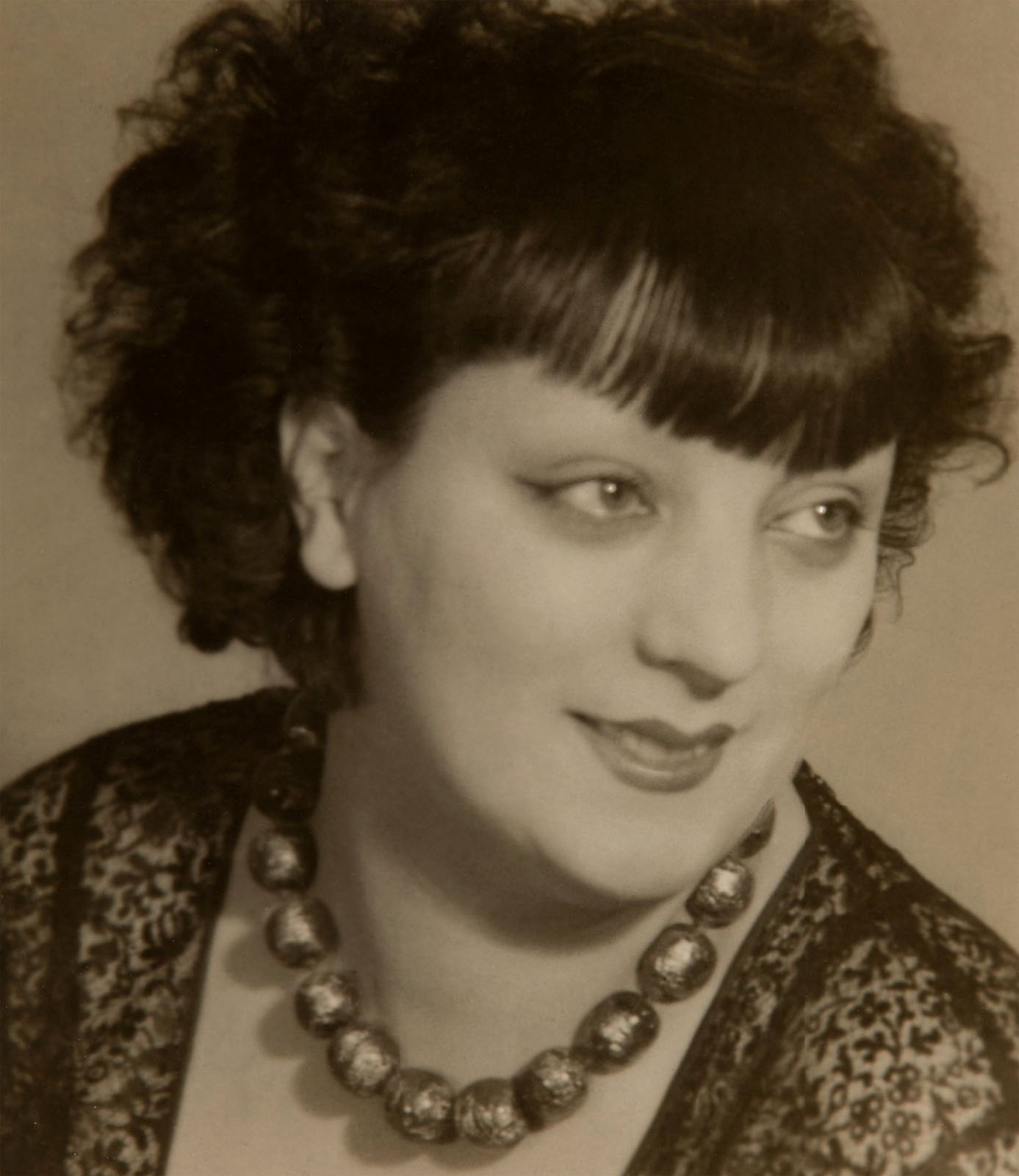


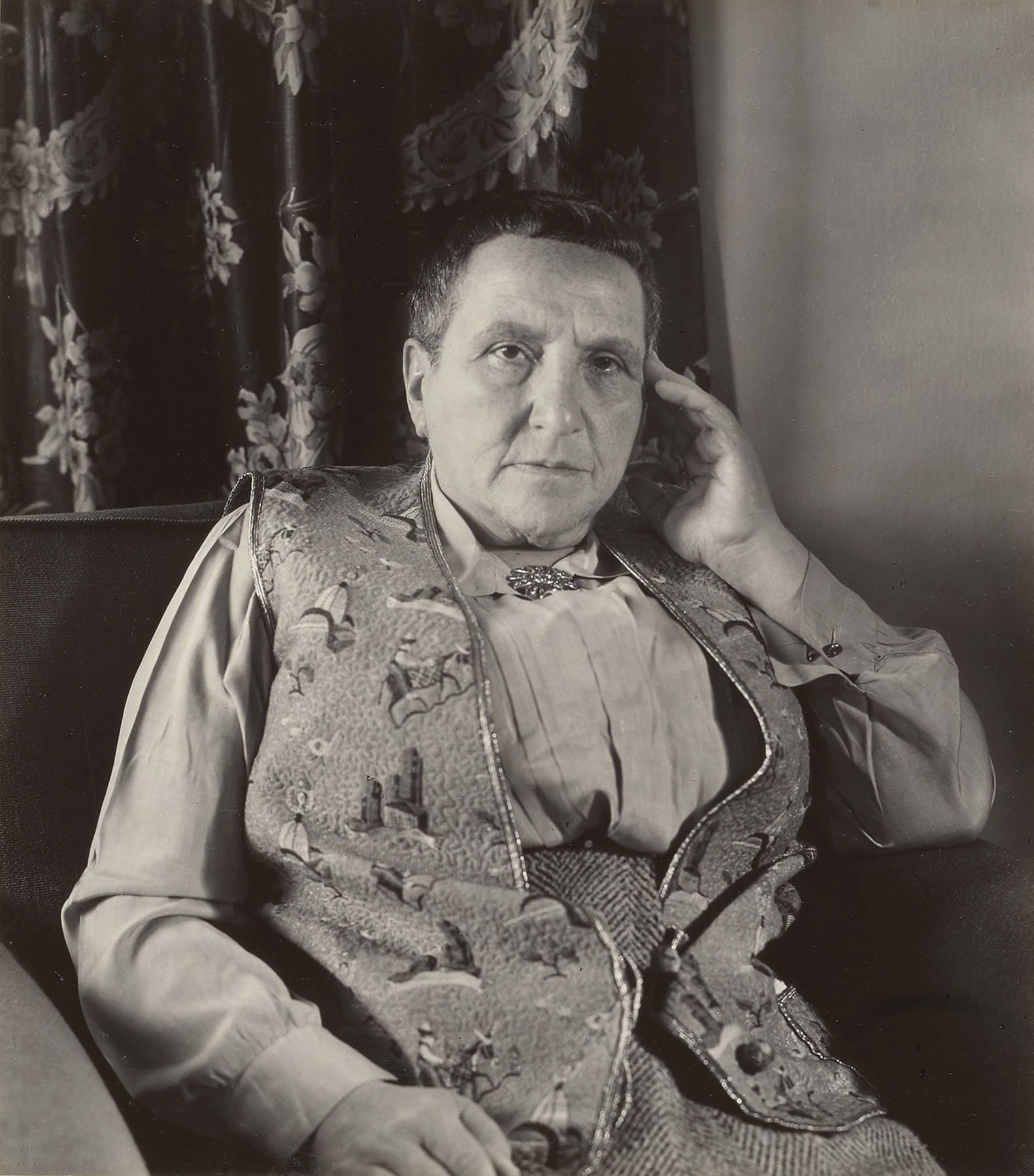

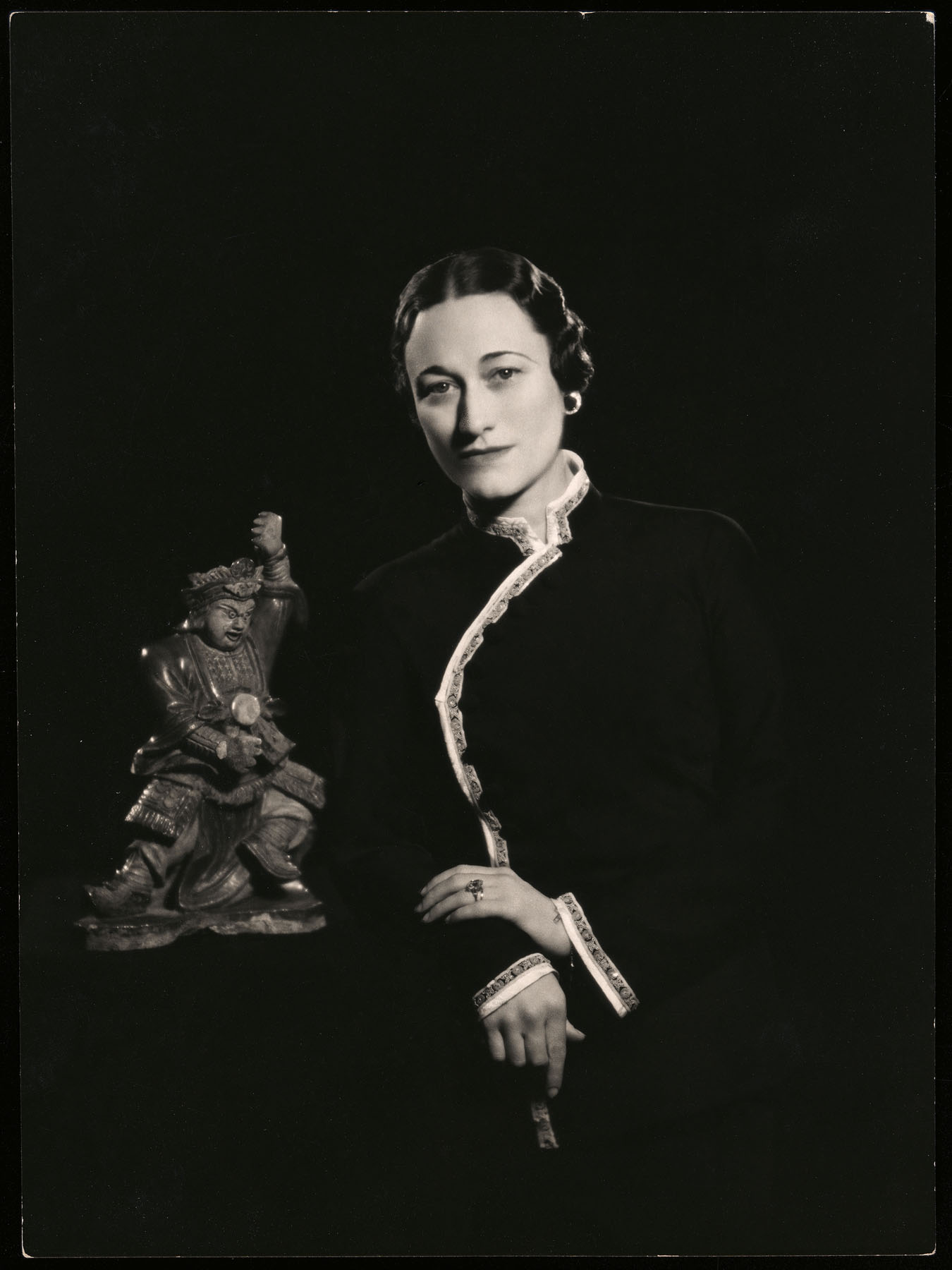


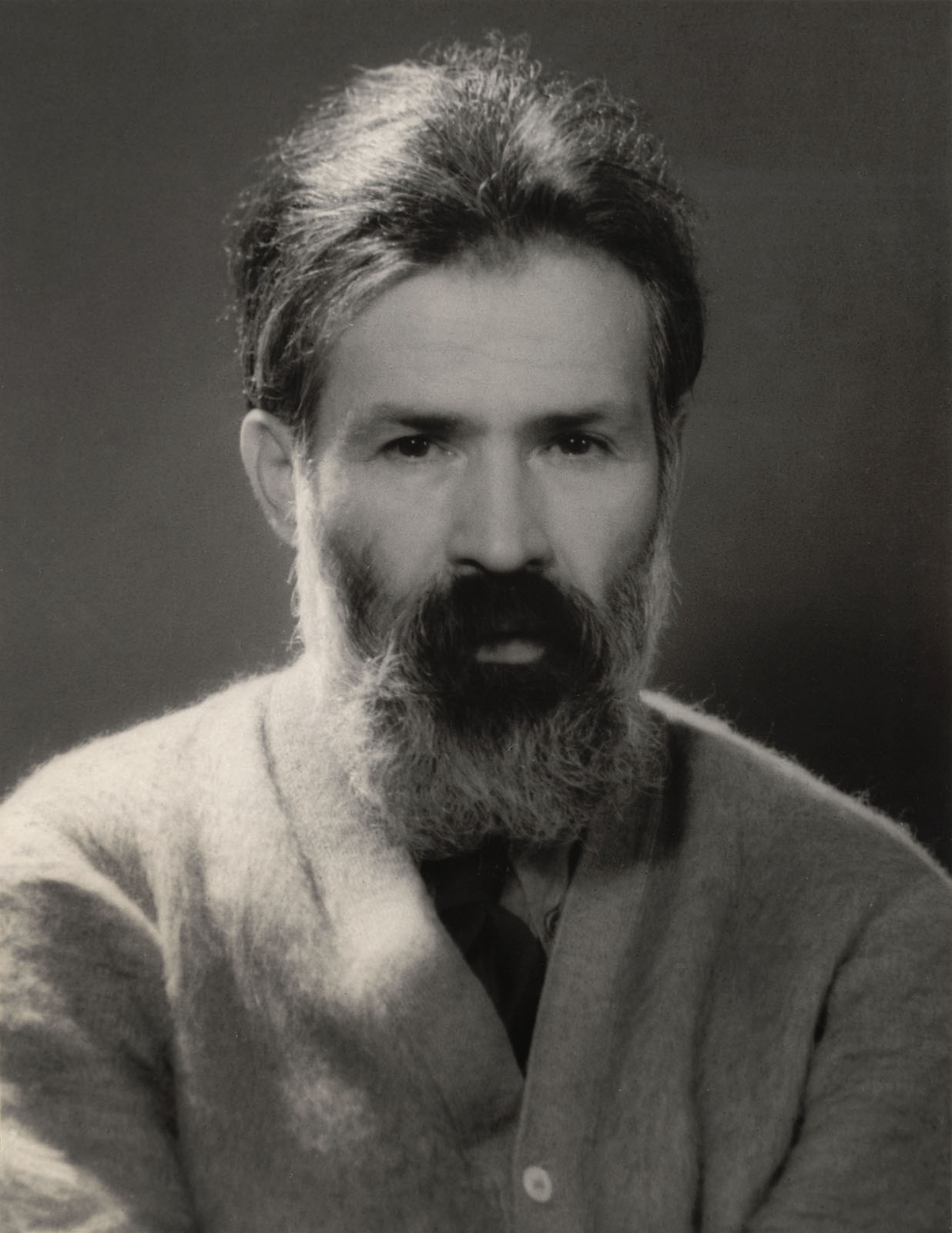


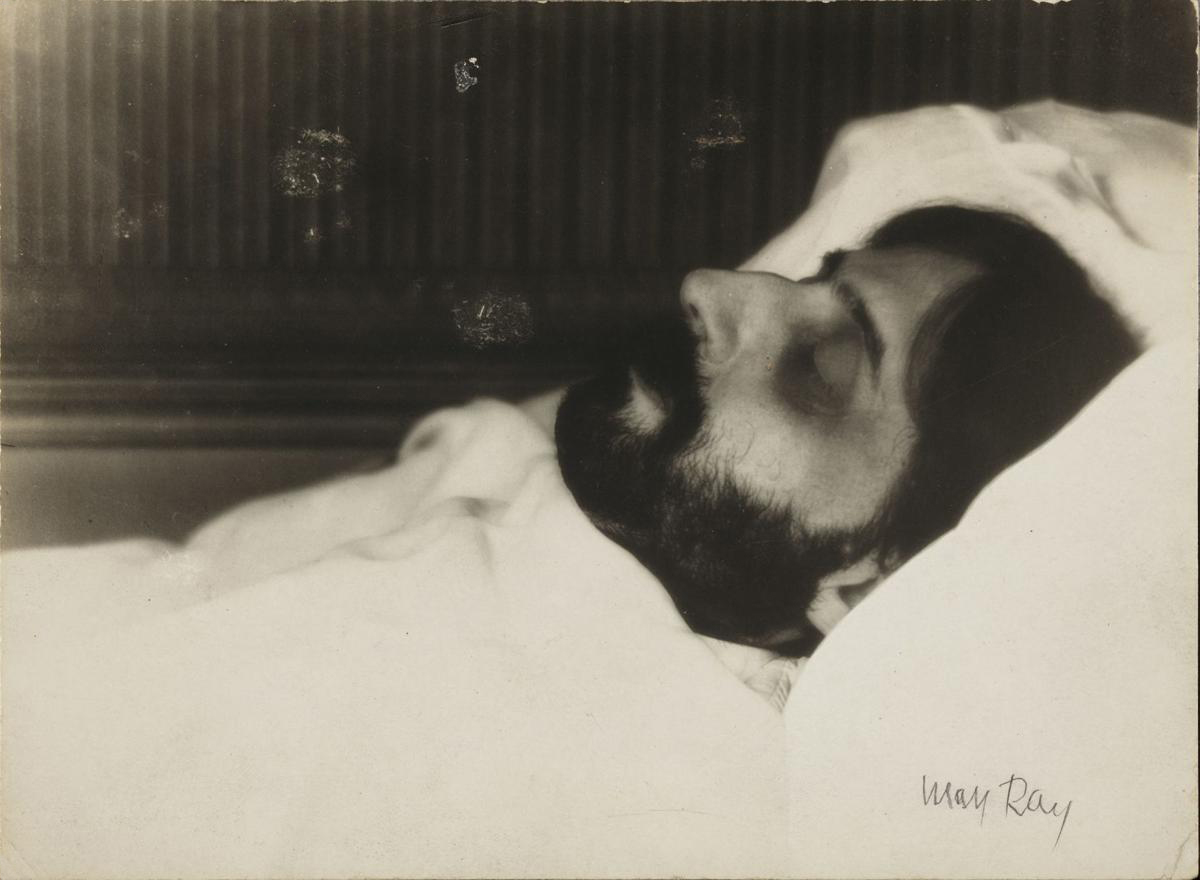


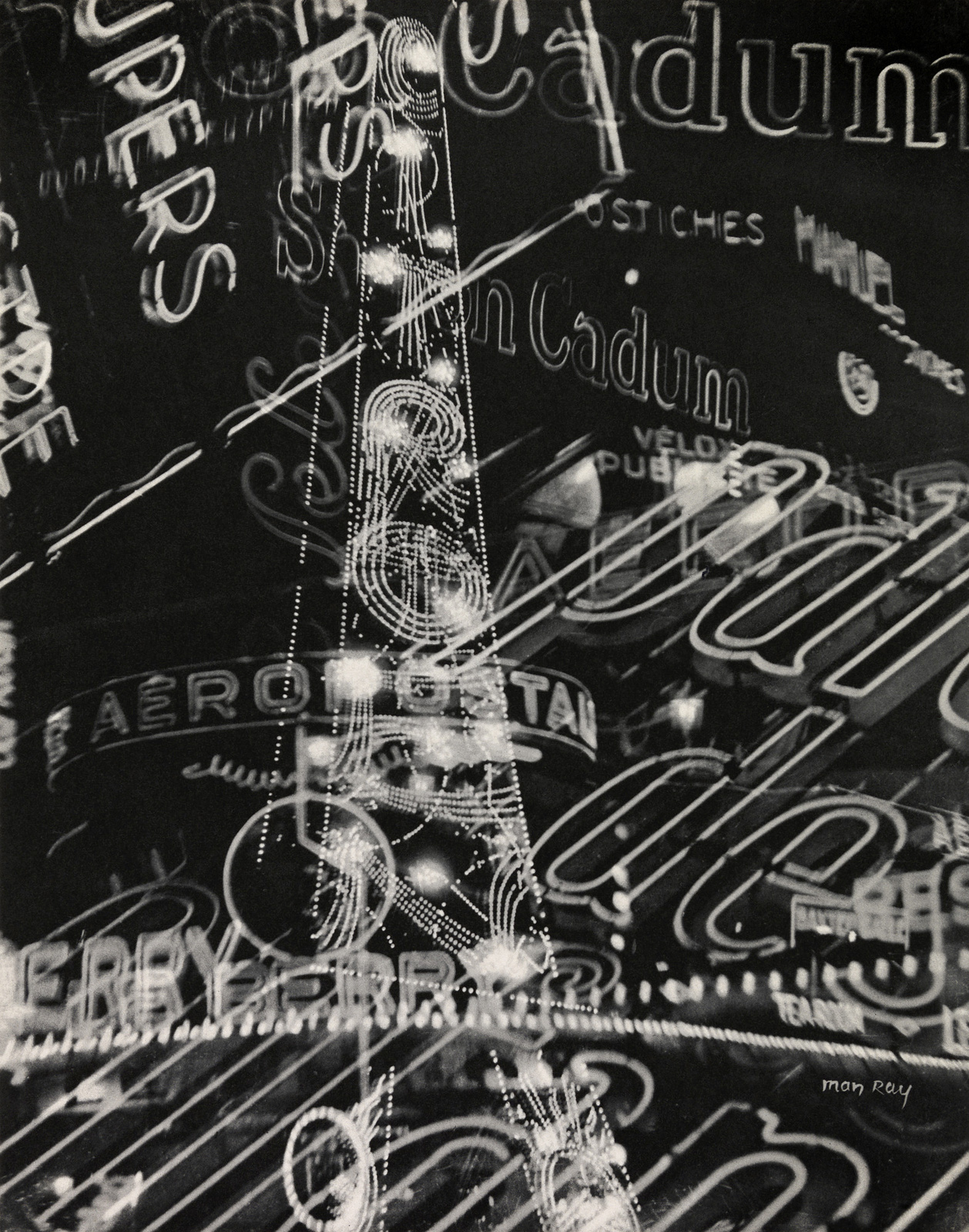


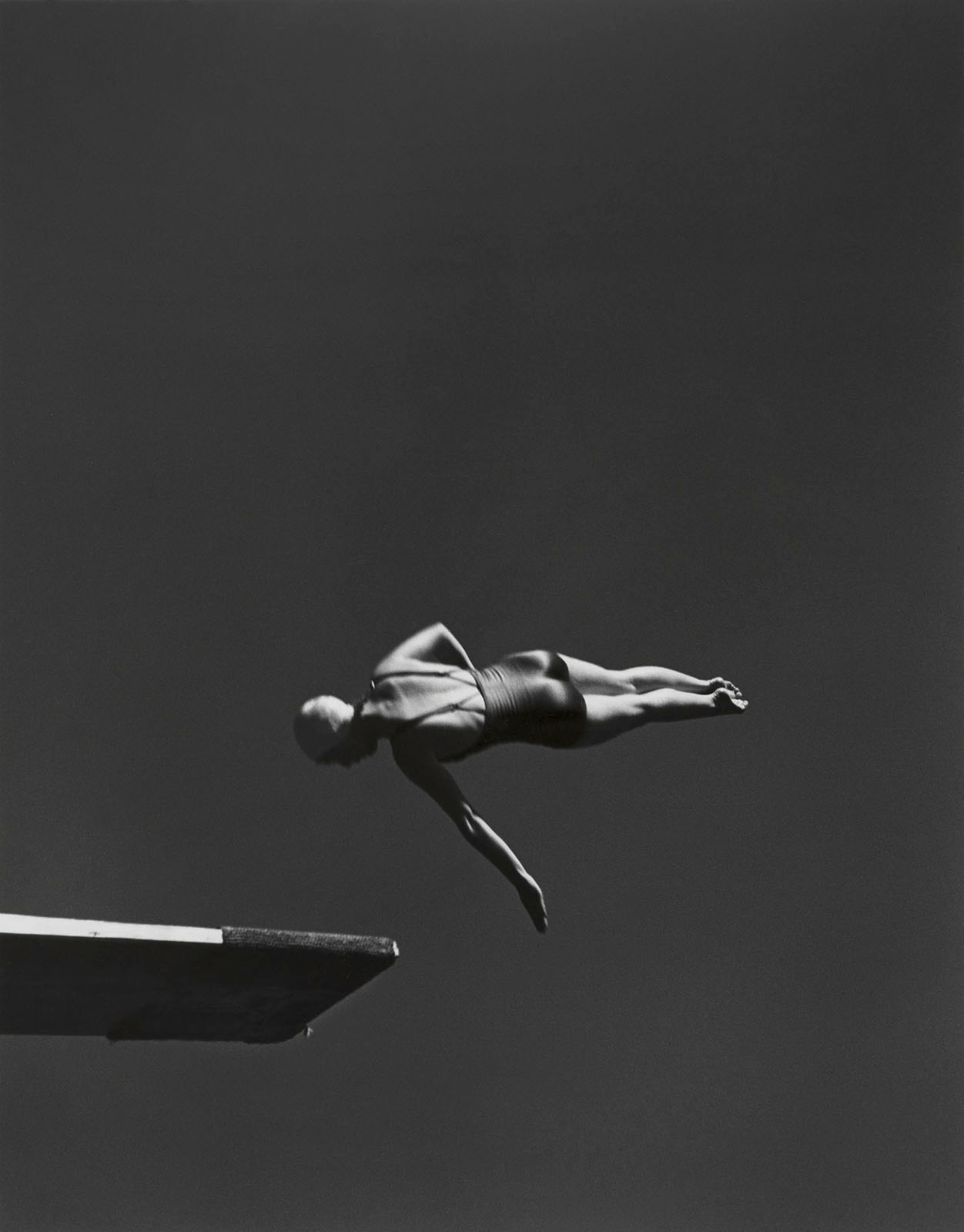
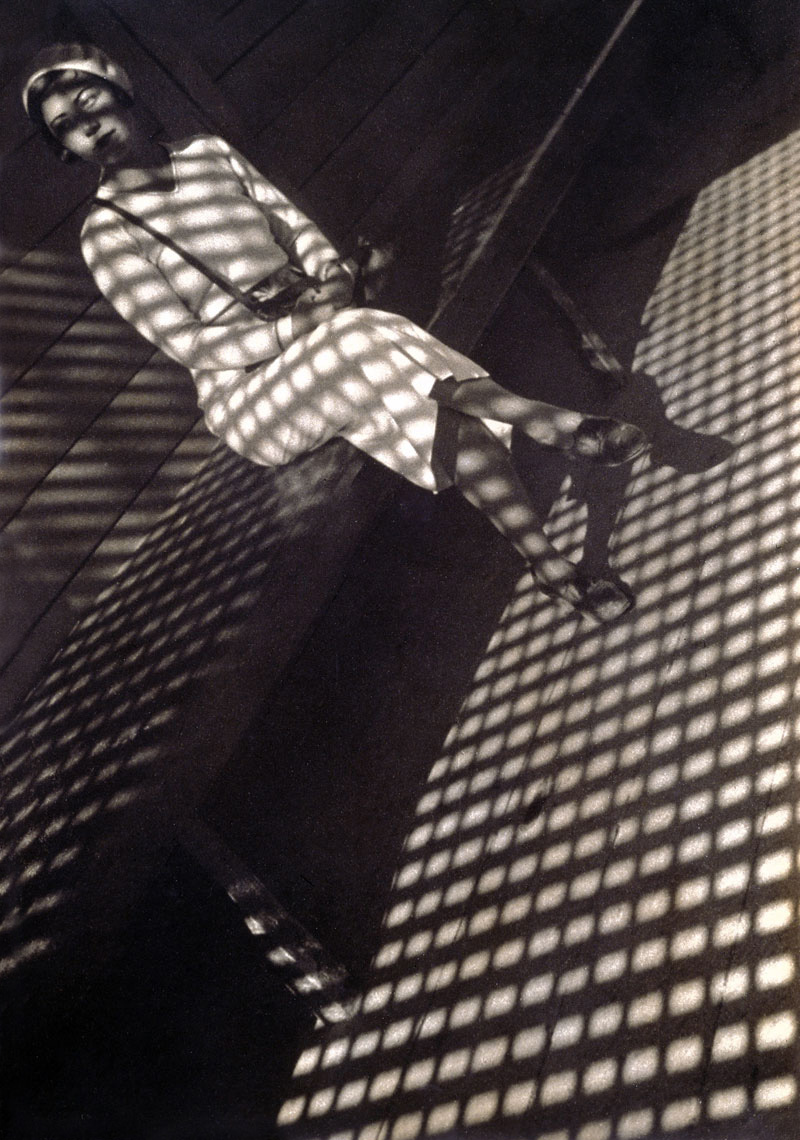
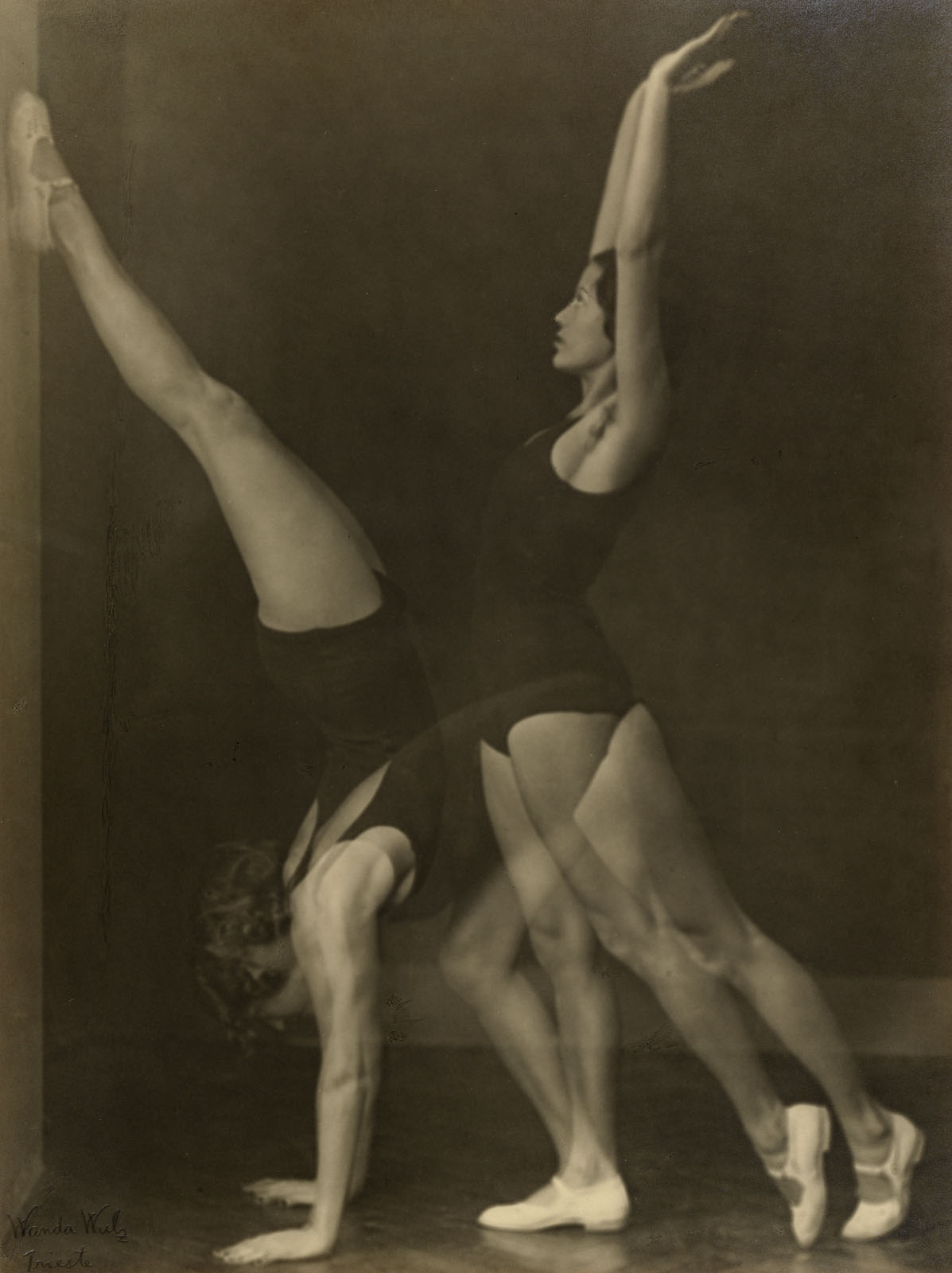


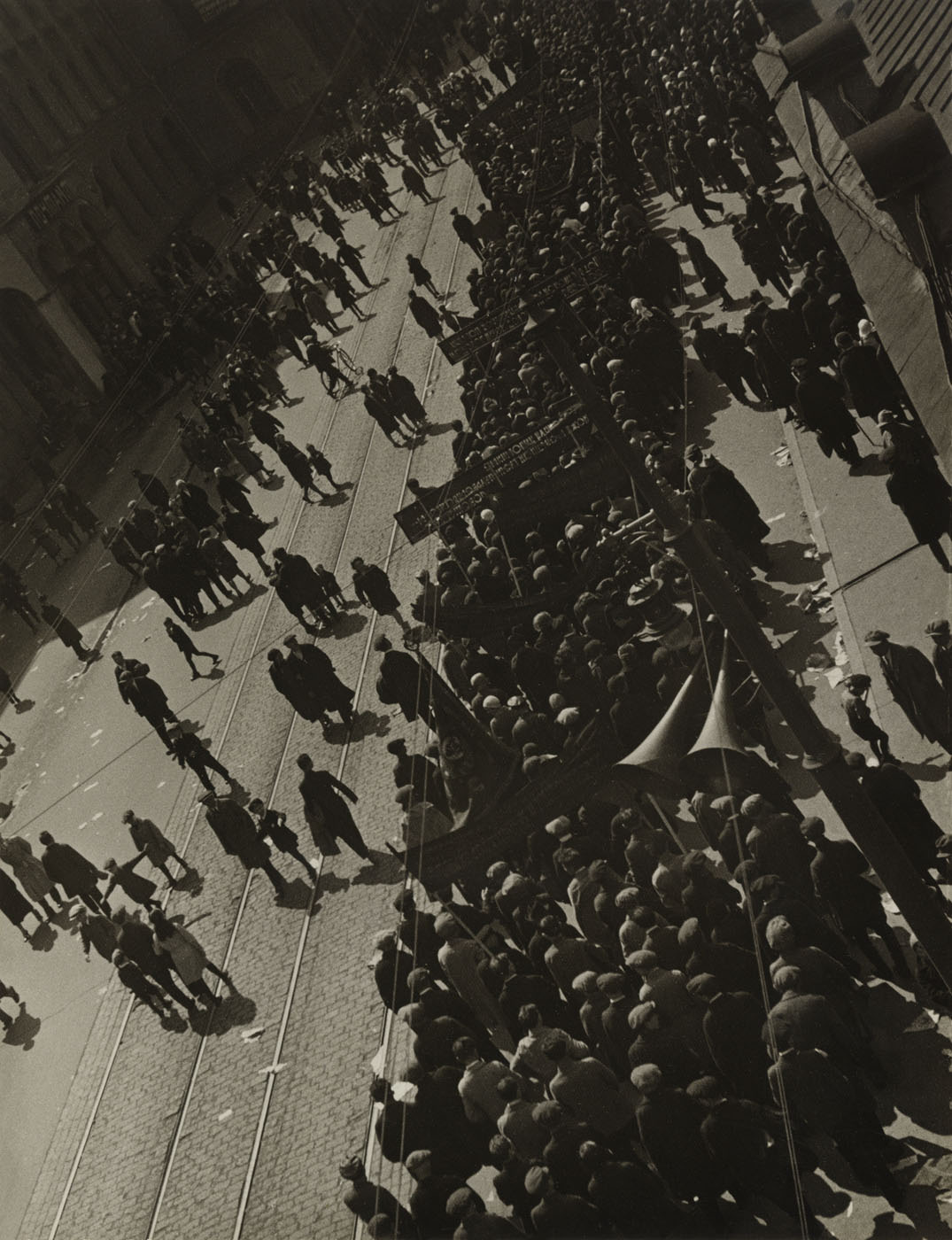


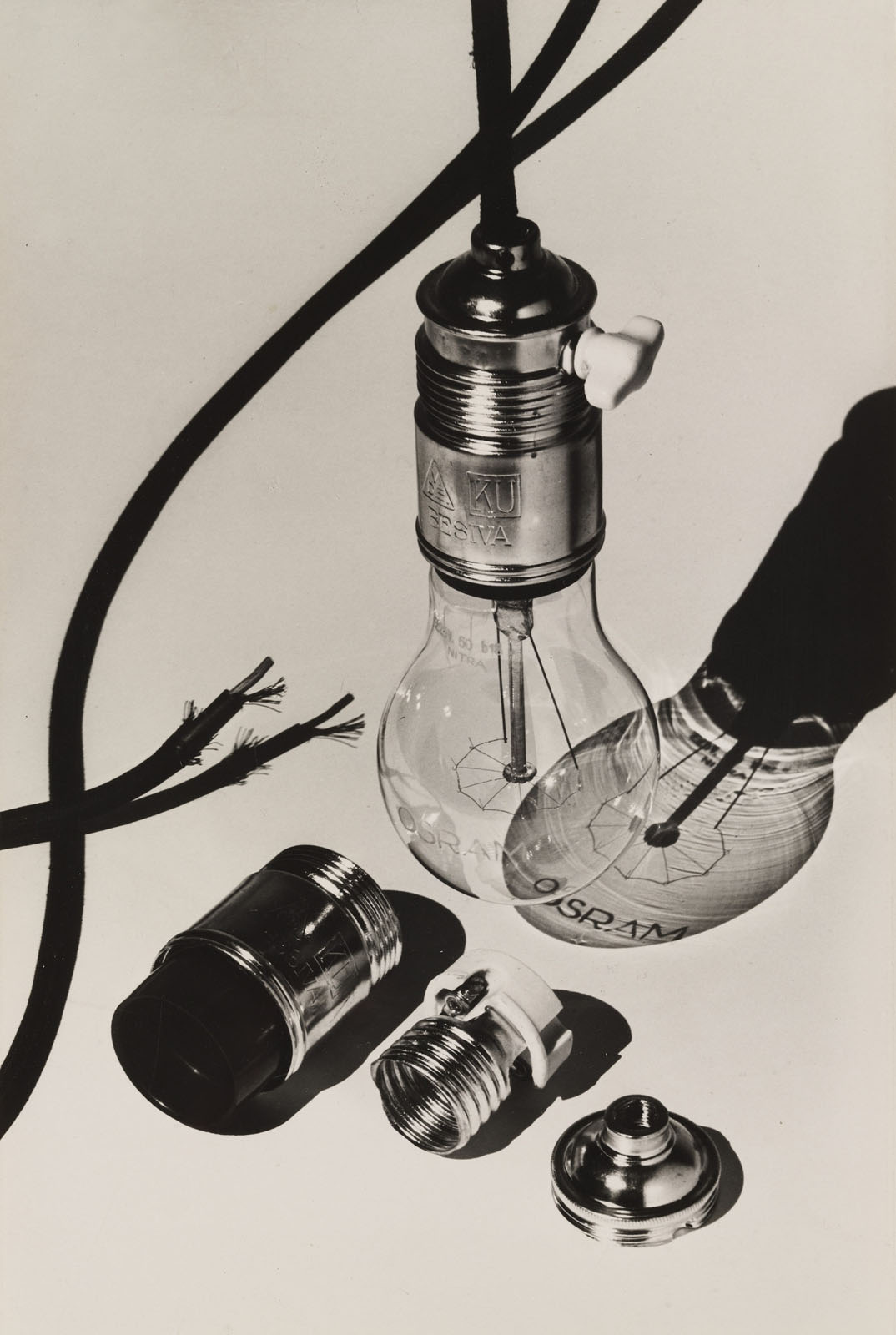

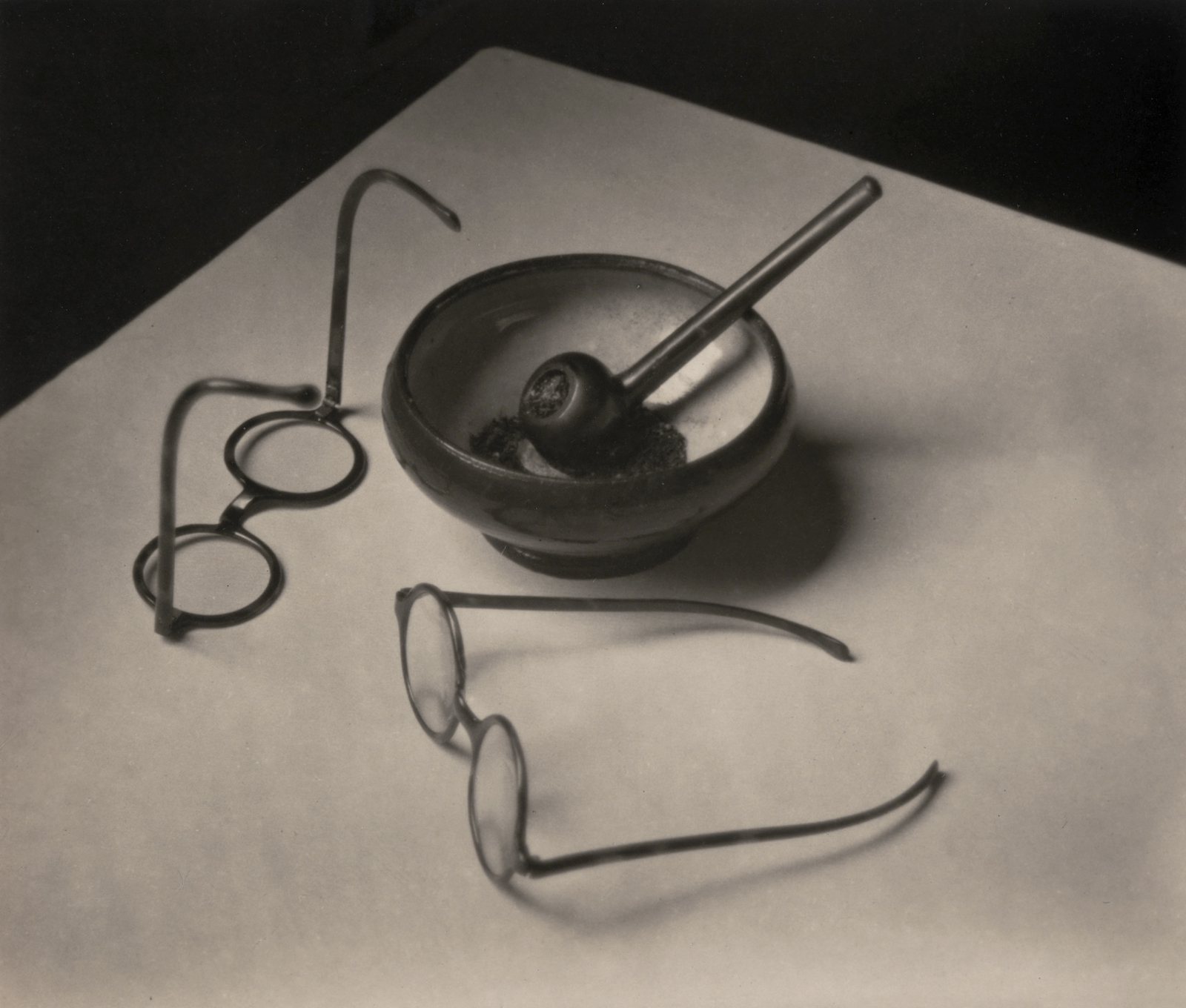


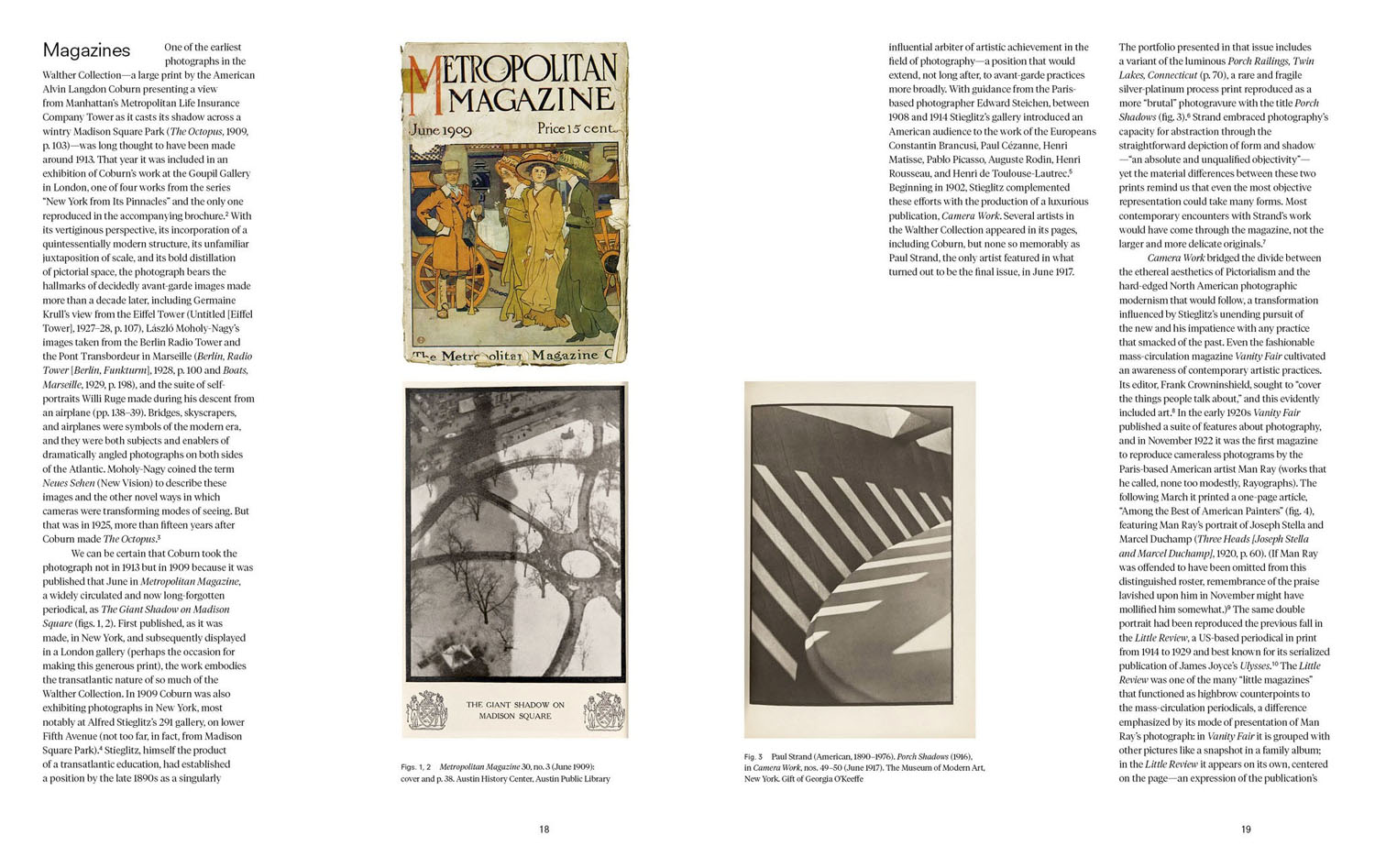


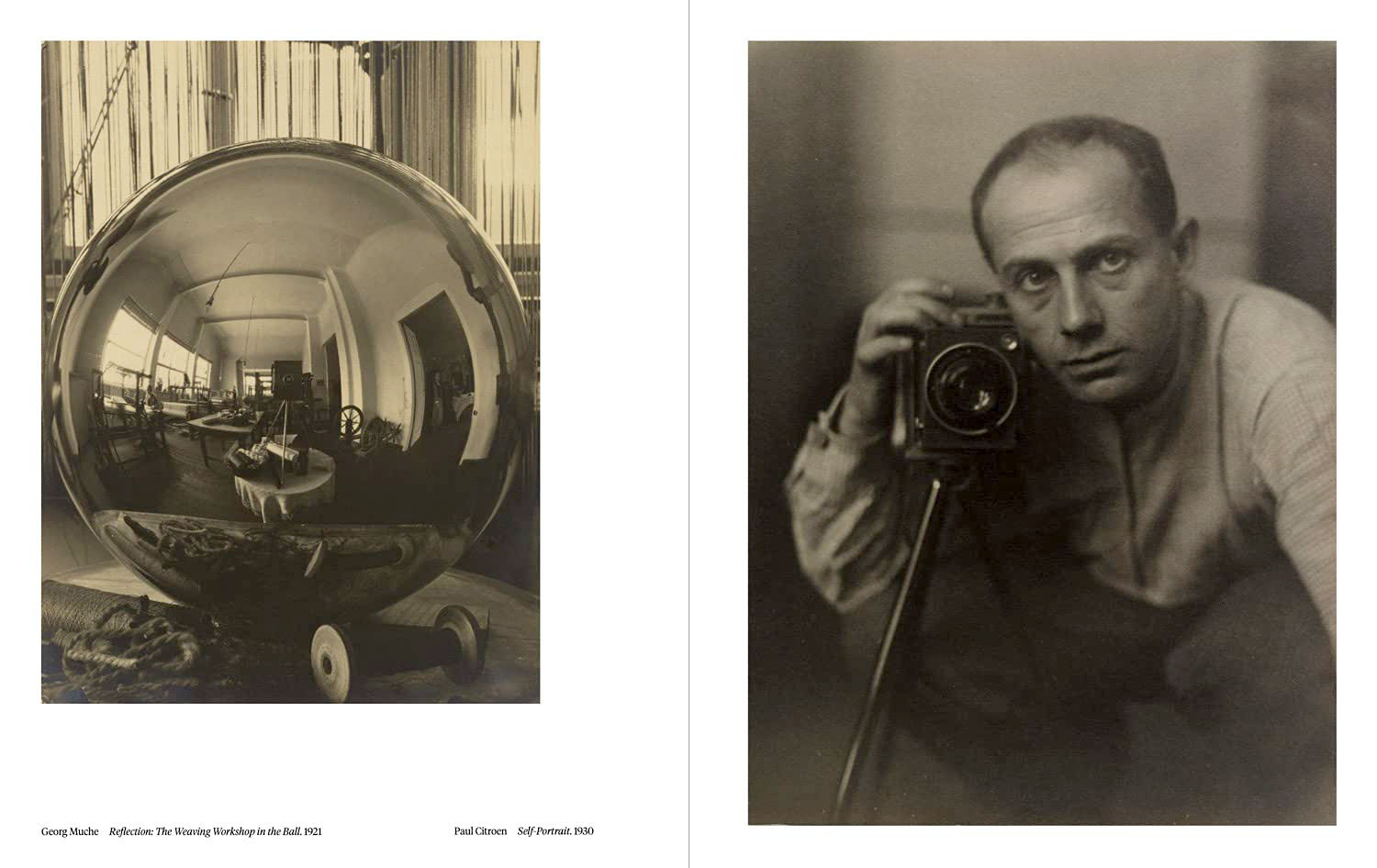


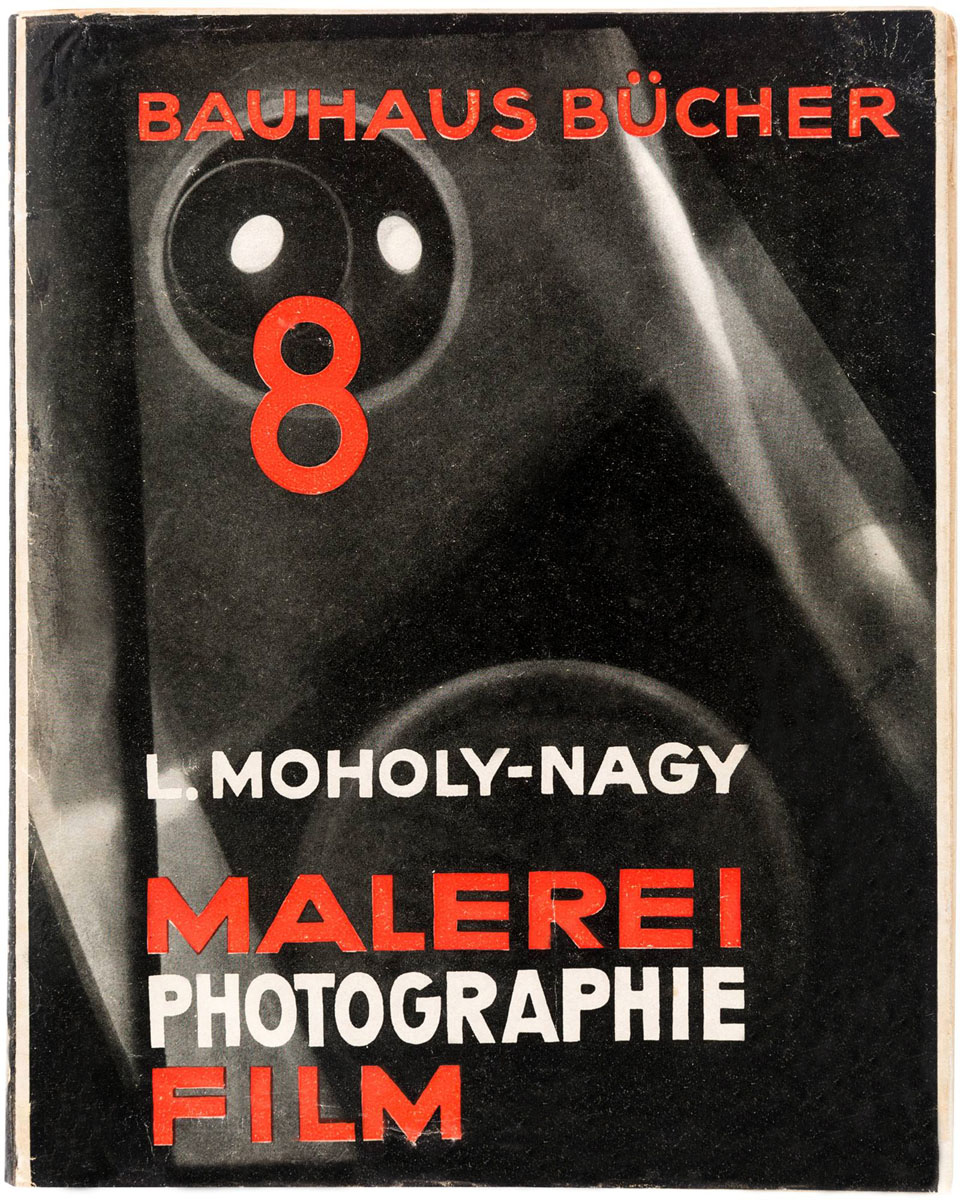


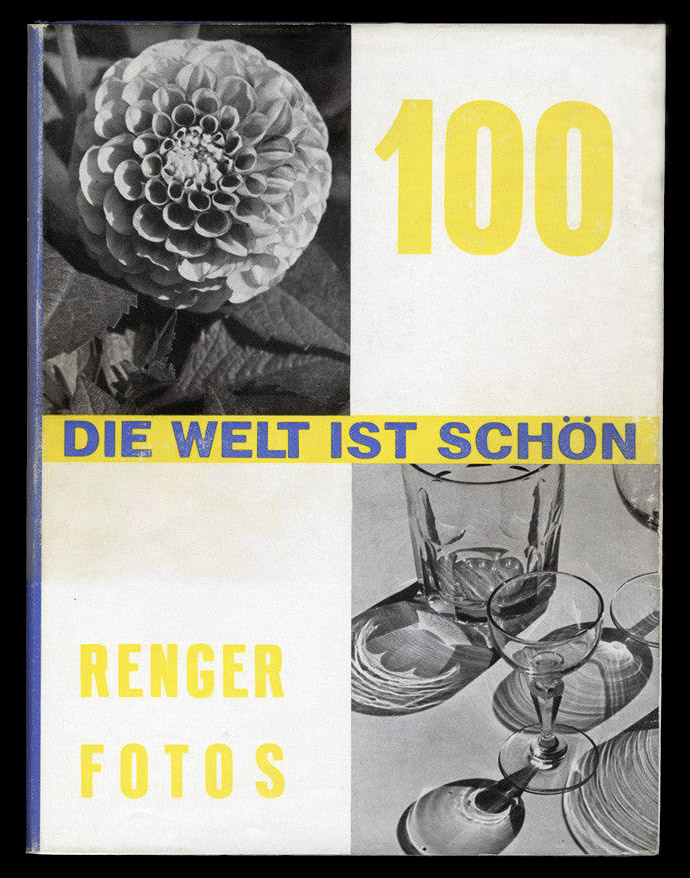

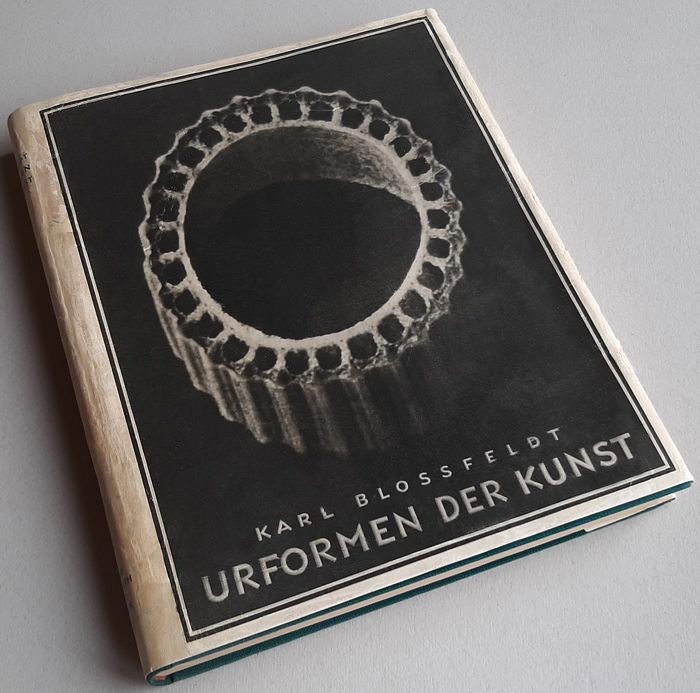


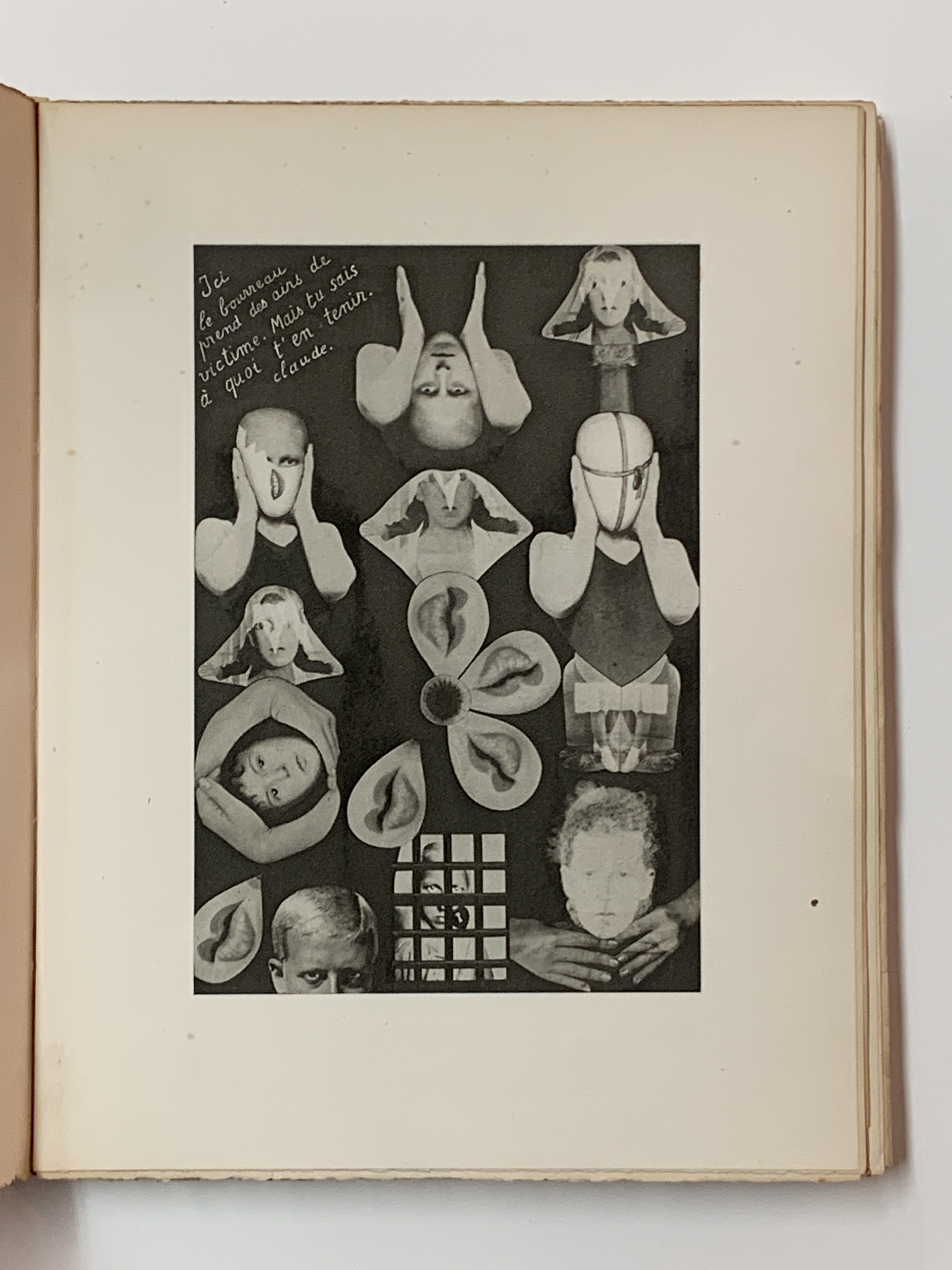


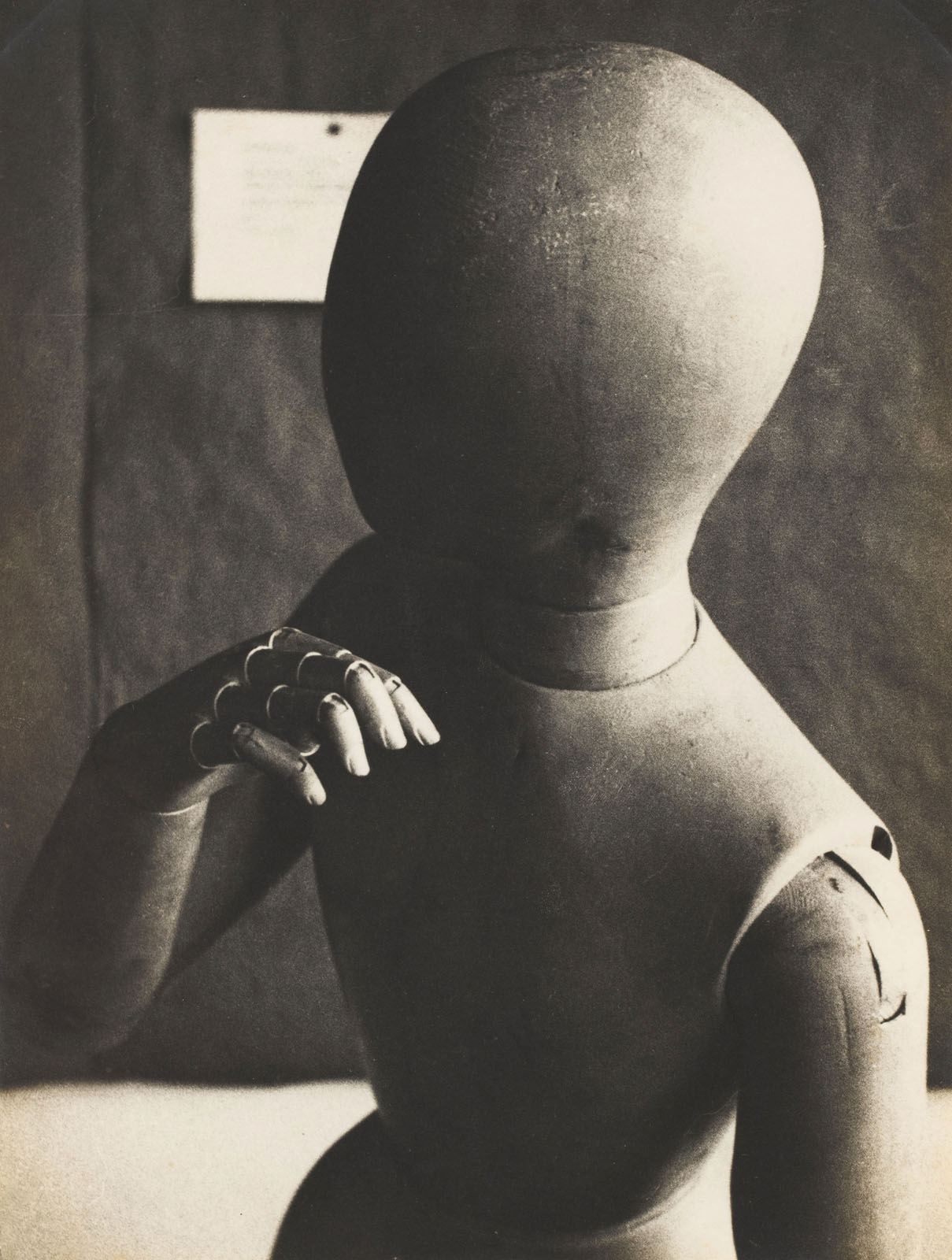

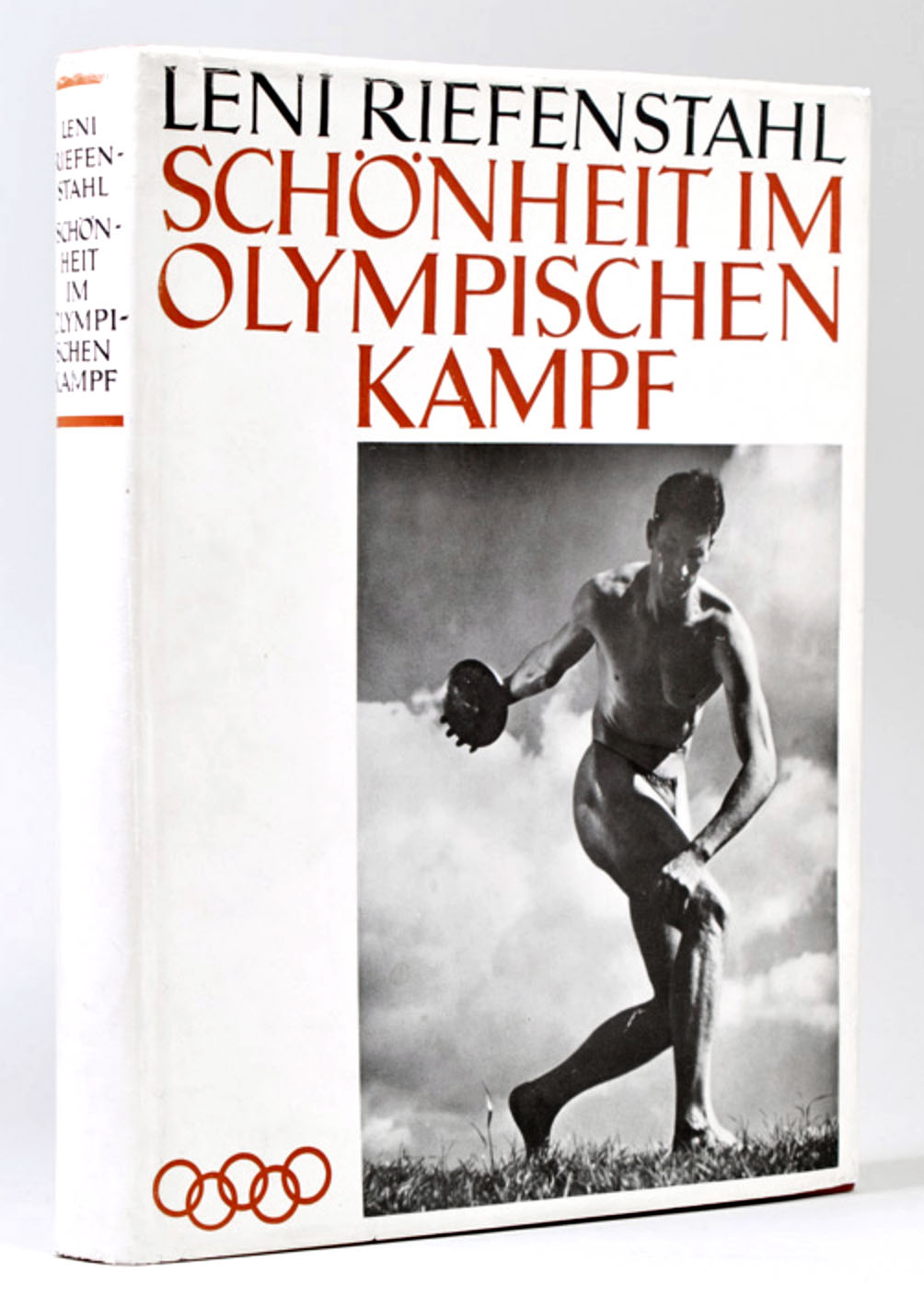


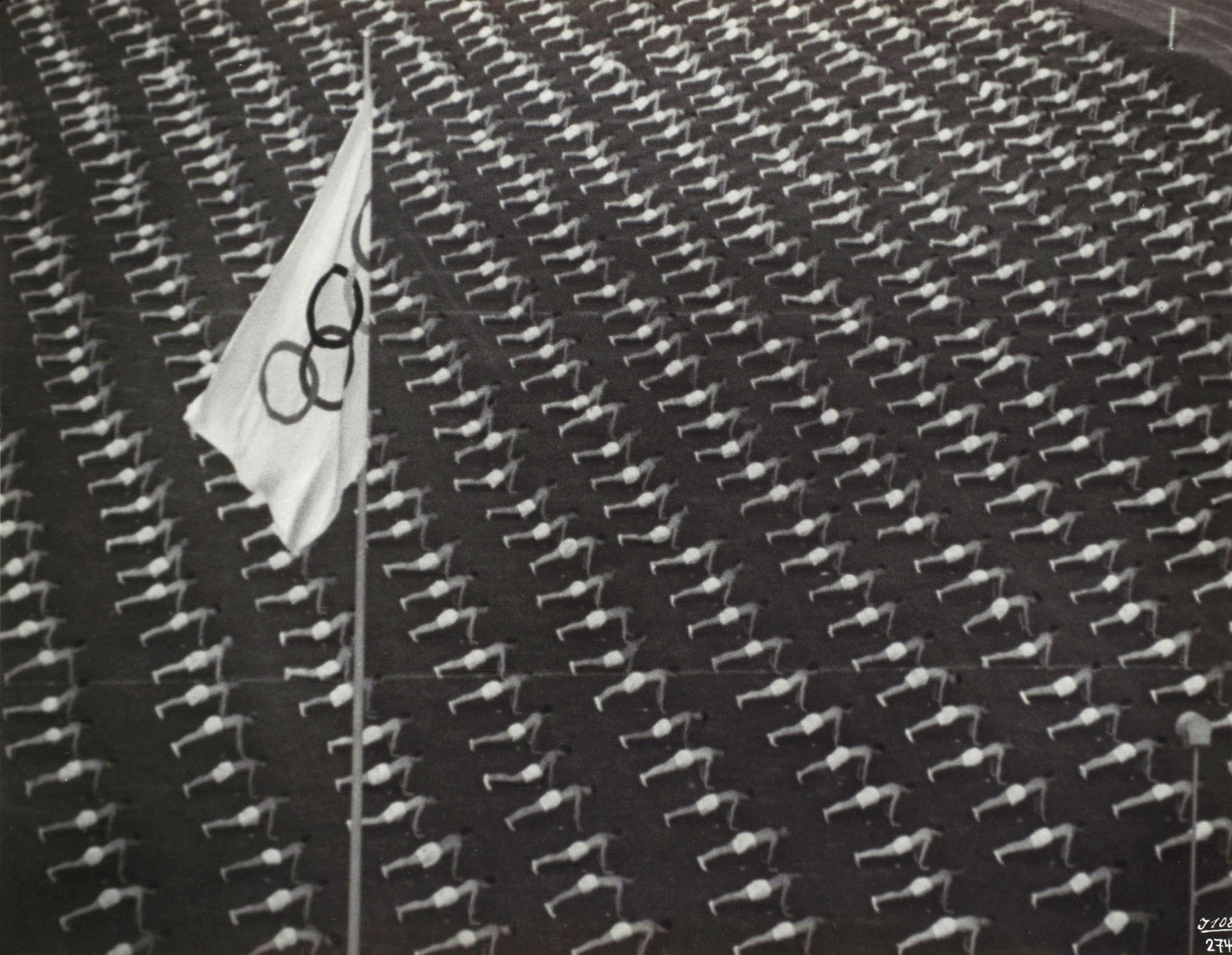


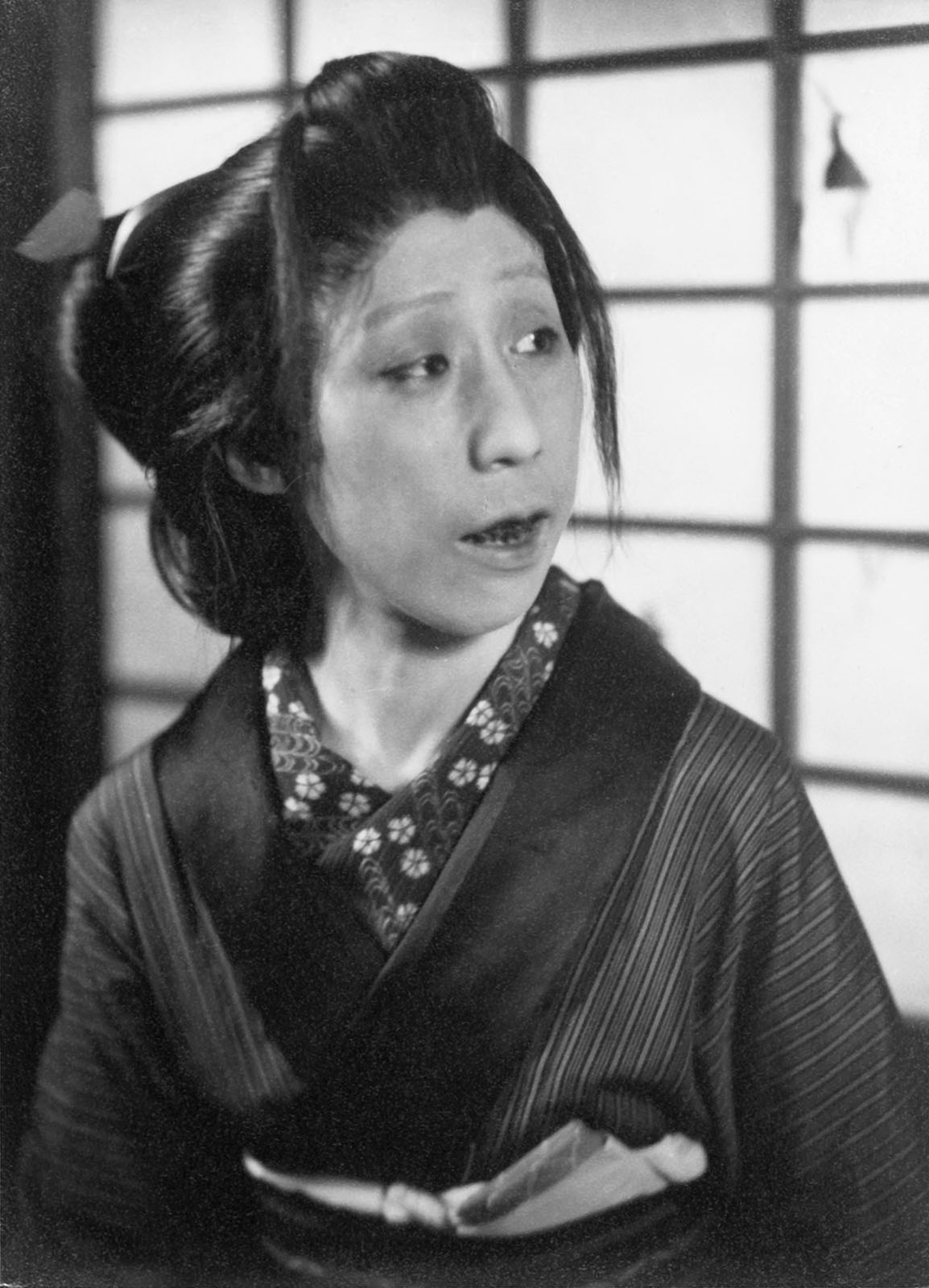
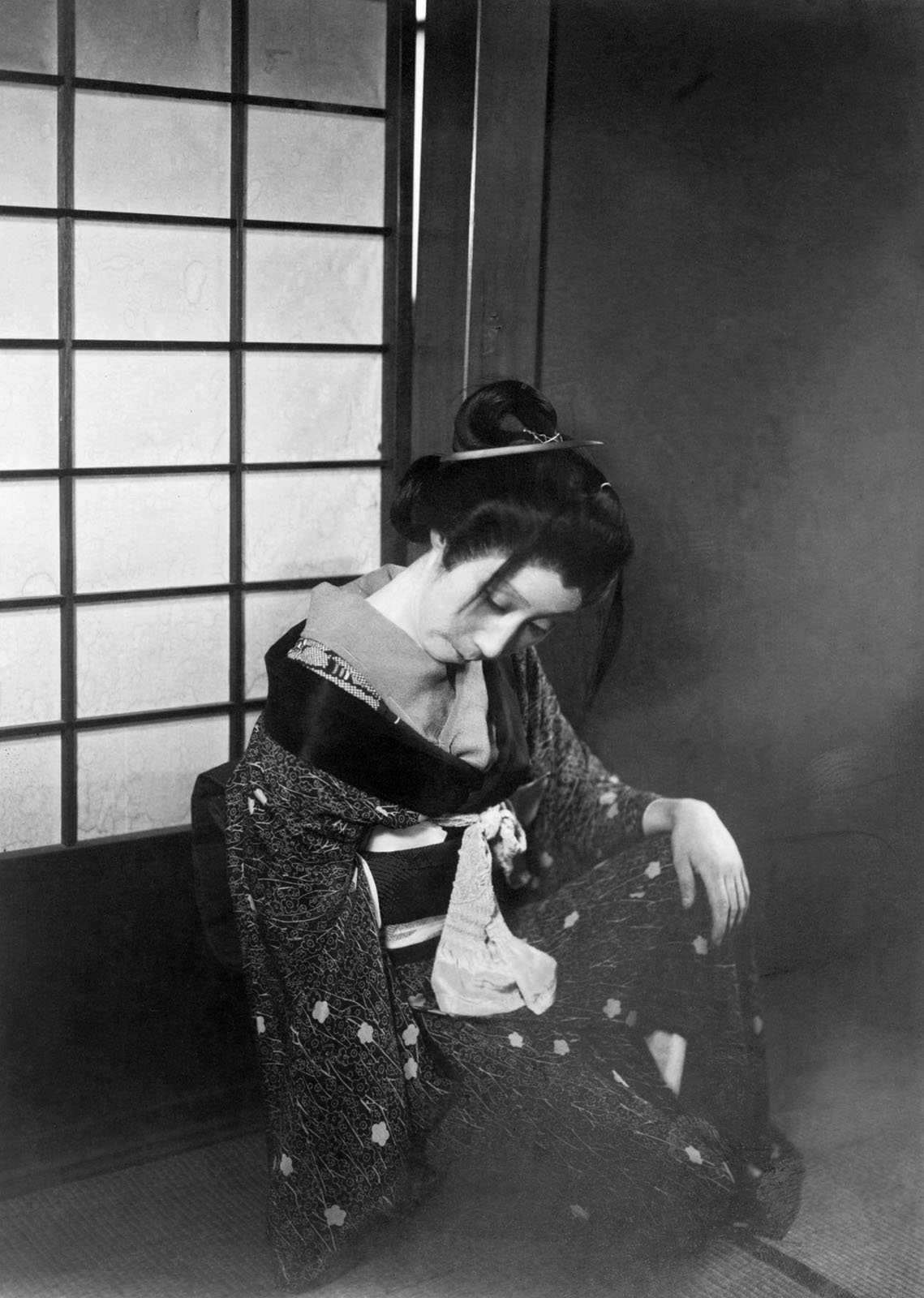


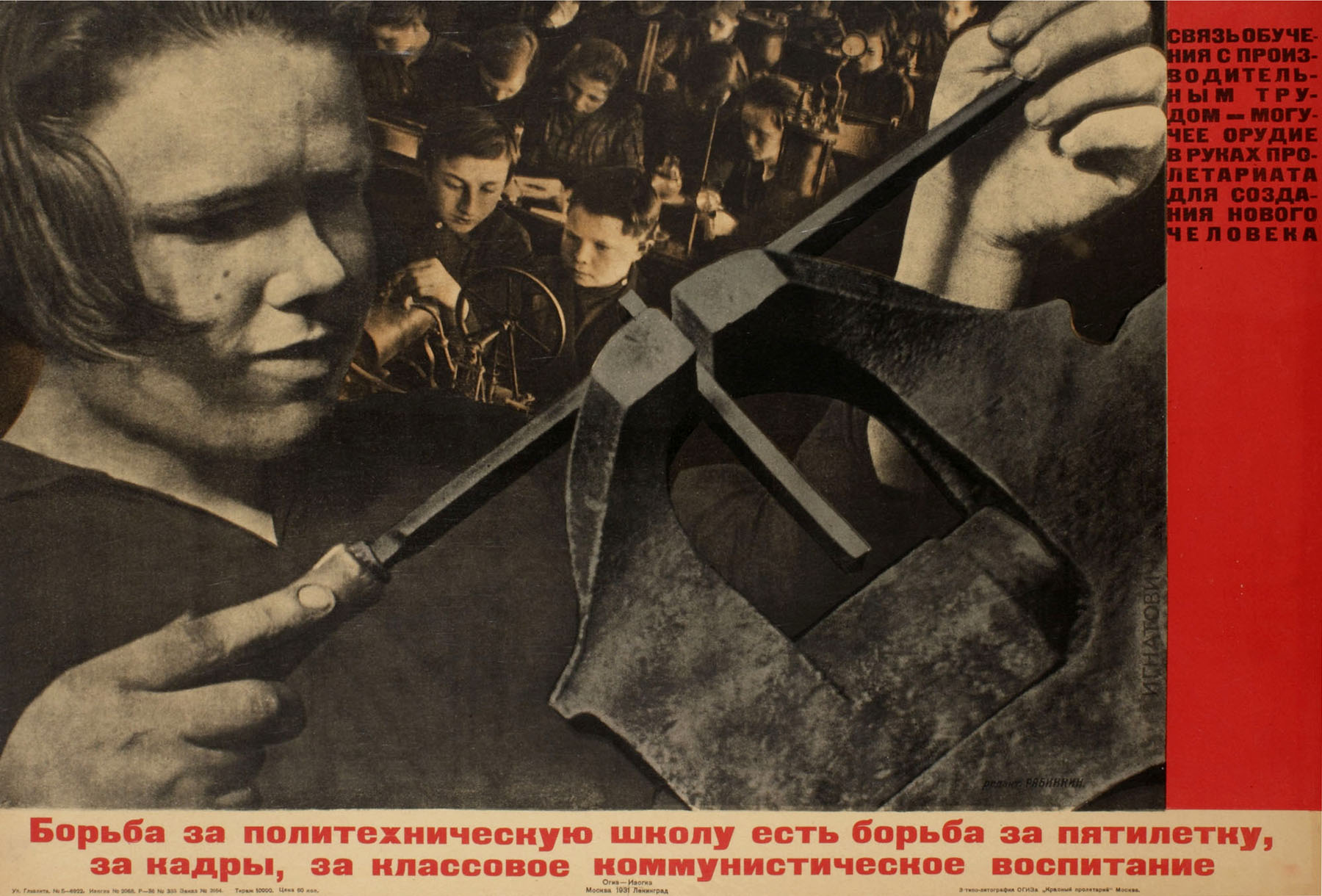


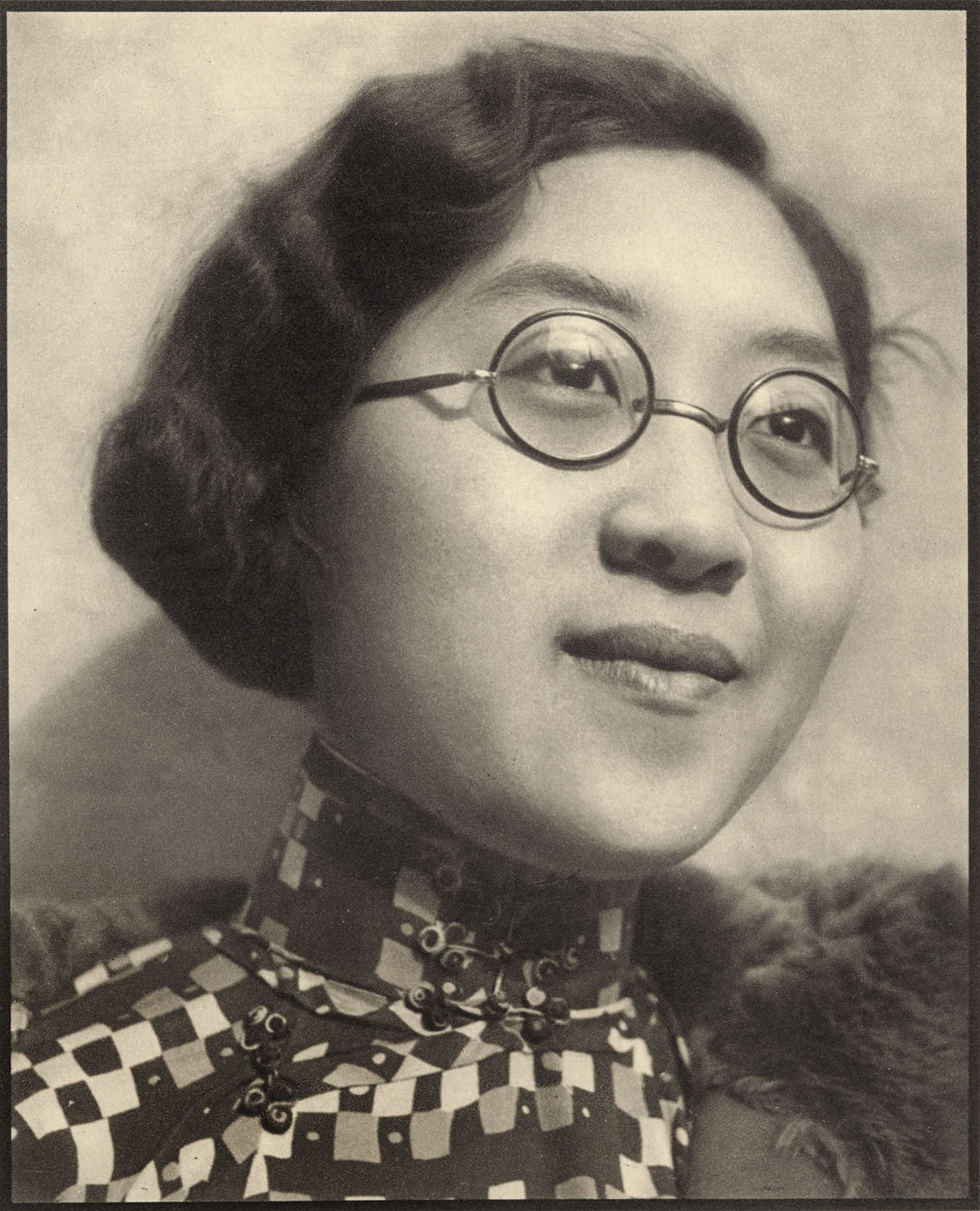
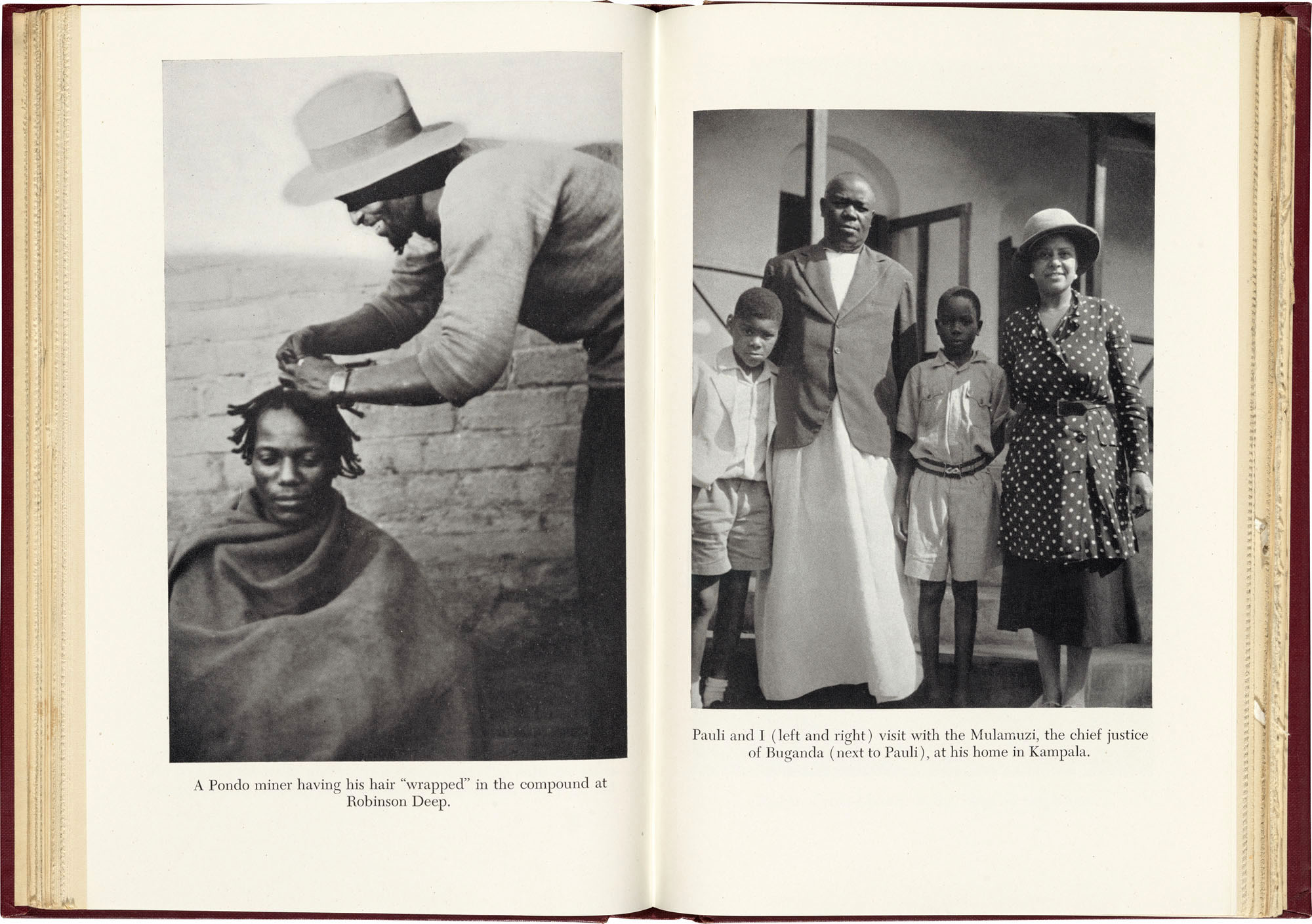

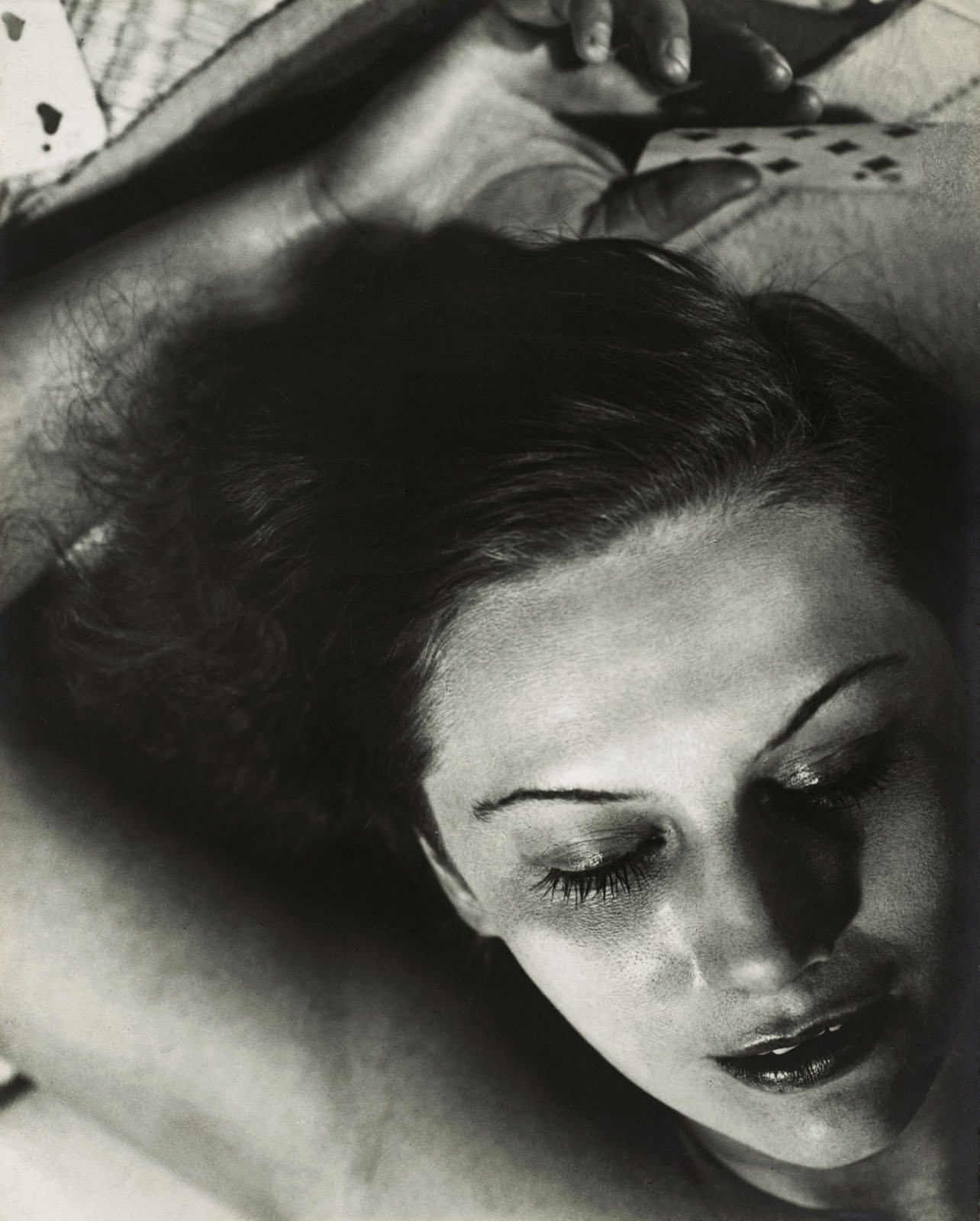
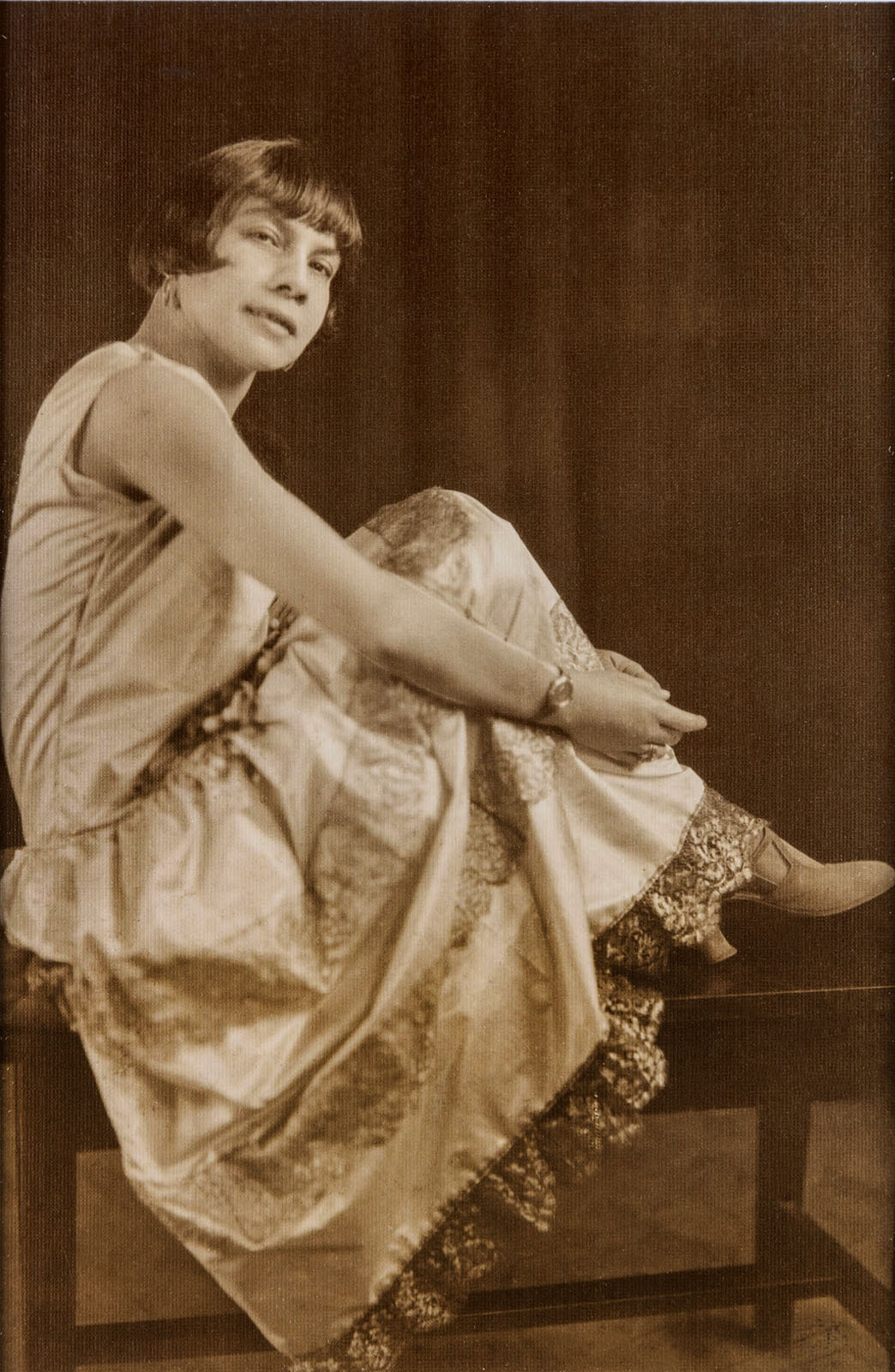
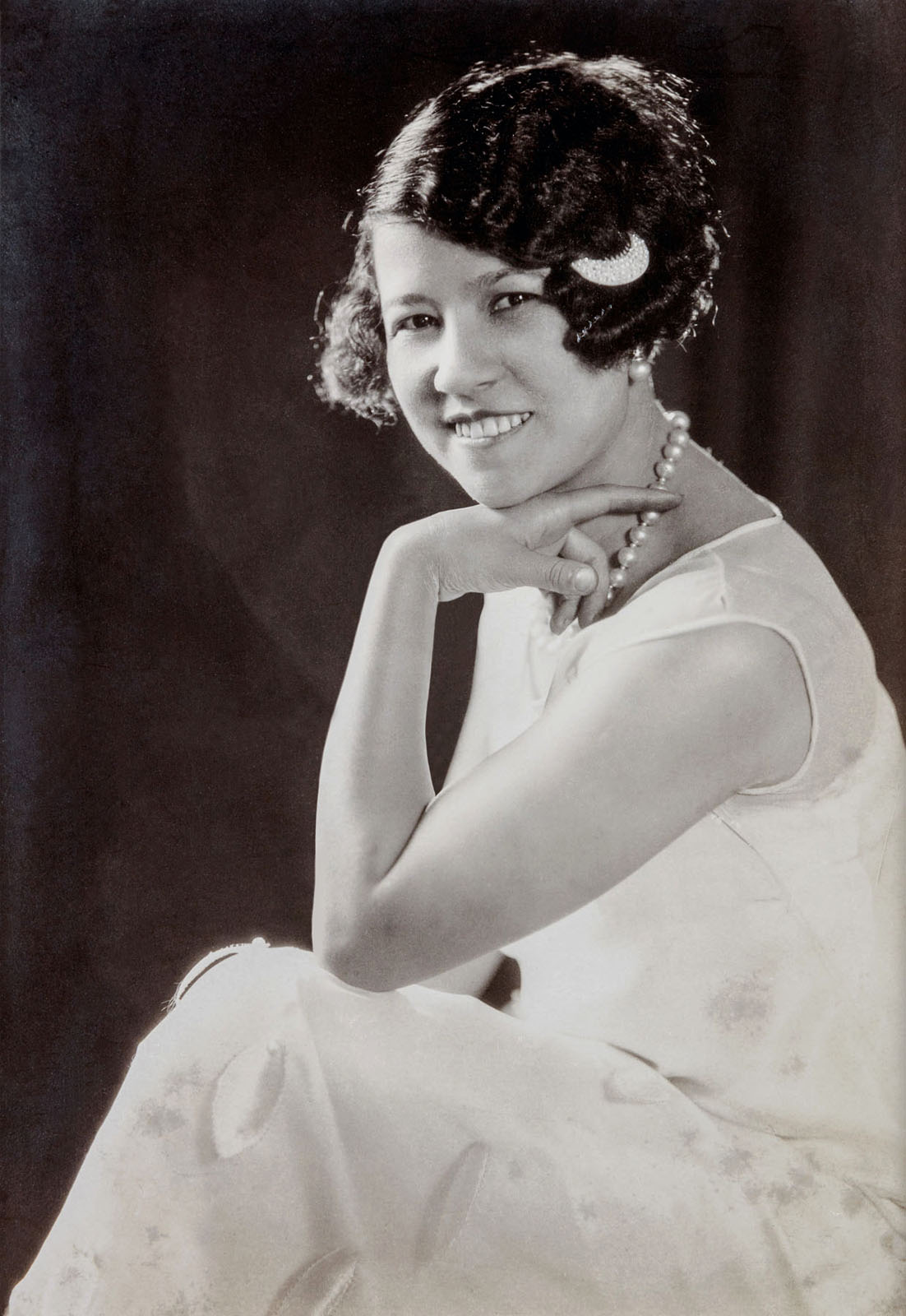


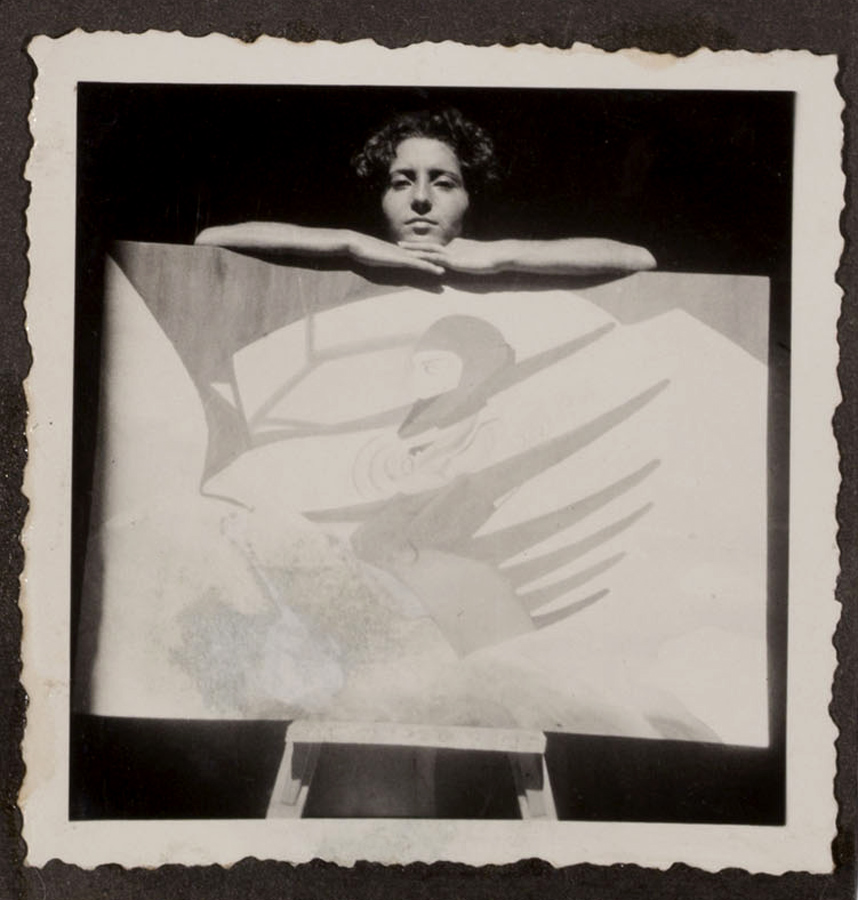


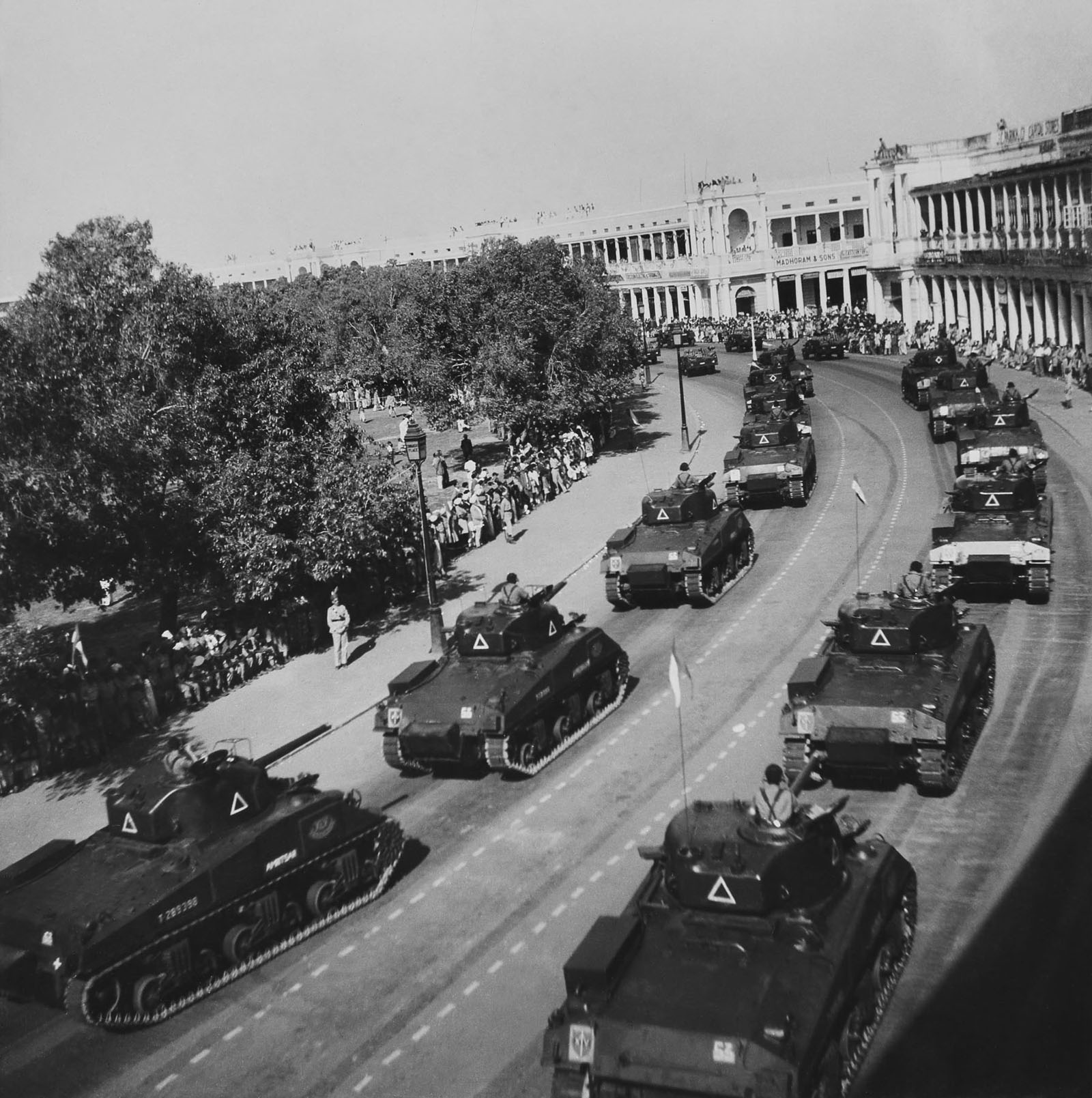
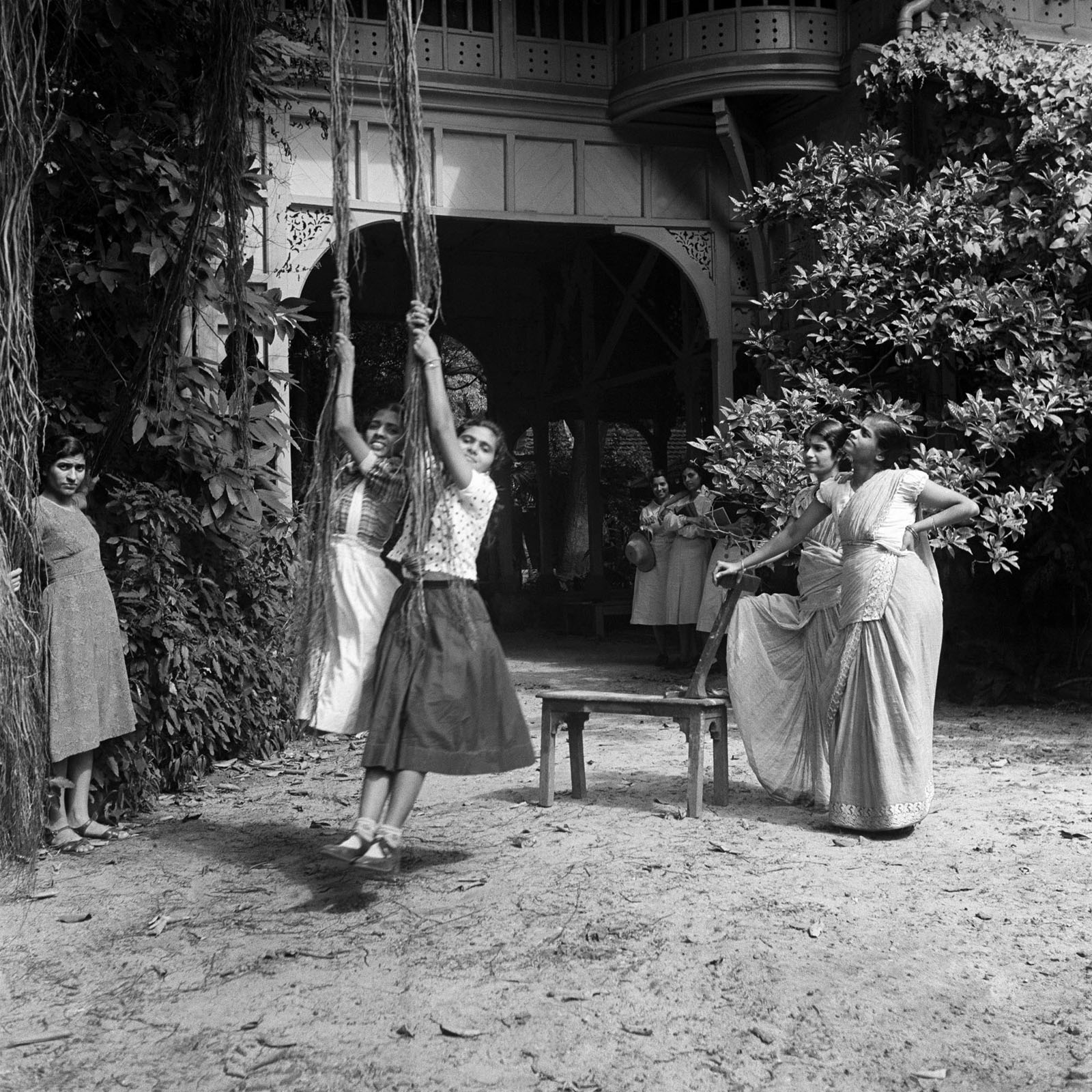
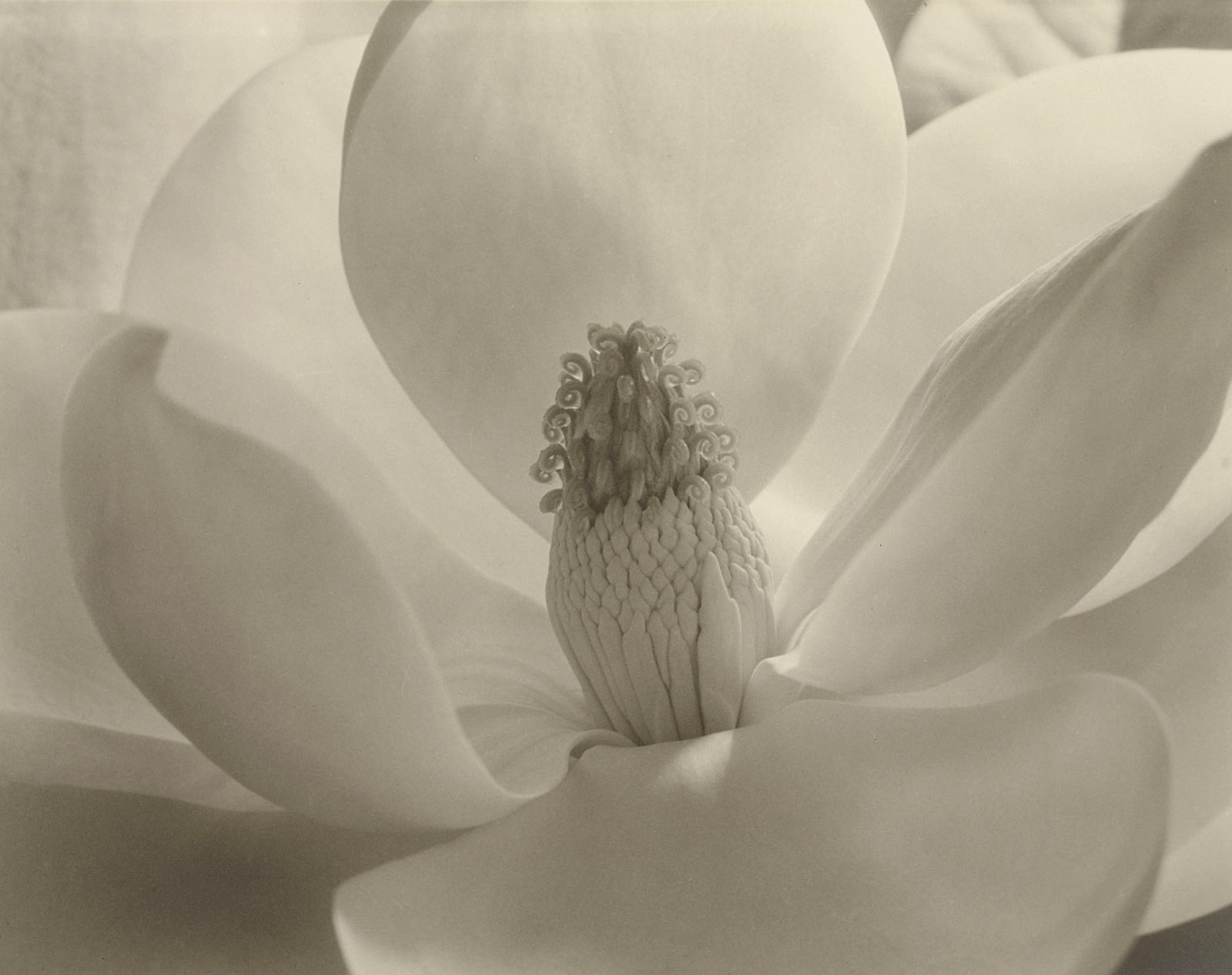

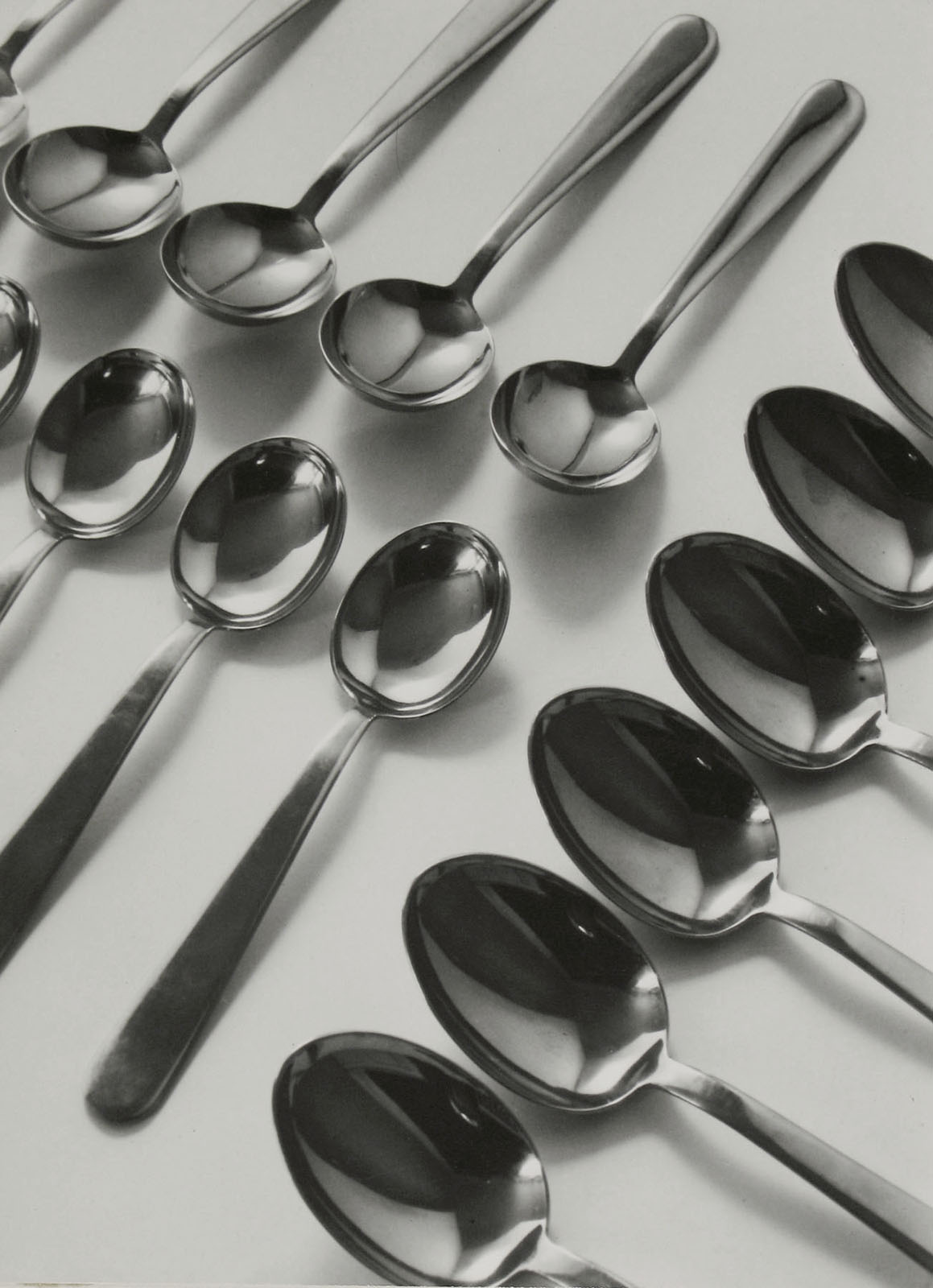
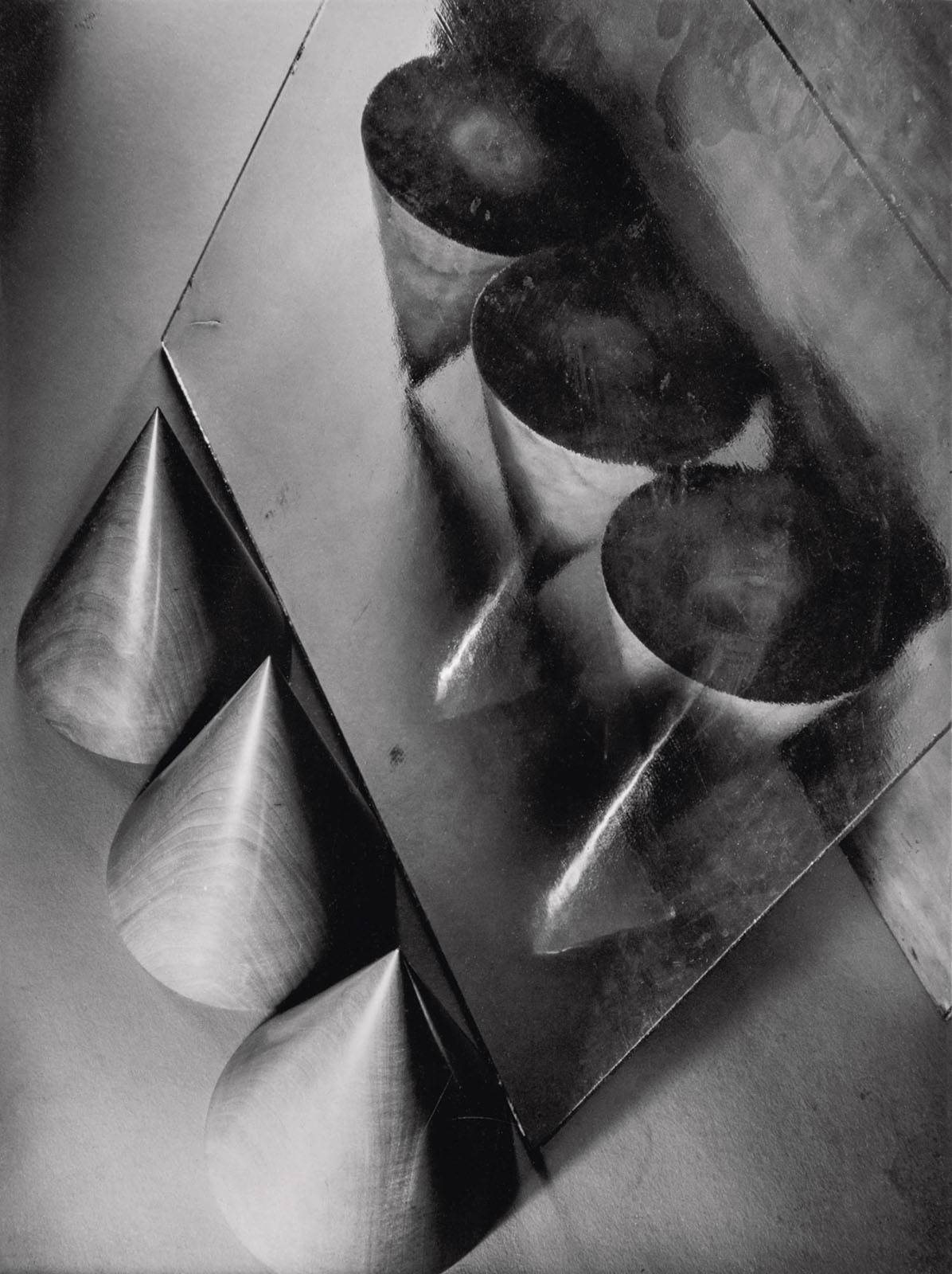
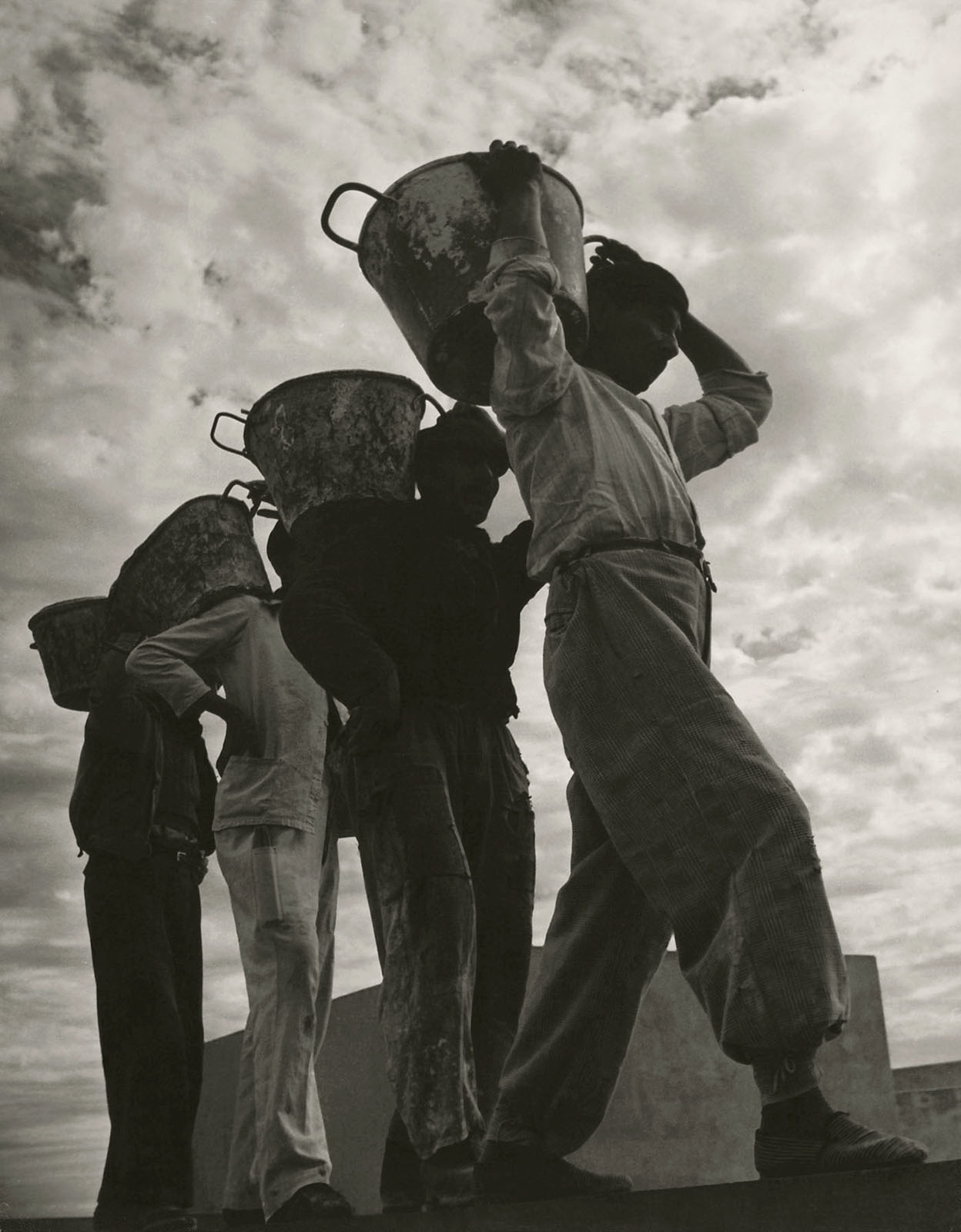
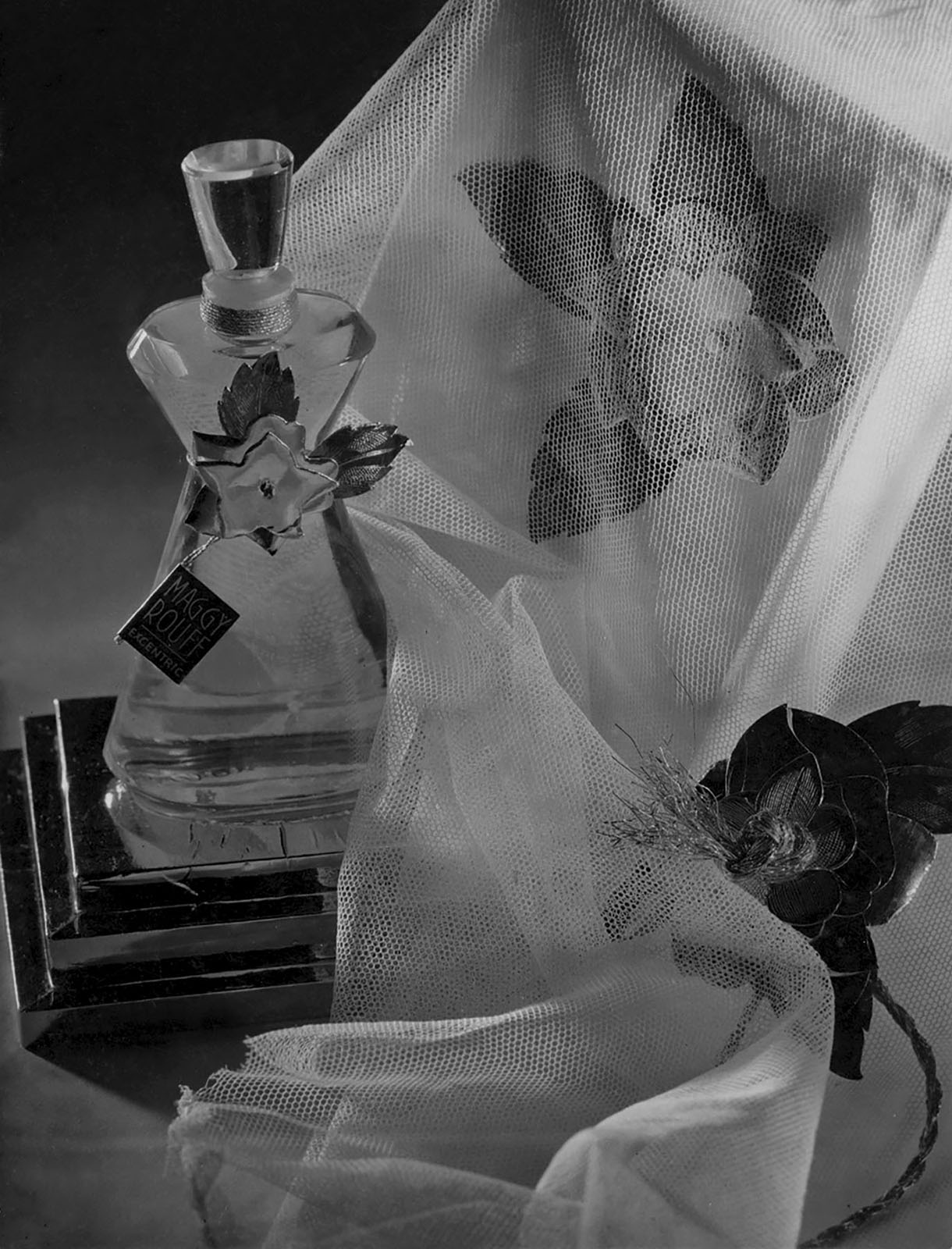

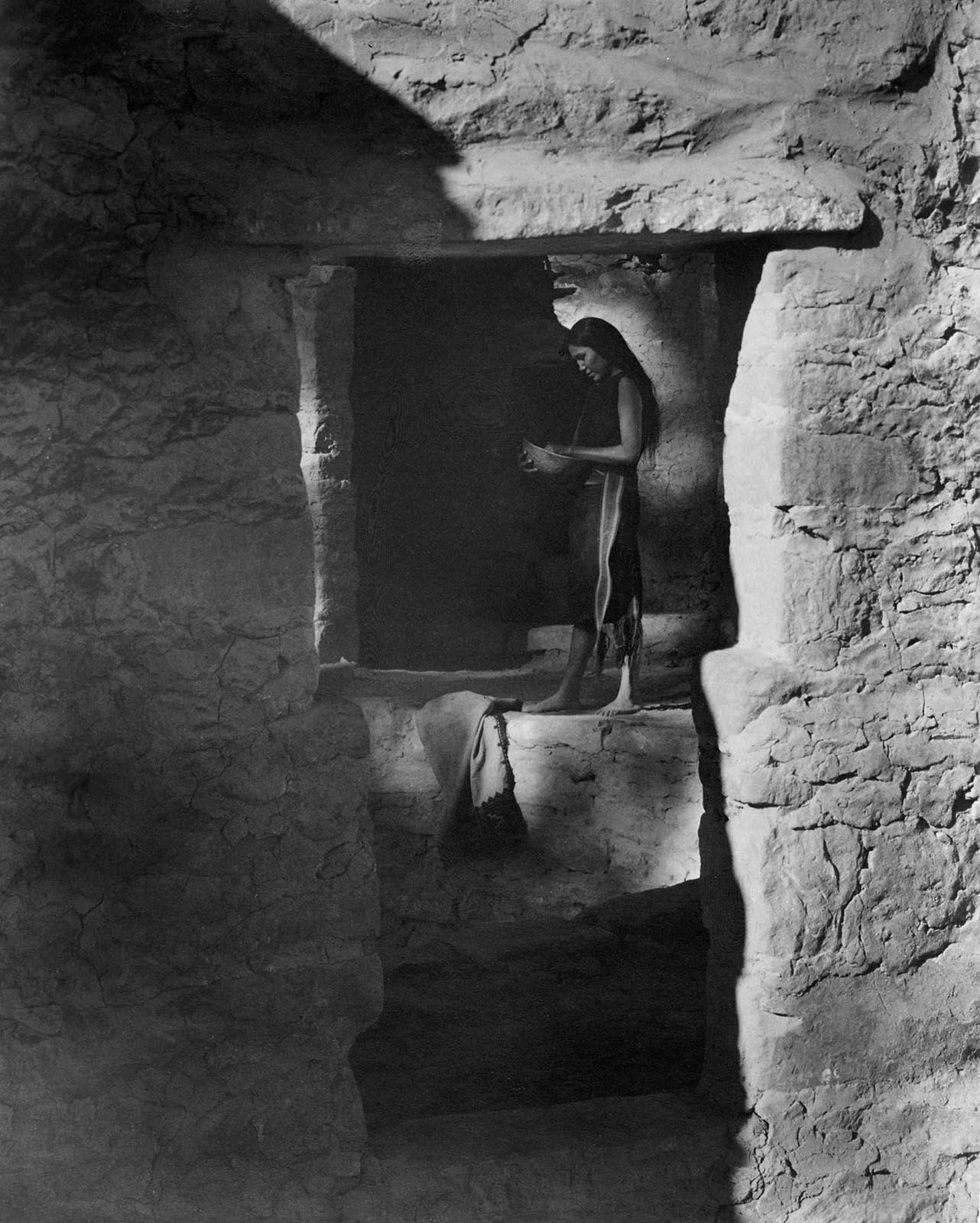
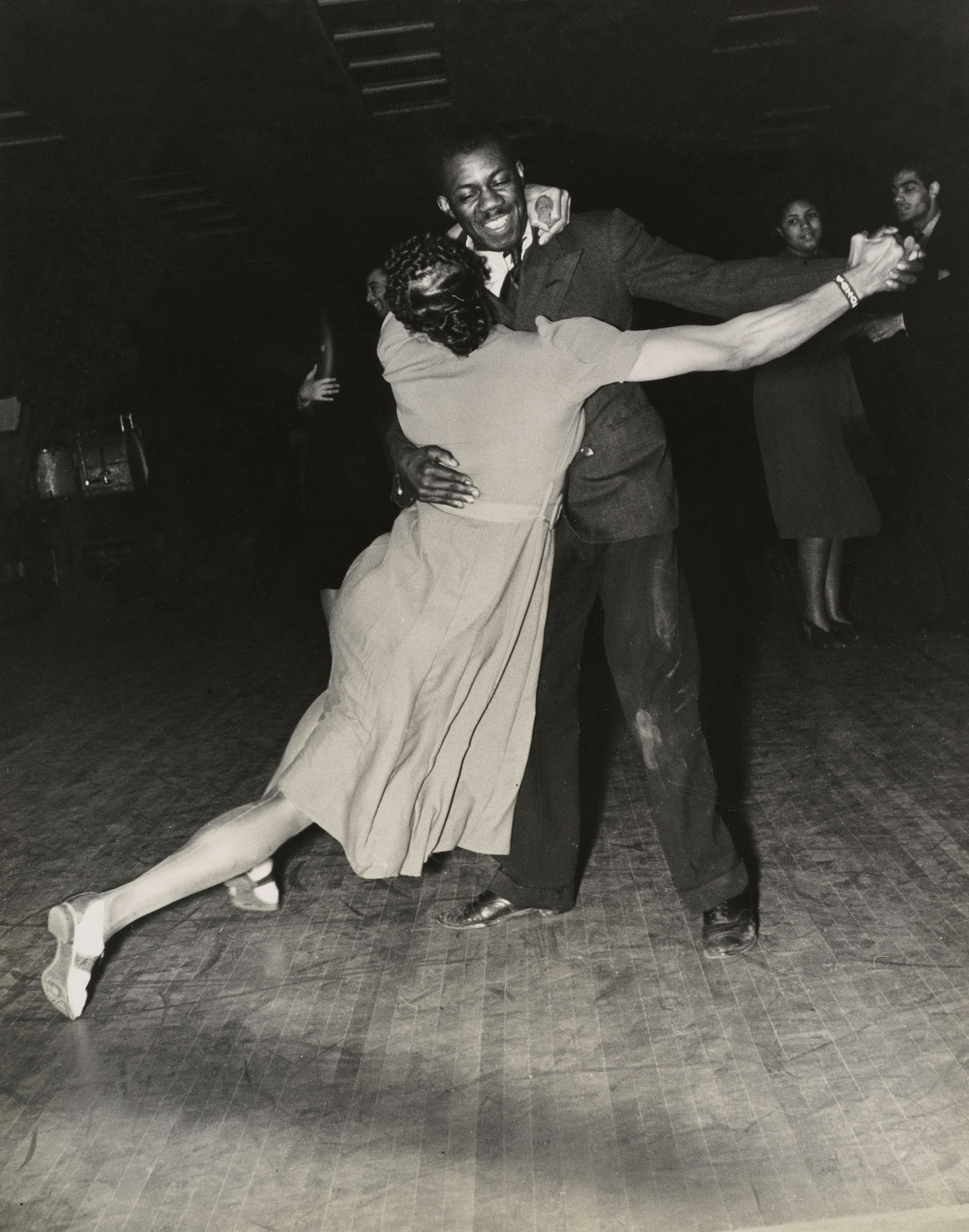

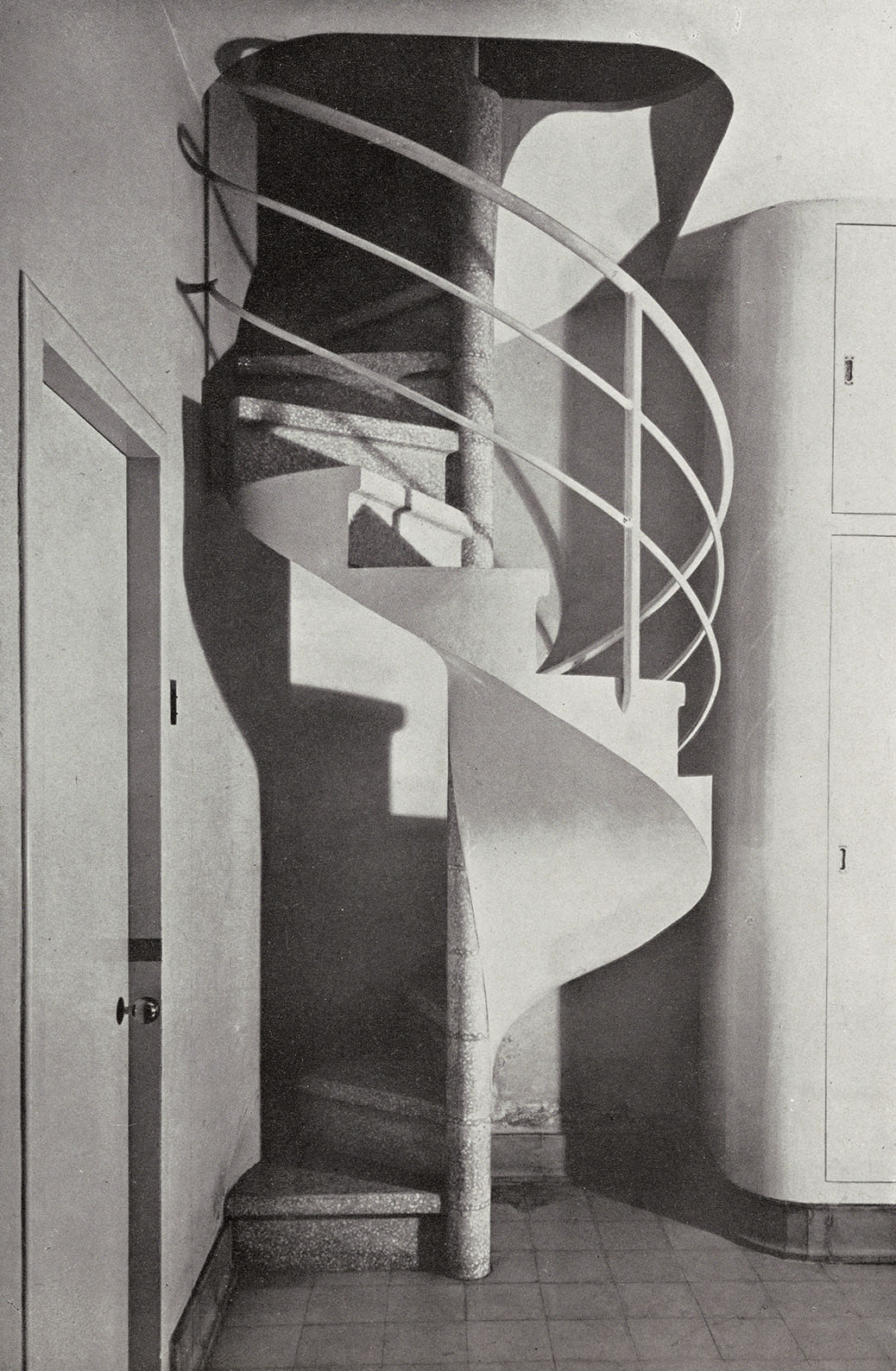

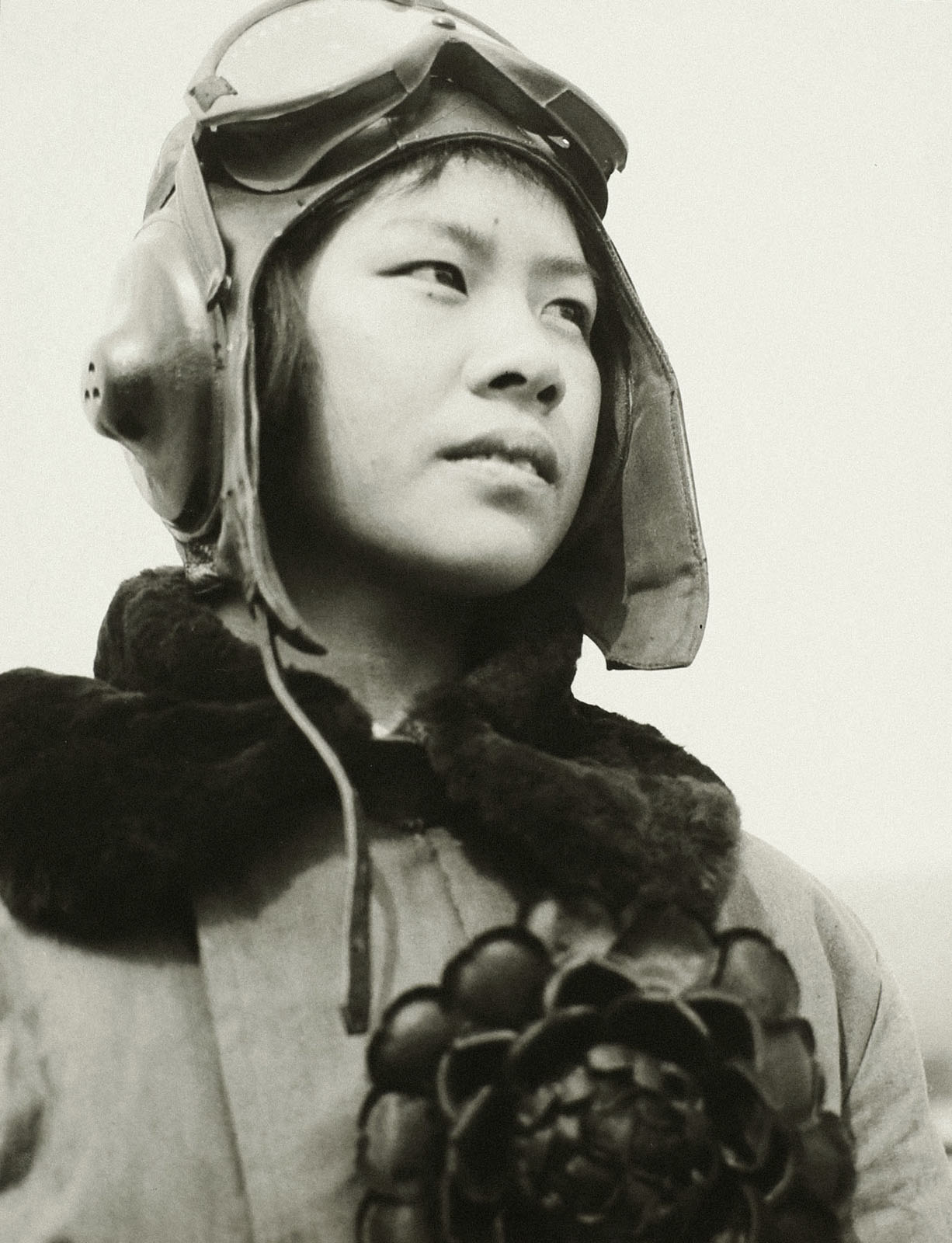

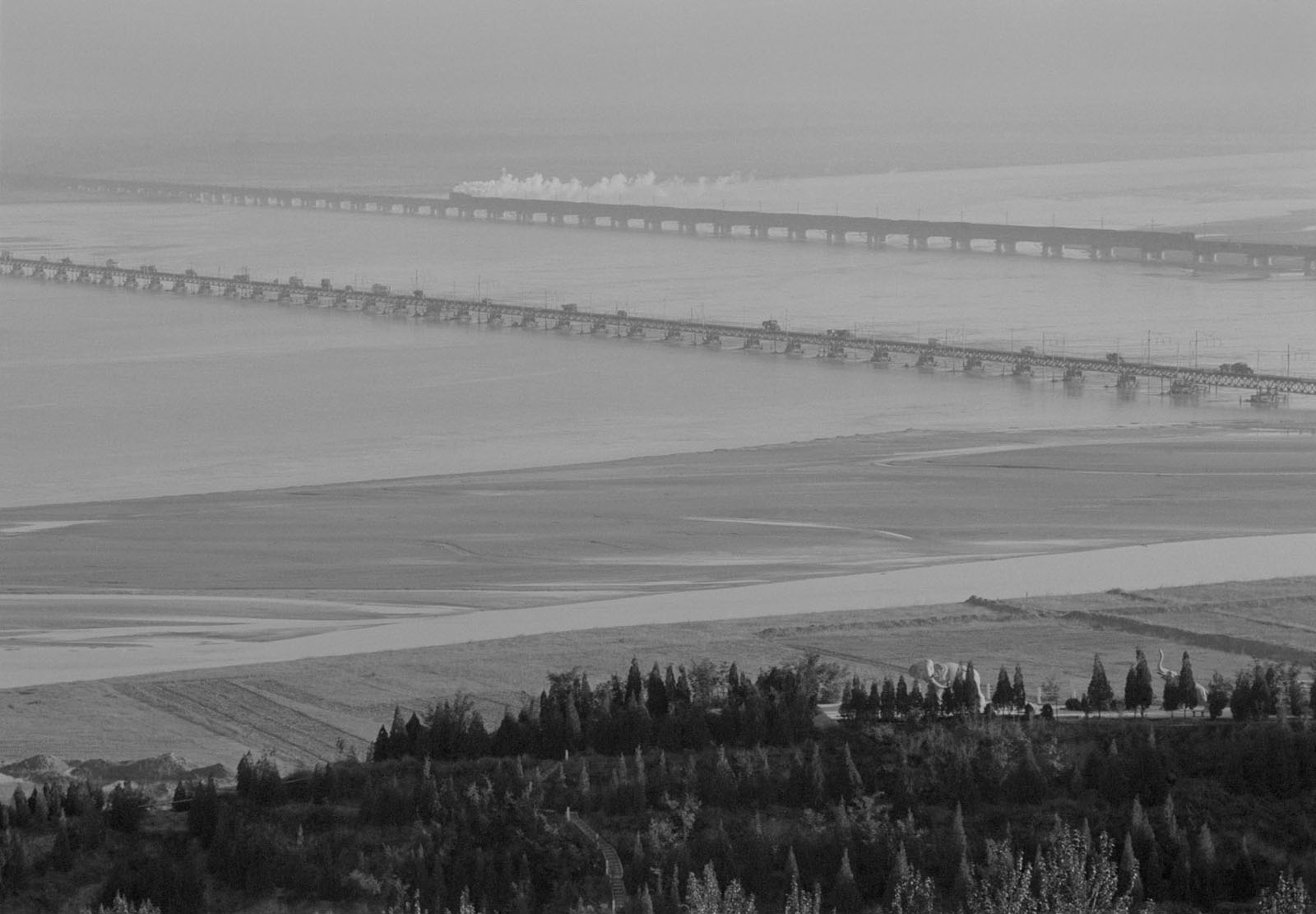

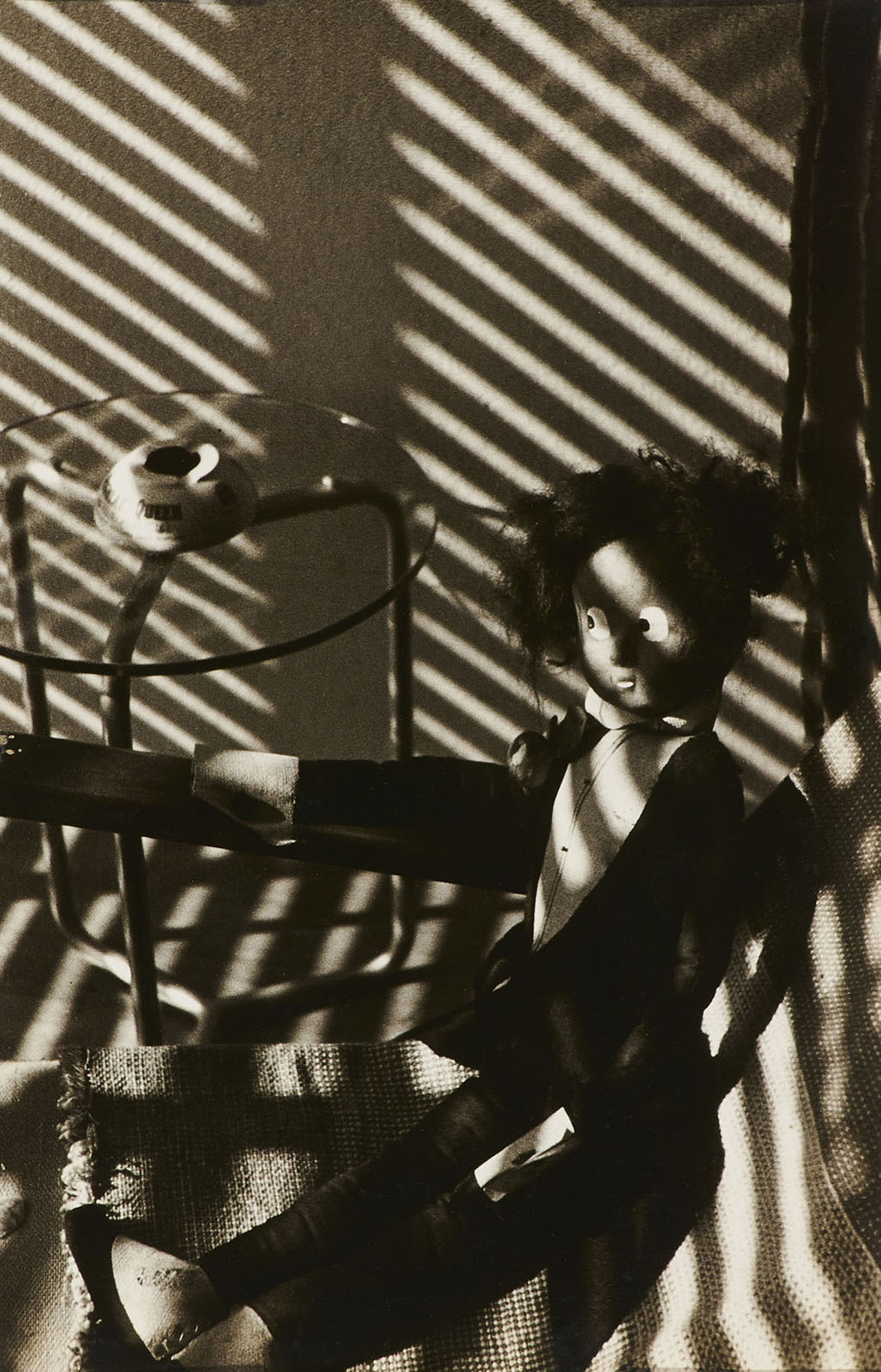
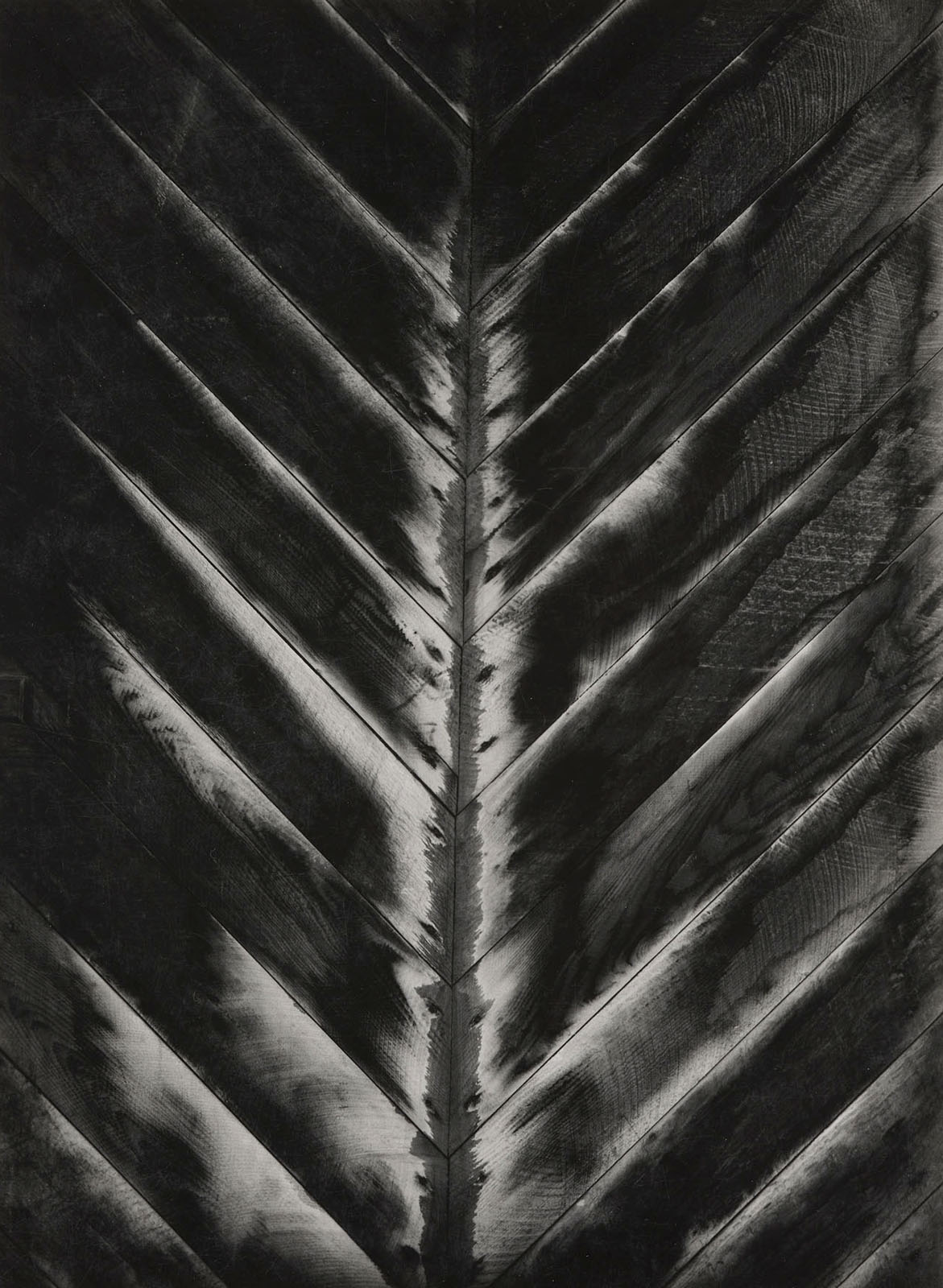


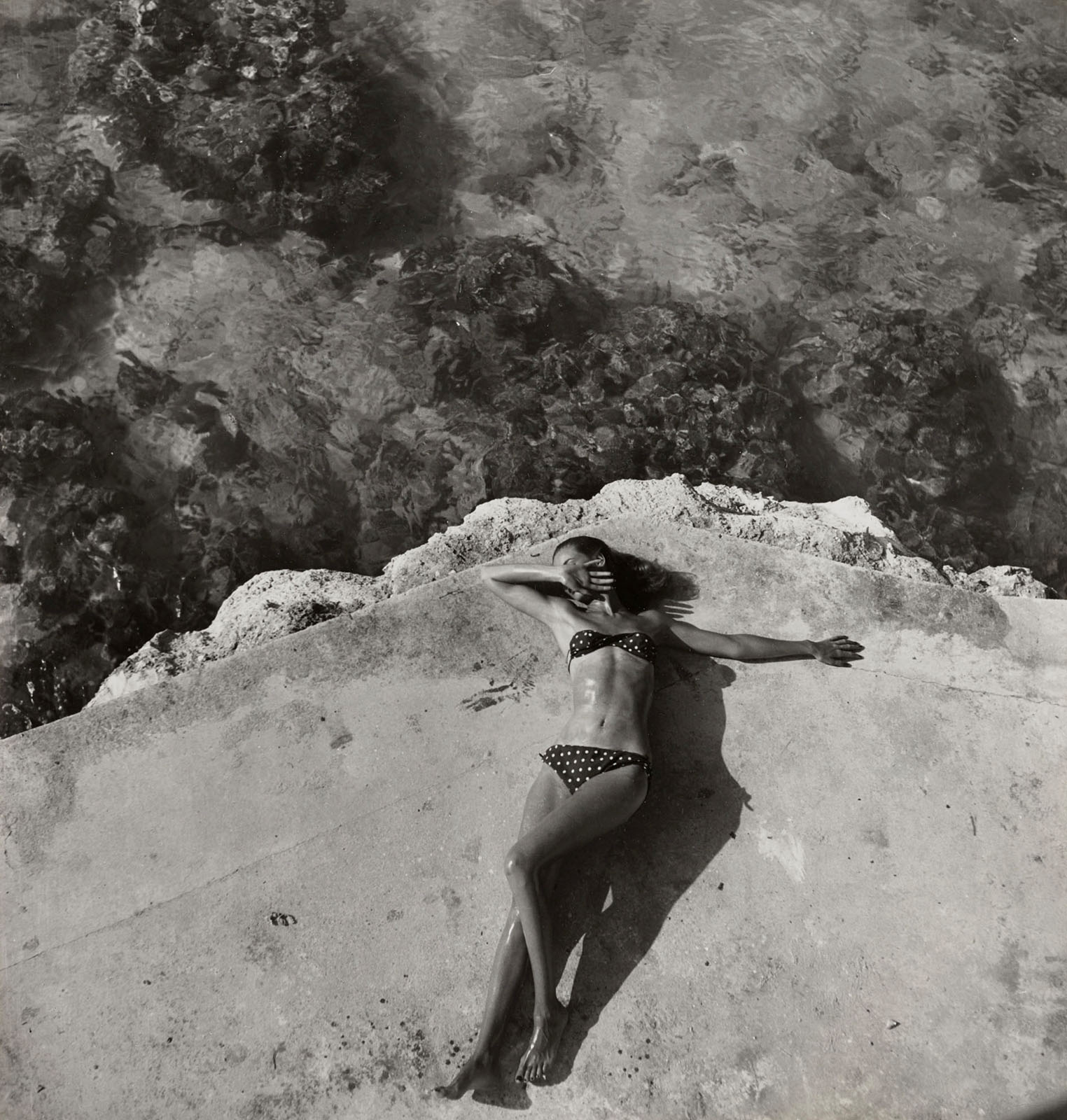
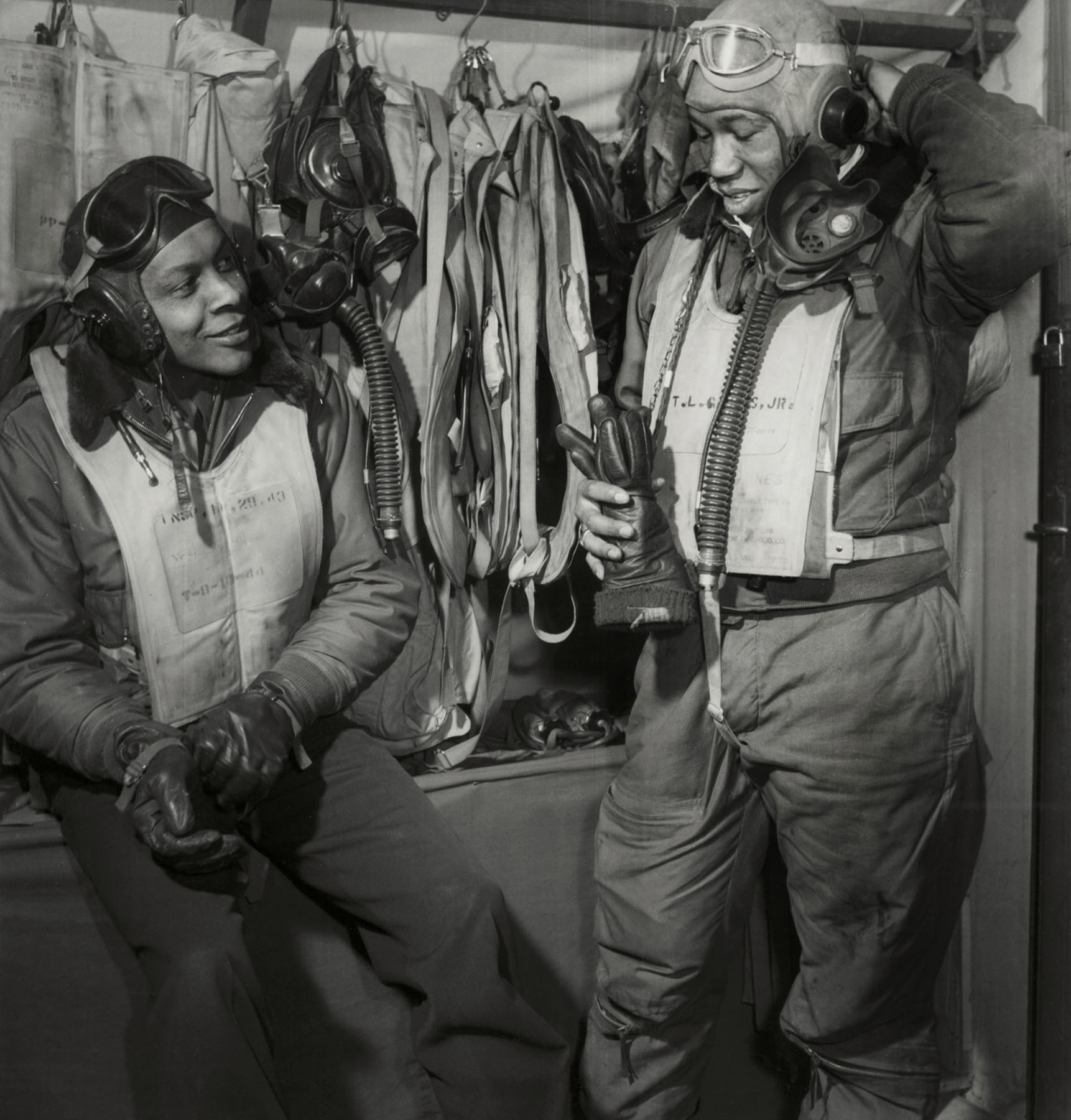


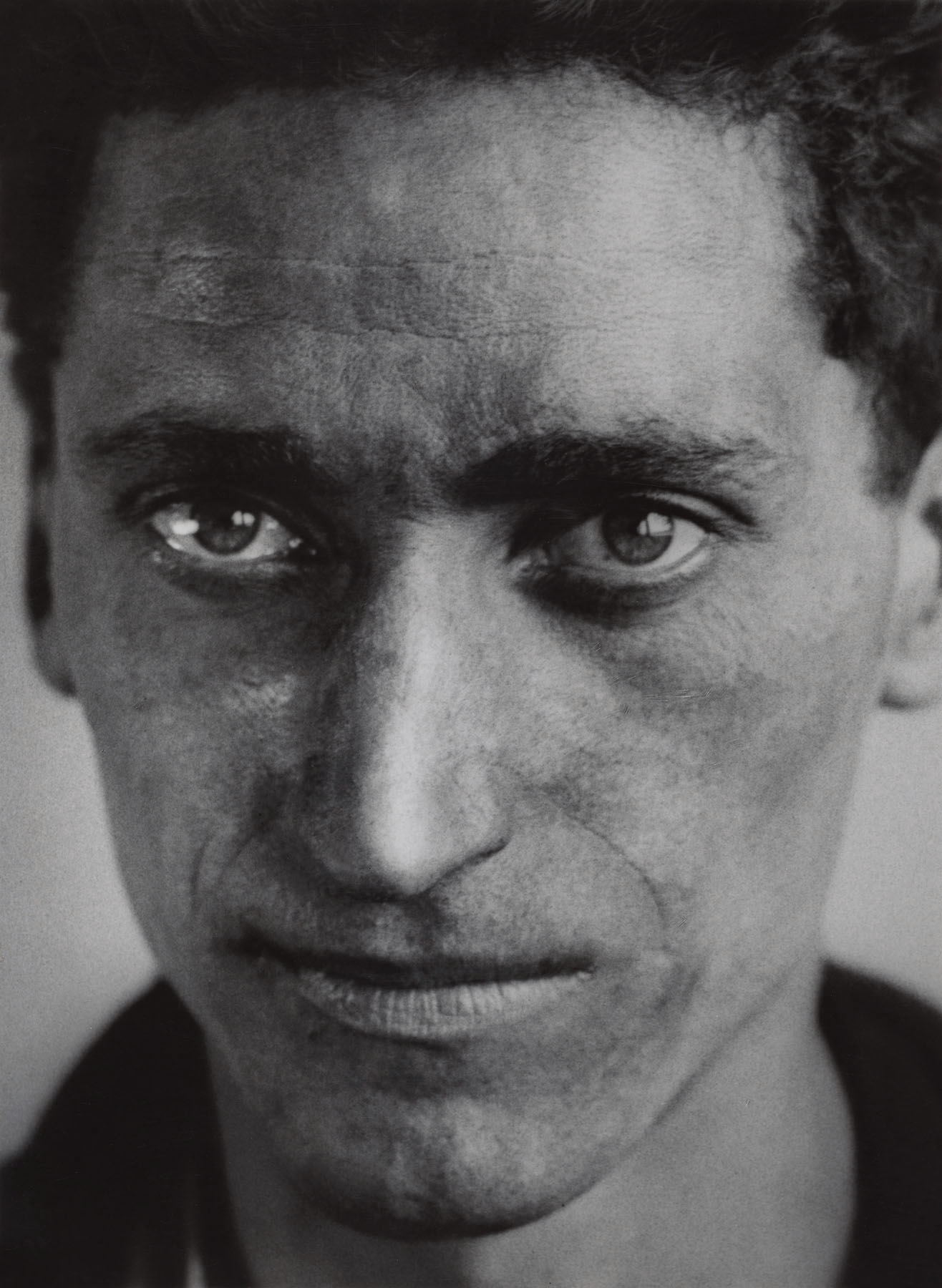


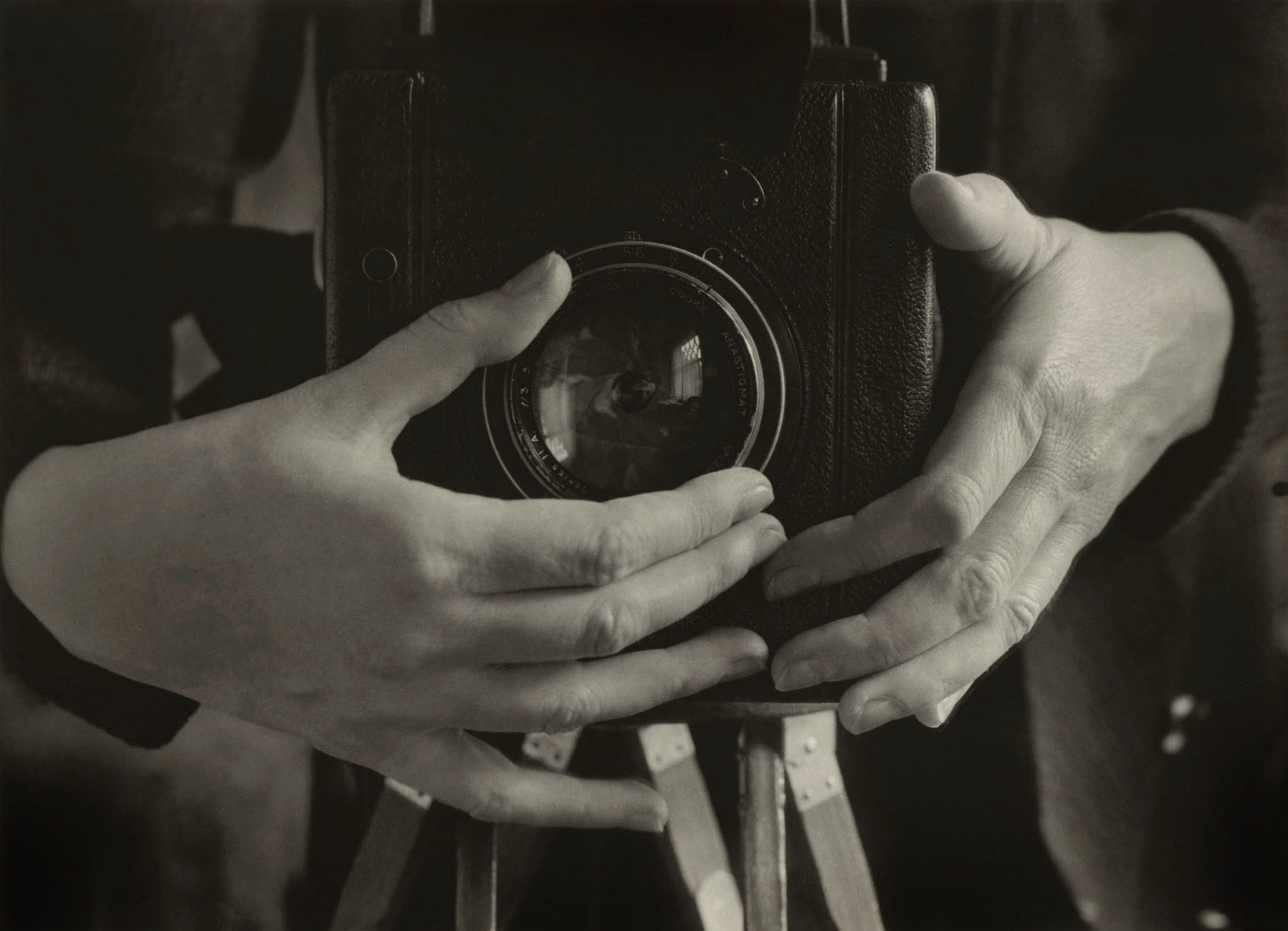
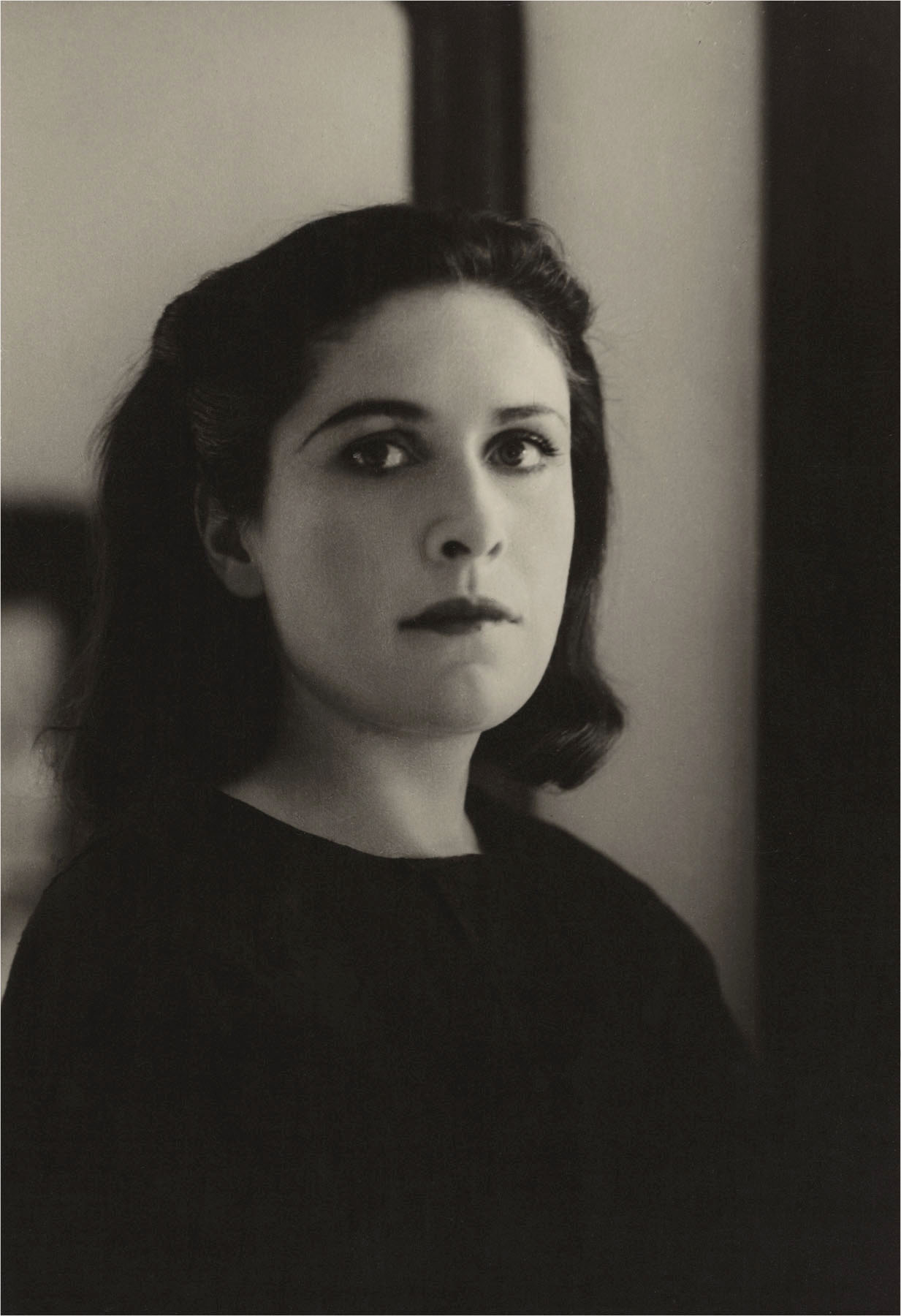


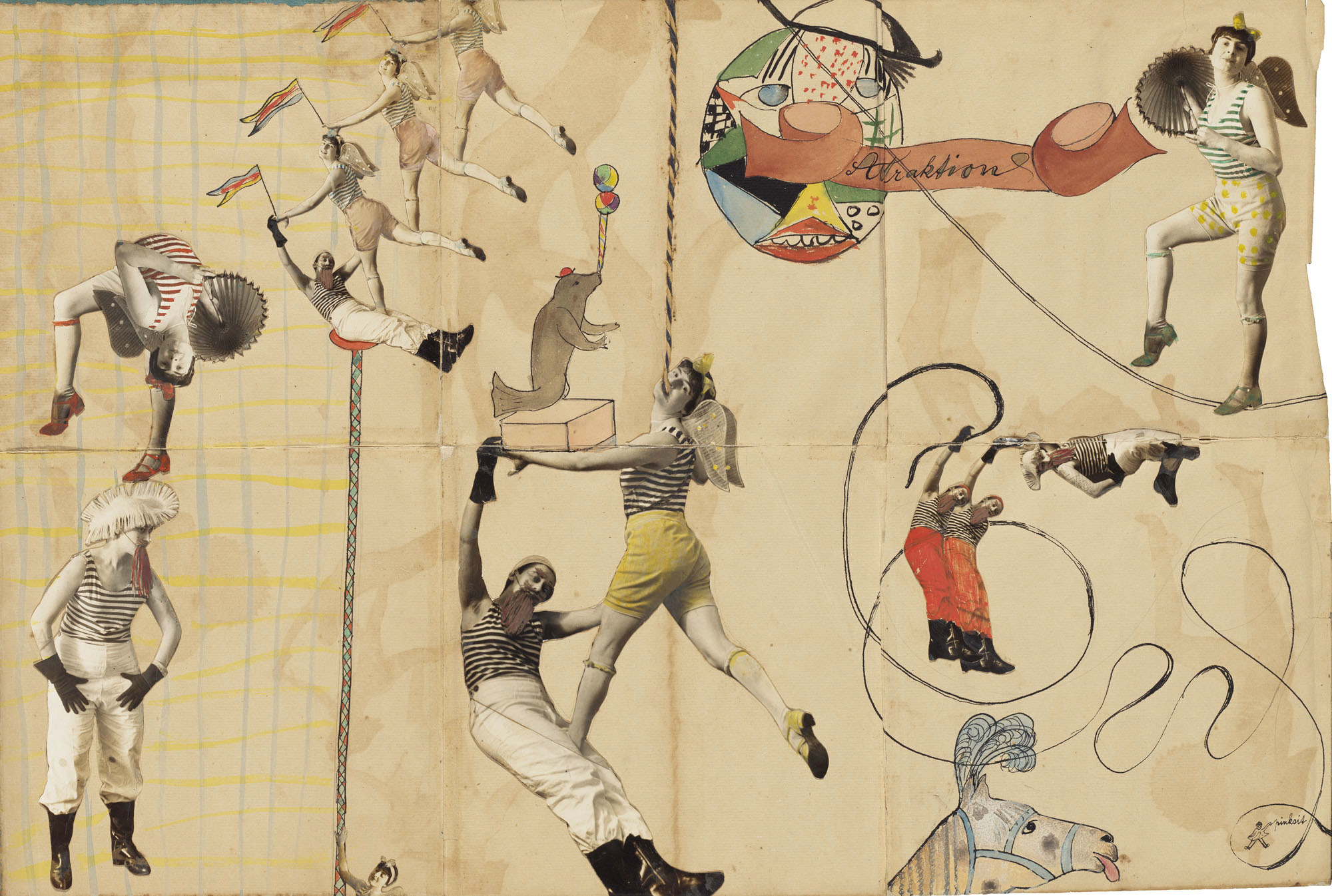


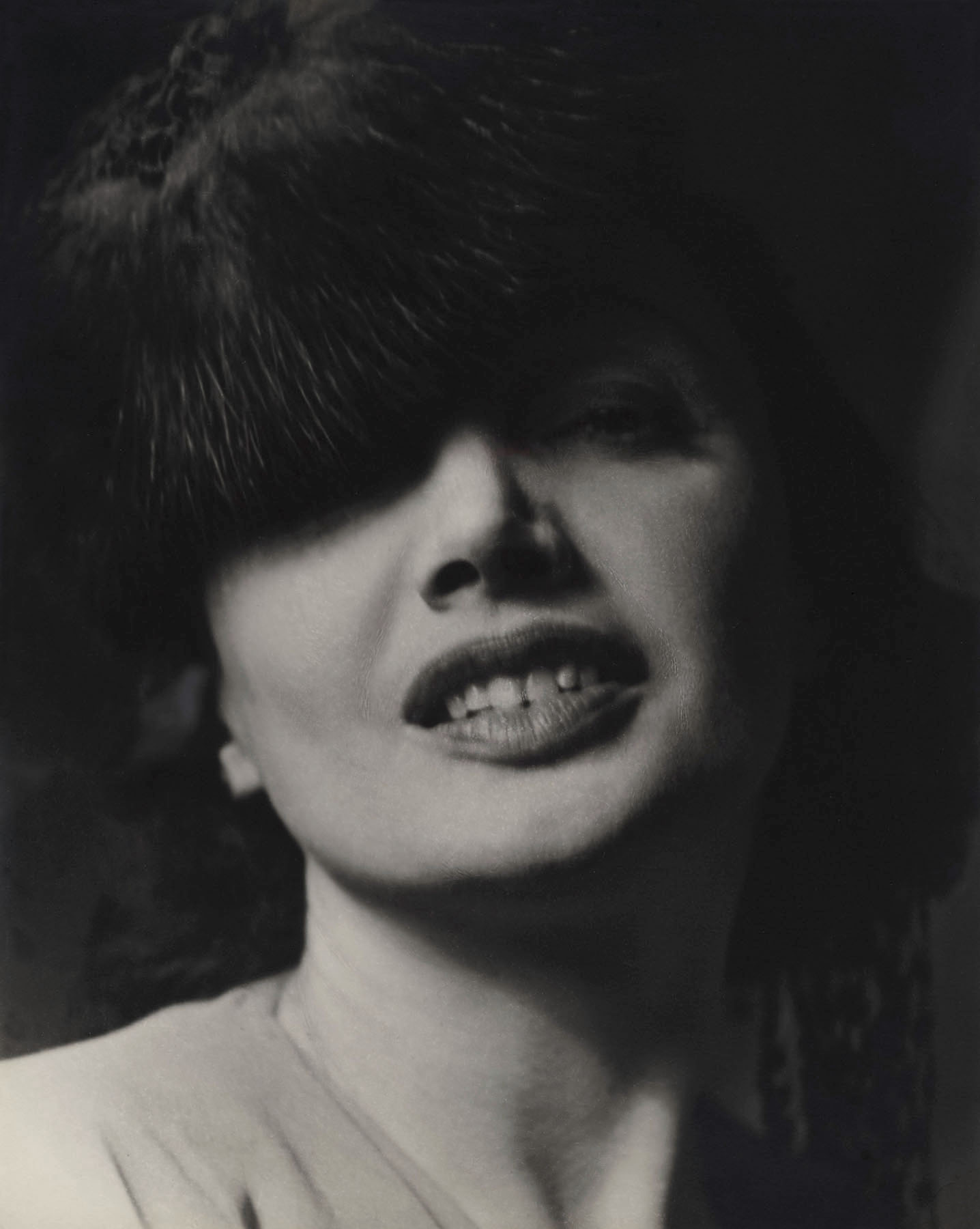


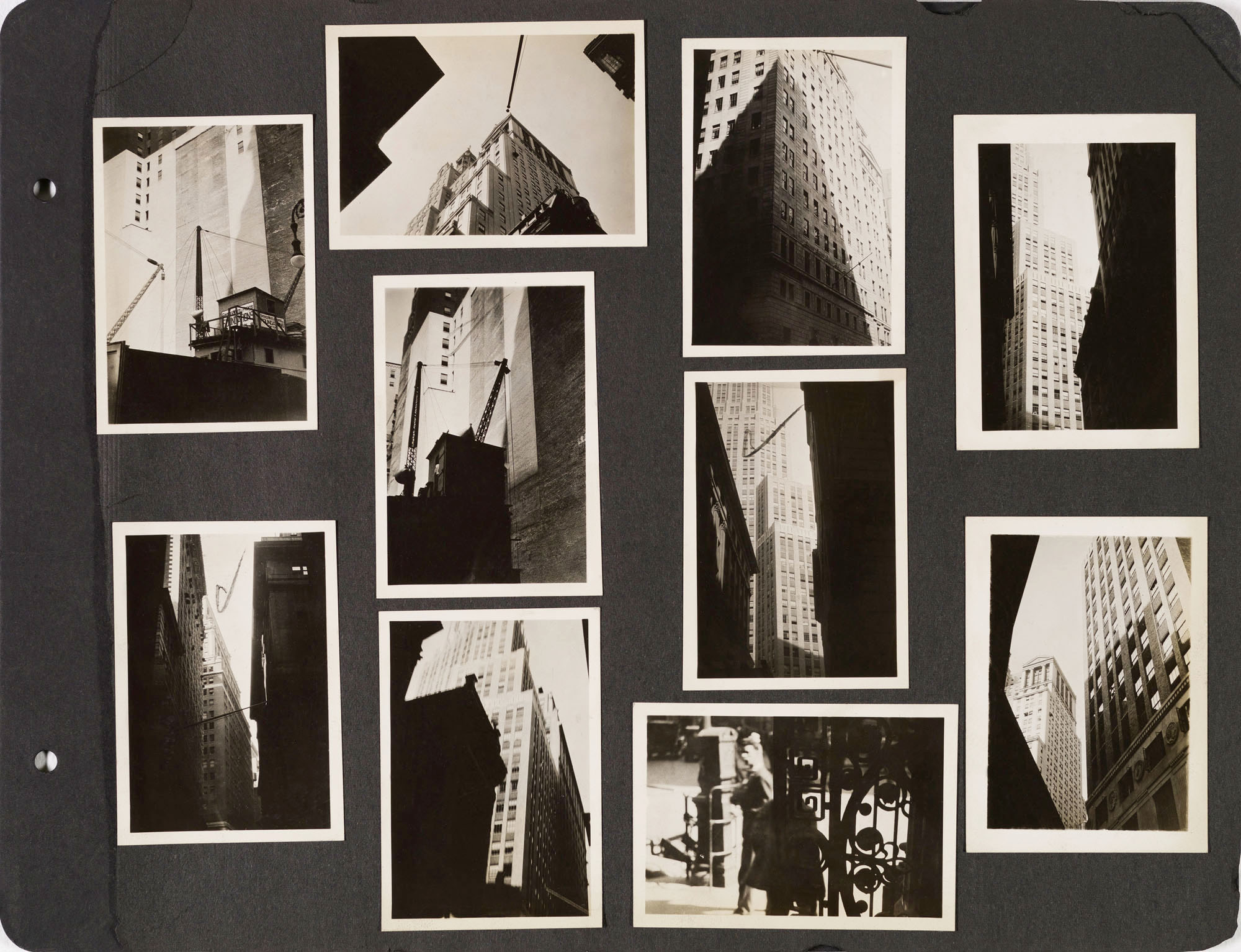


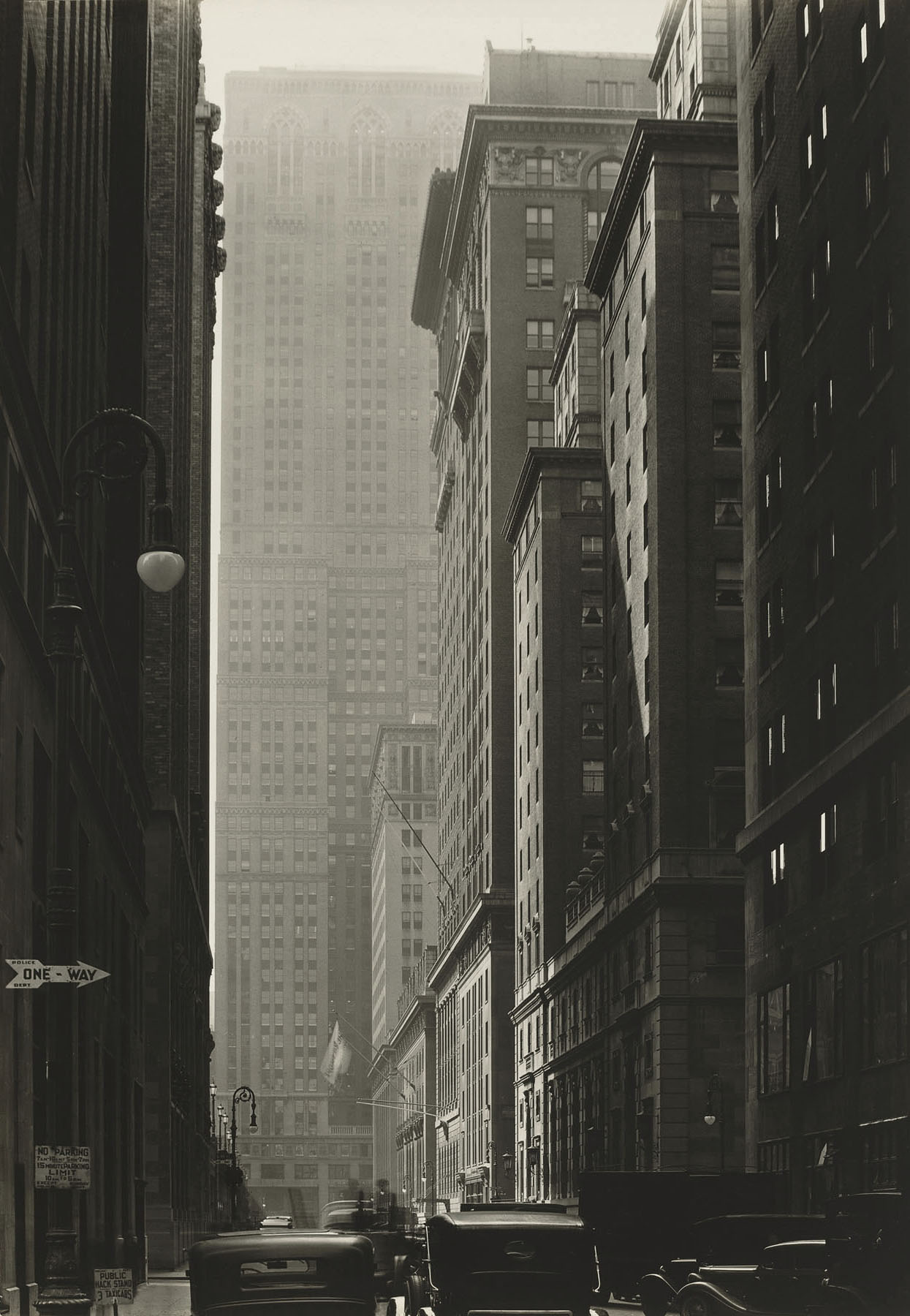


![Emmy Andriesse (Dutch, 1914-1953) 'Amsterdam tijdens de hongerwinter' (Amsterdam during the hunger winter) [1944-1945] book published 1947](https://artblart.com/wp-content/uploads/2021/11/5280-082-small.jpg "Emmy Andriesse (Dutch, 1914-1953) 'Amsterdam tijdens de hongerwinter' (Amsterdam during the hunger winter) [1944-1945] book published 1947")
![Emmy Andriesse (Dutch, 1914-1953) 'Amsterdam tijdens de hongerwinter' (Amsterdam during the hunger winter) [1944-1945] book published 1947 (detail)](https://artblart.com/wp-content/uploads/2021/11/5280-082-detail1.jpg "Emmy Andriesse (Dutch, 1914-1953) 'Amsterdam tijdens de hongerwinter' (Amsterdam during the hunger winter) [1944-1945] book published 1947 (detail)")
![Emmy Andriesse (Dutch, 1914-1953) 'Amsterdam tijdens de hongerwinter' (Amsterdam during the hunger winter) [1944-1945] book published 1947 (detail)](https://artblart.com/wp-content/uploads/2021/11/5280-082-detail2.jpg "Emmy Andriesse (Dutch, 1914-1953) 'Amsterdam tijdens de hongerwinter' (Amsterdam during the hunger winter) [1944-1945] book published 1947 (detail)")
![Marion Post Wolcott (American, 1910-1990) '[Haircutting in Front of General Store and Post Office on Marcella Plantation, Mileston, Mississippi]' 1939 from the exhibition 'The New Woman Behind the Camera' at the Metropolitan Museum of Art, New York, July - Oct, 2021](https://artblart.com/wp-content/uploads/2021/07/wolcott-haircutting.jpg "Marion Post Wolcott (American, 1910-1990) '[Haircutting in Front of General Store and Post Office on Marcella Plantation, Mileston, Mississippi]' 1939 from the exhibition 'The New Woman Behind the Camera' at the Metropolitan Museum of Art, New York, July - Oct, 2021")

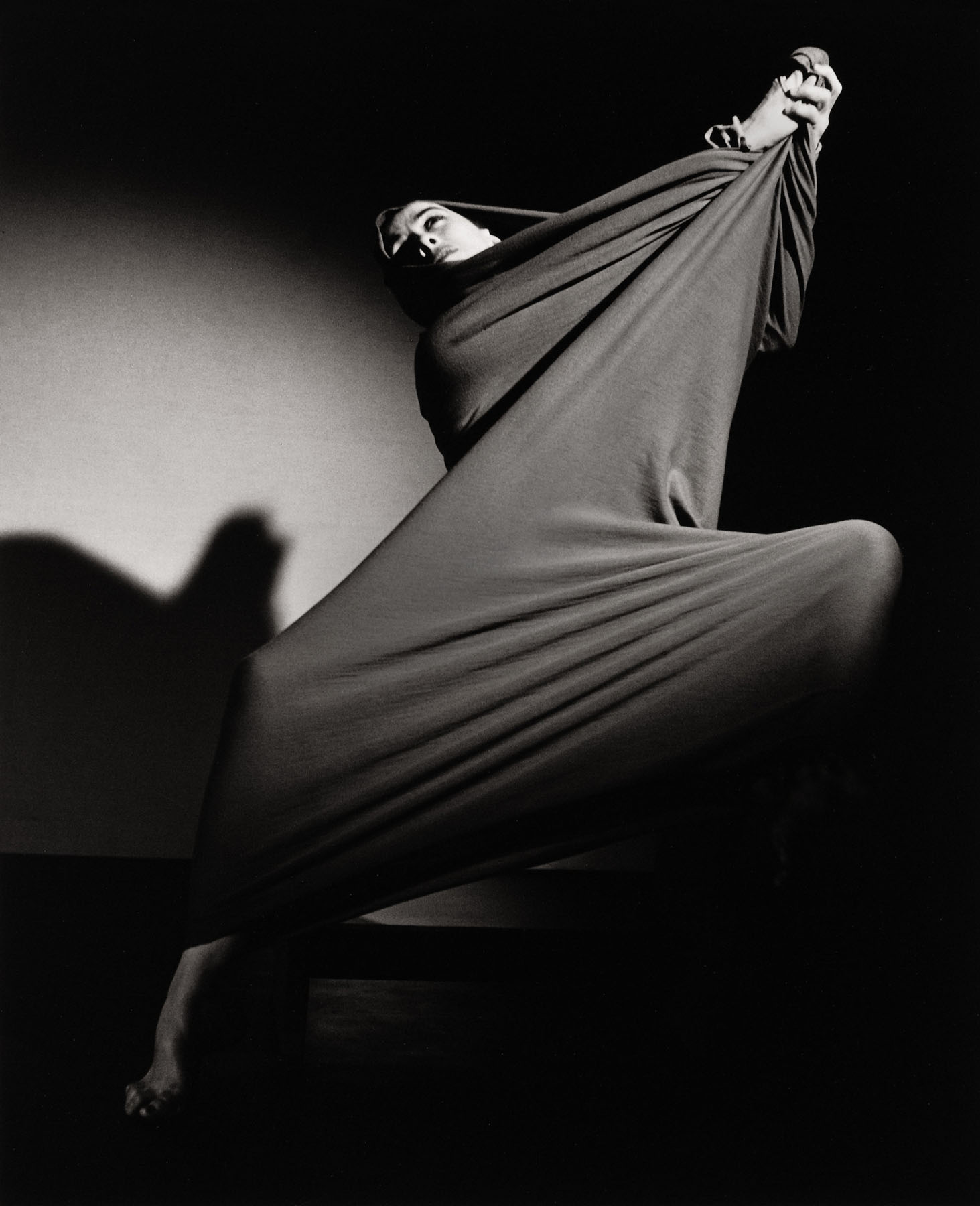


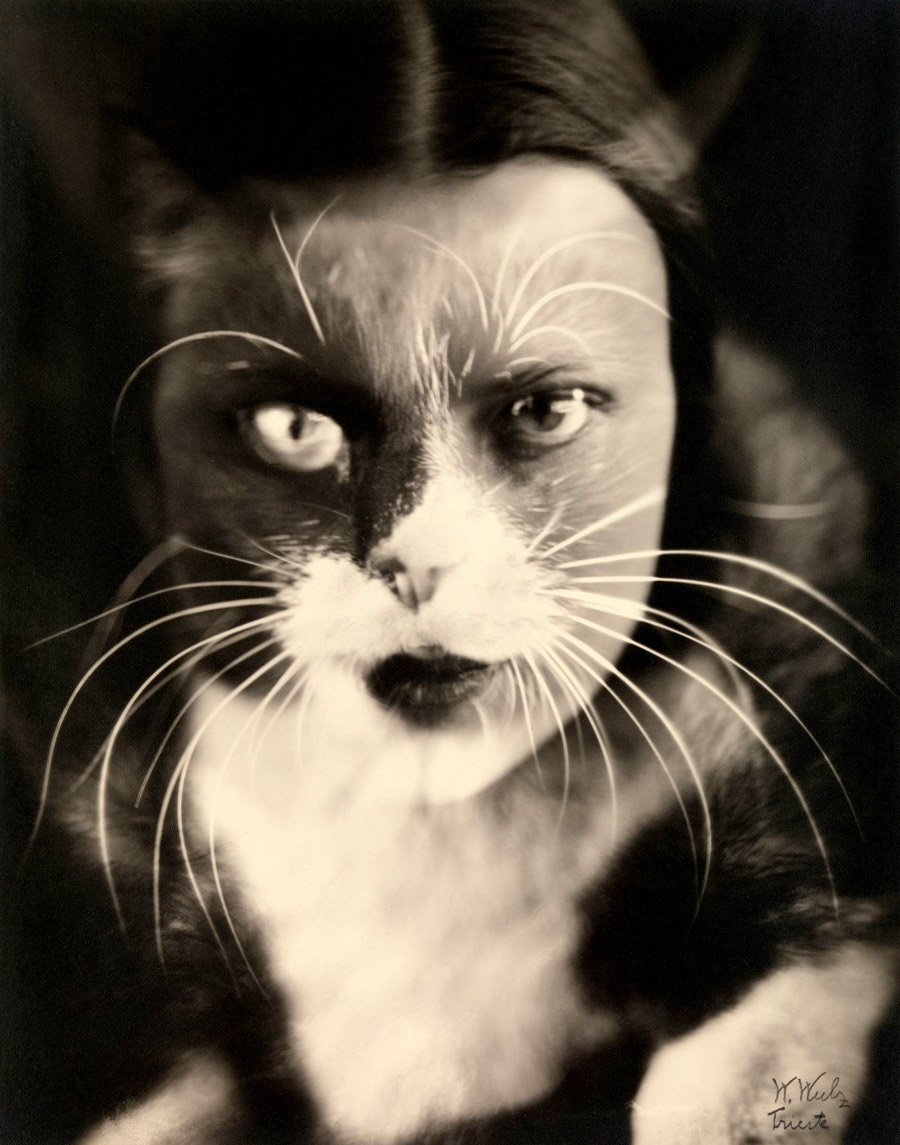
![Lucy Ashjian (American, 1907-1993) '[Savoy Dancers]' 1935-1943](https://artblart.com/wp-content/uploads/2021/07/lucy-ashjian-savoy-dancers.jpg "Lucy Ashjian (American, 1907-1993) '[Savoy Dancers]' 1935-1943")

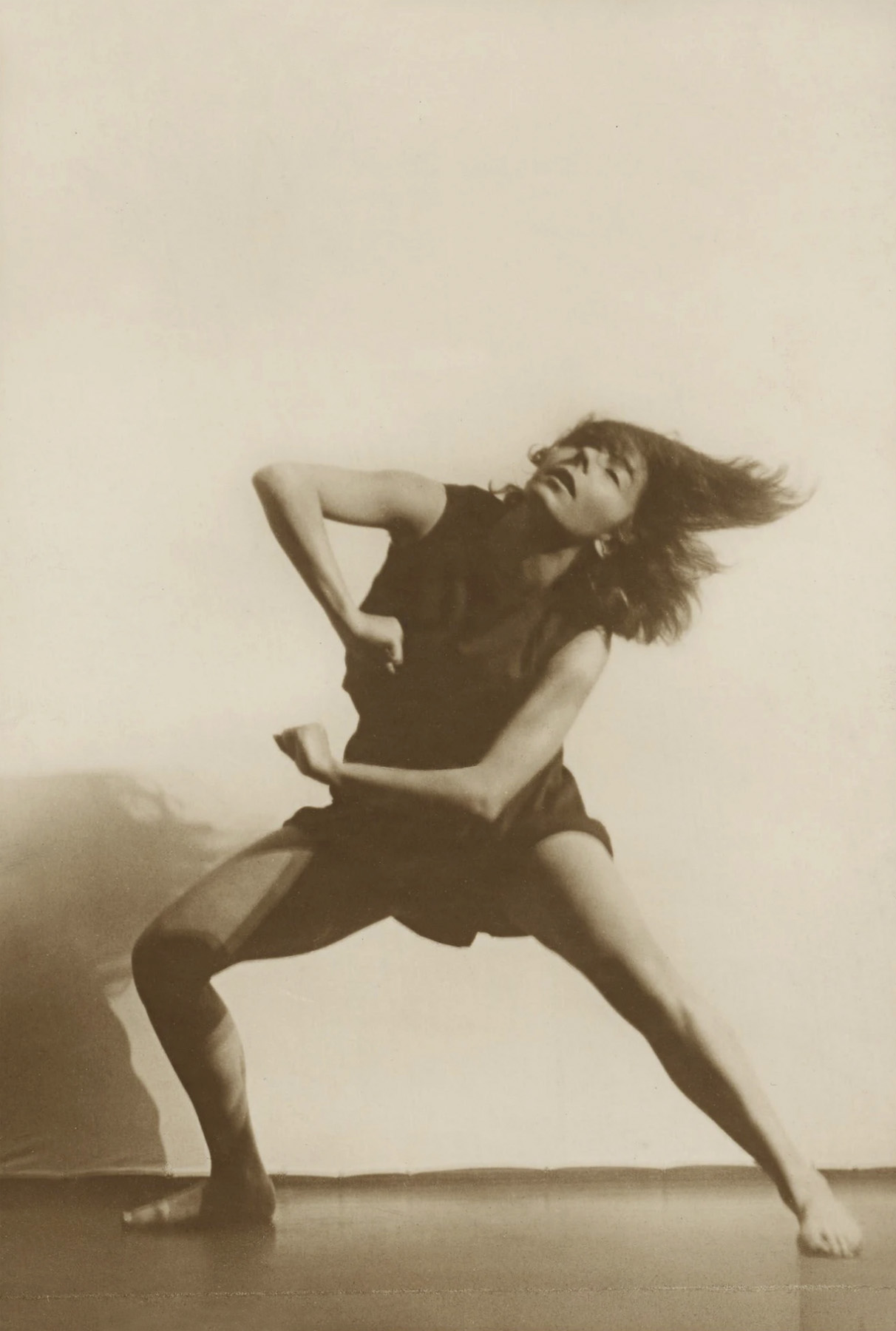


![Dora Maar (French, 1907-1997) '[Boy with a Cat]' 1934](https://artblart.com/wp-content/uploads/2021/07/dora-maar-boy-with-a-cat.jpg "Dora Maar (French, 1907-1997) '[Boy with a Cat]' 1934")
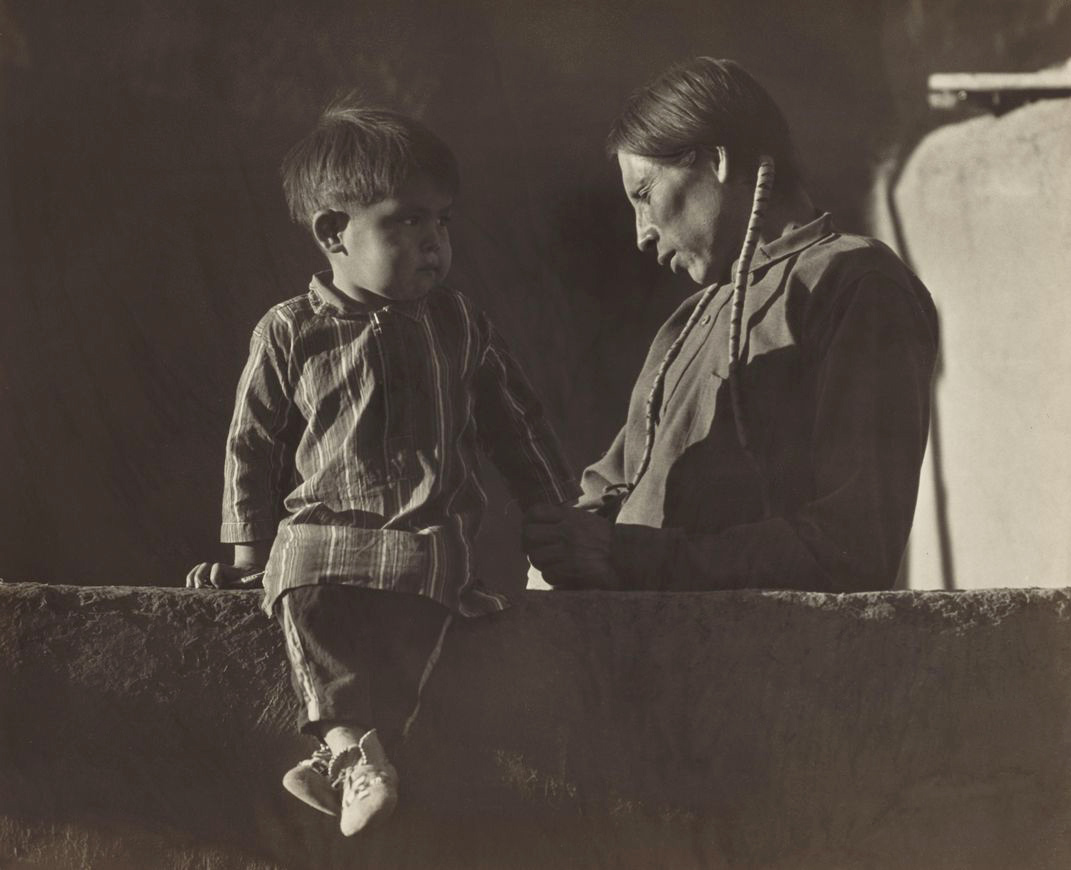
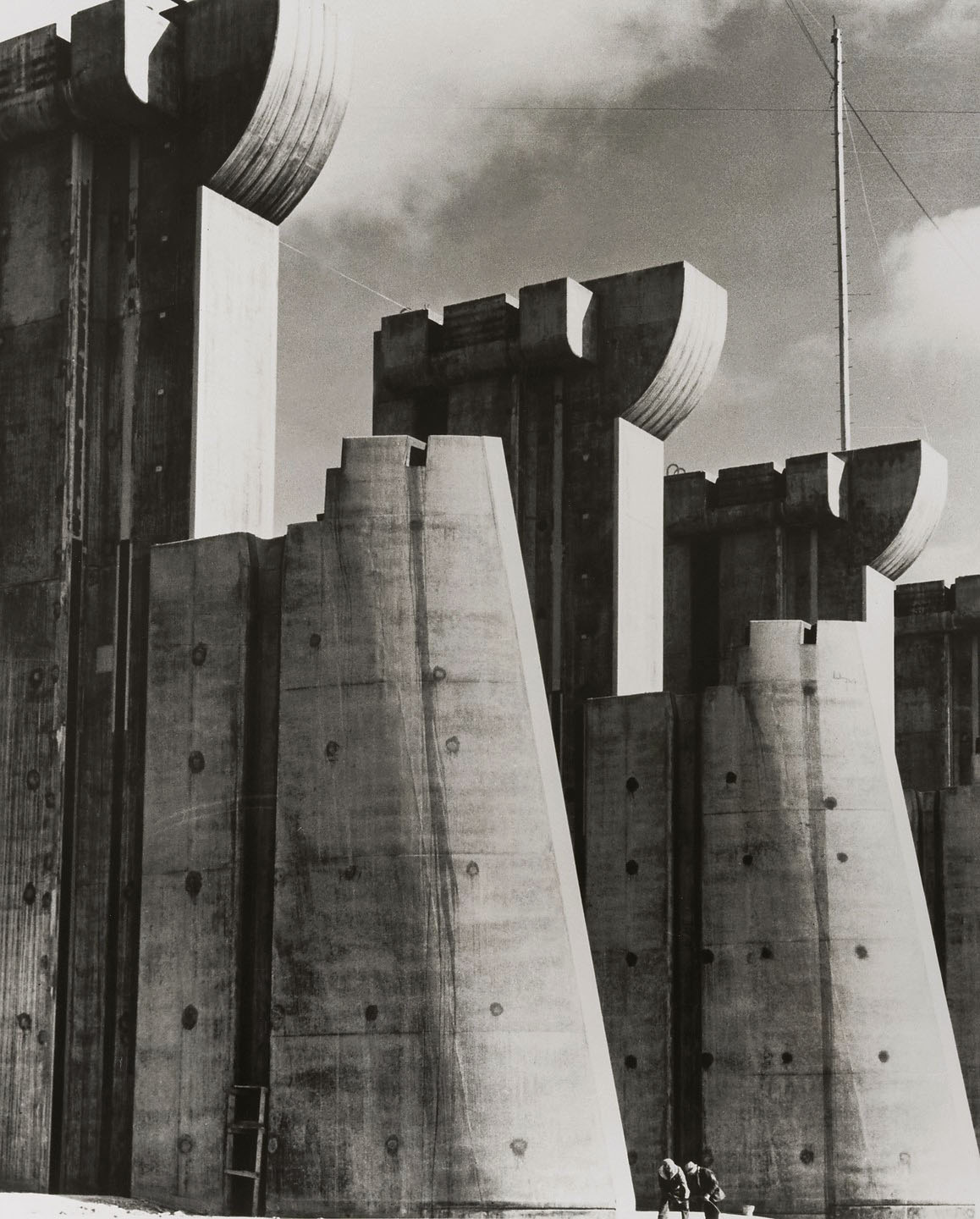


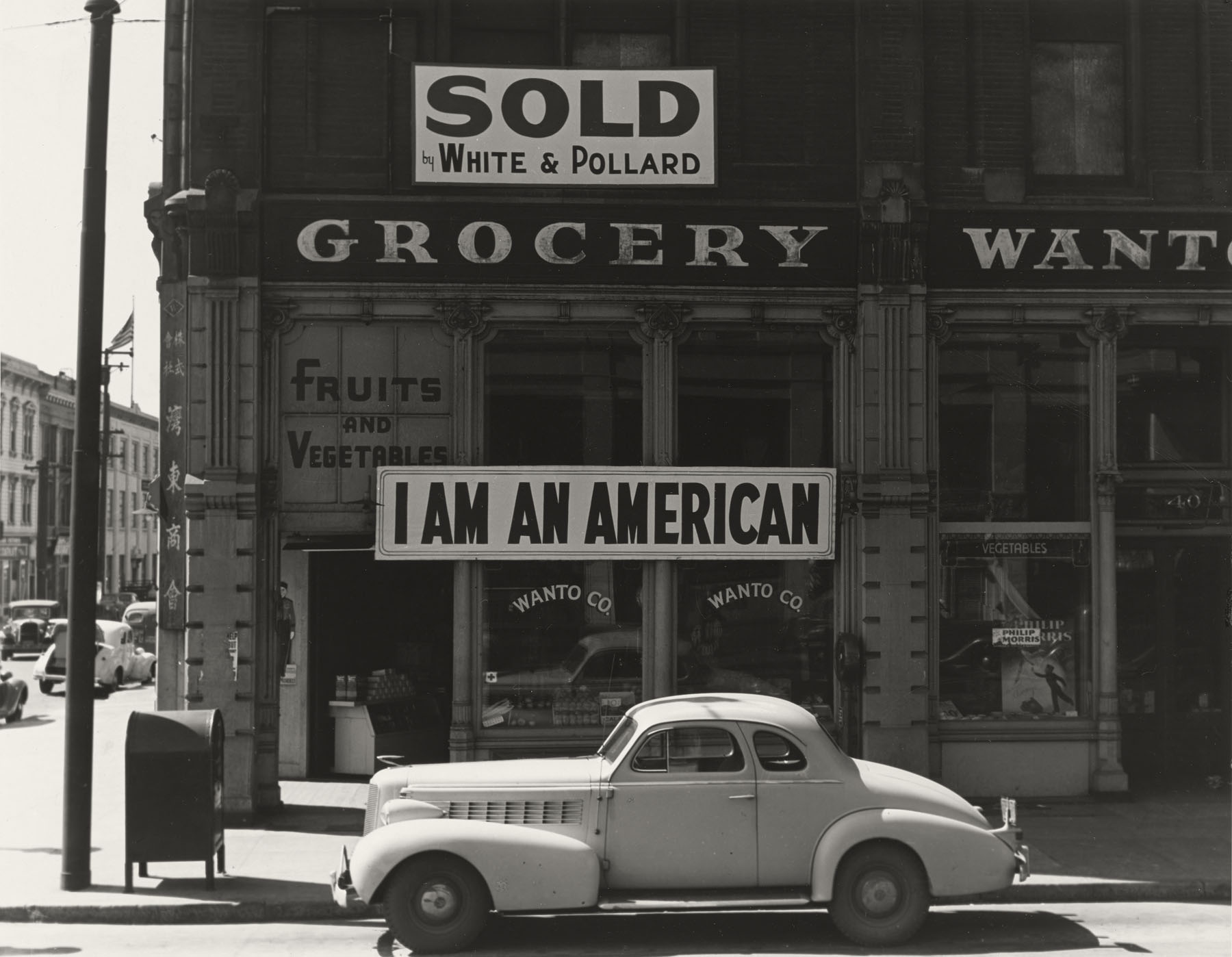




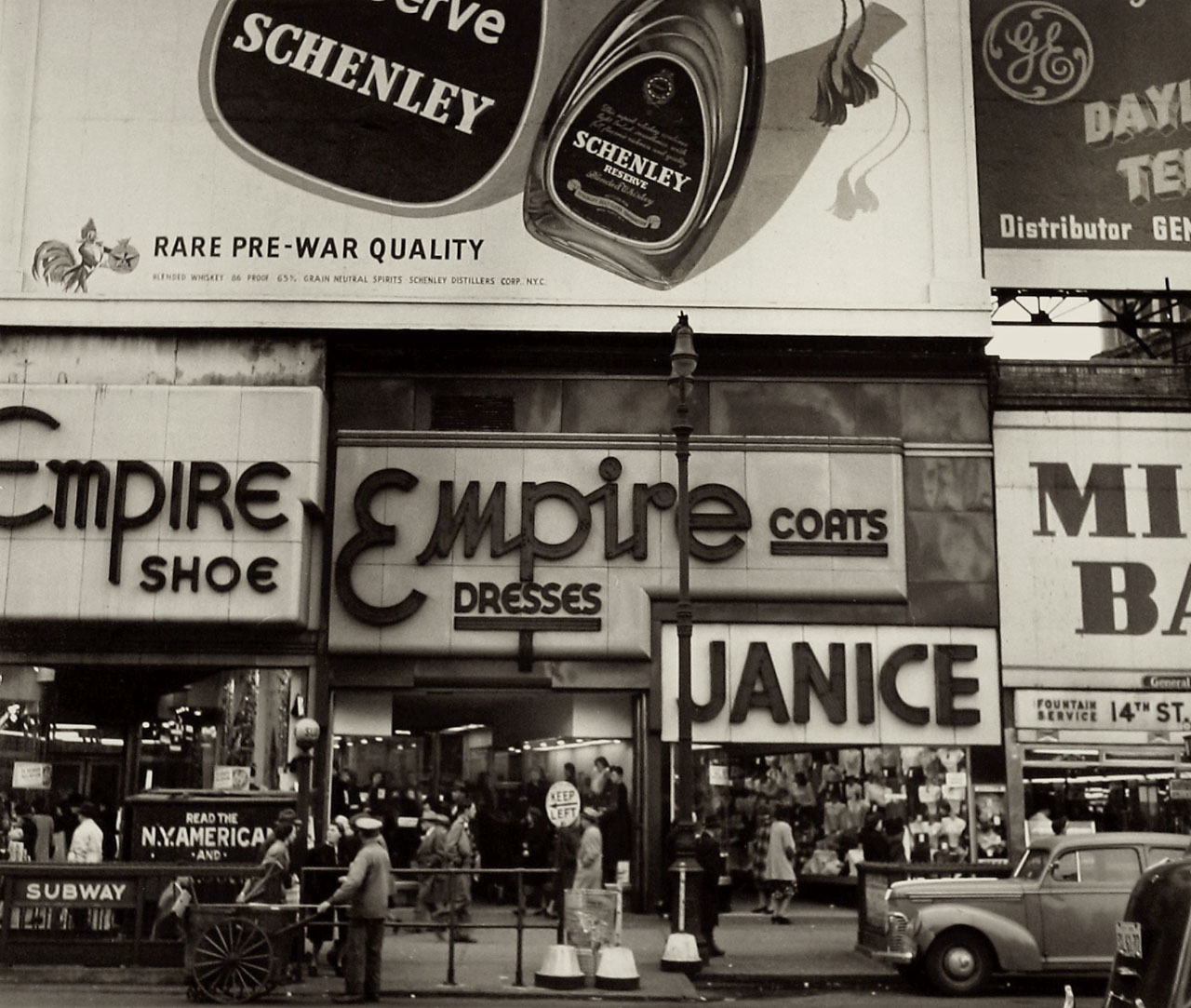
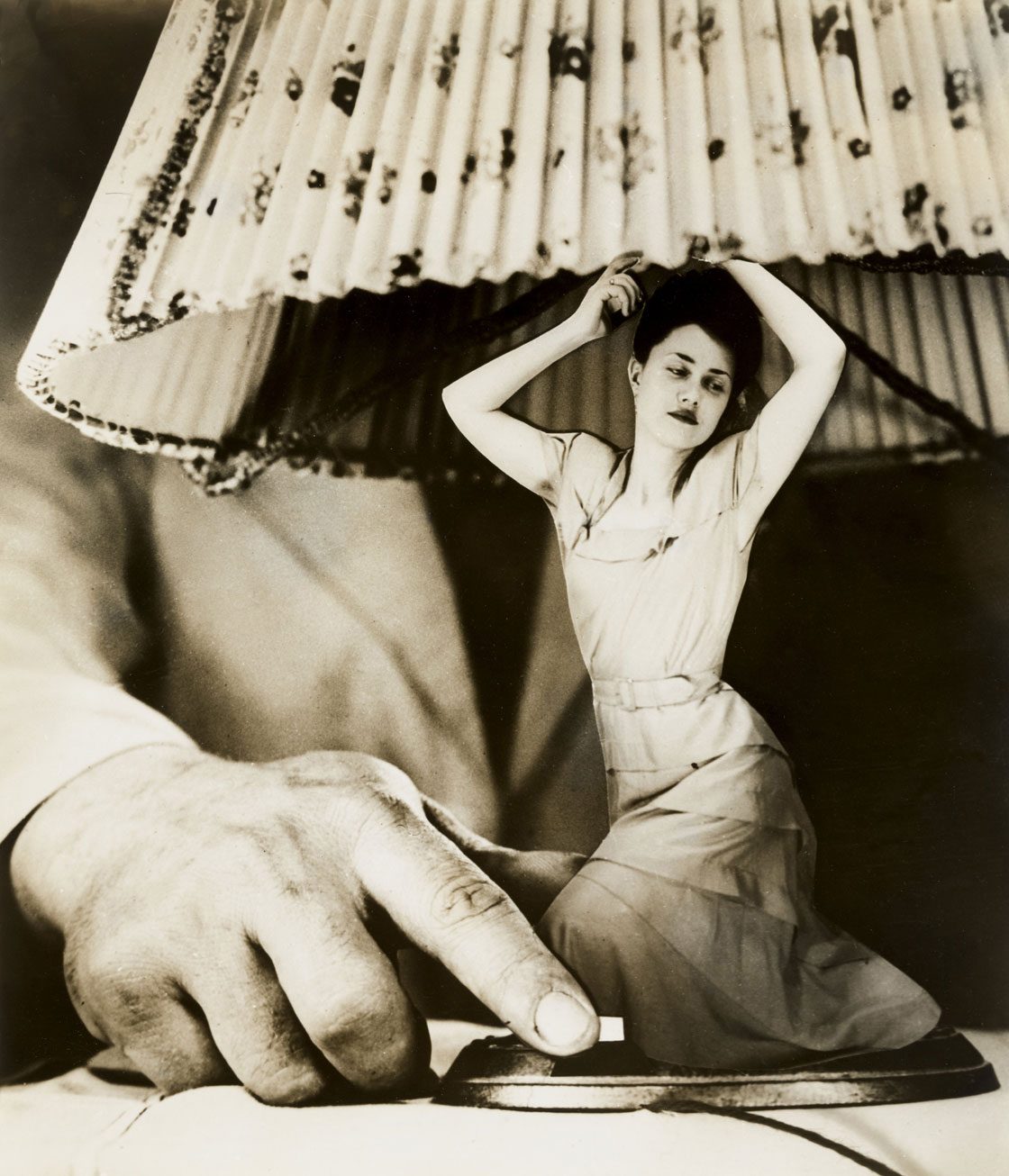

![Tina Modotti (Italian, 1896-1942) 'La técnica [or, Mella's Typewriter]' 1928](https://artblart.com/wp-content/uploads/2021/07/tina-modotti-la-technica.jpg "Tina Modotti (Italian, 1896-1942) 'La técnica [or, Mella's Typewriter]' 1928")

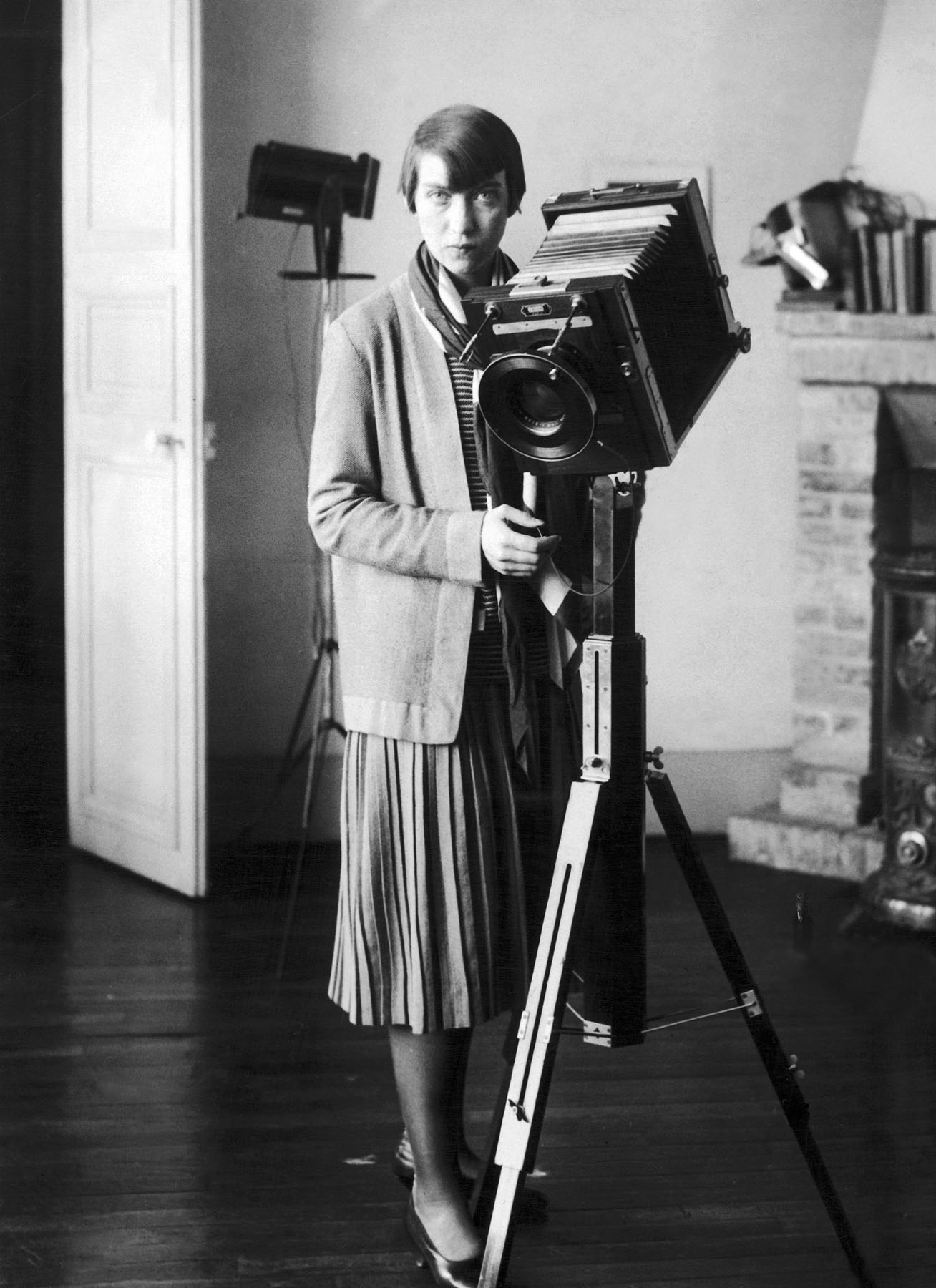

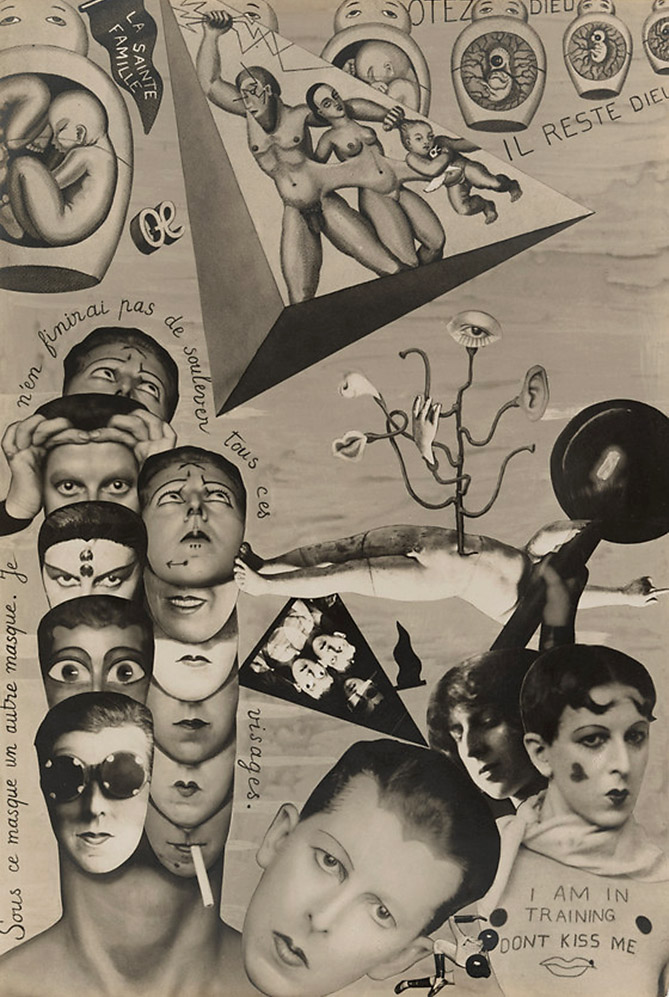

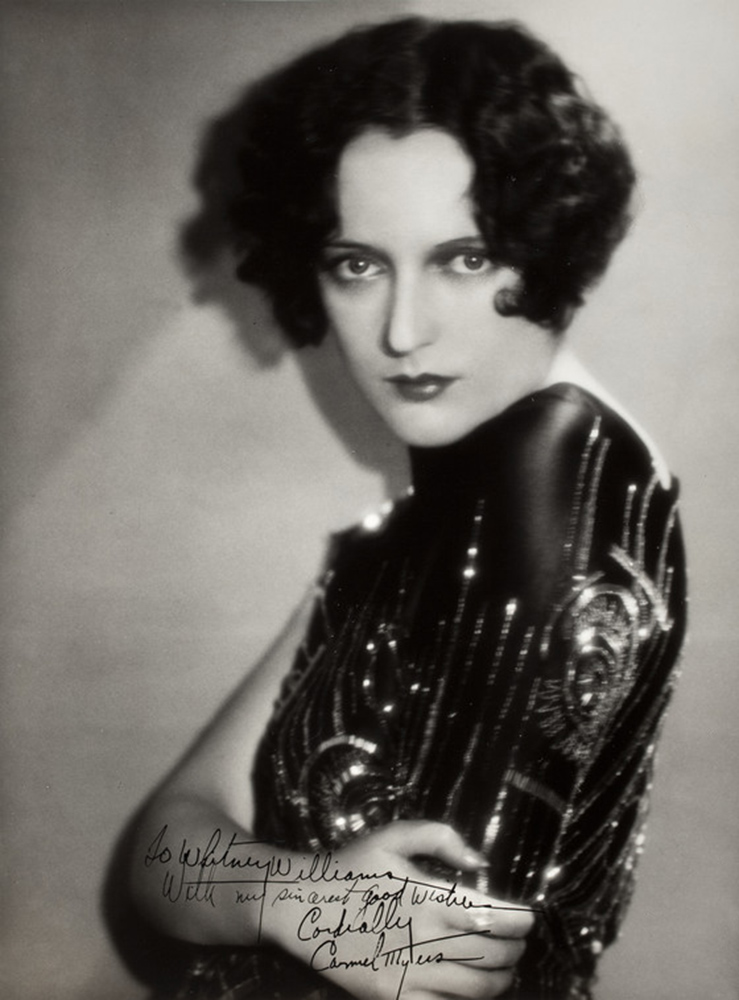


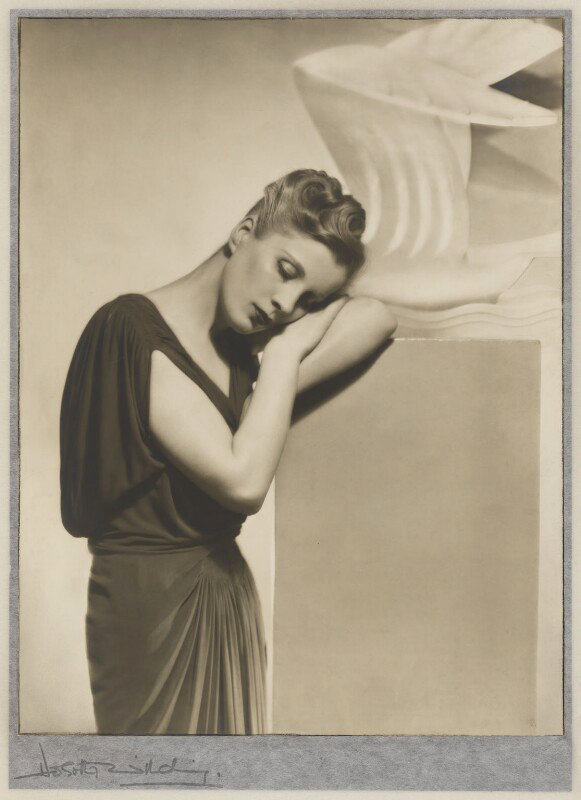

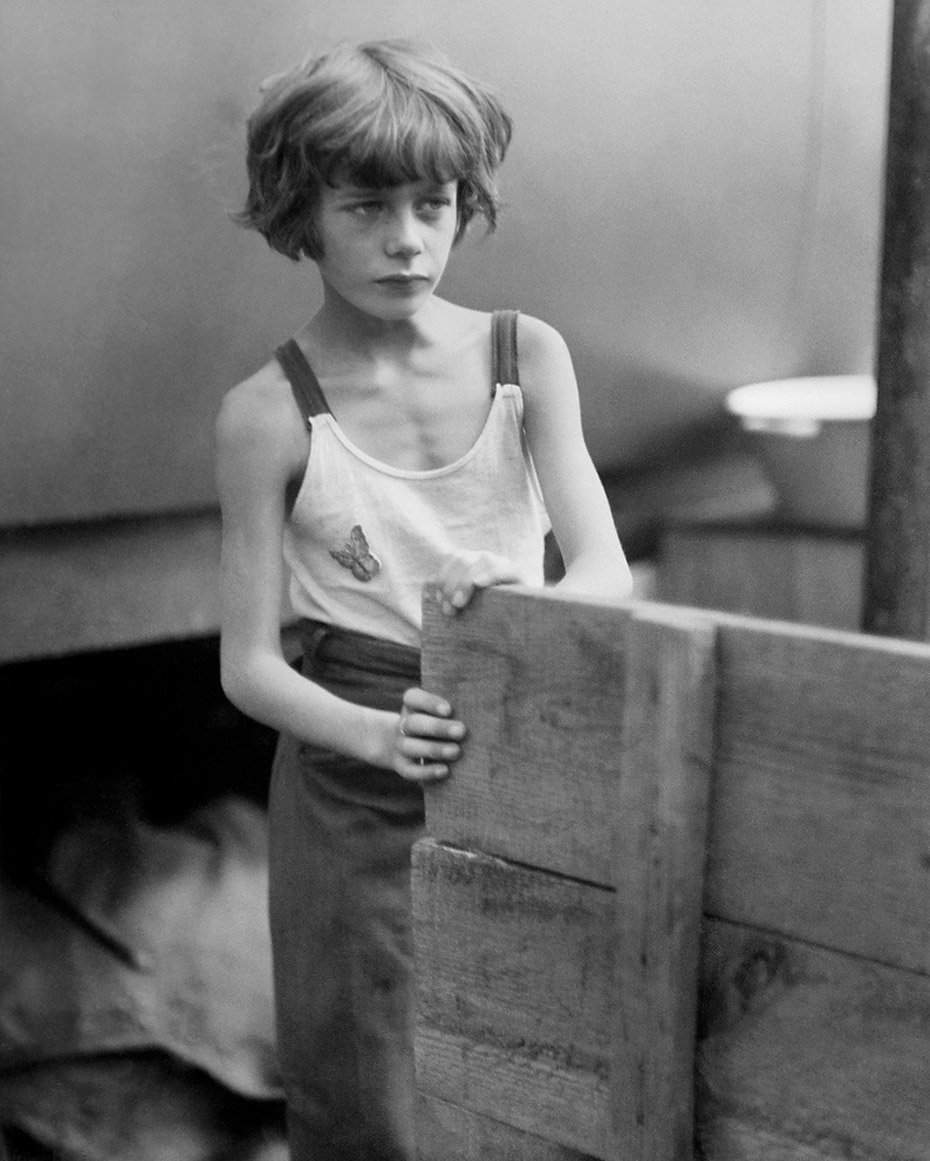


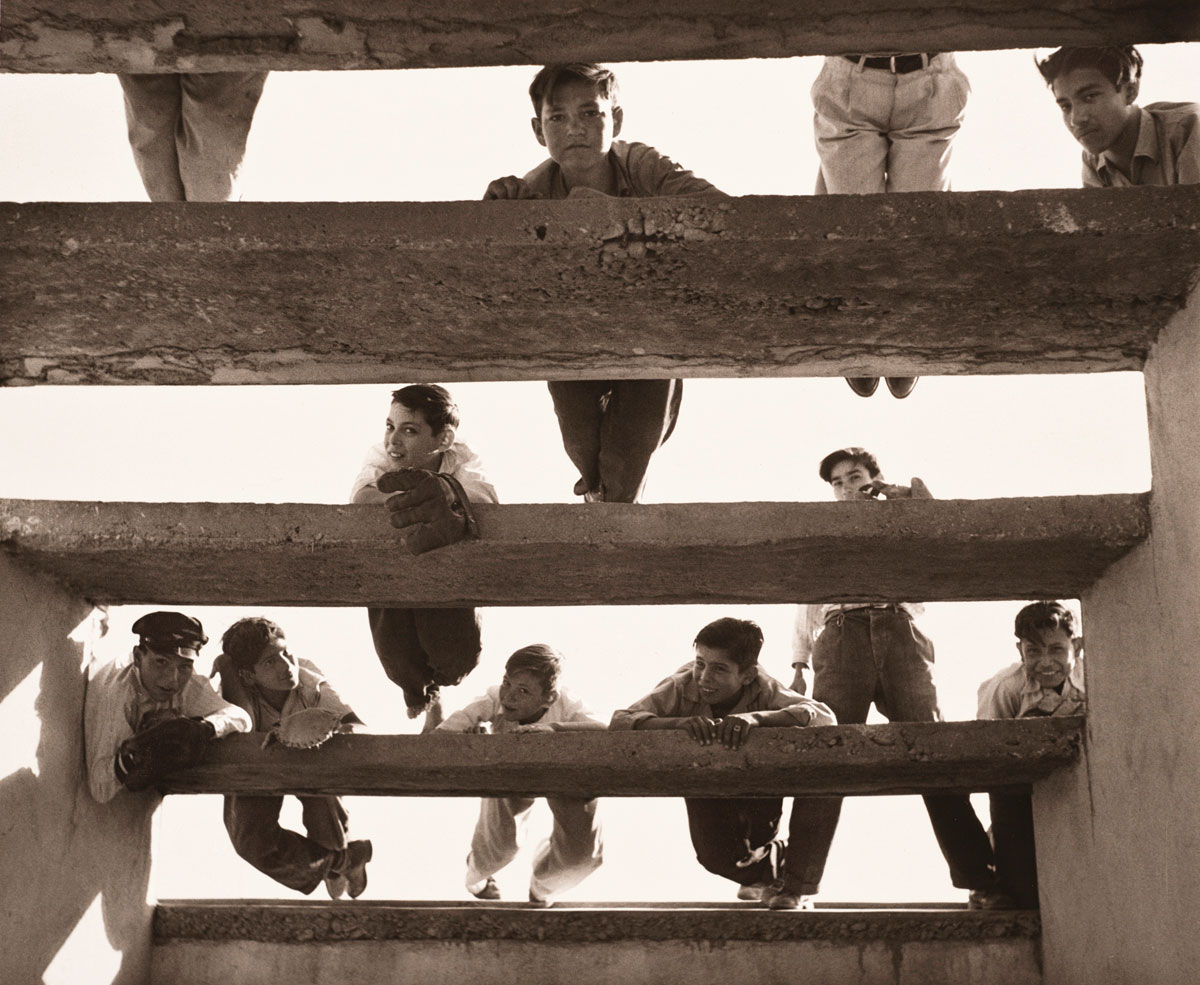

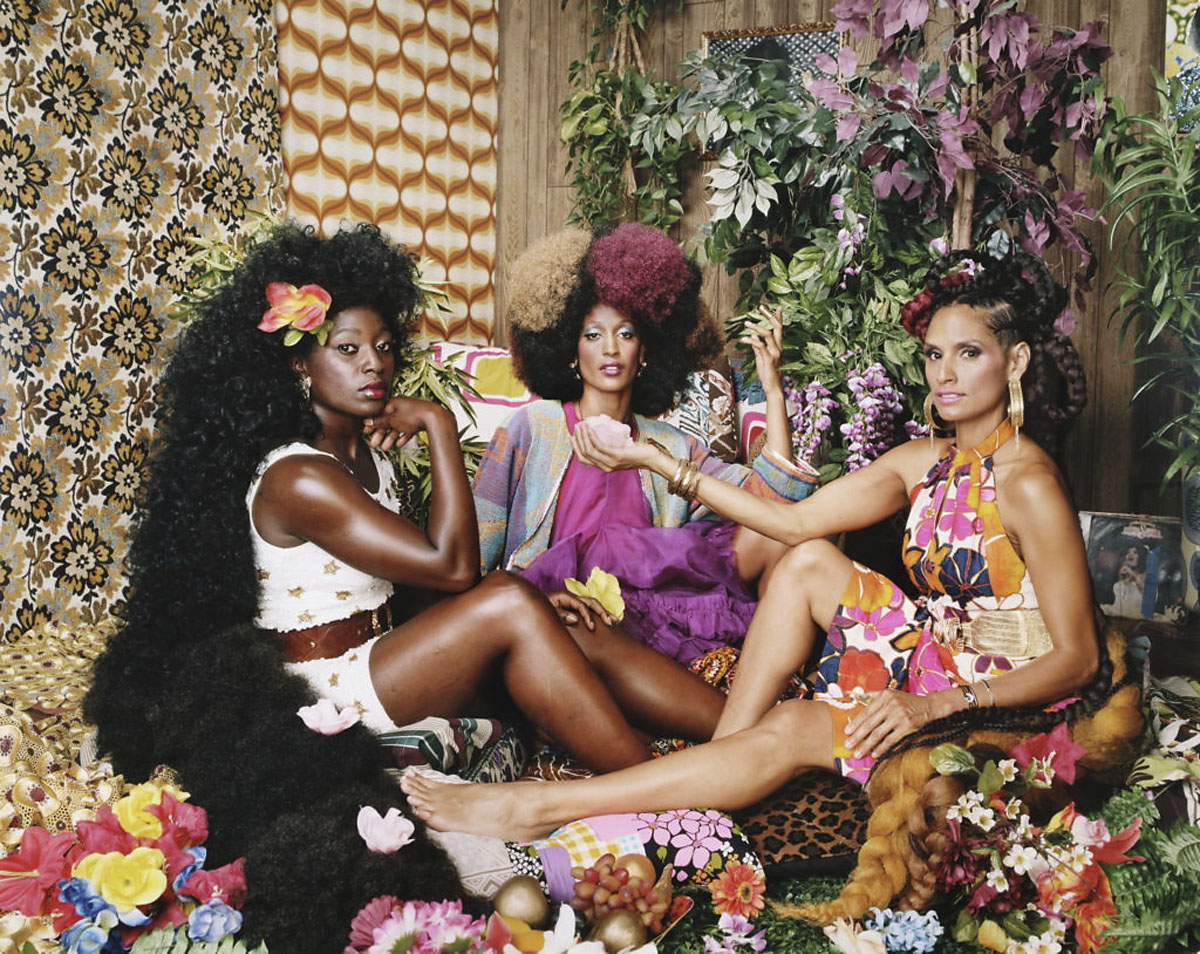

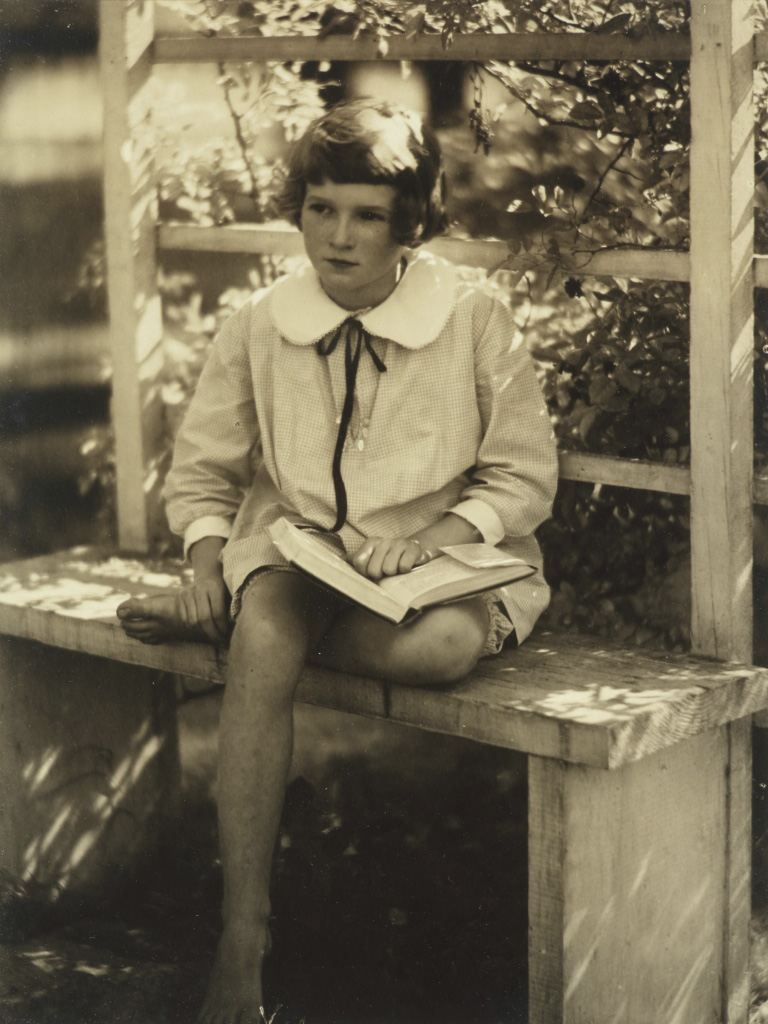
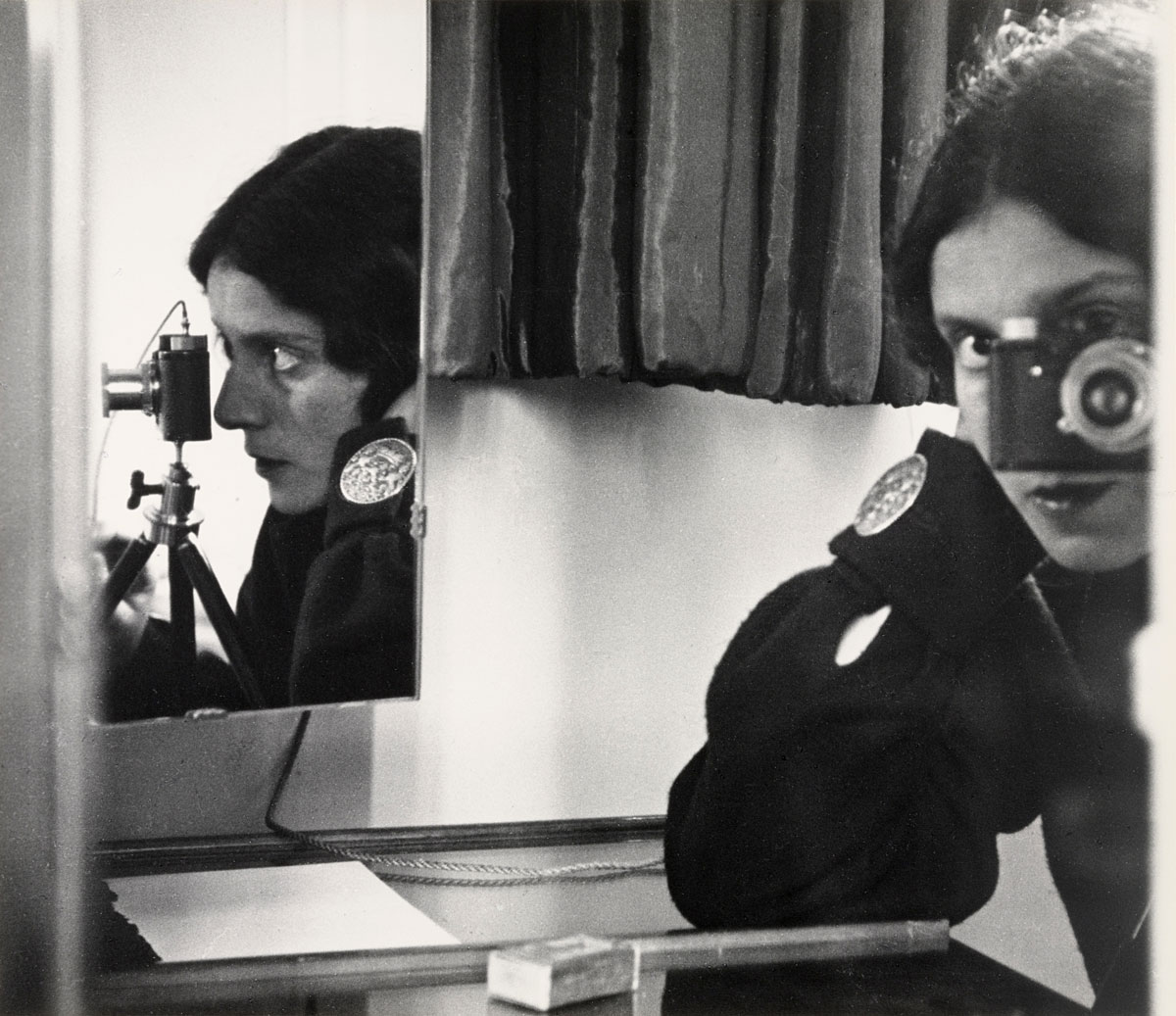
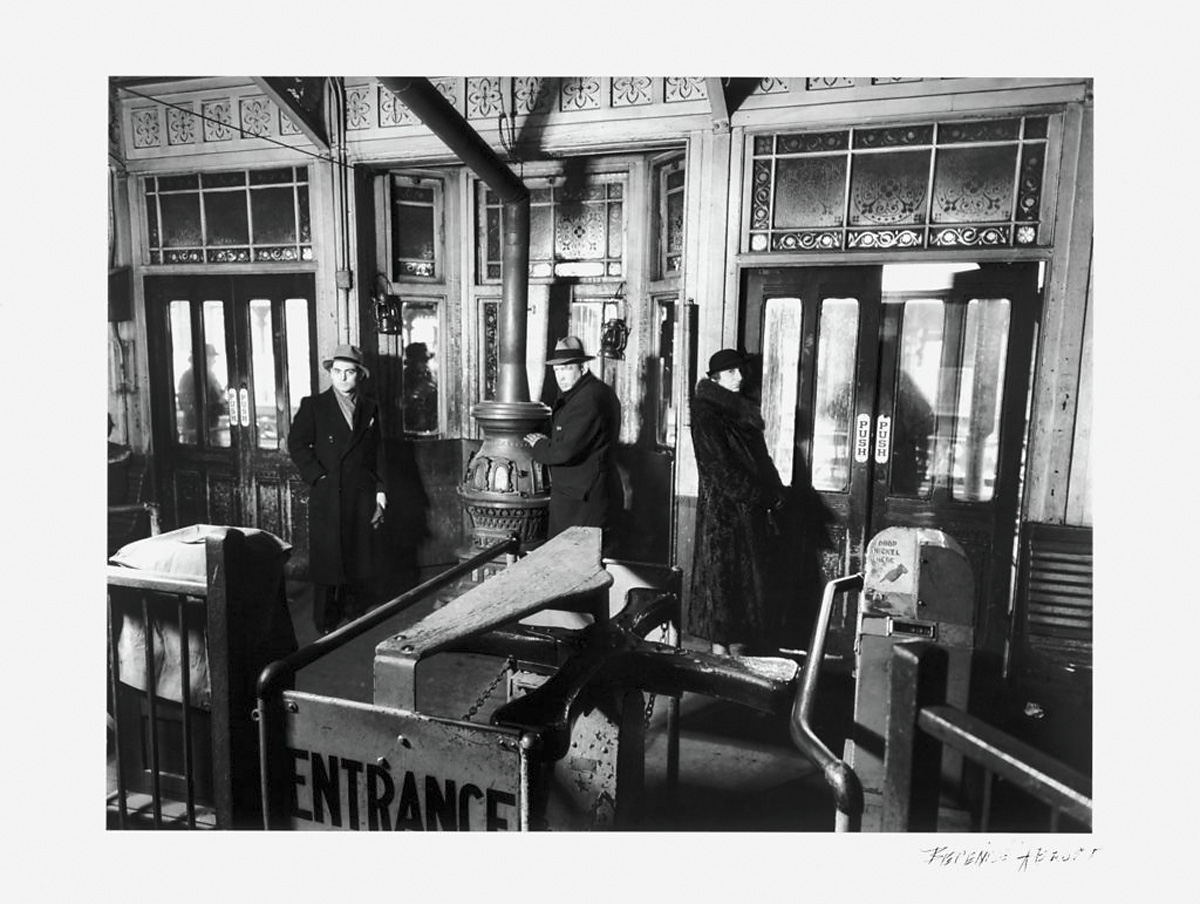
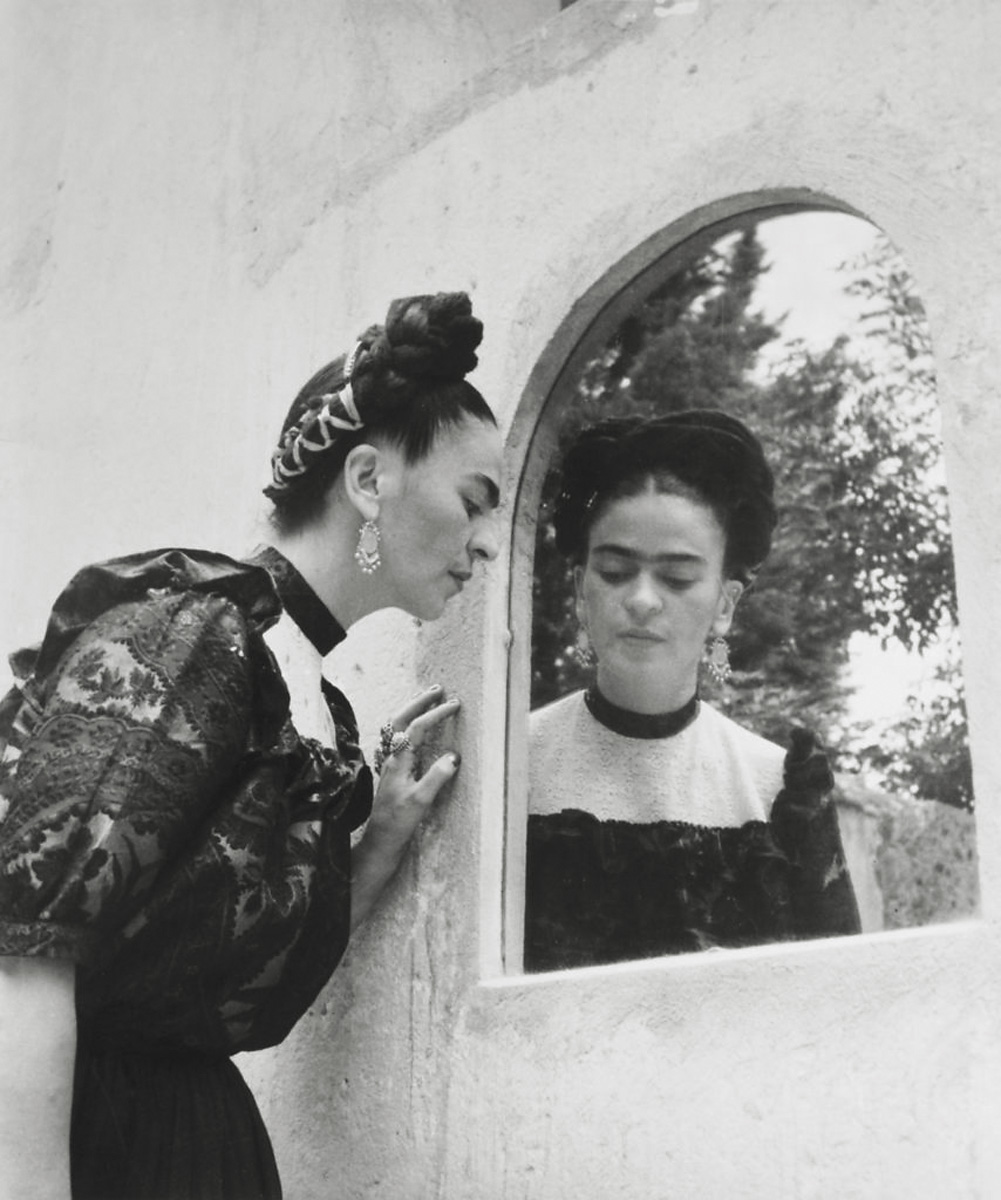


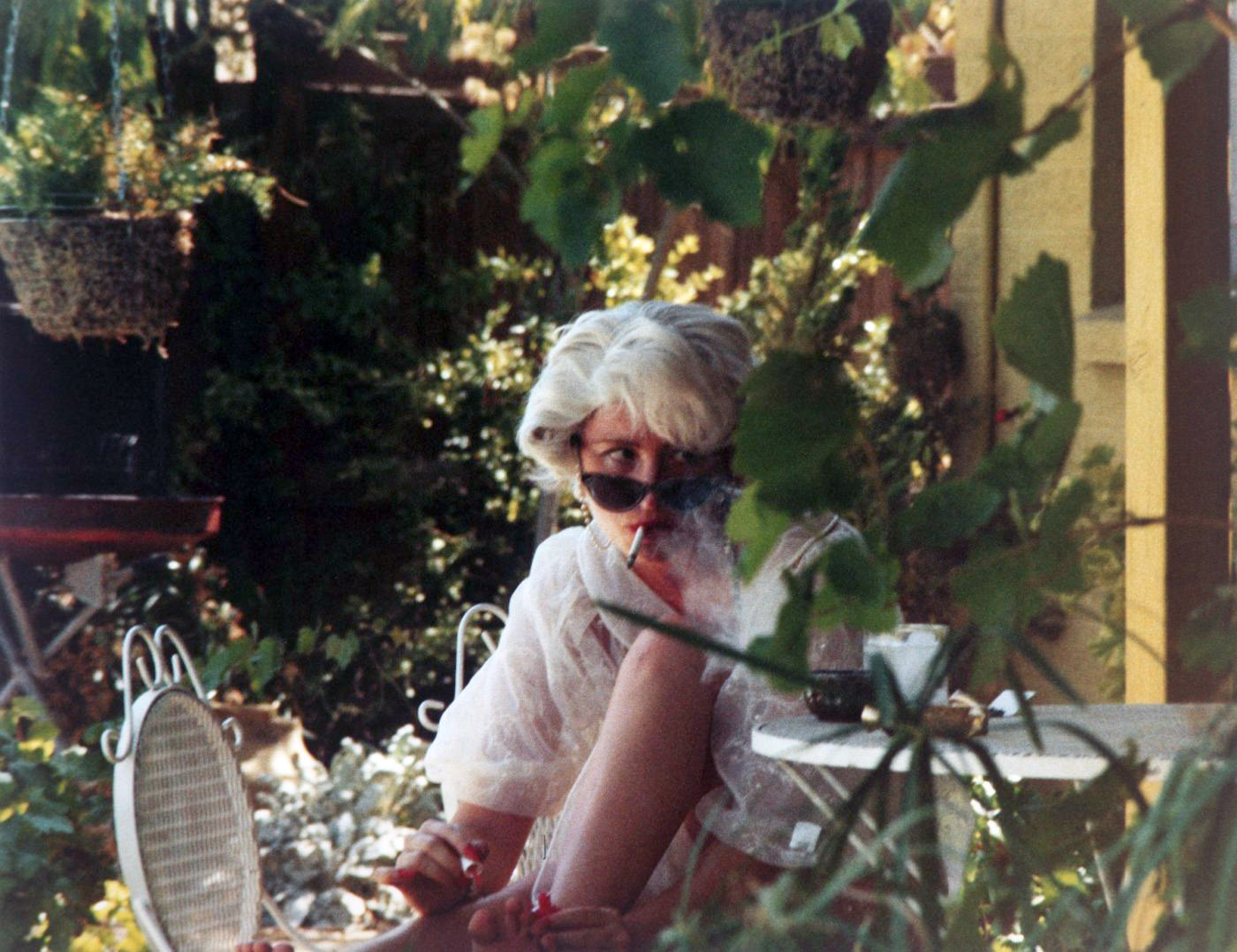


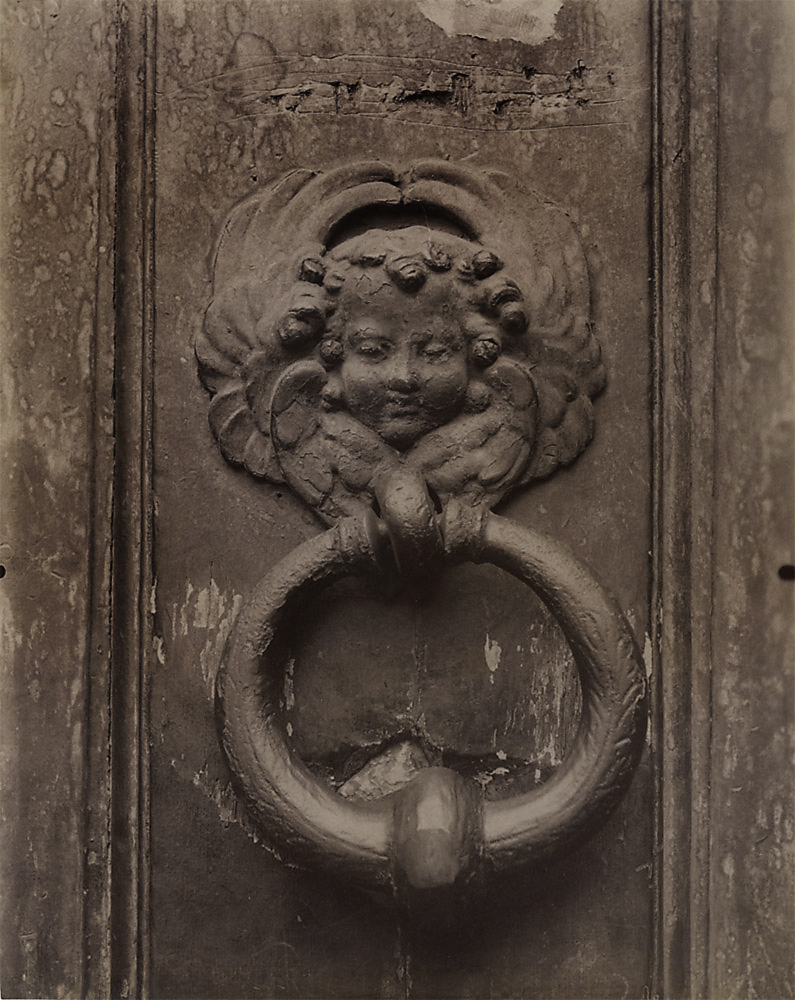








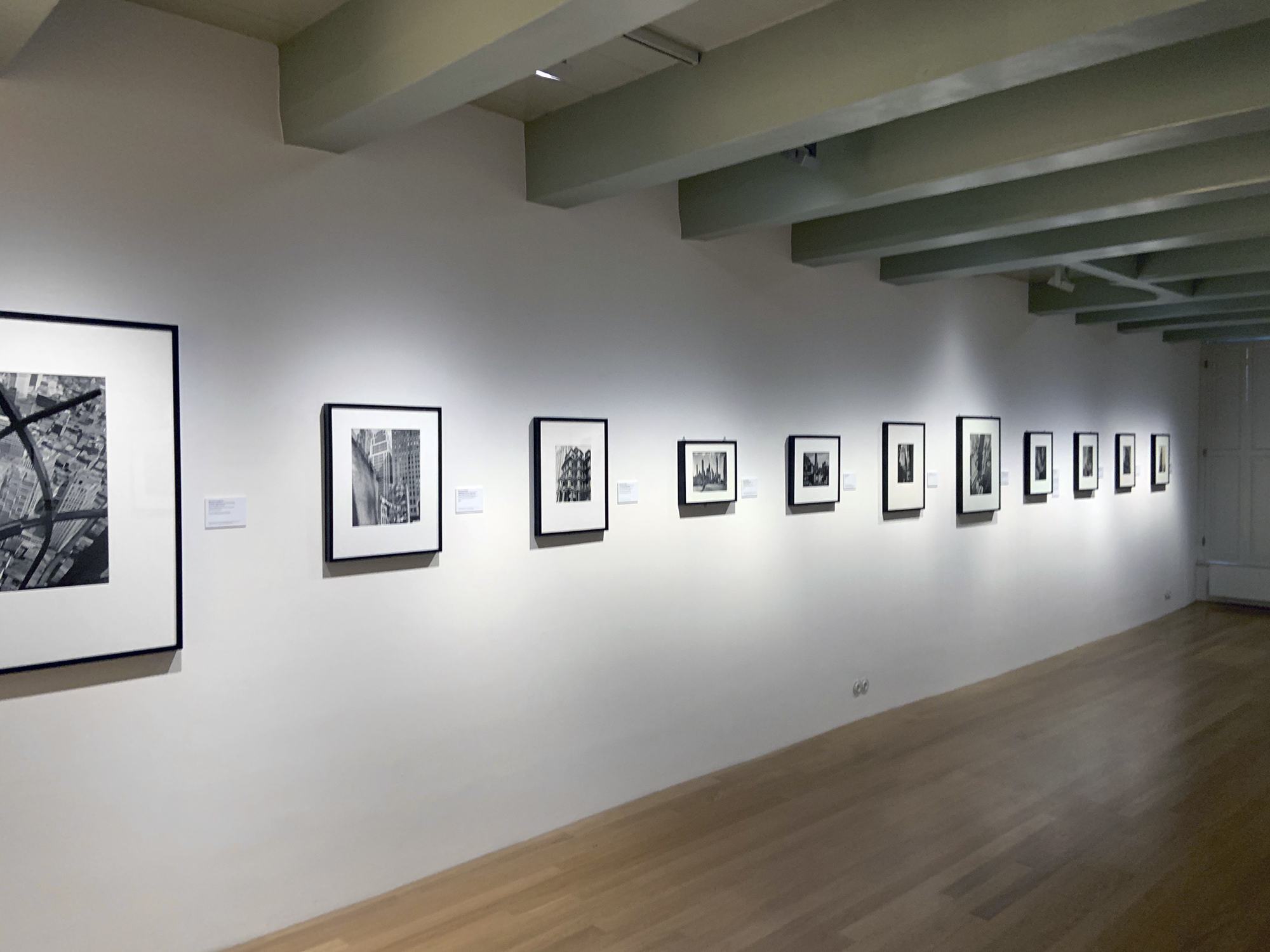
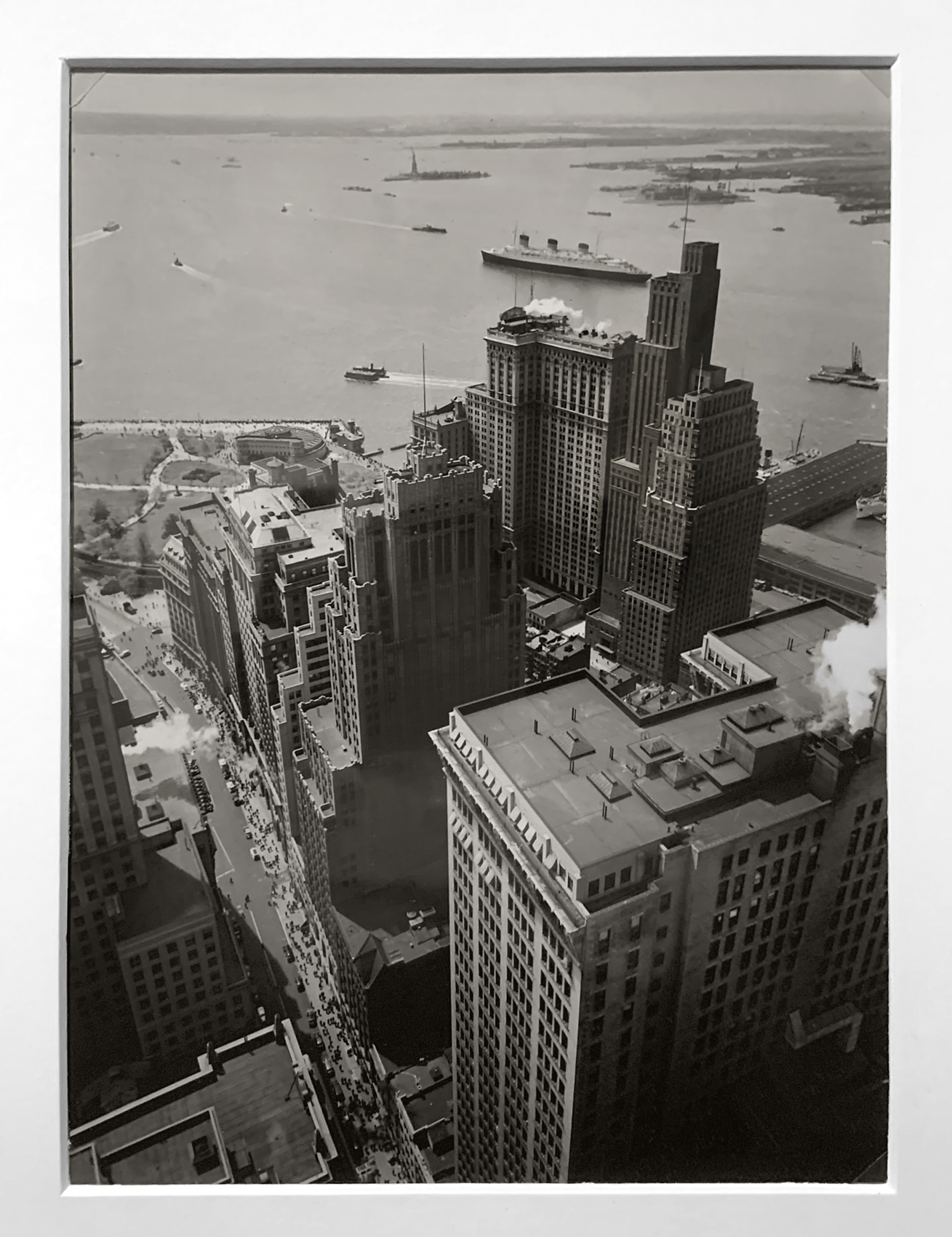

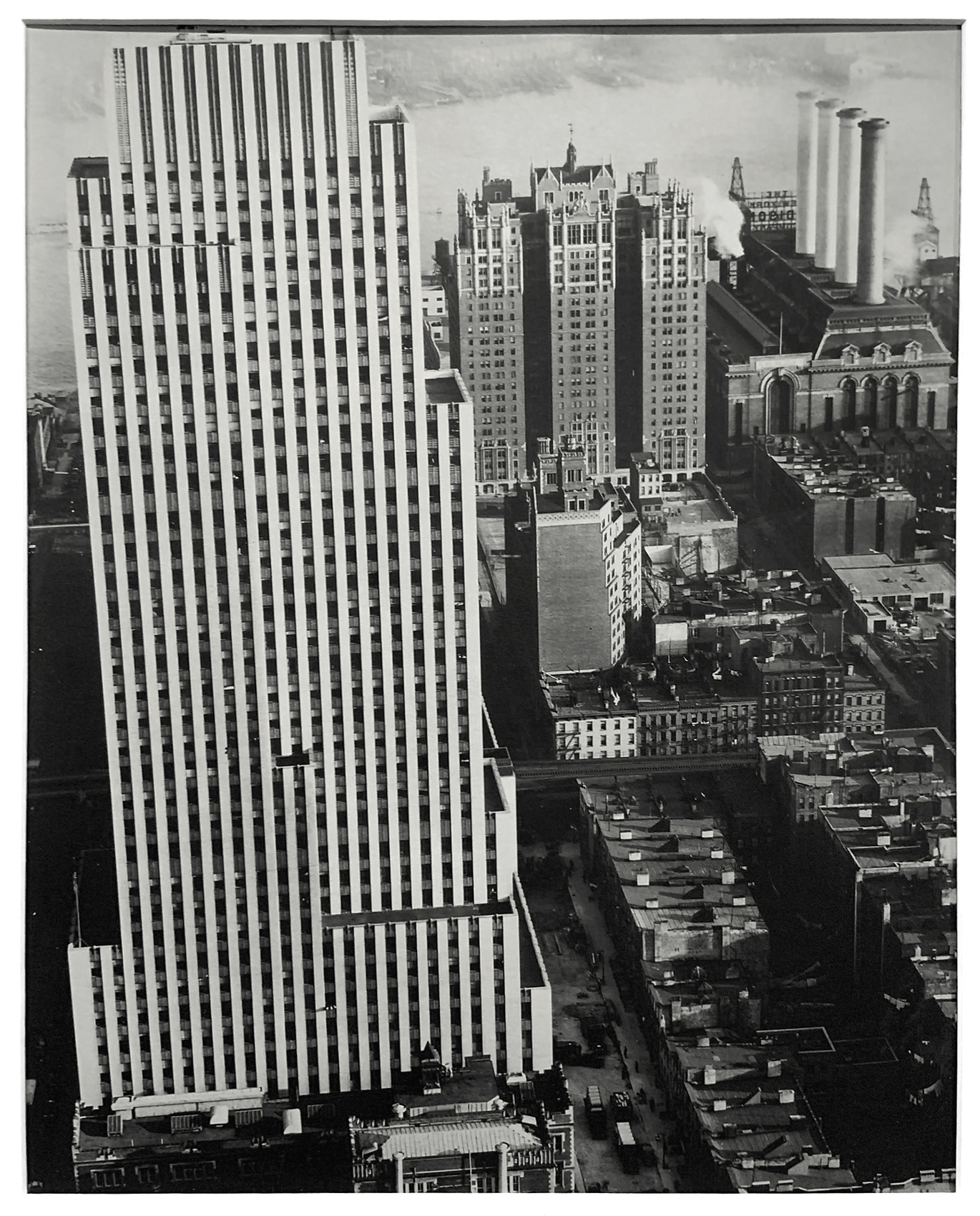




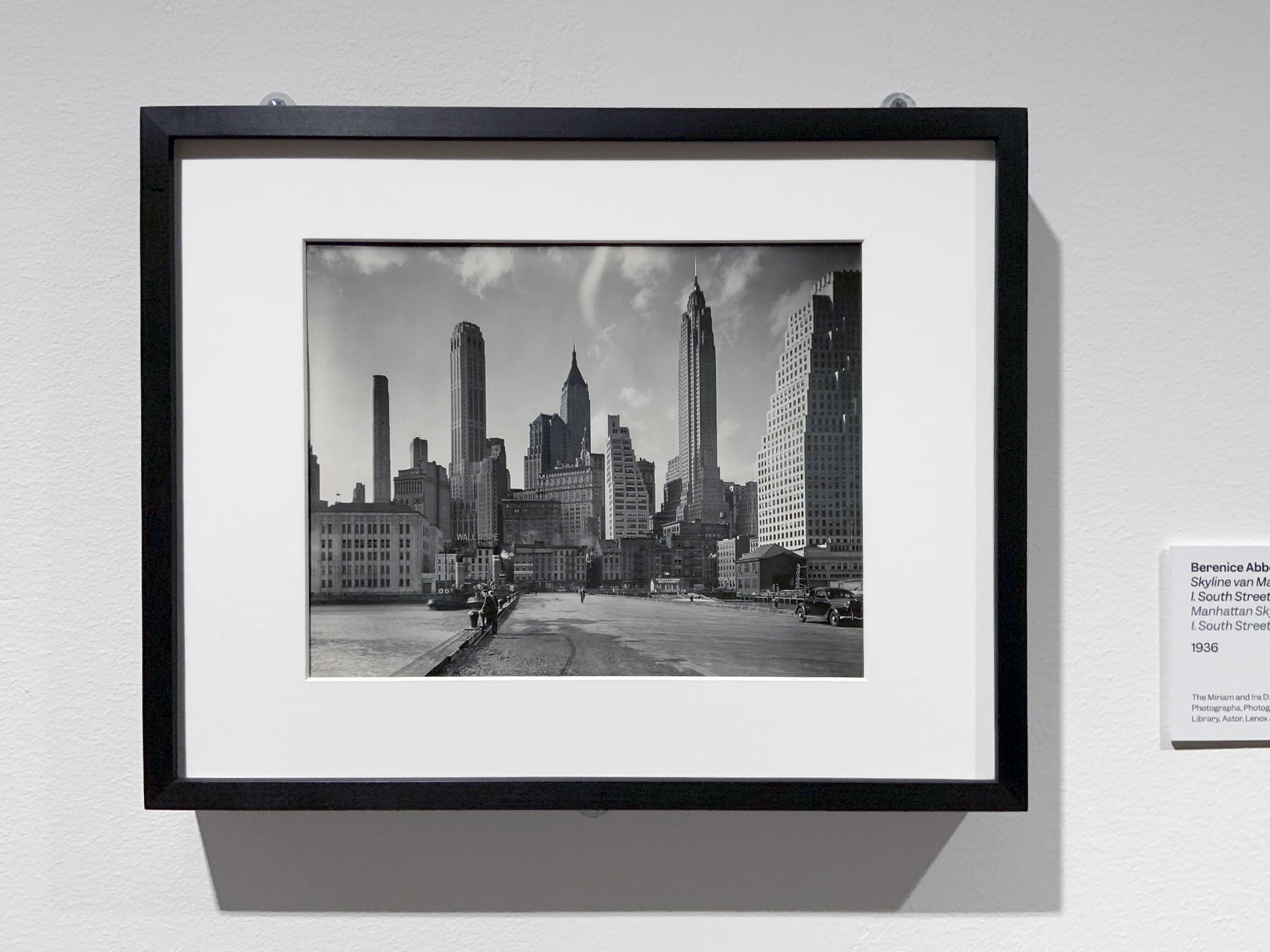










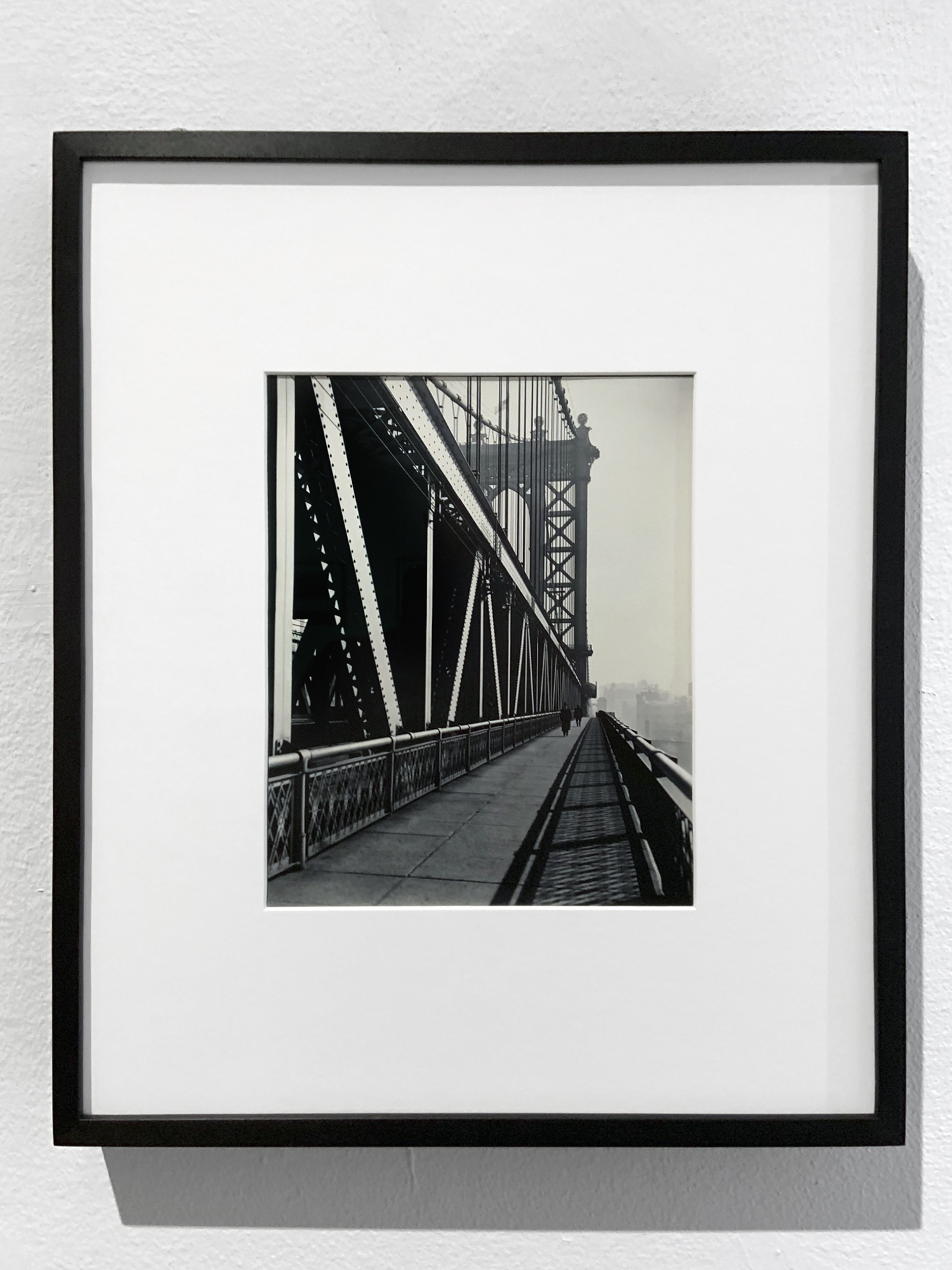
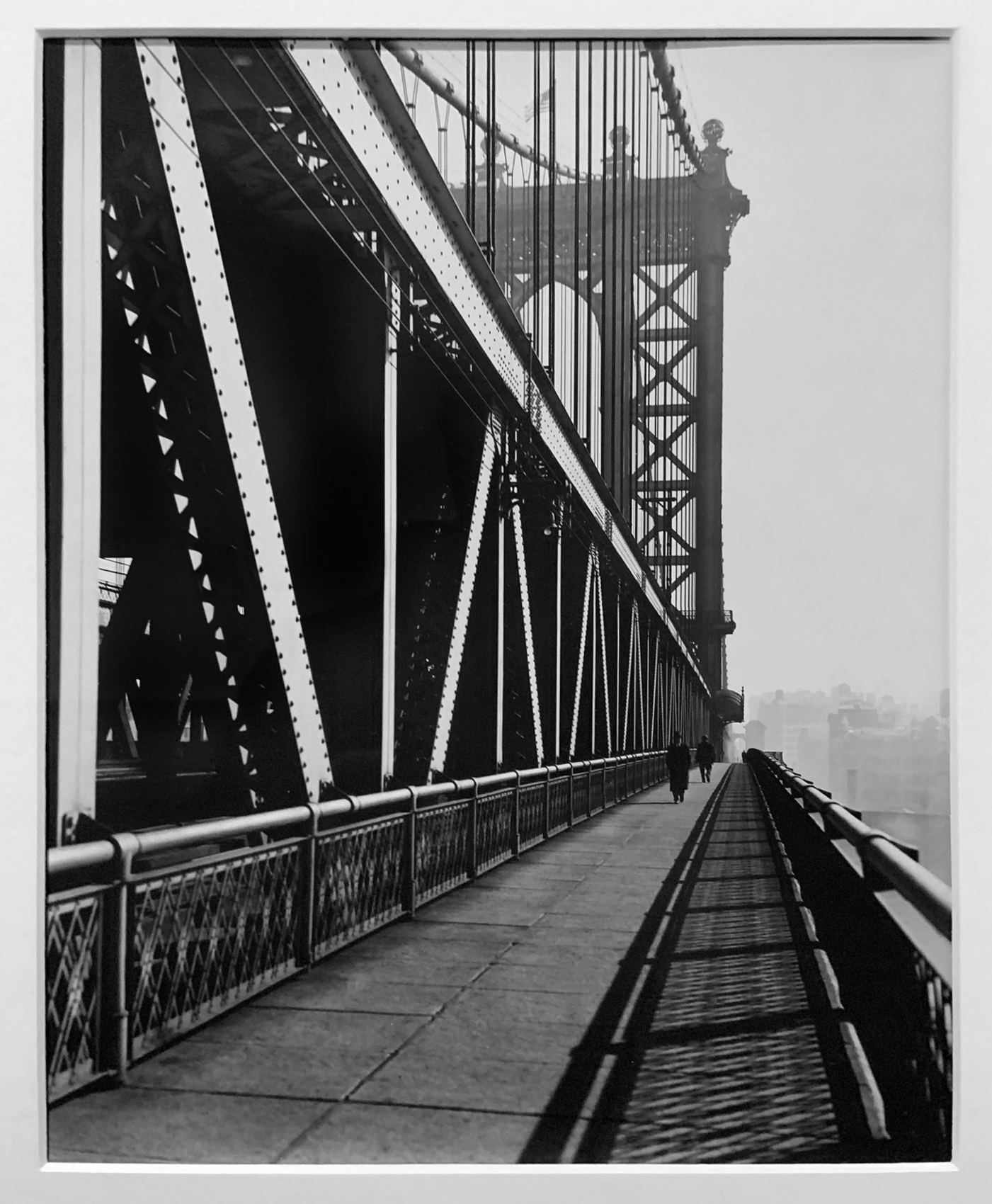


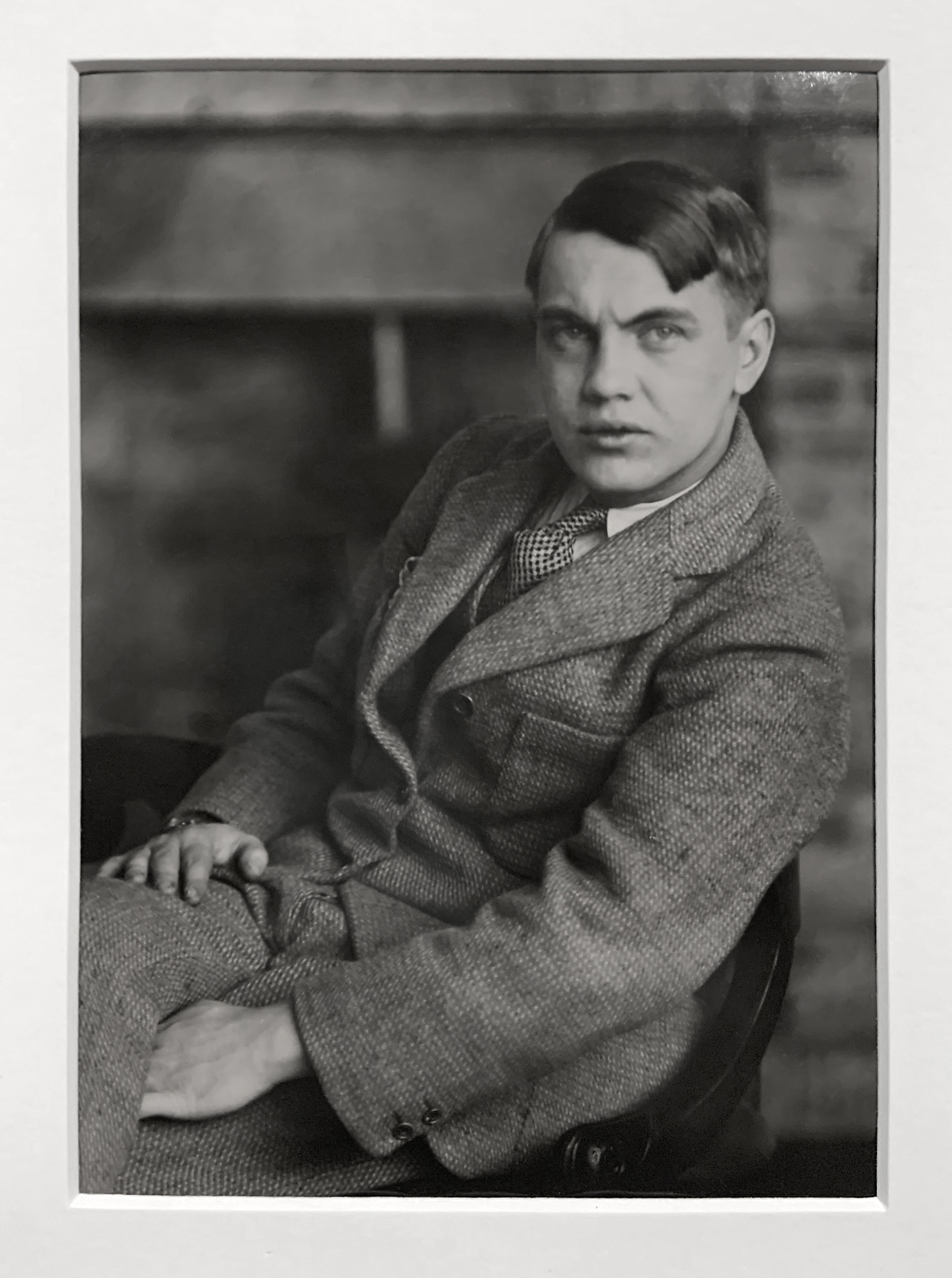
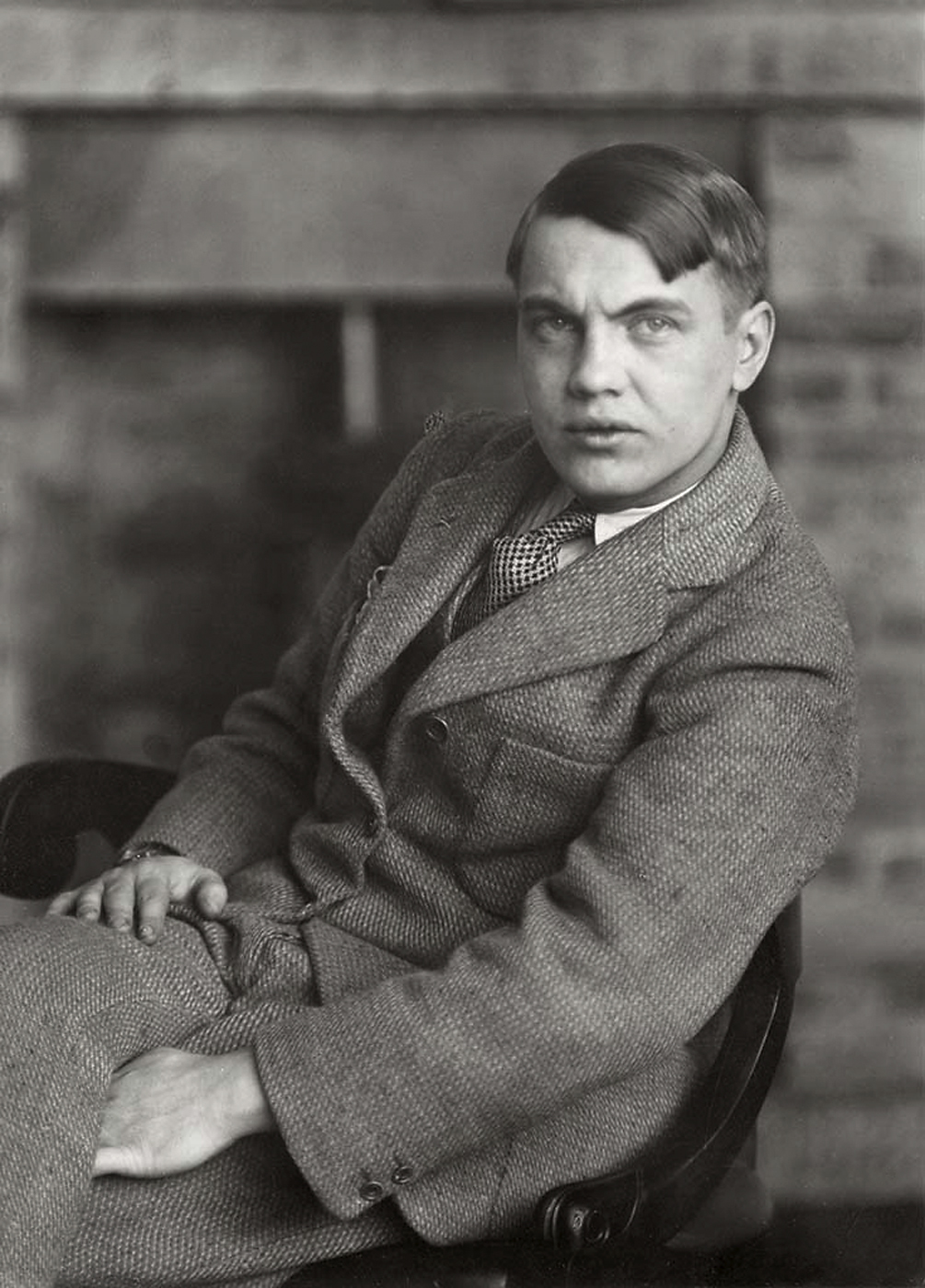
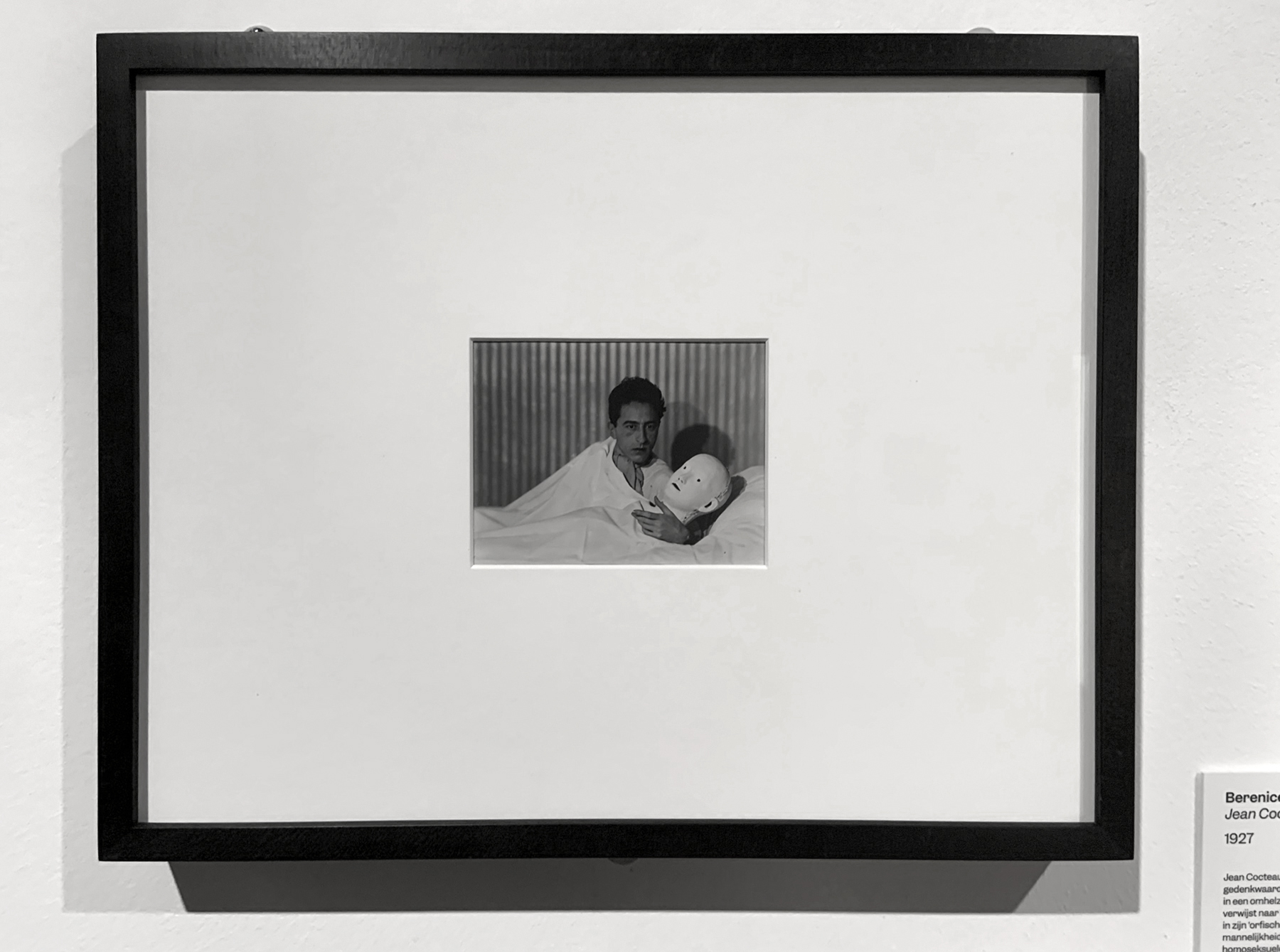
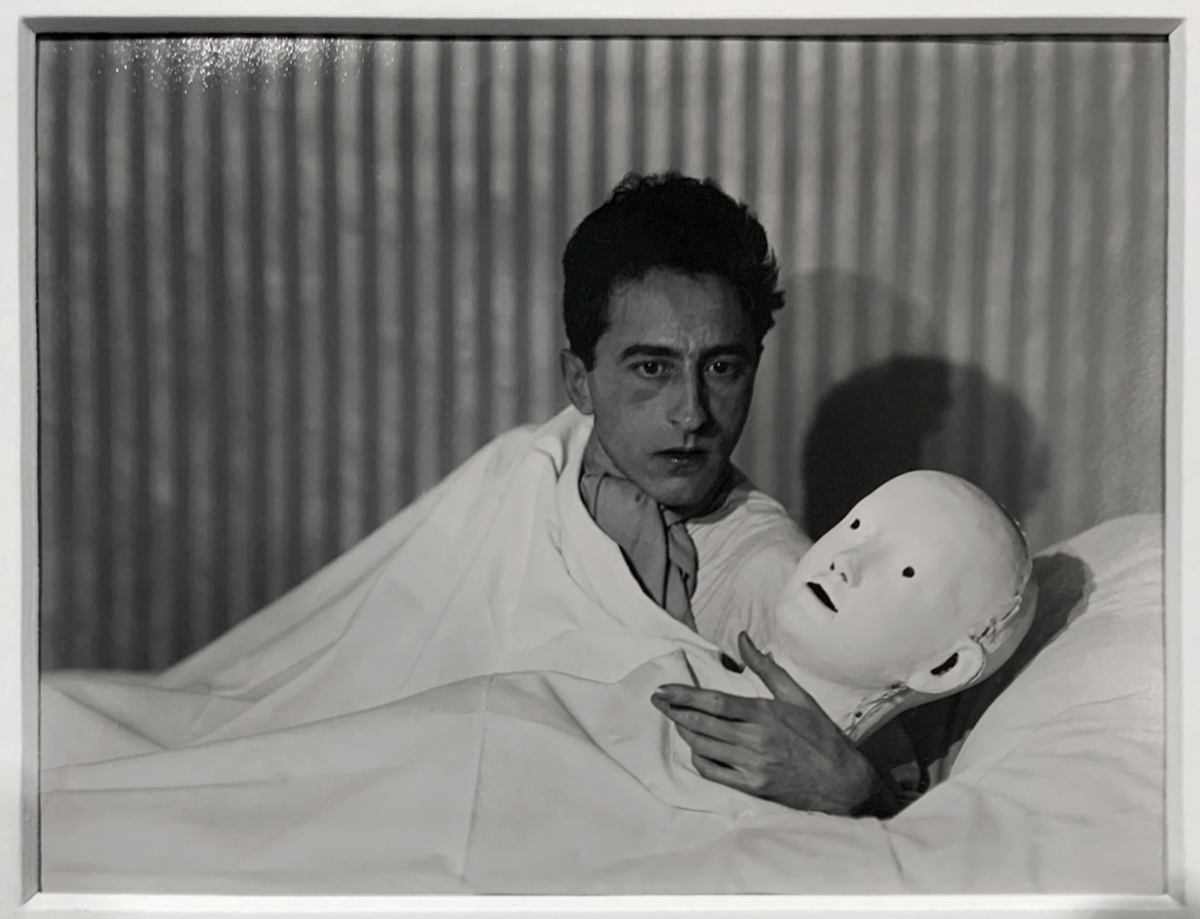
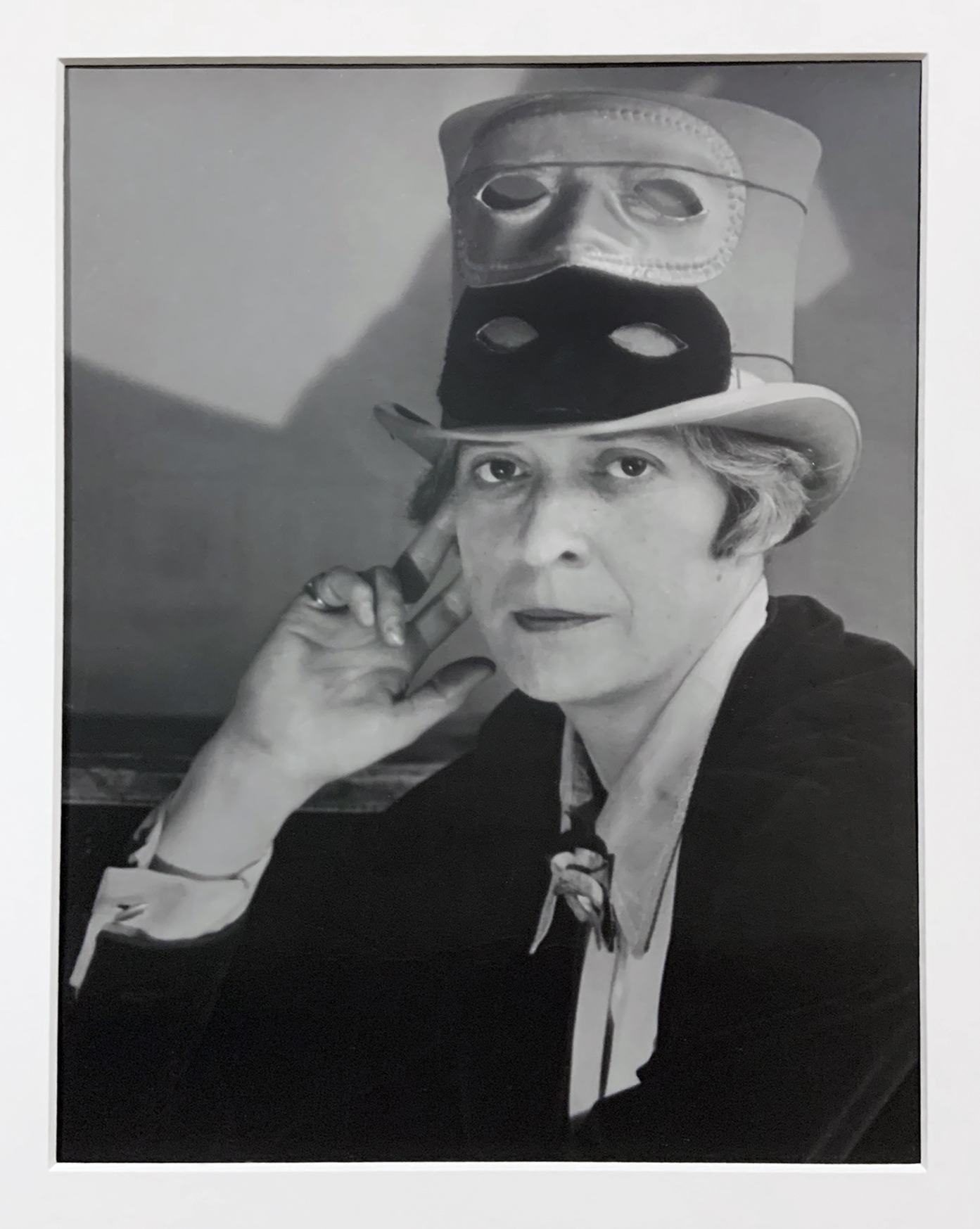
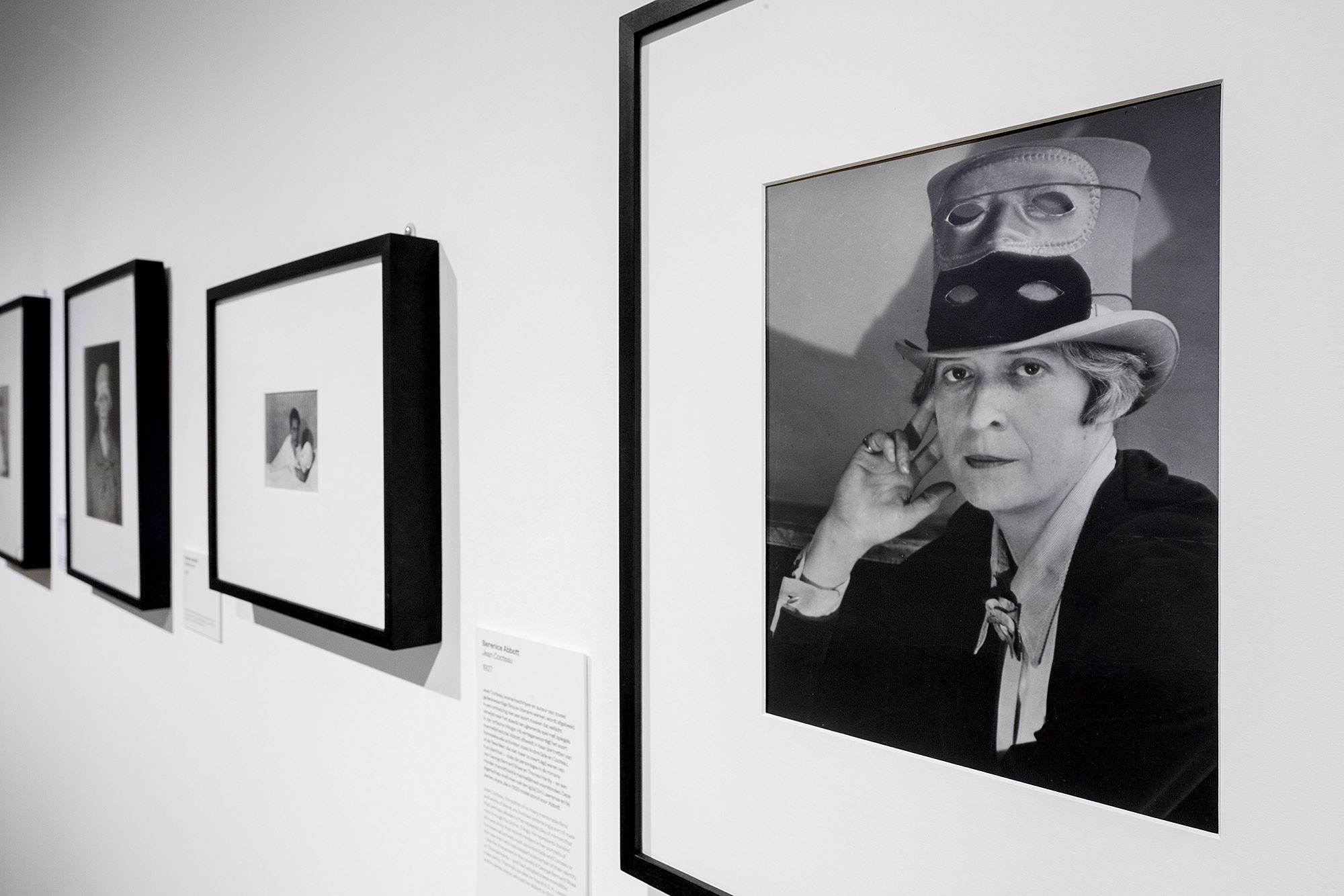
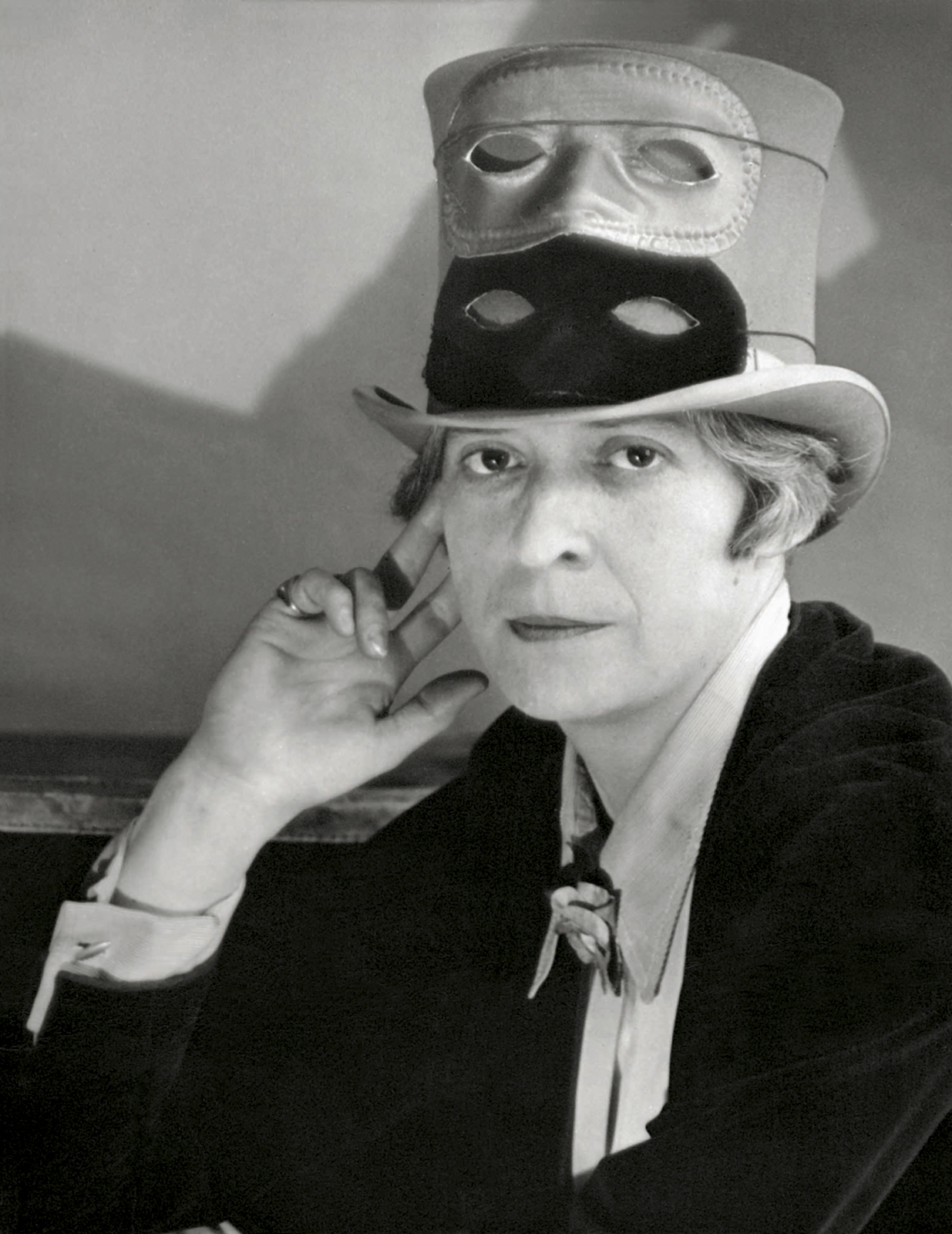
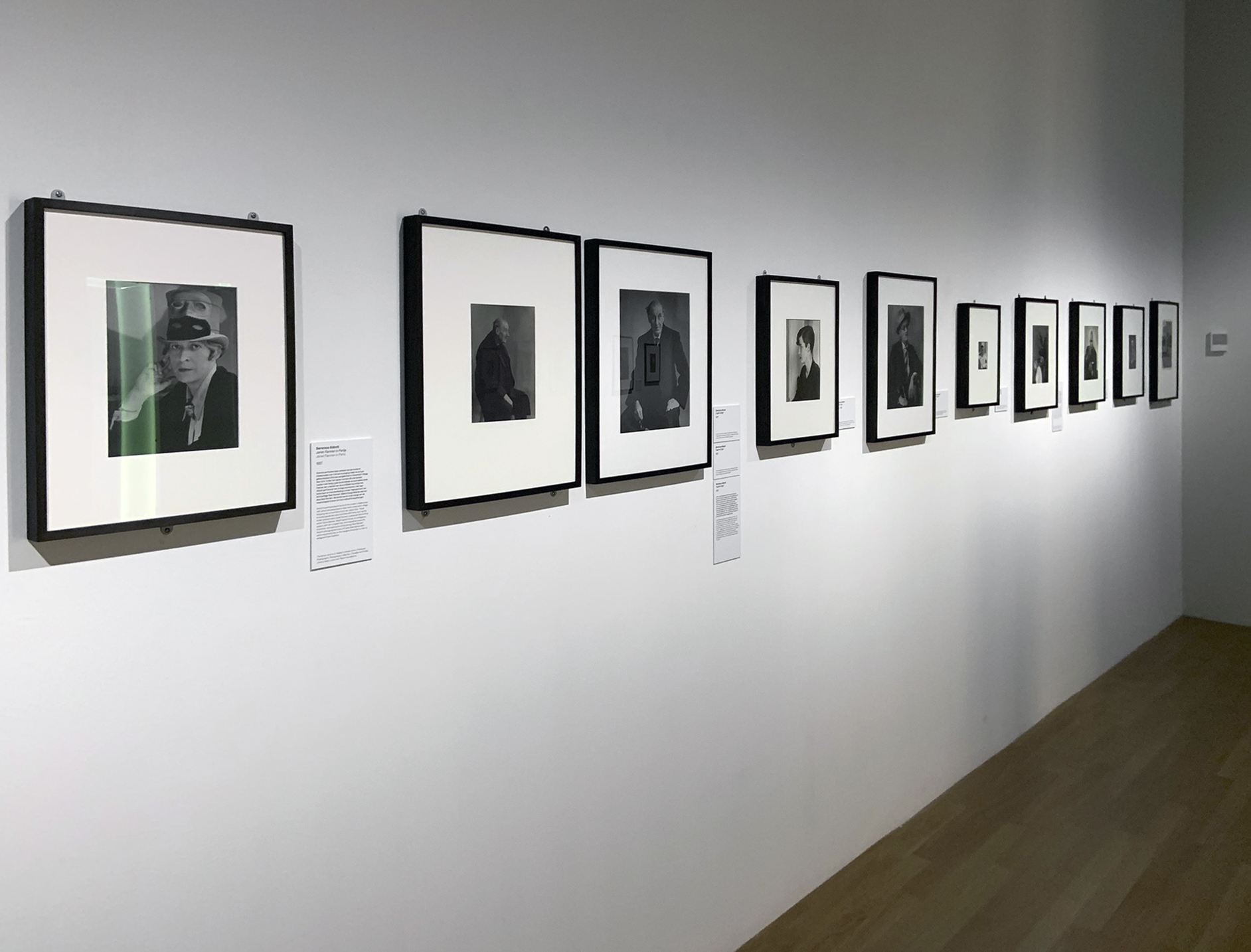
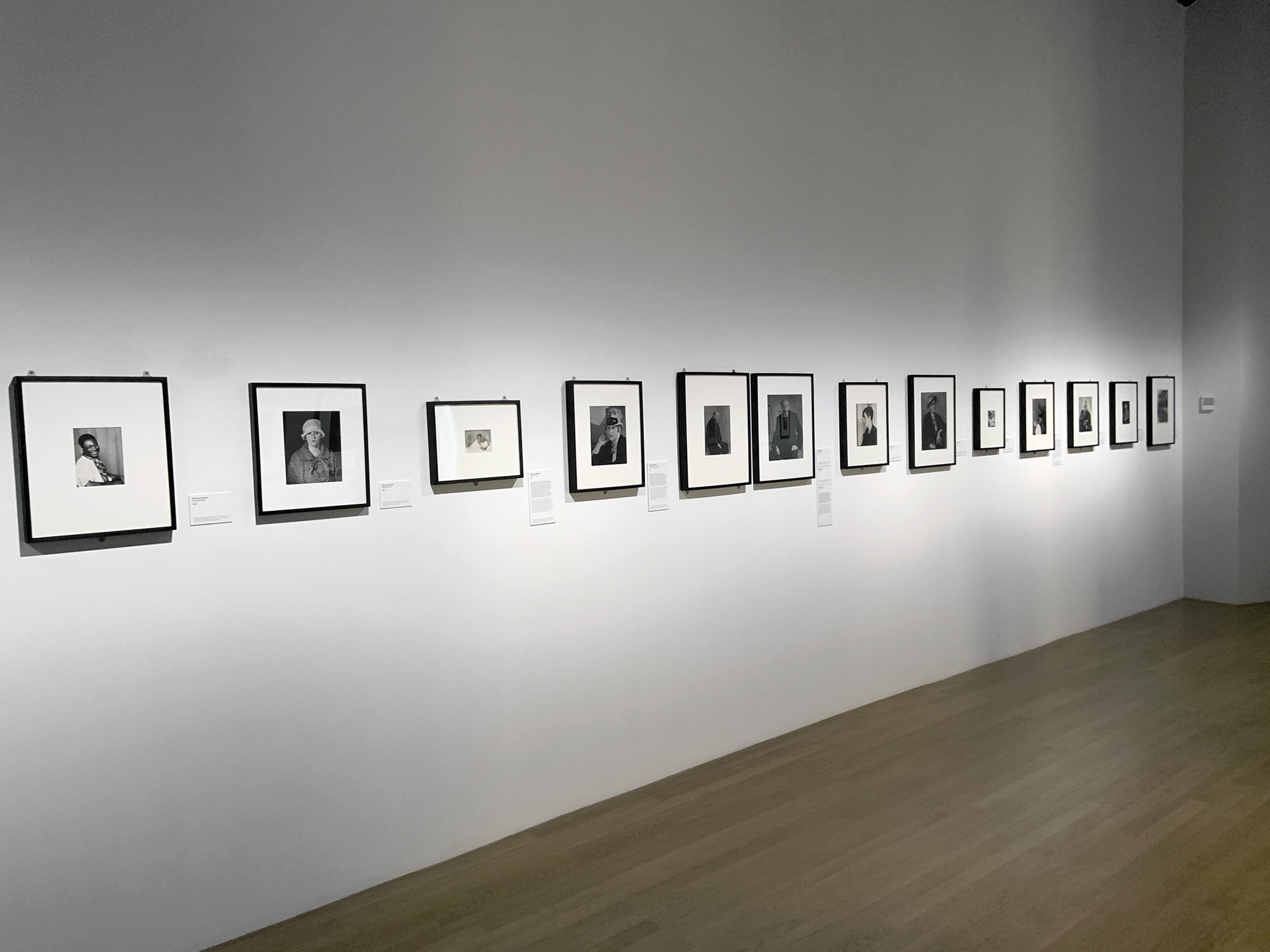
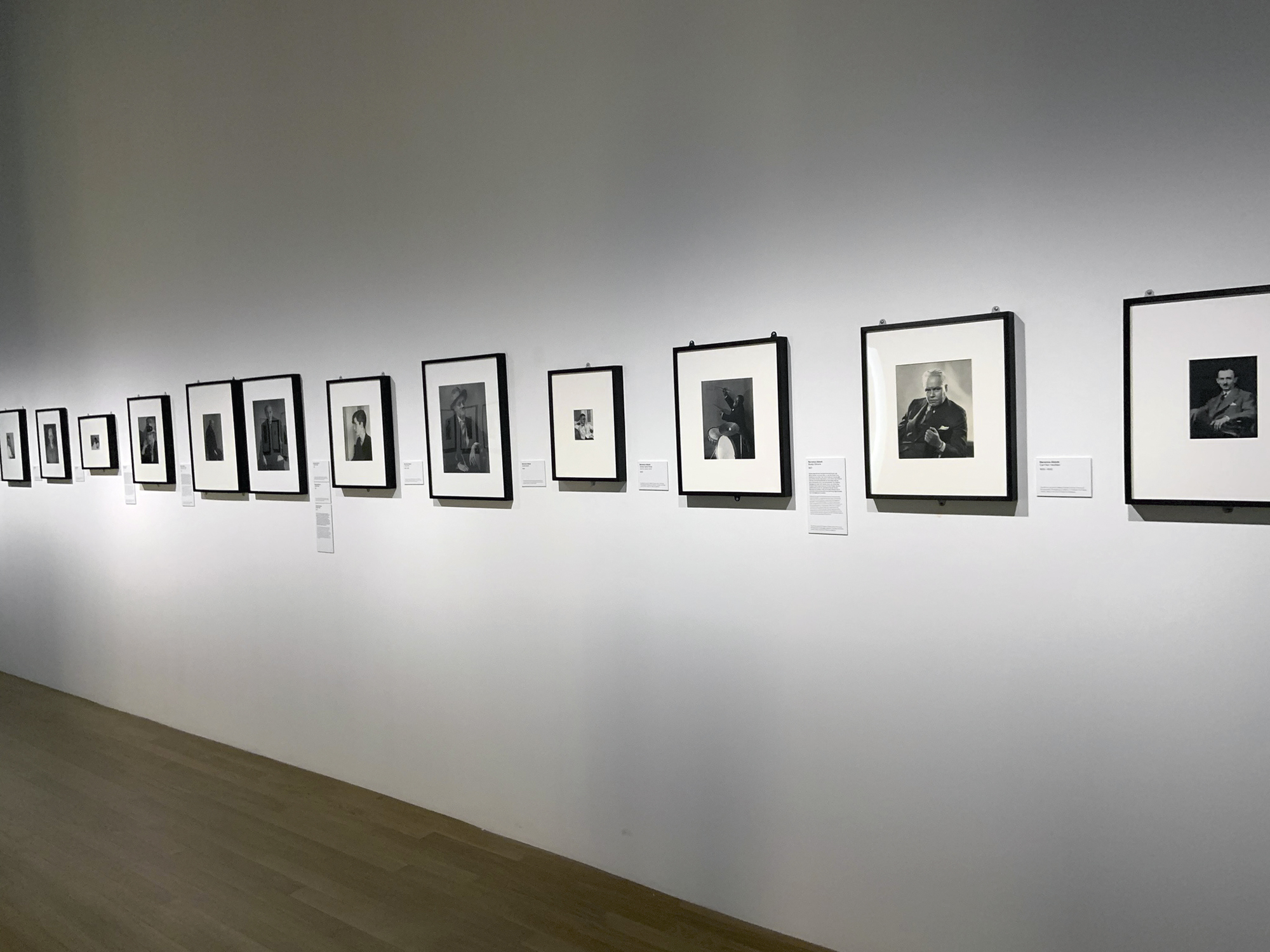
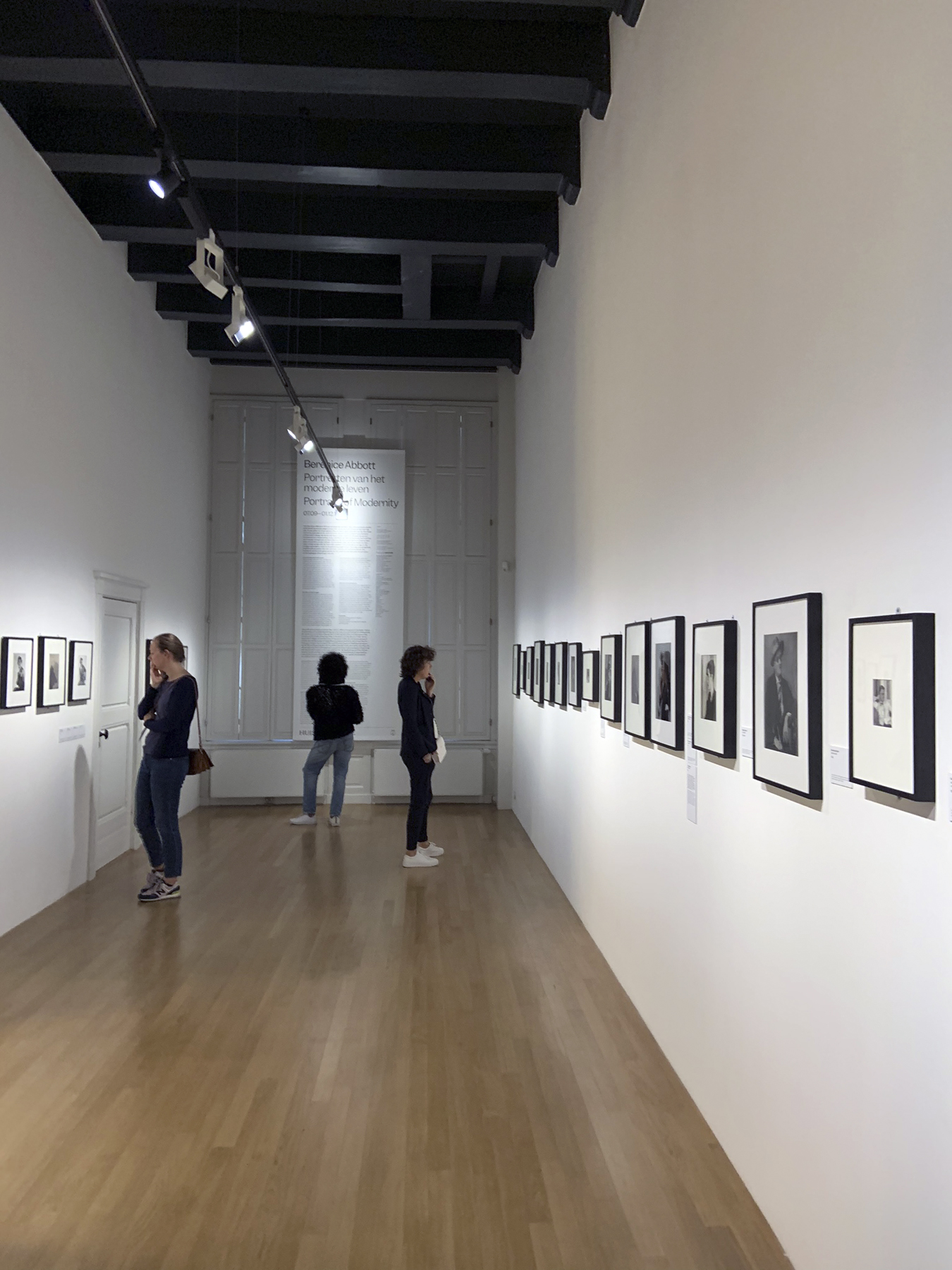
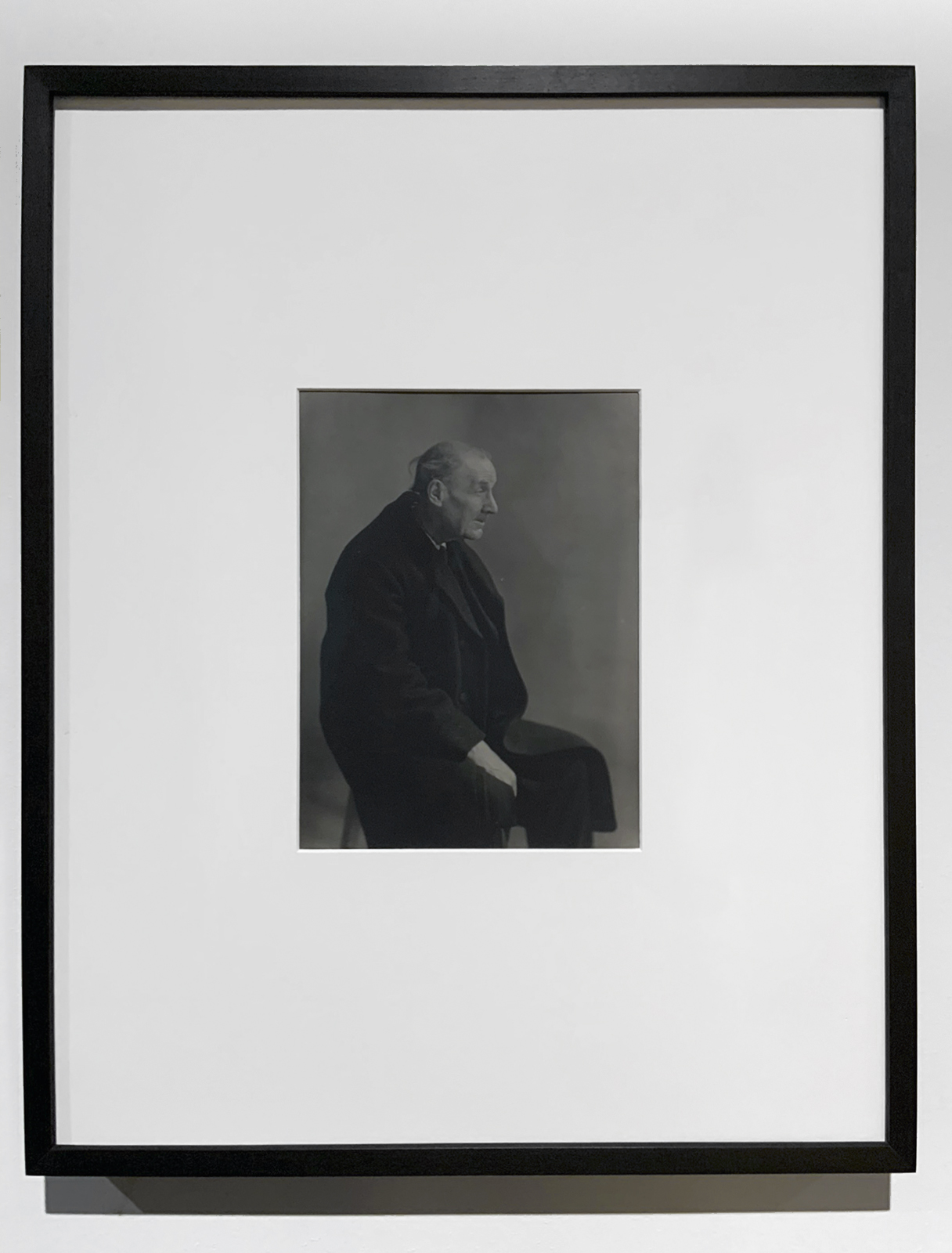
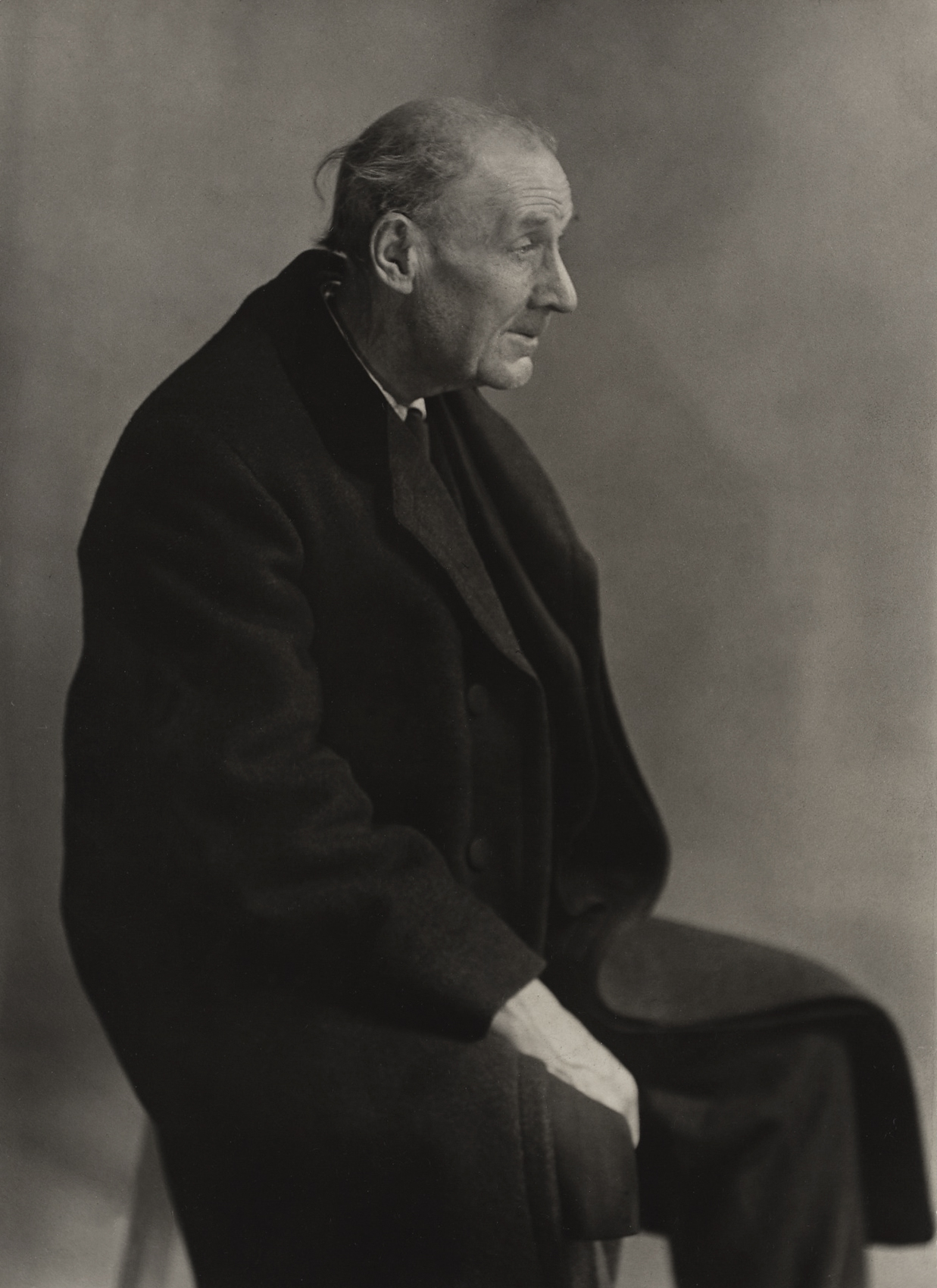
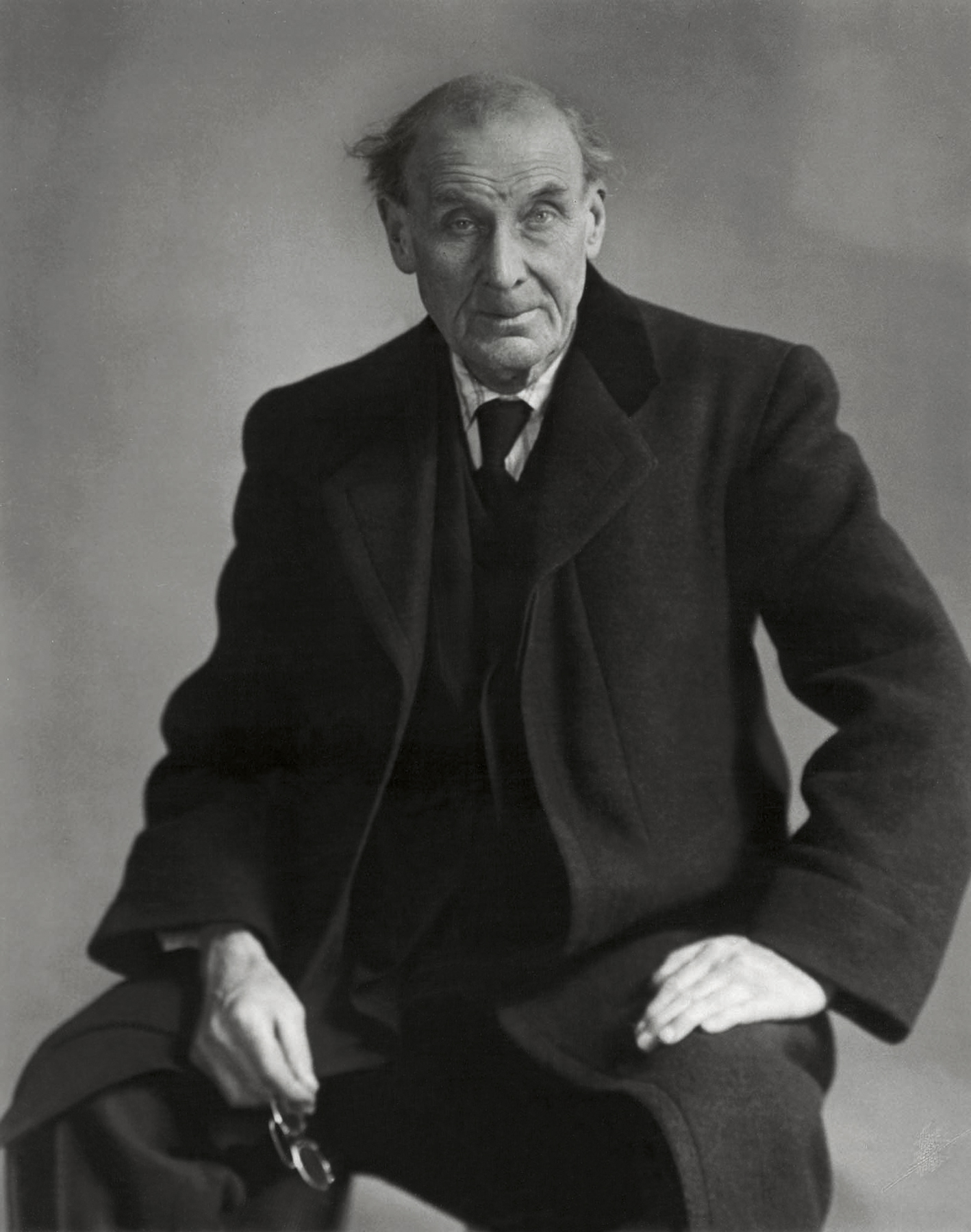
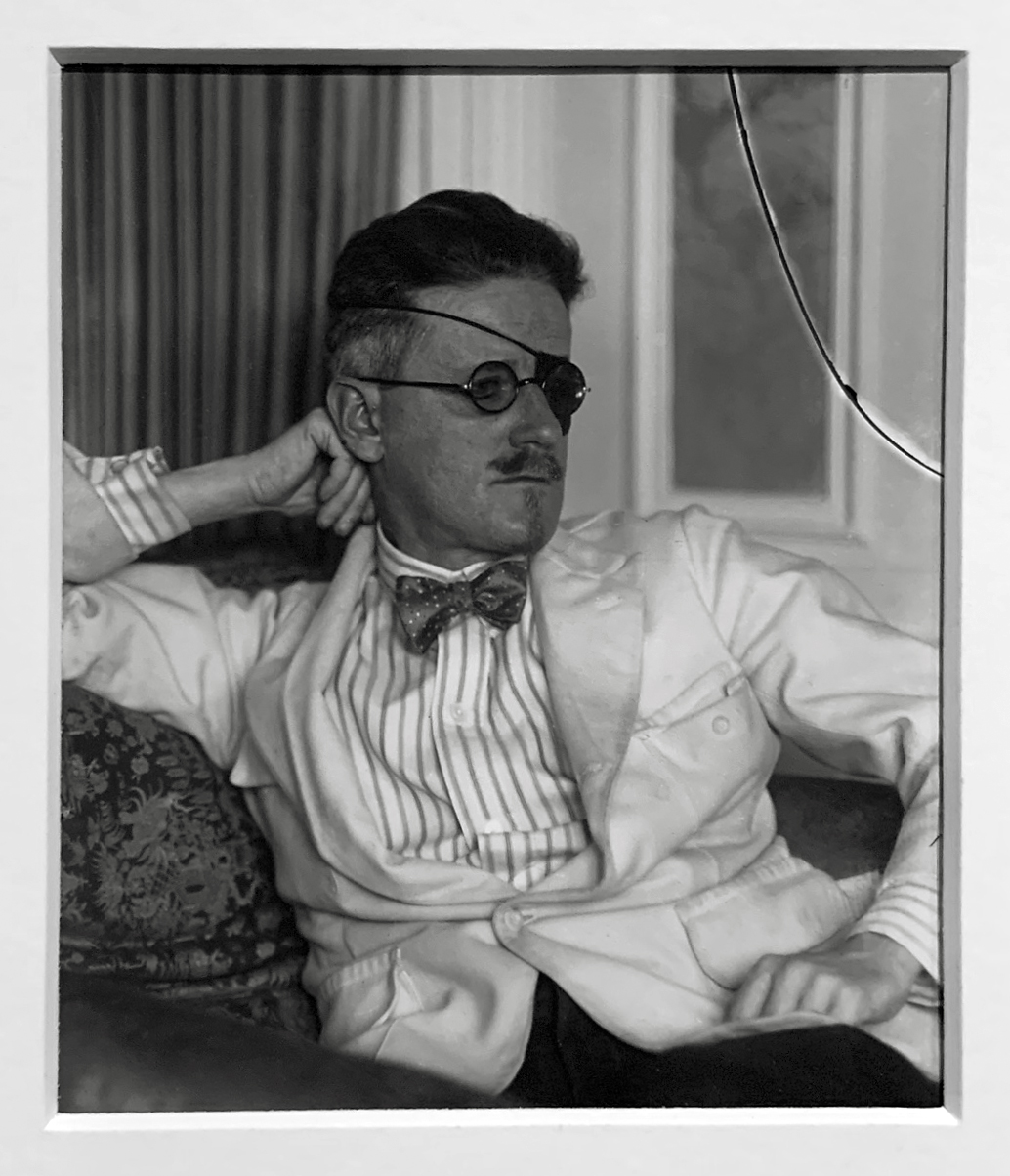
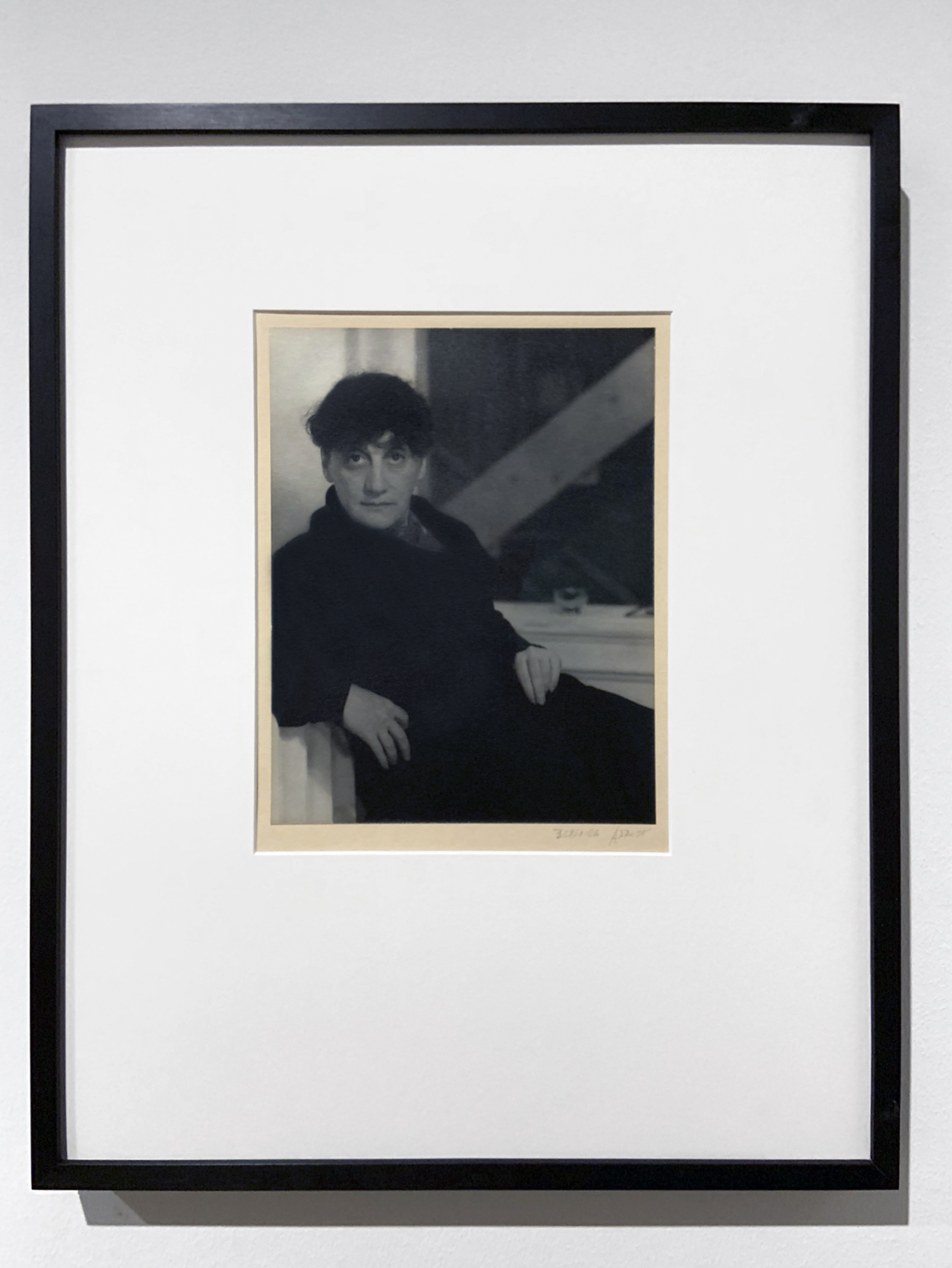
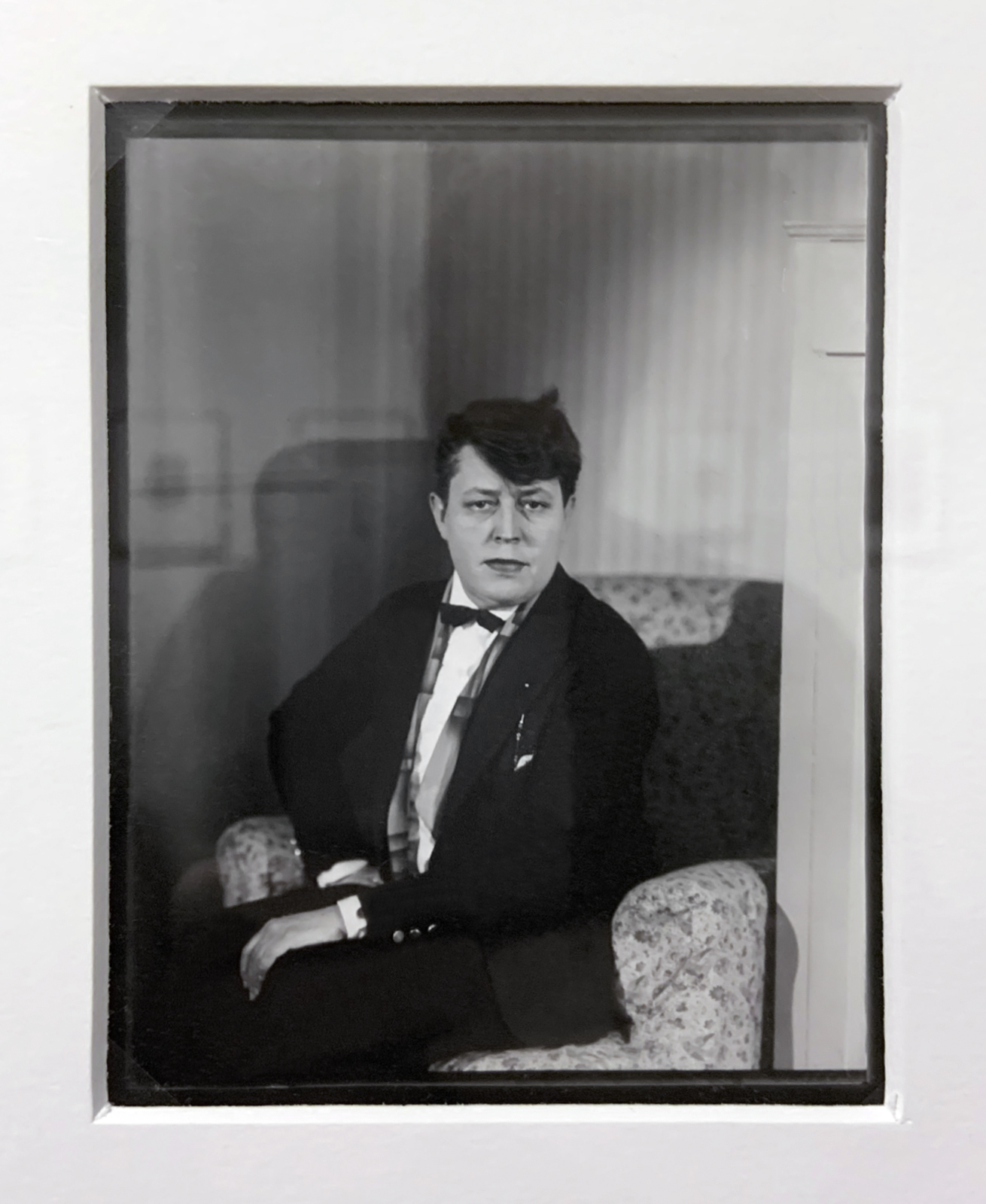
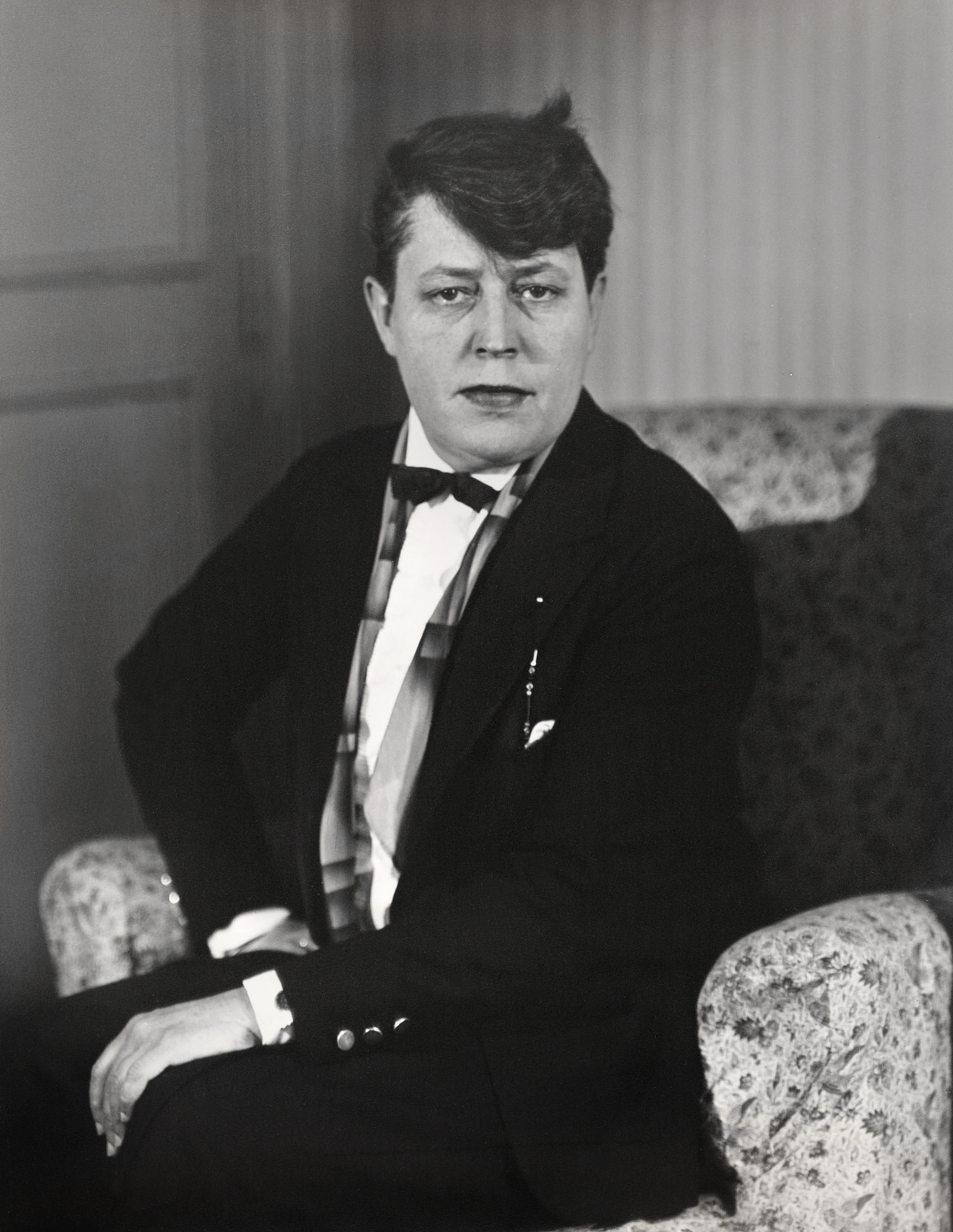
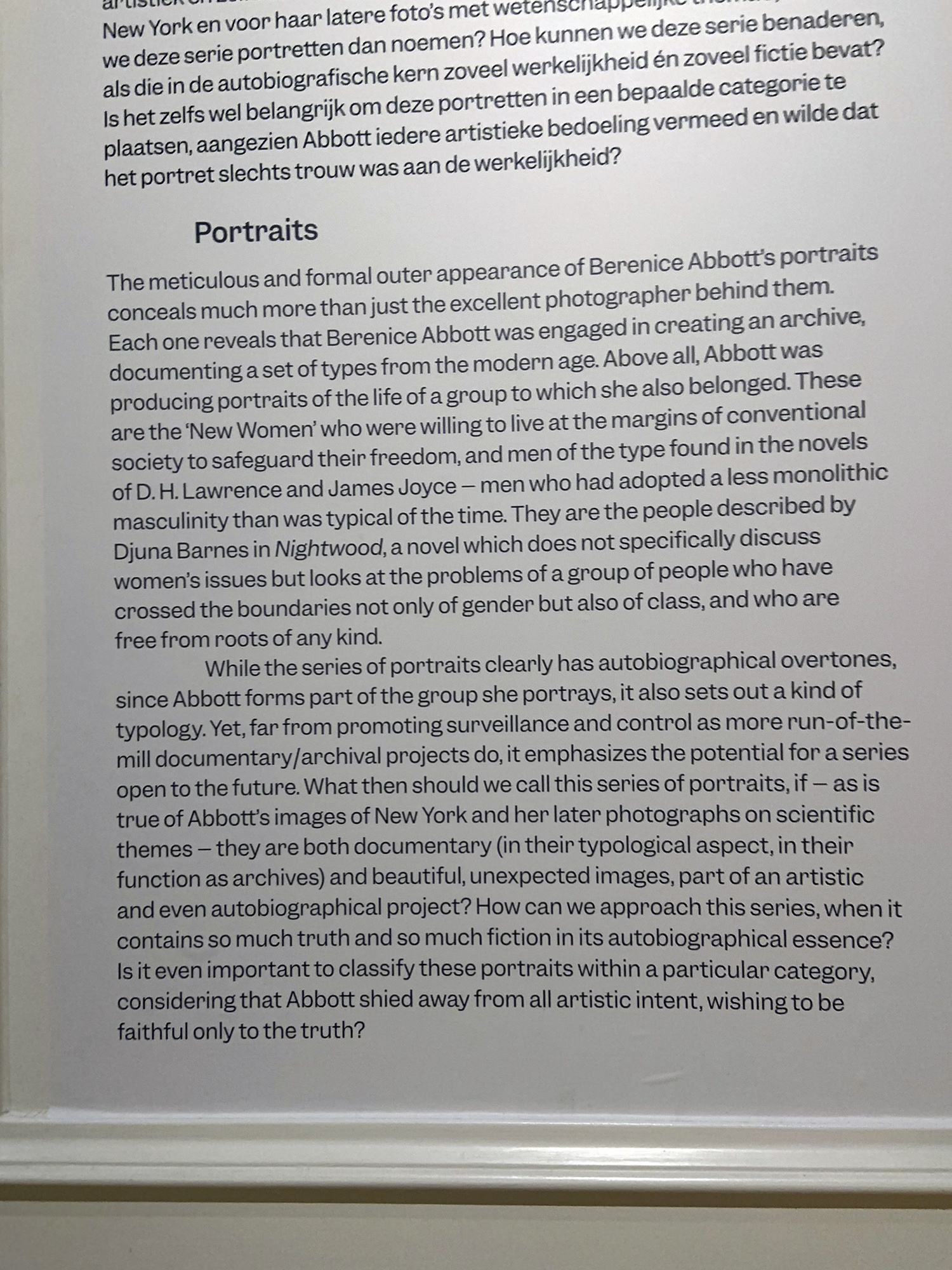
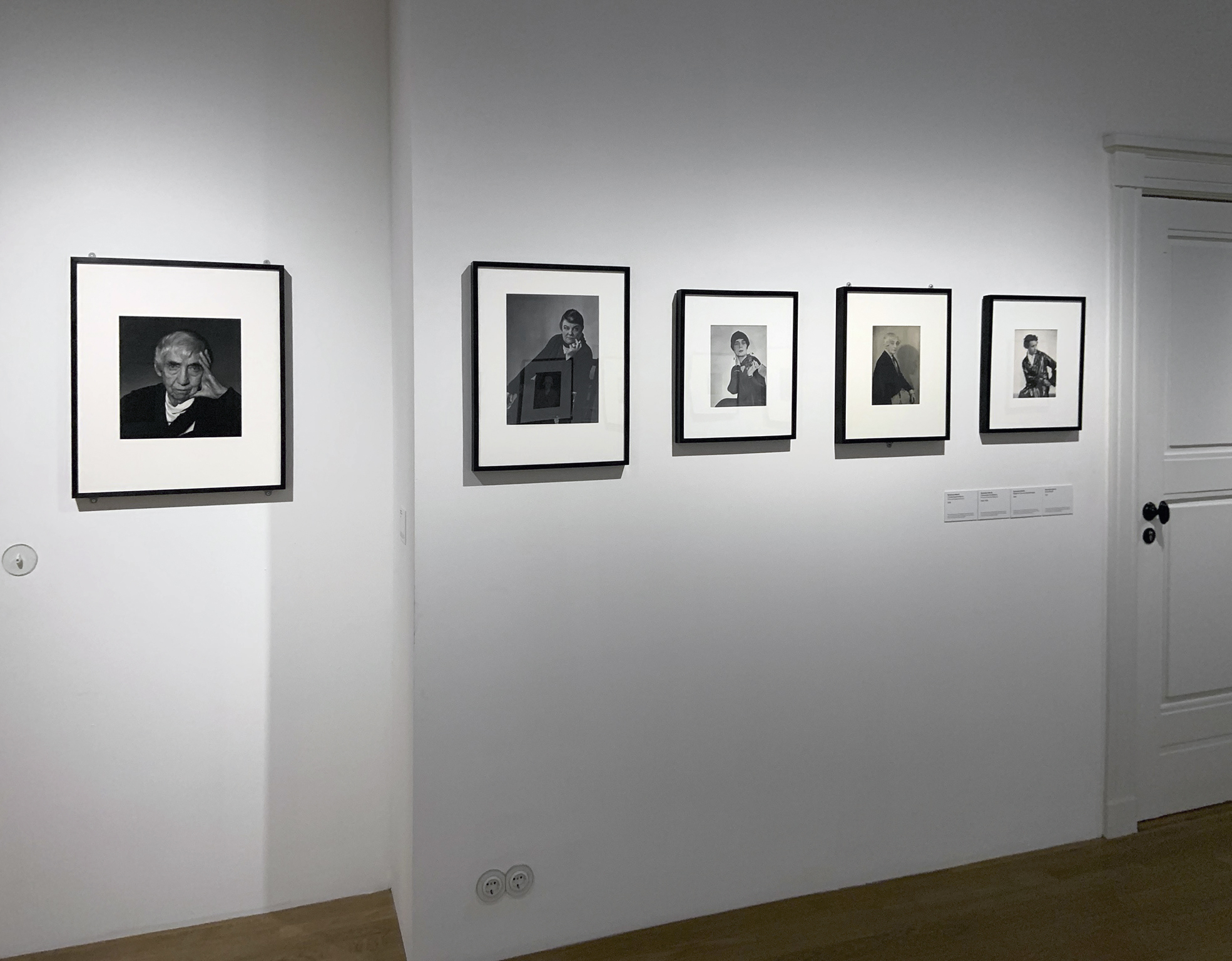
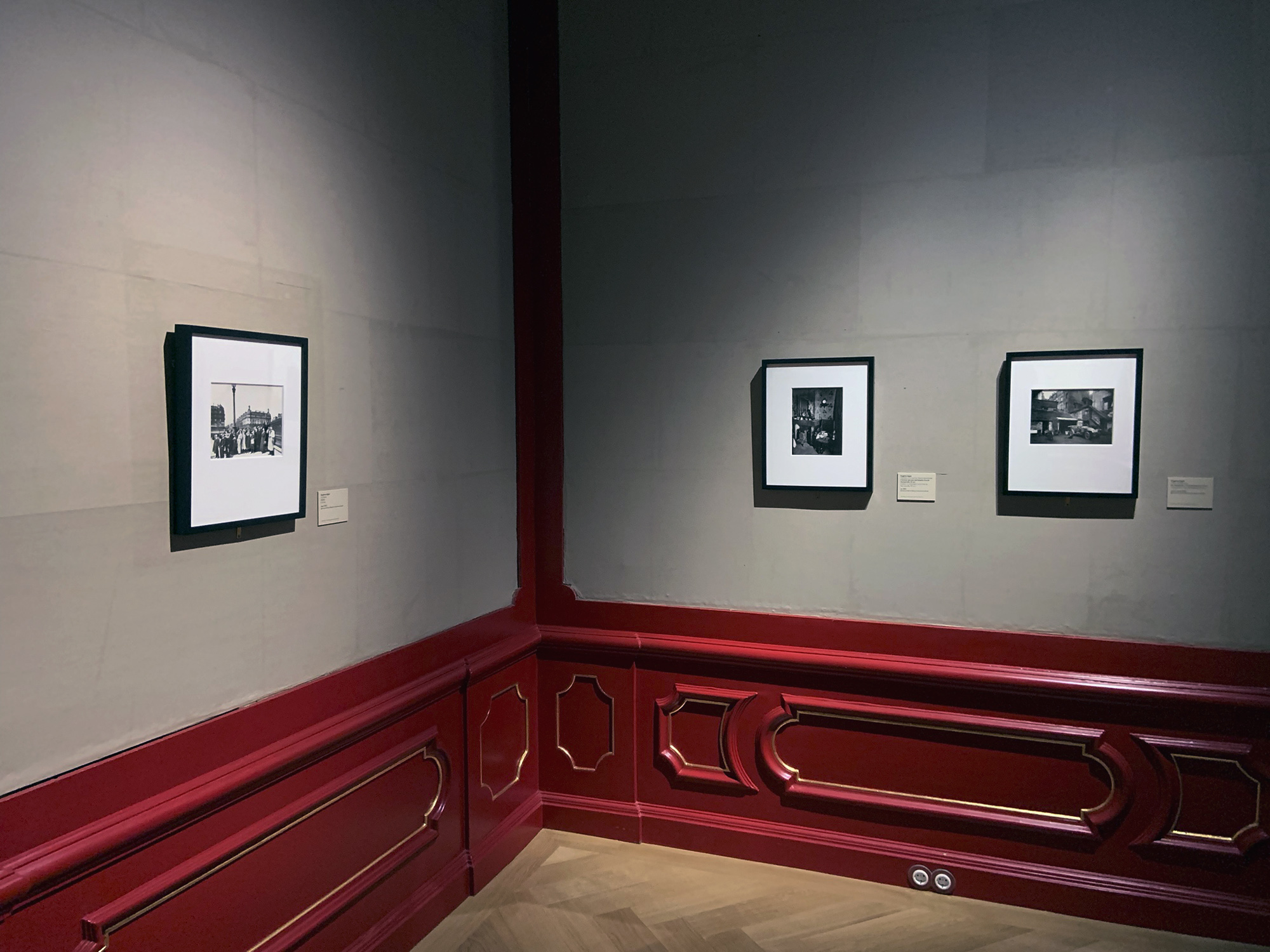

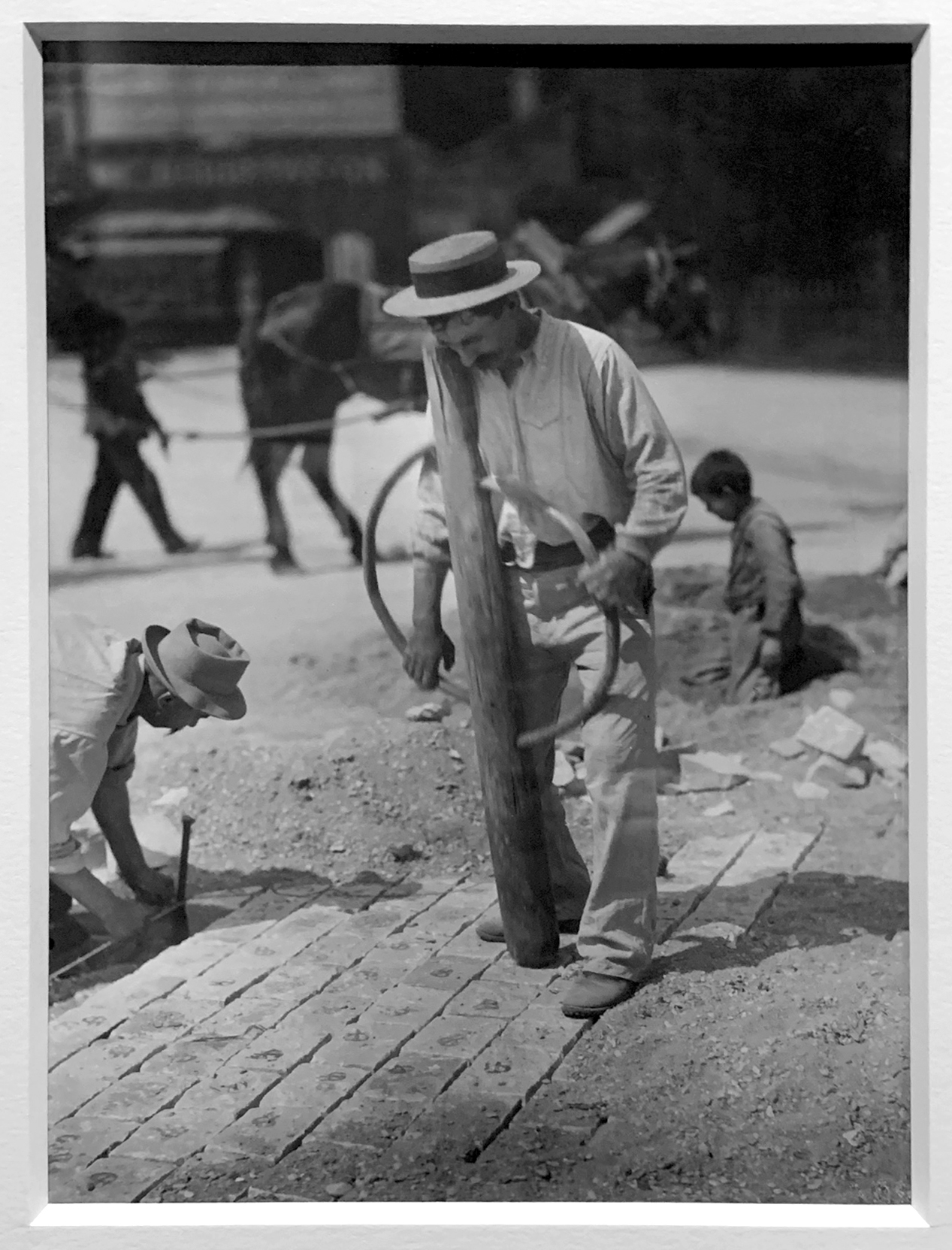
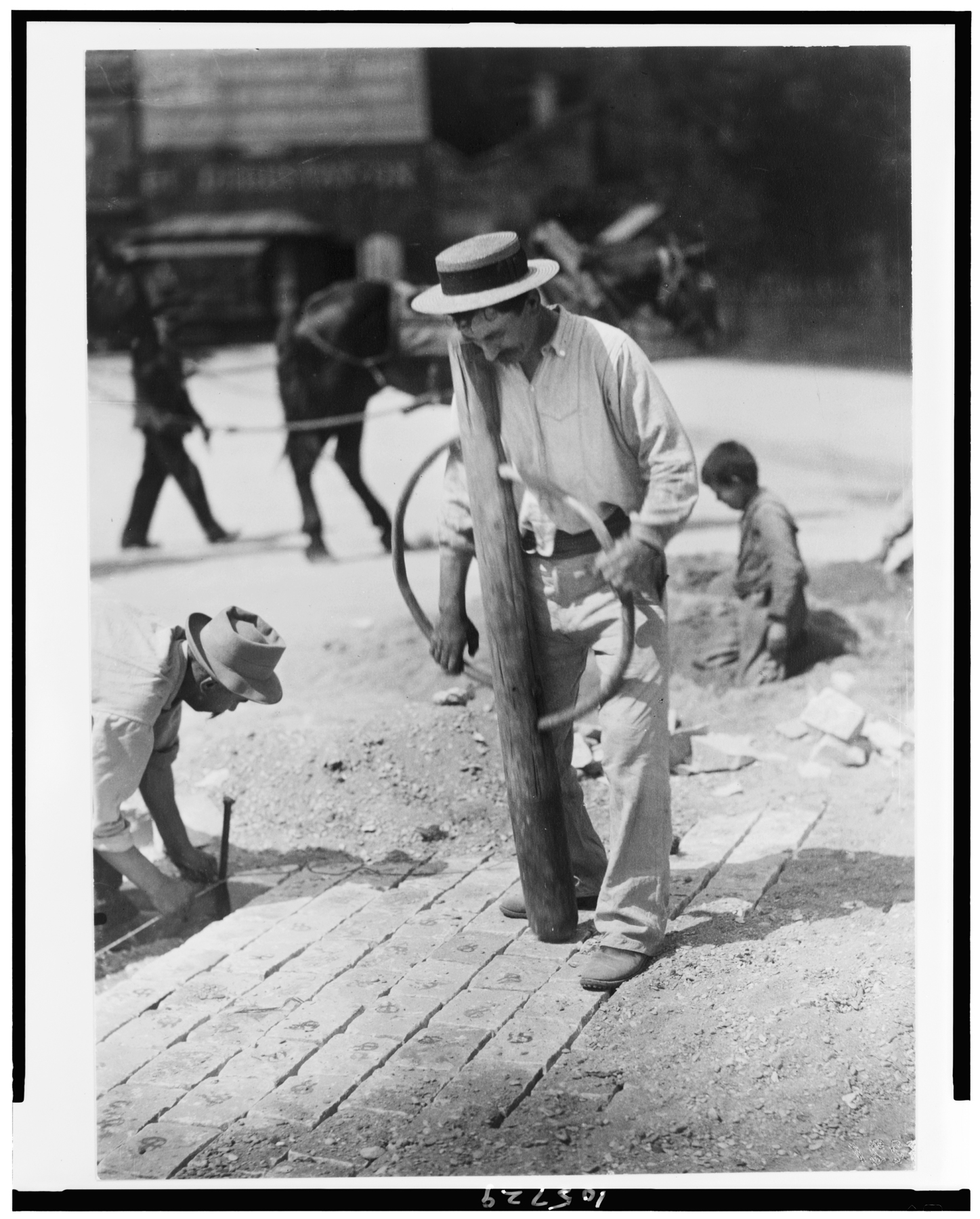
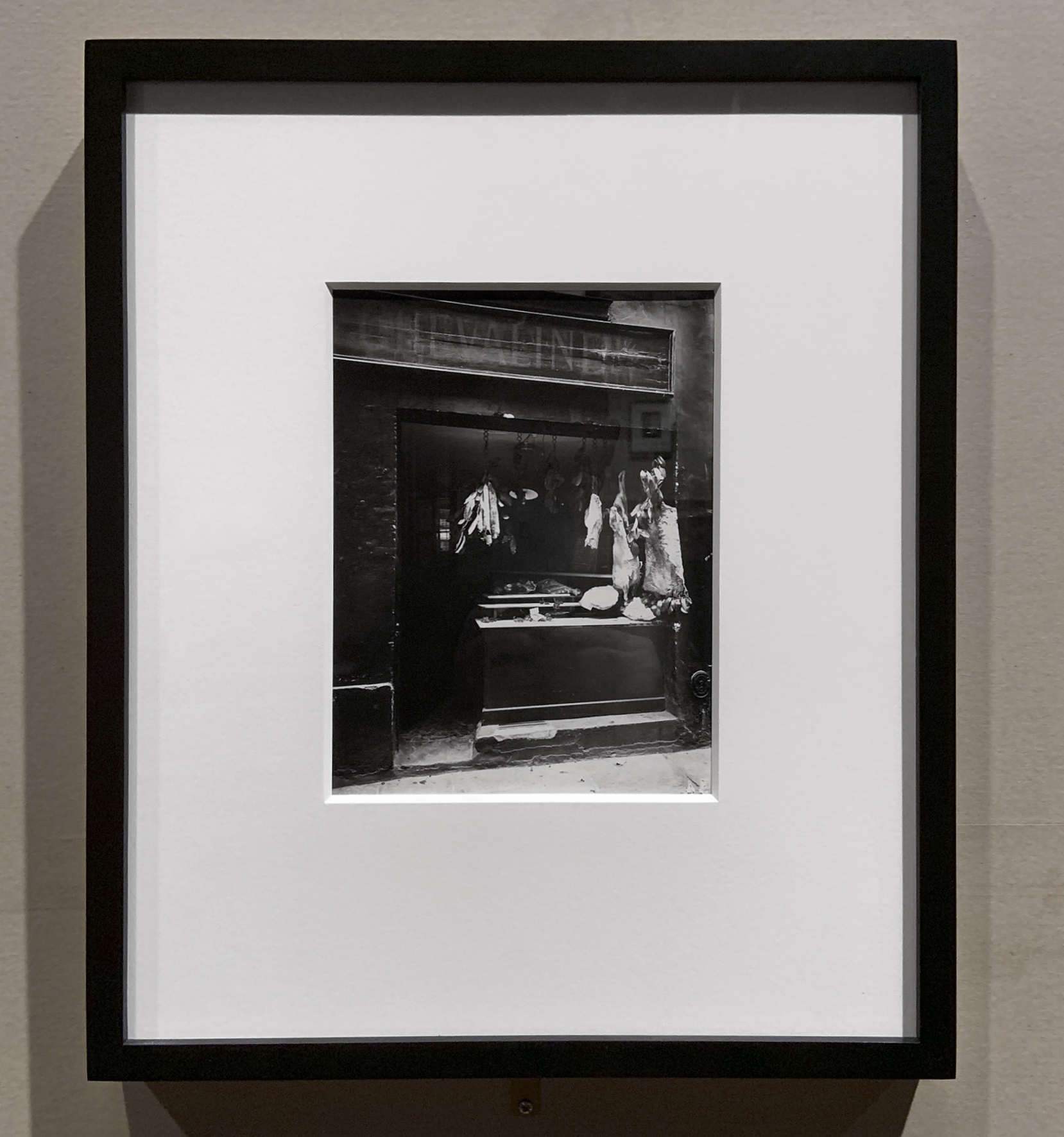
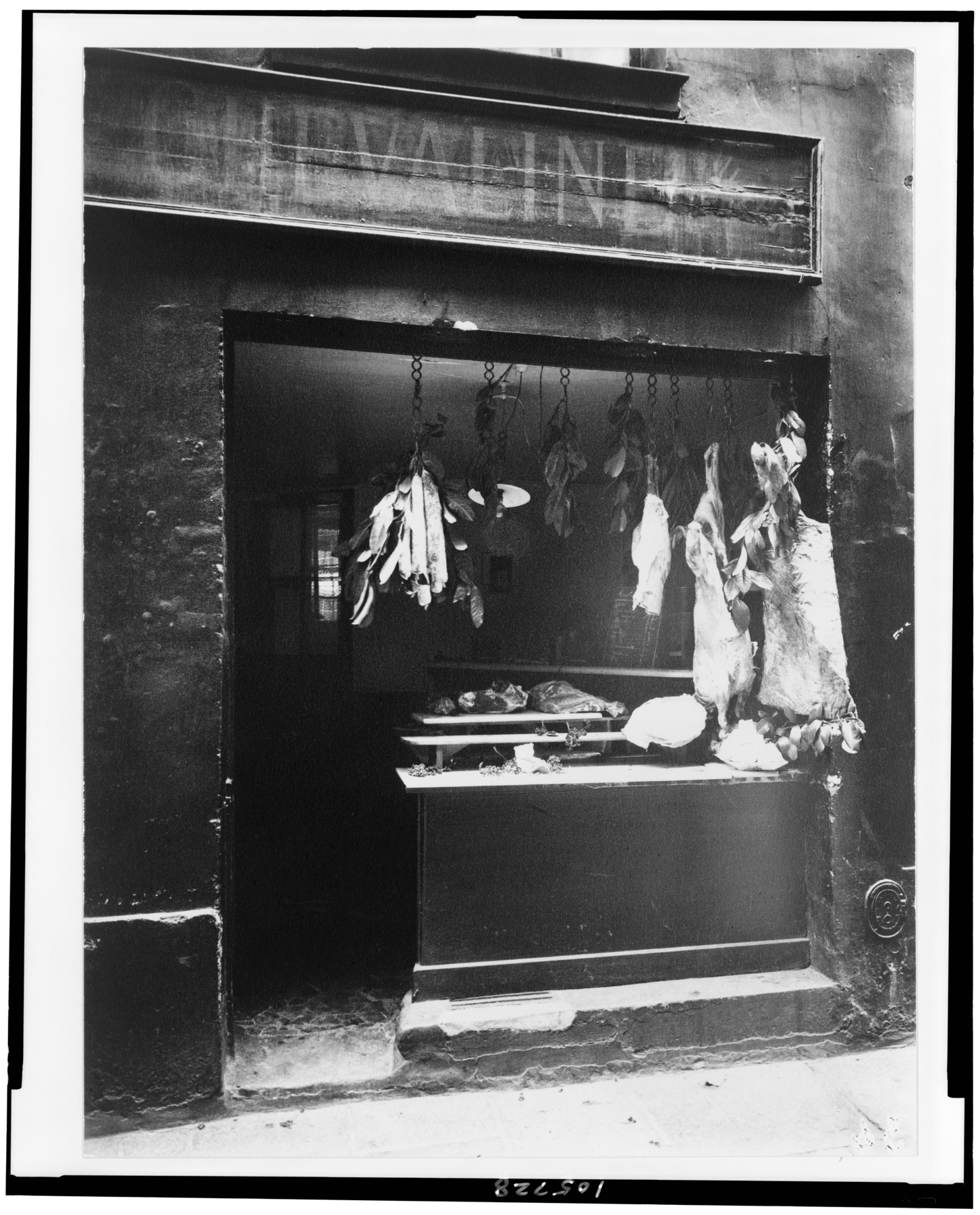
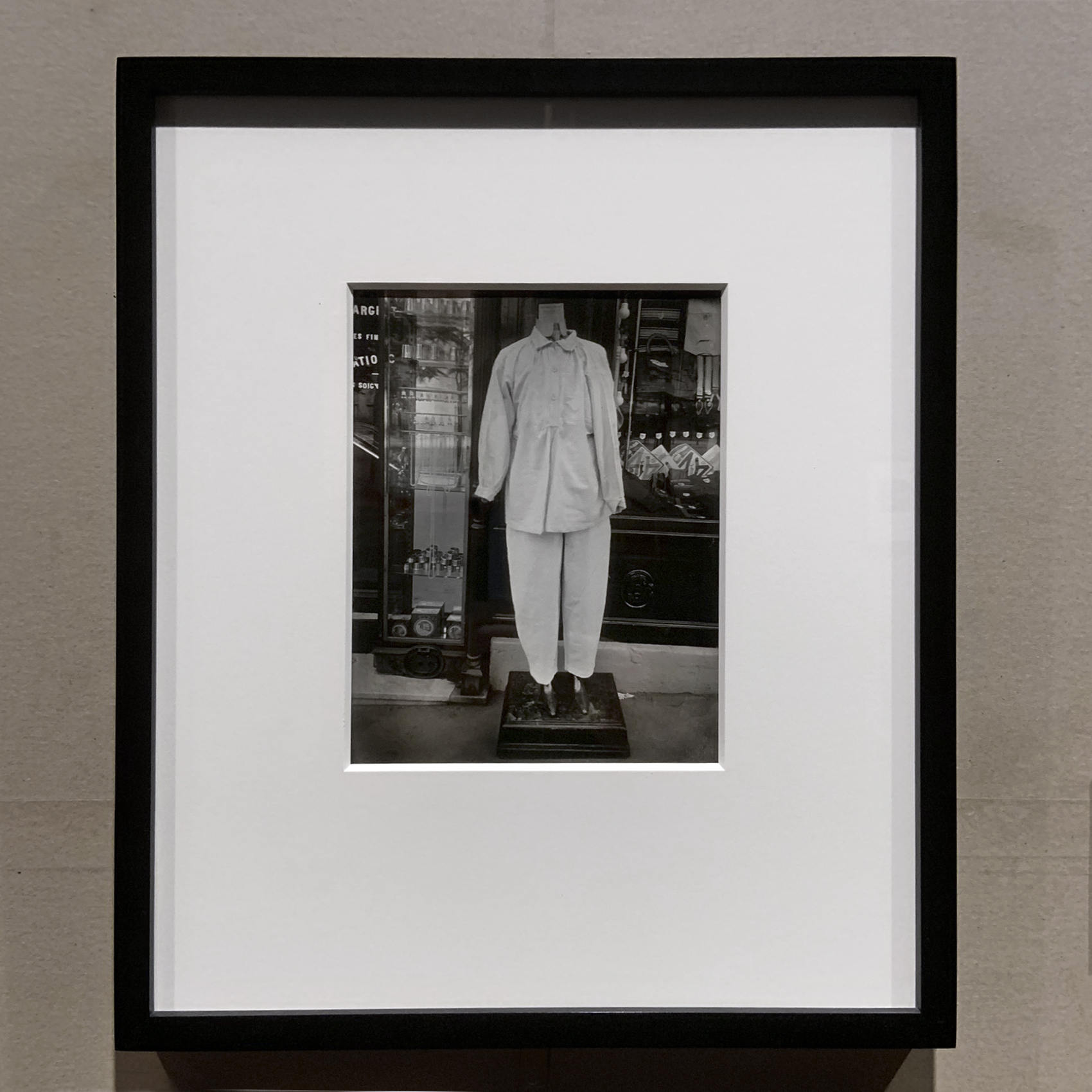
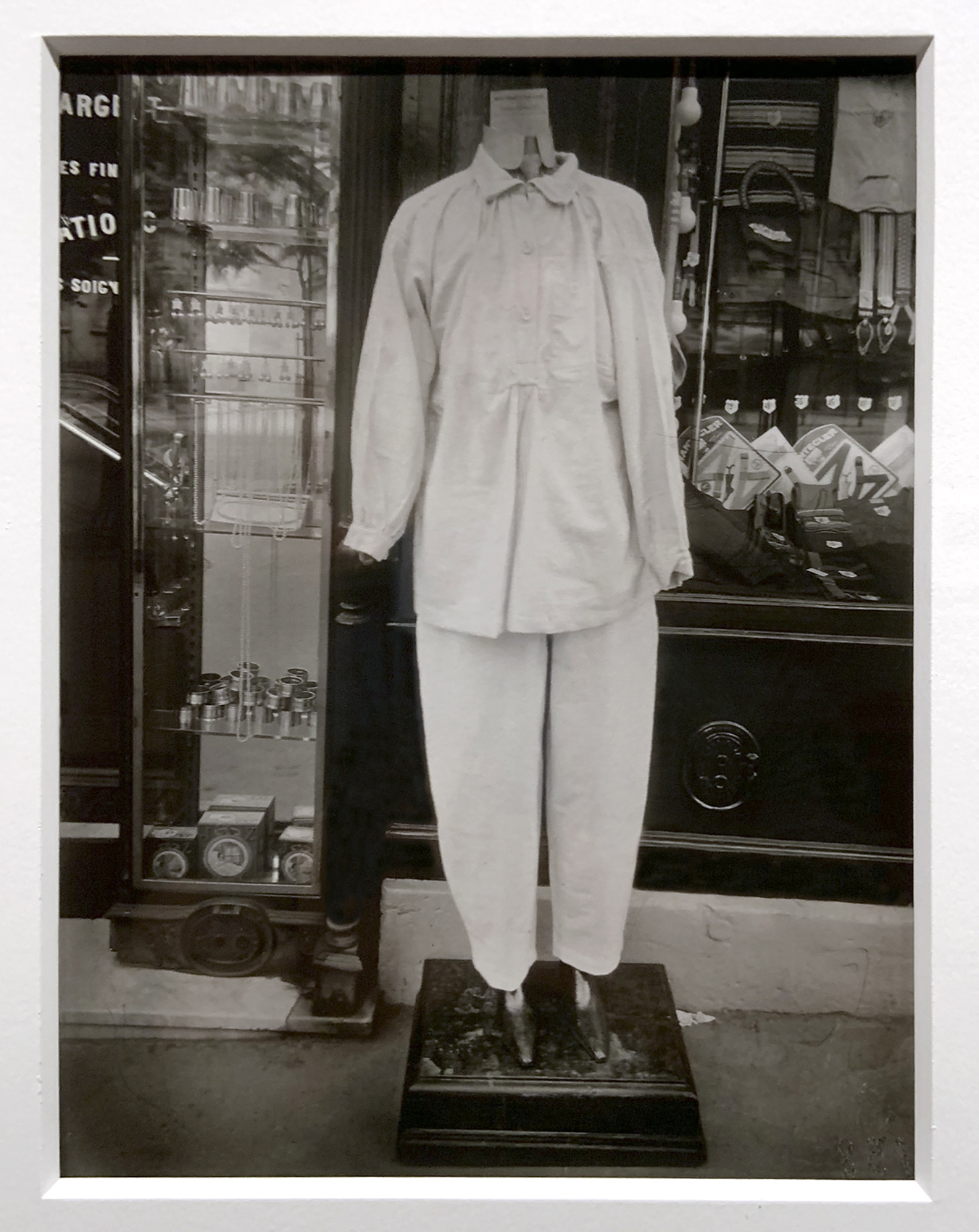
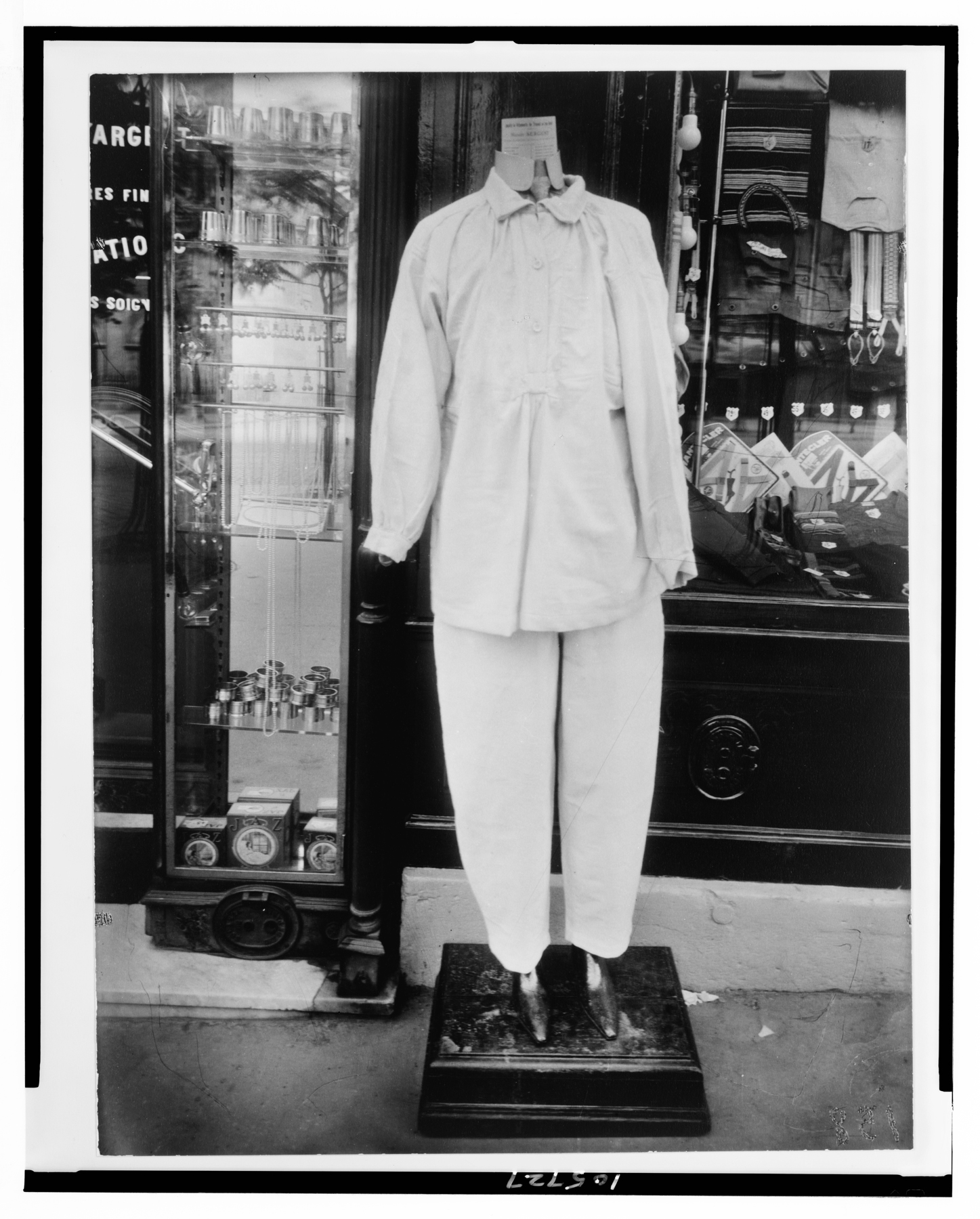
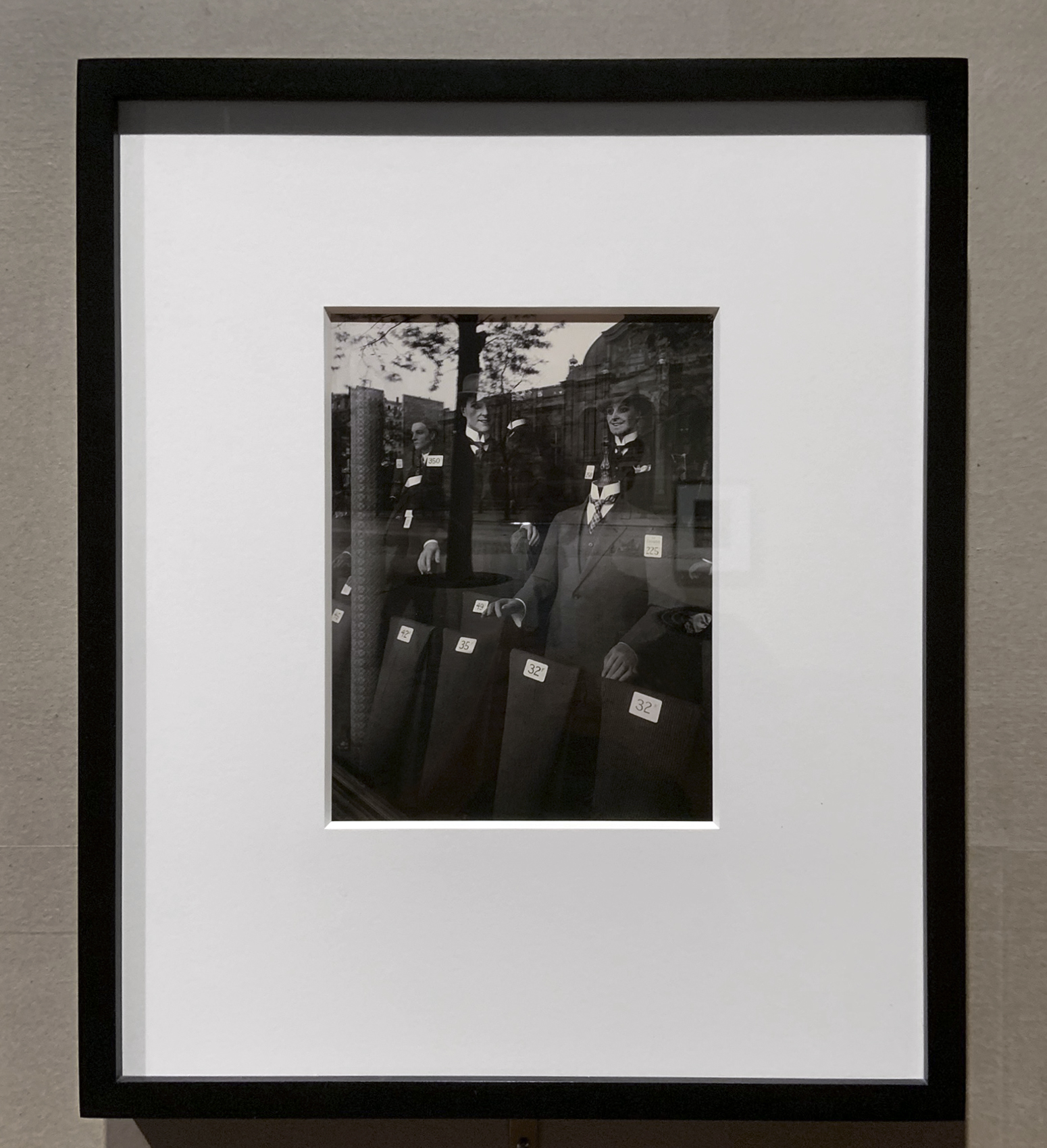
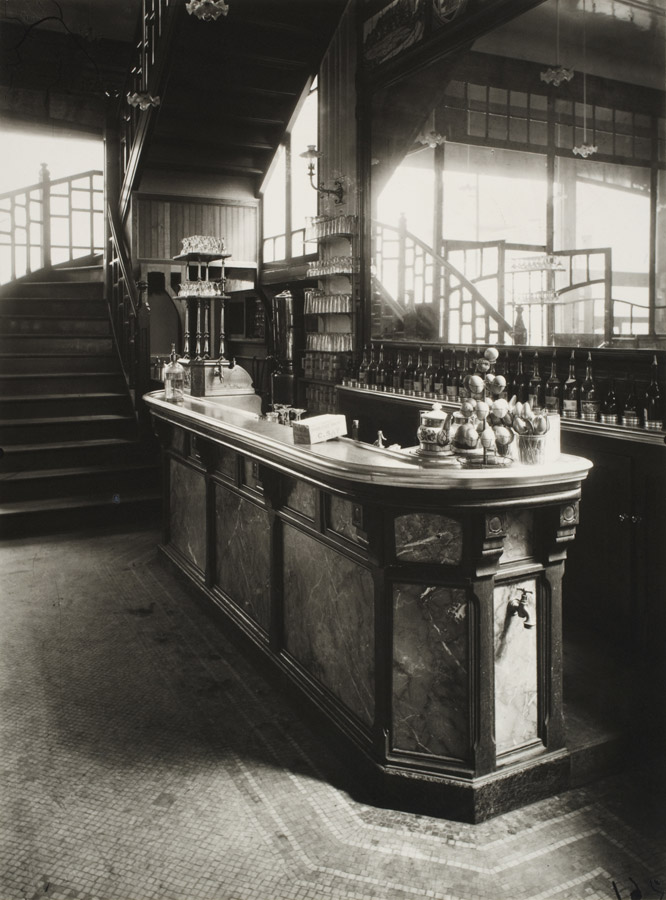
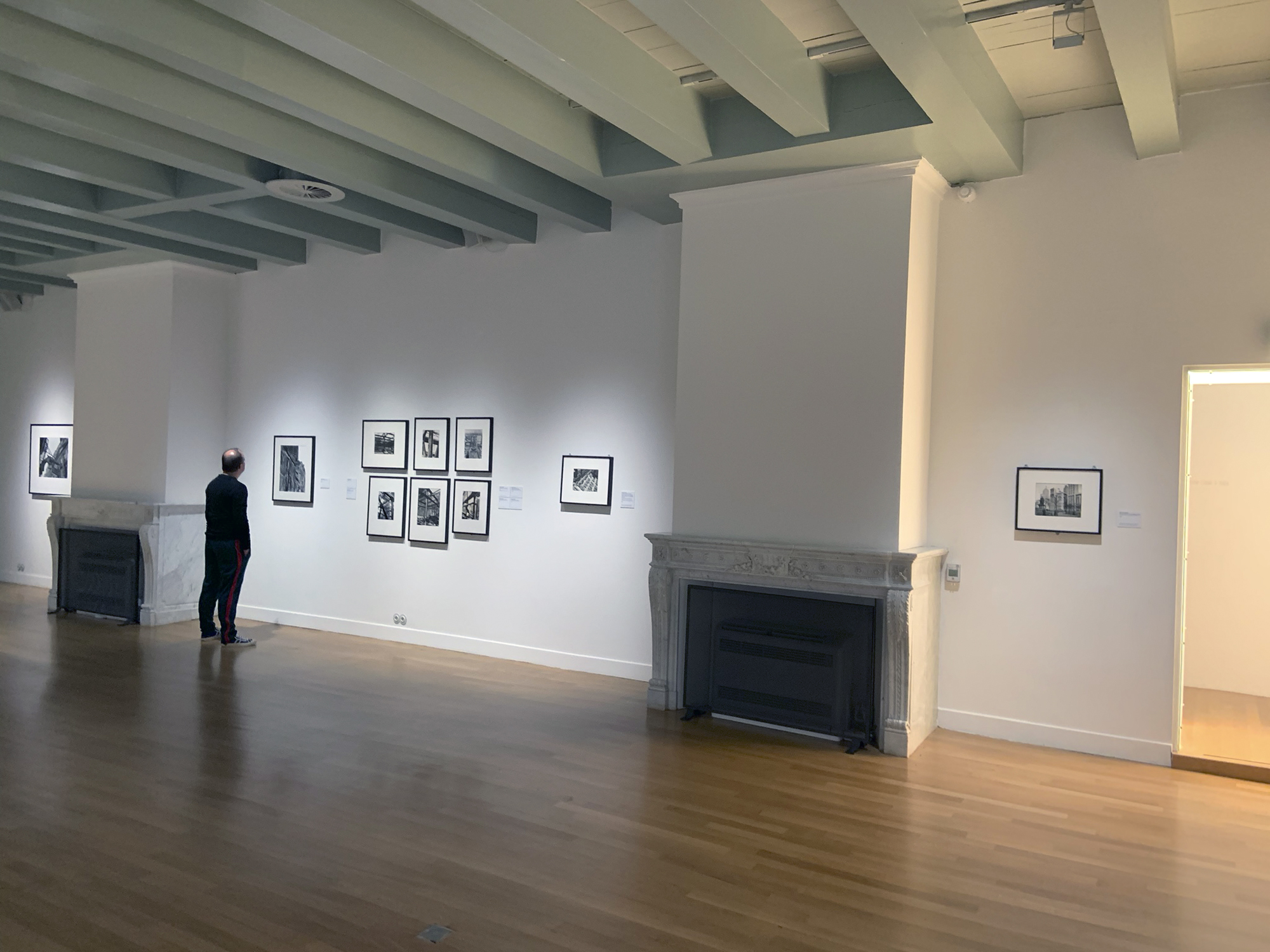
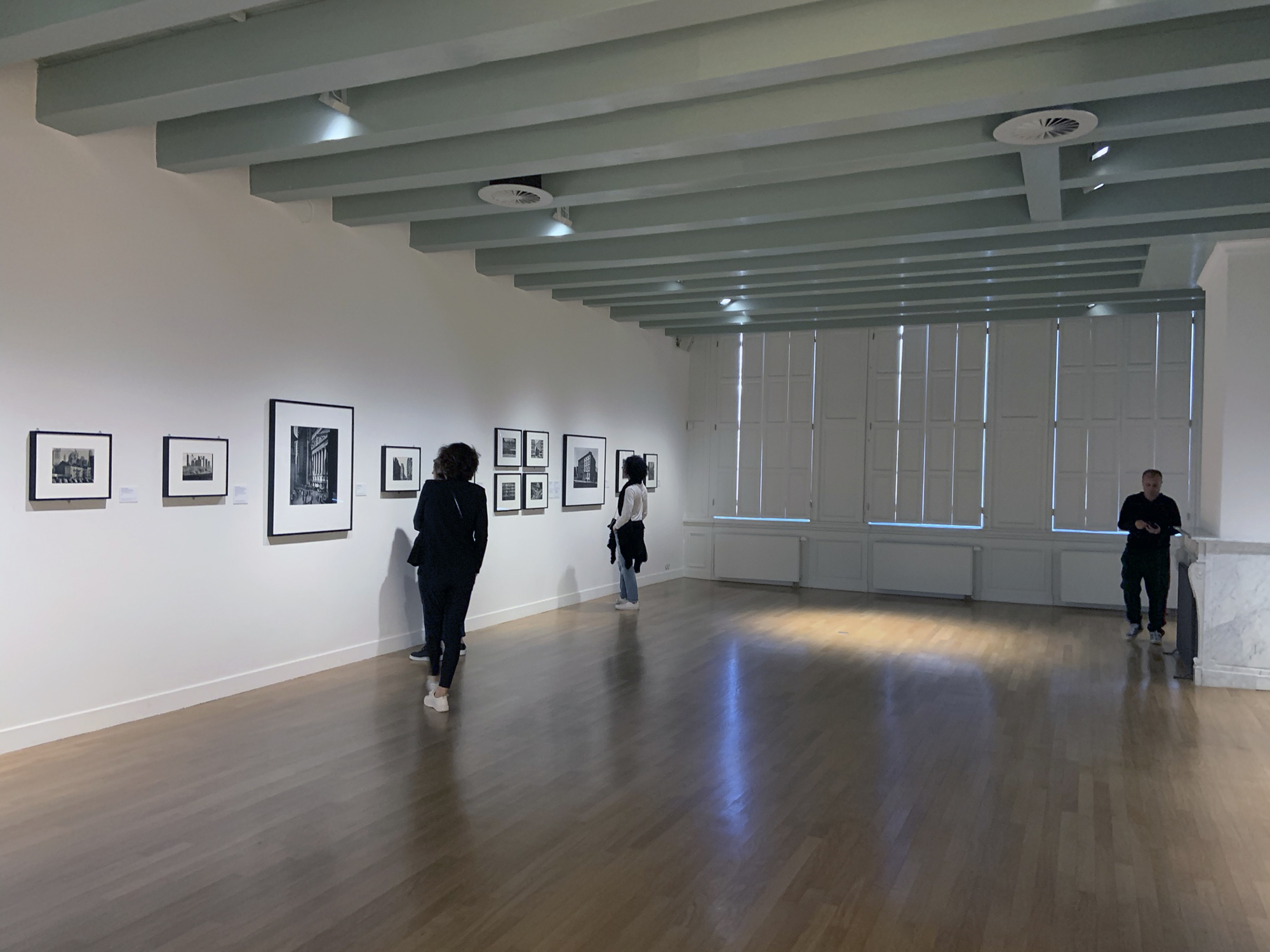

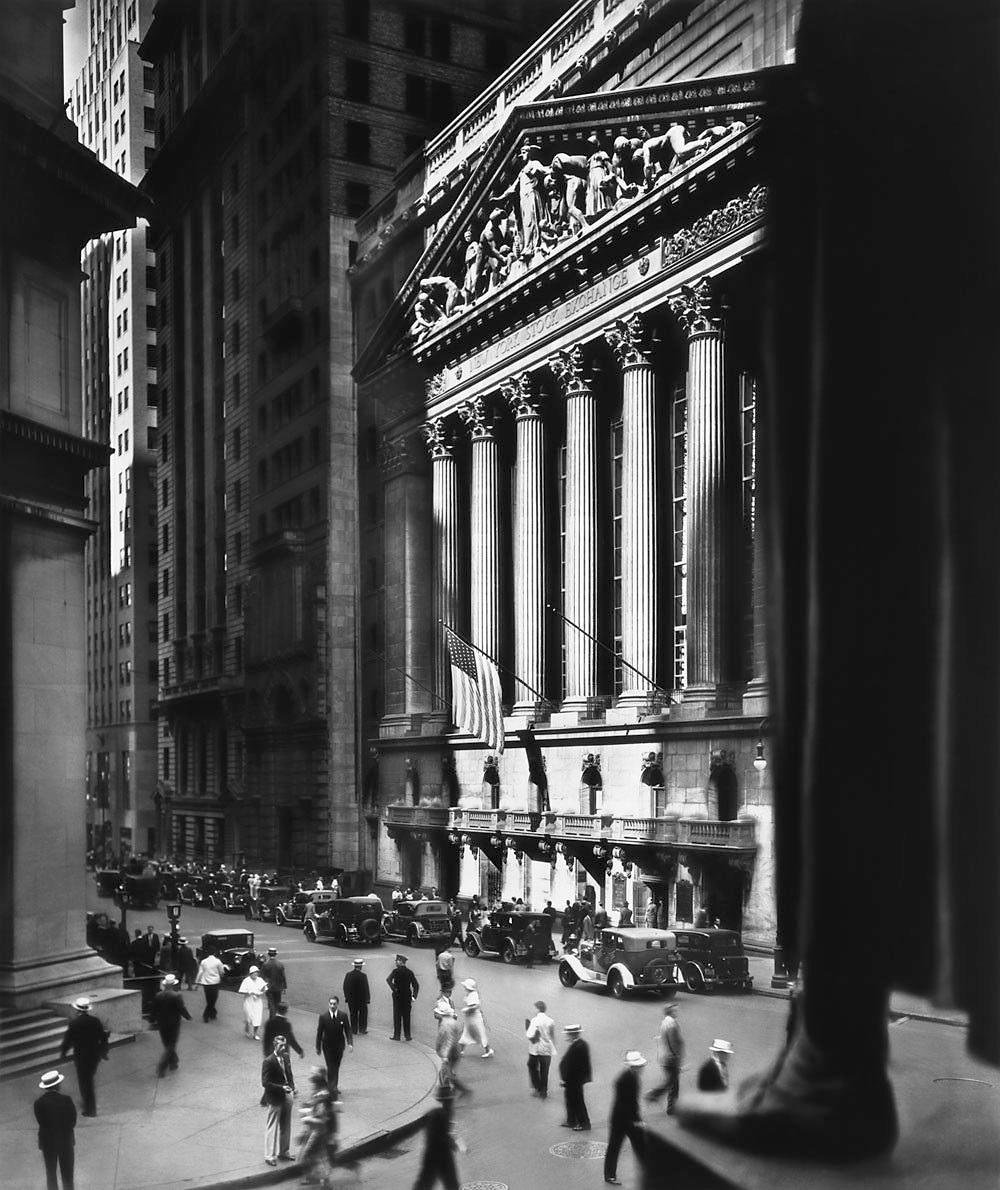
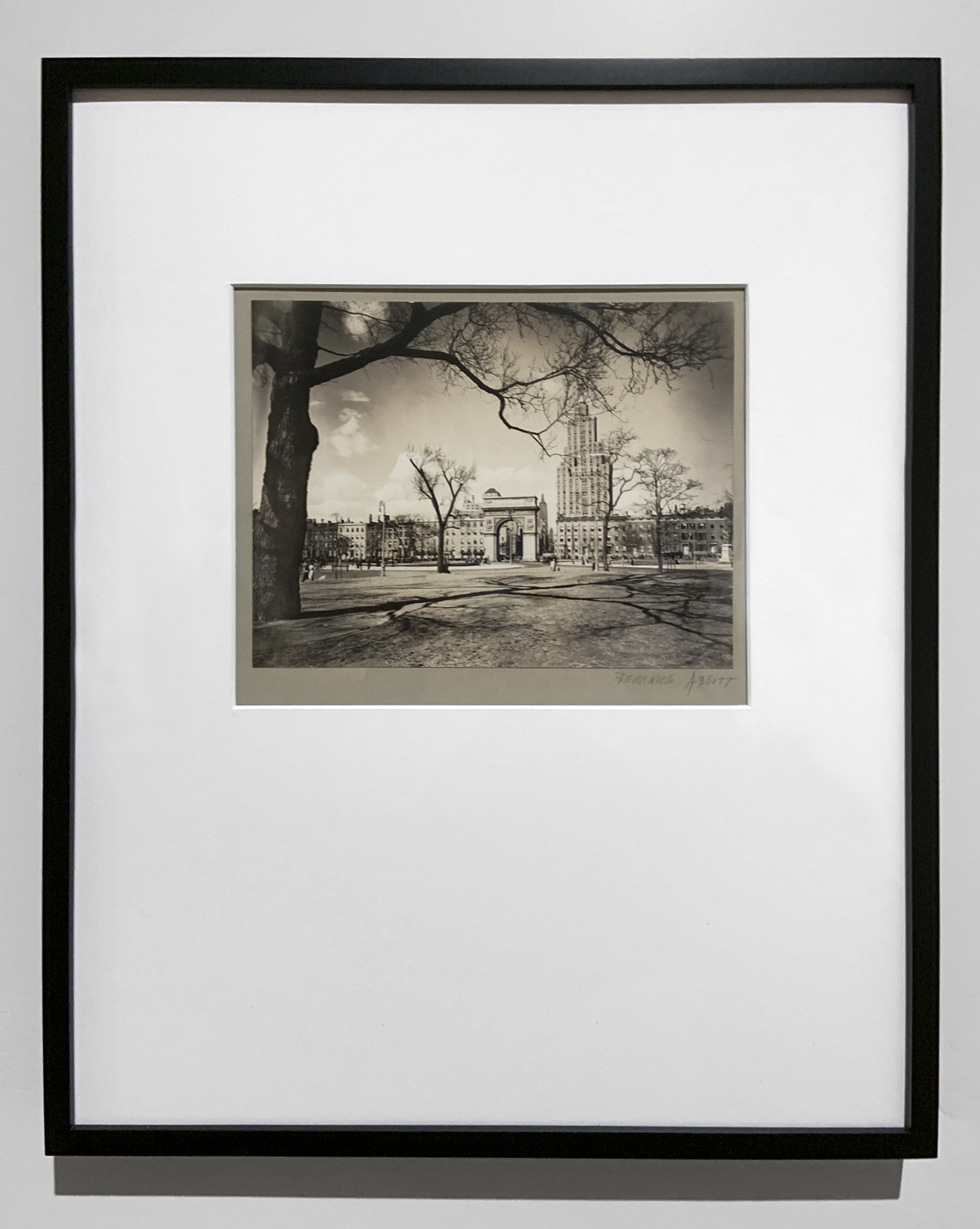
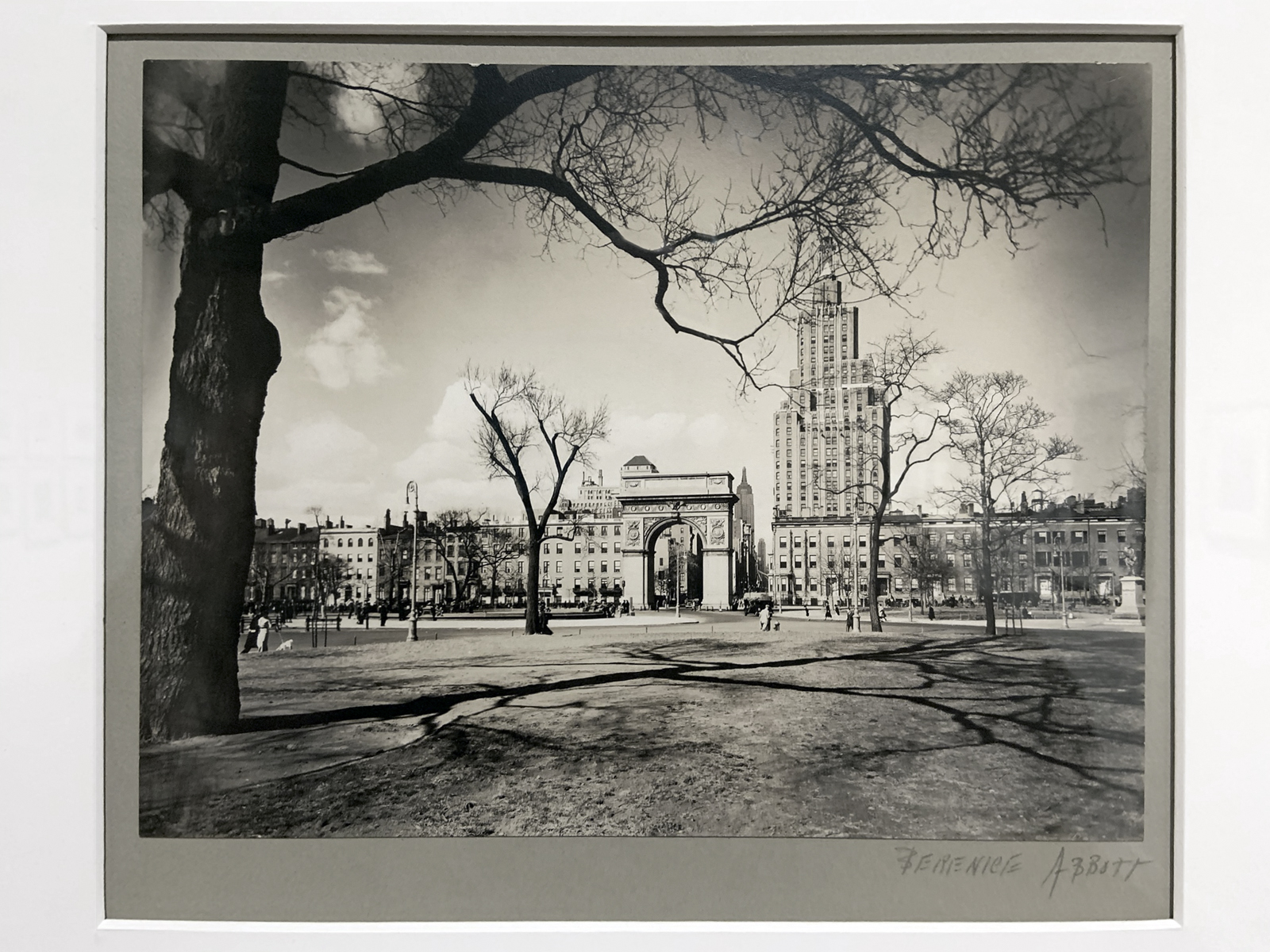
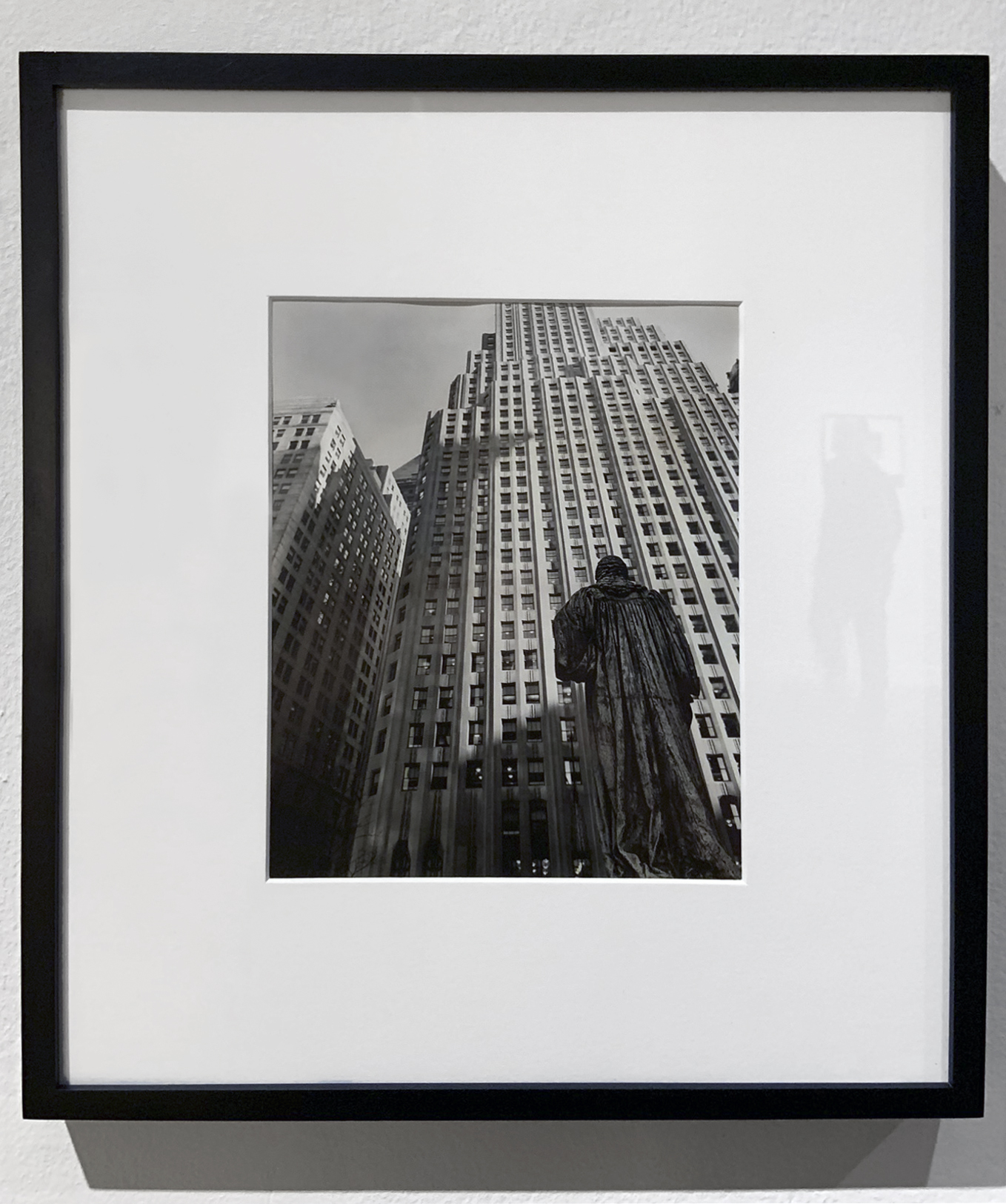
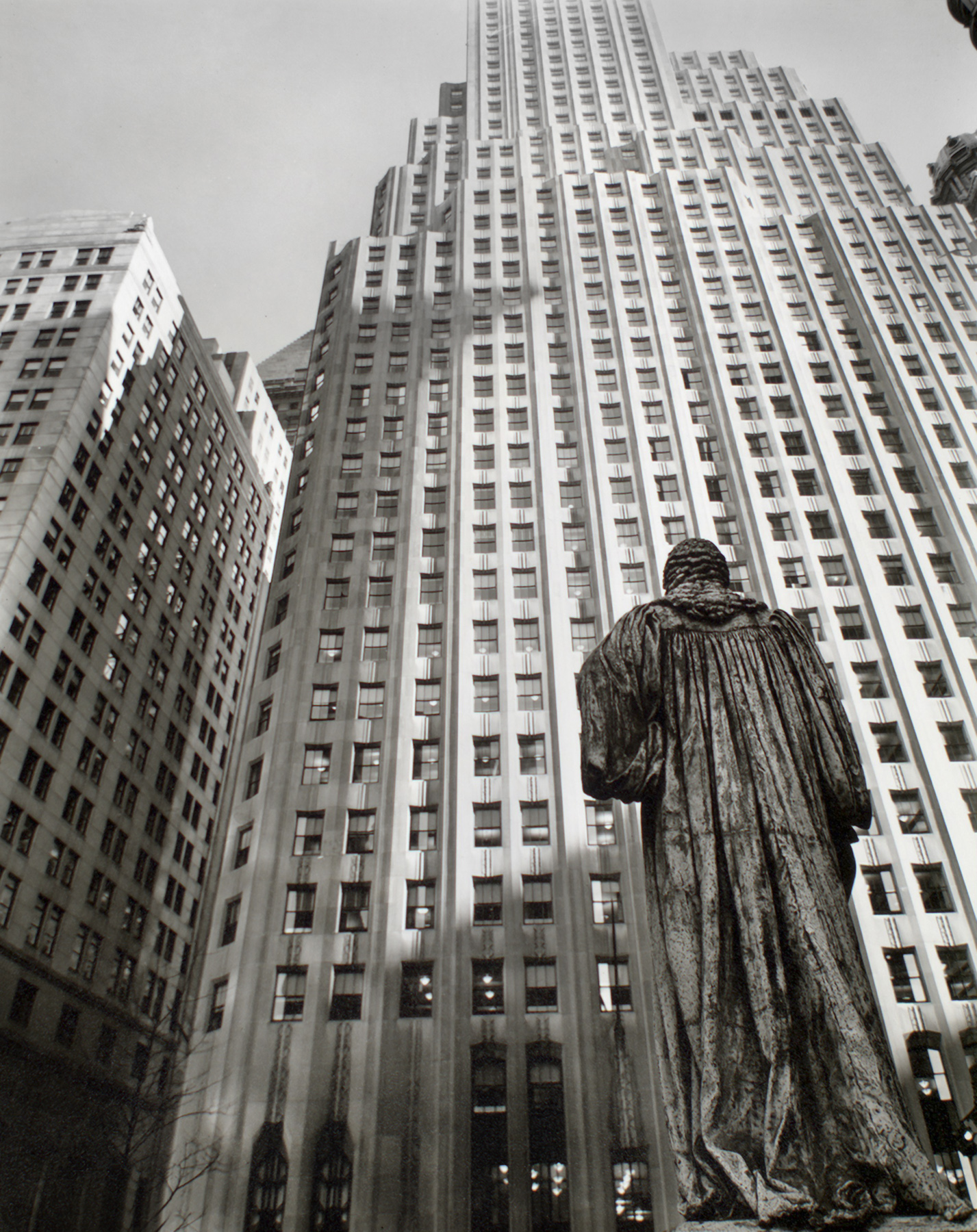
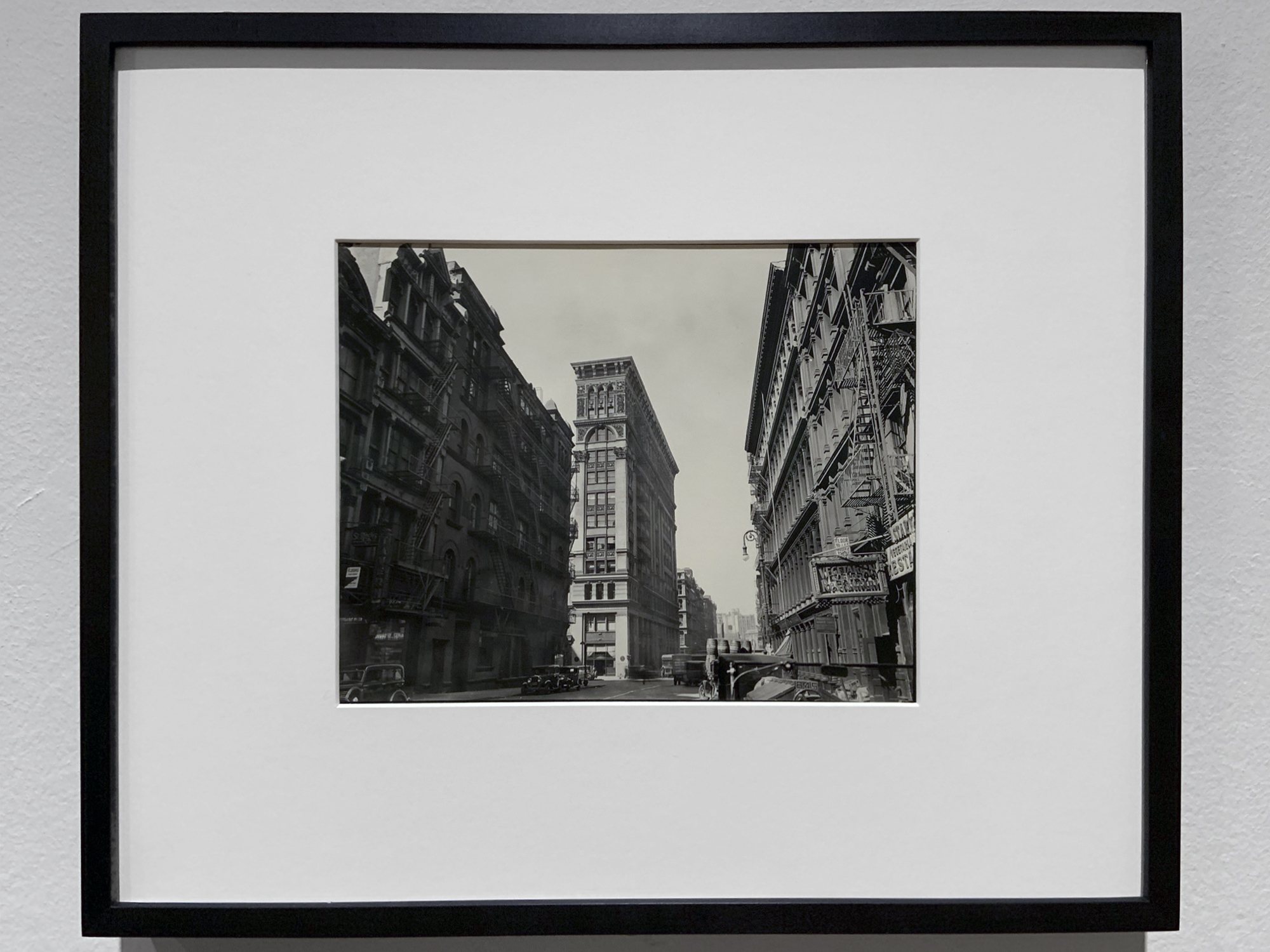
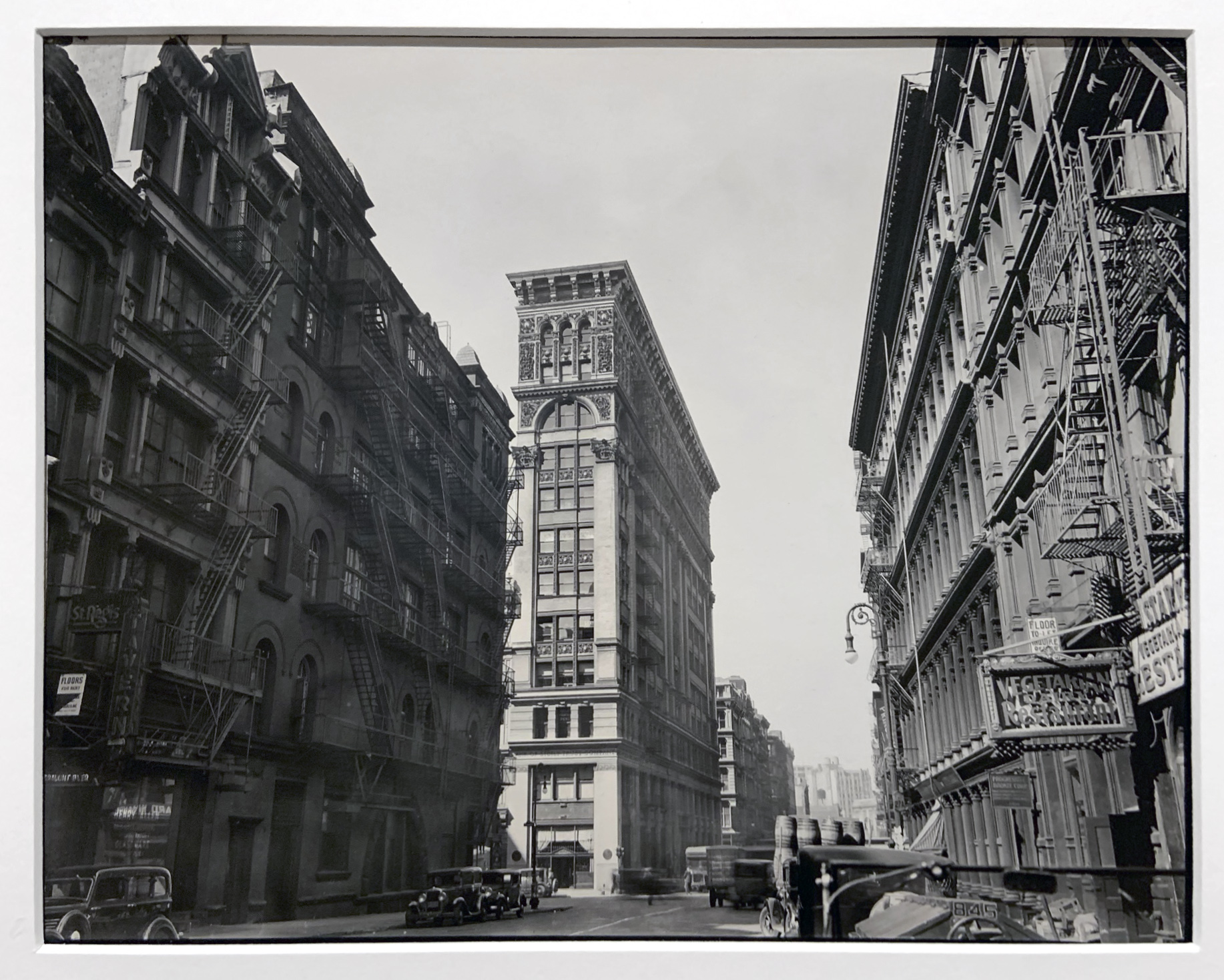
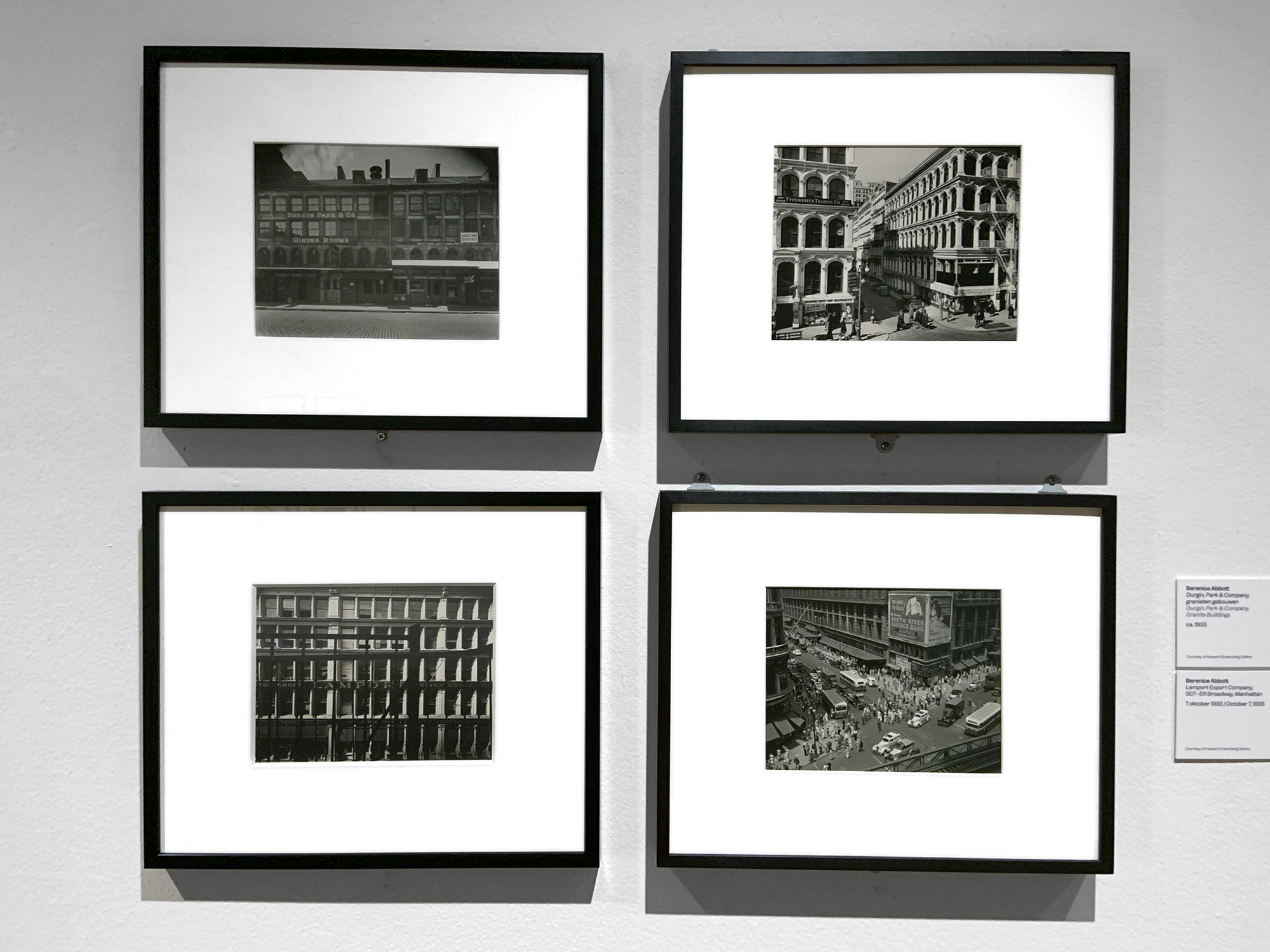
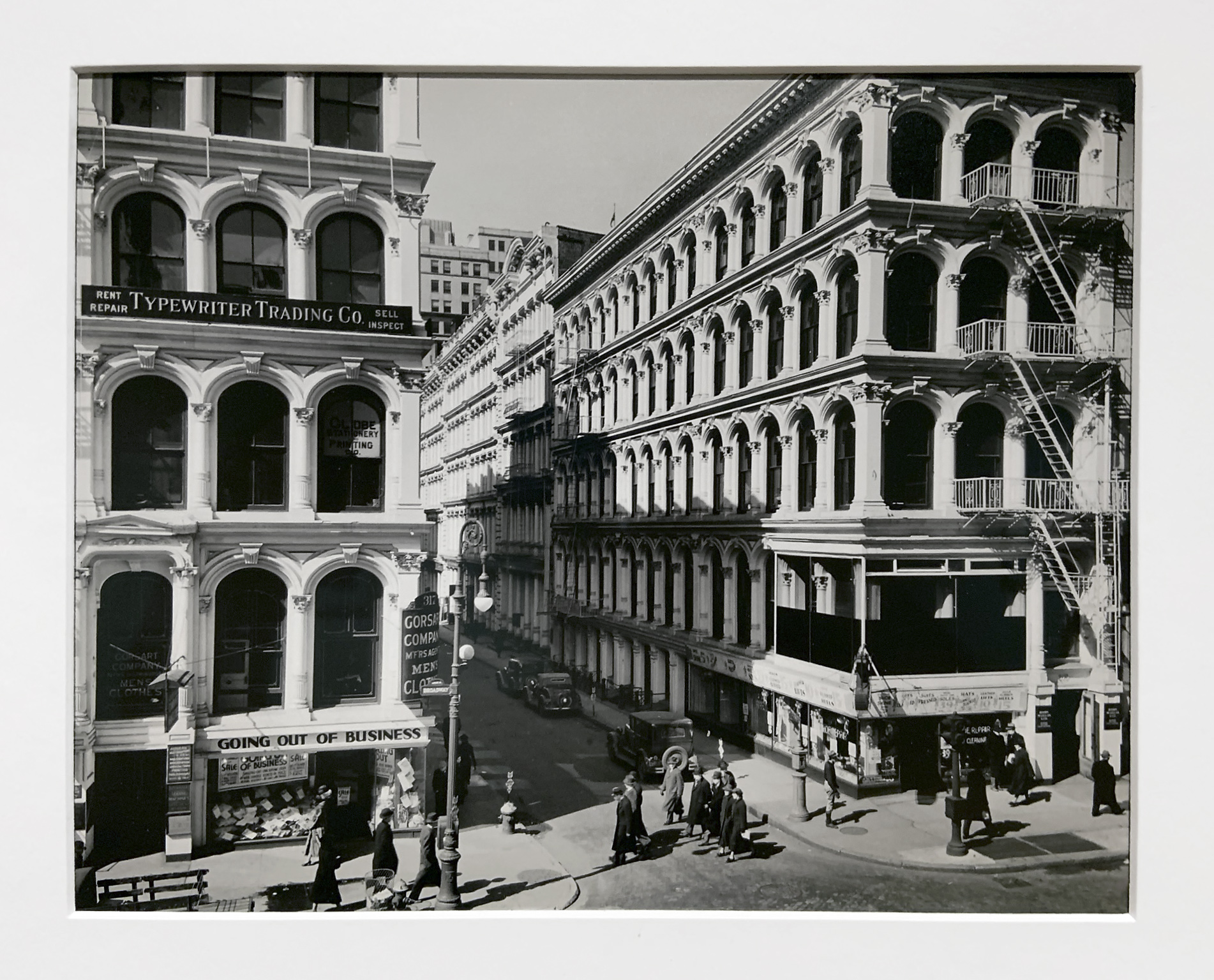
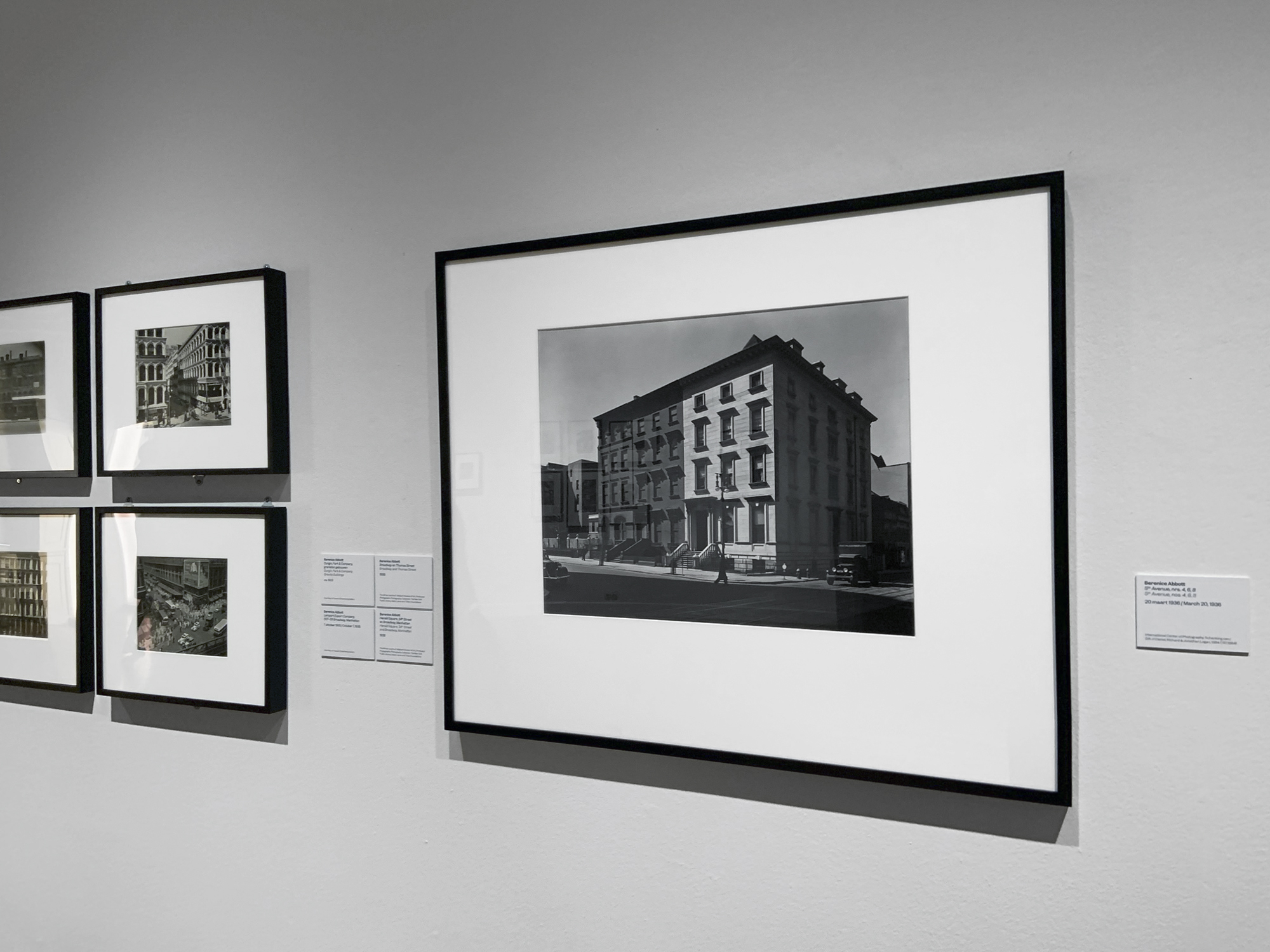
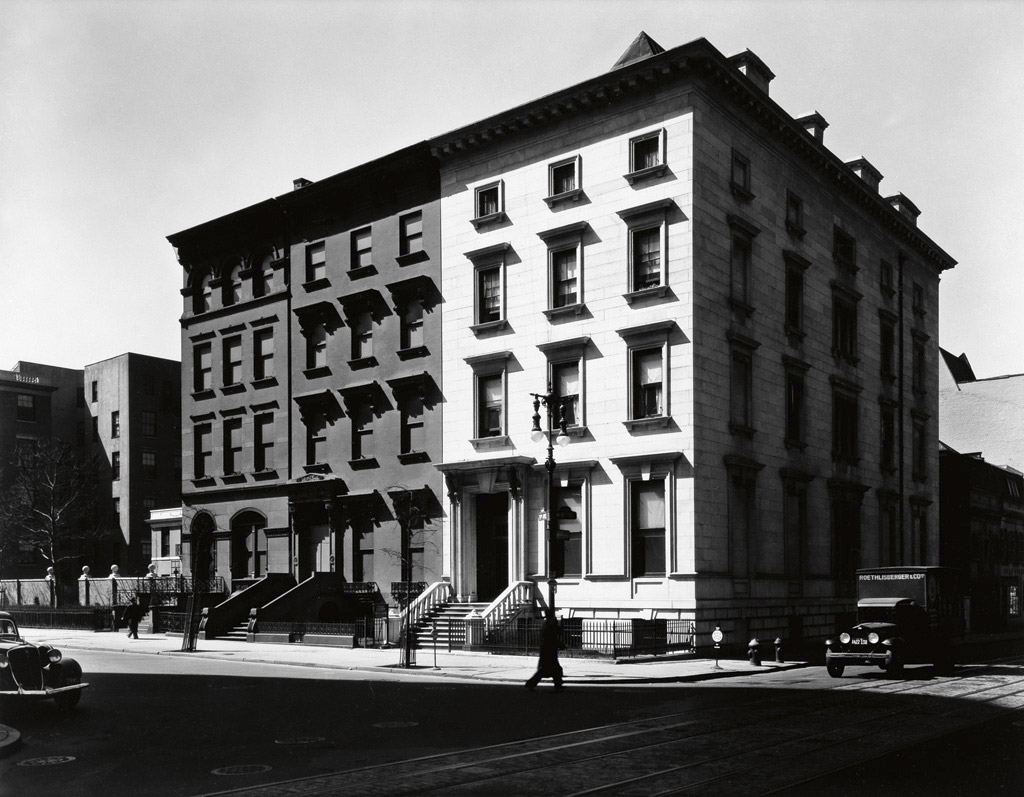

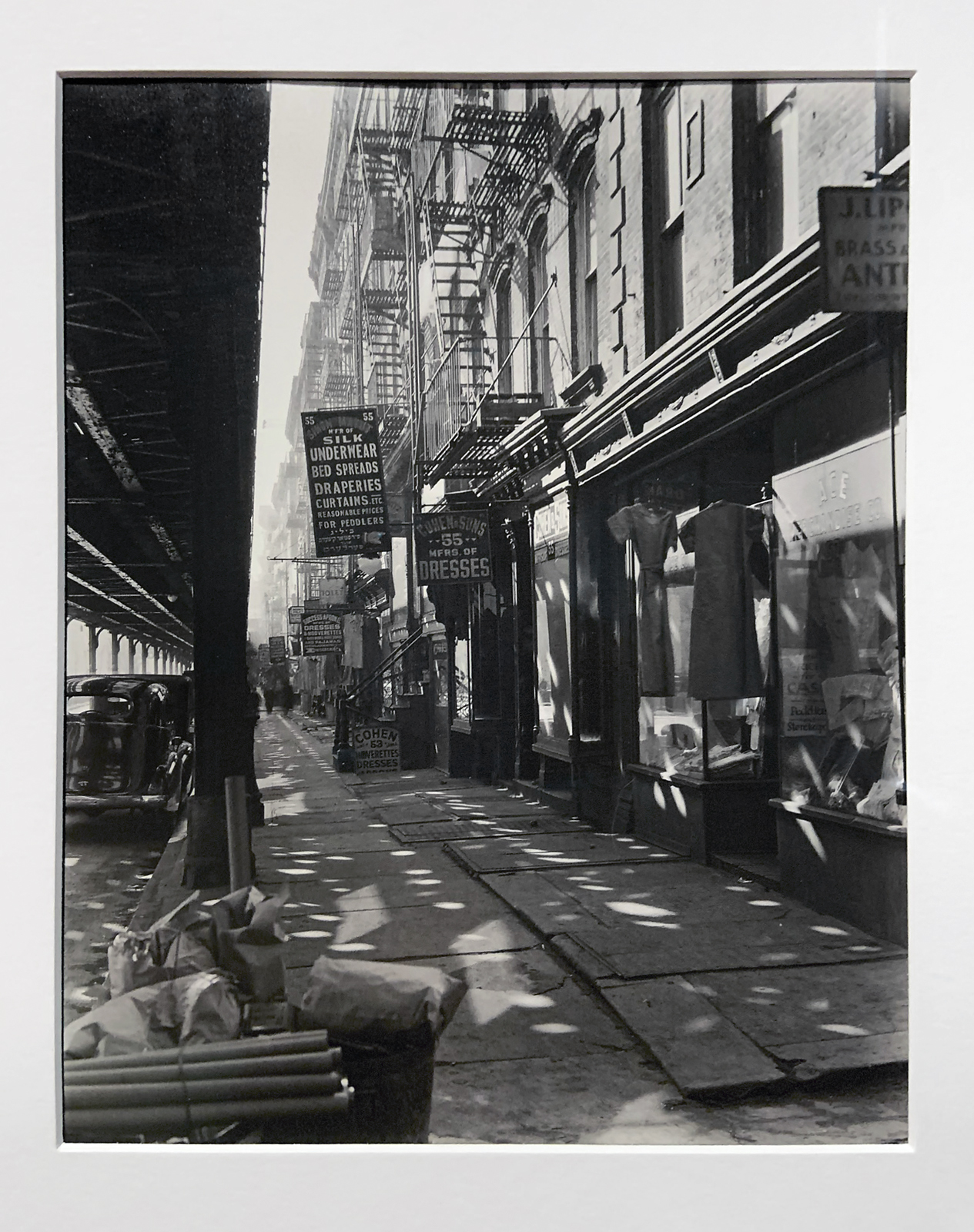




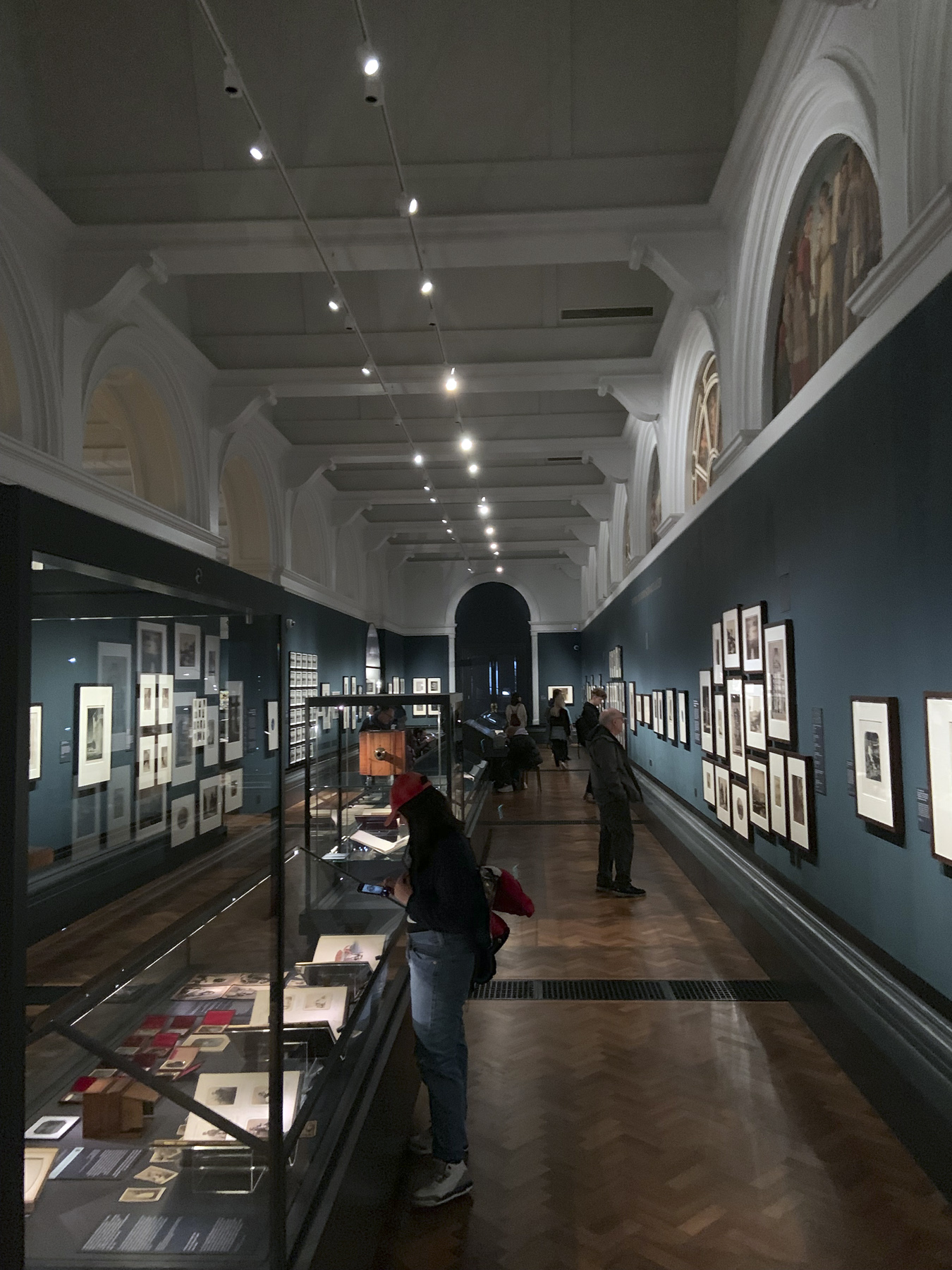


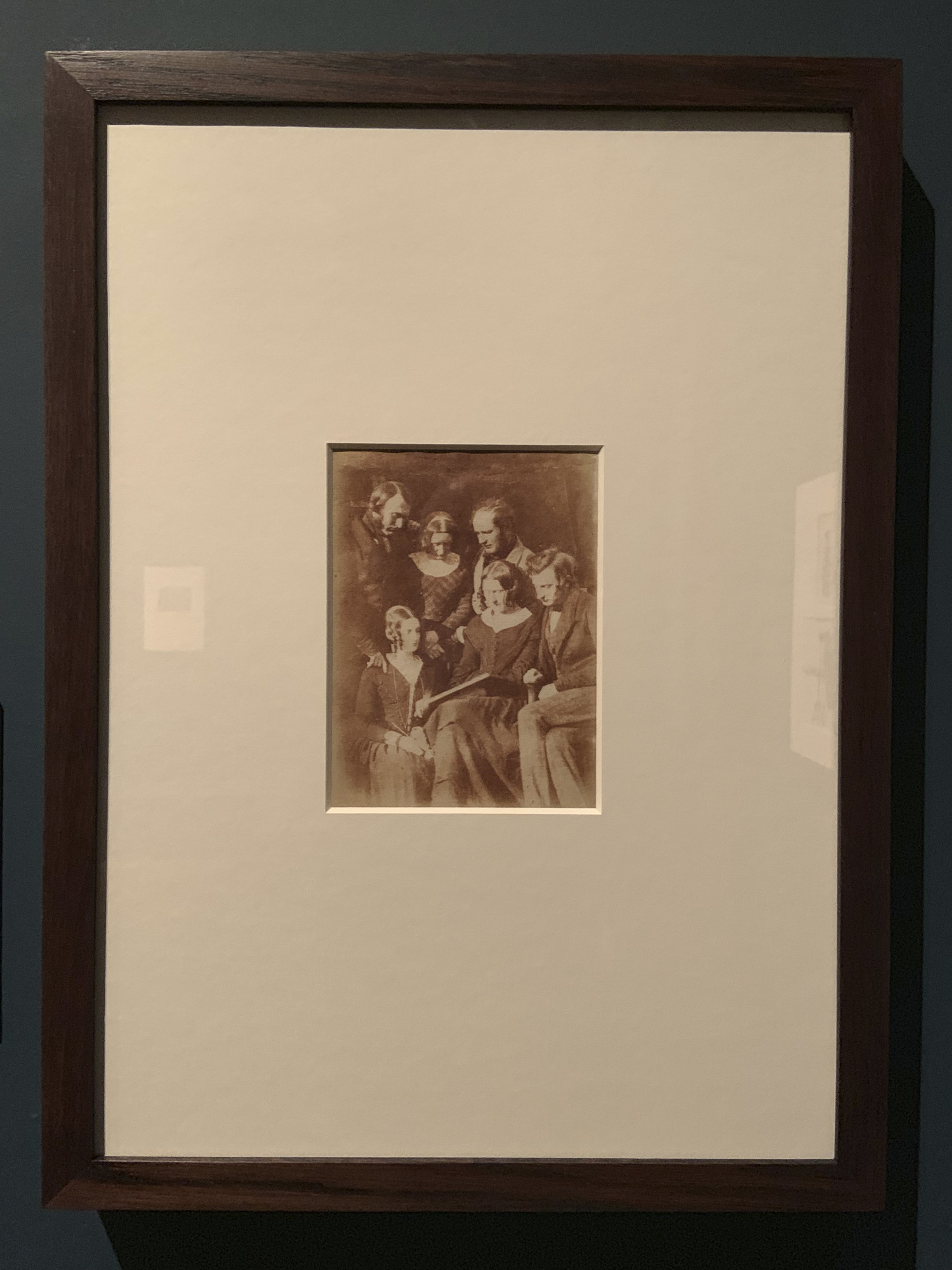

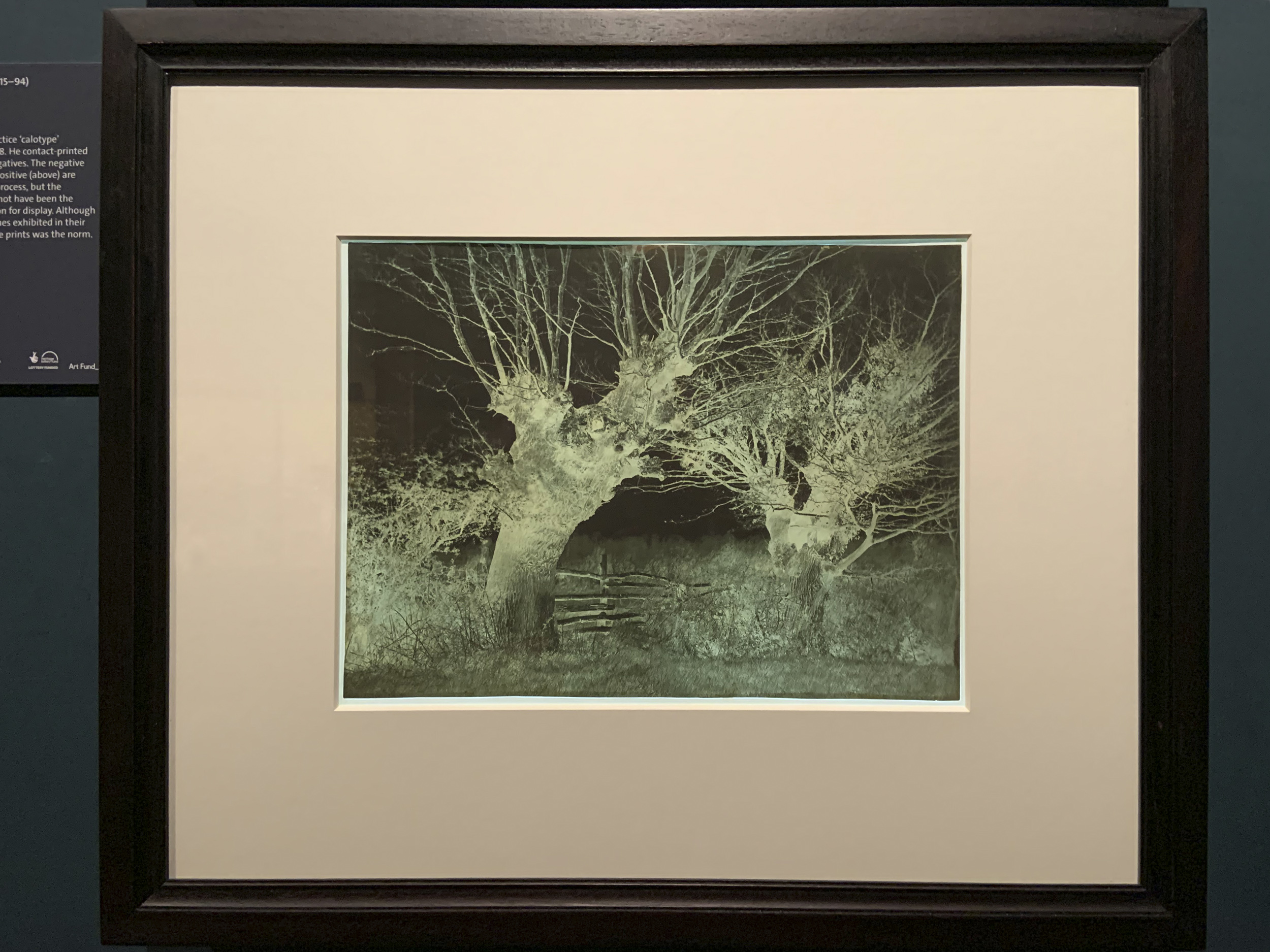
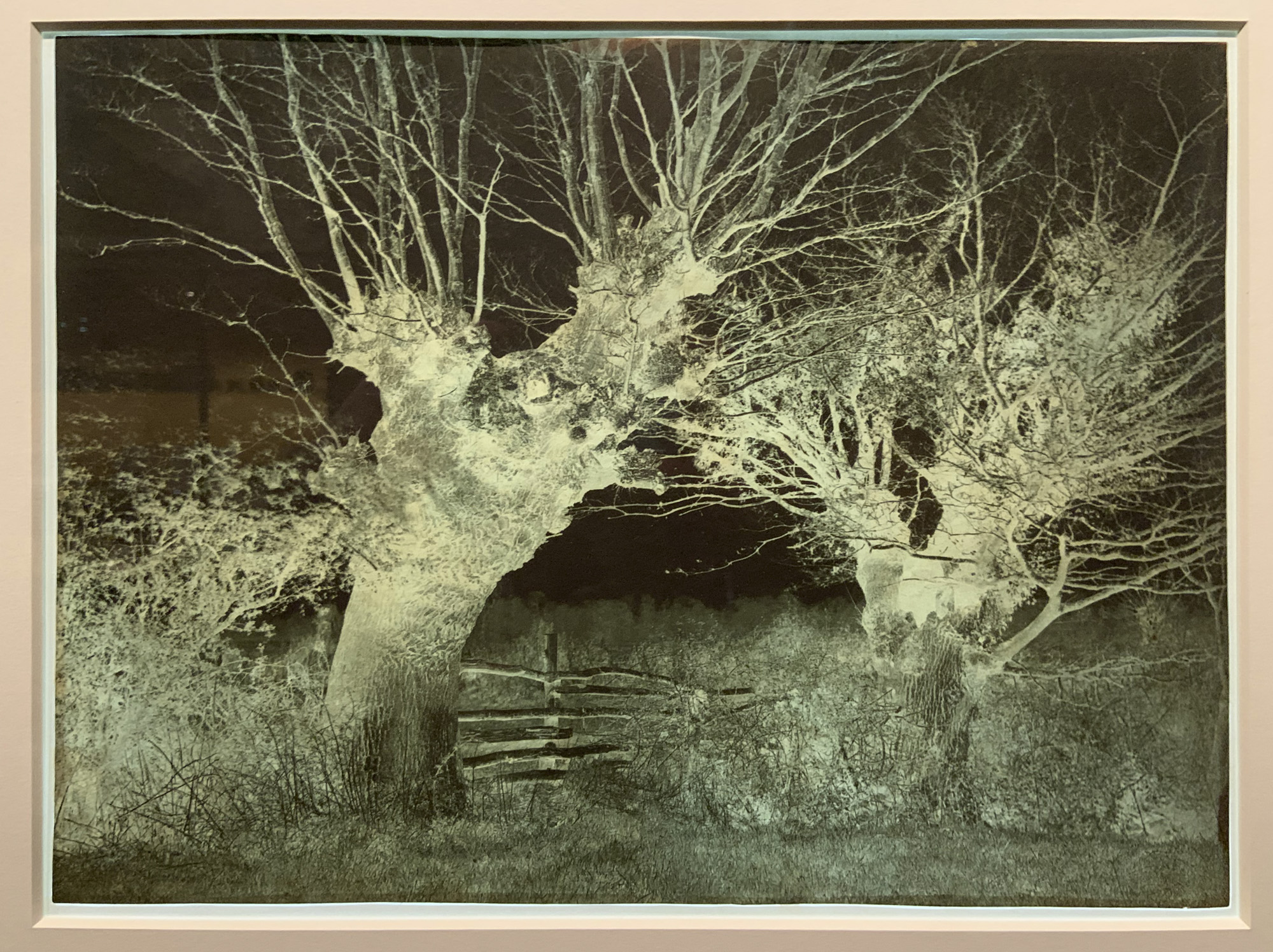




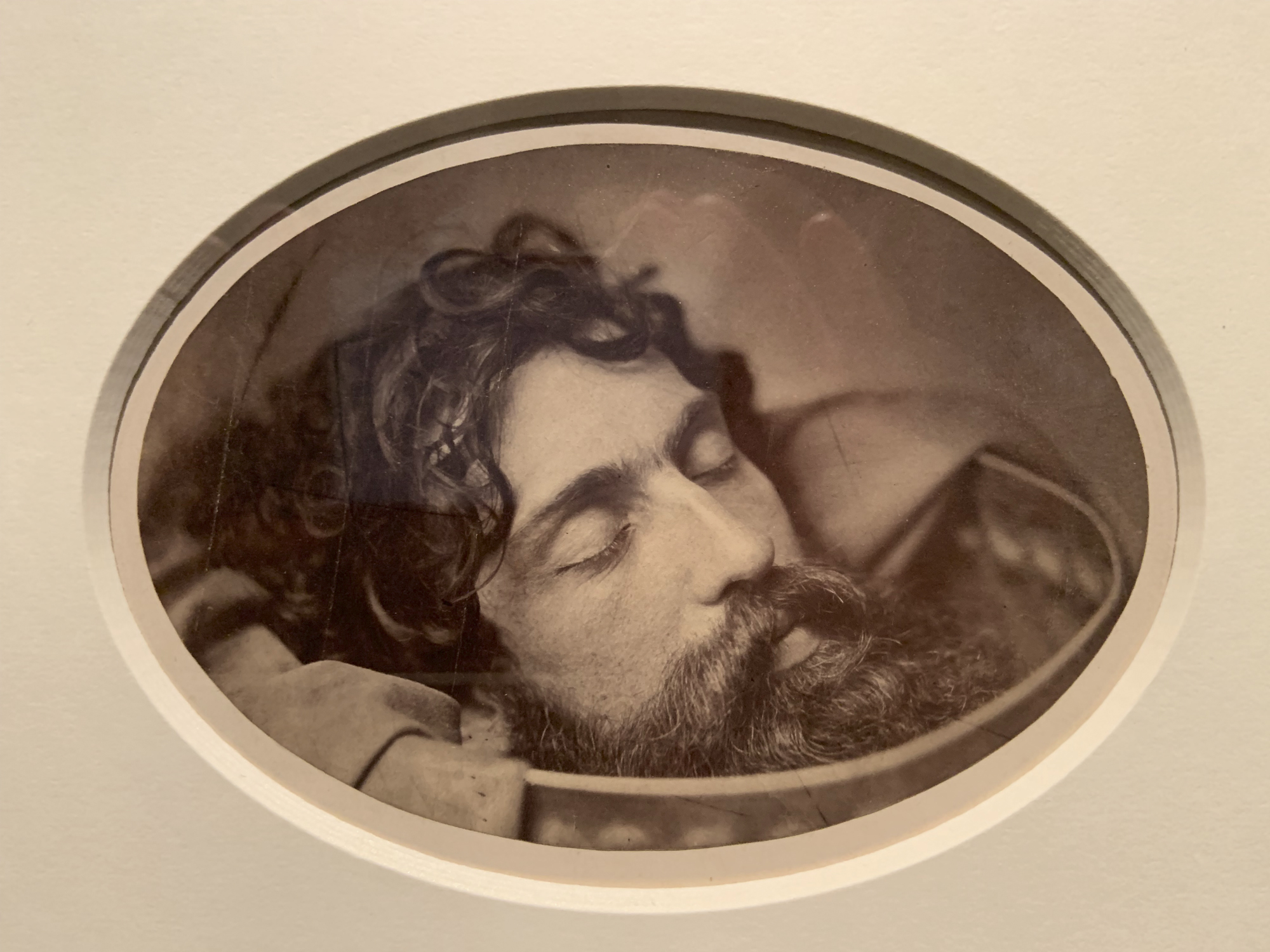
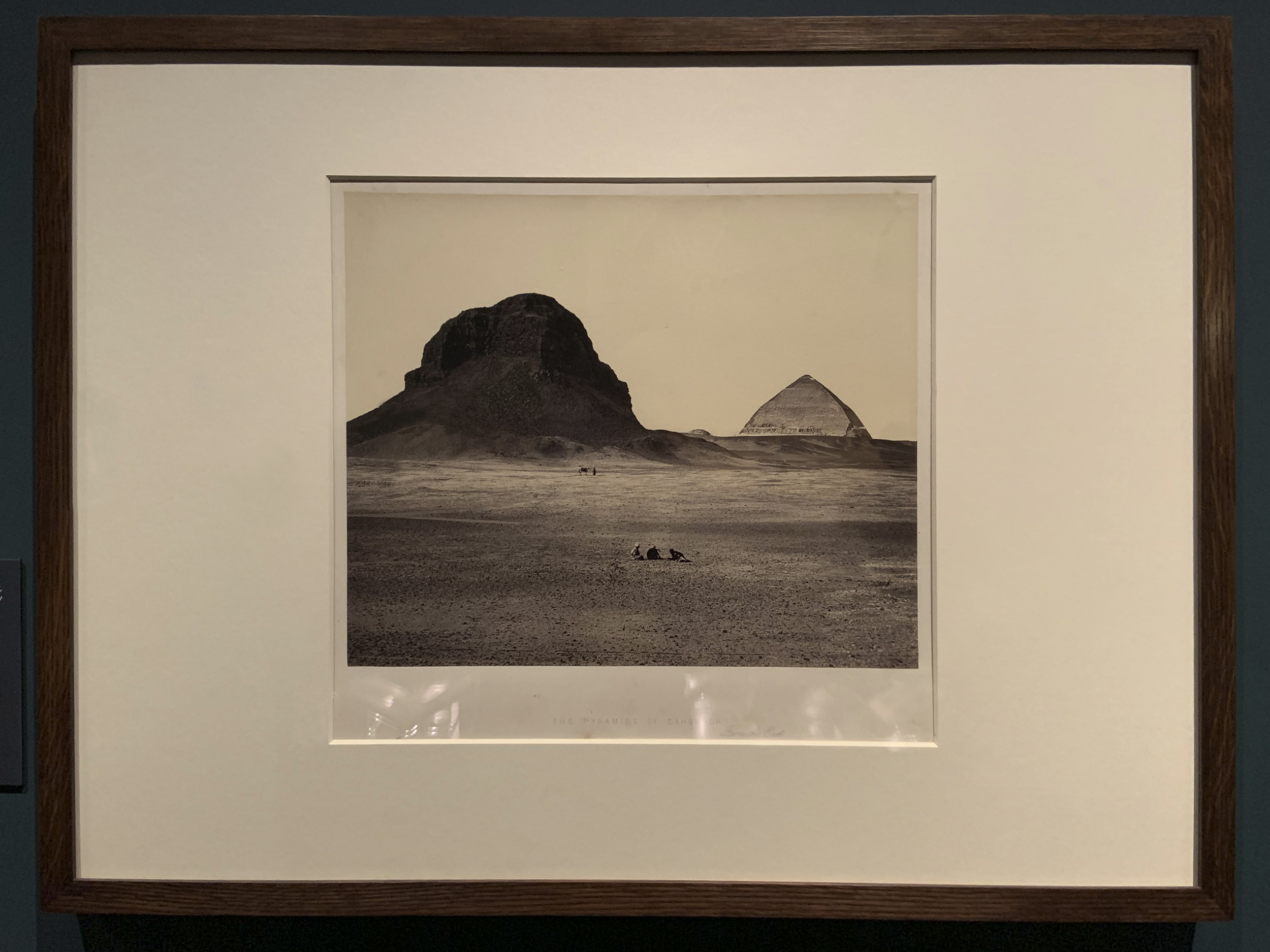

![Francis Frith (British, 1822-98) 'The Pyramids of Dahshoor [Dahshur], from the East, from Egypt, Sinai, and Jerusalem: A Series of Twenty Photographic Views by Francis Frith' 1858 (published 1860 or 1862) from the V&A Photography Centre, London 2019](https://artblart.com/wp-content/uploads/2020/05/frith-the-pyramids-of-dahshoor-web.jpg "Francis Frith (British, 1822-98) 'The Pyramids of Dahshoor [Dahshur], from the East, from Egypt, Sinai, and Jerusalem: A Series of Twenty Photographic Views by Francis Frith' 1858 (published 1860 or 1862) from the V&A Photography Centre, London 2019")


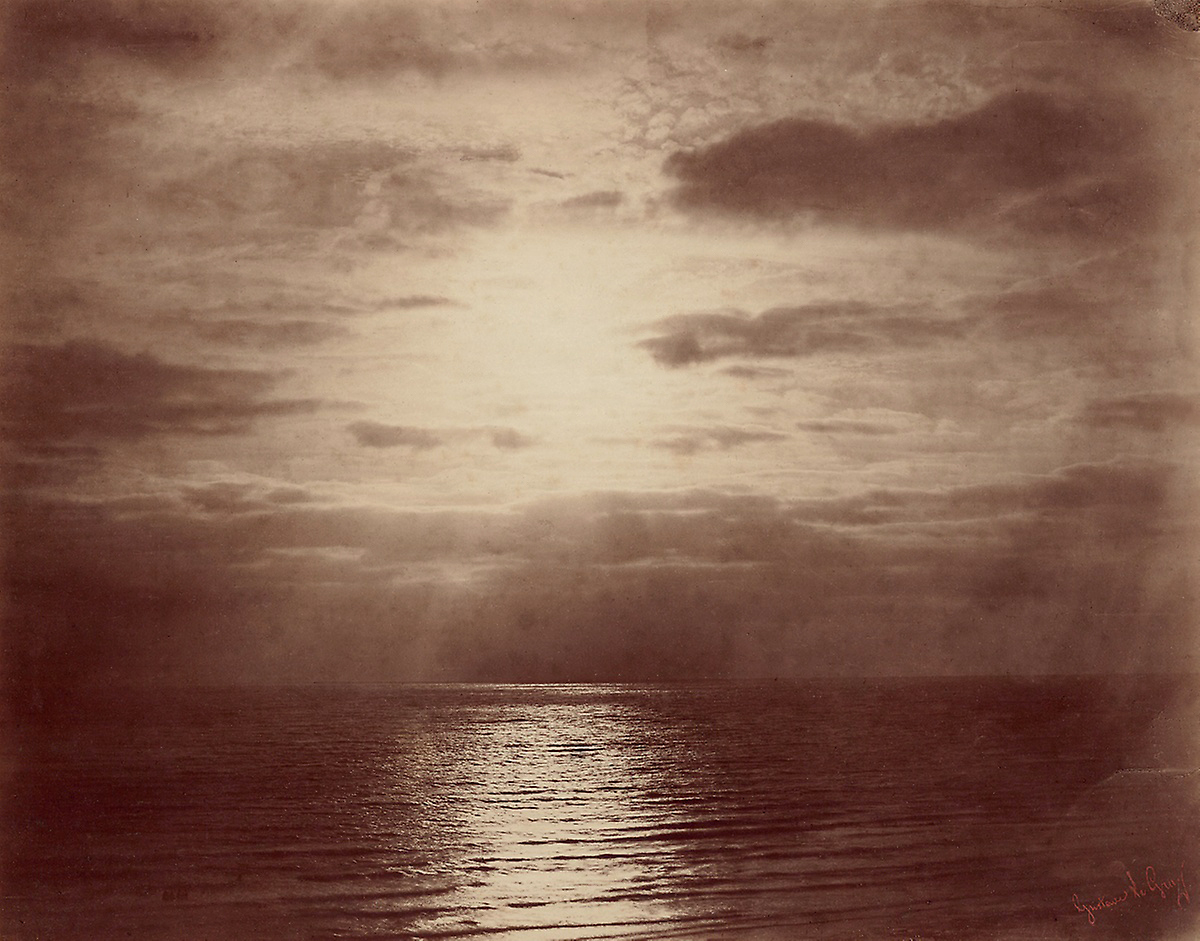
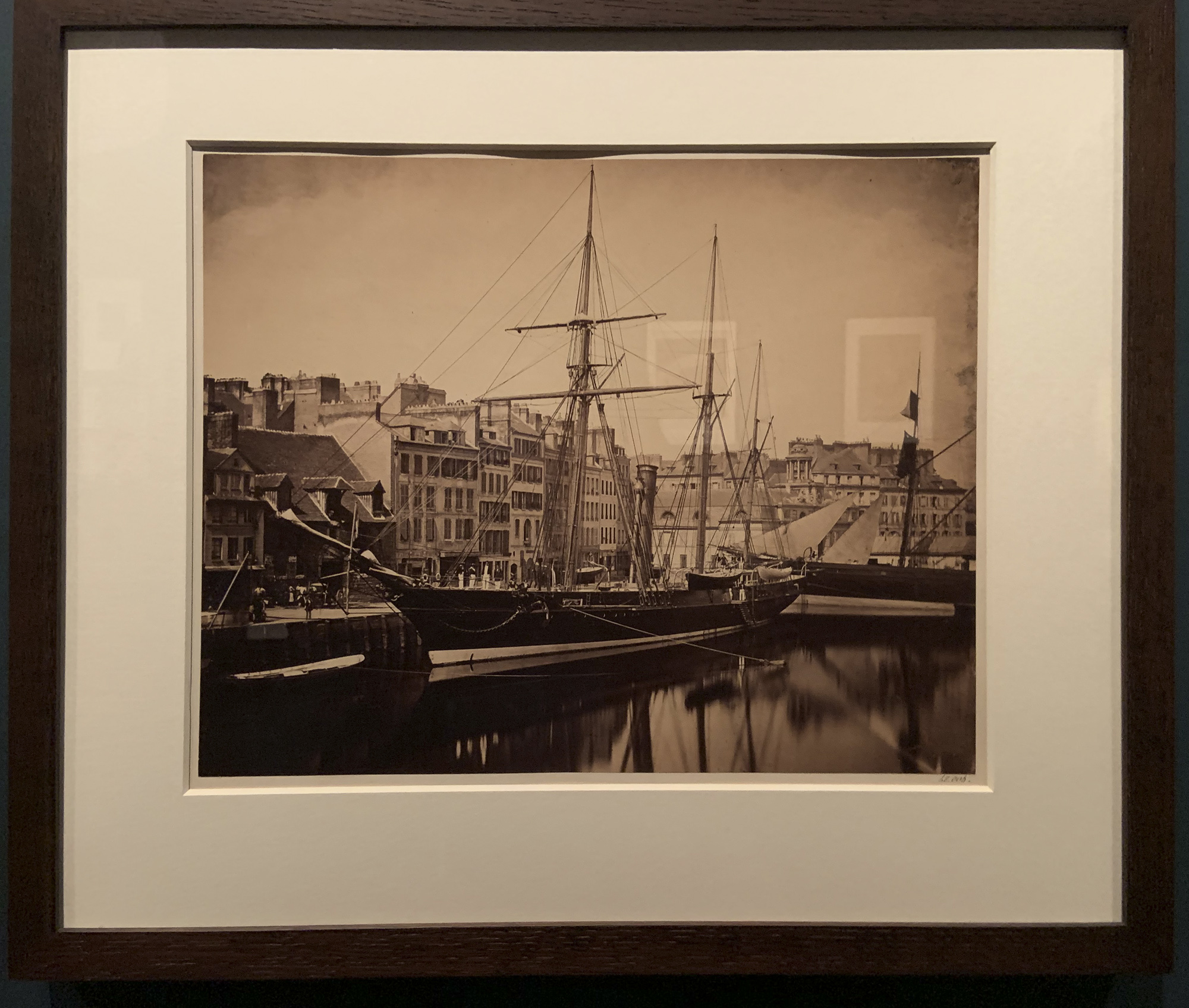









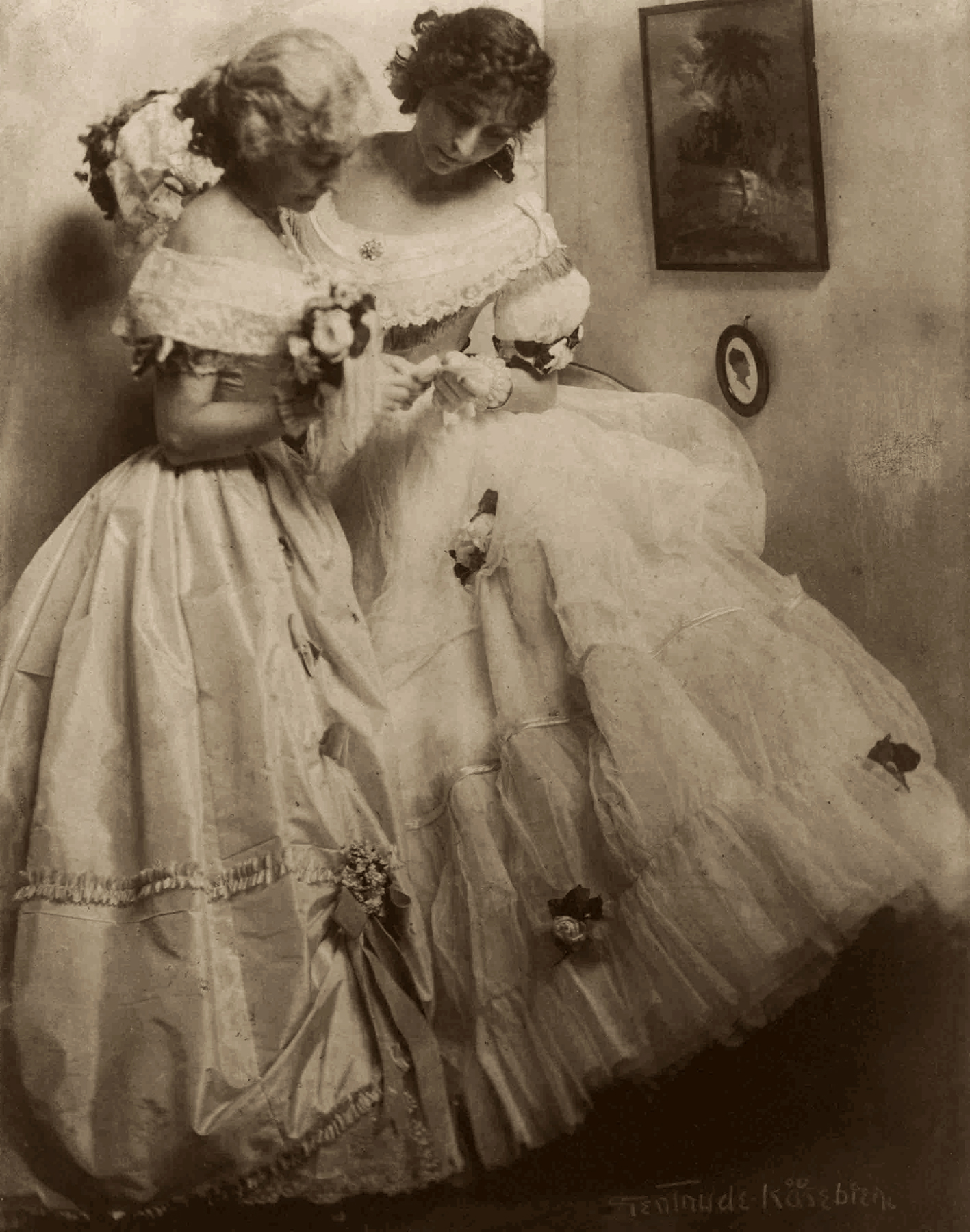
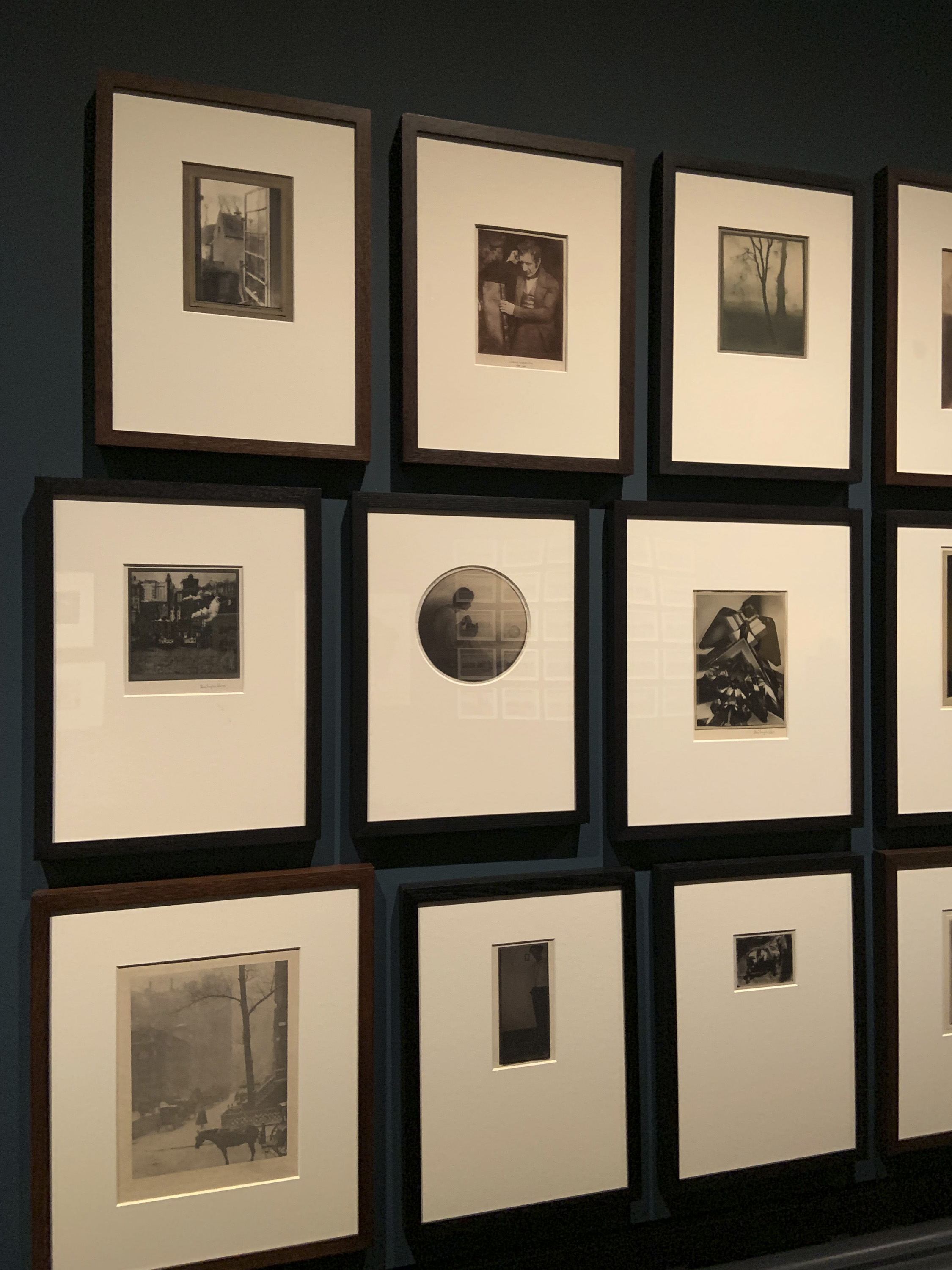

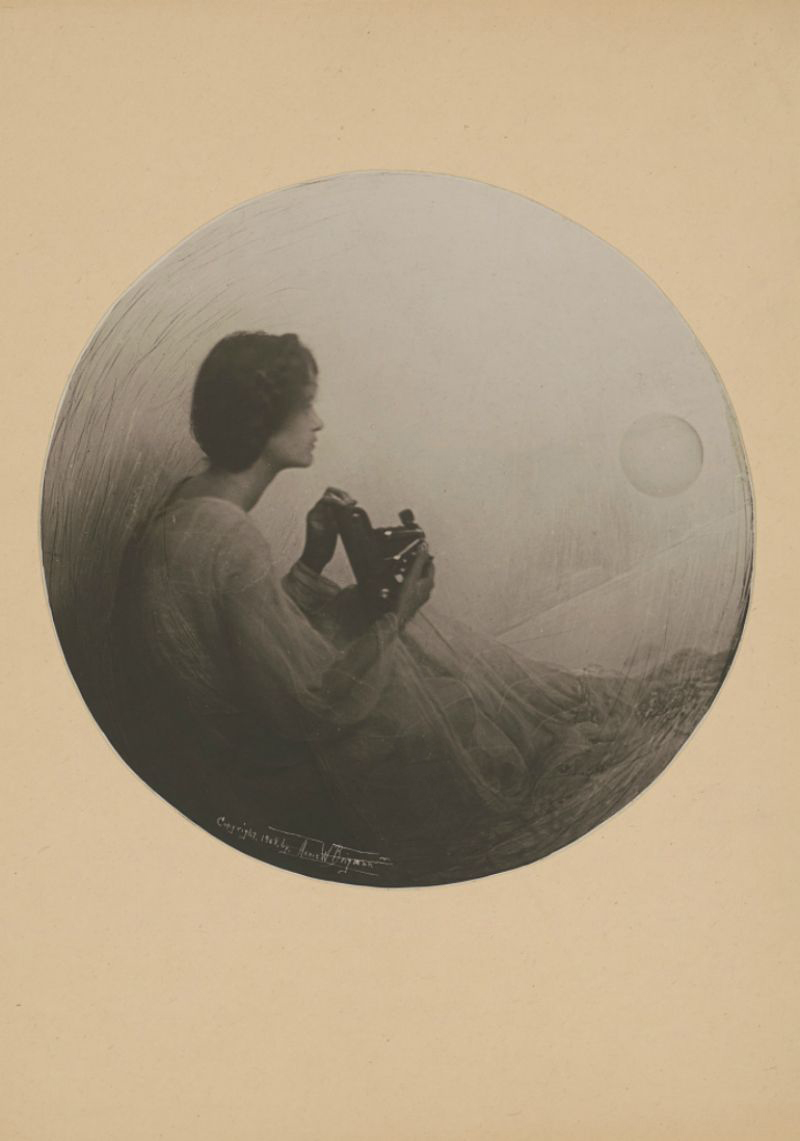

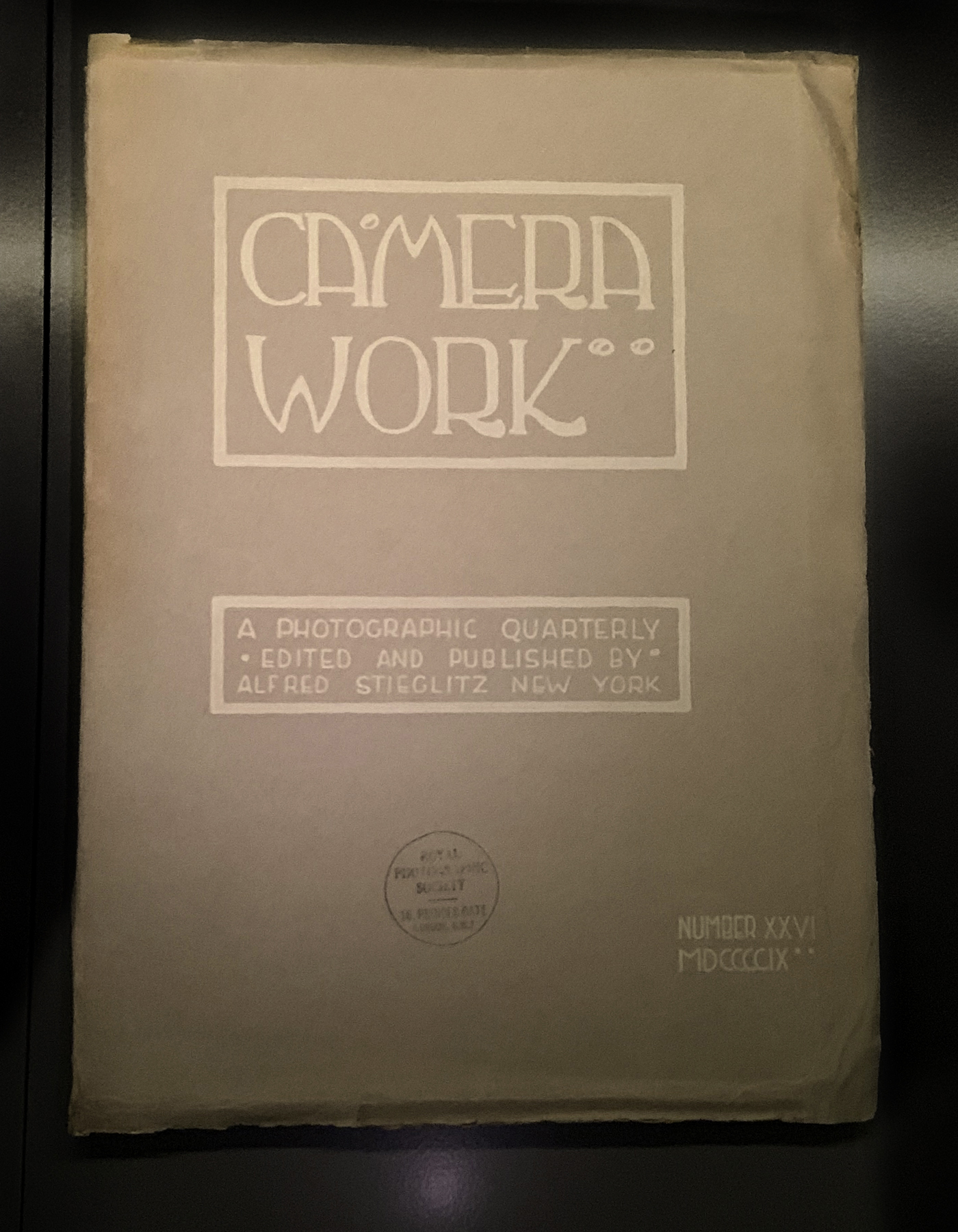
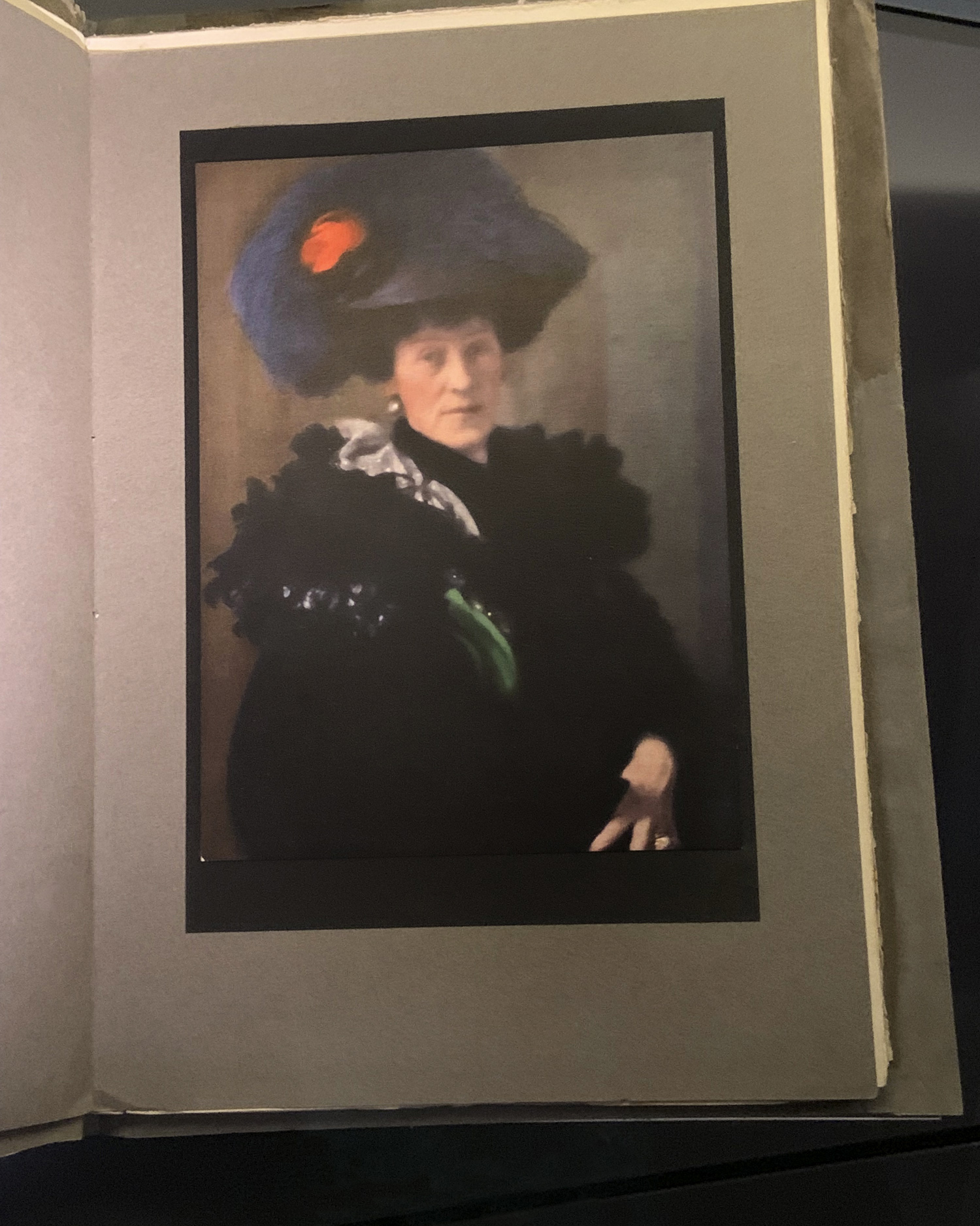
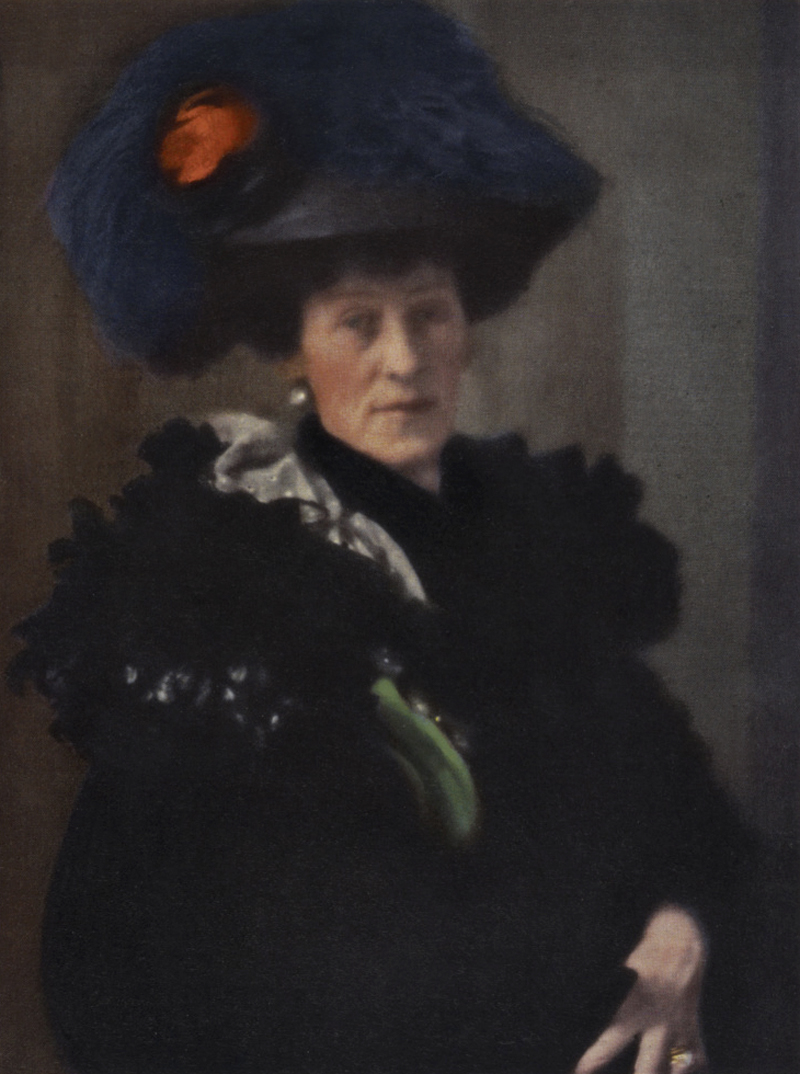

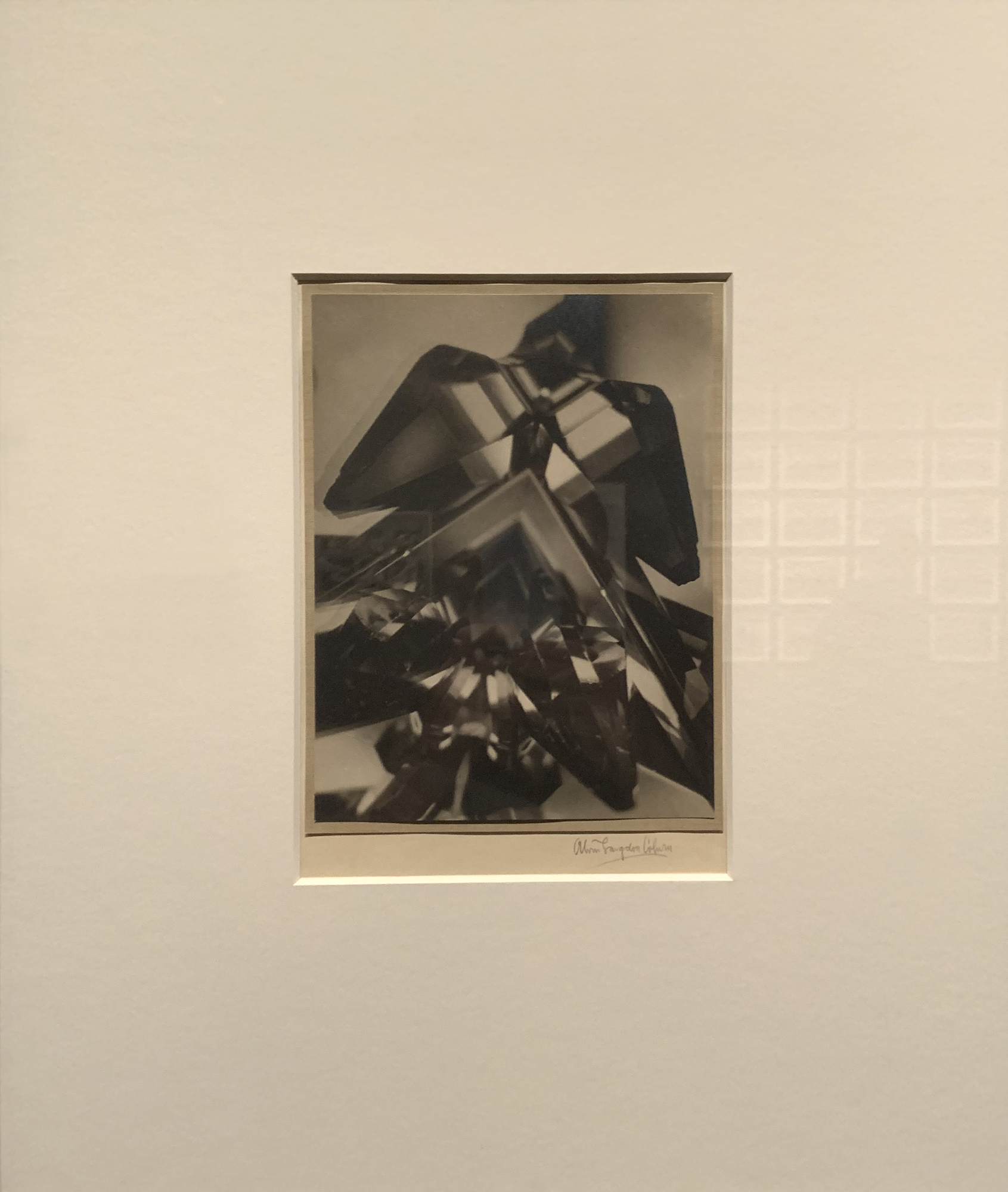

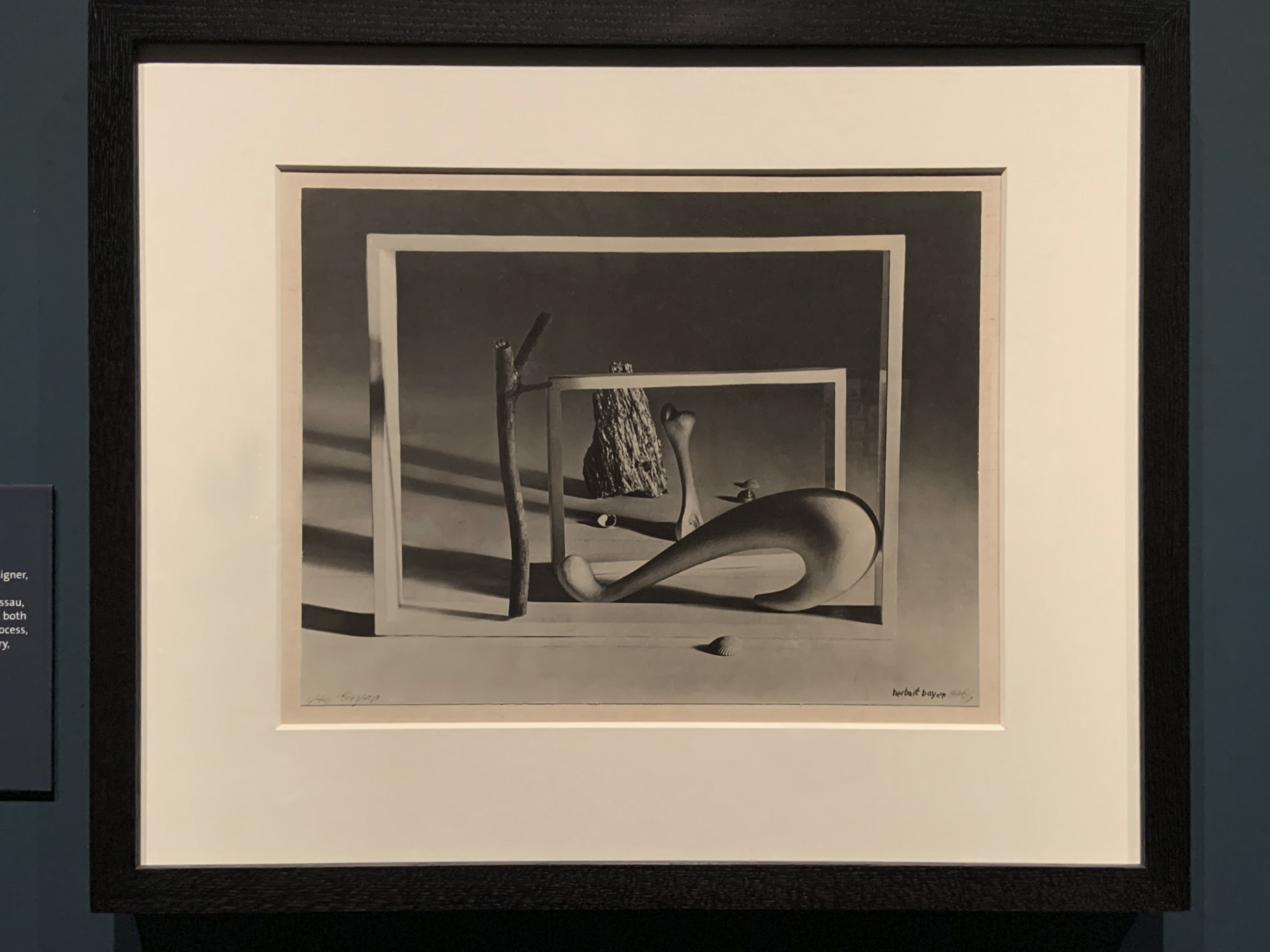

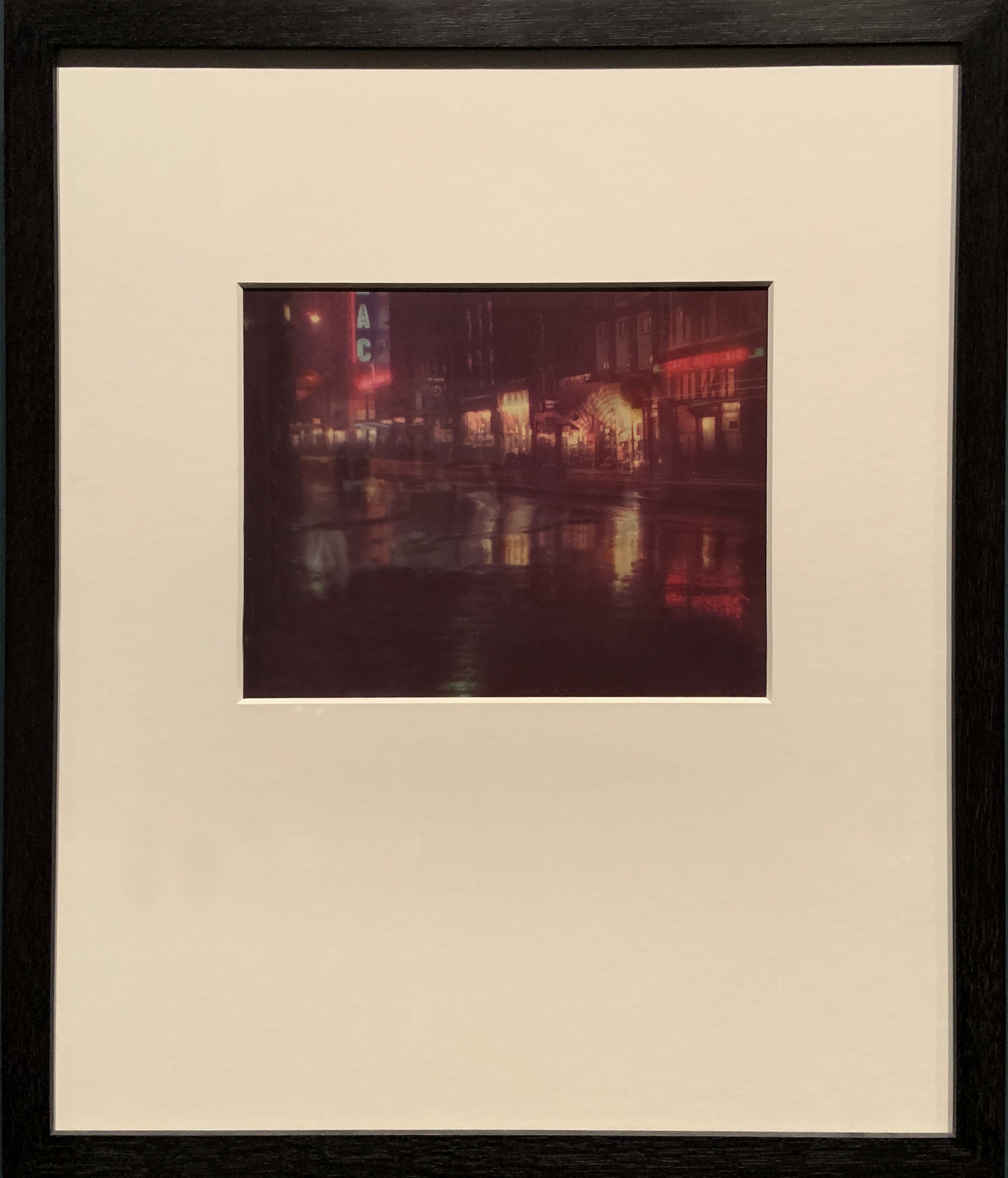

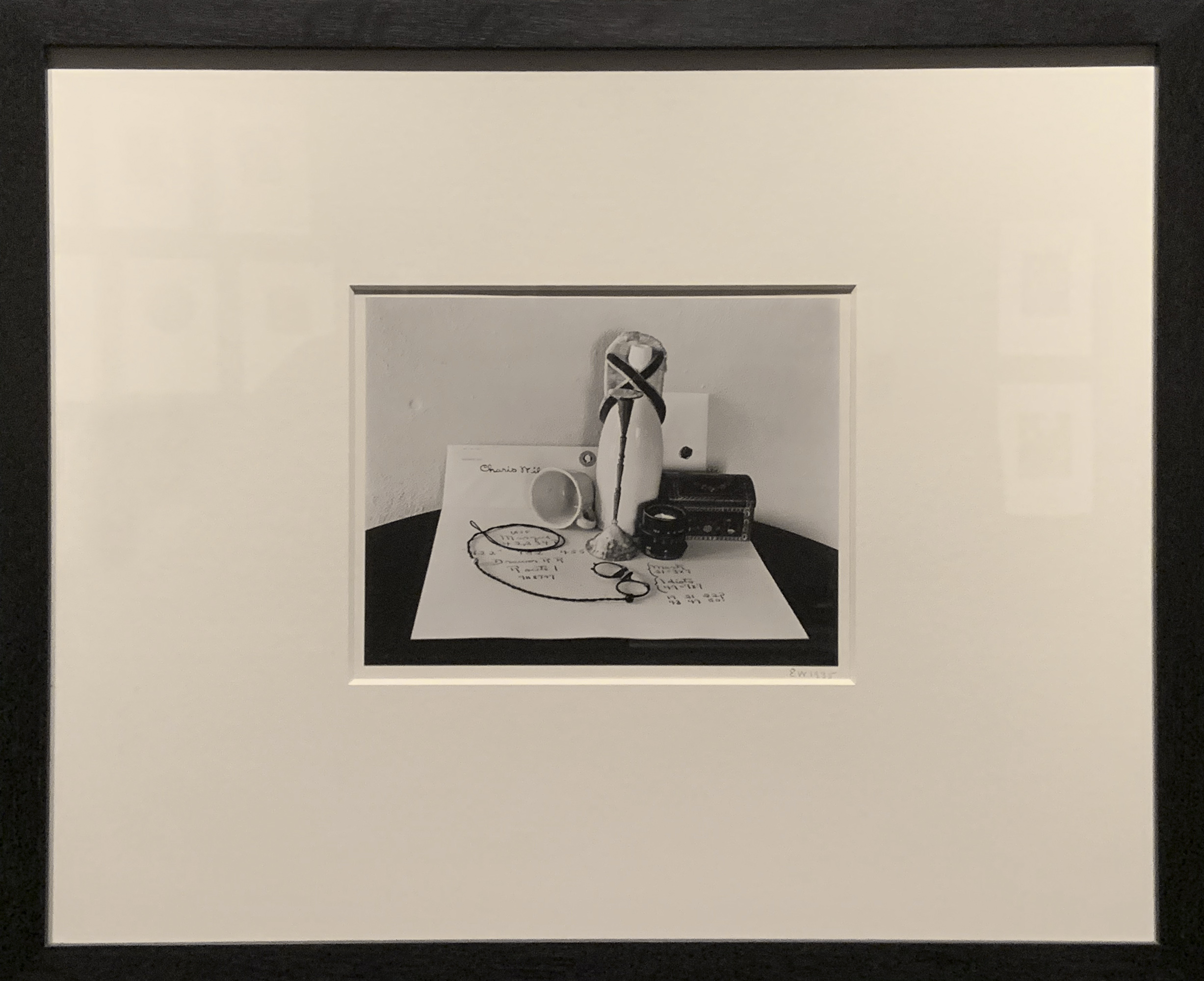

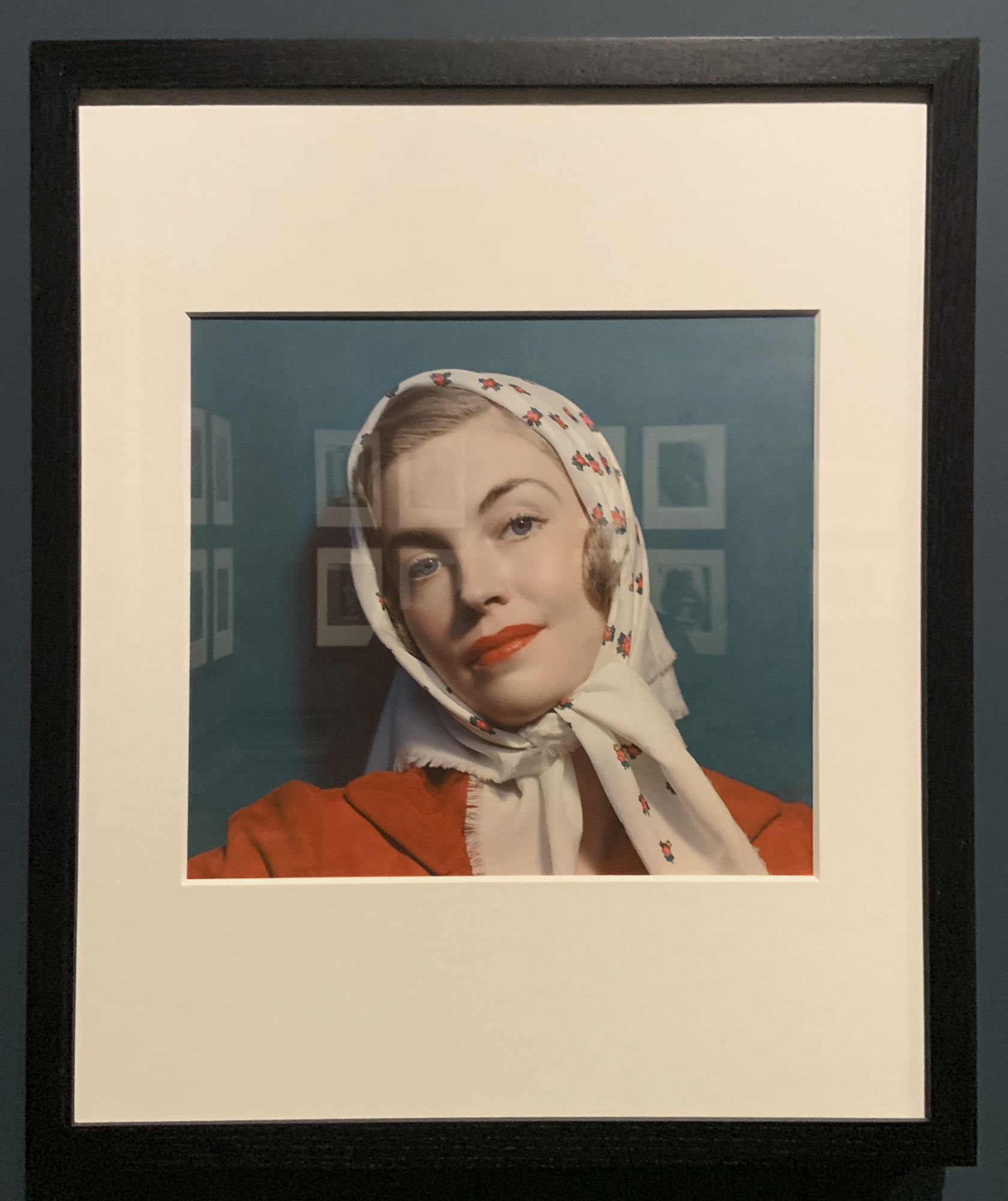
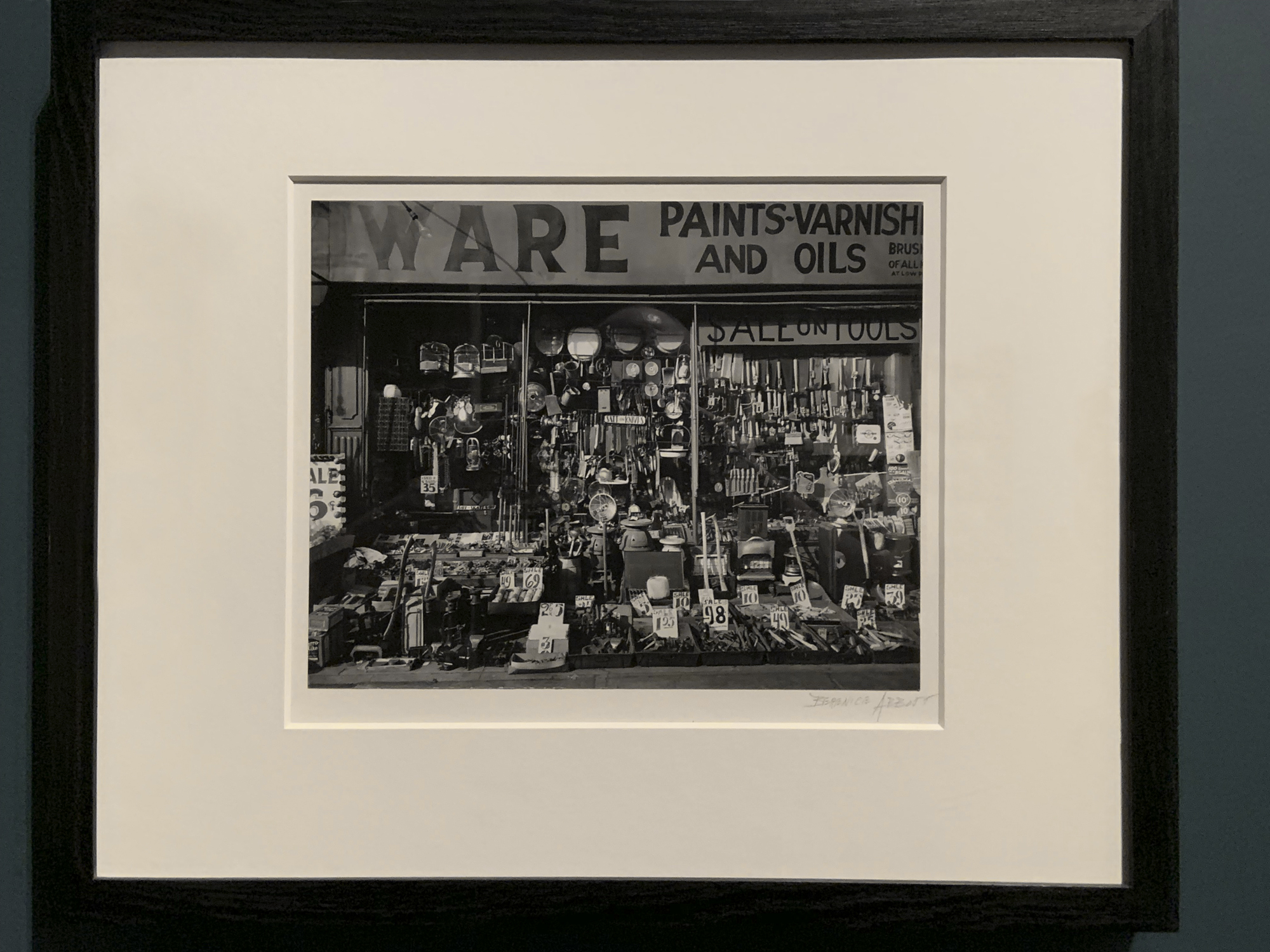
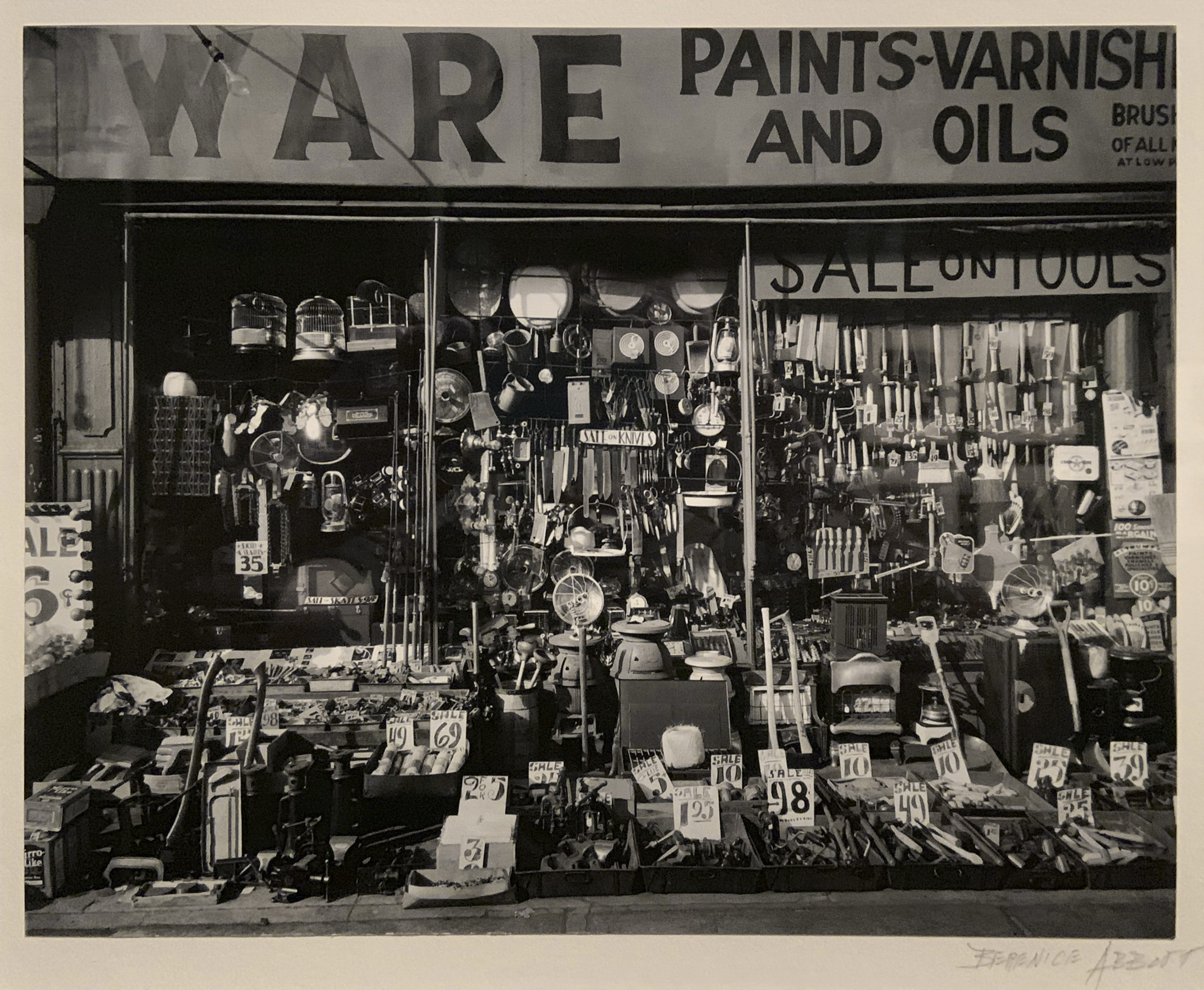
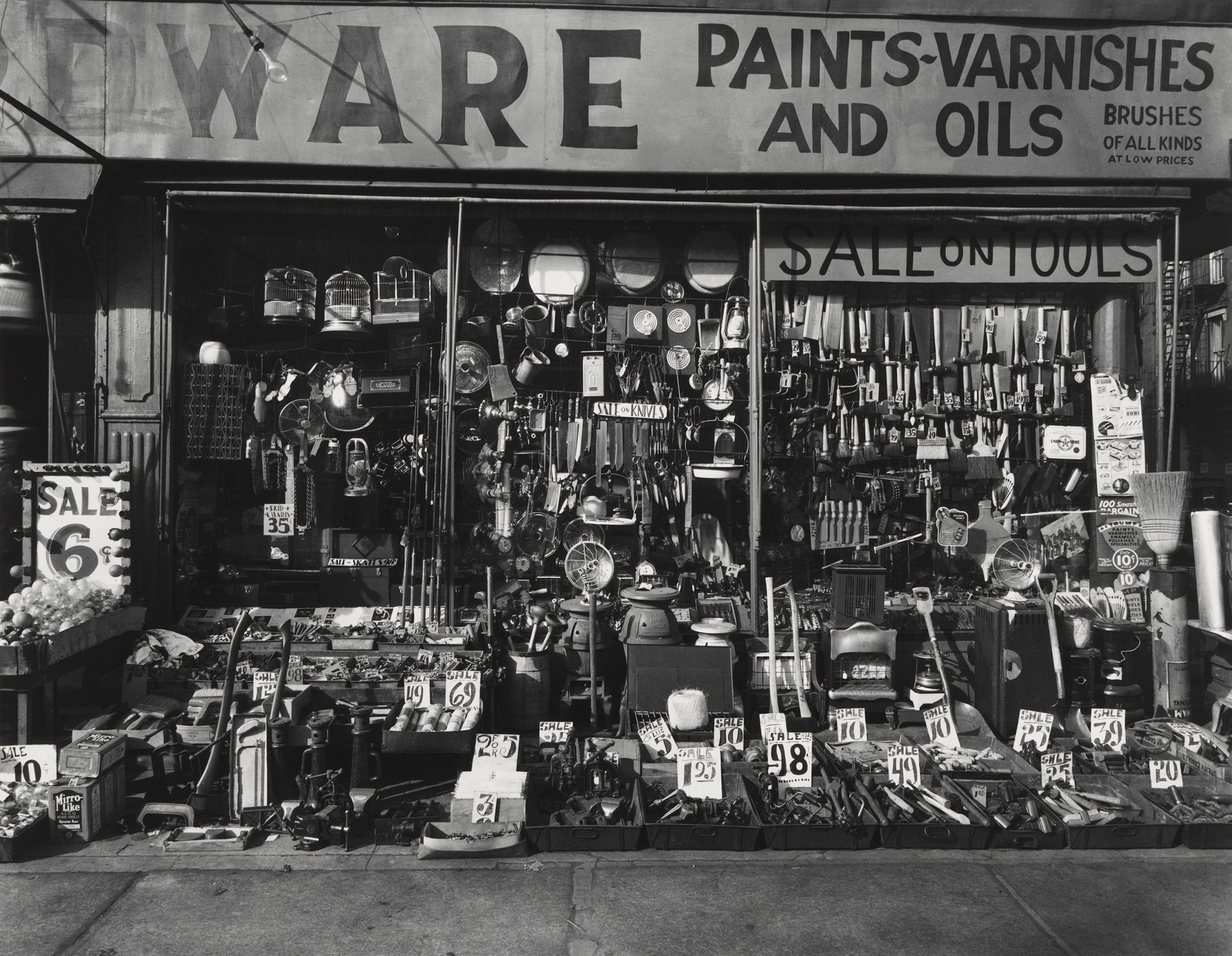
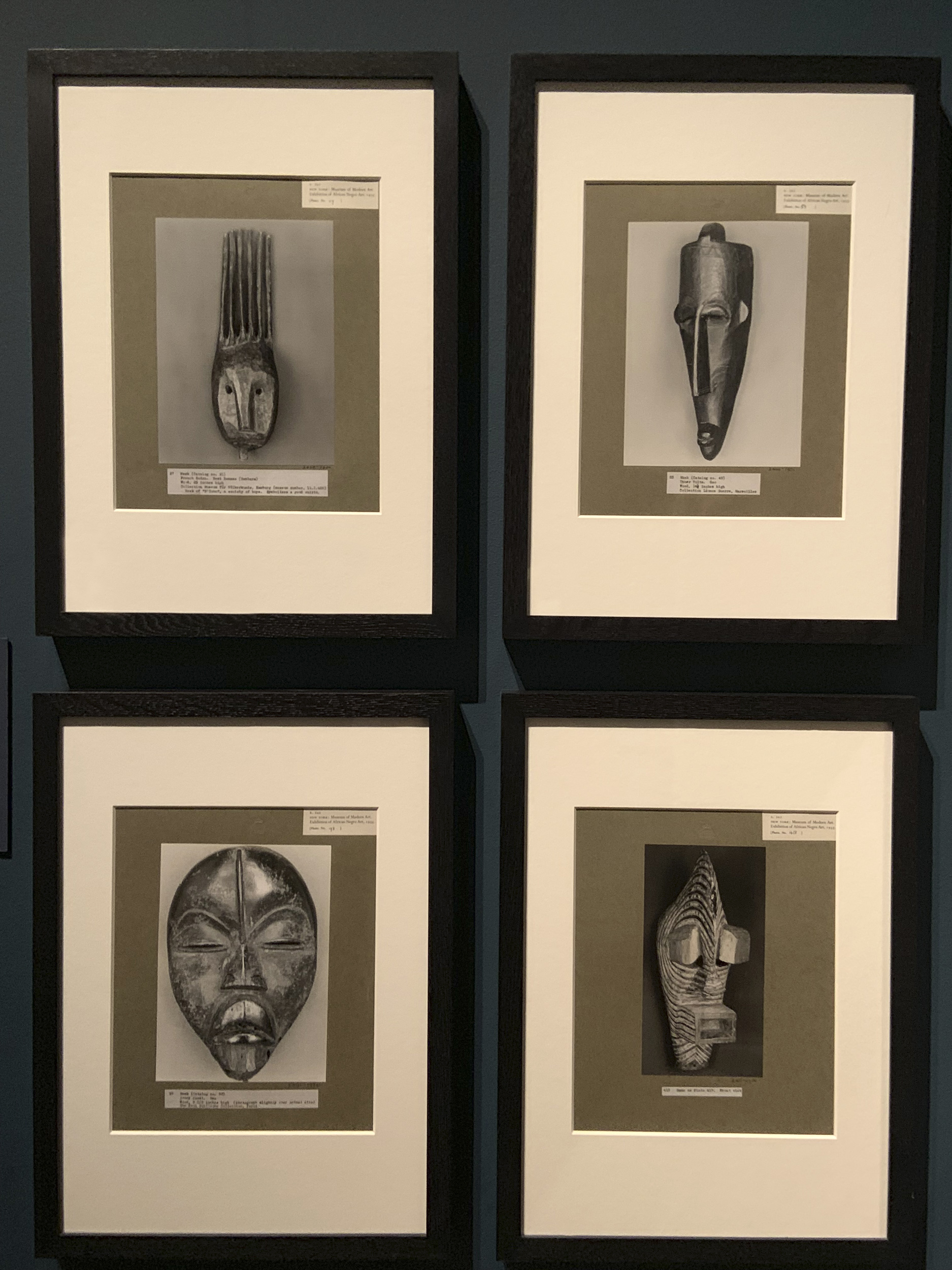
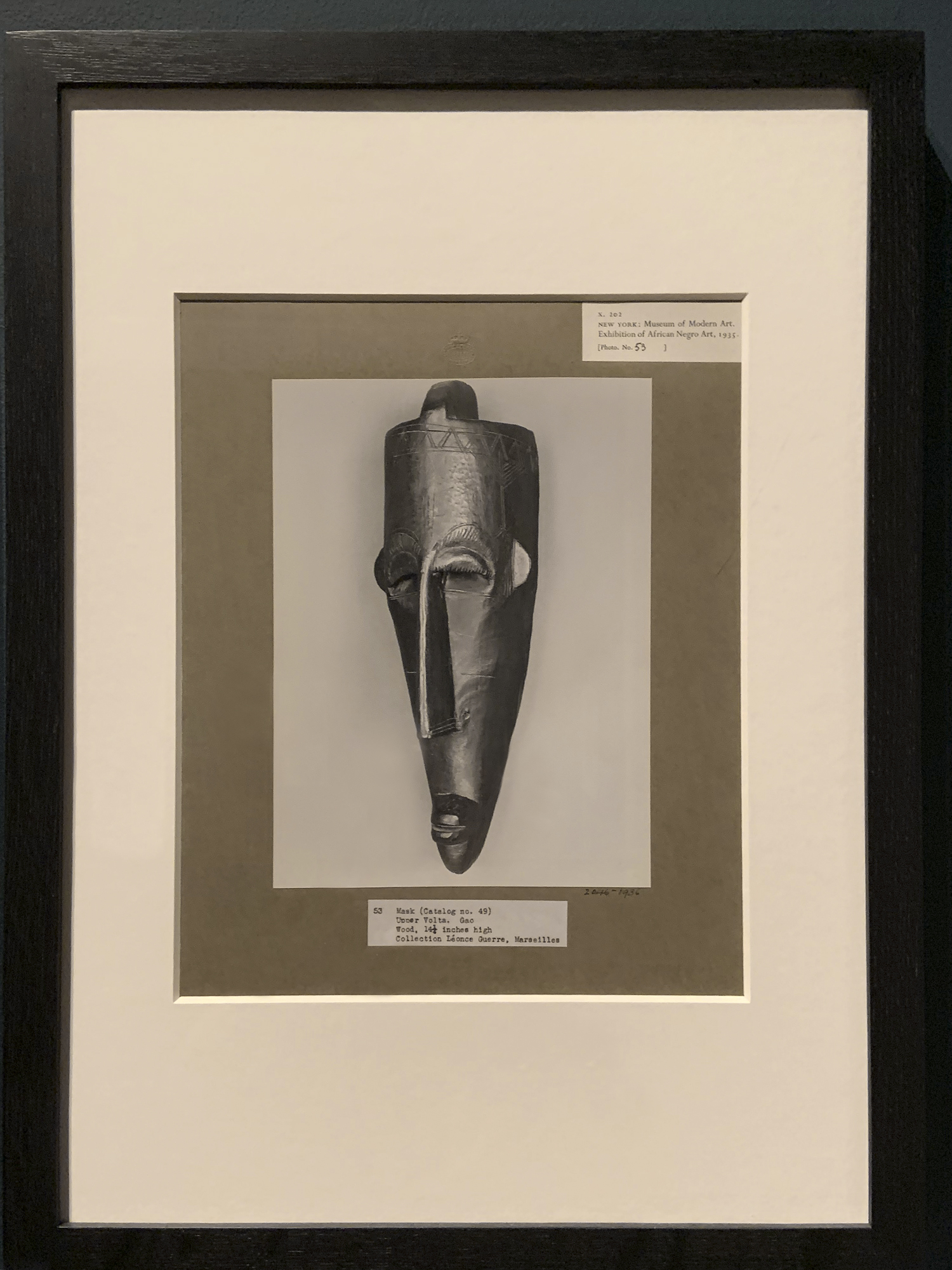
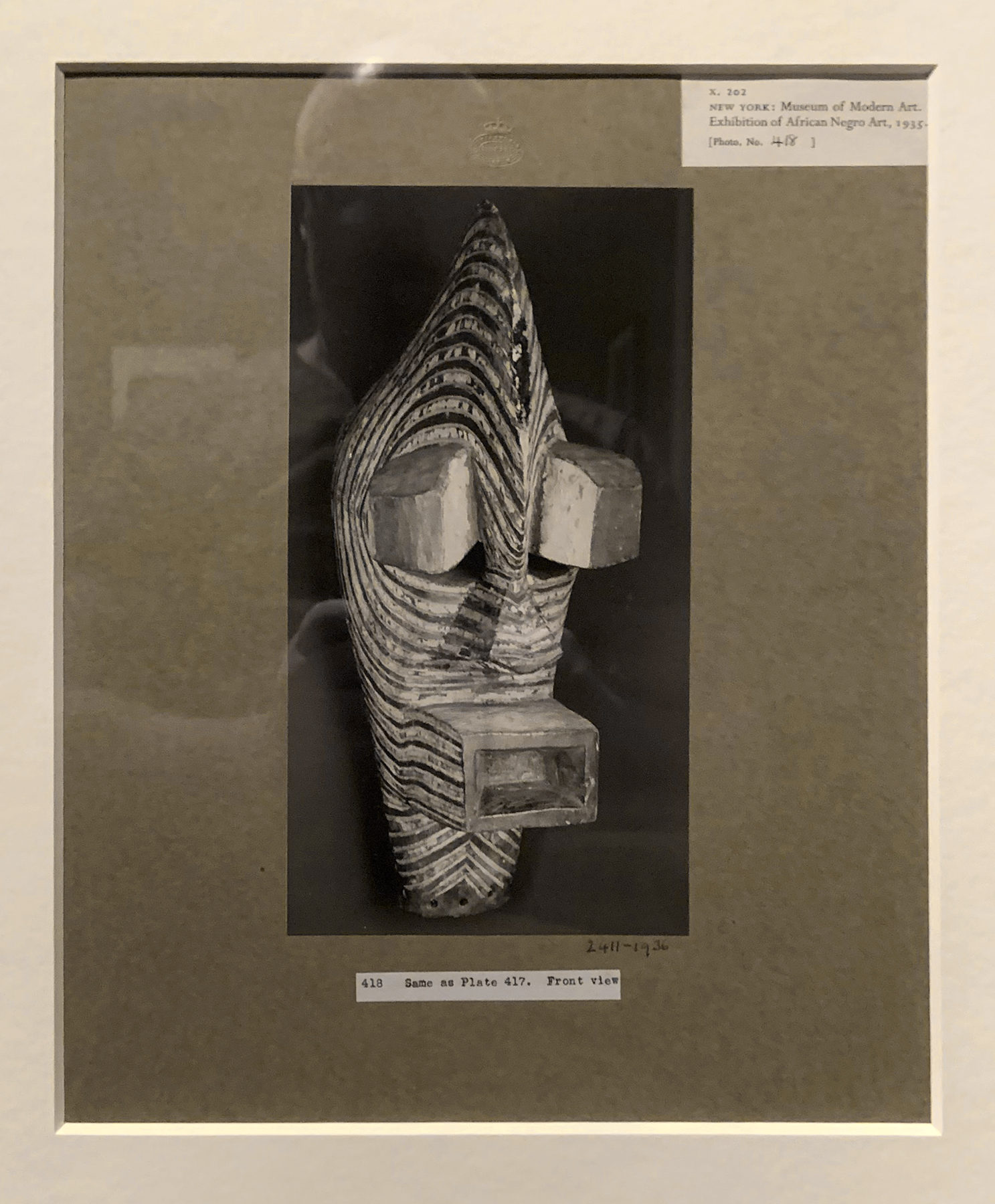
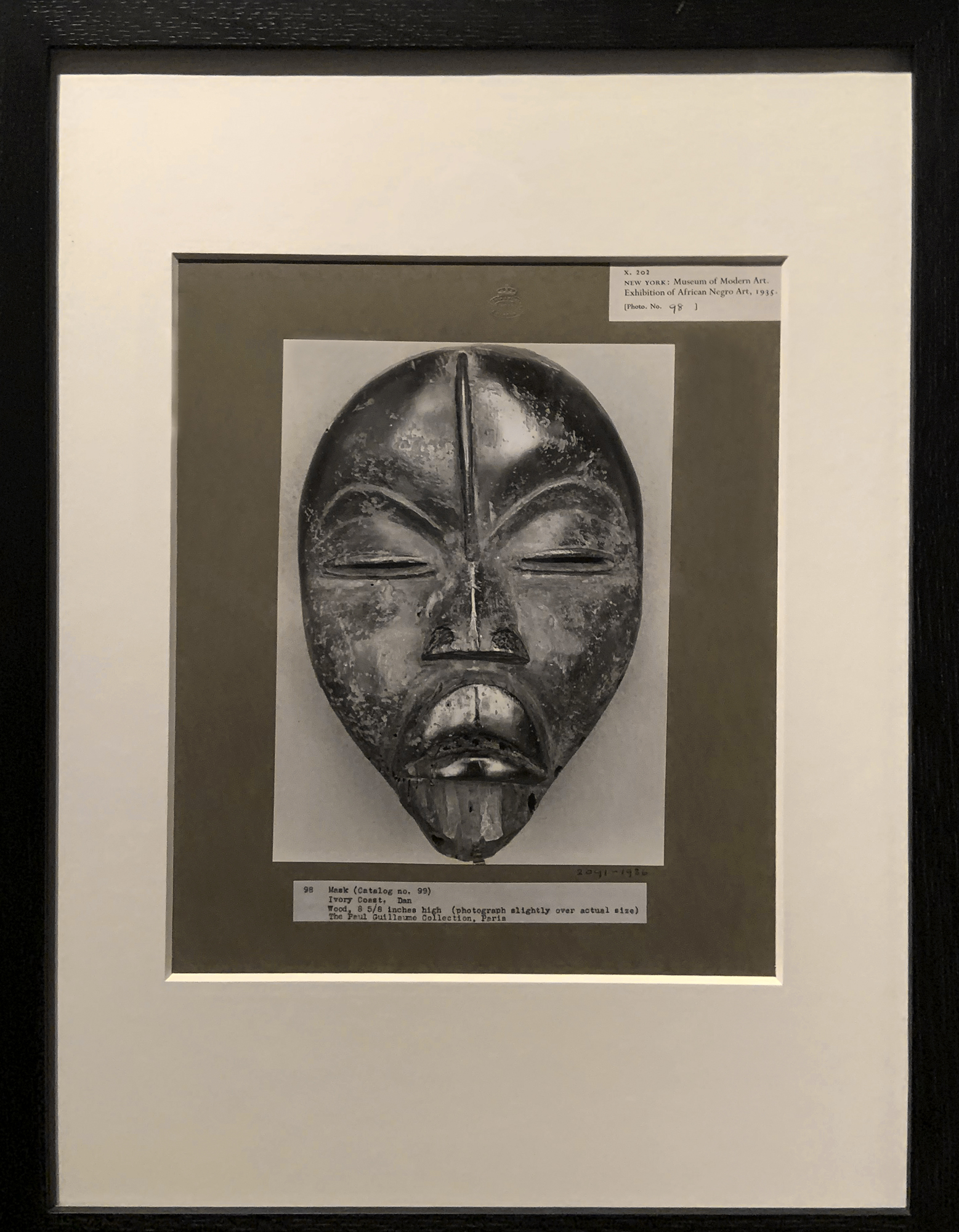

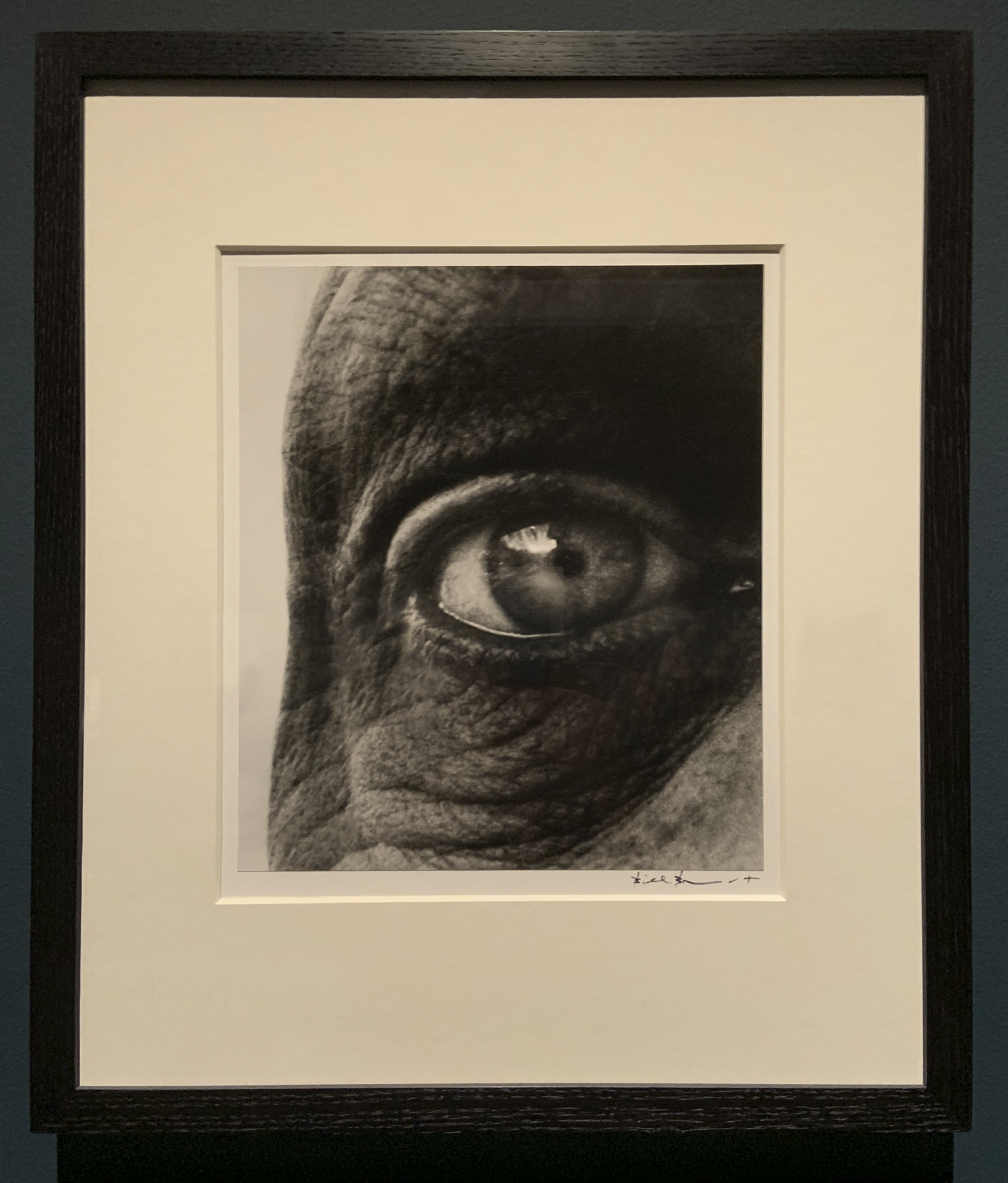
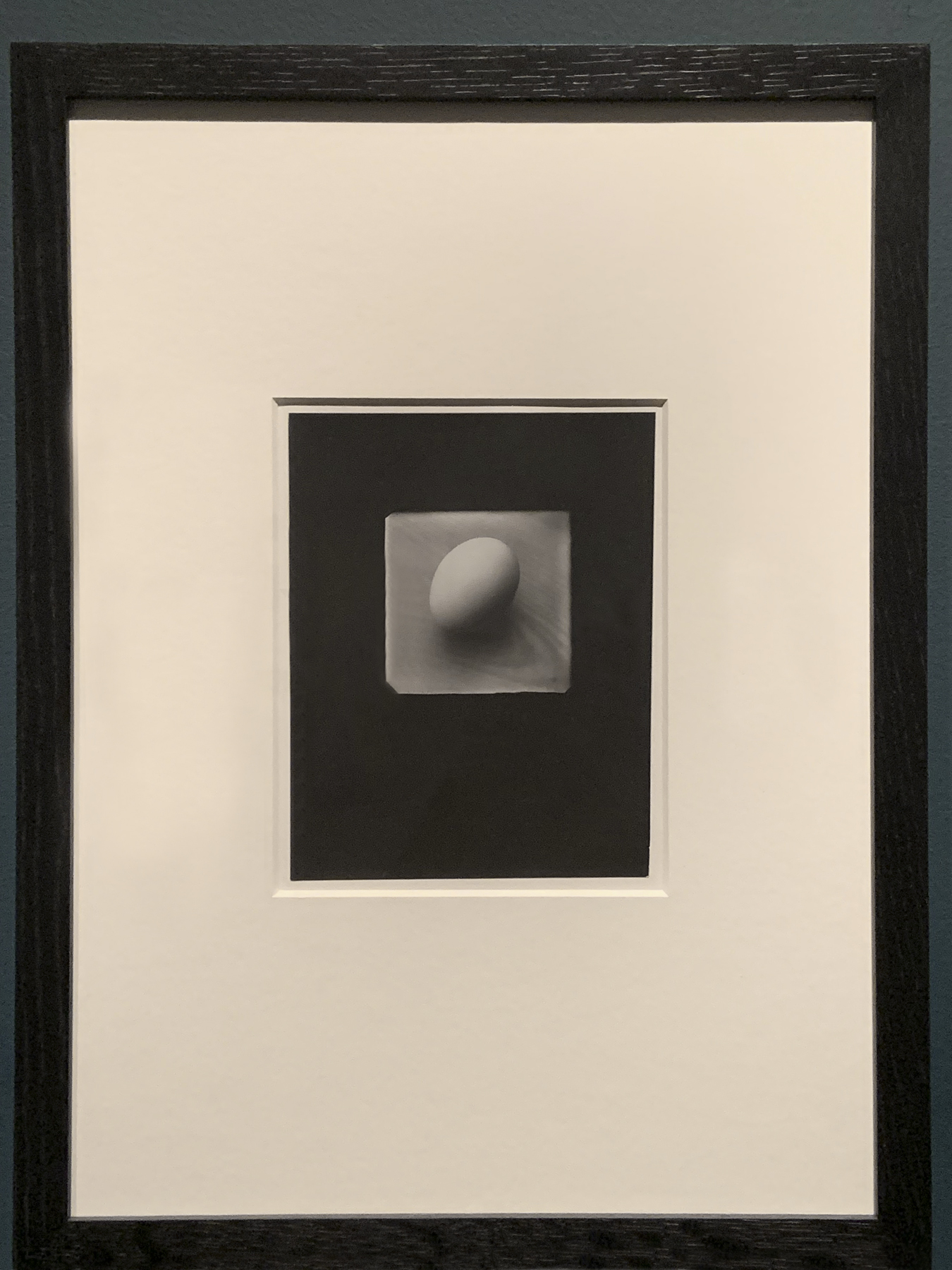


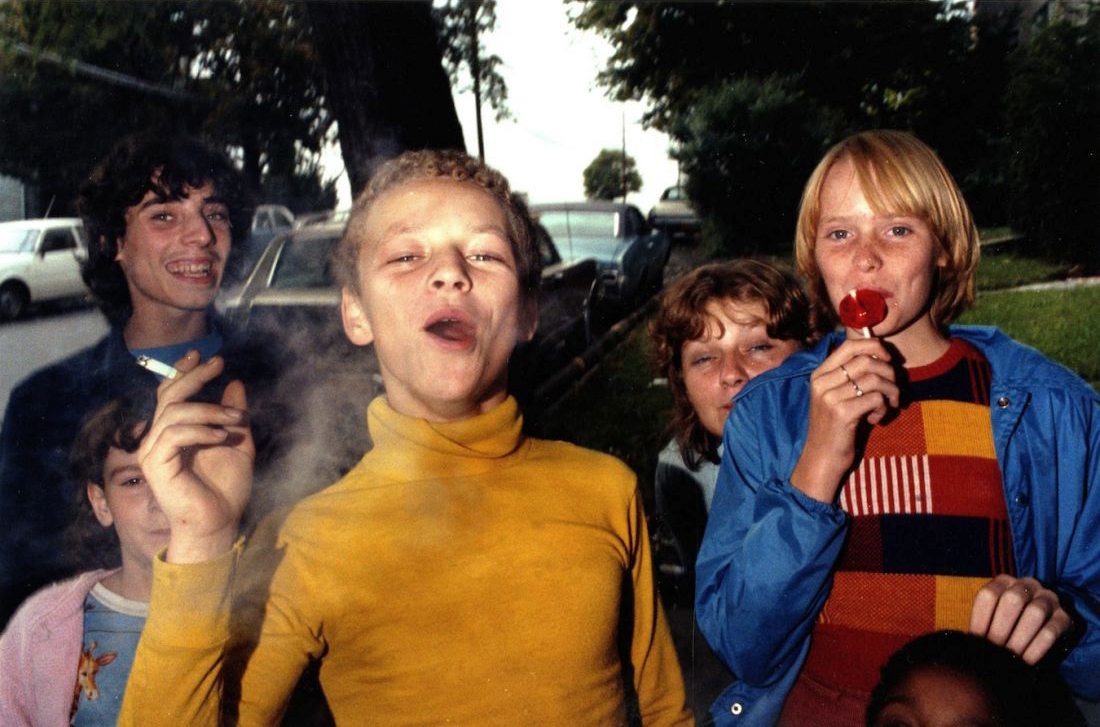


You must be logged in to post a comment.