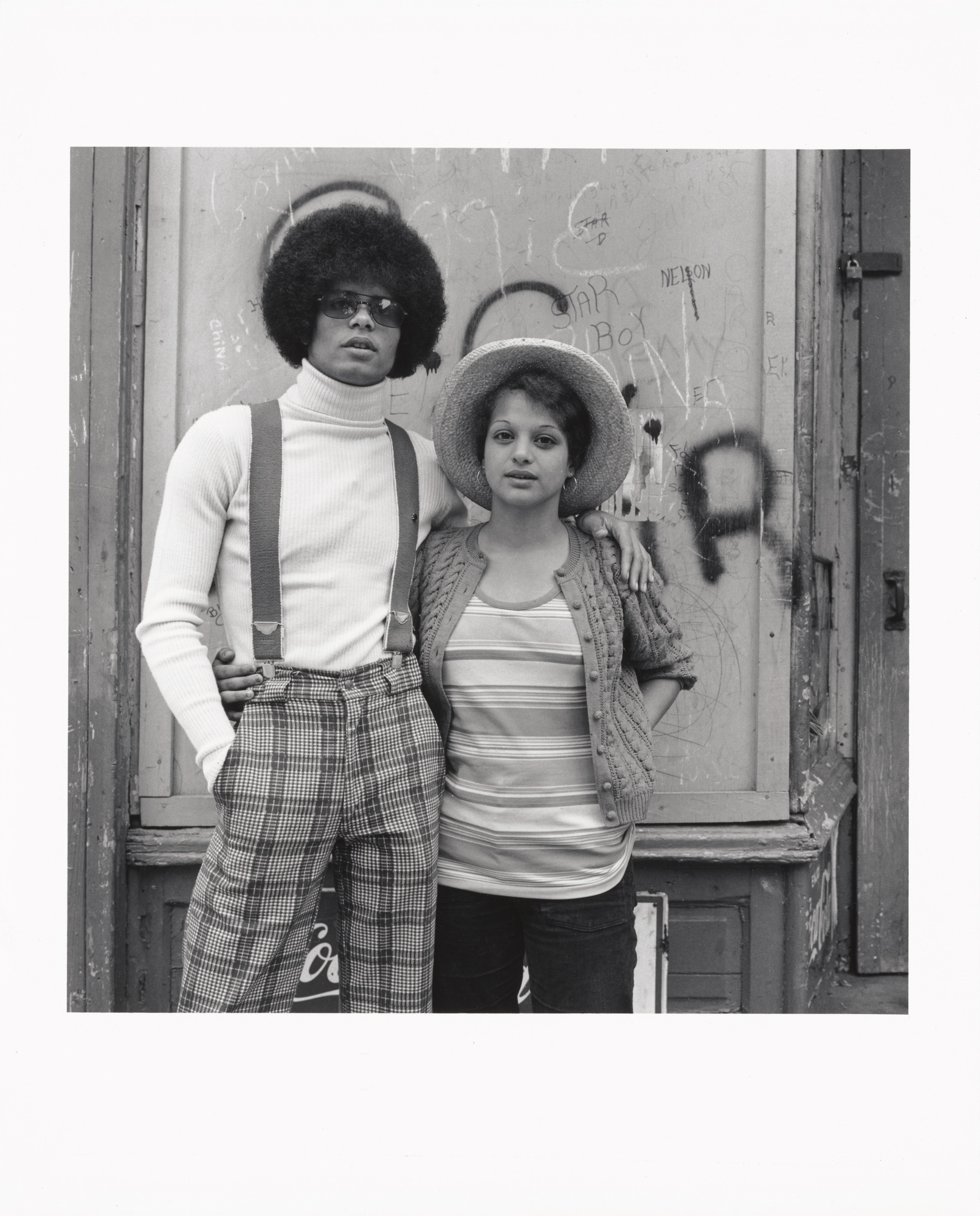
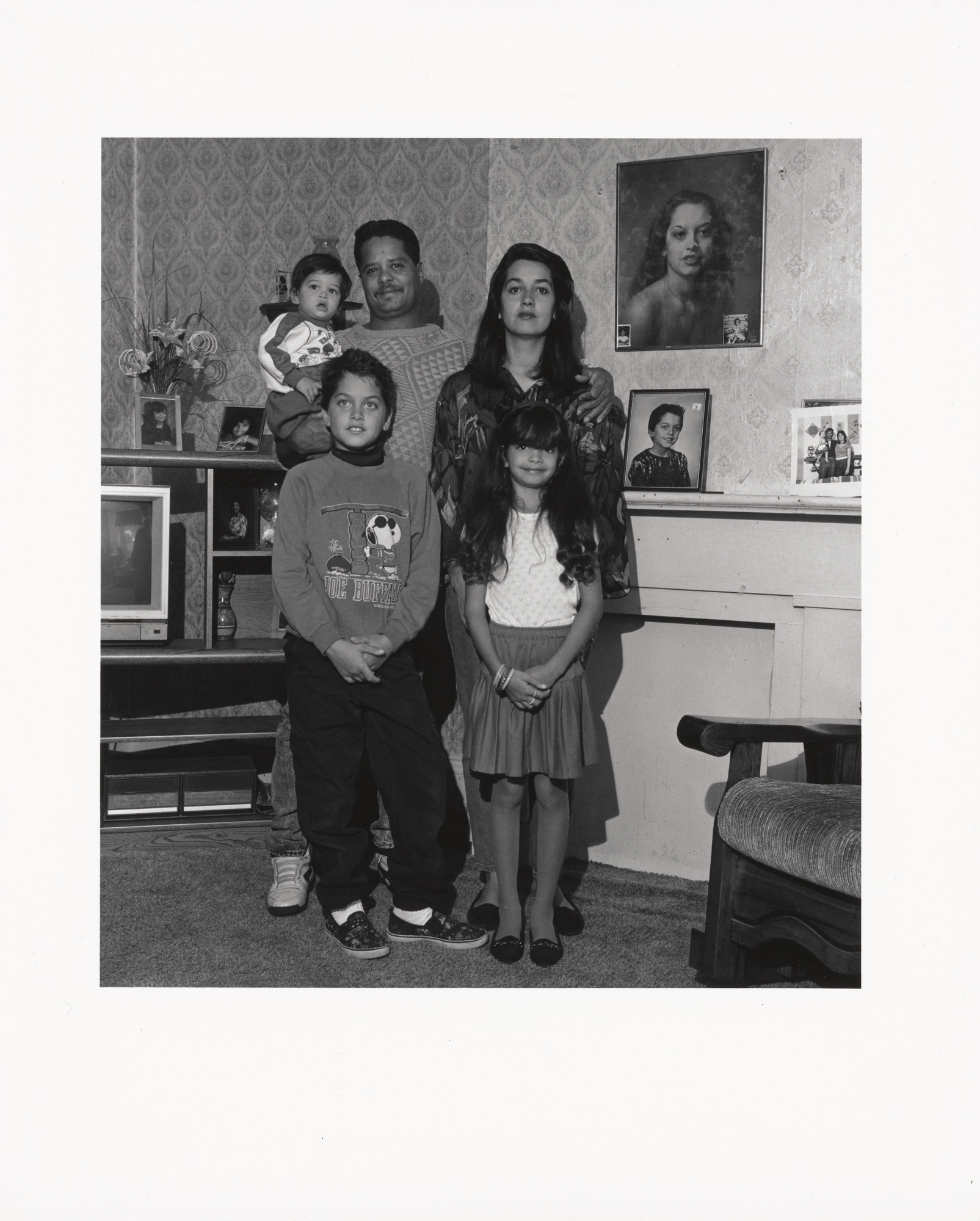
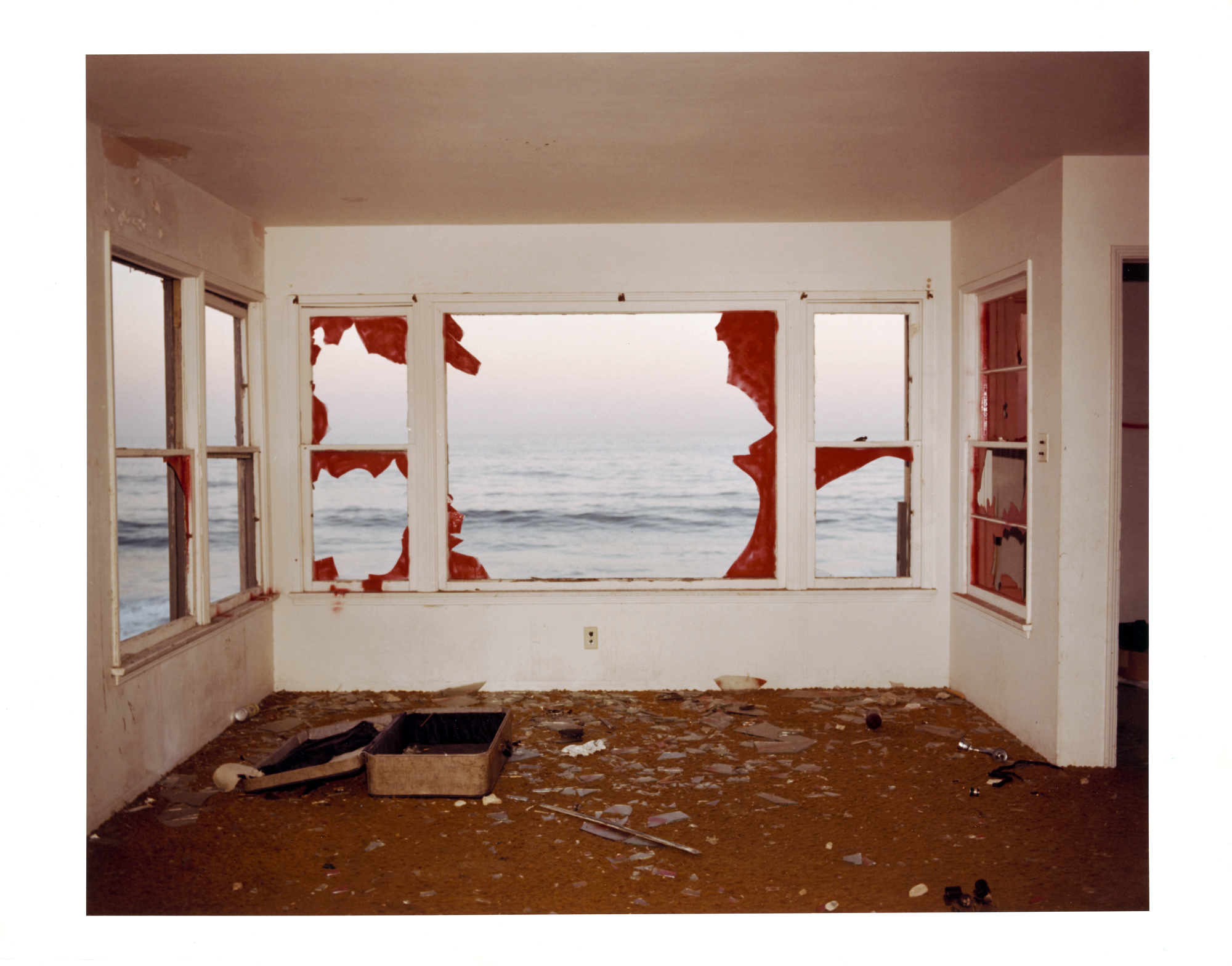
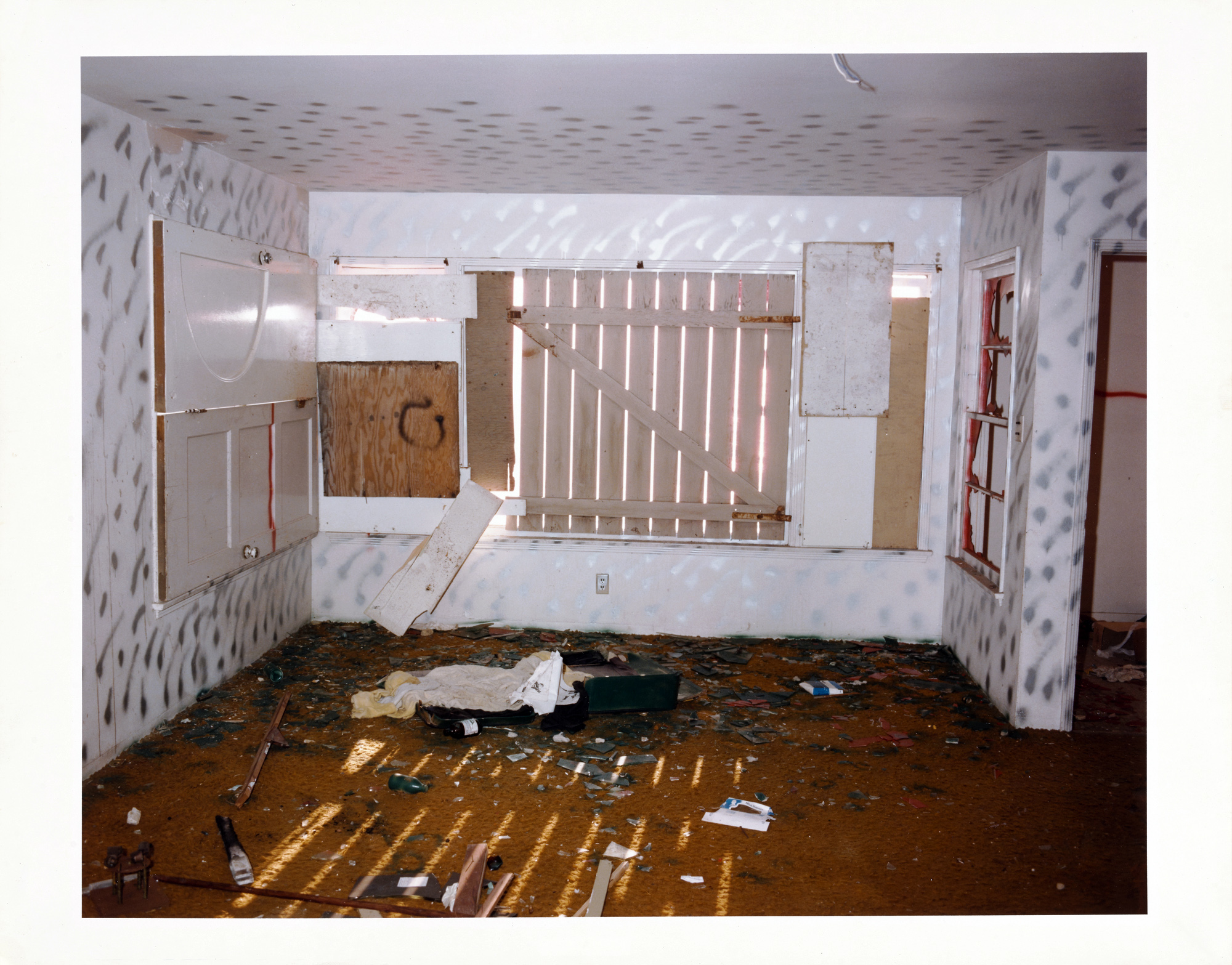
Exhibition: ‘Gordon Parks: The Flávio Story’ at the J. Paul Getty Museum, Getty Center, Los Angeles

Exhibition dates: 9th July – 10th November, 2019

Curators: Amanda Maddox, associate curator of photographs at the J. Paul Getty Museum and Paul Roth, director of the Ryerson Image Centre


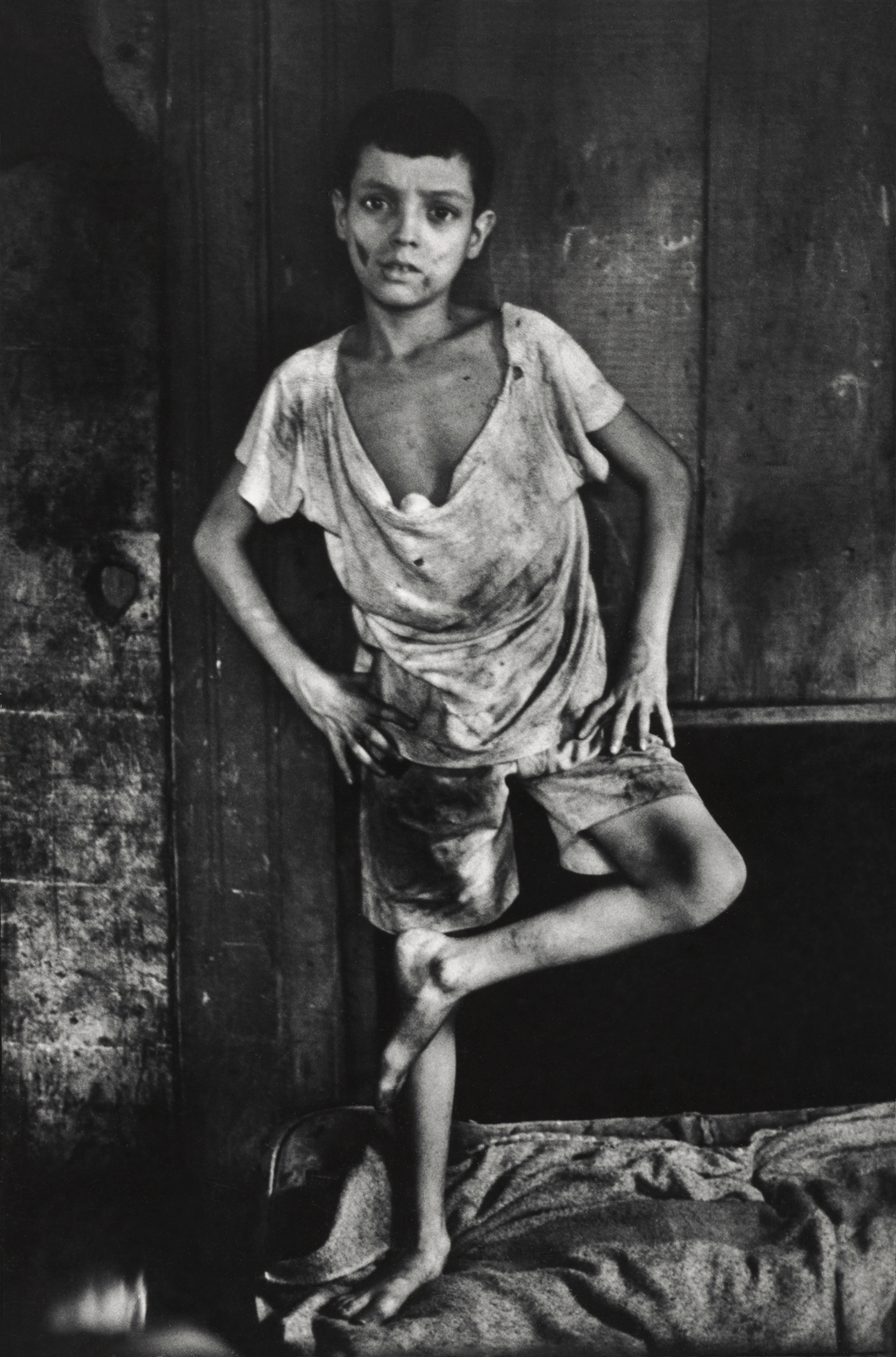
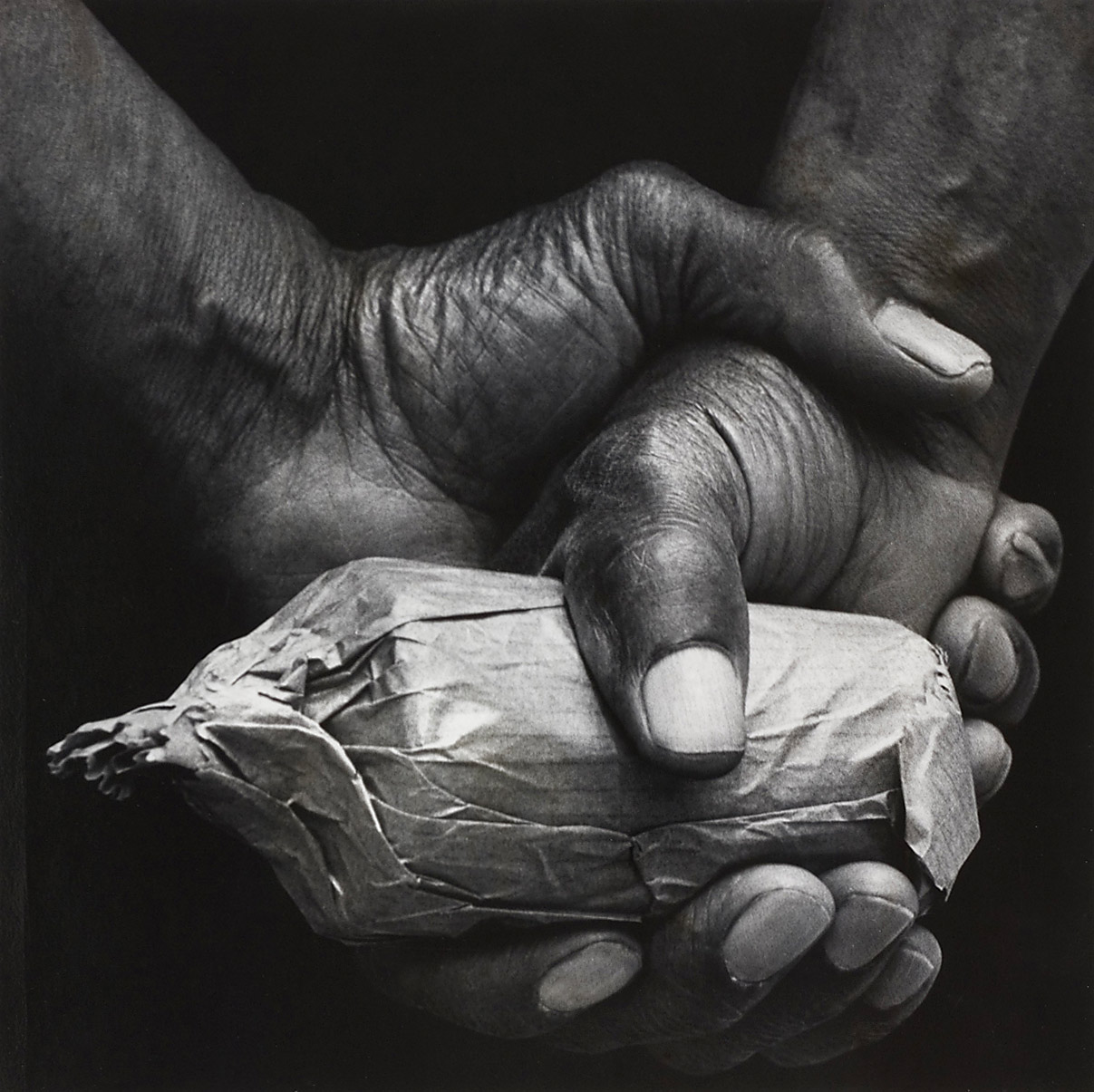
Gordon Parks (American, 1912-2006) 'Flavio' 1978


Gordon Parks (American, 1912-2006)
Flavio
1978
Paper Closed: 21.6 × 15.1cm (8 1/2 × 5 15/16 in.)
Collection of the Ryerson Image Centre
© The Gordon Parks Foundation


Playing God can be a tricky business


“Playing God can be a tricky business”

There are some heartbreaking images (in particular by French/Brazilian photographer Henri Ballot), but in Parks photographs we never seem to hear Flavio’s voice – just his representation through the image. Despite Parks coming from a similar background of poverty and disenfranchisement and wanting the best for the boy, one can only wonder about the psychological effects of showing him the promised land and then having it all taken away.

The only time we come close to hearing Flavio’s wishes and his voice is in a snippet: “In spite of his wish to remain in the United States, Flávio was sent back to Brazil in 1963. Now 70 years old, he has never returned to the United States.”

Dr Marcus Bunyan


Many thankx to the J. Paul Getty Museum for allowing me to publish the photographs in the posting. Please click on the photographs for a larger version of the image.


On assignment to document poverty in Brazil for Life magazine, American photographer Gordon Parks encountered one of the most important subjects of his career: Flávio da Silva. Parks featured the resourceful, ailing boy from an impoverished Rio favela (Portuguese for shantytown) and his family in the heart-rending 1961 photo essay “Freedom’s Fearful Foe.” It resulted in donations from Life readers but sparked controversy in Brazil. This exhibition explores the celebrated photo essay, tracing the extraordinary chain of events it triggered and Parks’ representation of Flávio over several decades.


Gordon Parks (American, 1912-2006) 'Untitled (Flávio da Silva), Rio de Janeiro, Brazil' 1961 from the exhibition Exhibition: 'Gordon Parks: The Flávio Story' at the J. Paul Getty Museum, Getty Center, Los Angeles, July - Nov, 2019


Gordon Parks (American, 1912-2006)
Untitled (Flávio da Silva), Rio de Janeiro, Brazil
1961
Gelatin silver print
Image (approx.): 35.6 × 27.9cm (14 × 11 in.)
The Gordon Parks Foundation
© The Gordon Parks Foundation


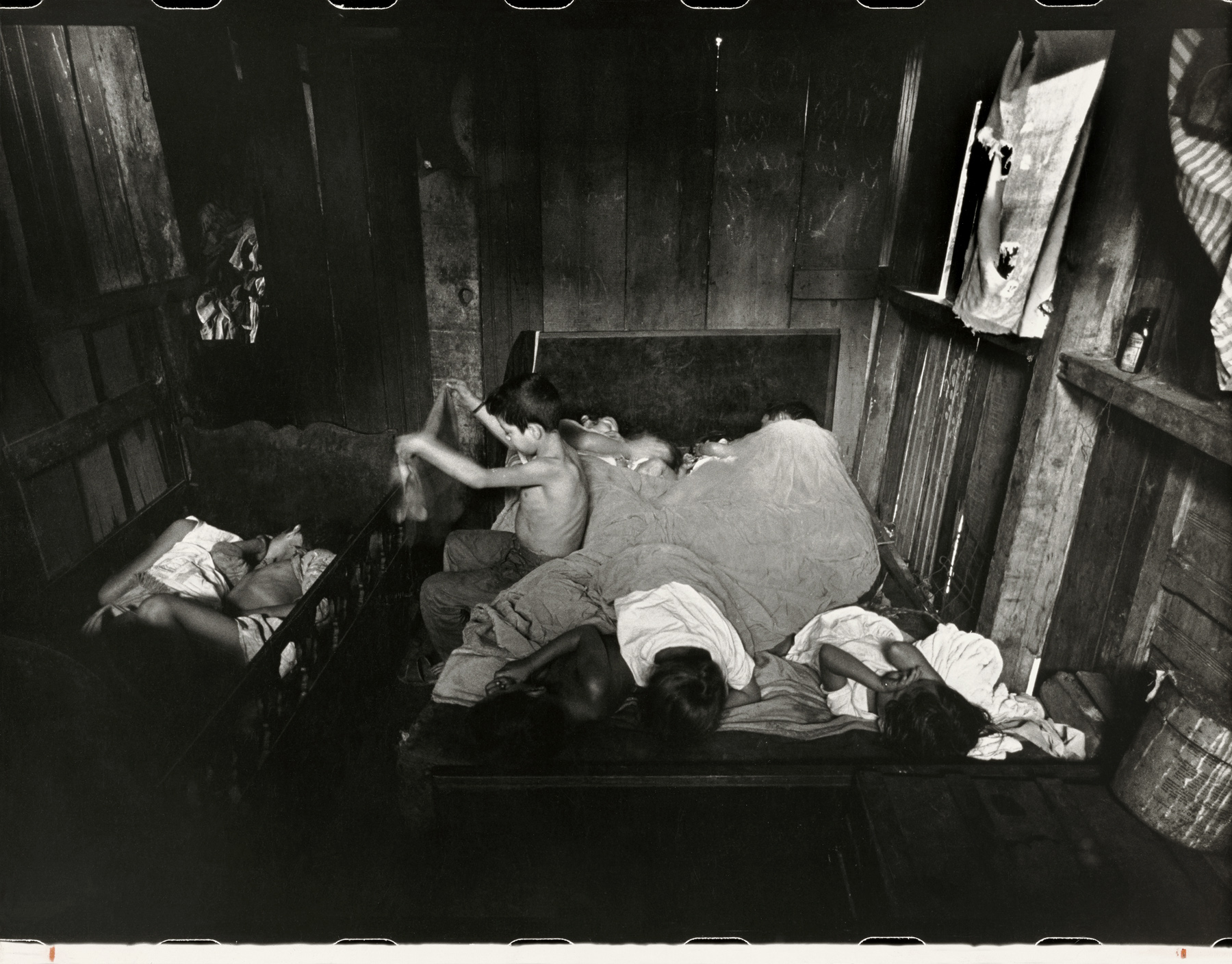
Gordon Parks (American, 1912-2006) 'Family's Day Begins, Rio de Janeiro, Brazil' Negative 1961, printed later from the exhibition Exhibition: 'Gordon Parks: The Flávio Story' at the J. Paul Getty Museum, Getty Center, Los Angeles, July - Nov, 2019


Gordon Parks (American, 1912-2006)
Family’s Day Begins, Rio de Janeiro, Brazil
Negative 1961, printed later
Gelatin silver print
Image: 27.3 × 35.6cm (10 3/4 × 14 in.)
The J. Paul Getty Museum, Los Angeles, Purchased with funds provided by the Photographs Council
© The Gordon Parks Foundation


Gordon Parks (American, 1912-2006) 'Untitled (The da Silva Children Climbing the Hillside), Rio de Janeiro, Brazil' 1961 from the exhibition Exhibition: 'Gordon Parks: The Flávio Story' at the J. Paul Getty Museum, Getty Center, Los Angeles, July - Nov, 2019


Gordon Parks (American, 1912-2006)
Untitled (The da Silva Children Climbing the Hillside), Rio de Janeiro, Brazil
1961
Gelatin silver print
Image: 33.7 × 23.2cm (13 1/4 × 9 1/8 in.)
The J. Paul Getty Museum, Los Angeles, Purchased in part with funds provided by the Photographs Council, Trish and Jan de Bont, Daniel Greenberg and Susan Steinhauser, Manfred Heiting, Lyle and Lisi Poncher, and Devon Susholtz and Stephen Purvis
© The Gordon Parks Foundation


Gordon Parks (American, 1912-2006) 'Mário da Silva, Crying after Being Bitten by Dog, Rio de Janeiro, Brazil' Negative 1961, printed later


Gordon Parks (American, 1912-2006)
Mário da Silva, Crying after Being Bitten by Dog, Rio de Janeiro, Brazil
Negative 1961, printed later
Gelatin silver print
Image: 20 × 13.3cm (7 7/8 × 5 1/4 in.)
The J. Paul Getty Museum, Los Angeles, Purchased with funds provided by the Photographs Council
© The Gordon Parks Foundation


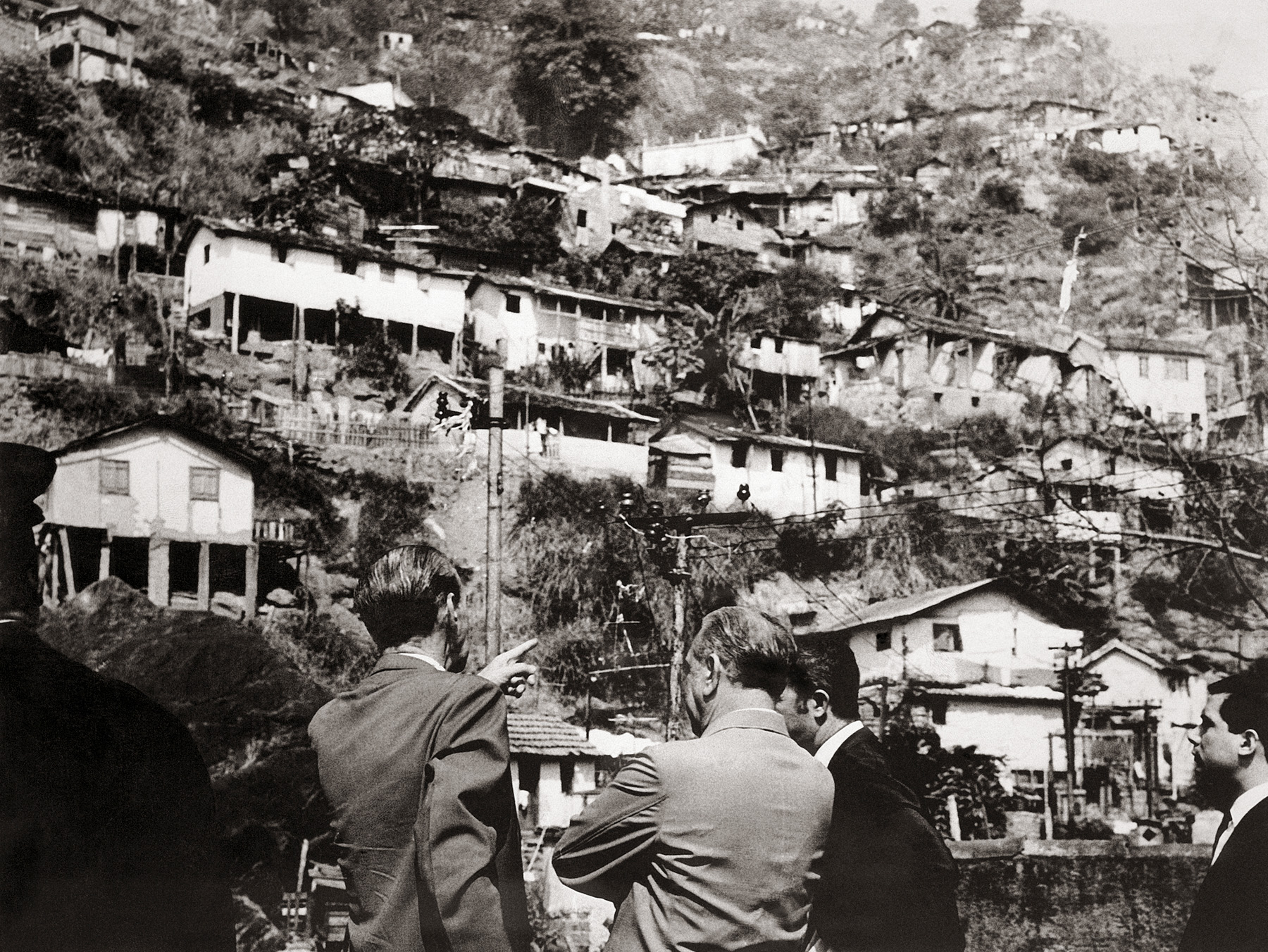
Gordon Parks (American, 1912-2006) 'Catacumba Favela, Rio de Janeiro, Brazil' Negative 1961, printed later


Gordon Parks (American, 1912-2006)
Catacumba Favela, Rio de Janeiro, Brazil
Negative 1961, printed later
Gelatin silver print
Image: 17.9 × 18.7cm (7 1/16 × 7 3/8 in.)
The J. Paul Getty Museum, Los Angeles, Purchased with funds provided by the Photographs Council
© The Gordon Parks Foundation


Gordon Parks (American, 1912-2006) 'Flávio da Silva, Rio de Janeiro, Brazil' 1961


Gordon Parks (American, 1912-2006)
Flávio da Silva, Rio de Janeiro, Brazil
1961
Gelatin silver print
Image: 33.7 × 22.2cm (13 1/4 × 8 3/4 in.)
The J. Paul Getty Museum, Los Angeles, Purchased with funds provided by the Photographs Council
© The Gordon Parks Foundation


Gordon Parks (American, 1912-2006) 'Isabel da Silva, Rio de Janeiro, Brazil' Negative 1961, printed later


Gordon Parks (American, 1912-2006)
Isabel da Silva, Rio de Janeiro, Brazil
Negative 1961, printed later
Gelatin silver print
Image: 32.7 × 22.2cm (12 7/8 × 8 3/4 in.)
The J. Paul Getty Museum, Los Angeles, Purchased with funds provided by the Photographs Council
© The Gordon Parks Foundation


Gordon Parks (American, 1912-2006) 'Abia and Isabel da Silva, Rio de Janeiro, Brazil' Negative 1961, printed later


Gordon Parks (American, 1912-2006)
Abia and Isabel da Silva, Rio de Janeiro, Brazil
Negative 1961, printed later
Gelatin silver print
Image: 23 × 29.9cm (9 1/16 × 11 3/4 in.)
The J. Paul Getty Museum, Los Angeles, Purchased with funds provided by the Photographs Council
© The Gordon Parks Foundation


Gordon Parks (American, 1912-2006) 'Untitled (Nair da Silva, Holding Zacarias), Rio de Janeiro, Brazil' Negative 1961, printed later


Gordon Parks (American, 1912-2006)
Untitled (Nair da Silva, Holding Zacarias), Rio de Janeiro, Brazil
Negative 1961, printed later
Gelatin silver print
Image: 30.5 × 22.9cm (12 × 9 in.)
The J. Paul Getty Museum, Los Angeles, Purchased with funds provided by the Photographs Council
© The Gordon Parks Foundation


Paulo Muniz (Brazilian, 1918-1994) 'Untitled (Gordon Parks and Flávio da Silva at Airport, Soon to Fly to United States), Rio de Janeiro, Brazil' Negative July 5, 1961, printed later


Paulo Muniz (Brazilian, 1918-1994)
Untitled (Gordon Parks and Flávio da Silva at Airport, Soon to Fly to United States), Rio de Janeiro, Brazil
Negative July 5, 1961, printed later
Gelatin silver print
Framed: 72.9 × 57.6cm (28 11/16 × 22 11/16 in.)
The Gordon Parks Foundation Courtesy of the artist’s estate/IMS


Unknown maker. 'Untitled (Four Officials Inspect Catacumba Favela)' August 7, 1967


Unknown maker
Untitled (Four Officials Inspect Catacumba Favela)
August 7, 1967
Gelatin silver print
Image: 18.1 × 24cm (7 1/8 × 9 7/16 in.)
Diários Associados Collection-Rio de Janiero/Instituto Moreira Salles


Unknown maker. 'Untitled (Removal of Residents' Possessions, Catacumba Hill, Avenida Epitácio Pessoa)' October 15, 1970


Unknown maker
Untitled (Removal of Residents’ Possessions, Catacumba Hill, Avenida Epitácio Pessoa)
October 15, 1970
Gelatin silver print
Image: 24.1 × 18cm (9 1/2 × 7 1/16 in.)
Diários Associados Collection-Rio de Janiero/Instituto Moreira Salles


José Gonçalves (American, b. 1927) 'Flávio Catches His First Fish, Denver, Colorado' Negative about 1962, print about 1977


José Gonçalves (American, b. 1927)
Flávio Catches His First Fish, Denver, Colorado
Negative about 1962, print about 1977
Gelatin silver print
Sheet: 25.4 × 20.3cm (10 × 8 in.)
The Gordon Parks Foundation
© José Gonçalves


José Gonçalves (American, b. 1927) 'Untitled (Snapshot of Flávio da Silva and the Gonçalves Family)' Negative 1961-63; printed 1976


José Gonçalves (American, b. 1927)
Untitled (Snapshot of Flávio da Silva and the Gonçalves Family)
Negative 1961-1963; printed 1976
Chromogenic print
Sheet: 12.7 × 8.9cm (5 × 3 1/2 in.)
The Gordon Parks Foundation
© José Gonçalves


José Gonçalves (American, b. 1927) 'Untitled (Snapshot of Flávio da Silva and the Gonçalves Family)' Negative 1961-63; printed 1976


José Gonçalves (American, b. 1927)
Untitled (Snapshot of Flávio da Silva and the Gonçalves Family)
Negative 1961-1963; printed 1976
Chromogenic print
Sheet: 8.9 × 12.4cm (3 1/2 × 4 7/8 in.)
The Gordon Parks Foundation
© José Gonçalves


José Gonçalves (American, b. 1927) 'Flávio Waves Goodbye to the Gonçalves Family from the Train That Will Take Him to New York, Denver, Colorado' Negative July 27, 1963, print about 1977


José Gonçalves (American, b. 1927)
Flávio Waves Goodbye to the Gonçalves Family from the Train That Will Take Him to New York, Denver, Colorado
Negative July 27, 1963, print about 1977
Gelatin silver print
Sheet: 20.3 × 25.4cm (8 × 10 in.)
The Gordon Parks Foundation
© José Gonçalves


The J. Paul Getty Museum announced today an exhibition of photographs by celebrated artist Gordon Parks (American, 1912-2006). On view July 9-November 10, 2019 at the J. Paul Getty Museum, Getty Center, Gordon Parks: The Flávio Story explores one of the most important photo essays Parks produced for Life magazine and traces how its publication prompted an extraordinary sequence of events over several decades. The exhibition is co-organised by the Getty and the Ryerson Image Centre in Toronto, Canada in partnership with Instituto Moreira Salles, Brazil, and The Gordon Parks Foundation, New York.

“Gordon Parks’ photographs chronicling social justice, civil rights, and the African-American experience in the United States are both a vital historical document and a compelling body of artistic work,” says Timothy Potts, director of the J. Paul Getty Museum. “And, of all his varied projects, Parks considered the photographs of Flávio among his most important achievements. The great impact that it had, and still has today, can only be appreciated by presenting these photographs in their full socio-political context, which is what this exhibition does for the first time.”

An accomplished filmmaker, composer, writer and poet, Parks is best remembered for his prolific career as a photographer. He became the first African-American photographer on staff at Life magazine, where he covered subjects ranging from fashion to social injustice. In 1961 the magazine sent him to Brazil with a specific assignment: to document poverty in Rio de Janeiro for a special series on Latin America. Told to photograph the hardworking father of a large, impoverished household, Parks all but disregarded these instructions and turned his attention instead to one resident in particular – an industrious, severely asthmatic twelve-year-old boy named Flávio da Silva who lived in Catacumba, one of Rio’s working class neighbourhoods known as favelas.

Over the course of several weeks Parks photographed Flávio as he performed household chores and entertained his seven brothers and sisters – daily activities that were often interrupted by debilitating asthma attacks. Having himself grown up in abject poverty in Kansas, Parks felt deep sympathy for his subject and forged an emotional bond with him. Ultimately Parks advocated for a comprehensive photo essay dedicated to Flávio’s story in the pages of Life; editors responded by publishing a twelve-page piece, titled “Freedom’s Fearful Foe: Poverty,” in June 1961. The exhibition will include images from this spread, as well as outtakes from the assignment.

Within days of its publication in the magazine, Flávio’s story emerged as a blockbuster. Moved by Parks’ heartbreaking coverage, Life‘s readers wrote thousands of letters and spontaneously donated money to support the da Silva family and the revitalisation of the favela. Upon seeing the images, the president of the Children’s Asthma Research Institute and Hospital (CARIH) in Denver, Colorado offered to treat Flávio as a patient, free of charge. In July 1961, Life sent Parks back to Rio as part of the magazine’s follow-up efforts. After helping to move the da Silva family from Catacumba, Parks accompanied Flávio from Rio to the United States. For the next two years Flávio lived and received treatment at CARIH but spent most weekends with a Portugeuse-speaking host family who introduced him to various aspects of American culture.

Anticipating a compelling story about Flávio’s medical progress and experience in the U.S., Life assigned a local photographer, Hikaru “Carl” Iwasaki, to document the boy’s arrival in Denver, admission to the hospital, and acclimation at school. A selection of these images will be on view in the exhibition, including some that Life never published, alongside snapshots made by Flávio’s host father in Denver, José Gonçalves. In spite of his wish to remain in the United States, Flávio was sent back to Brazil in 1963. Now 70 years old, he has never returned to the United States.

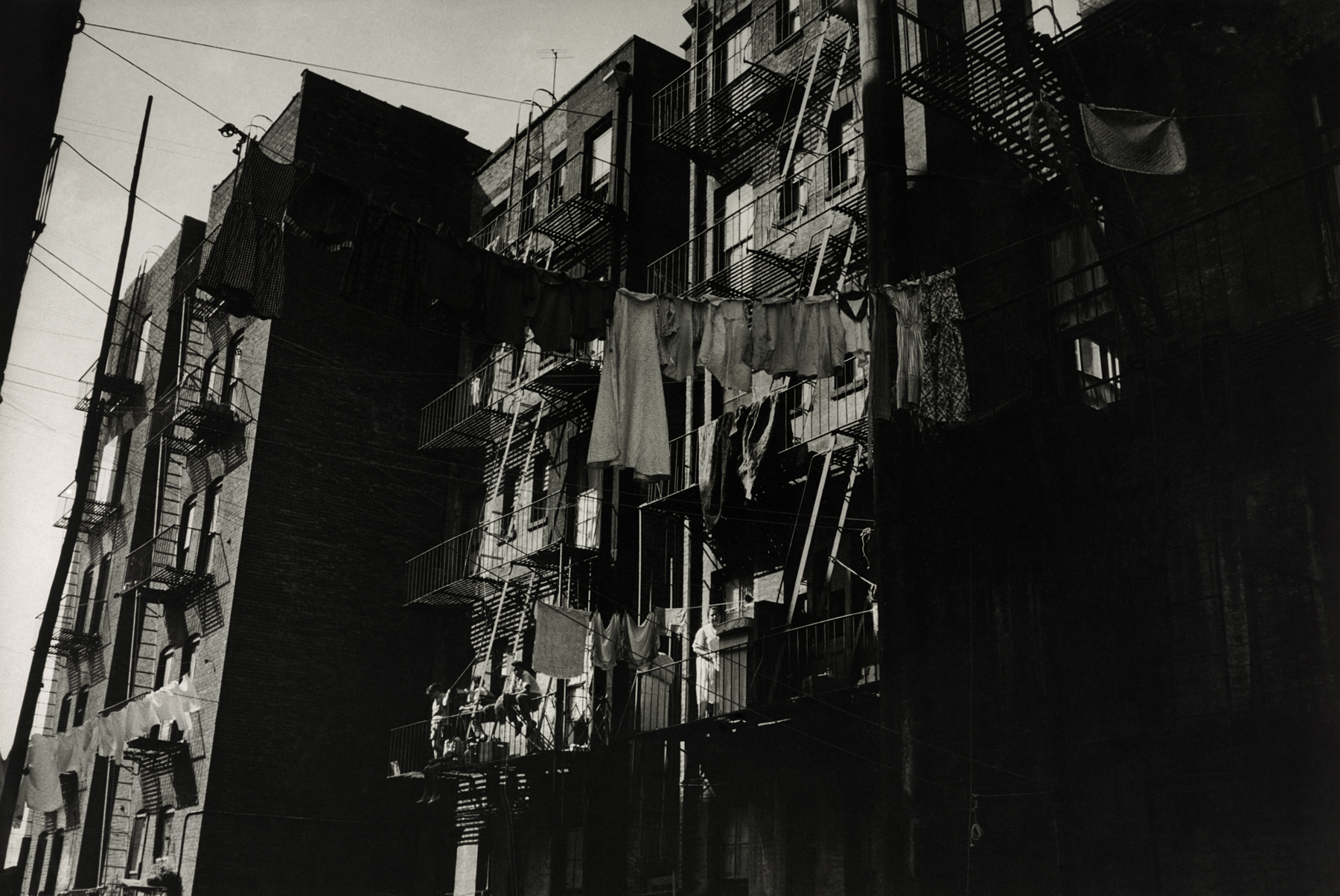
When published in 1961, “Freedom’s Fearful Foe: Poverty” was also met with criticism, particularly within the Brazilian press. Outraged and determined to retaliate against Life‘s negative portrayal of the Catacumba favela and its residents, the Brazilian magazine O Cruzeiro sent staff photographer Henri Ballot to report on poverty in New York, where Life was headquartered. While exploring the Lower East Side in Manhattan, Ballot documented an immigrant family from Puerto Rico – Felix and Esther Gonzalez and their children – who lived in a derelict one-bedroom apartment. Arguing that poverty was equally endemic in the United States, O Cruzeiro published Ballot’s photographs in October 1961 in the photo essay “Nôvo recorde americano: Miséria” (New American Record: Misery). Photographs from this story, as well as from an investigative exposé on Parks’ reportage also published in O Cruzeiro in 1961, will be on view in the exhibition.

Over the years Parks periodically returned to Flávio as a subject. In 1976 he published Flávio, which recounted and updated the story through words and pictures. In the book’s introduction, Parks provided insight into his own conflicted engagement with certain photographic assignments that focused on people like the da Silva family, acknowledging that he “was perhaps playing God” by digging “deeper and deeper into the privacy of these lives, hoping … to reshape their destinies into something much better.” Following this admission, Parks returned to Brazil only once in the 1990s; it marked the last time Parks and Flávio saw each other prior to Parks’ death in 2006.

“Parks regarded poverty as ‘the most savage of all human afflictions,’ in no small part because he was born into destitution,” says Amanda Maddox, co-curator of the exhibition and an associate curator at the Getty Museum. “As a photographer he consciously wielded his camera as a weapon – his chosen term – in an attempt to combat economic and racial inequality. Viewed in this context, his documentation of Flávio da Silva – for Life and beyond – reveals the complexity of his empathetic approach and the inherent difficulties of representing someone else’s personal story – a story that resonated with many people over many years – in any form.”

In addition to more than 100 photographs, the exhibition will also include original issues of Life that featured Flávio’s story, previously unseen ephemera related to Flávio’s time in Denver, and private memos, correspondence, and records held by Life and Parks.

Gordon Parks: The Flávio Story is on view July 9-November 10, 2019 at the J. Paul Getty Museum, Getty Center. The exhibition is co-curated by Amanda Maddox, associate curator of photographs at the J. Paul Getty Museum, and Paul Roth, director of the Ryerson Image Centre. An accompanying book is available, published by Steidl Verlag, with essays by Maddox and Roth, as well as Sergio Burgi, curator at Instituto Moreira Salles; Beatriz Jaguaribe, professor of comparative communications, School of Communications, Universidade Federal do Rio de Janeiro; and Maria Alice Rezende de Carvalho, professor of sociology, Catholic University of Rio de Janeiro.

Press release from the J. Paul Getty Museum Cited 27/10/2019


Henri Ballot (French / Brazilian, 1921-1997) 'Ely-Samuel Gonzalez on His Bed, Manhattan, New York' 1961


Henri Ballot (French / Brazilian, 1921-1997)
Ely-Samuel Gonzalez on His Bed, Manhattan, New York
1961
Gelatin silver print
Image: 23.5 × 15.8cm (9 1/4 × 6 1/4 in.)
Henri Ballot/Instituto Moreira Salles Collection


Henri Ballot (French/Brazilian, 1921-1997) 'Apartment Building Where the Gonzalez Family lives, Manhattan, New York' 1961


Henri Ballot (French/Brazilian, 1921-1997)
Apartment Building Where the Gonzalez Family lives, Manhattan, New York
1961
Gelatin silver print
Image: 16 × 23.9cm (6 5/16 × 9 7/16 in.)
Henri Ballot/Instituto Moreira Salles Collection


Henri Ballot (French/Brazilian, 1921-1997) 'Child Playing Surrounded by Trash, Manhattan, New York' 1961


Henri Ballot (French/Brazilian, 1921-1997)
Child Playing Surrounded by Trash, Manhattan, New York
1961
Gelatin silver print
Image: 16 × 24cm (6 5/16 × 9 7/16 in.)
Henri Ballot/Instituto Moreira Salles Collection


Henri Ballot (French/Brazilian, 1921-1997) 'Bedroom in the Gonzalez Family Apartment, Manhattan, New York' 1961


Henri Ballot (French/Brazilian, 1921-1997)
Bedroom in the Gonzalez Family Apartment, Manhattan, New York
1961
Gelatin silver print
Image: 18.3 × 24cm (7 3/16 × 9 7/16 in.)
Henri Ballot/Instituto Moreira Salles Collection


Henri Ballot (French/Brazilian, 1921-1997) 'Child Crying at the Window, Manhattan, New York' 1961


Henri Ballot (French/Brazilian, 1921-1997)
Child Crying at the Window, Manhattan, New York
1961
Gelatin silver print
Image: 24.2 × 18cm (9 1/2 × 7 1/16 in.)
Henri Ballot/Instituto Moreira Salles Collection


Henri Ballot (French/Brazilian, 1921-1997) 'Photographer Henri Ballot with Ely-Samuel (on the Left) and His Brothers, Manhattan, New York' 1961


Henri Ballot (French/Brazilian, 1921-1997)
Photographer Henri Ballot with Ely-Samuel (on the Left) and His Brothers, Manhattan, New York
1961
Gelatin silver print
Image: 17.8 × 24.4cm (7 × 9 5/8 in.)
Henri Ballot/Instituto Moreira Salles Collection


Henri Ballot (French/Brazilian, 1921-1997) 'Maria Penha da Silva, Flávio's Grandmother, and Her Other Grandchildren, Reading 'Life', Guadalupe, Rio de Janeiro, Brazil' 1961


Henri Ballot (French/Brazilian, 1921-1997)
Maria Penha da Silva, Flávio’s Grandmother, and Her Other Grandchildren, Reading ‘Life’, Guadalupe, Rio de Janeiro, Brazil
1961
Gelatin silver print
Image: 16 × 24cm (6 5/16 × 9 7/16 in.)
Henri Ballot/Instituto Moreira Salles Collection


Henri Ballot (French/Brazilian, 1921-1997) 'Aracy, a Neighbour of the da Silva Family, Pointing out Where the Photographs for Gordon Parks's Reportage Were Taken in the da Silvas' Former Home, Catacumba Hill, Rio de Janeiro, Brazil' 1961


Henri Ballot (French/Brazilian, 1921-1997)
Aracy, a Neighbour of the da Silva Family, Pointing out Where the Photographs for Gordon Parks’s Reportage Were Taken in the da Silvas’ Former Home, Catacumba Hill, Rio de Janeiro, Brazil
1961
Gelatin silver print
Image: 23.8 × 15.9cm (9 3/8 × 6 1/4 in.)
Henri Ballot/Instituto Moreira Salles Collection


Gordon Parks (American, 1912-2006) 'Untitled (The da Silva Family), Rio de Janeiro, Brazil' Negative 1976, printed later


Gordon Parks (American, 1912-2006)
Untitled (The da Silva Family), Rio de Janeiro, Brazil
Negative 1976, printed later
Gelatin silver print
Image: 22.9 × 34cm (9 × 13 3/8 in.)
The J. Paul Getty Museum, Los Angeles, Purchased with funds provided by the Photographs Council
© The Gordon Parks Foundation


Gordon Parks (American, 1912-2006) 'Untitled (Flávio da Silva), Rio de Janeiro, Brazil' Negative 1976, printed later


Gordon Parks (American, 1912-2006)
Untitled (Flávio da Silva), Rio de Janeiro, Brazil
Negative 1976, printed later
Gelatin silver print
Image: 34.3 × 23.5cm (13 1/2 × 9 1/4 in.)
The J. Paul Getty Museum, Los Angeles, Purchased with funds provided by the Photographs Council
© The Gordon Parks Foundation


Gordon Parks (American, 1912-2006) 'Untitled (Flávio da Silva), Rio de Janeiro, Brazil' 1976


Gordon Parks (American, 1912-2006)
Untitled (Flávio da Silva), Rio de Janeiro, Brazil
1976
Gelatin silver print
Sheet: 35.6 × 27.9cm (14 × 11 in.)
The Gordon Parks Foundation
© The Gordon Parks Foundation


Gordon Parks (American, 1912-2006) 'Flávio da Silva Looking at Gordon Parks's Book 'Moments Without Proper Names', Rio de Janeiro, Brazil' 1976


Gordon Parks (American, 1912-2006)
Flávio da Silva Looking at Gordon Parks’s Book ‘Moments Without Proper Names’, Rio de Janeiro, Brazil
1976
Gelatin silver print
Sheet: 35.6 × 27.9cm (14 × 11 in.)
The Gordon Parks Foundation
© The Gordon Parks Foundation


Gordon Parks (American, 1912-2006) 'Untitled (Flávio and Cleuza da Silva), Rio de Janeiro, Brazil' 1976


Gordon Parks (American, 1912-2006)
Untitled (Flávio and Cleuza da Silva), Rio de Janeiro, Brazil
1976
Gelatin silver print
Sheet: 35.6 × 27.9cm (14 × 11 in.)
The Gordon Parks Foundation
© The Gordon Parks Foundation


Gordon Parks (American, 1912-2006) 'Untitled (Flávio da Silva), Rio de Janeiro, Brazil' 1999


Gordon Parks (American, 1912-2006)
Untitled (Flávio da Silva), Rio de Janeiro, Brazil
1999
Gelatin silver print
Image: 20.3 × 25.4cm (8 × 10 in.)
The Gordon Parks Foundation
© The Gordon Parks Foundation


Gordon Parks (American, 1912-2006) 'Untitled (Flávio da Silva), Rio de Janeiro, Brazil' 1999


Gordon Parks (American, 1912-2006)
Untitled (Flávio da Silva), Rio de Janeiro, Brazil
1999
Gelatin silver print
Sheet: 25.4 × 20.3cm (10 × 8 in.)
The Gordon Parks Foundation
© The Gordon Parks Foundation


The J. Paul Getty Museum
1200 Getty Center Drive
Los Angeles, California 90049

Opening hours:
Tuesday – Friday, Sunday 10am – 5.30pm
Saturday 10am – 8pm
Monday Closed

The J. Paul Getty Museum website

LIKE ART BLACK ON FACEBOOK

Back to top

Exhibition: ‘Once. Again. Photographs in Series’ at the J. Paul Getty Museum, Getty Center, Los Angeles

Exhibition dates: 9th July – 10th November, 2019

Curator: Mazie Harris


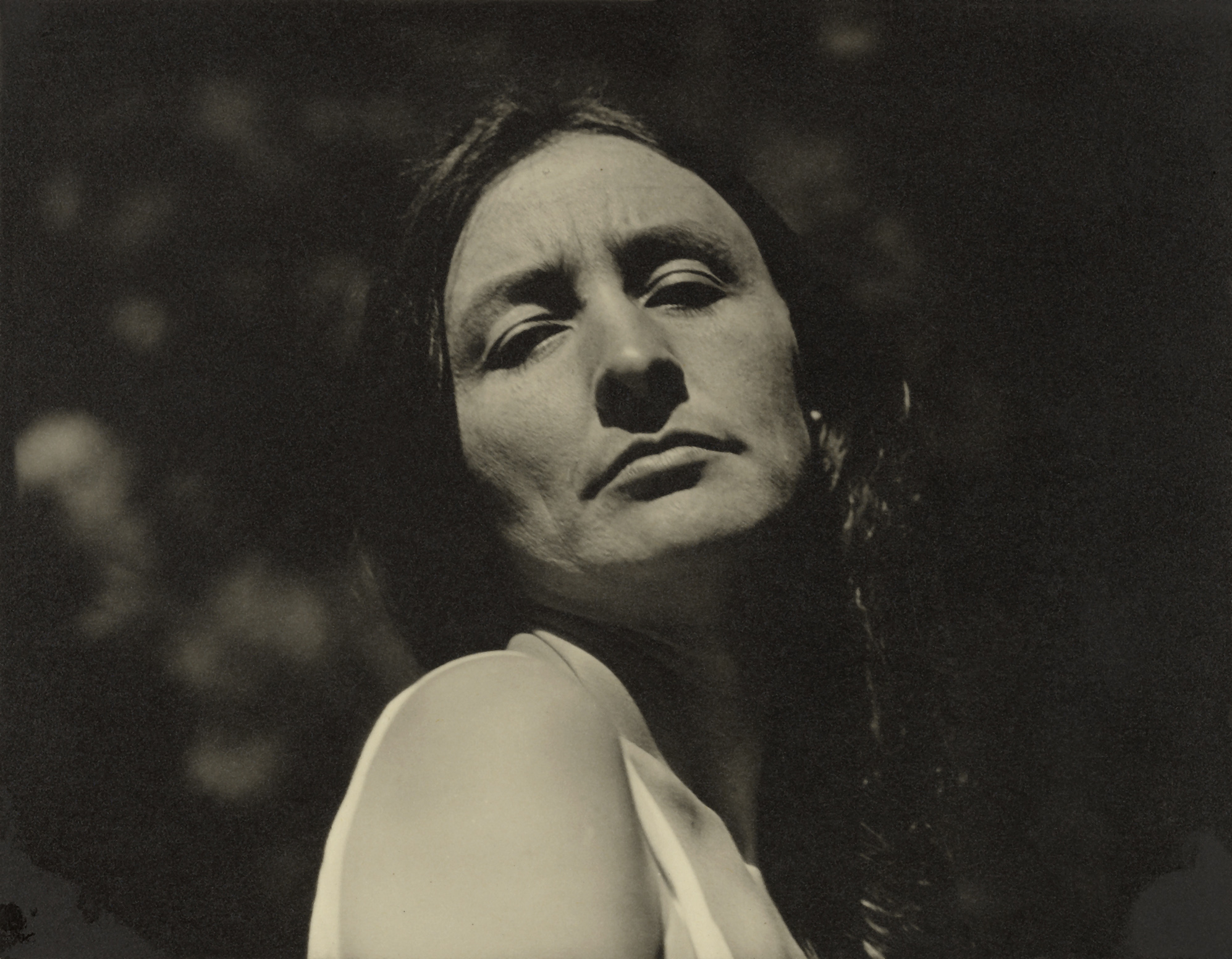
Alfred Stieglitz (American, 1864-1946) 'Georgia O'Keeffe: A Portrait' 1918 from the exhibition 'Once. Again. Photographs in Series' at the J. Paul Getty Museum, Getty Center, Los Angeles, July - Nov, 2019


Alfred Stieglitz (American, 1864-1946)
Georgia O’Keeffe: A Portrait
1918
Gelatin silver print
Image: 11.4 × 8.6cm (4 1/2 × 3 3/8 in.)
The J. Paul Getty Museum, Los Angeles


Some fabulous photographs in series in this posting, which document transformations in landscapes or intimate portraits of people at different times in their lives… and some challenging ones as well. My favourite photographs in series are not represented: Duane Michals narrative fairytales; Cindy Sherman’s Untitled Film Stills; and Nicholas Nixon’s The Brown Sisters.

Dr Marcus Bunyan


Many thanks to the J. Paul Getty Museum for allowing me to publish the photographs in the posting. Please click on the photographs for a larger version of the image.


Photographers often record change through images in series, registering transformations in the world around them. Artists featured in the exhibition photographed faces and places over minutes, months, or years. Historical and contemporary photographs prompt reflection on the ways the passage of time impacts how we see people and spaces.


Alfred Stieglitz (American, 1864-1946) 'Georgia O'Keeffe: A Portrait' 1923


Alfred Stieglitz (American, 1864-1946)
Georgia O’Keeffe: A Portrait
1923
Gelatin silver print
Image: 8.9 × 11.7cm (3 1/2 × 4 5/8 in.)
The J. Paul Getty Museum, Los Angeles


Alfred Stieglitz (American, 1864-1946) 'Georgia O'Keeffe: A Portrait' 1933


Alfred Stieglitz (American, 1864-1946)
Georgia O’Keeffe: A Portrait
1933
Gelatin silver print
Image: 8.9 × 11.4cm (3 1/2 × 4 1/2 in.)
The J. Paul Getty Museum, Los Angeles


Artists have long used cameras to record change, documenting transformations in landscapes or intimate portraits of people at different times in their lives. Once. Again. Photographs in Series, on view July 9 – November 10, 2019 at the J. Paul Getty Museum, Getty Center, features historical and contemporary artists who have revisited people and places to make extended photographic series, prompting reflection on the impact of the passage of time – on photographers as well as their subjects.

The exhibition, drawn primarily from the collection of the Getty Museum, takes its cue from artist Gordon Parks’ trips to Brazil over several decades to document the life of Flávio da Silva. Parks’ photographs are on view in Gordon Parks: The Flávio Story, installed in the adjacent galleries of the Center for Photographs.

Photographing friends and family is a familiar pastime for many, and the exhibition includes the work of several artists who made masterful portraits of loved ones over the course of many years. Alfred Stieglitz photographed artist Georgia O’Keeffe frequently during their tumultuous 30 year relationship, and the photographs on view expose shifts in their rapport as well as changes in Stieglitz’s photographic style over time. Series by Harry Callahan of his wife Eleanor, Paul Strand of his wife, artist Rebecca Salsbury, and Julia Margaret Cameron of her niece Julia Jackson similarly offer fascinating reflections on the changes in relationships over time.

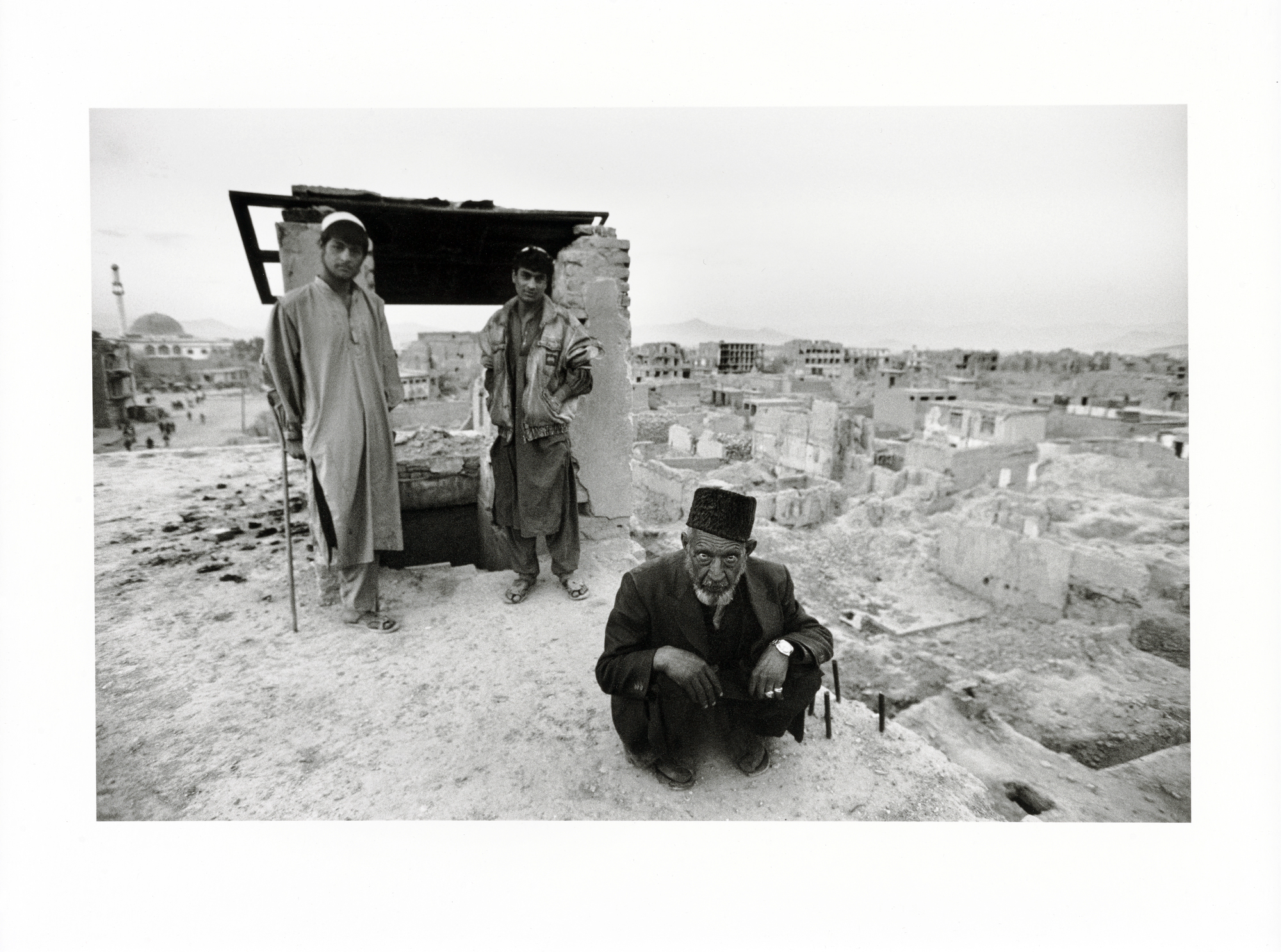
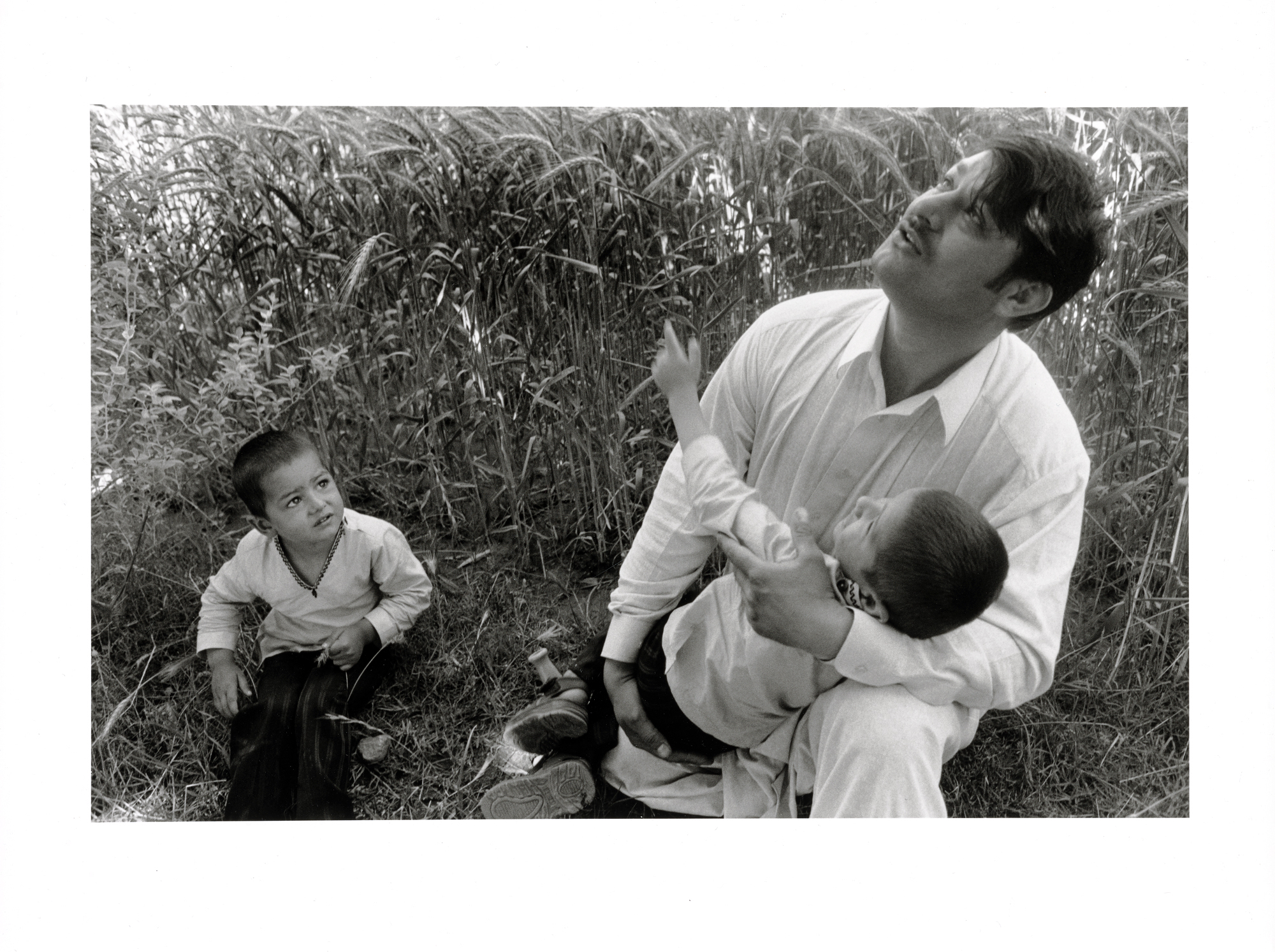
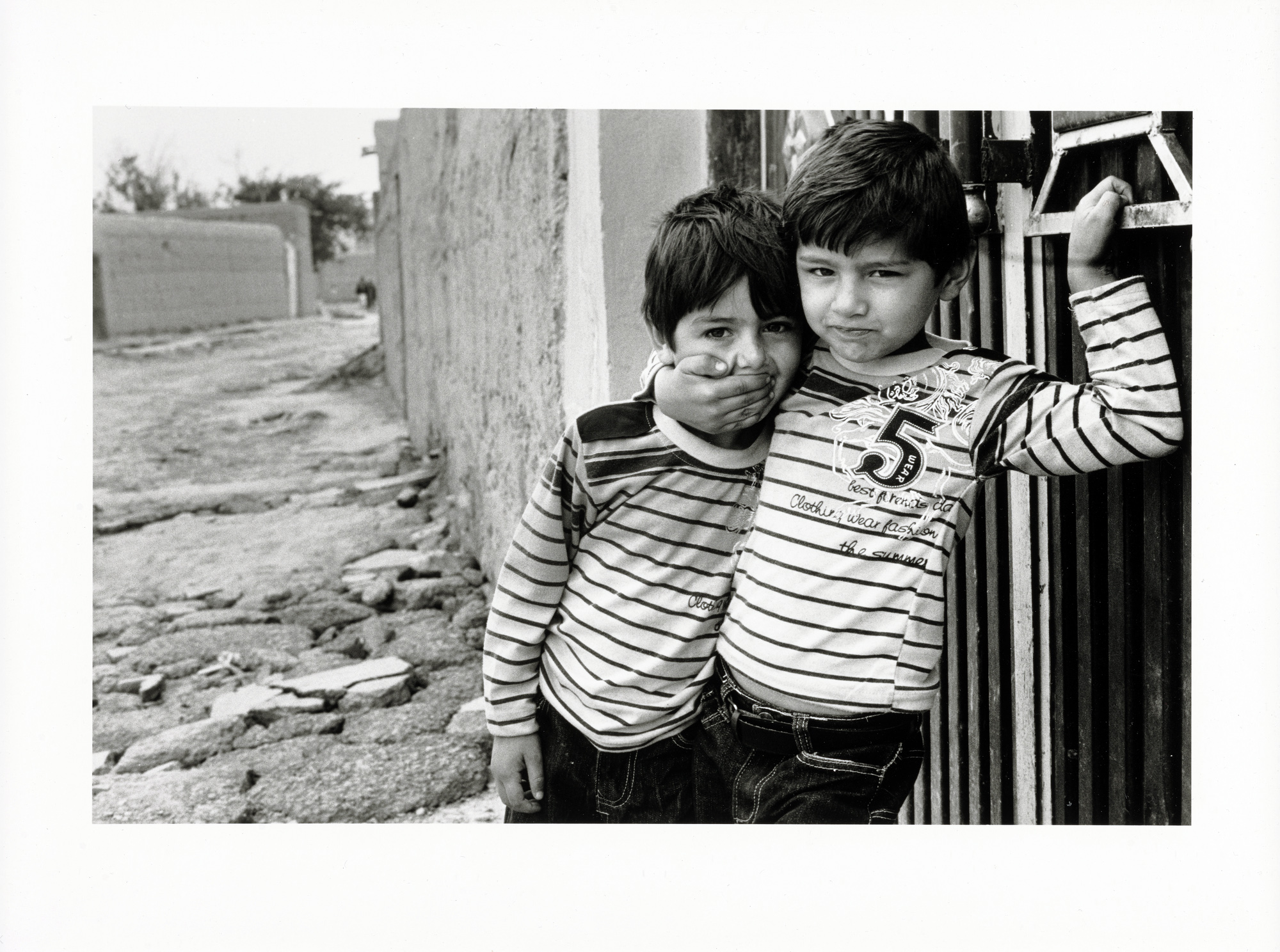
The exhibition also includes compelling contemporary portraits, including photojournalist Seamus Murphy’s record of the physical and emotional toll inflicted upon a family living in Afghanistan under rule of the Taliban, and Donna Ferrato’s documentation of a woman who fled an abusive relationship. Both series register the struggles as well as triumphs.

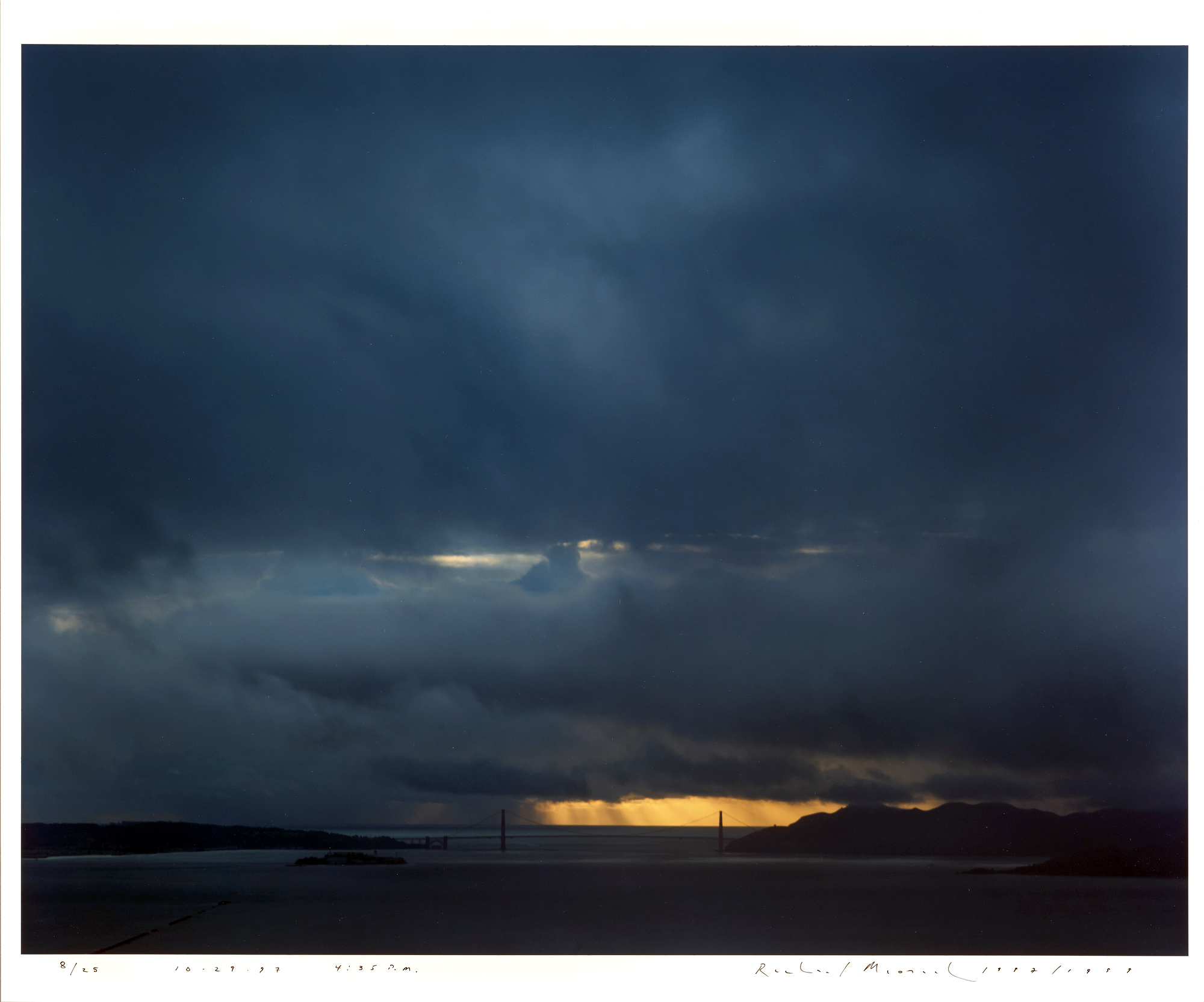
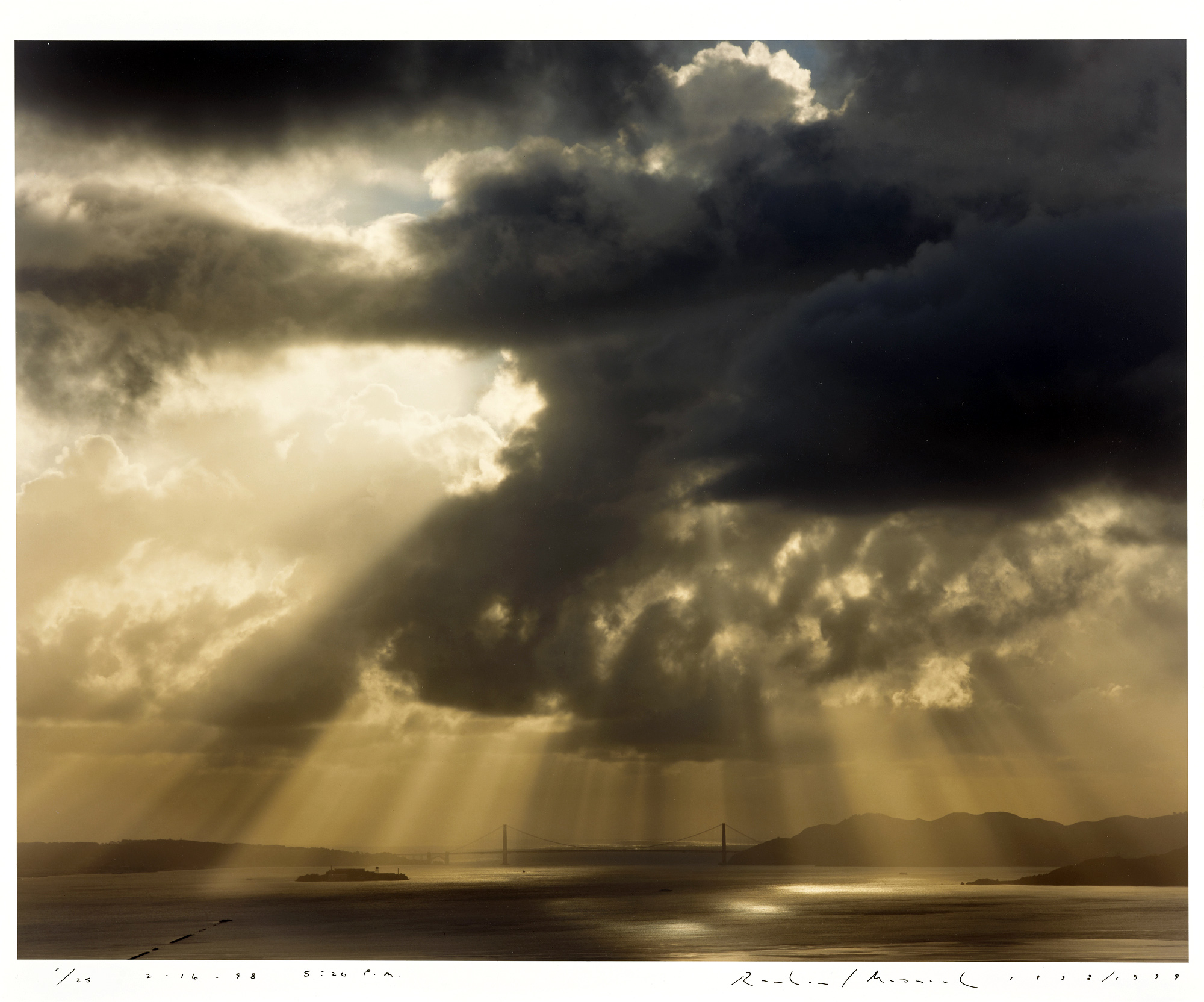
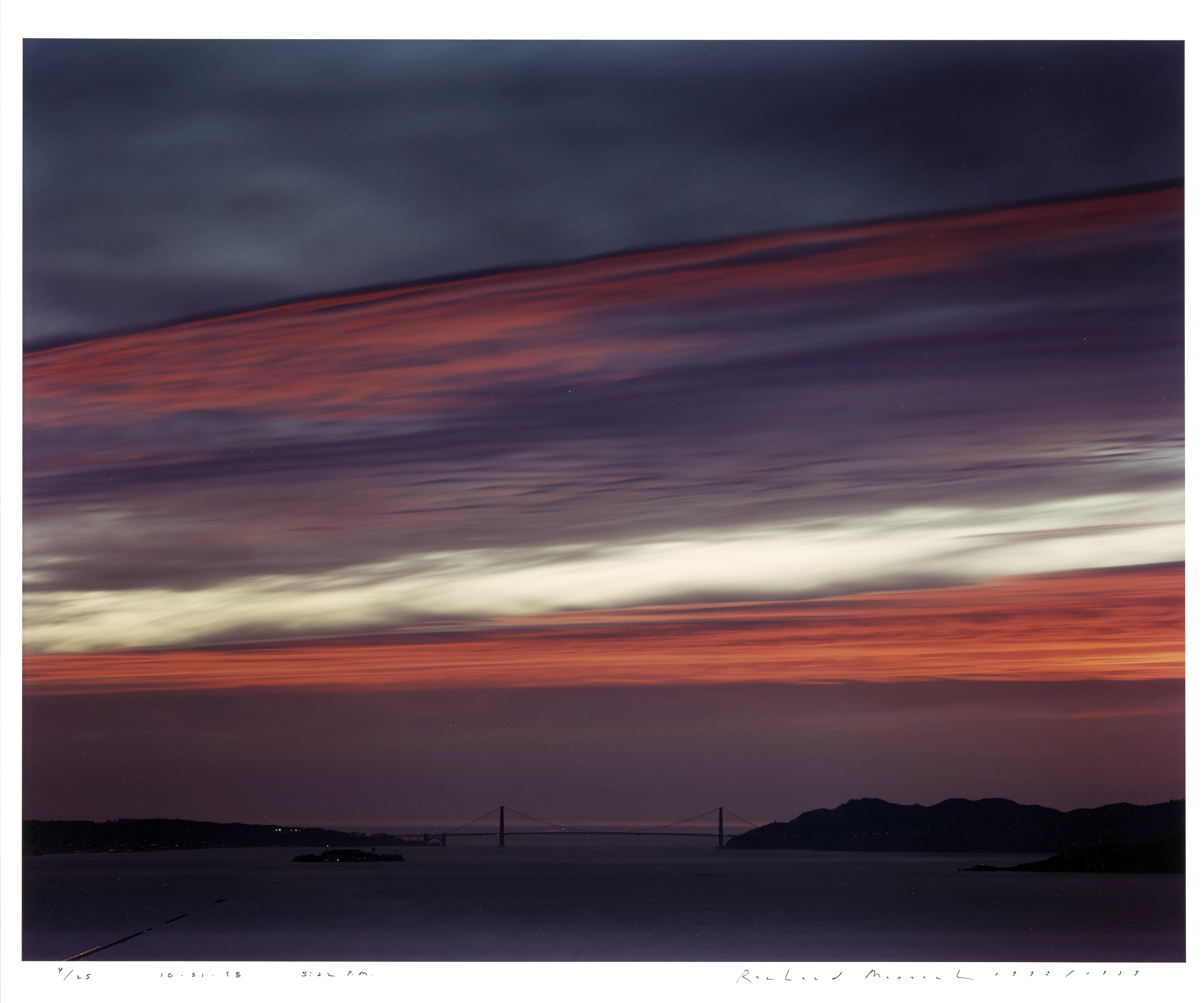
A number of artists in the exhibition document seasonal and man-made changes in the landscape. In a 1953 series by William A. Garnett, aerial photography is used to capture a walnut grove before and after the trees were felled to make way for a housing development. The startling perspective of Garnett’s images came to play an important role in the burgeoning environmental movement. Richard Misrach used his move to a new home in the hills above Berkeley, California, as an opportunity to take hundreds of photographs of the astonishing range of colours and atmospheric conditions surrounding the Golden Gate Bridge at sunset each evening. Several of his richly saturated sunset images are featured in the exhibition. Works by Roni Horn, Jem Southam, and Josef Sudek also trace changes in the natural world, to both political and poetic effect.

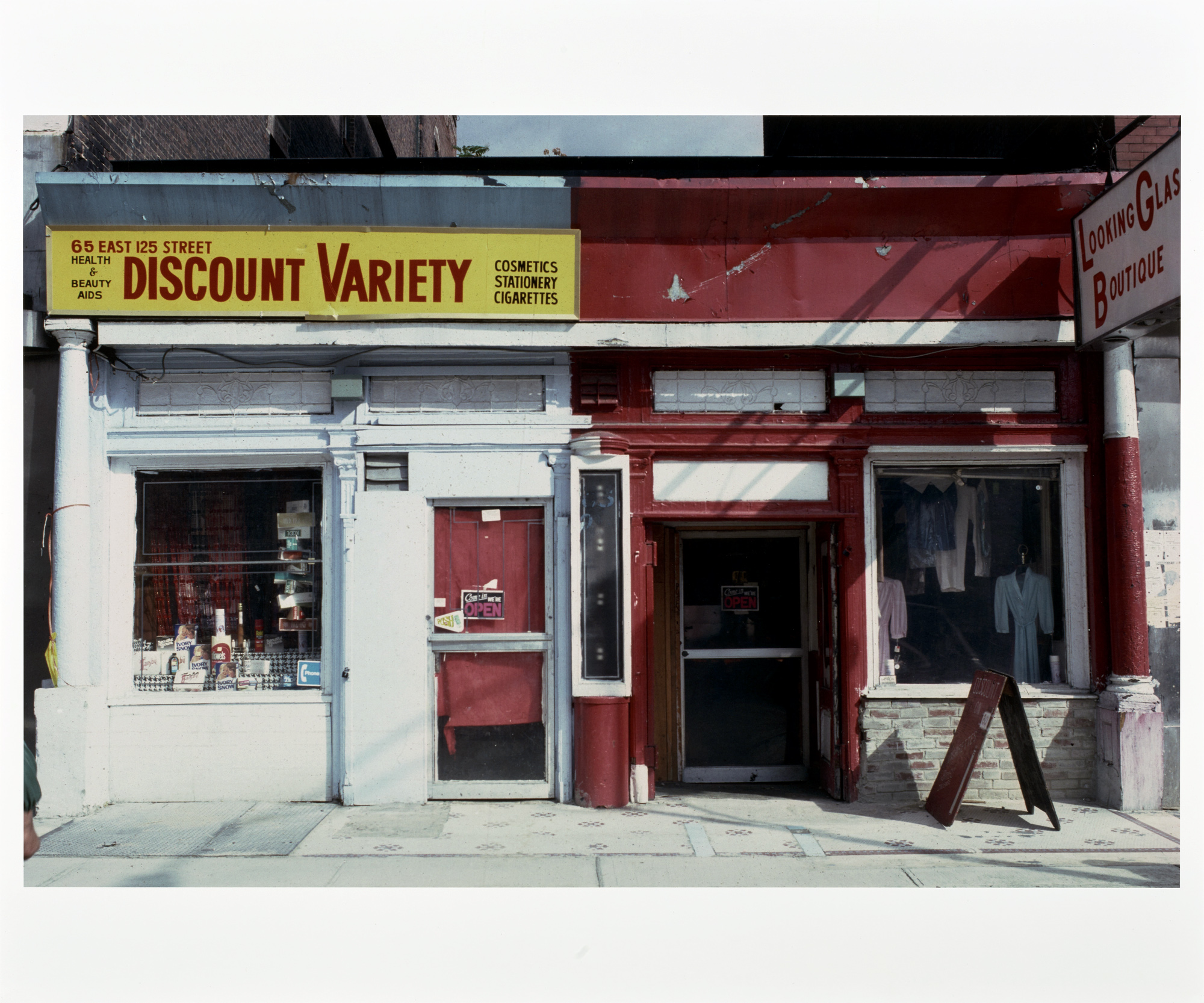
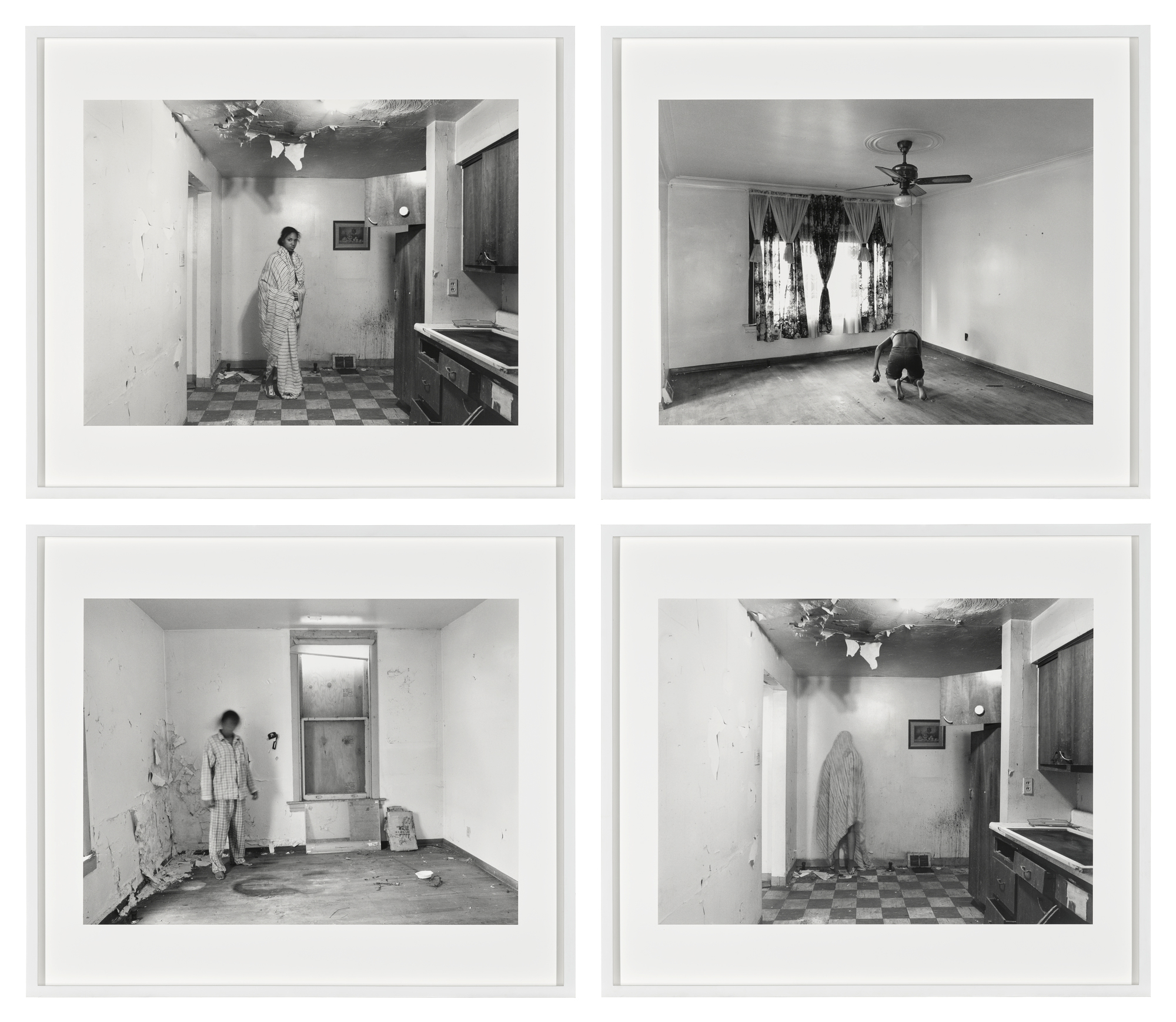
Transformations in the built environment also reveal the profound effects of the passage of time. LaToya Ruby Frazier documented the painful process of clearing the rooms of her family home in a series of self-portraits in which she cloaked herself in the familiar belongings of her loved ones. In order to spotlight socioeconomic changes in American neighbourhoods, Camilo José Vergara photographed the dramatic transformation of a single Harlem storefront over 40 years, as it changed hands, changed facades, and split into two establishments. Other artists in the exhibition, including John Divola and William Christenberry, chronicle the disintegration of architecture over time, creating evocative meditations on deterioration.

“‘Once again’ is a phrase repeated in a poem by William Wordsworth,” says Mazie Harris, assistant curator of photographs at the Getty Museum and curator of the exhibition. “He was fascinated by the powerful feeling that arises when revisiting a familiar place. He’s experiencing his surroundings in real time and yet is constantly aware of his memories of being there before. The photographers in this exhibition conjure that same sensation. They offer us the opportunity to see people and places afresh, even as we track the powerful changes wrought by time.”

Once. Again. Photographs in Series, is on view July 9-November 10, 2019 at the J. Paul Getty Museum, Getty Center. The exhibition is curated by Mazie Harris, assistant curator of photographs at the Getty Museum.

Press release from the J. Paul Getty Museum website [Online] Cited 11/08/2019


Josef Sudek (Czech, 1896-1976) 'The Window of My Studio' 1940-1954


Josef Sudek (Czech, 1896-1976)
The Window of My Studio
1940-1954
Gelatin silver print
Image: 22.1 × 14.1cm (8 11/16 × 5 9/16 in.)
The J. Paul Getty Museum, Los Angeles
© I&G Fárová Heirs


Josef Sudek (Czech, 1896-1976) 'The Window of My Studio' 1940-1954


Josef Sudek (Czech, 1896-1976)
The Window of My Studio
1940-1954
Gelatin silver print
Image: 17.1 × 10.3cm (6 3/4 × 4 1/16 in.)
The J. Paul Getty Museum, Los Angeles
© I&G Fárová Heirs


Josef Sudek (Czech, 1896-1976) 'The Window of My Studio' 1940-1954


Josef Sudek (Czech, 1896-1976)
The Window of My Studio
1940-1954
Gelatin silver print
Image: 23.5 × 16.5cm (9 1/4 × 6 1/2 in.)
The J. Paul Getty Museum, Los Angeles
© I&G Fárová Heirs


William A. Garnett (American, 1916-2006) 'Walnut Grove Standing' March 21, 1953


William A. Garnett (American, 1916-2006)
Walnut Grove Standing
March 21, 1953
Gelatin silver print
Image: 34.3 × 26.7cm (13 1/2 × 10 1/2 in.)
The J. Paul Getty Museum, Los Angeles
© Estate of William A. Garnett


William A. Garnett (American, 1916-2006) 'Walnut Grove Bulldozed' March 21, 1953


William A. Garnett (American, 1916-2006)
Walnut Grove Bulldozed
March 21, 1953
Gelatin silver print
Image: 26.5 × 34.3cm (10 7/16 × 13 1/2 in.)
The J. Paul Getty Museum, Los Angeles
© Estate of William A. Garnett


William A. Garnett (American, 1916-2006) 'Walnut Grove Uprooted by Bulldozers' March 22, 1953


William A. Garnett (American, 1916-2006)
Walnut Grove Uprooted by Bulldozers
March 22, 1953
Gelatin silver print
Image (trimmed to mount): 34.1 × 26.5cm (13 7/16 × 10 7/16 in.)
The J. Paul Getty Museum, Los Angeles
© Estate of William A. Garnett


Milton Rogovin (American, 1909-2011) 'Michael and Pam' 1973


Milton Rogovin (American, 1909-2011)
Michael and Pam
1973
Gelatin silver print
Image: 17.9 × 17.4cm (7 1/16 × 6 7/8 in.)
The J. Paul Getty Museum, Los Angeles
© Milton Rogovin


Milton Rogovin (American, 1909-2011) 'Michael and Pam' 1973


Milton Rogovin (American, 1909-2011)
Michael and Pam
1973
Gelatin silver print
Image: 17.9 × 17.4cm (7 1/16 × 6 7/8 in.)
The J. Paul Getty Museum, Los Angeles
© Milton Rogovin


Milton Rogovin (American, 1909-2011) 'Michael and Pam' 1973


Milton Rogovin (American, 1909-2011)
Michael and Pam
1973
Gelatin silver print
Image: 17.9 × 17.4cm (7 1/16 × 6 7/8 in.)
The J. Paul Getty Museum, Los Angeles
© Milton Rogovin


Milton Rogovin (American, 1909-2011) 'Yvonne and Daughter Sonya' 1974


Milton Rogovin (American, 1909-2011)
Yvonne and Daughter Sonya
1974
Gelatin silver print
Image: 18 × 17.3cm (7 1/16 × 6 13/16 in.)
The J. Paul Getty Museum, Los Angeles
© Milton Rogovin


Milton Rogovin (American, 1909-2011) 'Yvonne and Daughter Sonya' 1974


Milton Rogovin (American, 1909-2011)
Yvonne and Daughter Sonya
1974
Gelatin silver print
Image: 17.2 × 17.2cm (6 3/4 × 6 3/4 in.)
The J. Paul Getty Museum, Los Angeles
© Milton Rogovin


Milton Rogovin (American, 1909-2011) 'Yvonne and Daughter Sonya' 1974


Milton Rogovin (American, 1909-2011)
Yvonne and Daughter Sonya
1974
Gelatin silver print
Image: 18.1 × 16.8cm (7 1/8 × 6 5/8 in.)
The J. Paul Getty Museum, Los Angeles
© Milton Rogovin


John Divola (American, born 1949) 'Zuma' 1977


John Divola (American, b. 1949)
Zuma
1977
Chromogenic print
Image: 24.7 × 30.4cm (9 3/4 × 11 15/16 in.)
The J. Paul Getty Museum, Los Angeles
Gift of the Wilson Centre for Photography
© John Divola


John Divola (American, born 1949) 'Zuma' 1977


John Divola (American, b. 1949)
Zuma
1977
Chromogenic print
Image: 24.8 × 30.6cm (9 3/4 × 12 1/16 in.)
The J. Paul Getty Museum, Los Angeles
Gift of the Wilson Centre for Photography
© John Divola


John Divola (American, born 1949) 'Zuma' 1977


John Divola (American, b. 1949)
Zuma
1977
Chromogenic print
Image: 24.7 × 30.5cm (9 3/4 × 12 in.)
The J. Paul Getty Museum, Los Angeles
Gift of the Wilson Centre for Photography
© John Divola


John Divola (American, born 1949) 'Zuma' 1977


John Divola (American, b. 1949)
Zuma
1977
Chromogenic print
Image: 24.8 × 30.6cm (9 3/4 × 12 1/16 in.)
The J. Paul Getty Museum, Los Angeles
Gift of the Wilson Centre for Photography
© John Divola


Camilo José Vergara (American, born Chile, 1944) '65 East 125th Street, Harlem' December 1977


Camilo José Vergara (American born Chile, b. 1944)
65 East 125th Street, Harlem
December 1977
Chromogenic print
Image: 38.7 × 58.4cm (15 1/4 × 23 in.)
The J. Paul Getty Museum, Los Angeles
Gift of Bruce Berman and Lea Russo
© Camilo José Vergara


Camilo José Vergara (American, born Chile, 1944) '65 East 125th Street, Harlem' October 1980


Camilo José Vergara (American born Chile, b. 1944)
65 East 125th Street, Harlem
October 1980
Chromogenic print
Image: 37.8 × 58.5cm (14 7/8 × 23 1/16 in.)
The J. Paul Getty Museum, Los Angeles
Gift of Bruce Berman and Lea Russo
© Camilo José Vergara


Camilo José Vergara (American, born Chile, 1944) '65 East 125th Street, Harlem' October 1981


Camilo José Vergara (American born Chile, b. 1944)
65 East 125th Street, Harlem
October 1981
Chromogenic print
Image: 38.7 × 58.4cm (15 1/4 × 23 in.)
The J. Paul Getty Museum, Los Angeles
Gift of Bruce Berman and Lea Russo
© Camilo José Vergara


Seamus Murphy (Irish, b. 1959) 'Kabul: November 1994' 1994, print 2015


Seamus Murphy (Irish, b. 1959)
Kabul: November 1994
1994, print 2015
Gelatin silver print
Image: 22.6 × 34.2cm (8 7/8 × 13 7/16 in.)
The J. Paul Getty Museum, Los Angeles
Gift of David Knaus
© Seamus Murphy


Seamus Murphy (Irish, b. 1959) 'Ba Deli Family, Kabul: November 1996' 1996, print 2015


Seamus Murphy (Irish, b. 1959)
Ba Deli Family, Kabul: November 1996
1996, print 2015
Gelatin silver print
Image: 22.4 × 34.5cm (8 13/16 × 13 9/16 in.)
The J. Paul Getty Museum, Los Angeles
Gift of David Knaus
© Seamus Murphy


Seamus Murphy (Irish, b. 1959) 'Gulbahar, Kapisa Province: June 2003' 2003, print 2015


Seamus Murphy (Irish, b. 1959)
Gulbahar, Kapisa Province: June 2003
2003, print 2015
Gelatin silver print
Image: 34.6 × 22.6cm (13 5/8 × 8 7/8 in.)
The J. Paul Getty Museum, Los Angeles
Gift of David Knaus
© Seamus Murphy


Seamus Murphy (Irish, b. 1959) 'Gulbahar, Kapisa Province: May 2009' 2009, print 2015


Seamus Murphy (Irish, b. 1959)
Gulbahar, Kapisa Province: May 2009
2009, print 2015
Gelatin silver print
Image: 22.5 × 34.4cm (8 7/8 × 13 9/16 in.)
The J. Paul Getty Museum, Los Angeles
Gift of David Knaus
© Seamus Murphy


Seamus Murphy (Irish, b. 1959) 'Kabul: July 2010' 2010, print 2015


Seamus Murphy (Irish, b. 1959)
Kabul: July 2010
2010, print 2015
Gelatin silver print
Image: 22.6 × 34.7cm (8 7/8 × 13 11/16 in.)
The J. Paul Getty Museum, Los Angeles
Gift of David Knaus
© Seamus Murphy


Seamus Murphy (Irish, b. 1959) 'Kabul: July 2010' 2010, print 2015


Seamus Murphy (Irish, b. 1959)
Kabul: July 2010
2010, print 2015
Gelatin silver print
Image: 22.6 × 34.7cm (8 7/8 × 13 11/16 in.)
The J. Paul Getty Museum, Los Angeles
Gift of David Knaus
© Seamus Murphy


Richard Misrach (American, b. 1949) '10.29.97, 4:35 PM' 1997, print 1999


Richard Misrach (American, b. 1949)
10.29.97, 4:35 PM
1997, print 1999
Chromogenic print
Image: 45.8 × 59cm (18 1/16 × 23 1/4 in.)
The J. Paul Getty Museum, Los Angeles
Gift of Daniel Greenberg and Susan Steinhauser
© Richard Misrach, courtesy Fraenkel Gallery, San Francisco, Pace/ MacGill Gallery, New York and Marc Selwyn Fine Art, Los Angeles


Richard Misrach (American, b. 1949) '2.21.98, 4:45 PM' 1998, print 2016


Richard Misrach (American, b. 1949)
2.21.98, 4:45 PM
1998, print 2016
Chromogenic print
Image: 152.4 × 188cm (60 × 74 in.)
The J. Paul Getty Museum, Los Angeles
Gift of Sharyn and Bruce Charnas
© Richard Misrach, courtesy Fraenkel Gallery, San Francisco, Pace/MacGill Gallery, New York and Marc Selwyn Fine Art, Los Angeles


Richard Misrach (American, b. 1949) '2.16.98, 5:20 PM' 1998, print 1999


Richard Misrach (American, b. 1949)
2.16.98, 5:20 PM
1998, print 1999
Chromogenic print
Image: 46.2 × 58.9cm (18 3/16 × 23 3/16 in.)
The J. Paul Getty Museum, Los Angeles
Gift of Daniel Greenberg and Susan Steinhauser
© Richard Misrach, courtesy Fraenkel Gallery, San Francisco, Pace/ MacGill Gallery, New York and Marc Selwyn Fine Art, Los Angeles


Richard Misrach (American, b. 1949) '10.31.98, 5:22 PM' 1998, print 1999


Richard Misrach (American, b. 1949)
10.31.98, 5:22 PM
1998, print 1999
Chromogenic print
Image: 46.3 × 58.9cm (18 1/4 × 23 3/16 in.)
The J. Paul Getty Museum, Los Angeles
Gift of Daniel Greenberg and Susan Steinhauser
© Richard Misrach, courtesy Fraenkel Gallery, San Francisco, Pace/ MacGill Gallery, New York and Marc Selwyn Fine Art, Los Angeles


LaToya Ruby Frazier (American, b. 1982) 'Four photographs' 2010


LaToya Ruby Frazier (American, b. 1982)
Clockwise from top left: Wrapped in Gramps’ Blanket, 2010; In Grandma Ruby’s Velour Bottoms, 2010; Covered in Gramps’ Blanket, 2010; In Gramps’ Pajamas, 2010
Gelatin silver prints
Image (each): 43.5 × 58.4cm (17 1/8 × 23 in.)
The J. Paul Getty Museum, Los Angeles
Purchased with funds provided by the Photographs Council
© LaToya Ruby Frazier


Jem Southam (British, b. 1950) 'December 1996'


Jem Southam (British, b. 1950)
December 1996
1996
Chromogenic print
68.6 × 85.7cm (27 × 33 3/4 in.)
Gift of The Michael G. and C. Jane Wilson 2007 Trust
© Jem Southam


Jem Southam (British, b. 1950) 'March 1998'


Jem Southam (British, b. 1950)
March 1998
1998
Chromogenic print
68.6 × 85.7cm (27 × 33 3/4 in.)
Gift of The Michael G. and C. Jane Wilson 2007 Trust
© Jem Southam


Jem Southam (British, b. 1950) 'January 2000'


Jem Southam (British, b. 1950)
January 2000
2000
Chromogenic print
68.6 × 85.7cm (27 × 33 3/4 in.)
Gift of The Michael G. and C. Jane Wilson 2007 Trust
© Jem Southam


Donna Ferrato (American, b. 1949) 'Sarah Augusta' 2012


Donna Ferrato (American, b. 1949)
Sarah Augusta
2012
Pigment print
28.6 × 50.8cm (11 1/4 × 20 in.)
Gift of The Kevin & Delia Willsey Collection
© Donna Ferrato


Donna Ferrato (American, b. 1949) 'Sarah Augusta Learning Self Defense' 2013


Donna Ferrato (American, b. 1949)
Sarah Augusta Learning Self Defense
2013
Pigment print
33.9 × 50.9cm (13 3/8 × 20 1/16 in.)
Gift of The Kevin & Delia Willsey Collection
© Donna Ferrato


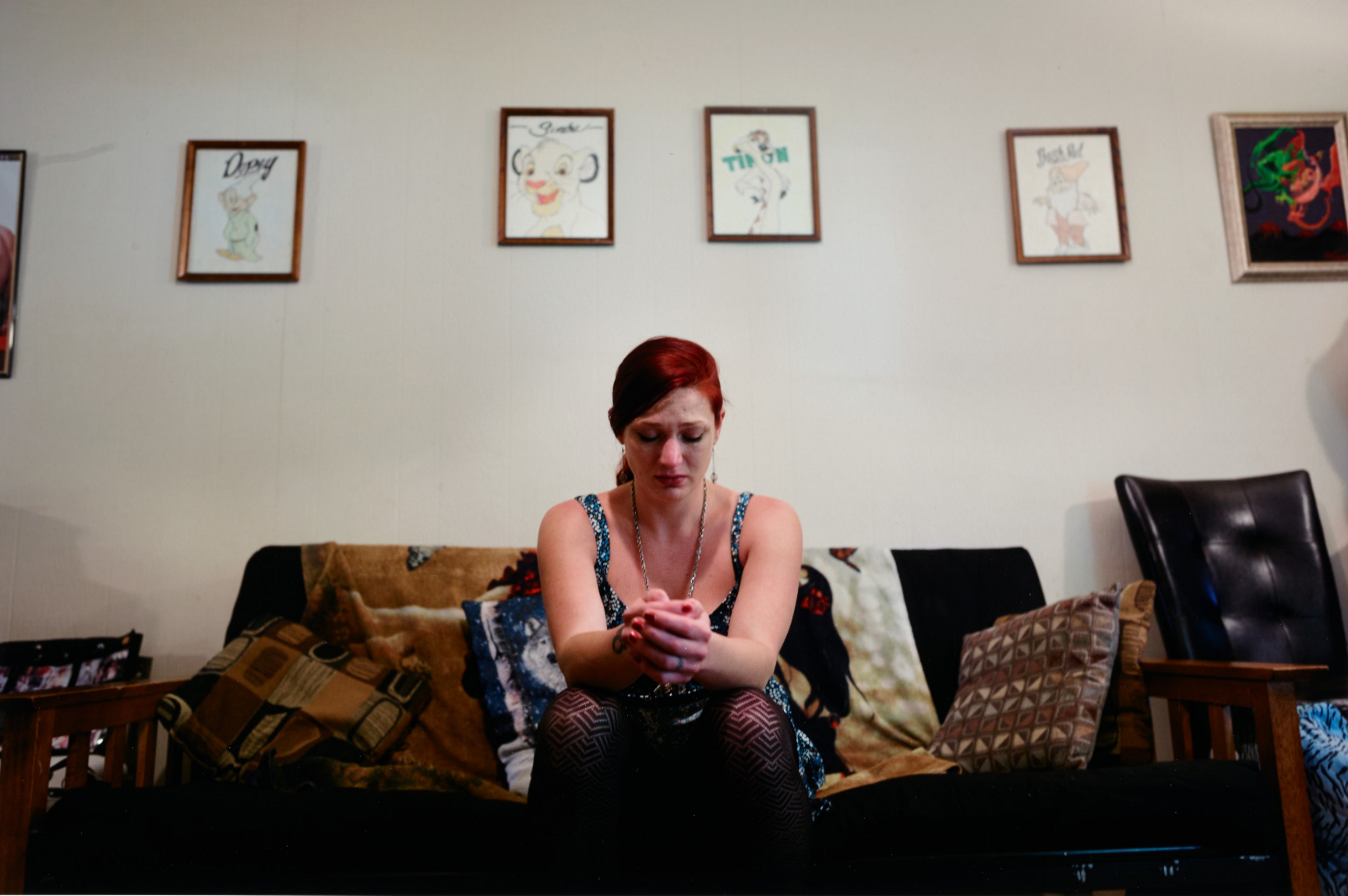
Donna Ferrato (American, b. 1949) 'Sarah after a Court Hearing' 2014


Donna Ferrato (American, b. 1949)
Sarah after a Court Hearing
2014
Pigment print
33.9 × 50.8cm (13 3/8 × 20 in.)
Gift of The Kevin & Delia Willsey Collection
© Donna Ferrato


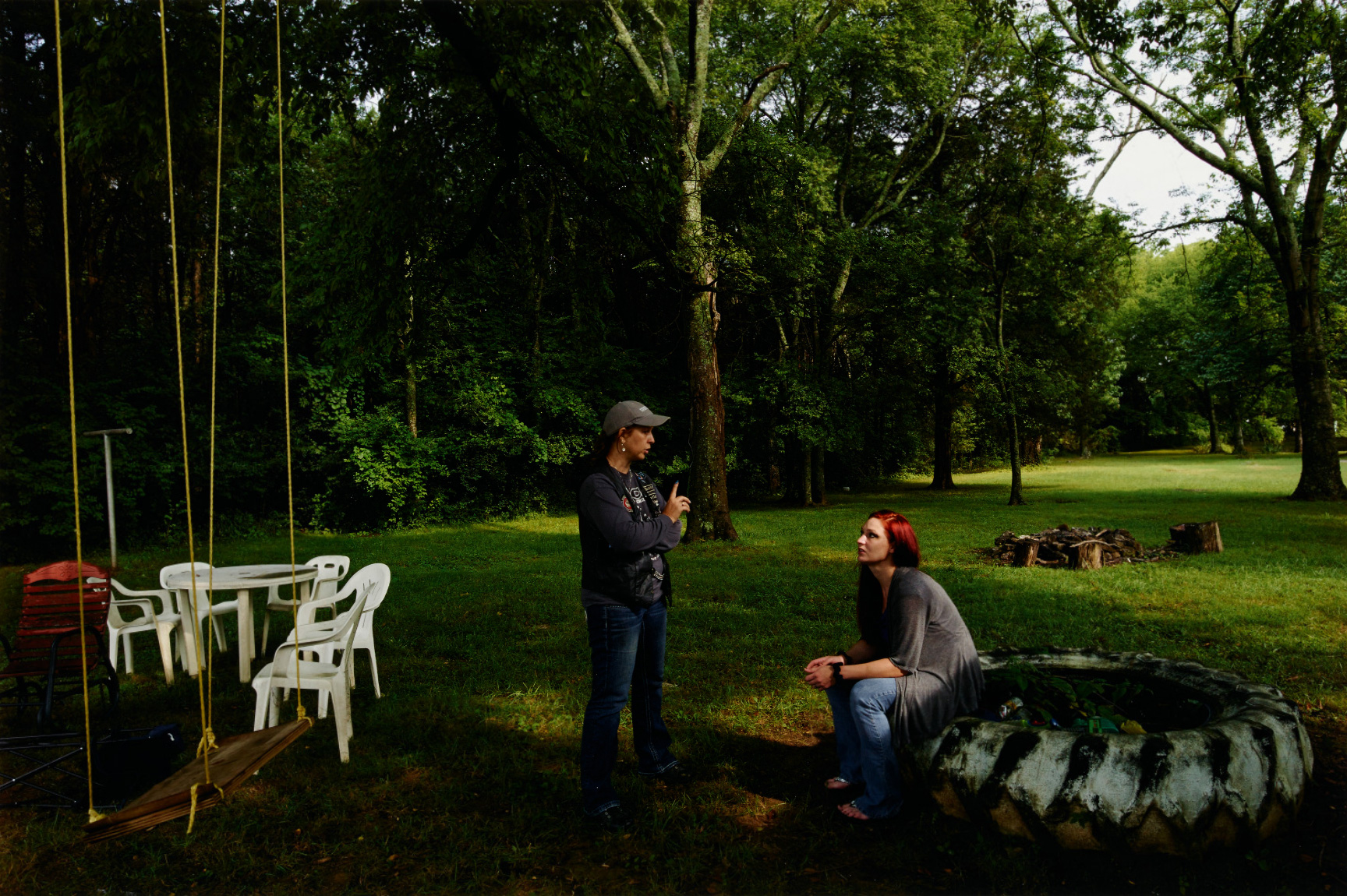
Donna Ferrato (American, b. 1949) 'Sarah and a member of B.A.C.A. discussing a strategy to protect the boys' 2014


Donna Ferrato (American, b. 1949)
Sarah and a member of B.A.C.A. discussing a strategy to protect the boys
2014
Pigment print
33.9 × 50.8cm (13 3/8 × 20 in.)
Gift of The Kevin & Delia Willsey Collection
© Donna Ferrato


Donna Ferrato (American, b. 1949) 'Sarah' 2013


Donna Ferrato (American, b. 1949)
Sarah
2013
Pigment print
50.8 x 33.9cm (20 in. x 13 3/8)
Gift of The Kevin & Delia Willsey Collection
© Donna Ferrato


The J. Paul Getty Museum
1200 Getty Center Drive
Los Angeles, California 90049

Opening hours:
Daily 10am – 5.30pm

The J. Paul Getty Museum website

LIKE ART BLACK ON FACEBOOK

Back to top

Vale Robert Frank ‘The American’

September 2019


Robert Frank (American-Swiss, 1924-2019) 'Parade – Hoboken, New Jersey' 1955


Robert Frank (American-Swiss, 1924-2019)
Parade – Hoboken, New Jersey
1955
Gelatin silver print


The flags will be all askew.
The jukeboxes will be playing.
And the light will never falter from his incandescent images.

Vale.

Dr Marcus Bunyan


Please click on the photographs for a larger version of the image.


Robert Frank (American-Swiss, 1924-2019) 'Bar, New York City' 1955-1956


Robert Frank (American-Swiss, 1924-2019)
Bar, New York City
1955-1956
Gelatin silver print


LIKE ART BLART ON FACEBOOK

Back to top

Exhibition: ‘Among Others: Photography and the Group’ at The Morgan Library & Museum, New York

Exhibition dates: 31st May – 18th August, 2019

Curator: Joel Smith, the Morgan’s Richard L. Menschel Curator and Department Head


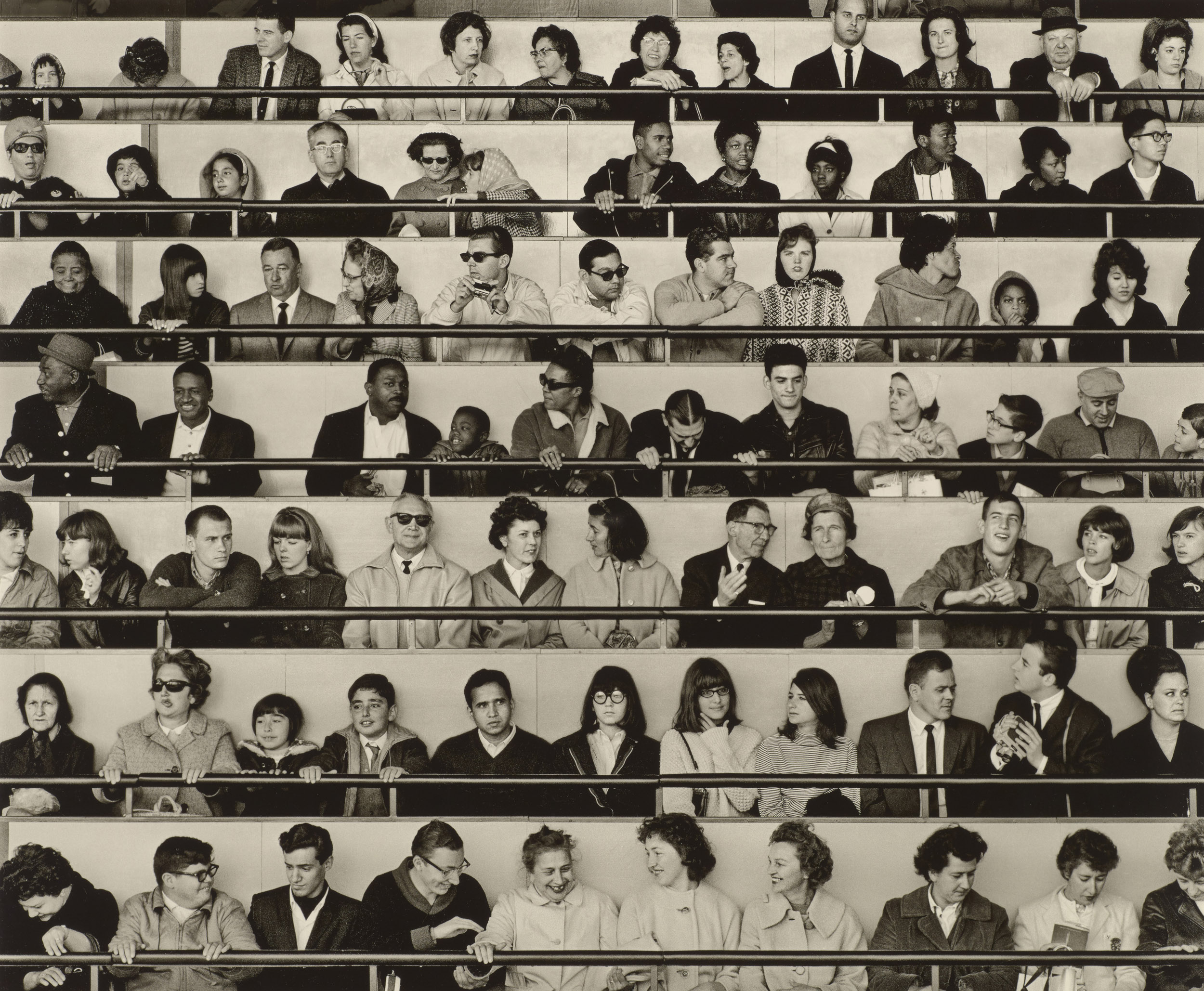
Bob Adelman (American, 1930-2016) 'People Wall, World's Fair, New York' 1965 from the exhibition 'Among Others: Photography and the Group' at The Morgan Library & Museum, New York, May - August, 2019


Bob Adelman (American, 1930-2016)
People Wall, World’s Fair, New York
1965
Gelatin silver print
The Morgan Library & Museum
Purchased as the gift of Nancy and Burton Staniar
© Bob Adelman Estate


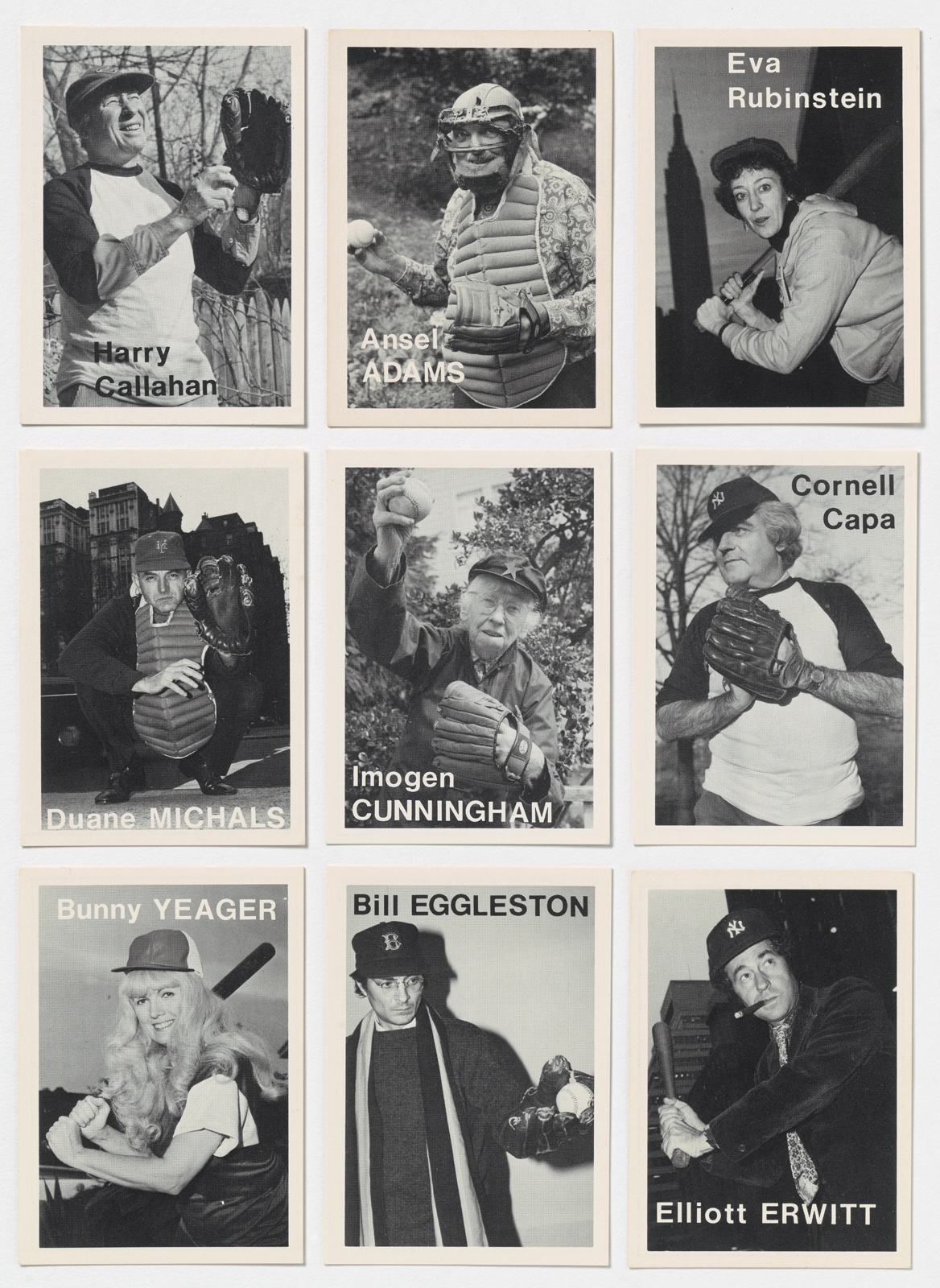
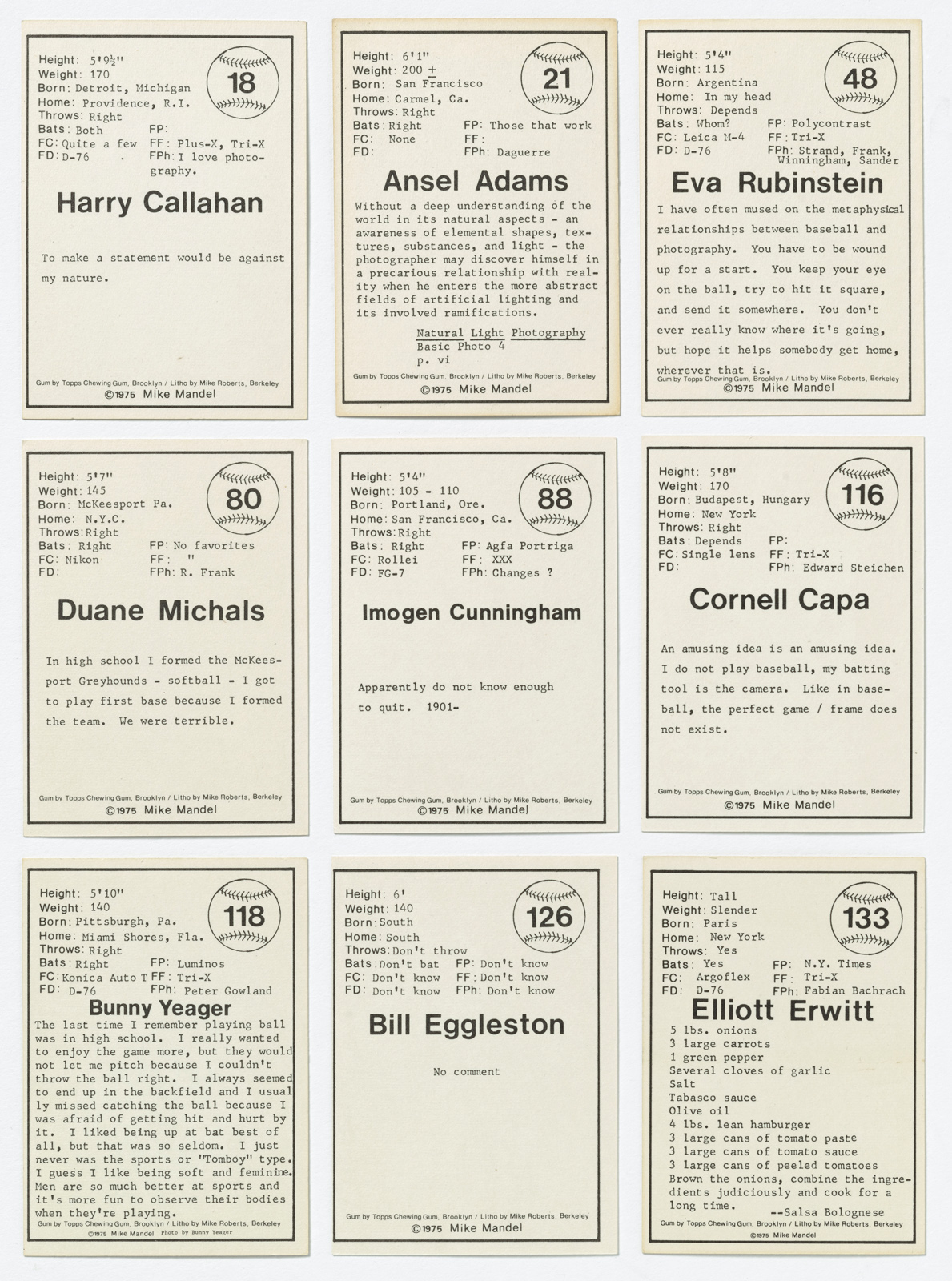
Love Mike Mandel’s classic Baseball-Photographer Trading Cards (1975, below)

Some of my favourite group photographs:

Nicholas Nixon’s The Brown Sisters

Edward J. Kelty’s Circus photographs

Crowds at Weegee’s crime scene photographs and his Coney Island (c. 1939)

Cindy Shermans’s early Film stills

Dr Marcus Bunyan


Many thankx to the The Morgan Library & Museum for allowing me to publish the photographs in the posting. Please click on the photographs for a larger version of the image.


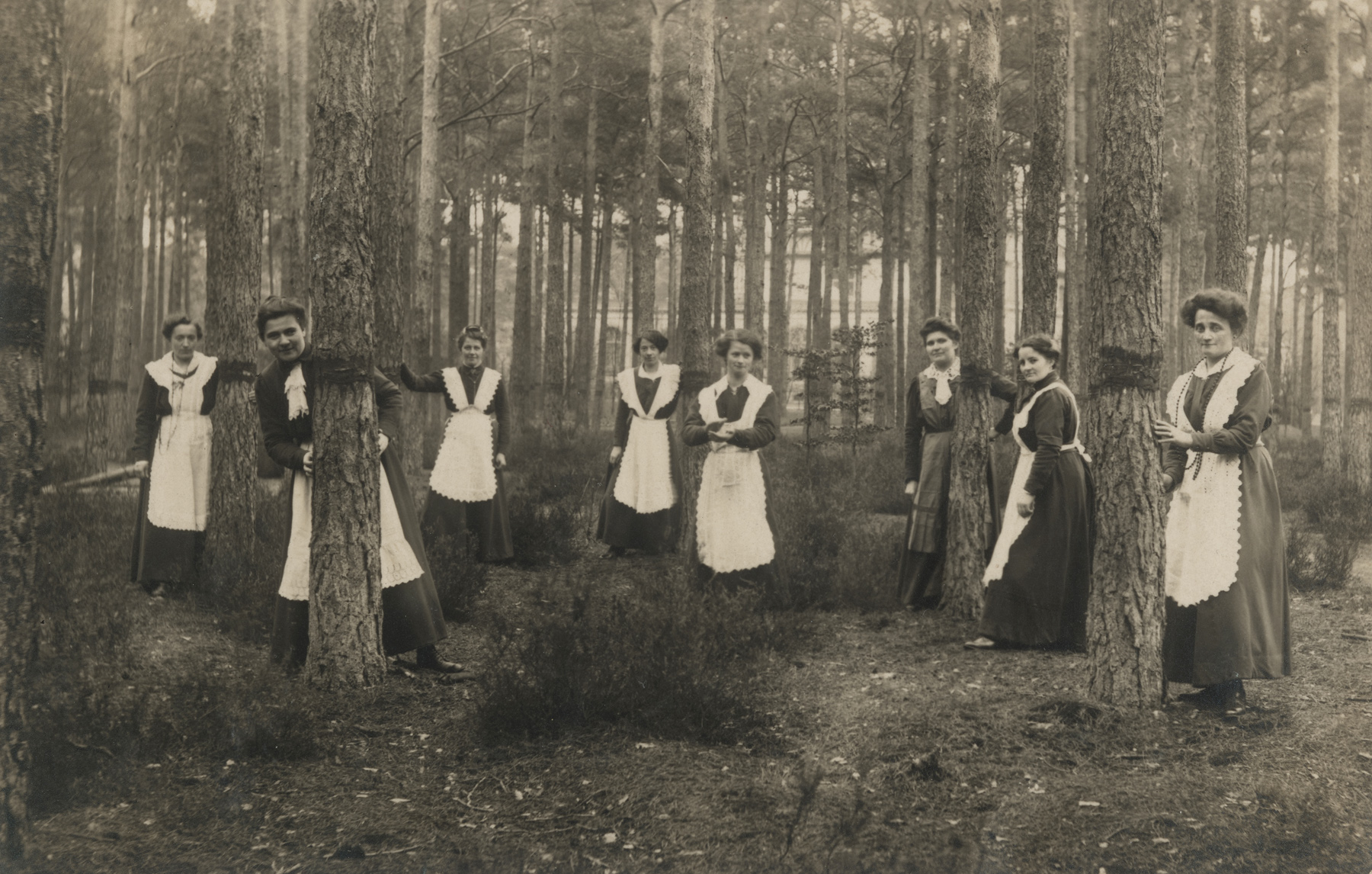
Photographer Unidentified. 'Untitled (women in aprons pose among trees)' 1913 from the exhibition 'Among Others: Photography and the Group' at The Morgan Library & Museum, New York, May - August, 2019


Photographer Unidentified
Untitled (women in aprons pose among trees)
1913
Commercially processed gelatin silver print; postcard
The Morgan Library & Museum
Gift of Peter J. Cohen


Photographer Unidentified. 'Untitled (women in aprons pose among trees)' 1913 (detail)


Photographer Unidentified
Untitled (women in aprons pose among trees) (detail)
1913
Commercially processed gelatin silver print; postcard
The Morgan Library & Museum
Gift of Peter J. Cohen


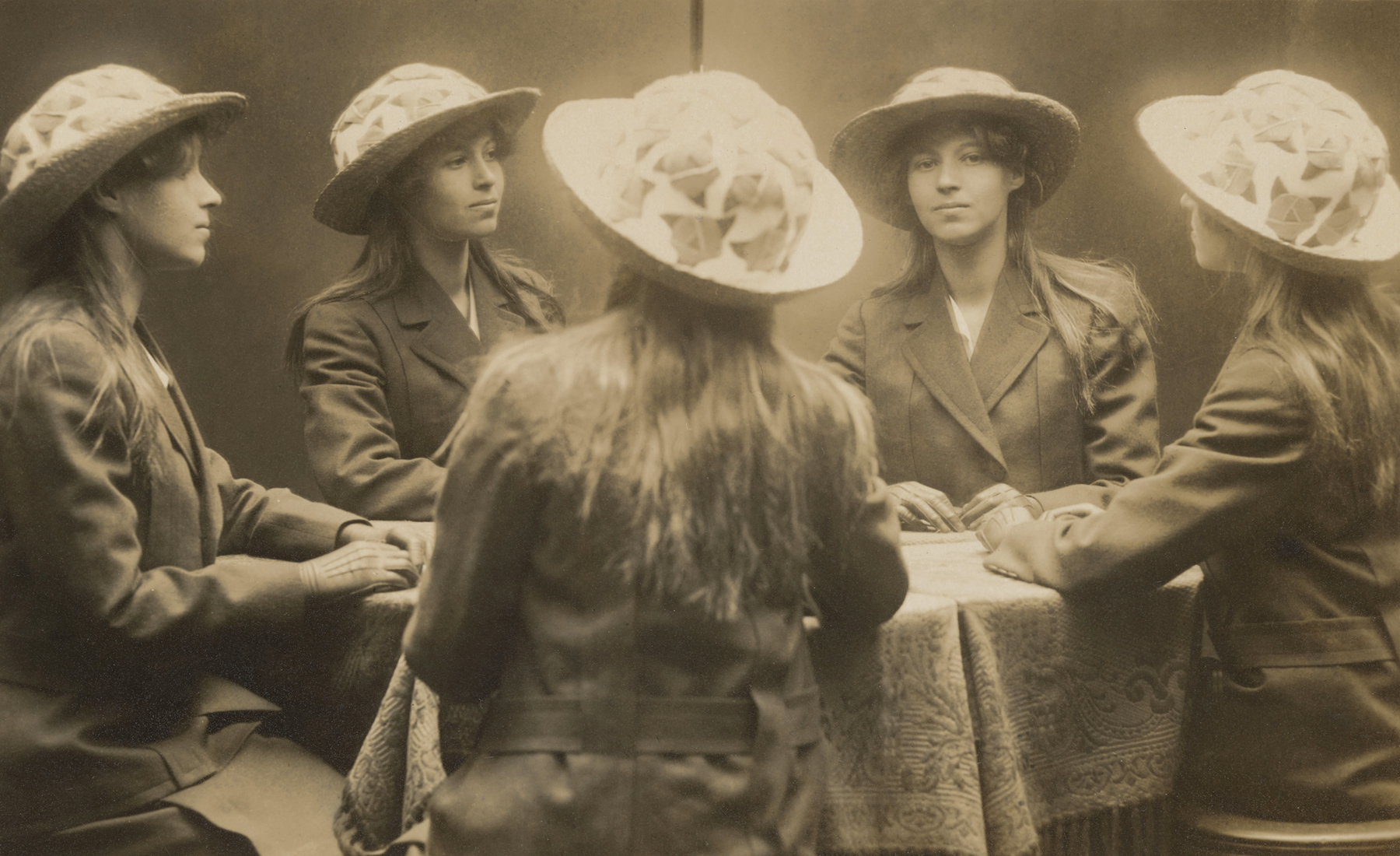
Myers Cope Co. Atlantic City. 'Photo-multigraph of unidentified girl (Woman in trick photo-booth)' c. 1920s


Myers Cope Co. Atlantic City
Photo-multigraph of unidentified girl (Woman in trick photo-booth)
c. 1920s
Gelatin silver print with postcard back
The Morgan Library & Museum
Gift of Peter J. Cohen


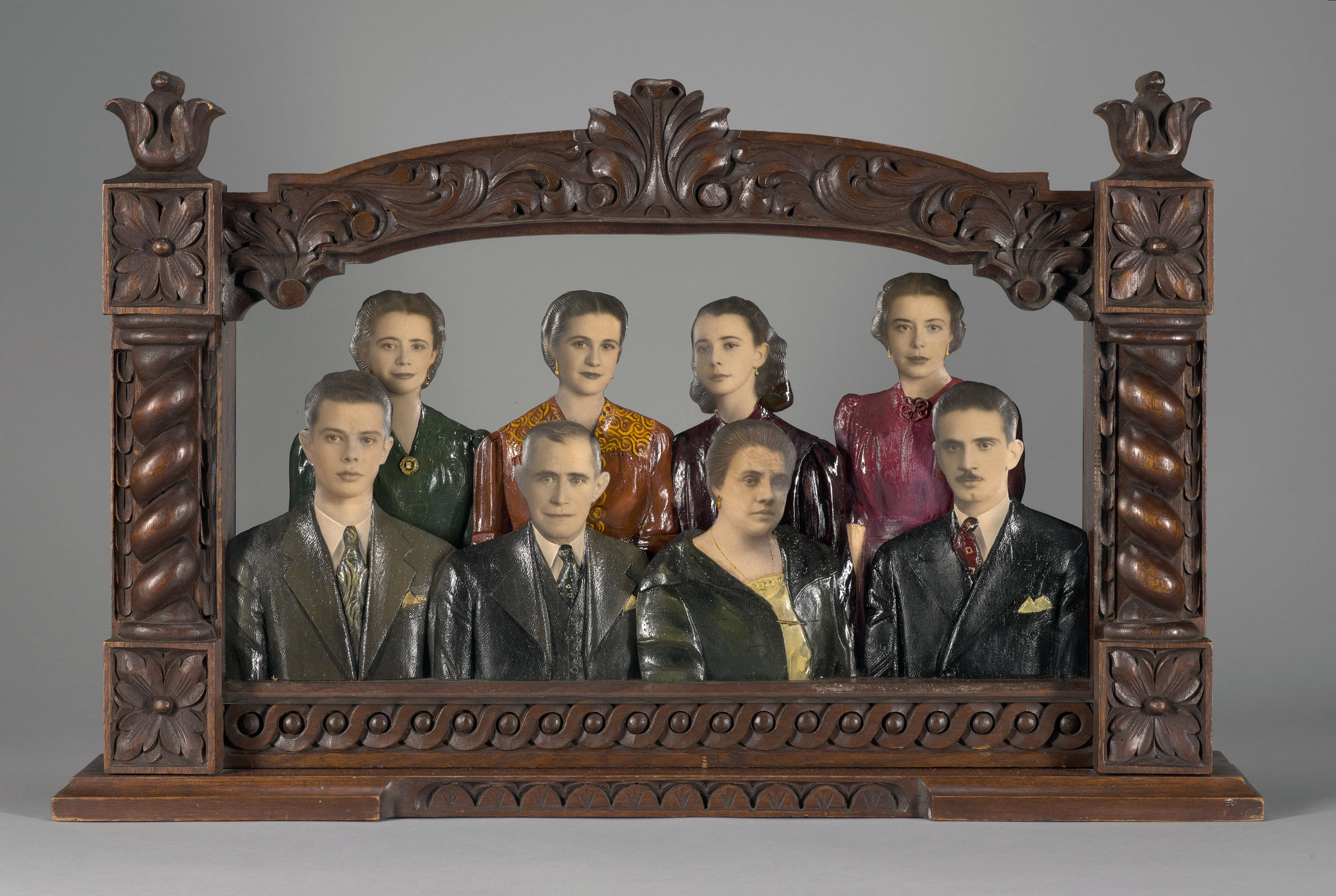
Studio Retrato-Escultura Victor. 'Fotoescultura' with eight subjects c. 1940s


Studio Retrato-Escultura Victor
Fotoescultura with eight subjects
c. 1940s
Carved, painted, and assembled wood with hand-coloured gelatin silver prints
The Morgan Library & Museum
Purchased as the gift of Richard and Ronay Menschel


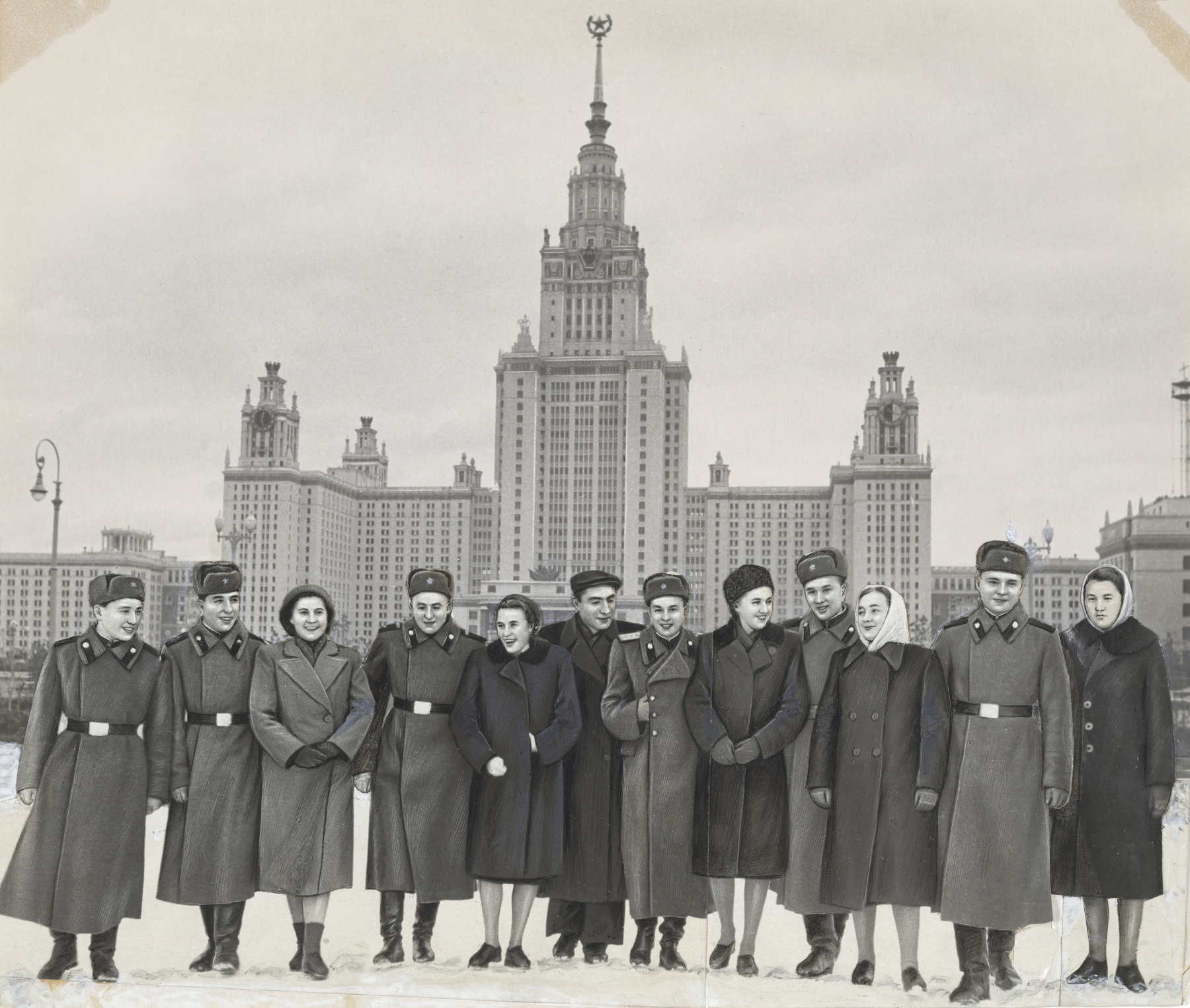
Photographer Unidentified. 'Group at the Main Building, Moscow State University' after 1953


Photographer Unidentified
Group at the Main Building, Moscow State University
after 1953
Gelatin silver print and mixed media
The Morgan Library & Museum
Purchased as the gift of Peter J. Cohen


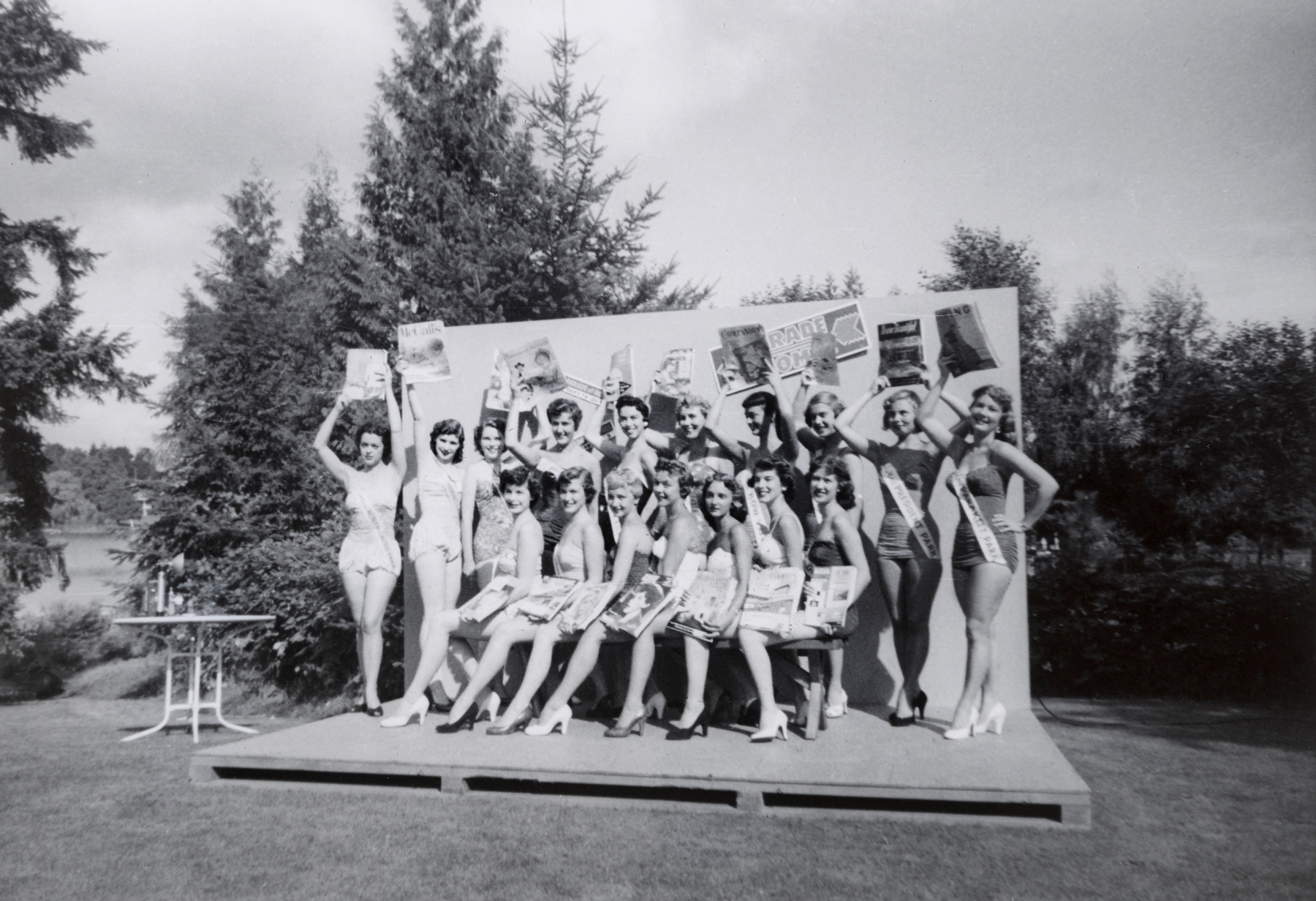
Photographer Unidentified (American) 'Untitled (seventeen women in swimsuits hold magazines up on a low stage on a lawn)' 20th century (c. 1950s)


Photographer Unidentified (American)
Untitled (seventeen women in swimsuits hold magazines up on a low stage on a lawn)
20th century (c. 1950s)
Commercially processed gelatin silver print
The Morgan Library & Museum
Gift of Peter J. Cohen


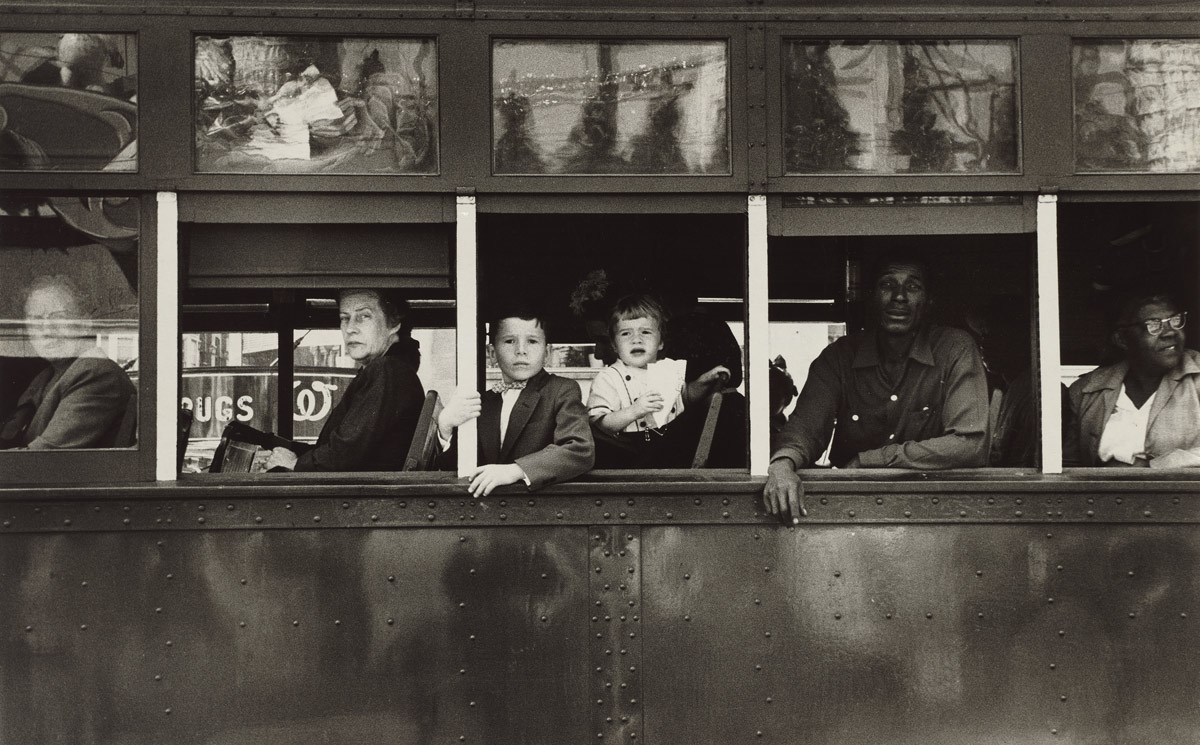
Robert Frank (Swiss-American, 1924-2019) 'Trolley – New Orleans' 1955


Robert Frank (Swiss-American, 1924-2019)
Trolley – New Orleans
1955
Gelatin silver print
The Morgan Library & Museum


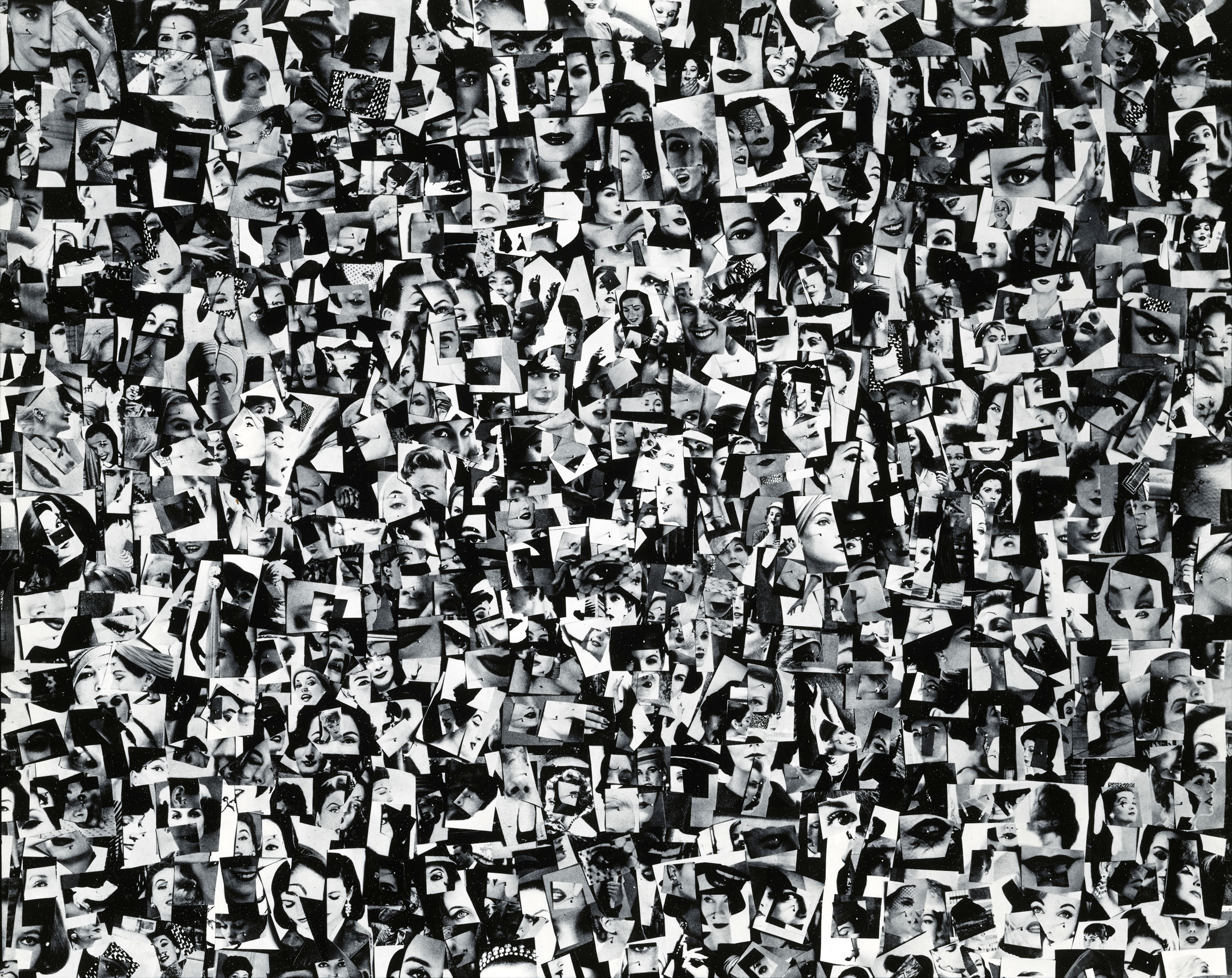
Harry M. Callahan (American, 1912-1999) 'Collage, Chicago' 1957


Harry M. Callahan (American, 1912-1999)
Collage, Chicago
1957
Gelatin silver print
The Morgan Library & Museum
Gift of Richard and Ronay Menschel
© The Estate of Harry Callahan; courtesy Pace/MacGill Gallery, New York


Art Kane (American, 1925-1995) 'Harlem' 1958


Art Kane (American, 1925-1995)
Harlem
1958
In “The Golden Age of Jazz,” Esquire, January 1959
The Morgan Library & Museum
Purchased on funds given by Peter J. Cohen, Ronald R. Kass, and Elaine Goldman
Photograph by Art Kane for Esquire, a publication of the Hearst Communications, Inc.,
Art Kane Courtesy © The Art Kane Archive


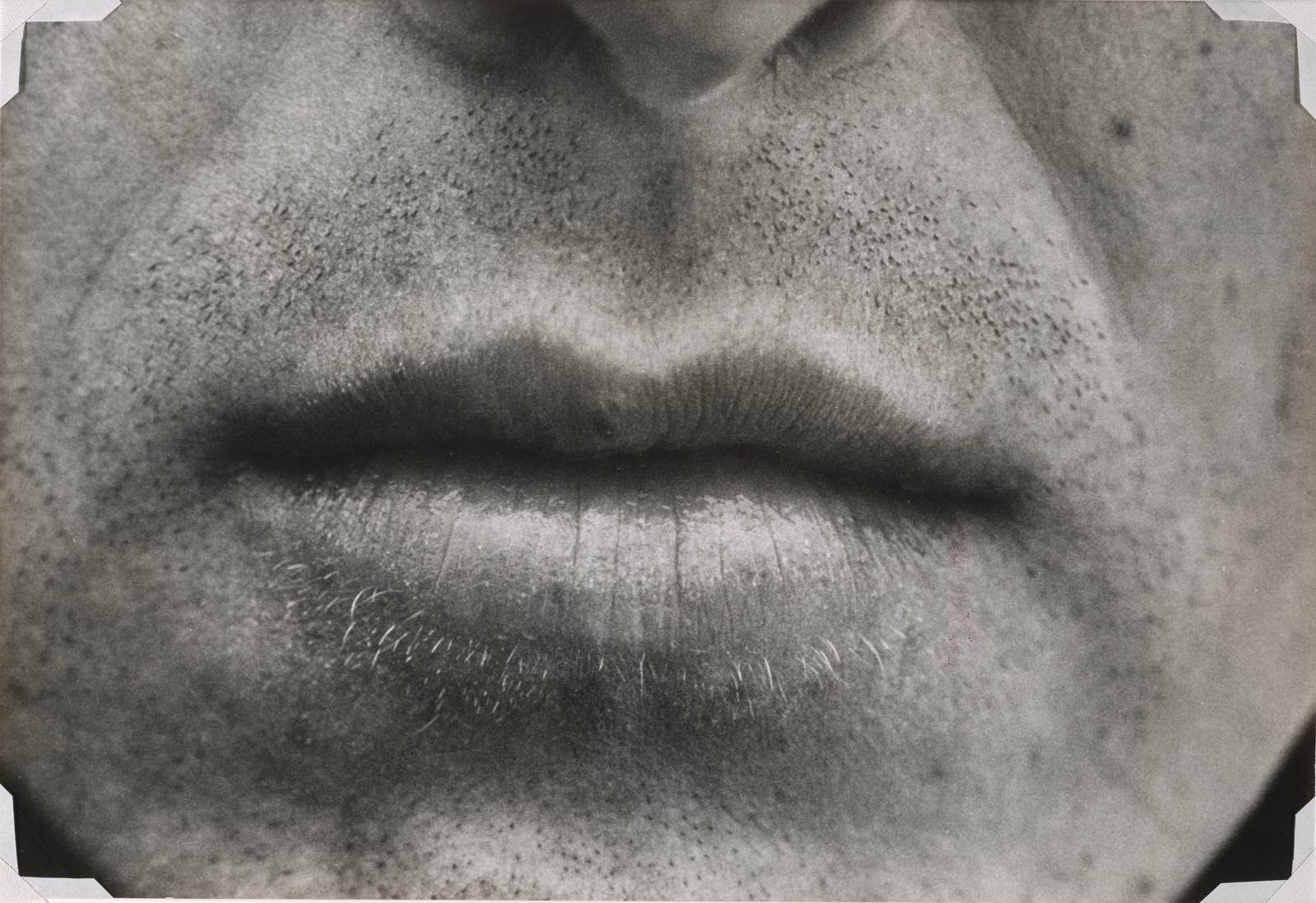
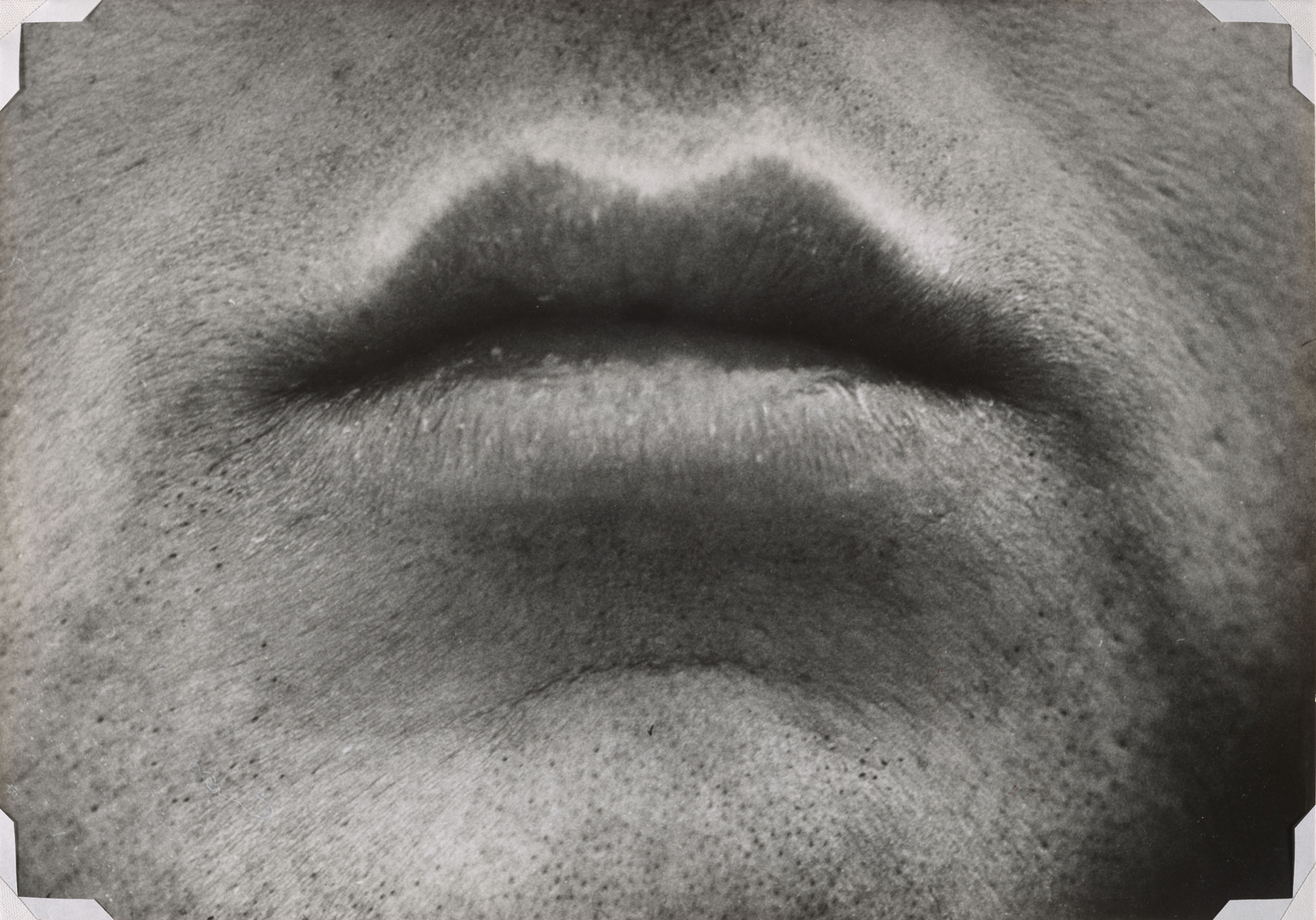
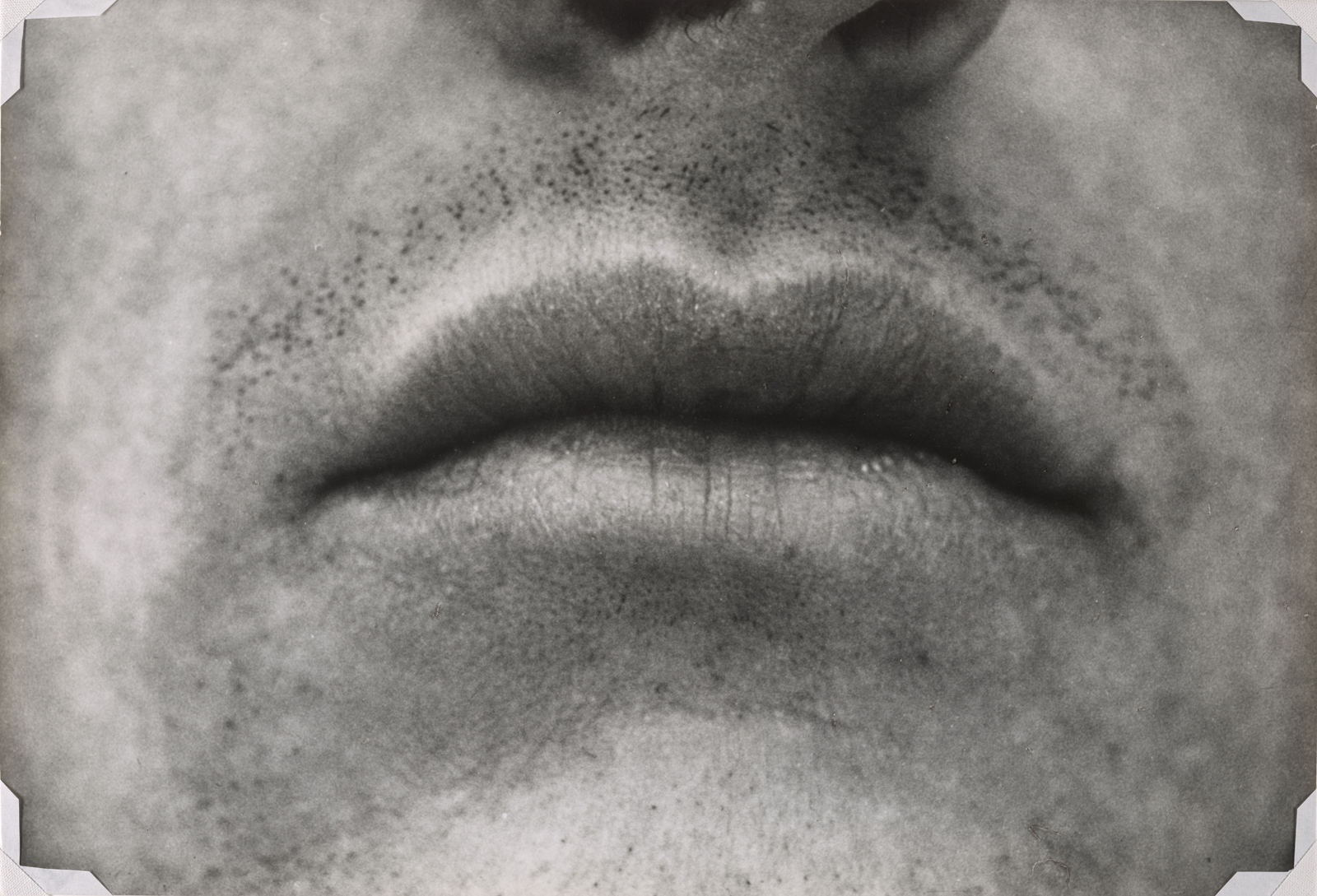
Jean-Pierre Ducatez (French, b. 1941) 'Beatle Lips: George Harrison, John Lennon, Paul McCartney, Ringo Starr' 1965

Jean-Pierre Ducatez (French, b. 1941) 'Beatle Lips: George Harrison, John Lennon, Paul McCartney, Ringo Starr' 1965

Jean-Pierre Ducatez (French, b. 1941) 'Beatle Lips: George Harrison, John Lennon, Paul McCartney, Ringo Starr' 1965

Jean-Pierre Ducatez (French, b. 1941) 'Beatle Lips: George Harrison, John Lennon, Paul McCartney, Ringo Starr' 1965


Jean-Pierre Ducatez (French, b. 1941)
Beatle Lips: George Harrison, John Lennon, Paul McCartney, Ringo Starr
1965
Gelatin silver prints
The Morgan Library & Museum
Purchased as the gift of Allen Adler
© Jean-Pierre Ducatez


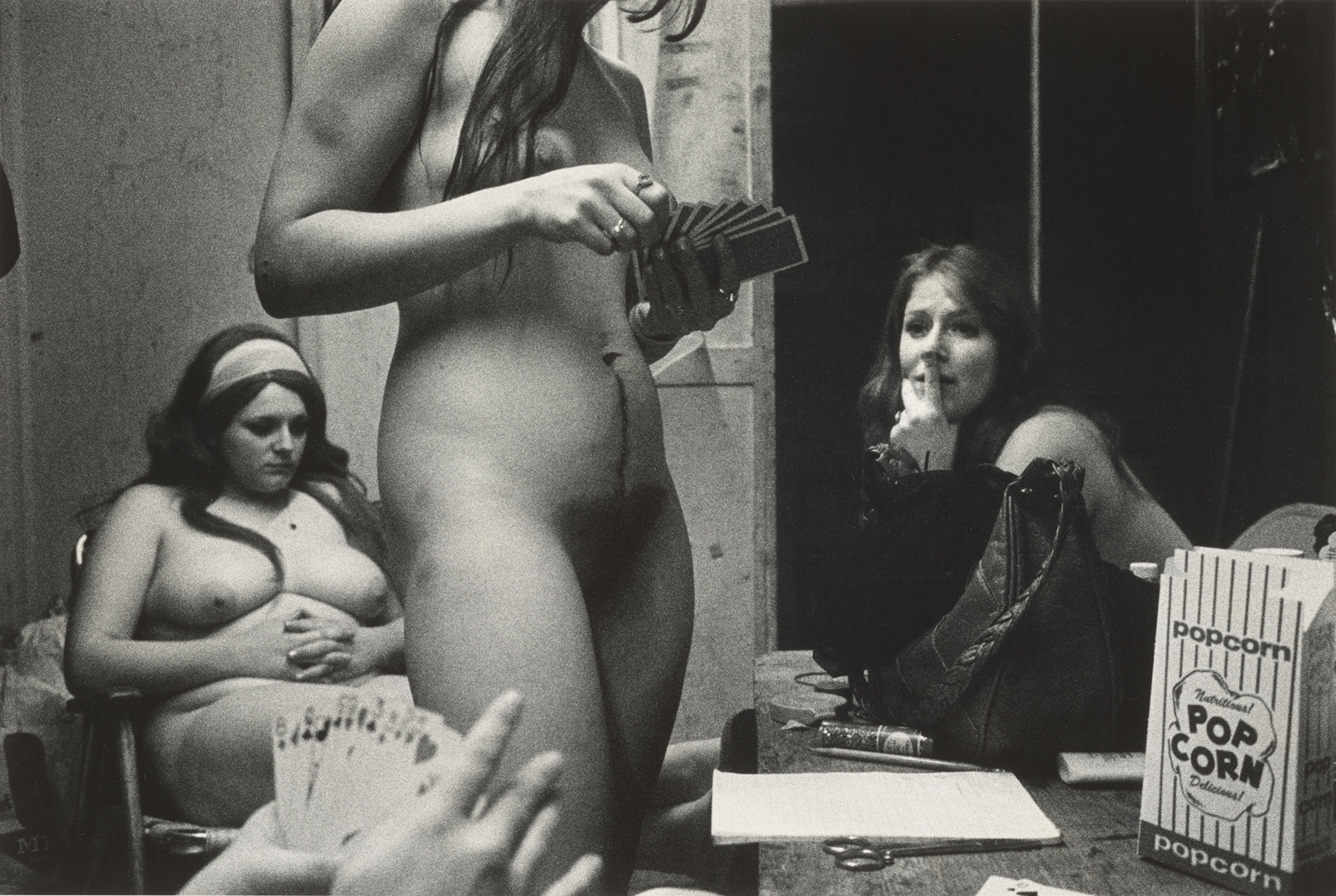
Susan Meiselas (American, b. 1948) 'The dressing room, Fryeburg, Maine, USA, 1975' 1975


Susan Meiselas (American, b. 1948)
The dressing room, Fryeburg, Maine, USA, 1975 (Before the show)
1975
From the series Carnival Strippers
Gelatin silver print
The Morgan Library & Museum, Purchased on the Charina Endowment Fund
© Susan Meiselas/Magnum Photos


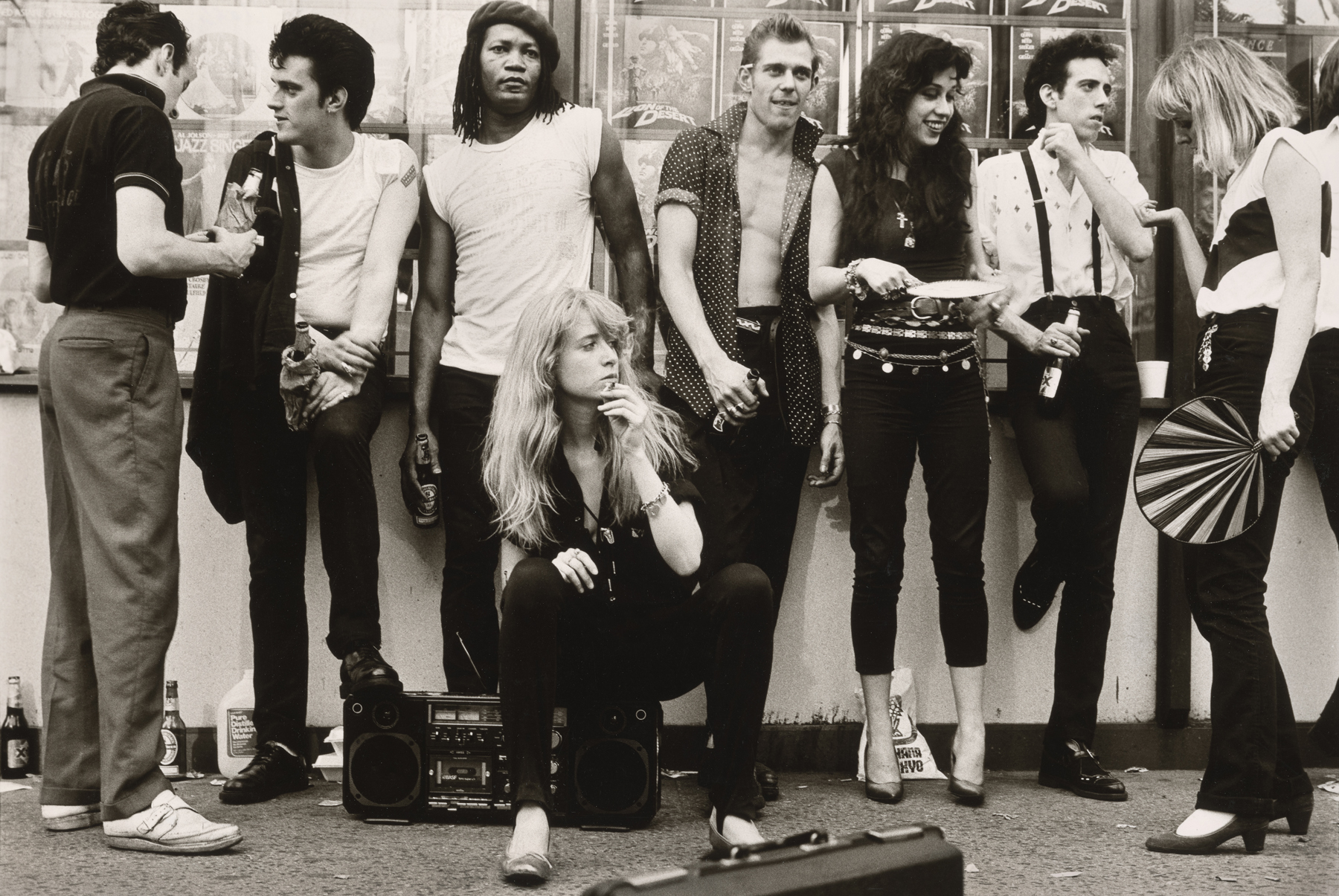
Amy Arbus (American, b. 1954) 'The Clash, NYC' 1981


Amy Arbus (American, b. 1954)
The Clash, NYC
1981
Gelatin silver print
The Morgan Library & Museum
Gift of Amy Arbus
© Amy Arbus


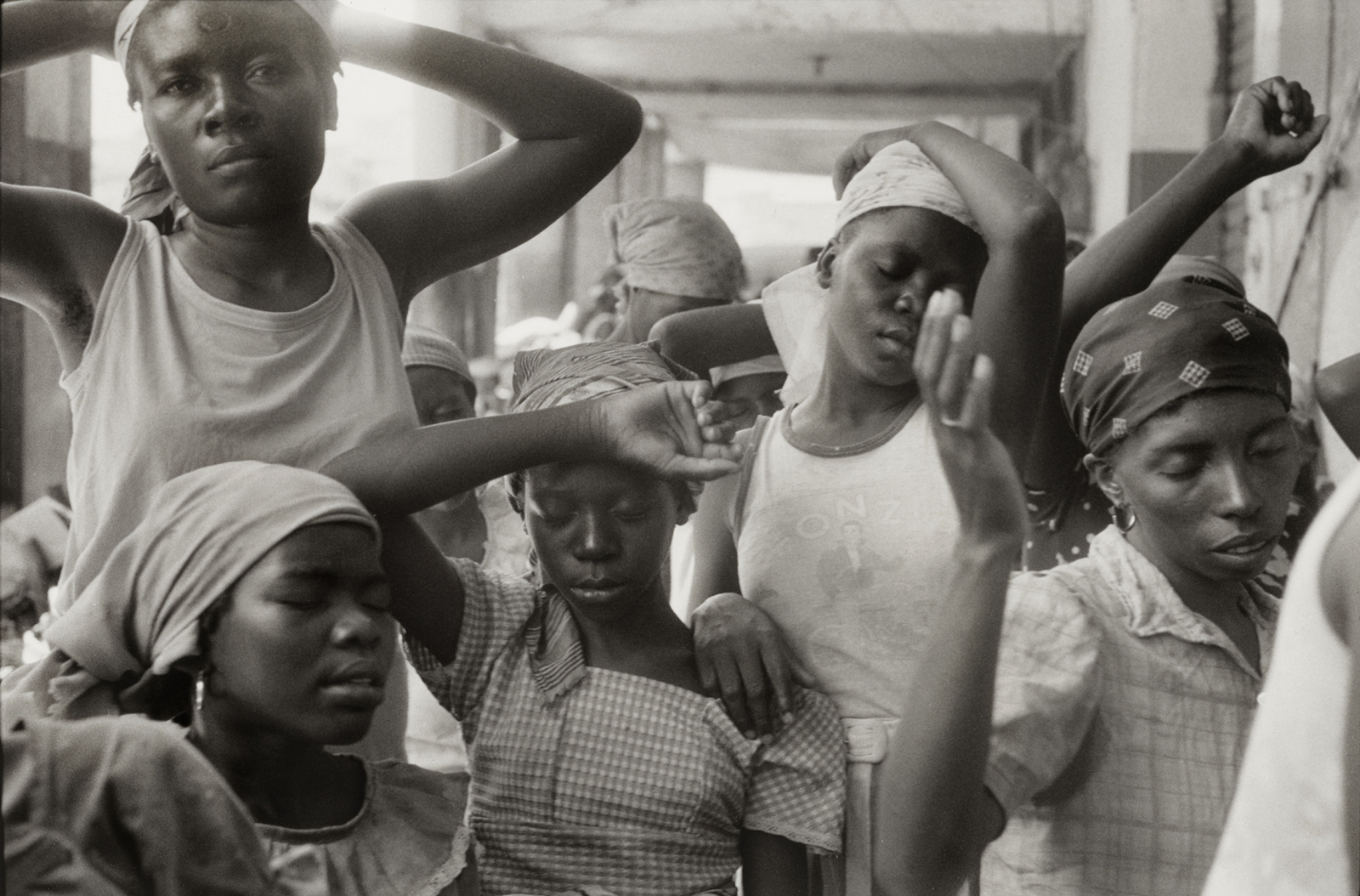
Danny Lyon (American, b. 1942) 'Haitian women praying in the market, HAITI, March 1986' 1986


Danny Lyon (American, b. 1942)
Haitian women praying in the market, HAITI, March 1986
1986
The Morgan Library & Museum
Purchased as the gift of Ronald R. Kass
© Danny Lyon/Magnum Photos


The Morgan Library & Museum presents a new exhibition about photography’s unique capacity to represent the bonds that unite people. From posed group portraits and candid street scenes to collages, constructions, and serial imagery, photographers have used many methods to place people in a shared frame of reference. Opening May 31, 2019, Among Others: Photography and the Group brings together more than sixty exceptional works spanning the 1860s to the present to explore the complexity of a type of image that is often taken for granted. Drawn primarily from the Morgan’s collection, the works in the exhibition include images by Amy Arbus, Eve Arnold, Robert Frank, Peter Hujar, and August Sander.

Among Others presents the seemingly endless possibilities of the group photograph, placing historically important portraits alongside records of significant cultural moments and experiments that helped reinvent the genre. In representations of the group, artist, subjects, and circumstances come together to create an image that might call to mind a loving family, a chance encounter among strangers, an embodiment of the democratic spirit, or a photographer’s ability to read and respond to a crowd. The photographs in the exhibition come in many formats: not just exhibition prints, snapshots, and posters, but also photo books, painted wooden sculpture, collages, baseball cards, and even a wastepaper basket featuring Richard M. Nixon. In their range and ingenuity, the works pose questions about family, diversity, democracy, representation, and the varieties of visual delight.

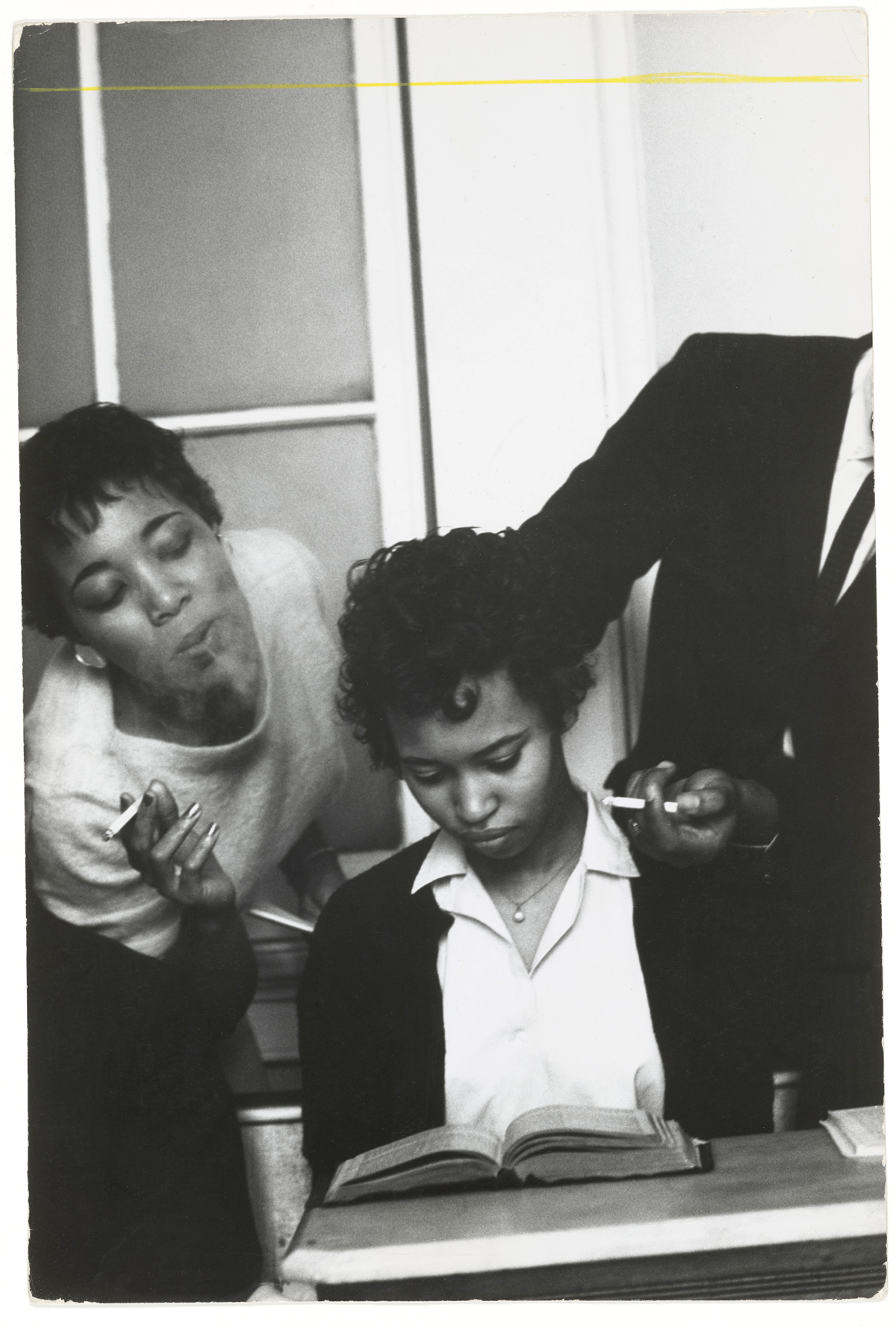
One section of the exhibition features candid scenes from public life, such as Robert Frank’s Trolley, New Orleans (1955), seen in a large-scale print the artist made around the time it graced the cover of his landmark book, The Americans (1959). Also on view are photographs of collective actions that came to define significant cultural moments, such as Eve Arnold’s 1960 photograph of a training school for Black sit-ins and Danny Lyon’s image of Haitian women praying in the month after the collapse of the corrupt regime of Jean-Claude Duvalier.

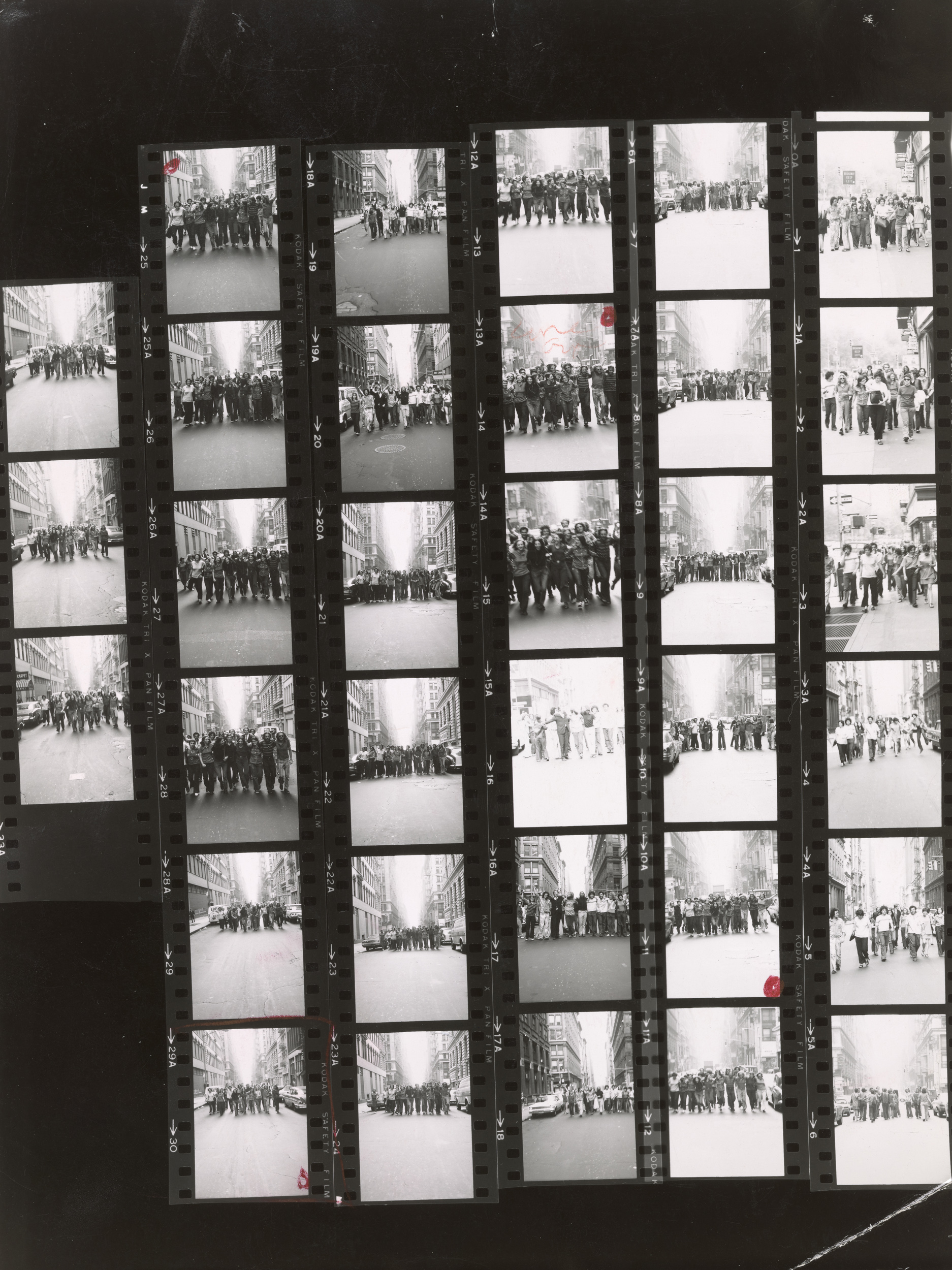
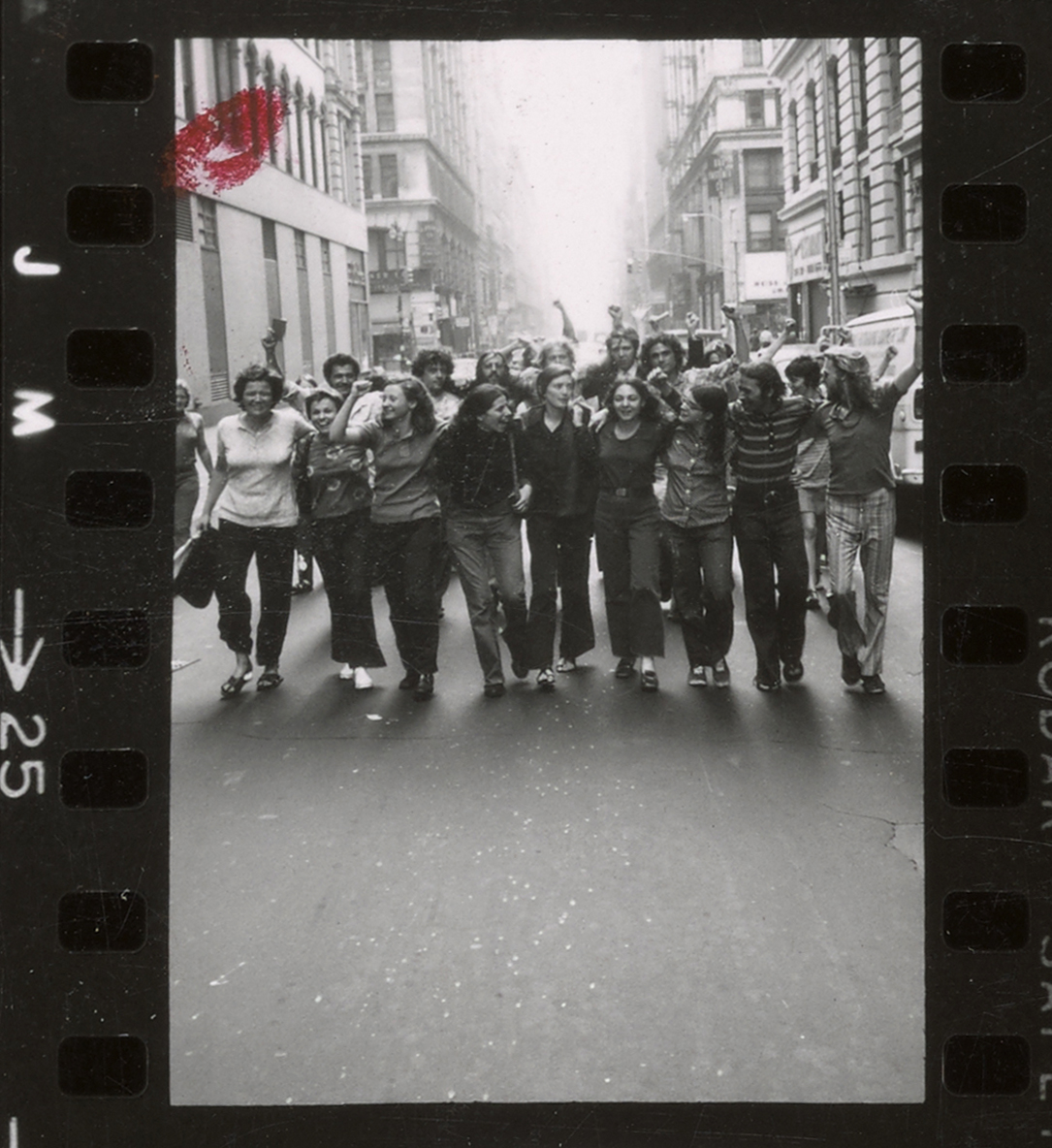
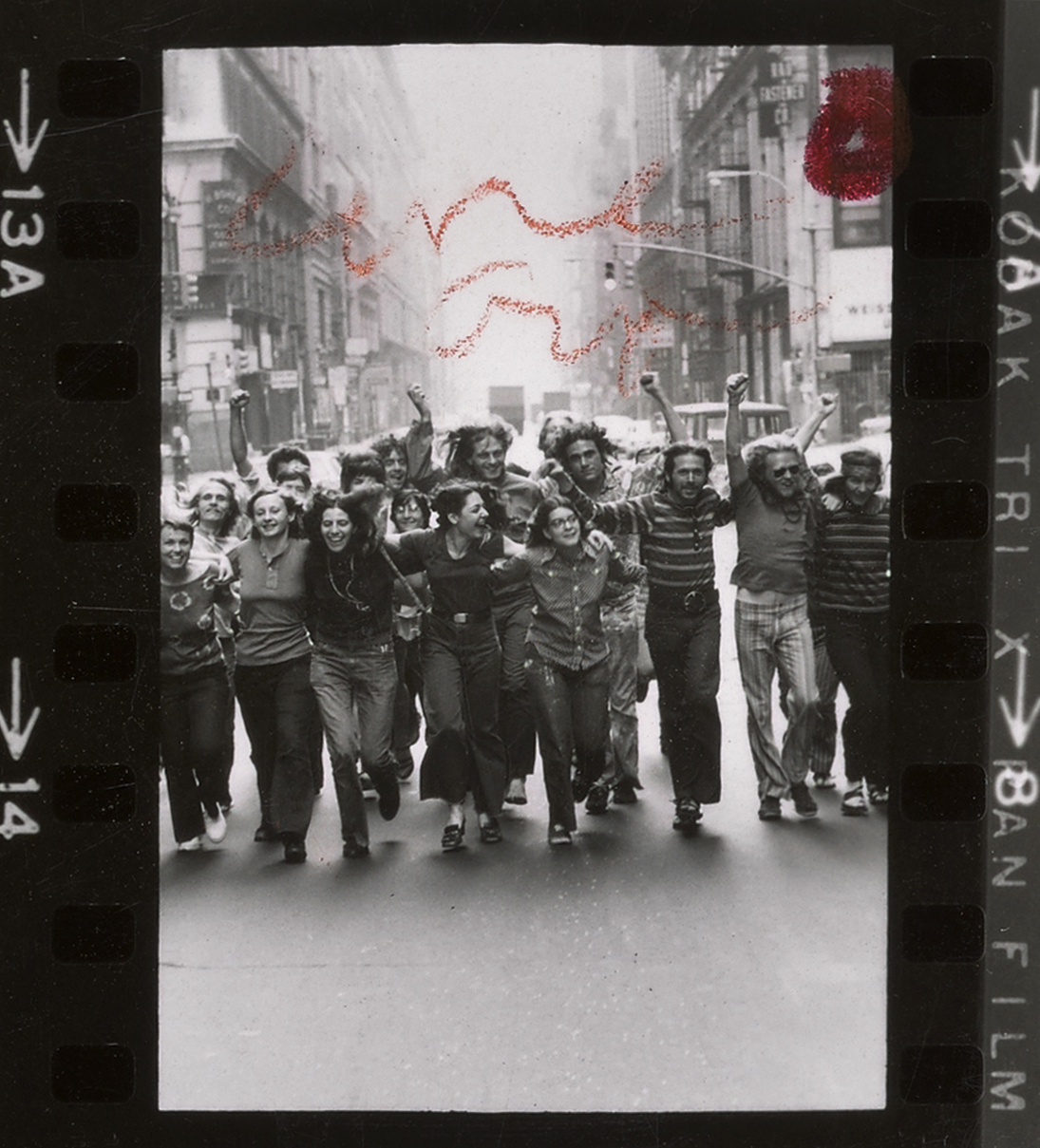
Photographers took a wide range of approaches to representing the group beyond the arranged sittings of families or civic organisations. Bob Adelman’s People Wall, World’s Fair, New York exploits the way IBM’s 1965 attraction cast a spotlight on the social and ethnic diversity of fair attendees. For a 1970 recruitment poster for the Gay Liberation Front, Peter Hujar asked the group’s members to run exuberantly toward him on the street, enacting their slogan, “Come Out!!” Camera artists have often embedded themselves in the action they portray, as Susan Meiselas did when mingling with carnival strippers, first to capture them behind the scenes and then to photograph their audience from a performer’s perspective.

When the subjects are beloved celebrities, the portrait seals a relationship of shared admiration between maker and viewer. In 1965, press photographer Jean-Pierre Ducatez made four images that zeroed in on the lips of each of the Beatles, creating likenesses that appealed directly to dedicated fans. In 1981, Amy Arbus happened to snap a photo of a photogenic group hanging out near Times Square, and only later learned they were members of the Clash and their entourage.

The exhibition features items of “pop photographica” that play radically with the conventions of camera representation. In these pieces, individual portraits are mixed and matched to suit the purposes of board games, collectibles such as cigarette cards, and even psychological tests.

“The Morgan’s photography collection has grown and evolved in many directions since its founding in 2012, always with a dual emphasis on the camera’s creative possibilities and its role in shaping modern sensibilities,” said Colin B. Bailey, Director. “We are excited to present this wide-ranging selection of works, most of which are recent acquisitions and have never been exhibited before at the Morgan.”

Joel Smith, the Morgan’s Richard L. Menschel Curator and Department Head, said, “The group is a subject we’re so accustomed to seeing in photographs, it’s easy to forget that the conventions around it had to be invented, and that they shape our picture of reality. This exhibition invites viewers to explore the many ways images have defined – since long before the selfie – how it looks to belong to a group and what it means to be represented.”

Press release from The Morgan Library & Museum [Online] Cited 21/07/2019


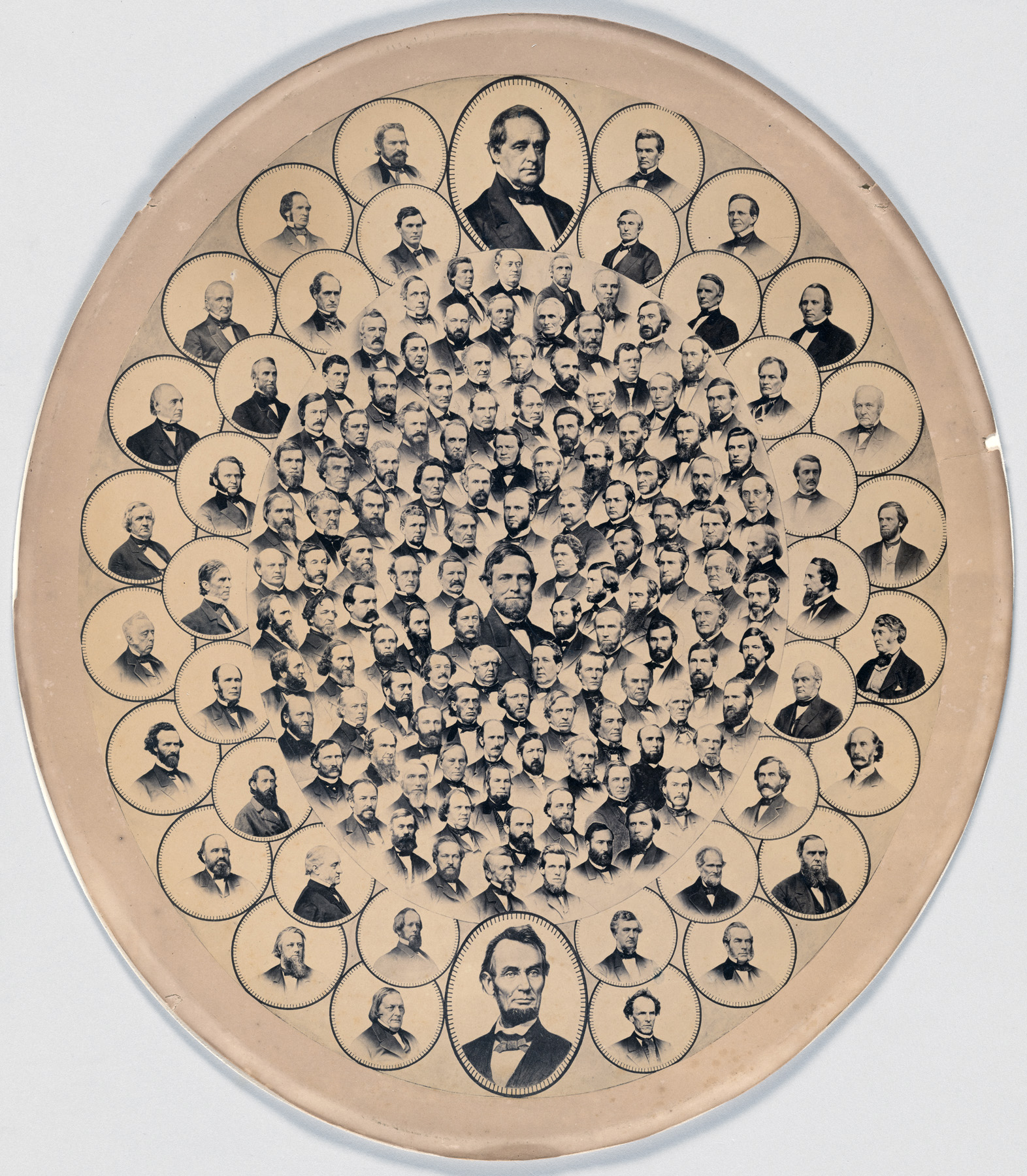
Powell & Co. 'Anti-Slavery Constitutional Amendment Picture' 1865


Powell & Co.
Anti-Slavery Constitutional Amendment Picture
1865
Albumen print
The Morgan Library & Museum
Purchased on the Charina Endowment Fund


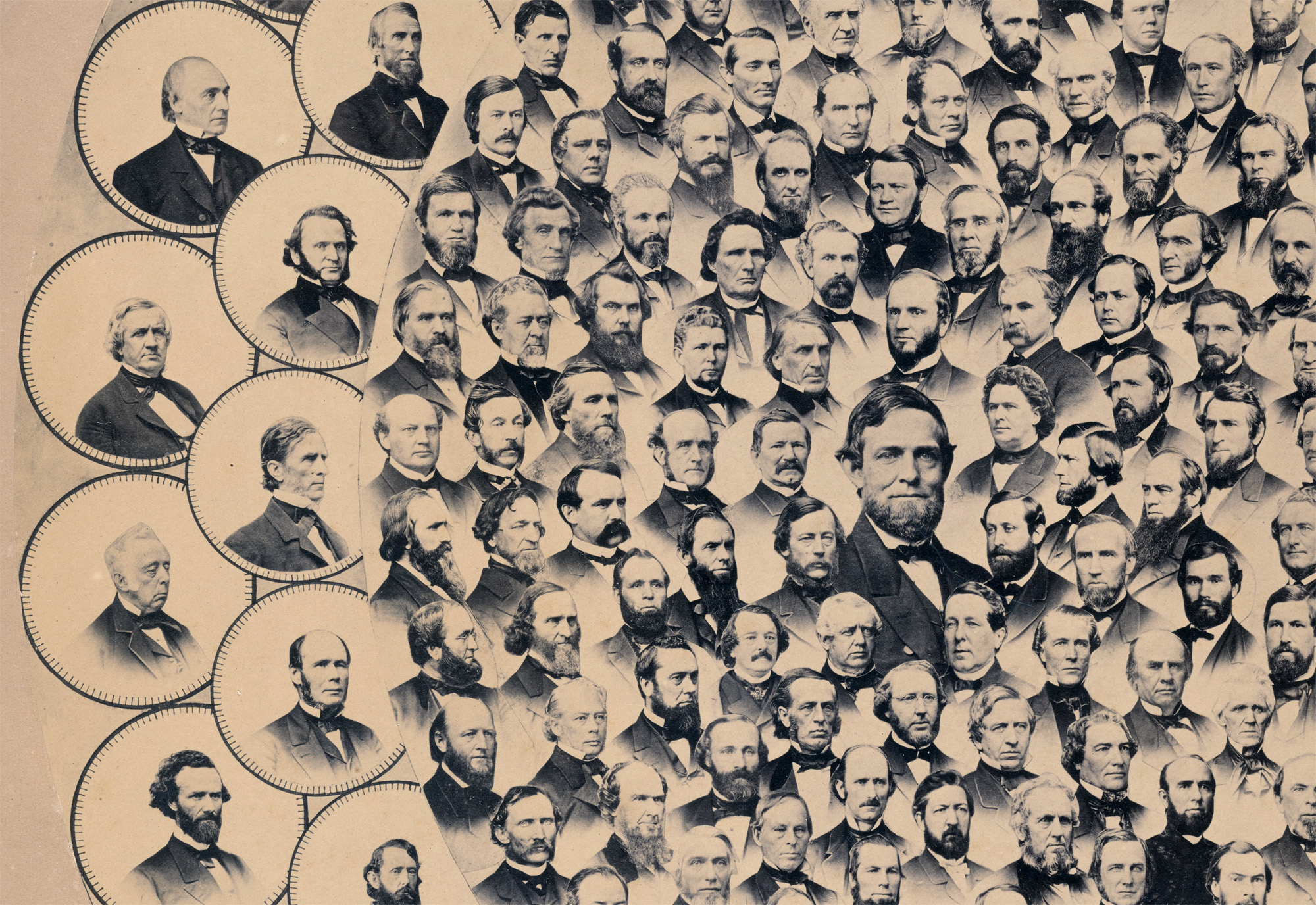
Powell & Co. 'Anti-Slavery Constitutional Amendment Picture' 1865 (detail)


Powell & Co.
Anti-Slavery Constitutional Amendment Picture (detail)
1865
Albumen print
The Morgan Library & Museum
Purchased on the Charina Endowment Fund


Eugene Omar Goldbeck (American, 1892-1986) 'Indoctrination Division, Air Training Command, Lackland Air Base, San Antonio, Texas, July 19, 1947' 1947


Eugene Omar Goldbeck (American, 1892-1986)
Indoctrination Division, Air Training Command, Lackland Air Base, San Antonio, Texas, July 19, 1947
1947
Gelatin silver print
The Morgan Library & Museum
Purchased on funds given by members of the Photography Collectors Committee


Eugene Omar Goldbeck (American, 1892-1986) 'Indoctrination Division, Air Training Command, Lackland Air Base, San Antonio, Texas, July 19, 1947' 1947 (detail)


Eugene Omar Goldbeck (American, 1892-1986)
Indoctrination Division, Air Training Command, Lackland Air Base, San Antonio, Texas, July 19, 1947 (detail)
1947
Gelatin silver print
The Morgan Library & Museum
Purchased on funds given by members of the Photography Collectors Committee


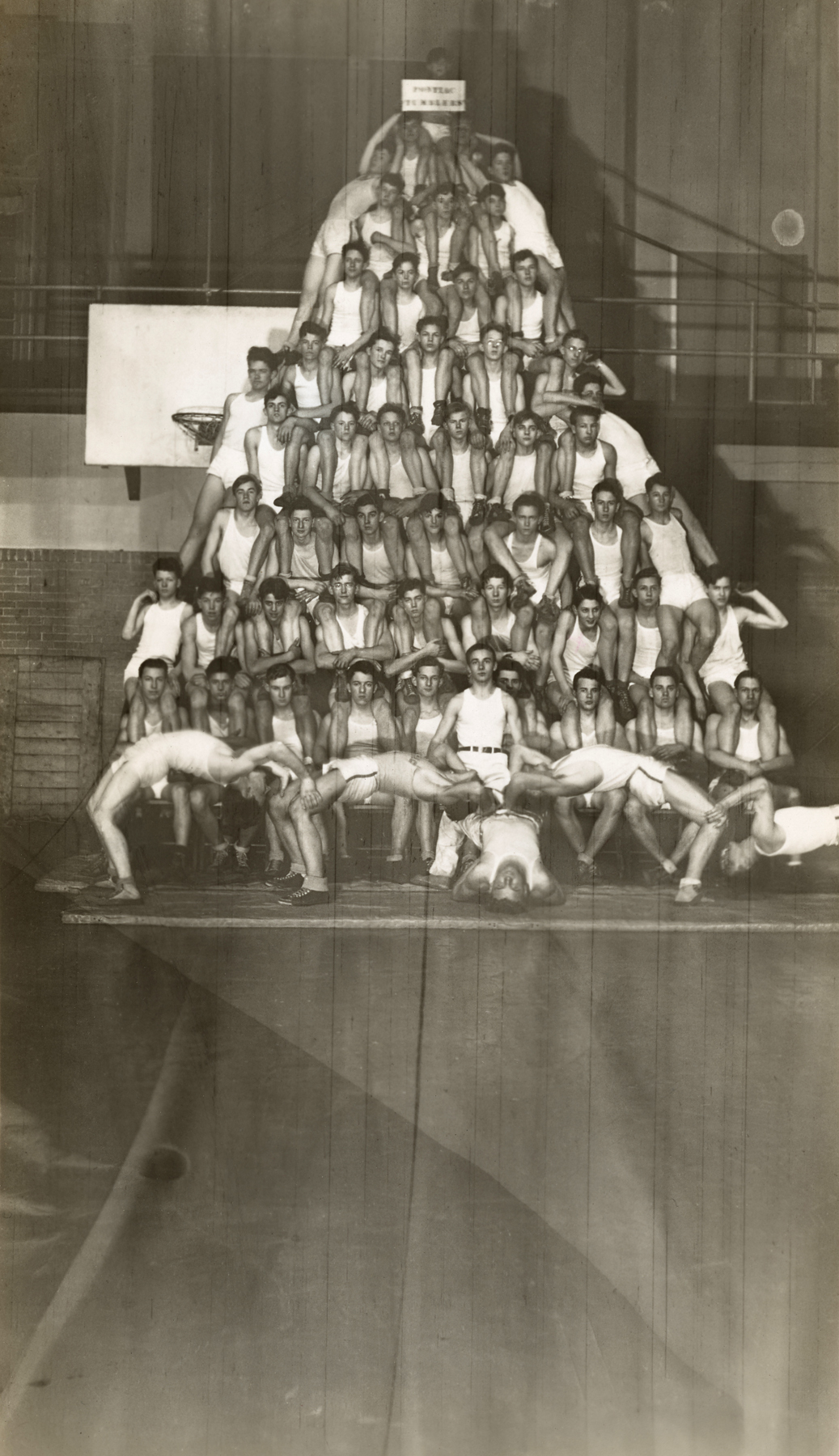
Photographer Unidentified (American) 'Untitled (human pyramid: fifty-six boys in white uniforms arranged in eight levels in a gymnasium)' 20th century


Photographer Unidentified (American)
Untitled (human pyramid: fifty-six boys in white uniforms arranged in eight levels in a gymnasium)
20th century
Commercially processed gelatin silver print
The Morgan Library & Museum
Gift of Peter J. Cohen


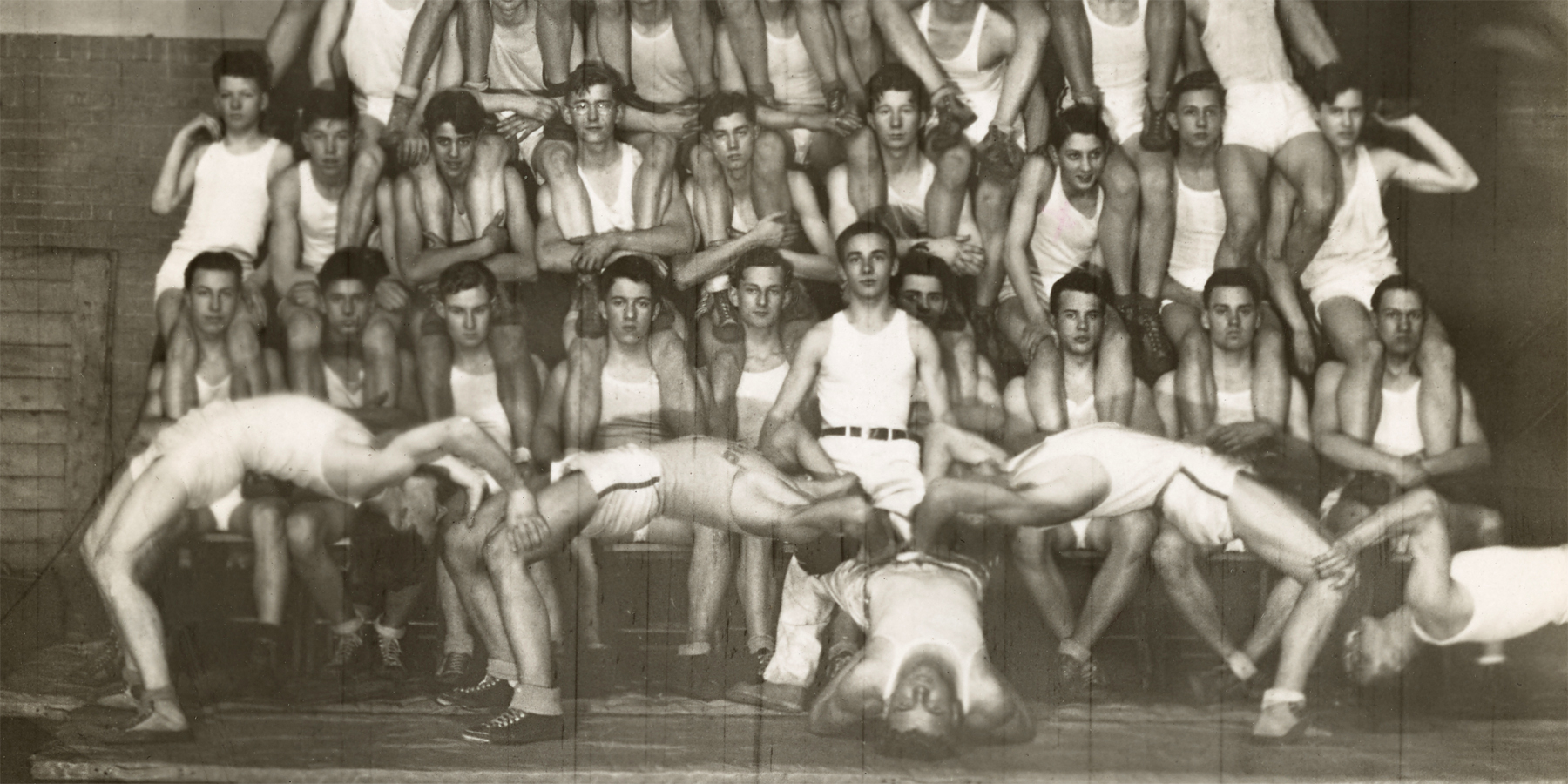
Photographer Unidentified (American) 'Untitled (human pyramid: fifty-six boys in white uniforms arranged in eight levels in a gymnasium)' 20th century (detail)


Photographer Unidentified (American)
Untitled (human pyramid: fifty-six boys in white uniforms arranged in eight levels in a gymnasium) (detail)
20th century
Commercially processed gelatin silver print
The Morgan Library & Museum
Gift of Peter J. Cohen


Eve Arnold (American, 1912-2012) 'A training school for Black sit-ins. They are harassed but taught not to hit back when harassed by Whites, Virginia, USA' 1960


Eve Arnold (American, 1912-2012)
A training school for Black sit-ins. They are harassed but taught not to hit back when harassed by Whites, Virginia, USA
1960
From the series Non-Violence
Gelatin silver print
The Morgan Library & Museum
Purchased on the Photography Collectors Committee Fund
© Eve Arnold/Magnum Photos


Peter Hujar (American, 1934-1987) 'Contact sheet: Gay Liberation Front poster image shoot' 1969 or 1970


Peter Hujar (American, 1934-1987)
Contact sheet: Gay Liberation Front poster image shoot
1969 or 1970
Gelatin silver print
The Morgan Library & Museum, Peter Hujar Collection
Purchased on the Charina Endowment Fund
© Peter Hujar Archive, LLC
Courtesy Pace/MacGill Gallery, New York and Fraenkel Gallery, San Francisco


Peter Hujar (American, 1934-1987) 'Contact sheet: Gay Liberation Front poster image shoot' (detail) 1969 or 1970


Peter Hujar (American, 1934-1987)
Contact sheet: Gay Liberation Front poster image shoot (detail)
1969 or 1970
Gelatin silver print
The Morgan Library & Museum, Peter Hujar Collection
Purchased on the Charina Endowment Fund
© Peter Hujar Archive, LLC
Courtesy Pace/MacGill Gallery, New York and Fraenkel Gallery, San Francisco


Peter Hujar (American, 1934-1987) 'Contact sheet: Gay Liberation Front poster image shoot' (detail) 1969 or 1970


Peter Hujar (American, 1934-1987)
Contact sheet: Gay Liberation Front poster image shoot (detail)
1969 or 1970
Gelatin silver print
The Morgan Library & Museum, Peter Hujar Collection
Purchased on the Charina Endowment Fund
© Peter Hujar Archive, LLC
Courtesy Pace/MacGill Gallery, New York and Fraenkel Gallery, San Francisco


Mike Mandel (American, b. 1950) 'Baseball-Photographer Trading Cards' (front and verso) 1975

Mike Mandel (American, b. 1950) 'Baseball-Photographer Trading Cards' (front and verso) 1975


Mike Mandel (American, b. 1950)
Baseball-Photographer Trading Cards (front and verso)
1975
Photo-offset lithography on cards
The Morgan Library & Museum
Purchased as the gift of Jane P. Watkins
© Mike Mandel
Courtesy the artist and Robert Mann Gallery, New York


Mike Mandel (American, b. 1950) 'Imogen Cunningham Baseball-Photographer Trading Card' 1975


Mike Mandel (American, b. 1950)
Imogen Cunningham Baseball-Photographer Trading Card
1975
Photo-offset lithography on card
The Morgan Library & Museum
Purchased as the gift of Jane P. Watkins
© Mike Mandel
Courtesy the artist and Robert Mann Gallery, New York


Mike Mandel (American, b. 1950) 'Duane Michals Baseball-Photographer Trading Card' 1975


Mike Mandel (American, b. 1950)
Duane Michals Baseball-Photographer Trading Card
1975
Photo-offset lithography on card
The Morgan Library & Museum
Purchased as the gift of Jane P. Watkins
© Mike Mandel
Courtesy the artist and Robert Mann Gallery, New York


The Morgan Library & Museum
225 Madison Avenue at 36th Street, New York, NY
Phone: (212) 685-0008

Opening hours:
Tuesday, Wednesday, Thursday, Saturday, and Sunday 10.30am – 5pm
Friday from 10.30am – 7pm

The Morgan Library & Museum website

LIKE ART BLART ON FACEBOOK

Back to top

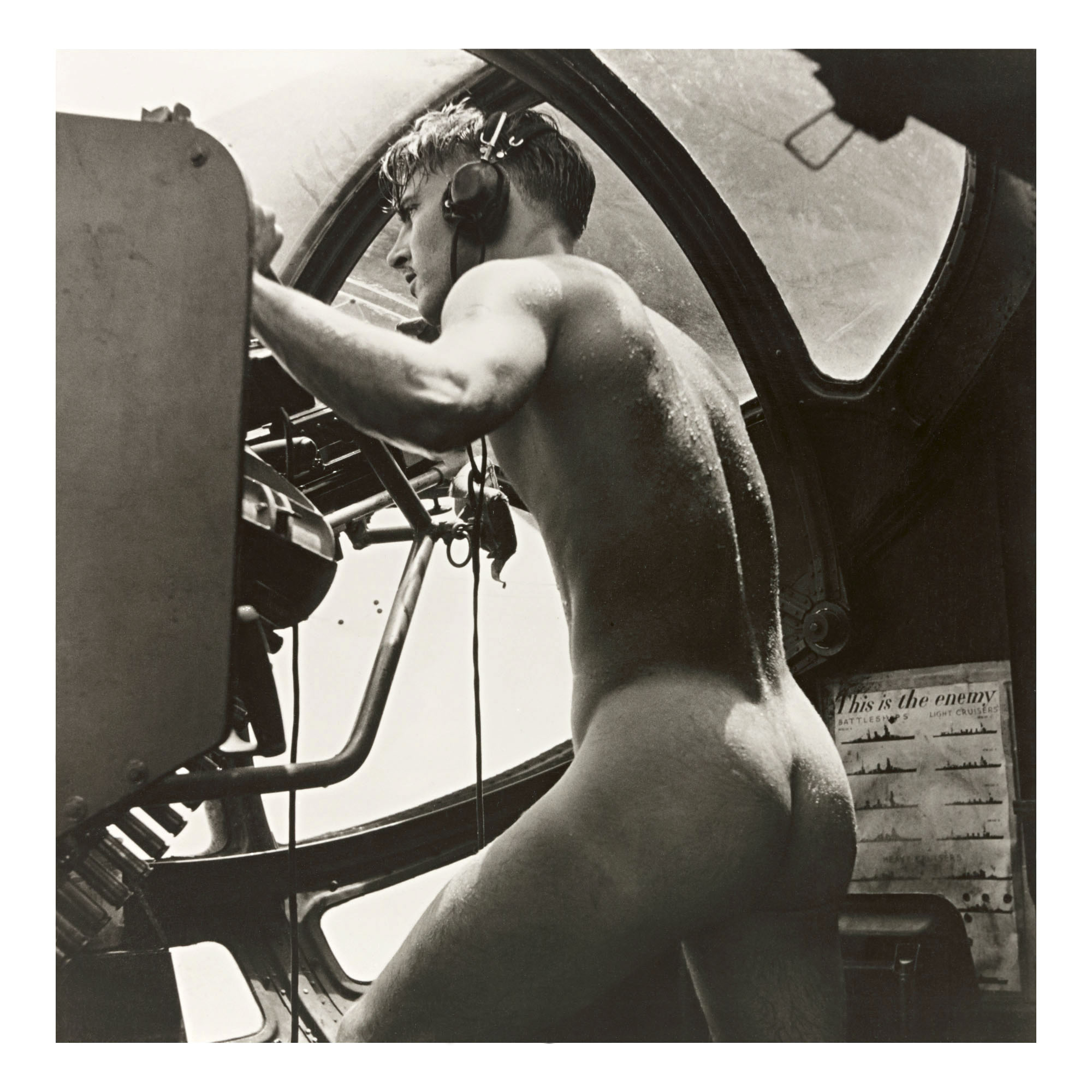
Photograph: Horace Bristol (1908-1997) ‘PBY Blister Gunner, Rescue at Rabaul’ 1944

July 2019


Horace Bristol (American, 1908-1997) 'PBY Blister Gunner, Rescue at Rabaul, 1944'


Horace Bristol (American, 1908-1997)
PBY Blister Gunner, Rescue at Rabaul, 1944
1944
Gelatin silver print


On the fly

This is a stunning picture taken of a brave, courageous, and beautiful man. It is also quite an erotic photograph of a naked man. Can a picture of this man be both heroic and erotic? Of course it can.

A comment on the article “The naked gunner, Rescue at Rabaul, 1944,” on the Rare Historical Photos website November 12, 2021 [Online] Cited 23/03/2022 from which the quote below is taken observes:

“There’s nothing inherently erotic about simple nudity, as any naturist can tell you. If people refrained from sexualizing images of clothes-free living / working / recreating, then perhaps we could have more of it, with the benefit of improving both physical and mental health.”

The comment is prudish to say the least. Modern French conceptions of eroticism state that it is an act of transgression that affirms our humanity, a transgression of the taboo, in this case the desire of pleasurable looking (scopophilia). The French philosopher Georges Bataille argues that eroticism performs a function of dissolving boundaries between human subjectivity and humanity, a transgression that dissolves the rational world… for Bataille, as well as many French theorists, “Eroticism, unlike simple sexual activity, is a psychological quest… eroticism is assenting to life even in death”. (George Bataille, Eroticism, Penguin 2001, p. 11.)

Even in the face of death (the man’s heroic actions in rescuing the downed pilot, and the death freeze, the memento mori, of the photograph) we, the observer, can affirm his life through eroticism, this forbidden impulse. As Christopher Lasch comments,

“Twentieth-century peoples have erected so many psychological barriers against strong emotion, and have invested those defenses with so much energy derived from forbidden impulse, that they can no longer remember what it feels like to be inundated with desire. They tend, rather, to be consumed with rage, which derives from defenses against desire and gives rise in turn to new defenses against rage itself. Outwardly bland, submissive, and sociable, they seethe with an inner anger for which a dense, overpopulated, bureaucratic society can devise few outlets.”1


While we acknowledge the strength and commitment of this brave young man and admire his “majestic nakedness” … on another level, we can invest in those oft denied strong emotions of pleasure and desire. Pleasure in looking at his body and desire for his youth and masculinity which overturns the forbidden impulse and transgresses the supposed taboo that a hero cannot be desired. Brave, heroic, human and downright hot, hot, hot!

Dr Marcus Bunyan

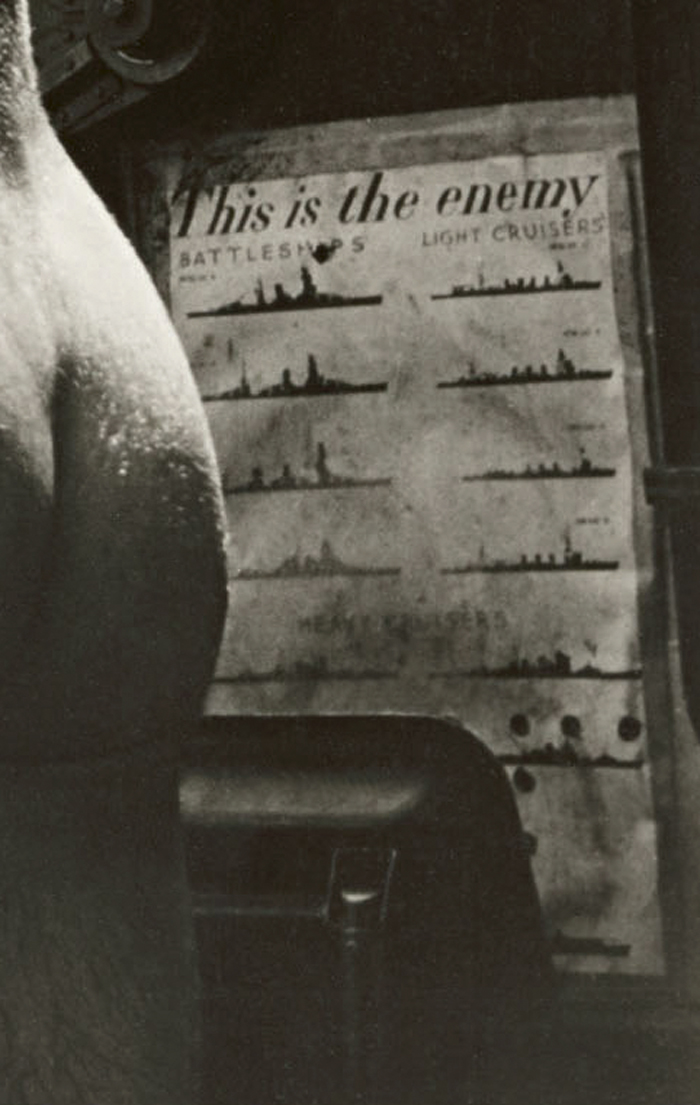
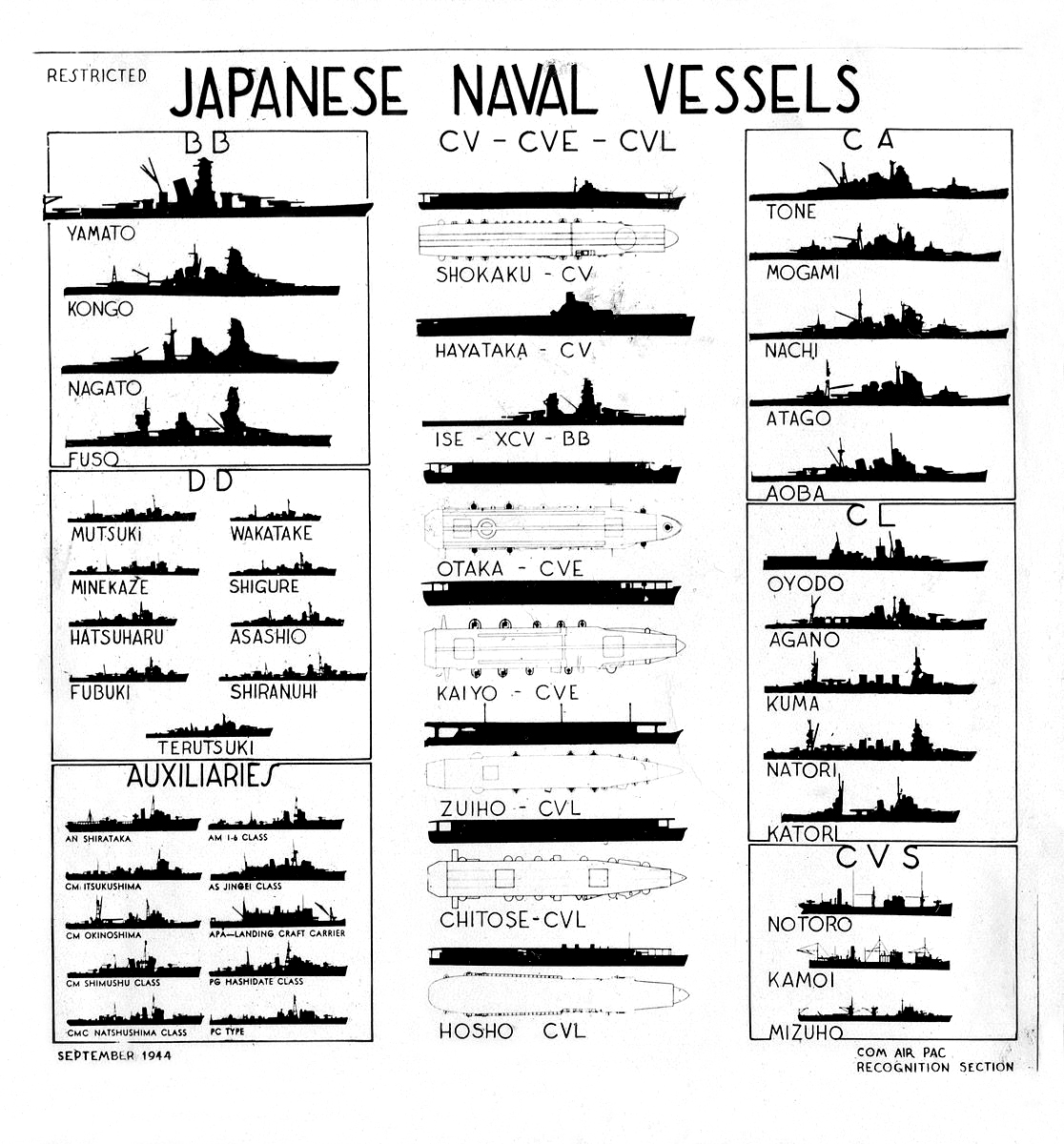
PS. Please note the chart ‘This is the enemy’ by the mans buttocks, so that he can keep an eye out for Japanese ships while patrolling. His position in the aircraft is noted in the close up photograph below.


1/ Lasch, Christopher. The Culture of Narcissism. New York: W.W. Norton and Company, 1978, p. 11.


Please click on the photographs for a larger version of the image.


This young crewman of a US Navy “Dumbo” PBY rescue mission has just jumped into the water of Rabaul Harbor to rescue a badly burned Marine pilot who was shot down while bombing the Japanese-held fortress of Rabaul. Since Japanese coastal defense guns were firing at the plane while it was in the water during take-off, this brave young man, after rescuing the pilot, manned his position as machine gunner without taking time to put on his clothes. A hero photographed right after he’d completed his heroic act. Naked.

Photo taken by Horace Bristol (1908-1997). In 1941, Bristol was recruited to the U.S. Naval Aviation Photographic Unit, as one of six photographers under the command of Captain Edward J. Steichen, documenting World War II in places such as South Africa, and Japan. He ended up being on the plane the gunner was serving on, which was used to rescue people from Rabaul Bay (New Britain Island, Papua New Guinea), when this occurred. In an article from a December 2002 issue of B&W magazine he remembers:

“… we got a call to pick up an airman who was down in the Bay. The Japanese were shooting at him from the island, and when they saw us they started shooting at us. The man who was shot down was temporarily blinded, so one of our crew stripped off his clothes and jumped in to bring him aboard. He couldn’t have swum very well wearing his boots and clothes. As soon as we could, we took off. We weren’t waiting around for anybody to put on formal clothes. We were being shot at and wanted to get the hell out of there. The naked man got back into his position at his gun in the blister of the plane.”


Anonymous. “The naked gunner, Rescue at Rabaul, 1944,” on the Rare Historical Photos website Nd [Online] Cited 02/07/2019


“To understand the current mainstream eroticising of the male body as a purely homoerotic gesture, though, is to misrecognise the nature of the desire which flows between the media and its audience. The desire courted by men’s magazines, whether they are pitched at a nominally hetero or homosexual market, is the desire to consume. For consumer’s it’s a seduction which is increasingly mediated by the consumption of images. What is presaged by the new sexualising of men is not merely the extension and refinement of an existing market, but a new order of commodification. Originally carriers of the commodity virus, images have become desirable in themselves. Or to put it another way, our desires are increasingly modelled on the logic of images.”

Lumby, Catharine. “Nothing Personal: Sex, Gender and Identity in The Media Age,” in Matthews, Jill (ed.,). Sex in Public: Australian Sexual Cultures. St. Leonards: Allen and Unwin, 1997, p. 9.


“The second school of thought is characterized by newer approaches, which forcibly challenge these essentialist notions of sexuality. This second school of thought includes neo-psychoanalytic approaches which see sexuality and sexual desire as constituted in language (the work of Freud reinterpreted via Jacques Lacan; a position that has been taken up by feminists such as Juliet Mitchell). It also includes discursive or poststructuralist approaches which take as a starting point the work of Michel Foucault who argues that sexuality is an historical apparatus and sex is a complex idea that was formed with the deployment of sexuality.

What links this second group of theorists is the recognition of social and historical sources of sexual definitions and a belief that bodies are only unified through ideological constructs such as sex and sexuality. That is; sex and sexuality are, and have been, shaped and determined by a multiplicity of forces (such as race, class and religion) and have undergone complex historical transformations. We therefore give the notions of sex, gender and sexuality different meanings at different times and for different people. These notions combine to create understandings of ‘sexualized bodies’ which are subsequently expressed and reinforced through a variety of mechanisms; for example through marriage laws, the regulations of deviance, the judiciary, the police, as well as, more generally, the education system, and the welfare system (Weeks, 1989, p. 9). This view of sexuality as ‘constructed’ is in agreement with the view of sex as ‘given’ on the basis that sex and sexuality define us socially and morally. However, this second view suggests that sexuality could be a potentiality for choice, change and diversity, but instead we see it as destiny – and depending on whether you are male, female, homosexual, heterosexual, young, old, black or white, for example, your destiny is set in certain ways.”

Stephen, Kylie. “Sexualized Bodies,” in Evans, M. and Lee, E. (eds.,). Real Bodies. Palgrave, London, 2002, p. 30 [Online] Cited 05/07/2019


Eroticism

Eroticism (from the Greek ἔρως, eros – “desire”) is a quality that causes sexual feelings, as well as a philosophical contemplation concerning the aesthetics of sexual desire, sensuality, and romantic love. That quality may be found in any form of artwork, including painting, sculpture, photography, drama, film, music, or literature. It may also be found in advertising. The term may also refer to a state of sexual arousal or anticipation of such – an insistent sexual impulse, desire, or pattern of thoughts.

As French novelist Honoré de Balzac stated, eroticism is dependent not just upon an individual’s sexual morality, but also the culture and time in which an individual resides. …

French philosophy

Modern French conceptions of eroticism can be traced to Age of Enlightenment, when “in the eighteenth century, dictionaries defined the erotic as that which concerned love… eroticism was the intrusion into the public sphere of something that was at base private”. This theme of intrusion or transgression was taken up in the twentieth century by the French philosopher Georges Bataille, who argued that eroticism performs a function of dissolving boundaries between human subjectivity and humanity, a transgression that dissolves the rational world but is always temporary, as well as that, “Desire in eroticism is the desire that triumphs over the taboo. It presupposes man in conflict with himself”. For Bataille, as well as many French theorists, “Eroticism, unlike simple sexual activity, is a psychological quest… eroticism is assenting to life even in death”. (George Bataille, Eroticism, Penguin 2001, p. 11.)

Non-heterosexual

Queer theory and LGBT studies consider the concept from a non-heterosexual perspective, viewing psychoanalytical and modernist views of eroticism as both archaic and heterosexist, written primarily by and for a “handful of elite, heterosexual, bourgeois men” who “mistook their own repressed sexual proclivities” as the norm.

Theorists like Eve Kosofsky Sedgwick, Gayle S. Rubinand Marilyn Frye all write extensively about eroticism from a heterosexual, lesbian and separatist point of view, respectively, seeing eroticism as both a political force and cultural critique for marginalised groups, or as Mario Vargas Llosa summarised: “Eroticism has its own moral justification because it says that pleasure is enough for me; it is a statement of the individual’s sovereignty”. (Mangan, J. A. “Men, Masculinity, and Sexuality: Some Recent Literature,” in Journal of the History of Sexuality 3:2, 1992, pp. 303-313.)

Text from the Wikipedia website


Horace Bristol (American, 1908-1997) 'PBY Blister Gunner, Rescue at Rabaul, 1944' (detail)


Horace Bristol (American, 1908-1997)
PBY Blister Gunner, Rescue at Rabaul, 1944 (detail)
1944
Gelatin silver print


Battleships

Nagato
?
Fuso


Horace Bristol

Horace Bristol (November 16, 1908 – August 4, 1997) was a twentieth-century American photographer, best known for his work in Life. His photos appeared in Time, Fortune, Sunset, and National Geographic magazines.

Early life

Bristol was born and raised in Whittier, California, he was the son of Edith Bristol, women’s editor at the San Francisco Call. Bristol attended the Art Center of Los Angeles, originally majoring in architecture. In 1933, he moved to San Francisco to work in commercial photography, and met Ansel Adams, who lived near his studio. Through his friendship with Adams, he met Edward Weston, Imogen Cunningham, and other artists. He was copy reader at night for the Los Angeles Times after graduating from Belmont High School.

Photography career

In 1936, Bristol became a part of Life‘s founding photographers, and in 1938, began to document migrant farmers in California’s central valley with John Steinbeck, recording the Great Depression, photographs that would later be called the Grapes of Wrath collection.

In 1941, Bristol was recruited to the U.S. Naval Aviation Photographic Unit, as one of six photographers under the command of Captain Edward J. Steichen, documenting World War II in places such as South Africa, and Japan. Bristol helped to document the invasions of North Africa, Iwo Jima, and Okinawa.

Later life

Following his documentation of World War II, Bristol settled in Tokyo, Japan, selling his photographs to magazines in Europe and the United States, and becoming the Asian correspondent to Fortune. He published several books, and established the East-West Photo Agency.

Following the death of his wife in 1956, Bristol burned all his negatives, packed his photographs into storage, and retired from photography. He went on to remarry, and have two children. He returned to the United States, and after 30 years, recovered the photographs from storage, to share with his family. Subsequently he approached his alma mater, Art Center College of Design, where the World War II and migrant worker photographs became the subject of a 1989 solo exhibition. The migrant worker photos would go on to be part of the J. Paul Getty Museum’s Grapes of Wrath series.

Text from the Wikipedia website


Silhouette recognition chart of Japanese surface vessels of World War 2 September 1944


Silhouette recognition chart of Japanese surface vessels of World War 2 September 1944


Great Planes – Catalina Pby

A great documentary about this plane.


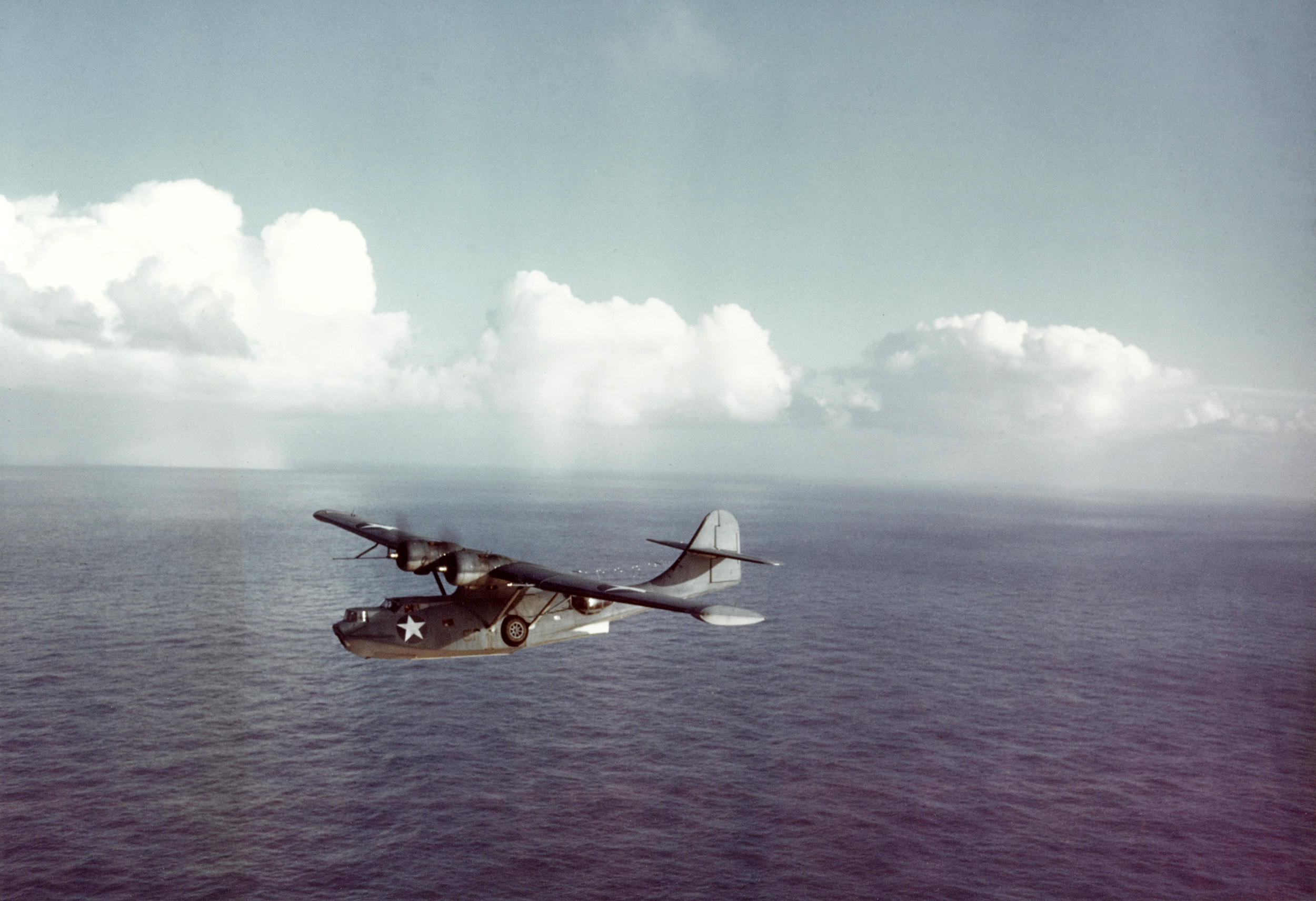
U.S. Navy. 'A U.S. Navy Consolidated PBY-5A Catalina patrol bomber in flight, 1942-43' c. 1942


U.S. Navy
A U.S. Navy Consolidated PBY-5A Catalina patrol bomber in flight, 1942-43
c. 1942
U.S. National Archives 80-G-K-14896


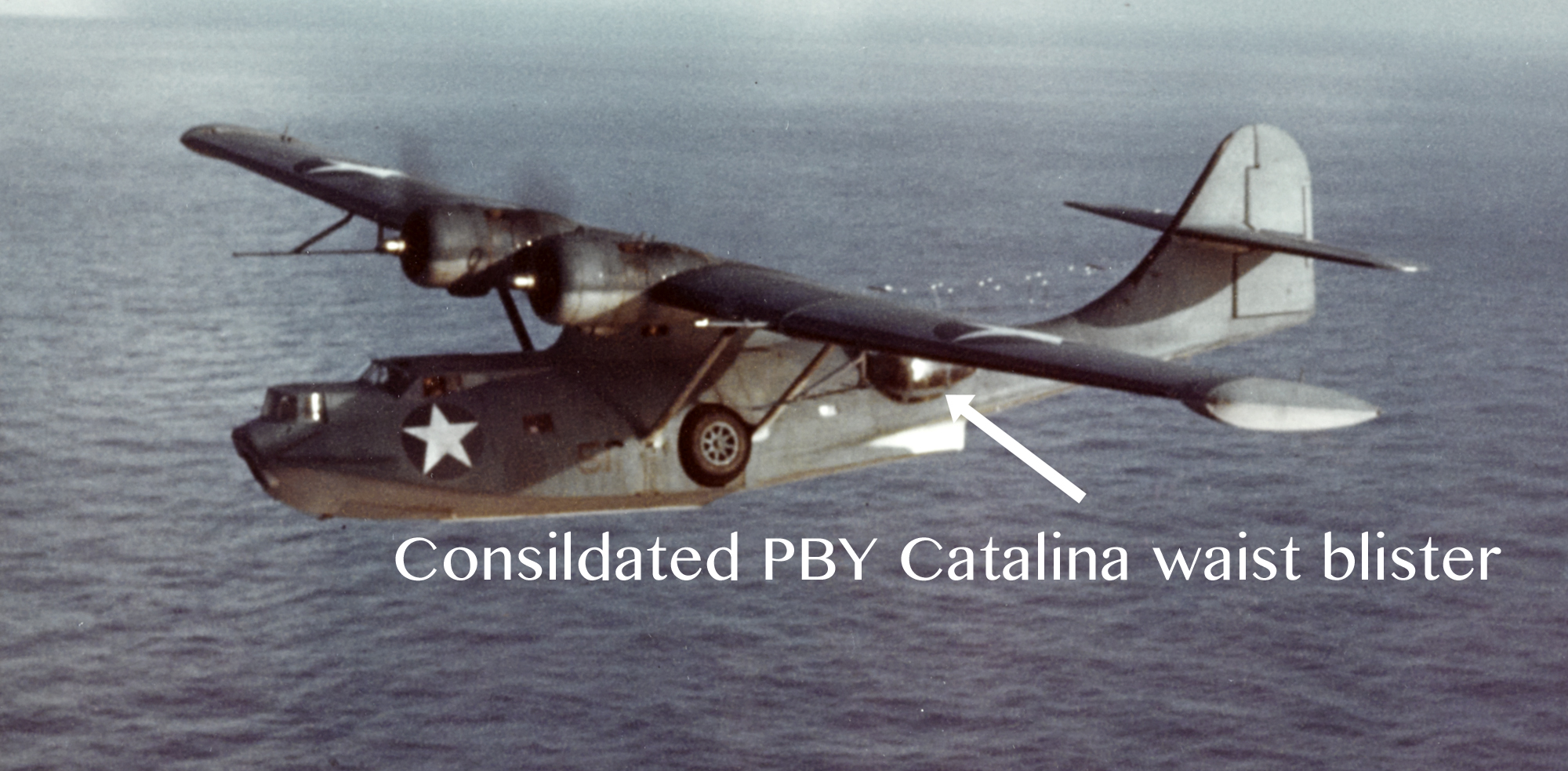
This plane carries radar antennas under its wing


U.S. Navy. 'A U.S. Navy Consolidated PBY-5A Catalina patrol bomber in flight, 1942-43' (detail) c. 1942


U.S. Navy
A U.S. Navy Consolidated PBY-5A Catalina patrol bomber in flight, 1942-43 (detail)
c. 1942
U.S. National Archives 80-G-K-14896


Consolidated PBY Catalina

Around 3,300 aircraft were built, and these operated in nearly all operational theatres of World War II. The Catalina served with distinction and played a prominent and invaluable role against the Japanese. This was especially true during the first year of the war in the Pacific, because the PBY and the Boeing B-17 Flying Fortress were the only American aircraft with the range to be effective in the Pacific.

First flight: 28 March 1935
Introduction: October 1936, United States Navy
Retired: January 1957 (United States Navy Reserve)
1979 (Brazilian Air Force)
Primary users: United States Navy
United States Army Air Forces
Royal Air Force
Royal Canadian Air Force
Produced: 1936-1945
Number built: 3,305 (2,661 U.S.-built, 620 Canadian-built, 24 Soviet-built

General characteristics

Crew: 10 – pilot, co-pilot, bow turret gunner, flight engineer, radio operator, navigator, radar operator, two waist gunners, ventral gunner
Length: 63 ft 10 7/16 in (19.46 m)
Wingspan: 104 ft 0 in (31.70 m)
Height: 21 ft 1 in (6.15 m)
Wing area: 1,400 ft² (130 m²)
Empty weight: 20,910 lb (9,485 kg)
Max. takeoff weight: 35,420 lb (16,066 kg)
Zero-lift drag coefficient: 0.0309
Drag area: 43.26 ft² (4.02 m²)
Aspect ratio: 7.73
Powerplant: 2 × Pratt & Whitney R-1830-92 Twin Wasp radial engines, 1,200 hp (895 kW) each

Performance

Maximum speed: 196 mph (314 km/h)
Cruise speed: 125 mph (201 km/h)
Range: 2,520 mi (4,030 km)
Service ceiling: 15,800 ft (4,815 m)
Rate of climb: 1,000 ft/min (5.1 m/s)
Wing loading: 25.3 lb/ft² (123.6 kg/m²)
Power/mass: 0.067 hp/lb (0.111 kW/kg)
Lift-to-drag ratio: 11.9

Armament

3x .30 cal (7.62 mm) machine guns (two in nose turret, one in ventral hatch at tail)
2x .50 cal (12.7 mm) machine guns (one in each waist blister)
4,000 lb (1,814 kg) of bombs or depth charges; torpedo racks were also available

October 1941 – January 1945

Hydraulically actuated, retractable tricycle landing gear, with main gear design based on one from the 1920s designed by Leroy Grumman, for amphibious operation. Introduced tail gun position, replaced bow single gun position with bow “eyeball” turret equipped with twin .30 machine guns (some later units), improved armour, self-sealing fuel tanks.

Search and rescue

Catalinas were employed by every branch of the U.S. military as rescue aircraft. A PBY piloted by LCDR Adrian Marks (USN) rescued 56 sailors in high seas from the heavy cruiser Indianapolis after the ship was sunk during World War II. When there was no more room inside, the crew tied sailors to the wings. The aircraft could not fly in this state; instead it acted as a lifeboat, protecting the sailors from exposure and the risk of shark attack, until rescue ships arrived. Catalinas continued to function in the search-and-rescue role for decades after the end of the war.

Text from the Wikipedia website


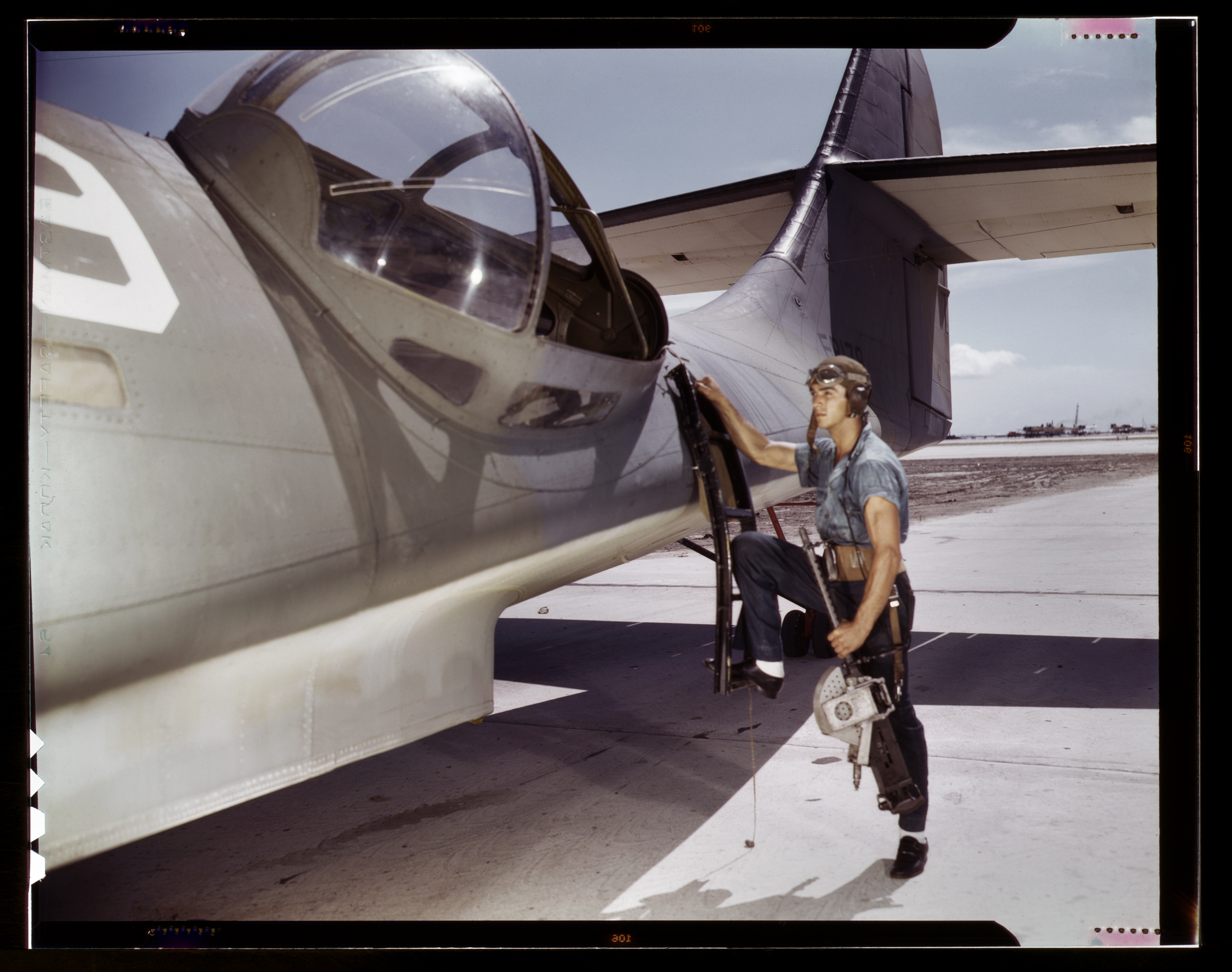
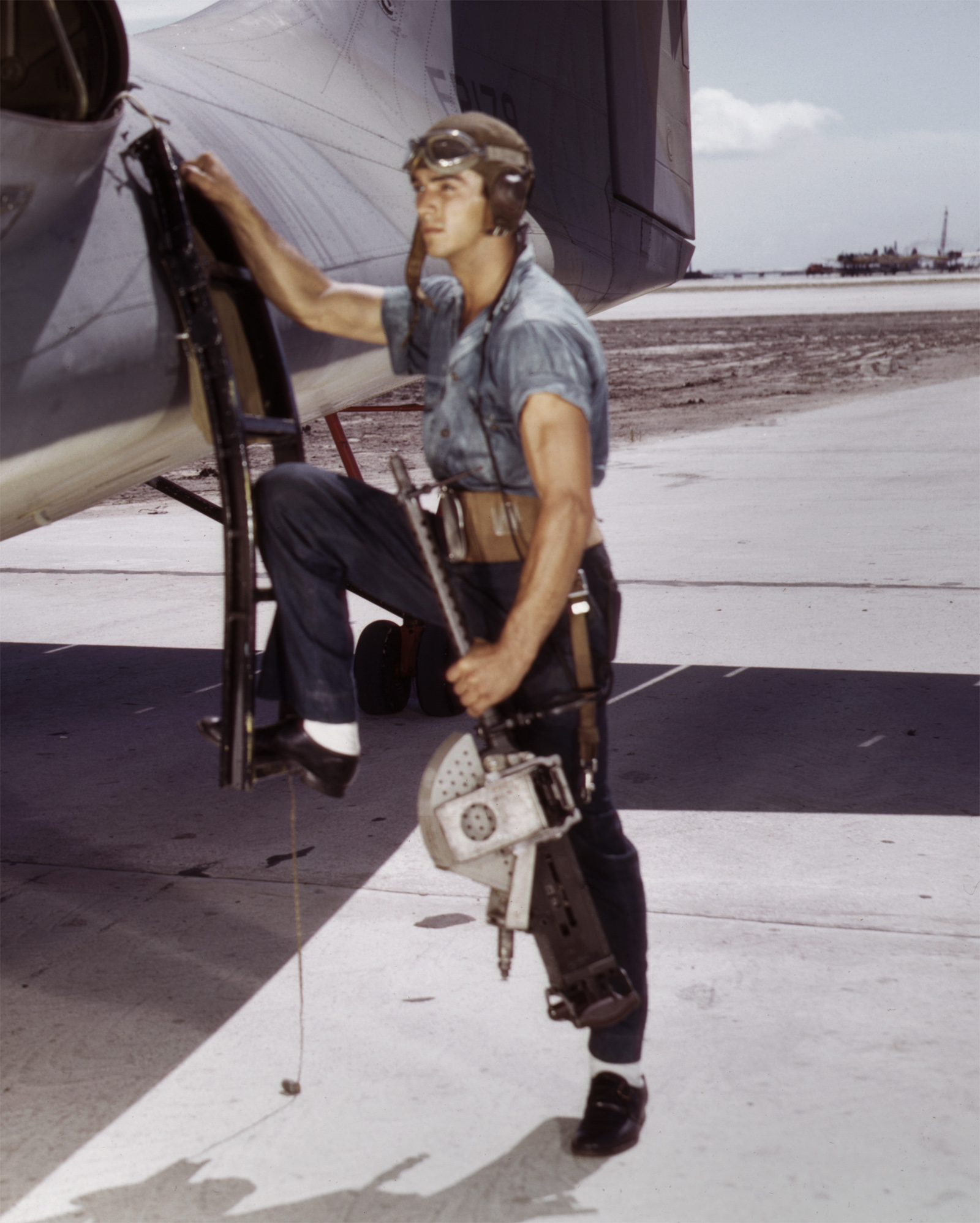
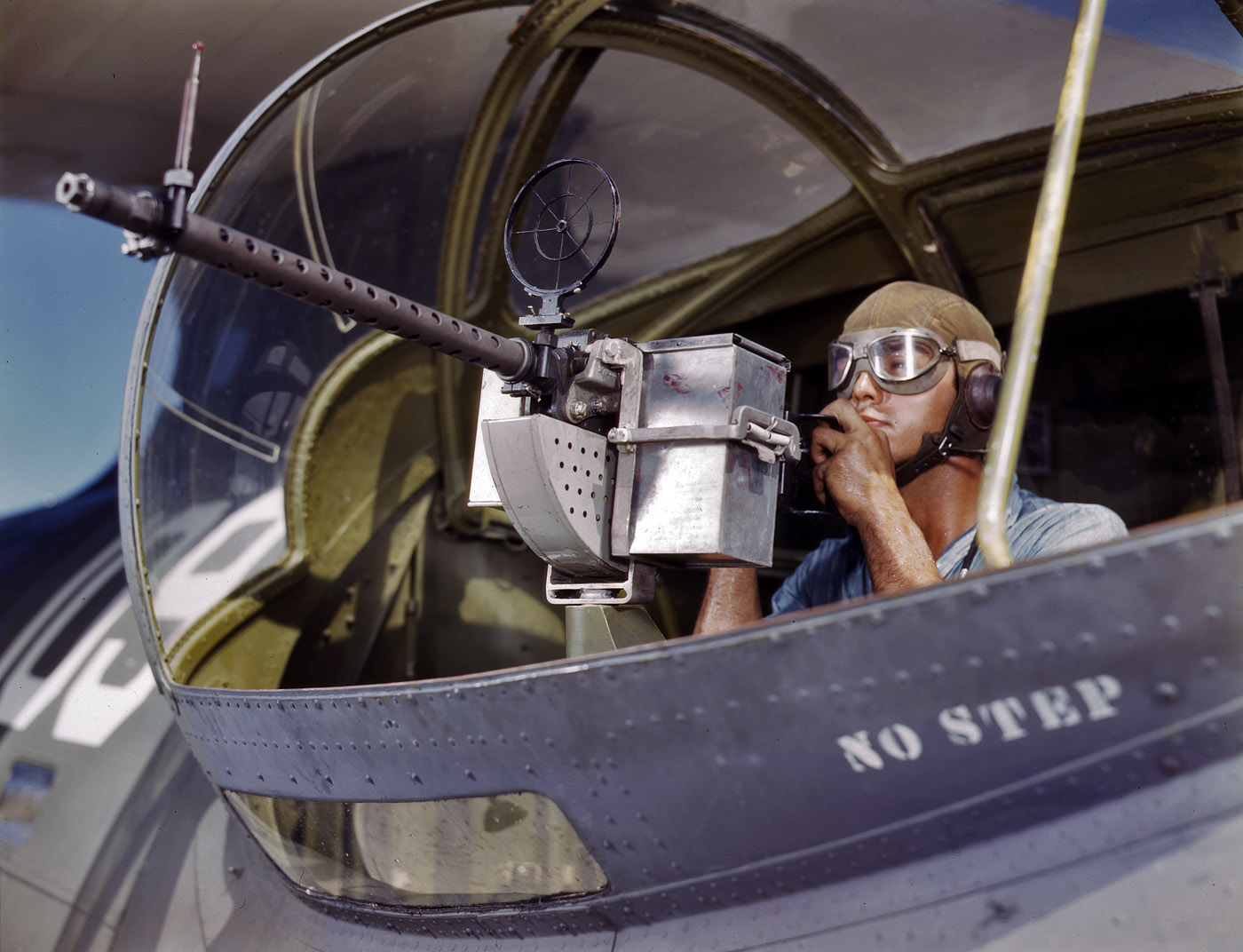
Howard R. Hollem (American, d. 1949) for the United States Office of War Information. 'Jesse Rhodes Waller, a World War II Aviation Ordnanceman stationed at the Naval Air Station in Corpus Christi, Texas, installing a M1919 Browning machine gun in a United States Navy PBY plane' August 1942


Howard R. Hollem (American, d. 1949) for the United States Office of War Information
Jesse Rhodes Waller, a World War II Aviation Ordnanceman stationed at the Naval Air Station in Corpus Christi, Texas, installing a M1919 Browning machine gun in a United States Navy PBY plane
August 1942
Kodachrome film
United States Library of Congress Prints and Photographs division digital ID fsac.1a34894
The image is in the public domain


It’s an intricate operation – installing a 30-calibre machine gun in a Navy PBY plane, but not too tricky for Jesse Rhodes Waller, Corpus Christi, Texas. He’s a Georgia man who’s been in the Navy 5-1/2 years. At the Naval Air Base he sees that the flying ships are kept in tip-top shape. Waller is an aviation ordnance mate (AOM)

Howard R. Hollem was a photographer with the US Farm Security Administration and the US Office of War Information during the 1930s and 1940s.

Jesse Rhodes Waller was enlisted in the US Navy 13 Oct 1936 in Macon, Georgia. He served aboard USS Tarbell (DD-142) and USS Curtiss (AV-4).


Howard R. Hollem (American, d. 1949) for the United States Office of War Information. 'Jesse Rhodes Waller, a World War II Aviation Ordnanceman stationed at the Naval Air Station in Corpus Christi, Texas, installing a M1919 Browning machine gun in a United States Navy PBY plane' (detail) August 1942


Howard R. Hollem (American, d. 1949) for the United States Office of War Information
Jesse Rhodes Waller, a World War II Aviation Ordnanceman stationed at the Naval Air Station in Corpus Christi, Texas, installing a M1919 Browning machine gun in a United States Navy PBY plane (detail)
August 1942
Kodachrome film
United States Library of Congress Prints and Photographs division digital ID fsac.1a34894
The image is in the public domain


Howard R. Hollem (American, d. 1949) for the United States Office of War Information. 'US Navy ordnanceman Jesse Rhodes Waller posing with a M1919 Browning machine gun in a PBY Catalina aircraft, Naval Air Station, Corpus Christi, Texas, United States' August 1942


Howard R. Hollem (American, d. 1949) for the United States Office of War Information
US Navy ordnanceman Jesse Rhodes Waller posing with a M1919 Browning machine gun in a PBY Catalina aircraft, Naval Air Station, Corpus Christi, Texas, United States
August 1942
Kodachrome film
United States Library of Congress Prints and Photographs division
The image is in the public domain


LIKE ART BLART ON FACEBOOK

Back to top

Exhibition and auction, photographs and text: ‘The Gay Day Archive 1974-83’ – photographs by Hank O’Neal; text by Alan Ginsberg

Exhibition dates: 15th June – 20th June 2019

Auction: 20th June, 2019 at 1:30pm


Hank O'Neal (American, b. 1940) 'The Gay Day Archive' 1974-1983 from the exhibition 'The Gay Day Archive 1974-83' – photographs by Hank O'Neal; text by Alan Ginsberg, June 2019


Hank O’Neal (American, b. 1940) (photographer)
Alan Ginsberg (American, 1926-1997) (writer)
Untitled (Gay Daddies)
1974-1983
From The Gay Day Archive
Gelatin silver print


“Born gay and free”

I was born in 1958 and came out as a gay man in 1975, six short years after the Stonewall uprising, the nominal (the UK had decriminalised homosexuality in 1967) but official start of Gay Liberation around the world, especially in the United States of America. I survived the plague that hit in the early 1980s. A lot of my friend’s didn’t.

These fabulous photographs and lilting prose make wonderful bedfellows, shining a light on those very early years of outness, campness, empowerment and sexual and personal freedom pre HIV/AIDS. From Gay Daddies to Gay Teachers, from being nowhere (in sight) … to being everywhere. As Ginsberg eloquently proposes, “wearing their hearts on a banner for nothing but love.” Gay youth, dignity and equality, proud of my gay son whoever he may be.

There is such a sense of joy, happiness and love contained in these photographs. The two lads in “Untitled [summery mouths]” are redolent of the era. Cute as a button: platform shoes, tight flared jeans, keys hanging, hands clasped around, small waists, tight singlets, sultry curly hair. Disco love is in the air. I could have been one of these men, memories of those days, those halcyon 70s days.

There are heroes too. Marsha P. Johnson, performance artist, drag mother, transgender, gender nonconforming survival sex worker political activist human… probably murdered by thugs after the 1992 pride parade. And Harvey Milk, that assassinated visionary who became a martyr to the cause, marching in spirit with the crowd. The man carrying a wreath with his name – head down, black armband, gay rights t-shirt – is such a poignant image of the loss of a hero. And then Ginsberg’s text, “Harvey Milk died for your sins.” (He had initially written “our” but crossed it out).

That erasure is so important. I remember working at Channel 7 as a set painter in Melbourne in the late 1980s to pay for university. It was a typical male only workplace at the time, all “blokes”, and I was confronted one day by one of them about being openly gay. My response: I’m quite happy being how I am, it’s you that obviously has the problem. Why don’t you look at yourself first before you start attacking other people.

This is why it is so important that Ginsberg crossed out “our” and wrote “your” sins. LGBTQI people have not sinned. There just are. They have nothing to forgive themselves for. It is the prejudice of others that leads them to fight for dignity and equality. As one of the posters in the photographs says, “People should love one another regardless of race, religion, age or sex.” A men to that.

Dr Marcus Bunyan


PS. The exhibition of these photographs is only on for a few days. Please see them if you can.

The photographs and text are used under “fair use” for the purposes of freedom of speech, research, education and informed comment. Please click on the photographs for a larger version of the image.


A festive visual compilation by the NY-based photographer and author O’Neal of the parade signifying the Gay Liberation Movement. Pictured are an array of fun-loving and politically-motivated participants, several openly displaying affection. With photographs of the transgender activist Marsha P. Johnson. Silver prints, various sizes, with most of the sheets 6 x 7 1/2 inches, 15.2 x 19 cm., or the reverse; each captioned by Ginsberg, and signed and dated by O’Neal on verso. 1974-1983. AND – An additional group of approximately 165 photographs by O’Neal of the NYC parades, comprising 95 silver prints, various sizes but most 11 x 14 inches, 28 x 35.6 cm., and the reverse, 5 are signed and dated by O’Neal and contain Ginsberg’s captions; and 70 smaller silver prints, various sizes to 8 x 10 inches, 20.3 x 25.4 cm., and the reverse, a few with O’Neal’s hand stamp and notations and many are dated, in pencil, on verso; with duplicates and triplicates. 1974-1983.

Estimate $70,000 – 100,000

Text for the Swann Auction Galleries website [Online] Cited 30/05/2019. No longer available online


Hank O'Neal (American, b. 1940) 'The Gay Day Archive' 1974-1983 from the exhibition 'The Gay Day Archive 1974-83' – photographs by Hank O'Neal; text by Alan Ginsberg, June 2019


Hank O’Neal (American, b. 1940) (photographer)
Alan Ginsberg (American, 1926-1997) (writer)
Untitled (WE ARE EVERYWHERE)
1974-1983
From The Gay Day Archive
Gelatin silver print


Hank O'Neal (American, b. 1940) (photographer) Alan Ginsberg (American, 1926-1997) (writer) 'The Gay Day Archive' 1974-1983


Hank O’Neal (American, b. 1940) (photographer)
Alan Ginsberg (American, 1926-1997) (writer)
Untitled [WE ARE EVERYWHERE] (verso)
1974-1983
From The Gay Day Archive
Gelatin silver print


We all look pretty normal,
boy next door, handsome punk,
ad man’s delight, daughters of the
American Revolution.


Hank O'Neal (American, b. 1940) 'The Gay Day Archive' 1974-1983


Hank O’Neal (American, b. 1940) (photographer)
Alan Ginsberg (American, 1926-1997) (writer)
Untitled (Hikin’ Dykes)
1974-1983
From The Gay Day Archive
Gelatin silver print


Hank O'Neal (American, b. 1940) (photographer) Alan Ginsberg (American, 1926-1997) (writer) 'The Gay Day Archive' 1974-1983


Hank O’Neal (American, b. 1940) (photographer)
Alan Ginsberg (American, 1926-1997) (writer)
Untitled (Hikin’ Dykes) (verso)
1974-1983
From The Gay Day Archive
Gelatin silver print


Black white brown boy girl what idealism! –
wearing their
hearts on a banner for nothing but love


Hank O'Neal (American, b. 1940)  'The Gay Day Archive' 1974-1983


Hank O’Neal (American, b. 1940) (photographer)
Alan Ginsberg (American, 1926-1997) (writer)
Untitled (GAY YOUTH 1969-1979)
1974-1983
From The Gay Day Archive
Gelatin silver print


Hank O'Neal (American, b. 1940) (photographer) Alan Ginsberg (American, 1926-1997) (writer) 'The Gay Day Archive' 1974-1983


Hank O’Neal (American, b. 1940) (photographer)
Alan Ginsberg (American, 1926-1997) (writer)
Untitled (GAY YOUTH 1969-1979) (verso)
1974-83
From The Gay Day Archive
Gelatin silver print


The Guy in the right looks like my daddy when
he was young (and alive).


Hank O'Neal (American, b. 1940) 'The Gay Day Archive' 1974-1983


Hank O’Neal (American, b. 1940) (photographer)
Alan Ginsberg (American, 1926-1997) (writer)
Untitled (Dominant/Submissive Love)
1974-83
From The Gay Day Archive
Gelatin silver print


Allen Ginsberg (American, 1926-1997)

Irwin Allen Ginsberg (June 3, 1926 – April 5, 1997) was an American poet, philosopher and writer. He is considered to be one of the leading figures of both the Beat Generation during the 1950s and the counterculture that soon followed. He vigorously opposed militarism, economic materialism, and sexual repression and was known as embodying various aspects of this counterculture, such as his views on drugs, hostility to bureaucracy and openness to Eastern religions. He was one of many influential American writers of his time who were associated with the Beat Generation, including Jack Kerouac and William S. Burroughs.

Ginsberg is best known for his poem “Howl”, in which he denounced what he saw as the destructive forces of capitalism and conformity in the United States. In 1956, “Howl” was seized by San Francisco police and US Customs. In 1957, it attracted widespread publicity when it became the subject of an obscenity trial, as it described heterosexual and homosexual sex at a time when sodomy laws made homosexual acts a crime in every U.S. state. “Howl” reflected Ginsberg’s own sexuality and his relationships with a number of men, including Peter Orlovsky, his lifelong partner. Judge Clayton W. Horn ruled that “Howl” was not obscene, adding, “Would there be any freedom of press or speech if one must reduce his vocabulary to vapid innocuous euphemisms?”

Ginsberg was a practicing Buddhist who studied Eastern religious disciplines extensively. He lived modestly, buying his clothing in second-hand stores and residing in downscale apartments in New York’s East Village. One of his most influential teachers was the Tibetan Buddhist Chögyam Trungpa, the founder of the Naropa Institute in Boulder, Colorado. At Trungpa’s urging, Ginsberg and poet Anne Waldman started The Jack Kerouac School of Disembodied Poetics there in 1974.

Ginsberg took part in decades of non-violent political protest against everything from the Vietnam War to the War on Drugs. His poem “September on Jessore Road”, calling attention to the plight of Bangladeshi refugees, exemplifies what the literary critic Helen Vendler described as Ginsberg’s tireless persistence in protesting against “imperial politics, and persecution of the powerless.”

His collection The Fall of America shared the annual U.S. National Book Award for Poetry in 1974. In 1979, he received the National Arts Club gold medal and was inducted into the American Academy and Institute of Arts and Letters. Ginsberg was a Pulitzer Prize finalist in 1995 for his book Cosmopolitan Greetings: Poems 1986-1992.

Full text “Alan Ginsberg,” on the Wikipedia website


Hank O'Neal (American, b. 1940) 'The Gay Day Archive' 1974-1983


Hank O’Neal (American, b. 1940) (photographer)
Alan Ginsberg (American, 1926-1997) (writer)
Untitled (Miss Rollerind)
1974-1983
From The Gay Day Archive
Gelatin silver print


Hank O'Neal (American, b. 1940) (photographer) Alan Ginsberg (American, 1926-1997) (writer) 'The Gay Day Archive' 1974-1983


Hank O’Neal (American, b. 1940) (photographer)
Alan Ginsberg (American, 1926-1997) (writer)
Untitled (Miss Rollerind) (verso)
1974-1983
From The Gay Day Archive
Gelatin silver print


Miss Rollerind, queen of late 70s
disco world universe drama, observed by
a (gay??) black man on the asphalt.


Hank O'Neal (American, b. 1940) 'The Gay Day Archive' 1974-83


Hank O’Neal (American, b. 1940) (photographer)
Alan Ginsberg (American, 1926-1997) (writer)
Untitled (COME! DIGNITY + EQUALITY)
1974-1983
From The Gay Day Archive
Gelatin silver print


Hank O'Neal (American, b. 1940) (photographer) Alan Ginsberg (American, 1926-1997) (writer) 'The Gay Day Archive' 1974-1983


Hank O’Neal (American, b. 1940) (photographer)
Alan Ginsberg (American, 1926-1997) (writer)
Untitled (COME! DIGNITY + EQUALITY) (verso)
1974-1983
From The Gay Day Archive
Gelatin silver print


Come all over the sky, look up!


Hank O'Neal (American, b. 1940) 'The Gay Day Archive' 1974-1983


Hank O’Neal (American, b. 1940) (photographer)
Alan Ginsberg (American, 1926-1997) (writer)
Untitled (ADOLPH ANITA JOE – The REAL ThREAtS to HUMANITY!)
1974-1983
From The Gay Day Archive
Gelatin silver print


Hank O'Neal (American, b. 1940) (photographer) Alan Ginsberg (American, 1926-1997) (writer) 'The Gay Day Archive' 1974-1983


Hank O’Neal (American, b. 1940) (photographer)
Alan Ginsberg (American, 1926-1997) (writer)
Untitled (ADOLPH ANITA JOE – The REAL ThREAtS to HUMANITY!) (verso)
1974-1983
From The Gay Day Archive
Gelatin silver print


What a pleasant conversation they are having under Hitler’s head,
guy with handsome bicep chest, holding the banner aloft
lightly, and the eye passed smiling inquirer.


Hank O'Neal (American, b. 1940) 'The Gay Day Archive' 1974-1983


Hank O’Neal (American, b. 1940) (photographer)
Alan Ginsberg (American, 1926-1997) (writer)
Untitled (GAY MEN’S HEALTH PROJECT)
1974-1983
From The Gay Day Archive
Gelatin silver print


Hank O'Neal (American, b. 1940) (photographer) Alan Ginsberg (American, 1926-1997) (writer) 'The Gay Day Archive' 1974-1983


Hank O’Neal (American, b. 1940) (photographer)
Alan Ginsberg (American, 1926-1997) (writer)
Untitled (GAY MEN’S HEALTH PROJECT) (verso)
1974-1983
From The Gay Day Archive
Gelatin silver print


See anyone there you’d like to leave VD with?


Hank O'Neal (American, b. 1940) 'The Gay Day Archive' 1974-1983


Hank O’Neal (American, b. 1940) (photographer)
Alan Ginsberg (American, 1926-1997) (writer)
Untitled (Good tight dress)
1974-1983
From The Gay Day Archive
Gelatin silver print


Hank O'Neal (American, b. 1940) (photographer) Alan Ginsberg (American, 1926-1997) (writer) 'The Gay Day Archive' 1974-1983


Hank O’Neal (American, b. 1940) (photographer)
Alan Ginsberg (American, 1926-1997) (writer)
Untitled (Good tight dress) (verso)
1974-1983
From The Gay Day Archive
Gelatin silver print


Good tight dress, totally olive oil lady
from midtown, but the top’s a baseball
capped ruffian whistling at the whore


Hank O'Neal (American, b. 1940) 'The Gay Day Archive' 1974-1983


Hank O’Neal (American, b. 1940) (photographer)
Alan Ginsberg (American, 1926-1997) (writer)
Untitled (I’m PROUD of my Gay Son)
1974-1983
From The Gay Day Archive
Gelatin silver print


Hank O'Neal (American, b. 1940) (photographer) Alan Ginsberg (American, 1926-1997) (writer) 'The Gay Day Archive' 1974-1983


Hank O’Neal (American, b. 1940) (photographer)
Alan Ginsberg (American, 1926-1997) (writer)
Untitled (I’m PROUD of my Gay Son) (verso)
1974-1983
From The Gay Day Archive
Gelatin silver print


Resolute parents that have gone thru the mill
& seen the skeleton in the closet & come out of the
gruesome fun house into the light – now they’re on their own feet
older + dignified; with house dresses + majestic walrus mustaches.


Hank O'Neal (American, b. 1940) 'The Gay Day Archive' 1974-1983


Hank O’Neal (American, b. 1940) (photographer)
Alan Ginsberg (American, 1926-1997) (writer)
Untitled (Look at her! Mad but actually handsome)
1974-1983
From The Gay Day Archive
Gelatin silver print


Hank O'Neal (American, b. 1940) (photographer) Alan Ginsberg (American, 1926-1997) (writer) 'The Gay Day Archive' 1974-1983


Hank O’Neal (American, b. 1940) (photographer)
Alan Ginsberg (American, 1926-1997) (writer)
Untitled (Look at her! Mad but actually handsome) (verso)
1974-1983
From The Gay Day Archive
Gelatin silver print


Look at her! Mad but actually handsome


Hank O'Neal (American, b. 1940) 'The Gay Day Archive' 1974-1983


Hank O’Neal (American, b. 1940) (photographer)
Alan Ginsberg (American, 1926-1997) (writer)
Untitled (Cops with personal mustaches)
1974-1983
From The Gay Day Archive
Gelatin silver print


Hank O'Neal (American, b. 1940) (photographer) Alan Ginsberg (American, 1926-1997) (writer) 'The Gay Day Archive' 1974-1983


Hank O’Neal (American, b. 1940) (photographer)
Alan Ginsberg (American, 1926-1997) (writer)
Untitled (Cops with personal mustaches) (verso)
1974-1983
From The Gay Day Archive
Gelatin silver print


Cops with person mustaches, shun photogs, big tit guy in pancake suffering their own vision in the sun, and a thin socialist dyke


Hank O'Neal (American, b. 1940) 'The Gay Day Archive' 1974-1983


Hank O’Neal (American, b. 1940) (photographer)
Alan Ginsberg (American, 1926-1997) (writer)
Untitled (Gay Rights)
1974-1983
From The Gay Day Archive
Gelatin silver print


Hank O'Neal (American, b. 1940) (photographer) Alan Ginsberg (American, 1926-1997) (writer) 'The Gay Day Archive' 1974-1983


Hank O’Neal (American, b. 1940) (photographer)
Alan Ginsberg (American, 1926-1997) (writer)
Untitled (Gay Rights) (verso)
1974-1983
From The Gay Day Archive
Gelatin silver print


You mean all that hair + teeth is gay?


Hank O’Neal

Hank O’Neal (born June 5, 1940) is an American music producer, author and photographer.

Photography

He began taking photographs while a teenager, and began to pursue the field seriously in 1969, when he bought a professional camera and began documenting recording sessions and jazz concerts that he was producing. Long before Berenice Abbott admonished him to always have a project, he undertook his first, in rural East Texas during 1970-1973. These photographs led to his first exhibition in September 1973, at The Open Mind Gallery in New York City.

In the 1970s he associated with a diverse group of photographers, notably Walker Evans, André Kertész and most importantly, Berenice Abbott, with whom he worked for the last 19 years of her life.

From 1970 to 1999 (in addition to undertaking many photographic projects), O’Neal also published numerous books related to photography. In 1999, at the urging of gallery director Evelyn Daitz, he had a major retrospective of his work to that point at The Witkin Gallery. Since that time, he has focused his activities toward photography, and continues to mount exhibitions yearly throughout the U.S. and Canada. In 2003 his photographic career was summarised in a profile in The New York Times.

Books (text and illustrations)

The Eddie Condon Scrapbook of Jazz (St. Martin’s Press, 1973)
A Vision Shared (St. Martin’s Press, 1976)
Berenice Abbott – American Photographer (McGraw-Hill, 1982)
Life Is Painful, Nasty and Short … In My Case It Has Only Been Painful and Nasty – Djuna Barnes L 1978-81 (Paragon, 1990)
Charlie Parker (Filipacchi, 1995)
The Ghosts of Harlem (Filipacchi, 1997) French language edition
The Ghosts of Harlem (Vanderbilt University Press, 2009) English language edition
Hank O’Neal Portraits 1971-2000 (Sordoni Art Gallery, 2000)
Billie & Lester in Oslo (A Play with Music, 2005)
Gay Day – The Golden Age of the Christopher Street Parade (Abrams, 2006)
Berenice Abbott (Steidl, 2008)
The Unknown Berenice Abbott – Steidl (October 15, 2013)
A Vision Shared – 40th Anniversary Edition – Steidl (December 1, 2016)
Berenice Abbott – The Paris Portraits – Steidl (November 22, 2016)

Books (photographs only)

Allegra Kent’s Water Beauty Book (St Martin’s Press, 1976)
All the King’s Men (Limited Editions Club, 1990)
XCIA’s Street Art Project: The First Four Decades (Siman Media Works, 2012)

Portfolios

Berenice Abbott – Portraits In Palladium (Text Only, Commerce Graphics / Lunn Limited, 1990)
Hank O’Neal – Photographs (Text and 12 gravure prints), Limited Editions Club, 1990)
The Ghosts of Harlem (Text and 12 photographs), Glenside Press, 2007)

Text from “Hank O’Neal,” on the Wikipedia website


Hank O'Neal (American, b. 1940) 'The Gay Day Archive' 1974-1983


Hank O’Neal (American, b. 1940) (photographer)
Alan Ginsberg (American, 1926-1997) (writer)
Untitled [MY SON IS GAY AND THAT’S OK]
1974-1983
From The Gay Day Archive
Gelatin silver print


Hank O'Neal (American, b. 1940) (photographer) Alan Ginsberg (American, 1926-1997) (writer) 'The Gay Day Archive' 1974-1983


Hank O’Neal (American, b. 1940) (photographer)
Alan Ginsberg (American, 1926-1997) (writer)
Untitled (MY SON IS GAY AND THAT’S OK) (verso)
1974-1983
From The Gay Day Archive
Gelatin silver print


She’s an old anarchist from the
30’s. She read Marcel Proust in the
slums of Barcelona. She used to be a movie
Star in Berlin in 1923. Now she lives
in Queens in disguise as a typical american
mother.


Hank O'Neal (American, b. 1940) 'The Gay Day Archive' 1974-1983


Hank O’Neal (American, b. 1940) (photographer)
Alan Ginsberg (American, 1926-1997) (writer)
Untitled (GOD is GAY)
1974-1983
From The Gay Day Archive
Gelatin silver print


Hank O'Neal (American, b. 1940) (photographer) Alan Ginsberg (American, 1926-1997) (writer) 'The Gay Day Archive' 1974-1983


Hank O’Neal (American, b. 1940) (photographer)
Alan Ginsberg (American, 1926-1997) (writer)
Untitled (GOD is GAY) (verso)
1974-1983
From The Gay Day Archive
Gelatin silver print


According to Barbelo Gnostic theory,
God reflected on himself (or herself) & thus shone Sophia,
the First Word-thought, who thereat made sex
with herself and birthed the first Aeon,
Laldabaoth


Barbēlō refers to the first emanation of God in several forms of Gnostic cosmogony. Barbēlō is often depicted as a supreme female principle, the single passive antecedent of creation in its manifoldness. This figure is also variously referred to as ‘Mother-Father’ (hinting at her apparent androgyny), ‘First Human Being’, ‘The Triple Androgynous Name’, or ‘Eternal Aeon’. So prominent was her place amongst some Gnostics that some schools were designated as Barbeliotae, Barbēlō worshippers or Barbēlōgnostics.

Gnosticism (from Ancient Greek: γνωστικός gnostikos, “having knowledge”, from γνῶσις gnōsis, knowledge) is a modern name for a variety of ancient religious ideas and systems, originating in Jewish Christian milieux in the first and second century AD. These systems believed that the material world is created by an emanation or ‘works’ of a lower god (demiurge), trapping the divine spark within the human body. This divine spark could be liberated by gnosis, spiritual knowledge acquired through direct experience. Some of the core teachings include the following:

1/ All matter is evil, and the non-material, spirit-realm is good.
2/ There is an unknowable God, who gave rise to many lesser spirit beings called Aeons.
3/ The creator of the (material) universe is not the supreme god, but an inferior spirit (the Demiurge).
4/ Gnosticism does not deal with “sin,” only ignorance.
5/ To achieve salvation, one needs gnosis (knowledge).

Laldabaoth is the demiurge (a heavenly being, subordinate to the Supreme Being, that is considered to be the controller of the material world and antagonistic to all that is purely spiritual) from Gnostic Christianity.


Hank O'Neal (American, b. 1940) 'The Gay Day Archive' 1974-1983


Hank O’Neal (American, b. 1940) (photographer)
Alan Ginsberg (American, 1926-1997) (writer)
Untitled (a big crowd)
1974-1983
From The Gay Day Archive
Gelatin silver print


Hank O'Neal (American, b. 1940) (photographer) Alan Ginsberg (American, 1926-1997) (writer) 'The Gay Day Archive' 1974-1983


Hank O’Neal (American, b. 1940) (photographer)
Alan Ginsberg (American, 1926-1997) (writer)
Untitled (a big crowd) (verso)
1974-1983
From The Gay Day Archive
Gelatin silver print


a big crowd of boys + girls + …? – but
that tall girl looks worried, doesn’t she have a baloon?


Hank O'Neal (American, b. 1940) 'The Gay Day Archive' 1974-1983


Hank O’Neal (American, b. 1940) (photographer)
Alan Ginsberg (American, 1926-1997) (writer)
Untitled (STONEWALL CHORALE)
1974-1983
From The Gay Day Archive
Gelatin silver print


Hank O'Neal (American, b. 1940) (photographer) Alan Ginsberg (American, 1926-1997) (writer) 'The Gay Day Archive' 1974-1983


Hank O’Neal (American, b. 1940) (photographer)
Alan Ginsberg (American, 1926-1997) (writer)
Untitled (STONEWALL CHORALE) (verso)
1974-1983
From The Gay Day Archive
Gelatin silver print


Masculine & Feminine Sopranos!
marching on the Stone
floor on Manhattan, Explaining Life


Hank O'Neal (American, b. 1940) 'The Gay Day Archive' 1974-1983


Hank O’Neal (American, b. 1940) (photographer)
Alan Ginsberg (American, 1926-1997) (writer)
Untitled (WHERE IS your HUSBAND TONIGHT?)
1974-1983
From The Gay Day Archive
Gelatin silver print


Hank O'Neal (American, b. 1940) (photographer) Alan Ginsberg (American, 1926-1997) (writer) 'The Gay Day Archive' 1974-1983


Hank O’Neal (American, b. 1940) (photographer)
Alan Ginsberg (American, 1926-1997) (writer)
Untitled (WHERE IS your HUSBAND TONIGHT?) (verso)
1974-1983
From The Gay Day Archive
Gelatin silver print


What pretty wives!
are they photocopies of men?
do they smoke cigars in secret?


Hank O'Neal (American, b. 1940) 'The Gay Day Archive' 1974-1983


Hank O’Neal (American, b. 1940) (photographer)
Alan Ginsberg (American, 1926-1997) (writer)
Untitled (singing to skyscrapers)
1974-1983
From The Gay Day Archive
Gelatin silver print


Hank O'Neal (American, b. 1940) (photographer) Alan Ginsberg (American, 1926-1997) (writer) 'The Gay Day Archive' 1974-1983


Hank O’Neal (American, b. 1940) (photographer)
Alan Ginsberg (American, 1926-1997) (writer)
Untitled (singing to skyscrapers) (verso)
1974-1983
From The Gay Day Archive
Gelatin silver print


They’ve been meeting in secret + public
for years, & now sing to skyscrapers.


Today, at least a million spectators line the Pride parade route along Fifth Avenue. But, in its earliest days, the celebration was a much smaller event characterised by NY-style high energy, pithy signage, raucous crowd chants, extensive cruising and great music (remember disco?). Most of O’Neal’s photographs focused on NY’s West Village or Christopher Street, the epicenter of gaydom. A range of sub-cultures associated with the LGBTQ+ community are depicted: young and longhaired post-hippies, bare-chested muscle men, drag queens, fairies, leather-ites, Gay Daddies, protestors, pastors, parents of gays and the hikin’ dykes.

Some participants hold placards, including those protesting Anita Bryant, the once popular singer, who emerged as an strident anti-gay crusader in the late 1970s and teamed up with the divisive evangelical figure Jerry Falwell. A banner for the Gay Men’s Health Project is a harbinger of the tragic era to come.

Ginsberg first saw the photographs in 1982 and, according to O’Neal, was inspired to add his distinctive captions to the backs of the prints. His brief handwritten notes, which often reflect personal or historic observations, strike a wonderful tone. A caption that accompanies a picture of a group of men holding the banner WE ARE EVERYWHERE reads, “We all look pretty normal, boy next door, handsome punk, ad man’s delight, daughters of the American Revolution.” A shot depicting two men dressed in ancient Roman costume reads, “Clark Gable and Nero on a date, smiling for the 1920s Hollywood photogs.” His lengthy caption for the Johnson print (featured on the catalog cover) reads: “If I keep dressing up like this I’ll save the world from nuclear apocalypse. But will anyone love me for it? I’ll save the world anyway I know that looks good.” And still others honour the courageous and brave: one participant holds a wreath bearing the name Harvey Milk; Ginsberg wrote, “Harvey Milk died for your sins.” (He had initially written “our” but crossed it out).

O’Neal’s photographs were reproduced in the book, Gay Day: The Golden Age of the Christopher Street Parade, 1974-1983 (Abrams, 2006), with a Preface by William Burroughs. Interestingly during this same period Ginsberg had revisited his own Beat-era photographs, which were shot in the 1950s and processed at a local drugstore. He developed a unique hybrid picture-text style, adding detailed, handwritten mini-narratives to the lower margins of the prints, which captured his vivid, visual memories.

Text for the Swann Auction Galleries website [Online] Cited 30/05/2019. No longer available online


Hank O'Neal (American, b. 1940) 'The Gay Day Archive' 1974-1983


Hank O’Neal (American, b. 1940) (photographer)
Alan Ginsberg (American, 1926-1997) (writer)
Untitled (HARVEY MILK)
1974-1983
From The Gay Day Archive
Gelatin silver print


Hank O'Neal (American, b. 1940) (photographer) Alan Ginsberg (American, 1926-1997) (writer) 'The Gay Day Archive' 1974-1983


Hank O’Neal (American, b. 1940) (photographer)
Alan Ginsberg (American, 1926-1997) (writer)
Untitled (HARVEY MILK) (verso)
1974-1983
From The Gay Day Archive
Gelatin silver print


Harvey Milk died for your sins


Harvey Milk (1930-1978)

Harvey Bernard Milk (May 22, 1930 – November 27, 1978) was an American politician and the first openly gay elected official in the history of California, where he was elected to the San Francisco Board of Supervisors. Although he was the most pro-LGBT politician in the United States at the time, politics and activism were not his early interests; he was neither open about his sexuality nor civically active until he was 40, after his experiences in the counterculture movement of the 1960s.

In 1972, Milk moved from New York City to the Castro District of San Francisco amid a migration of gay and bisexual men. He took advantage of the growing political and economic power of the neighbourhood to promote his interests and unsuccessfully ran three times for political office. Milk’s theatrical campaigns earned him increasing popularity, and in 1977 he won a seat as a city supervisor. His election was made possible by a key component of a shift in San Francisco politics.

Milk served almost eleven months in office, during which he sponsored a bill banning discrimination in public accommodations, housing, and employment on the basis of sexual orientation. The Supervisors passed the bill by a vote of 11-1 and was signed into law by Mayor Moscone. On November 27, 1978, Milk and Mayor George Moscone were assassinated by Dan White, who was another city supervisor. White had recently resigned to pursue a private business enterprise, but that endeavour eventually failed and he sought to get his old job back. White was sentenced to seven years in prison for manslaughter, which was later reduced to five years. He was released in 1983 and committed suicide by carbon monoxide inhalation two years later.

Despite his short career in politics, Milk became an icon in San Francisco and a martyr in the gay community. In 2002, Milk was called “the most famous and most significantly open LGBT official ever elected in the United States”. Anne Kronenberg, his final campaign manager, wrote of him: “What set Harvey apart from you or me was that he was a visionary. He imagined a righteous world inside his head and then he set about to create it for real, for all of us.” Milk was posthumously awarded the Presidential Medal of Freedom in 2009.

Extract from “Harvey Milk,” on the Wikipedia website


Hank O'Neal (American, b. 1940) 'The Gay Day Archive' 1974-1983


Hank O’Neal (American, b. 1940) (photographer)
Alan Ginsberg (American, 1926-1997) (writer)
Untitled (Blacks are most truthful)
1974-1983
From The Gay Day Archive
Gelatin silver print


Hank O'Neal (American, b. 1940) (photographer) Alan Ginsberg (American, 1926-1997) (writer) 'The Gay Day Archive' 1974-1983


Hank O’Neal (American, b. 1940) (photographer)
Alan Ginsberg (American, 1926-1997) (writer)
Untitled (Blacks are most truthful) (verso)
1974-1983
From The Gay Day Archive
Gelatin silver print


Blacks are most truthful,
it all goes back to deep
african religious ?


Hank O'Neal (American, b. 1940) 'The Gay Day Archive' 1974-1983


Hank O’Neal (American, b. 1940) (photographer)
Alan Ginsberg (American, 1926-1997) (writer)
Untitled (Judy Garland)
1974-1983
From The Gay Day Archive
Gelatin silver print


Hank O'Neal (American, b. 1940) (photographer) Alan Ginsberg (American, 1926-1997) (writer) 'The Gay Day Archive' 1974-1983


Hank O’Neal (American, b. 1940) (photographer)
Alan Ginsberg (American, 1926-1997) (writer)
Untitled (Judy Garland) (verso)
1974-1983
From The Gay Day Archive
Gelatin silver print


Judy Garland’s got big-veined
fists & activist boyfriends
singing


Hank O'Neal (American, b. 1940) 'The Gay Day Archive' 1974-1983


Hank O’Neal (American, b. 1940) (photographer)
Alan Ginsberg (American, 1926-1997) (writer)
Untitled (PEOPLE SHOULD LOVE ONE ANOTHER)
1974-1983
From The Gay Day Archive
Gelatin silver print


Hank O'Neal (American, b. 1940) (photographer) Alan Ginsberg (American, 1926-1997) (writer) 'The Gay Day Archive' 1974-1983


Hank O’Neal (American, b. 1940) (photographer)
Alan Ginsberg (American, 1926-1997) (writer)
Untitled (PEOPLE SHOULD LOVE ONE ANOTHER) (verso)
1974-1983
From The Gay Day Archive
Gelatin silver print


Well I’ll take 2 of these + 3 of those.
How old did you say you were?
Does that mean I have to sleep with 90 year old girls?


Hank O'Neal (American, b. 1940) 'The Gay Day Archive' 1974-1983


Hank O’Neal (American, b. 1940) (photographer)
Alan Ginsberg (American, 1926-1997) (writer)
Untitled (summery mouths)
1974-1983
From The Gay Day Archive
Gelatin silver print


Hank O'Neal (American, b. 1940) (photographer) Alan Ginsberg (American, 1926-1997) (writer) 'The Gay Day Archive' 1974-1983


Hank O’Neal (American, b. 1940) (photographer)
Alan Ginsberg (American, 1926-1997) (writer)
Untitled (summery mouths) (verso)
1974-1983
From The Gay Day Archive
Gelatin silver print


Young meat Catholes (?)
appreciating each other’s
summery mouths


Hank O'Neal (American, b. 1940) 'The Gay Day Archive' 1974-1983


Hank O’Neal (American, b. 1940) (photographer)
Alan Ginsberg (American, 1926-1997) (writer)
Untitled (ANITA SLEEPS WITH BIG BUSINESS)
1974-1983
From The Gay Day Archive
Gelatin silver print


Hank O'Neal (American, b. 1940) (photographer) Alan Ginsberg (American, 1926-1997) (writer) 'The Gay Day Archive' 1974-1983


Hank O’Neal (American, b. 1940) (photographer)
Alan Ginsberg (American, 1926-1997) (writer)
Untitled (ANITA SLEEPS WITH BIG BUSINESS) (verso)
1974-1983
From The Gay Day Archive
Gelatin silver print


Anita O’Day is still singing.


Hank O'Neal (American, b. 1940) 'The Gay Day Archive' 1974-1983


Hank O’Neal (American, b. 1940) (photographer)
Alan Ginsberg (American, 1926-1997) (writer)
Untitled (ANITA DEAR SHOVE IT)
1974-1983
From The Gay Day Archive
Gelatin silver print


Hank O'Neal (American, b. 1940) (photographer) Alan Ginsberg (American, 1926-1997) (writer) 'The Gay Day Archive' 1974-1983


Hank O’Neal (American, b. 1940) (photographer)
Alan Ginsberg (American, 1926-1997) (writer)
Untitled (ANITA DEAR SHOVE IT) (verso)
1974-1983
From The Gay Day Archive
Gelatin silver print


I’ll bet Anita had affairs in
high school with her girlfriends.
Pretty Girl.


Anita Bryant (American, b. 1940)

Anita Jane Bryant (born March 25, 1940) is an American singer and political activist. …

In the 1970s, Bryant became known as an outspoken opponent of gay rights in the US. In 1977, she ran the “Save Our Children” campaign to repeal a local ordinance in Dade County, Florida which prohibited discrimination on the basis of sexual orientation. Her involvement with the campaign was condemned by gay rights activists. They were assisted by many other prominent figures in music, film, and television, and retaliated by boycotting the orange juice which she had promoted. This, as well as her later divorce, damaged her financially…

Victory and defeat

On June 7, 1977, Bryant’s campaign led to a repeal of the anti-discrimination ordinance by a margin of 69 to 31 percent. However, the success of Bryant’s campaign galvanised her opponents, and the gay community retaliated against her by organising a boycott of orange juice. Gay bars all over North America stopped serving screwdrivers and replaced them with the “Anita Bryant Cocktail”, which was made with vodka and apple juice. Sales and proceeds went to gay rights activists to help fund their fight against Bryant and her campaign.

In 1977, Florida legislators approved a measure prohibiting gay adoption.The ban was overturned more than 30 years later when, on November 25, 2008, Miami-Dade Circuit Court Judge Cindy S. Lederman declared it unconstitutional.

Bryant led several more campaigns around the country to repeal local anti-discrimination ordinances, including campaigns in St. Paul, Minnesota; Wichita, Kansas; and Eugene, Oregon. In 1978, her success led to the Briggs Initiative in California, which would have made pro-gay statements regarding homosexual people or homosexuality by any public school employee cause for dismissal. Grassroots liberal organisations, chiefly in Los Angeles and the San Francisco Bay Area, organised to defeat the initiative. Days before the election, the California Democratic Party opposed the proposed legislation. President Jimmy Carter, governor Jerry Brown, former president Gerald Ford, and former governor Ronald Reagan – then planning a run for the presidency – all voiced opposition to the initiative, and it ultimately suffered a massive defeat at the polls.

In 1998, Dade County repudiated Bryant’s successful campaign of 20 years earlier and reauthorised an anti-discrimination ordinance protecting individuals from discrimination on the basis of sexual orientation by a seven-to-six vote. In 2002, a ballot initiative to repeal the 1998 law, called Amendment 14, was voted down by 56 percent of the voters. The Florida statute forbidding gay adoption was upheld in 2004 by a federal appellate court against a constitutional challenge but was overturned by a Miami-Dade circuit court in November 2008.

Bryant became one of the first persons to be publicly “pied” as a political act (in her case, on television), in Des Moines, Iowa, on October 14, 1977. Bryant quipped “At least it’s a fruit pie,” making a pun on the derogatory term of “fruit” for a gay man. While covered in pie, she began to pray to God to forgive the activist “for his deviant lifestyle” before bursting into tears as the cameras continued rolling. Bryant’s husband said that he would not retaliate, but followed the protesters outside and threw a pie at them. By this time, gay activists ensured that the boycott on Florida orange juice had become more prominent and it was supported by many celebrities, including Barbra Streisand, Bette Midler, Paul Williams, Dick Clark (Bryant had made several appearances on his shows, especially his namesake television show), Vincent Price (he joked in a television interview that Oscar Wilde’s A Woman of No Importance referred to her), John Waters, Carroll O’Connor, Linda Lavin, Mary Tyler Moore, Charles Schulz, Billie Jean King, and Jane Fonda. In 1978, Bryant and Bob Green told the story of their campaign in the book At Any Cost. The gay community continued to regard Bryant’s name as synonymous with bigotry and homophobia.

Extract from “Anita Bryant,” on the Wikipedia website


Hank O'Neal (American, b. 1940) 'The Gay Day Archive' 1974-1983


Hank O’Neal (American, b. 1940) (photographer)
Alan Ginsberg (American, 1926-1997) (writer)
Untitled (I deserve a cute boy’s kiss) (Marsha P. Johnson)
1974-1983
From The Gay Day Archive
Gelatin silver print


Hank O'Neal (American, b. 1940) (photographer) Alan Ginsberg (American, 1926-1997) (writer) 'The Gay Day Archive' 1974-1983


Hank O’Neal (American, b. 1940) (photographer)
Alan Ginsberg (American, 1926-1997) (writer)
Untitled (I deserve a Cute boy’s kiss) (verso)
1974-1983
From The Gay Day Archive
Gelatin silver print


I deserve a Cute
boy’s kiss for this truthful hat. And he’s
so sensitive, look at that
tiny white dog!


Hank O'Neal (American, b. 1940) 'The Gay Day Archive' 1974-1983


Hank O’Neal (American, b. 1940) (photographer)
Alan Ginsberg (American, 1926-1997) (writer)
Untitled (BORN GAY AND FREE)
1974-1983
From The Gay Day Archive
Gelatin silver print


Hank O'Neal (American, b. 1940) (photographer) Alan Ginsberg (American, 1926-1997) (writer) 'The Gay Day Archive' 1974-1983


Hank O’Neal (American, b. 1940) (photographer)
Alan Ginsberg (American, 1926-1997) (writer)
Untitled (BORN GAY AND FREE) (verso)
1974-1983
From The Gay Day Archive
Gelatin silver print


What a pretty mother! Brave
handsome courageous + true.


Hank O'Neal (American, b. 1940) 'The Gay Day Archive' 1974-1983


Hank O’Neal (American, b. 1940) (photographer)
Alan Ginsberg (American, 1926-1997) (writer)
Untitled (Marsha P. Johnson)
1974-1983
From The Gay Day Archive
Gelatin silver print


Hank O'Neal (American, b. 1940) (photographer) Alan Ginsberg (American, 1926-1997) (writer) 'The Gay Day Archive' 1974-1983


Hank O’Neal (American, b. 1940) (photographer)
Alan Ginsberg (American, 1926-1997) (writer)
Untitled (Marsha P. Johnson) (verso)
1974-1983
From The Gay Day Archive
Gelatin silver print


If I keep dressing up like this
I’ll save the world from
Nuclear Apocalypse. But will anyone
love me for it? I’ll save the world
anyway. I know what looks good.


Marsha P. Johnson (American, 1945-1992)

Marsha P. Johnson (August 24, 1945 – July 6, 1992) was an American gay liberation activist and self-identified drag queen. Known as an outspoken advocate for gay rights, Johnson was one of the prominent figures in the Stonewall uprising of 1969. A founding member of the Gay Liberation Front, Johnson co-founded the gay and transvestite advocacy organisation S.T.A.R. (Street Transvestite Action Revolutionaries), alongside close friend Sylvia Rivera. A popular figure in New York City’s gay and art scene, Johnson modelled for Andy Warhol, and performed onstage with the drag performance troupe, Hot Peaches. Known for decades as a welcoming presence in the streets of Greenwich Village, Johnson was known as the “mayor of Christopher Street”. From 1987 through 1992, Johnson was an AIDS activist with ACT UP.

Performance work and identity

Johnson initially called herself “Black Marsha” but later decided on “Marsha P. Johnson” as her drag queen name, getting Johnson from the restaurant Howard Johnson’s on 42nd Street. She said that the P stood for “pay it no mind” and used the phrase sarcastically when questioned about her gender, saying “it stands for pay it no mind”. She said the phrase once to a judge, who was humoured by it and released her. Johnson variably identified herself as gay, as a transvestite, and as a queen (referring to drag queen). According to Susan Stryker, a professor of human gender and sexuality studies at the University of Arizona, Johnson’s gender expression may be called gender non-conforming in absence of Johnson’s use of transgender, which was not used broadly during her lifetime.

Johnson said her style of drag was not serious (or “high drag”) because she could not afford to purchase clothing from expensive stores. She received leftover flowers after sleeping under tables used for sorting flowers in the Flower District of Manhattan, and was known for placing flowers in her hair. Johnson was tall, slender and often dressed in flowing robes and shiny dresses, red plastic high heels, and bright wigs, which tended to draw attention.

Johnson sang and performed as a member of J. Camicias’ international, NYC-based, drag performance troupe, Hot Peaches, from 1972 through to shows in the 1990s. When The Cockettes, a similar drag troupe from San Francisco, formed an East Coast troupe, The Angels of Light, Johnson was also asked to perform with them. In 1973, Johnson performed the role of “The Gypsy Queen” in the Angels’ production, “The Enchanted Miracle”, about the Comet Kohoutek. In 1975, Johnson was photographed by famed artist Andy Warhol, as part of a “Ladies and Gentlemen” series of Polaroids. In 1990, Johnson performed with The Hot Peaches in London. Now an AIDS activist, Johnson also appears in The Hot Peaches production The Heat in 1990, singing the song “Love” while wearing an ACT UP, “Silence = Death” button.

Stonewall uprising and other activism

Johnson said she was one of the first drag queens to go to the Stonewall Inn, after they began allowing women and drag queens inside; it was previously a bar for only gay men. On the early morning hours of June 28, 1969, the Stonewall uprising occurred. While the first two nights of rioting were the most intense, the clashes with police would result in a series of spontaneous demonstrations and marches through the gay neighbourhoods of Greenwich Village for roughly a week afterwards.

Johnson has been named, along with Zazu Nova and Jackie Hormona, by a number of the Stonewall veterans interviewed by David Carter in his book, Stonewall: The Riots That Sparked the Gay Revolution, as being “three individuals known to have been in the vanguard” of the pushback against the police at the uprising. Johnson denied she had started the uprising, stating in 1987 that she had arrived at around “2:00 [that morning]”, and that “the riots had already started” when she arrived and that the Stonewall building “was on fire” after cops set it on fire. The riots reportedly started at around 1:20 that morning after Stormé DeLarverie fought back against the police officer who attempted to arrest her that night.

Carter writes that Robin Souza had reported that fellow Stonewall veterans and gay activists such as Morty Manford and Marty Robinson had told Souza that on the first night, Johnson “threw a shot glass at a mirror in the torched bar screaming, ‘I got my civil rights'”. Souza told the Gay Activists Alliance shortly afterwards that it “was the shot glass that was heard around the world”. Carter, however, concluded that Robinson had given several different accounts of the night and in none of the accounts were Johnson’s name brought up, possibly in fear that if he publicly credited the uprising to Johnson due to her well-known mental state and gender nonconforming, then Stonewall, and indirectly the gay liberation movement, “could have been used effectively by the movement’s opponents”. The alleged “shot glass” incident has also been heavily disputed. Prior to Carter’s book, it was claimed Johnson had “thrown a brick” at a police officer, an account that was never verified. Johnson also claimed herself that she was not at the Stonewall Inn when the rioting broke out but instead had heard about it and went to get Sylvia Rivera who was at a park uptown sleeping on a bench to tell her about it. However, many have corroborated that on the second night, Johnson climbed up a lamppost and dropped a bag with a brick in it down on a cop car, shattering the windshield.

Following the Stonewall uprising, Johnson joined the Gay Liberation Front and participated in the first Christopher Street Liberation Pride rally on the first anniversary of the Stonewall rebellion in June 1970. One of Johnson’s most notable direct actions occurred in August 1970 when she and fellow GLF members staged a sit-in protest at Weinstein Hall at New York University after administrators canceled a dance when they found out was sponsored by gay organisations. Shortly after that, she and close friend Sylvia Rivera co-founded the Street Transvestite Action Revolutionaries (STAR) organisation (initially titled Street Transvestites Actual Revolutionaries). The two of them became a visible presence at gay liberation marches and other radical political actions. In 1973, Johnson and Rivera were banned from participating in the gay pride parade by the gay and lesbian committee who were administering the event stating they “weren’t gonna allow drag queens” at their marches claiming they were “giving them a bad name”. Their response was to march defiantly ahead of the parade. During a gay rights rally at New York City Hall in the early ’70s, photographed by Diana Davies, a reporter asked Johnson why the group was demonstrating, Johnson shouted into the microphone, “Darling, I want my gay rights now!”

During another incident around this time, which landed Johnson in court, she was confronted by police officers for hustling in New York, and when they went to apprehend her, she hit them with her handbag, which contained two bricks. When Johnson was asked by the judge why she was hustling, Johnson explained she was trying to secure enough money for her husband’s tombstone. During a time when same-sex marriage was illegal in the United States, the judge asked her what “happened to this alleged husband”, Johnson responded, “Pigs killed him”. Initially sentenced to 90 days in prison for the assault, Johnson’s lawyer eventually convinced the judge to send her to Bellevue instead.

With Rivera, Johnson established the STAR House, a shelter for gay and trans street kids in 1972, and paid the rent for it with money they made themselves as sex workers. While the House was not focused on performance, Marsha was a “drag mother” of STAR House, in the longstanding tradition of chosen family in the Black and Latino LGBT community. Johnson worked to provide food, clothing, emotional support and a sense of family for the young drag queens, trans women, gender nonconformists and other gay street kids living on the Christopher Street docks or in their house on the Lower East Side of New York.

In the 1980s Johnson continued her street activism as a respected organiser and marshal with ACT UP. In 1992, when George Segal’s Stonewall memorial was moved to Christopher Street from Ohio to recognise the gay liberation movement, Johnson commented, “How many people have died for these two little statues to be put in the park to recognise gay people? How many years does it take for people to see that we’re all brothers and sisters and human beings in the human race? I mean how many years does it take for people to see that we’re all in this rat race together.

Extract from “Marsha P. Johnson,” on the Wikipedia website


Swann Galleries
104 East 25th Street
New York, NY 10010
Phone: (212) 254-4710

Exhibition opening times:
Saturday, June 15 – 12 to 5pm
Monday, June 17 – 10am to 6pm
Tuesday, June 18 – 10am to 6pm
Wednesday, June 19 – 10am to 6pm
Thursday, June 20 – 10am to 12pm

Swann Auction Galleries website

LIKE ART BLACK ON FACEBOOK

Back to top

Exhibition: ‘Dave Heath: Dialogues with Solitudes’ at The Photographers’ Gallery, London

Exhibition dates: 8th March – 2nd June, 2019

Curator: Diane Dufour, Director of LE BAL


Dave Heath (Canadian born United States, 1931-2016) 'California' 1964 from the exhibition 'Dave Heath: Dialogues with Solitudes' at The Photographers' Gallery, London, March - June, 2019


Dave Heath (Canadian born United States, 1931-2016)
California
1964
Gelatin silver print
© Dave Heath / Courtesy of Howard Greenberg Gallery, New York, and Stephen Bulger Gallery, Toronto


The master of what we see / visions of the self

In which the visions (ghosts?) in these haunting photographs live, breathe, and barely exist in a strange closed world. Where the subjects seem so vulnerable.

In which there is little sentimentality. The portraits emit a deep sense of melancholy in their re/pose, in the subjects temporal existence separated out from time. Heath photographs people as they are. He projects himself, not his ego, into this vision of vulnerable humanity.

In which this vision of truth illuminates the complex relationship between human nature and reality through emotional energy.

Dr Marcus Bunyan


Many thankx to The Photographers’ Gallery for allowing me to publish the photographs in the posting. Please click on the photographs for a larger version of the image.


“… the conundrum of the title is a reference about how to navigate the terrain of solitude one wishes to experience (to be alone), but also how to make that extend into a conversation with the subjects in front of you that will eventually become a single body of work for many to view (to be of more than one). This is of course conditional to your position within the world at large and how you view your presence within the greater universal ether. You must carry your solipsism like a rusty bucket of dirty brown well water. In Heath’s case, the solitary monologue and the ramble of the flaneur become something of a mantra – an incessant need to repeat, to be part of the cacophony of the worship of modern life in which the self and the crowd / city are forced to adjust to one another, but at safe distance with impassioned and yearning eyes.”


Extract from Brad Feuerhelm. “David Heath: “Dialogues With Solitudes”,” on the ASX website November 23, 2018 [Online] Cited 26/05/2019


“”A Dialogue with Solitude” is a self-portrait in which the artist himself never really appears, but is revealed and interpreted by every detail. Its revolt is alive with sympathy and acceptance of man’s modern placement in the world, mated with contradictory realization and resistance which deny and combat the absurdities of existence. This is expressed with a sincere poetry which is never shocked out of countenance by reality.”


Edwards, exh. label for A Dialogue of Solitude, 1963, on file in the Photography Department, Art Institute of Chicago quoted in Hugh Edwards. “Dave Heath,” on the Art Institute of Chicago website [Online] Cited 26/05/2019


The first major UK exhibition dedicated to the work of this hugely influential American photographer.

Heath’s psychologically charged images both reflect and respond to the alienation particularly prevalent in post war North American society. He was one of the first of a new generation of artists seeking new ways to try and make sense of the increasing sense of isolation and vulnerability that typified the age.

Predominantly self-taught, Heath was nonetheless extremely informed and versed in the craft, theory and history of photography and taught extensively throughout his life. Although greatly influenced by W. Eugene Smith and the photographers of the Chicago School, including Aaron Siskind and Harry Callahan, Heath cannot be neatly pigeonholed as either a documentary or experimental photographer. His work feels more at home within a narrative or poetic tradition, where an interior reality takes precedence.

Taking his masterwork and first publication, A Dialogue With Solitude, as a point of departure, this exhibition highlights Heath’s preoccupations with solitude and contemplation and further makes explicit the importance of sequencing in his practice. Heath was clear that “the central issue of my work is sequence” and held the belief that the relativity and rhythm of images offered a truer way of conveying a universal psychological state than a single image. He perfected a form of montage, often blending text and image to create visual poems, which captured the mood of the decade in a manner akin to a photographic protest song.

Heath’s photographs are shown in dialogue with cult American films from the 1960s similarly focused on themes of solitude and alienation. These include: Portrait of Jason by Shirley Clarke (1966); Salesman by Albert and David Maysles and Charlotte Mitchell Zwerin (1968); and The Savage Eye by Ben Maddow, Sidney Meyers and Joseph Strick (1960).

“The fact that I never had a family, a place or a story that defined me, inspired a need in me to join the community of mankind. I did so by inventing a poetic form linking this community, at least symbolically, in my imagination, through this form.” ~ Dave Heath


Curated by Diane Dufour, Director of LE BAL. Exhibition conceived by LE BAL with the support of Stephen Bulger Gallery (Toronto), Howard Greenberg Gallery (New York), Archive of Modern Conflict (London) and Les Films du Camélia (Paris).

Text from the Photographers’ Gallery website [Online] Cited 25/05/2019


Dave Heath (Canadian born United States, 1931-2016) 'Sesco Corée' 1953-1954 from the exhibition 'Dave Heath: Dialogues with Solitudes' at The Photographers' Gallery, London, March - June, 2019


Dave Heath (Canadian born United States, 1931-2016)
Sesco, Corée
1953-1954
Gelatin silver print
© Dave Heath / Courtesy of Howard Greenberg Gallery, New York, and Stephen Bulger Gallery, Toronto


Dave Heath (Canadian born United States, 1931-2016) 'Carl Dean Kipper, Korea' 1953-1954


Dave Heath (Canadian born United States, 1931-2016)
Carl Dean Kipper, Korea
1953-1954
Gelatin silver print
© Dave Heath / Courtesy of Howard Greenberg Gallery, New York, and Stephen Bulger Gallery, Toronto


Dave Heath (Canadian born United States, 1931-2016) 'New York City, 1958-1959


Dave Heath (Canadian born United States, 1931-2016)
New York City
1958-1959
Gelatin silver print
© Dave Heath / Courtesy of Howard Greenberg Gallery, New York, and Stephen Bulger Gallery, Toronto


Dave Heath (Canadian born United States, 1931-2016) 'Janine Pommy Vega, Seven Arts Coffee Gallery, New York' 1959


Dave Heath (Canadian born United States, 1931-2016)
Janine Pommy Vega, Seven Arts Coffee Gallery, New York
1959
Gelatin silver print
© Dave Heath / Courtesy of Howard Greenberg Gallery, New York, and Stephen Bulger Gallery, Toronto


Dave Heath (Canadian born United States, 1931-2016) 'Washington Square, New York City' 1960


Dave Heath (Canadian born United States, 1931-2016)
Washington Square, New York City
1960
Gelatin silver print
© Dave Heath / Courtesy of Howard Greenberg Gallery, New York, and Stephen Bulger Gallery, Toronto


Dave Heath (Canadian born United States, 1931-2016) 'Washington Square, New York City' 1960


Dave Heath (Canadian born United States, 1931-2016)
Washington Square, New York City
1960
Gelatin silver print
© Dave Heath / Courtesy of Howard Greenberg Gallery, New York, and Stephen Bulger Gallery, Toronto


Dave Heath (Canadian born United States, 1931-2016) 'Washington Square, New York City' 1960


Dave Heath (Canadian born United States, 1931-2016)
Washington Square, New York City
1960
Gelatin silver print
© Dave Heath / Courtesy of Howard Greenberg Gallery, New York, and Stephen Bulger Gallery, Toronto


Dave Heath (Canadian born United States, 1931-2016) 'Washington Square, New York City' 1960


Dave Heath (Canadian born United States, 1931-2016)
Washington Square, New York City
1960
Gelatin silver print
© Dave Heath / Courtesy of Howard Greenberg Gallery, New York, and Stephen Bulger Gallery, Toronto


Dave Heath (Canadian born United States, 1931-2016) 'Erin Freed, New York City' 1963


Dave Heath (Canadian born United States, 1931-2016)
Erin Freed, New York City
1963
Gelatin silver print
© Dave Heath / Courtesy of Howard Greenberg Gallery, New York, and Stephen Bulger Gallery, Toronto


Dave Heath (Canadian born United States, 1931-2016) 'New York City (Young Couple Kissing)' 1962


Dave Heath (Canadian born United States, 1931-2016)
New York City (Young Couple Kissing)
1962
Gelatin silver print
© Dave Heath / Courtesy of Howard Greenberg Gallery, New York, and Stephen Bulger Gallery, Toronto


Dave Heath (Canadian born United States, 1931-2016) 'New York City' 1960


Dave Heath (Canadian born United States, 1931-2016)
New York City
1960
Gelatin silver print
© Dave Heath / Courtesy of Howard Greenberg Gallery, New York, and Stephen Bulger Gallery, Toronto


The Photographers’ Gallery, in collaboration with LE BAL Paris, presents Dave Heath: Dialogues with Solitudes; the first major UK exhibition dedicated to the work of this hugely influential American photographer (b. 1931 USA, d. 2016 Canada).

Heath’s psychologically charged images both reflect and respond to the alienation particularly prevalent in post war North American society. He was one of the first of a new generation of artists seeking new ways to try and make sense of the increasing sense of isolation and vulnerability that typified the age. Predominantly self-taught, Heath was nonetheless extremely informed and versed in the craft, theory and history of photography and taught extensively throughout his life. Although greatly influenced by W. Eugene Smith and the photographers of the Chicago School, including Aaron Siskind and Harry Callahan, Heath cannot be neatly pigeonholed as either a documentary or experimental photographer. His work feels more at home within a narrative or poetic tradition, where an interior reality takes precedence.

Heath was born in Philadelphia in 1931 and had a turbulent childhood, abandoned by his parents at the age of four and consigned to a series of foster homes before being placed in an orphanage. He first became interested in photography as a teenager, and joined an amateur camera club. He was fascinated by the photo essays in Life Magazine and cites one in particular as having a decisive impact on his future. Bad Boy’s Story by Ralph Crane, charted the emotional landscape of a young orphan. Not only did Heath identify with the protagonist, he immediately recognised the power of photography as a means of self expression and as a way of connecting to others. In the following years he trained himself in the craft, taking courses in commercial art, working in a photo processing lab, and studying paintings at the Philadelphia Museum of Art. While stationed in Korea with the US Army, he began to photograph his fellow soldiers, eschewing the drama of the battlefield for quiet and private moments of subdued reflection.

On his return, Heath dedicated himself to photography, continuing his interest with capturing an “inner landscape” and training his lens on anonymous strangers whom he identified as similarly lost or fragile. Although he photographed in mostly public spaces, on the streets of Chicago and New York (where he moved to in 1957), his subjects seem detached from their physical context, shot in close-up, articulated by their isolation. His frames possess an intensity of concentration, showing single figures or close-knit couples entirely wrapped up in their own world. An occasional sidelong glance conveys a momentary awareness of being photographed, but for the most part Heath is an unobserved, unobtrusive witness. By concentrating on the fragility of human connection, focusing on the personal over the political, Heath gave ‘voice’ to those largely unheard and joined a growing community of artists searching for alternative forms of expression. His work was pivotal in depicting the fractured feeling of societal unease just prior to the rise of the civil rights movement and opposition to the Vietnam War and his ground-breaking approaches to narrative and image sequence, his exquisite printing techniques, handmade book maquettes, multimedia slide presentations culminated in his poetic masterwork, A Dialogue with Solitude, 1965. This sensitive exploration of loss, pain, love and hope reveals Heath as one the most original photographers of those decades.

After 1970, Dave Heath devoted much of his time to teaching (in particular at Ryerson University, Toronto) in Canada, where he later became a citizen. He died in 2016.

Press release from The Photographers’ Gallery website [Online] Cited 25/05/2019


Dave Heath (Canadian born United States, 1931-2016) 'Philadelphia, 1952'


Dave Heath (Canadian born United States, 1931-2016)
Philadelphia
1952
Gelatin silver print
© Dave Heath / Courtesy of Howard Greenberg Gallery, New York, and Stephen Bulger Gallery, Toronto


Dave Heath (Canadian born United States, 1931-2016) 'Washington Square, New York City' 1960


Dave Heath (Canadian born United States, 1931-2016)
Washington Square, New York City
1960
Gelatin silver print
© Dave Heath / Courtesy of Howard Greenberg Gallery, New York, and Stephen Bulger Gallery, Toronto


Dave Heath (Canadian born United States, 1931-2016) 'Washington Square, New York City' 1960


Dave Heath (Canadian born United States, 1931-2016)
Washington Square, New York City
1960
Gelatin silver print
© Dave Heath / Courtesy of Howard Greenberg Gallery, New York, and Stephen Bulger Gallery, Toronto


Dave Heath (Canadian born United States, 1931-2016) 'Untitled' c. 1960


Dave Heath (Canadian born United States, 1931-2016)
Untitled
c. 1960
Gelatin silver print
© Dave Heath / Courtesy of Howard Greenberg Gallery, New York, and Stephen Bulger Gallery, Toronto


Dave Heath (Canadian born United States, 1931-2016) 'Elevated in Brooklyn, New York City' 1963


Dave Heath (Canadian born United States, 1931-2016)
Elevated in Brooklyn, New York City
1963
Gelatin silver print
© Dave Heath / Courtesy of Howard Greenberg Gallery, New York, and Stephen Bulger Gallery, Toronto


The Photographers’ Gallery
16-18 Ramillies Street
London
W1F 7LW

Opening hours:
Mon – Wed: 10.00 – 18.00
Thursday – Friday: 10.00 – 20.00
Saturday: 10.00 – 18.00
Sunday: 11.00 – 18.00

The Photographers’ Gallery website

LIKE ART BLART ON FACEBOOK

Back to top

Exhibition: ‘Josef Albers in Mexico’ at the Heard Museum, Phoenix, Arizona

Exhibition dates: 1st February – 27th May, 2019

Curator: Lauren Hinkson, Associate Curator of Collections at the Guggenheim Museum in New York

Organised by The Solomon R. Guggenheim Foundation, New York


Josef Albers (American born Germany, 1888-1976) 'Study for Homage to the Square, Closing' 1964 from the exhibition 'Josef Albers in Mexico' at the Heard Museum, Phoenix, Arizona, Feb - May, 2019


Josef Albers (American born Germany, 1888-1976)
Study for Homage to the Square, Closing
1964
Acrylic on Masonite
Solomon R. Guggenheim Museum, New York, Gift, The Josef Albers Foundation, Inc., 1996


It is fascinating to see “the influence and connectivity between the work of Josef Albers and the abstracted geometric vocabulary of pre-Columbian art, architecture and material culture” … and the press release might add, between Albers, architecture and the flattened, geometric vocabulary of his photographs.

The lesser-known photographs and collages are “a visual conversation Albers created in response to his frequent visits to Mexico to view archaeological sites as early as the 1930s, illustrating the nuanced relationship between the geometry and design elements of pre-Columbian monuments and the artist’s iconic abstract canvases and works on paper.”

But these photographic collages stand as works of art in their own right, for they are music not just notation. Just look at the elegance and tension between the lower images in Mitla (1956, below). You don’t group photographs together like this so that they sing, so that the ‘ice-fire’ as Minor White would say (that space between each image that acts as tension between two or more images), enacts powerful attractors of light, form and energy (or spirit, if you like) … without knowing what you are doing, without feeling the presence of what you are photographing.

While artists have used photographs as “models” for other forms of art for years (for example Atget’s “documents for artists”), and we acknowledge that purpose, these images stand on their own two feet as visually nuanced, cerebral and finished works of art.

Dr Marcus Bunyan


Many thankx to the Heard Museum for allowing me to publish the photographs in the posting. Please click on the photographs for a larger version of the image.


Josef Albers (American born Germany, 1888-1976) 'Study for Sanctuary' 1941-1942 from the exhibition 'Josef Albers in Mexico' at the Heard Museum, Phoenix, Arizona, Feb - May, 2019


Josef Albers (American born Germany, 1888-1976)
Study for Sanctuary
1941-1942
Ink on paper
The Josef and Anni Albers Foundation, Bethany, Connecticut, 1976


Josef Albers (American born Germany, 1888-1976) 'Ballcourt at Monte Alban, Mexico' c. 1936-1937


Josef Albers (American born Germany, 1888-1976)
Ballcourt at Monte Alban, Mexico
c. 1936-1937
Gelatin silver print
The Josef and Anni Albers Foundation, Bethany, Connecticut, 1976


Josef Albers (American born Germany, 1888-1976) 'Tenayuca' 1942


Josef Albers (American born Germany, 1888-1976)
Tenayuca I
1942
Oil on Masonite
The Josef and Anni Albers Foundation, Bethany, Connecticut, 1976


Josef Albers (American born Germany, 1888-1976) 'The Pyramid of the Magician, Uxmal' 1950


Josef Albers (American born Germany, 1888-1976)
The Pyramid of the Magician, Uxmal
1950
Gelatin silver print
Solomon R. Guggenheim Museum, New York, Gift, The Josef Albers Foundation, Inc., 1996


Josef Albers (American born Germany, 1888-1976) 'Governor’s Palace, Uxmal' 1952


Josef Albers (American born Germany, 1888-1976)
Governor’s Palace, Uxmal
1952
Gelatin silver print
Solomon R. Guggenheim Museum, New York, Gift, The Josef Albers Foundation, Inc., 1996


Josef Albers (American born Germany, 1888-1976) 'Luminous Day' 1947-1952


Josef Albers (American born Germany, 1888-1976)
Luminous Day
1947-1952
Oil on Masonite
The Josef and Anni Albers Foundation, Bethany, Connecticut, 1976


Josef Albers (American born Germany, 1888-1976) 'Platform of the Eagles, Chichen Itza' 1952


Josef Albers (American born Germany, 1888-1976)
Platform of the Eagles, Chichen Itza
1952
Gelatin silver print
The Josef and Anni Albers Foundation, Bethany, Connecticut, 1976


The Heard Museum is presenting Josef Albers in Mexico. The exhibition demonstrates the influence and connectivity between the work of Josef Albers (German, 1888-1976) and the abstracted geometric vocabulary of pre-Columbian art, architecture and material culture. The Heard Museum is the third and final stop of the exhibition which opened in New York in 2017 then traveled to the Peggy Guggenheim Collection in Venice in 2018.

Josef Albers in Mexico is organised by the Solomon R. Guggenheim Foundation, and curated by Lauren Hinkson, Associate Curator of Collections at the Guggenheim Museum in New York. Drawing from the collections of the Solomon R. Guggenheim Museum and the Josef and Anni Albers Foundation, Josef Albers in Mexico presents an opportunity to learn about a little-known aspect of the artist’s practice and the influences he absorbed in his travels.

“Through his close attention to ancient architecture, Josef Albers developed new modes of seeing the modern world,” says Lauren Hinkson. “This exhibition of his celebrated paintings, along with lesser-known photographs and collages, reveals the complex and often surprising roles of place, time, and spirituality in Albers’s body of work.”

Included in the exhibition are rarely seen early paintings by Albers, including Homage to the Square and Variant / Adobe series, works on paper, and a rich selection of photographs and photocollages, many of which have never before been on view. The photographic works reveal a visual conversation Albers created in response to his frequent visits to Mexico to view archaeological sites as early as the 1930s, illustrating the nuanced relationship between the geometry and design elements of pre-Columbian monuments and the artist’s iconic abstract canvases and works on paper. Accompanying the artworks are a series of letters, personal photographs, studies and other ephemera.

Josef Albers was born in Bottrop, Germany in 1888 and was a fixture at the pioneering school of art, architecture, and design, the Bauhaus, until its forced closure by the Nazis. Albers and his wife, Anni Albers (1899-1994), an accomplished artist and textile designer, relocated to the United States in 1933, where he first accepted a position as head of the department of art at Black Mountain College outside of Asheville, North Carolina, a position he held until 1949. He then went on to be the head of the design department at Yale University in New Haven, Connecticut. Josef and Anni Albers traveled often to Latin America with particular interest in Mexico – visiting the country more than a dozen times from the 1930s to the 1960s. Albers’ fascination with the visual culture of Mexico left an indelible mark on his own artistic production and methodology, with sites like Teotihuacán, Chichén Itza, Monte Albán, and Mitla resonating within his paintings and stimulating new experiments in his photography.

The Heard also produced a series of public programs co-curated by the Heard Museum’s Fine Arts Curator, Erin Joyce. Topics include explorations of colour theory with some of todays’ leading artists, designers, and architects; the influence of Indigenous art and aesthetics on broader visual art, the role it has on informing artistic production and investigations into formalism and politics. Josef Albers in Mexico runs through Monday, May 27, 2019 at the Heard Museum.

Press release from the Heard Museum website [Online] Cited 25/02/2019


Josef Albers (American born Germany, 1888-1976) 'Mitla' 1956


Josef Albers (American born Germany, 1888-1976)
Mitla
1956
Gelatin silver prints and postcards, mounted to paperboard
The Josef and Anni Albers Foundation, Bethany, Connecticut, 1976


Josef Albers (American born Germany, 1888-1976) 'Mitla' 1956 (detail)


Josef Albers (American born Germany, 1888-1976)
Mitla (detail)
1956
Gelatin silver prints and postcards, mounted to paperboard
The Josef and Anni Albers Foundation, Bethany, Connecticut, 1976


Josef Albers (American born Germany, 1888-1976) 'Mitla' 1956 (detail)


Josef Albers (American born Germany, 1888-1976)
Mitla (detail)
1956
Gelatin silver prints and postcards, mounted to paperboard
The Josef and Anni Albers Foundation, Bethany, Connecticut, 1976


Josef Albers (American born Germany, 1888-1976) 'Mitla' 1956 (detail)


Josef Albers (American born Germany, 1888-1976)
Mitla (detail)
1956
Gelatin silver prints and postcards, mounted to paperboard
The Josef and Anni Albers Foundation, Bethany, Connecticut, 1976


Josef Albers (American born Germany, 1888-1976) 'Mitla' 1956 (detail)


Josef Albers (American born Germany, 1888-1976)
Mitla (detail)
1956
Gelatin silver prints and postcards, mounted to paperboard
The Josef and Anni Albers Foundation, Bethany, Connecticut, 1976


Josef Albers (American born Germany, 1888-1976) 'Josef Albers, Mitla' 1935-1939


Anni Albers (American born Germany, 1899-1994)
Josef Albers, Mitla
1935-1939
The Josef and Anni Albers Foundation, Bethany, Connecticut, 1976


Heard Museum
2301 N. Central Avenue
Phoenix, Arizona 85004

Opening hours:
Monday – Sunday 10am – 4pm

Heard Museum website

LIKE ART BLART ON FACEBOOK

Back to top

Exhibition: ‘The Gutter Art of Stephen Varble: Genderqueer Performance Art in the 1970s, photographs by Greg Day’ at ONE Gallery, West Hollywood, California

Exhibition dates: 1st March – 17th May, 2019

Curator: David J. Getsy


Greg Day (American, b. 1944) 'Stephen Varble in the Suit of Armor' October 1975, printed 2018 from the exhibition 'The Gutter Art of Stephen Varble: Genderqueer Performance Art in the 1970s, photographs by Greg Day' at ONE Gallery, West Hollywood, California, March - May, 2025


Greg Day (American, b. 1944)
Stephen Varble in the Suit of Armor
October 1975, printed 2018
Digital print
© Greg Day 2019


“Varble’s total irreverence is no more evident than in his willingness to “cross party lines,” as he did when he wore his Suit of Armor, constructed with gold VO labels from Seagram’s boxes, to both the 1975 Easter Parade and to West Village leather bars! He was an equal opportunity offender, rubbing up against conformity in all forms.”

Bob Nickas. “Stephen Varble: Now More Than Ever,” on the Affidavit website [Online] Cited 10/04/2019


Confusing queen reigns, on parade

I love doing these posts on artists that certainly I, and I suspect a lot of the readers of this website, would have never have heard of. Artists full of spunk, full of daring-do, artists who rise to challenge the patrons of patriarchy, and the colluders of capitalism (Varble became ever-more critical of commodification and capitalism). Artists who declaim the value of the individual, who shine a light on the plight of the downtrodden and those discriminated against. Can you not once bring yourself to utter the word “AIDS” you bigoted president?

In an era of reactionary religious and right wing hypocrisy – Christian sleaze and paedophilia anyone, anti-Muslim and anti-gay Facebook posts in the Australian election, murderous right wing rampage in New Zealand – now more than ever, we need artists like Stephen Varble (American, 1946-1984). Human beings that speak up and speak out against bigotry, discrimination, and awful men in high places.

“Varble made the recombination of signs for gender a central theme in his increasingly outrageous costumes and performances… [He] sought to make a place for himself outside of art’s institutions and mainstream cultures all the while critiquing them both.” Australian artists such as Leigh Bowery and Brenton Heath-Kerr have a lot to thank Varble for.

He might have risen from the gutter, but his intentions were full of stars.

Dr Marcus Bunyan


Many thankx to the ONE Gallery for allowing me to publish the photographs in the posting. Please click on the photographs for a larger version of the image.


Varble’s work wasn’t drag in the conventional cross-dressing sense, or “gay art,” which was often defined from a predominantly masculine perspective in the immediate post-Stonewall years. His intention was to stretch and break down the very idea of binary identities, confuse the concept of gender, leave it optional. And this goal puts him well in the framework of queer and transgender thinking now. …

For a series of mid-1970s performances he called “Gutter Art,” he would arrive, elaborately dressed, by limousine (paid for by a Japanese patron, Miyazaki Morihiro) in front of luxury stores on the Upper East Side. Once parked, he unloaded old kitchen utensils from the trunk and started washing them with black ink, as if referring to the domestic life of sweatshop labor. He soon gained notoriety as a kind of cultural terrorist. (Tiffany’s hired guards to keep him out.) He turned up, uninvited, at red carpet events – film premieres, the Met’s Costume Institute gala – to dazzle and deride the guests.


Holland Cotter. “Stephen Varble: The Street Was His Stage, the Dress Was His Weapon,” on The New York Times website January 10, 2019 [Online] Cited 10/04/2019


Greg Day (American, b. 1944) 'Stephen Varble in the Demonstration Costume with Only One Shoe (for the Chemical Bank Protest)' 22 March 1976, printed 2018 from the exhibition 'The Gutter Art of Stephen Varble: Genderqueer Performance Art in the 1970s, photographs by Greg Day' at ONE Gallery, West Hollywood, California, March - May, 2025


Greg Day (American, b. 1944)
Stephen Varble in the Demonstration Costume with Only One Shoe (for the Chemical Bank Protest)
22 March 1976, printed 2018
Digital print
© Greg Day 2019


“A chauffeured Rolls Royce glides glacially to the curb in front of the Chemical Bank at New York’s Sheridan Square. The uniformed driver, out in an instant, holds open the passenger door. Rather than a well-heeled person to which such a car would belong, a more hallucinatory sight will emerge, equally glamorous and ridiculous. Two legs appear, only one of which has a shoe. The full length of the body gradually appears, improbably covered in netting and not much else, the entwined nets adorned with crumpled bills. What seem to be bare breasts droop from the chest of a figure of otherwise unidentifiable gender, further confused by a toy fighter jet, poised for takeoff, at crotch level. While no words are spoken, a cartoon speech bubble overhead proclaims, cheerily but with a disgruntled undertow: Even Though You May Be Forged, Chemical Still Banks Best!”

Bob Nickas. “Stephen Varble: Now More Than Ever,” on the Affidavit website [Online] Cited 10/04/2019


The Chemical Bank Protest was Varble’s most notorious and widely reported disruption, and it encapsulated his disdain for commerce, capitalism, and propriety. To contest a forgery against him, Varble went to the Sheridan Square bank to demand his money returned. He created his Demonstration Costume with Only One Shoe from Christmas tree packaging, gold leaf wrappers, and fake money. His costumes often combined different signs of gender, and here he wore tow condoms filled with cow’s blood for breasts and a toy jet fighter as a codpiece. The toy referenced the plane ticket the forger purchase with the money, and one shoe was missing to “symbolise his economic loss.” Hovering over his head, a speech bubble touted, “Even Though You May Be Forged, Chemical Still Banks Best!”

Varble’s performances often affected an ironic enthusiasms for his targets (be it a bank, a boutique, a gallery, or a presidential candidate), and his insincere flattery was meant to provide cover for his disruption of business as usual.

Arriving in a borrowed limousine, Varble boldly entered to make his demands as the line of customers at the teller window gawked. On being told by the manager that he could not be helped, Varble punctured the blood-filled condoms and dipped a pen in the spilled blood to write checks (for “none-million dollars”) in his dramatic, mime-like movements before sweeping out to the sound of applause from the customers.

Wall text from the exhibition


“Varble began to truly set himself apart from other gender-focused 1970s performance artists with his outré 1976 performance at Chemical Bank in Sheridan Square. After hearing that someone had forged his signature and emptied out his bank account, Varble walked into the bank dressed in fake money, with breasts made out of condoms and filled with cow’s blood. He demanded his money back. When the bank teller could not comply, Varble punctured his condom-breasts, spilling blood all over the floor, and wrote checks in blood for “none-million dollars,” which he addressed to his companion at the bank, Peter Hujar. The exhibition includes a photograph Hujar took that day, evoking a time when the lax security in banks allowed artists to perform and express themselves, however outrageously (although Varble was then escorted out of the cow’s blood-filled bank by security).”

Extract from Michael Valinsky. “A Forgotten Precursor of Genderqueer Performance Art,” in Hyperallergic website [Online] Cited 14/05/219


Installation view of the exhibition 'The Gutter Art of Stephen Varble: Genderqueer Performance Art in the 1970s, photographs by Greg Day' at ONE Gallery

Installation view of the exhibition 'The Gutter Art of Stephen Varble: Genderqueer Performance Art in the 1970s, photographs by Greg Day' at ONE Gallery


Installation views of the exhibition The Gutter Art of Stephen Varble: Genderqueer Performance Art in the 1970s, photographs by Greg Day at ONE Gallery


Installation view of the exhibition 'The Gutter Art of Stephen Varble: Genderqueer Performance Art in the 1970s, photographs by Greg Day' at ONE Gallery showing, at left top, Greg Day's 'Stephen Varble with the Enormous Pink Satin and baby Doll' (1975); left below 'Stephen Varble Performing in a Garbage Can at his Loft on Franklin Street' (1975); and at centre, 'Closing Party with Varble's Enormous Pink Satin Skirt' (1975)


Installation view of the exhibition The Gutter Art of Stephen Varble: Genderqueer Performance Art in the 1970s, photographs by Greg Day at ONE Gallery showing, at left top, Greg Day’s Stephen Varble with the Enormous Pink Satin and baby Doll (1975); left below Stephen Varble Performing in a Garbage Can at his Loft on Franklin Street (1975); and at centre, Closing Party with Varble’s Enormous Pink Satin Skirt (1975)


Franklin Street Exhibition and Party Performance

in 1976, Varble organised an exhibition of his own work in the loft her share with Jim McWilliams on Franklin Street. He painted the interiors pink, built large decorations, and displayed all his costumes on cut-out mannequins mounted on the walls. The largest piece in the exhibition was a new work the Enormous Pink Satin Skirt, some fifteen feet in length. The object played a central role in the “Gala Ending” party that closed the exhibition, as can be seen in the photograph (main above). For this major event Varble enlisted the help of established gender non-conforming performers such as Mario Montez, Jackie Curtis, and Taylor Mead to act as living mannequins for his most iconic costumes. Modelling Varble’s art they paraded with his satin silhouette dolls through the crowd and did impromptu performances – such as when Agusta Machado enacted a campy drama of claustrophobia in Varble’s refrigerator. Day was there to capture the wild party, managing to take individual portraits of some of the major performers in attendance…

In the midst of the playful chaos, Varble gathered these Warhol stars and others (such as Paul Ambrose and New York drag personality Ruth Truth) inside the Enormous Pink Satin Skirt, and at a designated time they al burst forth dancing. As the exhibition gave attendees a retrospective view of his output the performance provided a testament to Varble’s place in the queer performance culture of New York. As the art critic Gregory Battock remarked, “It was the kind of event only Stephen Varble could have planned: chaotic, meandering, spurious and very New York […] Even though invitations were hard to come by, everybody was there.”

Wall text from the exhibition


Installation view of the exhibition 'The Gutter Art of Stephen Varble: Genderqueer Performance Art in the 1970s, photographs by Greg Day' at ONE Gallery with, at left, Greg Day's 'Stephen Varble Destroying his Blue and Green Corrugated Paper Dress from the Camera' (October 1975); at second left, 'Stephen Varble in the Elizabethan Farthingale'; and at third right, 'Stephen Varble in the Suit of Armor' (October 1975)


Installation view of the exhibition The Gutter Art of Stephen Varble: Genderqueer Performance Art in the 1970s, photographs by Greg Day at ONE Gallery with, at left, Greg Day’s Stephen Varble Destroying his Blue and Green Corrugated Paper Dress from the Camera (October 1975); at second left, Stephen Varble in the Elizabethan Farthingale; and at third left, Stephen Varble in the Suit of Armor (October 1975)


Installation view of the exhibition 'The Gutter Art of Stephen Varble: Genderqueer Performance Art in the 1970s, photographs by Greg Day' at ONE Gallery


Installation view of the exhibition The Gutter Art of Stephen Varble: Genderqueer Performance Art in the 1970s, photographs by Greg Day at ONE Gallery


'Stephen Varble, Gutter Art flyer' [recto] 1975


Stephen Varble, Gutter Art flyer [recto]
1975
Xerographic print on paper
Courtesy Greg Day and the Leslie-Lohman Museum
Photo: Courtesy Greg Day and the Leslie-Lohman Museum


Installation view of the exhibition 'The Gutter Art of Stephen Varble: Genderqueer Performance Art in the 1970s, photographs by Greg Day' at ONE Gallery


Installation view of the exhibition The Gutter Art of Stephen Varble: Genderqueer Performance Art in the 1970s, photographs by Greg Day at ONE Gallery


Greg Day (American, b. 1944) 'Stephen Varble in the Elizabethan Farthingale' October 1975, printed 2018


Greg Day (American, b. 1944)
Stephen Varble in the Elizabethan Farthingale
October 1975, printed 2018
Digital print
© Greg Day, 2019


In costumes made from street trash, food waste, and stolen objects, Stephen Varble (1946-1984) took to the streets of 1970s New York City to perform his “Gutter Art.” With disruption as his aim, he led uninvited costumed tours through the galleries of SoHo, occupied Fifth Avenue gutters, and burst into banks and boutiques in his gender-confounding ensembles. Varble made the recombination of signs for gender a central theme in his increasingly outrageous costumes and performances. While maintaining he/him as his pronouns, Varble performed gender as an open question in both his life and his work, sometimes identifying as a female persona, Marie Debris, and sometimes playing up his appearance as a gay man. Only later would the term “genderqueer” emerge to describe the kind of self-made, non-binary gender options that Varble adopted throughout his life and in his disruptions of the 1970s art world.

At the pinnacle moment of Varble’s public performances, the photographer Greg Day (b. 1944) captured the inventiveness and energy of his genderqueer costume confrontations. Trained as an artist and anthropologist and with a keen eye for documenting ephemeral culture as it flourished, Day took hundreds of photographs of Varble’s trash couture, public performances, and events in 1975 and 1976. Varble understood the importance of photographers, and Day was his most important photographic collaborator. This exhibition brings together a selection of Day’s photographs of Varble performing his costume works and also includes Day’s photographs of Varble’s friends and collaborators such as Peter Hujar, Jimmy DeSana, Shibata Atsuko, Agosto Machado, and Warhol stars Jackie Curtis, Taylor Mead, and Mario Montez.

Varble sought to make a place for himself outside of art’s institutions and mainstream cultures all the while critiquing them both. The story of Varble told through Day’s photographs is both about their synergistic artistic friendship and about the queer networks and communities that made such an anti-institutional and genderqueer practice imaginable. Together, Varble and Day worked to preserve the radical potential of Gutter Art for the future.

The Gutter Art of Stephen Varble builds upon the 2018 retrospective exhibition of Stephen Varble’s work at the Leslie-Lohman Museum of Gay and Lesbian Art, New York, titled Rubbish and Dreams: The Genderqueer Performance Art of Stephen Varble, as featured in the New York Times on January 11, 2019. The new ONE Gallery exhibition, with its focus on the collaboration of Varble with the photographer Greg Day, will explore the ways in which Varble’s disruptive guerrilla performance art has lived on primarily through vibrant photographs that captured his inventive costumes, transformed trash, and public confrontations.

The Gutter Art of Stephen Varble: Genderqueer Performance Art in the 1970s photographs by Greg Day is curated by David J. Getsy, Goldabelle McComb Finn Distinguished Professor of Art History at the  School of the Art Institute of Chicago. The Gutter Art of Stephen Varble is organised by the ONE Archives Foundation, Inc. Generous support is provided by the City of West Hollywood.

About the ONE Archives Foundation, Inc.

The ONE Archives Foundation, Inc. is an independent 501(c)(3) dedicated to telling the accurate and authentic stories of LGBTQ people, history and culture through public exhibitions, educational projects and trainings, and community outreach programs. Our exhibitions, school programs, and community outreach programs are free. We depend entirely on members of the public and private foundations for support.

Press release from the ONE Gallery [Online] Cited 10/04/2019


Installation view of the exhibition 'The Gutter Art of Stephen Varble: Genderqueer Performance Art in the 1970s, photographs by Greg Day' at ONE Gallery showing, at left, a still from Stephen Varble's video 'Journey to the Sun' (1978-1983); and at right Greg Day's 'Stephen Varble in the Piggy Bank Dress' (1975)


Installation view of the exhibition The Gutter Art of Stephen Varble: Genderqueer Performance Art in the 1970s, photographs by Greg Day at ONE Gallery showing, at left, a still from Stephen Varble’s video Journey to the Sun (1978-1983); and at right Greg Day’s Stephen Varble in the Piggy Bank Dress (1975)


Stephen Varble (American, 1946-1984)
Journey to the Sun
1978-1983
U-matic video transferred to digital, 2018
Courtesy David J. Getsy


Varble receded from the art world and from street performance around 1977, becoming ever-more critical of commodification and capitalism. As he told an interviewer that year, “This is the age of pornography and contempt. The dollar is good. […] The end of capitalism is coming.” Varble instead began to develop private performances and videos about his private mythologies and messianic dreams. His last five years were consumed with working on an epic, operatic work of video art: Journey to the Sun. It started in 1978 as a performance about the mythology of Greta Garbo, and Varble invited friends to his Riverside Drive apartment to view his monologues accompanied by project slides. His ambitions soon outgrew this format, and he turned to video for its ability to combine text, image and performance. He considered these videos to be revivals of illuminated Medieval manuscripts with their rich visual play between words and pictures, and he called his group of collaborators in the video the “Happy Arts School of Manuscript Illumination.” The aim of the “school” was to promote Varble’s vision of societal transformation through the making of modern fables in the form of videos, books, and prints. His “video books,” as he called the tapes, offered an “antidote to nature’s ruin on this heavenly globe.”

Journey to the Sun tells the story of a musician, the Grey Crowned Warbler, who undergoes tribulation and metamorphosis on a journey to transcendence. The tale is a loosely autobiographical fable of an artist who encounters a stern mystical teacher, Sage Purple Pythagoras (played by his partner, Daniel Cahill) who tests the Warbler. Many of Varble’s iconic costumes feature in the video, and he combined elements of his own history with references to literature, religion, and popular culture (notably, Garbo). Combining heavily scripted monologues with improvised performances. Journey to the Sun does not offer a tidy or easily understood narrative. Rather, it sketches a fantastic and surreal visual world in which dreams are realised through the transformations of everyday objects, popular imagery, and rubbish.
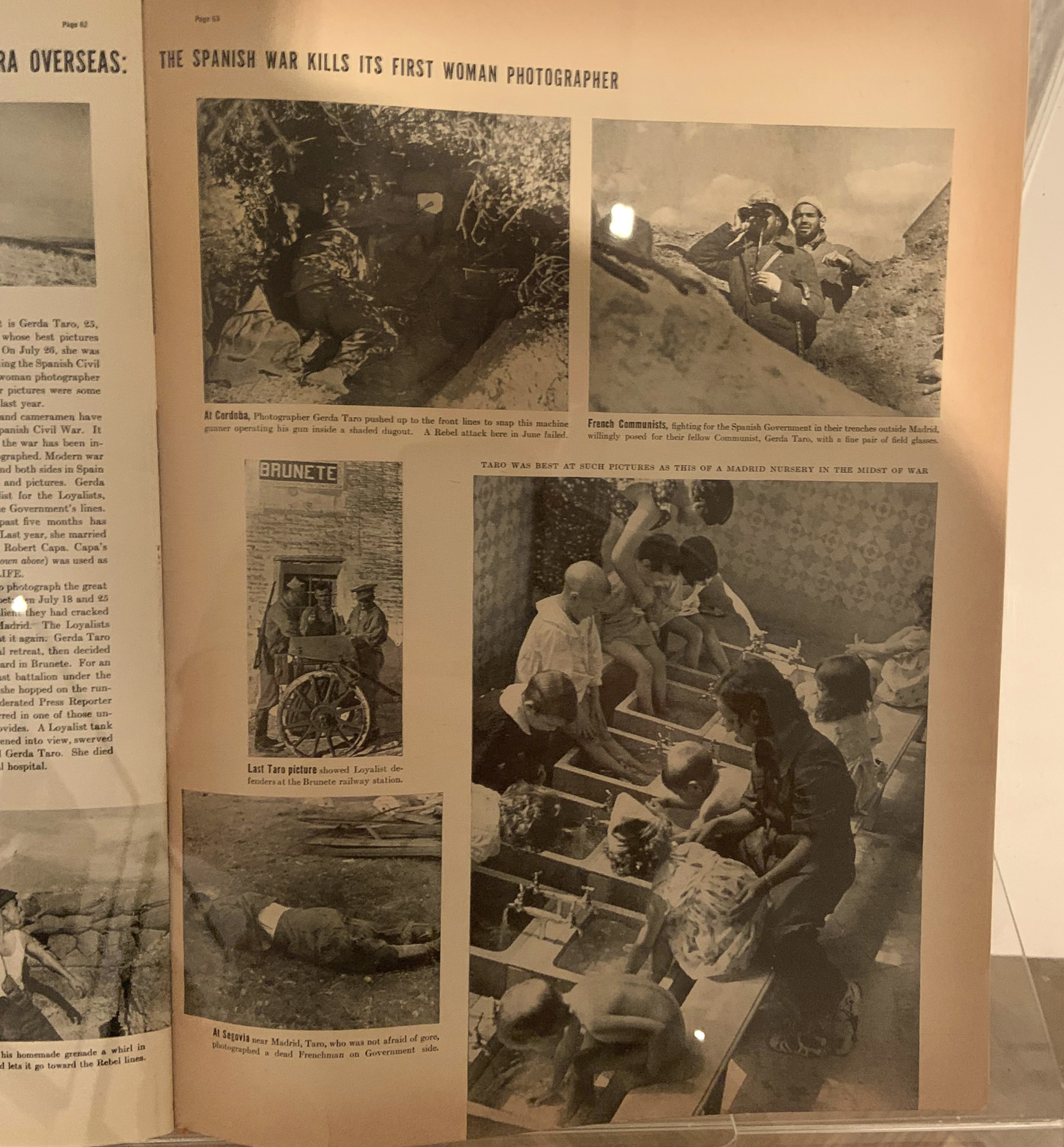
To make this “rodeo-paced” video, Varble filled his apartment with drawings and writings on the walls, blacked out the windows, and began filming scenes both scripted and improvised with collaborators. Journey to the Sun is remarkable for its time due to the complexity and density of the video editing – all of which was done by Varble in his apartment. He only completed about thirty percent of his planned work before his death from AIDS-related complications in January 1984. This screening copy presents a continuous segment of around 80 minutes that has been selected from the three surviving U-matic master tapes, but no changes have been made other than the choice of where to begin and end this combined excerpt. This is but a fragment of the much longer video epic Varble hoped would be his major contribution.

Wall text from the exhibition


Installation view of the exhibition 'The Gutter Art of Stephen Varble: Genderqueer Performance Art in the 1970s, photographs by Greg Day' at ONE Gallery showing Stephen Varble's 'Blue Boy'


Installation view of the exhibition The Gutter Art of Stephen Varble: Genderqueer Performance Art in the 1970s, photographs by Greg Day at ONE Gallery showing Stephen Varble’s Blue Boy
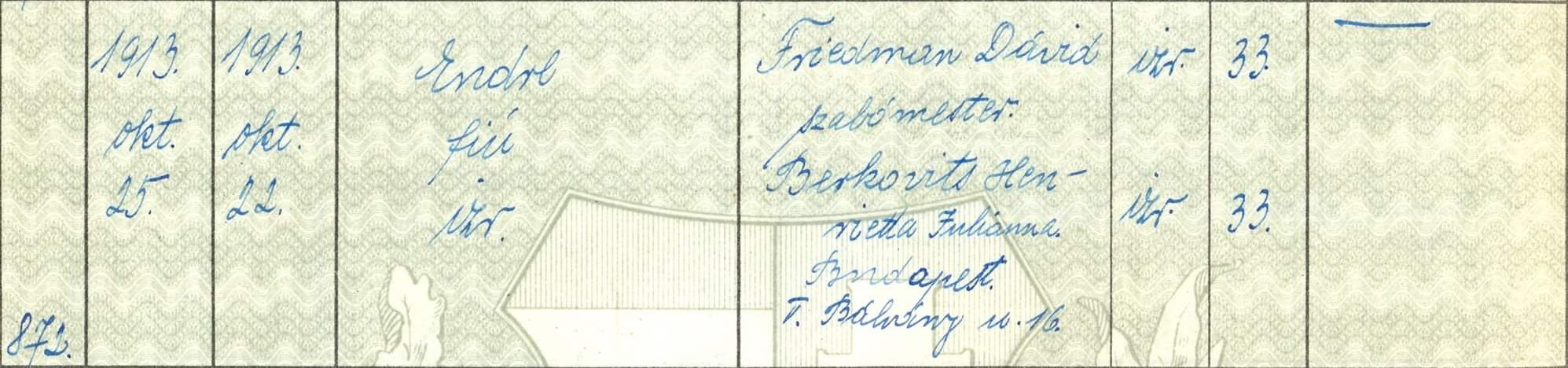
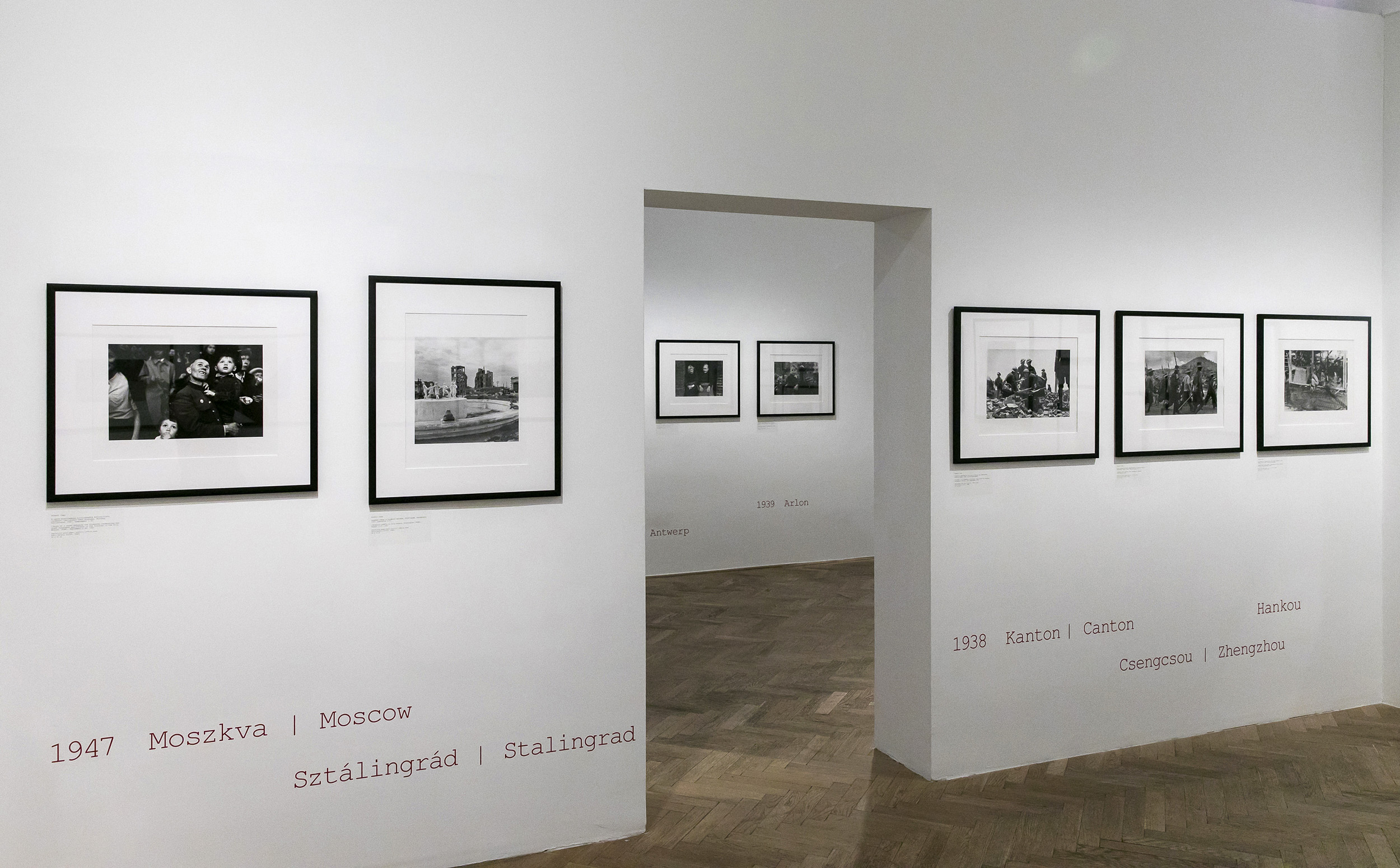
 

“One afternoon, Stephen invited me to accompany him to a performance in midtown Manhattan. He bought Blue Boy with him. We took the F train uptown from Washington Square. Sitting on the subway car bench and wearing his Chemical Bank Protest attire. Stephen hugged, kissed, fondled and poked Blue Boy. He spoke to him in an affectionate and sometimes argumentative language of moans, “ohs” and clicks. I sat across from him and watched as people entered the car. They stared, laughed, gasped, and made disparaging remarks about his sanity before moving to another part of the subway car. Even riding the train was an opportunity for Stephen to shock.”

Greg Day
Wall text from the exhibition


Gutter Art: Stephen Varble and Genderqueer Performance on the Streets of 1970s New York with David J. Getsy from Leslie-Lohman Museum on Vimeo.


Greg Day (American, b. 1944) 'Stephen Varble at the 12th Annual Avant-Garde Festival' 1975


Greg Day (American, b. 1944)
Stephen Varble at the 12th Annual Avant-Garde Festival
1975
Digital print
© Greg Day 2019


ONE Gallery, West Hollywood
626 N. Robertson Boulevard
West Hollywood, CA 90069

Opening hours:
Friday 12 – 5pm
Saturday 12 – 5pm
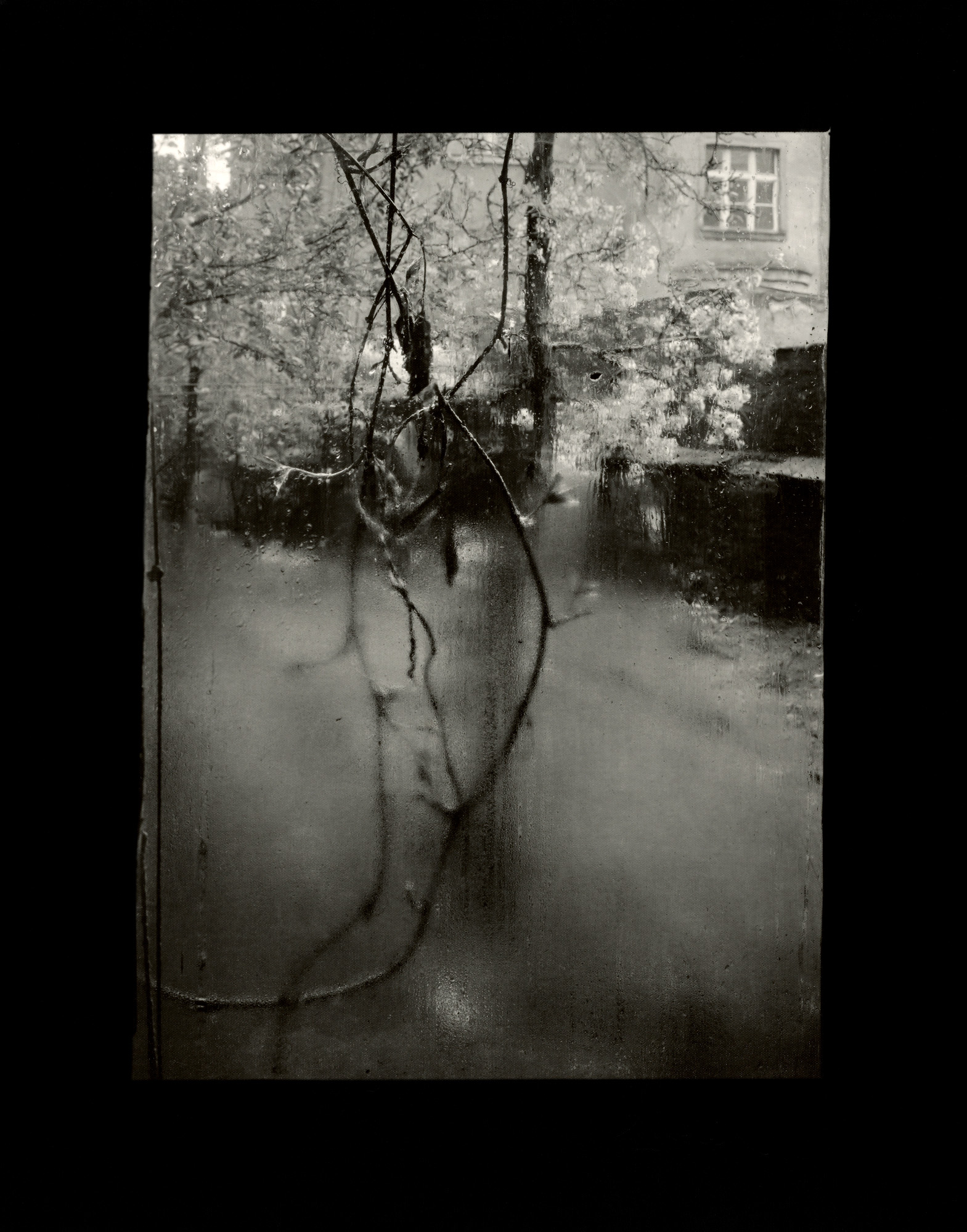
ONE Archives website

ONE Archives at the USC Libraries

LIKE ART BLART ON FACEBOOK

Back to top

Photographs: Exhumed Coffin

May 2019


Please click on the photographs for a larger version of the image.


Unknown photographer (American) 'Photograph Depicting an Exhumed Coffin' c. 1870s-1890s


Unknown photographer (American)
Photograph Depicting an Exhumed Coffin
c. 1870s-1890s
Albumen print


“Iron coffins are fascinating artefacts of a time when friction between technology and tradition created a spiritual crisis in the early days of the United States… Iron coffins were created to mitigate some of the negative effects of long-distance steam transportation on a traditionally sedentary society. The benefits of steam travel are many and obvious; however, there were also downsides that began to seep into the most personal corners of American life. One unintended consequence was that steam travel enabled unprecedented numbers of people to head out, die and be buried by strangers far from home. This was considered one of the most regrettable circumstances that could befall a family during this profoundly spiritual period. A distant death denied families and loved ones participation in funeral rituals and the privilege of assisting in the commencement of the greatest spiritual journey one could make. On a societal level, the absence of a funeral disrupted a central pattern of American life and weakened the bonds of local communities. This unfortunate situation befell the family of Almond Dunbar Fisk; however, Fisk, a Manhattan stove designer had the skills and vision to remedy an important part of this tragedy, and in the process helped redefine death’s place within American life.

The catalyst for the coffins was the death of Fisk’s brother, William, in the spring of 1844 in Oxford, Mississippi. Before refrigeration or embalming, there was no practical way to return William’s body to the Fisk family plot in upstate New York for a proper Christian burial. Their father, a minister, was particularly upset by this fact, so Fisk, well versed in the principles of airtight stoves and boilers, redirected his mastery of cast iron to create an airtight coffin capable of naturally preserving a body that could be safely and sanitarily transported long distance or stored for long periods even in the hottest weather. In addition to their airtight design, preservation was achieved by making the coffins as form-fitting to the body as possible, minimising the air inside and depriving the microbes of sufficient oxygen to survive and decompose the body. He received a patent for his ‘metallic burial case’ on November 14, 1848. Partnering with his father-in-law, he formed the company Fisk & Raymond and set up shop at 401 Broadway – just in time for the California Gold Rush. His coffins were first adopted by the nation’s political elite, who had the means and desire to avoid spending eternity buried in Washington DC. The cast iron caskets caught the public’s eye in 1849 when beloved former first lady Dolley Madison was laid out in one in a large public funeral ceremony. Soon, many other politicians and presidents followed suit, making the coffins an item of status and prestige in the eyes of the growing middle class. Rocketed to fame by such high-profile funerals, Fisk’s days of glory were – alas – brief. He died the following year at age 32 at his home in Queens and his body was shipped back upstate for burial in the family plot. His brother-in-law, William Mead Raymond, took over the family business and oversaw the creation of several new coffin models until his retirement in the 1870s. While the iron coffin industry didn’t survive past the 19th century, Fisk’s invention was the beginning of a trend away from wood coffins and can be credited as the progenitor of the metal caskets used today.”

Extract from Scott Warnasch. “Death, Burial and Iron Coffins: How Almond Dunbar Fisk’s invention revolutionized death’s place in American life,” on the PBS website September 21, 2018 [Online] Cited 26/04/2019


Unknown photographer (American) 'Photograph Depicting an Exhumed Coffin' c. 1870s-1890s


Unknown photographer (American)
Photograph Depicting an Exhumed Coffin
c. 1870s-1890s
Albumen print


Coffin Example, Canton Historical Museum

Coffin Example, Canton Historical Museum

Coffin Example, Canton Historical Museum


Coffin Example, Canton Historical Museum


The Coffins

The coffins were created by Almond Dunbar Fisk in 1848 in Queens, NY and marketed as Fisk Metallic Burial Cases.

Fisk’s iron coffins – modern marvels of their day – were specifically designed to naturally preserve their occupants. The coffins were developed in response to some of the inadvertent challenges that had resulted from the introduction of steam transportation in the preceding decades.

In a time before embalming or refrigeration, these coffins provided a sanitary means to transport the dead long distances in any season or preserve a body long enough for kin to travel to a distant funeral. In addition, they also provide a way to quarantine a body suspected of dying of a contagious disease (such as cholera which was first delivered from Europe via steamship in 1832).

Costing up to twenty-five dollars or more, the coffins were as expensive as they were practical. Fashioned after an Egyptian sarcophagus, these ‘mummiform’ coffins, first attracted the attention of the political elite beginning with the funeral of First Lady Dolley Madison and followed by the likes of Henry Clay, Daniel Webster and President Zachary Taylor, to name a few. However, their style and practicality also attracted those outside of Washington DC, and they became a mark of status for the upper and middle classes during the early years of consumer culture and the nascent funeral industry. The gold rush, and western expansion in general, also helped expand the market beyond the elite urban deceased.

Anonymous text from the Iron Coffin Mummy website Nd [Online] Cited 26/04/2019


Fisk and Raymond Coffin Brochure, 1850


Fisk and Raymond Coffin Brochure, 1850
Image: via Iron Coffin Mummy website


Fisk and Raymond Coffin Brochure, 1850

Fisk and Raymond Coffin Brochure, 1850


Fisk and Raymond Coffin Brochure, 1850
Images: via Iron Coffin Mummy website


LIKE ART BLART ON FACEBOOK

Back to top