This is a stunning picture taken of a brave, courageous, and beautiful man. It is also quite an erotic photograph of a naked man. Can a picture of this man be both heroic and erotic? Of course it can.
A comment on the article “The naked gunner, Rescue at Rabaul, 1944,” on the Rare Historical Photos website November 12, 2021 [Online] Cited 23/03/2022 from which the quote below is taken observes:
“There’s nothing inherently erotic about simple nudity, as any naturist can tell you. If people refrained from sexualizing images of clothes-free living / working / recreating, then perhaps we could have more of it, with the benefit of improving both physical and mental health.”
The comment is prudish to say the least. Modern French conceptions of eroticism state that it is an act of transgression that affirms our humanity, a transgression of the taboo, in this case the desire of pleasurable looking (scopophilia). The French philosopher Georges Bataille argues that eroticism performs a function of dissolving boundaries between human subjectivity and humanity, a transgression that dissolves the rational world… for Bataille, as well as many French theorists, “Eroticism, unlike simple sexual activity, is a psychological quest… eroticism is assenting to life even in death”. (George Bataille, Eroticism, Penguin 2001, p. 11.)
Even in the face of death (the man’s heroic actions in rescuing the downed pilot, and the death freeze, the memento mori, of the photograph) we, the observer, can affirm his life through eroticism, this forbidden impulse. As Christopher Lasch comments,
“Twentieth-century peoples have erected so many psychological barriers against strong emotion, and have invested those defenses with so much energy derived from forbidden impulse, that they can no longer remember what it feels like to be inundated with desire. They tend, rather, to be consumed with rage, which derives from defenses against desire and gives rise in turn to new defenses against rage itself. Outwardly bland, submissive, and sociable, they seethe with an inner anger for which a dense, overpopulated, bureaucratic society can devise few outlets.”1
While we acknowledge the strength and commitment of this brave young man and admire his “majestic nakedness” … on another level, we can invest in those oft denied strong emotions of pleasure and desire. Pleasure in looking at his body and desire for his youth and masculinity which overturns the forbidden impulse and transgresses the supposed taboo that a hero cannot be desired. Brave, heroic, human and downright hot, hot, hot!
Dr Marcus Bunyan
PS. Please note the chart ‘This is the enemy’ by the mans buttocks, so that he can keep an eye out for Japanese ships while patrolling. His position in the aircraft is noted in the close up photograph below.
1/ Lasch, Christopher. The Culture of Narcissism. New York: W.W. Norton and Company, 1978, p. 11.
Please click on the photographs for a larger version of the image.
This young crewman of a US Navy “Dumbo” PBY rescue mission has just jumped into the water of Rabaul Harbor to rescue a badly burned Marine pilot who was shot down while bombing the Japanese-held fortress of Rabaul. Since Japanese coastal defense guns were firing at the plane while it was in the water during take-off, this brave young man, after rescuing the pilot, manned his position as machine gunner without taking time to put on his clothes. A hero photographed right after he’d completed his heroic act. Naked.
Photo taken by Horace Bristol (1908-1997). In 1941, Bristol was recruited to the U.S. Naval Aviation Photographic Unit, as one of six photographers under the command of Captain Edward J. Steichen, documenting World War II in places such as South Africa, and Japan. He ended up being on the plane the gunner was serving on, which was used to rescue people from Rabaul Bay (New Britain Island, Papua New Guinea), when this occurred. In an article from a December 2002 issue of B&W magazine he remembers:
“… we got a call to pick up an airman who was down in the Bay. The Japanese were shooting at him from the island, and when they saw us they started shooting at us. The man who was shot down was temporarily blinded, so one of our crew stripped off his clothes and jumped in to bring him aboard. He couldn’t have swum very well wearing his boots and clothes. As soon as we could, we took off. We weren’t waiting around for anybody to put on formal clothes. We were being shot at and wanted to get the hell out of there. The naked man got back into his position at his gun in the blister of the plane.”
“To understand the current mainstream eroticising of the male body as a purely homoerotic gesture, though, is to misrecognise the nature of the desire which flows between the media and its audience. The desire courted by men’s magazines, whether they are pitched at a nominally hetero or homosexual market, is the desire to consume. For consumer’s it’s a seduction which is increasingly mediated by the consumption of images. What is presaged by the new sexualising of men is not merely the extension and refinement of an existing market, but a new order of commodification. Originally carriers of the commodity virus, images have become desirable in themselves. Or to put it another way, our desires are increasingly modelled on the logic of images.”
Lumby, Catharine. “Nothing Personal: Sex, Gender and Identity in The Media Age,” in Matthews, Jill (ed.,). Sex in Public: Australian Sexual Cultures. St. Leonards: Allen and Unwin, 1997, p. 9.
“The second school of thought is characterized by newer approaches, which forcibly challenge these essentialist notions of sexuality. This second school of thought includes neo-psychoanalytic approaches which see sexuality and sexual desire as constituted in language (the work of Freud reinterpreted via Jacques Lacan; a position that has been taken up by feminists such as Juliet Mitchell). It also includes discursive or poststructuralist approaches which take as a starting point the work of Michel Foucault who argues that sexuality is an historical apparatus and sex is a complex idea that was formed with the deployment of sexuality.
What links this second group of theorists is the recognition of social and historical sources of sexual definitions and a belief that bodies are only unified through ideological constructs such as sex and sexuality. That is; sex and sexuality are, and have been, shaped and determined by a multiplicity of forces (such as race, class and religion) and have undergone complex historical transformations. We therefore give the notions of sex, gender and sexuality different meanings at different times and for different people. These notions combine to create understandings of ‘sexualized bodies’ which are subsequently expressed and reinforced through a variety of mechanisms; for example through marriage laws, the regulations of deviance, the judiciary, the police, as well as, more generally, the education system, and the welfare system (Weeks, 1989, p. 9). This view of sexuality as ‘constructed’ is in agreement with the view of sex as ‘given’ on the basis that sex and sexuality define us socially and morally. However, this second view suggests that sexuality could be a potentiality for choice, change and diversity, but instead we see it as destiny – and depending on whether you are male, female, homosexual, heterosexual, young, old, black or white, for example, your destiny is set in certain ways.”
Stephen, Kylie. “Sexualized Bodies,” in Evans, M. and Lee, E. (eds.,). Real Bodies. Palgrave, London, 2002, p. 30 [Online] Cited 05/07/2019
Eroticism
Eroticism (from the Greek ἔρως, eros – “desire”) is a quality that causes sexual feelings, as well as a philosophical contemplation concerning the aesthetics of sexual desire, sensuality, and romantic love. That quality may be found in any form of artwork, including painting, sculpture, photography, drama, film, music, or literature. It may also be found in advertising. The term may also refer to a state of sexual arousal or anticipation of such – an insistent sexual impulse, desire, or pattern of thoughts.
As French novelist Honoré de Balzac stated, eroticism is dependent not just upon an individual’s sexual morality, but also the culture and time in which an individual resides. …
French philosophy
Modern French conceptions of eroticism can be traced to Age of Enlightenment, when “in the eighteenth century, dictionaries defined the erotic as that which concerned love… eroticism was the intrusion into the public sphere of something that was at base private”. This theme of intrusion or transgression was taken up in the twentieth century by the French philosopher Georges Bataille, who argued that eroticism performs a function of dissolving boundaries between human subjectivity and humanity, a transgression that dissolves the rational world but is always temporary, as well as that, “Desire in eroticism is the desire that triumphs over the taboo. It presupposes man in conflict with himself”. For Bataille, as well as many French theorists, “Eroticism, unlike simple sexual activity, is a psychological quest… eroticism is assenting to life even in death”. (George Bataille, Eroticism, Penguin 2001, p. 11.)
Non-heterosexual
Queer theory and LGBT studies consider the concept from a non-heterosexual perspective, viewing psychoanalytical and modernist views of eroticism as both archaic and heterosexist, written primarily by and for a “handful of elite, heterosexual, bourgeois men” who “mistook their own repressed sexual proclivities” as the norm.
Theorists like Eve Kosofsky Sedgwick, Gayle S. Rubinand Marilyn Frye all write extensively about eroticism from a heterosexual, lesbian and separatist point of view, respectively, seeing eroticism as both a political force and cultural critique for marginalised groups, or as Mario Vargas Llosa summarised: “Eroticism has its own moral justification because it says that pleasure is enough for me; it is a statement of the individual’s sovereignty”. (Mangan, J. A. “Men, Masculinity, and Sexuality: Some Recent Literature,” in Journal of the History of Sexuality 3:2, 1992, pp. 303-313.)
Horace Bristol (November 16, 1908 – August 4, 1997) was a twentieth-century American photographer, best known for his work in Life. His photos appeared in Time, Fortune, Sunset, and National Geographic magazines.
Early life
Bristol was born and raised in Whittier, California, he was the son of Edith Bristol, women’s editor at the San Francisco Call. Bristol attended the Art Center of Los Angeles, originally majoring in architecture. In 1933, he moved to San Francisco to work in commercial photography, and met Ansel Adams, who lived near his studio. Through his friendship with Adams, he met Edward Weston, Imogen Cunningham, and other artists. He was copy reader at night for the Los Angeles Times after graduating from Belmont High School.
Photography career
In 1936, Bristol became a part of Life‘s founding photographers, and in 1938, began to document migrant farmers in California’s central valley with John Steinbeck, recording the Great Depression, photographs that would later be called the Grapes of Wrath collection.
In 1941, Bristol was recruited to the U.S. Naval Aviation Photographic Unit, as one of six photographers under the command of Captain Edward J. Steichen, documenting World War II in places such as South Africa, and Japan. Bristol helped to document the invasions of North Africa, Iwo Jima, and Okinawa.
Later life
Following his documentation of World War II, Bristol settled in Tokyo, Japan, selling his photographs to magazines in Europe and the United States, and becoming the Asian correspondent to Fortune. He published several books, and established the East-West Photo Agency.
Following the death of his wife in 1956, Bristol burned all his negatives, packed his photographs into storage, and retired from photography. He went on to remarry, and have two children. He returned to the United States, and after 30 years, recovered the photographs from storage, to share with his family. Subsequently he approached his alma mater, Art Center College of Design, where the World War II and migrant worker photographs became the subject of a 1989 solo exhibition. The migrant worker photos would go on to be part of the J. Paul Getty Museum’s Grapes of Wrath series.
Silhouette recognition chart of Japanese surface vessels of World War 2 September 1944
Great Planes – Catalina Pby
A great documentary about this plane.
U.S. Navy A U.S. Navy Consolidated PBY-5A Catalina patrol bomber in flight, 1942-43 c. 1942 U.S. National Archives 80-G-K-14896
This plane carries radar antennas under its wing
U.S. Navy A U.S. Navy Consolidated PBY-5A Catalina patrol bomber in flight, 1942-43 (detail) c. 1942 U.S. National Archives 80-G-K-14896
Consolidated PBY Catalina
Around 3,300 aircraft were built, and these operated in nearly all operational theatres of World War II. The Catalina served with distinction and played a prominent and invaluable role against the Japanese. This was especially true during the first year of the war in the Pacific, because the PBY and the Boeing B-17 Flying Fortress were the only American aircraft with the range to be effective in the Pacific.
First flight: 28 March 1935 Introduction: October 1936, United States Navy Retired: January 1957 (United States Navy Reserve) 1979 (Brazilian Air Force) Primary users: United States Navy United States Army Air Forces Royal Air Force Royal Canadian Air Force Produced: 1936-1945 Number built: 3,305 (2,661 U.S.-built, 620 Canadian-built, 24 Soviet-built
General characteristics
Crew: 10 – pilot, co-pilot, bow turret gunner, flight engineer, radio operator, navigator, radar operator, two waist gunners, ventral gunner Length: 63 ft 10 7/16 in (19.46 m) Wingspan: 104 ft 0 in (31.70 m) Height: 21 ft 1 in (6.15 m) Wing area: 1,400 ft² (130 m²) Empty weight: 20,910 lb (9,485 kg) Max. takeoff weight: 35,420 lb (16,066 kg) Zero-lift drag coefficient: 0.0309 Drag area: 43.26 ft² (4.02 m²) Aspect ratio: 7.73 Powerplant: 2 × Pratt & Whitney R-1830-92 Twin Wasp radial engines, 1,200 hp (895 kW) each
Performance
Maximum speed: 196 mph (314 km/h) Cruise speed: 125 mph (201 km/h) Range: 2,520 mi (4,030 km) Service ceiling: 15,800 ft (4,815 m) Rate of climb: 1,000 ft/min (5.1 m/s) Wing loading: 25.3 lb/ft² (123.6 kg/m²) Power/mass: 0.067 hp/lb (0.111 kW/kg) Lift-to-drag ratio: 11.9
Armament
3x .30 cal (7.62 mm) machine guns (two in nose turret, one in ventral hatch at tail) 2x .50 cal (12.7 mm) machine guns (one in each waist blister) 4,000 lb (1,814 kg) of bombs or depth charges; torpedo racks were also available
October 1941 – January 1945
Hydraulically actuated, retractable tricycle landing gear, with main gear design based on one from the 1920s designed by Leroy Grumman, for amphibious operation. Introduced tail gun position, replaced bow single gun position with bow “eyeball” turret equipped with twin .30 machine guns (some later units), improved armour, self-sealing fuel tanks.
Search and rescue
Catalinas were employed by every branch of the U.S. military as rescue aircraft. A PBY piloted by LCDR Adrian Marks (USN) rescued 56 sailors in high seas from the heavy cruiser Indianapolis after the ship was sunk during World War II. When there was no more room inside, the crew tied sailors to the wings. The aircraft could not fly in this state; instead it acted as a lifeboat, protecting the sailors from exposure and the risk of shark attack, until rescue ships arrived. Catalinas continued to function in the search-and-rescue role for decades after the end of the war.
Howard R. Hollem (American, d. 1949) for the United States Office of War Information Jesse Rhodes Waller, a World War II Aviation Ordnanceman stationed at the Naval Air Station in Corpus Christi, Texas, installing a M1919 Browning machine gun in a United States Navy PBY plane August 1942 Kodachrome film United States Library of Congress Prints and Photographs division digital ID fsac.1a34894 The image is in the public domain
It’s an intricate operation – installing a 30-calibre machine gun in a Navy PBY plane, but not too tricky for Jesse Rhodes Waller, Corpus Christi, Texas. He’s a Georgia man who’s been in the Navy 5-1/2 years. At the Naval Air Base he sees that the flying ships are kept in tip-top shape. Waller is an aviation ordnance mate (AOM)
Howard R. Hollem was a photographer with the US Farm Security Administration and the US Office of War Information during the 1930s and 1940s.
Jesse Rhodes Waller was enlisted in the US Navy 13 Oct 1936 in Macon, Georgia. He served aboard USS Tarbell (DD-142) and USS Curtiss (AV-4).
Howard R. Hollem (American, d. 1949) for the United States Office of War Information Jesse Rhodes Waller, a World War II Aviation Ordnanceman stationed at the Naval Air Station in Corpus Christi, Texas, installing a M1919 Browning machine gun in a United States Navy PBY plane (detail) August 1942 Kodachrome film United States Library of Congress Prints and Photographs division digital ID fsac.1a34894 The image is in the public domain
Howard R. Hollem (American, d. 1949) for the United States Office of War Information US Navy ordnanceman Jesse Rhodes Waller posing with a M1919 Browning machine gun in a PBY Catalina aircraft, Naval Air Station, Corpus Christi, Texas, United States August 1942 Kodachrome film United States Library of Congress Prints and Photographs division The image is in the public domain
Hank O’Neal (American, b. 1940) (photographer) Alan Ginsberg (American, 1926-1997) (writer) Untitled (Gay Daddies) 1974-1983 From The Gay Day Archive Gelatin silver print
“Born gay and free”
I was born in 1958 and came out as a gay man in 1975, six short years after the Stonewall uprising, the nominal (the UK had decriminalised homosexuality in 1967) but official start of Gay Liberation around the world, especially in the United States of America. I survived the plague that hit in the early 1980s. A lot of my friend’s didn’t.
These fabulous photographs and lilting prose make wonderful bedfellows, shining a light on those very early years of outness, campness, empowerment and sexual and personal freedom pre HIV/AIDS. From Gay Daddies to Gay Teachers, from being nowhere (in sight) … to being everywhere. As Ginsberg eloquently proposes, “wearing their hearts on a banner for nothing but love.” Gay youth, dignity and equality, proud of my gay son whoever he may be.
There is such a sense of joy, happiness and love contained in these photographs. The two lads in “Untitled [summery mouths]” are redolent of the era. Cute as a button: platform shoes, tight flared jeans, keys hanging, hands clasped around, small waists, tight singlets, sultry curly hair. Disco love is in the air. I could have been one of these men, memories of those days, those halcyon 70s days.
There are heroes too. Marsha P. Johnson, performance artist, drag mother, transgender, gender nonconforming survival sex worker political activist human… probably murdered by thugs after the 1992 pride parade. And Harvey Milk, that assassinated visionary who became a martyr to the cause, marching in spirit with the crowd. The man carrying a wreath with his name – head down, black armband, gay rights t-shirt – is such a poignant image of the loss of a hero. And then Ginsberg’s text, “Harvey Milk died for your sins.” (He had initially written “our” but crossed it out).
That erasure is so important. I remember working at Channel 7 as a set painter in Melbourne in the late 1980s to pay for university. It was a typical male only workplace at the time, all “blokes”, and I was confronted one day by one of them about being openly gay. My response: I’m quite happy being how I am, it’s you that obviously has the problem. Why don’t you look at yourself first before you start attacking other people.
This is why it is so important that Ginsberg crossed out “our” and wrote “your” sins. LGBTQI people have not sinned. There just are. They have nothing to forgive themselves for. It is the prejudice of others that leads them to fight for dignity and equality. As one of the posters in the photographs says, “People should love one another regardless of race, religion, age or sex.” A men to that.
Dr Marcus Bunyan
PS. The exhibition of these photographs is only on for a few days. Please see them if you can.
The photographs and text are used under “fair use” for the purposes of freedom of speech, research, education and informed comment. Please click on the photographs for a larger version of the image.
A festive visual compilation by the NY-based photographer and author O’Neal of the parade signifying the Gay Liberation Movement. Pictured are an array of fun-loving and politically-motivated participants, several openly displaying affection. With photographs of the transgender activist Marsha P. Johnson. Silver prints, various sizes, with most of the sheets 6 x 7 1/2 inches, 15.2 x 19 cm., or the reverse; each captioned by Ginsberg, and signed and dated by O’Neal on verso. 1974-1983. AND – An additional group of approximately 165 photographs by O’Neal of the NYC parades, comprising 95 silver prints, various sizes but most 11 x 14 inches, 28 x 35.6 cm., and the reverse, 5 are signed and dated by O’Neal and contain Ginsberg’s captions; and 70 smaller silver prints, various sizes to 8 x 10 inches, 20.3 x 25.4 cm., and the reverse, a few with O’Neal’s hand stamp and notations and many are dated, in pencil, on verso; with duplicates and triplicates. 1974-1983.
Estimate $70,000 – 100,000
Text for the Swann Auction Galleries website [Online] Cited 30/05/2019. No longer available online
Hank O’Neal (American, b. 1940) (photographer) Alan Ginsberg (American, 1926-1997) (writer) Untitled (WE ARE EVERYWHERE) 1974-1983 From The Gay Day Archive Gelatin silver print
Hank O’Neal (American, b. 1940) (photographer) Alan Ginsberg (American, 1926-1997) (writer) Untitled [WE ARE EVERYWHERE] (verso) 1974-1983 From The Gay Day Archive Gelatin silver print
We all look pretty normal, boy next door, handsome punk, ad man’s delight, daughters of the American Revolution.
Hank O’Neal (American, b. 1940) (photographer) Alan Ginsberg (American, 1926-1997) (writer) Untitled (Hikin’ Dykes) 1974-1983 From The Gay Day Archive Gelatin silver print
Hank O’Neal (American, b. 1940) (photographer) Alan Ginsberg (American, 1926-1997) (writer) Untitled (Hikin’ Dykes) (verso) 1974-1983 From The Gay Day Archive Gelatin silver print
Black white brown boy girl what idealism! – wearing their hearts on a banner for nothing but love
Hank O’Neal (American, b. 1940) (photographer) Alan Ginsberg (American, 1926-1997) (writer) Untitled (GAY YOUTH 1969-1979) 1974-1983 From The Gay Day Archive Gelatin silver print
Hank O’Neal (American, b. 1940) (photographer) Alan Ginsberg (American, 1926-1997) (writer) Untitled (GAY YOUTH 1969-1979) (verso) 1974-83 From The Gay Day Archive Gelatin silver print
The Guy in the right looks like my daddy when he was young (and alive).
Hank O’Neal (American, b. 1940) (photographer) Alan Ginsberg (American, 1926-1997) (writer) Untitled (Dominant/Submissive Love) 1974-83 From The Gay Day Archive Gelatin silver print
Allen Ginsberg (American, 1926-1997)
Irwin Allen Ginsberg (June 3, 1926 – April 5, 1997) was an American poet, philosopher and writer. He is considered to be one of the leading figures of both the Beat Generation during the 1950s and the counterculture that soon followed. He vigorously opposed militarism, economic materialism, and sexual repression and was known as embodying various aspects of this counterculture, such as his views on drugs, hostility to bureaucracy and openness to Eastern religions. He was one of many influential American writers of his time who were associated with the Beat Generation, including Jack Kerouac and William S. Burroughs.
Ginsberg is best known for his poem “Howl”, in which he denounced what he saw as the destructive forces of capitalism and conformity in the United States. In 1956, “Howl” was seized by San Francisco police and US Customs. In 1957, it attracted widespread publicity when it became the subject of an obscenity trial, as it described heterosexual and homosexual sex at a time when sodomy laws made homosexual acts a crime in every U.S. state. “Howl” reflected Ginsberg’s own sexuality and his relationships with a number of men, including Peter Orlovsky, his lifelong partner. Judge Clayton W. Horn ruled that “Howl” was not obscene, adding, “Would there be any freedom of press or speech if one must reduce his vocabulary to vapid innocuous euphemisms?”
Ginsberg was a practicing Buddhist who studied Eastern religious disciplines extensively. He lived modestly, buying his clothing in second-hand stores and residing in downscale apartments in New York’s East Village. One of his most influential teachers was the Tibetan Buddhist Chögyam Trungpa, the founder of the Naropa Institute in Boulder, Colorado. At Trungpa’s urging, Ginsberg and poet Anne Waldman started The Jack Kerouac School of Disembodied Poetics there in 1974.
Ginsberg took part in decades of non-violent political protest against everything from the Vietnam War to the War on Drugs. His poem “September on Jessore Road”, calling attention to the plight of Bangladeshi refugees, exemplifies what the literary critic Helen Vendler described as Ginsberg’s tireless persistence in protesting against “imperial politics, and persecution of the powerless.”
His collection The Fall of America shared the annual U.S. National Book Award for Poetry in 1974. In 1979, he received the National Arts Club gold medal and was inducted into the American Academy and Institute of Arts and Letters. Ginsberg was a Pulitzer Prize finalist in 1995 for his book Cosmopolitan Greetings: Poems 1986-1992.
Hank O’Neal (American, b. 1940) (photographer) Alan Ginsberg (American, 1926-1997) (writer) Untitled (Miss Rollerind) 1974-1983 From The Gay Day Archive Gelatin silver print
Hank O’Neal (American, b. 1940) (photographer) Alan Ginsberg (American, 1926-1997) (writer) Untitled (Miss Rollerind) (verso) 1974-1983 From The Gay Day Archive Gelatin silver print
Miss Rollerind, queen of late 70s disco world universe drama, observed by a (gay??) black man on the asphalt.
Hank O’Neal (American, b. 1940) (photographer) Alan Ginsberg (American, 1926-1997) (writer) Untitled (COME! DIGNITY + EQUALITY) 1974-1983 From The Gay Day Archive Gelatin silver print
Hank O’Neal (American, b. 1940) (photographer) Alan Ginsberg (American, 1926-1997) (writer) Untitled (COME! DIGNITY + EQUALITY) (verso) 1974-1983 From The Gay Day Archive Gelatin silver print
Come all over the sky, look up!
Hank O’Neal (American, b. 1940) (photographer) Alan Ginsberg (American, 1926-1997) (writer) Untitled (ADOLPH ANITA JOE – The REAL ThREAtS to HUMANITY!) 1974-1983 From The Gay Day Archive Gelatin silver print
Hank O’Neal (American, b. 1940) (photographer) Alan Ginsberg (American, 1926-1997) (writer) Untitled (ADOLPH ANITA JOE – The REAL ThREAtS to HUMANITY!) (verso) 1974-1983 From The Gay Day Archive Gelatin silver print
What a pleasant conversation they are having under Hitler’s head, guy with handsome bicep chest, holding the banner aloft lightly, and the eye passed smiling inquirer.
Hank O’Neal (American, b. 1940) (photographer) Alan Ginsberg (American, 1926-1997) (writer) Untitled (GAY MEN’S HEALTH PROJECT) 1974-1983 From The Gay Day Archive Gelatin silver print
Hank O’Neal (American, b. 1940) (photographer) Alan Ginsberg (American, 1926-1997) (writer) Untitled (GAY MEN’S HEALTH PROJECT) (verso) 1974-1983 From The Gay Day Archive Gelatin silver print
See anyone there you’d like to leave VD with?
Hank O’Neal (American, b. 1940) (photographer) Alan Ginsberg (American, 1926-1997) (writer) Untitled (Good tight dress) 1974-1983 From The Gay Day Archive Gelatin silver print
Hank O’Neal (American, b. 1940) (photographer) Alan Ginsberg (American, 1926-1997) (writer) Untitled (Good tight dress) (verso) 1974-1983 From The Gay Day Archive Gelatin silver print
Good tight dress, totally olive oil lady from midtown, but the top’s a baseball capped ruffian whistling at the whore
Hank O’Neal (American, b. 1940) (photographer) Alan Ginsberg (American, 1926-1997) (writer) Untitled (I’m PROUD of my Gay Son) 1974-1983 From The Gay Day Archive Gelatin silver print
Hank O’Neal (American, b. 1940) (photographer) Alan Ginsberg (American, 1926-1997) (writer) Untitled (I’m PROUD of my Gay Son) (verso) 1974-1983 From The Gay Day Archive Gelatin silver print
Resolute parents that have gone thru the mill & seen the skeleton in the closet & come out of the gruesome fun house into the light – now they’re on their own feet older + dignified; with house dresses + majestic walrus mustaches.
Hank O’Neal (American, b. 1940) (photographer) Alan Ginsberg (American, 1926-1997) (writer) Untitled (Look at her! Mad but actually handsome) 1974-1983 From The Gay Day Archive Gelatin silver print
Hank O’Neal (American, b. 1940) (photographer) Alan Ginsberg (American, 1926-1997) (writer) Untitled (Look at her! Mad but actually handsome) (verso) 1974-1983 From The Gay Day Archive Gelatin silver print
Look at her! Mad but actually handsome
Hank O’Neal (American, b. 1940) (photographer) Alan Ginsberg (American, 1926-1997) (writer) Untitled (Cops with personal mustaches) 1974-1983 From The Gay Day Archive Gelatin silver print
Hank O’Neal (American, b. 1940) (photographer) Alan Ginsberg (American, 1926-1997) (writer) Untitled (Cops with personal mustaches) (verso) 1974-1983 From The Gay Day Archive Gelatin silver print
Cops with person mustaches, shun photogs, big tit guy in pancake suffering their own vision in the sun, and a thin socialist dyke
Hank O’Neal (American, b. 1940) (photographer) Alan Ginsberg (American, 1926-1997) (writer) Untitled (Gay Rights) 1974-1983 From The Gay Day Archive Gelatin silver print
Hank O’Neal (American, b. 1940) (photographer) Alan Ginsberg (American, 1926-1997) (writer) Untitled (Gay Rights) (verso) 1974-1983 From The Gay Day Archive Gelatin silver print
You mean all that hair + teeth is gay?
Hank O’Neal
Hank O’Neal (born June 5, 1940) is an American music producer, author and photographer.
Photography
He began taking photographs while a teenager, and began to pursue the field seriously in 1969, when he bought a professional camera and began documenting recording sessions and jazz concerts that he was producing. Long before Berenice Abbott admonished him to always have a project, he undertook his first, in rural East Texas during 1970-1973. These photographs led to his first exhibition in September 1973, at The Open Mind Gallery in New York City.
In the 1970s he associated with a diverse group of photographers, notably Walker Evans, André Kertész and most importantly, Berenice Abbott, with whom he worked for the last 19 years of her life.
From 1970 to 1999 (in addition to undertaking many photographic projects), O’Neal also published numerous books related to photography. In 1999, at the urging of gallery director Evelyn Daitz, he had a major retrospective of his work to that point at The Witkin Gallery. Since that time, he has focused his activities toward photography, and continues to mount exhibitions yearly throughout the U.S. and Canada. In 2003 his photographic career was summarised in a profile in The New York Times.
Books (text and illustrations)
The Eddie Condon Scrapbook of Jazz (St. Martin’s Press, 1973) A Vision Shared (St. Martin’s Press, 1976) Berenice Abbott – American Photographer (McGraw-Hill, 1982) Life Is Painful, Nasty and Short … In My Case It Has Only Been Painful and Nasty – Djuna Barnes L 1978-81 (Paragon, 1990) Charlie Parker (Filipacchi, 1995) The Ghosts of Harlem (Filipacchi, 1997) French language edition The Ghosts of Harlem (Vanderbilt University Press, 2009) English language edition Hank O’Neal Portraits 1971-2000 (Sordoni Art Gallery, 2000) Billie & Lester in Oslo (A Play with Music, 2005) Gay Day – The Golden Age of the Christopher Street Parade (Abrams, 2006) Berenice Abbott (Steidl, 2008) The Unknown Berenice Abbott – Steidl (October 15, 2013) A Vision Shared – 40th Anniversary Edition – Steidl (December 1, 2016) Berenice Abbott – The Paris Portraits – Steidl (November 22, 2016)
Books (photographs only)
Allegra Kent’s Water Beauty Book (St Martin’s Press, 1976) All the King’s Men (Limited Editions Club, 1990) XCIA’s Street Art Project: The First Four Decades (Siman Media Works, 2012)
Portfolios
Berenice Abbott – Portraits In Palladium (Text Only, Commerce Graphics / Lunn Limited, 1990) Hank O’Neal – Photographs (Text and 12 gravure prints), Limited Editions Club, 1990) The Ghosts of Harlem (Text and 12 photographs), Glenside Press, 2007)
Hank O’Neal (American, b. 1940) (photographer) Alan Ginsberg (American, 1926-1997) (writer) Untitled [MY SON IS GAY AND THAT’S OK] 1974-1983 From The Gay Day Archive Gelatin silver print
Hank O’Neal (American, b. 1940) (photographer) Alan Ginsberg (American, 1926-1997) (writer) Untitled (MY SON IS GAY AND THAT’S OK) (verso) 1974-1983 From The Gay Day Archive Gelatin silver print
She’s an old anarchist from the 30’s. She read Marcel Proust in the slums of Barcelona. She used to be a movie Star in Berlin in 1923. Now she lives in Queens in disguise as a typical american mother.
Hank O’Neal (American, b. 1940) (photographer) Alan Ginsberg (American, 1926-1997) (writer) Untitled (GOD is GAY) 1974-1983 From The Gay Day Archive Gelatin silver print
Hank O’Neal (American, b. 1940) (photographer) Alan Ginsberg (American, 1926-1997) (writer) Untitled (GOD is GAY) (verso) 1974-1983 From The Gay Day Archive Gelatin silver print
According to Barbelo Gnostic theory, God reflected on himself (or herself) & thus shone Sophia, the First Word-thought, who thereat made sex with herself and birthed the first Aeon, Laldabaoth
Barbēlō refers to the first emanation of God in several forms of Gnostic cosmogony. Barbēlō is often depicted as a supreme female principle, the single passive antecedent of creation in its manifoldness. This figure is also variously referred to as ‘Mother-Father’ (hinting at her apparent androgyny), ‘First Human Being’, ‘The Triple Androgynous Name’, or ‘Eternal Aeon’. So prominent was her place amongst some Gnostics that some schools were designated as Barbeliotae, Barbēlō worshippers or Barbēlōgnostics.
Gnosticism (from Ancient Greek: γνωστικόςgnostikos, “having knowledge”, from γνῶσιςgnōsis, knowledge) is a modern name for a variety of ancient religious ideas and systems, originating in Jewish Christian milieux in the first and second century AD. These systems believed that the material world is created by an emanation or ‘works’ of a lower god (demiurge), trapping the divine spark within the human body. This divine spark could be liberated by gnosis, spiritual knowledge acquired through direct experience. Some of the core teachings include the following:
1/ All matter is evil, and the non-material, spirit-realm is good. 2/ There is an unknowable God, who gave rise to many lesser spirit beings called Aeons. 3/ The creator of the (material) universe is not the supreme god, but an inferior spirit (the Demiurge). 4/ Gnosticism does not deal with “sin,” only ignorance. 5/ To achieve salvation, one needs gnosis (knowledge).
Laldabaoth is the demiurge (a heavenly being, subordinate to the Supreme Being, that is considered to be the controller of the material world and antagonistic to all that is purely spiritual) from Gnostic Christianity.
Hank O’Neal (American, b. 1940) (photographer) Alan Ginsberg (American, 1926-1997) (writer) Untitled (a big crowd) 1974-1983 From The Gay Day Archive Gelatin silver print
Hank O’Neal (American, b. 1940) (photographer) Alan Ginsberg (American, 1926-1997) (writer) Untitled (a big crowd) (verso) 1974-1983 From The Gay Day Archive Gelatin silver print
a big crowd of boys + girls + …? – but that tall girl looks worried, doesn’t she have a baloon?
Hank O’Neal (American, b. 1940) (photographer) Alan Ginsberg (American, 1926-1997) (writer) Untitled (STONEWALL CHORALE) 1974-1983 From The Gay Day Archive Gelatin silver print
Hank O’Neal (American, b. 1940) (photographer) Alan Ginsberg (American, 1926-1997) (writer) Untitled (STONEWALL CHORALE) (verso) 1974-1983 From The Gay Day Archive Gelatin silver print
Masculine & Feminine Sopranos! marching on the Stone floor on Manhattan, Explaining Life
Hank O’Neal (American, b. 1940) (photographer) Alan Ginsberg (American, 1926-1997) (writer) Untitled (WHERE IS your HUSBAND TONIGHT?) 1974-1983 From The Gay Day Archive Gelatin silver print
Hank O’Neal (American, b. 1940) (photographer) Alan Ginsberg (American, 1926-1997) (writer) Untitled (WHERE IS your HUSBAND TONIGHT?) (verso) 1974-1983 From The Gay Day Archive Gelatin silver print
What pretty wives! are they photocopies of men? do they smoke cigars in secret?
Hank O’Neal (American, b. 1940) (photographer) Alan Ginsberg (American, 1926-1997) (writer) Untitled (singing to skyscrapers) 1974-1983 From The Gay Day Archive Gelatin silver print
Hank O’Neal (American, b. 1940) (photographer) Alan Ginsberg (American, 1926-1997) (writer) Untitled (singing to skyscrapers) (verso) 1974-1983 From The Gay Day Archive Gelatin silver print
They’ve been meeting in secret + public for years, & now sing to skyscrapers.
Today, at least a million spectators line the Pride parade route along Fifth Avenue. But, in its earliest days, the celebration was a much smaller event characterised by NY-style high energy, pithy signage, raucous crowd chants, extensive cruising and great music (remember disco?). Most of O’Neal’s photographs focused on NY’s West Village or Christopher Street, the epicenter of gaydom. A range of sub-cultures associated with the LGBTQ+ community are depicted: young and longhaired post-hippies, bare-chested muscle men, drag queens, fairies, leather-ites, Gay Daddies, protestors, pastors, parents of gays and the hikin’ dykes.
Some participants hold placards, including those protesting Anita Bryant, the once popular singer, who emerged as an strident anti-gay crusader in the late 1970s and teamed up with the divisive evangelical figure Jerry Falwell. A banner for the Gay Men’s Health Project is a harbinger of the tragic era to come.
Ginsberg first saw the photographs in 1982 and, according to O’Neal, was inspired to add his distinctive captions to the backs of the prints. His brief handwritten notes, which often reflect personal or historic observations, strike a wonderful tone. A caption that accompanies a picture of a group of men holding the banner WE ARE EVERYWHERE reads, “We all look pretty normal, boy next door, handsome punk, ad man’s delight, daughters of the American Revolution.” A shot depicting two men dressed in ancient Roman costume reads, “Clark Gable and Nero on a date, smiling for the 1920s Hollywood photogs.” His lengthy caption for the Johnson print (featured on the catalog cover) reads: “If I keep dressing up like this I’ll save the world from nuclear apocalypse. But will anyone love me for it? I’ll save the world anyway I know that looks good.” And still others honour the courageous and brave: one participant holds a wreath bearing the name Harvey Milk; Ginsberg wrote, “Harvey Milk died for your sins.” (He had initially written “our” but crossed it out).
O’Neal’s photographs were reproduced in the book, Gay Day: The Golden Age of the Christopher Street Parade, 1974-1983 (Abrams, 2006), with a Preface by William Burroughs. Interestingly during this same period Ginsberg had revisited his own Beat-era photographs, which were shot in the 1950s and processed at a local drugstore. He developed a unique hybrid picture-text style, adding detailed, handwritten mini-narratives to the lower margins of the prints, which captured his vivid, visual memories.
Text for the Swann Auction Galleries website [Online] Cited 30/05/2019. No longer available online
Hank O’Neal (American, b. 1940) (photographer) Alan Ginsberg (American, 1926-1997) (writer) Untitled (HARVEY MILK) 1974-1983 From The Gay Day Archive Gelatin silver print
Hank O’Neal (American, b. 1940) (photographer) Alan Ginsberg (American, 1926-1997) (writer) Untitled (HARVEY MILK) (verso) 1974-1983 From The Gay Day Archive Gelatin silver print
Harvey Milk died for your sins
Harvey Milk (1930-1978)
Harvey Bernard Milk (May 22, 1930 – November 27, 1978) was an American politician and the first openly gay elected official in the history of California, where he was elected to the San Francisco Board of Supervisors. Although he was the most pro-LGBT politician in the United States at the time, politics and activism were not his early interests; he was neither open about his sexuality nor civically active until he was 40, after his experiences in the counterculture movement of the 1960s.
In 1972, Milk moved from New York City to the Castro District of San Francisco amid a migration of gay and bisexual men. He took advantage of the growing political and economic power of the neighbourhood to promote his interests and unsuccessfully ran three times for political office. Milk’s theatrical campaigns earned him increasing popularity, and in 1977 he won a seat as a city supervisor. His election was made possible by a key component of a shift in San Francisco politics.
Milk served almost eleven months in office, during which he sponsored a bill banning discrimination in public accommodations, housing, and employment on the basis of sexual orientation. The Supervisors passed the bill by a vote of 11-1 and was signed into law by Mayor Moscone. On November 27, 1978, Milk and Mayor George Moscone were assassinated by Dan White, who was another city supervisor. White had recently resigned to pursue a private business enterprise, but that endeavour eventually failed and he sought to get his old job back. White was sentenced to seven years in prison for manslaughter, which was later reduced to five years. He was released in 1983 and committed suicide by carbon monoxide inhalation two years later.
Despite his short career in politics, Milk became an icon in San Francisco and a martyr in the gay community. In 2002, Milk was called “the most famous and most significantly open LGBT official ever elected in the United States”. Anne Kronenberg, his final campaign manager, wrote of him: “What set Harvey apart from you or me was that he was a visionary. He imagined a righteous world inside his head and then he set about to create it for real, for all of us.” Milk was posthumously awarded the Presidential Medal of Freedom in 2009.
Hank O’Neal (American, b. 1940) (photographer) Alan Ginsberg (American, 1926-1997) (writer) Untitled (Blacks are most truthful) 1974-1983 From The Gay Day Archive Gelatin silver print
Hank O’Neal (American, b. 1940) (photographer) Alan Ginsberg (American, 1926-1997) (writer) Untitled (Blacks are most truthful) (verso) 1974-1983 From The Gay Day Archive Gelatin silver print
Blacks are most truthful, it all goes back to deep african religious ?
Hank O’Neal (American, b. 1940) (photographer) Alan Ginsberg (American, 1926-1997) (writer) Untitled (Judy Garland) 1974-1983 From The Gay Day Archive Gelatin silver print
Hank O’Neal (American, b. 1940) (photographer) Alan Ginsberg (American, 1926-1997) (writer) Untitled (Judy Garland) (verso) 1974-1983 From The Gay Day Archive Gelatin silver print
Hank O’Neal (American, b. 1940) (photographer) Alan Ginsberg (American, 1926-1997) (writer) Untitled (PEOPLE SHOULD LOVE ONE ANOTHER) 1974-1983 From The Gay Day Archive Gelatin silver print
Hank O’Neal (American, b. 1940) (photographer) Alan Ginsberg (American, 1926-1997) (writer) Untitled (PEOPLE SHOULD LOVE ONE ANOTHER) (verso) 1974-1983 From The Gay Day Archive Gelatin silver print
Well I’ll take 2 of these + 3 of those. How old did you say you were? Does that mean I have to sleep with 90 year old girls?
Hank O’Neal (American, b. 1940) (photographer) Alan Ginsberg (American, 1926-1997) (writer) Untitled (summery mouths) 1974-1983 From The Gay Day Archive Gelatin silver print
Hank O’Neal (American, b. 1940) (photographer) Alan Ginsberg (American, 1926-1997) (writer) Untitled (summery mouths) (verso) 1974-1983 From The Gay Day Archive Gelatin silver print
Young meat Catholes (?) appreciating each other’s summery mouths
Hank O’Neal (American, b. 1940) (photographer) Alan Ginsberg (American, 1926-1997) (writer) Untitled (ANITA SLEEPS WITH BIG BUSINESS) 1974-1983 From The Gay Day Archive Gelatin silver print
Hank O’Neal (American, b. 1940) (photographer) Alan Ginsberg (American, 1926-1997) (writer) Untitled (ANITA SLEEPS WITH BIG BUSINESS) (verso) 1974-1983 From The Gay Day Archive Gelatin silver print
Anita O’Day is still singing.
Hank O’Neal (American, b. 1940) (photographer) Alan Ginsberg (American, 1926-1997) (writer) Untitled (ANITA DEAR SHOVE IT) 1974-1983 From The Gay Day Archive Gelatin silver print
Hank O’Neal (American, b. 1940) (photographer) Alan Ginsberg (American, 1926-1997) (writer) Untitled (ANITA DEAR SHOVE IT) (verso) 1974-1983 From The Gay Day Archive Gelatin silver print
I’ll bet Anita had affairs in high school with her girlfriends. Pretty Girl.
Anita Bryant (American, b. 1940)
Anita Jane Bryant (born March 25, 1940) is an American singer and political activist. …
In the 1970s, Bryant became known as an outspoken opponent of gay rights in the US. In 1977, she ran the “Save Our Children” campaign to repeal a local ordinance in Dade County, Florida which prohibited discrimination on the basis of sexual orientation. Her involvement with the campaign was condemned by gay rights activists. They were assisted by many other prominent figures in music, film, and television, and retaliated by boycotting the orange juice which she had promoted. This, as well as her later divorce, damaged her financially…
Victory and defeat
On June 7, 1977, Bryant’s campaign led to a repeal of the anti-discrimination ordinance by a margin of 69 to 31 percent. However, the success of Bryant’s campaign galvanised her opponents, and the gay community retaliated against her by organising a boycott of orange juice. Gay bars all over North America stopped serving screwdrivers and replaced them with the “Anita Bryant Cocktail”, which was made with vodka and apple juice. Sales and proceeds went to gay rights activists to help fund their fight against Bryant and her campaign.
In 1977, Florida legislators approved a measure prohibiting gay adoption.The ban was overturned more than 30 years later when, on November 25, 2008, Miami-Dade Circuit Court Judge Cindy S. Lederman declared it unconstitutional.
Bryant led several more campaigns around the country to repeal local anti-discrimination ordinances, including campaigns in St. Paul, Minnesota; Wichita, Kansas; and Eugene, Oregon. In 1978, her success led to the Briggs Initiative in California, which would have made pro-gay statements regarding homosexual people or homosexuality by any public school employee cause for dismissal. Grassroots liberal organisations, chiefly in Los Angeles and the San Francisco Bay Area, organised to defeat the initiative. Days before the election, the California Democratic Party opposed the proposed legislation. President Jimmy Carter, governor Jerry Brown, former president Gerald Ford, and former governor Ronald Reagan – then planning a run for the presidency – all voiced opposition to the initiative, and it ultimately suffered a massive defeat at the polls.
In 1998, Dade County repudiated Bryant’s successful campaign of 20 years earlier and reauthorised an anti-discrimination ordinance protecting individuals from discrimination on the basis of sexual orientation by a seven-to-six vote. In 2002, a ballot initiative to repeal the 1998 law, called Amendment 14, was voted down by 56 percent of the voters. The Florida statute forbidding gay adoption was upheld in 2004 by a federal appellate court against a constitutional challenge but was overturned by a Miami-Dade circuit court in November 2008.
Bryant became one of the first persons to be publicly “pied” as a political act (in her case, on television), in Des Moines, Iowa, on October 14, 1977. Bryant quipped “At least it’s a fruit pie,” making a pun on the derogatory term of “fruit” for a gay man. While covered in pie, she began to pray to God to forgive the activist “for his deviant lifestyle” before bursting into tears as the cameras continued rolling. Bryant’s husband said that he would not retaliate, but followed the protesters outside and threw a pie at them. By this time, gay activists ensured that the boycott on Florida orange juice had become more prominent and it was supported by many celebrities, including Barbra Streisand, Bette Midler, Paul Williams, Dick Clark (Bryant had made several appearances on his shows, especially his namesake television show), Vincent Price (he joked in a television interview that Oscar Wilde’s A Woman of No Importance referred to her), John Waters, Carroll O’Connor, Linda Lavin, Mary Tyler Moore, Charles Schulz, Billie Jean King, and Jane Fonda. In 1978, Bryant and Bob Green told the story of their campaign in the book At Any Cost. The gay community continued to regard Bryant’s name as synonymous with bigotry and homophobia.
Hank O’Neal (American, b. 1940) (photographer) Alan Ginsberg (American, 1926-1997) (writer) Untitled (I deserve a cute boy’s kiss) (Marsha P. Johnson) 1974-1983 From The Gay Day Archive Gelatin silver print
Hank O’Neal (American, b. 1940) (photographer) Alan Ginsberg (American, 1926-1997) (writer) Untitled (I deserve a Cute boy’s kiss) (verso) 1974-1983 From The Gay Day Archive Gelatin silver print
I deserve a Cute boy’s kiss for this truthful hat. And he’s so sensitive, look at that tiny white dog!
Hank O’Neal (American, b. 1940) (photographer) Alan Ginsberg (American, 1926-1997) (writer) Untitled (BORN GAY AND FREE) 1974-1983 From The Gay Day Archive Gelatin silver print
Hank O’Neal (American, b. 1940) (photographer) Alan Ginsberg (American, 1926-1997) (writer) Untitled (BORN GAY AND FREE) (verso) 1974-1983 From The Gay Day Archive Gelatin silver print
What a pretty mother! Brave handsome courageous + true.
Hank O’Neal (American, b. 1940) (photographer) Alan Ginsberg (American, 1926-1997) (writer) Untitled (Marsha P. Johnson) 1974-1983 From The Gay Day Archive Gelatin silver print
Hank O’Neal (American, b. 1940) (photographer) Alan Ginsberg (American, 1926-1997) (writer) Untitled (Marsha P. Johnson) (verso) 1974-1983 From The Gay Day Archive Gelatin silver print
If I keep dressing up like this I’ll save the world from Nuclear Apocalypse. But will anyone love me for it? I’ll save the world anyway. I know what looks good.
Marsha P. Johnson (American, 1945-1992)
Marsha P. Johnson (August 24, 1945 – July 6, 1992) was an American gay liberation activist and self-identified drag queen. Known as an outspoken advocate for gay rights, Johnson was one of the prominent figures in the Stonewall uprising of 1969. A founding member of the Gay Liberation Front, Johnson co-founded the gay and transvestite advocacy organisation S.T.A.R. (Street Transvestite Action Revolutionaries), alongside close friend Sylvia Rivera. A popular figure in New York City’s gay and art scene, Johnson modelled for Andy Warhol, and performed onstage with the drag performance troupe, Hot Peaches. Known for decades as a welcoming presence in the streets of Greenwich Village, Johnson was known as the “mayor of Christopher Street”. From 1987 through 1992, Johnson was an AIDS activist with ACT UP.
Performance work and identity
Johnson initially called herself “Black Marsha” but later decided on “Marsha P. Johnson” as her drag queen name, getting Johnson from the restaurant Howard Johnson’s on 42nd Street. She said that the P stood for “pay it no mind” and used the phrase sarcastically when questioned about her gender, saying “it stands for pay it no mind”. She said the phrase once to a judge, who was humoured by it and released her. Johnson variably identified herself as gay, as a transvestite, and as a queen (referring to drag queen). According to Susan Stryker, a professor of human gender and sexuality studies at the University of Arizona, Johnson’s gender expression may be called gender non-conforming in absence of Johnson’s use of transgender, which was not used broadly during her lifetime.
Johnson said her style of drag was not serious (or “high drag”) because she could not afford to purchase clothing from expensive stores. She received leftover flowers after sleeping under tables used for sorting flowers in the Flower District of Manhattan, and was known for placing flowers in her hair. Johnson was tall, slender and often dressed in flowing robes and shiny dresses, red plastic high heels, and bright wigs, which tended to draw attention.
Johnson sang and performed as a member of J. Camicias’ international, NYC-based, drag performance troupe, Hot Peaches, from 1972 through to shows in the 1990s. When The Cockettes, a similar drag troupe from San Francisco, formed an East Coast troupe, The Angels of Light, Johnson was also asked to perform with them. In 1973, Johnson performed the role of “The Gypsy Queen” in the Angels’ production, “The Enchanted Miracle”, about the Comet Kohoutek. In 1975, Johnson was photographed by famed artist Andy Warhol, as part of a “Ladies and Gentlemen” series of Polaroids. In 1990, Johnson performed with The Hot Peaches in London. Now an AIDS activist, Johnson also appears in The Hot Peaches production The Heat in 1990, singing the song “Love” while wearing an ACT UP, “Silence = Death” button.
Stonewall uprising and other activism
Johnson said she was one of the first drag queens to go to the Stonewall Inn, after they began allowing women and drag queens inside; it was previously a bar for only gay men. On the early morning hours of June 28, 1969, the Stonewall uprising occurred. While the first two nights of rioting were the most intense, the clashes with police would result in a series of spontaneous demonstrations and marches through the gay neighbourhoods of Greenwich Village for roughly a week afterwards.
Johnson has been named, along with Zazu Nova and Jackie Hormona, by a number of the Stonewall veterans interviewed by David Carter in his book, Stonewall: The Riots That Sparked the Gay Revolution, as being “three individuals known to have been in the vanguard” of the pushback against the police at the uprising. Johnson denied she had started the uprising, stating in 1987 that she had arrived at around “2:00 [that morning]”, and that “the riots had already started” when she arrived and that the Stonewall building “was on fire” after cops set it on fire. The riots reportedly started at around 1:20 that morning after Stormé DeLarverie fought back against the police officer who attempted to arrest her that night.
Carter writes that Robin Souza had reported that fellow Stonewall veterans and gay activists such as Morty Manford and Marty Robinson had told Souza that on the first night, Johnson “threw a shot glass at a mirror in the torched bar screaming, ‘I got my civil rights'”. Souza told the Gay Activists Alliance shortly afterwards that it “was the shot glass that was heard around the world”. Carter, however, concluded that Robinson had given several different accounts of the night and in none of the accounts were Johnson’s name brought up, possibly in fear that if he publicly credited the uprising to Johnson due to her well-known mental state and gender nonconforming, then Stonewall, and indirectly the gay liberation movement, “could have been used effectively by the movement’s opponents”. The alleged “shot glass” incident has also been heavily disputed. Prior to Carter’s book, it was claimed Johnson had “thrown a brick” at a police officer, an account that was never verified. Johnson also claimed herself that she was not at the Stonewall Inn when the rioting broke out but instead had heard about it and went to get Sylvia Rivera who was at a park uptown sleeping on a bench to tell her about it. However, many have corroborated that on the second night, Johnson climbed up a lamppost and dropped a bag with a brick in it down on a cop car, shattering the windshield.
Following the Stonewall uprising, Johnson joined the Gay Liberation Front and participated in the first Christopher Street Liberation Pride rally on the first anniversary of the Stonewall rebellion in June 1970. One of Johnson’s most notable direct actions occurred in August 1970 when she and fellow GLF members staged a sit-in protest at Weinstein Hall at New York University after administrators canceled a dance when they found out was sponsored by gay organisations. Shortly after that, she and close friend Sylvia Rivera co-founded the Street Transvestite Action Revolutionaries (STAR) organisation (initially titled Street Transvestites Actual Revolutionaries). The two of them became a visible presence at gay liberation marches and other radical political actions. In 1973, Johnson and Rivera were banned from participating in the gay pride parade by the gay and lesbian committee who were administering the event stating they “weren’t gonna allow drag queens” at their marches claiming they were “giving them a bad name”. Their response was to march defiantly ahead of the parade. During a gay rights rally at New York City Hall in the early ’70s, photographed by Diana Davies, a reporter asked Johnson why the group was demonstrating, Johnson shouted into the microphone, “Darling, I want my gay rights now!”
During another incident around this time, which landed Johnson in court, she was confronted by police officers for hustling in New York, and when they went to apprehend her, she hit them with her handbag, which contained two bricks. When Johnson was asked by the judge why she was hustling, Johnson explained she was trying to secure enough money for her husband’s tombstone. During a time when same-sex marriage was illegal in the United States, the judge asked her what “happened to this alleged husband”, Johnson responded, “Pigs killed him”. Initially sentenced to 90 days in prison for the assault, Johnson’s lawyer eventually convinced the judge to send her to Bellevue instead.
With Rivera, Johnson established the STAR House, a shelter for gay and trans street kids in 1972, and paid the rent for it with money they made themselves as sex workers. While the House was not focused on performance, Marsha was a “drag mother” of STAR House, in the longstanding tradition of chosen family in the Black and Latino LGBT community. Johnson worked to provide food, clothing, emotional support and a sense of family for the young drag queens, trans women, gender nonconformists and other gay street kids living on the Christopher Street docks or in their house on the Lower East Side of New York.
In the 1980s Johnson continued her street activism as a respected organiser and marshal with ACT UP. In 1992, when George Segal’s Stonewall memorial was moved to Christopher Street from Ohio to recognise the gay liberation movement, Johnson commented, “How many people have died for these two little statues to be put in the park to recognise gay people? How many years does it take for people to see that we’re all brothers and sisters and human beings in the human race? I mean how many years does it take for people to see that we’re all in this rat race together.
Swann Galleries 104 East 25th Street New York, NY 10010 Phone: (212) 254-4710
Exhibition opening times: Saturday, June 15 – 12 to 5pm Monday, June 17 – 10am to 6pm Tuesday, June 18 – 10am to 6pm Wednesday, June 19 – 10am to 6pm Thursday, June 20 – 10am to 12pm
In which the visions (ghosts?) in these haunting photographs live, breathe, and barely exist in a strange closed world. Where the subjects seem so vulnerable.
In which there is little sentimentality. The portraits emit a deep sense of melancholy in their re/pose, in the subjects temporal existence separated out from time. Heath photographs people as they are. He projects himself, not his ego, into this vision of vulnerable humanity.
In which this vision of truth illuminates the complex relationship between human nature and reality through emotional energy.
Dr Marcus Bunyan
Many thankx to The Photographers’ Gallery for allowing me to publish the photographs in the posting. Please click on the photographs for a larger version of the image.
“… the conundrum of the title is a reference about how to navigate the terrain of solitude one wishes to experience (to be alone), but also how to make that extend into a conversation with the subjects in front of you that will eventually become a single body of work for many to view (to be of more than one). This is of course conditional to your position within the world at large and how you view your presence within the greater universal ether. You must carry your solipsism like a rusty bucket of dirty brown well water. In Heath’s case, the solitary monologue and the ramble of the flaneur become something of a mantra – an incessant need to repeat, to be part of the cacophony of the worship of modern life in which the self and the crowd / city are forced to adjust to one another, but at safe distance with impassioned and yearning eyes.”
Extract from Brad Feuerhelm. “David Heath: “Dialogues With Solitudes”,” on the ASX website November 23, 2018 [Online] Cited 26/05/2019
“”A Dialogue with Solitude” is a self-portrait in which the artist himself never really appears, but is revealed and interpreted by every detail. Its revolt is alive with sympathy and acceptance of man’s modern placement in the world, mated with contradictory realization and resistance which deny and combat the absurdities of existence. This is expressed with a sincere poetry which is never shocked out of countenance by reality.”
Edwards, exh. label for A Dialogue of Solitude, 1963, on file in the Photography Department, Art Institute of Chicago quoted in Hugh Edwards. “Dave Heath,” on the Art Institute of Chicago website [Online] Cited 26/05/2019
The first major UK exhibition dedicated to the work of this hugely influential American photographer.
Heath’s psychologically charged images both reflect and respond to the alienation particularly prevalent in post war North American society. He was one of the first of a new generation of artists seeking new ways to try and make sense of the increasing sense of isolation and vulnerability that typified the age.
Predominantly self-taught, Heath was nonetheless extremely informed and versed in the craft, theory and history of photography and taught extensively throughout his life. Although greatly influenced by W. Eugene Smith and the photographers of the Chicago School, including Aaron Siskind and Harry Callahan, Heath cannot be neatly pigeonholed as either a documentary or experimental photographer. His work feels more at home within a narrative or poetic tradition, where an interior reality takes precedence.
Taking his masterwork and first publication, A Dialogue With Solitude, as a point of departure, this exhibition highlights Heath’s preoccupations with solitude and contemplation and further makes explicit the importance of sequencing in his practice. Heath was clear that “the central issue of my work is sequence” and held the belief that the relativity and rhythm of images offered a truer way of conveying a universal psychological state than a single image. He perfected a form of montage, often blending text and image to create visual poems, which captured the mood of the decade in a manner akin to a photographic protest song.
Heath’s photographs are shown in dialogue with cult American films from the 1960s similarly focused on themes of solitude and alienation. These include: Portrait of Jason by Shirley Clarke (1966); Salesman by Albert and David Maysles and Charlotte Mitchell Zwerin (1968); and The Savage Eye by Ben Maddow, Sidney Meyers and Joseph Strick (1960).
“The fact that I never had a family, a place or a story that defined me, inspired a need in me to join the community of mankind. I did so by inventing a poetic form linking this community, at least symbolically, in my imagination, through this form.” ~ Dave Heath
Curated by Diane Dufour, Director of LE BAL. Exhibition conceived by LE BAL with the support of Stephen Bulger Gallery (Toronto), Howard Greenberg Gallery (New York), Archive of Modern Conflict (London) and Les Films du Camélia (Paris).
Text from the Photographers’ Gallery website [Online] Cited 25/05/2019
The Photographers’ Gallery, in collaboration with LE BAL Paris, presents Dave Heath: Dialogues with Solitudes; the first major UK exhibition dedicated to the work of this hugely influential American photographer (b. 1931 USA, d. 2016 Canada).
Heath’s psychologically charged images both reflect and respond to the alienation particularly prevalent in post war North American society. He was one of the first of a new generation of artists seeking new ways to try and make sense of the increasing sense of isolation and vulnerability that typified the age. Predominantly self-taught, Heath was nonetheless extremely informed and versed in the craft, theory and history of photography and taught extensively throughout his life. Although greatly influenced by W. Eugene Smith and the photographers of the Chicago School, including Aaron Siskind and Harry Callahan, Heath cannot be neatly pigeonholed as either a documentary or experimental photographer. His work feels more at home within a narrative or poetic tradition, where an interior reality takes precedence.
Heath was born in Philadelphia in 1931 and had a turbulent childhood, abandoned by his parents at the age of four and consigned to a series of foster homes before being placed in an orphanage. He first became interested in photography as a teenager, and joined an amateur camera club. He was fascinated by the photo essays in Life Magazine and cites one in particular as having a decisive impact on his future. Bad Boy’s Story by Ralph Crane, charted the emotional landscape of a young orphan. Not only did Heath identify with the protagonist, he immediately recognised the power of photography as a means of self expression and as a way of connecting to others. In the following years he trained himself in the craft, taking courses in commercial art, working in a photo processing lab, and studying paintings at the Philadelphia Museum of Art. While stationed in Korea with the US Army, he began to photograph his fellow soldiers, eschewing the drama of the battlefield for quiet and private moments of subdued reflection.
On his return, Heath dedicated himself to photography, continuing his interest with capturing an “inner landscape” and training his lens on anonymous strangers whom he identified as similarly lost or fragile. Although he photographed in mostly public spaces, on the streets of Chicago and New York (where he moved to in 1957), his subjects seem detached from their physical context, shot in close-up, articulated by their isolation. His frames possess an intensity of concentration, showing single figures or close-knit couples entirely wrapped up in their own world. An occasional sidelong glance conveys a momentary awareness of being photographed, but for the most part Heath is an unobserved, unobtrusive witness. By concentrating on the fragility of human connection, focusing on the personal over the political, Heath gave ‘voice’ to those largely unheard and joined a growing community of artists searching for alternative forms of expression. His work was pivotal in depicting the fractured feeling of societal unease just prior to the rise of the civil rights movement and opposition to the Vietnam War and his ground-breaking approaches to narrative and image sequence, his exquisite printing techniques, handmade book maquettes, multimedia slide presentations culminated in his poetic masterwork, A Dialogue with Solitude, 1965. This sensitive exploration of loss, pain, love and hope reveals Heath as one the most original photographers of those decades.
After 1970, Dave Heath devoted much of his time to teaching (in particular at Ryerson University, Toronto) in Canada, where he later became a citizen. He died in 2016.
Press release from The Photographers’ Gallery website [Online] Cited 25/05/2019
Curator: Lauren Hinkson, Associate Curator of Collections at the Guggenheim Museum in New York
Organised by The Solomon R. Guggenheim Foundation, New York
Josef Albers (American born Germany, 1888-1976) Study for Homage to the Square, Closing 1964 Acrylic on Masonite Solomon R. Guggenheim Museum, New York, Gift, The Josef Albers Foundation, Inc., 1996
It is fascinating to see “the influence and connectivity between the work of Josef Albers and the abstracted geometric vocabulary of pre-Columbian art, architecture and material culture” … and the press release might add, between Albers, architecture and the flattened, geometric vocabulary of his photographs.
The lesser-known photographs and collages are “a visual conversation Albers created in response to his frequent visits to Mexico to view archaeological sites as early as the 1930s, illustrating the nuanced relationship between the geometry and design elements of pre-Columbian monuments and the artist’s iconic abstract canvases and works on paper.”
But these photographic collages stand as works of art in their own right, for they are music not just notation. Just look at the elegance and tension between the lower images in Mitla (1956, below). You don’t group photographs together like this so that they sing, so that the ‘ice-fire’ as Minor White would say (that space between each image that acts as tension between two or more images), enacts powerful attractors of light, form and energy (or spirit, if you like) … without knowing what you are doing, without feeling the presence of what you are photographing.
While artists have used photographs as “models” for other forms of art for years (for example Atget’s “documents for artists”), and we acknowledge that purpose, these images stand on their own two feet as visually nuanced, cerebral and finished works of art.
Dr Marcus Bunyan
Many thankx to the Heard Museum for allowing me to publish the photographs in the posting. Please click on the photographs for a larger version of the image.
Josef Albers (American born Germany, 1888-1976) Study for Sanctuary 1941-1942 Ink on paper The Josef and Anni Albers Foundation, Bethany, Connecticut, 1976
Josef Albers (American born Germany, 1888-1976) Ballcourt at Monte Alban, Mexico c. 1936-1937 Gelatin silver print The Josef and Anni Albers Foundation, Bethany, Connecticut, 1976
Josef Albers (American born Germany, 1888-1976) Tenayuca I 1942 Oil on Masonite The Josef and Anni Albers Foundation, Bethany, Connecticut, 1976
Josef Albers (American born Germany, 1888-1976) The Pyramid of the Magician, Uxmal 1950 Gelatin silver print Solomon R. Guggenheim Museum, New York, Gift, The Josef Albers Foundation, Inc., 1996
Josef Albers (American born Germany, 1888-1976) Governor’s Palace, Uxmal 1952 Gelatin silver print Solomon R. Guggenheim Museum, New York, Gift, The Josef Albers Foundation, Inc., 1996
Josef Albers (American born Germany, 1888-1976) Luminous Day 1947-1952 Oil on Masonite The Josef and Anni Albers Foundation, Bethany, Connecticut, 1976
Josef Albers (American born Germany, 1888-1976) Platform of the Eagles, Chichen Itza 1952 Gelatin silver print The Josef and Anni Albers Foundation, Bethany, Connecticut, 1976
The Heard Museum is presenting Josef Albers in Mexico. The exhibition demonstrates the influence and connectivity between the work of Josef Albers (German, 1888-1976) and the abstracted geometric vocabulary of pre-Columbian art, architecture and material culture. The Heard Museum is the third and final stop of the exhibition which opened in New York in 2017 then traveled to the Peggy Guggenheim Collection in Venice in 2018.
Josef Albers in Mexico is organised by the Solomon R. Guggenheim Foundation, and curated by Lauren Hinkson, Associate Curator of Collections at the Guggenheim Museum in New York. Drawing from the collections of the Solomon R. Guggenheim Museum and the Josef and Anni Albers Foundation, Josef Albers in Mexico presents an opportunity to learn about a little-known aspect of the artist’s practice and the influences he absorbed in his travels.
“Through his close attention to ancient architecture, Josef Albers developed new modes of seeing the modern world,” says Lauren Hinkson. “This exhibition of his celebrated paintings, along with lesser-known photographs and collages, reveals the complex and often surprising roles of place, time, and spirituality in Albers’s body of work.”
Included in the exhibition are rarely seen early paintings by Albers, including Homage to the Square and Variant / Adobe series, works on paper, and a rich selection of photographs and photocollages, many of which have never before been on view. The photographic works reveal a visual conversation Albers created in response to his frequent visits to Mexico to view archaeological sites as early as the 1930s, illustrating the nuanced relationship between the geometry and design elements of pre-Columbian monuments and the artist’s iconic abstract canvases and works on paper. Accompanying the artworks are a series of letters, personal photographs, studies and other ephemera.
Josef Albers was born in Bottrop, Germany in 1888 and was a fixture at the pioneering school of art, architecture, and design, the Bauhaus, until its forced closure by the Nazis. Albers and his wife, Anni Albers (1899-1994), an accomplished artist and textile designer, relocated to the United States in 1933, where he first accepted a position as head of the department of art at Black Mountain College outside of Asheville, North Carolina, a position he held until 1949. He then went on to be the head of the design department at Yale University in New Haven, Connecticut. Josef and Anni Albers traveled often to Latin America with particular interest in Mexico – visiting the country more than a dozen times from the 1930s to the 1960s. Albers’ fascination with the visual culture of Mexico left an indelible mark on his own artistic production and methodology, with sites like Teotihuacán, Chichén Itza, Monte Albán, and Mitla resonating within his paintings and stimulating new experiments in his photography.
The Heard also produced a series of public programs co-curated by the Heard Museum’s Fine Arts Curator, Erin Joyce. Topics include explorations of colour theory with some of todays’ leading artists, designers, and architects; the influence of Indigenous art and aesthetics on broader visual art, the role it has on informing artistic production and investigations into formalism and politics. Josef Albers in Mexico runs through Monday, May 27, 2019 at the Heard Museum.
Press release from the Heard Museum website [Online] Cited 25/02/2019
Josef Albers (American born Germany, 1888-1976) Mitla 1956 Gelatin silver prints and postcards, mounted to paperboard The Josef and Anni Albers Foundation, Bethany, Connecticut, 1976
Josef Albers (American born Germany, 1888-1976) Mitla (detail) 1956 Gelatin silver prints and postcards, mounted to paperboard The Josef and Anni Albers Foundation, Bethany, Connecticut, 1976
Josef Albers (American born Germany, 1888-1976) Mitla (detail) 1956 Gelatin silver prints and postcards, mounted to paperboard The Josef and Anni Albers Foundation, Bethany, Connecticut, 1976
Josef Albers (American born Germany, 1888-1976) Mitla (detail) 1956 Gelatin silver prints and postcards, mounted to paperboard The Josef and Anni Albers Foundation, Bethany, Connecticut, 1976
Josef Albers (American born Germany, 1888-1976) Mitla (detail) 1956 Gelatin silver prints and postcards, mounted to paperboard The Josef and Anni Albers Foundation, Bethany, Connecticut, 1976
Anni Albers (American born Germany, 1899-1994) Josef Albers, Mitla 1935-1939 The Josef and Anni Albers Foundation, Bethany, Connecticut, 1976
Heard Museum 2301 N. Central Avenue Phoenix, Arizona 85004
“Varble’s total irreverence is no more evident than in his willingness to “cross party lines,” as he did when he wore his Suit of Armor, constructed with gold VO labels from Seagram’s boxes, to both the 1975 Easter Parade and to West Village leather bars! He was an equal opportunity offender, rubbing up against conformity in all forms.”
Bob Nickas. “Stephen Varble: Now More Than Ever,” on the Affidavit website [Online] Cited 10/04/2019
Confusing queen reigns, on parade
I love doing these posts on artists that certainly I, and I suspect a lot of the readers of this website, would have never have heard of. Artists full of spunk, full of daring-do, artists who rise to challenge the patrons of patriarchy, and the colluders of capitalism (Varble became ever-more critical of commodification and capitalism). Artists who declaim the value of the individual, who shine a light on the plight of the downtrodden and those discriminated against. Can you not once bring yourself to utter the word “AIDS” you bigoted president?
In an era of reactionary religious and right wing hypocrisy – Christian sleaze and paedophilia anyone, anti-Muslim and anti-gay Facebook posts in the Australian election, murderous right wing rampage in New Zealand – now more than ever, we need artists like Stephen Varble (American, 1946-1984). Human beings that speak up and speak out against bigotry, discrimination, and awful men in high places.
“Varble made the recombination of signs for gender a central theme in his increasingly outrageous costumes and performances… [He] sought to make a place for himself outside of art’s institutions and mainstream cultures all the while critiquing them both.” Australian artists such as Leigh Bowery and Brenton Heath-Kerr have a lot to thank Varble for.
He might have risen from the gutter, but his intentions were full of stars.
Dr Marcus Bunyan
Many thankx to the ONE Gallery for allowing me to publish the photographs in the posting. Please click on the photographs for a larger version of the image.
Varble’s work wasn’t drag in the conventional cross-dressing sense, or “gay art,” which was often defined from a predominantly masculine perspective in the immediate post-Stonewall years. His intention was to stretch and break down the very idea of binary identities, confuse the concept of gender, leave it optional. And this goal puts him well in the framework of queer and transgender thinking now. …
For a series of mid-1970s performances he called “Gutter Art,” he would arrive, elaborately dressed, by limousine (paid for by a Japanese patron, Miyazaki Morihiro) in front of luxury stores on the Upper East Side. Once parked, he unloaded old kitchen utensils from the trunk and started washing them with black ink, as if referring to the domestic life of sweatshop labor. He soon gained notoriety as a kind of cultural terrorist. (Tiffany’s hired guards to keep him out.) He turned up, uninvited, at red carpet events – film premieres, the Met’s Costume Institute gala – to dazzle and deride the guests.
“A chauffeured Rolls Royce glides glacially to the curb in front of the Chemical Bank at New York’s Sheridan Square. The uniformed driver, out in an instant, holds open the passenger door. Rather than a well-heeled person to which such a car would belong, a more hallucinatory sight will emerge, equally glamorous and ridiculous. Two legs appear, only one of which has a shoe. The full length of the body gradually appears, improbably covered in netting and not much else, the entwined nets adorned with crumpled bills. What seem to be bare breasts droop from the chest of a figure of otherwise unidentifiable gender, further confused by a toy fighter jet, poised for takeoff, at crotch level. While no words are spoken, a cartoon speech bubble overhead proclaims, cheerily but with a disgruntled undertow: Even Though You May Be Forged, Chemical Still Banks Best!”
Bob Nickas. “Stephen Varble: Now More Than Ever,” on the Affidavit website [Online] Cited 10/04/2019
The Chemical Bank Protest was Varble’s most notorious and widely reported disruption, and it encapsulated his disdain for commerce, capitalism, and propriety. To contest a forgery against him, Varble went to the Sheridan Square bank to demand his money returned. He created his Demonstration Costume with Only One Shoe from Christmas tree packaging, gold leaf wrappers, and fake money. His costumes often combined different signs of gender, and here he wore tow condoms filled with cow’s blood for breasts and a toy jet fighter as a codpiece. The toy referenced the plane ticket the forger purchase with the money, and one shoe was missing to “symbolise his economic loss.” Hovering over his head, a speech bubble touted, “Even Though You May Be Forged, Chemical Still Banks Best!”
Varble’s performances often affected an ironic enthusiasms for his targets (be it a bank, a boutique, a gallery, or a presidential candidate), and his insincere flattery was meant to provide cover for his disruption of business as usual.
Arriving in a borrowed limousine, Varble boldly entered to make his demands as the line of customers at the teller window gawked. On being told by the manager that he could not be helped, Varble punctured the blood-filled condoms and dipped a pen in the spilled blood to write checks (for “none-million dollars”) in his dramatic, mime-like movements before sweeping out to the sound of applause from the customers.
Wall text from the exhibition
“Varble began to truly set himself apart from other gender-focused 1970s performance artists with his outré 1976 performance at Chemical Bank in Sheridan Square. After hearing that someone had forged his signature and emptied out his bank account, Varble walked into the bank dressed in fake money, with breasts made out of condoms and filled with cow’s blood. He demanded his money back. When the bank teller could not comply, Varble punctured his condom-breasts, spilling blood all over the floor, and wrote checks in blood for “none-million dollars,” which he addressed to his companion at the bank, Peter Hujar. The exhibition includes a photograph Hujar took that day, evoking a time when the lax security in banks allowed artists to perform and express themselves, however outrageously (although Varble was then escorted out of the cow’s blood-filled bank by security).”
Installation views of the exhibition The Gutter Art of Stephen Varble: Genderqueer Performance Art in the 1970s, photographs by Greg Day at ONE Gallery
Installation view of the exhibition The Gutter Art of Stephen Varble: Genderqueer Performance Art in the 1970s, photographs by Greg Day at ONE Gallery showing, at left top, Greg Day’s Stephen Varble with the Enormous Pink Satin and baby Doll (1975); left below Stephen Varble Performing in a Garbage Can at his Loft on Franklin Street (1975); and at centre, Closing Party with Varble’s Enormous Pink Satin Skirt (1975)
Franklin Street Exhibition and Party Performance
in 1976, Varble organised an exhibition of his own work in the loft her share with Jim McWilliams on Franklin Street. He painted the interiors pink, built large decorations, and displayed all his costumes on cut-out mannequins mounted on the walls. The largest piece in the exhibition was a new work the Enormous Pink Satin Skirt, some fifteen feet in length. The object played a central role in the “Gala Ending” party that closed the exhibition, as can be seen in the photograph (main above). For this major event Varble enlisted the help of established gender non-conforming performers such as Mario Montez, Jackie Curtis, and Taylor Mead to act as living mannequins for his most iconic costumes. Modelling Varble’s art they paraded with his satin silhouette dolls through the crowd and did impromptu performances – such as when Agusta Machado enacted a campy drama of claustrophobia in Varble’s refrigerator. Day was there to capture the wild party, managing to take individual portraits of some of the major performers in attendance…
In the midst of the playful chaos, Varble gathered these Warhol stars and others (such as Paul Ambrose and New York drag personality Ruth Truth) inside the Enormous Pink Satin Skirt, and at a designated time they al burst forth dancing. As the exhibition gave attendees a retrospective view of his output the performance provided a testament to Varble’s place in the queer performance culture of New York. As the art critic Gregory Battock remarked, “It was the kind of event only Stephen Varble could have planned: chaotic, meandering, spurious and very New York […] Even though invitations were hard to come by, everybody was there.”
Wall text from the exhibition
Installation view of the exhibition The Gutter Art of Stephen Varble: Genderqueer Performance Art in the 1970s, photographs by Greg Day at ONE Gallery with, at left, Greg Day’s Stephen Varble Destroying his Blue and Green Corrugated Paper Dress from the Camera (October 1975); at second left, Stephen Varble in the Elizabethan Farthingale; and at third left, Stephen Varble in the Suit of Armor (October 1975)
Installation view of the exhibition The Gutter Art of Stephen Varble: Genderqueer Performance Art in the 1970s, photographs by Greg Day at ONE Gallery
Stephen Varble, Gutter Art flyer [recto] 1975 Xerographic print on paper Courtesy Greg Day and the Leslie-Lohman Museum Photo: Courtesy Greg Day and the Leslie-Lohman Museum
Installation view of the exhibition The Gutter Art of Stephen Varble: Genderqueer Performance Art in the 1970s, photographs by Greg Day at ONE Gallery
In costumes made from street trash, food waste, and stolen objects, Stephen Varble (1946-1984) took to the streets of 1970s New York City to perform his “Gutter Art.” With disruption as his aim, he led uninvited costumed tours through the galleries of SoHo, occupied Fifth Avenue gutters, and burst into banks and boutiques in his gender-confounding ensembles. Varble made the recombination of signs for gender a central theme in his increasingly outrageous costumes and performances. While maintaining he/him as his pronouns, Varble performed gender as an open question in both his life and his work, sometimes identifying as a female persona, Marie Debris, and sometimes playing up his appearance as a gay man. Only later would the term “genderqueer” emerge to describe the kind of self-made, non-binary gender options that Varble adopted throughout his life and in his disruptions of the 1970s art world.
At the pinnacle moment of Varble’s public performances, the photographer Greg Day (b. 1944) captured the inventiveness and energy of his genderqueer costume confrontations. Trained as an artist and anthropologist and with a keen eye for documenting ephemeral culture as it flourished, Day took hundreds of photographs of Varble’s trash couture, public performances, and events in 1975 and 1976. Varble understood the importance of photographers, and Day was his most important photographic collaborator. This exhibition brings together a selection of Day’s photographs of Varble performing his costume works and also includes Day’s photographs of Varble’s friends and collaborators such as Peter Hujar, Jimmy DeSana, Shibata Atsuko, Agosto Machado, and Warhol stars Jackie Curtis, Taylor Mead, and Mario Montez.
Varble sought to make a place for himself outside of art’s institutions and mainstream cultures all the while critiquing them both. The story of Varble told through Day’s photographs is both about their synergistic artistic friendship and about the queer networks and communities that made such an anti-institutional and genderqueer practice imaginable. Together, Varble and Day worked to preserve the radical potential of Gutter Art for the future.
The Gutter Art of Stephen Varble builds upon the 2018 retrospective exhibition of Stephen Varble’s work at the Leslie-Lohman Museum of Gay and Lesbian Art, New York, titled Rubbish and Dreams: The Genderqueer Performance Art of Stephen Varble, as featured in the New York Times on January 11, 2019. The new ONE Gallery exhibition, with its focus on the collaboration of Varble with the photographer Greg Day, will explore the ways in which Varble’s disruptive guerrilla performance art has lived on primarily through vibrant photographs that captured his inventive costumes, transformed trash, and public confrontations.
The Gutter Art of Stephen Varble: Genderqueer Performance Art in the 1970s photographs by Greg Day is curated by David J. Getsy, Goldabelle McComb Finn Distinguished Professor of Art History at the School of the Art Institute of Chicago. The Gutter Art of Stephen Varble is organised by the ONE Archives Foundation, Inc. Generous support is provided by the City of West Hollywood.
About the ONE Archives Foundation, Inc.
The ONE Archives Foundation, Inc. is an independent 501(c)(3) dedicated to telling the accurate and authentic stories of LGBTQ people, history and culture through public exhibitions, educational projects and trainings, and community outreach programs. Our exhibitions, school programs, and community outreach programs are free. We depend entirely on members of the public and private foundations for support.
Press release from the ONE Gallery [Online] Cited 10/04/2019
Installation view of the exhibition The Gutter Art of Stephen Varble: Genderqueer Performance Art in the 1970s, photographs by Greg Day at ONE Gallery showing, at left, a still from Stephen Varble’s video Journey to the Sun (1978-1983); and at right Greg Day’s Stephen Varble in the Piggy Bank Dress (1975)
Stephen Varble (American, 1946-1984) Journey to the Sun 1978-1983 U-matic video transferred to digital, 2018 Courtesy David J. Getsy
Varble receded from the art world and from street performance around 1977, becoming ever-more critical of commodification and capitalism. As he told an interviewer that year, “This is the age of pornography and contempt. The dollar is good. […] The end of capitalism is coming.” Varble instead began to develop private performances and videos about his private mythologies and messianic dreams. His last five years were consumed with working on an epic, operatic work of video art: Journey to the Sun. It started in 1978 as a performance about the mythology of Greta Garbo, and Varble invited friends to his Riverside Drive apartment to view his monologues accompanied by project slides. His ambitions soon outgrew this format, and he turned to video for its ability to combine text, image and performance. He considered these videos to be revivals of illuminated Medieval manuscripts with their rich visual play between words and pictures, and he called his group of collaborators in the video the “Happy Arts School of Manuscript Illumination.” The aim of the “school” was to promote Varble’s vision of societal transformation through the making of modern fables in the form of videos, books, and prints. His “video books,” as he called the tapes, offered an “antidote to nature’s ruin on this heavenly globe.”
Journey to the Sun tells the story of a musician, the Grey Crowned Warbler, who undergoes tribulation and metamorphosis on a journey to transcendence. The tale is a loosely autobiographical fable of an artist who encounters a stern mystical teacher, Sage Purple Pythagoras (played by his partner, Daniel Cahill) who tests the Warbler. Many of Varble’s iconic costumes feature in the video, and he combined elements of his own history with references to literature, religion, and popular culture (notably, Garbo). Combining heavily scripted monologues with improvised performances. Journey to the Sun does not offer a tidy or easily understood narrative. Rather, it sketches a fantastic and surreal visual world in which dreams are realised through the transformations of everyday objects, popular imagery, and rubbish.
To make this “rodeo-paced” video, Varble filled his apartment with drawings and writings on the walls, blacked out the windows, and began filming scenes both scripted and improvised with collaborators. Journey to the Sun is remarkable for its time due to the complexity and density of the video editing – all of which was done by Varble in his apartment. He only completed about thirty percent of his planned work before his death from AIDS-related complications in January 1984. This screening copy presents a continuous segment of around 80 minutes that has been selected from the three surviving U-matic master tapes, but no changes have been made other than the choice of where to begin and end this combined excerpt. This is but a fragment of the much longer video epic Varble hoped would be his major contribution.
Wall text from the exhibition
Installation view of the exhibition The Gutter Art of Stephen Varble: Genderqueer Performance Art in the 1970s, photographs by Greg Day at ONE Gallery showing Stephen Varble’s Blue Boy
“One afternoon, Stephen invited me to accompany him to a performance in midtown Manhattan. He bought Blue Boy with him. We took the F train uptown from Washington Square. Sitting on the subway car bench and wearing his Chemical Bank Protest attire. Stephen hugged, kissed, fondled and poked Blue Boy. He spoke to him in an affectionate and sometimes argumentative language of moans, “ohs” and clicks. I sat across from him and watched as people entered the car. They stared, laughed, gasped, and made disparaging remarks about his sanity before moving to another part of the subway car. Even riding the train was an opportunity for Stephen to shock.”
What an absolute privilege it is to be able to publish these magnificent photographs by George Platt Lynes from the Kinsey Institute. It’s a pity there aren’t more of his stunning male nude photographs in the posting, but we are happy for small mercies.
I studied GPL’s photographs at The Kinsey as part of my PhD research Pressing the Flesh: Sex, Body Image and the Gay Male, research which examined, in part, the history of photographic images of the muscular male body, starting with the formation of ‘The Cult of Muscularity’ in the last decade of the 19th century which was a reaction to the perceived effeminisation of heterosexual masculinity. Intertwined with this stream of photographs of masculine men are photographs of youthful male bodies (ephebes) such as appear in the works of Fredrick Holland Day and Baron von Gloeden, later to be followed by the photographs of Horst P. Horst and Herbert List.
Frederick Holland Day’s photographs of the male body concentrated on mythological and religious subject matter. In these photographs he tried to reveal a transcendence of spirit through an aesthetic vision of androgynous physical perfection. He revelled in the sensuous hedonistic beauty of what he saw as the perfection of the youthful male body. In Europe Wilhelm von Gloeden’s photographs of young ephebes (males between boy and man) have a much more open and confronting sexual presence. Using heavily set Sicilian peasant youths with rough hands and feet von Gloeden turned these bodies into heroic images of Grecian legend, usually photographing his nude figures in their entirety.
In the early male nude photographs of GPL the form of the male is usually that of the ephebe, while in the latter stages of his life the male figure is, as a general rule, heavier set, the lighting more brooding, the sexuality more open. This can be seen in the photographs in this posting, the chaste photograph from the 1930s (above) relying on light and form, whereas in the photographs from the 1950s the sexual frisson is much in evidence – the opened fly on the trousers of the sailor (1954, below) and the pubic hair and jocks in the male in profile (1955), the year GPL died of cancer.
“As Lynes became more despondent with his career as a fashion photographer his private photographs of male nudes tended to take on a darker and sharper edge. After a period of residence in Hollywood he returned to New York nearly penniless. His style of photographing the male nude underwent a revision. While the photographs of his European colleagues still relied on the sun drenched bodies of young adolescent males evoking memories of classical beauty and the mythology of Ancient Greece the later nudes of Platt Lynes feature a mixture of youthful ephebes and heavier set bodies which appear to be more sexually knowing. The compositional style of dramatically lit photographs of muscular torsos of older men shot in close up … were possibly influenced by a number of things – his time in Hollywood with its images of handsome, swash-buckling movie stars with broad chests and magnificent physiques; the images of bodybuilders by physique photographers that George Platt Lynes visited; the fact that his lover George Tichenor had been killed during WWII; and the knowledge that he was penniless and had cancer. There is, I believe, a certain sadness but much inner strength in his later photographs of the male nude that harnesses the inherent sexual power embedded within their subject matter.
The monumentality of body and form was matched by a new openness in the representation of sexuality. There are intimate photographs of men in what seem to be post-coital revere, in unmade beds, genitalia showing or face down showing their butts off. Some of the faces in these later photographs remain hidden, as though disclosure of identity would be detrimental for fear of persecution. The above photograph is very ‘in your face’ for the conservative time from which it emerges, remembering it was the era of witch hunts against communists and subversives (including homosexuals). This photograph is quite restrained compared to one of the most striking series of GPL’s photographs that I saw at The Kinsey Institute which involves an exploration the male anal area. A photograph from the 1951 series can be found in the book titled George Platt Lynes: Photographs from The Kinsey Institute (1993). This image is far less explicit than other images of the same model from the same series that I saw during my research into GPL’s photographs at The Kinsey Institute, in particular one which depicts the model with his buttocks in the air pulling his arse cheeks apart. After Lynes found out he had cancer he started to send his photographs to the German homoerotic magazine Der Kries under the pseudonym Roberto Rolf, and in the last years of his life he experimented with paper negatives, which made his images of the male body even more grainy and mysterious.
Personally I believe that Lynes understood, intimately, the different physical body types that gay men find desirable and used them in his photographs. He visited Lon of New York (a photographer of beefcake men) in his studio and purchased photographs of bodybuilders for himself, as did the German photographer George Hoyningen-Huene. It is likely that these images of bodybuilders did influence his later compositional style of images of men; it is also possible that he detected the emergence of this iconic male body type as a potent sexual symbol, one that that was becoming more visible and sexually available to gay men.”
Marcus Bunyan. “Historical Pressings: George Platt Lynes II,” from Pressing the Flesh: Sex, Body Image and the Gay Male. Melbourne: RMIT University PhD thesis publication, 2001 [Online] Cited 22/02/2019. No longer available online
Some of the more openly erotic GPL photographs can be seen in my posting from 2014, Photographs and text: George Platt Lynes and the male nude. Here you can see the photographs of butts and cocks, men looking down on other men on a bed, legs spread, his use of paper negatives, and photographs of beautiful men George Tooker and Tex Smutney.
Whether this current exhibition of GPL’s photographs from the Kinsey covers this territory is unknown to me, because I have not seen the exhibition and the media images give little clue. I sent a request to the media representative at Newfields with these questions but got no reply. There are no mythological photographs in the media images, nor any of his more overt sexual images, photographs that were never exhibited or published during his lifetime for obvious reasons. It just depends how “liberal” a view has been taken as to what can be displayed publicly, especially in the United States of America. That these photographs cannot be published and exhibited does the photographer a great injustice, for it is part of his strongest body of work. ALL his work on the male nude deserves to be more widely known, accepted and praised. Here is a sensual counterpoint to the later classical coldness of the person known as Mapplethorpe. If GPL only knew how these photographs of his private world now give great pleasure to many around the world.
Dr Marcus Bunyan
Many thankx to the Indianapolis Museum of Art at Newfields for allowing me to publish the photographs in the posting. Please click on the photographs for a larger version of the image.
Explore the artistic legacy of renowned American photographer George Platt Lynes through this exhibition of photographs from the collection of the Kinsey Institute, Indiana University. Lynes’ visionary work catapulted him to notoriety as a New York-based commercial fashion and ballet photographer, but resulted in his drift from the spotlight when it was revealed that he photographed male nudes as well. Lynes also turned his lens on his social circle – the artistic and literary minds of the mid-20th century – who accepted him as a gay man during a period of harsh anti-LGBT laws in America. Learn about Lynes’ groundbreaking work with lighting and darkroom manipulation and his personal passion, the male nude, considered taboo and illegal in the 1930s and ’40s.
Organised by the Indianapolis Museum of Art at Newfields and the Kinsey Institute, Indiana University.
Explore the artistic legacy of renowned American photographer George Platt Lynes through this exhibition of photographs from the collection of the Kinsey Institute, Indiana University. Sensual/Sexual/Social: The Photography of George Platt Lynes runs from September 30 through February 24, 2019 at the Indianapolis Museum of Art at Newfields.
Lynes’ visionary work catapulted him to notoriety as a New York-based commercial fashion and ballet photographer, but he drifted from the spotlight when it was revealed that he also photographed male nudes. Lynes also turned his lens on his social circle, many of the artistic and literary minds of the mid-20th century, who accepted him as a gay man during a period of harsh anti-LGBT oppression in America.
“This timely exhibition explores the life of an artist who was marginalised by society for being gay and places him where he should be, at the forefront of the history of photography, alongside his more famous peers,” said Dr. Charles L. Venable, The Melvin & Bren Simon Director and CEO. “We at Newfields are passionately driven by efforts like this that add context and depth to art and the world we live in today.”
George Platt Lynes (1907-1955) grew up in New Jersey and attended boarding school in western Massachusetts where he first met Lincoln Kirstein, who later co-founded the New York City Ballet. In the early 1920s, Lynes travelled to Paris where he connected with members of the Parisian avant-garde, including the couple Gertrude Stein and Alice B. Toklas, who welcomed him into their social circle. During this time Lynes started to photograph his new friends and their shared life experiences.
After returning to the United States in the late 1920s, Lynes inherited a friend’s photographic equipment, which inspired him to spend more time photographing. Many important figures in the art world, several of whom were his close friends, agreed to sit for portraits including artists Paul Cadmus, Pavel Tchelitchew and Marc Chagall.
In 1935, Lynes became the first photographer for the American Ballet, later renamed the New York City Ballet, and remained their primary photographer for 20 years. The photographs that resulted from the personal and professional relationship between Lynes and Lincoln Kirstein are considered some of the finest ballet photographs ever made. Lynes was passionate about beauty and refinement and proved to be incredibly skillful at documenting dancers’ bodies in light and space.
The following year, Lynes was invited to participate in the Museum of Modern Art’s exhibition, Fantastic Art, Dada, and Surrealism. His surrealist photograph, The Sleepwalker, was exhibited alongside his peers and fellow modern masters, such as Salvador Dali, Max Ernst and René Magritte.
Lynes was a rising star in New York City’s photography scene, celebrated for both his fine art and commercial work. He photographed for renowned fashion magazines such as Vogue and Harper’s Bazaar and created ad campaigns for Barneys and Henri Bendel. As a Vogue photographer, Lynes had the opportunity to create portraits of numerous writers and performers, including author / entertainer Kay Thompson (creator of the Eloise children’s books) and playwright Tennessee Williams.
During a time of restricted societal norms and repression of homosexuality, Lynes and his gay friends created a tight-knit community where they could express themselves. Support from this community allowed Lynes to explore his interest in the male nude as a photographic subject, something that was considered radical, as the female body was generally the only acceptable subject in the nude at this time. When Lynes began photographing nudes in the 1930s, he understood how the male form had historically been represented in fine art. His interest in Greek classical representations of the male body grounded these photographs and presented the male form as beautiful and desirable.
Lynes was fully aware of the personal risk he took during this time and took measures to protect the identity of his subjects and body of work. Outside of the relative safety of his social circle in New York City, the country was not a safe place to live life as a gay man or to be a male nude model. Lynes and the men who modelled for him took considerable risks to produce these photographs during a period when those who engaged in perceived gay activities, like male nude photography, risked imprisonment and rejection from mainstream society.
In the late 1940s, Dr. Alfred Kinsey was working on his 1948 book Sexual Behavior in the Human Male at Indiana University, in Bloomington, Indiana. Kinsey was in the process of building his research institute and its art collection and wanted examples of the male nude, particularly photographs that illuminated gay lifestyles. It was Lynes’ nuanced photographs of the male form that brought the artist and Kinsey together. Kinsey was a crucial supporter of Lynes and the two men coordinated the donation of many of Lynes’ photographs and negatives to the Kinsey Institute.
The simple act of sending the photographs and negatives to Indiana from New York City was extremely risky. At this time, the law prohibited sending materials deemed obscene through the United States Postal Service. Kinsey and Lynes took extreme measures to ensure that his male nude photographs in particular were not transferred through the USPS by arranging numerous cross-country trips. The transfer of photographs to Indiana was successful and Lynes’ legacy and work has been preserved at the Kinsey Institute for nearly 70 years.
“We are excited to be working with an esteemed institution like Newfields to share the work of this wonderful artist, George Platt Lynes,” said Sue Carter, Kinsey Institute Director. “The Kinsey Institute Special Collections preserve art and artefacts that document the richness and variation of human sexual expression and relationships. Collaborations like this allow us to bring wider visibility to those artistic voices and life experiences that might otherwise be lost to history.”
In the exhibition guests are invited to explore Lynes’ personal and professional life through a multi-layered timeline. Midway through the experience, guests can learn about the large format printing process by viewing a 200 sq. ft. studio recreation, play a photo negative game, watch a step-by-step video and touch vintage darkroom tools. Guests will also have the opportunity to listen to a narration of the letters Alfred Kinsey and George Platt Lynes exchanged and craft their own letter using a typewriter.
Sensual/Sexual/Social: The Photography of George Platt Lynes is curated by Rebecca Fasman, of the Kinsey Institute, and Robin Lawrence and Anne M. Young of Newfields. Prior to Newfields, Young was the photographic archivist at the Kinsey Institute and worked on digitising and condition reporting their collection of more than 2,300 George Platt Lynes vintage negatives.
Press release from the Indianapolis Museum of Art at Newfields
Jean Babilée (real name Jean Gutman(n); 3 February 1923 – 30 January 2014) was a prominent French dancer and choreographer of the latter half of the 20th century. He is considered to have been one of modern ballet’s greatest performers, and the first French dancer to gain international acclaim. Babilée has been called the “enfant terrible of dance.”
Tamara Toumanova (Georgian: თამარა თუმანოვა; 2 March 1919 – 29 May 1996) was a Russian-born Georgian-American[1][2] prima ballerina and actress. A child of exiles in Paris after the Russian Revolution of 1917, she made her debut at the age of 10 at the children’s ballet of the Paris Opera.
She became known internationally as one of the Baby Ballerinas of the Ballet Russe de Monte Carlo after being discovered by her fellow émigré, balletmaster and choreographer George Balanchine. She was featured in numerous ballets in Europe. Balanchine featured her in his productions at Ballet Theatre, New York, making her the star of his performances in the United States. While most of Toumanova’s career was dedicated to ballet, she appeared as a ballet dancer in several films, beginning in 1944. She became a naturalised United States citizen in 1943 in Los Angeles, California.
Ansel Adams (American, 1902-1984) The Golden Gate Before the Bridge, San Francisco 1932 Gelatin silver print 49.5 x 69.9cm (19 1/2 x 27 1/2 in.) Gift of Saundra B. Lane The Lane Collection Museum of Fine Arts, Boston
Ansel Adams is a wonderful classical, (clinical?), formal photographer… but a photographer of people, Native Indians, Indian dances and the urban landscape, he ain’t. Simply put, he’s not much good at these subjects. In this posting, best stick with what he’s really good at – beautifully balanced art and environmental activist photographs. Oh, the light and form! Images that teeter towards the sublime held in check by F64, perspective and objectivity.
Interesting to have the historical work to riff off, and “contemporary artists whose modern-day concerns centred on the environment, land rights, and the use and misuse of natural resources point directly to Adams’ legacy” … but as with so many exhibitions that try to place an artist within a historical and contemporary context, their work is not necessary. In fact, it probably diminishes the utopian vision of one of the world’s best known photographers.
Dr Marcus Bunyan
Many thankx to the Museum of Fine Arts Boston for allowing me to publish the photographs in the posting. Please click on the photographs for a larger version of the image.
Ansel Adams (American, 1902-1984) Lone Pine Peak, Sierra Nevada, California 1948 Gelatin silver print 38.8 x 49.1cm (15 1/4 x 19 5/16 in.) Gift of Saundra B. Lane The Lane Collection Museum of Fine Arts, Boston
Ansel Adams in Our Time traces the iconic visual legacy of Ansel Adams (1902-1984), presenting some of his most celebrated prints, from a symphonic view of snow-dusted peaks in The Tetons and Snake River, Grand Teton National Park, Wyoming (1942) to an aerial shot of a knotted roadway in Freeway Interchange, Los Angeles (1967). The exhibition looks both backward and forward in time: his black-and-white photographs are displayed alongside prints by several of the 19th-century government survey photographers who greatly influenced Adams, as well as work by contemporary artists whose modern-day concerns centred on the environment, land rights, and the use and misuse of natural resources point directly to Adams’ legacy.
While crafting his own modernist vision, Adams was inspired by precursors in government survey and expedition photography such as Carleton Watkins (1829-1916), Eadweard Muybridge (1830-1904), Timothy O’Sullivan (1840-1882) and Frank Jay Haynes (1853-1921), who worked with large bulky cameras and glass-plate negatives and set off into the wilderness carrying their equipment on mules. In some cases, Adams replicated their exact views of the Yosemite Valley, Canyon de Chelly, and Yellowstone, producing images that would become emblematic of the country’s national parks. In Clearing Winter Storm, Yosemite National Park (about 1937), the granite crags of the Yosemite Valley are wreathed in clouds after a sudden storm. Executed with unrivalled sensitivity and rigorous exactitude, the artist’s photographs popularised the notion that the American West was a pristine, and largely uninhabited, wilderness.
Ansel Adams in Our Time also brings Adams forward in time, juxtaposing his work with that of contemporary artists such as Mark Klett (born 1962), Trevor Paglen (born 1974), Catherine Opie (born 1961), Abelardo Morell (born 1948), Victoria Sambunaris (born 1964), and Binh Danh (born 1977). The more than 20 present-day photographers in the exhibition have not only been drawn to some of the same locations, but also engaged with many of the themes central to Adams’ legacy: desert and wilderness spaces, Native Americans and the Southwest, and broader issues affecting the environment: logging, mining, drought and fire, booms and busts, development, and urban sprawl.
Adams’ stunning images were last on view at the MFA in a major exhibition in 2005; this new, even larger presentation places his work in the context of the 21st century, with all that implies about the role photography has played – and continues to play – in our changing perceptions of the land. The Adams photographs in the exhibition are drawn from the Lane Collection, one of the largest and most significant gifts in MFA history.
Text from the MFA website
Ansel Adams (American, 1902-1984) Marion Lake, Kings River Canyon, California (from Parmelian Prints of the High Sierras) c. 1925; print date: 1927 Gelatin silver print 14.6 x 19.8cm (5 3/4 x 7 13/16 in.) Gift of Saundra B. Lane The Lane Collection Museum of Fine Arts, Boston
Ansel Adams (American, 1902-1984) Early Morning, Merced River Canyon, Yosemite National Park c. 1950 Gelatin silver print Image/Sheet: 39.4 x 49.7cm (15 1/2 x 19 9/16 in.) Gift of Saundra B. Lane The Lane Collection Museum of Fine Arts, Boston
Ansel Adams (American, 1902-1984) Cliff Palace, Mesa Verde National Park, Colorado 1941 Gelatin silver print Image/Sheet: 19.1 x 23.8cm (7 1/2 x 9 3/8 in.) Gift of Saundra B. Lane The Lane Collection Museum of Fine Arts, Boston
Ansel Adams (American, 1902-1984) Thunderstorm, Ghost Ranch, Chama River Valley, Northern New Mexico 1937; print date: about 1948 Gelatin silver print 16.6 x 22.9cm (6 9/16 x 9 in.) Gift of Saundra B. Lane The Lane Collection Museum of Fine Arts, Boston
Ansel Adams (American, 1902-1984) Freeway Interchange, Los Angeles 1967 Gelatin silver print 37.2 x 34.8cm (14 5/8 x 13 11/16 in.) Gift of Saundra B. Lane The Lane Collection Museum of Fine Arts, Boston
Ansel Adams (1902-1984) is the rare artist whose works have helped to define a genre. Over the last half-century, his black-and-white photographs have become, for many viewers, visual embodiments of the sites he captured: Yosemite and Yellowstone National Parks, the Sierra Nevada, the American Southwest and more. These images constitute an iconic visual legacy – one that continues to inspire and provoke. Organised by the Museum of Fine Arts, Boston (MFA), Ansel Adams in Our Time offers a new perspective on one of the best-known and most beloved American photographers by placing him into a dual conversation with his predecessors and contemporary artists. While crafting his own modernist vision, Adams followed in the footsteps of 19th-century forerunners in government survey and expedition photography such as Carleton Watkins, Eadweard Muybridge, Timothy O’Sullivan and Frank Jay Haynes. Today, photographers including Mark Klett, Trevor Paglen, Catherine Opie, Abelardo Morell, Victoria Sambunaris and Binh Danh are engaging anew with the sites and subjects that occupied Adams, as well as broader environmental issues such as drought and fire, mining and energy, economic booms and busts, protected places and urban sprawl. Approximately half of the nearly 200 works in the exhibition are photographs by Adams, drawn from the Lane Collection – one of the largest and most significant gifts in the MFA’s history, which made the Museum one of the major holders of the artist’s work. The photographs by 19th-century and contemporary artists are on loan from public institutions, galleries and private collectors. Ansel Adams in Our Time is on view in the Ann and Graham Gund Gallery from December 13, 2018 through February 24, 2019. Visitors are encouraged to use #AnselAdamsInOurTime to share their exhibition experiences on social media, as well as submit Adams-inspired landscape photos on Instagram for a chance to win an MFA membership, Ansel Adams publication and a private curatorial tour. Ansel Adams in Our Time is presented with proud recognition of The Wilderness Society and the League of Conservation Voters, made possible by Scott Nathan and Laura DeBonis. Sponsored by Northern Trust. Additional support from the Robert and Jane Burke Fund for Exhibitions, and Peter and Catherine Creighton. With gratitude to the Phillip Leonian and Edith Rosenbaum Leonian Charitable Trust for its generous support of Photography at the MFA.
“Ansel Adams is a larger-than-life figure in the field of photography, and the generous gift of more than 450 of his prints from the Lane Collection has inspired me to revisit his work. With this exhibition, I hope to open up new conversations around this seminal artist, by looking both backward and forward in time,” said Karen Haas, Lane Curator of Photographs. “I invite our visitors to explore the role that photography has historically played in our changing perceptions of the American West, as well as to consider Adams’ legacy of environmental activism – one that still speaks to us today.”
Exhibition overview
Capturing the View
Organised both thematically and chronologically into eight sections, the exhibition begins where Adams’ own photographic life began. Perhaps no place had a more lasting influence on him than Yosemite National Park, in his native California. Adams first visited Yosemite at age 14, bringing along a Kodak Box Brownie camera given to him by his father, and returned almost every year for the rest of his life. It was not only where he honed his skills, but also where he came to recognise the power of photographs to express emotion and meaning. Showcasing its spectacular granite peaks, lakes, rivers and waterfalls, Adams’ photographs of Yosemite have become virtually synonymous with the park itself. Adams, however, was not the first to take a camera into the mountains of California. He acknowledged his debt to the earliest photographers to arrive in the Yosemite Valley, including Carleton Watkins, who in the 1860s began to record scenic views with a cumbersome large-format camera and fragile glass plate negatives processed in the field. Watkins’ 19th-century photographs helped to introduce Americans “back east” to the nation’s dramatic western landscapes, while Adams’ 20th-century images made famous the notion of their “untouched wilderness.” Today, photographers such as Mark Klett are grappling with these legacies. Klett and his longtime collaborator Byron Wolfe have studied canonical views of Yosemite Valley by Adams and Watkins, using the latest technology to produce composite panoramas that document changes made to the landscape over more than a century, as well as the ever-growing presence of human activity.
Marketing the View
As a member of the Sierra Club, which he joined in 1919 at age 17, Adams regularly embarked on the environmental organisation’s annual, month-long “High Trips” to the Sierra Nevada mountains. He produced albums of photographs from these treks, inviting club members to select and order prints. This precocious ingenuity ultimately led to the Parmelian Prints of the High Sierras (1927) – one of the earliest experiments in custom printing, sequencing and distributing fine photographs. Sixteen of the 18 prints from the portfolio, including the iconic Monolith – The Face of Half Dome, are on view in the second gallery of the exhibition, which connects Adams’ innovations in marketing his views of the western U.S. to those of his predecessors. In the 19th century, an entire industry of mass-marketing and distributing images of “the frontier” emerged, catering to a burgeoning tourist trade. In addition to engravings and halftones published in books, magazines and newspapers, photographs such as Valley of the Yosemite from Union Point, No. 33 (1872) by Eadweard Muybridge were circulated through stereo cards, which allowed armchair travellers to experience remote places in three dimensions when viewed through a stereoscope. Today, photography remains closely linked with scenic vistas of the American West. Creating works in extended series or grids, artists including Matthew Brandt, Sharon Harper and Mark Rudewel seem to be responding to the earlier tradition of mass-marketing western views, using photography as a medium to call attention to the passage of time and the changing nature of landscapes.
San Francisco – Becoming a Modernist
The third section of the exhibition focuses on Adams’ hometown of San Francisco, which has long captured photographers’ imaginations with its rolling hills and dramatic orientation toward the water. The city’s transformation over more than a century – including changes made to the urban landscape following the devastating earthquake and fire in 1906 and the rise of skyscrapers in the later 20th century – can be observed in the juxtaposition of panoramas by Eadweard Muybridge and Mark Klett, taken from the same spot 113 years apart. Adams’ images of San Francisco from the 1920s and 1930s trace his development into a modernist photographer, as he experimented with a large-format camera to produce maximum depth of field and extremely sharp-focused images. During the Great Depression, Adams also took on a wider range of subjects, including the challenging reality of urban life in his hometown. He photographed the demolition of abandoned buildings, toppled cemetery headstones, political signs and the patina of a city struggling during difficult times. One sign of hope for the future at the time was the construction of the Golden Gate Bridge, which began in 1933. Adams’ The Golden Gate before the Bridge (1932), taken near his family home five years before the bridge’s opening in 1937, is displayed alongside four contemporary prints from the Golden Gate Bridge project (Private Collection, Cambridge) by Richard Misrach, taken from his own porch in Berkeley Hills. Placing his large-format camera in exactly the same position on each occasion, Misrach recorded hundreds of views of the distant span, at different times of the day and in every season. The series, photographed over three years from 1997 to 2000, was reissued in 2012 to mark the 75th anniversary of the Golden Gate’s landmark opening. The vast expanses of sky in Misrach’s works echo the focus on the massive cumulus cloud in the earlier photograph by Adams, who was fascinated with changing weather and landscapes with seemingly infinite space.
Adams in the American Southwest
Adams produced some of his most memorable images – among them, Moonrise, Hernandez, New Mexico (1941; print date: 1965-1975) – during his frequent travels to the American Southwest. He was intrigued by the region’s distinctive landscape, brilliant sunlight and sudden dramatic storms, as well as its rich mix of cultures. Shortly after his first trip to New Mexico in 1927, Adams collaborated with author Mary Hunter Austin on the illustrated book Taos Pueblo (1930, Harvard Art Museums), for which he contributed 12 photographs that reflect his interest in Taos Pueblo’s architecture and activities. Adams shared Austin’s concern that the artistic and religious traditions of the Pueblo peoples were under threat from the increasing numbers of people traveling through or settling in the region. In contrast to the indigenous peoples of Yosemite, who had been forced out of their native lands many years earlier, Pueblo peoples were still living in their ancestral villages. On his return visits to the American Southwest, Adams often photographed the native communities, their dwellings and their ancient ruins. He also photographed Indian dances, which had become popular among tourists who came by train and automobile to be entertained and to buy pottery, jewellery and other souvenirs. Adams’ images of dancers, which emphasise their costumes, postures and expressions, therefore have a complex legacy, as he was one of the onlookers – though he carefully cropped out any evidence of the gathered crowds. Today, indigenous artists including Diné photographer Will Wilson, are creating work that responds to and confronts past depictions of Native Americans by white artists who travelled west to “document” the people who were viewed as a “vanishing race” in the late 19th and early 20th centuries.
Picturing the National Parks
The largest section of the exhibition examines the critical role that photography has played in the history of the national parks. In the 19th century, dramatic views captured by Carleton Watkins and other photographers ultimately helped convince government officials to take action to protect Yosemite and Yellowstone from private development. Adams, too, was aware of the power of the image to sway opinions on land preservation. In 1941 Harold Ickes, Secretary of the Interior, hired Adams to make a series of mural-sized photographs of the national parks for the capital’s new Interior Building. Although his government funding was cut short by America’s entry into World War II and the murals were never realised, Adams felt so strongly about the value of the project that he sought financial assistance on his own. He secured Guggenheim Foundation grants in 1946 and 1948, which allowed him to travel to national parks from Alaska to Texas, Hawaii to Maine. Marked by a potent combination of art and environmental activism, the photographs he made spread his belief in the transformative power of the parks to a wide audience. Many contemporary artists working in the national parks acknowledge, as Adams did, the work of the photographers who came before them. But the complicated legacies of these protected lands have led some – including Catherine Opie, Arno Rafael Minkkinen, Binh Danh and Abelardo Morell – to take more personal and political approaches to the work they are making in these spaces.
The Other Side of the Mountains
Adams made his reputation mainly through spectacular images of “unspoiled” nature. Less well known are the photographs he produced of the more forbidding, arid landscapes in California’s Death Valley and Owens Valley, just southeast of Yosemite. Here, on the other side of the Sierra Nevada, Adams’ work took a dramatic detour. Fellow photographer Edward Weston introduced Adams to Death Valley, where he captured images of sand dunes, salt flats and sandstones canyons. Owens Valley, located to the west, was once verdant farmland, but was suffering by the 1940s, its water siphoned off to supply the growing city of Los Angeles. In 1943, Adams also traveled to nearby Manzanar, where he photographed Japanese Americans forcibly relocated to internment camps shortly after the U.S. entered World War II. Trevor Paglen, Stephen Tourlentes and David Benjamin Sherry are among the contemporary photographers who continue to find compelling subjects in these remote landscapes. Some are drawn to them as “blank slates” upon which to leave their mark, while others explore the raw beauty of the desolate terrain and the many, sometimes unsettling ways it used today – including as a site for maximum-security prisons and clandestine military projects.
The Changing Landscape
Adams’ photographs are appreciated for their imagery and formal qualities, but they also carry a message of advocacy. The last two sections of the exhibition examine the continually changing landscapes of the sites once captured by Adams. In his own time, the photographer was well aware of the environmental concerns facing California and the nation – thanks, in part, to his involvement with the Sierra Club and Wilderness Society. As his career progressed, Adams began to move away from symphonic and pristine wilderness landscapes in favour of images that showed a more nuanced vision. He photographed urban sprawl, freeways, graffiti, oil drilling, ghost towns, rural cemeteries and mining towns, as well as quieter, less romantic views of nature, such as the aftermath of forest fires – subjects that resonate in new ways today. For contemporary photographers working in the American West, the spirit of advocacy takes on an ever-increasing urgency, as they confront a terrain continually altered by human activity and global warming. Works by artists including Laura McPhee, Victoria Sambunaris, Mitch Epstein, Meghann Riepenhoff, Bryan Schutmaat and Lucas Foglia bear witness to these changes, countering notions that natural resources are somehow limitless and not in need of attention and protection.
Press release from the MFA
Carleton E. Watkins (American, 1829-1916) Printed by Taber & Co. (American, active in 1850-1860) The Yosemite Falls 1861, printed 1880-1890 Albumen print Image/Sheet: 39.8 x 51.2cm (15 11/16 x 20 3/16 in.) A. Shuman Collection – Abraham Shuman Fund
Eadweard J. Muybridge (American, 1830-1904) Valley of the Yosemite from Union Point, No. 33 1872 Albumen print Image/Sheet: 42.5 x 54.2cm (16 3/4 x 21 5/16 in.) Gift of Charles T. and Alma A. Isaacs Museum of Fine Arts, Boston
Abelardo Morell (American born Cuba, b. 1948) Tent‑Camera Image on Ground: View of Mount Moran and the Snake River from Oxbow Bend, Grand Teton National Park, Wyoming 2011 Inkjet print Museum of Fine Arts, Boston
Adam Clark Vroman (American, 1856-1916) Publisher Lazarus and Melzer (American) Four of Hearts (Bashful) c. 1894 Playing card with halftone print 8.9 x 6.4cm (3 1/2 x 2 1/2 in.) Gift of Lewis A. Shepard Museum of Fine Arts, Boston
Trevor Paglen (American, b. 1974) Untitled (Reaper Drone) 2015 Pigment print Museum of Fine Arts, Boston Courtesy of the artist and Metro Pictures, New York
Exhibition dates: 26th October, 2018 – 7th April, 2019
Curator: Keith F. Davis, Senior Curator, Photography
Ralston Crawford (American, 1906-1978) Unloading the Cargo c. 1942 Gelatin silver print 4 1/2 × 7 inches Gift of Neelon Crawford
Fascinated as he was “by the purified geometry of man-made things,” the best of these photographs from Ralston Crawford evidence a disciplined eye in the quest to portray a structured vision of the industrial world. While photographically there is nothing ground breaking here, these are strong images of abstract spaces – “precise and geometric, emphasising bold, simple forms.” What is of more interest is how “he applied a painter’s eye to the challenge of making interesting photographs.”
It is still amazing to me to think that anyone can just pick up a camera and call themselves a photographer, especially in today’s media saturated environment where everyone has a camera attached to their phone. You wouldn’t think of calling yourself a painter without years of experimentation and exploration of the medium and it’s abilities. And the same applies to being a photographic artist. To me, being an image maker takes years of looking, of understanding the medium, its history and its abilities, the construction of the picture plane, the light, the physicality of the print, the aura of the object.
Are these photographs well seen, framed and printed? Yes.
Are they memorable? Do they impinge on the consciousness like great photographs do and take you to a different plane of existence? No they don’t.
These are experiments, sketches, in light and form, static in their painting, immobile in their resilience.
Dr Marcus Bunyan
Many thankx to The Nelson-Atkins Museum of Art for allowing me to publish the photographs in the posting. Please click on the photographs for a larger version of the image.
Structured Vision: The Photographs of Ralston Crawford
Fascinated by the purified geometry of man-made things, Ralston Crawford (1906-1978) worked in a consistently formal, or abstract, manner across a variety of mediums. His photographs provide an essential look at a vital era of abstraction in American art, and at the cultural scenes and subjects from which that creative sensibility arose.
Crawford used the camera as a tool of both documentary and artistic expression. Some photographs served as studies for later paintings or prints. Most, however, were created and appreciated purely as photographs. His subjects ranged from urban and industrial themes to ships and sailing, jazz, the people and culture of New Orleans, bullfighting and religious processions in Spain, and the destructive power of the atomic bomb.
Ralston Crawford (American, 1906-1978) Dock Workers 1938 Gelatin silver print 6 1/2 × 8 15/16 inches Gift of Hallmark Cards, Inc.,
Ralston Crawford (American, 1906-1978) Grain Elevators, Buffalo c. 1942 Gelatin silver print 6 5/16 × 9 1/2 inches Gift of Neelon Crawford
Ralston Crawford (American, 1906-1978) Staging Area, Coulee Dam 1972 Gelatin silver print 13 × 19 1/8 inches Gift of Hallmark Cards, Inc.,
Ralston Crawford (American, 1906-1978) Grain Elevators with Shadows c. 1942 Gelatin silver print 9 1/8 × 7 3/16 inches Gift of the Hall Family Foundation
Ralston Crawford (American, 1906-1978) Flower Vases on Tomb, New Orleans c. 1959 Gelatin silver print 9 11/16 × 7 13/16 inches Gift of Neelon Crawford
Ralston Crawford (American, 1906-1978) Third Avenue Elevated 1948 Gelatin silver print 13 7/16 × 9 1/16 inches Gift of Hallmark Cards, Inc.,
Ralston Crawford (American, 1906-1978) Door with Striped Pole and Striped Wall, New Orleans 1967 Gelatin silver print 13 5/16 × 8 15/16 inches Gift of Neelon Crawford
Ralston Crawford, who celebrated the modern American industrial landscape in a precisionist style and captured the vitality of New Orleans jazz culture, is the subject of a photography exhibition opening at The Nelson-Atkins Museum of Art in Kansas City Oct. 26 through April 7, 2019. Structured Vision: The Photographs of Ralston Crawford, showcases the museum’s deep holdings of his work.
“Ralston Crawford’s photographs have a profound energy,” said Julián Zugazagoitia, Menefee D. and Mary Louise Blackwell CEO and Director of the Nelson-Atkins. “Throughout his career he juxtaposed creation and destruction, form and chaos. His body of work is wonderfully varied and reflects how complicated and rich one artistic sensibility can be.”
George Ralston Crawford (1906-1978) was born in Canada but grew up in Buffalo, New York, where his interest in docks, shipyards, bridges, and grain elevators blossomed. He was a sailor as a young adult and began studying art in the late 1920s, painting characteristically American subjects such as highways, bridges, and machines. His work was precise and geometric, emphasising bold, simple forms.
“Ralston Crawford is an important artist in the Nelson-Atkins collection because he applied a painter’s eye to the challenge of making interesting photographs,” said Keith F. Davis, Senior Curator, Photography. “There is enormous variety in his work, from industrial subjects to street life and cemeteries of New Orleans. Some of his pictures are about pure geometry; others celebrate the improvisational vitality of everyday life. Ultimately, all of Crawford’s work is about the interrelationship of structure and change.”
Crawford worked actively from the 1930s through the 1970s. He absorbed and expressed the basic energies of the mid-twentieth century, from the era’s industrial might to the destructive power of war and the atomic bomb. He celebrated the most basic of forces: creation, decay, time, and change. He travelled extensively throughout his life to paint, produce lithographs, take photographs, and teach. In addition to key gifts from the Hall Family Foundation, the artist’s son, Neelon Crawford, was instrumental in increasing the Nelson-Atkins’s holdings of his father’s photographs.
The exhibition is accompanied by a new book, The Photographs of Ralston Crawford, written by Davis, providing a fresh, comprehensive look at Crawford’s photographs from 1938 through the mid-1970s, including both well-known works and previously unpublished images. This volume, published by Yale University Press, is distributed for the Hall Family Foundation in association with the Nelson-Atkins.
Press release from The Nelson-Atkins Museum of Art
Ralston Crawford (American, 1906-1978) John “Papa” Joseph, Outside Barbershop, New Orleans 1958 Gelatin silver print 7 11/16 × 9 9/16 inches Gift of Neelon Crawford
Ralston Crawford (American, 1906-1978) Dancer and Meyer Kennedy at the Caravan Club, New Orleans 1953 Gelatin silver print, 9 1/2 × 7 9/16 inches Gift of Neelon Crawford
Ralston Crawford (American, 1906-1978) Tuxedo Brass Band, New Orleans 1959 Gelatin silver print 6 7/16 × 9 1/2 inches Gift of Neelon Crawford
Ralston Crawford (American, 1906-1978) Women in Sunday School Parade, New Orleans 1958 Gelatin silver print 6 3/16 × 9 9/16 inches Gift of Neelon Crawford
Ralston Crawford (American, 1906-1978) Bow and Rope 1972 Gelatin silver print 11 3/16 × 16 5/8 inches Gift of Neelon Crawford
Curator: Ann Shumard, Senior Curator of Photographs at the Smithsonian National Portrait Gallery, Washington, DC
Bishop & Gray Studio (American, active c. 1843) Dr. Rufus Priest c. 1843 Sixth-plate daguerreotype 8.3cm x 7cm (3 1/4″ x 2 3/4″) National Portrait Gallery, Smithsonian Institution; gift of David Becker
What strong faces these people have, especially in the three-quarter or slightly oblique profile view with the subject not staring at the camera.
There is something incredibly powerful about these one off, cased mausoleum portraits that today’s throwaway representations struggle to match. As Montgomery P. Simons opines, “The delicacy, durability and wonderful minutiae of the daguerreotype has never been approached by any of the improved pictures recently introduced.” The contemporary Philadelphia daguerreotypist Marcus Aurelius Root paid them this praise: “Their style, indeed, is peculiar to themselves; presenting beautiful effects of light and shade, and giving depth and roundness together with a wonderful softness or mellowness. These traits have achieved for them a high reputation with all true artists and connoisseurs.” Indeed, their jewel-like aura seems to emanate from within.
I have added bibliographic details about the sitters and the photographers where possible to the posting, as well as artwork – paintings, illustrations, writing, postcards and drawings – and enlarged details of the daguerreotypes. Pictured are the great and good of the land. Surgeon, cardinal, poet, artist, actress, entrepreneur, president, social reformer, general, commodore, nurse and advocate for the mentally ill with minimal acknowledgement of Native American people (Seneca Chief Governor Blacksnake). This “man of rare intellectual and moral power” died on a reservation in December 1859.
Dr Marcus Bunyan
Many thankx to the Smithsonian National Portrait Gallery for allowing me to publish the photographs in the posting. Please click on the photographs for a larger version of the image.
Marcus Aurelius Root (American, 1808-1888) Thomas Buchanan Read (March 12, 1822 – May 11, 1872) c. 1850 Half-plate daguerreotype National Portrait Gallery, Smithsonian Institution; gift of Miss Eunice Chambers
Thomas Buchanan Read (American, 1822-1872)
Thomas Buchanan Read (March 12, 1822 – May 11, 1872), was an American poet and portrait painter. Read was born in Corner Ketch, a hamlet close to Downingtown, in Chester County, Pennsylvania on March 12, 1822.
Beside painting, Read wrote a prose romance, The Pilgrims of the Great St. Bernard, and several books of poetry, including The New Pastoral, The House by the Sea, Sylvia, and A Summer Story. Some of the shorter pieces included in these, e.g., Sheridan’s Ride, Drifting, The Angler, The Oath, and The Closing Scene, have great merit. Read was briefly associated with the Pre-Raphaelite Brotherhood. His greatest artistic popularity took place in Florence. Among portraits he painted were Abraham Lincoln, Henry Wadsworth Longfellow, Alfred Tennyson, Elizabeth Barrett Browning, Robert Browning and William Henry Harrison. Read died from injuries sustained in a carriage accident, which weakened him and led him to contract pneumonia while on shipboard returning to America.
Marcus Aurelius Root (1808-1888) was a writing teacher and photographer. He was born in Granville, Ohio and died in Philadelphia, Pennsylvania.
On 20 June 1846, he bought John Jabez Edwin Mayall’s Chestnut Street photography studio that was in the same building as Root’s residence in Philadelphia, Pennsylvania. Root had success as a daguerreotypist working with his brother, Samuel Root. The Root Brothers had a gallery in New York City from 1849 to 1857. Marcus Aurelius Root authored an important book on photography entitled The Camera and the Pencil.
Beckers and Piard (American) Alexander Beckers (American born Germany, 1815-1905, active 1842-1869) Victor Piard (American born France, 1825-1901) Matthew Calbraith Perry (April 10, 1794 – March 4, 1858) c. 1855 Half-plate daguerreotype National Portrait Gallery, Smithsonian Institution
Alexander Beckers (American born German, 1815-1905)
Alexander Beckers first saw a daguerreotype in Philadelphia, and subsequently went to work there for photographer Frederick David Langenheim in 1843. The following year he moved to New York, where he is credited with the first whole-plate daguerreotypes made in that city. Within months Beckers opened the Langenheim & Beckers studio in New York, which became Beckers & Piard in 1849. In 1857 he patented a revolving stereograph viewer and shortly thereafter sold his daguerreotype business in order to concentrate his attention on the manufacture of stereograph viewers.
Anonymous text. “Alexander Beckers,” on the J. Paul Getty Museum website [Online] Cited 15/03/2022
Matthew Calbraith Perry (American, 1794-1858)
Matthew Calbraith Perry (April 10, 1794 – March 4, 1858) was a Commodore of the United States Navy who commanded ships in several wars, including the War of 1812 and the Mexican-American War (1846-1848). He played a leading role in the opening of Japan to the West with the Convention of Kanagawa in 1854.
Perry was interested in the education of naval officers, and assisted in the development of an apprentice system that helped establish the curriculum at the United States Naval Academy. With the advent of the steam engine, he became a leading advocate of modernising the U.S. Navy and came to be considered “The Father of the Steam Navy” in the United States.
[Several] daguerreotypes of Matthew Calbraith Perry (1794-1858) [were] made in New York City, in the months following Commodore Perry’s triumphant return from Japan in January of 1855. The seminal achievement of his long naval career, Perry’s shrewd and persistent negotiations with Japan opened that isolated nation to the West for the first time in its history.
[These] portraits can be dated to 1855-1856, based on the date of Perry’s return to the United States and the years the Beckers & Piard studio operated at 264 Broadway. A variant, more conventional, portrait from this same sitting, previously unattributed, exists in three identical half-plates, one in the National Portrait Gallery (above), one in the New-York Historical Society, and one sold at Swann Galleries, New York, in 1988 (Sale 1468, Lot 186). In addition, there is a half-plate profile study of Perry in the U. S. Naval Academy Museum in Annapolis, also made by Beckers & Piard, that was the model for a commemorative medal struck in Perry’s honour in 1856; and a half-plate seated portrait of Perry in his full uniform and regalia, also owned by the New-York Historical Society.
The portraits can be dated to 1855 or 1856 based upon Perry’s arrival in New York, from Japan, in 1855, and by the address of the daguerreotypists stamped on the portrait’s mat. Alexander Beckers and Victor Piard were active at 264 Broadway, the address on the mat, from 1853 to 1856. At some point in 1856, the studio moved across the street to 261 Broadway. This portrait would, therefore, have to have been made in 1855 or 1856.
Anonymous text. “Catalogue note,” on the Sotheby’s website 2012 [Online] Cited 28/11/2018.
Unknown artist (Japanese) Gasshukoku suishi teitoku kōjōgaki (Oral statement by the American Navy admiral) c. 1854 Library of Congress Public domain
A Japanese print showing three men, believed to be Commander Anan, age 54; Perry, age 49; and Captain Henry Adams, age 59, who opened up Japan to the west. The text being read may be President Fillmore’s letter to Emperor of Japan. This is a somewhat extensive restoration, meant to keep focus on the artwork, instead of the damage.
Unidentified artist (American) Dorothea Lynde Dix c. 1849 Half-plate daguerreotype National Portrait Gallery, Smithsonian Institution
Dorothea Lynde Dix (American, 1802-1887)
Dorothea Lynde Dix (April 4, 1802 – July 17, 1887) was an American advocate on behalf of the indigent mentally ill who, through a vigorous and sustained program of lobbying state legislatures and the United States Congress, created the first generation of American mental asylums. During the Civil War, she served as a Superintendent of Army Nurses. (Wikipedia)
What a human being… read her full Wikipedia entry. A champion of the poor and mentally ill, Dix and her nurses cared for the wounded from both sides of the American Civil War.
Unidentified artist (American) Dorothea Lynde Dix (detail) c. 1849 Half-plate daguerreotype National Portrait Gallery, Smithsonian Institution
Unidentified artist (American) Charlotte Cushman c. 1850 Half-plate daguerreotype National Portrait Gallery, Smithsonian Institution
Charlotte Saunders Cushman (July 23, 1816 – February 18, 1876) was an American stage actress. Her voice was noted for its full contralto register, and she was able to play both male and female parts. She lived intermittently in Rome, in an expatriate colony of prominent artists and sculptors, some of whom became part of her tempestuous private life.
Unidentified artist (American) Charlotte Cushman (detail) c. 1850 Half-plate daguerreotype National Portrait Gallery, Smithsonian Institution
Mathew Brady (American, 1822-1896) Charlotte Saunders Cushman between 1855 and 1865 Wet collodion glass negative Library of Congress Prints and Photographs Division. Brady-Handy Photograph Collection Public domain
Library of Congress description: “Charlotte Cushman as Meg Merriles”
Henry B. Hull (American, active c. 1855) Stonewall Jackson (Thomas Jonathan Jackson, 21 Jan 1824 – 10 May 1863) 1855 Sixth-plate daguerreotype Image: 8.4 x 7.2cm (3 5/16 x 2 13/16″) Case Open: 9.4 x 16.5 x 1.1cm (3 11/16 x 6 1/2 x 7/16″) National Portrait Gallery, Smithsonian Institution
Born Clarksburg, West Virginia
When future Confederate general Stonewall Jackson sat for this likeness in 1855, his emergence as one of the South’s most brilliant military tacticians lay six years away. A West Point graduate, Jackson had served with distinction in the Mexican American War, earning more citations for valour than any other American officer. He joined Virginia Military Institute as a professor of artillery tactics and natural philosophy in 1851, and later commanded the corps of VMI cadets that guarded the gallows at John Brown’s execution. Jackson had this daguerreotype made as a memento for his aunt and uncle while visiting them in the summer of 1855.
Text from the Smithsonian National Portrait Gallery website
Unidentified artist (American) Robert Dale Owen c. 1847 Sixth-plate daguerreotype National Portrait Gallery, Smithsonian Institution; gift of Andrew Oliver
Robert Owen Dale (American, 1801-1877)
Robert Dale Owen (November 7, 1801 – June 24, 1877) was a Scottish-born social reformer who immigrated to the United States in 1825, became a U.S. citizen, and was active in Indiana politics as member of the Democratic Party in the Indiana House of Representatives (1835-1839 and 1851-1853) and represented Indiana in the U.S. House of Representatives (1843-1847). As a member of Congress, Owen successfully pushed through the bill that established Smithsonian Institution and served on the Institution’s first Board of Regents. Owen also served as a delegate to the Indiana Constitutional Convention in 1850 and was appointed as U.S. chargé d’affaires (1853-1858) to Naples.
Owen was a knowledgeable exponent of the socialist doctrines of his father, Robert Owen, and managed the day-to-day operation of New Harmony, Indiana, the socialistic utopian community he helped establish with his father in 1825. Throughout his adult life, Robert Dale Owen wrote and published numerous pamphlets, speeches, books, and articles that described his personal and political views, including his belief in spiritualism. Owen co-edited the New-Harmony Gazette with Frances Wright in the late 1820s in Indiana and the Free Enquirer in the 1830s in New York City. Owen was an advocate of married women’s property and divorce rights, secured inclusion of an article in the Indiana Constitution of 1851 that provided tax-supported funding for a uniform system of free public schools, and established the position of Indiana Superintendent of Public Instruction. Owen is also noted for a series of open letters he wrote in 1862 that favoured the abolition of slavery and supported general emancipation, as well as a suggestion that the federal government should provide assistance to freedmen.
Unidentified artist (American) Robert Dale Owen (detail) c. 1847 Sixth-plate daguerreotype National Portrait Gallery, Smithsonian Institution; gift of Andrew Oliver
Southworth & Hawes (American, active 1843-1862) Albert Sands Southworth (12 Mar 1811 – 3 Mar 1894) Josiah Johnson Hawes (20 Feb 1808 – 7 Aug 1901) Franklin Pierce (23 Nov 1804 – 8 Oct 1869) c. 1852 Quarter-plate daguerreotype Image: 8.8 x 6.8cm (3 7/16 x 2 11/16″) Case Closed: 11.9 x 9.4cm (4 11/16 x 3 11/16″) Case Open: 11.9 x 18.7 x 1.2cm (4 11/16 x 7 3/8 x 1/2″) National Portrait Gallery, Smithsonian Institution
Franklin Pierce (American, 1804-1869)
Franklin Pierce (November 23, 1804 – October 8, 1869) was the 14th President of the United States (1853-1857), a northern Democrat who saw the abolitionist movement as a fundamental threat to the unity of the nation. He alienated anti-slavery groups by championing and signing the Kansas-Nebraska Act and enforcing the Fugitive Slave Act; yet he failed to stem conflict between North and South, setting the stage for Southern secession and the American Civil War.
Pierce was born in New Hampshire, and served in the U.S. House of Representatives and the Senate until he resigned from the Senate in 1842. His private law practice in New Hampshire was a success, and he was appointed U.S. Attorney for his state in 1845. He took part in the Mexican-American War as a brigadier general in the Army. He was seen by Democrats as a compromise candidate uniting northern and southern interests and was nominated as the party’s candidate for president on the 49th ballot at the 1852 Democratic National Convention. He and running mate William R. King easily defeated the Whig Party ticket of Winfield Scott and William A. Graham in the 1852 presidential election.
Southworth & Hawes was an early photographic firm in Boston, 1843-1863. Its partners, Albert Sands Southworth (1811-1894) and Josiah Johnson Hawes (1808-1901), have been hailed as the first great American masters of photography, whose work elevated photographic portraits to the level of fine art. Their images are prominent in every major book and collection of early American photography.
Southworth & Hawes worked almost exclusively in the daguerreotype process. Working in the 8 1/2 x 6 1/2 inch whole plate format, their images are brilliant, mirror-like, and finely detailed. Writing in the Photographic and Fine Art Journal, August 1855, the contemporary Philadelphia daguerreotypist Marcus Aurelius Root paid them this praise: “Their style, indeed, is peculiar to themselves; presenting beautiful effects of light and shade, and giving depth and roundness together with a wonderful softness or mellowness. These traits have achieved for them a high reputation with all true artists and connoisseurs.” He further noted that the firm had devoted their time chiefly to daguerreotypes, with little attention to photography on paper. …
During their 20 years of collaboration, Southworth & Hawes catered to Boston society and the famous. Their advertisements drew a distinction between the appropriate styles for personal versus public portraiture. “A likeness for an intimate acquaintance or one’s own family should be marked by that amiability and cheerfulness, so appropriate to the social circle and the home fireside. Those for the public, of official dignitaries and celebrated characters admit of more firmness, sternness and soberness.” Among their sitters were Louisa May Alcott, Lyman Beecher, Benjamin Butler, William Ellery Channing, Rufus Choate, Cassius Marcellus Clay, Charlotte Cushman, Richard Henry Dana, Jr., Dorothea Dix, Ralph Waldo Emerson, Edward Everett, William Lloyd Garrison, Grace Greenwood, Oliver Wendell Holmes, Sam Houston, Thomas Starr King, Louis Kossuth, Jenny Lind, Henry Wadsworth Longfellow, Horace Mann, Donald McKay, Lola Montez, George Peabody, William H. Prescott, Lemuel Shaw, Harriet Beecher Stowe, Charles Sumner, Daniel Webster, John Greenleaf Whittier, and Robert C. Winthrop.
Unidentified artist (American) Brady’s New Daguerreotype Saloon, New York Jun 11, 1853 Wood engraving on paper 36.6 × 24cm (14 7/16 × 9 7/16″) National Portrait Gallery, Smithsonian Institution
During the 1850s, Manhattan continued to extend north, and Mathew Brady followed suit with the opening of a new gallery, elegantly furnished, at number 359 Broadway. On June 11, 1853, the New York newspaper Illustrated News published a view of the interior of the gallery with the following comment: “The reception room is furnished with richness and artistic taste. Adorning its walls an extensive collection of daguerreotypes of remarkable figures, excellently executed, which is well worth a visit by anyone who wishes to contemplate American and European celebrities. Residents and foreigners alike will enjoy observing the great progress of the art exhibited here, and we convey to Mr. Brady our cordial wishes for success in his new venture.”
Text from the Smithsonian National Portrait Gallery website
Mathew B. Brady (American, 1823? – 15 Jan 1896) Thomas Cole (1 Feb 1801 – 11 Feb 1848) c. 1845 Half-plate daguerreotype on silver-coated copper plate Plate: 13.7 x 10.2cm (5 3/8 x 4″) Case Open: 15.8 × 24.4 × 1cm (6 1/4 × 9 5/8 × 3/8″) Case Closed: 15.8 × 12.3 × 2.7cm (6 1/4 × 4 13/16 × 1 1/16″) National Portrait Gallery, Smithsonian Institution; gift of Edith Cole Silberstein
Born Bolton-le-Moors, Lancashire, England
Artist Thomas Cole was a founding member of the Hudson River School of American painting, which sought to capture the sublime grandeur of the nation’s natural landscape. Believing that the best art also conveyed a moral lesson, Cole achieved his greatest fame with two series of allegorical paintings entitled The Course of Empire (1836) and The Voyage of Life (1841).
From the outset of his career, Mathew Brady courted major artists and welcomed the opportunity to daguerreotype them. This portrait is one of two known copies Brady made of his original daguerreotype of Cole, which is now in the collection of the Library of Congress.
Text from the Smithsonian National Portrait Gallery website
The Course of Empire is a series of five paintings created by Thomas Cole in the years 1833-1836. It is notable in part for reflecting popular American sentiments of the times, when many saw pastoralism as the ideal phase of human civilisation, fearing that empire would lead to gluttony and inevitable decay. The theme of cycles is one that Cole returned to frequently, such as in his The Voyage of Life series. The Course of Empire comprises the following works: The Course of Empire – The Savage State; The Arcadian or Pastoral State; The Consummation of Empire; Destruction; and Desolation. All the paintings are 39.5 inches by 63.5 inches (100cm by 161cm) except The Consummation of Empire which is 51″ by 76″ (130cm by 193cm).
The series of paintings depicts the growth and fall of an imaginary city, situated on the lower end of a river valley, near its meeting with a bay of the sea. The valley is distinctly identifiable in each of the paintings, in part because of an unusual landmark: a large boulder is situated atop a crag overlooking the valley. Some critics believe this is meant to contrast the immutability of the earth with the transience of man.
Thomas Cole (American, 1801-1848) The Savage State 1834 From The Course of Empire Oil on canvas Height: 39.5 in (100.3cm) Width: 63.5 in (161.2cm) New-York Historical Society
Thomas Cole (American, 1801-1848) The Consummation of Empire 1836 From The Course of the Empire Oil on canvas Height: 51 in (129.5cm) Width: 76 in (193cm) New-York Historical Society
The Voyage of Life is a series of paintings created by Thomas Cole in 1842, representing an allegory of the four stages of human life: childhood, youth, manhood, and old age. The paintings depict a voyager who travels in a boat on a river through the mid-19th-century American wilderness. In each painting the voyager rides the boat on the River of Life accompanied by a guardian angel. The landscape, each reflecting one of the four seasons of the year, plays a major role in conveying the story. With each instalment the boat’s direction of travel is reversed from the previous picture. In childhood, the infant glides from a dark cave into a rich, green landscape. As a youth, the boy takes control of the boat and aims for a shining castle in the sky. In manhood, the adult relies on prayer and religious faith to sustain him through rough waters and a threatening landscape. Finally, the man becomes old and the angel guides him to heaven across the waters of eternity.
Cole’s renowned four-part series traces the journey of an archetypal hero along the “River of Life.” Confidently assuming control of his destiny and oblivious to the dangers that await him, the voyager boldly strives to reach an aerial castle, emblematic of the daydreams of “Youth” and its aspirations for glory and fame. As the traveler approaches his goal, the ever more turbulent stream deviates from its course and relentlessly carries him toward the next picture in the series, where nature’s fury, evil demons, and self-doubt will threaten his very existence. Only prayer, Cole suggests, can save the voyager from a dark and tragic fate.
From the innocence of childhood, to the flush of youthful overconfidence, through the trials and tribulations of middle age, to the hero’s triumphant salvation, The Voyage of Life seems intrinsically linked to the Christian doctrine of death and resurrection. Cole’s intrepid voyager also may be read as a personification of America, itself at an adolescent stage of development. The artist may have been issuing a dire warning to those caught up in the feverish quest for Manifest Destiny: that unbridled westward expansion and industrialisation would have tragic consequences for both man and the land itself.
Thomas Cole (American, 1801-1848) The Voyage of Life: Youth 1842 Oil on canvas 134 × 194cm (53 in × 76 in) National Gallery of Art
Thomas Cole (American, 1801-1848) The Voyage of Life: Manhood 1842 Oil on canvas 132.8 × 198.1cm (52.3 in × 78.0 in) National Gallery of Art
Unidentified artist (American) Julia Catherine Seymour Conkling 1848 Sixth-plate daguerreotype Plate: 8.2 x 6.8cm (3 1/4″ x 2 11/16″) National Portrait Gallery, Smithsonian Institution
In addition to being the wife of Senator Roscoe Conkling, Julia Seymour was the sister of New York Governor and 1868 Democratic presidential nominee Horatio Seymour. In 1893 Julia Conkling founded the Oneida Chapter of the Daughters of the American Revolution, the fourth chapter formed after the 1890 founding of the national D.A.R.
A linen postcard of Conkling House, #3 Rutger Park, Rutger Street, Utica NY (The Landmarks Society of Greater Utica)
The first commercially viable form of photography, daguerreotypes brought portraiture within reach of average Americans in the mid-1800s. Today, they are an essential part of the museum’s collection. Daguerreotypes: Five Decades of Collecting celebrates the Portrait Gallery’s tradition of collecting with this intimate exhibition of 13 small-scale, one-of-a-kind portraits of early American influencers. The exhibition opens June 15 and will be on display on the museum’s first floor through June 2, 2019.
The presentation, organised by Ann Shumard, senior curator of photographs, celebrates the museum’s golden anniversary and highlights its extraordinary collection. With more than 23,000 objects, the Portrait Gallery holds some of the most important photographic portraits, including prized glass-plate negatives by Mathew Brady and the acclaimed 2017 acquisition of an 1843 daguerreotype likeness of President John Quincy Adams by artist Philip Haas, on permanent view in the museum’s America’s Presidents gallery.
The Portrait Gallery’s first photographic acquisition was a daguerreotype, which arrived as a gift in 1965 – three years before the museum opened its doors to the public. The image was a portrait by Marcus Aurelius Root of poet, painter and sculptor Thomas Buchanan Read, whose equestrian portrait of Union army general Philip Sheridan is on exhibit in the museum’s Civil War galleries.
When an Act of Congress established the National Portrait Gallery in 1962, the new museum was not initially authorised to collect photographs. An exception was made to accommodate gifts to its Support Collection. This enabled the Portrait Gallery to accept several significant daguerreotype portraits before 1976, when its charter was amended to allow for the acquisition of photographs. The museum’s collection now includes more than 150 daguerreotypes representing individuals as diverse in their achievements as showman P.T. Barnum, Seneca Nation leader Blacksnake, actress Charlotte Cushman, humanitarian Dorothea Dix, surgeon Thomas D. Mütter, U.S. Navy Commodore Matthew C. Perry and writer Henry David Thoreau.
“These daguerreotypes are remarkable artefacts from the dawn of American photography,” Shumard said. “Each is truly, as Oliver Wendell Holmes Sr. said, a ‘mirror with a memory.'”
A daguerreotype is a one-of-a-kind, direct-positive image produced on a sensitised plate of silver-clad copper. The process was introduced by French artist Louis-Jacques-Mandé Daguerre, but American practitioners were the ones who recognised the daguerreotype’s potential as a portrait medium. Through technical innovations, they transformed it from an experimental process into a commercially viable one within months of its introduction in August 1839. For nearly 20 years, the daguerreotype flourished in the United States as Americans flocked to studios in communities large and small to pose for their portraits.
Press release from the Smithsonian National Portrait Gallery
Alfred R. Waud (Alfred Rudolph) (American, 1828-1891) Kennesaw’s Bombardment, 64 June 27, 1864 Drawing on light gray paper: pencil, Chinese white, and black ink wash Digitised from original Library of Congress Public domain
Jeremiah Gurney (American, 17 October 1812 – 21 April 1895) Alfred R. Waud c. 1852 Half-plate daguerreotype National Portrait Gallery, Smithsonian Institution
Alfred Rudolph Waud (wōd) (October 2, 1828 – April 6, 1891) was an American artist and illustrator, born in London, England. He is most notable for the sketches he made as an artist correspondent during the American Civil War.
Jeremiah Gurney (American, 1812-1895)
Jeremiah Gurney (October 17, 1812 – April 21, 1895), was an American daguerreotype photographer operating in New York.
Gurney worked in the jewellery trade in Little Falls, New York, but soon moved his business to New York City and shortly after turned to photography, having been instructed and inspired by Samuel Morse. He was one of the pioneering practitioners of the daguerreotype process, opening the first American photo gallery at 189 Broadway in 1840, and charging $5 for a portrait.
He created remarkably detailed portraits, using to the full the remarkable tonal rendition of the process. He selected his clients from New York’s society elite, calling them “Distinguished Persons of the Age” and eschewing the political and entertainment figures favoured by his rival, Mathew Brady. The quality of Gurney’s portraits soon ensconced him as the finest daguerreotypist in Gotham.
Gurney’s photographic skills received numerous accolades, including a write-up in the Scientific American of 5 December 1846. The New York Illustrated News, in an 1853 article, wrote that his establishment at 349 Broadway “consisted of nine spacious rooms, devoted exclusively to this art.” In the 1840s Gurney showed his images at numerous exhibitions such as the American Institute Fair and later at the Crystal Palace in London, achieving international renown. His business flourished and in 1858 he built a three-story white marble studio at 707 Broadway to house his pictures, and it was the first building built for the sole purpose of photography in the United States.
Gurney played a leading role in the training of the first wave of pioneering photographers such as Mathew Brady, who made a name for himself as a civil war photographer. Brady had been employed as a journeyman making jewellery cases for E. Anthony & Co., and also made display cases for Gurney’s daguerreotypes. One of the things Gurney is best known for is having taken the only known photograph of Abraham Lincoln in death.
Jeremiah Gurney (American, 17 October 1812 – 21 April 1895) Alfred R. Waud (detail) c. 1852 Half-plate daguerreotype National Portrait Gallery, Smithsonian Institution
Leslie & Hooper (engravers) Gurney’s Daguerreian Saloon at 349 Broadway, NYC 12 November, 1853 From Frank Leslie’s Illustrated Newspaper Public domain
Samuel Root and Marcus Aurelius Root (American) Samuel Root (American, c. 1820-1889) Marcus Aurelius Root (American, 1808-1888) P.T. Barnum and General Tom Thumb c. 1850 Half-plate daguerreotype National Portrait Gallery, Smithsonian Institution
Samuel Root (American, c. 1820-1889) Marcus Aurelius Root (American, 1808-1888)
Samuel Root, was born circa 1820. Marcus spent his childhood in Ohio and briefly attended Ohio University before contracting pleurisy forced him to drop out. After working briefly as a portrait artist, Marcus began teaching penmanship at the encouragement of painter Thomas Sully, and opened his own school in Philadelphia in 1835. During this period, he wrote several books on penmanship, including Philosophical Theory and Practice of Penmanship (1842).
Marcus Root‘s interest in daguerreian art began when Louis Daguerre’s process was introduced in Philadelphia in 1839. He studied under famed daguerreian Robert Cornelius. For him, daguerreotype was more than just a new art form; it was an expression of nationalist ideals. After opening a series of galleries in various locations, he returned to Philadelphia, where he was joined by his younger brother Samuel, to whom he taught the daguerreian art. Together, the siblings opened a gallery at 363 Broadway in New York City in 1849, which Samuel managed. Marcus eventually sold his interest in the gallery to Josiah W. Thompson so that he could concentrate on the Philadelphia gallery.
By the 1850s, Marcus Root had become one of America’s most respected daguerreians, and Samuel Root’s artistry was also receiving national attention. He completed the first daguerreotype of Swedish opera singer Jenny Lind and such prominent political officials as Henry Clay and George M. Dallas. When major daguerreotype dealer Edward Anthony held the first national photographic contest, Samuel Root received the second prize, a pair of goblets.
After selling the Philadelphia gallery in 1856, Marcus Root heavily invested in the Mount Vernon Hotel in Cape May, New Jersey. However, shortly thereafter, the uninsured structure was destroyed in a fire. His misfortunes continued when he was seriously injured in a train accident while preparing for a New York City gallery opening. His one leg was crushed, and despite undergoing a lengthy and arduous recovery, Marcus Root remained crippled for the rest of his life. Samuel Root was also enduring his share of hardship. His first wife died, leaving him with a young son. He married Harriet Furman in 1856, and the couple settled in Dubuque, Iowa, where Samuel opened a gallery at 166 Main Street. He became a respected member of the community, and published several photographic texts on Dubuque, including Views of Dubuque and Stereoscopic Views of Dubuque and Surrounding Scenery.
During his long recovery, Marcus Root worked on an exhaustive history of American photography, which was later published as The Camera and the Pencil; Or the Heliographic Art. He was well enough to exhibit his daguerreotype portraits of famous people at the 1876 Centennial Celebration, but a serious fall from a streetcar in 1885 ended his active life, which was spent in relative seclusion until his death on April 12, 1888 at the age of 79. Samuel Root was not one to let adversity get him down, and after a hailstorm destroyed his gallery’s skylight, he photographed and sold the four-inch hailstones. He sold his Dubuque gallery on May 27, 1887, and while on a visit to his sister-in-law in New York, Samuel Root died suddenly of a cerebral haemorrhage on March 11, 1889. The Root brothers were two of America’s earliest and most commercially successful photographic pioneers.
Anonymous text. “Marcus and Samuel Root,” on the Historic Camera website 07/11/2013 [Online] Cited 15/03/2022
Charles Sherwood Stratton “General Tom Thumb” (American, 1838-1883)
Charles Sherwood Stratton (January 4, 1838 – July 15, 1883), better known by his stage name “General Tom Thumb”, was a dwarf who achieved great fame as a performer under circus pioneer P.T. Barnum. …
Phineas T. Barnum, a distant relative (half fifth cousin, twice removed), heard about Stratton and after contacting his parents, taught the boy how to sing, dance, mime, and impersonate famous people. Barnum also went into business with Stratton’s father, who died in 1855. Stratton made his first tour of America at the age of five, with routines that included impersonating characters such as Cupid and Napoleon Bonaparte as well as singing, dancing and comical banter with another performer who acted as a straight man. It was a huge success and the tour expanded.
A year later, Barnum took young Stratton on a tour of Europe, making him an international celebrity. Stratton appeared twice before Victoria of the United Kingdom of Great Britain and Ireland. He also met the three-year-old Prince of Wales, who would become King Edward VII. In 1845, he triumphed at the Théâtre du Vaudeville (France) in the play Le petit Poucet of Dumanoir and Clairville. The tour was a huge success, with crowds mobbing him wherever he went. After his three-year tour in Europe, Stratton began his rise to stardom in the United States. Stratton’s fame grew at an astonishing rate, and his popularity and celebrity surpassed that of any actor within his lifetime. …
Stratton’s first performances in New York marked a turning point in the history of freak show entertainment. Prior to Stratton’s debut, the presentation of ‘human curiosities’ for the purpose of entertainment was deemed dishonourable and seen as an unpleasing carnival attraction. However, after viewers were introduced to Stratton and performances, he was able to change the perception people held toward freak shows. Stratton’s lively and entertaining performances made these types of carnival shows one of the most favoured forms of theatrical entertainment in the United States.
Southworth & Hawes (American, active 1843-1862) Albert Sands Southworth (12 Mar 1811 – 3 Mar 1894) Josiah Johnson Hawes (20 Feb 1808 – 7 Aug 1901) Jonas Chickering (April 5, 1798 – December 8, 1853) 1853 Whole-plate daguerreotype National Portrait Gallery, Smithsonian Institution
Jonas Chickering (April 5, 1798 – December 8, 1853) was a piano manufacturer in Boston, Massachusetts.
Southworth & Hawes (American, active 1843-1862) Albert Sands Southworth (12 Mar 1811 – 3 Mar 1894) Josiah Johnson Hawes (20 Feb 1808 – 7 Aug 1901) Gaetano Bedini 1853 Whole-plate daguerreotype National Portrait Gallery, Smithsonian Institution
Gaetano Bedini (Italian, 1806-1864)
Gaetano Bedini (15 May 1806 – 6 September 1864) was an Italian ecclesiastic, Cardinal and diplomat of the Catholic Church.
On 15 March 1852 he was named titular Archbishop of Thebes, and, three days after, Apostolic Nuncio in Brazil. Once he received the archiepiscopal order on 4 July 1852 from cardinal Luigi Lambruschini, he decided to leave for Brazil, but he could not enter the country because of a plague epidemic, so he went to the United States. He was the first Papal Nuncio in the United States.
He arrived in New York on 30 June 1853. He became the target of attacks by non-Catholics because of his role in overthrowing the Anti-Papal Roman Republic in 1849, and his visit triggered the Cincinnati Riot of 1853 in which several hundred men marched in protest against his visit.
While travelling, Bedini met the president of the United States, Franklin Pierce, to whom he delivered a letter from the Pope, and the American Secretary of State, William L. Marcy. He ordained some new bishops, amongst whom were James Roosevelt Bayley, archbishop of the Archdiocese of Newark, John Loughlin, bishop of the Diocese of Brooklyn, and Louis De Goesbriand, bishop of the Diocese of Burlington. After visiting New York, Pittsburgh, Louisville, Baltimore and Philadelphia, he returned to Rome from New Orleans in January 1854.
F. C. Flint (American) Seneca Chief Governor Blacksnake c. 1850 Quarter-plate daguerreotype National Portrait Gallery, Smithsonian Institution
Governor Blacksnake (Tah-won-ne-ahs, born c. 1737-1760 – died 1859)
Tah-won-ne-ahs or Thaonawyuthe “The Nephew” (born between 1737 and 1760, died 1859), known in English as either Governor Blacksnake or Chainbreaker, was a Seneca war chief and leader. Along with other Iroquois war chiefs (most notably Mohawk leader Joseph Brant), he led warriors to fight on the side of the British during the American Revolutionary War from 1777 to 1783. He was prominent for his role at the Battle of Oriskany, in which the Loyalist and allied forces ambushed a force of rebels (now called Patriots). After the war he supported his maternal uncle Handsome Lake, as a prominent religious leader. Governor Blacksnake allied with the United States in the War of 1812 and later encouraged some accommodation to European-American settlers, allowing missionaries and teachers on the Seneca reservation.
Importantly, he also led a successful postwar struggle in New York in the 1850s after white men illegally bought reservation land. He helped gain a New York State Appeals Court ruling in 1861 that restored the Oil Springs Reservation to the Seneca. …
Blacksnake died on the Allegany Reservation in Cattaraugus County, New York in late December 1859. He is remembered by the Seneca Nation as “a man of rare intellectual and moral power.”
Montgomery P. Simons (American, 1817-1877, active Philadelphia, Pennsylvania 1840s-1870s) Dr. Thomas Dent Mutter (1811-1858) 1846 Half-plate daguerreotype National Portrait Gallery, Smithsonian Institution; purchased through the Marc Pachter Acquisitions Fund, Jon and Lillian Lovelace; partial gift of Stanley B. Burns, MD and The Burns Archive
Thomas Dent Mutter (American, 1811-1858)
Born in Richmond Virginia in 1811, Thomas Dent Mutter lost his brother, mother, father, and guardian grandmother to illness by the time he was seven. As a sickly orphan, Mutter developed an interest in medicine, enrolling in the University of Pennsylvania medical school at age 17.
Then as now, Philadelphia was the leading city in the nation for medical education. Founded in 1765, Mutter’s alma mater was the first hospital and medical school in North America. Today, Penn is one of five med schools in the city educating nearly 20% of all doctors in America. Visitors to Philadelphia can still see the stately Pennsylvania Hospital building at 8th and Spruce streets.
After graduating from Penn, young Mutter followed the path of many American doctors of the time and continued his education among the surgeons of Paris, France. There he learnt the innovative techniques of les operations plastiques (plastic surgery): cosmetic procedures to repair skin and tissue damaged by burns, tumors, or congenital defects.
In Paris, Mutter obtained an item since seen by thousands of museum-goers: a wax head-cast of a “horned” lady, a young woman with a thick brown protrusion extending from her forehead to below her chin. It was the first of many wax models, skeletons, and preserved body parts he would collect over the next few decades.
On returning to Philadelphia, Mütter (as he now styled himself, adding an umlaut to appear more European) became a prominent plastic surgeon. He was soon named chair of surgery at Jefferson Medical College, the city’s second-oldest medical school (now Thomas Jefferson University). There, he used his growing collection of one-of-a-kind medical specimens as a teaching tool to demonstrate the varied maladies which could affect the human body. “He wanted a well-rounded collection,” says Robert Hicks, director of the Mütter Museum. “One that reflected what a physician might see in practice.”
At Jefferson, Mütter built a reputation as a flamboyant and popular lecturer, a precocious young doctor at the forefront of a wave of new surgical techniques. He was an early adopter of anaesthesia and sterilisation, developments which made operations significantly less painful and risky. Tickets to his public surgeries were a hot commodity, and aspiring students praised his teaching skills and the specimens from his growing collection, which he wove into his lectures “so as to impress yet not confuse,” as he wrote at the time.
The later years of Mütter’s life were plagued by illness, including painful attacks of gout – a swelling of the joints often caused by poor nutrition – which made it impossible for the doctor to perform surgeries. Seeing that his days were numbered, the physician sought a permanent home for his extensive holdings of pathological specimens, waxworks, and diagrams so that they would be useful to future generations of doctors.
Extract from Christopher Munden. “A Weird History: Dr. Thomas Dent Mütter and his peculiar museum,” on the Phindie website May 23, 2016 [Online] Cited 01 November 2018
Montgomery P. Simons (American, 1817-1877) Photography in a nut shell; or, The experience of an artist in photography, on paper, glass and silver : with illustrations 1858 King & Baird, printer
Benjamin D. Maxham (American, 1821-1899, active 1848-1858) Henry David Thoreau (July 12, 1817 – May 6, 1862) 1856 Ninth-plate daguerreotype Height: 63mm (2.48 in) Width: 47mm (1.85 in) National Portrait Gallery, Smithsonian Institution; gift of anonymous donor
Calvin R. Greene was a Thoreau “disciple” who lived in Rochester, Michigan, and who first began corresponding with Thoreau in January 1856. When Greene asked for a photographic image of the author, Thoreau initially replied: “You may rely on it that you have the best of me in my books, and that I am not worth seeing personally – the stuttering, blundering, clodhopper that I am.” Yet Greene repeated his request and sent money for the sitting. Thoreau must have kept this commitment to his fan in the back of his mind for the next several months. On June 18, 1856, during a trip to Worcester, Massachusetts, Henry Thoreau visited the Daguerrean Palace of Benjamin D. Maxham at 16 Huntington Street and had three daguerreotypes taken for fifty cents each. He gave two of the prints to his Worcester friends and hosts, H.G.O. Blake and Theophilius Brown. The third he sent to Calvin Greene in Michigan. “While in Worcester this week I obtained the accompanying daguerreotype – which my friends think is pretty good – though better looking than I,” Thoreau wrote.
Benjamin D. Maxham (American, 1821-1899, active 1848-1858) Henry David Thoreau (July 12, 1817 – May 6, 1862) (detail, restored) 1856 Ninth-plate daguerreotype National Portrait Gallery, Smithsonian Institution; gift of anonymous donor
Henry David Thoreau (American, 1817-1862)
Henry David Thoreau (July 12, 1817 – May 6, 1862) was an American essayist, poet, philosopher, abolitionist, naturalist, tax resister, development critic, surveyor, and historian. A leading transcendentalist, Thoreau is best known for his book Walden, a reflection upon simple living in natural surroundings, and his essay “Civil Disobedience” (originally published as “Resistance to Civil Government”), an argument for disobedience to an unjust state.
Thoreau’s books, articles, essays, journals, and poetry amount to more than 20 volumes. Among his lasting contributions are his writings on natural history and philosophy, in which he anticipated the methods and findings of ecology and environmental history, two sources of modern-day environmentalism. His literary style interweaves close observation of nature, personal experience, pointed rhetoric, symbolic meanings, and historical lore, while displaying a poetic sensibility, philosophical austerity, and Yankee attention to practical detail. He was also deeply interested in the idea of survival in the face of hostile elements, historical change, and natural decay; at the same time he advocated abandoning waste and illusion in order to discover life’s true essential needs.
He was a lifelong abolitionist, delivering lectures that attacked the Fugitive Slave Law while praising the writings of Wendell Phillips and defending the abolitionist John Brown. Thoreau’s philosophy of civil disobedience later influenced the political thoughts and actions of such notable figures as Leo Tolstoy, Mahatma Gandhi, and Martin Luther King Jr.
Thoreau is sometimes referred to as an anarchist. Though “Civil Disobedience” seems to call for improving rather than abolishing government – “I ask for, not at once no government, but at once a better government” – the direction of this improvement contrarily points toward anarchism: “‘That government is best which governs not at all;’ and when men are prepared for it, that will be the kind of government which they will have.”
Transcendentalism
A core belief of transcendentalism is in the inherent goodness of people and nature. Adherents believe that society and its institutions have corrupted the purity of the individual, and they have faith that people are at their best when truly “self-reliant” and independent.
Transcendentalism emphasises subjective intuition over objective empiricism. Adherents believe that individuals are capable of generating completely original insights with little attention and deference to past masters.



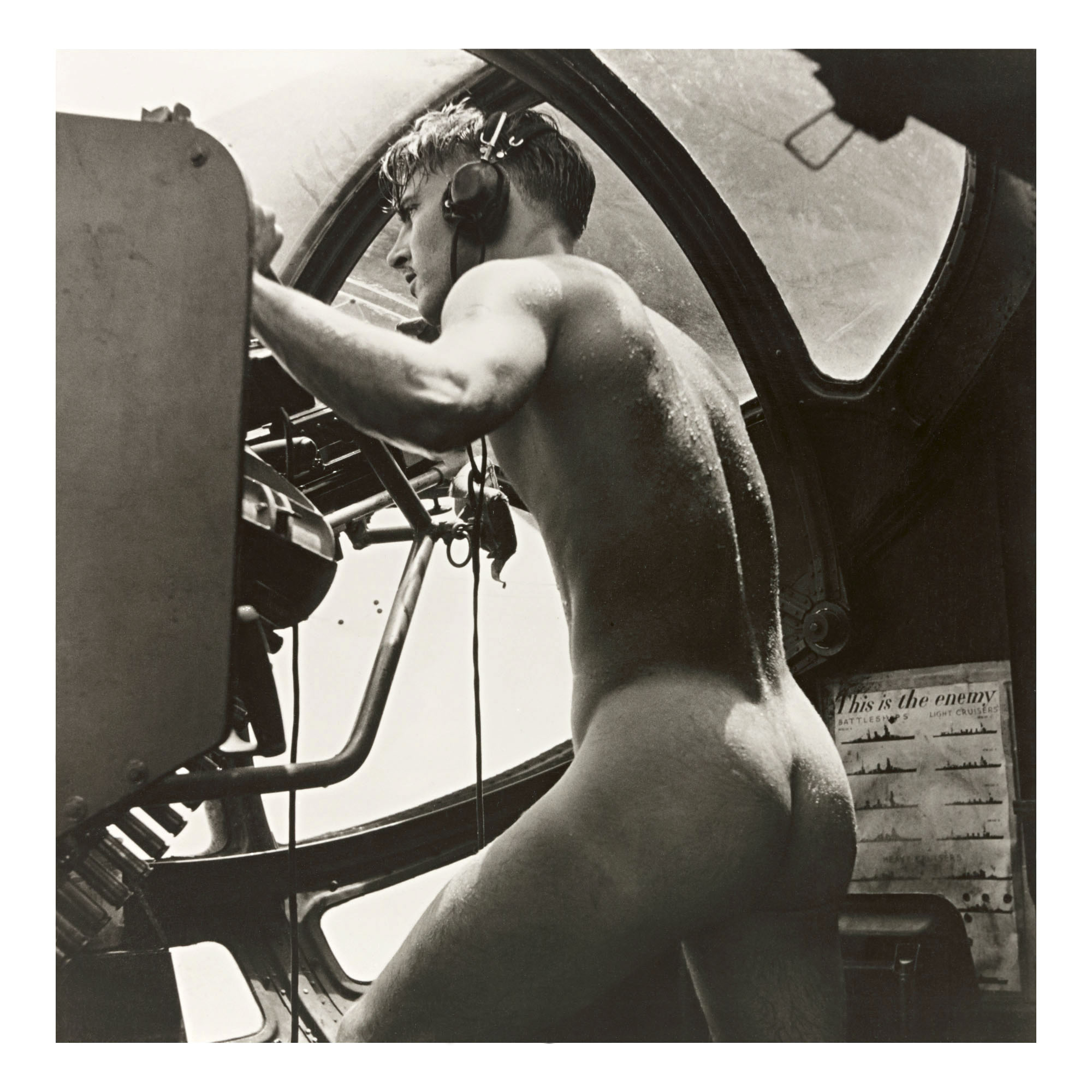
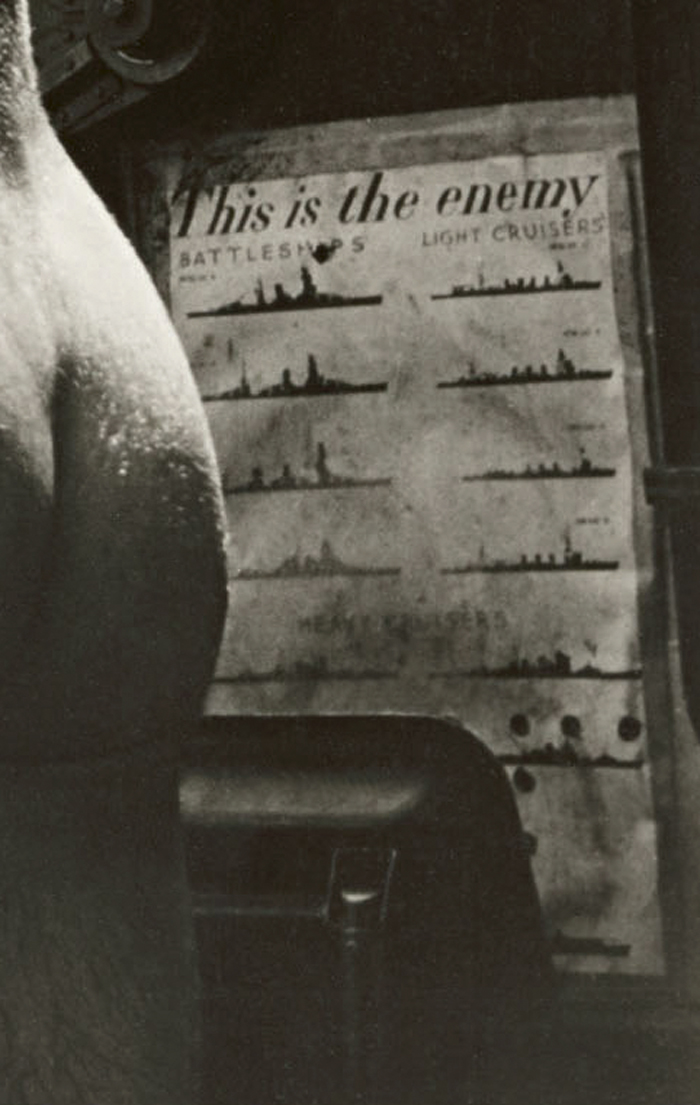
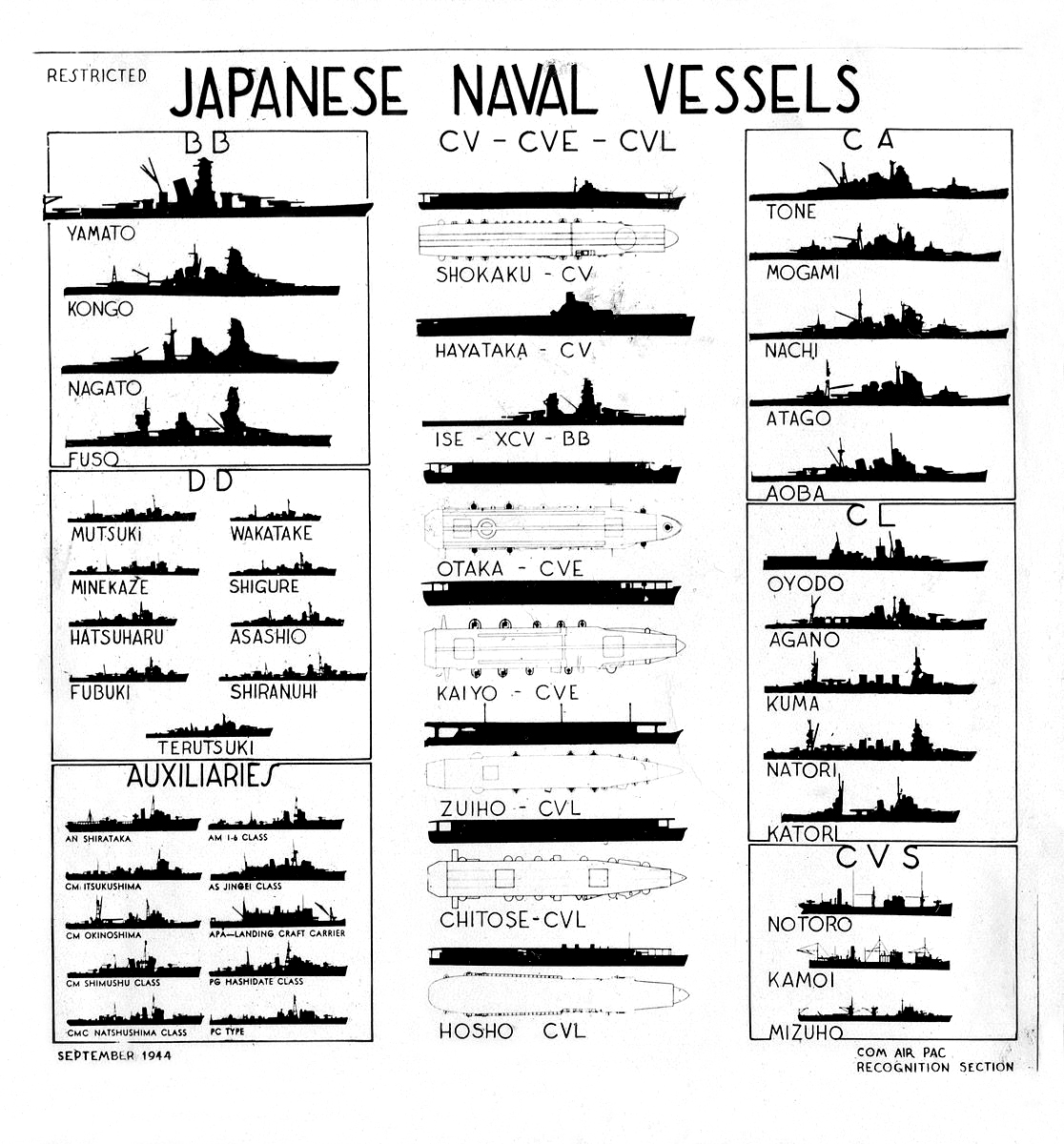
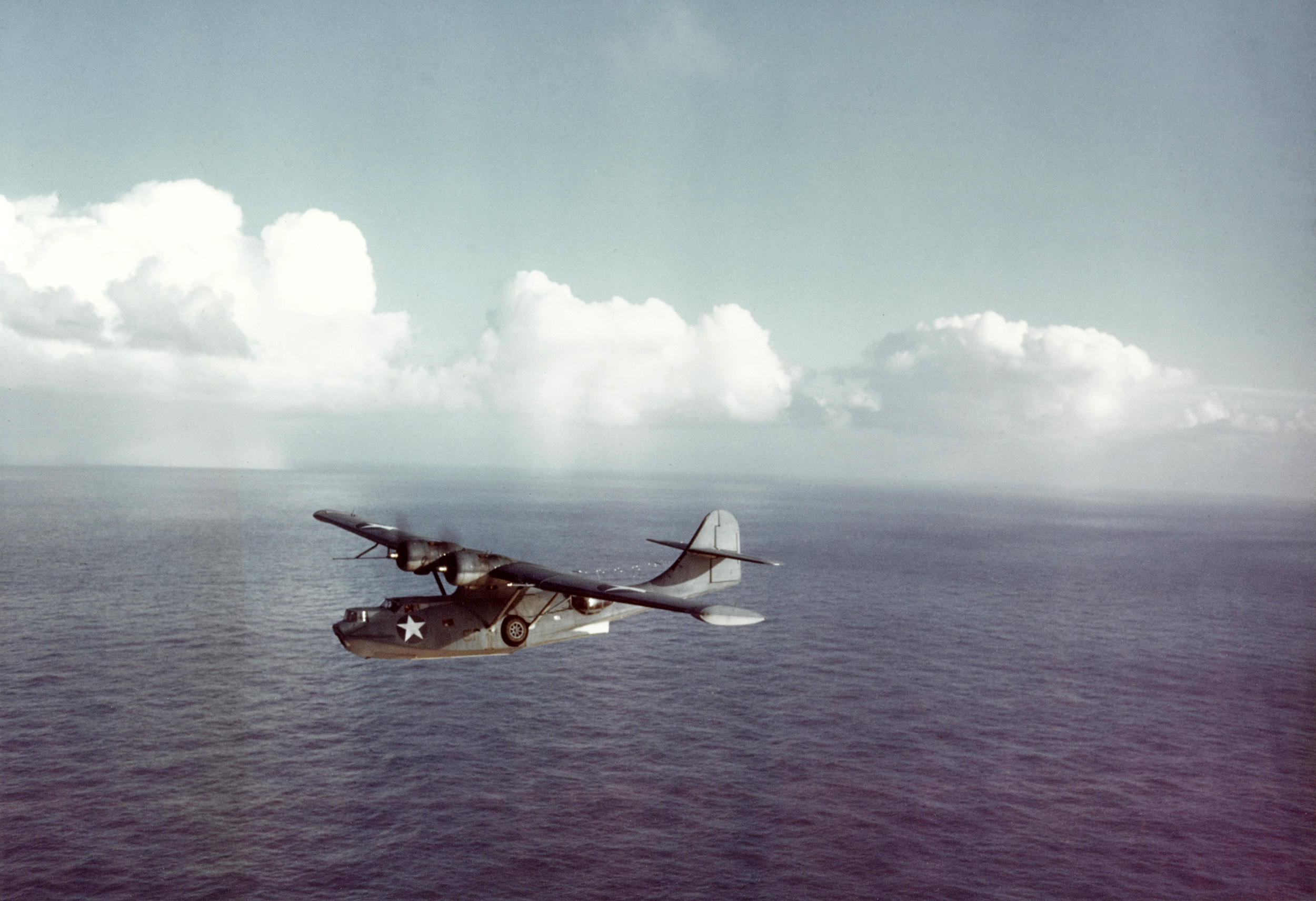
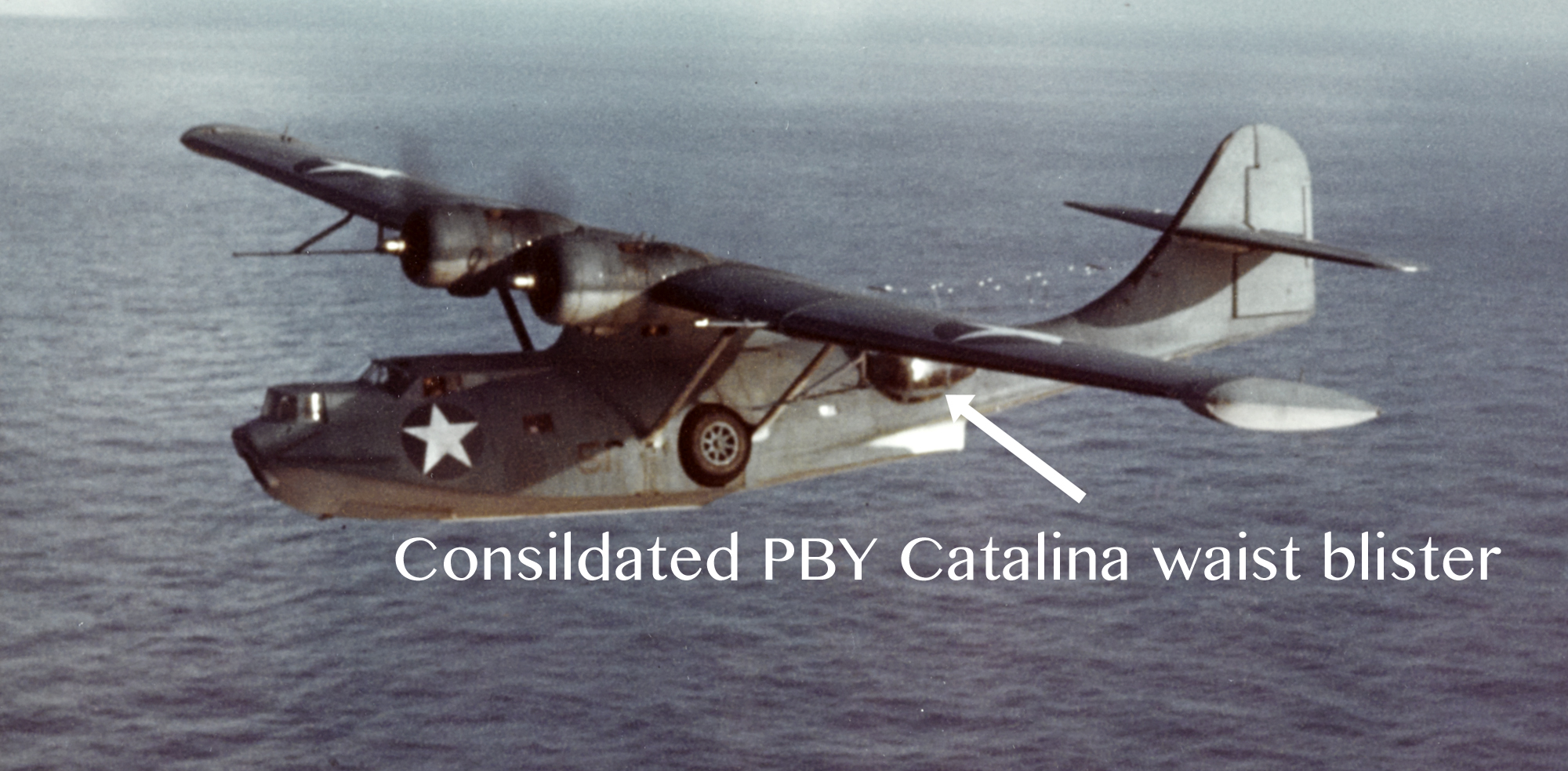
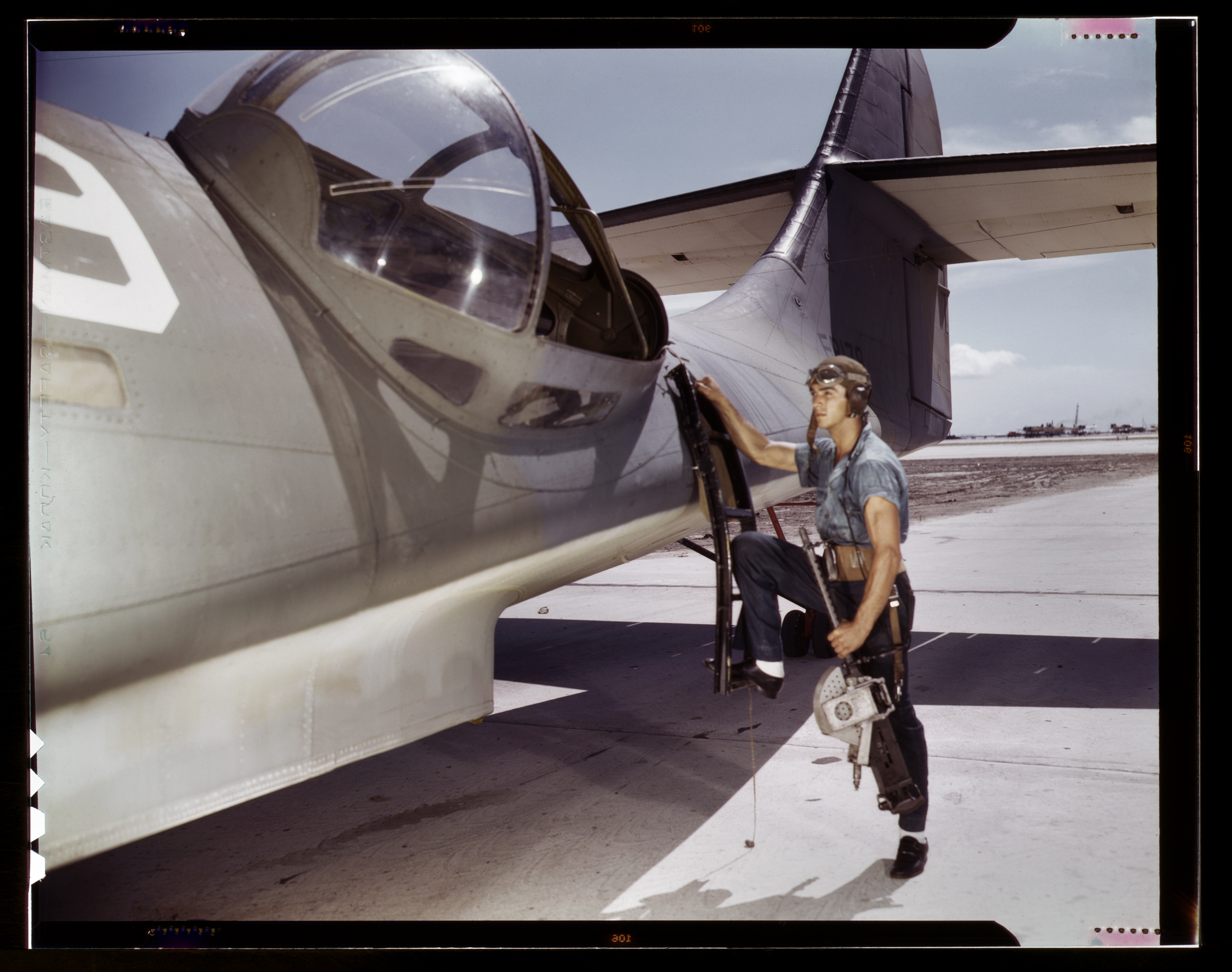
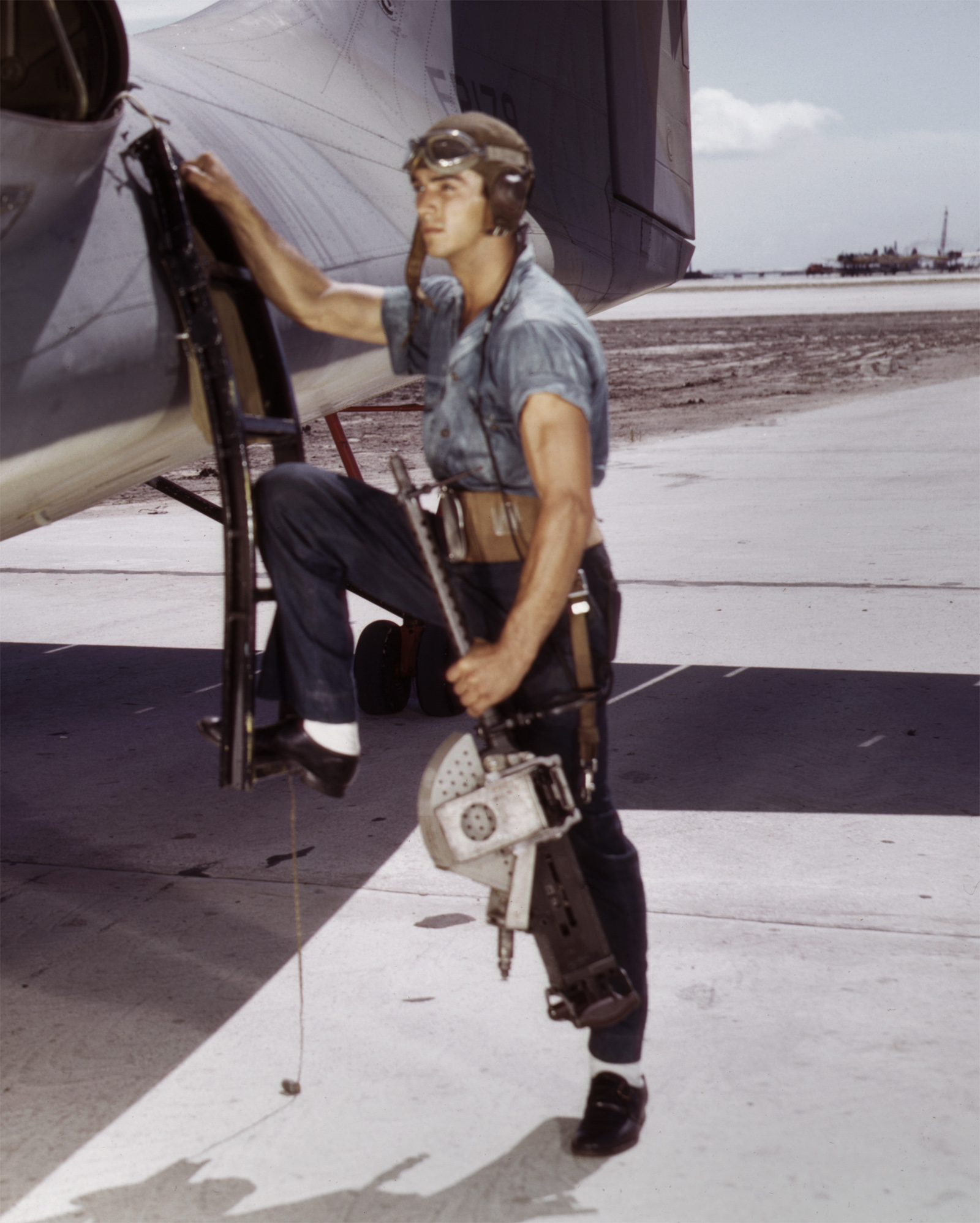
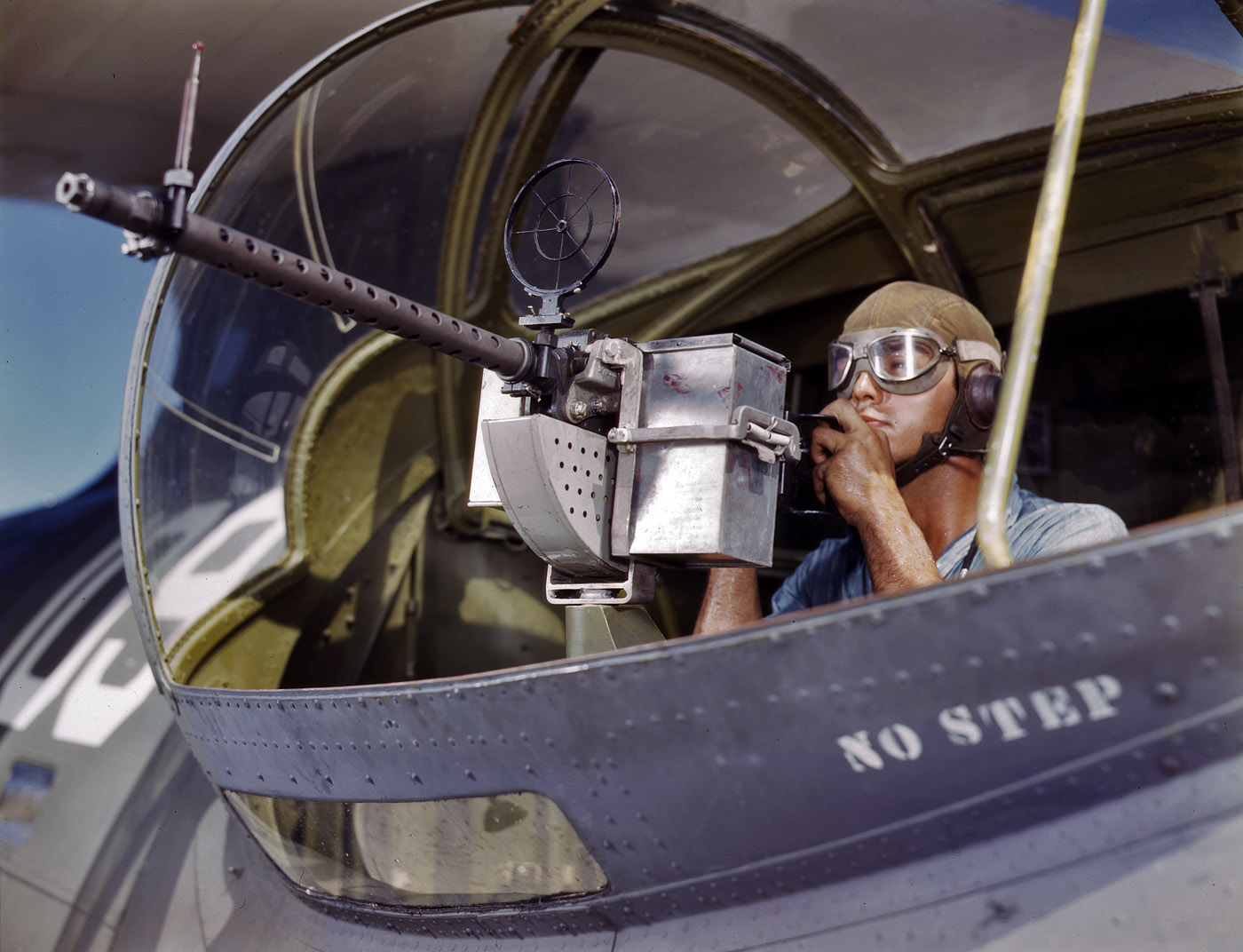


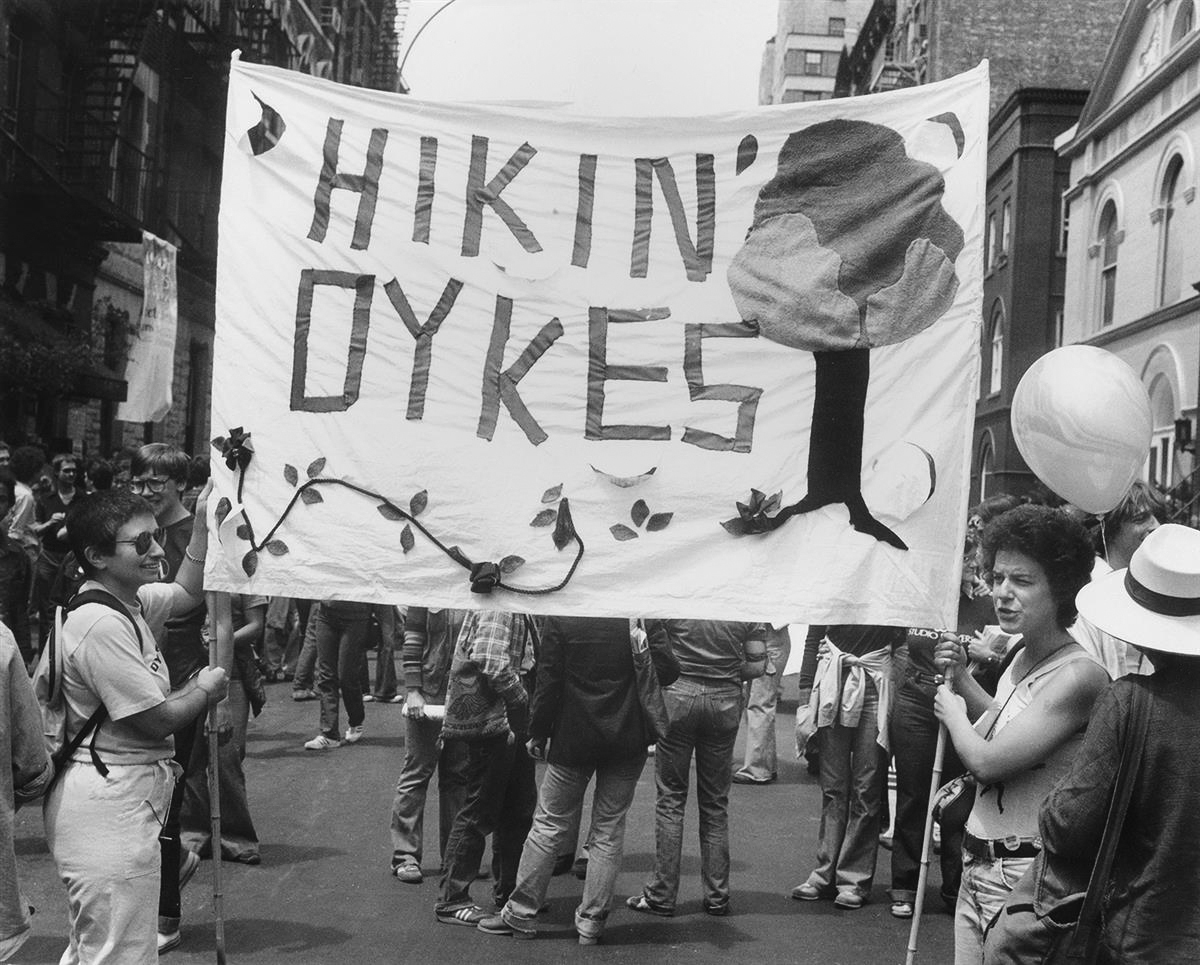

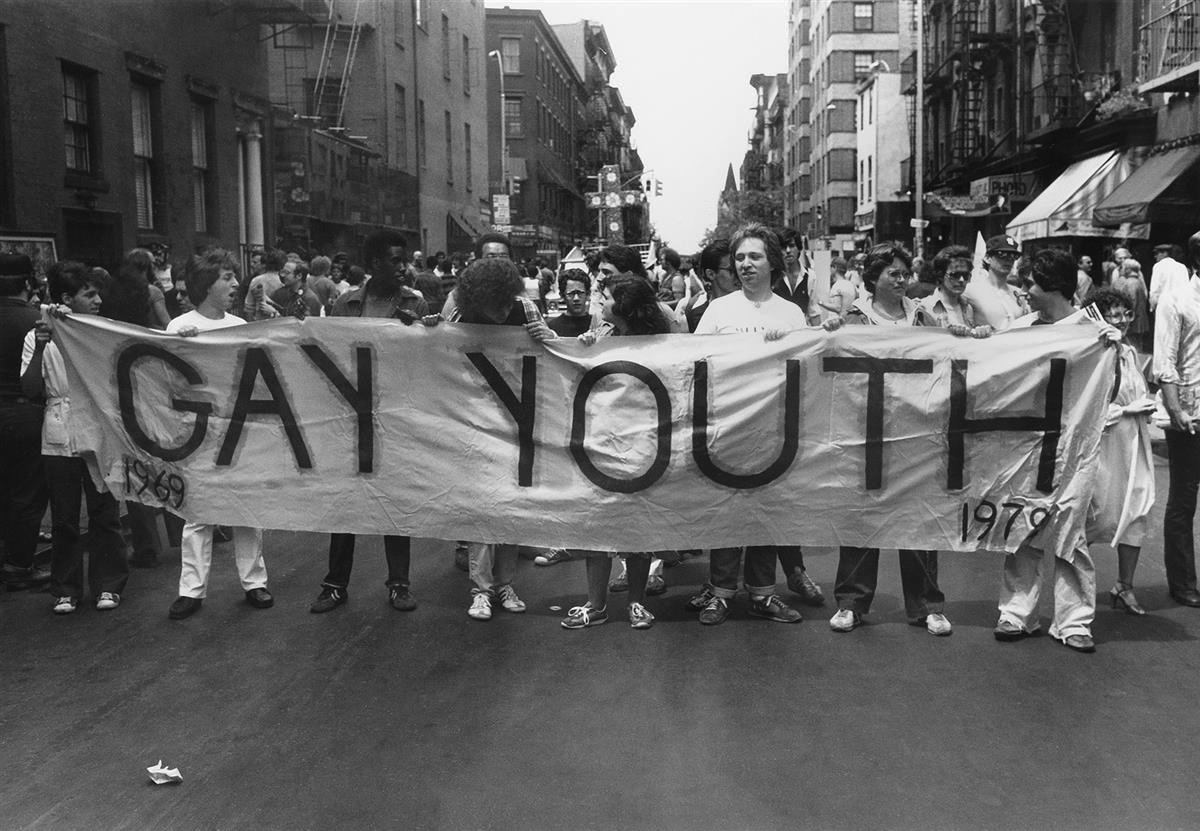


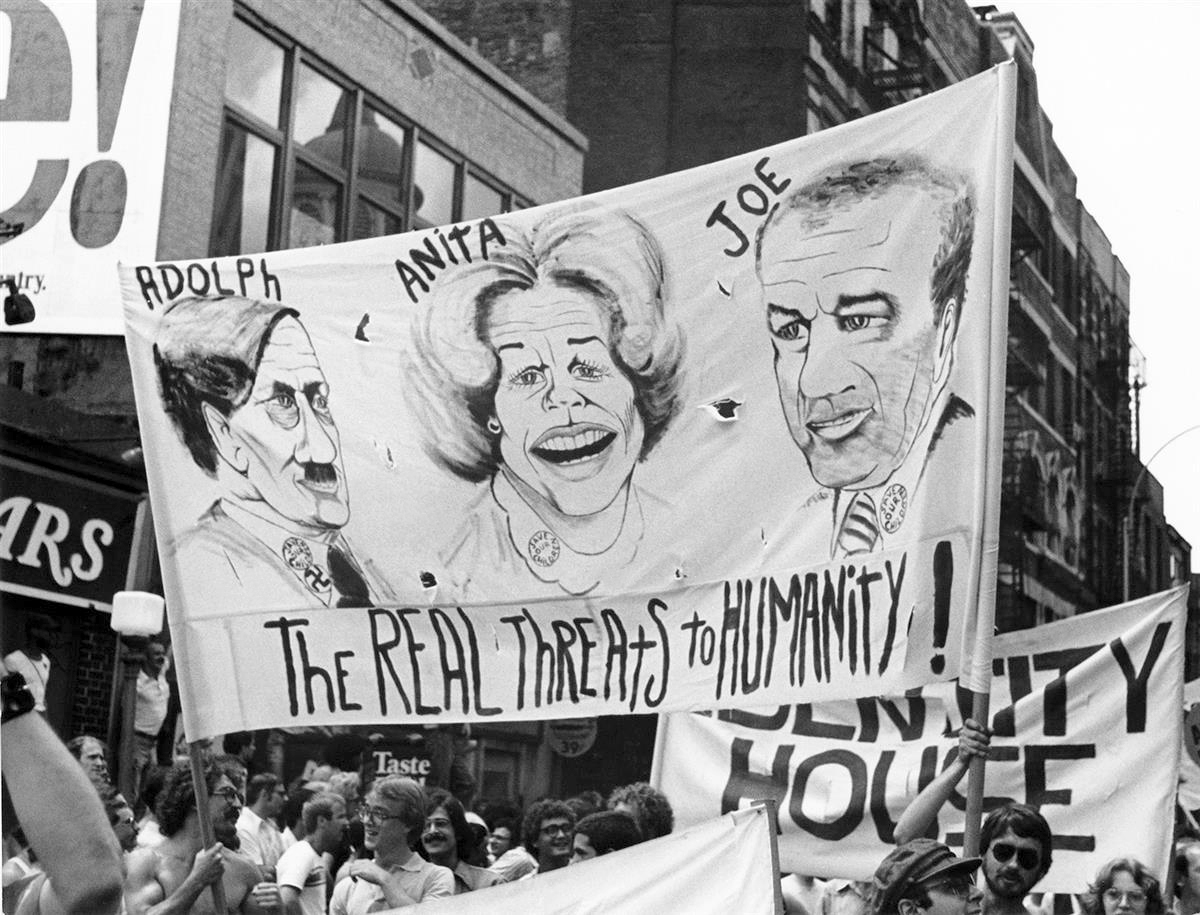


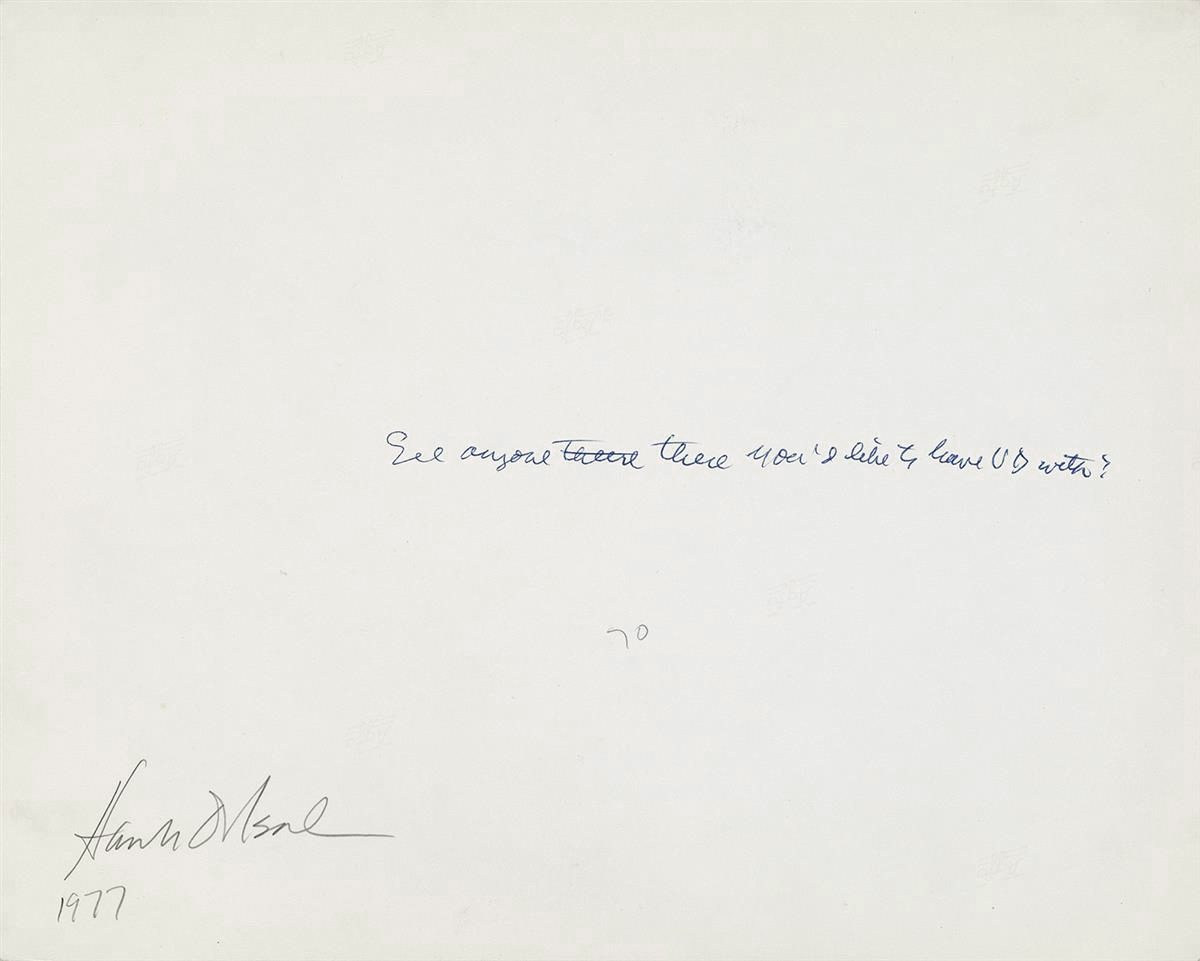
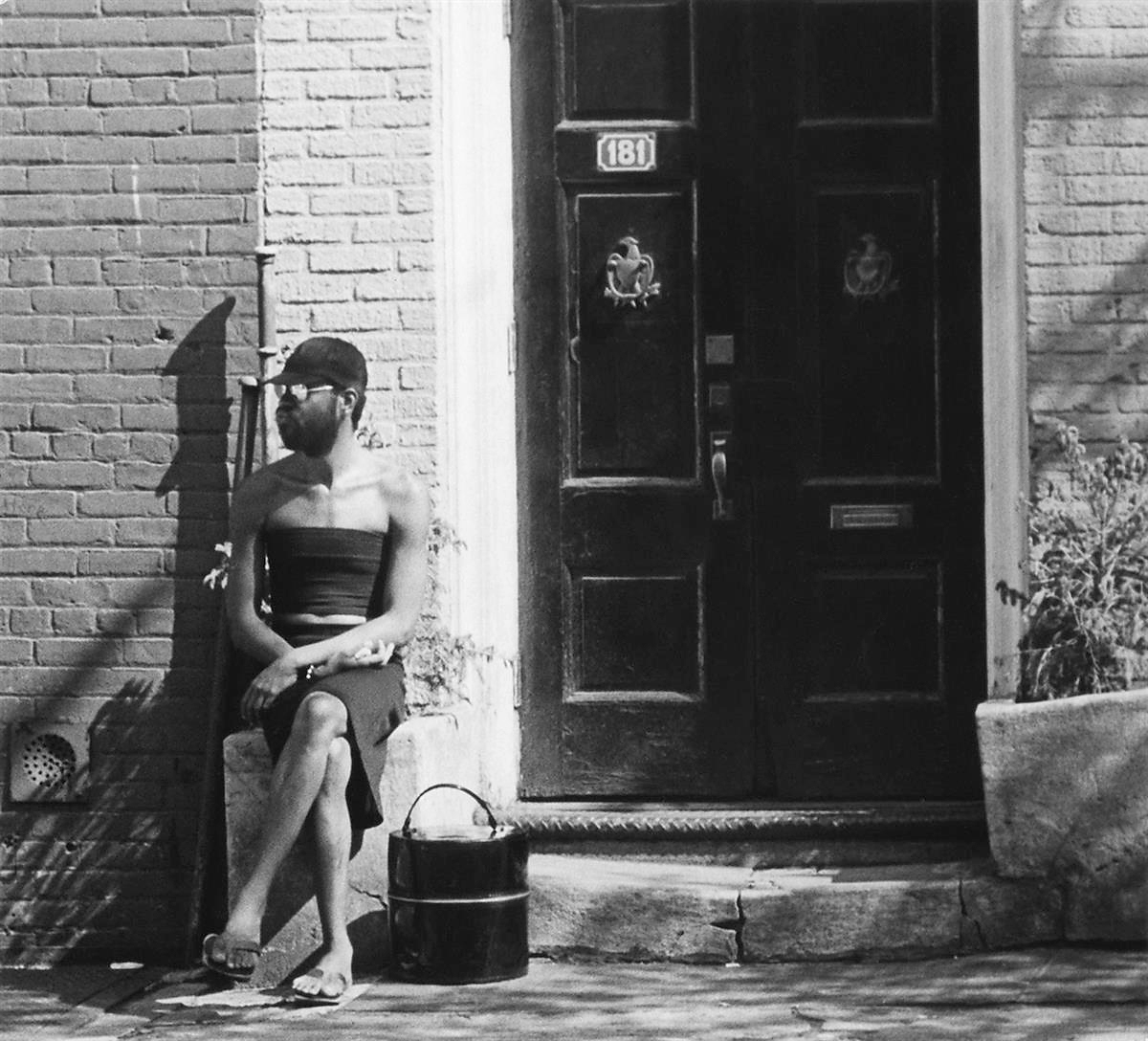


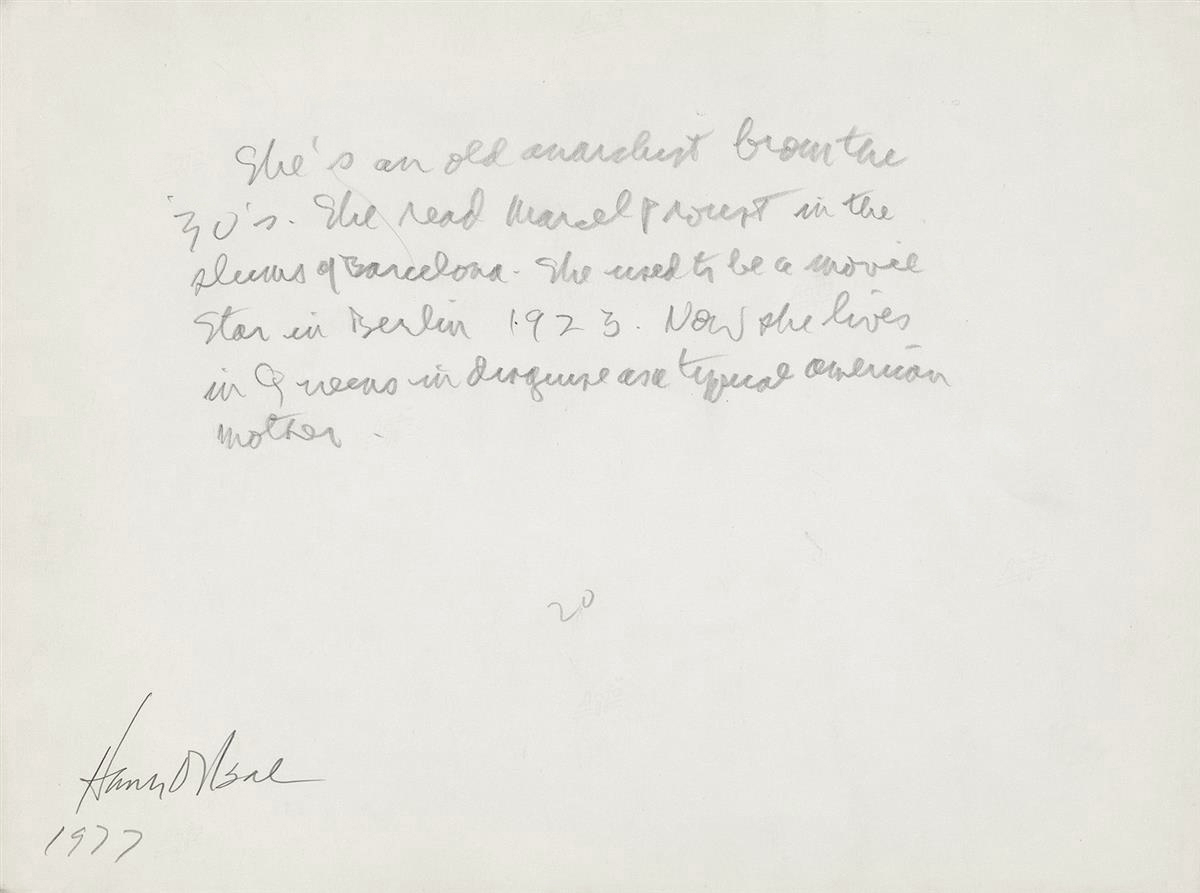


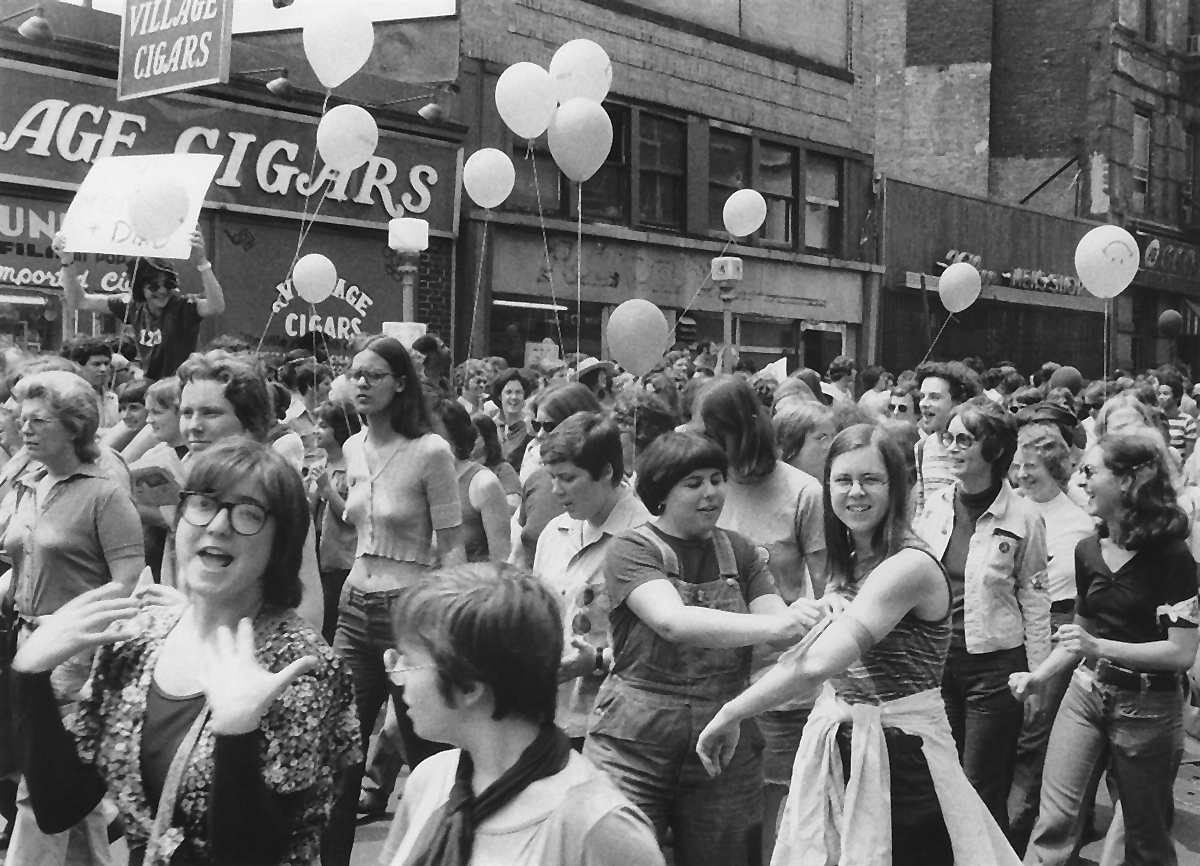


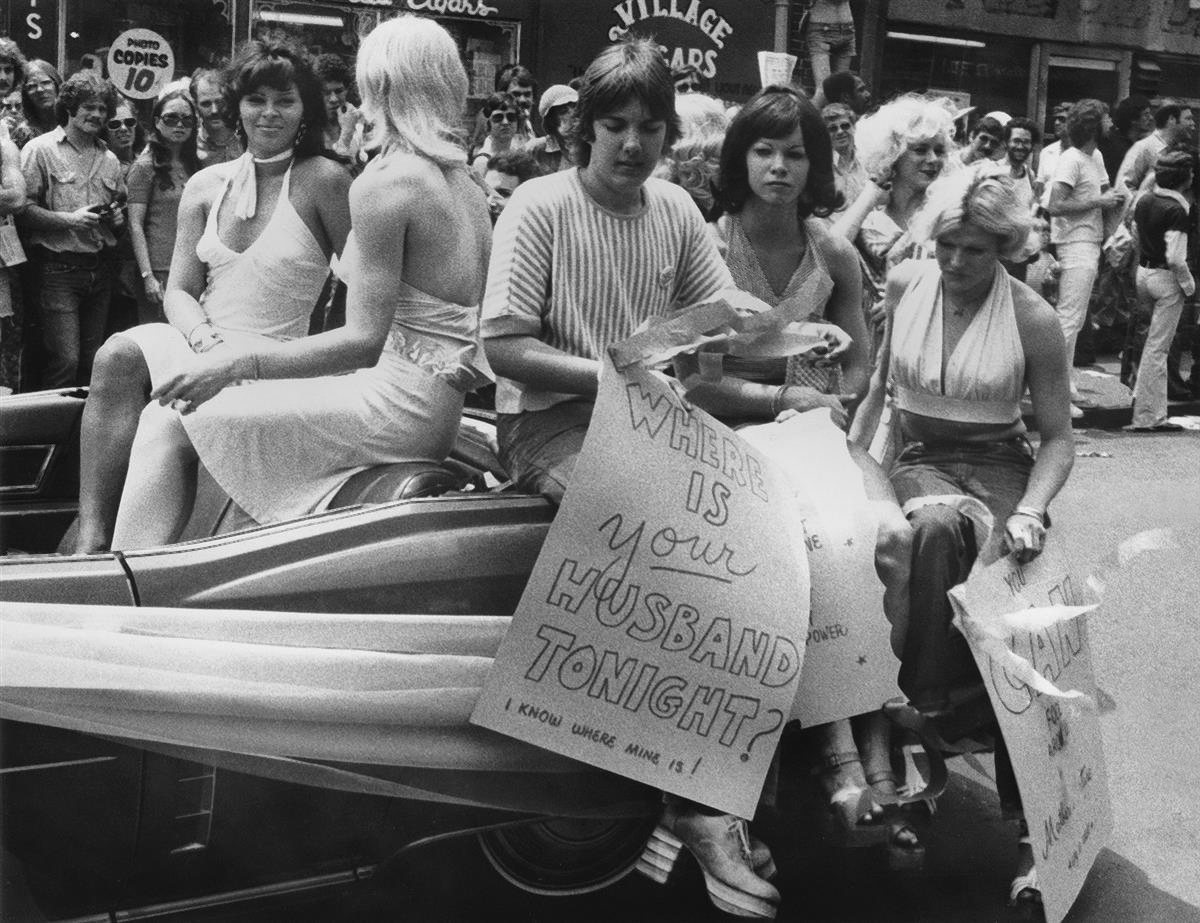


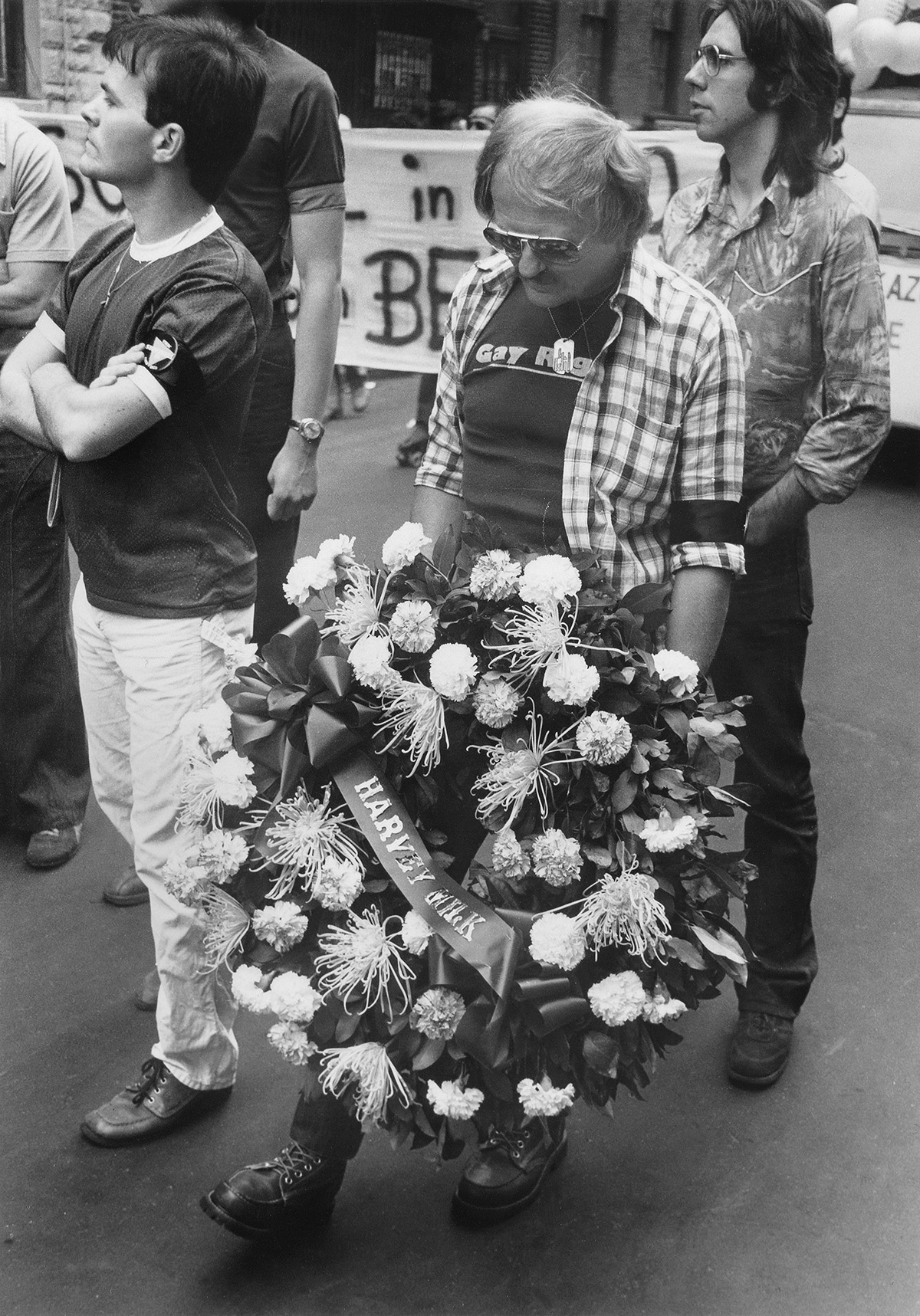

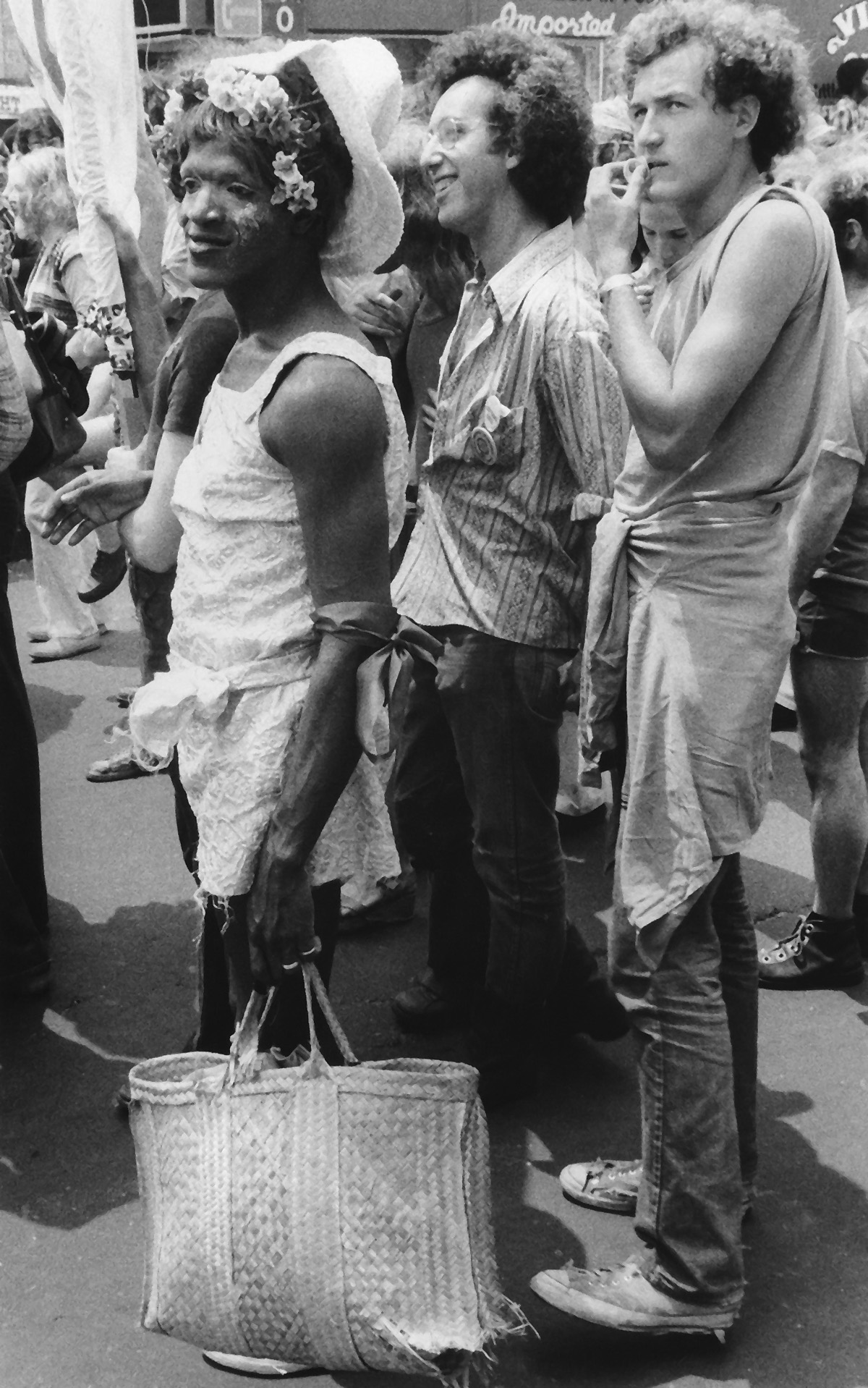
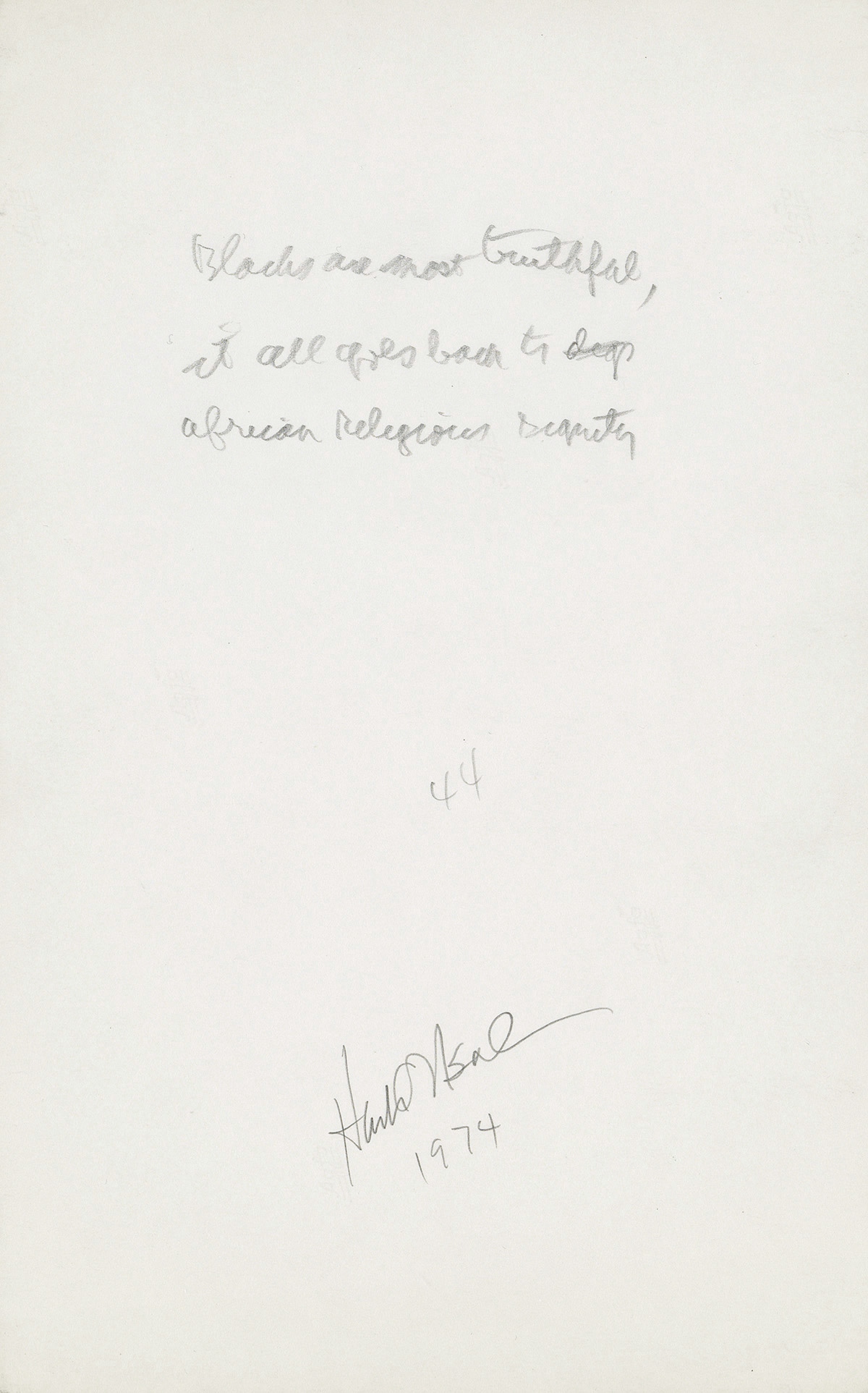
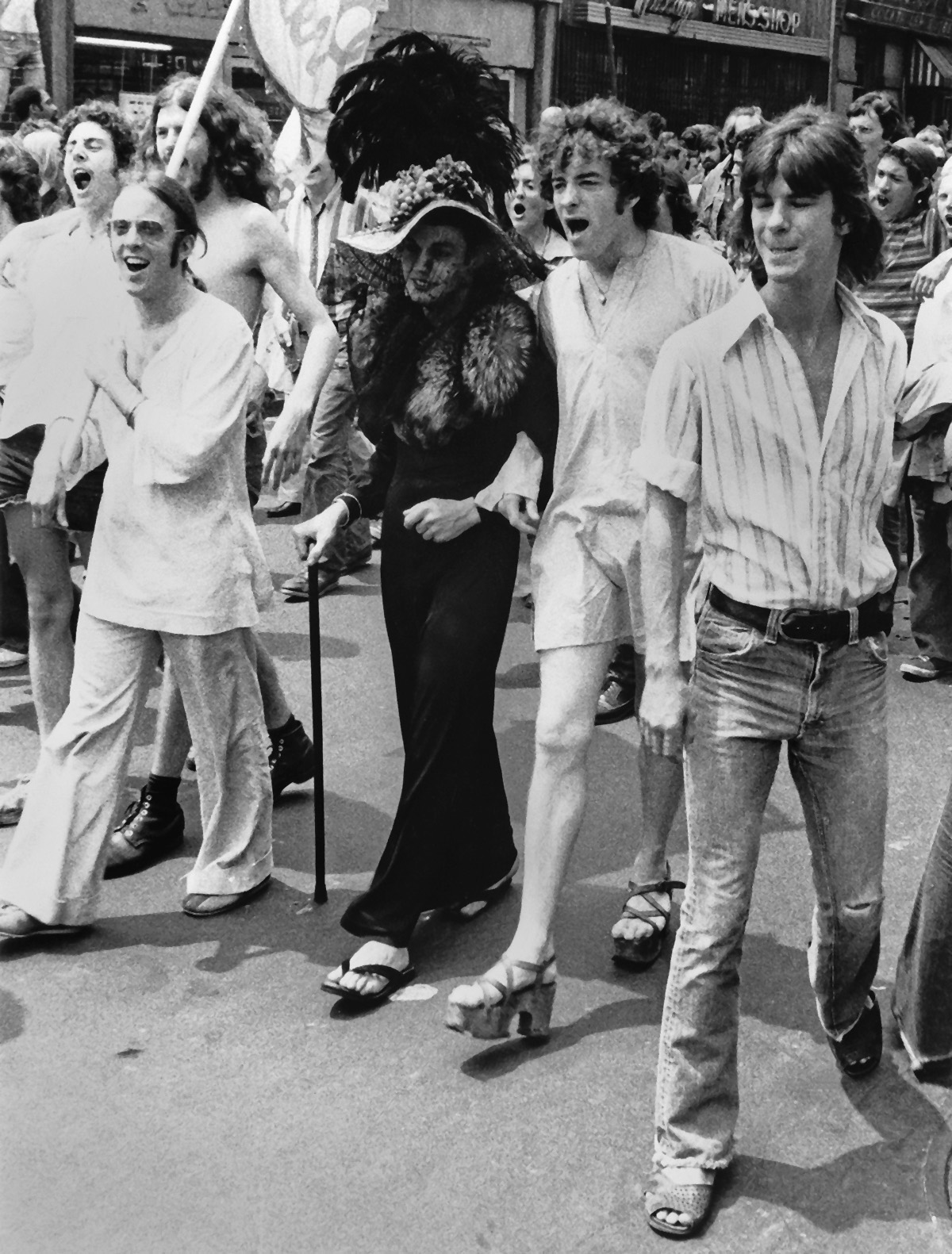
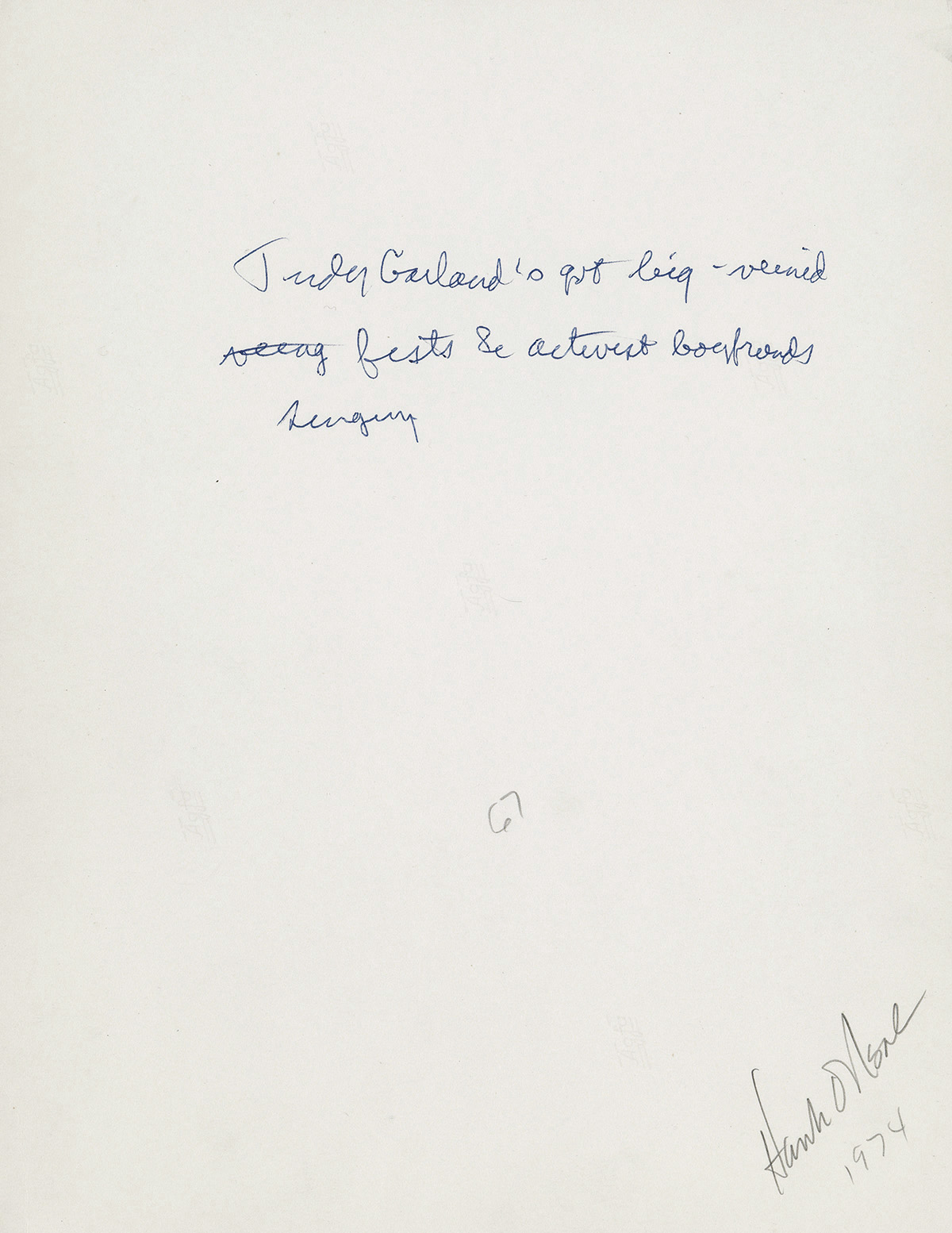

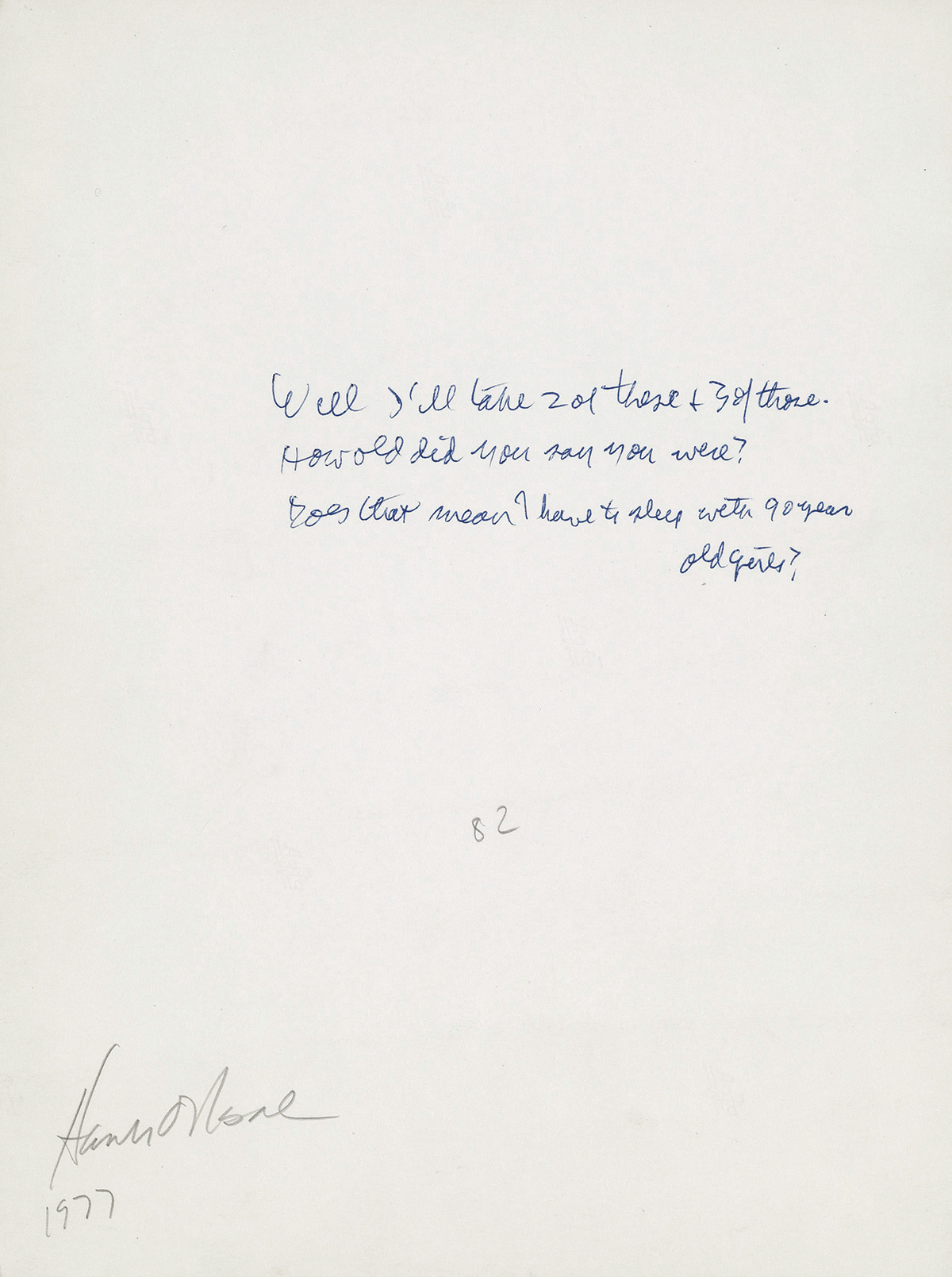


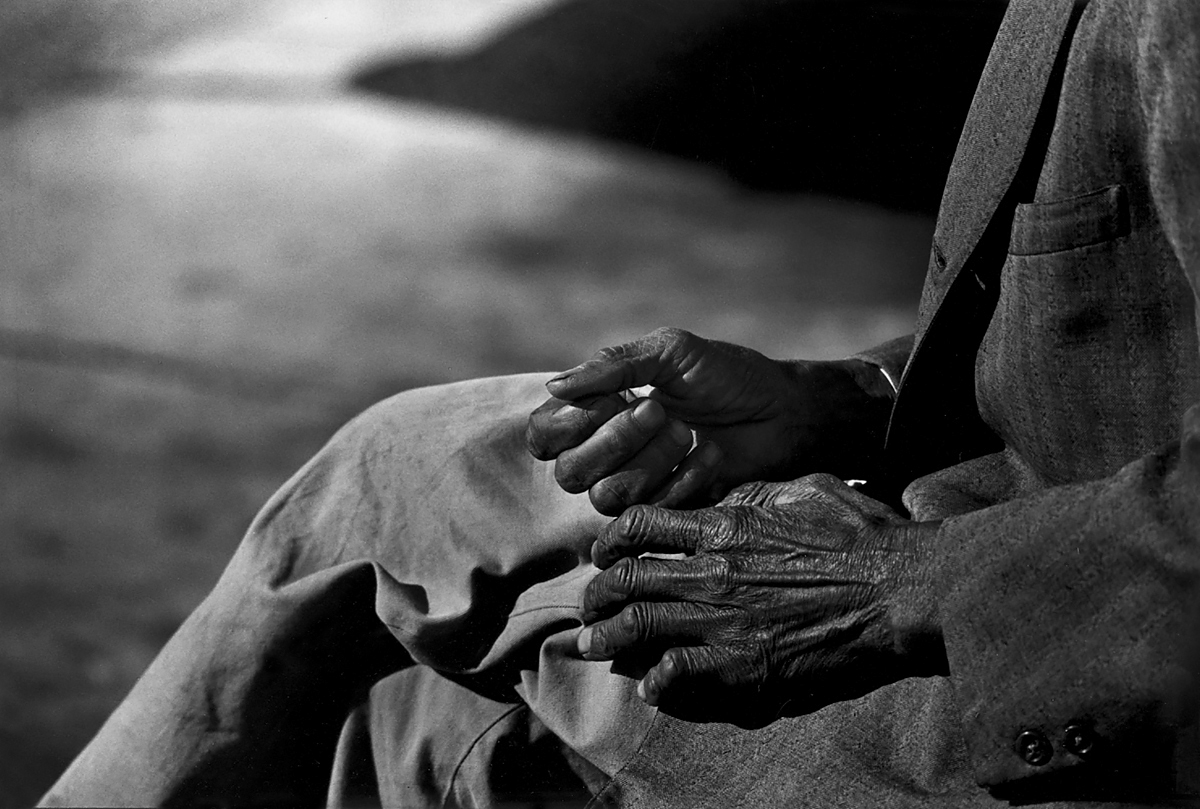
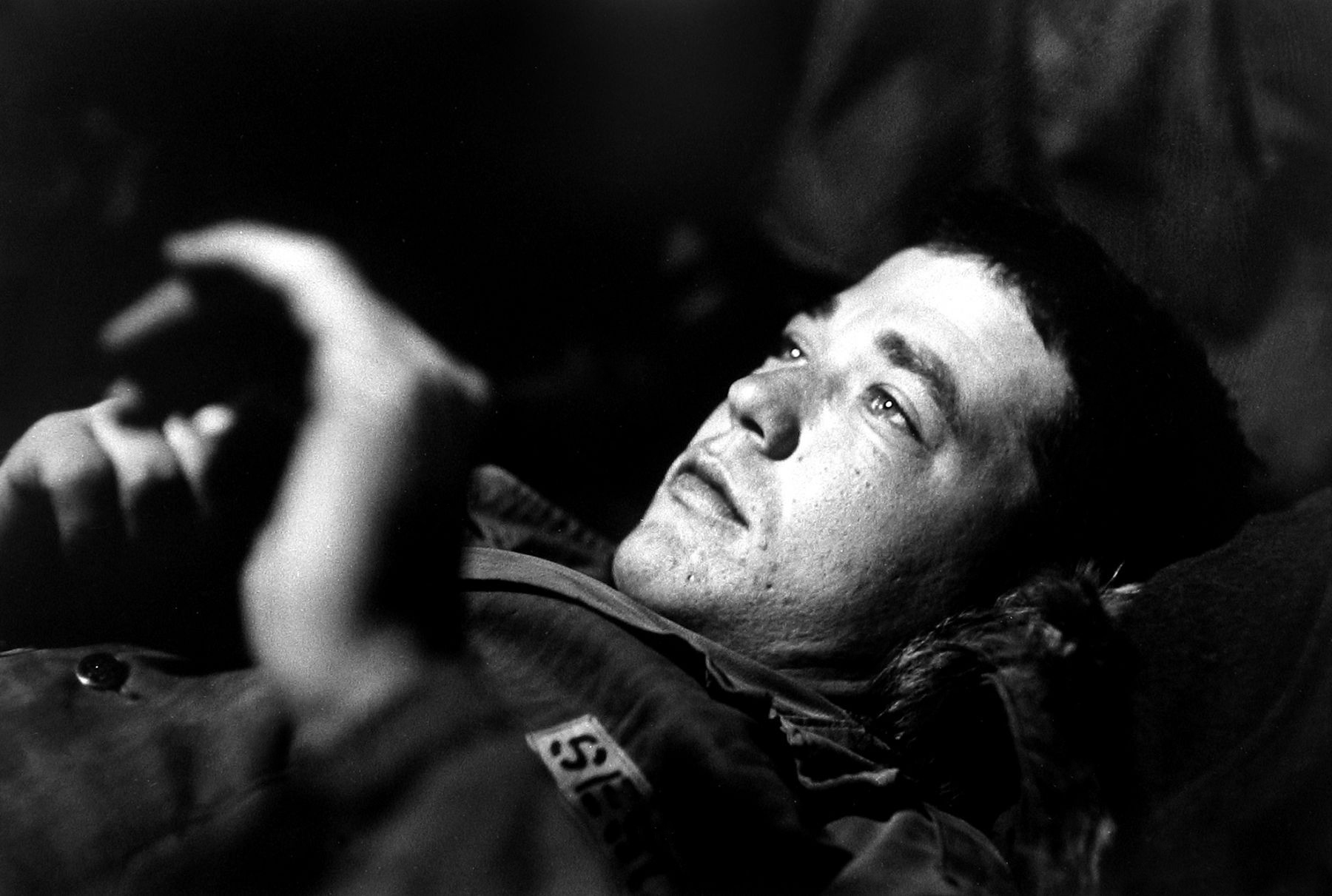
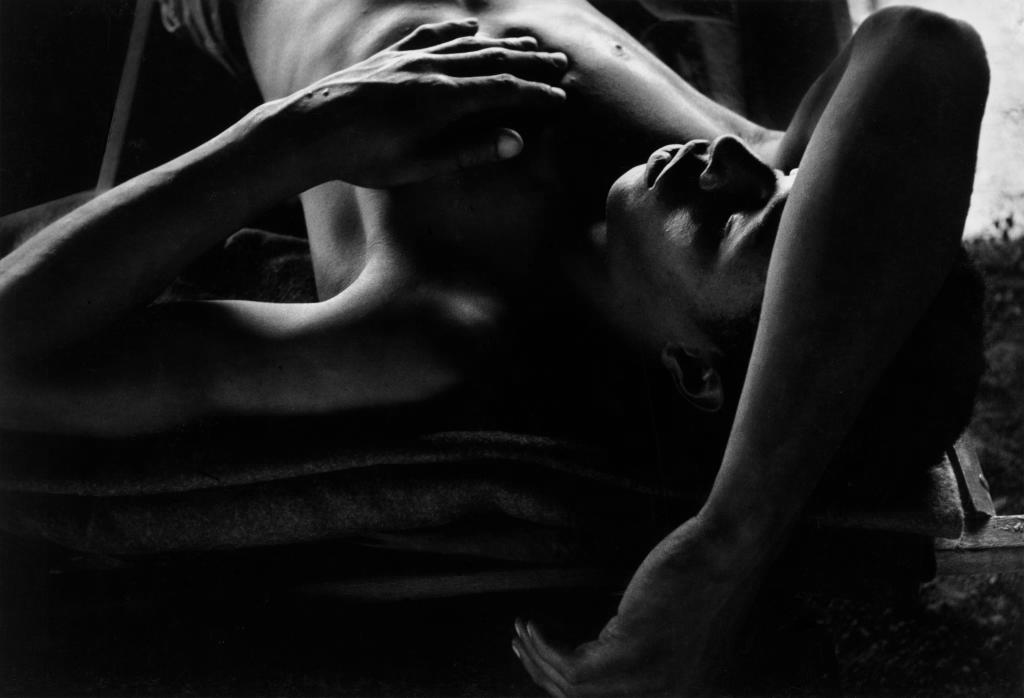
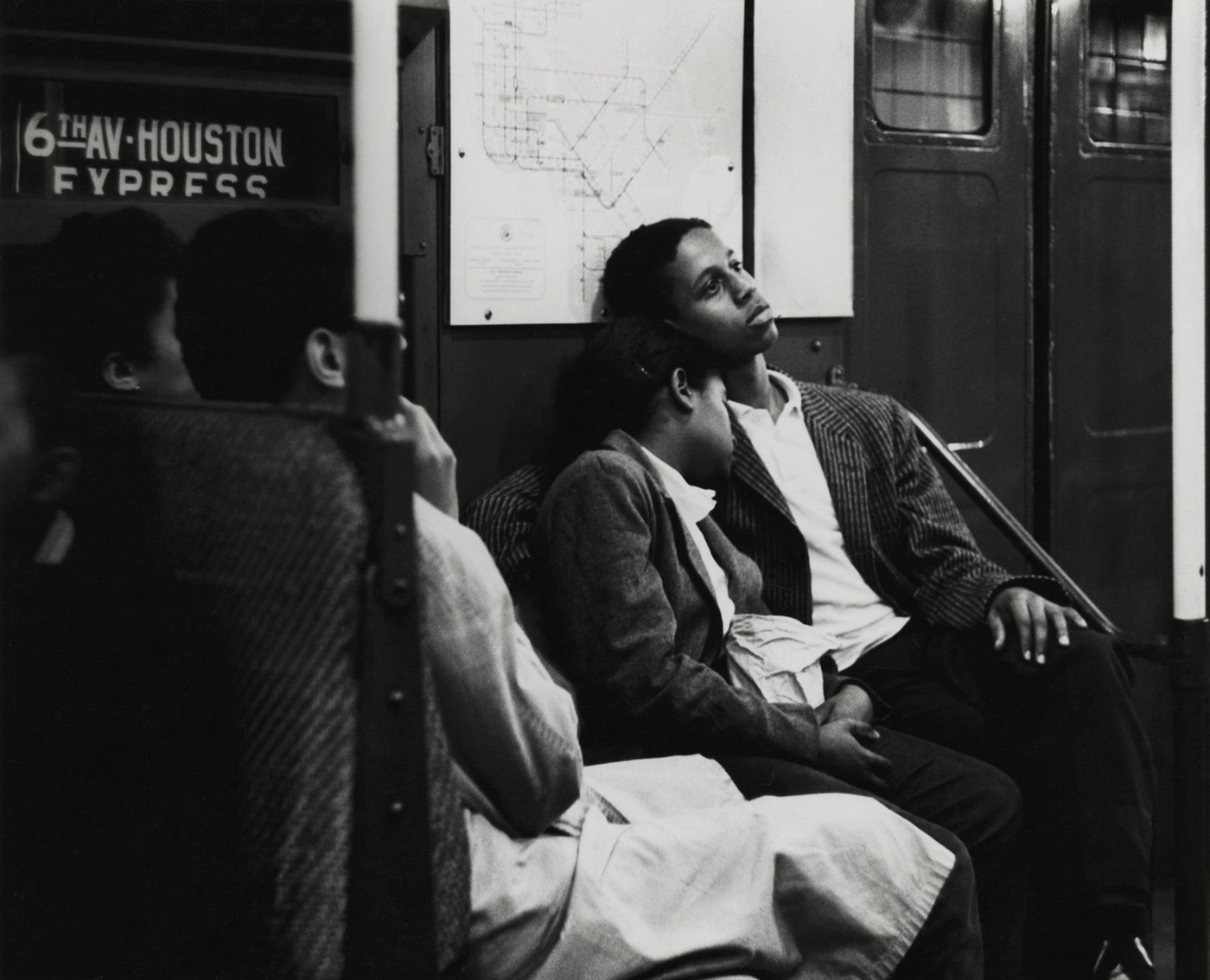
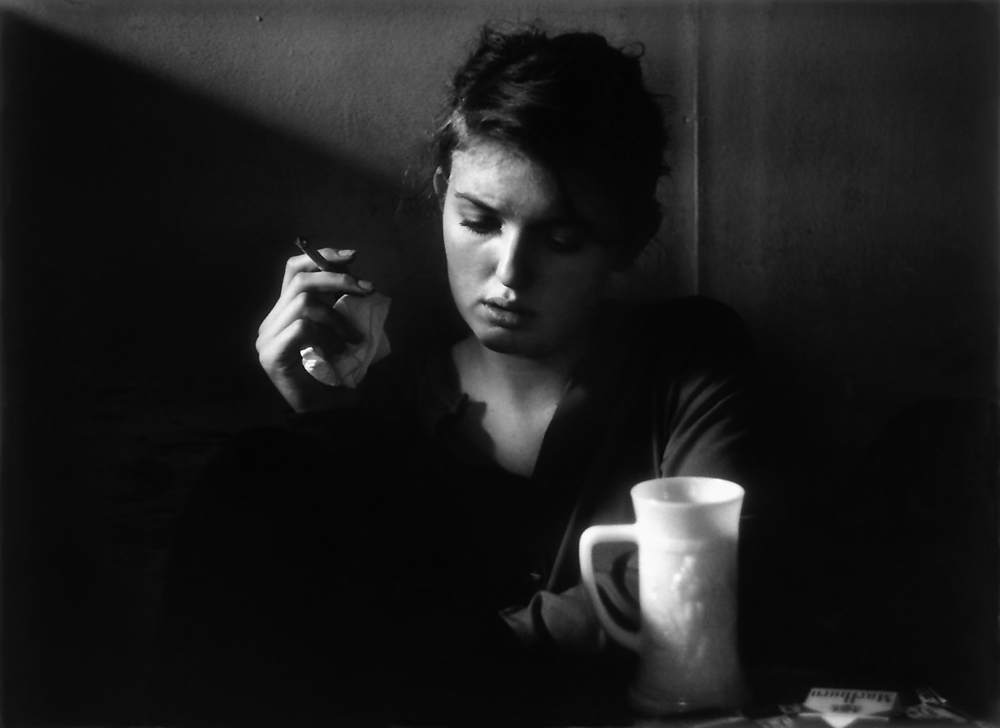
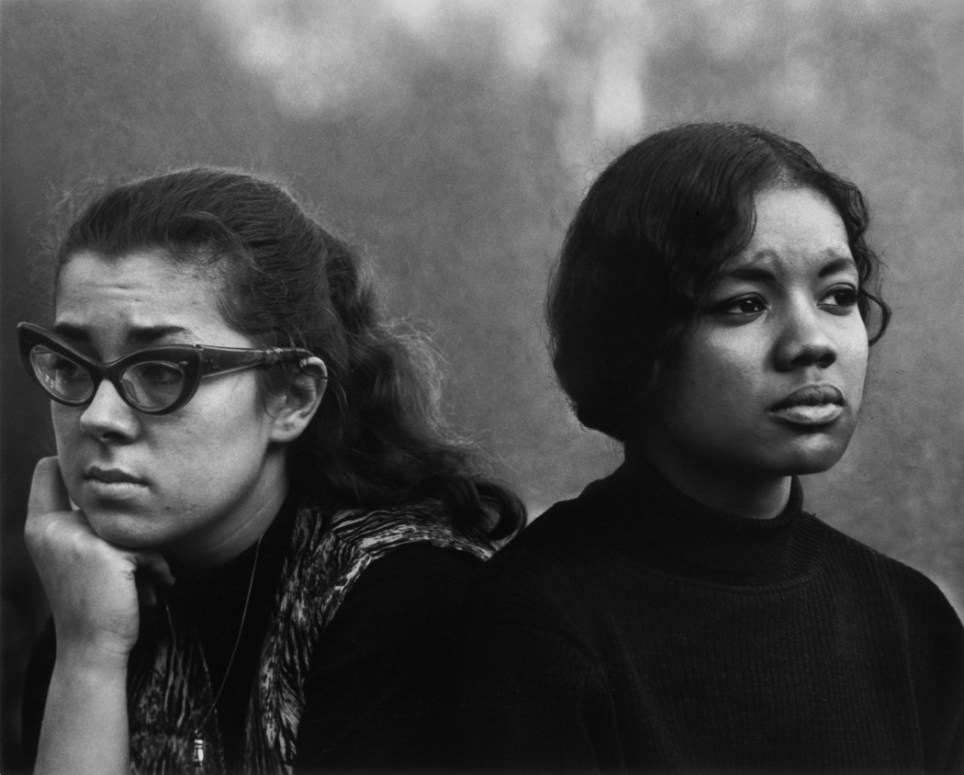
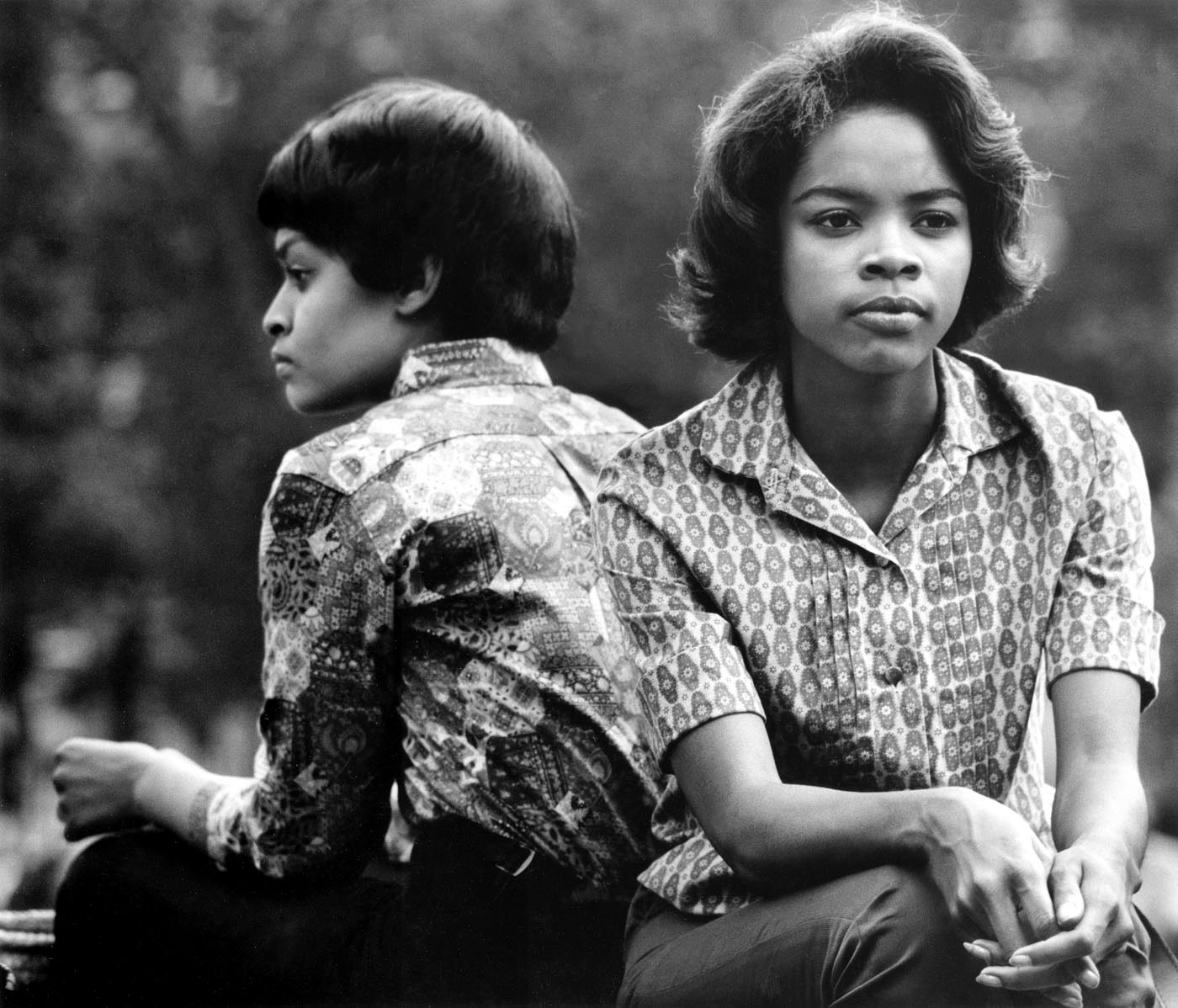
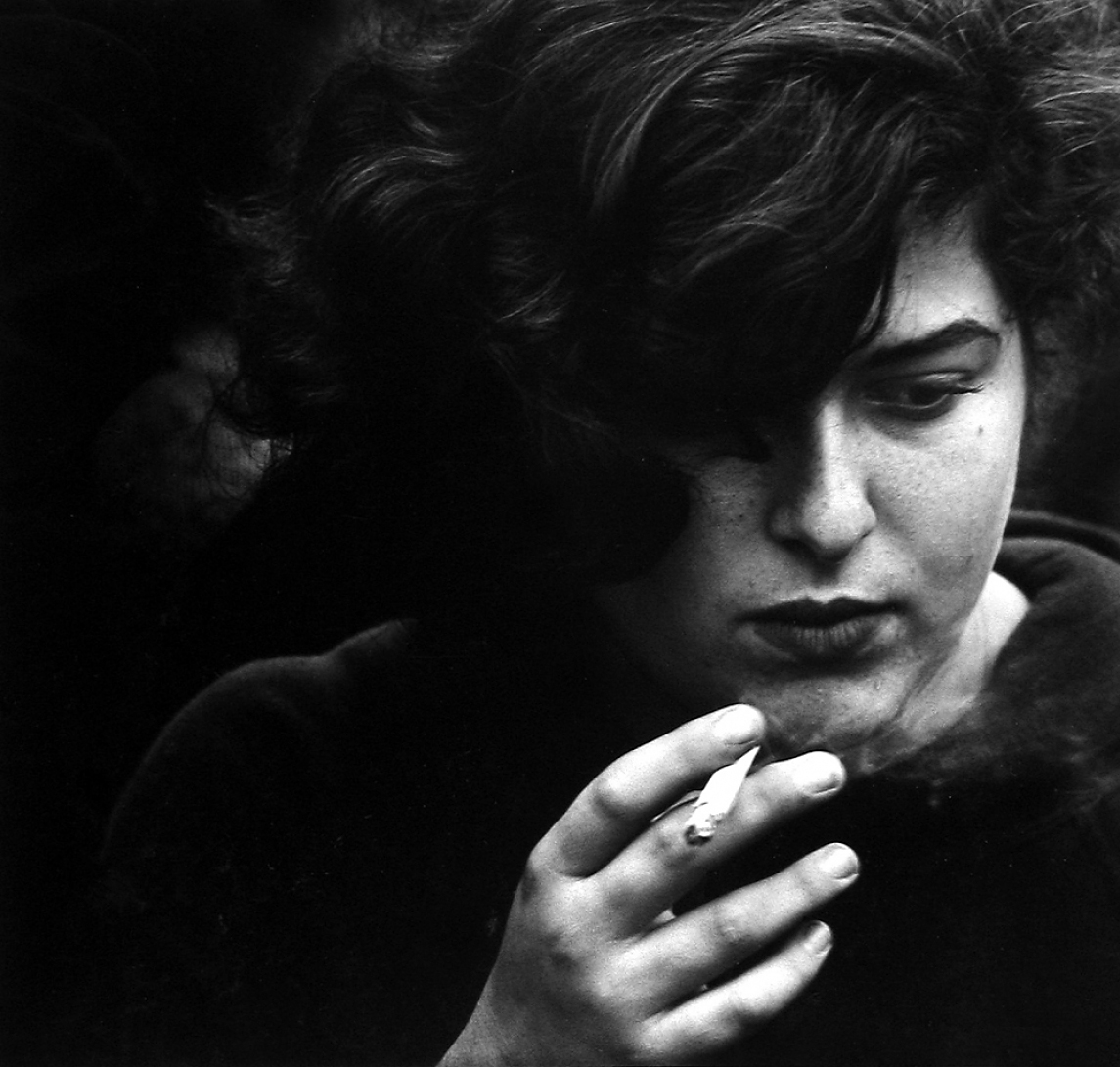
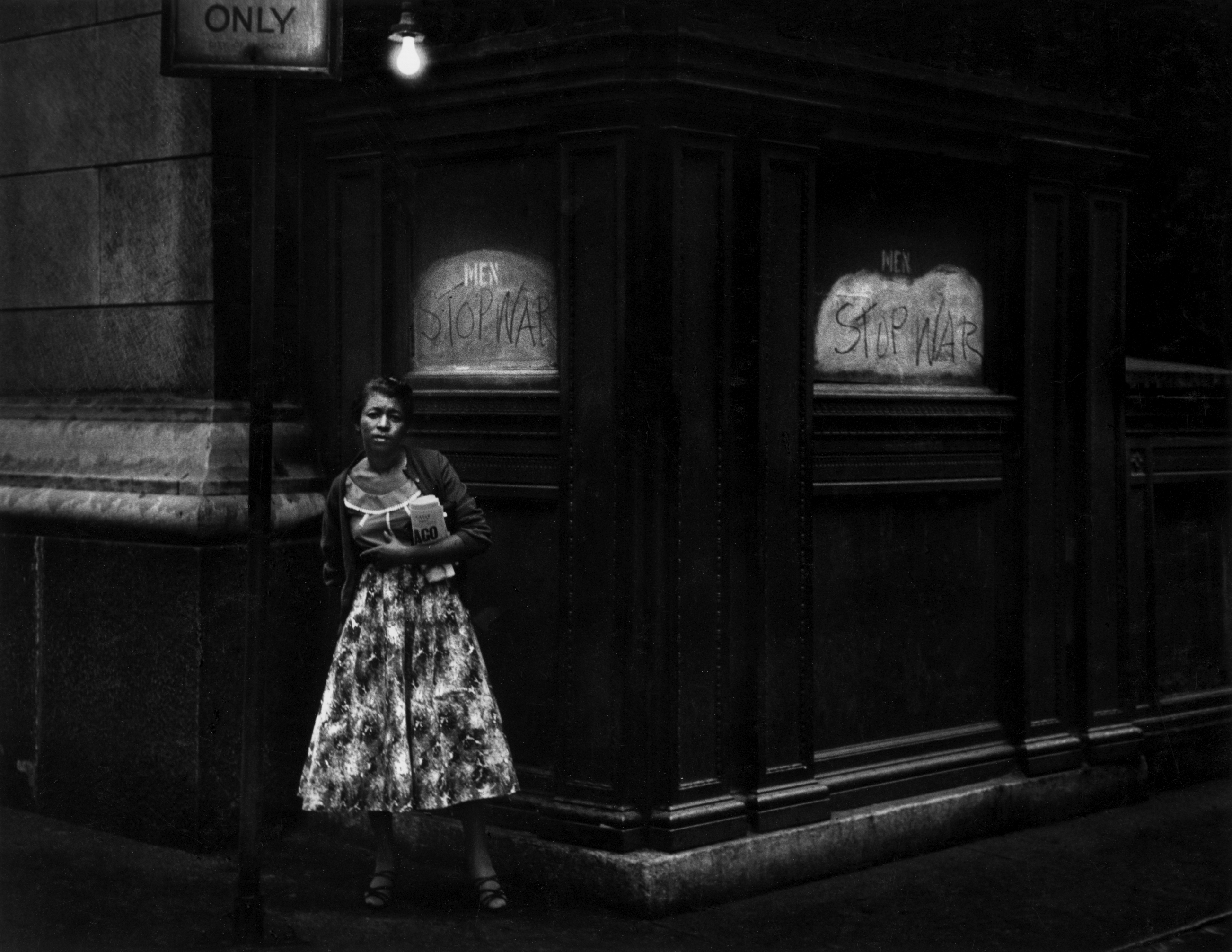
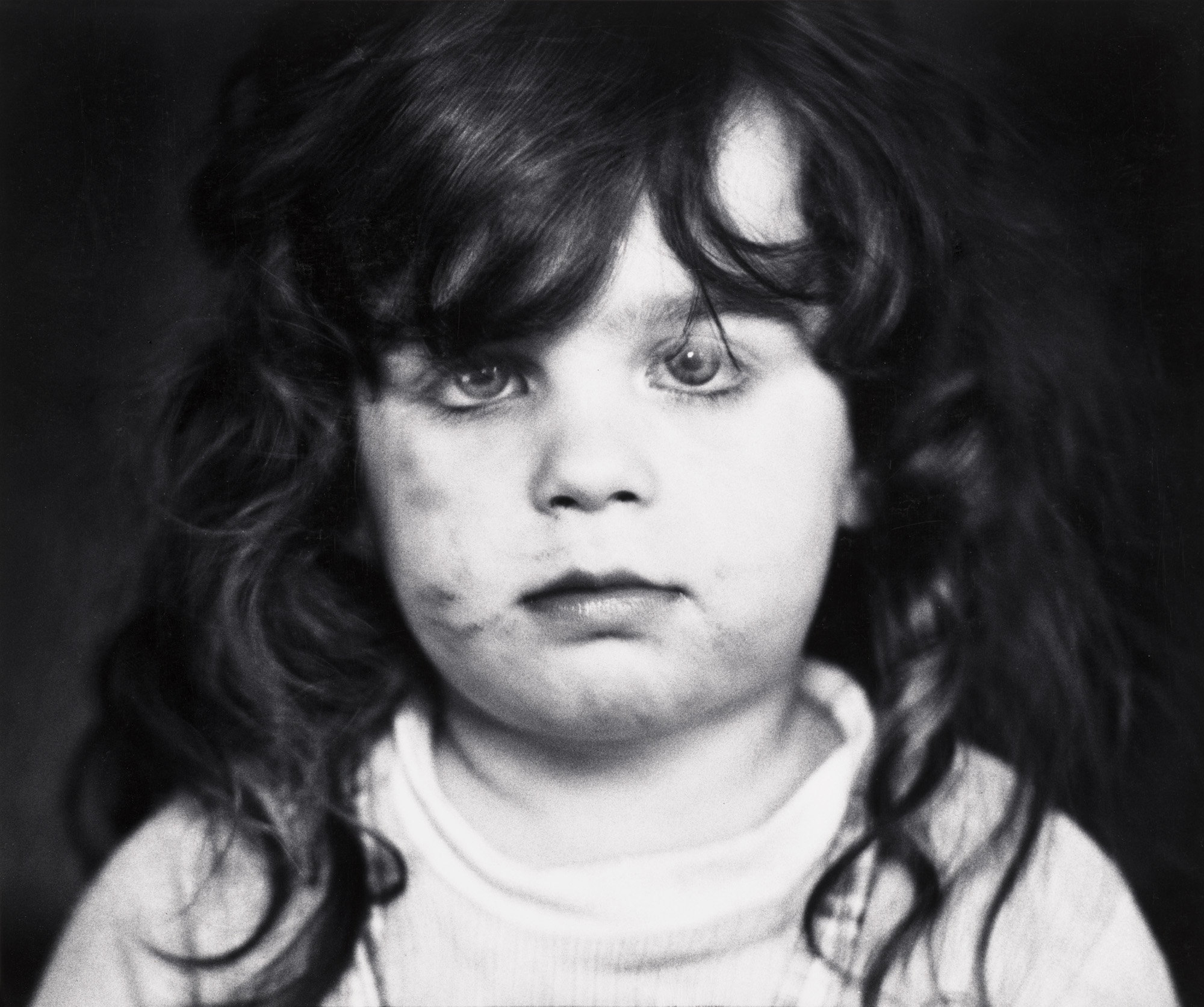
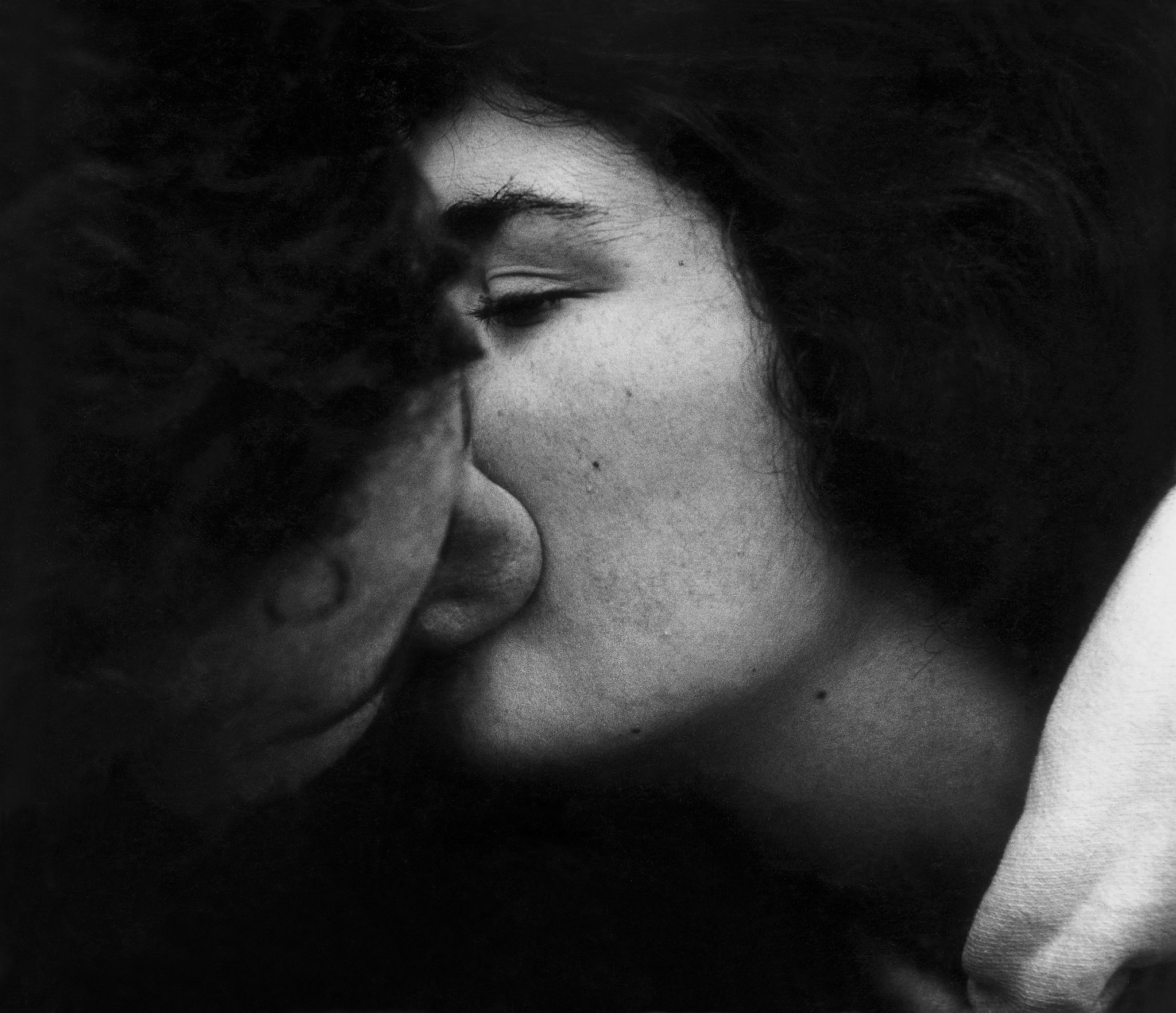
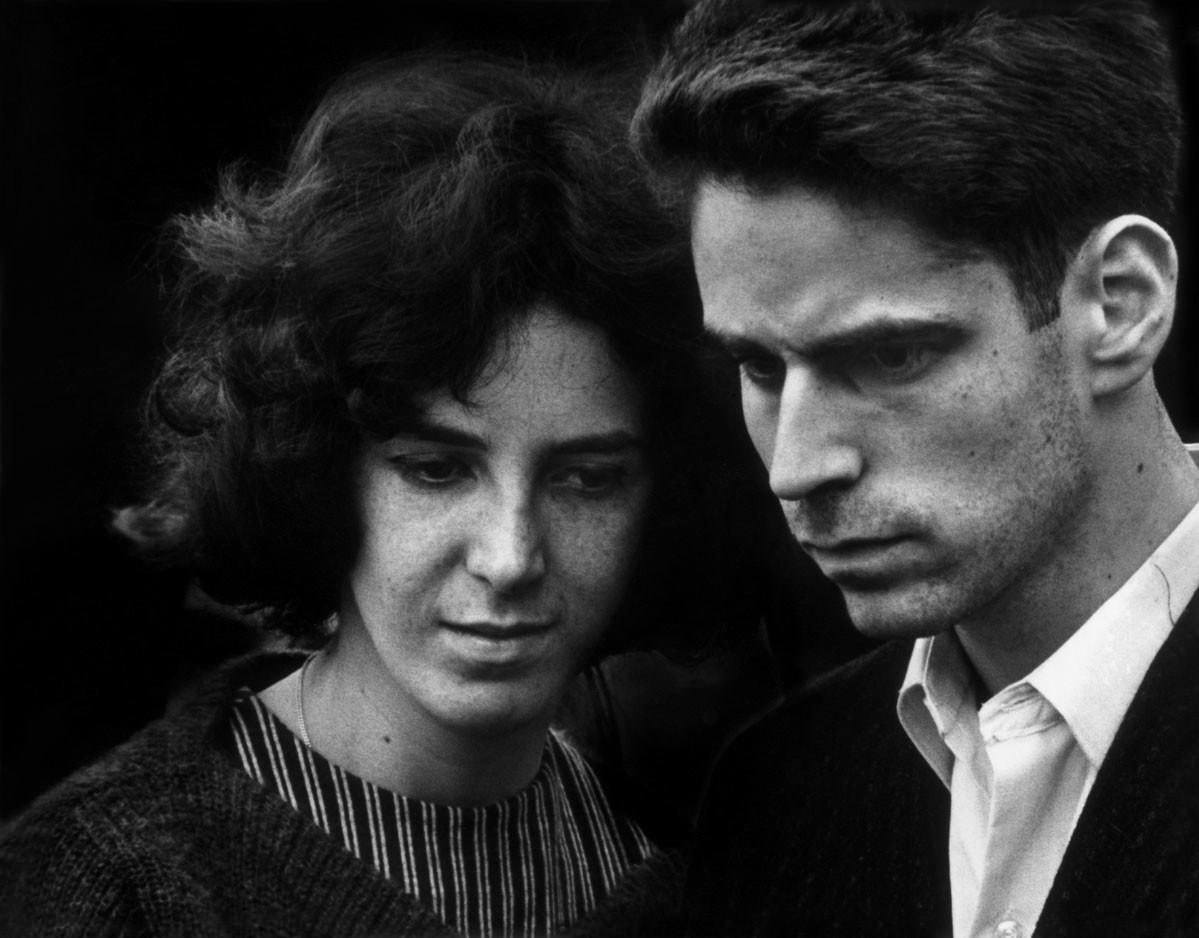
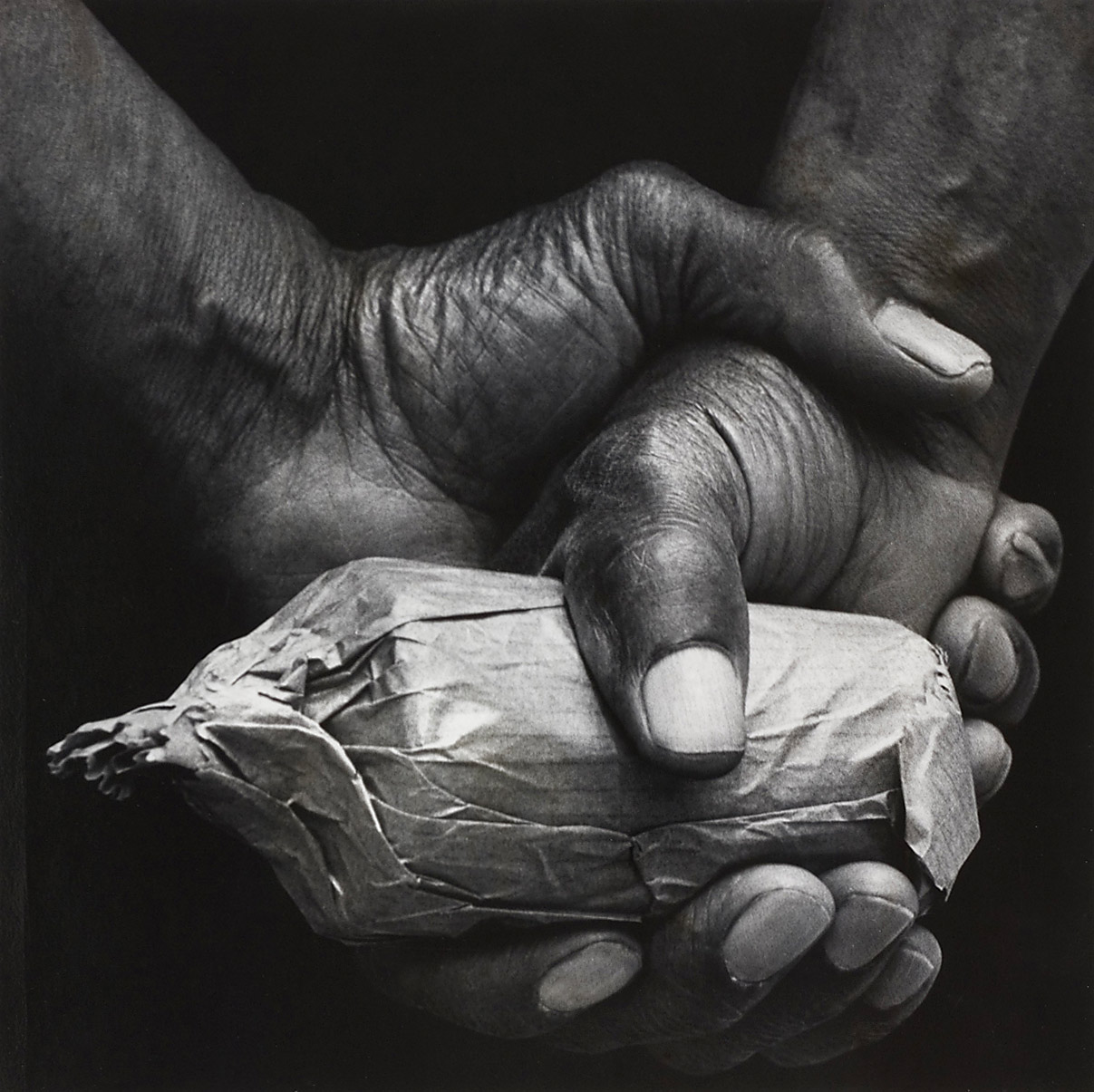
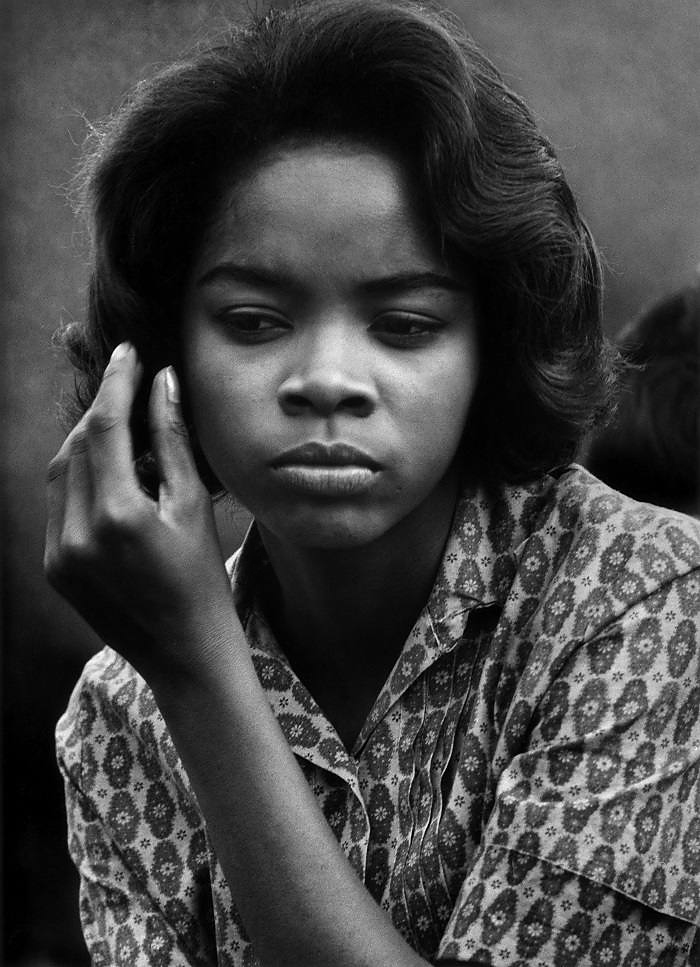
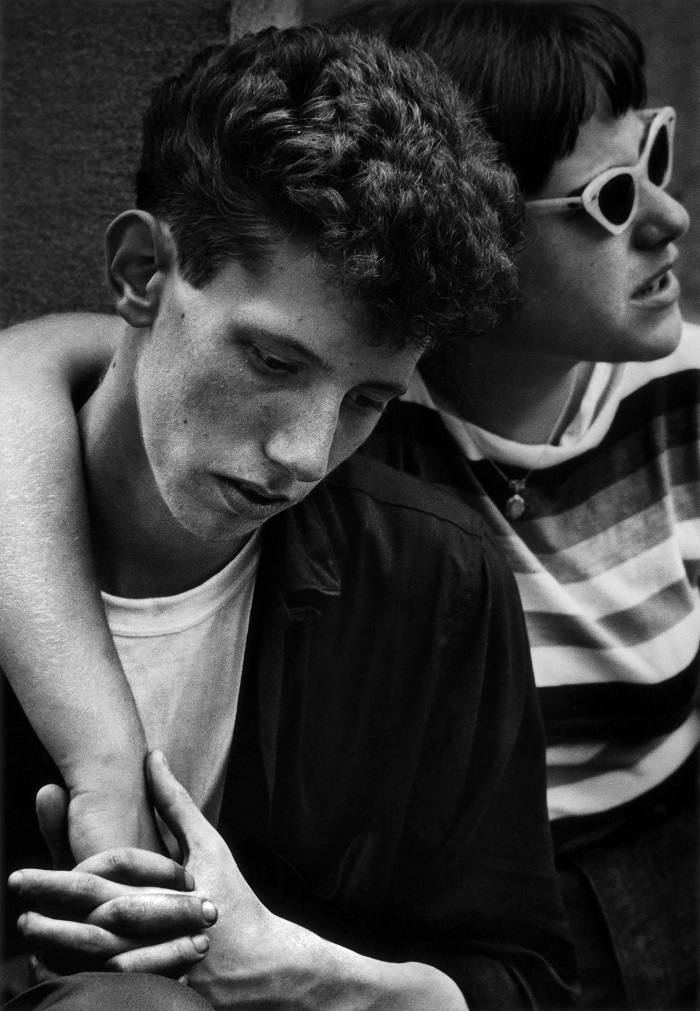
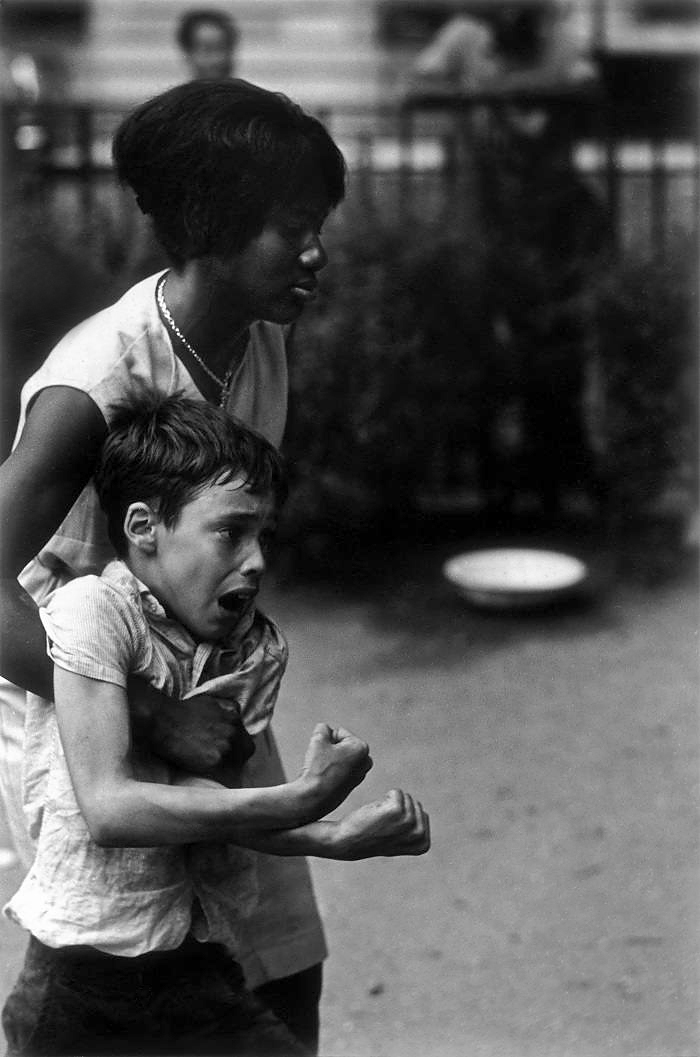
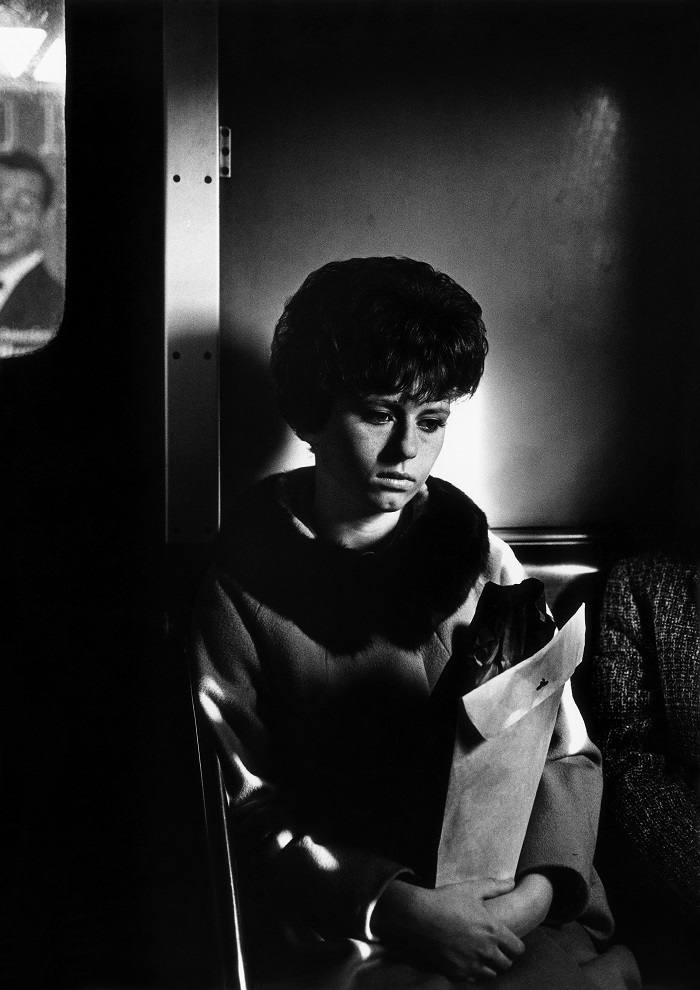

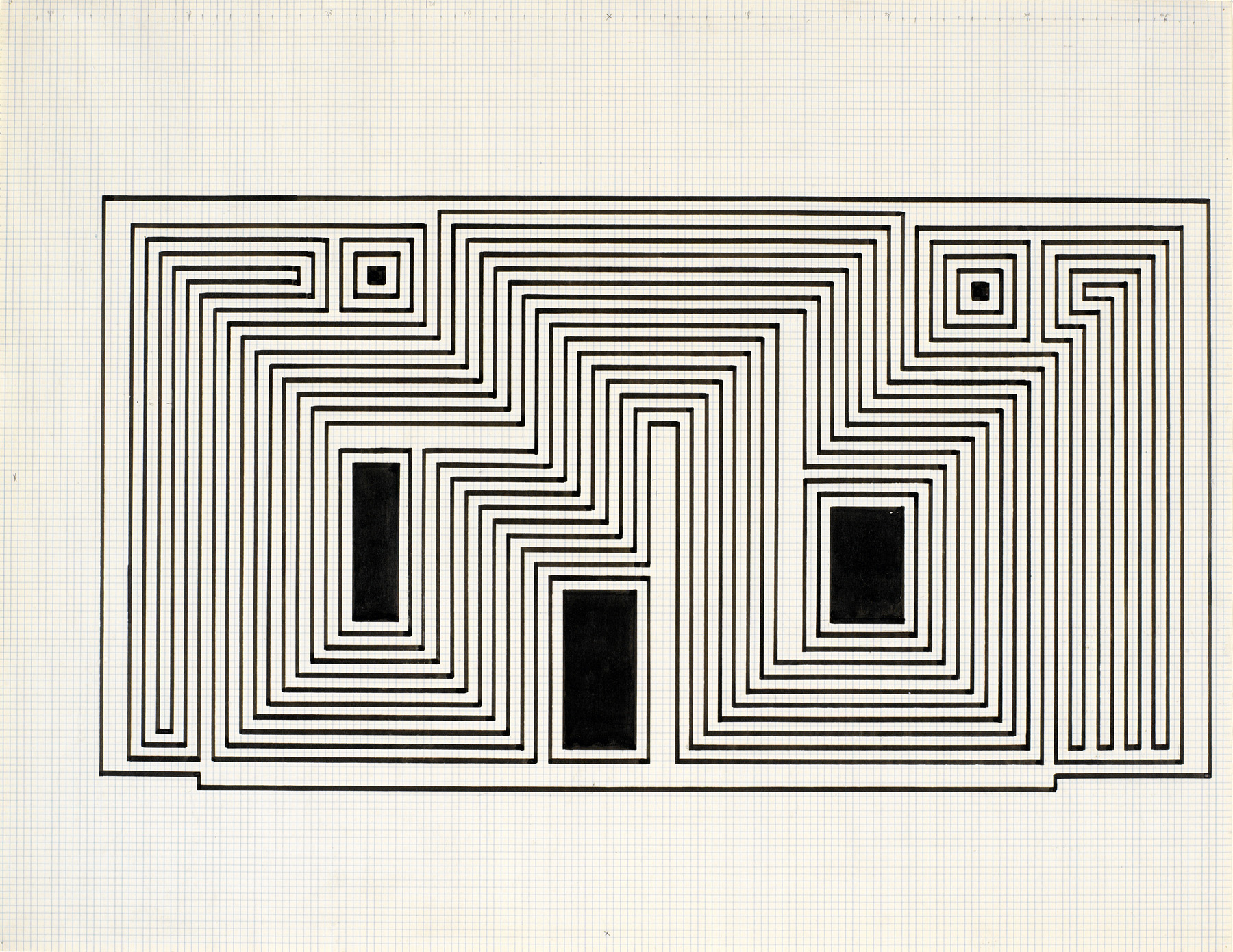
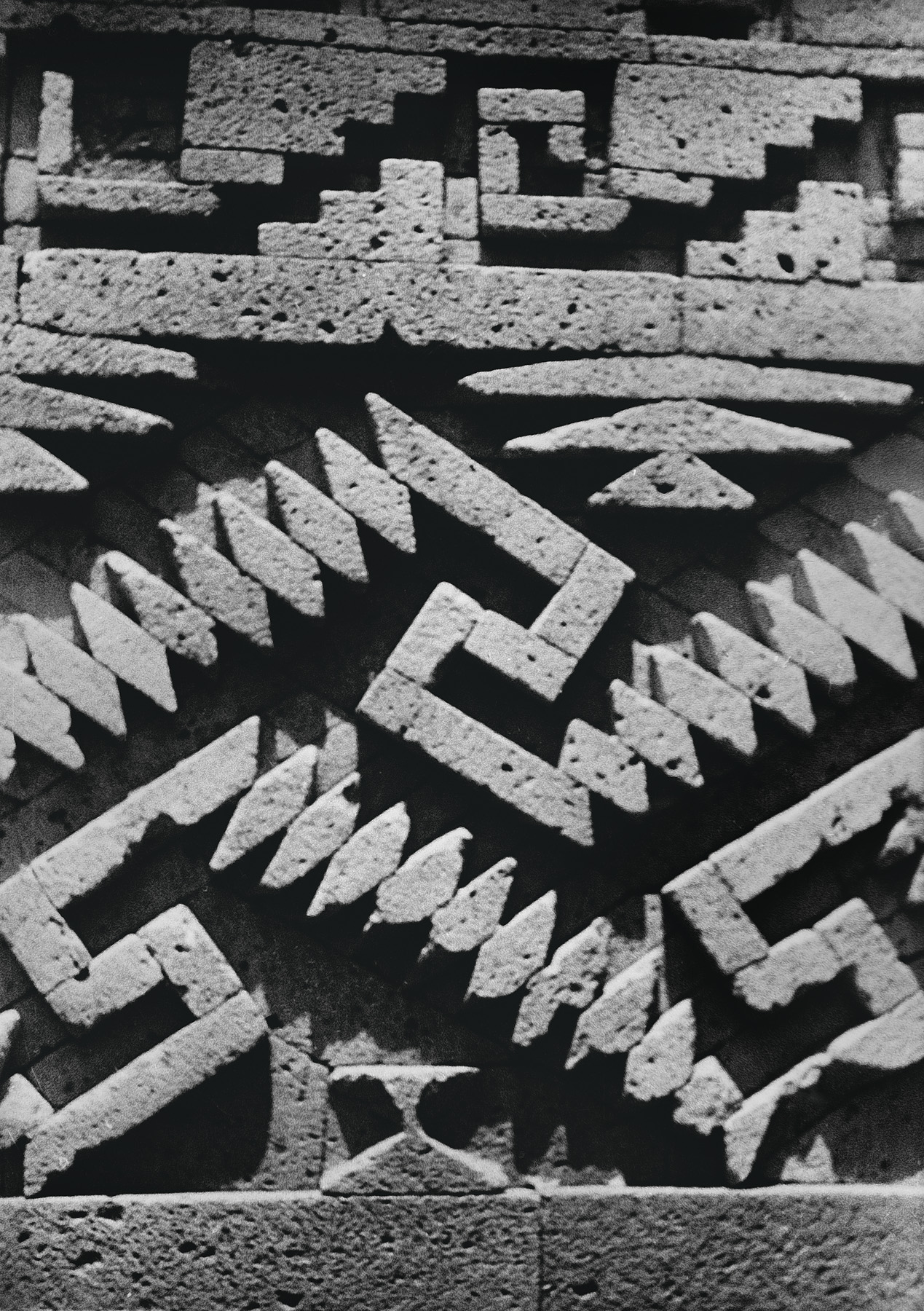

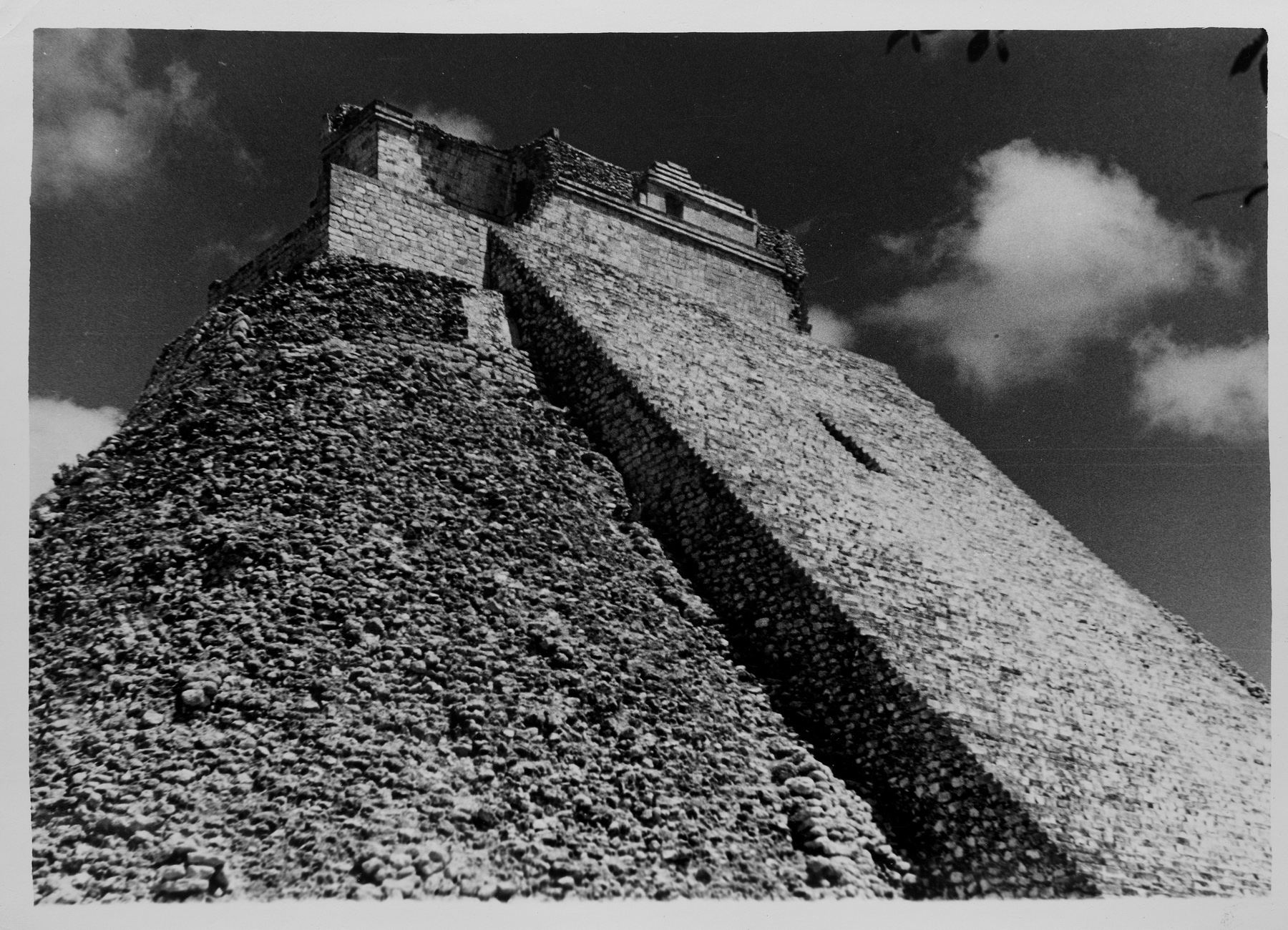
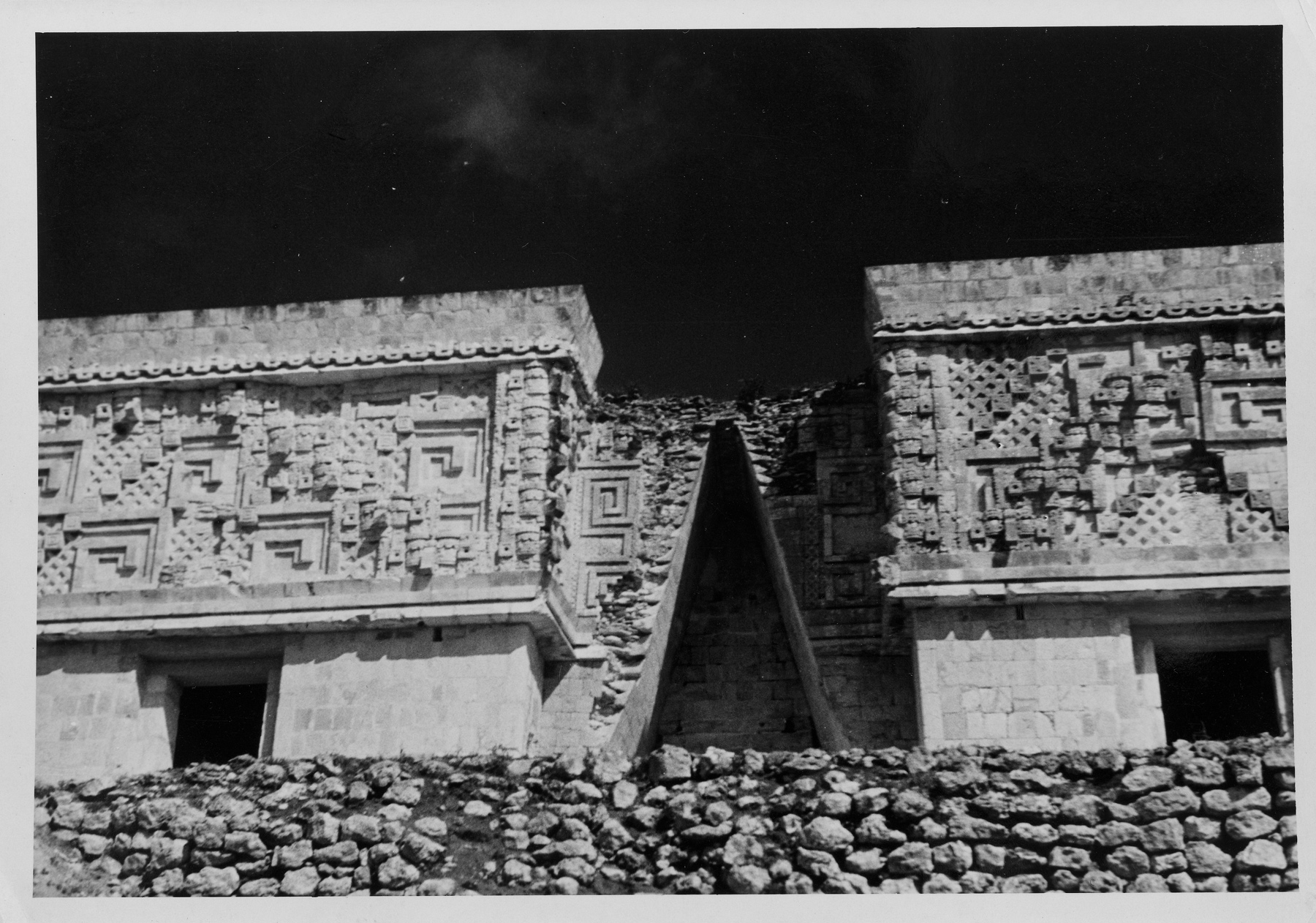
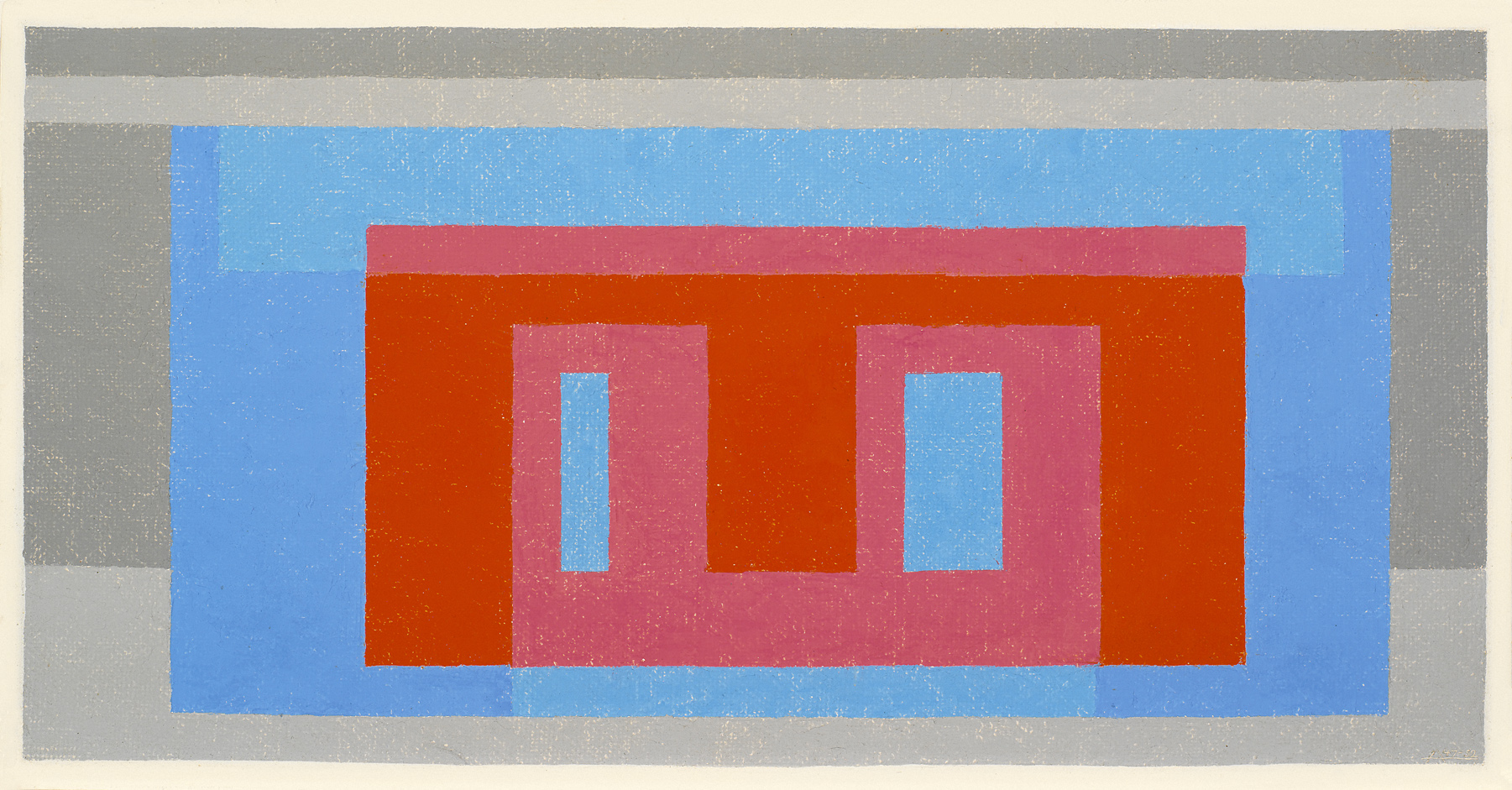
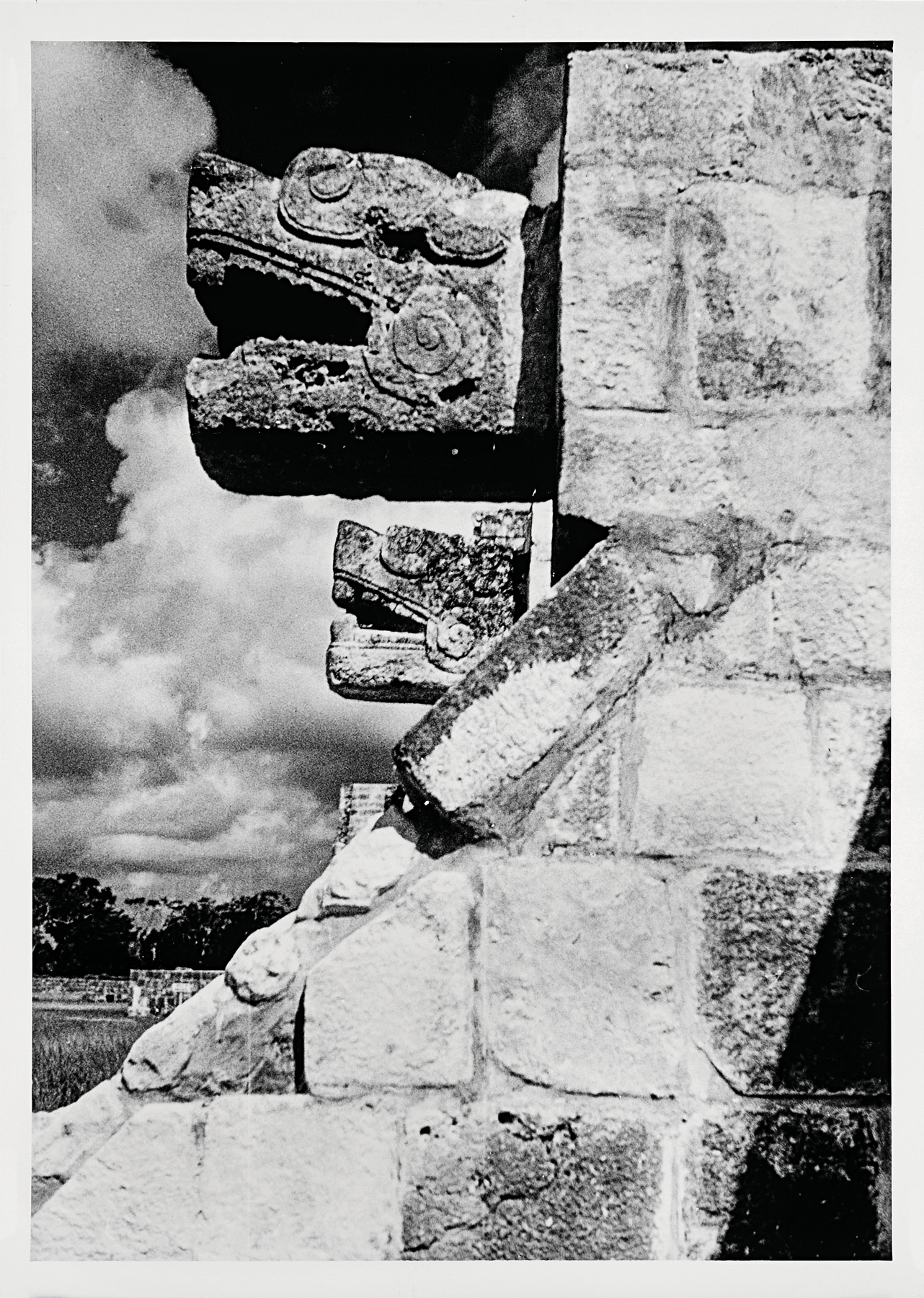
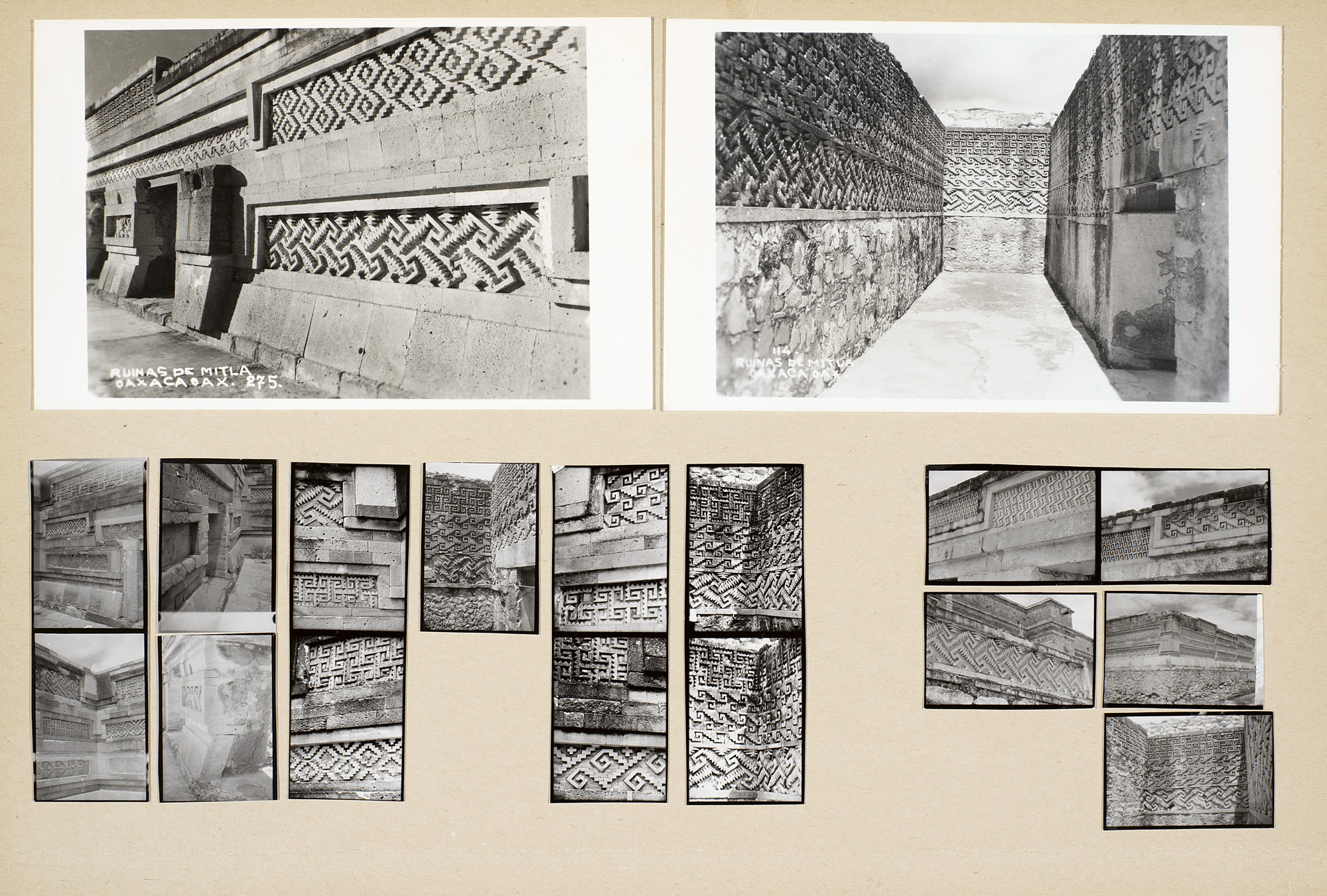

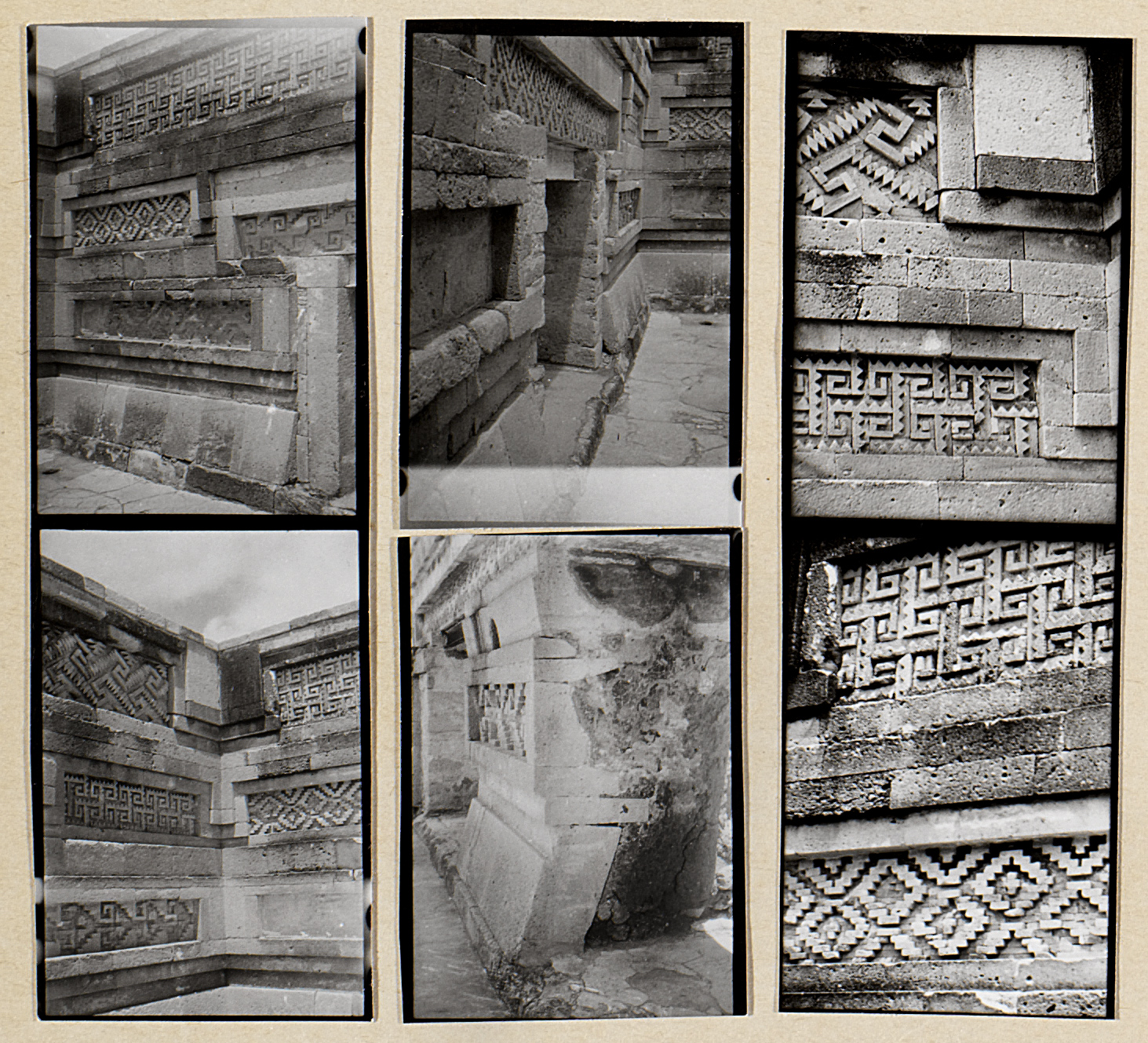
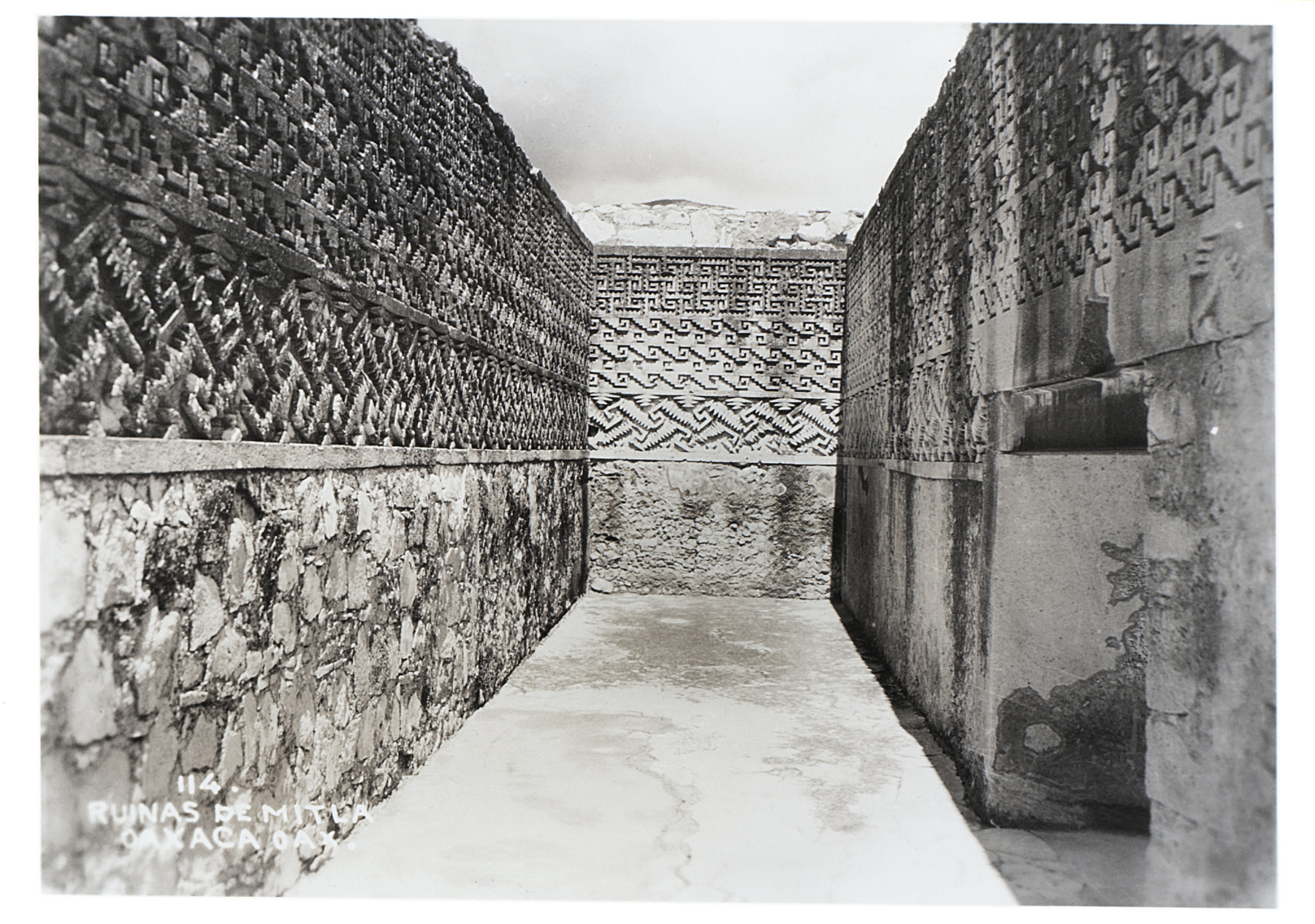
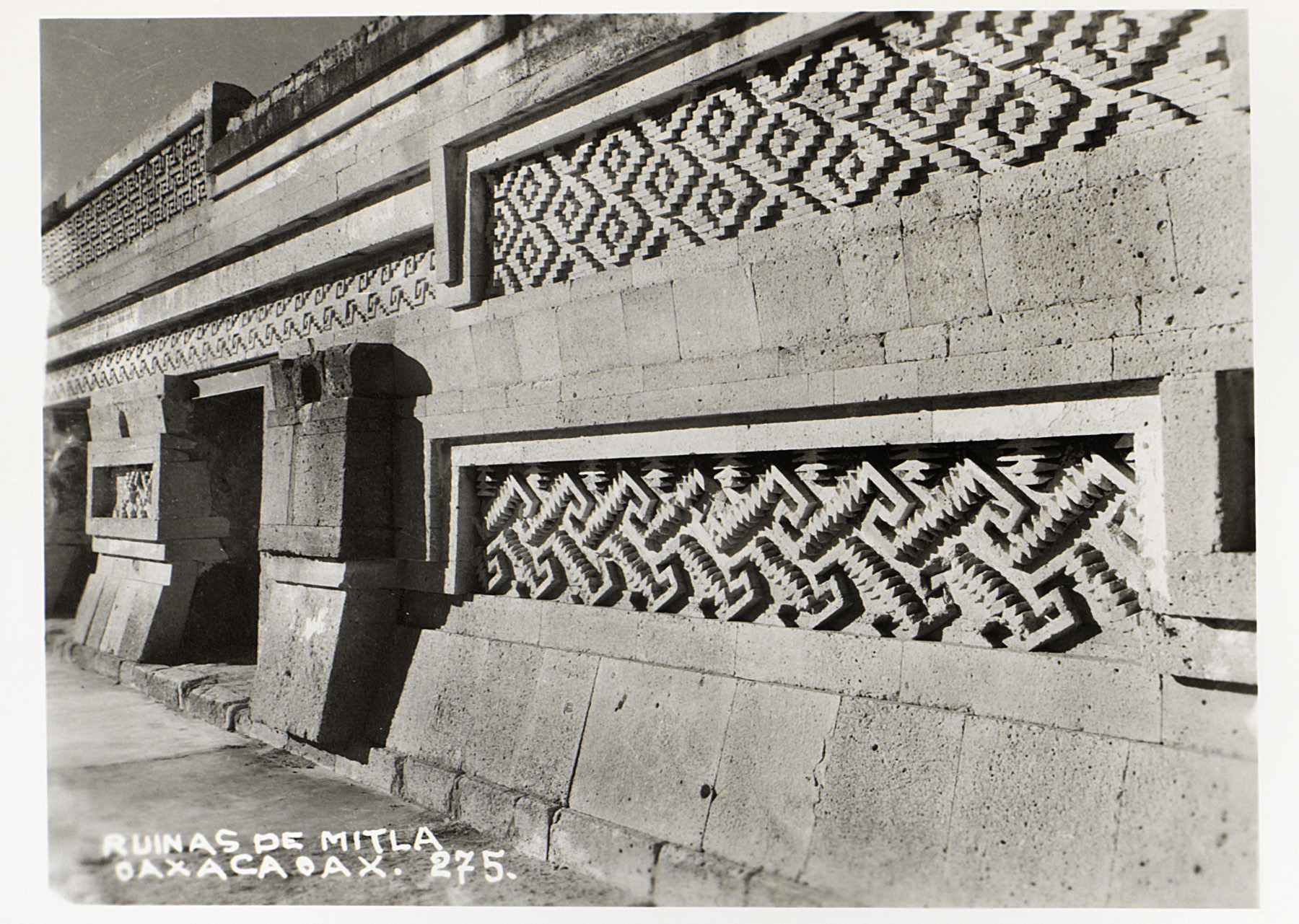

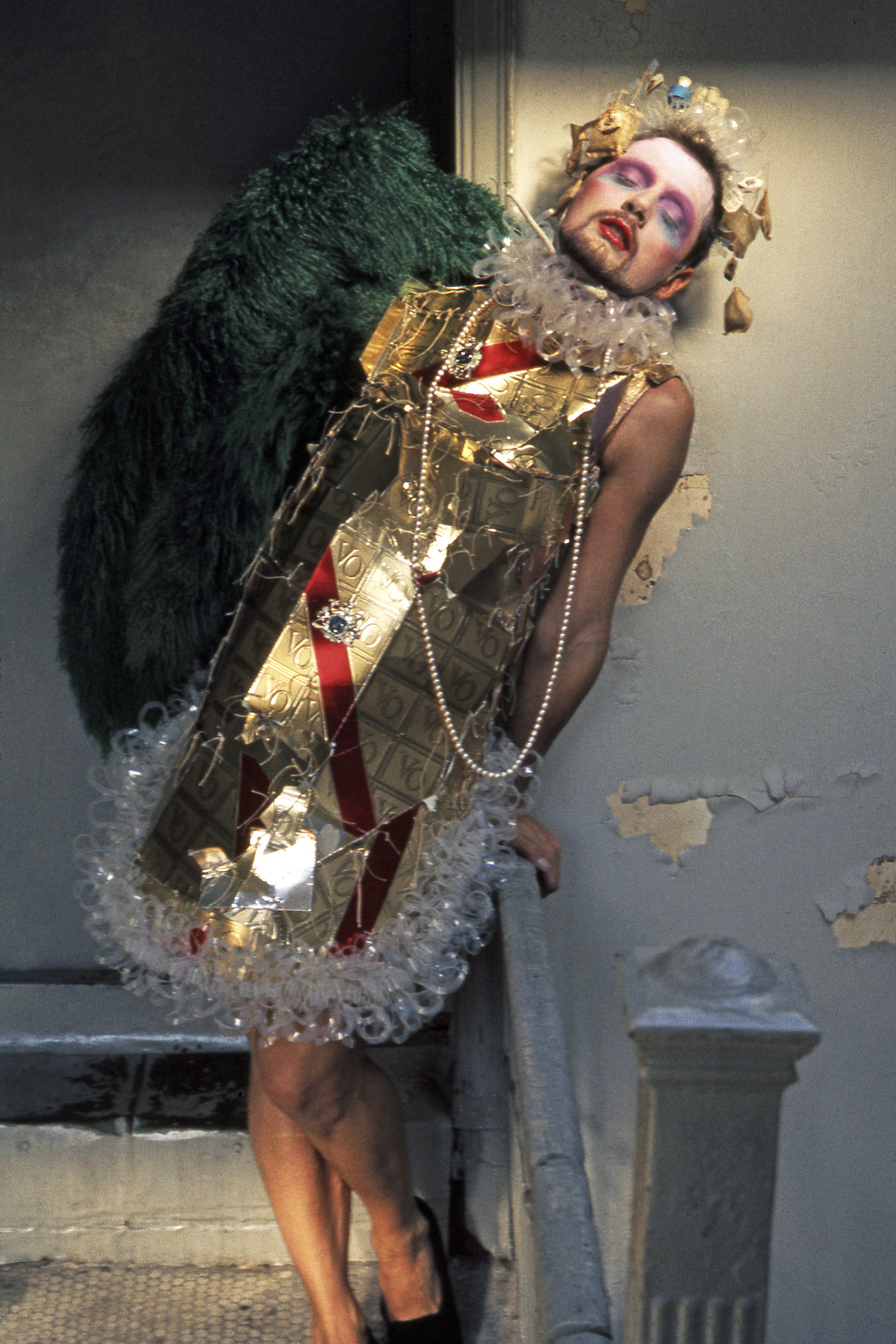
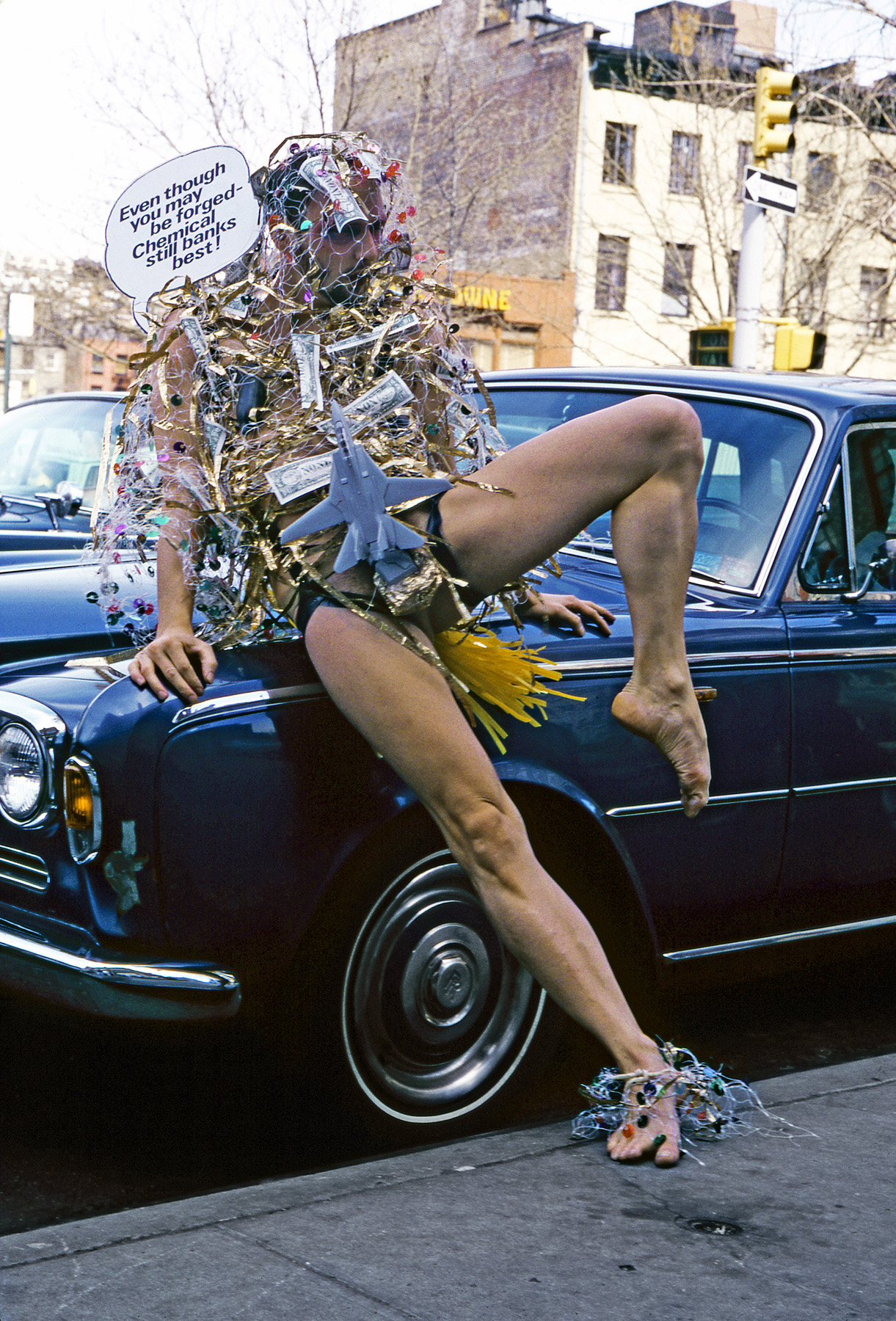
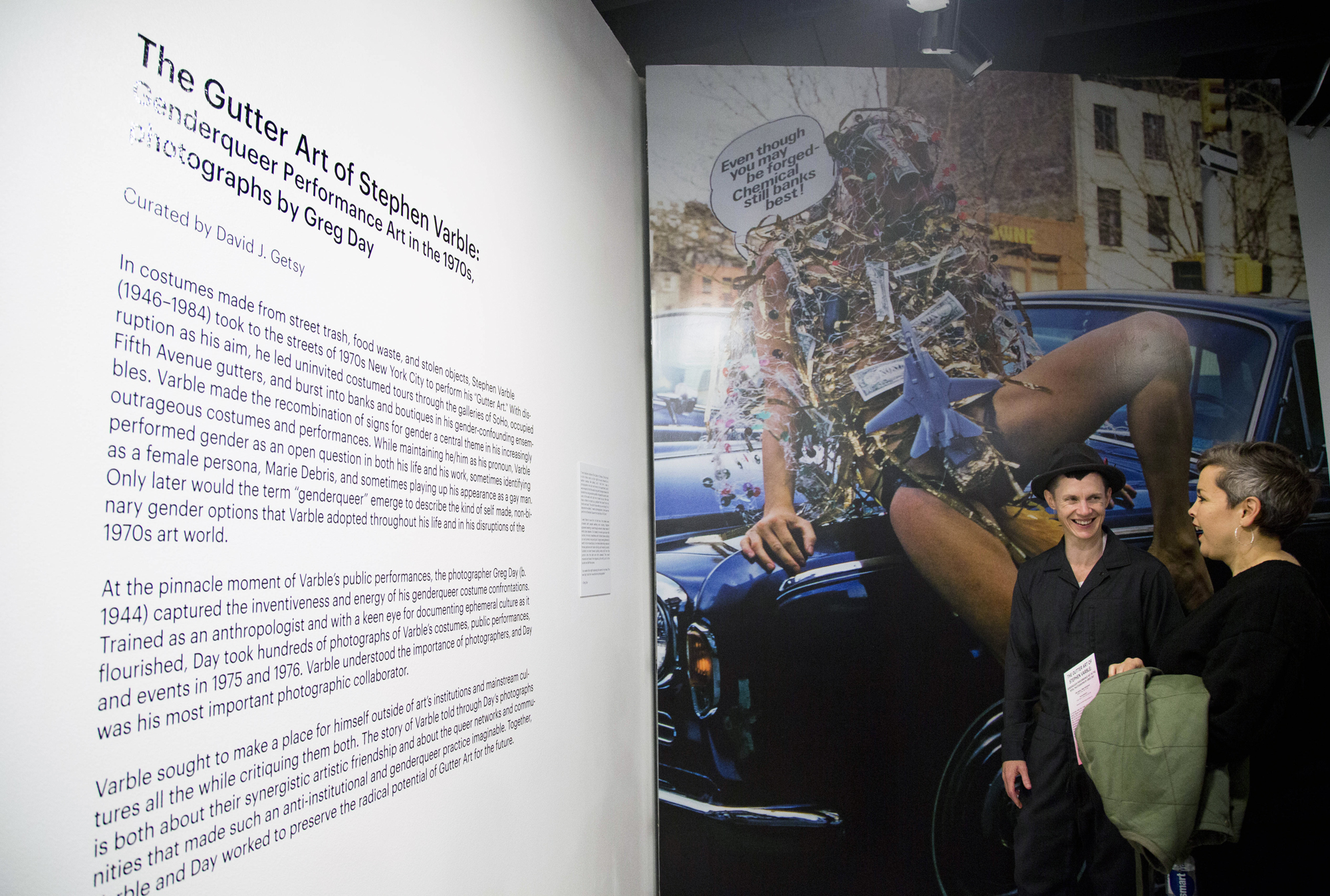
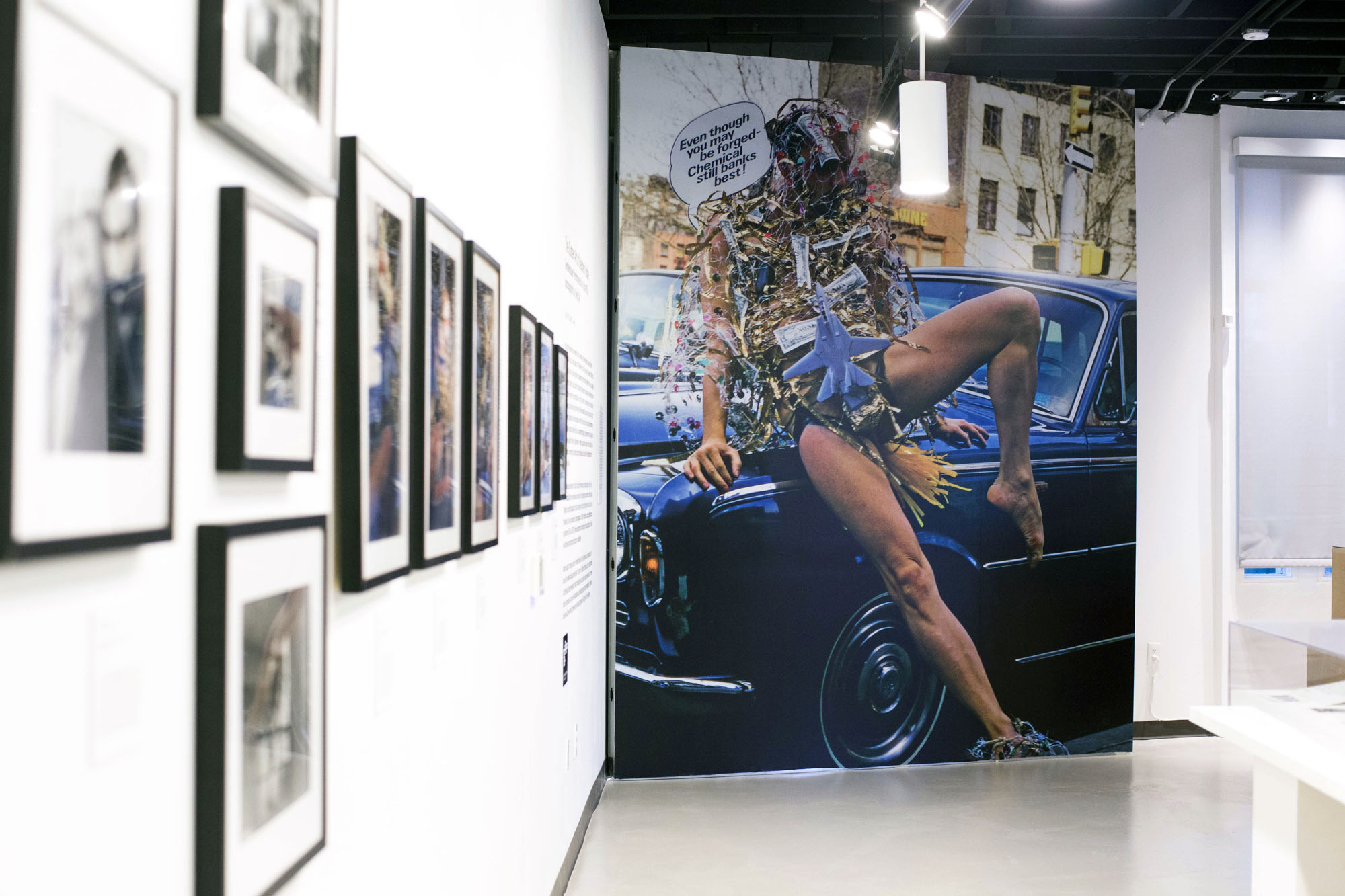
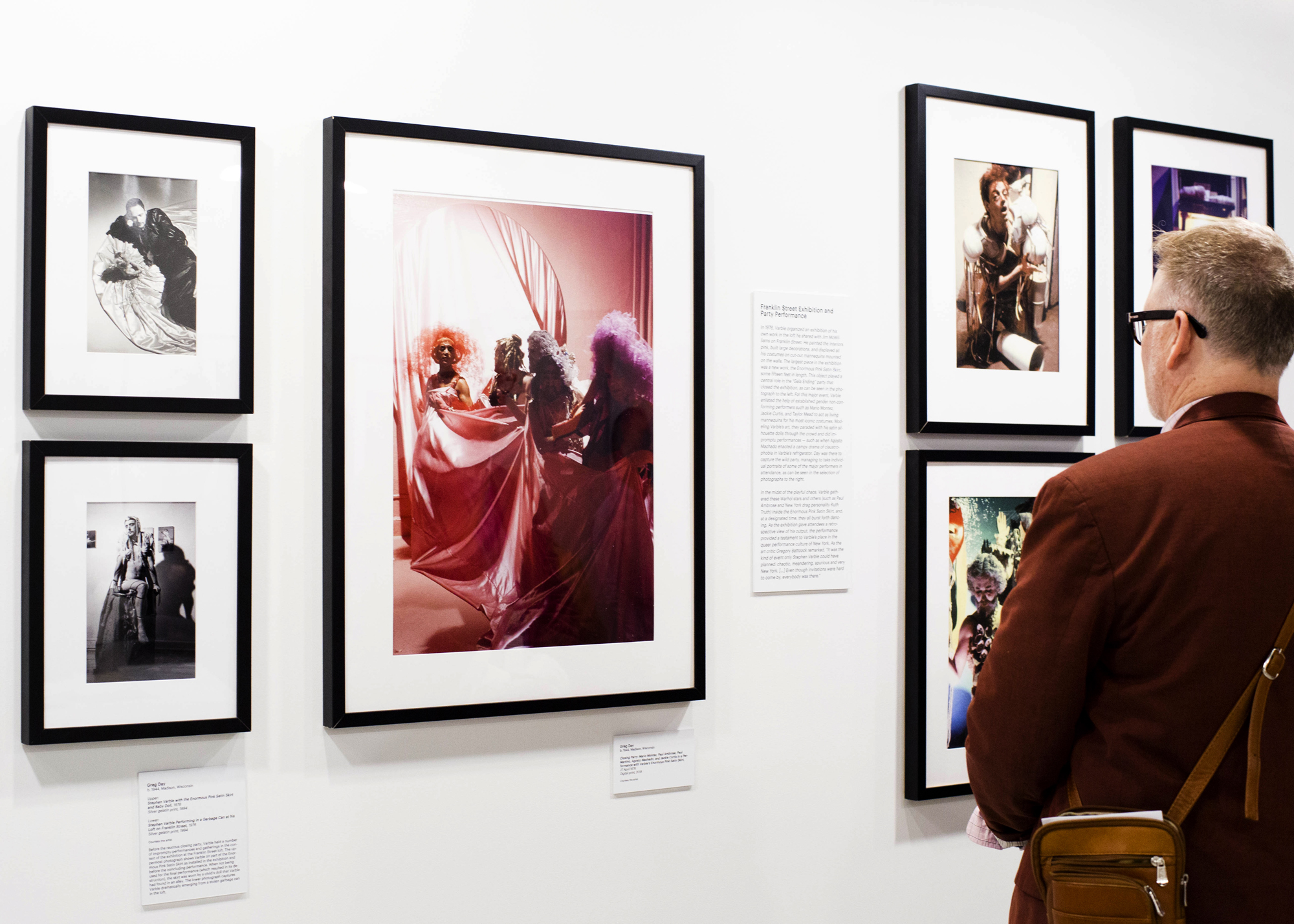
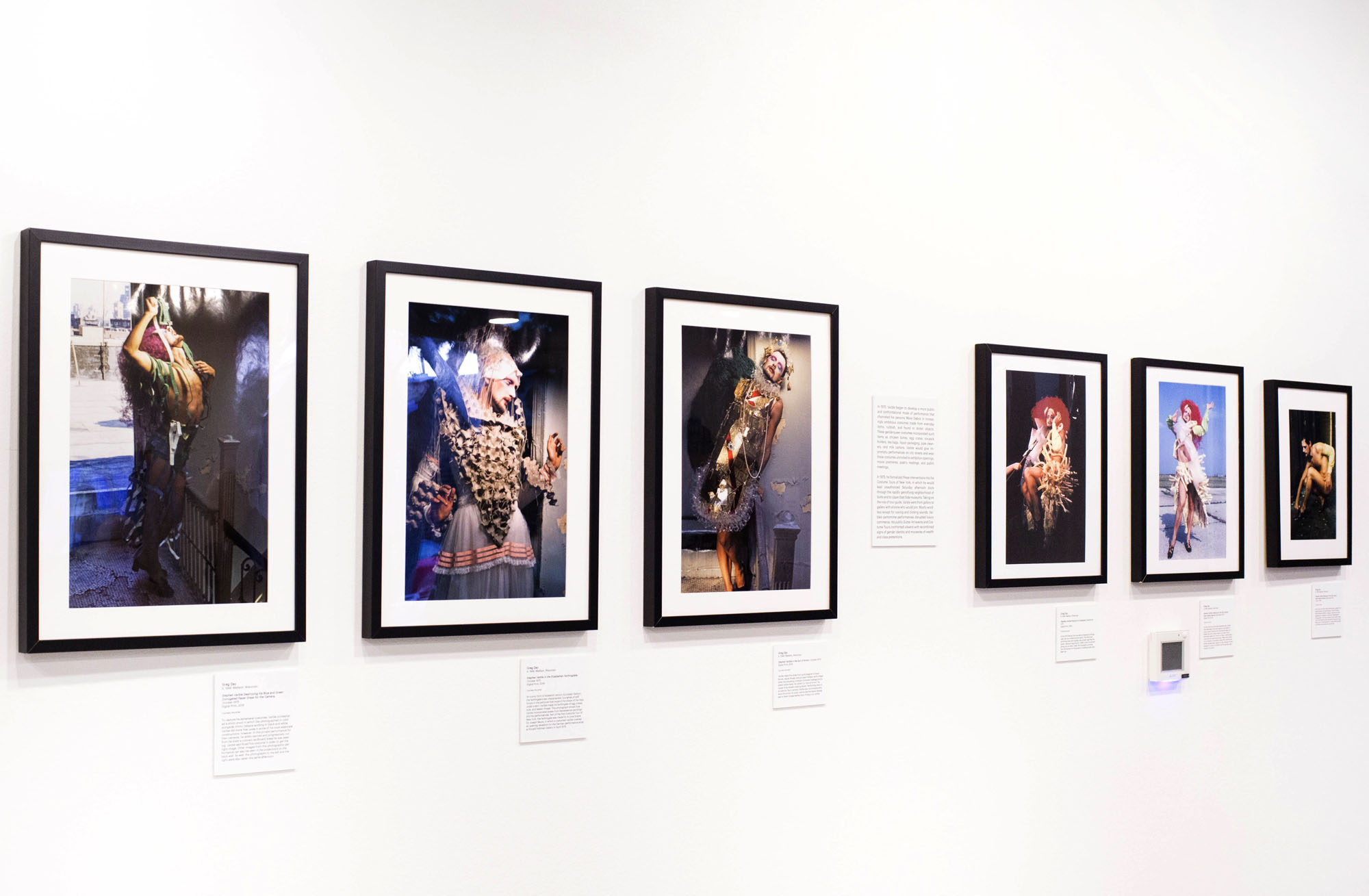
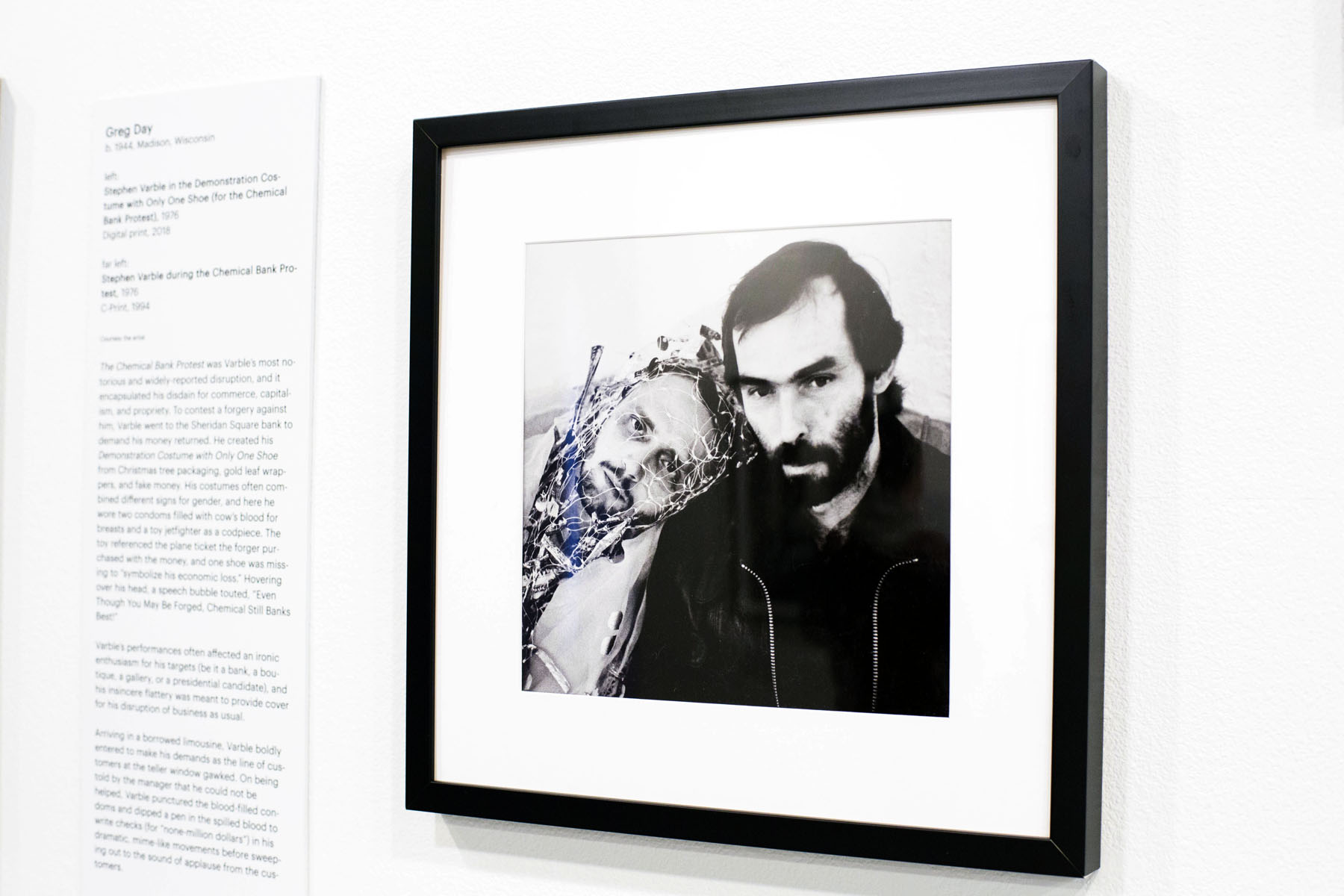
!['Stephen Varble, Gutter Art flyer' [recto] 1975](https://artblart.com/wp-content/uploads/2019/05/stephen-varble-in-the-gutter-web.jpg "'Stephen Varble, Gutter Art flyer' [recto] 1975")
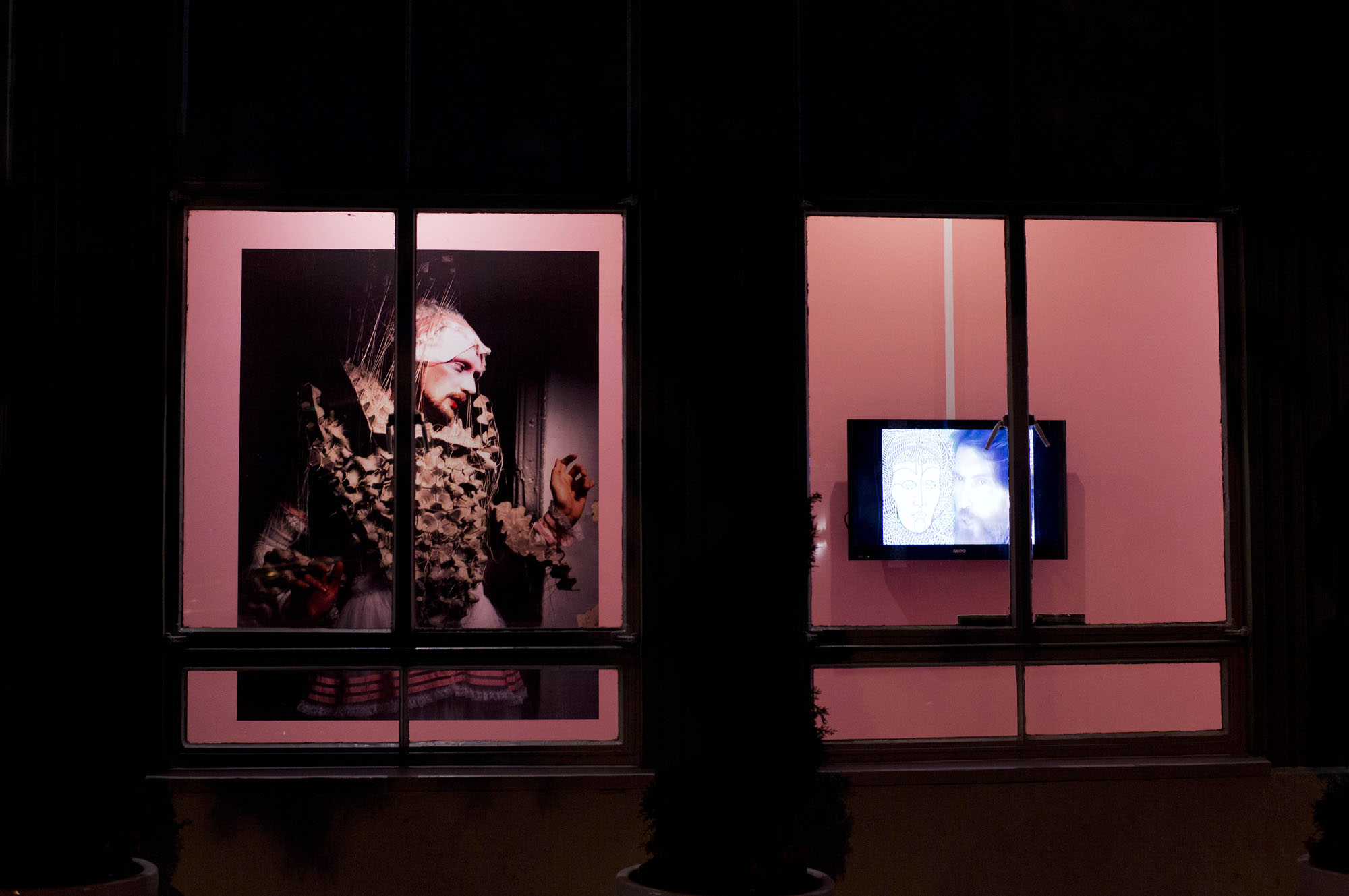
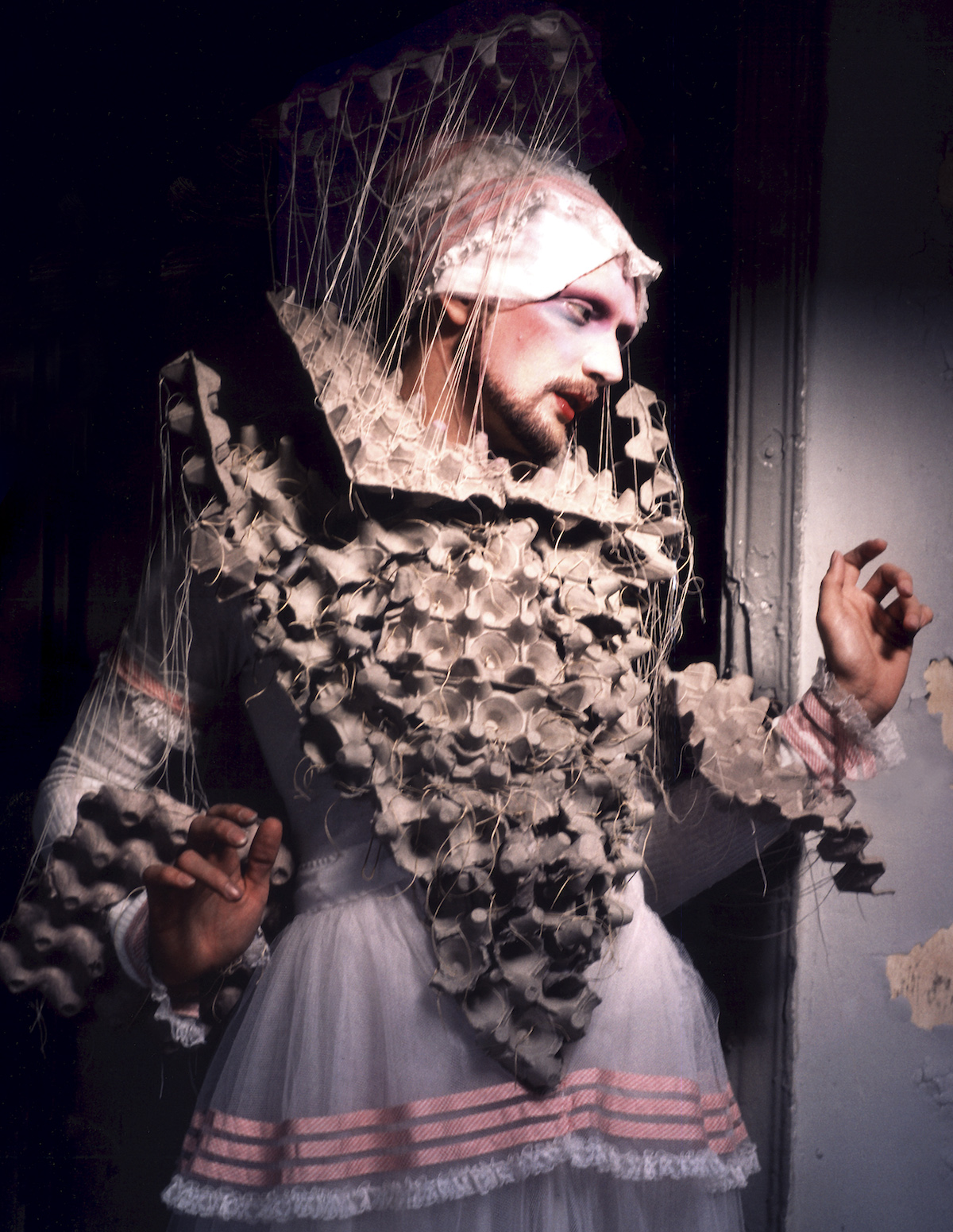
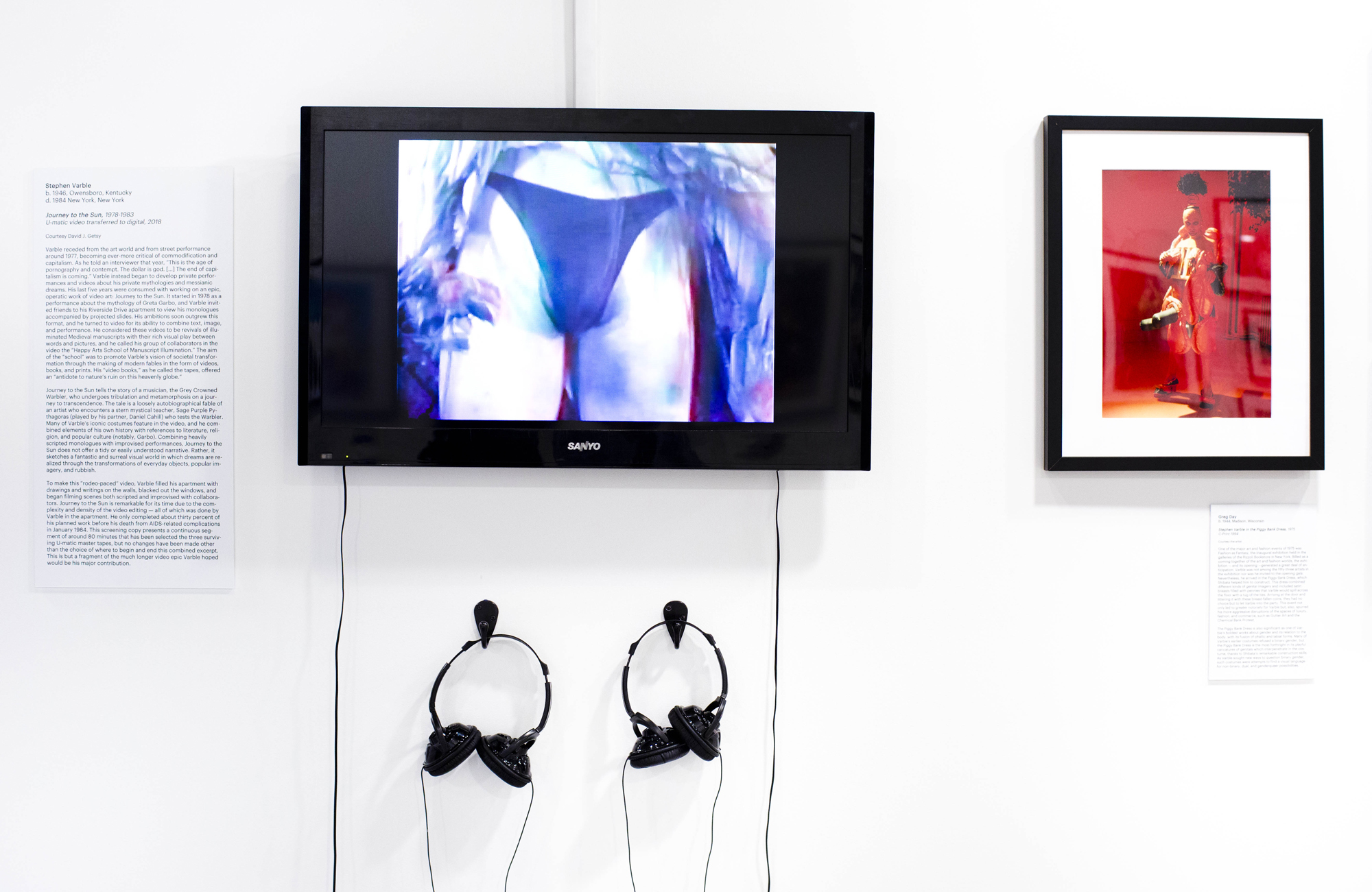
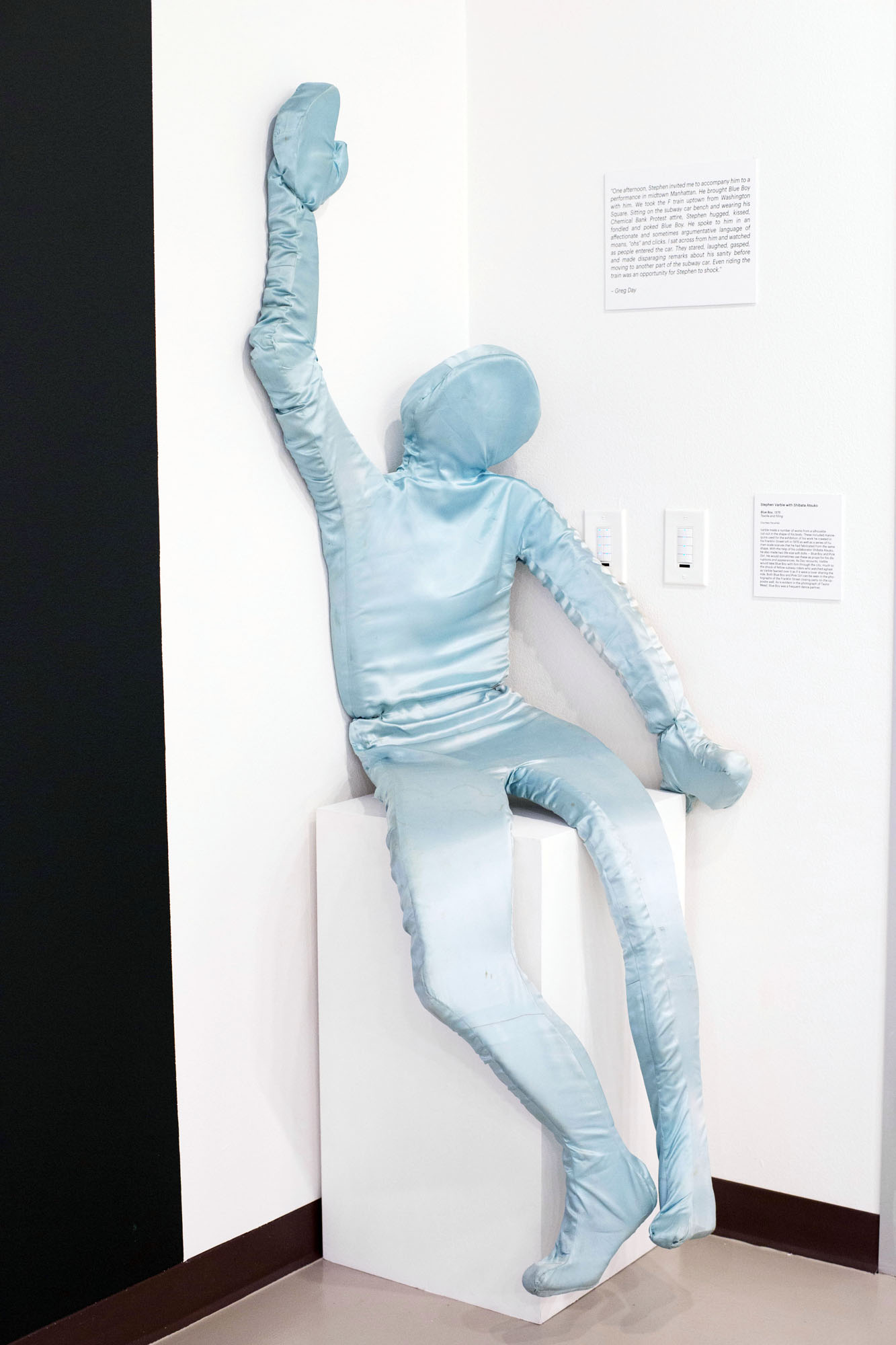
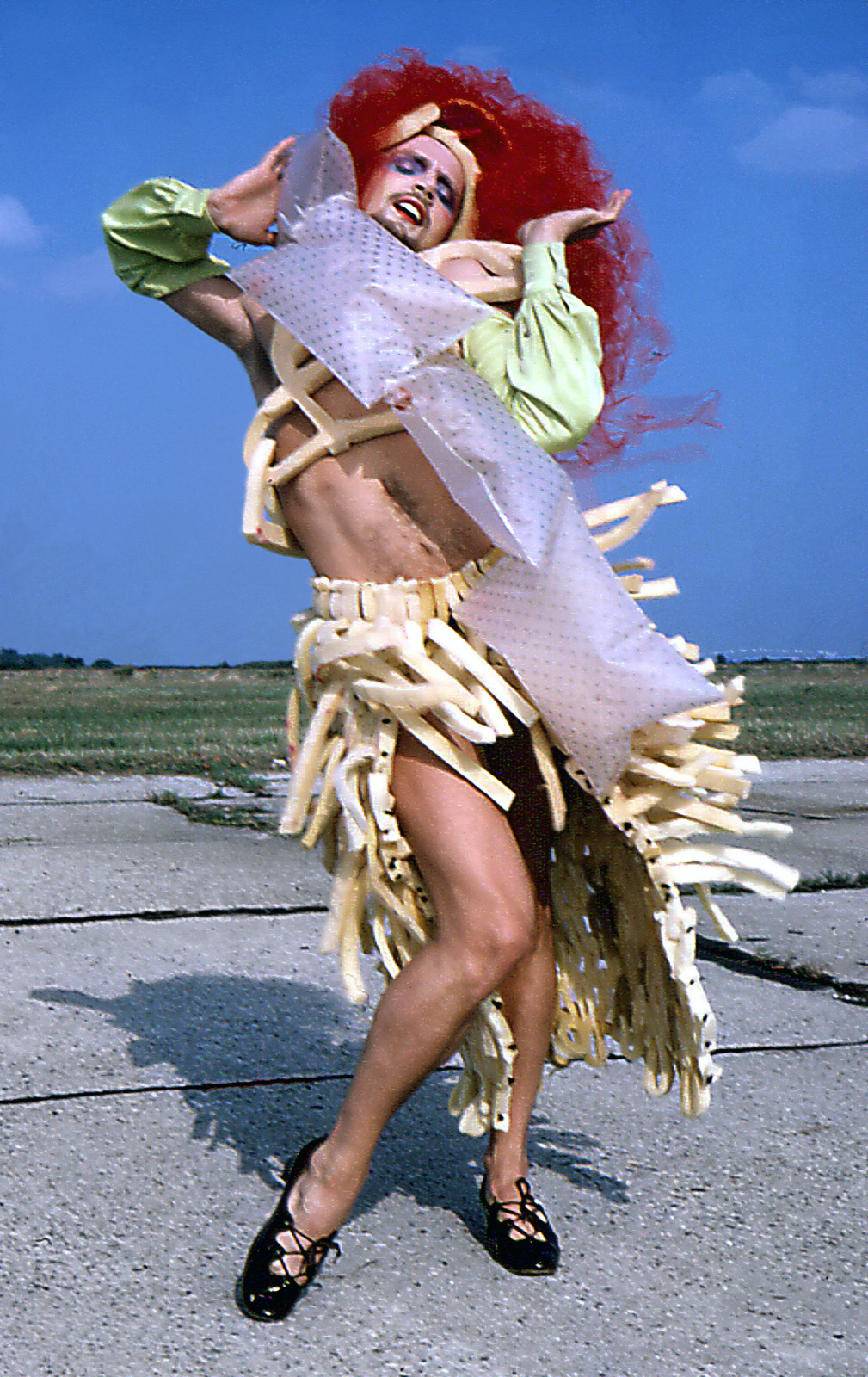

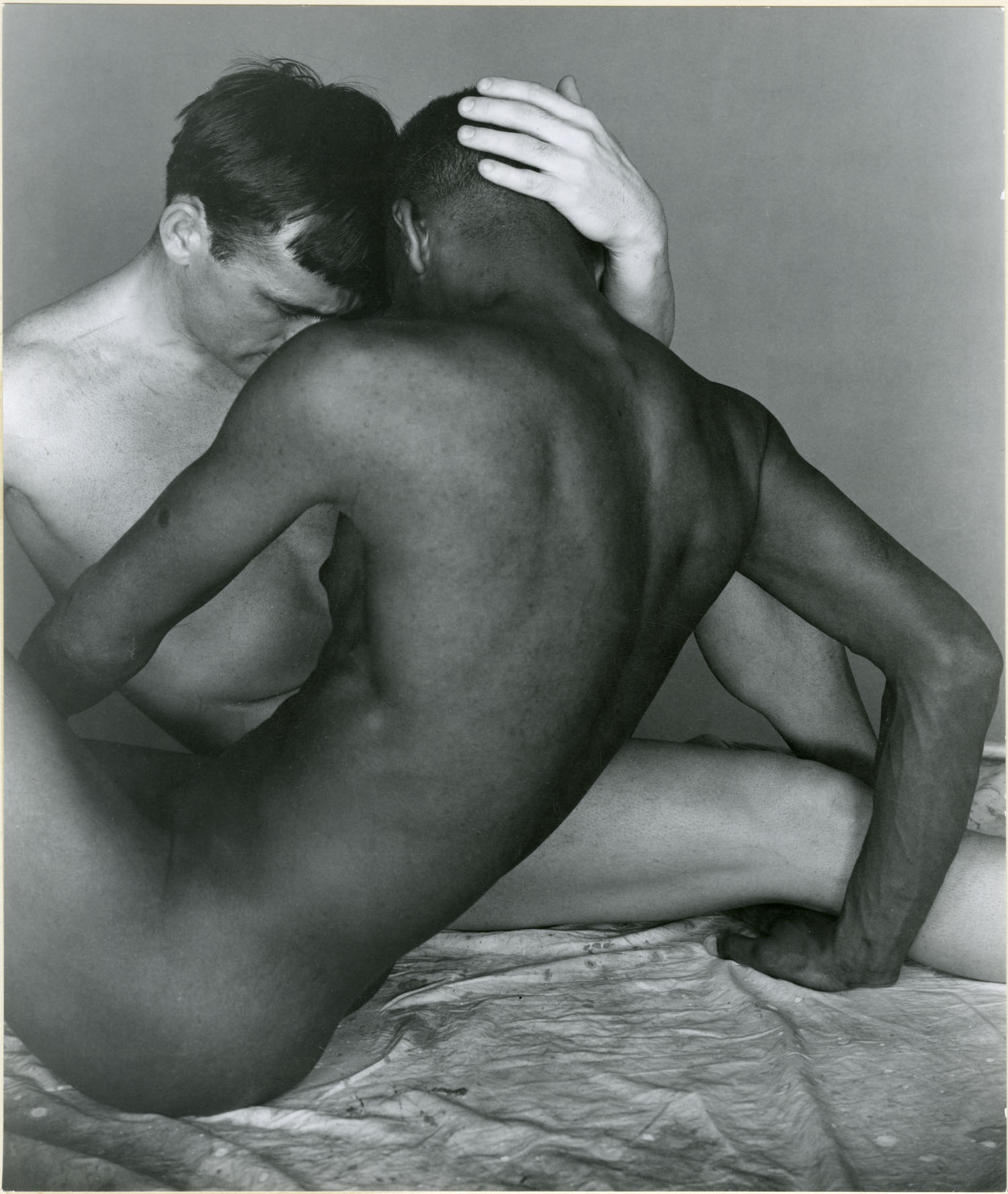


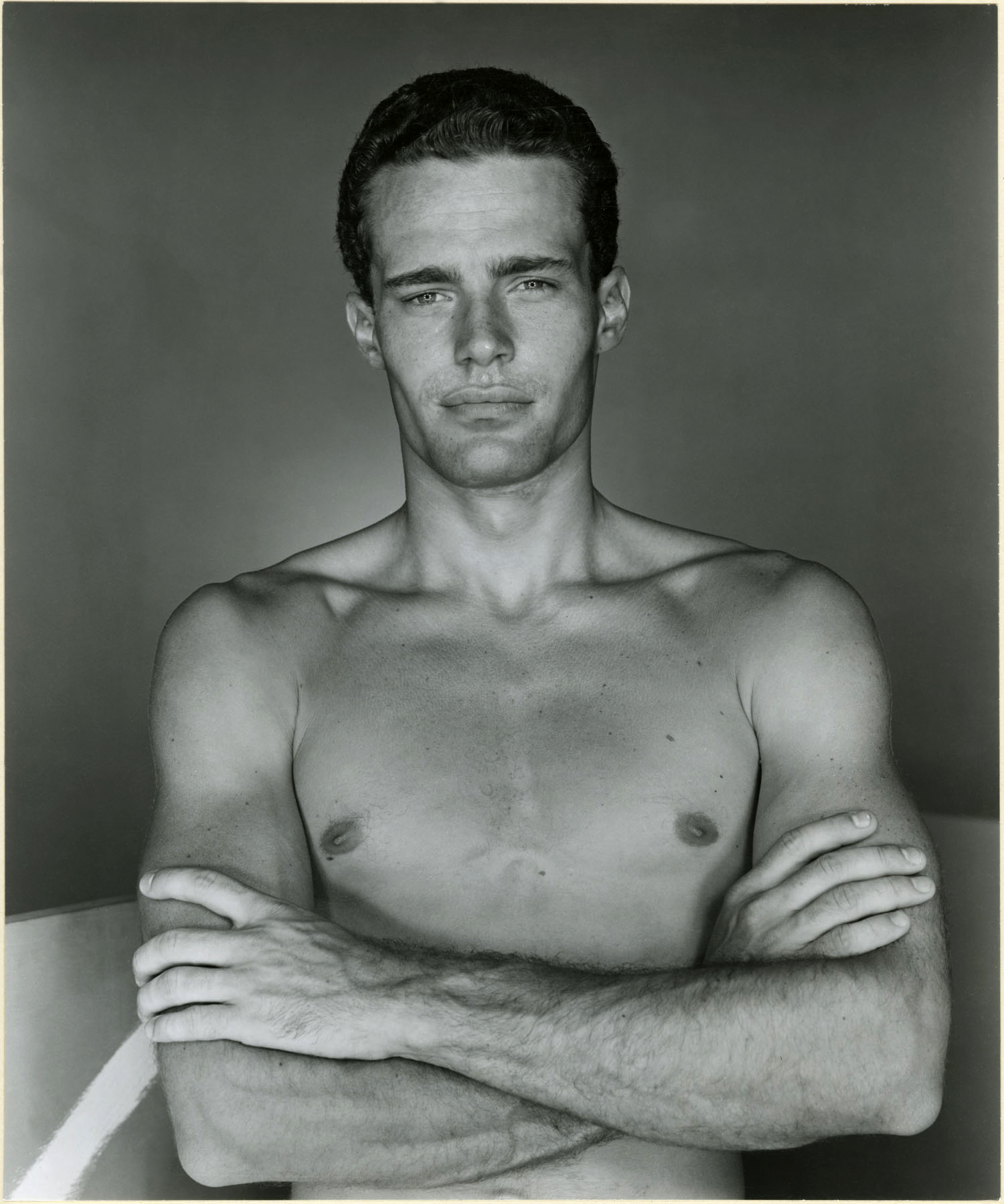


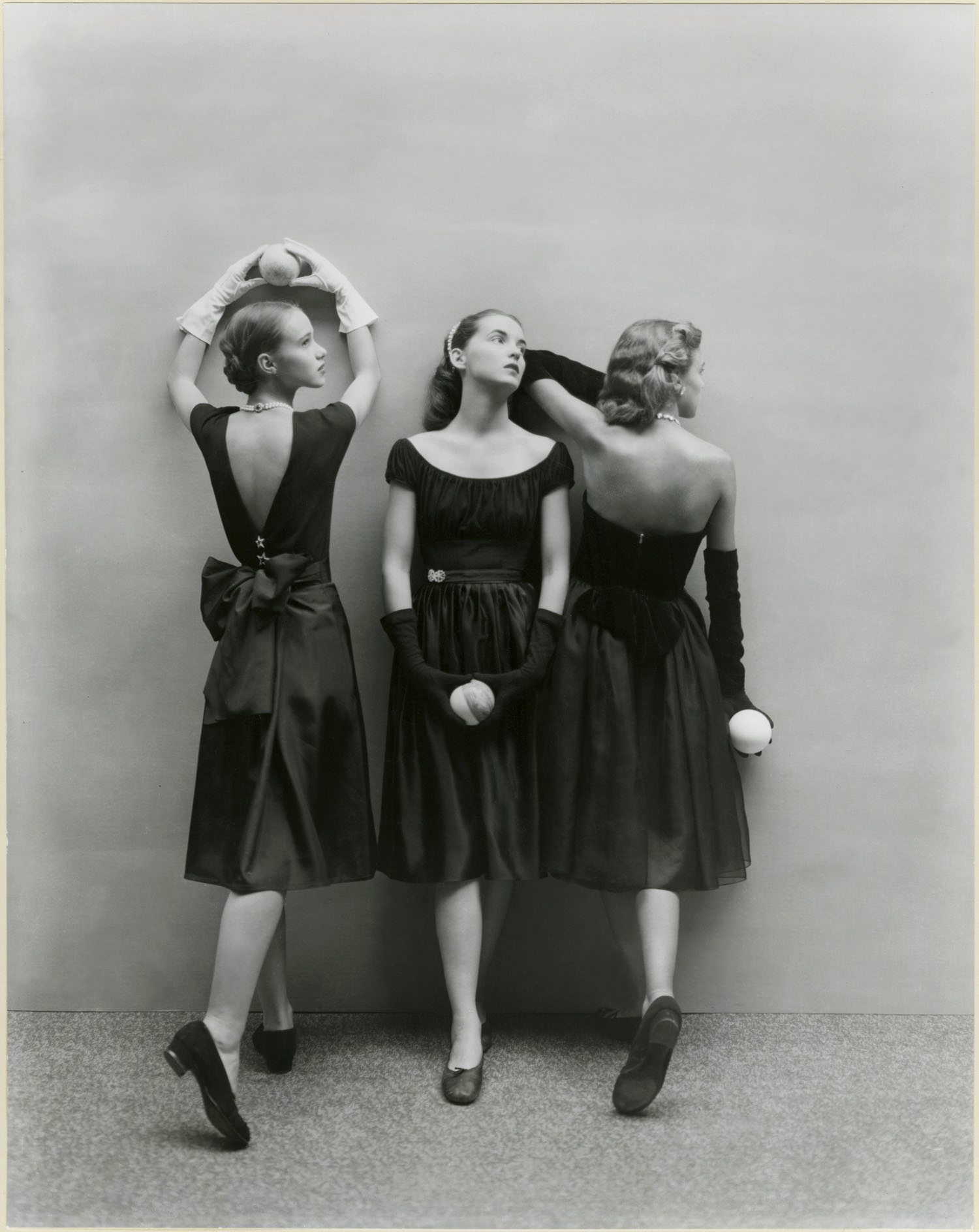


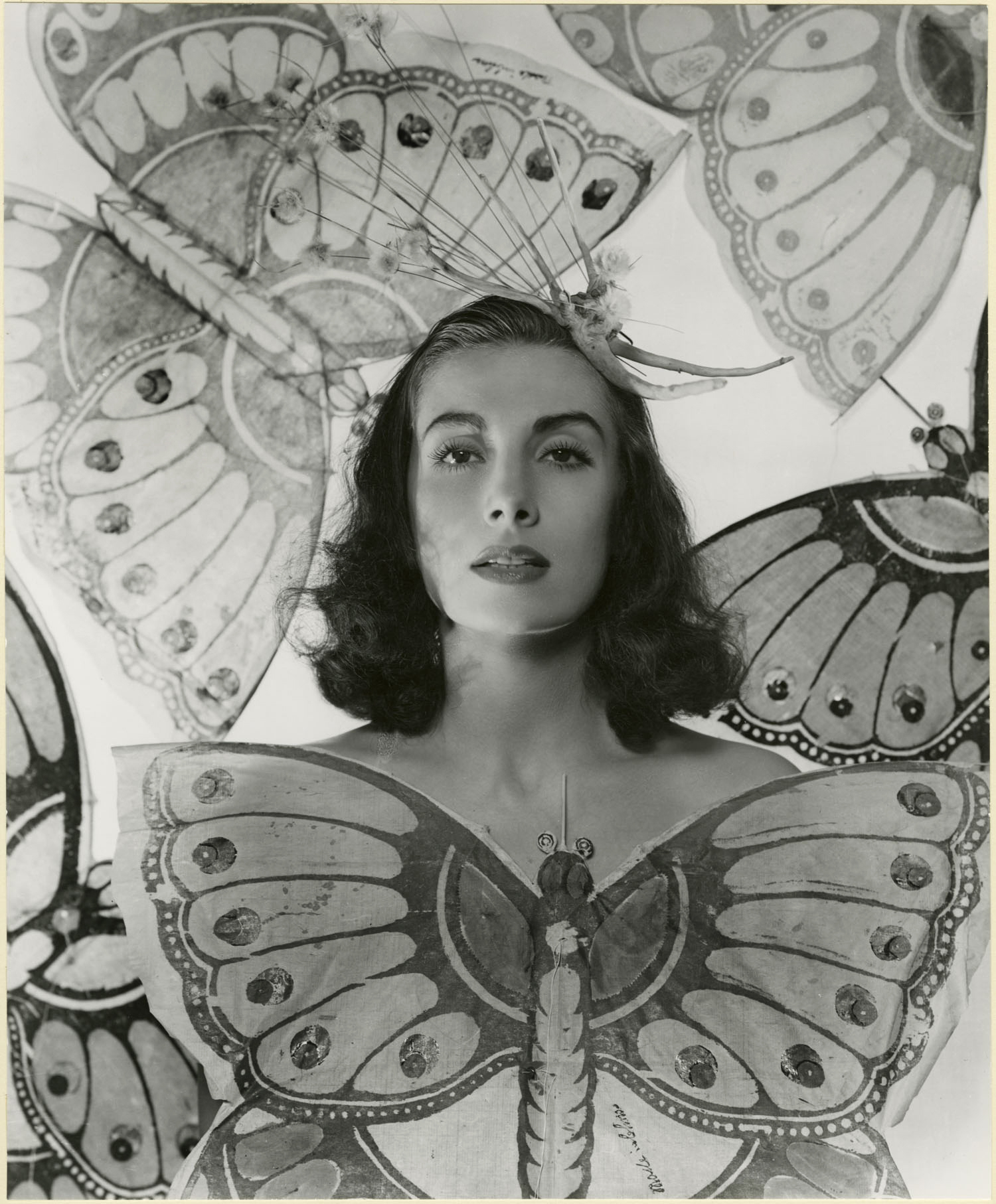
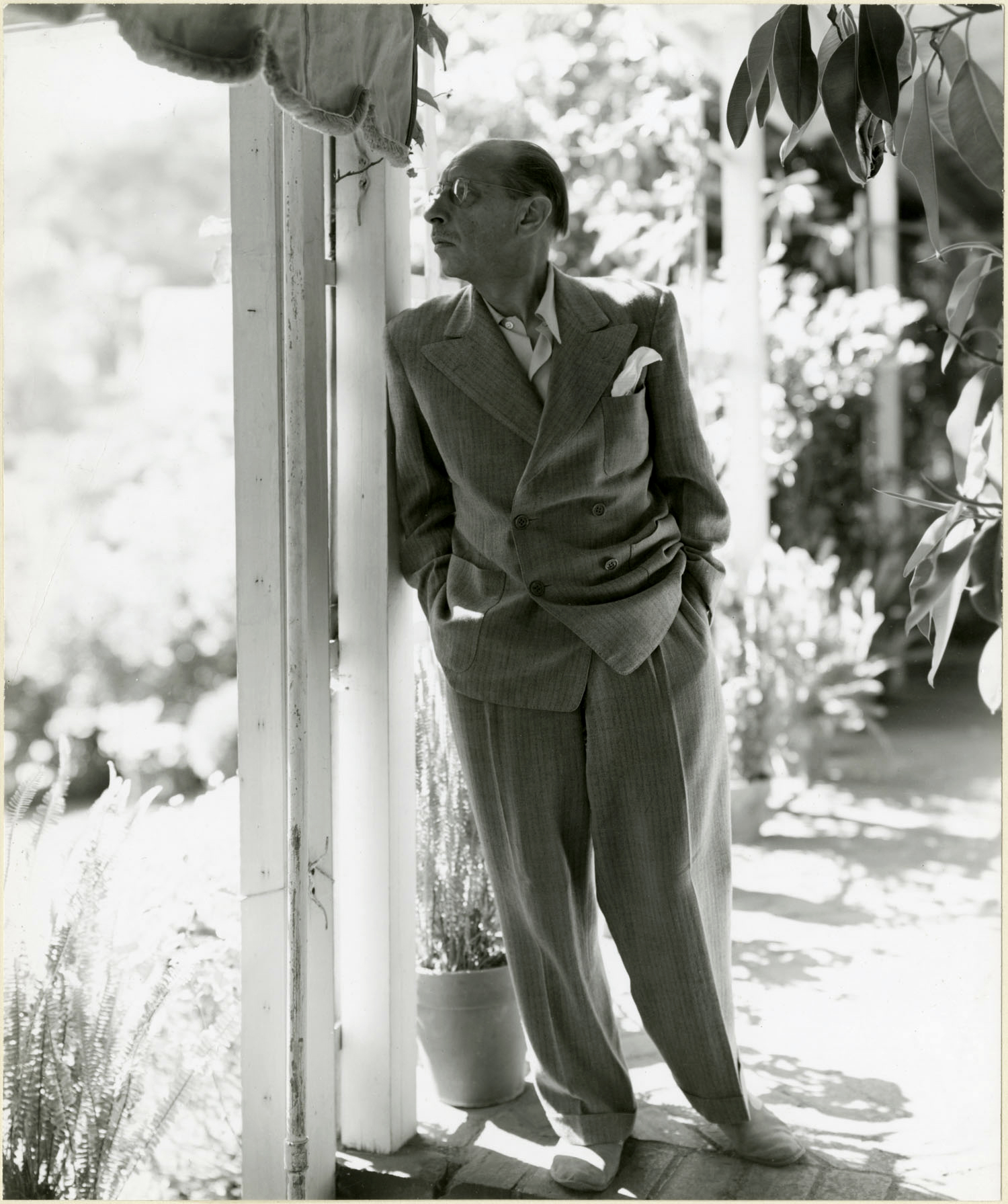
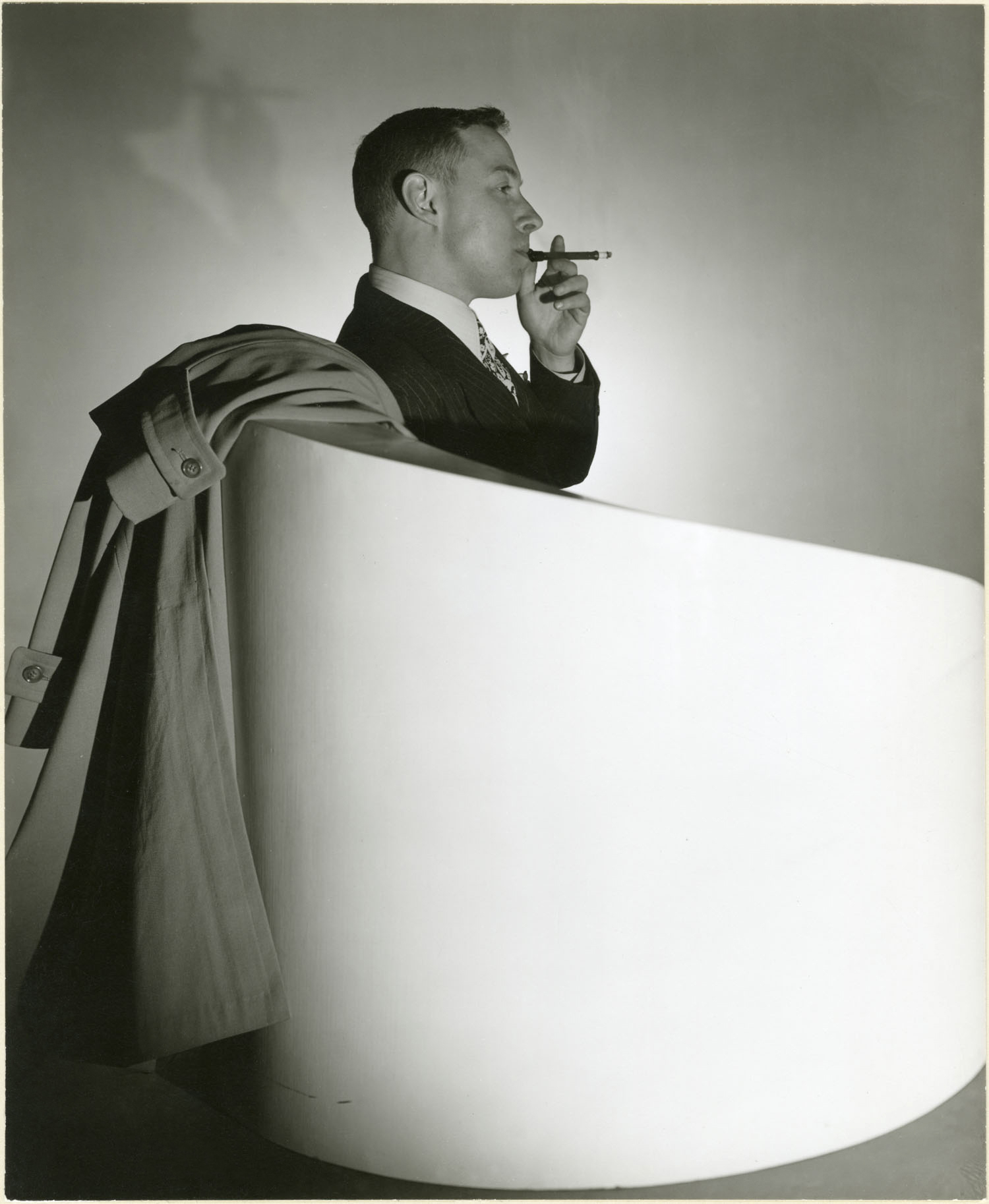


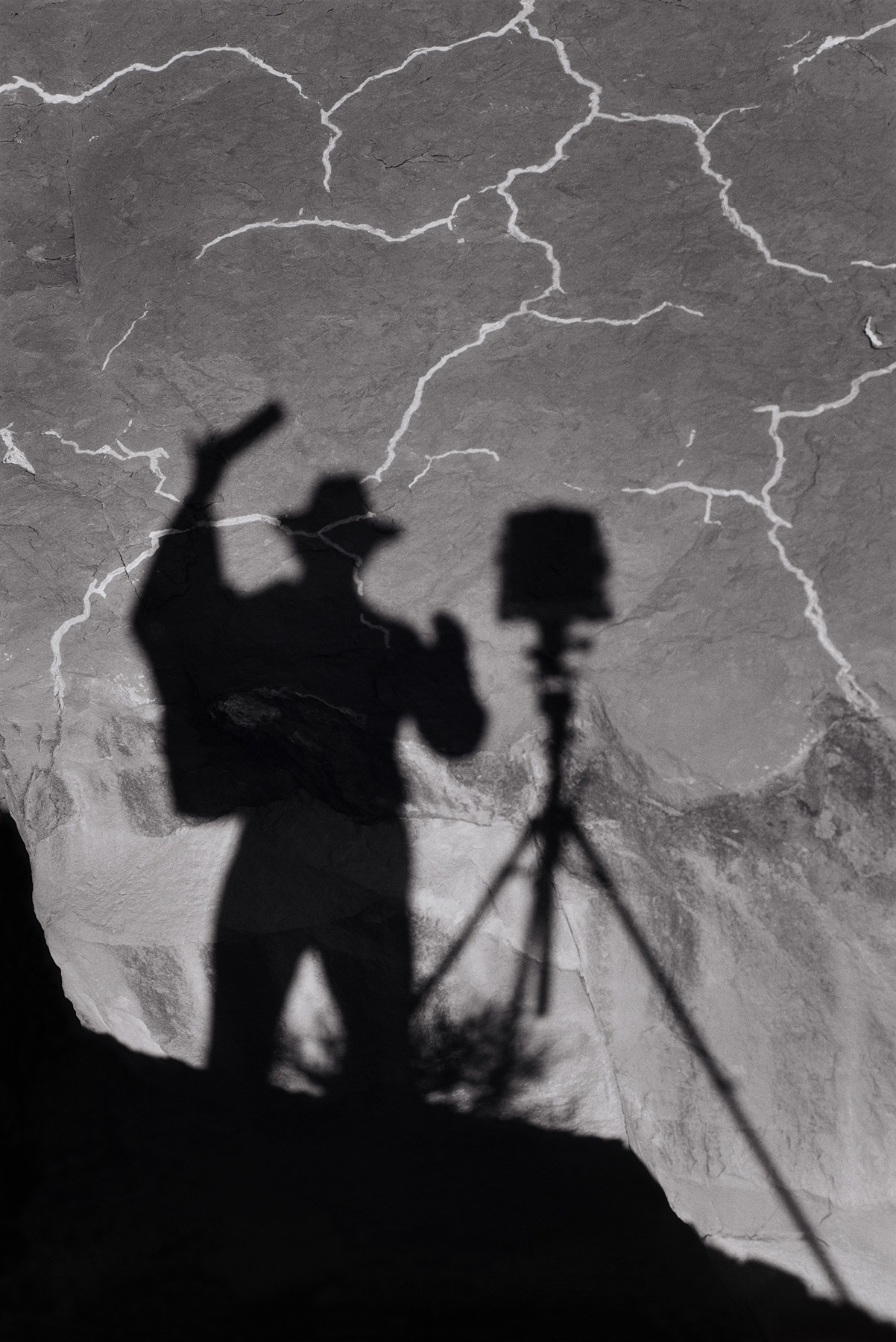















 Art Blart _ art and cultural memory archive
You must be logged in to post a comment.