I am writing this short text on a laptop in Thailand which keeps jumping lines and misspelling words. The experience is almost as disorienting as the photographs of Dorothea Lange, with their anguished angles and portraits of despair. Her humanist, modernist pictures capture the harsh era of The Great Depression and the 1930s in America, allowing a contemporary audience to imagine what it must have been like to walk along blistering roads with five children, not knowing where your next meal or drink of water is coming from.
Like Lewis Hine and Jacob Riis from an earlier era, Lange’s photographs are about the politics of seeing. They are about human beings in distress and how photography can raise awareness of social injustice and disenfranchisement in the name of cultural change.
Dr Marcus Bunyan
#dorothealange @barbicancentre
Many thankx to the Barbican Art Gallery for allowing me to publish the photographs in the posting. Please click on the photographs for a larger version of the image.
Dorothea Lange took this photograph in 1936, while employed by the U.S. government’s Farm Security Administration (FSA) program, formed during the Great Depression to raise awareness of and provide aid to impoverished farmers. In Nipomo, California, Lange came across Florence Owens Thompson and her children in a camp filled with field workers whose livelihoods were devastated by the failure of the pea crops. Recalling her encounter with Thompson years later, she said, “I saw and approached the hungry and desperate mother, as if drawn by a magnet. I do not remember how I explained my presence or my camera to her, but I do remember she asked me no questions. I made five exposures, working closer and closer from the same direction.”1 One photograph from that shoot, now known as Migrant Mother, was widely circulated to magazines and newspapers and became a symbol of the plight of migrant farm workers during the Great Depression.
As Lange described Thompson’s situation, “She and her children had been living on frozen vegetables from the field and wild birds the children caught. The pea crop had frozen; there was no work. Yet they could not move on, for she had just sold the tires from the car to buy food.”2 However, Thompson later contested Lange’s account. When a reporter interviewed her in the 1970s, she insisted that she and Lange did not speak to each other, nor did she sell the tires of her car. Thompson said that Lange had either confused her for another farmer or embellished what she had understood of her situation in order to make a better story.
1/ Dorothea Lange, “The Assignment I’ll Never Forget,” Popular Photography 46 (February, 1960). Reprinted in Photography, Essays and Images, ed. Beaumont Newhall (New York: The Museum of Modern Art), p. 262-265
2/ Dorothea Lange, paraphrased in Karin Becker Ohm, Dorothea Lange and the Documentary Tradition (Baton Rouge, LA: Louisiana State University Press, 1980), p. 79
Installation views of the exhibition Dorothea Lange: Politics of Seeing at the Barbican Art Gallery, London showing Dorothea Lange’s photograph Migrant Mother, Nipomo, California 1936 Photos: Ian Gavan/Getty Images for Barbican Art Gallery
“I saw and approached the hungry and desperate mother, as if drawn by a magnet. I do not remember how I explained my presence or my camera to her, but I do remember she asked me no questions. I made five exposures, working closer and closer from the same direction. I did not ask her name or her history. She told me her age, that she was thirty-two. She said that they had been living on frozen vegetables from the surrounding fields, and birds that the children killed. She had just sold the tires from her car to buy food. There she sat in that lean- to tent with her children huddled around her, and seemed to know that my pictures might help her, and so she helped me. There was a sort of equality about it.” (From: Popular Photography, Feb. 1960).
The images were made using a Graflex camera. The original negatives are 4 x 5″ film. It is not possible to determine on the basis of the negative numbers (which were assigned later at the Resettlement Administration) the order in which the photographs were taken.
Thompson’s identity was discovered in the late 1970s; in 1978, acting on a tip, Modesto Bee reporter Emmett Corrigan located Thompson at her mobile home in Space 24 of the Modesto Mobile Village and recognised her from the 40-year-old photograph.[10] A letter Thompson wrote was published in The Modesto Bee and the Associated Press distributed a story headlined “Woman Fighting Mad Over Famous Depression Photo.” Florence was quoted as saying “I wish she [Lange] hadn’t taken my picture. I can’t get a penny out of it, she didn’t ask my name. She said she wouldn’t sell the pictures, she said she’d send me a copy. She never did.”
Lange was funded by the federal government when she took the picture, so the image was in the public domain and Lange never directly received any royalties. However, the picture did help make Lange a celebrity and earned her “respect from her colleagues.”
In a 2008 interview with CNN, Thompson’s daughter Katherine McIntosh recalled how her mother was a “very strong lady”, and “the backbone of our family”, she said: “We never had a lot, but she always made sure we had something. She didn’t eat sometimes, but she made sure us children ate. That’s one thing she did do.”
Anonymous text. “Florence Owens Thompson,” on the WikiVisually website Nd [Online] Cited 05/08/2018. No longer available online
“There are moments such as these when time stands still and all you do is hold your breath and hope it will wait for you. And you just hope you will have enough time to get it organised in a fraction of a second on that tiny piece of sensitive film. Sometimes you have an inner sense that you have encompassed the thing generally. You know then that you are not taking anything away from anyone: their privacy, their dignity, their wholeness.” ~ Dorothea Lange 1963
Davis K F 1995, The photographs of Dorothea Lange, Hallmark Cards Inc, Missouri p. 20.
White angel breadline, San Francisco is Lange’s first major image that encapsulates both her sense of compassion and ability to structure a photograph according to modernist principles. The diagonals of the fence posts and the massing of hats do not reduce this work to the purely formal – the figure in the front middle of the image acts as a lightening rod for our emotional engagement.
“I had made some photographs of the state [of] people, in an area of San Francisco which revealed how deep the depression was. It was at that time beginning to cut very deep. This is a long process. It doesn’t happen overnight. Life, for people, begins to crumble on the edges; they don’t realise it…”
Dorothea Lange, interview, 1964
There was a real “White Angel” behind the breadline that served the needy men photographed by Dorothea Lange. She was a widow named Lois Jordan. Mrs. Jordan, who gave herself the name White Angel, established a soup kitchen during the Great Depression to feed those who were unemployed and destitute. Relying solely on donations, she managed to supply meals to more than one million men over a three-year period.
Jordan’s soup kitchen occupied a junk-filled lot in San Francisco located on the Embarcadero near Filbert Street. This area was known as the White Angel Jungle. The Jungle was not far from Lange’s studio. As she began to change direction from portrait to documentary photography, Lange focused her lens on the poignant scenes just beyond her window. White Angel Breadline is the result of her first day’s work to document Depression-era San Francisco. Decades later, Lange recalled: “[White Angel Breadline] is my most famed photograph. I made that on the first day I ever went out in an area where people said, ‘Oh, don’t go there.’ It was the first day that I ever made a photograph on the street.”
Hear Dorothea Lange discuss her photographs and the difficulty of leading a visual life.
Dorothea Lange’s stirring images of migrant farmers and the unemployed have become universally recognised symbols of the Great Depression. Later photographs documenting the internment of Japanese Americans and her travels throughout the world extended her body of work. Watch the video to hear Lange discuss how she began her documentary projects for the Farm Security Administration, and learn how she felt about some of her assignments and subjects.
Dorothea Lange (American, 1895-1965) Family walking on highway – five children. Started from Idabel, Oklahoma, bound for Krebs, Oklahoma June 1938 Silver gelatin print Library of Congress
Dorothea Lange (American, 1895-1965) Cars on the Road August 1936 Silver gelatin print Library of Congress
Dorothea Lange (American, 1895-1965) Dust Bowl, Grain Elevator, Everett, Texas June 1938 Silver gelatin print Library of Congress
This summer, Barbican Art Gallery stages the first ever UK retrospective of one of the most influential female photographers of the 20th century, the American documentary photographer Dorothea Lange (1895-1965). A formidable woman of unparalleled vigour and resilience, the exhibition charts Lange’s outstanding photographic vision from her early studio portraits of San Francisco’s bourgeoisie to her celebrated Farm Security Administration work (1935-1939) that captured the devastating impact of the Great Depression on the American population. Rarely seen photographs of the internment of Japanese-Americans during the Second World War are also presented as well as the later collaborations with fellow photographers Ansel Adams and Pirkle Jones documenting the changing face of the social and physical landscape of 1950s America. Opening 22 June at Barbican Art Gallery, Dorothea Lange: Politics of Seeing is part of the Barbican’s 2018 season, The Art of Change, which explores how the arts respond to, reflect and potentially effect change in the social and political landscape.
Dorothea Lange: Politics of Seeing encompasses over 300 objects from vintage prints and original book publications to ephemera, field notes, letters, and documentary film. Largely chronological, the exhibition presents eight series in Lange’s oeuvre spanning from 1919 to 1957.
Jane Alison, Head of Visual Arts, Barbican, said: “This is an incredible opportunity for our visitors to see the first UK survey of the work of such a significant photographer. Dorothea Lange is undoubtedly one of the great photographers of the twentieth century and the issues raised through her work have powerful resonance with issues we’re facing in society today. Staged alongside contemporary photographer Vanessa Winship as part of The Art of Change, these two shows are unmissable.”
Opening the exhibition are Lange’s little known early portrait photographs taken during her time running a successful portrait studio in San Francisco between 1919 and 1935. Lange was at the heart of San Francisco’s creative community and her studio became a centre in which bohemian and artistic friends gathered after hours, including Edward Weston, Anne Brigman, Alma Lavenson, Imogen Cunningham, and Willard van Dyke. Works from this period include intimate portraits of wealthy West Coast families as well as of Lange’s inner circle, counting amongst others photographer Roi Partridge and painter Maynard Dixon, Lange’s first husband and father of her two sons.
The Great Depression in the early 1930s heralded a shift in her photographic language as she felt increasingly compelled to document the changes visible on the streets of San Francisco. Taking her camera out of the studio, she captured street demonstrations, unemployed workers, and breadline queues. These early explorations of her social documentary work are also on display.
The exhibition charts Lange’s work with the newly established historical division of the Farm Security Administration (FSA), the government agency tasked with the promotion of Roosevelt’s New Deal programme. Alongside Lange, the FSA employed a number of photographers, including Walker Evans, Ben Shahn and Arthur Rothstein, to document living conditions across America during the Great Depression: from urban poverty in San Francisco to tenant farmers driven off the land by dust storms and mechanisation in the states of Oklahoma, Arkansas and Texas; the plight of homeless families on the road in search of better livelihoods in the West; and the tragic conditions of migrant workers and camps across California. Lange used her camera as a political tool to critique themes of injustice, inequality, migration and displacement, and to effect government relief.
Highlights in this section are, among others, a series on sharecroppers in the Deep South that exposes relations of race and power, and the iconic Migrant Mother, a photograph which has become a symbol of the Great Depression, alongside images of vernacular architecture and landscapes, motifs often overlooked within Lange’s oeuvre. Vintage prints in the exhibition are complemented by the display of original publications from the 1930s to foreground the widespread use of Lange’s FSA photographs and her influence on authors including John Steinbeck, whose ground-breaking novel The Grapes of Wrath was informed by Lange’s photographs. Travelling for many months at a time and working in the field, she collaborated extensively with her second husband Paul Schuster Taylor, a prominent social economist and expert in farm labour with whom she published the seminal photo book An American Exodus: A Record of Human Erosion in 1939, also on display in the exhibition.
The exhibition continues with rarely seen photographs of the internment of more than 100,000 American citizens of Japanese descent that Lange produced on commission for the War Relocation Authority following the Japanese attack on the American naval base at Pearl Harbor in 1941. Lange’s critical perspective of this little discussed chapter in US history however meant that her photographs remained unpublished during the war and stored at the National Archives in Washington. It is the first time that this series will be shown comprehensively outside of the US and Canada.
Following her documentation of the Japanese American internment, Lange produced a photographic series of the wartime shipyards of Richmond, California with friend and fellow photographer Ansel Adams (1902-1984). Lange and Adams documented the war effort in the shipyards for Fortune magazine in 1944, recording the explosive increase in population numbers and the endlessly changing shifts of shipyard workers. Capturing the mass recruitment of workers, Lange turned her camera on both female and black workers, for the first time part of the workforce, and their defiance of sexist and racist attitudes.
The exhibition features several of Lange’s post-war series, when she photographed extensively in California. Her series Public Defender (1955-1957) explores the US legal defence system for the poor and disadvantaged through the work of a public defender at the Alameda County Courthouse in Oakland. Death of a Valley (1956-1957), made in collaboration with photographer Pirkle Jones, documents the disappearance of the small rural town of Monticello in California’s Berryessa Valley as a consequence of the damming of the Putah Creek. Capturing the destruction of a landscape and traditional way of life, the photographs testify to Lange’s environmentalist politics and have not been displayed or published since the 1960s.
The exhibition concludes with Lange’s series of Ireland (1954), the first made outside the US. Spending six weeks in County Clare in western Ireland, Lange captured the experience of life in and around the farming town of Ennis in stark and evocative photographs that symbolise Lange’s attraction to the traditional life of rural communities.
An activist, feminist and environmentalist, Lange used her camera as a political tool to critique themes of injustice, inequality, migration and displacement that bear great resonance with today’s world, a prime example of which is her most iconic image the Migrant Mother (1936). Working in urban and rural contexts across America and beyond, she focused her lens on human suffering and hardship to create compassionate and piercing portraits of people as well as place in the hope to forge social and political reform – from the plight of sharecroppers in the Deep South to Dust Bowl refugees trekking along the highways of California in search of better livelihoods.
Dorothea Lange: Politics of Seeing is organised by the Oakland Museum of California. The European presentation has been produced in collaboration with Barbican Art Gallery, London and Jeu de Paume, Paris.
Press release from the Barbican Art Gallery
Installation views of the exhibition Dorothea Lange: Politics of Seeing at the Barbican Art Gallery, London showing in the bottom image at left, Lange’s Displaced Tennant Farmers, Goodlet, Hardeman Co., Texas 1937. ‘All displaced tenant farmers, the oldest 33. None able to vote because of Texas poll tax. They support an average of four persons each on $22.80 a month’; and at second left, Woman of the High Plains, Texas Panhandle June 1938 (below) Photos: Ian Gavan/Getty Images for Barbican Art Gallery
Installation view of the exhibition Dorothea Lange: Politics of Seeing at the Barbican Art Gallery, London showing at second left top, Lange’s Mexican field labourer at station in Sacramento after 5 day trip from Mexico City. Imported by arrangements between Mexican and US governments to work in sugar beets. 6 October 1942; at second left bottom, Filipino Field Worker, Spring Plowing, Cauliflower Fields, Guadalupe, California. March 1937 (below); and at right, Damaged Child, Shacktown, Elm Grove, Oklahoma. 1936 (below) Photos: Ian Gavan/Getty Images for Barbican Art Gallery
Dorothea Lange (American, 1895-1965) San Francisco, California. Flag of allegiance pledge at Raphael Weill Public School, Geary and Buchanan Streets. Children in families of Japanese ancestry were evacuated with their parents and will be housed for the duration in War Relocation Authority centers where facilities will be provided for them to continue their education 1942 Silver gelatin print Courtesy National Archives, photo no. 210-G-C122
Dorothea Lange (American, 1895-1965) Centerville, California. This evacuee stands by her baggage as she waits for evacuation bus. Evacuees of Japanese ancestry will be housed in War Relocation Authority centers for the duration 1942 Silver gelatin print Courtesy National Archives, photo no. 210-G-C241
Dorothea Lange (American, 1895-1965) Manzanar Relocation Center, Manzanar, California. An evacuee is shown in the lath house sorting seedlings for transplanting. These plants are year-old seedlings from the Salinas Experiment Station 1942 Silver gelatin print Courtesy National Archives, photo no. 210-GC737
Dorothea Lange (American, 1895-1965) Sacramento, California. College students of Japanese ancestry who have been evacuated from Sacramento to the Assembly Center 1942 Silver gelatin print Courtesy National Archives, photo no. 210-GC471
Installation views of the exhibition Dorothea Lange: Politics of Seeing at the Barbican Art Gallery, London showing in the bottom image, Lange’s photographs of Japanese Americans Photos: Ian Gavan/Getty Images for Barbican Art Gallery
Installation view of the exhibition Dorothea Lange: Politics of Seeing at the Barbican Art Gallery, London showing Lange’s ‘Shipyards of Richmond’ photographs Photos: Ian Gavan/Getty Images for Barbican Art Gallery
Boom Town: Shipyards of Richmond
In December 1941 the United States entered the Second World War ushering in a period of economic prosperity triggered by an exponential growth in defence spending. Almost overnight, the city of Richmond, located to the north of Oakland, became one of California’s major shipbuilding hubs producing large merchant vessels used to supply Allied troops.
Lured by the promised of work, the population of the San Francisco Bay Area exploded as men and women flocked to the west in vast numbers, prompting the San Francisco Chronicle to claim that the region was in the grips of a ‘second gold rush’. This huge expansion of population and industry also brought new social pressures as housing and other services were extremely limited. For African American community arriving from the rural South however such shortages were further exacerbated by racial discrimination and segregation.
In collaboration with Ansel Adams (1902-1984), Lange secured a commission from Fortune magazine to document 24-hours in the lives of the shipyard workers. Capturing the ever changing shifts of the round-the-clock shipyard population, Lange focused once again on the substandard living conditions of workers and their families, who were often forced to live in cramped temporary shelters, as well as on the lack of social cohesion.
Drawn to images that transgressed accepted attitudes towards gender and race, Lange settled her lens on African American female welders and stylishly dressed women flaunting their newfound independence and spending power. Creating heroic images of women at work, Lange’s photographs contributed to the archetypal image of ‘Rosie the Riveter’.
Wall text from the exhibition
Installation views of the exhibition Dorothea Lange: Politics of Seeing at the Barbican Art Gallery, London showing in the bottom image, Lange’s ‘Ireland’ photographs Photos: Ian Gavan/Getty Images for Barbican Art Gallery
“There is no sense of hurry, and there is no sense of want, or wanting, or urge to buy more and more, and of bombardment of new goods and advertising. Just the name of the family over the store … A contented and relaxed people live on this island.
Dorothea Lange
Ireland
Inspired by a book titled The Irish Countryman (1937) the the eminent anthropologist Conrad M. Arensberg, Lange persuaded the editors of LIFE to commission her and her son Daniel Dixon, a writer, to create an in-depth study of rural life in Ireland. The trip was her first overseas, and Lange spent six weeks in the autumn of 1954 photographing the experience of life around County Clare in western Ireland, a poor farming community whose younger inhabitants were flocking to the US in great numbers in the hope of realising the American Dream.
Lange was perhaps drawn to these tight-knit, rural communities because they symbolised a simpler, more self-sufficient way of life in contrast to the post-industrial thrust of the city that reflected her own Californian reality. Steeped in a romantic socialism, Lange’s evocative photographs depict County Clare’s inhabitants by and large as content and carefree in their rootedness to the land, oblivious to the seismic global changes taking place around them.
Travelling around the countryside from Tubber to Ennis, Lange captured country markets and fairs, pubs, local shops, and church-goers attending mass on the ‘island of the devout’, as LIFE later dubbed the country. The magazine published her story with 21 photographs in the 21 March 1955 issue, but largely omitted Dixon’s text.
Wall text from the exhibition
Barbican Art Gallery Barbican Centre Silk Street, London, EC2Y 8DS
It’s hard to get a sense of this exhibition from the media images, therefore difficult to make any constructive comment on the strength of the exhibition.
Apparently,
“The exhibition’s gallery feels very domestic. Groups of photos hang on the walls – different sizes, colours, formats and frames – like you’d see in a living room or hallway. MFA curator Karen Haas confirms that evocation is absolutely intentional.
“Photographers from the very beginning have been fascinated by the way that the camera could capture images of loved ones, freeze them in time,” she says. “They form sort of reliquaries of memory, and these sorts of relationships to the objects – that idea of the photograph as a talisman-like object I think has been somewhat forgotten in our contemporary world.” …
Haas’ goal in creating this show is to illustrate how broad and diverse family configurations can be – without defining them. “The families that we’re born into, generational families,” she describes, “but also romantic unions, couples and chosen families – families we have chosen for ourselves.” And that includes the military and the church, Haas says. “I think the family is such a basic social construct – so basic to so many of our lives – that I hope that these kinds of images will really resonate with people.”1
Outsider family, insider family, single parent family, nuclear family, extended family, reconstituted family, childless family, gay family, step family, “family has always taken diverse forms: affluent and destitute, cohesive and fractured, expected and unexpected. Taken together, the photographs challenge visitors to consider what family means to them.”
But what is most important is this:
“There is no right or wrong answer when it comes to what is the best type of family structure. As long as a family is filled with love and support for one another, it tends to be successful and thrive. Families need to do what is best for each other and themselves, and that can be achieved in almost any unit.”2
Families all have secrets, no matter how perfect they may seem to the outside world. Whether it be domestic violence behind closed doors or skeletons in the closet there is always more than meets the eye. And that’s where these photographs of families fail in their representation of the family. That, and the title of the exhibition – (un)expected families – because in the 21st century, nothing should be unexpected.
By adding emphasis to the (un), the title merely propagates a form of discrimination, of outsider as different and therefore worthy of abuse because of that very difference.
Expected families: we are all human beings and therefore anything is to be expected.
Many thankx to the Museum of Fine Arts Boston for allowing me to publish the photographs in the posting. Please click on the photographs for a larger version of the image.
Lewis W. Hine (American, 1874-1940) Home Workers, New York 1915 Lewis W. Hine/Museum of Fine Arts, Boston
Bringing together more than 80 pictures taken by American photographers from the 19th century to today, (un)expected families explores the definition of the American family – from the families we are born into to the ones we have chosen for ourselves. The works on view depict a wide range of relationships, including multiple generations, romantic unions, and alternative family structures.
Using archival, vernacular, and fine art photographs, (un)expected families offers a variety of perspectives on the American family, from Dorothea Lange’s depiction of a migrant family at the time of the Dust Bowl to Louie Palu’s portraits of US Marines fighting in Afghanistan. The exhibition illustrates that the family has always taken diverse forms: affluent and destitute, cohesive and fractured, expected and unexpected. Taken together, the photographs challenge visitors to consider what family means to them.
(un)expected families features celebrated practitioners like Nan Goldin, Carrie Mae Weems, LaToya Ruby Frazier, and Harry Callahan, as well as a number of renowned Boston-area artists, such as David Hilliard, Nicholas Nixon, Abe Morell, and Sage Sohier.
Text from the Museum of Fine Arts, Boston website
Louis Faurer (American, 1916-2001) Ritz Bar, New York 1947-1948 Estate of Louis Faurer/Museum of Fine Arts, Boston
Duane Michals (American, b. 1932) When he was young, he could not imagine being old. And now that he is old, he cannot imagine ever having been young 1979 Gelatin silver print Duane Michals, courtesy of the DC Moore Gallery, New York, and Osmos, New York
Sage Sohier (American, b. 1954) Mum in her bathtub, Washington, D.C. 2002 Inkjet print Living New England Artists Purchase Fund, created by the Stephen and Sybil Stone Foundation Courtesy Museum of Fine Arts, Boston
David Hilliard (America, b. 1964) Rock Bottom 2008 Panorama Construction
Rock Bottom features, in the left panel, a close up sharp focus portrait of Hilliard’s father standing in a lake, with a severe and harsh facial expression, yet vulnerably placing his hands on his chest between his two sailor swallow’s tattoos. In the right panel, Hilliard himself appears somewhat further from the camera. With a gentler facial expression, the photographer contrasts with his tense patriarchal figure, but features a similar hairy chest and matching tattoos – giving the viewer a hint on the subject’s father-son relationship. The middle panel is exclusive for environmental portraiture and the creation of meaning in the composition: a sunny day at the lake, where the blue skies and soft clouds perfectly reflect on the water and separate the subject matters. The real meaning of the juxtaposition relies on the knowledge of Hilliard’s personal life and the presence of the middle panel: although the father accept his son’s homosexuality, the issue has clearly been a source of tension between them, creating both emotional and physical distance between the subject matters. Represented by the central panel, a stunning view divides the two generations both visually and metaphorically, symbolising the idea of emotional distance in an atypical form.
Like most of Hilliard’s photographs, Rock Bottom exposes how physical distance is often manipulated to represent emotional distance. The presence of the middle panel, exclusively dedicated to environmental portraiture and the emphasis on the importance of our surroundings, also suggests the emotional distance between the subjects. The lack of elements and presence of great depth of field of the center panel insinuates that, regardless of the level of intimacy between the subject matters – distance is always palpable.
Marina Pedrosa. “David Hilliard: Building Meaning Through Composition,” on the medium website [Online] Cited 22/08/2018. No longer available online
Caleb Cole (American, b. 1981) The Big Sister 2012 From the series Odd One Out (2010-Present) Archival pigment print 49 × 68cm (19 5/16 × 26 3/4 in.) Museum purchase with funds donated by James N. Krebs
Bringing together more than 80 pictures taken by photographers from the 19th century to today, (un)expected families at the Museum of Fine Arts, Boston (MFA), explores the definition of the American family – from the families we’re born into to the ones we’ve chosen. The photographs in the exhibition, on view from December 9, 2017 through June 17, 2018, depict a wide range of relationships – multiple generations, romantic unions and alternative family structures – whether connected by DNA, shared life experiences, common interests or even a social media network. Encompassing both carefully staged portraits and serendipitous snapshots, the selection of vernacular, documentary and fine art photographs in (un)expected families illustrates that the concept of family has long taken many forms – a subject that has fascinated photographers since the invention of the camera – and challenges visitors to consider what family means to them. Drawn primarily from the MFA’s holdings, the exhibition includes photographs by celebrated artists such as Nan Goldin, Gordon Parks, Nicholas Nixon, Sally Mann, Diane Arbus, Tina Barney, Emmet Gowin and Bruce Davidson. Loans from private collections include Victorian-era “hidden mother” photographs of children and turn-of-the-century portraits of women in intimate relationships sometimes referred to as “Boston marriages.” Additionally, (un)expected families highlights many New England photographers whose work centers on familial relationships, debuting eight photographs – acquired specifically for the exhibition – by Zoe Perry-Wood, Arno Rafael Minkkinen, Amber Tourlentes, Caleb Cole, Tanja Hollander, David Hilliard and Jeannie Simms. An interactive component of (un)expected families invites visitors to share thoughts about their own families on response cards. A selection will be displayed in the gallery on a rotating basis, and all will be archived as part of the permanent exhibition record. Additionally, a free family guide engages children with close looking and drawing activities. The exhibition is generously supported by an anonymous donor.
“Almost as soon as exposure times became short enough to make portraiture feasible, photographers have been drawn to capture likenesses of loved ones. Perhaps that power to freeze a moment in time is what explains why family photographs are so often described as the first thing one would save from a burning building,” said Karen Haas, Lane Curator of Photographs. “I find it particularly fascinating that there seems to be a growing interest among contemporary photographers to focus on families in their work – even as with the rise of smartphones and social media, our own personal pictures are increasingly relegated to the ether, rarely experienced as tangible objects.”
The images presented in (un)expected families span 150 years. Among the oldest pictures are photographs of “hidden mothers” (1860s-1870s), depicting infants in the laps of concealed adults – a trick to keep the children still during long sittings or exposures. The mothers or nursemaids were draped with scarves or blankets, or hidden behind furniture or painted backdrops. Similarly, the contemporary photograph Nayla, Ted, Alexandra, Nick, March 30, 1995 (1995) by Cambridge-based Elsa Dorfman (born 1937) focuses solely on the children. While names of the parents are among those handwritten on the bottom of the large-scale Polaroid, only their legs are visible in the composition. Another contemporary photograph juxtaposed with the Victorian-era “hidden mothers,” which were made during a period of high infant mortality rates, is Tammy Hindle (2006) by Nicholas Nixon (born 1947). Part of Nixon’s series documenting a family’s heartbreaking loss of a child, the image shows the mother, Tammy, carrying a portrait of the baby, Claire, to the funeral service, their bodies appearing to magically merge in the reflection within the picture frame.
Father-and-son relationships are explored in images by Dawoud Bey (born 1953), Duane Michals (born 1932) and Jim Goldberg (born 1953), all of which incorporate texts that amplify the moving and often painful stories behind the images, as well as recently acquired photographs by David Hilliard (born 1964) and Arno Rafael Minkkinen (born 1945). Hilliard’s triptych Rock Bottom (2008) is one of an extended series of panoramic photographs that trace the shifting narrative of the gay artist’s complicated relationship with his father. The beautifully choreographed self-portrait visually links the two men, unmistakably related to each other and sporting identical swallow tattoos, across a serene expanse of lake. Minkkinen’s 31-12-86, Self-Portrait with Daniel, Andover (1986), recently gifted to the MFA by the artist, is one of a little-known series of portraits that he took of his son Daniel as the boy grew and matured from infancy to adolescence. The photograph shows Daniel sitting on a bed, bathed in raking light and looking directly at his father’s large-format camera. With his head hidden from view, Minkkinen’s outstretched arms perfectly echo the curve of the headboard and create a haunting embrace that speaks to a parent’s deep-seated desire to encircle and protect a child.
Seventeen photographs representing multiple generations of a family are arranged in a salon-style hang, ranging from intimate depictions of parents with children, such as Baby Toss (2009) by Julie Blackmon (born 1966); to pairs of siblings, such as Twins at WDIA, Memphis (about 1948) by Ernest C. Withers (1922–2007); to a 1925 panorama capturing an extended family reunion encompassing about 200 people. The display also features recently acquired photographs by Sage Sohier (born 1954) and Jeannie Simms (born 1967). Sohier’s Mum in her bathtub, D.C. (2002) is from an extended series devoted to her mother, a former fashion model who had posed for Richard Avedon and Irving Penn in the 1940s. Simms’ Arnie, Susan & Elijah, Jamaica Plain, MA (2015) is from a series documenting the lives of couples married in Cambridge after Massachusetts became the first U.S. state to issue same-sex marriage licenses on May 17, 2004.
Recently acquired works by Amber Tourlentes (born 1970), Zoe Perry-Wood (born 1959) and Jess Dugan (born 1986) also document the experience of LGBTQ couples, families and individuals. Tourlentes has regularly made LGBTQ family portraits on the Town Hall stage in Provincetown, Massachusetts, during its annual Family Week, sometimes revisiting the same subjects over the course of several years. Perry-Wood has spent the last decade photographing another annual event, the Boston Alliance of Gay and Lesbian Youth (BAGLY) Prom, which offers a safe and celebratory occasion for young couples – an alternative to more traditional high-school proms. Allowing her subjects to pose in front of the camera in a studio-like setting, as seen in José and Luis (2015), Perry-Wood helps to give them a sense of personal agency and collective pride at a pivotal moment in their lives. Unlike Tourlentes and Perry-Wood, Dugan photographs her subjects – friends within the LGBTQ community – in natural light and the privacy of their own living spaces, exploring issues of gender, identity and social connection through large-format portraits such as Devotion, from the series Every Breath We Drew (2012).
With the invention of the small and affordable Kodak camera in the late 19th century, followed by the instant camera in the 1940s, many Americans no longer felt the need to visit formal portrait studios in order to record their personal lives. Among the casual snapshots featured in (un)expected families are Polaroids of Caroline Kennedy and her cousin Tina Radziwill, taken by Andy Warhol (1928-1987) in the summer of 1972 and exhibited at the MFA for the first time. The artist – along with filmmaker Jonas Mekas and photographer Peter Beard – was hired by Jacqueline Kennedy Onassis to teach the children filmmaking and photography. Also on view are an album of photographs commemorating a fraternity at Baker University in Kansas (1910s) and six snapshots depicting “Boston marriages” (1920s-1930s) – a turn-of-the-century term used to describe two women living together without the support of a man – romantic relationships in some cases and simply platonic partnerships in others.
Several groupings in the exhibition are centered on places of family life. Working roughly 50 years apart, one on New York’s Lower East Side and the other in Harlem, Lewis Hine (1874-1940) and Bruce Davidson (born 1933) both found the kitchen table an ideal site for their documentary photographs of tenement families in New York City. The groundbreaking Kitchen Table series (1990) by Carrie Mae Weems (born 1953) – featuring the photographer herself as the central figure, alongside lovers, children and friends – speaks to all those who have loved, quarrelled and come together around a communal table. Similarly, Tina Barney (born 1945) often acts as both guide and participant in her photographs – including Thanksgiving (1992) – which portray complex family moments in the wealthy East Coast social scene that she grew up in. In another selection of photographs by Julie Mack (born 1982), Mary Ellen Mark (1940-2015) and Dorothea Lange (1895-1965), the car is shown as a setting for a contemporary family self-portrait, a shelter for a homeless family in Los Angeles, and a vehicle for escape for migrant farm workers and their families during the Dust Bowl.
Alongside biologically related families and romantic unions, the exhibition highlights bonds among close-knit communities – “chosen families” – often documented by photographers embedded within the groups. Louie Palu (born 1968) spent several years covering the conflict in Afghanistan, producing portraits of U.S. Marines that capture the terrible toll of war etched on their faces and reflected in their eyes. Danny Lyon (born 1942) was a student at the University of Chicago when he first befriended members of the Chicago Outlaws, a notorious motorcycle club. For a number of years, he documented the individual gang members, their families and friends, as well as races, meetings, social gatherings, rides throughout the Midwest and even their funerals. Nan Goldin (born 1953) uses her camera as a form of diary to record the lives of friends, whom she considers a surrogate family. In Jimmy Paulette and Tabboo! in the bathroom, NYC (1991), Goldin represents two drag queens in New York City’s East Village, working in her characteristically direct, snapshot-like style. For the artist, who has lost many in her circle to HIV-AIDS, such images form tangible records of powerful human connections in fragile times.
Ethel Shariff in Chicago (1963) by Gordon Parks (1912-2006) and Hutterite Classroom, Gilford, MT (2005) by Christopher Churchill (born 1977) are among the photographs depicting religious communities. Ethel Shariff, the eldest daughter of longtime Nation of Islam head Elijah Mohammed, stands at the apex of Parks’ group portrait, surrounded by fellow members of the organisation’s women’s corps. Churchill’s photograph is from a series of pictures on the theme of American faith – a project he undertook in the years just after 9/11. Traveling across the country, he visited various sacred landscapes, places of worship and religious communities including the Hutterites, a branch of the Anabaptists who trace their beginnings back to the Protestant Reformation. For Churchill, the series became an exploration into the very basic human need to be connected to something greater than ourselves. Similarly, Tanja Hollander (born 1972) traveled all over the world – across the U.S. and Europe, but also as far away as Kuala Lumpur and New Zealand – for five years, tracking down all of her hundreds of Facebook friends and making portraits of them set in their own homes. Shot with an iPhone or a simple point-and-shoot camera, these intimate pictures – two of which were acquired for the exhibition – present a fascinating commentary on the role of social media and interpersonal relationships in the 21st century.
Additional highlights of (un)expected families include photographs in a variety of formats. Caleb Cole (born 1981) is a local photographer particularly fascinated by the dynamics of family photographs found at estate sales and flea markets in which one of the subjects – in contrast to the rest of the smiling faces – appears especially sad or downcast. Cole digitally alters these vernacular images to isolate the single, lonely figure, all the while maintaining the shapes of the remaining sitters so that the “odd one out” is set off against the blank, white expanse of the group. In The Big Sister (2012), a recent acquisition, a young girl whose parents have just introduced her to a new baby looks dejectedly off into space as if desperately wishing she could return to her former status as an only child. Digital projections from the series To Majority Minority (2014-2015) by Annu Palakunnathu Matthew (born 1964) are also based on found snapshots, sourced from photo albums of immigrant families that have come to the U.S. from all over the world. Working with the owners of these albums, Matthew digitises the images and then recreates the figures and their poses using contemporary family members in place of the original sitters. By presenting them as projections that seamlessly flow from one generation into another, the artist measures the passage of time through the faces of subsequent generations, and the accompanying texts tell stories inspired by the treasured photographs of their ancestors.
And then there’s Louie Palu’s black and white portraits of Marines. These are some of the few single-person portraits among images of families or groups. Paired with a group photo, there is an initial sense of loneliness. But isolate the image and it’s a different story.
“In the military, you arrive alone and leave the military alone but live on a battlefield as part of a close group of people who will do everything to support you and are willing to risk their life to save yours,” he said. “When you are a soldier, your comrades can define a life-changing experience not a single member of your biological family will ever understand. When you come home, your mother, father, wife, brothers, sisters and children can never connect to that experience like your comrades can. When you are in a group, you are strong, and when you are alone, you are not.”
Elsa Dorfman (April 26, 1937 – May 30, 2020) was an American portrait photographer. She worked in Cambridge, Massachusetts, and was known for her use of a large-format instant Polaroid camera. …
Dorfman’s principal published work, originally published in 1974, was Elsa’s Housebook – A Woman’s Photojournal, a photographic record of family and friends who visited her in Cambridge when she lived there during the late 1960s and early 1970s. Many well known people, especially literary figures associated with the Beat generation, are prominent in the book, including Lawrence Ferlinghetti, Allen Ginsberg, Peter Orlovsky, Gary Snyder, Gregory Corso, and Robert Creeley, in addition to people who would become notable in other fields, such as radical feminist Andrea Dworkin, and civil rights lawyer Harvey Silverglate (who would become Dorfman’s husband). She also photographed staples of the Boston rock scene such as Jonathan Richman, frontman of The Modern Lovers, and Steven Tyler of Aerosmith.
In 1995, she collaborated with graphic artist Marc A. Sawyer to illustrate the booklet 40 Ways to Fight the Fight Against AIDS. She photographed people, both with and without AIDS, each engaged in one of forty activities that might help AIDS victims in their daily life. The photographs were exhibited 1995 at the Lotus Development Corporation in Cambridge, in Provincetown and New York City. The artist donated the costs of producing the photographs for this project.
Dorfman co-starred in the documentary No Hair Day (1999).
She was known for her use of the Polaroid 20 by 24 inch camera (one of only six in existence), from which she created large prints. She photographed famous writers, poets, and musicians including Bob Dylan and Allen Ginsberg. Due to bankruptcy, the Polaroid Corporation entirely ceased production of its unique instant film products in 2008. Dorfman stocked up with a year’s supply of her camera’s last available 20 by 24 instant film.
Dawoud Bey (b. 1953) is a photographer known for his colour portraits of various subjects, perhaps most notably teenagers. This 2005 photograph is of a teen named Kevin and is from Bey’s series Class Pictures, which is a study of high school students across the country
Annu Palakunnathu Matthew (British, b. 1964) To Majority Minority – Thuan 2014-2015
The word immigrant conjures up families passing through Ellis Island or young men climbing across the southwest border fence. The United States of America of yesterday, filled with immigrants of European descent is giving way to a new multi-coloured and multicultural America. By 2050 “minority” populations in the U.S. will become the majority of the population. In this new multi-coloured America, we need to reframe our understanding of our newest immigrants in terms of their cultures, religions and stories.
In this project, I explore the generational transition from immigrant to native within families, starting with portrait photographs from these immigrant’s albums. These old photographs reflect where they have come from, revealing family histories and shared stories of immigration. The final portrait animation helps us empathise with these new Americans beyond the stereotype of the family at Ellis Island or the presumed terrorist.
Museum of Fine Arts, Boston Avenue of the Arts 465 Huntington Avenue Boston, Massachusetts
If I had to nominate one photographer who is my favourite of all time, it would be Diane Arbus. There is just something about her photographs that impinge on my consciousness, my love of difference in human beings, their subversiveness and diversity. She pictures it all, some with irony, some with love, some with outright contempt, but always with interest. In photographs of dwarfs you don’t get the majesty and beauty that Susan Sontag desired, you get something else instead: the closeness of intention and effect – this is who this person was at that particular moment represented in a photograph, the essence of their being at that particular time.
Arbus was fascinated by the relationships between the psychological and the physical, probing her subjects with the camera to elicit a physical response. Her sensory, emotional, intellectual and aesthetic intelligence creates a single experience in relation to subject, stimulating her to respond to the world in her own unique way. While Arbus may well have hated aspects of American culture – “Its hypocrisy, this ‘happy happy’ story after the war, the consumerism, the racism, she feels deeply about that,” as Anne O’Hehir, curator of the National Gallery of Australia’s American Portraits observes – she photographed everything that makes us human in profound and powerful photographs. To me, her subjects were not ‘caught off guard’ nor did they unintentionally reveal aspects of themselves – they revealed themselves to Arbus just as they are, because she gained their trust, she had empathy for who they were… an empathy that probably flowed both ways, enhanced by the subjects sense of Arbus’ own personal travails.
It is unfortunate then, that this exhibition at Heide Museum of Modern Art is such a disappointment. This has nothing to do with the wonderful installation by the Heide curatorial team in the beautiful gallery spaces, but in the prints themselves and the artists that accompany Arbus’ work. Let’s look at the prints first.
According to the article “Diane Arbus: Iconic photographs on show together for first time at National Gallery of Australia” by Louise Maher on the ABC News website in June 2016, “The collection is one of the largest public holdings of her work outside New York and, according to NGA curator of photography Anne O’Hehir, one of the most impressive in the world. “The gallery was buying a huge amount of work in 1980 and ’81 leading up to the opening of the gallery in 1982,” Ms O’Hehir said. “We were offered in two lots these extraordinary photographs – they were the first release of prints from the Arbus estate and they were expensive at the time.”
These vintage prints are by the hand of Arbus, not later printings by other people, and as such should be as close a rendition to what Arbus intended the work to look like as can be found. The exhibition text notes that, “All the same, she was very clear about how she wanted her images to look; she worked hard to achieve a particular quality in her prints, which have a distinct feel and appearance that are quite different from other photographs of the 1960s … She reminds us consistently through a number of careful and deliberate strategies that we are looking at a photograph that has been made by a particular person.”
Through these strategies Arbus sought to differentiate her prints from the West Coast Ansel Adams Zone system of printing which was prevalent at the time. The Zone System would have been the antithesis of what Arbus wanted from her photographs. Every popular magazine at that time would have had Zone System stuff… so Arbus didn’t dare align herself with that school. But truth be told, if these prints are the best that she could do as a printer, then they are not very good. As can be seen from the installation photographs in this posting (not the media photographs), some of the prints are so dark as to be beyond comparison to the clarity of the prints that were later produced by her daughter Doon Arbus for the Arbus estate and for reproduction in books.
You only have to look at the installation photograph of Xmas tree in a living room in Levittown, L.I. 1963 (above) and another reproduction of this image to see how dark the National Gallery of Australia’s prints are. If you take time to actually look at the photographs one of the prints, Identical twins, Roselle, N.J., 1966 (1966, below) was barely in focus under the enlarger when developed, and several others have not been fixed properly. They may have been first release, but how far down the release were they? We don’t know whether these were the top shelf prints, or tenth in the stack. I know from personal experience that I have a numbering system from one to ten. You sell the best print and so number two then becomes number one, and so on.
The poorness of these prints again becomes a sign of intention. The print is the final, luminous rendition of a photographers previsualisation, the ultimate expression of their creativity. This is how I want to show you the world, through this photograph. It is the end point of a long process. I believe strongly that Arbus wanted to show things as clearly as possible, as clearly as the best possible use that photography could provide. She is like a razor the way she cuts through. But in these particular final renditions, she lets herself down. And the people who bought these photographs, should have realised what poor prints they were.
Turning to the artists that accompany the work of Arbus… was it really necessary to surround such a powerful artist’s work with such noise? While it is always a delight to see the work of Mary Ellen Mark, William Eggleston, Milton Rogovin, Lee Friedlander, Garry Winogrand, Lisette Model, Walker Evans, Weegee and William Klein, to try and embed the work of Arbus within a photographic milieu, within a cacophony of imagery that stretches from the 1930s to the 1980s, simply does not work. While Arbus emerges out of the concerns of her era, she is such a powerful presence and force that simply no one compares. She is so different from the organised Evans and or the macabre Weegee, more closely aligned to Model, and certainly by no stretch of the imagination does she influence Eggleston, Friedlander, Winogrand or Rogovin in any significant way… so that these artists works just become filler for this exhibition. If the intention was to situate Arbus’ work in the chronological “flow” of photography then the concept falls between intention and effect. While no artist’s work appears without regard to historical precedent, their work is simply their own and needs its own space to breathe.
What would have been more interesting would have been to position Arbus’ work within an Australian context. Now there’s an idea, since we live in Australia!
Here we go: exhibit Arbus’ prints with 15 prints by Carol Jerrems (Vale Street, Mark and Flappers), 15 prints of the early work of Polixeni Papapetrou (drag queens, Elvis fans, circus performers and wrestlers) and 15 prints of the work of Sue Ford. Four strong women who deal with issues of gender and identity in a forthright manner – not a cacophony of noise (9 artists, 6 of them men) to accompany the work of a genius. Analyse the influence of Arbus on this generation of Australian photographers. Pretty simple. Clean, concise, accessible, relevant to Australia audiences. Then intention would have possibly met effect.
There are highlights to be had within this exhibition, two in particular.
It was a pleasure to see the work of Milton Rogovin. I have always admired his work, and the small, intimate prints from his Lower West Side series (1973-2002) did not disappoint. While Arbus’ portraits are powerful visualisations, front and centre, Rogovin’s working class families are just… present. His social documentary photographs of working class families are almost reticent in their rendition. “His classical portraits, often grouped in diptychs and triptychs, expound narrative in a single image and over time. They compress time intimately… and by that I mean the viewer is engaged in a conversation with the subject, where we can imagine that we live those lives as they do (transcending time), the lives of what Rogovin called “the forgotten ones.” He makes their countenance, their physicality, the hardships they endure, and their narrative, directly and intimately compelling. We are made to feel their plight in the now and the forever. For these photographs are as relevant, if not more so, now as then.”
The other highlight is to see three Arbus photographs that I have never seen before: Old black woman with gnarled hand; Large black family in small shack; and Addie Taylor in her shack, Beaufort, South Carolina (all 1968, installation views below), all three taken with flash. These works were a revelation for their observational intimacy and evocation of a dark place in the existence of the poorest of human beings. The gnarled hand of the old woman lying in a filthy bed with cardboard walls is particularly distressing to say the least. To compare these photographs with Walker Evans’ flash photograph Hudson Street boarding house detail, New York (1931, below) and his naturally aspirated Bedroom, shrimp fisherman’s house, Biloxi, Mississippi (1945, below) in their pristine emptiness is instructive. This ideation, together with Arbus’ photographs relationship to the work of her sometime teacher Lisette Model (particularly her Lower East Side photographs (1939-1942); Albert-Alberta, Hubert’s 42nd St Flea Circus, New York (c. 1945) and Woman with Veil, San Francisco (1949) all below) are the zenith of this exhibition, where the intention of embedding Arbus’ photographs in the history of the medium comes best to fruition, in effect.
Finally, I must say a big thank you to Heide Museum of Modern Art for allowing me to come out to the gallery to take the installation photographs. Many thanks indeed.
Dr Marcus Bunyan
Many thankx to Heide Museum of Modern Art for allowing me to publish some of the photographs in the posting. Please click on some of the photographs for a larger version of the image.
“People who met Arbus often said she was incredibly seductive. Immensely curious, she was softly spoken and her ability to connect with and gain the trust of people was legendary. She talked about “the gap between intention and effect”, explaining “it really is totally fantastic that we look like this and you sometimes see that very clearly in a photograph. Something is ironic in the world and it has to do with the fact that what you intend never comes out like you intend it.””
Diane Arbus quoted in Kerrie O’Brien (curator of the National Gallery of Australia’s Diane Arbus: American Portraits)“Intimate, dark and compelling: the photographs of Diane Arbus,” on The Sydney Morning Herald website March 14, 2018 [Online] Cited 16/02/2022
“The people in an Arbus photograph are never trivialised; they have certainly a larger-than-life intensity that few other photographers can achieve. While they seem like figures from fairy tales or myth, they are also invested with powerful agency.”
Gillian Wearing quoted in Kerrie O’Brien (curator of the National Gallery of Australia’s Diane Arbus: American Portraits)“Intimate, dark and compelling: the photographs of Diane Arbus,” on The Sydney Morning Herald website March 14, 2018 [Online] Cited 16/02/2022
“When you’re awake enough to question your purpose and ask how to connect to it, you’re being prodded by the power of intention. The very act of questioning why you’re here is an indication that your thoughts are nudging you to reconnect to the field of intention. What’s the source of your thoughts about your purpose? Why do you want to feel purposeful? Why is a sense of purpose considered the highest attribute of a fully functioning person? The source of thought is an infinite reservoir of energy and intelligence.
In a sense, thoughts about your purpose are really your purpose trying to reconnect to you. This infinite reservoir of loving, kind, creative, abundant energy grew out of the originating intelligence, and is stimulating you to express this universal mind in your own unique way.”
Heide is delighted to host the National Gallery of Australia’s touring exhibition, Diane Arbus: American Portraits.
The photographs of Diane Arbus (1923-1971) are among the most widely recognised in the history of photography. Her images stand as powerful allegories of post-war America, and once seen are rarely forgotten. Works such as Identical twins, Roselle, N.J., 1967 and Child with toy hand grenade, in Central Park, New York City have been described as two of ‘the most celebrated images in the history of the medium’.
Featuring 35 of Arbus’s most iconic and confrontational images from 1961-1971, this exhibition examines the last decade of Arbus’s life,the period in which her style is in full flight. Her work has polarised viewers who question whether she exploited or empowered her subjects, who were often drawn from society’s margins. ‘The National Gallery of Australia is privileged to hold such an extraordinary collection of work by a photographer of Arbus’s significance,’ said Anne O’Hehir, curator. ‘This collection covers Arbus’s best-known pictures, and also includes images which are rarely seen. This exhibition is a testament to the power of Arbus’s extraordinary vision.’
Arbus’s photographs are exhibited alongside a selection of works by other leading American photographers whose work influenced Arbus, was shown alongside hers in the ’60s, or has been influenced by her. These include famous images by Lisette Model, Walker Evans and Weegee, her contemporaries William Klein, Garry Winogrand, Lee Friedlander and Milton Rogovin as well as a slightly younger generation, work by Mary Ellen Mark and William Eggleston.
Heide Director and CEO Dr Natasha Cica said: ‘Heide is delighted to present this exhibition of the renowned photographer Diane Arbus. Her uncompromising view challenged existing photography conventions in a surprising and enchanting way.’
William Klein (American, 1928-2022) Christmas shoppers, near Macy’s, New York 1954 Gelatin silver photograph
Klein sandwiched his relatively short photographic career, working as a fashion photographer for Vogue, between being a painter and a filmmaker. Self-taught, he experimented with flash, wide-angle lenses, blurring, abstraction and accidents, and produced grainy, high contrast prints. He is deliberately at the other end of the spectrum from the invisible, disinterested photographer. Klein deliberately got really close to his subjects, in their faces, and caught them reacting to being photographed on the street. ‘To be visible, intervene and show it’ was his mantra.
Diane Arbus (American, 1923-1971) Boy with a straw hat waiting to march in a pro-war parade, N.Y.C., 1967 1967 Gelatin silver photograph National Gallery of Australia, Canberra Purchased 1980
Diane Arbus (American, 1923-1971) Woman with a beehive hairdo 1965 Gelatin silver photograph
Diane Arbus (American, 1923-1971) Girl in a watch cap, N.Y.C. 1965 1965 Gelatin silver photograph
Diane Arbus (American, 1923-1971) Child with toy hand grenade, in Central Park, New York City 1962 1962 Gelatin silver photograph National Gallery of Australia, Canberra Purchased 1980
The photographs of Diane Arbus (1923-1971) are powerful allegories of postwar America. Once seen they are rarely forgotten. Contemporary audiences found the way that Arbus approached the genre of portraiture confronting and her work continues to polarise opinion. The images raise difficult, uncomfortable questions concerning the intent of the photographer.
Arbus had a huge curiosity about the society around her; her favourite thing was ‘to go where I’ve never been’. As she was a photographer, this manifested as an obsessive exploration into what it means to photograph and be photographed, and what can happen at that moment of exchange – something elusive and a little bit magical. Whether Arbus is an empathetic champion of the outsider, or an exploitative voyeur, is something that each viewer alone must decide.
The National Gallery of Australia’s collection of Arbus photographs is among the most impressive in the world. The NGA is extremely fortunate to have bought 36 rare, vintage prints in 1980 and 1981, from the earliest releases of prints from the Arbus Estate. These works are from the last decade of the artist’s life, the period in which her recognisable style is in full flight and she was in total control of her medium.
These rare prints are shown alongside photographs by others who also sought to redefine the tradition of portraiture, and whose vision of America is also both challenging and moving. The work of these photographers relates to Arbus in a variety of ways: they are influencers, contemporaries or heirs to aspects of her worldview. Like Arbus, they are keen, singular observers of their worlds, transforming the sometimes banal and ugly into images of unexpected beauty.
An uncompromising view of the world
Diane Arbus was born Diane Nemerov, the daughter of wealthy Jewish New Yorkers; her father ran Russek’s, a department store on Fifth Avenue selling furs and women’s clothing. Growing up in an apartment in a towering building on Central Park West, her world was highly protected, one in which she never felt adversity. This was something Arbus resented both at the time and later; it seemed to her to be an unreal experience of the world. At 18 she married her childhood sweetheart, Allan Arbus, and for a decade from the mid 1940s, they ran a successful photography studio doing fashion shots for leading picture magazines.
In 1956 Arbus ceased working with Allan in the studio and began instead to explore subjects of her own choice. She was, apart from the occasional class, essentially self-taught and as she struck out on her own, she undertook a detailed study of the work of other photographers. Compelled to confront that which had been off-limits in her own privileged childhood, she looked to other photographers who had confronted the world head-on, including Weegee, William Klein, Walker Evans and Lisette Model. They recorded, each in their own way, their surroundings with an at-times frightening candour. In their images, Arbus found an uncompromising view of the world, stripped of sentimentality.
Weegee
Weegee turns the banal and seedy underbelly of New York city streets after hours into moments of great psychological drama. A freelance news photographer, he supplied images to the popular press but was also well regarded in art circles. The Museum of Modern Art collected his work and exhibited it in 1943. Arbus owned a number of Weegee’s books and greatly admired his Runyonesque view of the world. She closely studied aspects of his working method as she formulated her own, especially his use of flash. His ‘wild dynamics’ made everyone else ‘look like an academician’, she wrote.
William Klein
Returning to New York in 1954 from his émigré life in Paris, Klein was at once taken aback by what he perceived to be a society pursuing purely materialistic goals, but also excited by the energy he found on the streets. Self-taught, he experimented with flash, wide-angle lenses, blurring and close-ups, abstraction and accidents, and produced grainy, high contrast prints. Klein’s 1956 book, Life is Good & Good for You in New York: Trance Witness Revels, a copy of which Arbus owned, gave impetus to the emerging genre of street photography through his harsh, uncompromising vision of the city. His work was met, particularly in the United States, with misunderstanding and hostility.
Walker Evans
The writer James Agee travelled to Alabama in America’s South in 1936 to research an article on the plight of tenant farmers for Fortune magazine. He chose photographer Walker Evans to accompany him. The article did not eventuate but a book did, Let us now praise famous men. Both men were unnerved by what they saw: Agee wrote of ‘the nakedness, disadvantage and humiliation of … an undefended and appallingly damaged group of human beings’. And yet in the face of this, Evans made images of insistent frontality and careful symmetrical framing; devoid of cliché or pretention, and suggesting an impartiality. This gave the images a great authenticity and power.
Evans’ oeuvre is essentially concerned with how photography represents the world. His significance in the development of twentieth-century photography was reappraised during the 1960s, largely through the largesse of John Szarkowski, the head of the Museum of Modern Art’s photography department at the time. Szarkowski argued that the foundations for many of the key aesthetic and formal tendencies of 1960s photography rested in Evans’ work. The catalogue that accompanied his 1938 exhibition American photographs, in particular, had a huge impact on the new generation of photographers, and on Arbus in particular. She met Evans in 1961 and visited him regularly at his New York home throughout the decade. He wrote in support of her 1963 Guggenheim Grant application.
Lisette Model
Lisette Model’s satirical portraits of the rich on the French Riviera and the photographs she made in the 1940s of the Lower East Side’s poor and marginalised bear out the fact that she took her own advice: ‘Don’t shoot ’till the subject hits you in the pit of your stomach’. By the 1950s she had largely turned to teaching and her influence on Arbus, who took a number of her classes at the New School in 1956 and again in 1957-1958, was profound. Model encouraged Arbus to pursue her own distinctive voice. Model recalled, ‘One day I said to her, and I think this was very crucial, “originality means coming from the source…” And from then on, Diane was sitting there and – I’ve never in my life seen anybody – not listening to me but suddenly listening to herself through what was said.’
The gap between intention and effect
Prior to 1962 Arbus worked primarily with a 35mm Nikon camera. Her images at this time were often about gesture, with grainy images and subjects frequently shown in movement. In 1962 Arbus switched to a 2 ¼ inch medium-format, twin-lens Rolleiflex (later a Mamiyaflex), which she used with a flash and which when printed full-frame, gave the photographs a square format. The pictures she took with these cameras are deceptively, deliberately simple. Compositionally they are often masterful with repetitions of shapes and minutely observed, subtly presented details. Despite the confronting subject matter, her images have a classical stillness, an insistent frontality that she borrowed from classic documentary photography. To this Arbus adds a very deliberate use of the snap-shot aesthetic, with slightly tilted picture planes and people caught unawares, to signal the authenticity of her connection with the subject.
Arbus developed a working method and style that offered what amounts to a critique of the photographic portrait. There is a palpable tension in the way she presents her subjects, a complicity in the image-making process which rubs up against the fact that her subjects seem caught off-guard, unintentionally revealing aspects of themselves. Arbus identified this as ‘the gap between intention and effect’, explaining that ‘it really is totally fantastic that we look like this and you sometimes see that very clearly in a photograph. Something is ironic in the world and it has to do with the fact that what you intend never comes out like you intend it’. Arbus’s ability to connect with and gain the trust of people is legendary. Fellow photographer Joel Meyerowitz felt that she was ‘an emissary from the world of feeling. She cared about these people. They felt that and gave her their secret’.
The aristocrats
As a student at the alternative Fieldston Ethical Culture School in the Bronx, Arbus developed a fascination with myths, ritual and public spectacle. This preoccupation remained steadfast throughout her life. For example, in 1963 she was awarded a prestigious Guggenheim Fellowship to document ‘American rites, manners and customs’. Arbus had an almost insatiable curiosity and fascination with the world and she sought to make photographs that addressed fundamental aspects of our humanity in the broadest terms. It was the photographer Lisette Model, with whom she studied in the late 1950s, who made her realise that, in a seemingly contradictory way, the more specific a photograph of something was, the more general its message became.
To this extent, it is notable that Arbus’s photographs rarely address the issues of the day in any overt and obvious way. While there are exceptions – for example, her work for magazines from the sixties, including portraits of celebrities and documentary work examining the plight of the poor in South Carolina – for the most part Arbus used the camera as a licence to enter the specifics of other people’s lives.
She was particularly drawn to marginalised people, who for whatever reason had fallen out of a conventional place in society and were forced (those born into disability) or chose (the nudists, for example) to construct their own identity. To find them, she frequented sideshow alleys and Hubert’s Freak Museum at Broadway and 42nd Street, joined nudist camps in New Jersey and Pennsylvania, and visited seedy hotels; she also found them in public spaces, in streets and parks where social rules were often arbitrarily imposed and discarded.
Arbus’s subjects are often seen to play with society’s roles and restrictions. She classified these people as ‘aristocrats’, having achieved a certain freedom from social constraints, and they made her feel a mix of shame and awe.
The prints
Arbus stated that, for her, ‘the subject of the picture is more important than the picture’. There is no doubt that the emotional authenticity of what she photographed was of upmost importance. In keeping with this, she often undersold her skill as a photographer; she often complained of technical difficulties, and others frequently observed that she seemed weighed down by her equipment. In downplaying her relationship to the technical aspects of her work, Arbus sought to emphasise instead her rapport with her subjects. All the same, she was very clear about how she wanted her images to look; she worked hard to achieve a particular quality in her prints, which have a distinct feel and appearance that are quite different from other photographs of the 1960s.
From the mid 1960s, Arbus worked hard to emphasise the photographic-ness of her pictures. She modified the negative tray on her Omega ‘D’ enlarger, which produced the distinctive black border around her images; later again, she used strips of cardboard down the sides of the negatives to blur the edges of her images. Both of these techniques meant that each of her prints is slightly, wonderfully unique. And there is often, as in the cases of Woman with a beehive hairdo and Girl in a watch cap, both made in 1965, damage (tears and marks) on the negative that Arbus has made no effort to minimise or disguise. Close viewing of the collection of photographs held at the NGA reveal ghostly traces of the hand of Arbus. She reminds us consistently through a number of careful and deliberate strategies that we are looking at a photograph that has been made by a particular person.
To know life
Arbus was not alone in photographing the social landscape of America in the 1960s. Others, including Garry Winogrand, Lee Friedlander and Milton Rogovin, similarly took to the country’s streets. Rogovin’s life work was to photograph people from poor minority groups, much of his work being made in Buffalo, New York, where he himself lived. Like Arbus, he often knew and befriended his subjects, returning to photograph them over many years, collaborating with them to create images of great dignity and integrity.
Like Arbus, Winogrand and Friedlander were included in the landmark 1967 exhibition New documents, curated by John Szarkowski for the Museum of Modern Art, New York. This was the only major showing of Arbus’s work during her lifetime. While acknowledging that each of the artists in the exhibition had their own distinct styles, Szarkowski characterised them as part of a generation that used the documentary tradition ‘to more personal ends.’ As he wrote: ‘Their aim has been not to reform life, but to know it. Their work betrays a sympathy – almost an affection – for the imperfections and frailties of society’.
An essential aspect of their innovation was the way they positioned photography and the acts of taking and viewing a photograph as an essential aspect of the work. Their photographs were not intended simply as windows to the world. As Winogrand noted when asked how he felt about missing photographs while he reloaded his camera, ‘there are no photographs while I’m reloading’. Winogrand, Friedlander and Arbus were fascinated by how the real was translated into the language of photography, and how the experience of the photograph involves a fascinating, multilayered three-way interaction between the photographer, the subject and the viewer.
Garry Winogrand
Winogrand restlessly prowled the same streets of New York as Arbus in the 1960s, working stealthily, capturing people without their knowledge. His viewpoint, one he asks the viewer to join, is unashamedly, unapologetically voyeuristic. He used a Leica M4 with a wide-angle lens and tipped the picture plane, giving his compositions a particular feel. Traumatised by the fraught political tensions of the cold war period, anxiety found its way into the imagery – lending his work an edge that makes for a compelling reading of an alienated and fearful society in the throes of change. His city is a site of unexpected confrontations and strange, witty juxtapositions. Fellow photographer Joel Meyerowitz remarked that Winogrand ‘set a tempo on the street so strong that it was impossible not to follow it. It was like jazz. You just had to get in the same groove’.
Lee Friedlander
Friedlander’s images are invariably about looking and this includes turning the camera on himself. He often intrudes into his hastily grabbed, ironic studies of the city, through reflection or shadow or a pair of shoes. Thus, the viewer of his photographs is constantly reminded that this is an image of the world that is made by someone, in this case, the photographer Lee Friedlander. The works are laconic, witty and intensely personal: and certainly the self-portraits are rarely flattering. Coming at the end of a decade in which a particular, new brand of art photographer had begun to achieve celebrity status, through the efforts of curators like John Szarkowski at the Museum of Modern Art, Friedlander’s self-portraits can also be seen as a shrewd send-up of fame.
Milton Rogovin
Originally trained as an optometrist, Rogovin began his career as a social documentary photographer in 1958, recording gospel services held in ‘store-front’ churches in the African-American neighbourhood of Buffalo, New York. Profoundly influenced as a young man by the impact of the Great Depression, Rogovin reflected that, ‘I could no longer be indifferent to the problems of the people, especially the poor, the forgotten ones’. He worked in collaboration with his subjects, who were always allowed to determine how they should be photographed. His photographs focus on family life, the celebrations and events that bind a community together, and the particulars of an individual’s existence.
The Arbus legacy
Arbus occupies an important place in the development of American photography. Her work has indelibly influenced the way that the documentary tradition has continued to evolve over the last 50 years, with many of the leading contemporary photographers, such as William Eggleston and Mary Ellen Mark, continuing to rethink the tradition, looking back to Arbus just as she looked back to her predecessors. Although it has often infuriated, and continues to do so, those who take issue with the way Arbus photographed the world, her impact on audiences and photographers alike is incontestable.
William Eggleston
While Arbus used the snap-shot aesthetic in her work to increase its aura of authenticity and immediacy, when Eggleston employed the same technique in colour without the abstraction and artistic mediation of black-and-white, contemporary audiences reacted with confusion. Careful observation of the images though reveals a masterful eye, and a sophisticated understanding of the way photography transforms the world. Eggleston’s images are at once monumental and mundane, ordinary and strange, prosaic and poetic. The result is luminous, breathtaking and perfectly banal.
Mary Ellen Mark
The photojournalist Mary Ellen Mark built a career photographing those on the fringes of society, seeking out those who she felt displayed what she described as attitude and often working on projects over many years, slowly earning trust. Her commitment was to give the people she photographed a unique voice, an individuality. Commenting on a body of work, Mark spoke of her desire to let her subjects ‘make contact with the outside world by letting them reach out and present themselves. I didn’t want to use them. I wanted them to use me’.
Mark spent months photographing the New York bar scene at night. This work formed the basis of her first one person exhibition, at the Photographers’ Gallery in London. She reflected at the time, ‘I would like to have the means to travel the whole country and show what America is through its bars. Millions of people who do not want or can not stay at home. The majority of clients are loners, which is why it is extremely difficult to work in these places. I had to make myself accepted’.
Anonymous text from the National Gallery of Australia website [Online] Cited 01/06/2018. No longer available online
Lisette Model (Austrian, 1901-1983) Coney Island Bather, New York [Baigneuse, Coney Island] c. 1939-1941 Silver gelatin print National Gallery of Australia, Canberra
Lisette Model (Austrian, 1901-1983) Woman with Veil, San Francisco 1949 Silver gelatin print National Gallery of Australia, Canberra Purchased 1978
Lisette Model (Austrian, 1901-1983) Lower East Side, New York 1942 Gelatin silver photograph 49.2 h x 39.5 w cm National Gallery of Australia, Canberra Purchased 1978
Lisette Model (Austrian, 1901-1983) Lower East Side, New York 1939-1942 Gelatin silver photograph 48.9 h x 38.9 w cm National Gallery of Australia, Canberra Purchased 1978
Lisette Model (Austrian, 1901-1983) Fashion show, Hotel Pierre, New York City 1940-1946 Gelatin silver photograph 40.0 h x 49.6 w cm National Gallery of Australia, Canberra Purchased 1978
Lisette Model (Austrian, 1901-1983) Cafe Metropole, New York City c. 1946 Gelatin silver photograph 49.5 h x 40.0 w cm National Gallery of Australia, Canberra Purchased 1978
While training as a musician in Vienna, Lisette Model studied under the avant-garde composer Arnold Schoenberg, who introduced her to the Expressionist painters of the early 20th century. Influenced by European modernist philosophy and aesthetics, Model abandoned music in Paris in 1933, taking up painting and then photography. She gained initial renown for a series of photographs of men and women lounging in deck chairs along the Promenade des Anglais in the south of France. In 1938, she relocated to New York with her husband (the artist Evsa Model), where she took photographs of exuberant characters on the streets of New York – catching reflections of individuals in store windows and images of feet in motion and holidaymakers around Coney Island. Model taught at the New School where one of her most famous students was Diane Arbus, and was published by Harper’s Bazaar and other magazines.
Anonymous text. “Lisette Model,” on the Artsy website [Online] Cited 16/02/2022. No longer available online
Lisette Model (Austrian, 1901-1983) Albert-Alberta, Hubert’s 42nd St Flea Circus, New York [Albert/Alberta] c. 1945 Gelatin silver photograph 49.5 h x 39.7 w cm National Gallery of Australia, Canberra Purchased 1981
Mary Ellen Mark (American, 1940-2015) Untitled from The bar series 1977 Gelatin silver photograph National Gallery of Australia, Canberra Purchased 1980
William Eggleston (American, b. 1939) Huntsville, Alabama c. 1971 Dye transfer colour photograph 46.6 h x 32.4 w cm National Gallery of Australia, Canberra Purchased 1980
William Eggleston (American, b. 1939) Memphis c. 1970 printed 1980 Dye transfer colour photograph 30.2 h x 44.2 w cm National Gallery of Australia, Canberra Purchased 1980
William Eggleston (American, b. 1939) Greenwood, Mississippi [“The Red Ceiling”] 1973, printed 1979 Dye transfer colour photograph 29.5 h x 45.4 w cm National Gallery of Australia, Canberra Purchased 1980
With its intense red, Eggleston’s picture of the spare room in a friend’s home is one of the most iconic of all colour photographs. Often called The red room, this photograph was intended to be shocking: Eggleston described the effect of the colour as like ‘red blood that is wet on the wall’. But the radicalness of the picture is not just in its juicy (and impossible to reproduce) redness; it is also found in the strange view it provides of a domestic interior, one that Eggleston has described as a ‘fly’s eye view’.
Garry Winogrand (American, 1928-1984) No title [Centennial Ball, Metropolitan Museum, New York] 1969 Gelatin silver photograph 27.2 h x 42.0 w cm National Gallery of Australia, Canberra Purchased 1980
Garry Winogrand (American, 1928-1984) New York City, New York. From “Garry Winogrand” 1970 Gelatin silver photograph 21.6 h x 32.6 w cm National Gallery of Australia, Canberra Purchased 1978
Winogrand was asked how he felt about missing photographs while he reloaded his camera. He replied ‘There are no photographs while I’m reloading’: There is no possibility in the Winograndian world view of regarding the camera as a window onto the world; it becomes a mirror reflecting back the photographer’s concerns. Winogrand was fascinated by how the real was translated into the photographic. In the end this fascination became an obsession from which he could not escape or find solace – or meaning. At the time of his death there were a third of a million exposures that he had never looked at including 2,500 undeveloped rolls of film.
Lee Friedlander (American, b. 1934) Rt. 9w, N.Y. 1969 Gelatin silver photograph 18.8 h x 28.2 w cm National Gallery of Australia, Canberra Purchased 1981
Lee Friedlander (American, b. 1934) Mount Rushmore 1969 Gelatin silver photograph 18.8 h x 28.0 w cm National Gallery of Australia, Canberra Purchased 1981
“I always wanted to be a photographer. I was fascinated with the materials. But I never dreamed I would be having this much fun. I imagined something much less elusive, much more mundane.”
~ Lee Friedlander
Friedlander is known for his complex, layered images, exploring the way that the urban landscape fragments our vision. Throughout his career he has found endless fascination in photographing reflections in windows – merging what lies behind the glass with what is reflected in it – out of which he has created juxtapositions which are witty and insightful. He often inserts himself into the image, either overtly or more frequently as a shadow or partially concealed form – part of his face, for instance, hidden behind the camera.
In the 1960s he moved away from a recognisably documentary style toward one in which the subject is more elusive, reflecting a society which had itself become more fragmented and complex. By cropping and cutting up city and natural landscapes he changes our perception of them. In creating compositions that are dynamic, unexpected and often confusing, Friedlander asks us to look freshly at our everyday environments.
Walker Evans (American, 1903-1975) Hudson Street boarding house detail, New York 1931 Gelatin silver photograph 15.7 h x 20.6 w cm National Gallery of Australia, Canberra Purchased 1980
Walker Evans (American, 1903-1975) Bedroom, shrimp fisherman’s house, Biloxi, Mississippi 1945 Gelatin silver photograph 23.4 h x 18.3 w cm National Gallery of Australia, Canberra Purchased 1980
Walker Evans (American, 1903-1975) Tenant Farmer’s Wife, Alabama [Allie Mae Burroughs, wife of a cotton sharecropper, Hale County, Alabama] 1936 Gelatin silver photograph 23.6 h x 18.0 w cm National Gallery of Australia, Canberra Purchased 1978
“Written with her trademark flair and force, Sontag’s book [On Photography] inaugurated a wave of criticism, much of it influenced by Foucaultian theory, that underscored the instrumentality and implicit violence of photography, its ability to police and regulate it subjects, especially those lacking social and political power: the poor, presumed “deviants” or “criminals,” and workers. As Sontag herself acknowledged, however, photography is not only a predatory means of taking possession, but also a mode of conferring value; it can potentially be put to counter-hegemonic uses, used to see and frame in ways that affirm and legitimate, rather than strictly contain and control, the presence of culturally disenfranchised persons.”
“The power of his art stems from the particular manner in which Rogovin transforms traditional portrait photography and documentary practice, opening up potentially instrumentalist, one-sided visual forms to dynamics of reciprocity and mutuality…”
“Rogovin’s photography thus balances the documentary desire to grasp and present, to “capture” an image of the”Other,” with a commitment to holding back in order to allow his subjects space to shape the photographic process. His practice is a form of”approach,” to borrow a term from Carol Shloss, that resists even as it engages. We might call this an aesthetic of “making space”: a photographic method that creates room for subjects to actively participate in the production of their own images rather than stand as passive objects before a colonizing gaze.”
“The fact that Rogovin’s work at once invokes and questions the camera’s capacity to classify – to embed individuals in a larger archive – echoes his challenge to documentary business as usual. Certainly, Rogovin’s images of working people perform a classic documentary task: to lend public visibility to those who have been overlooked and exploited, to give aggrieved people the social recognition they are otherwise denied in our society. However, his images do not enforce the power and prerogatives of middle-class reformers or governmental institutions, as did so much early twentieth-century documentary photography, which, as Maren Stange has argued, tended to reassure “a 11 liberal middle-class that social oversight was both its duty and its right.” By refusing to provide pity-inducing images of working people that present them as weak and vulnerable, Rogovin’s photographs undercut the sense of privilege viewers often feel when looking at pictures of what Jacob Riis called “the other half.””
Exhibition dates: 19th November, 2017 – 28th May, 2018
Stephen Shore is organised by Quentin Bajac, The Joel and Anne Ehrenkranz Chief Curator of Photography, with Kristen Gaylord, Beaumont and Nancy Newhall Curatorial Fellow, Department of Photography, MoMA.
1970s colour photography is the key period in the work of Stephen Shore. These classical, formal colour photographs capture “mundane aspects of American popular culture in straightforward, unglamorous images.” They are what made him famous. They are, historically, conceptually and emotionally, his most effective means of communication as an artist.
American Surfaces and Uncommon Places made Shore “one of the most prominent figures of the American New Color movement,” showing colour just as colour.
I know that is a strange thing to say, but Shore was showing the world in a different light… and he was using an aesthetic based on the straight forward use of colour. Colour is just there, part of the form of the image. Of course there are insightful subjective judgements about what to photograph in American surburbia, but this subjectivity and the use of colour within it is subsumed into the song that Shore was composing. It all comes back to music. Here’s a Mozart tune, this is his aesthetic, for eternity.
I remember seeing two vintage Stephen Shore chromogenic colour prints from 1976 where the colours were still true and had not faded in the exhibition American Dreams: 20th century photography from George Eastman House at Bendigo Art Gallery. This was incredible experience – seeing vintage prints from one of the masters of colour photography; noticing that they are not full of contrast like a lot of today’s colour photographs – more like a subtle Panavision or Technicolor film from the early 1960s. Rich, subtle, beautiful hues with the photograph containing this amazing presence, projected through the construction of the image and the physicality of the print.
Shore has a fantastic eye and his colour photographs are beautifully resolved. The subjectivity is not pushed, because his song was in tune, and he just sang it. Like his contemporaries, Wiliam Eggleston, Richard Misrach and Joel Meyerwitz, there are some artists who just know how to play the tune.
Dr Marcus Bunyan
Many thankx to MoMA for allowing me to publish the photographs in posting. Please click on the photographs for a larger version of the image.
Stephen Shore encompasses the entirety of the artist’s work of the last five decades, during which he has conducted a continual, restless interrogation of image making, from the gelatin silver prints he made as a teenager to his current engagement with digital platforms. One of the most significant photographers of our time, Stephen Shore (American, b. 1947) has often been considered alongside other artists who rose to prominence in the 1970s by capturing the mundane aspects of American popular culture in straightforward, unglamorous images. But Shore has worked with many forms of photography, switching from cheap automatic cameras to large-format cameras in the 1970s, pioneering the use of colour before returning to black and white in the 1990s, and in the 2000s taking up the opportunities of digital photography, digital printing, and social media.
The artist’s first survey in New York to include his entire career, this exhibition will both allow for a fuller understanding of Shore’s work, and demonstrate his singular vision – defined by an interest in daily life, a taste for serial and often systematic approaches, a strong intellectual underpinning, a restrained style, sly humour, and visual casualness – and uncompromising pursuit of photography’s possibilities.
Stephen Shore | MoMA LIVE
Join us for a conversation with MoMA Chief Curator of Photography Quentin Bajac and artist Stephen Shore on the opening of the exhibition, “Stephen Shore,” moderated by MoMA Senior Deputy Director of Curatorial Affairs, Peter Reed.
One of the most significant photographers of our time, Stephen Shore has often been considered alongside other artists who rose to prominence in the 1970s by capturing the mundane aspects of American popular culture in straightforward, unglamorous images. But Shore has worked with many forms of photography, and this exhibition encompasses the entirety of the artist’s work of the last five decades, during which he has conducted a continual, restless interrogation of image making, from the gelatin silver prints he made as a teenager to his current engagement with digital platforms.
The Museum of Modern Art presents the most comprehensive exhibition ever organised of photographer Stephen Shore’s work, on view from November 19, 2017, until May 28, 2018. The exhibition tracks the artist’s work chronologically, from the gelatin silver prints he made as a teenager to his current work with digital platforms. Stephen Shore establishes the artist’s full oeuvre in the context of his time – from his days at Andy Warhol’s Factory through the rise of American colour photography and the transition to large-scale digital photography – and argues for his singular vision and uncompromising pursuit of photography’s possibilities. The exhibition will include hundreds of photographic works along with additional materials including books, ephemera, and objects. Stephen Shore is organised by Quentin Bajac, The Joel and Anne Ehrenkranz Chief Curator of Photography, with Kristen Gaylord, Beaumont and Nancy Newhall Curatorial Fellow, Department of Photography, MoMA.
Born in 1947, Shore spearheaded the New Color Photography movement in the United States in the 1970s, and became a major catalyst in the renewal of documentary photography in the late 1990s, both in the US and Europe, blending the tradition of American photographers such as Walker Evans with influences from various artistic movements, including Pop, Conceptualism, and even Photo-Realism. Shore’s images seem to achieve perfect neutrality, in both subject matter and approach. His approach cannot be reduced to a style but is best summed up with a few principles from which he has seldom deviated: the search for maximum clarity, the absence of retouching and reframing, and respect for natural light. Above all, he exercises discipline, limiting his shots as much as possible – one shot of a subject, and very little editing afterward.
Shore started developing negatives from his parents when he was only six, received his first camera when he was nine, and sold prints to Edward Steichen, then director of MoMA’s Department of Photography, at the age of 14. In the early 1960s Shore became interested in film, both narrative and experimental, and he showed his short film Elevator in 1965 at the Film-Makers’ Cinematheque, where he first met Andy Warhol. That spring, he dropped out of high school and started photographing at Warhol’s studio, The Factory, initially on an almost daily basis, then more sporadically, until 1967. Elevator has been restored by conservators and will be screened in the exhibition for the first time since the 1960s.
In 1969, Shore used serial black-and-white projects to deconstruct the medium and rebuild it on a more detached, intellectual foundation. In these works, many shot in Amarillo, Texas, with his friend Michael Marsh as his main model, Shore was striving to free himself from certain photographic conventions: the concept of photography as the art of creating isolated and “significant” images, and the related cult of the “decisive moment”; perfect framing; and the expressive subjectivity of the photographer. The principle of multiplicity prevails in Shore’s work of that period – series, suites, and sequences that resist all narrative temptation. In their attempt to eliminate subjectivity, these series are related to a number of Conceptual photographic works by other artists of the same period.
In November 1971 Shore curated an exhibition called All the Meat You Can Eat at the 98 Greene Street Loft. Embracing a century of photography, the show was composed largely of found images collected by Shore and two friends, Weston Naef, then a curator at The Metropolitan Museum of Art, and Michael Marsh. It also included images by Shore, such as shots taken with a Mick-a-Matic camera and colour photos that would serve as the basis for the postcards in his series Greetings from Amarillo, “Tall in Texas.”Stephen Shore will include a reconstructed version of this display, using material from Shore’s archives – some that was originally in the exhibition and some that has been selected by Shore for this installation.
In the early 1970s Shore turned to colour photography, a format that at that time was still largely overlooked by art photographers. In March 1972, he started taking snapshots of his daily life, embarking in June and July of the same year on a road trip to the southern US. For two months he photographed his everyday life in an almost systematic way – unremarkable buildings, main streets, highway intersections, hotel rooms, television screens, people’s faces, toilet seats, unmade beds, a variety of ornamental details, plates of food, shop windows, inscriptions, and commercial signs. In September and October 1972, images from the series were shown at Light Gallery in New York under the title American Surfaces. The MoMA display of this work echoes that initial presentation, in which the small Kodacolor prints were attached directly to the wall, unframed, in a grid of three rows.
Begun in 1973 and completed almost 10 years later, Shore’s next project, Uncommon Places, inhabits the same world and deals with the same themes as American Surfaces. Yet because of Shore’s move from a handheld 35mm camera to a large-format one, Uncommon Places features fewer details and close-ups and a more detached approach. Appearing in the context of accelerated change in the national landscape, especially in areas of suburban sprawl, it betrays a more contemplative reading of individual images. Before being published as a book in 1982, the series was exhibited both in the US and abroad, especially in Germany, making Shore one of the most prominent figures of the American New Color movement. Though he is best known for his large-format work of this period, Shore was at the same time experimenting with other photographic formats. The exhibition will include a selection of stereo images he made in 1974 that were never published, and have not been exhibited since 1975.
While working on what would become Uncommon Places, Shore began to accept photographic commissions, not only for editorial work but also for institutions and companies. If some of these commissions seem quite distant from Uncommon Places, most of them still show some affinity with the series in their attention to architecture and exploration of “Americanness.” He took photographs focusing on contemporary vernacular architecture that the architects Robert Venturi and Denise Scott Brown used in their 1976 exhibition Signs of Life: Symbols in the American City. This exhibition will feature some of the original, gridded transparencies from Signs of Life that incorporate images by Shore and other photographers, not seen since 1976. Finally, some commissions he did for magazines alternate between urban landscapes, portraits, and architectural details in a direct extension of Uncommon Places. Shore would include a number of commissioned photographs in his personal body of work, showing how porous the borders were between the two groups of images, and Stephen Shore will include examples both of the photographs in context in books and periodicals, and of others that were not subsequently published.
Starting in the late 1970s, Shore gradually abandoned urban and suburban areas and turned to the natural landscape, a subject he would concentrate on almost exclusively during the next decade. These included the landscapes of Montana (1982-1983), where he settled with his wife in 1980, Texas (1983-1988), and the Hudson Valley (1984-1986), where he moved in 1982, but also more international locations: the Highlands of Scotland (1988); Yucatán, in Mexico (1990); and finally the Po Valley, with a series in Luzzara, Italy (1993). This period corresponds also to a reduced public visibility of his photographic work, marked by fewer exhibitions, publications, and commissions.
In the early 2000s Shore began experimenting with digital tools and technologies that had only recently become available. Between 2003 and 2010, he made dozens of print-on-demand books, which were each printed in limited editions of 20 copies, making them similar to artist’s books. But the ease of production, speed of execution, democratic nature of the technique used, and modesty of the finished product are in direct line with the snapshots of American Surfaces and the immediacy of Polaroid images. In the choice of subjects and approaches, the series of books seems both literally and figuratively to be a mini-version of Shore’s entire oeuvre, blending and reworking the themes that have always been important to him – an exhaustive exploration of a particular subject or place, a penchant for the vernacular, an interest in sequence, a tendency toward autobiography, a search for a kind of immediacy, and a dry sense of humour – while still retaining its autonomy and specificity. A few years later he created Winslow, Arizona in a single day in 2013. The precise temporal duration of the series – one day from sunrise to sunset – links it to some of Shore’s print-on-demand books, but it takes on a new performance-based dimension. Over 180 of the pictures Shore took that day were presented, unedited and in the order in which they were shot, in a slide show, projected on a drive-in screen in Barstow, California, a few days after he took them.
In 1996 and 1997 Shore, who had always been fascinated by archaeology, undertook photographic projects around excavation sites in Israel and Italy, shooting solely in black and white. Within the archaeological remains of these vanished cities, Shore was especially interested in the human dimension, both domestic and secular, seen in bones, pottery, and vestiges of dwellings and shops. Then, between September of 2009 and the spring of 2011, Shore returned to the region five times, photographing throughout the entire territory from north to south, or From Galilee to the Negev, as he titled the book he published of a selection of his photographs in Israel and the West Bank. As indicated by the title and structure of the book, with chapters organised geographically, the project was guided by a topographical exploration. It mixes various temporalities – which are echoed by the diversity of the images – bringing together the “short term” of people and events with and the “long term” of the landscape and planet.
The photographs Shore took in Ukraine in the summer of 2012 and the fall of 2013 have as their subject the country’s Jewish community, specifically survivors of the Holocaust who are assisted today by the Survivor Mitzvah Project. Following three years of photographing primarily in Israel, the series provided Shore with the opportunity to continue working with subjects related to his Jewish roots. In a break from his norm, Shore structured the Ukraine series around the human figure. Survivors in Ukraine, the book of photographs he published in 2015, provides accounts of 22 survivors, all more than 80 years old, through a wide range of images: close-ups, busts, and full-length portraits; fragmentary portraits of hands, arms, and legs; views of dwellings and interiors; and still-life details of meals, belongings, and memorials to departed family members.
In the summer of 2014 Shore decided to devote most of his photographic activity to Instagram, where he posts images almost every day. While he continues to take on commissions, the bulk of his personal production over the past three years has been through the social networking app; he considers this output his current “work.” With Instagram Shore has reestablished a rapid, instantaneous practice, one that requires him to be on constant alert. It also presents a new, dual aesthetic challenge for Shore in the square format and the small size of the image. These constraints encourage a simplification of the picture, making it more a “notation” than a constructed image. Tablets will be stationed within a gallery of the exhibition, allowing viewers to scroll through Shore’s Instagram feed, which will feature new images as Shore continues to post them.
Minor White (American, 1908-1976) Untitled (Dock) c. 1939 Gelatin silver print Courtesy of the Fine Arts Program, Public Buildings Service, U.S. General Services Administration Commissioned through the New Deal art projects Public domain
Catching fire
It is a memorable experience to be able to observe a great artist experimenting with his craft, which is exactly what MW is doing in the photographs in these two postings. Here is an artist at the start of the path, honing his skills as a “creative photographer”: for these are creative, public photographs not expressive, private ones.
The photographs are a strange mix… part modernism, part romanticism, with a large dose of Pictorialism (dare I mention the word!) thrown in for good measure. I can see influences of the night work of Brassaï; the architectural photographs of Charles Sheeler; the photographs of Albert Renger-Patzsch and the German New Objectivity; the urban and urbane photographs of Walker Evans (The Customer, c. 1939 and Joseph, Oregon (Joseph Cemetery) c. 1940 below); the spatiality, surrealism and detail of Eugene Atget’s Paris photographs; and the landscape work of Ansel Adams. Overlay these influences with feelings of spirituality, sexuality and the atmosphere of place and you have a heady mix. And yet these photographs are purely his own.
What a time MW was having when he made these photographs. There were no limits to where he could point his camera.
As I talk to my friend and mentor Ian Lobb about photography, we have brave conversations about artists, vision, looking, previsualisation, representation, the print, and more generally life, words, spirit. He observed of this group of photographs:
“There were things that looked like photographs that other people had made. There were things that were naively interesting to him for what they were. There were things that allowed him to experiment with ideas of metaphor. There was a combination of subject matter and light that enabled him to touch upon a world of symbol and ritual without him ever really being confident in that world (at this time).
There were also affirmations of how he could organise the world through his camera. He knew he was really accomplished with organising the edges of his image (particularly the right hand edge) and how this segued into the centre of his images where he hoped he could also organise subject matter – but he was not as skilled with this. He was still learning his craft.
He also knew that he could escape reality by changing scale, changing the lightness of his subject matter, changing the mood of his images with print colour (cold events printed warm) and then affirming the mood of his images with print colour. He knew there must be more with how he printed – was he beginning to understand that there his knowledge of printing chemistry could also be applied to film chemistry? Maybe there was an inkling of this but he was never extremely skilful with this. And he was not trying to expose and change film development techniques according to the subject matter – but there were emerging confused questions about this that would be exceptionally refined later.
I don’t think he applied labels like modernist or romantic to himself – but he was burningly aware of his authorship – and it excited him to the bone. Sometimes he was aware that he was walking an edge between various worlds and this was starting to take a form where he was both teacher and student – he could sense it starting to appear in his images and this made him secretly full of delight.”
(Ian Lobb in conversation with Marcus Bunyan)
My friend has such a tremendous knowledge of the work of MW and of photography and life in general. I most appreciate the passing on of these observations to me. You really can feel that the artist is walking an edge between various worlds and that the photographs embody a critical shift in consciousness, from “truth in appearances” to a longing for transcendence. The work is full of symbolic and metaphorical allusions/illusions.
That MW’s photographs still offer these affirmations to the viewer nigh on 80 years later show’s the intensity of their visualisation. They are a gift from the cosmos to one human being and back to the cosmos (in the form of an ensō, or Zen circle), and should be accepted as such.
Dr Marcus Bunyan
Many thankx to the Portland Art Museum for allowing me to publish the photographs in the posting. Please click on the photographs for a larger version of the image.
Minor White (American, 1908-1976) Untitled (Propeller) c. 1939 Gelatin silver print Courtesy of the Fine Arts Program, Public Buildings Service, U.S. General Services Administration Commissioned through the New Deal art projects Public domain
“A banquet of frustration”: Minor White penned the phrase in 1939, after reading T. S. Eliot’s 1922 poem The Waste Land. “I perceived that if one could put out the energy to produce a banquet of frustration, then frustration had power,” White commented. “It was worth pursuing.”1
“The duplicity one senses in White’s career, in both his writing and his images, stems certainly from this frustration about sexuality (as Peter Bunnell has written, “White’s sexuality underlies the whole of the autobiographical statement contained in his work”), but it also mirrors a much larger counter tradition found within modernism itself, a romantic tradition that draws from Romanticism, Symbolism, Dada, and Surrealism. More specifically, White’s frustration coincides with the collapse of modernist ideals during the postwar era. This passage in the history of photography, if examined at all, is normally pinned to the arid vision of Robert Frank. Aesthetically, White’s vision was less dark than Frank’s, and in no sense nihilistic. Yet White’s work embodies a critical shift in consciousness, from the heroic modernist notion of “truth in appearances” toward the acknowledgment – and even the cultivation – of illusion, deception, and buried meanings. White’s banquet of frustration would look like a tea setting compared to the theoretical abattoirs of generations of later artists; nevertheless, the historical narrative of photographic modernism’s dissolution owes an early chapter to White and his longing for transcendence, which he seems not to have attained.”
1/ Minor White. “Memorable Fancies,” 1932-1937 quoted in Peter C. Bunnell. Minor White: The Eye That Shapes. Princeton and Boston: The Art Museum, Princeton University; Bulfinch/Little Brown, 1989, p. 19.
Minor White (American, 1908-1976) Freight Depot c. 1939 Gelatin silver print Courtesy of the Fine Arts Program, Public Buildings Service, U.S. General Services Administration Commissioned through the New Deal art projects Public domain
Minor White (American, 1908-1976) Untitled (Girder) c. 1939 Gelatin silver print Courtesy of the Fine Arts Program, Public Buildings Service, U.S. General Services Administration Commissioned through the New Deal art projects Public domain
Minor White (American, 1908-1976) Untitled (Portland Lumber Mills) c. 1939 Gelatin silver print Courtesy of the Fine Arts Program, Public Buildings Service, U.S. General Services Administration Commissioned through the New Deal art projects Public domain
Minor White (American, 1908-1976) Log Boom c. 1940 Gelatin silver print Courtesy of the Fine Arts Program, Public Buildings Service, U.S. General Services Administration Commissioned through the New Deal art projects Public domain
Minor White (American, 1908-1976) Boats at Dock c. 1939 Gelatin silver print Courtesy of the Fine Arts Program, Public Buildings Service, U.S. General Services Administration Commissioned through the New Deal art projects Public domain
Minor White (American, 1908-1976) East Side of Willamette c. 1939 Gelatin silver print Courtesy of the Fine Arts Program, Public Buildings Service, U.S. General Services Administration Commissioned through the New Deal art projects Public domain
Minor White (American, 1908-1976) Boards c. 1939 Gelatin silver print Courtesy of the Fine Arts Program, Public Buildings Service, U.S. General Services Administration Commissioned through the New Deal art projects Public domain
Minor White (American, 1908-1976) Lily Pads and Pike c. 1939 Gelatin silver print Courtesy of the Fine Arts Program, Public Buildings Service, U.S. General Services Administration Commissioned through the New Deal art projects Public domain
Minor White (American, 1908-1976) The Patch c. 1939 Gelatin silver print Courtesy of the Fine Arts Program, Public Buildings Service, U.S. General Services Administration Commissioned through the New Deal art projects Public domain
Minor White (American, 1908-1976) Horsetail and Skunk Cabbage 1940 Gelatin silver print Courtesy of the Fine Arts Program, Public Buildings Service, U.S. General Services Administration Commissioned through the New Deal art projects Public domain
Minor White (American, 1908-1976) Tree Root c. 1939 Gelatin silver print Courtesy of the Fine Arts Program, Public Buildings Service, U.S. General Services Administration Commissioned through the New Deal art projects Public domain
Minor White (American, 1908-1976) Detail (California Foundry) c. 1939 Gelatin silver print Courtesy of the Fine Arts Program, Public Buildings Service, U.S. General Services Administration Commissioned through the New Deal art projects Public domain
Minor White (American, 1908-1976) Detail (227 Southeast Front Street) 1938 Gelatin silver print Courtesy of the Fine Arts Program, Public Buildings Service, U.S. General Services Administration Commissioned through the New Deal art projects Public domain
Minor White (American, 1908-1976) Front and Burnside c. 1939 Gelatin silver print Courtesy of the Fine Arts Program, Public Buildings Service, U.S. General Services Administration Commissioned through the New Deal art projects Public domain
Minor White (American, 1908-1976) Ladd and Tilton Bank (1868 Southwest First and Stark Streets) c. 1939 Gelatin silver print Courtesy of the Fine Arts Program, Public Buildings Service, U.S. General Services Administration Commissioned through the New Deal art projects Public domain
Minor White (American, 1908-1976) Pioneer Post Office and Portland Hotel Gate c. 1939 Gelatin silver print Courtesy of the Fine Arts Program, Public Buildings Service, U.S. General Services Administration Commissioned through the New Deal art projects Public domain
Minor White (American, 1908-1976) Southwest Fourth and Salmon Streets, Courthouse c. 1939 Gelatin silver print Courtesy of the Fine Arts Program, Public Buildings Service, U.S. General Services Administration Commissioned through the New Deal art projects Public domain
Minor White (American, 1908-1976) Kamm Building (Southwest Pine near First Avenue) c. 1939 Gelatin silver print Courtesy of the Fine Arts Program, Public Buildings Service, U.S. General Services Administration Commissioned through the New Deal art projects Public domain
Minor White (American, 1908-1976) Fifth at Yamhill (Public Service Building) c. 1939 Gelatin silver print Courtesy of the Fine Arts Program, Public Buildings Service, U.S. General Services Administration Commissioned through the New Deal art projects Public domain
Minor White (American, 1908-1976) New on Old (Southeast Corner, First and Burnside) c. 1939 Gelatin silver print Courtesy of the Fine Arts Program, Public Buildings Service, U.S. General Services Administration Commissioned through the New Deal art projects Public domain
Minor White (American, 1908-1976) The Iron Fronts c. 1939 Gelatin silver print Courtesy of the Fine Arts Program, Public Buildings Service, U.S. General Services Administration Commissioned through the New Deal art projects Public domain
Minor White (American, 1908-1976) Front Street 1939 Gelatin silver print Courtesy of the Fine Arts Program, Public Buildings Service, U.S. General Services Administration Commissioned through the New Deal art projects Public domain
Minor White (American, 1908-1976) Arches of the Dodd Building (Southwest Front Avenue and Ankeny Street) 1938 Gelatin silver print Courtesy of the Fine Arts Program, Public Buildings Service, U.S. General Services Administration Commissioned through the New Deal art projects No known copyright restrictions
In 1939 White was living at the Portland YMCA, where he had organised a camera club and had built a darkroom and modest gallery for exhibiting pictures. White’s photographs from this period concentrate on the environs of Portland, particularly the area of the commercial waterfront, which was undergoing demolition for redevelopment. Hired by the Oregon Art Project, an arm of the Works Progress Administration (WPA), White trawled the city’s Front Avenue neighbourhood, documenting the nineteenth-century buildings with cast-iron façades that were about to be torn down. White’s photographs are anything but clinical. His street views, many taken at night, have a ghostlike quality, with the occasional lone figure haunting the wet pavement; boarded-up doorways are cast in deep shadow; and mercantile objects, heaped onto the sidewalk before emptied warehouses, take on a forlorn anthropological character.
Among these pictures is a group of five depicting a handsome young man leaning in a doorway on Front Avenue. He is dressed like a labourer in jeans, work shirt, and boots, but there is something of the dandy in the raffish positioning of the man’s newsie cap, the tight cut of his trousers, pulled high and cinched at the waist, and the studied nonchalance of his pose. In one image, his hand is shoved into a pocket, leaving the index finger exposed and pointing downward toward a prominent bulge. Most importantly, he gazes – not at the photographer but down the street – intently and expectantly, as if anticipating something that has not yet come into view. A second photograph shows the man from behind, revealing the nape of his neck, a pair of rounded buttocks, and white stains splashed down the right thigh of his trousers. The pose suggests that he is urinating in this abject doorway with its peeling paint and debris underfoot; he could be taken for a plasterer relieving himself during a break. Another image, taken in a different boarded-up doorway, shows the man leaning with one arm raised and smiling coyly (again, not at the photographer), with his thumbs slipped under his belt and his fingers cupped, calling attention once again to his bulge. An “Air Circus” poster behind him advertises “Tex Rankin and other famous flyers” as well as “stunts” and “thrills.”
The scene is both explicit and coded, even to contemporary eyes. This handsome loitering man might have been taken by certain passersby for an ordinary labourer, on break or looking for work. Others might have recognised him as a man looking for sex (or for another kind of work) with other men. White’s sexual interest in men and his approach to looking at things “for what else they are” stratify the two narratives, establishing layers of meaning on parallel planes. This man is both a labourer and a cruising homosexual. He is, then, just what the photographic image in general would come to signify for White: a common trace from the visible world, transformed into another set of charged meanings.
Minor White (American, 1908-1976) Doorway, Dodd Building c. 1939 Gelatin silver print Courtesy of the Fine Arts Program, Public Buildings Service, U.S. General Services Administration Commissioned through the New Deal art projects Public domain
White’s earlier Portland series, by contrast, is the darker product of a romantic turn of mind and conveys not the affirmative, civic-minded Whitman of poems such as “A Broadway Pageant” but the melancholy, searching Whitman of the “Calamus” poems. In Portland, we see White engaging Front Avenue for its sense of mystery and possibility, an investigation among darkened doorways and in the silhouettes of passing strangers for moments of revelation. More than simply a celebration of the manifold aspects of the city, the desired charge might be specified as the possibility of an erotic connection, however ephemeral, as proposed by Whitman in “City of Orgies”:
City of orgies, walks and joys, City whom that I have lived and sung in your midst will one day make you illustrious, Not the pageants of you, not your shifting tableaus, your spectacles, repay me, Not the interminable rows of your houses, nor the ships at the wharves, Nor the processions in the streets, nor the bright windows with goods in them, Nor to converse with learn’d persons, or bear my share in the soiree or feast; Not those, but as I pass O Manhattan, your frequent and swift flash of eyes offering me love, Offering response to my own – these repay me, Lovers, continual lovers, only repay me.
Minor White (American, 1908-1976) Pilaster and Hood Molding, Dodd Building (Southwest Front and Ankeny) c. 1939 Gelatin silver print Courtesy of the Fine Arts Program, Public Buildings Service, U.S. General Services Administration Commissioned through the New Deal art projects Public domain
Minor White (American, 1908-1976) Door of Iron – First Brick Building in Portland, 1852 (Ladd and Tilton Building) 1939 Gelatin silver print Courtesy of the Fine Arts Program, Public Buildings Service, U.S. General Services Administration Commissioned through the New Deal art projects Public domain
Minor White (American, 1908-1976) China Town c. 1939 Gelatin silver print Courtesy of the Fine Arts Program, Public Buildings Service, U.S. General Services Administration Commissioned through the New Deal art projects Public domain
Minor White (American, 1908-1976) Morrison Bridge – Winter 1938 Gelatin silver print Courtesy of the Fine Arts Program, Public Buildings Service, U.S. General Services Administration Commissioned through the New Deal art projects Public domain
Minor White (American, 1908-1976) St. Johns Bridge c. 1939 Gelatin silver print Courtesy of the Fine Arts Program, Public Buildings Service, U.S. General Services Administration Commissioned through the New Deal art projects Public domain
Minor White (American, 1908-1976) Catherine Creek c. 1941 Gelatin silver print Courtesy of the Fine Arts Program, Public Buildings Service, U.S. General Services Administration Commissioned through the New Deal art projects Public domain
Minor White (American, 1908-1976) Joseph, Oregon (Joseph Cemetery) c. 1940 Gelatin silver print Courtesy of the Fine Arts Program, Public Buildings Service, U.S. General Services Administration Commissioned through the New Deal art projects Public domain
Minor White (American, 1908-1976) Hurricane Creek (Trees and Rock) 1941 Gelatin silver print Courtesy of the Fine Arts Program, Public Buildings Service, U.S. General Services Administration Commissioned through the New Deal art projects Public domain
Minor White (American, 1908-1976) Ice Lake 1940 Gelatin silver print Courtesy of the Fine Arts Program, Public Buildings Service, U.S. General Services Administration Commissioned through the New Deal art projects Public domain
Minor White (American, 1908-1976) The Customer c. 1939 Gelatin silver print Courtesy of the Fine Arts Program, Public Buildings Service, U.S. General Services Administration Commissioned through the New Deal art projects Public domain
Minor White (American, 1908-1976) 1323-29 Southwest First Avenue 1939 Gelatin silver print Courtesy of the Fine Arts Program, Public Buildings Service, U.S. General Services Administration Commissioned through the New Deal art projects Public domain
Minor White (American, 1908-1976) Untitled (Young Man) c. 1939 Gelatin silver print Courtesy of the Fine Arts Program, Public Buildings Service, U.S. General Services Administration Commissioned through the New Deal art projects Public domain
Minor White (American, 1908-1976) Shipmates Visit the Photographer c. 1939 Gelatin silver print Courtesy of the Fine Arts Program, Public Buildings Service, U.S. General Services Administration Commissioned through the New Deal art projects Public domain
Minor White (American, 1908-1976) Untitled (Woman Sitting) c. 1939 Gelatin silver print Courtesy of the Fine Arts Program, Public Buildings Service, U.S. General Services Administration Commissioned through the New Deal art projects Public domain
Minor White (American, 1908-1976) Untitled (Man Praying) c. 1939 Gelatin silver print Courtesy of the Fine Arts Program, Public Buildings Service, U.S. General Services Administration Commissioned through the New Deal art projects Public domain
Portland Art Museum 1219 SW Park Avenue Portland, OR 97205
Opening hours: Thursday – Sun 10am – 6pm Closed Monday, Tuesday and Wednesday
Exhibition dates: 9th December, 2017 – 6th May, 2018
Curated by Julia Dolan PhD, the Minor White Curator of Photography
Minor White (American, 1908-1976) Untitled (Union Station Loading Platform) c. 1939 Gelatin silver print Courtesy of the Fine Arts Program, Public Buildings Service, U.S. General Services Administration Commissioned through the New Deal art projects, public domain
Phase 1 of this exhibition, over two postings on Art Blart, features one of the greatest collections of early photographs by Minor White!
In this posting it’s so nice to see the great man metaphorically getting his hands dirty – feet in the water, hand cupped to the eye looking through it to gauge the composition (his previsualisation), before getting under the black cloth to make final adjustments to his 4 x 5 view camera.
Other things to note in the Minor White During a Workshop photographs of MW using his camera are this:
1/ MW has tilted forward the front of the camera to extend the depth of field that recedes away from him, for example the sand or the surface of the water
2/ MW has also raised the front of the camera slightly
3/ MW is using a large Majestic tripod
4/ MW is possibly using a Weston light meter, for which he gave specific instructions in the first edition of his Zone System manual. The light meter can be seen still in it’s leather case with hanging strap in various images, with MW’s thumb on the dial in two images. In one image you can see him calculating his light meter exposure
5/ His glasses case is in his top shirt pocket, and he is wearing a well used hat (so important when taking photographs) with sweat stains on its brim
In these valuable pictures, the 51 year-old Minor White is making tiny adjustments to the camera movements to control the depth of field.
Paul Caponigro, a student of Minor White, observed that watching MW use the view camera was more than instructive, it was a joy. The very last sentence in the Fourth Sequence colophon reinforces the notion that the camera’s strongest point was its photographic authenticity, that is, a faithful camera technique leads to an authentic photograph, or to authenticity.1
“For technical data – the camera was faithfully used.” ~ MW
1/ Andrew E. Hershberger. “White’s Theory of Sequential Photography,” in Anna-Teresa Tymieniecka (ed.,). Analecta Husserliana: The Yearbook of Phenomenological Research Vol. LXXXVII. Human Creation Between Reality and Illusion. Springer, 2005, p. 212.
Many thankx to the Portland Art Museum for allowing me to publish the photographs in the posting. Please click on the photographs for a larger version of the image.
Long before co-founding Aperture magazine or establishing the groundbreaking photography program at Massachusetts Institute of Technology, renowned modernist photographer Minor White (American, 1908-1976) moved to Portland, where he sowed the seeds of what would become a forceful artistic vision. This exhibition of White’s rarely exhibited early works celebrates the artist’s influence on the region, and honours the Portland Art Museum’s dedication to acquiring and exhibiting photography as the institution enters its 125th year.
In 1937, after traveling to Portland from Minnesota and taking up residence at the downtown YMCA, White joined the Oregon Camera Club, using its darkroom and library to hone his photography skills. He instituted a darkroom, education, and exhibition program at the YMCA, and in 1938 was hired as a “creative photographer” for the Oregon Art Project, a division of the federal government’s Works Progress Administration. Charged with documenting the Front Avenue buildings slated for demolition as well as the waterfront factories, he captured the beauty of iron-front facades, the distinct forms of industrial architecture, and the cultural undercurrents of a city under transition. These photographs, much more than straightforward government documents, mark a critical period in Portland’s history and hold clues to White’s mature modernist approach.
In 1942, after touring the nation, White’s WPA images returned to Portland and became the first photographs to be accessioned into the Museum’s permanent collection. That same year, the Museum gave White his first solo exhibition and commissioned him to photograph two historic Portland homes. White was drafted into the Army later that spring, and although he never returned to live in the city, his bonds to the community remained strong, resulting in multiple Oregon-based workshops in the 1950s and 1960s. To this day he remains a significant influence on photographic practice in the Northwest and beyond.
The first phase of In the Beginning (on view December 9, 2017, through May 6, 2018) presents approximately 60 photographs of waterfront industrial buildings, Portland Civic Theatre portraits, night scenes, and images of Minor White teaching workshops in Oregon during the late 1950s and early 1960s. The second phase of the exhibition (on view May 6 through October 21, 2018) will feature downtown and Front Street scenes, photographs of Eastern Oregon, and images of two historic houses that White photographed for the Museum in 1942.
Text from the Portland Art Museum website
Minor White (American, 1908-1976) Plane Study c. 1939 Gelatin silver print Courtesy of the Fine Arts Program, Public Buildings Service, U.S. General Services Administration Commissioned through the New Deal art projects, public domain
Minor White (American, 1908-1976) Plane Study c. 1939 Gelatin silver print Courtesy of the Fine Arts Program, Public Buildings Service, U.S. General Services Administration Commissioned through the New Deal art projects, public domain
Minor White (American, 1908-1976) Untitled (Grain Elevators) c. 1939 Gelatin silver print Courtesy of the Fine Arts Program, Public Buildings Service, U.S. General Services Administration Commissioned through the New Deal art projects Public domain
Minor White (American, 1908-1976) Grain Tanks c. 1940 Gelatin silver print Courtesy of the Fine Arts Program, Public Buildings Service, U.S. General Services Administration Commissioned through the New Deal art projects Public domain
Minor White (American, 1908-1976) Grain Loading Depot 1939 Gelatin silver print Courtesy of the Fine Arts Program, Public Buildings Service, U.S. General Services Administration Commissioned through the New Deal art projects, public domain
Minor White (American, 1908-1976) Untitled (Elevator, Tree, Car) c. 1939 Gelatin silver print Courtesy of the Fine Arts Program, Public Buildings Service, U.S. General Services Administration Commissioned through the New Deal art projects, public domain
Minor White (American, 1908-1976) Untitled (Grain Elevator from the Water) c. 1939 Gelatin silver print Courtesy of the Fine Arts Program, Public Buildings Service, U.S. General Services Administration Commissioned through the New Deal art projects, public domain
Minor White (American, 1908-1976) Untitled (Ship and Grain Elevator) c. 1939 Gelatin silver print Courtesy of the Fine Arts Program, Public Buildings Service, U.S. General Services Administration Commissioned through the New Deal art projects, public domain
Minor White (American, 1908-1976) Untitled (Dagmar Salen) c. 1939 Gelatin silver print Courtesy of the Fine Arts Program, Public Buildings Service, U.S. General Services Administration Commissioned through the New Deal art projects, public domain
Minor White (American, 1908-1976) Water Street, Portland 1939 Gelatin silver print Courtesy of the Fine Arts Program, Public Buildings Service, U.S. General Services Administration Commissioned through the New Deal art projects, public domain
Minor White (American, 1908-1976) After the Fire Architecture (1211 Southwest First Avenue at Madison) c. 1939 Gelatin silver print Courtesy of the Fine Arts Program, Public Buildings Service, U.S. General Services Administration Commissioned through the New Deal art projects, public domain
Minor White (American, 1908-1976) Untitled (House at 27th Southwest Hall Street) c. 1939 Gelatin silver print Courtesy of the Fine Arts Program, Public Buildings Service, U.S. General Services Administration Commissioned through the New Deal art projects, public domain
Minor White (American, 1908-1976) Untitled (Houses at Hall and First Street) 1940 Gelatin silver print Courtesy of the Fine Arts Program, Public Buildings Service, U.S. General Services Administration Commissioned through the New Deal art projects, public domain
Minor White (American, 1908-1976) Jacobs House (Jacobs-Dolph House, Southwest Park and Montgomery) c. 1939 Gelatin silver print Courtesy of the Fine Arts Program, Public Buildings Service, U.S. General Services Administration Commissioned through the New Deal art projects, public domain
Minor White (American, 1908-1976) Untitled (St. Mary’s Academy, Third Avenue Entrance) c. 1939 Gelatin silver print Courtesy of the Fine Arts Program, Public Buildings Service, U.S. General Services Administration Commissioned through the New Deal art projects, public domain
Minor White (American, 1908-1976) Untitled (Beach and Pilings) c. 1939 Gelatin silver print Courtesy of the Fine Arts Program, Public Buildings Service, U.S. General Services Administration Commissioned through the New Deal art projects, public domain
Minor White (American, 1908-1976) Portland 1939 Gelatin silver print Courtesy of the Fine Arts Program, Public Buildings Service, U.S. General Services Administration Commissioned through the New Deal art projects, public domain
Minor White (American, 1908-1976) Hand Forge c. 1939 Gelatin silver print Courtesy of the Fine Arts Program, Public Buildings Service, U.S. General Services Administration Commissioned through the New Deal art projects, public domain
Minor White (American, 1908-1976) Untitled (Sawdust) c. 1939 Gelatin silver print Courtesy of the Fine Arts Program, Public Buildings Service, U.S. General Services Administration Commissioned through the New Deal art projects, public domain
Minor White (American, 1908-1976) Untitled (Municipal Market, from a Barge on East Side of the River) c. 1939 Gelatin silver print Courtesy of the Fine Arts Program, Public Buildings Service, U.S. General Services Administration Commissioned through the New Deal art projects, public domain
Minor White (American, 1908-1976) Untitled (Pier B Municipal Terminal No. 1) c. 1939 Gelatin silver print Courtesy of the Fine Arts Program, Public Buildings Service, U.S. General Services Administration Commissioned through the New Deal art projects, public domain
Minor White (American, 1908-1976) Design (Portland Dry Docks) c. 1939 Gelatin silver print Courtesy of the Fine Arts Program, Public Buildings Service, U.S. General Services Administration Commissioned through the New Deal art projects, public domain
Minor White (American, 1908-1976) Design 1939 Gelatin silver print Image: 13 1/2 in x 10 3/8 in Sheet: 13 1/2 in x 10 3/8 in Courtesy of the Fine Arts Program, Public Buildings Service, U.S. General Services Administration. Commissioned through the New Deal art projects
Minor White (American, 1908-1976) Design (Cable and Chain) c. 1940 Gelatin silver print Courtesy of the Fine Arts Program, Public Buildings Service, U.S. General Services Administration Commissioned through the New Deal art projects, public domain
Portland Art Museum 1219 SW Park Avenue Portland, OR 97205
Opening hours: Thursday – Sun 10am – 6pm Closed Monday, Tuesday and Wednesday
Many thankx to the Los Angeles County Museum of Art for allowing me to publish the photographs in the posting. Please click on the photographs for a larger version of the image.
Richard Prince: Untitled (cowboy) presents two photographic series from the 2010s that are being publicly exhibited for the first time at LACMA. Continuing the artist’s career-long engagement with the motif of the cowboy, Untitled (cowboy), recently acquired by LACMA, and Untitled (original cowboy) achieve the grandeur of 19th-century history painting while also deconstructing the iconography of the American West. Once again challenging the conventional meanings and limits of the photographic medium, Prince reignites debates he sparked some 40 years ago.
In the mid-1970s, Prince was an aspiring painter working in Time Inc.’s tear sheet department, clipping texts for magazine writers. After he removed the articles, he was left with advertisements: glossy pictures of commodities, models, and other objects of desire. Between 1980 and 1992, Prince paid particular attention to the motif of the cowboy, as depicted in a series of advertisements for Marlboro cigarettes. Prince began to rephotograph the advertisements, cropping and enlarging them to make limited-edition prints as artworks of his own. Prince’s re-photography had an explosive effect on the art world, provoking lawsuits and setting auction records. With this controversial practice, he redefined what it means to “take” a photograph.
For his 2015-16 Untitled (cowboy) photographs, Prince revisited copies of TIME from the 1980s and 1990s using contemporary technology. In contrast to this studio-based manipulation, for the 2013 series Untitled (original cowboy) Prince went to Utah, seeking out quintessential viewpoints established by legions of photographers – tourists and artists alike – who preceded him. Extending his interrogation of this particular American protagonist into the era of Instagram, Prince demonstrates that the stakes around originality, appropriation, and truth in advertising are as high as ever.
I have posted on this exhibition before, when it was at the Centre Pompidou in Paris, but this iteration at SFMOMA is the exclusive United States venue for the Walker Evans retrospective exhibition – and the new posting contains fresh media images not available previously.
I can never get enough of Walker Evans. This perspicacious artist had a ready understanding of the contexts and conditions of the subject matter he was photographing. His photographs seem easy, unpretentious, and allow his sometimes “generally unaware” subjects (subway riders, labor workers) to speak for themselves. Does it matter that he was an outsider, rearranging furniture in workers homes while they were out in the fields: not at all. Photography has always falsified truth since the beginning of the medium and, in any case, there is never a singular truth but many truths told from many perspectives, many different points of view. For example, who is to say that the story of America proposed by Robert Frank in The Americans, from the point of view of an outsider, is any less valuable than that of Helen Levitt’s view of the streets of New York? For different reasons, both are as valuable as each other.
Evans’ photographs for the Farm Security Administration (FSA) documenting the effects of the Great Depression on American life are iconic because they are cracking good photographs, not because he was an insider or outsider. He was paid to document, to enquire, and that is what he did, by getting the best shot he could. It is fascinating to compare Floyd and Lucille Burroughs, Hale County, Alabama (1936, below) with Alabama Tenant Farmer Floyd Bourroughs (1936, below). In the first photograph the strong diagonal element of the composition is reinforced by the parallel placement of the three feet, the ‘Z’ shape of Lucille Burroughs leg then leading into her upright body, which is complemented by the two vertical door jams, Floyd’s head silhouetted by the darkness beyond. There is something pensive about the clasping of his hands, and something wistful and sad, an energy emanating from the eyes. If you look at the close up of his face, you can see that it is “soft” and out of focus, either because he moved and/or the low depth of field. Notice that the left door jam is also out of focus, that it is just the hands of both Floyd and Lucille and her face that are in focus. Does this low depth of field and lack of focus bother Evans? Not one bit, for he knows when he has captured something magical.
A few second later, he moves closer to Floyd Burroughs. You can almost hear him saying to Floyd, “Stop, don’t move a thing, I’m just going to move the camera closer.” And in the second photograph you notice the same wood grain to the right of Floyd as in the first photograph, but this time the head is tilted slightly more, the pensive look replaced by a steely gaze directed straight into the camera, the reflection of the photographer and the world beyond captured on the surface of the eye. Walker Evans is the master of recognising the extra/ordinary. “The street was an inexhaustible source of poetic finds,” describes Chéroux. In his creation of visual portfolios of everyday life, his “notions of realism, of the spectator’s role, and of the poetic resonance of ordinary subjects,” help Evans created a mythology of American life: a clear vision of the present as the past, walking into the future.
With the contemporary decline of small towns and blue collar communities across the globe Evans’ concerns, for the place of ordinary people and objects in the world, are all the more relevant today. As the text from the Metropolitan Museum observes, it is the individuals and social institutions that are the sites and relics that constitute the tangible expressions of American desires, despairs, and traditions. And not just of American people, of all people… for it is community that binds us together.
Dr Marcus Bunyan
Many thankx to the San Francisco Museum of Modern Art for allowing me to publish the text and photographs in the posting. Please click on the photographs for a larger version of the image.
Walker Evans is one of the most influential artists of the twentieth century. His elegant, crystal-clear photographs and articulate publications have inspired several generations of artists, from Helen Levitt and Robert Frank to Diane Arbus, Lee Friedlander, and Bernd and Hilla Becher. The progenitor of the documentary tradition in American photography, Evans had the extraordinary ability to see the present as if it were already the past, and to translate that knowledge and historically inflected vision into an enduring art. His principal subject was the vernacular – the indigenous expressions of a people found in roadside stands, cheap cafés, advertisements, simple bedrooms, and small-town main streets. For fifty years, from the late 1920s to the early 1970s, Evans recorded the American scene with the nuance of a poet and the precision of a surgeon, creating an encyclopaedic visual catalogue of modern America in the making. …
Most of Evans’ early photographs reveal the influence of European modernism, specifically its formalism and emphasis on dynamic graphic structures. But he gradually moved away from this highly aestheticised style to develop his own evocative but more reticent notions of realism, of the spectator’s role, and of the poetic resonance of ordinary subjects. …
In September 1938, the Museum of Modern Art opened American Photographs, a retrospective of Evans’ first decade of photography. The museum simultaneously published American Photographs – still for many artists the benchmark against which all photographic monographs are judged. The book begins with a portrait of American society through its individuals – cotton farmers, Appalachian miners, war veterans – and social institutions – fast food, barber shops, car culture. It closes with a survey of factory towns, hand-painted signs, country churches, and simple houses – the sites and relics that constitute the tangible expressions of American desires, despairs, and traditions.
Between 1938 and 1941, Evans produced a remarkable series of portraits in the New York City subway. They remained unpublished for twenty-five years, until 1966, when Houghton Mifflin released Many Are Called, a book of eighty-nine photographs, with an introduction by James Agee written in 1940. With a 35mm Contax camera strapped to his chest, its lens peeking out between two buttons of his winter coat, Evans was able to photograph his fellow passengers surreptitiously, and at close range. Although the setting was public, he found that his subjects, unposed and lost in their own thoughts, displayed a constantly shifting medley of moods and expressions – by turns curious, bored, amused, despondent, dreamy, and dyspeptic. “The guard is down and the mask is off,” he remarked. “Even more than in lone bedrooms (where there are mirrors), people’s faces are in naked repose down in the subway.”
Extract from Department of Photographs. “Walker Evans (1903-1975),” in Heilbrunn Timeline of Art History. New York: The Metropolitan Museum of Art, 2000 on the Metropolitan Museum of Art website October 2004 [Online] Cited 08/02/2022
“These are not photographs like those of Walker Evans who in James Agee’s account in Let Us Now Praise Famous Men tookhis pictures of the bare floors and iron bedsteads of the American mid-western sharecroppers while they were out tending their failing crops, and who even, as the evidence of his negatives proves, rearranged the furniture for a ‘better shot’. The best shot that Heilig could take was one that showed things as they were and as they should not be. …
To call these ‘socially-conscious documentary’ photographs is to acknowledge the class from which the photographer [Heilig] comes, not to see them as the result of a benign visit by a more privileged individual [Evans], however well-intentioned.”
Extract from James McCardle. “Weapon,” on the On This Day In Photography website [Online] Cited 29/01/2018
Exhibition Displays Over 400 Photographs, Paintings, Graphic Ephemera and Objects from the Artist’s Personal Collection
The San Francisco Museum of Modern Art (SFMOMA) will be the exclusive United States venue for the retrospective exhibition Walker Evans, on view September 30, 2017, through February 4, 2018. As one of the preeminent photographers of the 20th century, Walker Evans’ 50-year body of work documents and distills the essence of life in America, leaving a legacy that continues to influence generations of contemporary photographers and artists. The exhibition will encompass all galleries in the museum’s Pritzker Center for Photography, the largest space dedicated to the exhibition, study and interpretation of photography at any art museum in the United States.
“Conceived as a complete retrospective of Evans’ work, this exhibition highlights the photographer’s fascination with American popular culture, or vernacular,” explains Clément Chéroux, senior curator of photography at SFMOMA. “Evans was intrigued by the vernacular as both a subject and a method. By elevating it to the rank of art, he created a unique body of work celebrating the beauty of everyday life.”
Using examples from Evans’ most notable photographs – including iconic images from his work for the Farm Security Administration (FSA) documenting the effects of the Great Depression on American life; early visits to Cuba; street photography and portraits made on the New York City subway; layouts and portfolios from his more than 20-year collaboration with Fortune magazine and 1970s Polaroids – Walker Evans explores Evans’ passionate search for the fundamental characteristics of American vernacular culture: the familiar, quotidian street language and symbols through which a society tells its own story. Decidedly popular and more linked to the masses than the cultural elite, vernacular culture is perceived as the antithesis of fine art.
While many previous exhibitions of Evans’ work have drawn from single collections, Walker Evans will feature over 300 vintage prints from the 1920s to the 1970s on loan from the important collections at major museums including the Metropolitan Museum of Art, the Getty Museum, the Museum of Modern Art, the Art Institute of Chicago, the National Gallery of Art, Washington, D.C., the National Gallery of Canada, the Musée du Quai Branly and SFMOMA’s own collection, as well as prints from private collections from around the world. More than 100 additional objects and documents, including examples of the artist’s paintings; items providing visual inspiration sourced from Evans’ personal collections of postcards, graphic arts, enamelled plates, cut images and signage; as well as his personal scrapbooks and ephemera will be on display. The exhibition is curated by the museum’s new senior curator of photography, Clément Chéroux, who joined SFMOMA in 2017 from the Musée National d’Art Moderne of the Centre Pompidou, Paris, organiser of the exhibition.
While most exhibitions devoted to Walker Evans are presented chronologically, Walker Evans‘ presentation is thematic. The show begins with an introductory gallery displaying Evans’ early modernist work whose style he quickly rejected in favour of focusing on the visual portfolio of everyday life. The exhibition then examines Evans’ captivation with the vernacular in two thematic contexts. The first half of the exhibition will focus on many of the subjects that preoccupied Evans throughout his career, including text-based images such as signage, shop windows, roadside stands, billboards and other examples of typography. Iconic images of the Great Depression, workers and stevedores, street photography made surreptitiously on New York City’s subways and avenues and classic documentary images of life in America complete this section. By presenting this work thematically, the exhibition links work separated by time and place and highlights Evans’ preoccupation with certain subjects and recurrent themes. The objects that moved him were ordinary, mass-produced and intended for everyday use. The same applied to the people he photographed – the ordinary human faces of office workers, labourers and people on the street.
“The street was an inexhaustible source of poetic finds,” describes Chéroux.
The second half of the exhibition explores Evans’ fascination with the methodology of vernacular photography, or styles of applied photography that are considered useful, domestic and popular. Examples include architecture, catalog and postcard photography as well as studio portraiture, and the exhibition juxtaposes this work with key source materials from the artist’s personal collections of 10,000 postcards, hand-painted signage and graphic ephemera (tickets, flyers, logos and brochures). Here Evans elevates vernacular photography to art, despite his disinclination to create fine art photographs. Rounding out this section are three of Evans’ paintings using vernacular architecture as inspiration. The exhibition concludes with Evans’ look at photography itself, with a gallery of photographs that unite Evans’ use of the vernacular as both a subject and a method.
About Walker Evans
Born in St. Louis, Walker Evans (1903-1975) was educated at East Coast boarding schools, Williams College, the Sorbonne and College de France before landing in New York in the late 1920s. Surrounded by an influential circle of artists, poets and writers, it was there that he gradually redirected his passion for writing into a career as a photographer, publishing his first photograph in the short-lived avant-garde magazine Alhambra. The first significant exhibition of his work was in 1938, when the Museum of Modern Art, New York presented Walker Evans: American Photographs, the first major solo exhibition at the museum devoted to a photographer.
In the 50 years that followed, Evans produced some of the most iconic images of his time, contributing immensely to the visibility of American culture in the 20th century and the documentary tradition in American photography. Evans’ best known photographs arose from his work for the Farm Security Administration (FSA), in which he documented the hardships and poverty of Depression-era America using a large-format, 8 x 10-inch camera. These photographs, along with his photojournalism projects from the 1940s and 1950s, his iconic visual cataloguing of the common American and his definition of the “documentary style,” have served as a monumental influence to generations of photographers and artists.
Exhibition dates: 21st October – 30th November, 2017
Wayne Sorce (American, b. 1946) Vinegar Hill, New York 1985 Digital chromogenic print 20 x 24 inches
These remind me very strongly of the 1970s urban Americana colour work of Stephen Shore. Most of them are successful, well seen, well photographed colour images that evince a certain period in the American cultural landscape.
When they work – as in the formal Vinegar Hill, New York (1985, above) or the more abstract Vinegar Hill, New York (1985, below); the colourful, planar Varick Street, New York (1984); the duo-chromatic L.B. Oil, New York (1984); the magnificently shadowed, geometric Halsted Street, Chicago (1978); and my particular favourite (because of the light), Under the EL, Chicago (1978) – they work superbly. When they don’t work – as in Blankets, New York (1986) or Barbers, New York (1985) – they feel a bit flat.
It’s so hard to put a body of photographs together where each image is as strong (but not necessarily the same) as the next and they form a holistic group. Most photographers can put together four images well enough, but the skill is to be able to narrativise a larger body of work, and then do that over a longer period of time.
I believe that over the lifetime of a photographic artist, you can count on the fingers of two hands the truly memorable images they will make, if they are lucky. Other images are valuable in their own right… while others should be quietly singed.
Dr Marcus Bunyan
Many thankx to the Mike and Joseph Bellows Gallery for allowing me to publish the photographs in the posting. Please click on the photographs for a larger version of the image.
Wayne Sorce (American, b. 1946) Vinegar Hill, New York 1985 Digital chromogenic print 20 x 24 inches
Wayne Sorce (American, b. 1946) Varick Street, New York 1984 Digital chromogenic print 20 x 24 inches
Wayne Sorce (American, b. 1946) Halsted Street, Chicago 1978 Digital chromogenic print 20 x 24 inches
Wayne Sorce (American, b. 1946) L.B. Oil, New York 1984 Digital chromogenic print 20 x 24 inches
Wayne Sorce (American, b. 1946) Spiral Fire Escape, Chicago 1975 Digital chromogenic print 20 x 24 inches
Wayne Sorce (American, b. 1946) No Left, Vinegar Hill 1988 Digital chromogenic print 20 x 24 inches
Wayne Sorce (American, b. 1946) Dave’s Restaurant, New York 1984 Digital chromogenic print 20 x 24 inches
Wayne Sorce (American, b. 1946) EL Platform, Chicago 1978 Digital chromogenic print 20 x 24 inches
Wayne Sorce (American, b. 1946) Bee Gee’s, New York 1984 Digital chromogenic print 20 x 24 inches
Wayne Sorce (American, b. 1946) Fort Dearborn Coffee, Chicago 1977 Digital chromogenic print 20 x 24 inches
Wayne Sorce (American, b. 1946) East Chicago 1977 Digital chromogenic print 20 x 24 inches
Wayne Sorce (American, b. 1946) Chock Full of Nuts, New York 1984 Digital chromogenic print 20 x 24 inches
Joseph Bellows Gallery is pleased to announce its upcoming solo exhibition,Wayne Sorce: Urban Color. The exhibition will open on October 21st and continue through November 30th, 2017. In conjunction with Sorce’s exhibition will be a group show relating to the city as subject.
Urban Color will present a remarkable selection Sorce’s large-scale colour photographs of urban environments taken in the late 1970’s and early 1980’s in both Chicago and New York City. His urban landscapes describe with a formal exactitude, the light, structures, and palette of these cities within a certain era. For Sorce, the urban landscape is both still and transitory; people appear in the photographs as both inhabitants of the city, as well as sculptural forms relating to a larger composed scene.
Sorce’s photographs are held within the collections of the Art Institute of Chicago, the George Eastman Museum, the Armand Hammer Museum of Art, National Museum of American Art, at the Smithsonian Institution, and the Museum of Modern Art. Complementing Sorce’s exhibition will be a collection of photographs by his contemporaries that describe the city as subject. Work by Bob Thall, George Tice, Bevan Davies, Grant Mudford, and others will be included.
Press release from the Joseph Bellows Gallery
Wayne Sorce (American, b. 1946) Under the EL, Chicago 1978 Digital chromogenic print 24 x 20 inches
Wayne Sorce (American, b. 1946) Blankets, New York 1986 Digital chromogenic print 24 x 20 inches
Wayne Sorce (American, b. 1946) Barbers, New York 1985 Digital chromogenic print 24 x 20 inches
Wayne Sorce (American, b. 1946) Greyhound Station c. 1970’s Digital chromogenic print 24 x 20 inches
Joseph Bellows Gallery 7661 Girrard Avenue La Jolla, California Phone: 858 456 5620
Opening hours: Tuesday – Saturday 11am – 5pm and by appointment
Look at the tonality and sensuality in Georgia O’Keeffe: A Portrait (8) (1919, below) and Dancing Trees (1922, below). No one would ever think of printing a photograph like that today!
Dr Marcus Bunyan
Many thankx to the Museum of Fine Arts Boston for allowing me to publish the photographs in the posting. Please click on the photographs for a larger version of the image.
This exhibition presents a selection of the MFA’s exceptional holdings of works by Alfred Stieglitz (1864-1946), the great American impresario of photography at the turn of the 20th century. Featuring 36 photographs, the exhibition showcases fine examples of his New York views, portraits and photographs that Stieglitz took at his family’s country home at Lake George. The New York views reveal the artist’s lifelong interest in the city, from his early explorations of the picturesque effects of rain, snow and nightfall to later ones that focus on the inherent geometry of modernity’s rising architectural structures. The portraits include 10 images from Stieglitz’s magnificent extended series of images of his wife, the celebrated painter Georgia O’Keeffe – a “portrait in time” that reflects his ideals of modern womanhood and is evocative of their close relationship. These portraits are accompanied by additional images of members of his family and friends.
The Lake George photographs include, in addition to views of the family property, a sequence of the mystical cloud studies that Stieglitz called “equivalents,” which explore the interpretation of inner states of being. Many of the photographs on view were donated by Stieglitz to the MFA in 1924 – making it one of the first museums in the US to collect photography as fine art. Enhanced by an additional gift from O’Keeffe in 1950, the MFA’s Stieglitz holdings form an outstanding survey of the photographer’s career, as well as the cornerstone of the Museum’s photography collection.
291 is the commonly known name for an internationally famous art gallery that was located in Midtown Manhattan at 291 Fifth Avenue in New York City from 1905 to 1917. Originally known as the “Little Galleries of the Photo-Secession“, the gallery was created and managed by photographer Alfred Stieglitz.
The gallery is famous for two reasons. First, the exhibitions there helped bring art photography to the same stature in America as painting and sculpture. Pioneering artistic photographers such as Stieglitz, Edward Steichen, Alvin Langdon Coburn, Gertrude Käsebier and Clarence H. White all gained critical recognition through exhibitions at 291. Equally important, Stieglitz used this space to introduce to the United States some of the most avant-garde European artists of the time, including Henri Matisse, Auguste Rodin, Henri Rousseau, Paul Cézanne, Pablo Picasso, Constantin Brâncuși, and the Dadaists Francis Picabia and Marcel Duchamp.
First published in 1921 with the caption “Watch your step!” in the single issue of Marcel Duchamp and Man Ray’s magazine New York Dada, Stieglitz’s surreal portrait was a happy accident. Attempting to capture the modern character of Dorothy True, a friend of Georgia O’Keeffe, Stieglitz made two exposures: a conventional, full-face portrait and a view of one artfully posed leg. Stieglitz was thrilled with the fortuitous superimposition of the images, believing that together they captured the spirit of the postwar American female. While the equation of short hair and skirts with women’s liberation might seem trite today, Stieglitz made the portrait in 1919, the year that Congress extended suffrage to women. In 1926, he exhibited it with the title American Girl.
This double exposure of the face and leg of Dorothy True constitutes an unusual portrait. Her somewhat somber face, very faint, is not immediately apparent, but slowly a mouth, nose, and eye begin to reveal themselves in the black-stockinged ankle and calf. Alone, the image of the leg is an interesting one; her foot appears veritably stuffed into her stylish, patent leather pump. Her instep bulges out of the top of the shoe, and the leather ripples from the pressure at the toe, making the foot an almost sculptural form.
True appears to step down upon overturned prints or mats. A chair casts a graphic shadow across the floor, and a vertical paper backdrop echoes the black shadow at the upper left, uncovered by the sagging paper. The neat triangle of True’s skirt lends additional geometric balance.
Georgia Engelhard was the first child of George Engelhard and Agnes Stieglitz. It is as the niece of Alfred Stieglitz, modernism’s most successful early booster in the United States, that Engelhard’s artistic career was encouraged. From the age of 12 to 22 she corresponded regularly with Stieglitz who serve as a confidant to the young woman. Engelhard occasionally posed for Stieglitz and the uncle honoured her with an exhibition at his famous gallery, 291, when she was only ten years old. (Stieglitz’s motivation to show his niece’s work was more than likely a response to Wassily Kandinsky’s proposition that there was a fundamental spirituality to be found in true art and that children’s art had the ability to convey this “inner truth.”)
It is under the tutelage of Stieglitz’s wife, Georgia O’Keeffe, that Engelhard matured as a painter. In biographies Engelhard is repeatedly mentioned as O’Keeffe’s friend and companion. Georgia minor, as Engelhard was called, served as comic release for the older artist who often found Stieglitz and his family oppressive. The two artists frequently painted together at Stiegltiz’s summer house on Lake George and occasionally took excursions together. Engelhard’s paintings reflect O’Keeffe’s influence – flat areas of pure colour and sensuous curves are used to define the landscape. …
Despite a paralysing fear of heights, Engelhard became a premier mountain climber at the age of 20 and was the first female climber to ascend many of the peaks in the Canadian Rockies. Engelhard’s determination to overcome this specific fear evolved into a passion for the mountains that lasted throughout her lifetime…
Engelhard was also a writer and an accomplished photographer. In 1938 when she began living with Eaton Cromwell she stopped painting and together the couple pursued photography. While living in Switzerland they sold a number of their pictures to postcard companies. Few of Georgia Engelhard’s paintings are in existence today and when one does appear there is often a dispute about whether the canvas comes from O’Keefe’s hands or Engelhard’s.
Anonymous text. “Georgia Engelhard,” on the JWL Collection website [Online] Cited 05/01/2022. No longer available online

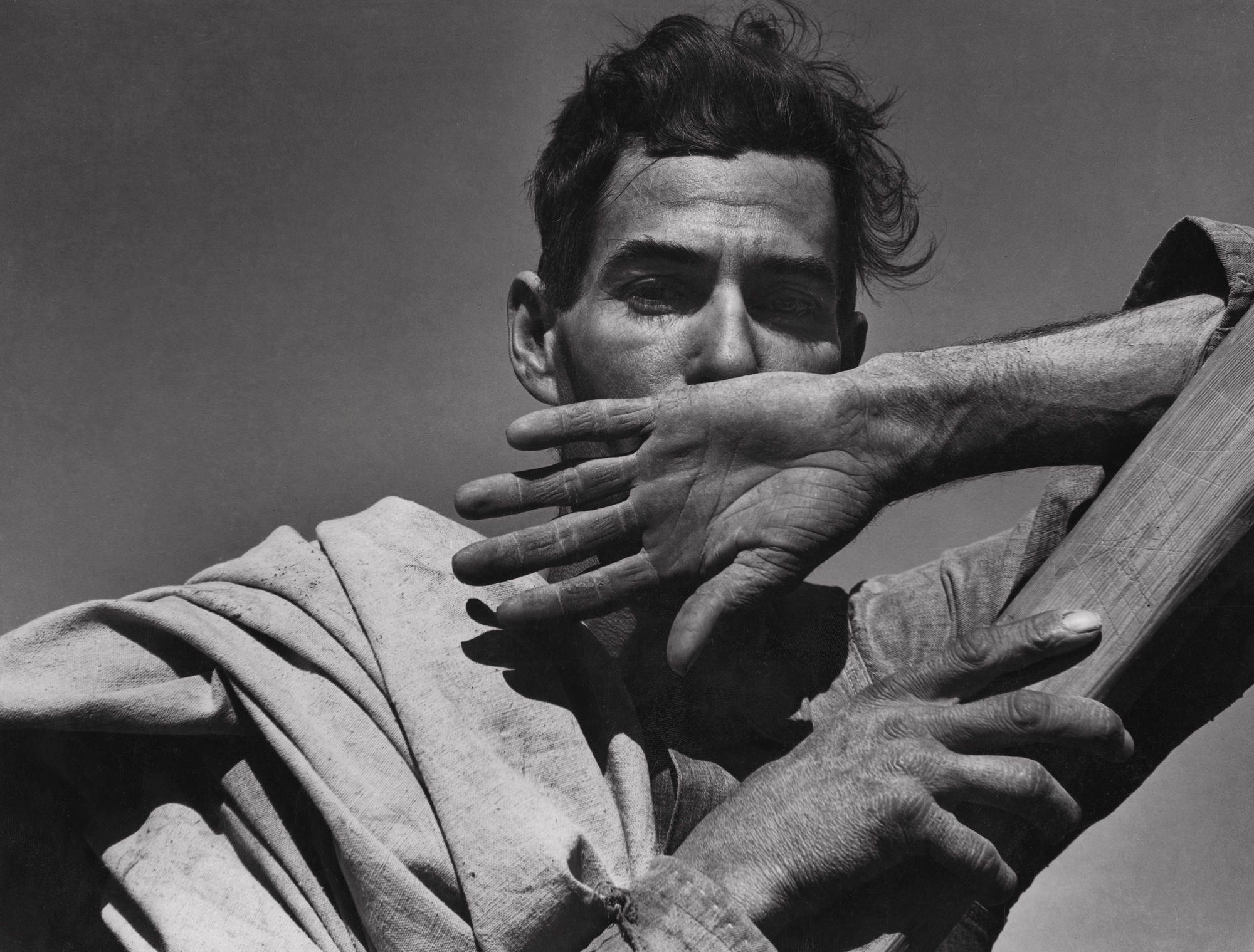

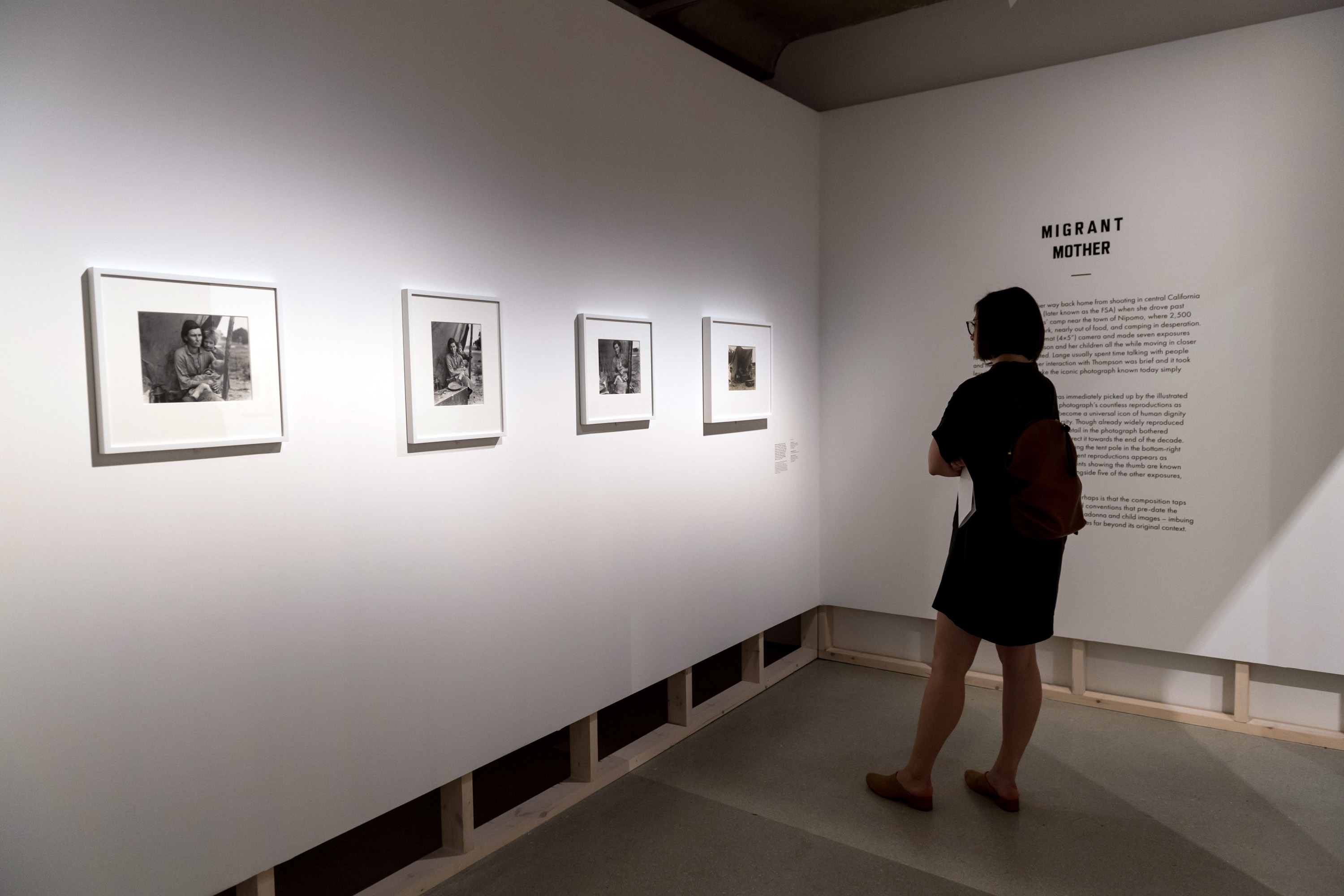
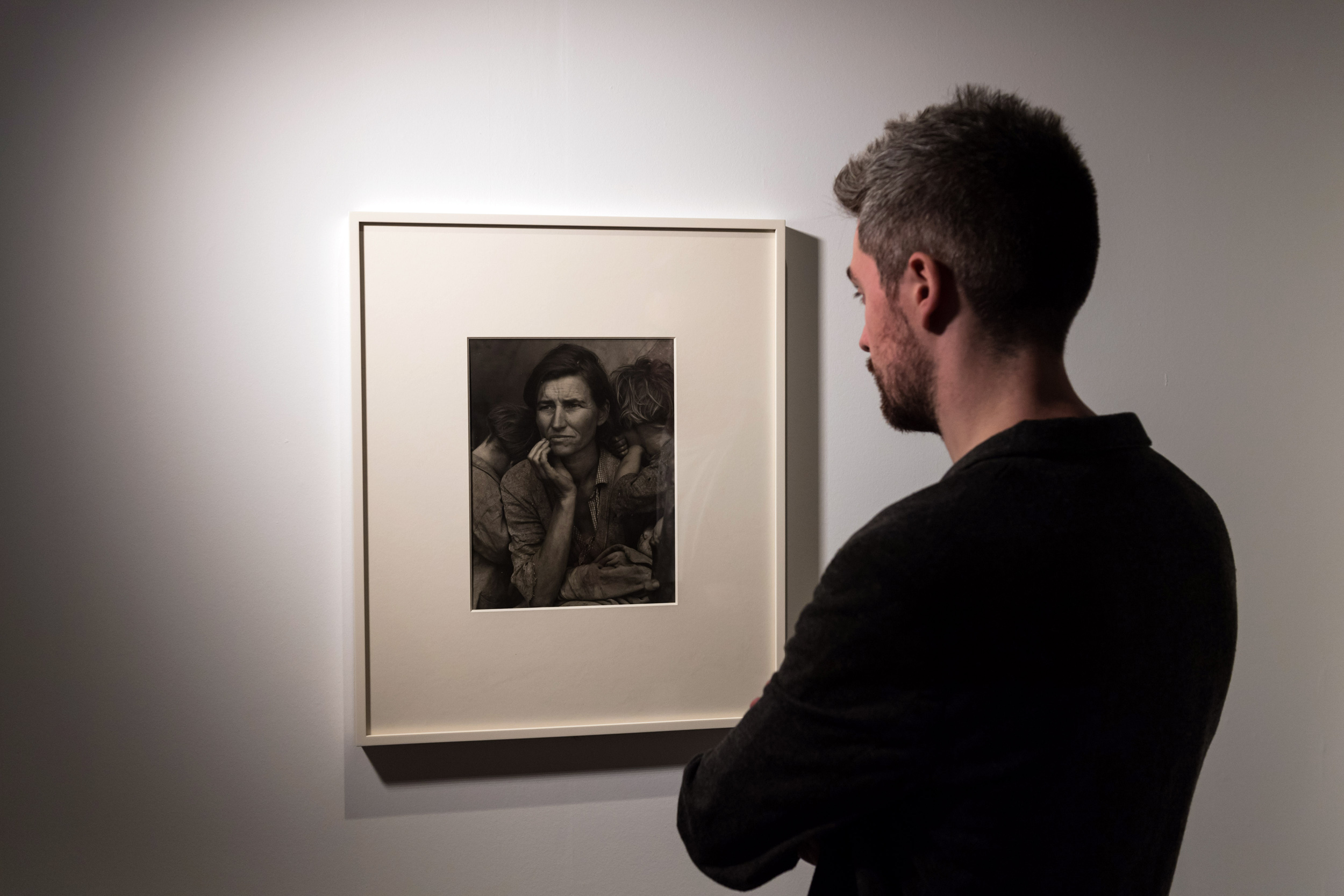
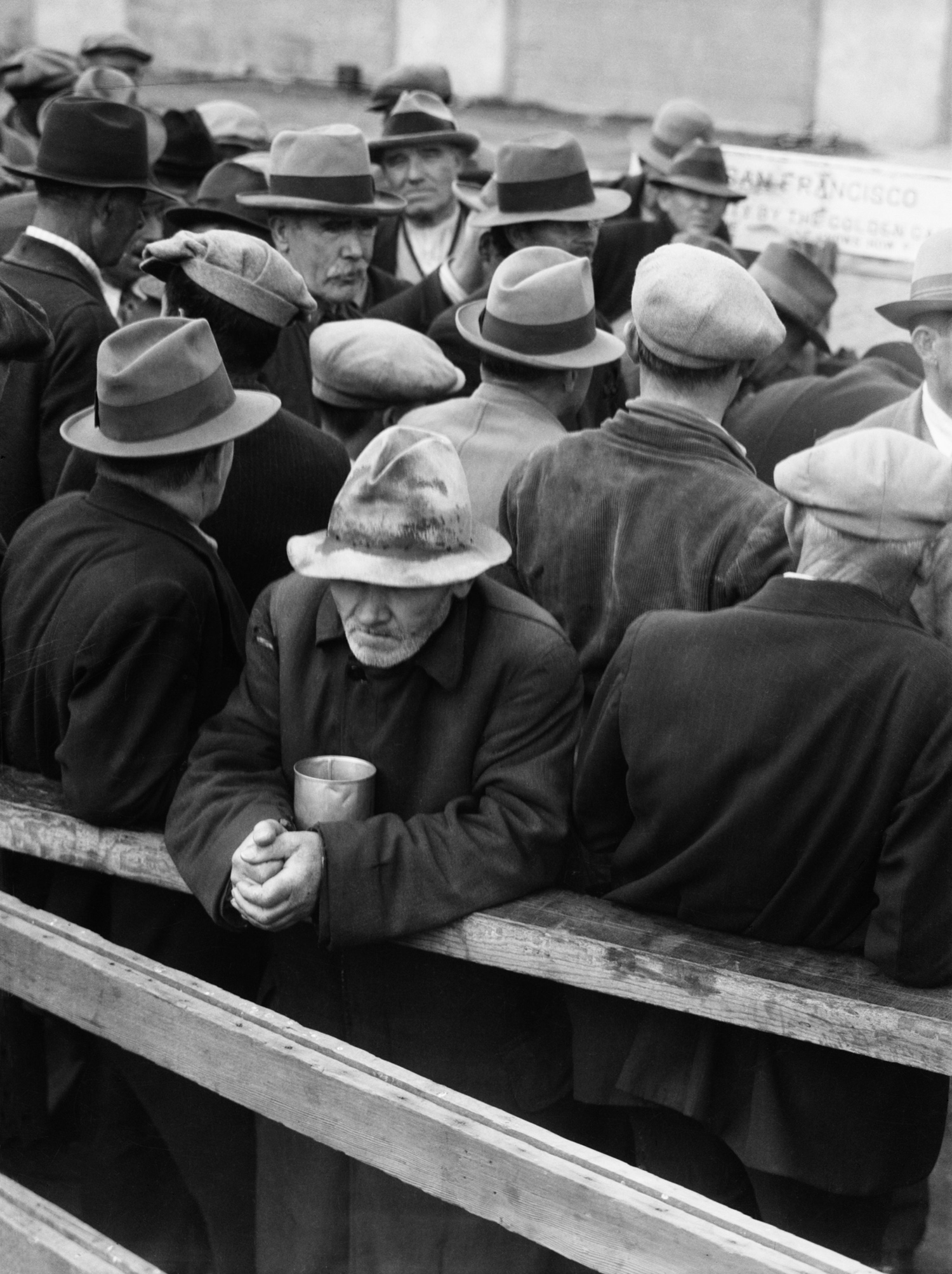
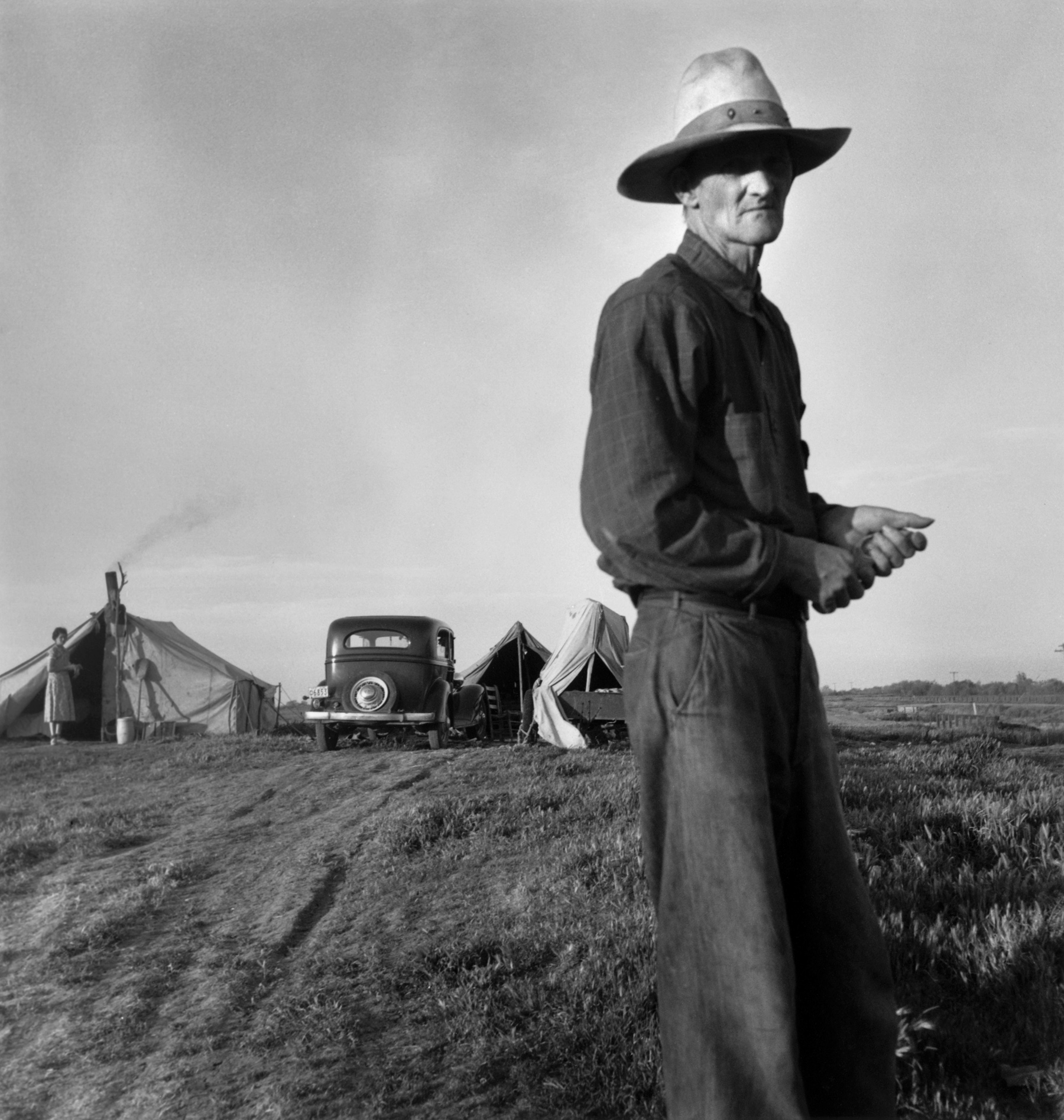
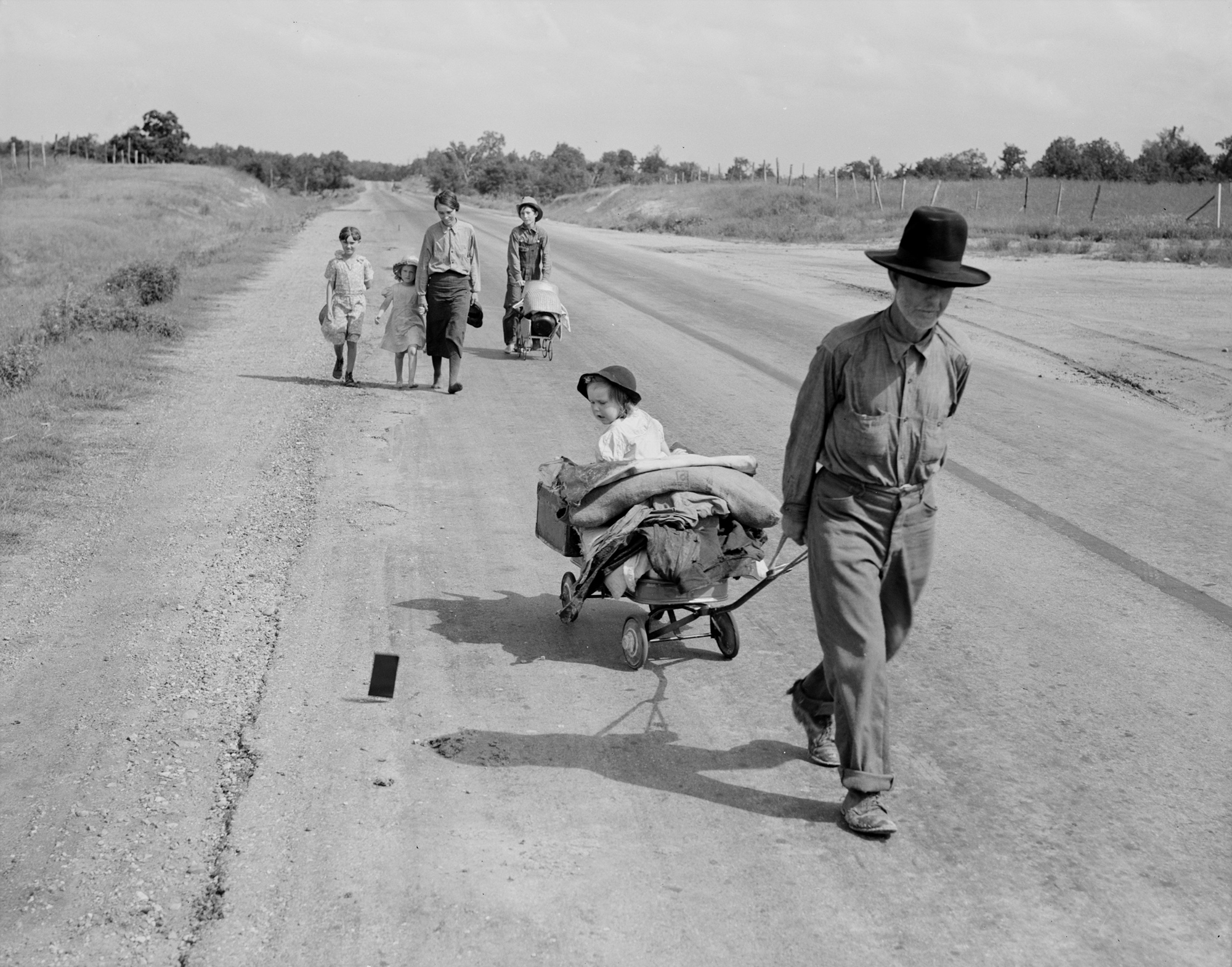
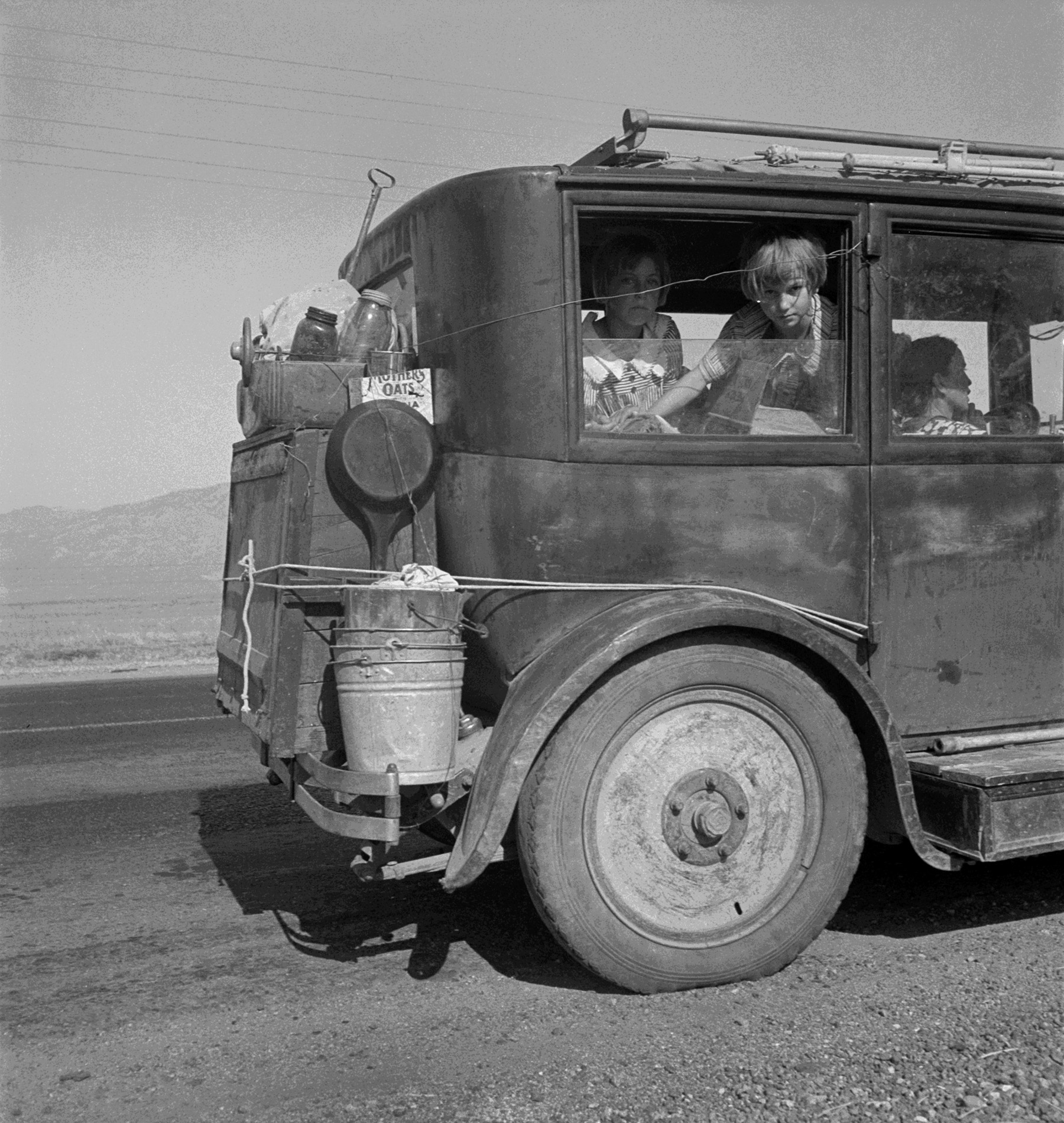
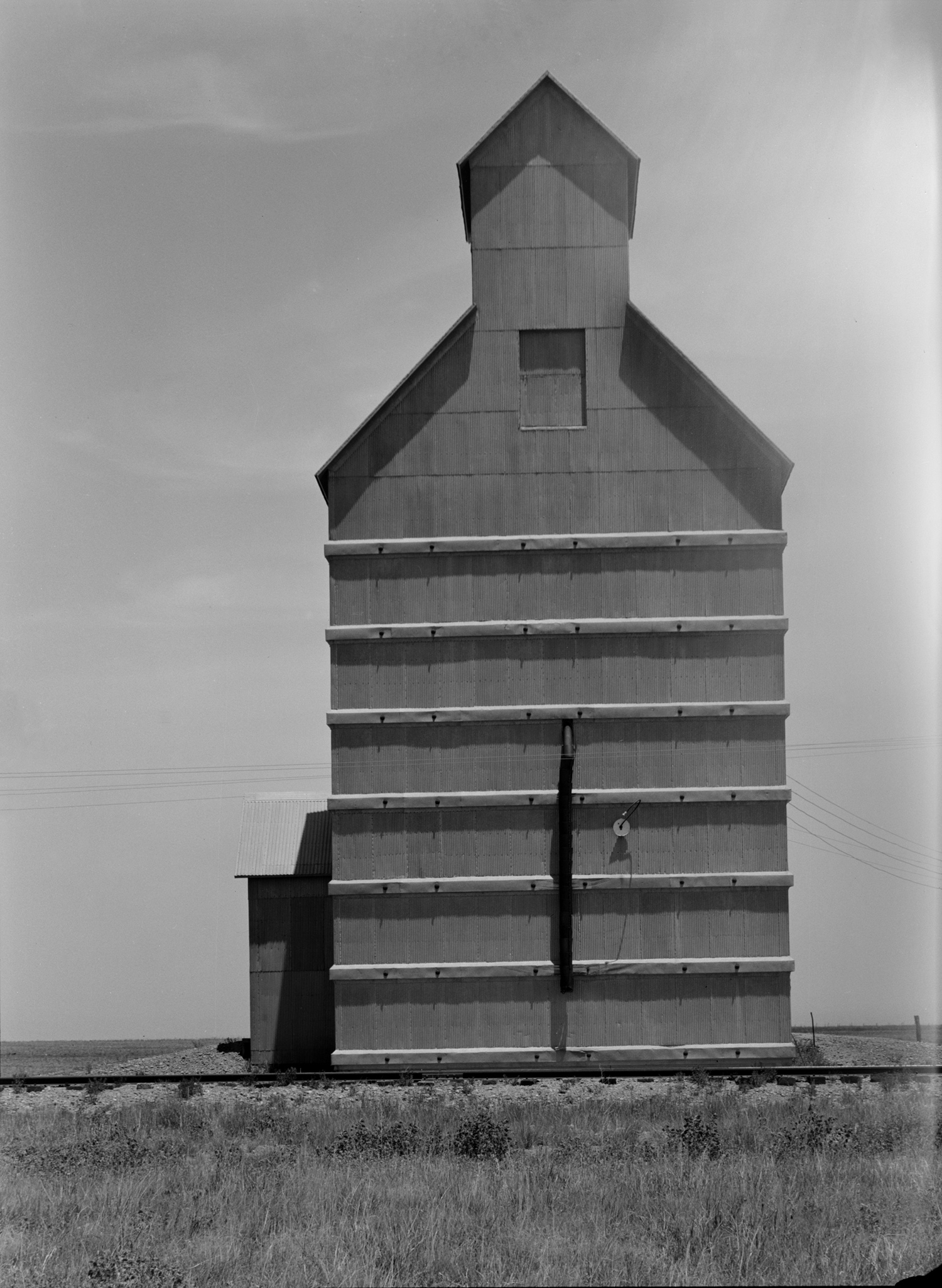
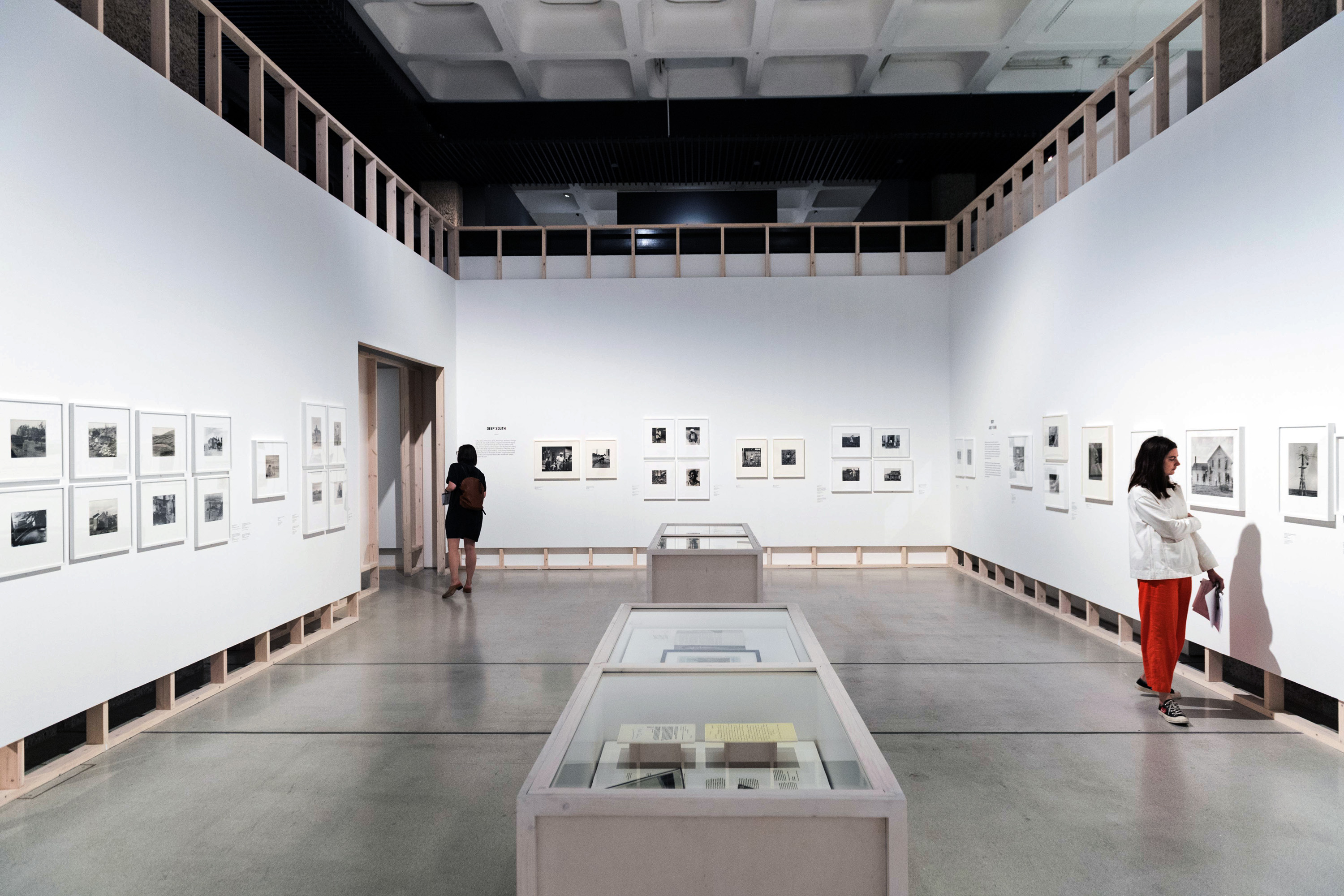
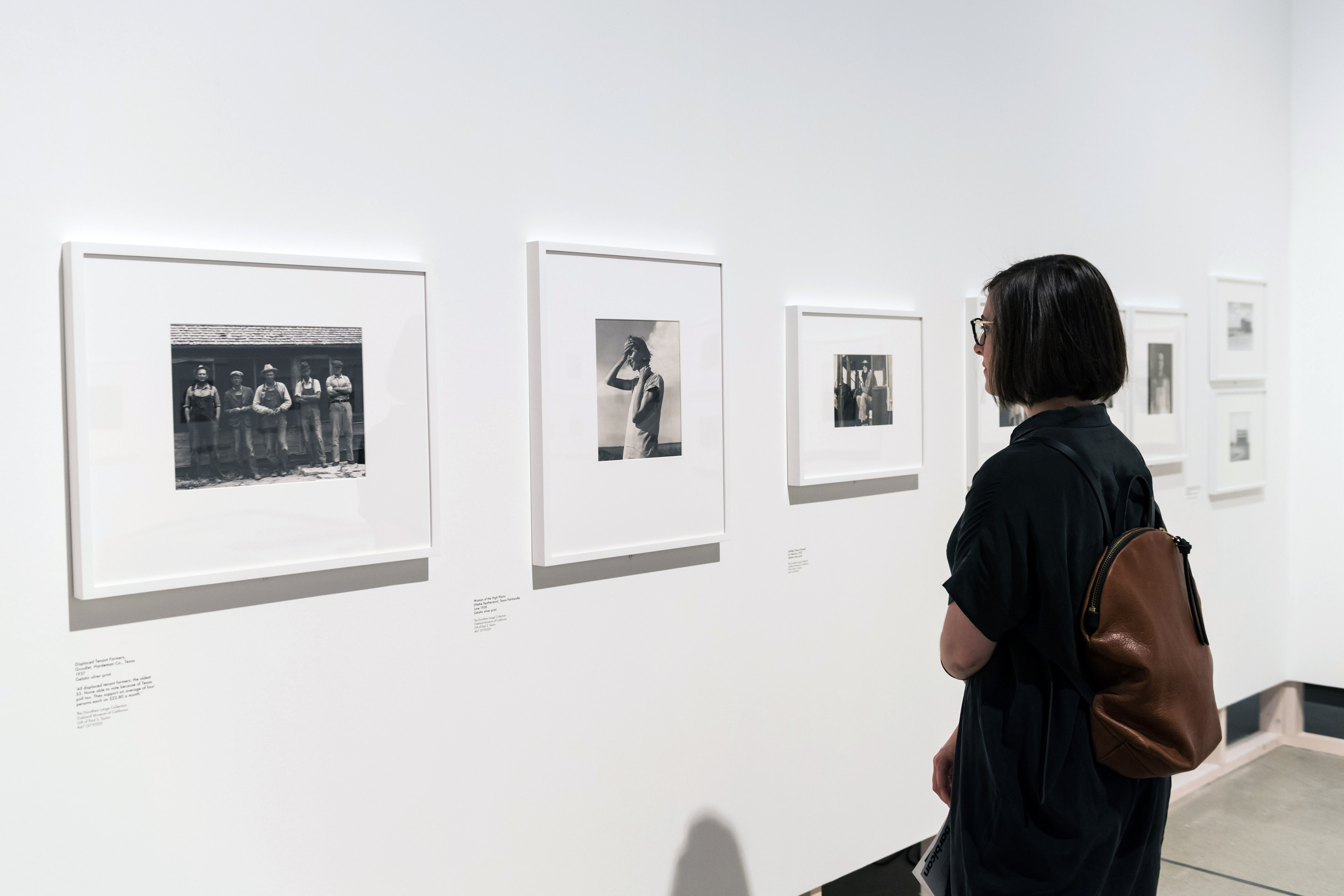
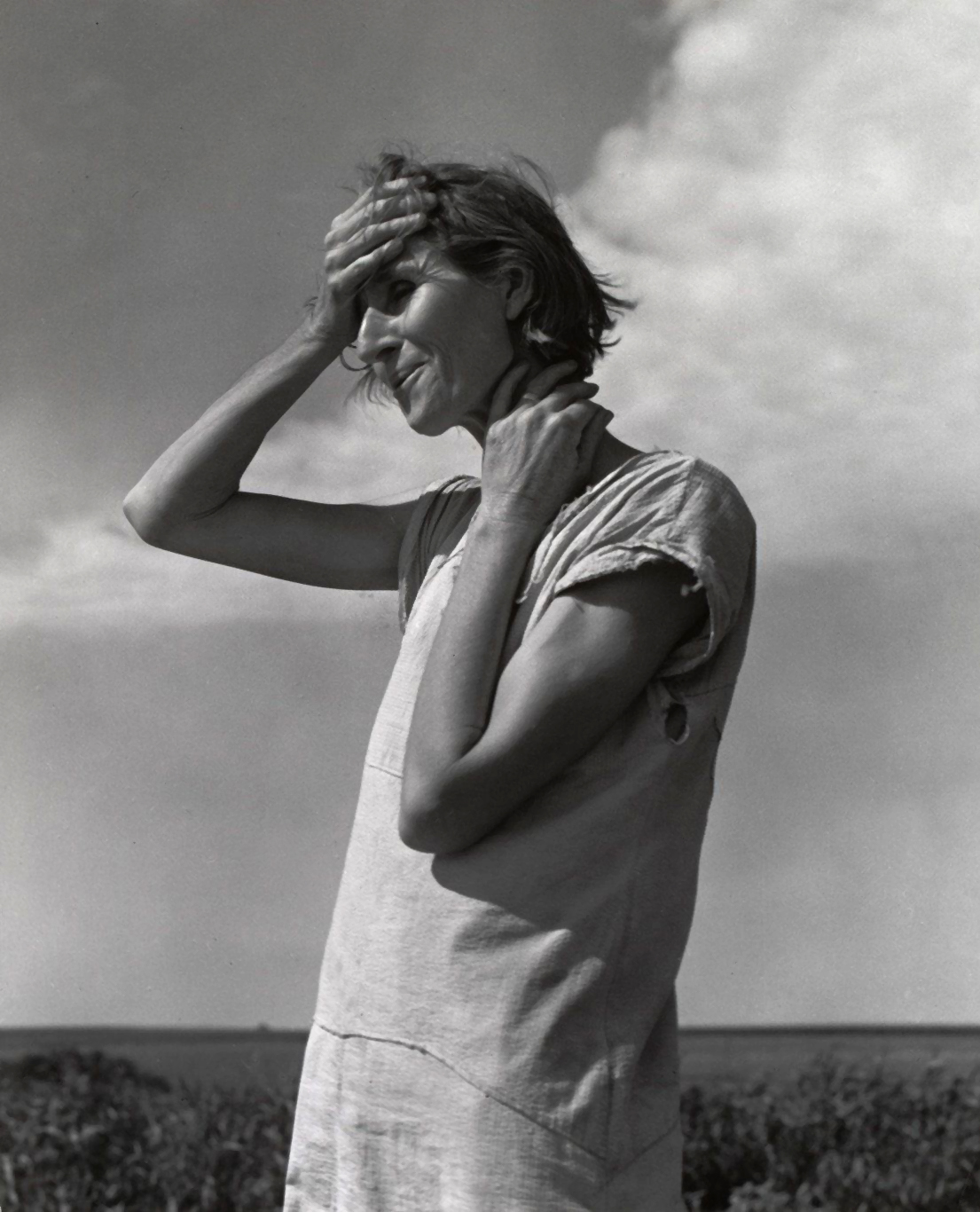
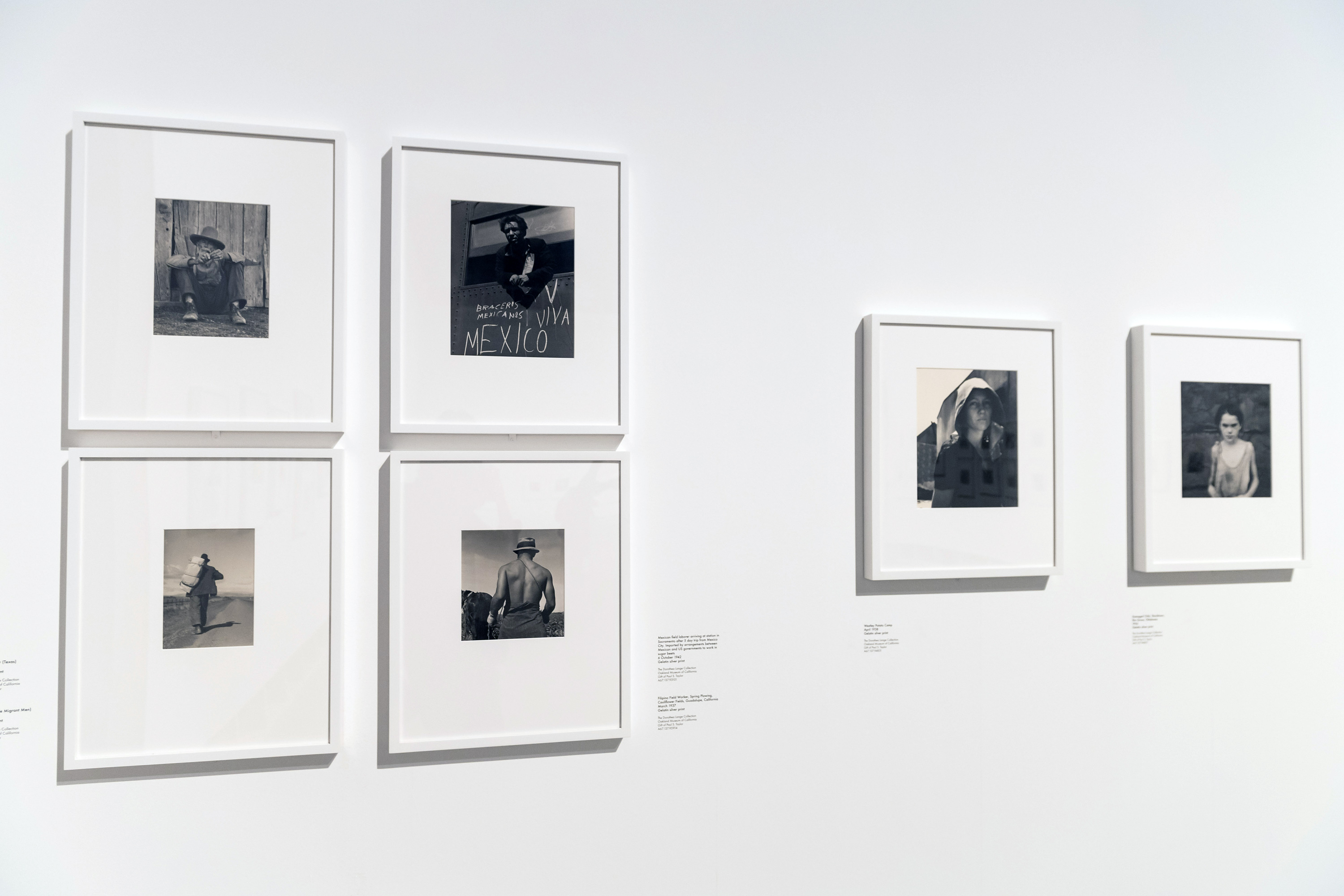
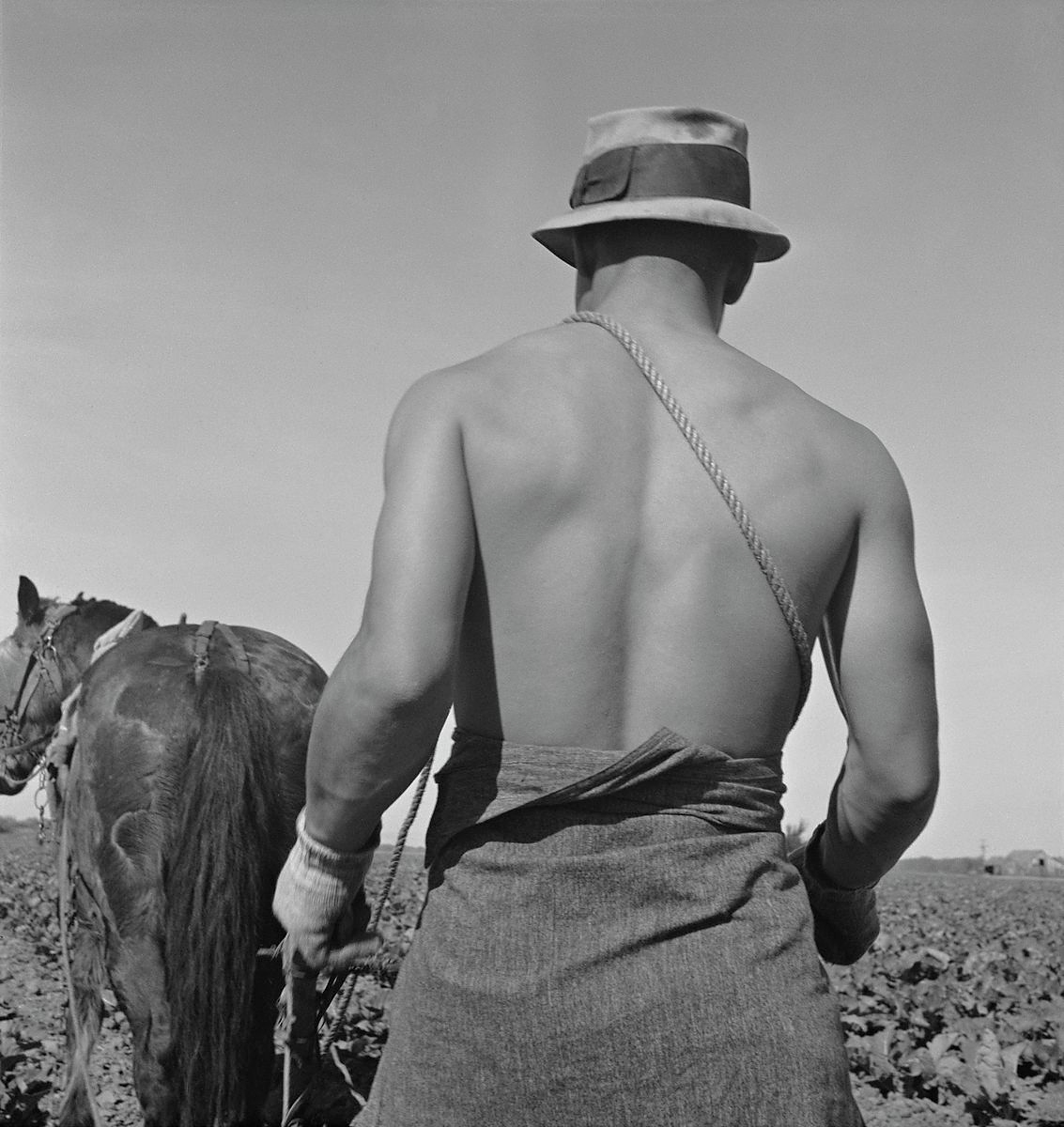
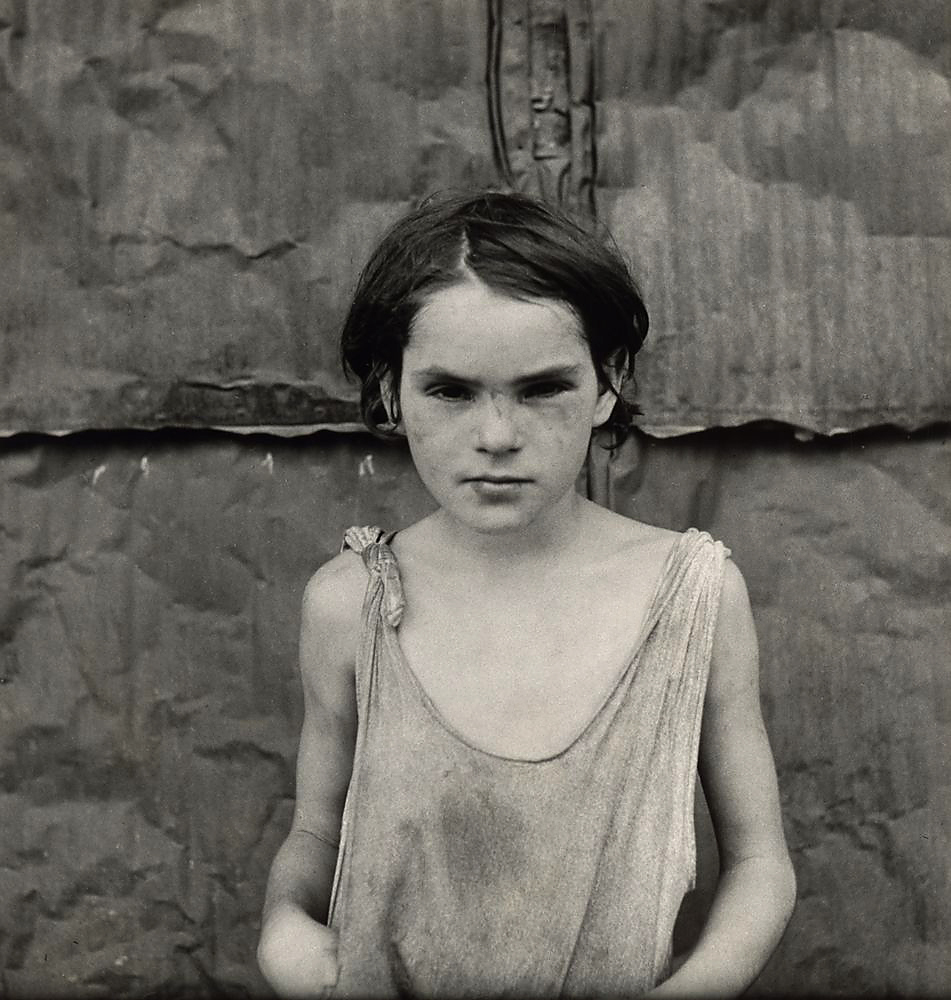
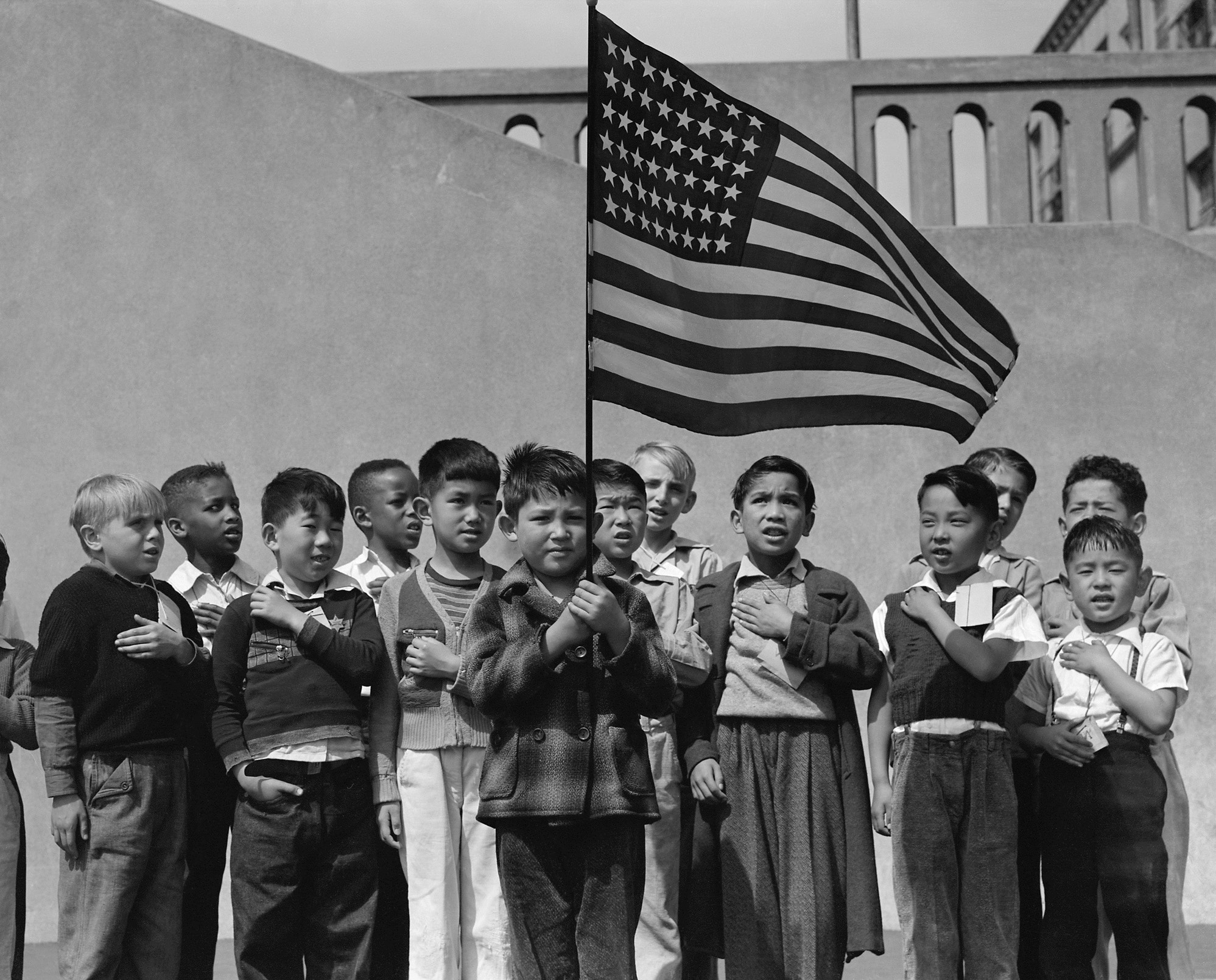
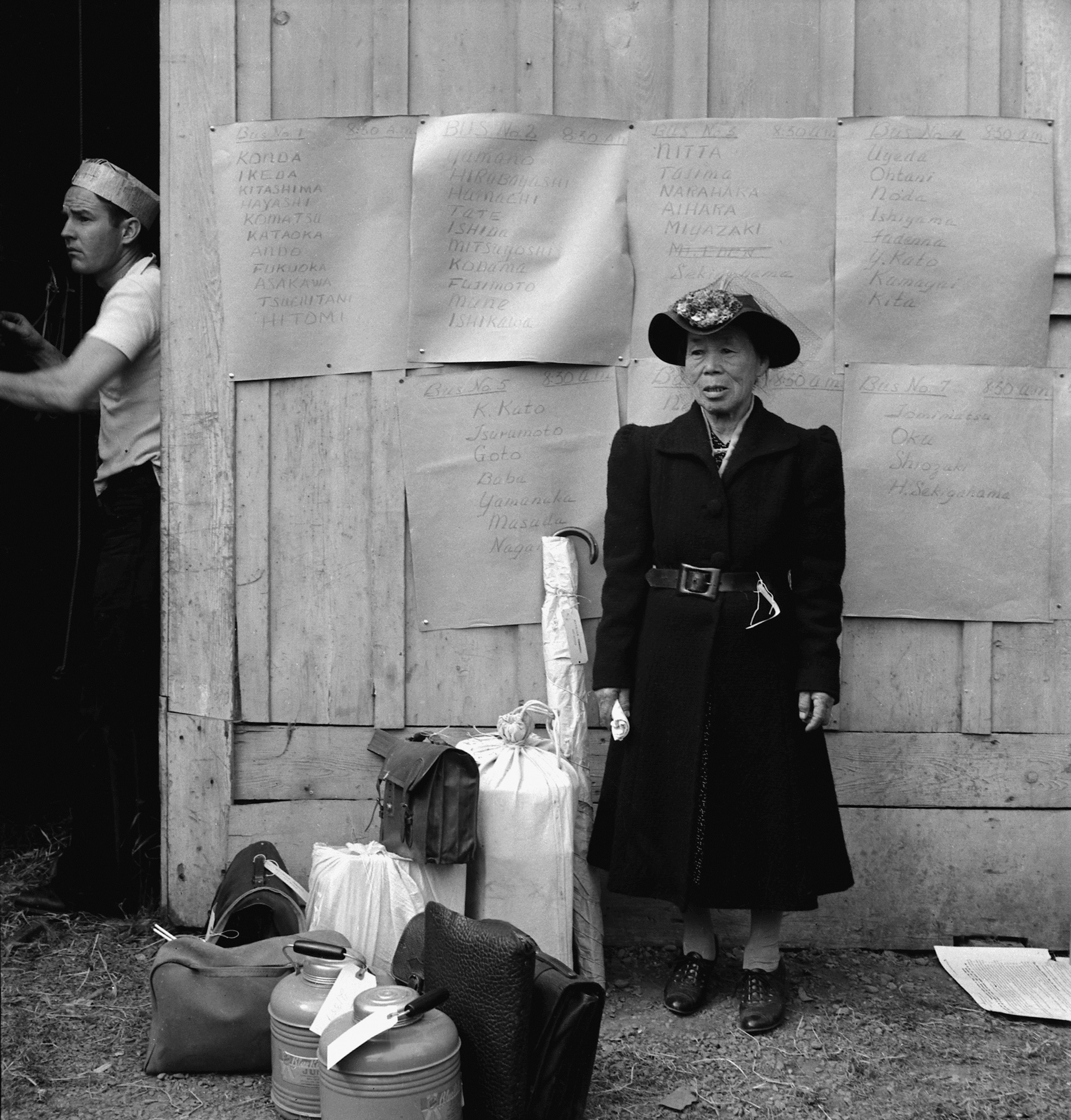
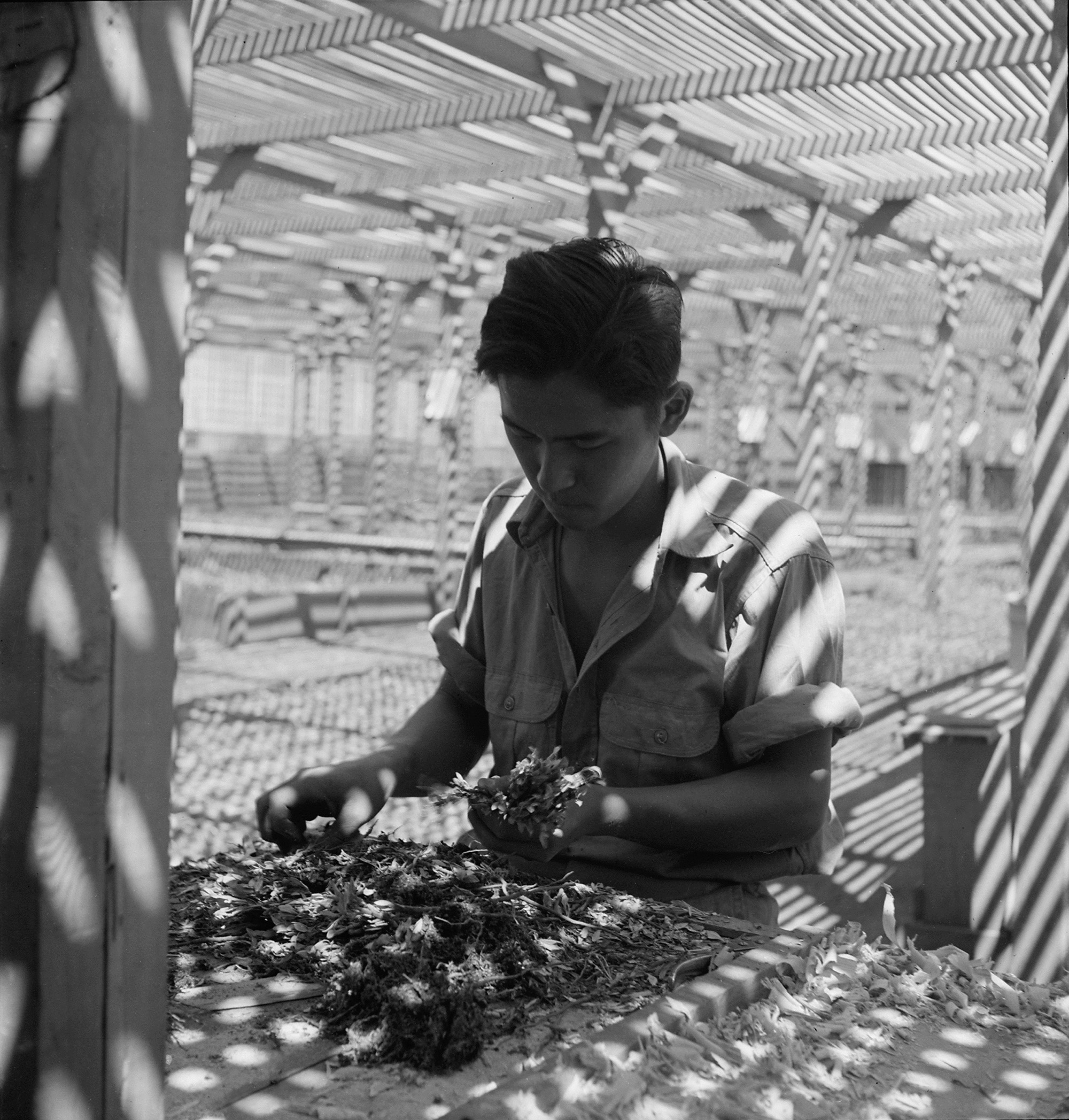
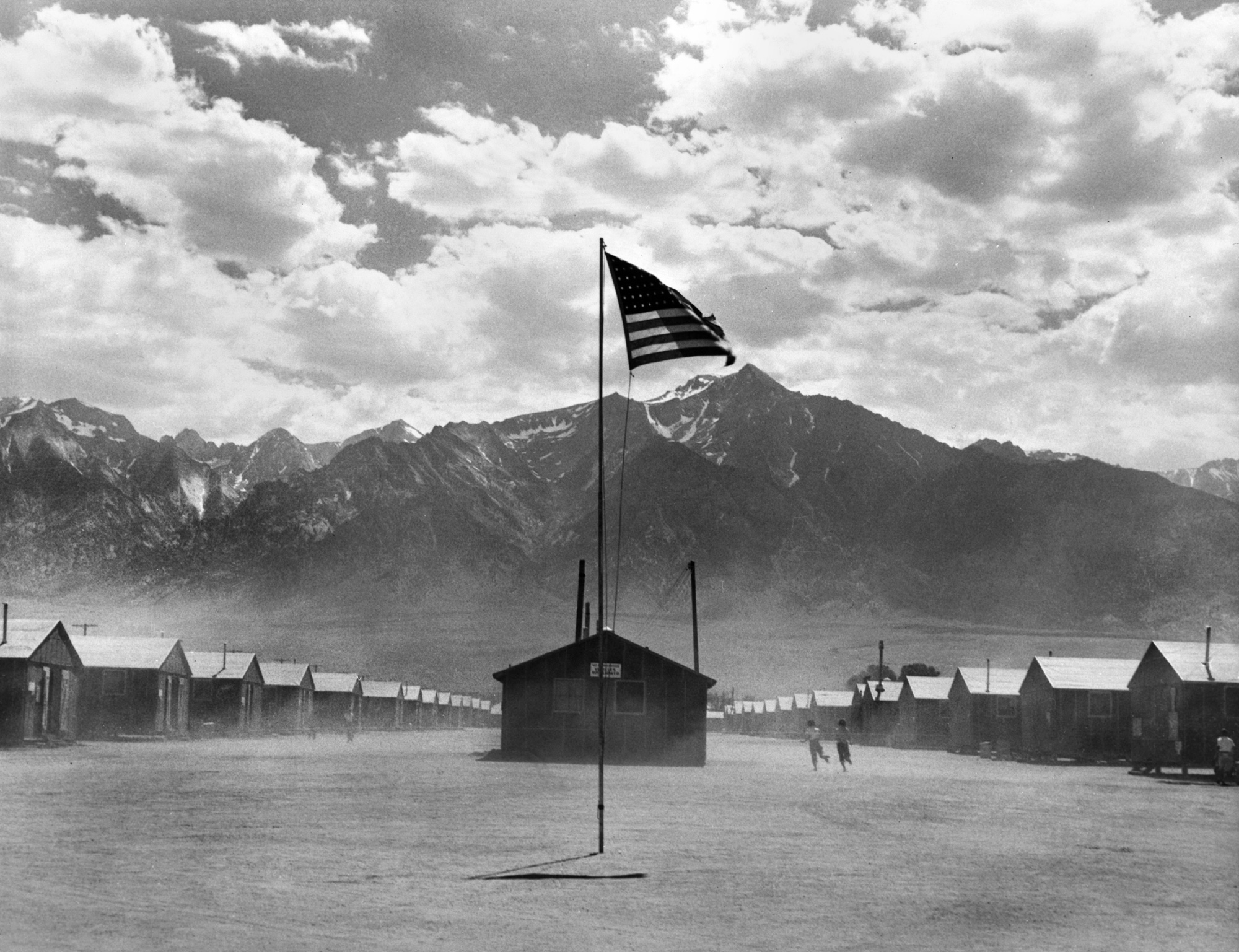
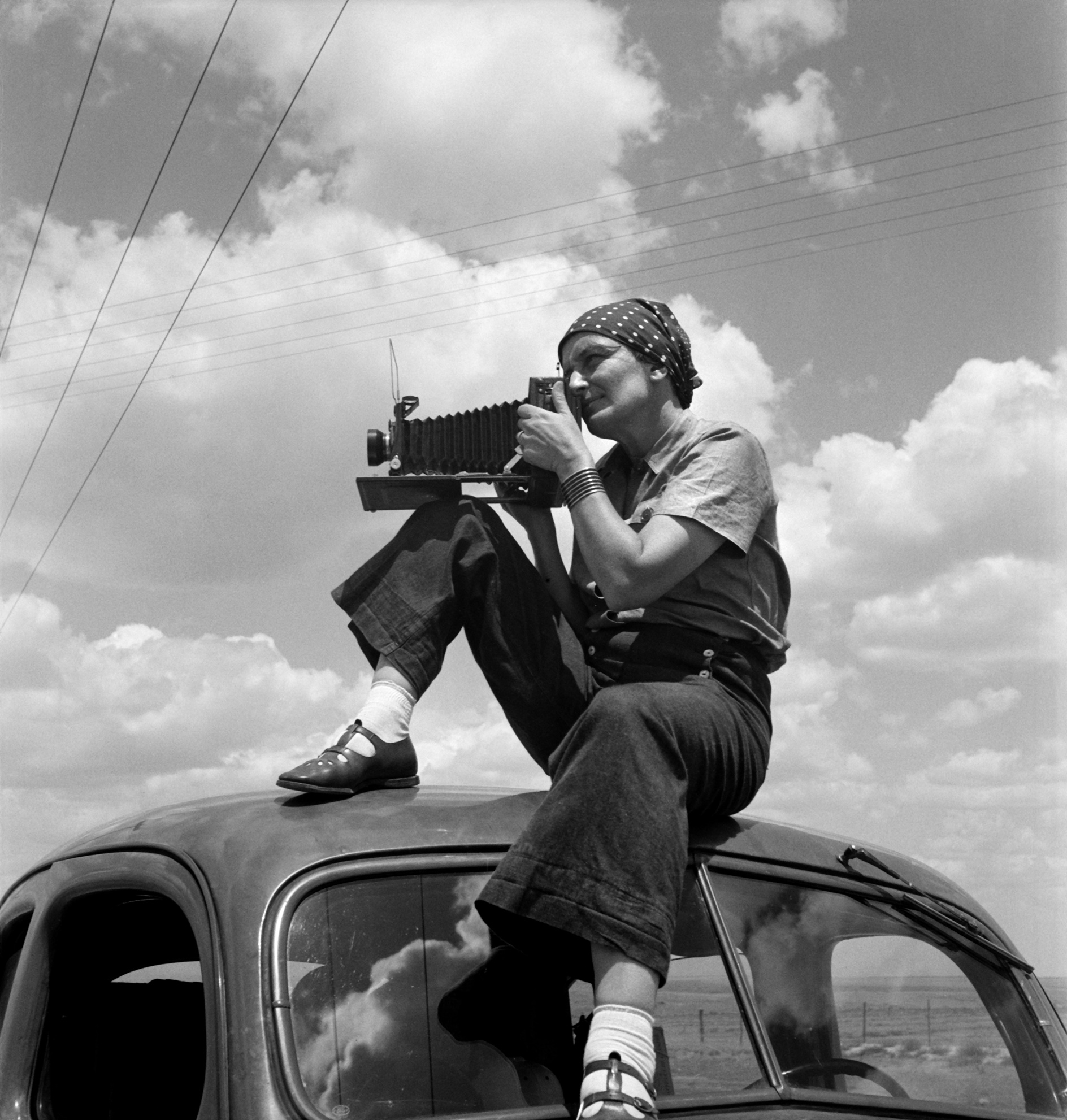
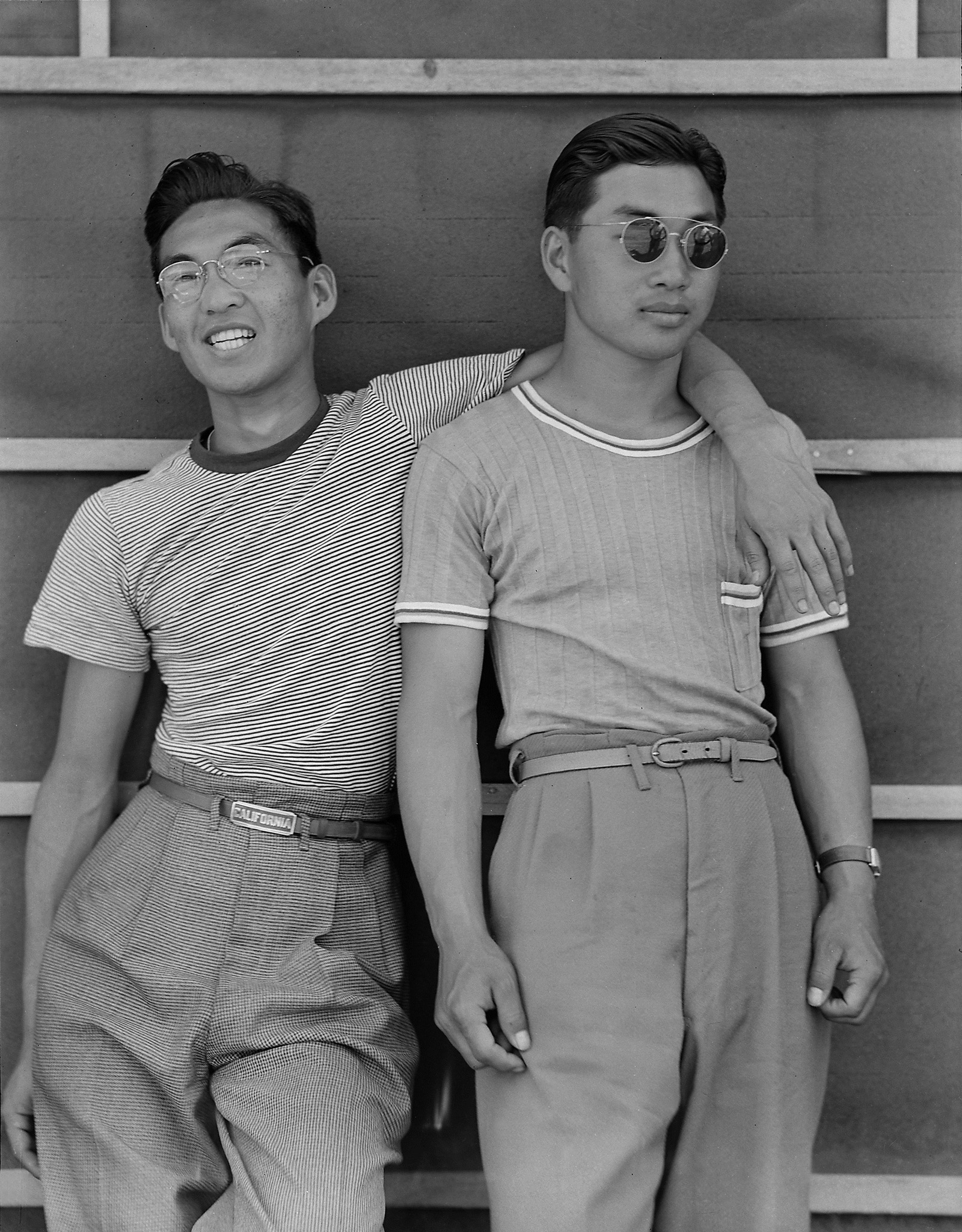
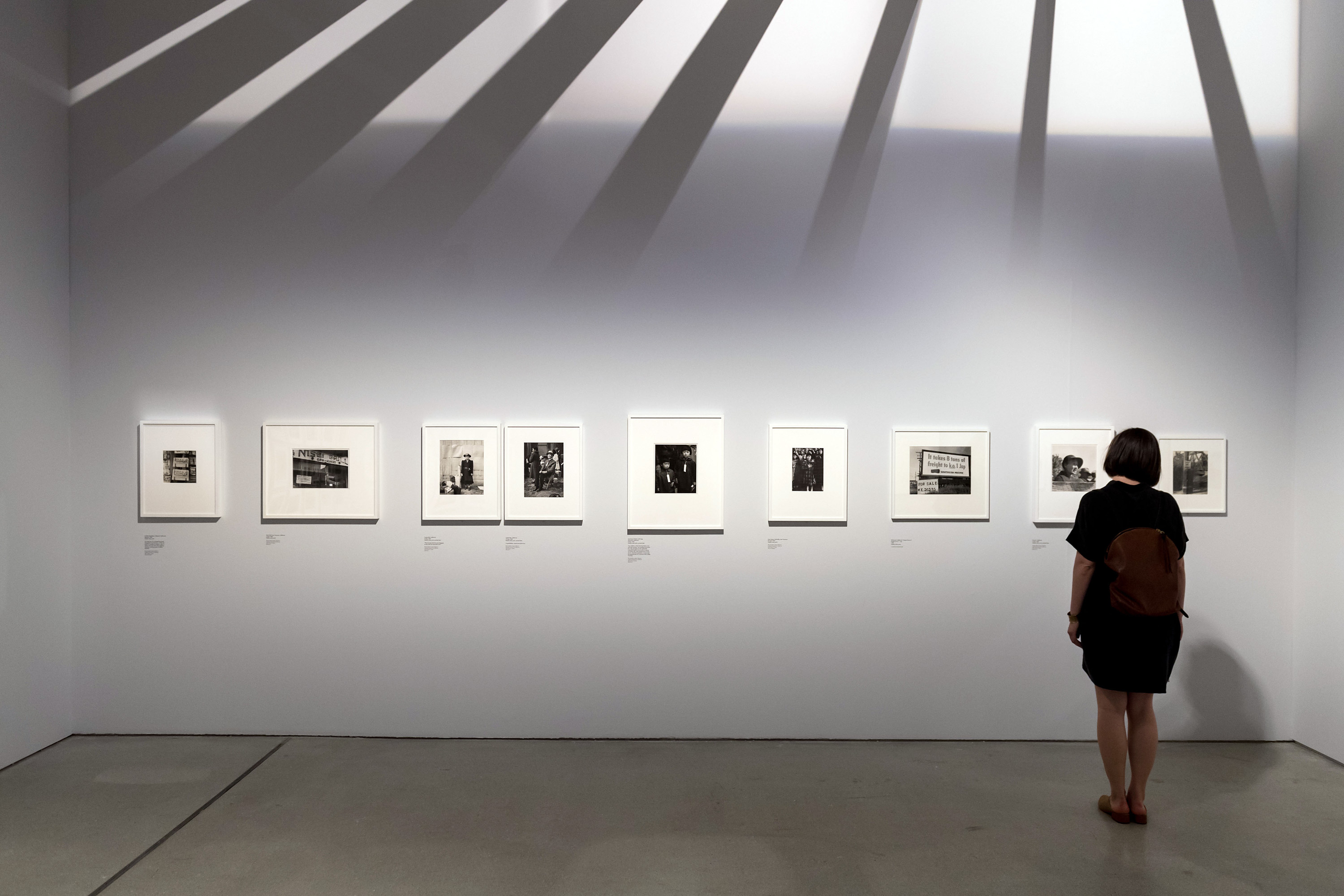
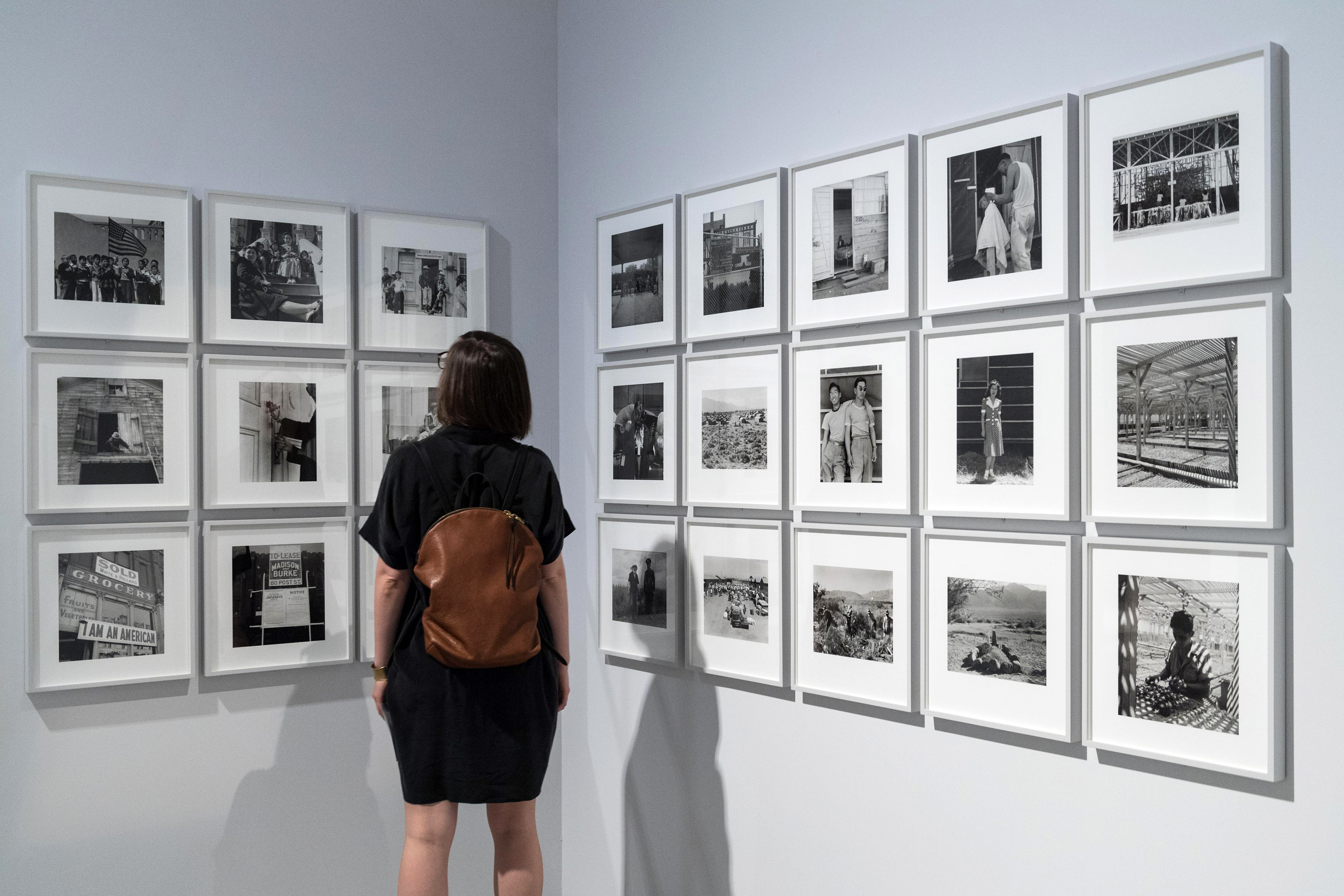
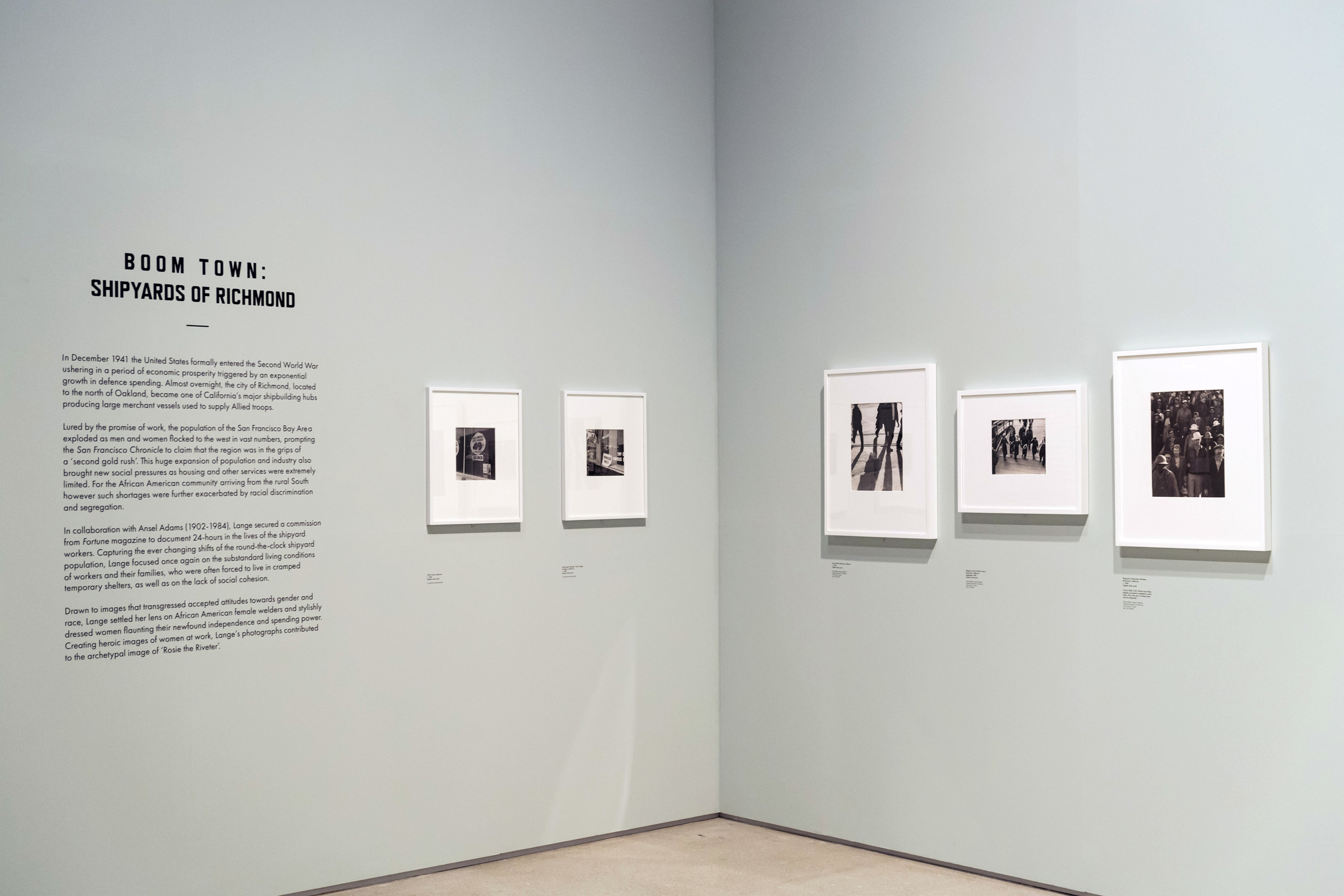
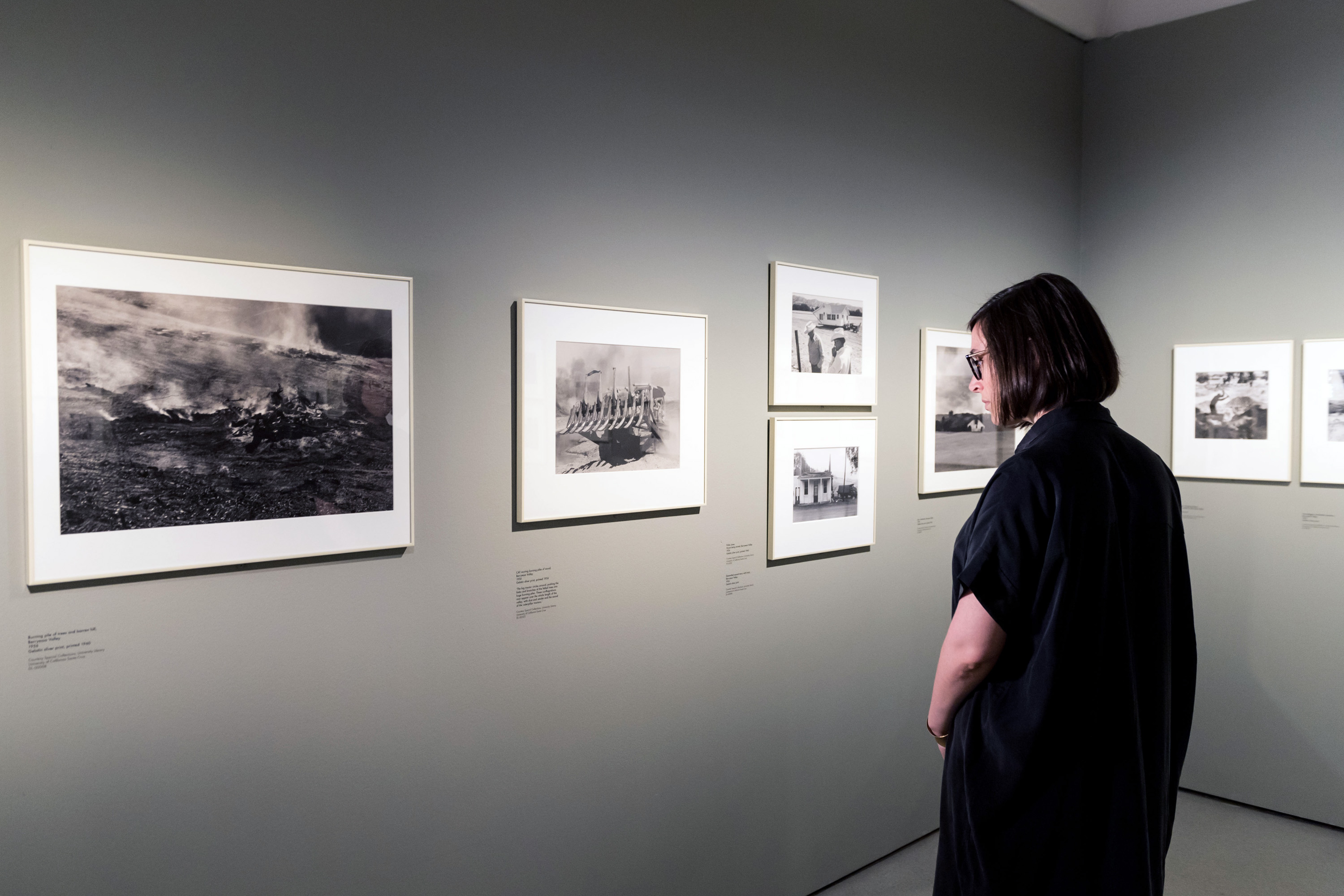
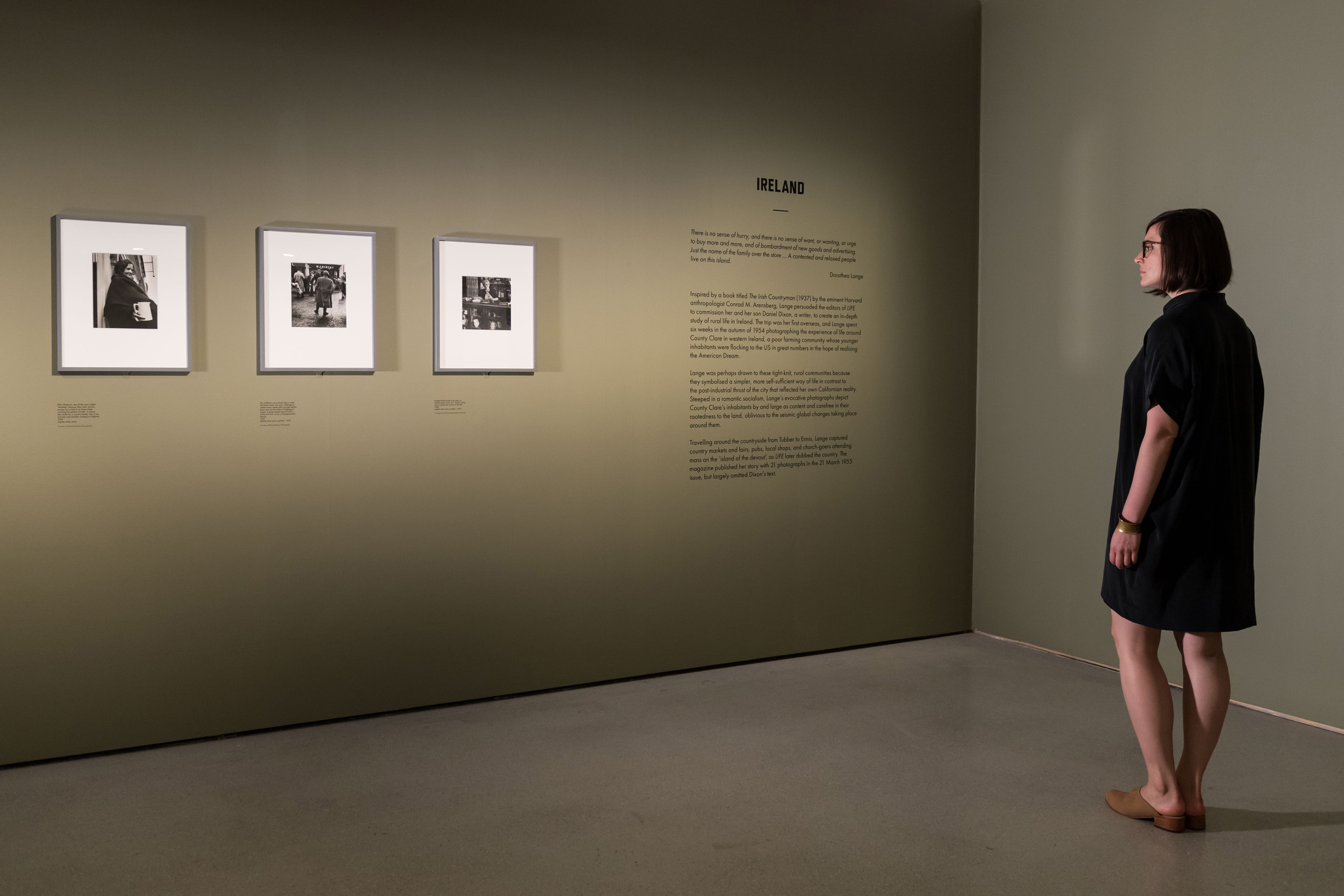


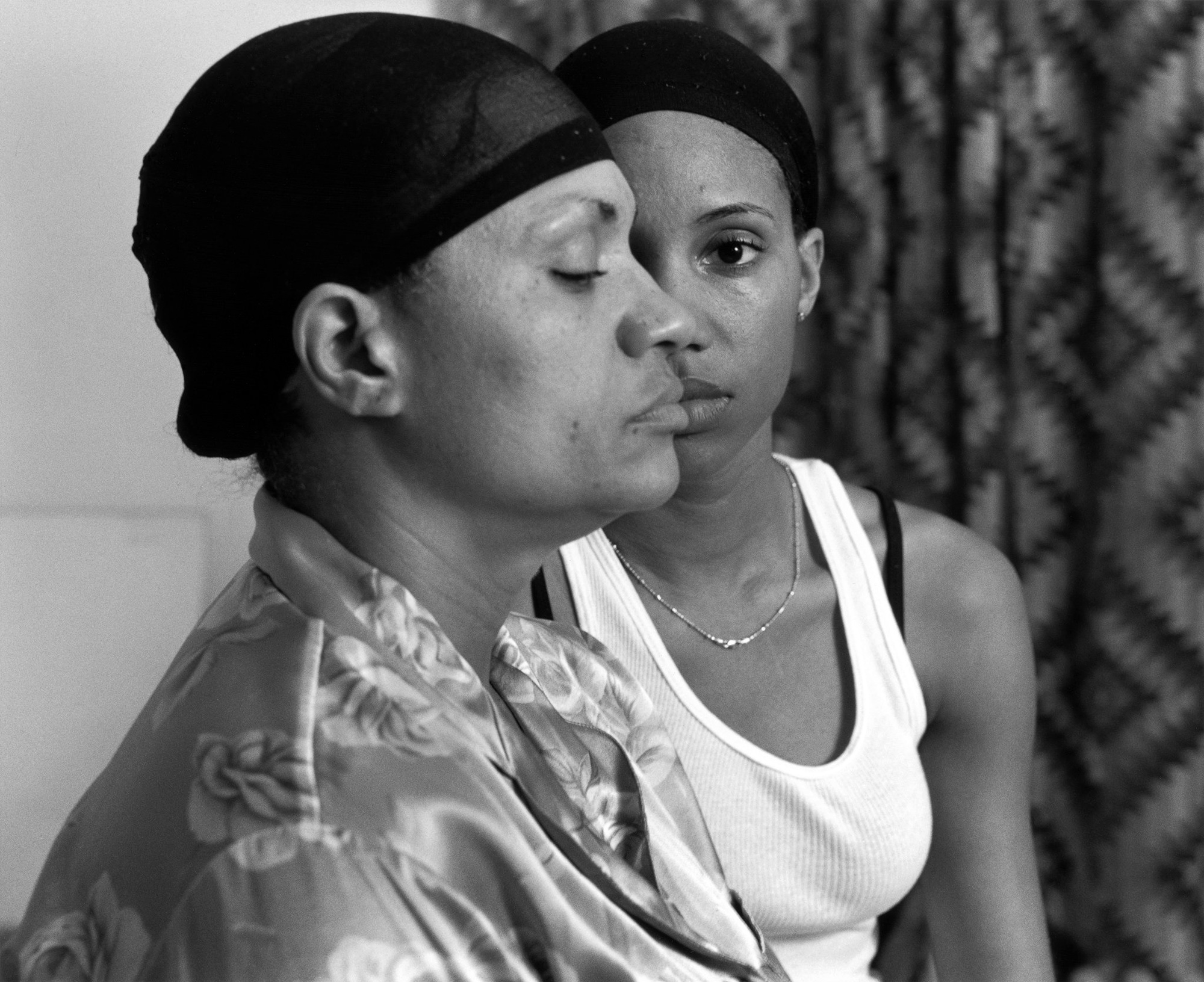

![Photographer unknown (American) 'Untitled [Hidden Mother]' c. 1860s-1870s](https://artblart.com/wp-content/uploads/2018/05/13_hidden-mother_artist-unidentified-web.jpg "Photographer unknown (American) 'Untitled [Hidden Mother]' c. 1860s-1870s")


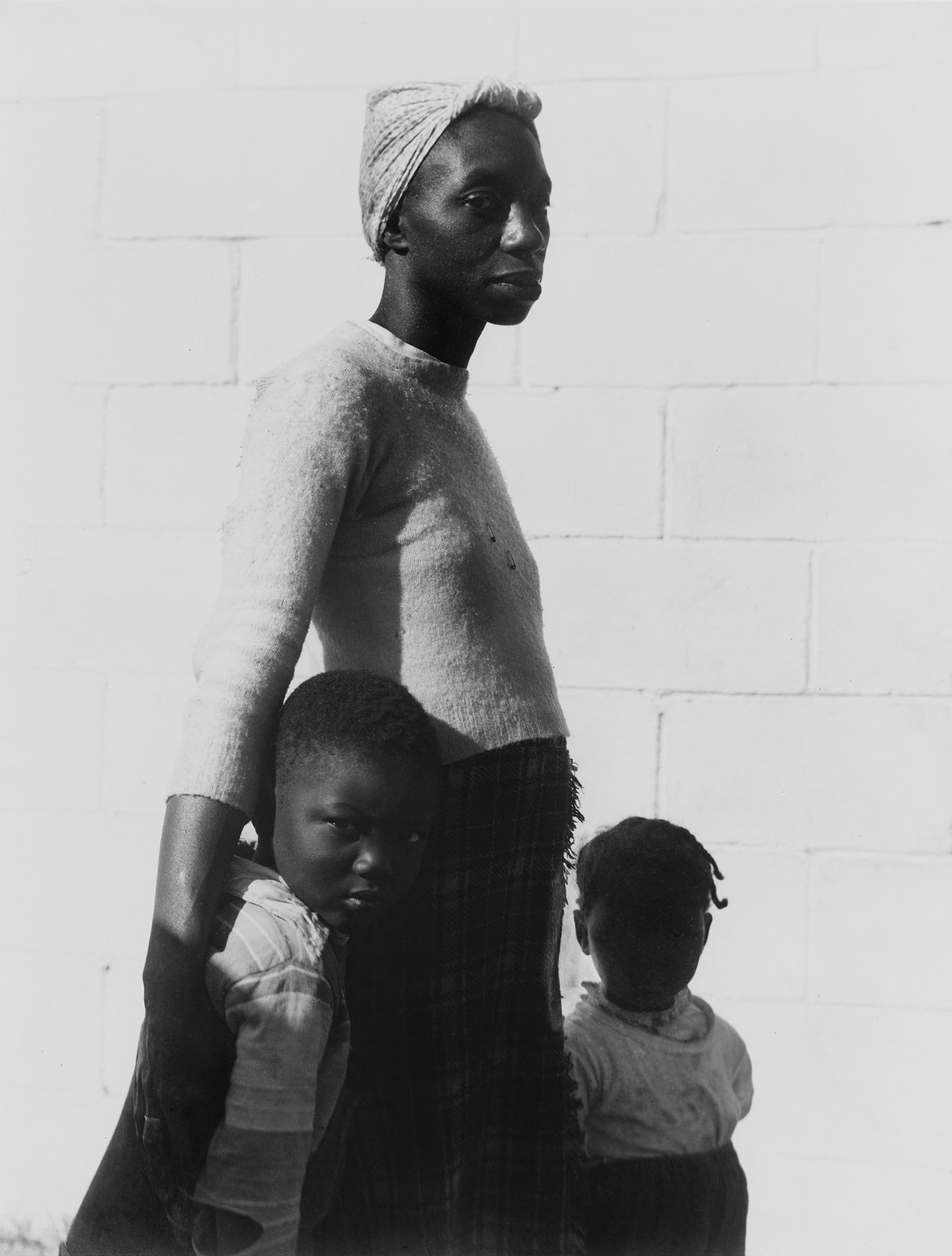
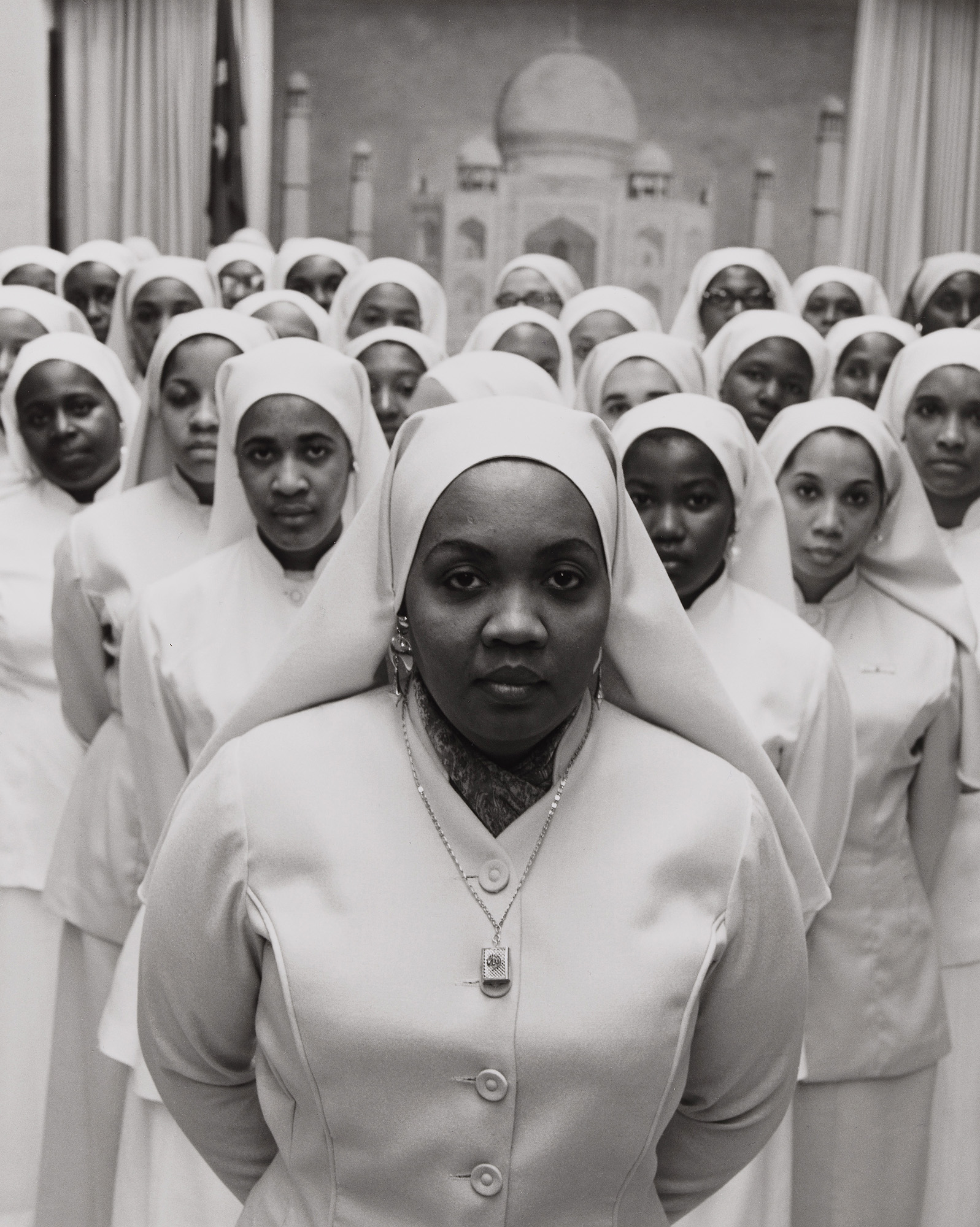


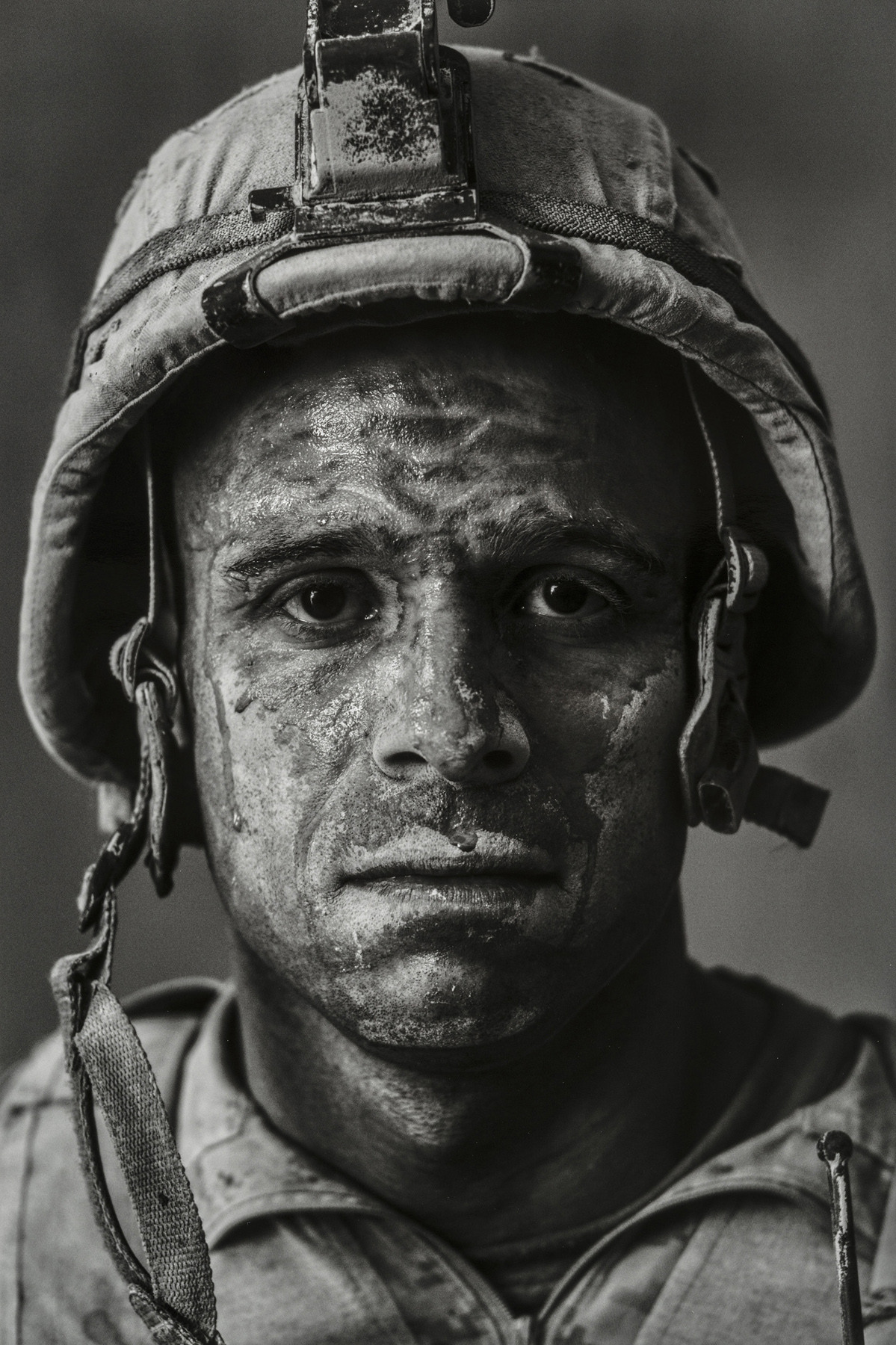


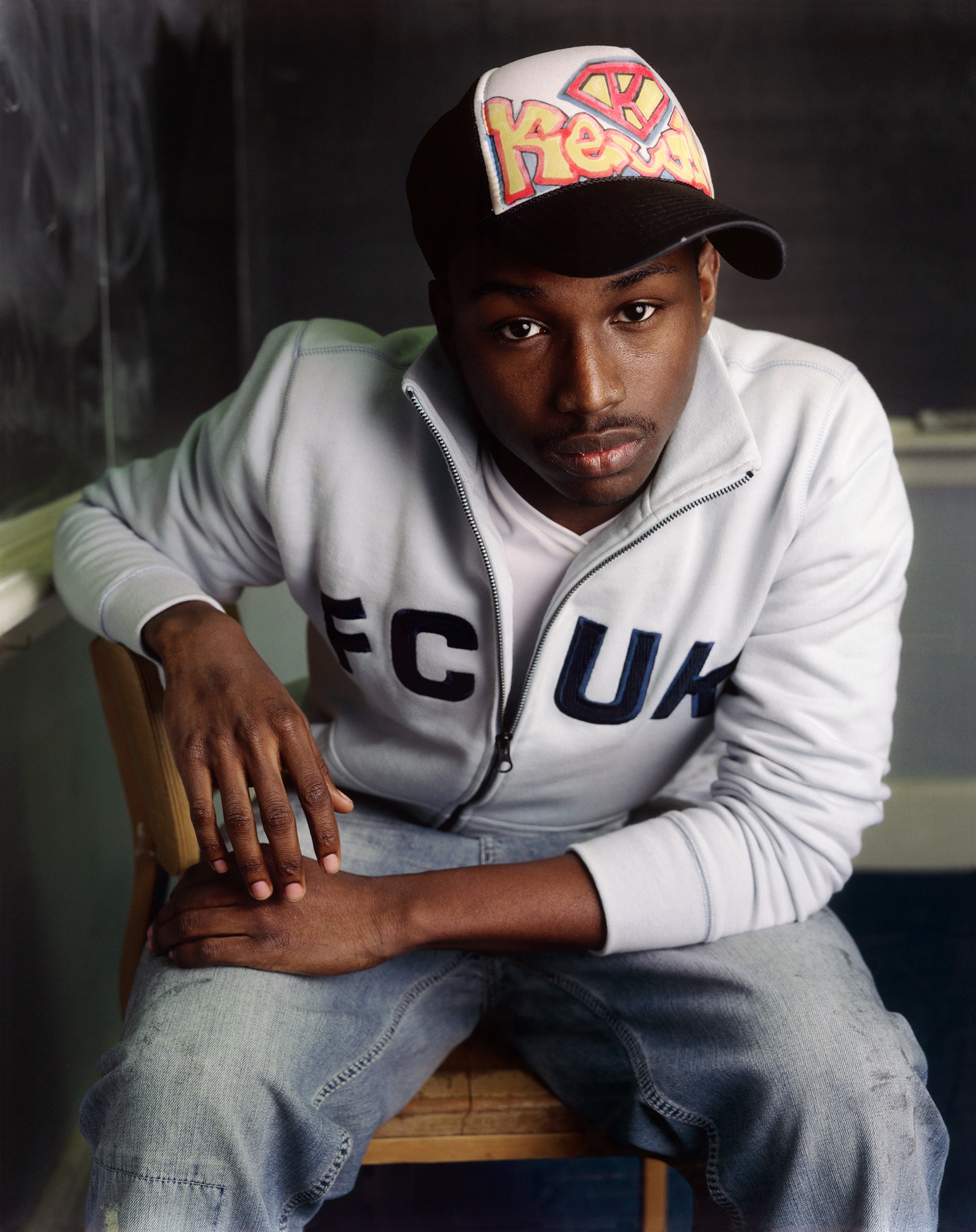


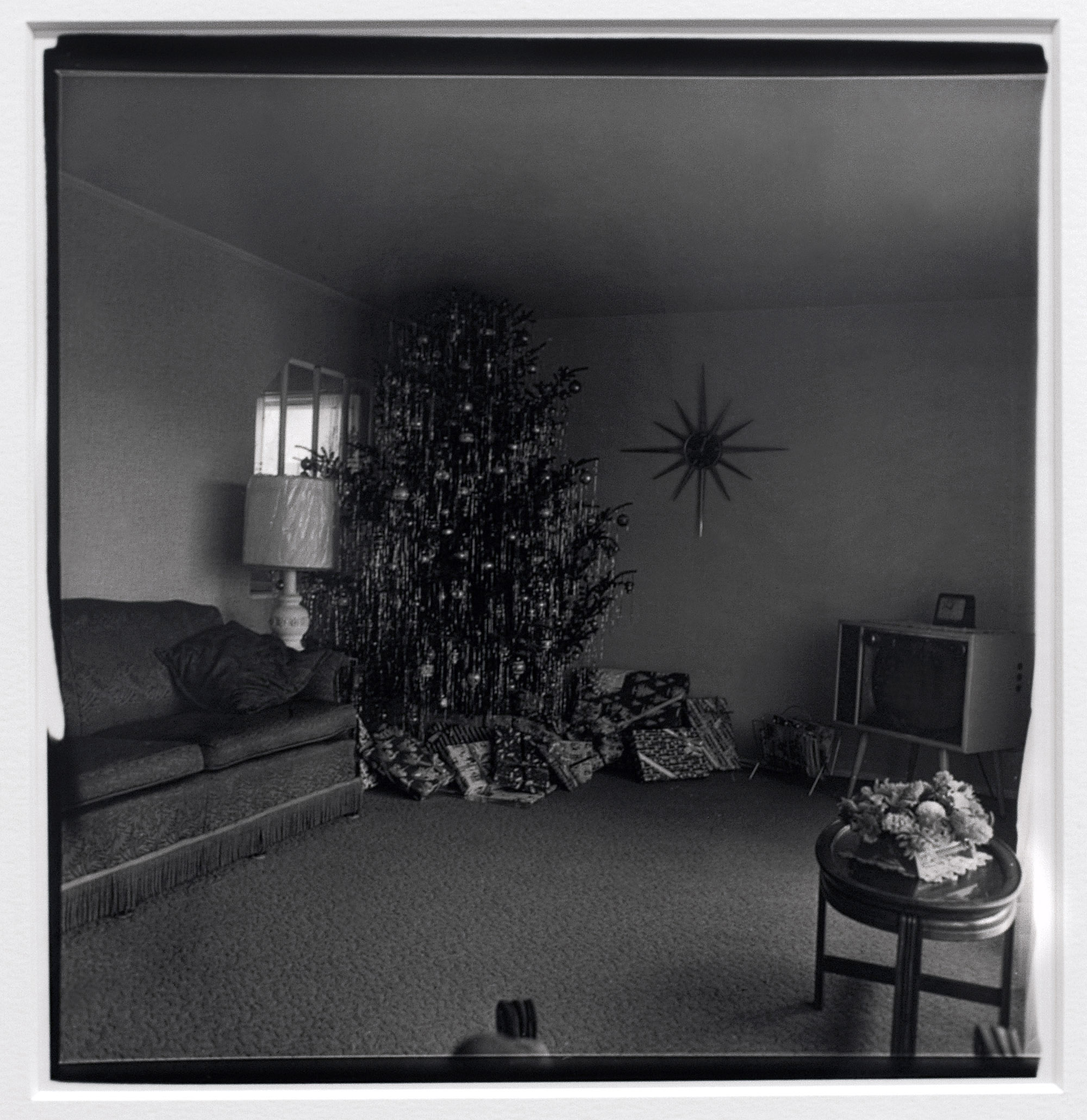


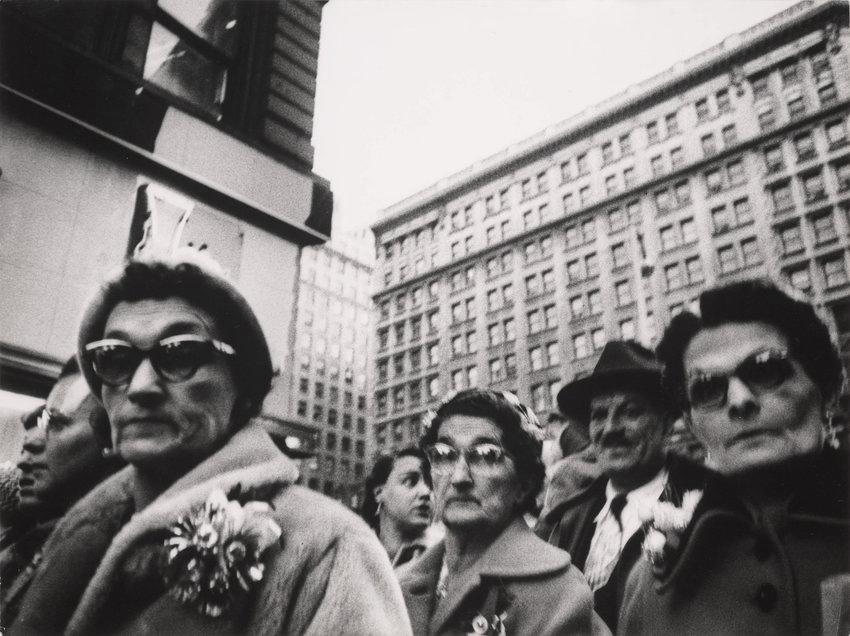

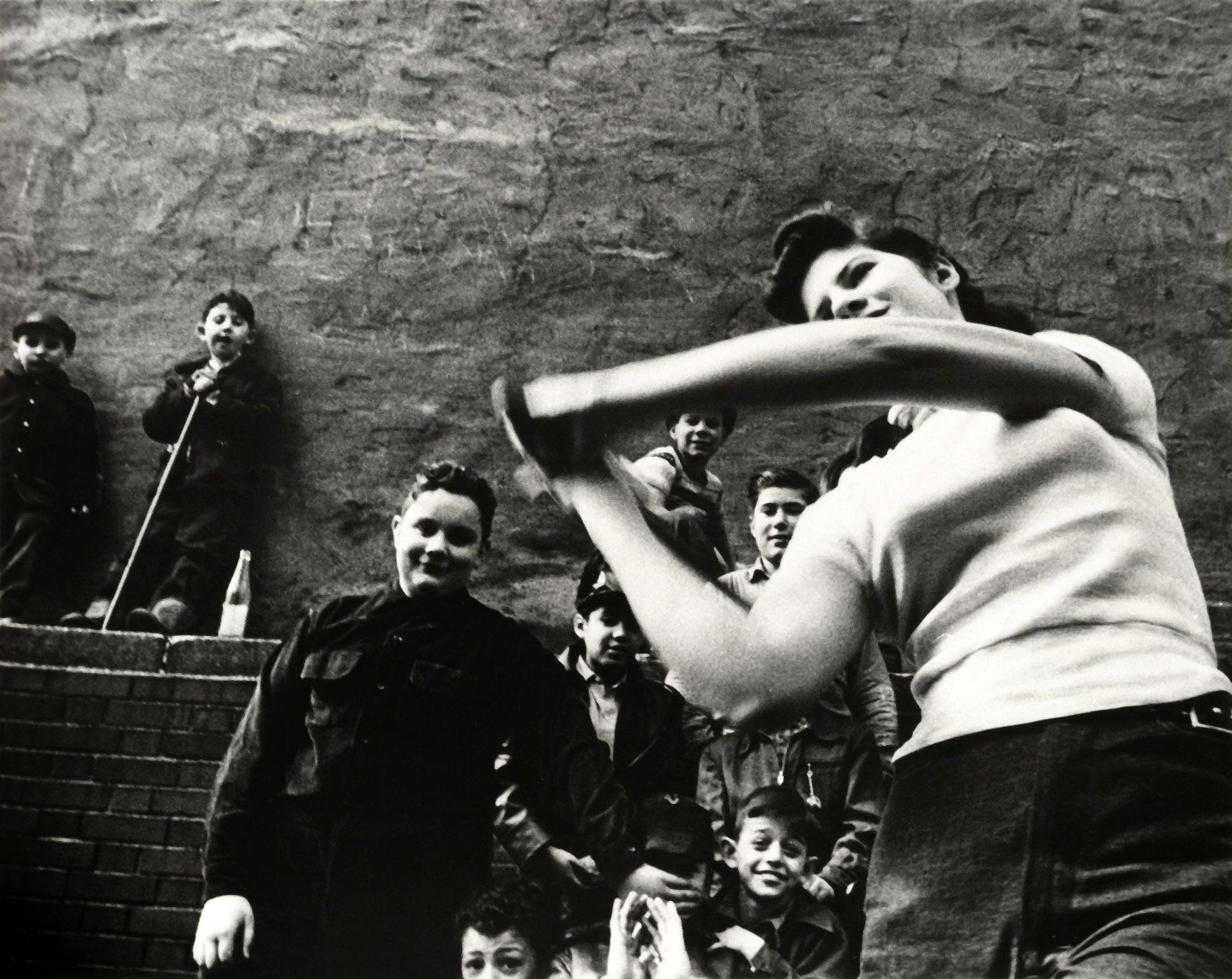

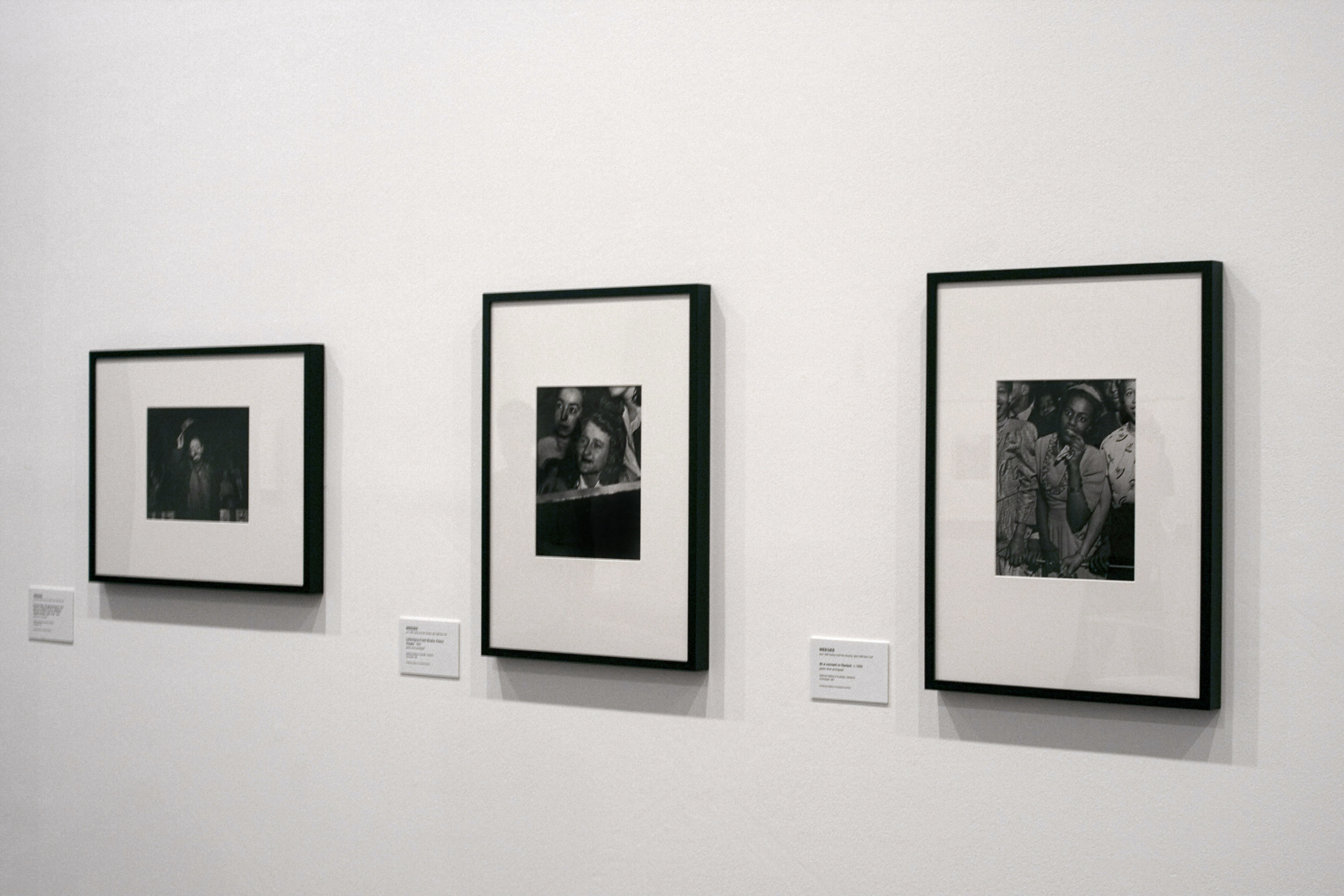

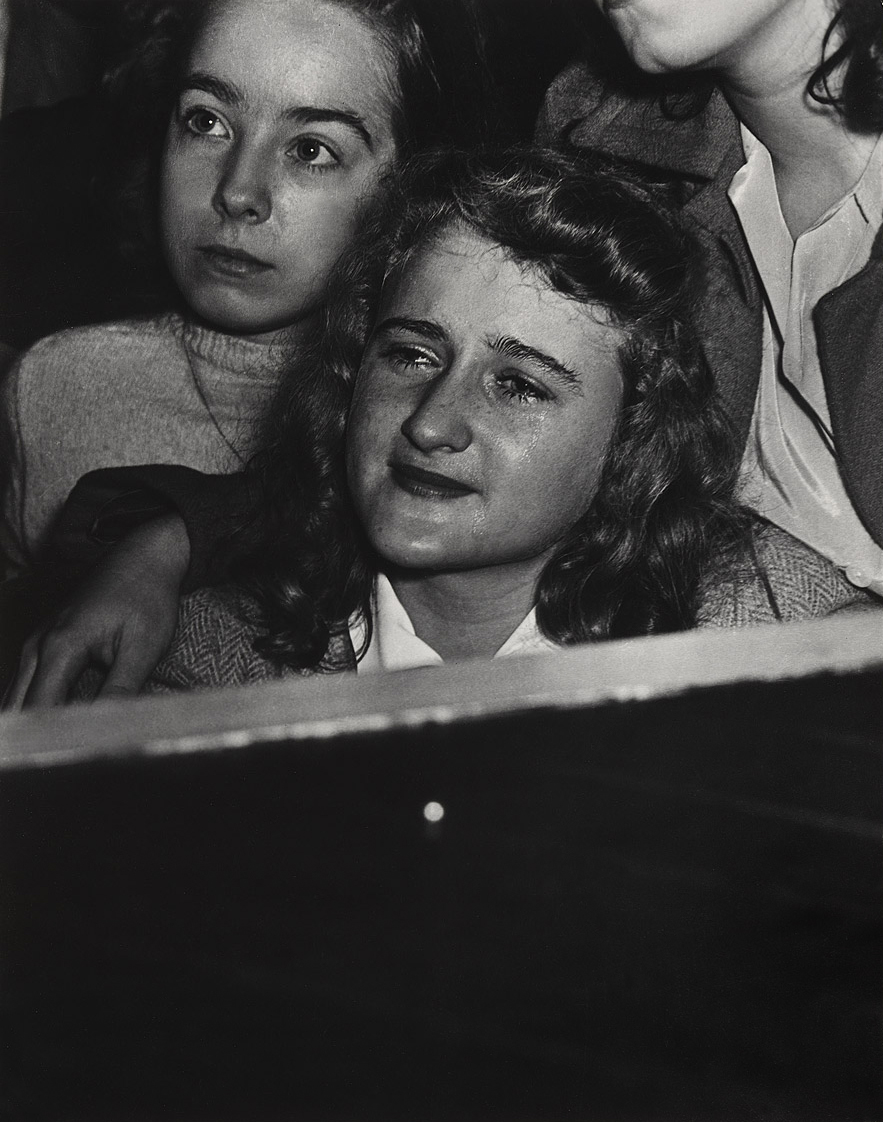


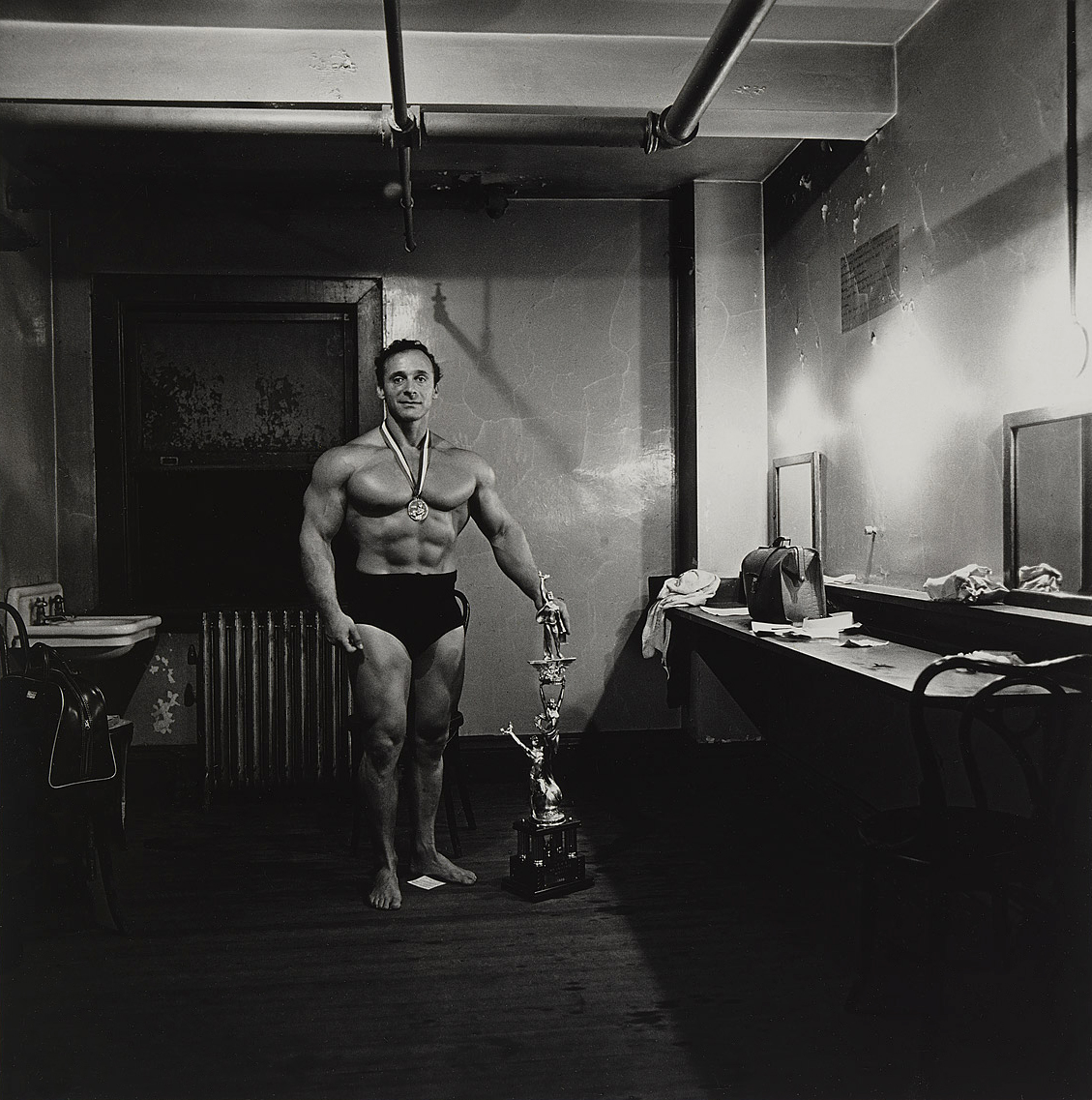
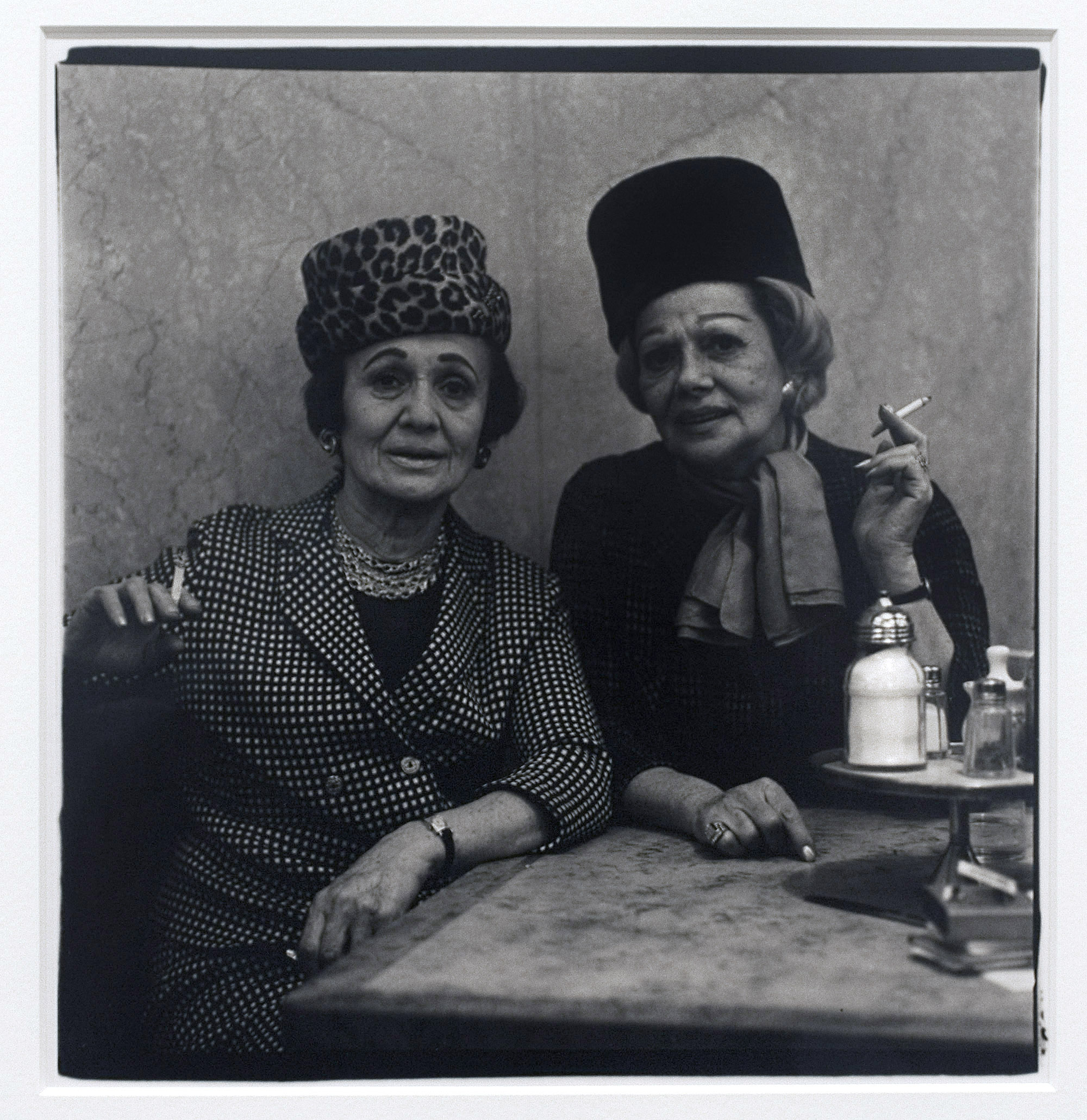


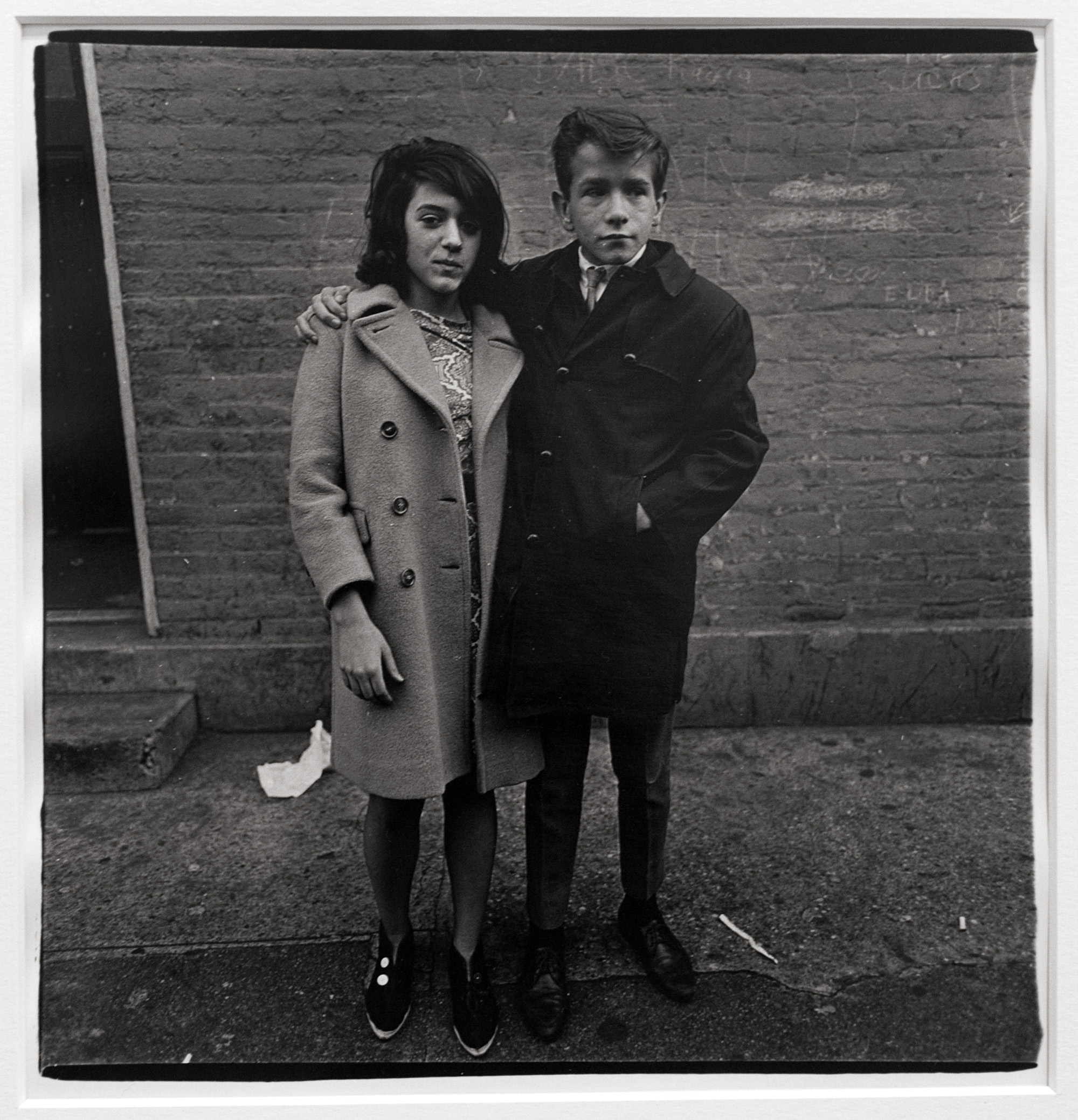


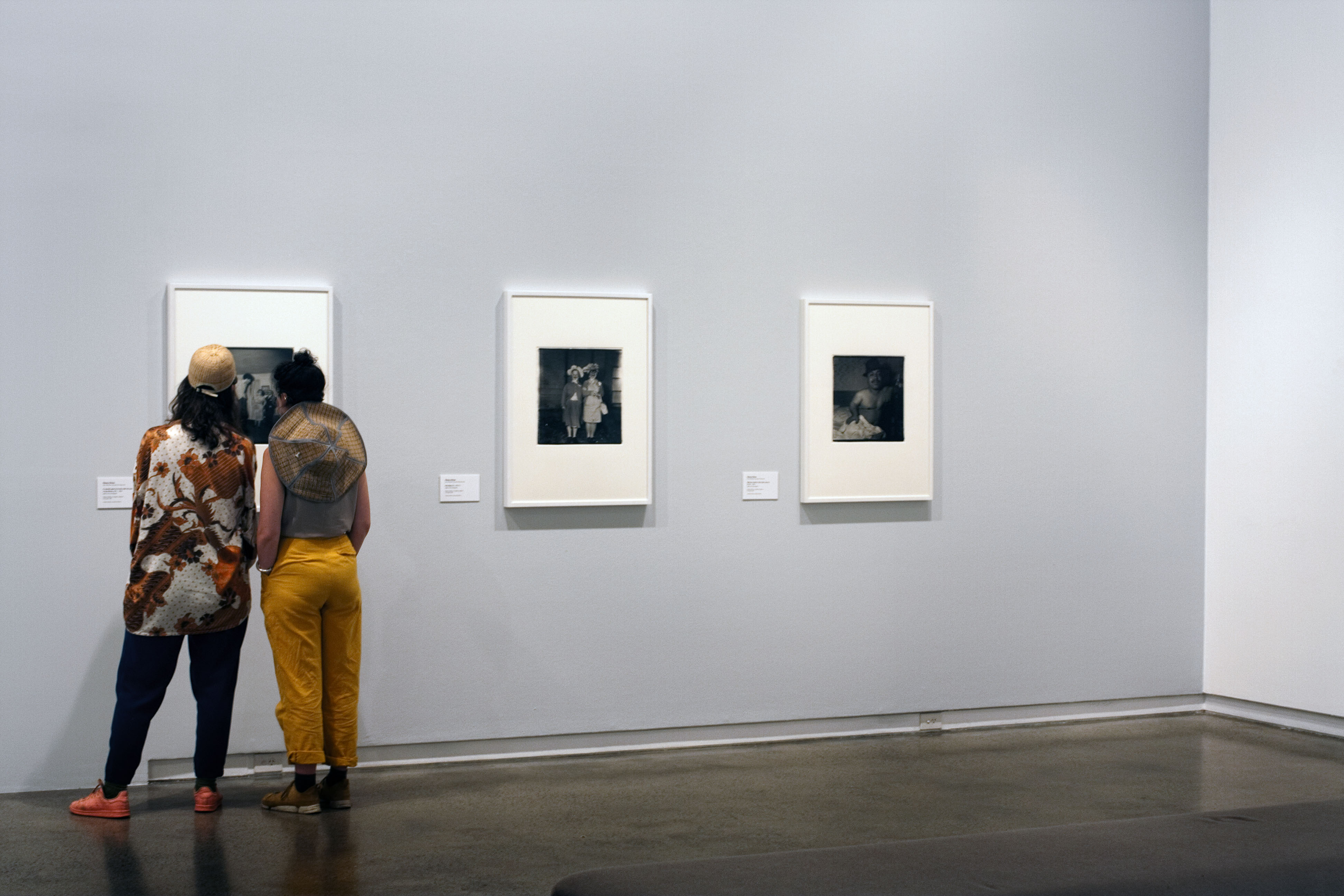

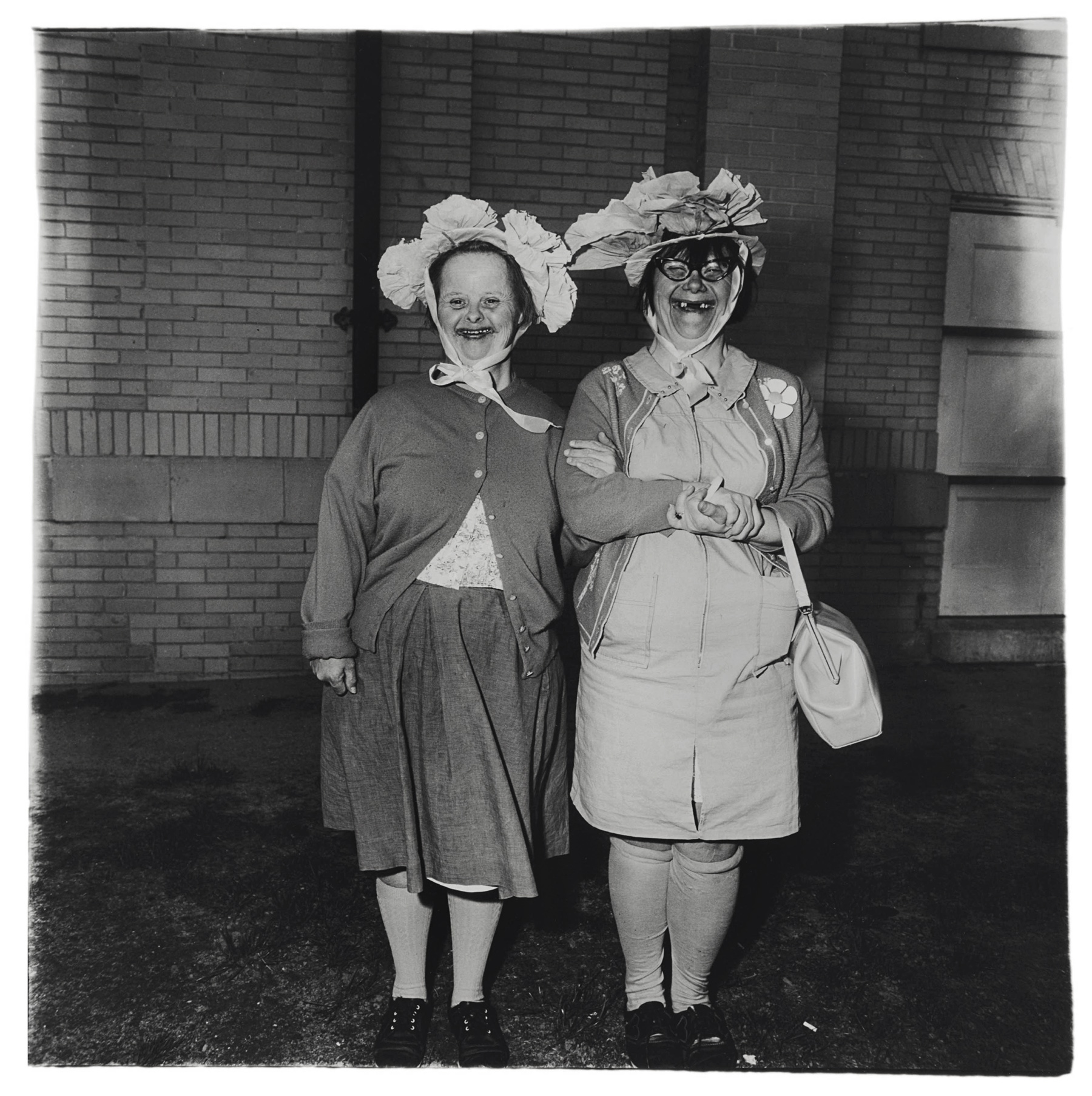


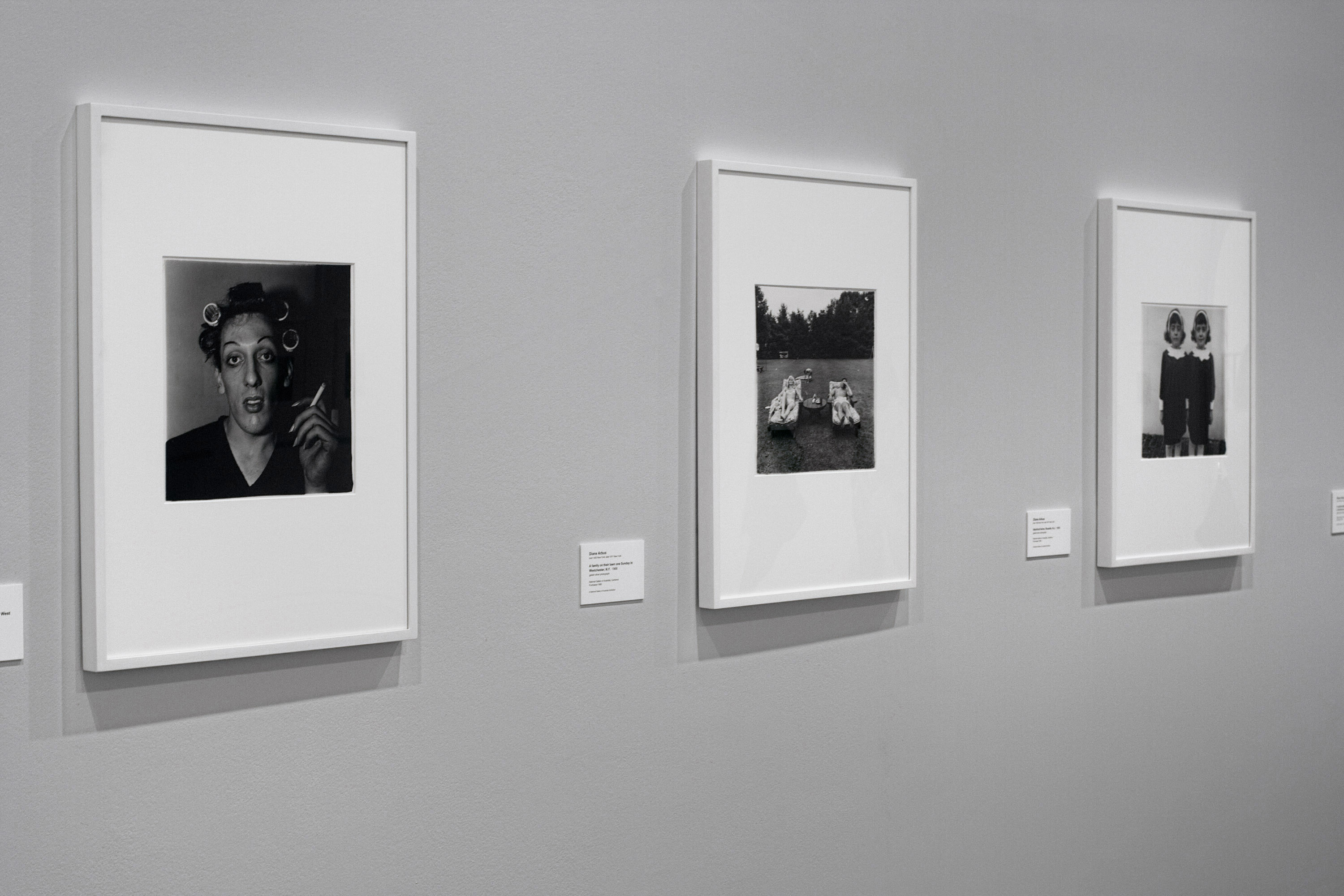

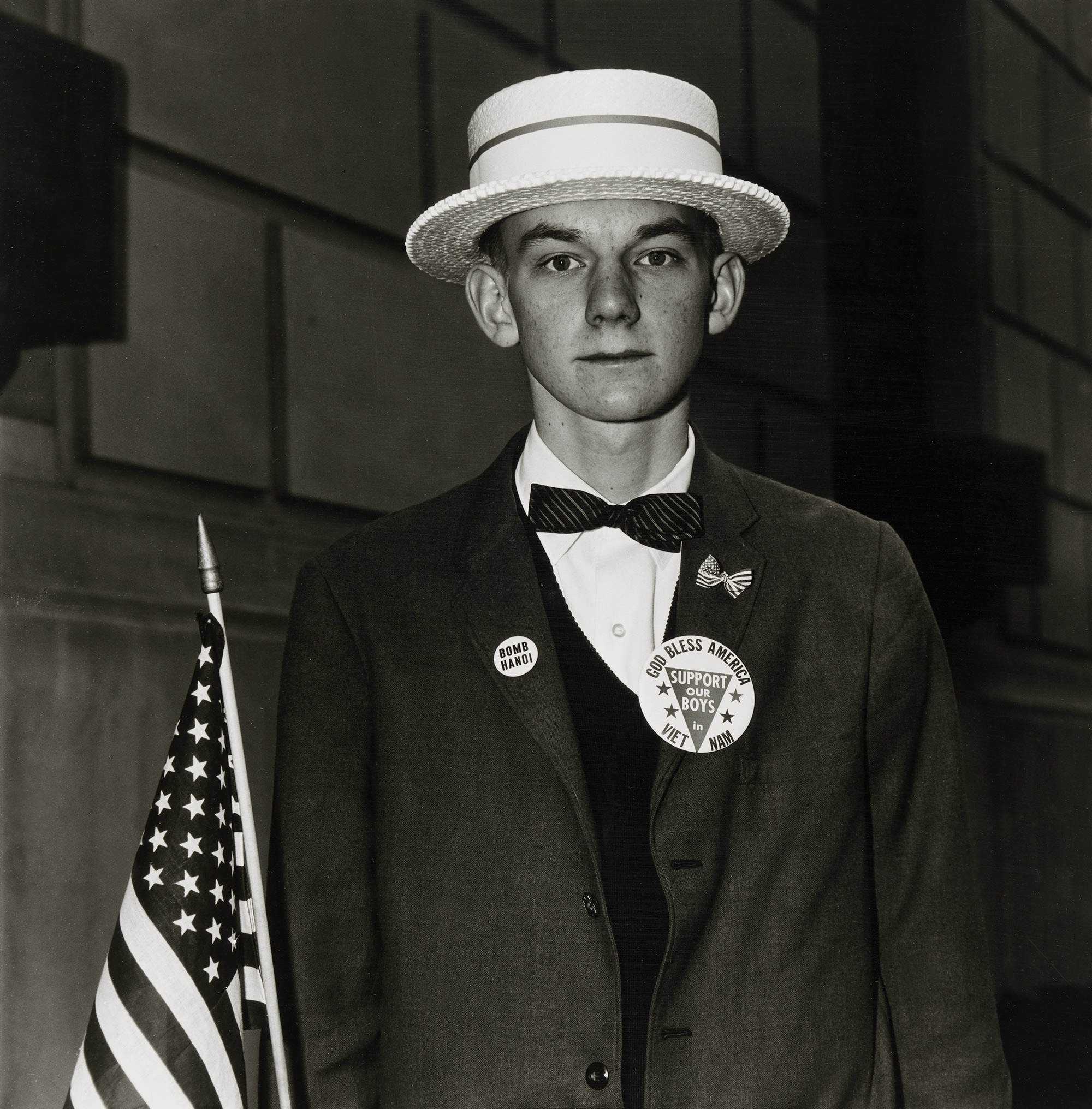

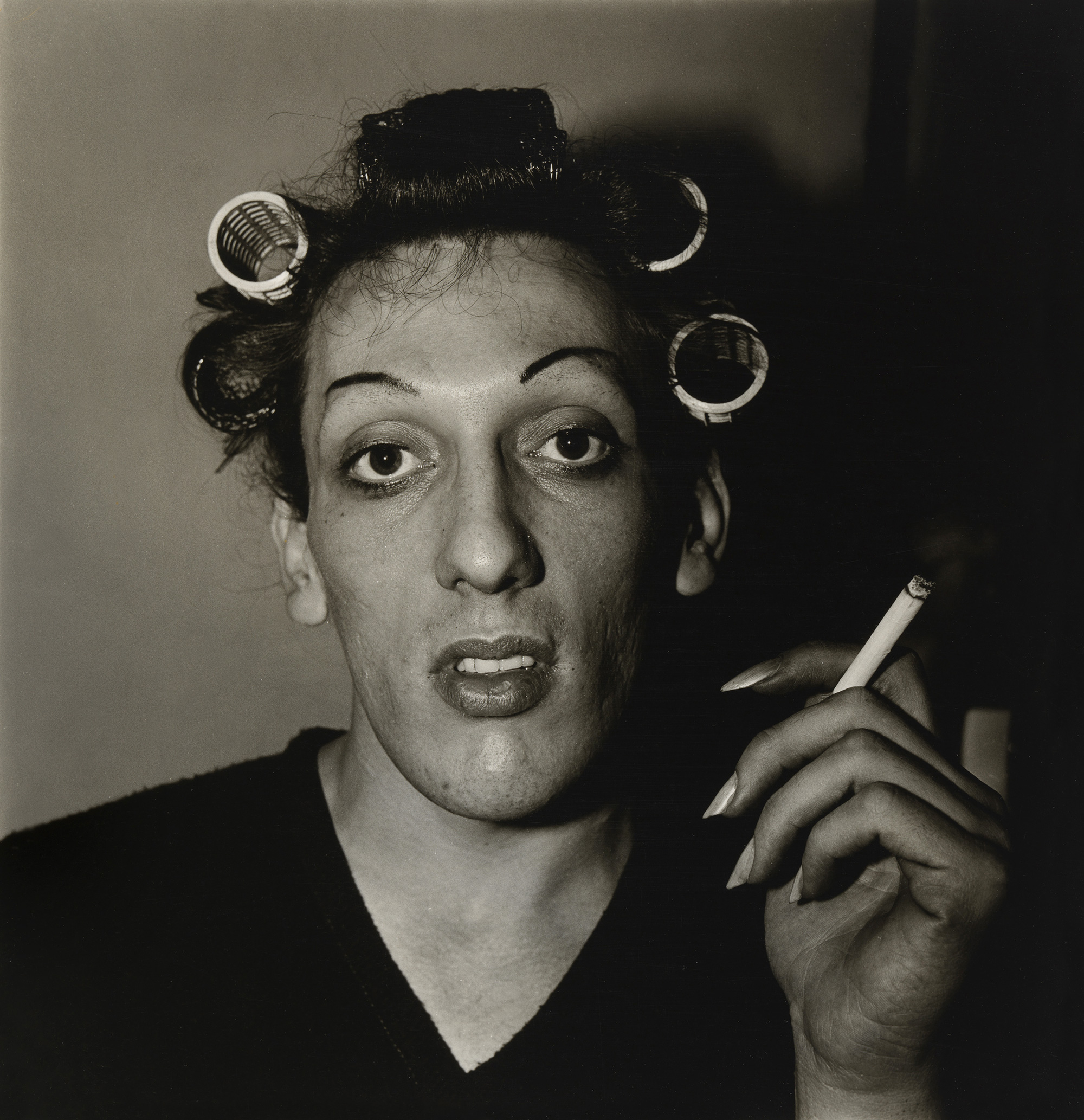

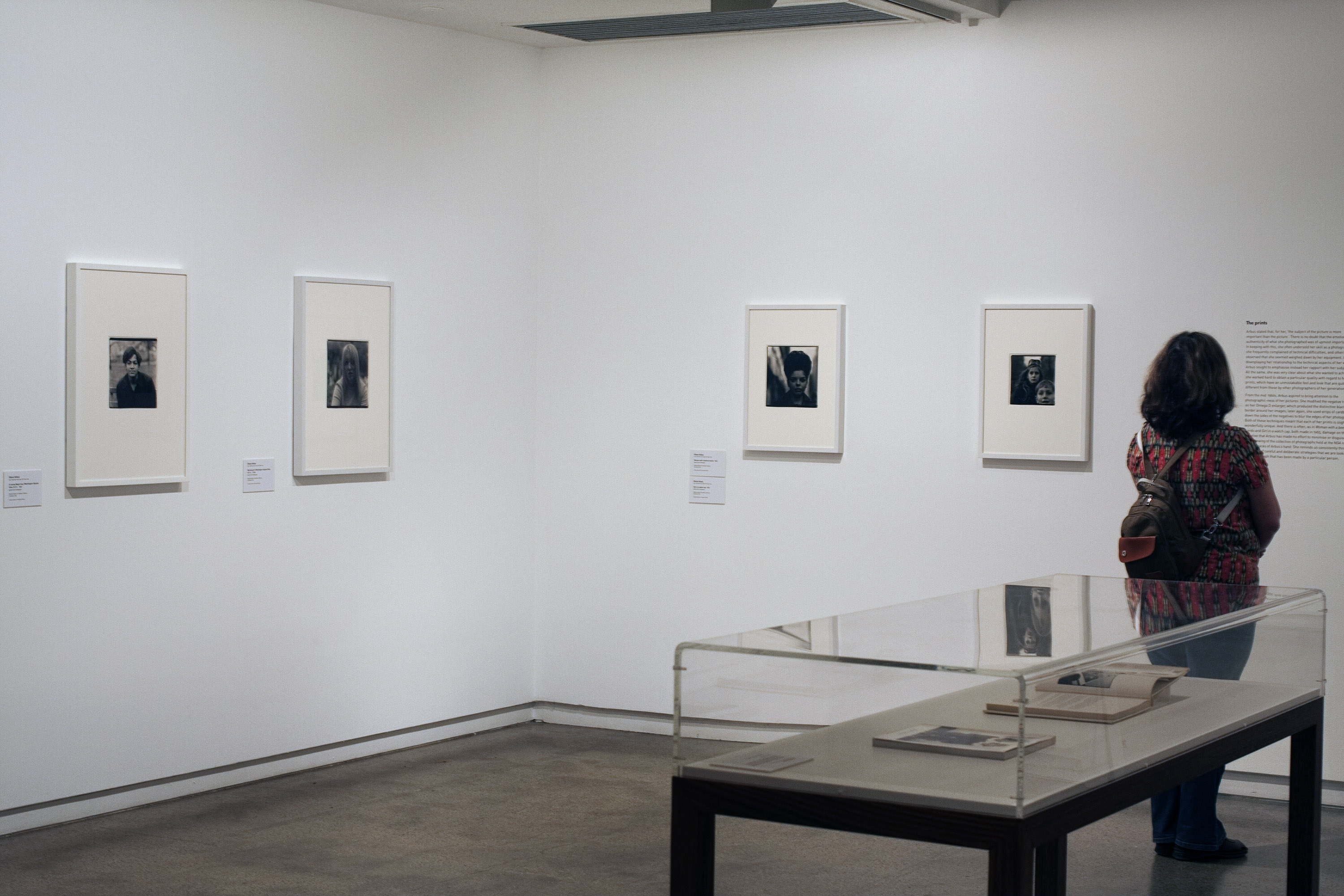


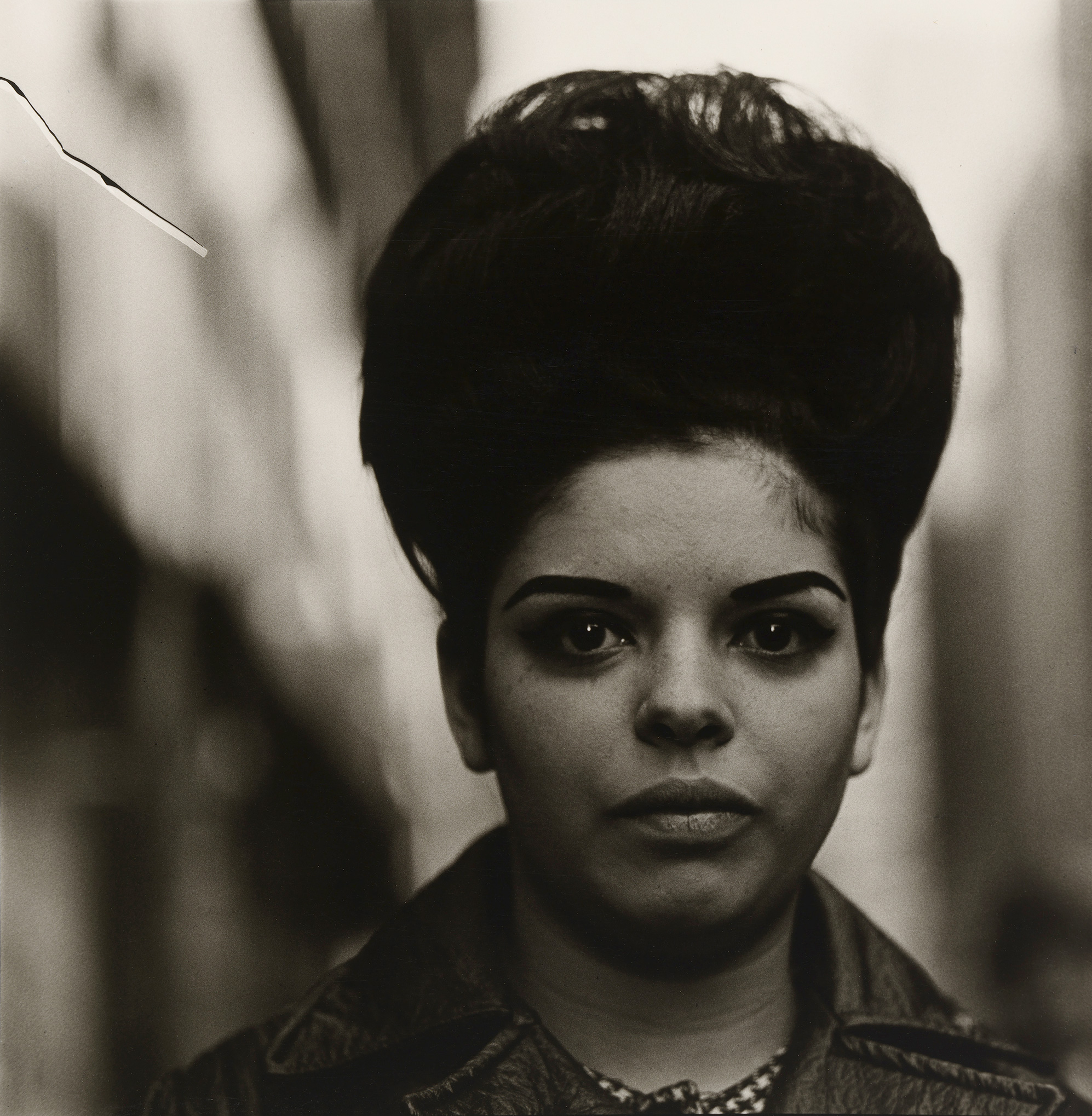
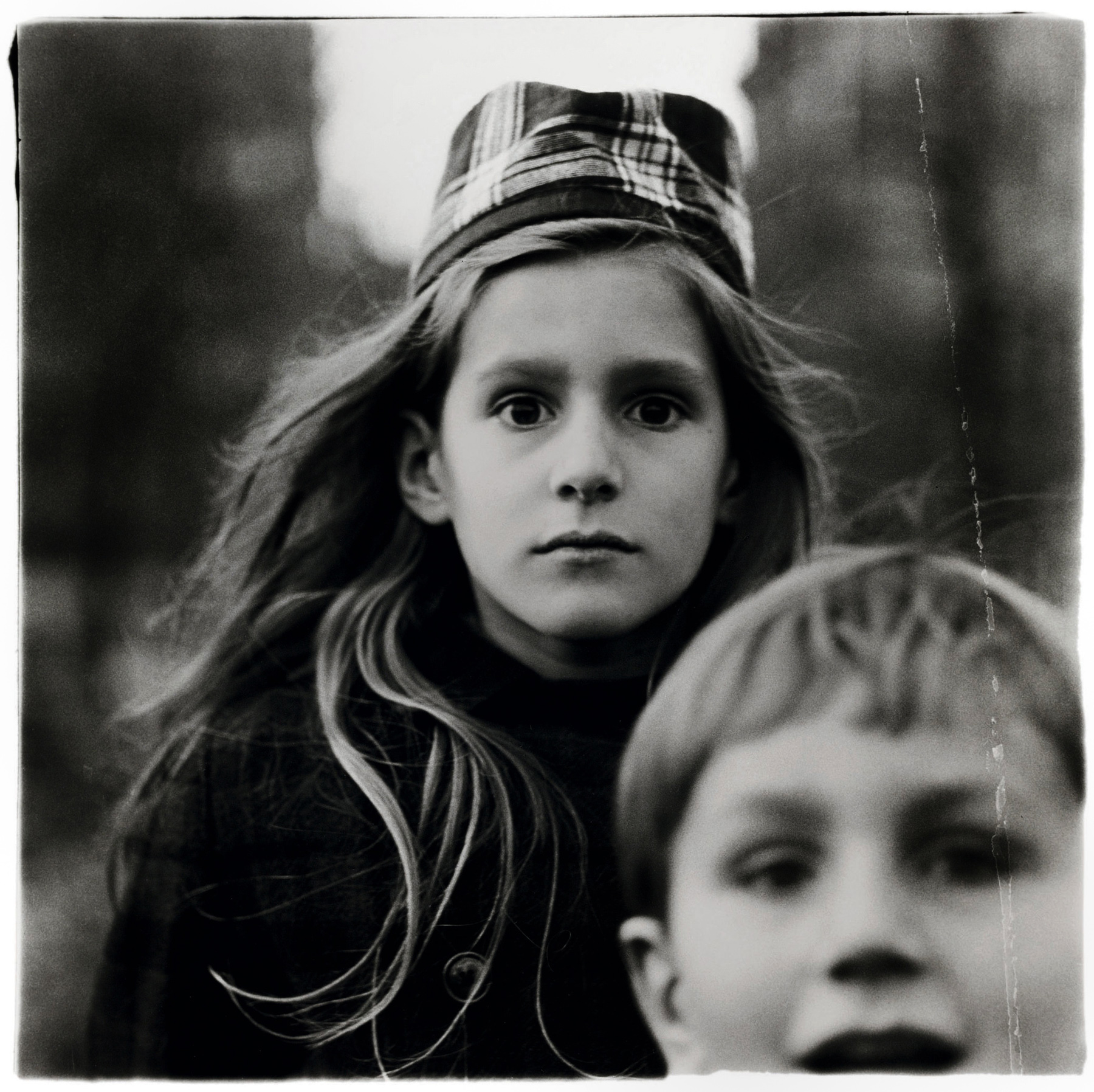
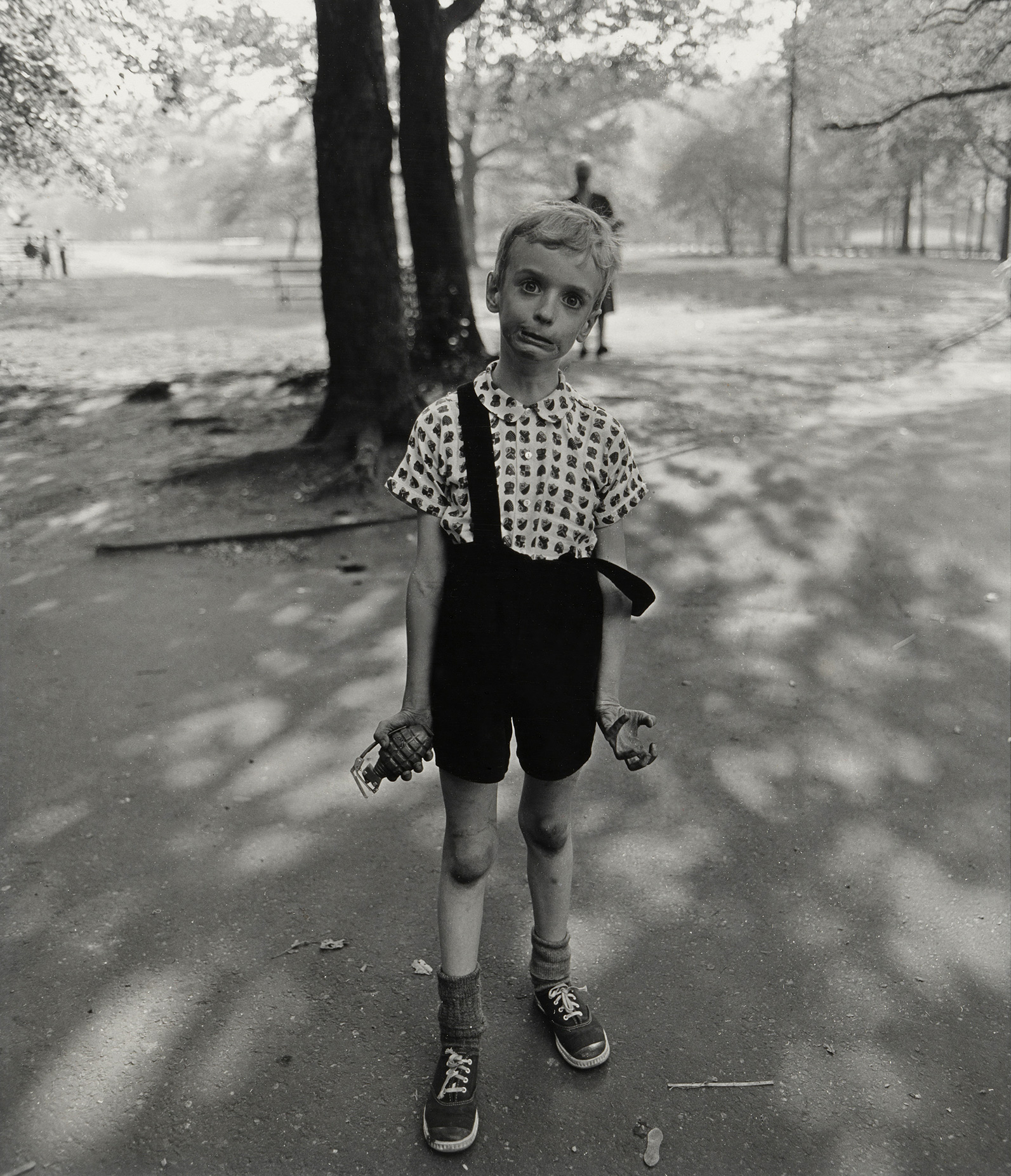

![Diane Arbus (American, 1923-1971) 'Large black family in small shack [Robert Evans and his family, 1968]' 1968 (installation view)](https://artblart.com/wp-content/uploads/2018/05/installation-af.jpg "Diane Arbus (American, 1923-1971) 'Large black family in small shack [Robert Evans and his family, 1968]' 1968 (installation view)")
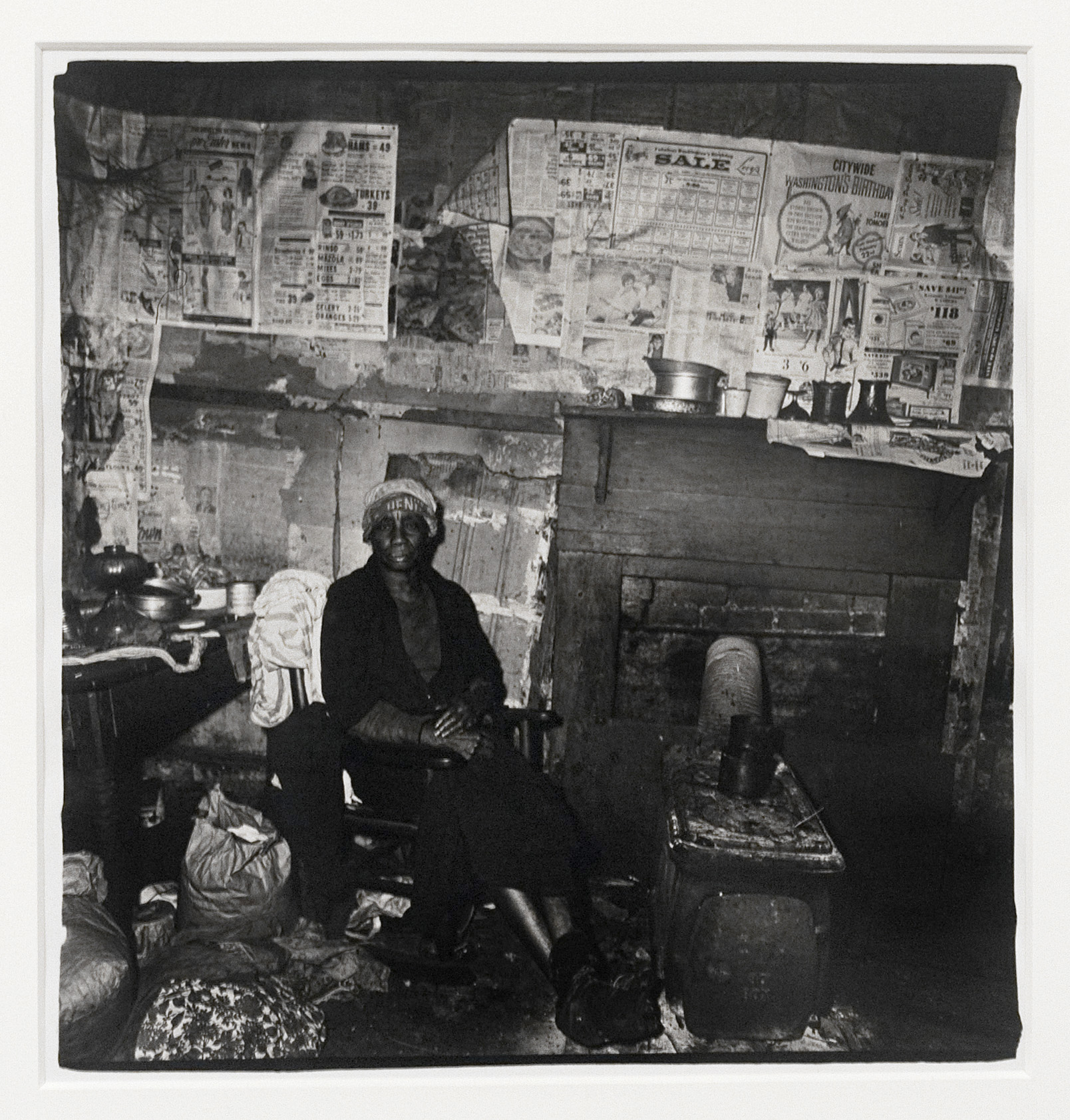
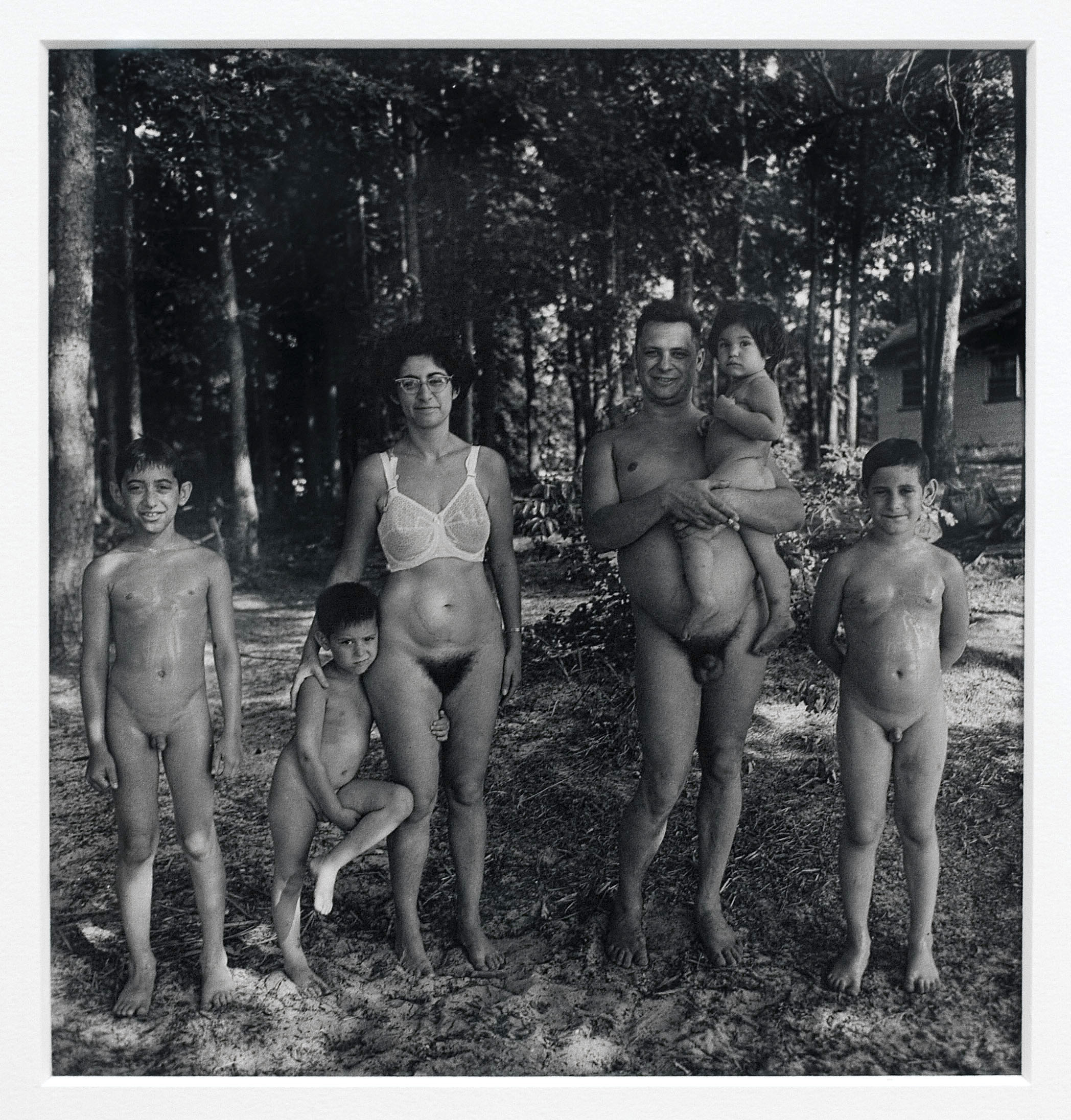

![Lisette Model (Austrian, 1901-1983) 'Coney Island Bather, New York' [Baigneuse, Coney Island] c. 1939-1941](https://artblart.com/wp-content/uploads/2018/05/model-coney-island-bather-web.jpg "Lisette Model (Austrian, 1901-1983) 'Coney Island Bather, New York' [Baigneuse, Coney Island] c. 1939-1941")


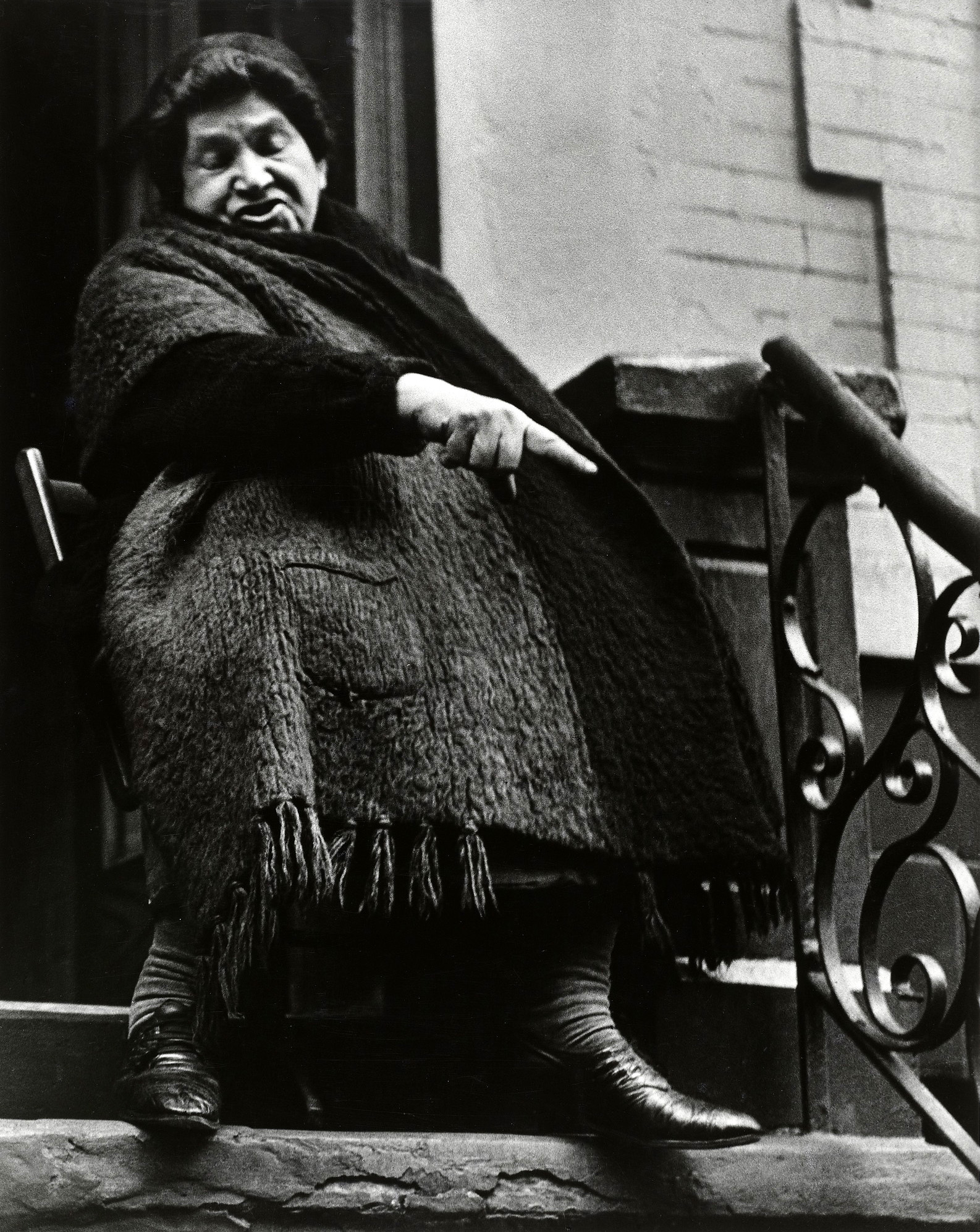

![Installation view of the exhibition 'Diane Arbus: American Portraits' at the Heide Museum of Modern Art, Melbourne showing from left to right, Lisette Model's 'Fashion show, Hotel Pierre, New York City' 1940-1946; Lisette Model's 'Cafe Metropole, New York City' c. 1946; and Lisette Model's 'Albert-Alberta, Hubert's 42nd St Flea Circus, New York [Albert/Alberta]' c. 1945](https://artblart.com/wp-content/uploads/2018/05/installation-w1.jpg "Installation view of the exhibition 'Diane Arbus: American Portraits' at the Heide Museum of Modern Art, Melbourne showing from left to right, Lisette Model's 'Fashion show, Hotel Pierre, New York City' 1940-1946; Lisette Model's 'Cafe Metropole, New York City' c. 1946; and Lisette Model's 'Albert-Alberta, Hubert's 42nd St Flea Circus, New York [Albert/Alberta]' c. 1945")


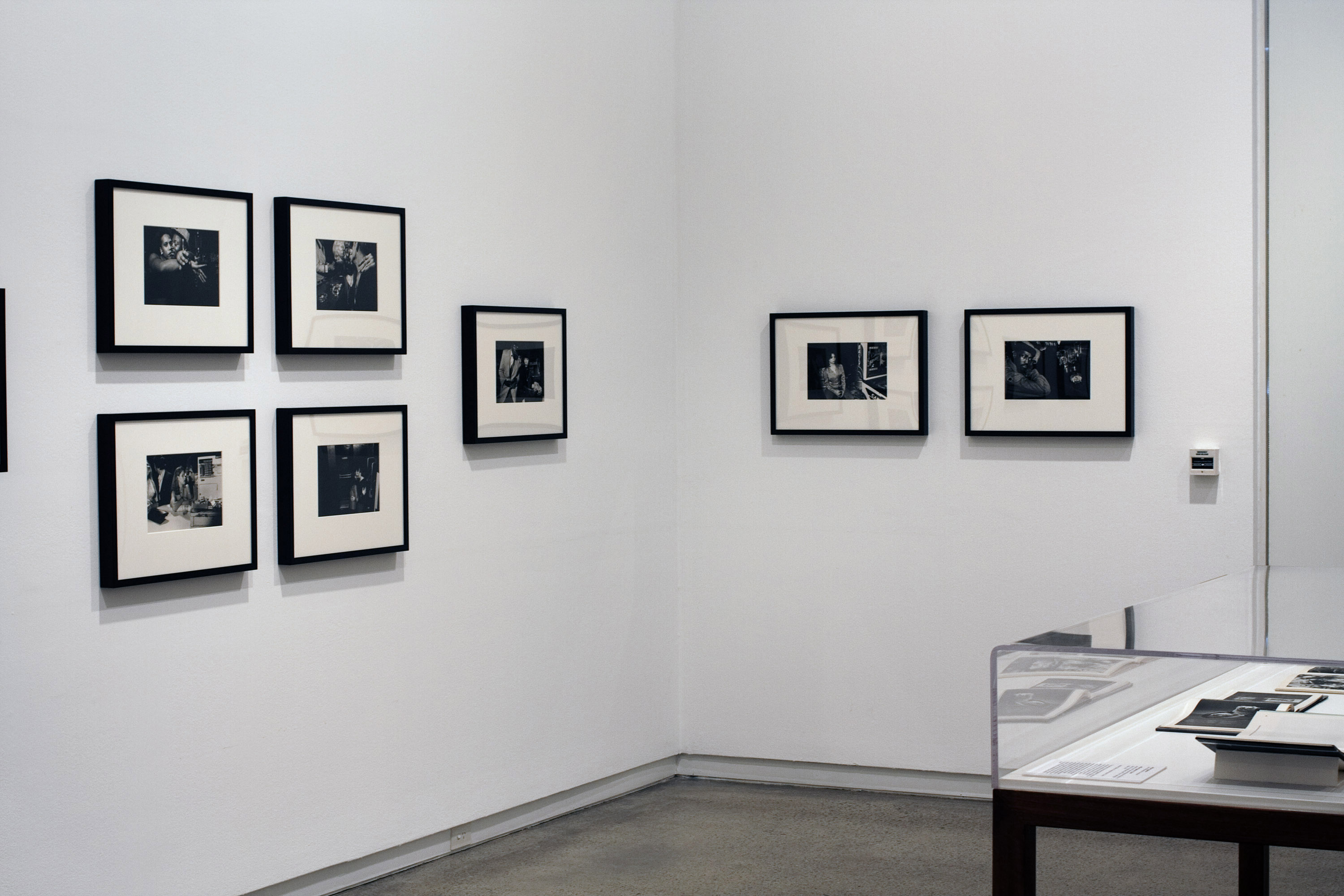

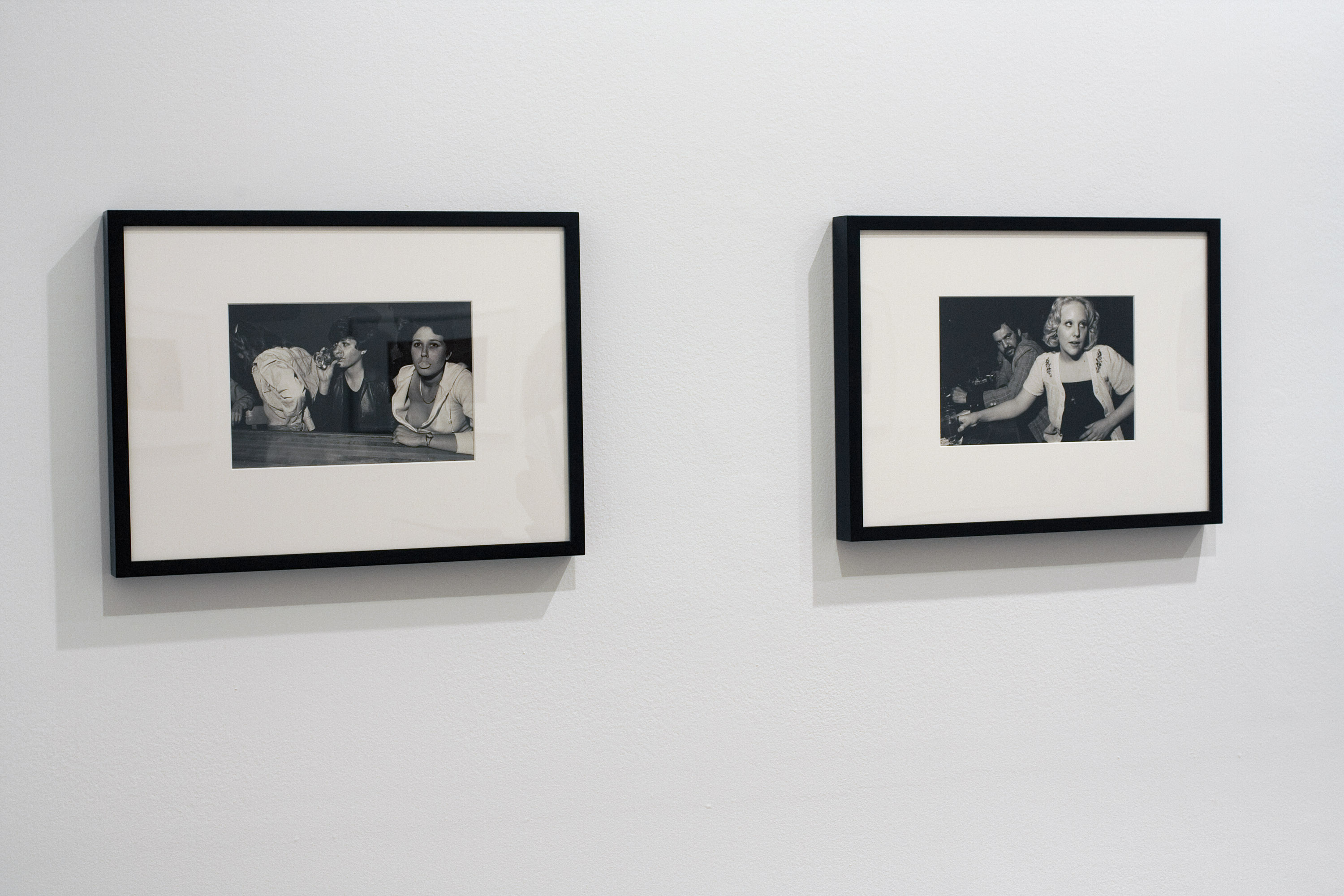

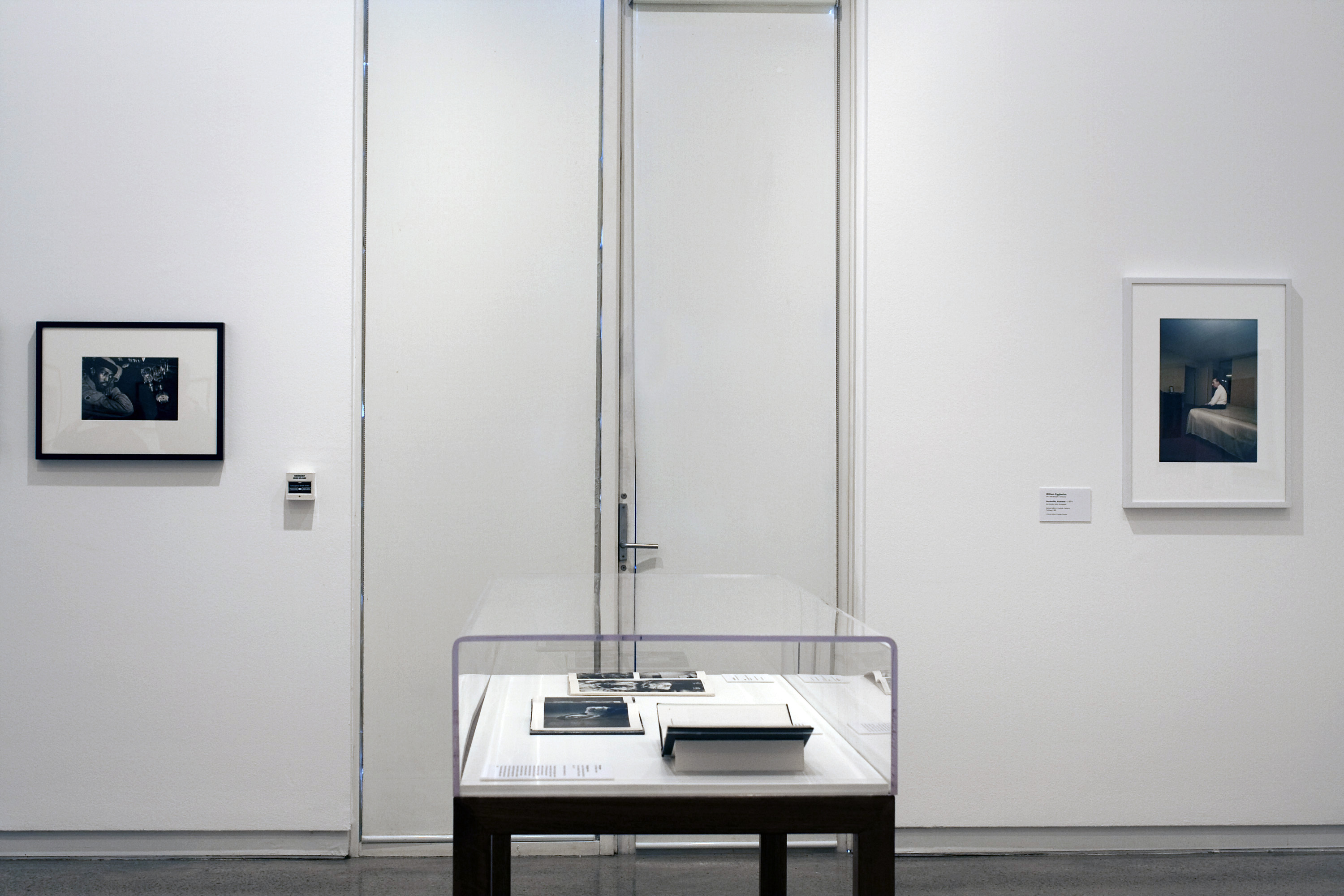
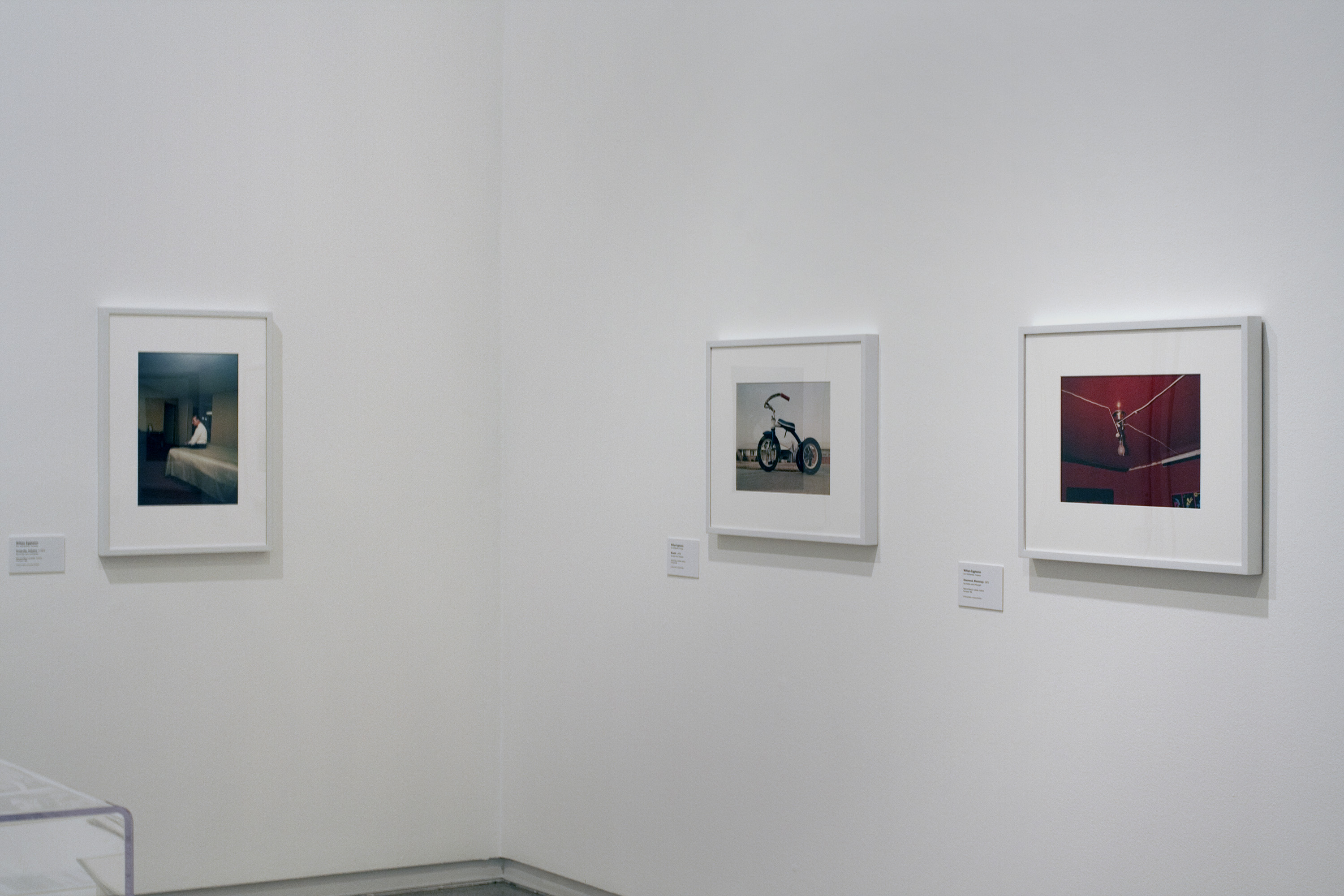


![William Eggleston (American, b. 1939) 'Greenwood, Mississippi' ["The Red Ceiling"] 1973, printed 1979](https://artblart.com/wp-content/uploads/2018/05/eggleston-the-red-ceiling-web.jpg "William Eggleston (American, b. 1939) 'Greenwood, Mississippi' [\"The Red Ceiling\"] 1973, printed 1979")


![Garry Winogrand (American, 1928-1984) 'No title [Centennial Ball, Metropolitan Museum, New York]' 1969](https://artblart.com/wp-content/uploads/2018/05/winogrand-centennial-ball-web.jpg "Garry Winogrand (American, 1928-1984) 'No title [Centennial Ball, Metropolitan Museum, New York]' 1969")


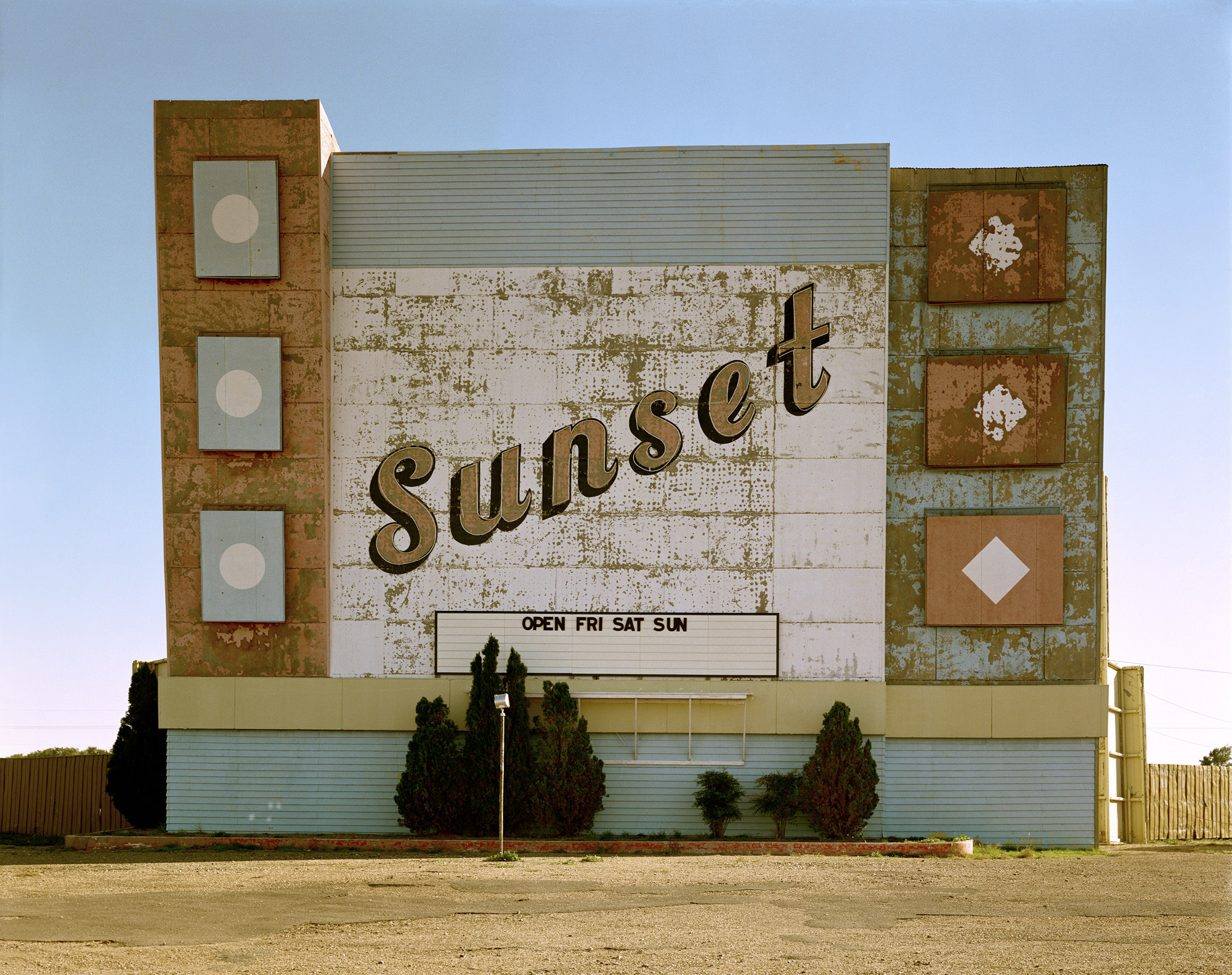

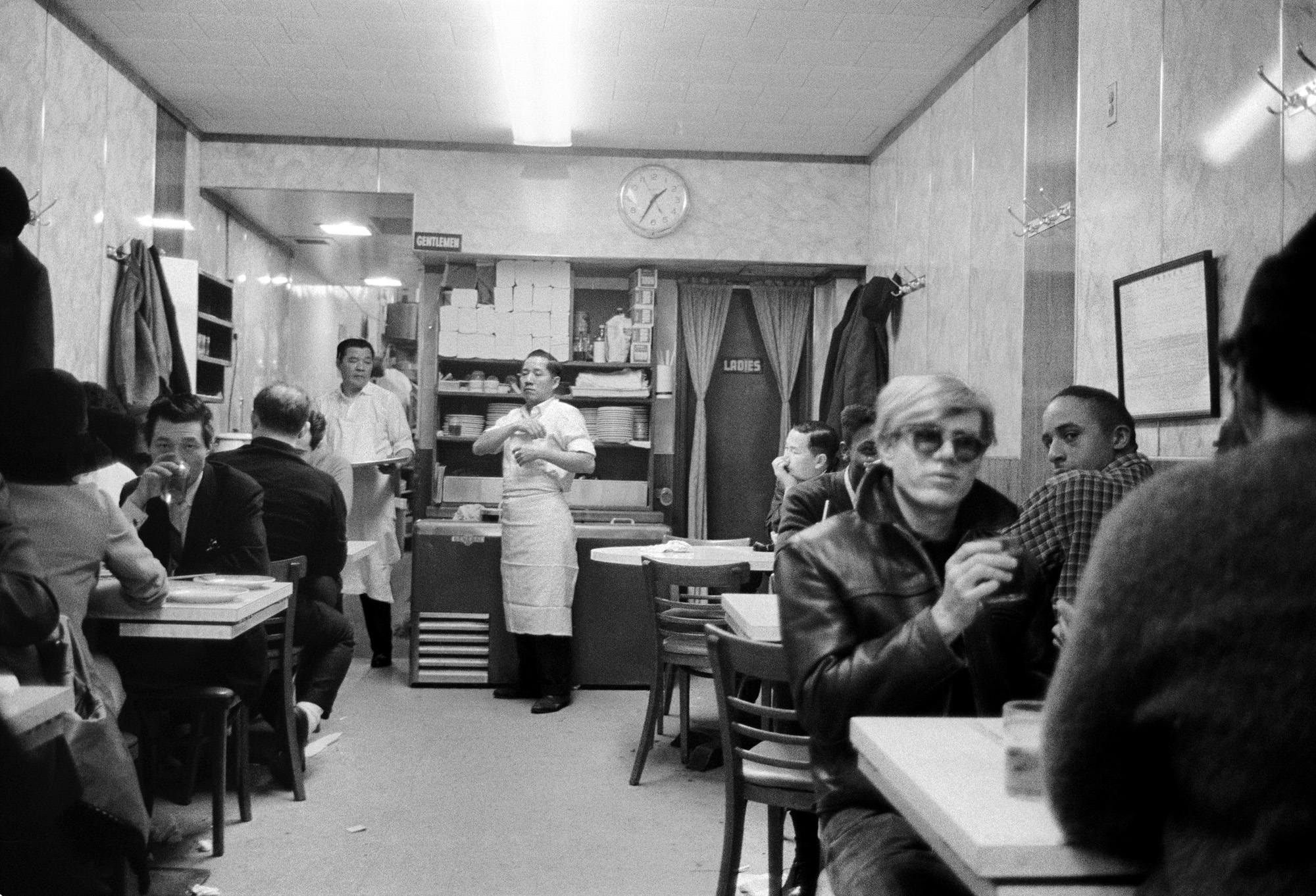
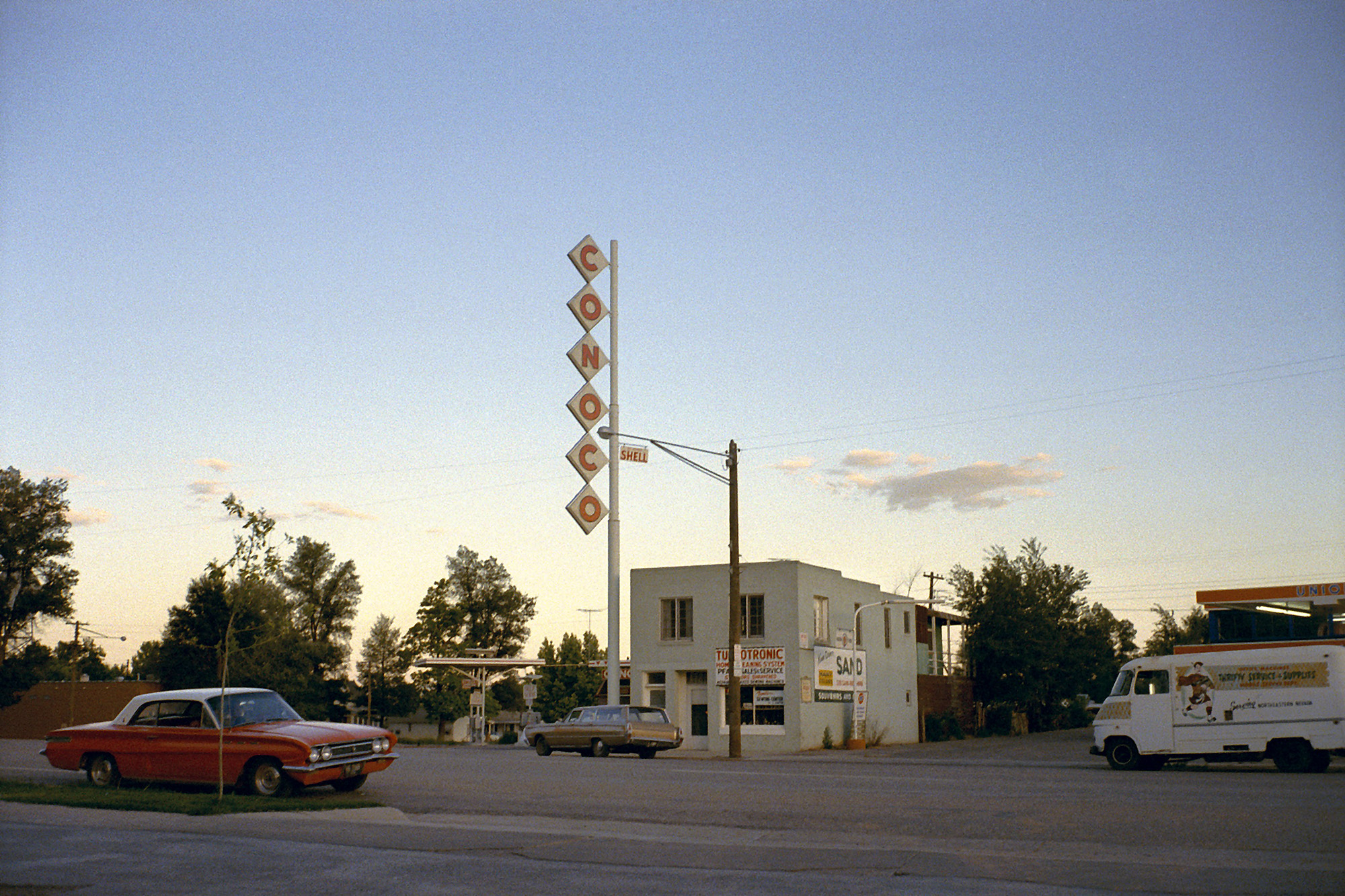

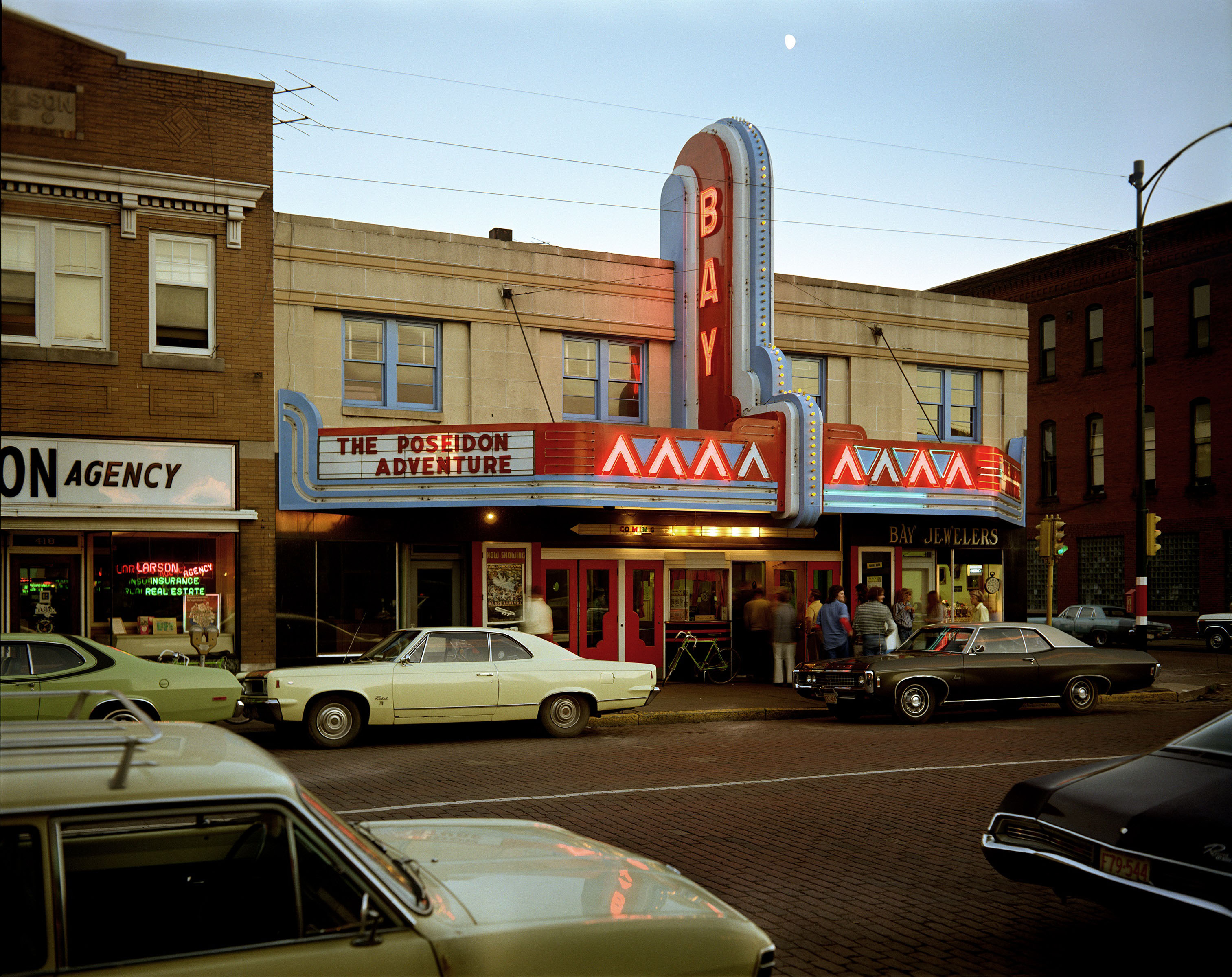


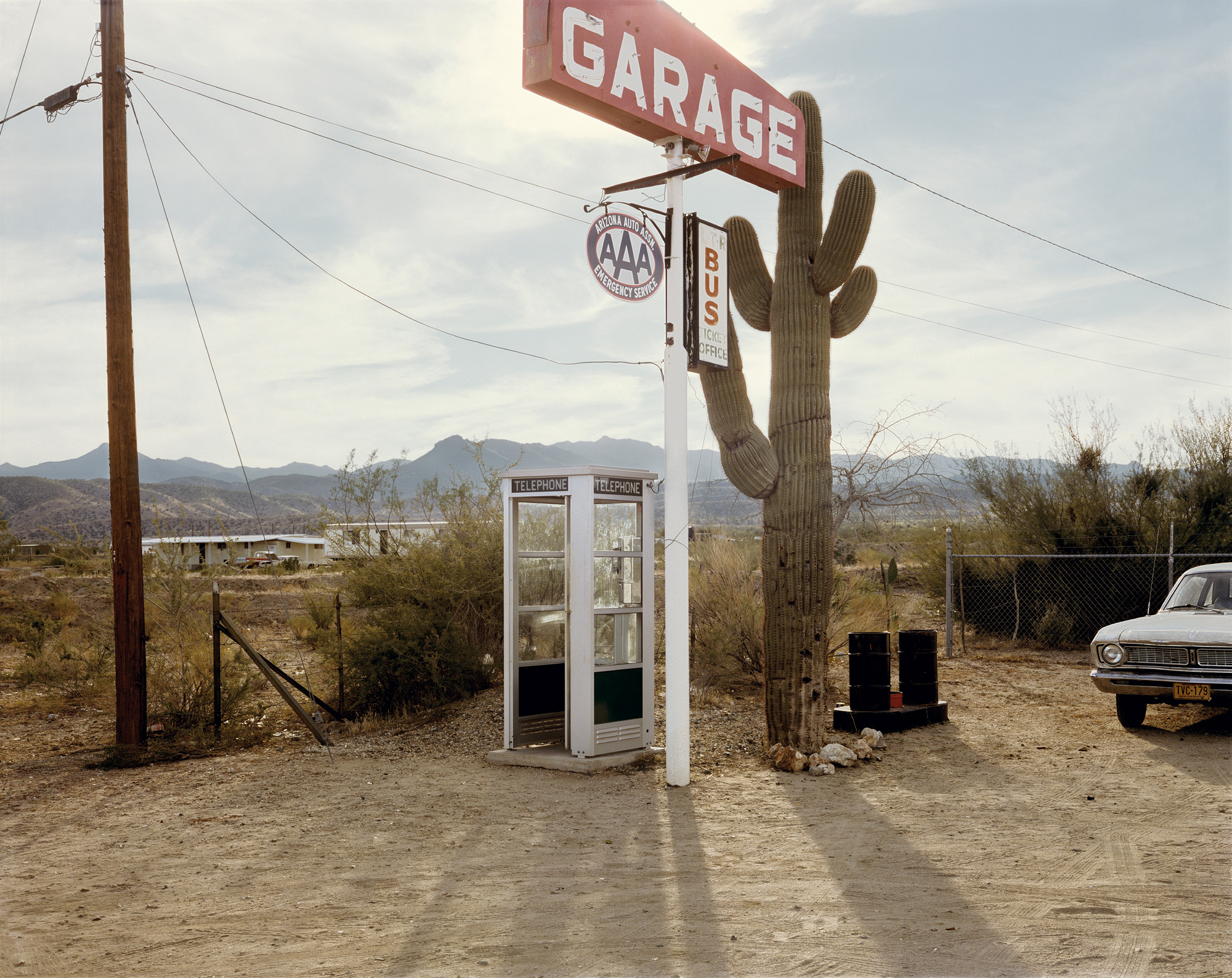






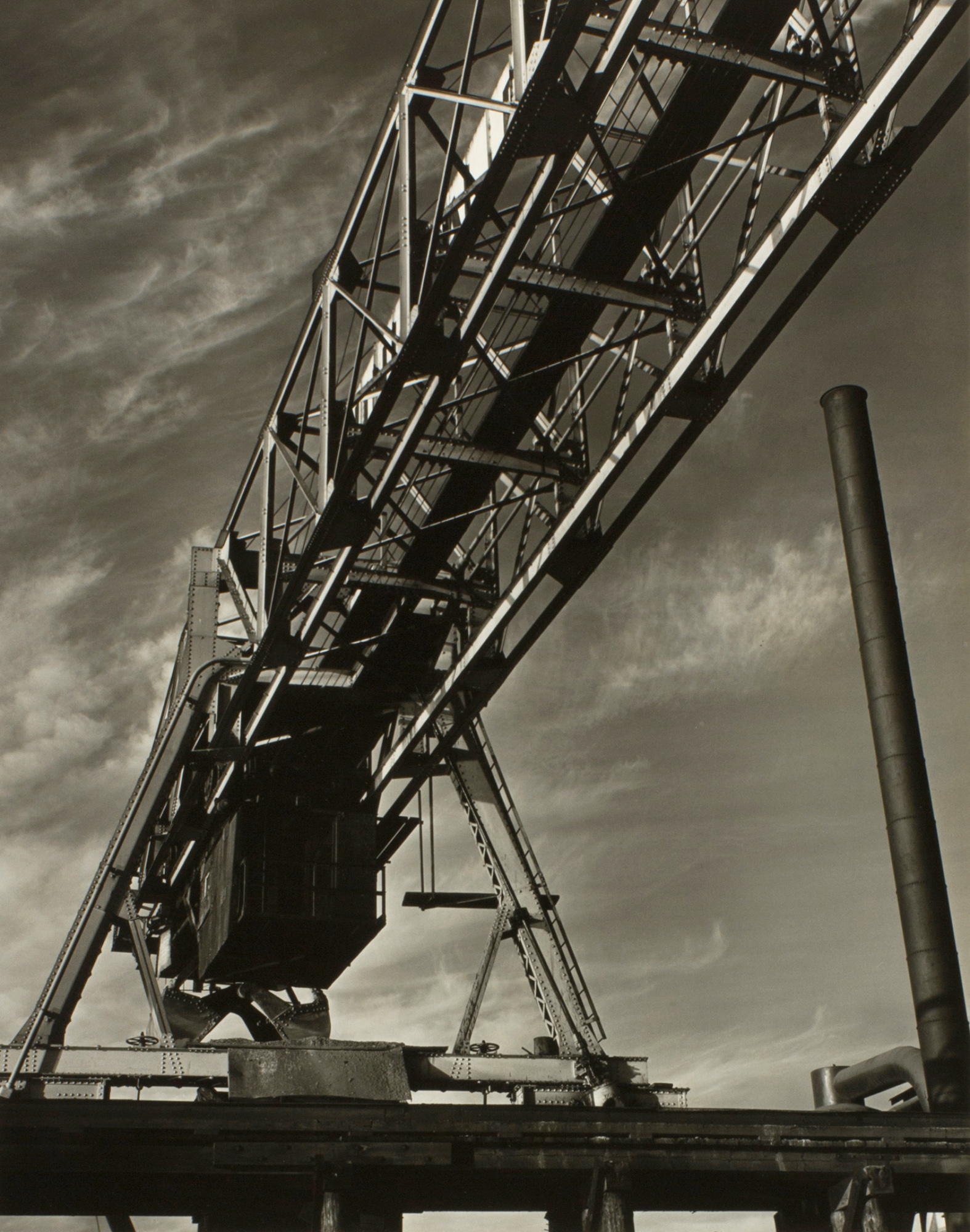













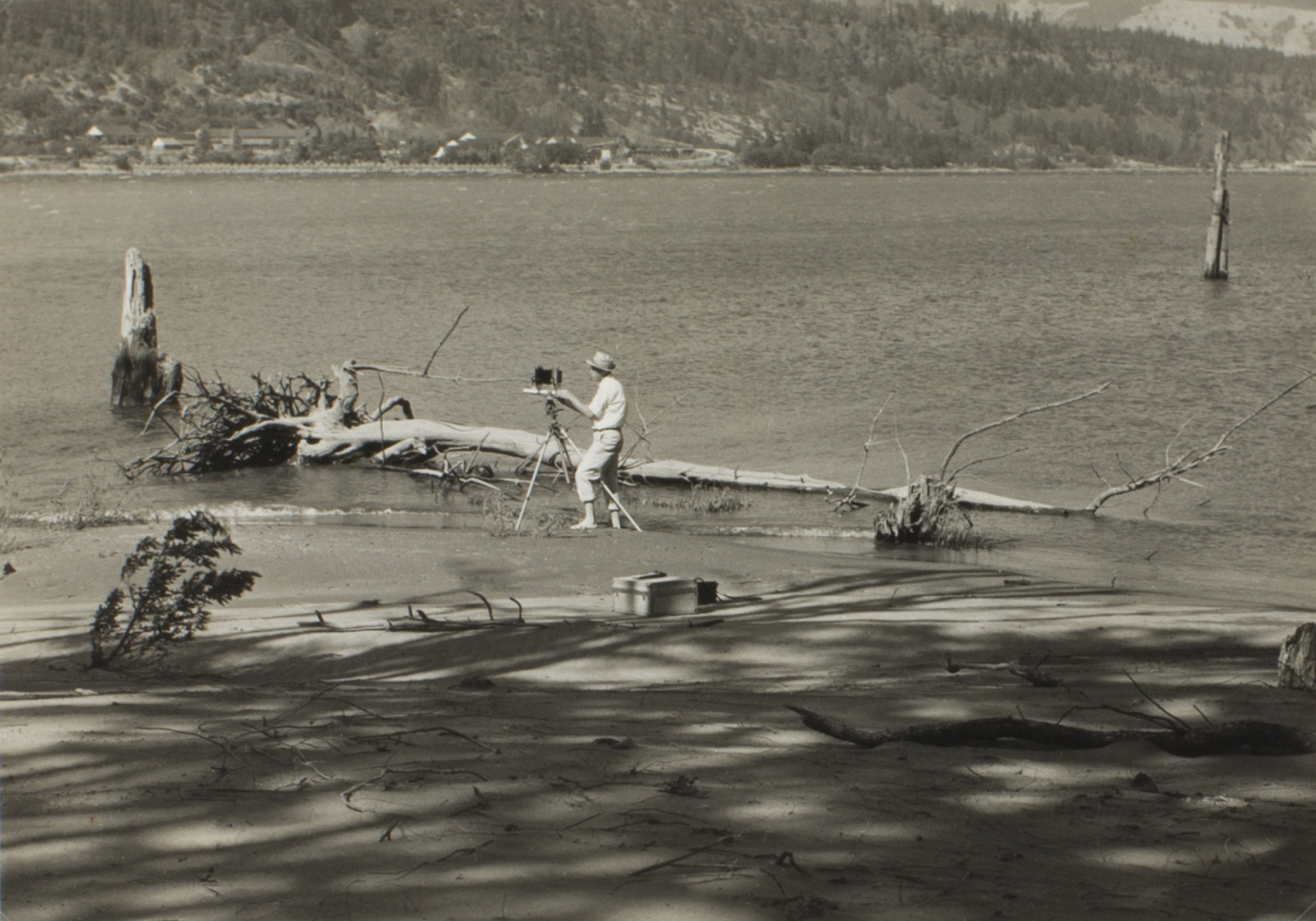


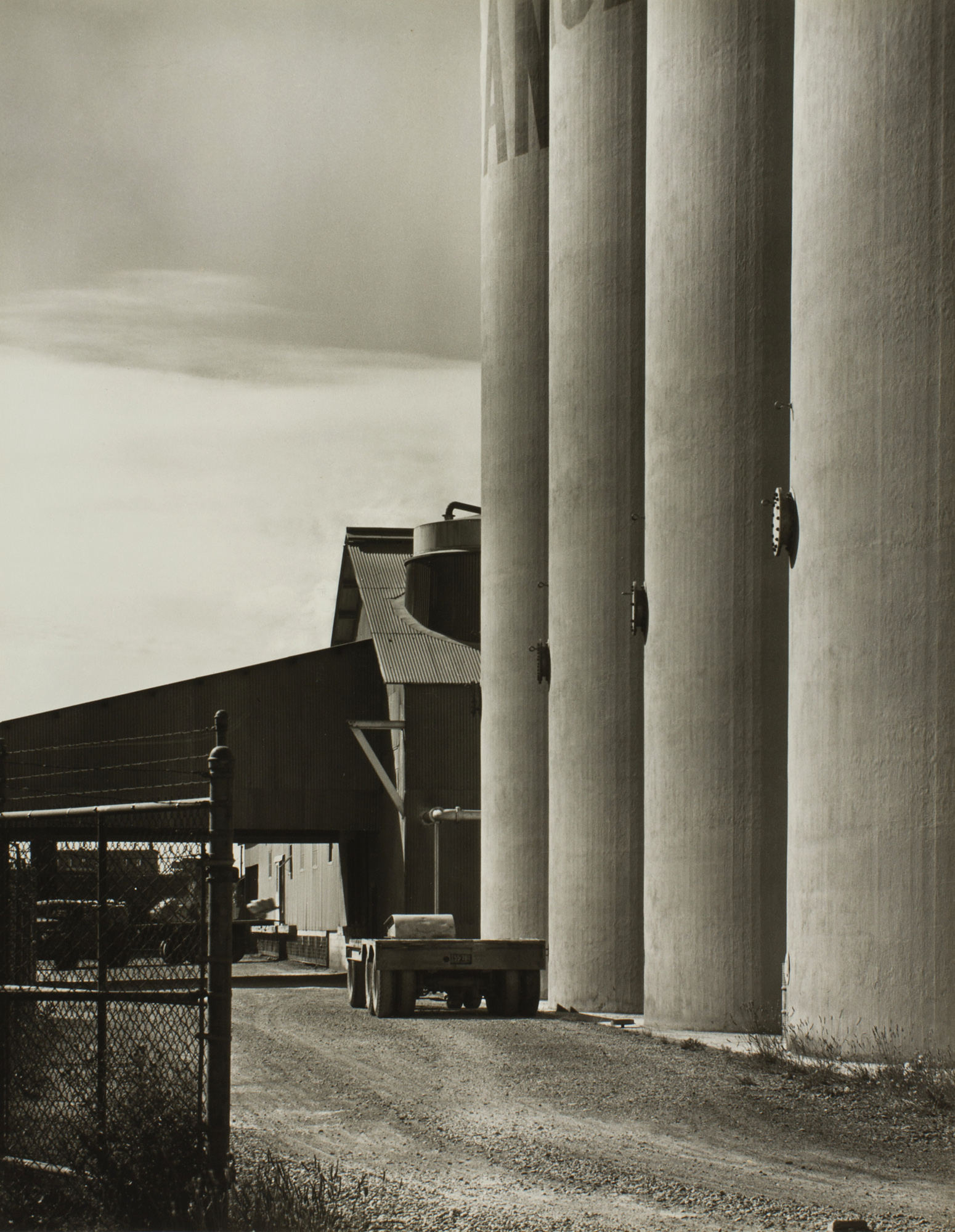

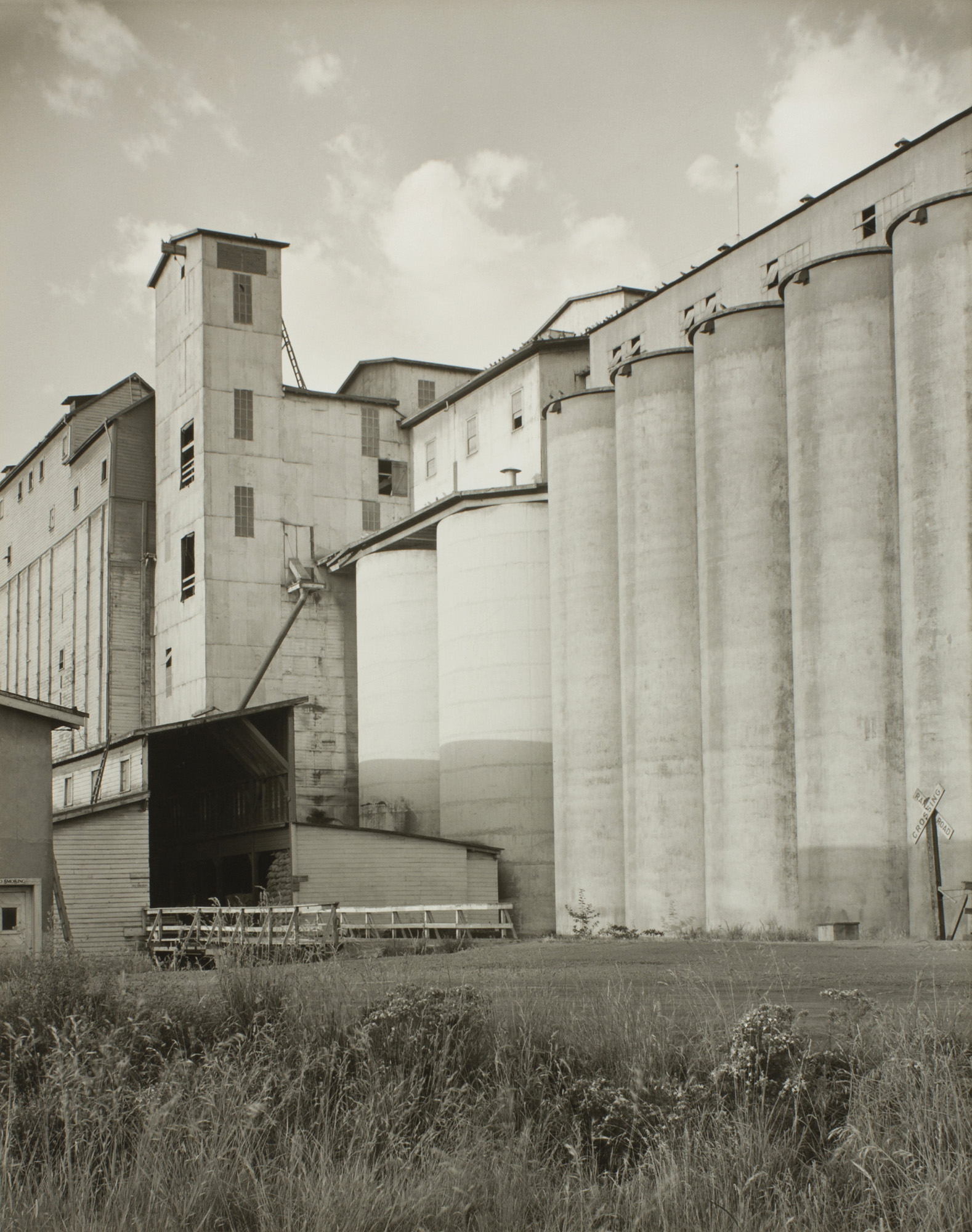


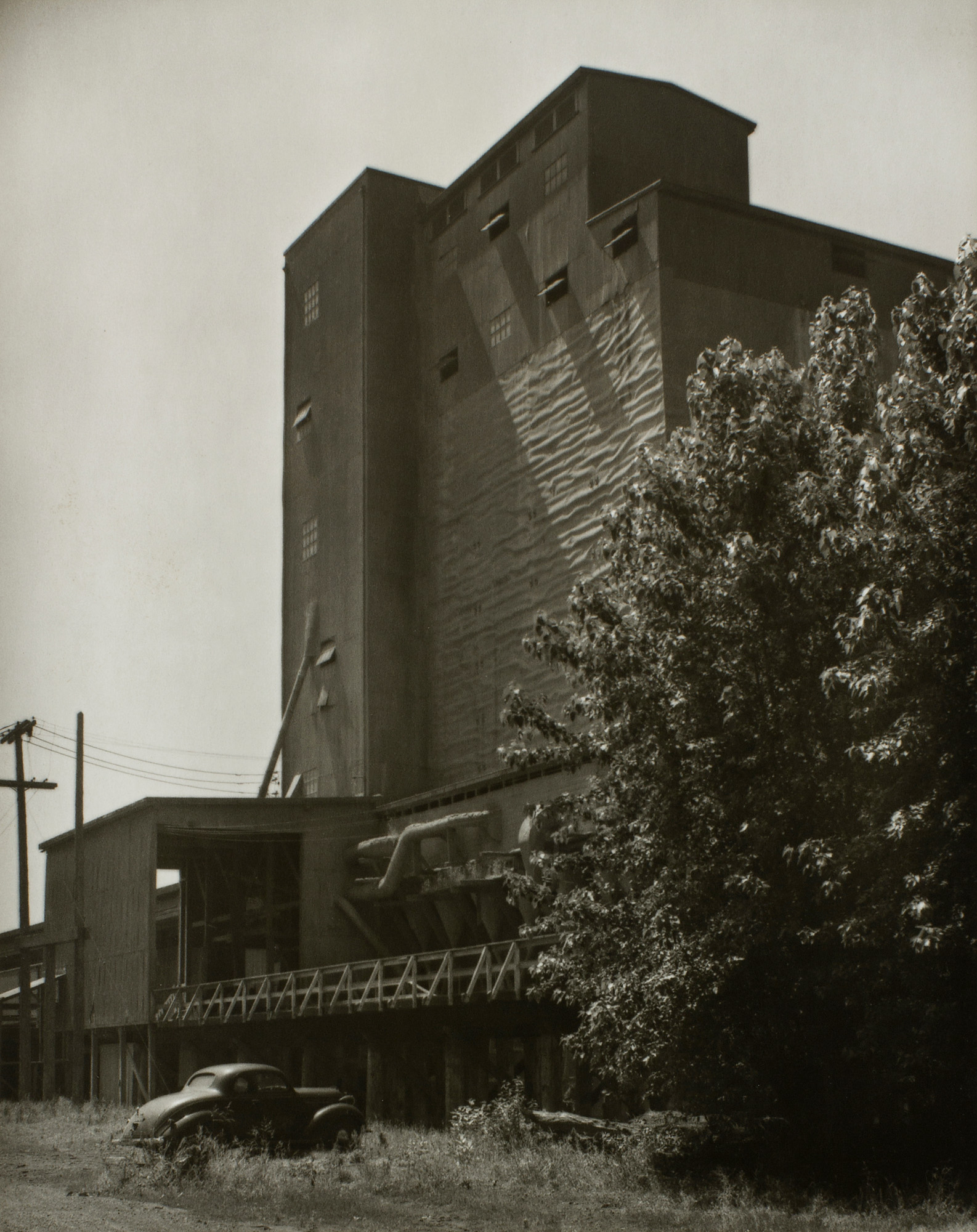


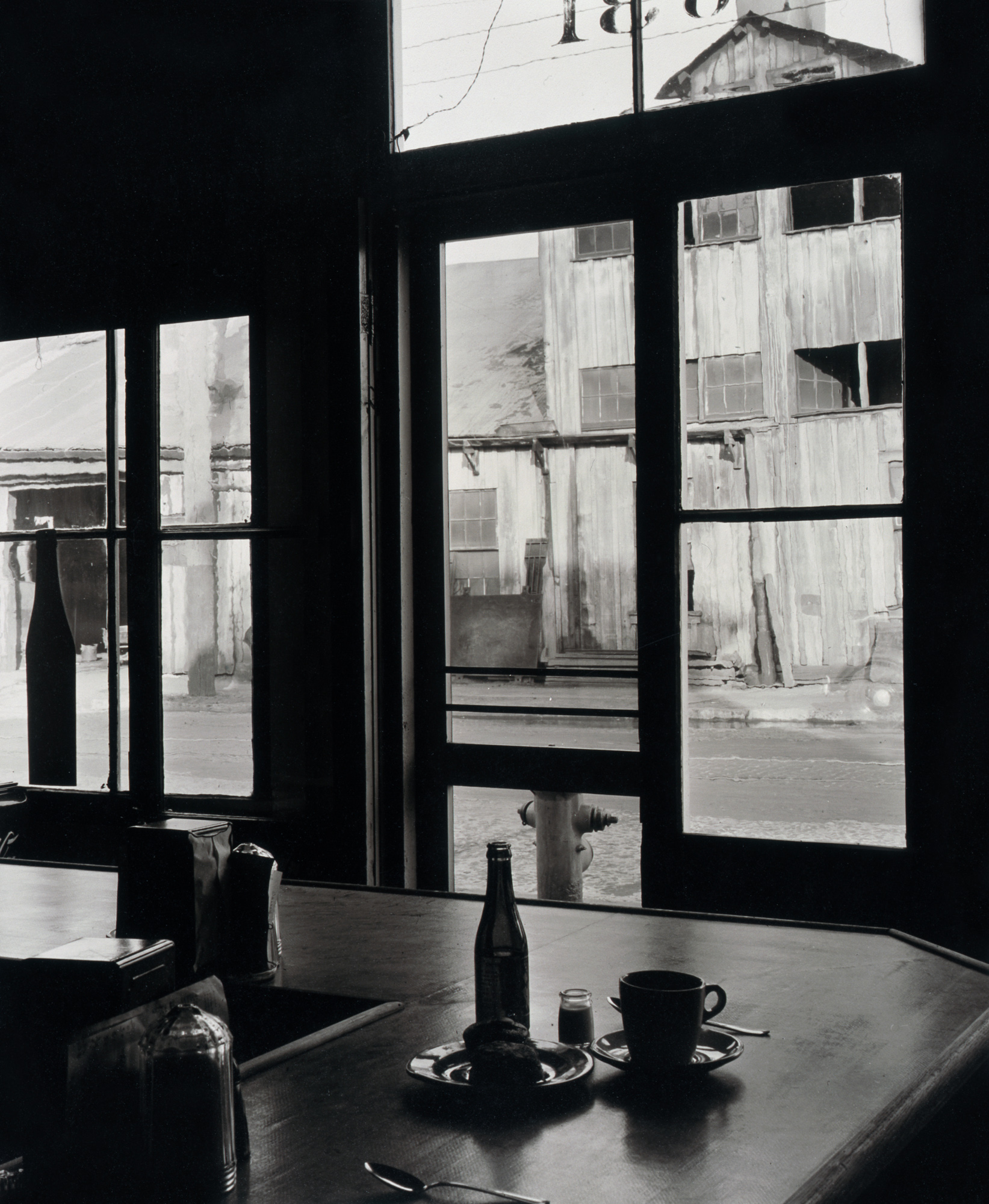


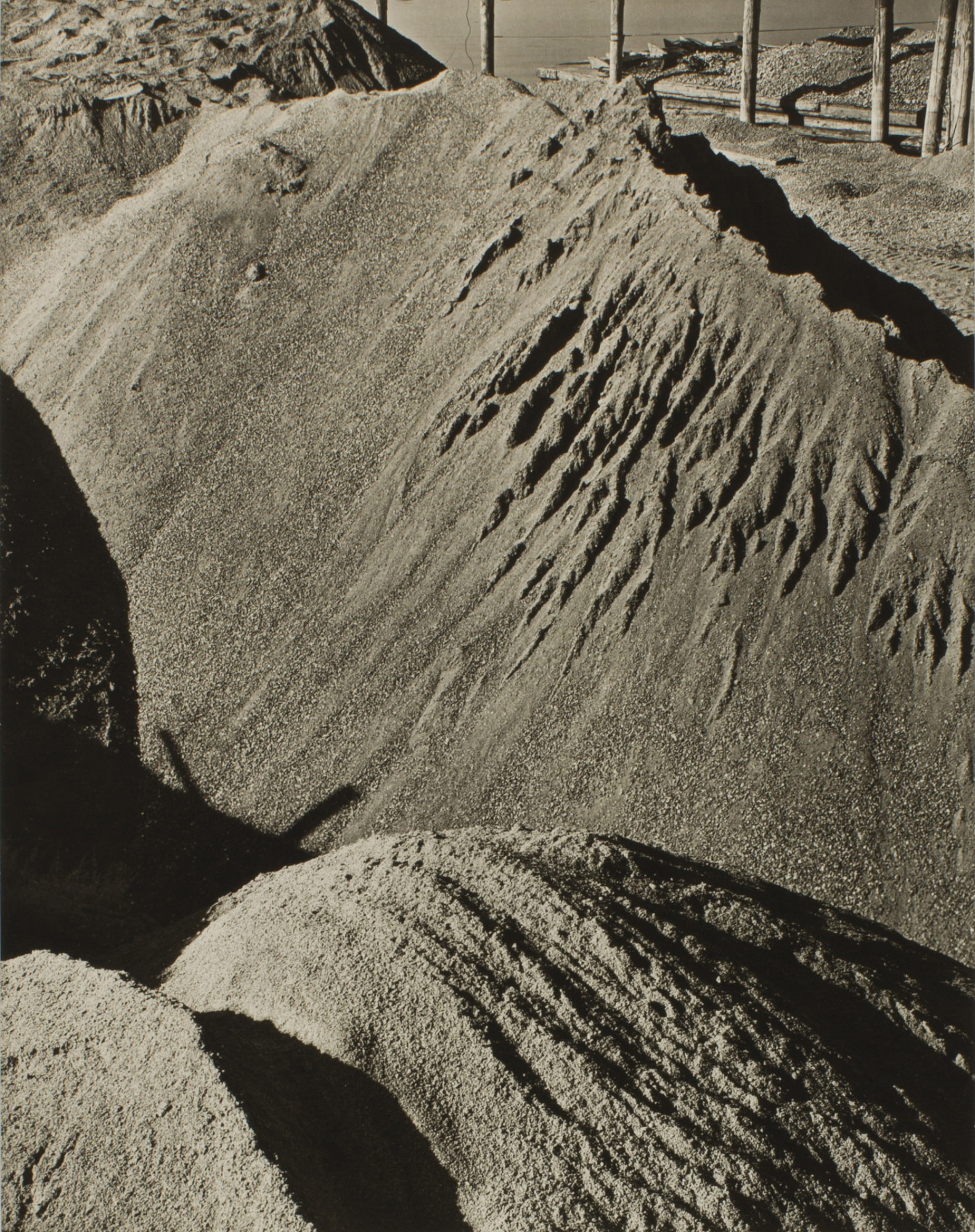


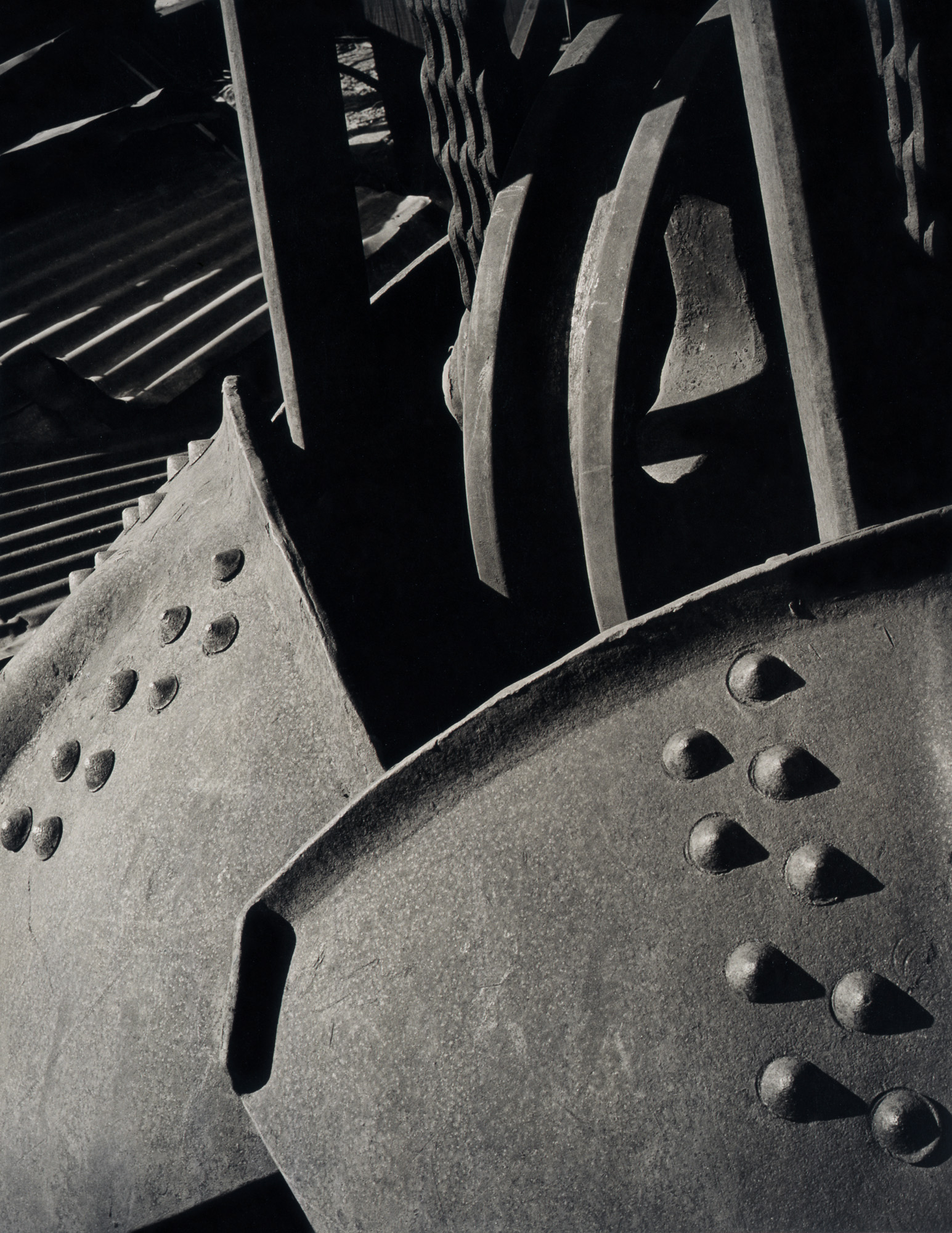

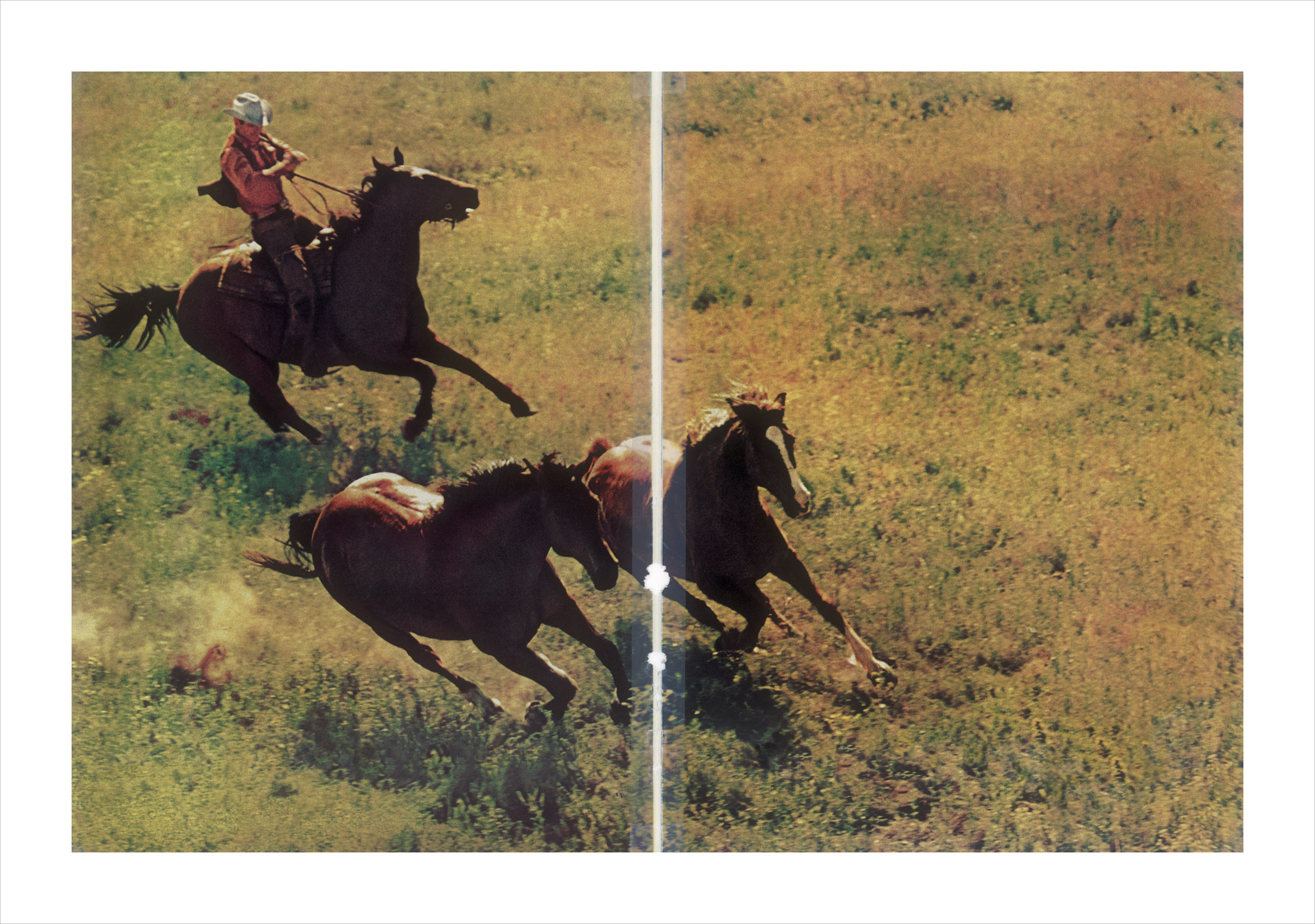

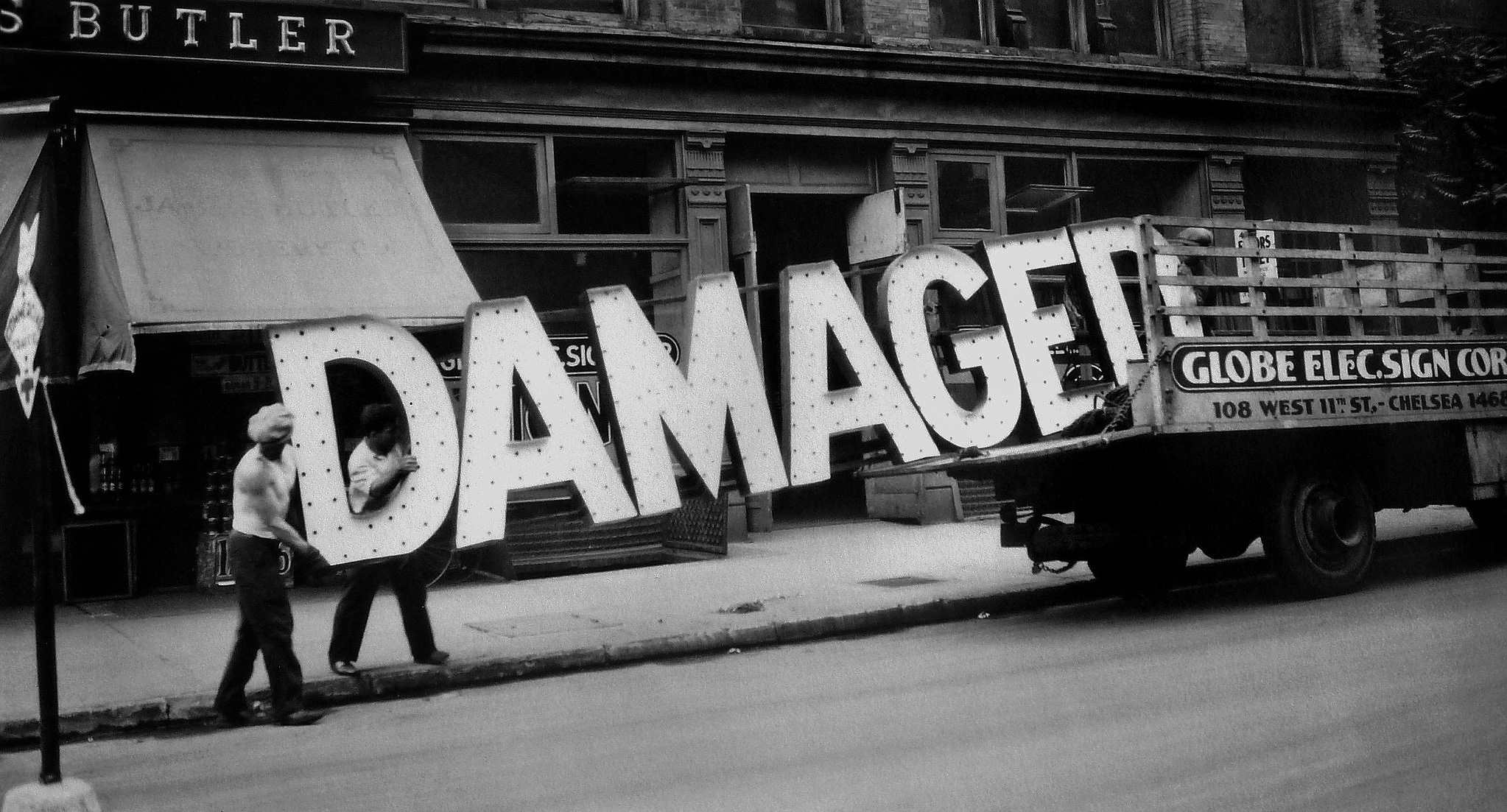


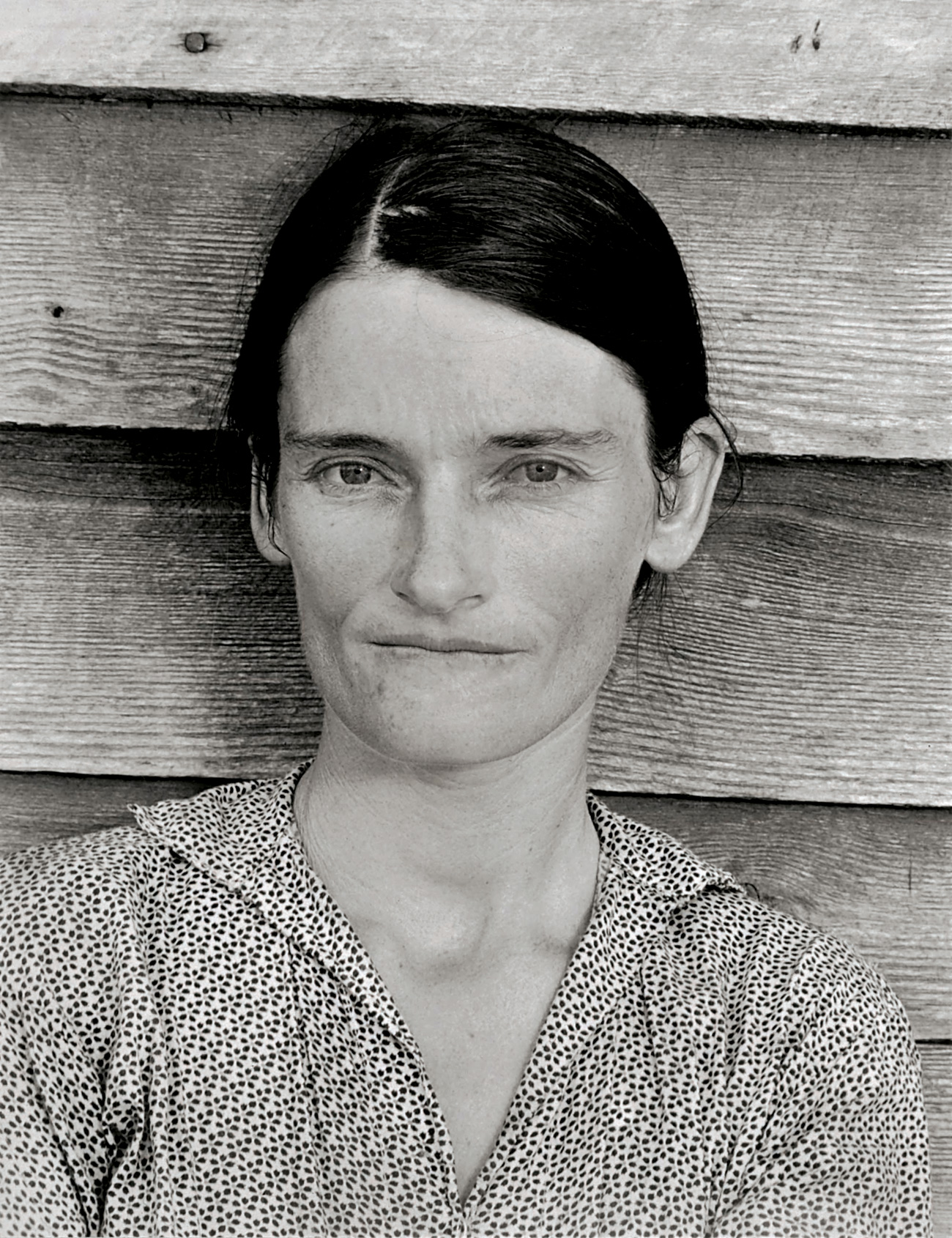


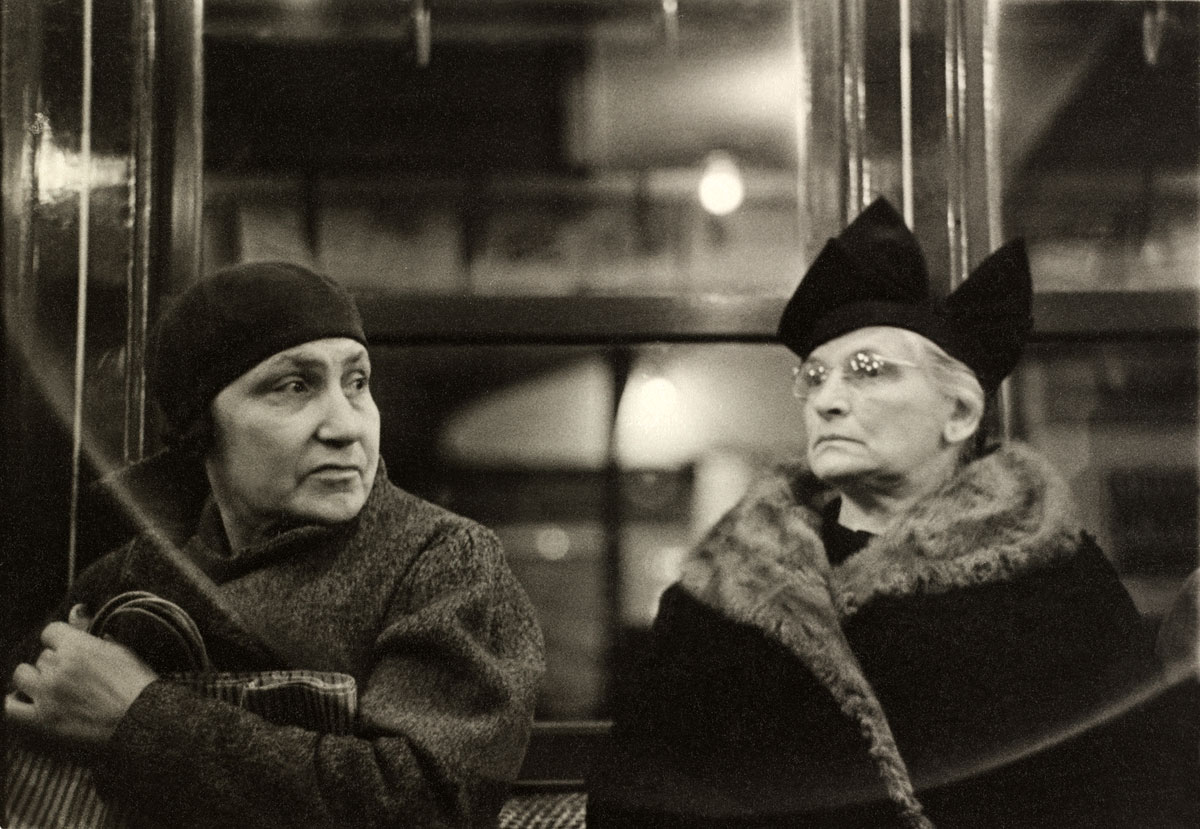

![Walker Evans (American, 1903-1975) '[Subway Passengers, New York City]' 1938](https://artblart.com/wp-content/uploads/2016/07/walker-evans-subway-passengers-new-york-city-web.jpg "Walker Evans (American, 1903-1975) '[Subway Passengers, New York City]' 1938")

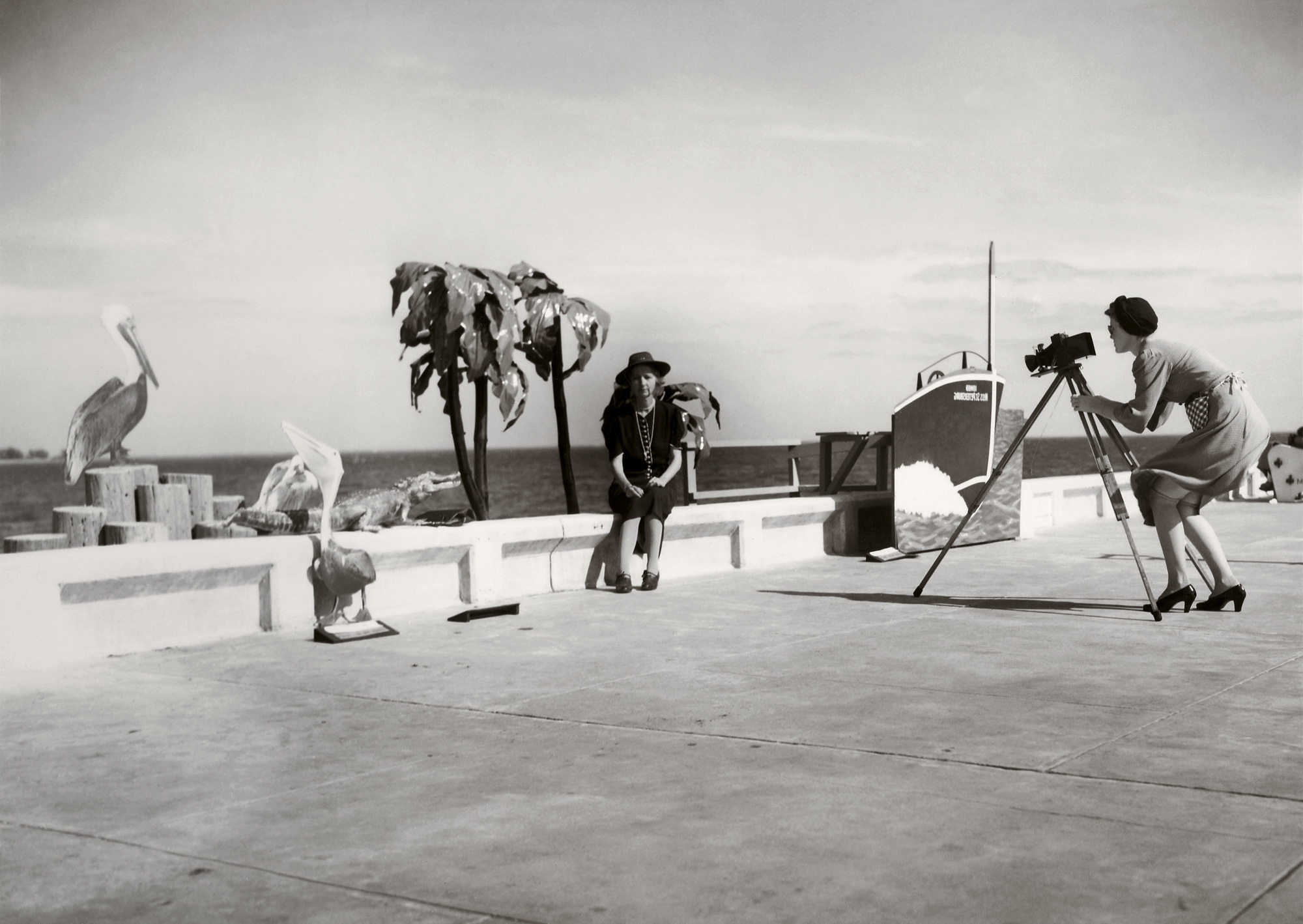
![Walker Evans (American, 1903-1975) 'Untitled [Street scene]' 1950s](https://artblart.com/wp-content/uploads/2018/01/walker-evans-untitled-web.jpg "Walker Evans (American, 1903-1975) 'Untitled [Street scene]' 1950s")

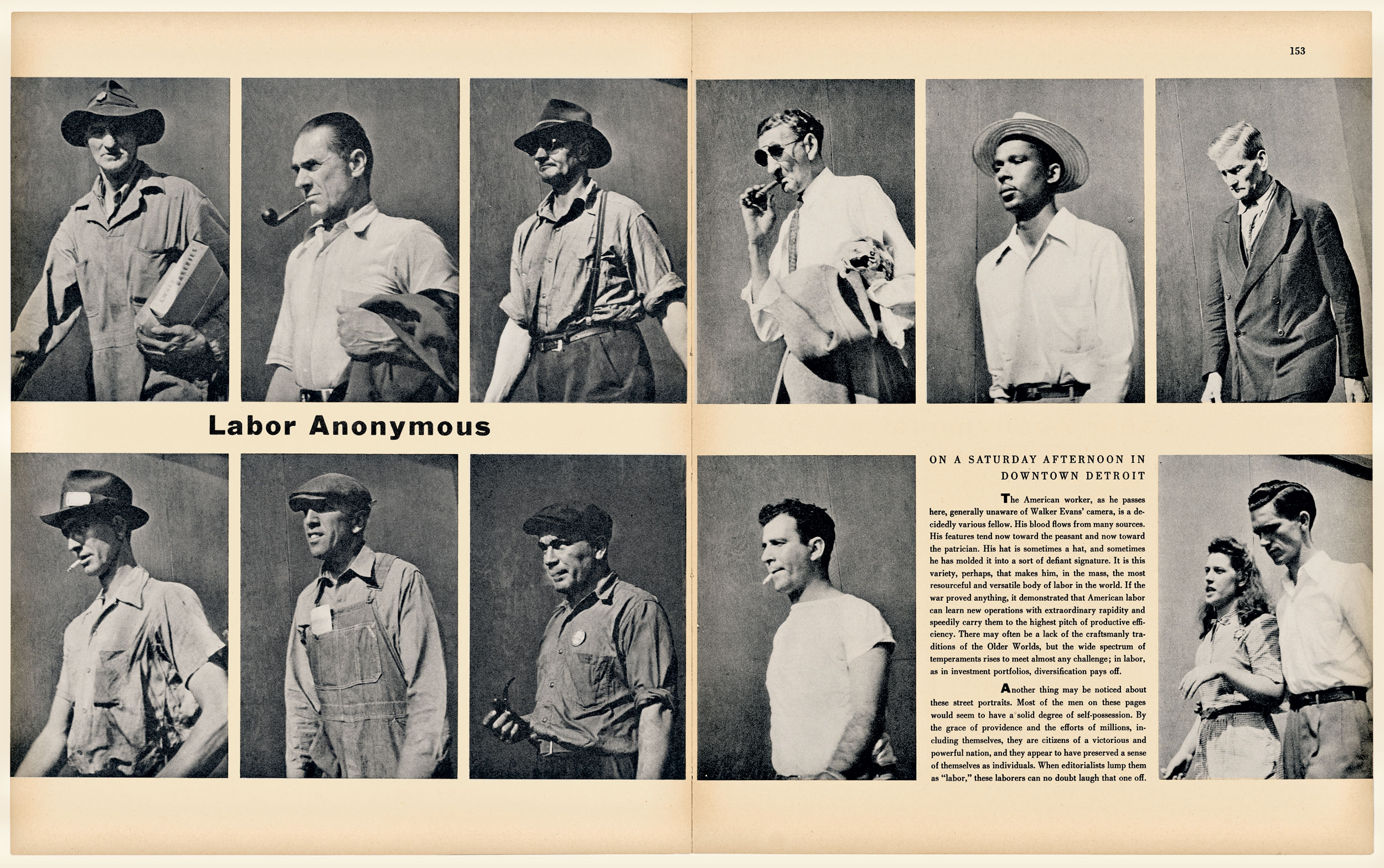








 Art Blart _ art and cultural memory archive
You must be logged in to post a comment.