George Tice (American, b. 1938) Petit’s Mobil Station, Cherry Hill, New Jersey 1974 Gelatin silver print 8 x 10 inches
I have always loved the work of George Tice. I have one of his photographs in my collection. I think his work is very underrated.
Tice’s consumate control of the construction of the image plane never gets in the way of the elemental, eternal, and magical aspects of the photograph.
Photographers such as Tice, and Atget, have an innate ability to place the camera in such as position as to reveal the subject matter in a new light. More intuitive, more sensitive to other ways of seeing, these great photographers look at the world from a different point of view.
In this posting, the hovering spaceship that is Petit’s Mobil Station, Cherry Hill, New Jersey (1974, above) is a superb example of this … almost hallucinatory feeling in the image. Other mesmerising photographs include the Cubist Houses and Water Towers, Moorestown, New Jersey (1973, below) and Industrial Landscape, Kearny, New Jersey (1973, below) with its acknowledgment of Alfred Stieglitz’s The Hand of Man (1902, below). Notice how Tice lowers the level of his camera when compared to Stieglitz’s photograph, thus raising the horizon line, so we now follow the bare, ascending train tracks to the massed stacks of the barren industrial landscape instead of looking down on the scene as in The Hand of Man. Here is a master of previsualisation at work.
Other photographs have already been seen in postings on Art Blart, but it is always a pleasure to look at George Tice’s work – especially his dusk and night time photographs such as New International Cinema, New Brunswick, New Jersey (1974, below), Steve’s Diner, Route 130, North Brunswick, New Jersey (1974, below) and Ideal Diner, Perth Amboy, New Jersey (1980, below). There are hints of the intimacies of Walker Evans and the clinical observations of Bernd and Hiller Becker in Tice’s work, but somehow he always makes images which possess his own signature, his own creative writing.
Following on from last week’s posting where I was banging on about the “spiritual” in contemporary photography (and by “spiritual” I mean an energy and feeling for subject matter captured in the negative and then revealed in the image), the photographs I have presented by Tice in this posting are a perfect example of this alternate perspective. As he observes, “The great difficulty of what I attempt is seeing beyond the moment; the everydayness of life gets in the way of the eternal.”
Dr Marcus Bunyan
Many thankx to Joseph Bellows Gallery for allowing me to publish the photograph in the posting. Please click on the photographs for a larger version of the image.
“It takes the passage of time before an image of a commonplace subject can be assessed. The great difficulty of what I attempt is seeing beyond the moment; the everydayness of life gets in the way of the eternal.”
George Tice
George Tice (American, b. 1938) Houses and Water Towers, Moorestown, New Jersey 1973 Gelatin silver print 11 x 14 inches
George Tice (American, b. 1938) Industrial Landscape, Kearny, New Jersey 1973 Gelatin silver print 8 x 10 inches
Alfred Stieglitz (American, 1864-1946) The Hand of Man 1902 Photogravure 24.1 × 31.8cm (9 1/2 × 12 1/2 in.) The J. Paul Getty Museum, Los Angeles
A locomotive engine steams toward the camera on its barely visible tracks, wearing a billowing black cloud of smoke like a plumed hat. The criss-crossing lines of tracks beside it snake off toward the horizon, and the telephone poles at the left appear to be making the same march. Alfred Stieglitz’s composition is a treatise on the importance of the machine in the modern Industrial Age. The title of the photograph, The Hand of Man, sets up a comparison between the machine that is depicted and the human artistic impulse that created the image. Stieglitz reproduced this photograph in the January 1903 issue of Camera Work, a journal that he both founded and edited. In the early 1930s he returned to the image and printed additional photographs.
George Tice (American, b. 1938) Railroad Bridge, High Bridge, New Jersey 1974 Gelatin silver print 8 x 10 inches
George Tice (American, b. 1938) Rooftops, 21st and King Street, Paterson, New Jersey 1969 Vintage gelatin silver print 16 x 20 inches
George Tice (American, b. 1938) Tenement Rooftops, Hoboken, New Jersey 1974 Vintage gelatin silver print 8 x 10 inches
George Tice (American, b. 1938) Pulaski Skyway, Jersey City, New Jersey 1974 Vintage gelatin silver print 8 x 10 inches
George Tice (American, b. 1938) Drawbridge, Morgan, New Jersey 1973 Vintage gelatin silver print 8 x 10 inches
The gallery’s current exhibition is a tribute to the lifework of George Tice, including many vintage prints of both famous and lesser-known images. Signed copies of his new book, Lifework, 1953-2013, are also available.
Tice is drawn to vestiges of American culture on the verge of extinction – from people in rural or small-town communities to suburban buildings and neighbourhoods that are often in decline. Although he has photographed throughout the Northwestern United States, he is best known for pictures of his native New Jersey, and the impeccable quality of his black-and-white prints.
Tice was born and raised in Newark, New Jersey – the state in which his ancestors had settled generations earlier. At fourteen, he joined a camera club. A turning point in his self-training happened two years later when a professional photographer critiquing club members’ work praised his picture of an alleyway. Tice briefly studied commercial photography at Newark Vocational and Technical High School; he then joined the Navy. A published image he made of an explosion aboard an American ship caught the eye of photographer Edward Steichen, who purchased it for The Museum of Modern Art. For about a decade, Tice worked as a portrait photographer and helped establish a gallery. That success enabled him to concentrate on personal projects.
In the 1960s, Tice shifted from smaller camera formats to larger ones, which enabled him to craft carefully toned and detailed prints. He portrayed traditional Amish and Shaker communities, as well as the hard lives of fishermen in Maine. In the 1970s, Tice began exploring his home state. Those photographs formed the beginnings of his Urban Landscapes series, which he worked on until the year 2000.
Text from the Joseph Bellows Gallery website
George Tice (American, b. 1938) Strand Theater, Keyport, New Jersey 1973 Gelatin silver print 16 x 20 inches
George Tice (American, b. 1938) New International Cinema, New Brunswick, New Jersey 1974 Vintage gelatin silver print 8 x 10 inches
George Tice (American, b. 1938) Ideal Diner, Perth Amboy, New Jersey 1980 Gelatin silver print 11 x 14 inches
George Tice (American, b. 1938) Steve’s Diner, Route 130, North Brunswick, New Jersey 1974 Vintage gelatin silver print 16 x 20 inches
George Tice (American, b. 1938) Palace Funhouse, Ashbury Park, New Jersey 1995 Gelatin silver print 16 x 20 inches
George Tice (American, b. 1938) Lexington Avenue, Passaic, New Jersey 1973 Vintage gelatin silver print 8 x 10 inches
George Tice (American, b. 1938) Goldy Pharmacy, Mount Holly, New Jersey 1974 vintage gelatin silver print 8 x 10 inches
George Tice (American, b. 1938) Gar’s Bakery and Leisure Laundry, Newark, New Jersey 1974 Vintage gelatin silver print 8 x 10 inches
George Tice (American, b. 1938) Dari O’ Lite, Wood Avenue, Linden, New Jersey 1973 Vintage gelatin silver print 8 x 10 inches
George Tice (American, b. 1938) Jimmy’s Bar and Grill, Newark, New Jersey 1973 Gelatin silver print 8 x 10 inches
George Tice (American, b. 1938) Hudson’s Fish Market, Atlantic City, New Jersey 1973 Vintage gelatin silver print 8 x 10 inches
George Tice (American, b. 1938) Houses, Ocean Grove, New Jersey 1974 Vintage gelatin silver print 8 x 10 inches
George Tice (American, b. 1938) Dorn’s Photoshop, Red Bank, New Jersey 1999 Gelatin silver print 16 x 20 inches
Joseph Bellows Gallery 7661 Girrard Avenue La Jolla, California Phone: 858 456 5620
Opening hours: Tuesday – Saturday 11am – 5pm and by appointment
Featuring photographs by Eugène Atget, Lawrence Beck, Laurenz Berges, Karl Blossfeldt, Ursula Böhmer, Christian Borchert, Natascha Borowsky, Paul Dobe, Hans Eijkelboom, Folkwang-Auriga Verlag, Bernhard Fuchs, Candida Höfer, Fred Koch, August Kotzsch, Andreas Mader, Francesco Neri, Simone Nieweg, Gabriele and Helmut Nothhelfer, Albert Renger-Patzsch, Andrea Robbins/Max Becher, Judith Joy Ross, Martin Rosswog, August Sander, Oliver Sieber, Antanas Sutkus, Jerry L. Thompson, and Albrecht Tübke.
It’s always a pleasure to be able to publish images by such photographic luminaries as August Sander and Karl Blossfeldt, although I feel the link between portrait, landscape and botanical photography is rather more complicated than the organisers of the exhibition would acknowledge in their press release … or, perhaps, we could rephrase that, of a different order of association than simply a result of human economics, culture and habitation over time as they state.
For me there is an essentialness about a human standing on the soil of earth, the energy of the tree of life spreading up through our limbs as we ground ourself in the earth – committing our body to the ground, earth to earth, ashes to ashes, dust to dust – whilst acknowledging the eternal energy of the cosmos. This has everything to do with understanding the time of the cosmos and the time of the earth (and our time on it), perceived as a connection to the earth as a living organism – Gaia, the Mother Earth – and very little to do with economics, culture or habitation. As Minor White would argue when photographing the landscape in meditation, he would hope for a release of energy in revelatio, in revelation, in the captured negative, over time. Again, very little to do with economics, culture or habitation.
Because of the concentration on his portrait photography, notably work from his major project People of the Twentieth Century (Menschen des 20. Jahrhunderts), the landscape photographs of August Sander are often overlooked and therefore underrated. Whilst in Cologne in 2019 I even went so far as to buy a rare book on Sander’s landscapes that’s how much I like them. The light in Sander’s landscape photographs with their expansive skies and panoramic vistas – paired with his intimate woodlands, snowscapes and photographs of ancient trees – have a magical energy embedded in them which crystallises life on earth. In this posting there is only one landscape but you can check out more online. There are also three magnificent portraits of Sander’s that I have never seen before: Newspaper publisher [Karl Richter] (1924, below); Blacksmith (c. 1930, below); and Fairground Woman (c. 1930, below).
I believe that one way that traditional photography can approach a new terrain of becoming, in order to lend photographic visions current and future pertinence, is a rebalancing of the scales between conceptual and what I would call “spiritual” photography. A factual documentary approach accompanied by a defined concept should not preclude access to the spiritual or the sublime in traditional photography, or an acknowledgement of other ways of seeing and feeling the world. A transcendent liminality can inhabit images, one in which we cross the threshold into a transitional state between one world and the next, where can photographs proffer a ‘releasement toward things’ which, as Heidegger observes, grant us the possibility of dwelling in the world in a totally different way. As I have continued to argue on Art Blart for the last 15 years, the essentialness or reality of photography is that the photograph is never truly here and is always located elsewhere – in our feelings, in our hearts, in our memories and in the time and energy of the cosmos that surrounds us. A photograph is as much a true vibration of energy as it is a concept or a document, if not more so.
“To try to see more and better is not a matter of whim or curiosity or self-indulgence. To see or to perish is the very condition laid upon everything that makes up the universe, by reason of the mysterious gift of existence.” ~ Teilhard de Chardin, “Seeing” 1947
Dr Marcus Bunyan
Many thankx to Die Photographische Sammlung/SK Stiftung Kultur for allowing me to publish the photographs in the posting. Please click on the photographs for a larger version of the image.
Installation view of the exhibition Photographic Concepts and Treasures – Works from the Collection Part 1 – Portraiture, Landscape, Botany at Die Photographische Sammlung / SK Stiftung Kultur, Cologne showing at left, the work of August Sander including Three Generations of the Family (1912, above) and Farming Couple, Westerwald (1912, above)
Installation view of the exhibition Photographic Concepts and Treasures – Works from the Collection Part 1 – Portraiture, Landscape, Botany at Die Photographische Sammlung / SK Stiftung Kultur, Cologne showing at left, the work of August Sander (above); and at centre, the work of Andrea Robbins and Max Becher (below)
In 2022, Die Photographische Sammlung/SK Stiftung Kultur celebrates the 25th year of its exhibition program in Cologne’s Mediapark, launched in 1997 under the forward-looking title “Comparative Concepts.” This anniversary offers an occasion to present many works from the collection in two exhibitions, each with its own focus, enabling Die Photographische Sammlung to provide visitors with a broad overview of its holdings.
With over 380 exhibits, the current presentation focuses on the central themes of “Portraiture, Landscape, Botany” as illustrated by the work of 25 historical and contemporary artistic photographers. A second exhibition to follow from September 2 will spotlight the related areas of “Urban Life, Architecture, Industry.” Viewers will discover a variety of links between the two presentations.
The portrait genre will be examined first, based on the work of August Sander, whose archive has provided vital inspiration for the institution’s collection and program concept. With his iconic series “Citizens of the Twentieth Century,” represented in the current show by over 50 original prints, Sander took the photographic portrait in a new and innovative direction as a method of factual documentary. Compiled in the first half of the last century and consisting of hundreds of images, this work still has a singular standing to this day as an enormously multifaceted oeuvre following a predefined concept that was implemented step by step starting in the mid-1920s. The series reflects fundamental new challenges in dealing with the medium, as well as aspects of the individual and group portrait – considerations that are a core component of Die Photographische Sammlung.
The portraits in the collection for example inquire into the relationship between the individual and society, exploring questions of identity and of social, family, and professional circumstances and relationships, and thereby providing a glimpse of various life stages and living conditions. The influence of the ever-changing impulses, possibilities, and synergies over time is very much in evidence here. This connection is particularly vivid in documentary projects that are pursued over longer periods. They show how individuals are continuously shaped by the respective cultural environment. This circumstance is reflected not only in the image they have of their own lives but also in how they respond to their life realities.
Accordingly, the subject areas of landscape and botany are connected with the portrait on many levels. Like portraiture, landscape as both a human habitat and economic and cultural realm reflects temporal phenomena. Botanical studies that are rendered like portraits may come to life as naturalistic individuals or in other cases allude to the world of aesthetics and sculpture.
By offering an opportunity to compare and contrast various photo series, the exhibition compellingly underscores how the unifying criterion of a factual documentary approach accompanied by a defined concept has always been a leitmotif for the activities of Die Photographische Sammlung / SK Stiftung Kultur. A concentration on this specific current in photography is what defines the collection’s distinctive profile. Rather than representing a cross-section of the history of photography, the aim is to emphasise photographic visions that creatively guide traditional approaches onto new terrain in order to lend them current and future pertinence.
Press release from Die Photographische Sammlung/SK Stiftung Kultur
Installation view of the exhibition Photographic Concepts and Treasures – Works from the Collection Part 1 – Portraiture, Landscape, Botany at Die Photographische Sammlung / SK Stiftung Kultur, Cologne showing at right, the work of Simone Nieweg (below)
The gardens shown in Nieweg’s photographs is of a type known in German as Grabeland – literally “land for digging.” Unlike typical allotment gardens, such plots are not available for long-term lease or ownership but are instead zoned for interim use on a year-by-year basis until they become building land or are put to some other use. The plantings are also prescribed to reflect this provisional state; no perennials, bushes, shrubs, or trees are allowed. Since Grabeland is impermanent terrain, entirely subject to utility and optimisation, one rarely finds here any of the decorative elements that populate allotment gardens. There are no garden furnishings, grills, or sun umbrellas – indeed there is nothing that would indicate the presence of leisure. What we see instead are the instruments of work, tools used to prepare the soil and cultivate the plants.
What Nieweg finds especially interesting about Grabeland are the forms and structures to which such conditions give rise. She has been working on this project since the mid-1980s, shortly after beginning her studies with Bernd Becher at the Düsseldorf Art Academy. Gardens, fields, landscapes, and more recently, views into forests are among the subjects that Nieweg has consistently explored in series taken over extended periods. She prefers using a large-format camera and elaborating her motifs in colour.
Text from the Die Photographische Sammlung/SK Stiftung Kultur, Köln website. No longer available online
Installation view of the exhibition Photographic Concepts and Treasures – Works from the Collection Part 1 – Portraiture, Landscape, Botany at Die Photographische Sammlung / SK Stiftung Kultur, Cologne showing at left, the work of Karl Blossfeldt (below); and at right, work published by Folkwang-Auriga Verlag (below)
In the series “Die Tage Das Leben (Days. Life)”, begun in 1988, I photograph my friends again and again. I watch them finding themselves and each other and separating and having children; how they are alone and with others; how they get older and take each other’s hands so they don’t get lost along the way. I think of them full of tenderness. ~ Andreas Mader
Oliver Sieber studied photography in Bielefeld and Düssseldorf. Since 1999 he has worked with Katja Stuke on Frau Böhm, a photo project in the form of a magazine.
Sieber’s work usually takes the form of series and he is fascinated by the subject of identity and the phenomenon of young people and their subcultures. This led to the series SkinsModsTeds, B-Boyz B-Girlz, 11Girlfriends and Boy meets Girl. In 2006 he spent time in Japan for an artist in residence programme, where he made the series J_Subs as well as character thieves, for which he photographed young people dressed up as their favourite manga characters. Over the past few years exhibitions of his work have been held at, among others, the Photographers Gallery London, the Photographische Sammlung SK / Stiftung Kultur in Cologne, the National Museum of Photography in Copenhagen, the Photo Espana Festival in Madrid, Yours gallery in Krakow and Fotomuseum Winterthur. Sieber has published a number of books. The latest two are based on his work character thieves and imaginary club.
Dr Christoph Schaden. “Oliver Sieber,” on the PhMuseum website Nd [Online] Cited 22/06/2022. No longer available online
Tübke’s photographs examine the representation of the human being and the role of the individual in society, in search for its identity while oscillating between adaptation and demarcation. Among his most famous projects are the portrait series Dalliendorf from 1996 and Citizens from 2001.
In photography, Tübke’s field is the human image. These are mainly full – length portraits in which the colour is greatly reduced. Tübke is concerned with the representation of individuality and uniqueness of people. The people portrayed almost always look into the camera. Through the concentration of the gaze as well as through the sensitively observed posture of the person portrayed, Tübke succeeds in creating images of very strong intensity with a documentary approach.
Curators: The exhibition is curated by Emma Chambers (Curator, Modern British Art, Tate Britain), Caroline Corbeau-Parsons (Curator of Drawings / Conservatrice des Arts Graphiques at Musée d’Orsay) and former Curator, British Art, 1850-1915 at Tate Britain), the late Delphine Lévy (former Executive Director, Paris Musées) and Thomas Kennedy (Assistant Curator, Modern British Art, Tate Britain).
Walter Richard Sickert (British, 1860-1942) The Red Shop (or The October Sun) c. 1888 Oil on canvas Norwich Castle Museum & Art Gallery, Norfolk Museums Service
I believe that Walter Sickert is an interesting and boundary pushing artist – but I remain ambivalent as to whether I like this attention seeking European modernist, this “self-proclaimed realist and literary painter with an interest in narrative” with his penchant for working-class urban culture and its “dank land of rented rooms, sickly streets and gaslit pubs,” its opium dens, street gangs and prostitutes, its black fogs and murders.
On the one hand I like the chthonic [relating to or inhabiting the underworld] darkness of his paintings, and their earthiness and essentialness, for Sickert is a chthonic deity [from Greek khthōn ‘earth’] grounded in the earth. His self-portraits appear as dark, almost eyeless creatures metastasizing from the Stygian gloom like a London pea souper fog – black fog, black dog examinations of the inner self interpreted as performances of identity. His paintings of the ghouls in the galleries at theatres are masterful in their use of colour, light and form – soaring to the heavens or buried like children in a mine, as in The Gallery at the Old Mogul (1906, below).
I am much less certain about other elements of his painting, such as the objectification of women in the numerous nudes, laid out for the viewers delectation. As Jonathan Jones observes,
“These are truly shocking images, more than a century on. Yet they have affinities with some of the greatest modern art, as the exhibition demonstrates. Sickert was strongly influenced by Degas, and in turn influenced Lucian Freud – there are nudes here by both for comparison.
The most appalling aspects of Sickert’s nudes are also their artistic strength. He rejects the phoney academic nude for raw naked reality – he even wrote an essay explaining this aesthetic. This is why he depicts women, more literally perhaps than any artist, as objects: because the body is an object, it is meat. Francis Bacon would agree with him.”1
Francis Bacon would of course agree with him, but there is an essential difference… Bacon was a male dissecting male bodies; in Sickert’s fantasy world of murder and voyeurism, it is the male gaze looking at a disempowered and dismembered female body and his paintings “are shot through with suppressed malevolence – a horrible aura of voyeurism, encroachment or outright violence.” While the nude paintings can be seen as essential and earthy challenging the conventional approach to life painting – “The modern flood of representations of vacuous images dignified by the name of ‘the nude’ represents an artistic and intellectual bankruptcy” – the energy which emanates from these paintings is perverse, like a butcher selling putrid meat which gives off a fecund but malodorous smell. According to Australian artist Elizabeth Gertsakis, there is a deep psychopathology present in Sickert’s work: “there are no ‘souls’ in Sickert’s art, nor is there redemption. There is despair, degeneracy and a kind biblical vengeance without the costume-play of the Testaments.”2
Finally, the late photo-based paintings from the late 1920s and 30s which would have astounded at the time of their creation, today feel frozen and stilted – the beginning of pastiche painting which lives on in the contemporary portraiture of Australia’s Archibald prize for example, where “we see the usual clumsily drawn figures; the usual ‘kooky’ whimsy; the usual ham-fisted, photo-based ‘realism’ (always the last bastion for the conceptually limited painter!). All of them dead in the water before they are even unwrapped for the scrutiny of the dull-eyed panel. Before they have even left the easel, in fact.”3 As Steve Cox observes, portrait ‘Painting’ become portrait ‘Illustration’ blossomed into its full-blown, grotesque, nadir.
Nevertheless, there are moments of sublime ecstasy in some of Sickert’s realist, narrative elegies: the red dress of Minnie Cunningham at the Old Bedford (1892, below); the “dynamic evocation of the local fair in Dieppe” with its background “enriched with acidic greens, lurid yellows and vivid scarlets” in The Fair at Night (c. 1902-1903, below); the gold decoration of the arch in The Horses of St Mark’s, Venice (c. 1901-1906, below); and the poignancy of the emaciated figure that is Aubrey Beardsley (1894, below), a haunting appearance suggested by the deftest and most skilful application of paint in search of a soul that you are ever likely to see.
2/ Elizabeth Gertsakis in conversation with Marcus Bunyan 19/06/2022
3/ Steve Cox. “Thoughts on the Anti-Art Event, the Archibald Prize,” on Facebook May 7, 2022 [Online] Cited 18/06/2022
Many thankx to Tate Britain for allowing me to publish the media images in the posting. Please click on the photographs for a larger version of the image.
This sense of a narrative runs against the grain of what has come to be construed as ‘modern’ in modern art. But Sickert insisted that ‘All the great draughtsmen tell a story’.16 He maintained that no country could have a great school of painting when the unfortunate artist was confined ‘to the choice between the noble site as displayed in the picture-postcard, or the quite nice young person, in what Henry James has called a wilderness of chintz’.17 He was a self-proclaimed realist and literary painter with an interest in narrative and an obsession with facture [i.e. the quality of the execution of a painting; an artist’s characteristic handling of the paint]. (He called it ‘the cooking side of painting’.18) He did not believe in severing subject and treatment:
“Is it not possible that this antithesis is meaningless, and that the two things are one, and that an idea does not exist apart from its exact expression? … The real subject of a picture or a drawing … and all the world of pathos, of poetry, of sentiment that it succeeds in conveying, is conveyed by means of the plastic facts expressed … If the subject of a picture could be stated in words there had been no need to paint it.”
It is in this sense – rather than in any quibbling as to the recorded details of Emily Dimmock’s murder in 1907 – that Sickert’s paintings are not illustrations. They cannot be decanted into words. And they do not use the available ‘language’ of illustration for sensational events, evident in the depictions of the Camden Town Murder in such publications as the Illustrated Police Budget and News.20 But their subject matters.
Walter Sickert, ‘The Language of Art’, New Age, 28 July 1910, quoted in Osbert Sitwell (ed.), A Free House! or The Artist as Craftsman: Being the Writings of Walter Richard Sickert, Macmillan, London 1947, p. 89 in Lisa Tickner. “Walter Sickert: The Camden Town Murder and Tabloid Crime,” on the Tate website Nd [Online] Cited 17/05/2022
Walter Richard Sickert (British, 1860-1942) The Juvenile Lead (Self Portrait) 1907 Oil on canvas Southampton City Art Gallery
Discover the boundary-pushing paintings by one of Britain’s most influential artists
Walter Sickert is recognised as one of the most important artists of the 20th century, having helped shape modern British art as we know it. With ties to renowned painters from James Abbott McNeill Whistler to Edgar Degas, he strengthened the artistic connections between Britain and France and continues to influence contemporary painters to this very day.
The first major retrospective of Sickert at Tate in over 60 years, this exhibition explores how he had an often radical, distinctive approach to setting and subject matter. From working off detailed sketches to taking inspiration from news photography, these were the tools he used to depict his vision of everyday life.
A former actor, he had a flair and fascination for all things theatrical, including performers in music halls crafted on canvas, and nude portraits staged in intimate, domestic settings. His imagination was also fuelled by current events including the rise of celebrity culture, and he used this to create compelling narratives.
Much like the man, his art was complex. Creative and colourful, his body of work was ever-changing and can be interpreted in different ways. His own self-portraits, for example, showcase how he evolved throughout his career – from his beginnings as an actor and artistic apprentice, to becoming one of the most gifted and influential artists of his time.
Walter Richard Sickert (British, 1860-1942) Self Portrait: The Bust of Tom Sayers c. 1913-1915 Oil on canvas The Ashmolean Museum, University of Oxford
Walter Sickert | Trailer | Tate
Installation view of the exhibition Walter Sickert at Tate Britain, May – September 2022 showing at left, Little Dot Hetherington at the Bedford Music Hall 1888-1889 below; at and right, The P.S. Wings in the O.P. Mirror c. 1888-1889 below
Walter Richard Sickert (British, 1860-1942) Little Dot Hetherington at the Bedford Music Hall 1888-1889 Oil on canvas Private collection Photo: James Mann
Walter Richard Sickert (British, 1860-1942) The P.S. Wings in the O.P. Mirror c. 1888-1889 Oil on canvas Rouen, Musée des Beaux-Arts
Installation view of the exhibition Walter Sickert at Tate Britain, May – September 2022 showing at left, Edgar Degas’ The Ballet Scene from Giacomo Meyerbeer’s opera “Robert le Diable” 1876, below; and at right, Little Dot Hetherington at the Bedford Music Hall 1888-1889 above
Edgar Degas (French, 1834-1917) The Ballet Scene from Giacomo Meyerbeer’s opera “Robert le Diable” 1876 Height: 76.6cm (30.1 in) Width: 81.3cm (32 in) Victoria and Albert Museum Public domain
Installation view of the exhibition Walter Sickert at Tate Britain, May – September 2022 showing at left, Gallery of the Old Bedford 1894-1895 below; at second left, Noctes Ambrosianae, Gallery of the Old Mogul 1906-1907 below; and at fourth left, The Gallery at the Old Mogul 1906 below
Walter Richard Sickert (British, 1860-1942) Gallery of the Old Bedford 1894-1895 Oil on canvas Purchased by the Walker Art Gallery in 1947
Walter Richard Sickert (British, 1860-1942) Noctes Ambrosianae, Gallery of the Old Mogul 1906-1907 Oil on canvas 63.7 x 76.6cm Birmingham Museums Trust Purchased 1949
Walter Richard Sickert (British, 1860-1942) The Gallery at the Old Mogul 1906 Oil on canvas 63.5 x 67cm
Walter Sickert’s The Gallery at the Old Mogul is thought to be one of the earliest paintings in the world of a cinematic performance. Early press descriptions prove that the original title of the picture was Cinematograph and shows a film screening of a Western.
Before the existence of purpose built cinemas, films were often shown in music halls as part of the evening’s entertainment. ‘The Old Mogul’ was the original name for the Middlesex Music Hall in Drury Lane, remodelled and renamed in the 1870s, and variously known as ‘the Mogul Tavern’, ‘the Old Mo’, and ‘the Old Middlesex’.The present workwas painted soon after Sickert’s return to London in 1906, at a time when Sickert was rediscovering his fascination for music-hall subjects. ‘I have started many beautiful music-hall pictures. I go to the Mogul Tavern every night, Sickert wrote to Jacques-Émile Blanche in 1906. Related works of the same subject include Noctes Ambrosianae painted in the same year and four related drawings in the Walker Art Gallery Liverpool and Aberdeen Art Gallery. …
Sickert’s inspiration for depicting new forms of entertainment such as cinema performances stemmed partly from French artists, including Degas’ depictions of Parisian Café Concerts and theatres. Sickert, however, was one of the first artists to examine scenes of popular entertainment in a British art context. Unlike Degas, the focus is less on the performance – or in this case screening – and more on the relationship of the audience to the show. This method was developed in Sickert’s earliest entertainment works such as the Old Bedford Gallery pictures of the 1890s [above], which like the present work choose to focus on the audience from behind, inviting the viewer to feel at once a part of the spectacle and yet distant from the subjects. This tool was partly borrowed by Sickert from French Impressionist works such as Manet’s Un bar aux Folies Bergère, where the viewer is made to feel like they are ordering a drink at a bar but is unable to witness the full transaction. Sickert’s ability to create this ambiguity allows the onlooker to invent narratives for the scene, and is one of the reasons he remarked to Virginia Woolf, ‘I have always been a literary painter’ (V. Woolf, Walter Sickert: A Conversation, London, 1934, p. 26).While Sickert’s work may not have the sentiment or caricature of Charles Dickens’ (as loosely suggested by Woolf in 1934), it often manages to give the impression that you are viewing a moment in time, a snapshot that leaves one guessing as to what has just happened or what will happen next.
It is of no surprise therefore, that in later years Sickert began increasingly to adapt compositions directly from photographs. Yet unlike a photograph, The Gallery at the Old Mogul seems full of movement. Sickert maintains the ability not to simply depict but to create dramatic atmosphere through low tones and a liquid handling of paint reminiscent of Whistler and indeed of a cinematic performance. The Gallery at the Old Mogul successfully predicted not only the importance of film on everyday cultural life but on many subsequent art movements such as the Cubist works of Braque and Picasso between 1907-1914.
Walter Richard Sickert (British, 1860-1942) The Pit at the Old Bedford 1889 Oil on canvas 34.5 x 30.0cm Fondation Bemberg
Walter Richard Sickert (British, 1860-1942) Vesta Victoria at the Old Bedford c. 1890 Oil on panel 14 1/2 x 9 1/4 ins (37 x 23.5cms) Private collection, UK
Walter Richard Sickert (British, 1860-1942) Gaîté Montparnasse c. 1907 Oil paint on canvas 612 × 508 mm The Museum of Modern Art, New York Mr. and Mrs. Allan D. Emil Fund, 1958
Installation view of the exhibition Walter Sickert at Tate Britain, May – September 2022 showing at left, Minnie Cunningham at the Old Bedford 1892 below; and at right, Brighton Pierrots 1915 below
Walter Richard Sickert (British, 1860-1942) Minnie Cunningham at the Old Bedford 1892 Oil paint on canvas Support: 765 × 638 mm Frame: 915 × 787 × 69 mm Tate Purchased 1976
Minnie Cunningham was a popular performer at the Old Bedford Music Hall in Camden Town. Sickert went there regularly and made dozens of sketches capturing the effects of light and movement on the stage and in the auditorium. Here, Sickert paints from the point of view of an audience member. He first exhibited it with the subtitle ‘I’m an old hand at love, though I’m young in years’, a quote from one of Cunningham’s songs. Sickert painted the ordinary life he saw around him.
Gallery label, September 2020
Walter Richard Sickert (British, 1860-1942) Brighton Pierrots 1915 Oil on canvas Tate Purchased with assistance from the Art Fund and the Friends of the Tate Gallery 1996
This week, Tate Britain opened London’s biggest retrospective of Walter Sickert (1860-1942) in almost 30 years. A master of self-invention and theatricality, Sickert took a radically modern approach to painting in the late 19th and early 20th centuries, transforming how everyday life was captured on canvas. This major exhibition features over 150 of his works from over 70 public and private collections, from scenes of rowdy music halls to ground-breaking nudes and narrative subjects. Spanning Sickert’s six-decade career, it uncovers the people, places and subjects that inspired him and explores his legacy as one of Britain’s most distinctive, provocative, and influential artists.
Highlights include 10 of Sickert’s iconic self-portraits, from the start of his career to his final years. For the first time, these portraits are brought together from collections across the UK and internationally, including the National Portrait Gallery in London, the Ashmolean Museum in Oxford, and the Art Gallery of Hamilton in Canada. The variety of different personas adopted by Sickert over the years are shown together – a legacy of his early life as an actor – and how his complex personality evolved on the canvas throughout his career.
Sickert’s interest in the stage is also reflected in one of his favourite artistic subjects: the music hall. His dramatic images of performers and audiences, often captured together from unusual and spectacular angles, evoked the energy of working-class city nightlife. The exhibition examines Sickert’s British and French music hall subjects together through over 30 atmospheric paintings and drawings of halls in London and Paris, including The Old Bedford 1894-1895, Gaité Montparnasse 1907 and Théâtre de Montmartre c. 1906 as well as depictions of famous performers such as Minnie Cunningham and Little Dot Hetherington. Although these subjects were deemed inappropriate by much of the British art world at the time, they took inspiration from the café-concert subjects of celebrated French artists such as Edouard Manet and the ballet subjects of Edgar Degas, a close friend and major influence on Sickert after they met in Paris in the 1880s.
The exhibition is the first to explore the impact of another of Sickert’s key influences, from his time as an assistant in the studio of renowned American artist James Abbott McNeill Whistler. Paintings by both artists, including Whistler’s A Shop 1884-1890 and Sickert’s A Shop in Dieppe 1886-1888 have been brought together, as well as Whistler’s 1895 portrait of Sickert himself, to reveal how the young artist was inspired by his mentor’s atmospheric tonal style and urban subjects. The show examines how Sickert went on to create series of works that experimented with how changing light transformed the facades of famous buildings in some of his favourite cities, including Dieppe and Venice.
Sickert revolutionised the traditional genres of painting in ways that changed the course of British art. His nudes were admired in France but disapproved of in Britain, where they were considered immoral because of their unidealised bodies, contemporary settings and voyeuristic framings. They drew on the influence of artists such as Bonnard and Degas and paved the way for later painters like Lucian Freud. The Camden Town Murder series further transformed Sickert’s nude subjects into narrative paintings by juxtaposing two figures in a claustrophobic interior, while his other domestic scenes such as Ennui 1914 and Off To the Pub 1911 continued this exploration of conflicted emotions and complex modern relationships.
In his final years, his work took on a new and ground-breaking form in larger, brighter paintings based on news photographs and popular culture, including images of Amelia Earhart’s solo flight across the Atlantic and Peggy Ashcroft in a production Romeo and Juliet. This pioneering approach to photography was an important precursor to Francis Bacon’s use of source material and to pop art’s transformation of images from the media, once again revealing Sickert’s role at the forefront of developments in British art.
Walter Sickert is organised by Tate Britain in collaboration with the Petit Palais, Paris. The exhibition is curated by Emma Chambers (Curator, Modern British Art, Tate Britain), Caroline Corbeau-Parsons (Curator of Drawings / Conservatrice des Arts Graphiques at Musée d’Orsay) and former Curator, British Art, 1850-1915 at Tate Britain), the late Delphine Lévy (former Executive Director, Paris Musées) and Thomas Kennedy (Assistant Curator, Modern British Art, Tate Britain). It is accompanied by a fully illustrated catalogue from Tate Publishing.
Press release from Tate Britain
Installation views of the exhibition Walter Sickert at Tate Britain, May – September 2022 showing at centre in the bottom photograph, The Mantelpiece c. 1906-1907 below; and at right, Girl at a Window, Little Rachel 1907 below
The art historian Wendy Baron has identified the theme of the mantelpiece still life as an offshoot of Walter Sickert’s paintings of interiors with figures, although Sands may also have been aware of Edouard Vuillard’s painting, The Mantelpiece (La Cheminée) 1905 (fig.1). Large decorative fire surrounds in marble or wood became fashionable during the Victorian period, emphasising the open fire as the focus of a room with its symbolic notions of the domestic hearth and home. By the early twentieth century these mantelpieces, usually surmounted by a large overmantel mirror and a shelf broad enough to accommodate an array of ornaments, were a standard feature in most homes, as can be seen in the dingy and claustrophobic interior of Sickert’s famous painting, Ennui c. 1914 (Tate N03846). They were a feature instantly recognisable as characteristic of their time and appear in a number of paintings of Camden Town interiors by Sickert and his circle such as The Mantelpiece c. 1906-1907 (fig.2) by Sickert, and Spencer Gore’s Conversation Piece and Self-Portrait c. 1910 (private collection). Artists developing a more self-consciously abstract style used the mantelpiece and the inevitable shelf of clutter as a subject, even in Duncan Grant’s and Vanessa Bell’s paintings of the same mantelpiece in Bell’s house at 46 Gordon Square, The Mantelpiece 1914 (Tate T01328, fig.3) and Still Life on Corner of a Mantelpiece 1914 (Tate T01133, fig.4), where, however, it holds a piece of hand-made Bloomsbury decoration.
Walter Richard Sickert (British, 1860-1942) Girl at a Window, Little Rachel 1907 Oil paint on canvas Support: 508 × 406 mm Frame: 765 × 665 × 75 mm Tate
This is one of six paintings and numerous drawings of Sickert’s frame-maker’s 13-year-old daughter, known affectionately as ‘Little Rachel’. Sickert described the series as a ‘set of studies of Illumination’. The scene outside the window is Mornington Crescent Gardens, Camden. The girl’s gaze is turned away from both the artist and the view. The closed window may suggest the future that was expected of her at the time, a future inside the home, as a wife and mother.
Gallery label, October 2020
This painting is dominated by the French window of Sickert’s north-facing front room at 6 Mornington Crescent. Light falls softly on the dim figure of the red-haired girl, seen looking across Mornington Crescent Gardens. Rachel, the daughter of his frame maker, features in five known oil paintings by Sickert.
There are five other known oils of the same sitter: Girl at a Looking-Glass, Little Rachel (fig.1);3 Little Rachel (National Art Gallery of Queensland, Brisbane),4 a head and shoulders portrait, probably seated on Sickert’s bed; Little Rachel (private collection),5 a three-quarter-length portrait of the sitter half turned, with light falling on her face; and Little Rachel (Plymouth City Museum and Art Gallery),6 an oil study in profile. In all these works she wears the same blouse as in Tate’s picture. There are several drawings of Rachel, some of which relate to these paintings, but none of them is a study for Tate’s oil.7
According to Sickert’s title for one of these oils and one of the drawings, the sitter was the daughter of his frame maker. Using information supplied by Agnew’s, the art historian Wendy Baron records that Rachel’s surname was Siderman, and that she died in 1963 aged 70. …
In Girl at a Window, Little Rachel, Sickert shows his sitter standing by the French windows of his north-facing, first-floor front room at 6 Mornington Crescent, London NW1, which he kept in 1907, just a few doors away from his friend Spencer Gore who lived at number 31. The room was rented, as Sickert wrote in a letter of 1907 to Nan Hudson addressed from Mornington Crescent, ‘I rather hope that when I come back in the autumn I may take the floor above my lodgings here as a room-studio and do the interiors I love’.11 The 1907 Kelly’s Camden and Kentish Town Directory lists the householder as ‘Mrs George Jones Jr’, who was presumably Sickert’s landlady. Mornington Crescent was only one of Sickert’s addresses, and at this time he also had another studio in Fitzroy Street. Following his return to London in 1905 Sickert had continued the practice he followed in Dieppe of keeping several studios at once, which probably sometimes doubled as living accommodation. The art critic Clive Bell recalled Sickert at a somewhat later period ‘showing us his “studios” – “my drawing studio” “my etching studio” etc. The operation involved chartering a cab and visiting a series of small rooms in different parts of London.’
Installation view of the exhibition Walter Sickert at Tate Britain, May – September 2022 showing at left, Nude Stretching: La Coiffure 1905-1906 below; and at centre, Reclining Nude – Le Lit de Cuivre about 1906 below
Walter Richard Sickert (British, 1860-1942) Nude Stretching: La Coiffure 1905-1906 Pastel 71 x 55cm
Walter Richard Sickert (British, 1860-1942) Reclining Nude – Le Lit de Cuivre About 1906 Oil on canvas 644 x 541 mm Royal Albert Memorial Museum and Art Gallery, Exeter City Council
Female nude reclining on a bed which has brass bedsteads. Le Lit de Cuivre translates to ‘copper bed’. There are several versions of this painting in existence. Sickert had begun to draw nudes on metal bedsteads in Dieppe in 1902 and on his return from Venice in 1904 he began to paint the subject. He continued to do so in London often working from drawings made in France eg. “Le Lit de Fer”. In many of his post-Venetian paintings of the nude, Sickert broke away from a horizontal planar emphasis by placing the bed in a diagonal recession or even at right angles to the surface. This work shows how Sickert had begun to develop a broken, crusty touch in the paint work.
Text from the Google Arts and Culture website
Walter Richard Sickert (British, 1860-1942) Jack the Ripper’s Bedroom 1906-1907 Oil on canvas 50.8 x 40.7cm Manchester Art Gallery Bequeathed by Mrs Mary Cicely Tatlock, 1980
Dark, shadowy view of a bedroom seen through an open doorway. A wooden chair is in the foreground, in what is probably the hallway, to the left of the open door. A dressing table and chair are just distinguishable beneath the filtered pink half-light coming through the horizontal slats of the blind that covers the window at the back of the room. The items of furniture are so indistinct as to make it conceivable that there is a person sitting on the chair, although there is no one there. The bedroom is that of Sickert’s own lodgings at 6 Mornington Crescent. His landlady had told Sickert that she suspected the previous tenant might have been Jack the Ripper, the famous murderer.
Installation view of the exhibition Walter Sickert at Tate Britain, May – September 2022 showing at left, Nude Stretching: La Coiffure 1905-1906 above; and at second left, Reclining Nude – Le Lit de Cuivre about 1906 above
Installation view of the exhibition Walter Sickert at Tate Britain, May – September 2022 showing at second left, Jack Ashore 1912-1913 below; at second right, The Iron Bedstead c. 1908 below; and at right, Mornington Crescent Nude c. 1907 below
Walter Richard Sickert (British, 1860-1942) Jack Ashore 1912-1913 Oil paint on canvas Object: 368 × 298 mm Frame: 568 × 494 × 92 mm Pallant House Gallery, Chichester Wilson Gift through the Art Fund 2006
Walter Richard Sickert (British, 1860-1942) The Iron Bedstead c. 1908 Oil on canvas 39.5 x 50cm Earl and Countess of Harewood
Walter Richard Sickert (British, 1860-1942) Mornington Crescent Nude c. 1907 Oil on canvas 45.7 x 50.8cm The Fitzwilliam Museum Gift from Mrs Maurice Hill
Walter Richard Sickert (British, 1860-1942) The Camden Town Murder, or, What Shall We Do for the Rent c. 1908 Oil on canvas Yale Center for British Art
But the question is what Sickert is staging in his own theatre, that dank land of rented rooms, sickly streets and gaslit pubs where men and women are at stalemate. The aesthetic origins are clear enough. Sickert – half Danish, student of Whistler, friend of Degas, admirer of Bonnard – continually aspires to European modernism. The debts are everywhere visible in the show. The most famous painting here, Ennui, pays direct homage to Degas’s drinkers stalled over their absinthe in Paris cafes with more than just its French title.
Five feet high, it is an immense snapshot of suicidal boredom. The glassy-eyed man lolls over his half-empty pint at the table; the woman leans on the chest of drawers, staring straight at the imprisoning walls. Next to her is a case of stuffed birds, trapped in a bell jar of their own. “It is all over with them,” wrote Virginia Woolf, imagining that innumerable dull days had crushed them like “an avalanche of rubbish.”
But the scene is conspicuously staged (to be reprised four more times), and eagle-eyed visitors will recognise the same models in other paintings. Hubby, as he was called, seems to have been an acquaintance of Sickert who had fallen on hard times; Marie was his cleaning lady. He has these working people pose again and again.
Hubby is just edging out of the scene on the way to the pub, just arriving, or terminally slumped. He reappears, with his sleeves menacingly rolled, over a naked woman on a bed in one of the so-called Camden Town nudes. Tate Britain has not shied away from showing a whole gallery of these paintings, which are shot through with suppressed malevolence – a horrible aura of voyeurism, encroachment or outright violence.
The relationship between the prone and naked woman and the clothed man, seated or standing, is disturbing enough. But in at least one painting, the notorious L’Affaire de Camden Town [below], the female body looks beaten like a heap of purpling meat in the gloom, and she is either shielding herself from the man above her, or she is already dead.
Sickert so often fudged (or simply fumbled) human anatomy that the question is how hard he worked to achieve this dark ambiguity. The title of this particular work refers to the murder of a woman named Emily Dimmock in Camden Town in 1907. Sickert’s paintings are a queasy conflation of crime scene, studio setup and social history, and he liked to confuse things further with deflecting titles. One picture is called What Shall We Do for the Rent? [above]
And the centre of this exhibition is a no-holds-barred display of Sickert’s nudes. Against the dark walls of the gallery, in fierce yet subtle lighting, the women are laid out. Their bodies are spread, exhibited, arranged, “like a patient etherised upon a table”, to quote TS Eliot. One model lies with her legs hanging over the bed, her arms spread out. She could be the dead Christ. Another is washing, but as she bends in a doorway we can’t see her head, only her naked body.
L’Affaire de Camden Town [below] takes it to another level. In this 1909 painting, a man stands over an inert female form on a bed. But it is worse than that. She is not so much a continuous figure as a collection of ruddy, moist forms like meat in a butcher’s window. The male onlooker could be a killer contemplating his handiwork – which is exactly what Sickert’s title implies. For this is one of a series of paintings that allude to the murder of Emily Elizabeth Dimmock in Camden, London, in 1907. Sickert became fascinated by this murder. If he really is responsible for sketches of a man with a knife over a woman’s body in the Ripper letters of 1888, his Camden Town Murder paintings eerily echo them.
In The Camden Town Murder, or What Shall We Do for the Rent?, [above] the man sits in despair while the nude on the iron bed has her face turned from us. She may be crying or he may have just throttled her. The stiffness of her arm and awkwardly placed hand suggests the latter. In a drawing called Persuasion a bald, bearded man appears to strangle a woman before our eyes.
These are truly shocking images, more than a century on. Yet they have affinities with some of the greatest modern art, as the exhibition demonstrates. Sickert was strongly influenced by Degas, and in turn influenced Lucian Freud – there are nudes here by both for comparison.
The most appalling aspects of Sickert’s nudes are also their artistic strength. He rejects the phoney academic nude for raw naked reality – he even wrote an essay explaining this aesthetic. This is why he depicts women, more literally perhaps than any artist, as objects: because the body is an object, it is meat. Francis Bacon would agree with him.
Walter Richard Sickert (British, 1860-1942) L’Affaire de Camden Town 1909 Oil on canvas Private collection
[Liam] Scarlett sees Sickert as a self-styled enigma. In society he was an entertaining, ambitious parvenu, flaunting his connections with royalty, his inclusion in aristocratic circles; professionally, however, he worked as a recluse, renting studios in the dingiest slums of London. He was a painter of secrets, coding visual puzzles into his canvases, giving them wilfully ambiguous titles. And even in an era where everybody was enthralled by crime, he was peculiarly obsessed, fascinated by the prostitutes in the streets around his studios, by the men who used them, and especially by the men who killed them. …
Sickert produced the Camden Town Murder paintings, a series of four, in 1908. They were inspired by the murder the previous year of a prostitute, Emily Dimmock, and present variations on the same unsettling image: a naked woman, sprawled limply over a bed next to a fully clothed man who may or may not be her killer.
The atmosphere in the paintings is both brutal and ambiguous; Scarlett describes it as “seething”, and as he researched deeper into Sickert’s work he saw it echoed many times. In the Camden Town Nude series (1905-1912) the women look like victims, even when they’re alive, their faces obliterated by a slash or blur of paint, their bodies laid out for the artist’s dissecting gaze. Sickert’s mentor, Degas, also played with a queasy element of voyeurism, but Sickert makes the threat overt. Scarlett, who has collected books about the artist, points to a white brushstroke in one of the paintings that makes a “dagger-like approach to the woman’s genital area”.
Even in the paintings where no male aggression is implied, age and poverty make harsh assaults on Sickert’s nudes, their flesh drained of colour, curdled, clotted and veiny, sometimes covered with sores.
Walter Richard Sickert (British, 1860-1942) La Hollandaise c. 1906 Oil on canvas Tate Purchased 1983
‘The naked and the Nude’
As with much of Sickert’s work it is not entirely clear what effect the artist intended to create. When viewed in the context of Sickert’s views on the nude, the treatment of the body in La Hollandaise can be read, not as disturbing, but as painterly. In Sickert’s opinion paintings should always show ‘someone, somewhere’.11 He firmly outlined his beliefs in an article in the New Age, July 1910, entitled ‘The naked and the Nude’, in which he condemned art school practice which taught students to draw idealised, ‘lifeless’ nudes without reference to the real world. Instead, he articulated, the focus should be placed on drawing the clothed figure, or at least figures set within a real environment in which context their nakedness made some sense. He concluded:
Perhaps the chief source of pleasure in the aspect of a nude is that it is in the nature of a gleam – a gleam of light and warmth and life. And that it should appear thus, it should be set in surroundings of drapery or other contrasting surfaces.12
In La Hollandaise the mottled appearance of the skin is a study of the effects of colour and light on the body, and certain areas such as the left breast are elegantly and delicately painted. It is certain, however, that Sickert was aware of the complex multiplicity of the image, and despite intending the painting to be an aesthetic treatment of the body, he was by no means innocent of its provocative and disturbing possibilities.
Sickert went on to exploit these possibilities even further in his most notorious set of works, the Camden Town Murder paintings, 1908-1909. These pictures, which referred to the recent local murder of a prostitute, caused a sensation when exhibited at the first Camden Town Group exhibition in June 1911. Once again, the ubiquitous iron bedstead featured as the central focal point around which Sickert organised a figural tableau. Unlike his earlier series, however, the artist now paired an unclothed female with a fully dressed male which greatly altered the context of the nude in an interior. In paintings such as The Camden Town Murder or What Shall We Do About the Rent? c.1908 (fig.3)13 [above] and L’Affaire de Camden Town 1909 (fig.4),14 [above] the inclusion of a clothed male protagonist introduces an implied narrative of violence and sex. Although not as extreme or overt, these sordid undercurrents are present in La Hollandaise.
‘La Hollandaise’
The art historian Richard Shone has suggested that the title may have been inspired by one of the minor incidental female characters in the novels of Honoré de Balzac. Sarah Gobseck, a prostitute who appears in several of the stories of Balzac’s La Comédie humaine, is familiarly known as ‘la belle Hollandaise’. This ‘magnificent creature’ is purported to be the grand-niece of a Dutch money-lender who leads an immoral and wanton life and is eventually murdered by one of her clients. The title of the painting, therefore, is possibly intended to project connotations of prostitution, or, less specifically, to be representative of a generic grim realism. In Balzac’s Rise and Fall of Cesar Birotteau (published 1838), the character is described as ‘one of those mad-cap women who care nothing as to where the money comes from, or how it is obtained … she never thought of the morrow, for her the future was after dinner, and the end of the month eternity, even if she had bills to pay’,15 a statement which may have appealed to Sickert as reminiscent of his own imprudent character.
The title of La Hollandaise translates as ‘The Dutch Girl’ and may reflect a sense of seriality when linked to other works of this period. It is one of a number of paintings by Sickert with similarly continental titles, for example La Jolie Veneitienne 1903-1904 (private collection),16 La Belle Sicilienne c. 1905 (David Fullen),17 La Belle Rousse c. 1905 (private collection),18 Les Petites Belges 1906 (Museum of Fine Arts, Boston),19 and The Belgian Cocotte 1906 (Arts Council Collection, London).20 Furthermore, as Wendy Baron has noted, the foreshortened figure and crossed placement of limbs recalls Sickert’s earlier group of Venetian nudes, for example, Conversations 1903-1904 (private collection).21 Sickert himself was a cosmopolitan character, equally at home in London, Dieppe or Venice. Despite reducing the means of identifying one model from another to a label indicating their nationality, he was not actually interested in analysing cultural difference. Rather his titles reflect the sameness of his approach. His interest lay in finding models from within a certain class of woman and painting them in a variety of poses, both nude and clothed, against an interior that was uniformly dingy and unprepossessing. Essentially, Sickert believed, the experience of urban existence was the same wherever he went.
11. Walter Sickert, ‘On the Conduct of a Talent’, New Age, 11 June 1914, p. 131, in Robins (ed.) 2000, p. 377. 12. Walter Sickert, ‘The naked and the Nude’, New Age, 21 July 1910, p. 277, in Robins (ed.) 2000, p. 263. 13. Baron 2006, no. 348. 14. Baron 2006, no. 354. 15. Honoré de Balzac, Rise and Fall of Cesar Birotteau, 1838. 16. Reproduced in Baron 2006, no. 206. 17. Reproduced ibid., no. 240. 18. Baron 2006, no. 235; reproduced in Royal Academy 1992, fig.123, p. 158. 19. Reproduced in Baron 2006, no. 261. 20. Reproduced ibid., no. 265. 21. Wendy Baron, ‘The Process of Invention. Interrelated or Interdependent: Sickert’s Drawings and Paintings of Intimate Figure Subjects’, in Walter Sickert: The Camden Town Nudes, exhibition catalogue, Courtauld Institute of Art, London 2007, p. 35, reproduced fig.13, p. 31; Baron 2006, no. 217.
Walter Richard Sickert (British, 1860-1942) Nuit d’Été c. 1906 Oil paint on canvas Object: 508 × 406 mm Frame: 670 × 570 mm Private collection, courtesy of Offer Waterman, London
Walter Sickert exhibition guide
Walter Richard Sickert’s approach to art making was distinctive, provocative and influential. He was a master of self-invention and theatricality, transforming how everyday life was captured on canvas. Spanning his six-decade career, this exhibition uncovers the people, places and events that inspired him. Born in Munich, Germany in 1860, Sickert moved with his family to England when he was eight years old. His father was an artist, introducing him to the work of prominent French and British artists, but Sickert initially pursued a career as an actor. He switched to art in 1882, studying briefly at the Slade School of Fine Art, London, before becoming a pupil of American artist James Abbott McNeill Whistler. Sickert became a central figure of the British artistic avant-garde, as both a painter and a critic.
Sickert created important artistic links between Britain and France, and he spent significant periods of his working life in France. He was a founding member of the New English Art Club, formed as a French-influenced alternative to the more traditional Royal Academy, and the leader of the Camden Town Group of artists who were influenced by post-impressionism.
[Artists associated with the Camden Town Group painted realist scenes of city life and some landscape in a range of post-impressionist styles. The group is named after the seedy district of north London where Walter Sickert had lived in the 1890s (and again from 1907). Sickert’s series of Camden Town nudes and his paintings of alienated couples in interiors, such as Ennui, are his outstanding contribution to Camden Town art.]
Sickert’s innovative painting techniques and subject matter always kept him at the forefront of developments in British art. Sickert said: ‘The plastic arts [visual arts] are gross arts, dealing joyously with gross material facts.’ It was Sickert’s embrace of this materiality – both in his handling of paint and in the exploration of the lives of ordinary people and places – that was ground-breaking in his time. These ideas would go on to inspire generations of younger artists, as well as prominent contemporary painters who cite him as an influence.
1. Sickert’s Identities
This room brings together self-portraits Sickert produced throughout his career. Looking at the works, we can see the wide range of techniques and source material Sickert used and the varied ways he presented himself publicly. Having trained as an actor, Sickert could skilfully adopt different personas in his self-portraits, depending on his preoccupations at the time. As well as examinations of the inner self, these works can be interpreted as performances of identity. Early self-portraits feature strong lighting which creates an intense, dramatic effect. Later paintings show the established artist in his studio, surrounded by the tools of his trade. He presents himself as an artist, actor, and even as biblical characters. His later portraits are often based on photographs taken by his wife, Thérèse Lessore.
2. The Apprenticeship Years: from Whistler to Degas
After a brief spell at the Slade School of Fine Art, Sickert began his artistic career in 1882 at James Abott McNeill Whistler’s studio, as an assistant helping to print etching plates. Sickert’s own etchings at the time were close in style to Whistler’s, often representing urban scenes with a deliberate economy of line. He was also influenced by Whistler’s small oil panels, painted from life.
Displayed in this room are panels by both Sickert and Whistler, depicting shopfronts in Dieppe and London. They show that Dieppe was an important location for Sickert from his earliest days as an artist. We can also see how Sickert adopted Whistler’s tonal approach to painting, which he learned preparing Whistler’s palette before sketching trips.
The later works in this room show a shift in Sickert’s approach. French artist Edgar Degas became his mentor in 1885, inspiring him to plan his compositions with preliminary drawings and to use bolder colours.
3. The Music Hall: Artifices of the Stage
Initially inspired by Degas’s paintings of Parisian café-concerts, Sickert’s music hall paintings catapulted his career to new heights. From a young age he was described as ‘stage-struck’ and acted professionally before becoming an artist. Sickert visited music halls almost every night and made sketches that not only captured the effects of light and movement onstage, but also the people watching in the audience. His subsequent paintings adopted unusual viewpoints while playing with colour, expressing the vibrancy of the performative atmosphere. However, critics described music halls as ‘working-class entertainments’, perceiving popular culture as an inappropriate subject for fine art.
Music halls were popular entertainment venues in the 19th and early-20th centuries. Sickert’s paintings of London, but also Paris and Dieppe, trace their development and demise – from nightly live performances to hosting the first cinematic screenings in Britain. The cinema as well as radio and music recordings became popular, leading to a decline in music hall audiences. Yet, Sickert never lost his interest in theatrical subjects and later turned his attention to other forms of popular entertainment.
4. Beyond Portraiture
Sickert took up portrait painting in the hope of using it to earn a regular income and to raise his profile. However, most of his portraits were not specially commissioned so did not benefit him financially. His sitters, many of them well-known personalities, show the extent of his connections within cultural circles and high society in both England and France. Sickert’s portraits depict a range of characters, such as the emaciated figure of the artist Aubrey Beardsley (1894) and the glamorous singer Elizabeth Swinton (Mrs Swinton 1905-1906).
Sickert’s informal portraits, painted in London and Venice, are perhaps closer to genre paintings than portraits. Rather than showing individuals’ characters and inner lives, Sickert painted more generic figures or ‘types’ of people, in carefully observed interiors. Often, these surroundings are equally as important as the figures in suggesting a narrative and an emotional connection between sitter and setting.
5A. The Urban Environment: Venice and Dieppe
In 1899 Sickert wrote: ‘I see my line. Not portraits. Picturesque work.’
Landscape paintings were among Sickert’s most successful works, especially views of Dieppe and Venice for which he found a ready market through his dealers in Paris. Sickert frequently returned to favourite painting locations such as Dieppe (where he lived between 1898 and 1905) and Venice (which he visited regularly from 1895). He repeatedly painted their buildings and streets, developing source material he had sketched on the spot into finished paintings in his studio. He often focused on the facades of two famous buildings: St Mark’s Basilica in Venice and the church of St Jacques in Dieppe, where he explored the effect of light on the architecture at different times of day. This approach of looking at the effects of shifting light probably drew inspiration from French impressionist Claude Monet’s Rouen Cathedral series. In Dieppe, Sickert remained interested in the human aspect of the urban scene, often including scenes of everyday life in the foreground of his paintings. Here he was inspired by French artist Camille Pissarro’s views of Dieppe.
5B. The Urban Environment: Dieppe, London and Paris
Sickert’s street scenes evolved from small formats that were relatively dark, to bigger paintings that were brighter and more colourful. He was influenced by developments in modern art such as French impressionism, the vivid colours of fauvism, and the bold outlines and symbolism of the Nabis group of French artists. Viewing these works as more commercially attractive, Sickert’s French dealers encouraged this change.
In 1902, Sickert painted a group of large-scale works for Dieppe’s Hôtel de la Plage, as well as capturing the vibrancy of Dieppe street life in other works. He only rarely painted Paris and London views, but these included several atmospheric night scenes, displayed here.
6. The Nude
In 1910 Sickert published an article in The New Age titled, ‘The naked and the Nude’. In Sickert’s view, academic ‘Nude’ paintings were so artificial in setting and in form, that they bore little resemblance to the naked human figure.
In the years preceding the text, he had been producing works which challenged such traditions. Inspired by French artists such as Pierre Bonnard and Edgar Degas, who aimed to connect the long-established genre of nude painting with modern urban life, Sickert painted urban working-class women in contemporary settings, presenting them as naked rather than as an idealised nude. Sickert was also interested in the aesthetic qualities afforded by painting nudes in interior settings, like the patterns created on flesh by light streaming from a window.
Sickert first exhibited his nudes in Paris in 1905, where they were well-received. But in Britain, critics strongly objected to their subject matter when they were first shown in 1911. A naked woman in a dimly-lit room, with crumpled sheets on an iron bedstead, suggested poverty and prostitution to the British press. By painting realistic female bodies in everyday interiors, Sickert created a major innovation in British paintings of the nude. His work has gone on to influence later British painters, such as Lucian Freud and Francis Bacon, in their treatment of the nude. However, in recent years, critics and viewers have asked if Sickert’s paintings objectify women, questioning the power dynamics between model and artist, and within the scenes depicted.
The Camden Town Murder Series
From painting a single nude, Sickert soon began to explore different ways of posing two figures in an interior. Works set in Venice and London (seen earlier in this room) depict semi-naked and clothed women in conversation, seated on a bed. Sickert then developed a series of paintings depicting a clothed man and naked woman. He posed his models in the same dingy rooms in Camden Town where he had painted his nudes, using many of the same props such as the iron bedstead. These paintings have become known as the Camden Town Murder series.
The Camden Town Murder was the name given to a real event: the murder of Emily Dimmock in Camden in 1907. The murder attracted huge press attention. Sickert took advantage of the interest and controversy raised by giving some of his paintings titles that allude to the murder. He also reworked them and gave them alternative titles. This allowed the viewer to imagine different narratives and relationships between the figures. Sickert was interested in the emotional connection between the figures in their different configurations, rather than any kind of illustration of Dimmock’s murder. The series has long intrigued audiences because of the ambiguity between title and subject matter. For Sickert, these works furthered his exploration of narrative painting. However, some people are critical of the potential for violence they see within the scenes.
Sickert’s Models
Like most artists of his generation, Sickert worked with models, some of whom would become close friends or lovers. More often, the relationship was professional, with the model being paid for their work. We know the identity of some of his models: Augustine Villain in Dieppe, Carolina d’Acqua and La Giuseppina in Venice, Blanche and Adeline in Paris, Hubby and Marie in London. Others are unknown.
7. Modern Conversation Pieces
Sickert’s fascination with narrative painting led to him radically reinventing the ‘conversation piece’. These group portraits in informal settings were originally popularised by William Hogarth and other 18th-century British artists. Also drawing on contemporary French paintings of figures in interiors, Sickert created a uniquely British style for the 20th century. Arranging stage sets in his studio, Sickert aimed to depict everyday life in the modern city. He painted figures showing conflicting emotions, appearing to be in tense relationships, heightened by claustrophobic environments. The same subject matter appears in multiple paintings, with alternating combinations of figures and different titles. Sickert leaves the narratives behind such works unfixed and open for us to interpret – he felt their visual content and materiality were more important than written descriptions.
8. Transposition: The Final Years
From his initial interest in music halls, Sickert’s fascination with popular culture continued throughout the 1930s. He began to paint on a larger scale and use a brighter colour palette. Scenes from the theatre and stories in the popular press dominated his output. He would use black and white photographs as visual sources, which he translated into vivid colour on the canvas. Sickert was fascinated by how black and white photography’s flattened perspectives and stark tonal contrasts resulted in simplified forms. He retained these elements, creating almost abstract effects in his finished paintings.
Sickert also produced a series of works based on Victorian engravings, which he entitled ‘Echoes’. In contrast, his theatrical scenes were based on photographs taken himself or by his assistants during rehearsals, or on press cuttings. Here, he featured his favourite performers, such as Peggy Ashcroft and Gwen Ffrangcon-Davies, whom he painted repeatedly. He also used press-cuttings as the source for images of royalty or historic events such as Amelia Earhart’s solo flight across the Atlantic in May 1932. Sickert’s use of photography is now recognised as a significant precursor of subsequent developments in art. Pop art’s transposition of found popular images is indebted to Sickert, as is the use of photography as source material by late 20th-century artists, such as Francis Bacon.
Walter Richard Sickert (British, 1860-1942) L’Hôtel Royal, Dieppe 1894 Oil on canvas Sheffield Museums Trust
Walter Richard Sickert (British, 1860-1942) Les Arcades et La Darse c. 1898 Oil paint on canvas Object: 508 × 670 mm Frame: 680 × 790 × 90 mm Fondation Bemberg, Toulouse
Installation view of the exhibition Walter Sickert at Tate Britain, May – September 2022 showing at left, Rowlandson House – Sunset 1910-1911 below; at second left, The Garden of Love or Lainey’s Garden c. 1927-1931 below; at third left, Queens Road Station, Bayswater c. 1916 below; at fourth right, Maple Street, London c. 1915-1923 below; at third right, O Nuit d’Amour 1922 below; at second right, Celebrations, Dieppe 1914 below; and at right, Café Suisse, Dieppe 1914 below
Walter Richard Sickert (British, 1860-1942) Rowlandson House – Sunset 1910-1911 Oil paint on canvas Support: 610 × 502 mm Frame: 805 × 707 × 67 mm Tate Bequeathed by Lady Henry Cavendish-Bentinck 1940
Walter Richard Sickert (British, 1860-1942) The Garden of Love or Lainey’s Garden c. 1927-1931 Oil on canvas 81.9 x 61.6cm The Fitzwilliam Museum Gift from J. Howard Bliss, 1945
Sickest met English artist Thérèse Lessore in January 1914, when she was elected to the London Group (a society of artists). They married in Margate on 4 June, 1926 and soon after moved to Brighton. In 1927, Sickert and Lessore return to London and settled at Southey Villa, Quandrant Road, near Essex Road in Islington – the likely location of this painting. Thérèse, or ‘Lainey’ (as Sickert liked to call her) tends to her garden, an intimate space surrounded by London’s urban landscape. The road no longer exists but in its place stands a community centre named after Sickert.
Wall text from the exhibition
Walter Richard Sickert (British, 1860-1942) Queens Road Station, Bayswater c. 1916 Oil on canvas 62.3 x 73cm The Courtauld, London (Samuel Courtauld Trust) Bequeathed by Roger Eliot Fry, 1935
Queens Road station (now Bayswater station) was one of the first underground stations in London. This painting shows a view across the tracks to a platform where a man is seated in a recess. The diamond-shaped platform sign was a short-lived prototype of the famous bar and circle design, introduced shortly after Sickert completed the canvas. The name ‘Whiteley’s’ refers to the well-known department store just north of the station. For contemporaries, Whiteley’s was synonymous with the sensational murder of the store’s founder in 1907. Sickert’s arrangement of the station’s signs and advertisements into patterns of form and colour particularly appealed to Roger Fry who bought this painting in 1919 for his London home.
Text from the Art UK website
Walter Richard Sickert (British, 1860-1942) Maple Street, London c. 1915-1923 Oil on canvas 76.8cm (30.2 in) x 51.1cm (20.1 in) Metropolitan Museum of Art Gift of Emma Swan Hall, 1998 CC 1.0
Walter Richard Sickert (British, 1860-1942) O Nuit d’Amour 1922 Oil on canvas 90.2 x 69.8cm Manchester Art Gallery Purchased at Christie’s, 1988
Walter Richard Sickert (British, 1860-1942) Celebrations, Dieppe 1914 Oil on canvas 91.4 x 61cm
Walter Richard Sickert (British, 1860-1942) Café Suisse, Dieppe 1914 Oil on canvas
Installation view of the exhibition Walter Sickert at Tate Britain, May – September 2022 showing at left, Easter c. 1928 below; at second left, Rowlandson House – Sunset 1910-1911; at third left, The Garden of Love or Lainey’s Garden c. 1927-1931
Despite his association with the Camden Town Group of artists, who took their subjects from the streets of the London district, Sickert rarely depicted the streets of London itself. Two examples displayed here are Maple Street, which depicts a street in the Fitzrovia area, and Easter, which depicts Dawson Brothers, a linen-drapers’ shop on City Road close to Old Street tube station. The shop was in business from the 1940s until the late 20th century. Sickest has painted the almost deserted street at night, illuminated by a window display of Easter bonnets.
Wall text from the exhibition
Installation view of the exhibition Walter Sickert at Tate Britain, May – September 2022 showing at Bathers, Dieppe 1902 below; at second left, Le Grand Duquesne, Dieppe 1902 below; at third right, The Fair at Night c. 1902-1903 below; and at right, Easter c. 1928 above
Installation view of the exhibition Walter Sickert at Tate Britain, May – September 2022 showing at Bathers, Dieppe 1902 below; at second left, Le Grand Duquesne, Dieppe 1902 below; and at right, The Fair at Night c. 1902-1903 below
Walter Richard Sickert (British, 1860-1942) Bathers, Dieppe 1902 Oil on canvas 131.4 x 104.5cm Walker Art Gallery, purchased 1935
Walter Richard Sickert (British, 1860-1942) Le Grand Duquesne, Dieppe 1902 Oil on canvas Manchester Art Gallery Purchased from the Lefevre Galleries, 1935
In this work Sickert depicts a statue of Dieppe’s celebrated hero Admiral Abraham Duquesne in the Place Nationale by foreshortening and silhouetting of the statue against the sky which gives it a dramatic presence.
Walter Richard Sickert (British, 1860-1942) The Fair at Night c. 1902-1903 Oil on canvas 129.5 x 97.2cm Rochdale Art Gallery
The Fair at Night is an early example of Sickert’s use of especially vibrant colour, more prominent in his later work. The muted background is enriched with acidic greens, lurid yellows and vivid scarlets. Sickert uses broad, sweeping brushstrokes to create a dynamic evocation of the local fair in Dieppe.
Wall text from the exhibition
Walter Richard Sickert (British, 1860-1942) Café des Tribunaux, Dieppe c. 1890 Oil paint on canvas Support: 603 × 730 mm Frame: 830 × 955 × 108 mm Tate Presented by Miss Sylvia Gosse 1917
In the 1890s Sickert spent most of his summers at the French port of Dieppe, and from 1896 to 1905 he lived there permanently. At that time it was popular with British artists as well as being a fashionable holiday resort for English people as indicated by a barber’s sign in English on the right. The Café des Tribunaux was at a focal point of the town, where two roads converge, and was frequented by British visitors. Both French realist and Impressionist tendencies are present in the painting.
Tate Gallery label, November 2016
Installation view of the exhibition Walter Sickert at Tate Britain, May – September 2022 showing at left, The Façade of San Marco, Venice 1896-1897 below; at second left, St Mark’s, Venice 1896 below; at second right, The Lion of St Mark c. 1895-1896 below; and at right, The Façade of St Jacques, Dieppe 1902 below
Walter Richard Sickert (British, 1860-1942) The Lion of St Mark c. 1895-1896 Oil on canvas 89.8 x 90.2cm The Fitzwilliam Museum
Sickert fills the whole painting with the Lion of St Mark set against one side of the Doge’s Palace behind. Most of the painting is in shadow and the perspective flattened with just a small section of the Doge’s Palace in strong sunlight.
Walter Richard Sickert (British, 1860-1942) The Façade of St Jacques, Dieppe 1902 Oil on canvas Private collection
Installation view of the exhibition Walter Sickert at Tate Britain, May – September 2022 showing at second left, The Façade of San Marco, Venice 1896-1897 below; and at second right, St Mark’s, Venice 1896 below
Walter Richard Sickert (British, 1860-1942) The Façade of San Marco, Venice 1896-1897 Oil on canvas 90 x 120cm National Trust, Coleton Fishacre
Venice occupies an important position in the development of Sickert’s development as an artist. He first visited the Italian city in 1894 in his mid-thirties, then made subsequent trips to paint there in 1895-1896, 1900, 1901, 1903-1904 and 1905. He called it ‘the loveliest city in the world’.
In 1895 Sickert had visited an exhibition of Monet’s paintings of Rouen Cathedral and they impressed him so much that in Venice he too took a cathedral, San Marco, and executed a series of paintings of it from the same position.
His San Marco facade series differed however in that whilst for Monet everything was on the changing effects of light on the facade, Sickert focussed on the architectural forms. He captured all the details on carefully gridded preparatory drawings, transferred these to each painting and then added a dominant light and colour effect from one time during the day.
Text from the Art UK website
Walter Richard Sickert (British, 1860-1942) St Mark’s, Venice (Pax Tibi Marce Evangelista Meus) 1896 Oil on canvas 90.8 x 120 cm Tate
The skies are rendered in a uniform colour, and the gold from the four mosaics and crosses contrasts markedly with the sombre, shadowed plaza in front of the cathedral, where incidental figures are not at first noticed walking by.
Walter Richard Sickert (British, 1860-1942) The Horses of St Mark’s, Venice c. 1901-1906 Oil on canvas 53 x 44cm Bristol Museums, Galleries & Archives
The Horses of St Mark’s are a set of Byzantine bronze statues of four horses, originally part of a monument depicting a quadriga (a four-horse carriage used for chariot racing). Whilst they give the painting its title, they were of secondary importance for Sickert, and he was much more interested in the arch above them and the gold decoration under different light.
Five Things to Know about Walter Sickert
1. He initially trained as an actor
Born in Munich to an artist father, he moved to England at eight years old. Before taking up a career as a painter, Walter Sickert’s focus was becoming an actor, having been described as ‘stage-struck’ from an early age. He appeared in a number of productions from Henry VII and The Lady of Lyons to Othello and A Midsummer Night’s Dream.
When he decided to become an artist, his fascination with theatrical subjects continued throughout his career in both paintings and drawings. From his love of music halls to staging various setups for his paintings, Sickert also adopted a variety of personas over the years to continually reinvent himself including the role of biblical characters such as Lazarus when making self-portraits.
2. He attempted things no artist had tried before
Innovative and radical with both his painting techniques and approach to subject matter, he led key avant-garde groups of artists in the early 20th century, from the London Impressionists to the Camden Town Group. He pushed boundaries with his frequently provocative work by crafting his nude paintings, for example, in domestic, everyday settings, determined to capture society as he saw it at the time.
Later, he would take inspiration for his painting based on news photographs and popular culture. This included images of Amelia Earhart’s solo flight across the Atlantic and Leslie Banks and Edith Evans in the production of The Taming of the Shrew – he was also the first person to paint a screened film. Sickert was extremely interested in the popular press and used stories in newspapers to create narratives in his paintings. This included celebrities from King Edward VIII to Gwen Ffrangcon-Davies and Ira Aldridge. This exciting approach to photography saw him known as a precursor to Pop Art.
3. Sickert was not Jack the Ripper
Sickert was fascinated by the popular press and sensational stories including Jack the Ripper and the Whitechapel murders. Because of this, and his realistic paintings of everyday life, he has emerged in recent years as one of several suspects related to the case.
There is no evidence to suggest that Sickert was involved in the murders despite the promotion of a theory by American crime writer Patricia Cornwell. The identity of Jack the Ripper has never been determined and there is no evidence to link Sickert to the murders.
In recent years, paper analysis has suggested links between paper used by Sickert for personal correspondence and paper used in some of the hoax letters sent to the police and press claiming to be from Jack the Ripper. The most that can be said is that if Sickert did write some of these hoax letters it was consistent with his propensity to play with different identities and follow sensational stories in the popular press.
The Walter Sickert exhibition at Tate Britain does not consider this topic, however an essay in the exhibition catalogue investigates the evidence of the letters.
4. He has notable artistic links to France
His work was particularly important for links between Britain and France. He spent a great deal of his working life in France and had a long history of exhibiting in both London and Paris. He also has a significant connection to Dieppe, having lived there for a time – it was an important location for Sickert, particularly in the early days of his career, painting the location frequently when he was an apprentice in James Abbott McNeill Whistler’s art studio. During his time in France, he also became friends with Edgar Degas who influenced Sickert’s practice and choice of subject matter.
In Britain, he was a founder member of the New English Art Club, formed as a French-influenced alternative to the Royal Academy. He also inspired groups of younger artists interested in the development of post-impressionist ideas, such as Spencer Gore, Harold Gilman, and others who formed the Camden Town Group.
5. He helped shape modern British Art as we know it
Sickert began his career in 1882 as an apprentice in James Abbott McNeill Whistler’s studio, assisting initially with printing etching plates of urban environments and cities. Degas was another great influence in his artistic life, but early on, he began to establish himself as his own artist. The rest is history: Sickert went on to revolutionise the traditional genres of painting thanks to his fascination with alternating narratives – this helped change the course of British art. Artists who came after Sickert, from Francis Bacon, Lucian Freud, and Lynette Yiadom-Boakye were all influenced by his work.
In his final years, he reinvented himself professionally and artistically. From his career beginnings as an actor to apprentice, painter, teacher and critic, he remains a celebrated artist whose progressive ideas in painting make him as relevant and influential today as he was in his own time.
Text from the Tate Britain website
Walter Richard Sickert (British, 1860-1942) Off to the Pub 1911 Oil paint on canvas 508 x 406 mm
This painting shows the figure of a man in the act of leaving a tawdry mustard and brown interior, presumably for the pub, as given in the title. A woman seen in profile seated stoically appears to stare vacantly after him, and wears the flat straw hat of the costermonger, signifying her stereotypically grim urban working class experience. At the time, Sickert was engaged in capturing pairs of figures arranged variously within domestic settings to produce emotional or psychological tension, as in the melodramatic crisis portrayed here, which culminated a few years later in Ennui c. 1914 [below]
Text from the Tate website
Walter Richard Sickert (British, 1860-1942) Ennui c. 1914 Oil paint on canvas Support: 1524 × 1124 mm Frame: 1741 × 1340 × 110 mm Tate Presented by the Contemporary Art Society 1924
The title of this painting means ‘boredom’ in French. Sickert suggests the strained relationship between the figures by their lack of communication. Despite being close together, the man and woman face in opposite directions, staring off into space. They appear almost trapped in their surroundings. The furnishings reinforce the theme, in particular the bell jar containing stuffed birds, suggesting a suffocating environment. Sickert’s works give us no moral or narrative certainty. He leaves it up to us to interpret the image.
Gallery label, August 2020
Walter Richard Sickert (British, 1860-1942) Aubrey Beardsley 1894 Tempera on canvas Support: 762 × 311 mm Frame: 1010 × 553 × 61 mm Tate Purchased with assistance from the Art Fund 1932
It is thought that this painting shows the artist Aubrey Beardsley walking through Hampstead Church graveyard. He had been attending the unveiling of a memorial to the Romantic poet John Keats. At this time Beardsley was also living with tuberculosis, the disease which had killed Keats. Though elegantly dressed, Beardsley’s figure appears emaciated. The subdued background adds to the poignancy of the image; Beardsley died four years later. The painting was published in the journal Yellow Book when Beardsley was art editor.
Tate Gallery label, November 2021
Walter Richard Sickert (British, 1860-1942) George Moore 1890-1891 Oil on canvas Tate
George Moore (born February 24, 1852, Ballyglass, County Mayo, Ireland – died January 21, 1933, London, England), Irish novelist and man of letters. Considered an innovator in fiction in his day, he no longer seems as important as he once did.
Walter Richard Sickert (British, 1860-1942) Mrs Swinton c. 1905-1906 Oil paint on canvas Object: 762 × 635 mm Frame: 903 × 775 × 65 mm The Syndics of the Fitzwilliam Museum, University of Cambridge
Walter Richard Sickert (British, 1860-1942) Victor Lecourt 1922-1924 Oil paint on canvas Object: 813 × 605 mm Frame: 995 × 788 × 77 mm Manchester Art Gallery George Beatson Blair bequest, 1941
Walter Richard Sickert (British, 1860-1942) Baccarat 1920 Oil paint on canvas Object: 552 × 457 mm Frame: 700 × 620 × 80 mm Private collection c/o Grant Ford Limited
Sickert and Photography
Rebecca Daniels on how Walter Sickert deftly combined art history and photography in his paintings
While lecturing at the Thanet School of Art in November 1934, Walter Sickert observed that the artist ‘Carpaccio used to put in the background of his compositions exact copies of the architecture that was current in his day, such things as one sees nowadays in such papers as the Mirror and the Sketch‘. This was part of an impassioned plea that the art of the past was still very relevant to the present. A fortnight later Sickert sourced a photograph of his ‘adored’ Peggy Ashcroft, the formidable British actress, from the pages of The Radio Times. It shows Ashcroft on holiday, standing on the Accademia Bridge in Venice, a month before her wedding to the theatre director Theodore Kominsarjevsky.
Sickert’s sharp eye perceived that this casual ‘holiday snap’ had strong affinities with the compositions of Venetian Renaissance art. The actress, captured in profile and leaning against a ledge, is reminiscent of Bellini and the background alludes to Carpaccio. Yet the colours and technique Sickert then deployed in his painting Variation on Peggy 1934-1935 [below] are uncompromisingly modern. The vibrant but limited palette seems to refer to colours used in the four-colour printing process as seen in an advertisement on the back of the same edition of The Radio Times (16 November 1934). Sickert commented, in April 1933, that colour reproduction was ‘perpetually improving’. Variation on Peggy is an example of his deliberately unnerving juxtaposition between past and present.
The painter pioneered the use of photographs by artists, and had been campaigning since the 1890s that this secret practice should be exposed. He daringly advertised his own use of photographs in his art criticism and in inscriptions on the canvas itself. However, he was adamant that they were only a preliminary aid, the starting point in the creative process to which the artist must impose his own stamp of originality. He compared this process with acting: ‘We have to do with the subject something similar to what is done by an actor with a role in the theatre.’
Sickert had been an actor, and in 1880 had trod the boards at Sadler’s Wells. During the 1930s he became involved with the theatre again, donating the proceeds of the sale of his The Raising of Lazarus c. 1929-1932 [below] to the struggling venue. He also befriended several leading contemporary actors and actresses, John Gielgud (whose father he had known), Gwen Ffrangçon-Davies (the subject of his magisterial Miss Gwen Ffrangçon-Davies as Isabella of France 1932 [below]) and Ashcroft. His plea to art students found resonance with issues affecting contemporary theatre, which was actively trying to modernise the presentation of classic plays, particularly Shakespeare. While theatre companies sought to achieve this through changing Shakespeare’s language, Sickert focused on presenting paintings of the theatre, often of Shakespearean subjects, which had been obviously sourced from photographs, either from newspapers or taken for the artist by press photographers who would attend matinees with him.
This desire to combine aspects of the past and present, photography and colour seems very relevant to contemporary art practice. For example, Clare Woods has used Sickert’s Juliet and Her Nurse 1935-1936, as well as the shocking contemporary press photograph of Davinia Turrell holding a burns mask to her face after she was caught in the 7/7 London bombings, as sources for her painting Silent Suzan 2014. Woods’s powerful work is just the sort of juxtaposition that Sickert was encouraging artists to explore.
Text from the Tate Britain website
Walter Richard Sickert (British, 1860-1942) Variation on Peggy 1934-1935 Oil paint on canvas 578 × 718 mm Frame: 807 × 941 × 96 mm Tate Bequeathed by Dame Peggy Ashcroft 1992
Sickert had used photographs as source material since the 1890s, but it was not until the 1930s that their use became a routine part of his practice. The image for Variation on Peggy [above] was taken from a black and white photograph of Peggy Ashcroft (1907-1991), the classical actress, on holiday in Venice, which was published in the Radio Times. She is seen against the parapet wall of the Accademia Bridge with the Grand Canal behind, and the domes of the Church of Santa Maria della Salute visible above her head.
The loose handling of paint is typical of Sickert’s late paintings. Pigment is brushed in roughly with little attention to the minutiae of naturalistic detail, even in sections that would traditionally warrant such attention such as the sitter’s face, and in many areas patches of canvas show through the lattice of coloured marks. In the lower half the squaring-up lines used to facilitate the transfer of the photographic image onto the canvas are clearly visible. Reference to the mechanical procedure of picture making belies the sense of immediacy suggested by the carefree application of paint.
Even in the context of the lightened palette of Sickert’s late work, the colours in Variation on Peggy are exceptional both in their tone and their eccentricity. Subtle modulations of pale chalky blue in the sky continue down through parts of the church and surrounding buildings to the canal. The blue expanse of water is interspersed with touches of green representing boats and piers, and with large passages of green and pink suggesting the reflections and shadows of buildings. The details of the buildings themselves are shown in pink, green and dark brown, and rendered in the same cursory manner as the rest of the painting. The figure of Ashcroft is modelled in various shades of green: the pale green of her dress blends with the warmer green of her face and neck, and the rich, deep green of her hair. Her profile is highlighted by the contrast between the blue water and the green of her face and further accentuated by the dark outline of her forehead, nose, lips and chin. By contrast, the right side of the figure blends more harmoniously with its predominantly pink and green background.
Though the theatre had been an important subject matter in Sickert’s work since the late 1880s, it was only in the mid 1920s that he began to paint large scale portraits of leading actors and actresses on and off the stage. Ashcroft’s performance next to Paul Robeson in Ellen Van Volkenburg’s 1930 production of Othello had brought the actress to prominence. Variation on Peggy is one of at least fifteen paintings by Sickert of her.
Walter Richard Sickert (British, 1860-1942) Miss Gwen Ffrangcon-Davies as Isabella of France 1932 Oil paint on canvas Tate Presented by the National Art Collections Fund, the Contemporary Art Society and Frank C. Stoop through the Contemporary Art Society 1932
This large, elongated canvas is dominated by the radiant figure of the actress Gwen Ffrangcon-Davies, waiting offstage during a rehearsal of the play Edward II by Christopher Marlowe (1564-1593). She wears the Elizabethan costume, pearls and emerald ring of the character of Queen Isabella of France. The inscription ‘La Louve’, or ‘she-wolf’, alludes to Isabella’s ruthlessness. Although Ffrangcon-Davies and Sickert were close friends at the time it was painted, she did not sit for the portrait, which was made from a photograph taken by a professional photographer named Bertram Park.
Sickert loved the theatre and became a friend of the actress Gwen Ffrangcon-Davies after writing her a fan letter in 1932. This painting shows her in the role of Queen Isabella of France in Christopher Marlowe’s 16th-century play Edward II. The name ‘La Louve’ means ‘she-wolf’, a hostile title given to the historical Isabella. The production had taken place nine years earlier, and Sickert painted this picture from a small photograph, taken by Bertram Park, of the actress on stage. The painting was an immediate success and the Daily Mail described it as ‘Mr Sickert’s Best Work’.
Tate Gallery label, September 2016
Subject and style
Inevitably, Sickert also conceived a desire to paint a more memorable individual portrait of Ffrangcon-Davies, but, as he explained to her, he had no desire for her to pose or sit for him.7 Instead, he selected an image from her own album of publicity photographs, showing her as Queen Isabella of France in the play Edward II (published 1594) by Christopher Marlowe (1564-1593). Ffrangcon-Davies had performed the role in a Phoenix Society production at the Regent and Court Theatres in 1923. The photograph was apparently a quick snapshot taken during a dress rehearsal while the actress was waiting in the wings for her stage entrance. The whereabouts of the photograph is now unknown (probably because Sickert never returned it to Ffrangcon-Davies after borrowing it from her album). The photographer, Bertram Park, was the husband of Yvonne Gregory, also a photographer who took many official shots of the actress. Sickert scaled up the image onto a large canvas (8 x 3 feet) and added the inscription ‘Bertram Park phot.’, acknowledging the source for the image. He also added the title ‘La Louve’ (The She-Wolf) along the bottom of the painting, referring to the ruthless character of Queen Isabella who, with her lover Roger Mortimer, deposed and murdered her husband, Edward II, with both perpetrators described in the play as wolves.
In 1923, when she took on the role of Isabella, Ffrangcon-Davies was still making a name for herself. She had achieved a breakthrough with her highly acclaimed performance in The Immortal Hour (1922), but was still primarily known as a singer and was eager to extend her acting repertoire. Isabella in Edward II was one of her first major classical roles, but reviews of her performance were mixed. The critic in the Outlook wrote: ‘Miss Gwen Ffrangcon-Davies was not at all good as Queen Isabella: her realistic sobs and groans were hopelessly out of the proper key.’8 However, the New Statesman was more impressed:
One figure stands out, that of the Queen. I have never seen Miss Ffrangcon-Davies act before and was immensely impressed by the dignity of her performance. She has excellent gesture, a musical voice, and she looked most graceful and finished. But better by far than this she spoke intelligently, as if she realised the meaning and the measure of the words she was speaking. While she was acting one could remember how supremely Marlowe could write.9
The Saturday Review reported that ‘The queen of Miss Ffrangcon-Davies was a beautifully firm piece of work and as good to look upon as a portrait of the Flemish school’.10 Nine years later Sickert evidently also relished the aesthetic quality of the picture of the actress in her elaborate Elizabethan costume, complete with pearl necklaces and a large emerald ring. Ffrangcon-Davies recalled that the dress, which was designed by Grace Lovat-Fraser, was made of gold lamé and that her hair had also been painted gold to match the outfit. The full skirt was flat at the front and back but wide at the sides. Sickert had not seen the play himself and the source photograph upon which the painting was based was a black and white image, so he was required to imagine his own colour scheme for the dress.
Sickert’s painting technique was well established during the 1930s and evidence of the various stages of his regimen is clearly visible in Miss Gwen Ffrangcon-Davies as Isabella of France. The artist first transferred the image from the photograph to the canvas using the squaring-up method. The drawn grid of squares can still clearly be seen within the skirt and body of the dress. The composition was then sketched in using a pink underlayer, in varying degrees of depth. A darker tone corresponds to areas of shadow while a lighter tone picks out the highlights. In many areas patches of the underdrawing have been left as an integral part of the final painting. Sickert usually left this first layer to dry for at least a month,11 and it was possibly during this stage in the process that Ffrangcon-Davies dined with the Sickerts at their home on 21 July 1932. She recorded in her diary that the painting was well underway and that Sickert had apparently greatly alarmed his wife, Thérèse Lessore, by returning from the studio with the exhortation, ‘Thank God Gwen’s dry and on the operating table’.12 The lettering appears to have been added shortly after this since a letter of 25 July informed Ffrangcon-Davies that the artist had spent ‘a lovely day with the she-wolf. Got the lettering exactly the right place and right size.’13 In the later stages of the process Sickert added the local colouring for the figure over the bone-dry underpainting. Broadly applied white/cream brushstrokes constitute the texture of the dress while brown and black add definition to the face and torso. Finally, small touches of red and green were added to give the figure some depth and minimal warmth. Sickert was working on the canvas right up until it went on display at the Wilson Galleries in early September 1932. When the critic R.R. Tatlock first saw it at the exhibition he reported that the pigment was still wet.14
Reception
Miss Gwen Ffrangcon-Davies was well received by the critics who raved over both its technical qualities and its success as a portrait. Frank Rutter described the limited colour palette as a ‘tour-de-force’, and declared that Sickert had ‘never shown his wonderful mastery of light and shade more completely and brilliantly than in this painting’.15 Similarly Tatlock, writing in the Daily Telegraph, considered it the ‘high water mark’ of the artist’s achievements, ‘better aesthetically than anything achieved or likely to be achieved by any other living artist’.16 He praised the rich painterly quality of the brushwork and the dynamism of the composition. The Times was equally expansive:
To have given the portrait so genuinely monumental a composition, without the slightest sign that it is a miniature greatly enlarged in size, is a most remarkable achievement. It is this grand and statuesque quality in the figure which strikes one immediately … The handling of the paint is all that we expect of Mr Sickert, and perhaps even more free and brilliant than usual. The colour is equally beautiful, the prevailing brown-pink being quickened with one single note of bright green, and the dull slate black background – perhaps the photograph suggested this – making an unexpected, almost eccentric, but still a successful contrast with the play of colour on the dress.17
Although Sickert had depicted a performance from nine years before, there was a sense of topicality about the work that contributed to its popularity. Ffrangcon-Davies was a contemporary star of the stage, most famous for her performance as Juliet to John Gielgud’s Romeo. At the same time as her portrait was on display in St James’s she was appearing at the Wyndham’s Theatre in nearby Charing Cross in her latest play, The Way to the Stars. The Morning Post attributed at least some of the painting’s success to the genius of the subject rather than the artist: ‘The poise of the figure has a Tintoretto like monumentality, but the face and eyes suggest the latent powers of expression that make her supreme on the stage.’18 The Western Morning News saw Sickert as resurrecting the grand tradition of portraits of London thespians made famous by Sir Joshua Reynolds (1723-1792).19 The large scale of the picture, the dramatic full-length figure, and the focus on a dominant, scheming literary female character may also have a visual precedent in John Singer Sargent’s painting, Ellen Terry as Lady Macbeth 1889 (Tate N02053, fig.2). Miss Gwen Ffrangcon-Davies marked a revival in Sickert’s interest in the stage and over the next ten years he painted a number of actors and actresses in character including Edith Evans, Fabia Drake, Paul Robeson, Leslie Banks, Sir Nigel Playfair, Johnstone Forbes-Robertson, Valerie Tudor and William Fox and Peggy Ashcroft (see Tate T06601).
Photographic source
Amidst the glowing reviews in the newspapers, the Manchester Evening News also published an interview with Ffrangcon-Davies concerning the circumstances of the picture.20 In the article, entitled ‘A Portrait I Never Sat For’, the actress emphasised that the painting was entirely based upon a photographic source. Sickert’s own ready confirmation of the fact was also quoted in a typically teasing statement:
I have made it quite clear by painting ‘Bertram Park Photo’ in a corner of the canvas that the portrait was copied from a photograph. The photographer has done all the ground work for me. He has caught the life and movement of the pose. So he deserves his name in a prominent position. Painting a portrait is like catching a butterfly. I have painted portraits with my subject before me. But it is seldom absolutely satisfactory. Your sitter, particularly if she is a lady, dislikes keeping regular appointments. She is often late. The artist resents his time being wasted. When his subject does arrive she finds it difficult to sit perfectly still for long intervals. Her irritation shows in her face. That expression very often steals into the portrait. I find a document from which to copy a satisfactory way of painting a portrait.21
Comparison of the painting with the original photograph (as reproduced in Vogue, December 1923)22 demonstrates Sickert’s ability to reproduce faithfully a found image and yet also subtly alter the visual emphasis of that image to achieve a new aesthetic effect. In this instance he reduced the background space surrounding the actress, particularly on the right-hand side where the pictorial edge truncates the figure of the queen. She therefore appears to dominate utterly the space she inhabits. The instantaneous, innocuous quality of Park’s photograph of Ffrangcon-Davies self-consciously waiting in the wings is replaced in the painting by a sense of dramatic monumentality and suspense. The actress seems to occupy the character of the scheming queen wholly and her white face and immense dark eyes appear skull-like and ghostly against the darkness of the background. She looks imperious and dangerous, yet beautiful and awe-inspiring. As the art historian David Peters Corbett has pointed out, Sickert’s transformation of the candid neutrality of the photograph into the high tension and sagacity of the painting asserts unequivocal artistic control over an image, which he freely admits was not of his making.23 Sickert’s carefully inserted painted allusion to the role of the photographer Bertram Park is ultimately offset, and even countermanded, by the visibility of his own lines of squaring-up within the figure of the actress. Some of these lines even appear to have been strengthened over the top of the preceding painted layers thereby making transparent the artist’s creative ownership of the image.
Sickert’s use of images derived from photographs has drawn both condemnation and praise from contemporary and subsequent commentators. Despite the critical success of Miss Gwen Ffrangcon-Davies as Isabella of France other paintings based upon photographic sources attracted frequent criticism (see, for example, Miss Earhart’s Arrival, Tate T03360). The appropriation of found images and the imitative element of the process represented, to some, evidence of Sickert’s declining creative faculties. Even those whom Sickert counted as friends struggled with the artistic credibility of his later works. The painter William Rothenstein, for example, wrote in his memoirs that ‘the enlargements he [Sickert] makes from photographs of his sitters, of actors and actresses especially, are scarcely worthy of him or of his subjects’.24 He complained: ‘Occasionally one is asked to paint a posthumous portrait from photographs: to me, always an unattractive task. But Sickert delights in painting posthumous presentments of the living!’25 D.S. MacColl similarly thought that Sickert’s photograph-based paintings ought ‘not to be remembered against him’.26 In more recent years, however, the practice has been reinterpreted as a highly original artistic approach, prophetic of the celebrated photograph-based works by such painters as Francis Bacon and Andy Warhol.27
Sickert once said that photography was like alcohol: it should only be used by someone who could do without it.28 His paintings based upon photographic sources are neither artistically inferior nor inherently original. Many artists used photographs as a visual aid to painting, although few admitted to it as openly and readily as Sickert. Throughout his career he struggled with the quest for technical solutions to the problems of making art. He believed he had found the answer to painting by around 1915 and continued to try and persuade artists to follow his scheme throughout his life. In 1934 he lectured to a group of art students: ‘I am going to tell you in about ten minutes of a quarter of hour how to paint and what painting consists of … You simply use materials which you can buy anywhere and if you know how to use them and use them properly it is very simple.’29 However, he continued to struggle with capturing the essence of a subject in line, through drawing, for the rest of his life. His use of photographs as a compositional and structural basis for painting was a natural progression from his previous reliance on drawings, or as the art historian Rebecca Daniels has described it, a modernisation of the process of sketching.30 He believed that the snapshot photograph captured the same essence of a sitter’s appearance and character as the rapid sketching technique he had endorsed until then. He summarised his opinions in an article of 1929:
A photograph is the most precious document obtainable by a sculptor, a painter, or a draughtsman. Canaletto based his work on tracings made with the camera lucida. Turner’s studio was crammed with negatives. Moreau-Néalton’s biography of Millet contains documentary evidence that Millet found photographs of use. Degas took photographs. Lenbach photographed his sitters. To forbid the artist the use of available documents of which the photograph is the most valuable, is to deny to a historian the study of contemporary shorthand reports. The facts remain at the disposition of the artist. I am for the lean ‘war’ horse.31
The precedent for using photographs in this way is apparent in the work of Sickert’s most revered mentor, Edgar Degas (1834-1917). Sickert was certainly familiar with one portrait by Degas based upon a photograph, Princess Pauline de Metternich c. 1865 (National Gallery, London, formerly Tate Gallery),32 which he praised in a catalogue essay of March 1923.33 Degas’s portrait of the wife of the Austro-Hungarian ambassador to Paris is partially based on a photograph by Eugène Disderi used by the subject as a ‘carte-de-visite’.34 In a manner that recalls Sickert’s treatment of the photograph of Gwen Ffrangcon-Davies, Degas cropped the image (removing the figure of the princess’s husband) and imposed upon the composition an imagined colour scheme and decorative background. The artist has also acknowledged the photographic source of the portrait, deliberately blurring and softening the features of the sitter so that they appear indistinct, as though she has moved during the exposure. Both Sickert and Degas exploited photography as a modern form of image-making but, rather than being slavish imitators of the characteristics of the art, they used it solely as a useful tool at their disposal. They selected or ‘teased’ elements from photographs but always sought to reassert their own artistic dominance over the original source. Sickert compared this process to an actor reinterpreting a role in the theatre.35
7. Tate Archive TAV 564A. 8. Outlook, 24 November 1923, quoted in Rose 2003, p. 34. 9. Ralph Wright, New Statesman, November 1923, quoted in Rose 2003, p. 34. 10. Saturday Review, quoted in Rose 2003, p. 34. 11. ‘Walter Sickert’s Class: Method of Instruction’, Manchester Guardian, 31 October 1930. 12. Gwen Ffrangcon-Davies, unpublished diary entry, 7 April 1932, photocopy in Tate Catalogue file. 13. Walter Sickert, transcription of letter to Gwen Ffrangcon-Davies, 25 July 1932, Tate Archive. 14. R.R. Tatlock, ‘Sickert’s New Masterpiece’, Daily Telegraph, 6 September 1932. 15. Quoted in Rose 2003, p. 61. 16. Tatlock, 6 September 1932. 17. ‘A Portrait by Mr Sickert’, Times, 7 September 1932. 18. Quoted in Rose 2003, p. 61. 19. Western Morning News, 7 September 1932. 20. ‘A Portrait I Never Sat For – Miss Ffrangcon-Davies’, Manchester Evening News, 6 September 1932. 21. Ibid. 22. Reproduced in Sickert: Paintings, exhibition catalogue, Royal Academy, London 1992, fig. 215, p. 310. 23. David Peters Corbett, Walter Sickert, London 2001, p. 60. 24. William Rothenstein, Since Fifty: Men and Memories, 1922-1938, London 1939, p. 276. 25. Ibid., p. 16. 26. Quoted in Richard Shone, Sickert in the Tate, exhibition catalogue, Tate Liverpool 1989, p. 13. 27. Richard Morphet, ‘The Modernity of Late Sickert’, Studio International, vol. 190, July-August 1975, p. 35. 28. Cicely Hey, Walter Sickert 1860-1942: Sketch for a Portrait, 10 February 1961, BBC Home Service, LP 26655, Side 1. 29. Walter Richard Sickert, ‘Engraving, Etching, Etc.’, Lecture at Margate School of Art, 23 November 1934, in Anna Gruetzner Robins (ed.), Walter Sickert: The Complete Writings on Art, Oxford 2000, p. 661. 30. Rebecca Daniels, ‘Richard Sickert: The Art of Photography’, in Walter Sickert: ‘drawing is the thing’, exhibition catalogue, Whitworth Art Gallery, Manchester 2004, p. 27. 31. Walter Richard Sickert, ‘Artists and the Camera’, Times, 15 August 1929, in Robins (ed.) 2000, p. 591. 32. Reproduced at National Gallery, London, http://www.nationalgallery.org.uk/paintings/hilaire-germain-edgar-degas-princess-pauline-de-metternich, accessed March 2011. 33. Walter Richard Sickert, ‘The Sculptor of Movement’, in Exhibition of the Works in Sculpture of Edgar Degas, Leicester Galleries, London 1923, in Robins (ed.) 2000, p. 457. 34. Reproduced in David Bomford, Art in the Making: Degas, exhibition catalogue, National Gallery, London 2004, p. 62. 35. Walter Sickert, ‘Squaring up a Drawing’, Lecture at Margate School of Art, 2 November 1934, in Robins (ed.) 2000, p. 637.
Installation view of the exhibition Walter Sickert at Tate Britain, May – September 2022 showing at second left The Front at Hove (Turpe Senex Miles Turpe Senilis Amor) 1930 below; at second right, The Servant of Abraham 1929 below; and at right Lazarus Breaks His Fast 1927 below
Walter Richard Sickert (British, 1860-1942) The Front at Hove (Turpe Senex Miles Turpe Senilis Amor) 1930 Oil paint on canvas Support: 635 × 762 mm Frame: 824 × 950 × 100 mm Tate Purchased 1932
Walter Richard Sickert (British, 1860-1942) Self-Portrait. Lazarus Breaks his Fast c. 1927 Oil paint on canvas 152 x 121cm Herbert Art Gallery and Museum Purchased from the artist, 1960
This work is the first of a series of three self-portraits with biblical titles that Sickert painted in the late 1920s. Made soon after he had recovered from a serious illness, the title refers to a man who Christ raised from the dead. The composition was based on a photograph of Sickert take by his wife Thérèse Lessore. Imitating the tonal contrast of the photograph allowed Sickert to abandon line, constructing the painting from loosely painted patches of colour. Sickert was also interested in how photography could freeze a dramatic moment.
Wall text from the exhibition
Walter Richard Sickert (British, 1860-1942) The Servant of Abraham 1929 Oil paint on canvas Support: 610 × 508 mm Frame: 815 × 717 × 78 mm Tate. Presented by the Friends of the Tate Gallery 1959
In contrast to the unkempt and vulnerable figure in Lazarus Breaks his Fast, displayed nearby, here Sickert presents himself as a powerful biblical figure. Although the picture is relatively small, the artist’s head is larger than life-size. He appears to loom over the viewer, evoking a forceful presence. The dramatic framing can be compared to modern form of image-making such as photography and cinematography. Sicker imagined the work as part of a larger wall-painting stating, ‘We cannot well have pictures on a large scale nowadays, but we can have small fragments of pictures on a colossal scale’.
Wall text from the exhibition
This is, in fact, a self-portrait. Sickert painted himself many times, and during the 1920s he sometimes depicted himself as a biblical figure. He made this at the age of sixty-nine, working from a squared-up photograph which had been taken by his third wife, Thérèse Lessore. He intended that it should look like part of a larger wall-painting and observed, ‘We cannot well have pictures on a large scale nowadays, but we can have small fragments of pictures on a colossal scale’. Abraham was an Old Testament patriarch, but it is not known why Sickert chose this title, or why he felt it applicable to himself.
Gallery label, August 2004
Thérèse Lessore photograph of Walter Sickert
Walter Richard Sickert was an English painter and printmaker who was a member of the Camden Town Group in London. He was an important influence on distinctively British styles of avant-garde art in the 20th century.
Sickert was a cosmopolitan and eccentric who often favoured ordinary people and urban scenes as his subjects. His work also included portraits of well-known personalities and images derived from press photographs. He is considered a prominent figure in the transition from Impressionism to Modernism.
Sickert was born in Munich, Germany on 31 May 1860, the eldest son of Oswald Sickert, a Danish-German artist, and his wife, Eleanor Louisa Henry, who was an illegitimate daughter of the British astronomer Richard Sheepshanks. In 1868, following the German annexation of Schleswig-Holstein, the family settled in Britain, where Oswald’s work had been recommended by Freiherrin Rebecca von Kreusser to Ralph Nicholson Wornum, who was Keeper of the National Gallery at the time. The family obtained British nationality. The young Sickert was sent to University College School from 1870 to 1871, before transferring to King’s College School, where he studied until the age of 18. Though he was the son and grandson of painters, he first sought a career as an actor; he appeared in small parts in Sir Henry Irving’s company, before taking up the study of art in 1881. After less than a year’s attendance at the Slade School, Sickert left to become a pupil and etching assistant to James Abbott McNeill Whistler. Sickert’s earliest paintings were small tonal studies painted alla prima from nature after Whistler’s example.
In 1883, he travelled to Paris and met Edgar Degas, whose use of pictorial space and emphasis on drawing would have a powerful effect on Sickert’s work. He developed a personal version of Impressionism, favouring sombre colouration. Following Degas’ advice, Sickert painted in the studio, working from drawings and memory as an escape from “the tyranny of nature”. In 1888 Sickert joined the New English Art Club, a group of French-influenced realist artists. Sickert’s first major works, dating from the late 1880s, were portrayals of scenes in London music halls. One of the two paintings he exhibited at the NEAC in April 1888, Katie Lawrence at Gatti’s, which portrayed a well known music hall singer of the era, incited controversy “more heated than any other surrounding an English painting in the late 19th century”. Sickert’s rendering was denounced as ugly and vulgar, and his choice of subject matter was deplored as too tawdry for art, as female performers were popularly viewed as morally akin to prostitutes. The painting announced what would be Sickert’s recurring interest in sexually provocative themes.
In the late 1880s, Sickert spent much of his time in France, especially in Dieppe, which he first visited in mid-1885, and where his mistress, and possibly his illegitimate son, lived. During this period Sickert began writing art criticism for various publications. Between 1894 and 1904 Sickert made a series of visits to Venice, initially focusing on the city’s topography; it was during his last painting trip in 1903-1904 that, forced indoors by inclement weather, he developed a distinctive approach to the multiple figure tableau that he further explored on his return to Britain. The models for many of the Venetian paintings are believed to have been prostitutes, with whom Sickert may have had sex.
Sickert’s fascination with urban culture accounted for his acquisition of studios in working-class sections of London, first in Cumberland Market in the 1890s, then in Camden Town in 1905. The latter location provided an event that would secure Sickert’s prominence in the realist movement in Britain. On 11 September 1907, Emily Dimmock, a prostitute cheating on her partner, was murdered in her home at Agar Grove (then St Paul’s Road), Camden. After sexual intercourse the man had slit her throat open while she was asleep, then left in the morning. The Camden Town murder became an ongoing source of prurient sensationalism in the press. For several years Sickert had already been painting lugubrious female nudes on beds, and continued to do so, deliberately challenging the conventional approach to life painting – “The modern flood of representations of vacuous images dignified by the name of ‘the nude’ represents an artistic and intellectual bankruptcy” – giving four of them, which included a male figure, the title, The Camden Town Murder, and causing a controversy which ensured attention for his work. These paintings do not show violence, however, but a sad thoughtfulness, explained by the fact that three of them were originally exhibited with completely different titles, one more appropriately being What Shall We Do for the Rent?, and the first in the series, Summer Afternoon.
While the painterly handling of the works inspired comparison to Impressionism, and the emotional tone suggested a narrative more akin to genre painting, specifically Degas’s Interior, the documentary realism of the Camden Town paintings was without precedent in British art. These and other works were painted in heavy impasto and narrow tonal range. Sickert’s best known work, Ennui (c. 1913), reveals his interest in Victorian narrative genres. The composition, which exists in at least five painted versions and was also made into an etching, depicts a couple in a dingy interior gazing abstractedly into empty space, as though they can no longer communicate with each other.
Anonymous text on the Arts Dot website Nd [Online] Cited 08/05/2022
Installation view of the exhibition Walter Sickert at Tate Britain, May – September 2022 showing at left, High-Steppers about 1938-1939 below; and at right, Variation on ‘Othello’ c. 1933-1934 below
Walter Richard Sickert (British, 1860-1942) High-Steppers About 1938-1939 Oil on canvas 132.00 x 122.50cm Framed: 149.50 x 139.50 x 10.00cm National Galleries of Scotland Purchased 1979
High-Steppers is probably Sickert’s last painting to show a theatre scene, one of his favourite subjects. It is his third painting of the Plaza Tiller Girls, a dance troupe who performed at the Plaza cinema in Piccadilly, entertaining the audience before the start of the film. Although Sickert was a frequent visitor to the theatre, he never made any drawings or paintings there; instead, he preferred to work from press photographs. All three paintings of the Plaza Tiller Girls were based on a photograph which appeared in The Evening News in 1927.
Walter Richard Sickert (British, 1860-1942) Variation on ‘Othello’ c. 1933-1934 Oil paint on canvas 1100 × 730 mm Bristol Culture: Bristol Museums & Art Gallery
Installation views of the exhibition Walter Sickert at Tate Britain, May – September 2022 showing in the bottom photograph at top left, King George V and his Racing Manager – A Conversation Piece at Aintree 1927 below; at second left, Edward VIII 1936 below; and at right, The Seducer c. 1929-1930 below
Walter Richard Sickert (British, 1860-1942) King George V and his Racing Manager: A Conversation Piece at Aintree 1927 Oil on canvas The Royal Collection Trust
This portrait was closely based on a press photograph published in ‘The News Chronicle’ in March 1927, showing King George V, in profile, alongside Major Fetherstonhaugh, his racing manager from 1922-31. The King attended Aintree on 25 March, without Queen Mary and his Diary recalls: ‘Rained in sheets all the morning. Cleared up before the first race. There were large crowds. The Grand National was won by Mrs Partridges’s “Sprig”…, there were 37 runners, a very good race and no one hurt at all.’
Sickert blatantly acknowledged the source of the painting in the inscription on the upper left: ‘By Courtesy of Topical Press… 11 + 12 Red Lion / Court E.C.4. / Aintree 25.3.27’, and he allowed the painting and the photograph to be reproduced side by side. This act brought into focus the continuing debate on originality in art and the relationship between painting and photography. In a lecture in 1934 he recalled that ‘… neither knew they were being photographed. In those circumstances you get much more information… the expression that Major Featherstonaugh’s face was so very interesting’.
Sickert was to paint the King again in 1935, on this occasion with Queen Mary on a Jubilee drive (private collection). This portrait was also painted from a press photograph and it similarly captures the immediacy of a sudden, fleeting moment. It is interesting to recall that in 1883 Sickert met Edgar Degas, who too used photographs throughout his working life often wishing to create an intimate view, painted as if ‘through a keyhole’.
The painting was offered to Glasgow City Art Gallery in 1931, but deemed insufficiently majestic. It was also rejected by the Tate, the Victoria Art Galley, Bath and by George VI and Queen Elizabeth in 1939 before its eventual purchase by Queen Elizabeth in 1951.
Text from the Google Arts & Culture website
Walter Richard Sickert (British, 1860-1942) Edward VIII 1936 Oil on canvas
The last gallery astounds, even today, with its photo-based paintings from the late 1920s and 30s. Alexander Gavin Henderson, 2nd Lord Faringdondescends a staircase, all in white, like a bleached Luc Tuymans. Edward G Robinson and Joan Blondell leer out of the limelight of a gangster movie poster in an amazing work of proto pop. Most haunting of all is a portrait of Edward VIII emerging from a limousine in 1936. It shows Sickert as the most incisive – and premonitory – of history painters. The king’s legs are spindly, his sideways gaze shifty and he holds a busby to himself like an impotent shield. He is fading out already, eyes and face growing spectral in Sickert’s pale paint. Two months later, he will abdicate.
Walter Richard Sickert (British, 1860-1942) The Seducer c. 1929-1930 Oil paint on canvas Support: 425 × 625 mm Frame: 589 × 766 × 70 mm Tate Purchased 1989
The Seducer is an example of Sickert’s late work which he called ‘echoes’. These were subject pictures and portraits based on and ‘echoing’ black and white 19th century prints and illustrations. Sickert’s father had been an illustrator and the ‘echoes’ are replete with a sense of nostalgia for the Victorian era. This example is based on an original by Sir John Gilbert (1819-1897) whose romantic and melodramatic narratives Sickert admired.
Gallery label, August 2004
Walter Richard Sickert (British, 1860-1942) Pimlico c. 1937 Oil on canvas Aberdeen City Council (Art Gallery & Museums Collections) Purchased in 1938 with income from the Macdonald Bequest
Tate Britain Millbank, London SW1P 4RG United Kingdom Phone: +44 20 7887 8888
Fratelli Gajo – Piazza S.Marco 139 – Venezia Castelo canal with a view of the Church of San Geremia 1880s Hand-coloured albumen print mounted on cardboard Image: 20 x 26cm Support: 27 x 36cm
I bought this album of 30 hand-coloured albumen prints by Fratelli Gajo together with numerous other black and white albumen prints at auction. Unfortunately the album had no cover but to save it for prosperity I had it rebound in leather at one of the only bookbinders left in Melbourne: White’s Law Bindery. They did a superb job.
I cannot find out anything about the Venetian photographer Fratelli Gajo except the address of his business. No dates, no bibliographic information.
What I do know is that these hand-coloured photographs are rare and exceptionally beautiful. They add an early chapter to the story of hand-coloured photography, which stretches from daguerreotypes, albumen prints, and silver gelatin prints to hand-coloured digital photographs with an equally varied subject matter – aerial photographs, landscapes, portraits, bodies, social documentary photographs and architectural renderings to name but a few.
The photographs in the posting are in the order they appear in the album. I have interleaved the albumen photographs with historical and contemporary images giving us a vista of Venice through time. Enjoy.
Dr Marcus Bunyan
Please click on the photographs for a larger version of the image.
Fratelli Gajo – Piazza S.Marco 139 – Venezia 153 Rivo delle Maravege 1880s Hand-coloured albumen print mounted on cardboard Image: 20 x 26cm Support: 27 x 36cm
Fratelli Gajo – Piazza S.Marco 139 – Venezia Untitled [The Doges’ Palace and the Piazzetta] 1880s Hand-coloured albumen print mounted on cardboard Image: 20 x 26cm Support: 27 x 36cm
Fratelli Gajo – Piazza S.Marco 139 – Venezia 89 Venezia – Palazzo Ferry, Grand Hotel 1880s Hand-coloured albumen print mounted on cardboard Image: 20 x 26cm Support: 27 x 36cm
Wolfgang Moroder Palazzo Ferro Fini in Venice. Facade on Grand Canal 18 April 2016 CC BY-SA 3.0
Fratelli Gajo – Piazza S.Marco 139 – Venezia 680 Venezia 1880s Hand-coloured albumen print mounted on cardboard Image: 20 x 26cm Support: 27 x 36cm
Fratelli Gajo – Piazza S.Marco 139 – Venezia Untitled [St Mark’s Basilica] 1880s Hand-coloured albumen print mounted on cardboard Image: 20 x 26cm Support: 27 x 36cm
Fratelli Gajo – Piazza S.Marco 139 – Venezia Untitled 1880s Hand-coloured albumen print mounted on cardboard Image: 20 x 26cm Support: 27 x 36cm
Fratelli Gajo – Piazza S.Marco 139 – Venezia Untitled 1880s Hand-coloured albumen print mounted on cardboard Image: 20 x 26cm Support: 27 x 36cm
Fratelli Gajo – Piazza S.Marco 139 – Venezia Canale grande verso Rialto 1880s Hand-coloured albumen print mounted on cardboard Image: 20 x 26cm Support: 27 x 36cm
Canaletto (Italian, 1697-1768) Grand Canal from Palazzo Balbi towards the Rialto Between 1720 and 1723 Oil on canvas Height: 144cm (56.6 in) Width: 207cm (81.4 in) Museum of 18th-century Venice Public domain
Fratelli Gajo – Piazza S.Marco 139 – Venezia Untitled [Bridge of Sighs] 1880s Hand-coloured albumen print mounted on cardboard Image: 20 x 26cm Support: 27 x 36cm
Fratelli Gajo – Piazza S.Marco 139 – Venezia After the painting by A. Paoletti, Venezia 1880s Hand-coloured albumen print mounted on cardboard Image: 20 x 26cm Support: 27 x 36cm
Antonio Ermolao Paoletti (Venezia, 1834-1912) A Venetian ice cream seller Nd Oil on canvas 50.2 x 74.9cm (19.8 x 29.5 in.)
Fratelli Gajo – Piazza S.Marco 139 – Venezia Untitled [The Courtyard of the Doge’s Palace looking towards the Torricella] 1880s Hand-coloured albumen print mounted on cardboard Image: 20 x 26cm Support: 27 x 36cm
Fratelli Gajo – Piazza S.Marco 139 – Venezia No. 5 Piazza S. Marco dai Leoni 1880s Hand-coloured albumen print mounted on cardboard Image: 20 x 26cm Support: 27 x 36cm
Fratelli Gajo – Piazza S.Marco 139 – Venezia 13 Libreria e Loggetto 1880s Hand-coloured albumen print mounted on cardboard Image: 20 x 26cm Support: 27 x 36cm
Fratelli Gajo – Piazza S.Marco 139 – Venezia 35. Venezia – Porta del P. Ducale detta della Carta 1880s Hand-coloured albumen print mounted on cardboard Image: 20 x 26cm Support: 27 x 36cm
Jean-Pol Grandmont The Porta della Carta of the Doges Palace on Piazzetta San Marco in Venice 1 June 2013 CC BY-SA 4.0
Fratelli Gajo – Piazza S.Marco 139 – Venezia 230 [Interior of the Doges Palace] 1880s Hand-coloured albumen print mounted on cardboard Image: 20 x 26cm Support: 27 x 36cm
Torre dell’Orologio, Piazza san Marco, Venice
Fratelli Gajo – Piazza S.Marco 139 – Venezia 101. Torre del Orologio 1880s Hand-coloured albumen print mounted on cardboard Image: 20 x 26cm Support: 27 x 36cm
Fratelli Gajo – Piazza S.Marco 139 – Venezia 141. Venezia Chiesa della Salute 1880s Hand-coloured albumen print mounted on cardboard Image: 20 x 26cm Support: 27 x 36cm
Walter Richard Sickert (British, 1860-1942) Santa Maria della Salute, Venice c. 1901 Oil on canvas 56 x 46cm Royal Academy of Arts
Fratelli Gajo – Piazza S.Marco 139 – Venezia Untitled 1880s Hand-coloured albumen print mounted on cardboard Image: 20 x 26cm Support: 27 x 36cm
Fratelli Gajo – Piazza S.Marco 139 – Venezia 65 Monumento Collooni 1880s Hand-coloured albumen print mounted on cardboard Image: 20 x 26cm Support: 27 x 36cm
Federico Moja (Italian, 1802-1885) Venice, a View of the Campo Santi Giovanni e Paolo, with the Equestrian Monument to Bartolomeo Colleoni and the Scuola Grande di San Marco in the Background 1848 Oil on canvas Unframed: 74.5 by 104.5cm Framed: 89 by 118.5cm
Fratelli Gajo – Piazza S.Marco 139 – Venezia No. 30 Rivo di Canonica 1880s Hand-coloured albumen print mounted on cardboard Image: 20 x 26cm Support: 27 x 36cm
Fratelli Gajo – Piazza S.Marco 139 – Venezia Untitled [Entry to the presbytery of St Mark’s Basilica] 1880s Hand-coloured albumen print mounted on cardboard Image: 20 x 26cm Support: 27 x 36cm
Fratelli Gajo – Piazza S.Marco 139 – Venezia Untitled [Bridge of Sighs] 1880s Hand-coloured albumen print mounted on cardboard Image: 20 x 26cm Support: 27 x 36cm
Fratelli Gajo – Piazza S.Marco 139 – Venezia Untitled 1880s Hand-coloured albumen print mounted on cardboard Image: 20 x 26cm Support: 27 x 36cm
Fratelli Gajo – Piazza S.Marco 139 – Venezia 58. Rio S. Agostino 1880s Hand-coloured albumen print mounted on cardboard Image: 20 x 26cm Support: 27 x 36cm
Didier Descouens Rio di S. Agostino seen from the S. Agostino Bridge in Venice 11 May 2015 CC BY-SA 4.0
Fratelli Gajo – Piazza S.Marco 139 – Venezia Untitled [Torre del Orologio] 1880s Hand-coloured albumen print mounted on cardboard Image: 20 x 26cm Support: 27 x 36cm
Fratelli Gajo – Piazza S.Marco 139 – Venezia Untitled [The Doge’s Palace] 1880s Hand-coloured albumen print mounted on cardboard Image: 20 x 26 cm Support: 27 x 36 cm
Fratelli Gajo – Piazza S.Marco 139 – Venezia 87 Venezia – Palazzo Contarini Fasan 1880s Hand-coloured albumen print mounted on cardboard Image: 20 x 26cm Support: 27 x 36cm
Wolfgang Moroder Palazzo Contarini Fasan in Venice. Facade on Grand Canal 31 July 2010 CC BY-SA 4.0
Fratelli Gajo – Piazza S.Marco 139 – Venezia Venezia – Palazzo Pisaro 1880s Hand-coloured albumen print mounted on cardboard Image: 20 x 26cm Support: 27 x 36cm
Fratelli Gajo – Piazza S.Marco 139 – Venezia 100. Venezia – Palazzo Rezzonico 1880s Hand-coloured albumen print mounted on cardboard Image: 20 x 26cm Support: 27 x 36cm
Didier Descouens Ca ‘Rezzonico, Venice facade of Giorgio Massari on the Grand Canal 7 May 2012 CC BY-SA 4.0
Fratelli Gajo – Piazza S.Marco 139 – Venezia Untitled [Statue of King Vittorio Emanuel II by the sculptor Ettore Ferrari 1887] c. 1887 Hand-coloured albumen print mounted on cardboard Image: 20 x 26cm Support: 27 x 36cm
Didier Descouens The main gate at the Venetian Arsenal 9 May 2012 CC BY-SA 4.0
The so-called “Solid ground entrance” of the Arsenale in Venice was built between 1692 and 1694 on a project by Alessandro Tremignon. Eight standing figures on pedestals on the ground: At the front row: from left to right: La Giustizia by Giovanni Antonio Comino, Marte by Giovanni Antonio Comino, Nettuno by Giovanni Antonio Comino, Bellona by Francesco Cabianca At the the second and the third rows: L’Abbondanza by Francesco Cabianca (last row on the right), La Vigilanza by Francesco Cabianca (second row on the right), Two more Allegorical statues by Giovanni Antonio Comino, (second and third row on the left)
Fratelli Gajo – Piazza S.Marco 139 – Venezia 157 33 Arsenale 1880s Hand-coloured albumen print mounted on cardboard Image: 20 x 26cm Support: 27 x 36cm
Keystone View Company (American, Manufacturers and Publishers) The Rialto Bridge, Venice 1929 Stereograph print on card mount Mount: 9 x 18cm
Fratelli Gajo – Piazza S.Marco 139 – Venezia Untitled [Rialto Bridge] 1880s Hand-coloured albumen print mounted on cardboard Image: 20 x 26cm Support: 27 x 36cm
Fratelli Gajo – Piazza S.Marco 139 – Venezia 211. Bis- Venezia – Chiesa S. Marco – Interno (Interior of the San Marco Church) 1880s Hand-coloured albumen print mounted on cardboard Image: 20 x 26cm Support: 27 x 36cm
Fratelli Gajo – Piazza S.Marco 139 – Venezia Untitled 1880s Hand-coloured albumen print mounted on cardboard Image: 20 x 26cm Support: 27 x 36cm
This is the second posting on this magnificent exhibition on the work of the American photographer Imogen Cunningham (1883-1976), this time its iteration at the J. Paul Getty Museum, Los Angeles. Cunningham, whose broad expanse of work stretches from Pictorialism through avant-garde to Group f/64 modernism, has for too long been underrated in the pantheon of 20th century photographic stars.
In this posting there are 20 or so new images from the exhibition, including contributions from luminaries and friends such as Minor White, Edward Weston, Lisette Model and Dorothea Lange. Of interest is the close framing of the portraits (for example see Sonya Noskowiak 1928, below) and, with these media images, the ability to see the placement and size of the photographic print on the supporting backing card.
I particularly respond to the tonality and texture of the plant photographs and Imogen’s sensitivity to their form and structure.
My favourite photograph in the posting is an image of Cunningham’s I have never seen before – the wonderful late work, Aiko’s Hands (1971, below). The Stieglitz hands, the suspended leaf like Minor White, the message in the water…
There are parts of this image that are a quiet metaphor, but the overall impression is not. It talks directly and immediately to the viewer.
Dr Marcus Bunyan
Many thanks to the J. Paul Getty Museum for allowing me to publish the photographs in the posting. Please click on the photographs for a larger version of the image. See the posting on this exhibition when it was at the Seattle Art Museum.
In a career that spanned seventy years, Imogen Cunningham created a large and diverse body of work – from portraits, to nudes, to florals, and to street photographs. In a field dominated by men, she was one of a handful of women who helped to shape early modernist photography in America. This exhibition seeks to acknowledge her stature as equivalent to that of her male peers and to reevaluate her enormous contribution to twentieth century photographic history.
After her graduation from the University of Washington, Cunningham took a job in the studio of photographer and ethnologist Edward S. Curtis. She learned the platinum printing process there, and received a grant that allowed her to continue her studies in Dresden, Germany. On her return to Seattle, she began making soft-focus platinum prints with an ethereal dreamlike quality. Her work in this period was influenced by the Pre-Raphaelite movement in art and literature, which called for renewal within the Victorian art establishment through spiritualism and an enhanced connection with nature. An epic tale set in a medieval forest, The Wood Beyond the World (1894) by William Morris, a leading figure in the movement, particularly sparked her imagination.
After Cunningham moved her family to San Francisco in 1917, she turned away from soft-focus images and began to make sharply delineated pictures. She cultivated a garden, growing plants and flowers for a series of botanical studies, all while taking care of her three young sons. In 1929 the prominent photographer Edward Weston recommended that ten of Cunningham’s photographs be included in the seminal exhibition Film und Foto in Stuttgart, Germany. Although the show did not bring her financial success, it garnered international recognition for her as a leading American modernist photographer.
When asked to describe the requirements for a successful portrait photographer, Cunningham replied, “You must be able to gain an understanding at short notice and at close range of the beauties of character, intellect, and spirit, so you can draw out the best qualities and make them show in the face of the sitter.” She would often engage her sitters in conversation until they relaxed, or ask them to think of the nicest thing they could imagine. She resisted indulging their vanity, however, and “face-lifting” was her word for the type of portrait work that required beautification – in her estimation an obstacle to a good likeness.
Dorothea Lange (American, 1895-1965) Waiting for Work on Edge of the Pea Field, Holtville, Imperial Valley, California February 1937 Gelatin silver print 20.5 × 19.2 cm (8 1/16 × 7 9/16 in.) The J. Paul Getty Museum, Los Angeles
“HUMAN EROSION [all underlined] / Erosion of the soil has its counterpart in erosion / of our society. / The one wastes natural resources; / the other human resources / Employment is intermittent. Jobs are precarious and / annual income is low. / Waited weeks for the maturity of 1937 winter pea / crop, which froze; then more weeks until maturity / of second crop. / Near Hollville,California / February 1937.”
Lisette Model (American born Austria, 1901-1983) Woman with Veil, San Francisco 1949 Gelatin silver print 34.9 x 27cm The J. Paul Getty Museum, Los Angeles
In 1932 Imogen Cunningham, along with Ansel Adams, John Paul Edwards, Sonya Noskowiak, Henry Swift, Willard Van Dyke, and Edward Weston – all San Francisco Bay Area photographers – helped found Group f/64. (They adopted the name from the aperture setting on a large-format camera that would yield the greatest depth of field, making a photograph equally sharp from foreground to background.) The goal of this loosely formed association was to promote a modernist style through sharply focused images created with a West Coast perspective or sense of place. The works presented in this gallery, created by Cunningham’s closest colleagues – all contributors to the Group f/64 legacy – demonstrate how the influence they had on one another defined the future of West Coast photography.
In 1934 Cunningham’s marriage to Roi Partridge ended in divorce. Their three teenage boys, Gryffyd, Rondal, and Padraic, remained in the family home with their mother until they finished high school. Cunningham never remarried, and although she received the house as part of her settlement, the divorce was the beginning of three decades of financial difficulties. Without Partridge, Cunningham had to pick up the pace of her work to stay afloat. She took more commissions, made more portraits, and began teaching portrait photography to students in her home. Despite the added stress, Cunningham sought out ways to challenge herself.
In 1934, while in New York, Cunningham made what she called her first “stolen pictures,” documentary street photographs that she took while trying to hide herself and her camera from view. Her interest in street photography was renewed in 1946 when she met Lisette Model while they were both teaching at the California School of Fine Arts (now the San Francisco Art Institute). Cunningham’s candid depictions of her subjects have often been described as gentler and more sympathetic than those by many of her contemporaries. Her “stolen pictures” capture people as they are and not how they look when they know they are being photographed.
One of the greatest photographers of the 20th century, Imogen Cunningham (American, 1883-1976) enjoyed a career that spanned three-quarters of a century, creating a large and diverse body of work that underscored her vision, versatility, and commitment to the medium.
The first major retrospective in the United States in more than 35 years, Imogen Cunningham: A Retrospective brings together her insightful portraits, elegant flower and plant studies, poignant street pictures, and groundbreaking nudes in a visual celebration of Cunningham’s enormous contributions to the history of photography.
“Despite Cunningham’s exceptional achievements as a photographic artist, her work has not received the attention accorded her male counterparts,” says Timothy Potts, Maria Hummer-Tuttle and Robert Tuttle Director of the J. Paul Getty Museum. “Though struggling to meet the demands of family and career, she emerged by the second half of the 1920s as one of the most important and innovative modernist photographers in America, collaborating with leading practitioners, mentoring novices, and actively engaging with contemporary controversies in modern art. This exhibition and publication will provide the spotlight on her contribution to 20th-century photography that she so richly deserves.”
Cunningham was initially self-taught, learning the fundamentals of photography from the instructions that came with her first camera. After graduating from the University of Washington, she established a portrait studio in Seattle and began making soft-focus photographs. Her work in this period was influenced by the Pre-Raphaelite movement in art and literature. In 1915, Cunningham married and started a family. After she moved her family to San Francisco in 1917, she turned away from soft-focus images and began making a series of sharply delineated botanical studies.
In 1932 Cunningham, along with Ansel Adams, John Paul Edwards, Sonya Noskowiak, Henry Swift, Willard Van Dyke, and Edward Weston – all San Francisco Bay Area photographers – helped found Group f/64. This loosely formed association promoted a modernist style through sharply focused images created with a West Coast perspective and sense of place.
From the mid-1940s forward, Cunningham could often be seen roaming the streets of San Francisco with her Rolleiflex, making environmental portraits of the city’s inhabitants. Her enlightened attitude about her place in the world extended to her relationships with people of different racial backgrounds and sexual orientations, which broke down social barriers while enriching and diversifying her oeuvre. Cunningham’s last major project, a series of portraits of older people, was started at age 92 and published posthumously in the book After Ninety: Imogen Cunningham in 1977. The project reflected her determination to keep active and provided a way to come to grips with being a nonagenarian herself.
Cunningham was a woman of exceptional intelligence and talent, yet competing in a male-dominated profession posed a formidable challenge. She felt disparaged by some of her male colleagues, who occasionally downplayed her talent and influence. As a bulwark against the stress, she joined San Francisco Women Artists, a group organised to promote, support, and expand the representation of women in the arts. Over the years Cunningham served as a resource for female artists such as Laura Andreson, Ruth Asawa, Alma Lavenson, Laura Gilpin, Dorothea Lange, Consuelo Kanaga, and Merry Renk, among others, providing advice, moral support, and essential connections throughout the art and business worlds.
“Cunningham continually sought out new opportunities to grow, learn, and change as an artist and a person” says Paul Martineau, curator of photographs at the Getty Museum, and curator of the exhibition. “She readily admitted that she was never fully satisfied with anything and considered self-improvement, in all its forms, her life’s work.”
Imogen Cunningham: A Retrospective is organised by the Getty Museum, Los Angeles and curated by Paul Martineau, associate curator of Photographs. Major support from Jordan Schnitzer and the Harold & Arlene Schnitzer CARE Foundation. Accompanying the exhibition is a lavishly illustrated companion book, Imogen Cunningham: A Retrospective.
Press release from the J. Paul Getty Museum website
Cunningham was a woman of exceptional intelligence and talent, yet competing in a male-dominated profession posed a formidable challenge, particularly after Partridge divorced her in 1934 and she struggled to support herself. To make matters worse, Cunningham felt disparaged by some of her male colleagues, who occasionally downplayed her talent and influence. As a bulwark against the stress, Cunningham joined San Francisco Women Artists, a group organised to promote, support, and expand the role of women in the arts. Over the years Cunningham served as a resource for female artists such as Laura Andresen, Ruth Asawa, Alma Lavenson, Laura Gilpin, Dorothea Lange, Consuelo Kanaga, and Merry Renk, among others, providing advice, moral support, and essential connections throughout the art and business worlds.
In 1964 the photographer and editor Minor White devoted an issue of the influential magazine Aperture to Cunningham. In an elegant tribute, he described his own experience of the spell she cast over her subjects as a kind of inner light. The first publication dedicated entirely to Cunningham’s work, this issue of Aperture contained a selection of forty-four images dating from 1912 to 1963, representing her wide range of genres and styles.
Between 1965 and 1973 Cunningham served as a visiting photography instructor at the California College of Arts and Crafts, Oakland; Humboldt State College, Arcata; the San Francisco Art Institute; and San Francisco State College. In 1970 she was awarded a Guggenheim Foundation grant of $5,000 to make prints from her old negatives. This prestigious prize marked a turning point in her long career, an acknowledgment that coincided with a rising interest among museums and enthusiasts in collecting photographs, both historical and contemporary.
When she was ninety-two, Cunningham started a new project, photographing people of advanced age. She estimated that this would take two years to complete, and she planned to publish the photographs in a volume to be called After Ninety. She began to seek out subjects, visiting them in their homes, in hospitals, and in convents. The project provided an outlet for her determination to keep active as well as a way to come to grips with being a nonagenarian herself. Cunningham died on June 24, 1976, and the book was published the following year.
Imogen Cunningham (American, 1883-1976) After Ninety 1977 Closed: 31.1 x 23.5 x 1.3cm Private collection
Unidentified artist (American) Photographer in the Field 1907 or later Gelatin silver print on card stock Leonard A. Lauder Postcard Archive
Life in all its variety!
A fascinating look at American real photo postcards and the stories they tell about the US in the early 20th century. They “reveal truths about a country that was growing and changing with the times – and experiencing the social and economic strains that came with those upheavals.”
Sometimes all is not as clear cut as the professional (vernacular) photographers would have us believe when they recorded a moment that would otherwise have been lost to posterity. For example, the Just Government League formed in 1909 – Maryland’s largest organisation advocating for women’s suffrage – was, like many suffrage organisations, predominantly white, Protestant, highly-educated, and financially well-off.
“In the early 20th century, in addition to its large African American population, Baltimore saw an influx of immigrants from eastern and southern Europe who were Jewish and Catholic. Anti-immigrant sentiment was widespread and supported by the eugenic science of the period, to which many of Baltimore’s elite subscribed.”
As with everything in life and photography, nothing is ever black and white. While the photograph captures one moment, one time freeze, the hidden stories embedded in light and language can be excavated with patience and understanding to reveal the many truths of life – that is, the hopes and fears, the discriminations and freedoms of fallible human beings.
Dr Marcus Bunyan
Many thankx to the Museum of Fine Arts Boston for allowing me to publish the photographs in the posting. Please click on the photographs for a larger version of the image.
Unidentified artist (American) Lumberjacks 1907 or later Gelatin silver print on card stock Leonard A. Lauder Postcard Archive
Unidentified artist (American) The Lions, Scio, Oregon 1907 Gelatin silver print on card stock Leonard A. Lauder Postcard Archive
Unidentified artist (American) Telephone Operator 1907 or later Gelatin silver print on card stock Leonard A. Lauder Postcard Archive
Through occupational portraits as well as workplace snapshots, real photo postcards served as means of visually representing women’s work outside the home. Snapshot photography’s aesthetic norms may have privileged domesticity, but the same cannot be said for real photo postcards, which illustrate a broad gamut of jobs that women undertook outside of the domestic realm. In this way, real photo postcards both captured women’s participation in public life and, through the cards’ subsequent distribution, visually reinforced it.
Women’s work as shown in real photo postcards includes representations of both exceptional forms of labor and quotidian but under acknowledged ones. Some postcards illustrate the degree to which women were beginning to enter lines of work widely considered too hazardous for their participation. One card, for example, depicts a female lion tamer named Holmes, brandishing a whip as she poses flanked by four lions who sit neatly on pedestals (187). Others show an early female truck driver, Luella Bates (193), and the race car driver Irene Dare (194).
In other fields of work outside the home, women constituted a more expected class of labourers. Postcards depicting telephone exchanges featured women operators, who quickly came to dominate this field of work, owing in part to employers’ belief that they had better telephone manners than men, and in part to the fact that they could be paid considerably less than men.11 On the back of one postcard (188), which depicts an Elmira, New York, roomful of telephone exchange operators clad in shirtwaists and skirts, the sender identifies herself as one of those pictured: “This is where I hold forth,” she writes. Another operator (195), this one pictured solo at the switchboard as she offers a smile to the camera…
Annie Rudd. “Between Private and Public,” in Lynda Klich and Benjamin Weiss (eds.,). Real Photo Postcards: Pictures from a Changing Nation. MFA Publications, 2022, p. 177.
Unidentified artist (American) Street paving, Wyalusing, Pennsylvania 1907 or later Gelatin silver print on card stock Leonard A. Lauder Postcard Archive
This postcard depicts street layers working outside the Wyalusing Hotel in the town of Wyalusing, Pennsylvania, in 1907. According to the book, real estate development provided good opportunities for photo postcard photographers.
Unidentified artist (American) Photographer and Sitter with Dog 1907 Gelatin silver print on card stock Leonard A. Lauder Postcard Archive
Unidentified artist (American) Votes for Women 1907 or later Gelatin silver print on card stock Leonard A. Lauder Postcard Archive
In 1903, at the height of the worldwide craze for postcards, the Eastman Kodak Company unveiled a new product: the postcard camera. The device exposed a postcard-sized negative that could print directly onto a blank card, capturing scenes in extraordinary detail. Portable and easy to use, the camera heralded a new way of making postcards. Suddenly almost anyone could make photo postcards, as a hobby or as a business. Other companies quickly followed in Kodak’s wake, and soon photographic postcards joined the billions upon billions of printed cards in circulation before World War II.
Real photo postcards, as such photographic cards are called today, captured aspects of the world that their commercially published cousins never could. Big postcard publishers tended to play it safe, issuing sets that showed celebrated sites from towns across the United States like town halls, historic mills, and post offices. But the photographers who walked the streets or set up temporary studios worked fast and cheap. They could take a risk on a scene that might appeal to only a few, or capture a moment that would otherwise have been lost to posterity. As the Victorian formality of earlier photography fell away, shop interiors, construction sites, train wrecks, and people acting silly all began to appear on real photo postcards, capturing everyday life on film like never before.
Featuring more than 300 works drawn from the MFA’s Leonard A. Lauder Postcard Archive, this exhibition takes an in-depth look at real photo postcards and the stories they tell about the US in the early 20th century. The cards range from the dramatic and tragic to the inexplicable, funny, and just plain weird. Along the way, they also reveal truths about a country that was growing and changing with the times – and experiencing the social and economic strains that came with those upheavals.
Today, real photo postcards open up the past in ways that can surprise and puzzle. Few of them come with explanations, so over and over again even the most striking images leave only questions: “why?” and sometimes even “what?” “Real Photo Postcards: Pictures from a Changing Nation” is a forceful reminder that memory and historical understanding are evanescent.
Text from the Museum of Fine Arts, Boston website [Online] Cited 06/05/2022
Unidentified artist (American) A man poses in an Uncle Sam costume in Patchogue, Long Island, New York c. 1908 Gelatin silver print on card stock Leonard A. Lauder Postcard Archive
A man poses for a studio photo in an Uncle Sam costume in Patchogue – a village in Long Island, New York – circa 1908. The author writes: ‘Uncle Sam as a symbol for the U.S. was ensured not only by the works of nineteenth-century cartoonists like Thomas Nast and James Montgomery Flagg’s “I Want You” recruiting poster during WWI, but also because of everymen like this one, who emulated Sam’s long white whiskers and stars-and-stripes suit.’
Sarah Holt and Sadie Whitelocks. “Step back in time to yesteryear America: Fascinating new book of vintage photo postcards reveals life in the U.S during the early 20th century, from gun gangs to Grand Canyon visits,” on the Mailonline website 14 April 2022 [Online] Cited 02/05/2022
Unidentified artist (American) Group of men outside the post office in the city of Lenox, Iowa 1909 or later Gelatin silver print on card stock Leonard A. Lauder Postcard Archive
Unidentified artist (American) Streetcar in Columbus, Ohio around 1909 or later Gelatin silver print on card stock Leonard A. Lauder Postcard Archive
Unidentified artist (American) The Strike is On 1910 Gelatin silver print on card stock Leonard A. Lauder Postcard Archive
Unidentified artist (American) Smith Studio (publisher) U.S President Theodore Roosevelt speaking to a crowd at Freeport, Illinois 1910 Gelatin silver print on card stock Leonard A. Lauder Postcard Archive
Look up and you’ll see former U.S President Theodore Roosevelt speaking to a crowd at Freeport, Illinois. It’s thought the picture was captured in 1910, the year after his presidency came to an end. The book reads: ‘In 1910, Roosevelt undertook a transcontinental trip that passed through Illinois, stopping in Freeport, Belvedere, and Chicago. The events in Freeport were planned for September 8, 1910’.
Sarah Holt and Sadie Whitelocks. “Step back in time to yesteryear America: Fascinating new book of vintage photo postcards reveals life in the U.S during the early 20th century, from gun gangs to Grand Canyon visits,” on the Mailonline website 14 April 2022 [Online] Cited 02/05/2022
Unidentified artist (American) Man in a fur coat 1910 Gelatin silver print on card stock Leonard A. Lauder Postcard Archive
Featuring a moustachioed man in a fur coat, this postcard is from 1910. ‘Bearing a message in Norwegian, this card, addressed to Ole Flatland, of Canby, Minnesota, is testimony to the large and vibrant Scandinavian community in the upper Midwest,’ the book notes. It says in the absence of contextual information, ‘it is still possible to read images through clues offered in the physical object of the postcard itself, such as a caption on the front or message on the back, the clothes or uniforms that were worn, an object that was held, a person’s expression or body position, or the props and background chosen by the sitter to express a meaningful representation of themselves’
Unidentified artist (American) Flood at H. H. Miller’s Place Sample Room, Galena, Illinois 1911 Gelatin silver print on card stock Leonard A. Lauder Postcard Archive
Men huddle together outside a bar, HH Miller’s Palace Sample Room, in the small town of Galena in Illinois, during the Valentine’s Day flood of 1911. The book says that the town ‘faced flooding every spring, but the Valentine’s Day flood of 19111 was particularly bad’. It continues: ‘HH Miller, the proprietor of the bar in this postcard, used the card as a New Year’s greeting the following January: “This is my saloon, the water was to the floor. Behind poast [sic] is myself and Berne and the man with white coat is my bartender. Good night.”‘ The tome also notes that these ‘news-style’ photo postcards, documenting ‘fires, floods, explosions, political rallies, strikes, and parades’ were ‘the direct forebear to the citizen journalism of the digital age, captured by ubiquitous smartphones and disseminated through social media’.
Unidentified artist (American) R. & H. Photo (publisher) Seen in Chinatown, San Jose, California 1912 or later Gelatin silver print on card stock Leonard A. Lauder Postcard Archive
Unidentified artist (American) Electricia, the Woman Who Tames Electricity 1912 Gelatin silver print on card stock Leonard A. Lauder Postcard Archive
Unidentified artist (American) Gensmer & Wolfram Grocery Store, Portland, Oregon 1913 Gelatin silver print on card stock Leonard A. Lauder Postcard Archive
Unidentified artist (American) Suffragists about 1912 Gelatin silver print on card stock Leonard A. Lauder Postcard Archive
Unidentified artist (American) Mary F. Mitchell Feeding Chickens, Wichita, Kansas about 1912 Gelatin silver print on card stock Leonard A. Lauder Postcard Archive
Unidentified artist (American) Washerwomen 1913 Gelatin silver print on card stock Leonard A. Lauder Postcard Archive
Unidentified artist (American) Long’s Place Lunch Car about 1914 Gelatin silver print on card stock Leonard A. Lauder Postcard Archive
Unidentified artist (American) Teacher in the Classroom about 1914 Gelatin silver print on card stock Leonard A. Lauder Postcard Archive
Unidentified artist (American) National Woollen Mills in Wheeling, West Virginia around 1914 Gelatin silver print on card stock Leonard A. Lauder Postcard Archive
Unidentified artist (American) Men Drinking about 1914 Gelatin silver print on card stock Leonard A. Lauder Postcard Archive
Unidentified artist (American) Tourists at Mariposa Grove of Big Trees about 1914 Gelatin silver print on card stock Leonard A. Lauder Postcard Archive
T. W. Stewart (American, active early 20th century) Members of the Just Government League of Maryland 1914 Gelatin silver print on card stock Leonard A. Lauder Postcard Archive
Established in 1909, the Just Government League became the largest organisation in Maryland advocating for women’s suffrage. Local chapters were founded throughout the state including in Westminster in 1913. By 1915 statewide membership numbered 17,000. The League’s campaign centred on public education to affirm the social benefits of votes for women. After Congress passed the 19th Amendment in 1920, the League turned its focus to women’s civil and political rights, and won the right for women to hold public office in Maryland in 1922.
The Just Government League formed in 1909. Its leaders were Edith Houghton Hooker, a former Hopkins medical student, and her husband Donald Hooker, a Hopkins physician. They were aided by two close friends: Mabel Glover Mall, Edith’s classmate, and Florence Sabin, who completed her MD at Hopkins and became its first female senior faculty member.
Starting in 1910, suffragists began using cross-country hikes to “reach all sorts and conditions of people” outside of urban centres. The women of Maryland’s Just Government League hiked from Baltimore through Garrett County, about seventy miles, holding public meetings along the way.
Edith Hooker admired the direct-action approach of Alice Paul, and helped Paul to split the more radical National Woman’s Party from the moderate NAWSA. Though the Just Government League joined the National Woman’s Party in 1917, it remained more focused on diplomatic than on militant efforts, conducting intensive lobbying in Annapolis and Washington.
Despite their interest in reaching “all sorts” of people, the League, like many suffrage organisations, was predominantly white, Protestant, highly-educated, and financially well-off. In the early 20th century, in addition to its large African American population, Baltimore saw an influx of immigrants from eastern and southern Europe who were Jewish and Catholic. Anti-immigrant sentiment was widespread and supported by the eugenic science of the period, to which many of Baltimore’s elite subscribed.
Unidentified artist (American) Rose Studio (publisher) Railroad worker, Portland, Oregon 1911 or later Gelatin silver print on card stock Leonard A. Lauder Postcard Archive
Unidentified artist (American) Butcher and his Son about 1914 Gelatin silver print on card stock Leonard A. Lauder Postcard Archive
Unidentified artist (American) Woman with Flowers about 1914 Gelatin silver print on card stock Leonard A. Lauder Postcard Archive
Unidentified artist (American) Roller skater, Frankfort, Michigan about 1914 Gelatin silver print on card stock Leonard A. Lauder Postcard Archive
Featuring more than 300 works drawn from the Leonard A. Lauder Postcard Archive, a promised gift to the Museum of Fine Arts, Boston, Real Photo Postcards: Pictures from a Changing Nation takes an in-depth look at the innovative early-20th-century medium that enabled both professional and amateur photographers to capture everyday life in U.S. towns big and small. The photographs on these cards, which range from the dramatic and tragic to the inexplicable and funny, show this moment in history with striking immediacy – revealing truths about a country experiencing rapid industrialisation, mass immigration, technological change, and social and economic uncertainty. The exhibition is on view from March 17 through July 25, 2022 in the Herb Ritts Gallery and Clementine Brown Gallery. It is accompanied by an illustrated volume, Real Photo Postcards: Pictures from a Changing Nation, produced by MFA Publications and authored by Lynda Klich and Benjamin Weiss, the MFA’s Leonard A. Lauder Senior Curator of Visual Culture, with contributions by Eric Moskowitz, Jeff. L Rosenheim, Annie Rudd, Christopher B. Steiner and Anna Tome.
In 1903, at the height of the worldwide craze for postcards, the Eastman Kodak Company unveiled a new product: the postcard camera. The device exposed a postcard-sized negative that could print directly onto a blank card, capturing scenes in extraordinary detail. Portable and easy to use, the camera heralded a new way of making postcards. Suddenly almost anyone could make photo postcards, as a hobby or as a business. Other companies quickly followed in Kodak’s wake, and soon photographic postcards joined the billions upon billions of printed cards in circulation before World War II.
“Real photo postcards bring us back to the exciting early years of photojournalism. The new flexibility and mobility of this medium created citizen photographers who captured life on the ground around them. These cards particularly excite me because we learn from them both the grand historical narrative and the smaller events that made up the daily lives of those who participated in that history,” said Leonard A. Lauder.
Real photo postcards, as such photographic cards are called today, caught aspects of the world that their commercially published cousins never could. Big postcard publishers tended to play it safe, issuing sets that showed celebrated sites from towns across the U.S. like town halls, historic sites and post offices. But the photographers who walked the streets or set up temporary studios worked fast and cheap. They could take a risk on a scene that might appeal to only a few, or record a moment that would otherwise have been lost to posterity. As the Victorian formality of earlier photography fell away, shop interiors, constructions sites, train wrecks and people being silly all began to appear on real photo postcards – capturing everyday life on film like never before.
Real Photo Postcards: Pictures from a Changing Nation is organised thematically, with groupings of postcards centred around various events and activities that captivated both professional and amateur photographers at the time – from public festivities and organised sports to people at work in professions ranging from telephone operators to farmers. Many of the cards convey local spot news – fires, floods, explosions, political rallies, strikes and parades – presaging the digital journalism of our own age. The exhibition also features a wide array of postcard portraits, which were inexpensive and affordable to people from most walks of life. Popular categories of postcard portraits included workers posing with the tools of their trade or people posing with studio props or backgrounds, sitting on paper moons or “flying” in a fake airplane or hot-air balloon. Collectively, these portraits offer a rare view of a modern America in the making – one constructed by the people, for themselves.
“The postcards in this exhibition are precious, intricately detailed windows into life a century ago. In exploring the Lauder Archive, we selected and arranged the cards with the hope of conveying a measure of the intimacy and serendipity that might come from walking the streets of a town of that time,” said Weiss.
“Some of those cards reveal their history in great detail, while others are resolutely mute about who made them and why. That is one of the pleasures of working with postcards, and one of the things that makes the Lauder Archive such an inexhaustible mine of stories and mysteries,” added Klich.
Real Photo Postcards: Pictures from a Changing Nation is the third exhibition at the MFA drawn from the Leonard A. Lauder Archive, following The Art of Influence: Propaganda Postcards from the Era of World Wars (2018-2019) and The Postcard Age: Selections from the Leonard A. Lauder Collection (2012-2013).
Press release from the Museum of Fine Arts, Boston
Unidentified artist (American) Circus at Bi-County Fair, Union City, Indiana 1917 or later Gelatin silver print on card stock Leonard A. Lauder Postcard Archive
An image taken at Union City Bi-County Fair in Indiana around 1917. The book says of the photo postcard industry: ‘Just as postcard studios could flourish in the quieter corners of the country, away from the commercial photo studios of the big cities, so could postcard photographers find success close to home. They just needed to make sure that their products were tailored to local tastes: local celebrities, local sports teams, champion livestock and vegetables, the midway at the county fairgrounds, or the local quack–medicine salesmen’.
Unidentified artist (American) Man and Woman in an Automobile 1918 Gelatin silver print on card stock Leonard A. Lauder Postcard Archive
Thank you to Varun Coutinho for letting me know that the automobile is a 1917 Crow-Elkhart 20Hp Model 33 Cloverleaf De Luxe Roadster
Unidentified artist (American) Swimmers at Saltair, Utah Levene 1918 Gelatin silver print on card stock Leonard A. Lauder Postcard Archive
Unidentified artist (American) The Northern Photo Company (publisher) Advanced Room, Indian School, Wittenberg Wisconsin 1919 Gelatin silver print on card stock Leonard A. Lauder Postcard Archive
Unidentified artist (American) Harbaugh Photo (publisher) Paper Moon Portrait of a Barber about 1914 Gelatin silver print on card stock Leonard A. Lauder Postcard Archive
Unidentified artist (American) Paper Moon Portrait of a Young Woman 1917 or later Gelatin silver print on card stock Leonard A. Lauder Postcard Archive
Unidentified artist (American) Amish market in Lancaster, Pennsylvania 1925 Gelatin silver print on card stock Leonard A. Lauder Postcard Archive
Unidentified artist (American) Assembly line, Ford Motor Company factory, Dearborn, Michigan mid-1920s Gelatin silver print on card stock Leonard A. Lauder Postcard Archive
An assembly line of the Ford Motor Company factory photographed in the mid-1920s in Dearborn, Michigan. The authors write: ‘The photographs on these cards capture the United States in the early twentieth century with a striking immediacy. It was a time of rapid industrialisation, mass immigration, technological change, and social uncertainty – in other words, a time much like our own’.
Unidentified artist (American) Alma Mae Bradley 1926 or later Gelatin silver print on card stock Leonard A. Lauder Postcard Archive
Sometime in the early 1930s, a young Black woman posed for a portrait in what appears to be a makeshift photo studio, set up perhaps on the grounds of her high school campus (144). Affixed to the wall behind her is a cloth banner, its creases still visible from where it had been neatly pressed prior to being unfolded as a backdrop. Although the felt letters on the banner are mostly cut off from the image’s frame, there are enough letters visible to make out that the photograph was taken at Downingtown Industrial and Agricultural School, a vocational high school established in 1905 to educate Black children in and around Chester County, Pennsylvania. The young woman is dressed in the uniform of her school team, and she is wearing a pair of Ball-Band high-top canvas rubber-soled sneakers, the latest innovation in competitive athletic footwear. She stands with one foot in front of the other, her left knee slightly bent, and she appears ready to throw a basketball while looking off somewhere into the distance. Although the photograph represents a unique likeness or portrait of this individual, the image closely follows the stylistic conventions of this period – photographing athletes in the artificial surroundings of a photo studio while presenting them as if caught in a frozen moment of action during a game or sporting event. On the back of the postcard is written: “When you look at this, think of me. Keep this to remember me by. Love Alma Mae Bradley.” Beyond the small clues presented in the brief handwritten text and in the image, virtually nothing else is known about this young woman – who she was, whom she was writing to, and how exactly she would want to be remembered.1 Like so many other portraits on photo postcards produced in the early twentieth century, this one has been separated from its original context and from its intended recipient. What had started as a personal memento from a life being lived, is now a public document detached from individual experience and meaning.
Christopher B. Steiner. “When You Look at This, Think of Me,” in Lynda Klich and Benjamin Weiss (eds.,). Real Photo Postcards: Pictures from a Changing Nation. MFA Publications, 2022, p. 138.
Mitchell (American, photographer) Birger and his gang October 1926 Gelatin silver print on card stock Leonard A. Lauder Postcard Archive
This incredible photograph was taken in Harrisburg, Illinois, by local resident and photographer Alvis Michael Mitchell and shows notorious gangster Charlie Birger and his gun-toting gang. Birger, reveals the book, was ‘as notorious as any gangster anywhere from 1926 to 1928’, with one newspaper story at the time describing Al Capone as ‘the Charlie Birger of Cook County’. Birger’s gang, we learn in the tome, ‘controlled bootlegging and “adult entertainment” across Southern Illinois’, with Birger eventually convicted of orchestrating the murder of a small-town mayor and becoming the last man publicly hanged in Illinois on April 19, 1928. He can be seen in the picture sitting sidesaddle on the porch rail at back-right in a bulletproof vest, the book reveals. Adding further insight, it says: ‘The inscription on [this] card, “Birger and His Gang”, vaults the viewer from quietly eyeing a band of outlaws to considering what photographer Mitchell might have felt as he steadied his camera before all that brandished firepower… though Mitchell suggested to a reporter years later that he had arranged the photo, family lore has it the other way: Birger’s gang enlisted the reluctant photographer, knocking on the door and spooking his wife.’ Despite the 1927 notation on the card, the book’s authors say the date ‘can be narrowed down to within a few days in October 1926, based on the movements, arrests, and deaths of the pictured gang members’.
Unidentified artist (American) Two elegantly dressed women at the Grand Canyon January 14, 1929 Gelatin silver print on card stock Leonard A. Lauder Postcard Archive
This photo, taken on January 14, 1929, shows two elegantly dressed women at the Grand Canyon. The book says of the shot: ‘The women stand before what is today a hackneyed tourist view… but what was then remarkable, a novelty. Their heeled shoes and clutches indicate that they did not rough it to get there, but were neatly dropped, likely by a driver, in a predetermined location designed to ensure that they could procure a photograph that would communicate, in effect, that they had “been there, done that”‘.
Real Photo Postcards: Pictures from a Changing Nation book cover. The cover picture shows tourists at the Wawona Tree in California’s Yosemite National Park in 1908.
Museum of Fine Arts, Boston Avenue of the Arts 465 Huntington Avenue Boston, Massachusetts
Opening hours: Monday and Tuesday 10am – 5pm Wednesday – Friday 10am – 10pm Saturday and Sunday 10am – 5pm
Curator: Elizabeth Siegel, curator of photography and media at the Art Institute of Chicago
André Kertész (Hungarian, 1894-1985) Grands Boulevards 1926 Gelatin silver print on carte postale paper, 1926-1935 Image: 3 1/16 × 45/16″ (7.8 × 10.9cm) Sheet: 3 5/16 × 5 1/16″ (8.4 × 12.9cm) The Museum of Modern Art, New York. Thomas Walther Collection. Gift of Thomas Walther
The next two postings focus on the creation and distribution of carte postale – in this posting fine art photographs taken by an artist experimenting with photography at the beginning of his career, intimate images cropped and printed for carte postale (postcard) photographic paper and distributed in very limited numbers to friends and family; and in the next posting social documentary photographs taken by mainly anonymous artists, printed in larger numbers by publishers for public consumption.
Arriving in Paris in 1925 Kertész used to his camera to document his feelings towards his new city, a city that was to become his spiritual home no matter where he lived. I have the same feeling towards Paris. One day I will live there, wander the streets and continue to take photographs of this beloved city. “Kertész used his camera to document his explorations of Paris in his first days there. During long walks, he photographed activity along the Seine, overlooked scenes behind buildings, and the tents at local fairgrounds. With few expectations to satisfy beyond his own ambition, the artist was free to explore and record, refining his eye as he composed his images in the camera and as he reviewed and printed them as cartes postales.”
In this posting there are only four external scenes of Paris including two crisp Modernist photographs of the same homeless man with street posters; an enigmatic image of the Eiffel Tower; and the highlight for me, an atmospheric high angle view of a fairground. Other highlights in the posting include Kertész’s vibrant, expressive Satiric Dancer (1927, below); his modern, simple and unpretentious Fork (1928, below) and Mondrian’s Pipe and Glasses (1926, below) so clearly and crisply observed; and the most famous of all his photographs, the serene and beautiful Chez Mondrian (1926, below) in which Kertész said “Everything was there before me.” It only required his awareness and recognition of the scene to tell the story. My particular favourite is Kertész’s seeming homage to Eugène Atget, Latin Quarter (Étienne Beöthy’s Cousin) (1927, below) … an Atget interior and perspicacious portrait combined.
The key is to see things clearly and intelligently in order to express the story you want to tell with feeling and empathy. As Kertész tells it, to have enough technique to then forget about it. “I believe you should be a perfect technician in order to express yourself as you wish and then you can forget about the technique.” He insightfully observes, “You have beautiful calligraphy, but it’s up to you what you write with it.”
It’s about the story you tell and not (just) about technique and an empty beauty (as with much contemporary photography).
Dr Marcus Bunyan
Many thankx to the High Museum of Art for allowing me to publish the photographs in the posting. Please click on the photographs for a larger version of the image.
Kertész was an expert printer and a precise technician, even as he strove for spontaneity and naturalism in his imagery and, with the exception of cropping, was apparently averse to manipulations such as experimental darkroom techniques and photomontage.8 He was opinionated on the subject of how his photographs should be made: in 1923, still struggling for recognition, he refused to reprint in bromoil an image he had submitted to a competition, which cost him the silver medal. He later said of the episode, “I have always known that photography can only be photography.”9 In a letter from 1926 Jenö complimented his work, calling it technically impeccable, but Kertész also believed that technical perfection by itself “overshines the boot,” explaining, “You have beautiful calligraphy, but it’s up to you what you write with it.”10 In an interview near the end of his life Kertész said, “Technique is only the minimum in photography. It’s what one must start with. I believe you should be a perfect technician in order to express yourself as you wish and then you can forget about the technique.”11
Nancy Reinhold. “Exhibition in a Pocket: The Cartes Postales of André Kertész,” in Mitra Abbaspour, Lee Ann Daffner, and Maria Morris Hambourg (eds.,). Object: Photo. Modern Photographs: The Thomas Walther Collection 1909-1949. An Online Project of The Museum of Modern Art. New York: The Museum of Modern Art, 2014.
In 1925, photographer André Kertész (American, born Hungary, 1894-1985) arrived in Paris with little more than a camera and meager savings. Over the next three years, the young artist carved out a photographic practice that allowed him to move among the realms of amateur and professional, photojournalist and avant-garde artist, diarist and documentarian. By the end of 1928, he had achieved widespread recognition, emerging as a major figure in modern art photography alongside such figures as Man Ray and Berenice Abbott. During this three-year period, he chose to print most of his photographs on carte postale, or postcard paper. Although this choice may have initially been born of economy and convenience, he turned the popular format toward artistic ends, rigorously composing new images in the darkroom and making a new kind of photographic object.
Postcards from Paris is the first exhibition to bring together Kertész’s rare carte postale prints. These now-iconic works offer new insight into his early, experimental years and reveal the importance of Paris as a vibrant meeting ground for international artists, who drew inspiration from each other to create new, modern ways of seeing and representing the world.
André Kertész (Hungarian, 1894-1985) Self-Portrait July 1927 Gelatin silver print on carte postale paper Estate of André Kertész, courtesy of Stephen Bulger Gallery, Toronto
Kertész sent this print to his brother Jenő with the inscription, “To my younger brother, Bandi.” (“Bandi” was André’s family nickname.) Although the photographer frequently mailed his carte postale prints to family and friends, he sent them in envelopes rather than affixing a stamp to the back and posting them directly in the manner the manufacturers intended. Moreover, rather than signing them on the back, as one would a postcard, he almost always signed them on the front, like a finished work of art. The paper’s utilitarian format nonetheless may have inspired him to circulate his pictures through the mail and use them to communicate with his family.
A Portrait of the Artist
With this self-portrait, André Kertész declared himself a cosmopolitan artist. He appears surrounded by objects that refer to both his birthplace of Hungary and his new home in Paris.
Kertész printed this image on postcard paper and sent it home to his family. Rather than writing on the back of the card and adding postage, he mailed it safely in an envelope as proof that he was surviving and even thriving in his new city and still resolved to become a photographer.
From Immigrant to Insider
Kertész arrived in Paris in fall 1925 with little other than his cameras and some savings. His first years were filled with experimentation as he learned from a community of other expatriate artists. Kertész hung a portrait of his mother on the door to his small apartment [see below]. Made at a professional studio in Budapest, it was printed on carte postale paper, the same kind he used to make his self-portrait and most of his work in Paris.
A Memento of Home
Kertész arranged himself at a table covered by a cloth from Hungary embroidered by his mother with the initials K.A., for Kertész Andor, his name before he adopted the French “André.”
Kertész’s apartment also featured a life mask, a plaster cast of his own face, which he kept as he moved from Hungary to Paris and later to New York. It appears as an alter ego – a strategy of doubling that he used often in his photographs.
Kertész presented himself as cultured and educated, with an overflowing bookshelf behind him and an open book before him on the table. Although he spoke three languages, Kertész later said, “My English is bad. My French is bad. Photography is my only language.”
Hanging prominently above the artist’s head is his take on an iconic Parisian landmark, the Eiffel Tower [see below]. One of the earliest photographs he made in Paris, this image – enlarged for the wall – symbolises his new home.
Romer Erzs Studio (Hungarian) Budapest Kertesz’s Mother Before 1925
André Kertész (Hungarian, 1894-1985) Eiffel Tower 1925 Gelatin silver print on carte postale paper Family Holdings of Nicholas and Susan Pritzker
Among Kertész’s earliest Parisian photographs is this view of the Eiffel Tower [see on the wall behind the artist in his Self-Portrait 1927, above]. Taken from a window in the apartment of a Hungarian architect, the moody image is less a typical tourist snapshot than a specific vision of the landmark captured from the perspective of a local. In a self-portrait, an enlarged version of this work can be seen hanging prominently on the wall of the photographer’s apartment – a decorating choice emblematic, perhaps, of his immersion in his adopted city. Kertész used his camera to document his explorations of Paris in his first days there. During long walks, he photographed activity along the Seine, overlooked scenes behind buildings, and the tents at local fairgrounds. With few expectations to satisfy beyond his own ambition, the artist was free to explore and record, refining his eye as he composed his images in the camera and as he reviewed and printed them as cartes postales. He maintained decades after he left the city, “Paris became my home and it still is. Paris accepted me as an artist just as it accepted any artist, painter, or sculptor. I was understood there.”
André Kertész (Hungarian, 1894-1985) József Csáky 1926 Gelatin silver print on carte postale paper Image: 10.9 × 7.2cm Card: 12.9 × 7.5cm
Joseph Csaky (also written Josef Csàky, Csáky József, József Csáky and Joseph Alexandre Czaky) (18 March 1888 – 1 May 1971) was a Hungarian avant-garde artist, sculptor, and graphic artist, best known for his early participation in the Cubist movement as a sculptor. Csaky was one of the first sculptors in Paris to apply the principles of pictorial Cubism to his art. A pioneer of modern sculpture, Csaky is among the most important sculptors of the early 20th century. He was an active member of the Section d’Or group between 1911 and 1914, and closely associated with Crystal Cubism, Purism, De Stijl, Abstract art, and Art Deco throughout the 1920s and 1930s.
Csaky fought alongside French soldiers during World War I and in 1922 became a naturalised French citizen. He was a founding member of l’Union des Artistes modernes (UAM) in 1929. During World War II, Csaky joined forces with the French underground movement (la Résistance) in Valençay. In the late 1920s, he collaborated with some other artists in designing furniture and other decorative pieces, including elements of the Studio House of the fashion designer Jacques Doucet.
After 1928, Csaky moved away from Cubism into a more figurative or representational style for nearly thirty years. He exhibited internationally across Europe, but some of his pioneering artistic innovation was forgotten. His work today is primarily held by French and Hungarian institutions, as well as museums, galleries and private collections both in France and abroad. …
Legacy
Joseph Csaky contributed substantially to the development of modern sculpture, both as a pioneer in applying Cubism to sculpture, and as a leading figure in nonrepresentational art of the 1920s.
After fighting alongside the French underground movement against the Nazis during World War II, Csaky faced many difficulties: health issues, family problems and a lack of work-related commissions. Unlike many of his friends, whose names became widely known, Csaky was appreciated by fewer people (but they notably included art collectors, art historians and museum curators).
“Today, however,” writes Edith Balas, “in a postmodernist atmosphere, those aspects of his art that made Csáky unacceptable to the more advanced modernists are readily accepted as valid and interesting. The time has come to give Csáky his rightful place in the ranks of the avant-garde, based on an analysis of his artistic innovations and accomplishments.”
Text and more information on the artist can be found on his Wikipedia entry
André Kertész (Hungarian, 1894-1985) Pierre Mac Orlan 1927 Gelatin silver print on carte postale paper Unmarked recto; inscribed verso, on paper, along left edge, sideways, in graphite: “6” [one arrow extending from the left and the right side, running along the left edge]”; verso, upper centre, sideways, in graphite: “Pierre McOxlan / 1927.”; verso, lower centre, sideways, in graphite: “142”; printed verso, along right edge, sideways, in black ink: “CARTE POSTALE / Correspondance Adresse” Image: 10.8 × 7.8cm Card: 11.1 × 18.1cm
Pierre Mac Orlan, sometimes written MacOrlan (born Pierre Dumarchey, February 26, 1882 – June 27, 1970), was a French novelist and songwriter. His novel Quai des Brumes was the source for Marcel Carné’s 1938 film of the same name, starring Jean Gabin. He was also a prolific writer of chansons, many of which were recorded and popularized by French singers such as Juliette Gréco, Monique Morelli, Catherine Sauvage, and Germaine Montero.
In 1925, photographer André Kertész (American, born Hungary, 1894-1985) arrived in Paris with little more than a camera and meager savings. Over the next three years, the young artist carved out a photographic practice that allowed him to move among the realms of amateur and professional, photojournalist and avant-garde artist, diarist and documentarian. This spring, the High Museum of Art will present “André Kertész: Postcards from Paris” (Feb. 18-May 29, 2022), the first exhibition to focus exclusively on his rare cartes postales, precise prints on inexpensive yet lush postcard paper.
Organised by the Art Institute of Chicago, “Postcards from Paris” brings together more than 100 of these prints from collections across Europe and North America and offers insight into Kertész’s early experimental years, during which he produced some of his now-iconic images and charted a new path for modern photography. The exhibition will also reveal the importance of Paris as a vibrant meeting ground for international artists, who drew inspiration from each other to create fresh ways of seeing and representing the world.
“We are delighted for the opportunity to share these rare prints by one of the most intriguing and groundbreaking photographers of the 20th century,” said Rand Suffolk, the High’s Nancy and Holcombe T. Green, Jr., director.
“Kertész was one of the most consequential photographers of the 20th century, and this exhibition focuses on his most innovative and prolific period,” said Gregory Harris, the High’s Donald and Marilyn Keough Family curator of photography. “He was a pioneer who mastered intimate portraiture, dynamic street photography and precise interior studies, moving effortlessly between his personal and commercial work. These distinctive carte postale prints are some of the finest examples of his iconic early photographs.”
Kertész moved to Paris due to the limited opportunities in his native Hungary, and by the end of 1928, he was contributing regularly to magazines and exhibiting his work internationally alongside well-known artists such as Man Ray and Berenice Abbott. The three years between his arrival in Paris and his emergence as a major figure in modern art photography marked a period of dedicated experimentation and exploration for Kertész. During that time, he produced most of his prints on carte postale paper, turning this popular format toward artistic ends, rigorously composing images in the darkroom and making a new kind of photographic object. “Postcards from Paris” pays careful attention to the works as both images and objects, emphasising their experimental composition and daringly cropped formats.
The exhibition includes vintage prints of images that would come to define Kertész’s career, including “Chez Mondrian” (1926), an exquisitely composed scene of Piet Mondrian’s studio emphasising the painter’s restrained geometry; “Satiric Dancer” (1927), uniting photography with dance and sculpture by fellow Hungarians in Paris; and “Fork” (1928), declaring that photography could transform even the humblest of objects into art.
“Postcards from Paris” is curated by Elizabeth Siegel, curator of photography and media at the Art Institute of Chicago. The exhibition will be presented in the Lucinda Weil Bunnen Photography Galleries on the Lower Level of the High’s Wieland Pavilion.
Exhibition Catalogue
The exhibition catalogue unites all of André Kertész’s known carte postale prints, including portraits, views of Paris, careful studio scenes and exquisitely simple still lifes. Essays shed new light on the artist’s most acclaimed images; themes of materiality, exile and communication; his illustrious and bohemian social circle; and the changing identity of art photography. The book’s design reflects the spirit of 1920s Paris while underscoring the modernity of the catalogue’s more than 250 illustrated works. It was selected as Photography Catalogue of the Year for Aperture’s 2021 PhotoBook Awards Shortlist.
“André Kertész: Postcards from Paris” is organised by the Art Institute of Chicago.
Press release from the High Museum of Art
André Kertész (Hungarian, 1894-1985) Quartet 1926 Gelatin silver print on carte postale paper The Art Institute of Chicago, gift of Nicholas and Susan Pritzker
Kertész often radically revised the images he captured with the camera. He produced all of his cartes postales as contact prints by placing the negative in contact with the postcard paper during exposure instead of using an enlarger. He made this photograph of Feri Roth’s string quartet by masking the negative (blocking out certain sections with tape) before printing to highlight just a small section of a publicity picture the group had commissioned. By cropping out the players’ heads to concentrate on their angled bows and the lines of the music stand, Kertész abstracted the idea of a quartet to hands, instruments, and a white rectangle of sheet music. He left a dramatic ratio of the postcard paper blank to emphasise the image’s unusual placement at the top of the support. He then trimmed the card to custom proportions, as he did with nearly all his cartes postales, underlining the interplay between image and paper as an indispensable component of the artwork. Kertész saw these bold interventions as a way to distinguish his art from his budding commercial career: the whole image was for them, he later said in an interview; the cropped print was for him.
A Close Look at André Kertész’s Quartet
André Kertész’s image of the Feri Roth string quartet is tiny, but it packs a wallop.
Four musicians gather to play, with four sets of hands holding their bows at different angles. Kertész (American, born Hungary, 1894-1985) zooms in to concentrate on the lines of the bows and the music stand, resulting in a dynamic composition that abstracts the idea of a quartet to hands, instruments, and a white rectangle of sheet music.
Printed on intimately scaled carte postale (postcard) paper, this print could have been held in the hand, sent home to his family in Hungary, or passed along to a widening circle of international artist friends at the café tables Kertész frequented in 1920s Paris. In its subject and in its form, Quartet represents a key moment in the photographer’s career as he carved out a new, modern photographic practice in his adopted city.
The photograph began as a commission for his friend Feri Roth, a Hungarian musician whose renowned string quartet toured in Europe throughout the 1920s and was in need of publicity photographs. Kertész stood on a chair or stool to get an elevated position (a favourite technique) and made a wide picture that showed the complete scene.
The camera Kertész typically used produced negatives about the same size as the carte postale paper, which allowed for easy contact printing – meaning he placed the negative in direct contact with the postcard paper during exposure instead of using an enlarger. For this image, however, Kertész employed a larger camera, which allowed him to make some dramatic changes in the darkroom as he made his contact print: he cropped out all of the players’ heads and tilted the image slightly to orient it around the geometrical forms of the music stand. The photographer saw these interventions in the negative as a way to distinguish his art from his budding commercial career – the whole image was for them, he later said in an interview; the cropped print was for him.
Kertész’s approach in this print was typical of his work in his early years in Paris. He often made creative revisions in the darkroom, where he could produce a more refined composition by cropping out selected portions of the image. As was his habit with nearly all his carte postale prints, he precisely trimmed the card to custom proportions and carefully signed it on the front. Here, however, Kertész took an even more dramatic step in the print: he left most of the expanse of the postcard paper as empty white space, further emphasising the image’s cropping and its unusual placement at the top of the card. All of these actions elevated these humble materials of mass culture and underlined the interplay between image and paper as an indispensable component of the artwork.
Kertész also adapted this method of making a new composition out of an older one to his camera technique. Take, for example, his portrait of his friend Paul Arma (Imre Weisshaus), a Hungarian composer and pianist. Kertész first made a more traditional seated portrait showing the upper half of the musician’s body, his hands against the chair back holding his distinctive glasses. In another picture from the same sitting, he zoomed in on that gesture in an abstracted portrayal. Here, selected elements stand in for the whole subject, distilling Arma’s persona down to his instrument-playing hands and his particular vision.
Beyond demonstrating Kertész’s experimental approach, Quartet also tracks his expanding network, as he began connecting first to Hungarian – and soon to international – artists, musicians, dancers, and writers. He had built a community of creatives in his native Budapest, and in Paris he linked up with a group of Hungarian expatriates that included painter Lajos Tihanyi, sculptors Joseph (József) Csáky and Étienne (István) Beöthy, experimental puppeteer Géza Blattner, and dancer Magda Förstner, among others – all of whom he made carte postale portaits of. As his French improved and his circle widened, Kertész got to know and came to photograph French writer Pierre Mac Orlan, the poets Tristan Tzara (French-Romanian) and Paul Dermée (Belgian), Swedish painter Gundvor Berg, Spanish ceramicist Josep Llorens Artigas, Russian painter and gallery owner Evsa Model, and especially the Dutch painter Piet Mondrian, whose spare painting and studio left a deep impression on the photographer.
Quartet is one of over one hundred rare carte postale prints brought together for the first time in the exhibition André Kertész: Postcards from Paris. This exhibition takes a focused look at a three-year period in the artist’s career – his first years in Paris – when he explored new compositions and techniques and printed most of his work in the intimate carte postale format. As a reminder of Kertész’s daring experimentalism in photography, the importance of understanding his works as objects as much as images, and proof of his widening network and expansive artistic influences, this small photograph has a big impact.
~ Elizabeth Siegel, curator, Photography and Media
André Kertész (Hungarian, 1894-1985) Paul Arma 1928 Gelatin silver print on carte postale paper Image: 7.9 × 7.9cm Card: 13.5 × 8.1cm
Paul Arma (Hungarian: Arma Pál, aka Amrusz Pál; né Weisshaus Imre; 22 November 1905, in Budapest – 28 November 1987, in Paris) was a Hungarian-French pianist, composer, and ethnomusicologist.
Arma studied under Béla Bartók from 1920 to 1924 at the Franz Liszt Academy of Music, after which time he toured Europe and America giving concerts and piano recitals. Béla Bartók influenced Arma in his love for folksong and collection. He left Hungary in 1930, eventually settling in Paris in 1933, where he became the piano soloist with Radio Paris. His music is generally characterised by modernist tendencies, although his varied output includes folk song arrangements, film music, popular and patriotic songs, in addition to solo, chamber, orchestral and electronic music.
Paul Arma is a crucial figure in the history of French Resistance music, both because of the songs he composed and because of his tireless efforts to preserve the enormous body of music created during the war. Arma saw the songs of the Resistance not simply as sources of hope and acts of wartime courage, but also as important artifacts to be saved as symbols of France’s national spirit. Born in 1905 as Imre Weisshaus, the Hungarian pianist, conductor, and composer Paul Arma studied with Bartok at the Academy of Franz-Liszt in Budapest. He worked as a conductor of orchestras and choirs in Berlin and Lepizig until 1933, before being arrested by the SS in Leipzig for spying against the Germans and for his connections with the intellectual and artistic avant-garde. Though deemed not enough of a threat to be imprisoned, Arma was subject to a mock execution by the SS prior to being released. He subsequently fled to Paris, where he worked until 1939 as a pianist for Radio-Paris and wrote songs supporting the Republican Spanish for the International Brigades such as ‘Madrid’ and ‘No pasaran’ (Do not pass). After the arrival of the Nazis, Arma composed ‘Les chants du silence’ (Songs of silence) on texts of Vercors, Eluard, Romain Rolland and Paul Claudel among others, writing: ‘During a period when, in France, freedom had to take place in prescribed silence … I sang silence in order to blackmail life.’ During the war, Arma secretly collected over 1,800 French songs, transcribing the melodies together with his wife. After the war, he sent out an appeal on radio and in national newspapers in France, Spain, Hungary, Italy, the Ukraine, Armenia and Bulgaria, seeking additional songs for his collection. The response was enormous: listeners sent in over 1,300 songs. From October to December 1945, Arma broadcast a number of these songs on the radio as part of a series entitled La Résistance qui chante (Resistance singing). …
From 1954-1984 Arma conducted research into electromagnetic music, as well as making 81 sculptures out of wood and metal on the theme of music, called Musiques sculptées (sculpted music). In the 1980s he became a French national, was awarded the S.A.C.E.M. Enesco prize, and was made a Knight of the National Order of the Legion of Honour, an Officer of the National Order of Arts and Letters, and an Officer of the National Order of Merit. He died in 1987 and his wife donated his music collection to the Musée Régionale de la Résistance et de la Déportation de Thionville (Regional Museum of the Resistance and Deportation at Thionville).
Daisy Fancourt. “Paul Arma,” on the Music and the Holocaust website Nd [Online] Cited 11/04/2021
André Kertész (Hungarian, 1894-1985) Paul Arma’s Hands, Paris 1928 Gelatin silver print on carte postale paper Image: 24 × 18 cm Mount: 36.8 × 27.3cm Art Institute of Chicago Julien Levy Collection, Special Photography Acquisition Fund
André Kertész (Hungarian, 1894-1985) Lajos Tihanyi 1926 Gelatin silver print on carte postale paper Image: 10.9 × 7.9cm Card: 11.2 × 8.1cm
Lajos Tihanyi (29 October 1885 – 11 June 1938) was a Hungarian painter and lithographer who achieved international renown working outside his country, primarily in Paris, France. After emigrating in 1919, he never returned to Hungary, even on a visit.
Born in Budapest, as a young man, Tihanyi was part of the “Neoimpressionists” or “Neos”, and later the influential avant-garde group of painters called The Eight (A Nyolcak), founded in 1909 in Hungary. They were experimenting with styles of Post-Impressionism and rejected the naturalism of the Nagybánya artists’ colony. Their work is considered highly influential in establishing modernism in Hungary to 1918, when the First World War and revolution overtook the country.
After the fall of the Hungarian Democratic Republic in 1919, Tihanyi left and lived briefly in Vienna. He moved on to Berlin for a few years, where he connected with many Hungarian émigré writers and artists, such as Gyorgy Bölöni and the future Brassaï. By 1924 Tihanyi and numerous other artists moved to Paris, where he stayed for the remainder of his life.
In Paris, Tihanyi gradually shifted to more abstract styles in his work. His paintings and lithographs are held by the Hungarian National Gallery, Musée d’Art Moderne de la Ville de Paris, and the Brooklyn Museum of Art in New York City, among other institutions, and by private collectors. With the centenary of The Eight’s first exhibition, Tihanyi has been featured in five exhibitions since 2004, including ones held in 2010 and 2012 in Hungary and Austria, and another in 2012 devoted to a solo retrospective of his work.
Text and more information on the artist can be found on his Wikipedia entry
André Kertész (Hungarian, 1894-1985) Satiric Dancer 1927 Gelatin silver print on carte postale paper Family Holdings of Nicholas and Susan Pritzker
“Do something with the spirit of the studio corner,” Kertész told his subject before he took this picture. He captured Hungarian dancer Magda Förstner in sculptor Etienne Beöthy’s studio, her contorted pose playfully mimicking the angular form of the work next to the sofa, Beöthy’s Direct Action. “She just made a movement. I took only two photographs. No need to shoot a hundred rolls like people do today. People in motion are wonderful to photograph. It means catching the right moment – the moment when something changes into something else.” Although Satiric Dancer, as it eventually came to be known, was not published or exhibited much during Kertész’s Paris years, it later became one of the artist’s most recognised images. Linking dance, sculpture, and photography, it evokes the ethos of sexual freedom and experimental self-expression that some women embraced in the 1920s as they shed patriarchal constraints, an ethos in which Kertész was steeped during his early years in Paris. It also reflects Förstner’s creative ends: she upends the traditional relationship between male artist and female model, such that Beöthy’s sculpture serves as inspiration for her own artistry.
Etienne Beöthy (Hungarian, 1897-1961)
István (Etienne) Beöthy (1897 – 27 November 1961) was a Hungarian sculptor and architect who mainly lived and worked in France.
After the First World War, in which he served, Beöthy began to study architecture in Budapest. There he was in contact with the avant-garde poet and painter Lajos Kassák, who familiarized him with the tenets of constructivism and suprematism. His earliest work as an architectural draftsman, from 1919, displayed constructivist tendencies. In that same year he would write the manifesto “Section d’Or” (The Golden Section), which did not appear in Paris until 1939.
From 1920 to 1924, Beöthy studied under János Vaszary at the Hungarian University of Fine Arts. He travelled on a grant to Vienna, from where he undertook other travels to western Europe, until in 1925 he settled in Paris. Beöthy found a place in the Parisian art scene and took part in the exhibit of the Salon des Indépendants. In 1927 he married Anna Steiner, and in 1928 he had his first one-man show in the Galerie Sacre-Printemps.
In 1931, Beöthy co-founded the group Abstraction-Creation with sculptor Georges Vantongerloo and painter Auguste Herbin, and was its vice-president for a time. From 1931 to 1939, he had an exclusive contract with Leonce Rosenberg’s Galerie de l’Effort Moderne, and in 1938 he organised an exhibit in Budapest, which was the first exposure of his nonfigurative art to the public in Hungary. Like Herbin, he later explored parallels to other forms of self-expression, particularly music. His sculptures after this point develop along the lines of harmonies, which interact with each other like musical notes.
During World War II Beöthy designed fliers for the French Resistance. In 1946, he became a founding member of the Salon des Réalités Nouvelles, and the Galerie Maeght in Paris showed a retrospective of his work. In 1951, he became a founding member of another group, “Espace”, and founded the journal “Formes et Vie”, with Fernand Léger and Le Corbusier. For a short time between 1952 and 1953, he gave lectures on colour and proportion to architecture classes at the École des Beaux-Arts, and in his subsequent years he worked together with architects and was otherwise part of the planning for the expansion of Le Havre.
André Kertész (Hungarian, 1894-1985) Magda Förstner (Standing in the doorway of Etienne Béothy’s studio) 1926 Gelatin silver print on carte postale paper, c. 1929 Image: 3 9/16 × 1 1/2″ (9.1 × 3.8cm) Sheet: 5 1/8 × 1 11/16″ (13 × 4.3cm) Mount: 14 1/2 × 10 11/16″ (36.8 × 27.2 cm) The Museum of Modern Art, New York. Thomas Walther Collection. Gift of Thomas Walther
In the year he met Piet Mondrian (1872-1944), André Kertész became acquainted with an aspiring [Hungarian] actress and cabaret singer named Magda Förstner (dates unknown). She was also his model for the celebrated Satiric Dancer.
André Kertész (Hungarian, 1894-1985) Latin Quarter (Étienne Beöthy’s Cousin) 1927 Gelatin silver print on carte postale paper Image: 3 7/8 × 3 1/16″ (9.8 × 7.8 cm) Sheet: 4 15/16 × 3 3/16″ (12.6 × 8.1 cm) The Museum of Modern Art, New York. Thomas Walther Collection. Grace M. Mayer Fund
André Kertész (Hungarian, 1894-1985) Fork 1928 Gelatin silver print on carte postale paper National Gallery of Canada, Ottawa, purchased 1978
On the edge of a dinner plate, Kertész posed an ordinary fork. Its shadow traces a faithful double across the tabletop and bends into slanted stripes along the plate’s lip. Clean and modern, simple and unpretentious, this photograph asserted that art could be made with the humblest objects so long as they were carefully observed. Fork, as it came to be known, was an instant icon, featured in numerous international exhibitions and publications almost immediately after its making. One review of an exhibition in which it appeared read, “Among the still lives, one must above all admire a fork by André Kertész – yes, simply a fork – which is almost moving in its purity and its tones. It is perhaps the only image that gave me the impression of a true work of art.” Fork may have been the last image Kertész printed in the carte postale format. In 1928 he acquired a smaller, lightweight 35mm Leica camera, which gave him increased mobility and spontaneity but produced negatives too small for contact printing. He began photographing regularly for Parisian magazines, allowing them to crop and sequence works according to their own preferences. And his work was included in more international exhibitions, for which larger prints were more desirable. Nevertheless, he must have appreciated seeing Fork at carte postale scale, since he printed it at this size on different papers around the same time.
André Kertész (Hungarian, 1894-1985) Legs 1925 Gelatin silver print on carte postale paper Family Holdings of Nicholas and Susan Pritzker
On the back of this print, which he mailed home to Hungary, Kertész wrote, “Interesting coincidence. They claim it as being surrealistic, if it suits people better.” He recognised that the erotically suggestive image of overturned mannequin legs in a sculptor’s studio would have appealed to artists like photographer Man Ray, with whom he was becoming associated in exhibitions and criticism. But Kertész never embraced a fantastical approach to his work, maintaining firmly, “I am not a Surrealist. I am absolutely a realist.”
André Kertész (Hungarian, 1894-1985) Gundvor Berg in Her Studio 1926 Gelatin silver print on carte postale paper Image: 10.9 × 7.2cm Card: 13.6 × 7.6cm
Andre Kertész: Postcards from Paris; Edited by Elizabeth Siegel; With essays by Sarah Kennel, Sylvie Penichon, and Elizabeth Siegel. Distributed for the Art Institute of Chicago
André Kertész (Hungarian, 1894-1985) Jean Sliwinsky, Herwarth Walden, and Friends at Au Sacre du Printemps, Paris 1927 Gelatin silver print on carte postale paper The J. Paul Getty Museum
At the Exhibition
Kertész took this photograph at his first major exhibition, held only a year and a half after he arrived in Paris. The 30 photographs showcased the fruits of an extraordinarily productive period. The works on the wall in the background of this photograph focused on still lifes and scenes of Paris.
This group of Kertész friends includes the gallery’s owner, Jan Sliwinsky [seated centre in the photograph]. Sliwinsky, who was a composer and pianist, was instrumental in connecting expatriate artists, musicians, and writers.
Included in the exhibition was a print of Chez Mondrian [bottom row second from right in the above photo; and below], which later became one of Kertész’s most well known images. Made in painter Piet Mondrian’s meticulously arranged studio, it is a study in contrasts: rectangles against curves, smooth surfaces against rough, and light against shadow.
Kertész made more carte postale prints of this image than of any other from the period, evidence, perhaps, of how much he esteemed it at the time of its making.
The works on view reflect Kertész’s engagement with the Parisian avant-garde and his widening circle of international artist friends.
André Kertész (Hungarian, 1894-1985) Chez Mondrian 1926 Gelatin silver print on carte postale paper 10.8 × 7.9 cm (image/paper); 37.2 × 27.4 cm (mount) The Art Institute of Chicago, Julien Levy Collection, gift of Jean and Julien Levy
Kertész’s encounter with Dutch painter Piet Mondrian marked a turning point in the photographer’s early Paris years. The geometry and balance of Mondrian’s painting – which extended to his rigorously controlled studio space – had a lasting effect on Kertész’s work. He captured the painter and his living space several times, culminating in this image showing the door of Mondrian’s studio opening onto a common stairway. Kertész later recalled the moment he took the picture: “I could see how the inside and the outside contrasted and yet balanced each other, aided by the natural light and shadows… Everything was there before me.” Kertész made at least eight prints of Chez Mondrian in the carte postale format, more than of any other image, an indication of how much the artist appreciated it at the time of its making. The photograph eventually became one of his most famous and enduring works. Kertész trimmed and mounted the version here in the style he favoured for exhibition.
André Kertész (Hungarian, 1894-1985) Sculptures 1927 Gelatin silver print on carte postale paper Museum of Fine Arts, Boston, gift of Patricia Corkin Kennedy and John Kennedy in honour of Jane Corkin
This photograph captures a tabletop sculpture by the German handcraft artist Hilda Daus. It can be seen third from left in the middle row of the Au Sacre du Printemps photograph.
André Kertész (Hungarian, 1894-1985) Hilda Daus 1927 Gelatin silver print on carte postale paper Jane Corkin, Toronto
Hilda Daus was a German handcraft artist; Kertész also made a carte postale print of her delicate tabletop sculptures. He included the image here in his first exhibition in Paris, in 1927 at the gallery Au Sacre du Printemps, where Daus also exhibited.
André Kertész (Hungarian, 1894-1985) Paul Dermée 1927 Gelatin silver print on carte postale paper The Art Institute of Chicago, gift of Nicholas and Susan Pritzker
Belgian poet Paul Dermée was one of the founders of L’Esprit Nouveau, an avant-garde art journal that had ceased publication some years before but which he helped revive for one more issue in 1927. The issue, which debuted one month after Kertész’s exhibition at the gallery Au Sacre du Printemps, placed his photographs among works by an international group of artists active in Paris and elsewhere in Europe. Dermée also penned a poem in honour of the exhibition, which was featured on the invitation.
André Kertész (Hungarian, 1894-1985) Wall of Posters 1926 Gelatin silver print on carte postale paper The Museum of Fine Arts, Houston, museum purchase funded by the Caroline Wiess Law Accessions Endowment Fund, The Manfred Heiting Collection
The exhibition also included Kertész’s scenes of Paris streets, made in a diaristic fashion on exploratory walks through his new city. This photograph [fifth from the left on the bottom row of the Au Sacre du Printemps photograph] demonstrates the artist’s new interest in the geometry of typography as well as his sympathy for the city’s clochards, or vagrants.
André Kertész (Hungarian, 1894-1985) Fairground, Quai de l’Hôtel de Ville 1926 Gelatin silver print on carte postale paper Private collection, courtesy of Corkin Gallery, Toronto
Fairgrounds were particularly appealing to the photographer. Visitors could also have carte postale prints made of themselves playing games or posed in whimsical scenes. In this image [see third from left on the bottom row of the Au Sacre du Printemps photograph], Kertész capitalised on an elevated view, something he often explored in his portraits of artists in their studios.
Kertész’s exhibition shared the space with the abstract paintings of Ida Thal, another Hungarian artist. As the photographer absorbed formal lessons from avant-garde painters, sculptors, and designers, his work became more carefully composed.
Kertész’s exhibition drew praise from critics. The Chicago Tribune, reviewing the show, called him “one of the few talented photographers who recognise that their medium possesses the necessary qualifications for being an independent art.”
Unless otherwise noted, all works are by André Kertész (American, born Hungary, 1894-1985) and are gelatin silver prints on carte postale paper.
André Kertész (Hungarian, 1894-1985) Mondrian’s Pipe and Glasses 1926 Gelatin silver print on carte postale paper Family Holdings of Nicholas and Susan Pritzker
With this photograph [second from left in the bottom row of the Au Sacre du Printemps photograph], Kertész perfected his technique of making a portrait in the absence of the sitter, evoking the Dutch painter Piet Mondrian with only his glasses, pipe, and ashtray. Whereas his images of Mondrian’s studio emphasised the straight lines and right angles of the space, here Kertész highlighted circular elements that allude to human shapes amid a rectilinear environment.
Hungarian puppeteer, painter/stage designer and director who worked mostly in France. Géza Blattner studied painting in Munich (Germany) with the Hungarian painter Simon Hollósy. He became involved with puppetry during World War I by collaborating on productions of the Budapest City Theatre. To the great dismay of his parents he then dedicated himself fully to puppetry and completed his training with Richard Teschner in Vienna and Paul Brann in Munich.
In Budapest, in 1919, he held his first “secessionist” puppet show for adults entitled Wajang játékok (Wayang Plays), (see Wayang) using flat figures animated by strings to present works by famous Hungarian authors such as Dezső Kosztolányi and Béla Balázs. Between 1919 and 1925, he attempted to recreate fairground shows with Antal Németh (1903-1967), who later became a famous Hungarian theatre personality and an influential advocate of puppetry. Blattner also experimented with new lever-operated puppets (also called keyboard puppets) which he later improved upon after he immigrated to France in 1925.
Géza Blattner settled in Paris where he established the Arc-en-ciel (Rainbow) Puppet Theatre. Artists from all over gathered around him: Constantin Detre, Sándor Toth, Marie Vassilieff … Others joined them later: Paul Jeanne, Frédéric O’Brady, Sigismund Walleshausen. The first important public show was in Paris at the 2nd UNIMA Congress in 1929. Up until 1934, Blattner performed experimental, “grotesque” or aesthetic pantomime productions with his puppets, and then later added classic mysteries and a variety of dramatic works.
Géza Blattner was one of the first to break with the traditional style of dialogue and naturalism to create a visual theatre that introduced new values in puppetry performance. He exerted a strong influence in Europe, especially in France and Hungary.
Géza Balogh. “Géza Blattner,” on the World Encyclopaedia of Puppetry Arts website (translated Anne Nguyen) 2013 [Online] Cited 11/04/2022
The postcards are beautifully executed and finished works. Mondrian’s Studio (1926; MoMA 1722.2001) is one of several prints made from a single negative, as Kertész refined this now-famous image by cropping it. Most of the prints, such as Magda, Mme Beöthy, M. Beöthy, and Unknown Guest, Paris (1926-1929, above), have been expertly retouched or etched with a sharp tool in order to remove technical flaws in the image, such the dust spots that inevitably occur during printing (fig. 13). Kertész also retouched his negatives to reduce what might be considered flaws in the appearance of his subjects, such as, in Mondrian (fig. 15), the lines around the artist’s mouth (fig. 16). Other prints show slightly more invasive interventions, where various design elements have been reinforced with an unidentified medium that has been so skilfully applied with a brush that it is difficult to see even under magnification (fig. 14). Such subtle alterations have been used by photographers since the invention of the medium.
Nancy Reinhold. “Exhibition in a Pocket: The Cartes Postales of André Kertész,” in Mitra Abbaspour, Lee Ann Daffner, and Maria Morris Hambourg (eds.,). Object: Photo. Modern Photographs: The Thomas Walther Collection 1909-1949. An Online Project of The Museum of Modern Art. New York: The Museum of Modern Art, 2014.
André Kertész – Postcards from Paris book cover
The High Museum of Art 1280 Peachtree St NE Atlanta, GA 30309
I am not sure any of these kinds of exhibition – supposed extrapolations on the work of an earlier famous photographer, in this case contemporary photographers responding in diverse ways to renowned German photographer August Sander (1876-1964), icon of 20th century photography – serve any kind of lasting useful purpose, other than perhaps to acknowledge the alleged and, in most cases, slight influence of the earlier photographer.
While the contemporary work is strong in its own right, too often it seems shoehorned into the concept of the exhibition, artistic positions exhibited in order to revitalise the work of August Sander both directly and indirectly. Sander does not need revitalising… nor do the contemporary artists need the prop of his fame nor his conceptualisation of German identity, family and life to succeed with their projects. Their changed views of life and new influences on the individual are cogent enough – clear, logical, and convincing – not to need a conceptual walking frame.
However, the exhibition does give us the ability to, once more, marvel at the apparent simplicity and directness of Sanders’ portraits and the monumentality of his project “People of the 20th Century”. Frontal, low depth of field, beautiful light, tightly framed photographs which portray individuals as true characters who have undeniable “presence” in the viewers eyes. When thinking about the human condition, nothing in the rest of the exhibition comes close to their insight and intensity…
Dr Marcus Bunyan
Many thankx to the Museum für Gegenwartskunst Siegen for allowing me to publish the photographs in the posting. Please click on the photographs for a larger version of the image.
At second left, August Sander’s Pastry Cook 1928; at fifth left, Coal Delivery Man c. 1915; at seventh left, Handlanger (Bricklayer / Handyman) 1928; and at eighth right, Working-class Mother 1927
At left, Mother and daughter 1912; at third left, August Sander’s Village Band 1913; and at fourth left, Farmer on his Way to Church 1925-1926; and at right, Cretin 1924
With his collection of portraits, “People of the 20th Century”, August Sander (1876-1964) produced a monumental life’s work that not only made photographic history but went on to influence generations of artists. The photographer, who was born in Herdorf near Siegen, depicted professional groups and social classes for several decades. Altogether he collected more than 600 images in forty-five portfolios, organising them into seven categories: The Farmer, The Skilled Tradesmen, The Woman, Classes and Professions, The Artists, The City (city dwellers), and The Last People, who were found on the fringes of society. A selection was first assembled in the publication “Face of Our Time” (1929). By working on a portrait of society during his time, Sander not only developed archetypal images but also aimed to study the nature of man in relation to his community.
“After August Sander” combines the work of the world-famous yet regionally-based photographer with a contemporary perspective of 13 artists. At the heart of the exhibition is a group of 70 large-format photographs that Sander compiled as late as the early 1960s, also for presentations in the Siegerland. As a gift from Barbara Lambrecht-Schadeberg to mark the MGKSiegen’s 20th birthday, these are now being shown here for the first time. Starting out from this important group of works, the exhibition directs attention towards portraits of people in the 21st century and initiates further examination of images showing contemporary types.
The artistic positions exhibited revitalise the work of August Sander both directly and indirectly. The deliberate leap in time of about 100 years visualises our changed views of life and new influences on the individual. Despite the historical reference, “After August Sander” does not stick exclusively to the medium of photography, but presents video installations and sculptures in a reflection of our times.
With contributions by August Sander, Mohamed Bourouissa, Alice Ifergan-Rey, Jos de Gruyter and Harald Thys, Hans Eijkelboom, Omer Fast, Soham Gupta, Sharon Hayes, Bouchra Khalili, Ilya Lipkin, Sandra Schäfer, Collier Schorr, Tobias Zielony and Artur Zmijewski.
Supported by Kunststiftung NRW
Text from the Museum für Gegenwartskunst Siegen website
The selection of large-format exhibition copies of People of the 20th Century being shown for the first time in the Museum für Gegenwartskunst was compiled from various portfolios by Sander himself in 1961/63. They were intended for presentations in the Siegerland region and printed by his son Gunther Sander under his own supervision. The occasion for this was provided by, amongst others, two exhibitions entitled Antlitz der Zeit (Face of Our Time), shown in Siegen in 1964 and in the fire station close to Herdorf town hall in 1965. Beyond its international significance, for several reasons August Sander’s work also has considerable regional identification value. Sander was born in Herdorf and spent his childhood between Siegerland and the Westerwald. Siegen-based photographers Friedrich Schmeck and Carl Siebel inspired the young Sander to take up photography. Photographs dating from before 1914 were taken in or near his hometown and were subsequently included in the well-known picture atlas. He frequently spent time in the Westerwald and moved his residence to Kuchhausen due to the war in 1942. This exhibition brings a circle to a close in the MGKSiegen. Works by August Sander can now be shown permanently and as part of the collection in Siegen for the first time since the museum’s opening in 2001.
Sandra Schäfer’s artistic practice is concerned with the development of urban and geopolitical space and its history. Her works are often based on long-term research that involves a re-presentation of images, documents, and narratives. In her video installation Westerwald: Eine Heimsuchung (2021), Schäfer – starting out from August Sander’s series of Westerwald farmers and rural labourers – deals with the transformation of the rural region in which she grew up, and by which she has been strongly influenced. Her great-great-great- aunt Katharina Horn, born Schäfer, and her husband Adam Horn, were also the famous farming couple that Sander photographed as early as 1912. The artist juxtaposes August Sander’s perspective with her own, contemporary view in the form of a double projection and two photographs. Schäfer shows how the landscape depicted and its agricultural use have changed over the course of time. She talks to relatives and farmers, as well as to photographic curators about Sander, his photos and the situation in the village of Kuchhausen. She is also interested in the value and varying attributions that the images have experienced in the art world and in private memories. The artist questions existing pictorial orders and narratives with her work, and so ventures her own personal search for home.
Hans Eijkelboom (Dutch, b. 1949) Photo Note October 21, 2006 (Camouflage) 2006 Courtesy the artist
Hans Eijkelboom (Dutch, b. 1949) Photo Note October 21, 2006 (Camouflage) (detail) 2006 Courtesy the artist
Hans Eijkelboom (Dutch, b. 1949)
As early as 1981, Hans Eijkelboom realised an “Ode to August Sander” by asking and categorising citizens of Arnhem, where he lived at the time, on the basis of their distinguishing features and developing the results into a multi-part series of street photographs. Since the early 1990s, the artist has been taking photographs in the business districts of large cities around the world. Unnoticed, he analyses the pedestrians passing by and focuses on them according to formal criteria of their external appearance. Eijkelboom’s gaze – with a thoroughly benevolent sense of humour – falls on the people’s clothing. Fashion statements and similarities in behaviour interest him in formal terms, as uniform codes. He arranges his snapshot-like Photo Notes into groups according to the motif and date of the shot, and then presents them in wall-sized tableaus. Arranged in this way, the exclusively colour portraits direct the viewer’s attention towards the human need to distinguish oneself by means of external features and so underline one’s own identity. In Eijkelboom’s photographs, this striving for individuality is exposed as an illusion due to global trends and milieu-related codes.
Hans Eijkelboom (Dutch, b. 1949) Photo Note October 23, 2015 (Hoed) 2015 Courtesy the artist
Hans Eijkelboom (Dutch, b. 1949) Photo Note October 23, 2015 (Hoed) (detail) 2015 Courtesy the artist
Room 6
Omer Fast (Israeli, b. 1972) August 2016 Still Courtesy the artist Photo: Stephan Ciupek/Filmgalerie 451
Omer Fast (Israeli, b. 1972)
In his films, Omer Fast frequently tells stories of trauma, war and relationships. His working method enables him to question current and historical events as well as the conventions of the cinematic narrator. The short film August (2016), shot in 3D, revolves around the life and work of August Sander, painting a fictional picture of his last days in the early 1960s. The cinematic flashbacks are oriented on biographical facts. In surreal dream sequences, Sander is haunted by memories: recalling his son Erich, who died as a victim of political persecution in a Nazi prison in 1944, as well as iconic motifs such as the Young Farmers or Workers hauling bricks. The film August shows both the visionary artist and the powerless man, scarred by personal loss and entangled in the political circumstances. Omer Fast deconstructs and at the same time contextualises the artist and man August Sander on the basis of his attitudes in an extremely difficult time politically, the late phase of the Weimar Republic and the transition to National Socialist Germany.
New Pictures: Omer Fast, Appendix exhibition video
This “New Pictures” exhibition [at the Minneapolis Institute of Art 2018] features two films by the Berlin-based Israeli artist Omer Fast (b. 1972), along with more than 20 portraits by the German photographer August Sander (1876-1964) from his series People of the Twentieth Century, selected from Mia’s and Minneapolis-based collections. Through reflections of Sander’s portraits, including Young Farmers (1914) and Bricklayer (1928), Fast’s latest film, August (2016), portrays Sander at the end of his life, tracing the photographer’s career during the transition from the Weimar Republic to Nazi Germany. Fast’s para-fictional (i.e., blending facts and fiction) film subverts the boundary between collective history and personal memory, questioning photography’s ability to tell the truth.
Text from the YouTube website
Omer Fast (Israeli, b. 1972) August 2016 Still Courtesy the artist Photo: Stephan Ciupek/Filmgalerie 451
Room 7
Jos de Gruyter (Belgium, b. 1965) and Harald Thys (Belgium, b. 1966) Mondo Cane (The Town Crier) 2019 Courtesy the artists and Galerie Isabella Bortolozzi, Berlin Photo: Nick Ash
Jos de Gruyter (Beligian, b. 1965) and Harald Thys (Belgian, b. 1966)
Jos de Gruyter’s and Harald Thys’ works are devoted to the absurdity of the everyday. Their interest in the psychological state of societies leads them to create portraits of human existence both tragic and comical. The figures assembled here were part of the exhibition Mondo Cane (eng. Dog World) produced for the Belgian Pavilion at the 58th Venice Biennale in 2019. The presentation was conceived as a kind of folkloristic museum examining the human condition and its grotesque diversity. In the shape of partly mechanised, life-sized dolls, it gathered together simple artisans as well as madmen and outcasts. The doll heads were modelled on fictional characters as well as real people. Scattered throughout the exhibition rooms in Siegen we find a ventriloquist, a town crier, a Stasi spy and a French denunciator from the World War II era. As protagonists, they occupy the museum for the duration of the exhibition and interact with the other works. As representatives, the humorous and sinister characters refer to popular stereotypes as well as to historical attitudes and relationships within Europe.
Jos de Gruyter’s and Harald Thys’ work Mondo Cane (2019) at Biennale Arte 2019 – Belgium
After August Sander, Exhibition view, MGKSiegen Work by Jos de Gruyter and Harald Thys, Madame Legrand, 2019 Courtesy the artists and Galerie Micheline Szwajcer Photo: Philipp Ottendörfer
Room 8
Sharon Hayes (American, b. 1970) Ricerche: one 2019 Still Courtesy the artist and Tanya Leighton, Berlin
Sharon Hayes (American, b. 1970)
Sharon Hayes’ videos, performances and installations address the complex processes of shaping public opinion on politics, history, identity and language. Her film series Ricerche (engl. Research) began in 2013 and now consists of five parts. Her starting point was the documentary film Love Meetings (1964, ital. Comizi d’amore) by Pier Paolo Pasolini, who travelled through Italy to ask people of different ages and social backgrounds explicit questions about love, sexuality, and morality. Hayes follows the structure of the film and the conceptual idea of interviewing people outdoors and in groups. The video diptych Ricerche: one (2019) portrays two age groups: 5-8 year olds and young adults. All the participants in the video, shot in Provincetown (Massachusetts, USA), are children of queer parents. Depending on their age, they give fragmented or detailed insights into their complex family structures. The artist mirrors social understanding of gender dominated by the norm, sexuality and family constellations. She shows how present conditions shape national, religious and ethnic identities.
Collier Schorr (American, b. 1963) Swimming Pool Eyes 1996 Black and white photograph Courtesy the artist and Modern Art, London and 303 Gallery, New York
Collier Schorr (American, b. 1963) A Possible Mutation 1994 C-print Courtesy the artist and Modern Art, London and 303 Gallery, New York
Collier Schorr (American, b. 1963)
Collier Schorr’s portraits can be positioned in the border area between documentation, staging and fiction. Her photographs explore the relationship between nationality, gender, and identity. For over 20 years, Schorr travelled to southern Germany every summer to visit the small town of Schwäbisch Gmünd. Her portraits of the town’s inhabitants taken against an authentic local backdrop reflect a fascination with a culture that was initially foreign to her. Collier Schorr places androgynous-looking teenagers in the German landscape, which she sees as pastoral. They are mostly male adolescents from her close environment, photographed in the garden, in front of and on trees, or in the forest. One of the main characters is Horst, and she adds a later self-portrait to this group: Collier as Horst (2021), wearing men’s underpants and gripping her crotch. These stagings, which dissolve gender boundaries by means of clothing, makeup and props, also include portraits of uniformed soldiers as pictorial subjects. In Matti at Attention (Durlangen) (2001), which shows a young man as a soldier in a forest clearing, the landscape takes on a symbolic charge and becomes a speculative space of remembrance. Aware of Sander’s photographic approach and the gaps in his reception, Schorr sets out to find her own Face of our Time that incorporates her Jewish origins and personal ideas of Germany.
After Horst
“I had these ideas about modern West Germany. It was silent. It was empty. The figures were small, or they were art students lined up in front of coloured squares of paper. Whatever I saw in the work of Andreas Gursky and Thomas Struth and Thomas Ruff was somewhat perfect, organised, static, airless. And frozen in time that looked like the 70’s. West Germany itself, a word I might see on a watch face or an Olympic memorial to the Israeli wrestlers killed by Palestinians in Munich. Somehow, I was there and not there. Dead, memorialised, alive and dead again.
I went to Germany in 1989. And again, for 20 summers. During the third summer I started taking photographs. I was convinced the German landscape held some truth other than the one I had seen in the large-scale imports I saw at 303 Gallery and Marian Goodman Gallery. Schwäbisch Gmünd was soft and pastoral. And the local boys seemed soft and pastoral. I would have never made photos in New York. Nan Goldin, Jack Pierson and Larry Clark already made them. But in Germany, I could take a figure of my imagination and place them in the landscape memorialised by the Düsseldorf School. And I could as they say now – queer the space. So I shot my girlfriend’s nephew Horst and a fusion of myself and him, of a young girl and of a young boy of a woman who looked like a boy. I wanted to make him suffer for his luxury… as if he knew he had this luxury which I can never know. Ultimately, it’s a simple proposition. An image of queerness in an open airfield, rather than a club or a closet or a tenement New York apartment or West Side street corner. One image is called After Cindy Sherman because of how I wished I could use myself to talk about myself. But to do that I would have to find my image bearable and I did not. I saw Germany as a very romantic place and I attacked it and was seduced by it every year. I took the one category in August Sander’s work that the Düsseldorf kids didn’t touch: the Nazi’s. I thought to myself, wow, they really left those soldiers out. Don’t they realise that’s the guts and the ghosts worth tearing apart? I began to enjoy the fact that my story about Germany, my Antlitz Der Zeit, was completely ignored. Too romantic, too gay but not authored by a gay male, too Jewish but not Jewish enough, too personal.
Now I look at Horst and I think about my own body naked on the cover of Frieze magazine and dancing in a ballet I’m making. And posing with Jordan Wolfson in Fantastic Man. The same face the same hair. Over 30 years difference. Suddenly acceptable. Perhaps because the queer figure has more presence agency representation. I still find Horst, with his Levis’s and sweat socks, the tropes of Christopher Street and his teenage girl make up somewhat radical. Because he looks like a living paper doll. Dressed and pasted into a landscape to disrupt the pristine crisis of a German photograph, transmounted, with a wide white border, expansive and somewhat toeing the line.”
Collier Schorr. “After Horst,” on the Modern Art website March 2021 [Online] Cited 02/04/2022
Collier Schorr (American, b. 1963) After Cindy Sherman 1994 C-print Courtesy the artist and Modern Art, London and 303 Gallery, New York
Collier Schorr (American, b. 1963) Wes Portrait 2009-2018 Black and white photograph Courtesy the artist and Modern Art, London and 303 Gallery, New York
In her films, photographs, installations and publications, Bouchra Khalili examines the effects of colonial history on migration and political self-image. She provides a voice for social minorities, repeatedly formulating the links between individual actions and collective history. For the video work The Tempest Society (2017), which was shown for the first time at documenta 14, a group of Athenians come together on the stage of a former factory to talk about Europe and their own homeland. It is a portrait of three people from different social backgrounds who joined together to form a theatre group called The Tempest Society. The title is homage to Al Assifa (arab: The Tempest), a project by North African workers and French students who founded an ensemble in Paris in the 1970s to address issues such as racism and social inequality. The individuals in Khalili’s The Tempest Society also address similar problems in contemporary society: Ghani, Katerina and Malek talk about their experiences as people living in Europe and share their stories with each other. At the same time, it is about sharing a collective space – both on stage and in life, and about how the European continent may provide a home.
Bouchra Khalili. The Tempest Society / Twenty-Two Hours 24. August – 21. Oktober 2018
Artur Żmijewski (Polish, b. 1966) Dieter, Patricia, Ursula 2007 Still Courtesy the artist, Galerie Peter Kilchmann, Zürich, and Foksal Gallery Foundation, Warschau
Artur Żmijewski (Polish, b. 1966)
Artur Żmijewski is known for his works investigating historical as well as current social orders – often in a radical way, employing mechanisms of power and oppression. The human body is an essential means of expression in his provocative works, which are mainly interviews, documentaries or experimental settings. The trilogies Dieter, Patricia, Ursula (2007) and Katarzyna, Barbara, Zofia (2012) belong to a ten-part series, for which Żmijewski observed people in Germany, Italy, Mexico and Poland with his camera – each for over 24 hours, as they carried out a simple but often physically strenuous activity. In this case, he accompanies an excavator driver, a snack vendor, a tram driver and three cleaners in their everyday lives – from the moment they get up in the morning until they go to bed. From the footage, Żmijewski created a 15-minute portrait of each person, following the artist’s narrative structure alone, and simply showing what happens without any commentary. Routine and moments of repetition are common to all the portraits. Apparently individual, they are also representative of a group within society. The artist therefore functions, on the one hand, as a sociological catalyst of snapshots; on the other hand, the medium of documentary filming operates as an objective instance.
After August Sander, Exhibition view, MGKSiegen Work by Ilya Lipkin, Untitled, 2019, Courtesy the artist and Lars Friedrich, Berlin Photo: Philipp Ottendörfer
Ilya Lipkin (Latvian, b. 1982) Untitled 2019 Courtesy the artist and Lars Friedrich, Berlin
Ilya Lipkin (Latvian, b. 1982)
In his work, Ilya Lipkin breaks with the conventions of applied and artistic photography, moving playfully between fashion and art, studio and street photography. His work is characterised by a self-reflective approach incorporating contemporary trends and styles. The series Untitled (2019) assembles a number of photographs of young women, all taken in public places in various cities around the world, including on Alexanderplatz in Berlin. Photographed with a fast-focus digital camera in burst mode, the images have been retouched and edited according to the usual standards of fashion photography. In some cases, the background was removed and replaced with bright red or neutral white. This immediacy reveals a generation of girls and young women who are extremely conscious of their own image, but also influenced visually by the clichéd image conventions of social media channels. Quite intuitively, they seem to deny us any insight into their inner selves. By means of clothing, style and technology, they express their desire to please in a global society rather than in specific subcultures.
Ilya Lipkin (Latvian, b. 1982) Untitled 2019 Courtesy the artist and Lars Friedrich, Berlin
Ilya Lipkin (Latvian, b. 1982) Untitled 2019 Courtesy the artist and Lars Friedrich, Berlin
After August Sander, Exhibition view, MGKSiegen Work by Tobias Zielony, Selection of: Curfew, 2001, Ha Neu, 2003, Quartier Nord, 2003, Big Sexyland, 2006, The Cast, 2007, Trona – Armpit of America, 2008, Manitoba, 2009-2011, Jenny Jenny, 2013, Golden, 2018, Courtesy the artist and KOW, Berlin Photo: Philipp Ottendörfer
Tobias Zielony (Germany, b. 1973) Jay 2007 Courtesy the Artist and KOW, Berlin
Tobias Zielony (Germany, b. 1973) Skandalous 2007 Courtesy the Artist and KOW, Berlin
Tobias Zielony (Germany, b. 1973)
In his photographs and videos, Tobias Zielony directs artistic attention towards youth subcultures and marginalised groups in society. His image cycles, developed over a long period of time and drawing on various means of pictorial reportage, are always characterised by a special intimacy and direct proximity. Social, media and subcultural changes provide the thematic framework for these photographs. In his work, Zielony has dealt frequently with the significance of origins, fashion, and the representation of identity. For this exhibition and with a view to August Sander’s portfolio work, he has now assembled a first selection of portraits from the last twenty years. On view are single, double, and group portraits ranging from the early series Curfew (2001), depicting youths in Bristol, to a more recent series, Golden, featuring Riga’s queer underground scene. The presentation highlights strategies of portraiture, masking as well as the increased intermingling of social and visual codes in global, mediatised cultural development. Zielony’s fascination with the people photographed reveals a fundamental human interest in the Other in the sense of experiencing foreignness and vibrancy apart from traditional social categories.
Tobias Zielony (Germany, b. 1973) Two boys 2008 Courtesy the Artist and KOW, Berlin
Tobias Zielony (Germany, b. 1973) From the series Golden 2018 Courtesy the Artist and KOW, Berlin
Room 13
After August Sander, Exhibition view, MGKSiegen Work by Soham Gupta, Untitled, from the series Angst (2013-2017), Courtesy the artist Photo: Philipp Ottendörfer
Soham Gupta (Indian, b. 1988) Untitled From the series Angst (2013-2017) Collection Museum Folkwang Essen Courtesy the artist
Soham Gupta (Indian, b. 1988)
As early as 10 years ago, Soham Gupta began photographing people he encountered in the darkness by Howrah Bridge in the Indian megacity, Calcutta. The bridge connects the two Indian cities of Calcutta and Howrah across the Hugli River. Nearby is Howrah Railway Station, one of the largest railway stations in India. His photographs in colour and black and white capture people across all age groups, who seem to belong to the lower class. The living spaces captured in the photographs leave no doubt about their poverty and their status as social outsiders, abandoned and cast out. While these snapshots – glaring flash images set against dark backdrops – have a certain fleeting character and convey the impression of spontaneous shots, they are in fact the partly staged results of a development in the relationship between the photographer and the respective sitter. These people – individuals, couples or small groups – look towards the camera, towards the artist or their bodies are angled in his direction. Sometimes, they assume poses that seem grotesque. The series Fear poses the question of the photographer’s ambivalent role between the apparent objectivity of documentary photography and the importance of a subjective perspective. In essence, Gupta’s photographs focus on the human condition and search for a connection with marginalised groups in a society.
Soham Gupta (Indian, b. 1988) Untitled From the series Angst (2013-2017) Collection Museum Folkwang Essen Courtesy the artist
Soham Gupta (Indian, b. 1988) Untitled From the series Angst (2013-2017) Collection Museum Folkwang Essen Courtesy the artist
Soham Gupta (Indian, b. 1988) Untitled From the series Angst (2013-2017) Collection Museum Folkwang Essen Courtesy the artist
Museum für Gegenwartskunst Siegen Unteres Schloss 1 57072 Siegen Phone: 0271 405 77 10
This is a fascinating and intelligent selection of photographs in the display Known and Strange: Photographs from the Collection at the V&A Photography Centre, London which highlights photography’s power to transform the familiar into the unfamiliar, and the ordinary into the extraordinary. Each series shows honesty and integrity of conceptualisation and purpose, evidenced through strong photographs that engage the viewer in the visual narrative.
The catch all ‘Known and Strange’ somehow seems inadequate to describe the myriad threads of intertextuality (the way that similar or related texts influence, reflect, or differ from each other) and intersectionality (the interconnected nature of social categorisations such as race, class, and gender as they apply to a given individual or group, regarded as creating overlapping and interdependent systems of discrimination or disadvantage) created by the nexus of this photographic display.
Of course, photographs can never been “known” in the truest sense: “A photograph, however much it may pretend to authenticity, must always in the final instance admit that it is not real, in the sense that what is in the picture is not here, but elsewhere.”1 Elsewhere, and always in the past. But if they cannot be known, this strangeness, their strangeness can open up a new language of visual literacy which offers the viewer new ways of approaching the world – by transcending past time into present future, time. By allowing the viewer the possibility of many different interpretations and points of view when looking at photographs. As Judy Weiser observes,
“Consider the situation of many people viewing the same photograph of a person very different from all of them. Each will be likely to perceive the photo’s subject a bit differently, depending on their own smaller differences from each other. Each person’s perceptions about that photo’s subject is indeed true and correct for that particular perceiver, even though possibly radically different from those of its other perceivers. If they can consciously recognise that all of them hold different truths about the photograph that are equally valid, they may begin to see that they need not feel threatened the next time they encounter a real-life person whose opinion or appearance is very different from theirs.”2
Following the last posting on Carnival attractions and circus photos where I showed photographs of burlesque and “girl revue” show fronts, the final and most essential selection in this posting – Susan Meiselas’ 1972-1975 Carnival Strippers series – goes behind the “front” to document the lives of women who performed striptease for small-town carnivals in New England, Pennsylvania and South Carolina. “Meiselas’ frank description of these women brought a hidden world to public attention, and explored the complex role the carnival played in their lives: mobility, money and liberation, but also undeniable objectification and exploitation. Produced during the early years of the women’s movement, Carnival Strippers reflects the struggle for identity and self-esteem that characterised a complex era of change.” (Booktopia)
Intense, intimate and revealing, the series proves that we can think we know something (the phenomenal) and yet photography reveals how strange and different each world is – whether that be in trying to understand the mind of the artist and what they intended in a constructed photograph or, in this case, having an impression of someone else’s life, a life we can perceive (through the “presence” of the photograph) but never truly know (the noumenal).
Dr Marcus Bunyan
1/ Annette Kuhn, The Power of the Image: Essays on Representation and Sexuality, Routledge and Kegan Paul, London, 1985, pp. 30-31.
2/ Judy Weiser, PhotoTherapy Techniques, Jossey-Bass Publishers, San Francisco, 1993, p. 18.
Many thankx to the V&A for allowing me to publish the photographs in the posting. Please click on the photographs for a larger version of the image.
This display highlights photography’s power to transform the familiar into the unfamiliar, and the ordinary into the extraordinary. Showcasing new acquisitions, it presents some of the most compelling achievements in contemporary art photography.
Tereza Zelenkova is a Czech-born artist known for her imaginative exploration of mysticism. She is inspired by literature and philosophy, but also values intuition and coincidence as essential guides in her creative process. Zelenkova’s work peels back the layers of myth that build up over time, interrogating the historical past of places and people, probing at folklore and imparting a modern sense of Surrealism onto familiar things, such as the grave of Georges Bataille, the Moravian cave of Byci Skala, or a statue by Michelangelo in the V&A’s cast courts.
Text from the V&A website
The first photograph I’d like to talk about is The Unseen. I get asked quite often how this sits within the series and what has been the inspiration for the image. Although I rarely stage my photographs, I had a quite clear vision of this particular photograph. It is an amalgamation of two themes that somehow merged in my mind and crystalized into this heavily distilled vision that I then went on to stage and photograph. Ever since I remember, I’ve been interested in photography’s peculiar relationship with death. It may sound like a cliché now but it can’t be denied that photography, similarly as a reflection in a mirror, offers the viewer aside of the image of his or her likeness also a glimpse of his or her mortality. Moreover, as Václav Vanek writes* when he talks about the loneliness and “deathly anxiety that we feel when, while trying to find a companion, we keep finding only a mirror image of ourselves and ultimately our death, which is always present in such mirroring”. Photography offers us both a promise of immortality alongside the reminder of our discontinuity. At the same time, due to its peculiar relationship with time, its strange stillness and minute detail it promises to reveal a bit more, something beyond the ordinary image of ourselves, or the everyday reality. It lures us to believe that it can see what’s unseen to the naked eye, that it can trespass the ordinary notion of time, and even blur the thresholds between the worlds of living and those long gone. Most of the people will be probably familiar with spirit photography, in which the 19th century society believed to find a way of communicating with their deceased loved ones. What’s interesting to note in this case is that the automatism of photographic medium was one of the key elements in this wide spread belief of photography’s ability to capture the world of spirits. Automatism of photography suggested the medium’s detachment from the cognitive processes of the human brain and its ability to tap into the unconscious, be it individual or collective. Automatism played a vital role not only in communicating with spirits, but also in early modernist art, especially in Surrealism. We have remarkable examples of automatic drawings, paintings or writings. In the Czech Republic, there’s a very special collection of such automatic drawings from the early 20th century, that however don’t come from avant-garde artists but from ordinary people found in one small region right at the foot of the tallest Czech mountain range, Krkonoše (Giant Mountains in English). From the end of the 19th century up until 1945, there seemed to be a golden age of Spiritism, that was however very unique to the region due to people’s relative isolation, living in the secluded farmhouses scattered at the foot of the mountains and meeting at each other’s houses for regular Spiritistic séances mainly held to bring back relatives who died during the war. The local people often used automatic drawing to receive hallucinatory visions from the other side and the collections of these remarkable drawings can be found in a museum in Nova Paka, but their notoriety goes well beyond the Czech borders as some of the finest examples of the so called Art Brut. So this is the first ingredient of my photograph. The second one is much more visual and comes as a snippet from a Czech fairytale Goldielocks, written by one of the most famous Czech 19th century writers, Karel Jaromír Erben. The scene that I used as a base for my photograph comes from the 1970’s version of the tale and it is a moment when the main hero needs to recognise Goldielocks, the princess with golden hair, amongst her twelve sisters, even though their hair is covered with a veil. I’ve always found the scene rather surreal and it immediately connected for me with the popular image of ghosts. There’s also something ritualistic and esoteric about the whole thing.
* In an introduction to a J.J. Kolár’s short story At The Red Dragon’s in a compilation of Czech Romantic prose.
Tereza Zelenková. “The Unseen,” on the Der Greif website July 02, 2016 [Online] Cited 22/02/2022
Opening November 2021, Known and Strange: Photographs from the Collection will highlight photography’s power to transform the familiar into the unfamiliar, and the ordinary into the extraordinary.
Since its invention, photography has changed the way we see the world by inviting us to interpret reality in our own way. Known and Strange will focus on photography’s creative capacity to blur fact with fiction. The display will showcase over 50 recent contemporary acquisitions for the V&A permanent collection – created by established and emerging photographers across the globe – including Paul Graham, Susan Meiselas, Andy Sewell, Tereza Zelenková, Dafna Talmor, Zanele Muholi, Rinko Kawauchi, and Mitch Epstein. Each has expanded the ever-changing field of photography, both in terms of stylistic experimentation and intellectual inquiry, and their work represents some of today’s most compelling achievements in contemporary photography.
The display title Known and Strange, originally from a line from the poem ‘Postscript’ by Seamus Heaney, is borrowed from a series of photographs by Andy Sewell and captures the sentiment of the works that will be presented in the display. Sewell’s series was taken on both sides of the Atlantic, taking as its visual and conceptual departure point places where internet cables are routed from the land to cross the seabed. The series – which will be presented in the display – explores the idea that the internet and the ocean, human communication and its related technologies, are both vast and unknowably strange.
Known and Strange will also feature diverse and innovative works within this broader theme, from Rinko Kawauchi’s focus on simple moments of illumination in everyday life and Mitch Epstein’s search for trees in New York City, to Zanele Muholi’s powerful series that exposes the persistent violence and discrimination faced by the South African Black LGBTQIA+ community. Tereza Zelenková – known for her imaginative explorations of mysticism – peels back the layers of myth that build up over time, whilst Dafna Talmor transforms her own photographs of landscapes by cutting them up and recombining them to create new hybrid compositions. In addition, the display will include over 20 photobooks by contemporary photographers, drawn from the collection of the National Art Library, further highlighting the innovation present in photography today.
The display will highlight the diversity of a medium that, through its malleability, allows for many different perspectives to be captured. As viewers, we can challenge everyday assumptions, be reminded of the world’s wonder, and perhaps poignantly, become aware that we might not be able to witness everything we want to during our own comparatively fleeting lives.
“Known and Strange Things Pass is about the deep and complex entanglement of technology with contemporary life. It’s about the immediacy of touch and the commonplace miracle of action at a distance; the porosity of the boundaries that hold things apart, and the fragility of the bonds that lock them together.”
~ Eugenie Shinkle, 1000 Words Magazine
The photographs in this work are taken on either side of the Atlantic in places where the Internet is concentrated. Where the fibres come together, and almost everything we do online passes down a few impossibly narrow tubes, stretching along the seabed, connecting one continent to another.
Looking at these vast unknowable entities – the ocean and the Internet – we sense their strangeness. We can understand each conceptually but can only ever see or bump into small bits of them. They challenge our everyday assumptions and show us that the boundaries we put between things are more permeable than we might like to think. That the objects surrounding us daily, appearing so reliable and mundane, are actually parts of much larger, more complex, bodies extended across space and time.
The work is structured through the push and pull of intermeshing sequences. Things, in different times and places, intertwine and coexist. As we look closer, worlds we think of as separate dissolve into each other – the near and the distant, the ocean and the internet, the physical and the virtual, what we think of as natural with the cultural and technological.
Italian artist Maurizio Anzeri lives and works in London. He uses delicate embroidery on vintage photographs that he finds at flea markets, creating otherworldly portraits and surreal landscapes. The subjects in Anzeri’s found photographs are transformed by his threadwork; the vintage photographs often appear at odds with the sharp lines and silky shimmer of the colourful threads. Through this combination of media, Anzeri’s works create a dimension where past and present converge.
Text from the V&A website
I work with sewing, embroidery and drawing to explore the essence of signs in their physical manifestation. I take inspiration from my own personal experience and observation of how, in other cultures, bodies themselves are treated as living graphic symbols. I then use sewing and embroidery in a further attempt to re-signify, and mark the space with a man-made sign, a trace. The intimate human action of embroidery is a ritual of making and reshaping stories and history of these people. I am interested in the relation between intimacy and the outer world.
New York Arbor is a series of photographs of idiosyncratic trees that inhabit New York City; these pictures underscore the complex relationship between trees and their human counterparts. Rooted in New York’s parks, gardens, sidewalks, and cemeteries, some trees grow wild, some are contortionists adapting to their constricted surroundings, and others are pruned into prized specimens. Many of these trees are hundreds of years old and arrived as souvenirs and diplomatic gifts from abroad. As urban development closes in on them, New York’s trees surprisingly continue to thrive. The cumulative effect of these photographs is to invert people’s usual view of their city: trees no longer function as background, but instead dominate the human life and architecture around them.
Text from the Mitch Epstein website Nd [Online] Cited 22/04/2022
Award-winning photographer Zanele Muholi’s images offer a bold stance against the stigmatisation of lesbian and gay sexualities in Africa and beyond. The ‘Faces and Phases’ series of black and white portraits by Zanele Muholi focuses on the commemoration and celebration of black lesbians’ lives. Muholi embarked on this project in 2007, taking portraits of women from the townships in South Africa. In 2008, after the xenophobic and homophobic attacks that led to the mass displacement of people in that country, she decided to expand the ongoing series to include photographs of woman from different countries. Collectively, the portraits are an act of visual activism. Depicting women of various ages and backgrounds, this gallery of images offers a powerful statement about the similarities and diversity that exist within the human race.
“I am producing this photographic document to encourage people to be brave enough to occupy space, brave enough to create without fear of being vilified … To teach people about our history, to re-think what history is all about, to re-claim it for ourselves, to encourage people to use artistic tools such as cameras as weapons to fight back … forcing the viewer to question their desire to gaze at images of my black figure”
Faces and Phases is a commemoration and celebration of black lesbians, Transgender individuals and Gender non-conforming people from South Africa and beyond. Muholi embarked on this project in 2006. To date, more than 500 portraits are part of this series. Collectively, the portraits are an act of visual activism, depicting participants of various ages, backgrounds and at different stages of their lives. Faces and Phases started months before the Civil Union Act was passed in 2006, legalising same-sex marriage in South Africa. Muholi was aware of the absence of this community from visual history. Choosing to photograph people they know, the artist has maintained these relationships across time, producing follow-up images of some participants in different periods of their lives. The project is a living archive, and Muholi continues to introduce the audience to new participants.
“[The project] started in 2006 and I dedicated it to a good friend of mine who died from HIV complications in 2007, at the age of twenty-five. I just realized that as black South Africans, especially lesbians, we don’t have much visual history that speaks to pressing issues, both current and also in the past. South Africa has the best constitution on the African continent and, dare I say, world – when it comes to recognizing LGBTI (Lesbian, Gay, Bisexual, Transgender, Intersex) persons and other sexual minorities. It is the only country on the continent that legalised same-sex marriage in 2006. I thought to myself that if you have remarkable women in America and around the globe, you equally have remarkable lesbian women in South Africa.
We should be counted and certainly counted on to write our own history and validate our existence. We should not feel that somebody owes us these liberties. So, it’s another way in which I personally claim my full citizenship as a South African photographer, as a South African female in this space, as a South African who identifies as black, and also as a lesbian. I’m basically saying we deserve recognition, respect, validation, and to have publications that mark and trace our existence.”
These photographs are from the series Illuminance, which was nominated for the Deutsche Börse prize in 2012. In this series, Kawauchi continues with many of the themes and techniques that informed her earlier work, such as her focus on ordinary subjects and everyday situations. Her use of cropping and offhand composition as well as the subtle use of natural light evoke a dreamlike, poetical element in her photographs. Her focus in ‘Illuminance’ is on depicting the fundamental cycles of life within a personal interpretation, as well as exploring the seemingly inadvertent patterns that can be found in the natural world.
Text from the V&A website
Ten years after her precipitous entry onto the international stage, Aperture has published Illuminance (2011), the latest volume of Kawauchi’s work and the first to be published outside of Japan. Kawauchi’s photography has frequently been lauded for its nuanced palette and offhand compositional mastery, as well as its ability to incite wonder via careful attention to tiny gestures and the incidental details of her everyday environment. As Sean O’Hagan, writing in The Guardian in 2006, noted, “there is always some glimmer of hope and humanity, some sense of wonder at work in the rendering of the intimate and fragile.” In Illuminance, Kawauchi continues her exploration of the extraordinary in the mundane, drawn to the fundamental cycles of life and the seemingly inadvertent, fractal-like organisation of the natural world into formal patterns. Gorgeously produced as a clothbound volume with Japanese binding, this impressive compilation of previously unpublished images – which garnered Kawauchi a nomination for the Deutsche Börse Prize – is proof of her unique sensibility and ongoing appeal to lovers of photography.
Text from the Amazon website
In the words of the exhibition’s curator Verena Kaspar-Eisert:
The mindful awareness of what is special in simple things – which Rinko Kawauchi dedicates herself to in her photographs – must be contemplated on the background of the aesthetic concept of wabi-sabi. This philosophy postulates reduction, modesty and a symbiotic relationship with nature and is applied to many areas of life, whether architecture, dance, tea ceremonies or haiku poetry. Wabi-sabi allows room for “mistakes.” Applied to photography, the goal is not the “perfect photograph;” rather, expressivity and depth make a picture meaningful – and therein lies its beauty.
Anonymous text. “Illuminance,” on the Lens Culture website Nd [Online] Cited 22/04/2022
A photograph has the power to transform the familiar into the unfamiliar, and to make the ordinary extraordinary. Since its invention, photography has changed the way we see the world by inviting us to interpret reality in our own way. Its creative capacity to blur fact with fiction is the focus of Known and Strange: Photographs from the Collection .
The display showcases over 50 recent contemporary acquisitions for the V&A’s permanent collection, created by internationally well-known names and emerging talents, including Paul Graham, Susan Meiselas, Maurizio Anzeri, Tom Lovelace, Pierre Cordier, Klea McKenna, Donna Ruff and James Welling. These artists have expanded the ever-changing field of photography, both through stylistic experimentation and intellectual inquiry. Individually and collectively, their work represents some of today’s most compelling achievements in contemporary photography.
The display highlights the diversity of a medium that, through its malleability, enables many different perspectives to be captured. As viewers, we can challenge everyday assumptions, be reminded of the world’s wonders and, perhaps poignantly, become aware that we might not be able to witness everything we want to during our own comparatively fleeting lives. The title Known and Strange, originally a line from the poem ‘Postscript’ by Seamus Heaney, is borrowed from a series of photographs by Andy Sewell. It captures the sentiment of the full collection of works on display.
The internet, carried by cables along the seabed, and the ocean above them are both vast and unknowably strange. In his series of photographs taken on either side of the Atlantic, Andy Sewell explores an entwining of ‘separate’ worlds – the immediate and distant, physical and virtual, natural and technological. Sewell describes how “the boundaries we put between things are more permeable than we might like to think. The objects surrounding us, appearing so reliable and mundane, are actually parts of much larger, more complex bodies extended across space and time”.
Tereza Zelenková is known for her imaginative explorations of mysticism. She is inspired by literature and philosophy, but also values intuition and coincidence as essential guides in her creative process. Zelenková’s work peels back the layers of myth that build up over time. Her photographs demonstrate how she interrogates the past, probing at folklore and overlaying a modern sense of surrealism onto objects that are loaded with history.
Dafna Talmor transforms her own photographs of landscapes by cutting them up and recombining them to create new hybrid compositions. Her work retains ghostly traces of the original locations through multiple negatives shot from different positions and places. She says “the idea that a single image is somehow insufficient is one that is also close to my own heart – particularly when that image fails to capture whatever it was about a site that motivated us to photograph it in the first place”.
Zanele Muholi‘s work exposes the persistent violence and discrimination faced by the South African Black LGBTQIA+ community. Describing themself as a visual activist, for this ongoing series Muholi photographed over 300 Black people living in South Africa who identify as lesbian, queer, trans or gender non-conforming, ranging from a soccer player to a dancer, a scholar to an activist. The portraits and their accompanying testimonies celebrate and empower each participant and, in Muholi’s words, are “a visual statement and an archive, marking, mapping and preserving an often-invisible community for posterity”.
Rinko Kawauchi focuses on simple moments encountered in everyday life: light caught in a mirror, spiderwebs threaded across garden plants or water splashing into a metal sink. Through the unusual compositional choices and the transformative effects of natural light, the objects take on a new meaning, changed into something poetic. The studies appear intimate and instinctive, capturing Kawauchi’s personal observations and encouraging the viewer to find beauty in the ordinary.
In search of trees, Mitch Epstein wandered the streets of New York City. This leaning elm, simultaneously restricted and protected by its concrete support, is a symbol of nature in an otherwise urban landscape. Epstein opens our eyes to the trees rooted in New York and their often-hidden presence in the city. His practice deals with looking and seeing, exploring the way that nature – its adaptability and endurance – can go almost unnoticed in a big city.
Anonymous text. “About the Known & Strange display,” on the V&A website Nd [Online] Cited 22/04/2022
Constructed Landscapes is an ongoing project that stems from Talmor’s personal archive of photographs initially shot as mere keepsakes across different locations that include Venezuela, Israel, the US and UK. Produced by collaging medium format colour negatives, the process relies on experimentation, involving several incisions and configurations before a right match is achieved.
Transformed through the act of slicing and splicing, the resulting images are staged landscapes, a conflation combining the ‘real’ and the imaginary. Through this work, specific places initially loaded with personal meaning and political connotations, are transformed into a space of greater universality. Blurring place, memory and time, the work alludes to idealised and utopian spaces.
In Constructed Landscapes, condensing multiple time frames by collaging negatives to construct an image transfers the notion of the ‘decisive moment’ from the photographic act to the act of assembling and printing in the darkroom. In turn, fragments of varying source images collide and collude to create an illusory landscape; gaps and voids where negatives fail to meet or overlap mimic (and form new) elements of landscape, disrupting composition and distorting perspective.
In dialogue with the history of photography, Constructed Landscapes references Pictorialist processes of combination printing as well as Modernist experiments with the materiality of film. Whilst distinctly holding historical references, the work engages with contemporary discourse on manipulation, the analogue / digital divide and its effect on photography’s status.
Anonymous text. “Dafna Talmor | Constructed Landscapes,” on the Photofusion website Nd [Online] Cited 23/04/2022
The strength of a photogram is that it physically meets its subject and records that touch, the mark of an interaction. Photography, throughout its short history, has been modelled after the vision of an eye; a lens opens to record the light reflecting off of the world around it. By subverting this intended use and making touch more primary than sight, I urge my already antiquated medium forward – asking it to transcribe texture, pressure and force – to read the surface of the world in a new way. I use simple materials – analog light-sensitive paper, my hands, a flashlight and sometimes an etching press – to make “photographic rubbings” and “photographic reliefs”. In darkness, I emboss the paper onto the surface of patterns from the landscape or artefacts of material culture and then cast light onto the resulting textures. This method of working feels simultaneously like reading braille, like prayer and like gambling. Risk, faith, and touching the unknowable are all part of my practice. This method is unruly, revealing nuance beyond what my eyes or fingertips can confirm and inventing new marks along the way: evidence of the friction and limitations of my materials. Yet, even when used in this crude and unbidden way, photography has a gift for describing the strange detail of reality.
In “Generation” I apply this method to textiles and clothing from the last two centuries, objects rich in touch, from the labor of their making to the marks of wear. With each alteration, mending, and use someone has inscribed themselves onto these textiles. Just as each garment was made through the patient labor of one woman’s body, so is it undone that way, worn-down slowly, deconstructed, or cannibalised to make something new. The history of textiles, of clothing and style is made up of a million stories of migration, cultural appropriation and women’s labor and sexuality. They each contain moments of aesthetic innovation and decades of ordinary devotion.
I begin by researching each garment’s origin, construction, intended meaning and broader representation, piecing together a possible history from the available world of text and images. This is a poetic form of research; simultaneously a inquiry into what one can learn from a physical object – history having inscribed itself on the material world – and an acknowledgement of how little I can know from this distance; how much these textures show only the surface of someone’s experience and nothing of it’s interior. My goal is to find a fracture, an insight that allows me to re-animate these objects and illuminate them. My inquiry is evidenced in “Legend”, a printed journal that is a companion piece and key to these photographic reliefs. When amassed, this deluge of reference images becomes a visual history not of the textiles themselves, but of changing notions of femininity and ornament and of the West’s relentless appropriation of traditional fashion, patterns and symbols. It is a glimpse into a chaotic flowchart of influences, trends and the migration of objects that has shaped what women make and wear. My process of applying pressure – even to the point of disintegration – is driven by a desire for haptic communication with a distant time and place.
Klea McKenna. “Generation,” on the Lens Culture website Nd [Online] Cited 24/02/2022
Ruff’s Migrant Series uses cover pages from The New York Times as a point of departure; she has reshaped them with intricate cutouts that offer an alternative reading. Her hand-cut templates prioritise images over journalistic framing, and in a sense, people over politics. Her intricate patterns reflect designs found in Moorish tile work and screens found in the Middle East, Spain, and North Africa, while many of the highlighted images feature migrants, some juxtaposed with text or images specific to American culture – an image of Donald Trump or a headline referencing a Kardashian.
From 1972 to 1975, Susan Meiselas spent her summers photographing women who performed striptease for small-town carnivals in New England, Pennsylvania and South Carolina. As she followed the shows from town to town, she captured the dancers on stage and off, their public performances as well as their private lives, creating a portrait both documentary and empathetic: “The recognition of this world is not the invention of it. I wanted to present an account of the girl show that portrayed what I saw and revealed how the people involved felt about what they were doing.” Meiselas also taped candid interviews with the dancers, their boyfriends, the show managers and paying customers, which form a crucial part of the book.
Meiselas’ frank description of these women brought a hidden world to public attention, and explored the complex role the carnival played in their lives: mobility, money and liberation, but also undeniable objectification and exploitation. Produced during the early years of the women’s movement, Carnival Strippers reflects the struggle for identity and self-esteem that characterised a complex era of change.
Text from the Booktopia website [Online] Cited 22/04/2022
Wary of photography’s power to shape our understanding of social, political and global issues and of the potentially complex ethical relationship between photographer and subject, Susan Meiselas has developed an immersive approach through which she gets to know her subjects intimately. Carnival Strippers is among her earliest projects and the first in which she became accepted by the community she was documenting. Over the summers of 1972 to 1975, she followed an itinerant, small-town carnival, photographing the women who performed in the striptease shows. She captured not only their public performances, but also their private lives. To more fully contextualise these images, Meiselas presents them with audio recordings of interviews with the dancers, giving them voice and a measure of control over the way they are presented.
Additional text from Seeing Through Photographs online course, Coursera, 2016
Text from the MoMA website [Online] Cited 23/04/2022
Please remember the photographs of burlesque and “girl revue” show fronts for next week’s posting (and the work of Susan Meiselas).
I have added bibliographic information for the circuses, photographers and sitters where possible. All photographs have been digitally cleaned and colour balanced.
Dr Marcus Bunyan
All photographs are used under fair use conditions for the purpose of education and research purposes. Please click on the photographs for a larger version of the image.
Edward J. Kelty (American, 1888-1967) Barnett Bros. Three Ring Circus Sideshow. Morristown, NJ New York: Century, 1929 Silver gelatin print 11 x 19″
Sepia toned photo depicts the side show cast in front of their accompanying banners that feature “The Mexican Knife Thrower,” “Prof. Jackson’s Jazz Band and Minstrels,” “Mille Leatrice: Charmer of Reptiles,” and the “Venetian Glass Blower.”
The Barnett Bros. Circus was founded in Canada by Vermont native Ray W. Rogers in 1927. The circus showed both Canada and the United States. In 1929 the show closed it’s season in Easley, S.C. and began wintering in York, S.C..
In 1937 Rogers joined with financiers George and Minter Wallace and the circus changed the name to Wallace Bros. Circus for the seasons of 1937 and again 1941 to 1944. Ray Rogers died in 1943 and in 1944 the Wallace Bros. circus merged with the Clyde Beatty Circus.
Information from the York County Library
Edward J. Kelty (American, 1888-1967) Ready for the Spec – Ringling Back Yard New York: Century, 1926 Silver gelatin print 7 x 10 1/2″
Edward J. Kelty (American, 1888-1967) Ringling Bros. and Barnum & Bailey Combined Circus in New York’s Mammoth New Coliseum in the Bronx New York: Century, 1929 Silver gelatin print panoramic photograph 12 x 20″
Edward J. Kelty (1888-1967) moved to New York City following his service in the Navy during World War I, and opened up his first studio, Flashlight Photographers. Kelty was drawn to the circus and visited Coney Island often. In the summer of 1922, he transformed his truck into a mini studio, darkroom and living quarters, and traveled across America. His panoramic views captured the performers – human and animal – associated with Ringling Bros. and Barnum & Bailey, Hagenbeck-Wallace, Sells-Floto, Clyde Beatty, Cole Bros. and other train, wagon and truck shows.
A typical day for Kelty would have him waking at dawn to set up cameras and tripods, gathering bearded ladies and sword swallowers, snake charmers and giants and shooting all morning. At times he had as many as 1,000 people in a picture. Afternoons were spent processing film and making proofs, taking orders and printing well into the night. The following day, he distributed prints, most often to circus staff and performers, before returning to his New York studio to work on his wedding and banquet photography business.
Kelty was hit hard by the Depression, and by 1942 had cashed in his glass plate negatives to settle a hefty bar tab. He moved to Chicago and, as legend has it, never took another photograph. His extant negatives eventually made their way into a Tennessee collection of circus memorabilia. Since Kelty used Nitrate-based film, which is unstable when improperly housed, the negatives self-destructed and were disposed of.
After Kelty died in 1967, his estranged family found no photographs, cameras or negatives among his belongings – just one old lens and a union concession employee ID card identifying him as a vendor at Chicago’s Wrigley Field. There was no evidence of the man who, along with his custom mammoth-size banquet camera and portable studio, documented America’s greatest traveling circuses.
Anonymous text from the Swann Galleries website February 2015 [Online] Cited 28/04/2022. No longer available online
Edward J. Kelty (American, 1888-1967) Harold Barnes Featured with Cole Brothers – Clyde Beatty Circus, Little Falls, N.Y New York: Century, July 17, 1935 Silver gelatin print panoramic photograph 11 1/2 x 19 1/4″
The World’s Youngest Wire-Walking Wizard (1934)
Edward J. Kelty (American, 1888-1967) Ringling Bros. and Barnum & Bailey Blacksmith Shop Dept. 1938 Gelatin silver print
Unknown photographer (English?) “Lil” the performing elephant c. 1920s Gelatin silver prints 4 3/4 x 6 1/2″
“Lil” interacting with pedestrians and a trainer in an unknown location, but probably in England. Interesting to note that the trainer is a bowler-hatted black man back in the 1920s.
Unknown photographer (American) Performing elephants 1920s-1930s Gelatin silver prints
Unknown photographer (American) Monkeyland Early 1950s Gelatin silver print
Unknown photographer (American) Dales Circus August 1965 Gelatin silver print
H.H. Bennett Studio (H.H. Bennett photographer, American 1843-1908) Grand Electrical Display Moving Pictures Positively Free From Flickering See the Great Valu Artillery Battle Japanese Soldier Buried Alive c. 1904 Gelatin silver print
The only reference I can find to the “Valu Battle” is an entry in the Bendigo Advertiser newspaper from Mon 9 May 1904 when commenting on the Russo-Japanese War, found on the Trove website. The reference to a Japanese soldier “buried alive” can only be a reference to this war.
The H. H. Bennett Studio is a historic photographic studio and photography museum located in Wisconsin Dells, Wisconsin, United States. The studio building was built in 1875 by noted landscape photographer H. H. Bennett. It was operated by his family until 1998, when the studio was donated to the Wisconsin Historical Society. Today the studio, which is listed on the National Register of Historic Places, serves as a historical museum.
Henry Hamilton Bennett (January 15, 1843 – January 1, 1908) was an American photographer famous for his pictures of the Dells of the Wisconsin River and surrounding region taken between 1865 and 1908. The popularity of his photographs helped turn the city of Wisconsin Dells, Wisconsin into a major tourist destination.
For more information on H. H. Bennett please see the Wikipedia website
Unknown photographers (American) Carnival light towers 1950s-1970s Gelatin silver prints and colour photograph
Collins Shows possibly mid-late 1950s (right) Frank W. Babcock United Shows September 1959 (top centre) Other photographs are August 1969 (bottom centre), October 1970 (bottom left ) and the colour photo, early 1970s
Unknown photographers (American) Wild animals and motordromes and motorcycle “hell riders” Various dates Gelatin silver prints
Art 3. Thomas July 20, 1968 Canada
Morris-Hannum 1959 (prints July 1965)
Wild Animals Alive Nd
Queens of Speed Thrill Arena Lady Hell Riders Nd (mid-late 1950s?)
Unknown photographers (American) Astro Wheels and Roll-A-Whirl Various dates 1920s-1970s Gelatin silver prints and colour photograph
Unknown photographers (American) Carnival entrances Various dates 1950s-1970s Gelatin silver prints and colour photograph
James H. Drew World’s Fair & Exposition 1960s
Dobson Shows Blue Earth, MN July 2, 1961
Gayland Main Entrance August 1970
James H. Drew World’s Fair & Exposition June 1965
Penn Premier Shows Main Entrance 1950s?
Bill Dillard Presents Myers Amusements Co. August 1973
T. S. & W. T. Main Rides Shows Entrance Nd
Unknown photographer (American) James H. Drew Shows Torture Show, Sadistic Atrocities First Time Here See Them Suffer How Could They Be Unfaithful September 1959 Gelatin silver print
Unknown photographers (American) Shooting galleries and Prize Games carnival “fronts” Various dates 1960s-1990s Gelatin silver prints and colour photograph
Long Range Shooting Gallery February 1966
Prize Every Game 19th April 1998
Unknown photographers (American) James E. Strates Shows Inc., 1940s Logo and Gelatin silver prints
Hitler’s Monsters(?) after Death Hitler and Tojo: See The Now c. 1946-1948
Dwarfs 1947
Magician banner 1948
Wild animals 1947
James E. Strates Shows trailer 1947
James E. Strates Shows Massive show passes King of the Midways 1950s-1960s
Unknown photographer (American) The Great Lester’s Museum of Magic 1952 Gelatin silver print
Jack Zipf and unknown photographers (American) The Great Lester c. 1950 Gelatin silver photo collage print 8.5 x 10″
Photo collage print of The Great Lester and his performance feats, publication honours, and Museum of Magic
“The Great Lester’s Museum of Magic
The LESTERS’ (Top right): Picture (right) by Jack Zipf, Staff photographer THE PROGRESS, Clearfield, Penna.
MYSTIFYING and marvelous, THE GREAT LESTER’S MUSEUM offers magic and illusions which battle but entertain and fascinate. The refined and clean manner in which the show is presented has brought laudatory comment from the press and educators the nation over. Gorgeous girls add charm and intrigue to the mystifying fantasies. LOOK and LIFE magazines proclaimed Lester the greatest and top magician of the times. Always anxious to witness things which are mysterious, the crowd above is ready for the “come on in” invitation.”
Unknown photographers (American) Monstrosities and oddities shows 1880s-1960s Gelatin silver prints
Calcutta Monster sideshow “front” c. 1957
Adolph-Rudolph Siamese Twins 27 years old Born, Vienna, Austria c. 1880s
Adolph and Rudolph were false Siamese (cojoined) twins traveling with P. T. Barnum in the late 1800’s. Rudolph had tiny malformed legs. It seems Barnum considered the affliction not unique enough in itself and thought there was more money to be made by rigging a “cojoined twin harness” with his twin brother.
Rudolph had malformed legs and considered the affliction not curious enough to command the amount of money that Siamese twins were making at the time, so he rigged a conjoined-twin harness to attach to his twin brother.
The Man with the biggest Feet in all the World “Francisco Sandoval Rios” Weight: 180 Height: 5’2″ Speaks Spanish Only He Can Walk Comes from Central America Printed in U.S.A. 1970s
A Nicaraguan man in his 30’s who probably had Milroy’s disease, as did many who were billed as “Big Foot” people.
Arctic Whale Clyde Beatty Circus 1950s
Clyde Beatty (June 10, 1903 – July 19, 1965) was a famed animal trainer, zoo owner, and circus mogul. He joined Howe’s Great London Circus in 1921 as a cage boy and spent the next four decades rising to fame as one of the most famous circus performers and animal trainers in the world. Through his career, the circus impresario owned several circuses, including his own Clyde Beatty Circus from 1945 to 1956.
Unknown photographer (American) Calcutta Monster sideshow in Florida c. 1957 Gelatin silver print
Primarily a snake show, boas were very rare and were a good draw for a sideshow during this era.
Unknown photographers (American) Monsters shows 1950s-1960s Gelatin silver prints
Calcutta Monster sideshow February 1959
Giant Kongo Family Alive September 1964
Hagen Bros. Circus Alive! Giant Snakes Alive! January 1962
Front and rear of the same sideshow trailer.
Hagen Bros. truck show that was on the road from 1949 until 1961. The circus was owned by Howard W. Suesz who also owned the “Clyde Bros. Circus”, which was an indoor circus, playing in buildings and stadiums.
The Clyde Bros. Circus played mostly Shrine dates in larger towns and the Hagen Bros was set up to show under canvas in smaller cities. The circus was managed by Robert Couls and Joe McMahon was the general agent. The Circus made Edmond Oklahoma it’s winter Home.
Anonymous text from the Circuses and Sideshows website [Online] Cited 09/02/2022
Globe Poster Corp. (printer) Hagen Bros. 3-Ring-3 Circus between 1950 and 1961 Colour lithograph 71.44 x 52.07cm (28 1/8 x 20 1/2 in.) The Jay T. Last Collection of Graphic Arts and Social History, Huntington Digital Library
Unknown photographers (American) Human attractions 1960s-1970s Gelatin silver prints
World’s Strangest Married Couple
Alive Richard King America’s Smallest Man 27 in tall
“Ronnie & Donnie” In Person
Ronnie and Donnie Gaylon were conjoined twins, born on October 28, 1951 and died on July 4, 2020, making them the world’s longest-surviving conjoined twins who worked in carnivals and circuses as a sideshow act from the age of three.
“The twins exhibited themselves in an air-conditioned trailer for most of their carnival show careers. They lounged about watching television while spectators paid to peer in the window to observe them conduct daily life. Old advertisements read: ‘Still a sensation! The Gaylon Siamese twins, the U.S.’s most visited attraction on any Midway.’
Ronnie and Donnie found a community among the sideshow performers and workers who ran the concession stands. Their friends included Johann the Viking Giant; Little Pete, who was billed as the smallest man in the world, and Margaret Pellegrini, an actress who starred as a munchkin in The Wizard of Oz.
‘When we were on the road, it was all like one big family,’ said Ronnie to MLive in 2014.
As freak shows and carnival acts became taboo in the United States during the 1970s, the ‘Sensational Siamese Twins’ took their act to Central and South America where they performed as the headlining act in the circus doing magic tricks.
‘They were treated totally different down there,’ said their brother Jim. ‘They were treated like rock stars’.”
Tate Delloye. “World’s longest-surviving conjoined twins who worked in carnivals and circuses as a sideshow act from the age of three – and always insisted they ‘lived a good life’ – die together at the age of 68,” on the Daily Mail website 7 July 2020 [Online] Cited 10/04/2022
He weighs 800 lbs You must See… to believe ALIVE World’s Biggest 92 st Fat Albert
T.J. “Fat Albert” Jackson (Kent Nicholson) (American, 1941-1988)
One of the last performing fat men in the United States was Kent Nicholson, who used the alias T.J. “Fat Albert” Jackson. He was born around 1941 in Canton, Mississippi. Although he was exceptionally large since birth, his parents taught him never to be ashamed of himself. His highest recorded weight was said to be 898 pounds. Albert’s wife Carrie and daughter Arkeba accompanied him on tour for nine months out of the year. He continued appearing at carnivals and fairs well into the 1980s, along with Eddie Taylor, a dwarf known as the World’s Smallest Man, and successfully avoided being shut down by politically correct reformers who found his show “insensitive”.
“HI! My name is T.J. Albert Jackson, better known as Fat Albert. I was born in the U.S.A. At birth I weighed 22 lbs. 6 ½ oz., and was 26 ½ inches long. At present I am 872 lbs. and 6′ 4 ½” tall and still growing! I also have a wife. She is 110 lbs., and 5’3″ tall. WE ALWAYS LIKE TO MEET NEW FRIENDS. GOD BLESS YOU. HEY, HEY, HEY! FAT ALBERT. Thank you.”
Albert died in Baton Rouge, Louisiana, on December 18, 1988.
Text from the Find A Grave website 24 Oct 2010 [Online] Cited 10/04/2022
Unknown photographers (American) Girl Shows: Girl reviews and Rock ‘N’ Roll 1960s Gelatin silver prints
Kitty’s Starlite Review Nd
Vals Girls July 1965
Mickie Girl Review January 1962
Rock ‘N’ Roll October 1960
Burlesque and “girl revue” shows at carnivals
Unknown photographers (American) Century 21 Shows Presents Roxanne’s Playgirls Century 21 Shows Presents Broadway A-Go-Go 1960s-1970s Gelatin silver print and colour photographs
Burlesque and “girl revue” shows at carnivals
Triangle Poster & Printing Company (printer) Kunz Century 21 Shows: world’s largest motorized midway c. 1966 Colour lithograph 71.12 x 55.56cm (28 x 21 7/8 in.) The Jay T. Last Collection of Graphic Arts and Social History, Huntington Digital Library
Midway (fair)
A midway at a fair (commonly an American fair such as a county or state fair) is the location where carnival games, amusement rides, entertainment, dime stores, themed events, exhibitions and trade shows, pleasure gardens, water parks and food booths cluster.
The term originated from the World’s Columbian Exposition held in Chicago, Illinois, in 1893. It was the first world’s fair with an area for amusements which was strictly separated from the exhibition halls. This area, which was concentrated on the city’s Midway Plaisance, included amusement rides (among them the original Ferris Wheel), belly dancers, balloon rides, and other attractions.
After the Exposition, the term midway came into use as a common noun in the United States and Canada to refer to the area for amusements at a county or state fair, circus, festival, or amusement park.


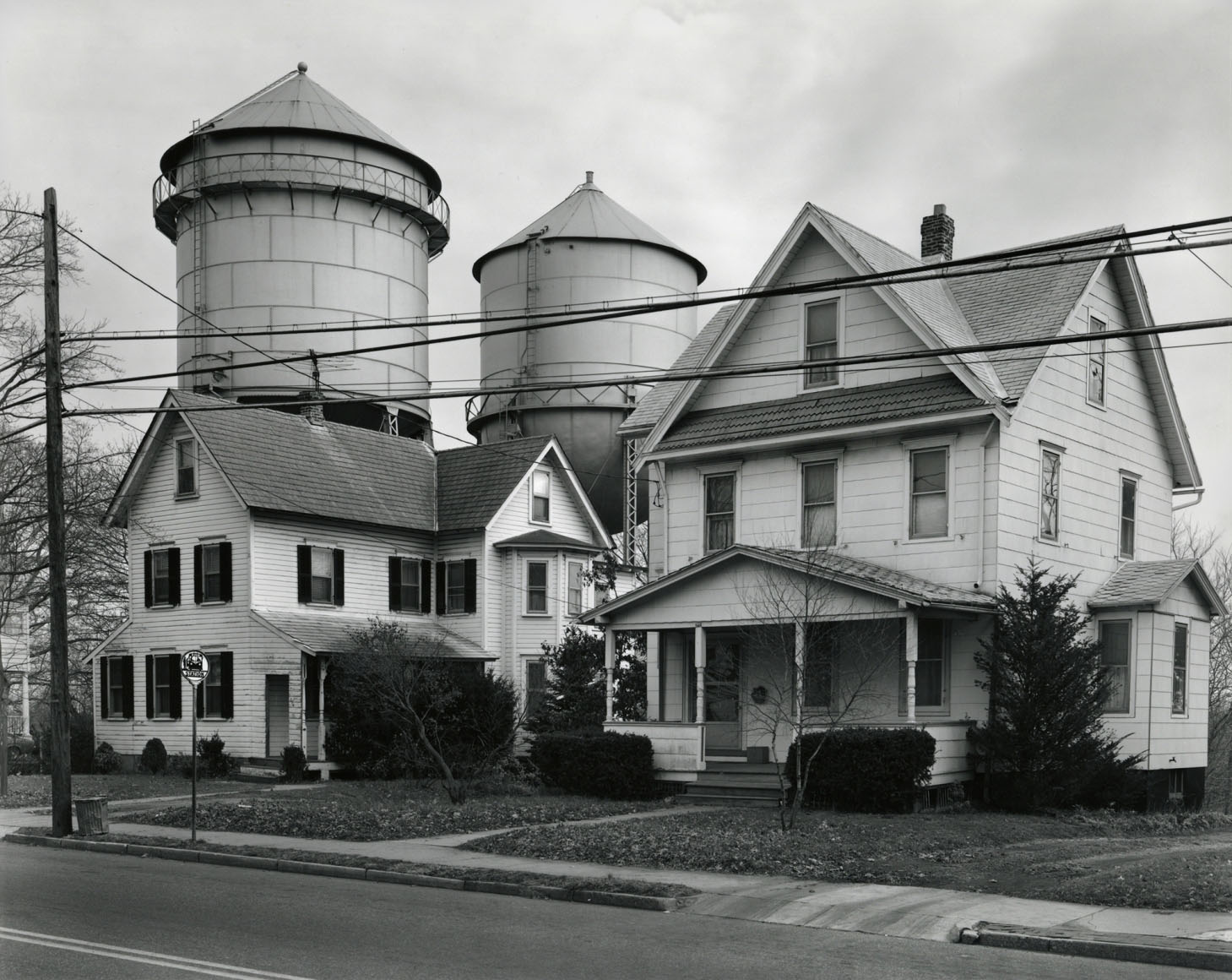


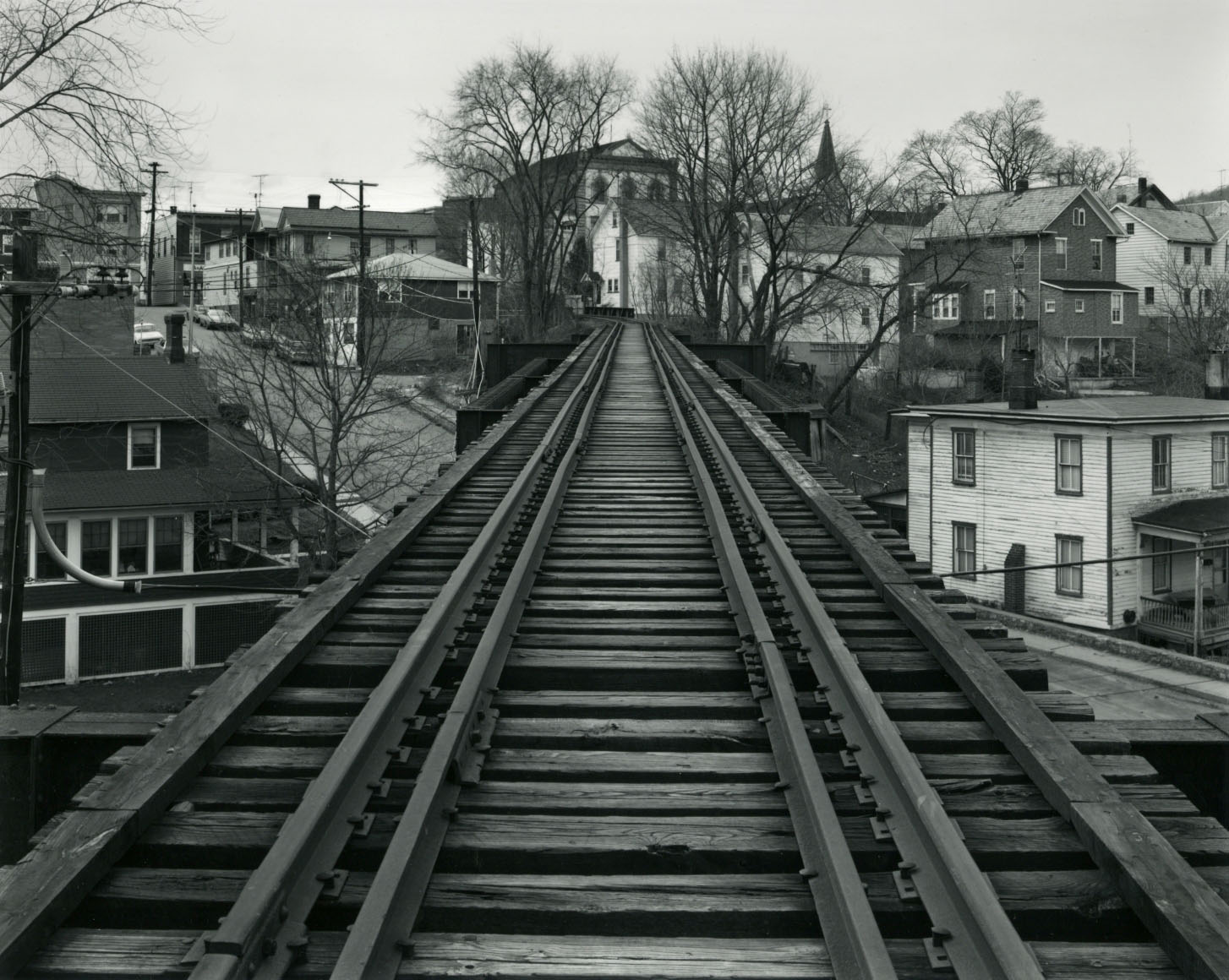


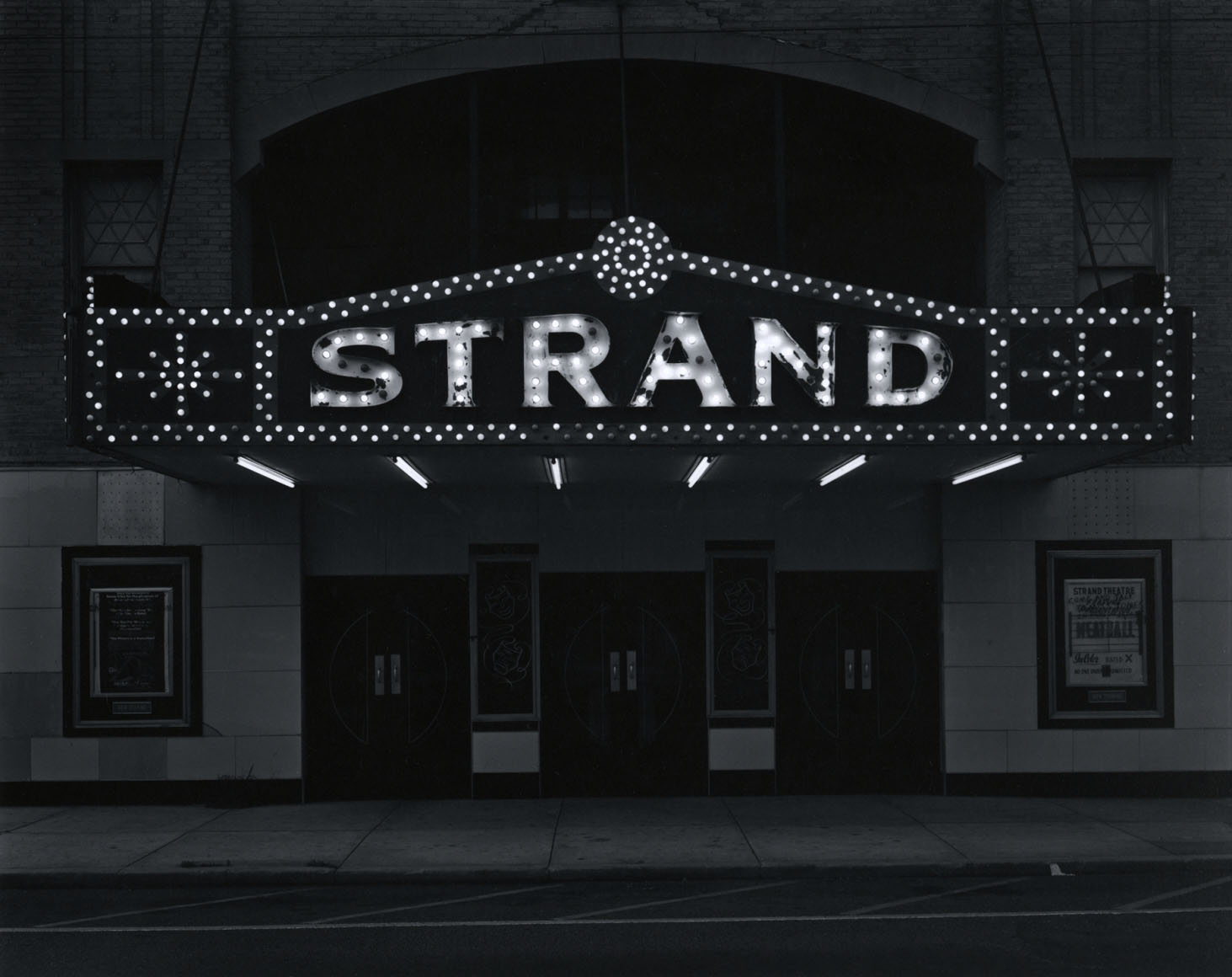


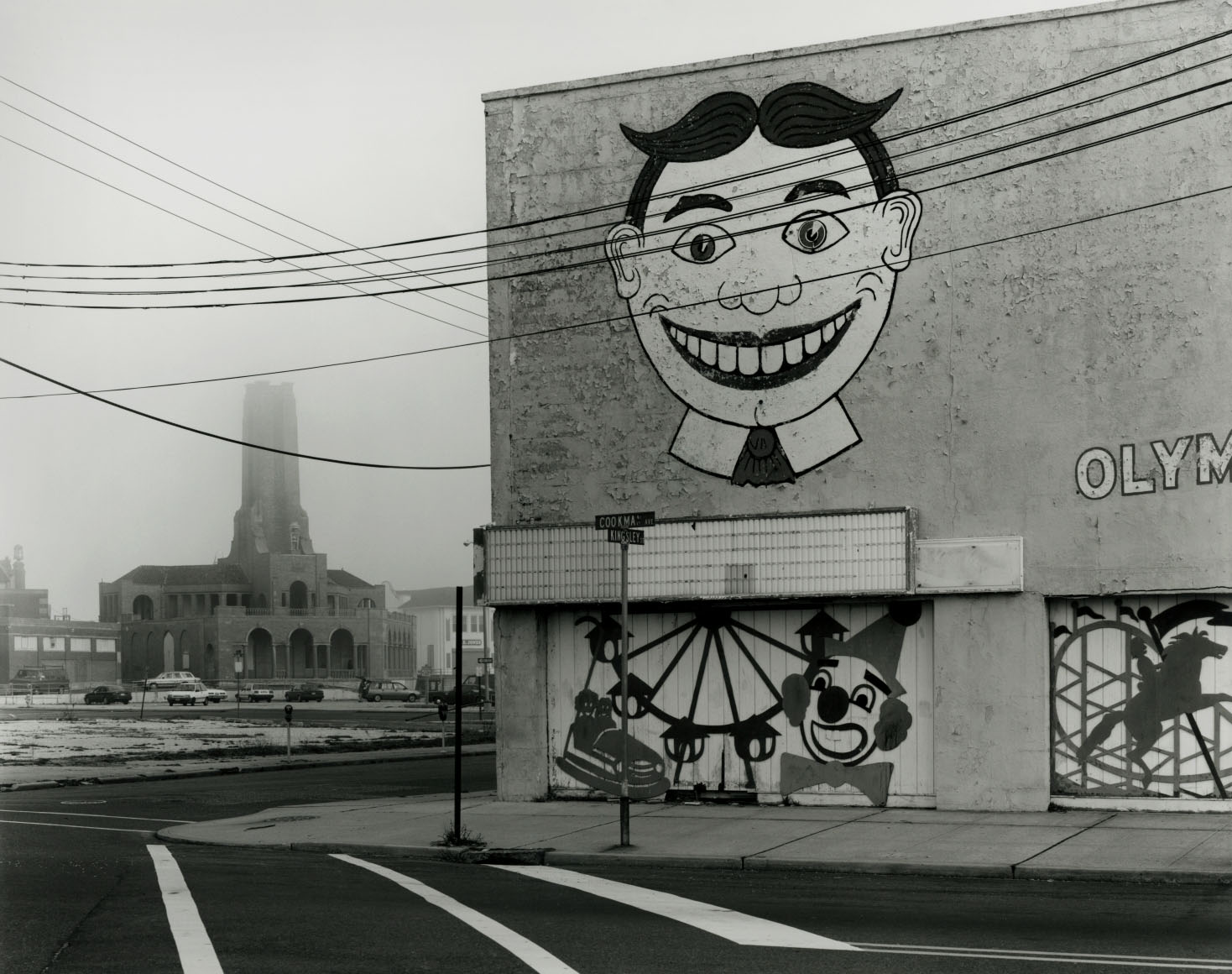
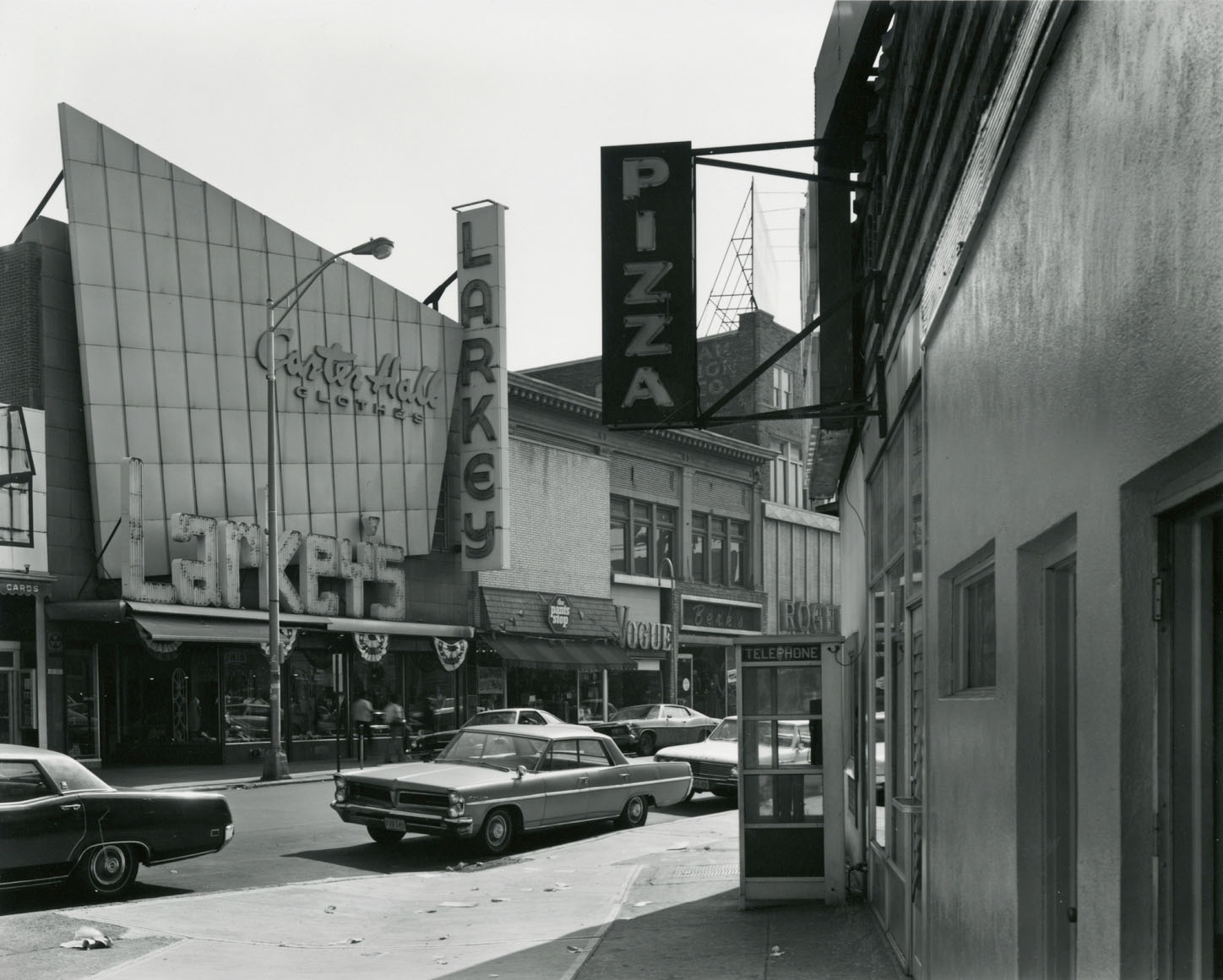

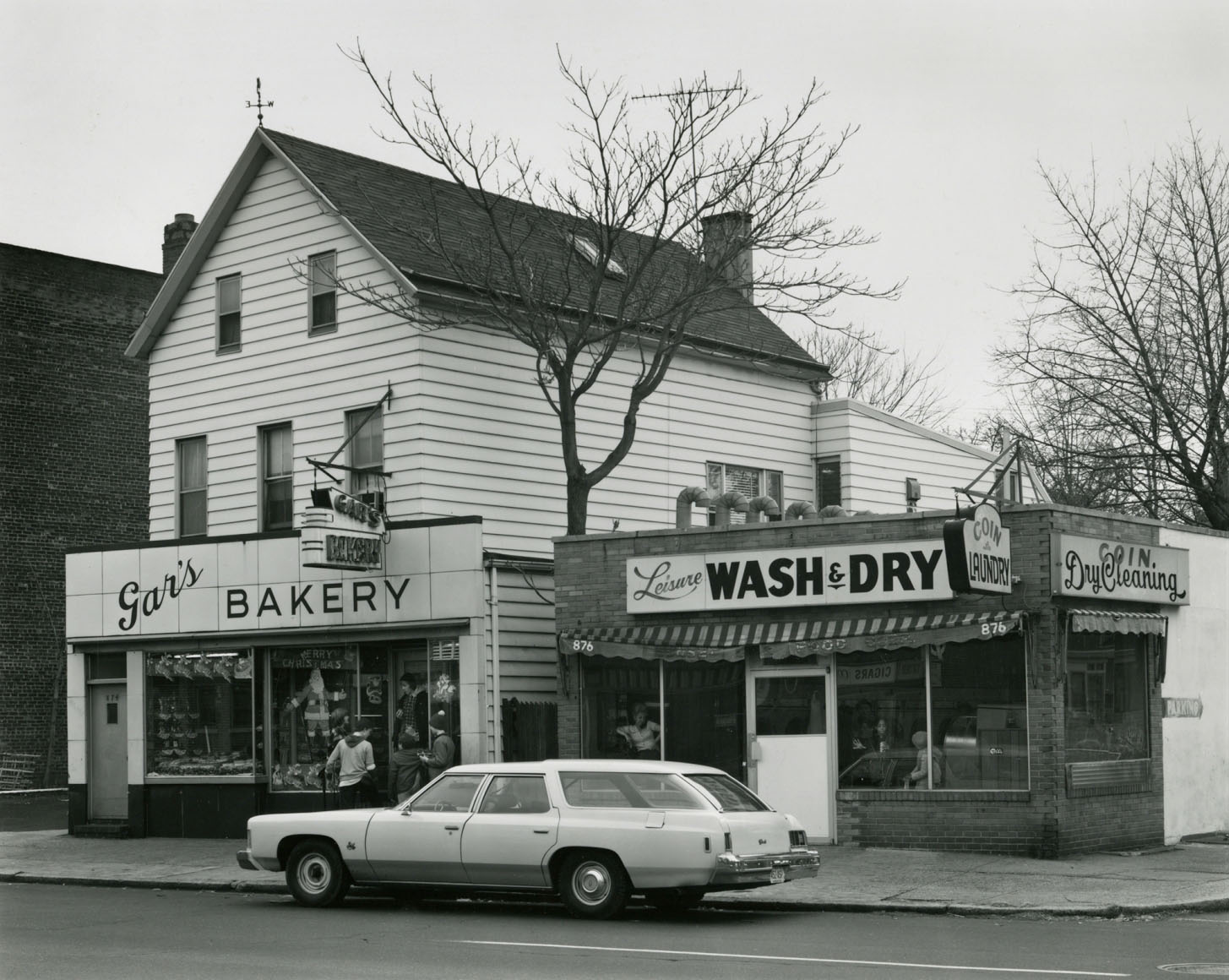
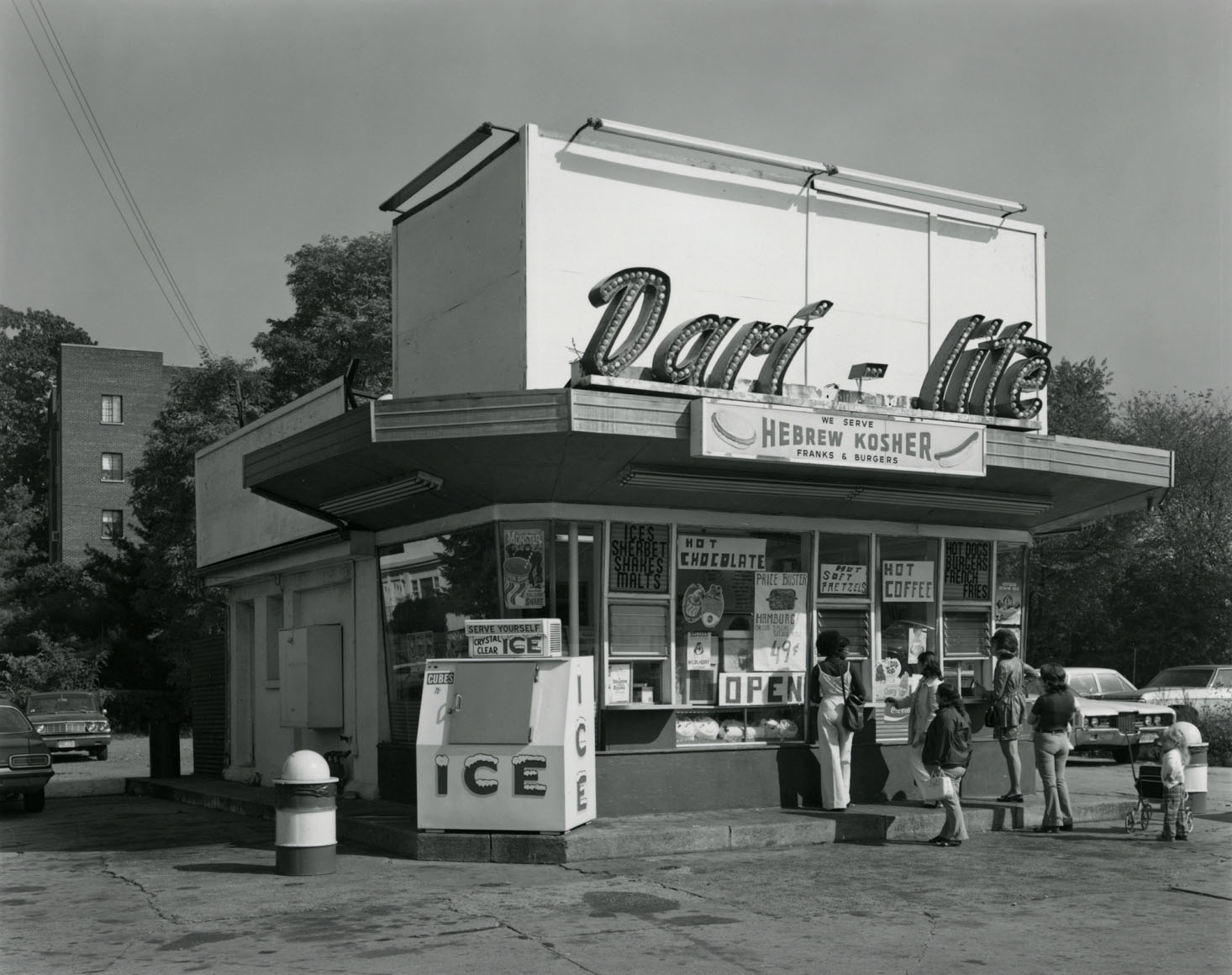
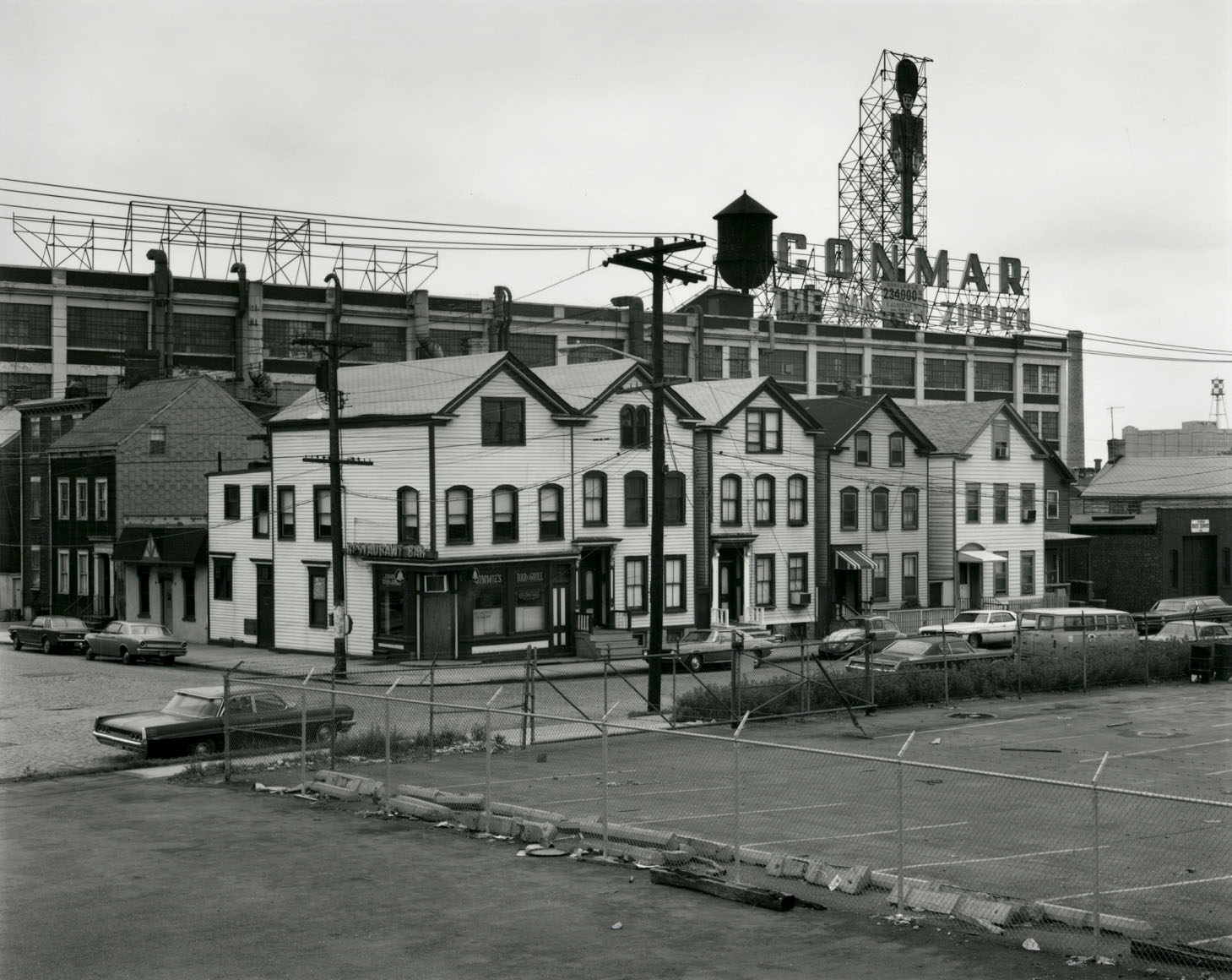
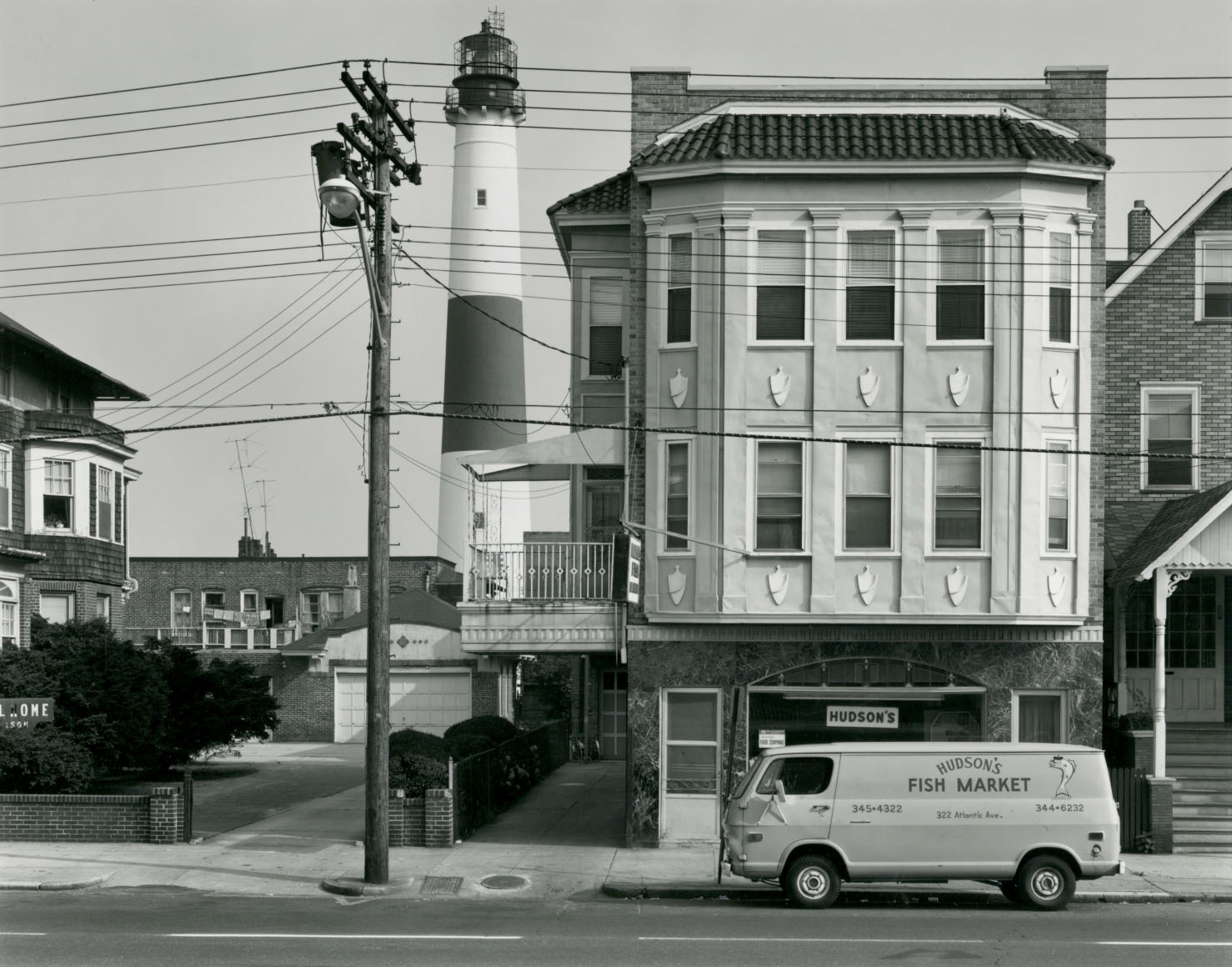

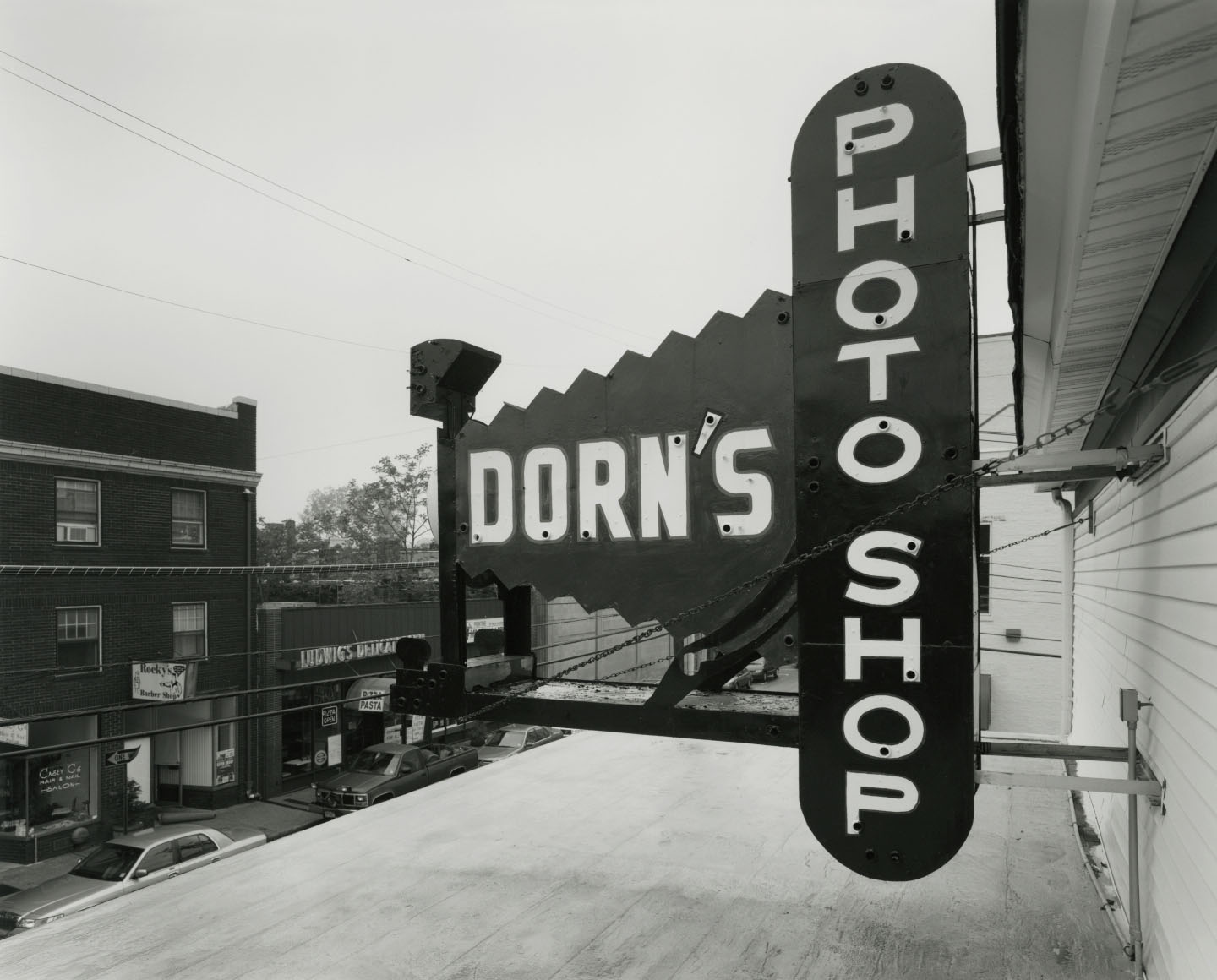
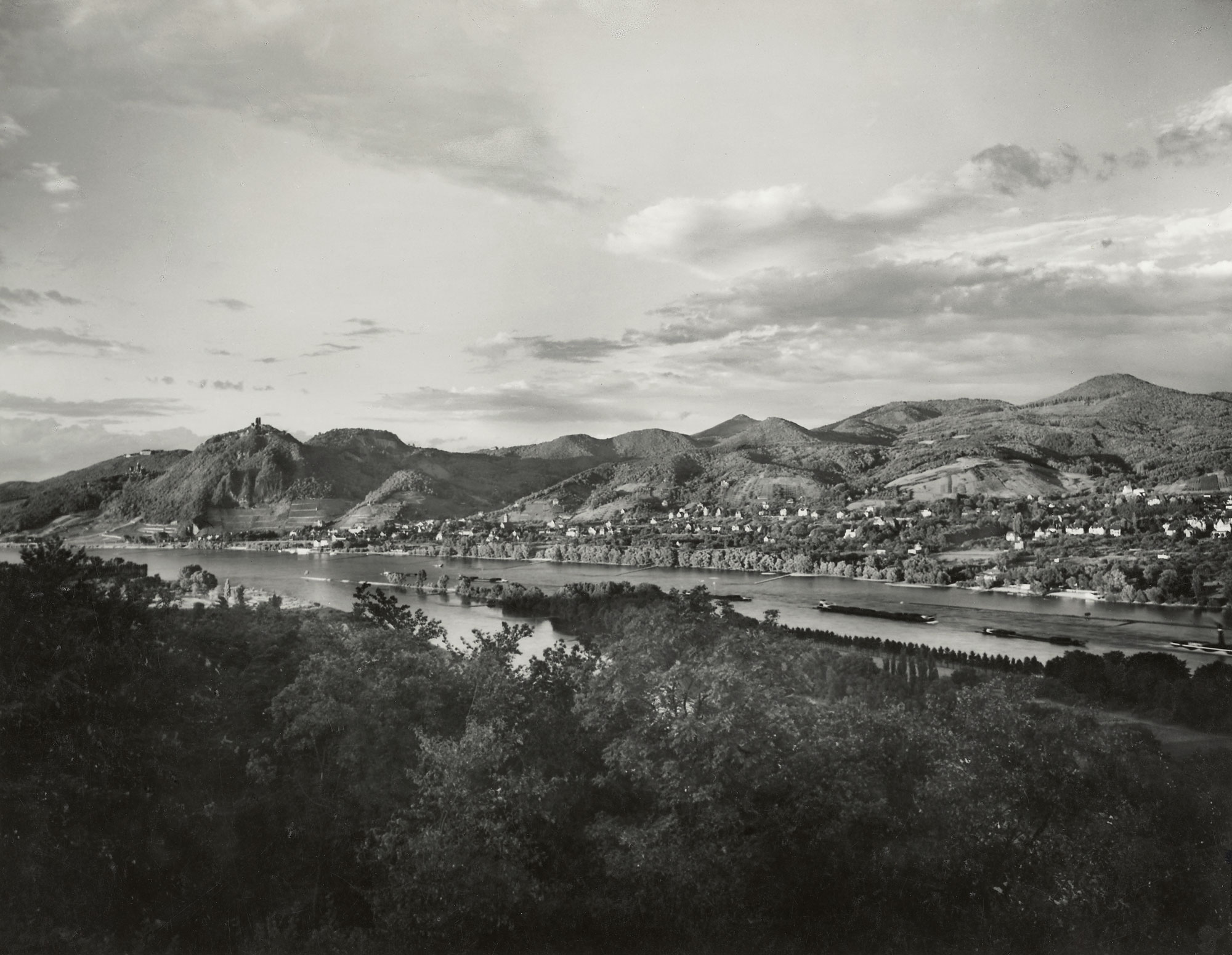
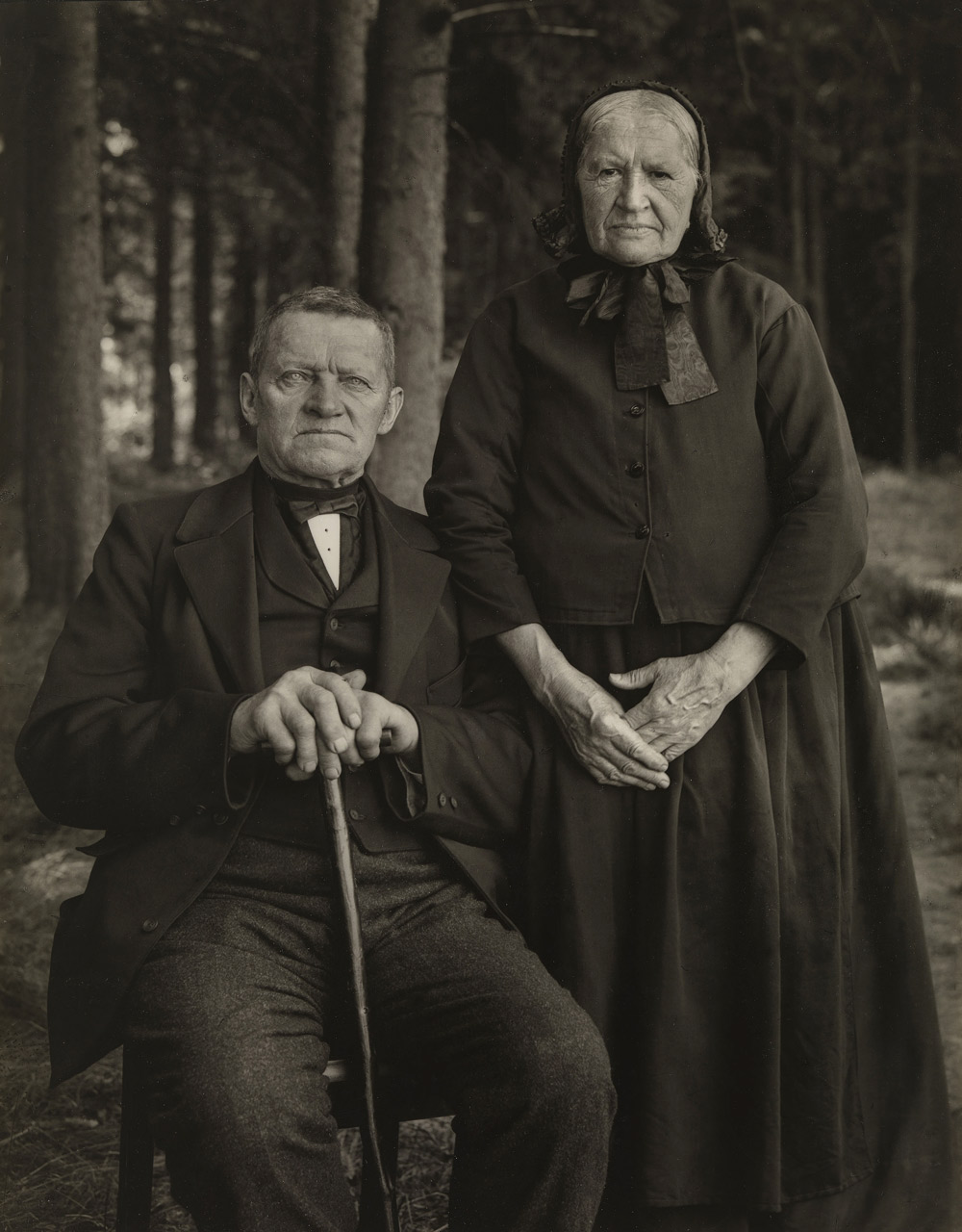
![August Sander (German, 1876-1964) 'Newspaper publisher [Karl Richter]' 1924](https://artblart.com/wp-content/uploads/2022/06/psl-2007-15.jpg "August Sander (German, 1876-1964) 'Newspaper publisher [Karl Richter]' 1924")


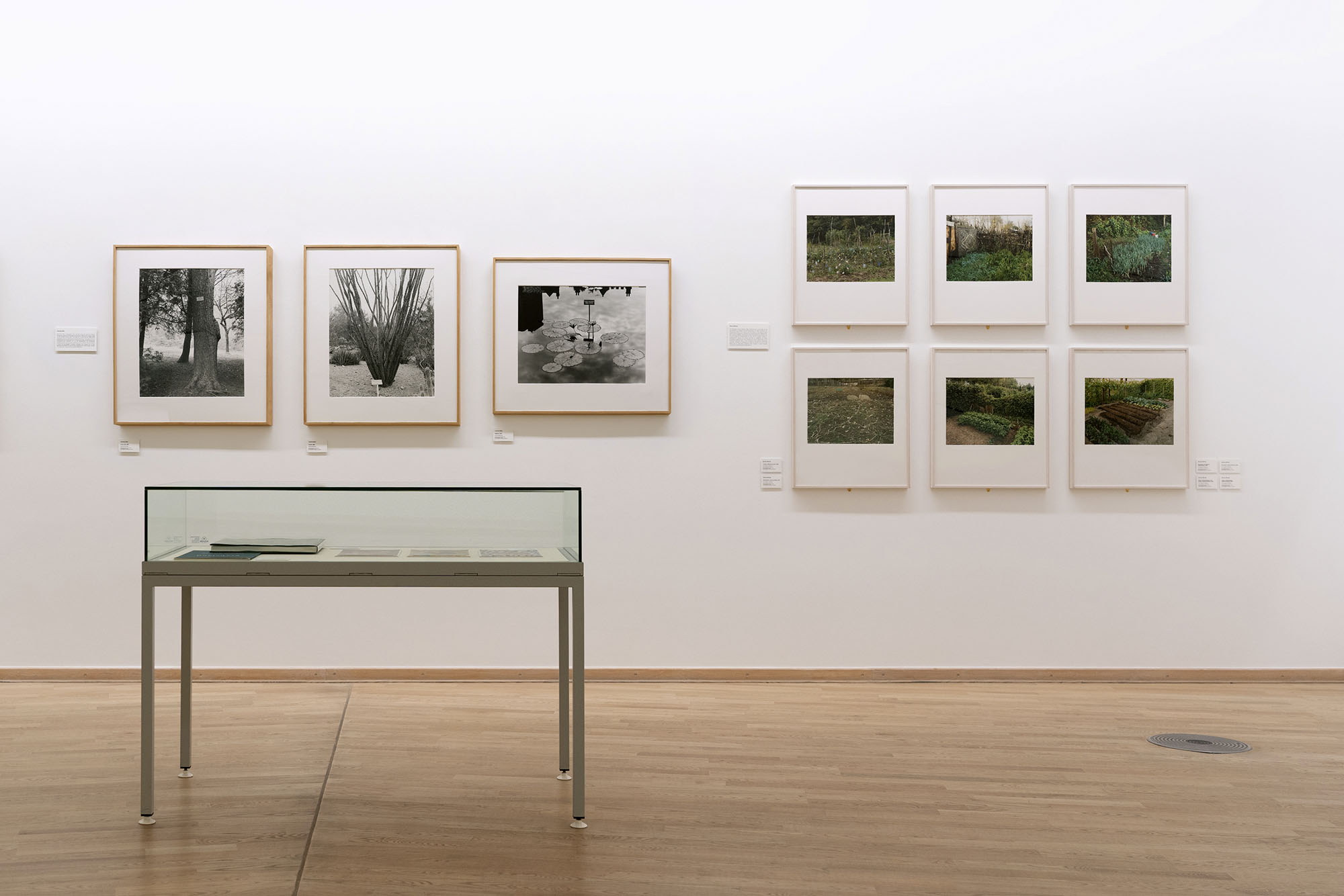


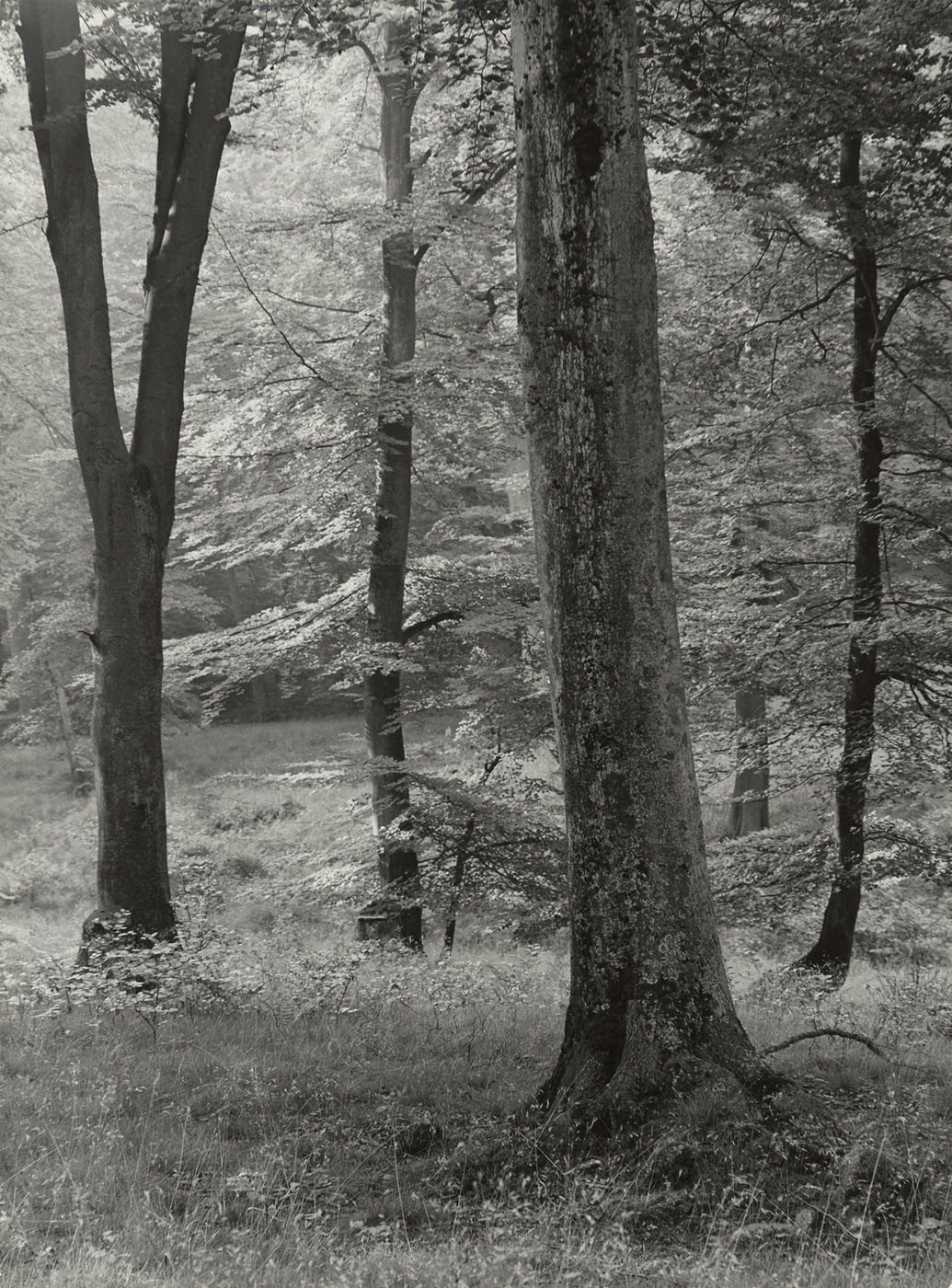


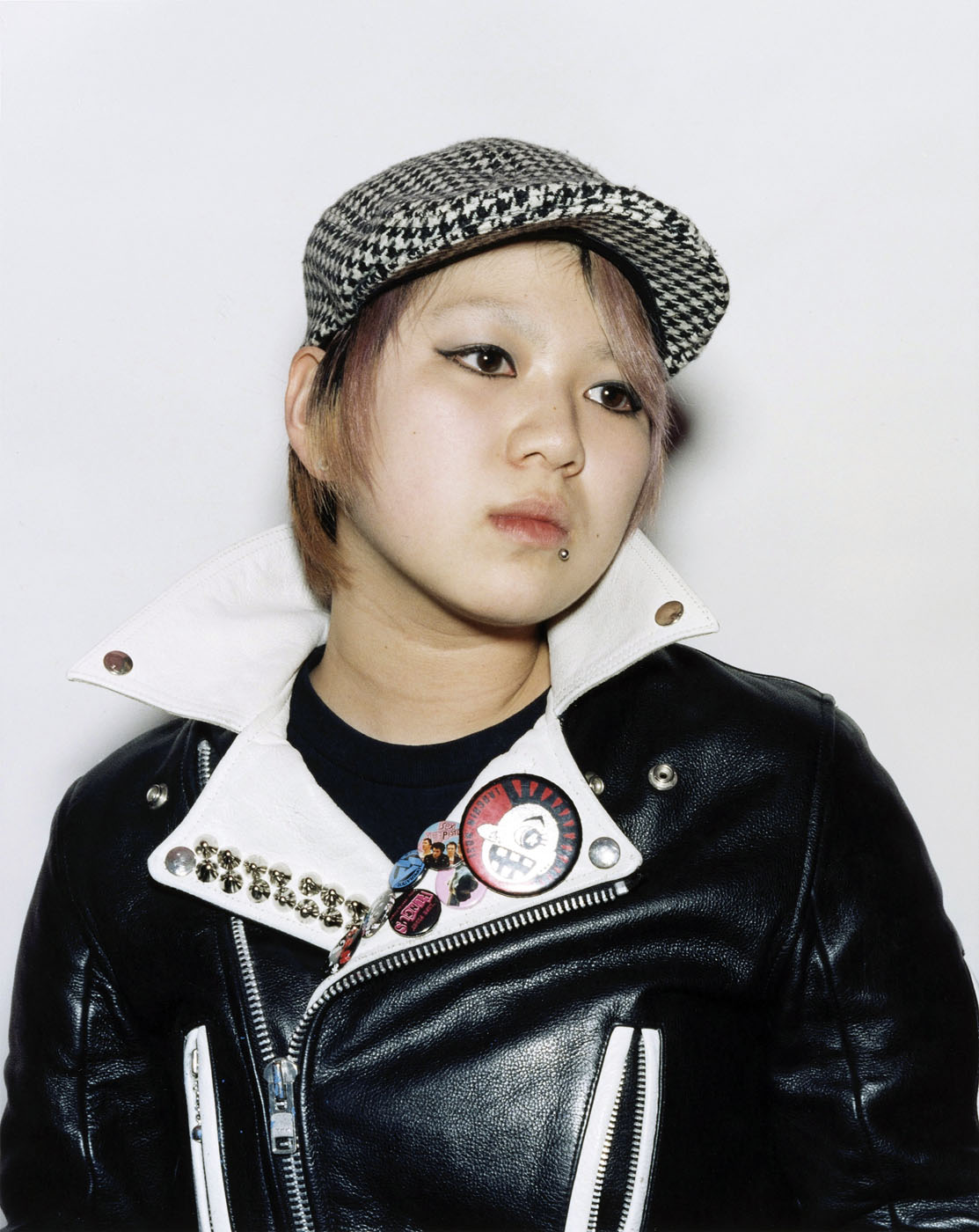

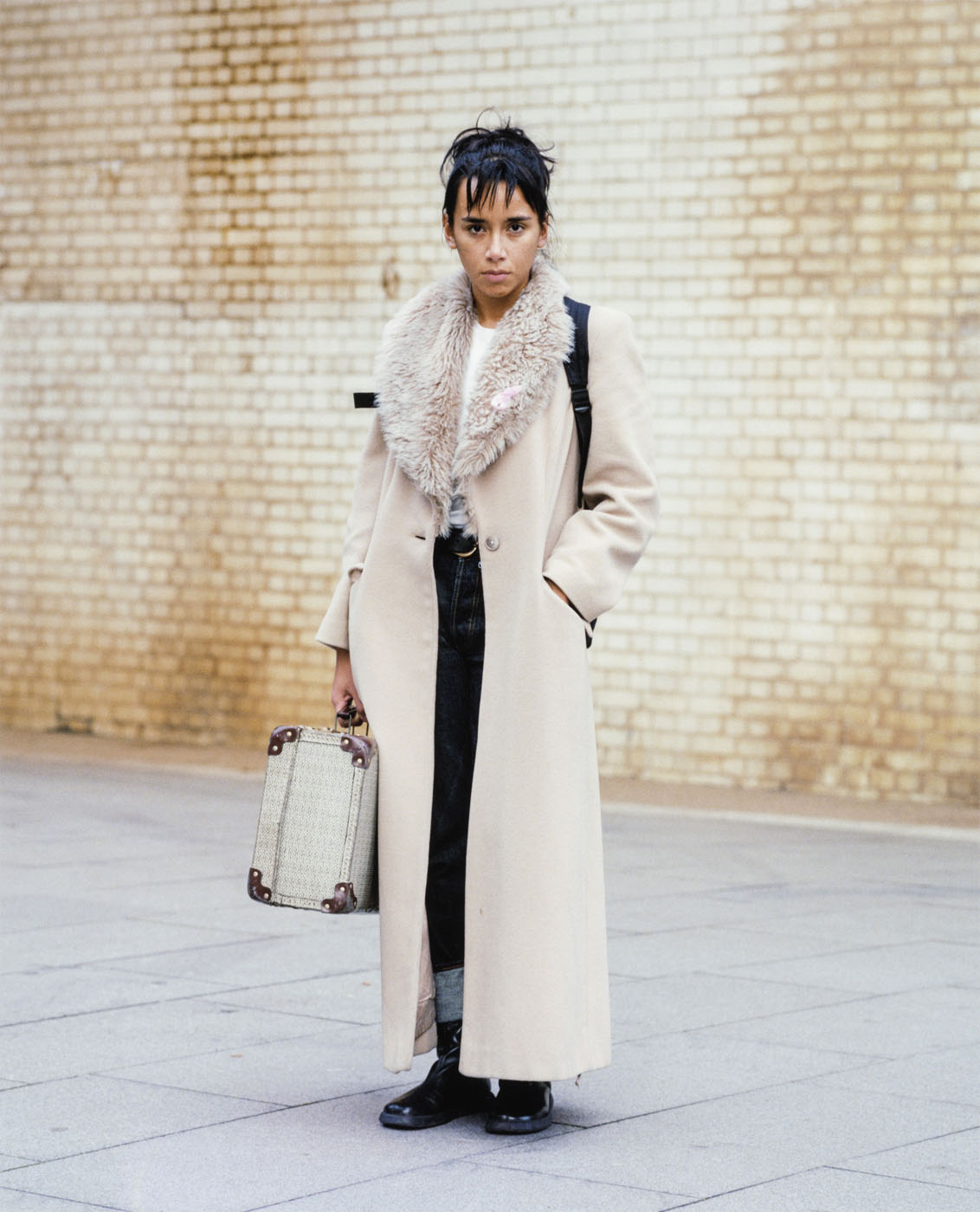


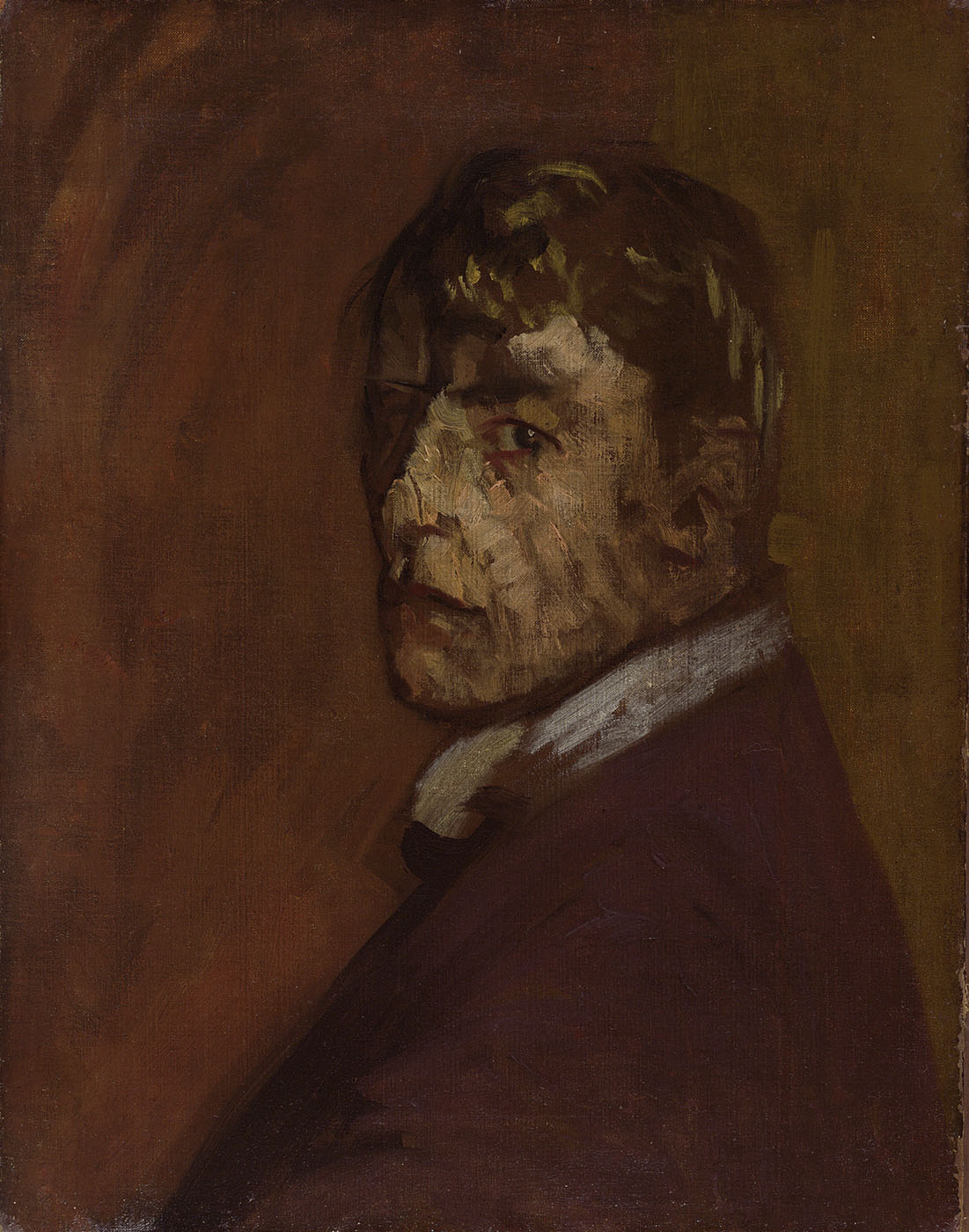

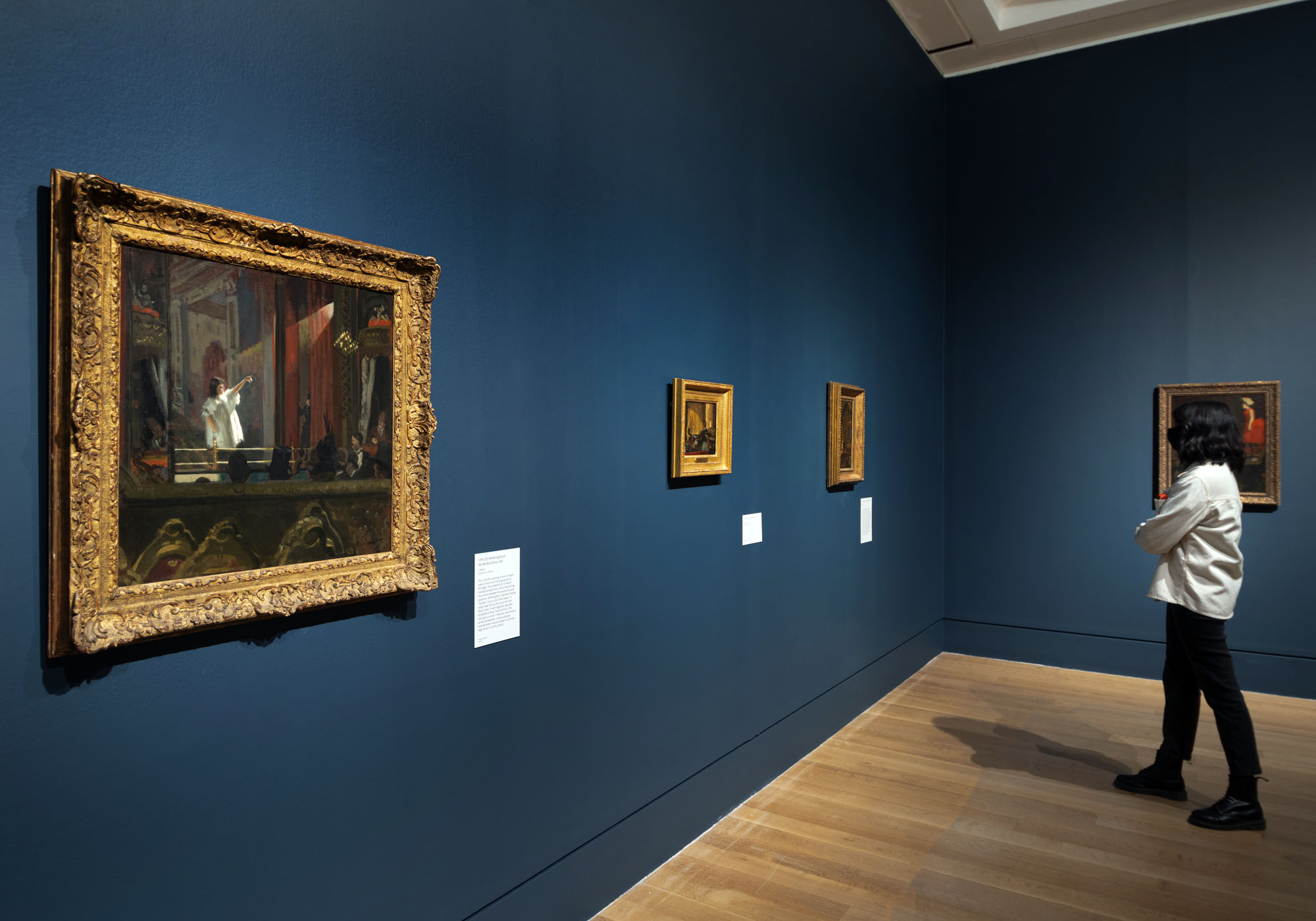

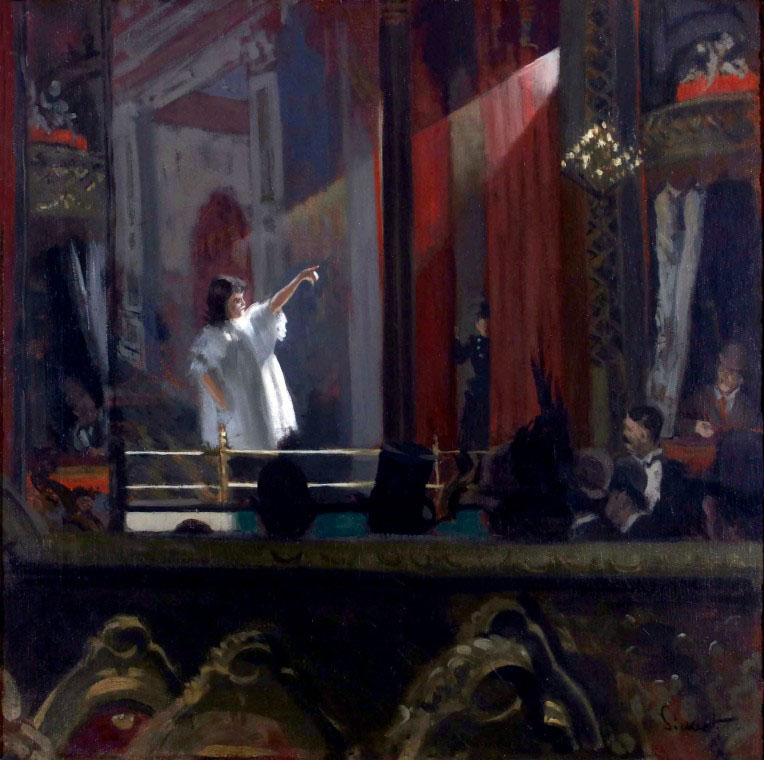
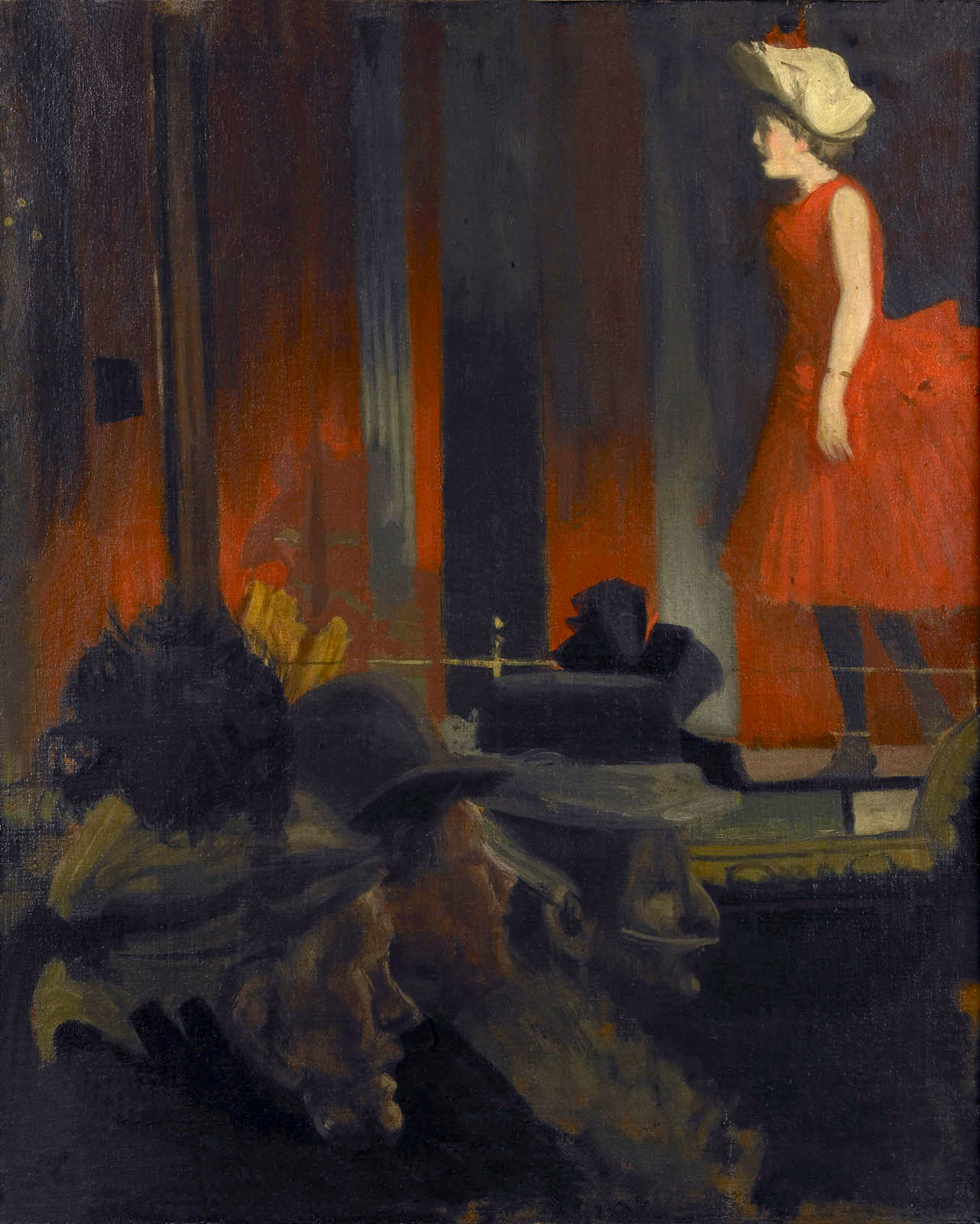
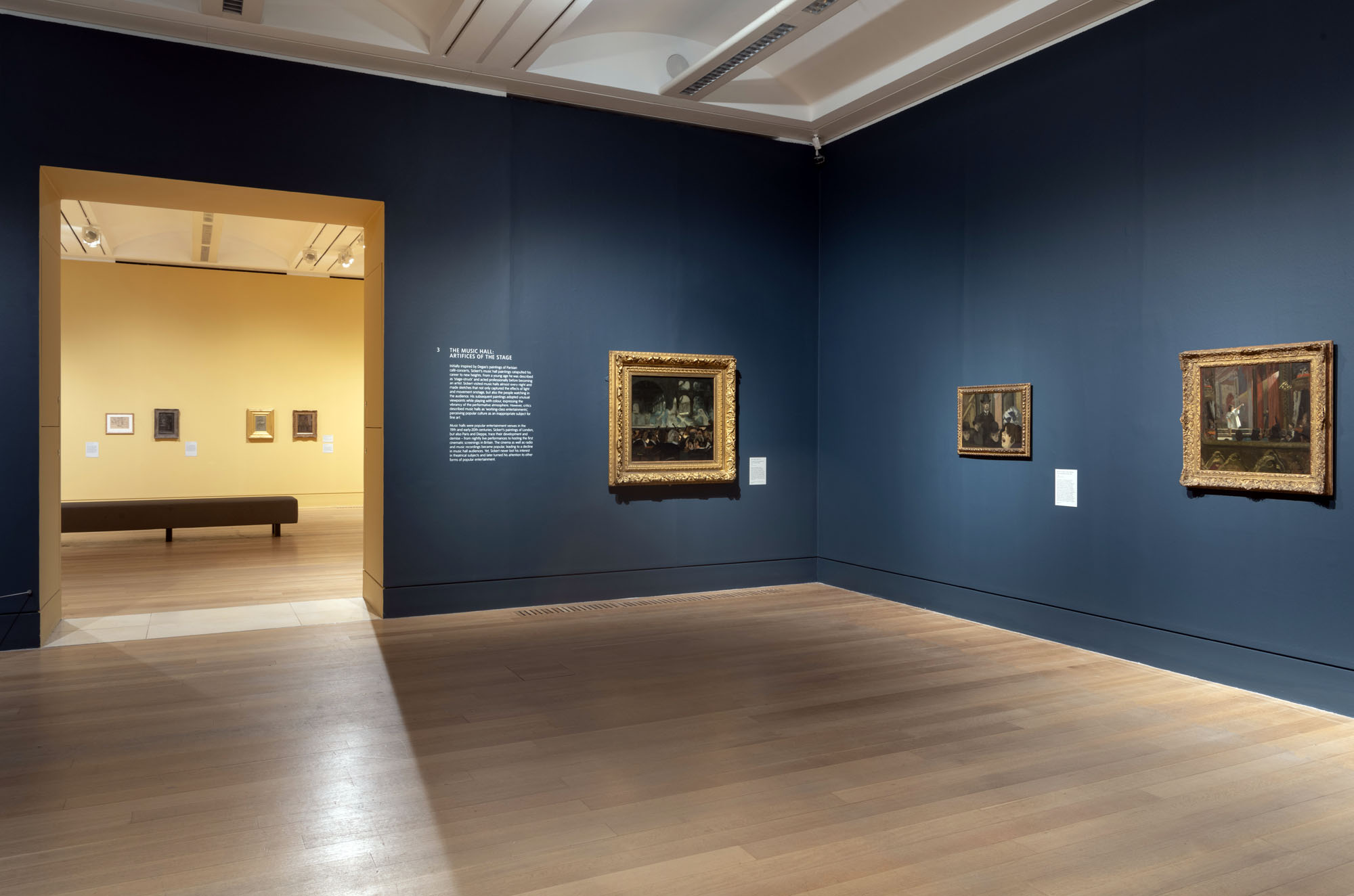
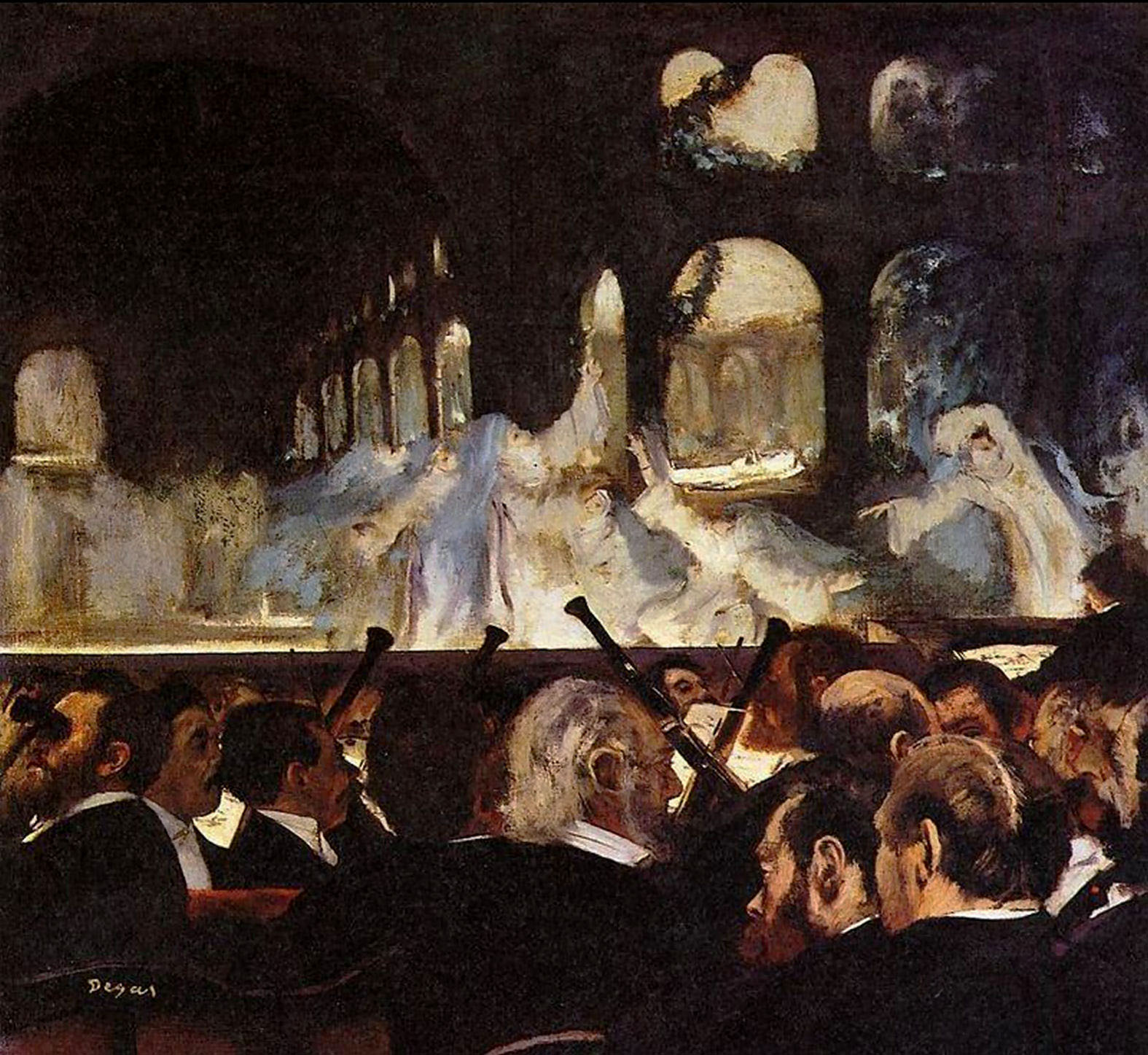


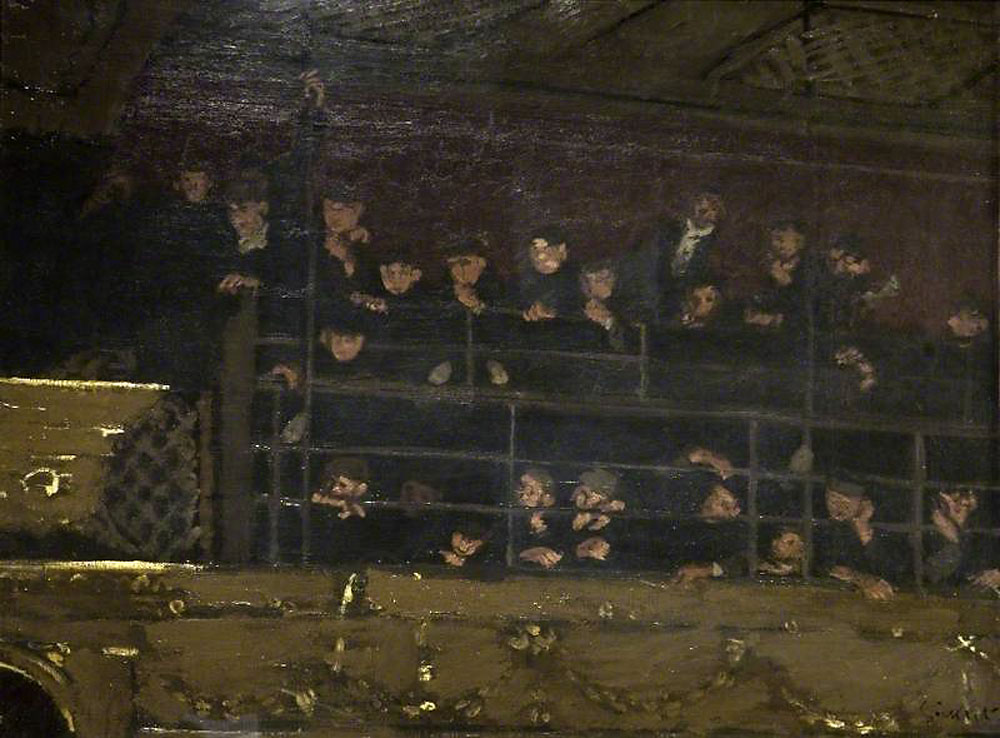

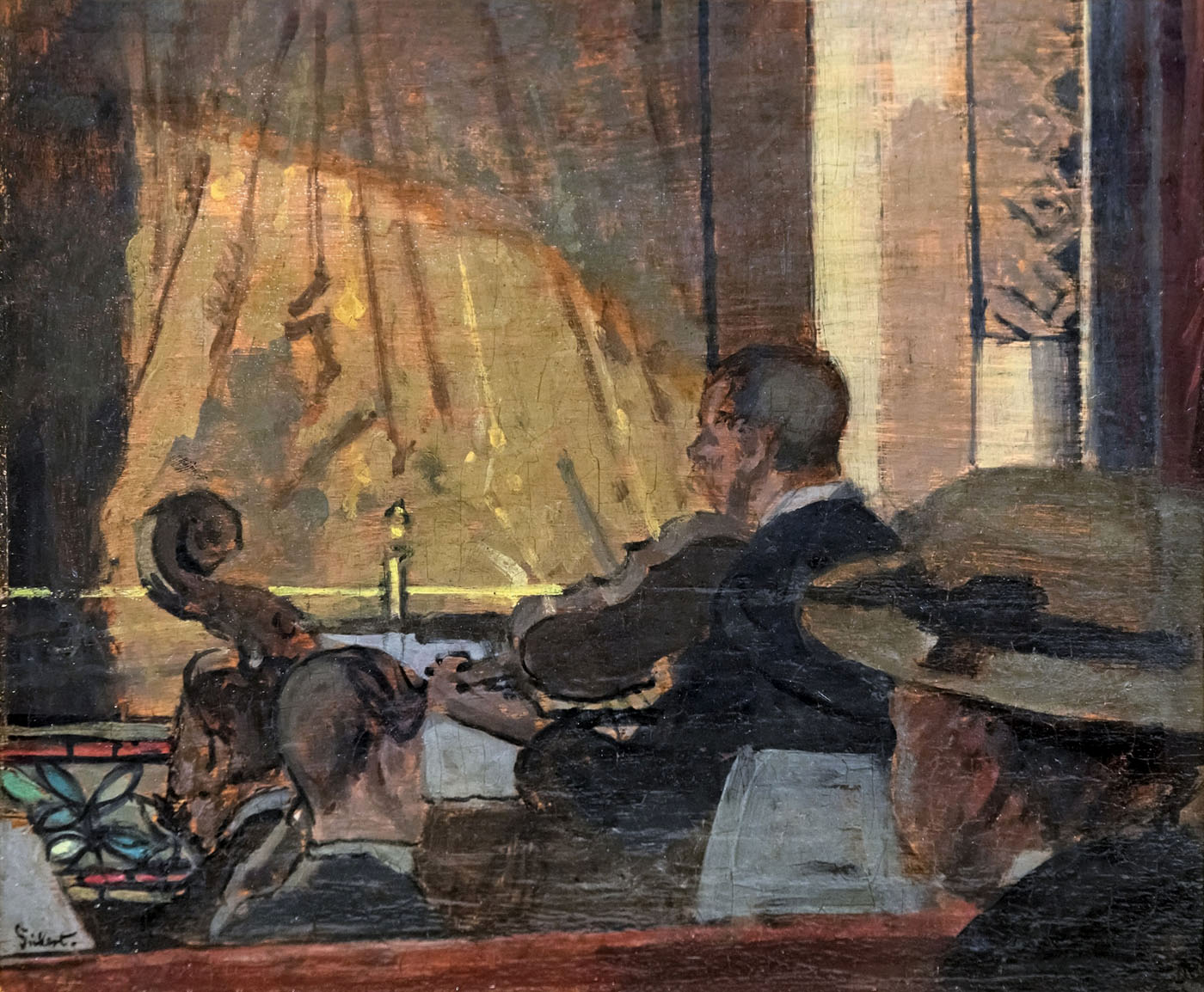
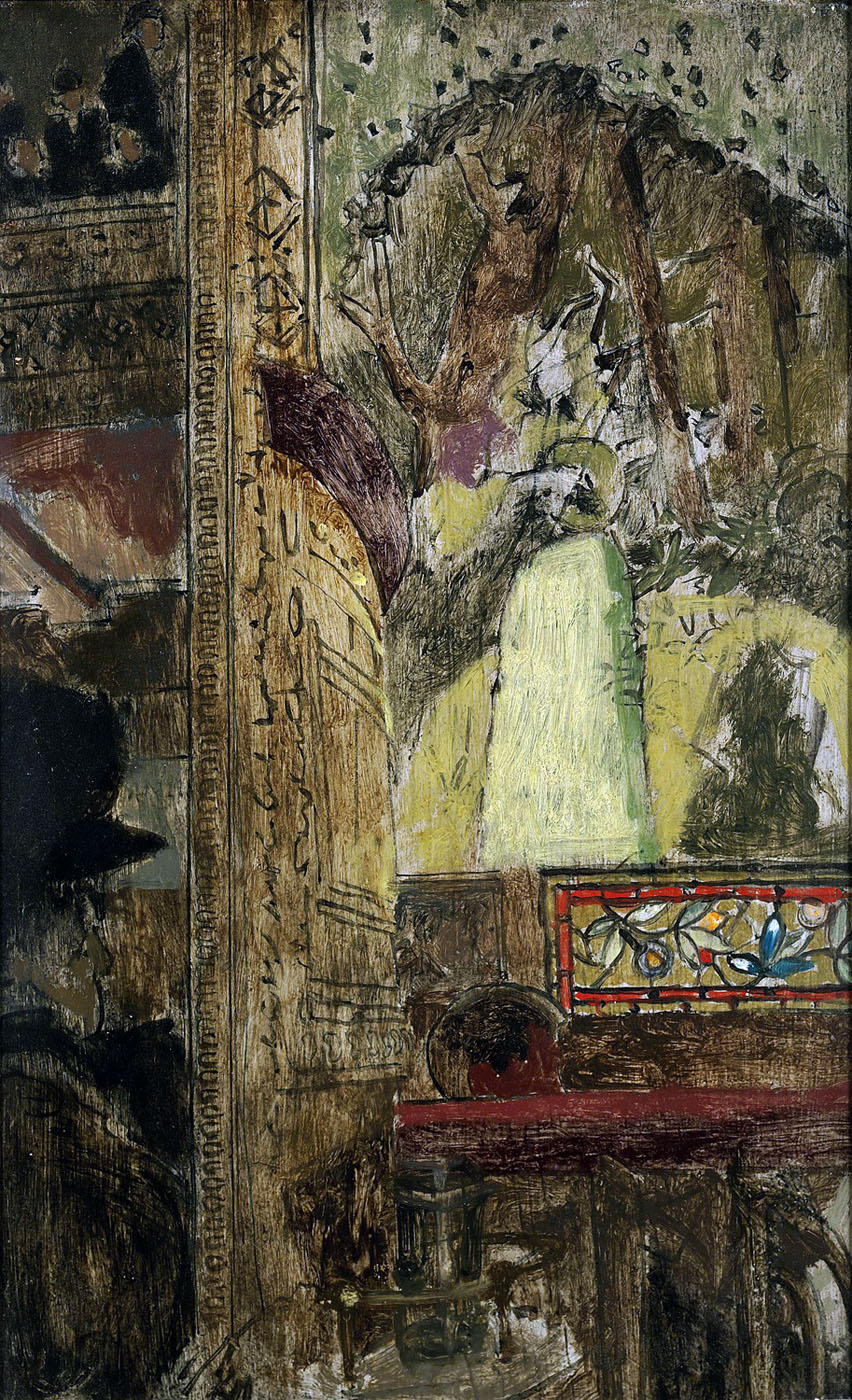
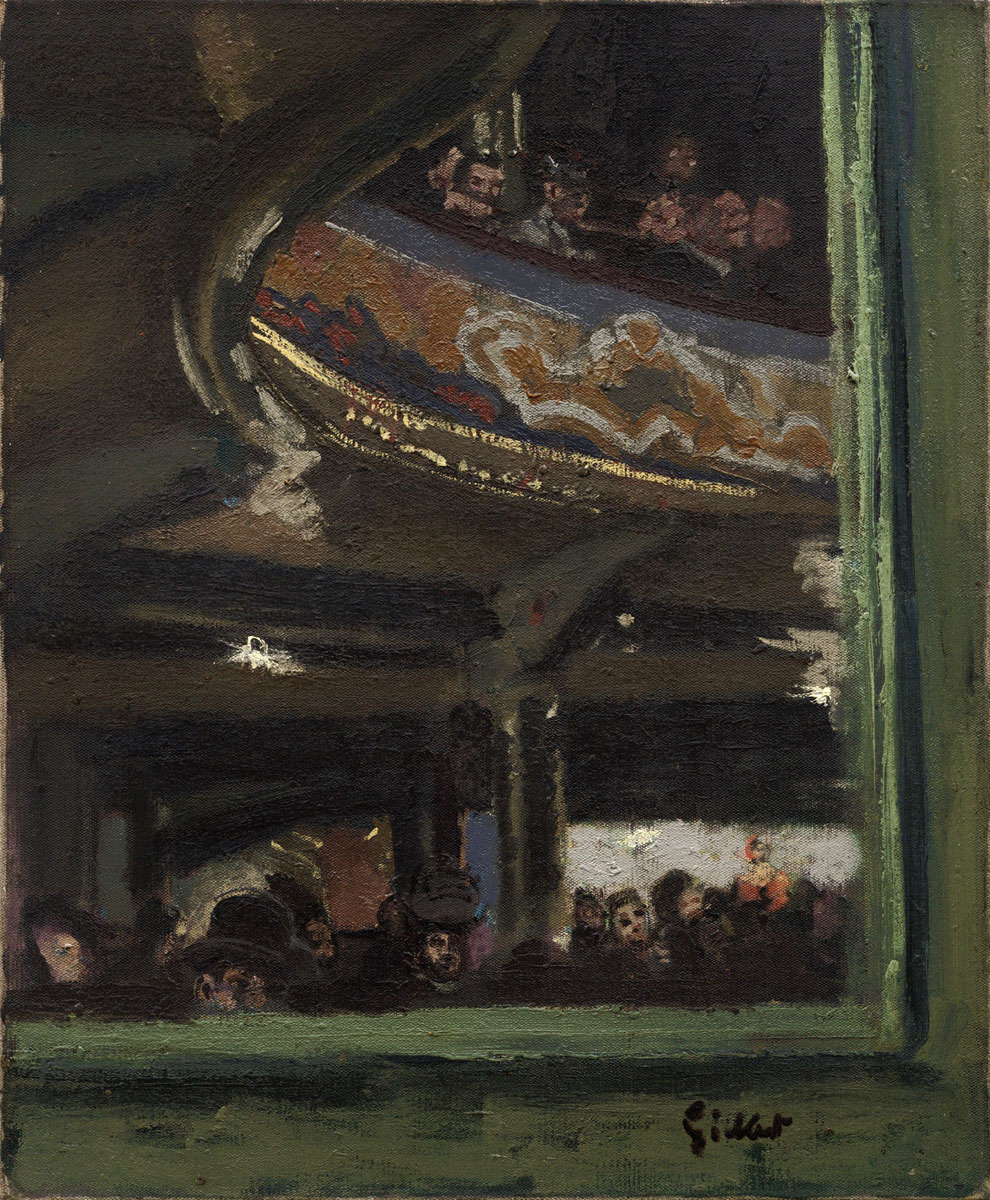
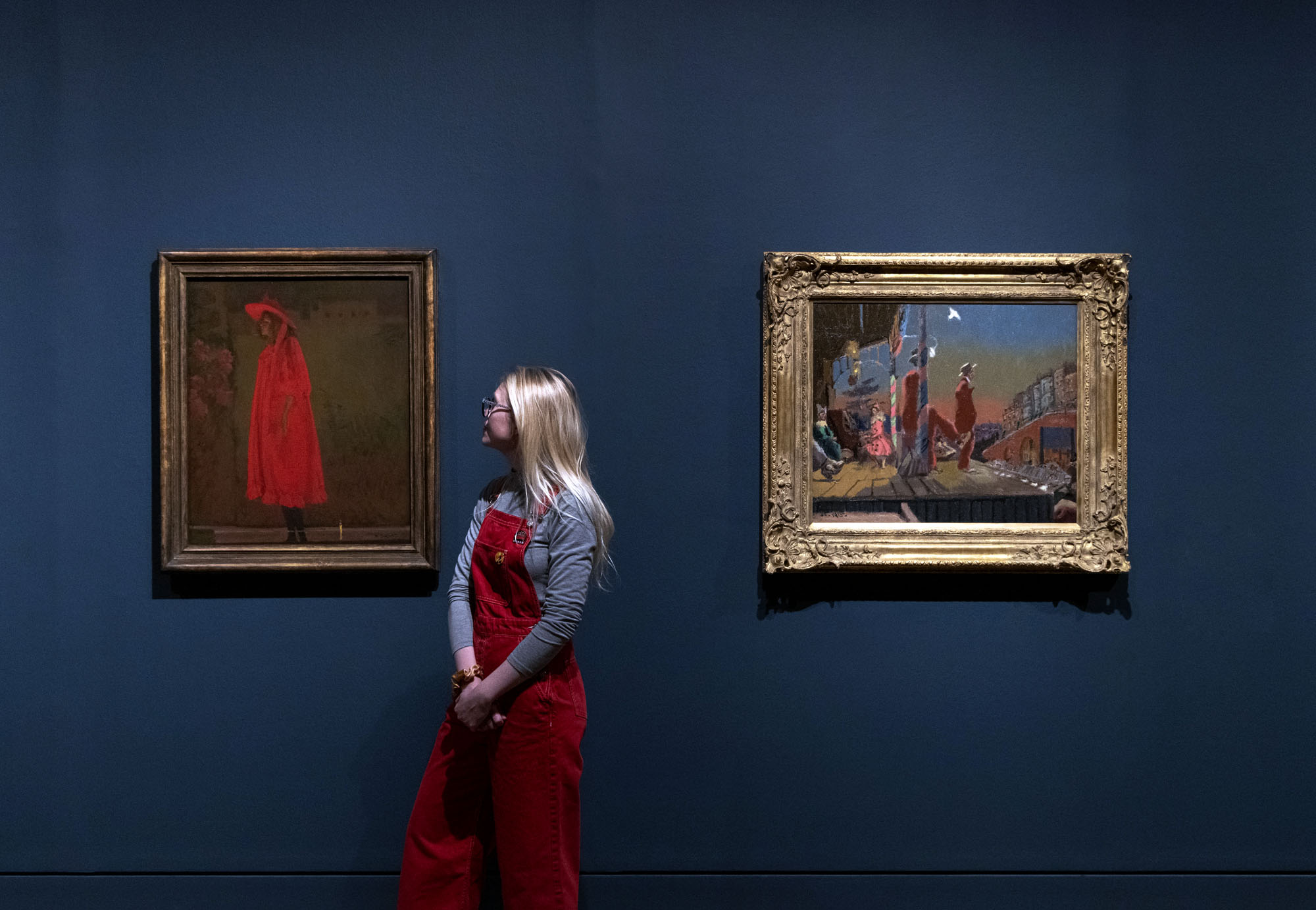

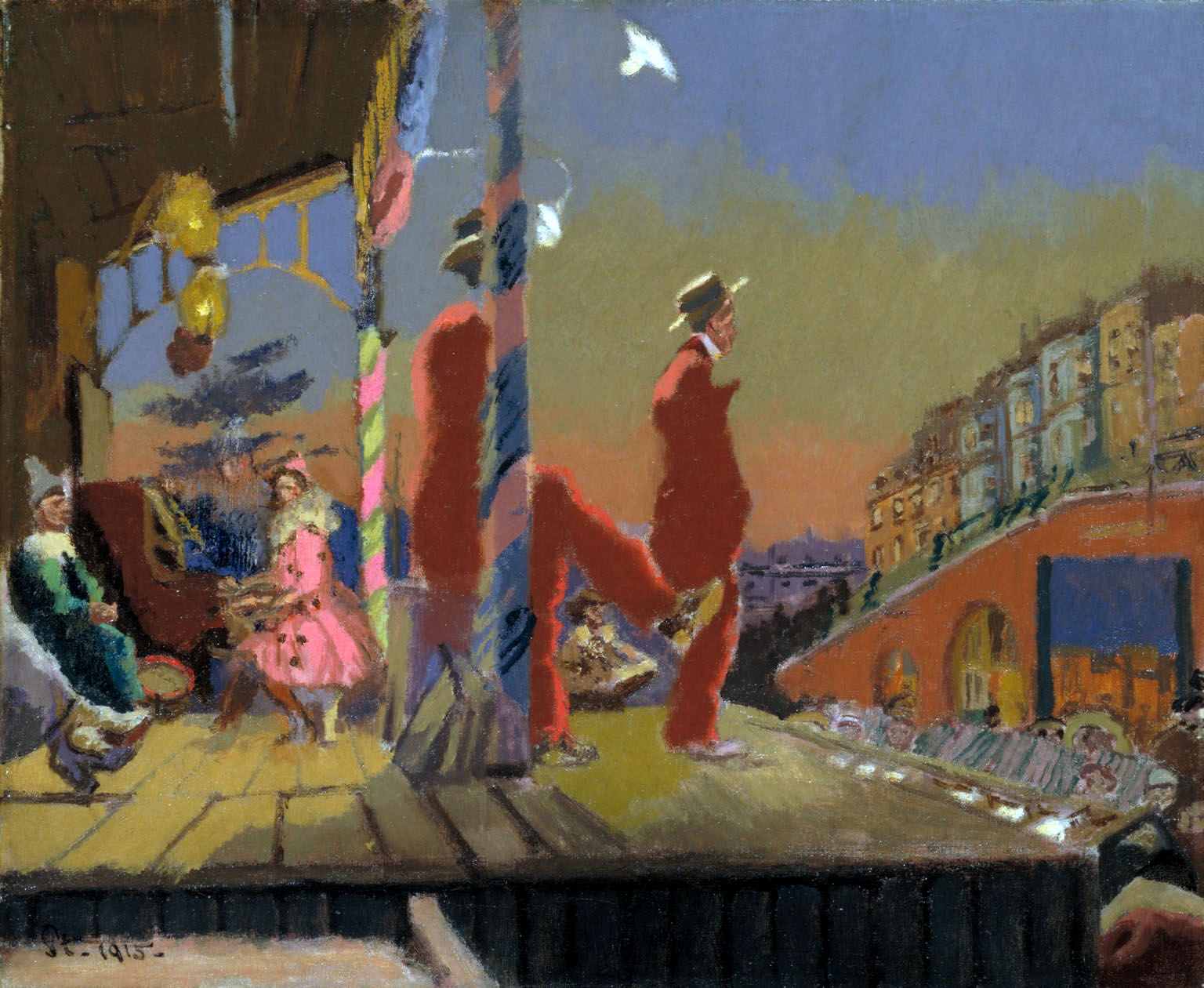
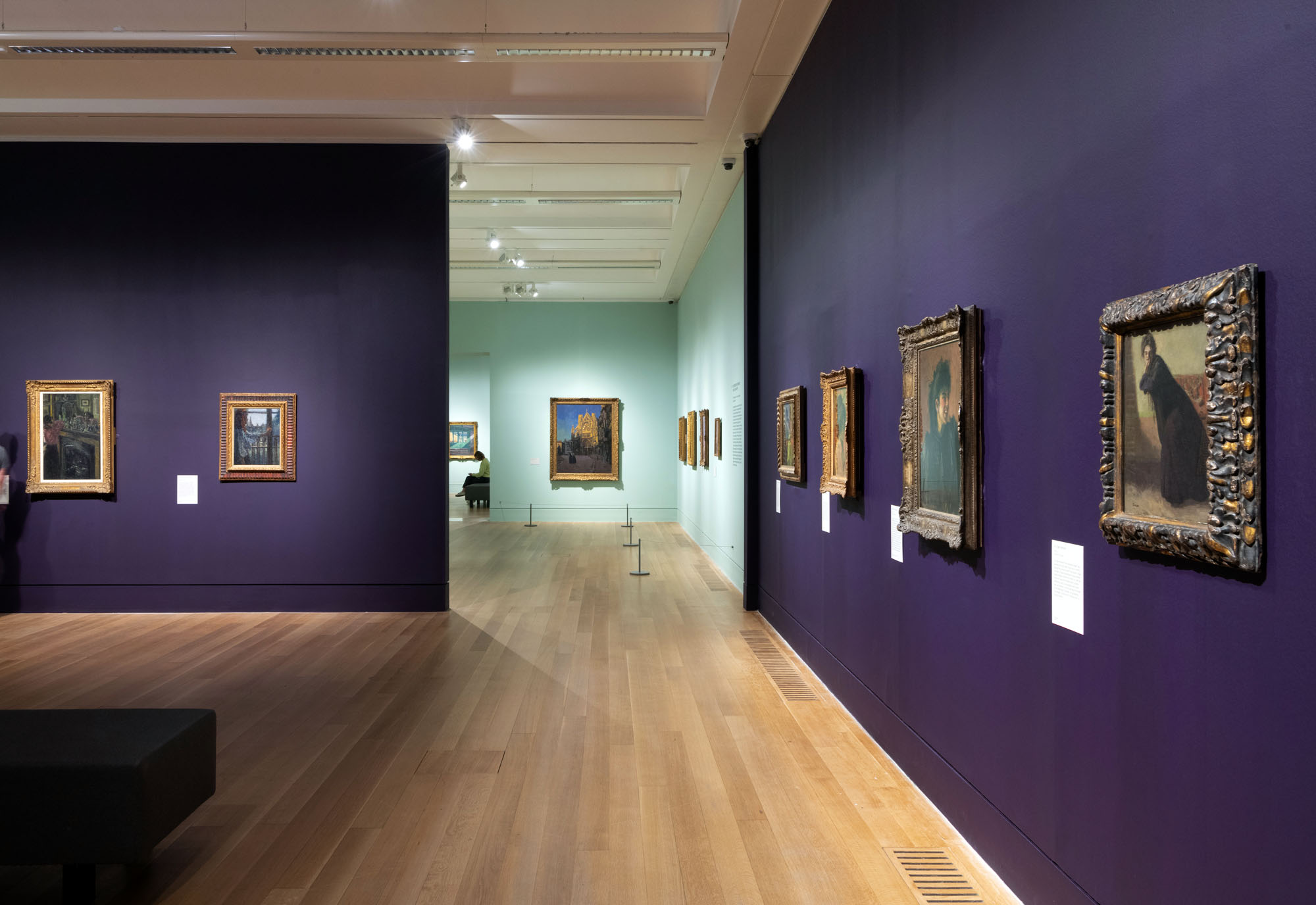
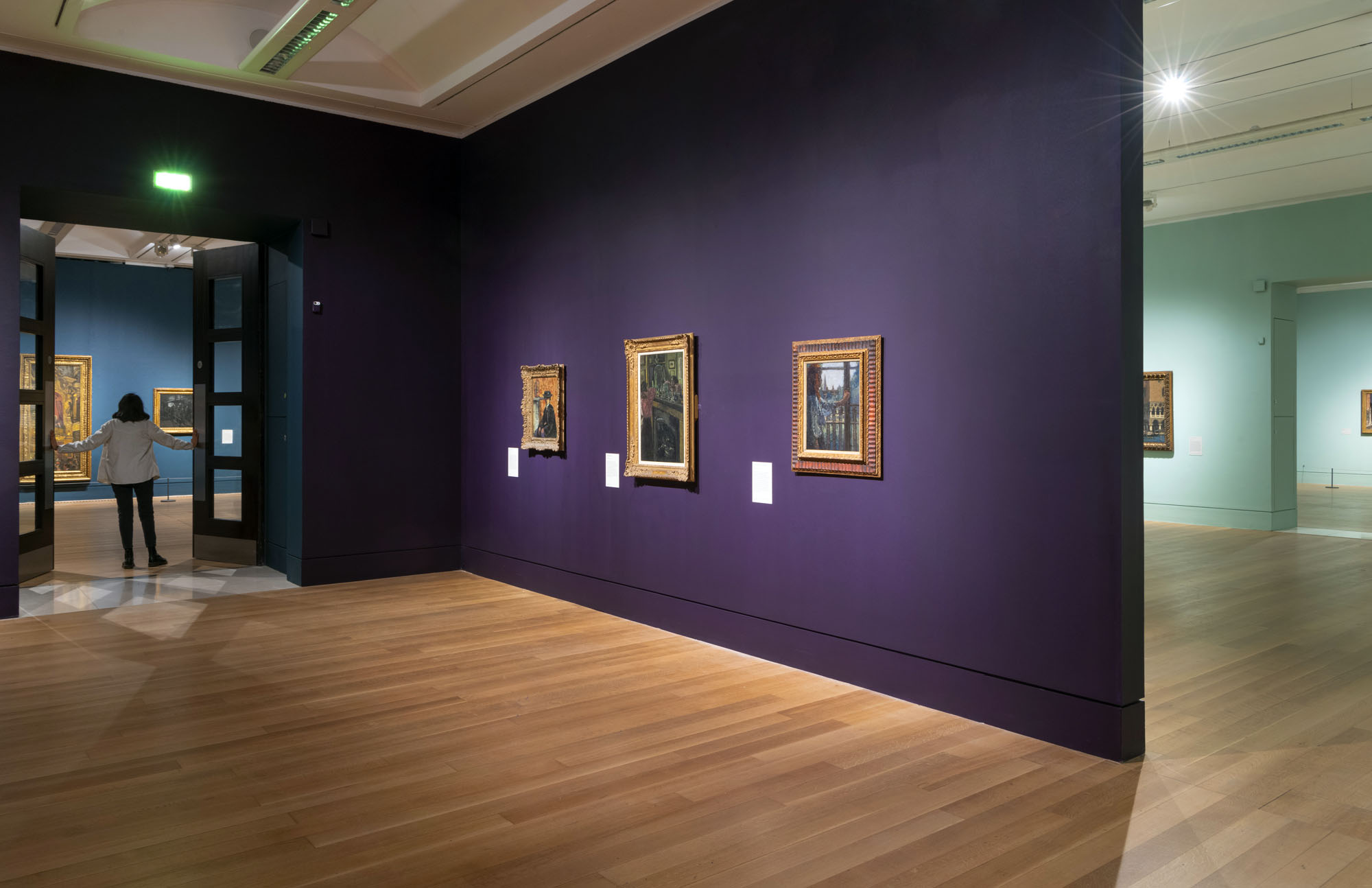

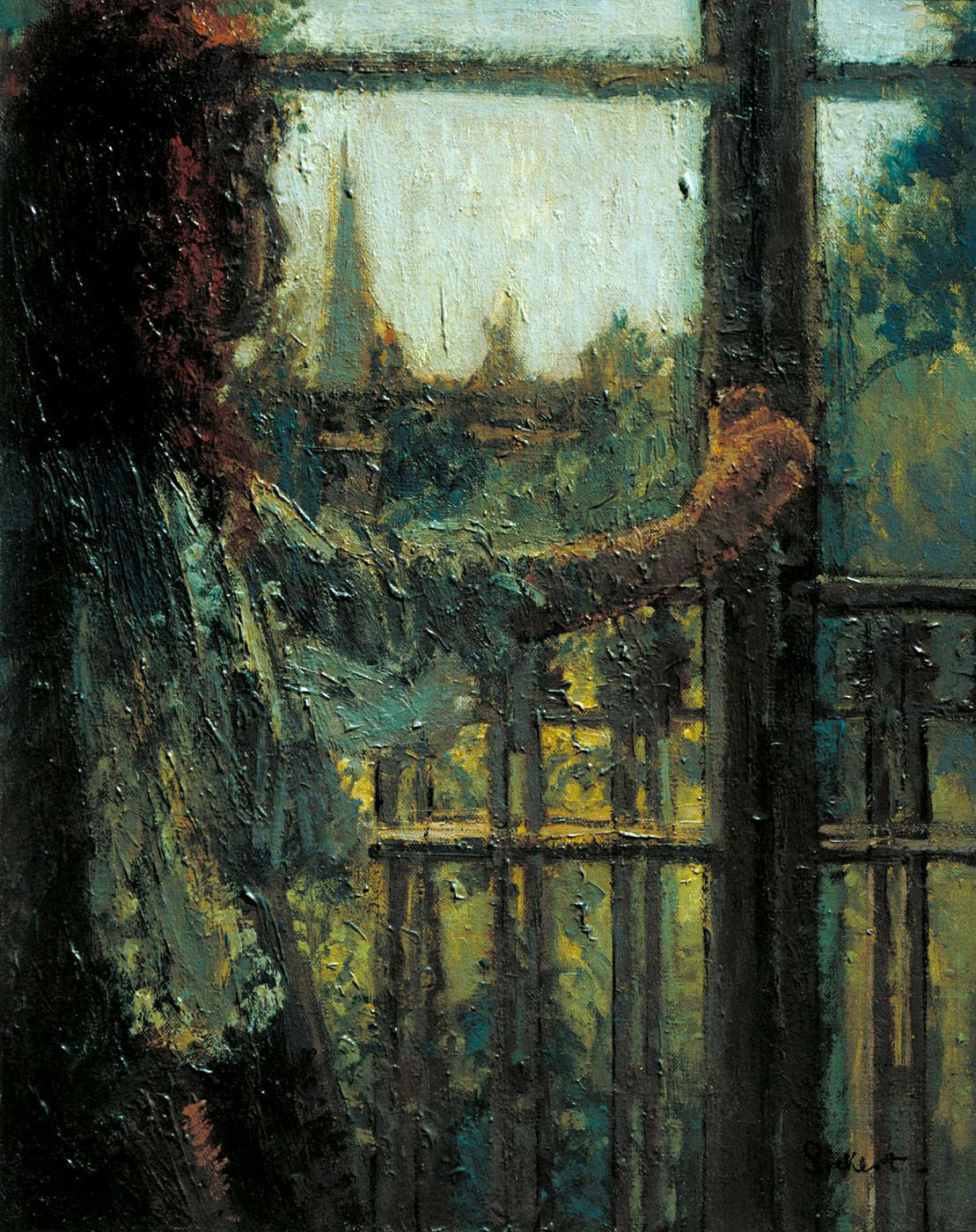

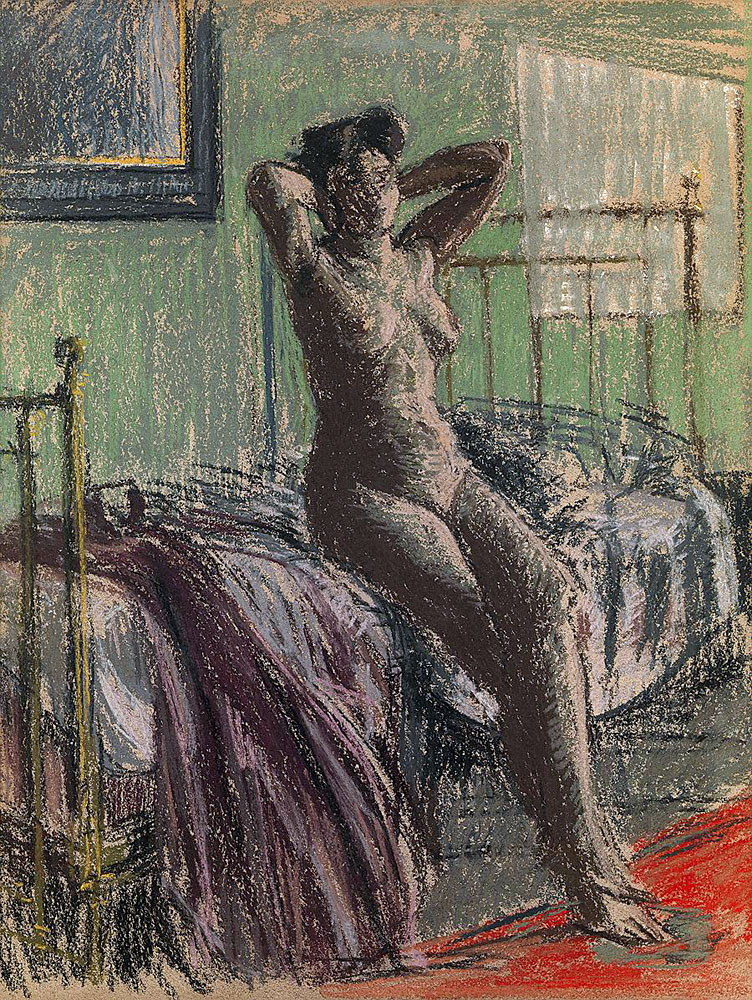
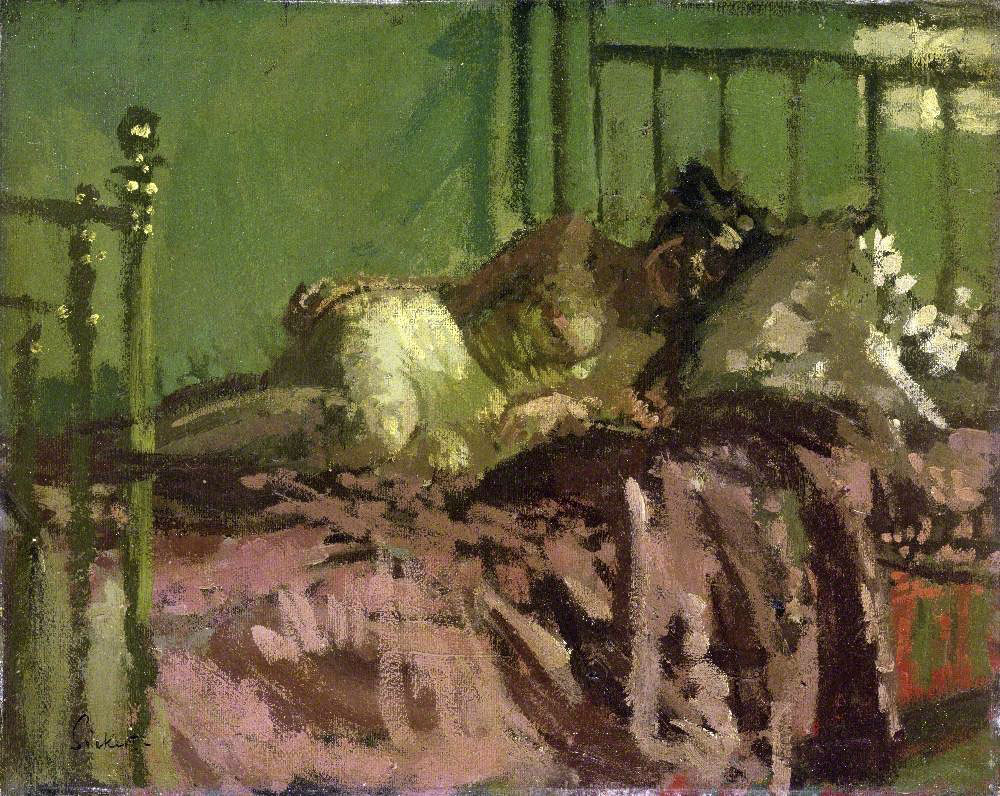
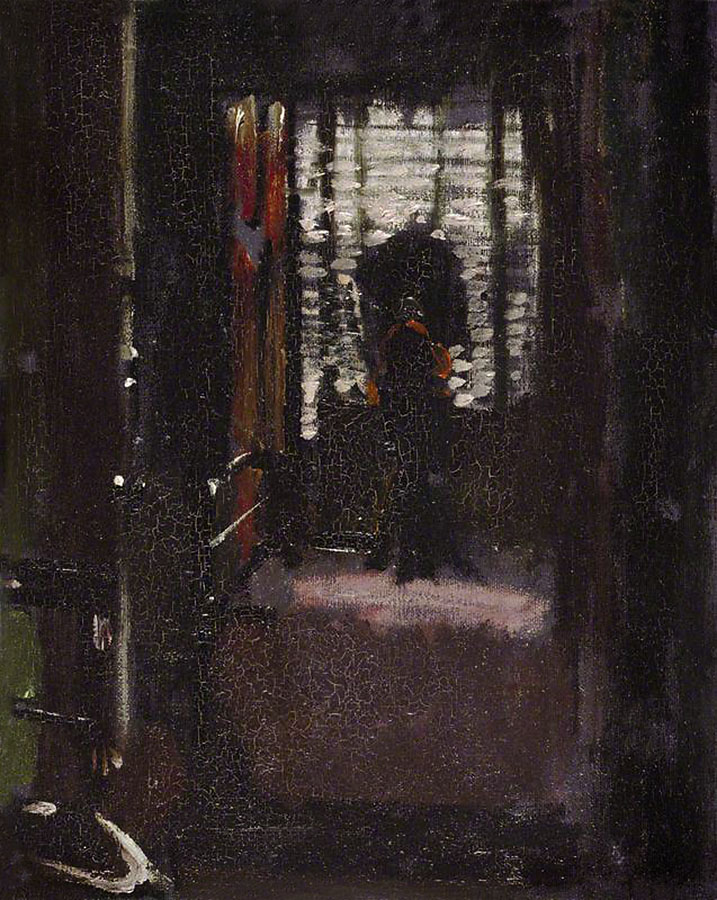
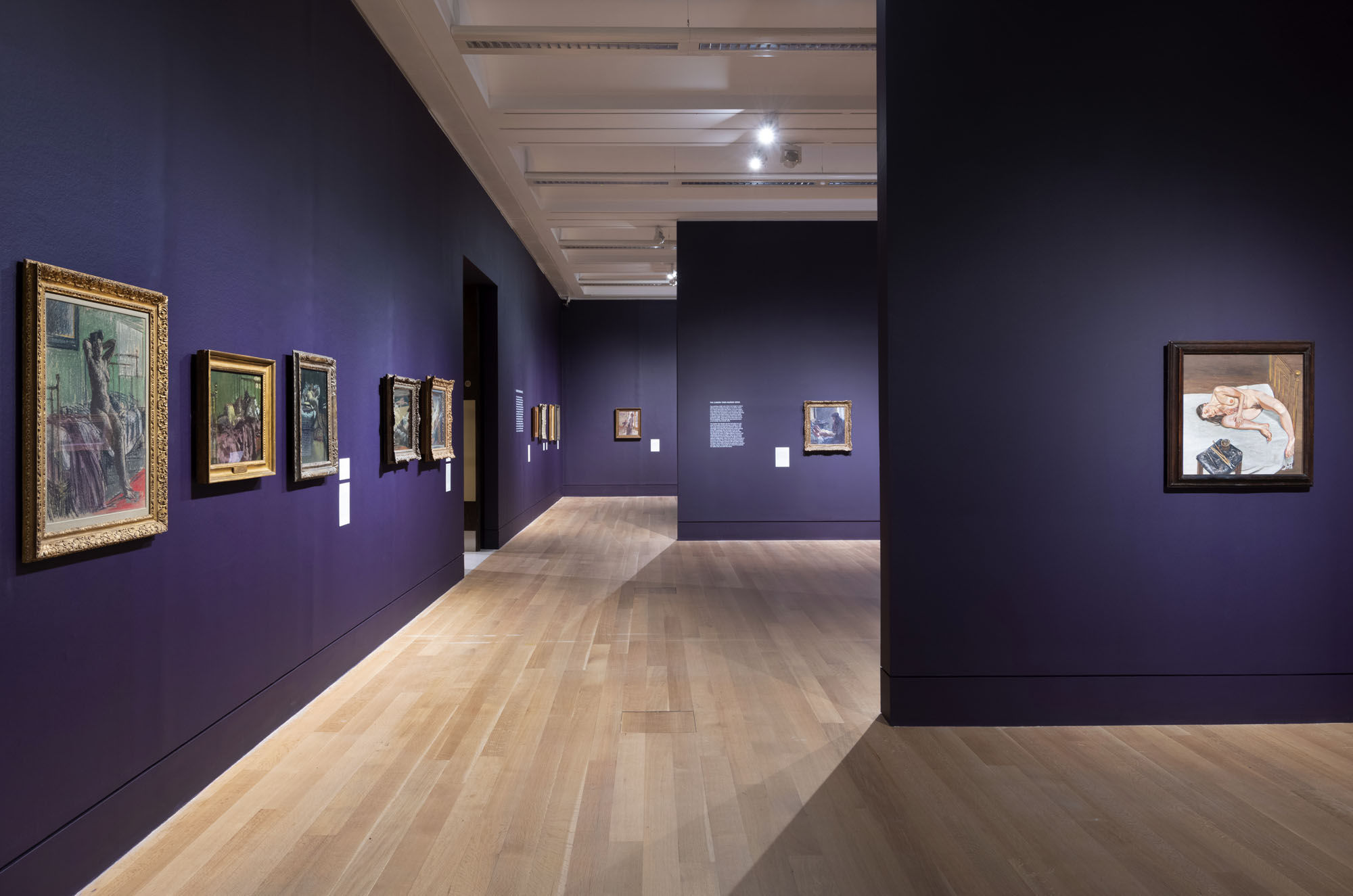


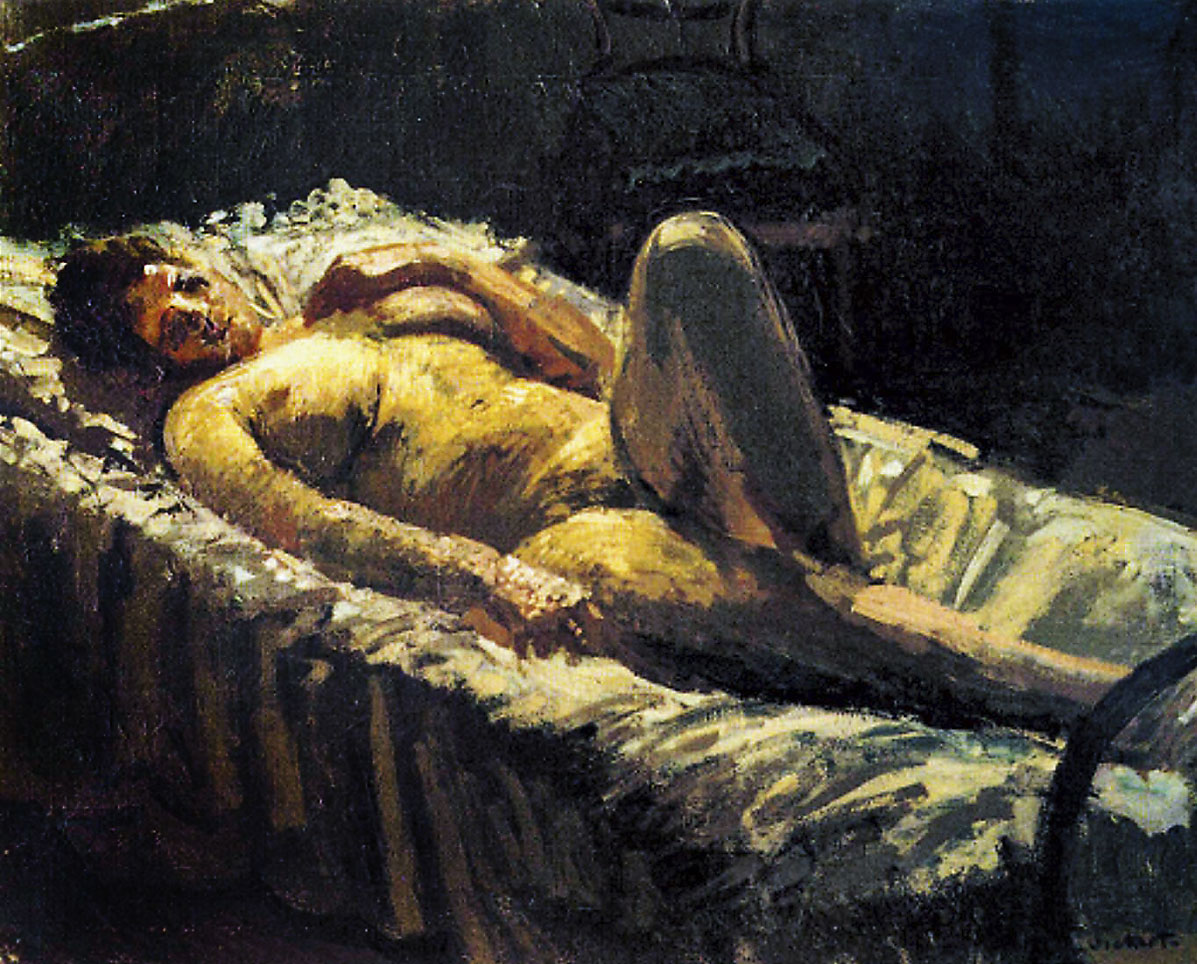


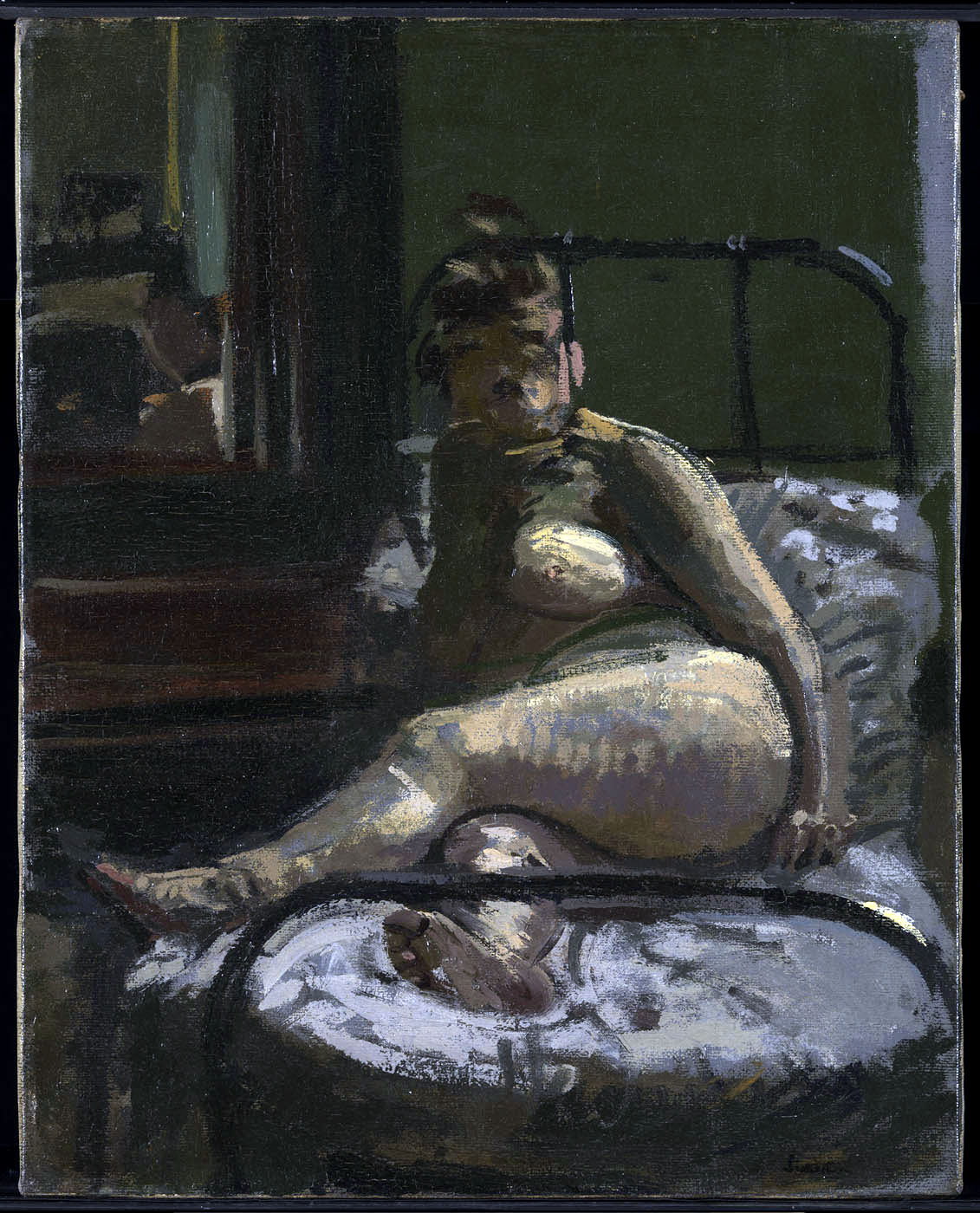

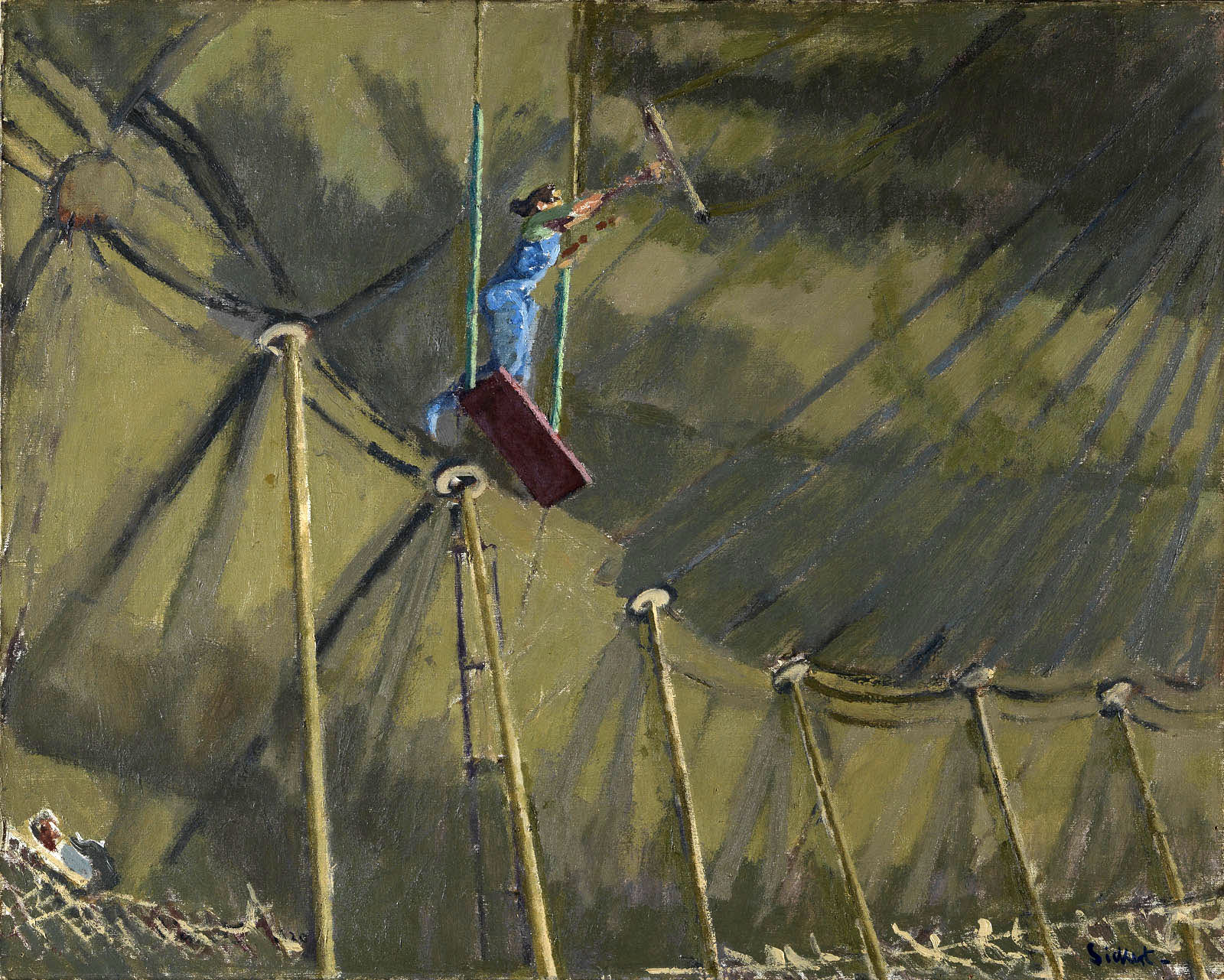


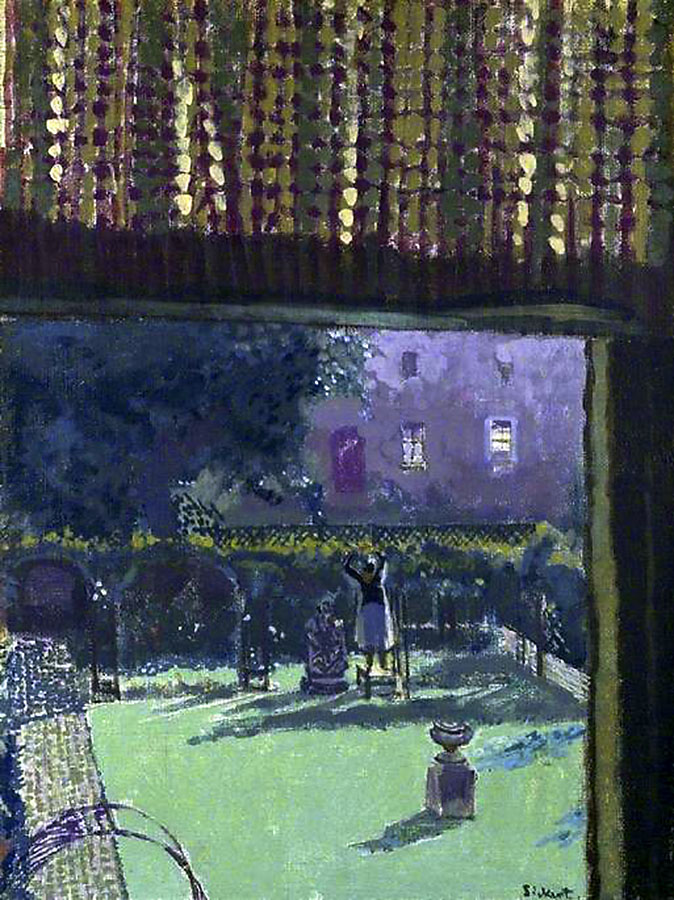


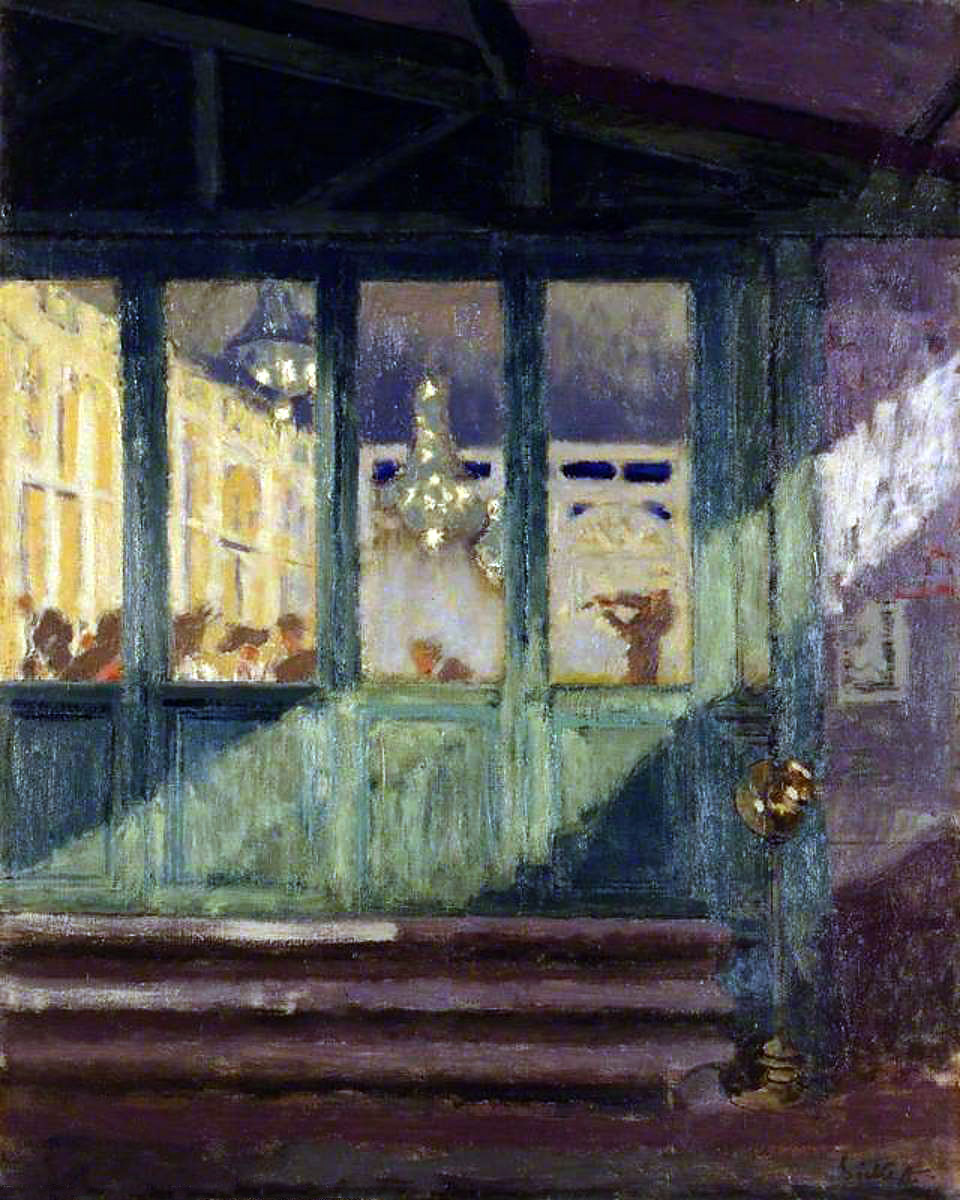
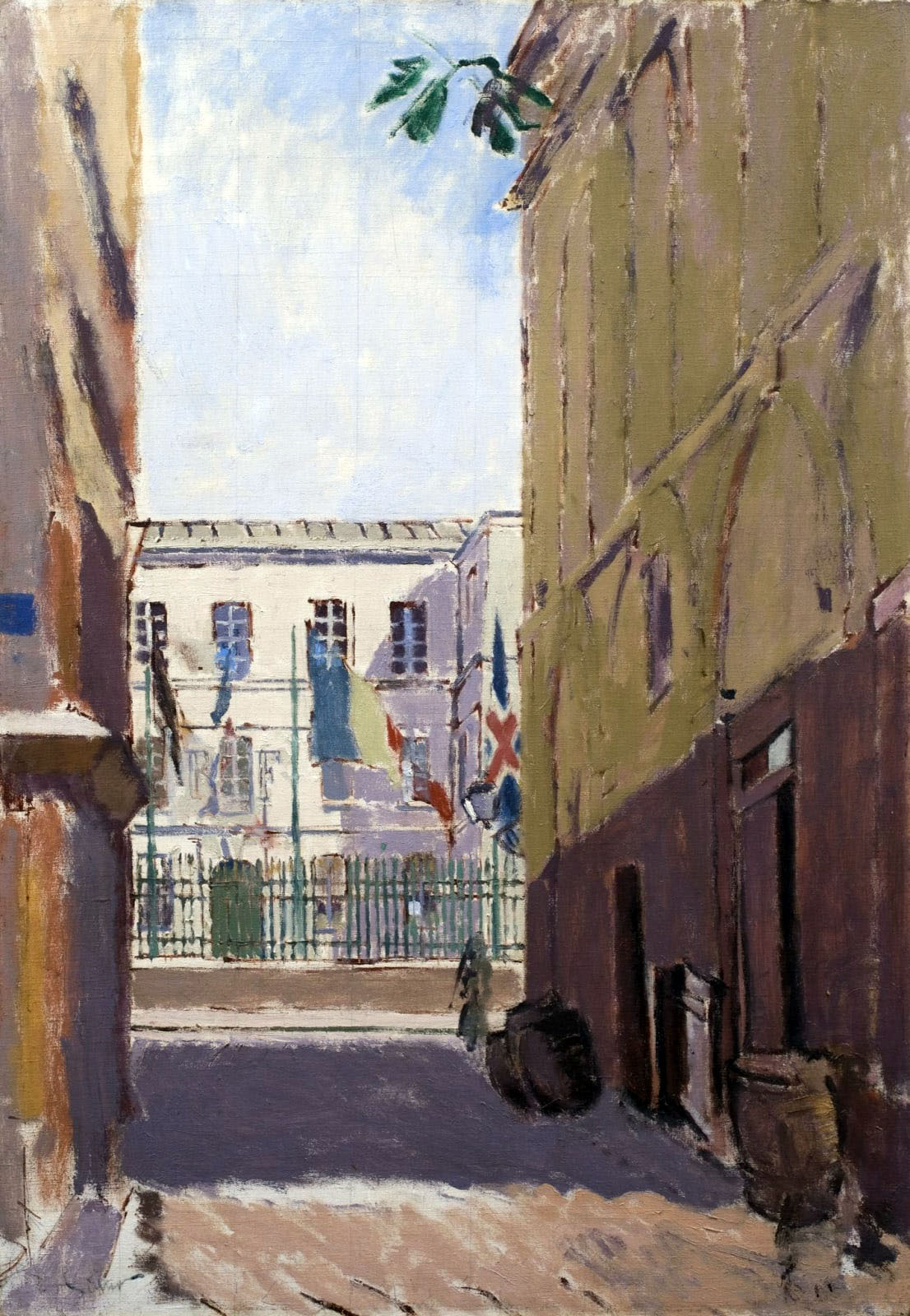
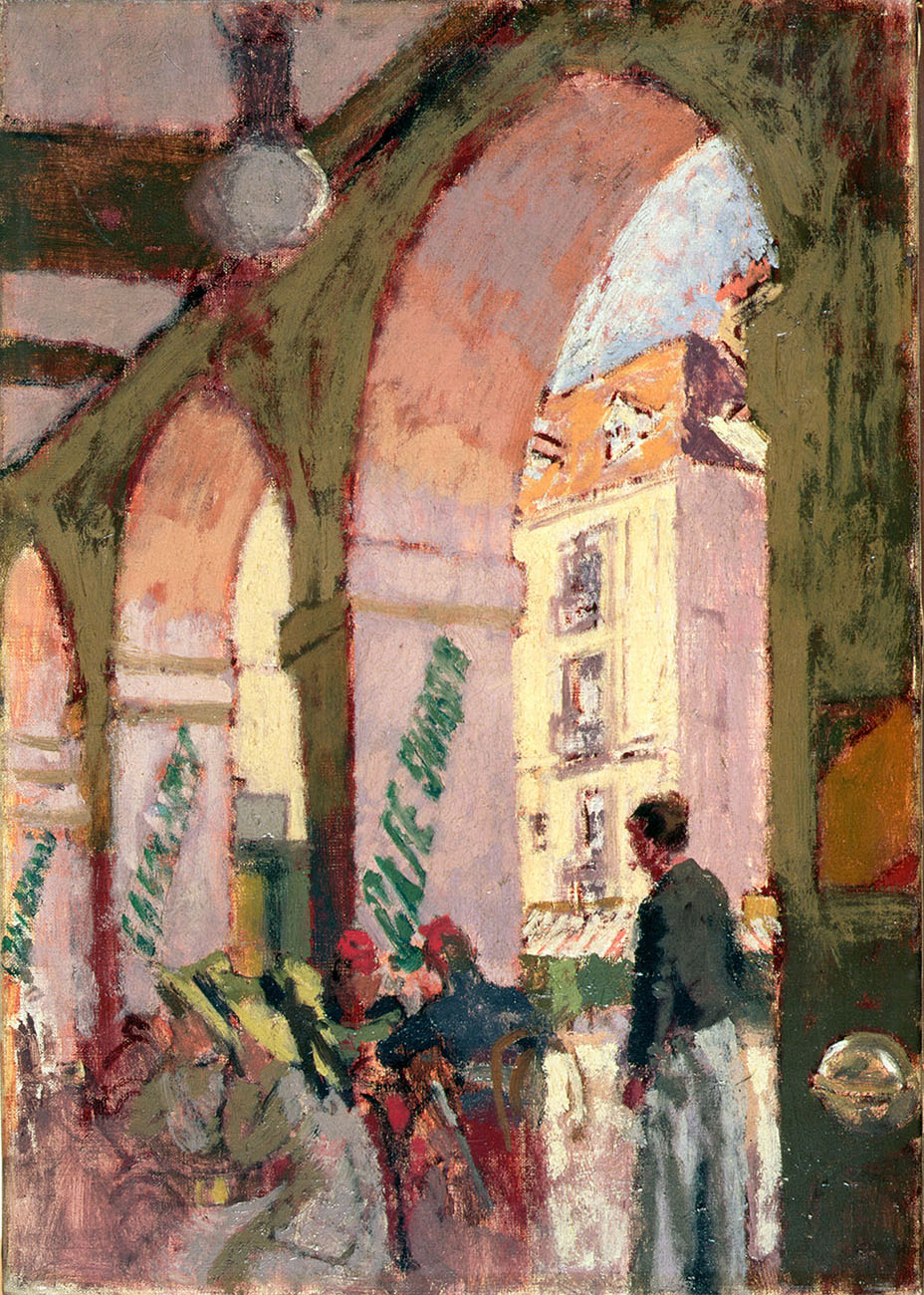
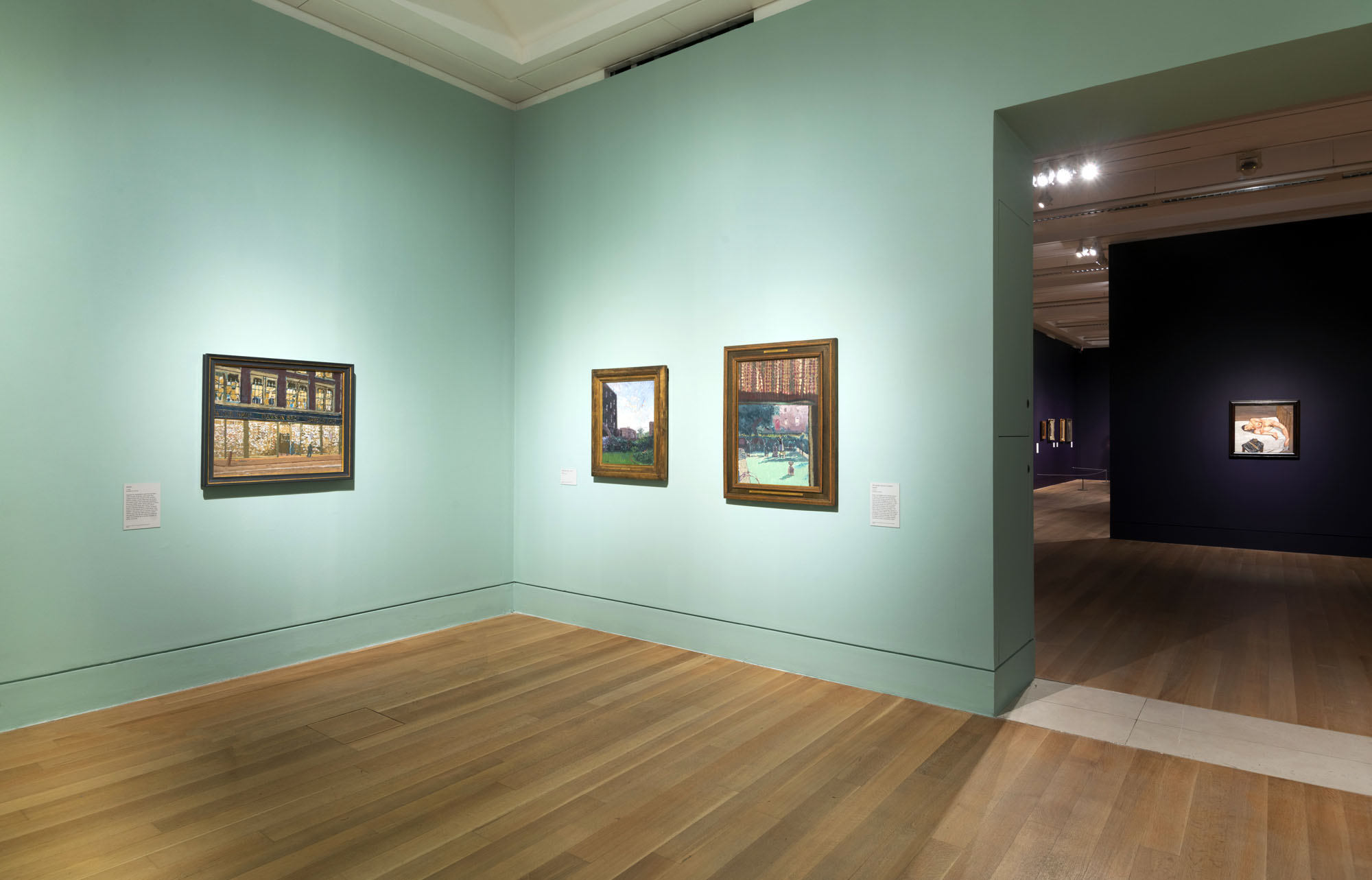
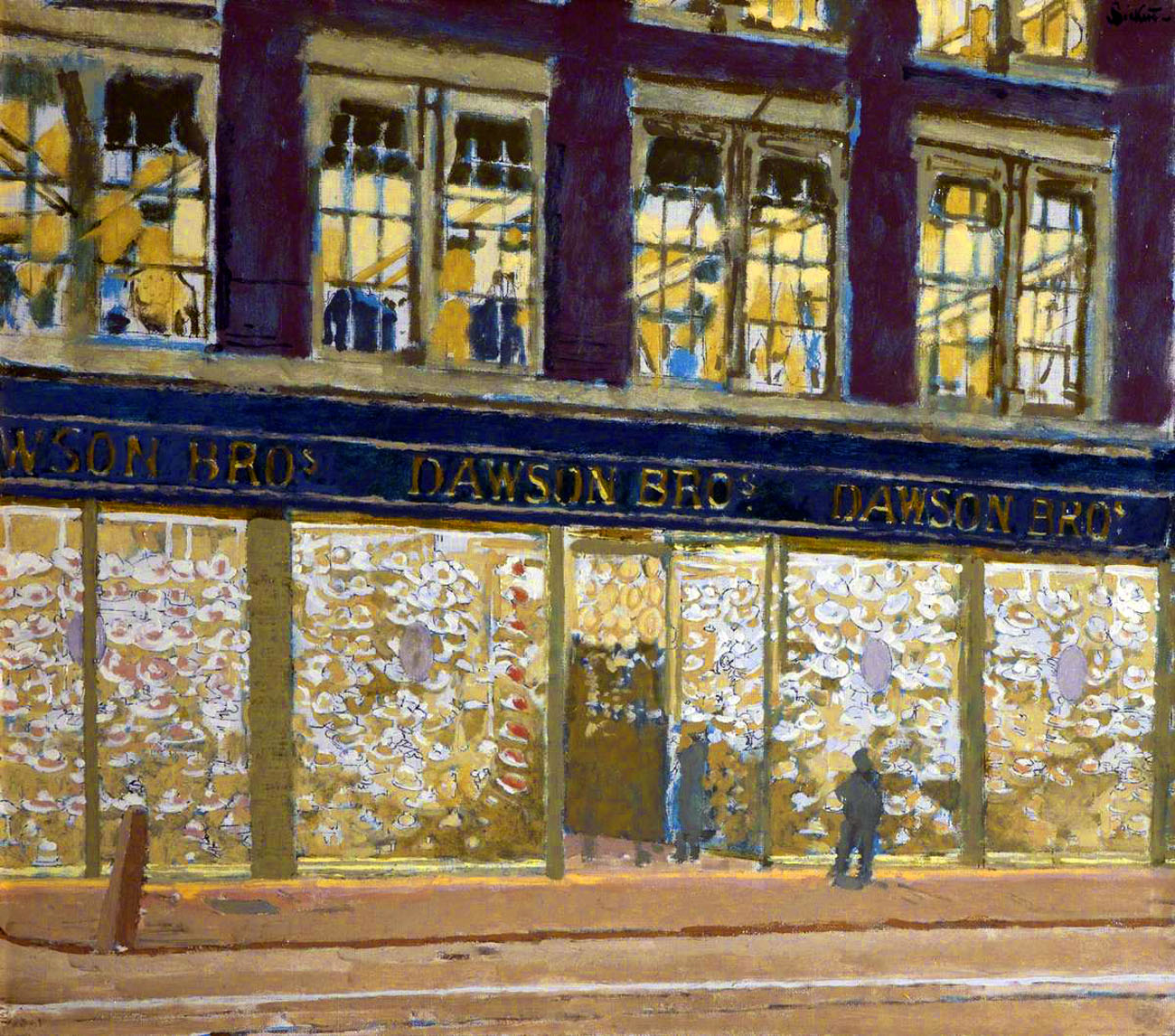
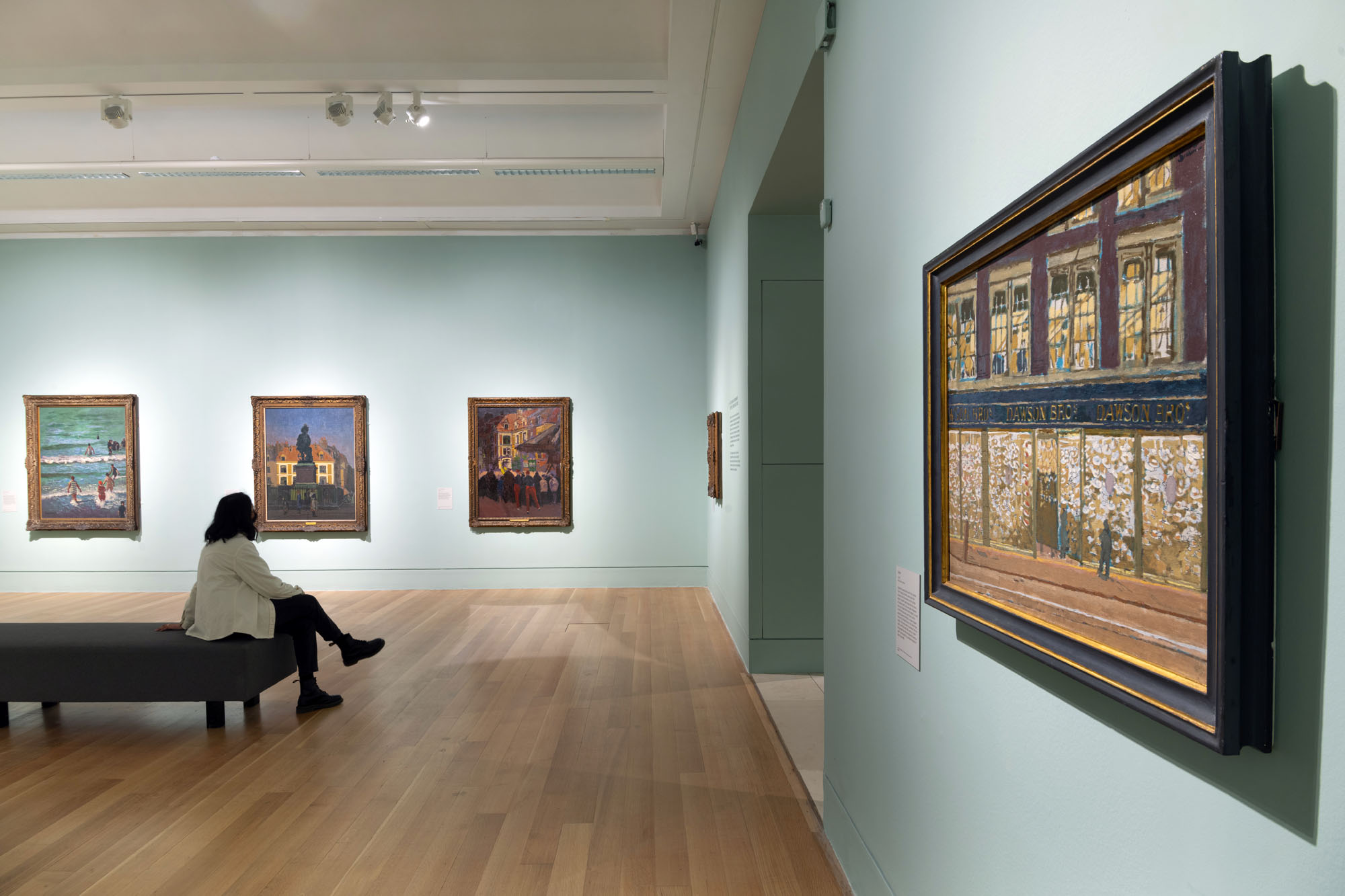


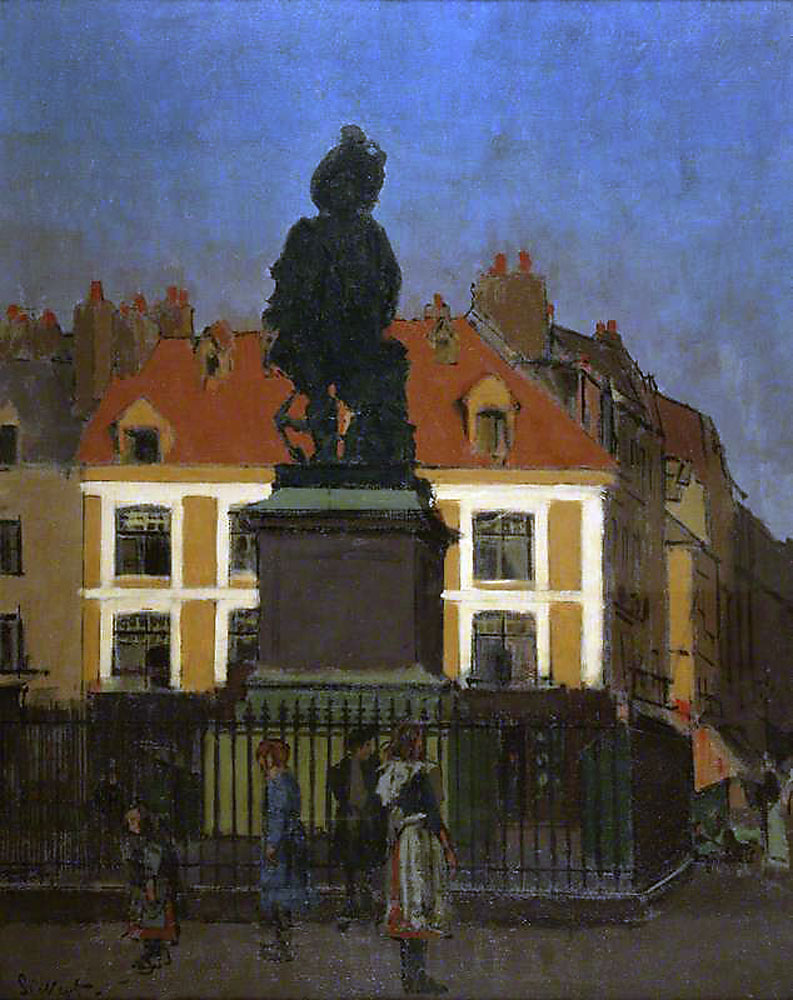
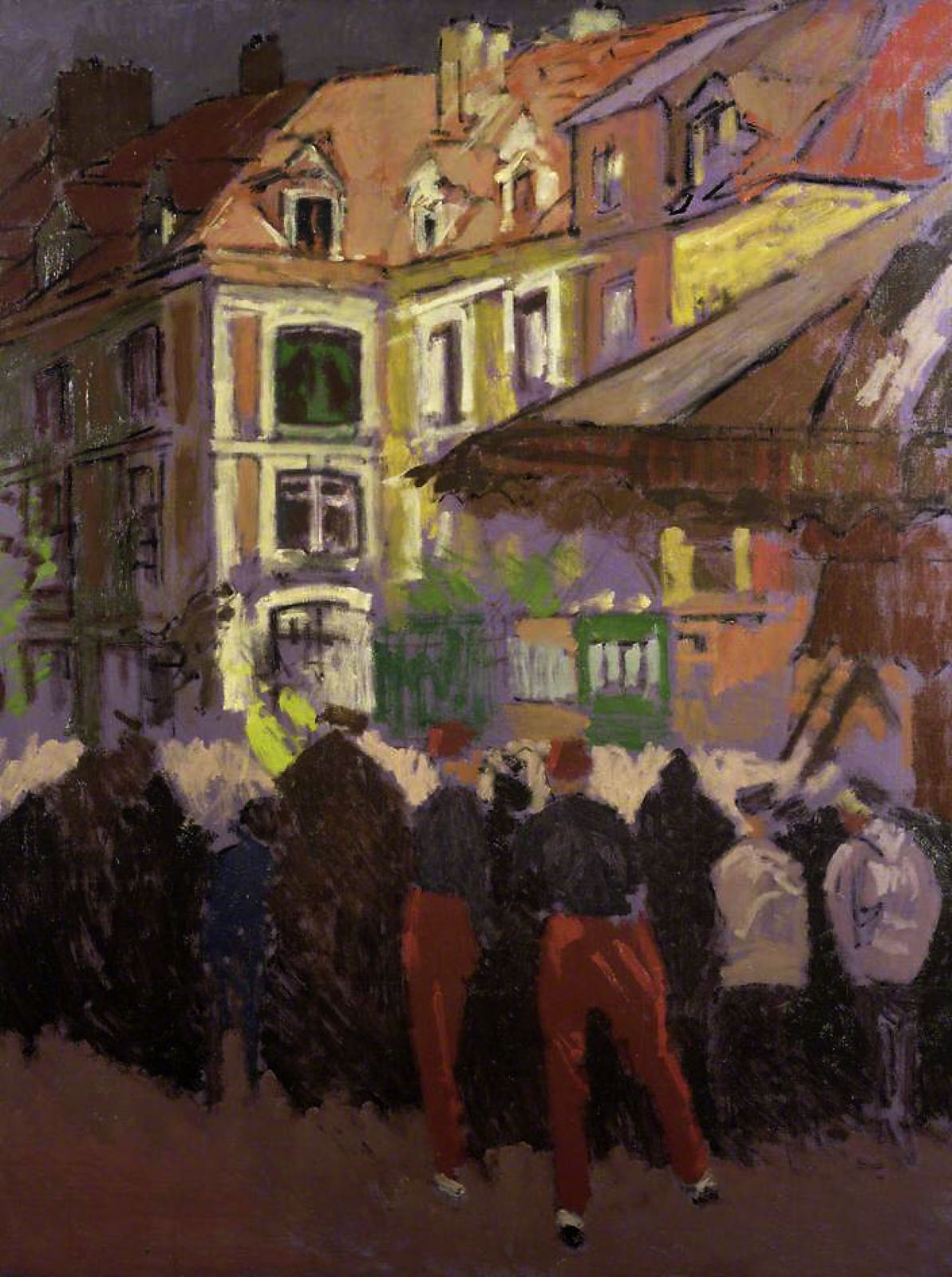
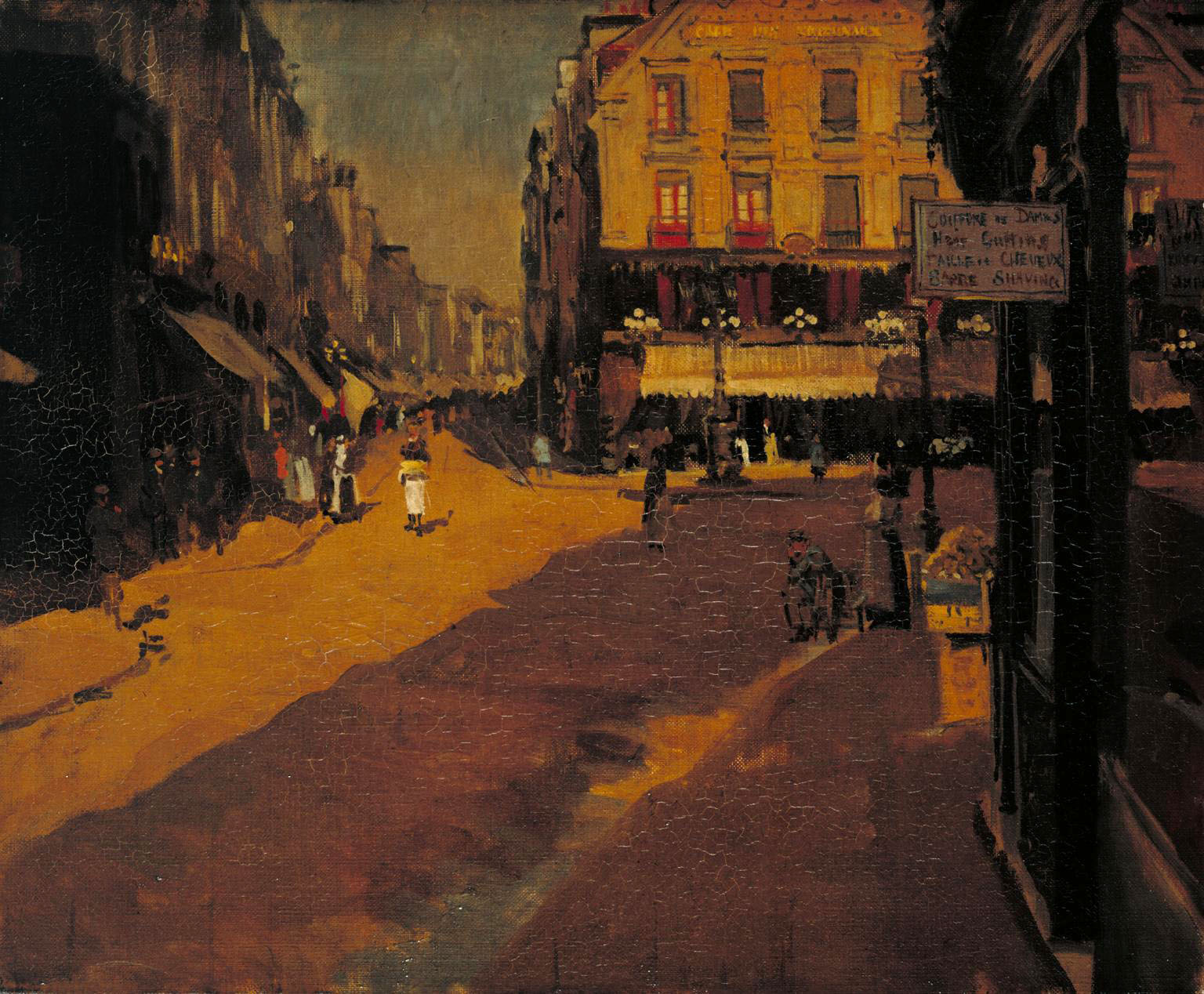
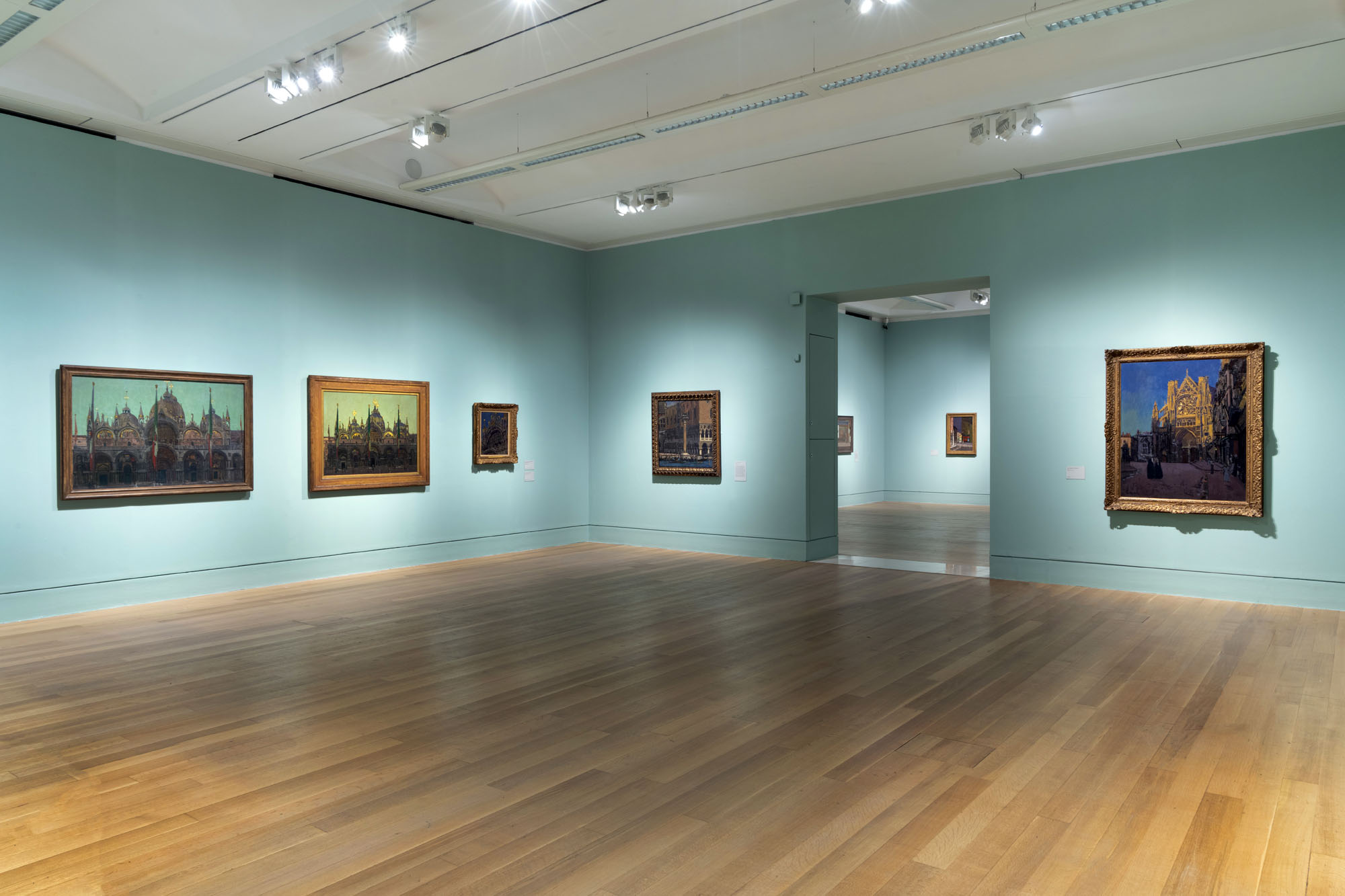
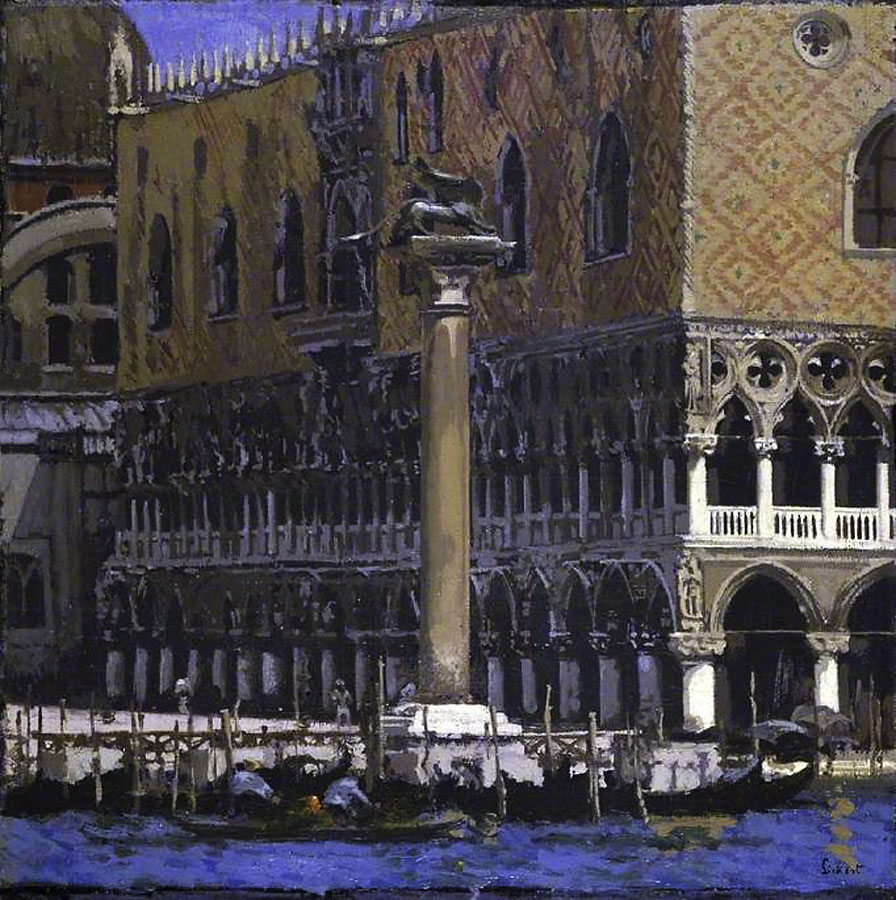
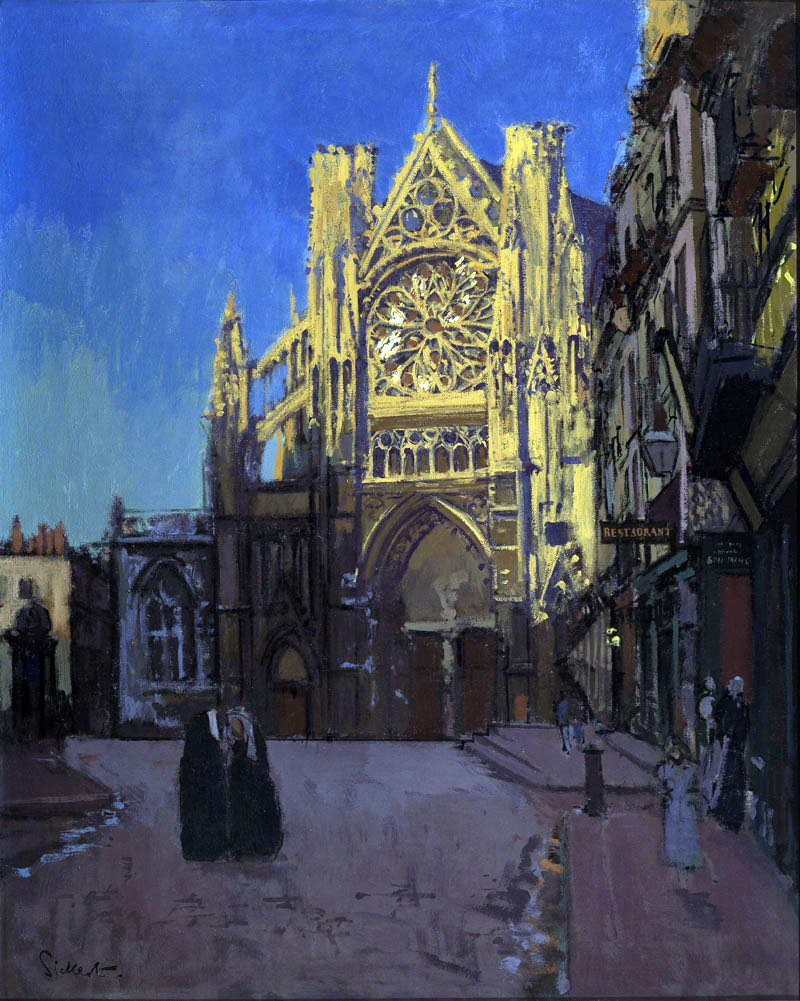

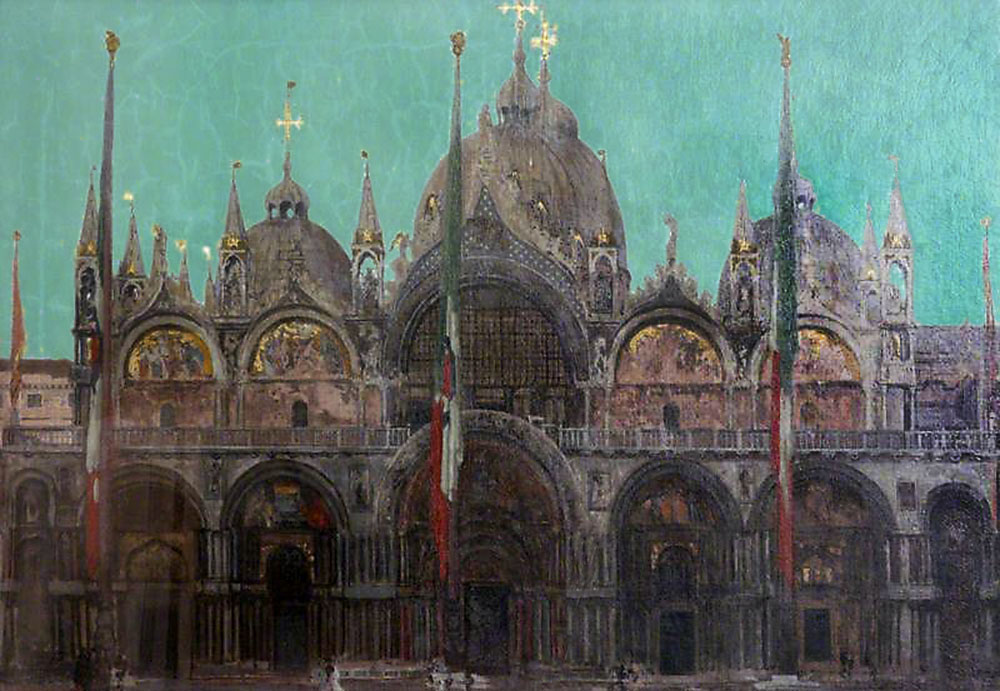
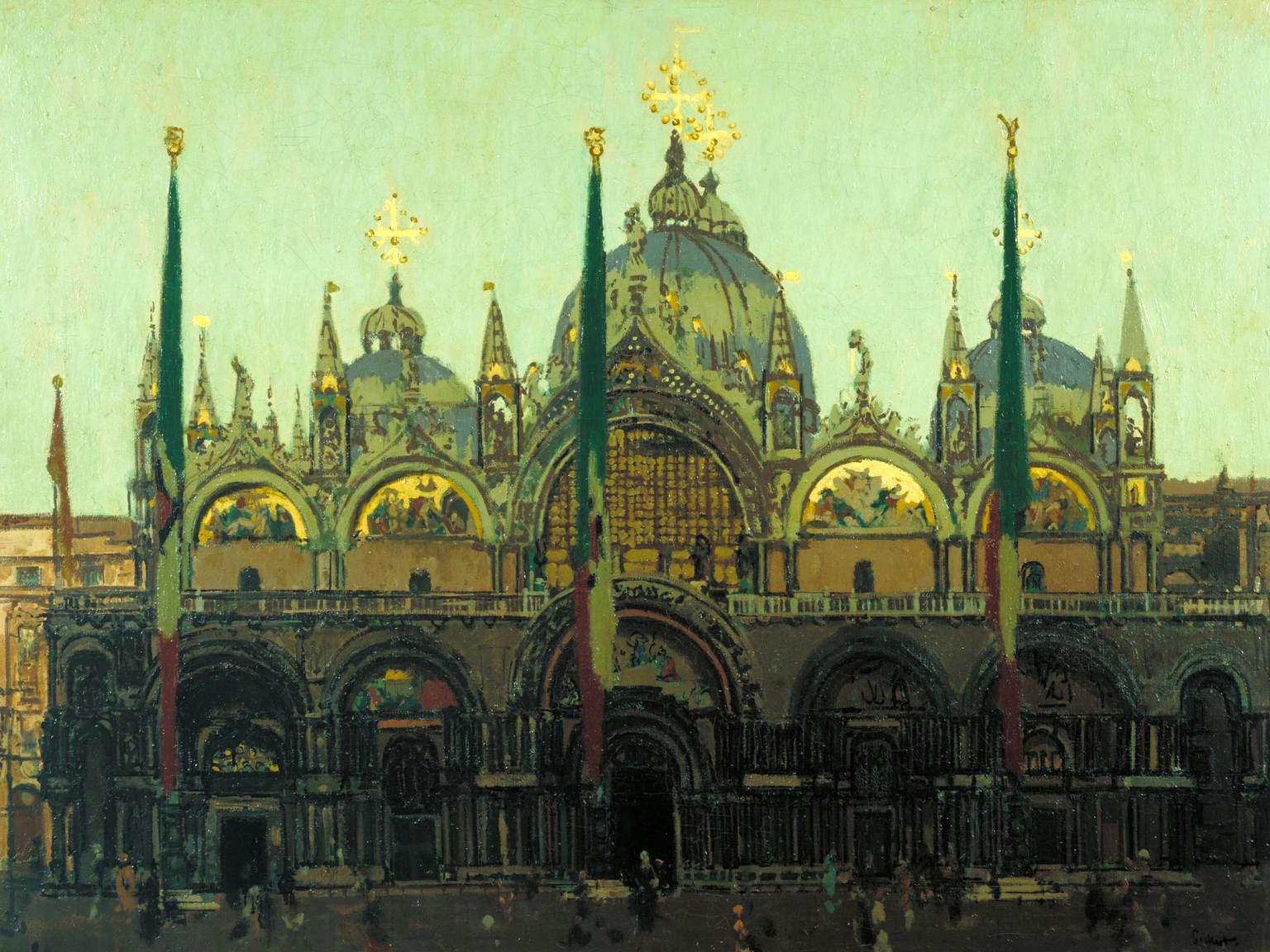

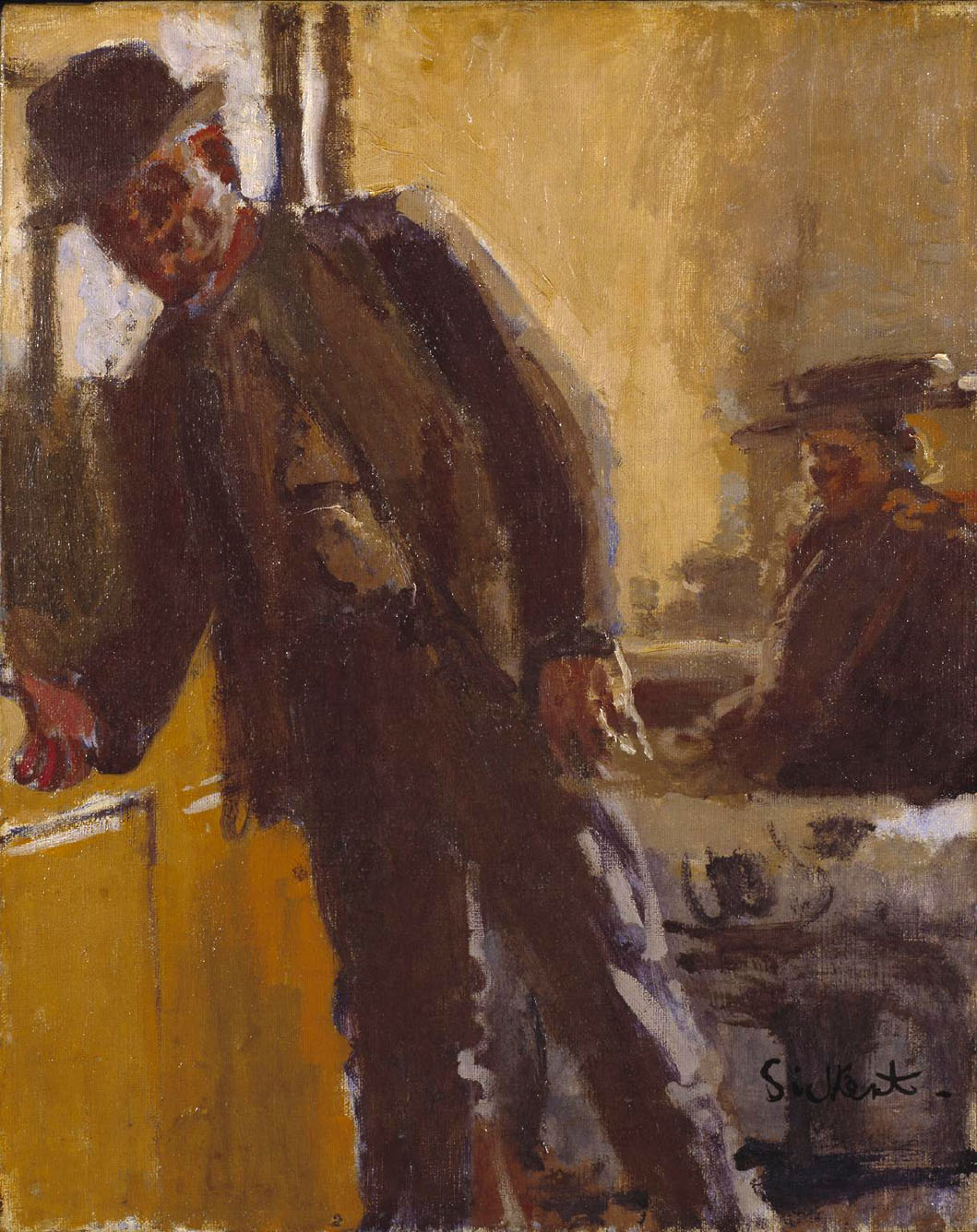


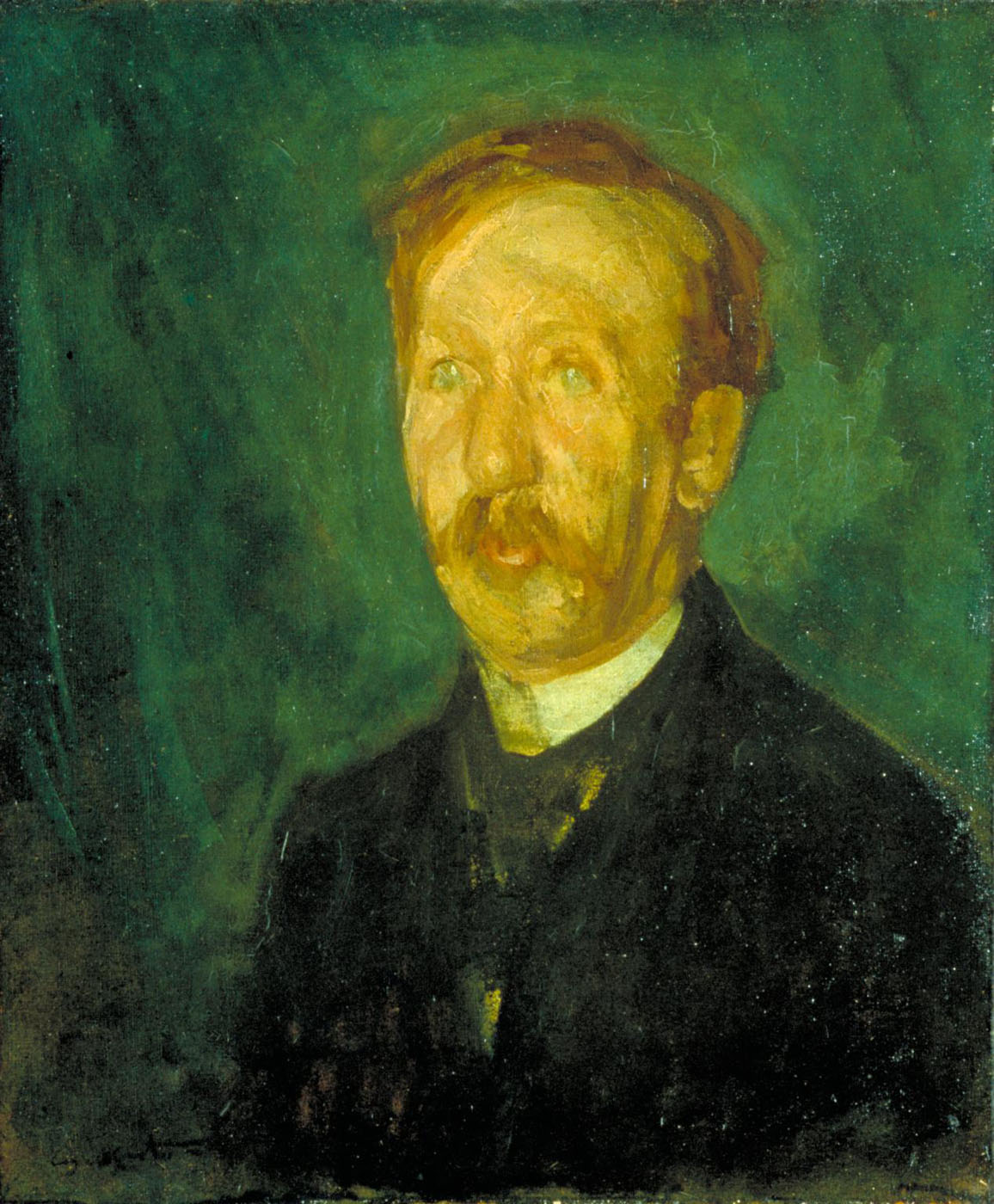
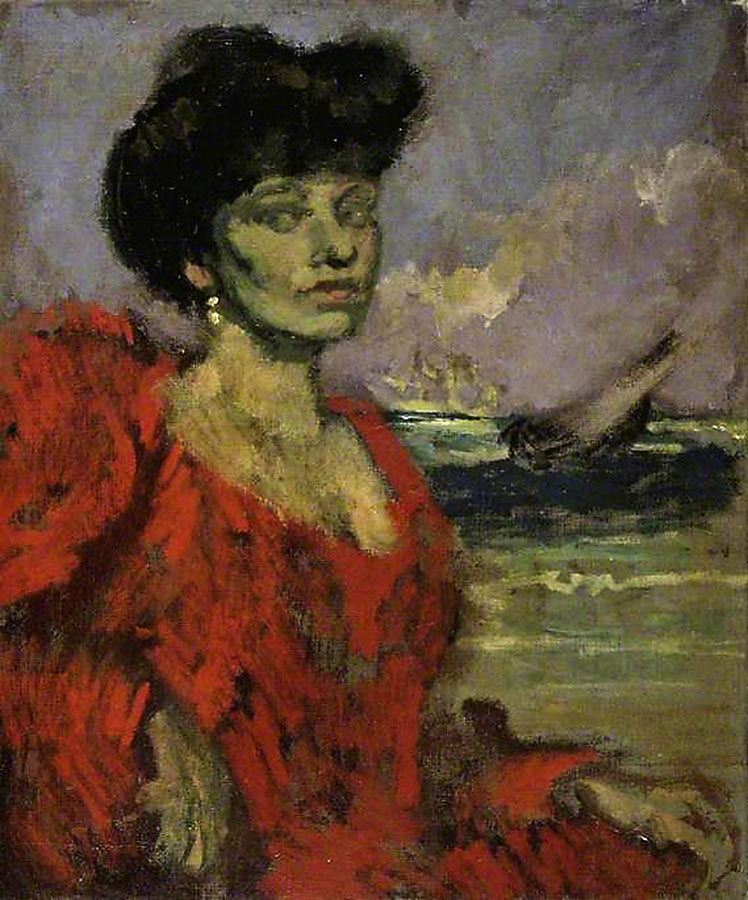


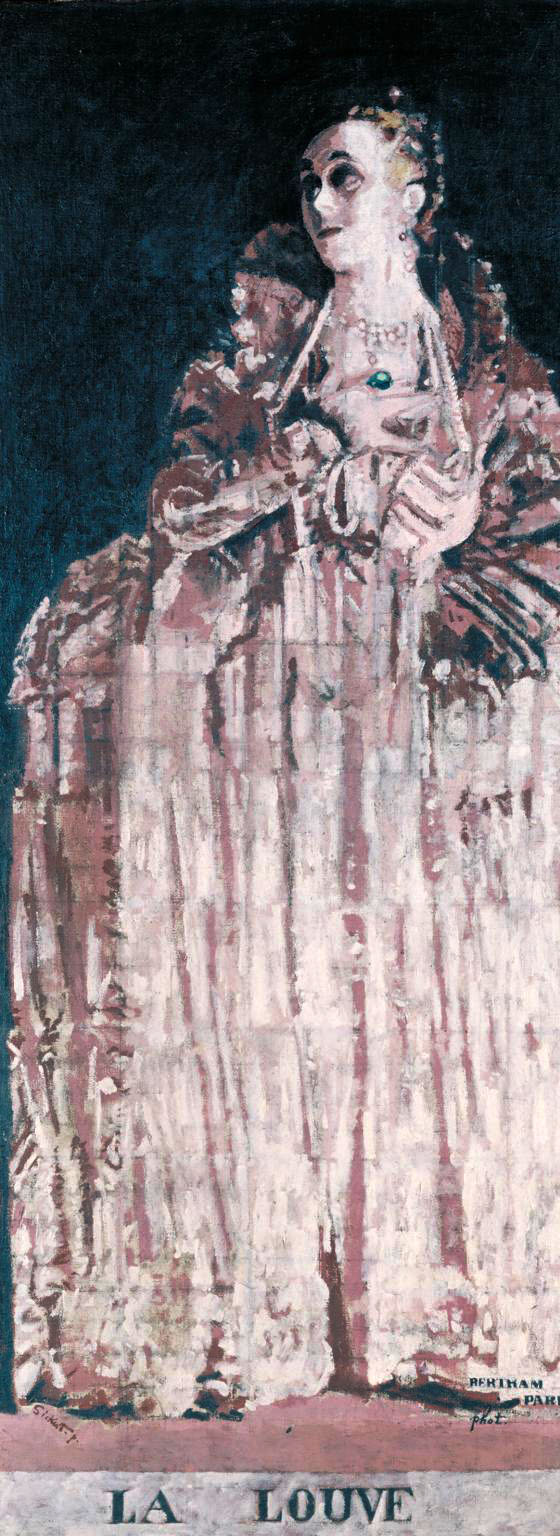
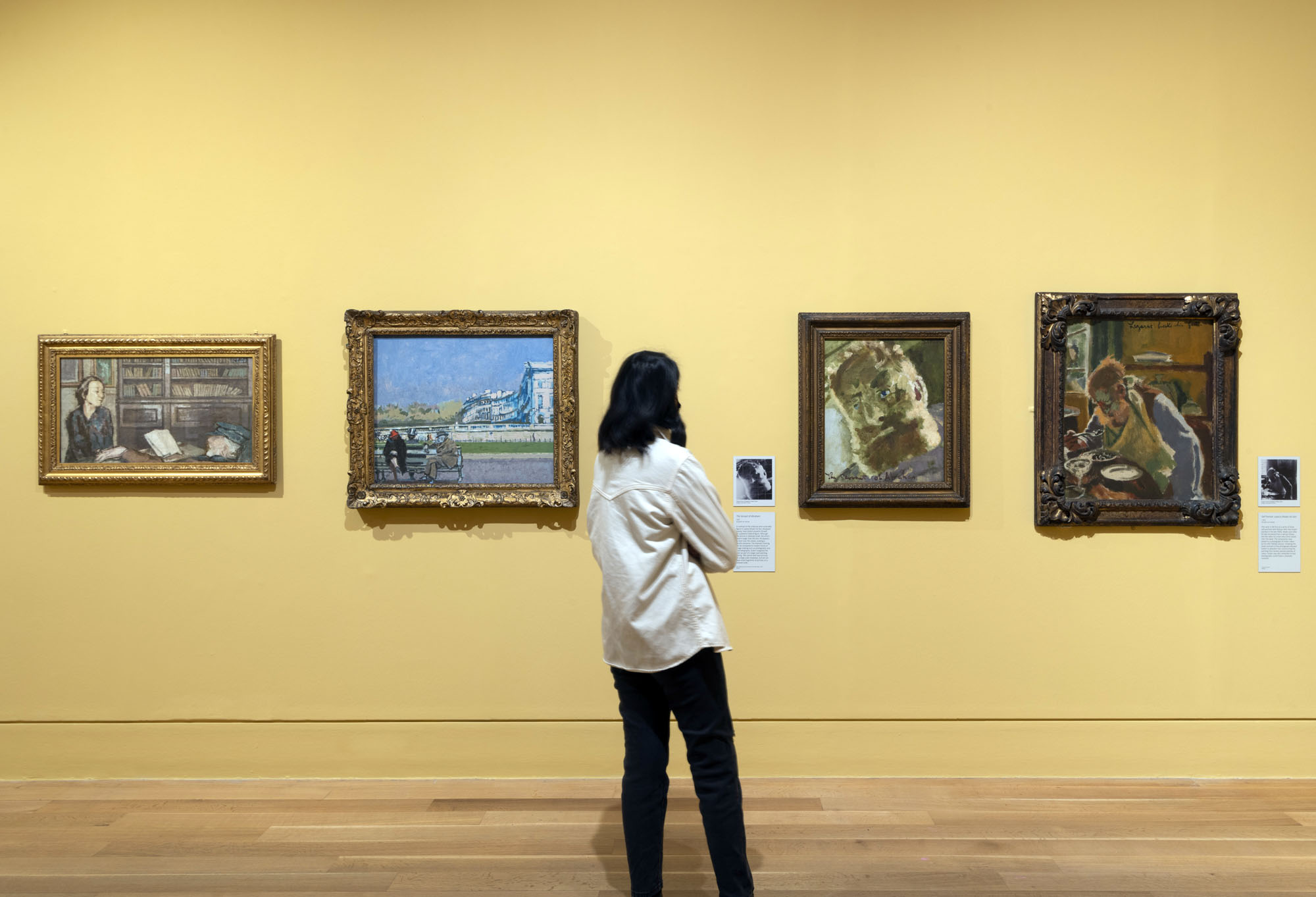

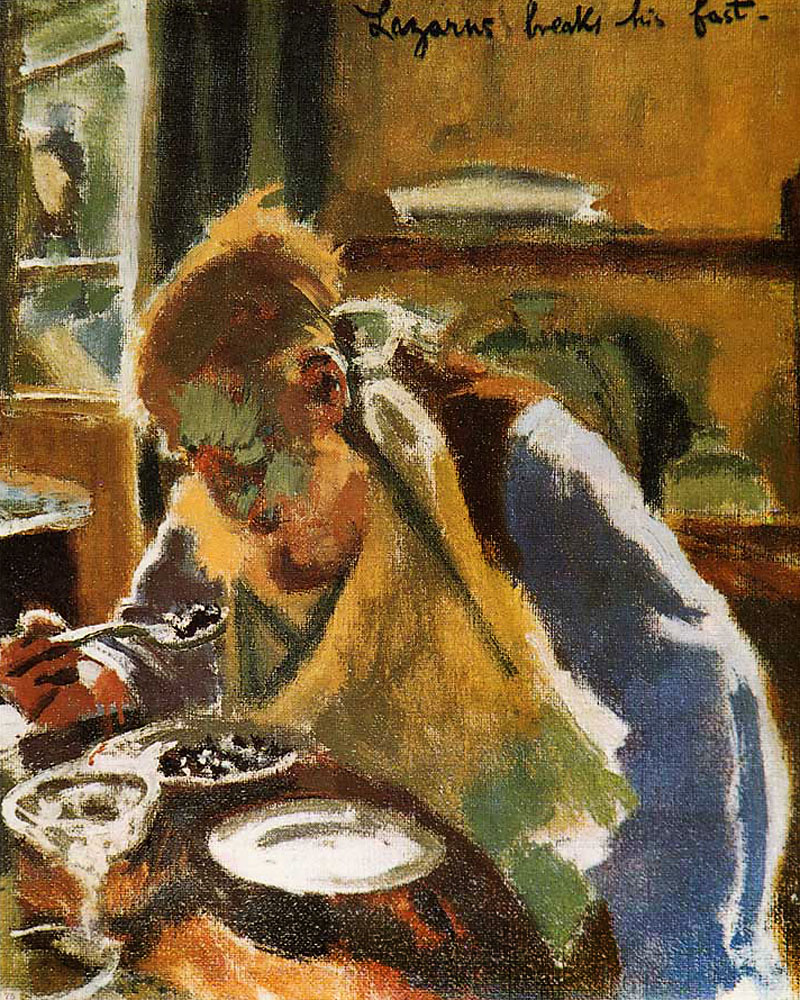

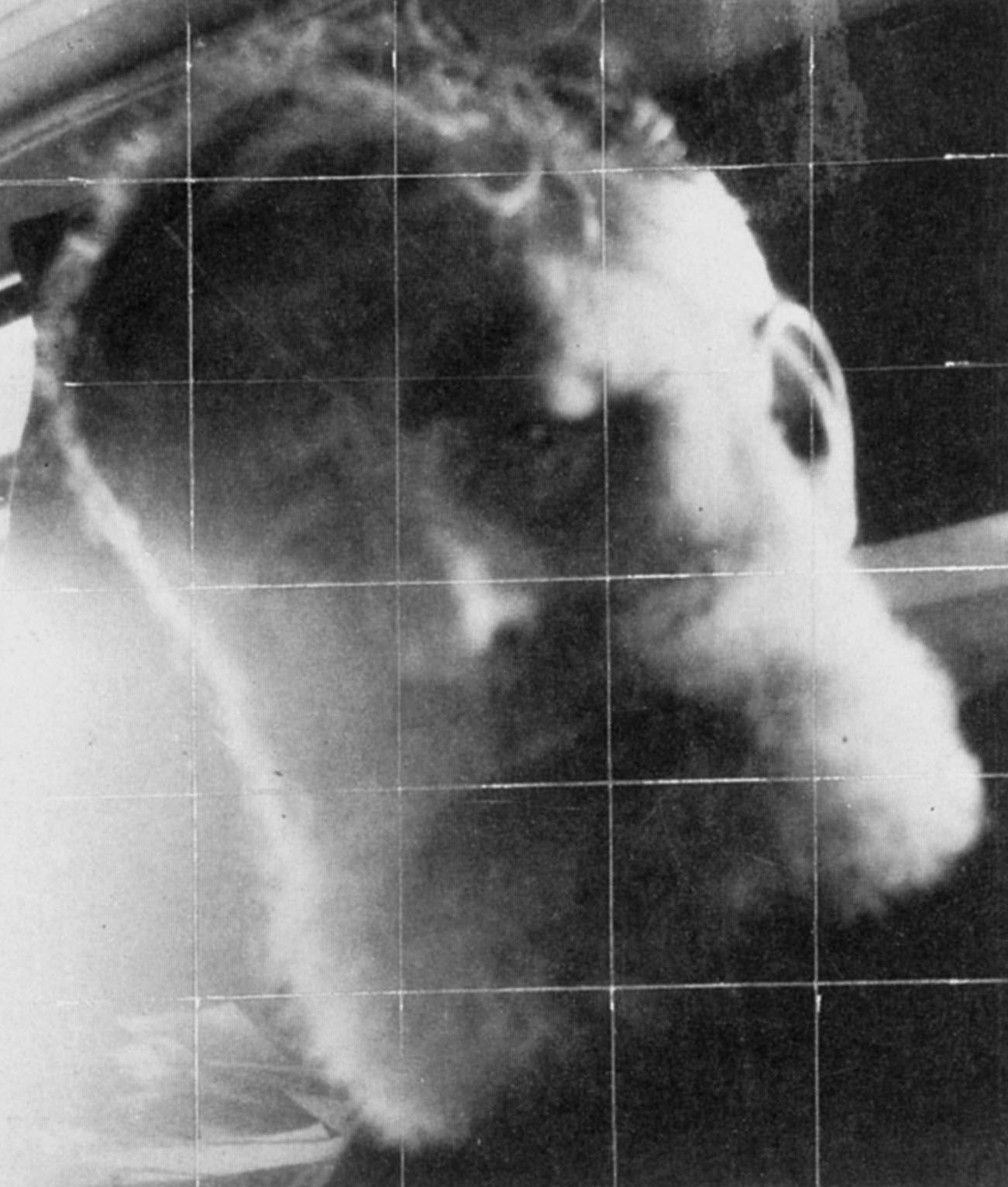


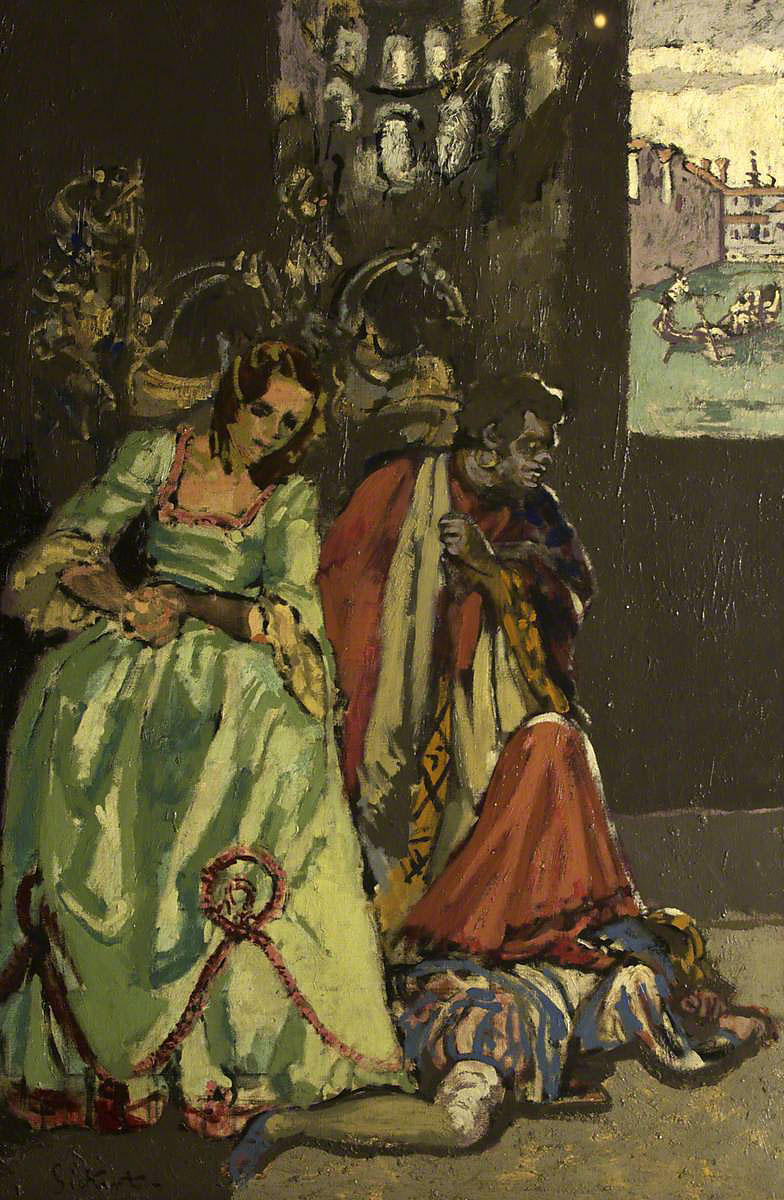
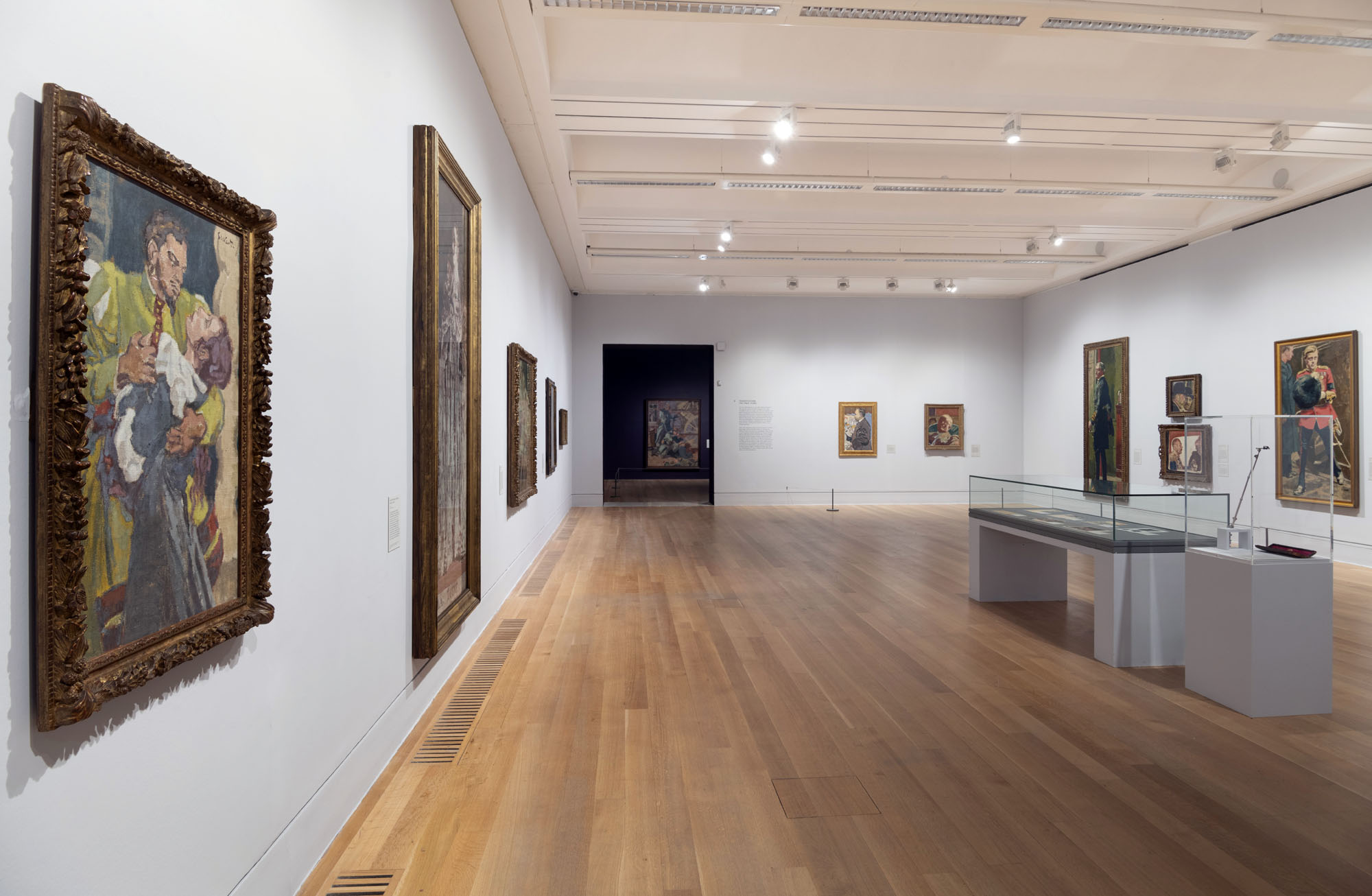


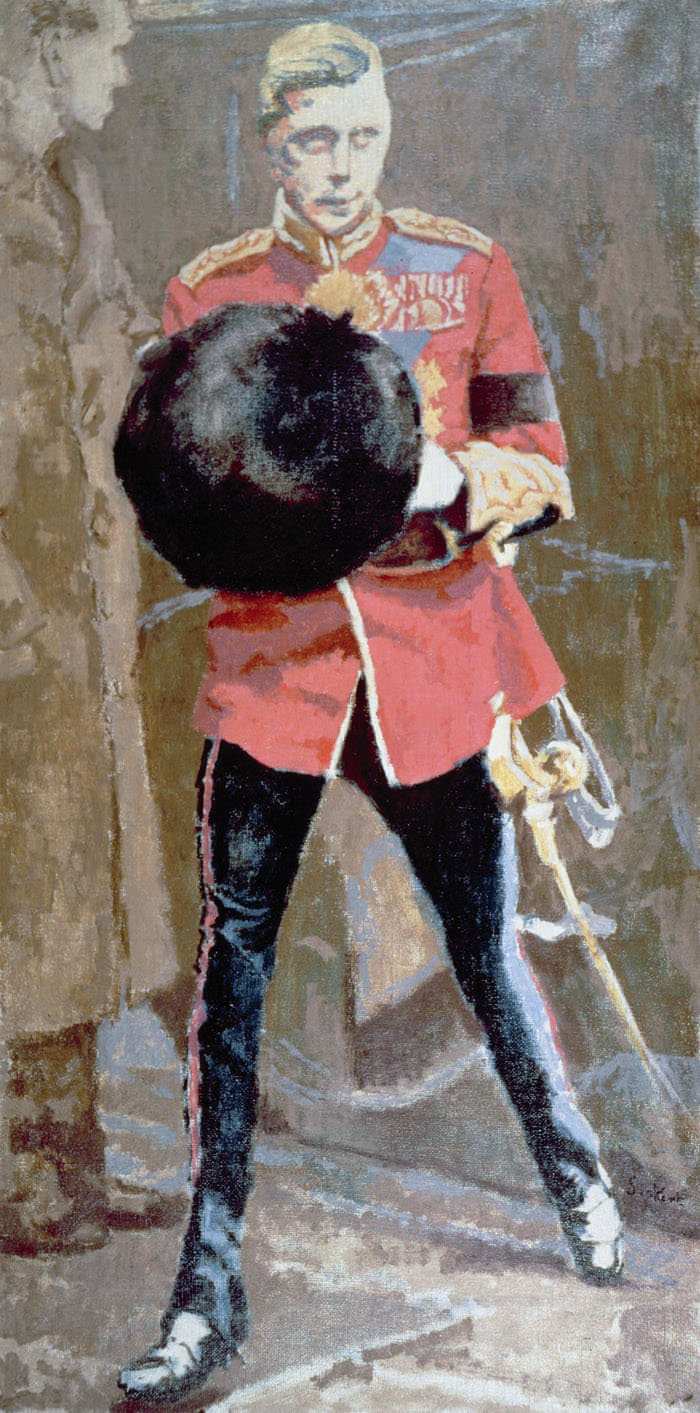


![Fratelli Gajo – Piazza S.Marco 139 – Venezia. 'Untitled [The Doges' Palace and the Piazzetta]' 1880s](https://artblart.com/wp-content/uploads/2022/05/3-untitled.jpg "Fratelli Gajo – Piazza S.Marco 139 – Venezia. 'Untitled [The Doges' Palace and the Piazzetta]' 1880s")
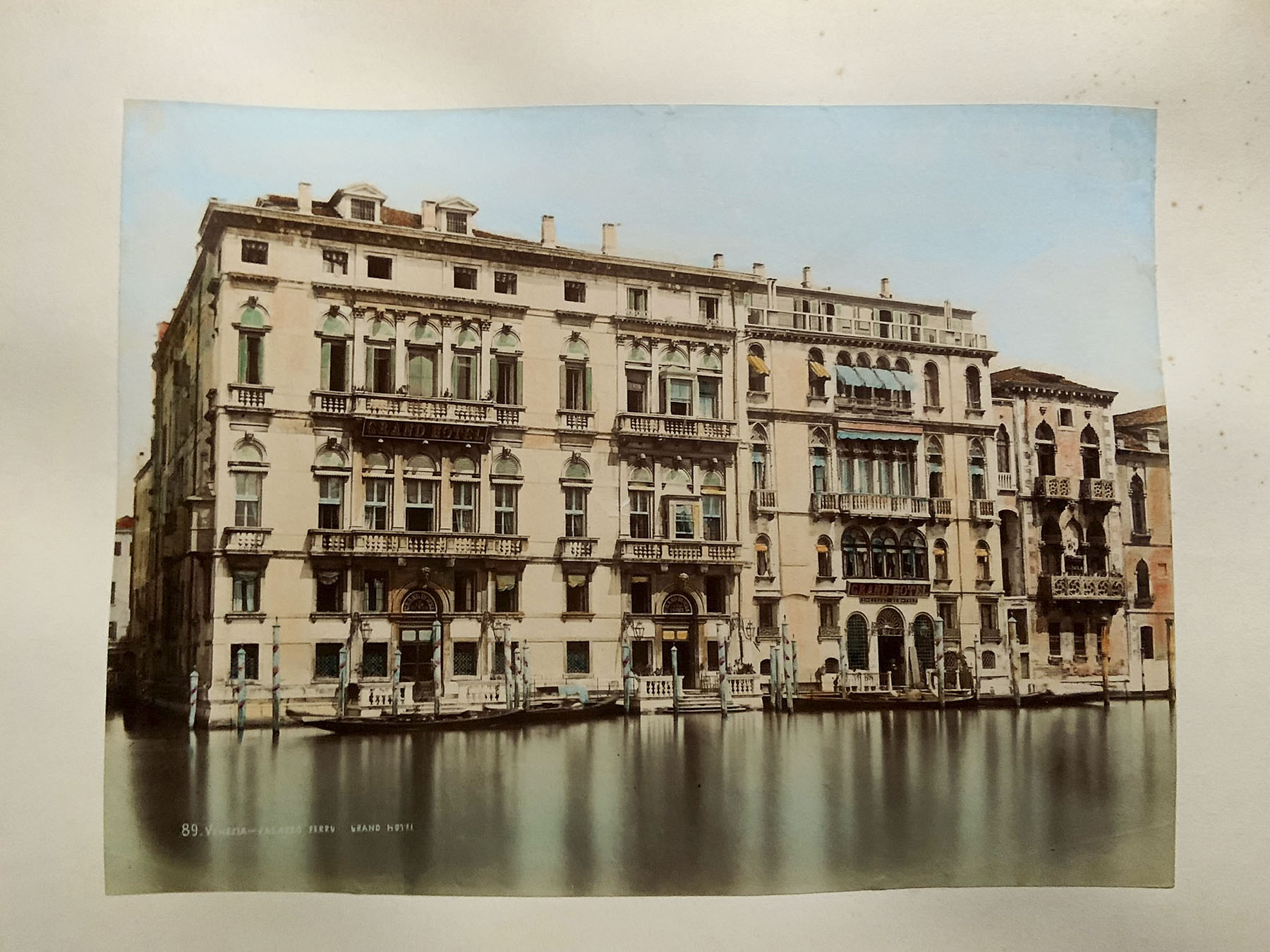


![Fratelli Gajo – Piazza S.Marco 139 – Venezia. 'Untitled [St Mark's Basilica]' 1880s](https://artblart.com/wp-content/uploads/2022/05/5-untitled.jpg "Fratelli Gajo – Piazza S.Marco 139 – Venezia. 'Untitled [St Mark's Basilica]' 1880s")



![Fratelli Gajo – Piazza S.Marco 139 – Venezia. 'Untitled [Bridge of Sighs]' 1880s](https://artblart.com/wp-content/uploads/2022/05/9-untitled.jpg "Fratelli Gajo – Piazza S.Marco 139 – Venezia. 'Untitled [Bridge of Sighs]' 1880s")


![Fratelli Gajo – Piazza S.Marco 139 – Venezia. 'Untitled [The Courtyard of the Doge's Palace looking towards the Torricella]' 1880s](https://artblart.com/wp-content/uploads/2022/05/10-untitled.jpg "Fratelli Gajo – Piazza S.Marco 139 – Venezia. 'Untitled [The Courtyard of the Doge's Palace looking towards the Torricella]' 1880s")


![Fratelli Gajo – Piazza S.Marco 139 – Venezia. '230 [Interior of the Doges Palace]' 1880s](https://artblart.com/wp-content/uploads/2022/05/14-230-untitled.jpg "Fratelli Gajo – Piazza S.Marco 139 – Venezia. '230 [Interior of the Doges Palace]' 1880s")



![Fratelli Gajo – Piazza S.Marco 139 – Venezia. 'Untitled [Entry to the presbytery of St Mark's Basilica]' 1880s](https://artblart.com/wp-content/uploads/2022/05/20-untitled.jpg "Fratelli Gajo – Piazza S.Marco 139 – Venezia. 'Untitled [Entry to the presbytery of St Mark's Basilica]' 1880s")
![Fratelli Gajo – Piazza S.Marco 139 – Venezia. 'Untitled [Bridge of Sighs]' 1880s](https://artblart.com/wp-content/uploads/2022/05/21-untitled.jpg "Fratelli Gajo – Piazza S.Marco 139 – Venezia. 'Untitled [Bridge of Sighs]' 1880s")


![Fratelli Gajo – Piazza S.Marco 139 – Venezia. 'Untitled [Torre del Orologio]' 1880s](https://artblart.com/wp-content/uploads/2022/05/24-untitled.jpg "Fratelli Gajo – Piazza S.Marco 139 – Venezia. 'Untitled [Torre del Orologio]' 1880s")
![Fratelli Gajo – Piazza S.Marco 139 – Venezia. 'Untitled [The Doge's Palace]' 1880s](https://artblart.com/wp-content/uploads/2022/05/25-untitled.jpg "Fratelli Gajo – Piazza S.Marco 139 – Venezia. 'Untitled [The Doge's Palace]' 1880s")


![Fratelli Gajo – Piazza S.Marco 139 – Venezia. 'Untitled [Statue of King Vittorio Emanuel II by the sculptor Ettore Ferrari 1887]' c. 1887](https://artblart.com/wp-content/uploads/2022/05/28-untitled.jpg "Fratelli Gajo – Piazza S.Marco 139 – Venezia. 'Untitled [Statue of King Vittorio Emanuel II by the sculptor Ettore Ferrari 1887]' c. 1887")


![Fratelli Gajo – Piazza S.Marco 139 – Venezia 'Untitled [Rialto Bridge]' 1880s](https://artblart.com/wp-content/uploads/2022/05/30-untitled.jpg "Fratelli Gajo – Piazza S.Marco 139 – Venezia 'Untitled [Rialto Bridge]' 1880s")








![Ansel Adams (American, 1902-1984) '[Dogwood Blossoms, Yosemite National Park]' Negative about 1938; print 1941](https://artblart.com/wp-content/uploads/2022/05/ansel-adams-dogwood-blossoms-yosemite-national-park.jpg "Ansel Adams (American, 1902-1984) '[Dogwood Blossoms, Yosemite National Park]' Negative about 1938; print 1941")
![Imogen Cunningham (American, 1883-1976) '[Sonya Noskowiak]' 1928](https://artblart.com/wp-content/uploads/2022/05/cunningham-sonya-noskowiak.jpg "Imogen Cunningham (American, 1883-1976) '[Sonya Noskowiak]' 1928")


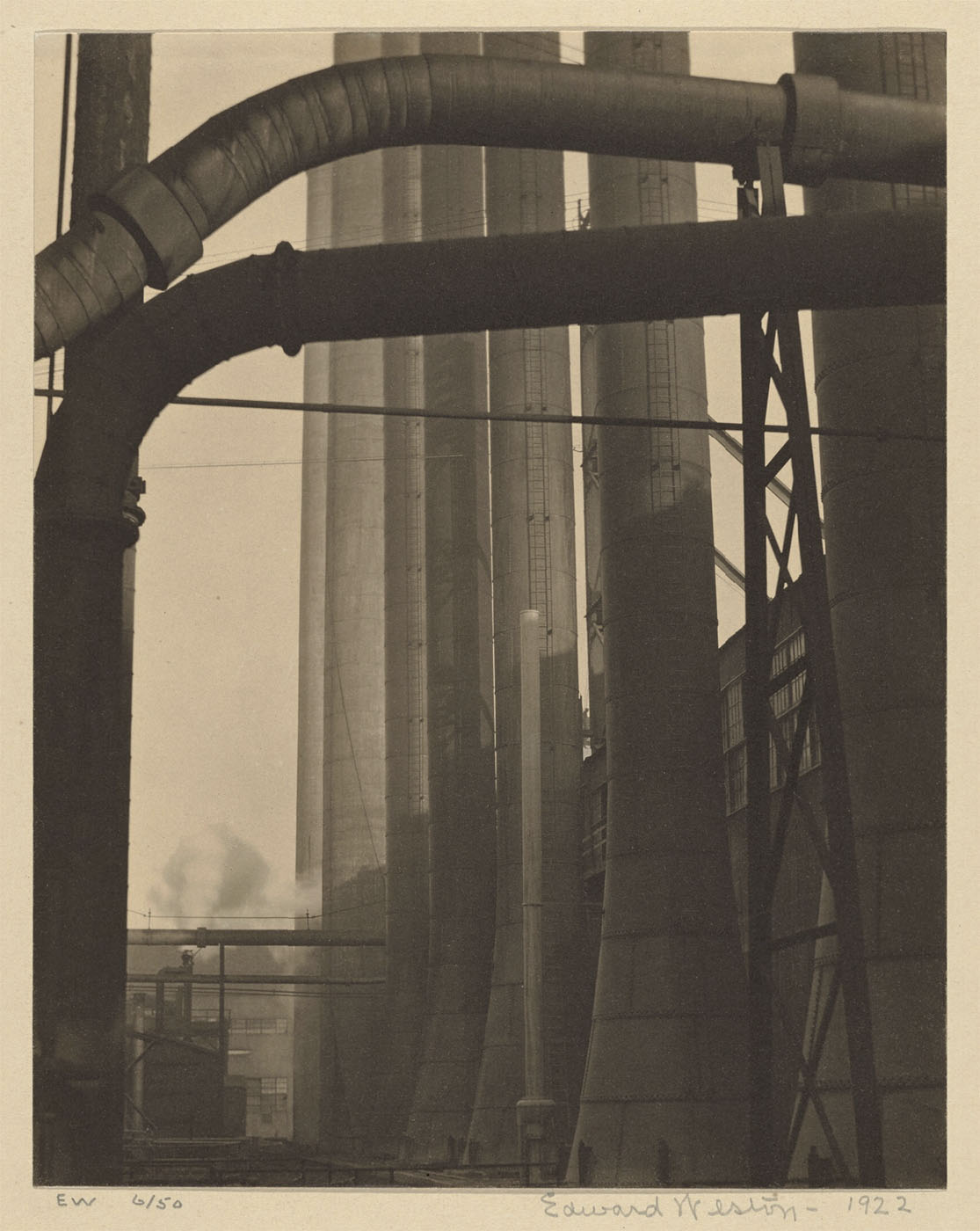








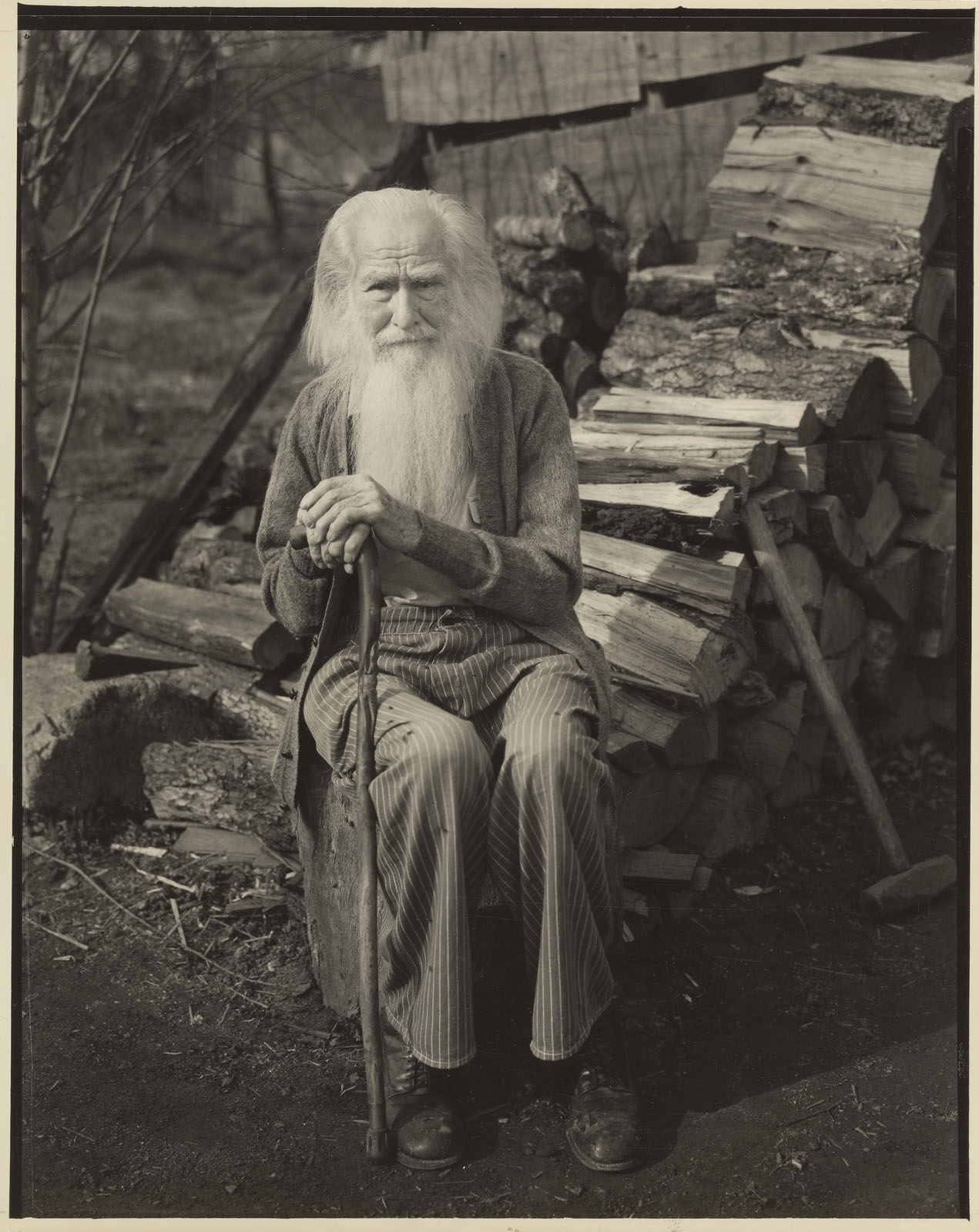


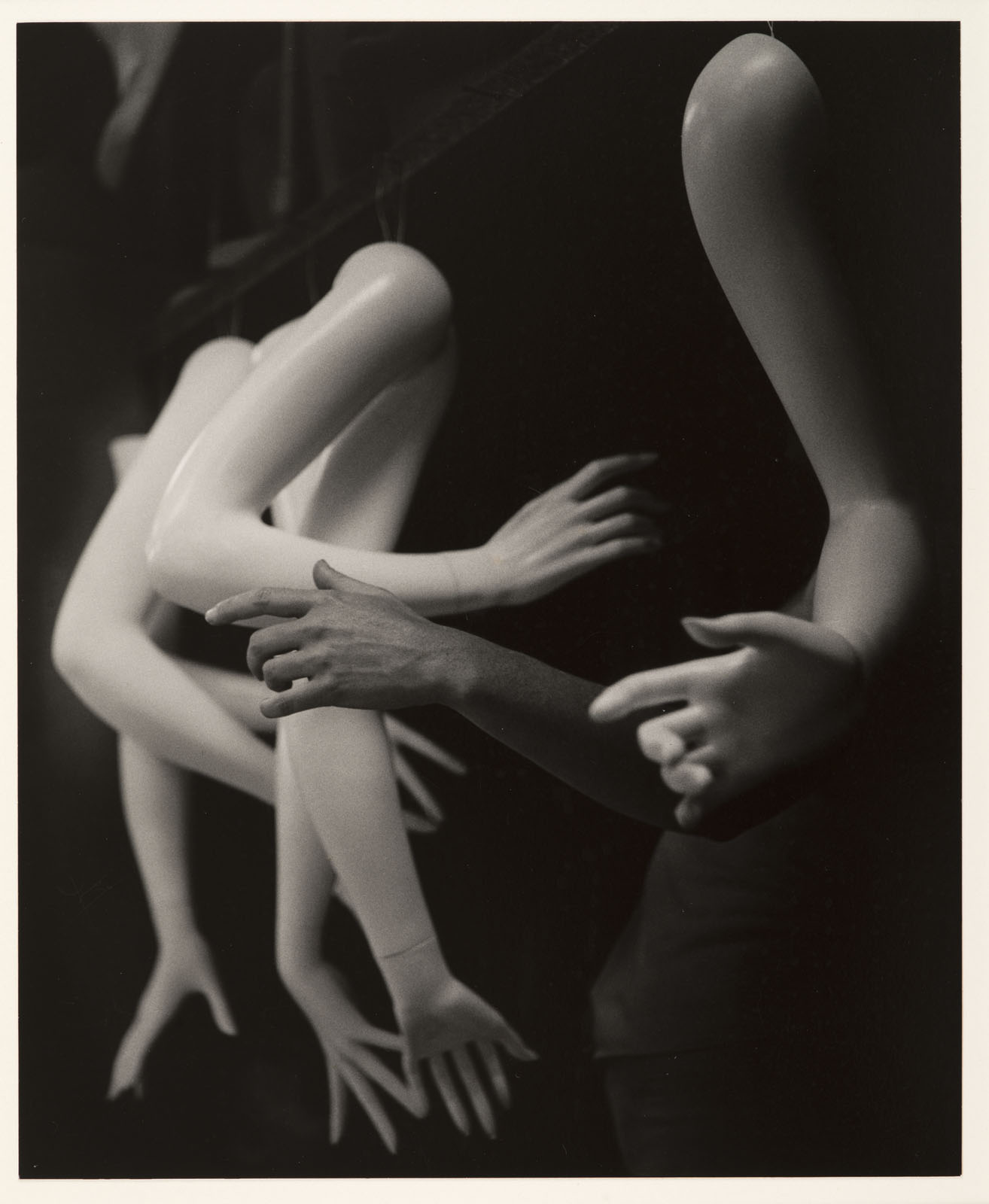
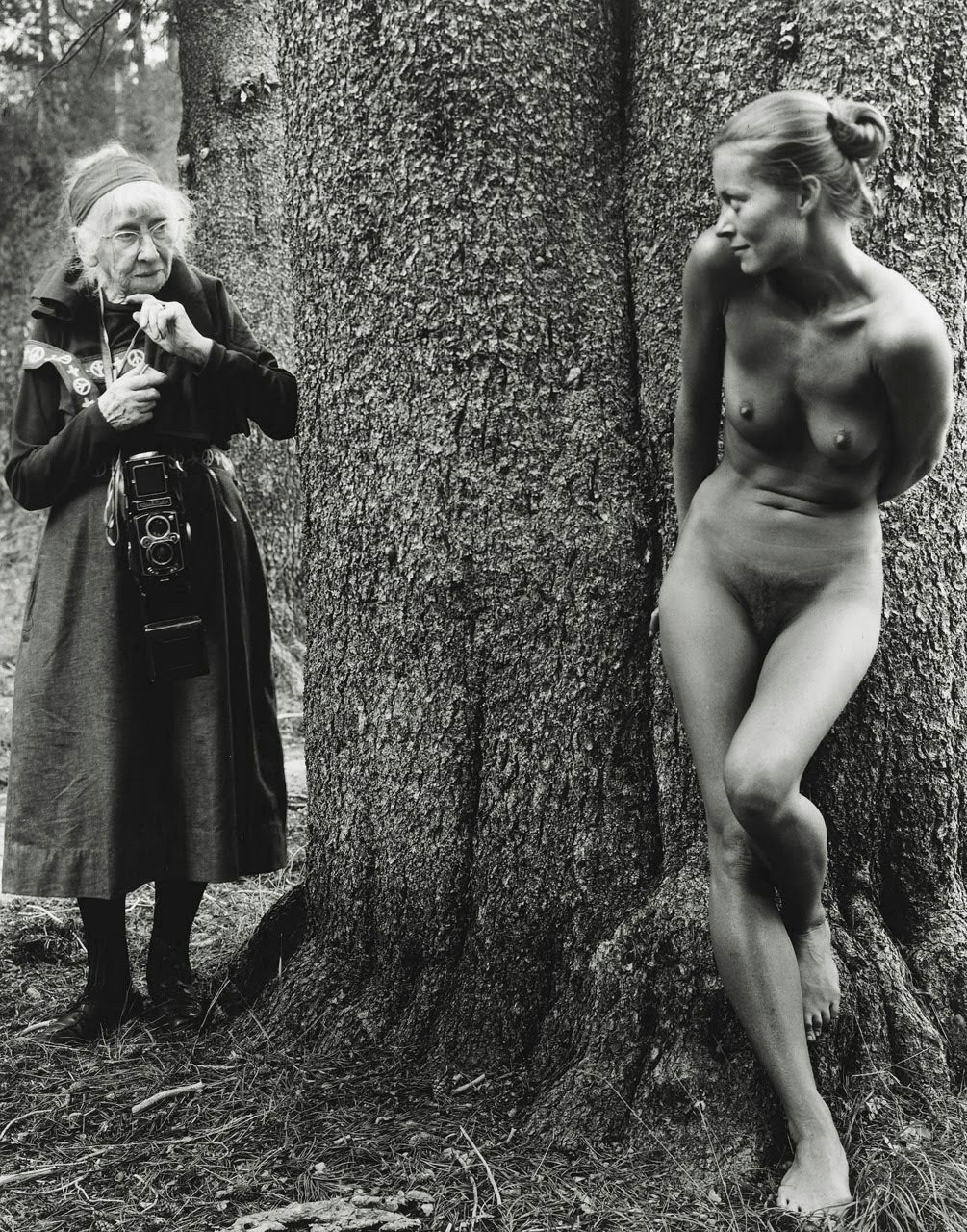


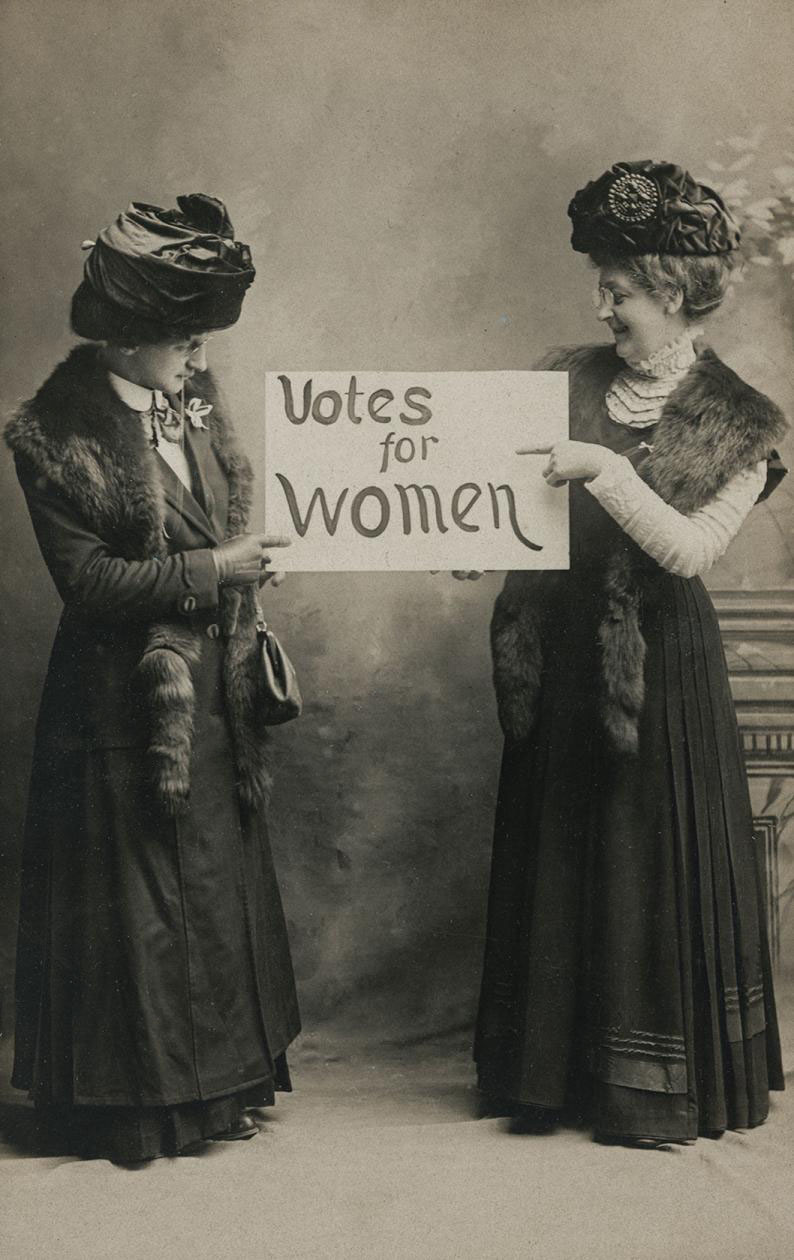
















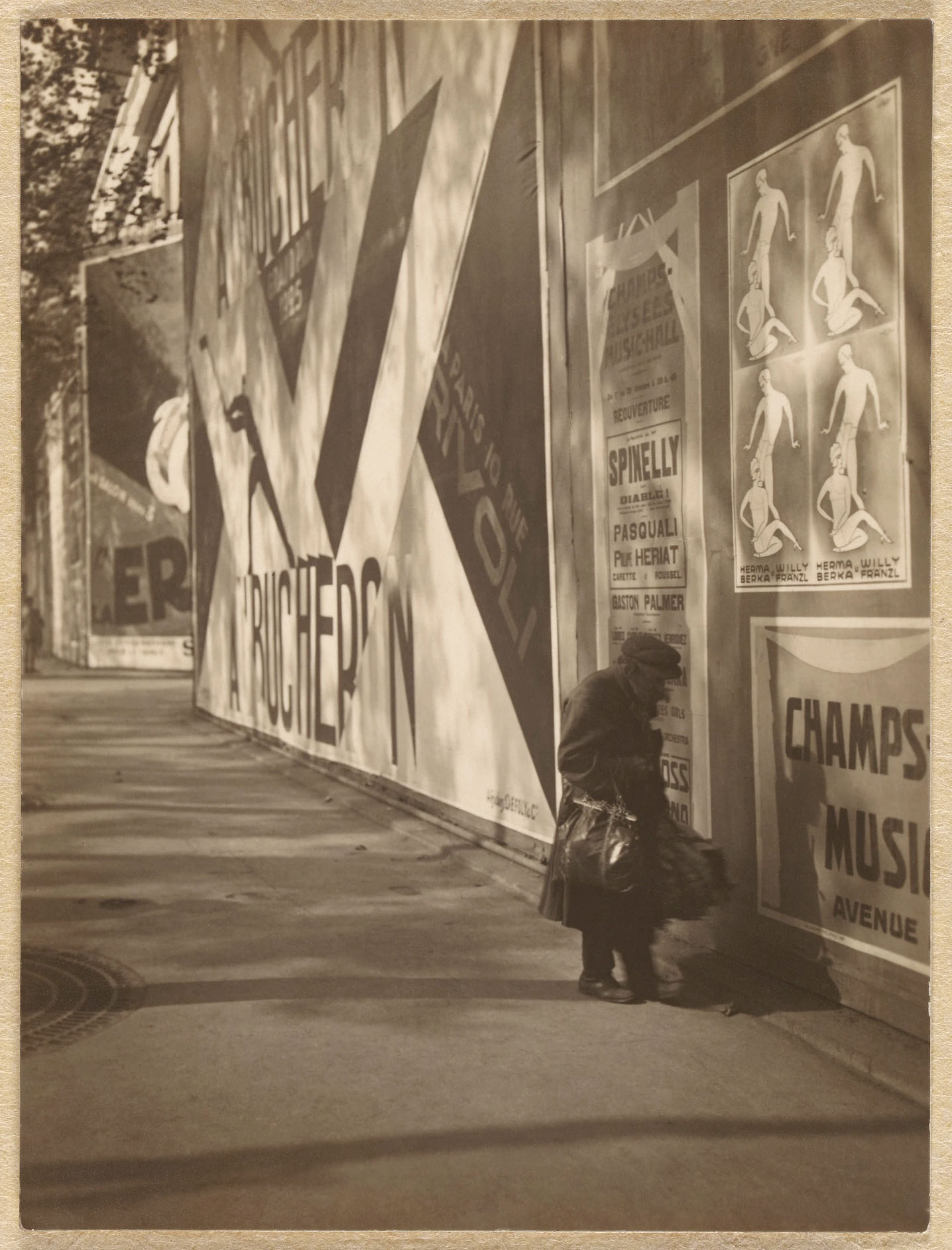
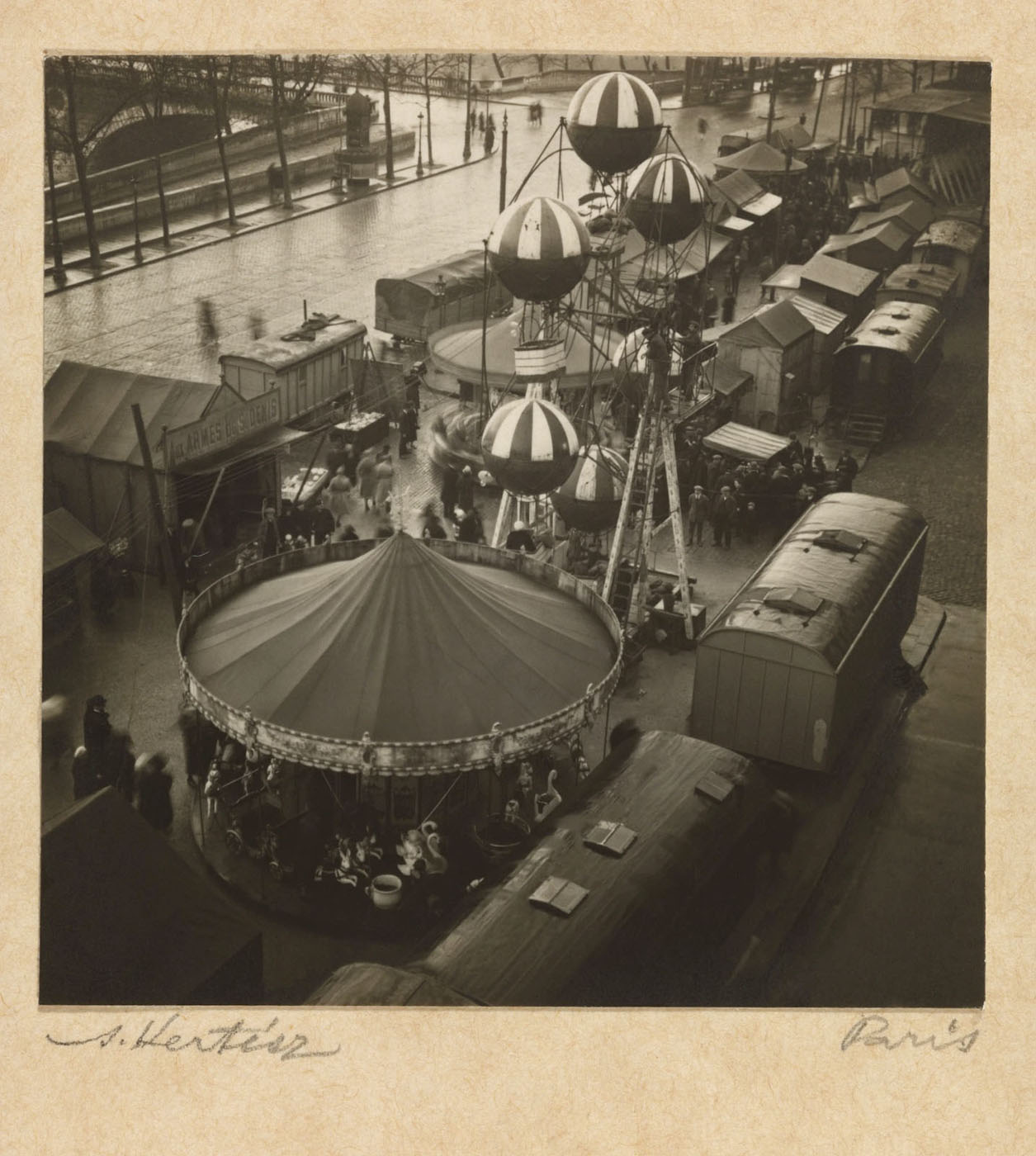
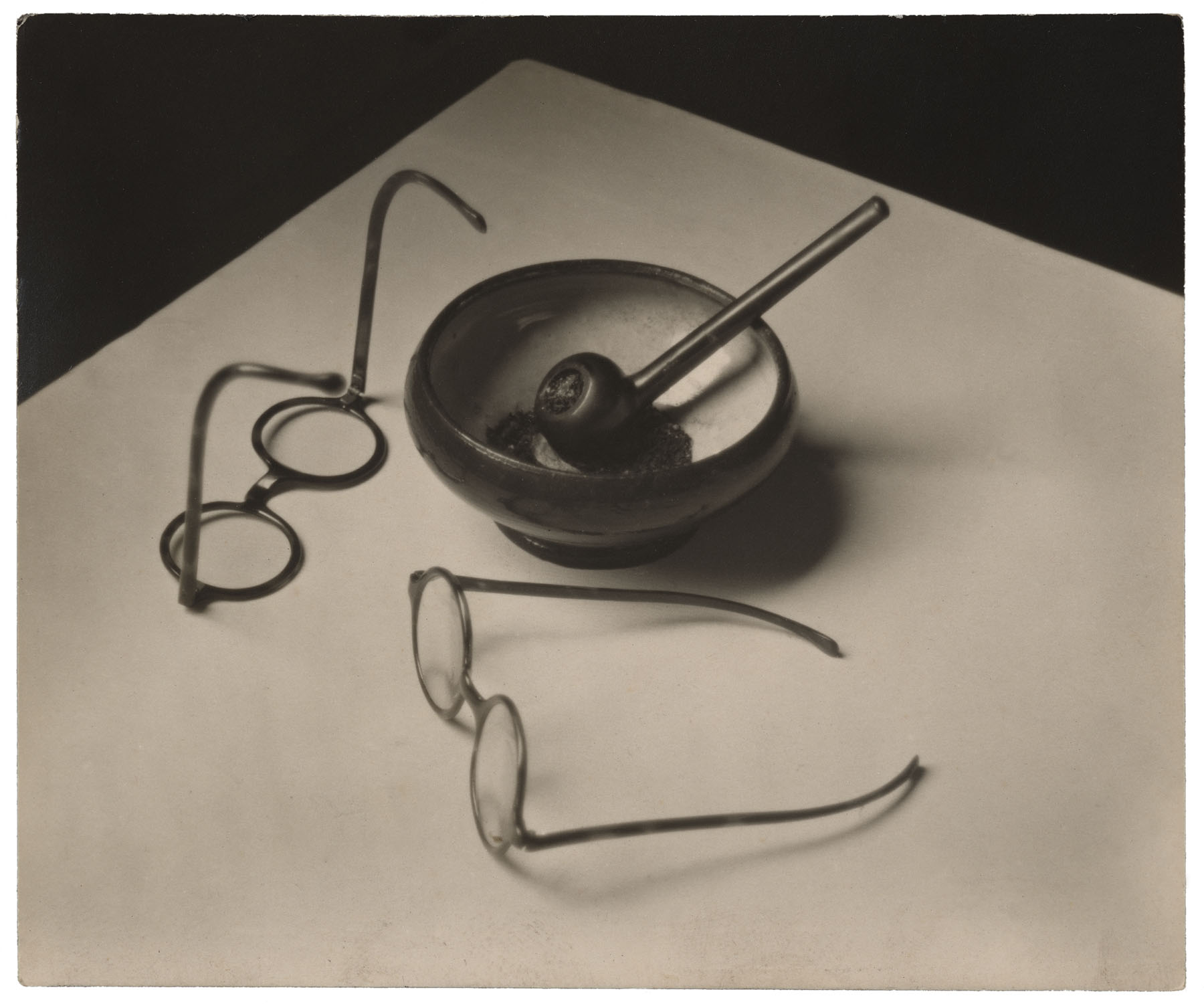

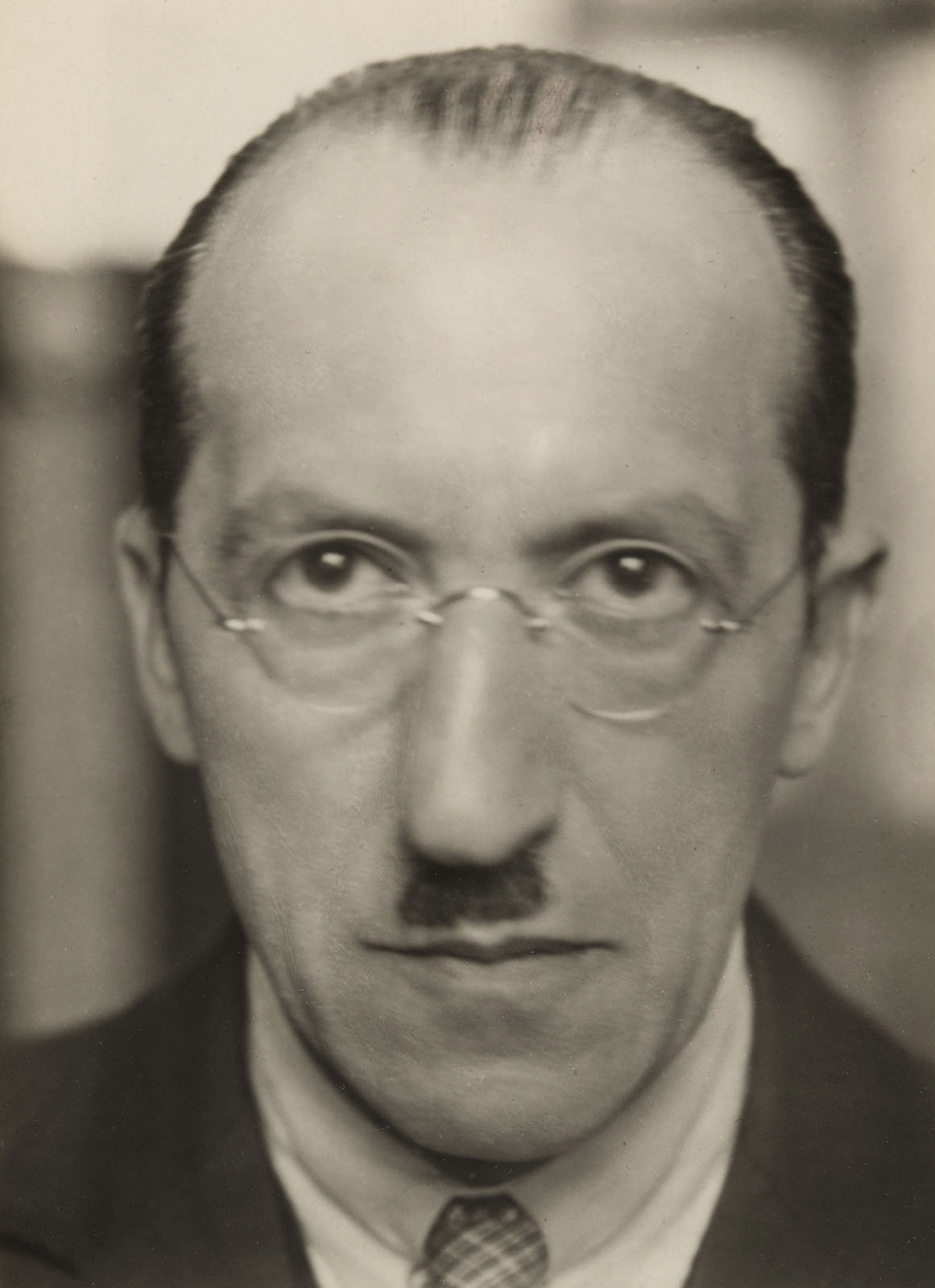

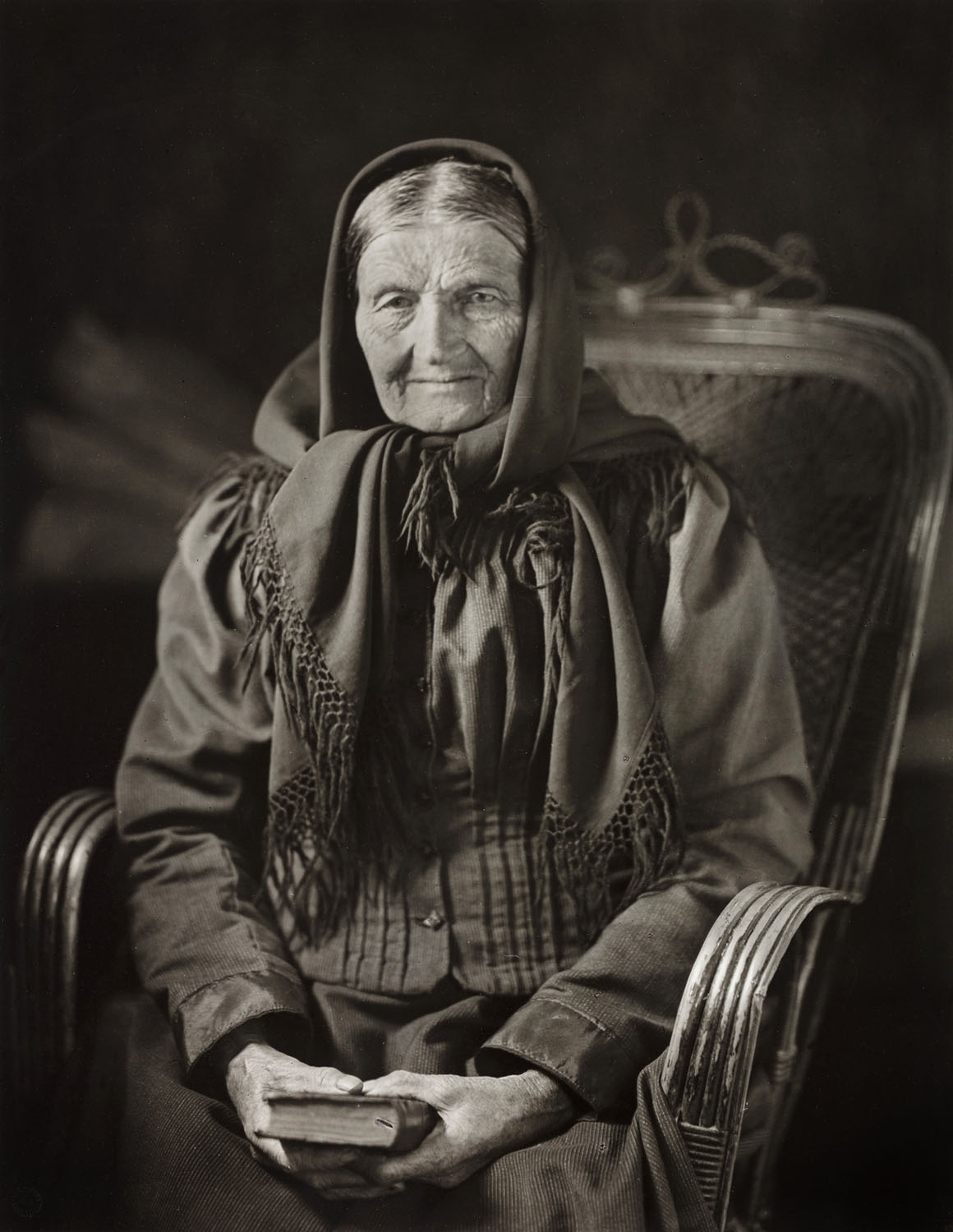
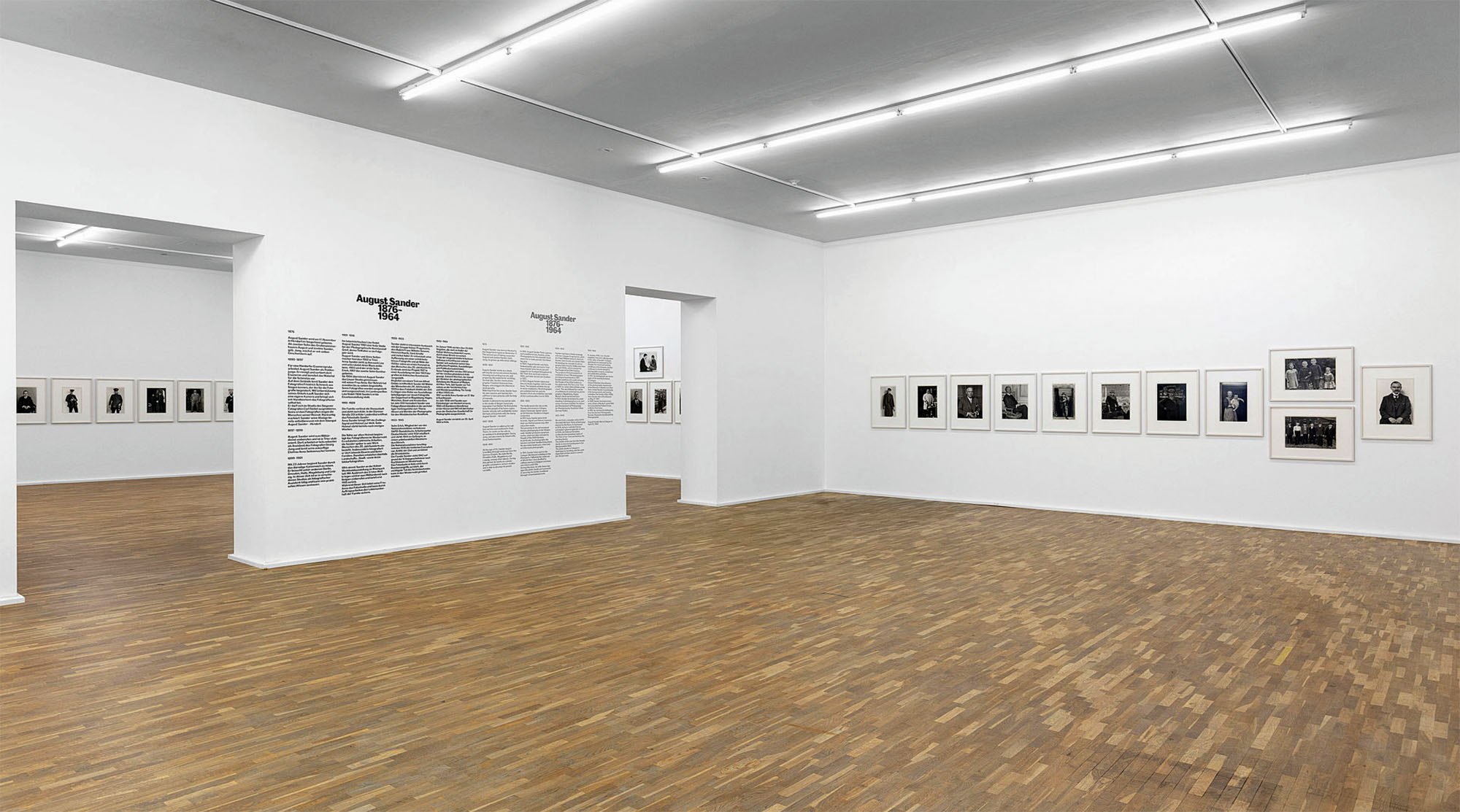
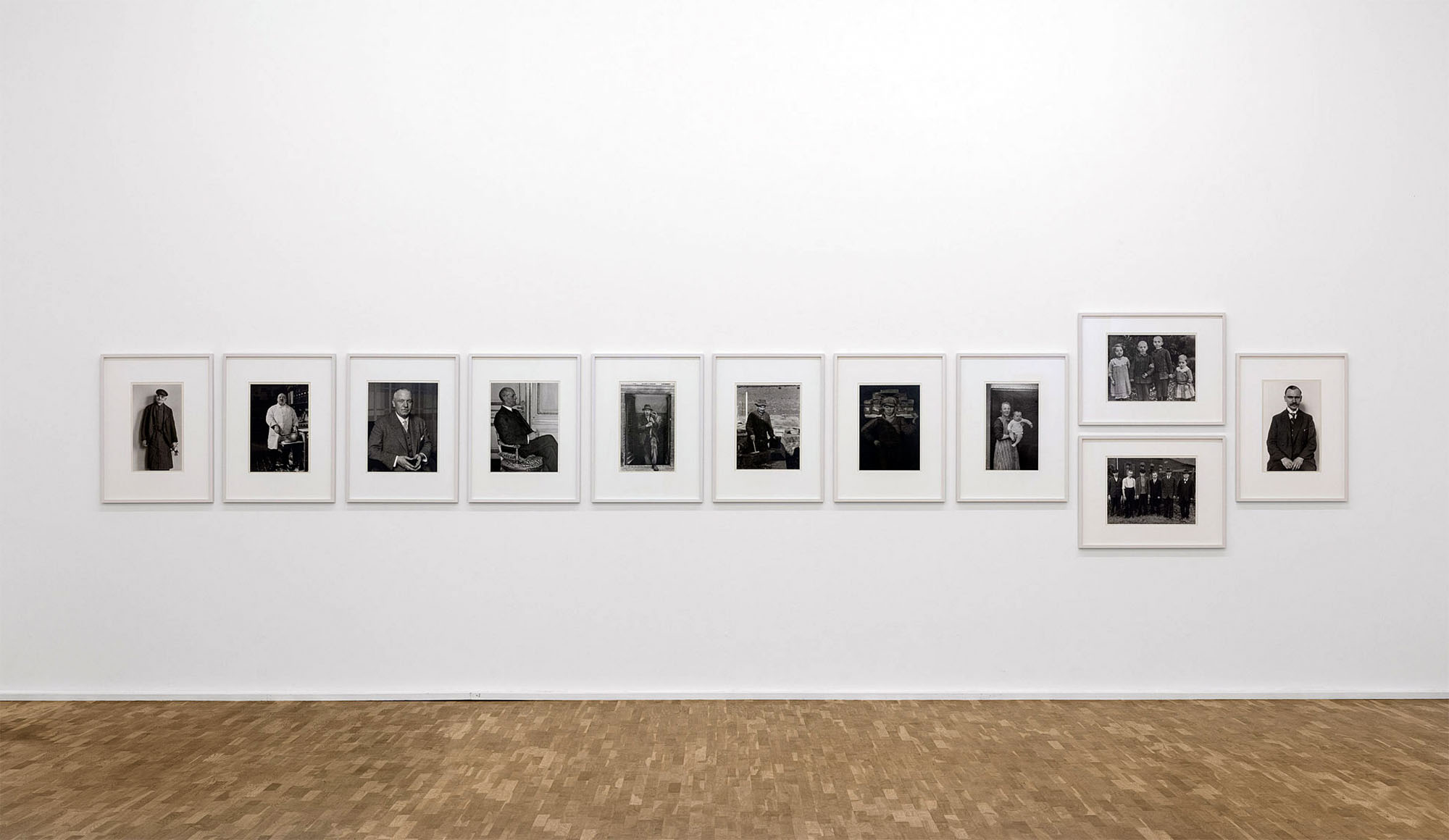

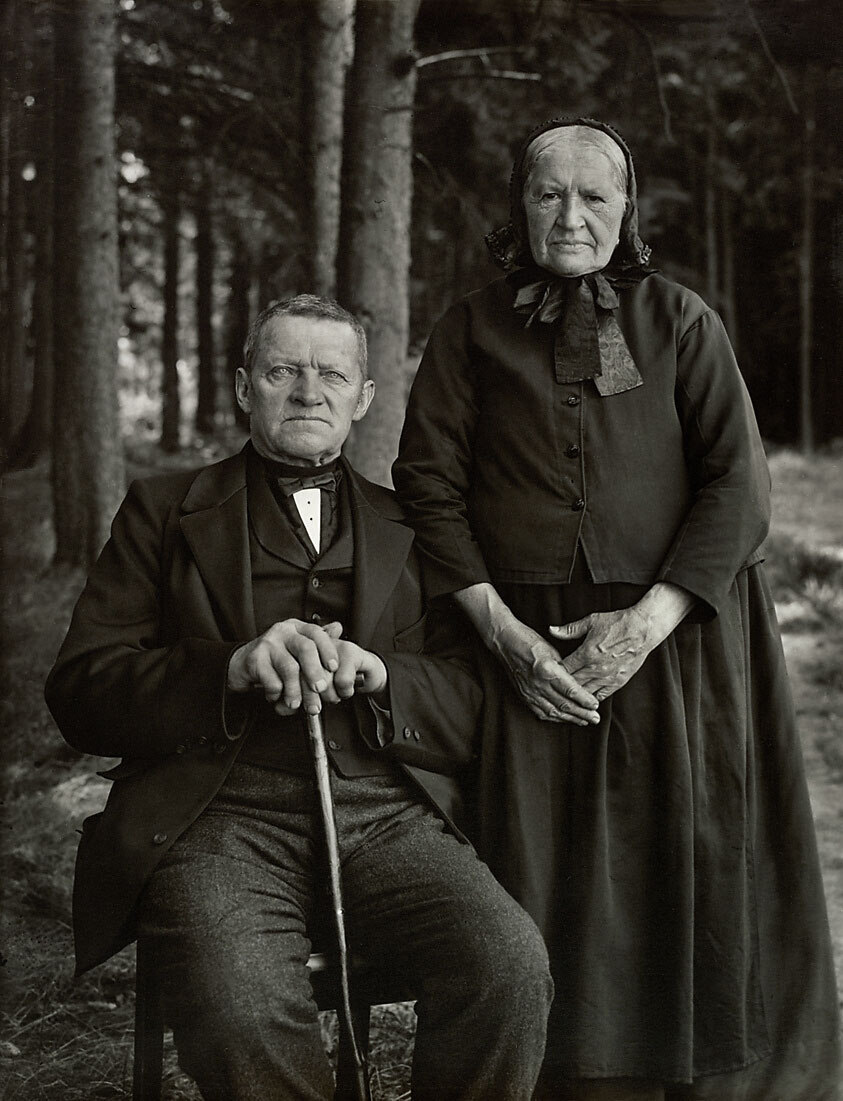
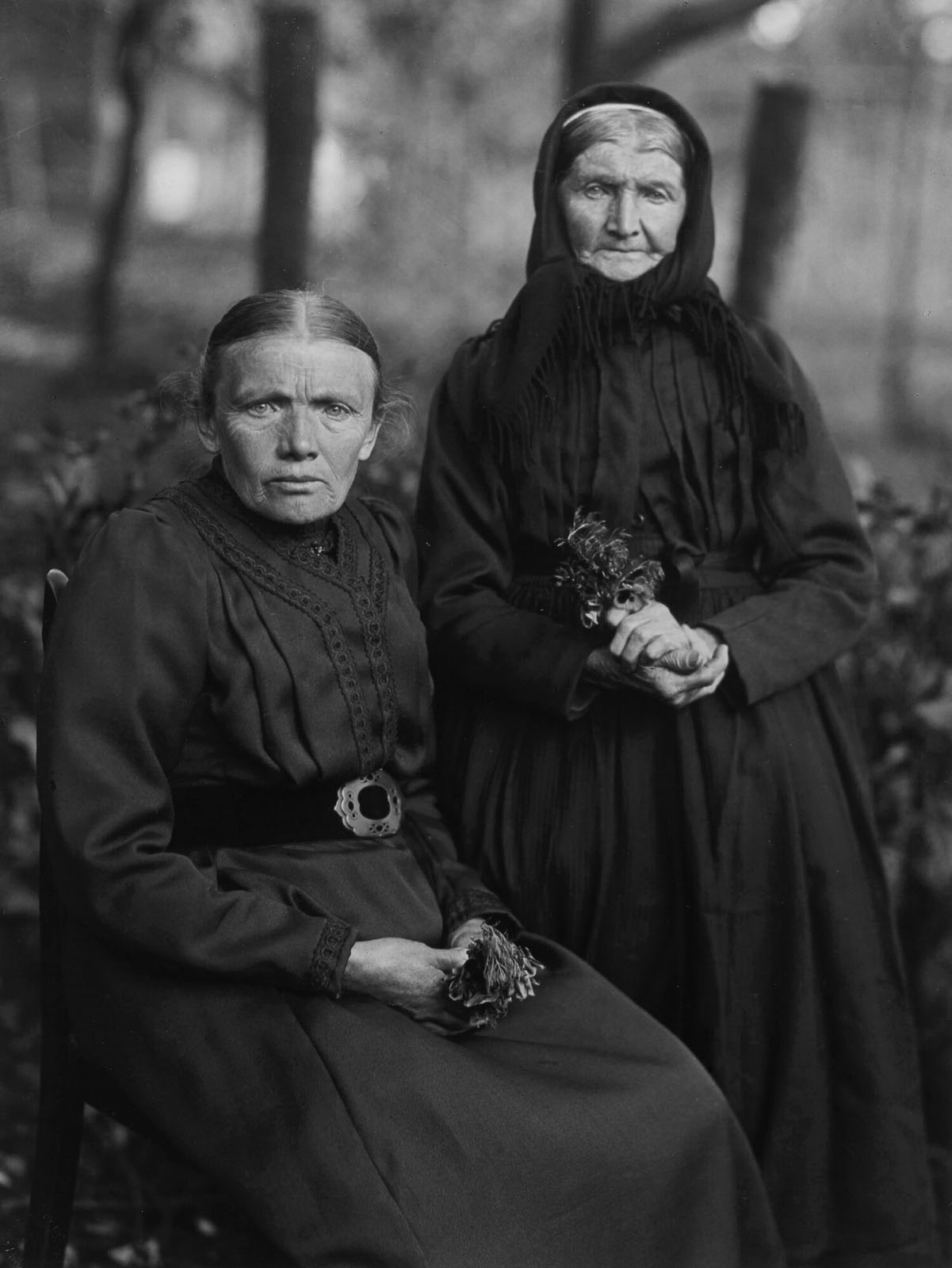
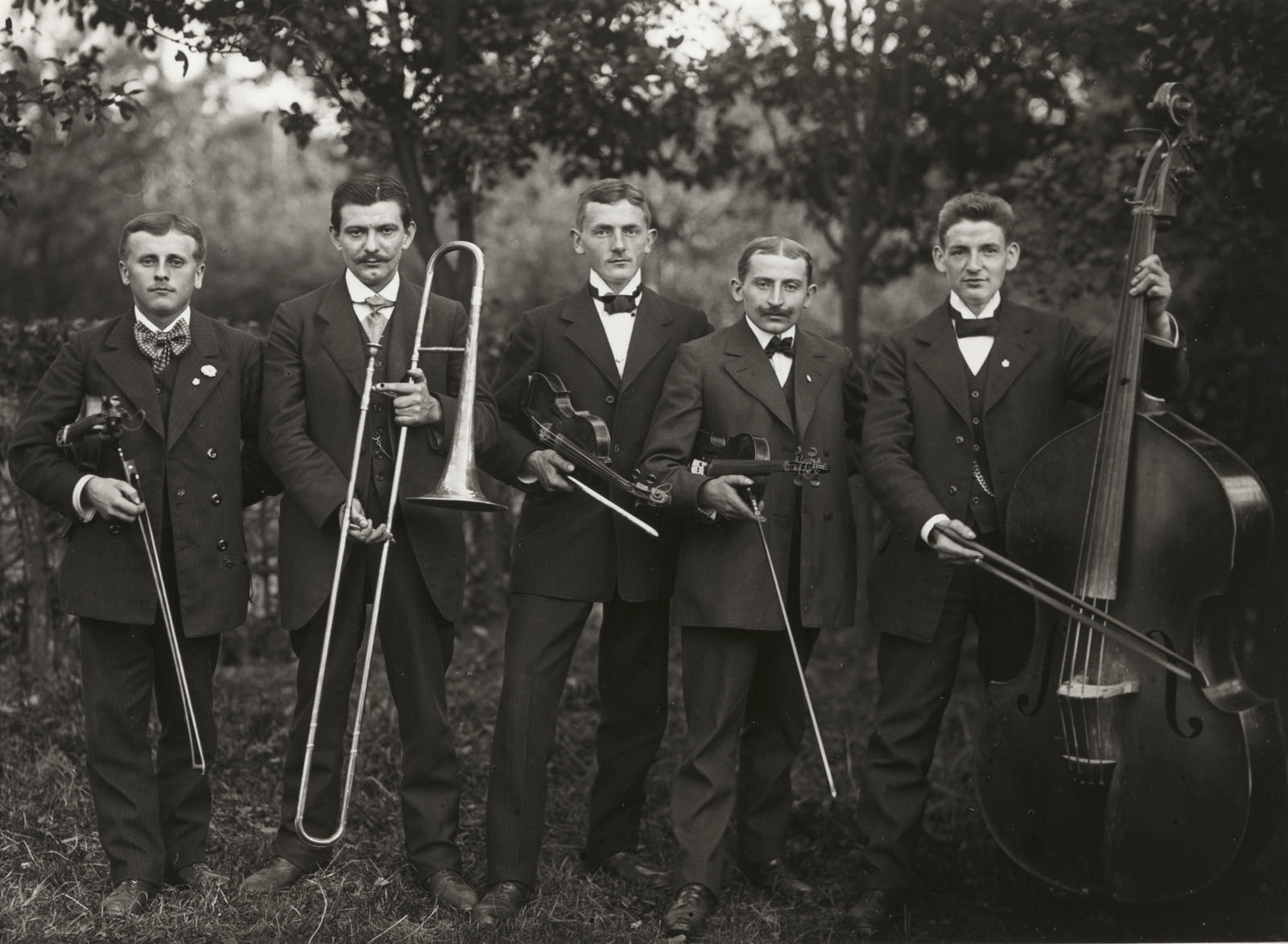

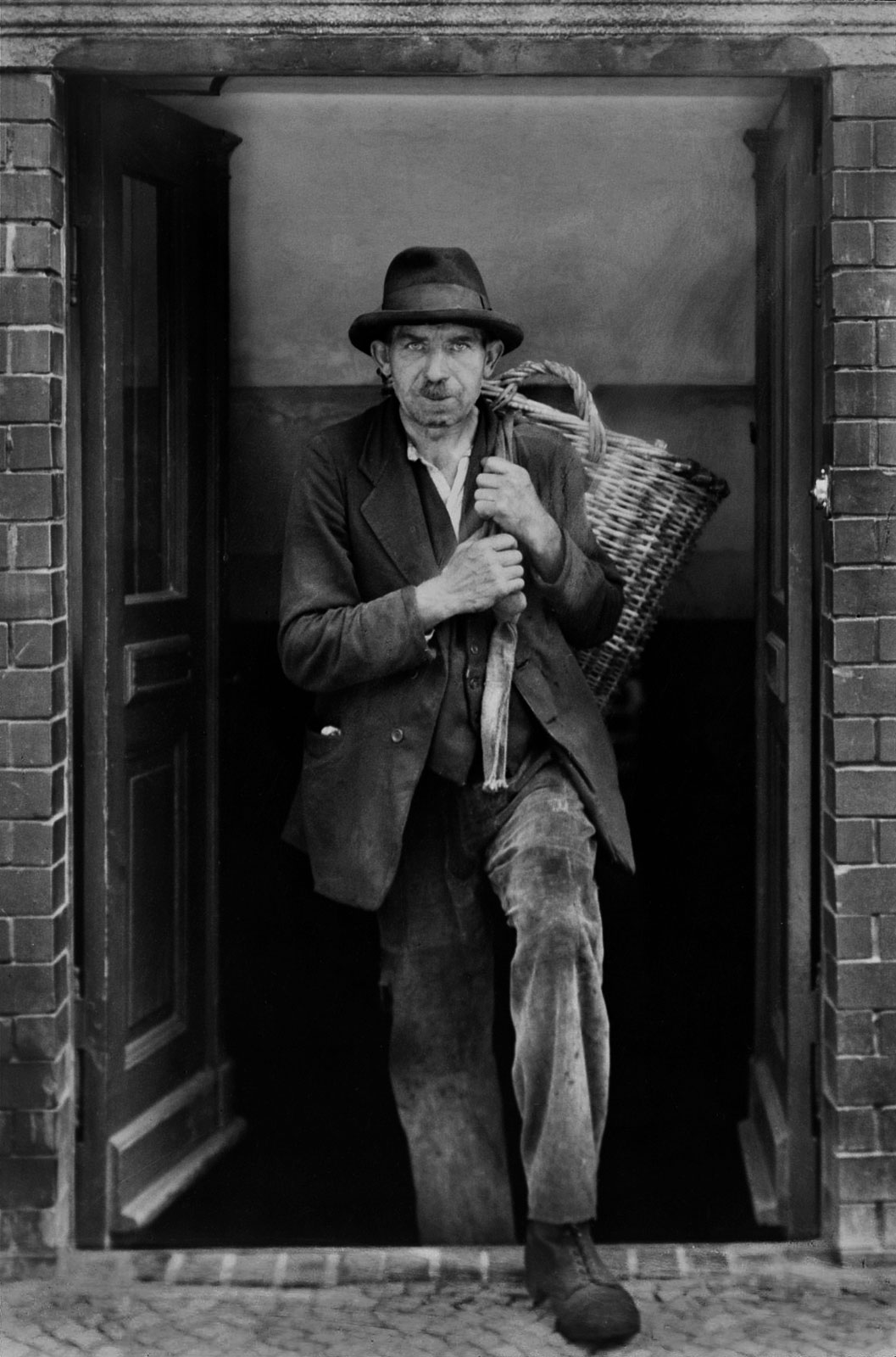
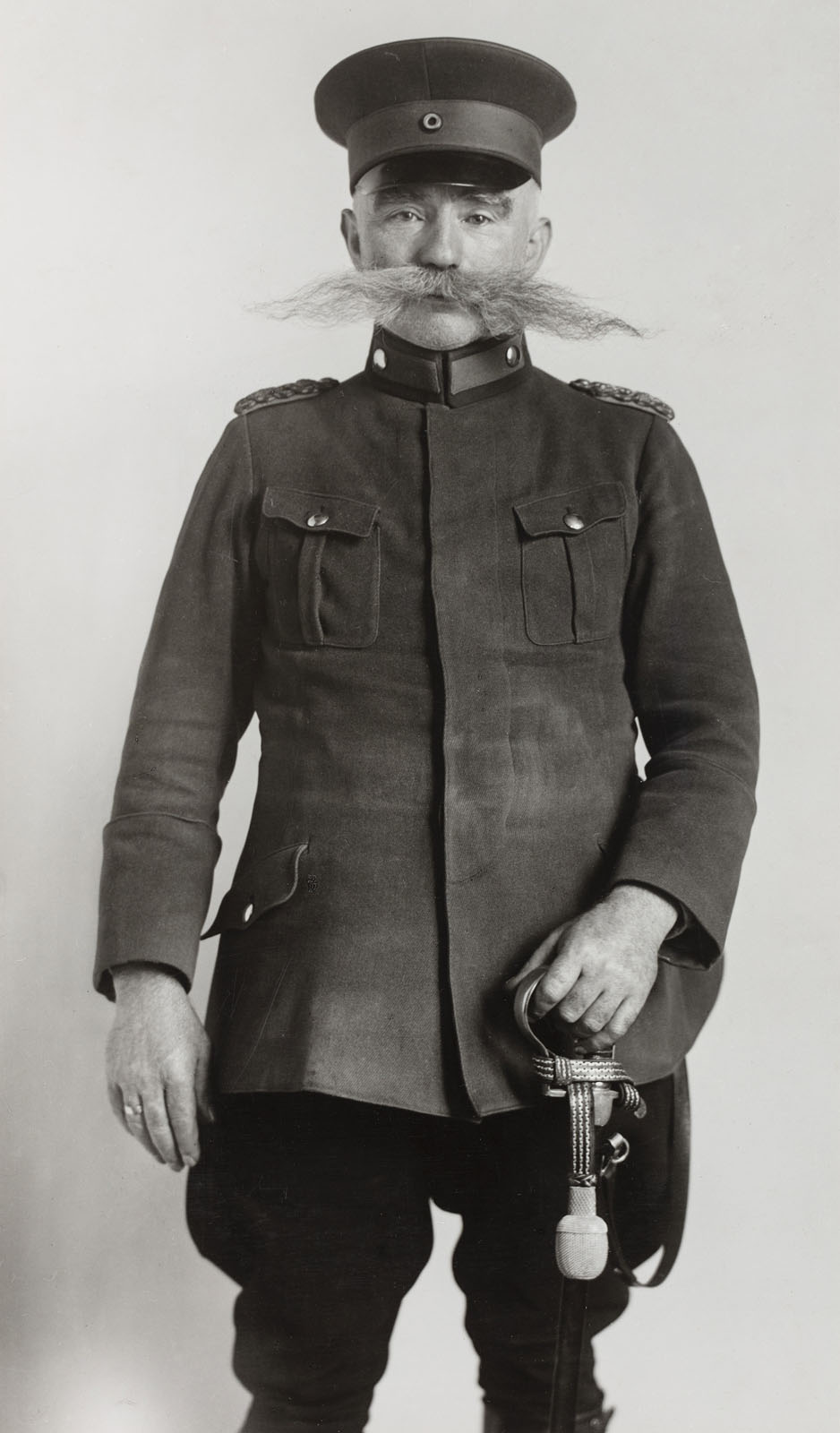
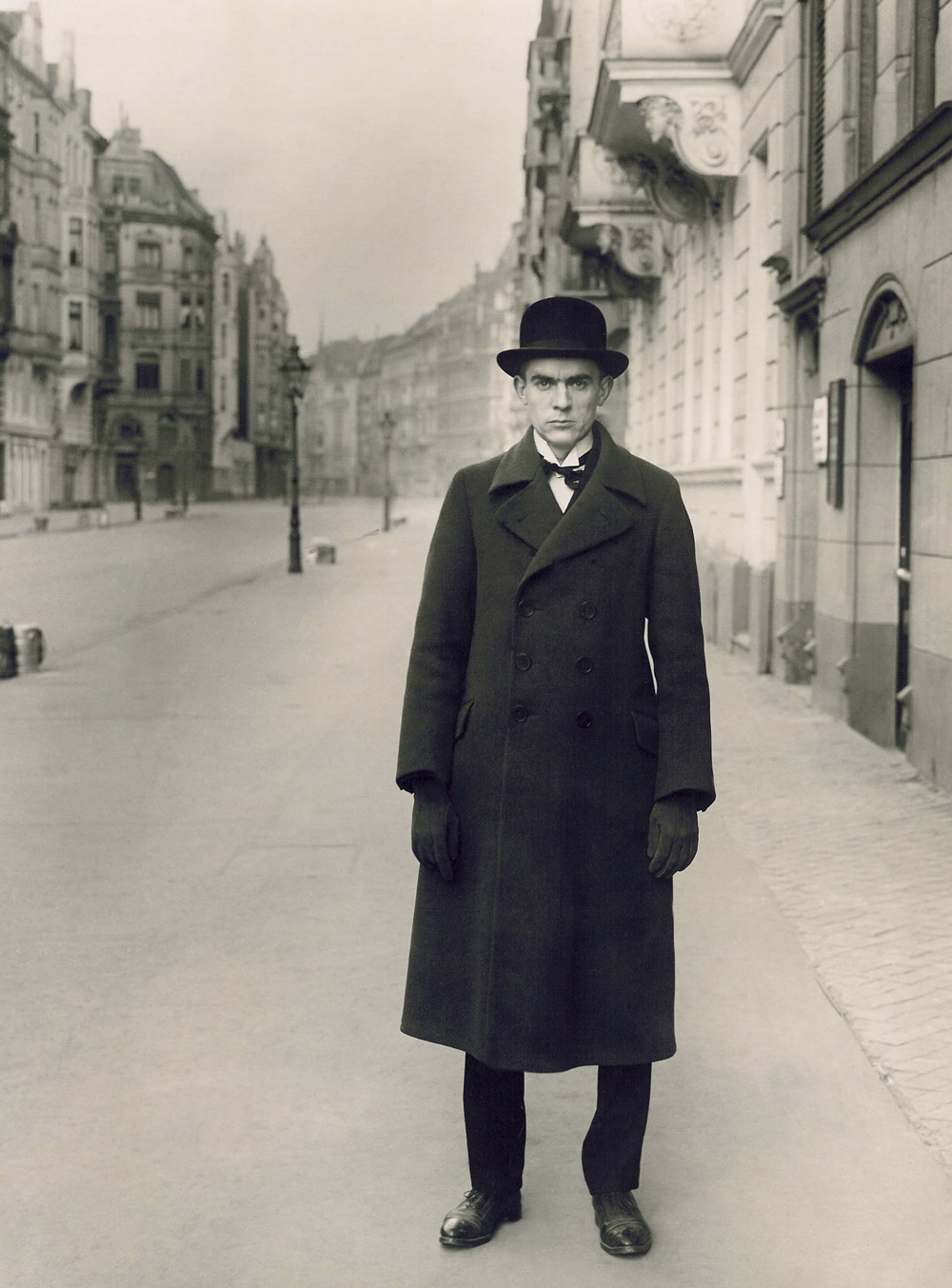
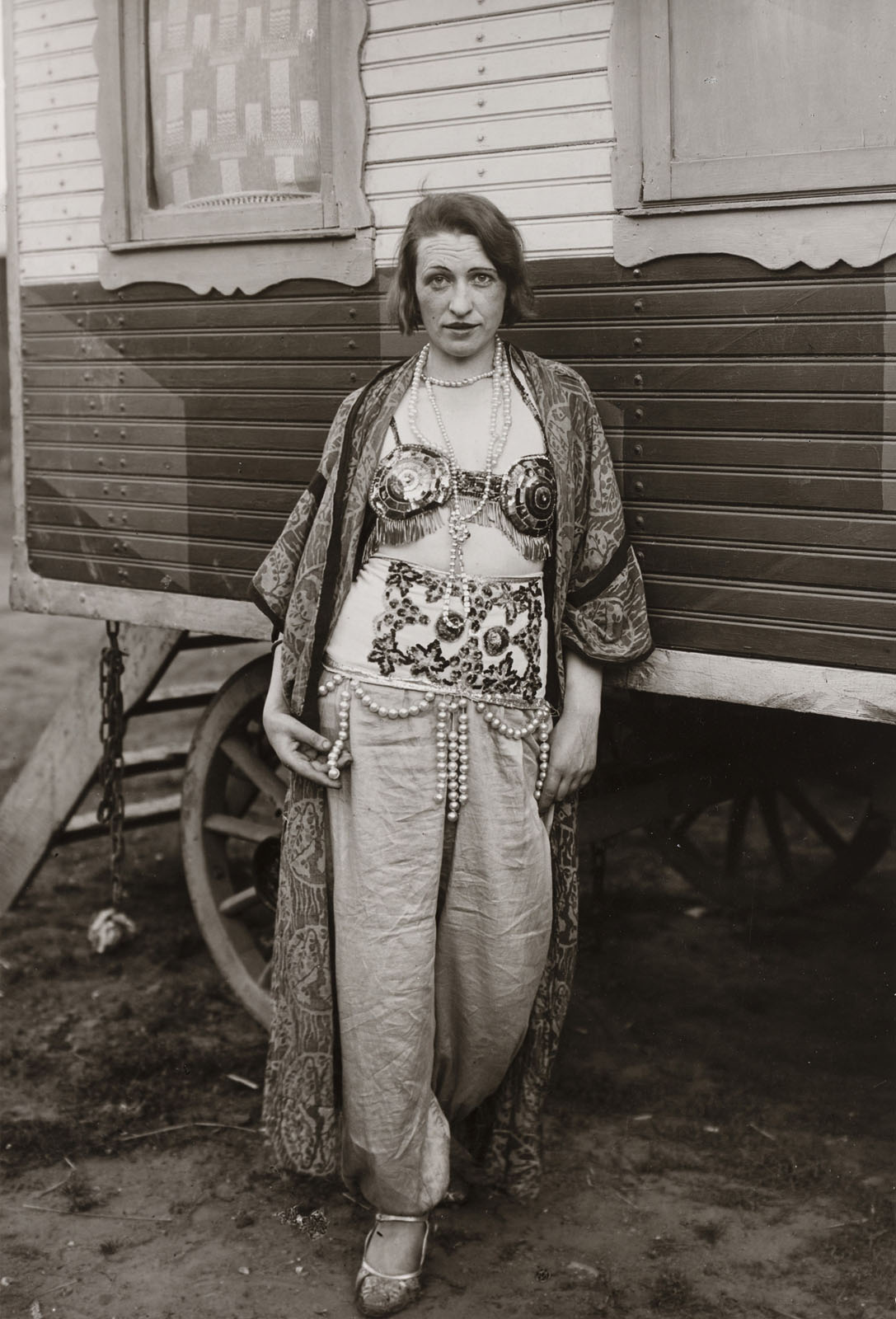

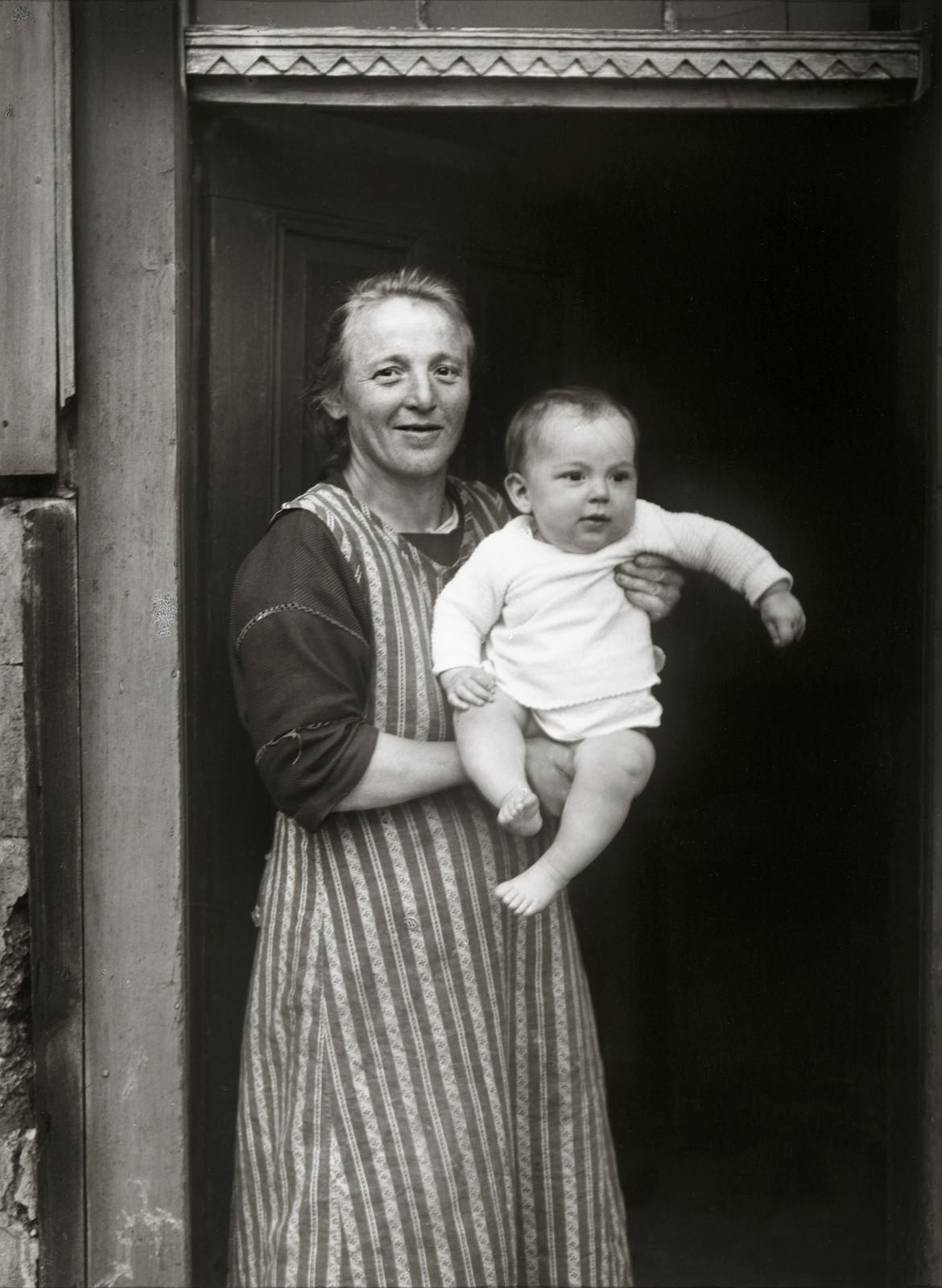
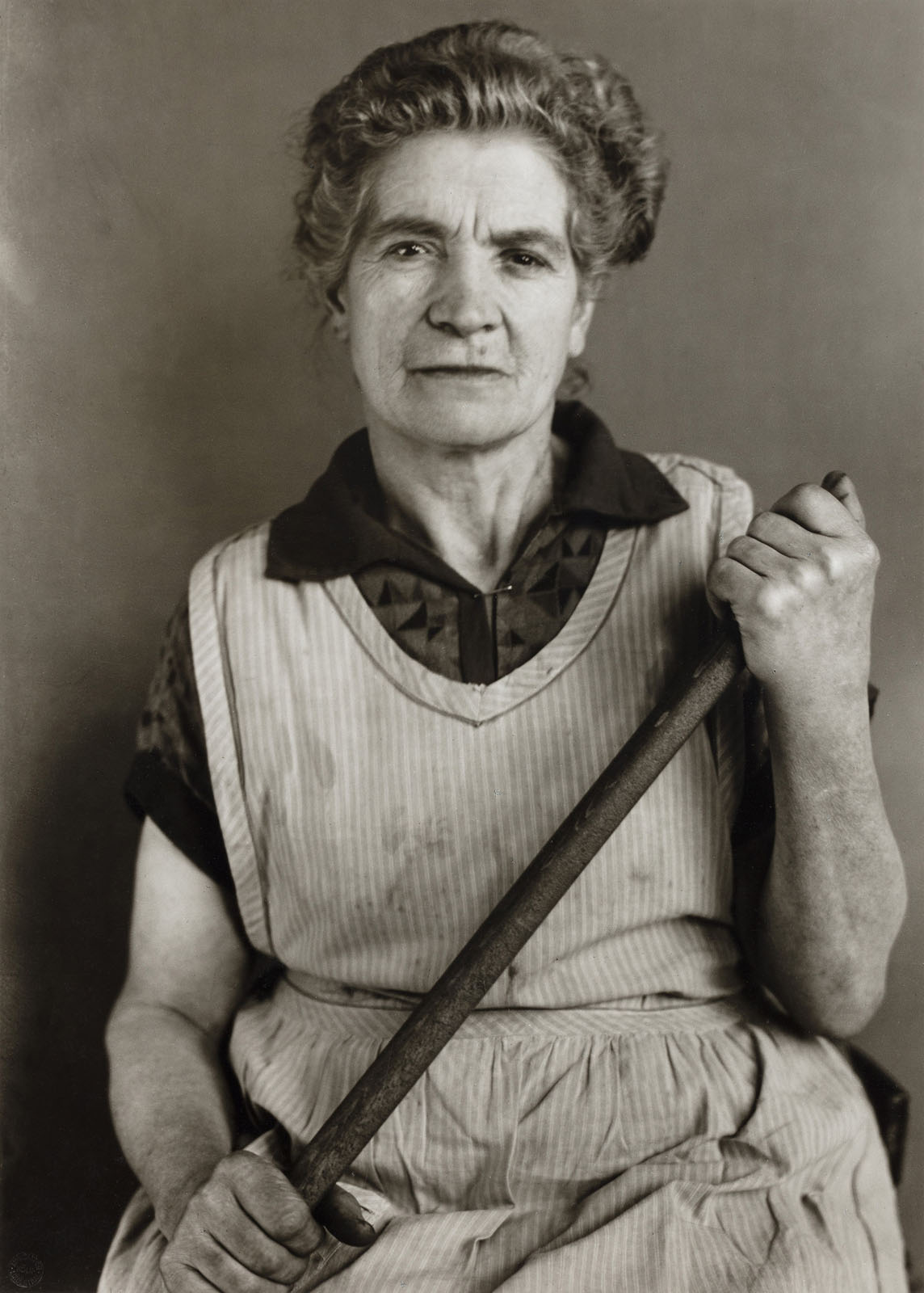

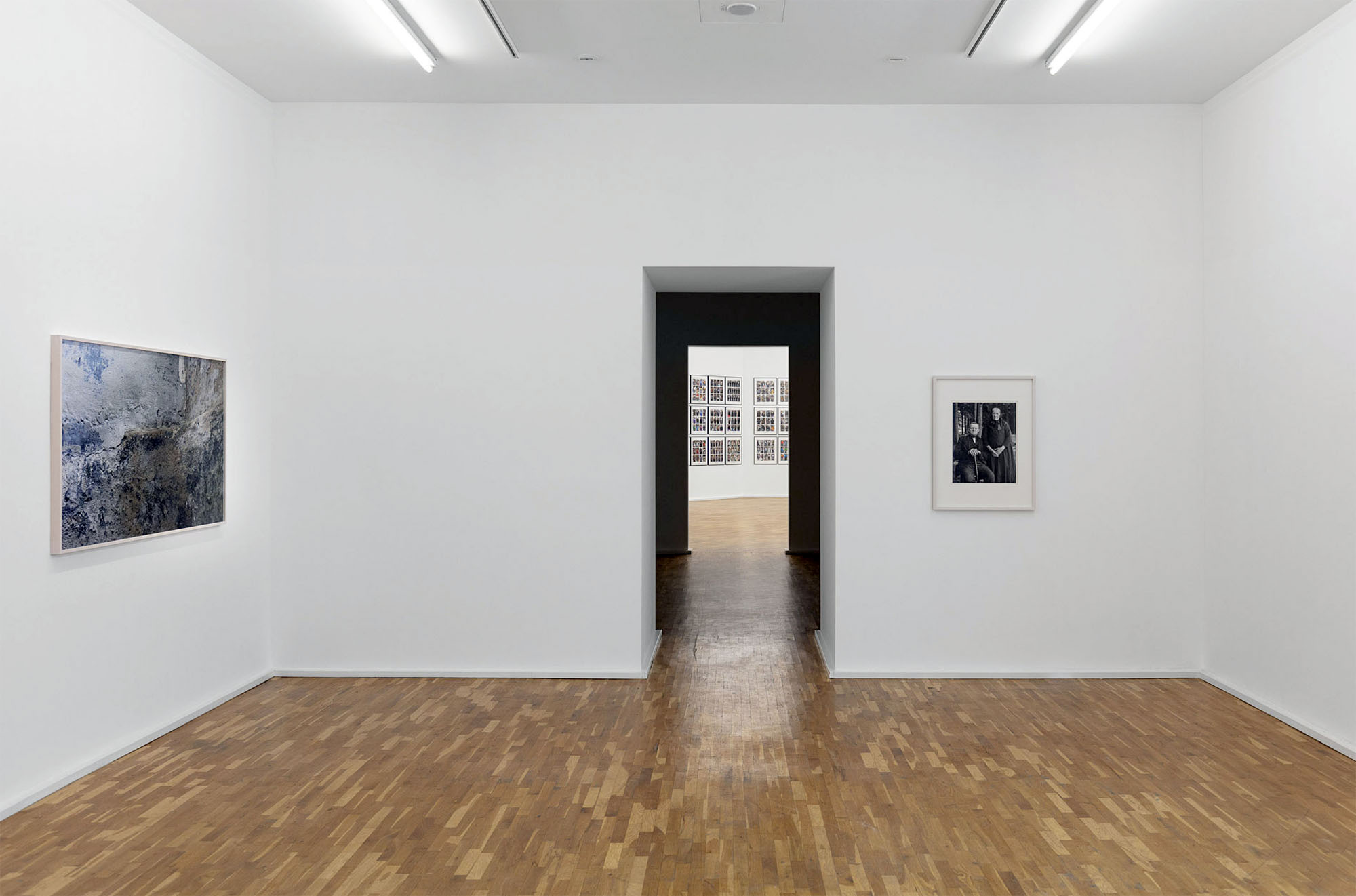
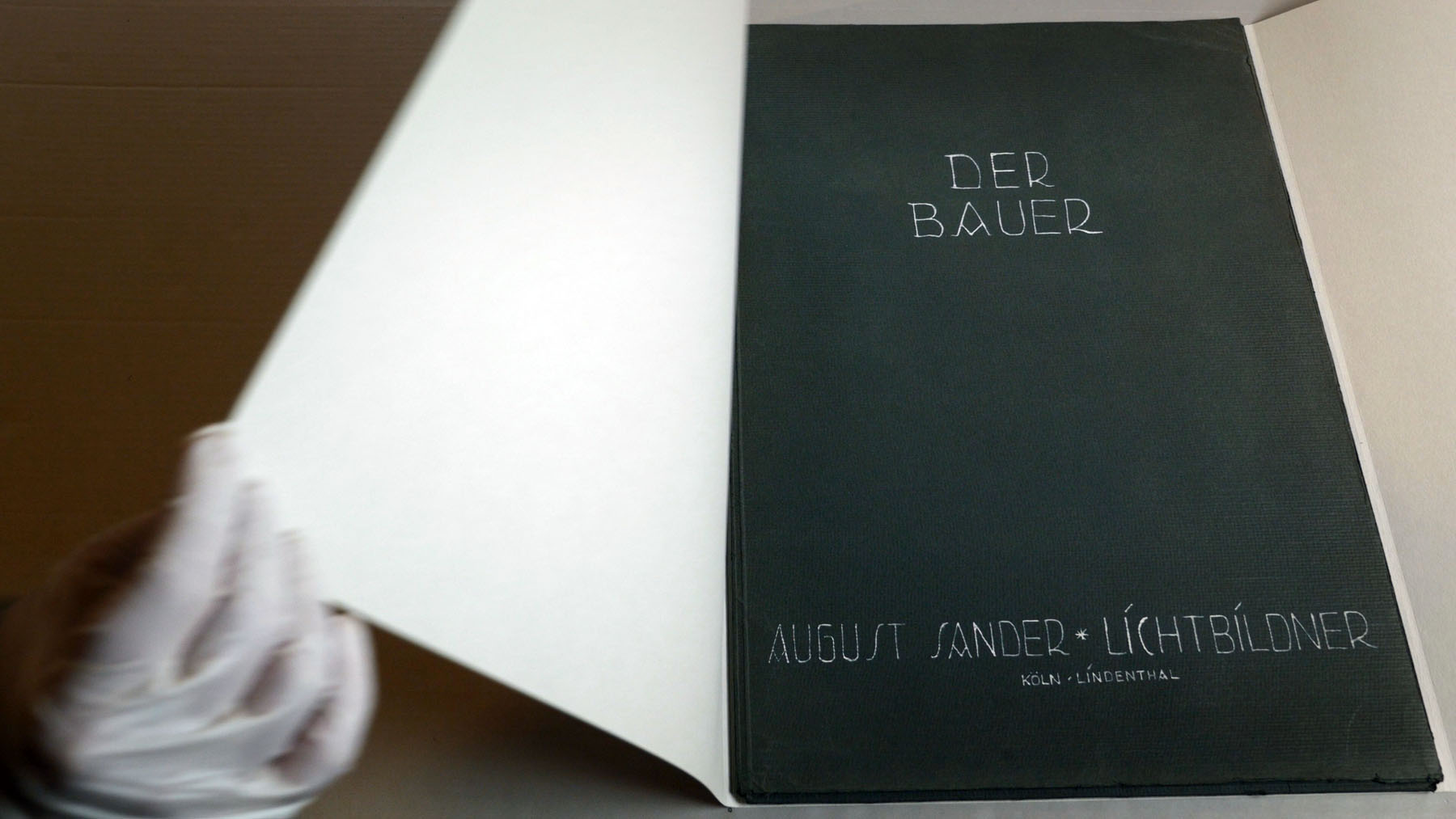
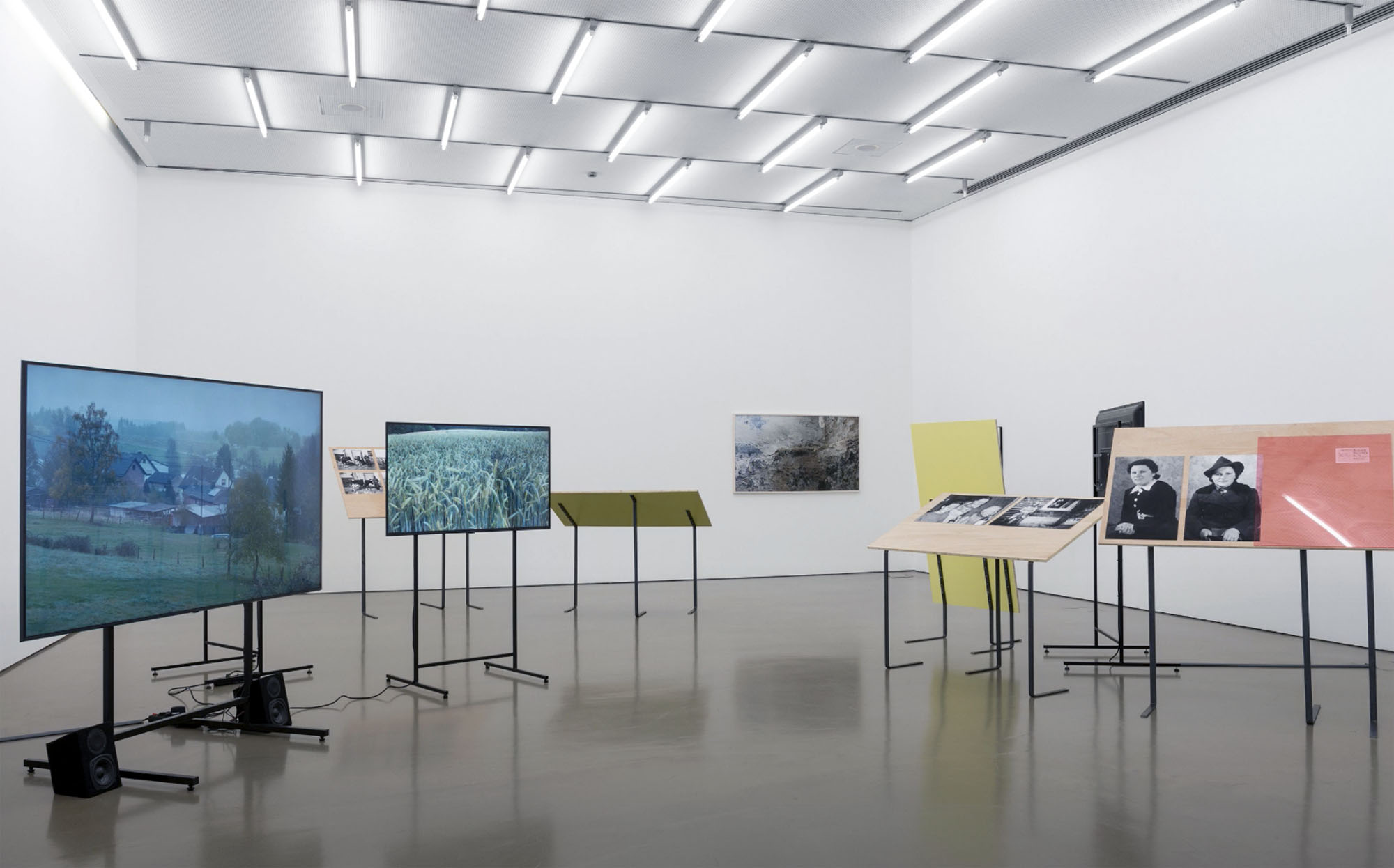
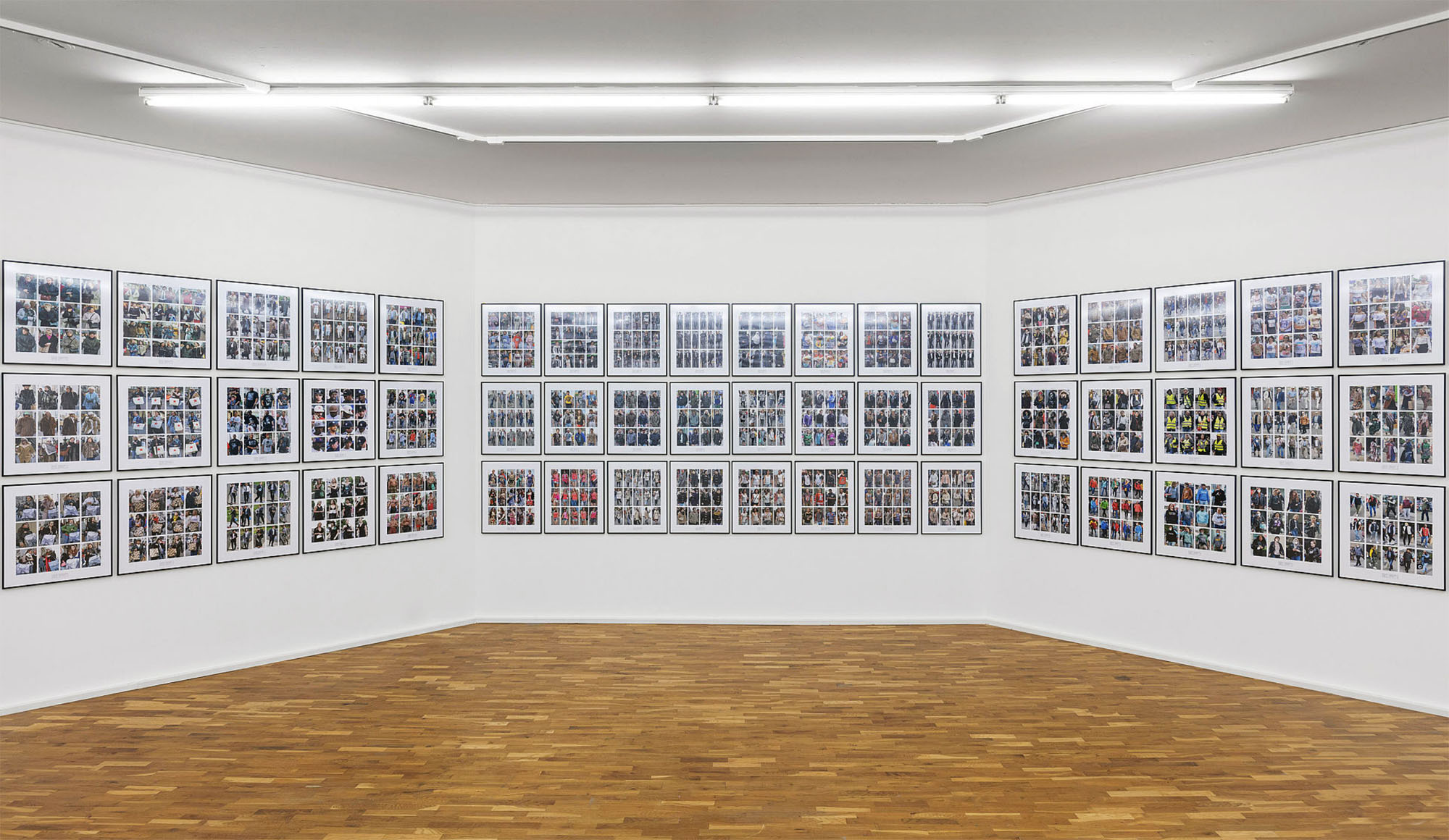



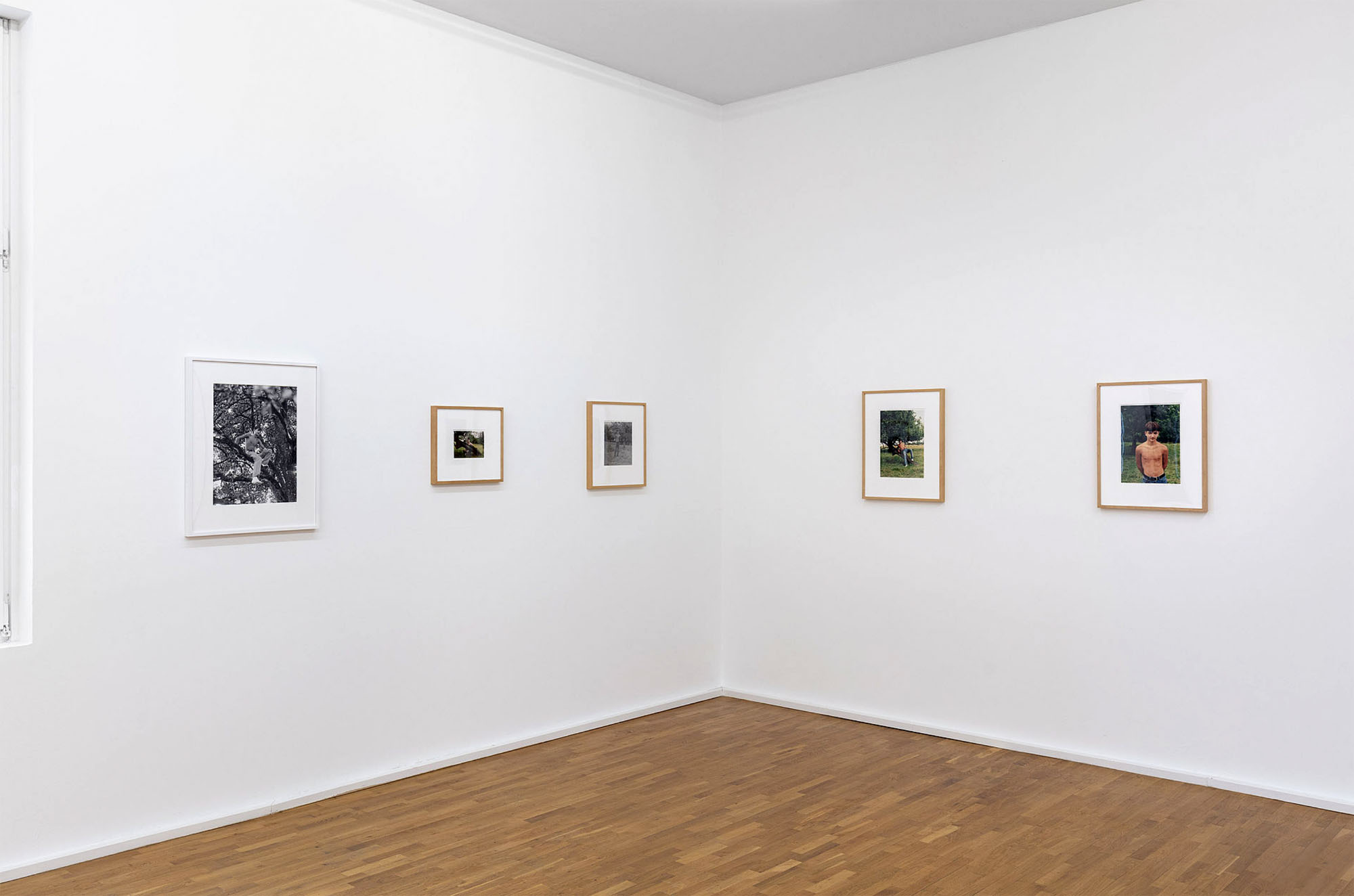
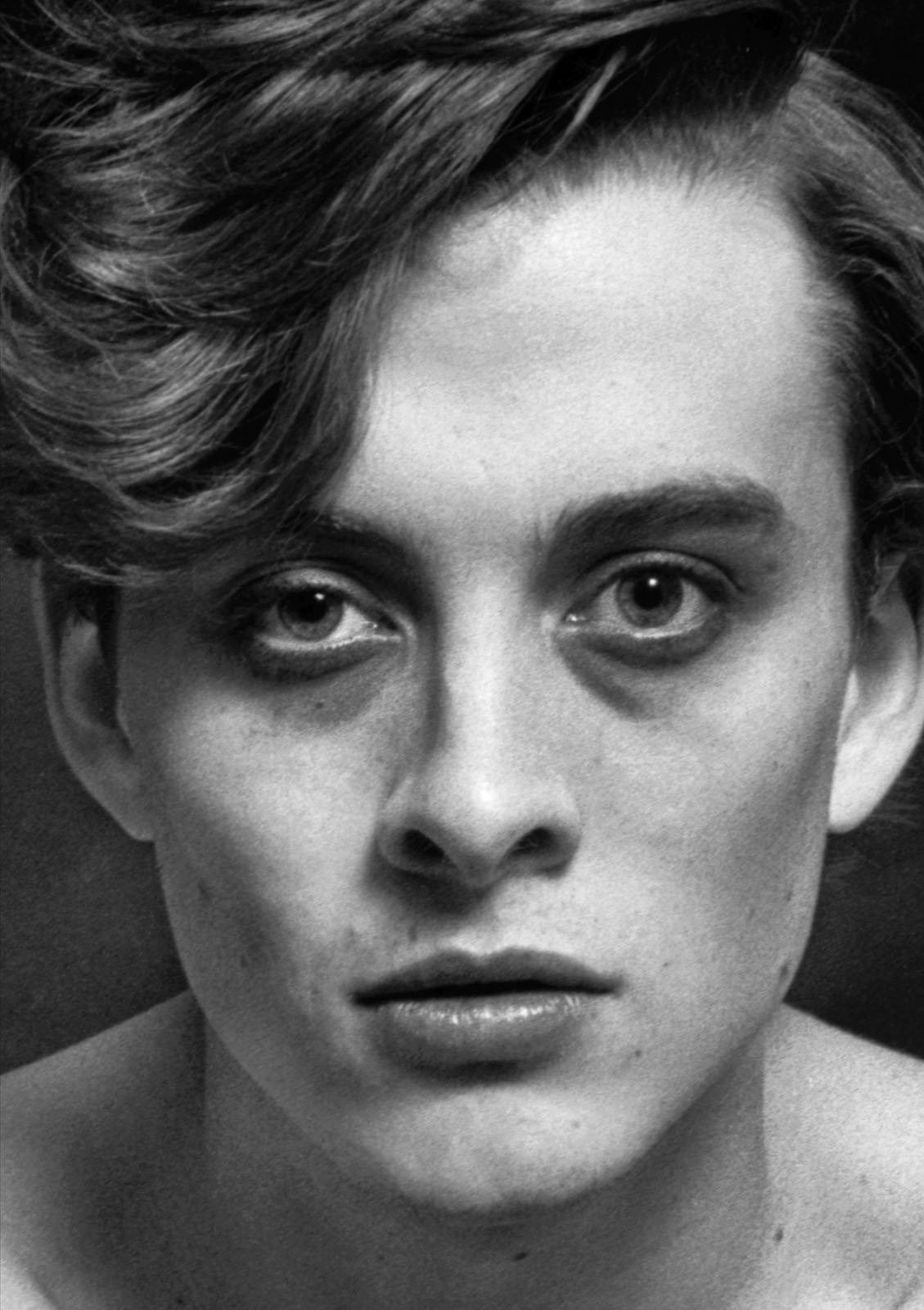
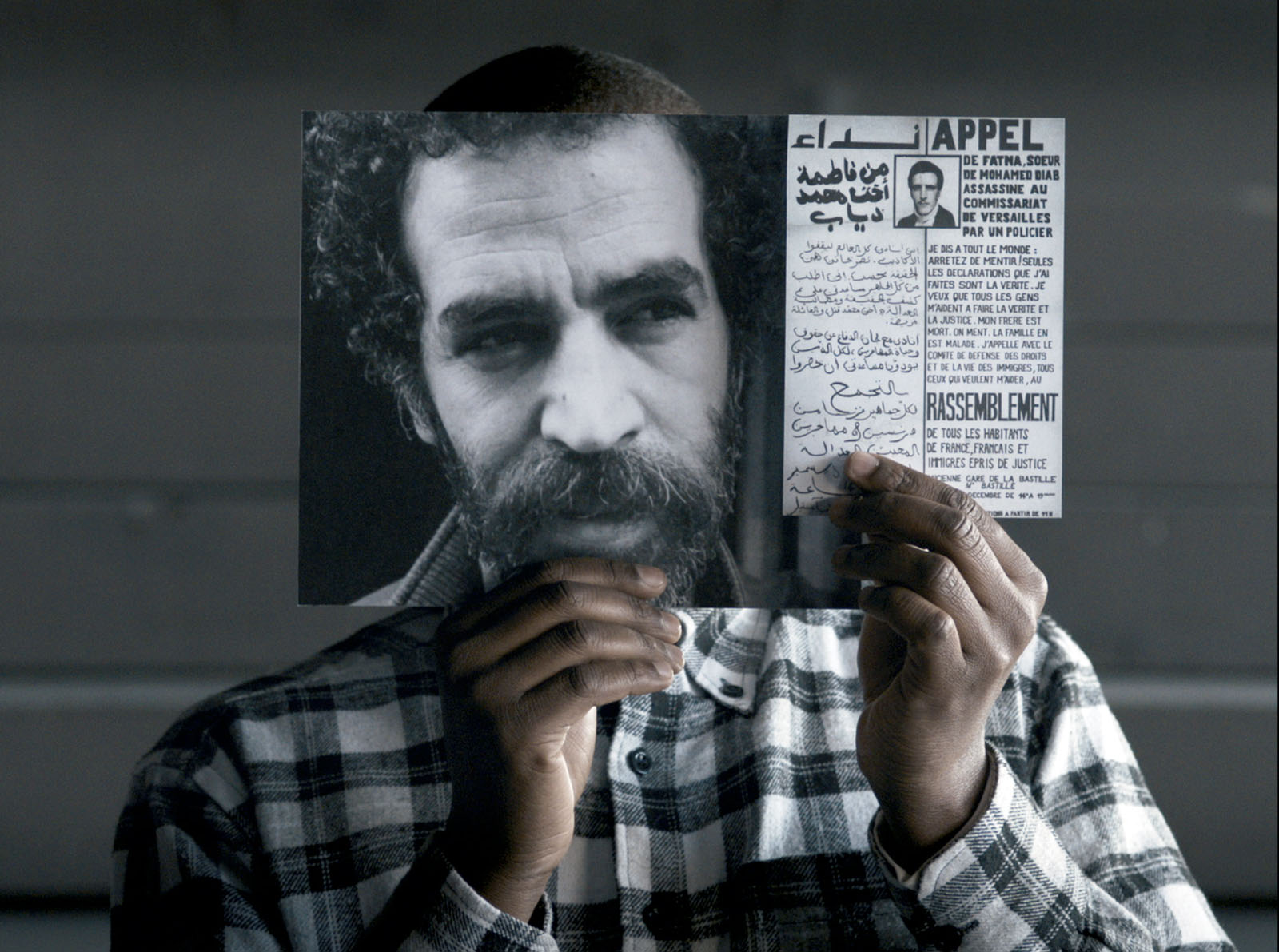

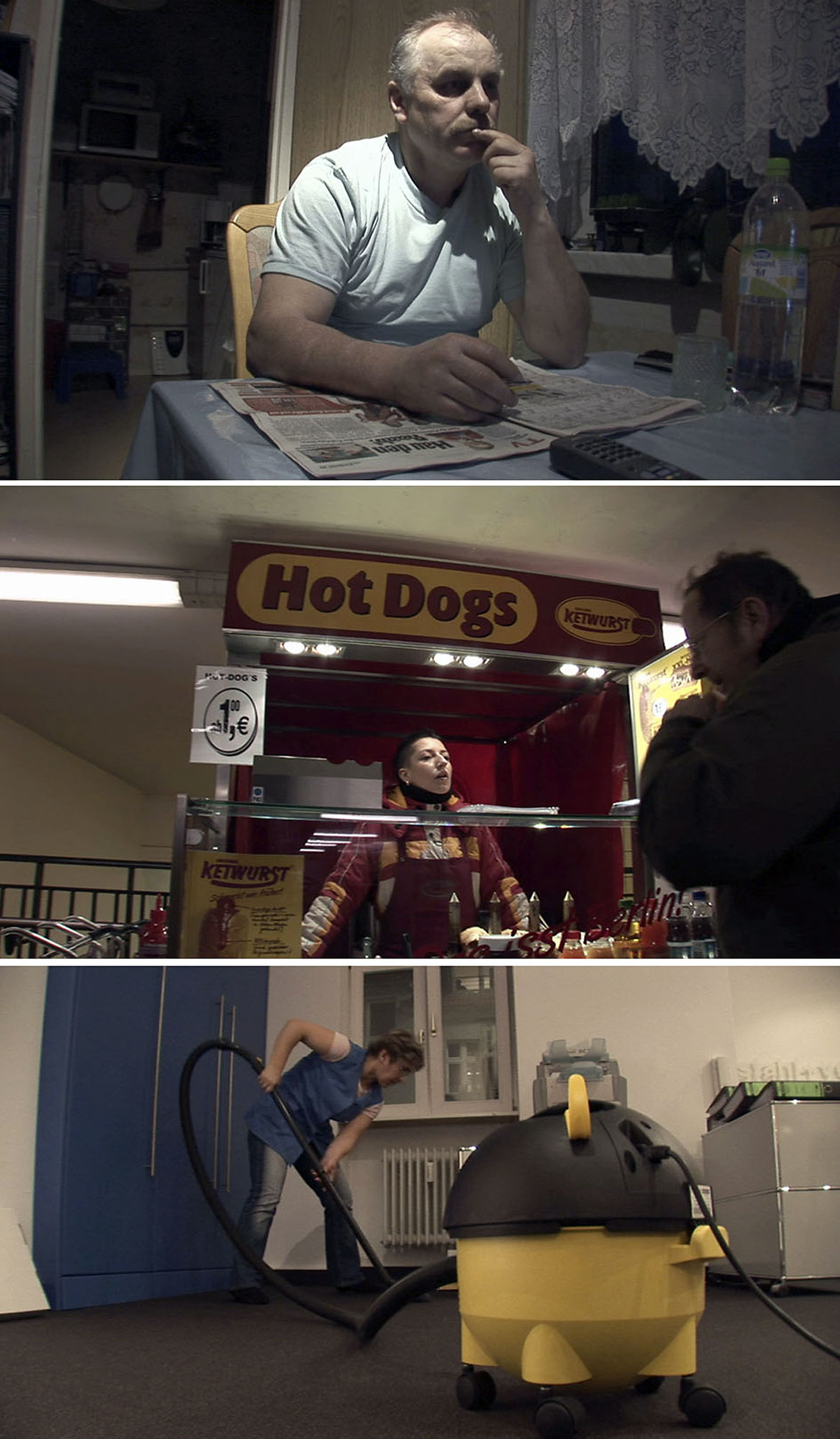


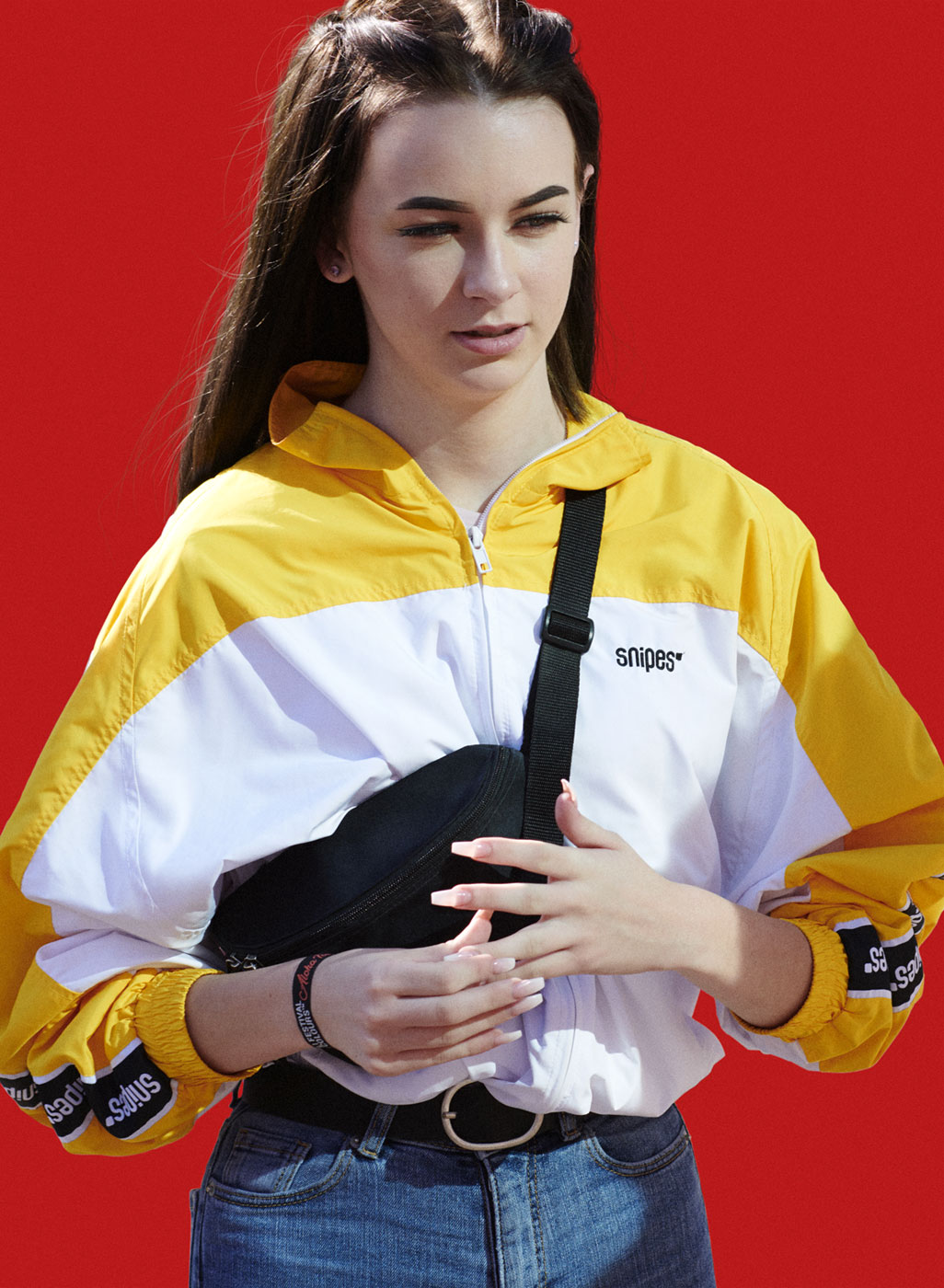



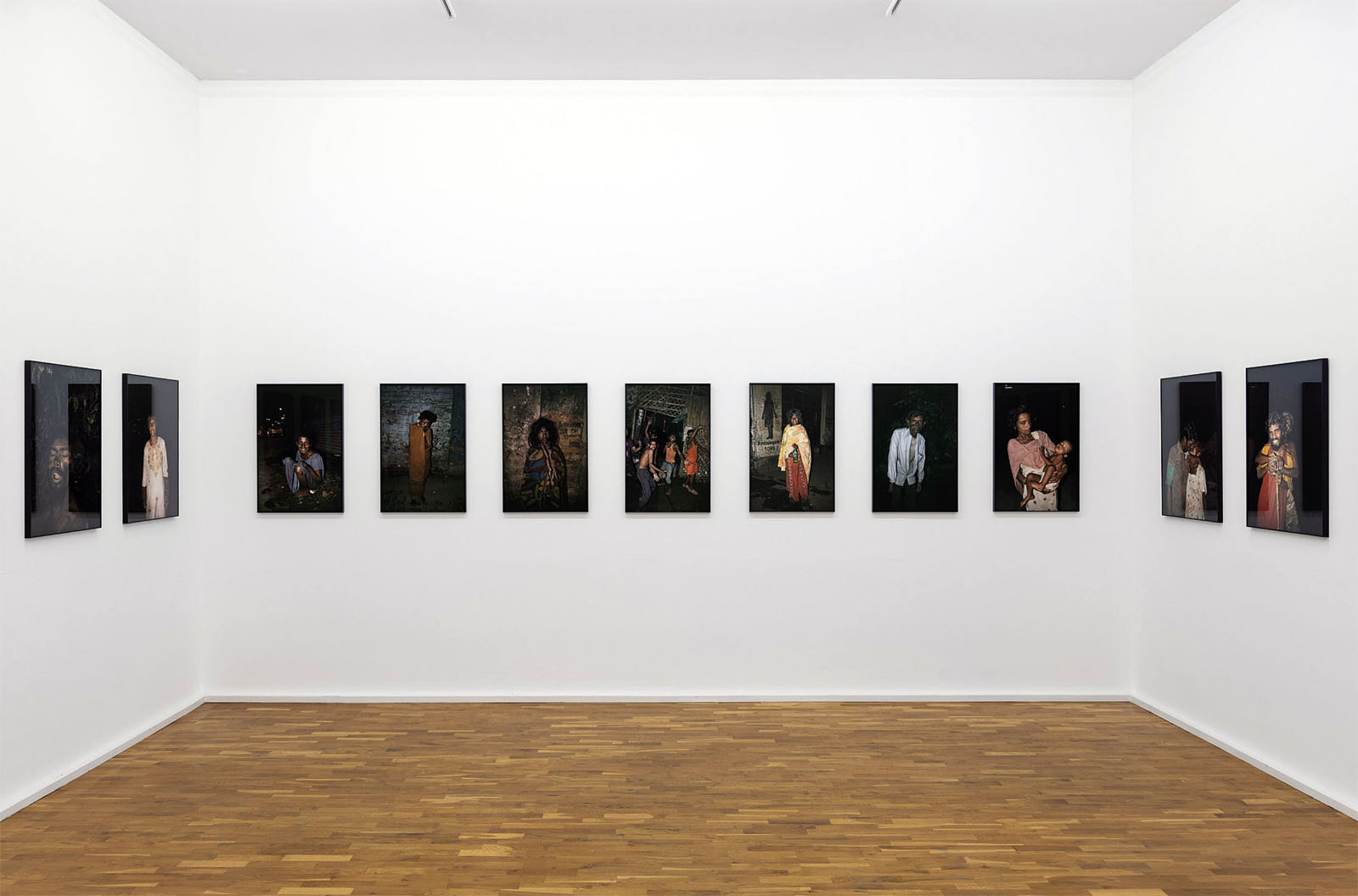


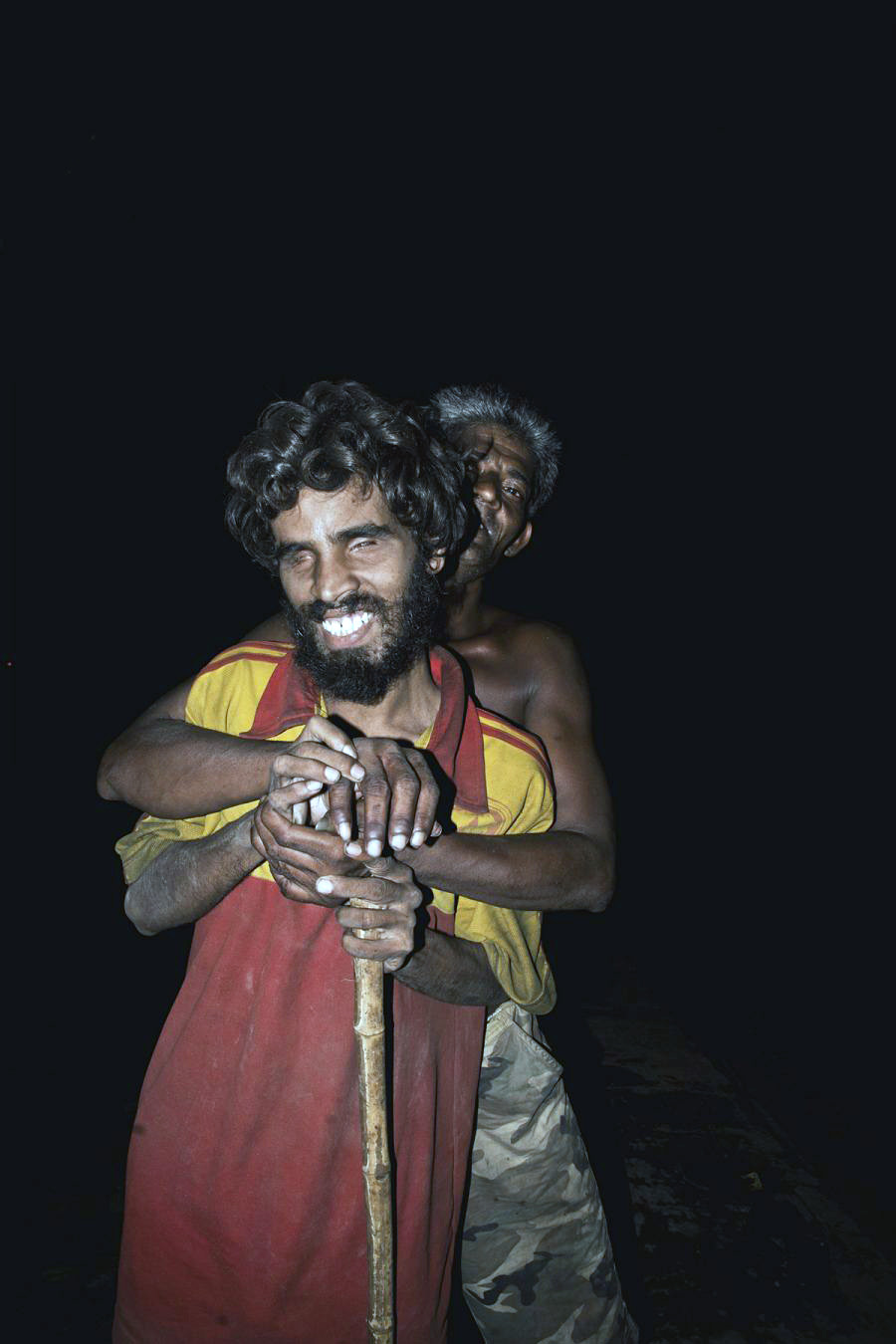


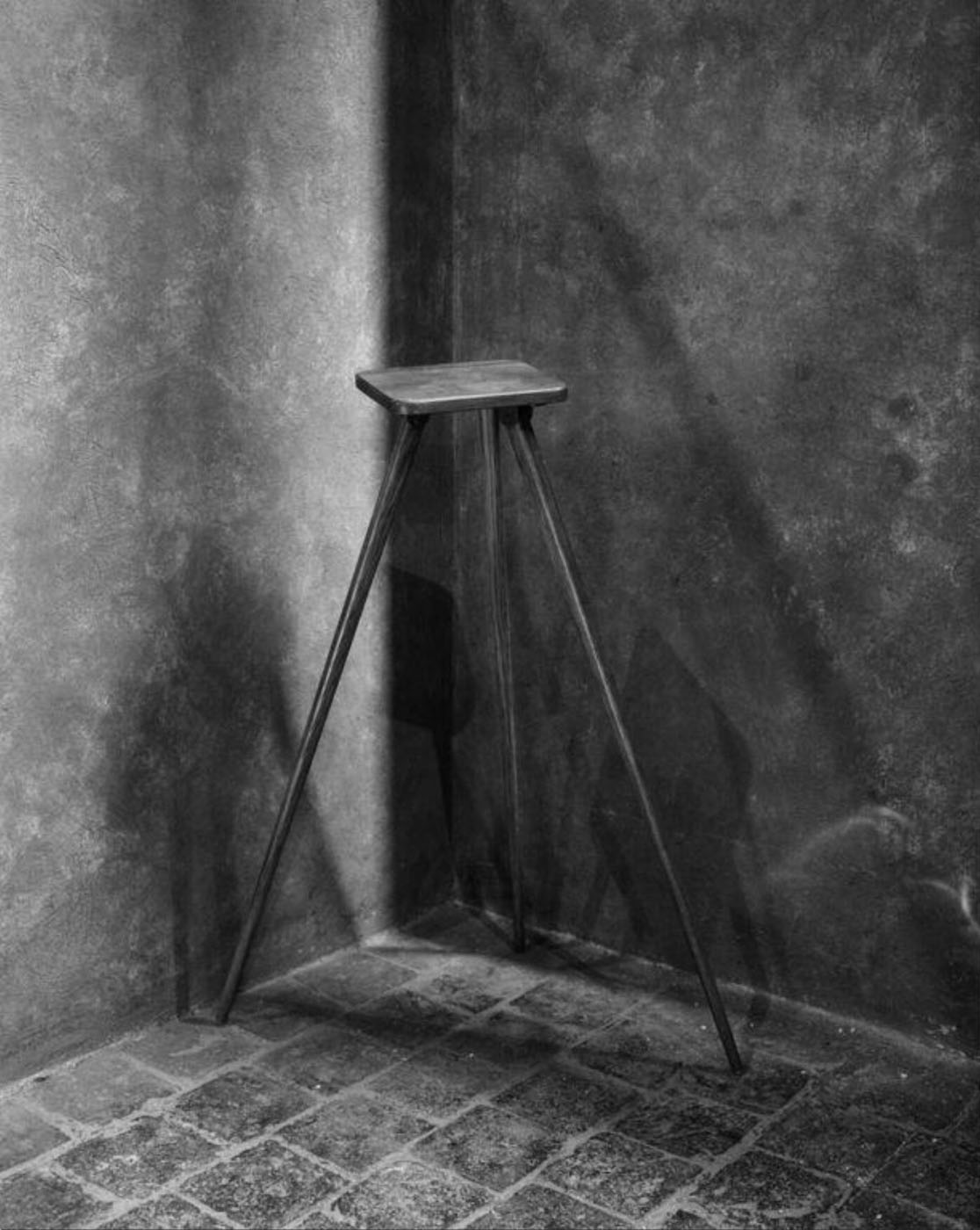


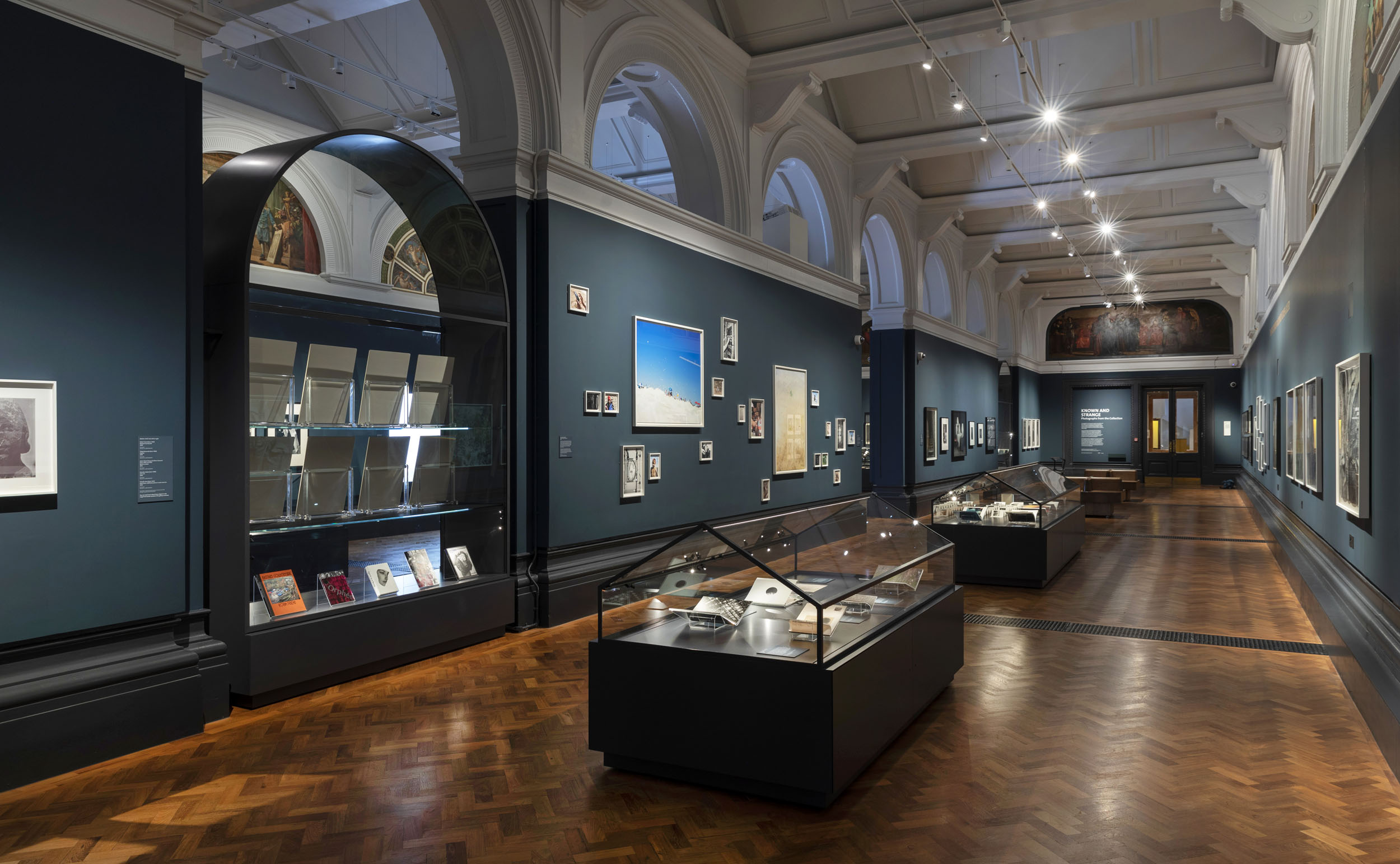















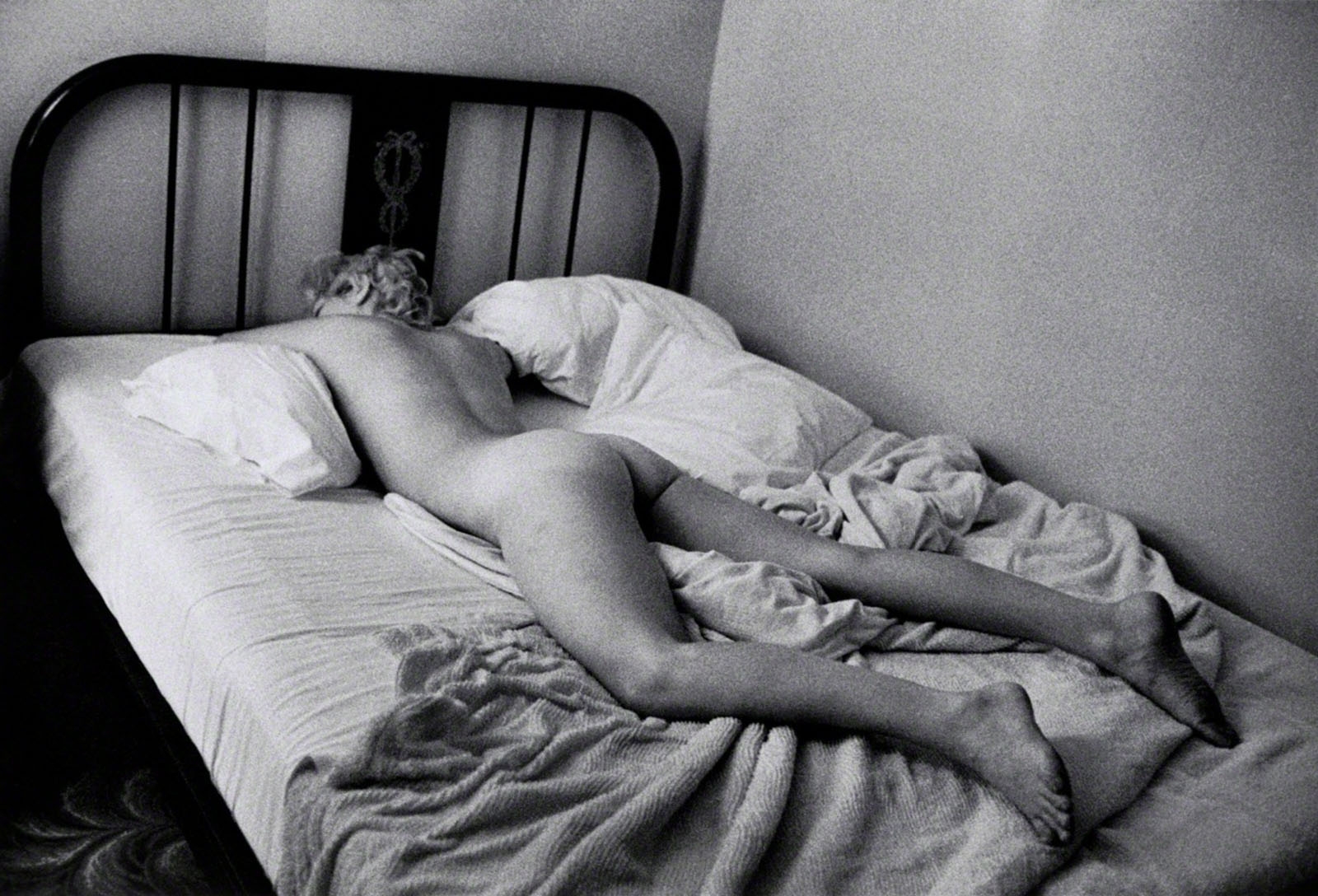
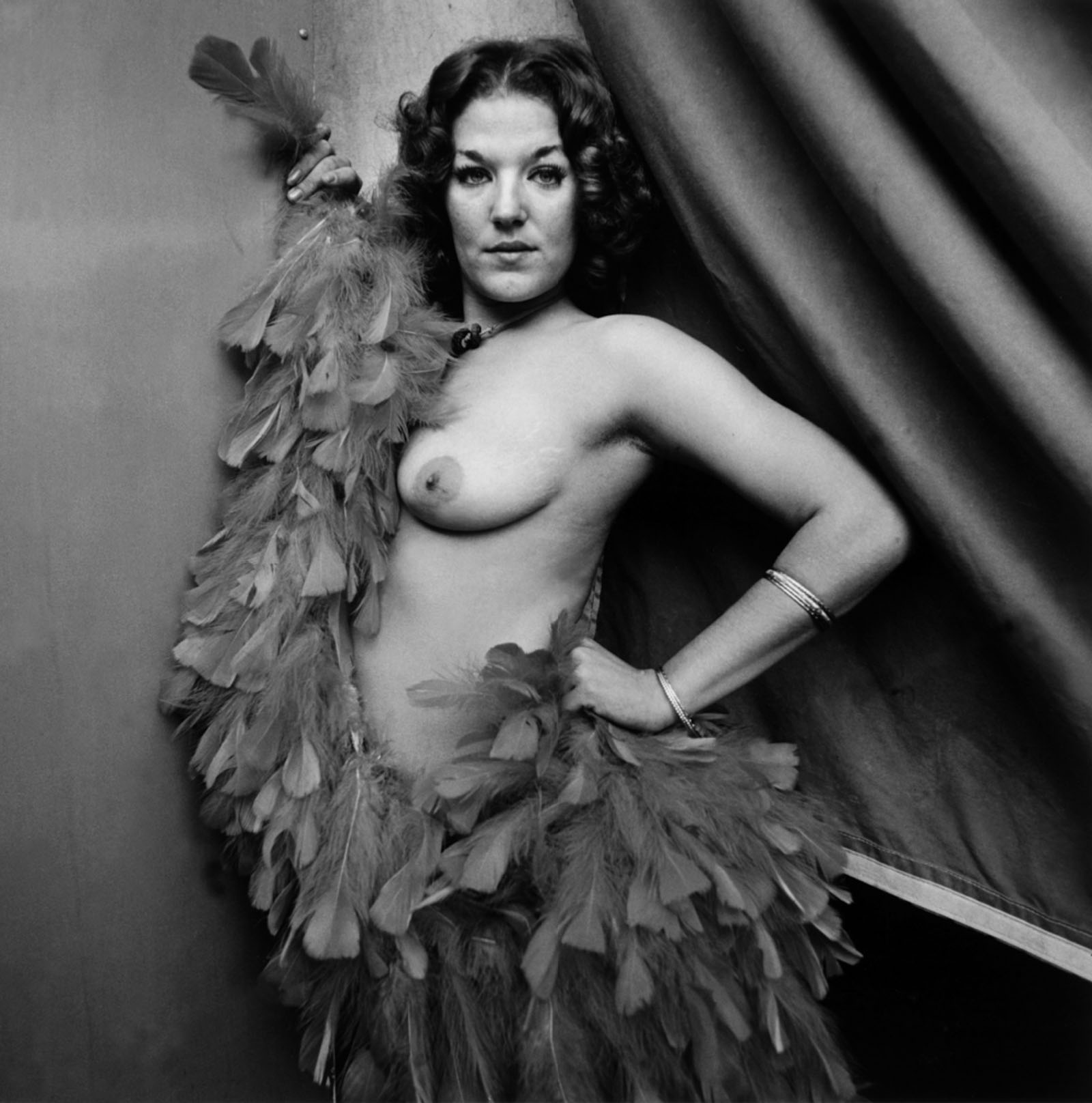


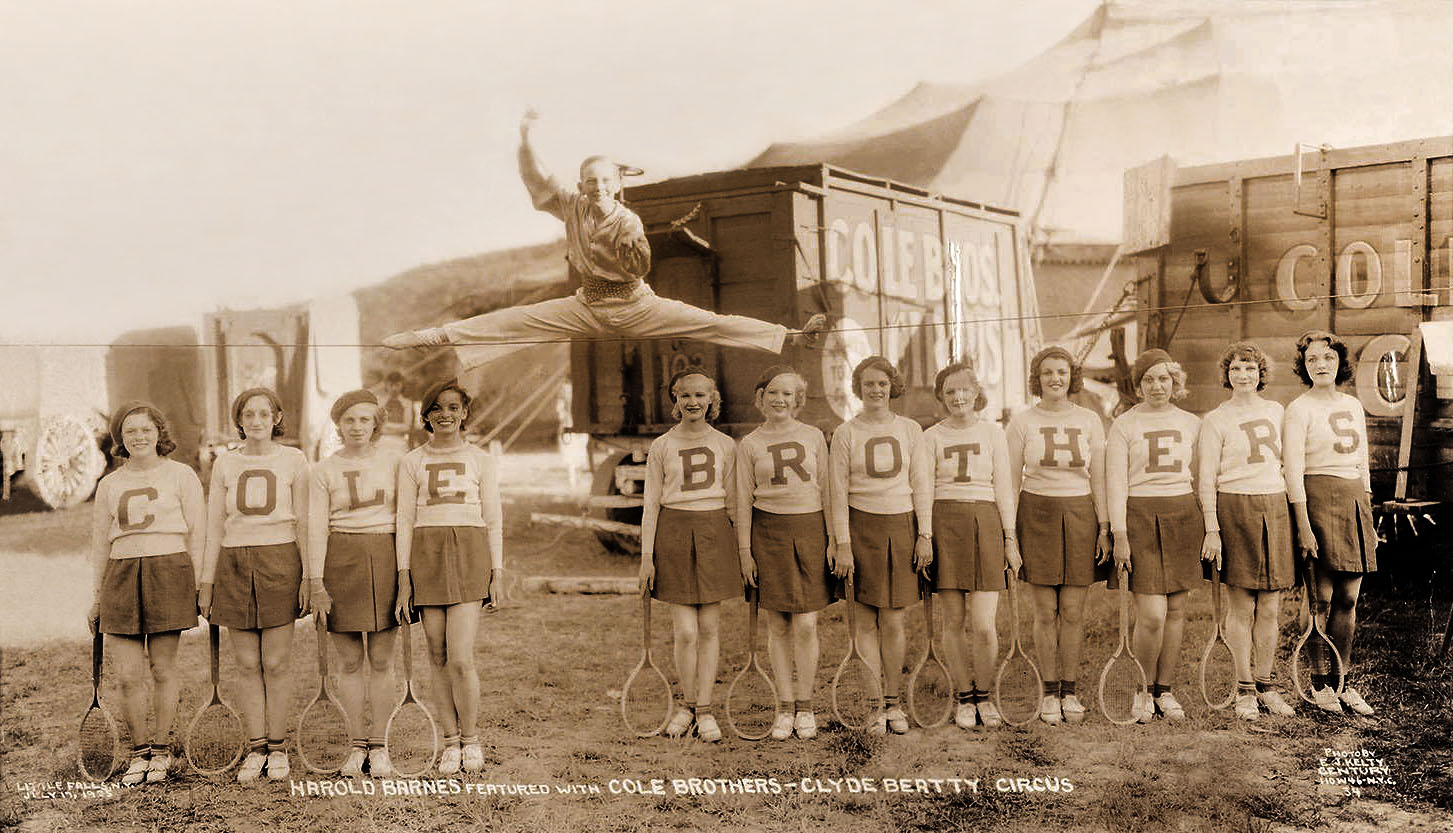
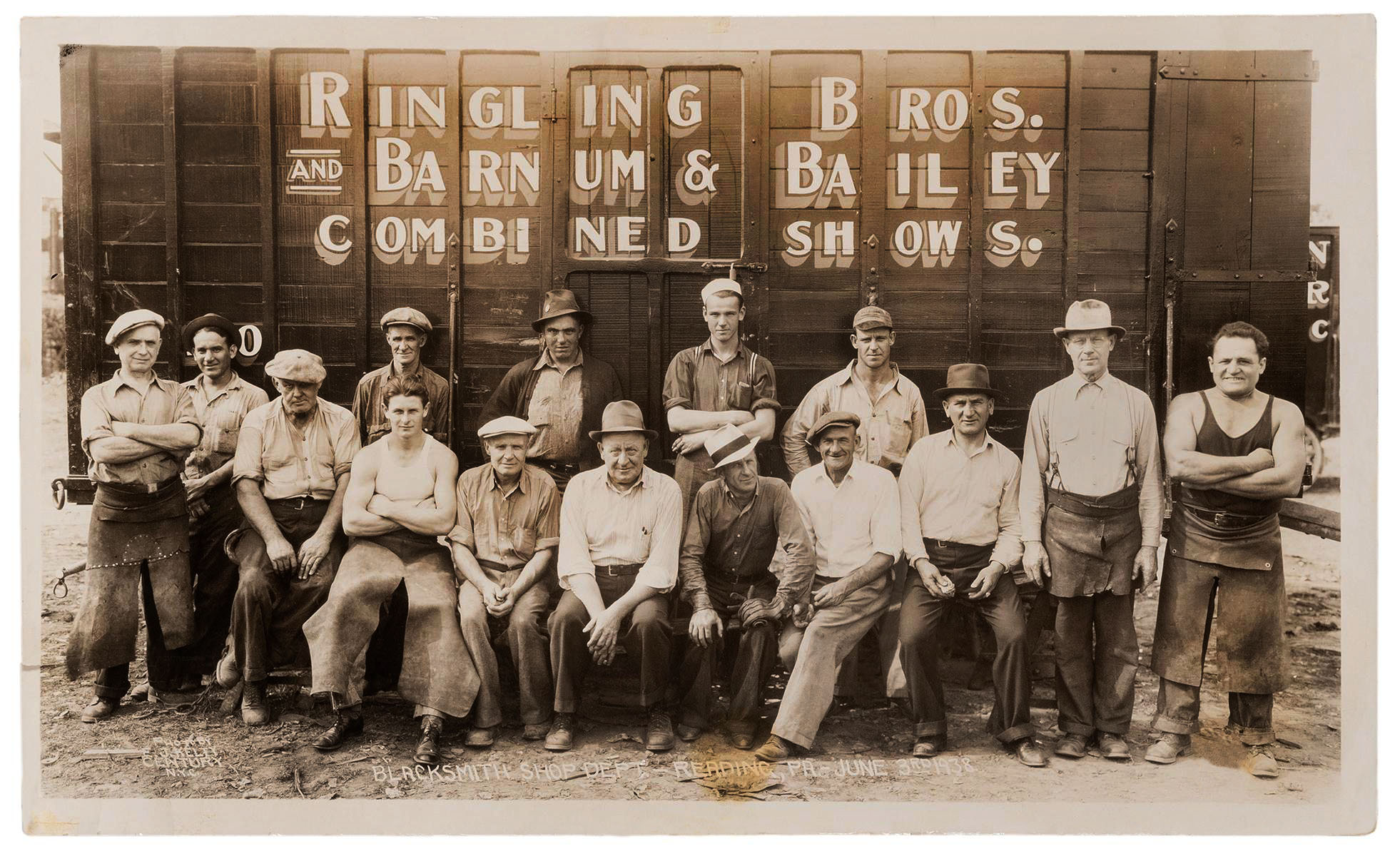










 Art Blart _ art and cultural memory archive
You must be logged in to post a comment.