Exhibition dates: 2nd September – 26th September, 2009
Jane Burton (Australian, b. 1966) Ivy #1 2009 Pigment print 89 x 75cm
This is another outstanding body of photographic work on display in Melbourne. Featuring 10 large and 2 small sepia toned, vignetted pigment prints Burton’s work creates dark enchanted worlds of faceless female figures placed in the built environment that balance (meta)physical light and shade creating ambiguous narratives of innocence tinged with a darker edge.
The eponymous photograph Ivy #1 (above) is the seminal image of the series: a dark brooding house, hunched down positioned low in the photographic space, covered in ivy with black windows and dark eves has an ominous almost impenetrable presence and sets the tone for the rest of the work.
There are wonderful references to the history of photography if one cares to look (not simply generic references to Victorian daguerreotypes, postcards and family photographs). Ivy #2 (below) is a powerful photograph where the female figure is blindfolded, unable to see the encroaching tumescence of vegetation that surrounds and is about to engulf her. The placement of the hands is exquisite – unsure, reaching out, doubting her surroundings – with the 3-bladed fan hovering behind ready to devour the unwary. This photograph has resonances of the magical photographs of the garden by the Czech photographer Josef Sudek.
Ivy #3 (below) has echoes of the work of the American photographer Ralph Eugene Meatyard and his placement of masked people within built environments. In Burton’s photograph the broken umbrella becomes like insect wings, the faceless whiteness of the three-legged and three-armed creature cocooned among the overhanging predatory ivy, the luminescent sky offering the possibility of redemption. Other photographs such as Ivy #6 (below) and Ivy #7 with their wonderful colours, depth of field, heavy shadows and elegiac romantic feel have references to Eugene Atget and his photographs of the parks of Versailles (see photograph below).
Still further references to the history of photography can be found in the photographs Ivy #9 and Ivy #10 (below). In Ivy #9 the intersection of the two female bodies through double exposure forms a slippage in (photographic) reality and the disappearance of original identity in the layering of the photographs and into the empty non-reflection of the mirror. This non-reflection is confirmed in Ivy #10 where the faceless nude woman holds a mirror with no reflection. These photographs remind me of the photographs of New Orleans prostitutes in the early years of the 20th century by the photographer Bellocq with their masked faces and the ornamentation of the wallpaper behind the figures (see below).
I feel that in these photographs with their facelessness and the non-reflection of the mirror investigate notions of ‘Theoria’ – a Greek emphasis on the vision or contemplation of God where theoria is the lifting up of the individual out of time and space and created being and through contemplative prayer into the presence of God.1 In fact the whole series of photographs can be understood through this conceptualisation – not just remembrances of past time, not a blind contemplation on existence but a lifting up out of time and space into the an’other’ dark but enlightening presence.
The greatest wonder of this series is that the photographs magically reveal themselves again and again over time. Despite (or because of) the references to other artists, the beauty of Burton’s work is that she has made it her own. The photographs have her signature, her voice as an artist and it is an informed voice; this just makes the resonances, the vibrations of energy within the work all the more potent and absorbing. I loved them.
Dr Marcus Bunyan
Many thankx to Karen Woodbury Gallery for allowing me to publish the photographs in the posting. Please click on the photographs for a larger version of the image.
Installation views of Ivy by Jane Burton at Karen Woodbury Gallery, Melbourne Photos: Marcus Bunyan
Jane Burton (Australian, b. 1966) Ivy #2 2009 Pigment print 75 x 75cm
Jane Burton (Australian, b. 1966) Ivy #3 2009 Pigment print 75 x 75cm
Jane Burton (Australian, b. 1966) Ivy #5 2009 Pigment print 75 x 75cm
Jane Burton (Australian, b. 1966) Ivy #7 2009 Pigment print 75 x 75cm
Jane Burton’s exhibition, Ivy comprises a series of photographs captured in black and white. The final prints are rendered with a sepia, peach-champagne tone, with many displaying a mottled hand-coloured effect in faded pastels of pink and green. These works hope to suggest an era past, perhaps Victorian. The imagery is evocative of old picture postcards from Europe and old photographs from the pages of family albums.
Central to the series is an image of a house covered with ivy. Depicted as dark and malevolent, the house is ‘haunted’ by the traces and stains of family history, habitation, and the buried secrets of all that occurred within.
Anonymous female figures are seen in garden settings where the foliage is rampant and encroaching and the shadows deep. There is an air of enchantment perceived with unspecified darker edge. The figures are innocent and playful. The viewer is asked to question if the and girls aware of the camera capturing their activity? Are the poses staged or caught spontaneously. In another photograph, a dilapidated male statue stands broken and armless, the texture of stone worn, and bruised with dark lichen and moss.
In the interior photographs, several nudes are depicted in the style of 19th century French daguerreotype photographs. These vignetted images display women against wall-papered backdrops with theatrical props reminiscent of earlier works by Burton such as the series ‘The other side’ (2003). Posed suggestively for the camera and the viewer’s gaze, the subjects themselves are faceless, their own gaze and features hidden behind dark hair. The surface and texture of these particular works suggests the patina of decay and the damage and wear of time.
Text from the Karen Woodbury Gallery website [Online] Cited 20/09/2009. No longer available online
E. J. Bellocq (American, 1873-1949) Untitled [prostitute of Storyville, New Orleans] 1912
Jane Burton (Australian, b. 1966) Ivy #10 2009 Pigment print
Eugene Atget (French, 1857-1927) Versailles, France 1923 Albumen print
Jane Burton (Australian, b. 1966) Ivy #6 2009 Pigment print 75 x 75cm
Hill & Adamson (Scottish, active 1843-1848) [Lane and Peddie as Afghans] 1843 Salted paper print from a paper negative 20.6 × 14.3cm (8 1/8 × 5 5/8 in.) The J. Paul Getty Museum
The team of Hill and Adamson initially began making dramatic portrait photographs as studies for one of Hill’s composite paintings. They also produced costume studies, including this scene in which Arabic scholar Mr. Lane and Mr. (Peddie) Redding appear in foreign garb.
What a fabulous selection of photographs to illustrate a fascinating “scene”. I love staged, theatrical, constructed, conceptual, collaged, surreal, imaginary, narrative photography.
Dr Marcus Bunyan
Many thankx to the J. Paul Getty Museum for allowing me to publish the photographs in the posting. Please click on the photographs for a larger version of the image.
Unknown maker, French Woman Reading to a Girl c. 1845 Daguerreotype 9.1 × 7.1cm (3 9/16 × 2 13/16 in.) The J. Paul Getty Museum
Through a skilful manipulation, the light coming from above and behind the figures casts the faces of mother and child in a softly modulated half-shadow. Their close grouping and familiar, intimate gestures evoke tenderness. The reflected light on the woman’s pointing finger and on the glowing white pages of the open book forms a strong visual triangle, drawing the viewer’s eye and serving to integrate and balance the composition.
Oscar Gustave Rejlander (British born Sweden, 1813-1875) The Infant Photography Giving the Painter an Additional Brush c. 1856 Albumen silver print 6 × 7.1cm (2 3/8 × 2 13/16 in.) The J. Paul Getty Museum
Oscar Rejlander’s photograph could be read as a metaphor of his own career. The additional “brush” or image-making tool provided by photography to painters was evident from the beginnings of the medium. Many early practitioners arrived at photography from painting, as did Rejlander. Photographs were often thought of and used as sketching tools for painters. Although photographs never managed to signal the death of painting as initially predicted, they did frequently assume the function that drawing had traditionally held in relation to painting.
Compositionally, this is an unusual photograph. Rejlander employs a narrative device from painting: the use of figures, or parts of figures, as allegorical representations for ideas. A very young child represents the infant medium of photography. The Painter appears only as a hand extending into the frame at the upper left, although the traditional arts are also represented by the sculpture reproduction in the lower left corner. The Infant Photography, identified by the camera on which the child supports himself, faces away from the camera, his features totally obscured. The mirror behind the child gives a clear reflection of Rejlander at his camera, making this image.
Roger Fenton (English, 1819-1869) Contemplative Odalisque 1858 Albumen silver print 35.9 × 43.8cm (14 1/8 × 17 1/4 in.) The J. Paul Getty Museum Gift of Professors Joseph and Elaine Monsen
Three years after traveling in the Crimea, Roger Fenton made a series of Orientalist photographs in his London studio using props gathered during his travels and non-Eastern models. Orientalism refers to just such romanticised depictions of imagined scenes of Muslim culture in the Ottoman Empire and its territories in the Near East and North Africa.
Orientalist scenes were more often fiction than fact. Cultural biases and misunderstandings were laid down on paper or canvas and frequently became the only source of information on the subjects depicted. When a group of these Orientalist photographs was exhibited in 1858, one reviewer described them as “truly representing some phases in the life of this interesting people.”
But not everyone so easily accepted Fenton’s images at face value; a more astute critic called for “the necessity of having real national types as models.” The same model shown here also appears as “Nubian” and “Egyptian” in other photographs by Fenton. This photograph may have originally been exhibited with the title The Reverie. The odalisque, meaning a slave or concubine in a harem, poses upon her sofa. Barefoot, blouse open, her surroundings convey a sensual disarray that conforms to an Orientalising fantasy of the available woman.
Julia Margaret Cameron (British, born India, 1815-1879) The Rosebud Garden of Girls June 1868 Album silver print 29.4 × 26.7cm (11 9/16 × 10 1/2 in.) The J. Paul Getty Museum
As evolutionary science and increasing secularism transformed the way Victorians understood the world, Cameron remained a devout Christian. She photographed influential public figures of her day as well as the women of her household, casting them in allegories of literary and religious subjects. Like her artistic contemporaries, the Pre-Raphaelite painters, who modelled their work on medieval religious and mythological art, Cameron intended her photographs to evince a connection between the spiritual and the natural realms.
Julia Margaret Cameron (British, born India, 1815-1879) Venus Chiding Cupid and Removing His Wings 1872 Album silver print 32.4 × 27.3cm (12 3/4 × 10 3/4 in.) The J. Paul Getty Museum
Lewis Carroll (British, 1832-1898) Saint George and the Dragon June 26, 1875 Albumen silver print 12.2 × 16.2cm (4 13/16 × 6 3/8 in.) The J. Paul Getty Museum
Like Alice’s Adventures in Wonderland and his other books, Carroll’s photographs are fantasies starring the children of his friends. In this production, the Kitchin siblings enacted the romantic legend of Saint George, the patron saint of England, who slayed a child-eating dragon before it devoured a princess. George later married the rescued princess and converted her pagan town to Christianity. Using crude stagecraft to reference key plot points, Carroll condensed the entire legend into a single scene in which the princess appears as both damsel in distress and bride.
Baron Wilhelm von Gloeden (German, 1856-1931) Untitled [Two Male Youths Holding Palm Fronds] c. 1885-1905 Albumen silver print 23.3 × 17.5cm (9 3/16 × 6 7/8 in.) The J. Paul Getty Museum
Baron Wilhelm von Gloeden (German, 1856-1931) L’Offerta (The Offering) 1902 Albumen silver print 22.4 × 16.8cm (8 13/16 × 6 5/8 in.) The J. Paul Getty Museum
Von Gloeden left Germany and settled in a coastal town in Sicily, where he took up photography. His subjects were young native boys, whom he often photographed nude in classical compositions. Rather than reenact specific historical or literary scenes, von Gloeden mused nostalgically on the ancient Greek and Roman ancestry of his attractive models.
Guido Rey (Italian, 1861-1935) [The Letter] 1908 Platinum print 21.9 × 17cm (8 5/8 × 6 11/16 in.) The J. Paul Getty Museum
A deliberate homage to an earlier artistic style that Guido Rey admired, the composition derives from a painting made by Dutch artist Jan Vermeer in the 1600s. In this posed scene, a young suitor bearing flowers approaches a woman seated at her writing desk, with her pen poised in mid-air as she turns to greet him. A leaded glass window opens into her room, providing a natural light source for the photograph’s illumination. The mounted corner clock, decorative jar on the desk, and painting on the wall were Rey’s everyday household items or objects borrowed from friends, carefully chosen for period accuracy. Likewise, a seamstress who lived in the attic of Rey’s home in Turin created the costumes to his specifications.
Photography, although commonly associated with truthfulness, has been used to produce fiction since its introduction in 1839. The acceptance of staging, and the degree of its application, has varied greatly depending on the genre and the historical moment, but it has persisted as an artistic approach. The photographs in this exhibition, drawn exclusively from the J. Paul Getty Museum’s collection, make no pretence about presenting the world as it exists; instead, they are the productions of directors and actors who rely on stagecraft and occasional darkroom trickery to tell stories. Spanning photography’s history and expressing a range of sentiments, the images in this exhibition are inspired by art history, literature, religion, and mainstream media.
Like Alice’s Adventures in Wonderland and his other books, Lewis Carroll’s photographs are fantasies starring his friends’ children. In the image below, children enact the mythological story of Saint George, the patron saint of England, slaying a child-eating dragon before it could devour a princess.
Life Imitating Art
Well-represented in this exhibition are tableaux vivants (living pictures), inspired by the popular Victorian parlour game in which costumed participants posed to resemble famous works of art or literary scenes. The genre paintings of 17th-century Dutch masters Johannes Vermeer and Pieter de Hooch fascinated Guido Rey. Not self-conscious about being slavish to the past, he carefully studied the paintings and then arranged similar tableaux for his camera. His photographs captured equally serene domestic scenes and mimicked the minute architectural details of 17th-century interiors, such as the leaded-glass windowpanes and the checkerboard floor.
Playing Dress Up
The exhibition also includes costume studies of people posing as literary characters and self-portraits of artists pretending to be other people. American painter and photographer Man Ray and the French artist Marcel Duchamp met in New York in 1915, and they began a playful, iconoclastic collaboration that resulted in the photograph (above), among others. Influenced by Dadaism, a cultural movement that rejected reason and logic in favour of anarchy and the absurd, their work embraced games of chance, performance, and wordplay. Here an irreverent Duchamp appears in women’s clothing as his alter ego, Rrose Sélavy, a pun on the French pronunciation “Eros, c’est la vie” (Sex, that’s life).
Imaginary Subjects
A number of photographs in the exhibition explore the medium’s capacity to visualise subjects of the imagination by using darkroom trickery to manipulate prints. An optician and family man, Ralph Eugene Meatyard photographed his children, friends, and neighbours enacting dramas in suburban backyards and abandoned buildings near his Lexington, Kentucky, home. He often used experimental techniques, such as multiple exposures and blurred motion. Uncanny details imbue Meatyard’s otherwise ordinary vernacular scenes with the qualities of a dream or supernatural vision.
Theatricality as a Critical Strategy
In recent decades there has been renewed interest in theatricality among contemporary photographers whose highly artificial scenes critique mainstream media and representation. In her series Family Docudrama Eileen Cowin blurs the boundaries between truth and fiction, and private behaviour and public performance. Drawing equally from family snapshots and soap operas, Cowin presents staged domestic scenes in which she and members of her family, including her identical twin sister, perform as actors. In these ambiguous, open-ended narratives, dramatic moments are exaggerated, and the camera’s glare is ever present.”
When Man Ray moved to Paris, he was greeted by his friend and artistic compatriot Marcel Duchamp, who introduced him to members of the Dada circle of writers and artists. The two men had collaborated in a number of creative endeavours in New York, including the creation of a female alter-ego for Duchamp named Rrose Sélavy (a pun on the French pronunciation Eros, c’est la vie “Sex, that’s life”). Man Ray photographed Duchamp several times as Rrose Sélavy.
Judging from his inclusion of this image in other photographic compositions, Man Ray must have considered Tears one of his most successful photographs. A cropped version of it with a single eye also appears as the first plate in a 1934 book of his photographs.
Like the emotive expression of a silent screen star in a film still, the woman’s plaintive upward glance and mascara-encrusted lashes seem intended to invoke wonder at the cause of her distress. The face belongs to a fashion model who cries tears of glistening, round glass beads; the effect is to aestheticise the sentiment her tears would normally express. Man Ray made this photograph in Paris around the time of his breakup with his lover Lee Miller, and the woman’s false tears may relate to that event in the artist’s life.
In this picture Dora Maar constructed her own reality by joining together several images and rephotographing them. The seamlessness of the photographic surface makes this construction believable and leaves the viewer wondering about the strange world the figure inhabits. On closer examination, the viewer may notice that the floor is an upside-down ceiling vault, that the bricked-in windows are drawn in by hand, and that the figure was added separately. Despite these discoveries, the picture resists logical interpretation.
An optician and family man, Meatyard photographed his children, friends, and neighbours enacting dramas in the suburban backyards and abandoned buildings of Lexington, Kentucky. He often used experimental techniques, such as multiple exposures and blurred motion. Uncanny details imbue Meatyard’s otherwise ordinary vernacular scenes with the qualities of a dream or supernatural vision.
In this self-portrait, Lucas Samaras reaches out as if trapped in the photograph. In sharp contrast to the indistinct background of his upper body, his crisply defined fingers curl forward, as if he is searching for a way to transcend a two-dimensional world of his own creation. An overriding sense of claustrophobia defines this image, underscored by the small scale of the Polaroid print. Samaras, a hermit-like person, made many Polaroid self-portraits like this in the 1970s as a means of observing himself. The images are open to a wide range of interpretation. Here, Samaras may have tried to convey the sense of isolation he experiences as a reclusive person.
As if engaging in a tug-of-war with himself, Lucas Samaras confronts and struggles with his own reflection in this self-portrait. The leg-less reflection is incomplete, however, giving the impression of a deformed adversary. A monochromatic polka-dot background and a vibrant green and red border act as a stage for this dramatic struggle.
Samaras’s Photo-Transformations, which he made in the 1970s as a means to examine various facets of himself, could be understood as visual manifestations of internal conflict. They are complex psychological investigations that, according to at least one critic, illustrate one person’s efforts toward spiritual healing.
Submerged in narcissism, nothing remains… but “me and myself, I am my own audience, the other, contemplating my existence.”
Made in the 1970s as a means of studying himself, Lucas Samaras’s photographs illustrate the internal struggle that can occur between conflicting aspects of one personality. Bent over a captain’s chair, Samaras rests his head as if he is at the guillotine. Another blurry form hovers above, about to violently attack the submissive figure.
Samaras made his Photo-Transformations, a series of self-portraits, with SX-70 Polaroid film. Still wet, the film’s emulsions could be manipulated to alter the finished image. He used straight pins, rubber erasers, and other simple tools to “draw” into the developing surface. For this portrait, he created a diamond pattern over and around the dominant figure that underscores the frenzy of motion.
In her series Family Docudrama Cowin blurs the boundaries between truth and fiction, and private behaviour and public performance. Drawing equally from family snapshots and soap operas, she presents staged domestic scenes in which she and members of her family, including her identical twin sister, perform as actors. In these ambiguous, open-ended narratives, dramatic moments are exaggerated and the camera’s glare is ever present.
The J. Paul Getty Museum 1200 Getty Center Drive Los Angeles, California 90049
Many thankx to the C/O Berlin Gallery for allowing me to publish the photographs in the posting. Please click on the photographs for a larger version of the image.
Pierre et Gilles (French, Pierre Commoy b. 1950 and Gilles Blanchard, b. 1953) Mercury 2001
“It’s hard to think of contemporary culture without the influence of Pierre et Gilles, from advertising to fashion photography, music video, and film. This is truly global art.”
Jeff Koons
The cosmos of the worldwide renowned French artist duo is a vivid, colourful world poised between baroque sumptuousness and earthly limbo. Pierre et Gilles create unique hand-painted photographic portraits of film icons, sailors and princes, saints and sinners, of mythological figures and unknowns alike. Pierre et Gilles pursue their own, stunningly unique vision of an enchanted world spanning fairytale paradises and abyssal depths, quoting from popular visual languages and history of art. Again and again, they re-envision their personal dream of reality anew in consummate aesthetic perfection.
Pierre et Gilles are among the most influential artists of our time. In their complex, multilayered images, they quote from art history, transgress traditional moral codes, and experiment adeptly with social clichés. Their painterly photographic masterpieces exert an intense visual power that leaves the viewer spellbound.
Over the last thirty years, Pierre et Gilles have created photographic portraits of numerous celebrities including Marc Almond, Mirelle Mathieu, Catherine Deneuve, Serge Gainsbourg, Iggy Pop, Jean-Paul Gaultier, Nina Hagen, Madonna, and Paloma Picasso. They work almost exclusively in an opulently furnished studio, where their subjects are costumed lavishly and placed before three-dimensional backgrounds. Pierre photographs the model, and Gilles retouches and hand-colours the print. The reproducible portrait is rendered unique through painting, which highlights each detail with carefully selected materials and accessories.
As only venue in Germany, C/O Berlin presents the exhibition as the first of Pierre et Gilles in fifteen years. The show comprised a total of 80 unique large-format works – from their early photographies of the 1970s to the brand new pictures that were never shown in public before.”
Text from the C/O Berlin website [Online] Cited 20/08/2009 no longer available online
Pierre et Gilles (French, Pierre Commoy b. 1950 and Gilles Blanchard, b. 1953) St. Sebastian 1987
Pierre et Gilles (French, Pierre Commoy b. 1950 and Gilles Blanchard, b. 1953) Neptune 1988
Pierre et Gilles (French, Pierre Commoy b. 1950 and Gilles Blanchard, b. 1953) Saint Rose De Lima 1989
Pierre et Gilles (French, Pierre Commoy b. 1950 and Gilles Blanchard, b. 1953) Le Petit Communiste Christophe (The Little Communist Christophe) 1990
Pierre et Gilles (French, Pierre Commoy b. 1950 and Gilles Blanchard, b. 1953) Legend (Madonna) 1990
Pierre et Gilles (French, Pierre Commoy b. 1950 and Gilles Blanchard, b. 1953) La Madone au coeur blessé (Madonna with a wounded heart) 1991
Pierre et Gilles (French, Pierre Commoy b. 1950 and Gilles Blanchard, b. 1953) St. Sebastian of the Sea 1994
Pierre et Gilles (French, Pierre Commoy b. 1950 and Gilles Blanchard, b. 1953) The Martyrdom of St Sebastian 1996
Pierre et Gilles (French, Pierre Commoy b. 1950 and Gilles Blanchard, b. 1953) Extase (Arielle Dombasle) 2002
Pierre et Gilles (French, Pierre Commoy b. 1950 and Gilles Blanchard, b. 1953) Le Grand Amour (Marilyn Manson and Dita von Teese) 2004
C/O Berlin Postfuhramt Oranienburger Straße 35/36 10117 Berlin
Julia deVille (New Zealand, b. 1982) Ruby Heart Starling 2008 Starling, sterling silver, black rhodium & gold plate, rubies, antique frame 30 x 35 x 18cm
This is an itsy-bitsy show by Julia deVille at Sophie Gannon Gallery in Richmond, Melbourne. Offering a menagerie of macabre stuffed animals and conceptual ideas the exhibition fails to coalesce into a satisfying vision. It features many ideas that are not fully investigated and incorporated into the corporeal body of the work.
We have, variously, The Funerary Urn/Cinerarium, The Ossuary, Skeletons, Black, Victorian Funerary Customs, Feathers, Taxidermy, Time, Eggs and Religion. We also have stuffed animals, cigar boxes, lace and silver, pelts and columns, jet necklaces and Victorian glass domes, glass eyes and ruby hearts to name but a few. The viewer is overwhelmed by ideas and materials.
When individual pieces excel the work is magical: the delicate and disturbing Stillborn Angel (2009, below) curled in a foetal position with appended sparrows wings is a knockout. The large suspended raven of Night’s Plutonian Shore (2009, above) effectively evinces the feeling of the shores of the underworld that the title, taken from an Edgar Allan Poe poem, reflects on.
Other pieces only half succeed. Piglet (2009, below) is a nice idea with its lace snout and beaded wings sitting on a bed of feathers awaiting judgement but somehow the elements don’t click into place. Further work are just one shot ideas that really lead nowhere. For example Cat Rug (2008, below) features black crystals in the mouth of a taxidermied cat that lies splayed on a plinth on the gallery floor. And, so … Silver Rook (2008, below) is a rook whose bones have been cast in silver, with another ruby heart, suspended in mid-air in the gallery space. Again an interesting idea that really doesn’t translate into any dialogue that is substantial or interesting.
Another problem with the work is the technical proficiency of some of the pieces. The cast silver front legs and ribs of The Anatomy of a Rabbit (2008, below) are of poor quality and detract from what should have been the delicacy of the skeletal bones of the work. The bronze lion cartouche on the egg shaped Lion Urn (2009) fails to fit the curved shape of the egg – it is just attached at the top most point and sits proud of the egg shape beneath. Surely someone with an eye for detail and a sense of context, perfection and pride in the work they make would know that the cartouche should have been made to fit the shape underneath.
Despite its fashionable position hovering between craft, jewellery and installation this is ‘art’ in need of a good reappraisal. My suggestion would be to take one idea, only one, and investigate it fully in a range of work that is thematically linked and beautifully made. Instead of multiplying the ideas and materials that are used, simplify the conceptual theme and at the same time layer the work so it has more complexity, so that it reveals itself over time. You only have to look at the work of Mari Funaki in the previous post or the simple but conceptually complex photographs of Matthias Koch in the German photography review to understand that LESS IS MORE!
There are positive signs here and I look forward to seeing the development of the artist over the next few years.
Dr Marcus Bunyan
Many thankx to Sophie Gannon Gallery for allowing me to publish the photographs in the posting. Please click on the photographs for a larger version of the image.
Julia deVille (New Zealand, b. 1982) Night’s Plutonian Shore 2009 Tasmanian Forest Raven, black garnets, cotton, sterling silver, amethyst
Julia deVille (New Zealand, b. 1982) L’enfant (Infant Funerary Urn) 2009 Ostrich egg, sterling silver, ostrich plumes and black garnet 35 x 12 x 12cm
Julia deVille Cineraria installation views at Sophie Gannon Gallery, Melbourne Photos: Marcus Bunyan
Julia deVille (New Zealand, b. 1982) Piglet 2009 Piglet, antique lace, pins and feathers 25 x 23 x 13cm
Julia deVille (New Zealand, b. 1982) Cat Rug 2008 Cat, glitter and fibreglass 100 x 60 x 8cm
Julia deVille (New Zealand, b. 1982) Sympathy 2008
Julia deVille (New Zealand, b. 1982) Silver Rook 2008 Sterling silver, rubies 30 x 25 x 35cm
Cinerarium
n. pl. Cineraria A place for keeping the ashes of a cremated body.
Cineraria n. any of several horticultural varieties of a composite plant, Senecio hybridus, of the Canary Islands, having clusters of flowers with white, blue, purple, red, or variegated rays.
Origin: 1590-1600; < NL, fem. of cinerarius ashen, equiv. to L ciner- (s. of cinis ashes) + -rius -ary; so named from ash-coloured down on leaves.
CINERARIA is a study of the ritual and sentiment behind funerary customs from various cultures and eras.
Notes on inspirations
The Funerary Urn/Cinerarium: Funerary Urns have been used since the times of the ancient Greeks and are still used today. After death, the body is cremated and the ashes are collected in the urn.
The Ossuary: An ossuary is a chest, building, well, or site made to serve as the final resting place of human skeletal remains. They are frequently used where burial space is scarce. A body is first buried in a temporary grave, then after some years the skeletal remains are removed and placed in an ossuary. The greatly reduced space taken up by an ossuary means that it is possible to store the remains of many more people in a single tomb than if the original coffins were left as is. This was a common practice in post plague Europe in the 14th-16th Centuries.
Skeletons: Human skeletons and sometimes non-human animal skeletons and skulls are often used as blunt images of death. The skull and crossbones (Death’s Head) motif has been used among Europeans as a symbol of piracy, poison and most commonly, human mortality.
Black: In the West, the colour used for death and mourning is black. Black is associated with the underworld and evil. Kali, the Hindu god of destruction, is depicted as black.
Victorian Funerary Customs:
~ A wreath of laurel, yew or boxwood tied with crape or black ribbons would be hung on the front door to alert passers by that a death had occurred
~ The use of flowers and candles helped to mask unpleasant odours in the room before embalming became common
~ White was a popular colour for the funeral of a child. White gloves, ostrich plumes and a white coffin were the standard
Feathers: In Egyptian culture a recently deceased persons soul had to be as light as a feather to pass the judgment of Ma’at. Ma’at (Maet, Mayet) is the Egyptian goddess of truth, justice and the underworld. She is often portrayed as wearing a feather, a symbol of truth, on her head. She passed judgment over the souls of the dead in the Judgment Hall of Osiris. She also weighted up the soul against a feather. The “Law of Ma’at” was the basis of civil laws in ancient Egypt. If it failed, the soul was sent into the underworld. Ma’at’s symbol, an ostrich feather, stands for order and truth.
Taxidermy: Taxidermy to me is a modern form of preservation, a way for life to continue on after death, in a symbolic visual form.
The Raven: In many cultures for thousands of years, the Raven has been seen symbol of death. This is largely due to the Raven feeding on carrion. Edgar Allan Poe has used this symbolism in his poem, “The Raven”.
Time: Less blunt symbols of death frequently allude to the passage of time and the fragility of life. Clocks, hourglasses, sundials, and other timepieces call to mind that time is passing. Similarly, a candle both marks the passage of time, and bears witness that it will eventually burn itself out. These sorts of symbols were often incorporated into vanitas paintings, a variety of early still life.
Eggs: The egg has been a symbol of the start of new life for over 2,500 years, dating back to the ancient Persians. I have chosen egg shapes and even one Ostrich egg to represent the cycle of life, the beginning and the end.
Religion: Religion has played a large part in many funerary customs and beliefs. I am particularly interested in the Memento Mori period of the 16th-18th centuries. In a Calvinistic Europe, when the plague was a not too distant memory, a constant preoccupation with death became a fashionable devotional trend.
Julia deVille
Julia deVille (New Zealand, b. 1982) Stillborn Angel 2009 Stillborn puppy, sparrow wings and sterling silver 13 x 10 x 5cm
Julia deVille (New Zealand, b. 1982) The Anatomy of a Rabbit 2008 Rabbit, sterling silver, rubies, glitter and mahogany 30 x 30 x 30cm
Julia deVille Cineraria installation view at Sophie Gannon Gallery, Melbourne Photo: Marcus Bunyan
Sophie Gannon Gallery 2, Albert Street, Richmond, Melbourne
Until you are reminded by the photographs you sometimes forget what a fantastic auteur Cecil Beaton was.
Marcus
Many thankx to the Walker Art Gallery for allowing me to publish the photographs in the posting. Please click on the photographs for a larger version of the image.
A stunning exhibition of nearly 50 portraits by Cecil Beaton, one of the most famous photographers of the 20th century, captures the glamour and excitement of some of the world’s greatest celebrities.
Cecil Beaton: Portraits 26 June – 31 August 2009 brilliantly reflects the astonishing talents of the photographer who was also a writer, artist, designer, actor, caricaturist, illustrator and diarist.
He photographed a dazzling array of superstars and leading personalities ranging from the Queen to Mick Jagger, Marilyn Monroe to Audrey Hepburn and Winston Churchill to Lucian Freud.
Beaton (1904-1980) was himself a charismatic character who could charm and cajole, amuse and flirt, electrify and calm. He was known for his elegant sartorial style which exactly matched and reflected the circles he moved in. His long career covered an era of great change from the Roaring Twenties to the dawn of the New Romantics.
Jessica Feather, Walker curator, says:
“Cecil Beaton had a remarkable gift of bringing out the personalities and flair of his sitters so that he created some of the great iconic images of the age. The portraits still cast a spell with their timeless appeal, giving deep insights into the extraordinary people who came before his camera.”
Beaton’s career as a photographer began with his earliest portraits of his sister Baba taken in 1922, when he was a teenager.
After Cambridge, his early photographs were published in society magazines The Sketch, Tatler and Eve from 1925 onwards. In 1927, 23-year-old Beaton secured a contract with Vogue to provide portraits, caricatures and social commentary. His career – with the exception of two short breaks – continued with Vogue for the rest of his life.
In the 1930s he published books packed with glamorous portraits and artwork and photographed the wedding of the Prince of Wales to Wallis Simpson. Beaton also took a striking series of romantic studies of Queen Elizabeth (later the Queen Mother).
His work took on a grittier aspect during the war and post-war years when he worked for the Ministry of Information and as an official war photographer.
Beaton reached the height of his powers in the 1950s and 60s when he became a household name. As well as creating great portraits of a new generation of film actresses such as Audrey Hepburn and Marilyn Monroe, he won Oscars for his design work in the blockbuster films Gigi and My Fair Lady.
Knighted in 1972, Beaton had a stroke in 1974 but returned to photography three years later. Among his subjects in his final years were fashion designers and international celebrities.
Press release from the Walker Art Gallery website [Online] Cited 05/08/2009. No longer available online
Kyra Vaslavovna Nijinsky (19 June 1913 – 1 September 1998), was a ballet dancer of Polish and Hungarian ancestry, with a Russian dance and cultural heritage. She was the daughter of Vaslav Nijinsky and the niece of Bronislava Nijinska. In the 1930s she appeared in ballets mounted by Ida Rubinstein, Max Reinhardt, Marie Rambert, Frederick Ashton, Antony Tudor.
Her father Vaslav (1889-1950) was a truly world-famous dancer with Ballets Russes in Paris. Her aunt Bronia (1891-1972) also excelled in dance and was a leading choreographer, initially with Ballets Russes. Her mother Romola de Pulszky was a socialite and author. Romola’s mother, Kyra’s grandmother, was Emilia Márkus, a popular Hungarian actress. …
“We also met Nijinsky’s daughter, Kyra, who is fascinating. Sturdily built and full of exuberance, she has the most engaging smile and what must be her father’s eyes, of an unusual grey-green, or is it green-brown? She is an artist and uses bright colours. Her father is a frequent subject, but I noticed all her paintings show him in ballet roles, never as himself. When she was describing a Russian dance she made a momentary gesture of her right arm across her brow, and I could see Nijinsky exactly. There was something in her movement and her face that expressed all there is to say about dancing in that one instant, and I can never forget it.”
Dame Margot Fonteyn on meeting Kyra in San Franciso in 1951
This major retrospective exhibition brings together captivating images from Cecil Beaton, one of the most celebrated photographers of the 20th century. Renowned for his images of elegance, glamour and style, Beaton’s work has inspired many famous photographers including David Bailey and Mario Testino.
The exhibition reflects the astonishing talents of the photographer who was also a writer, artist, designer, actor, caricaturist, illustrator and diarist. There are four sections in the exhibition covering Beaton’s career and capturing 50 years of fashion, art and celebrity:
The Early Years: London to Hollywood, 1920s and 1930s
Photographs of Hollywood stars such as Marlene Dietrich and Fred Astaire and artists including John (Rex) Whistler, Pablo Picasso and Salvador Dali.
The Years Between: The War and Post-War Arts, 1940s
Featuring Greta Garbo, Vivian Leigh and Laurence Olivier as well as Princess Elizabeth and Sir Winston Churchill.
The Strenuous Years: Picturing the Arts, 1950s
Portraits of Queen Elizabeth II, Francis Bacon, Jackie Kennedy Onassis, Lucian Freud and Marilyn Monroe.
Partying and the Partying Years: Apotheosis and Retrospection, 1960s and 1970s
Includes images of Audrey Hepburn, Prince Charles, Harold Pinter, Katherine Hepburn, Mick Jagger, Barbara Streisand and Elizabeth Taylor.”
Text from the Walker Art Gallery website [Online] Cited 23/03/2019 no longer available online
Cecil Day-Lewis (or Day Lewis) CBE (27 April 1904 – 22 May 1972), often writing as C. Day-Lewis, was an Anglo-Irish poet and the Poet Laureate of the United Kingdom from 1968 until his death in 1972. He also wrote mystery stories under the pseudonym of Nicholas Blake.
During World War II, Day-Lewis worked as a publications editor in the Ministry of Information for the UK government, and also served in the Musbury branch of the British Home Guard. He is the father of Sir Daniel Day-Lewis, a noted actor, and Tamasin Day-Lewis, a documentary filmmaker and television chef.
Exhibition dates: 16th June – 18th September, 2009
Artist duo George (left) and Gilbert (right) pose in front of their work “The Church of England” in Berlin, Germany
That pair of agent provocateurs are at it again!
Marcus
Many thankx to Arndt & Partner for allowing me to publish the photographs in the posting. Please click on the photographs for a larger version of the image.
Gilbert & George (Gilbert Prousch, English born Italy, b. 1943) (George Passmore, English, b. 1942) DATING 2008 Mixed media
Gilbert & George (Gilbert Prousch, English born Italy, b. 1943) (George Passmore, English, b. 1942) BRITISHISM 2008 Mixed media
Gilbert & George (Gilbert Prousch, English born Italy, b. 1943) (George Passmore, English, b. 1942) JESUS JACK 2008 Mixed media
Gilbert & George (Gilbert Prousch, English born Italy, b. 1943) (George Passmore, English, b. 1942) ROUND FLAG 2008 Mixed media
As the international tour of the last Gilbert & George retrospective (2007-2009) did not include Berlin, Arndt & Partner are now presenting a solo exhibition of the celebrity artist duo in its gallery rooms behind the Hamburger Bahnhof. It is the first Gilbert & George solo show in Berlin for 14 years. The exhibition features a selection of 20 large-scale pieces from the Jack Freak Pictures, the largest Gilbert & George group of pictures to date. The thrust of the content is given by the colours and shapes of the Union Jack flag that dominate the bulk of the pictures as well as the recurring motive of medals, emblems and trees. In the Jack Freak Pictures the artist duo explores aspects of nationhood and of the sentient individual in the nets of society. In his essay published in the catalogue accompanying the exhibition the British writer Michael Bracewell describes these pictures as “the most iconic, philosophically astute and visually violent works that Gilbert & George have ever created …”
Gilbert & George, who met as students of sculpture at St. Martin’s School of Art in London 42 years ago, embarked on a joint artistic career that was to encompass a wide range of media from drawing to video and their trademark pictures. Further, the pair revolutionised the concept of sculpture by presenting themselves as “living sculptures” dressed in the quintessentially British tailored suit, shirt and tie. But it was their monumental trademark pictures composed of a grid like array of smaller images which they began to create in the early 70s that first brought them international fame. Figures, cityscapes, symbols, plants, bodily fluids, excrements and text interlock in pictorial messages as visually powerful as their content is provocative. The pictures, which started out in black and white and later assumed increasingly luminous, bold colours, generally also depict portraits of the artists themselves and seize on taboo subjects like sexuality, race, religion and national identity with a brash and fearless candour.
The Jack Freak Pictures again feature the bodies and/or faces of the artists. In these compositions, their bodies function as stylised representatives of the individual in society, whose relationship to social norms and categories, to national, religious and sexual identification processes is relentlessly explored and commented upon. Departing from their earlier oeuvre, some of their new pictures split the raw images into much smaller fragments before merging them into new forms. The result is a fascinating kaleidoscopic mix of the monstrously grotesque with an intricate ornamental structure reminiscent of sacred art. In ever new variations, Gilbert & George order the signs and fragments of social life they find in their neighbourhood – the multicultural East End of London – where solidarity and friendship are as visible as intolerance and marginalisation.
Press release from the Arndt & Partner website [Online] Cited 04/07/2009. No longer available online
Gilbert & George installation photographs of their exhibition Jack Freak Pictures at Arndt & Partner, Berlin
Gilbert & George (Gilbert Prousch, English born Italy, b. 1943) (George Passmore, English, b. 1942) JESUS SUITS 2008 Mixed media
Gilbert & George (Gilbert Prousch, English born Italy, b. 1943) (George Passmore, English, b. 1942) CHURCH OF ENGLAND 2008 Mixed media
Gilbert & George (Gilbert Prousch, English born Italy, b. 1943) (George Passmore, English, b. 1942) POSTER DANCE 2008 Mixed media
Gilbert & George (Gilbert Prousch, English born Italy, b. 1943) (George Passmore, English, b. 1942) REALM 2008 Mixed media
Gilbert & George (Gilbert Prousch, English born Italy, b. 1943) (George Passmore, English, b. 1942) SPIDER 2008 Mixed media
Gilbert & George (Gilbert Prousch, English born Italy, b. 1943) (George Passmore, English, b. 1942) UNION WALL DANCE 2008 Mixed media
Installation view of LE MONDE v. DER MOND by Matthew Hale at The Narrows, Melbourne with n.n. (2008) centre bottom, andPage 93 of MIRIAM DIVORCEE (2008) centre right
Below is the only text I could find on the work – some of which was displayed in London earlier this year.
DER MOND v LE MONDE is Mathew Hale’s first solo exhibition in London for five years. It consists of five works: one two-projector and one three-projector slide piece; a constructed painting (that could equally be described as a wall-mounted sculpture); and two large collage works …
Hale’s work has many possible points of departure: a found photograph, a scrap of paper, a page torn from an instructive and obscure book, a bit of out-moded pornography, some anachronistic advertising from the 1970s or 1980s and so forth. Once plucked from a huge collection of such material amassed in his domestic studio space, the work evolves like an unplanned journey – both moving away and turning back on itself … The path of discovery in Hale’s work is the subject of his work, providing it with narrative and process.
With its roots in the collage traditions of political photomontage, dadaist assemblage and free associative surrealism, Hale’s work prioritises process over methodology or style. It activates a complex web of references that takes in history, politics, literature, and philosophy, as much as it does sex, religion, art, architecture and popular culture. To engage with the work is to become carried along by clues that lead to other clues and then circuitously lead somewhere else unexpected yet somehow familiar. Sometimes the clues are visual, sometimes they are language based, often they are both. Even when the work is finished and exhibited it is in a state of flux, the meaning is not fixed. Hale likes slippage of meaning and this constant state of ambiguity and openness for (mis)interpretation or confusion. He explains the title of the show as follows: ‘[in German] … and strikingly weirdly, “der Mond” means “The Moon” and, as we all know, “Le Monde” means “The Earth”. How can a word flip so totally by crossing a border? I am making a work for the show which hinges on their being apparently identical (almost) and yet meaning precisely the opposite – I wonder how it happened.’
Text from the London exhibition of this work (note with title reversed!), on the Peer website [Online] Cited 23/06/2009. No longer available online
Matthew Hale (British, b. 1962) Page 93 of MIRIAM DIVORCEE 2008 Paper collage 69 x 103cm
Matthew Hale (British, b. 1962) Page 150 of MIRIAM DIVORCEE (detail) 2008 Paper collage
Matthew Hale (British, b. 1962) n.n. 2008 Rifle, paper collage 69 x 153cm
Matthew Hale (British, b. 1962) Page 145 of MRS. GILLRAY 2009 Paper collage
Matthew Hale (British, b. 1962) Page 48 of DIE NEUE MIRIAM 2008 Paper collage
Review in Art Monthly, June 2009 from the Peer website [Online] Cited 23/06/2009. No longer available online
Installation view of the interior forecourt of the National Gallery of Victoria showing banners for the exhibition Salvador Dalí: Liquid Desire Photo: Marcus Bunyan
Installation photographs from the latest Winter Masterpieces blockbuster Salvador Dalí: Liquid Desire from the media preview on the day the exhibition opened at NGV International, Melbourne. Thank you to Jemma Altmeier, Media and Public Affairs Administrator at the NGV for the invitation. Photographs were taken using a digital camera, tripod and available light.
Fantastic to see my friend and curator of the exhibition, Dr Ted Gott, at the opening. Congratulations on a wonderful show!
Photographs proceed from the beginning to the end of the exhibition in chronological order.
Many thankx to the National Gallery of Victoria for allowing me to publish the photographs in the posting. Please click on the photographs for a larger version of the image.
Entrance to the Salvador Dalí: Liquid Desire Winter Masterpieces exhibition at the National Gallery of Victoria, Melbourne Photo: Marcus Bunyan
3 panel video installation of the Catalan countryside where Salvador Dali lived. 13 minutes duration from the exhibition Salvador Dalí: Liquid Desire Winter Masterpieces at the National Gallery of Victoria, Melbourne Photo: Marcus Bunyan
Early work from the Salvador Dalí: Liquid Desire Winter Masterpieces exhibition at the National Gallery of Victoria, Melbourne Photo: Marcus Bunyan
To the left View of the Cadaques from the Creus Tower 1923; to the right Table in front of the Sea. Homage to Eric Satie 1926 from the Salvador Dalí: Liquid Desire Winter Masterpieces exhibition at the National Gallery of Victoria, Melbourne Photos: Marcus Bunyan
In the centre The First Days of Spring 1929; to the right Surrealist composition 1928 from the Salvador Dalí: Liquid Desire Winter Masterpieces exhibition at the National Gallery of Victoria, Melbourne Photo: Marcus Bunyan
Installation view with The Age art critic Associate Professor Robert Nelson at centre right and The hand. The remorse of conscience 1930 at far right, from the Salvador Dalí: Liquid Desire Winter Masterpieces exhibition at the National Gallery of Victoria, Melbourne Photo: Marcus Bunyan
Installation view with Memory of the child-woman 1932 at right from the Salvador Dalí: Liquid Desire Winter Masterpieces exhibition at the National Gallery of Victoria, Melbourne Photo: Marcus Bunyan
Salvador Dalí (Spanish 1904-1989, worked in United States 1940-1948) Lobster Telephone (installation view) 1936 Photo: Marcus Bunyan
Jewellery gallery at the Salvador Dalí: Liquid Desire Winter Masterpieces exhibition at the National Gallery of Victoria, Melbourne Photos: Marcus Bunyan
Televisions with film installation from the Salvador Dalí: Liquid Desire Winter Masterpieces exhibition at the National Gallery of Victoria, Melbourne Photo: Marcus Bunyan
Installation of black and white photography from the exhibition Salvador Dalí: Liquid Desire Winter Masterpieces exhibition at the National Gallery of Victoria, Melbourne with Dr Ted Gott, curator of the exhibition, with back to camera at centre Photo: Marcus Bunyan
Reproduction of Gala foot. Stereoscopic paintings 1975-1976 in an installation using mirrors that would have been originally used to obtain the stereoscopic effect Photo: Marcus Bunyan
Final exhibition space from the Salvador Dalí: Liquid Desire Winter Masterpieces exhibition at the National Gallery of Victoria, Melbourne Photo: Marcus Bunyan
Final gallery space from the Salvador Dalí: Liquid Desire Winter Masterpieces exhibition at the National Gallery of Victoria, Melbourne featuring The Ecumenical Council 1960 Photos: Marcus Bunyan
National Gallery of Victoria (International) 180 St Kilda Road, Melbourne
Opening hours: Salvador Dalí: Liquid Desire is open 7 days a week and until 9pm every Wednesday from 17 June
Tickets Adult: $23 Concession: $18 Child: $11 (ages 5-15) Family (2 adults + 3 children): $60 NGV Member Adult: $16 NGV Member Family: $40
Roy de Maistre (Australian, 1894-1968) Colour Composition derived from three bars of music in the Key of Green 1935 Oil and pencil on composition board Private Collection
Despite some interesting highlight pieces this is a patchy, thin, incoherent exhibition assembled by the Powerhouse Museum, Sydney now showing at Heide Museum of Modern Art, Melbourne. Featuring a hotchpotch of work ranging across fields such as drawing, architecture, photography, painting, film, graphic design, craft, advertising, Australiana and aboriginal works the exhibition attempts to tell the untold story of Modernism in Australia to little effect. Within the exhibition there is no attempt to define exactly what ‘Modernism’ is and therefore an investigation into Modernism in Australia is all the more confusing for the visitor as there seems to be no stable basis on which to build that investigation. Perhaps reading the catalogue would give a greater overview of the development of Modernism in Australia but for the average visitor to the exhibition there seems to be no holistic rationale for the inclusion of elements within the exhibition which, much like Modernism itself, seems eclectically gathered from all walks of life with little regard for narrative structure.
With work spanning five decades from 1917-1967 we are presented with, variously, Robert Klippel’s kitsch Boomerang table from 1955, Robin Boyd’s ‘House of Tomorrow’ from 1949, Wolfgang Sievers ‘new objective’ photographs, Berlei’s scientific system for calculating beauty in woman in use till the 1960s, swimsuits from the 1920s-1940s, Featherston chairs from the Australian pavilion at the 1967 Expo, a recreation of Australian architect Harry Seidler’s office (the most interesting part of this being the books he had in his office library: Frank Lloyd Wright, Mies van de Rohe and Concerning Town Planning by Le Corbusier) and the wind tunnel test model of the Sydney Opera House in wood from 1960. Etcetera, etcetera, etcetera …
Highlight pieces include the above mentioned test model of the Sydney Opera House which is stunning in its scale and woodenness, in it’s simplicity of shape and form. Other highlight pieces are the colour music compositions of Roy de Maistre which were the tour de force of the show for me, true revelations in their rhythmic synchronic Moebius-like construction with layered planes of colour swirling in purples, greens and yellows. The large vintage photographic print of Sunbaker (1934) by Max Dupain was also a revelation with it’s earthy brown tones, the blending of the atmospheric out of focus foreground with the clouds behind, the architectural nature of the outline of the body almost like the outline of Uluru, the darkness of the head with the sensuality of the head and shoulders framed against the largeness of the hand resting on the sand. Lastly the two paintings and one rug by French artist Sonia Delaunay are a knockout. It says something about an exhibition when the best work in the show are two paintings by a French artist seemingly plucked at random to show external influences on Australian artists and designers.
While the exhibition does attempt to portray the breadth of the development of Modernism in Australia ultimately it falls well short in this endeavour. The most striking example of this shortcoming is the true star of the exhibition – the building that is Heide II itself. Commissioned by John and Sunday Reed and designed by the Victorian architect David McGlashan of the architectural firm McGlashan and Eversit in 1963 the building epitomises everything that is good about architectural Modernism and it’s form overshadows the exhibition itself. In this building we have beautiful spaces and volumes, an amazing staircase down into the lower area, suspended decking overlooking gardens, the blending of inside and outside areas, large expanses of glass to view the landscape, nooks and studies for privacy and the simplicity and eloquence of form that is Modernist design. With money one can indulge in the best of elitist Modernism. With position, position, position one can side steep the alienation of the city and the spread of surburbia where the dream of Australians owning a home of their own still continues in the vast, tasteless expanses of McMansion estates.
Robert Nelson in his review of this exhibition sees the car as creating the suburbs and Modernism as the emptying of the city after 6pm, the lessening of community and the devaluing of space he insists that there is little difference between a Californian bungalow in the suburbs and a utopian geometric neo-Corbusian box by Harry Seidler because they were equally shackled to motor transport.1 This is to miss the point.
Although Modernism in its basic form influenced most walks of life in Australia from swimsuit design to milk bars, from cinema to naturism, from bodies to advertising the most effective expressions of Modernism are architectural (as evidenced by Heide II) and were only open to those with money, power and position. Although Le Corbusier’s concept of public housing was a space ‘for the people’ the most interesting of his houses were the private commissions for wealthy clients. And so it proves here. One can imagine the parties on the deck at Heide II in the 1960s with men in their tuxedo and bow ties and woman in their gowns, or the relaxation of the Reed’s sitting in front of their fire in the submerged lounge. For the ordinary working class person Modernism brought a sense of alienation from the aspirational things one cannot buy in the world, an alienation that continues to this day; for the privileged few Modernism offered the exclusivity of elitism (or is it the elitism of exclusivity!) and an aspirational alienation of a different kind – that of the separation from the masses.
Go to Heide for the glorious gardens, the wonders of Heide II but don’t go to this exhibition expecting grand insights into the basis of Australian Modernism for that story, as Robert Nelson rightly notes, remains as yet untold.
Dr Marcus Bunyan
Many thankx to Heide Museum of Modern Art for allowing me to publish the art work in the posting. Please click on the photographs for a larger version of the image.
An excellent review of the exhibition by Jill Julius Matthews, “Modern times: The untold story of modernism in Australia,” (reCollections Volume 4 number 1) can be found on the Journal of the National Museum of Australia website [Online] Cited 20/02/2019
1/ “Emanating from Sydney’s Powerhouse Museum, Modern Times“explores how modernism transformed Australian culture from 1917 to 1967.” But something is missing. The overwhelming modern development in these 50 years was the proliferation of automotive transport, which redefined the layout and function of Australian cities.The cars created the suburbs; and as the individual bungalow drew out the vast dormitories of Sydney and Melbourne, the city centre was spiritually drained, dedicated to bureaucratic and commercial premises.The story at Heide emphasises the gradual triumph of the tall buildings of the CBD. It doesn’t really reflect how these abstract monuments didn’t contain a soul after 6pm.Although the project makes such a big deal of being interdisciplinary, the social history doesn’t have a robust geographical basis. And because of this, the exhibition and book fail to handle the new alienation that modernism brings: the evacuation of the city and the insularity of suburban people in bungalows with little street life and roads increasingly deemed unsafe for children.
What does it really matter if a house looks like a Californian bungalow or a utopian geometric neo-Corbusian box by Harry Seidler? In social terms, they’re structurally the same, equally retracting from a sense of community and equally shackled to motor transport. In this sense, the styles are immaterial, except that one of them gives you a feeling of intimacy while the other has a bit more light and is easily wiped with a sponge.
At the end of the chosen period, the folly of the dominant suburban pattern came to be understood in its dire ecological consequences. Alas, it was too late. The modernist devaluation of space had already occurred, and our whole society had been reorganised around petrol.”
Robert Nelson. The Age. Wednesday 6th May, 2009
Roy de Maistre (Australian, 1894-1968) Arrested Movement from a Trio 1934 Oil and pencil on composition board 72.3 × 98.8cm National Gallery of Victoria, Melbourne
In late 1918, Roy de Maistre collaborated with fellow artist Roland Wakelin in exploring the relationship between art and music. Their experiments produced Australia’s first abstract paintings, characterised by high-key colour, large areas of flat paint and simplified forms. The works received critical acclaim, but modernist developments were largely derided by the conservative establishment.
This painting exemplifies de Maistre’s theory of colour harmonisation based on analogies between colours of the spectrum and notes of the musical scale. It is also aligned with de Maistre’s search for spiritual meaning through abstraction, akin to other artists such as Kandinsky who were interested in the ideas of the theosophy and anthroposophy movements, spiritualism and the occult.
Text from the Art Gallery of New South Wales website
Sonia Delaunay (Ukraine, b. 1885 moved Paris 1905-1979) Rhythm 1938 Oil on canvas
Wolfgang Sievers (Australian born Germany, 1913-2007) “House of Tomorrow” exhibition at Exhibition Building, Melbourne 1949 Gelatin silver print National Library of Australia
Stanislaus Ostoja-Kotkowski (Australian born Poland, 1922-1994) Nymphex 1966 Gelatin silver photograph from electronic image 50.6 x 60.8cm Gift of Dr George Berger 1978 Art Gallery of New South Wales @ Estate of Stanislaus Ostoja-Kotkowski
Rayner Hoff (Australian born United Kingdom, 1894-1937) Decorative portrait – Len Lye 1925 Marble 30.5 x 22.5 x 16.5cm Purchased 1938 Art Gallery of New South Wales
Cossington Smith captures the drama of a crowd in Rushing, which depicts commuters clamouring down to the ferries of Circular Quay to get home after work. The flying scarf and fallen hat emphasise the speed at which the travellers are moving and the peril and claustrophobia of a, mostly faceless, city crowd. The steep gangplank and diagonal composition accentuates the dynamism of the painting.
A brilliant colourist, Cossington Smith’s work of the early 1920s adopts a darker palette than the vivid colours she is usually associated with. Inspired by a visit to Sydney in 1920 by the tonalist painter and teacher Max Meldrum, her paintings became studies in tone, rather than colour, a practice she had abandoned by 1925.
Text from the Art Gallery of New South Wales website
Robert Klippel (Australian, 1920-2001) Boomerang coffee table 1955
The Powerhouse Museum travelling exhibition Modern times: the untold story of modernism in Australia explores how modernism transformed Australian culture from 1917 to 1967, a period of great social, economic, political and technological change. From the ideals of abstraction and functionalism to the romance of high-rise cities, new leisure activities and the healthy body, modernism encapsulated the possibilities of the twentieth century. This exhibition is the first interdisciplinary survey of the impact of modernism in Australia, spanning art, design, architecture, advertising, photography, film and fashion.
Modern times is presented at Heide across all four of the Museum’s gallery spaces. It unfolds in thematic sections highlighting key stories about international exchange, the modern body, modernist ‘primitivism’, the city, modern pools, and the Space Age. Comprising over 300 objects and artworks, it showcases works by major artists including Sidney Nolan, Margaret Preston, Albert Tucker, Grace Cossington Smith, Max Dupain, Wolfgang Sievers, and Clement Meadmore, key architects Robin Boyd, Roy Grounds and Harry Seidler, and designers Fred Ward and Grant and Mary Featherston. An installation, Cannibal Tours, by Madrid-based Australian artist Narelle Jubelin is a contemporary adjunct to the exhibition.
Inspired by the futurist visions of various European avant-gardes, modernist ideas were often controversial and shaped by many competing positions. Modern times reveals how these ideas were circulated and took hold in Australia, via émigrés, expatriates, exhibitions, films and publications. Australian contact with significant international modernist sources, such as the Bauhaus school in Germany, occurred through figures such as influential artist and teacher Ludwig Hirschfeld-Mack, who taught Bauhaus principles at Geelong Grammar, and renowned architect Harry Seidler, who played a central role in shaping the modern city in Australia. Hirschfeld-Mack’s extraordinary film Colour Light Play of 1923 is shown for the first time in Australia, and Seidler’s 1948 studio, designed on his arrival from New York, has been re-created for the exhibition.
While modernism was international in character, an ‘Australian modernism’ was first championed in the 1920s by artist Margaret Preston, whose promotion of Aboriginal forms and motifs was important to the understanding of their artistic value. Preston’s designs, Len Lye’s stunning animation Tusalava (1929), Robert Klippel’s boomerang table (c. 1955) and other works show the development of a vernacular modernism.
Other highlights of Modern times include works from the visionary experiment in colour theory by Roy de Maistre and Roland Wakelin in 1919, a model of Robin Boyd’s innovative House of Tomorrow (1949), the iconic Featherston wing sound chairs from the Australian pavilion at the 1967 Montreal Expo, and a large wooden model for Jørn Utzon’s Sydney Opera House.
Text from the Heide Museum of Art website [Online] Cited 06/06/2009. No longer available online
Athlete and movie-star Annette Kellerman’s Modern Kellerman Bathing Suit for Women which became commercially available by the mid-1920s. The one-piece bathing suit became Kellermans trademark Gift of Dennis Wolanski Library, Sydney Opera House, 2000 Photo: Powerhouse Museum
On hot summer days cool off with Tooth’s KB Lager About 1940 Advertising poster Colour and process lithograph, artist name “Parker” in image lower right 100.4 x 75.4cm Sydney Living Museums
Grant Featherston (Australian, 1922-1995) and Mary Featherston (Australian, b. London 1943, migrated to Australia 1952) Expo mark II sound chair 1967 Aristoc Industries Polystyrene, polyurethane foam, Dunlopillo foam rubber, Pirelli webbing, fibreglass, hardwood, sound equipment, upholstery fabric Powerhouse Collection
The Expo Mark II sound chair, adapted for the Australian domestic market after Expo 67 in Montreal.
A cloth-covered high back winged chair with a circular base. The chair has a circular orange cloth covered cushion in the base and an integral full-width headrest. Two 125mm diameter inserts are pressed into the top of the back of the chair where speakers are fitted inside it. There is a cylindrical knob on the side of the chair.
National Archives of Australia A modernist vision of Australia: Grant and Mary Featherston’s wing sound chairs were a feature of the Australian Pavilion, designed by architect James Maccormick with exhibits selected by Robin Boyd, at Expo 67 in Montreal, 1967 1967
In 1967 Australia participated in the International and Universal Exposition held in Montreal, Canada. Australia’s Expo ’67 theme was the ‘Spirit of Adventure’. In the 30,000 square feet glass-walled Australian Pavilion, developed by the Australian Government and designed by Robin Boyd, exhibits explored Australian science, arts, people and development. The pavilion was designed as a ‘haven’ of ‘space and tranquillity’ floating above an Australian bushland setting. Inside, 240 innovative sound chairs offered ‘foot-weary Expo visitors’ the chance to hear the voices of famous Australians describing the exhibits, in French as well as English. The Great Barrier Reef was re-created in a lagoon beneath the pavilion while wallabies and kangaroos could be viewed in a sunken enclosure.
Text from the National Museum of Australia website [Online] Cited 20/02/2019
James Birrell (Australian, 1928-2019) View of the elevated restaurant, Centenary Pool, Brisbane Nd Powerhouse Museum
“A major exhibition opening for Sydney Design 08 in August, Modern times looks closely at the transformation of modern city life. The advent of cars, freeways, skyscrapers and new entertainment such as cinemas, milk bars, swimming pools, cafes and pubs are all legacies of modernism as revealed through the exhibition. The exhibition spans five decades from 1917 to 1967 – a tumultuous period marked by global wars, economic depression, a technological revolution and major social changes – out of which a modern cosmopolitan culture was shaped.
“The modernist movement was inspired by various European avant-gardes that projected visions of a better future, shaped by many competing positions. It was through émigrés, expatriates, exhibitions and publications that modernism become known in Australia,” Ann Stephen said. Encompassing art, design and architecture, Modern times focuses on seven themes: 1. the human body, image and health; 2. international influences and exchanges; 3. Indigenous art and modernism; 4. Interdisciplinary projects with retailers; 5. city landscapes and urban life; 6. public pools and milk bars; and 7. the space age.
Several great modern public pools were designed in Australia initially as part of an international swimming boom in the 1930s and boosted by the 1956 Melbourne Olympics. These will be shown on a large, immersive, panoramic audio visual screen celebrating the most Australian of past-times, being poolside. The earliest 1920s swimming costumes by silent film star Annette Kellerman, several decades of Australian icon ‘Speedo’ cossies and an early bikini will also be on display.
The much-loved corner milk bar from the 1930s will also be recreated in the exhibition for visitors to enter, complete with lolly jars, milkshakes and a juke box.
Other story highlights in the exhibition include Robin Boyd’s ‘House of Tomorrow’ that featured at the 1949 Modern Home Exhibition in Melbourne; and Boyd’s memorable Australian pavilion at the 1967 Montreal Expo that showcased Australian design including the iconic Featherston wing sound chairs and hostess uniforms designed by Zara Holt, wife of then prime minister Harold Holt.
Modernism also inspired new forms of public art and design like the abstract fountains by Tom Bass on Sydney’s former P&O building and Robert Woodward’s El Alamein Memorial Fountain, a popular tourist site in Sydney’s Kings Cross. Modernism shaped an exultant explosion of experiment as part of the Space Age informing such spectacular architectural feats as Roy Grounds’ dome for the Australian Academy of Science in Canberra and Jørn Utzon’s internationally-acclaimed Sydney Opera House, both featured in the exhibition.”
Ruzan Haruriunyan, “Modern Times: Untold Story Of Modernism In Australia,” on the Huliq News website [Online] Cited 20/02/2019
Hedie II photographs by Rory Hyde. More photos of Heide are on his Flickr photoset
Heide II – commissioned by John and Sunday Reed 1963, designed 1964, constructed 1964-1967
Designed by Melbourne architect David McGlashan of McGlashan Everist, it was intended as “a gallery to be lived in” and served as the Reeds’ residence between 1967 and 1980. The building is considered one of the best examples of modernist architecture in Victoria and awarded the Royal Institute of Architects (Victorian Chapter) Bronze Medal – the highest award for residential architecture in the State – in 1968. It is currently used to display works from the Heide Collection and on occasion projects by contemporary artists.
Max Dupain (Australian, 1911-1992) Australia Square: a keyhole to the future [Australia Square Tower] 1968 Gelatin silver print 49.9 × 39.2cm Courtesy of Max Dupain and Associates
Jeff Carter (Australian, 1928-2010) At the Pasha Nightclub, Cooma c. 1957-1959 Gelatin silver print
Modern Times: The Untold Story of Modernism in Australia, edited by Ann Stephen, Philip Goad and Andrew McNamara, Powerhouse Publishing, 2008 (paperback).
Heide Museum of Modern Art 7 Templestowe Road, Bulleen, Victoria 3105
Opening hours: Tuesday – Sunday Public holidays 10am – 5pm
Edward Weston (American, 1886-1958) Palma Cuernavaca 1925 Gelatin silver print Sheet: 24.4 x 16.5cm (9 5/8 x 6 1/2 in.) The Lane Collection Museum of Fine Arts, Boston
What a privilege to be able to post these photographs that appear in the exhibition. Breathe, look, enjoy!
Marcus
Many thankx to the Museum of Fine Arts, Boston for allowing me to publish the photographs in the posting. Please click on the photographs for a larger version of the image.
Edward Weston (American, 1886-1958) Desde la Azotea 1924 Platinum or palladium print Sheet: 19.4 x 24.4cm (7 5/8 x 9 5/8 in.) The Lane Collection Museum of Fine Arts, Boston
In the decades following the Revolution of 1910, foreign artists and intellectuals flocked to Mexico in order to experience its warm climate and lively cultural scene. They were inspired by Mexico‘s exotic tropical landscape, its ancient monuments and colonial architecture, the work of its modern muralists, and the country‘s indigenous arts and crafts. During two extended trips to Mexico made between 1923 and 1926, American photographer Edward Weston (1886-1958) created some of his earliest modernist photographs, which form the core of the exhibition, Viva Mexico! Edward Weston and His Contemporaries, at the Museum of Fine Arts, Boston (MFA). Featured are approximately 45 works, among them about 30 rare photographs by Weston and selected images by Tina Modotti, Brett Weston, Manuel Alvarez Bravo, and Paul Strand. These photographs from the 1920s and ’30s are drawn from the Museum’s own collection, as well as The Lane Collection, which is on long-term loan to the MFA. Additionally, a compelling 1939 portrait of Frida Kahlo by Hungarian-born photographer Nickolas Muray has been lent from a local private collection. Viva Mexico! is on view May 30 through November 2 in the MFA’s Herb Ritts Gallery.
“Viva Mexico! highlights Weston’s pivotal years in this highly creative environment, which had a lasting impact on his work and inspired some of his earliest experiments in still life, landscape, and cloud studies,” said Malcolm Rogers, Ann and Graham Gund Director of the MFA. “This exhibition allows us to focus on a critical juncture in Weston’s career, and to present one of the strengths of The Lane Collection – its holdings of the photographer’s early modernist work.”
The Lane Collection, which includes gifts and loans to the MFA, comprises modern American paintings, photographs, and works on paper assembled by the late William H. Lane and his wife, Saundra B. Lane, a Trustee of the MFA. During the late 1960s, the Lanes acquired a large number of Weston’s vintage photographs, which are now widely acknowledged to be the most important collection of the photographer’s work in private hands.
“Acquiring more than 2,000 Edward Weston photographs directly from his sons was an amazing learning experience for us and we were thrilled to be able to immerse ourselves in the work of such a major artist in such great depth,” said collector Saundra Lane. “The Mexico pictures by Edward, Brett, and Tina Modotti are some of my personal favourites. These works inspired me to more recently acquire two early Manuel Alvarez Bravo photographs, El soñador (The Dreamer) and Nude, included in the exhibition, each of them a quintessentially Mexican subject and clearly made under the influence of Weston and Modotti.”
In an early biography of Edward Weston, writer and editor Nancy Newhall described Mexico as his “Paris,” the place where he greatly expanded his range as an artist. His total of more-than two years in Mexico – Weston’s only travel outside the US – offered him the opportunity to move away from his Pictorialist style, with its soft focus and ethereal, romantic qualities, toward more abstract forms and sharper resolution of detail. Heroic portrait heads, avant-garde nudes, urban views, cloud studies and landscapes, and images of Mexican toys and folk art are among the subjects he captured with his large-format camera. This period of experimentation with isolated objects also resulted in some of Weston’s earliest forays into still life, as can be seen in Chayotes (1924), a close-up of the beautiful, spiny squash arranged in a painted wooden bowl.
In 1923, Weston made the difficult decision to close his portrait photography studio in Tropico (now Glendale), California, and move to Mexico, as he wrote in his journal – to start life anew. He left behind his wife and three of his four young sons and traveled to Mexico City with his lover, Italian-born actress Tina Modotti (1896-1942) and his oldest son Chandler. Modotti ran Weston’s new studio, served as his translator and muse, and under his tutelage began to make highly accomplished photographs of her own. Together they became immersed in the vibrant community of artists and intellectuals centred there, which included painters Diego Rivera, Jean Charlot, Xavier Guerrero, and Rafael Salas, as well as the poet Luis Quintanilla, writer D.H. Lawrence, anthropologist Frances Toor, and journalist Carleton Beals. Although Weston and Modotti always remained outsiders looking in, the several exhibitions of their work during their Mexican sojourn helped spark a lively interest in modernist photography in their adopted country, where until this time photography had been admired mainly as a documentary tool, rather than a fine art.
“This exhibition will be a wonderful opportunity for our visitors to experience Weston’s stunning Mexican photographs firsthand, many of which are rarely seen platinum prints taken in the period just before he made his classic black-and-white images of peppers and shells,” said Karen Haas, The Lane Collection Curator of Photographs, who organised Viva Mexico! “These rich, warm-toned prints, when seen in context with photographs by his contemporaries in Mexico during the 1920s and ’30s, promise to be a revelation even to those who know Weston’s work well.”
Many of the earliest images that Weston produced in Mexico were portraits and nudes, both subjects that he had specialised in previously but now took on a very different look and feel. Soon after his arrival, he began a series of monumental portraits of friends and acquaintances, all of them shot very close-up and from slightly below eye level, their heads filling the picture frame and their features heroicised. These include Galván Shooting (1924), Tina Modotti (1924), Victoria Marin (1926), and Rose Roland Covarrubias (1926). He also made a stunning group of nudes of Modotti posing on their sun-baked rooftop patio, all three of which he titled Tina on the Azotea (1924), as well as an incredibly simple and sculptural image, Nude (1926) of fellow American expatriate Anita Brenner. The Brenner nude, along with Palma Cuernavaca (1925), Aqueduct (1924), and Excusado (1925) all share a similarly stark, abstract, and timeless quality – what Weston described as an attempt to render “the very substance and quintessence of the thing itself.”
Abstract architectural details began to make their way into Weston’s work as well and he was drawn to capture light and shadow on a variety of surfaces, from the zigzag stone patterns of the ancient Ruinas de Mitla (1926) to the angled forms of the convent stairwell and skylight in San Pedro y San Pablo (1924). Viva Mexico! also showcases Weston’s experimentation with landscape photography, both urban and rural. The striking view from his studio roof is recorded in Desde la Azotea (1924), in which the geometry of the buildings below is heightened by the elevated vantage point and steeply raking light, and in Michoacán (1926), where he captures the beautifully undulating silhouette of the pastoral countryside. Much less common among his subjects from this period are some of Weston’s little-known photographs made in outdoor markets and fairs, such as Mercado, Oaxaca (1926) and Bowls, Oaxaca (1926). These open-air street images closely relate to another group of pictures, including Torito (1925), a playful little papier-maché bull, and Fish Gourd and Striped Serape (1926), which reflect Weston’s newfound interest in the vernacular Mexican toys and folk objects that he collected and lovingly documented in his studio while waiting for clients to arrive for portrait sittings. These whimsical photographs also serve as fascinating precursors to Weston’s high modernist still lifes of less than a decade later.
Over the course of her time in Mexico, Modotti rapidly went from photographer’s apprentice and model to fine art photographer in her own right. Although her career as a photographer was relatively brief, her powerful pictures from this period sometimes rival those of her lover and teacher, Edward Weston. Modotti was a rare woman in a mostly male profession, but she brought to her work a deep-seated interest in the people and the politics of Mexico in the 1920s. Unlike Weston, who preferred to work in the studio rather than the street, Modotti straddled the worlds of fine art photography and radical social activism. Her commitment to the struggles of the people can be seen in her iconic Worker’s Hands (1927), and her fascination with Mexico’s public demonstrations and celebrations is captured in Effigies of Judas (1924). She was so impassioned by these causes, in fact, that Modotti joined the Communist party and continued to work in Mexico for several years after Weston finally returned home in 1926. Before he left for California, however, Weston and Modotti collaborated on a photographic commission to illustrate a book on Mexican history and culture entitled Idols Behind Altars, which was written by their friend Anita Brenner and published in 1929. A copy of the book is among the case materials featured in the exhibition, as is American photographer Laura Gilpin’s book, Temples in Yucatan: A Camera Chronicle of Chichén Itzá (1948), which showcases her pictures of the ancient Mayan ruins taken during her two trips there in the early 1930s and mid ’40s.
Viva Mexico! also offers visitors to the MFA a rare chance to see some of Brett Weston’s (1911-1993) earliest serious photographs made during Edward Weston’s second extended trip to Mexico in 1925 and 1926 (after an eight-month-long hiatus in California). The second eldest of Weston’s four sons was only 14 years old when he accompanied his father to Mexico City and went with him to live in the house and studio that Weston shared with Modotti. Rather than the large-format camera and platinum prints that his father preferred, Brett Weston was given a 3 1/4 x 4 1/4 Graflex camera and printed his pictures on less expensive gelatin silver papers, which captured the precise detail and texture that his father admired in his work. The boy quickly fell under the spell of photography and his time in Mexico proved to be an ideal preparation for his own future as a professional photographer. Two of Brett Weston’s highly abstract architectural views, Tin rooftops (1926) and Ventilator (1926), are on view in the exhibition.
The only Mexican-born artist in the exhibition, Manuel Alvarez Bravo (1902-2002), is represented with three works, El soñador (The Dreamer) (1931), Nude (1935), and Las lavanderas sobreentendidas (Washerwomen Implied), Draped Yucca Plants, Mexico (1932). As a young, aspiring photographer in Mexico City, Bravo first met Modotti in 1927, soon after Weston’s departure. He was greatly inspired by the look and spirit of Modotti’s work as well as the Weston prints that she shared with him. Bravo is perhaps best-known for the stunning female nudes that he made over the course of his long career, but Viva Mexico! features a rare male figure study, Nude (1935). With its androgynous curves and simplified form, it clearly relates to Weston’s nudes of his son Neil made a decade earlier. Bravo’s photographs always have a profoundly Mexican essence to them, but especially during the 1920s and ’30s; they also demonstrate the influence of the European Surrealists as can be seen in the slightly unsettling, yet lovely work El soñador (The Dreamer).“
Viva Mexico! also showcases the work of American photographer and documentary filmmaker Paul Strand (1890-1976), who lived in Mexico during the mid-1930s. Although he and Weston had met in New York in 1922 and were aware of each other’s careers, their sojourns in Mexico did not coincide. The situation that Strand found on crossing the border in 1932 was very different than the more optimistic period of cultural Renaissance that Weston had experienced during the mid-1920s. Like Modotti, whose social concerns and unsentimental approach he shared, Strand was inspired to make portraits of Mexico’s indigenous peoples and the country’s dramatic landscapes. Landscape, Near Saltillo (1932) was one of the earliest images Strand shot in Mexico; taken in the north of the country on his initial trip down to Mexico City, it features the glowing white form of an adobe building set off by spiny, tall cacti and a vast expanse of sky. Also on view is Día de Fiesta (1933), a starkly simple image of three men and a child standing against a sunlit wall, which was made just prior to the production of Redes (Nets, or The Wave, in the US), his documentary film focusing on the struggles of a group of fisherman near Veracruz.”
Press release from the Museum of Fine Arts, Boston [Online] Cited 03/06/2009 no longer available online
Edward Weston (American, 1886-1958) Chayotes 1924 Platinum or palladium print Sheet: 19.4 x 24.3cm (7 5/8 x 9 9/16 in.) The Lane Collection Museum of Fine Arts, Boston
Edward Weston (American, 1886-1958) Ruinas de Mitla 1926 Platinum or palladium print Sheet: 19.1 x 24.1cm (7 1/2 x 9 1/2 in.) The Lane Collection Museum of Fine Arts, Boston
Edward Weston (American, 1886-1958) San Pedro y San Pablo 1924 Platinum or palladium print Sheet: 19.4 x 24.4cm (7 5/8 x 9 5/8 in.) The Lane Collection Museum of Fine Arts, Boston
Edward Weston (American, 1886-1958) Tina on the Azotea, with kimono 1924 Gelatin silver print Sheet: 16.2 x 23.8cm (6 3/8 x 9 3/8 in.) The Lane Collection Museum of Fine Arts, Boston
Edward Weston (American, 1886-1958) Tina On The Azotea c. 1924 Palladium print Sheet: 22.2 x 17.5cm (8 3/4 x 6 7/8 in.) The Lane Collection Museum of Fine Arts, Boston
Edward Weston (American, 1886-1958) Tina Modotti 1924 Palladium print Sheet: 22.7 x 17cm (8 15/16 x 6 11/16 in.) The Lane Collection Museum of Fine Arts, Boston
Pure your gentle name, pure your fragile life, bees, shadows, fire, snow, silence and foam, combined with steel and wire and pollen to make up your firm and delicate being.
Part of Modotti’s epitaph which can be found on her tombstone, composed by Pablo Neruda,
Edward Weston (American, 1886-1958) Galván Shooting (Manuel Hernández Galván, Mexico) 1924 Gelatin silver print 22.5 x 18.7cm (8 7/8 x 7 3/8 in.) Mary L. Smith Fund Museum of Fine Arts, Boston
Edward Weston (American, 1886-1958) Rosa Rolanda (de Covarrubias) 1926 Gelatin silver print 21.9 x 16.5 cm (8 5/8 x 6 1/2 in.) Sophie M. Friedman Fund Museum of Fine Arts, Boston
Edward Weston (American, 1886-1958) Excusado (Toilet) 1925 Gelatin silver print Sheet: 24.3 x 19.1cm (9 9/16 x 7 1/2 in.) The Lane Collection Museum of Fine Arts, Boston
Tina Modotti (American born Italy, died Mexico, 1896-1942) Manos de trabajador, Mexico (Worker’s Hands, Mexico) 1927 Gelatin silver print 19.2 x 21.7cm (7 9/16 x 8 9/16 in.) Sophie M. Friedman Fund Museum of Fine Arts, Boston
Tina Modotti’s closely cropped picture of a worker’s dusty hands conveys the realities of hard work. In 1923, the Italian-born film actress accompanied her lover, photographer Edward Weston, to Mexico City, where Weston taught her to use a large-format camera. She worked as his studio assistant, quickly mastering the technique and making striking portraits, close-up images of flowers, and still lifes of her own. Modotti’s compassion for the indigenous culture and political struggles of the Mexican people led her to join the Communist Party in 1927 and to focus on socially concerned subjects, using her camera as a tool to document the proud faces and weathered hands of the peasant labourers, artisans, and revolutionaries of her adopted country.
Text from the Museum of Fine Arts, Boston website
Screenshot
Tina Modotti (American born in Italy, died in Mexico, 1896-1942) Hands Washing 1927 Gelatin silver print
Tina Modotti (American born Italy, died Mexico, 1896-1942) Effigies of Judas 1924 Gelatin silver print

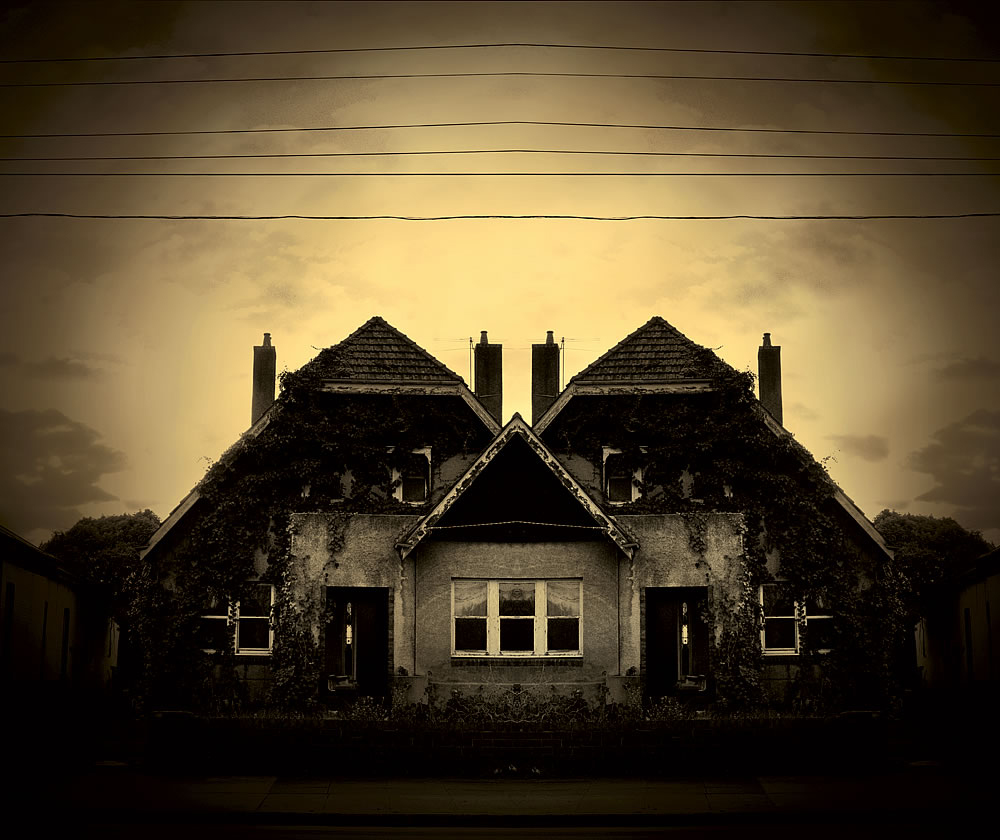
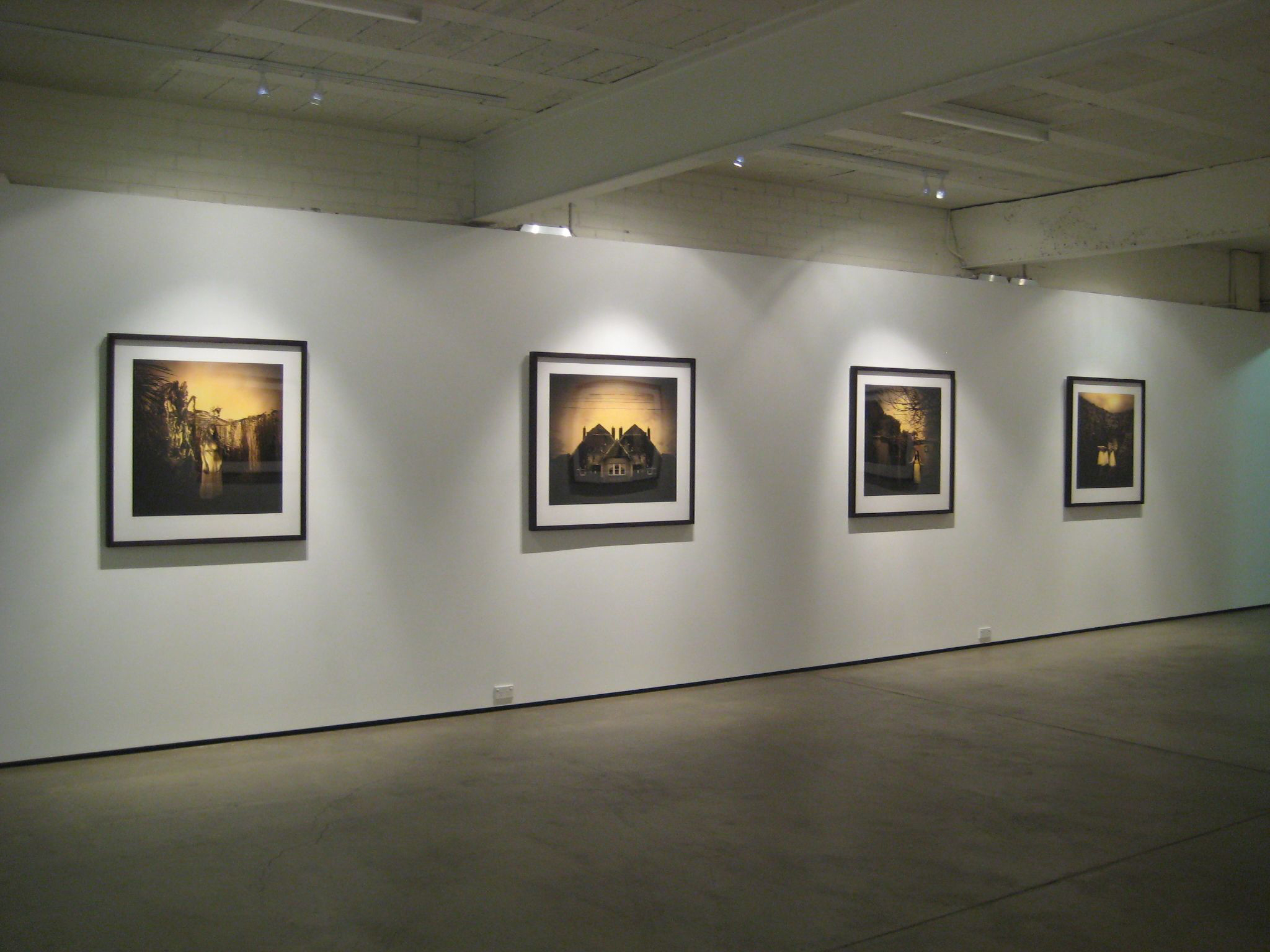
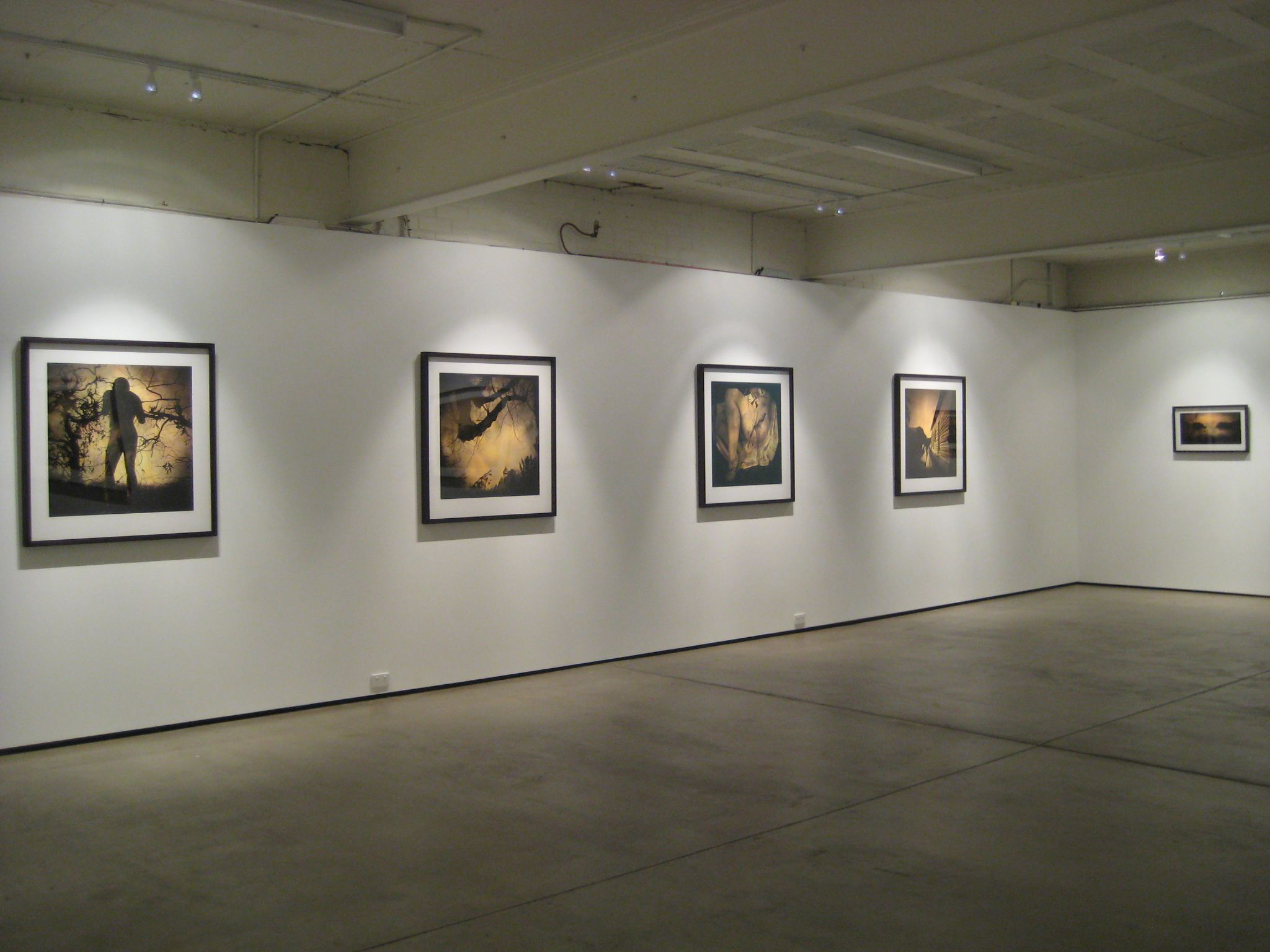
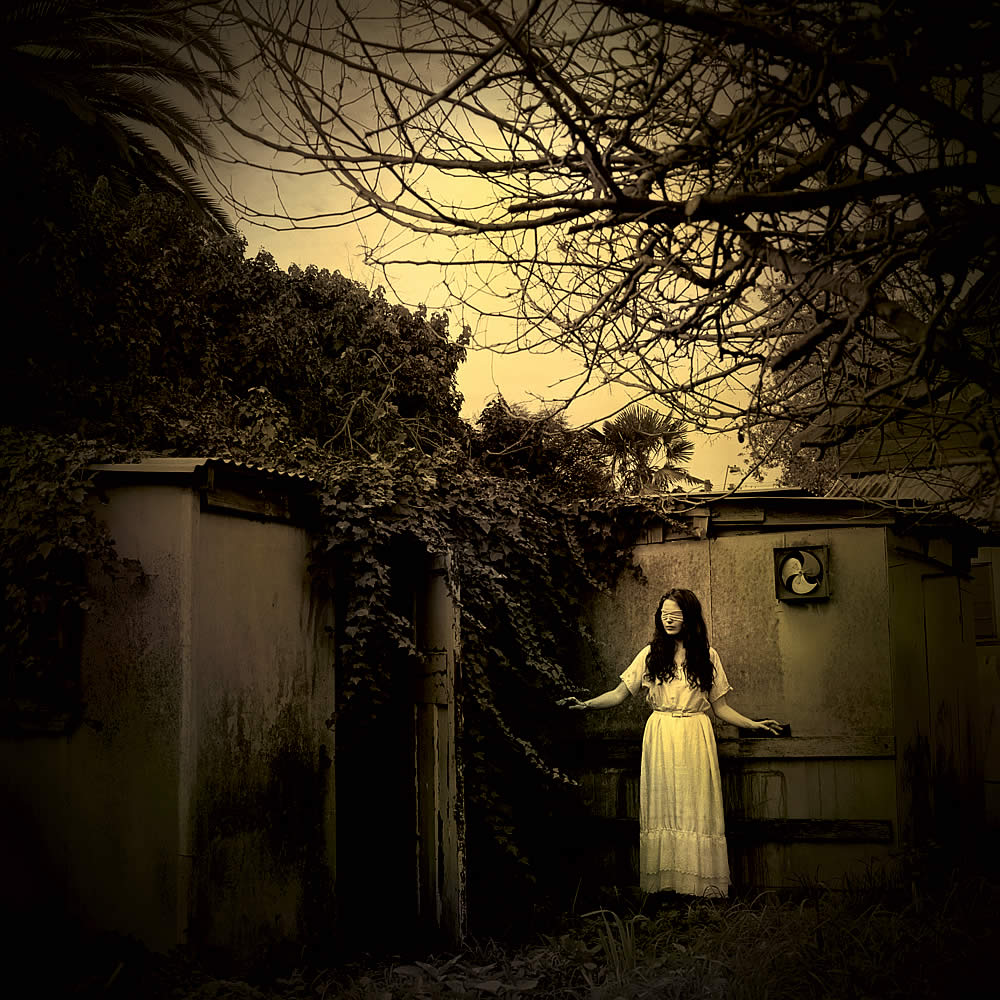
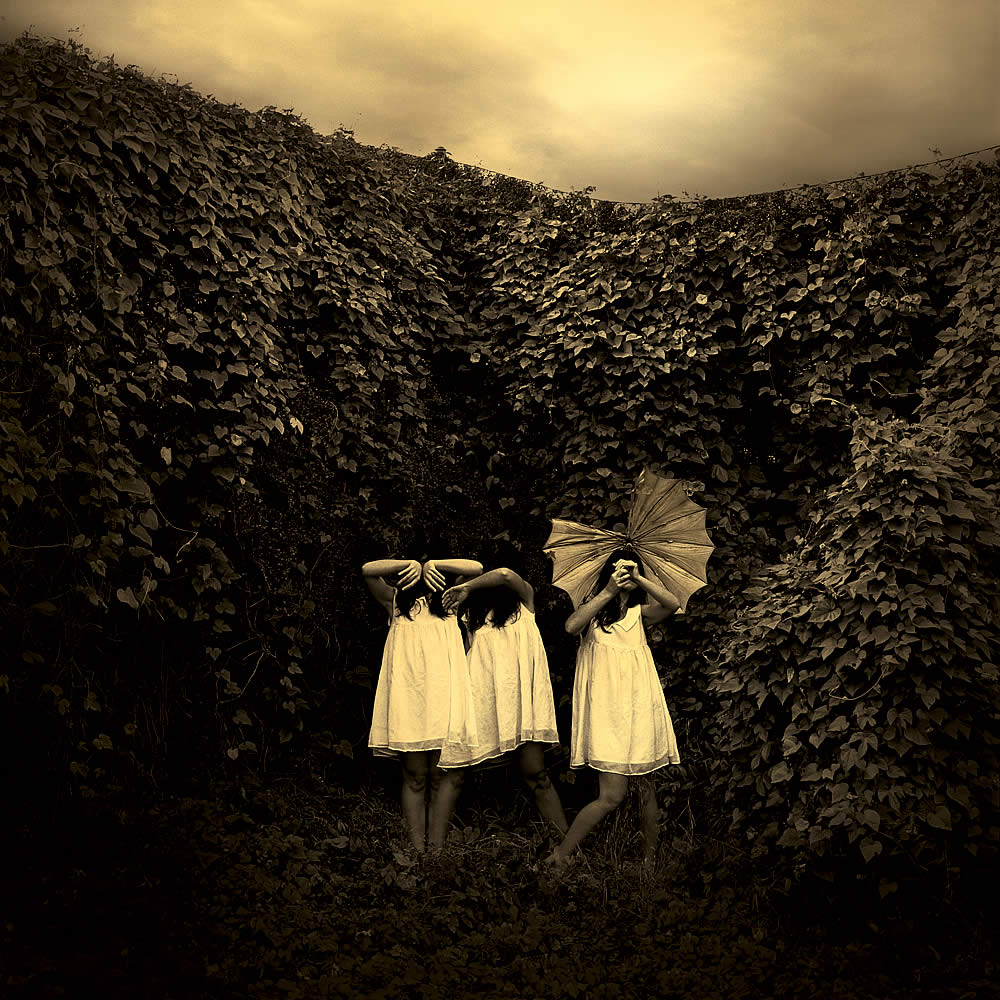
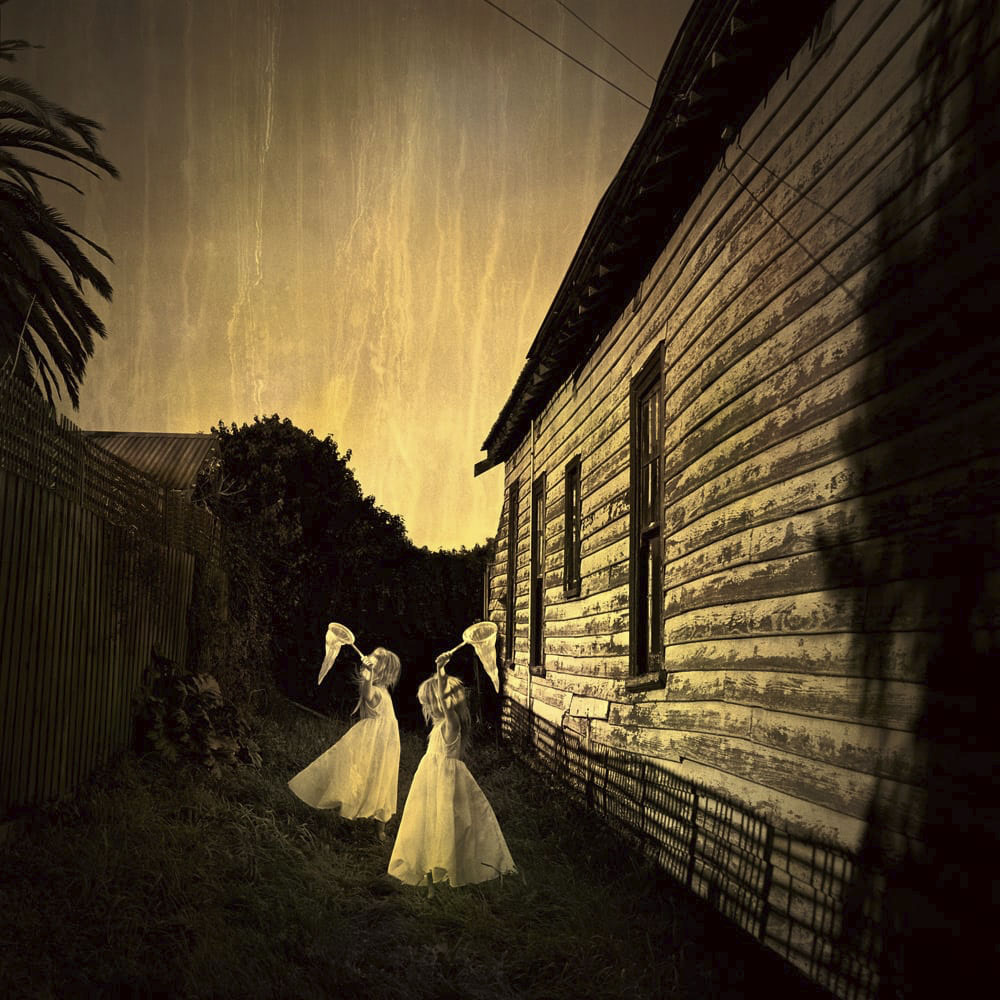
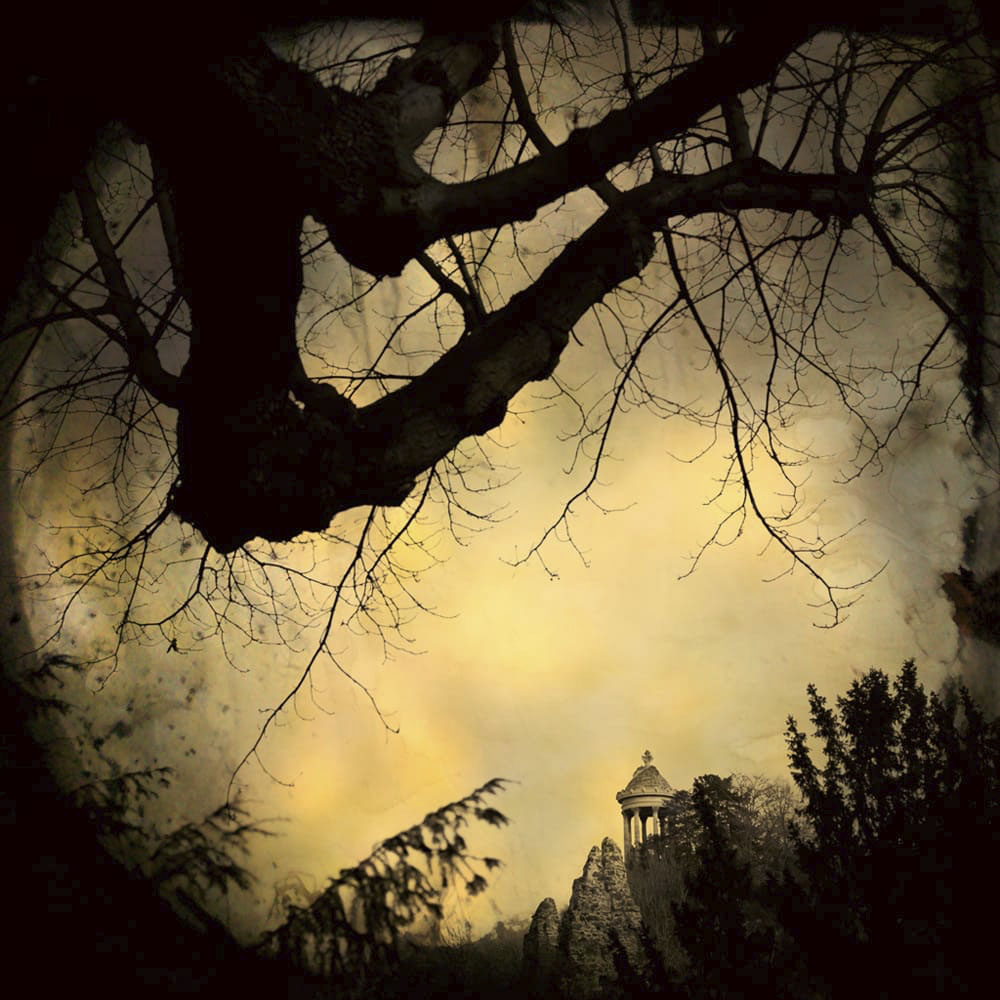
![E. J. Bellocq (American, 1873-1949) 'Untitled [prostitute of Storyville, New Orleans]' 1912](https://artblart.com/wp-content/uploads/2009/09/bellocq_1912_g.jpg "E. J. Bellocq (American, 1873-1949) 'Untitled [prostitute of Storyville, New Orleans]' 1912")
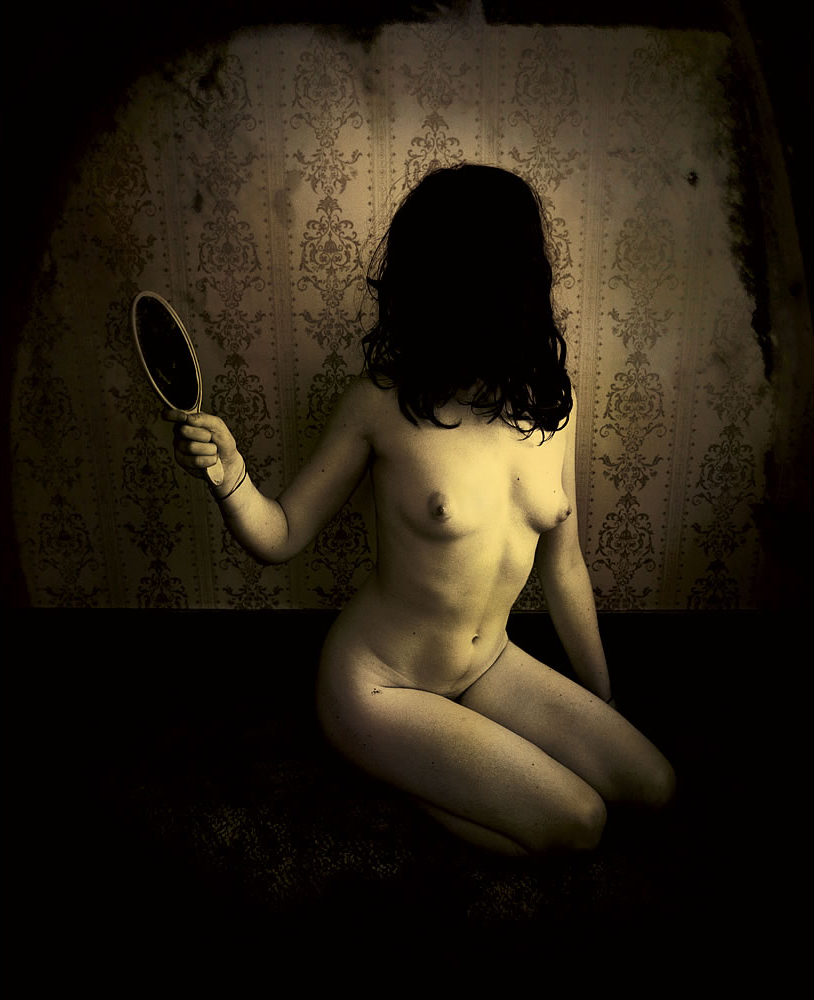
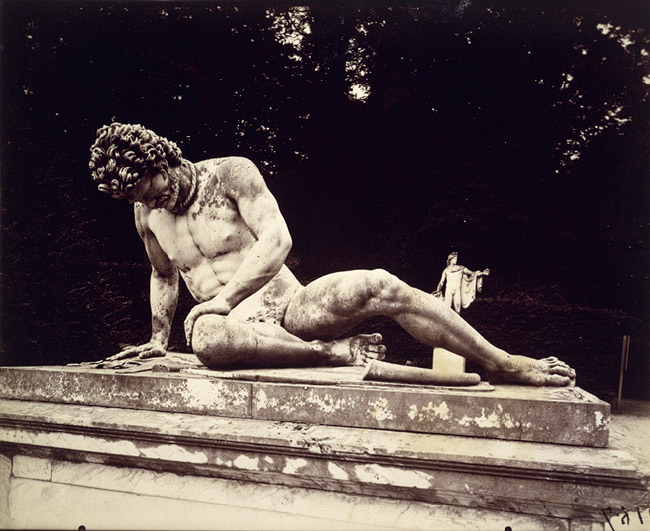
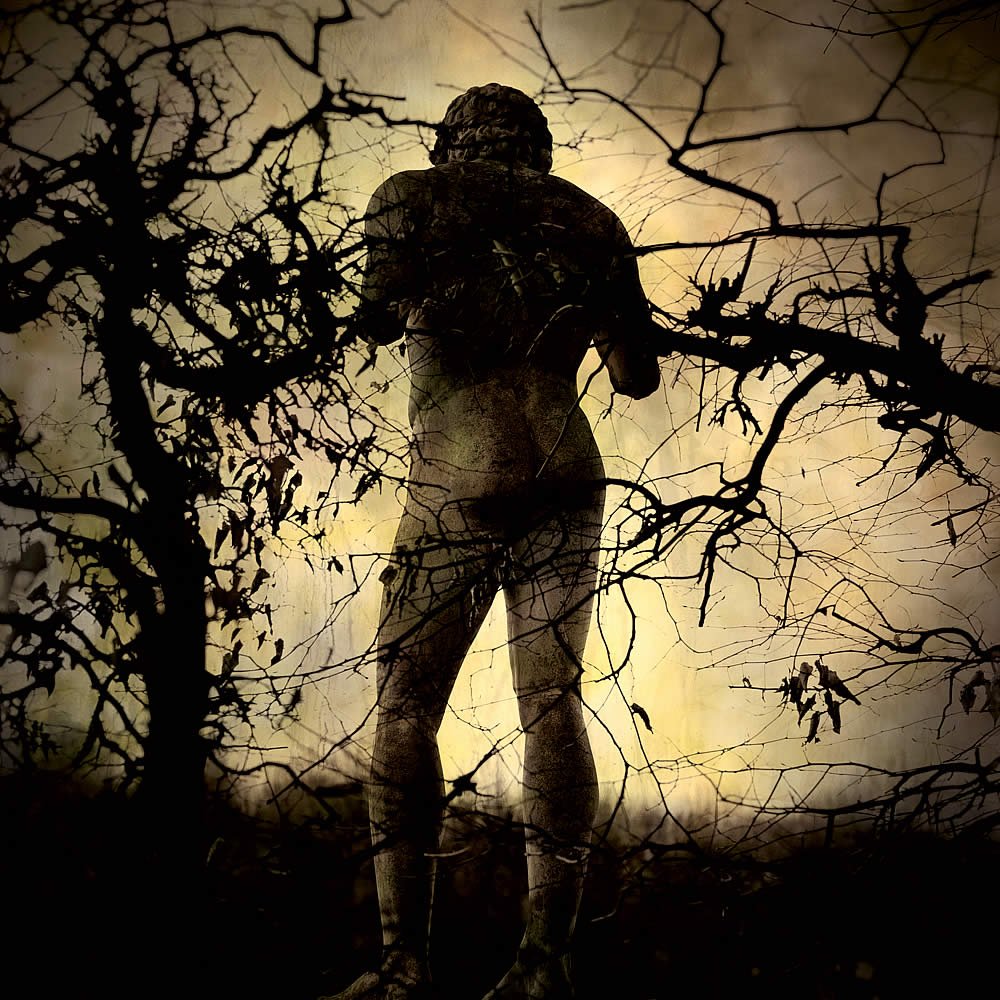
![Hill & Adamson (Scottish, active 1843-1848) '[Lane and Peddie as Afghans]' 1843 from the exhibition 'In Focus: Making A Scene' at The J. Paul Getty Museum, Los Angeles, June - Oct, 2009](https://artblart.com/wp-content/uploads/2009/09/hill-and-adamson-lane-and-peddie-as-afghans-web.jpg "Hill & Adamson (Scottish, active 1843-1848) '[Lane and Peddie as Afghans]' 1843 from the exhibition 'In Focus: Making A Scene' at The J. Paul Getty Museum, Los Angeles, June - Oct, 2009")
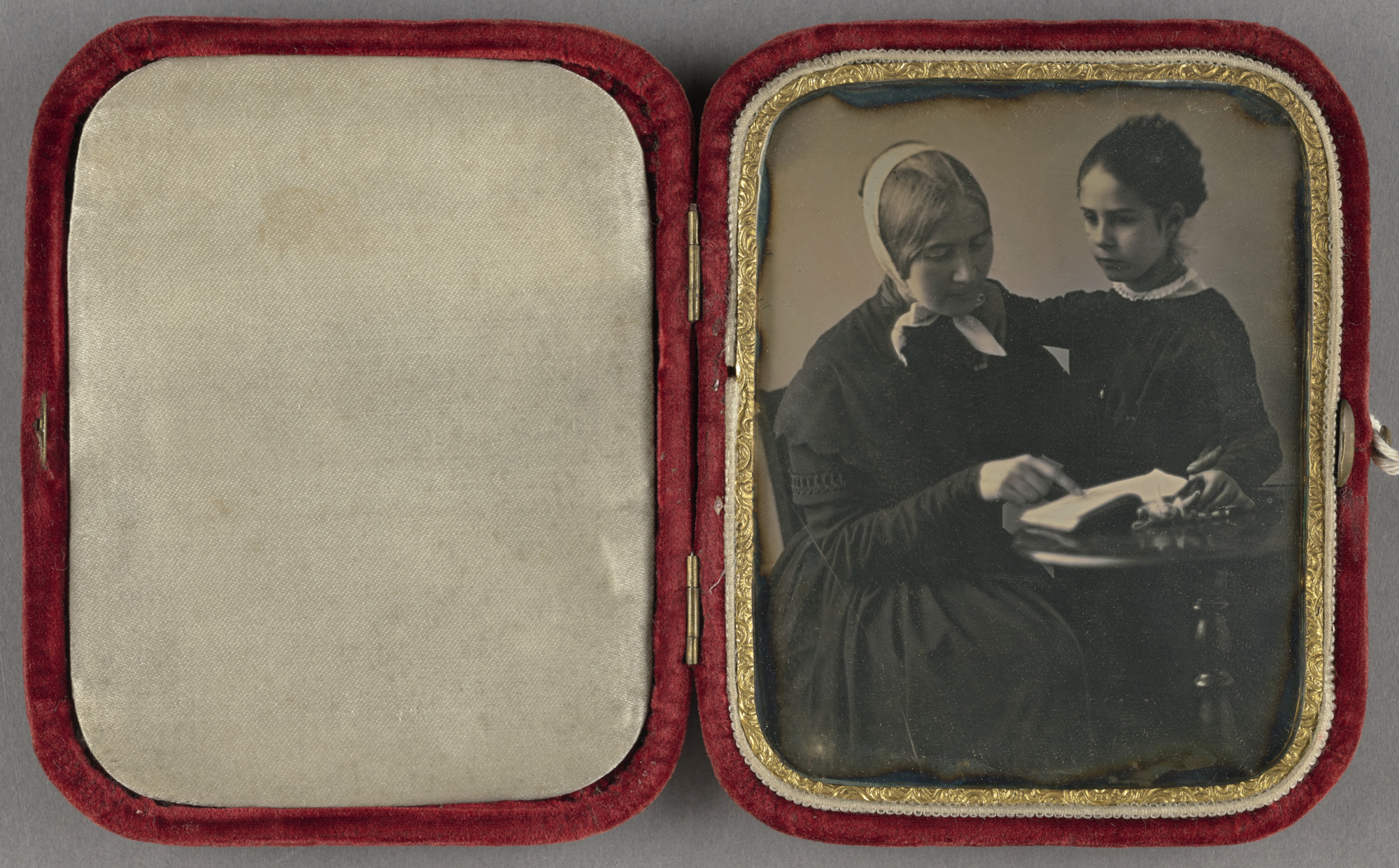


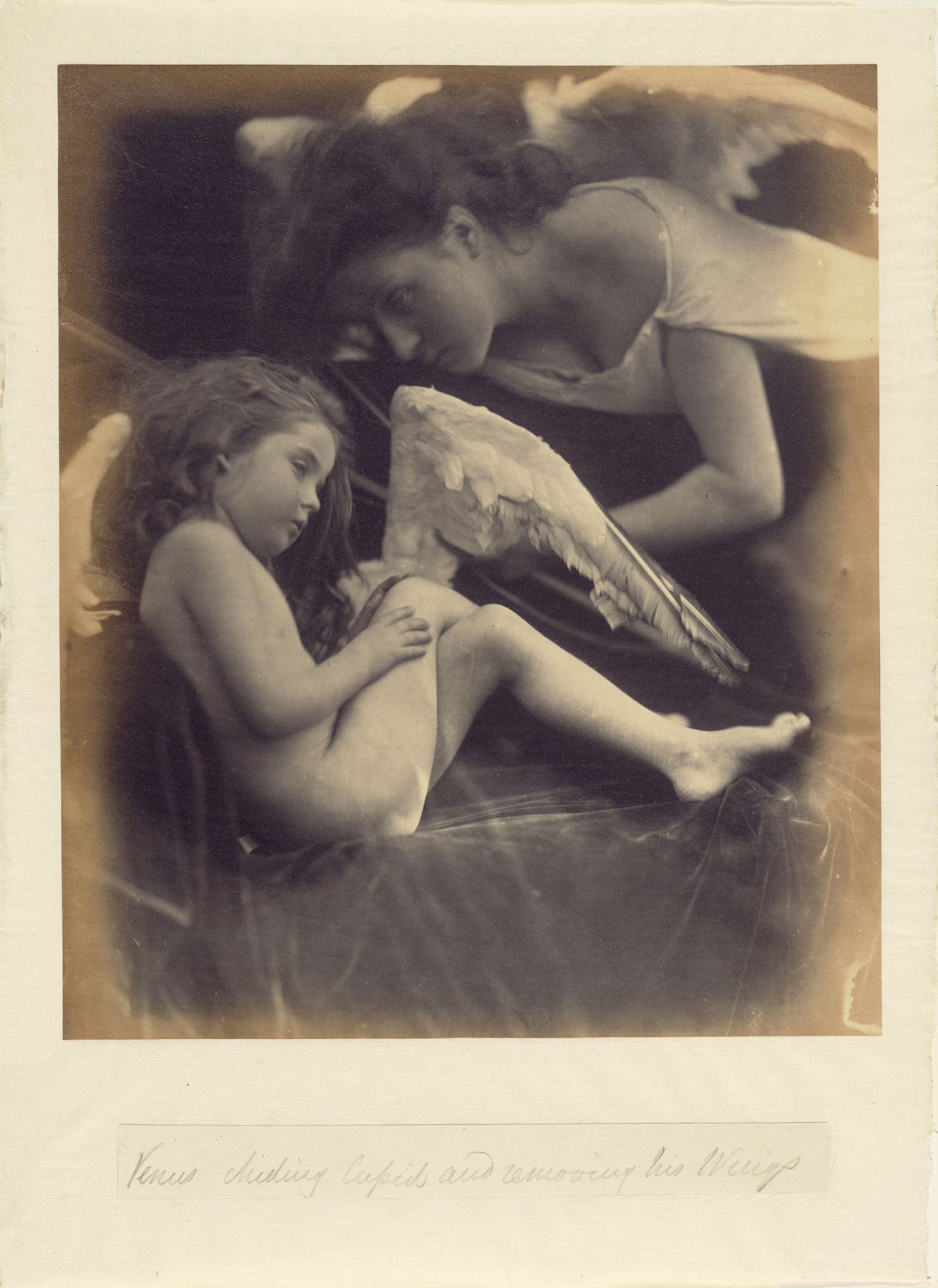
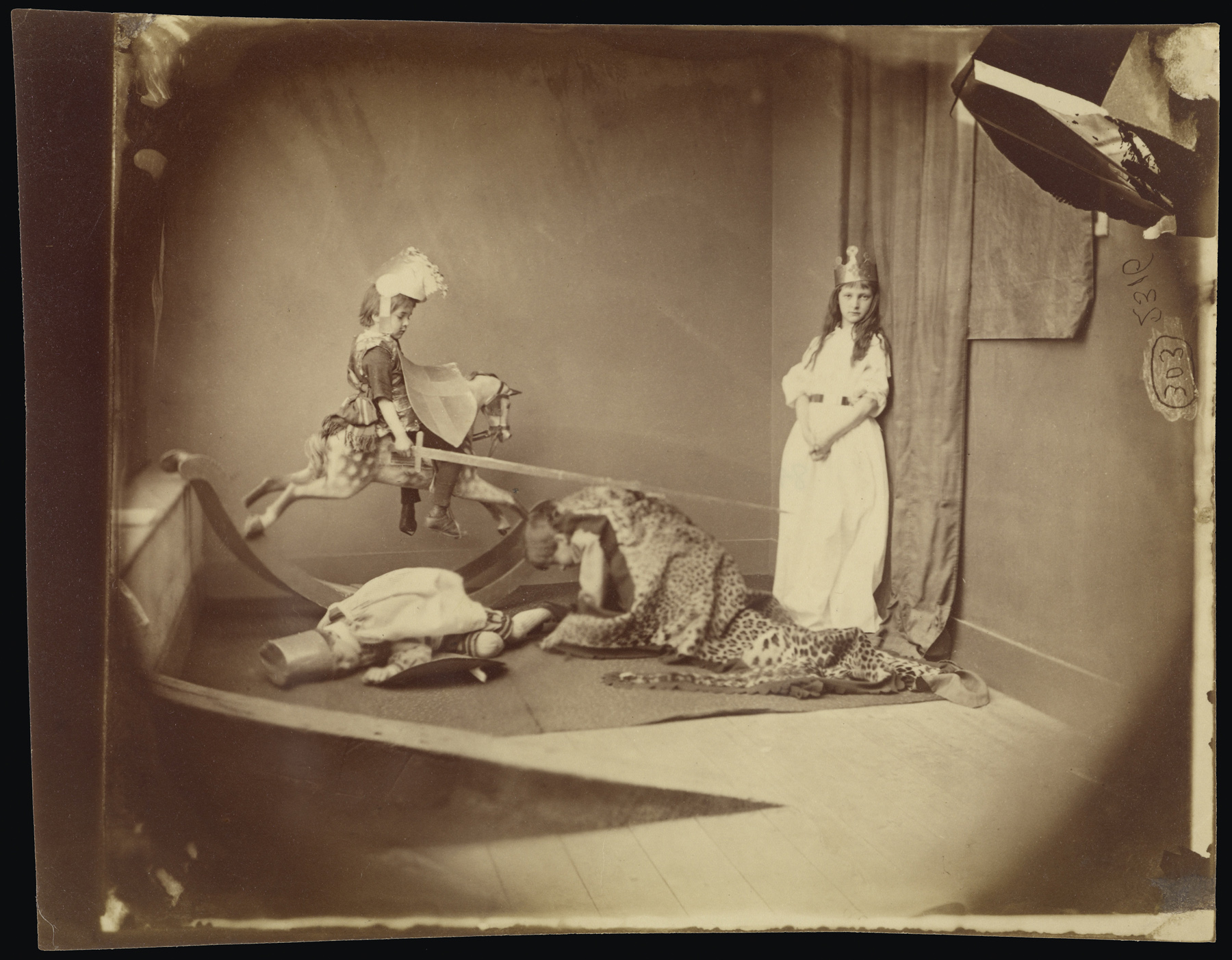
![Baron Wilhelm von Gloeden (German, 1856-1931) 'Untitled [Two Male Youths Holding Palm Fronds]' c. 1885 - 1905](https://artblart.com/wp-content/uploads/2009/09/gloeden-two-male-youths-holding-palm-fronds-web.jpg "Baron Wilhelm von Gloeden (German, 1856-1931) 'Untitled [Two Male Youths Holding Palm Fronds]' c. 1885 - 1905")
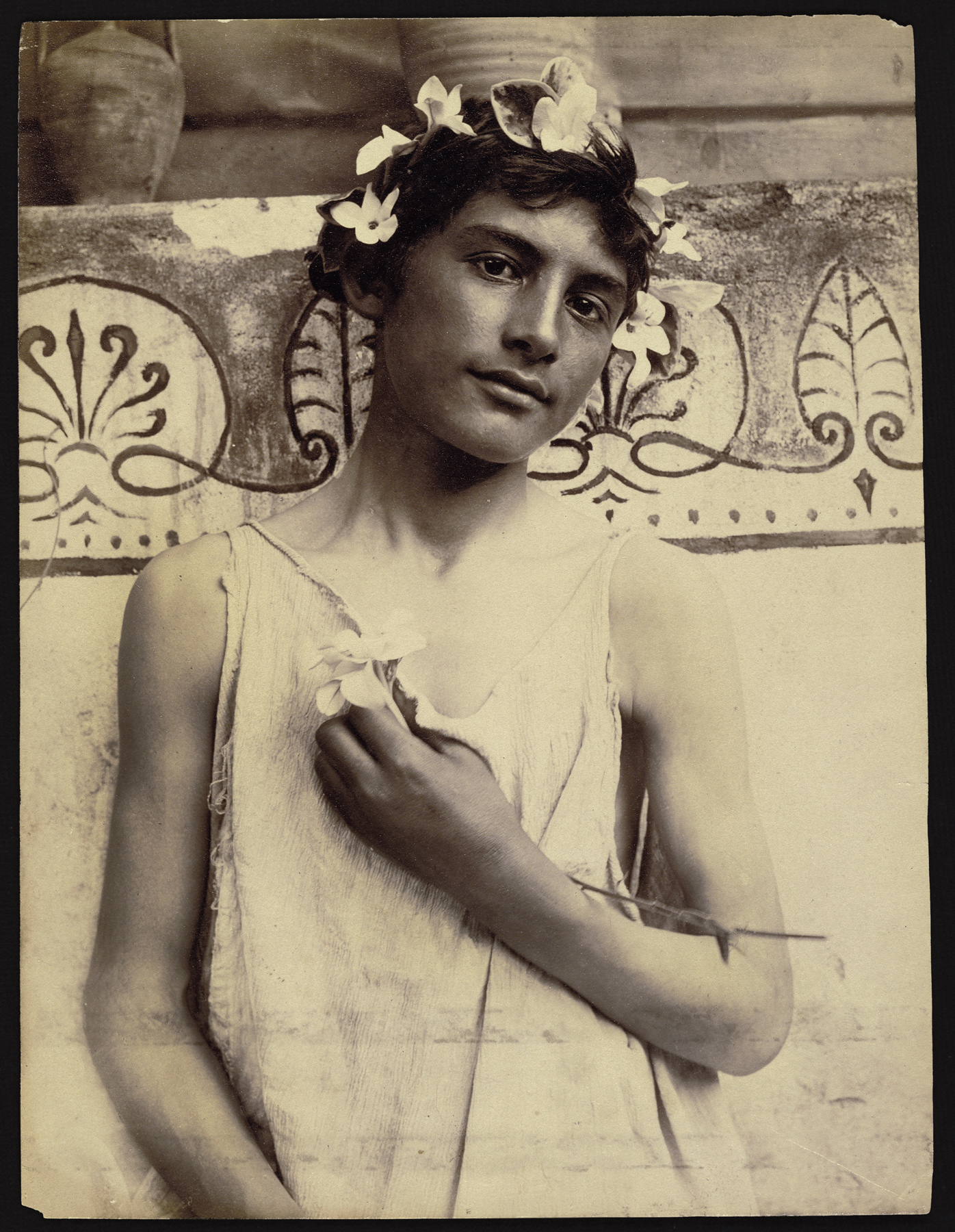
![Guido Rey (Italian, 1861-1935) '[The Letter]' 1908](https://artblart.com/wp-content/uploads/2009/09/guido-rey-the-letter-1908-web.jpg "Guido Rey (Italian, 1861-1935) '[The Letter]' 1908")
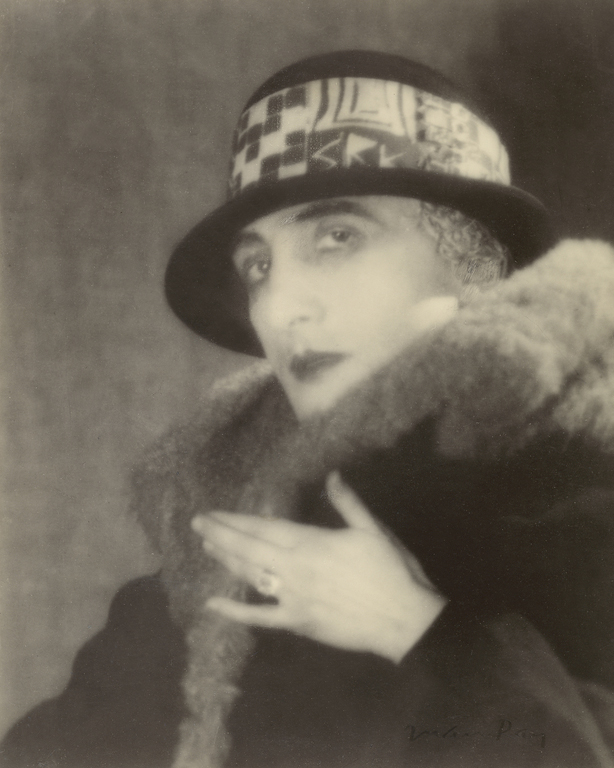

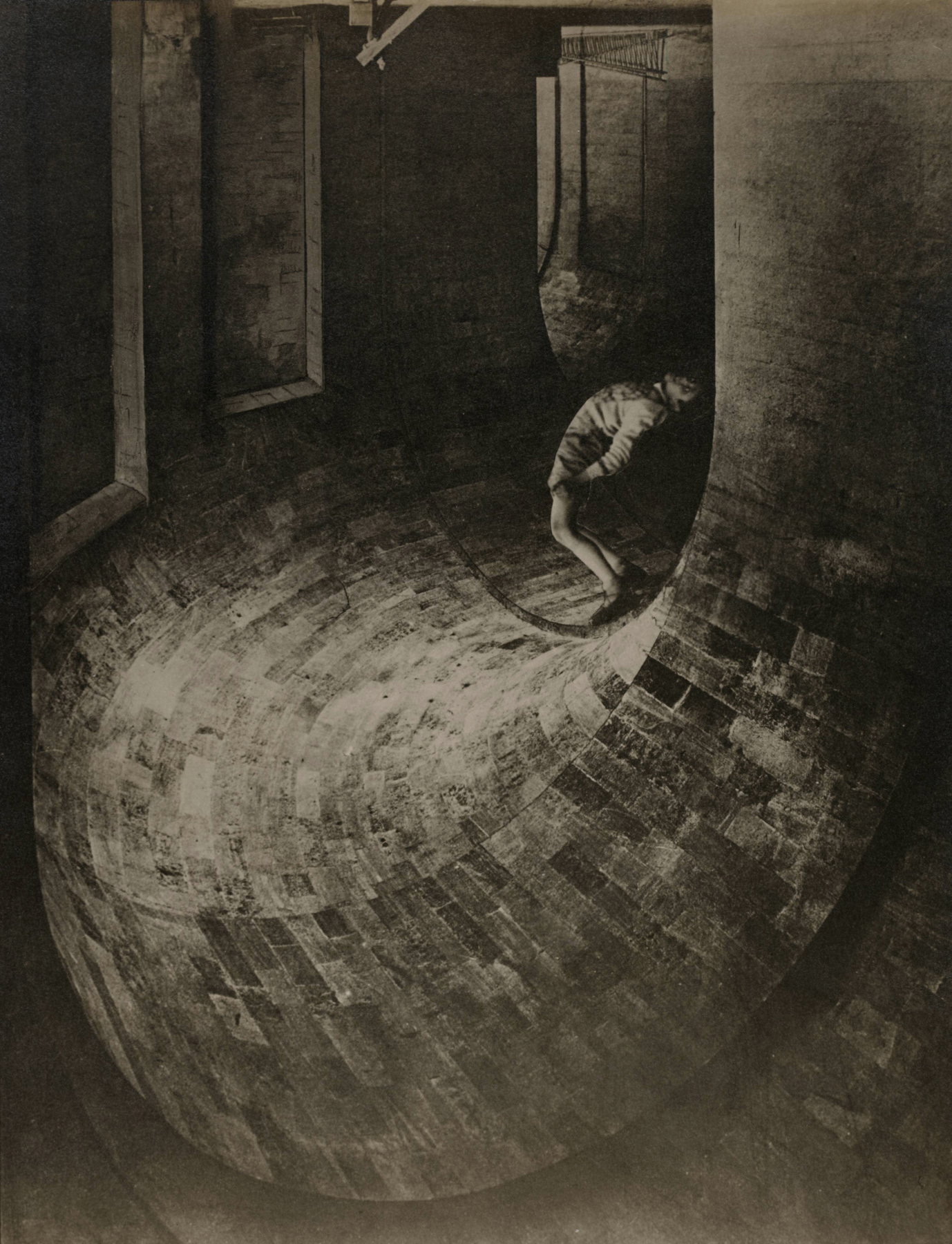
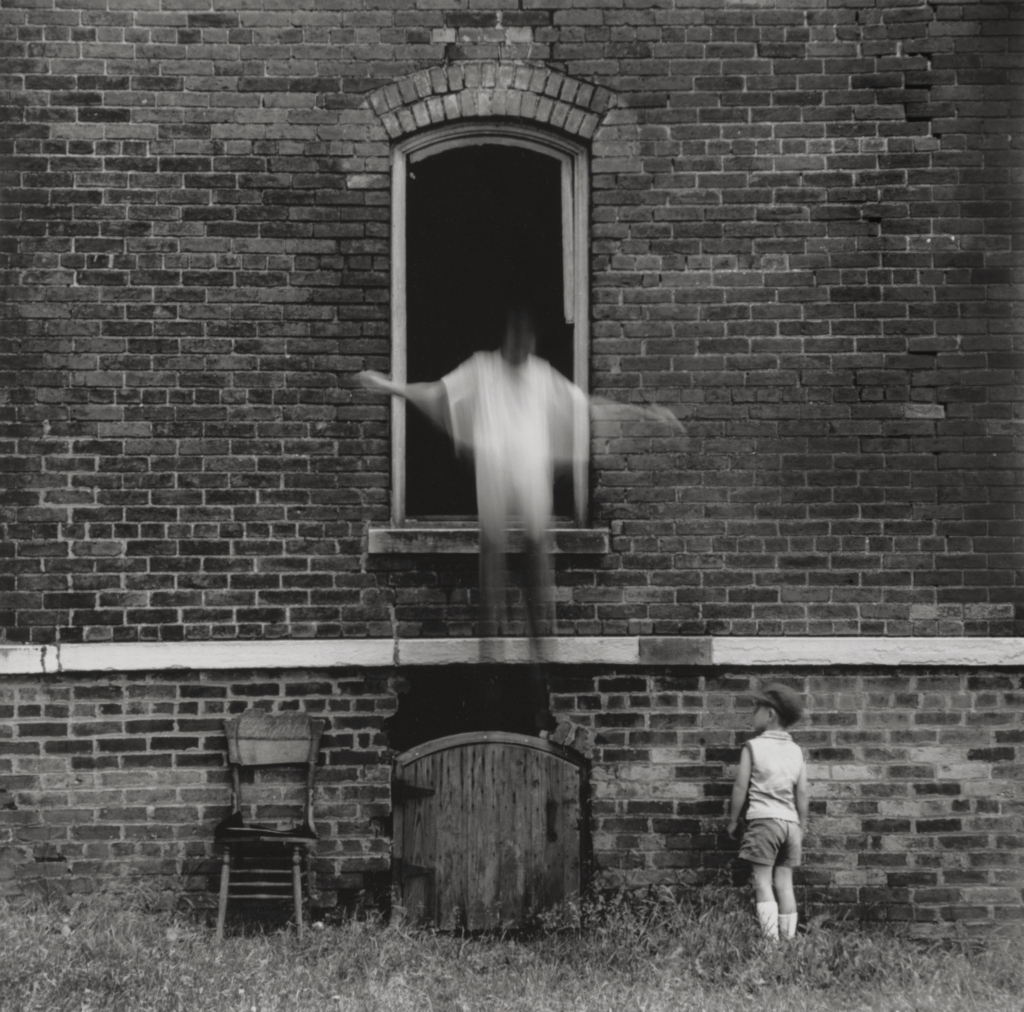
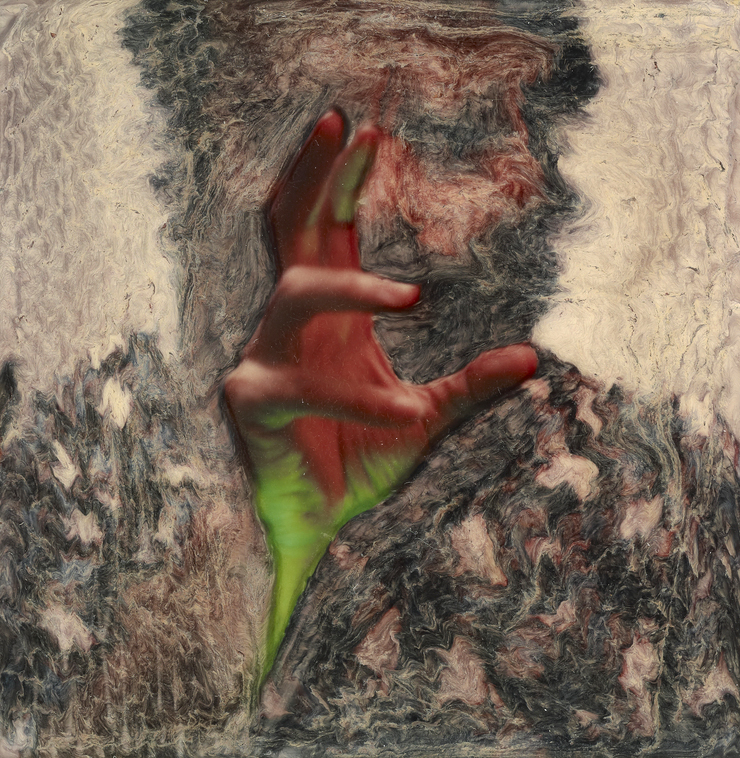
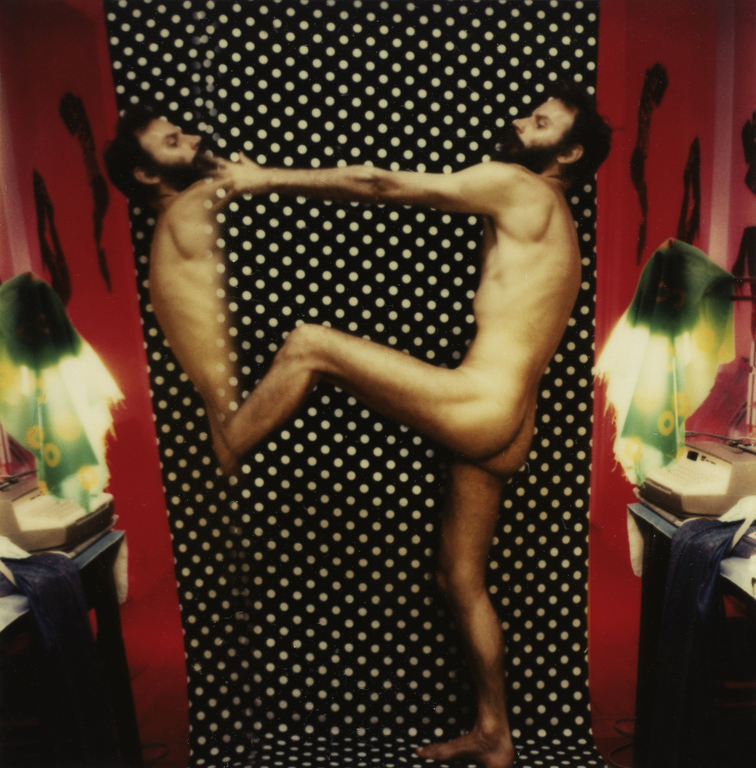

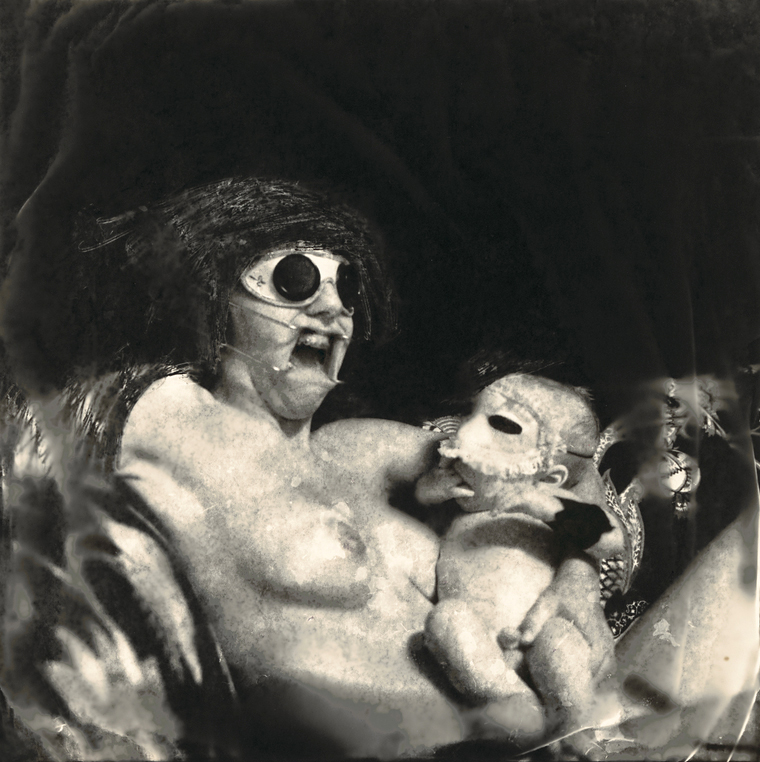
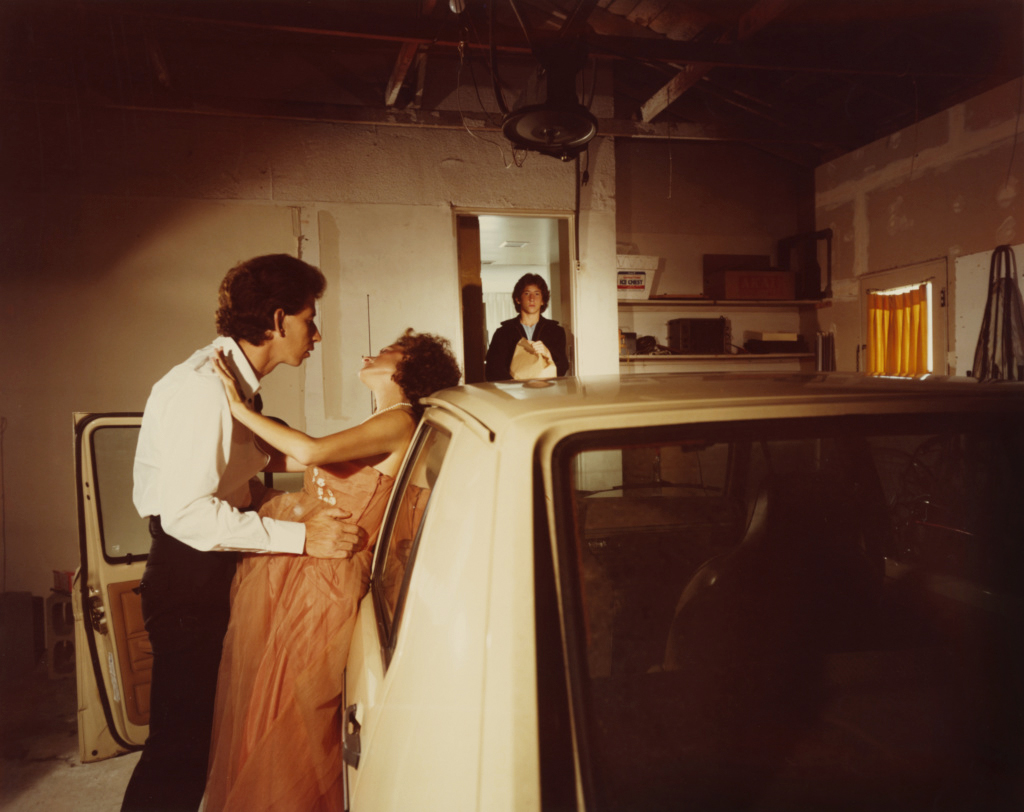

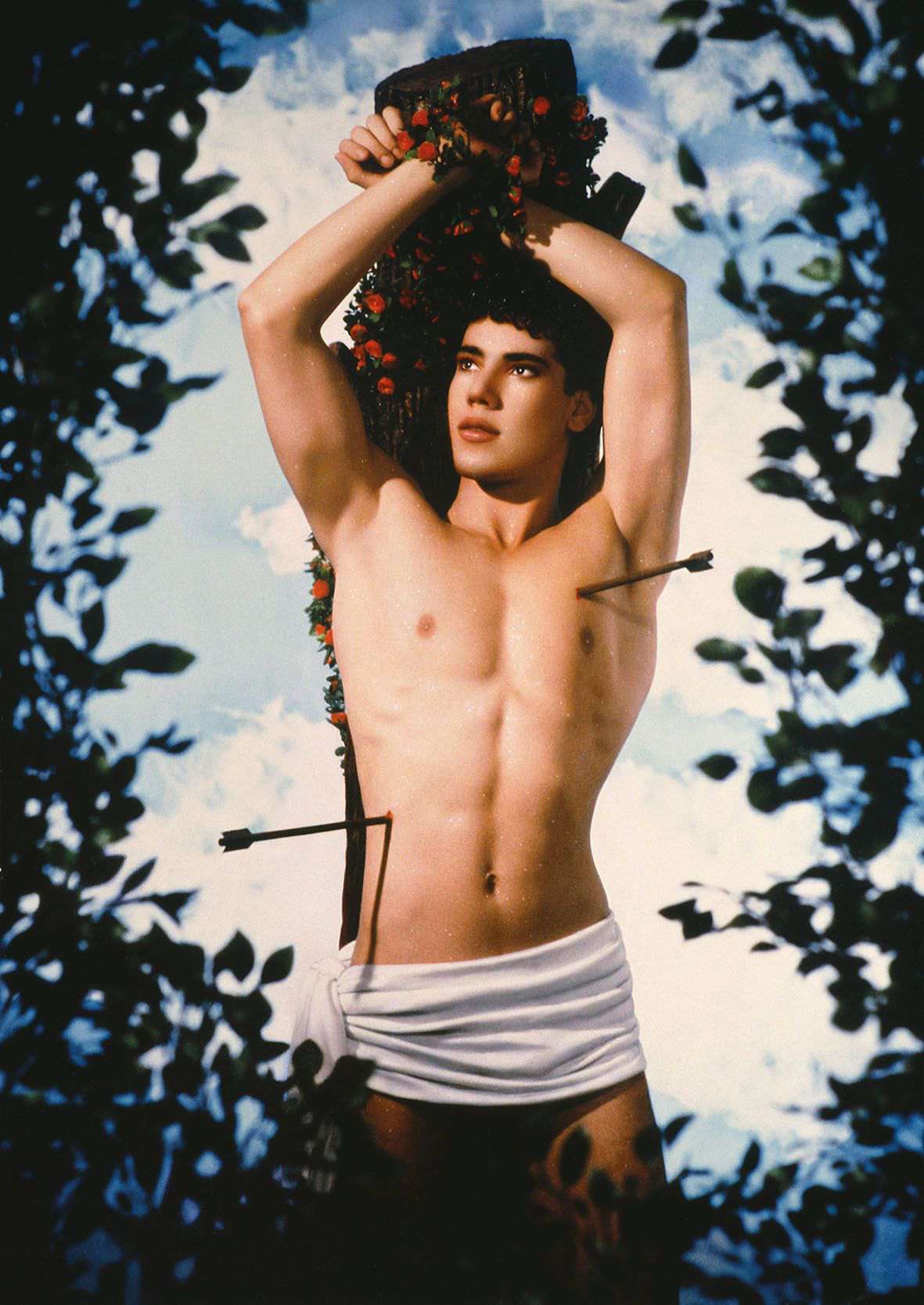

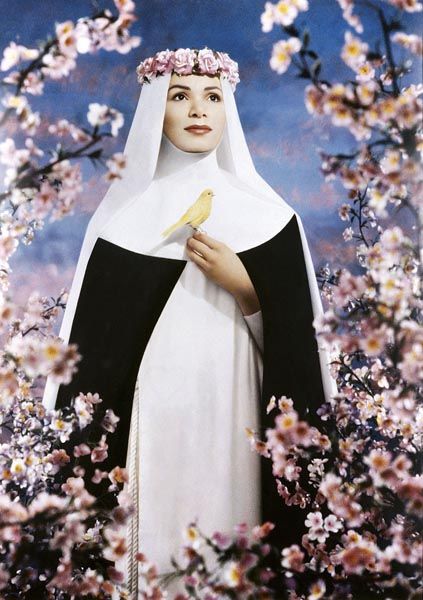


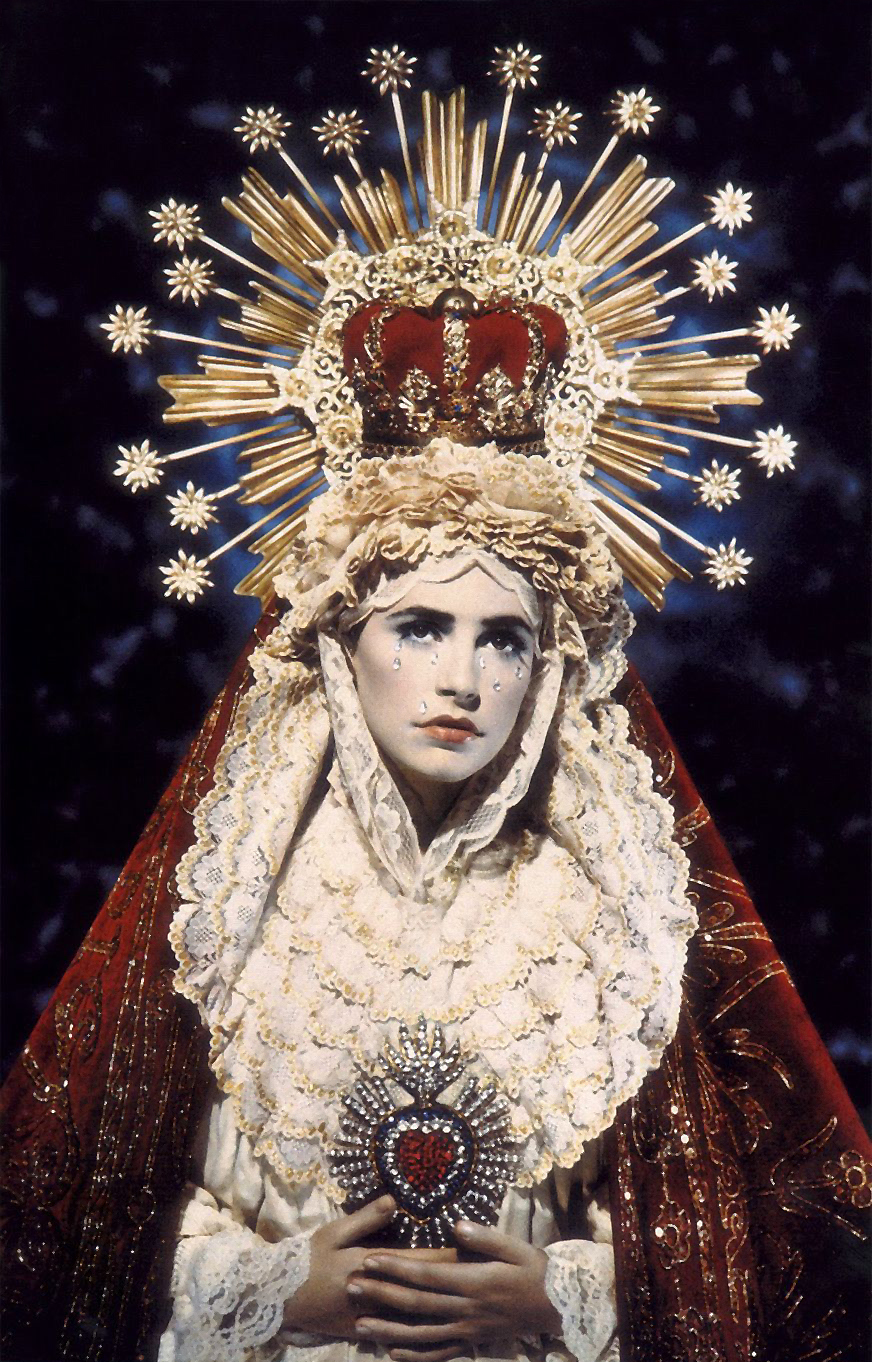
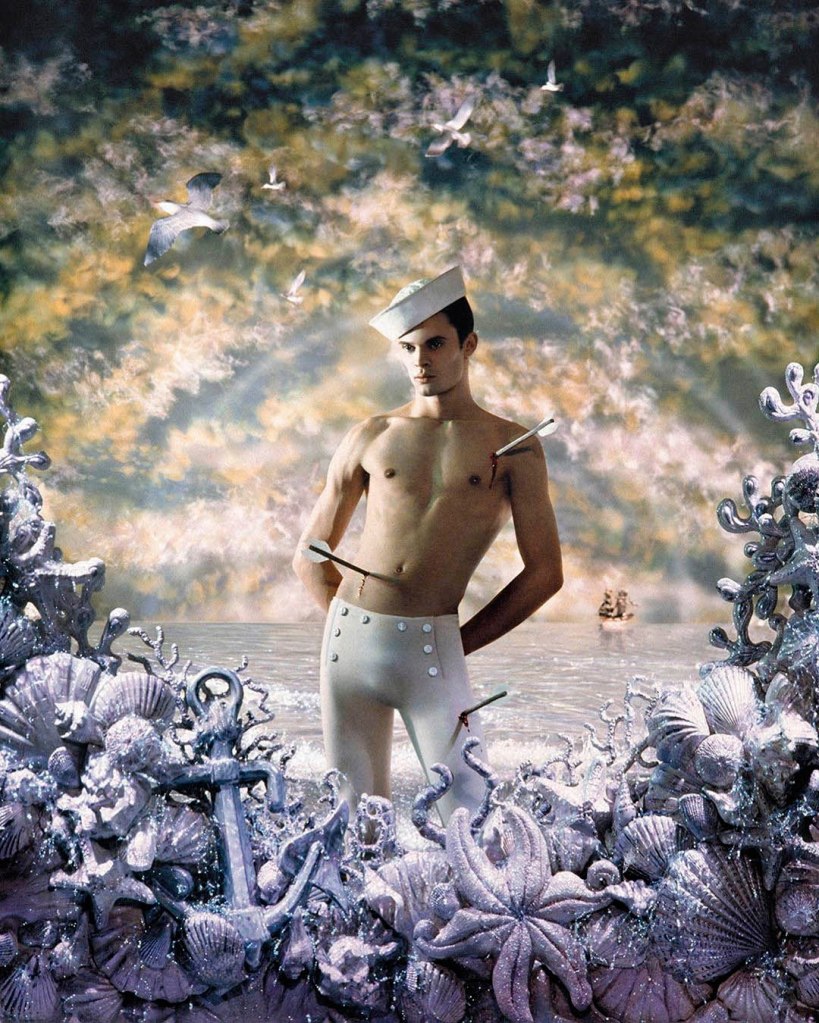
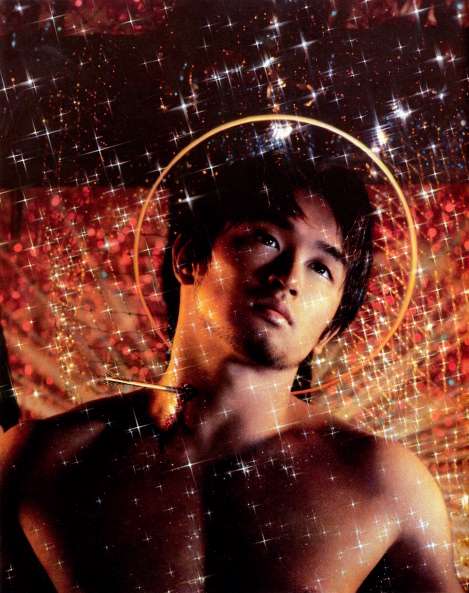

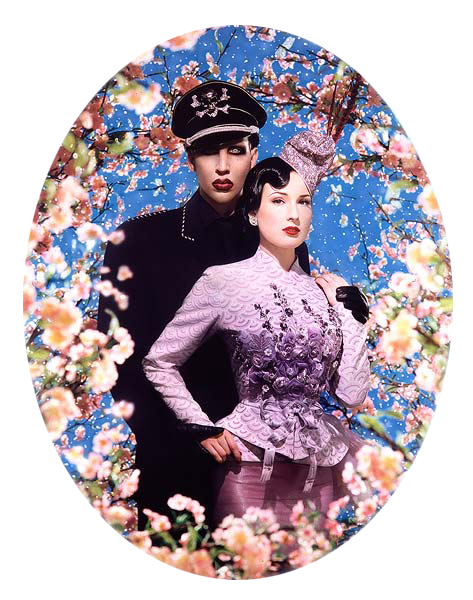


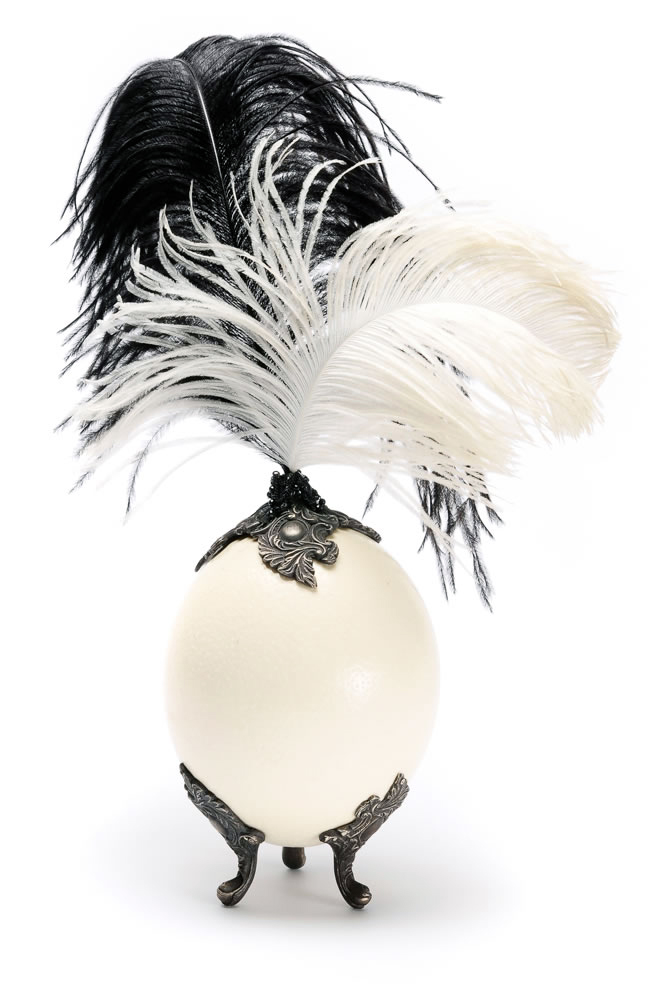

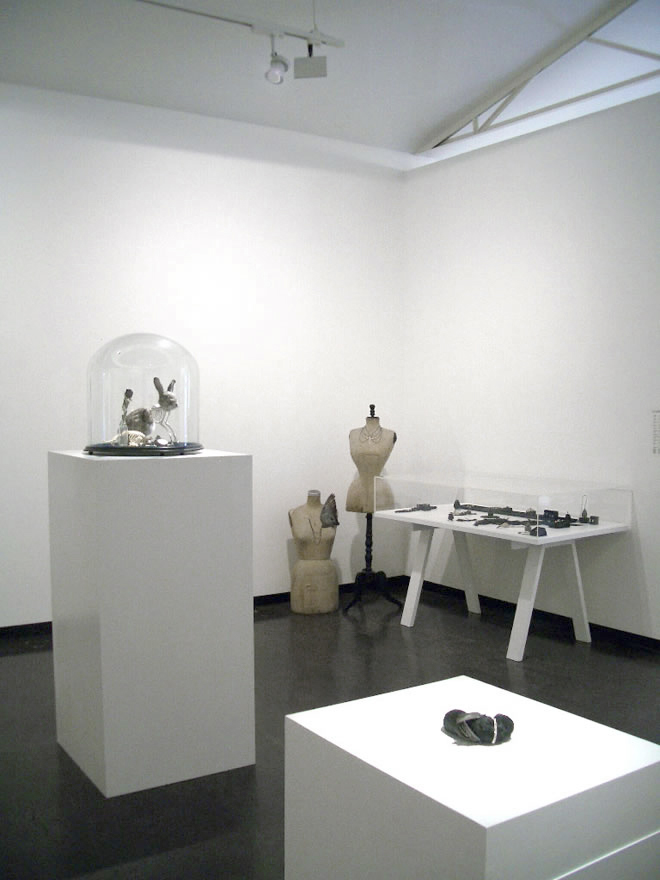


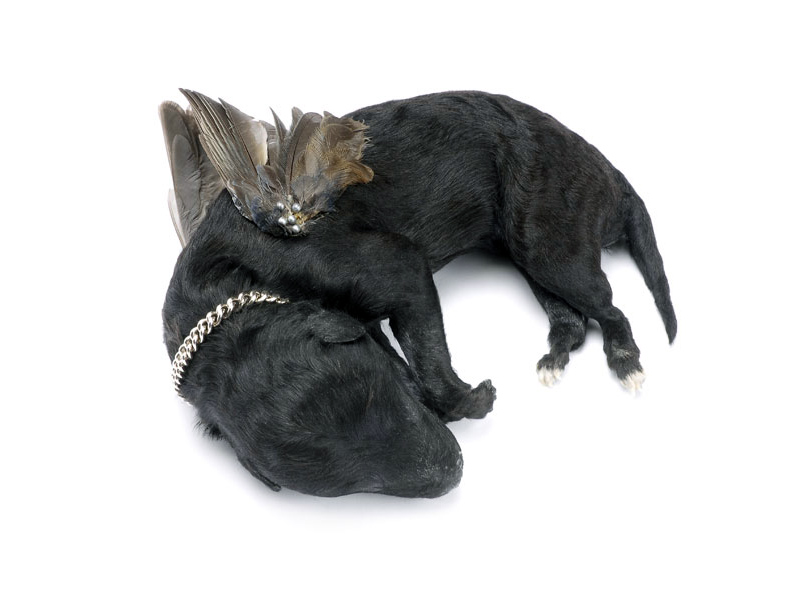


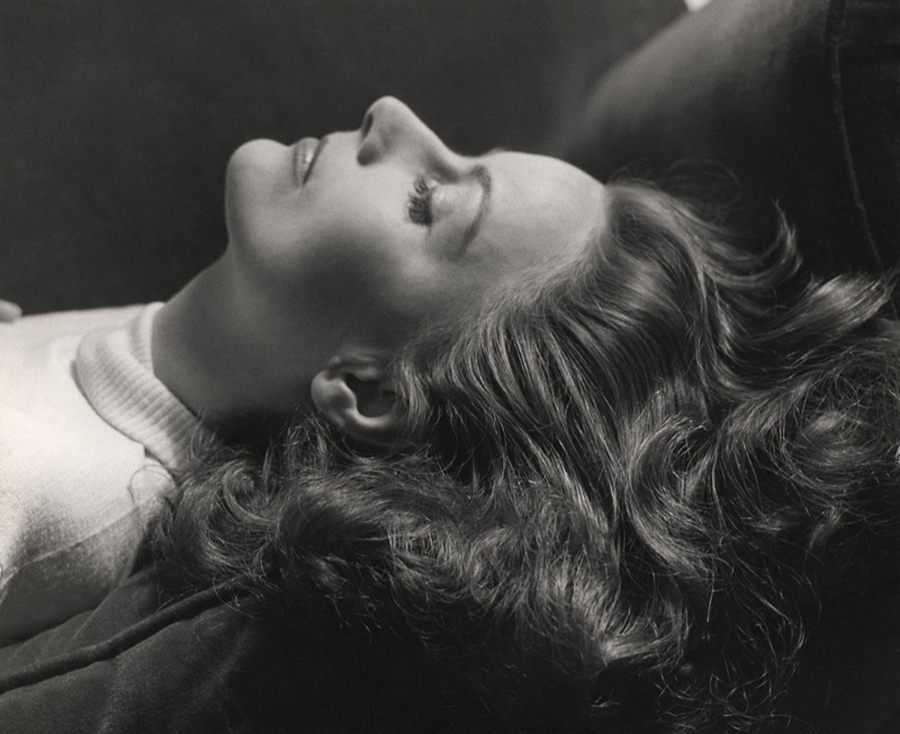

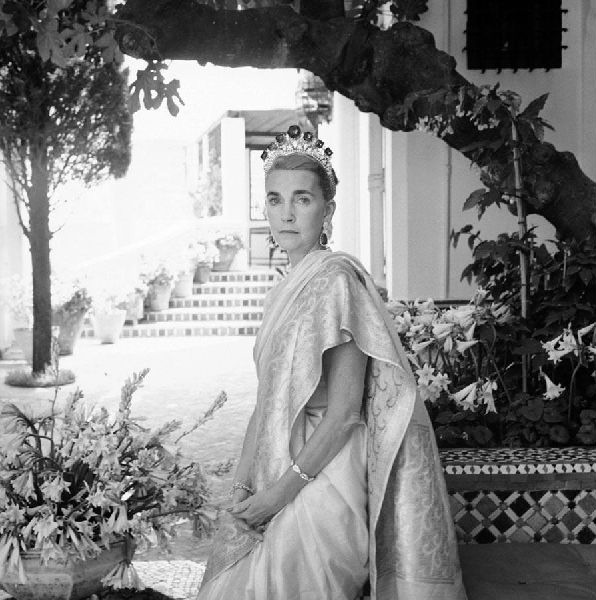
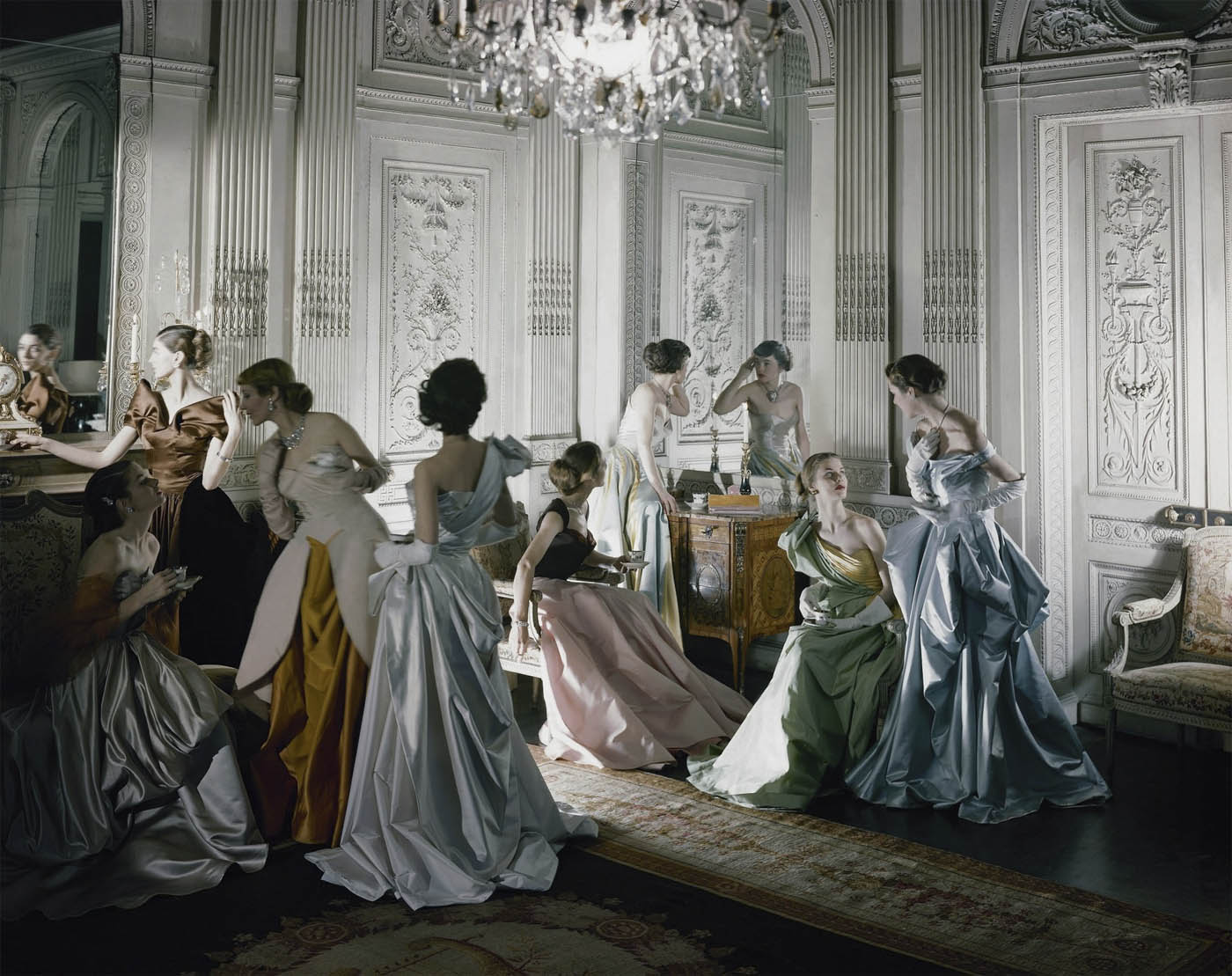
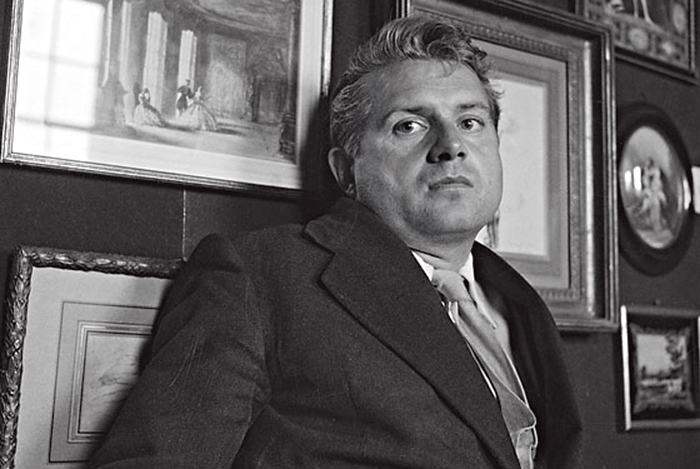
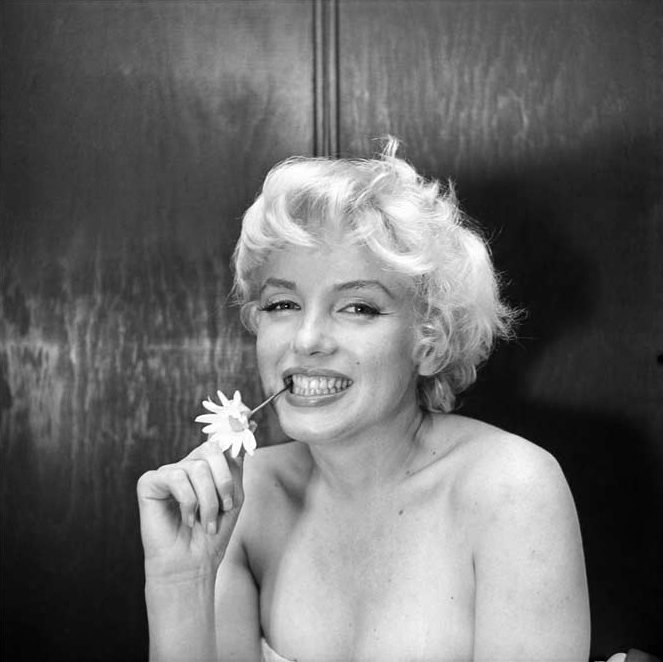

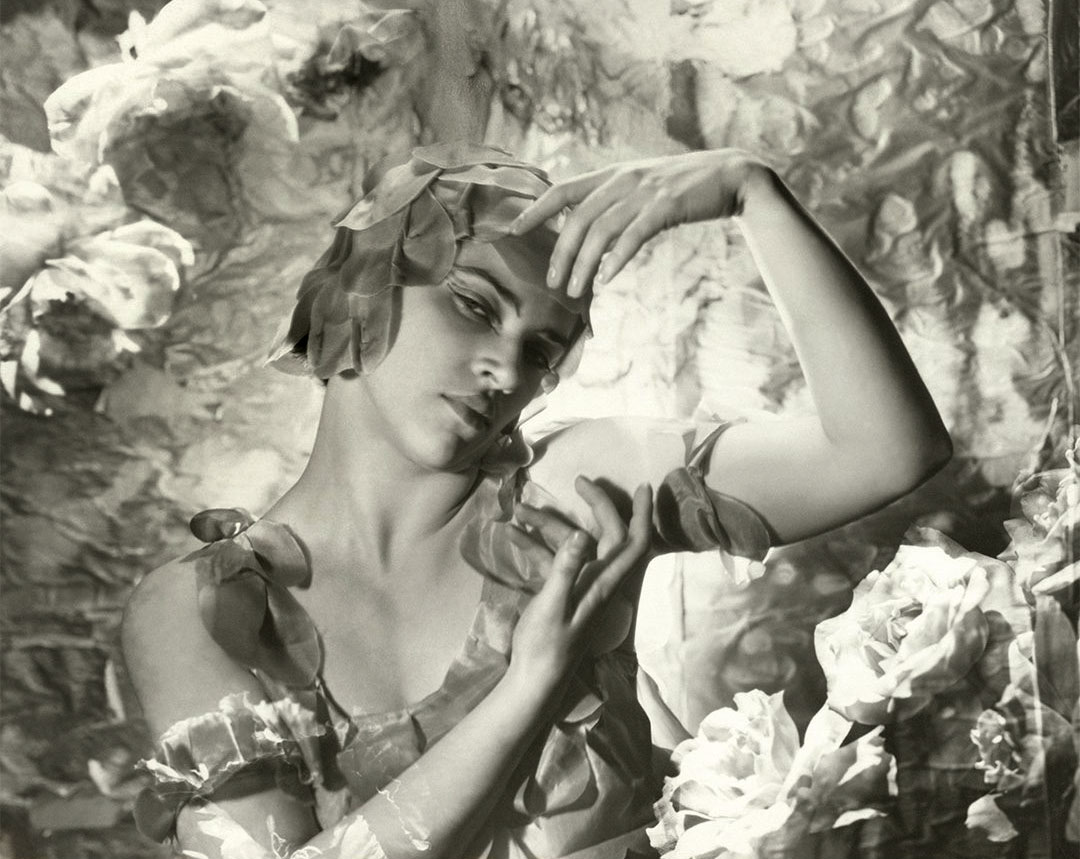



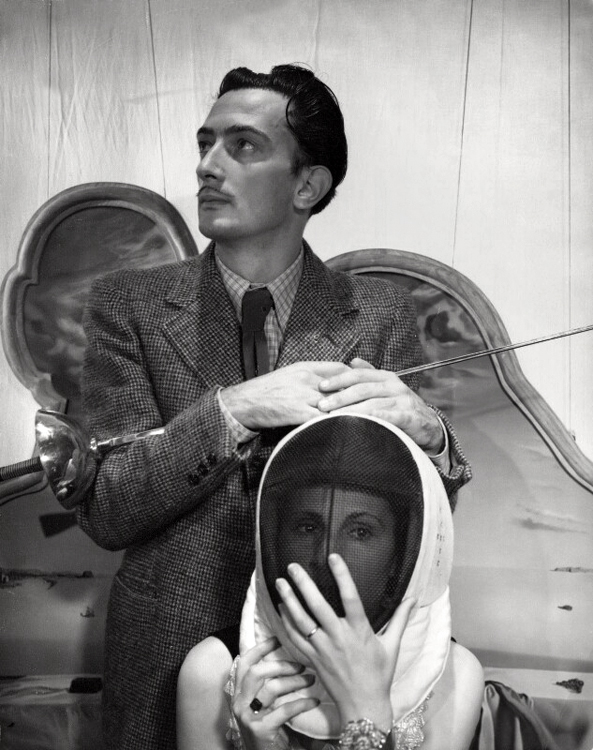




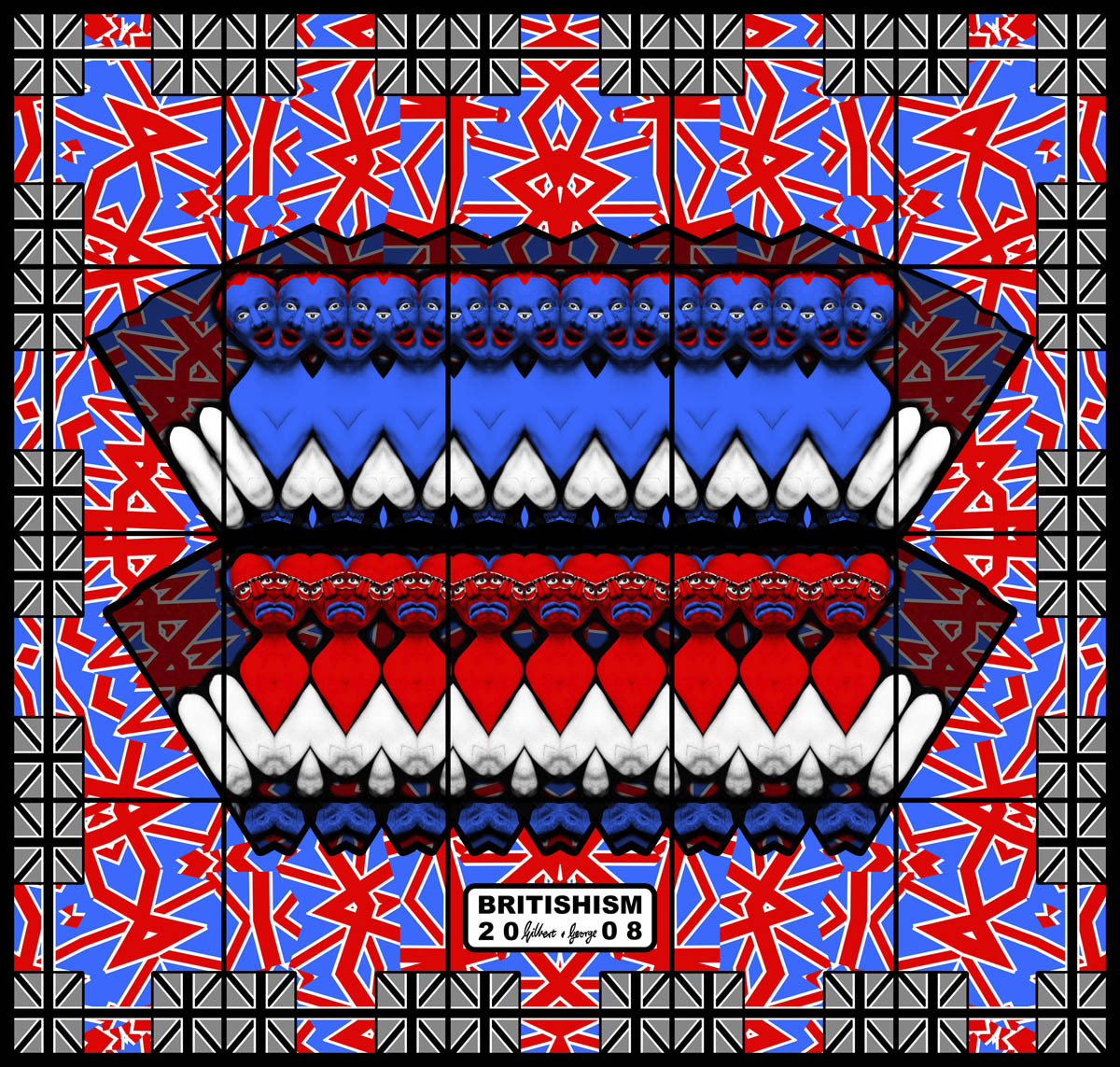
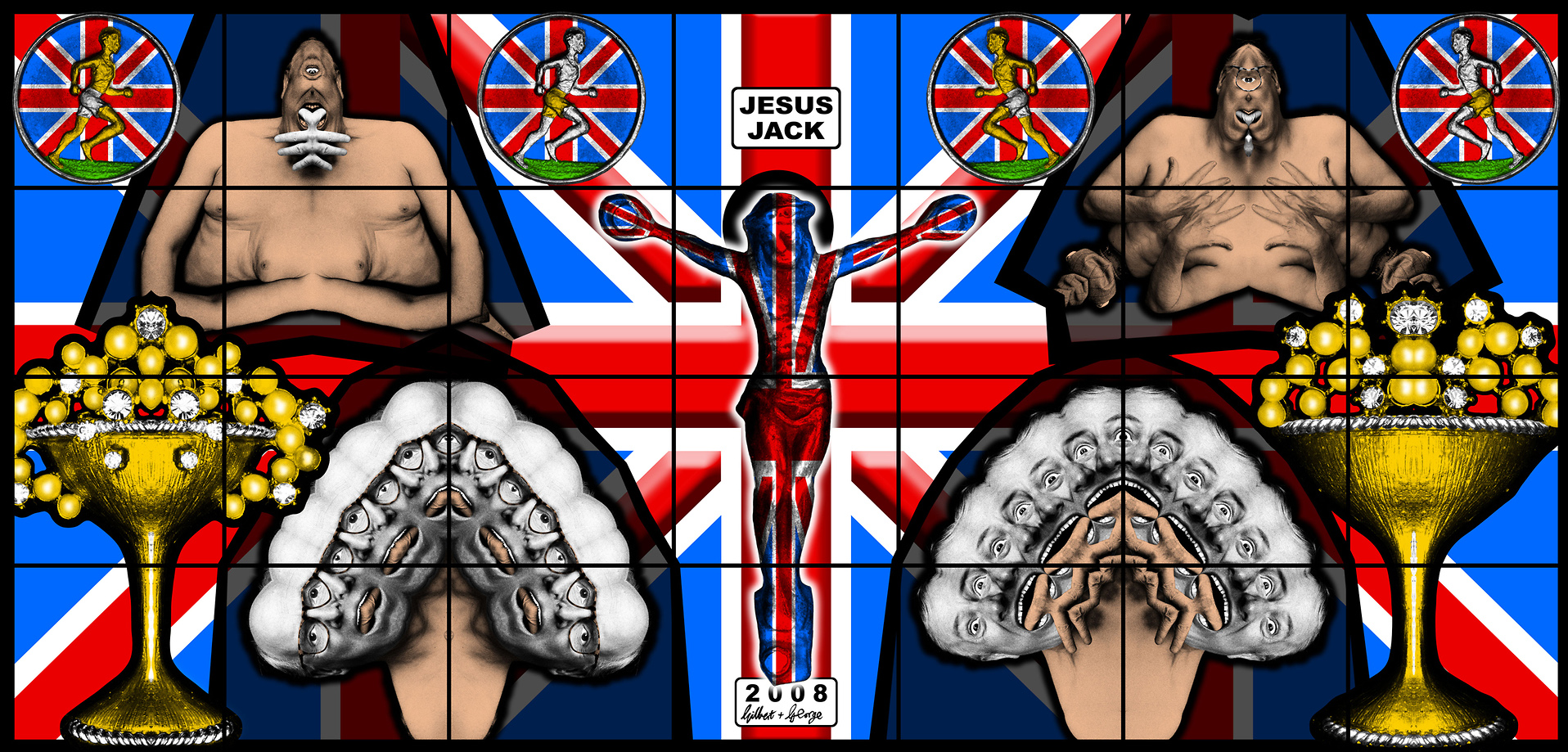
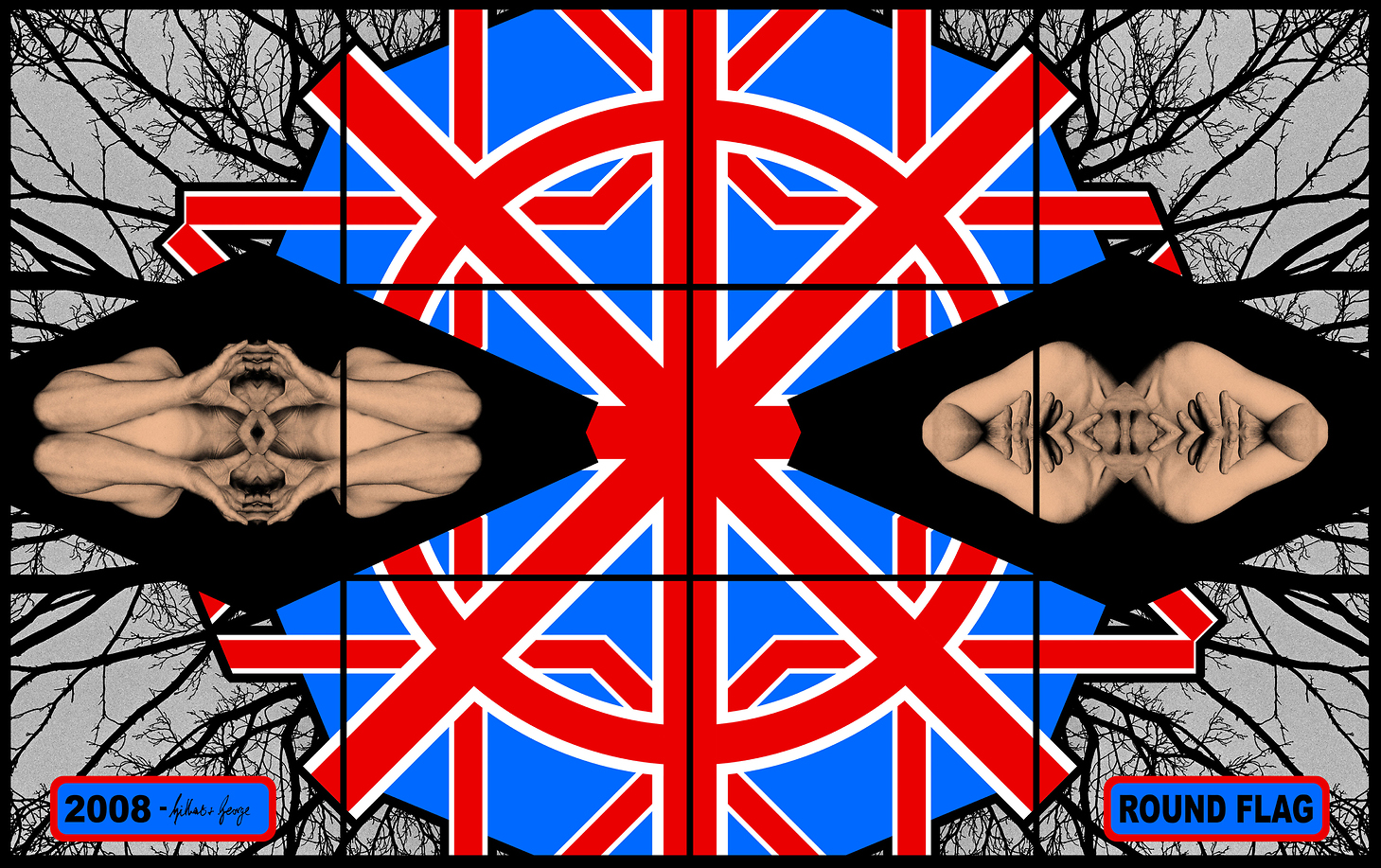

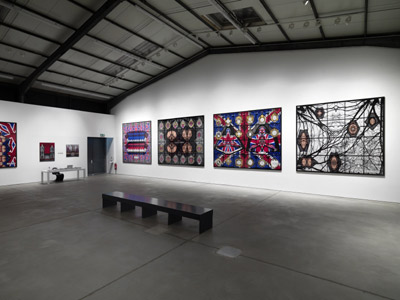
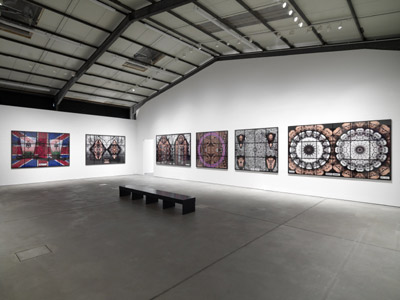

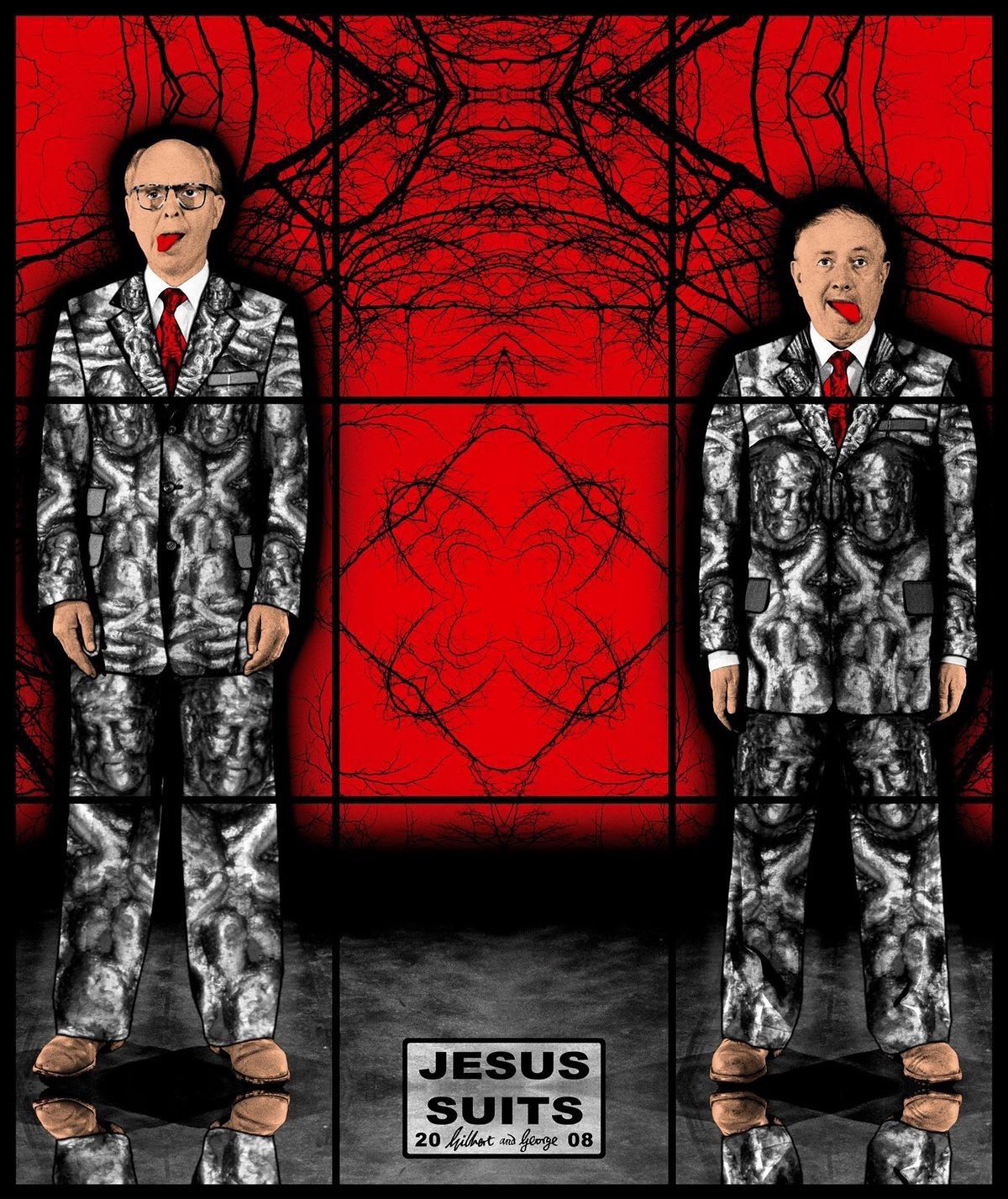

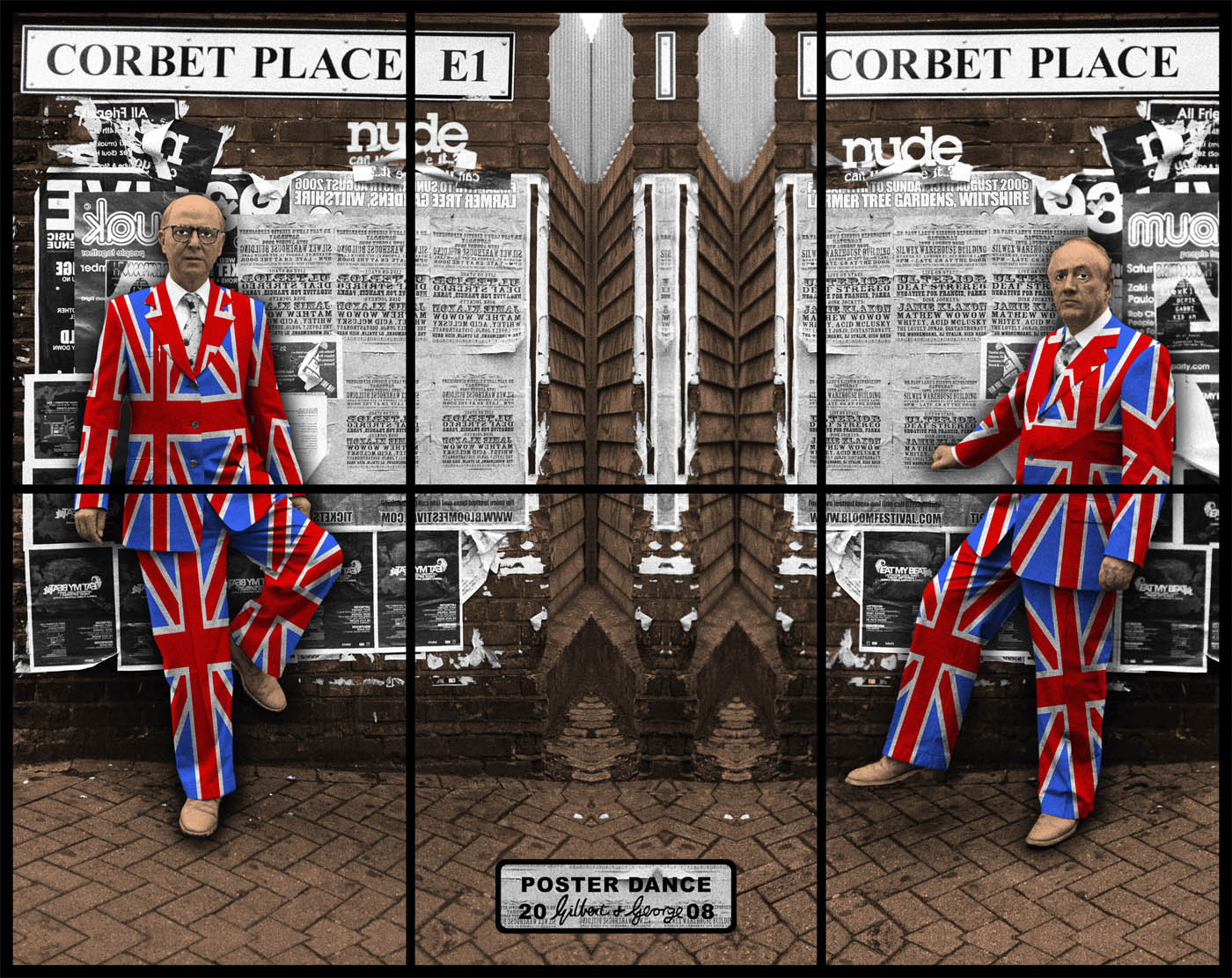
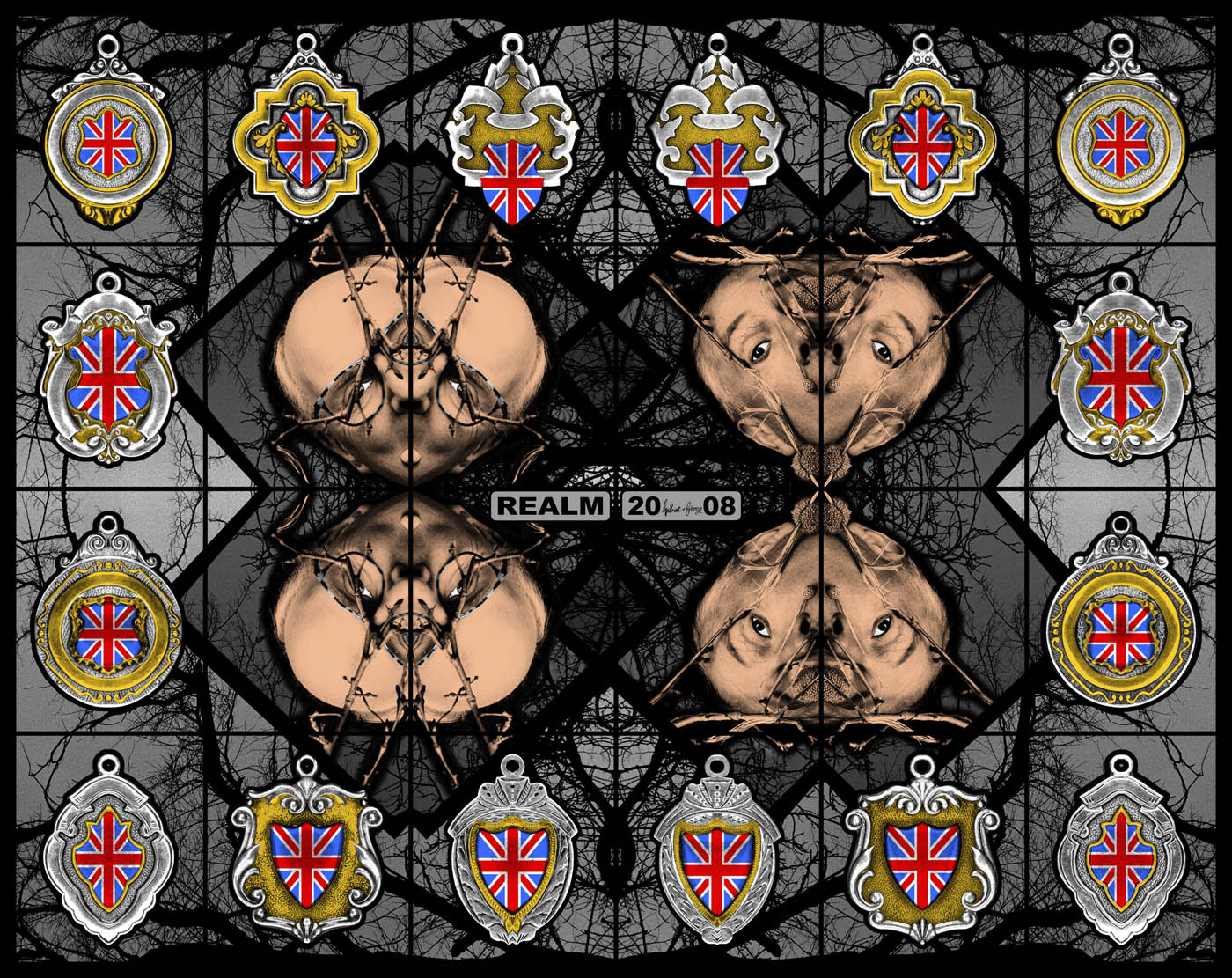
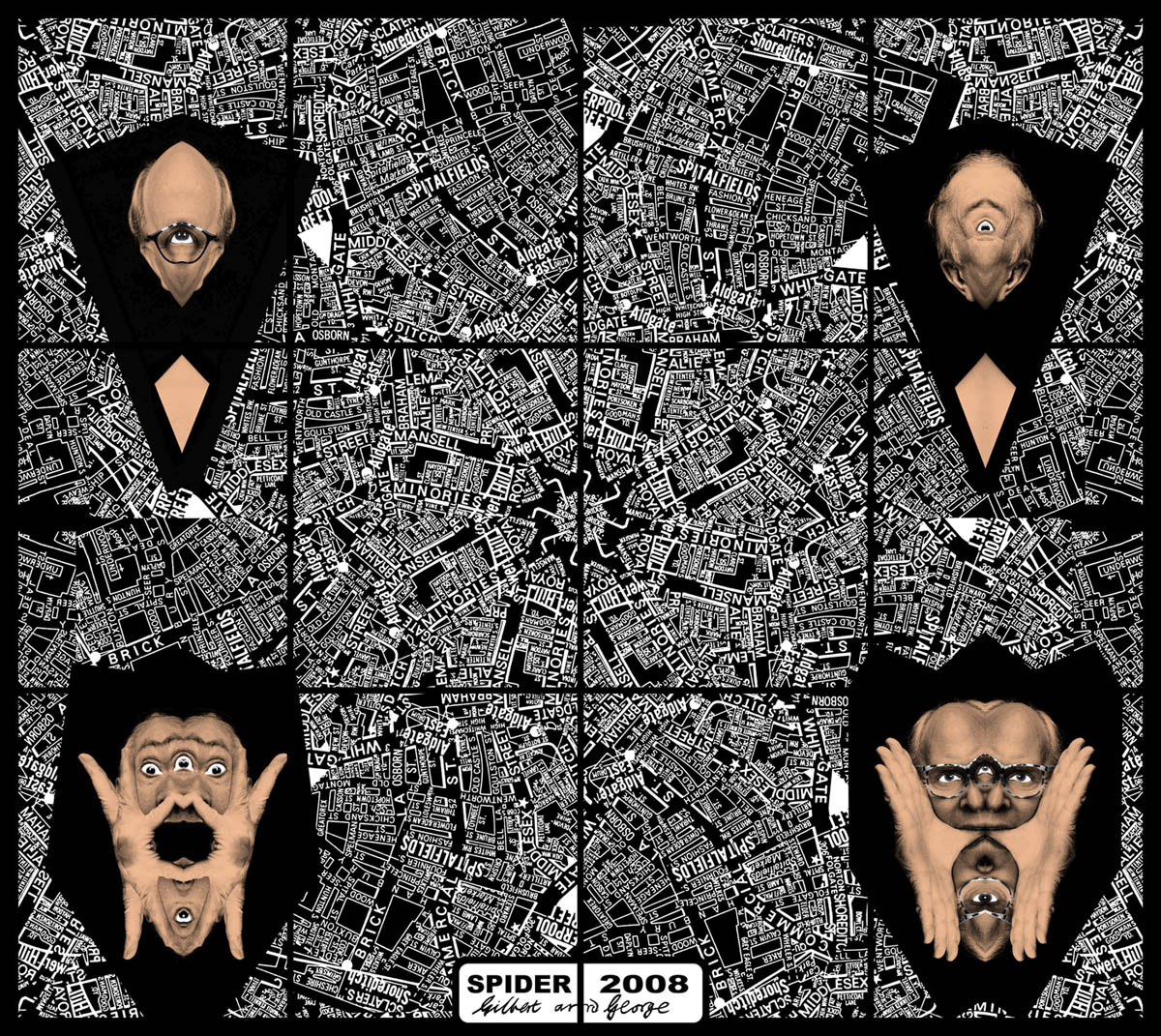
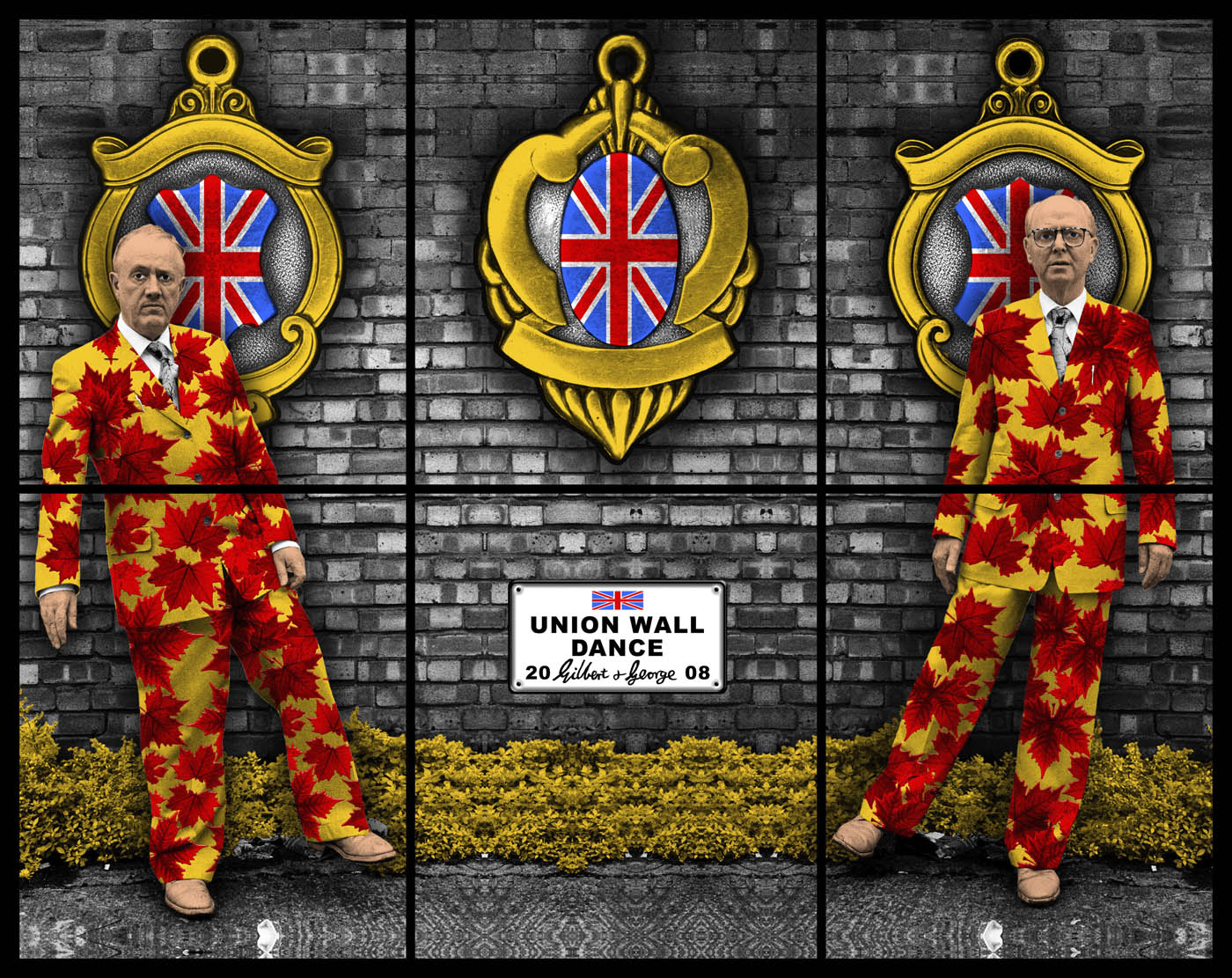


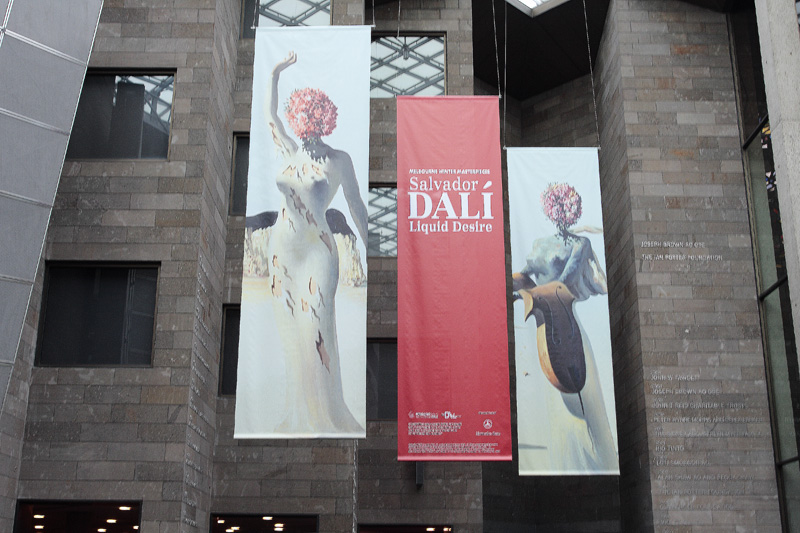
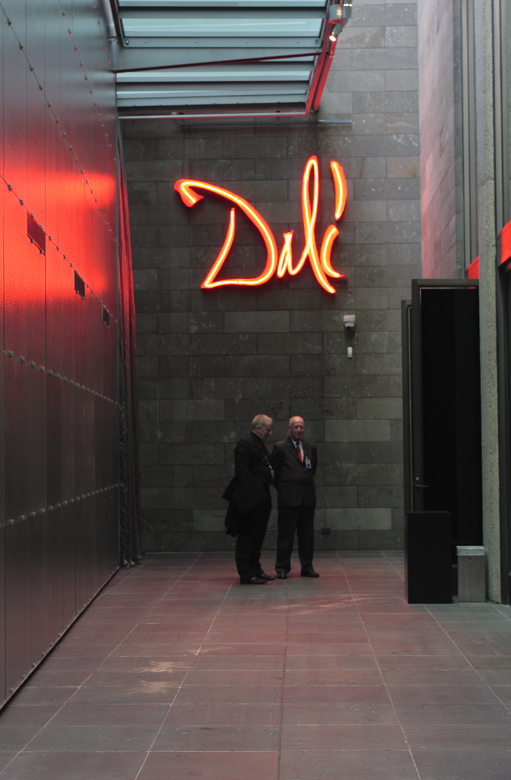
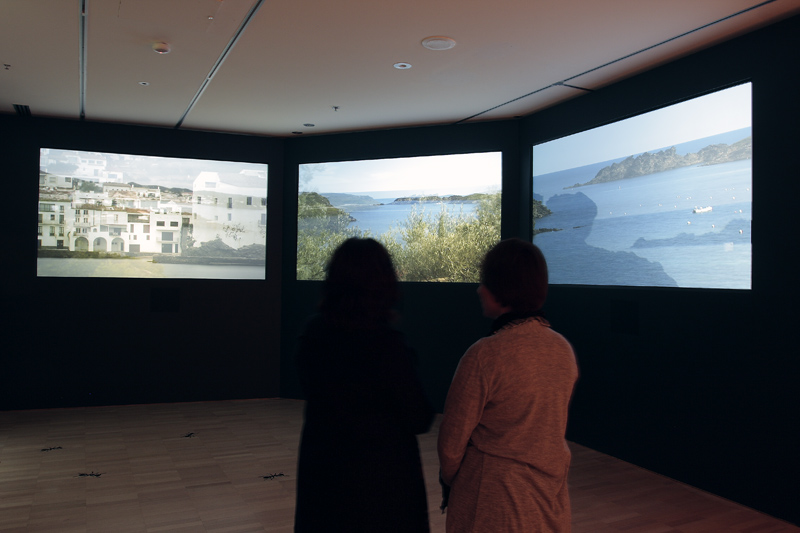
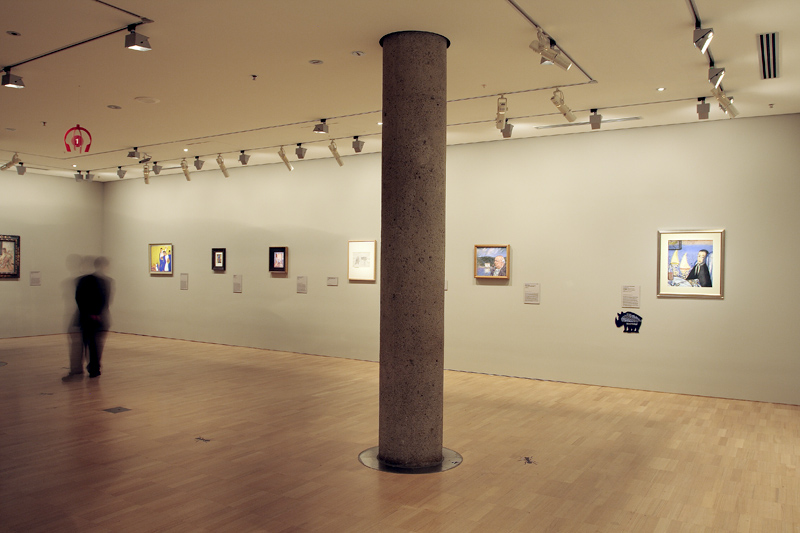
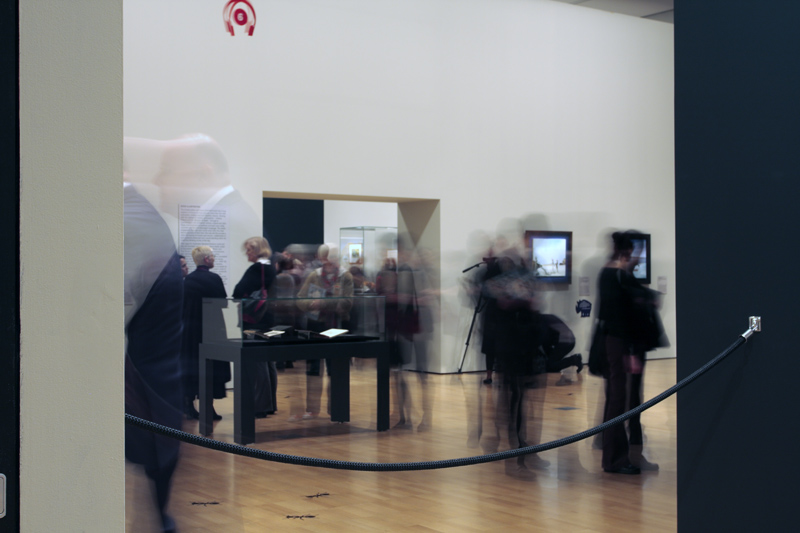

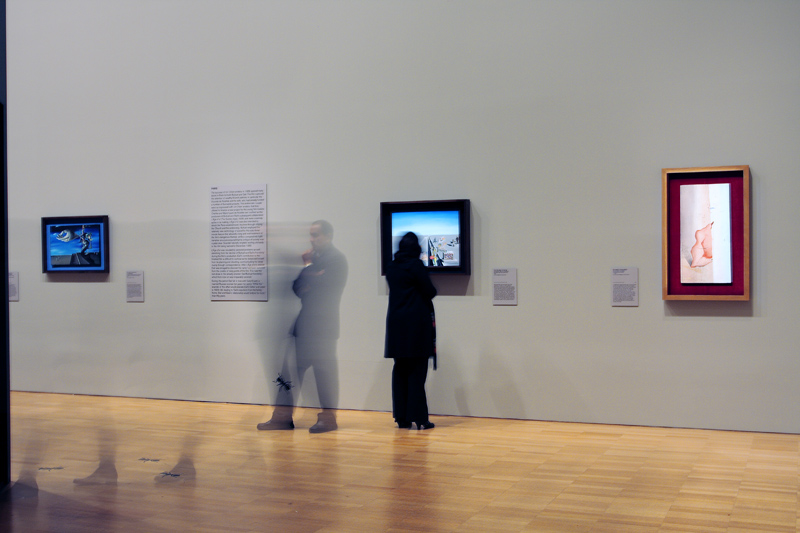
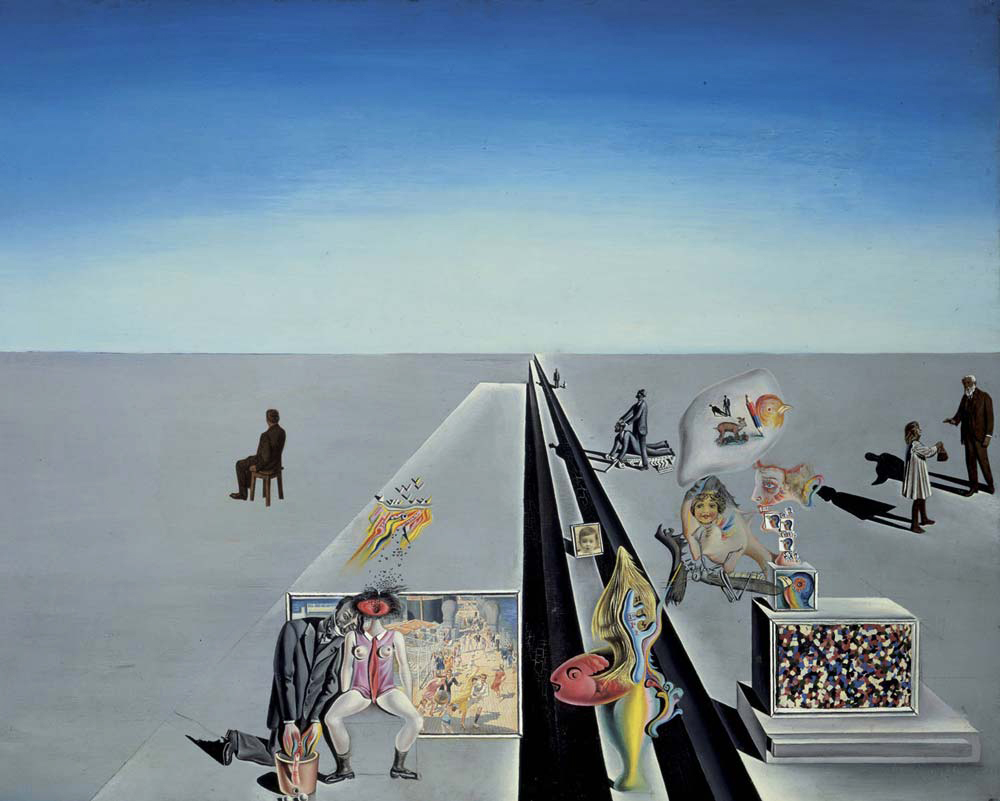
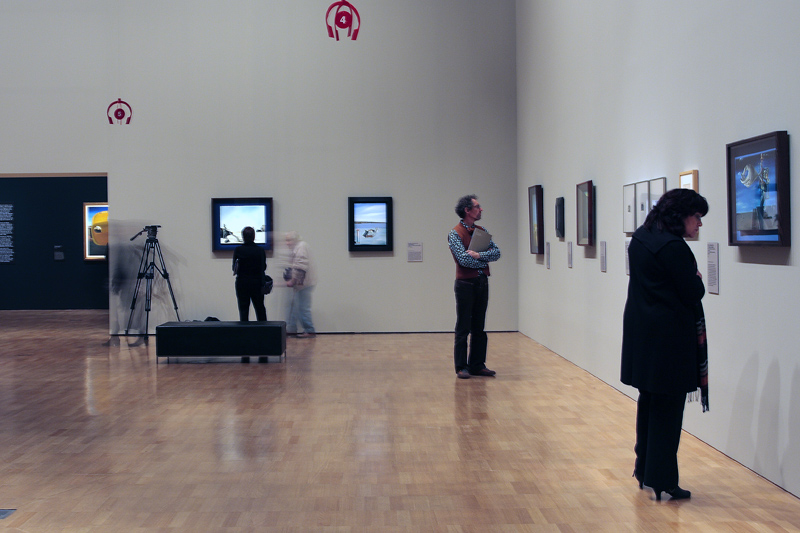
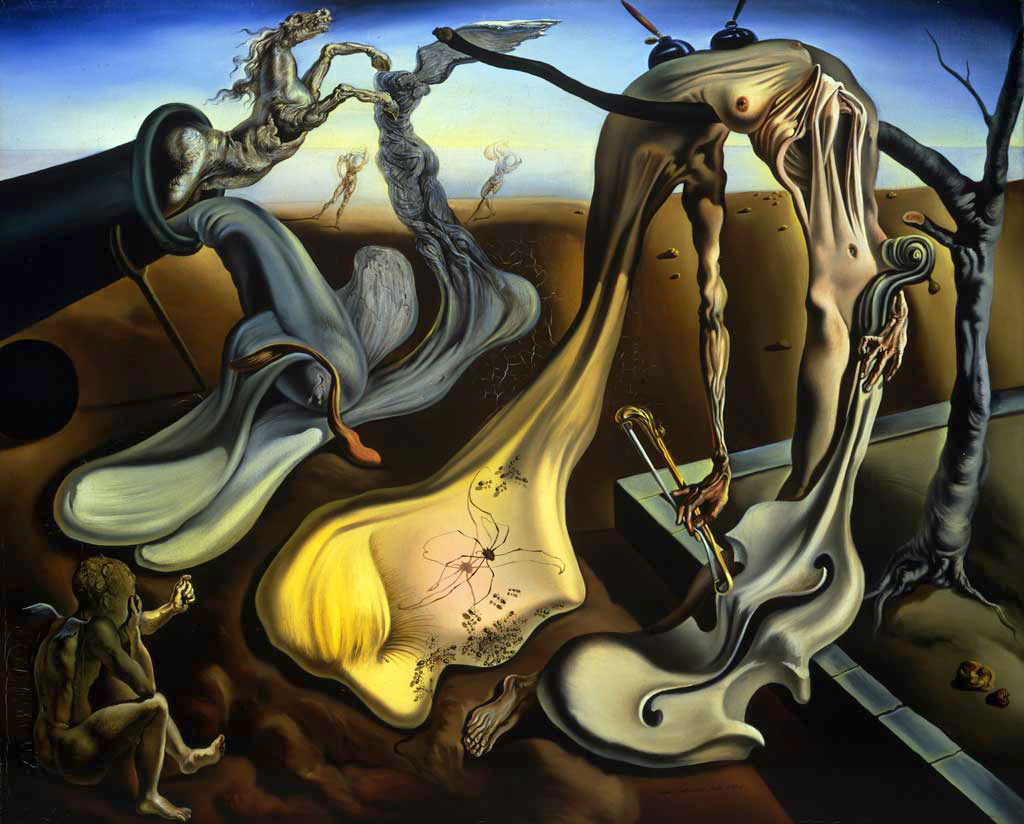
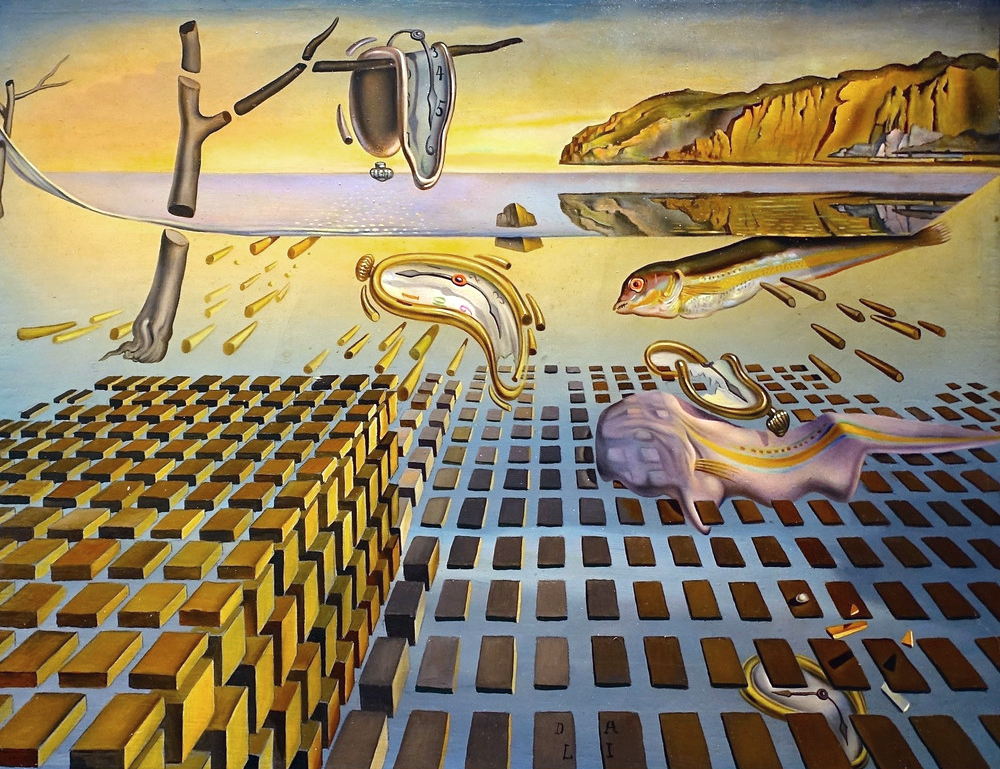
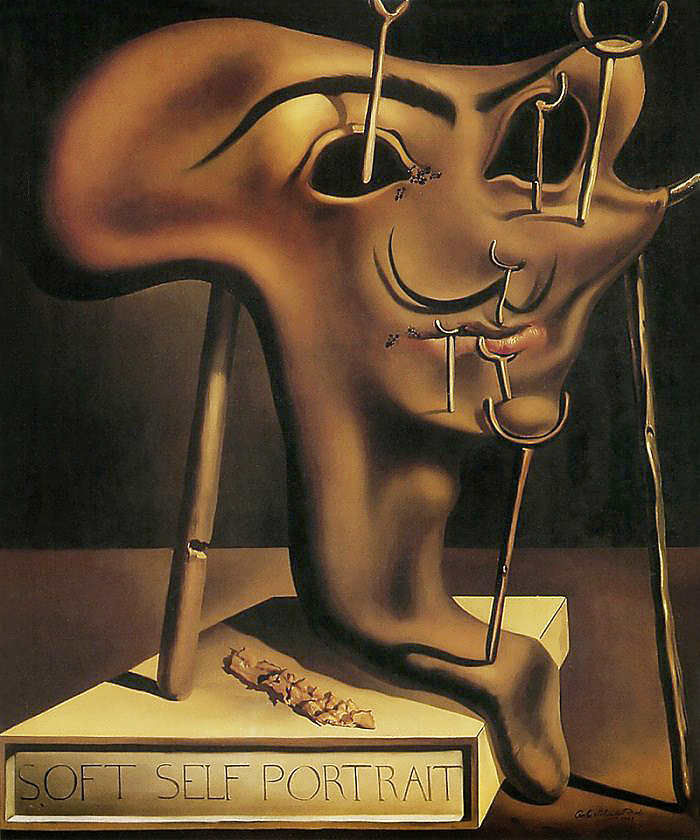
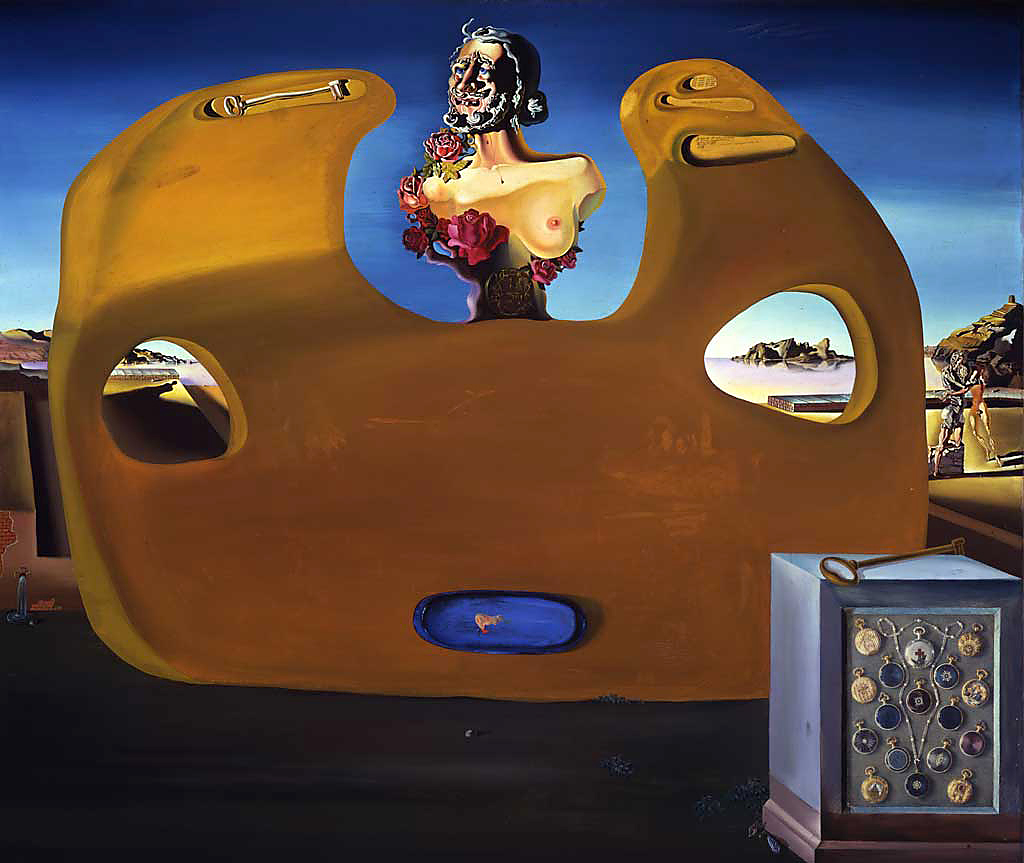
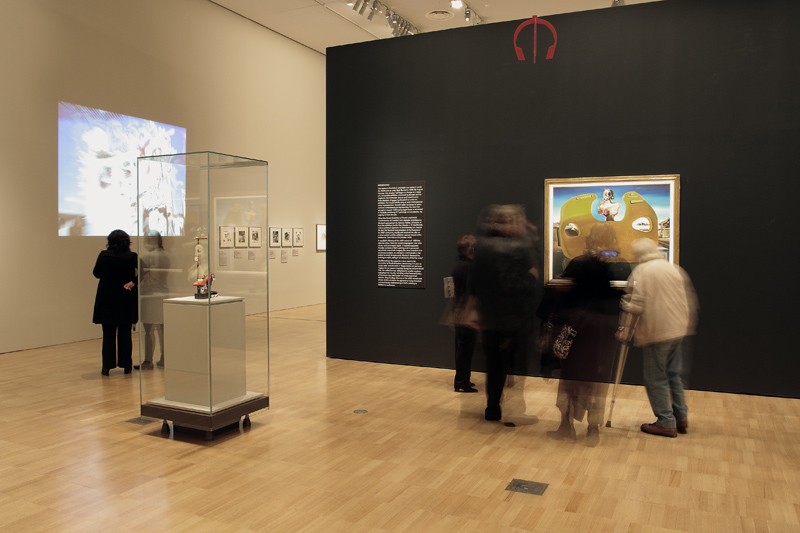
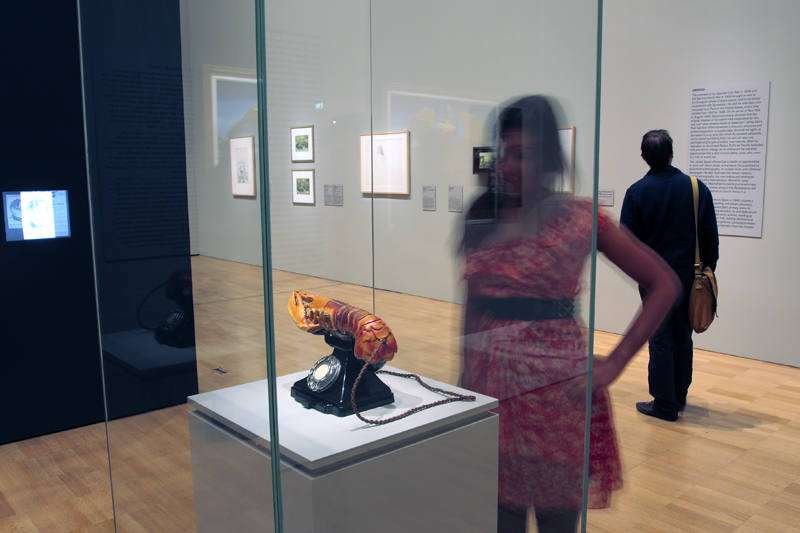
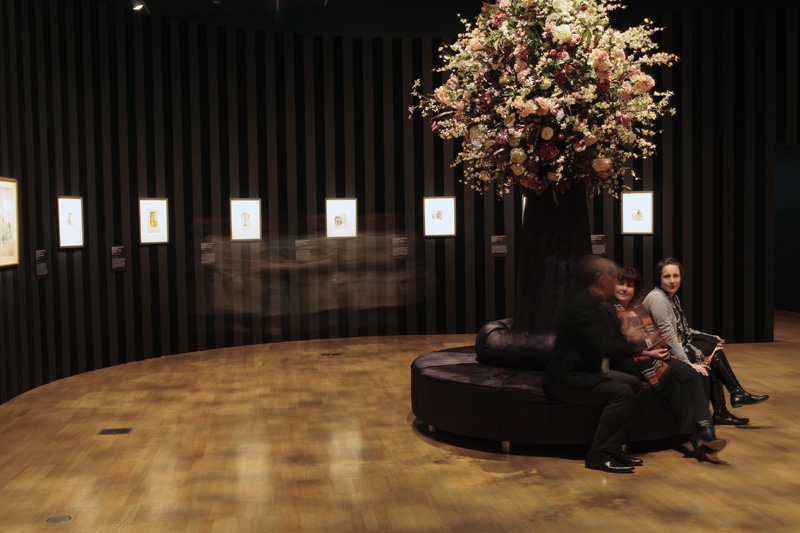
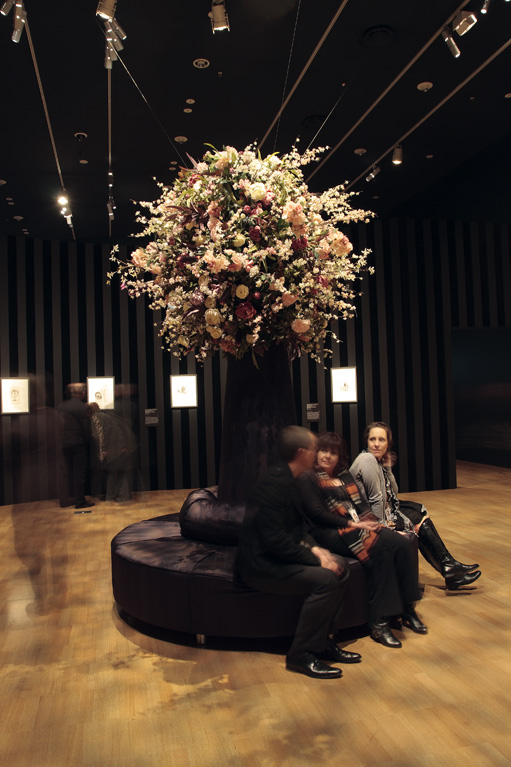
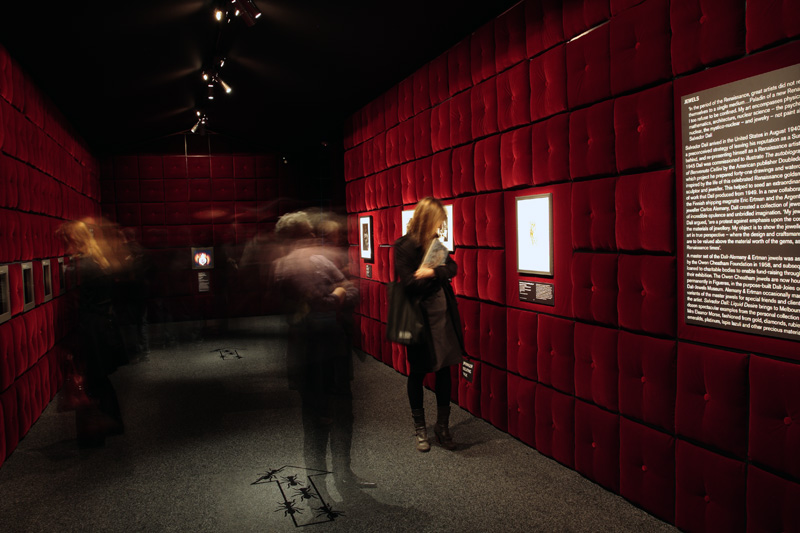
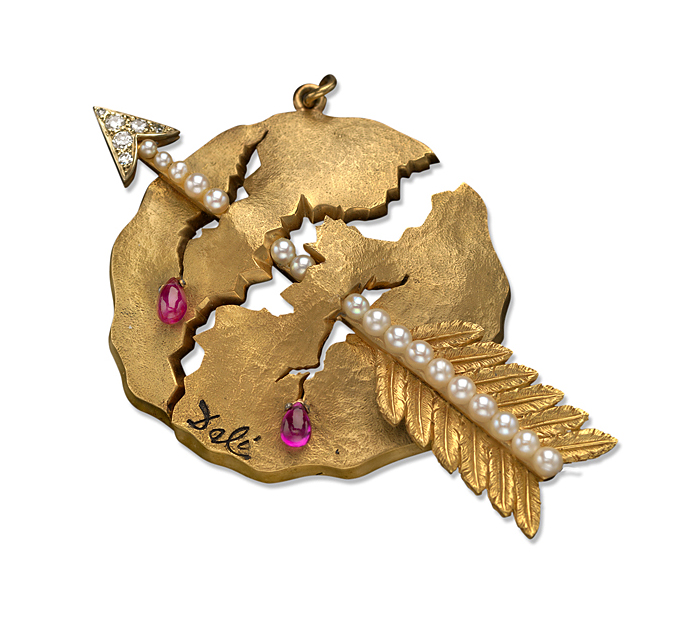
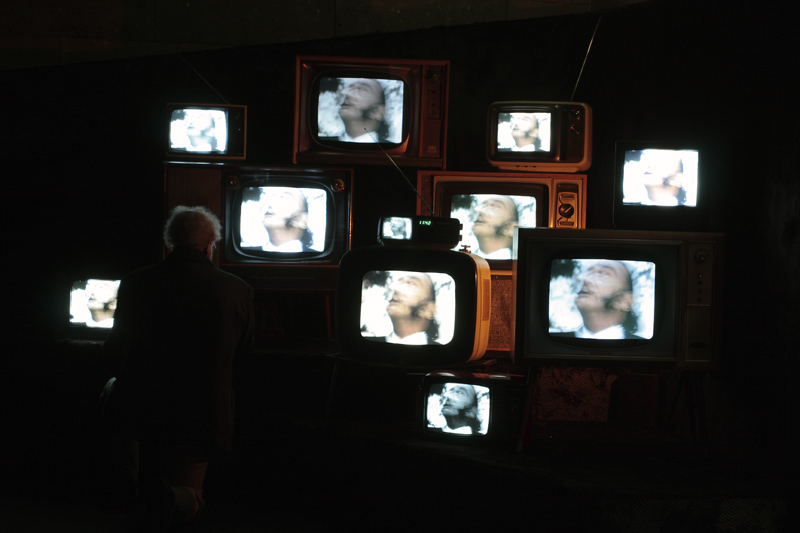
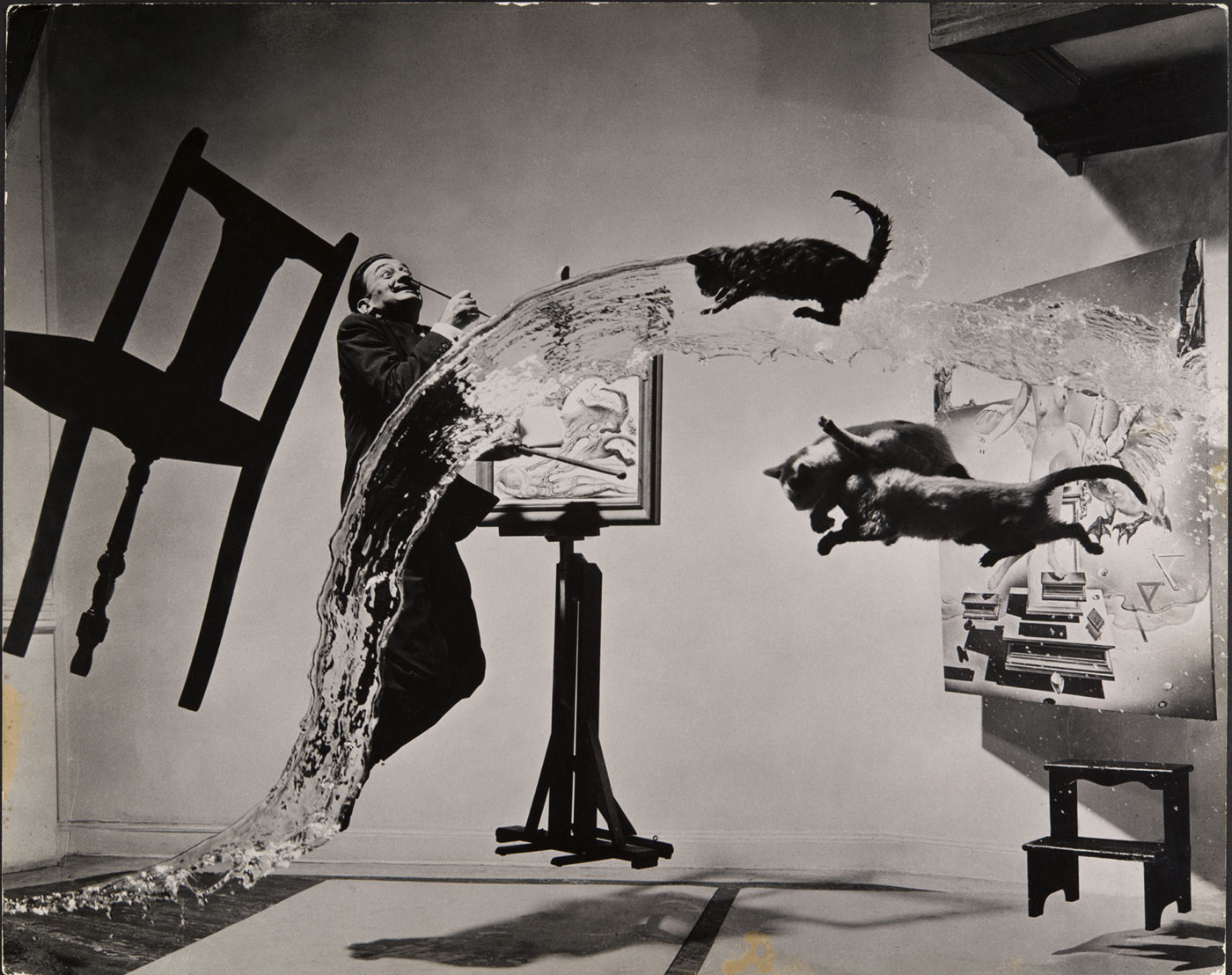
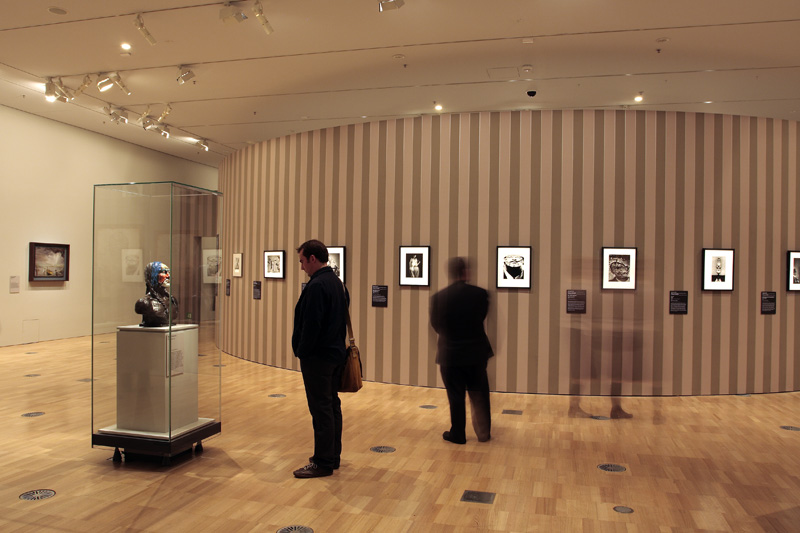
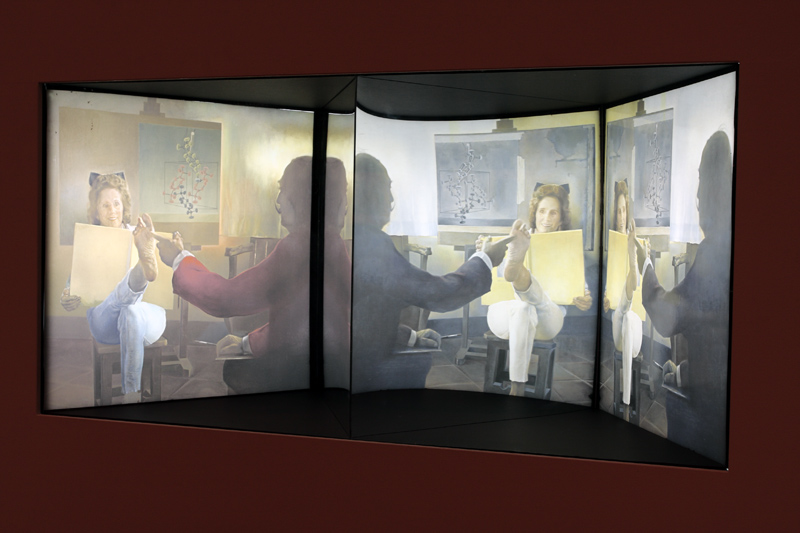
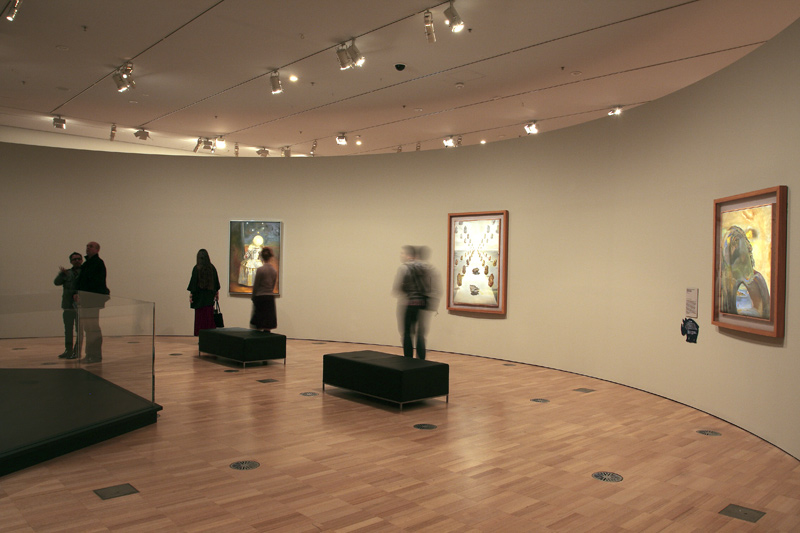
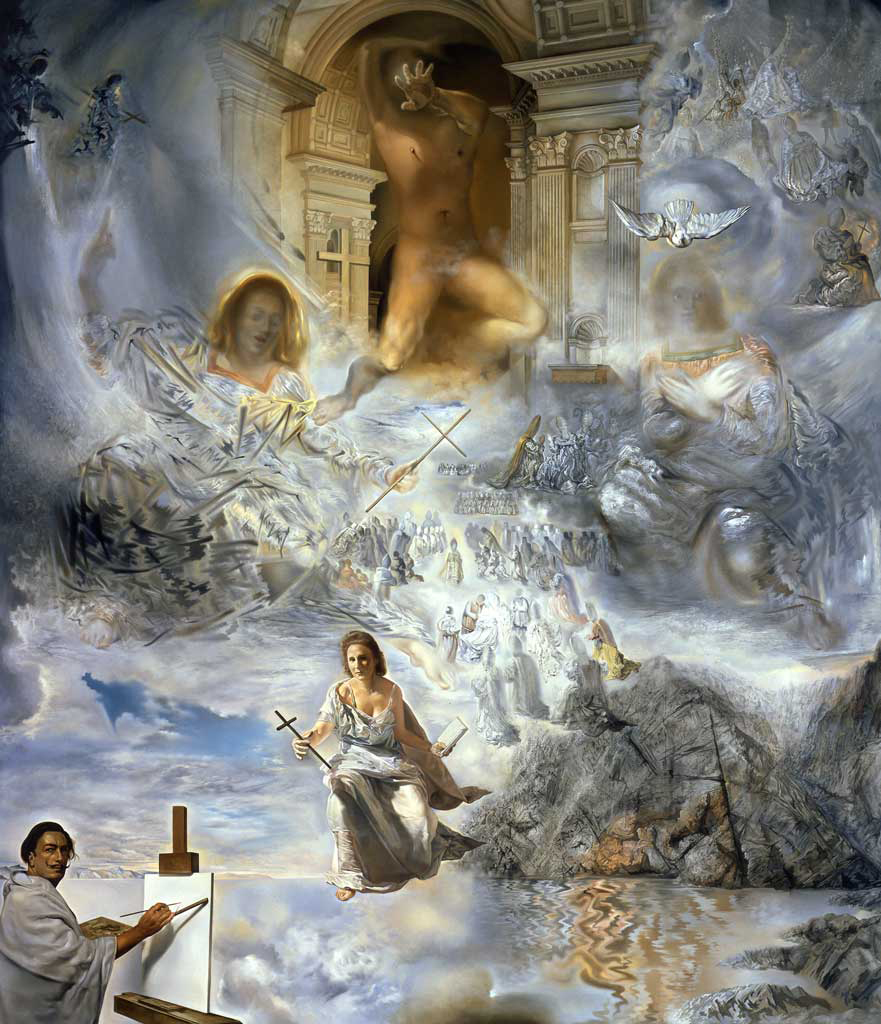
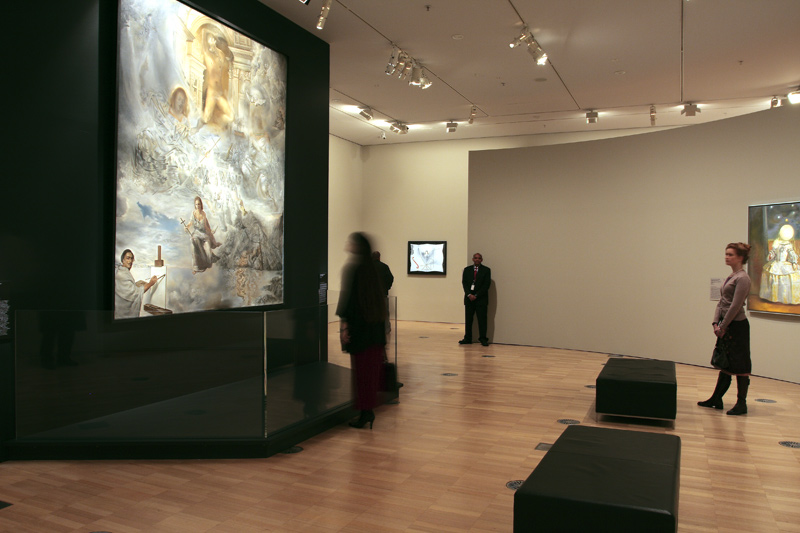
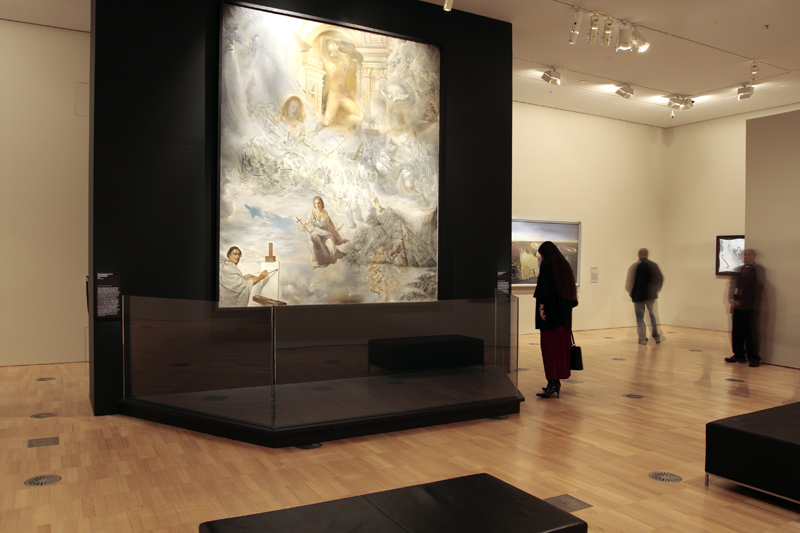


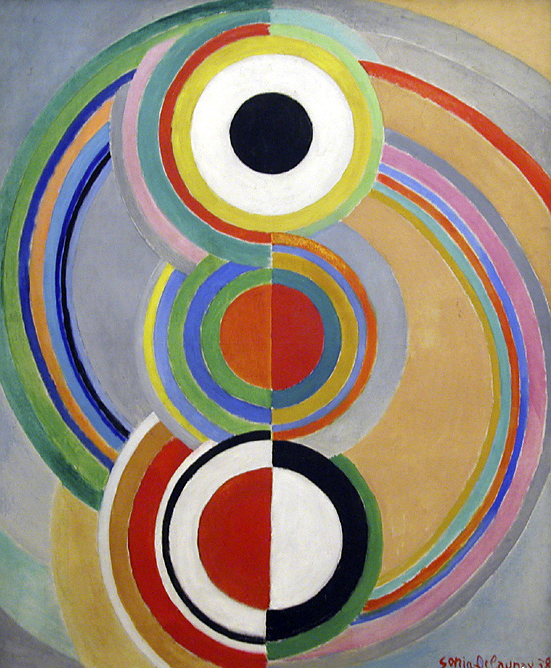
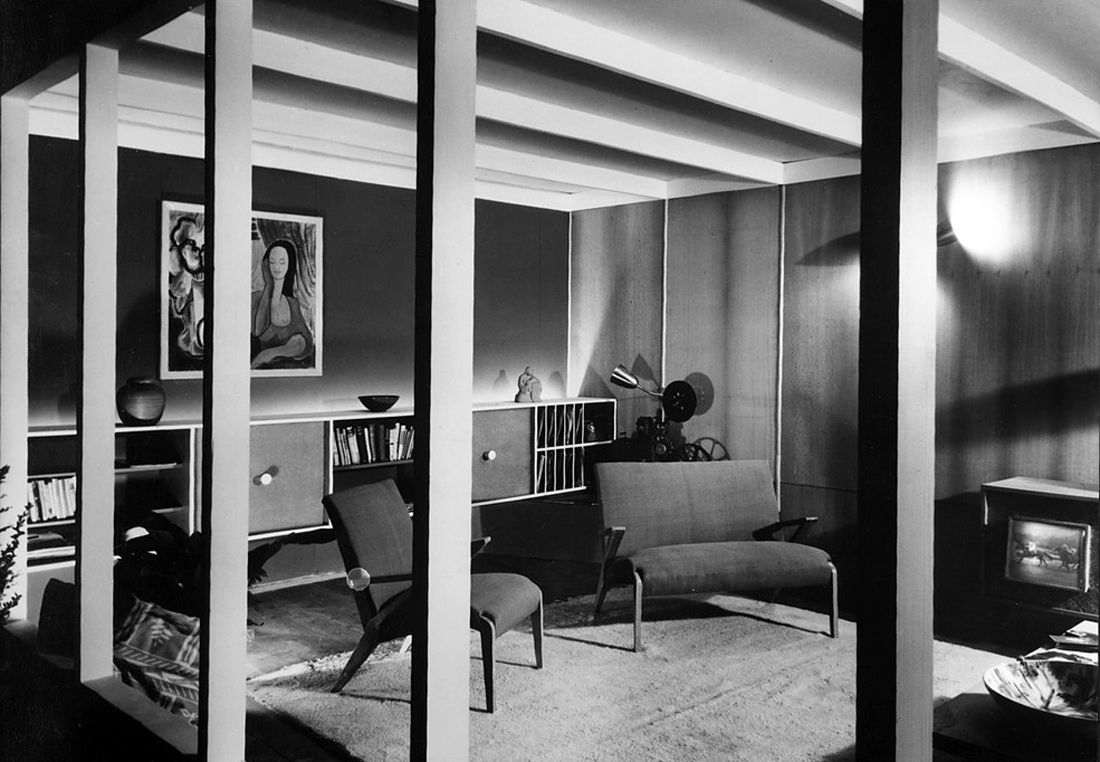
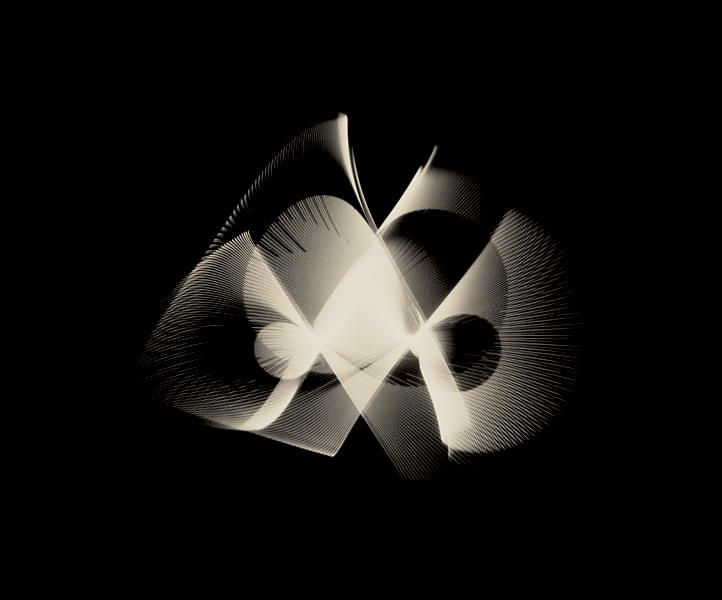


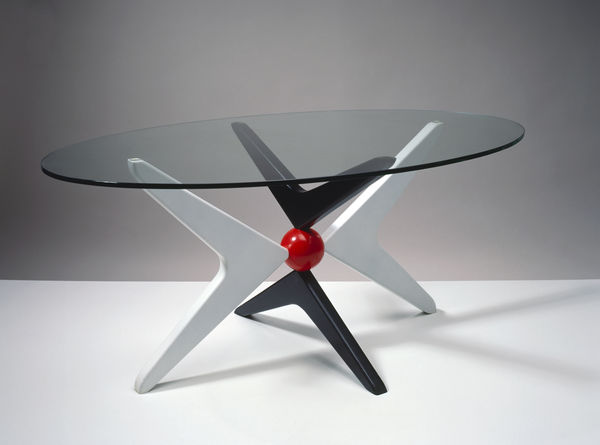
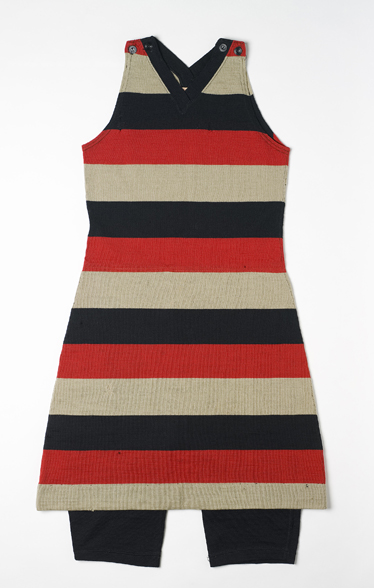


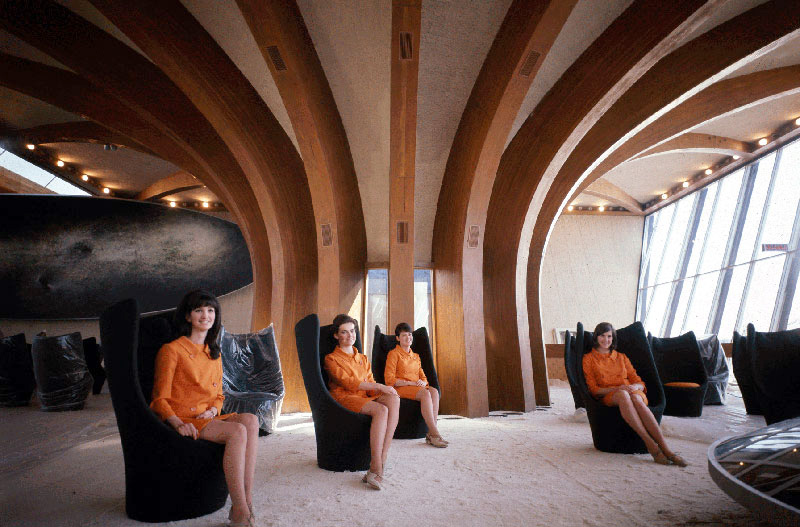


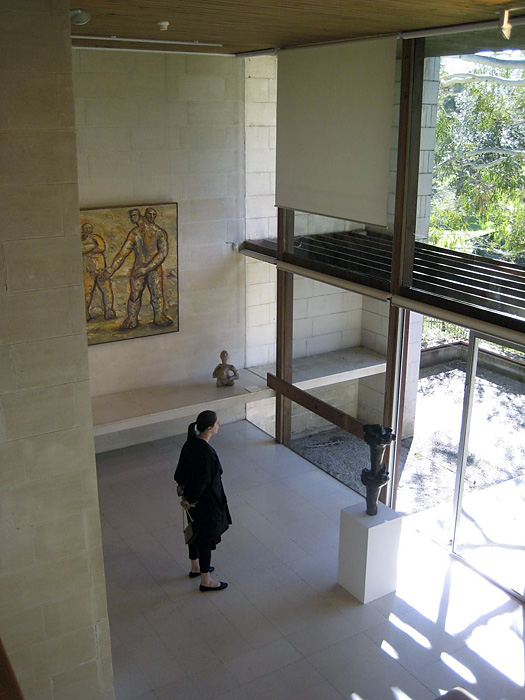
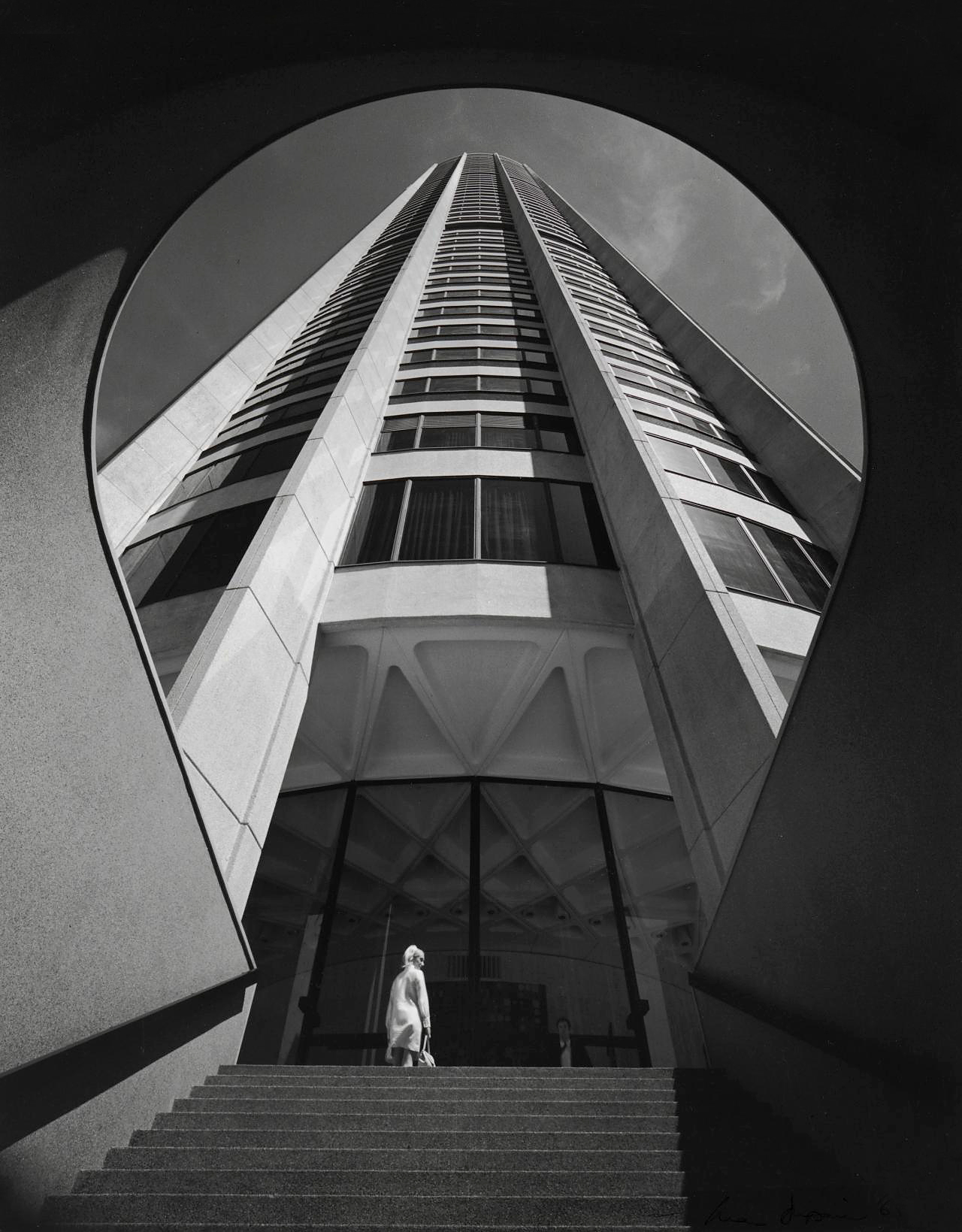


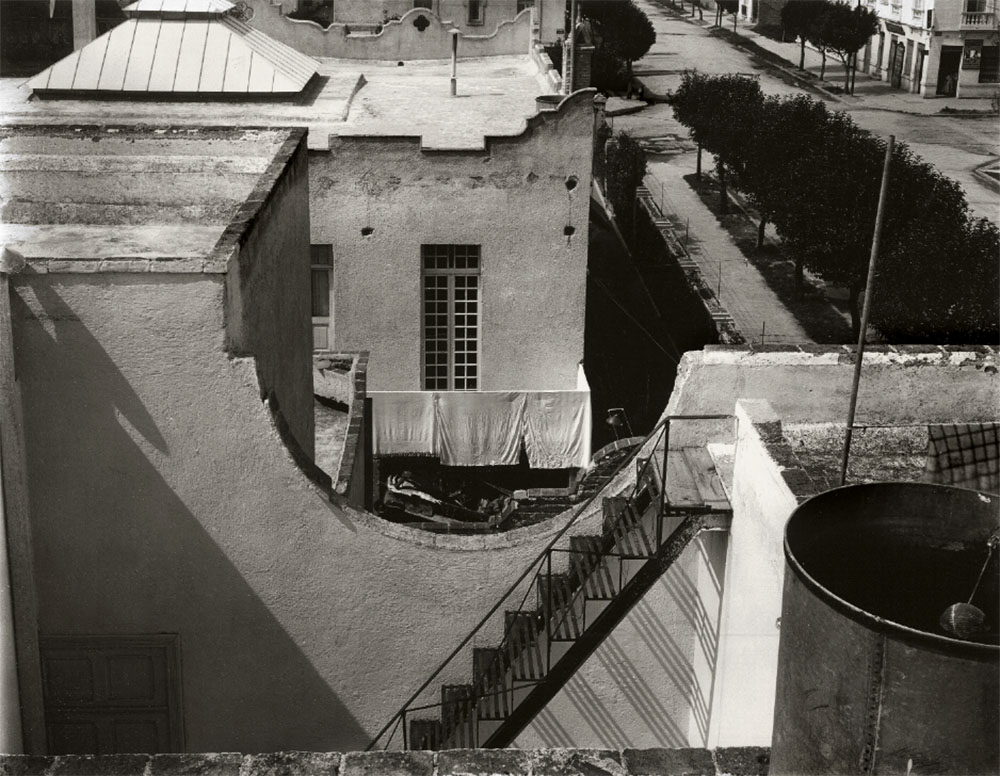


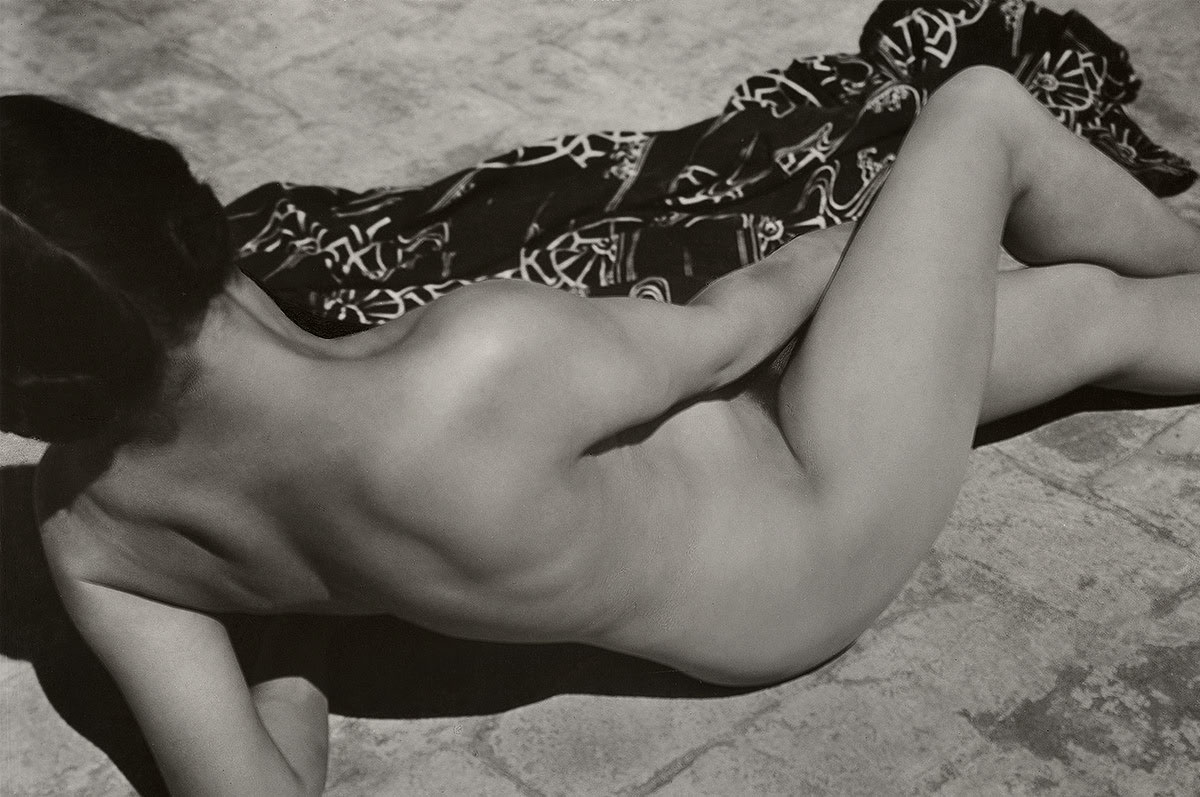


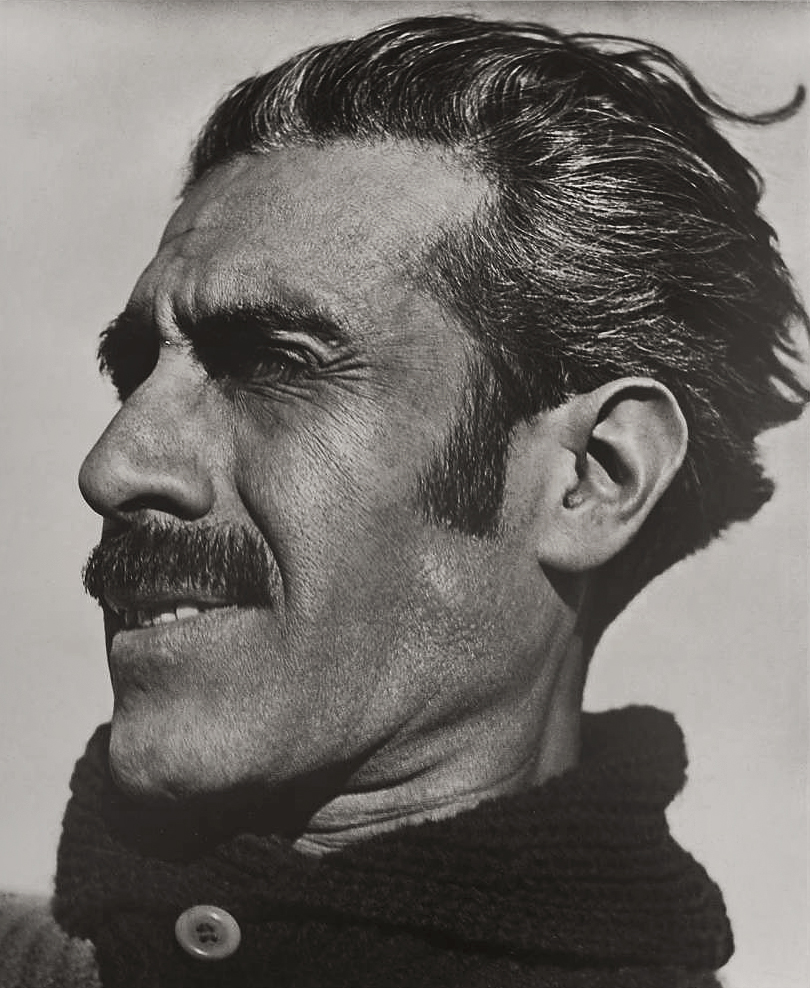


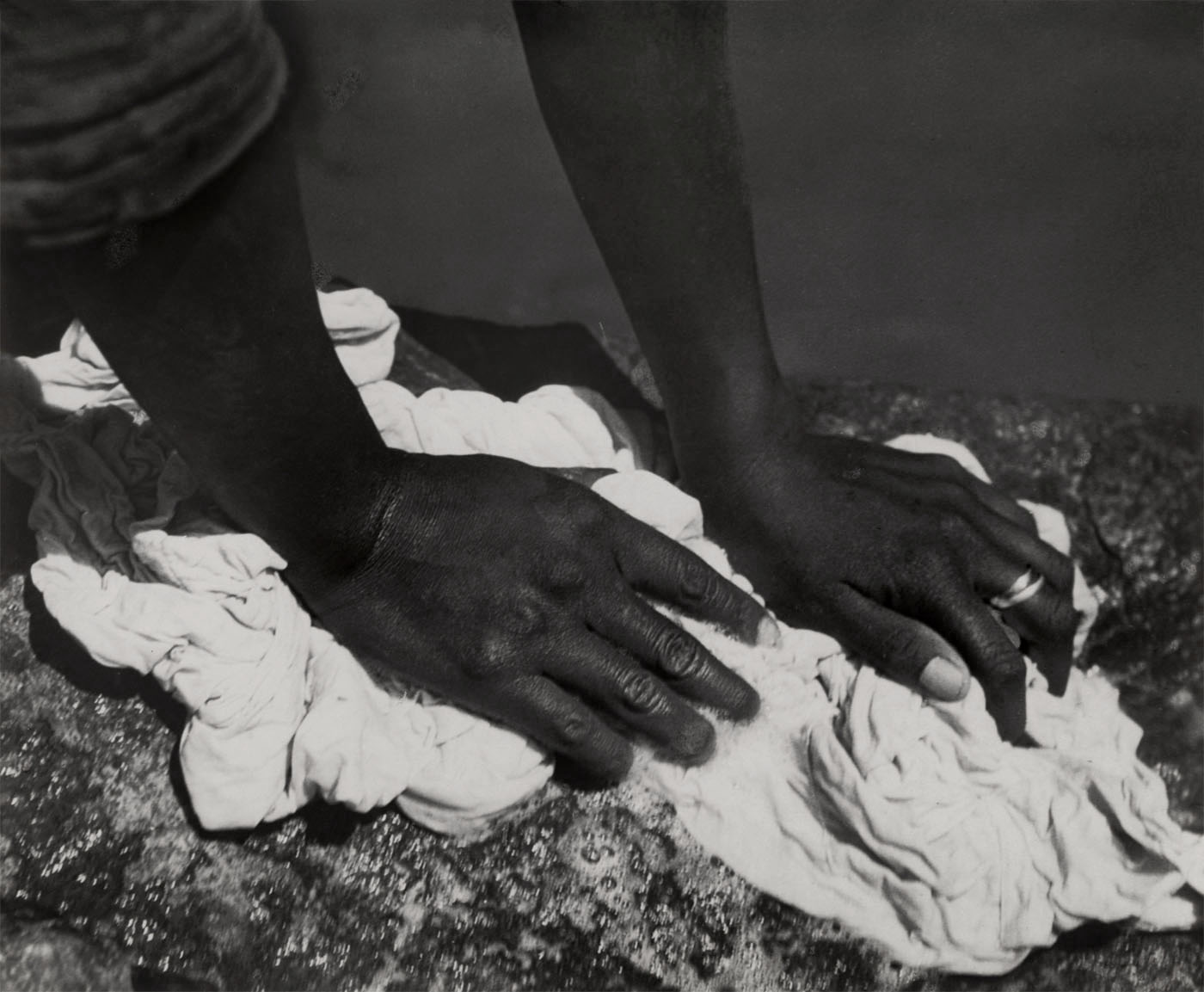
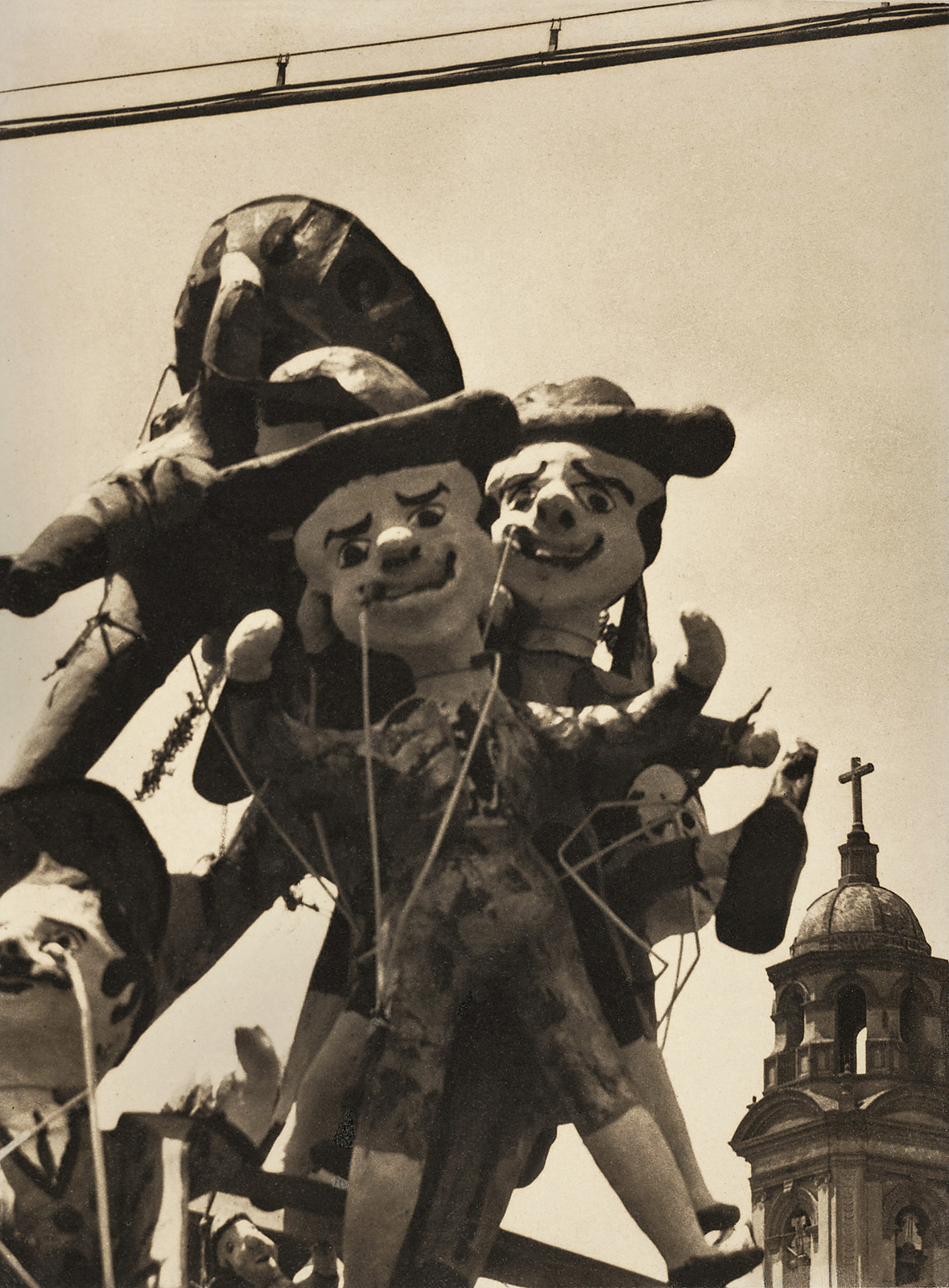


You must be logged in to post a comment.