This looks to be a fascinating exhibition, presenting as it does images from the first seven years of Arbus’ career as an independent artist. I wish I could see it.
What strikes one when viewing the 35mm photographs is how loose they are in terms of the framing and composition. Most of them could do with a good crop to tighten the image frame. Stripper with Bare Breasts Sitting in Her Dressing Room, Atlantic City, N.J. 1961 would have worked better if the focus had been tightened on the central figure. Similarly, Lady on a Bus, N.Y.C. 1957 works much better as a square image as seen in the feature image for the exhibition (below). Gone is the extraneous frontal detritus which adds nothing to the image. But just feel the intensity of the withering look of the women being projected out of the photograph – it’s as if she could bit your head off at any moment. She’s not a happy camper at being photographed.
This is Arbus experimenting, feeling out the medium and trying to find her signature voice as an artist. All the later, well known elements are there: keen observation; wonderful timing; a love of intimacy and a formal, visual relationship with the subject; strong central characters; a respect for outsiders; an understanding of the pain of others; and “the poignancy of a direct personal encounter … [and] a passionate interest in the individual.”
My favourite photographs in this posting are the two images Boy stepping off the curb, N.Y.C. 1957-58 and Girl with schoolbooks stepping onto the curb, N.Y.C., 1957. There is a marvellous insouciance about these photographs, “the divineness in ordinary things” embedded in the innocence of youth. We could be these people caught half-stride in their young lives, lightly stepping onto the pavement of the future. The reciprocal gaze makes us stare, and stare again… for even as those photographs are glimpses, glances of a life they become so much more, long lasting archetypes to which we can all relate. As Arthur Lubow observes citing John Szarkowski, a longtime director of photography at the Museum of Modern Art, “The reciprocal gaze that marks her early photographs would be furthered and intensified in the collaborative form of portraiture in her mature work, done with a medium-format camera. Szarkowski, for one, believed that the sharpness that larger film offered was in keeping with her aim to be both particular and mythic.”
Particular and mythic. How magical.
Not only did her work need the sharpness that medium format film offered, what a lot of people forget is that using a medium format camera like a Rollei is a totally different way of seeing the world. This is something that hardly anybody mentions. With a 35mm camera you bring the camera to your face and look through the viewfinder; with a medium format camera such as Arbus’ Rolleiflex or her Mamiya C330 (seen around her neck in a portrait of her in Central Park, below), the camera is held at waist level and you look down into the viewing prism of the camera… and everything is seen in reverse. I remember travelling around the world in 2000 and using a Mamiya C220 and thinking to myself, this is the most amazing experience staring down at the world, moving the camera left and right and the image moving the opposite way to what you think it will move, and then having to account for for parallax in the framing (where the image seen in the viewfinder is not framed the same as the image seen through the lens, because the viewfinder is in a slightly different position to the lens). Even with the one medium format image featured in this posting, I can just feel the different relationship of the camera and photographer to the world – in the format, in the cropping and in the previsualisation of the image. Looking down, back up to the subject, back down into the camera – instead of a horizontal perspective, both a horizontal, vertical and square perspective on the world. It’s all about feeling (in) her work. And you couldn’t really miss her if she wanted to take your photograph… look at all the equipment slung around her neck in her portrait in Central Park: twin lens hoods to stop glare, boom and large flash. She wanted you to know that she was there, to acknowledge her presence.
Arbus intuitively knew what she wanted – the presence of the person and the presence of the photographer acknowledged through a circular, two-way relationship. And we, the viewer, understand that process and acknowledge it. Hence, these photographs are not “apparently artless”, they are the very antithesis of that. They are both a thinking and feeling person’s photography. All of her photographs are intelligent investigations of the human condition which produce an empathic response in the viewer. They are a form of empathic vision in which the viewer is drawn into that magical and transcendent relationship. In my opinion, there has never been anyone like her, before or since: no devotees, followers or disciples (except, perhaps, Mary Ellen Mark). Arbus is one of a kind. She will always be my #1.
Dr Marcus Bunyan
Many thankx to the Metropolitan Museum of Art for allowing me to publish the photographs in the posting. Please click on the photographs for a larger version of the image.
The photographs from her early career reveal that the salient characteristics of her work – its centrality, boldness, intimacy and apparent artlessness – were present in her pictures since the very beginning. Arbus’s creative life in photography after 1962 is well documented and already the stuff of legend; now, for the first time, we can properly examine its origins.
“The camera is cruel, so I try to be as good as I can to make things even.”
“I do feel I have some slight corner on something about the quality of things. I mean it’s very subtle and a little embarrassing to me but I really believe there are things which nobody would see unless I photographed them.”
“One thing that struck me early is that you don’t put into a photograph what’s going to come out. Or, vice versa, what comes out is not what you put in.”
“…I would never choose a subject for what it means to me. I choose a subject and then what I feel about it, what it means, begins to unfold.”
Diane Arbus
“I think Arbus was suggesting that just as people are looking at us and we’re looking at them every day, the pictures made us introspective as viewers. They forced us to confront our own identity. And that’s a really beautiful switch, that switcheroo. We’re looking at somebody else but we’re mindful of our voyeurism, and we’re mindful of how we ourselves are presenting. ‘How am I different? How did I become the person I am?’ That’s one of the qualifying elements of an Arbus photograph: that you feel something about you, often something that might not be comfortable.”
“Arbus’s early photographs are wonderfully rich in achievement and perhaps as quietly riveting and ultimately controversial as the iconic images for which she is so widely known. She brings us face-to-face with what she had first glimpsed at the age of 16 – “the divineness in ordinary things” – and through her photographs we begin to see it too.”
Exhibition curator Jeff L. Rosenheim
Installation views of the exhibition diane arbus: in the beginning at the Metropolitan Museum of Art, New York
This landmark exhibition features more than 100 photographs that together redefine Diane Arbus (American, 1923-1971), one of the most influential and provocative artists of the 20th century. It focuses on the first seven years of her career, from 1956 to 1962, the period in which she developed the idiosyncratic style and approach for which she has been recognised praised, criticised, and copied the world over.
Arbus made most of her photographs in New York City, where she lived and died, and where she worked in locations such as Times Square, the Lower East Side, and Coney Island. Her photographs of children and eccentrics, couples and circus performers, female impersonators and Fifth Avenue pedestrians are among the most intimate and surprising images of the era.
The majority of the photographs in the exhibition have never before been seen and are part of the Museum’s Diane Arbus Archive, acquired in 2007 by gift and promised gift from the artist’s daughters, Doon Arbus and Amy Arbus. It was only when the archive came to The Met that this remarkable early work came to be fully explored. Arbus’s creative life in photography after 1962 is well documented and already the stuff of legend; now, for the first time, we can properly examine its origins.
“This is a shot inside a theater, of a movie called ‘Horrors of the Black Museum.’ The woman is using binoculars and when she focuses, daggers come out and blind her.”
As part of the inaugural season at The Met Breuer, diane arbus: in the beginning will open on July 12, featuring more than 100 photographs that together will redefine one of the most influential and provocative artists of the 20th century. This landmark exhibition will highlight never-before-seen early work of Diane Arbus (1923-1971), focusing on the first seven years of her career, from 1956 to 1962 – the period in which she developed the idiosyncratic style and approach for which she has been recognised, praised, criticised, and copied the world over. The exhibition is made possible by the Alfred Stieglitz Society. Additional support is provided by The Horace W. Goldsmith Foundation and the Art Mentor Foundation Lucerne.
“It is a rare privilege to present an exhibition this revelatory, on an artist of Arbus’s stature. More than two-thirds of these works have never before been exhibited or published,” said Thomas P. Campbell, Director and CEO of The Met. “We sincerely thank the Estate of Diane Arbus for entrusting us to show an unknown aspect of this remarkable artist’s legacy with the camera.”
Jeff Rosenheim, Curator in Charge of the Department of Photographs, added, “Arbus’s early photographs are wonderfully rich in achievement and perhaps as quietly riveting and ultimately controversial as the iconic images for which she is so widely known. She brings us face-to-face with what she had first glimpsed at the age of 16 – ‘the divineness in ordinary things’ – and through her photographs we begin to see it too.”
diane arbus: in the beginning focuses on seven key years that represent a crucial period of the artist’s genesis, showing Arbus as she developed her style and honed her practice. Arbus was fascinated by photography even before she received a camera in 1941 at the age of 18 as a present from her husband, Allan, and made photographs intermittently for the next 15 years while working with him as a stylist in their fashion photography business. But in 1956 she numbered a roll of 35mm film #1, as if to claim to herself that this moment would be her definitive beginning. Through the course of the next seven years (the period in which she primarily used a 35mm camera), an evolution took place – from pictures of individuals that sprang out of fortuitous chance encounters to portraits in which the chosen subjects became engaged participants, with as much stake in the outcome as the photographer. This greatly distinguishes Arbus’s practice from that of her peers, from Walker Evans and Helen Levitt to Garry Winogrand and Lee Friedlander, who believed that the only legitimate record was one in which they, themselves, appear to play little or no role. In almost complete opposition, Arbus sought the poignancy of a direct personal encounter.
Arbus made most of her photographs in New York City, where she was born and died, and where she worked in locations such as Times Square, the Lower East Side, Coney Island, and other areas. Her photographs of children and eccentrics, couples and circus performers, female impersonators and Fifth Avenue pedestrians are among the most intimate and surprising images of the era. From the beginning, Arbus believed fully that she had something special to offer the world, a glimpse of its many secrets: “I do feel I have some slight corner on something about the quality of things. I mean it’s very subtle and a little embarrassing to me but I really believe there are things which nobody would see unless I photographed them.”
Nearly half of the photographs that Arbus printed during her lifetime were made between 1956 and 1962, the period covered by this exhibition. At the time of her death in 1971, much of this work was stored in boxes in an inaccessible corner of her basement darkroom at 29 Charles Street in Greenwich Village. These prints remained undiscovered for several years thereafter and were not even inventoried until a decade after her death. The majority of the photographs included in the exhibition are part of the Museum’s vast Diane Arbus Archive, acquired in 2007 by gift and promised gift from the artist’s daughters, Doon Arbus and Amy Arbus. It was only when the archive – a treasury of photographs, negatives, notebooks, appointment books, correspondence, and collections – came to The Metropolitan Museum of Art in 2007 that this seminal early work began to be fully explored.
Among the highlights in the exhibition are lesser-known published works such as Lady on a bus, N.Y.C. 1957, Boy stepping off the curb, N.Y.C. 1957-58, The Backwards Man in his hotel room, N.Y.C. 1961, and Jack Dracula at a bar, New London, Conn. 1961, as well as completely unknown additions to her oeuvre, such as Taxicab driver at the wheel with two passengers, N.Y.C. 1956,Woman with white gloves and a pocket book, N.Y.C. 1956,Female impersonator holding long gloves, Hempstead, L.I. 1959, and Man in hat, trunks, socks and shoes, Coney Island, N.Y. 1960. Included among the selection of six square-format photographs from 1962 is the iconic Child with a toy hand grenade in Central Park, N.Y.C. 1962, a photograph that signals the moment when Arbus turned away from the 35mm camera and started working with the 2 1/4 inch square format Rolleiflex camera, a format that remained a distinctive attribute of her work for the rest of her life. The photographs from her early career reveal that the salient characteristics of her work – its centrality, boldness, intimacy, and apparent artlessness – were present in her pictures since the very beginning. Arbus’s creative life in photography after 1962 is well documented and already the stuff of legend; now, for the first time, we can properly examine its origins.
diane arbus: in the beginning is curated by Jeff L. Rosenheim, Curator in Charge of the Department of Photographs at The Met.
“We’re in the isolationist ’50s, and here’s a glamorous woman on Fifth Avenue, wearing gloves, with her pocketbook, but with this anxiety on her face.”
Jeff L. Rosenheim curator: There are many pictures from her first 50 rolls of film in the show. And you can see for yourself that she is already isolating individuals, pedestrians on Fifth Avenue. She is approaching people, and in almost every instance, it’s one image and the subject is addressing the camera. Arbus did not want to do what almost every one of her peers was doing, which she was highly aware of – she was well versed in the history of the medium; she was taking classes from Lisette Model and she had studied with Berenice Abbott and Alexey Brodovitch. What she took away from that training was this feeling that she could find her subject and they could find her in equal measure. She allowed herself to be vulnerable enough. Helen Levitt used a right-angle viewfinder so her subjects couldn’t see what she was doing. Walker Evans used the folds of his coat to hide his camera on the subway. The style of documentary photography was that you wanted to see but you didn’t want to be seen, and Arbus had a completely different method. It was to use the camera as an expressive device that allows the viewer of the photograph to be implicated by the subject looking directly at the artist.
“Arbus is not without her critics and, where some people praise her ability to celebrate the marginalized and glorify the unusual, others see her work as cruel and exploitative. Lubow, however, claims that both stances oversimplify the real complexity of her work, which is perhaps where both he and Jeff Rosenheim, the curator in charge of photography at the Met, take a stab at redefining Arbus, because if we define her solely by the people she photographed, we’re missing the point.
“I think both Jeff and I realized that from the beginning she wanted to capture a moment where she was seeing and being seen, she wanted a reciprocal look,” Lubow says. “Jeff is doing that formally, and showing you that she needed it as an artist, and I’ve tried to show that she needed it as a person. She was motivated to feel and to record the response of her subject to her. That was how she felt real, this was how she felt alive.””
“From the very beginning of her career, she was taking photographs to obtain a vital proof – a corroboration of her own existence. The pattern was set early. When she was 15, she described to a friend how she would undress at night in her lit bathroom and watch an old man across the courtyard watch her (until his wife complained). She not only wanted to see, she needed to be seen. As a street photographer, she dressed at times in something attention-grabbing, like a fake leopard-skin coat. She didn’t blend into the background, she jumped out of it. And she fascinated her subjects. “People were interested in Diane, just as interested in her as she was in them,” John Szarkowski, a longtime director of photography at the Museum of Modern Art, once told me…
Diane had a talent for friendship, and she maintained long-term connections with all sorts of people – eccentrics in rooming houses, freaks in sideshows, socialites on Park Avenue. She needed those relationships. But she also relied on filmed verification of her impact on others. The reciprocal gaze that marks her early photographs would be furthered and intensified in the collaborative form of portraiture in her mature work, done with a medium-format camera. Szarkowski, for one, believed that the sharpness that larger film offered was in keeping with her aim to be both particular and mythic.”
I think Arbus was suggesting that just as people are looking at us and we’re looking at them every day, the pictures made us introspective as viewers. They forced us to confront our own identity. And that’s a really beautiful switch, that switcheroo. We’re looking at somebody else but we’re mindful of our voyeurism, and we’re mindful of how we ourselves are presenting. ‘How am I different? How did I become the person I am?’ That’s one of the qualifying elements of an Arbus photograph: that you feel something about you, often something that might not be comfortable.
“This is the transition year, when she changed to square format. The receptionist is in a kind of diorama, not one made by the woman but by the culture.”
Diane Arbus in Central Park with her Mamiya Camera (330?) in 1967
Diane Arbus (American, 1923-1971) Child with a toy hand grenade in Central Park, N.Y.C. 1962 1962 Silver gelatin print
The Metropolitan Museum of Art 1000 Fifth Avenue at 82nd Street New York, New York 10028-0198 Phone: 212-535-7710
Opening hours: Sunday – Tuesday and Thursday: 10am – 5pm Friday and Saturday: 10am – 9pm Closed Wednesday
Exhibition dates: 30th August – 27th November, 2016
Curator: Karen Hellman, assistant curator of photographs at the J. Paul Getty Museum
Gustave Le Gray (French, 1820-1884) Pavillon Mollien Pavilion, the Louvre, Paris 1859 Albumen silver print from a glass negative 36.7 x 47.9cm (14 7/16 x 18 7/8 in.) The J. Paul Getty Museum, Los Angeles
The best fun I had was putting together Nadar’s Self-Portrait (c. 1855, below) with Henri Le Secq’s North Transept, Chartres Cathedral (Negative 1852; print 1870s, below). The relationship of the hands between the two prints is just delicious. I also love the waxed paper negative and salted paper prints: such a feeling of ephemerality can be obtained in the final image even though the photographs are rendering solid objects. According to my friend Ellie Young of Gold Street Studios who is an expert in early photographic processes, salted paper prints (and their relative, the Calotype) can be as light as a feather or as strong and solid as an albumen print. “Salt prints from Calotype negatives exhibit an expressive softness of tone much prized by early photographers.” With their use of chiaroscuro (from chiaro ‘clear, bright’ – from Latin clarus + oscuro ‘dark, obscure’ – from Latin obscurus), Gustave Le Gray’s seascapes, for which he is widely known and admired, are masterful.
Dr Marcus Bunyan
Many thankx to the J. Paul Getty Museum for allowing me to publish the photographs in the posting. Please click on the photographs for a larger version of the image.
Édouard Baldus (French born Germany, 1813-1889) Amphitheater, Nîmes 1850s Albumen silver print from a paper negative 33.3 x 43.3cm (13 1/8 x 17 1/16 in.) The J. Paul Getty Museum, Los Angeles
Calotypes and Waxed Paper Negatives
“The Calotype proper is a negative image (along with its offshoot the waxed paper negative), although its positive counterpart, the salted paper print, is the more common form in which it is encountered. Calotypes are made by brushing the best quality drawing or writing paper with a solution of silver nitrate, drying the paper, and then immersing it in a solution of potassium iodide to form a light-sensitive layer of silver iodide. Immediately before use the surface it treated with ‘gallo-nitrate of silver’ (a mixture of silver nitrate solution and gallic acid) to act as an accelerator. Exposure in a camera, where the paper must be held in a dark slide, produces a latent (invisible) image which is developed by washing in gallo-nitrate of silver, fixed in hypo and thoroughly washed. The translucency of Calotypes can be improved by waxing, and a positive can be made by repeating the original process or by ‘printing out’ the image in much the same way as making a Photogenic Drawing. When toned, in, for instance, gold chloride solution (to give it a purpleish tone), a positive produced in this way is known as a ‘salted paper print’.
With the exception perhaps of the waxed paper process, which was invented in 1851 by Gustave Le Gray (1820-1882) and extended the life of paper negatives into the 1870s, the first generation processes – the Daguerreotype, Photogenic Drawing and Calotype – were all extinct by the end of the 1850s, having given way to their own offspring: the wet collodion glass negative and the albumen print.”
Anonymous. “Calotypes,” on the University of Oxford Museum of the History of Science website [Online] Cited 11/11/2016. No longer available online
Salted Paper Print
Once a paper negative had been secured, any number of positive prints could be created by contact printing. Preparation involved soaking good quality paper in a sodium chloride solution (table salt) and then brushing it with a solution of silver nitrate to produce light-sensitive silver chloride. Exposure of the sensitised paper to sunlight, in contact with a negative held in a frame, resulted in the emergence of a visible image without subsequent development. This ‘printed-out’ image was then fixed and toned. Salt prints, unless subsequently coated, have a characteristically matt appearance, with the image embedded in the paper. Although lacking the sharpness of detail associated with the daguerreotype, salt prints from Calotype negatives exhibit an expressive softness of tone much prized by early photographers. This portrait of the Rev. Julius Wood is one of a large series taken by Hill and Adamson to serve as references for a group portrait of the founders of the Free Church of Scotland that Hill had been commissioned to paint. These portraits, with other scenes and views, were later issued in a small ‘edition’ of 12 known copies, entitled One Hundred Calotype Sketches.
Wet collodion negative
Frederick Scott Archer’s wet collodion process, announced in 1851, became the standard photographic negative process for both amateurs and professionals from the mid-1850s until the early 1880s. The glass negative, with its structureless film, fine grain and clear whites proved immediately popular and within a decade had superseded both the daguerreotype and the calotype processes. To prepare the negative for exposure, a sheet of glass was coated with a solution of iodised collodion (a syrupy liquid composed of soluble gun-cotton, ether and alcohol) and then made light-sensitive by immersion in a bath of silver nitrate. Known as a wet process because the glass negative required sensitising, exposing and processing while the chemicals were still damp, it required considerable manipulative skill, but produced a negative of unsurpassed sharpness and a broad tonal range. This view, on a 10 x 12 inch glass plate, is one of a large collection of photographs of architectural subjects commissioned from Lyon by the Madras and Bombay Governments in the late 1860s.
Albumen Print
The albumen print, announced by the French photographer and publisher Louis-Désiré Blanquard-Évrard in 1850, was the most widespread print medium in use between the mid-1850s and the 1890s. While the printing process was chemically similar to the salt print, the albumen print is generally distinguishable by the glossy sheen imparted by a preliminary sizing of the paper with albumen (egg white) and salt. This sealing of the paper created a surface layer on which the silver image was formed, and made possible much greater density, contrast and sharpness in the final image than had been possible with the plain salted paper print. After the albumen coating had been applied, the paper was made light sensitive by the addition of silver nitrate, and printed in contact with the negative. The fixed print could then be toned to create a wide variety of colours, ranging from purple-black to a rich chocolate brown. Although it continued to be used well into the twentieth century, its popularity declined after the mid-1890s, in favour of a variety of manufactured papers. This print is one of a series of studies of objects in the Royal Armoury at Madrid made around 1866 and is notable for its finely-controlled lighting and rich toning. The blacking-out of the background in this image isolates and increases the dramatic impact of the objects.
Anonymous. “Historic Photographs: Historic Processes,” on the British Library website [Online] Cited 11/11/2016
Henri Le Secq (French, 1818-1882) Tower of the Kings at Reims Cathedral Negative, 1851-1853; print, 1853 Salted paper print from a paper negative 35.1 x 25.9cm (13 13/16 x 10 3/16 in.) The J. Paul Getty Museum, Los Angeles
Édouard Baldus (French born Germany, 1813-1889) Tour Saint-Jacques, Paris 1852-1853 Salted paper print from a paper negative 42.9 x 34cm (16 7/8 x 13 3/8 in.) The J. Paul Getty Museum, Los Angeles
Henri Le Secq (French, 1818-1882) Small Dwelling in Mushroom Cave 1851 Salted paper print from a paper negative 35.1 x 22.7cm (13 13/16 x 8 15/16 in.) The J. Paul Getty Museum, Los Angeles
Charles Nègre (French, 1820-1880) Notre-Dame, Paris c. 1853 Waxed paper negative 33.6 x 24cm (13 1/4 x 9 7/16 in.) The J. Paul Getty Museum, Los Angeles
Charles Nègre (French, 1820-1880) Tarascon 1852 Waxed paper negative with selectively applied pigment 23.7 x 33.2cm (9 5/16 x 13 1/16 in.) The J. Paul Getty Museum, Los Angeles
Charles Nègre (French, 1820-1880) Tarascon c. 1852 Albumen silver print from paper negative
In the shadow of the political revolutions of 1848, an artistic revolution was also brewing in France within the young medium of photography. An unprecedented period of creativity and discovery among photographers emerged between the first French announcement of a paper negative process in 1847 and more mechanical processes for photographs in the 1860s, sparking debates about photography’s prospects in the divergent fields of art and science.
Organised around the Getty Museum’s rich holdings of early French photography and supplemented with important international loans, Real/Ideal: Photography in France, 1847-1860, on view August 30-November 27, 2016 at the J. Paul Getty Museum, Getty Center, highlights the work of four pioneering French photographers – Édouard Baldus (1813-1889), Gustave Le Gray (1820-1884), Henri Le Secq (1818-1882), and Charles Nègre (1820-1880) – alongside other artists who championed the paper and glass negative and contended with photography’s unprecedented “realism.”
“This exhibition tells a pivotal story about a short period – some 12 years – in the early history of photography; one that the Getty is uniquely positioned to tell given our extensive holdings of nineteenth-century French photographs,” explains Timothy Potts, director of the J. Paul Getty Museum. “It is also an opportunity to showcase – for the first time – an important, recent acquisition of paper negatives from the collection of Jay McDonald. The exhibition sheds light on the freedom that early photographers enjoyed as they explored new means for developing images, and as they balanced the ‘real’ recording of the world as it is with the ‘ideal’, creative possibilities of the medium.”
The Paper Negative and Possibilities
The first paper negatives, created by William Henry Fox Talbot in England in the 1830s, first inspired French photographers in the early 1840s. In 1847, a cloth manufacturer named Louis Désiré Blanquart-Evrard (1802-1872) published a method of improving the paper negative, a process which created a more refined positive image. Due to the political turmoil of 1848, his discovery went unnoticed by the French government, which had long favoured the hyper-real quality of the silver-plated daguerreotype invented by Louis Daguerre (French, 1787-1851) in 1839.
Without a national mandate or commercial viability, French photographers using the paper negative enjoyed a brief period of freedom and experimentation between 1847 and 1860. Gustave Le Gray’s innovation of the “waxed paper negative,” which involved the addition of a layer of wax before the negative was sensitised with photo chemistry, was particularly vital, rendering the negative more translucent and portable. Rare waxed paper negatives by these photographers from the Getty Museum’s collection and from the Médiathèque de l’architecture et du patrimoine and the Musée D’Orsay in Paris will be on view. The exhibition will also include a view of Montmartre from “barrière de Clichy,” a photographic school and studio that Le Gray founded in 1849, as well as other early prints from paper negatives by Hippolyte Bayard, Henri-Victor Regnault, and Humbert de Molard.
The Rise of Realism
Originally trained as painters, Baldus, Le Gray, Le Secq, and Nègre saw the creative potential of photography and became its greatest champions. They were founding members of the Société héliographique, the first professional group devoted to photography, which published an important journal, La lumière. Experimentation in photography coincided with an increasing interest in “realism” – a word first used by critics in reference to paintings exhibited by Gustave Courbet (French, 1819-1877) at the 1849 Salon des Beaux-Arts. Artists and writers were increasingly rejecting academic, idealist subjects for everyday ones, and vanguard photographers similarly turned their attention towards the common individual, the worker, and the everyday scene. Nègre’s staged genre scenes of figures posed on the streets of Paris demonstrate how photography could interweave the “real” and “ideal.” Additionally, in Baldus’s documentation of the southern French seaside town of Bandol the idealised landscape is abandoned for a more realistic view, including the rugged foreground and industrial elements that lead back to a recently-constructed railroad bridge far in the distance.
Commissions, Demolitions, and Renovations
The new photographers of the period increased their profile through commissioned work for the French government. The Mission héliographique, which formed in 1851, hired five photographers (Baldus, Le Gray, Le Secq, Auguste Mestral, and Hippolyte Bayard) to travel across France and record hundreds of significant historical monuments before they were transformed through restoration under the government of Napoléon III. Nègre also pursued a six-month project to document the Midi region of France. The exhibition features examples from these projects, including images of Reims Cathedral, Chateau of Chenonceaux, and St. Gabriel près Arles.
Upon returning from their respective photographic missions, Baldus, Le Secq, Le Gray, and Nègre turned their attention to documenting the transformations – through demolition and restoration – of Parisian monuments, including the Cathedral of Notre Dame, the Hotel de Ville, the Louvre Museum, the Place du Carrousel, and the Tour Saint-Jacques, images of which are also on view in the exhibition.
“Baldus and Nègre, who were friends as well as competitors, took a subject like the same cloister of Saint-Trophime in Arles and photographed it in different ways,” says Karen Hellman assistant curator of photographs at the J. Paul Getty Museum and curator of the exhibition. “Nègre captured a narrow, vertical section of the colonnade, while Baldus carefully joined ten negatives to create a more all-encompassing view of the space.”
The Rise of Commercial Photography
The administration of Napoléon III and its free-market policies led to an explosion of commercial activity in photography, which was becoming increasingly industrialised and commonplace. The use of the paper negative fell out of favour and was gradually replaced by the sharper and more sensitive glass plate negative. The Getty’s exhibition thus presents a rare insight into a brief yet important moment in the history of photography that was shaped by these four pioneering photographers.
Real/Ideal: Photography in France 1847-1860 is on view August 30-November 27, 2016 at the J. Paul Getty Museum, Getty Center. The exhibition is curated by Karen Hellman, assistant curator of photographs at the J. Paul Getty Museum. An accompanying publication, Real/Ideal: Photography in Mid-Nineteenth-Century France will be available, with essays by Sylvie Aubenas, Anne de Mondenard, Paul-Louis Roubert, Sarah Freeman and Karen Hellman. Also on view in the Center for Photographs will be Richard Learoyd: In the Studio, curated by Arpad Kovacs, assistant curator of photographs at the J. Paul Getty Museum.
Press release from the J. Paul Getty Museum
Gustave Le Gray (French, 1820-1884) Seascape with a Ship Leaving Port 1857 Albumen silver print from a glass negative 31.3 x 40.3cm (12 5/16 x 15 7/8 in.) The J. Paul Getty Museum, Los Angeles
Édouard Baldus (French born Germany, 1813-1889) Cloister of Saint-Trophime, Arles c. 1861 Albumen silver print from a glass negative 33.7 x 42.9cm (13 1/4 x 16 7/8 in.) The J. Paul Getty Museum, Los Angeles
Henri Le Secq (French, 1818-1882) Statue of Christ at Reims Cathedral Negative 1851; print 1870s Photolithograph 35 x 24.8cm (13 3/4 x 9 3/4 in.) The J. Paul Getty Museum, Los Angeles
Charles Nègre (French, 1820-1880) Organ Grinder at 21, Quai de Bourbon, Paris c. 1853 Salted paper print from a paper negative 10 x 8.3cm (3 15/16 x 3 1/4 in.) The J. Paul Getty Museum, Los Angeles
Charles Nègre (French, 1820-1880) Aisle of the Cloister of Saint-Trophime, Arles c. 1852 Salted paper print from a paper negative 32.4 x 23.2cm (12 3/4 x 9 1/8 in.) The J. Paul Getty Museum, Los Angeles
Henri Le Secq (French, 1818-1882) South Porch, Central Portal, Chartres Cathedral 1852 Waxed paper negative 34 x 24cm (13 3/8 x 9 7/16 in.) The J. Paul Getty Museum, Los Angeles
Édouard Baldus (French born Germany, 1813-1889) Viaduct, La Voulte-sur-Rhône c. 1861 Albumen silver print from a glass negative, from the album Chemins de Fer de Paris à Lyon et à la Méditerranée 31 x 42.7cm (12 3/16 x 16 13/16 in.) The J. Paul Getty Museum, Los Angeles
Nadar (Gaspard Félix Tournachon) (French, 1820-1910) Self-Portrait c. 1855 Salted paper print from a glass negative 20.5 x 17cm (8 1/16 x 6 11/16 in.) The J. Paul Getty Museum, Los Angeles
Henri Le Secq (French, 1818-1882) North Transept, Chartres Cathedral Negative 1852; print 1870s Photolithograph 33.3 x 22.9cm (13 1/8 x 9 in.) The J. Paul Getty Museum, Los Angeles
Nadar (Gaspard Félix Tournachon) (French, 1820-1910) Jean-François Philibert Berthelier, Actor 1856-1859 Salted paper print from a glass negative 24.2 x 18.9cm (9 1/2 x 7 7/16 in.) The J. Paul Getty Museum, Los Angeles
Nadar (Gaspard Félix Tournachon) (French, 1820-1910) George Sand (Amandine-Aurore-Lucile Dupin), Writer c. 1865 Albumen silver print from a glass negative 24.1 x 18.3 cm (9 1/2 x 7 1/4 in.) The J. Paul Getty Museum, Los Angeles
Jean-Louis-Marie-Eugène Durieu (French, 1800-1874) Possibly with Eugène Delacroix (French, 1798-1863) Draped Model c. 1854 Albumen silver print 18.6 x 13cm (7 5/16 x 5 1/8 in.) The J. Paul Getty Museum, Los Angeles
Gustave Le Gray (French, 1820-1884) The Sun at Its Zenith, Normandy 1856 Albumen silver print from a glass negative 32.5 x 41.6cm (12 13/16 x 16 3/8 in.) The J. Paul Getty Museum, Los Angeles
The J. Paul Getty Museum 1200 Getty Center Drive Los Angeles, California 90049
Marcus Bunyan (Australian, b. 1958) Untitled 1994 from the series Études Silver gelatin print
Studies taken at Newport railway workshops, Melbourne in 1994 with my Mamiya RZ67.
I am scanning my negatives made during the years 1991-1997 to preserve them in the form of an online archive as a process of active memory, so that the images are not lost forever. These photographs were images of my life and imagination at the time of their making, the ideas I was thinking about and the people and things that surrounded me.
Please remember these are just straight scans of the prints, all full frame, no cropping!
Photographs are available from this series for purchase. As a guide, a vintage 8″ x 10″ silver gelatin print costs $700 plus tracked and insured shipping. For more information please see my Store web page.
Marcus Bunyan (Australian, b. 1958) Untitled 1994 from the series Études Silver gelatin print
Marcus Bunyan (Australian, b. 1958) Untitled 1994 from the series Études Silver gelatin print
Marcus Bunyan (Australian, b. 1958) Untitled 1994 from the series Études Silver gelatin print
Marcus Bunyan (Australian, b. 1958) Untitled 1994 from the series Études Silver gelatin print
Marcus Bunyan (Australian, b. 1958) Untitled 1994 from the series Études Silver gelatin print
Marcus Bunyan (Australian, b. 1958) Untitled 1994 from the series Études Silver gelatin print
Marcus Bunyan (Australian, b. 1958) Untitled 1994 from the series Études Silver gelatin print
Marcus Bunyan (Australian, b. 1958) Untitled 1994 from the series Études Silver gelatin print
Marcus Bunyan (Australian, b. 1958) Untitled 1994 from the series Études Silver gelatin print
Marcus Bunyan (Australian, b. 1958) Untitled 1994 from the series Études Silver gelatin print
Marcus Bunyan (Australian, b. 1958) Untitled 1994 from the series Études Silver gelatin print
Marcus Bunyan (Australian, b. 1958) Untitled 1994 from the series Études Silver gelatin print
Marcus Bunyan (Australian, b. 1958) Untitled 1994 from the series Études Silver gelatin print
Marcus Bunyan (Australian, b. 1958) Untitled 1994 from the series Études Silver gelatin print
Marcus Bunyan (Australian, b. 1958) Untitled 1994 from the series Études Silver gelatin print
Marcus Bunyan (Australian, b. 1958) Jim Black, artist 1994 from the series Études Silver gelatin print
Curators: Timothy Potts, director of the J. Paul Getty Museum; Julian Brooks, curator of Drawings at the Getty Museum; and Elena Crippa , curator, Modern and Contemporary British Art at Tate.
While there are a selection of non-figurative paintings in this exhibition, I decided to focus this posting on the figurative work. It seemed a logical and strong thematic choice.
I love these British artists. They get to the essence of contemporary life and portray it in an embodied, emboldened way. As curator Julian Brooks observes, “By pursuing painting as an activity that records and revitalizes an intense sensory experience, these artists rendered the frailty and vitality of the human condition, translating life into art and reinventing the way in which their surroundings could be represented.”
For me, the fluidity and gravitas of the Bacon drawings are a standout, as are the distended faces of the early Freud paintings. It’s almost as if the artist had a fish eye lens to observe his sitters; apparently his approach to them at this time had distinct psychological and spatial aspects, as most of the work in this exhibition does. “The artist admits his early portraits emerged from his ‘visual aggression’ with sitters. He claimed, ‘I would sit very close and stare. It could be uncomfortable for both of us’.” Photography and film have a distinctive influence upon these artists.
Nearly all of the works radiate an evocative psychological intensity. These are feelings about life and the world that come from deep within and… erupt and explode into life. Whether controlled realism (Freud) or molten accretions (Auerbach) these essential works challenge how we inhabit the world and how we see that in/habit-ation. Demons, refugees, murder, rape, suicide (George Dyer), illness, building sites, fascist grotesque bather, surreal-automatic women, nude, self-portrait are all grist to the mill – helping portray certain philosophical or fundamental truths extant to the human condition. The body is destablised in space and destabilised in the landscape of human existence. Anything is possible as long as the artist (and we) recognise it and represent it as such.
These palimpsestic paintings superimpose a new rendition on earlier writings of the body (Velázquez, Titian, Muybridge, Durer etc…). They contain within them the very DNA of our being, now effaced, reused and altered but still bearing visible traces of its earlier form. These are deep and timeless paintings which upset our apparently secure equilibrium through the representation of a fundamental understanding of life in this very moment. Ego. Self. Other. Culture. Existence. They hold up a mirror to things that we would rather not see, an outsiders (mis)recognition of all that has gone before and all that is to come.
Dr Marcus Bunyan
Many thankx to the J. Paul Getty Museum for allowing me to publish the photographs in the posting. Please click on the photographs for a larger version of the image.
From the 1940s through the 1980s, a prominent group of London-based artists developed new styles and approaches to depicting the human figure and the landscape. These painters resisted the abstraction, minimalism, and conceptualism that dominated contemporary art at the time, instead focusing on depicting contemporary life through innovative figurative works.
On view at the J. Paul Getty Museum from July 26 to November 13, 2016, London Calling: Bacon, Freud, Kossoff, Andrews, Auerbach, and Kitaj represents the first major American museum exhibition to explore the leaders of this movement, often called the “School of London,” as central to a richer and more complex understanding of 20th century painting. The exhibition includes 80 paintings, drawings, and prints by Francis Bacon, Lucian Freud, Leon Kossoff, Michael Andrews, Frank Auerbach, and R.B. Kitaj.
“The majority of paintings and drawings in the Getty Museum’s collection are fundamentally concerned with the rendition of the human figure and landscape up to 1900,” says Timothy Potts, director of the J. Paul Getty Museum and one of the exhibition curators. “This significant exhibition shows an important part of ‘what happened next’, highlighting an innovative group of figurative artists at a time when abstraction dominated avant-garde discourse in the U.S. and much of Europe. Working with our partners at Tate in London, we have brought together a fabulous group of pictures that exemplify the radical approaches to figure and landscape pioneered by this influential coterie of artists, illuminating their crucial place in modern art history.”
London Calling is a collaboration between Tate and the J. Paul Getty Museum and is curated by Julian Brooks, curator of Drawings at the Getty Museum, Timothy Potts, and Elena Crippa, curator, Modern and Contemporary British Art at Tate. Drawn largely from the unrivalled holdings of Tate, the exhibition has been enriched by a number of loans from other museums and private collectors.
“By pursuing painting as an activity that records and revitalises an intense sensory experience, these artists rendered the frailty and vitality of the human condition, translating life into art and reinventing the way in which their surroundings could be represented,” said Brooks. “The ‘School of London’ artists doggedly pursued forms of figurative painting at a time when it was considered outmoded. In recent decades the work of these artists has rightly been reassessed. It is timely to look at them as a group and deepen our appreciation of their contribution.”
Francis Bacon (British, 1909-1992)
Francis Bacon was born in Dublin in 1909 to English parents. After traveling to Germany and France he settled in London. He received guidance from an older friend, the Australian artist Roy de Maistre, but was otherwise largely self-taught. In 1945, the showing of a number of his paintings at London’s Lefevre Gallery established his critical reputation, and he became central to an artistic milieu in Soho that included Lucian Freud and Michael Andrews. From the mid-1940s, he began taking as a starting point for his work reproductions of paintings, sculpture, photographs, and film stills, mostly relating to the imagery of angst that resonated with both historical and personal circumstances. From 1962 he expanded the range of his photographic sources by commissioning particular shots of models, mostly friends and lovers. For example, Portrait of Isabel Rawsthorne, 1966, on view in the exhibition, was based on a photo of his friend and regular subject, the artist Isabel Rawsthorne (1912-1992).
A highlight of the exhibition, Triptych – August 1972 forms part of a series of so-called “Black Triptychs,” which followed the suicide of Bacon’s longtime lover, George Dyer, in 1971. In the composition, Dyer appears on the left and Bacon himself is on the right. The image on the central panel is derived from a photograph of wrestlers by Eadweard Muybridge.
Bacon’s well-known Figure with Meat, 1954 belongs to a large series of works based on reproductions of Diego Velázquez’s Portrait of Pope Innocent X. In this version, Bacon depicts the Pope between two halves of a hanging animal carcass, a motif relating to the first portrait of Bacon taken by the photographer John Deakin, in 1952, in which the painter is stripped to the waist and holds a split carcass. In establishing a connection between the raw, butchered meat and human flesh, Bacon expresses a sense of emotional turmoil and reminds the viewer of the vulnerability of the human body.
Although no source has been identified it is likely that Collapsed Figure derived from sports photographs which, in a 1974 interview, Bacon specified as a valued stimulus: ‘I look all the time at photographs in magazines of footballers and boxers and all that kind of thing – especially boxers.’ He noted that he trawled them in the same way that he used Eadweard Muybridge’s stills of figures in motion.
These pages almost certainly came at the end of the dismembered sketchbook. They represent the most coherent programme of drawing through which Bacon explored compositional possibilities in a succession of images. The sense of structure of the body, as well as the degree of abstraction of form, are progressively modified across the ‘Crawling Figure’ images. They were probably achieved by tracing from one to the other. Although no related oil painting is known to survive, the extent to which the possibilities are explored testifies to the significant role of sketches within Bacon’s working process.
These two works on paper by Bacon are the only ones in the display in which the page has been filled. As the pose remains the same, they may have served as colour studies and may even be a response to Mark Rothko’s contemporary work (seen in London in 1959). The male nude, and the horizontal bands (derived from a sofa against a wall) are common to a series of Bacon’s oil paintings from 1959 and 1961. The sketches appear to be later, as an impression of writing from another sheet but visible on ‘Reclining Figure, no.1’ gives his address as ‘7 Reece Mews’, the studio which he occupied in the autumn of 1961.
This is one of a series based on the life mask of poet and painter William Blake. Bacon first saw the mask at the National Portrait Gallery in London, but he also used photographs and, at some point, he even acquired a cast of it. His response to the source is typical of his preference for a mediated image of the body. The painting is more complex than it seems: it is built up with delicate layers of paint against a rich black ground. One commentator wrote, ‘broad strokes of pink and mauve, with which Bacon establishes an equivocation between waxen mask and human flesh, drag pain and loneliness and imperturbable spirit in their wake’.
This work is generally considered one in a series of Black Triptychs which followed the suicide of Bacon’s lover, George Dyer. Dyer appears on the left and Bacon is on the right. The central group is derived from a photograph of wrestlers by Edward Muybridge, but also suggests a more sexual encounter. The seated figures and their coupling are set against black voids and the central flurry has been seen as ‘a life-and death struggle’. The artist’s biographer wrote: ‘What death has not already consumed seeps incontinently out of the figures as their shadows.’
This is one of a number of self-portraits painted by Freud during the 1940s. Freud has used a realistic, but emblematic, style which derives from Old Master paintings of the Northern Renaissance. The artist shows himself looking through a window at a spiky thistle resting on a ledge in the foreground. At the same time, the thistle may also be read as an emblem occupying flattened space at the bottom of the painting. This ambiguity allows the thistle to be interpreted as a real object, but also as a device which suggests the mood of the painting and Freud’s own psychological state.
In 1946-7 Freud traveled to Paris and Greece, returning to London in February 1947. Here he began a relationship with Kitty Garman, the eldest daughter of the sculptor Jacob Epstein and the model and collector Kathleen Garman. The subsequent marriage between Freud and Kitty was short-lived – they wed in the spring of 1948 and divorced in 1952 after having two daughters. Freud’s portraits of Kitty include four oil paintings – beginning with Girl in a Dark Jacket 1947 and finishing with Girl with a White Dog 1950-1 (Tate N06039) – as well as two etchings, a work in pastel, and a drawing in ink and crayon.
The portraits of Kitty Garman mark the culmination of Freud’s early portrait style, which evoked the tradition of Neue Sachlichkeit (New Objectivity) – a form of realist painting that emerged in Germany in the early 1920s, and was characterised by its sharp and unsentimental style. (Freud, grandson of the psychoanalyst Sigmund Freud, was born in Berlin in 1922 and came to Britain in 1933, and studied at a number of art schools during the war.) The intensity of Girl with a Kitten, and especially the manner in which Garman dominates the pictorial frame, might also stem from Freud’s approach to his sitters at this time, which had distinct psychological and spatial aspects. The artist admits his early portraits emerged from his ‘visual aggression’ with sitters. He claimed, ‘I would sit very close and stare. It could be uncomfortable for both of us.’ (Quoted in Michael Auping, ‘Freud from America’, in Howgate, Auping and Richardson 2012, p. 41.) By the mid-1950s Freud had abandoned the highly controlled style of portraiture seen in this work, and he began to paint in a looser and more viscous style.
Lee Hallman. “Girl with a Kitten,” on the Tate website January 2014 [Online] Cited 17/02/2023
In the late 1940s the publishers MacGibbon & Kee commissioned Freud to illustrate Rex Warner’s book Men and Gods on classical mythology. He produced four drawings for the book, of which Narcissus is one. The others are Man of Hyacinths (Colin St John Wilson Collection), Hercules (private collection) and Actaeon (private collection). The figures in all the drawings are in modern dress. The publishing house rejected the drawings because they did not illustrate the stories sufficiently, and instead chose Elizabeth Corsellis’s drawings for the book, which was published in 1950. Freud made illustrations for several other books during the 1940s, though few were ever selected for publication.
The close-up view and tight framing of Narcissus are typical of Freud’s many portraits of this early period, which frequently emphasize the subjects’ large, almond-shaped eyes. These are depicted in a meditative mood looking down, as in Narcissus, or looking upwards and away from the viewer. Reflection and mirroring were to become recurring themes in Freud’s work, particularly in his many self-portraits. The pose portrayed in Narcissus is later echoed in the painting Man’s Head (Self-Portrait I) 1963 (Whitworth Art Gallery, Manchester) in which the artist’s head, propped with one arm cutting aggressively into the frame, looks down at a mirror not included in the work. Another self-portrait, Interior with Hand Mirror (Self-Portrait) 1967 (private collection), shows the artist’s face isolated in a hand mirror propped between two sections of window. His expression is contorted in a winking grimace as though he is attempting to see, a reminder that viewing is central to Freud’s process as a painter. In this image the mirror’s cropping has cut off the viewing part of him from his body. In a similar manner, Narcissus shows the subject cut off from the viewer by the exclusion of his viewing eyes, omitted from the bottom of the image. A more recent image, the print Self-Portrait: Reflection 1996 (Tate P11509), again refers to this circular process of mirroring and interior looking which is emphasised in its title.
Elizabeth Manchester. “Narcissus,” on the Tate website March 2005 [Online] Cited 17/02/2023
The painting was made by the British artist Lucian Freud in his studio in London in 1950. To create this work Freud took a used copper etching plate and prepared it with a thick layer of white primer. He then employed sable paintbrushes (as opposed to hogshair, which he would use almost exclusively from 1956 onwards) to apply a smoothly blended mixture of oil paint and tempera to the copper plate in fine, even brushstrokes. The white primer was left exposed by Freud to produce the lighter areas of the painting, except for the very brightest parts, which he created using a fresh application of white paint.Freud used thin washes of grey and brown underpaint to create areas of shadow around the boy’s eyes and hair. Each section of the painting has been given equal focus by Freud, establishing a uniformity of detail and flatness, characteristics not present in many of the artist’s later portraits.
The oversized almond shaped eyes and the plump mouth in Boy Smoking are features that recur in the portraits Freud made early in his career, as can be seen in Girl with a Kitten 1947 (Tate T12617), Narcissus 1948 (Tate T11793) and Francis Bacon 1952 (Tate N06040). Furthermore, the subjects of these early head-and-shoulder portraits are all presented in isolation, divorced from any context, with no indication of their personal history or social status. In this sense, they evoke the tradition of Neue Sachlichkeit (New Objectivity), a form of realist painting that emerged in the early 1920s in Germany and was characterised by its unsentimental style. (Freud was born in Berlin in 1922 and moved to Britain in 1933, and studied at a number of art schools during the war.) According to the art historian and Freud biographer William Feaver, Freud painted portraits such as Boy Smoking by sitting uncomfortably near to his subjects, often knee-to-knee, staring at them intently for periods of up to eight hours at a time during multiple sittings that extended over a period of several months (Feaver 2002, p.26).
The boy in the painting has been identified as Charlie Lumley, a neighbour and friend of Freud’s whom the artist painted regularly while occupying a studio in Delamere Terrace near Paddington during the 1950s. The inhabitants of this part of London at the time have been characterised by curator Catherine Lampert as ‘costermongers, villains and thieves’ (Lampert 1993, p.15), a description that could be applied to Lumley, whom Freud first encountered when Lumley and his brother were attempting to break into Freud’s studio (see Wilson 2008, p.112).
Judith Wilkinson. “Boy Smoking,” on the Tate website October 2014 [Online] Cited 17/02/2023
This picture shows the artist’s first wife when she was pregnant. The style of the painting has roots in the smooth and linear portraiture of the great nineteenth-century French neoclassical painter, Ingres. This, together with the particular psychological atmosphere of Freud’s early work, led the critic Herbert Read to make his celebrated remark that Freud was ‘the Ingres of Existentialism’. The sense that Freud gives of human existence as essentially lonely, and spiritually if not physically painful, is something shared by his great contemporaries, Francis Bacon and the sculptor Alberto Giacometti.
Grandson of the creator of psychoanalysis Sigmund Freud (1856-1939), Lucian Freud was born in Berlin in 1922 and moved with his family to London in 1933 to escape Nazism. He trained at the Central School of Art in London and at the East Anglian School of Painting and Drawing in Dedham. Freud had his first solo exhibition in 1944 at London’s Lefevre Gallery. Throughout his career he focused on the human figure, rendered in a realist manner and imbued with a stark and evocative psychological intensity. He described his work as autobiographical, most of his work taking his surroundings and people he knew intimately as his subjects, as in the case of friends, lovers, and family members.
Between 1947 and 1951 Freud made eight portraits of his first wife Kathleen (“Kitty”) Garman (1926-2011). On view in the exhibition, Girl with a Kitten, 1947 is a psychologically charged composition featuring Garman holding a kitten by its neck in a tense grip, her white knuckles especially prominent. The precision in this work is achieved through the use of fine sable brushes on finely woven canvas.
One of Freud’s frequent subjects was the performance artist, designer, and nightclub personality Leigh Bowery (1961-1994). In an intimate and vulnerable small portrait from 1991 Freud depicts Bowery sleeping. In contrast, the monumental Leigh under the Skylight, 1994 renders his starkly naked form as theatrically statuesque.
This is a small portrait of the maverick gay performer and nightclub personality Leigh Bowery (1961-1994). It portrays Bowery’s head and naked upper torso framed against dark red upholstery. His bald head rests against his raised left shoulder, his eyes are closed and his cheeks and mouth hang loosely as though he is asleep. Freud’s manner of painting emphasises the fleshiness of Bowery’s face. This is achieved through the application of paint in different textures – in some areas relatively smooth, in others thickly but delicately built up. Apparently unconscious of the artist’s gaze, Bowery has a vulnerable appearance which belies the bulk of his physical form.
Freud was introduced to Bowery by their mutual friend, the artist Cerith Wyn Evans (born 1958), in 1988. He had recently seen Bowery’s performance at Anthony d’Offay Gallery, London. In his first public appearance in a fine art context, Bowery posed behind a one way mirror in the gallery for two hours a day over the period of a week. He was dressed in the flamboyant outfits he usually wore in the London nightclubs where he had become a leading figure in the underground scene, known for his outrageous and frequently offensive performances. Born and bred in Australia, he had come to London in 1980 in search of glamour. The extraordinary costumes he created for himself played on fashion, fetishism and carnival aesthetics and transformed his sixteen stones of flesh into an androgynous spectacle. Bowery used his body to construct an identity through which he could express aspects of his personality. This involved moulding and taping his torso, often quite masochistically, as though it were his sculptural material and masking his face or covering it with outlandish makeup. Holes in his cheeks, visible in Freud’s portrait, were pierced for the insertion of large safety-pins which would attach fake smiling lips to his face. Freud said of Bowery ‘I found him perfectly beautiful’ (quoted in Bernard, p. 19). He also commented ‘the way he edits his body is amazingly aware and amazingly abandoned’ (quoted in Feaver, p. 43). Bowery said of Freud: ‘I love the psychological aspect of his work – in fact I sometimes felt as if I had been undergoing psychoanalysis with him … His work is full of tension. Like me he is interested in the underbelly of things.’ (Quoted in Sue Tilley, Leigh Bowery: The Life and Times of an Icon, London 1997, p. 220.) …
Freud frames his subjects in the manner of a photographer; they are often viewed close-up and cropped dramatically. His treatment of bodies emphasises the tactile attributes of flesh almost to the point of viscerality. From his earliest paintings, his treatment of nudes was unorthodox and frequently viewed as shocking at the time of their making. At the age of fourteen he had painted a bearded, naked male figure Old Man Running 1936 (collection unknown), an irreverent representation of the patriarch whose nakedness is considered taboo in Western cultures. Man with Rat 1977 (Art Gallery of Western Australia) depicts a red-haired man lounging naked, legs splayed on a sofa and genitals almost painfully exposed, holding a black rat, the tail of which is draped sensuously over his thigh. Freud considers his paintings of nudes to be as much portraits as they refer to the traditional genre of the nude and it is significant that he chose to paint Bowery naked rather than in the costumes through which Bowery expressed his public identity. Rather than glorifying the body, Freud’s ‘realistic’ representation presents it in all the vulnerability of nakedness, emphasising his subject’s humanity.
Elizabeth Manchester. “Leigh Bowery,” on the Tate website March 2003 [Online] Cited 17/02/2023
Bowery posed regularly for Freud over a four year period. Freud’s first painting of him was Leigh Bowery (Seated) 1990 (private collection). To accommodate and emphasise Bowery’s enormous scale, it was one of the largest paintings Freud had ever made (2437 x 1830mm). In an even larger painting of Bowery, Leigh Under the Skylight 1994 (2972 x 1207mm, collection unknown), the model stands on a draped table towering over the artist and viewer as though he is a monumental sculpture. This contrasts markedly with the majority of Freud’s portraits and nudes which are almost exclusively painted looking down at his subject.
Leon Kossoff was born in London, where he still resides and works, to first-generation immigrants of Russian Jewish ancestry. He studied at Saint Martin’s (where he and Frank Auerbach became close friends), at Borough Polytechnic, and at the Royal College of Art. He had his first exhibition at London’s Beaux Arts Gallery in 1957. From the early 1950s, Kossoff began painting a close circle of family and friends, producing pictures in which they acquired a solid, material presence, similar to that of the buildings and streets of London that he knew intimately and to which he also constantly returned. He developed a painterly style with thickly applied, constantly reworked layers of paint in characteristic earth tones.
In the early 1950s, Kossoff and Auerbach were fascinated by building sites, abundant in London at the time as the bomb-damaged city was being rebuilt after the war. For these artists, they were places where the earth beneath the city was revealed, and ladders and scaffolding offered ready-made linear structures. Early drawings such as Building Site, Oxford Street, 1952 were intensively worked, as Kossoff constantly erased and restarted the image.
Children’s Swimming Pool, Autumn Afternoon, 1971, depicts a newly built swimming pool near the artist’s North London studio where he took his son to learn to swim. Kossoff made five large paintings of the pool and its light-filled space from 1969-1972, each distinguished by an expansive treatment of space and vibrant sense of energy.
Like his close friend Frank Auerbach Kossoff was fascinated by building sites during the 1950s. These abounded in London as its bomb-damaged fabric was rebuilt after the war. Perhaps they stood for the transient and ever-changing nature of the modern city. They were also places where the earth beneath the city was revealed. This drawing, like Auerbach’s painting on the same theme, shows how they also offered a ready-made linear structure for the artist’s picture.
Kossoff developed a manner of painting with exceptionally thick paint which is deposited on the board in places almost untouched, giving a sense of three-dimensional form. The model for this painting was the painter John Lessore, who sat for Kossoff once or twice a week for three years. For most of that time, Kossoff recalled, he concentrated on developing the subject through drawings. The discipline of drawing every day is at the heart of Kossoff’s practice.
‘Woman Ill in Bed, Surrounded by Family’ was painted at a time when there was illness in the artist’s family. In common with all his work Kossoff worked on the painting in his studio, basing it on drawings made from life. However, it departs from Kossoff’s usual practices in that the composition was based, not on preliminary sketches, but on an engraving of the Virgin in bed by Albrecht Durer. The sombre colours and great density of paint evoke vividly a sense of human suffering and the tragic nature of human existence, themes which are at the heart of Kossoff’s work.
Kossoff’s principal subjects are his immediate family and friends and the parts of London which he knows best. In the 1960s he set up a studio in Willesden, north London and in 1967 a swimming pool opened close by. He began taking his son there to teach him to swim, and the pool and its space provided him with a new subject. He made four large paintings of the pool between 1969 and 1972 of which this is one. All are distinguished by a lightness of touch and a sense of movement, noise and space.
This painting is a unique departure from Kossoff’s usual methods. Normally he works on paintings for months and even years, continually scraping back and repainting the image. Instead, Kossoff completed this work ‘in two or three hours. There are no other attempts on this board’. He sees it as ‘a direct urgent extension’ of two drawings made earlier the same day. The thread-like traces of paint resulted from the brush dripping onto the painting’s surface while it was in a horizontal position. Its subject is Kossoff’s parents – Jewish immigrants from Russia – who arrived in England as children early this century. Kossoff has painted his parents ‘all my painting life’.
This large and imposing oil painting belongs to a series of works – which began in 1976 and continued until the late 1980s – by the British painter Leon Kossoff depicting Kilburn Underground station in north-west London. In the foreground of this work, two men and three women walk through the station’s booking hall, and more shadowy human forms can be glimpsed on the staircase leading up to the platforms in the background and on the right-hand side of the painting. With the exception of the brighter clothing worn by some of the figures in the foreground, the palette is distinguished by cloudy blues, pinks and whites, and the painting seems filled with a distinct gloom, perhaps reflecting the drudgery of the daily commute. The figures are locked into a loose structure of vertical and diagonal lines formed by the booking hall’s roof and tilted-up floor.
Kossoff has said that, when painting public scenes such as Booking Hall, Kilburn Underground 1987, portraits of people close to him begin to appear within the crowds (see Rose 2013, p. 18). Without exactly specifying the figures, curator Paul Moorhouse has identified the group in the foreground of this painting as comprising Kossoff’s wife, Peggy, his brothers, and his long-time model and friend Fidelma (Moorhouse 1996, p. 24).
In common with much of Andrews’s work this picture is partly autobiographical. It was painted for his Diploma Examination shortly before leaving the Slade School of Art to face a period of uncertainty. He later commented that this painting was ‘about the complete upsetting of someone’s apparently secure equilibrium and about their most immediate efforts at recovery and their attempt to conceal that they have perhaps been badly hurt or upset’. This might explain why the man seems to grin instead of crying out in shock. The image of the body destabilised in space was of interest to a number of artists in the 1950s, including Francis Bacon and Anthony Caro.
Many of the works owned by Wilkie held a particular, often personal, significance for him. He was interested in philosophy and he saw the art he admired as expressing certain philosophical or fundamental truths. This painting by Michael Andrews demonstrates this principle. It portrays a tramp whom the artist sometimes saw when he occupied a communal studio in Digswell, Hertfordshire, in the late 1950s. Wilkie’s attitude to such social outcasts – outsiders looking in on society – was compassionate and respectful. He observed that characters like Digswell Man, as Andrews called him, ‘possess a true knowledge of human life… through their fundamental life’.
‘The Deer Park’ was inspired by Norman Mailer’s novel of the same title. For Andrews, the novel seemed to describe ‘the world of Soho’ whose clubs and bars he had frequented. Rather than illustrating the text, however, the painting creates a new, imaginary situation involving a cast of different characters. Its subject is social behaviour ‘where people are relaxed and project images close to themselves’. The figures are all based on photographs of people from show business and literary worlds, past and present. They include Marilyn Monroe, Brigitte Bardot and the poet Rimbaud. The background is based on ‘The Boar Hunt’ by Velasquez in the National Gallery, London.
Andrews studied painting under William Coldstream at the Slade School of Art between 1949 and 1953. Lucian Freud, who also taught at the school, was an important example and offered encouragement, while Francis Bacon visited to talk about his work, also making a memorable impression. His first solo exhibition was presented at London’s Beaux Arts Gallery in 1958. From the early 1950s photographs became important sources in the creation of his work. During this early period Andrews concentrated on portraits of his friends and contemporaries as well as party scenes, developing his characteristic combination of meticulous observation with imaginative elements and implied narrative. From the mid-1970s the landscape he encountered while traveling became the subject of many paintings. In the 1990s, after being diagnosed with terminal cancer, he chose the river Thames as his final, major subject.
The Deer Park, 1962 was inspired by Norman Mailer’s 1955 novel of the same title. For Andrews, the novel seemed to describe the world of the Soho clubs and bars he frequented. Rather than illustrating the text, however, the painting creates a new, imaginary situation involving a cast of different characters exhibiting various social behaviours and interactions. The figures are all based on photographs and film images of people from the entertainment and literary worlds, past and contemporary. They include Marilyn Monroe, Brigitte Bardot, and the poet Rimbaud. The background landscape is based on Diego Velasquez’s Philip IV Hunting Wild Boar (about 1632-1637) in the National Gallery, London.
Melanie and Me Swimming, 1978-1979 is a painting of Andrews and his daughter, then aged six, swimming together in a rock pool, based on a colour photograph taken by a friend while they were on holiday at Glenartney Lodge, in Scotland, in the summer of 1976. As with many of his paintings, this one is a combination of real elements and his own memories of the event.
Auerbach studied with Bomberg longer than anyone else. He started at Borough Polytechnic in January 1947 and went to evening classes there until 1953, while officially attending St Martin’s School of Art and the Royal College of Art. Auerbach said he learnt from Bomberg not technique but ‘a sense of the grand standards of painting.’ He developed a distinctive manner of painting in which thick paint is given an independent reality of its own, as well as being used as a means of representing a physical object.
Born in Berlin in 1931, Auerbach was sent to Kent, England at age seven to escape Nazism. In 1947 he moved to London, where he continues to live and work. After the war, he performed in small London theatres and studied painting at the Borough Polytechnic at Saint Martin’s School of Art and at the Royal College of Art. Auerbach’s early work focused on the human figure and numerous building sites in the British capital scarred by the war and undergoing reconstruction. In 1956 he had his first solo exhibition at the Beaux Arts Gallery. He quickly became known for his thick application of paint. In the 1960s he began employing brighter colours and scraping down entire canvases rather than working on top of previous attempts, often spending months or years on a single painting. Recurring subjects are regular portrait sitters, Primrose Hill (a part of Regent’s Park in north London), and the streets of Camden Town, where he has been living and working since 1954. He still draws and paints 365 days a year.
Mornington Crescent with the Statue of Sickert’s Father-in-Law, 1966, depicts the area of North London in which Auerbach works, an area that has long captivated other artists such as Walter Sickert and the Camden Town Group. While Auerbach acknowledges this, he has stated that he doesn’t paint this area to ally himself with such history, rather that he simply sees London as a raw unpainted city. A streetlight can be seen at upper right, and the multitude of railings and lampposts in this view give the composition an almost grid-like formal structure, animated by the bright, bold pigments that Auerbach began to favour during the 1960s.
One of the most recent paintings in the exhibition, Mornington Crescent – Summer Morning, 2004 refers to the same location and captures the intense process of its making, with the use of large brushes to apply the paint energetically and rapidly. Elements of the composition – such as the windows and edges of buildings, rooftops, cars, and passersby – are highlighted with thick strokes. These straight marks contrast with the gestural quality of the marks that build up the large areas of the sky, road, and buildings.
Both this painting and the related work, ‘Study after Titian I’, shown nearby, were inspired by Titian’s ‘Tarquin and Lucretia’. Although the original work exists in two versions, one being in the Fitzwilliam Museum in Cambridge, Wilkie specified that the version in question was the one in the Akademie der Bildenden Künst in Vienna. Titian’s subject is Tarquin’s rape of Lucretia. Auerbach created his versions of that image by working from a reclining female model who adopted the pose of Lucretia, and from a drawing made from a reproduction of the original work. In both works a gash in the paint surface forcefully conveys a sense of violence and violation.
The subject of this painting is Juliet Yardley Mills (JYM), Auerbach’s principal model since 1963. Auerbach has completed over seventy portraits and studies of Mills. This, the first of three paintings of her executed in 1981, was completed in about twenty sittings. As in nearly all his studies of her, Mills is shown looking out of the picture and is seen slightly from below. In contrast to Auerbach’s earlier paintings, in which the paint surface is built up to a thick accretion, this portrait demonstrates the freedom of drawing and fluid movement of paint which characterise his later style.
R. B. Kitaj was born in Cleveland. After high school Kitaj sailed extensively as a merchant seaman and served in the U.S. Army in Europe. Between those assignments he studied painting at Cooper Union and the Academy of Fine Art, Vienna. Following his army stint, he moved to England to attend the Ruskin School, Oxford, and the Royal College of Art, London. His first exhibition was held at Marlborough Fine Art in 1963. It was around this time that Kitaj met Andrews, Auerbach, Bacon, Freud, and Kossoff, who were also with the gallery. During the early 1960s Kitaj concentrated on combining figurative imagery with abstraction and began to incorporate collage into his paintings, drawing on photography and cinema and referring to historical events and political circumstances. In the mid-1970s he began to work increasingly from life, moving away from complex compositions to more straightforward figure studies. During the late 1980s he continued to read widely in Jewish culture – studying Walter Benjamin, Sigmund Freud, and Franz Kafka – and positioned himself more explicitly as a Jewish artist. In 1989 he published his First Diasporist Manifesto, analysing the Jewish dimension in his art and his role as an outsider. In 1997 he left London and moved to Los Angeles, where he died in 2007.
Cecil Court, London W.C.2. (The Refugees), 1983-1984 is set in the London thoroughfare famous for its secondhand bookshops and a favourite haunt of Kitaj. The artist is shown reclining on a sofa in the foreground, while figures from his life jump out in the background. Kitaj has explained that this theatrical composition was inspired by the peripatetic troupes of the Yiddisher Theatre in Central Europe, which he had learned about from his grandparents and from Kafka’s diaries.
The Wedding 1989-1993 is a major work by Kitaj that brings together crucial themes in his practice – including his Jewish identity and his friendships and associations as a School of London artist. Depicting Kitaj’s wedding to the American artist Sandra Fisher (1947-94), which took place in 1983, the painting prominently depicts School of London artists Freud, Kossoff, and David Hockney, painters who were linked by both friendship and shared artistic concerns.
The work’s title refers to the initial source for the image, a series of doodles the Dutch humanist scholar Desiderius Erasmus (1466-1536) made in the margins of a manuscript he was annotating. Kitaj encountered Erasmus’s scribbled faces in one of the first books he read while in Oxford, the biography of the scholar by the historian Johan Huizinga (1872-1945). Kitaj’s composition follows the grid-like arrangement imposed on Erasmus’s doodles in the reproduction in Huizinga’s book, and his faces have broadly the same exaggerated features as those drawn by Erasmus.
To Kitaj, Erasmus’s absent-minded doodles suggested a prefiguration of the method of automatic drawing (that is, drawing made without the intervention of reason) that would later be favoured by the surrealists. In Erasmus Variations, the artist employs a loose and gestural method of painting evocative of abstract expressionism. The work thus links the surrealist belief that automatic drawing provides an insight into the workings of the mind with a similar idea implied in gestural abstraction: that the artwork reveals the personality of the artist (Livingstone, 2010, pp. 16-7).
Kitaj derived the style and technique of painting that he used in Erasmus Variations specifically from the Dutch-born abstract expressionist painter Willem de Kooning (1904-97), in particular the images of female nudes de Kooning made in the late 1940s. Kitaj explained: ‘De Kooning’s surreal-automatic ‘Women’ were my favourite action paintings of the School of New York, a recalcitrant or truant of which I had been during my Manhattan years, and so I adapted something of that mode here; Double Dutch (Erasmus and De Kooning, both of Rotterdam).’ (Quoted in Livingstone, 2010, p. 232.)
Alice Sanger. “Erasmus Variations,” on the Tate website December 2010 [Online] Cited 17/02/2023
This is an early example of Kitaj’s many paintings on the theme of the unjust infliction of human suffering. Its ostensible subject is the murder in 1919 of the Jewish agitator and theoretician Rosa Luxemburg, who was killed by troops opposed to the revolutionary movement that swept Germany in the wake of the First World War. In the centre of this painting a figure holds Luxemburg’s corpse, while at top right is a collaged transcription of an account of the murder. Kitaj associated Luxemburg with his grandmother Helene, who was forced to flee Vienna in the 1930s. The veiled figure at top left represents his maternal grandmother, who fled Russia as a result of earlier pogroms of the Jewish people.
‘The central grotesque bather is the fascist. The bather at the left is the beautiful victim. The righthand bather is the ordinary European watching it all happen. A bomber appears in the upper left corner which will cross the English Channel and bring an end to it all one day.
‘The three figures were originally drawn on separate sheets of paper from women who posed for me in New York and London. Later, between 1975 and 1979, when I took it into my head to make a composition, I asked a few other women to assume the poses that would represent the bathers in fascist Europe. After the drawings were glued together, the images began to change many times.
Much of the drawing was ultimately invented but the pose of the righthand figure is based on a picture by the Cordoban painter Romero de Torres (d. 1930).’ ~ R. B. Kitaj
The method of fusing together drawings done on separate pieces of paper to produce a single image, which can be seen in several other pastels of this period … contributes to the ambiguous relationship, both physical and psychological, between the three figures… While one effect of this cutting and joining is to emphasise the fragmentary nature of the composition, Kitaj also makes use of the edges of the paper to reinforce contour and volume. When questioned about the extreme anatomical foreshortening in the torso of the left-hand bather the artist replied that it was in fact possible and that a source existed for it in a pornographic magazine. ‘The often unlikely joining’, Kitaj added, ‘of limbs and postures in Cézanne’s Bather compositions are also entrenched in one’s memory … but the pose was taken from the life.’
Anonymous. “The Rise of Fascism,” published in The Tate Gallery 1978-80: Illustrated Catalogue of Acquisitions, London 1981, on the Tate website Nd [Online] Cited 17/02/2023
This painting is set in Cecil Court, a street famous for its second-hand bookshops and a favourite haunt of the artist. It is one of many paintings made by Kitaj arising out of an increasing awareness of his own Jewishness. He wrote, ‘I have a lot of experience of refugees from Germany and that’s how this painting came about. My dad and grandmother … just barely escaped.’ The work shows the artist reclining on a sofa while figures from his life pop out of the street behind him. Kitaj has explained that this theatrical composition was inspired by the peripatetic troupes of the Yiddisher Theatre in Central Europe, which he had learned about from his grandparents and from in the diaries of the writer Franz Kafka.
This painting depicts the wedding of Kitaj and the American artist Sandra Fisher (1947-94) which took place in 1983, some six years before this painting was begun. The couple first met in Los Angeles, where Kitaj was teaching. Upon his return to London in 1972, they became reacquainted. Kitaj wrote the following text to accompany the painting’s exhibition in the 1994 Tate Gallery retrospective
“Sandra and I were married in the beautiful old Sephardic Synagogue founded in London by Rembrandt’s friend, Menasseh ben Israel. Under the chupa (canopy), aside from my children and the Rabbi in top hat, Freud is on the left, Auerbach in the middle, then Sandra and me, and Hockney (best man) is to the right of us. Kossoff appears at the far right, transcribed from a drawing by John Lessore. I worked on the painting for years and never learned how to finish it even though painter friends, including most of those in the picture, gave me good advice about it which I took up and changed things all the time. In the end, instead of finishing it, I finished with it and gave it away to a deserving old friend.”
Kitaj has described Picasso’s Les Demoiselles d’Avignon as ‘the most important influence’ on this picture, ‘not a source but a hovering presence’ (unpublished Board note presented to Tate Gallery Trustees, July 1993). The Wedding brings together several crucial themes in Kitaj’s art and thought, including his increasing awareness of his identity as a Jew. The prominent depiction of several of the so-called ‘School of London‘ artists relates to Kitaj’s identification of these artists as part of a group of painters who were linked by friendship, their response to great masters, their emphasis on drawing and their concern with the human subject.
Terry Riggs. “The Wedding,” on the Tate website October 1997 [Online] Cited 17/02/2023
For his 1994 Tate Gallery retrospective exhibition, Kitaj wrote the following text to accompany this picture:
“The three main actors represent myself in youth, middle age and old age. Behind them is a drop-curtain inscribed with historiated capital letters of cities where I’ve lived or loved. Over the course of a few years these capital letters (inspired by William Blake and the paintings of Victor Hugo) have been sublimated by white paint for the most part because they got too emphatic, so not they’re not too easy to read or even see, some of them representing faded (whitened) memories anyway. The idea for the painting comes from a page I’ve kept as long as I can remember, torn from a copy of the old American magazine Theater Arts, showing a scene from what is described as ‘an experimental drama’, ‘A Happy Journey to Trenton and Camden’ by Thornton Wilder. The catwalk stage upon which the figures tread and stumble through life becomes the roof of a baseball dugout in which I’ve tried half-heartedly to draw some of my demons (Don’t Ask!), colourless spectres only thinly isolated from the three leading players above as in a predella.”
The painting develops an idea in Kitaj’s 1960 A Reconstitution (private collection), whereby the map of the Americas is presented in a radically distorted form. In the earlier work, the map was prominent. In My Cities, however, it is virtually buried, running down the left side of the painting. The contour of the east coast of South America can be seen between the left and central figures. Although My Cities celebrates various places that were of special significance in Kitaj’s life, only the Americas are represented in map form…
Kitaj combines painting and drawing in a manner which recalls the techniques of Cézanne, Degas, Matisse and Giacometti. The lower or predella section of the picture relates to the theme of American baseball, which the artist views as a compelling human drama. The players sit in a limbo-like dugout, awaiting a call which may not come, or which, if it does, may lead to heaven or hell. Combined with the upper section, the predella contributes to a reading of the painting as an allegory of life.
Curators: Tanya Barson, Curator, Tate Modern with Hannah Johnston, Assistant Curator, Tate Modern
Alfred Stieglitz (American, 1864-1946) Untitled (O’Keeffe with sketchpad and watercolors) 1918 Silver gelatin print
A beautiful world
Briefly I can comment on the influence of photography, calligraphy and Japanese printmaking on the artistic practice of Georgia O’Keeffe.
With their flattened perspective, manipulation of scale, and forms shaped by light, her paintings are a synthesis, a synesthesia of interior and exterior e/motions linked to music and the modern. As Louisa Buck notes, “Texture and painterly qualities were not what was important in the depiction of her smoothed, abstracted forms… Tellingly, she once declared that “art must be a unity of expression so complete that the medium becomes unimportant.””
Important in that unity of expression is the flow of energy in time and space. Throughout a career that spanned many years O’Keeffe never lost that bravura rendition of energy that was present in her early watercolours. The concerns that were present in the first work, developed throughout her career, were still present at the very end in different form. O’Keeffe wasn’t obsessed with the power of the image but rather with insight into the condition of the image, and how it resolved and portrayed the world in its many forms. Texture was not necessary to this clear seeing… of beauty in the intricacy of nature, of Black Place / White Space, and of the faraway – “that memory or dream thing”. Far Away.
Dr Marcus Bunyan
Many thankx to Tate for allowing me to publish the art work in the posting. Please click on the artwork for a larger version of the image.
“When I started painting the pelvis bones I was most interested in the holes in the bones – what I saw through them – particularly the blue from holding them up against the sky… They were the most beautiful thing against the Blue – that Blue that will always be there as it is now after all man’s destruction is finished.”
“Whether you succeed or not is irrelevant, there is no such thing. Making your unknown known is the important thing – and keeping the unknown always beyond you.”
“Someone else’s vision will never be as good as your own vision of yourself. Live and die with it ’cause in the end it’s all you have. Lose it and you lose yourself and everything else. I should have listened to myself.”
Georgia O’Keeffe
“The radical cropping, and the use of fore- and background, but less so of a middle-ground, is clearly influenced by photography – in particular the work of her friend Paul Strand (1890-1976) – but it is disingenuous to suggest that her painting is just like photography, or that photography captures the scenery better (as has been said about some of the works in this exhibition) – since her painterly quality, despite the flatness of the surface, creates a vast sense of space in the composition, reflecting the monumentality of the landscape and a true sense of the expansive horizon. Her landscapes pulsate and, unlike photography, which captures one decisive moment, they are living and breathing. The colours she chooses reflect the atmosphere of the place – particularly the heat of the New Mexico desert – and it is this affinity to a place, this experience of a landscape, that O’Keeffe paints best…
Is it therefore correct that the first major exhibition of O’Keeffe’s work in the UK in 20 years – marking the centenary of her 1916 debut exhibition at 291 – should portray her as half of a co-dependent artistic duo? Of the 221 works in the show, from 71 lenders, only 115 are major O’Keeffes. The rest comprise works by Stieglitz, Strand, Ansel Adams (1902-84), and others – all men – from the sphere in which she was working. What male artist of this calibre would have nearly half the items in his major retrospective made up of works by women who had been working around him? …
Her initial representational painting would be done from life, out in the open air, then she would take the canvas home to her studio and work over it so that it took on an emotional resonance – something she described as: “that memory or dream thing I do that for me comes nearer reality than my objective kind of work”. She painted on canvas with a very fine weave and coated it with a special primer to make the surface extremely smooth, blending one colour into the next, making sure that the brushstrokes were invisible. Her colours remain rich and bright to this day – O’Keeffe was a painter who knew what she was doing on every level.”
Anna McNay, “Georgia O’Keeffe,” on the Studio International website 15 August 2016 [Online] Cited 17/02/2023
“The Texas country that I know is the plains. It was land like the ocean all the way around. Hardly anybody liked it, but I loved it. The wind blew too hard, the dust flew, and we had heavy dust storms. I’ve come in many times when I’d be the colour of the road. At night you could drive away from the town, right out into space. You didn’t have to drive on the road, and when the sunset was gone, you turned around and went back, lighted by the light of the town.”
Georgia O’Keeffe in the film Georgia O’Keeffe, produced and directed by Perry Miller Adato; a WNET/THIRTEEN production for Women in Art, 1977. Portrait of an Artist, no.1; series distributed by Films, Inc./Home Vision, New York.
“I was busy in the daytime and I made most of these drawings at night. I sat on the floor and worked against the closet door. Eyes can see shapes. It’s as if my mind creates shapes that I don’t know about. I get this shape in my head and sometimes I know what it comes from and sometimes I don’t. And I think with myself that there are a few shapes that I have repeated a number of times during my life and I haven’t known I was repeating them until after I had done it.”
Georgia O’Keeffe in the film Georgia O’Keeffe, produced and directed by Perry Miller Adato; a WNET/THIRTEEN production for Women in Art, 1977. Portrait of an Artist, no.1; series distributed by Films, Inc./Home Vision, New York.
Georgia O’Keeffe (American, 1887-1986) Untitled (Abstraction/Portrait of Paul Strand) 1917 Watercolour on paper
O’Keeffe was inspired by the European modernist movement and Kandinsky’s theories on how visual art can or should be pure patterns of form, colour and line as opposed to representing the material world. Blue and Green Music incorporates these ideas with O’Keeffe’s love of landscapes and the natural world.
Throughout her early work, O’Keeffe was influenced by the European modernist movement and how visual art could be pure patterns of form, colour and line as opposed to representing the material world. From the Lake No.1 clearly demonstrates these ideas, coupled with her enthusiasm for nature and her fascination with bodies of water.
O’Keeffe made many paintings during her regular trips to Lake George, New York, especially of the vibrant colours of the leaves and trees during autumn. Throughout her life she was deeply inspired by nature and was famous for painting natural objects such as flowers, shells and landscapes from areas she lived in throughout her life, or made painting trips to.
Tate Modern presents the largest retrospective of modernist painter Georgia O’Keeffe (1887-1986) ever to be shown outside of America. Marking a century since O’Keeffe’s debut in New York in 1916, it is the first UK exhibition of her work for over twenty years. This ambitious and wide-ranging survey reassesses the artist’s place in the canon of twentieth-century art and reveals her profound importance. With no works by O’Keeffe in UK public collections, the exhibition is a once-in-a-generation opportunity for European audiences to view her oeuvre in such depth.
Widely recognised as a founding figure of American modernism, O’Keeffe gained a central position in leading art circles between the 1910s and the 1970s. She was also claimed as an important pioneer by feminist artists of the 1970s. Spanning the six decades in which O’Keeffe was at her most productive and featuring over 100 major works, the exhibition charts the progression of her practice from her early abstract experiments to her late works, aiming to dispel the clichés that persist about the artist and her painting.
Opening with the moment of her first showings at ‘291’ gallery in New York in 1916 and 1917, the exhibition features O’Keeffe’s earliest mature works made while she was working as a teacher in Virginia and Texas. Charcoals such as Special No.9 1915 and Early No. 2 1915 are shown alongside a select group of highly coloured watercolours and oils, such as Sunrise 1916 and Blue and Green Music 1919. These works investigate the relationship of form to landscape, music, colour and composition, and reveal O’Keeffe’s developing understanding of synaesthesia.
A room in the exhibition considers O’Keeffe’s professional and personal relationship with Alfred Stieglitz (1864-1946); photographer, modern art promoter and the artist’s husband. While Stieglitz increased O’Keeffe’s access to the most current developments in avant-garde art, she employed these influences and opportunities to her own objectives. Her keen intellect and resolute character created a fruitful relationship that was, though sometimes conflictive, one of reciprocal influence and exchange. A selection of photography by Stieglitz is shown, including portraits and nudes of O’Keeffe as well as key figures from the avant-garde circle of the time, such as Marsden Hartley (1877-1943) and John Marin (1870-1953).
Still life formed an important investigation within O’Keeffe’s work, most notably her representations and abstractions of flowers. The exhibition explores how these works reflect the influence she took from modernist photography, such as the play with distortion in Calla Lily in Tall Glass – No. 2 1923 and close cropping in Oriental Poppies 1927. A highlight is Jimson Weed / White Flower No. 1 1932, one of O’Keeffe’s most iconic flower paintings.
O’Keeffe’s most persistent source of inspiration however was nature and the landscape; she painted both figurative works and abstractions drawn from landscape subjects. Black Mesa Landscape, New Mexico / Out of Black Marie’s II 1930 and Red and Yellow Cliffs 1940 chart O’Keeffe’s progressive immersion in New Mexico’s distinctive geography, while works such as Taos Pueblo 1929/34 indicate her complex response to the area and its layered cultures. Stylised paintings of the location she called the ‘Black Place’ are at the heart of the exhibition.
Georgia O’Keeffe is curated by Tanya Barson, Curator, Tate Modern with Hannah Johnston, Assistant Curator, Tate Modern. The exhibition is organised by Tate Modern in collaboration with Bank Austria Kunstforum, Vienna and the Art Gallery of Ontario, Toronto. It is accompanied by a catalogue from Tate Publishing and a programme of talks and events in the gallery.
While living in New York in the 1920s and 1930s O’Keefe made many paintings of the city inspired by the architecture and lifestyle. In Radiator Building – Night, New York O’Keeffe displays her keen eye for composition and uses colour sparingly, but expertly, to convey the atmosphere of the city at night.
O’Keeffe lived in New York during the 1920s and 30s and made many paintings of the city despite being told to ‘leave New York to the men’. She lived in The Shelton Hotel in Manhattan, for 11 years and this piece is a beautiful example of the studies she created of the city from above in her 30th floor apartment.
Georgia O’Keeffe (American, 1887-1986) Lake George 1922 Oil on canvas 16 1/4 in. x 22 in. Collection SFMOMA Gift of Charlotte Mack
Georgia O’Keeffe (American, 1887-1986) Black Iris 1926 Oil on canvas 91.4 x 75.9cm The Metropolitan Museum of Art, New York. Alfred Stieglitz Collection, 1969 Photo: Malcom Varon ? 2015 Image copyright The Metropolitan Museum of Art/ Art Resource/ Scala, Florence
O’Keeffe’s large close-up paintings of flowers were intended to ‘make even busy New Yorkers take time to see what I see of flowers’ who often didn’t take the time to engage with nature as she did. This detail of a black iris uses a subtle colour pallet to explore the intricacies of the flower petals and their contrasting tones.
Georgia O’Keeffe (American, 1887-1986) Abstraction Blue 1927 Oil on canvas 102.1 x 76cm The Museum of Modern Art, New York. Acquired through the Helen Acheson Bequest, 1979 ? 2015 Digital image, The Museum of Modern Art, New York / Scala, Florence
O’Keeffe experimented with abstraction in her early work, saying ‘it is only by selection, by elimination, by emphasis, that we get at the real meaning of things’. Her love of nature is evident in Abstraction Blue, which hints at flower petals, clouds, the sky and the streams, rivers and seashores she enjoyed making studies of.
O’Keeffe was fascinated with nature, and collected natural objects such as flowers, bones, shells and leaves to use as subjects in her paintings. Shell No.2 is unusual in the way O’Keeffe has arranged a collection of objects related to the sea, as her paintings typically show objects in isolation to their natural environment.
O’Keeffe was constantly inspired by nature and hoped that her paintings of enlarged flowers would draw the attention of busy New Yorkers and encourage them to appreciate the beauty in intricacy of nature that might otherwise pass them by. This piece depicts a close up of two lilies, a regularly repeated subject that earned O’Keeffe the nickname ‘The Lady of the Lily’, first coined by caricaturist Miguel Covarrubias in the New Yorker.
Georgia O’Keeffe (American, 1887-1986) Grey, Blue & Black – Pink Circle 1929 Oil on canvas 91.4 x 122cm Dallas Museum of Art, gift of The Georgia O’Keeffe Foundation
Originally painted in 1929, Grey Blue & Black – Pink Circle demonstrates O’Keeffe’s interest in the European modernist movement that concentrated on the idea that visual art could or should be purely patterns of form, colour and line. Using vivid colour palettes inspired by nature, she often abstracted natural objects such as flowers, trees and shells.
Georgia O’Keeffe (1887-1986) is widely recognised as a foundational figure within the history of modernism in the United States, and during her lifetime became an American icon. Her career spanned more than seven decades and this exhibition encompasses her most productive years, from the 1910s to the 1960s. It aims to dispel the clichés that persist about O’Keeffe’s painting, emphasising instead the pioneering nature and breadth of her career.
O’Keeffe was born in Sun Prairie, Wisconsin, the daughter of Irish and Dutch-Hungarian immigrants, and died in Santa Fe, New Mexico, at the age of 98. She decided to be an artist before she was 12 years old. She was the most prominent female artist in the avant-garde circle around the photographer and gallerist Alfred Stieglitz (1864-1946), later O’Keeffe’s husband. The first showing of her work was at Stieglitz’s New York gallery ‘291’ in 1916, now 100 years ago. Tate Modern’s exhibition therefore marks a century of O’Keeffe
The early years and ‘291’
“I have things in my head that are not like what anyone has taught me – shapes and ideas so near to me … I decided to start anew – to strip away what I had been taught… I began with charcoal and paper and decided not to use any other colour until it was impossible to do what I wanted to do in black and white.”
O’Keeffe’s earliest mature works were abstractions in charcoal, made while she was working as an art teacher in Virginia and Texas. These drawings, made on a comparatively large scale, were exhibited by Alfred Stieglitz at ‘291’ (evoked by this room) in O’Keeffe’s debut in 1916 and in her first solo exhibition in 1917. O’Keeffe had sent her drawings to Anita Pollitzer, a friend from her student days, who first showed them to Stieglitz. He exclaimed: ‘finally a woman on paper’.
This early period also reveals O’Keeffe to be a gifted colourist, skilled in watercolour. Strikingly vivid paintings of the mountain landscapes of Virginia and plains of Texas demonstrate her skilful handling of colour. Her early oil paintings also took their inspiration from the landscape and show an interest in synaesthesia, the stimulation of one sense by another, for example translating sounds such as cattle lowing into abstract forms
Abstraction and the senses
“I paint because colour is a significant language to me.”
After moving from Texas to New York in 1918, O’Keeffe turned with greater assurance to abstraction and to oil paint as a medium. Focusing on paintings from 1918 until 1930, this room shows the importance of abstraction in O’Keeffe’s work and how she took inspiration from sensory stimulation. Here, her paintings investigate the relationship of form to music, colour and composition, showing her understanding of synaesthesia and chromothesia, or as she said ‘the idea that music could be translated into something for the eye’. We also see her early flower-abstractions.
The critical response emphasised O’Keeffe’s identity as a woman artist and attributed essential feminine qualities to her work, often hinting heavily at erotic content. Stieglitz was a major source for such attitudes and supported them by introducing psychoanalytic interpretations of her paintings. Frustrated with this limited view, O’Keeffe began to transform her style and this room includes several less widely-known hard-edged or cubist-inspired abstractions.
“When people read erotic symbols into my paintings, they’re really talking about their own affairs.
O’Keeffe, Stieglitz and their circle
“I have been much photographed… I am at present prejudiced in favour of photography.”
This room takes a closer look at O’Keeffe’s creative and personal partnership with Alfred Stieglitz and the circle of artists, writers and cultural figures that congregated around him and the couple. Many of their personal acquaintances are pictured in Stieglitz’s photographs, figures who impacted on their professional and private lives. This was the generation of the ‘Progressive Era’, men and women who came of age in the late nineteenth and early twentieth century and who embodied an optimistic cultural nationalism, wanting to create a modern America.
Two major series of Stieglitz’s work are displayed here: his extended portrait of O’Keeffe, in which we can see her as both muse and collaborator, and his sky photographs titled Equivalents, several of which were also made as portraits of Georgia, linking the two series. Their personal and aesthetic exchange is continued in the painting A Celebration 1924, an image of clouds made by O’Keeffe the year they married. Other works by O’Keeffe can also be considered indirect portraits of Stieglitz.
New York cityscapes
When O’Keeffe first expressed an intention to paint New York, she said, ‘Of course, I was told it was an impossible idea – even the men hadn’t done too well with it’. She made her first painting of the city in 1925, continuing with the same subject for the rest of the decade. O’Keeffe’s paintings show views from street level, the tall buildings providing an urban parallel to her early depictions of canyons in Texas and later in New Mexico. O’Keeffe and Stieglitz lived on the 30th floor of a skyscraper, and she delighted in the vantage point it afforded of the city beneath.
“I know it is unusual for an artist to want to work way up near the roof of a big hotel, in the heart of a roaring city, but I think that’s just what the artist of today needs for stimulus… Today the city is something bigger, grander, more complex than ever before in history.”
O’Keeffe stopped painting New York not long after the Wall Street Crash of 1929, the year she made her first prolonged visit to New Mexico. With the onset of the Great Depression, the city’s utopian spirit vanished, and it no longer held her attention.
Lake George
“I wish you could see the place here – there is something so perfect about the mountains and the lake and the trees – sometimes I want to tear it all to pieces – it seems so perfect – but it is really lovely.”
The rural Northeast, through Lake George in upstate New York, as well as coastal Maine and Canada, contrasts both with New York City and, later, O’Keeffe’s travels to the Southwest. Lake George in particular, where the Stieglitz family had a summer home, enabled O’Keeffe to continue her investigation of abstraction from nature. O’Keeffe first visited Lake George as a student in 1908, but during her three-decade relationship with Stieglitz, she spent summer and autumn there. ‘Here I feel smothered with green’, she remarked, revealing her ambivalence towards the location. Nevertheless, the years she spent summering there were some of the most prolific of her career.
Lake George and the Northeast suggested a different palette to O’Keeffe. Her works made there range from soft blue and green to the red and purple of maple trees and the warm red of apples and autumn leaves. Like the images of New York, there are correlations between her works and Stieglitz’s photography – key motifs include the lake itself, trees, turbulent clouds, barns and still lifes of apples or leaves.
Flowers and still lifes
“Nobody sees a flower – really – it is so small – we haven’t time – and to see takes time… So I said to myself – I’ll paint what I see – what the flower is to me, but I’ll paint it big and they will be surprised into taking time to look at it – I will make even busy New Yorkers take time to see what I see of flowers… Well – I made you take time to look … and when you took time … you hung all your own associations with flowers on my flower and you write about my flower as if I think and see what you think and see of the flower – and I don’t.”
O’Keeffe is renowned for her flower paintings, which she made from the 1920s until the 1950s. At first her work tended towards imaginative, semi-abstract compositions inspired by flowers, or showing the entire form of the flower, as in her delicate calla lilies of the 1920s. They progressed to works with a greater photographic realism, focusing in close-up on the blooms themselves. This move to realism was partly motivated by her aim to dispel the sexual or bodily interpretations of her work made by critics, and O’Keeffe lamented that this view continued.
Black Cross with Stars and Blue demonstrates O’Keeffe’s passion for the New Mexico landscape with her talent for creating strong compositions and using a limited colour palette effectively. This early painting of New Mexico echoes her city paintings of the era, using the cross as a towering foreground for the even more monumental mountains behind.
This is one of O’Keeffe’s earliest paintings of the New Mexico landscape after she first visited the area in the summer of 1929. It’s a beautiful example of her early style of painting, with a focus on colour and contour, simplifying and refining the dessert terrain that truly inspired her.
“When I got to New Mexico, that was mine. As soon as I saw it, that was my country. I’d never seen anything like it before, but it fitted to me exactly. It’s something that’s in the air, it’s just different. The sky is different, the stars are different, the wind is different.”
Georgia O’Keeffe in the film Georgia O’Keeffe, produced and directed by Perry Miller Adato; a WNET/THIRTEEN production for Women in Art, 1977. Portrait of an Artist, no.1; series distributed by Films, Inc./Home Vision, New York.
Having made the first of many trips to New Mexico the previous year, O’Keeffe was constantly inspired by the distinctive red hills of the area, and made it her permanent home in later life. In Rust Red Hills, O’Keeffe uses a range of rich colours, exploring the natural form of the local landscape and the variation of colour within the rock formations.
Sangre de Cristo Mountains in Taos County, New Mexico, with Arroyo Hondo in the front
The arid desert terrain of New Mexico, where O’Keeffe spent many months in her Ghost Ranch house, was littered with animal bones which she often collected and painted. She frequently positioned these bones alongside flowers in her pieces to express how she felt about the desert she enjoyed so much.
The mountain Pedernal was visible from the front door of O’Keeffe’s Ghost Ranch house in New Mexico and is present in a vast amount of her paintings of the New Mexico landscape. O’Keeffe felt a deep connection with the area and described the flat top mountain as ‘my private mountain. It belongs to me’. She picked up animal skulls from the desert terrain and often used them as subjects for her paintings, which became some of her most iconic works.
“The first year I was out here I began picking up bones because there were no flowers. I wanted to take something home, something to work on… When it was time to go home I felt as if I hadn’t even started on the country and I wondered what I could take home that I could continue what I felt about the country and I couldn’t think of anything to take home but a barrel of bones. So when I got home with my barrel of bones to Lake George I stayed up there quite a while that fall and painted them. That’s where I painted my first skulls, from this barrel of bones.”
Georgia O’Keeffe in the film Georgia O’Keeffe, produced and directed by Perry Miller Adato; a WNET/THIRTEEN production for Women in Art, 1977. Portrait of an Artist, no.1; series distributed by Films, Inc./Home Vision, New York.
Georgia O’Keeffe (American, 1887-1986) From the Faraway, Nearby 1937 Oil in canvas Photograph: Georgia O’Keeffe/The Metropolitan Museum of Art/Art Resource/Scala, Florence
New Mexico: Taos and Alcalde
“When I got to New Mexico that was mine. As soon as I saw it that was my country. I’d never seen anything like it before, but it fitted to me exactly. It’s something that’s in the air – it’s different. The sky is different, the wind is different. I shouldn’t say too much about it because other people may be interested and I don’t want them interested.”
In 1929 O’Keeffe made her first prolonged visit to New Mexico in the Southwestern United States, a dry and arid high altitude desert region. Initially she was invited to stay with the socialite, art patron and writer Mabel Dodge Luhan in her house in Taos, a town already home to an established artistic community.
Over the next few years, O’Keeffe made repeated visits to New Mexico. Here she had found a landscape that was a contrast to the East coast but whose rural and expansive qualities felt familiar. O’Keeffe explored the specifics of the region, the adobe or earth-built architecture, the crosses, as well as views of the wide mesas or flat mountain plateaus, revealing its cultural complexity – the layering of Native American and Spanish colonial influences on the landscape
From the faraway, nearby: Skull Paintings
“When I found the beautiful white bones on the desert I picked them up and took them home… I have used these things to say what is to me the wideness and wonder of the world as I live in it.”
O’Keeffe began painting animal bones, principally skulls, around 1931, but had collected them since 1929. As she explained, “that first summer I spent in New Mexico I was a little surprised that there were so few flowers. There was no rain so the flowers didn’t come. Bones were easy to find so I began collecting bones.” Wanting to take something back with her she decided “the best thing I could do was to take with me a barrel of bones.”
Writers and painters at this time were searching for a specifically American iconography, or in O’Keeffe’s words ‘the Great American Thing’. In O’Keeffe’s paintings the bones, particularly when juxtaposed with the desert landscape of the Southwest, summarise the essence of America which she felt was not in New York but was the country west of the Hudson River, which symbolised what she called ‘the Faraway’
Ghost Ranch
“I wish you could see what I see out the windows – the earth pink and yellow cliffs to the north – the full pale moon about to go down in an early morning lavender sky behind a very long beautiful tree-covered mesa to the west – pink and purple hills in front and the scrubby fine dull green cedars – and a feeling of much space – It is a very beautiful world.”
O’Keeffe first discovered Ghost Ranch in 1934 – a ‘dude ranch’ for wealthy tourists to gain an experience of the ‘wild west’. Though O’Keeffe wanted nothing to do with the ranch’s patrons she stayed in an adobe house on the property from 1937, purchasing the house in 1940, her first home in New Mexico. During the later 1930s and 1940s O’Keeffe deepened her exploration of the distinctive landscape of the Southwest – the intense reds and pinks of the earth and cliffs, the desiccated trees, the Chama River and the Cerro Pedernal (‘flint hill’), which is the Spanish name for the flat-topped mesa viewed in the distance from Ghost Ranch. ‘It’s my private mountain. It belongs to me’, she said, half-jokingly. ‘God told me if I painted it enough, I could have it’.
The distinctive landscape of the New Mexico desert was a constant source of inspiration for O’Keeffe, from her first visit to the area in 1929. She discovered Ghost Ranch in 1934 where she made many painting trips and purchased a house there in 1940. O’Keeffe’s paintings of New Mexico terrain and the natural objects she found there became some of her best known works.
O’Keeffe was deeply inspired by the New Mexico landscape that she visited on painting trips from 1929 onwards. She bought a house at Ghost Ranch 1940 before moving there permanently in 1949 and never tired of the desert landscape that she made countless studies of. ‘It’s my private mountain. It belongs to me’, she said, half-jokingly ‘God told me if I painted it enough, I could have it’
The arid desert landscape of New Mexico, where O’Keeffe had a house at Ghost Ranch, was a constant inspiration for her paintings. Red Hills and Bones depicts the distinctive red hills of the local area, exaggerating their colours in contrast to the white animal bones, which in turn mirror the ridges of the landscape in the background.
“The Black Place is about one hundred and fifty miles from Ghost Ranch and as you come to it over a hill, it looks like a mile of elephants – grey hills all about the same size with almost white sand at their feet. When you get into the hills you find that all the surfaces are evenly crackled so walking and climbing are easy…
I don’t remember what I painted on my first trip over there. I have gone so many times. I always went prepared to camp. There was a fine little spot quite far off the road with thick old cedar trees with handsome trunks – not very tall but making good spots of shade…
Such a beautiful, untouched lonely-feeling place – part of what I call the Far Away.”
Georgia O’Keeffe in Georgia O’Keeffe (A Studio Book), published by Viking Press, New York, 1976
“I must have seen the Black Place first driving past on a trip into the Navajo country and, having seen it, I had to go back to paint – even in the heat of mid-summer. It became one of my favourite places to work … as you come to it over a hill, it looks like a mile of elephants – grey hills all about the same size.”
Two very specific locations recur frequently in O’Keeffe’s work. Their repetition allowed her to explore the various conditions of landscape through changing light and seasons, and its representation through degrees of abstraction. In one location, the ‘White Place’ – a site of grey-white cliffs in the Chama River valley – she explored the differing variations of light on the white limestone cliffs and contrasted this with vivid blue sky. In the more distant ‘Black Place’ – which is 150 miles west of Ghost Ranch – she progressively abstracted from observed, perceptual reality towards more intensely-coloured, non-naturalistic compositions, painted from memory.
In the ‘White Place’ and ‘Black Place’ paintings O’Keeffe also became more clearly engaged with seriality, obsessively returning to the same motif and working through it in its different permutations.
Georgia O’Keeffe (American, 1887-1986) In the Patio No IV 1948 Illustration: 2016 Georgia O’Keeffe Museum/ DACS, London
“Those little squares in the door paintings are tiles in front of the door; they’re really there, so you see the painting is not abstract. It’s quite realistic. I’m always trying to paint that door – I never quite get it… It’s a curse – the way I feel I must continually go on with that door. Once I had the idea of making the door larger and the picture smaller, but then the wall, the whole surface of that wonderful wall, would have been lost.”
Georgia O’Keeffe in Katherine Kuh, The Artist’s Voice: Talks with Seventeen Artists, published by Harper & Row, New York, 1961; quoted in Georgia O’Keeffe and Her Houses, 2012.
During her long stays in her Ghost Ranch house in New Mexico, O’Keeffe picked up bones from the desert floor and began to paint them. This piece is part of a series of paintings she made to show the sky as seen through the various holes in a pelvis bone she found.
“When I started painting the pelvis bones I was most interested in the holes in the bones – what I saw through them – particularly the blue from holding them up against the sky… They were the most beautiful thing against the Blue – that Blue that will always be there as it is now after all man’s destruction is finished.”
The series: Abiquiú Patios, pelvis bones and cottonwood trees
“When I started painting the pelvis bones I was most interested in the holes in the bones – what I saw through them – particularly the blue from holding them up in the sun against the sky… They were most beautiful against the Blue – that Blue that will always be there as it is now after all man’s destruction is finished.”
Working in series became an increasingly evident approach for O’Keeffe in the 1940s and 1950s. She developed three series simultaneously during this period, each one exploring a path towards abstraction, in parallel to developments in abstract painting in New York. They were also made against the backdrop of the Second World War (referred to in the quotation above), and of Stieglitz’s death in 1946. At the same time O’Keeffe’s work was becoming increasingly prominent, with major solo exhibitions at The Art Institute of Chicago and the Museum of Modern Art in New York.
O’Keeffe continued her investigation of bones, using pelvis bones rather than skulls, held up against the sky, or viewing a distant landscape through an aperture in the bone. Another motif was the patio of O’Keeffe’s house at Abiquiú, her second New Mexico home, with its distinctive door presented in varying degrees of naturalism and abstraction. Lastly the series of cottonwood trees reveals a more painterly approach to the serialised motif.
Tony Vaccaro (American, 1922-2022) Georgia O’Keeffe, Taos Pueblo, New Mexico 1960 1960 Gelatin silver print on paper 16.7 x 23.5cm Chrysler Museum of Art, Norfolk, VA; photo courtesy Michael A. Vaccaro Studios
“Where I was born and where and how I have lived is unimportant. It is what I have done with where I have been that should be of interest.”
O’Keeffe’s engagement with the Southwest was deep and enduring. This room includes drawings and sketches that reveal aspects of her working method as she immersed herself within the landscape or worked back in one of her two houses and their respective studios. It also includes photographs of O’Keeffe taken by Stieglitz in New York State, but with attributes that place her in the Southwest such as Native American blankets and her car – a sign of her independence. Other photographs are by her close friend Ansel Adams who shared her fascination with the Southwest, its landscape and cultures.
From her arrival in New Mexico and spanning the 1930s and 1940s, O’Keeffe also made a number of paintings of Native American ‘kachinas’ – figures of spirit beings carved in wood or modelled in clay and painted. These works make clear O’Keeffe’s awareness of the indigenous Native American cultures of the region and show her fascination with their ritual life. Painting the objects was for her a way of painting the country
Late abstracts and skyscapes
“One day when I was flying back to New Mexico, the sky below was a most beautiful solid white. It looked so secure that I thought I could walk right out on it to the horizon if the door opened. It was so wonderful I couldn’t wait to be home to paint it.”
This final room shows O’Keeffe’s late paintings of the 1950s and 1960s, focusing on two series that are inspired by aeroplane journeys she took in her later years. One series of the late 1950s takes its cue primarily from aerial views of rivers, which O’Keeffe transformed to create lyrical abstractions that hark back to her earliest works in oil, watercolour and charcoal from the 1910s. A second series of stylised near-abstractions represents the view from a plane over the clouds. Both reveal her awareness of contemporary abstract painting, particularly colour field painting, then dominating American art. O’Keeffe’s works were always rooted in a direct experience of the landscape and her emotional connection to it, and continued to be so until the end of her career.
“It is breathtaking as one rises up over the world one has been living in… It is very handsome way off into the level distance … like some marvellous rug patterns of maybe “Abstract Paintings”.”
Text from the Tate Modern website
Georgia O’Keeffe (American, 1887-1986) From the River – Pale 1959 Oil on canvas Photograph: 2016 Georgia O’Keeffe Museum/ DACS, London
A photographer I knew very little about before assembling this posting. The undoubted influence of Henri Cartier-Bresson can be seen in many images (such as Vendeurs de pain, Athènes 1958 and Village moderne de pêcheurs 1954, both below), while other images are redolent of Josef Koudelka (Marriage gitan, 1953) and Paul Strand (Jeune mineur, 1955).
Weiss strikes one as a solid photographer in the humanist, Family of Man tradition who doesn’t push the boundaries of the medium or the genre, nor generate a recognisable signature style.
Dr Marcus Bunyan
Many thankx to Jeu de Paume for allowing me to publish the photographs in the posting. Please click on the photographs for a larger version of the image.
Sabine Weiss – Jeu de Paume Château de Tours
“Sabine Weiss”: exhibition at Jeu de Paume Château de Tours from 18 June 2016 until 30 October 2016.
Sabine Weiss is the last representative of the French humanist school of photography, which includes photographers like Robert Doisneau, Willy Ronis, Édouard Boubat, Brassaï and Izis.
Still active at over 90 years of age, she has accepted for the first time to present her personal archives, thereby providing a privileged insight into her life and career as a photographer. The exhibition at the Château de Tours will showcase just a few milestones from her long career.
Through almost 130 prints, as well as numerous period documents – many of which are being shown for the first time – this exhibition provides visitors with an overview of the multiple facets of this prolific artist, for whom photography was first and foremost, a fascinating occupation.
Sabine Weiss is the last representative of the French humanist school of photography, which includes photographers like Robert Doisneau, Willy Ronis, Édouard Boubat, Brassaï and Izis.
Still active at over 90 years of age, she has accepted for the first time to present her personal archives, thereby providing a privileged insight into her life and career as a photographer. The exhibition at the Château de Tours will showcase just a few milestones from her long career. Through almost 130 prints, as well as numerous period documents – many of which are being shown for the first time – this exhibition provides visitors with an overview of the multiple facets of this prolific artist, for whom photography was first and foremost, a fascinating occupation.
Sabine Weiss is the last representative of the French humanist school of photography, which includes photographers like Robert Doisneau, Willy Ronis, Édouard Boubat, Brassaï and Izis.
Still active at over 90 years of age, she has accepted for the first time to present her personal archives, thereby providing a privileged insight into her life and career as a photographer. The exhibition at the Château de Tours will showcase just a few milestones from her long career. Through almost 130 prints, as well as numerous period documents – many of which are being shown for the first time – this exhibition provides visitors with an overview of the multiple facets of this prolific artist, for whom photography was first and foremost, a fascinating occupation.
Née Weber in Switzerland in 1924, Sabine Weiss was drawn to photography from a very early age and did her apprenticeship at Paul Boissonnas’ studio, a dynasty of photographers practising in Geneva since the late nineteenth century. In 1946, she left Geneva for Paris and became the assistant of Willy Maywald, a German photographer living in the French capital, specialising in fashion photography and portraits. She married the American painter Hugh Weiss in 1950, and at this time embarked upon a career as an independent photographer. She moved into a small Parisian studio with her husband – where she continues to live today – and socialised in the artistic circles of the post-war period. This allowed her to photograph Georges Braque, Joan Miró, Alberto Giacometti, André Breton and Ossip Zadkine, and later numerous musicians, writers and actors.
Circa 1952, Sabine Weiss joined the Rapho Agency thanks to Robert Doisneau’s recommendation. Her personal work met with immediate critical acclaim in the United States with exhibitions at the Museum of Modern Art in New York, the Art Institute of Chicago, the Walker Art Institute in Minneapolis and the Limelight Gallery, New York. Three of her photographs were shown as part of the famous exhibition “The Family of Man”, organised by Edward Steichen in 1955, and Sabine obtained long-lasting contracts with The New York Times Magazine, Life, Newsweek, Vogue, Point de vue-Images du monde, Paris Match, Esquire, and Holiday. From that time and up until the 2000s, Sabine Weiss continued to work for the international illustrated press, as well as for numerous institutions and brands, seamlessly passing from reportage to fashion features, and from advertising to portraits of celebrities or social issues.
In the late 1970s, her work returned to the spotlight thanks to a growing revival of interest in so-called humanist photography on behalf of festivals and institutions. This interest encouraged Sabine to return to black and white photography. At over sixty years of age, she began a new body of personal work, punctuated by her travels in France, Egypt, India, Reunion Island, Bulgaria and Burma, and in which a more sentimental melody may be heard, centred on the pensive and solitary moments of human existence. At the same time, Sabine became the focus of a growing number of tributes, all of which has contributed to her reputation as an independent and dynamic photographer, with a great humanist sensibility and an eye for the detail of everyday life.
Exhibition dates: 10th September – 28th October, 2016
George Tice (American, b. 1938) Jimmy’s Bar and Grill and Conmar Zipper Company, Newark, NJ, 1973 1973 Silver gelatin print
An American iconography
George Tice is a master photographer and an exceptional artist. Using a large format 8 x 10 camera this craftsman has created a “deeply-penetrating” photographic record of the American urban landscape, mainly based around the city of New Jersey where he has lived for most of his life.
Tice’s ongoing epic visual poem is at its strongest in his early period, from 1973-74. While his later 1990s work is qualified by simplified imagery and semiotic statements (for example Dorn’s Photoshop, Red Bank, NJ, 1999 and Lakewood Manor Motel, Lakewood, NJ, 1998, below) it is this early work that produces “attentive and quotidian descriptions of the everyday structures and places that define the American cultural landscape.” There seems to be a greater personal investment in these earlier images. Tice’s recognition of subject matter that mere mortals pass by is translated into beautiful, serene, tonal and dare I say, sensual images, that belie the complexity of their previsualisation. You only have to look at two images, Houses and Water Towers, Moorestown, NJ, 1973 and Hudson’s Fish Market, Atlantic City, NJ, 1973 (below) to understand that these photographs are visually complex, slightly surreal, affectionate images of places he personally knows so well. They possess a totally different feeling from the conceptual photography of the German school of Bernd and Hilla Becher. As Sanford Schwartz in The New York Times, on December 3, 1972 noted: “Tice’s pictures… show a remarkable blend of intimacy, affection and clear-sightedness.”
The almost tragic, objective renditions of a post-industrial landscape evidence a poetic intensity that has deep roots in the history of photography. Vivien Raynor, writing in The New York Times, said, “Finding precedents for Mr. Tice’s photography is easier than defining the personal qualities that make it so special. As others have remarked, his tranquil towns, usually deserted, could sometimes be those of Walker Evans updated; his industrial views are not unrelated to Charles Sheeler’s, and, for good measure, the stillness and silence of his compositions link him to Atget, the first great urban reporter.” Tice builds upon the lineage of other great artists but then, as any good artist should, he forges his own path, not reliant on the signature of others. As he himself observes, “… if you learn to see what photography is through one person’s eyes you become fixed in that one way of seeing.”
When I first started taking photographs in 1990, my heroes were Atget, Strand, Evans and Minor White. Looking at art, and looking at photographers, trained my eye. But as an artist, looking at the world is the most valuable education that you can have, for eventually you have to forge your own style, not copy someone else … and the signature that you create becomes your own. You know it’s a Mapplethorpe, just as you know it’s an Evans, or a Tice. Each piece of handwriting is unique. Nobody can teach that and it only comes with time and experience. As Paul Strand said, it takes 10 years to become an artist, 10 years to learn your craft, 10 years to drop ego away and find your own style. This is what the work of George Tice speaks to. He approaches the world with a clear mind, focused on a objective narrative that flips! exposing us (like his film), to a subjective, visceral charm all of his own making.
Dr Marcus Bunyan
Many thankx to the Joseph Bellows Gallery for allowing me to publish the photographs in the posting. Please click on the photographs for a larger version of the image.
“As I progressed further with my project, it became obvious that it was really unimportant where I chose to photograph. The particular place simply provided an excuse to produce work… you can only see what you are ready to see – what mirrors your mind at that particular time.”
“Documenting the place is principally what I do. The bulk of my photographs are of New Jersey. It may have been a subject series, like ice or aquatic plants, that could have been anywhere, but it was done in New Jersey. Most of my pictures are about place. I would say the Urban Landscape work is what is most distinctive about me.”
George Tice
George Tice (American, b. 1938) Houses and Water Towers, Moorestown, NJ, 1973 1973 Silver gelatin print
George Tice (American, b. 1938) Hudson’s Fish Market, Atlantic City, NJ, 1973 1973 Silver gelatin print
George Tice (American, b. 1938) Dorn’s Photoshop, Red Bank, NJ, 1999 1999 Silver gelatin print
George Tice (American, b. 1938) Lexington Avenue, Passaic, NJ, 1973 1973 Silver gelatin print
George Tice (American, b. 1938) Palace Funhouse, Asbury Park, 1995 1995 Silver gelatin print
George Tice (American, b. 1938) Railroad Bridge, High Bridge, NJ, 1974 1974 Silver gelatin print
George Tice (American, b. 1938) Route #440 Overpass, Perth Amboy, 1973 1973 Silver gelatin print
Joseph Bellows Gallery is pleased to announce an exhibition of photographs by one of the medium’s master photographers, George Tice. George Tice: Urban Landscapes will open with a book signing and reception with the artist on Saturday September, 10th from 6-8pm. The exhibition will continue through October 28th, 2016.
The exhibition will present a remarkable selection of forty exceptionally rare vintage 8 x 10 inch gelatin silver contact prints from the early period (1973-1974), of Tice’s ongoing epic visual poem of his native state of New Jersey. These unique vintage prints will be punctuated with larger photographs of some of artist’s most revered and significant images, as well as selections of more recent work from his extended New Jersey portrait.
Renowned for their attentive and quotidian descriptions of the everyday structures and places that define the American cultural landscape, Tice’s exquisitely printed photographs catalog a rich and layered journey that is both personal and universal. In the photographs that comprise Urban Landscapes, Tice defines a sense of America within a tradition rooted in the work of other American masters, namely Edward Hopper and Walker Evans. Tice’s photographs of New Jersey in the early to mid 1970’s describe a particular time and place; however, as the artist states, “It takes the passage of time before an image of a commonplace subject can be assessed. The great difficulty of what I attempt is seeing beyond the moment; the everydayness of life gets in the way of the eternal.” Now, with decades past, Tice’s observations have become even more poignant depictions, everlasting a specific era and landscape, as the artist intended.
As well as being one of the 20th Century’s most prominent photographers, Tice is revered as a master printer, having printed limited-edition portfolios of some of his favourite photographers, among them Edward Steichen, Edward Weston and Frederick H. Evans, as well as other important photographers including Francis Bruguiere, Ralph Steiner and Lewis Hine.
Press release from the Joseph Bellows Gallery
George Tice (American, b. 1938) Tenement Rooftops, Hoboken, NJ, 1974 1974 Silver gelatin print
George Tice (American, b. 1938) Steve’s Diner, Route 130, North Brunswick, 1974 1974 Silver gelatin print
George Tice (American, b. 1938) Ideal Diner, Perth Amboy, NJ, 1980 1980 Silver gelatin print
George Tice (American, b. 1938) White Castle, Route #1, Rahway, NJ, 1973 1973 Silver gelatin print
George Tice (American, b. 1938) Strand Theater, Keyport, NJ, 1973 1973 Silver gelatin print
George Tice (American, b. 1938) Industrial Landscape, Kearny, NJ, 1973 1973 Silver gelatin print
George Tice in conversation with Paul Caponigro
JPC You had said, “After a time you don’t want to have any photographic influences. It’s okay to be influenced by writers, poets, people in other fields but not okay by other photographers.”
GT You don’t want to be like anyone else. Like all those people who were influenced by Ansel Adams. I don’t think any of them will do better than he did.
JPC Not until they find their own voice. It’s impossible to successfully imitate someone else’s voice.
GT Right. And the natural landscape of the west, that’s not going to be better in the future, as the population increases and much of the wilderness gets erased. Timothy O’Sullivan probably had a better chance at it than Ansel Adams did. But you don’t want anyone to be too great an influence, like an apprenticeship. If I was to begin photography, study it, I wouldn’t want one teacher. I think one teacher is too great an influence. I’d rather have an education based on workshops. You draw some knowledge through every one of them. But if you learn to see what photography is through one person’s eyes you become fixed in that one way of seeing.
George Tice Conversations on the John Paul Caponigro “Illuminating Creativity” web page 07/01/1997 [Online] Cited 09/10/2016
George Tice (American, b. 1938) Jahos Brothers Clothing Store, Trenton, NJ, 1973 1973 Silver gelatin print
George Tice (American, b. 1938) Minnie’s Go-Go, Route 130, Merchantville, 1975 1975 Silver gelatin print
George Tice (American, b. 1938) Lakewood Manor Motel, Lakewood, NJ, 1998 1998 Silver gelatin print
George Tice (American, b. 1938) Esso Station and Tenement House, Hoboken, NJ, 1972 1972 Silver gelatin print
George Tice (American, b. 1938) Telephone Booth, 3 am, Railway, NJ, 1974 1974 Silver gelatin print
Joseph Bellows Gallery 7661 Girrard Avenue La Jolla, California Phone: 858 456 5620
Opening hours: Tuesday – Saturday 11am – 5pm and by appointment
Just look. Really look. And then think about that looking.
Minute, democratic observations produce images which nestle, and take hold, and grow in the imagination.
No words are necessary. This is a looking that comes from the soul.
Dr Marcus Bunyan
Many thankx to the National Portrait Gallery, London for allowing me to publish the photographs in the posting. Please click on the photographs for a larger version of the image.
“A lot of these pictures I take are of very ordinary, unremarkable things. Can one learn to see? I don’t know. I think probably one is born with the ability to compose an image, in the way one is born with the ability to compose music. It is vastly more important to think about the looking, though, rather than to try to talk about a picture and what it means. The graphic image and words, well, they are two very different animals.”
William Eggleston
“Eggleston is someone who has always tried to maintain emotional detachment in his work, photographing landscapes and inanimate objects with the same attention he would apply to people. He does not believe a photograph is a ‘window on the soul’ as we so often have it, nor does he think a viewer can ever truly understand a photographer’s thoughts and feelings from the pictures they make. Instead, he photographs ‘democratically’, which is to say, he gives even the smallest observations equal weight. His usual method is to capture people going about their business unawares, often performing ordinary tasks like eating in a restaurant or pumping petrol at a filling station. He photographs everyone the same, whether they are a celebrity, a member of his family, or a stranger.”
Curator Phillip Prodger
William Eggleston is a pioneering American photographer renowned for his vivid, poetic and mysterious images. This exhibition of 100 works surveys Eggleston’s full career from the 1960s to the present day and is the most comprehensive display of his portrait photography ever. Eggleston is celebrated for his experimental use of colour and his solo show at the Museum of Modern Art, New York, in 1976 is considered a pivotal moment in the recognition of colour photography as a contemporary art form. Highlights of the exhibition will include monumental prints of two legendary photographs first seen forty years ago: the artist’s uncle Adyn Schuyler Senior with his assistant Jasper Staples in Cassidy Bayou, Mississippi, and Devoe Money in Jackson, Mississippi.
Also on display will be a selection of never-before seen vintage black and white prints from the 1960s. Featuring people in diners, petrol stations and markets in and around the artist’s home in Memphis, Tennessee, they help illustrate Eggleston’s unique view of the world.
For Eggleston this photo is highly personal. Jasper Staples, the figure on the right, had been around him for his whole life as his family’s “house man”. Here he is next to his employer, Eggleston’s uncle, at a funeral. His exact mimicking of his boss’s posture and their shared focus on an event happening off-camera gives them a moment of unity. Yet the composition of the shot, with their balance and the open car door suggesting some ongoing action, is highly theatrical and might even put us in mind of a TV detective show.
Fred Maynard. “William Eggleston, the reluctant portraitist,” on the 1843 Magazine / The Economist website July 26th, 2016 [Online] Cited 01/10/2016. No longer available online
One of Eggleston’s most famous images, this pictures shows why he is known as the man who brought colour photography into the artistic mainstream. The subject, Marcia Hare, floats on a cloud-like bed of soft-focus grass, the red buttons on her dress popping out like confectionary on a cake. The dye-transfer technique which Eggleston borrowed from commercial advertising and turned into his trademark gives such richness to the colour that we are brought out of the Seventies and into the realm of Pre-Raphaelite painting. The ghost of Millais’s “Ophelia” sits just out of reach, a connection which the inscrutable artist is happy, as ever, to neither confirm nor deny.
Fred Maynard. “William Eggleston, the reluctant portraitist,” on the 1843 Magazine / The Economist website July 26th, 2016 [Online] Cited 01/10/2016. No longer available online
“This is Devoe, a distant relative of mine (although I can’t remember exactly how), but also a friend. She is dead now, but we were very close. She was a very sweet and charming lady. I took this picture in the yard at the side of her house. I would often visit her there in Jackson. I remember I found the colour of her dress and the chair very exciting, and everything worked out instantly. I think this is the only picture I ever took of her, but I would say it sums her up. I didn’t pose her at all – I never do, usually because it all happens so quickly, but I don’t think I would have moved her in any way. I’m still very pleased with the photograph.”
“These two are strangers. I happened to be walking past and there it was, the picture. As usual I took it very rapidly and we didn’t speak. I think I was fortunate to catch that expression on the woman’s face. A lot of these pictures I take are of very ordinary, unremarkable things. Can one learn to see? I don’t know. I think probably one is born with the ability to compose an image, in the way one is born with the ability to compose music. It is vastly more important to think about the looking, though, rather than to try to talk about a picture and what it means. The graphic image and words, well, they are two very different animals.”
A previously unseen image of The Clash frontman Joe Strummer and a never-before exhibited portrait of the actor and photographer Dennis Hopper will be displayed for the first time in the National Portrait Gallery this summer. They will be included in the first museum exhibition devoted to the portraits of pioneering American photographer, William Eggleston it was announced today, Thursday 10 March 2016.
William Eggleston Portraits(21 July to 23 October) will bring together over 100 works by the American photographer, renowned for his vivid, poetic and mysterious images of people in diners, petrol stations, phone booths and supermarkets. Widely credited with increasing recognition for colour photography, following his own experimental use of dye-transfer technique, Eggleston will be celebrated by a retrospective of his full career, including a selection of never-before seen vintage black and white photographs from the 1960s taken in and around the artist’s home in Memphis, Tennessee.
The first major exhibition of Eggleston’s photographs in London since 2002 and the most comprehensive of his portraits, William Eggleston Portraits will feature family, friends, musicians and actors including rarely seen images of Eggleston’s own close relations. It will provide a unique window on the artist’s home life, allowing visitors to see how public and private portraiture came together in Eggleston’s work. It will also reveal, for the first time, the identities of many sitters who have until now remained anonymous. Other highlights include monumental, five foot wide prints of the legendary photographs of the artist’s uncle, Adyn Schuyler Senior, with his assistant Jasper Staples in Cassidy Bayou, Mississippi and Devoe Money in Jackson, Mississippi from the landmark book Eggleston’s Guide (1976).
Since first picking up a camera in 1957, Eggleston’s images have captured the ordinary world around him and his work is said to find ‘beauty in the everyday’. His portrayal of the people he encountered in towns across the American South, and in Memphis in particular, is shown in the context of semi-public spaces. Between 1960 and 1965, Eggleston worked exclusively in black and white and people were Eggleston’s primary subject, caught unawares while going about ordinary tasks. In the 1970s, Eggleston increasingly frequented the Memphis night club scene, developing friendships and getting to know musicians and artists. His fascination with club culture resulted in the experimental video ‘Stranded in Canton’, a selection of which will also be on view at the exhibition. ‘Stranded in Canton’ chronicles visits to bars in Memphis, Mississippi and New Orleans.
Eggleston’s 1976 show at the Museum of Modern Art, New York, is considered a pivotal moment in the recognition of colour photography as a contemporary art form. His work has inspired many present day photographers, artists and filmmakers, including Martin Parr, Sofia Coppola, David Lynch and Juergen Teller.
Dr Nicholas Cullinan, Director of the National Portrait Gallery, London, says: “William Eggleston makes memorable photographic portraits of individuals – including friends and family, musicians and artists – that are utterly unique and highly influential. More than this, Eggleston has an uncanny ability to find something extraordinary in the seemingly everyday. Combining well-known works with others previously unseen, this exhibition looks at one of photography’s most compelling practitioners from a new perspective.”
Curator Phillip Prodger, Head of Photographs at the National Portrait Gallery says, “Few photographers alive today have had such a profound influence on the way photographs are made and seen as William Eggleston. His pictures are as fresh and exciting as they were when they first grabbed the public’s attention in the 1970s. There is nothing quite like the colour in an Eggleston photograph – radiant in their beauty, that get deep under the skin and linger in the imagination.
Press release from the National Portrait Gallery, London
William Eggleston: Democratic Camera, Photographs and Video, 1961-2008
This candid interview with photographer William Eggleston was conducted by film director Michael Almereyda on the occasion of the opening of Eggleston’s retrospective William Eggleston: Democratic Camera, Photographs and Video, 1961-2008 at the Whitney Museum of American Art. A key figure in American photography, Eggleston is credited with helping to usher in the era of colour photography. Eggleston discusses his shift from black and white to colour photography in this video as, “it never was a conscious thing. I had wanted to see a lot of things in colour because the world is in colour”. Also included in this video are Eggleston’s remarks about his personal relationships with the subjects of many of his photographs.
Text from the YouTube website
According to Eggleston talking on the above video, this was his first successful colour negative.
The photo that made Eggleston’s name, this image of a grocery-store boy lining up shopping carts is a prime example of his ability to capture the humdrum reality of life in mid-century America. Yet it is also something more: the delicacy of his motion, the tension in his posture, the concentration on his brow evoke a master craftsman at work. Despite Eggleston’s presence, he seems entirely unselfconscious: caught in perfect profile and sun-dappled like a prime specimen of American youth. Eggleston, hovering between documentarian and sentimentalist, creates a semi-ironic paean to America.
Fred Maynard. “William Eggleston, the reluctant portraitist,” on the 1843 Magazine / The Economist website July 26th, 2016 [Online] Cited 01/10/2016. No longer available online
“I took this picture in front of the music school of the university in Memphis. She was waiting on an automobile to come pick her up. I remember she was studying the sheaves of music on her lap. Not one word was exchanged – I was gone before she had the chance to say anything to me and it happened so fast that she wasn’t even sure I had taken a picture. I didn’t make a point of carrying a camera, but I usually had one with me.”
The closest Eggleston came to taking traditional portraits was in a series he shot in bars in his native Memphis and the Mississippi Delta in 1973-4. The sitters in his Nightclub Portraits – anonymous figures plucked, slightly flushed, from their nights out – are not posing but instead are photographed mid-conversation, Eggleston capturing them at their most unguarded. What is remarkable about this example is the strange composure of the subject, the slightly ethereal sheen as the flash from the camera is reflected by her make-up. Eggleston’s precise focus picks out the individual threads of her cardigan. Something hyper-real and statuesque emerges from an ordinary night out.
Fred Maynard. “William Eggleston, the reluctant portraitist,” on the 1843 Magazine / The Economist website July 26th, 2016 [Online] Cited 01/10/2016. No longer available online
“I don’t know who this woman is, I simply saw her on the street. I never know what I am looking for until I see it. The images just seem to happen, wherever I happen to be. Was I attracted by the movement? I think I was attracted to the bright orange of her dress. She wasn’t raising her hand as a result of anything I did, but I think I must have been aware of the repeat made by her shadow in the frame – subconsciously at least – it needed to be in the picture.”
“Refusing to be pinned down to any viewpoint or agenda, Eggleston’s greatest strength is his almost enraging ambiguity. He is neither a sentimentalist nor a documentarian, neither subjective nor objective: he somehow captures that ephemeral moment we experience when we’re not quite sure why a memory sticks with us, why an otherwise mundane glance from a stranger seems to take on a greater significance.
His refusal to think of himself as a portraitist is what gives this exhibition such wry power. Here is a photographer who makes no distinctions, viewing every subject from cousins to coke cans with the same inscrutable gaze. When approached about the idea of a portrait show, the NPG’s Philip Prodger recalls, Eggleston expressed surprise because he didn’t “do” portraits. Prodger reframed the exhibition as a series of photos that just happened to have people in them. “That makes sense”, Eggleston deadpanned.
The unvarnished Americana for which he is so famous – brash logos and a hint of rust – can contain something uneasy, even threatening, precisely because Eggleston maintains a blithe poker-face about his feelings on his subjects. Walking through this exhibition is to meet more placards marked “Untitled” than you can handle. The names of previously anonymous sitters, revealed specially for this exhibition, are hardly likely to make things much more concrete for the viewer. Rather we are let in on an extraordinary experience, moving between the mysterious faces of a transitional moment in American history, not quite sure whether some greater revelation is bubbling under the surface.”
Extract from Fred Maynard. “William Eggleston, the reluctant portraitist,” on the 1843 Magazine / The Economist website July 26th, 2016 [Online] Cited 01/10/2016. No longer available online
Exhibition dates: 17th June – 25th September, 2016
Curator: Julian Cox
Danny Lyon (American, b. 1942) Self-portrait, Chicago 1965/1995 Gelatin silver print montage Image: 31.2 x 27.8cm (12 1/4 x 10 15/16 in.) Mount: 50.8 x 40.6cm (20 x 16 in.) Collection of the artist
This man is a living legend. What a strong body of socially conscious work he has produced over a long period of time. Each series proposes further insight into the human condition – and adds ‘value’ to series that have gone before. It is a though the artist possesses the intuition for a good story and the imagination to photograph it to best advantage, building the story over multiple encounters and contexts to form a thematic whole.
In a press release for a currently showing parallel exhibition titled Journey at Edwynn Houk Gallery the text states, “Continuing in the tradition of Walker Evans and Robert Frank, Lyon forged a new style of realistic photography, described as “New Journalism,” where the photographer immerses himself in his subject’s world.” This reference to immersion is reinforced by the second quotation below, where “the power of Lyon’s work has often derived from his willingness of immerse himself entirely in the cultures and communities he documents.”
While the observation is correct that the artist immerses himself in the cultures and communities he documents, this is different to the tradition of Robert Frank and to a lesser extent, Walker Evans. Frank was a Swiss man who imaged his impressions of America on a road trip across the country. His “photographs were notable for their distanced view of both high and low strata of American society” which pictured the culture as both alienating and strange, “skeptical of contemporary values and evocative of ubiquitous loneliness”. This is why The Americans had so much power and caused so much consternation when it was first released in 1959 in America, for it held up a mirror to an insular society, one not used to looking at itself especially from the position of an “outsider” – where the tone of the book was perceived as derogatory to national ideals – and it didn’t like what it saw. The American Walker Evans was also an outsider photographing outsiders, journeying through disparate towns and communities documenting his impressions how I can I say, subjectively with an objective focus, at one and the same time. He never immersed himself in the culture but was an active observer and documenter, never an insider.
Lyon was one of the first “embedded” social documentary photographers of the American street photography movement of the 1960s who had the free will and the social conscience to tell it like it is. His self-proclaimed “advocacy journalism” is much more than just advocacy / journalism. It is a vitality of being, of spirit, an inquiry of the mind that allows the artist to get close, both physically and emotionally, to the problems of others through becoming one with them – and then to picture that so that others can see their story, so that he can “change history and preserve humanity.” But, we must acknowledge, that humanity is mainly (good looking) males: outlaw motorcycle clubs, mainly male prisons, mainly male civil rights, tattoo shops, and male Uptown, Chicago. Women are seemingly reduced to bit-players at best, singular portraits or standing in the background at funerals. This is a man’s world and you better not forget it…
Having said that, can you imagine living the life, spending four years as a member of the Chicago Outlaw Motorcycle Club. How exhilarating, how enmeshed with the culture you would become – the people, the travel, the ups and downs, the life, the danger – and then when you get photographs like Funny Sonny Packing with Zipco, Milwaukee (1966, below) with the manic look in Funny Sonny’s eyes, how your heart would sing. If I had to nominate one image that is for me the epitome of America in the 1960s it would be this: Crossing the Ohio River, Louisville (1966, below): all Easy Rider (an 1969 American road movie) encapsulated in one image. The structure and modernism / of the two bridges frames / the speeding / wicked bike / helmet lodged over the headlight; the man / wearing a skull and crossbones emblazoned jacket / helmet-less / head turned / behind / hair flying in the wind / not looking where / he is going / as though his destiny: unknown.
Danny Lyon IS one of the great artists working in photography today. He is a rebel with his own cause. Through his vital and engaging images his message to the future is this: everyone has their own story, their own trials and tribulations, each deserving of empathy, compassion, and non-judgemental acceptance. Prejudice has no voice here, a lesson never more pertinent than for America today as it decides who to elect – a woman who has fought every inch of the way or a narcissistic megalomaniac who preaches hate to minorities.
Dr Marcus Bunyan
Many thankx to the Whitney Museum of American Art for allowing me to publish the photographs in the posting. Please click on the photographs for a larger version of the image.
“Closeness, both physical and emotional, is a recurring theme throughout the 175 works in “Message to the Future,” Lyon’s Whitney Museum retrospective, a quietly brilliant affair curated with panache by Julian Cox. (Later this year, the show will travel to the Fine Arts Museums in San Francisco, which organized it; Elisabeth Sussman oversaw the Whitney installation.) We see here a photographer who was witness to a changing America and, occasionally, other places in the world. Since the early ’60s, Lyon has been infiltrating outsider groups – talking to and photographing bikers, Texas prison inmates, and hippies, and learning from them by becoming close with them. It’s as if Lyon has no sense of personal space. That, as this revelatory show proves, is his greatest attribute…
Lyon is a deft stylist who cares deeply about his subjects, to the point of exchanging letters with them for years after taking their pictures. What results is something more intimate, more political, and, in some ways, better than traditional photojournalism – a fuller portrait of America since the ’60s.”
“Self-taught, and driven by his twin passions for social change and the medium of photography, the power of Lyon’s work has often derived from his willingness of immerse himself entirely in the cultures and communities he documents. This was evident early on in his series ‘Bikeriders’ (1968; reissued in 2003 by Chronicle Books), which evolved from four years spent as a member of the Chicago Outlaw Motorcycle Club. And ‘Conversations with the Dead’ derived from his close study of the Texas prison system; it also revealed Lyon’s novel and distinctive approach to the photobook, which often sees him splicing images with texts drawn from various sources, including interviews, letters, and even fiction.”
Text from the Edwynn Houk Gallery website [Online] Cited 21/09/2016. No longer available online
Danny Lyon (American, b. 1942) Self-Portrait, New Orleans, 1964 1964 Gelatin silver print 18.2 x 12.2cm (7 3/16 x 4 13/16 in.) Collection of the artist
In his 1981 book, “Danny Lyon: Pictures From the New World,” he wrote of starting out in the early ’60s. “Photography then seemed new and exciting, and all America, which I regarded with mystery and reverence, lay before me.”
That sense of newness and excitement fills the show. What we’re discovering now, Lyon was discovering then – not just seeing or observing, but discovering, with the sense of revelation that brings. Mystery and reverence are here, too, but complicatedly. Framing them – debating with them? – are the clarity of precision the camera affords and a skepticism born of a forthrightly ’60s sensibility. Several photographs of the Occupy movement attest to how vigorous that sensibility remains…
He was working as a documentarian but not a photojournalist. That’s an important distinction. These images are implicitly polemical – inevitably polemical, too. Rarely in our nation’s history has the distinction between what’s right and what’s wrong been as clear cut. Yet then as now, people matter more to Lyon than any ideological stance. Outsiders attract Lyon and populate the show: civil rights demonstrators, transgender people (in Galveston, Texas, of all places), lower Manhattan demolition crews, inmates, undocumented workers, Indians, Appalachian whites transplanted to Chicago, motorcycle gangs…
Enclosure and entrapment are not for Lyon – nor, for that matter, is the absence of people (a very rare condition in his work). A larger restlessness in Lyon’s career reflects the energy so often evident within the frame – within the frame being another form of enclosure and entrapment. The South, Chicago, lower Manhattan, Texas, New Mexico, China, Haiti, Latin America share space in the show. Even so, sense of place doesn’t signify as much for Lyon as a sense of a place’s inhabitants. More likely he’d say that the two are indistinguishable. Looking at his pictures, you can see why he’d think so.”
Danny Lyon (American, b. 1942) Arrest of Eddie Brown, Albany, Georgia 1962 Gelatin silver print Image: 22 x 31.7cm (8 5/8 x 12 1/2 in.) Sheet: 27.9 x 35.6cm (11 x 14 in.) Collection of the artist
Eddie Brown former gang leader and movement activist is arrested.
“The first sit-in arrests I see and photograph are those of Eddie Brown, a former Albany gang leader, and a visitor from the North. Both have volunteered to be arrested for the photographs. The picture of Eddie Brown, calmly being carried off by the Albany police, is widely distributed as the image of the classic non-violent arrest, Georgia.”
~ Danny Lyon
“Eddie Charles Brown, Jr., a great-souled human being committed to fighting the oppression of all people from Mississippi to South Africa, died at his home on November 23, 2011. In political circles, Ed was respected for his enduring commitment to our people. As a consequence of his tireless devotion to, and success in advancing the culture and economic progress of poor black folk, Ed Brown was widely recognised as among the most, incorruptible, responsible, resourceful and effective of the activist leaders of the Movement. As his SNCC colleagues said of him, “More than most, Ed’s life embodies and exemplifies to a remarkable degree, the principle of undying love for our people both here and in the Motherland.” …
A native of Louisiana, Ed was born on August 19, 1941, in New Orleans and raised in Baton Rouge to Thelma Warren and Eddie Charles Brown, Sr. Ed’s historical efforts to fight segregation and all forms of oppression as well as to empower Black people started in 1960 as a young student at Louisiana’s Southern University. He and 16 other classmates confronted the University and staged a sit-in protesting the racial segregation prevalent in Louisiana at the time. After he and the others were arrested, expelled and banned from enrolling in any university in Louisiana Ed began the ongoing struggle for justice, which would define his entire life. This expulsion led Ed to Howard University in Washington, D.C. in 1961, where he landed on the front line of the Civil Rights Movement. Ed was an active member of the Nonviolent Action Group, the SNCC affiliate at Howard.
As a leader and field secretary for the Student Nonviolent Coordinating Committee (SNCC) he fought to win constitutional rights for Blacks and all disenfranchised people. Ed always proclaimed that he was “fighting fire with a feather,” but he knew he would prevail because he often said, ironically, he was protected by “asbestos gloves.””
The most comprehensive retrospective of the work of American photographer, filmmaker, and writer Danny Lyon in twenty-five years debuts at the Whitney on June 17, 2016. The first major photography exhibition to be presented in the Museum’s downtown home, Danny Lyon: Message to the Future is organised by the Fine Arts Museums of San Francisco, where it will make its West Coast debut at the de Young Museum on November 5, 2016. The exhibition assembles approximately 175 photographs and is the first to assess the artist’s achievements as a filmmaker. The presentation also includes a rare look at works from Lyon’s archives, including vintage prints, unseen 16mm film footage made inside Texas prisons, and his personal photo albums. A leading figure in the American street photography movement of the 1960s, Lyon has distinguished himself by the personal intimacy he establishes with his subjects and the inventiveness of his practice.
Photographer, filmmaker, and writer Danny Lyon (b. 1942) has over the past five decades presented a charged alternative to the sanitised vision of American life presented in the mass media. Throughout, he has rejected the standard detached humanism of the traditional documentary approach in favour of a more immersive, complicated involvement with his subjects. “You put a camera in my hand,” he has explained, “I want to get close to people. Not just physically close, emotionally close, all of it.” In the process he has made several iconic bodies of work, which have not only pictured recent history but helped to shape it.
Lyon committed intensively to photography from the beginning. In 1962, while still a student at the University of Chicago, he hitchhiked to the segregated South to make a photographic record of the civil rights movement. He went on to photograph biker subcultures, explore the lives of the incarcerated, and document the architectural transformation of Lower Manhattan. He has travelled to Latin America and China, and has lived for years in New Mexico; the work he has made throughout these journeys demonstrates his respect for the people he photographs on the social and cultural margins.
Message to the Future, shaped in collaboration with the artist, incorporates seldom-exhibited materials from Lyon’s archive, including rare vintage prints, previously unseen 16mm film footage made inside the Texas prisons, his personal photo albums, and related documents and ephemera. In his roles as a photographer, filmmaker, and writer, Lyon has reinvented the expectations for how the still photographic image can be woven together with journalism, books, films, and collage to present a diverse record of social customs and human behaviour. His work, which he continues to make today, reveals a restless idealist, digging deep into his own life and those of his subjects to uncover the political in the personal and the personal in the political.
Text from the Whitney Museum of American Art
Civil rights
In the summer of 1962, Lyon hitchhiked to Cairo, Illinois, to witness demonstrations and a speech by John Lewis, chairman of the Student Nonviolent Coordinating Committee (SNCC), one of the most important organisations driving the civil rights movement of the early 1960s. Inspired to see the making of history firsthand, Lyon then headed to the South to participate in and photograph the civil rights movement. There, SNCC executive director James Forman recruited Lyon to be the organisation’s first official photographer, based out of its Atlanta headquarters. Traveling throughout the South with SNCC, Lyon documented sit-ins, marches, funerals, and violent clashes with the police, often developing his negatives quickly in makeshift darkrooms.
Lyon’s photographs were used in political posters, brochures, and leaflets produced by SNCC to raise money and recruit workers to the movement. Julian Bond, the communications director of SNCC, wrote of Lyon’s pictures, “They put faces on the movement, put courage in the fearful, shone light on darkness, and helped make the movement move.”
Danny Lyon (American, b. 1942) Student Nonviolent Coordinating Committee (SNCC) Sit-In, Atlanta 1963 Gelatin silver print Image: 16.1 x 24cm (6 3/8 x 9 1/2 in.) Sheet: 20.3 x 25.4cm (8 x 10 in.) Collection of the artist
Danny Lyon (American, b. 1942) The Leesburg Stockade, Leesburg, Georgia 1963 Gelatin silver print Image: 17.5 x 26cm (6 7/8 x 10 3/16 in.) Sheet: 27.9 x 35.6cm (11 x 14 in.) Collection of the artist
Danny Lyon (American, b. 1942) Abernathy, Shuttlesworth (SCLC), King and Wilkinson (NAACP) 1963 Gelatin silver print
Danny Lyon (American, b. 1942) Voting Rights Demonstration, Organized by the Student Nonviolent Coordinating Committee (SNCC), Selma, Alabama October 7, 1963 Gelatin silver print Image: 18.3 x 26.8cm (7 3/16 x 10 9/16 in.) Sheet: 27.8 x 35.4cm (10 15/16 x 13 15/16 in.) Whitney Museum of American Art, New York; purchase with funds from the Photography Committee
Danny Lyon (American, b. 1942) Sheriff Jim Clark Arresting Demonstrators, Selma, Alabama October 7, 1963 Gelatin silver print Image: 18.4 x 27cm (7 1/4 x 10 5/8 in.) Sheet: 27.8 x 35.4cm (10 15/16 x 13 15/16 in.) Whitney Museum of American Art, New York; purchased with funds from the Photography Committee
Danny Lyon (American, b. 1942) Stokely Carmichael, Confrontation with National Guard, Cambridge, Maryland 1964 Gelatin silver print Image: 16.5 x 22.2cm (6 1/2 x 8 3/4 in.) Sheet: 20.3 x 25.4cm (8 x 10 in.) Collection of the High Museum of Art, Atlanta; purchase with funds from Joan N. Whitcomb
Danny Lyon (American, b. 1942) Woman Holds Off a Mob, Atlanta 1963 Gelatin silver print
Danny Lyon (American, b. 1942) Bob Dylan behind the SNCC office, Greenwood, Mississippi 1963 Gelatin silver print
Danny Lyon (American, b. 1942) Arrest of Taylor Washington, Atlanta 1963 Gelatin silver print 24 x 16cm (9 7/16 x 6 1/4 in.) Collection of the artist
Atlanta, Georgia. High school student Taylor Washington is arrested at Lebs Delicatessen. His eighth arrest.
“One of Taylor Washington’s numerous arrests is immortalised as he yells while passing before me. The photograph became the cover of SNCC’s photo book, The Movement, and was reproduced in the former Soviet Union in Pravda, captioned “Police Brutality USA.””
~ Danny Lyon
The Civil Rights movement of the 1960’s was a widespread effort to end racial segregation and discrimination against African Americans. News coverage of sit-ins and freedom rides dominated the cultural and political landscape of the United States. At this time Danny Lyon was in his early 20s and an undergraduate student at the University of Chicago. After meeting John Lewis, the chairman of the Student Nonviolent Coordinating Committee’s (SNCC’s) in Cairo, Illinois, Lyon then traveled to Mississippi, to cover voter registrations, and soon he was present at almost all of the major SNCC events during the movement. Lyon served as SNCC’s photographer from 1962 to 1964 and later documented his experiences in his book Memories of the Southern Civil Rights Movement.
Text from the Minneapolis Institute of Art Collection website
Danny Lyon (American, b. 1942) The March on Washington August 28, 1963 Gelatin silver print 29.8 x 20.8cm (11 3/4 x 8 3/16 in.) Museum of Modern Art, New York; Gift of Anne Ehrenkranz
Galveston
Danny Lyon (American, b. 1942) Pumpkin and Roberta, Galveston, Texas 1967 Gelatin silver print Image: 23.8 x 16.1cm (6 3/8 x 9 3/8 in.) Sheet: 20.3 x 25.4cm (8 x 10 in.) Collection of the artist
Prisons
In 1967, Lyon applied to the Texas Department of Corrections for access to the state prisons. Dr. George Beto, then director of the prisons, granted Lyon the right to move freely among the various prison units, which he photographed and filmed extensively over a fourteen-month period. The result is a searing record of the Texas penal system and, symbolically, of incarceration everywhere.
Lyon’s aim was to “make a picture of imprisonment as distressing as I knew it to be in reality.” This meant riding out to the fields to follow prisoners toiling in the sun, as well as visiting the Wynne Treatment Centre, which housed primarily convicts with mental disabilities. He befriended many of the prisoners, listening to their stories and finding the humanity in their experiences, and still maintains contact with some of them.
Danny Lyon (American, b. 1942) Weight Lifters, Ramsey Unit, Texas 1968 Gelatin silver print Image: 22.4 x 33.2cm (8 7/8 x 13 1/16 in.) Sheet: 27.7 x 35.6cm (11 x 14 in.) Collection of the artist
Danny Lyon (American, b. 1942) New Arrivals from Corpus Christi, The Walls, Texas 1968 Gelatin silver print Image: 21.4 x 32cm (8 7/16 x 12 5/8 in.) Sheet: 27.9 x 35.6cm (11 x 14 in.) Collection of the artist
Danny Lyon (American, b. 1942) Contents of Arriving Prisoner’s Wallet, Diagnostic Unit, The Walls, Huntsville, Texas 1968 Gelatin silver print Image: 24.3 x 17.5cm (9 9/16 x 6 3/4 in.) Sheet: 25.4 x 20.3cm (10 x 8 in.) Collection of the artist
Danny Lyon (American, b. 1942) Six-Wing Cell Block, Ramsey Unit, Texas 1968 Gelatin silver print Image: 16 x 24cm (6 5/16 x 9 7/16 in.) Sheet: 20.3 x 25.4cm (8 x 10 in.) Collection of the artist
Danny Lyon (American, b. 1942) Charlie Lowe, Ellis Unit, Texas 1968 Gelatin silver print Image: 16.2 x 23.8cm (6 3/8 x 9 3/8 in.) Sheet: 20.3 x 25.4cm (8 x 10 in.) Collection of the artist
Danny Lyon (American, b. 1942) Shakedown, Ellis Unit, Texas 1968 Gelatin silver print 21.6 x 31.3cm (8 1/2 x 12 1/4 in.) Museum of Modern Art, New York; purchase
Danny Lyon (American, b. 1942) Shakedown, Ramsey Unit, Texas 1968 Gelatin silver print Image: 17 x 24.2cm (6 5/8 x 9 9/16 in.) Sheet: 20.3 x 25.4cm (8 x 10 in.) Collection of the artist
Danny Lyon (American, b. 1942) Convict With a Bag of Cotton, Texas 1968 Gelatin silver print
Danny Lyon (American, b. 1942) Two Inmates, Goree Unit, Texas 1968 Gelatin silver print Image: 16.8 x 24cm (6 5/8 x 9 91/6 in.) Sheet: 20.3 x 25.4cm (8 x 10 in.) Collection of the artist
The destruction of Lower Manhattan
In late 1966 and into the summer of 1967, starting from his loft at the corner of Beekman and William Streets near City Hall Park, Lyon documented the demolition of some sixty acres of predominantly nineteenth-century buildings below Canal Street in lower Manhattan. With funding from the New York State Council on the Arts, he photographed most of the buildings that would be torn down to make way for the World Trade Center. Lyon recalled later: “I wanted to inhabit [the buildings] with feelings and give them and their demise a meaning.”
Moving from the outside of the buildings to their deserted interiors, Lyon also took pictures of the workers involved in the demolition. The photographs, together with Lyon’s journal entries, became a book, published by Macmillan in 1969 and dedicated to his close friend, sculptor Mark di Suvero. The volume’s significance lies in part in its depiction of a city – and, more broadly, a culture – cannibalising its own architectural history for the sake of development.
Danny Lyon (American, b. 1942) View South from 100 Gold Street, New York 1967 Gelatin silver print 18.3 x 18.2cm (7 1/4 x 7 3/16 in.) Collection of Melissa Schiff Soros and Robert Soros
Danny Lyon (American, b. 1942) Self-Portrait in Susquehanna Hotel, Third-Floor Room with Grass, New York 1967 Gelatin silver print 18.2 x 18.2cm (7 3/16 x 7 3/16 in.) Collection of Melissa Schiff Soros and Robert Soros
Danny Lyon (American, b. 1942) Ruins of 100 Gold Street, New York 1967 Gelatin silver print 23.6 x 23.4cm (9 5/16 x 10 7/16 in.) Collection of Melissa Schiff Soros and Robert Soros
The Bikeriders
Lyon purchased his first motorcycle – a 1953 Triumph TR6 – in 1962, after spending weekends watching college friend and motorcycle racer Frank Jenner compete at informal dirt track races across the Midwest. When he returned to Chicago in 1965 after leaving SNCC, Lyon joined the hard-riding, hard-drinking Chicago Outlaws Motorcycle Club and began making photographs with a goal to “record and glorify the life of the American bike rider.” With clubs like the Hells Angels making headlines for their criminal and vigilante activities at the time, bike riders were simultaneously feared for their anarchism and romanticised for their independence.
Riding with the Outlaws, Lyon attempted to capture their way of life from the inside out. Their unapologetic pursuit of freedom and libertine pleasures compelled him to get close to them as people. Lyon’s images are intimate and familiar, whether taken during rides or at clubhouse meetings. He also used a tape recorder to document the bikers speaking for themselves, unobtrusively capturing their collective voice. The resulting photographs were gathered into the now classic book of the same name, published in 1968, combining his pictures with an edited transcription of the interviews.
Danny Lyon (American, b. 1942) Racer, Schererville, Indiana 1965 Gelatin silver print 13.9 x 20.3cm (5 1/2 x 8 in.) Silverman Museum Collection
Danny Lyon (American, b. 1942) Crossing the Ohio River, Louisville 1966 Gelatin silver print 20.3 x 31.8cm (8 x 12 1/2 in.) Silverman Museum Collection
Danny Lyon (American, b. 1942) Route 12, Wisconsin 1963 Gelatin silver print 15.6 x 23.8cm (6 1/8 x 9 1/8 in.) Silverman Museum Collection
Danny Lyon (American, b. 1942) Sparky and Cowboy, Schererville, Indiana 1965 Gelatin silver print Image: 16.1 x 23.9cm (6 3/8 x 9 3/8 in.) Sheet: 20.3 x 25.4cm (8 x 10 in.) Collection of the artist
Danny Lyon (American, b. 1942) Untitled (Close Up of Cal on the Road) 1966 Gelatin silver print
Danny Lyon (American, b. 1942) Renegade’s funeral, Detroit 1966 Gelatin silver print
Danny Lyon (American, b. 1942) Funny Sonny Packing with Zipco, Milwaukee 1966 Gelatin silver print
Danny Lyon (American, b. 1942) Kathy, Chicago 1965 (printed 1966) Gelatin silver print 25.8 x 25.5cm (10 1/8 x 10 1/16 in.) Collection of the artist
Danny Lyon (American, b. 1942) Cal on the Springfield Run, Illinois 1966 (printed 2003) Cibachrome print Image: 22.8 x 32.5cm (9 x 13 1/4 in.) Sheet: 27.9 x 35.6cm (11 x 14 in.) Collection of the artist
Danny Lyon (American, b. 1942) Cowboy, Rogue’s Picnic, Chicago 1966 Gelatin silver print Image: 23.5 x 15.9cm (9 1/4 x 6 1/4 in.) Mount: 50.8 x 40.6cm (20 x 16 in.) Collection of the artist
Danny Lyon (American, b. 1942) Benny, Grand and Division, Chicago 1965 Gelatin silver print 24.5 x 17.2cm (9 5/8 x 6 3/4 in.) Collection of the artist
New Mexico and the West
Lyon headed west from New York in 1969. Tired of the hectic pace of the big city and in search of new surroundings, he settled in Sandoval County, New Mexico. He developed a great admiration for the region’s close knit communities of Native Americans and Chicanos. Lyon’s photographs and, increasingly, his films reflected his growing understanding of the cross-cultural flow between these disparate groups and how they interacted with the geography of the Southwest.
With the help of his good friend, a migrant labourer named Eduardo Rivera Marquez, Lyon built a traditional adobe home for his family in Bernalillo, in the Rio Grande Valley just north of Albuquerque. As Lyon’s family grew, his children also became a frequent subject, often depicted against the dramatic Western landscape. Though Lyon moved back to New York in 1980, New Mexico would remain a centre of gravity for the artist, who returned every summer with his family to photograph and make films.
Danny Lyon (American, b. 1942) Eddie, New Mexico 1972 Gelatin silver print Image: 23 x 34.5cm (9 x 13 5/8 in.) Sheet: 27.9 x 35.6cm (11 x 14 in.) Collection of the artist
Danny Lyon (American, b. 1942) Navajo Boy, Gallup, New Mexico 1971 Gelatin silver print Image: 23.3 x 33.8cm (9 1/8 x 13 5/16 in.) Sheet: 27.9 x 35.6cm (11 x 14 in.) Collection of the artist
Danny Lyon (American, b. 1942) Maricopa County, Arizona 1977 Gelatin silver print Image: 22.8 x 33.5cm (9 x 13 3/16 in.) Sheet: 27.9 x 35.6cm (11 x 14 in.) Collection of the artist
Danny Lyon (American, b. 1942) Stephanie, Sandoval County, New Mexico 1969/1975 Gelatin silver print (decorated) Image: 16.7 x 25cm (6 9/16 x 9 3/4 in.) Sheet: 27.9 x 35.6cm (11 x 14 in.) Collection of the artist
Danny Lyon (American, b. 1942) El Paso, Texas 1975 (printed 2015) Pigmented inkjet print Image: 27.9 x 40.6cm (11 x 16 in.) Sheet: 33 x 45.7cm (13 x 18 in.) Collection of the artist
Danny Lyon (American, b. 1942) El Paso, Texas 1975
Films and montages
Lyon started making 16mm films in earnest in the 1970s, focusing on marginalised communities and injustice as he had in his photographs. His subjects included Colombian street kids in Los Niños Abandonados (1975) and undocumented workers from Mexico in El Mojado (1974) and El Otro Lado (1978). Lyon has explained that after leaving the Texas prisons he struggled to move forward, feeling that there were “no more worlds to conquer” in creating photography books. Filmmaking became the means by which he could continue to make sense of the beauty and inequality he saw in the world around him.
Lyon did not give up photography completely, however. He turned to assembling family albums and creating collaged works that he describes as montages, referencing the filmmaking practice of juxtaposing disparate images to form a continuous whole. Lyon’s montages combine multiple images and materials sourced from his archives. Initially meant as vehicles for reflection and, in the case of the albums, as family heirlooms, these deeply personal works bridge past generations of his family with his present.
Danny Lyon (American, b. 1942) Los Niños Abandonados 1975
Danny Lyon (American, b. 1942) El Mojado 1974 New Mexico, colour, 14 minutes [The Wetback] English and Spanish with subtitles A portrait of a hard-working undocumented labourer from Mexico produced by J.J. Meeker
Danny Lyon (American, b. 1942) El Otro Lado 1978 Mexico and Arizona, colour, 60 minutes [The Other Side] Spanish with English subtitles An honest film infused with poignant beauty, without political rhetoric
Danny Lyon (American, b. 1942) Dear Mark 1981, New York and France, colour and b&w, 15 minutes A comedy in which the artist’s voice has been replaced by Gene Autry’s Lyon’s homage to his friend, sculptor Mark di Suvero, from footage shot in 1965 and 1975.
Danny Lyon (American, b. 1942) Soc Sci 127 1969 Houston, color and b&w, 21 minutes A comedy – Danny Lyon’s first film with the late great Bill Sanders and his “painless” tattoo shop.
Danny Lyon (American, b. 1942) Willie 1985 New Mexico, color, b&w, 82 minutes Willie is a realistic film made in Bernalillo, home of Willie Jaramillo and filmmakers Danny and Nancy Weiss Lyon Defiantly individual and implacable in the face of authority, Willie is repeatedly thrown into jail for relatively minor offences. The filmmakers gain access to jail cells, day rooms, lunatic wards, and the worst cellblock in the penitentiary where Willie is locked up next to his childhood friend and convicted murderer, Michael Guzman.
Knoxville
Danny Lyon (American, b. 1942) Knoxville 1967 Gelatin silver print
Danny Lyon (American, b. 1942) Knoxville, Tennessee 1967 Gelatin silver print
Danny Lyon (American, b. 1942) Leslie, Downtown Knoxville 1967 Gelatin silver print Image: 28.7 x 19.1cm (11 1/4 x 7 1/2 in.) Mount: 56.2 x 45.7cm (22 1/8 x 18 in.) Art Institute of Chicago; gift of Mr. Danny Lyon
Tattoo
Danny Lyon (American, b. 1942) Bill Sanders, Tattoo Artist, Houston, Texas 1968 Gelatin silver print Image: 20.7 x 20.7cm (8 3/16 x 8 3/16 in.) Sheet: 35.6 x 27.9cm (14 x 11 in.) Collection of the artist
Chicago
Danny Lyon (American, b. 1942) Two youths in Uptown, Chicago, Illinois, a neighborhood of poor white southerners 1974
Danny Lyon (American, b. 1942) Children at an apartment entrance 1965 From series Uptown, Chicago Gelatin silver print
Danny Lyon (American, b. 1942) Kathy, Uptown, Chicago 1965 Gelatin silver print Image: 24.1 x 23.9cm (9 1/2 x 9 3/8 in.) Sheet: 35.6 x 27.9cm (14 x 11 in.) Collection of the artist
Danny Lyon (American, b. 1942) Uptown, Chicago 1965 Gelatin silver print Image: 16.4 x 16.4cm (6 1/2 x 6 1/2 in.) Mount: 50.8 x 40.6cm (20 x 16 in.) Collection of the artist
New York
Danny Lyon (American, b. 1942) Subway, New York 1966 (printed 2015) Pigmented inkjet print Image: 23.7 x 24.1cm (9 5/16 x 9 1/2 in.) Sheet: 28.8 x 29.2cm (11 5/16 x 11 1/2 in.) Collection of the artist
Danny Lyon (American, b. 1942) Self-Portrait in Mary Frank’s Bathroom, New York 1969 Gelatin silver print Image: 15.6 x 23.5cm (6 1/8 x 9 1/4 in.) Sheet: 20.3 x 25.2cm (8 x 9 15/16 in.) Whitney Museum of American Art, New York; purchase with funds from Joanna Leonhardt Casullo, Niko Elmaleh, Lauren DePalo, Julia Macklowe, and Fern Kaye Tessler
Danny Lyon (American, b. 1942) John Lennon and Danny Seymour, The Bowery, New York 1969 (printed c. 2005) Gelatin silver print, printed later Image: 22.3 x 33.3cm (8 13/16 x 13 1/8 in.) Sheet: 27.6 x 35.4cm (11 x 14 in.) Collection of the artist
Danny Lyon (American, b. 1942) Mark di Suvero and Danny Lyon, Hyde Park, Chicago 1965 Gelatin silver print Image: 23.9 x 16.2cm (9 3/8 x 6 3/8 in.) Sheet: 25.4 x 20.3cm (10 x 8 in.) Collection of the artist
Colombia
Danny Lyon (American, b. 1942) Mary, Santa Marta, Colombia 1972 Gelatin silver print Image: 17.1 x 25.3cm (6 3/4 x 10 in.) Sheet: 27.9 x 35.6cm (11 x 14 in.) Collection of the artist
Danny Lyon (American, b. 1942) Tesca, Cartagena, Colombia 1966 (printed 2008) Cibachrome print Image: 25.7 x 25.7cm (10 1/8 x 10 1/8 in.) Sheet: 35.6 x 27.9cm (14 x 11 in.) Collection of the artist
The most comprehensive retrospective of the work of American photographer, filmmaker, and writer Danny Lyon in twenty-five years debuted at the Whitney on June 17, 2016. The first major photography exhibition to be presented in the Museum’s downtown home, Danny Lyon: Message to the Future is organised by the Fine Arts Museums of San Francisco, where it will make its West Coast debut at the de Young Museum on November 5, 2016.
The exhibition assembles approximately 175 photographs and is the first to assess the artist’s achievements as a filmmaker as well as a photographer. The presentation also includes many objects that have seldom or never been exhibited before and offers a rare look at works from Lyon’s archives, including vintage prints, unseen 16mm film footage made inside Texas prisons, and his personal photo albums.
A leading figure in the American street photography movement of the 1960s, Lyon has distinguished himself by the personal intimacy he establishes with his subjects and the inventiveness of his practice. With his ability to find beauty in the starkest reality, Lyon has presented a charged alternative to the vision of American life presented in the mass media. Throughout, he has rejected the traditional documentary approach in favour of a more immersive, complicated involvement with his subjects. “You put a camera in my hand,” he has explained, “I want to get close to people. Not just physically close, emotionally close, all of it.” In the process he has made several iconic bodies of work, which have not only pictured recent history, but helped to shape it.
“We are delighted to partner with the Fine Arts Museums of San Francisco on Danny Lyon: Message to the Future,” stated Adam D. Weinberg, the Alice Pratt Brown Director of the Whitney Museum of American Art. “Since the early 1960s, Lyon’s photographs and films have upturned conventional notions of American life. The Whitney has long championed Lyon’s work and we are thrilled to present this retrospective, which encompasses more than half a century of important work.”
In 1962, while still a student at the University of Chicago, Lyon hitchhiked to the segregated South to make a photographic record of the Civil Rights movement. His other projects have included photographing biker subcultures, exploring the lives of individuals in prison, and documenting the architectural transformation of Lower Manhattan. Lyon has lived for years in New Mexico, and his commitment to personal adventure has taken him to Mexico and other countries in Latin America, China, and the less-traveled parts of the American West.
“Danny Lyon is one of the great artists working in photography today,” said Julian Cox, Founding Curator of Photography for the Fine Arts Museums of San Francisco and Chief Curator at the de Young Museum. “Lyon’s dedication to his art and his conviction to produce work underpinned by strong ethical and ideological motivations sets him apart from many of his peers.
Press release from the Whitney Museum of American Art
Ongoing activism
Lyon’s first encounter with Latin America was through a trip to Colombia in February 1966, during which he photographed extensively in and around Cartagena. In the 1970s and 1980s, Lyon’s self-described “advocacy journalism” took him to Bolivia, where he captured the hard lives of rural miners; Mexico, where he photographed undocumented workers moving back and forth across the U.S. – Mexico border; back to Colombia, where he made the film Los Niños Abandonados, chronicling the lives of street children; and to Haiti, where he witnessed firsthand the violent revolution overthrowing Jean-Claude Duvalier’s dictatorship.
More recently, Lyon made six trips between 2005 and 2009 to Shanxi province in northeast China. Aided by a guide, he photographed the people living in this highly polluted coal-producing region. As in his work in the civil rights movement and the Texas prisons, Lyon’s photographs from his travels are examples of his advocacy journalism, part of his effort to “change history and preserve humanity.”
Danny Lyon (American, b. 1942) Boulevard Jean-Jacques Dessalines, Port-au-Prince, Haiti February 7, 1986 Gelatin silver print Image: 21.3 x 32.1cm (8 3/8 x 12 5/8 in.) Sheet: 27.9 x 35.6cm (11 x 14 in.) Collection of the artist
Occupy
Danny Lyon (American, b. 1942) Occupy Demonstration on Broadway, Los Angeles 2011 Inkjet print Image: 24.5 x 32.9cm (9 5/8 x 12 15/16 in.) Sheet: 32.7 x 40cm (13 x 15 3/4 in.) Collection of the artist
Danny Lyon (American, b. 1942) Occupy Oakland, City Hall, Oakland 2011 Pigmented inkjet print Image: 24.6 x 33cm (9 3/4 x 13 in.) Sheet: 27.3 x 38cm (10 3/4 x 15 in.) Collection of the artist
Whitney Museum of American Art 99 Gansevoort Street New York, NY 10014 Phone: (212) 570-3600
Curators: Dr Carol Jacobi, Curator of British Art 1850-1915 at Tate Britain, and Dr Hope Kingsley, Curator, Education and Collections, Wilson Centre for Photography, with Tim Batchelor, Assistant Curator at Tate Britain
Peter Henry Emerson (British, 1856-1936) Haymaker with Rake c. 1888, published 1890 From Pictures of East Anglian Life portfolio Photogravure on paperImage: 277 x 196mm Victoria and Albert Museum Gift from the photographer
An interesting concept for an exhibition. I would have liked to have seen the exhibition to make a more informed comment. Parallels can be drawn, but how much import you put on the connection is up to you vis-à-vis the aesthetic feeling and formal construction of each medium. It is fascinating to note how many of the original art works are photographs with the painting following at a later date, or vice versa. Photographically, Julia Margaret Cameron and John Cimon Warburg are the stars.
Photographs have always been used by artists as aide-mémoire since the birth of photograph. Eugené Atget called his photographs of Paris “Documents pour artistes”, declaring his modest ambition to create images for other artists to use as source material … but I take that statement with a pinch of salt. Perhaps a salt print from a calotype paper negative!
Dr Marcus Bunyan
Many thankx to the Tate for allowing me to publish the art work and photographs in the posting. Please click on the photographs for a larger version of the image.
Tate Britain presents the first major exhibition to celebrate the spirited conversation between early photography and British art. It brings together photographs and paintings including Pre-Raphaelite, Aesthetic and British impressionist works. Spanning 75 years across the Victorian and Edwardian ages, the exhibition opens with the experimental beginnings of photography in dialogue with painters such as J.M.W. Turner and concludes with its flowering as an independent international art form.
Stunning works by John Everett Millais, Dante Gabriel Rossetti, JAM Whistler, John Singer Sargent and others will for the first time be shown alongside ravishing photographs by pivotal early photographers such as Julia Margaret Cameron, which they inspired and which inspired them.
John Everett Millais (English, 1829-1896) The Woodman’s Daughter 1850-51 Oil paint on canvas 889 x 648mm Guildhall Art Gallery, City of London
Dante Gabriel Rossetti (English, 1828-1882) Proserpine 1874 Oil on canvas Support: 1251 x 610mm Frame: 1605 x 930 x 85mm Presented by W. Graham Robertson 1940
Zaida Ben-Yusuf (American born England, 1869-1933) The Odor of Pomegranates 1899, published 1901 Photogravure on paper Tate
Zaida Ben-Yusuf (American born England, 1869-1933)
Zaida Ben-Yusuf (21 November 1869 – 27 September 1933) was a New York-based portrait photographer noted for her artistic portraits of wealthy, fashionable, and famous Americans of the turn of the 19th-20th century. She was born in London to a German mother and an Algerian father, but became a naturalised American citizen later in life. In 1901 the Ladies Home Journal featured her in a group of six photographers that it dubbed, “The Foremost Women Photographers in America.” In 2008, the Smithsonian National Portrait Gallery mounted an exhibition dedicated solely to Ben-Yusuf’s work, re-establishing her as a key figure in the early development of fine art photography…
In 1896, Ben-Yusuf began to be known as a photographer. In April 1896, two of her pictures were reproduced in The Cosmopolitan Magazine, and another study was exhibited in London as part of an exhibition put on by The Linked Ring. She travelled to Europe later that year, where she met with George Davison, one of the co-founders of The Linked Ring, who encouraged her to continue her photography. She exhibited at their annual exhibitions until 1902.
In the spring of 1897, Ben-Yusuf opened her portrait photography studio at 124 Fifth Avenue, New York. On 7 November 1897, the New York Daily Tribune ran an article on Ben-Yusuf’s studio and her work creating advertising posters, which was followed by another profile in Frank Leslie’s Weekly on 30 December. Through 1898, she became increasingly visible as a photographer, with ten of her works in the National Academy of Design-hosted 67th Annual Fair of the American Institute, where her portrait of actress Virginia Earle won her third place in the Portraits and Groups class. During November 1898, Ben-Yusuf and Frances Benjamin Johnston held a two-woman show of their work at the Camera Club of New York.
In 1899, Ben-Yusuf met with F. Holland Day in Boston, and was photographed by him. She relocated her studio to 578 Fifth Avenue, and exhibited in a number of exhibitions, including the second Philadelphia Photographic Salon. She was also profiled in a number of publications, including an article on female photographers in The American Amateur Photographer, and a long piece in The Photographic Times in which Sadakichi Hartmann described her as an “interesting exponent of portrait photography”.
1900 saw Ben-Yusuf and Johnston assemble an exhibition on American women photographers for the Universal Exposition in Paris. Ben-Yusuf had five portraits in the exhibition, which travelled to Saint Petersburg, Moscow, and Washington, D.C. She was also exhibited in Holland Day’s exhibition, The New School of American Photography, for the Royal Photographic Society in London, and had four photographs selected by Alfred Stieglitz for the Glasgow International Exhibition of 1901, Scotland.
In 1901, Ben-Yusuf wrote an article, “Celebrities Under the Camera”, for the Sunday Evening Post, where she described her experiences with her sitters. By this stage she had photographed Grover Cleveland, Franklin Roosevelt, and Leonard Wood, amongst others. For the September issue of Metropolitan Magazine she wrote another article, “The New Photography – What It Has Done and Is Doing for Modern Portraiture”, where she described her work as being more artistic than most commercial photographers, but less radical than some of the better-known art photographers. The Ladies Home Journal that November declared her to be one of the “foremost women photographers in America”, as she began the first of a series of six illustrated articles on “Advanced Photography for Amateurs” in the Saturday Evening Post.
Ben-Yusuf was listed as a member of the first American Photographic Salon when it opened in December 1904, although her participation in exhibitions was beginning to drop off. In 1906, she showed one portrait in the third annual exhibition of photographs at Worcester Art Museum, Massachusetts, the last known exhibition of her work in her lifetime.
Many photographers trained as painters. They set up studios and employed artists’ models, skilled at holding poses for the time it took to take a picture. Later in the century, improved photographic negatives required shorter exposure times and it became easier to stage and capture difficult positions and spontaneous gestures.
Painters and illustrators used photographs as preparatory studies and as substitutes for props, costumes and models, and art schools created photographic archives for their students. Photographs commissioned and sold by institutions such as the British Museum made classical sculpture and old master paintings more accessible, inspiring both painters and photographers.
Henry Wallis (British, 1830-1916) Chatterton 1856 Oil paint on canvas Support: 622 x 933mm Frame: 905 x 1205 x 132mm Tate Bequeathed by Charles Gent Clement 1899
Chatterton is Wallis’s earliest and most famous work. The picture created a sensation when it was first exhibited at the Royal Academy in 1856, accompanied by the following quotation from Marlowe:
Cut is the branch that might have grown full straight And burned is Apollo’s laurel bough.
Ruskin described the work in his Academy Notes as ‘faultless and wonderful’.
Thomas Chatterton (1752-1770) was an 18th Century poet, a Romantic figure whose melancholy temperament and early suicide captured the imagination of numerous artists and writers. He is best known for a collection of poems, written in the name of Thomas Rowley, a 15th Century monk, which he copied onto parchment and passed off as mediaeval manuscripts. Having abandoned his first job working in a scrivener’s office he struggled to earn a living as a poet. In June 1770 he moved to an attic room at 39 Brooke Street, where he lived on the verge of starvation until, in August of that year, at the age of only seventeen, he poisoned himself with arsenic. Condemned in his lifetime as a forger by influential figures such as the writer Horace Walpole (1717-1797), he was later elevated to the status of tragic hero by the French poet Alfred de Vigny (1797-1863).
Wallis may have intended the picture as a criticism of society’s treatment of artists, since his next picture of note, The Stonebreaker (1858, Birmingham City Museum and Art Gallery), is one of the most forceful examples of social realism in Pre-Raphaelite art. The painting alludes to the idea of the artist as a martyr of society through the Christ-like pose and the torn sheets of poetry on the floor. The pale light of dawn shines through the casement window, illuminating the poet’s serene features and livid flesh. The harsh lighting, vibrant colours and lifeless hand and arm increase the emotional impact of the scene. A phial of poison on the floor indicates the method of suicide. Following the Pre-Raphaelite credo of truth to nature, Wallis has attempted to recreate the same attic room in Gray’s Inn where Chatterton had killed himself. The model for the figure was the novelist George Meredith (1828-1909), then aged about 28. Two years later Wallis eloped with Meredith’s wife, a daughter of the novelist Thomas Love Peacock (1785-1866).
Frances Fowle. “Chatterton,” on the Tate website December 2000 [Online] Cited 16/02/2023
James Robinson The Death of Chatterton 1859 Two photographs, hand-tinted albumen prints on paper mounted on card Collection Dr Brian May
THIS STEREOCARD IS NOT IN THE EXHIBITION
James Robinson The Death of Chatterton (detail) 1859 Two photographs, hand-tinted albumen prints on paper mounted on card Collection Dr Brian May
THIS STEREOCARD IS NOT IN THE EXHIBITION
One of the most famous paintings of Victorian times was Chatterton, 1856 (Tate) by the young Pre-Raphaelite-style artist, Henry Wallis (1830-1916). Again, the tale of the suicide of the poor poet, Thomas Chatterton, exposed as a fraud for faking medieval histories and poems to get by, had broad appeal. Chatterton was also an 18th-century figure, but Wallis set his picture in a bare attic overlooking the City of London which evoked the urban poverty of his own age. The picture toured the British Isles and hundreds of thousands flocked to pay a shilling to view it. One of these was James Robinson, who saw the painting when it was in Dublin. He immediately conceived a stereographic series of Chatterton’s life. Unfortunately Robinson started with Wallis’s scene (The Death of Chatterton, 1859). Within days of its publication, legal procedures began, claiming his picture threatened the income of the printmaker who had the lucrative copyright to publish engravings of the painting. The ensuing court battles were the first notorious copyright cases. Robinson lost, but strangely, in 1861, Birmingham photographer Michael Burr published variations of Death of Chatterton with no problems. No other photographer was ever prosecuted for staging a stereoscopic picture after a painting and the market continued to thrive…
Robinson’s The Death of Chatterton illustrates the way this uncanny quality [the ability to record reality in detail] distinguishes the stereograph from even the immaculate Pre-Raphaelite style of Wallis’s painting of the same subject. The stereograph represented a young man in 18th-century costume on a bed. The backdrop was painted, but the chest, discarded coat and candle were real. Again, the light and colour appear crude in comparison with the painting but the stereoscope records ‘every stick, straw, scratch’ in a manner that the painting cannot. The torn paper pieces, animated by their three-dimensionality, trace the poet’s recent agitation, while the candle smoke, representing his extinguished life, is different in each photograph due to their being taken at separate moments. The haphazard creases of the bed sheet are more suggestive of restless movement, now stilled, than Wallis’s elegant drapery. Even the individuality of the boy adds potency to his death.
Dante Gabriel Rossetti (English, 1828-1882) Beata Beatrix c. 1864-1870 Oil on canvas Support: 864 x 660mm Frame: 1212 x 1015 x 104mm Presented by Georgiana, Baroness Mount-Temple in memory of her husband, Francis, Baron Mount-Temple 1889
Rossetti draws a parallel in this picture between the Italian poet Dante’s despair at the death of his beloved Beatrice and his own grief at the death of his wife Elizabeth Siddal, who died on 11 February 1862. Dante Alighieri (1265-1321) recounted the story of his unrequited love and subsequent mourning for Beatrice Portinari in the Vita Nuova. This was Rossetti’s first English translation and appeared in 1864 as part of his own publication, The Early Italian Poets.
The picture is a portrait of Elizabeth Siddall in the character of Beatrice. It has a hazy, transcendental quality, giving the sensation of a dream or vision, and is filled with symbolic references. Rossetti intended to represent her, not at the moment of death, but transformed by a ‘sudden spiritual transfiguration’ (Rossetti, in a letter of 1873, quoted in Wilson, p.86). She is posed in an attitude of ecstasy, with her hands before her and her lips parted, as if she is about to receive Communion. According to Rossetti’s friend F.G. Stephens, the grey and green of her dress signify ‘the colours of hope and sorrow as well as of love and life’ (‘Beata Beatrix by Dante Gabriel Rossetti’, Portfolio, vol. 22, 1891, p. 46).
In the background of the picture the shadowy figure of Dante looks across at Love, portrayed as an angel and holding in her palm the flickering flame of Beatrice’s life. In the distance the Ponte Vecchio signifies the city of Florence, the setting for Dante’s story. Beatrice’s impending death is evoked by the dove – symbol of the holy spirit – which descends towards her, an opium poppy in its beak. This is also a reference to the death of Elizabeth Siddall, known affectionately by Rossetti as ‘The Dove’, and who took her own life with an overdose of laudanum. Both the dove and the figure of Love are red, the colour of passion, yet Rossetti envisaged the bird as a messenger, not of love, but of death. Beatrice’s death, which occurred at nine o’clock on 9th June 1290, is foreseen in the sundial which casts its shadow over the number nine. The picture frame, which was designed by Rossetti, has further references to death and mourning, including the date of Beatrice’s death and a phrase from Lamentations 1:1, quoted by Dante in the Vita Nuova: ‘Quomodo sedet sola civitas’ (‘how doth the city sit solitary’), referring to the mourning of Beatrice’s death throughout the city of Florence.
Frances Fowle. “Beata Beatrix,” on the Tate website December 2000 [Online] Cited 16/02/2023
In late 1865, Julia Margaret Cameron began using a larger camera. It held a 15 x 12 inch glass negative, rather than the 12 x 10 inch negative of her first camera. Early the next year she wrote to Henry Cole with great enthusiasm – but little modesty – about the new turn she had taken in her work. Cameron initiated a series of large-scale, closeup heads that fulfilled her photographic vision. She saw them as a rejection of ‘mere conventional topographic photography – map-making and skeleton rendering of feature and form’ in favour of a less precise but more emotionally penetrating form of portraiture. Cameron also continued to make narrative and allegorical tableaux, which were larger and bolder than her previous efforts.
In this image, Cameron concentrates upon the head of her maid Mary Hillier by using a darkened background and draping her in simple dark cloth. The lack of surrounding detail or context obscures references to narrative, identity or historical context. The flowing hair, lightly parted lips and exposed neck suggest sensuality. The title, taken from a line in the poem ‘Lancelot and Elaine’ from Alfred Tennyson’s ‘Idylls of the King’, transforms the subject into a tragic heroine.
Mid-nineteenth century innovations in science and the arts became part of intense debates about ‘truth’ – variously defined as objective observation and as individual artistic vision. Inspired by artist and critic John Ruskin, the Pre-Raphaelite circle took a new approach to nature, discovering meaning in details previously overlooked, ‘rejecting nothing, selecting nothing’.
As the quality of paints and lenses improved, painters and photographers tested the bounds of perception and representation. They moved out of the studio, to explore light and other atmospheric effects as well as geological subjects, landscape and architecture. New photographic materials like glass plate negatives and coated printed papers offered greater accuracy and photography became a valuable aid for painters.
John Brett (British, 1831-1902) Glacier of Rosenlaui 1856 Oil on canvas Height: 445 mm (17.52 in) Width: 419 mm (16.5 in) Tate Britain Purchased 1946 Photo: Tate, London, 2011
Thomas Ogle (British, 1813 – about 1882) The Bowder Stone in Our English Lakes, Mountains and Waterfalls as seen by William Wordsworth by A.W. Bennett Published 1864 Tate
View taken by Thomas Ogle of the Bowder Stone in Borrowdale, Cumbria, illustrating Our English Lakes, Mountains, And Waterfalls, as seen by William Wordsworth (1864). The book juxtaposes photographs of the Lake District with poems by the English Romantic poet. The Bowder Stone, an enormous boulder, was probably deposited by glaciation during the last Ice Age. It rests in Borrowdale, a valley of woods and crags in the Lake District whose scenic beauty inspired artists, writers and poets of the Romantic Movement in the late 18th and early 19th centuries. Wordsworth (1770-1850) was among them, and the photograph of the Bowder Stone accompanies his poem, Yew-Trees (1803), from which the following passage is taken:
“…But worthier still of note Are those fraternal four of Borrowdale, Joined in one solemn and capacious grove; Huge trunks! – and each particular trunk a growth Of intertwined fibres serpentine Up-coiling, and inveterately convolved, – Nor uninformed with phantasy, and looks That threaten the profane; – a pillared shade, Upon whose grassless floor of red-brown hue, By sheddings from the pining umbrage tinged Perenially – beneath whole sable roof Of boughs, as if for festal purpose, decked With unrejoicing berries, ghostly shapes May meet at noontide – Fear and trembling Hope, Silence and Foresight – Death the skeleton And Time the shadow…”
Text from the British Library website [Online] Cited 18/09/2016
Atkinson Grimshaw (English, 1836-1893) Bowder Stone, Borrowdale c. 1863-1868 Oil on canvas Support: 400 x 536mm Frame: 662 x 709 x 100mm Purchased with assistance from the Friends of the Tate Gallery 1983
Tate Britain uncovers the dynamic dialogue between British painters and photographers; from the birth of the modern medium to the blossoming of art photography. Spanning over 70 years, the exhibition brings together nearly 200 works – many for the first time – to reveal their mutual influences. From the first explorations of movement and illumination by David Octavius Hill (1802-1870) and Robert Adamson (1821-1848) to artful compositions at the turn-of-the-century, the show discovers how painters and photographers redefined notions of beauty and art itself.
The dawn of photography coincided with a tide of revolutionary ideas in the arts, which questioned how pictures should be created and seen. Photography adapted the Old Master traditions within which many photographers had been trained, and engaged with the radical naturalism of JMW Turner (1775-1851), the Pre-Raphaelites, and their Realist and Impressionist successors. Turner inspired the first photographic panoramic views, and, in the years that followed his death, photographers and painters followed in his footsteps and composed novel landscapes evoking meaning and emotion. The exhibition includes examples such as John Everett Millais’s (1829-1896) nostalgic The Woodman’s Daughter and John Brett’s (1831-1902) awe inspiring Glacier Rosenlaui. Later in the century, PH Emerson (1856-1936) and TF Goodall’s (c. 1856-1944) images of rural river life allied photography to Impressionist painting, while JAM Whistler (1834-1903) and Alvin Langdon Coburn (1882-1966) created smoky Thames nocturnes in both media.
The exhibition celebrates the role of women photographers, such as Zaida Ben-Yusuf (1869-1933) and the renowned Julia Margaret Cameron (1815-1879). Cameron’s artistic friendships with George Frederic Watts (1817-1904) and Dante Gabriel Rossetti (1830-94) are recognised in a room devoted to their beautiful, enigmatic portraits of each other and shared models, where works including Cameron’s Call, I Follow, I Follow, Let Me Die and Rossetti’s Beata Beatrix are on display.
Highlights of the show include examples of three-dimensional photography, which incorporated the use of models and props to stage dramatic tableaux from popular works of the time, re-envisioning well-known pictures such as Henry Wallis’s (1830-1916) Chatterton. Such stereographs were widely disseminated and made art more accessible to the public, often being used as a form of after-dinner entertainment for middle class Victorian families. A previously unseen private album in which the Royal family painstakingly re-enacted famous paintings is also exhibited, as well as rare examples of early colour photography.
Carol Jacobi, Curator British Art 1850-1915, Tate Britain says: “Painting with Light offers new insights into Britain’s most popular artists and reveals just how vital painting and photography were to one another. Their conversations were at the heart of the artistic achievements of the Victorian and Edwardian era.”
Painting with Light: Art and Photography from the Pre-Raphaelites to the Modern Age is curated by Dr Carol Jacobi, Curator of British Art 1850-1915 at Tate Britain, and Dr Hope Kingsley, Curator, Education and Collections, Wilson Centre for Photography, with Tim Batchelor, Assistant Curator at Tate Britain. The exhibition is accompanied by a fully illustrated catalogue from Tate Publishing and a programme of talks and events in the gallery.”
Press release from Tate Britain
‘Whisper of the Muse’
As the nineteenth century progressed, some artists moved away from the clarity and detail that had been the aim of earlier Pre-Raphaelite art, turning instead to a search for pure beauty. The aesthetic movement, as this tendency came to be known, emphasised the sensual qualities of art and design and explored imaginative themes and effects.
In London and on the Isle of Wight, a community of artists forged closer links between the visual arts, music and literature. This circle included the photographer Julia Margaret Cameron, painters George Frederic Watts and Dante Gabriel Rossetti, and the poet Alfred Tennyson. Rossetti and Cameron worked with similar subjects, many inspired by Tennyson’s poetry. Together with Watts they developed a newly-intimate form of portraiture, exploring emotional and psychological states. They also shared models, whose striking looks introduced new types of modern beauty.
Julia Margaret Cameron (British, 1815-1879) Whisper of the Muse 1865 Photograph, albumen print on paper 325 x 238mm Wilson Centre for Photography
Dante Gabriel Rossetti (English, 1828-1882) Mariana 1870 Oil on canvas Aberdeen Art Gallery & Museum Collection
Into Light and Colour
In the second half of the nineteenth century Japanese culture became an important influence in Britain. Japanese goods were sold in London in new department stores such as Liberty, while the Japanese Village, established in Knightsbridge in 1885, attracted more than a million visitors.
Japanese props and motifs appeared in art and design and the vogue for Japanese prints inspired painters and photographers. Painters experimented with new colour palettes, flattened picture planes and condensed, cropped formats, innovations also important to later British impressionist works. Such experiments in light and colour were paralleled in photography with the 1907 introduction of the autochrome, the first practical colour photographic process.
John Cimon Warburg (British, 1867-1931) Peggy in the Garden 1909, printed 2016 Photograph, transparency on lightbox from autochrome Royal Photographic Society / National Media Museum / Science and Society Picture Library
John Cimon Warburg (1867-1931) British photographer born to a wealthy family dedicated his whole life to photography. In 1897, he joined the Royal Photographic Society. During his photographic career, John Cimon Warburg used a wide range of photographic processes, but excelled especially in autochromes. Best known for his atmospheric landscapes and its fascinating studies of his children, Warburg lectured and written about the process and explained his autochromes the annual exhibition of the Royal Photographic Society.
Text from the Autochrome website [Online] Cited 18/09/2016. No longer available online
Patented by the Lumière brothers in 1903, Autochrome produced a colour transparency using a layer of potato starch grains dyed red, green and blue, along with a complex development process. Autochromes required longer exposure times than traditional black-and-white photos, resulting in images with a hazy, blurred atmosphere filled with pointillist dots of colour.
John Singer Sargent (American, 1856-1925) Carnation, Lily, Lily, Rose 1885-1886 Oil paint on canvas 1740 x 1537 mm Tate. Presented by the Trustees of the Chantrey Bequest 1887
The inspiration for Carnation, Lily, Lily, Rose came during a boating expedition Sargent took on the Thames at Pangbourne in September 1885, with the American artist Edwin Austin Abbey, during which he saw Chinese lanterns hanging among trees and lilies. He began the picture while staying at the home of the painter F.D. Millet at Broadway, Worcestershire, shortly after his move to Britain from Paris. At first he used the Millets’s five-year-old daughter Katharine as his model, but she was soon replaced by Polly and Dorothy (Dolly) Barnard, the daughters of the illustrator Frederick Barnard, because they had the exact hair-colour Sargent was seeking.
He worked on the picture, one of the few figure compositions he ever made out of doors in the impressionist manner, from September to early November 1885, and again at the Millets’s new home, Russell House, Broadway, during the summer of 1886, completing it some time in October. Sargent was able to work for only a few minutes each evening when the light was exactly right. He would place his easel and paints beforehand, and pose his models in anticipation of the few moments when he could paint the mauvish light of dusk.
As autumn came and the flowers died, he was forced to replace the blossoms with artificial flowers. The picture was both acclaimed and decried at the 1887 Royal Academy exhibition. The title comes from the song The Wreath, by the eighteenth-century composer of operas Joseph Mazzinghi, which was popular in the 1880s. Sargent and his circle frequently sang around the piano at Broadway. The refrain of the song asks the question ‘Have you seen my Flora pass this way?’ to which the answer is ‘Carnation, Lily, Lily, Rose’.
Unknown photographer H.R.H. Princess Alexandra, H.R.H. Princess Victoria & Mr. Savile, “Two’s company and three’s none” in Tableaux Vivants Devonport c. 1892-1893 Bound volume. Displayed open at Marcus C. Stone’s ‘Two’s Company, Three’s None” Photograph, albumen print on paper 360 x 480 x 58mm – book closed Wilson Centre for Photography
Unknown photographer H.R.H. Princess Alexandra, H.R.H. Princess Victoria & Mr. Savile, “Two’s company and three’s none” in Tableaux Vivants Devonport (detail) c. 1892-1893 Bound volume. Displayed open at Marcus C. Stone’s ‘Two’s Company, Three’s None” Photograph, albumen print on paper 360 x 480 x 58mm – book closed Wilson Centre for Photography
The relationship between landscape painting and photography continued to develop into the twentieth century. The etchings and nocturnes of James Abbott McNeill Whistler inspired photographers, who adopted his atmospheric subjects and aesthetics. While photography had achieved a technical sophistication that allowed photographers to produce highly resolved, realistic images, many chose to pursue soft-focus effects rather than detail and precision. Such photographs paralleled the unpeopled landscapes of painters like John Everett Millais and the gas-lit cityscapes of John Atkinson Grimshaw.
James Abbott McNeill Whistler (American, 1834-1903) Three Figures Pink and Grey 1868-1878 Oil paint on canvas Support: 1391 x 1854mm Frame: 1701 x 2158 x 75mm Tate Purchased with the aid of contributions from the International Society of Sculptors, Painters and Gravers as a Memorial to Whistler, and from Francis Howard 1950
This picture derives from one of six oil sketches that Whistler produced in 1868 as part of a plan for a frieze, commissioned by the businessman F.R. Leyland (1831-1892), founder of the Leyland shipping line. Known as the ‘Six Projects’, the sketches (now in the Freer Art Gallery, Washington) were all scenes with women and flowers, and all six were strongly influenced by his admiration for Japanese art. Another precedent for these works was The Story of St George, a frieze that Edward Burne-Jones (1833-1898) executed for the artist and illustrator Myles Birket Foster (1825-1899) in 1865-1867. The series of large pictures was destined for Leyland’s house at Prince’s Gate, but never produced, and only one – The White Symphony: Three Girls (1867) was finished, but was later lost. Whistler embarked on a new version, Three Figures: Pink and Grey, but was never satisfied with this later painting, and described it as, ‘a picture in no way representative, and in its actual condition absolutely worthless’ (quoted in Wilton and Upstone, p. 117). He followed the original sketch closely, but made a number of pentimenti which suggest that the picture is not simply a copy of the lost work. In spite of Whistler’s dissatisfaction, it has some brilliant touches and a startlingly original composition.
Although the three figures are clearly engaged in tending a flowering cherry tree, Whistler’s aim in this picture is to create a mood or atmosphere, rather than to suggest any kind of theme. Parallels have been drawn with the work of Albert Moore, whose work of this period is equally devoid of narrative meaning. The design is economical and the picture space is partitioned like a Japanese interior. The shallow, frieze-like arrangement, the blossoming plant and the right-hand figure’s parasol are also signs of deliberate Japonisme. Whistler has suppressed some of the details in the oil sketch, effectively disrobing the young girls by depicting them in diaphanous robes. The painting is characterised by pastel shades, a ‘harmony’ of pink and grey, punctuated by the brighter reds of the flower pot and the girls’ bandannas, and the turquoise wall behind. It has been suggested that Whistler derived his colour schemes, and even the figures themselves, in their rhythmically flowing drapery, from polychrome Tanagra figures in the British Museum, which was opposite his studio in Great Russell Street.
The 1880s brought a renewed interest in landscape. Rural scenes provided common ground for British painters and photographers. Their distinctive style derived from French realism and impressionism, which had been introduced by independent galleries, and by artists such as George Clausen and Henry La Thangue who studied in Paris. This new approach was shared by their friend and fellow painter Thomas Goodall, and influenced his collaboration with the photographer Peter Henry Emerson. Emerson and Goodall’s first project, a photographic series on the Norfolk Broads, focused on the life of working people, as described in their album Life and Landscape on the Norfolk Broads, published in 1887.
In the 1880s Clausen devoted himself to painting realistic scenes of rural work after seeing such pictures by the French artist Jules Bastien-Lepage (1848-1884). In this picture he shows a family of field workers topping and tailing swedes for sheep fodder. It was painted at Chilwick Green near St Albans, where the artist had moved in 1881. He uses subdued colouring to capture the dull light and cold of winter, and manages to convey the hard reality of country work. Such unromanticised scenes of country life were often rejected by the selectors of the Royal Academy annual exhibitions.
Thomas Frederick Goodall (British, 1856-1944) and Peter Henry Emerson (British, 1856-1936) Setting the Bow-Net, in Life and Landscape on the Norfolk Broads 1885, published 1887 Book – open at The Bow Net Photograph, platinum print on paper 300 x 420mm (book closed) Private collection
Thomas Frederick Goodall (British, 1856-1944) The Bow Net 1886 Oil paint on canvas 838 x 1270mm National Museums Liverpool, Walker Art Gallery
Roger Fenton (British, 1819-1869) The Water Carrier 1858 Albumen Print, Wilson Center for Photography
In the late nineteenth century, painters and photographers pursued the representation of an idealised beauty, inspired by Italian Renaissance artists such as Michelangelo and Leonardo da Vinci. Themes of allegory and myth were widely explored in the arts at this time, particularly in Britain in the writings of Walter Pater and Oscar Wilde.
At the turn of the century painting and photography were part of a wider artistic search for harmony between subject matter and expression. Artists found inspiration in each other’s practice and continued to share ideas through illustrated books and journals. This spirit of collaboration and interchange led photographer Fred Holland Day to claim that ‘the photographer no longer speaks the language of chemistry, but that of poetry’.
Alvin Langdon Coburn (American, 1882-1966) Regent’s Canal c. 1904-1905, published 1909 Photogravure on paper Image: 206 x 161 mm Frame: 508 x 406 mm
Wilson Centre for Photography
Arthur Hacker (English, 1858-1919) A Wet Night at Piccadilly Circus 1910 Oil on canvas 710 x 915mm Royal Academy of Arts, London
Alvin Langdon Coburn (American, 1882-1966) Leicester Square (The Old Empire Theatre) 1908, published 1909 Photogravure on paper Image: 206 x 172mm Frame: 508 x 406mm Wilson Centre for Photography
Edward Linley Sambourne (English, 1844-1910) Ethel Warwick, Camera Club, 2 August 1900 Photograph, cyanotype on paper Dimensions Image: 165 x 120mm Frame: 507 x 855mm 18 Stafford Terrace, The Royal Borough of Kensington and Chelsea
Tate Britain Millbank, London SW1P 4RG United Kingdom Phone: +44 20 7887 8888

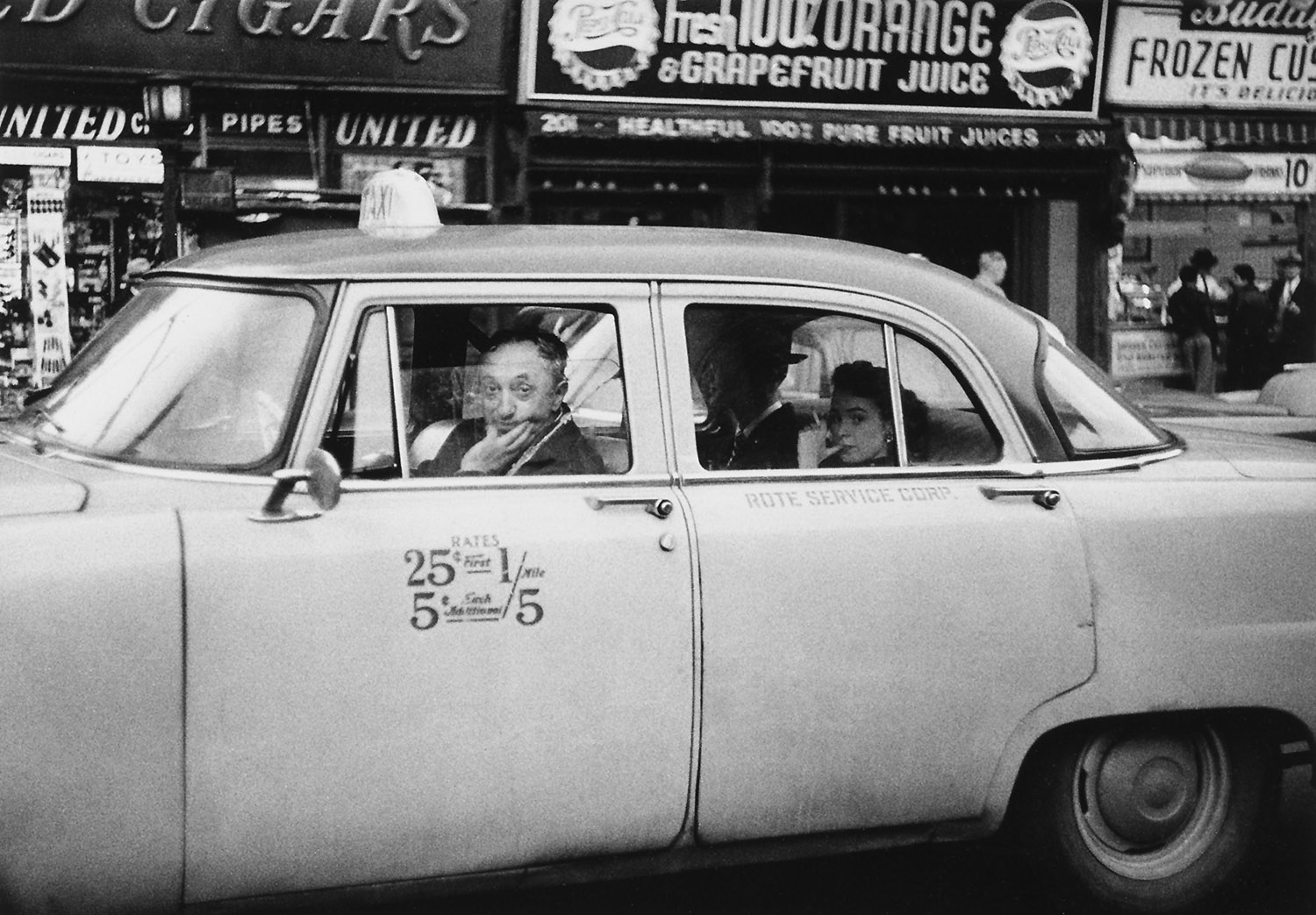
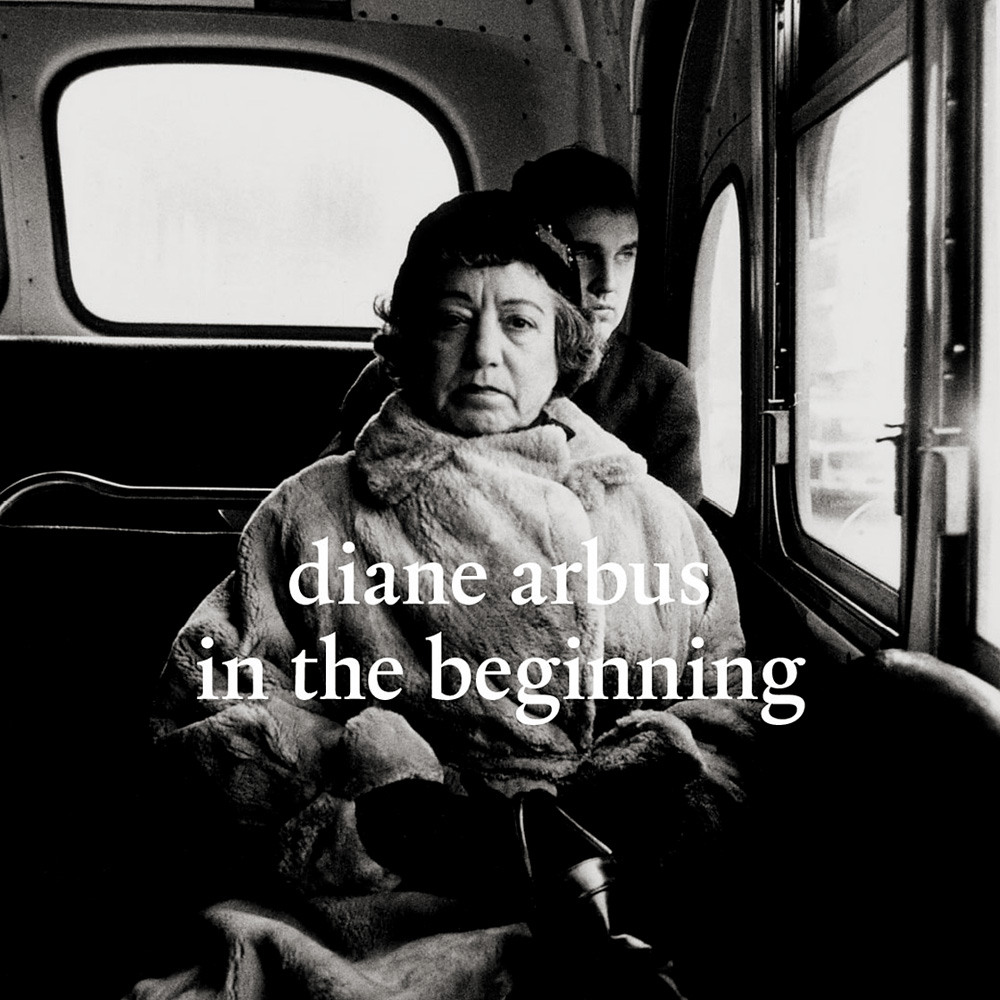
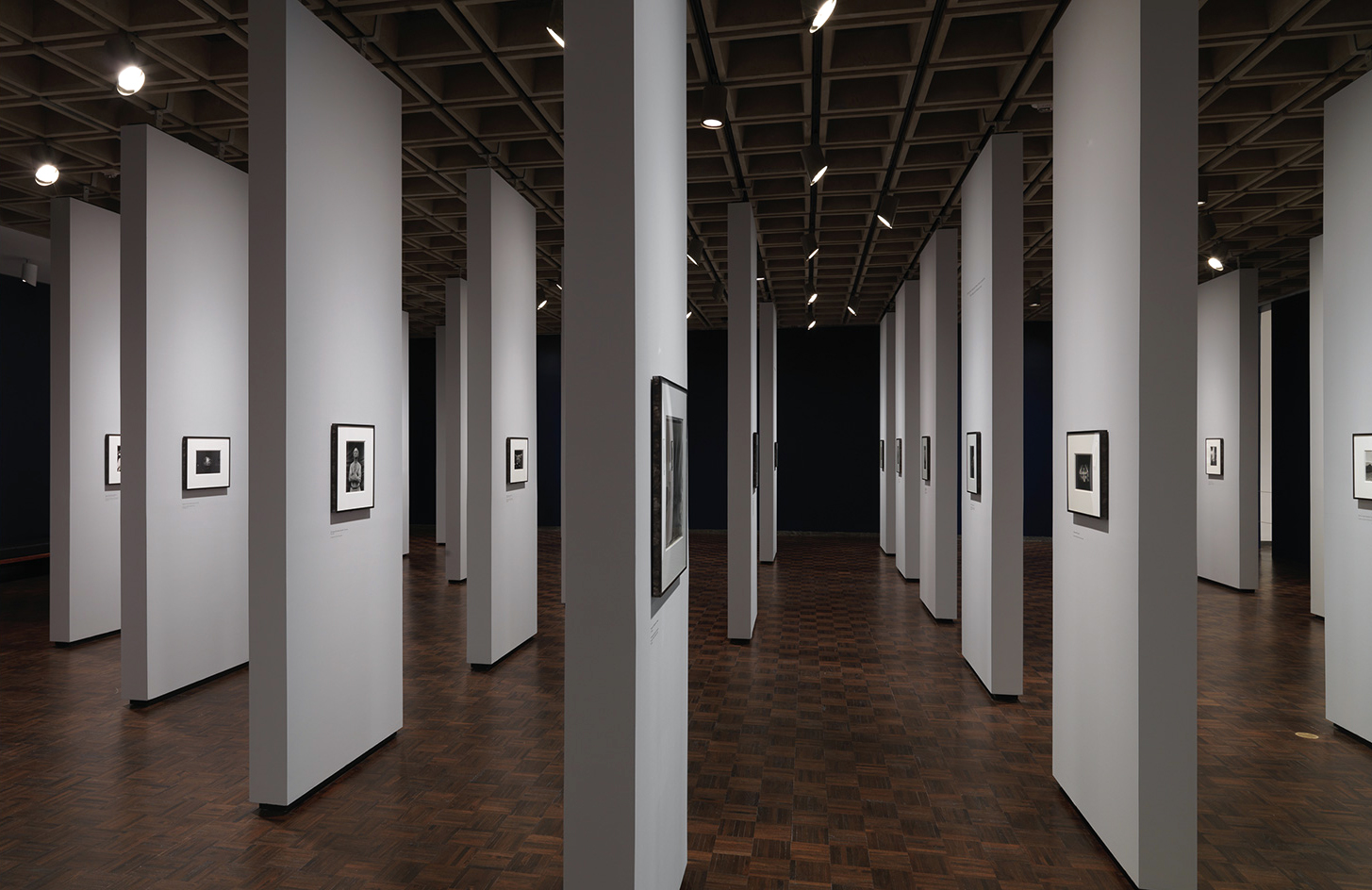
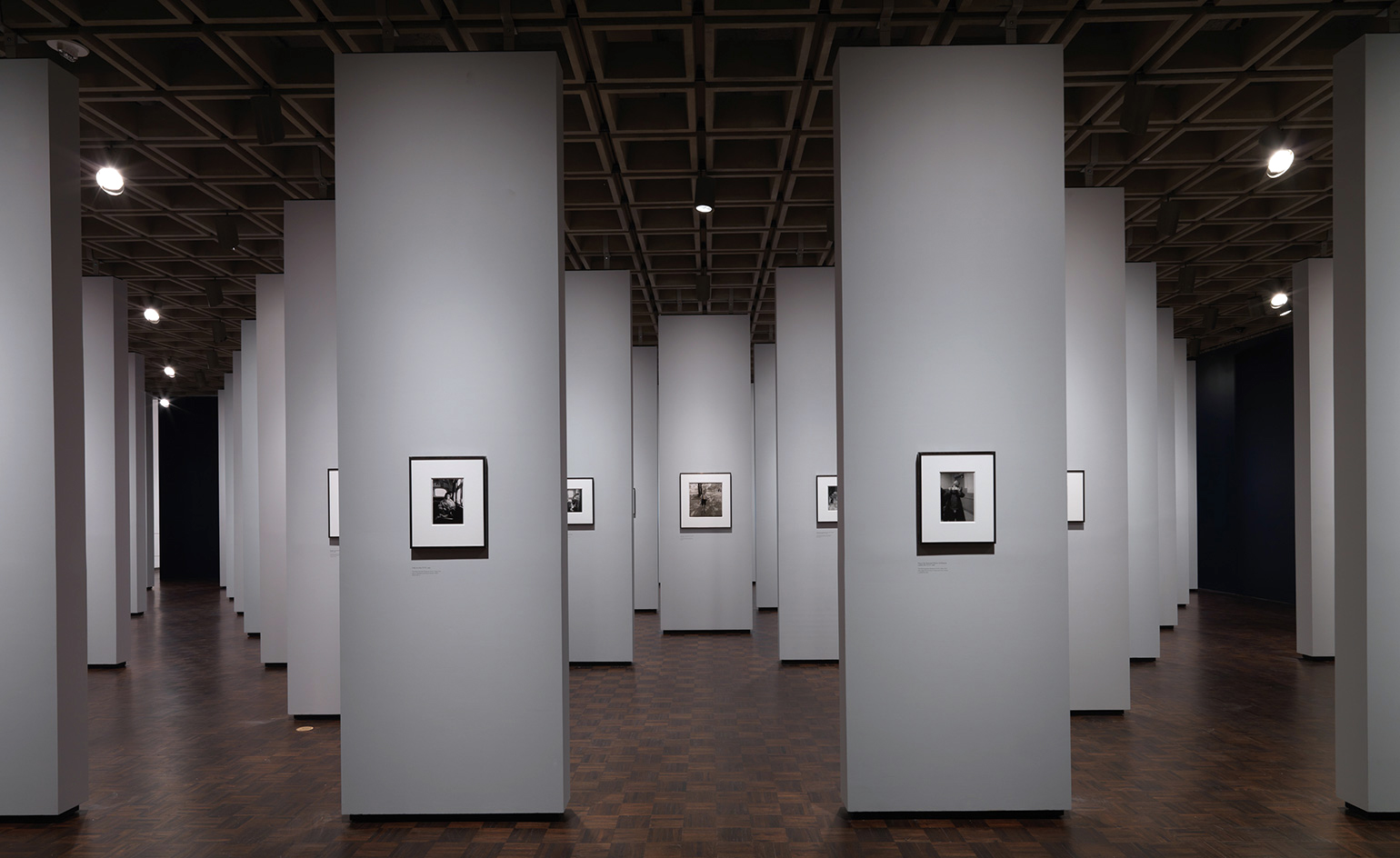

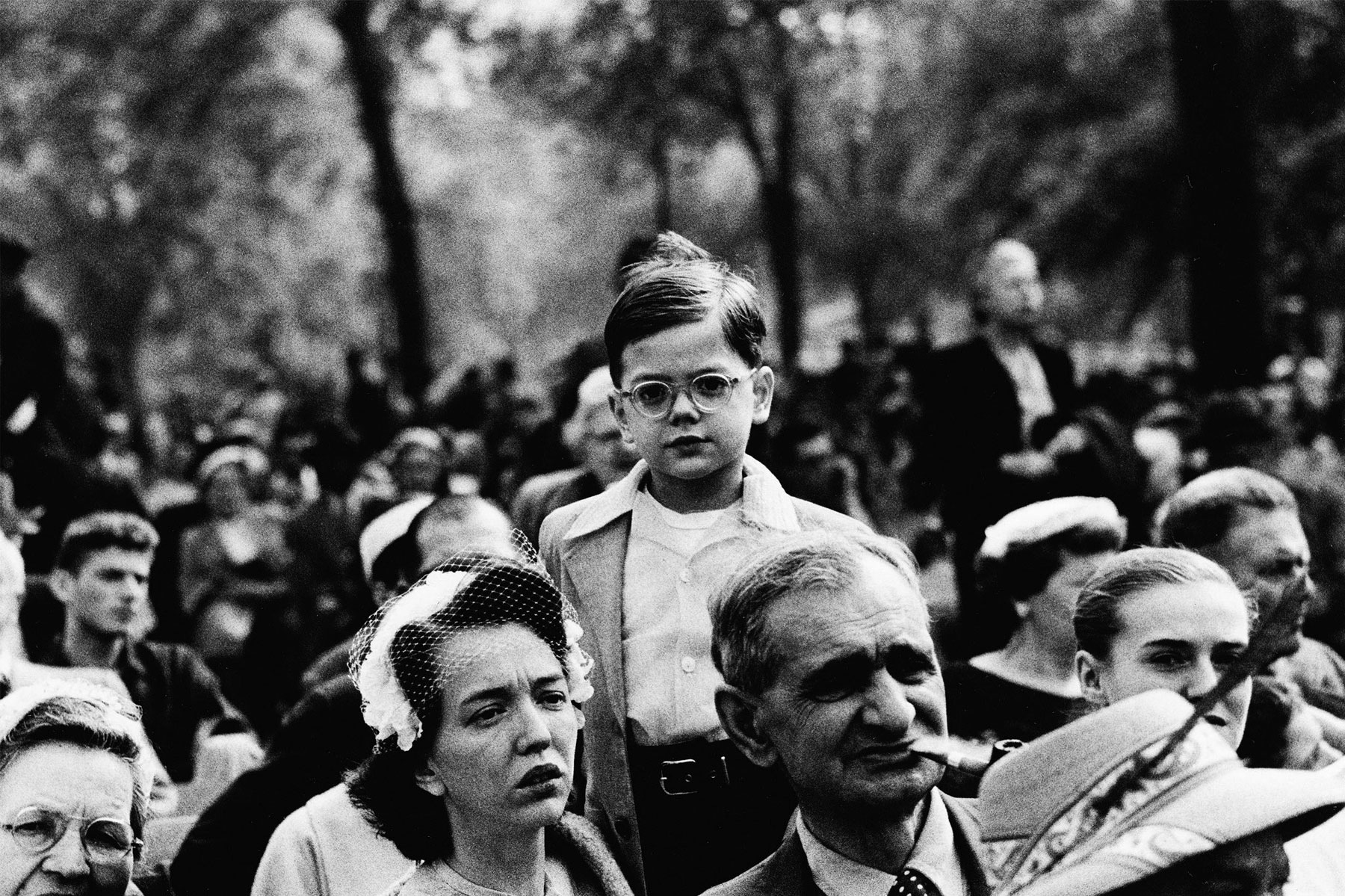
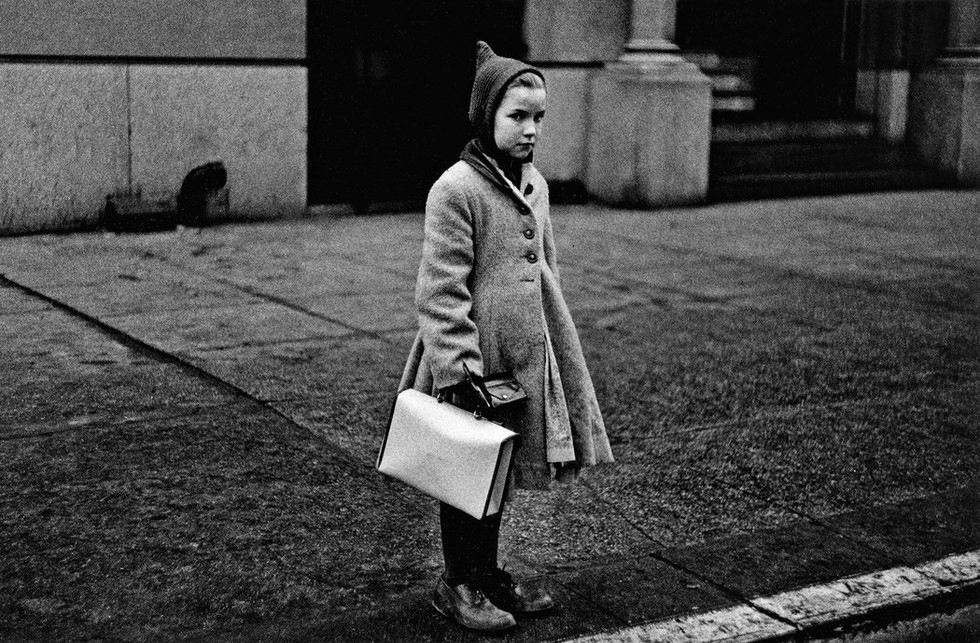

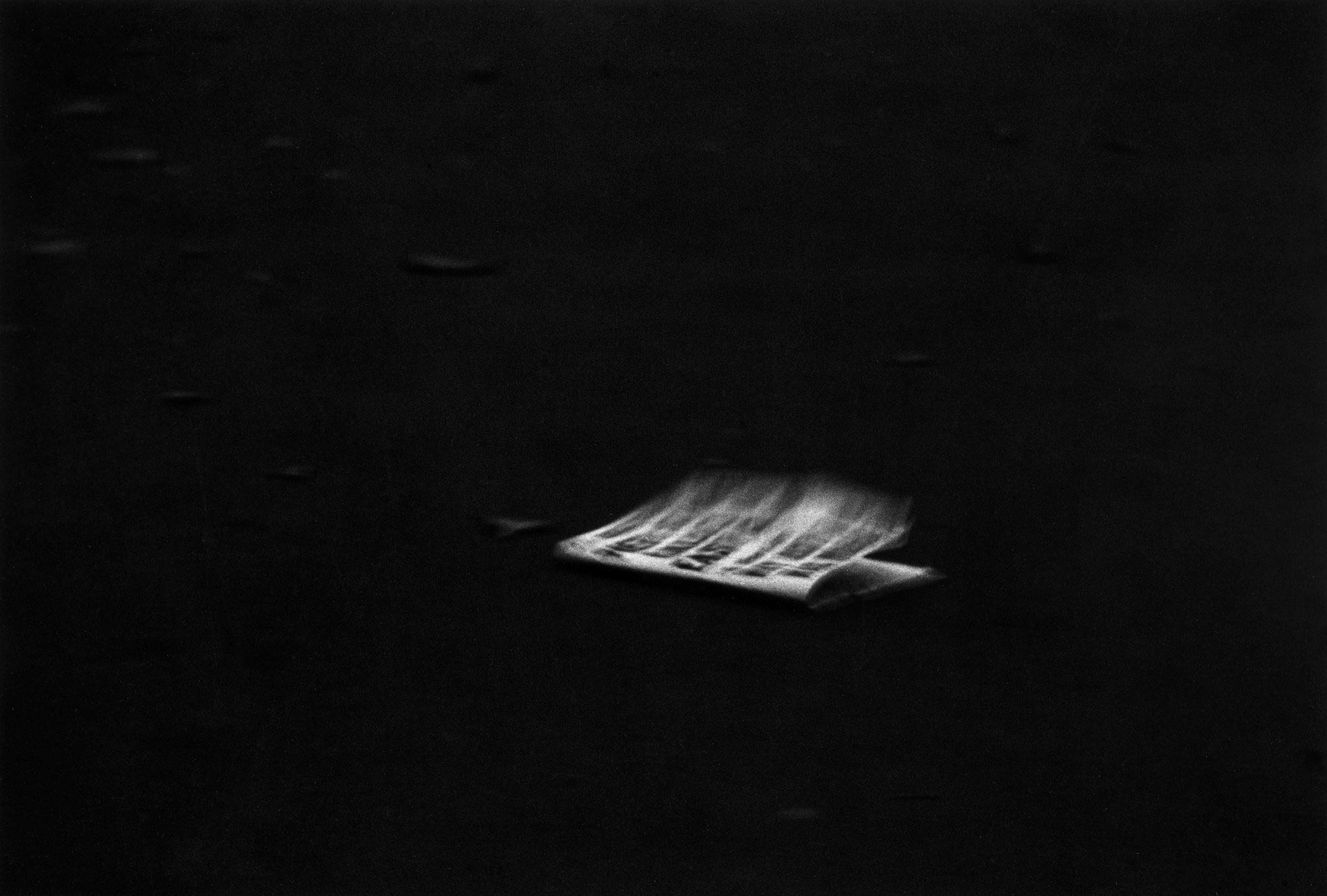
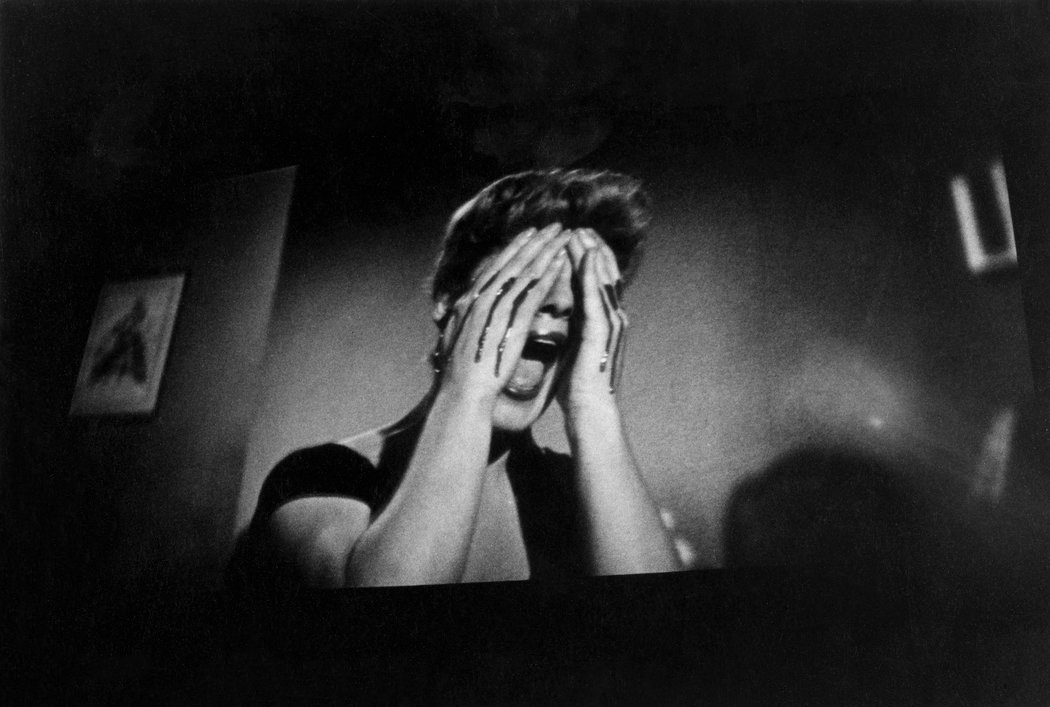
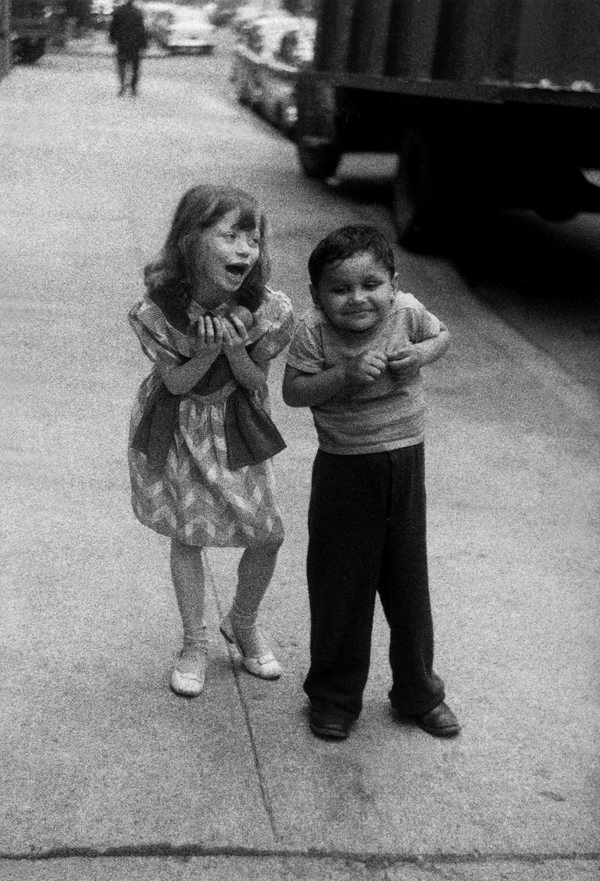
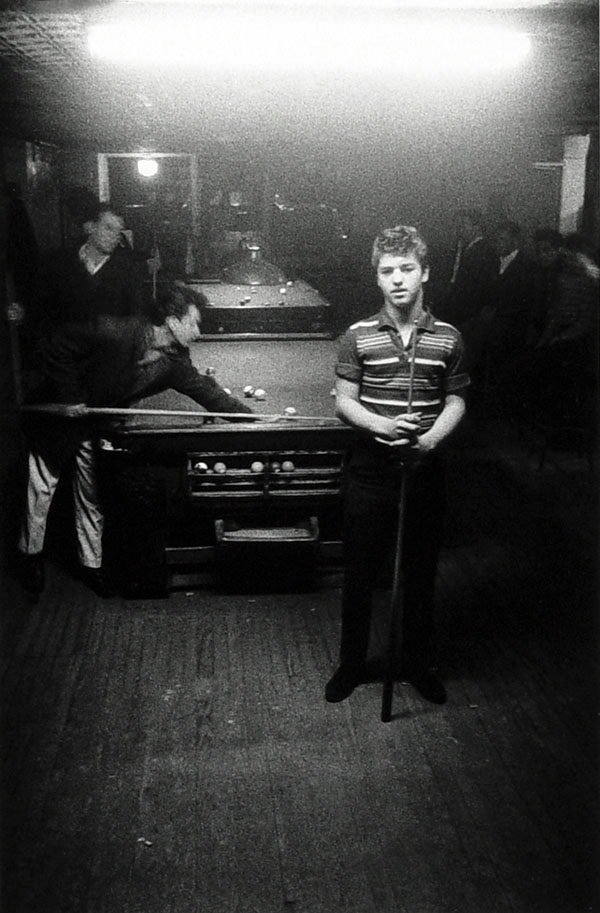
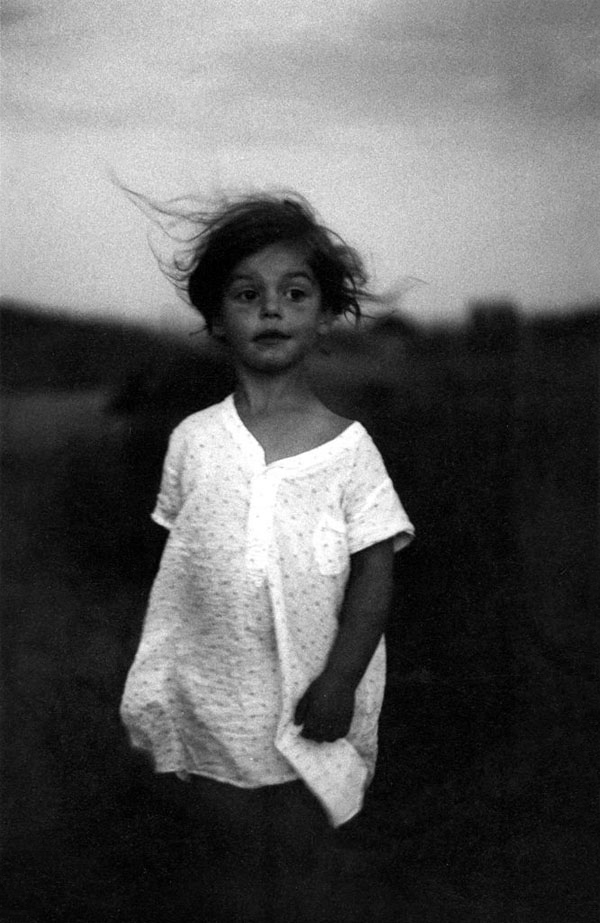
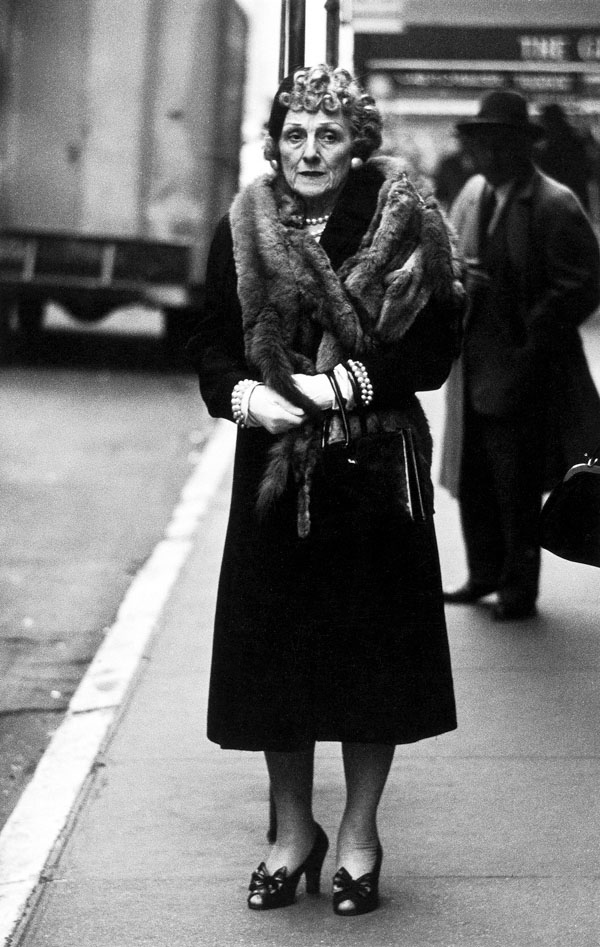
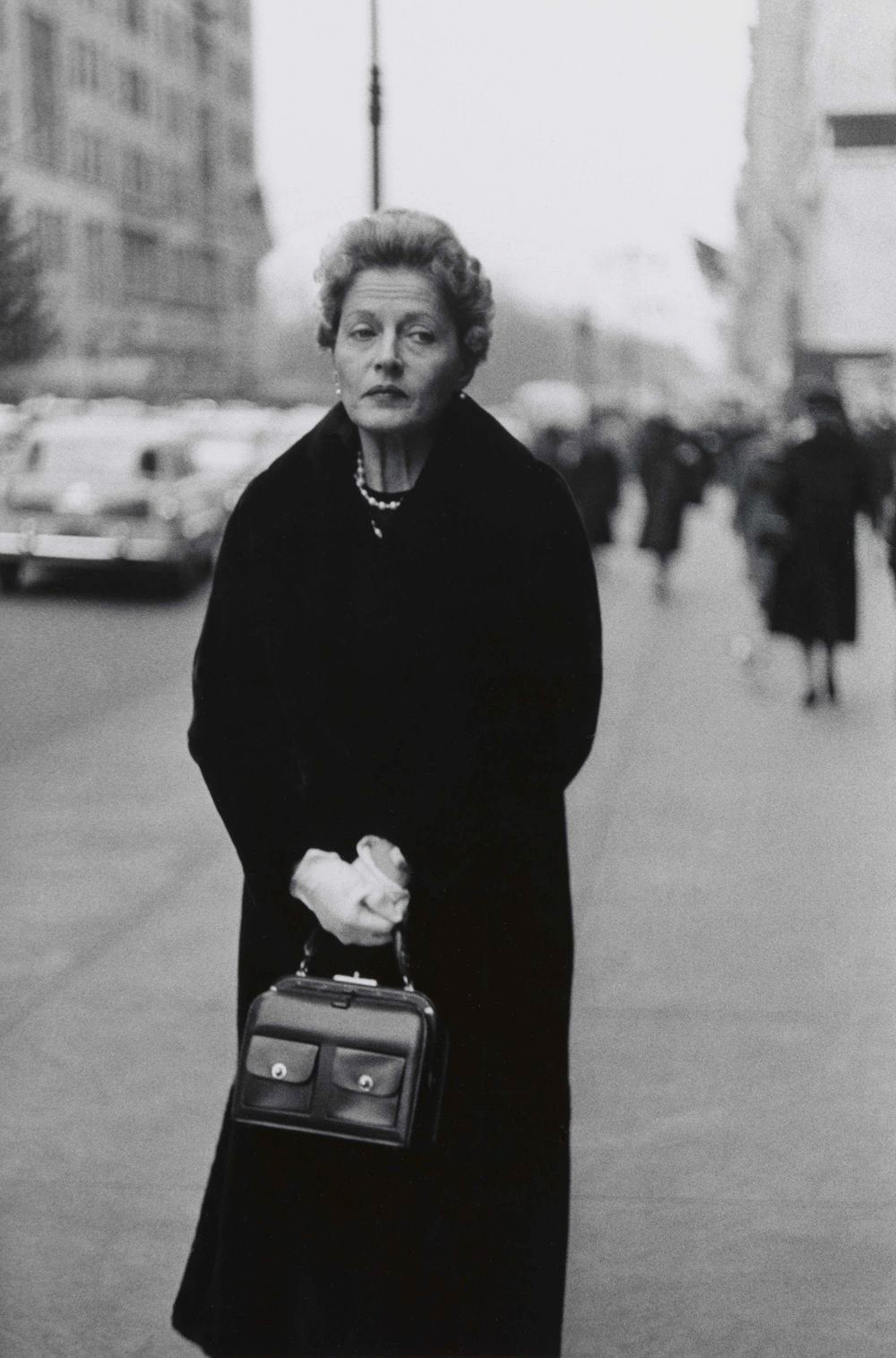
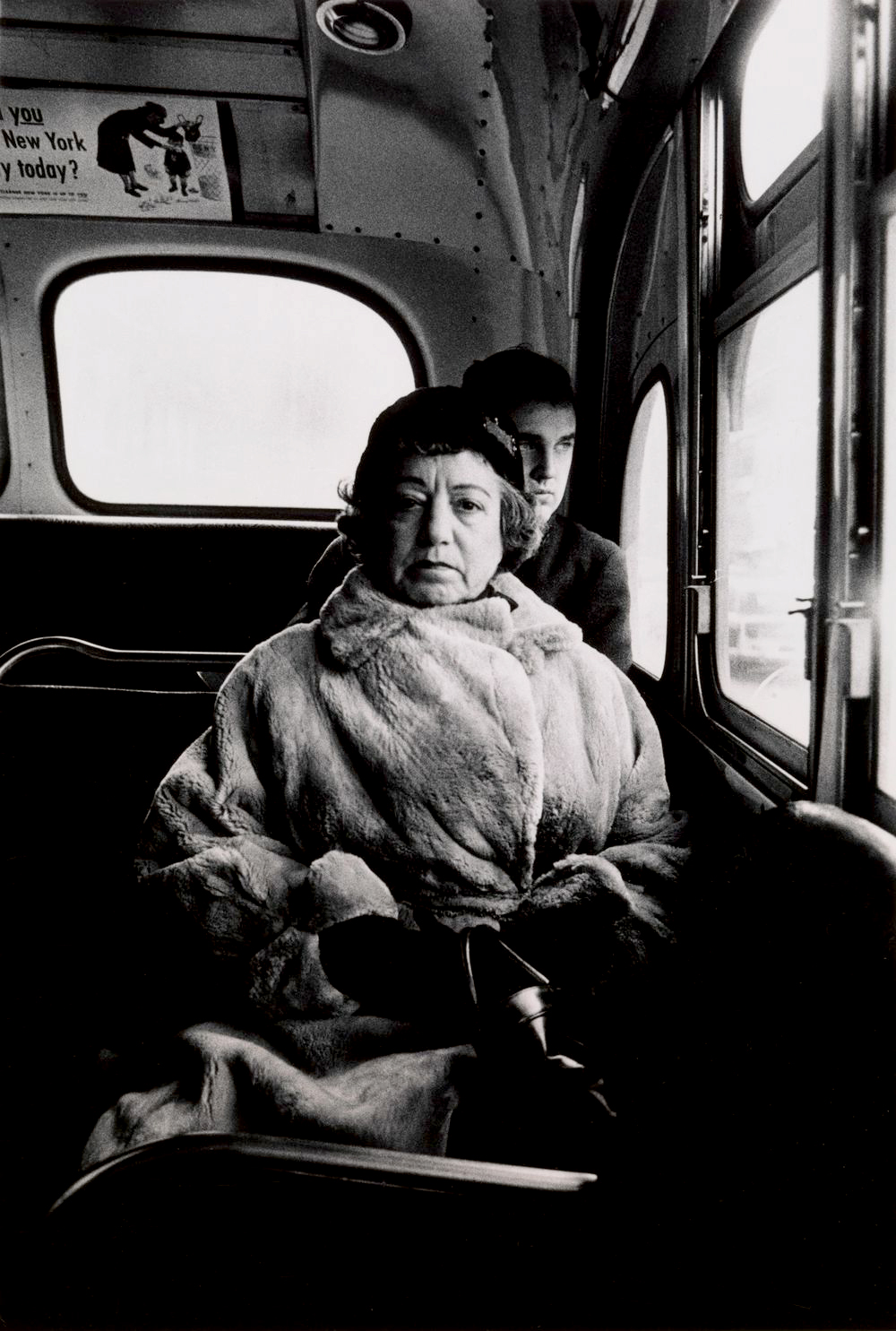
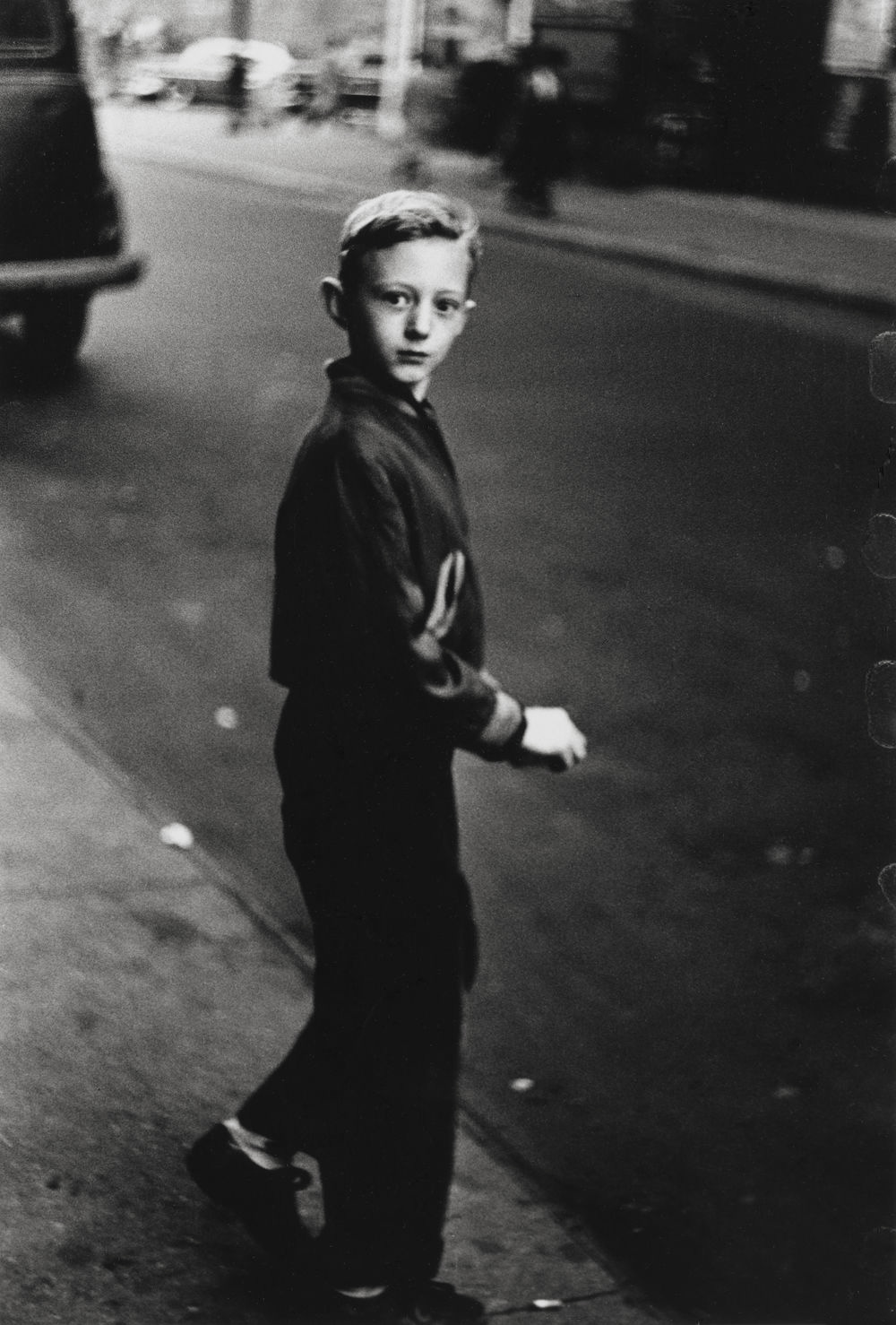
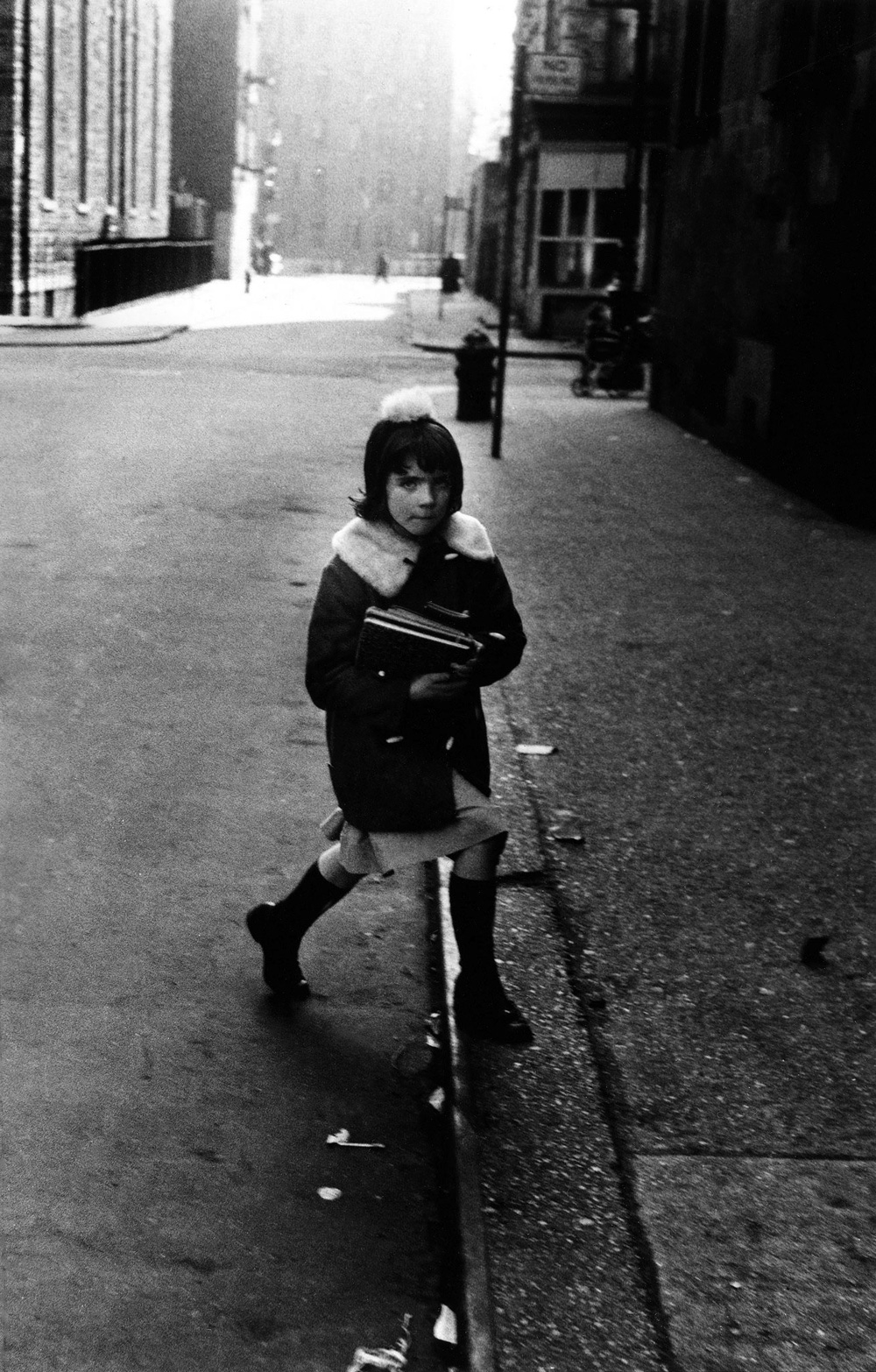
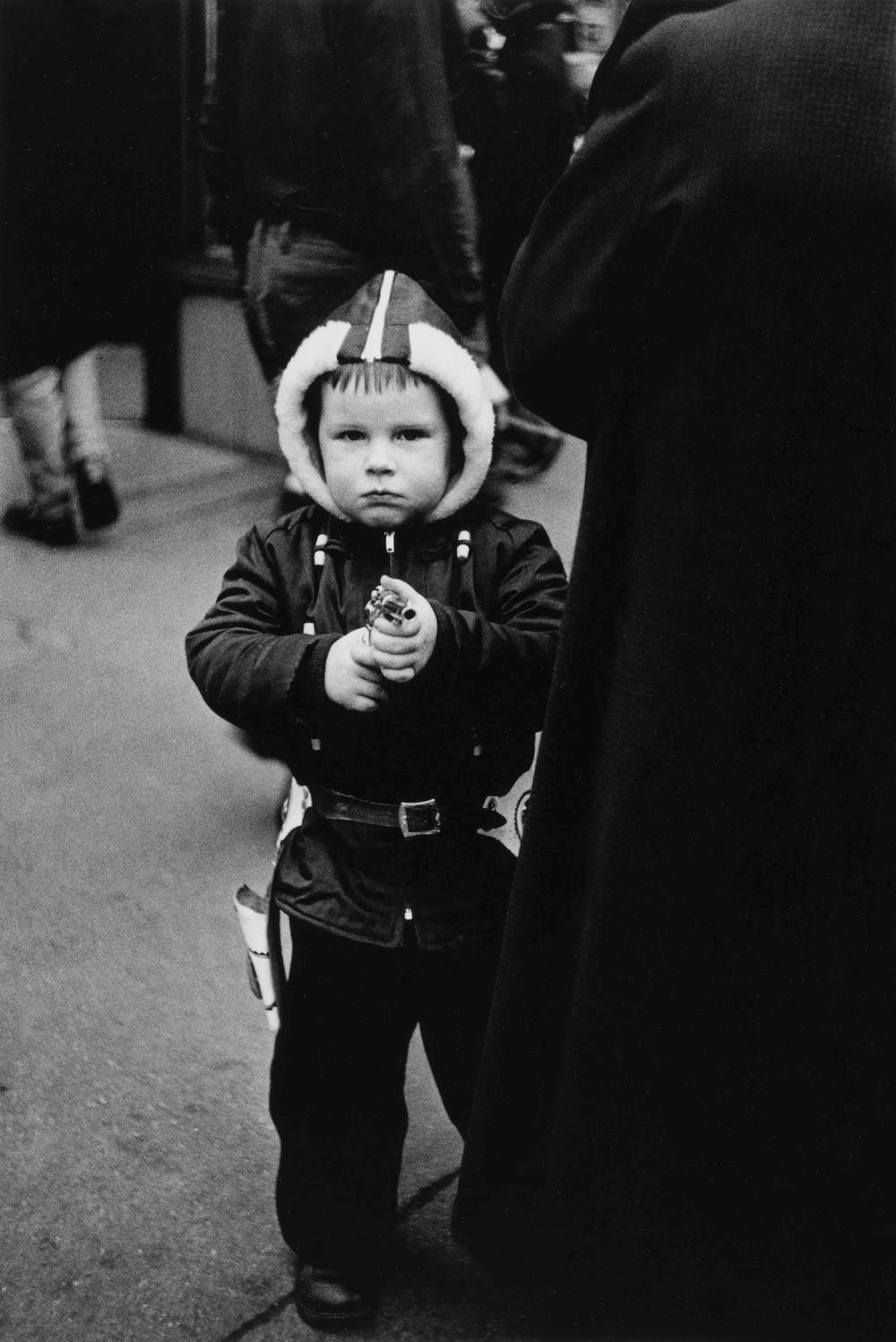
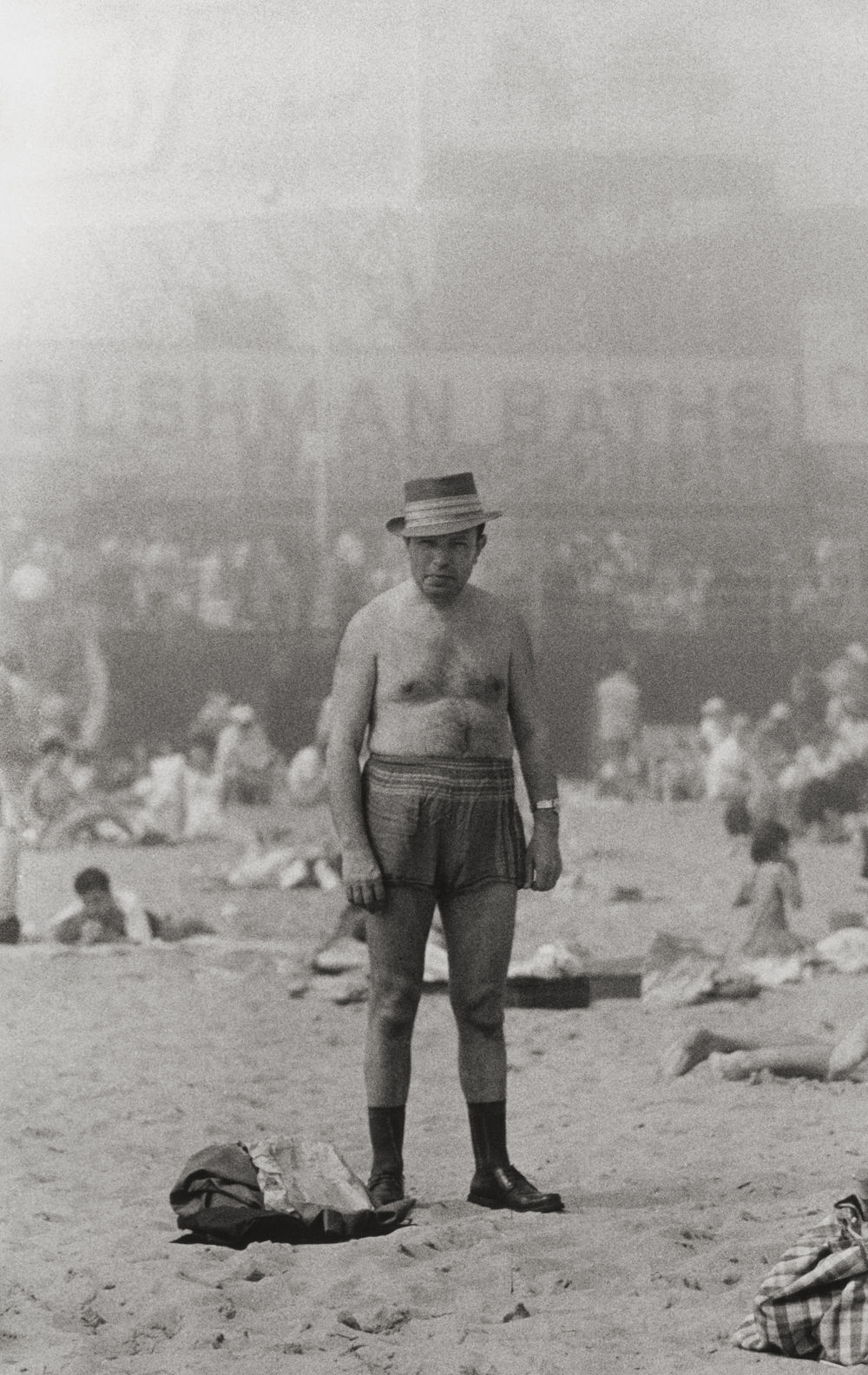
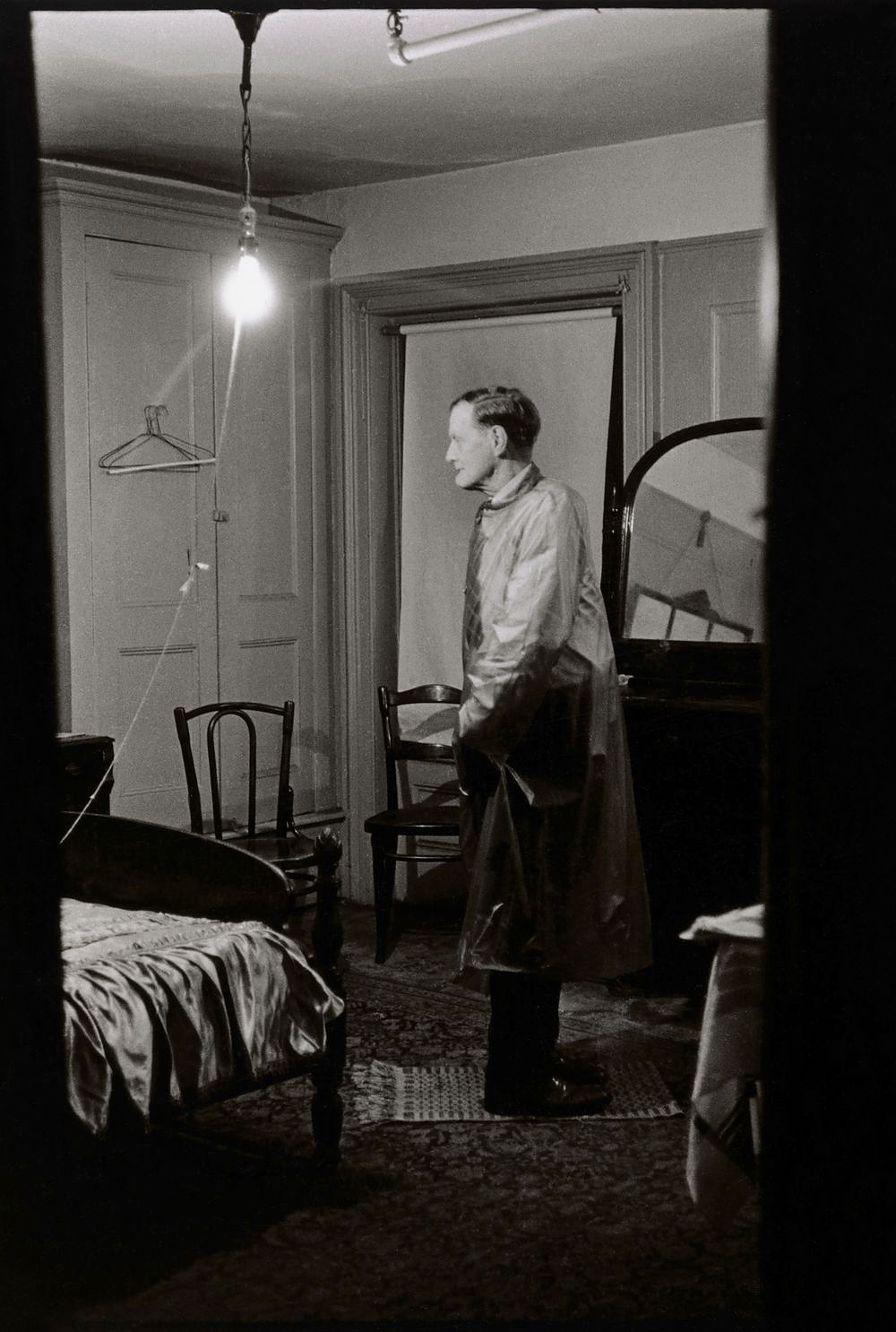
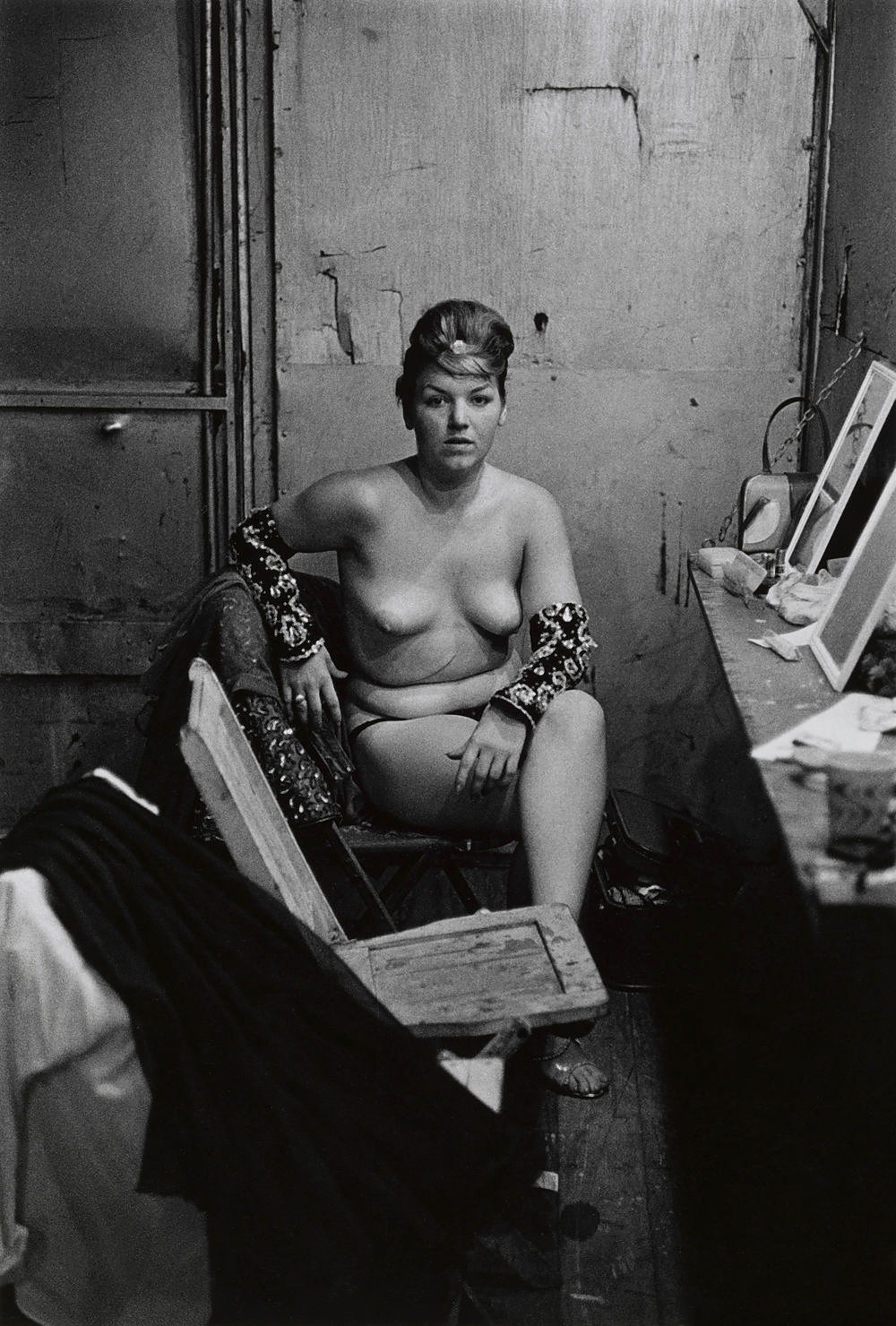
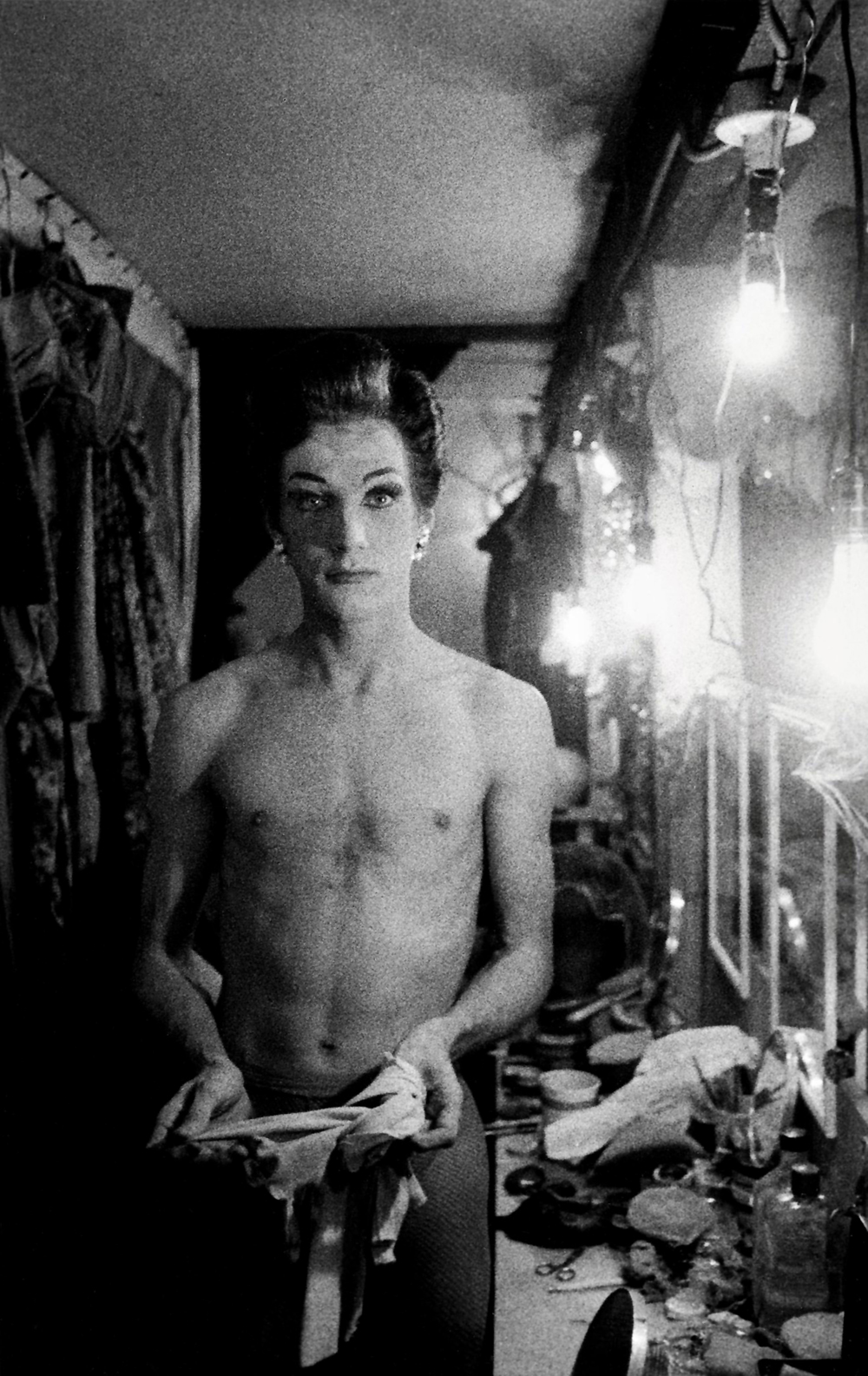
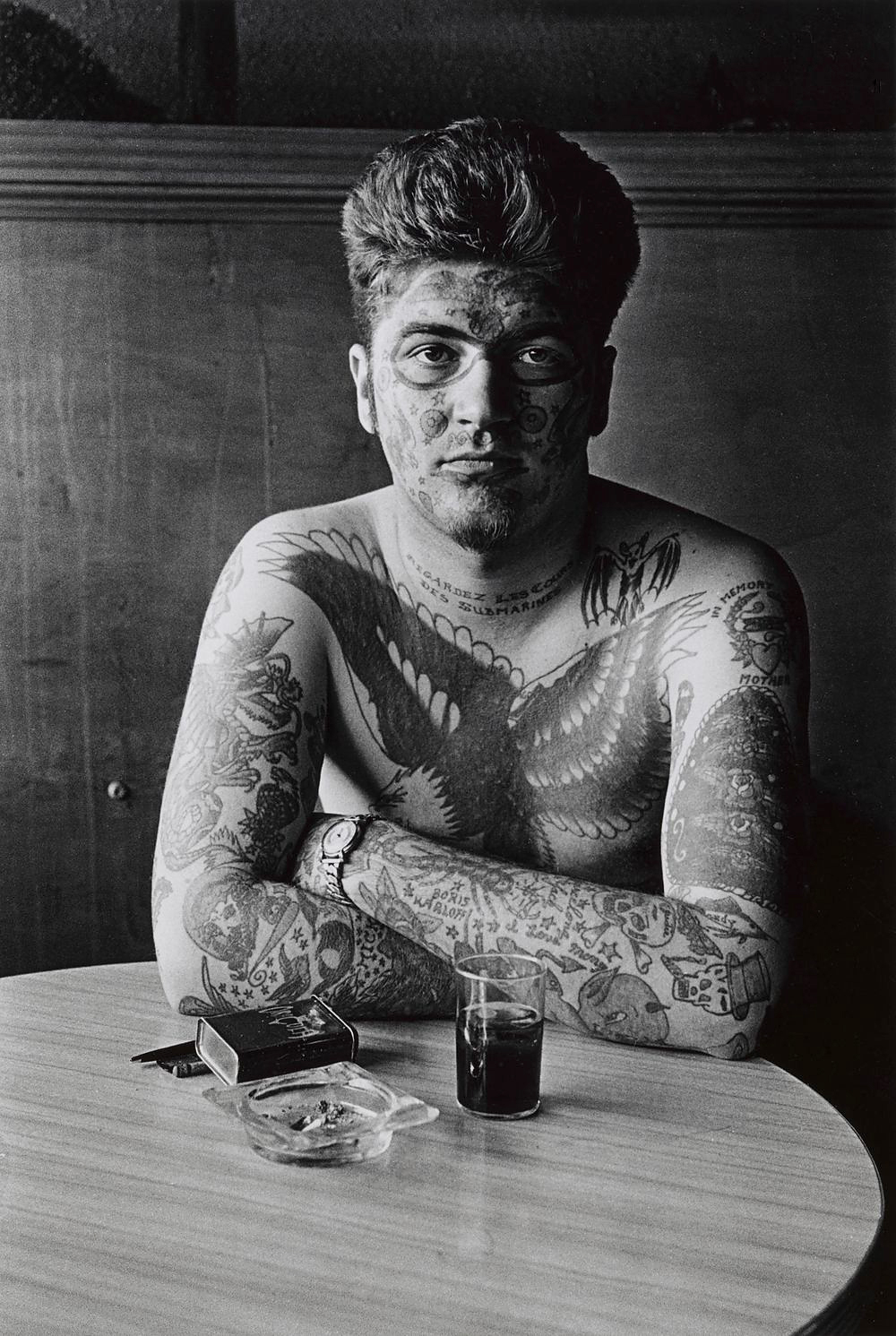
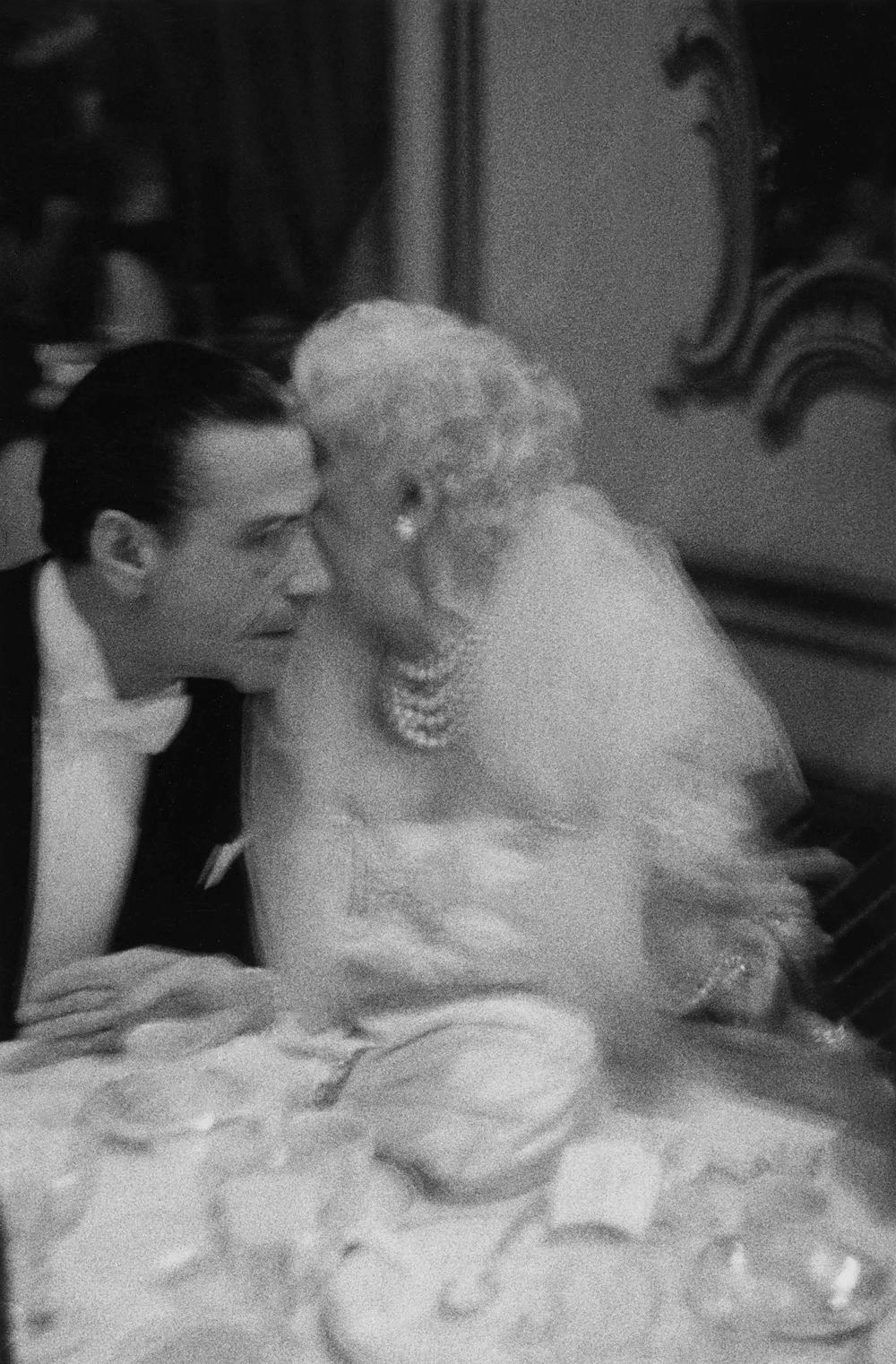
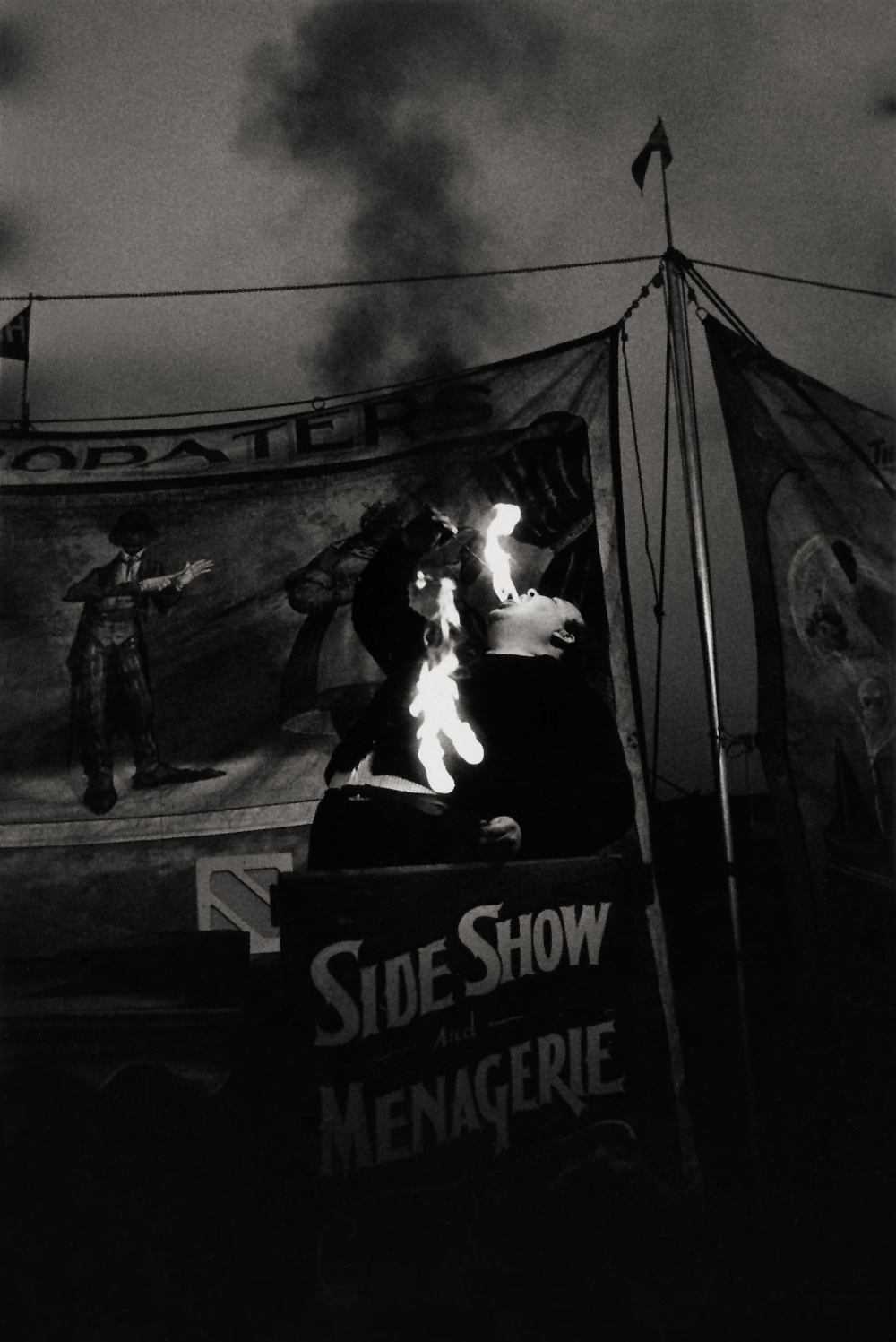

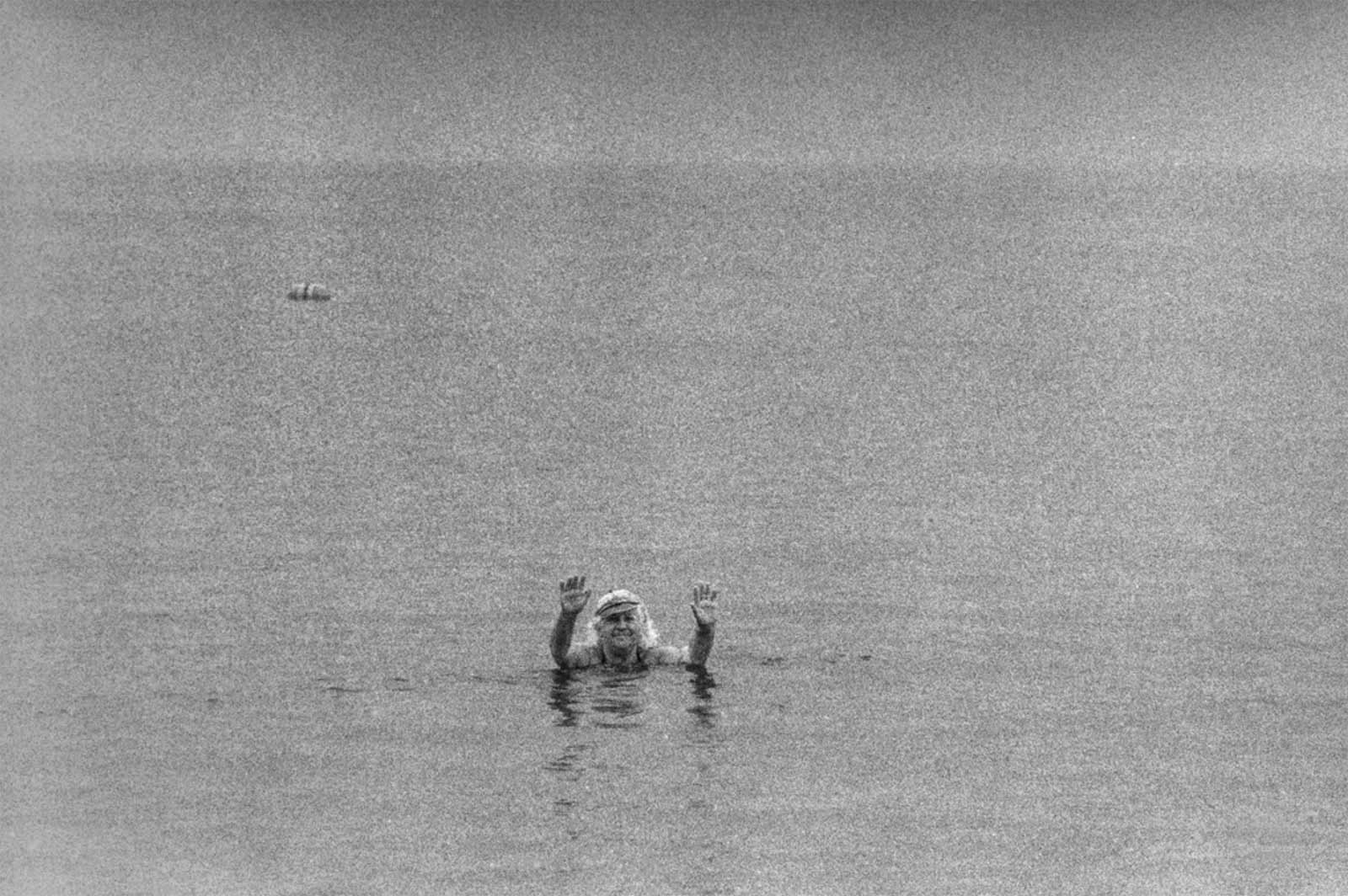

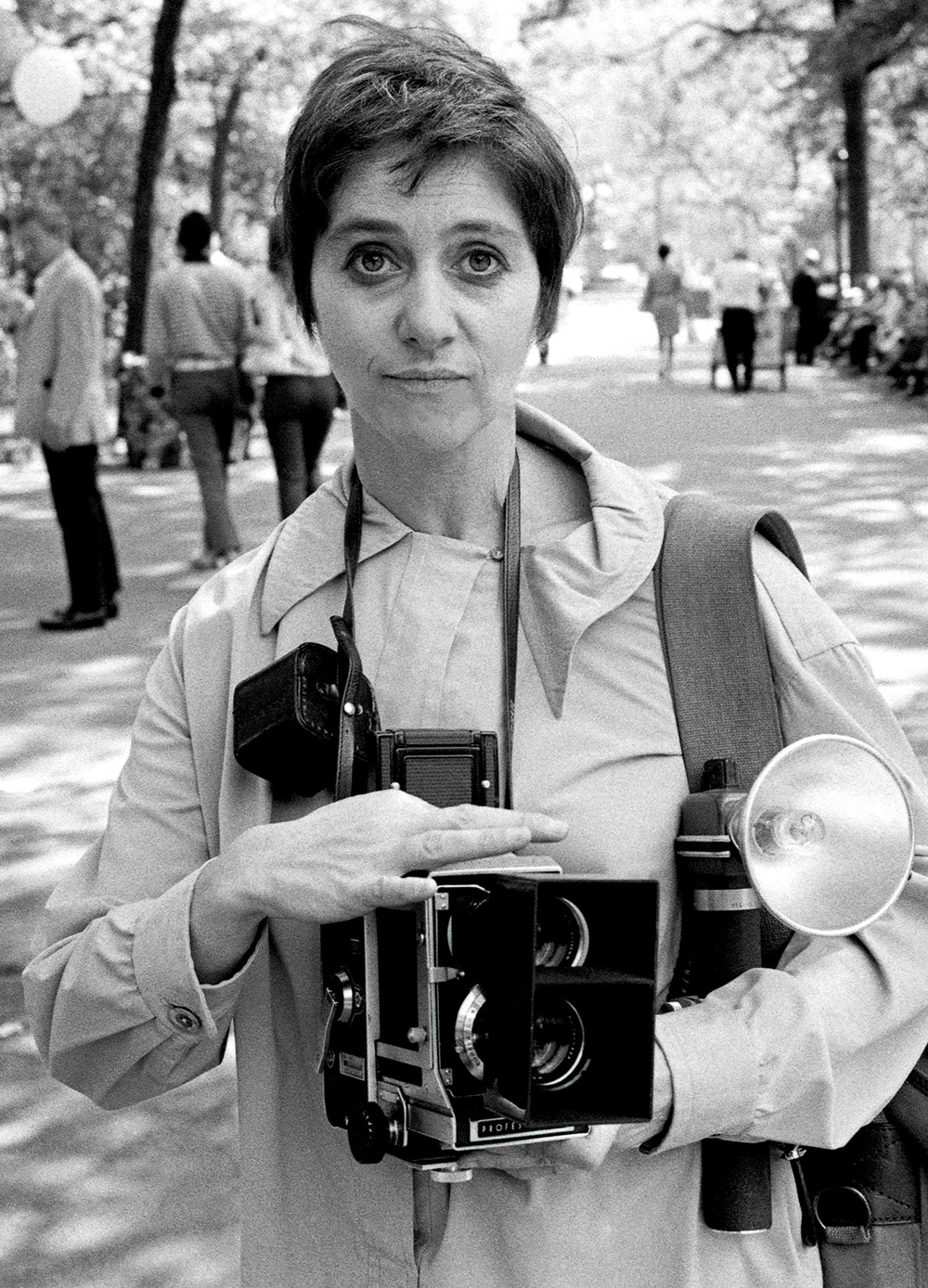

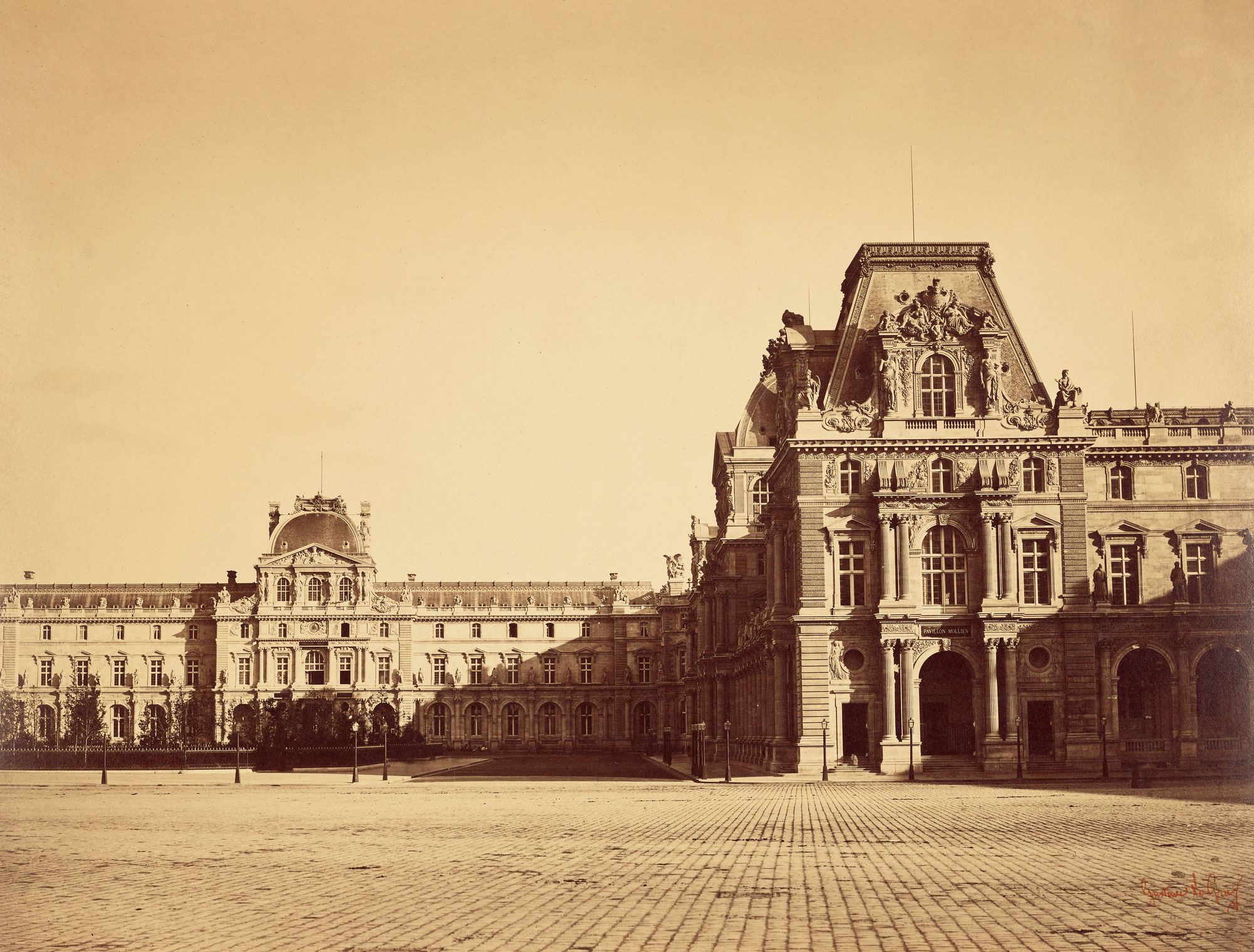
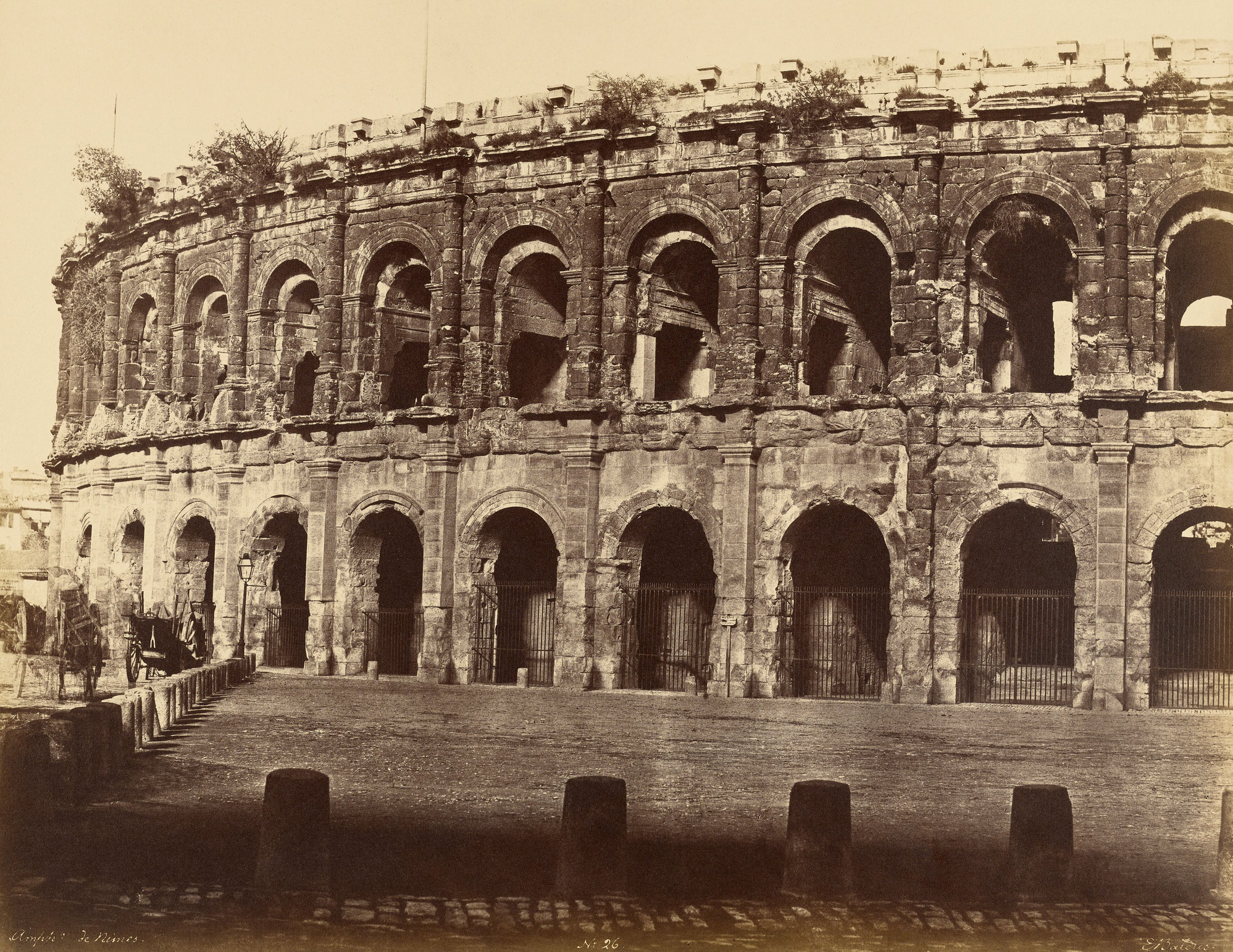
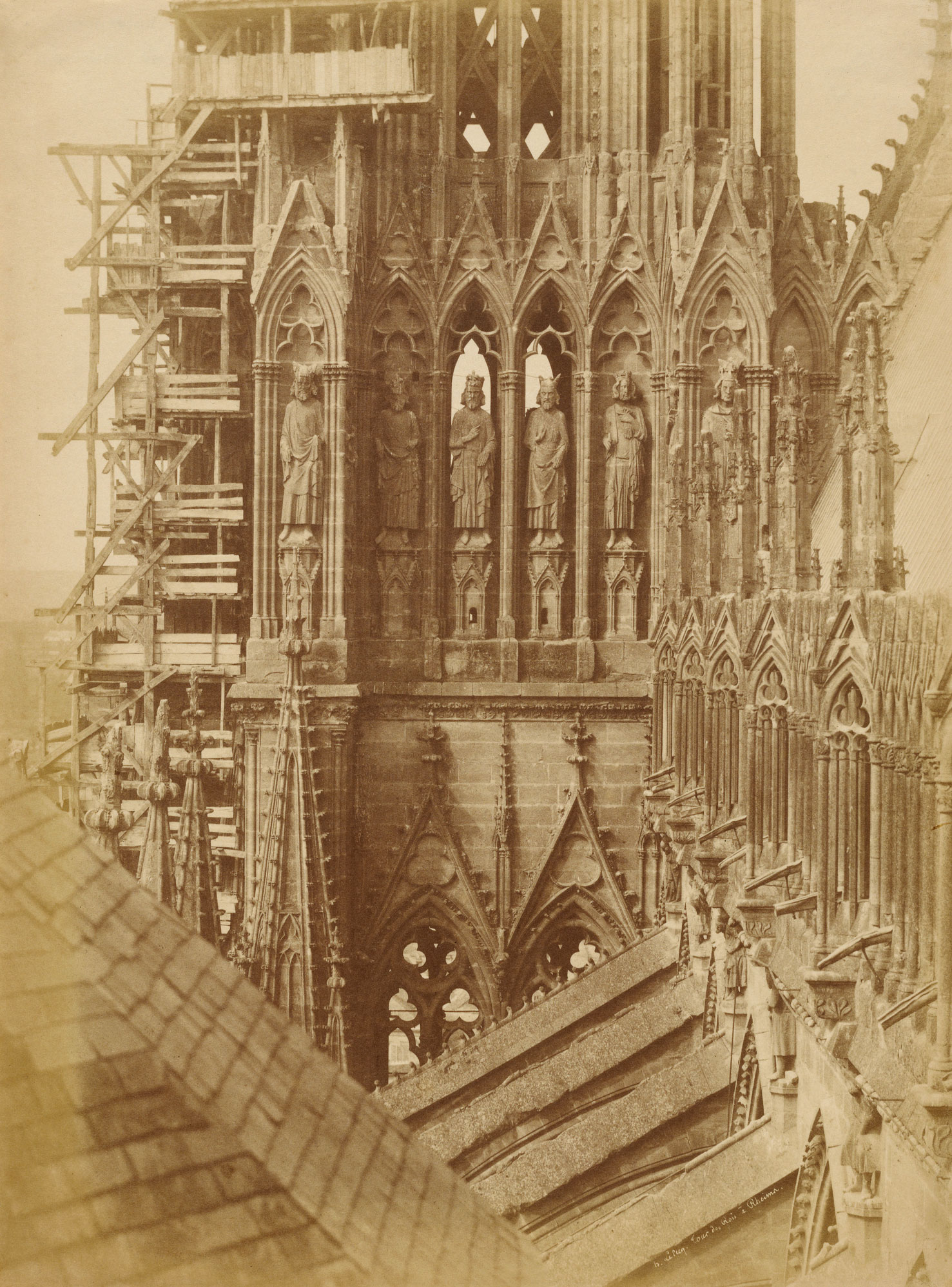


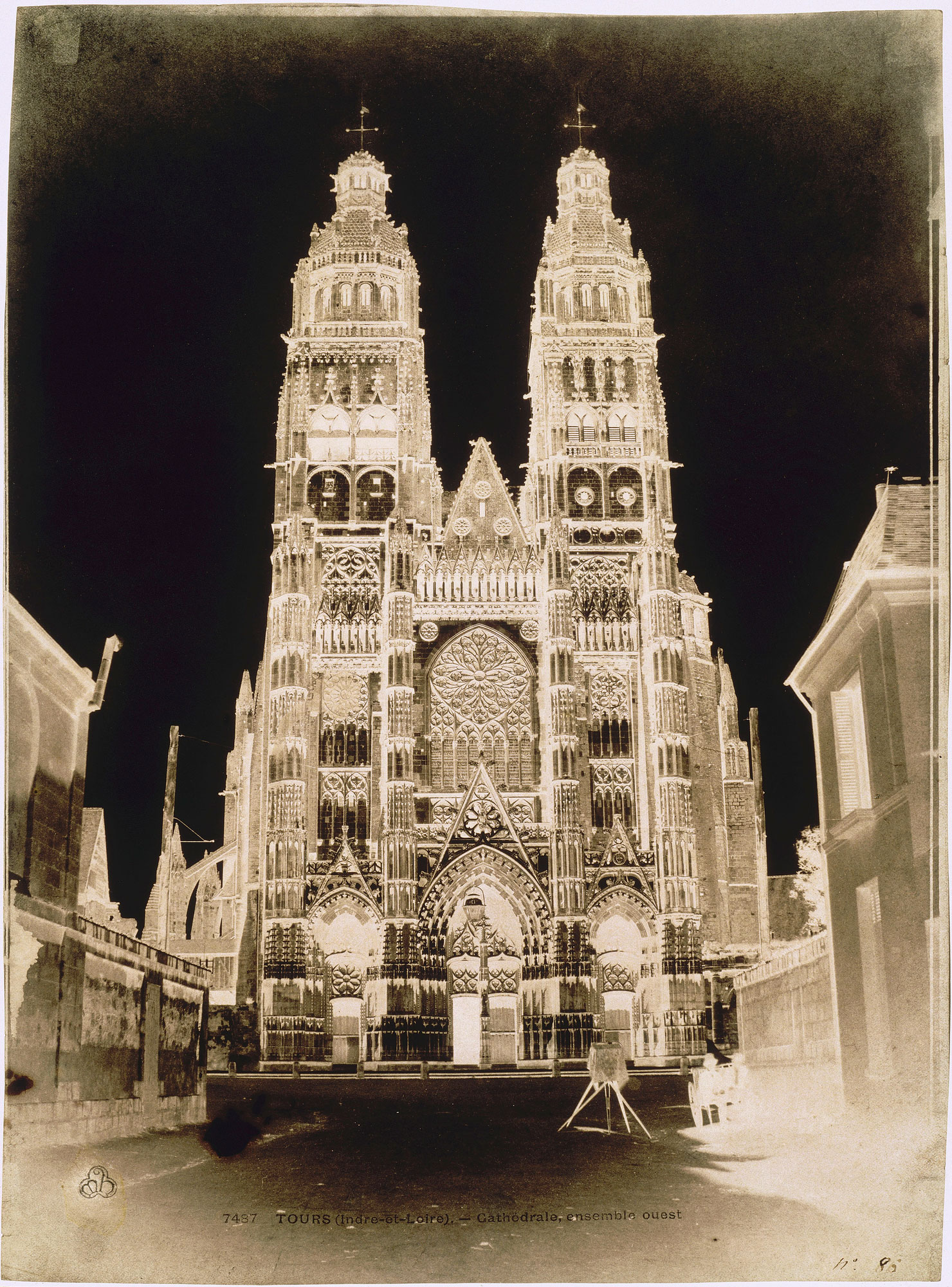
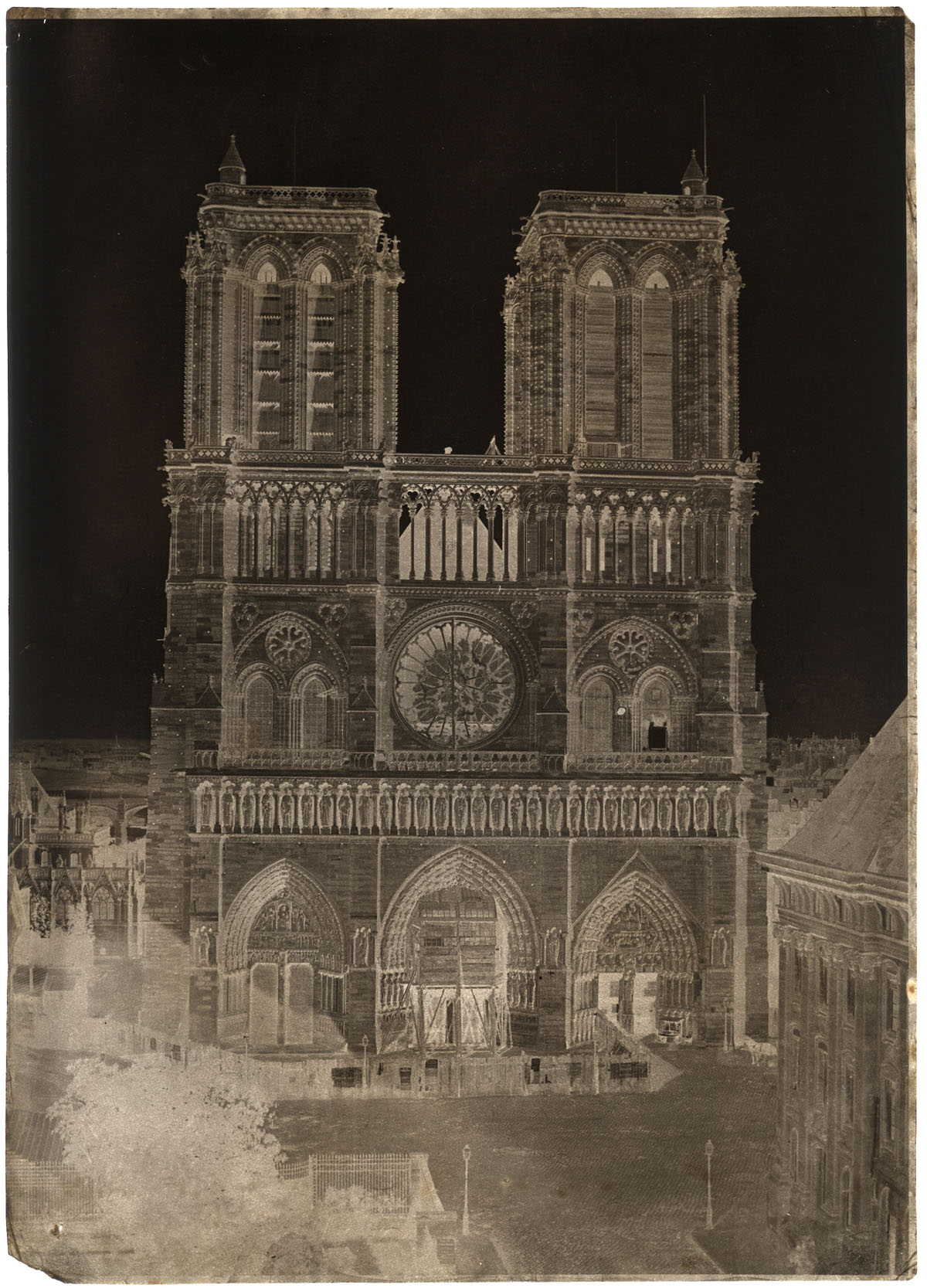

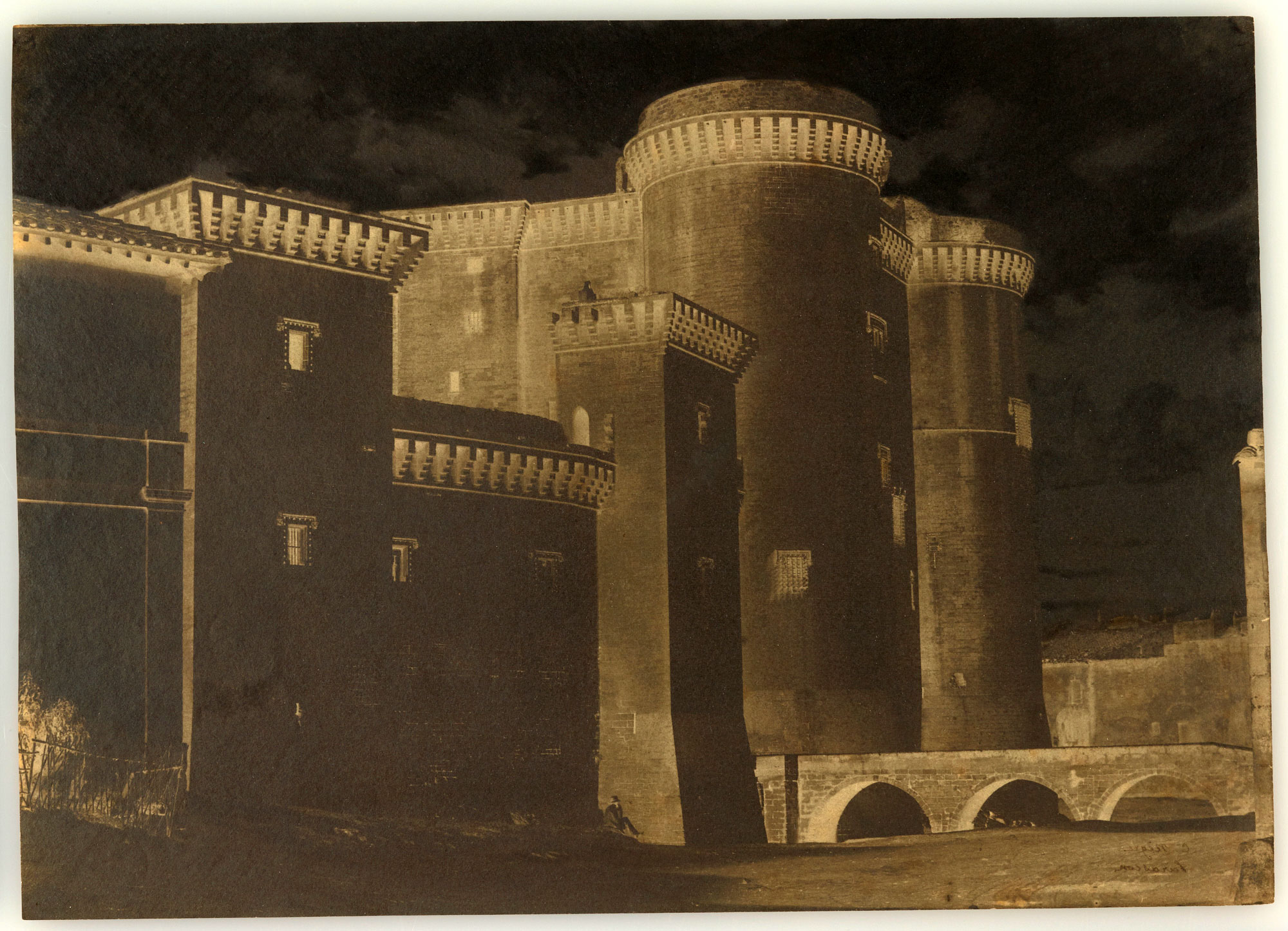
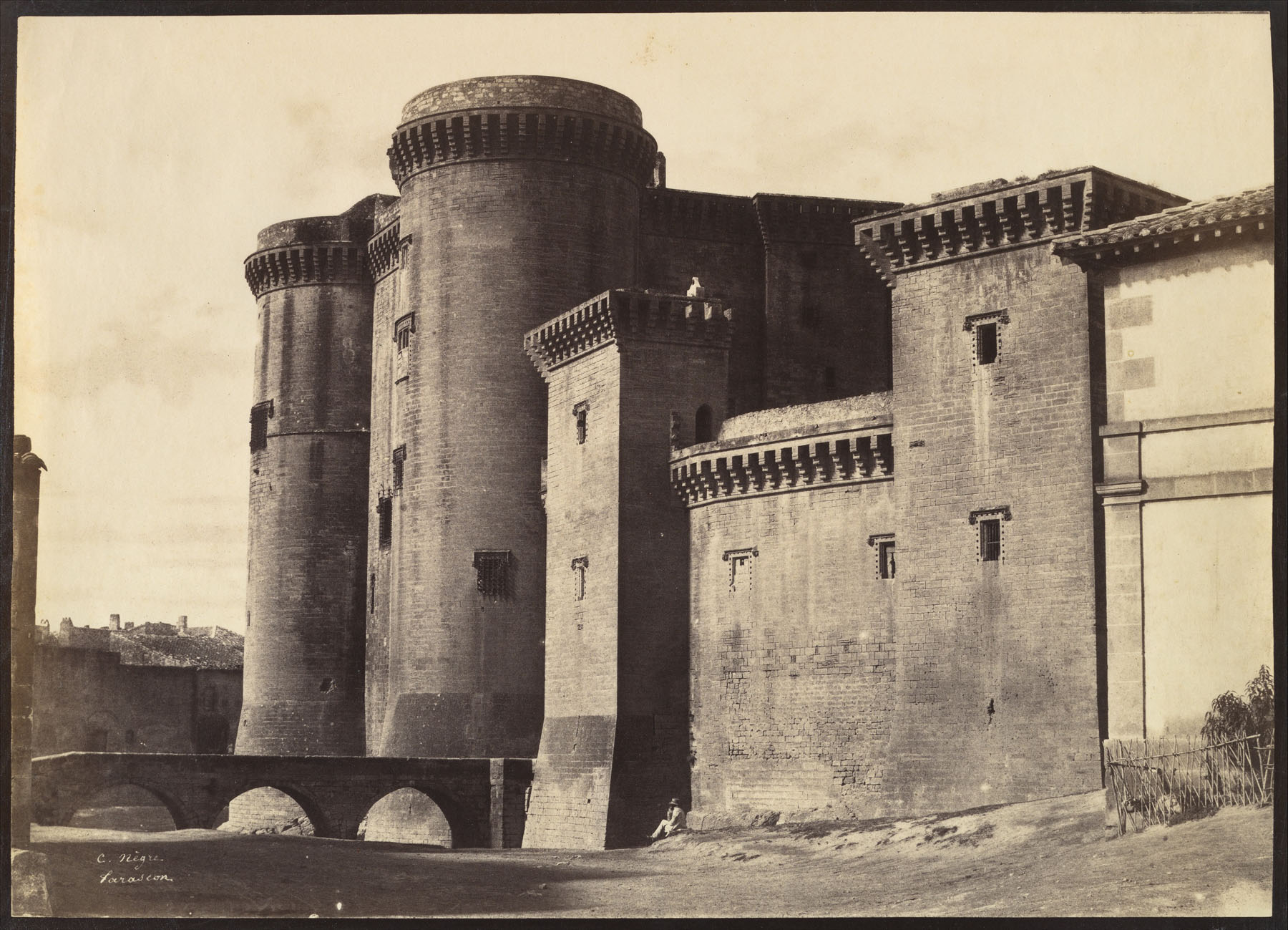

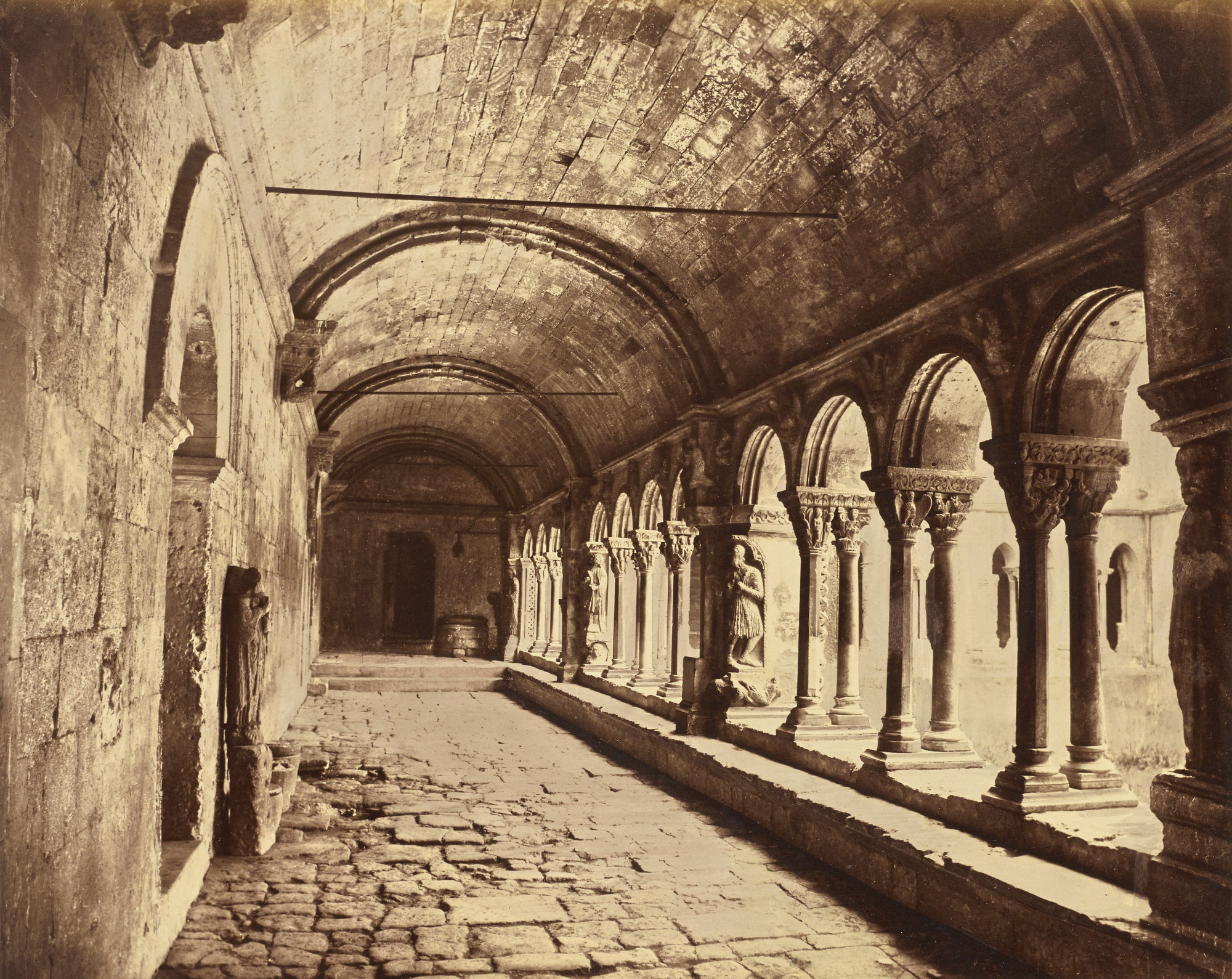
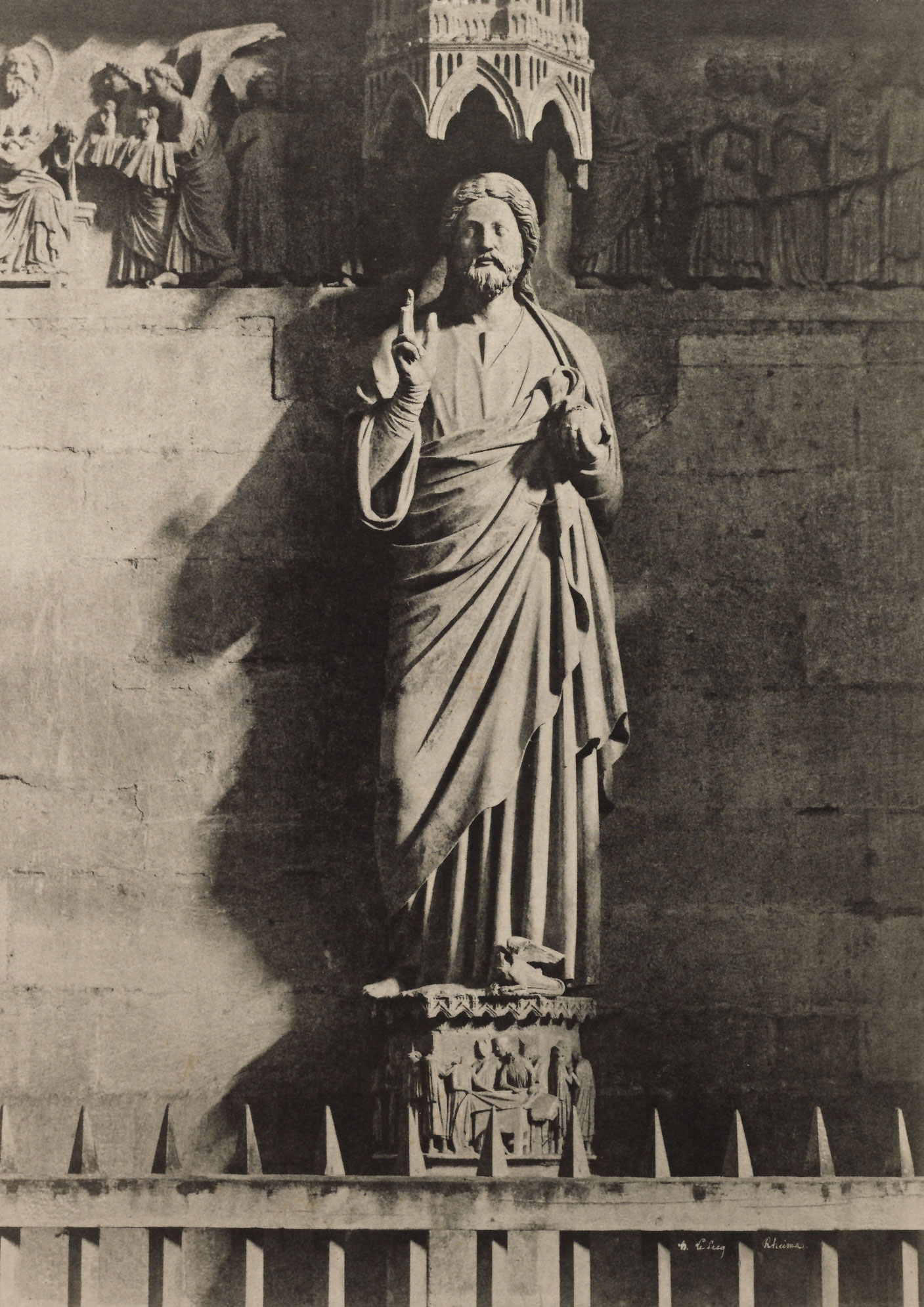
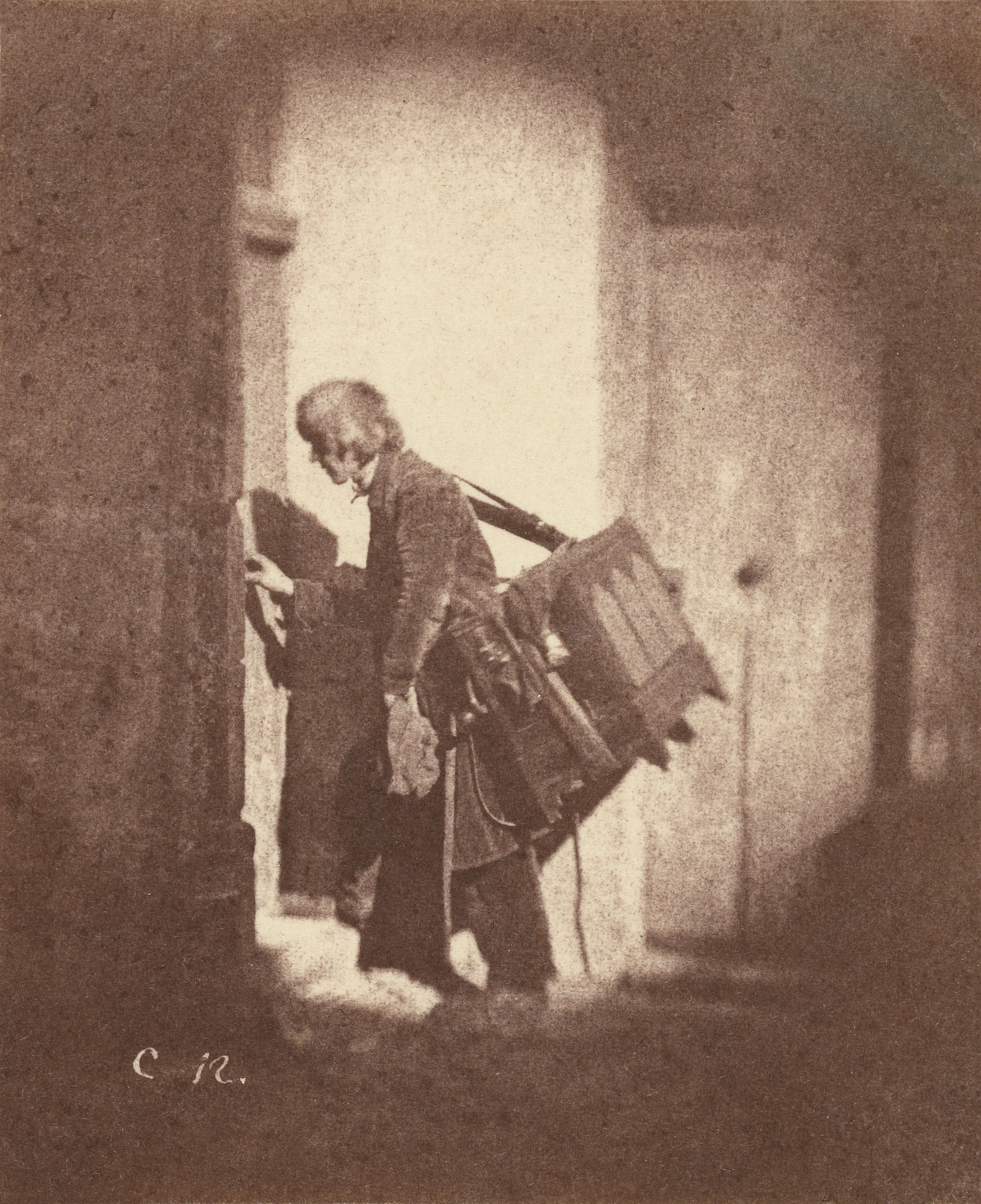
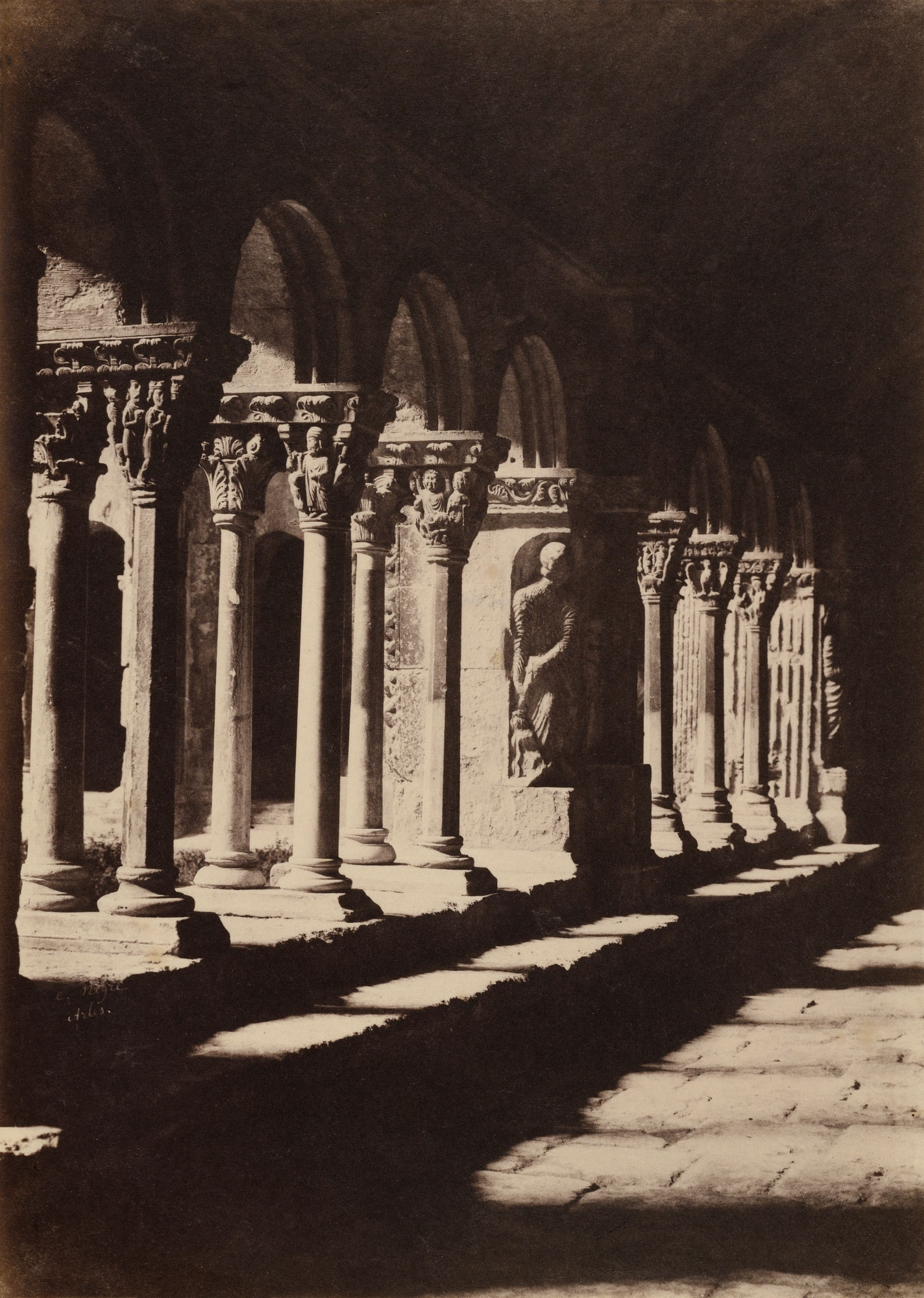

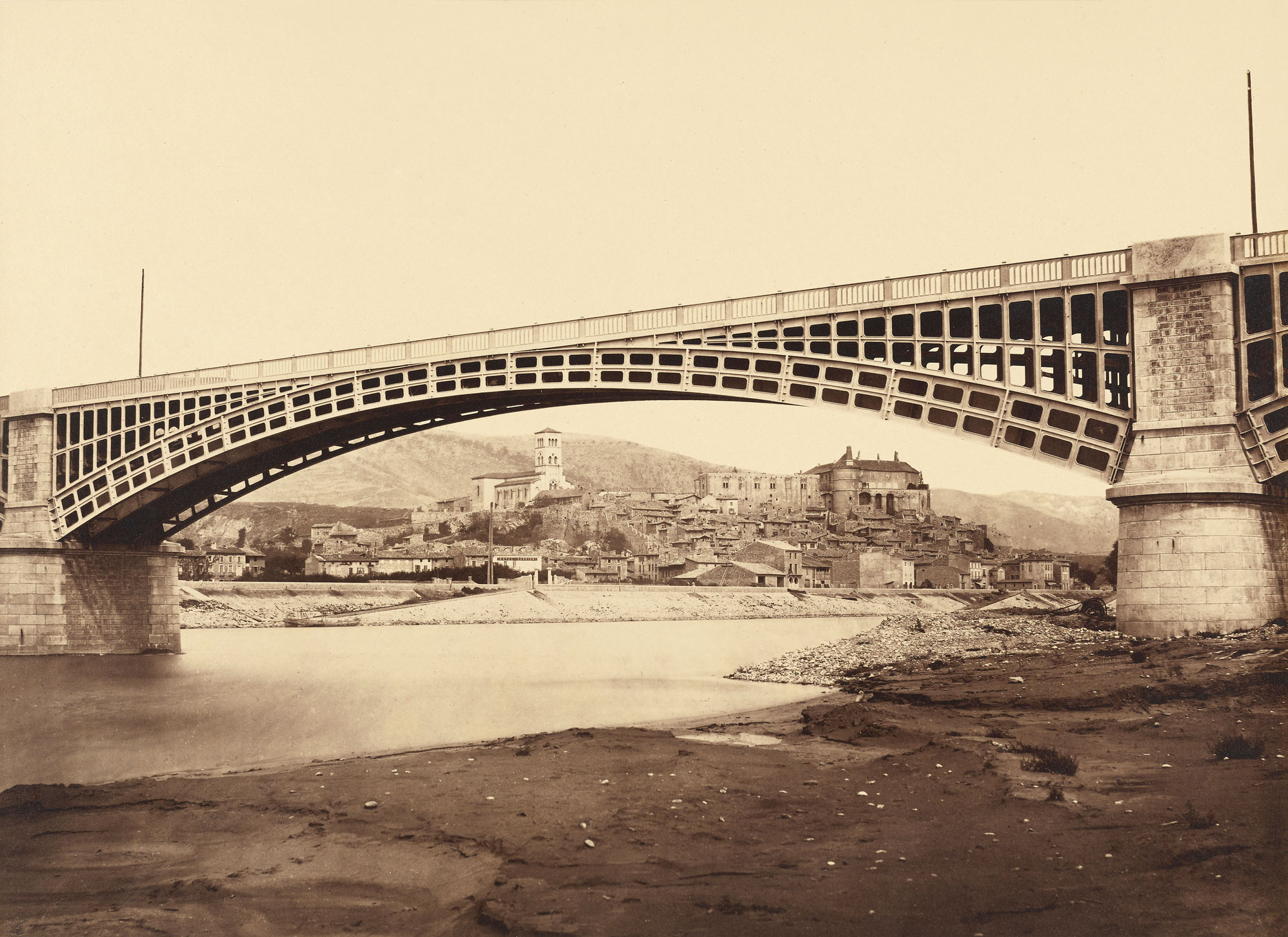
![Nadar [Gaspard Félix Tournachon] (French, 1820-1910) 'Self-Portrait' c. 1855](https://artblart.com/wp-content/uploads/2016/10/realideal12-web.jpg "Nadar [Gaspard Félix Tournachon] (French, 1820-1910) 'Self-Portrait' c. 1855")
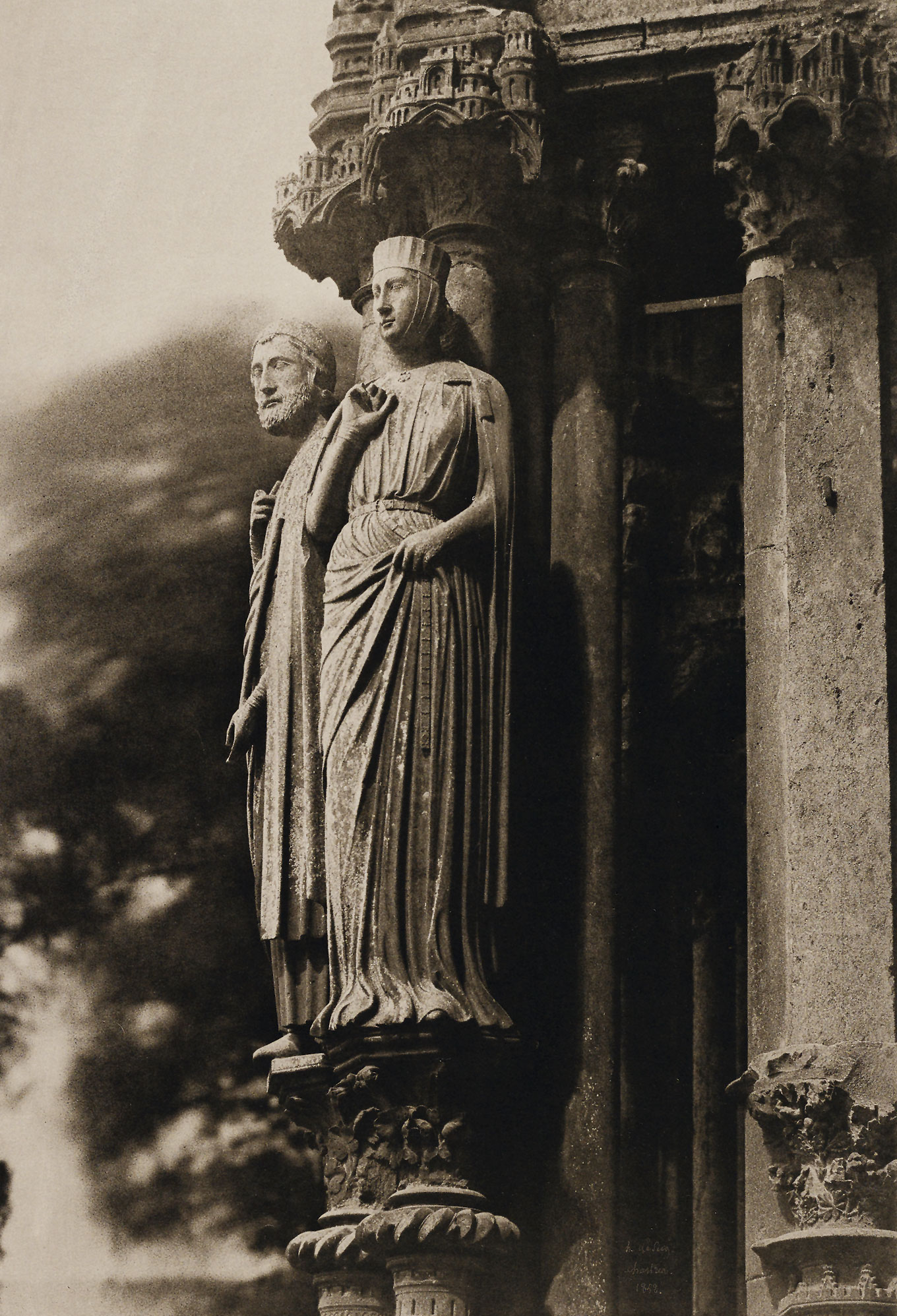
![Nadar [Gaspard Félix Tournachon] (French, 1820-1910) 'Jean-François Philibert Berthelier, Actor' 1856-1859](https://artblart.com/wp-content/uploads/2016/10/realideal21-web.jpg "Nadar [Gaspard Félix Tournachon] (French, 1820-1910) 'Jean-François Philibert Berthelier, Actor' 1856-1859")
![Nadar [Gaspard Félix Tournachon] (French, 1820-1910) 'George Sand (Amandine-Aurore-Lucile Dupin), Writer' c. 1865](https://artblart.com/wp-content/uploads/2016/10/realideal5-web.jpg "Nadar [Gaspard Félix Tournachon] (French, 1820-1910) 'George Sand (Amandine-Aurore-Lucile Dupin), Writer' c. 1865")
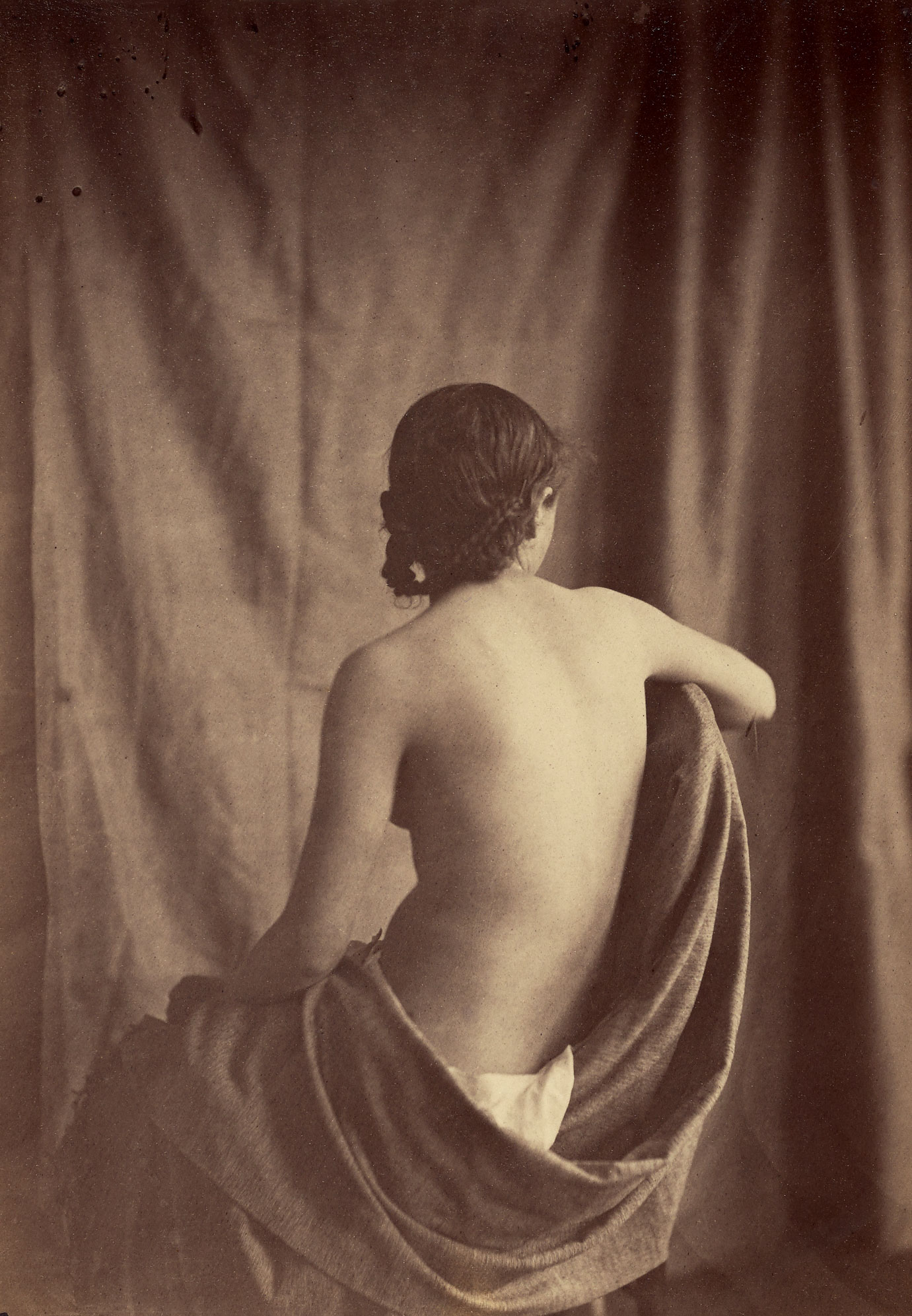
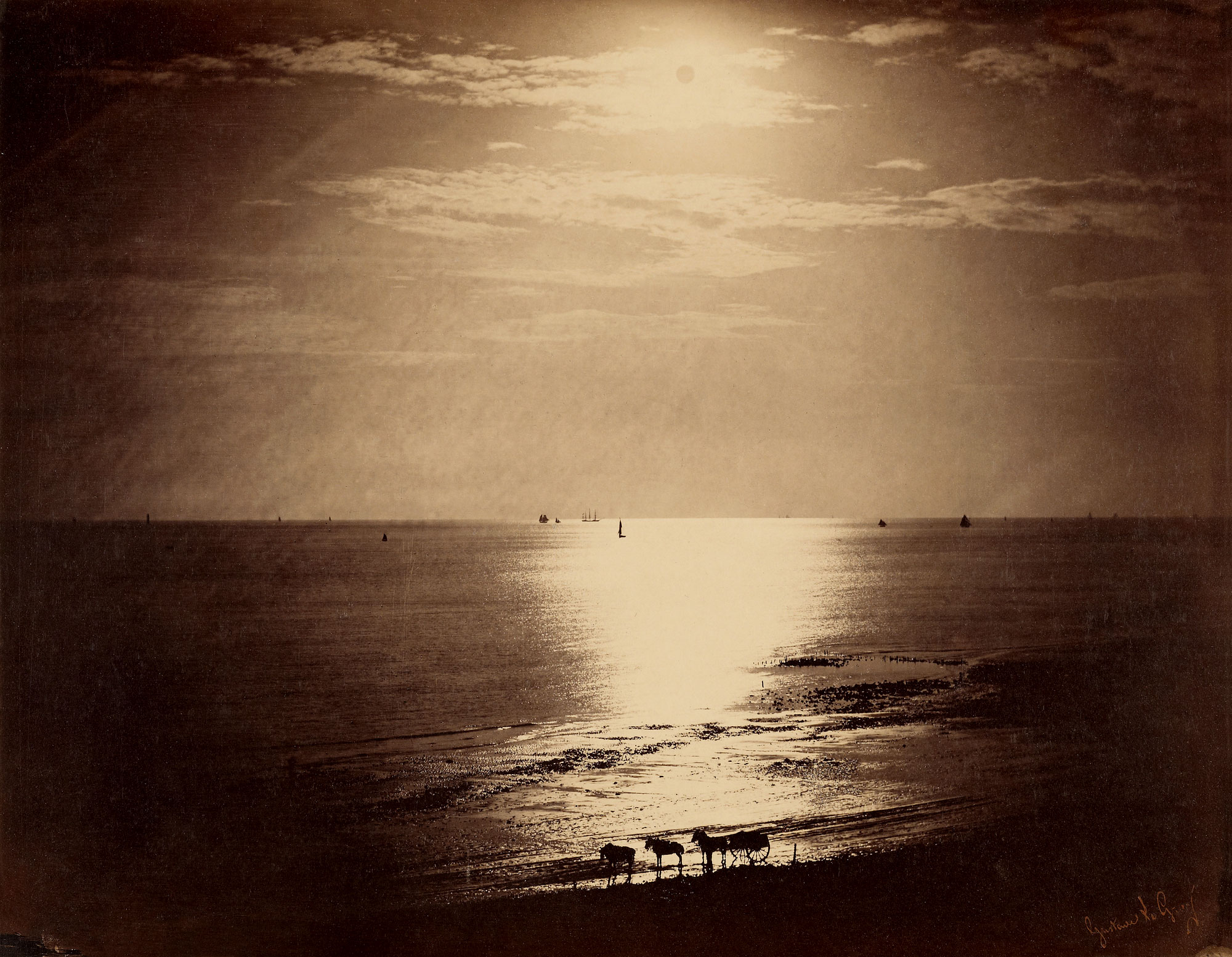
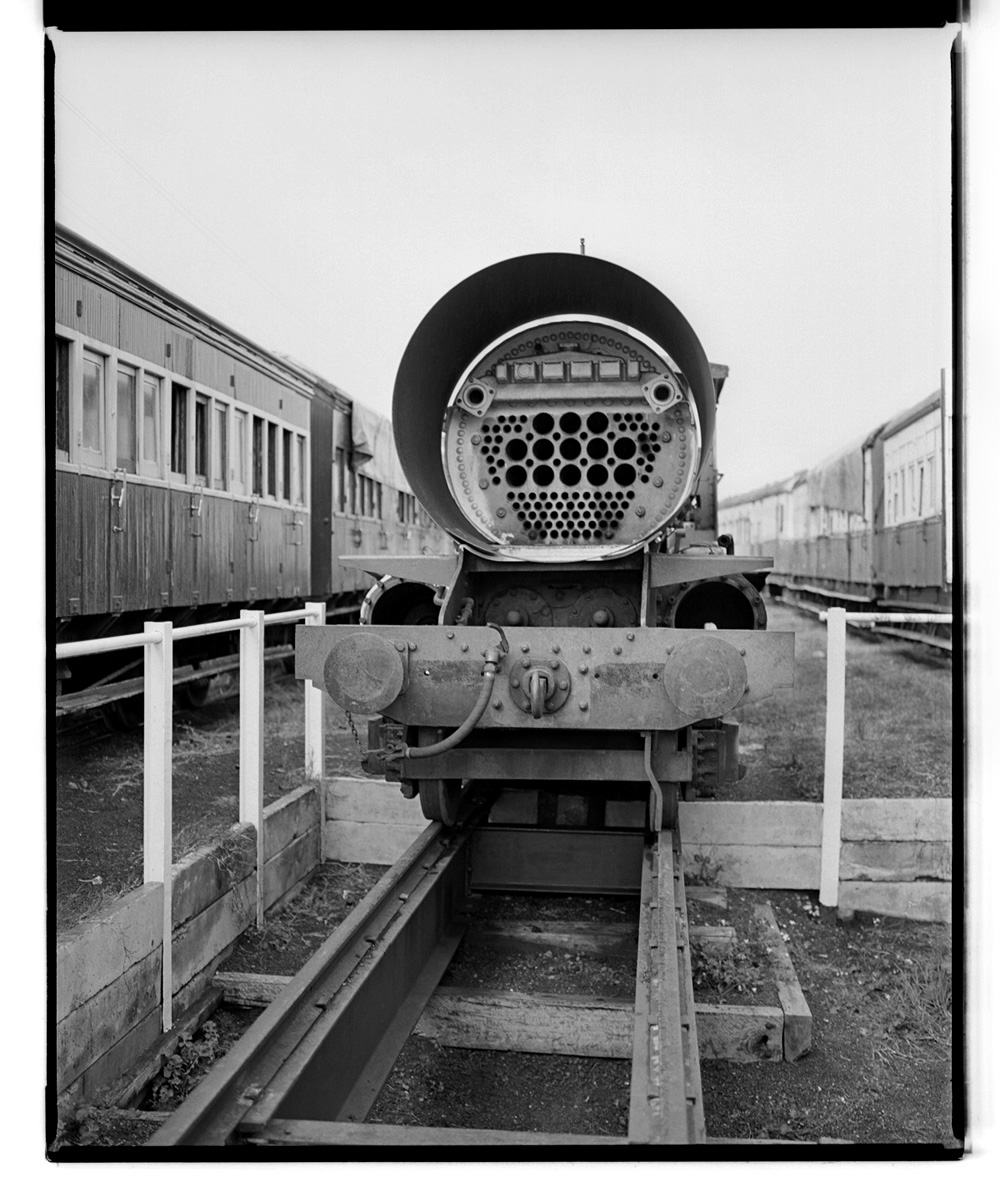
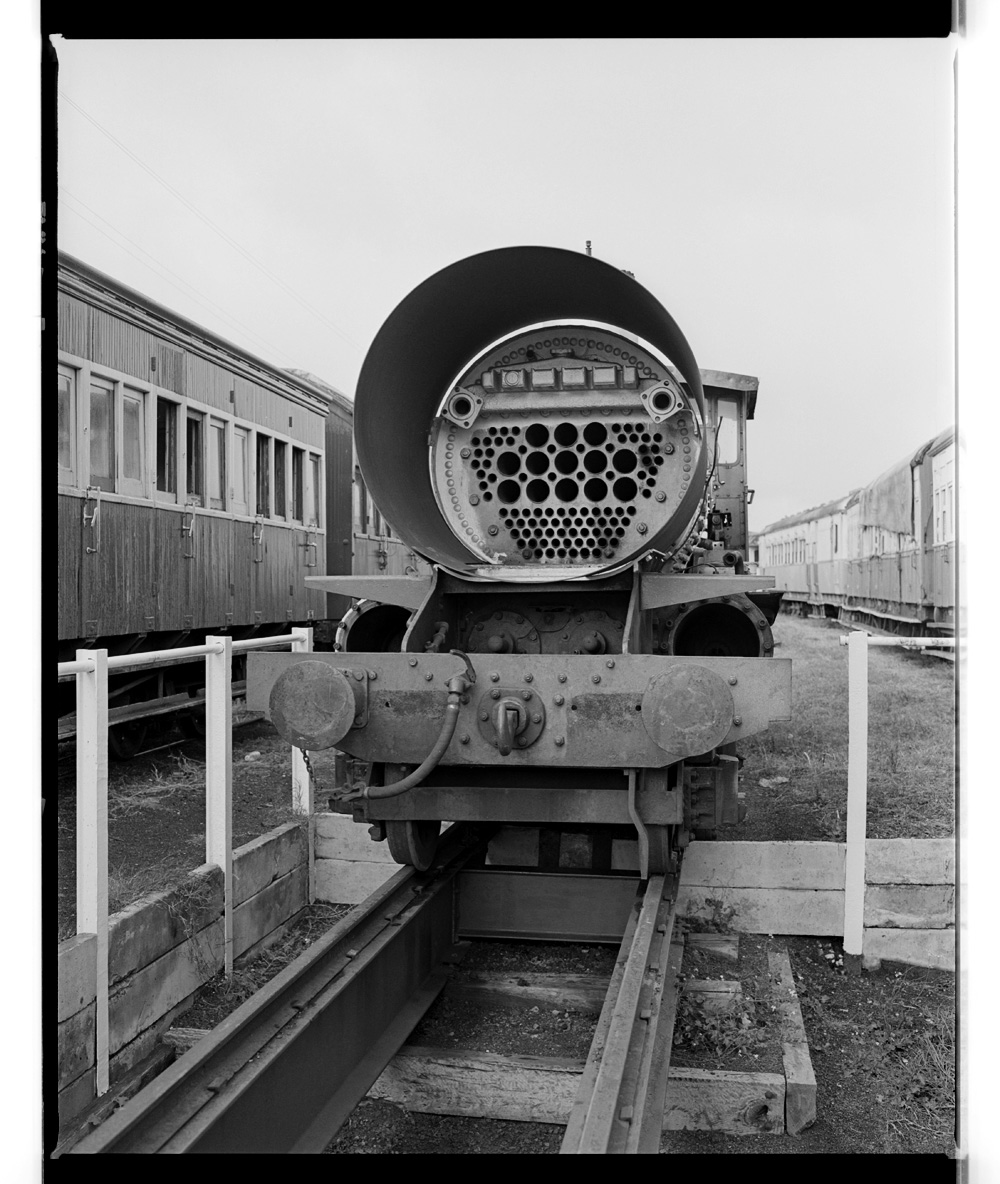
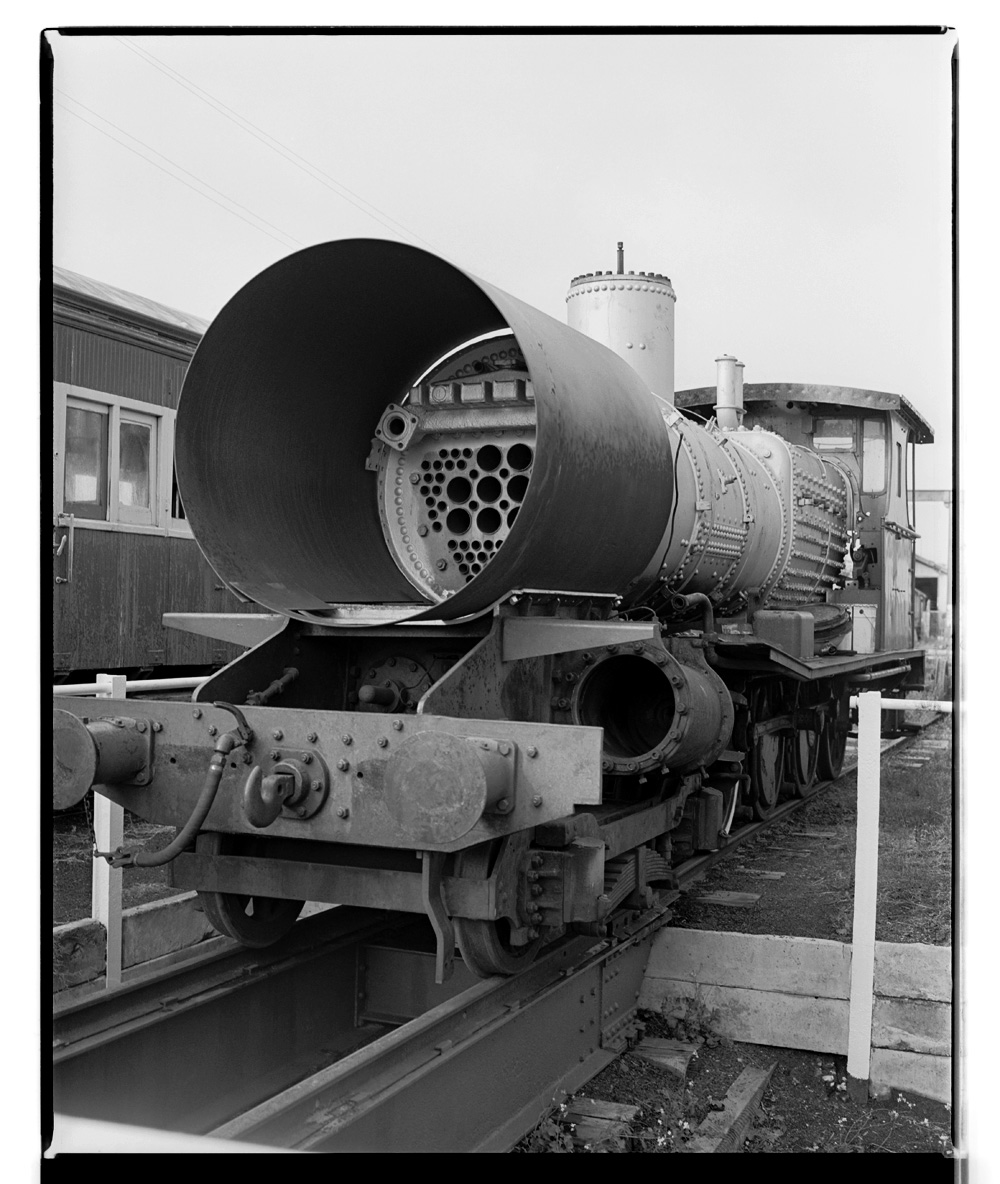
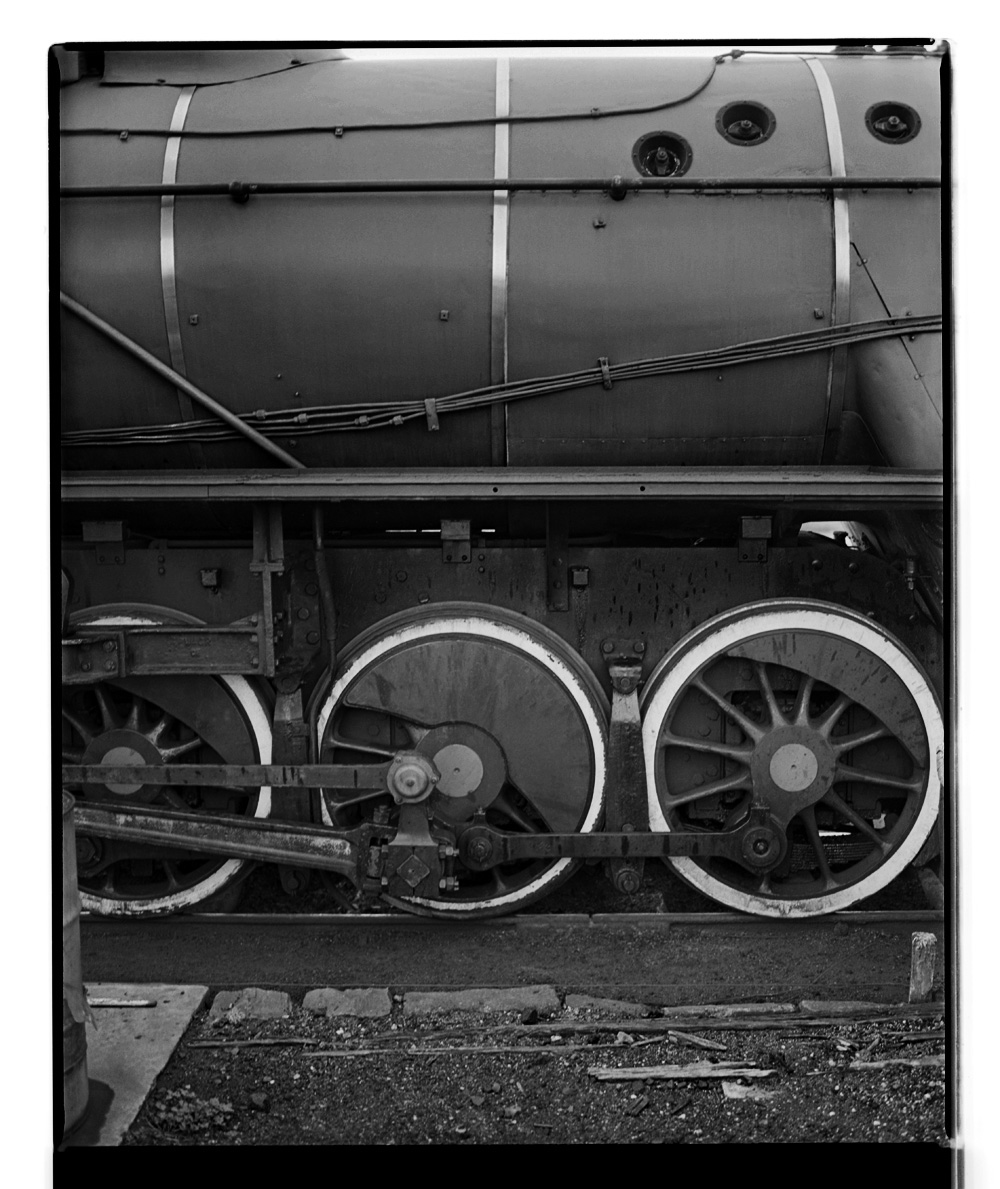
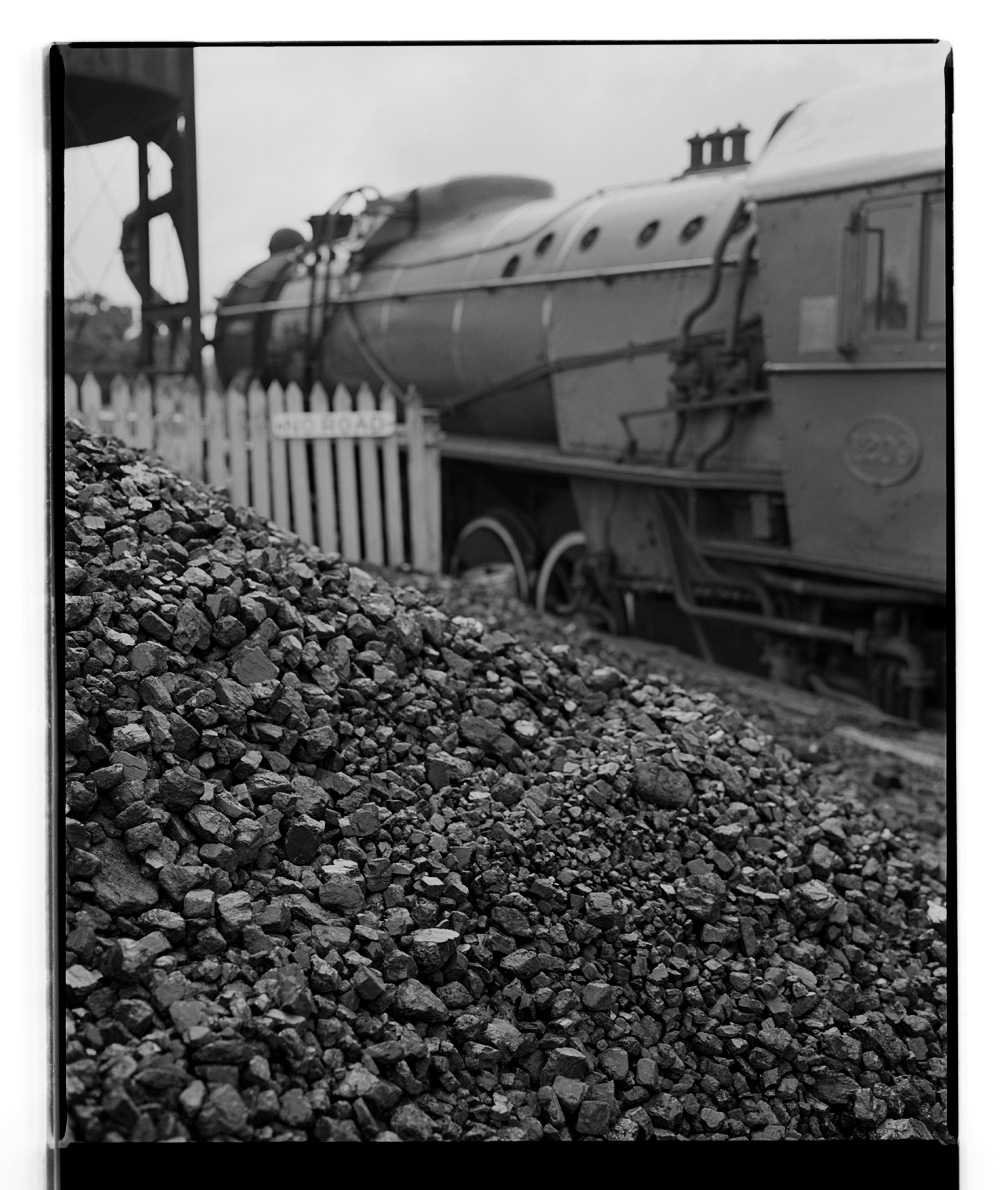
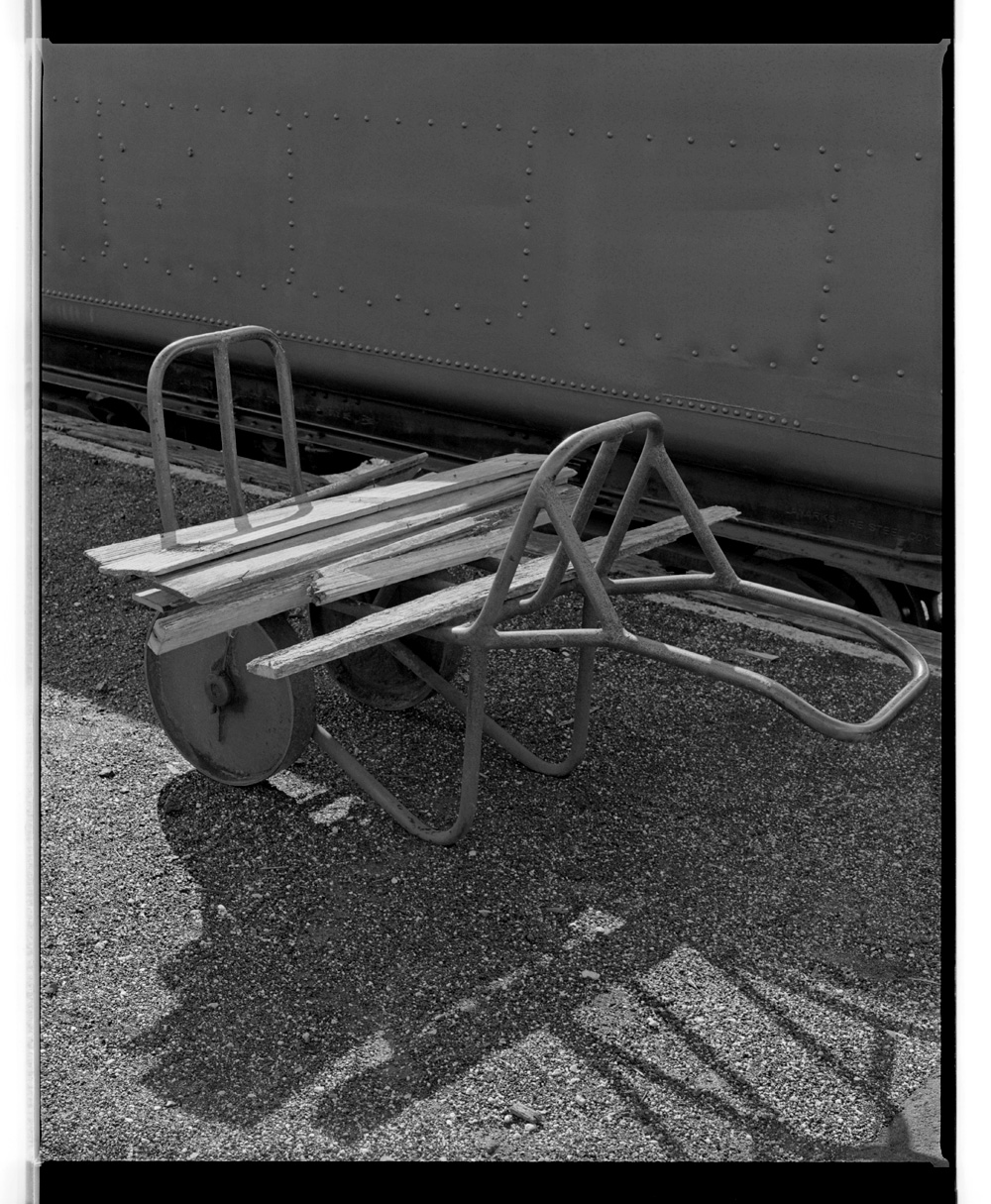
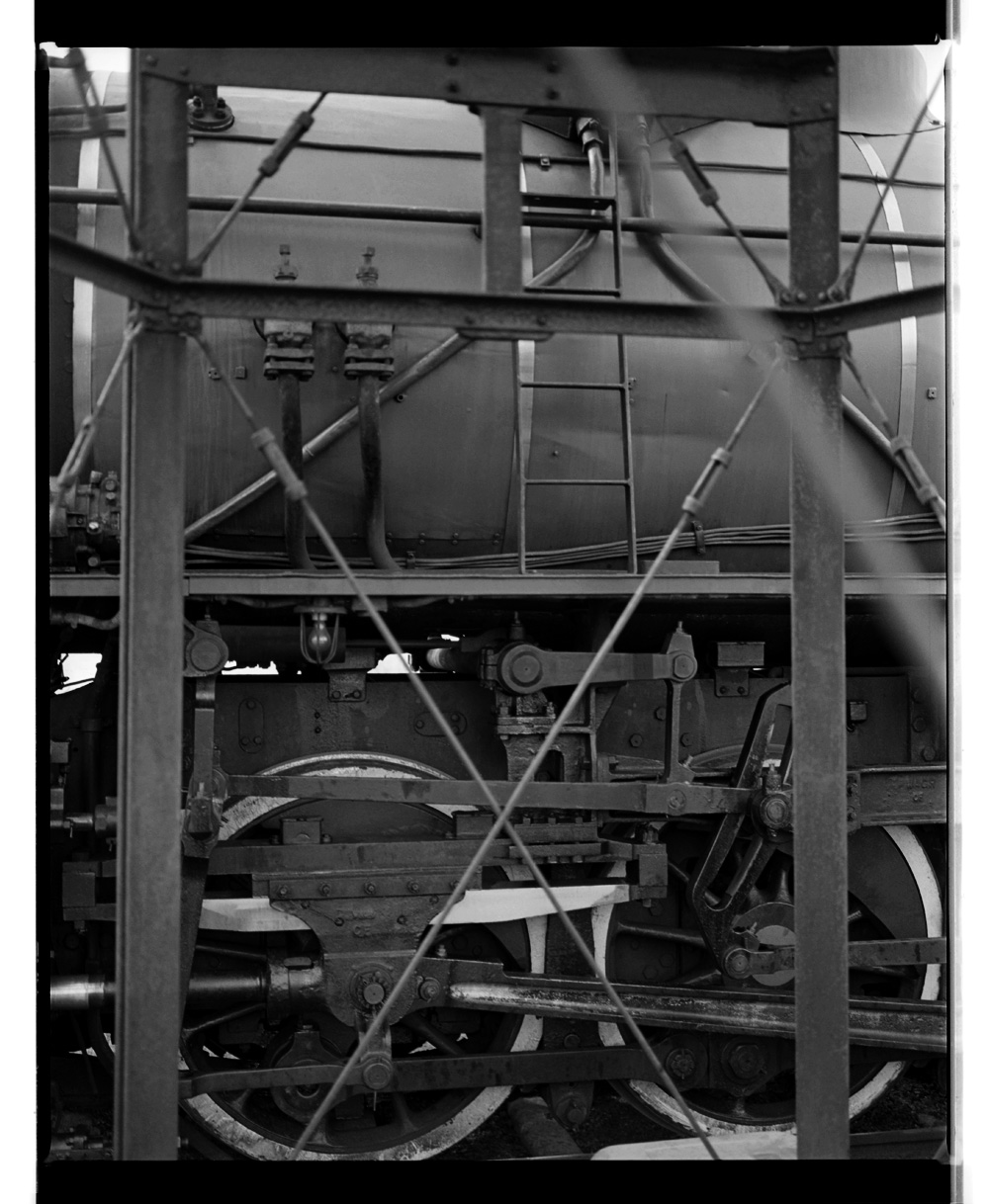
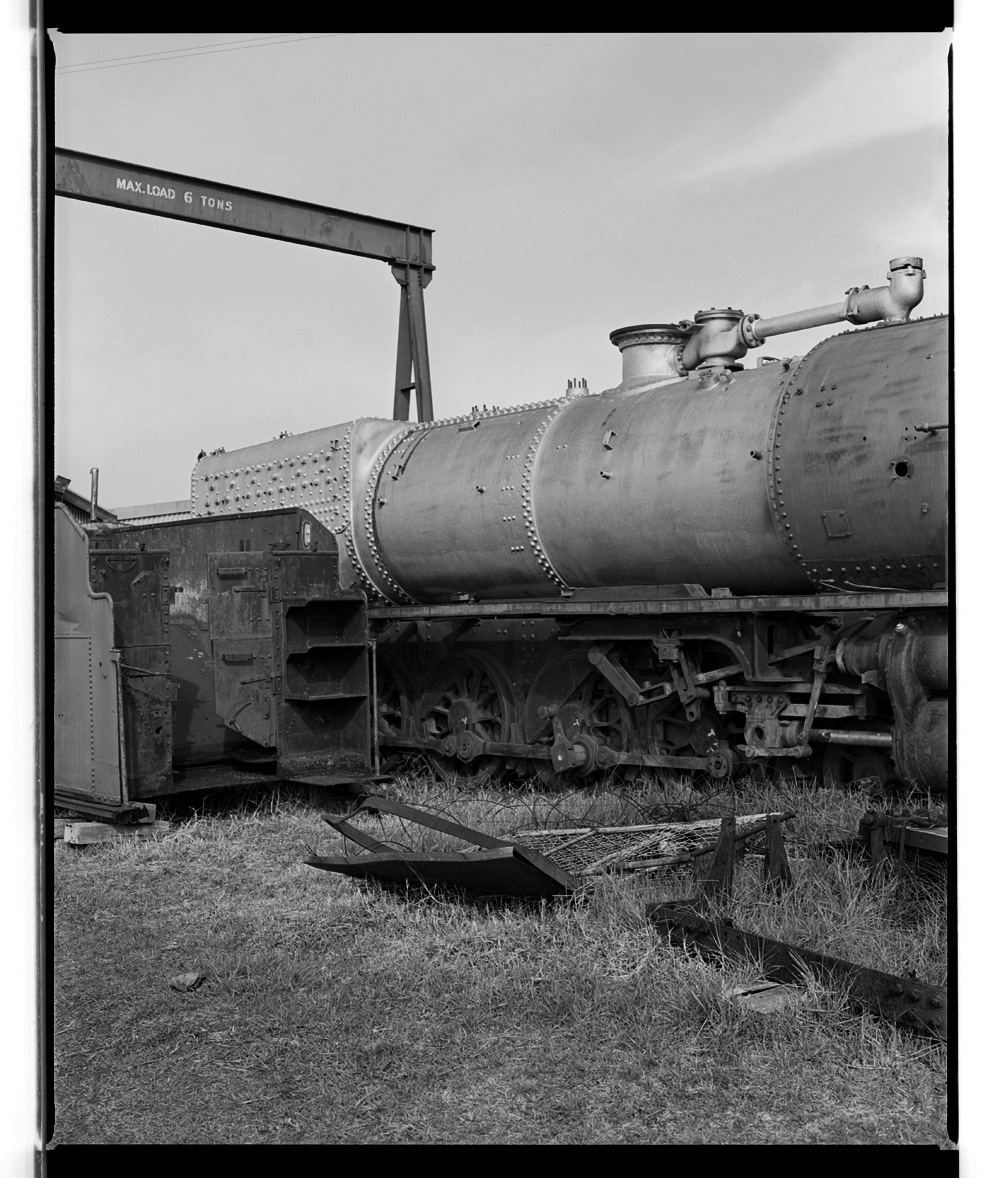
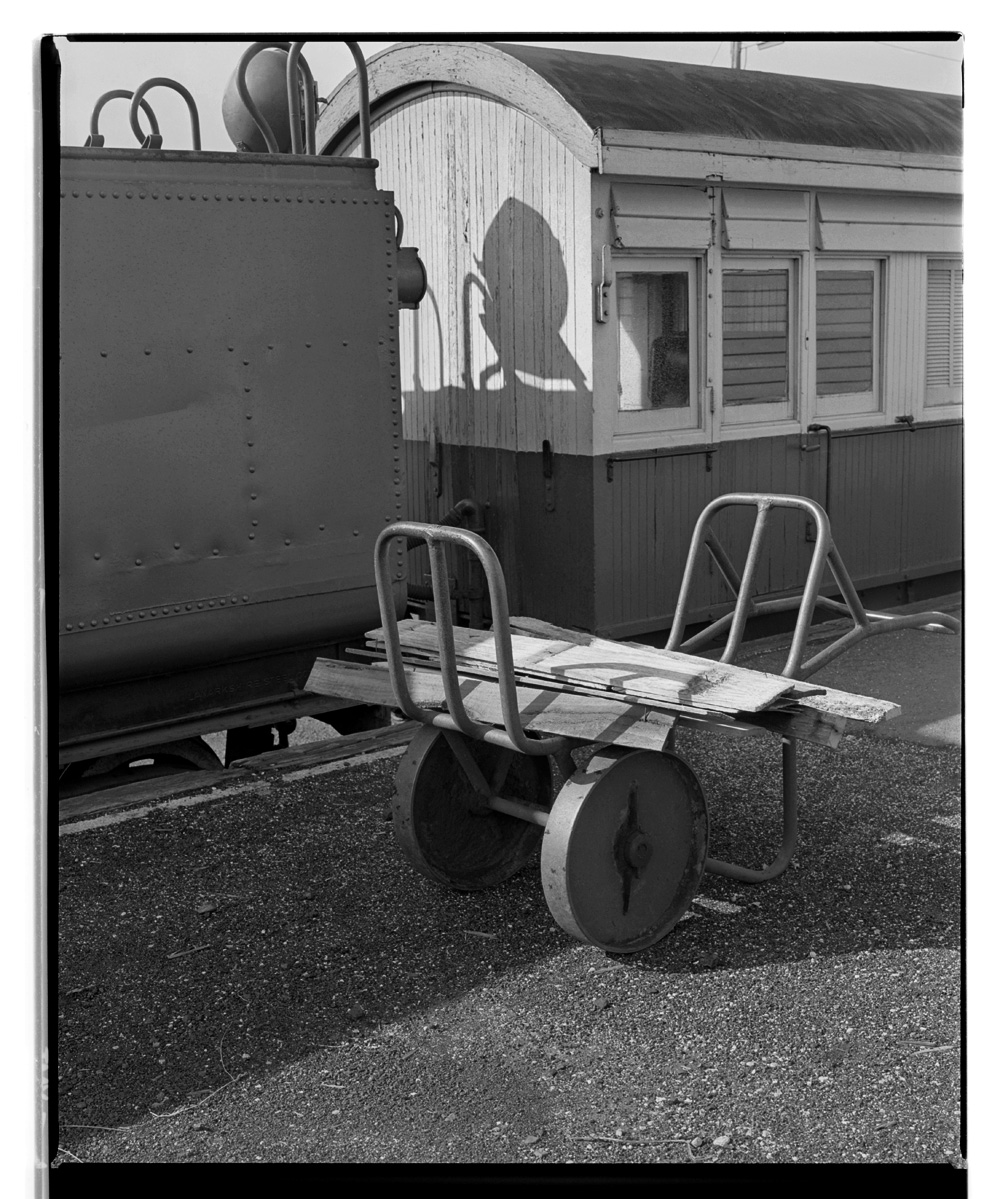
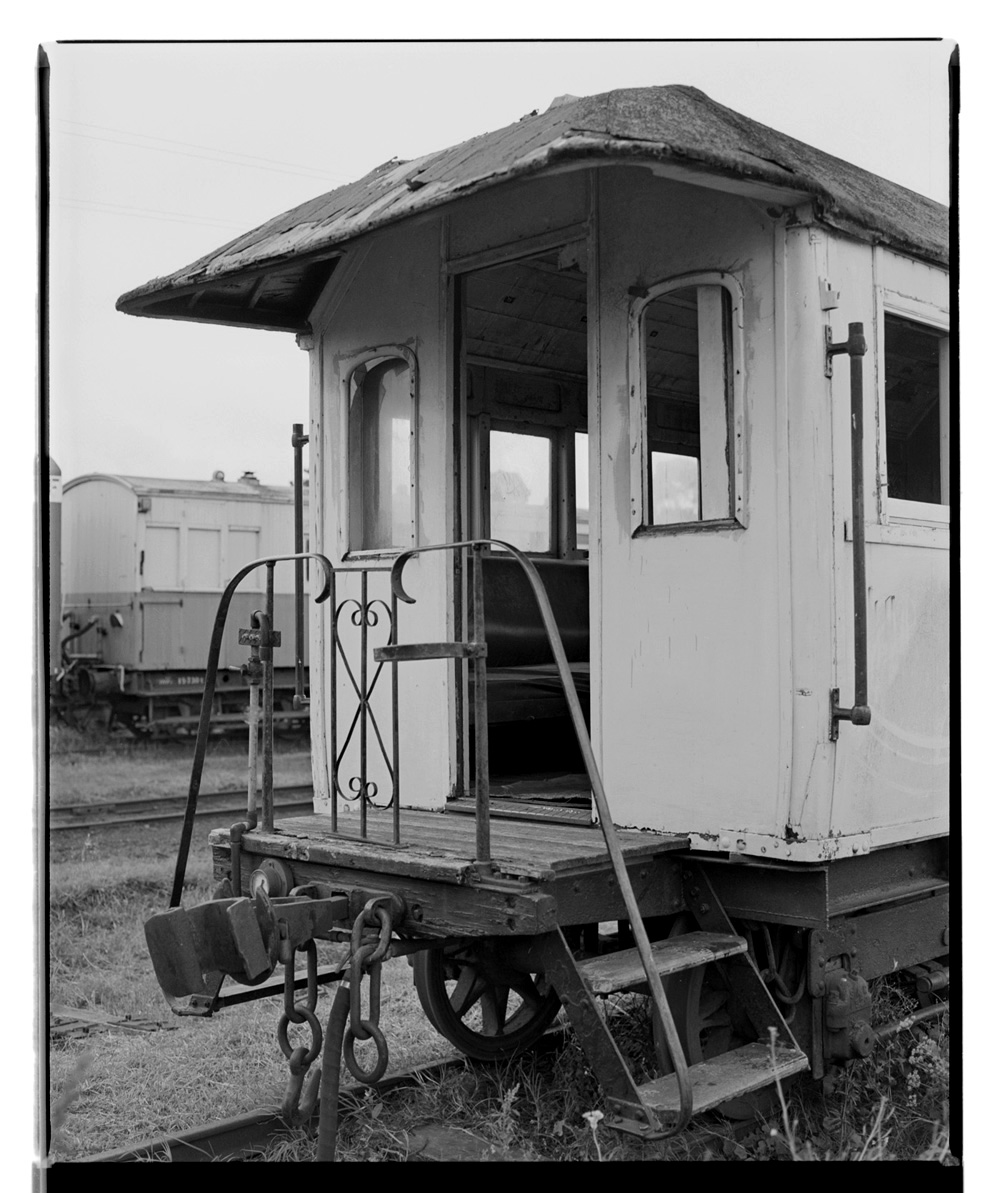
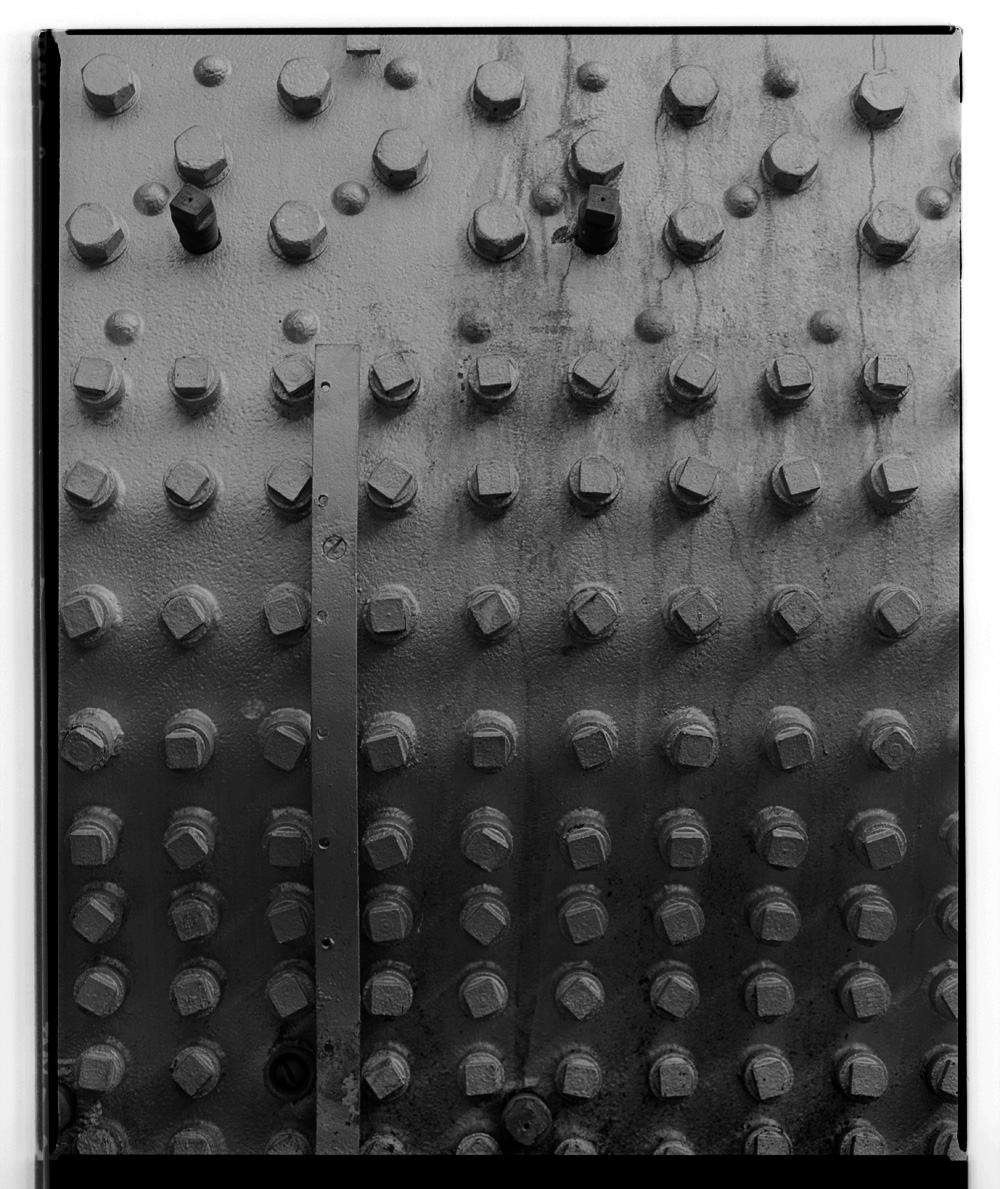
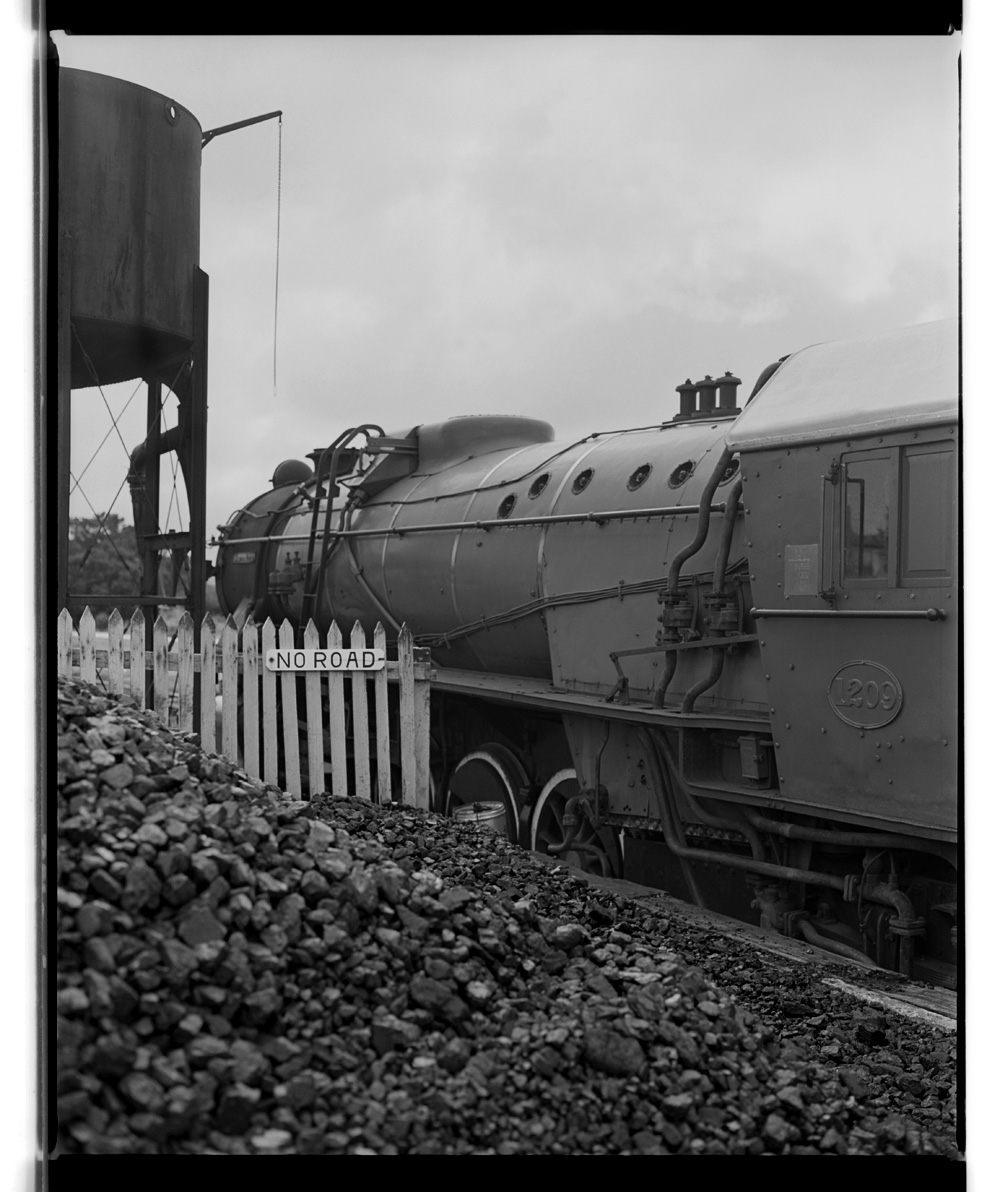
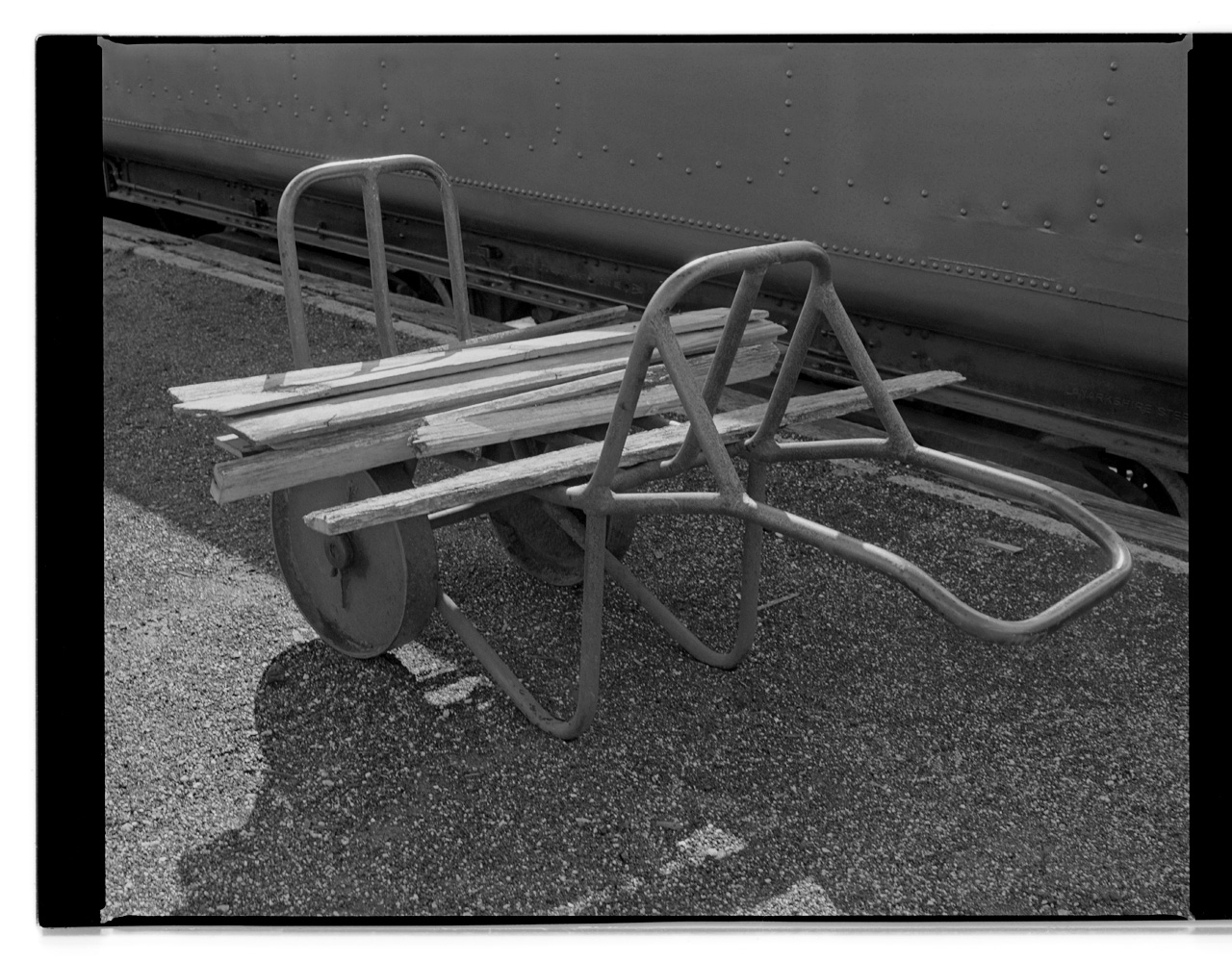
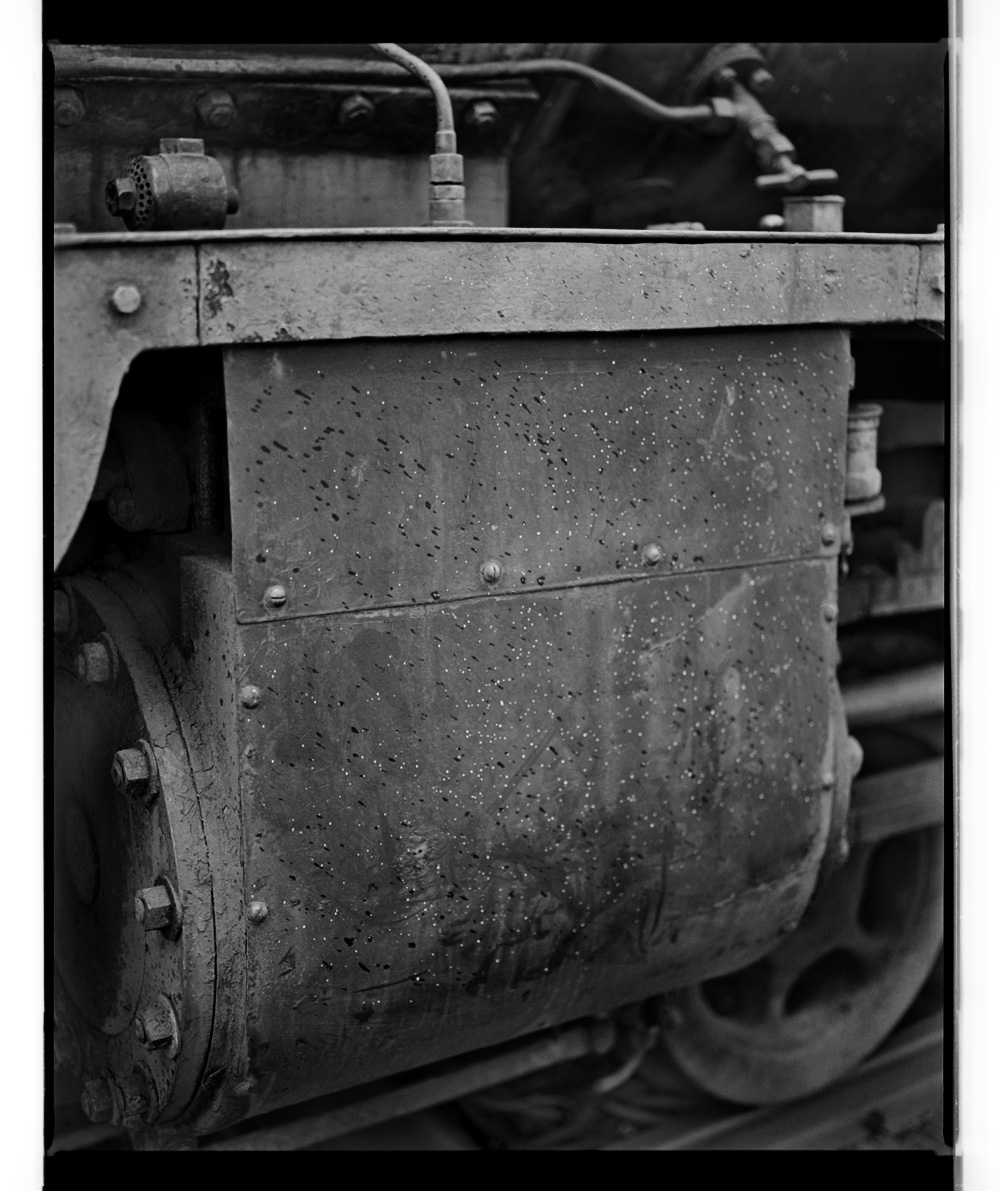
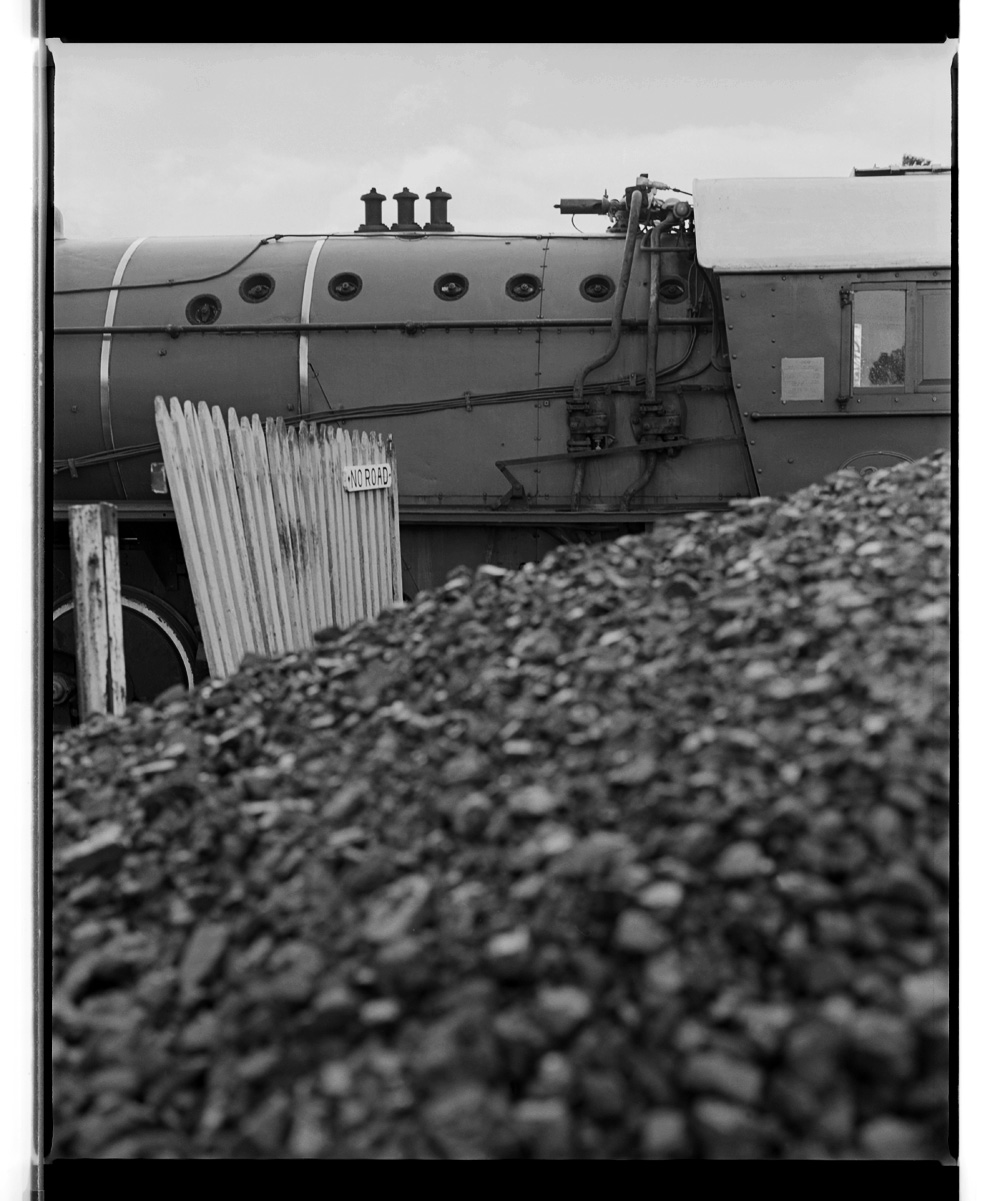
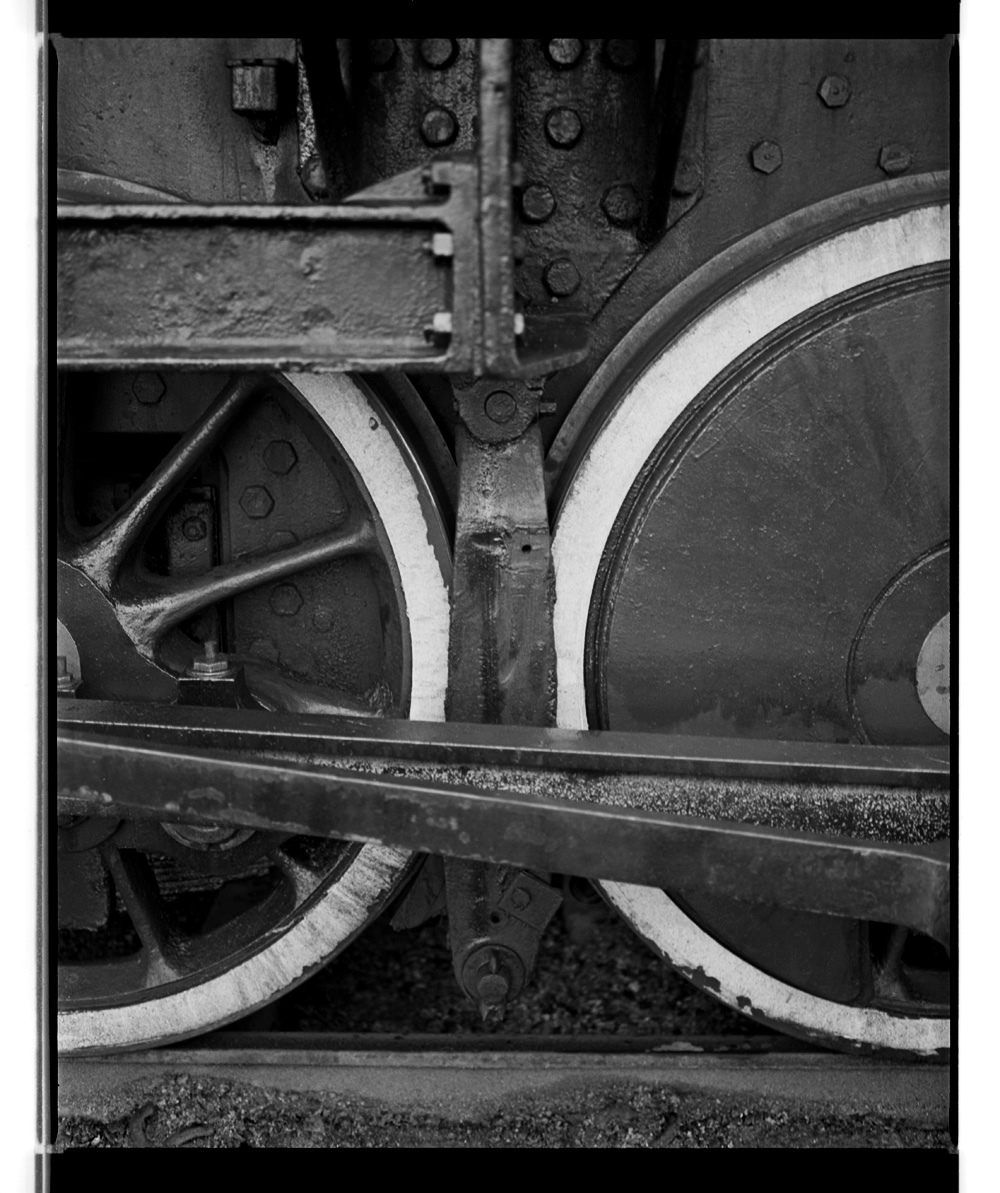
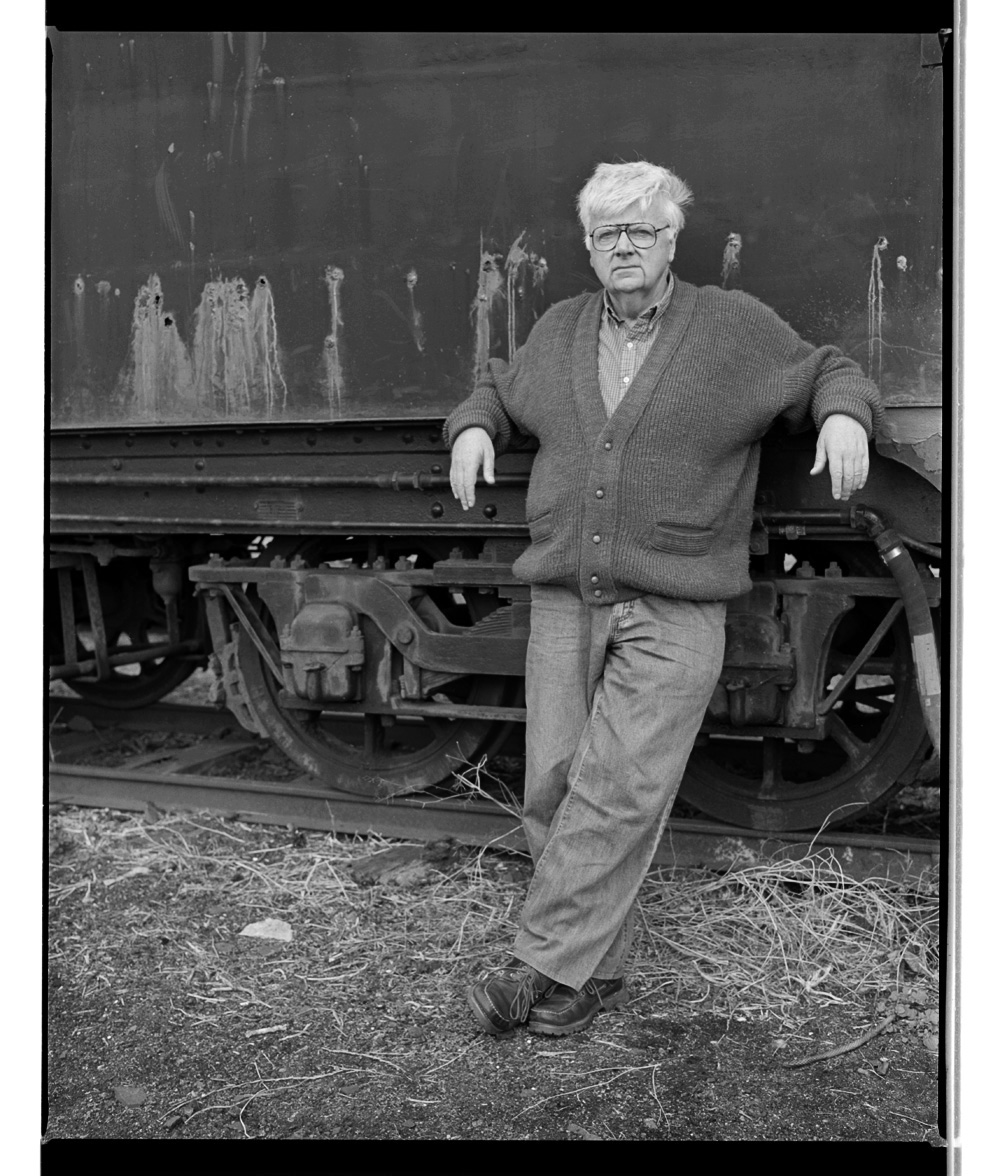

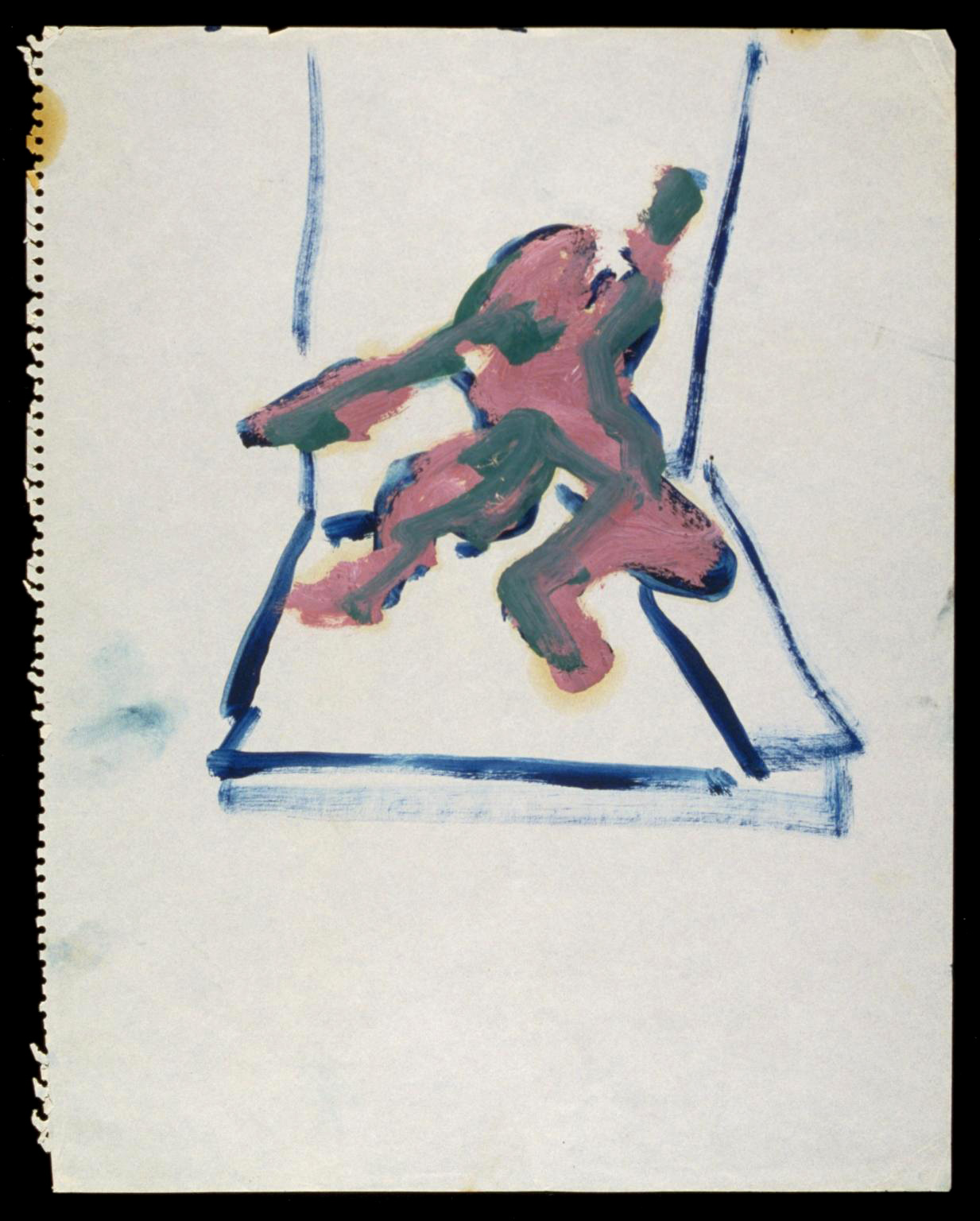

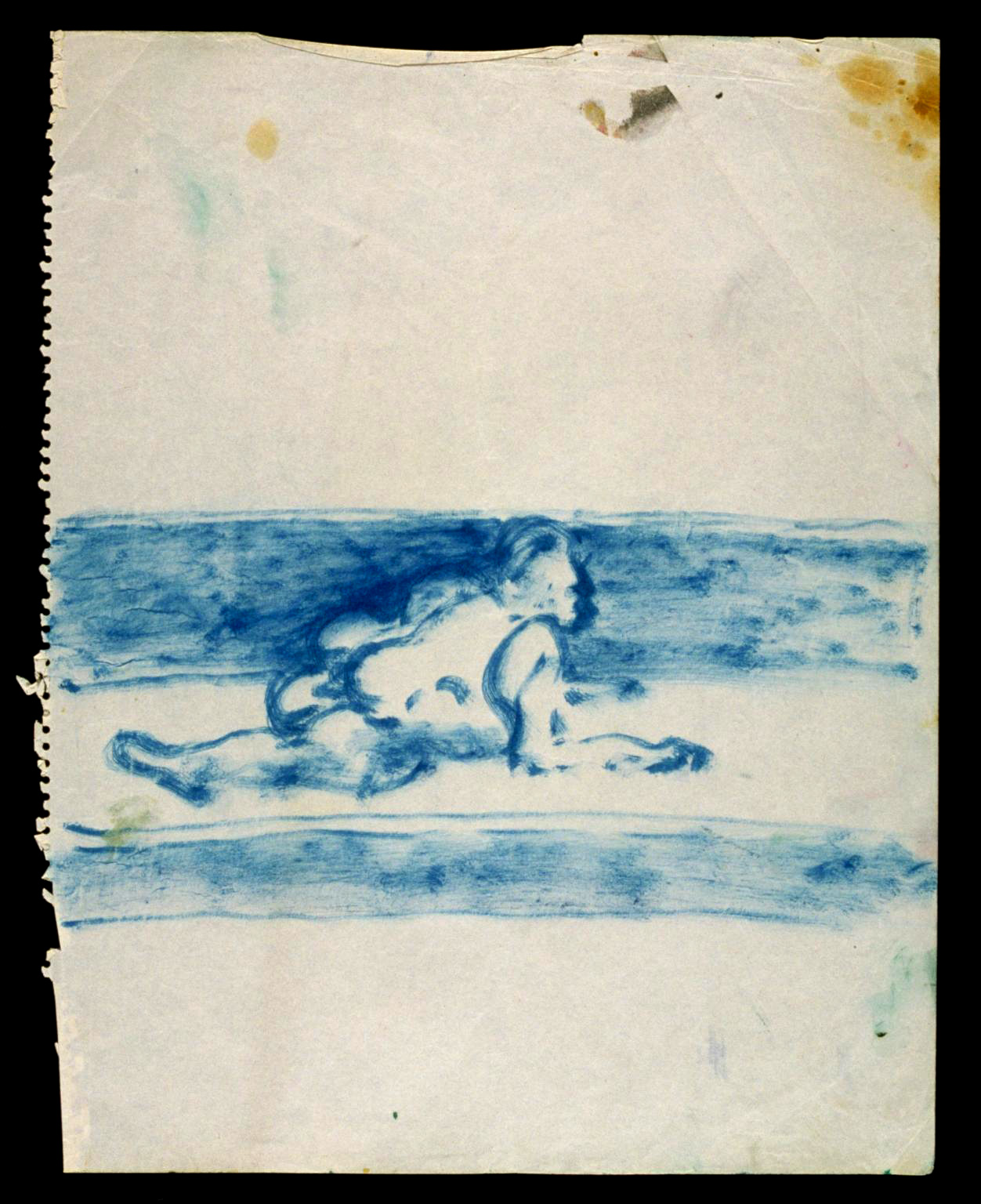


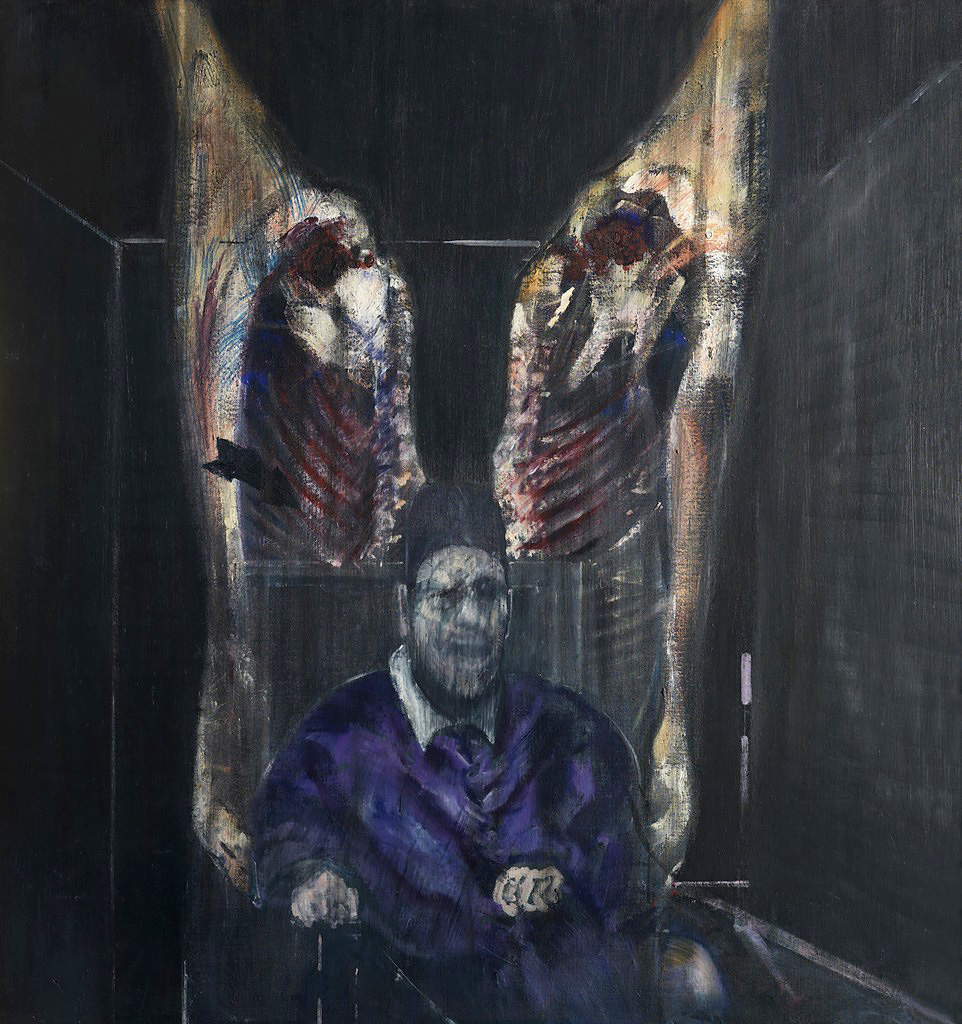
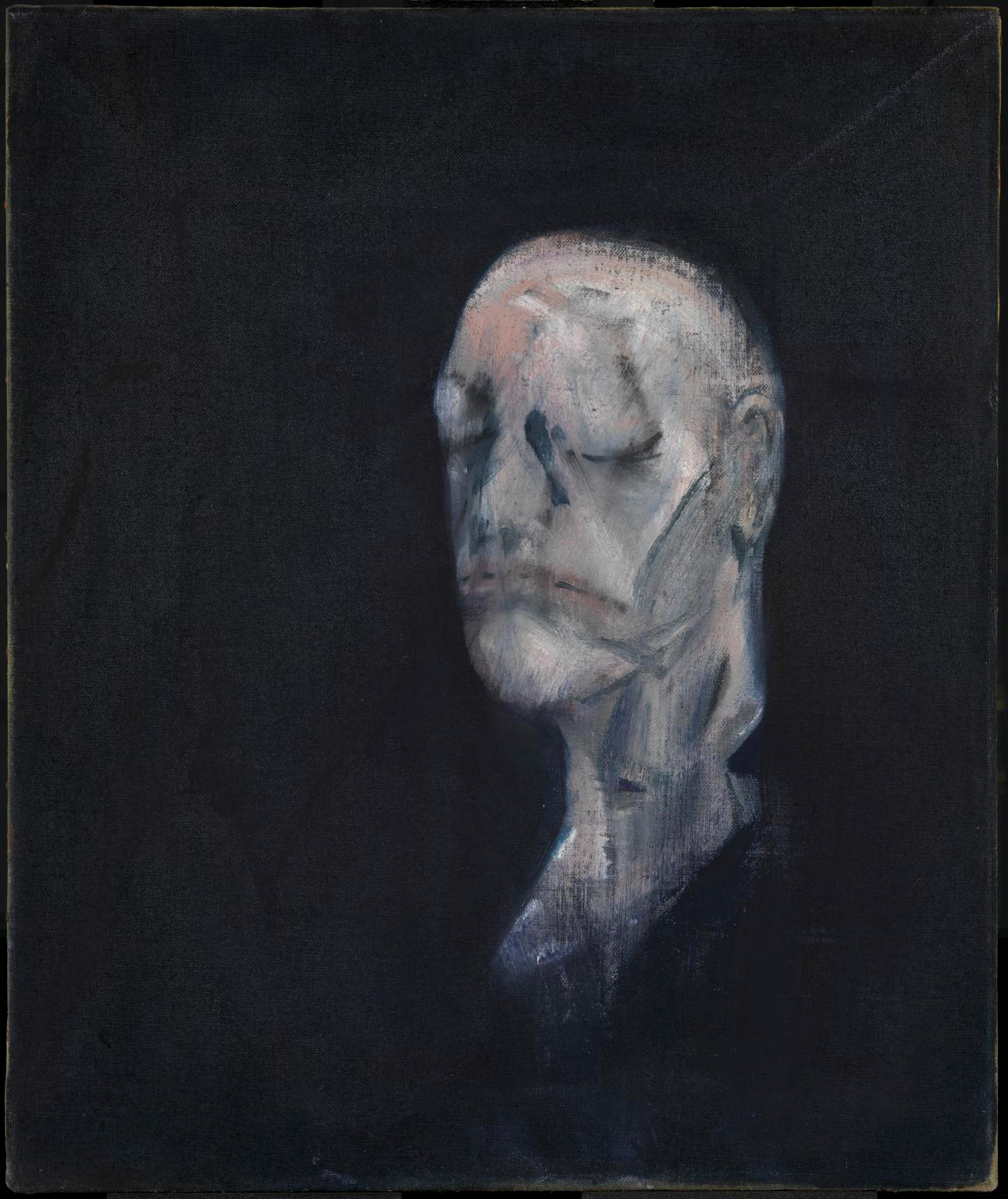
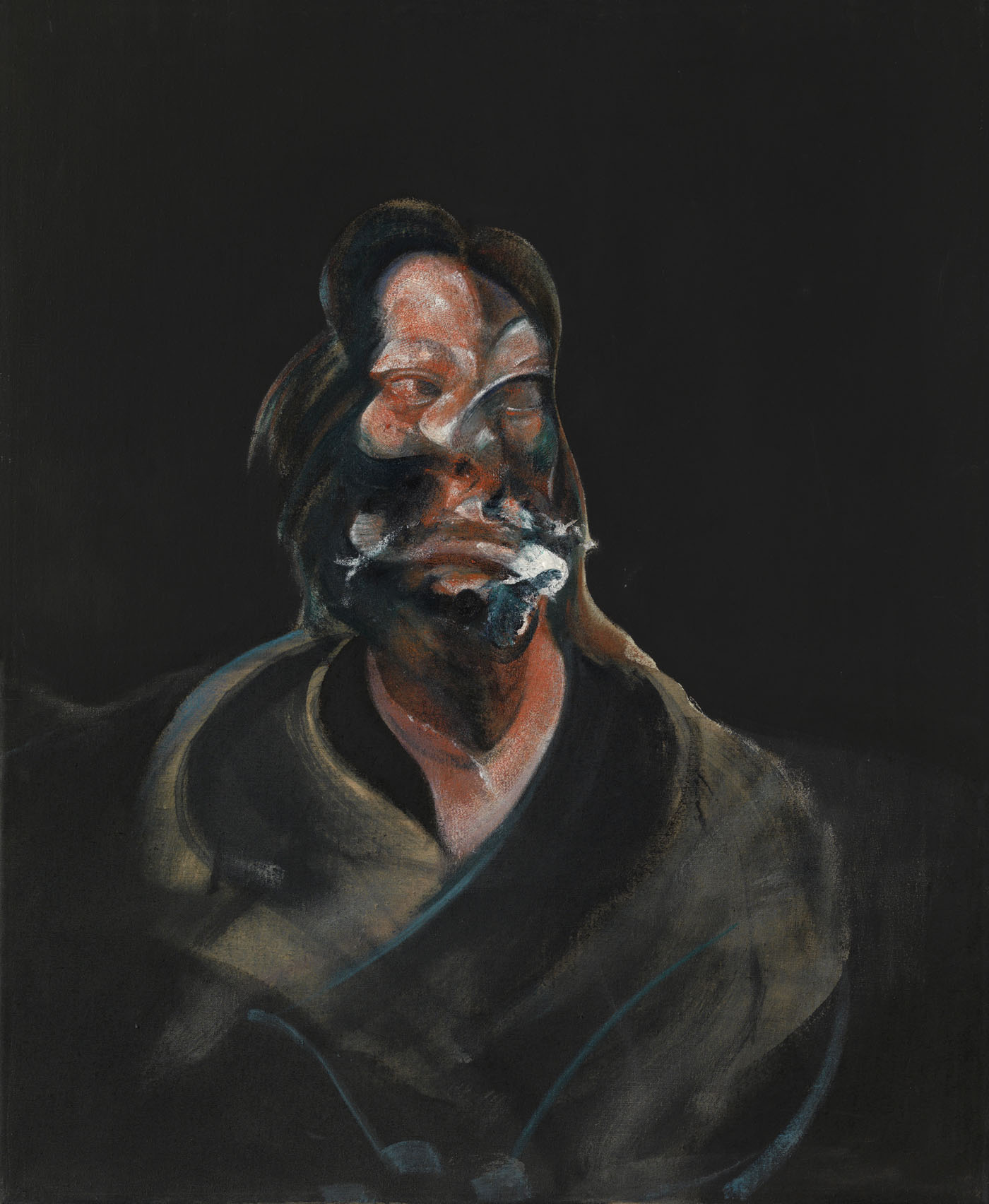


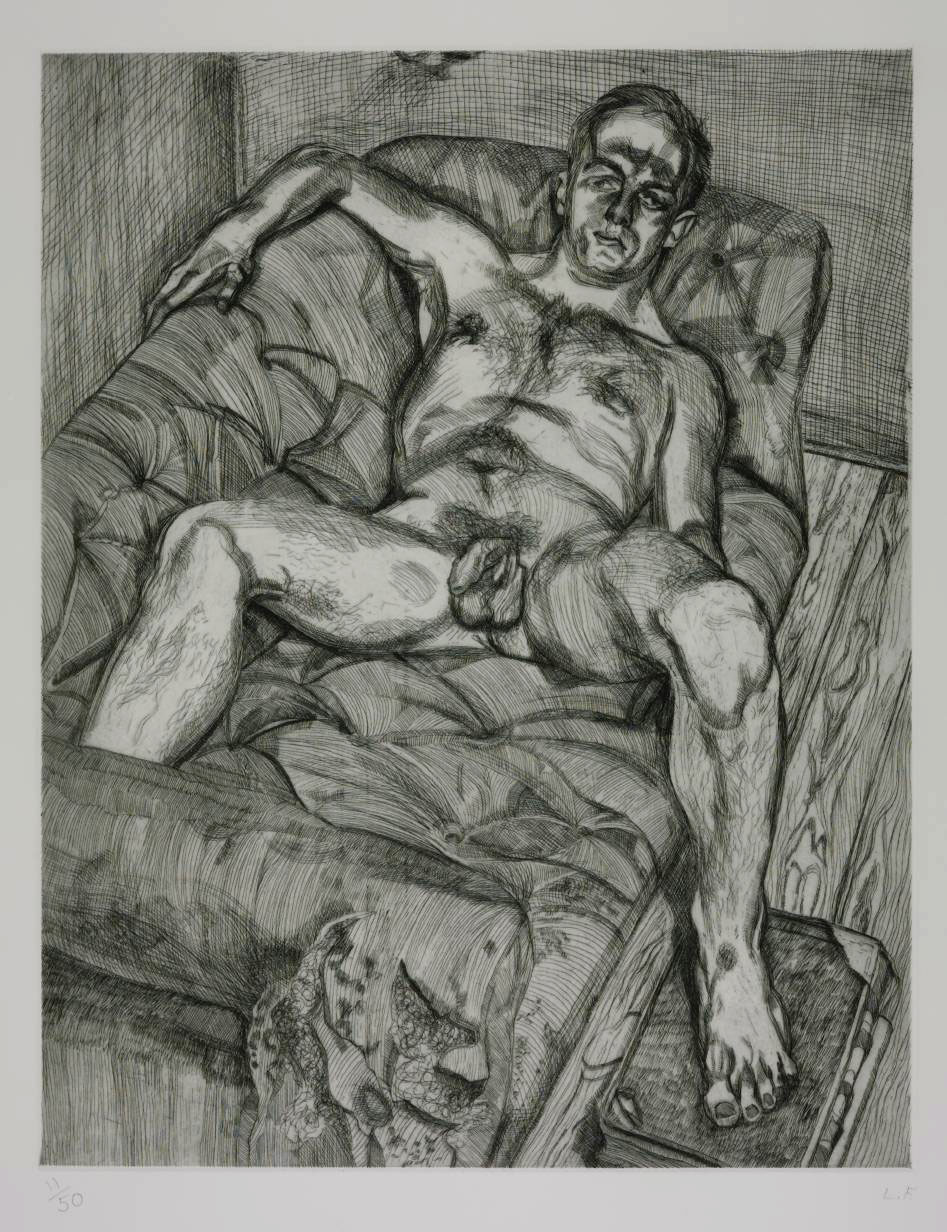


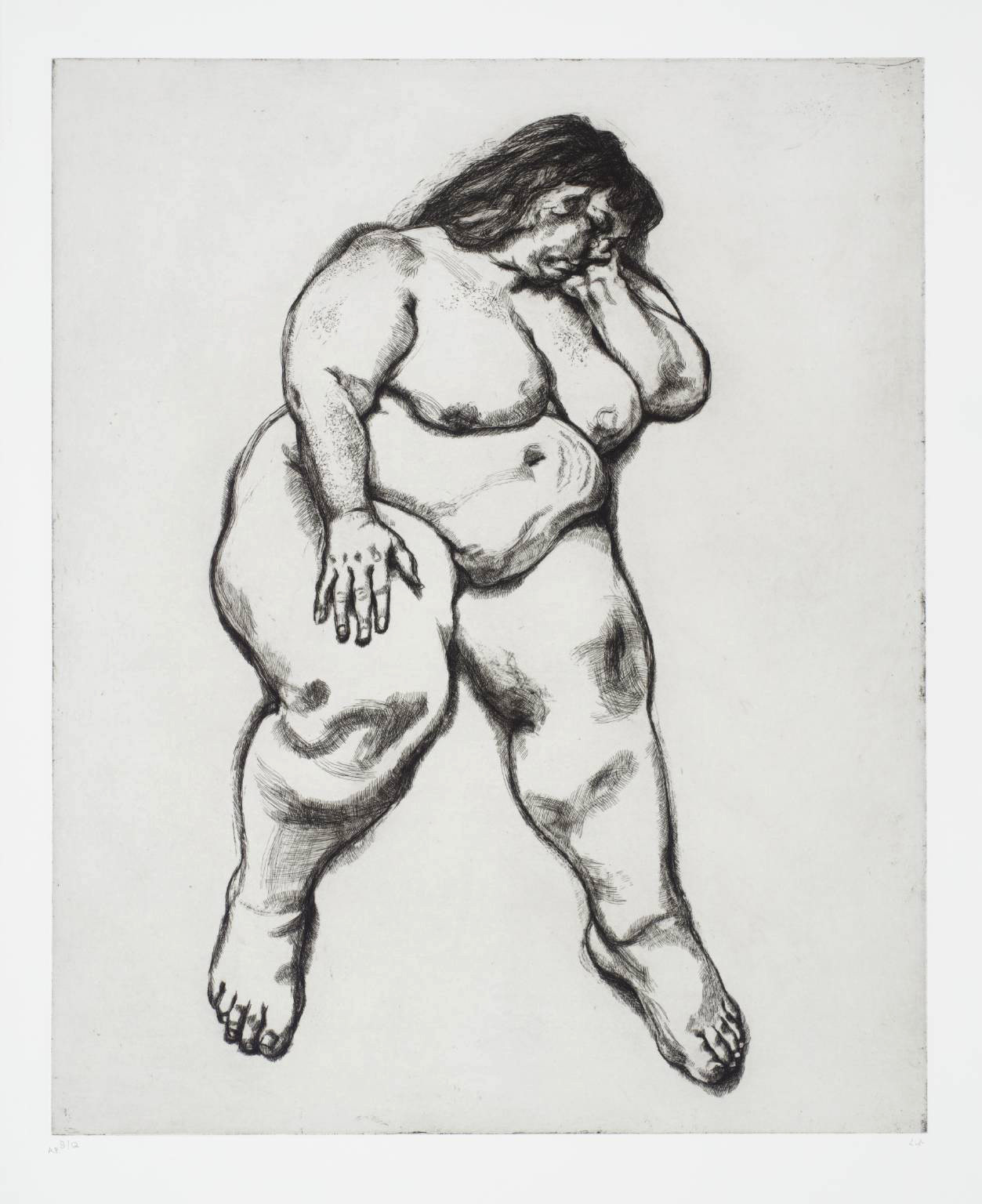


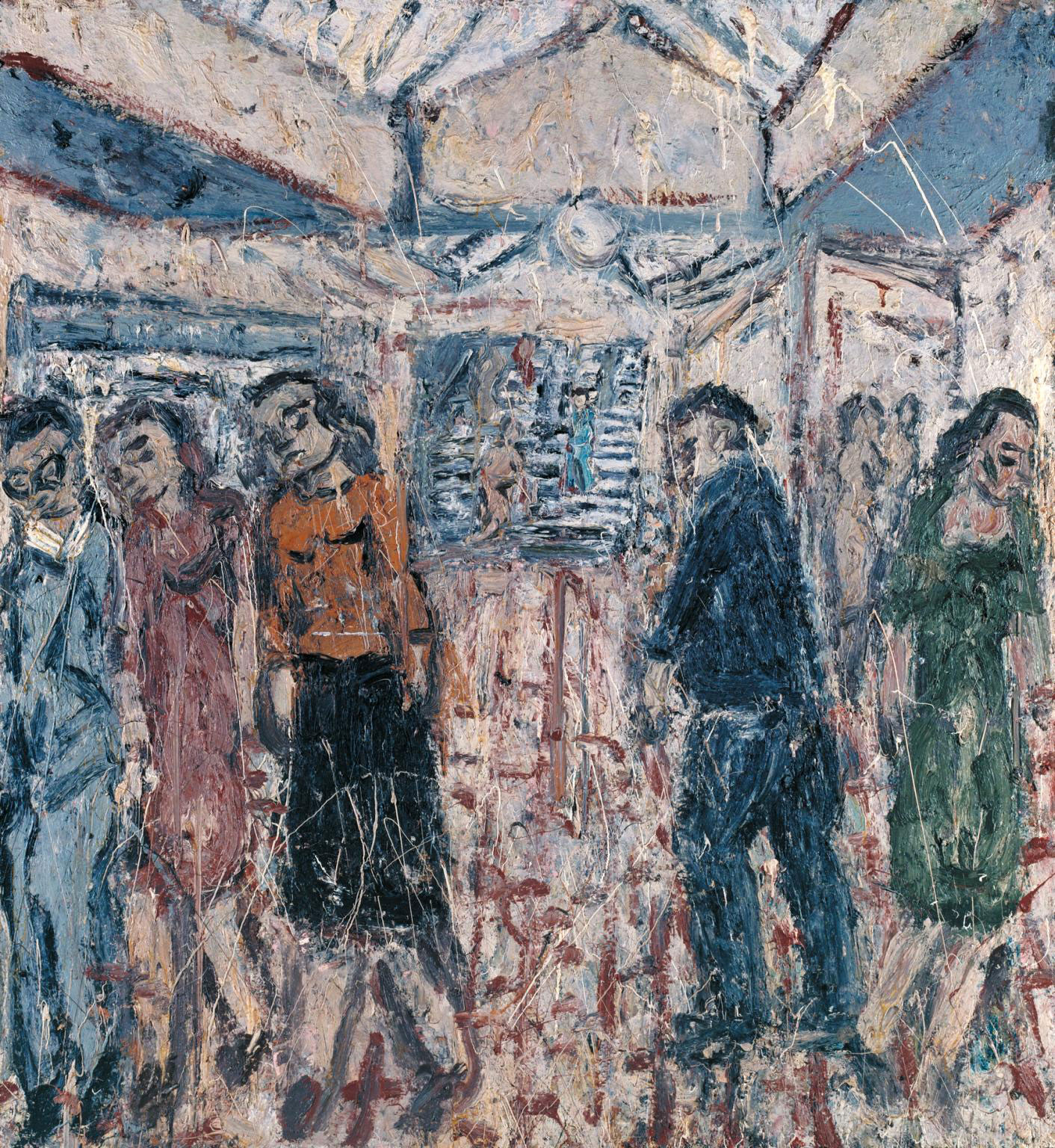

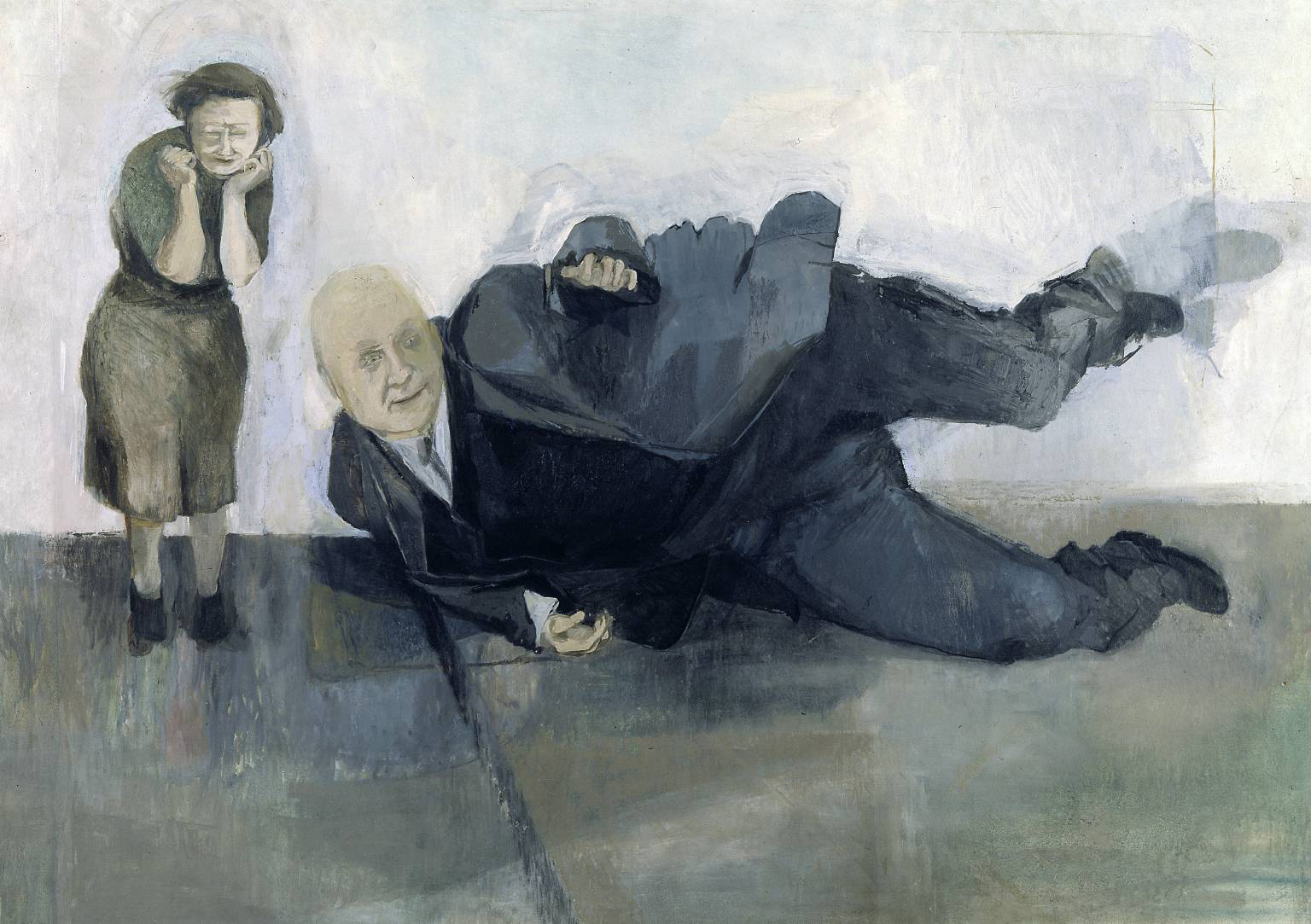


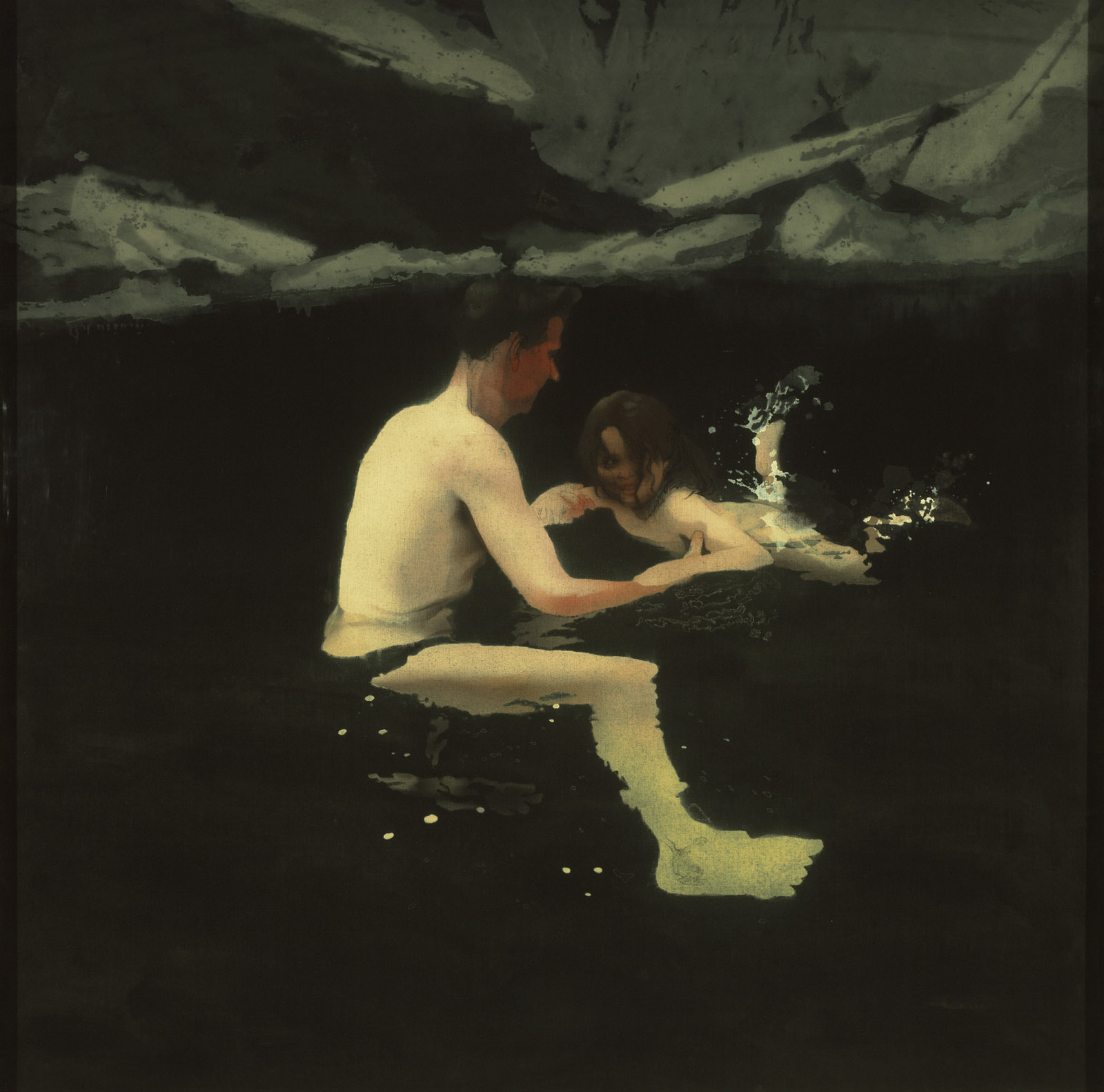


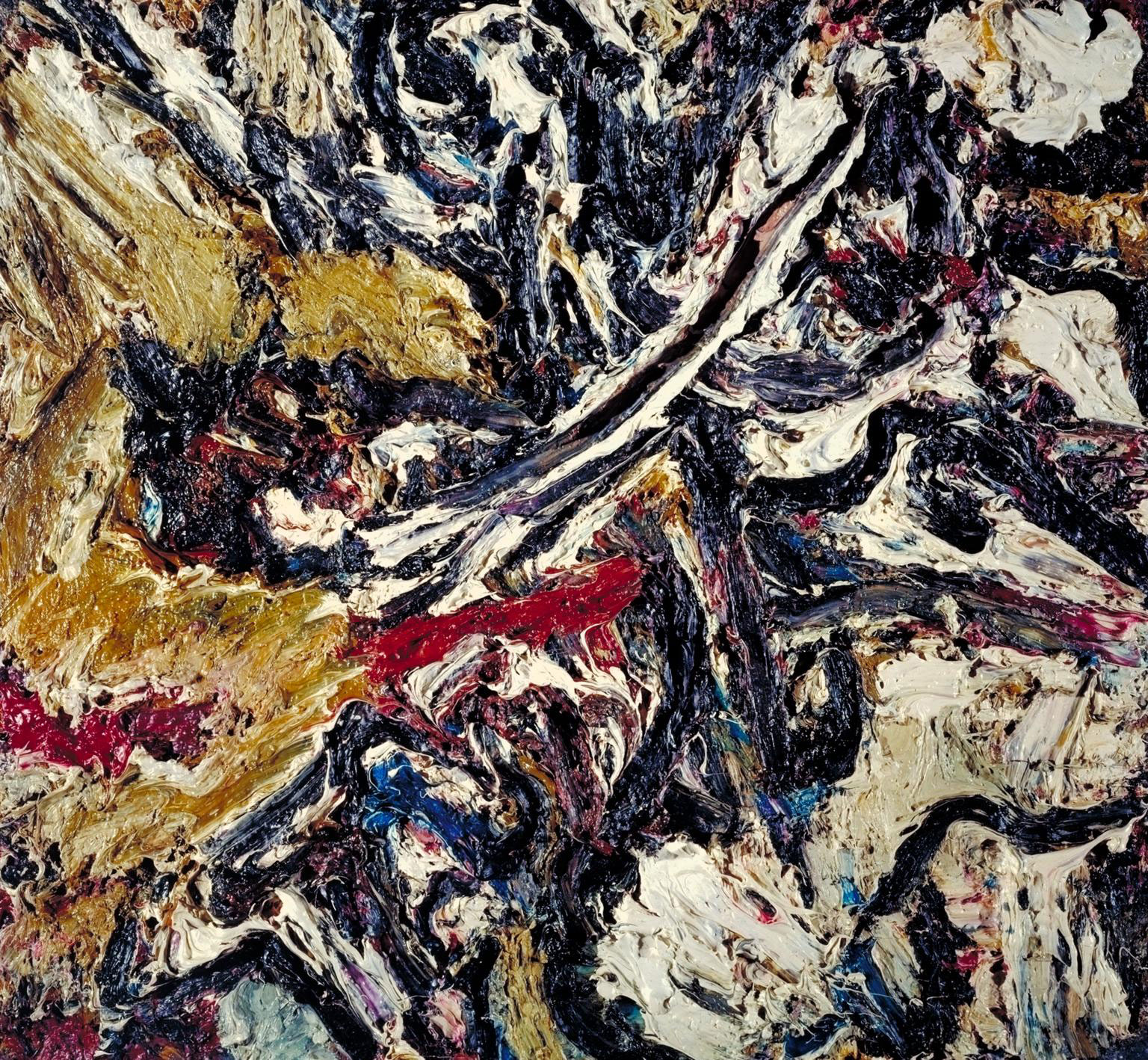

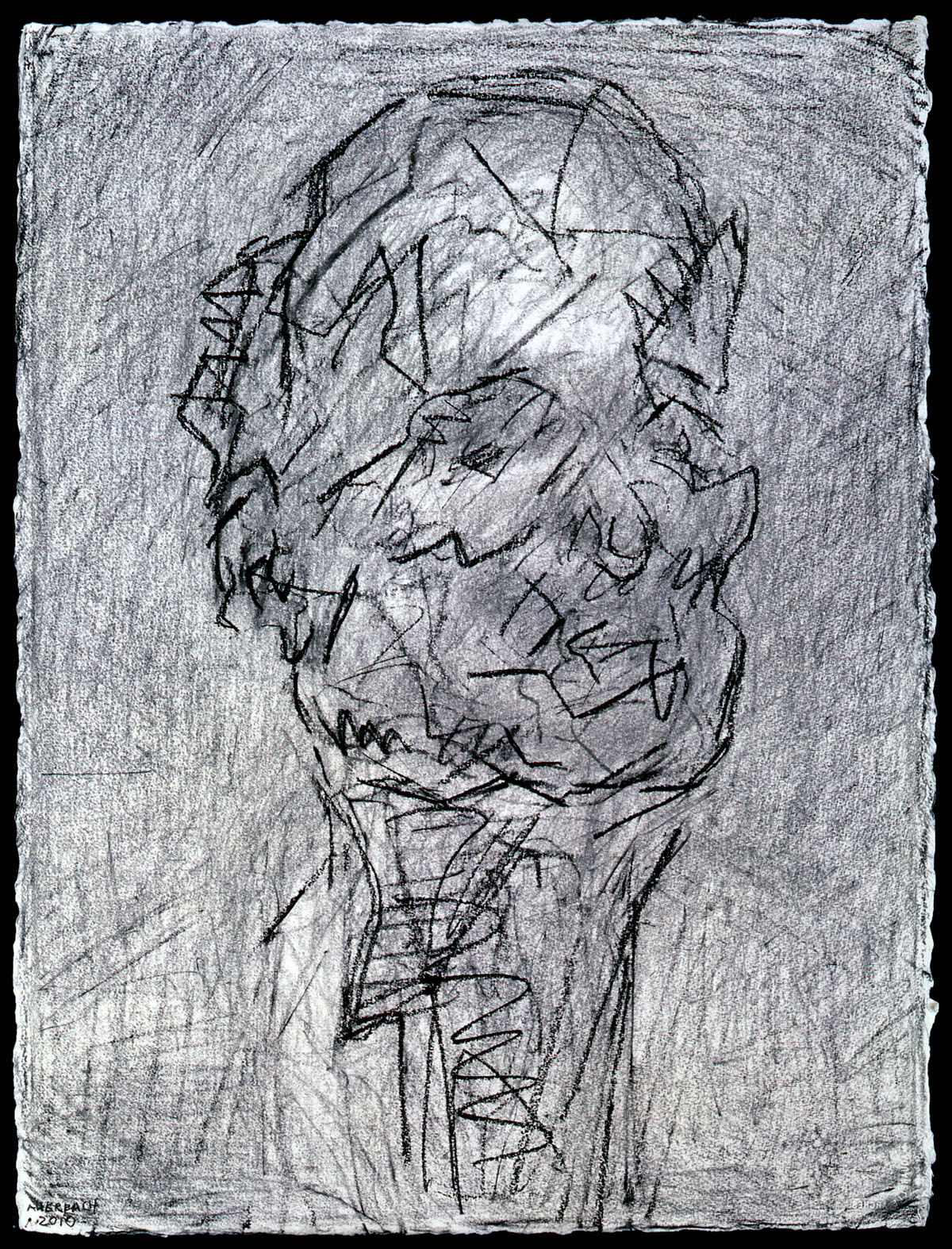
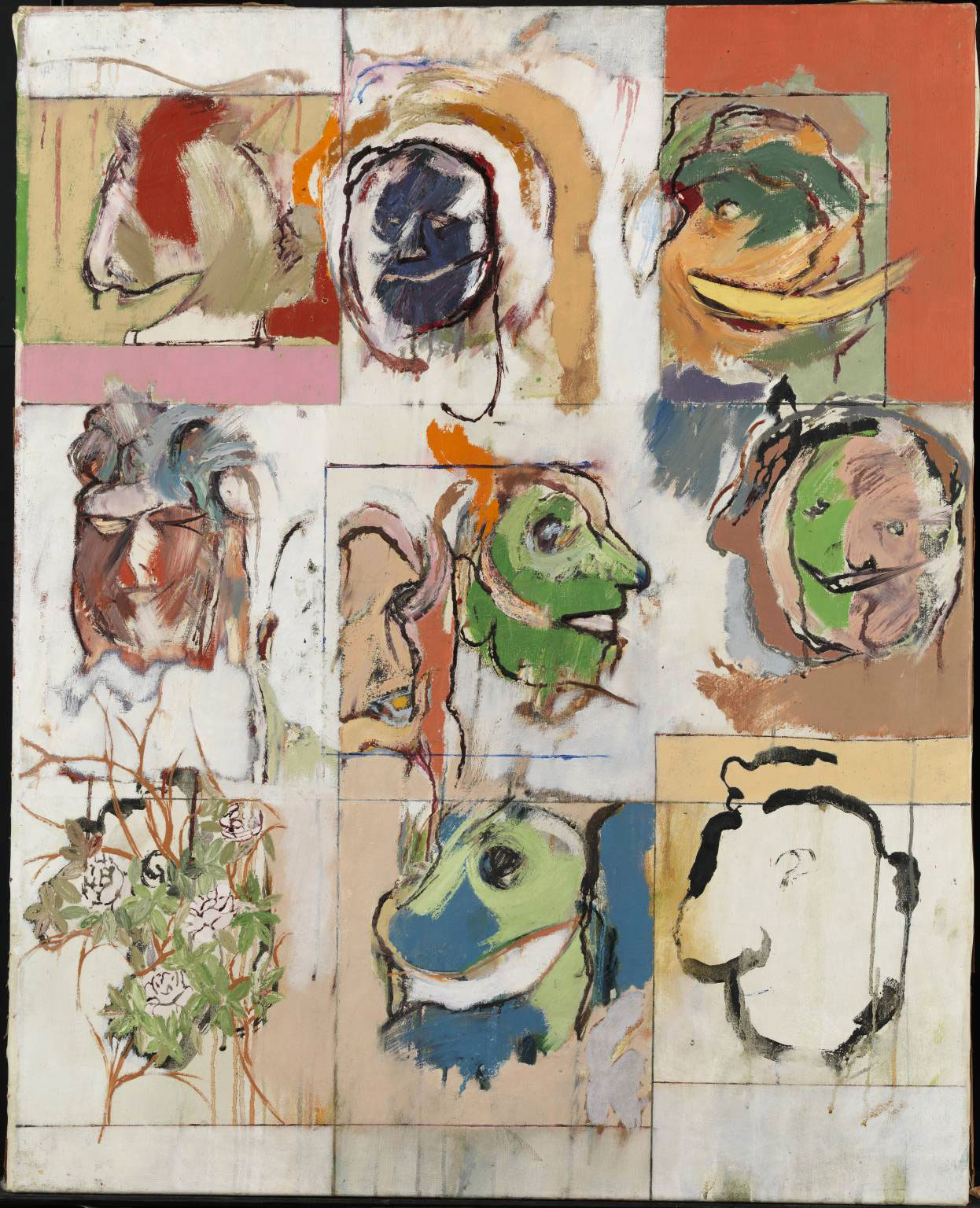
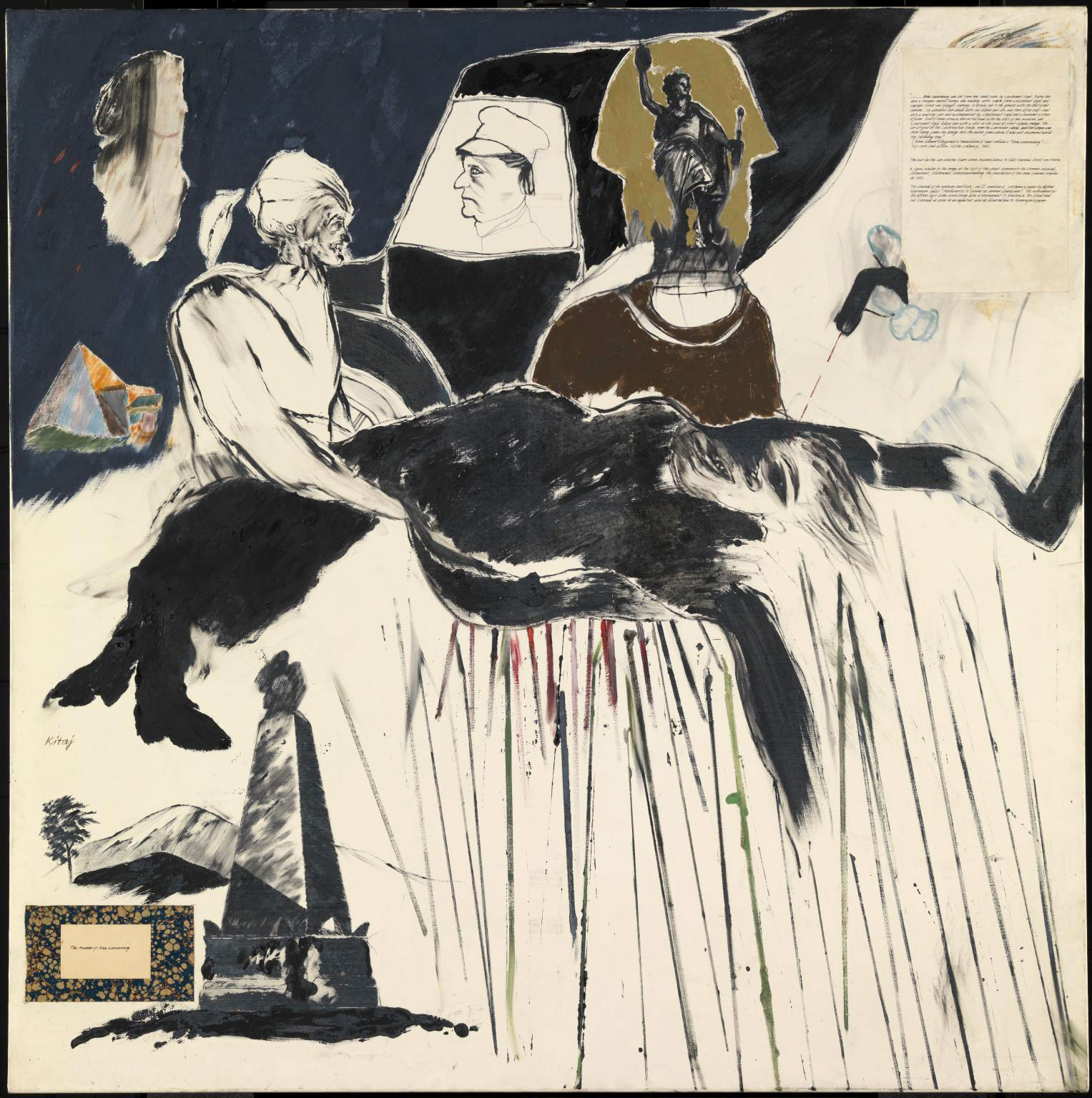


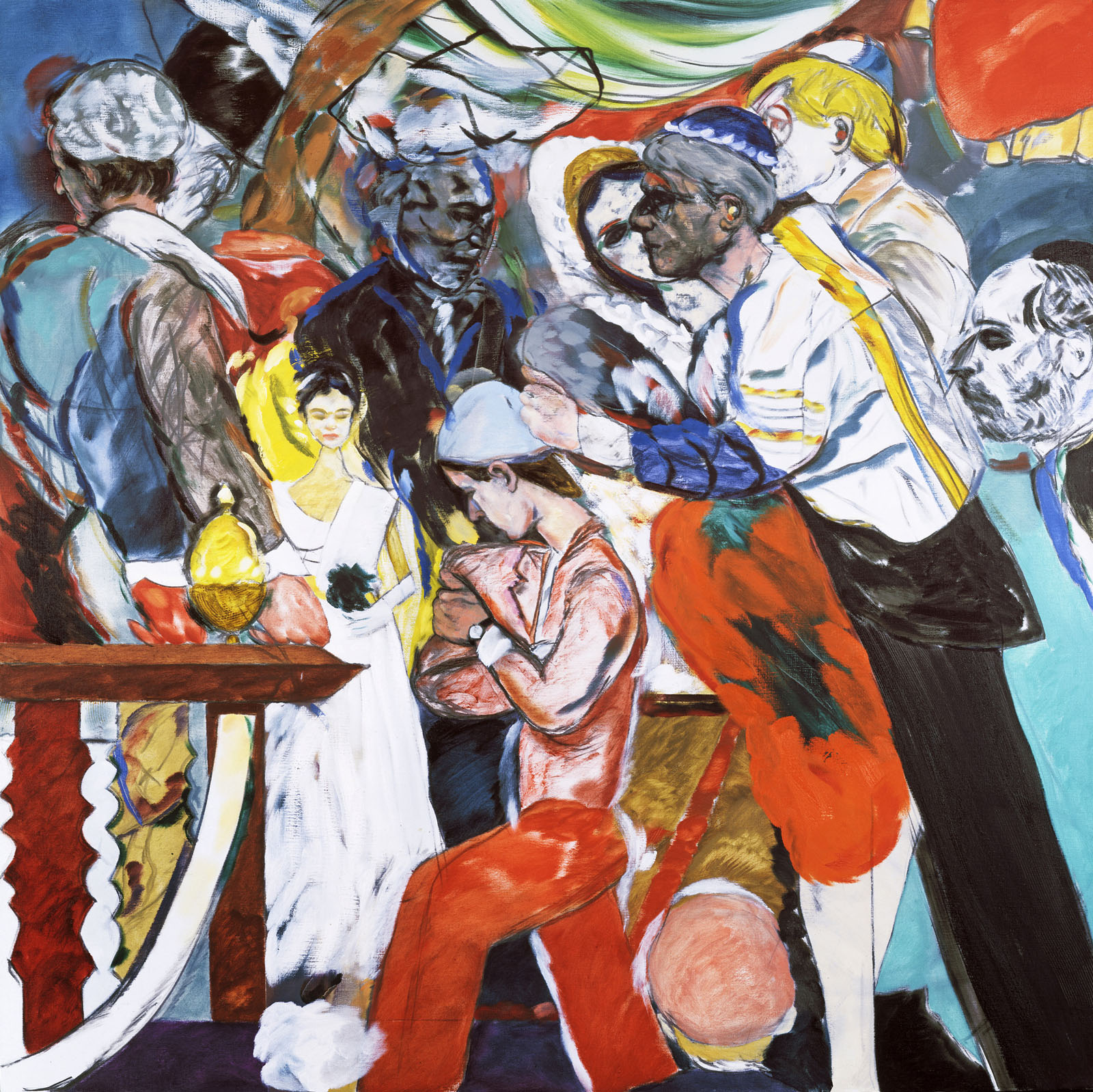

![Alfred Stieglitz (American, 1864-1946) 'Untitled [O'Keeffe with sketchpad and watercolors]' 1918 from the exhibition 'Georgia O'Keeffe' at Tate Modern, London, July - Oct, 2016](https://artblart.com/wp-content/uploads/2016/10/georgia_okeeffe_by_stieglitz_1918-web.jpg "Alfred Stieglitz (American, 1864-1946) 'Untitled [O'Keeffe with sketchpad and watercolors]' 1918 from the exhibition 'Georgia O'Keeffe' at Tate Modern, London, July - Oct, 2016")
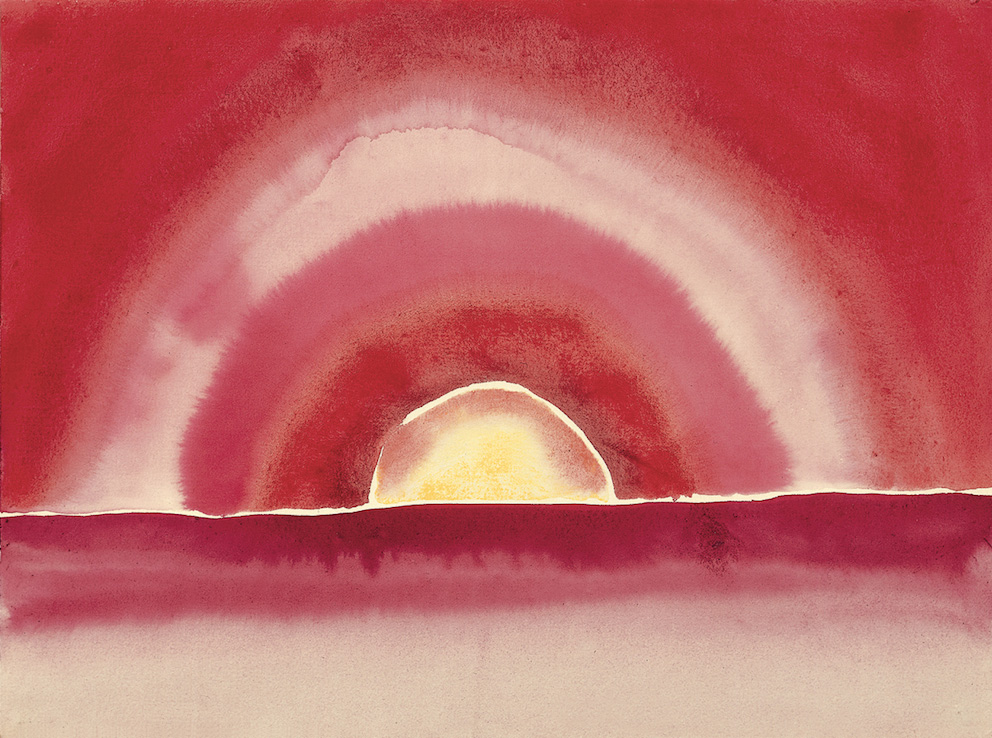

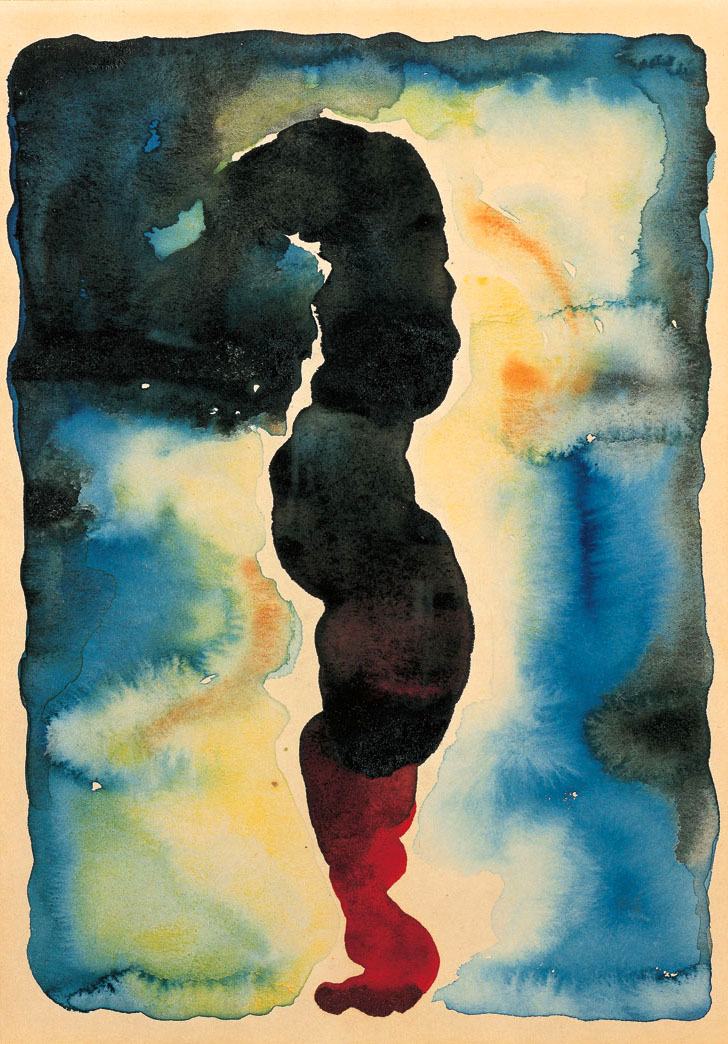
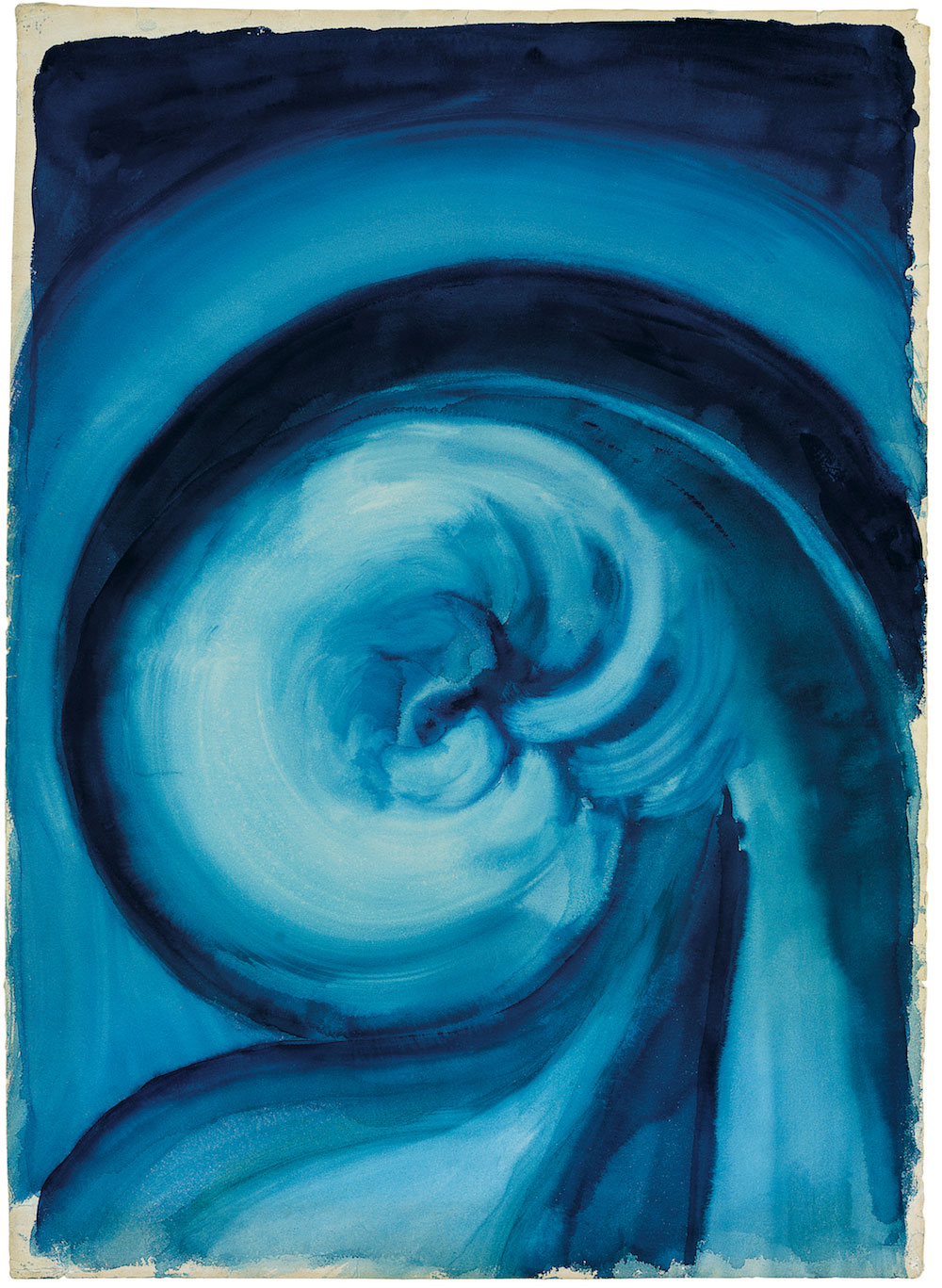











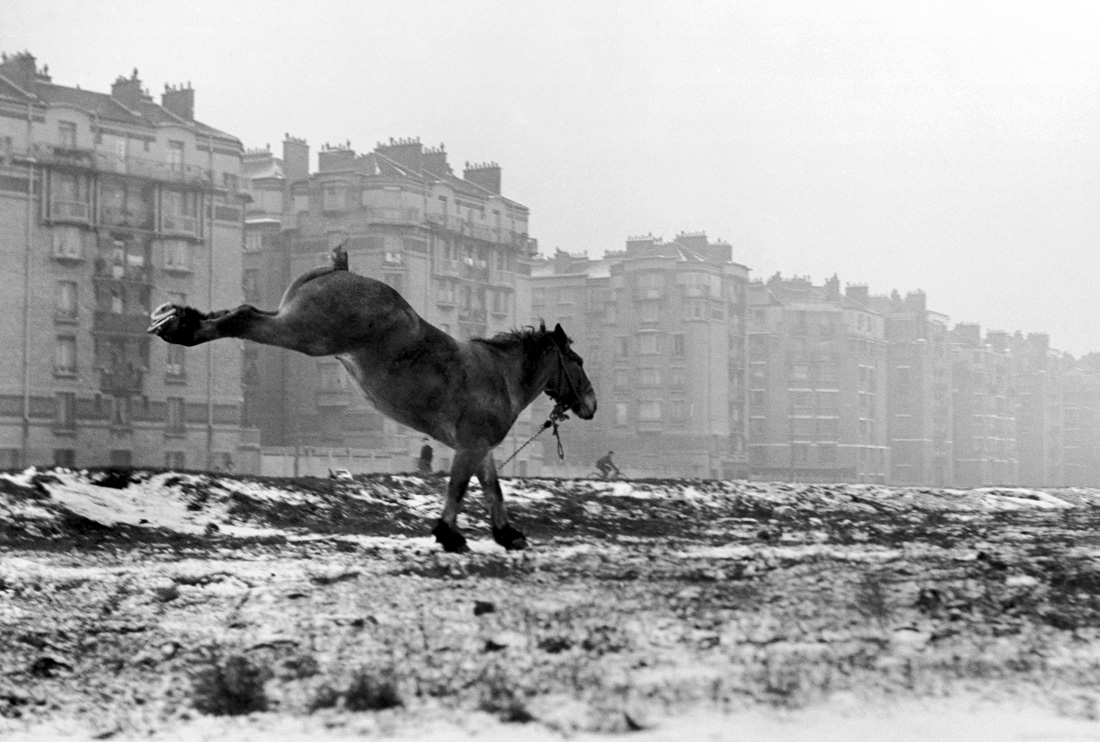

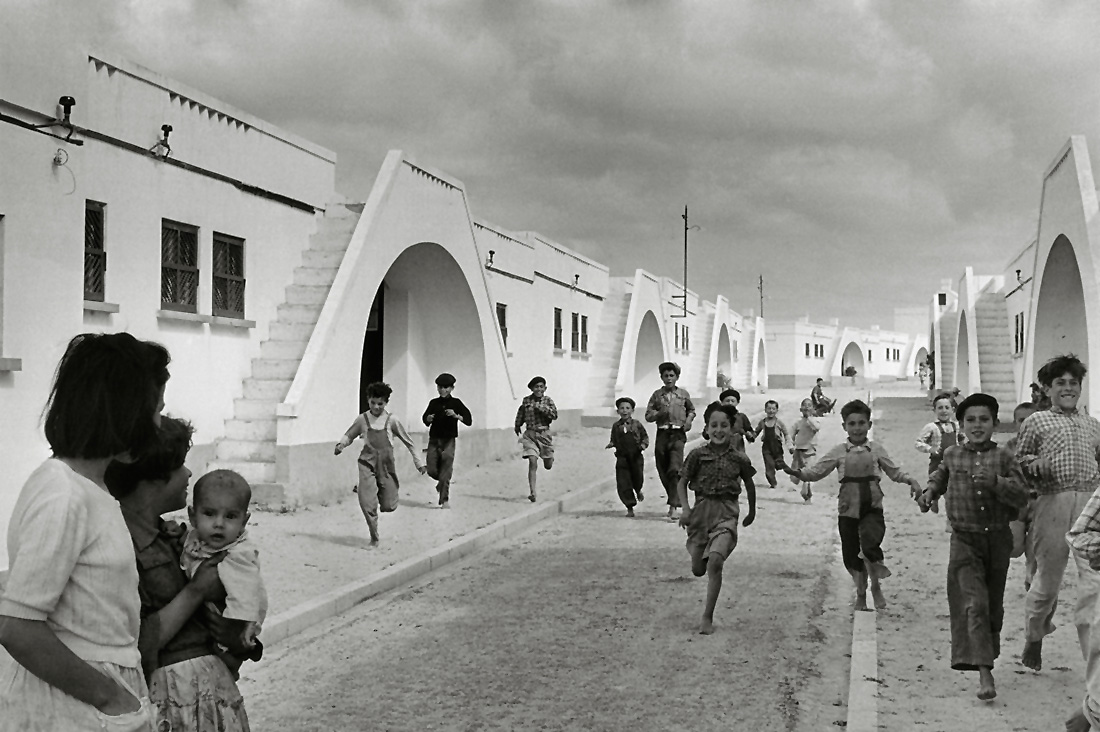
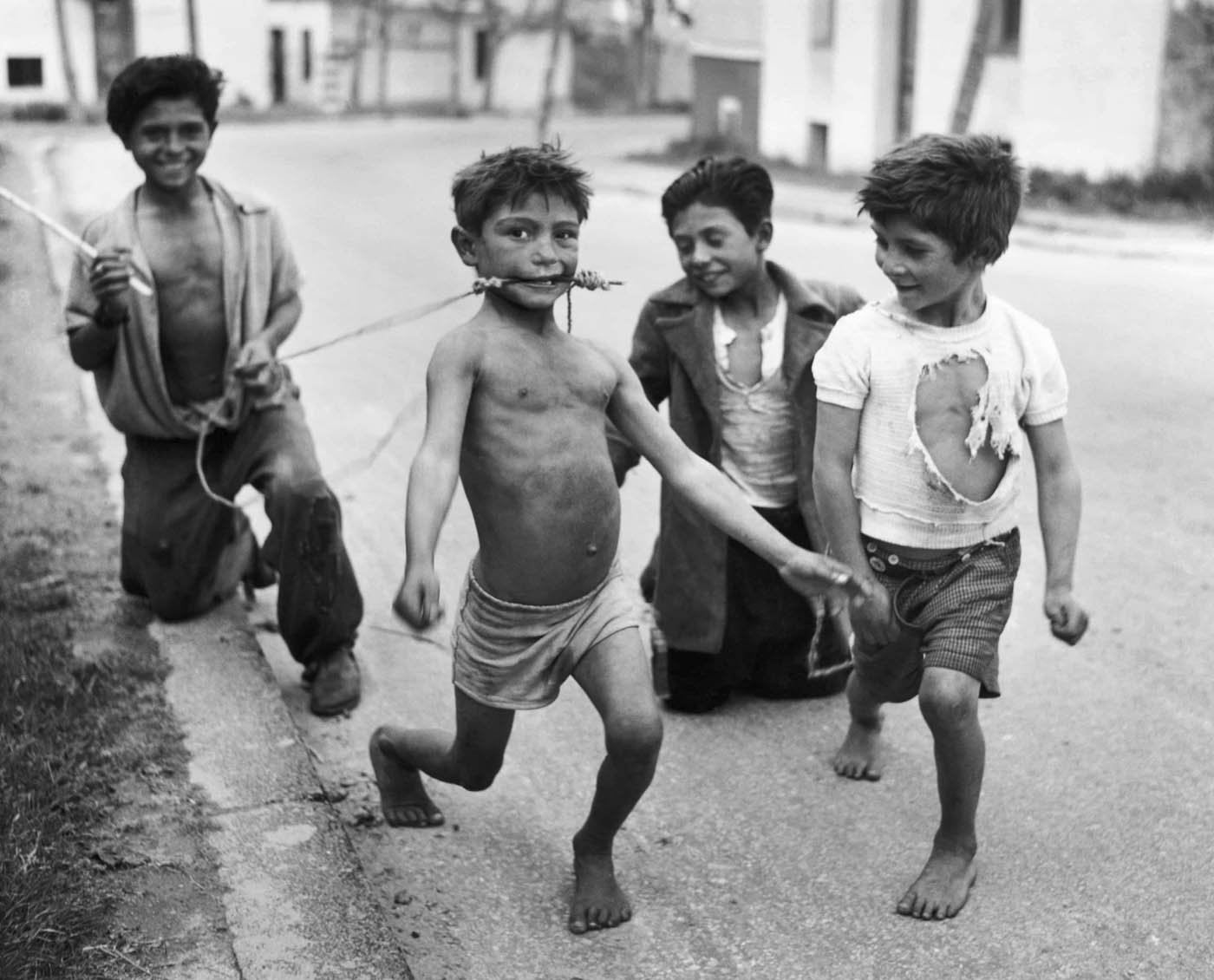
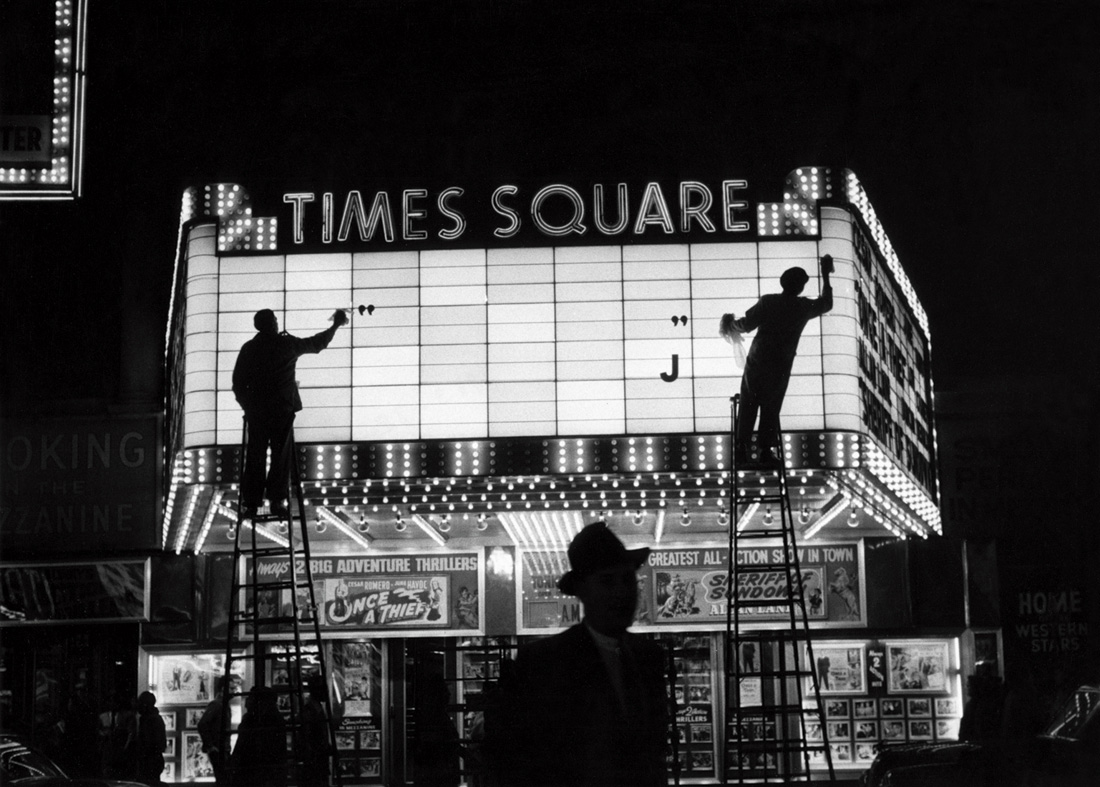


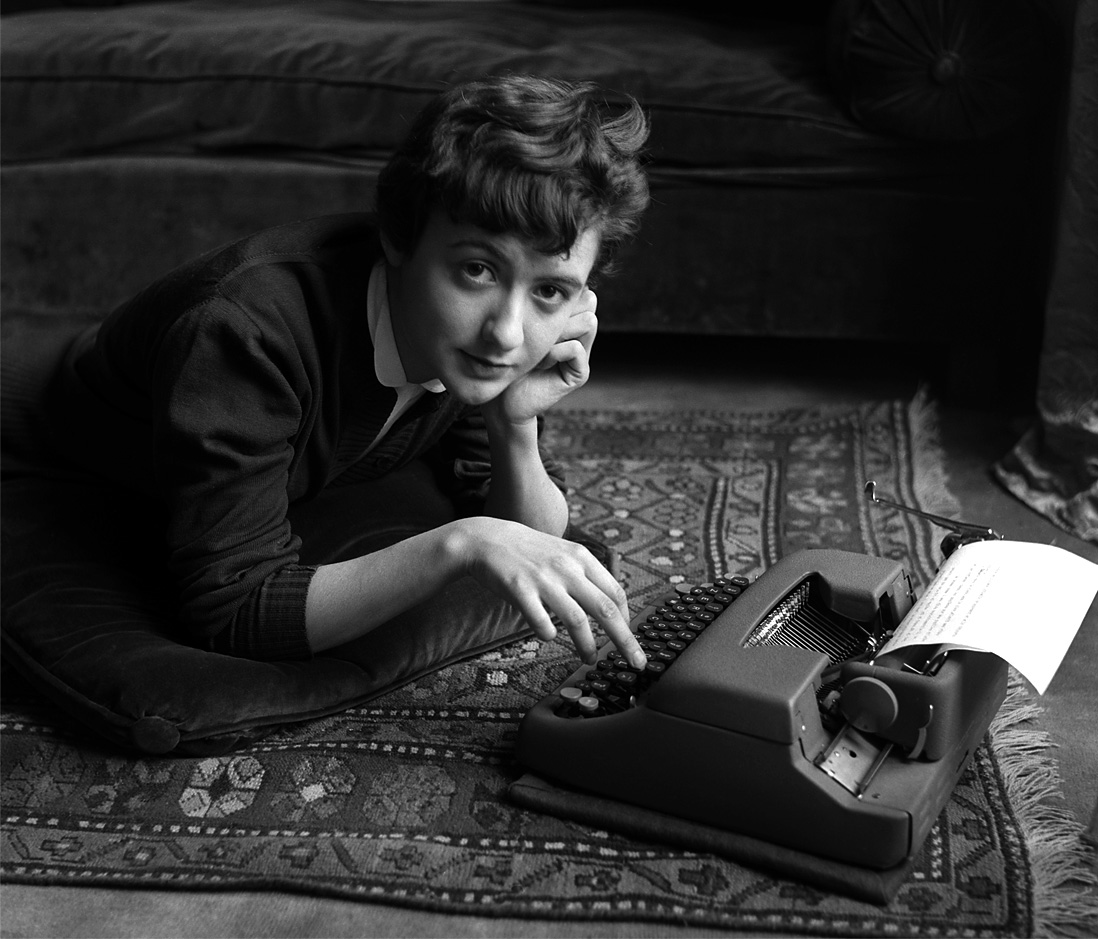


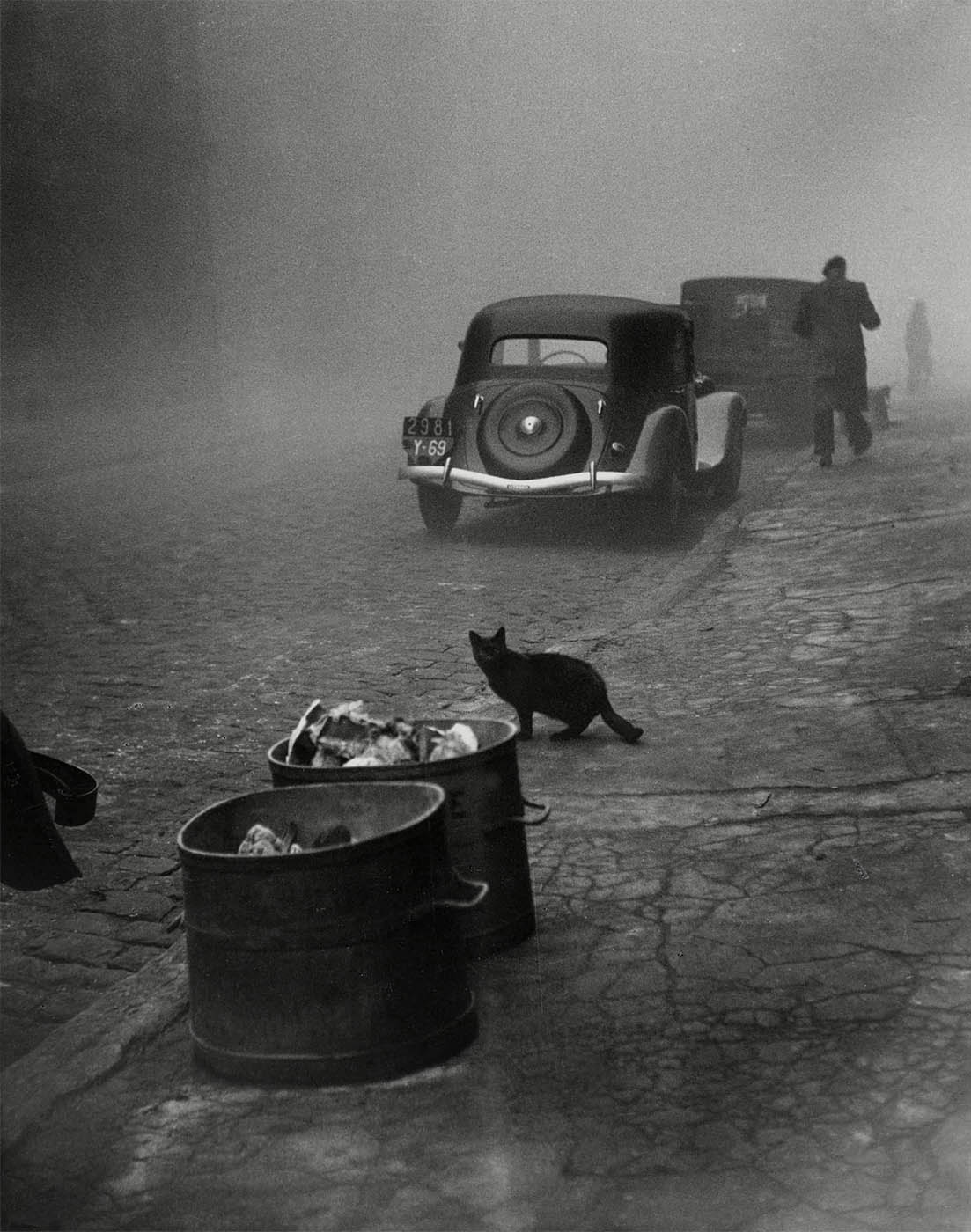
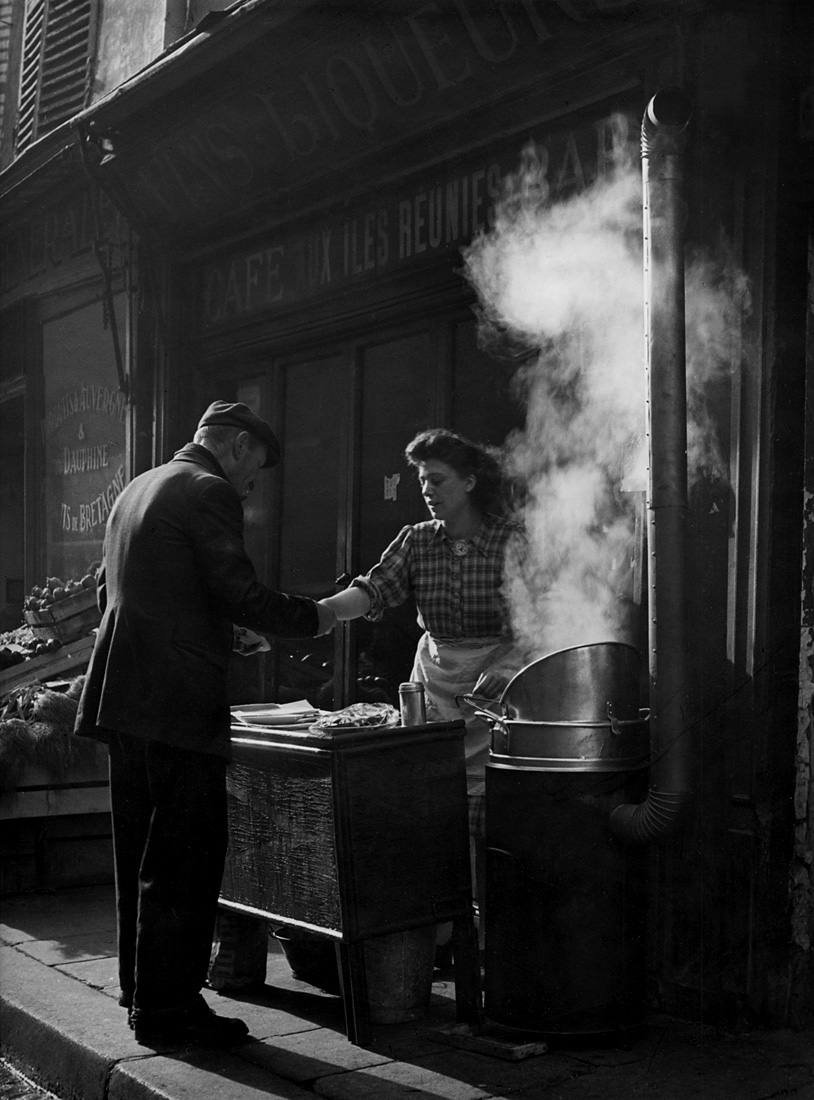
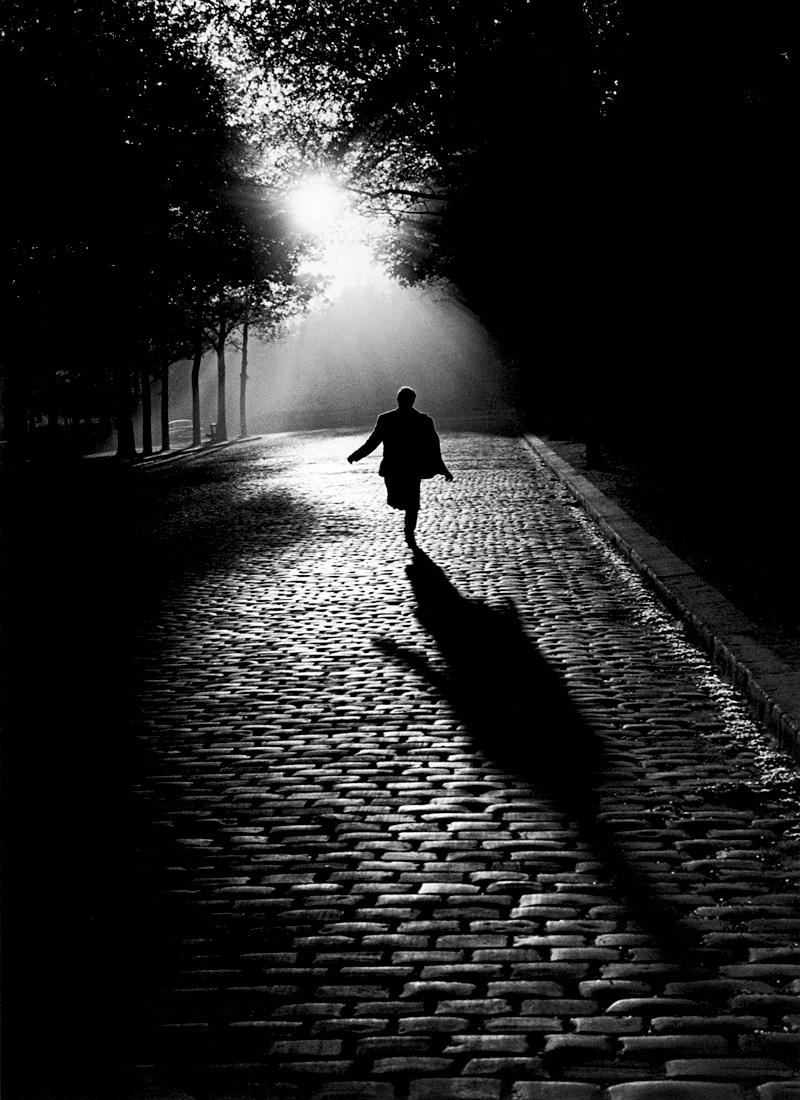
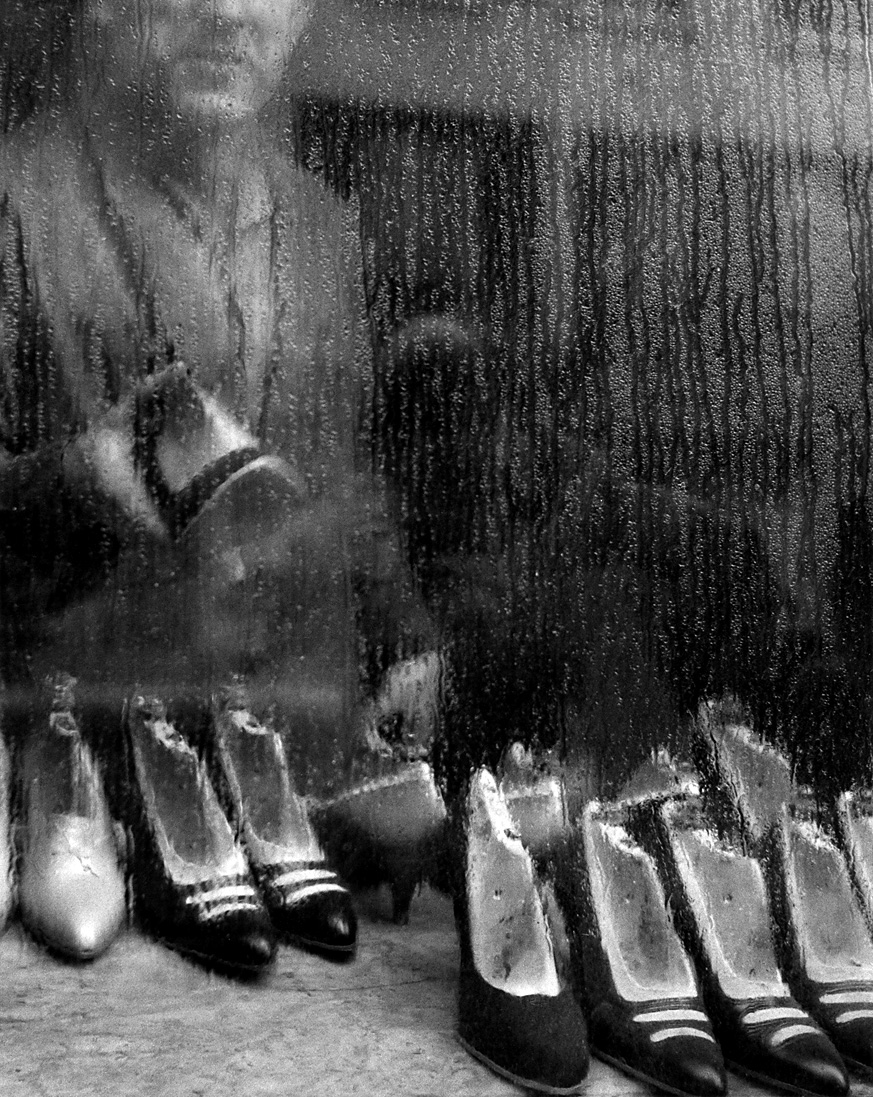
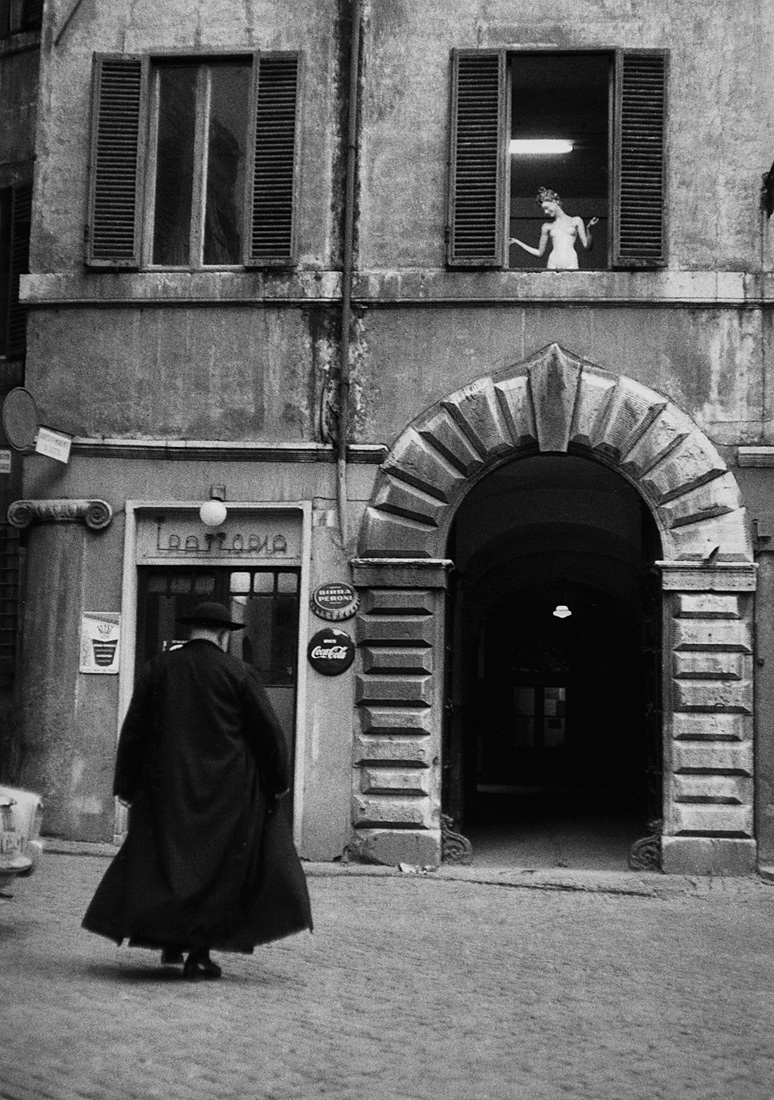
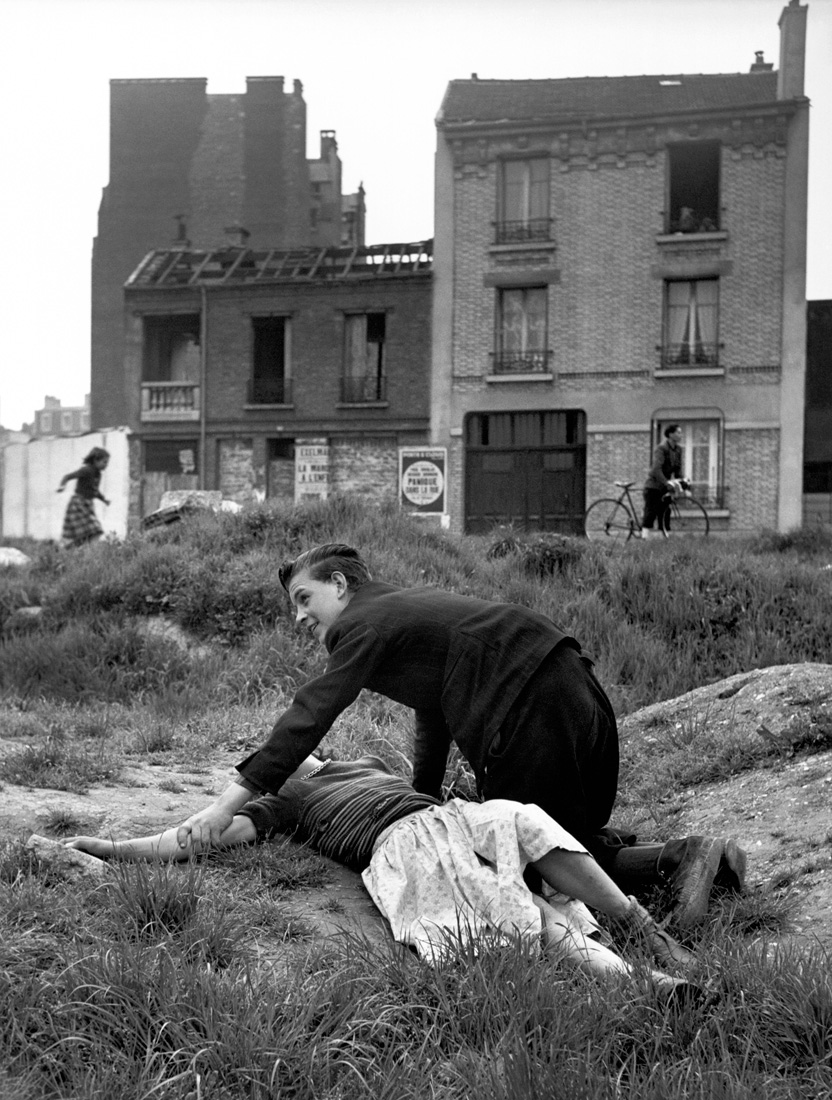
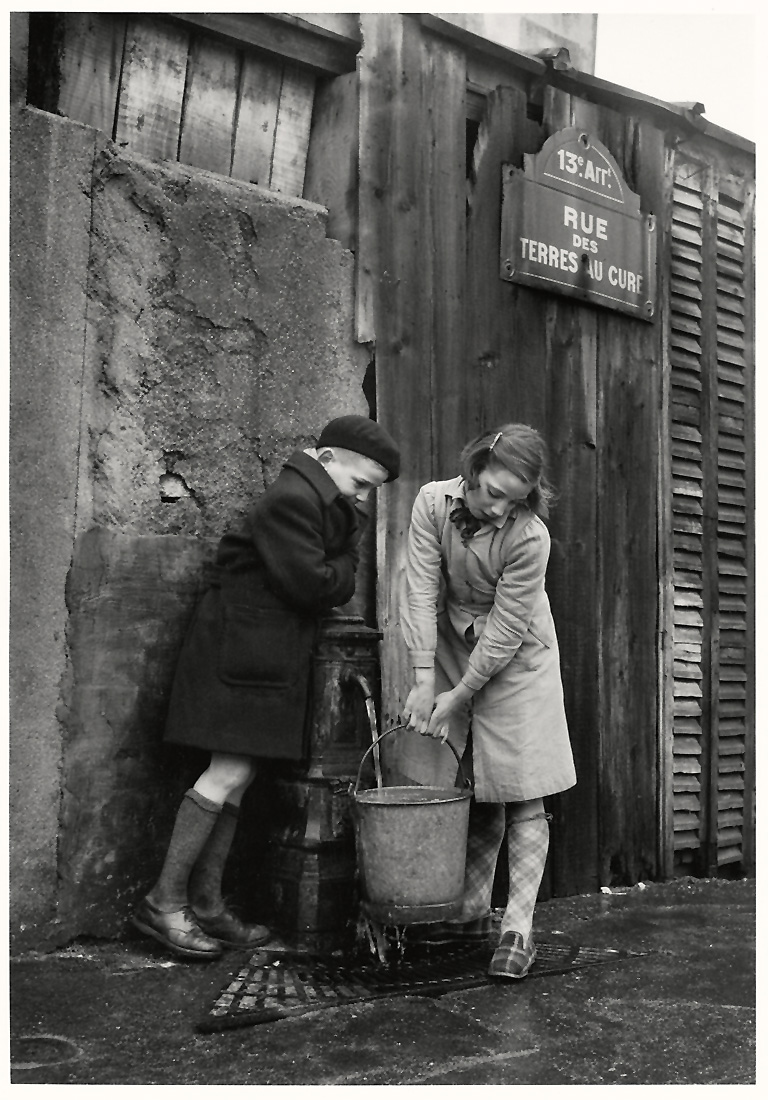
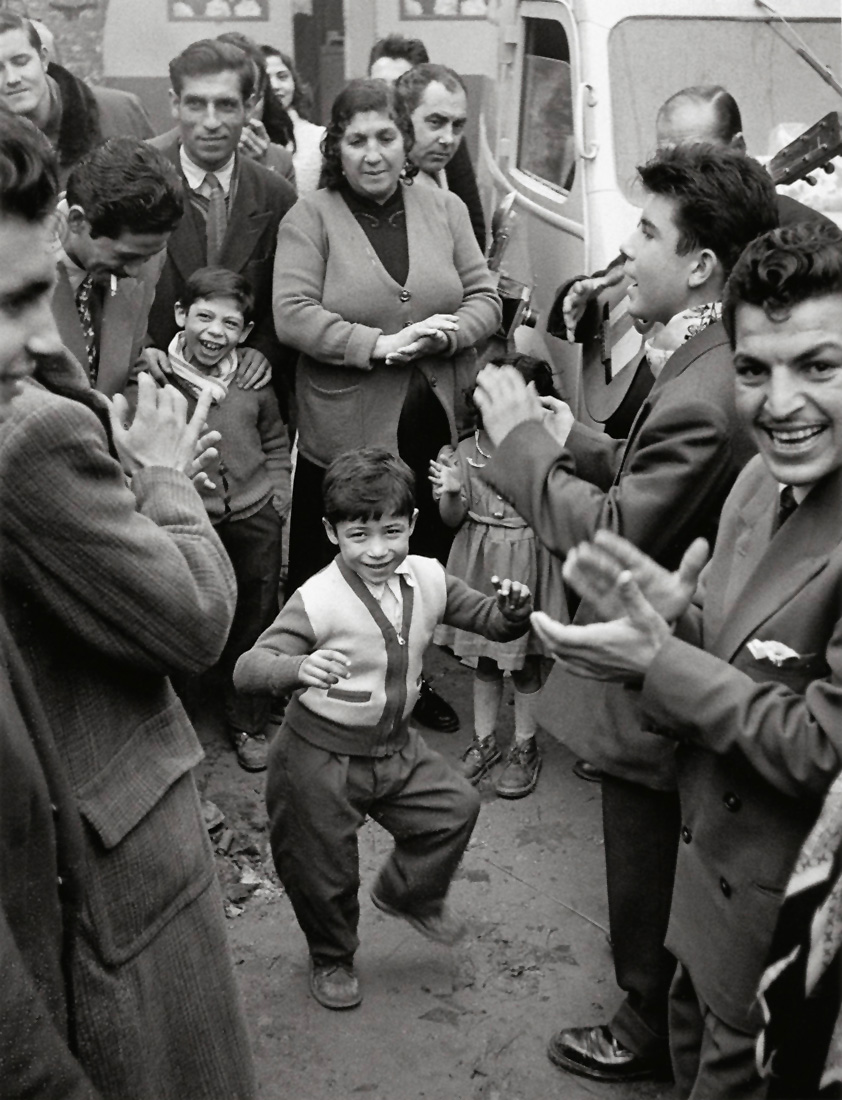
![Sabine Weiss (Swiss-French, 1924-2021) 'Enfants jouant, rue Edmond-Flamand' [Children playing, rue Edmond-Flamand] Paris, 1952](https://artblart.com/wp-content/uploads/2016/10/weiss-children-playing-web.jpg "Sabine Weiss (Swiss-French, 1924-2021) 'Enfants jouant, rue Edmond-Flamand' [Children playing, rue Edmond-Flamand] Paris, 1952")
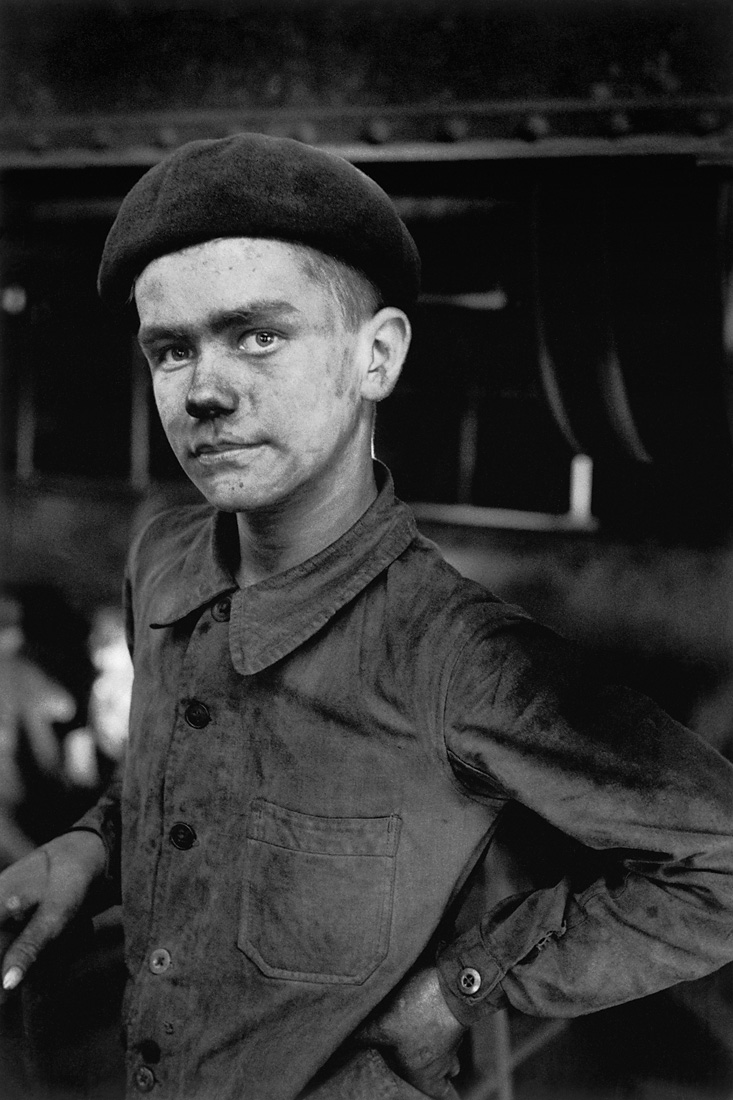
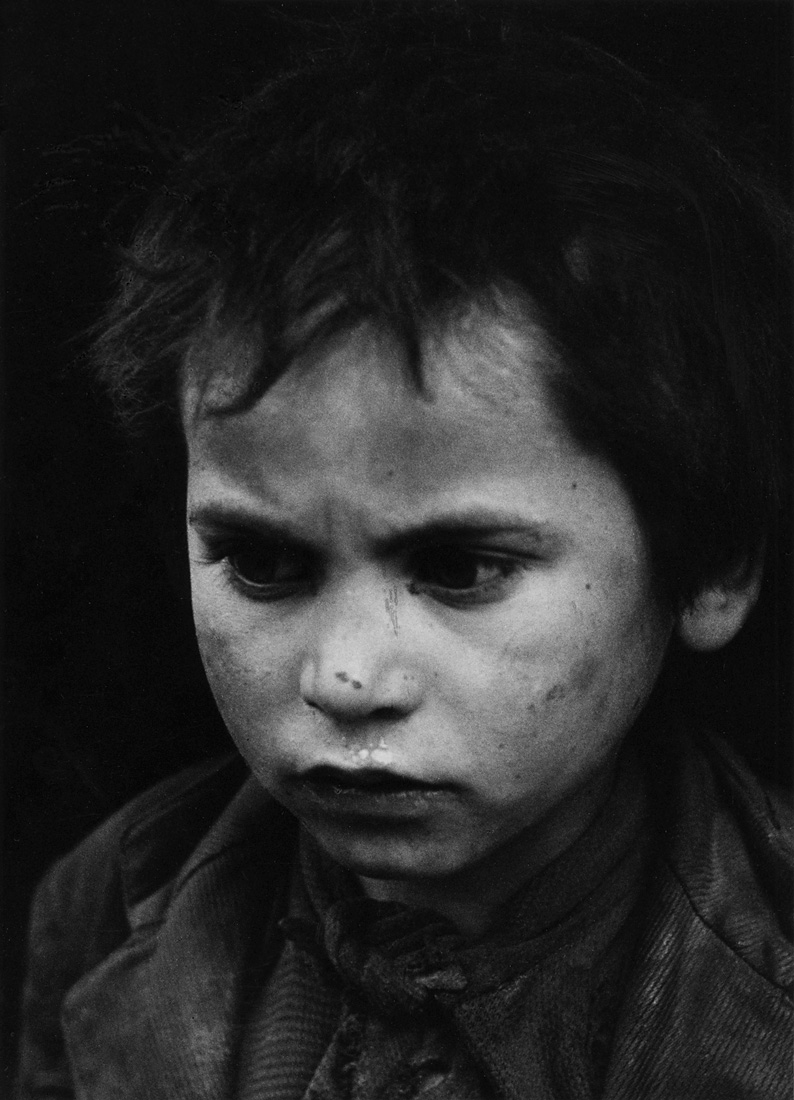
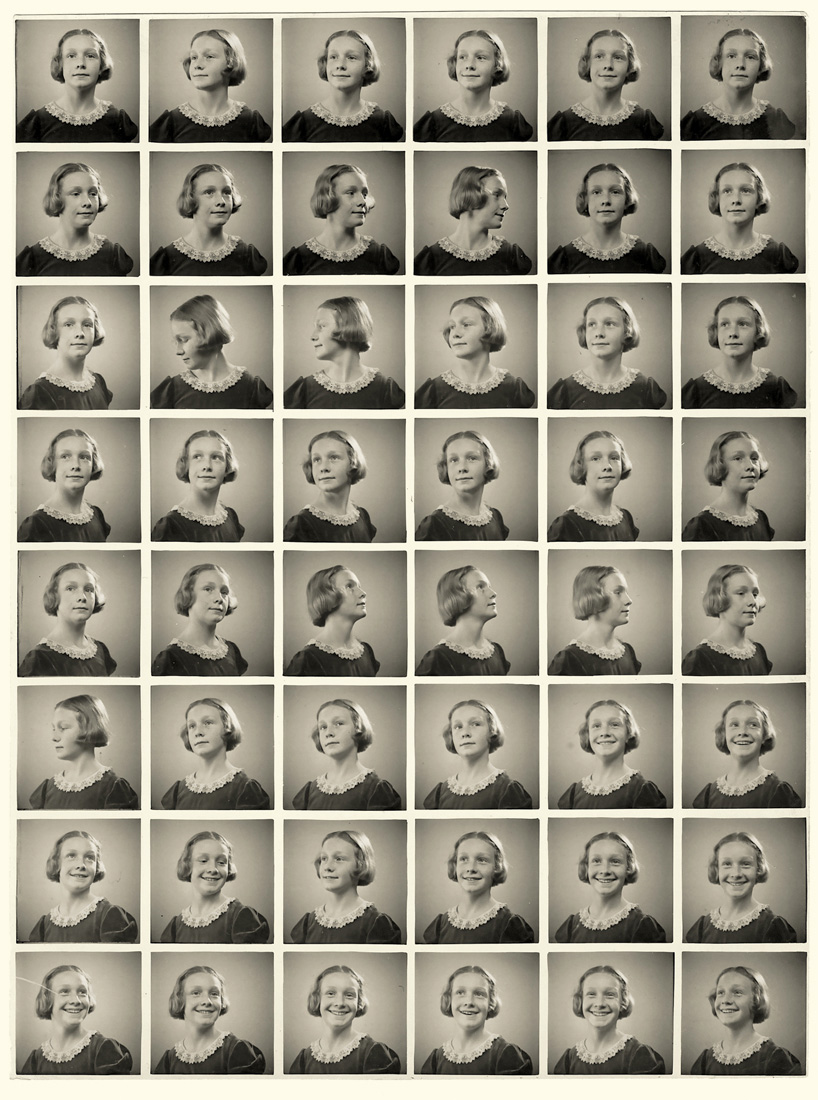
![Sabine Weiss (Swiss-French, 1924-2021) 'Anna Karina pour la marque Korrigan' [Anna Karina for the brand Korrigan] 1958](https://artblart.com/wp-content/uploads/2016/10/weiss-karina-web.jpg "Sabine Weiss (Swiss-French, 1924-2021) 'Anna Karina pour la marque Korrigan' [Anna Karina for the brand Korrigan] 1958")



















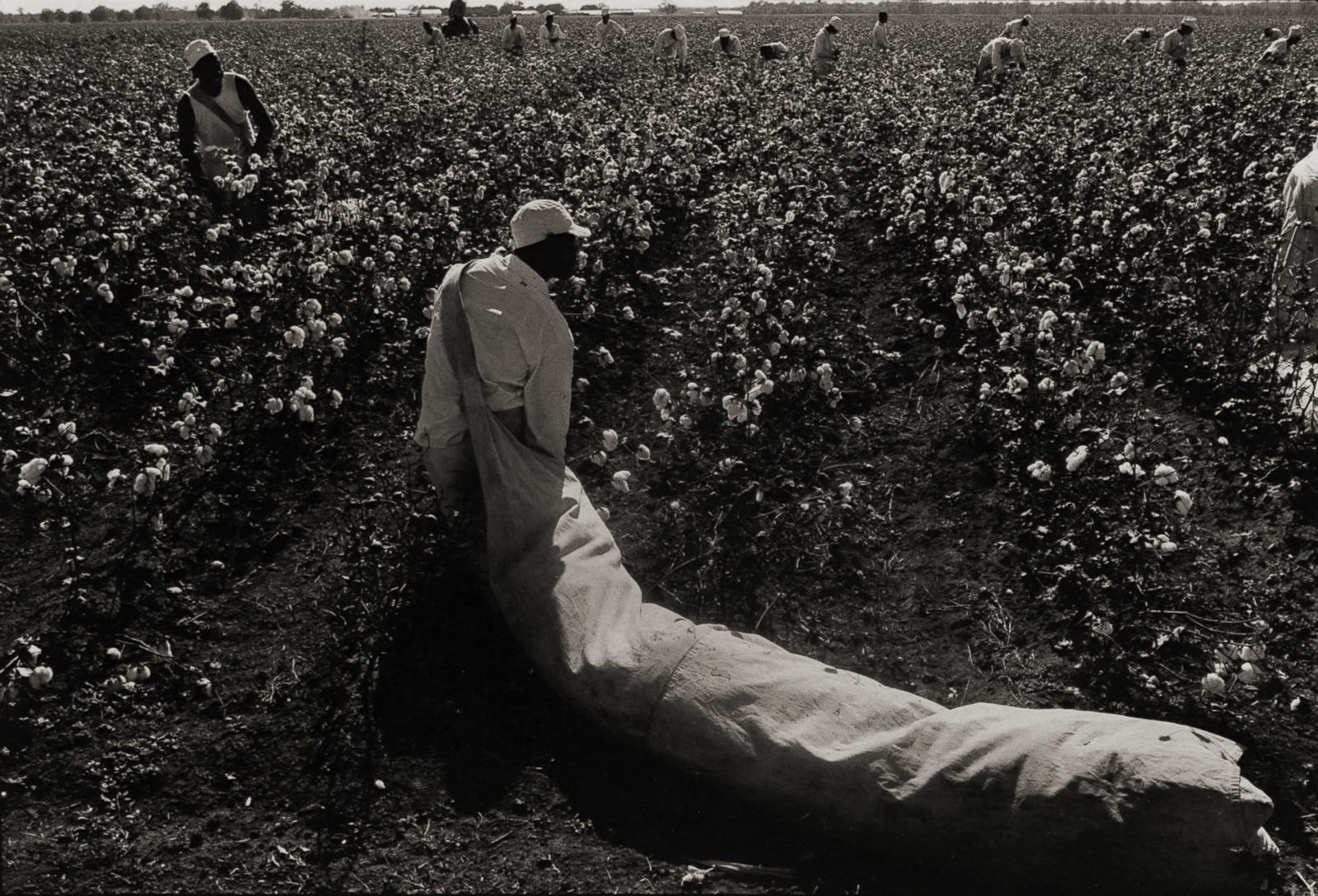


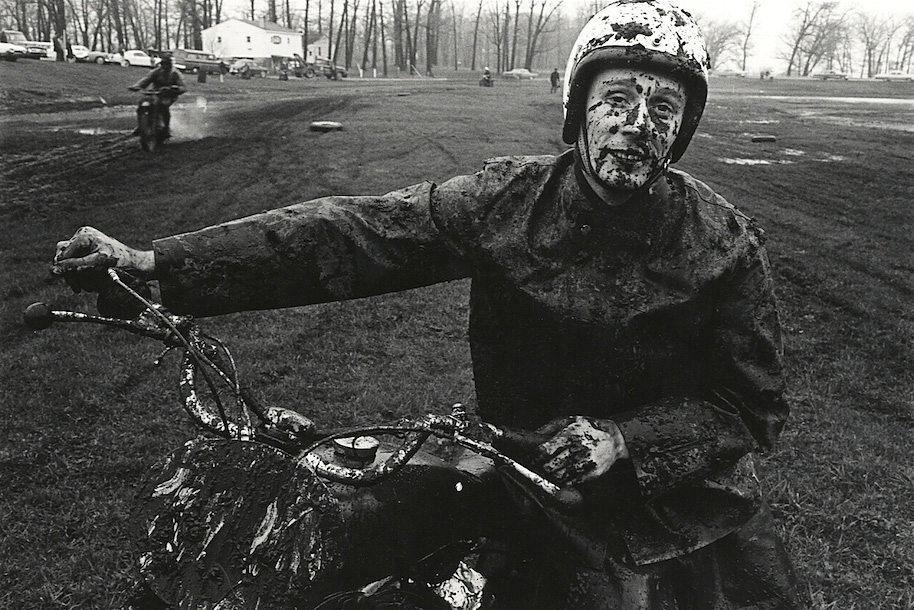
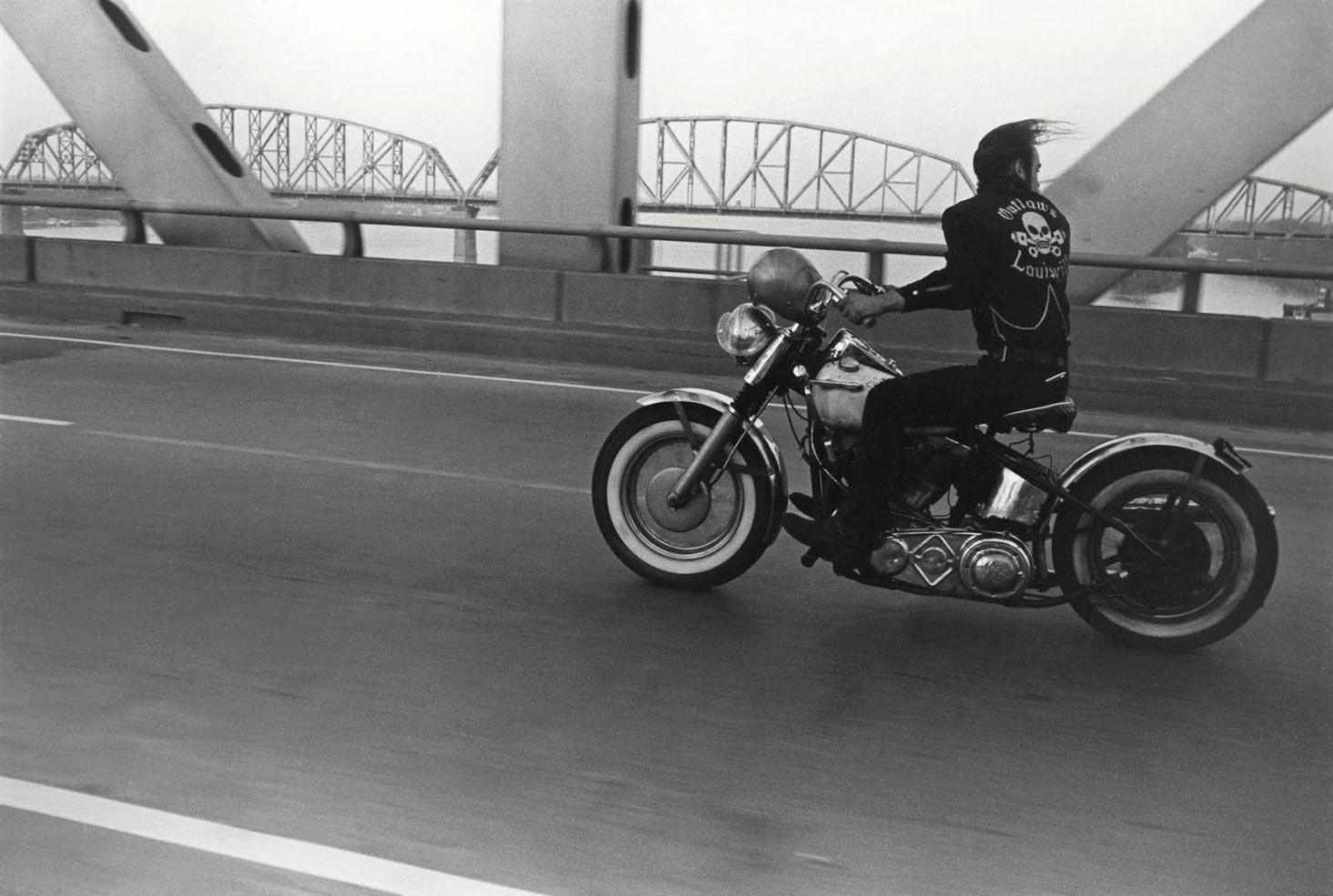


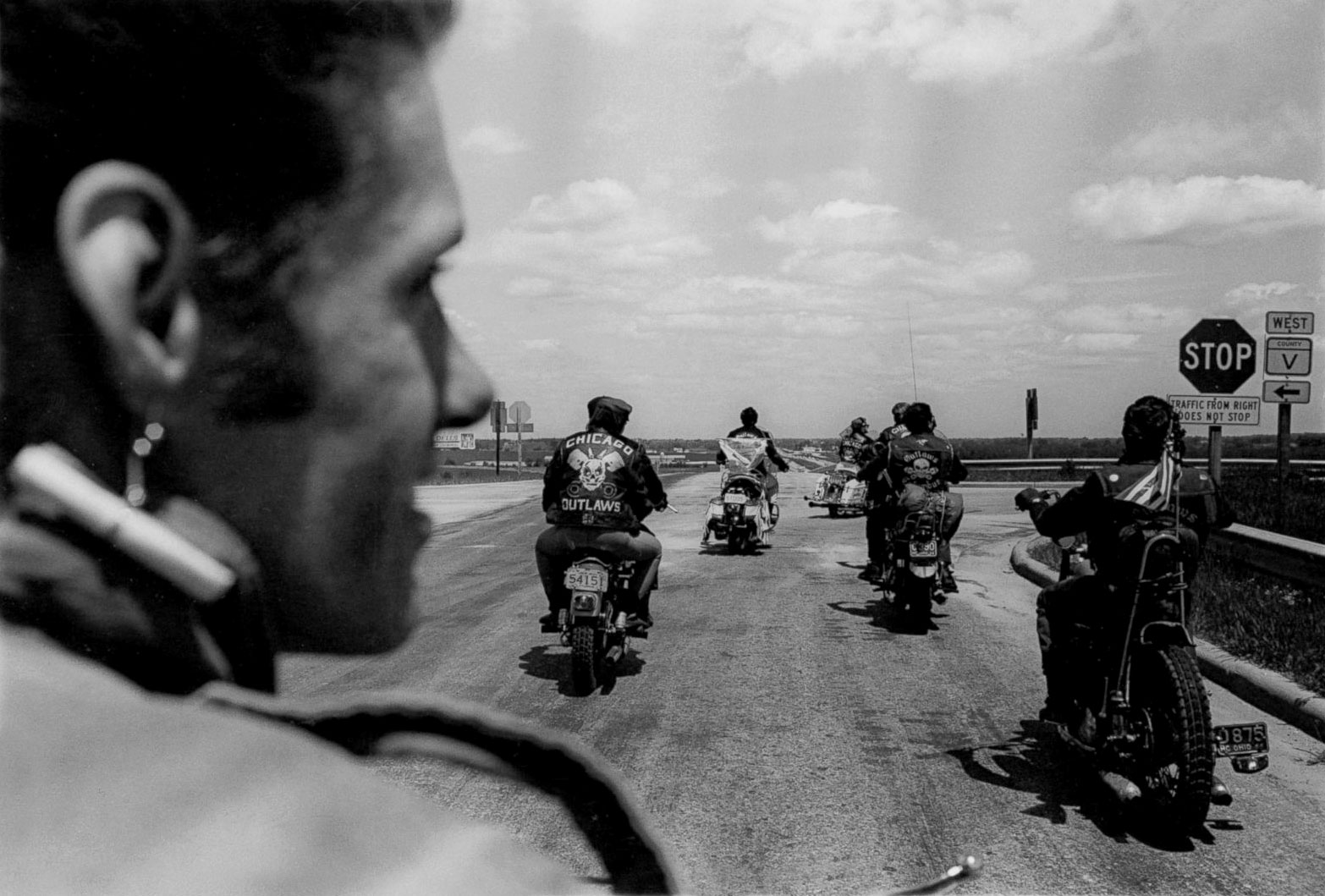






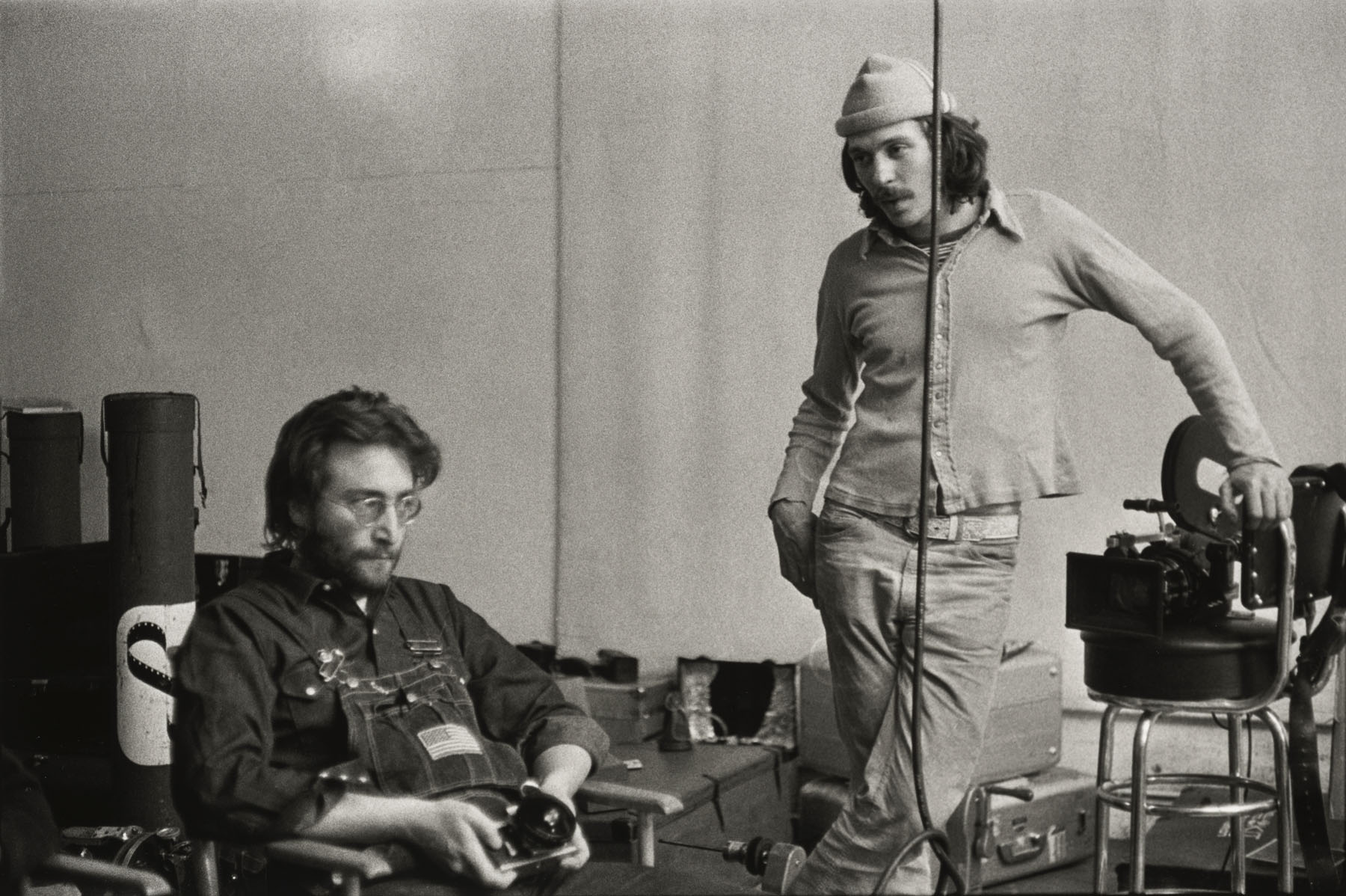


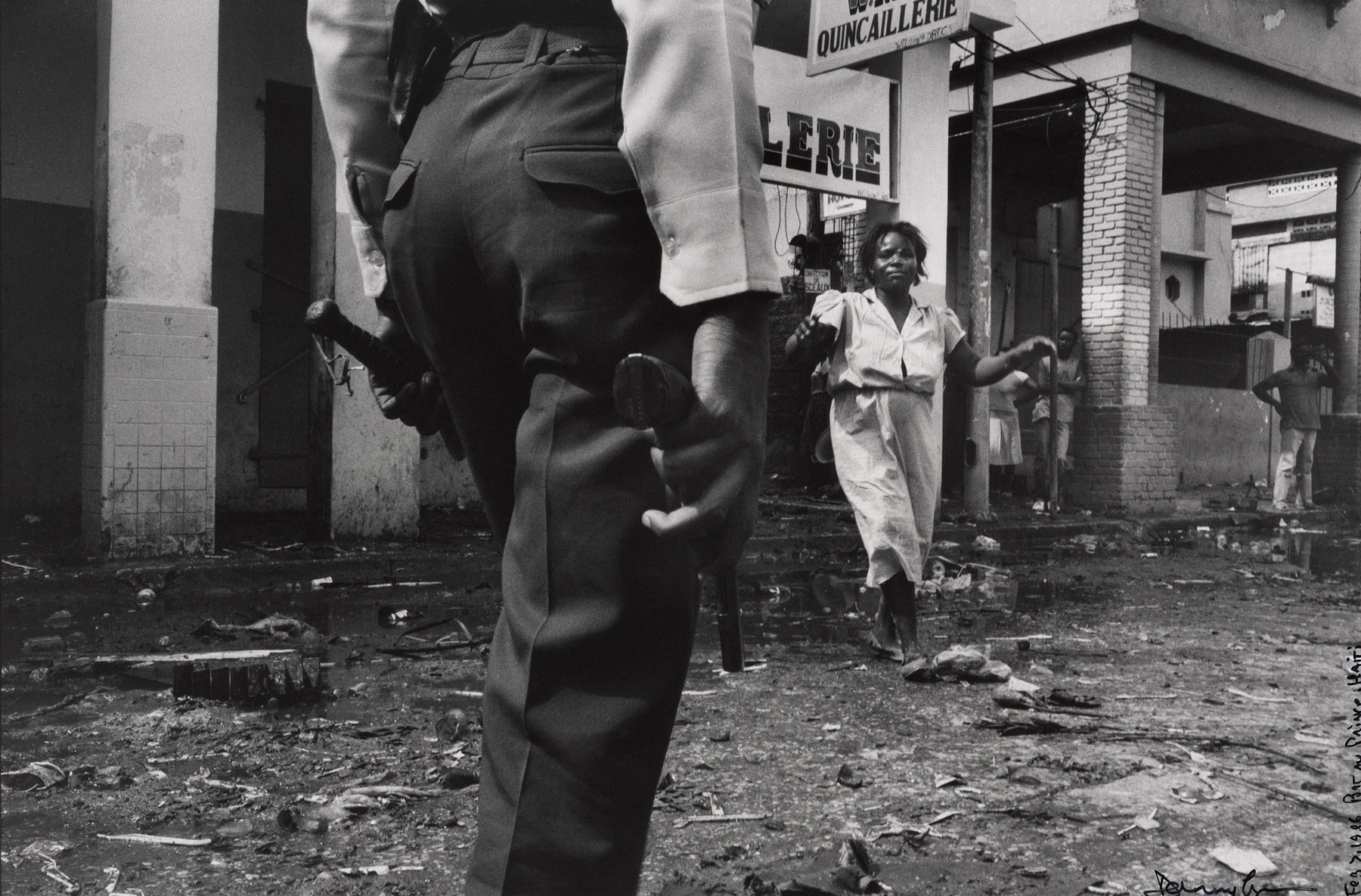


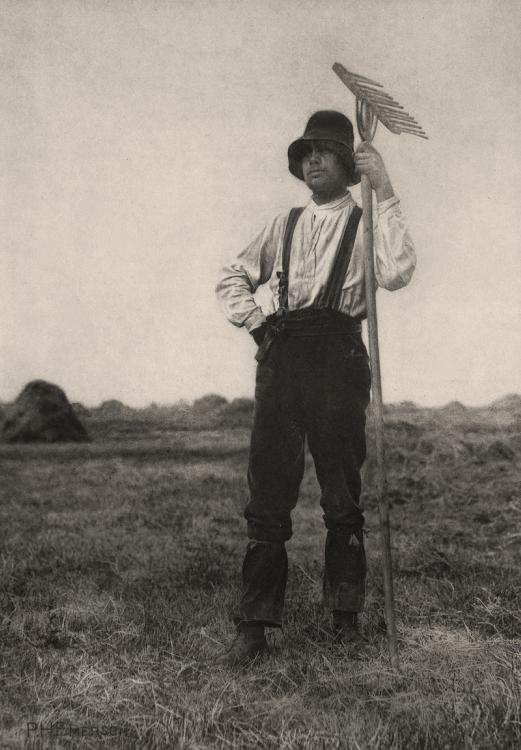
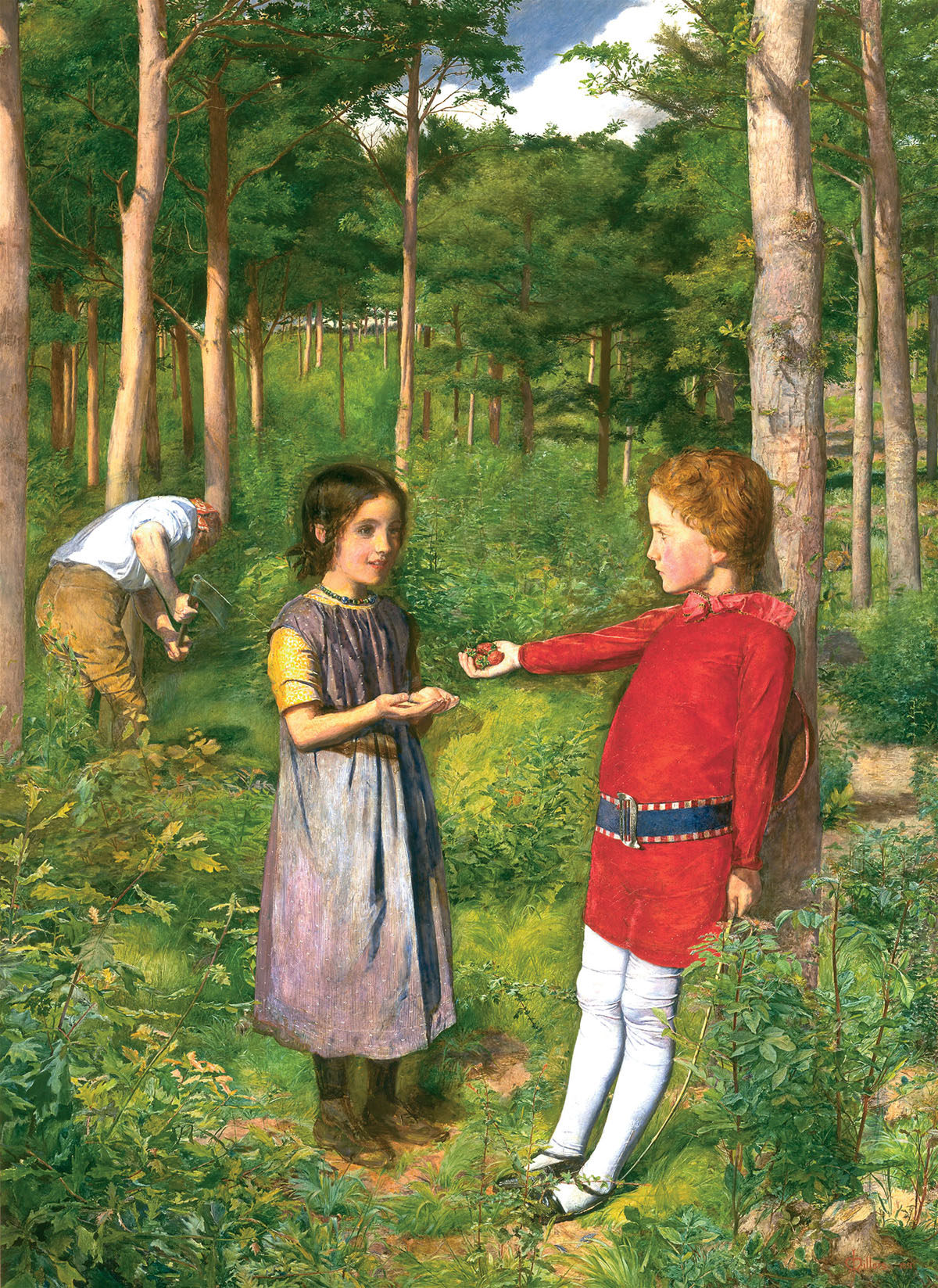

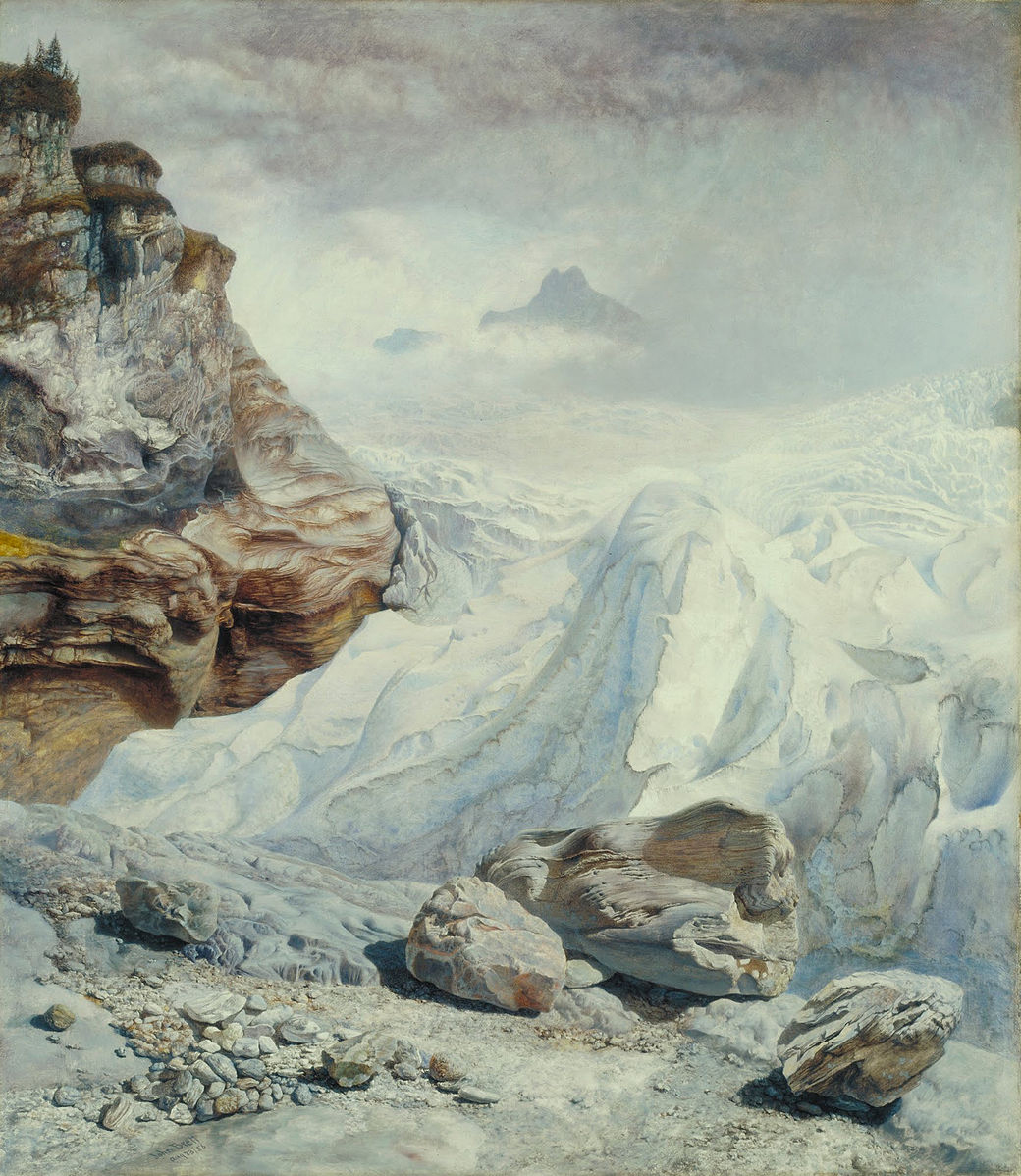
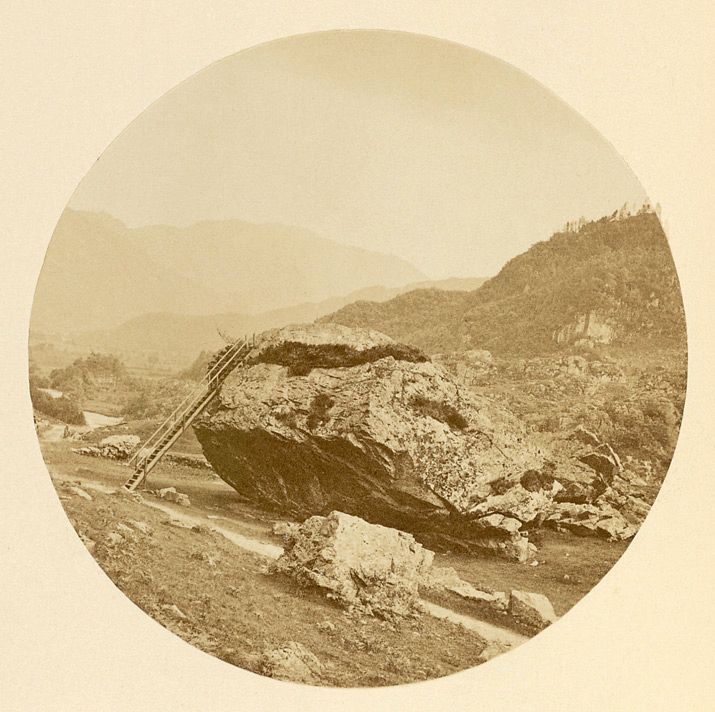
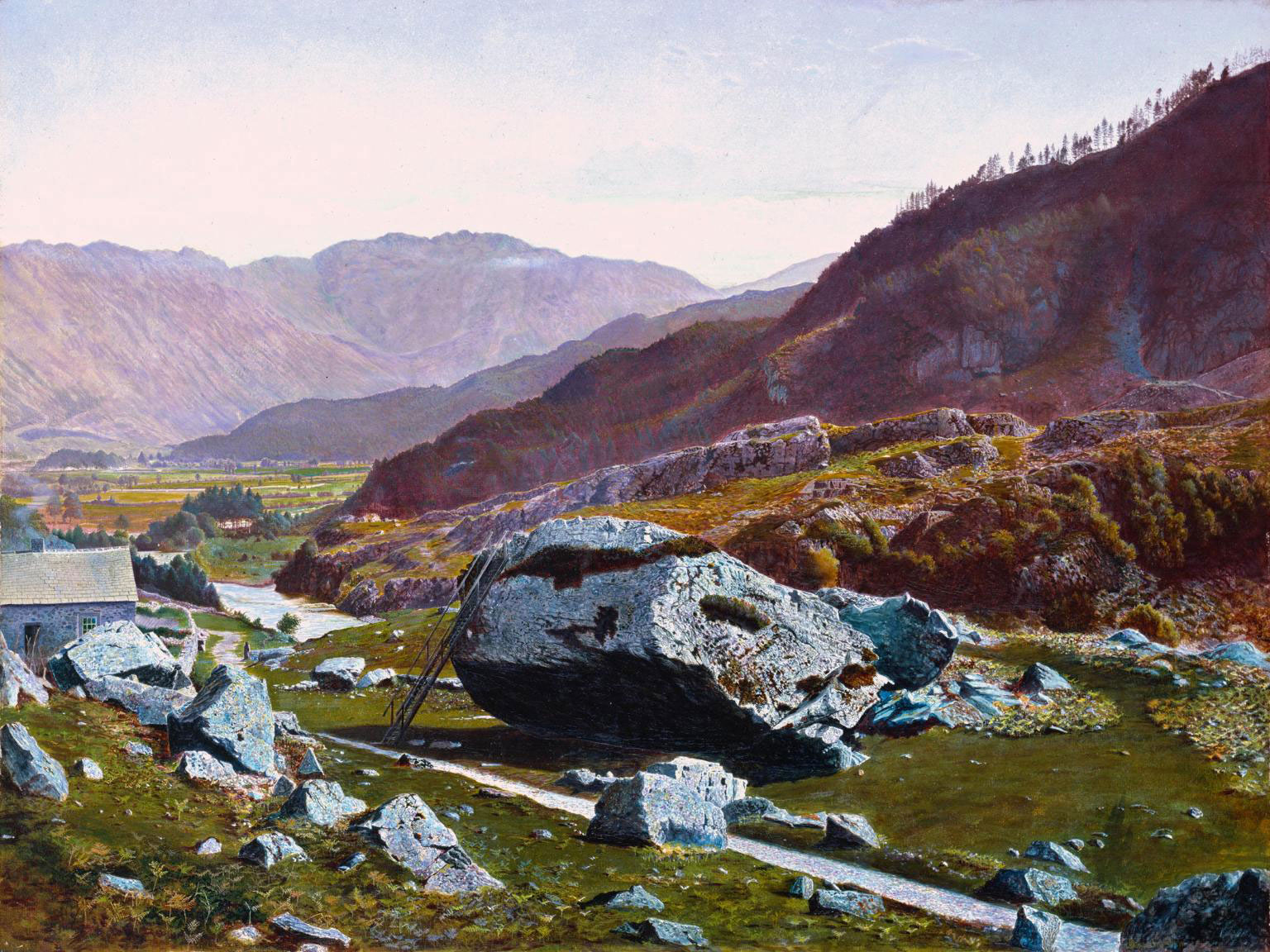
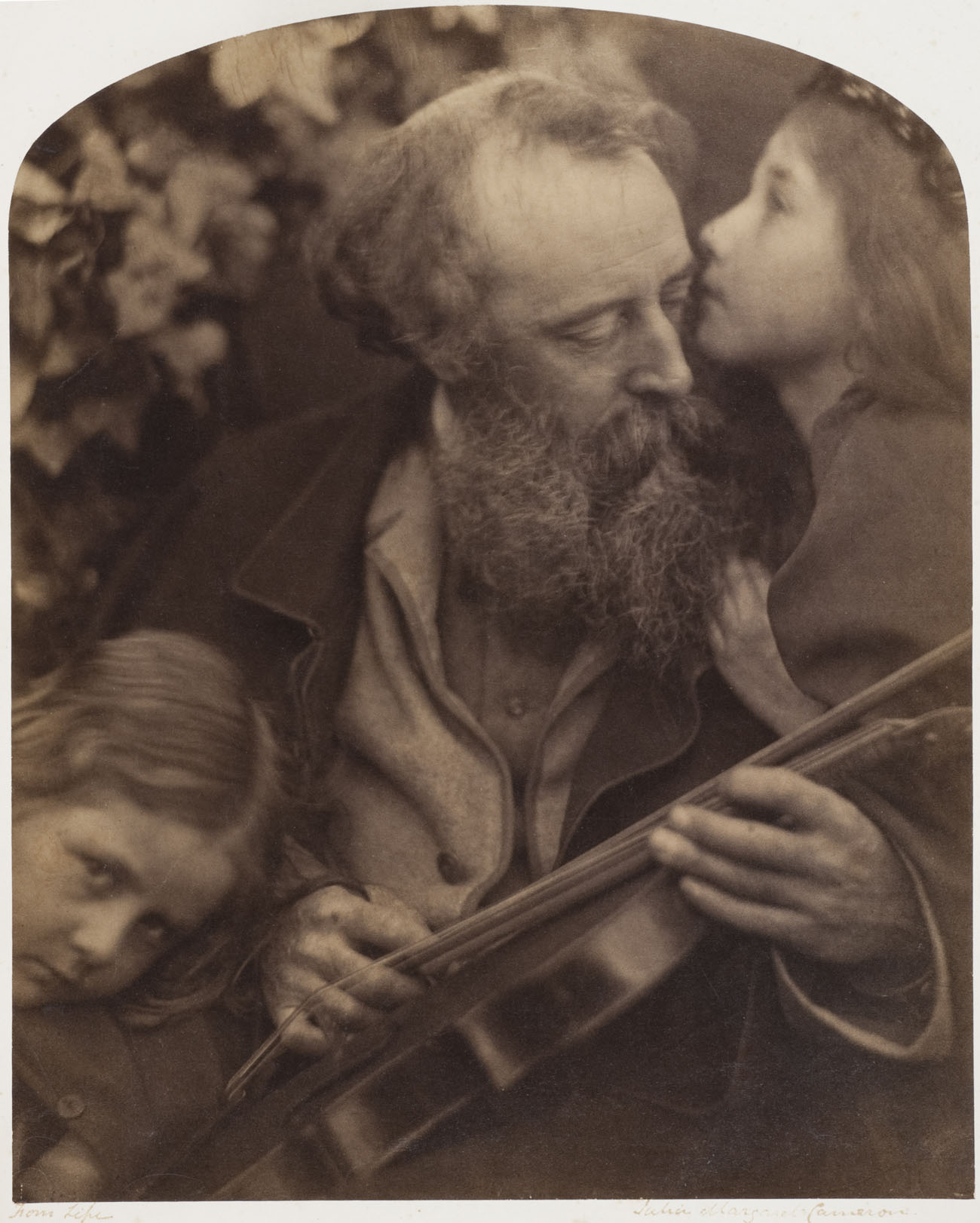
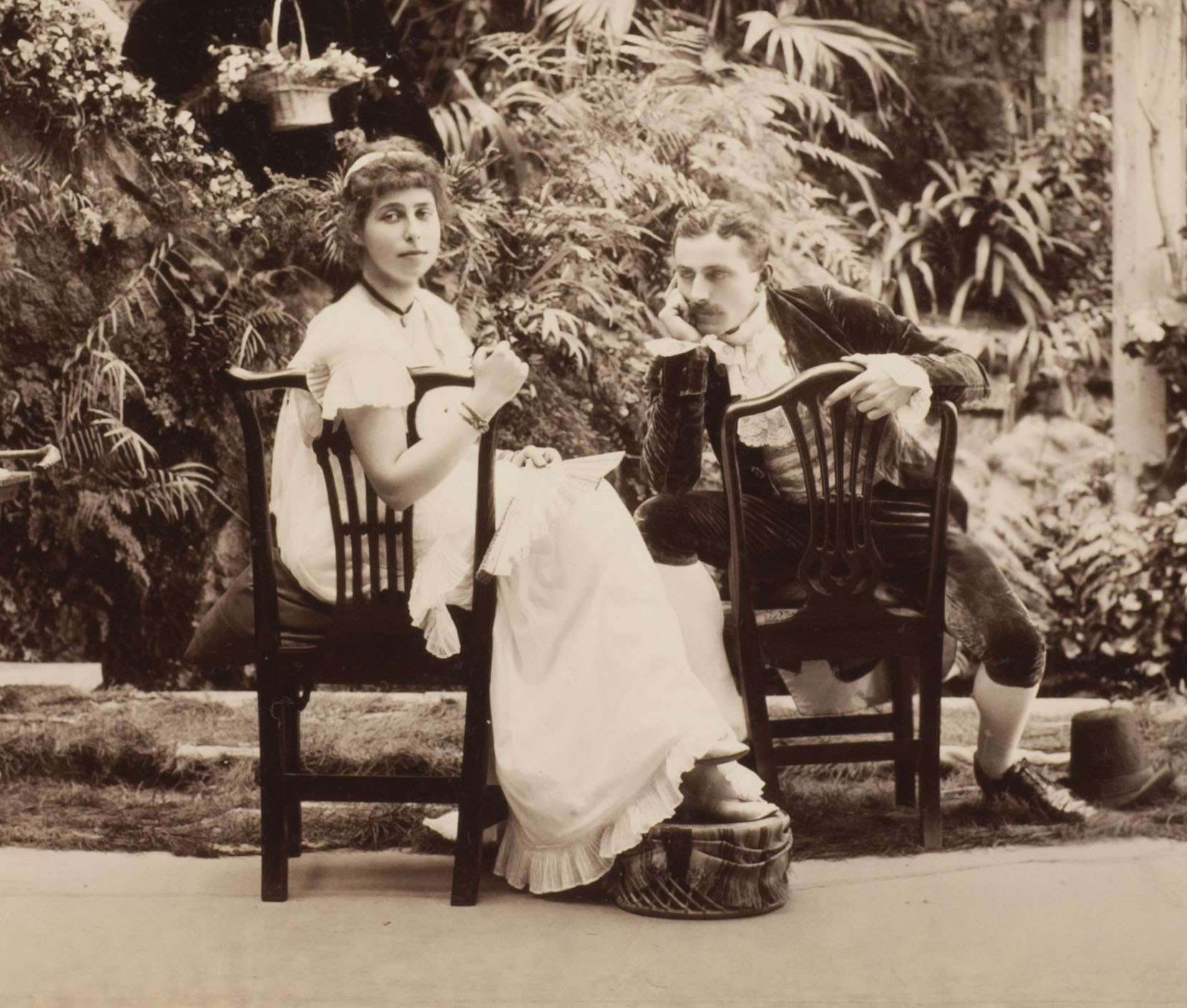
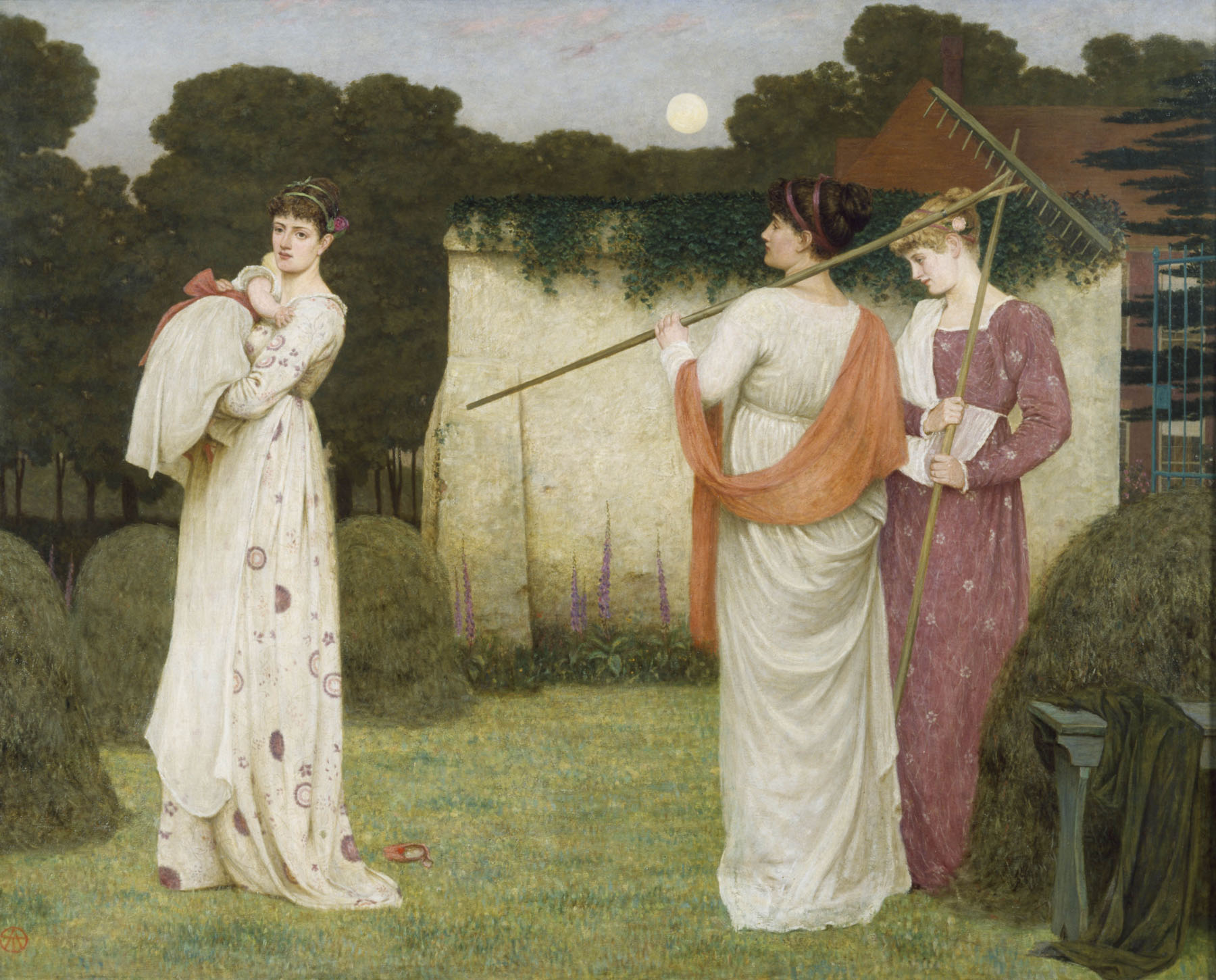
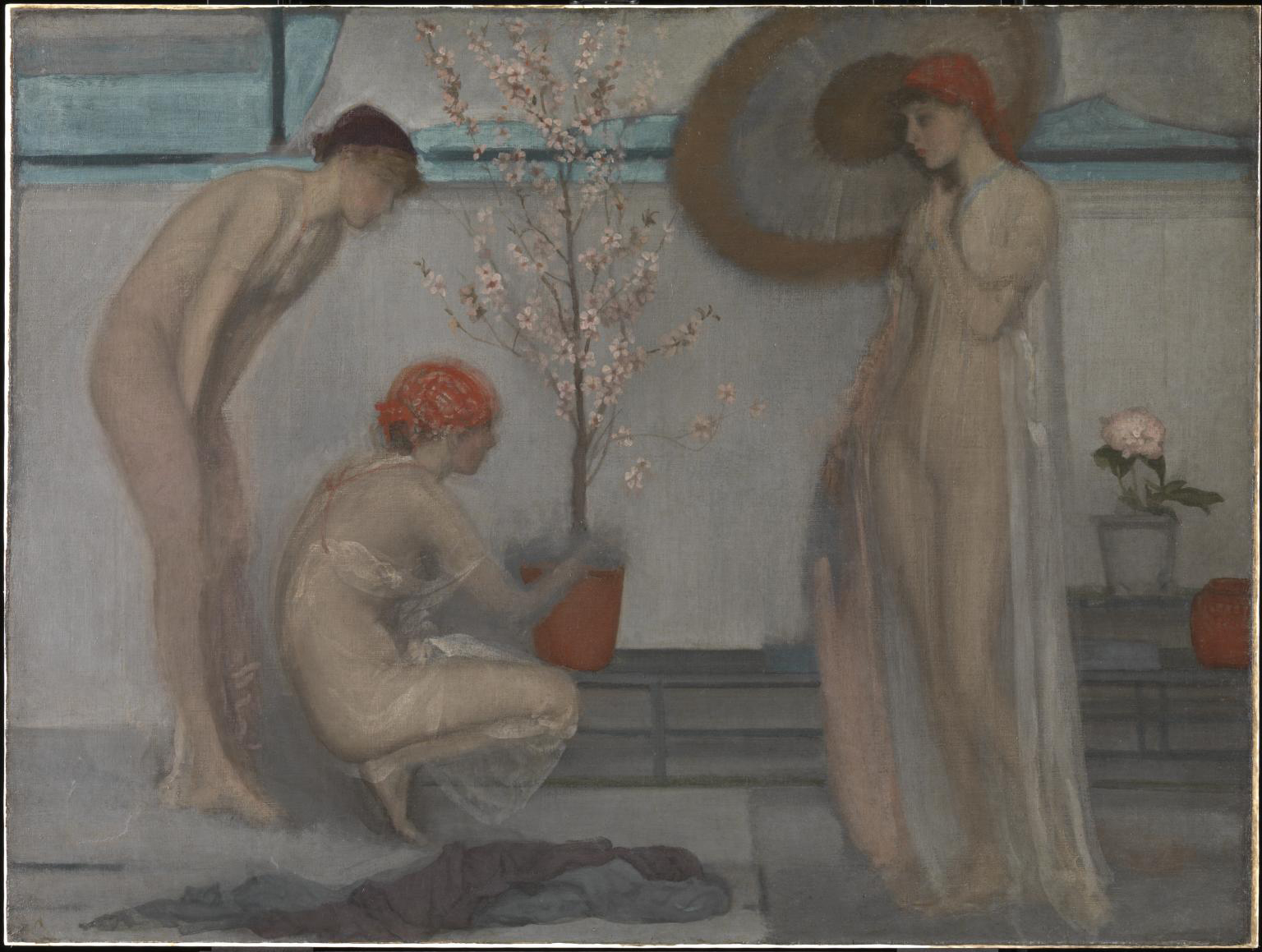
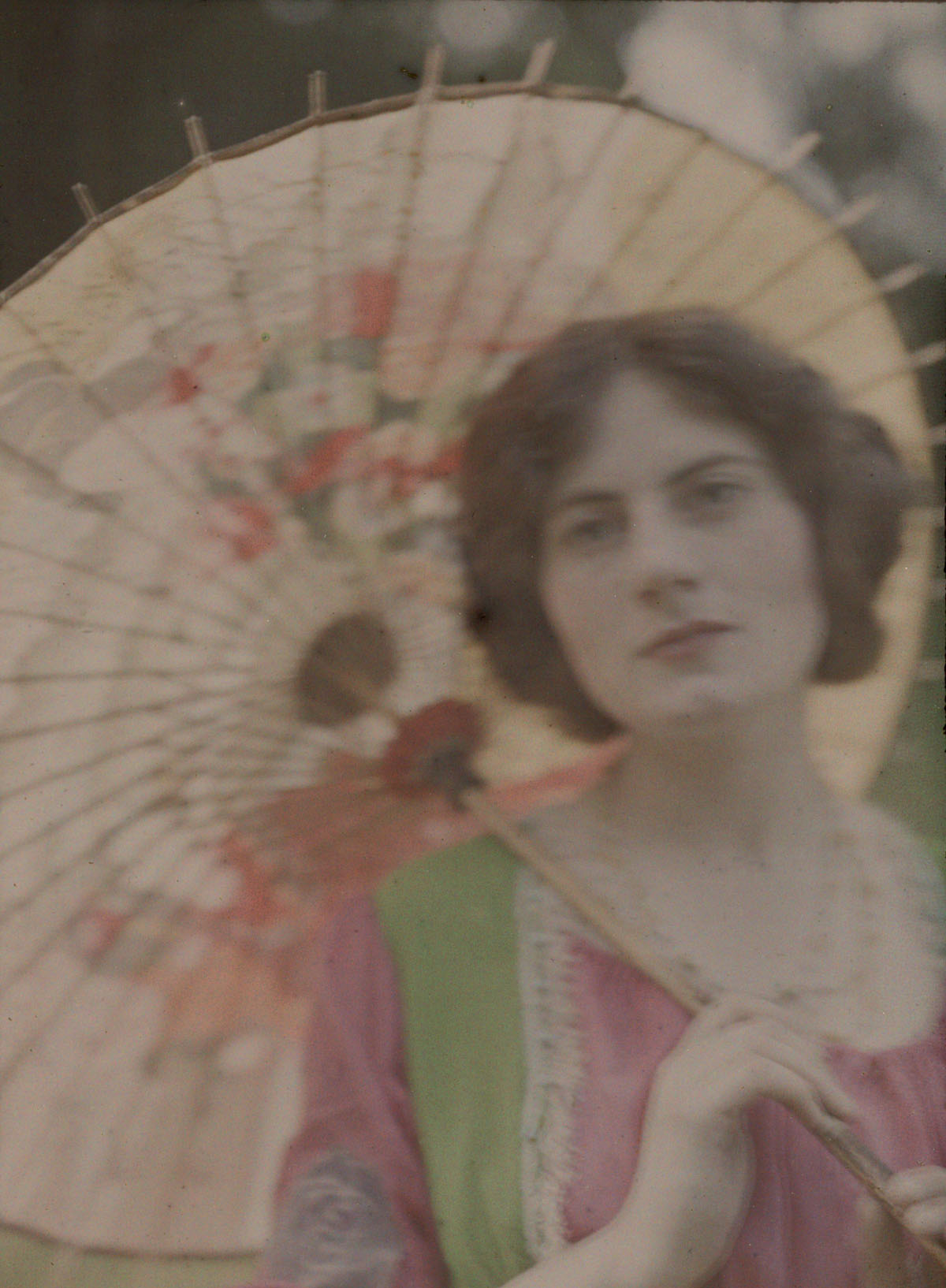
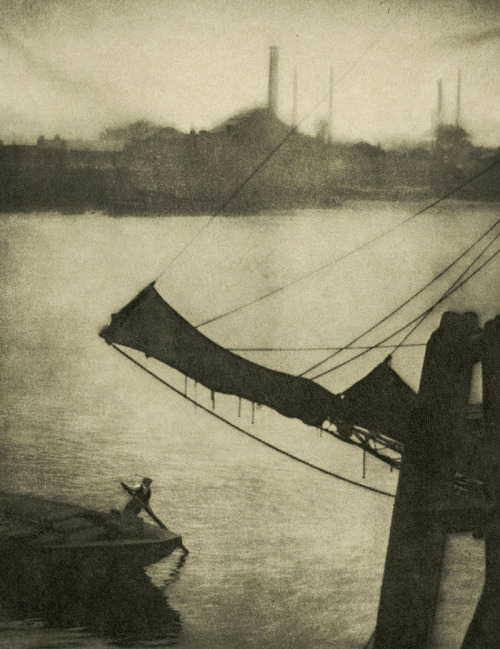
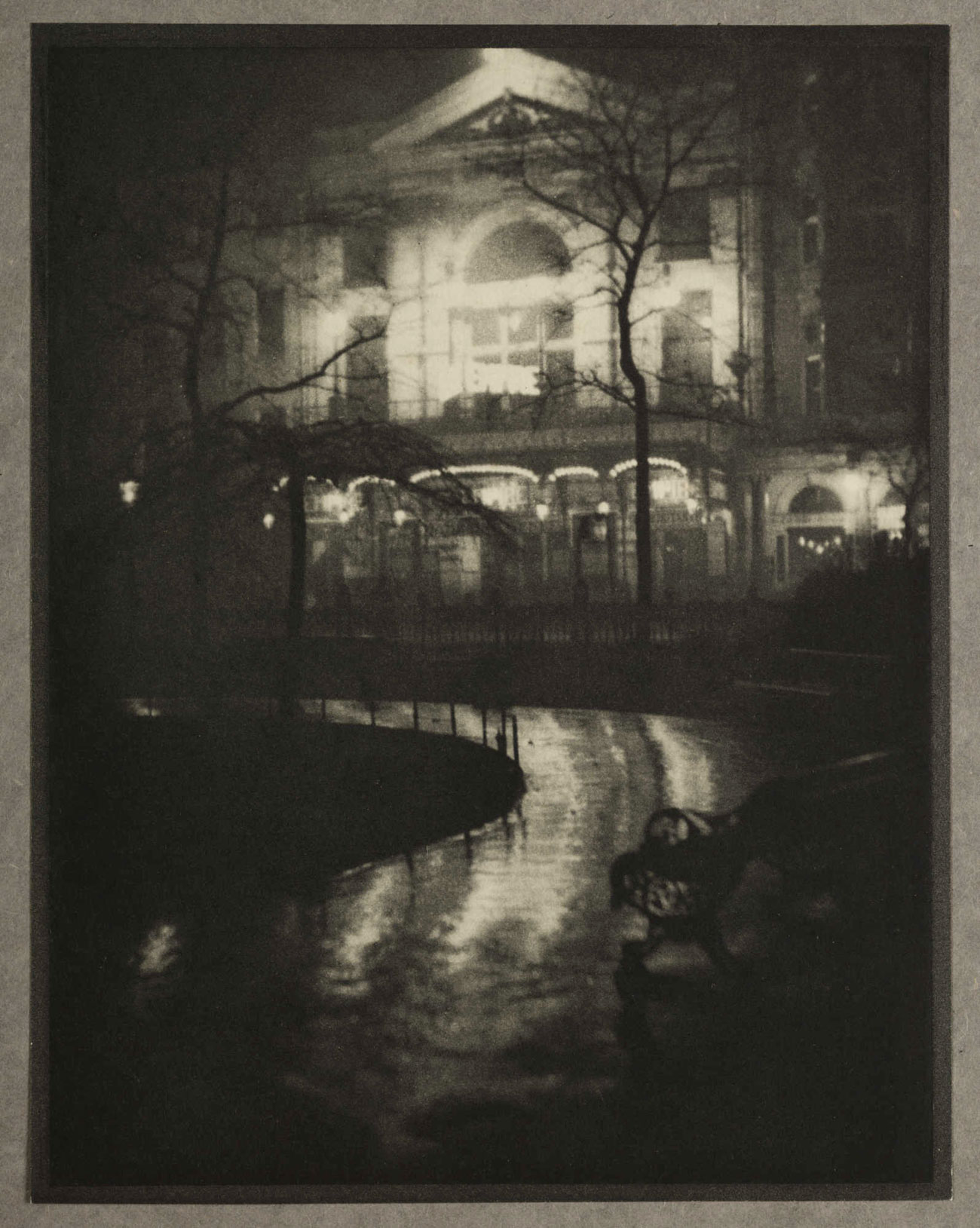
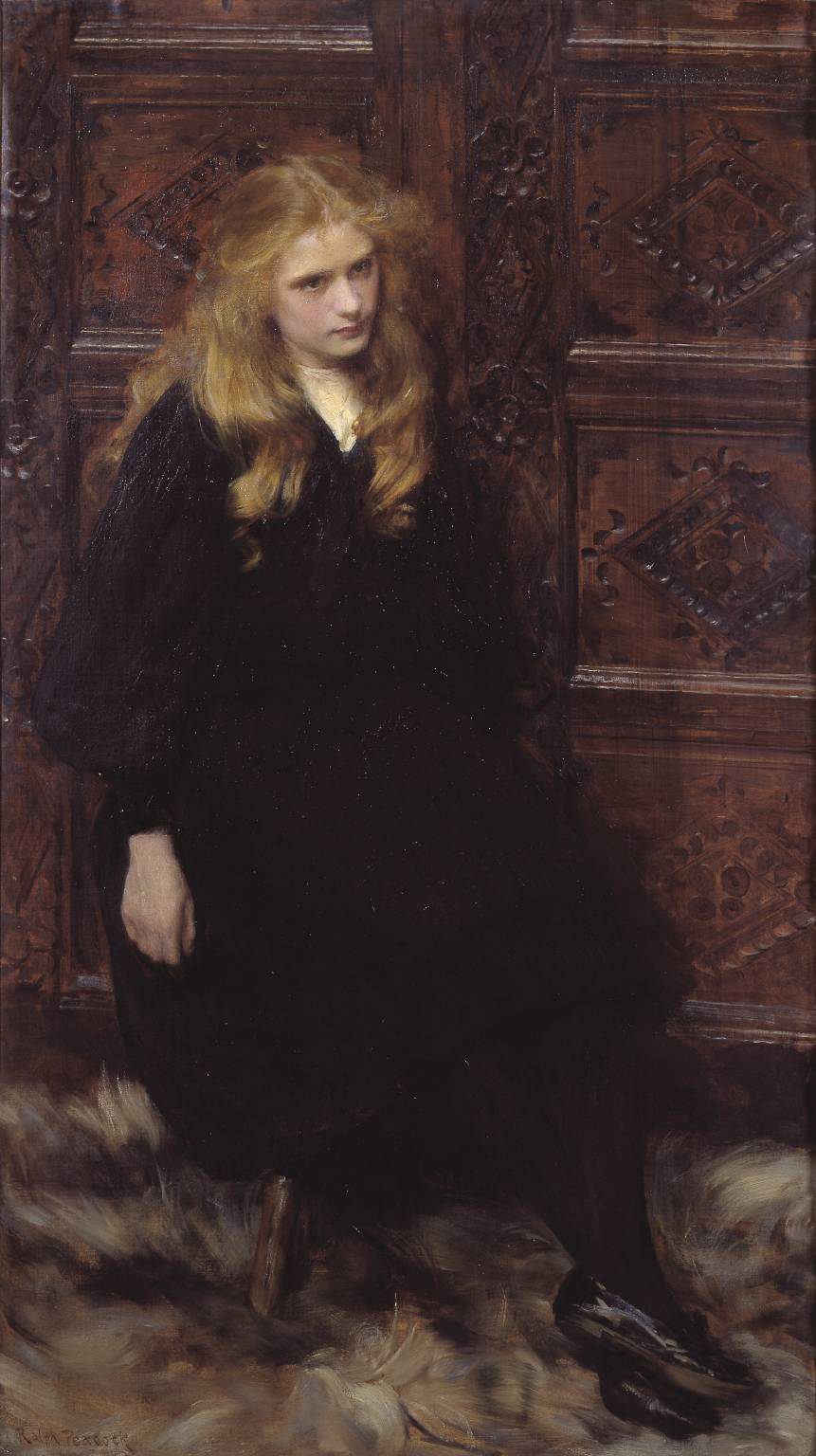
 Art Blart _ art and cultural memory archive
You must be logged in to post a comment.