Photographing subjects living outside of mainstream society, there is something of the spirit of Diane Arbus present in her photographs (see Tashara and Tanesha Reese, Twins Days Festival, Twinsburg, Ohio 1998, above) but pushed further, photographed with more sensitivity and compassion for subject matter.
As a photographer Mark blends into the background leaving her subjects to speak for themselves. Intimate moments, abandoned youths, institutionalised patients and child prostitutes are all documented with a sensitive eye. She does not judge.
Her work is not about developing novels ways of representation. As an artist it is not always about being “fashionable” or “contemporary” or coming up with new ways to represent things. With her subjects comfortable in her presence and before her lens, she records what she sees. She lets her subjects tell their own stories.
Sumeja Tulic states that the photograph Falkland Road, Mumbai, India (1978, below) “leaves one uncomfortable at the sight of girls and women performing their sexuality before her lens.” I don’t feel uncomfortable, do you?
I understand the circumstances of the photograph, I feel sadness that this is happening, I feel anger that this girl has to sell her body to men to survive. I feel the injustice of the world. I want there to be fairness and equity in the world not men controlling women… and I feel the empathy of the photographer towards her subject.
“I don’t like to photograph children as children,” Mark said. “I like to see them as adults, as who they really are. I’m always looking for the side of who they might become.”
Through her vision we might be able to access some of the many paths that life may take: from teen runaway to sex worker, to drug addict, to mother of ten.
Unbounded steps on the precious path of life.
Dr Marcus Bunyan
Many thankx to the National Museum of Women in the Arts for allowing me to publish the photographs in the posting. Please click on the photographs for a larger version of the image.
In 1965, Mark was awarded a Fulbright Scholarship to photograph in Turkey. She took this portrait in the courtyard of Emine’s home. Mark gave minimal direction, encouraging the girl to pose herself. With a hand on her hip, Emine mimics an older teen, but her unbuckled, dirt-stained shoes and hair loosening from its bow reveal markers of childhood. Calling this “the first strong photograph I made,” Mark captured a young girl’s eagerness to grow up.
In 1975, Mark visited the hospital in which Milos Forman’s film One Flew Over the Cuckoo’s Next (1975) was being shot, on assignment for The Pennsylvania Gazette. The living conditions inside Women’s Ward 81 greatly affected Mark, and she returned a year later, living inside the facility for 36 days. During this time, she made a body of work about the institutionalised patients. The exhibition includes one of these photographs: a girl, Laurie, submerged in a bathtub [featured image]. Her hair rests on the bathtub’s rim, and her eyes gaze out at Mark. The photograph excludes the institutional surroundings, transforming the frame into a scene of deceptive domesticity.
Text from Sumeja Tulic. “Mary Ellen Mark’s distinct depictions of girlhood reflect the diverse realities of that word,” on the 1854 website March 2021 [Online] Cited 03/04/2021.
Mark approached her subjects with sensitivity and compassion. While photographing on the set of the film One Flew Over the Cuckoo’s Nest (1975), shot at the Oregon State Hospital, Mark encountered young women living in a high-security ward for patients considered dangerous to themselves or others. Interested in getting to know the residents, Mark gained temporary permission to live in an adjacent ward. Laurie’s open expression in this portrait reveals little of the institutional environment, as Mark strove to capture the women’s inner selves beyond their diagnoses.
Mark was not always successful in challenging stereotypes or developing novel ways of representation. An image depicting a woman applying lipstick to the lips of a girl sitting on a bed in a dimly-lit room is a jarring example of this. There is synchronicity between the unbuttoned buttons on the girl’s dress and her slightly open mouth. Mark’s caption states that she made the photograph in a brothel, where villagers brought the girl after her husband left her. The image is part of Falkland Road (1981), a book about sex workers in Bombay, India. Although Mark invested deeply in making the series, the work leaves one uncomfortable at the sight of girls and women performing their sexuality before her lens.
Text from Sumeja Tulic. “Mary Ellen Mark’s distinct depictions of girlhood reflect the diverse realities of that word,” on the 1854 website March 2021 [Online] Cited 03/04/2021.
Mark spent three months photographing the brothels that line Falkland Road in Mumbai, India. Though she typically worked in black and white, for this project she used colour film. The vibrant saturation of the jewel-toned walls, curtains, and clothing heightens the intensity of this somber scene in which a teenage sex worker is made up for a client. Mark portrayed each of her subjects with dignity and empathy. Her photographs called international attention to the injustices faced by these overlooked young women.
This portrait of Jeanette and her boyfriend, Victor, captures the tenderness of young love. Mark met fifteen-year-old Jeanette when she was five months pregnant. Several times a week for the remainder of the teen’s pregnancy, Mark visited and photographed the couple and their families in Brooklyn, eventually documenting the birth of their daughter. “Photographing Jeanette was a great learning experience for me,” Mark said. “I learned that you can capture more intimate moments by blending into the background.”
In 1983, Mark traveled to Seattle to document runaway and abandoned youths living on the streets for Life magazine. That assignment became the basis for Streetwise, a photographic series and film documenting the challenges, complexities, and occasional joys in the lives of these children and teenagers. Many of the youths Mark photographed in Seattle fled violent homes or were forced to the streets by poverty. In this image, two girls rest against a graffitied wall on Pike Street, a popular gathering place for the city’s homeless youth.
An icon of modern photography, Mary Ellen Mark (American, 1940-2015) created compassionate and candid portraits of subjects living outside of mainstream society. From street children in Seattle to circus performers in India, Mark captured the lives and stories of individuals with empathy, humour, and candour. Through the lens of her camera, she cut through social and societal barriers to champion overlooked communities in the United States, India, Mexico, the former Soviet Union, and other countries.
Mary Ellen Mark: Girlhood examines Mark’s depictions of girls and young women living in a variety of circumstances around the globe. While Mark photographed people from all walks of life, she was particularly interested in children. “I don’t like to photograph children as children,” Mark said. “I like to see them as adults, as who they really are. I’m always looking for the side of who they might become.”
Made possible by a recent donation from the Photography Buyers Syndicate of more than 160 Mary Ellen Mark works, this presentation includes approximately 30 photographs that span the artist’s 50-year career – from her earliest work in Turkey in the 1960s to images taken on Polaroid film in the early 2000s. Mary Ellen Mark: Girlhood highlights some of the artist’s best-known series, including “Prom,” “Streetwise,” and “Twins,” offering viewers an intriguing glimpse into the artist’s wondrous and uncanny vision of girlhood.
Text from the National Museum of Women in the Arts website
In 1968, during her first visit to India, Mark encountered the Indian circus. Her photographs of the events hint at strange and wondrous sights – including this fantastically costumed trio – but focus on the performers in their down time. Mark said, “I wanted to document the lives of the people when they weren’t performing… If I had photographed from the audience’s point of view, I would have just been a spectator.”
From 2006 to 2009, Mark traveled the United States documenting high school proms. A rite of passage for American teens, the prom symbolises an impending transition to adulthood. Mark’s subjects exhibit a range of reactions; some pose seriously with their dates, while others affect more playful mannerisms. Mark used a six-foot-high, 240-pound Polaroid 20 x 24 Land Camera for these portraits. As with the smaller, more familiar Polaroid instant cameras, each shot produces just one unique print with no negative.
The exhibition also includes one photograph, which Mark took the year before her death. In J’Lisa Looks Through the Blinds (2014), a child gazes through broken window blinds. The subject is the daughter of Erin Blackwell, better known as, Tiny. Mark first photographed Tiny in 1983 while working on her most influential body of work, Streetwise. When Mark met Tiny, she was a teen sex worker. By the end of Mark’s life, Tiny was a mother of 10 children and a recovered drug addict. Streetwise also became a film in 1984, documenting runaway children living on the streets of Seattle.
Text from Sumeja Tulic. “Mary Ellen Mark’s distinct depictions of girlhood reflect the diverse realities of that word,” on the 1854 website March 2021 [Online] Cited 03/04/2021.
Mark often took personal interest in those she met and photographed, and in some instances she formed lasting connections with her subjects. Mark’s involvement with Erin Blackwell (nicknamed “Tiny”) began in 1983 while filming the Streetwise (1984) documentary, when the girl was just thirteen. Over the next thirty-two years, Mark documented Tiny’s transition from teen runaway to sex worker, to drug addict, to mother of ten. In this image, Tiny’s daughter J’Lisa peers out of a window, her expression brimming with anticipation and skepticism.
National Museum of Women in the Arts 1250 New York Ave., NW Washington, DC 20005
Early in his career, Bey realised the importance of collaborating with his subjects to make a picture that would also serve as a dialogue between artist and subject: “I wanted to photograph this man in the bowler hat who was talking to a group of three friends and I had no idea how to interrupt their conversation in order to do so. This is when I first realised that it wasn’t just about the photograph; it was also about establishing a relationship out of which comes the photograph.”
I have always admired artists who have a social conscience, who investigate their subject matter with intelligence, empathy and insight.
I have always admired artist who examine their subject matter from different perspectives, turning the diamond of the world in light, to probe the moral and existential questions of existence.
I have always admired artists who develop their practice, never repeating for the sake of it the same constructs over and over – from a lack of imagination, to be successful, or to follow the money trail.
One such artist is Dawoud Bey.
From formal to informal portraiture, through conceptual “bodies”, Bey’s work visualises Black American history in the present moment, not by using the trope of reusing colonial photographs or memorabilia, but by presenting afresh the history of injustice enacted on a people and a culture, picturing their ongoing pain and disenfranchisement – in the here and now – through powerful and deeply political photographs. As the press release observes, Bey “has used his camera to create poignant meditations on visibility, race, place, and American history.”
“His art is grounded in the concept of citizenship, community and belonging, and especially in centring the experiences and histories of Black Americans at the forefront of our culture. His photographs actively work to provide space, voice and visibility for communities who have long been excluded from dominant narratives, especially in institutions like museums.”
From his early street photographs through the later large format Polaroid work and on to the conceptual series, Bey’s photographs have an engaging directness and candour to them. There are no photographic or subjective histrionics here, just immensely rich social documentary photographs that speak truth to subject. The subjects stare directly at the camera and reveal themselves with a poignant honesty.
The series that affected me most deeply was The Birmingham Project.
“On September 15, 1963, the Ku Klux Klan dynamited the 16th Street Baptist Church in Birmingham, Alabama, murdering four African American girls inside. Two Black boys were also killed later that same day in the violence that ensued. Bey’s series The Birmingham Project commemorated the fiftieth anniversary of this horrific event, rendering it painfully immediate. Bey made formal portraits of Birmingham children the same ages as the victims and adults fifty years older – the ages the victims would have been had they lived. He then paired the photographs in diptychs that both honour the community’s unthinkable loss and make tangible the continued impact of racism, violence, and trauma in the present.”
All the suffering, all the ongoing pain and misery of an unfair world was, to me, wrapped up in these unforgettable images. The violence against other human beings, against people of difference 50 years ago brought into the present. Thinking about what these people could have achieved in the world, what life they would have led, what they would have looked like. Photography transcending time and space, Bey intelligently bringing past into present future. As Bey says, “I wanted to give those young people a more tangible, less-mythic, palpable presence… I wanted to figure out how to show the passage of time and the tragic loss of possibility.”
In my imagination I try to construct this tragic loss of possibility through the agency of Bey’s photographs. They produce sadness, anger, and empathy in me. They bring the possibility of change to the forefront of my mind, and an acknowledgment that we can all do better, that the world must do better. And that experience is a powerful thing.
Dr Marcus Bunyan.
Many thankx to the High Museum of Art for allowing me to publish the photographs in the posting. Please click on the photographs for a larger version of the image.
“I’ve come to believe that the best works tend to result not from the imposition of an idea on a situation, but to be responsive to what’s going on once you get there.”
“How can one visualise African American history and make that history resonate in the contemporary moment?”
Dawoud Bey
“Dreams are spaces that do not yet exist, except by escape through an unknown night.”
Anna Mirzayan
“I Never Had White Folks That Was Good To Me, EVER… We all worked jest like dogs and had about half enough to eat and got whupped for everything. Our days was a constant misery to us… My old Master was Dave Giles, the meanest man that ever lived. He didn’t have many slaves, my mammy, and me, and my sister, Uncle Bill, and Truman. He had owned my grandma but he give her a bad whupping and she never did git over it and died. We all done as much work as a dozen niggers – we knowed we had to. I seen old Master git mad at Truman and he buckled him down across a barrel and whupped him till he cut the blood out of him and then he rubbed salt and pepper in the raw places. It looked like Truman would die it hurt so bad. I know that don’t sound reasonable that a white man in a Christian community would do such a thing but you can’t realise how heartless he was. People didn’t know about it and we dassent tell for we knowed he’d kill us if we did. You must remember he owned us body and soul and they wasn’t anything we could do about it. Old Mistress and her three girls was mean to us too. One time me and my sister was spinning and old Mistress went to the well-house and she found a chicken snake and killed it. She brought it back and she throwed it around my sister’s neck. She jest laughed and laughed about it. She thought it was a big joke. Old Master stayed drunk all the time. I reckon that is the reason he was so fetched mean. My, how we hated him! He finally killed hisself drinking and I remember Old Mistress called us in to look at him in his coffin. We all marched by him slow like and I jest happened to look up and caught my sister’s eye and we both jest natchelly laughed – Why shouldn’t we? We was glad he was dead. It’s a good thing we had our laugh fer old Mistress took us out and whupped us with a broomstick. She didn’t make us sorry though.”
Annie Hawkins, formerly enslaved Afrikan who was sold from Georgia to Texas. This interview was done in Colbert, Oklahoma where her and her family moved after emancipation. Interview, conducted Spring, 1937 with a date stamp of August 16, 1937. Ms. Hawkins was 90 years old at the time of the interview and what she relates occurred in Texas. Source: Library of Congress
Since the beginning of his career in the 1970s, Dawoud Bey (American, b. 1953) has used his camera to create poignant meditations on visibility, race, place, and American history. From early street portraits made in Harlem to a recent series imagining an escape from slavery on the Underground Railroad, Bey explores photography’s potential to reveal communities and stories that have been underrepresented or even unseen. Both a form of personal expression and an act of political responsibility, Bey’s art insists on the power of photography to transform stereotypes, convene communities, and create dialogue.
Dawoud Bey: An American Project traces these through lines across the forty-five years of Bey’s career and his profound engagement with the young Black subject and African American history. The title intentionally inserts his photographs into a long-running conversation about what it means to represent America with a camera. The questions of who is considered an American photographer, or simply an American, and whose story is an American story are particularly urgent today. Bey’s work offers a potent corrective to the gaps in our picture of American society and history – and an emphatic reminder of the ongoing impact of those omissions.
Dawoud Bey on visualising history
Photographer Dawoud Bey’s work grapples with history. The artist asks, “How can one visualise African American history and make that history resonate in the contemporary moment?” Here he discusses several series, sited from Harlem to Birmingham to the Underground Railroad routes of northeastern Ohio, each of which works to make histories visible.
Bey’s landmark black-and-white 1975-78 series “Harlem, USA” documents portraits and street scenes with locals of the historic neighbourhood in New York. As a young man growing up in Queens, Bey was intrigued by his family’s history in Harlem, where his parents met and where he visited family and friends throughout childhood. The series premiered at the Studio Museum in Harlem in 1979, when Bey was just 26.
“His art is grounded in the concept of citizenship, community and belonging, and especially in centring the experiences and histories of Black Americans at the forefront of our culture. His photographs actively work to provide space, voice and visibility for communities who have long been excluded from dominant narratives, especially in institutions like museums.”
Throughout the 1980s, Bey continued to use a handheld 35 mm camera. This lightweight apparatus allowed him to respond intuitively and quickly to whatever captivated his eye, and his photographs during this time reflect his knowledge of contemporary street photography and his growing interest in capturing flux, movement, and the play of light and shadow. Although he continued to photograph people, he moved away from formal portraiture, instead endeavouring to capture individuals in more spontaneous ways.
In 1985, during a residency at Light Work, a photography nonprofit affiliated with Syracuse University, New York, Bey photographed the city’s African American community. For him, it was both a political and aesthetic choice: “By then I felt that was part of my agenda: to make the African American subject a visible and resonant presence through my photographs […] it was as much about making a certain kind of photograph, and operating within a certain tradition, as it was a deliberate choice to foreground the black subject […] giving them a place … on the wall of galleries and museums.”
By the end of the 1980s, Bey had thoroughly digested the lessons of working spontaneously with a small camera and desired to work in a way that would allow him to engage more directly with his subjects. He began to make formal “street portraits” with a large-format (4 × 5-inch) camera and Polaroid Type 55 film, which produced both instant pictures that he gave to the sitters and negatives that he used to make large-scale, highly detailed prints that could be enlarged to create monumental portraits. Bey was increasingly ambivalent about the ethics of traditional documentary photography and sought more equitable, reciprocal relationships with his sitters. He began to approach the strangers he wished to portray openly and deliberately, giving, as he writes, “the black subjects [a space] to assert themselves and their presence in the world, with their gaze meeting the viewer’s on equal footing.”
Few images of tenderness have such resounding power as this lush portrait of a young, stylish couple embracing in Brooklyn’s Prospect Park. Note how perfectly their bodies fit together as he relaxes his shoulders, allowing her to easily wrap her arms around him protectively, declaring with the upward tilt of her chin and her direct gaze at us that they are together, united in love. Pictures as openly intimate as this one emerged from Bey’s deep and abiding interest in “wanting to describe the Black subject in a way that’s as complex as the experiences of anyone else.”
For more than four decades, renowned photographer Dawoud Bey has created powerful and tender photographs that portray underrepresented communities and explore African American history. From portraits in Harlem and classic street photography to nocturnal landscapes and large-scale studio portraits, his works combine an ethical imperative with an unparalleled mastery of his medium. The High Museum of Art celebrates his important contributions to photography as the exclusive Southeast venue for Dawoud Bey: An American Project, the artist’s first full career retrospective in 25 years.
Co-organised by the San Francisco Museum of Modern Art (SFMOMA) and the Whitney Museum of American Art, New York, the exhibition features approximately 80 works that span the breadth of Bey’s career, from his earliest street portraits made in Harlem in the 1970s to his most recent series reimagining sites of the Underground Railroad (2017).
The High has enjoyed a long and fruitful relationship with Bey, who was commissioned in 1996 for the Museum’s inaugural “Picturing the South” series, which asks noted photographers to turn their lens toward the American South. For his project, Bey collaborated with Atlanta high school students to create empathetic, larger-than-life portraits. Made with the monumental 20-by-24-inch Polaroid camera, these photographs explore the complexity of adolescence as a time of critical identity formation and expand the concept of portraiture. The High now holds more than 50 photographs by Bey, one of the most significant museum collections of his work.
“Bey’s portraits are remarkable for their keen sensitivity and for how they elicit and honour their subjects’ sense of self, which is partly an outcome of the artist’s collaborative practice,” remarked Sarah Kennel, the High’s Donald and Marilyn Keough Family curator of photography. “Given the museum’s long relationship with Bey and the strength of our holdings, we are thrilled to present this important retrospective. We look forward to sharing the artist’s photographs and his powerful and moving reflections on African American history and identity in their country with our visitors.”
Bey, born in 1953 in Queens, New York, began to develop an interest in photography as a teenager. He received his first camera as a gift from his godmother in 1968, and the next year, he saw the exhibition “Harlem on My Mind” at The Metropolitan Museum of Art. Widely criticised for its failure to include significant numbers of artworks by African Americans, the exhibition’s representation of Black subjects nonetheless made an impression on Bey and inspired him to develop his own documentary project about Harlem in 1975. Since that time, he has worked primarily in portraiture, making tender, psychologically rich and direct portrayals, often in collaboration with his subjects. More recently, he has explored seminal moments in African American history through both portraiture and landscape.
Dawoud Bey: An American Project includes work from the artist’s eight major series and is organised to reflect the development of Bey’s vision throughout his career and to highlight his enduring engagement with portraiture, place and history.
Press release from The High Museum of Art
Installation views of the exhibition Dawoud Bey: An American Project at the High Museum of Art, Atlanta. Images courtesy of the artist and High Museum. Photos by Mike Jensen.
Dawoud Bey Photo: Sean Kelly Gallery
About Dawoud Bey
Dawoud Bey was born in Queens, New York, and began his career as a photographer in 1975 with a series of photographs, Harlem, USA, that were later exhibited in his first solo exhibition at the Studio Museum in Harlem in 1979.
Since then his work has been featured in exhibitions at numerous institutions worldwide, including the Addison Gallery of American Art, Andover, Massachusetts; the Art Institute of Chicago; the Brooklyn Museum; the Detroit Institute of Arts; the Fogg Museum, Harvard University; the High Museum of Art, Atlanta; the Museum of Contemporary Art, Chicago; the Museum of Contemporary Photography (MoCP), Chicago; the National Gallery of Art, Washington, D.C.; and the Walker Art Center, Minneapolis, among many others.
His photographs are represented in collections worldwide, and his critical writings on photography have appeared in numerous publications and exhibition catalogues. Bey received the prestigious MacArthur “Genius” fellowship in 2017 and is also the recipient of fellowships from the Guggenheim Foundation and the National Endowment for the Arts. He holds a Master of Fine Arts degree from Yale University and is currently Professor of Art and a Distinguished College Artist at Columbia College Chicago, where he has taught since 1998.
“It was a sort of snapshot of America through its young people at that particular moment. I started working in Chicago, then to New York, California and Florida. I wanted it to be geographically representative of the country. I’ve always been acutely aware that photographs tell you a lot less than what they do tell you. There’s certain things you would never know just from looking at them. You wouldn’t know from a portrait if someone is an only child, whether they have siblings, who their parents are. There’s a lot of information outside of a photograph. For Class Pictures, I thought that was important to bring that information into the construct of work and to create a space of self-representation. The young people who I photographed could give a sense of who they were.”
Summer Evans. “Photographer Dawoud Bey Shines A Light On America’s Underrepresented Communities,” on the WABE website Nov 18, 2020 [Online] Cited 01/03/2021
Bey has long understood that the act of representation – as well as the corollary act of being seen – is both powerful and deeply political. In this series, he once again turned his attention to teenagers, a population he felt was underrepresented and misjudged, seen either as “socially problematic or as engines for a certain consumerism.” Class Pictures (2001-2006) originated during a residency at the Smart Museum of Art in Chicago, where Bey began working with local high school students. He later expanded it to capture a geographically and socioeconomically diverse slice of American adolescence.
Working in empty classrooms between class periods, Bey made formal colour portraits of teens that attend, carefully and tenderly, to their gestures and expressions. He also invited them to write brief autobiographical statements, giving his subjects visibility as well as voice. Class Pictures can also be understood as a play on words, for in several cases, Bey chose to photograph students at elite private schools as well as teens from nearby, poorer neighbourhoods, bringing together these subjects in a single space.
On September 15, 1963, the Ku Klux Klan dynamited the 16th Street Baptist Church in Birmingham, Alabama, murdering four African American girls inside. Two Black boys were also killed later that same day in the violence that ensued. Bey’s series The Birmingham Project commemorated the fiftieth anniversary of this horrific event, rendering it painfully immediate. Bey made formal portraits of Birmingham children the same ages as the victims and adults fifty years older – the ages the victims would have been had they lived. He then paired the photographs in diptychs that both honour the community’s unthinkable loss and make tangible the continued impact of racism, violence, and trauma in the present.
“Together the sitters for The Birmingham Project are simultaneously surrogates, mourners, witnesses, community, and agents of their own narratives. These subjects, then are not symbols but flesh and bone.”
In 2012, the project was created as a commission from the Birmingham Museum of Art. It memorialises the victims of the 1963 bombing of the 16th Street Baptist Church in Birmingham. Four African-American girls were killed in the bombing, and two boys were later killed in riots that followed.
“I decided to make portraits of young African-Americans in Birmingham who were the exact same ages as those six young people who had been killed that day. I wanted to give those young people a more tangible, less-mythic, palpable presence.” Bey continues, “It still felt somewhat complete. I wanted to figure out how to show the passage of time and the tragic loss of possibility. Then, I started thinking about making portraits of African-Americans in Birmingham who were the ages of the six young people would have been their age today. I begun pairing those portraits with those young people, which embodied 50 years.”
Summer Evans. “Photographer Dawoud Bey Shines A Light On America’s Underrepresented Communities,” on the WABE website Nov 18, 2020 [Online] Cited 01/03/2021
Night Coming Tenderly, Black
Dawoud Bey’s large-scale photographs dive into art and literary history while trying to re-create the experience of slaves fleeing on the Underground Railroad.
“I consider myself to be making photographs both in conversation with the history of photography and also the history of Black representation within photography. I wanted to use what I learned early on from looking at photographs by Irving Penn, Richard Avedon, Walker Evans and Mike Disfarmer – along with what I learned from Roy DeCarava, who was African American – and apply all of that to my own African American subjects as I began to build my vocabulary of picture-making. Because I’m African American myself, and because so few representations of African Americans are made from inside that experience, I set out to make that my space, to make work that operated at the level of those other photographs but with Black subjects, since those were the people I knew best. I also wanted to add something to the history of Black expressive culture. …
Night Coming Tenderly, Black continues my interest in visualising African American history by visualising the past in the contemporary moment. It takes as its conceptual touchstones the photographs of DeCarava, which are about the Black subject and often printed very darkly, some almost black. The blackness of his prints is a very beautiful and materially lush blackness. And the Black subjects inhabit this wonderful material darkness in a way that is not foreboding but is beautiful.” ~ Dawoud Bey
The photographs in this series are some of the most sensual and layered. These are sights that are at first confining then liberating when you understand them through the lens of history.
In their grandeur and mystery, they transform houses masked in darkness, bodies of water, and fields into an emblematic hope. A pristine fencepost and a homestead visible through the haze of the darkness; a wetland glistening in nightfall; a jungle thick with small trees; an image of Lake Erie, with the expansive sky and horizon forewarning the freedom that lies beyond.
The Underground Railroad
Night Coming Tenderly, Black contains 25 large-scale images of homesteads with wooded or grassy grounds that are believed to have formed the part of the said Underground Railroad. The Underground Railroad is an actual invisible web of routes and safe houses believed to have made the final way station for more than 100,000 fugitive slaves escaping to Canada. But according to the artist himself, some of the images may be of actual Underground Railroad.
The meaning of the title
This series is also a tribute to poet Langston Hughes (1901-1967) and photographer Roy DeCarava (1919-2009), who each played significant roles in addressing the experience of African Americans by representing what DeCarava described as a world shaped by blackness. Bey was inspired by DeCarava’s incredible ability to print a spectrum of dark hues, making him picture landscapes of twilight uncertainty.
On the other hand, Hughes Langston wrote a poem titled Dream Variations in 1926, in which he yearned for a time when the black American worker, extremely tired by the daily hustle of hard labor and prejudice, might be truly free. However, this freedom, he imagined, would not be obtained in the glare of daylight, but instead under the ominous, protective cover of the night.
Upending a dominant literary conceit, blackness, rather than whiteness, functioned as an allegory for hope and transcendence. A night coming tenderly, black like me, (Hughes poem), helped the fight for racial equality and justice. The metaphor in the poem is central to Dawoud Bey’s series Night Coming Tenderly, Black.
Influenced by Roy DeCarava
Bey has never stopped waxing lyrical on the influence of the two figures that inspired his artistic career, especially Roy DeCarava, who was one of the most prominent photographers of his generation. The images he took were visually rich and redolent, and they pushed the aesthetic limits of photography…
Dawoud Bey noted that DeCarava’s images were characteristically printed in dark and rich colour range. In this context, the dark prints served as a symbol for black subjects and experience. Bey says:
“DeCarava used blackness as an affirmative value, as a kind of beautiful blackness through which his subjects both moved and emerged. His work was formative to my own thinking early on, and these dark landscapes are a kind of material conversation with his work, using the darkness of the landscape and the photographic print as an evocative space of blackness through which the unseen and imaginary black fugitive subject is moving.” …
The artist printed these images in a large size to encase the viewer and deliberately dark to reveal his subject matter: He took the photos of the sites in and near Cleveland associated with the Underground Railroad that guided the slaves to liberation.
Anonymous. “Dawoud Bey’s somber ‘Night Coming Tenderly, Black’ project,” on the Public Delivery website January 30, 2021 website [Online] Cited 02/03/2021
“I ranged far and wideout there since there were expansive rural landscapes that looked as they might have in the 18th and 19th centuries. The landscape and the history there have not been built over…
Some of the photographs, to the extent that we know, are actual Underground Railroad sites, and the majority of them are placed in the landscape that I identified in proximity to some of those locations, where I could make work that suggested the movement of fugitive slaves through the landscape…
I wanted the photographs to almost involuntarily pull you back to the experience of the landscape through which those fugitive black bodies were moving in the 19th century to escape slavery. So I had to learn, for the first time, how to make photographs in the kind of space…
It is a tender one, through which one moves. That is the space I imagined the fugitive black subjects moving through as they sought their self-liberation, moving through the dark landscape of America and Ohio toward freedom under cover of a munificent and blessed blackness.” ~ Dawoud Bey
Bey’s most recent work imagines the flight of enslaved Black Americans along the leg of the Underground Railroad that operated in Ohio – the last fifty or so miles before they reached the vast expanse of Lake Erie, on the other side of which lay Canada, and freedom.
“The photographs are meant to imagine or reimagine the path of self-liberation in Northeastern Ohio along what is called the ‘Underground Railroad’. Formerly slaved Africans, and then African-Americans moved towards freedom by way of Lake Eerie in Ohio. I began to think about the fugitive moving through this tender space of blackness.”
Anonymous. “Dawoud Bey’s somber ‘Night Coming Tenderly, Black’ project,” on the Public Delivery website January 30, 2021 website [Online] Cited 02/03/2021
The gelatin silver prints in Night Coming Tenderly, Black are moody and dim, overlaid with a sheen that is almost gritty in texture thanks to the coated paper they are printed on. The trees, fences, lakes, and buildings in the photos are initially obscured, purposefully made more difficult to see through Bey’s printing methods (which take advantage of the light sensitivity of silver particles as well as their ability to be chemically “toned” through the introduction of other substances). These images resist both reproduction and easy interpretation. That one also has to wait for one’s eyes to adjust to the darkness, before slowly traveling over the terrain of each picture, reminds the viewer that the formerly enslaved people who traversed these sites often did so under cover of darkness. Darkness here is multivalent: its obscuring power, which prevents viewers from immediately processing the whole of Bey’s photographs, aided formerly enslaved people in their escape. The Underground Railroad, as the artist has noted, occupies a semi-mythological place in American history, and some of the places Bey photographs are only cannot be confirmed to have been stops on the Railroad. Like the experience of slavery, these places are unrepresentable. They are half-shrouded locales that evade being captured on a map or in a photo.
Though these photographs are dark, they are shot in the daylight and processed in such a way as to make them initially appear to be taken at night. They bring to mind Hiroshi Sugimoto’s eerily beautiful “Seascapes” series (1980 – ongoing), which are shot at night, the film exposed for different lengths of time in order to reveal how light plays even after dark. Yet there is no analogous method for bringing night to the day. Bey may make his photos dark, but this is achieved through processing and glazing the finish image, which occurs after the initial act of taking the photograph. How can we account for Bey’s artificial night?
The philosopher François Laruelle’s 2011 book The Concept of Non-Photography suggests one answer to this question. In essence, Laruelle starts with the premise that works of art cannot and do not represent anything, be it objects, thoughts, concepts, or movements. He posits art as an entirely self-sufficient engagement with the world (which he calls the Real), independent even of viewer and creator. Art is a machine; the medium, processes, and even the artist are its materials. What art “shows,” Laurelle argues, is only the world according to itself – which he terms the world-in-painting, the world-in-photo, and so on. He turns to photography in part because of its connection to modern scientific advancement and its attempts literally to illuminate the world “objectively.” Non-photography aims to re-conceptualise the photographic flash, which Laruelle associates with the flash of logos or reason, as a form of potential insurrection against its traditional association with illumination, and against photography’s constant reproduction of the asymmetrical dichotomy between light and dark.
Anna Mirzayan. “”Artificial night”: on Dawoud Bey’s America,” on the Art Agenda website December 15 2020 [Online] Cited 01/03/2021
“I was thinking about this narrative of the Black subject — the unseen Black subject, in this case — a fugitive slave moving through the darkness of night,” Bey explains. “And that darkness of night being the kind of Black space that would lead to liberation.”
As a covert network of safe houses and churches, the sites of the Underground Railroad were by necessity secret, and Bey’s landscapes suggest, rather than document, the experience. Photographed by day but printed in shades of grey and black so deep they resemble nocturnes, the sensuous prints conjure a darkness at once ominous and lush. The series title, which is drawn from the last couplet of Langston Hughes’s poem “Dream Variations” (1926), suggests a black night that envelops the fugitives in a darkness that serves as a protective embrace: “Night coming tenderly / Black like me.”
The High Museum of Art 1280 Peachtree St NE Atlanta, GA 30309
Installation view of DESTINY at The Ian Potter Centre: NGV Australia, Melbourne, 2020 Photo: Tom Ross
“There is no excuse for ignorance, and you should make an effort to understand what happens in our world. How else can you be contemporary?”
Destiny Deacon
Embodied Ab/origin
This is a strong, powerful if rather repetitive exhibition by Destiny Deacon at NGV Australia, Melbourne. It’s like being hit over the head with a blakly ironic blunt object many times over, just like Aboriginal people have had both physical and cultural violence enacted upon them many times over since the arrival of the white man in terra nullius, a misnomer if ever there was one.
“Drawing from her vast collection of Aboriginalia, Deacon interrogates the way in which Aboriginal people have been, and continue to be, misrepresented within popular culture.” Aboriginalia is repurposed “historicised, interpreted and recast through Aboriginal eyes”, especially through the use of white-appropriated and conceptualised Blak dolly models that allegedly “possess a liveliness and personality, making the violence enacted on to them all the more confronting.” Deacon photographs her reclaimed dollies using Polaroids from which colour prints are enlarged. Technically and aesthetically this means the photographs loose the uniqueness, size and aura of a Polaroid, perhaps not the best outcome for the use of the instant photography process in the making of memorable images.
The exhibition never strays far from its theme: that whities will never understand the symbols of racism perpetrated against Blaks embedded in white culture, unless they are pointed out to them. This concept is expressed through the silent voice of the archetypal Blak doll – dis/embodied, headless, amputated, tied up, trapped in a blizzard, over the fence, adopted – inserted placelessly into whatever scenario bigotry and racism rears its head, a snatched headline of dispossession and grief. While the Blak dolls are a paradigm that Deacon uses to represent the “collective lives” of Aborigines under the heal of a repressive regime, no idea is ever investigated fully for the viewer is only given a snippet of information. Holistically, these snippets add up to a terrible indictment of a dominant race lording it over a vanquished one.
“Marcia Langton once described Destiny Deacon’s work as a ‘barometer of postcolonial anxiety’.” Personally, I don’t feel any sense of postcolonial anxiety when I look at Deacon’s work. I just feel sad, very sad and guilty. Sad for the invasion, sad and guilty for the lives lost, dispossession, poor health, shorter life spans, racism and inequality, the ongoing discrimination and neglect. It’s like sticking the knife in over and over again. I so wish it was different. We KNOW, if we are informed sentient beings, the injustices that Aboriginal people suffered and continue to suffer. As Deacon says, there is no excuse for ignorance. But this is preaching to the converted. How many Joe Public will come and see this exhibition to be informed and to change their mind? As a friend of mine succinctly said, “Don’t come to this exhibition if you don’t want your racism challenged.” Many will not bother. For others this will be a confronting exhibition. And in all this reclaiming of Aboriginalia, all this confrontation, all this looking back, the dredging up of every little inequality – it leaves me thinking: what is the future, where is the positiveness, where is the forward looking cultural creativity of a great people?
I believe that this contemporary reconceptualisation of history from a singular standpoint – that of a unified Ab/original people represented by Blak dolly – is pure hokum. Aboriginal culture is made up of many mobs, many voices, reflecting the difference in backgrounds and experiences of different communities which come together in diversity to present “a statement about the unity of Aboriginal people, the defiant continuity of their cultural traditions and the personal search of many individual artists for their own Aboriginal identity.”1 In this exhibition, where are the homosexual Aboriginals, the lesbian Aboriginals, the transgender Sista Girls, or an investigation into interracial marriages that are loving and kind, instead of just more and more works that reinforce injustices (of history) in the here and now, through the dis/embodied plastic body of a silent doll. Where is the positivity for the future, for example an acknowledgement of the thousands of people that attended Invasion Day rallies this year?
Collectively, the exhibition powerfully questions the processes of a problematic cultural assimilation using repurposed Aboriginalia but today Aboriginal identities, like all identities, are in a state of transformation and flux. I look at the work of contemporary African artists and I see joy, hope, colour, movement, new identities, new sites of conceptualisation in the evolving struggle to engage new definitions of nationhood in relation to the autonomous, self-governing body. They acknowledge history, discrimination, the struggle for freedom, but are more forward looking, more engaged with the possibilities of the future rather than the deficits of the past expressed in the inequalities of the present. When is a positive voice of embodied (not disembodied, decapitated) Ab/origin going to emerge in contemporary art?
Dr Marcus Bunyan
1/ Jennifer Isaacs. “Introduction,” in Jennifer Isaacs (ed.,). Aboriginality: Contemporary Aboriginal Paintings and Prints. University of Queensland Press, 1996, p. 8.
Many thankx to the NGV for allowing me to publish some of the photographs in the posting. All the other images, as noted, are iPhone images of the exhibition by Marcus Bunyan. Please click on the photographs for a larger version of the image.
Destiny Deacon is one of Australia’s boldest and most acclaimed contemporary artists. In the largest retrospective of her work to date, DESTINY marks the artist’s first solo show in over 15 years. Featuring more than 100 multi-disciplinary works made over a 30-year period, the exhibition includes the premiere of newly-commissioned works. Numerous early video works created with the late Wiradjuri / Kamilaroi photographer Michael Riley and West Australian performance artist Erin Hefferon are also on display.
A descendant of the Kuku and Erub / Mer people from Far North Queensland and Torres Strait, Deacon is internationally known for a body of work depicting her darkly comic, idiosyncratic worldview. Offering a nuanced, thoughtful and, at times, intensely funny snapshot of contemporary Australian life, Deacon reminds us that ‘serious’ art can also have a sense of humour.
Melbourne-based, Deacon works across photography, video, sculpture and installation to explore dichotomies such as childhood and adulthood, comedy and tragedy, and theft and reclamation. Her chaotic worlds, where disgraced dolls play out sinister scenes for audience amusement, subvert cultural phenomena to reflect and parody the environments around us.
Installation view of Destiny Deacon and Virginia Fraser’s Abi see da classroom 2006 on display in DESTINY at The Ian Potter Centre: NGV Australia, Melbourne, 2020 Photo: Tom Ross
Destiny Deacon (Kuku/Erub/Mer b. Australia 1957-2024) Virginia Fraser (Australian, d. 2021) Abi see da classroom (stills) 2006 10 min. sound National Gallery of Victoria Photos: Marcus Bunyan
Abi see da classroom
For the fiftieth anniversary of the Australian Broadcasting Commission (ABC), Destiny Deacon and her long-time collaborator Virginia Fraser were given unrestricted access to the ABC’s archive, possibly the most significant collection of film and television held in Australia. By searching for any keywords that started with ‘Aborigin’ they were able to uncover a large assortment of videos.
In this installation, two CRT television screens play alongside each other, creating a mashup of noise and black-and-white moving images. The television on the right shows archival footage of Aboriginal children attending school, reading and playing musical instruments, while the television on the left presents a series of short clips of people in varying degrees of blackface. Switching from uncomfortable to distasteful, to overtly racist, the two channels juxtapose extreme versions of how Aboriginal people have historically been depicted on television. The footage is problematic and offensive; though, some might say ‘it was a different time’. The flashback to the 1950s prompts audiences to consider Australia’s legacy of televised racism and poses the question: how far have we actually come?
Installation view of Destiny Deacon’s Blak lik mi 1991 on display in DESTINY at The Ian Potter Centre: NGV Australia, Melbourne, 2020 Photo: Tom Ross
Historically photography has been used as a tool to categorise and document Aboriginal people and their lives. In this work Destiny Deacon reclaims three images taken from a 1960s reproduction of a 1957 Axel Poignant photograph, from his photo essay, originally titled Picaninny Walkabout, later renamed Bush Walkabout. Deacon turns the colonial gaze back on the coloniser, photographing the photograph, and subverting her position as both subject and photographer.
The title Blak lik mi is a reference to John Howard Griffin’s autobiographical novel, Black Like Me, in which Griffin took large doses of an anti-vitiligo drug and spent hour daily under an ultraviolet lamp in order to change the appearance of his skin so that he ‘passed’ as Black. Deacon’s work offers a window into her own interrogation about what constitutes her Aboriginal identity. On this, Deacon often jokes that she ‘took the c, out of black little c**t’. Rude words beginning with ‘c’, of which there are many, are often used as offensive slights, and Deacon recalls being taunted with these words as a child.
‘Blak’, unlike ‘Black’, was Deacon’s way of self-determining her identity, and originating a version of the self that comes entirely from within. The legacy of this work has been massive. Countless Aboriginal people now self-determine their identity as Blak, so much so that a Google search of ‘Blak’ returns a nearly all Australian Indigenous search result.
Installation view of DESTINY at The Ian Potter Centre: NGV Australia, Melbourne, 2020 Photo: Tom Ross
Installation view of Destiny Deacon’s Me and Virginia’s doll (Me and Carol) 1997 at left, Last laughs 1995 at centre, and Where’s Mickey 2002 at right, on display in DESTINY at The Ian Potter Centre: NGV Australia, Melbourne, 2020
Destiny Deacon (Kuku/Erub/Mer b. Australia 1957-2024) Me and Virginia’s doll (Me and Carol) 1997, printed 2020 Lightjet print from Polaroid original
Destiny Deacon began her professional career in photography in her late thirties as a way to express herself and her political beliefs. A self-taught artist, Deacon is primarily known for her photographs and videos where she subverts familiar icons with humour and wit. Often when Deacon photographs people she poses them like paintings. In this image, Deacon presents herself as Frida, staging the image as an homage to Kahlo’s 1937 painting Me and my doll.
In this image Deacon both reclaims and ridicules a genre of colonial photography, which historically depicted Aboriginal women as a highly sexualised or exotic ‘other’. In the nineteenth century it was commonplace for Aboriginal women to appear naked in ethnographic photographs that were mass reproduced and distributed as souvenirs around the world. In Last laughs three Blak women pose for the camera, limbs intertwined, performing their sexuality. Unlike in the colonial photography it references, the subjects in this work are the ones in control.
Destiny Deacon (Kuku/Erub/Mer b. Australia 1957-2024) Where’s Mickey? 2002, printed 2016 Exhibition version printed 2020 Lightjet print from Polaroid original National Gallery of Victoria, Melbourne
Where’s Mickey? plays on the Australian slang phrase ‘Mickey Mouse’, used to refer to something that is substandard, poorly executed or amateurish. Mickey Mouse is also the archetypal figure of an (often white) American consumerist culture. In this portrait of Luke Captain, Deacon pokes fun at the cartoon icon, suggesting his animated spirit has possessed the body of an Aboriginal Australian man, who is dressed as a woman.
Installation view of DESTINY at The Ian Potter Centre: NGV Australia, Melbourne, 2020 showing at left, Where’s Mickey? 2002, and at right Meloncholy 2000 Photo: Tom Ross
In 1970 African-American film director, Melvin Van Peebles released Watermelon Man, a movie in which a fictional, white insurance salesman wakes up one morning only to discover he has turned Black overnight. The film is inspired by John Howard Griffin’s autobiographical novel, Black Like Me. In this image Deacon gives the watermelon a double meaning. The emptied peel of the melon cradles the doll’s body, kind of like the coolamon [Coolamon is an anglicised NSW Aboriginal word used to describe an Australian Aboriginal carrying vessel], but it is also a fruit that has been severed from its skin. She challenges the relationship between identity, skin colour, and how the world perceives and responds to both Blackness and Blakness.
Destiny Deacon (Kuku/Erub/Mer b. Australia 1957-2024) Adoption (installation view) 2000; printed 2020 Lightjet print from Polaroid original Purchased, Victorian Foundation for Living Australian Artists, 2016; copy printed 2020 Photo: Marcus Bunyan
In this image Destiny Deacon has placed a collection of plastic, black toy babies into paper cupcake shells. Titled Adoption, this work directly references Australia’s shameful history of government-sanctioned Aboriginal child removal. In addition, Adoption also pokes fun at the deeply offensive misnomer of the nineteenth century that Aboriginal mothers were both infanticidal, as well as cannibals of their newborns. Deacon describes how she came to collect dolls, saying ‘in the beginning I wanted to rescue them, because otherwise they’d end up in a white home or something, somewhere no one would appreciate them’.
Destiny Deacon, one of Australia’s boldest and most acclaimed contemporary artists, will be celebrated in her largest retrospective to date opening at the National Gallery of Victoria on 23 November 2020.
DESTINY will mark Deacon’s first solo show in over 15 years, featuring more than 100 multi-disciplinary works made over a 30-year period, and including the premiere of newly-commissioned works created with the artist and her long-term collaborator Virginia Fraser. The exhibition will also feature a number of early video works created with the late Wiradjuri / Kamilaroi photographer Michael Riley and West Australian performance artist Erin Hefferon.
A descendant of the Kuku and Erub / Mer people from Far North Queensland and Torres Strait, Deacon is internationally known for a body of work depicting her darkly comic, idiosyncratic world view. Offering a nuanced, thoughtful and, at times, intensely funny snapshot of contemporary Australian life, Deacon reminds us that art can have both pathos and humour.
Melbourne-based, Deacon works across photography, video, sculpture, and installation to explore dichotomies such as childhood and adulthood, comedy and tragedy, and theft and reclamation. Her chaotic worlds, where disgraced dolls play out sinister scenes for audience amusement, subvert cultural phenomena to reflect and parody the environments around us.
Featuring early videos which mock negative stereotypes of Aboriginal Australians – Home video 1987, Welcome to my Koori world 1992, I don’t wanna be a bludger 1999 – the exhibition will also feature an installation of a lounge room housing Deacon’s own collection of ‘Koori kitsch’. Deacon and Fraser’s highly acclaimed installation Colourblinded 2005 will also be on display. A powerful combination of photographs, sculptures, and video projections, this interactive work leaves the viewer both literally and metaphorically ‘colourblinded’.
“Featuring new NGV commissions and some of the highlights of Deacon’s 30-year career, the retrospective DESTINY pays tribute to an artist who has been challenging audiences for more than 30 years,” said Tony Ellwood AM, Director, National Gallery of Victoria. “Destiny Deacon has never shied away from confronting our country’s difficult history and her work continues to make a vital contribution to Australian cultural discourse,” said Ellwood.
Press release from the National Gallery of Victoria
Installation view of DESTINY at The Ian Potter Centre: NGV Australia, Melbourne, 2020 showing at second right, Meloncholy 2000 and at right, Over the fence 2000 Photo: Tom Ross
Destiny Deacon (Kuku/Erub/Mer b. Australia 1957-2024) Over the fence (installation view) 2000, printed 2000 Exhibition version printed 2020 From the Sad & Bad series Lightjet print from Polaroid original Purchased, Victorian Foundation for Living Australian Artists, 2016 Photo: Marcus Bunyan
The nostalgic qualities in Deacon’s poignant photograph Over the fence reinforce a narrative familiar to many Aboriginal people. Two segregated dollies peer at each other across a suburban, wooden fence, leaving the audience wondering who is fenced in, and who is fenced out? The image illustrates an ‘us’ and ‘them’ mentality towards race, which many Aboriginal people would recognise beneath this seemingly ‘friendly’ neighbourhood encounter.
Destiny Deacon (Kuku/Erub/Mer b. Australia 1957-2024) Portrait of Peter Blazey, writer (installation view) 2004, printed 2020 Lightjet print from Polaroid original Photo: Marcus Bunyan
Peter Blazey, journalist, author and gay activist.
Blazey was born in Melbourne in 1939 and worked for The Australian, the National Times and as a regular columnist for OutRage, a gay magazine. He published a number of books, including a political biography of Henry Bolte, and was co-editor of the short fiction anthology, Love Cries. His personal memoir, Screw Loose, appeared after his death from AIDS in 1997.
“Peter was someone with a lion’s head of loose ends that could never fit into some ideologically sound and tidy space. Storyteller, mythomane, and one of the last great conversationalists in a country wary of the free flow of uncensored language, he was a comet who flashed his tail at everyone.” ~ Tim Herbert, OutRage, 1997.
Text from the University of Melbourne Scholarship website [Online] Cited 29/01/2021
Destiny Deacon (Kuku/Erub/Mer b. Australia 1957-2024) Portrait of Gary Foley, activist (installation view) 1995, printed 2020 Lightjet print from Polaroid original Photo: Marcus Bunyan
Often in Deacon’s portrait photography, sitters are posed like those in paintings. In these three images, Deacon presents Gary Foley, an Aboriginal Gumbainggir activist, academic, writer and actor; Peter Blazey, the late journalist, author and gay activist; and Richard Bell, and activist and artist of the Kamilaroi, Kooma, Jiman and Gurang Gurang communities. All three men are posed in a near identical way to the 1932 painting The boy at the basin by Australian landscape and portrait artist William Dobell.
This image is a reference to Charlie Drake’s 1961 song ‘My Boomerang Won’t Come Back’. Drake sings in a halting and staccato manner, wildly grunting ‘ho’ and ‘ugh’ as he narrates the story of an effeminate young Aboriginal boy named Mac, who has been banished from his tribe because he is ‘a big disgrace to the Aborigine [sic] race’ because his ‘boomerang won’t come back’. A single hand (Lisa Bellear’s) reachers upward, grasping a bloody boomerang in front of a black background. Deacon suggests that Drake, whose song is at best a kind of vaudevillian blackface, has assassinated himself.
Destiny Deacon (Kuku/Erub/Mer b. Australia 1957-2024) Hear come the judge (installation view) 2006 Exhibition version printed 2020 Lightjet print from Polaroid original Photo: Marcus Bunyan
Deacon references the 1968 comedic funk song ‘Here Comes the Judge’ by American entertained Dewey ‘Pigmeat’ Markham, which is regarded by many to be the first recorded hip-hop song. Markham’s lyrics ridicule the formalities of courtroom etiquette by painting a picture of a make-believe world where justice is in the hands of Black people. Deacon’s photograph uses humour to disarm and interrogate something that is inherently unfunny. The Blak / Black judge is only comical because it is supposedly unbelievable, a notion Deacon challenges audiences to reconsider.
Destiny Deacon (Kuku/Erub/Mer b. Australia 1957-2024) Border patrol (installation view) 2006, printed 2020 Lightjet print from Polaroid original Photo: Marcus Bunyan
“And they figured a dispossessed people as racial types, suggesting that authentic Aboriginal identity was purely tribal and something to be trivialised as curios and knick-knacks…
But the figurines of a racialised people, of warriors, beautiful girls and adorable children, took this interest into a different realm of curiosity, namely objectification.
Elder women, who were often savagely vilified in popular newspapers as “unsightly frights”, never appear among these figurines. Lithe young women, deep-chested warrior tribesmen, dignified elder “noble savages” and sweetly smiling “piccaninnies” were particularly prized. In the early prints of artists Peg Maltby and Brownie Downing, endearing Aboriginal children are orphaned by the bush rather than being at home in the country of their birthright. They find playmates with baby native animals but are divested of family and community. They seem to be crying out for the care that only the state, it was thought, could properly provide. …
The figures found in Aboriginalia evoke a troubling presence, in which visual appeal, sometimes libidinal, stands in for the profound ambivalence at the heart of settler-colonialism, which has benefited from the violent dispossession of a people.
While townships were campaigning to exclude Aboriginal kids from schools, families from housing and adults from pubs, these nostalgic, perplexing images were being taken into white homes in the form of bric-a-brac.
Sociologist Adrian Franklin has described the “semiotic drenching” of souvenirs with Aboriginal motifs and argues “these objects became ‘repositories of recognition’ of what was often entirely absent, denied or undermined in the everyday political and policy spheres”.
These objects, he suggests, gave some expression to the sadness surrounding dispossession and removal. In more recent years, Indigenous artists such as Destiny Deacon and Tony Albert have repurposed Aboriginalia.
Thus it is finally being historicised, interpreted and recast through Aboriginal eyes.
Deacon uses dolls and kitsch ephemera from her own extensive collection to turn the tables on the uncritical consumption of racist imagery. In one of her best backhanders, she puts plastic, black babies in cupcake shells and titles the photograph Adoption.”
Extract from Dr Liz Conor. “Friday essay: the politics of Aboriginal kitsch,” on The Conversation website March 3, 2017 [Online] Cited 29/01/2021 CC
Installation views of DESTINY at The Ian Potter Centre: NGV Australia, Melbourne, 2020 showing at right Border patrol 2006 Photos: Tom Ross
Installation view of DESTINY at The Ian Potter Centre: NGV Australia, Melbourne, 2020 showing at second left, Heart broken 2006 Photo: Marcus Bunyan
This image takes its name from a cheeky nursery rhyme Deacon recalls learning when living in Port Melbourne as a child. The playful limerick teases audiences with the threat of a rude word: ‘Ask your mum for sixpence, to see the big giraffe, pimples on his whiskers, and pimples on his – ask your mum for sixpence’. The work was originally displayed in juxtaposition with a photograph of a half-built Crown Casino in Melbourne, challenging audiences to consider the dynamic between the main character, a Blak woman working in service sweeping up coins, and the multinational gambling corporation.
Installation views of Destiny Deacon and Michael Riley’s I don’t wanna be a bludger 1999 on display in DESTINY at The Ian Potter Centre: NGV Australia, Melbourne, 2020 Photos: Tom Ross
Wall text from the exhibition
Installation view of DESTINY at The Ian Potter Centre: NGV Australia, Melbourne, 2020 with at left, Whitey’s watching 1994; and at right, Moomba princess and Moomba princeling (both 2004) Photo: Tom Ross
Installation view of DESTINY at The Ian Potter Centre: NGV Australia, Melbourne, 2020 showing at centre, Moomba princess and Moomba princeling (both 2004), and at right Thought cone (A-F) 1997 Photo: Marcus Bunyan
Destiny Deacon (Kuku/Erub/Mer b. Australia 1957-2024) Moomba princess (installation view) 2004, printed 2020 Lightjet print from Polaroid original Photo: Marcus Bunyan
Moomba princess and Moomba princeling show Deacon’s young niece and nephew dressed in the robes and regalia of Moomba sovereigns. Moomba is an annual parade and community festival held in Melbourne, which each year crowns a ‘Moomba monarch’. The portraits reference Elizabethan Armada portraiture, a style of painting which first depicted the Tudor queen seated in royal garb and surrounded by symbols against a backdrop depicting the defeat of the Spanish Armada in 1588. At first glance, the Moomba portraits can be read as innocent children playing dress ups, but by presenting two Aboriginal models in this type of colonial ceremonial dress, Deacon challenges audiences to consider the legacy and impact of British invasion.
Destiny Deacon (Kuku/Erub/Mer b. Australia 1957-2024) Moomba princeling (installation view) 2004, printed 2020 Lightjet print from Polaroid original Photo: Marcus Bunyan
Destiny Deacon (Kuku/Erub/Mer b. Australia 1957-2024) Thought cone (A-F) (installation view details) 1997, printed 2020 Lightjet print from Polaroid original Photos: Marcus Bunyan
Installation view of Destiny Deacon’s Whitey’s watching 1994 on display in DESTINY at The Ian Potter Centre: NGV Australia, Melbourne, 2020 Photo: Tom Ross
Installation view of Destiny Deacon’s Whitey’s watching 1994 on display in DESTINY at The Ian Potter Centre: NGV Australia, Melbourne, 2020 Photo: Marcus Bunyan
For more than thirty years Destiny Deacon has forged a path as an international artist with a distinct brand of artistic humour unlike any other. Descended from the Kuku and Erub / Mer peoples of Far North Queensland and the Torres Strait, Deacon has been living and working in Melbourne since she arrived here as a small child.
Deacon’s work sits in the uncomfortable but compelling space between comedy and tragedy, and contrasts seemingly innocuous childhood imagery with scenes from the dark side of adulthood. She actively resists interpretation and so called ‘art speak’, instead choosing to let her work speak for itself. The more we look, the greater we understand that the world Deacon conjures is a complex one. Drawing from her vast collection of Aboriginalia, Deacon interrogates the way in which Aboriginal people have been, and continue to be, misrepresented within popular culture. Decapitated, amputated, pants down, tied up, trapped in a blizzard or flying through the air, the characters in Deacon’s world both reflect and parody the one in which we live.
Installation view of DESTINY at The Ian Potter Centre: NGV Australia, Melbourne, 2020 showing at right, Regal eagles (A-B) 1994 Photo: Tom Ross
Destiny Deacon (Kuku/Erub/Mer b. Australia 1957-2024) Regal eagles (A-B) (installation views) 1994, printed 2020 Lightjet print from Polaroid original Photos: Marcus Bunyan
Academic, historian and Indigenous rights activist Marcia Langton once described Destiny Deacon’s work as a ‘barometer of postcolonial anxiety’. This diptych combines two congruent images: the photo on the left shows a pair of young, white boys holding plastic Union Jacks and eating in front of a disregarded, spread-eagled Black doll. The image on the right shows another Black dolly in a Koori flag T-shirt pinned onto a board surrounded by appropriated Aboriginalia. As always in Deacon’s work, the dolls possess a liveliness and personality, making the violence enacted on to them all the more confronting.
Installation views of DESTINY at The Ian Potter Centre: NGV Australia, Melbourne, 2020 Photos: Tom Ross
Installation views of DESTINY at The Ian Potter Centre: NGV Australia, Melbourne, 2020 showing Destiny Deacon and Virginia Fraser’s Melbourne Noir 2013 Photos: Tom Ross
Adapting the quotidian formats of snapshot photography, home videos, community TV and performance modes drawn from vaudeville and minstrel shows, Deacon’s artistic practice is marked by a wicked yet melancholy comedic and satirical disposition. In decidedly lo-fi vignettes, friends, family and members of Melbourne’s Indigenous community appear in mischievous narratives that amplify and deconstruct stereotypes of Indigenous identity and national history. For Melbourne Now, Deacon and Fraser present a trailer for a film noir that does not exist, a suite of photographs and a carnivalesque diorama. The pair’s playful political critiques underscore a prevailing sense of postcolonial unease, while connecting their work to wider global discourses concerned with racial struggle and cultural identity.
Installation views of DESTINY at The Ian Potter Centre: NGV Australia, Melbourne, 2020 showing Destiny Deacon and Virginia Fraser’s Melbourne Noir 2013 Photos: Marcus Bunyan
Digital prints, Digital prints on plywood, wood, gelatin silver photographs, high-definition video, sound National Gallery of Victoria, Melbourne
Wall text from the exhibition
Installation views of DESTINY at The Ian Potter Centre: NGV Australia, Melbourne, 2020 showing in the foreground Snow storm 2005 Photos: Tom Ross
Colour Blinded
Man & doll (a) Man & doll (b) Man & doll (c) Baby boomer Back up Pacified 2005, printed 2020 Lightfoot print from orthochromatic film negative
Wall text from the exhibition
Destiny Deacon (Kuku/Erub/Mer b. Australia 1957-2024) Virginia Fraser (Australian) Snow storm (installation views) 2005 Golliwogs, polystyrene and perspex cube National Gallery of Victoria, Melbourne Photos: Marcus Bunyan
Destiny Deacon (Kuku/Erub/Mer b. Australia 1957-2024) Man & doll (installation view details) 2005, printed 2020 Lightfoot print from orthochromatic film negative Photos: Marcus Bunyan
Installation views of DESTINY at The Ian Potter Centre: NGV Australia, Melbourne, 2020 showing Destiny Deacon and Virginia Fraser’s Koori lounge room 2021 Photos: Tom Ross
Wall text from the exhibition
Installation views of DESTINY at The Ian Potter Centre: NGV Australia, Melbourne, 2020 showing Destiny Deacon and Virginia Fraser’s Koori lounge room 2021 Photos: Marcus Bunyan
Destiny Deacon (Kuku/Erub/Mer b. Australia 1957-2024) Ebony and Ivy face race (installation view) 2016, printed 2020 Lightjet print Photo: Marcus Bunyan
Destiny Deacon (Kuku/Erub/Mer b. Australia 1957-2024) Sand minding / Sand grabs (installation views) 2017, printed 2020 Inkjet print from digital image on archival paper Photos: Marcus Bunyan
More than half of all mining projects in Australia are in close proximity to Indigenous communities. This relationship has long been, and continues to be, the source of much debate. In this work Deacon condemns the violence committed by the sand mining industry on the ecosystem, the land and its people. A latex-gloved hand makes an incision in a bag of soil, destructively releasing the sand inside. The white hand grasps the contents and takes a handful. Two disturbing characters look on with a seemingly perplexed expression, perhaps inviting us to consider the consequences of mining.
Installation views of DESTINY at The Ian Potter Centre: NGV Australia, Melbourne, 2020 showing at left, Arrears windows 2009; at centre, Sand minding / Sand grabs 2017; and in the background Koori lounge room 2021
Gossip walks Look out! Action men Arrears windows Come on in my kitchen
In 2009 Deacon produced the series Gazette. These now eerily familiar scenes appear like vignettes, offering windows into the lives of those living inside Melbourne’s public housing towers. Recent scenes from the news are echoed in Arrears windows, which shows Deacon’s collection of black and brown dolls crammed into yellow plastic tubs. The series draws attention to the individual lives and struggles of residents within these buildings, while also reminding viewers of the often-overcrowded conditions these residents live in. Each image brings to light Deacon’s idiosyncratic take on current global and national events with her semi-autobiographical edge.
Destiny Deacon (Kuku/Erub/Mer b. Australia 1957-2024) Dolly eyes (A-H) 2020 Lightjet print Photos: Marcus Bunyan
A doll with piercing blue eyes and dark brown skin is among the unblinking, manic faces that make up Destiny Deacon’s most recent series, Dolly Eyes, 2020. While people of colour can and do have an array of different-coloured eyes, blue eyes are often seen as a signifier of whiteness. Deacon’s tightly cropped images reduce these dollies to just eyes and skin tone, highlighting the problematic nature of using physical features to signify of racial identity.
Destiny Deacon (Kuku/Erub/Mer b. Australia 1957-2024) Dolly lips (A-E) 2017, printed 2020 Lightjet print Photo: Tom Ross
Dolly lips extracts surprising expressions from some of Deacon’s regular models. Some of these dolls have been posing for Deacon for decades, but these sensitive and suggestive images show them in a new light.
Installation view of Destiny Deacon’s Smile 2017 on display in DESTINY at The Ian Potter Centre: NGV Australia, Melbourne, 2020 Photo: Tom Ross
Deacon undercuts our trust in the innocuous smiley face emoji and prompts the viewer to look more closely at the everyday symbols that proliferate in our lives. The dolls appear decapitated, but perhaps even more ominously the disembodied heads are actually poking through a yellow sheet. Deacon uses an op-shop boomerang to complete the smile. When broken down, the individual features that make up the happy face are all racially charged. However, when viewed at a glance, all people see is the familiar smiley face emoji.
In the lead-up to the Sydney 2000 Olympics, Deacon produced Oz, a series of works parodying the 1939 film The Wizard of Oz. In the original film, Dorothy Gale is swept away from a farmhouse in Kansas to the magical land of Oz. In this series, Deacon transforms the journey undertaken by the original characters into a contemporary recognition of Aboriginality. Dorothy, now known as the ‘traveller’, appears alongside a ‘sad’ tin man, a ‘slow’ scarecrow in blackface and a ‘scared’ cowardly lion. The character’s quest for self-realisation resembles the personal journeys many Aboriginal people go through every day.
Installation views of DESTINY at The Ian Potter Centre: NGV Australia, Melbourne, 2020 showing at right, On reflection 2019 (below)
Escape – from the whacking spoon Whacked to sleep (B) Fence sitters (A) The goodie hoodie family Waiting for the bust Whacked & coming home
2007, printed 2020 Lightjet print
This series of photographs references familiar imagery from news media and contemporary culture, making a link between themes of terrorism, surveillance, suppression and Australian nationalism. Playing with stereotypes, Deacon and her friends have masked themselves in long johns with disturbing painted faces. The images use sinister humour to highlight shared similarities between fanatics around the world.
Installation view of Destiny Deacon’s Postcards from Mummy 1998 on display in DESTINY at The Ian Potter Centre: NGV Australia, Melbourne, 2020 Photo: Tom Ross
Installation view of DESTINY at The Ian Potter Centre: NGV Australia, Melbourne, 2020 showing at left Dolly eyes (A-H) 2020; and at right, Blak 2020 Photo: Tom Ross
Throughout her career, this cast of characters has become central to Deacon’s practice, as has her subversive use of language. For Deacon, language, and in particular spelling, has provided an opportunity to reframe and assert her identity on her own terms. In its deceptive simplicity the recasting of ‘Black’ to ‘Blak’ resonated with Aboriginal communities everywhere. What started as Deacon asserting her personal identity as a Kuku / Erub / Mer woman, has since morphed into a Community-owned declaration of Aboriginal pride. It is fitting to conclude this exhibition with a singular photographic work: the letters b-l-a-k emblazoned across the surface with seventeen of Deacon’s regular dolly models.
Destiny Deacon (Kuku/Erub/Mer b. Australia 1957-2024) Blak (installation view) 2020 Light jet print Photo: Marcus Bunyan
The Ian Potter Centre: NGV Australia
Federation Square Corner of Russell and Flinders Streets, Melbourne
Many thankx to the Hague Museum of Photography for allowing me to publish the photographs in the posting. Please click on the photographs for a larger version of the image.
People like us / People we like
I didn’t always dress up the dogs. My first dog Man Ray was spared anthropomorphic adornment. That was left for Fay Ray. Fay and I came to a mutual realisation that she had a desire to be observed. Anyway, I found myself looking at her for long periods of time. Then one day, after some looking, I made her tall. Before long I was blurring the pedestal with fabric and creating the illusion of the anthropomorphic vertical. With the birth of Fay’s puppies, my cast of characters grew. Fay’s puppies – Chundo, Battina and Crooky – grew up watching their famous mother, and when it came their turn they were not taken by surprise. They knew what to do.
Colour fields
I began by ignoring colour, using the colour Polaroid film as though it were black and white. I distrusted colour. Sensuous, romantic, elusive colour. Colour was … well … colourful. In fact, the first few days with the Polaroid camera I made only black-on-black pictures. Man Ray under a black cloth against a black background. Polaroid film is very beautiful within a limited range. Man Ray was too dark for this film but Fay was perfect. With Fay I began to explore colour and light.
Weimaraners
No other breed that I am aware of is as conducive to the illusion of transformation as Weimaraners. Weimaraners are called ‘grey ghosts’. Their fur gives off an almost iridescent glow. They inhabit their forms in a strange way, never appearing to solidify into themselves as, say, a lab, a collie or a bulldog does. When you photograph a collie, you get a collie.
Tales
One day my assistant Andrea stood behind Fay to adjust her dress and she gestured out to me with her hand. Her long human arm appeared as Fay’s. The illusion startled me. A miracle. Kind of creepy. Fay was part human. I thought of cartoons and mythology, superheroes and Egyptian gods. Next thing you know, Batty’s son Chip was playing the flute.
Sit! / Stay!
The dogs have an obvious pride in what they do. They can sense the feeling in the room when they are working. If it’s a great picture or a difficult picture, they can feel what happens because everyone stops and goes ‘Wow!’ Fay was particularly agile and for her I concocted a series of anatomically challenging poses. I came to understand her balance and points of physical tension. Fay liked the challenge of a difficult pose. I think she liked to impress me.
Vogue / Style
I have a very awkward relationship with fashion. I’m a little bit timid about it. This isn’t the attitude of the typical fashion photographer. Fortunately, my Weimaraners are the perfect fashion models. Their slinky elegant forms are covered in grey, and grey, as everyone knows, goes with anything.
Nudes / Physique
Up close, unadorned, standing, sitting or lying before the eye of the big camera, the dogs become landscapes, a forest of trees, a topography of hills and valleys, earth and boulders, in a shoreline of endless interconnectivity.
Cubists
Since 1972 I have had a habit of keeping a white box in the studio. If I can’t think of anything to do, the box is a good place to start. The original work I made with this box alluded to Sol LeWitt’s minimal sculptures of the 1960s, but this is now a fading memory. I use a box the way a philosopher uses a chair, as a physical object representing hypothetical questions: ‘How many ways can a dog fit on a box?’, ‘How many dogs can fit in a box?’, ‘Around a box?’ And on and on. On these square wheels, round questions keep rolling.
Many artists have a muse. Movie directors perfect their craft working repeatedly with their favourite actors, while choreographers create some of their best works for a specific dancer. In some cases, the muse is a silent partner, the object of an artist’s intense and obsessive gaze; in others the work emerges from a partnership so close that it is unclear which is the artist and which is the muse. For the American artist William Wegman (b. 1943), his muses have been generations of the Weimaraner breed. The inspiration came in 1970 when his first dog, Man Ray – named after Wegman’s favourite artist – sat himself in front of the camera. Instead of sending his faithful companion to his bed, Wegman seized the moment, and the rest is history. Wegman was already a well-known artist, but it is his numerous, human-like portraits of his ever-expanding cast of Weimaraners that have brought him worldwide fame. In partnership with renowned guest curator William A. Ewing and the Foundation for the Exhibition of Photography, Fotomuseum Den Haag presents a major survey of no fewer than four decades of Wegman’s wide-ranging collaboration with Man Ray, Fay Wray, Candy and their descendants.
In Mozart’s The Magic Flute, the Queen of the Night persuades Prince Tamino to rescue her daughter Pamina from captivity under the high priest Sarastro; instead, he learns the high ideals of Sarastro’s community and seeks to join it. Separately, then together, Tamino and Pamina undergo severe trials of initiation, which end in triumph, with the Queen and her cohorts vanquished. The earthy Papageno, who accompanies Tamino on his quest, fails the trials completely but is rewarded anyway with the hand of his ideal female companion, Papagena.
Many great artists have a muse. Sometimes this muse is a silent partner, the object of an artist’s obsessive gaze. At other times the relationship is a deeply collaborative act.
The history of photography has its own celebrated cases: Jacques-Henri Lartigue and Renée Perle, for example, or Alfred Stieglitz and Georgia O’Keeffe. For William Wegman, whose muses have been all these things and more, inspiration arrived almost half a century ago, when a Weimaraner who had joined the family showed both aptitude and passion for performing before the camera. In honour of one of Wegman’s most admired modern artists, he was named Man Ray, the first in a line of highly spirited performers.
William Wegman is a renowned and versatile American artist who resists an easy classification as he moves adroitly between painting, drawing, photography, film, video, books and performances. Although his famed Weimaraners are not featured in all these media, they reside at the core of his art. In the late 1970s Wegman found, in the large-format Polaroid print, his ideal means of expression – the perfect print size, exquisite colour and an ‘instantaneity’ which allowed for spontaneity and beneficial ‘accidents’. When his Polaroid chapter finally came to an end, the artist shifted to working digitally, rediscovering in this new medium what was essential to him about the Polaroid process: the print size, expressive colour and the studio set-ups.
Wegman’s world may revolve around his dogs, but his choice of sets, costumes and props betray a fascination with art history – Cubism, colour field painting, Abstract Expressionism, Constructivism, Conceptualism and the like. The diverse fields of photography also intrigue the artist, and we find in his work landscapes, nudes, portraits, reportage and fashion.
And yet, is it all really about dogs? Being Human suggests otherwise: these performers are us and we are them: housewife, astronaut, lawyer, priest, farm worker, even a dog walker! Some pose proudly and with confidence, others express doubts or vulnerabilities. It’s all about being human.
Exhibition dates: 26th June – 27th October, 2019 Visited September 2019 posted September 2020
Curators: Matthieu Rivallin and Pia Viewing
André Kertész (Hungarian, 1894-1985) Nageur sous l’eau, Esztergom Underwater swimmer, Esztergom 1918 Contact original
“”… especially haptic qualities are demanded of the deconstructionist performer, spectator, and reader; not to follow optically the ‘line of ideas’ in the text or in a picture and see only the representation proper, the surface, but to probe with the eyes the pictorial texture and even to enter the texture.”69 Such “touching” with the eye did not lead to a secure tactile experience of being firmly planted on the ground, for all grounds, all foundations, were suspect, however construed. We are, as Nietzsche knew, swimming in an endless sea, rather than standing on dry land. To “touch” a trace, groping blindly in the dark, is no more the guarantee of certainty than to see its residues.”
Gandelman, Claude. ‘Reading Pictures, Viewing Texts’. Bloomington, Indiana, 1991, p. 140 quoted in Martin Jay. ‘Downcast Eyes: The Denigration of Vision in Twentieth-Century French Thought’. Berkley: University of California Press, 1993, p. 512.
Touching with the eye
Part 2 of a large posting on the exhibition L’equilibriste, André Kertész at Jeu de Paume, Château de Tours, which I saw in Tours in September 2019.
This posting contains photographs from his famous series “Distortions” (fascinating to see the original plates for the book of the same name, complete with cropping marks and red lead pencil annotations); American works from 1936 onwards, when Kertész moved to the United States to avoid the persecution of the Jews and the threat of World War II; and the late work colour Polaroids.
I admit that Kertész is not my favourite photographer. While I admire some of his photographs, I feel emotionally distant from most of them. Edward Clay observes in the quotation below that Kertész was “one of the most lyrical and formally inventive photographers of the twentieth-century… [His photographs] often convey a quiet mood of melancholy … He remains revered for his clarity of style and ability to blend simplicity with emotion, prizing impact over technical precision, seeking metaphors and geometry in everyday objects and scenarios, to turn the mundane into the surreal.”
Personally, I don’t find his photographs emotional nor lyrical, only a few poetic. Not melancholic, but geometric. In later works, he simplifies, simplifies, simplifies much like his friend Mondrian did. For me, the balance between sacred / geometry, the sacred geometry of the mystery of things, is often unbalanced in these images (particularly relevant, given the title of this exhibition). Is it enough just to turn the mundane into the surreal? Where does that lead the viewer? Is it enough to just observe, represent, without digging deeper.
At his best, in images such as Underwater swimmer, Esztergom (1918, above), Arm and Fan, New York (1937, below) and Washington Square, New York (1954, below) there is a structured, avant-garde mystery about the reality of the world, as re/presented through the object of the photograph, it’s physical presence. In Underwater swimmer, the body is stretched and distorted by an element, water, not a man-made mirror. His photographs from Hungary, Italy and early Paris possess a sensitivity of spirit that seems to have been excised from his life, the older he got. Far too often in later images, there is a “brittleness” to his photography, in which the object of reflection sits at the surface of the image, all sparkling in unflinching light. The single cloud oh so lonely in the sterile city; the man looking at the broken bench; the “buy, buy, buy” of consumer culture. You consumer Kertész’s later images, you do not reflect on them.
“André Kertész, one of the most lyrical and formally inventive photographers of the twentieth-century, whose work advocated for spontaneity over technical precision, has left a distinctive legacy of poetic images which form a bridge between the avant-garde and geometrical precision. A roamer for much of his life, his feelings of rootlessness manifest in his work and often convey a quiet mood of melancholy. …
Claiming “I am an amateur and I intend to stay that way for the rest of my life”, Kertesz was a great source of inspiration to photographic legends such as Cartier-Bresson.
He remains revered for his clarity of style and ability to blend simplicity with emotion, prizing impact over technical precision, seeking metaphors and geometry in everyday objects and scenarios, to turn the mundane into the surreal. Nothing was too plain or ordinary for his eye, since he had a special ability to breathe life into even the most ‘unremarkable’ subjects.”
Edward Clay. “André Kertész: between poetry and geometry,” on ‘The Independent Photographer’ website, May 19th 2020 [Online] Cited 26/08/2020
André Kertész (Hungarian, 1894-1985) Distortion #34 1933 Gelatin silver print
André Kertész (Hungarian, 1894-1985) Distortion #40 1933 Gelatin silver print
Installation views of the exhibition L’equilibriste, André Kertész at Jeu de Paume, Château de Tours showing photographs from the series Distortions, the bottom image showing at left, the photograph Underwater swimmer, Esztergom 1918 Photos: Marcus Bunyan
André Kertész (Hungarian, 1894-1985) Planches originales de la maquette du livre ‘Distortions’ (installation view) Original plates of the model of the book ‘Distortions’ 1975-1976 Collection Médiathèque de l’architecture et du patrimoine Photos: Marcus Bunyan
Installation view of the exhibition L’equilibriste, André Kertész at Jeu de Paume, Château de Tours showing photographs from the series Distortions Photo: Marcus Bunyan
André Kertész (Hungarian, 1894-1985) Distortion #60 (installation view) 1933 Contact original Photo: Marcus Bunyan
André Kertész (Hungarian, 1894-1985) Distortion #86 (installation view) 1933 Contact original Photo: Marcus Bunyan
André Kertész (Hungarian, 1894-1985) Distortion #86 (installation view) 1933 Contact original Photo: Marcus Bunyan
André Kertész (Hungarian, 1894-1985) Distortion #109 (installation view) 1933 Contact original Photo: Marcus Bunyan
André Kertész (Hungarian, 1894-1985) Distortion #6 (installation view) 1933 Contact original Photo: Marcus Bunyan
André Kertész (Hungarian, 1894-1985) Distortion #159 (installation view) 1933 Contact original Photo: Marcus Bunyan
André Kertész (Hungarian, 1894-1985) Distortion #128 (installation view) 1933 Contact original Photo: Marcus Bunyan
André Kertész (Hungarian, 1894-1985) Distortion #70 (installation view) 1933 Contact original Photo: Marcus Bunyan
André Kertész (Hungarian, 1894-1985) Distortion #70 (installation view) 1933 Contact original Photo: Marcus Bunyan
André Kertész (Hungarian, 1894-1985) Distortion #80 (installation view) 1933 Contact original Photo: Marcus Bunyan
André Kertész (Hungarian, 1894-1985) Distortion (installation view) 1933 Contact original Photo: Marcus Bunyan
André Kertész (Hungarian, 1894-1985) Portrait déformé (Visage de femme), Paris (installation view) Distorted Portrait (Face of a Woman), Paris 1927 Gelatin silver print Photo: Marcus Bunyan
One of the twentieth century’s great photographers, André Kertész (Budapest, 1894 – New York, 1985) left a prolific body of work spanning more than seventy years (1912-1984), a blend of the poetic and the intimate with its wellspring in his Hungarian culture. The Art of Poise: André Kertész traces this singular career, showcasing compositions that bear the stamp of Europe’s avant-garde art movements, from the artist’s earliest Hungarian photographs to the blossoming of his talent in France, and from his New York years to ultimate international recognition.
Kertész arrived in Paris in October 1925. Moving in avant-garde literary and artistic circles, he photographed his Hungarian friends, artists’ studios, street life and the city’s parks and gardens. In 1933 he embarked on his famous Distortions series of nudes deformed by funhouse mirrors, producing anamorphic images similar in spirit to the work of Pablo Picasso, Jean Arp and Henry Moore.
In addition to this profusion of activity, he explored the possibility of disseminating his work in publications. Between 1933 and the end of his life he had designed and published a total of nineteen books.
In 1936 Kertész and his wife Elizabeth left for New York, where he began with a brief assignment for Keystone, the world’s biggest photographic agency. He struggled, though, to carve out a place for himself in a context whose demands were very different from those of his Paris years.
Inspired by the rediscovery of his Hungarian and French negatives, from 1963 onwards he devoted himself solely to personal projects, and was offered retrospectives by the French National Library in Paris and MoMA in New York. This fresh recognition sparked a flurry of books in which he harked back to the high points of his oeuvre. In his last years, armed with a Polaroid, he returned to his earlier practice of everyday photography.
Text from the Jeu de Paume website for the earlier exhibition The Art of Poise: André Kertész
Text from the exhibition L’equilibriste, André Kertész at Jeu de Paume, Château de Tours
André Kertész (Hungarian, 1894-1985) La Tulipe mélancolique, New York Melancholic Tulip, New York 1939 Gelatin silver print
André Kertész (Hungarian, 1894-1985) Paris (installation view) 1984 Gelatin silver print Photo: Marcus Bunyan
André Kertész (Hungarian, 1894-1985) Paris 1984 Gelatin silver print
Installation views of the exhibition L’equilibriste, André Kertész at Jeu de Paume, Château de Tours showing at top left, Ballet, New York 1938; and at bottom left, Lake Placid 1954 Photos: Marcus Bunyan
André Kertész (Hungarian, 1894-1985) Ballet, New York (installation view) 1938 Gelatin silver print Photo: Marcus Bunyan
André Kertész (Hungarian, 1894-1985) Ballet, New York 1938 Gelatin silver print
André Kertész (Hungarian, 1894-1985) Lake Placid (installation view) 1954 Gelatin silver print Photo: Marcus Bunyan
André Kertész (Hungarian, 1894-1985) New York (installation view) 1937 Gelatin silver print Photo: Marcus Bunyan
André Kertész (Hungarian, 1894-1985) New York (installation view) 1939 Gelatin silver print Photo: Marcus Bunyan
André Kertész (Hungarian, 1894-1985) New York 1939 Gelatin silver print
André Kertész (Hungarian, 1894-1985) New York (installation view) 1954 Gelatin silver print Photo: Marcus Bunyan
André Kertész (Hungarian, 1894-1985) Escalier, rampe, ombres et femme, New York (installation view) Staircase, banister, shadows and woman, New York 1951 Gelatin silver print Photo: Marcus Bunyan
André Kertész (Hungarian, 1894-1985) Escalier, rampe, ombres et femme, New York (installation view) Staircase, banister, shadows and woman, New York 1951 Gelatin silver print Photo: Marcus Bunyan
André Kertész (Hungarian, 1894-1985) “Buy”, Long Island 1963 Gelatin silver print
André Kertész (Hungarian, 1894-1985) 6th Avenue, New York 1973 Gelatin silver print
André Kertész (Hungarian, 1894-1985) Nuage égaré Lost cloud 1937 Photo: Marcus Bunyan
André Kertész (Hungarian, 1894-1985) Nuage égaré Lost cloud 1937 Gelatin silver print
André Kertész (Hungarian, 1894-1985) Poughkeepsie, New York (installation view) 1937 Gelatin silver print Photo: Marcus Bunyan
André Kertész (Hungarian, 1894-1985) Poughkeepsie, New York 1937 Gelatin silver print
André Kertész (Hungarian, 1894-1985) Of New York… (installation view) New York, Alfred A. Knopf, 1976 Photo: Marcus Bunyan
André Kertész (Hungarian, 1894-1985) New York (installation view) 1951 Gelatin silver print Photo: Marcus Bunyan
André Kertész (Hungarian, 1894-1985) Of New York… (installation view) New York, Alfred A. Knopf, 1976 Photo: Marcus Bunyan
André Kertész (Hungarian, 1894-1985) “Buy”, New York (installation view) 1966 Gelatin silver print Photo: Marcus Bunyan
André Kertész (Hungarian, 1894-1985) Of New York… (installation view) New York, Alfred A. Knopf, 1976 Photo: Marcus Bunyan
André Kertész (Hungarian, 1894-1985) Double page de la maquette originale du livre ‘Of New York…’ (installation view) Double page of the original model of the book ‘Of New York…’ 1975-76 Photo: Marcus Bunyan
Installation view of the exhibition L’equilibriste, André Kertész at Jeu de Paume, Château de Tours showing at second left, New York 1939; and at third left, New York 1936 Photo: Marcus Bunyan
André Kertész (Hungarian, 1894-1985) New York (installation view) 1939 Gelatin silver print Photo: Marcus Bunyan
André Kertész (Hungarian, 1894-1985) New York (installation view) 1936 Gelatin silver print Photo: Marcus Bunyan
André Kertész (Hungarian, 1894-1985) New York 1936 Gelatin silver print
Installation view of the exhibition L’equilibriste, André Kertész at Jeu de Paume, Château de Tours showing at second right, Arm and Fan, New York 1937 Photo: Marcus Bunyan
André Kertész (Hungarian, 1894-1985) Bras et ventilateur, New York (installation view) Arm and Fan, New York 1937 Gelatin silver print Photo: Marcus Bunyan
André Kertész (Hungarian, 1894-1985) Bras et ventilateur, New York Arm and Fan, New York 1937 Gelatin silver print
André Kertész (Hungarian, 1894-1985) Of New York… (installation view) New York, Alfred A. Knopf, 1976 Photo: Marcus Bunyan
André Kertész (Hungarian, 1894-1985) New York (installation view) 1947 Gelatin silver print Photo: Marcus Bunyan
André Kertész (Hungarian, 1894-1985) Le retour au port, New York (installation view) Return to port, New York 1944 Gelatin silver print Photo: Marcus Bunyan
Installation view of the exhibition L’equilibriste, André Kertész at Jeu de Paume, Château de Tours showing at left, Disappearance, New York 1955 Photo: Marcus Bunyan
André Kertész (Hungarian, 1894-1985) La Disparition, New York (installation view) Disappearance, New York 1955 Gelatin silver print Photo: Marcus Bunyan
André Kertész (Hungarian, 1894-1985) La Disparition, New York (installation view) Disappearance, New York 1955 Gelatin silver print Photo: Marcus Bunyan
André Kertész (Hungarian, 1894-1985) Disappearance, New York 1955 Gelatin silver print
André Kertész (Hungarian, 1894-1985) New York (installation view) 1969 Gelatin silver print Photo: Marcus Bunyan
Text from the exhibition L’equilibriste, André Kertész at Jeu de Paume, Château de Tours
Installation views of the exhibition L’equilibriste, André Kertész at Jeu de Paume, Château de Tours showing at left in the bottom image, Broken Bench, New York 1962 Photos: Marcus Bunyan
André Kertész (Hungarian, 1894-1985) Le Banc cassé, New York Broken Bench, New York 1962 Gelatin silver print
André Kertész (Hungarian, 1894-1985) Of New York… (installation view) New York, Alfred A. Knopf, 1976 Photo: Marcus Bunyan
André Kertész (Hungarian, 1894-1985) Soixante ans de photographie (installation view) Sixty years of photography 1912-1972 Paris, éditions du Chêne, 1972 Photo: Marcus Bunyan
André Kertész (Hungarian, 1894-1985) Jour pluvieux, Tokyo (installation view) Rainy day, Tokyo 1968 Gelatin silver print Photo: Marcus Bunyan
André Kertész (Hungarian, 1894-1985) McDougall Alley, New York (installation view) 1965 Gelatin silver print Photo: Marcus Bunyan
André Kertész (Hungarian, 1894-1985) Washington Square, New York 1954 Gelatin silver print
André Kertész (Hungarian, 1894-1985) Washington Square, New York (installation view) 1954 Gelatin silver print Photo: Marcus Bunyan
André Kertész (Hungarian, 1894-1985) Washington Square, New York 1954 Gelatin silver print
André Kertész (Hungarian, 1894-1985) Jardin d’hiver, New York (installation view) Winter Garden, New York 1970 Gelatin silver print Photo: Marcus Bunyan
André Kertész (Hungarian, 1894-1985) Martinique 1972 Gelatin silver print
André Kertész (Hungarian, 1894-1985) Soixante ans de photographie (installation view) Sixty years of photography 1912-1972 Paris, éditions du Chêne, 1972 Photo: Marcus Bunyan
André Kertész (Hungarian, 1894-1985) Dans la cave, Williamsburg (installation view) In the cellar, Williamsburg 1951 Gelatin silver print Photo: Marcus Bunyan
André Kertész (Hungarian, 1894-1985) Nara, Japan 1968 Gelatin silver print
Text from the exhibition L’equilibriste, André Kertész at Jeu de Paume, Château de Tours
Harold Riley André Kertész (installation view) Manchester, The Manchester Collection, 1984 Collection Médiathèque de l’architecture et du patrimoine Photo: Marcus Bunyan
Installation views of the exhibition L’equilibriste, André Kertész at Jeu de Paume, Château de Tours showing his late Polaroid work Photos: Marcus Bunyan
André Kertész (Hungarian, 1894-1985) 12 December 1979 (installation view) 1979 Tirage jet d’encre d’après la reproduction d’un polaroid, 2019 Inkjet print from a reproduction of a polaroid, 2019 Photo: Marcus Bunyan
André Kertész (Hungarian, 1894-1985) Untitled (installation view) 1979-1981 Tirage jet d’encre d’après la reproduction d’un polaroid, 2019 Inkjet print from a reproduction of a polaroid, 2019 Photo: Marcus Bunyan
André Kertész (Hungarian, 1894-1985) June 1979 (installation view) 1979 Tirage jet d’encre d’après la reproduction d’un polaroid, 2019 Inkjet print from a reproduction of a polaroid, 2019 Photo: Marcus Bunyan
André Kertész (Hungarian, 1894-1985) 21 June 1979 (installation view) 1979 Tirage jet d’encre d’après la reproduction d’un polaroid, 2019 Inkjet print from a reproduction of a polaroid, 2019 Photo: Marcus Bunyan
André Kertész (Hungarian, 1894-1985) Untitled (installation view) 1979-1981 Tirage jet d’encre d’après la reproduction d’un polaroid, 2019 Inkjet print from a reproduction of a polaroid, 2019 Photo: Marcus Bunyan
André Kertész (Hungarian, 1894-1985) 13 August 1979 (installation view) 1979 Tirage jet d’encre d’après la reproduction d’un polaroid, 2019 Inkjet print from a reproduction of a polaroid, 2019 Photo: Marcus Bunyan
André Kertész (Hungarian, 1894-1985) July 3, 1979 1979 Tirage jet d’encre d’après la reproduction d’un polaroid, 2019 Inkjet print from a reproduction of a polaroid, 2019
André Kertész (Hungarian, 1894-1985) Untitled 1979-1981 Tirage jet d’encre d’après la reproduction d’un polaroid, 2019 Inkjet print from a reproduction of a polaroid, 2019
André Kertész (Hungarian, 1894-1985) 13 August 1983 Tirage jet d’encre d’après la reproduction d’un polaroid, 2019
Jeu de Paume at the Château de Tours 25 avenue André Malraux, 37000 Tours Phone: 02 47 70 88 46
Curators: Jim Ganz, senior curator of photographs at the Getty Museum in collaboration with Getty curators Mazie Harris, Virginia Heckert, Karen Hellman, Arpad Kovacs, Amanda Maddox, and Paul Martineau.
Imagine having these photographs in your collection!
My particular favourite is Hiromu Kira’s The Thinker (about 1930). For me it sums up our singular 1 thoughtful 2 imaginative 3 ephemeral 4 ether/real 5 existence.
“Aether is the fifth element in the series of classical elements thought to make up our experience of the universe… Although the Aether goes by as many names as there are cultures that have referenced it, the general meaning always transcends and includes the same four “material” elements [earth, air, water, fire]. It is sometimes more generally translated simply as “Spirit” when referring to an incorporeal living force behind all things. In Japanese, it is considered to be the void through which all other elements come into existence.” (Adam Amorastreya. “The End of the Aether,” on the Resonance website Feb 16, 2015 [Online] Cited 23/02/2020)
Dr Marcus Bunyan
Many thankx to the J. Paul Getty Museum for allowing me to publish the photographs in the posting. Please click on the photographs for a larger version of the image.
Carleton Watkins (American, 1829-1916) [Guadalupe Mill] 1860 Salted paper print Image (dome-topped): 33.8 × 41.6cm (13 5/16 × 16 3/8 in.) The J. Paul Getty Museum, Los Angeles
Hiromu Kira (1898-1991) was one of the most successful and well-known Japanese American photographers in prewar Los Angeles. He was born in Waipahu, O’ahu, Hawai’i on April 5, 1898, but was sent to Kumamoto, Japan, for his early education. When he was eighteen years old, he returned to the United States and settled in Seattle, Washington, where he first became interested in photography. In 1923, he submitted prints to the Seattle Photography Salon which accepted two of the photographs. In 1923, his work was accepted in the Pittsburg Salon and the Annual Competition of American Photography. He found work at the camera department of a local Seattle pharmacy and began meeting other Issei, Nisei and Kibei photographers such as Kyo Koike and joined the Seattle Camera Club.
In 1926, Kira moved to Los Angeles with his wife and two young children. Although he was never a member of the Japanese Camera Pictorialists of California, a group that was active in Los Angeles at that time, he developed strong friendships with club members associated with the pictorialist movement of the 1920s and ’30s such as K. Asaishi and T. K. Shindo. In 1928, Kira was named an associate of the Royal Photography Society, and the following year he was made a full fellow and began exhibiting both nationally and internationally. In 1929 alone, Kira exhibited ninety-six works in twenty-five different shows. In the late twenties, he worked at T. Iwata’s art store. In 1931, his photograph The Thinker, made while showing a customer how to use his newly purchased camera properly, appeared on the March 1931 issue of Vanity Fair magazine.
On December 5, two days before the attack on Pearl Harbor, Kira was selected to be included in the 25th Annual International Salon of the Camera Pictorialists of Los Angeles. Within a few months, he was forced to store his camera, photography books and prints in the basement of the Nishi Hongwanji Buddhist Temple in Little Tokyo, Los Angeles for the duration of World War II. He and his family were incarcerated at Santa Anita Assembly Center and the Gila River, Arizona concentration camp from 1942-1944, leaving the latter in April 1944.
Following his release, he lived briefly in Chicago before returning to Los Angeles in 1946, where he remained for the rest of his life. In Los Angeles, he worked as a photo retoucher and printer for the Disney, RKO and Columbia Picture studios but never exhibited again as he had before the war.
Text from the Hiromu Kira page on the Densho Encyclopedia website [Online] Cited 23/02/2020
Markéta Luskačová (born 1944) is a Czech photographer known for her series of photographs taken in Slovakia, Britain and elsewhere. Considered one of the best Czech social photographers to date, since the 1990s she has photographed children in the Czech Republic, Slovakia, and also Poland…
In the 1970s and 1980s, the communist censorship attempted to conceal her international reputation. Her works were banned in Czechoslovakia, and the catalogues for the exhibition Pilgrims in the Victoria and Albert Museum were lost on their way to Czechoslovakia.
Luskačová started photographing London’s markets in 1974. In the markets of Portobello Road, Brixton and Spitalfields, she “[found] a vivid Dickensian staging”.
In 2016 she self-published a collection of photographs of street musicians, mostly taken in the markets of east London, under the title To Remember – London Street Musicians 1975-1990, and with an introduction by John Berger.
During the 1960s Nagano observed the period of intense economic growth in Japan, depicting the lives of Tokyo’s sarariman with some humour. The photographs of this period were only published in book form much later, as Dorīmu eiji and 1960 (1978 and 1990 respectively).
Nagano exhibited recent examples of his street photography in 1986, winning the Ina Nobuo Award. He published several books of his works since then, and won a number of awards. Nagano had a major retrospective at the Tokyo Metropolitan Museum of Photography in 2000.
Nagano died two months short of his 94th birthday, on January 30, 2019.
A three-panel silkscreen print on glass, Succulent Screen depicts a detail view of one of the signature miter-cut windows of Frank Lloyd Wright’s Freeman House. The house was built in the Hollywood Hills in 1923, was listed on the National Register of Historic Places in 1971 as a California Historical Landmark and as Los Angeles Historic-Cultural Monument #247 in 1981; it was bequeathed to the USC School of Architecture in 1986.
The Getty Museum holds one of the largest collections of photographs in the United States, with more than 148,000 prints. However, only a small percentage of these have ever been exhibited at the Museum. To celebrate the 35th anniversary of the founding of the Department of Photographs, the Getty Museum is exhibiting 200 of these never-before-seen photographs and pull back the curtain on the work of the many professionals who care for this important collection in Unseen: 35 Years of Collecting Photographs, on view December 17, 2019 – March 8, 2020.
“Rather than showcasing again the best-known highlights of the collection, the time is right to dig deeper into our extraordinary holdings and present a selection of never-before-seen treasures. I have no doubt that visitors will be intrigued and delighted by the diversity and quality of the collection, whose riches will support exhibition and research well into the decades ahead,” says Timothy Potts, director of the J. Paul Getty Museum.
The exhibition includes photographs by dozens of artists from the birth of the medium in the mid-19th century to the present day. The selection also encompasses a variety of photographic processes, including the delicate cyanotypes of Anna Atkins (British, 1799-1871), Polaroids by Carrie Mae Weems (American, born 1953) and Mary Ellen Mark (American, 1940-2015) and an architectural photographic silkscreen on glass by Veronika Kellndorfer (German, born 1962).
Visual associations among photographs from different places and times illuminate the breadth of the Getty’s holdings and underscore a sense of continuity and change within the history of the medium. The curators have also personalised some of the labels in the central galleries to give voice to their individual insights and perspectives.
Growth of the collection
In 1984, as the J. Paul Getty Trust was in the early stages of conceiving what would eventually become the Getty Center, the Getty Museum created its Department of Photographs. It did so with the acquisition of several world-famous private collections, including those of Sam Wagstaff, André Jammes, Arnold Crane, and Volker Kahmen and Georg Heusch. These dramatic acquisitions immediately established the Museum as a leading center for photography.
While the founding collections are particularly strong in 19th and early 20th century European and American work, the department now embraces contemporary photography and, increasingly, work produced around the world. The collection continues to evolve, has been shaped by several generations of curators and benefits from the generosity of patrons and collectors.
Behind the scenes
In addition to the photographs on view, the exhibition spotlights members of Getty staff who care for, handle, and monitor these works of art.
“What the general public may not realise is that before a single photograph is hung on a wall, the object and its related data is managed by teams of professional conservators, registrars, curators, mount-makers, and many others,” says Jim Ganz, senior curator of photographs at the Getty Museum. “In addition to exposing works of art in the collection that are not well known, we wanted to shed light on the largely hidden activity that goes into caring for such a collection.”
Collecting Contemporary Photography
The department’s collecting of contemporary photography has been given strong encouragement by the Getty Museum Photographs Council, and a section of the exhibition will be dedicated to objects purchased with the Council’s funding. Established in 2005, this group supports the department’s curatorial program, especially with the acquisition of works made after 1945 by artists not yet represented or underrepresented in the collection. Since its founding, the Council has contributed over $3 million toward the purchase of nearly five hundred photographs by artists from Argentina, Australia, Canada, Japan, Korea, Malaysia, South Africa, and Taiwan, as well as Europe and the United States.
Looking ahead
The exhibition also looks towards the future of the collection, and includes a gallery of very newly-acquired works by Laura Aguilar (American, 1959-2018), Osamu Shiihara (Japanese, 1905-1974), as well as highlights of the Dennis Reed collection of photographs by Japanese American photographers. The selection represents the department’s strengthening of diversity in front of and behind the camera, the collection of works relevant to Southern California communities, and the acquisition of photographs that expand the understanding of the history of the medium.
“With this exhibition we celebrate the past 35 years of collecting, and look forward to the collection’s continued expansion, encompassing important work by artists all over the world and across three centuries,” adds Potts.
Unseen: 35 Years of Collecting Photographs is on view December 17, 2019 – March 8, 2020 at the Getty Center. The exhibition is organised by Jim Ganz, senior curator of photographs at the Getty Museum in collaboration with Getty curators Mazie Harris, Virginia Heckert, Karen Hellman, Arpad Kovacs, Amanda Maddox, and Paul Martineau.
Press release from the J. Paul Getty Museum [Online] Cited 09/20/2020
Julia Margaret Cameron (British born India, 1815-1879) [Spring] 1873 Albumen silver print 35.4 × 25.7cm (13 15/16 × 10 1/8 in.) The J. Paul Getty Museum, Los Angeles
Reverend William Ellis (British, 1794-1872) and Samuel Smith [Portrait of a Black Couple] about 1873 Albumen silver print 24.1 × 18.6cm (9 1/2 × 7 5/16 in.) The J. Paul Getty Museum, Los Angeles
Prince Roland Napoleon Bonaparte (French, 1858-1924) Jacobus Huch, 26 ans about 1888 Albumen silver print 15.9 × 10.9cm (6 1/4 × 4 5/16 in.) The J. Paul Getty Museum, Los Angeles
Underwood & Underwood (American, founded 1881, dissolved 1940s) Les Chiens du Front, eux-mems, portent des masques contre les gaz May 27, 1917 Rotogravure 22 × 20.4cm (8 11/16 × 8 1/16 in.) The J. Paul Getty Museum, Los Angeles
Munkácsi was a newspaper writer and photographer in Hungary, specialising in sports. At the time, sports action photography could only be done in bright light outdoors. Munkácsi’s innovation was to make sport photographs as meticulously composed action photographs, which required both artistic and technical skill.
Munkácsi’s break was to happen upon a fatal brawl, which he photographed. Those photos affected the outcome of the trial of the accused killer, and gave Munkácsi considerable notoriety. That notoriety helped him get a job in Berlin in 1928, for Berliner Illustrirte Zeitung, where his first published photo was a motorcycle splashing its way through a puddle. He also worked for the fashion magazine Die Dame.
More than just sports and fashion, he photographed Berliners, rich and poor, in all their activities. He traveled to Turkey, Sicily, Egypt, London, New York, and Liberia, for photo spreads in Berliner Illustrirte Zeitung.
The speed of the modern age and the excitement of new photographic viewpoints enthralled him, especially flying. There are aerial photographs; there are air-to-air photographs of a flying school for women; there are photographs from a Zeppelin, including the ones on his trip to Brazil, where he crossed over a boat whose passengers wave to the airship above.
On 21 March 1933, he photographed the fateful Day of Potsdam, when the aged President Paul von Hindenburg handed Germany over to Adolf Hitler. On assignment for Berliner Illustrirte Zeitung, he photographed Hitler’s inner circle, although he was a Jewish foreigner.
Munkácsi left for New York City… Munkácsi died in poverty and controversy. Several universities and museums declined to accept his archives, and they were scattered around the world.
Erwin Blumenfeld (American born Germany, 1897-1969)
Blumenfeld was born in Berlin on 26 January 1897. As a young man he worked in the clothes trade and wrote poetry. In 1918 he went to Amsterdam, where he came into contact with Paul Citroen and Georg Grosz. In 1933 he made a photomontage showing Hitler as a skull with a swastika on its forehead; this image was later used in Allied propaganda material in 1943.
He married Lena Citroen, with whom he had three children, in 1921. In 1922 he started a leather goods shop, which failed in 1935. He moved to Paris, where in 1936 he set up as a photographer and did free-lance work for French Vogue. After the outbreak of the Second World War he was placed in an internment camp; in 1941 he was able to emigrate to the United States. There he soon became a successful and well-paid fashion photographer, and worked as a free-lancer for Harper’s Bazaar, Life and American Vogue. Blumenfeld died in Rome on 4 July 1969.
Barbara Morgan (American, 1900-1992) City Shell 1938 Gelatin silver print 49.2 × 39.4cm (19 3/8 × 15 1/2 in.) Reproduced courtesy of the Barbara and Willard Morgan Photographs and Papers, Library Special Collections, Charles E. Young Research Library, UCLA The J. Paul Getty Museum, Los Angeles
Henry Holmes Smith (1909-1986) was an American photographer and one of the most influential fine art photography teachers of the mid 20th century. He was inspired by the work that had been done at the German Bauhaus and in 1937 was invited to teach photography at the New Bauhaus being founded by Moholy-Nagy in Chicago. After World War II, he spent many years teaching at Indiana University. His students included Jerry Uelsmann, Jack Welpott, Robert W. Fichter, Betty Hahn and Jaromir Stephany.
Smith was often involved in the cutting edge of photographic techniques: in 1931 he started experimenting with high-speed flash photography of action subjects, and started doing colour work in 1936 when few people considered it a serious artistic medium. His later images were nearly all abstract, often made directly (without a camera, i.e. like photograms), for instance images created by refracting light through splashes of water and corn syrup on a glass plate. However, although acclaimed as a photographic teacher, Holmes’ own photographs and other images did not achieve any real recognition from his peers.
Otto Steinert (German, 1915-1978) Schlammweiher 2 Negative 1953, print about 1960s Gelatin silver print 39.6 x 29.1cm (15 9/16 x 11 7/16 in.) The J. Paul Getty Museum, Los Angeles Courtesy Galerie Johannes Faber
It’s hard to get a sense of this exhibition from the media images, therefore difficult to make any constructive comment on the strength of the exhibition.
Apparently,
“The exhibition’s gallery feels very domestic. Groups of photos hang on the walls – different sizes, colours, formats and frames – like you’d see in a living room or hallway. MFA curator Karen Haas confirms that evocation is absolutely intentional.
“Photographers from the very beginning have been fascinated by the way that the camera could capture images of loved ones, freeze them in time,” she says. “They form sort of reliquaries of memory, and these sorts of relationships to the objects – that idea of the photograph as a talisman-like object I think has been somewhat forgotten in our contemporary world.” …
Haas’ goal in creating this show is to illustrate how broad and diverse family configurations can be – without defining them. “The families that we’re born into, generational families,” she describes, “but also romantic unions, couples and chosen families – families we have chosen for ourselves.” And that includes the military and the church, Haas says. “I think the family is such a basic social construct – so basic to so many of our lives – that I hope that these kinds of images will really resonate with people.”1
Outsider family, insider family, single parent family, nuclear family, extended family, reconstituted family, childless family, gay family, step family, “family has always taken diverse forms: affluent and destitute, cohesive and fractured, expected and unexpected. Taken together, the photographs challenge visitors to consider what family means to them.”
But what is most important is this:
“There is no right or wrong answer when it comes to what is the best type of family structure. As long as a family is filled with love and support for one another, it tends to be successful and thrive. Families need to do what is best for each other and themselves, and that can be achieved in almost any unit.”2
Families all have secrets, no matter how perfect they may seem to the outside world. Whether it be domestic violence behind closed doors or skeletons in the closet there is always more than meets the eye. And that’s where these photographs of families fail in their representation of the family. That, and the title of the exhibition – (un)expected families – because in the 21st century, nothing should be unexpected.
By adding emphasis to the (un), the title merely propagates a form of discrimination, of outsider as different and therefore worthy of abuse because of that very difference.
Expected families: we are all human beings and therefore anything is to be expected.
Many thankx to the Museum of Fine Arts Boston for allowing me to publish the photographs in the posting. Please click on the photographs for a larger version of the image.
Lewis W. Hine (American, 1874-1940) Home Workers, New York 1915 Lewis W. Hine/Museum of Fine Arts, Boston
Bringing together more than 80 pictures taken by American photographers from the 19th century to today, (un)expected families explores the definition of the American family – from the families we are born into to the ones we have chosen for ourselves. The works on view depict a wide range of relationships, including multiple generations, romantic unions, and alternative family structures.
Using archival, vernacular, and fine art photographs, (un)expected families offers a variety of perspectives on the American family, from Dorothea Lange’s depiction of a migrant family at the time of the Dust Bowl to Louie Palu’s portraits of US Marines fighting in Afghanistan. The exhibition illustrates that the family has always taken diverse forms: affluent and destitute, cohesive and fractured, expected and unexpected. Taken together, the photographs challenge visitors to consider what family means to them.
(un)expected families features celebrated practitioners like Nan Goldin, Carrie Mae Weems, LaToya Ruby Frazier, and Harry Callahan, as well as a number of renowned Boston-area artists, such as David Hilliard, Nicholas Nixon, Abe Morell, and Sage Sohier.
Text from the Museum of Fine Arts, Boston website
Louis Faurer (American, 1916-2001) Ritz Bar, New York 1947-1948 Estate of Louis Faurer/Museum of Fine Arts, Boston
Duane Michals (American, 1932-2026) When he was young, he could not imagine being old. And now that he is old, he cannot imagine ever having been young 1979 Gelatin silver print Duane Michals, courtesy of the DC Moore Gallery, New York, and Osmos, New York
Sage Sohier (American, b. 1954) Mum in her bathtub, Washington, D.C. 2002 Inkjet print Living New England Artists Purchase Fund, created by the Stephen and Sybil Stone Foundation Courtesy Museum of Fine Arts, Boston
David Hilliard (America, b. 1964) Rock Bottom 2008 Panorama Construction
Rock Bottom features, in the left panel, a close up sharp focus portrait of Hilliard’s father standing in a lake, with a severe and harsh facial expression, yet vulnerably placing his hands on his chest between his two sailor swallow’s tattoos. In the right panel, Hilliard himself appears somewhat further from the camera. With a gentler facial expression, the photographer contrasts with his tense patriarchal figure, but features a similar hairy chest and matching tattoos – giving the viewer a hint on the subject’s father-son relationship. The middle panel is exclusive for environmental portraiture and the creation of meaning in the composition: a sunny day at the lake, where the blue skies and soft clouds perfectly reflect on the water and separate the subject matters. The real meaning of the juxtaposition relies on the knowledge of Hilliard’s personal life and the presence of the middle panel: although the father accept his son’s homosexuality, the issue has clearly been a source of tension between them, creating both emotional and physical distance between the subject matters. Represented by the central panel, a stunning view divides the two generations both visually and metaphorically, symbolising the idea of emotional distance in an atypical form.
Like most of Hilliard’s photographs, Rock Bottom exposes how physical distance is often manipulated to represent emotional distance. The presence of the middle panel, exclusively dedicated to environmental portraiture and the emphasis on the importance of our surroundings, also suggests the emotional distance between the subjects. The lack of elements and presence of great depth of field of the center panel insinuates that, regardless of the level of intimacy between the subject matters – distance is always palpable.
Marina Pedrosa. “David Hilliard: Building Meaning Through Composition,” on the medium website [Online] Cited 22/08/2018. No longer available online
Caleb Cole (American, b. 1981) The Big Sister 2012 From the series Odd One Out (2010-Present) Archival pigment print 49 × 68cm (19 5/16 × 26 3/4 in.) Museum purchase with funds donated by James N. Krebs
Bringing together more than 80 pictures taken by photographers from the 19th century to today, (un)expected families at the Museum of Fine Arts, Boston (MFA), explores the definition of the American family – from the families we’re born into to the ones we’ve chosen. The photographs in the exhibition, on view from December 9, 2017 through June 17, 2018, depict a wide range of relationships – multiple generations, romantic unions and alternative family structures – whether connected by DNA, shared life experiences, common interests or even a social media network. Encompassing both carefully staged portraits and serendipitous snapshots, the selection of vernacular, documentary and fine art photographs in (un)expected families illustrates that the concept of family has long taken many forms – a subject that has fascinated photographers since the invention of the camera – and challenges visitors to consider what family means to them. Drawn primarily from the MFA’s holdings, the exhibition includes photographs by celebrated artists such as Nan Goldin, Gordon Parks, Nicholas Nixon, Sally Mann, Diane Arbus, Tina Barney, Emmet Gowin and Bruce Davidson. Loans from private collections include Victorian-era “hidden mother” photographs of children and turn-of-the-century portraits of women in intimate relationships sometimes referred to as “Boston marriages.” Additionally, (un)expected families highlights many New England photographers whose work centers on familial relationships, debuting eight photographs – acquired specifically for the exhibition – by Zoe Perry-Wood, Arno Rafael Minkkinen, Amber Tourlentes, Caleb Cole, Tanja Hollander, David Hilliard and Jeannie Simms. An interactive component of (un)expected families invites visitors to share thoughts about their own families on response cards. A selection will be displayed in the gallery on a rotating basis, and all will be archived as part of the permanent exhibition record. Additionally, a free family guide engages children with close looking and drawing activities. The exhibition is generously supported by an anonymous donor.
“Almost as soon as exposure times became short enough to make portraiture feasible, photographers have been drawn to capture likenesses of loved ones. Perhaps that power to freeze a moment in time is what explains why family photographs are so often described as the first thing one would save from a burning building,” said Karen Haas, Lane Curator of Photographs. “I find it particularly fascinating that there seems to be a growing interest among contemporary photographers to focus on families in their work – even as with the rise of smartphones and social media, our own personal pictures are increasingly relegated to the ether, rarely experienced as tangible objects.”
The images presented in (un)expected families span 150 years. Among the oldest pictures are photographs of “hidden mothers” (1860s-1870s), depicting infants in the laps of concealed adults – a trick to keep the children still during long sittings or exposures. The mothers or nursemaids were draped with scarves or blankets, or hidden behind furniture or painted backdrops. Similarly, the contemporary photograph Nayla, Ted, Alexandra, Nick, March 30, 1995 (1995) by Cambridge-based Elsa Dorfman (born 1937) focuses solely on the children. While names of the parents are among those handwritten on the bottom of the large-scale Polaroid, only their legs are visible in the composition. Another contemporary photograph juxtaposed with the Victorian-era “hidden mothers,” which were made during a period of high infant mortality rates, is Tammy Hindle (2006) by Nicholas Nixon (born 1947). Part of Nixon’s series documenting a family’s heartbreaking loss of a child, the image shows the mother, Tammy, carrying a portrait of the baby, Claire, to the funeral service, their bodies appearing to magically merge in the reflection within the picture frame.
Father-and-son relationships are explored in images by Dawoud Bey (born 1953), Duane Michals (born 1932) and Jim Goldberg (born 1953), all of which incorporate texts that amplify the moving and often painful stories behind the images, as well as recently acquired photographs by David Hilliard (born 1964) and Arno Rafael Minkkinen (born 1945). Hilliard’s triptych Rock Bottom (2008) is one of an extended series of panoramic photographs that trace the shifting narrative of the gay artist’s complicated relationship with his father. The beautifully choreographed self-portrait visually links the two men, unmistakably related to each other and sporting identical swallow tattoos, across a serene expanse of lake. Minkkinen’s 31-12-86, Self-Portrait with Daniel, Andover (1986), recently gifted to the MFA by the artist, is one of a little-known series of portraits that he took of his son Daniel as the boy grew and matured from infancy to adolescence. The photograph shows Daniel sitting on a bed, bathed in raking light and looking directly at his father’s large-format camera. With his head hidden from view, Minkkinen’s outstretched arms perfectly echo the curve of the headboard and create a haunting embrace that speaks to a parent’s deep-seated desire to encircle and protect a child.
Seventeen photographs representing multiple generations of a family are arranged in a salon-style hang, ranging from intimate depictions of parents with children, such as Baby Toss (2009) by Julie Blackmon (born 1966); to pairs of siblings, such as Twins at WDIA, Memphis (about 1948) by Ernest C. Withers (1922–2007); to a 1925 panorama capturing an extended family reunion encompassing about 200 people. The display also features recently acquired photographs by Sage Sohier (born 1954) and Jeannie Simms (born 1967). Sohier’s Mum in her bathtub, D.C. (2002) is from an extended series devoted to her mother, a former fashion model who had posed for Richard Avedon and Irving Penn in the 1940s. Simms’ Arnie, Susan & Elijah, Jamaica Plain, MA (2015) is from a series documenting the lives of couples married in Cambridge after Massachusetts became the first U.S. state to issue same-sex marriage licenses on May 17, 2004.
Recently acquired works by Amber Tourlentes (born 1970), Zoe Perry-Wood (born 1959) and Jess Dugan (born 1986) also document the experience of LGBTQ couples, families and individuals. Tourlentes has regularly made LGBTQ family portraits on the Town Hall stage in Provincetown, Massachusetts, during its annual Family Week, sometimes revisiting the same subjects over the course of several years. Perry-Wood has spent the last decade photographing another annual event, the Boston Alliance of Gay and Lesbian Youth (BAGLY) Prom, which offers a safe and celebratory occasion for young couples – an alternative to more traditional high-school proms. Allowing her subjects to pose in front of the camera in a studio-like setting, as seen in José and Luis (2015), Perry-Wood helps to give them a sense of personal agency and collective pride at a pivotal moment in their lives. Unlike Tourlentes and Perry-Wood, Dugan photographs her subjects – friends within the LGBTQ community – in natural light and the privacy of their own living spaces, exploring issues of gender, identity and social connection through large-format portraits such as Devotion, from the series Every Breath We Drew (2012).
With the invention of the small and affordable Kodak camera in the late 19th century, followed by the instant camera in the 1940s, many Americans no longer felt the need to visit formal portrait studios in order to record their personal lives. Among the casual snapshots featured in (un)expected families are Polaroids of Caroline Kennedy and her cousin Tina Radziwill, taken by Andy Warhol (1928-1987) in the summer of 1972 and exhibited at the MFA for the first time. The artist – along with filmmaker Jonas Mekas and photographer Peter Beard – was hired by Jacqueline Kennedy Onassis to teach the children filmmaking and photography. Also on view are an album of photographs commemorating a fraternity at Baker University in Kansas (1910s) and six snapshots depicting “Boston marriages” (1920s-1930s) – a turn-of-the-century term used to describe two women living together without the support of a man – romantic relationships in some cases and simply platonic partnerships in others.
Several groupings in the exhibition are centered on places of family life. Working roughly 50 years apart, one on New York’s Lower East Side and the other in Harlem, Lewis Hine (1874-1940) and Bruce Davidson (born 1933) both found the kitchen table an ideal site for their documentary photographs of tenement families in New York City. The groundbreaking Kitchen Table series (1990) by Carrie Mae Weems (born 1953) – featuring the photographer herself as the central figure, alongside lovers, children and friends – speaks to all those who have loved, quarrelled and come together around a communal table. Similarly, Tina Barney (born 1945) often acts as both guide and participant in her photographs – including Thanksgiving (1992) – which portray complex family moments in the wealthy East Coast social scene that she grew up in. In another selection of photographs by Julie Mack (born 1982), Mary Ellen Mark (1940-2015) and Dorothea Lange (1895-1965), the car is shown as a setting for a contemporary family self-portrait, a shelter for a homeless family in Los Angeles, and a vehicle for escape for migrant farm workers and their families during the Dust Bowl.
Alongside biologically related families and romantic unions, the exhibition highlights bonds among close-knit communities – “chosen families” – often documented by photographers embedded within the groups. Louie Palu (born 1968) spent several years covering the conflict in Afghanistan, producing portraits of U.S. Marines that capture the terrible toll of war etched on their faces and reflected in their eyes. Danny Lyon (born 1942) was a student at the University of Chicago when he first befriended members of the Chicago Outlaws, a notorious motorcycle club. For a number of years, he documented the individual gang members, their families and friends, as well as races, meetings, social gatherings, rides throughout the Midwest and even their funerals. Nan Goldin (born 1953) uses her camera as a form of diary to record the lives of friends, whom she considers a surrogate family. In Jimmy Paulette and Tabboo! in the bathroom, NYC (1991), Goldin represents two drag queens in New York City’s East Village, working in her characteristically direct, snapshot-like style. For the artist, who has lost many in her circle to HIV-AIDS, such images form tangible records of powerful human connections in fragile times.
Ethel Shariff in Chicago (1963) by Gordon Parks (1912-2006) and Hutterite Classroom, Gilford, MT (2005) by Christopher Churchill (born 1977) are among the photographs depicting religious communities. Ethel Shariff, the eldest daughter of longtime Nation of Islam head Elijah Mohammed, stands at the apex of Parks’ group portrait, surrounded by fellow members of the organisation’s women’s corps. Churchill’s photograph is from a series of pictures on the theme of American faith – a project he undertook in the years just after 9/11. Traveling across the country, he visited various sacred landscapes, places of worship and religious communities including the Hutterites, a branch of the Anabaptists who trace their beginnings back to the Protestant Reformation. For Churchill, the series became an exploration into the very basic human need to be connected to something greater than ourselves. Similarly, Tanja Hollander (born 1972) traveled all over the world – across the U.S. and Europe, but also as far away as Kuala Lumpur and New Zealand – for five years, tracking down all of her hundreds of Facebook friends and making portraits of them set in their own homes. Shot with an iPhone or a simple point-and-shoot camera, these intimate pictures – two of which were acquired for the exhibition – present a fascinating commentary on the role of social media and interpersonal relationships in the 21st century.
Additional highlights of (un)expected families include photographs in a variety of formats. Caleb Cole (born 1981) is a local photographer particularly fascinated by the dynamics of family photographs found at estate sales and flea markets in which one of the subjects – in contrast to the rest of the smiling faces – appears especially sad or downcast. Cole digitally alters these vernacular images to isolate the single, lonely figure, all the while maintaining the shapes of the remaining sitters so that the “odd one out” is set off against the blank, white expanse of the group. In The Big Sister (2012), a recent acquisition, a young girl whose parents have just introduced her to a new baby looks dejectedly off into space as if desperately wishing she could return to her former status as an only child. Digital projections from the series To Majority Minority (2014-2015) by Annu Palakunnathu Matthew (born 1964) are also based on found snapshots, sourced from photo albums of immigrant families that have come to the U.S. from all over the world. Working with the owners of these albums, Matthew digitises the images and then recreates the figures and their poses using contemporary family members in place of the original sitters. By presenting them as projections that seamlessly flow from one generation into another, the artist measures the passage of time through the faces of subsequent generations, and the accompanying texts tell stories inspired by the treasured photographs of their ancestors.
And then there’s Louie Palu’s black and white portraits of Marines. These are some of the few single-person portraits among images of families or groups. Paired with a group photo, there is an initial sense of loneliness. But isolate the image and it’s a different story.
“In the military, you arrive alone and leave the military alone but live on a battlefield as part of a close group of people who will do everything to support you and are willing to risk their life to save yours,” he said. “When you are a soldier, your comrades can define a life-changing experience not a single member of your biological family will ever understand. When you come home, your mother, father, wife, brothers, sisters and children can never connect to that experience like your comrades can. When you are in a group, you are strong, and when you are alone, you are not.”
Elsa Dorfman (April 26, 1937 – May 30, 2020) was an American portrait photographer. She worked in Cambridge, Massachusetts, and was known for her use of a large-format instant Polaroid camera. …
Dorfman’s principal published work, originally published in 1974, was Elsa’s Housebook – A Woman’s Photojournal, a photographic record of family and friends who visited her in Cambridge when she lived there during the late 1960s and early 1970s. Many well known people, especially literary figures associated with the Beat generation, are prominent in the book, including Lawrence Ferlinghetti, Allen Ginsberg, Peter Orlovsky, Gary Snyder, Gregory Corso, and Robert Creeley, in addition to people who would become notable in other fields, such as radical feminist Andrea Dworkin, and civil rights lawyer Harvey Silverglate (who would become Dorfman’s husband). She also photographed staples of the Boston rock scene such as Jonathan Richman, frontman of The Modern Lovers, and Steven Tyler of Aerosmith.
In 1995, she collaborated with graphic artist Marc A. Sawyer to illustrate the booklet 40 Ways to Fight the Fight Against AIDS. She photographed people, both with and without AIDS, each engaged in one of forty activities that might help AIDS victims in their daily life. The photographs were exhibited 1995 at the Lotus Development Corporation in Cambridge, in Provincetown and New York City. The artist donated the costs of producing the photographs for this project.
Dorfman co-starred in the documentary No Hair Day (1999).
She was known for her use of the Polaroid 20 by 24 inch camera (one of only six in existence), from which she created large prints. She photographed famous writers, poets, and musicians including Bob Dylan and Allen Ginsberg. Due to bankruptcy, the Polaroid Corporation entirely ceased production of its unique instant film products in 2008. Dorfman stocked up with a year’s supply of her camera’s last available 20 by 24 instant film.
Dawoud Bey (b. 1953) is a photographer known for his colour portraits of various subjects, perhaps most notably teenagers. This 2005 photograph is of a teen named Kevin and is from Bey’s series Class Pictures, which is a study of high school students across the country
Annu Palakunnathu Matthew (British, b. 1964) To Majority Minority – Thuan 2014-2015
The word immigrant conjures up families passing through Ellis Island or young men climbing across the southwest border fence. The United States of America of yesterday, filled with immigrants of European descent is giving way to a new multi-coloured and multicultural America. By 2050 “minority” populations in the U.S. will become the majority of the population. In this new multi-coloured America, we need to reframe our understanding of our newest immigrants in terms of their cultures, religions and stories.
In this project, I explore the generational transition from immigrant to native within families, starting with portrait photographs from these immigrant’s albums. These old photographs reflect where they have come from, revealing family histories and shared stories of immigration. The final portrait animation helps us empathise with these new Americans beyond the stereotype of the family at Ellis Island or the presumed terrorist.
Museum of Fine Arts, Boston Avenue of the Arts 465 Huntington Avenue Boston, Massachusetts
Anna Reynolds Marcus / Mutilation of the soul October 1992 Phillip Institute, Melbourne Polaroid
I love Polaroid photography. As “instant” photography it can have immediacy, but it can also be used for conceptual work as can be see in this posting. You can manipulate the image while it is still developing, and you can also later reclaim the negative from the Polaroid itself, providing a useful scannable or printable negative for further experimentation.
The idea of “instant” photography bemuses me. Nothing is ever “instant”. For example, in the Polaroid image of me above (and in all of the images below), there was thought, an idea, a process, and imagination going on well before the photograph was taken, and during its development (the manipulation of the Polaroid around the figure). Even a simple, vernacular photograph of a family scene contains the fact that the person behind the camera made a conscious decision to capture something that they saw, and press the shutter at a particular moment. It is never a “snapshot” for the process of taking a photograph is always a sub / conscious, imaginative, exclamation of choice.
So there is this space and time of in/decision; there is also the space and time of waiting (and manipulating if so desired) for the Polaroid to develop. That is the magical part for me… to see the image develop not in the drip tray of the darkroom, but holding the image in your hand, watching it emerge from the ether right in front of your eyes. Instant no, unforgettable, yes.
Dr Marcus Bunyan
Many thankx to the Museum für Kunst und Gewerbe Hamburg for allowing me to publish the photographs in the posting. Please click on the photographs for a larger version of the image.
The Polaroid Project will shed light on the broad aesthetic spectrum made possible by the groundbreaking technology of instant photography, showcasing around 220 works by over 100 artists. Polaroid – a brand that has long since become a legend – revolutionised photography in a way that can still be felt today and which lives on in photo apps and on Instagram. The exhibition was developed by the Foundation for the Exhibition of Photography, Minneapolis / New York / Paris / Lausanne, the MIT Museum in Cambridge (Massachusetts), and WestLicht. Schauplatz für Fotografie (Vienna), in cooperation with MKG, and will be shown at numerous international museums.
In the exhibition The Polaroid Project, the Museum für Kunst und Gewerbe Hamburg presents for the first time the full scope of the phenomenon of the Polaroid photograph. Based on some 220 photos by over 100 artists, as well as 90 camera models and prototypes, the show sheds light on the whole aesthetic spectrum of instant photography and on the innovative technology that made this visual revolution possible. Polaroid stands for a technology, an industry, a company, and its products. Presented to the public for the first time in 1947 by Edwin Land in New York, instant camera film made the photo lab superfluous. As if by magic, the picture gradually appears before the eyes of the photographer and subject. Polaroid – a brand that has long since attained legendary status – thus transformed our handling of photography in a way that is still pervasive today, living on in photo apps and Instagram. In the heyday of the company in the mid-20th century, Polaroid sold its cameras and film to millions of amateurs and professionals. The technical and aesthetic qualities of the new medium, and above all the immediacy and spontaneity of the photos, made it an exciting field of experimentation for artists as well.
Polaroid itself has worked closely with photographers from the start. One of the earliest advisors to Edwin Land, inventor and founder of the Polaroid Corporation, was Ansel Adams, the godfather of American landscape photography. In its Artist Support Program, the company provides film and cameras to both established figures and nascent talents in the art and photography scene. In return, it receives not only feedback on its products but also selected works for the company collection. For artists, the inventions from Land’s company offer a playground for their own discoveries, one that provides fresh inspiration for their photography. It thus came about that the exponents of Pop Art – chief among them Andy Warhol – raised the status of the Polaroid photo to a whole new level with their excessive use of the medium, securing for it a place in the artistic sphere.
Press release from the Museum für Kunst und Gewerbe Hamburg
Exhibition dates: 14th October – 3rd December, 2017
Curator: Richard Perram OAM
Warning: this posting contains male nudity. If you don’t want to see please do not look.
Todd Fuller (Australian, b. 1988) and Amy Hill (Australian, b. 1988) They’re Only Words (video still) 2009 Film, sound duration: 2:42 mins Courtesy the artists and May Space, Sydney
I must congratulate curator and gallery Director, Richard Perram OAM and the Bathurst Regional Art Gallery for putting on such a fine exhibition, worthy of many a large gallery in a capital city. An incredible achievement, coming at the same time as Latrobe Regional Art Gallery put on the recent René Magritte exhibition. All power to these regional galleries. Now on with the show…
Show and tell
The male body. The female body. The trans body. The gay body. Etc. etc. etc. … The male gaze. The female gaze. The trans gaze. The gay gaze. Etc. etc. etc. …
I did my Doctor of Philosophy, all four and a half years of it, on the history of photography and its depiction of the male body so I know this subject intimately. It is such a complicated subject that after all of time, nothing is ever certain, everything is changeable and fluid.
To start, the definition of masculinity that I used as a determination for the term in my PhD is included as the first quotation below. The quotation is followed by others – on the optic experience and the creation of body image; on body image and our relation to other people; on the anxiety caused by the crisis of looking as it intersects with the crisis of the body; and how we can overcome the passivity of objective truth (accepting dominant images in this case, as they are presented to us) through an active struggle for subjective truth, or an acceptance of difference. A further, longer quote in the posting by Chris Schilling examines Ernst Goffman’s theories of body, image and society in which Goffman states that the body is characterised by three main features: firstly, that the body as material property of individuals; secondly, that meanings attributed to the body are determined by ‘shared vocabularies of body idiom’ such as dress, bearing, movements and position, sound level, physical gestures such as waving and saluting, facial decorations, and broad emotional expressions; and thirdly; that the body plays an important role in mediating the relationship between people’s self-identity and their social identity. These quotations just start to scratch the surface of this very complicated, negotiated social area.
What we can say is this: that masculinity is always and forever a construct; that male body image is always and forever a further construct built on the first construct; and that photo media images of the male body are a construct, in fact a double or triple construct as they seek to capture the surface representation of the previous two conditions.
What strikes me with most of the photographs in this posting is that they are about a constructed “performance” of masculinity, performances that challenge cultural signifiers of mainstream and marginalised aspects of Western patriarchal culture. In most the masculine subject position is challenged through complex projections of masculinity, doubled through the construction of images. In fact, spectatorship is no longer male and controlling but polymorphous and not organised along normative gender lines.
Thus, these artists respond to four defined action problems in terms of representation of body usage: “… control (involving the predicability of performance); desire (whether the body is lacking or producing desire); the body’s relation to others (whether the body is monadic and closed in on itself or dyadic and constituted through either communicative or dominating relations with others); and the self-relatedness of the body (whether the body associates and ‘feels at home’ in itself, or dissociates itself from its corporeality).”1 Further, four ideal types of body usage can be defined in terms of these action problems: the disciplined body where the medium is regimentation, the model of which is the rationalisation of the monastic order; the mirroring body where the medium is consumption, the model of which is the department store; the dominating body where the medium is force, the model of which is war; and the communicative body where the medium is recognition, the model of which could be shared narratives, communal rituals (such as sex) and caring relationships.2
As Chris Schilling observes, “The boundaries of the body have shifted away from the natural and on to the social, and the body now has ‘a thoroughly permeable “outer layer” through which the reflexive project of the self and externally formed abstract systems enter.” In other words, masculinity and male figure can be anything to any body and any time in any context. The male body can be prefigured by social conditions. But the paradox is, the more we know masculinity and the male body, the more knowledge we have, the more we can alter and shape these terms, the less certain we are as to what masculinity and the male body is, and how or if it should be controlled. Taking this a step further, Schilling notes that the photographic image of the body itself has become an abstract system/symbolic token which is traded without question, much as money is, without the author or participants being present.3 You only have to look into some of the gay chats rooms to know this to be true!
The most difficult question I had to ask myself in relation to this exhibition was, what is it to be male? Such a question is almost impossible to answer…
Is being male about sex, a penis, homosociality, homosexuality, heterosexuality, friendship, braveness, dominance, perversity, fantasy, love, attraction, desire, pleasure, Ockerism, respect, loyality, spirituality, joy, happiness etc. etc. It is all of these and more besides. And this is where I find some most of these images to be just surface representations of deeper feelings: I just like dressing in drag; I like pulling a gun on someone; I like holding a knife next to my penis to make my phallus and my armoured body look “butch”. It’s as though the “other”, our difference from ourselves (and others), has been normalised and found wanting. I want to strip them away from this performative, normalising aspect. Most of these photographs are male figures dressed up to the nines, projecting an image, a surface, to the outside world (even though the performative tells us a great deal about the peculiarities of the human imagination). I want them to be more essential, not just a large penis dressed up for show. Only in the image Untitled (Auschwitz victim) (Nd, below), where the performance for the camera and the clothing the man is wearing is controlled by others – does some sense of an inner strength of a male come through. In times of unknown horror and dire circumstances, this man stares you straight in the eye with a calm presence and inner composure.
For me personally, being male is about a spiritual connection – to myself, to the earth and to the cosmos. I hope it is about respect for myself and others. Of course I use the systems above as a projection of myself into the world, as to who I am and who I want people to see through my image. But there is so much more to being male than these defined, representational personas. This is not some appeal to, as David Smail puts it, “a simple relativity of ‘truths'” (anything to anybody at anytime in any context), nor a essentialist reductionism to a “single truth” about our sense of being, but an appeal for a ‘non-finality’ of truth, neither fixed nor certain, that changes according to our values and what we understand of ourselves, what it is to be male. This understanding requires intense, ongoing inner work, something many males have no desire to undertake…
Dr Marcus Bunyan
Word count: 1,230
Footnotes
1/ Chris Schilling, The Body and Social Theory, Sage Publications, London, 1993, p.95.
2/ Ibid., p. 95.
3/ Ibid., p. 183.
Many thankx to Director Richard Perram, Assistant Curator Julian Woods and the Bathurst Regional Art Gallery for allowing me to publish the photographs in the posting. Please click on the photographs for a larger version of the image.
“The category of “masculinity” should be seen as always ambivalent, always complicated, always dependent on the exigencies (necessary conditions and requirements) of personal and institutional power … [masculinity is] an interplay of emotional and intellectual factors – an interplay that directly implicates women as well as men, and is mediated by other social factors, including race, sexuality, nationality, and class … Far from being just about men, the idea of masculinity engages, inflects, and shapes everyone.”
Berger, Maurice; Wallis, Brian and Watson, Simon. Constructing Masculinity. Introduction. New York: Routledge, 1995, pp. 3-7.
“We choose and reject by action … Nietzsche calls the body ‘Herrschaftsgebilde’ (creation of the dominating will). We may say the same about body-image. Since optic experience plays such an enormous part in our relation to the world, it will also play a dominating role in the creation of the body-image. But optic experience is also experience by action. By actions and determinations we give the final shape to our bodily self. It is a process of continual active development.” (My underline)
Schilder, Paul. The Image and Appearance of The Human Body. New York: International Universities Press, 1950, pp. 104-105.
“Body images should not exist in isolation. We desire the relation of our body-images to the body-images of all other persons, and we want it especially concerning all sexual activities and their expression in the body-image. Masturbation is specifically social. It is an act by which we attempt to draw the body-images of others, especially in their genital region, nearer to us.”
Schilder, Paul. The Image and Appearance of The Human Body. New York: International Universities Press, 1950, p. 237.
“As the French critic Maurice Blanchot wrote, “The image has nothing to do with signification, meaning, as implied by the existence of the world, the effort of truth, the law and the brightness of the day. Not only is the image of an object not the meaning of that object and of no help in comprehending it, but it tends to withdraw it from its meaning by maintaining it in the immobility of a resemblance that it has nothing to resemble” … It is this severance of meaning and its object, this resemblance of nothing, that the crisis of looking intersects with the crisis of the body. In contemporary culture we promote the body as infinitely extendable and manageable. Indeed, we mediate this concept through the permeation of the photographic image in popular culture – through advertising and dominant discourse that place the young, beautiful, erotic body as the desirable object of social attention. This is a body apparently conditioned by personal control (moral concern). But the splitting apart of image and meaning pointed to by Blanchot suggests that such control is illusory. There is no single truth; there are only competing narratives and interpretations of a world that cannot be wholly, accurately described.” (My underline)
Blanchot, Maurice. The Gaze of Orpheus. New York: Barrytown, 1981, p. 85, quoted in Townsend, Chris. Vile Bodies: Photography and the Crisis of Looking. Munich: Prestel, 1998, p. 10.
“Where objective knowing is passive, subjective knowing is active – rather than giving allegiance to a set of methodological rules which are designed to deliver up truth through some kind of automatic process [in this case the construction of the male figure through the image], the subjective knower takes a personal risk in entering into the meaning of the phenomena to be known … Those who have some time for the validity of subjective experience but intellectual qualms about any kind of ‘truth’ which is not ‘objective’, are apt to solve their problem by appealing to some kind of relativity. For example, it might be felt that we all have our own versions of the truth about which we must tolerantly agree to differ. While in some ways this kind of approach represents an advance on the brute domination of ‘objective truth’, it in fact undercuts and betrays the reality of the world given to our subjectivity. Subjective truth has to be actively struggled for: we need the courage to differ until we can agree. Though the truth is not just a matter of personal perspective, neither is it fixed and certain, objectively ‘out there’ and independent of human knowing. ‘The truth’ changes according to, among other things, developments and alterations in our values and understandings … the ‘non-finality’ of truth is not to be confused with a simple relativity of ‘truths’.” (My underline).
Smail, David. Illusion and Reality: The Meaning of Anxiety. London: J.M. Dent & Sons, 1984, pp. 152-153.
The Unflinching Gaze: photo media & the male figure
The Unflinching Gaze: photo media & the male figure surveys how the male figure has been depicted by Australian and international artists in photo media over the last 140 years. It includes historic and contemporary fine art photography and film, fashion photography, pop videos and homoerotic art. Images range from the beautiful to the banal to the confounding.
The Unflinching Gaze: photo media & the male figure is a Bathurst Regional Art Gallery exhibition in partnership with Leslie-Lohman Museum of Gay and Lesbian Art, New York. Curated by Richard Perram OAM. This exhibition is supported by the Dobell Exhibition Grant, funded by the Sir William Dobell Art Foundation and managed by Museums & Galleries of NSW.
Installation views of the exhibition The Unflinching Gaze: photo media and the male figure at the Bathurst Regional Art Gallery, New South Wales Photos: Sharon Hickey Photography
In line with current thinking the exhibition posits masculinity, and gender itself, as a kind of performance – a social construct that is acquired rather than biologically determined.
This idea has its limits, with most people happy to accept anatomy as destiny. Nevertheless, there is much we view as ‘natural’ that might be more accurately described as ‘cultural’. In an exceptional catalogue essay, Peter McNeil refers to Jonathan Ned Katz’s book, The Invention of Heterosexuality, which notes that the term “heterosexual” was first published in the United States in 1892. This is a remarkably late entry for a concept often viewed as a cornerstone of social orthodoxy.
A condition doesn’t require a word to make it a reality but it sure helps. Wittgenstein’s famous dictum: “The limits of my language are the limits of my world,” reminds us of the power of naming and categorisation.
To establish anything as an unquestionable norm is to stigmatise other views as abnormal. From the perception of abnormality comes the fear and hatred that surfaced during a same-sex marriage postal survey that revealed more about political cowardice than it did about Australian social attitudes. Although Perram has no qualms about celebrating gay sexuality his chief concern is to encourage a broader, more inclusive understanding of masculinity. …
One of the most striking moments in Perram’s show is a juxtaposition of Mapplethorpe’s 1983 portrait of gay porn star, Roger Koch, aka Frank Vickers, wearing a wig, bra and fishnets, his hands clasped demurely over his groin. The feminine coyness is at odds with Vickers’s musclebound torso and biceps which are fully on display in his self-portrait of the same year, along with his semi-erect penis.
The photos may be two versions of camp but the comparison shows how an individual’s sexual identity can be reconfigured with the appropriate props and body language. In the case of performance artist, Leigh Bowery, captured in a series of photos by Fergus Greer, the play of fantasy transcended the simple binary opposition of male and female, to create monstrous hybrids that question the limits of what it is to be human.”
Tony Albert (Australian, b. 1981) Brother (Our Past) 2013 Brother (Our Present) 2013 Brother (Our Future) 2013 Pigment on paper, edition of 3 150 x 100cm each Courtesy UTS Art, Corrigan Collection
Blow Job is a silent film directed by Andy Warhol. It depicts the face of an uncredited DeVeren Bookwalter as he apparently receives fellatio from an unseen partner. While shot at 24 frames per second, Warhol specified that it should be projected at 16 frames per second, slowing it down by a third.
Whether it is a male or a female performing the act is not stated, and the viewer must assume that fellatio is occurring. The salaciousness has also been speculated to be entirely in the title with no fellatio actually being performed. The identity of the person performing the act is disputed. Warhol states in his book Popism: The Warhol Sixties (1980) that five different boys performed the fellatio. In this book, Warhol writes that he originally asked Charles Rydell, the boyfriend of filmmaker Jerome Hill, to star in the film, promising that there would be “five beautiful boys” to perform the act.
However, when Warhol set up the film shoot at The Factory on a Sunday, Rydell failed to show up. Warhol phoned Rydell at Hill’s suite at the Algonquin Hotel and asked where Rydell was. Rydell replied that he thought Warhol was kidding and had no intention of appearing in such a film. When he declined Andy used “a good-looking kid that happened to be hanging around the Factory that day”, who was later identified as Bookwalter. According to Peter Gidal, the film distances the viewer from the experience it purportedly depicts, “Sometimes the young actor looks bored, sometimes as if he is thinking, sometimes as if he is aware of the camera, sometimes as if he is not.” Douglas Crimp states that after a few minutes, “it becomes clear that we will see nothing more than the repetition, with slight variations, of what we’ve already seen”. This frees the mind to look in a different way. Likewise, the sexual act has the effect of distracting the actor from the presence of the camera, creating a unique kind of unselfconsciousness.
Critic Roy Grundmann argues that “Blow Job‘s self-reflexive devices create a new kind of spectatorial address that dislodges audiences from their contemplative positions in a number of ways. Blow Job‘s reflexivity makes spectators intensely aware that seeing a film makes projecting onto and investing into an image a part of oneself which is also a socialized acculturated act”. Grundmann further claims that “viewers oscillate between an awareness of their contingency on the larger scheme and the promise of ocular centric mastery of the image”.
Text from the YouTube website
Robert Wilson (American, b. 1941) Brad Pitt 2004 Video portrait, looped Dimensions variable Courtesy the artist and the Byrd Hoffman Water Mill Foundation, New York
Robert Wilson (American, b. 1941) Brad Pitt video portrait 2004
Nikki Johnson (American, b. 1972) David Amputation Fetishist 2007 Digital print (from a set of images) Courtesy the artist
Luke Parker (Australian, b. 1975) Double hanging 2005 Photograph, cotton thread, pins 15 x 40cm Courtesy the artist and 55 Sydenham Rd
Gregory Collection Mr Cullen & Mr Gornall Date unknown Digital copy from scanned negative Courtesy the Bathurst Historical Society
Two hundred photos and videos by sixty two leading artists (twenty four Australian and thirty eight international) will be exhibited at Bathurst Regional Art Gallery (BRAG) from Saturday 14 October until Sunday 3 December 2017.
Curated by BRAG Director Richard Perram OAM, an openly gay man, The Unflinching Gaze: photo media and the male figure surveys how the male figure has been depicted by Australian and international artists in photo media over the last 140 years. It includes historic and contemporary fine art photography and film, fashion photography, pop videos and homoerotic art. Images range from the beautiful to the banal to the confounding.
Key artists in the exhibition include iconic American artists Robert Mapplethorpe, Andy Warhol, and avant-garde theatre director Robert Wilson with a video portrait of Brad Pitt; European artists such as Eadweard Muybridge, and Baron Wilhelm Von Gloeden; and historic and contemporary Australian artists including Beaufoy Merlin and Charles Bayliss, Max Dupain, Deborah Kelly, William Yang, Gary Carsley, Owen Leong and Liam Benson. Works have been sourced from Australian and international collections, including a major loan of 60 works from the Leslie-Lohman Museum of Gay and Lesbian Art, New York.
The exhibition brings an unflinching gaze to how concepts of humanity and the male figure are intertwined and challenged. Themes include the Pink Triangle, which deals with the persecution, torture and genocide of homosexuals in concentration camps during World War II to those in Chechyna today; and the AIDS crisis in the 1980s.
The Unflinching Gaze exhibition is a unique opportunity for audiences in the Bathurst Region to access a world class photo-media exhibition, says Richard Perram OAM. The Unflinching Gaze not only deals with aesthetic concerns but also engages the community in a discussion around social issues. BRAG is working with local Bathurst LGBTI community groups to ensure that one of the most important outcomes of the exhibition will be to inform and educate the general Bathurst community and support and affirm the Bathurst LGBTI community.
The Unflinching Gaze: photo media and the male figure is a Bathurst Regional Art Gallery exhibition in partnership with Leslie Lohman Museum of Gay and Lesbian Art, New York. Curated by Richard Perram OAM. This exhibition is supported by the Dobell Exhibition Grant, funded by the Sir William Dobell Art Foundation and managed by Museums & Galleries of NSW.
Press release from the Bathurst Regional Art Gallery (BRAG)
American & Australian Photographic Company (Beaufoy Merlin and Charles Bayliss) Mssrs. Bushley & Young Nd Digital reproductions from glass photo negatives, quarter plate From the Collections of the State Library of NSW
Horst P. Horst (Germany; United States, 1906-1996) Male Nude I NY 1952 Silver gelatin print 25.4 x 20.3cm Leslie-Lohman Museum of Gay & Lesbian Art, gift of Ricky Horst
Liam Benson (Australian, b. 1980) The Crusader 2015 The Executioner 2015 The Terrorist 2015 Inkjet print on cotton rag paper, edition of 5 90 x 134cm Photograph by Alex Wisser Courtesy of the artist and Artereal Gallery
George Platt Lynes (American, 1907-1955) Blanchard Kennedy 1936 Gelatin silver photograph 23 x 18.2cm National Gallery of Australia, Canberra. Purchased 1981
Christopher Makos (American, b. 1948) Altered Image: One Photograph of Andy Warhol 1982 Gelatin silver photograph 50.6 x 40.8cm each National Gallery of Australia, Canberra. Purchased 1982
Goffman’s approach to the body is characterised by three main features. First, there is a view of the body as material property of individuals. In contrast to naturalistic views … Goffman argues that individuals usually have the ability to control and monitor their bodily performances in order to facilitate social interaction. Here, the body is associated with the exercise of human agency, and it appears in Goffman’s work as a resource which both requires and enables people to manage their movements and appearances.
Second, while the body is not actually produced by social forces, as in Foucault’s work, the meanings attributed to it are determined by ‘shared vocabularies of body idiom’ which are not under the immediate control of individuals (E. Goffman, Behaviour In Public Places: Notes on the Social Organisation of Gatherings, The Free Press, New York, 1963, p.35). Body idiom is a conventionalized form of non-verbal communication which is by far the most important component of behaviour in public. It is used by Goffman in a general sense to refer to ‘dress, bearing, movements and position, sound level, physical gestures such as waving and saluting, facial decorations, and broad emotional expressions’ (Goffman, 1963:33). As well as allowing us to classify information given off by bodies, shared vocabularies of body idiom provide categories which label and grade hierarchically people according to this information. Consequently, these classifications exert a profound influence over ways in which individuals seek to manage and present their bodies.
The first two features of Goffman’s approach suggest that human bodies have a dual location. Bodies are the property of individuals, yet are defined as significant and meaningful by society. This formulation lies at the core of the third main feature of Goffman’s approach to the body. In Goffman’s work, the body plays an important role in mediating the relationship between people’s self-identity and their social identity. The social meanings which are attached to particular bodily forms and performances tend to become internalized and exert a powerful influence on an individuals sense of self and feelings of inner worth.
Goffman’s general approach to the body is revealed through his more specific analyses of the procedures involved in what he terms the ‘interaction order’. Goffman conceptualises the interaction order as somehow autonomous sphere of social life (others include the economic sphere) which should not be seen as ‘somehow prior, fundamental, or constitutive of the shape of macroscopic phenomena’ (Goffman, 1983:4). His analysis of this sphere of life demonstrates that intervening successfully in daily life, and maintaining a single definition in the face of possible disruptions, requires a high degree of competence in controlling the expressions, movements and communications of the body.” (Goffman, 1969).
Schilling, Chris. The Body and Social Theory. London: Sage Publications, 1993, pp. 82-83.
Owen Leong (Australian, b. 1979) Resistance Training 2017 Archival pigment print on cotton paper, edition of 5 + 2 AP 120 x 120cm Courtesy the artist and Artereal Gallery, Sydney Commissioned by BRAG for The Unflinching Gaze: photo media & the male figure with funds from BRAGS Inc. (Bathurst Regional Art Gallery Society Inc.)
Owen Leong (Australian, b. 1979) Milk Teeth 2014 Archival pigment print on cotton paper, edition of 5 + 2Ap 120 x 120cm Courtesy of the artists and Artereal Gallery Sydney
Samuel J Hood (Australian, 1872-1953) The 9th Field Brigade (four images) 24/2/1938 (Liverpool, NSW) Photo negative (copied from original nitrate photograph) 35mm From the Collections of the State Library of NSW
Anthony Sansone (Italy; United States, 1905-1987) Untitled 1935 Bromide print 24.1 x 18.9cm Leslie-Lohman Museum of Gay & Lesbian Art, gift of David Aden Gallery
Fergus Greer (United Kingdom, 1961-1994) Leigh Bowery, Session V Look 27 February 1992 Digital reproduction Courtesy Fergus Greer
Fergus Greer (United Kingdom, 1961-1994) Leigh Bowery, Session VII Look 34, June 1994 Digital reproduction Courtesy Fergus Greer
Unknown American photographer Vintage photograph from the Closeted History/Wunderkamera Nd Tintypes, paper photographs Collection of Luke Roberts
Frank Vickers (American, 1948-1991) Untitled (self-portrait) 1983 Silver gelatin print 17.8 x 12.4cm Leslie-Lohman Museum of Gay & Lesbian Art, Founders’ gift
Baron Wilhelm von Gloeden (Germany; Italy, 1856-1931) Untitled c. 1910 Albumen silver print 20.3 x 15.2cm Leslie-Lohman Museum of Gay and Lesbian Art, Founders’ gift
Andy Warhol (American, 1928-1987) Untitled (Victor Hugo’s Penis) Date unknown Polaroid 8.5 x 10.5cm Collection of Byrd Hoffman Water Mill Foundation
Gary Carsley (Australian, b. 1957) YOWL [still] 2017 Single Channel HD Video on Layered A3 Photocopy substrate 360 x 247cm Duration 4.32 min Videography Ysia Song, Soundscape Tarun Suresh, Art Direction Shahmen Suku
Royale Hussar (Basil Clavering and John Parkhurst) Queens Guard 3 1959-1960 Digital print from original negative
William Yang (Australian-Chinese, b. 1943) ‘Allan’ from the monologue ‘Sadness’ 1992 19 gelatin silver photographs in the monologue 51.0 x 41.0cm each sheet Photograph: William Yang/Bathurst Regional Art Gallery
A photograph from the Sadness series, which depicts the slow death of his sometime lover, Allan Booth, from AIDS.
This prisoner was sent to Auschwitz under Section 175 of the German Criminal Code, which criminalised homosexuality.
The picture may have been taken by Wilhelm Brasse who was born on this date, 3 December in 1917, who became known as the “photographer of Auschwitz concentration camp”, though he was one of several, including Alfred Woycicki , Tadeusz Myszkowski, Józef Pysz, Józef Światłoch, Eugeniusz Dembek, Bronisław Jureczek, Tadeusz Krzysica, Stanisław Trałka, and Zdzisław Pazio whom the Camp Gestapo kept alive for the job of recording thousands of photographs of their fellow prisoners, supervised by Bernhard Walter, the head of Erkenundienst.
The photographs themselves present a transgression of the subject’s own self-image. The carte-de-visite format forces a confrontation of the victim (which in this situation, they are) with themselves in a visual interrogation, by placing a profile and a three-quarter view either side of a frontal mug shot. The final image seems to depict the subject beholden to a higher authority.
Brasse had been arrested in 1940, at age 23, for trying to leave German-occupied Poland and sent to KL Auschwitz-Birkenau where because he had been a Polish professional photographer in his aunt’s studio his skills were useful. Brasse has estimated that he took 40,000 to 50,000 “identity pictures” from 1940 until 1945.
Brasse and another prisoner Bronisław Jureczek preserved the photographs when in January 1945, during the evacuation of the camp, they were ordered to burn all of the photographs. They put wet photo paper in the furnace first and followed by such a great number of photos and negatives that the fire was suffocated. When the SS-Hauptscharfürer Walter left the laboratory, Brasse and Jureczek swept undestroyed photographs from the furnace, scattering them in the rooms of the laboratory and boarding up the door to the laboratory. 38,916 photographs were saved.
James McCardle. “Ghosts,” on the On This Day in Photography website 03/12/2017
M. P. Rice (American) American poet Walt Whitman and his ‘rebel soldier friend’, Pete Doyle Walt Whitman and Peter Doyle, Washington DC. c. 1865 Charles E. Feinberg Collection, Library of Congress Photograph: Library of Congress/Library of Congress/Bathurst Regional Art Gallery
The first extant photo of Whitman with anyone else, here Peter Doyle, Whitman’s close friend and companion in Washington. Doyle was a horsecar driver and met Whitman one stormy night in 1865 when Whitman, looking (as Doyle said) “like an old sea-captain,” remained the only passenger on Doyle’s car. They were inseparable for the next eight years.
Christopher Makos (American, b. 1982) Altered Image: Five Photographs of Andy Warhol 1982 Portfolio of five gelatin silver prints Each sheet: 20 x 16 in. (50.8 x 40.6cm) Each image: 18 x 12 3/4 in. (45.7 x 32.3cm)
Bathurst Regional Art Gallery (BRAG) 70 -78 Keppel St Bathurst NSW 2795
Opening hours: Tues to Sat 10am – 5pm Sundays 11am – 2pm
e e e e e e e e e e e e e e e e e e e e e e e e e e e e e e e e e e e e e e e e e e e e e e e e e e e e e e e e e e e e e e e e e e e e e e e e e e e e e e e e e e e e e e e e e e e e e e e e e e e e e e e e e e e e e e e e e e e e e e e e e e e e e e e e e e e e e e e e e e e e e e e e e e e e e e e e e e e e e e e e e e e e e e e e e e e e e e e e e e e e e e e e e e e e e e e e e e e e e e e e e e e e e e e e e e e e e e e e e e e e e e e e e e e e e e e e e e e e e e e e e e e e e e e e e e e e e e e e e e e e e e e e e e e e e e e e e e e e e e e e e e e e e e e e e e e e e e e e e e e e e e e e e e e e e e e e e e e e e e e e e e e e e e e e e e e e e e e e e e e e e e e e e e e e e e e e e e e e e e e e e e e e e e e e e e e e e e e e e e e e e e e e e e e e e e e e e e e e e e e e e e e e e e e e e e e e e e e e e e e e e e e e e e e e e e e e e e e e e e e e e e e e e e e e e e e e e e e e e e e e e e e e e e e e e e e e e e e e e e e e e e e e e e e e e e e e e e e e e e e e e e e e e e e e e e e e e e e e e e e e e e e e e e e e e e e e e e e e e e e e e e e e e e e e e e e e e e e e e e e e e e e e e e e e e e e e e e e e e e e e e e e e e e e e e e e e e e
E
This polymorphic album of an exhibition by Patrick Pound at NGV Australia, Melbourne is unfortunately stuck with a most ridiculous title.
The great “show and tell” consists of 6 large galleries which are crammed full of thousands of photographs from the artists collection and artefacts from the NGV collection which form a (according to the exhibition blurb) “diagrammatic network of intersections, and in that way shows one of the underlying ideas of the whole exhibition, which is to seek out patterns and similarities and connections across objects and works of art and ideas. In other words, one thing leads to another.”
Not necessarily.
Pound is interested in the writing of Georges Perec (a member of the Oulipo group of writers and mathematicians which formed in France in 1960) and his use of “restrictions in his writing as a way of encouraging new patterns and structures.” Perec wrote a whole novel in 1969, A Void, translated from the original French La Disparition (literally, “The Disappearance”) entirely without using the letter e (except for the author’s name). Oulipo writers sought to produce a document that undermines its own reliability. Through structures – or constraints – on composition, Oulipo writers sought to produce new and interesting works.
In a similar vein Pound restricts his collections of photographs to restrictive themes, such as people falling, sleepers, holes, readers, the air, lamps, listening to music, hands, shadows, interventions, backs, possibly dead people, holding cameras, self-portraits, doubles, entrants, etc. He seeks to gather his thoughts through these collections, and proposes that collecting found photographs “is like taking cuttings from the world.” A form of collage.
For me the grouping of all these “found” photographs together in display cases is a form of conceptual conceit: the collection of such varied instances of the shadow of the photographer appearing in every image, for example, means very little. Unlike the restrictions that Perec proposes which lead to interesting outcomes, Pound’s restrictions do not enrich the individual photographs by placing them all together, in fact the opposite. The totality is less than the sum of the parts. Reductio ad absurdum.
As individual photographs (as seen below in this posting), the images have presence, they have an aura which emanates from the moment, and context, in which the photograph was taken. Different in each instance. But in this exhibition we are overwhelmed by thousands of images and cannot give them due attention; the photographic “trace” becomes specious. The aura of the singular image is denuded; the aura of the collective does not exist. The collections become the collective photograph (of space) as reassurance: that the interrupting time freeze of individual photographs is not unique and occurs again and again and again. Pound’s collections are a form of photographic cancer… a kind of photographic plate-spinning, where the artist tries to keep all topics rotating in mid-air.
Pound’s existential typologies and classifications are a form of superficial play, using one photo to beget another. The addition of artefacts from the NGV collection only highlights the folly, in which two ceramic parrots paired with a photograph of two parrots is the indulgent nadir. The typologies and collections can, however, be seen as an ironic comment on the nature of our image saturated society, where millions of photographs are uploaded and viewed on the www every day. They can also be seen as a comment on the way people view photography in contemporary culture, where every selfie or picture of what I had for breakfast is posted online for consumption. While I admire Pound’s pugnaciousness and the obsessiveness needed to collect all of these images (being a collector myself) and, further, the tenacity required to catalogue and arrange them all – I really wonder about the clinamen, a term coined by Lucretius to describe the unpredictable swerve of atoms in his version of physics. It was adopted by the Oulipo set as – quoting Paul Klee – ‘the error in the system’. By gathering all of these photographs together in groups, the periphery becomes the centre … AND LOSES ITS UNPREDICTABILITY – the collective photographs loose their punctum, their unpredicatability. The photographs loose their individual transcendence of time. Perec’s missing eeeeeeeeeeeeeee’s at the beginning of this text thus exclude chaos, randomness, the capital E.
Other statements and ideas also grate. “The camera reduces the world to a list of things to photograph. When I click BUY on eBay – for me that’s the equivalent of taking a photograph. The mouse is my camera.” Well, no actually. The camera never reduces the world, it just is, it’s a machine. It is the person who takes the photograph, the human, that reduces the world to what they want to photograph. And when you click BUY on eBay it is not the equivalent of taking a photograph. You have used your money, your capitalism, your CAPITAL, to purchase your DESIRE. You are taking someone else’s vernacular, their moment of deciding what to photograph, to purchase their desire so that you can possess it yourself. You are coveting time and space. “Eventually every photograph is a photograph of a dead person.” Well, no actually, because not every photograph is of a person. “The camera is an idling hearse.” Yes, and so is your body, and the motor car, and walking across the road. The effect of these oblique statements is to further dumb down the public understanding of photography.
The work in the exhibition starts to come alive in Room 2 The Museum of There / Not there, where all of the things in the room are asked to stand in for an absence, where everything is a remnant or a trace. “Each thing here is a reminder of something else, it can be seen a surrogate or a partial representation.” The dissociative associations challenge the viewer to create their own connections and narratives from the objects placed before them. They mentally challenge the viewer to imagine. This challenge is further heightened in some of the best work in the exhibition, the series Portmanteau – definition: a large travelling bag; a word blending the sounds and combining the meanings of two others: podcast is a portmanteau, a made-up word coined from a combination of the words iPod and broadcast – in which visually disparate images (a cloud, a person blowing gum; a golf ball hovering over the cup, an eclipse) make unusual but sympathetic and intriguing connections across time and space. Photographs such as High wire act (2015) and The Fountainhead (2016, both below) are complex and creative examples of focused image making which reminded me of the Bauhaus collages of Josef Albers where Albers nowhere changes, “the rules of the game more profoundly than in his collages that feature a multitude of photographs. His collage of a bullfight in San Sebastian can be read as a short story or experimental film, where we as viewers recognise that we are being transported to a distant time and place, no less enchanting for its impossibility.” Randomness and synchronicity are back in the game.
Speaking of games, my favourite Pound objects in the exhibition were his Solander box series The game of things (2016, below). Their charm, wittiness, beauty, visual and mental acuity put paid to many other forced associations in the exhibition. He observes that, “Some things have little to do with each other until they come into contact.” But even when they do come into contact, they can still have very little to do with each other. Why The game of things series works so well is that Pound restricts himself (yes that Perec restriction that actually means something) in order / disorder to create something new and interesting, a document that undermines its own reliability (its a game!). The clinamen, the unpredictable swerve which, according to Lucretius occurs “at no fixed place or time” and which provides the “free will which living things throughout the world have” appears. Pound’s free will combines disparate elements in a pared down aesthetic, a playful game, where there is no need for thousands of photographs to focus his ideas.
While Pound’s description of multiplicities, repetitions and differences is engaging in a humorous and ironic way as “lines of escape from the generalities of society,” they create distance from laws and norms even while still re-enacting them. Much more interesting are Pound’s subversions of a singular reality through the overlapping of images – both mental and physical. While existing in a physical space, the “game of things” actually lives in my mind because humanness is the ultimate clinamen.
Dr Marcus Bunyan
Word count: 1,372
Many thankx to the National Gallery of Victoria for allowing me to publish the photographs in the posting. Please click on the photographs for a larger version of the image. See Part 1 of the posting.
A page from Georges Perec’s book Species of Spaces (Espèces d’espaces) and Other Pieces 1974
Entrance to the exhibition Patrick Pound: The Great Exhibition with the work The photographer’s shadow (2000-2017) right Photo: Wayne Taylor
Installation view of Patrick Pound’s work The photographer’s shadow (2000-2017, detail) Photo: Wayne Taylor
Installation view of Patrick Pound’s work The photographer’s shadow (2000-2017, detail) Photo: Wayne Taylor
Installation views of the exhibition Patrick Pound: The Great Exhibition at NGV Australia, Federation Square. Presented as part of the NGV Festival of Photography. Photos: Wayne Taylor
Installation views of Patrick Pound’s work Damaged 2008-2017 (detail) Photos: Wayne Taylor
Installation views of The Museum of there / Not there 2016-2017 (detail) with (above) John Brack’s Self-portrait (1955), David Potts Cat show, London (1953), Eugène Atget’s Eclipse (1911, top right), Lee Friedlander’s Mount Rushmore (1969, middle right) and Erich Salomon’s Banquet at the Quai d’Orsay, Paris, August 1931 (bottom right). Photos: Wayne Taylor
Erich Salomon (German, 1886-1944) Banquet at the Quai d’Orsay, Paris, August 1931. ‘A le voilà, le roi des indiscrets!’ 1931, printed 1970 Gelatin silver photograph, ed. 3/100 Purchased, 1971
Here are some examples of how The Museum of There / Not there works:
From Rodin’s marble head without its helmet …
to a sculpture that’s lost its head yet remains holding onto its hair …
and from a broken comb found in an Egyptian tomb to a novelty wig …
it is full of missing parts, surrogates and substitutions, apparitions and disappearing acts.
Every representation is, after all, something of a conjurer’s trick.
Patrick Pound
The Museum of There / Not there is a collection of my things, and the NGV’s things. All of the things in this room are asked to stand in for an absence. To make its presence shimmer.
From a ventriloquist’s dummy to a copy of Jean-Paul Sartre’s Being and Nothingness; from a photo of an empty shell to a nineteenth-century bustle; from an American toy border patrol car to a painting of an immigrant – everything in this room is a remnant or a trace. They speak of being there or not being all there.
Each thing here is a reminder of something else, it can be seen a surrogate or a partial representation. There are things that are unfinished or incomplete; there are ghosts and traces; things that are missing parts or that are simply missing. Meanings too might have changed, or become fluid, with the passing of time. In effect, this is a giant collage where things are asked to stand in for other things. They are material realisations of ephemeral and ethereal states.
There is also a soundtrack, featuring music ranging from Tom Petty’s “Refugee” to Aretha Franklin’s “I Wonder (Where You Are Tonight)”.
“To collect is to gather your thoughts through things.”
“When I began collecting photographs I was thinking of the way the camera reduces the world to a list of things to photograph. I thought that to photograph was to collect the world in the form of pictures… As writer Susan Sontag said, photography is not so much a representation of the world but a piece of it. Collecting found photos is like taking cuttings from the world. For me it is a form of collage.”
“I did suggest the call the show ‘Enough Already’ but they went with ‘The Great Exhibition’. Perhaps the best thing about that is that even people who really don’t like it will still have to call it ‘The Great Exhibition’.”
“The camera reduces the world to a list of things to photograph. When I click BUY on eBay – for me that’s the equivalent of taking a photograph. The mouse is my camera.”
“As Honoré de Balzac said, “A hobby, a mania, is pleasure transformed into the shape of an idea!””
“Some things have little to do with each other until they come into contact.”
“To collect is to look for like-minded things. One thing inevitably leads to another. When you pair one thing with another, some things start to make sense – or not. In the end, every collection is, after all, a reflecting pool.”
“Every representation is, after all, something of a conjurer’s trick.”
“Art traditionally becalms her sitters.”
“Photography stops people in their tracks. Eventually every photograph is a photograph of a dead person. The camera is an idling hearse.”
Patrick Pound
Patrick Pound: The Great Exhibition is the first comprehensive exhibition of the New Zealand-born, Melbourne-based artist. An avid collector, Patrick Pound is equally interested in systems and the ordering of objects: an attempt, perhaps, to make things coherent. As Pound says, ‘to collect is to gather your thoughts through things’.
Through complex arrangements and installations of objects drawn from the artist’s expansive archives, Pound’s work playfully and poetically explores the art of collecting, and the ways in which things can hold and project ideas. For this exhibition Pound has created several vast new collections, which he describes as ‘museums of things’. Objects that are seemingly redundant or overlooked are meticulously collected by the artist and put back into ‘use’ in these museums. There are museums of falling, sleepers, and of holes.
The Museum of there / not there houses objects ranging from a souvenir spoon to a mask, a mourning locket to a painted ruin – one thing standing in for another. Within each museum a new logic or narrative is created for the viewer to unravel or identify. In several of Pound’s museums, works from the NGV Collection are grouped into their own categories or sit alongside his ‘things’, with the artist inviting us to rethink these works and consider what it means to collect.
“This room started with my collection of photos of reflections, and of photos of pairs of things; of twins and double exposures. I then began researching the NGV Collection and found an abundance of “pairs and doubles”, assembled within paintings, decorative arts objects, prints and photographs.
To collect is to look for like-minded things. One thing inevitably leads to another. When you pair one thing with another, some things start to make sense – or not. In the end, every collection is, after all, a reflecting pool.”
William De Morgan & Co., London (manufacturer, England 1872-1911) William De Morgan (designer, England 1839-1917) Startled tigers, dish c. 1880 Earthenware Felton Bequest, 1980
Man Ray (born United States 1890, lived in France 1921-1939, 1951-1976, died France 1976) Solarised double portrait 1930s Gelatin silver photograph Purchased through The Art Foundation of Victoria with the assistance of Miss F. MacDonald Anderson and Mrs E. E. O. Lumsden, Founder Benefactors, 1983
Guercino (Italian, 1591-1666) Study for Esther before Ahasuerus c. 1639 Red chalk Felton Bequest, 1923
Patrick Pound (New Zealander/Australian, b. 1962) The collection of shelves (installation view) 1999-2017 Circles 1999-2015 28 (screwed) 2004 Knife blocks 1999-2017 Things Change 2015 The Collector 2000-2017 Some French things 2014 Museum darts 1989-2017 Twenty six and one books 2010 Tangled 2012-2015 Blade magazine 2014 Criminal records 2012 Index cards 2012 Lost birds 1999-2014 Index photos 2013 The names 2007 Small arms 2000-2017 Soldiers 2009 Lockets 1989-2016 26 brown things 2002 Site specific installation comprising objects collected by the artist Photos: Wayne Taylor
Installation view of Patrick Pound’s work Twenty six and one books 2010 (detail) Photo: Wayne Taylor
These shelves house a range of collections which Pound has been gathering over many years: they demonstrate how collections of things gradually evolved into works of art. These collections tend to be smaller than others seen throughout this exhibition, and each one operates according to a very specific constraint. Their organisational technique derives from Pound’s interest in the Oulipo group of writers and mathematicians which formed in France in 1960 and, specifically, in the writing of key member Georges Perec. Pound is fascinated by Perec’s use of restrictions in his writing as a way of encouraging new patterns and structures, and has translated some of those ideas into the formation of these collections.
In Pound’s work Twenty six and one books, 2010, each book has a number in the title, starting with Ground Zero, all the way through to Maxim Gorky’s story collection Twenty-Six and One. The entire 26 brown things, 2002, collection was found and purchased by the artist in one shop, on the same day, with everything being – you guessed it – brown.
Like some vast novel cycle, collections reflect the world. The use of such constraints when organising the collections allows for surprising and poetic responses. If we look closely enough, things are found to reflect, to hold and to project ideas.
Installation view of the exhibition Patrick Pound: The Great Exhibition at NGV Australia with the work Portmanteau (2015-2017) at middle centre. Presented as part of the NGV Festival of Photography. Photo: Wayne Taylor
Photographs, objects and curios sourced from the internet and op shops will be organised alongside artworks from the NGV Collection in a wondrous series of encyclopaedic displays for Patrick Pound’s major exhibition Patrick Pound: The Great Exhibition.
An avid collector, the New Zealand-born, Melbourne-based artist is fascinated by the categorisation and ordering of objects. Irreverently titled The Great Exhibition, with a knowing nod to the epic ambitions of the famous London exposition of 1851, in his largest ever presentation Pound will showcase more than 50 collections, which he describes as ‘museums of things’, featuring hundreds of items from the artist’s expansive archives.
Pound has also extensively researched the scope of the NGV Collection, identifying more than 300 works from across all of the NGV collecting departments to incorporate into his ‘museums of things’. The connections that Pound draws between objects will allow audiences to see the NGV’s diverse holdings in surprising new contexts.
Among the ‘museums’, viewers will encounter vast displays of found photographs which, at closer glance, reveal their common thread, such as The hand of the photographer, a display in which the eclipsing thumb of the photographer is ever-present, and Damaged, a huge display of photographs which have been defaced by their original owners; faces marred by cigarette burns, marker or ripped out of the photo entirely.
Other ‘museums’ incorporate seemingly disparate items, like The Museum of there / Not there, which explores the idea of absence and presence, illustrated by a curated selection of objects such as an obsolete Australian $2 banknote and a mourning locket alongside a milk jug produced to commemorate the forthcoming coronation of King Edward VIII, who abdicated before he was crowned.
Tony Ellwood, Director, NGV, commented, “Through complex arrangements of items drawn from the artist’s archives alongside works from the NGV Collection, Pound’s installations playfully explore the art of collecting, and the ways in which things can hold and project ideas. Within each museum a new logic or exciting narrative is created for the viewer to unravel or identify.”
Pound last exhibited at the NGV in the 2013 exhibition Melbourne Now with his popular “Gallery of Air”, a wunderkammer of diverse artworks and objects that held the idea of air, drawn from the NGV Collection and the artist’s archives.
Press release from the NGV
Room 5
Installation views of the exhibition Patrick Pound: The Great Exhibition at NGV Australia, Federation Square. Presented as part of the NGV Festival of Photography. Photos: Wayne Taylor
This room contains several of Pound’s collections which intersect with each other in various ways, revealing what the artist describes as a ‘matrix of connections’. Occasionally the collections also connect to works of art in the NGV Collection, and vice versa. The room is a vast diagrammatic network of intersections, and in that way shows one of the underlying ideas of the whole exhibition, which is to seek out patterns and similarities and connections across objects and works of art and ideas. In other words, one thing leads to another.
This installation also reflects the way in which Pound searches on the internet, and the ways in which the internet leads us from one thing to another via algorithms. The room is a visual representation of what Pound describes as ‘thinking through things’.
Man Ray (born United States 1890, lived in France 1921-1939, 1951-1976, died France 1976) Eye and tears 1930s, printed 1972 Gelatin silver photograph Purchased, 1973
The photographs collected by Patrick Pound include masses of family and vernacular snapshots, as well as newspaper archives and movie stills, which he describes as being ‘unhinged’ from their original sources. Pound does not create photographs in the traditional sense; rather, he spends hours searching for, sorting and buying prints on the internet. He describes this process as a form of ‘retaking’ the photograph.
The images are then organised according to an idea or theme or pattern, such as: ‘readers’, ‘the air’, ‘lamps’ or ‘listening to music’. Pound says he likes the idea of photographing something you cannot otherwise see. Unexpected connections, repetitions and coincidences emerge when the images are placed together in this way. Looking through these images reminds the viewer of the dramatic changes that have occurred in photography – not only in terms of the evolving technology of cameras and prints, but also in terms of what people photograph, why, and how these photographs are shared.
“When I began collecting photographs I was thinking of the way the camera reduces the world to a list of things to photograph. I thought that to photograph was to collect the world in the form of pictures. I love the way photography is so directly connected with the world. It has a remarkable familiarity. We all think we can understand it immediately. As writer Susan Sontag said, photography is not so much a representation of the world but a piece of it. Collecting found photos is like taking cuttings from the world. For me it is a form of collage.
Typically, the analogue photograph stopped life in its tracks. It couldn’t stop time, of course, but it could hold it up to a mirror. The vernacular snap reminds us that the camera is both a portal and a mirror. Photographers used to put photographs in albums and in boxes to be viewed and reviewed at will. Photographs were never made to be scanned and redistributed on eBay. Whether they are analogue or digital, printed photographs have an afterlife that no one saw coming. Photography used to be the medium of record. Now it is equally the medium of transmission.”
Wall text from the exhibition
Room 6
Installation view of the exhibition Patrick Pound: The Great Exhibition at NGV Australia with at left, People from behind 2016-2017; at centre, People who look dead but (probably) aren’t 2011-2014; and at right, The sleepers 2007-2017. Presented as part of the NGV Festival of Photography. Photo: Wayne Taylor
The exhibition ends as it began, with figures whose backs are turned to us. Alongside are images of people who are asleep for the moment, and some forever; this gallery houses images of people who are all somehow removed from us. They are absorbed in their actions; they are unconscious, or not conscious, of us as they look away. There is a peculiar aspect of voyeurism that is afforded by the camera; the people in these photographs cannot see us looking at them. The camera also has a long association with the idea of stopping time – of freezing, or embalming, fleeting moments.
As Pound says, “Photography stops people in their tracks. Eventually every photograph is a photograph of a dead person. The camera is an idling hearse.”

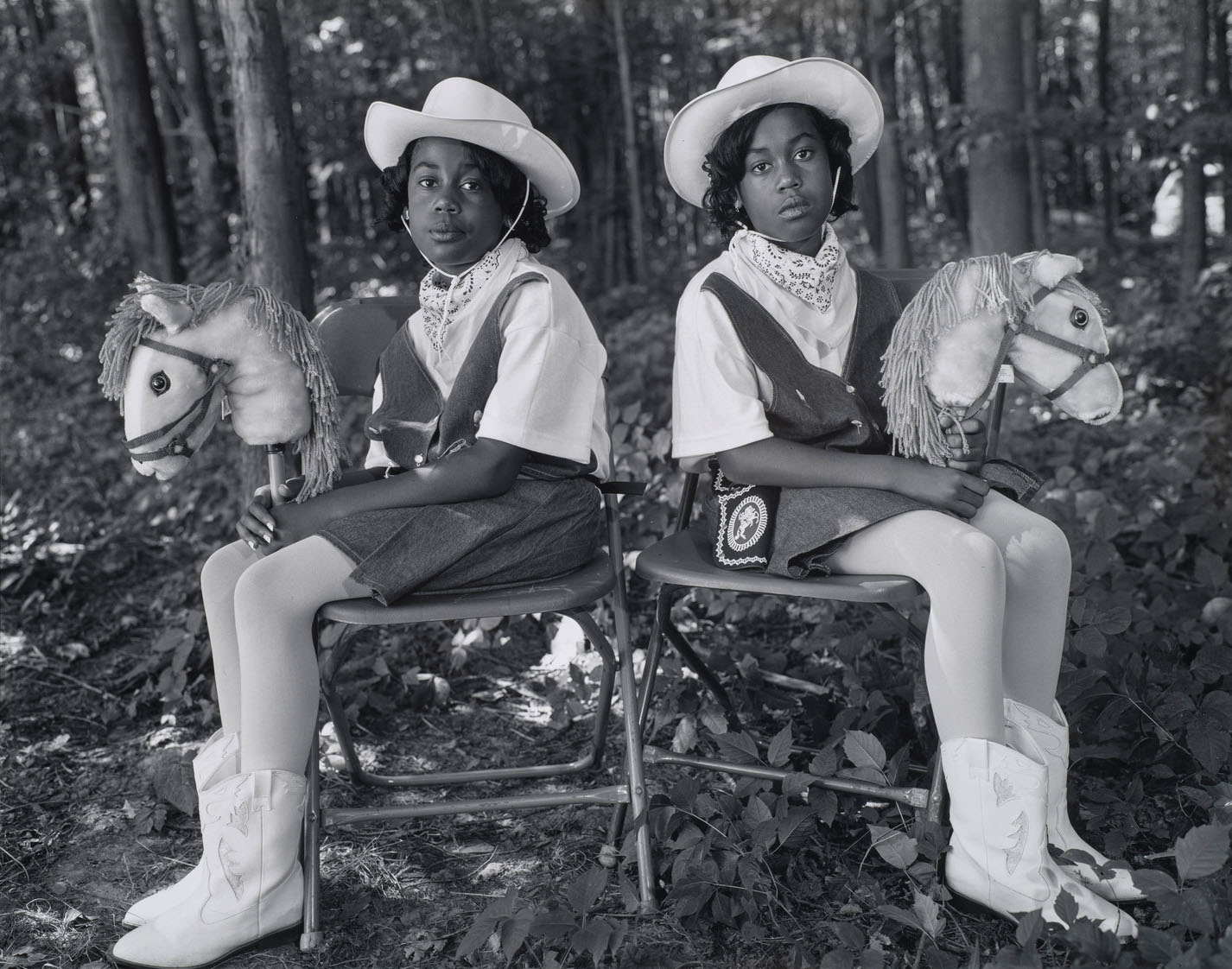


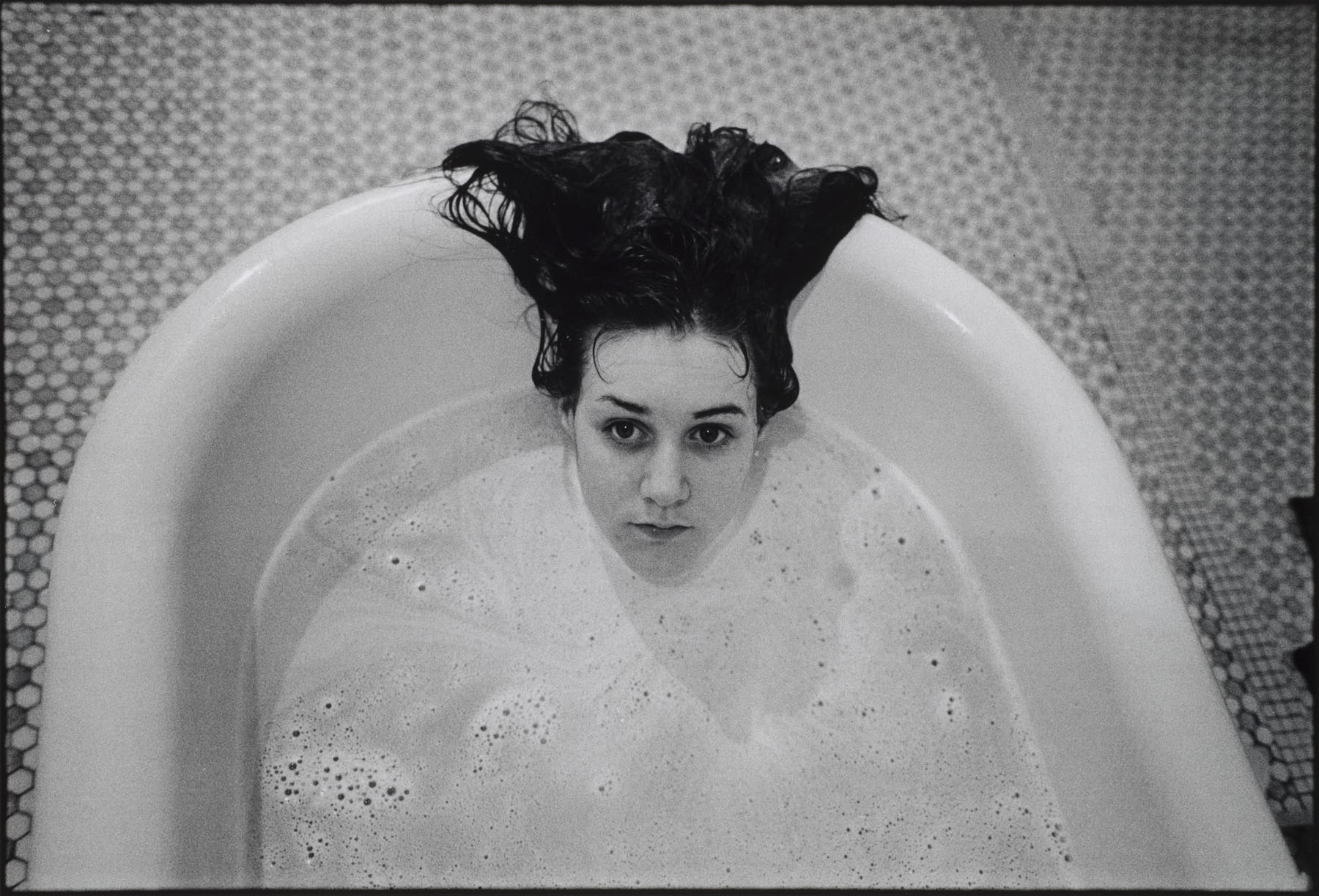

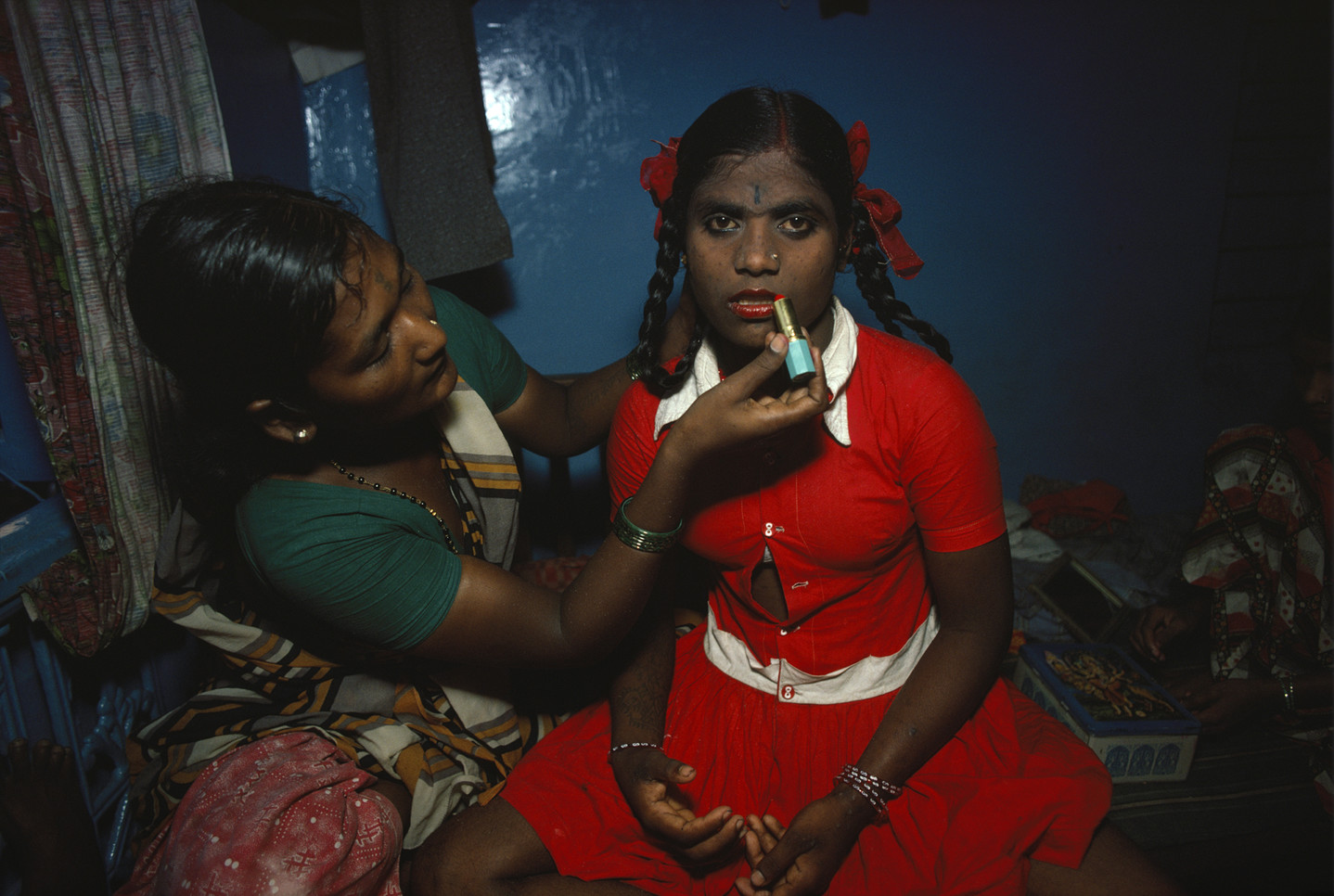
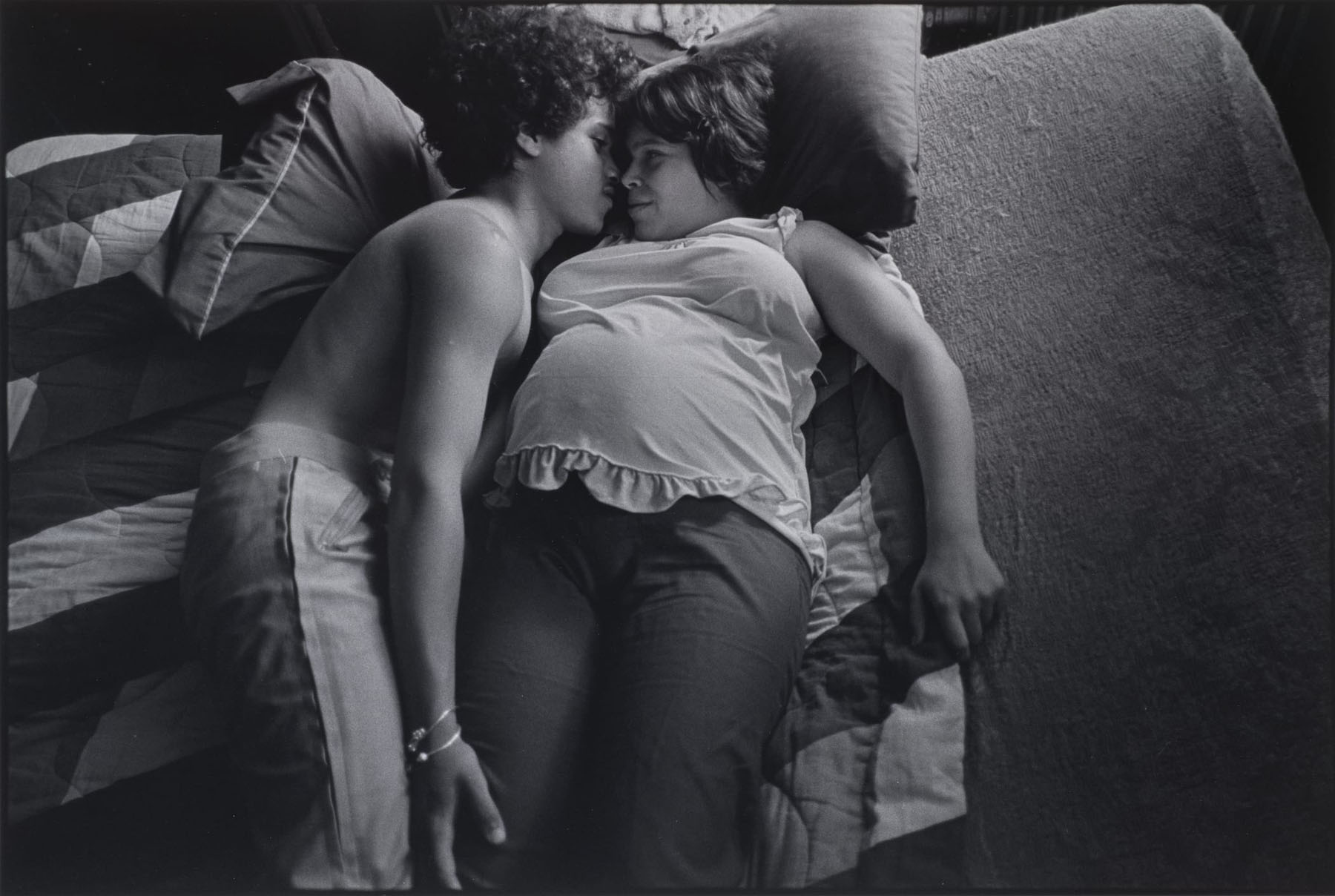
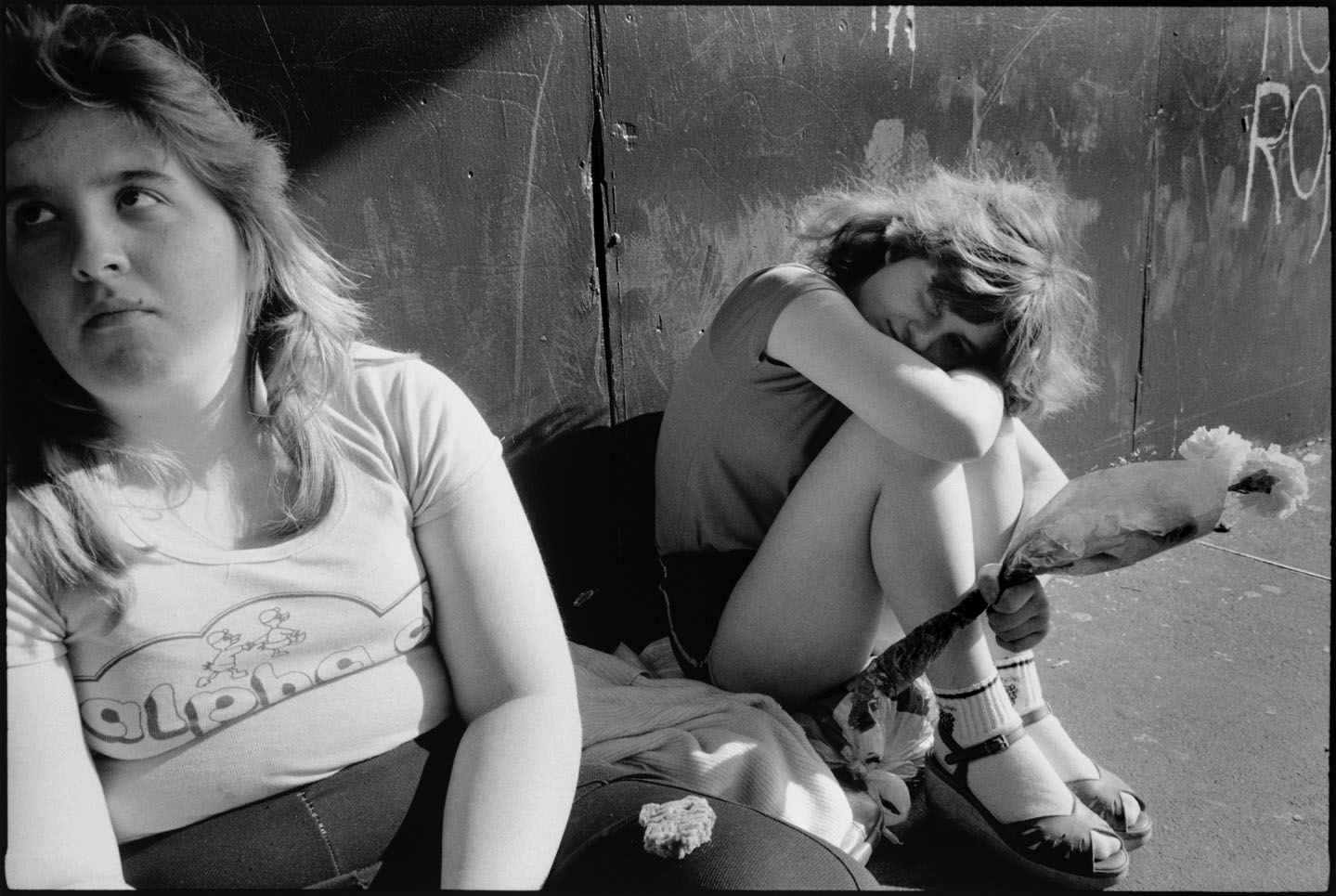
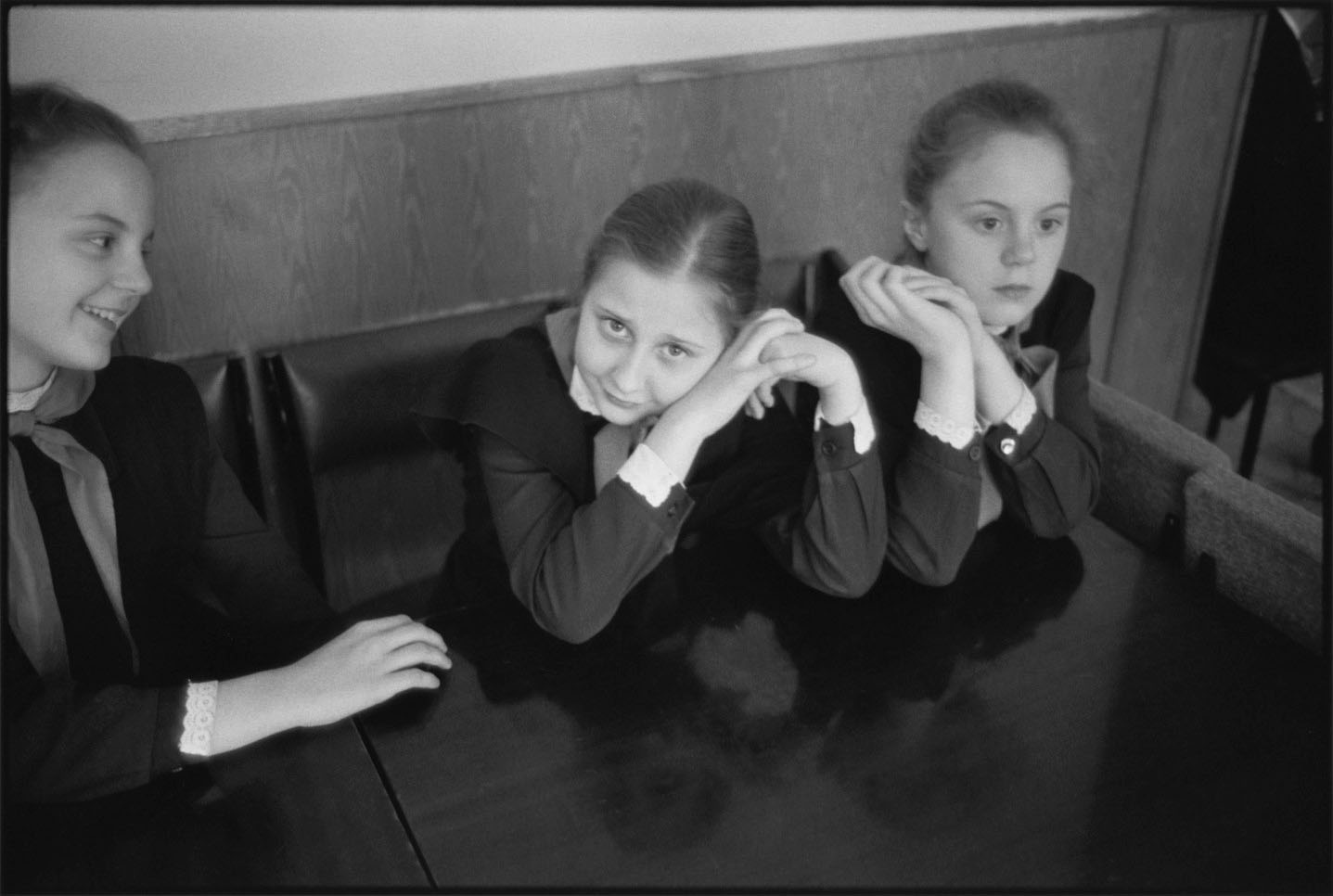

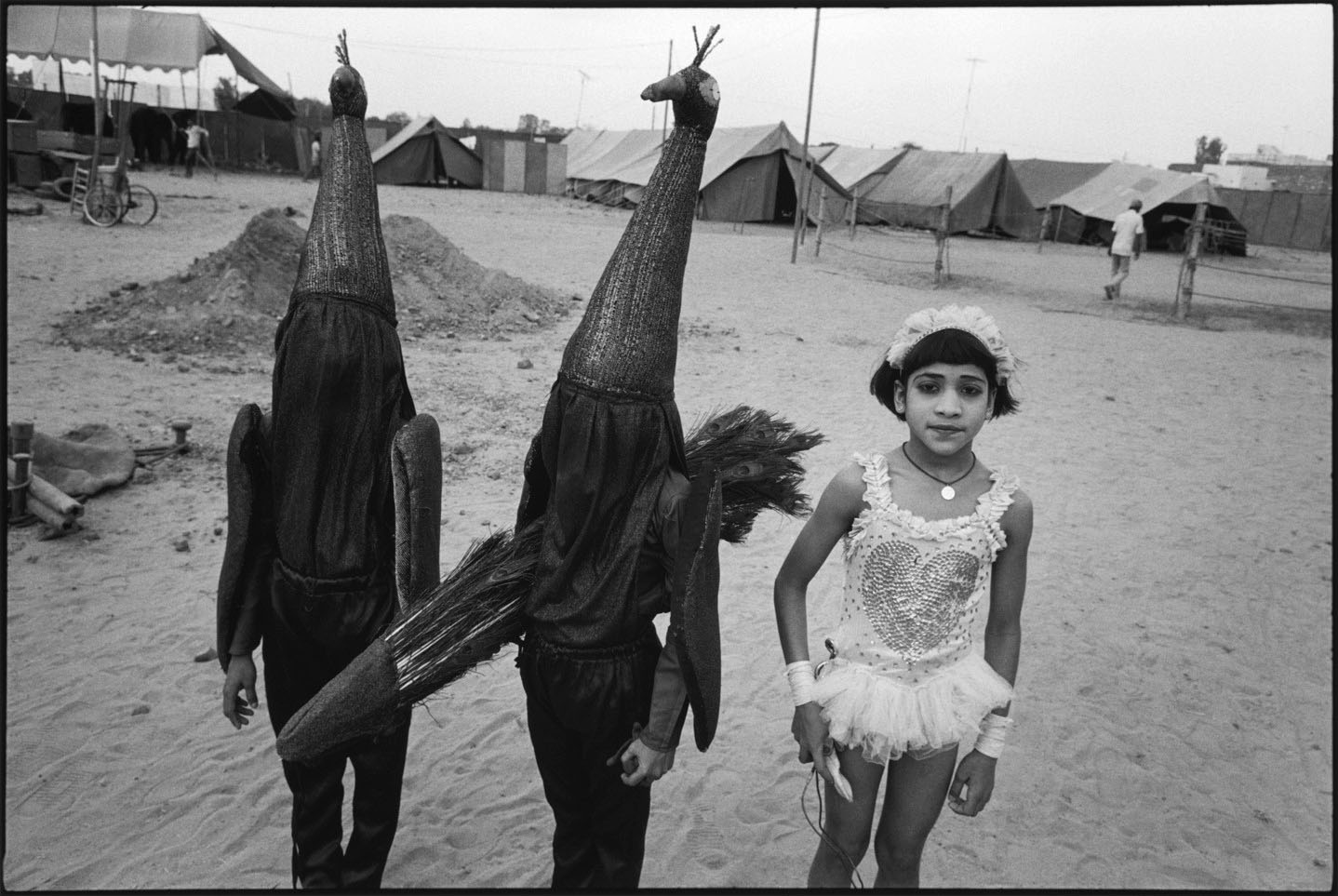
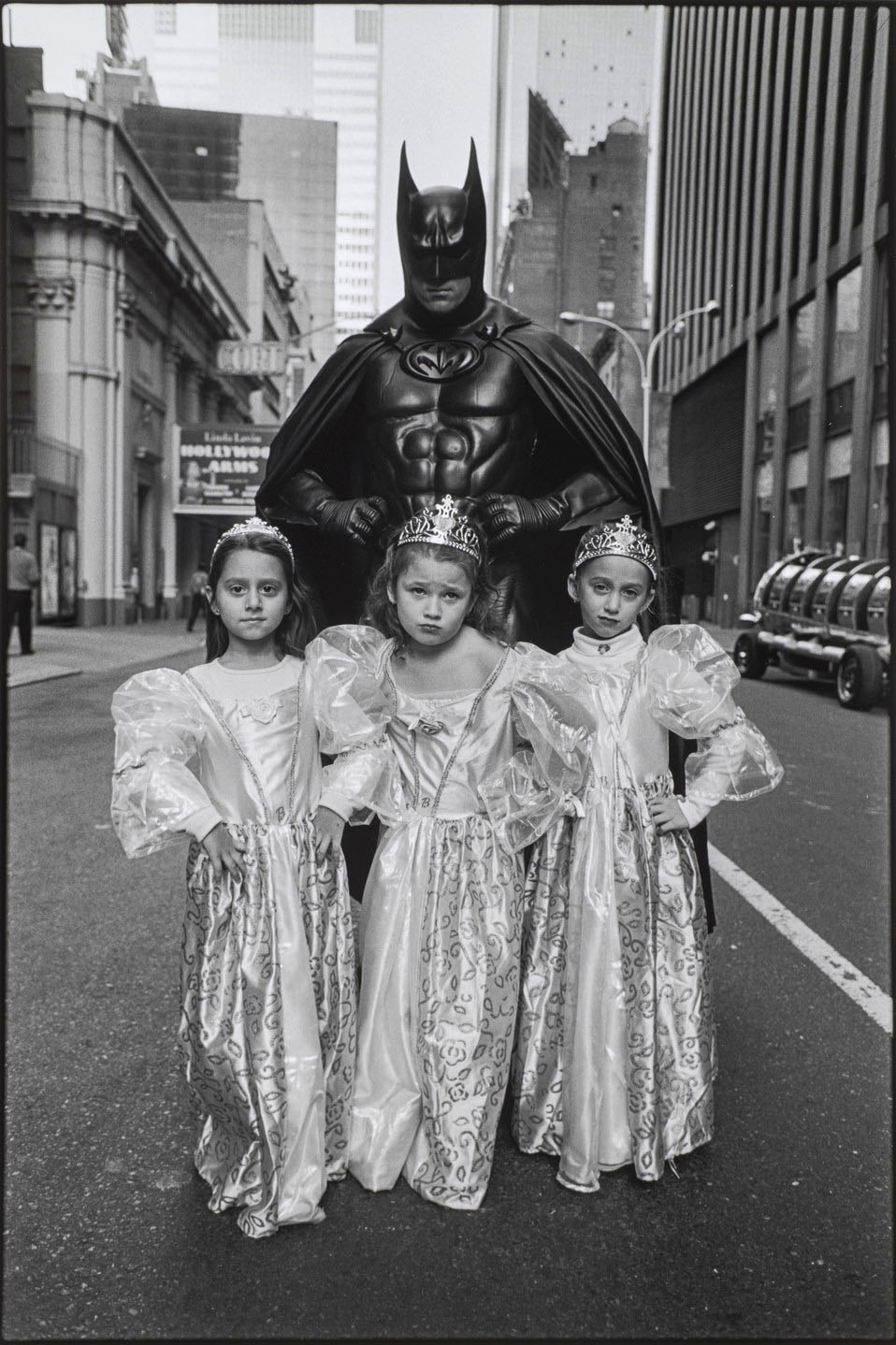
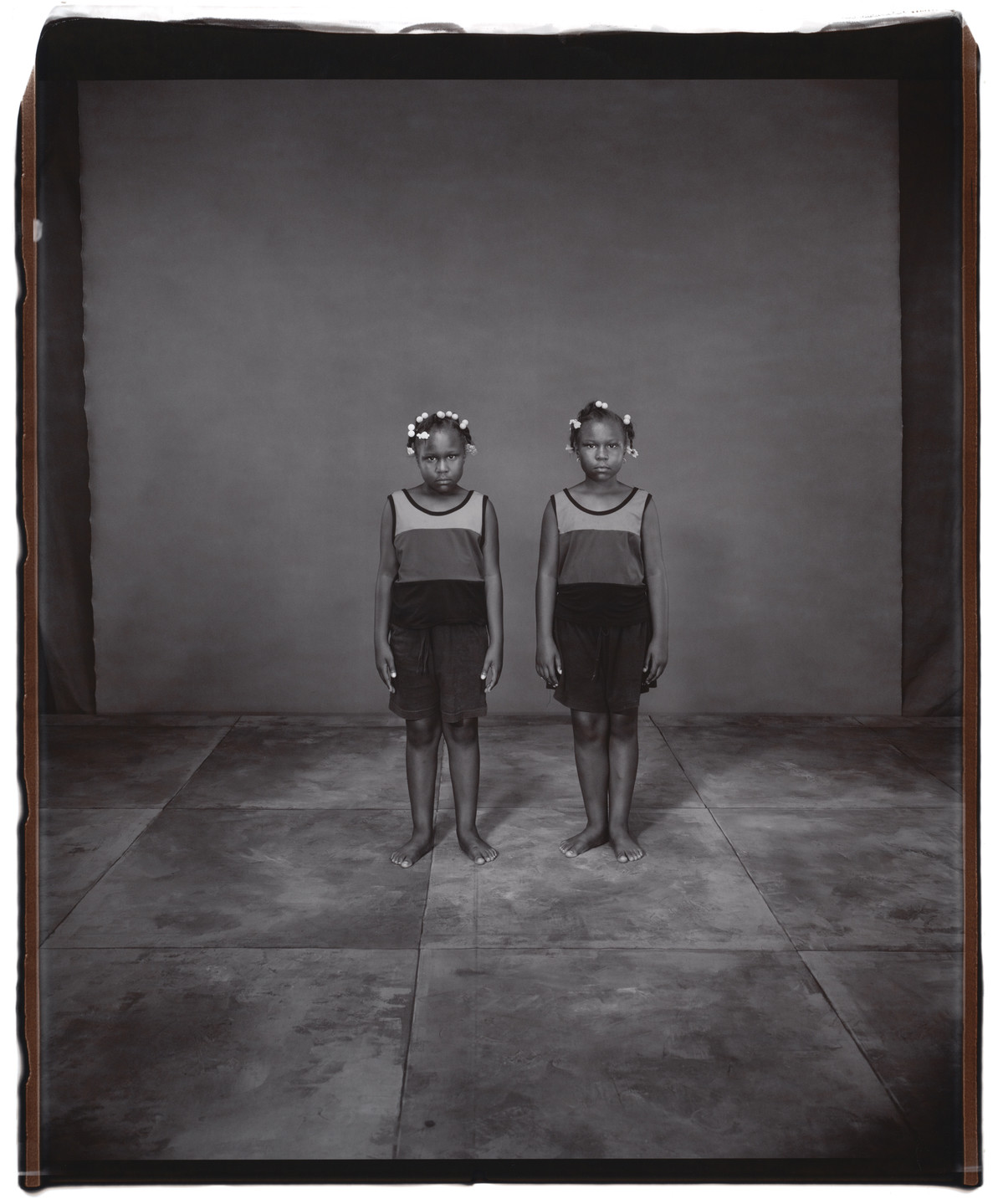
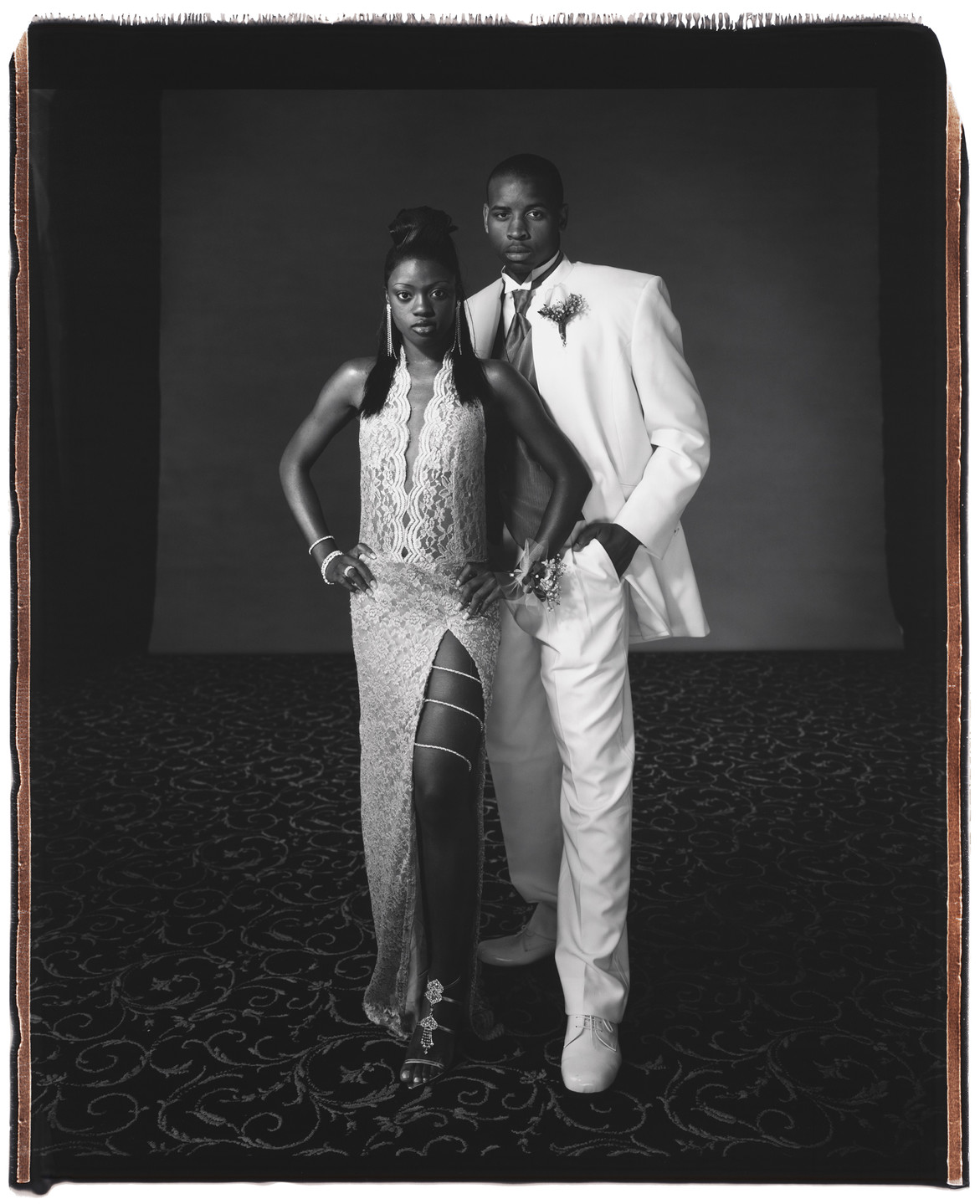


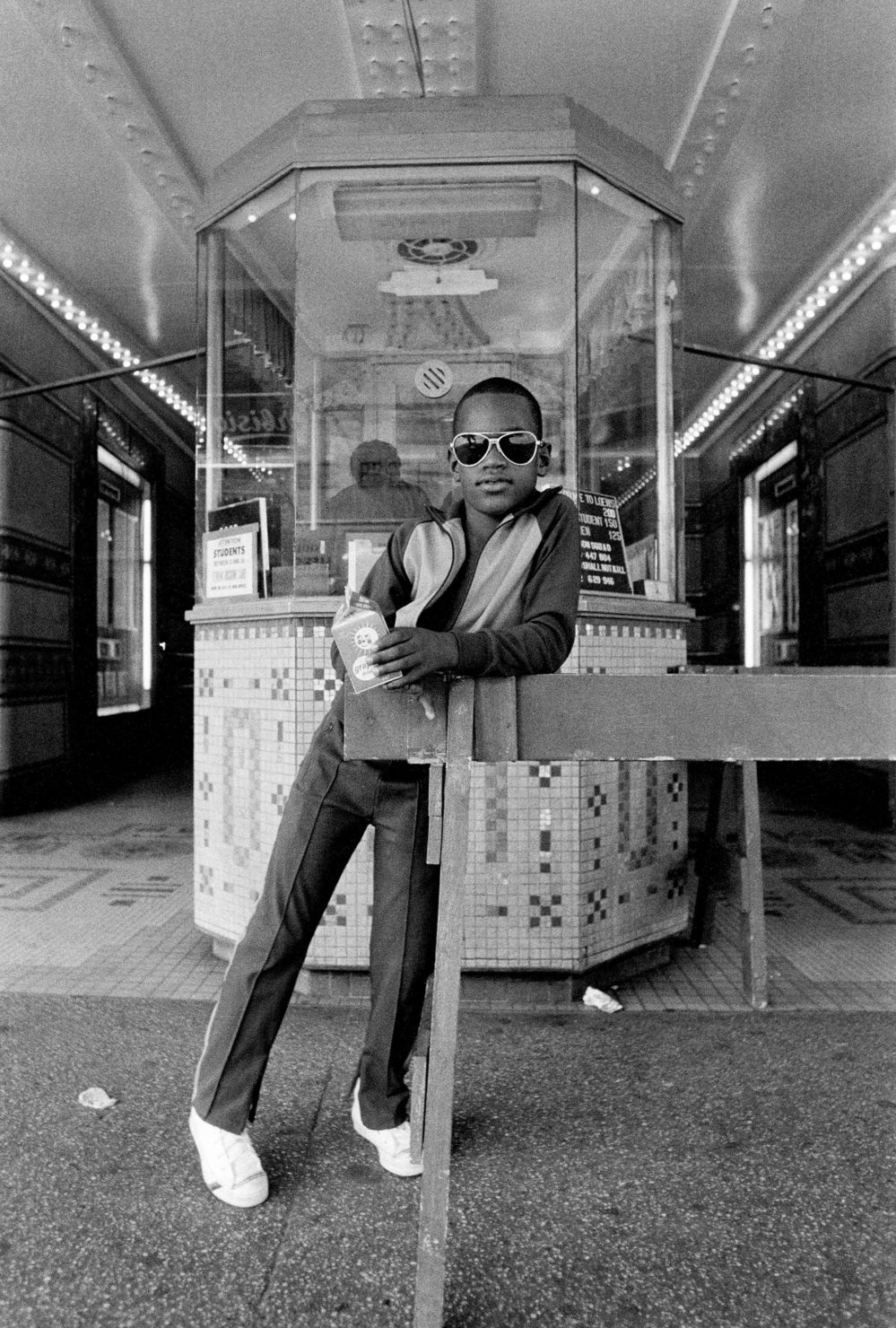


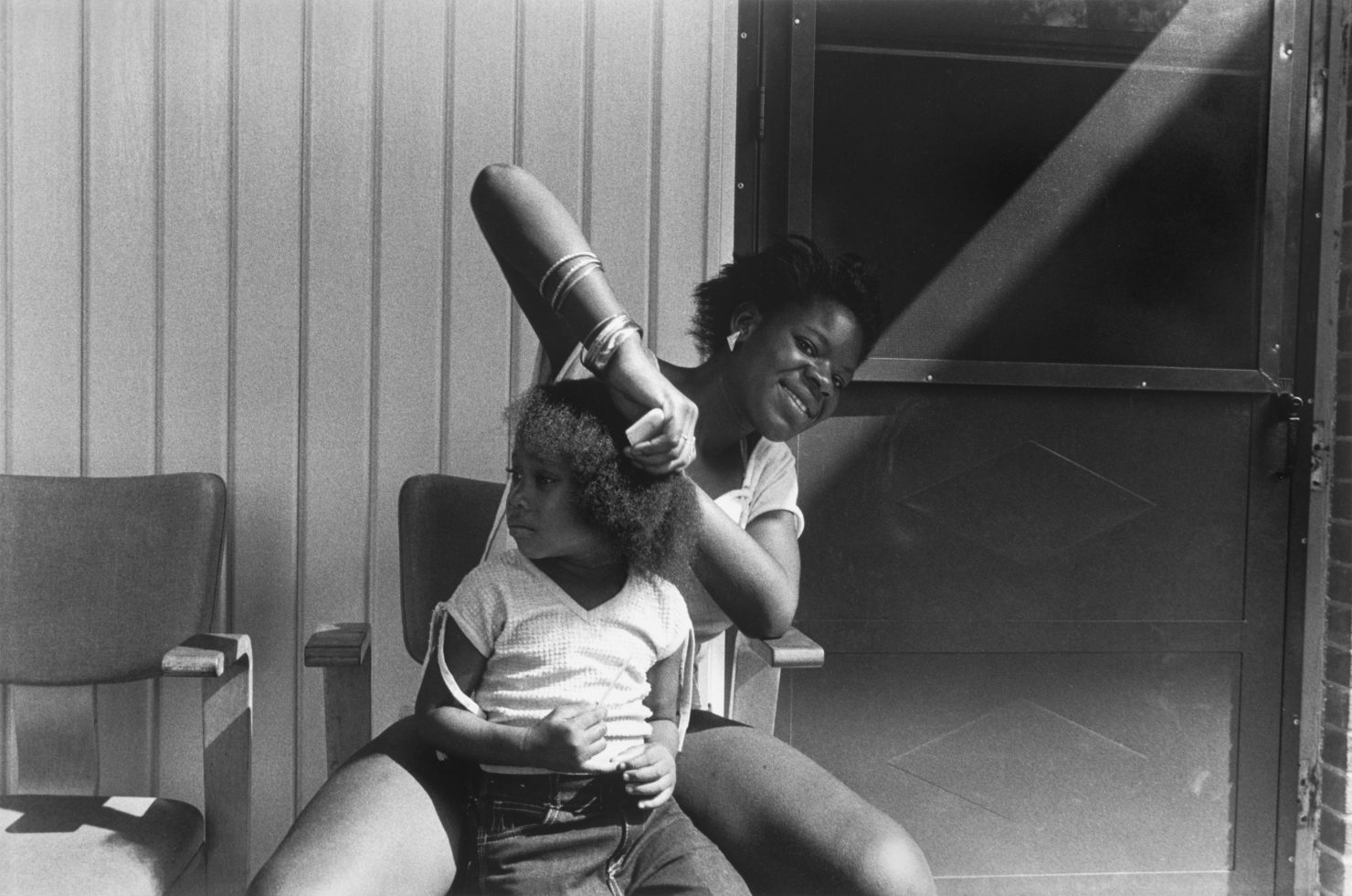


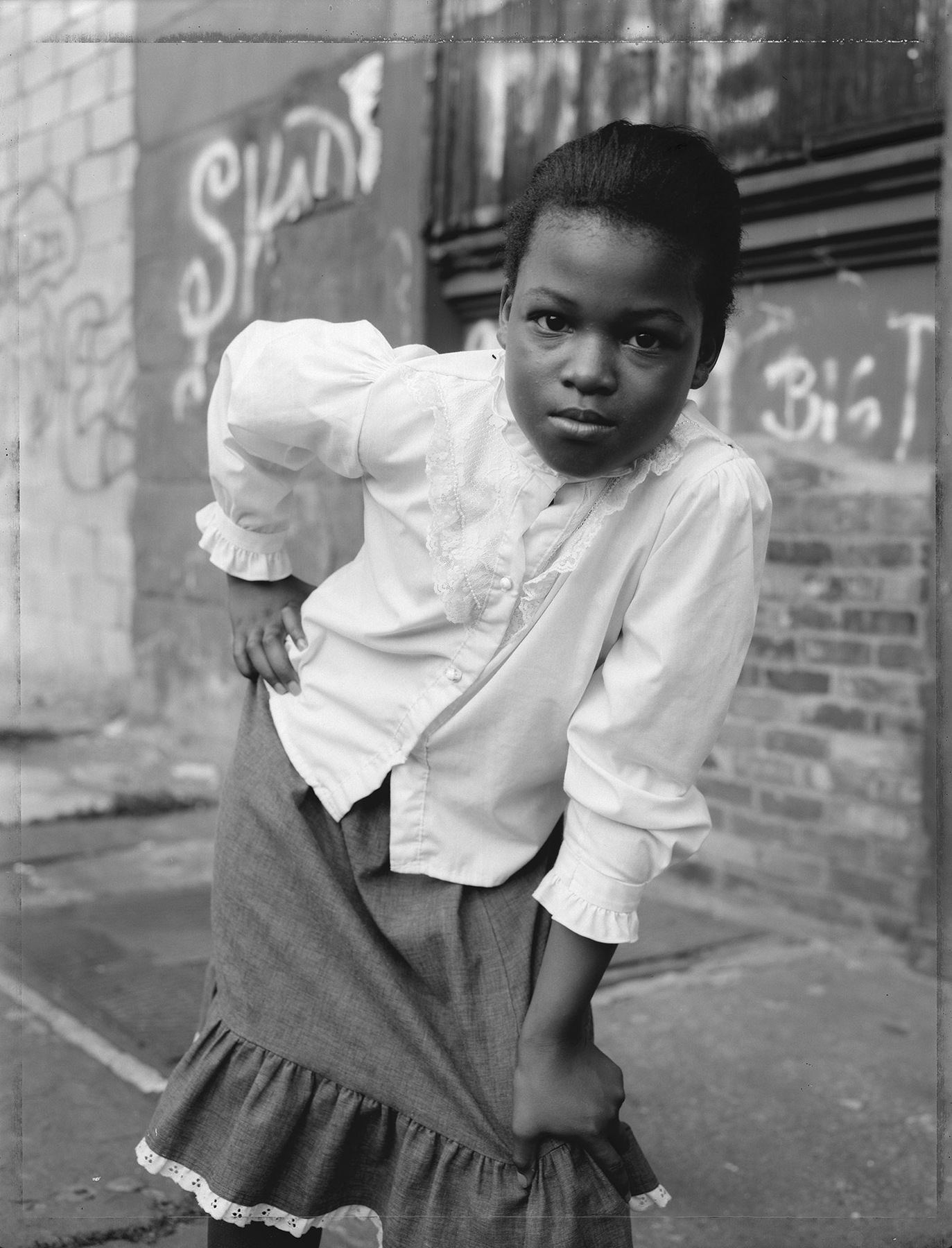


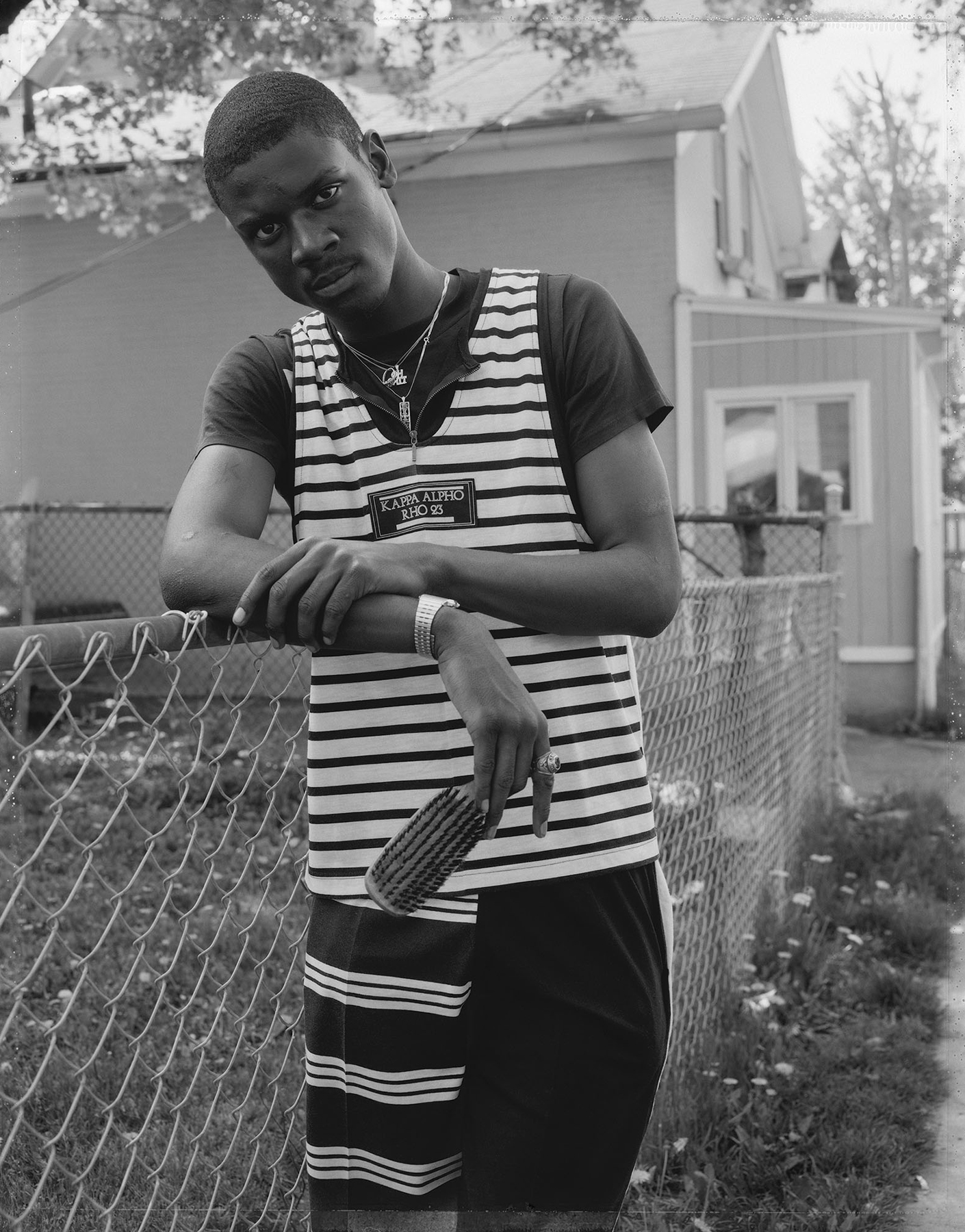


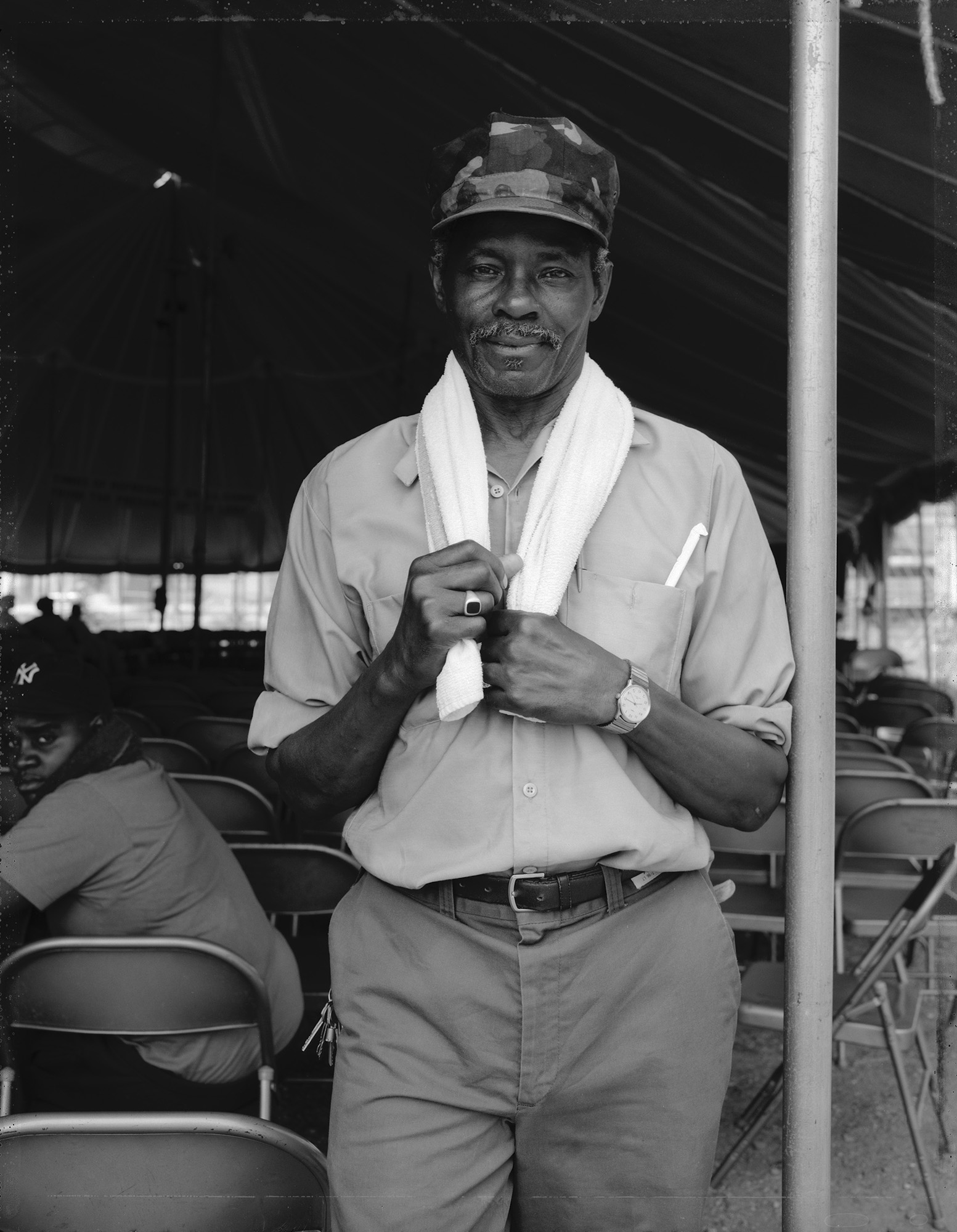


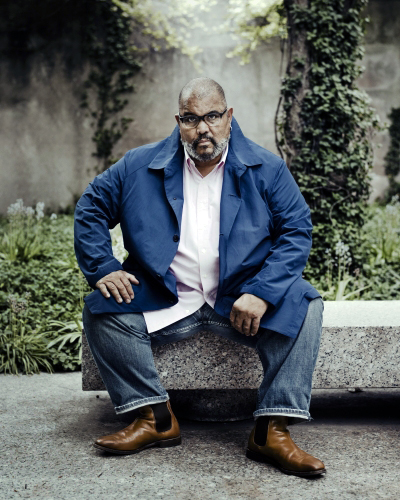


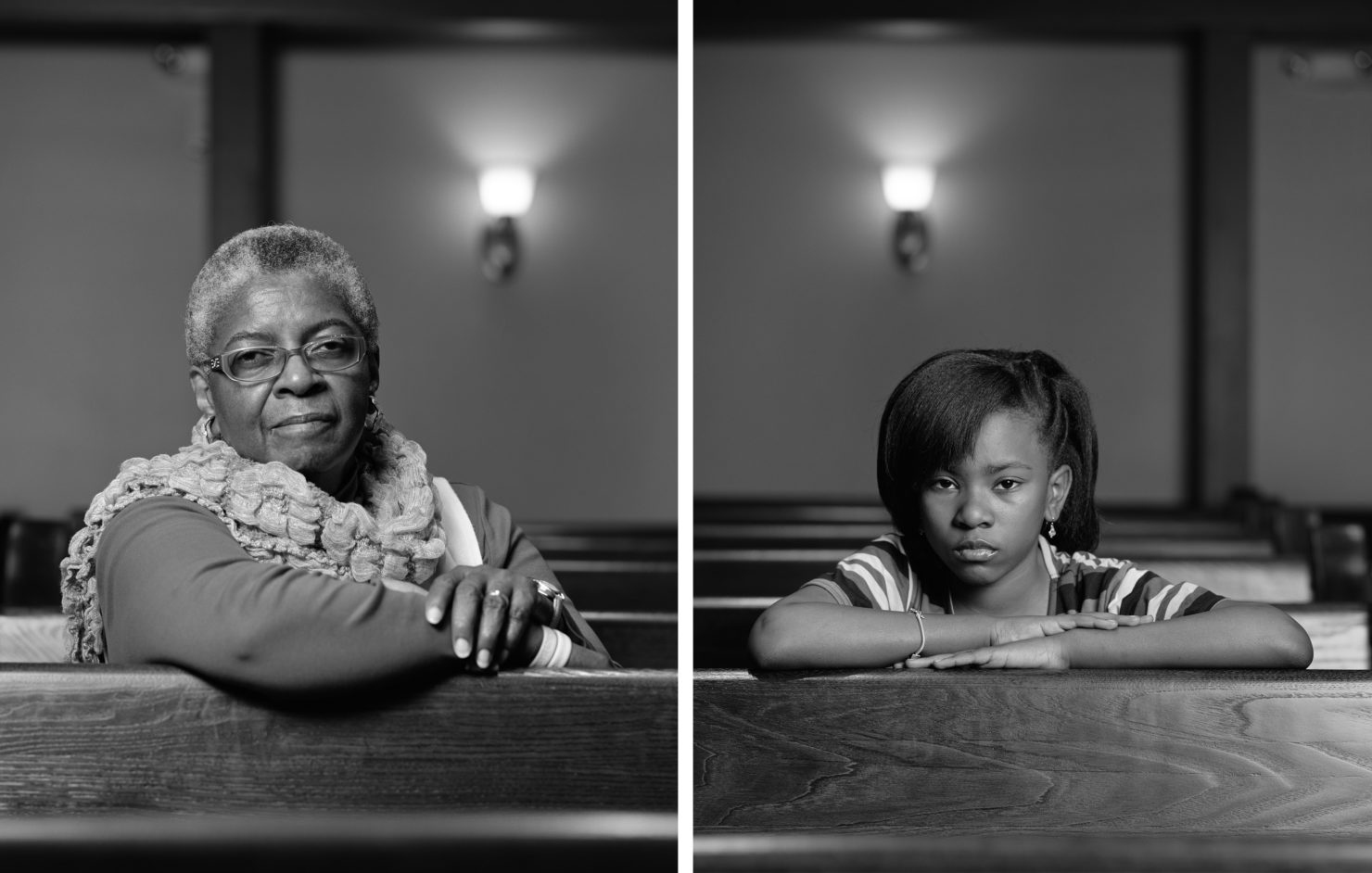

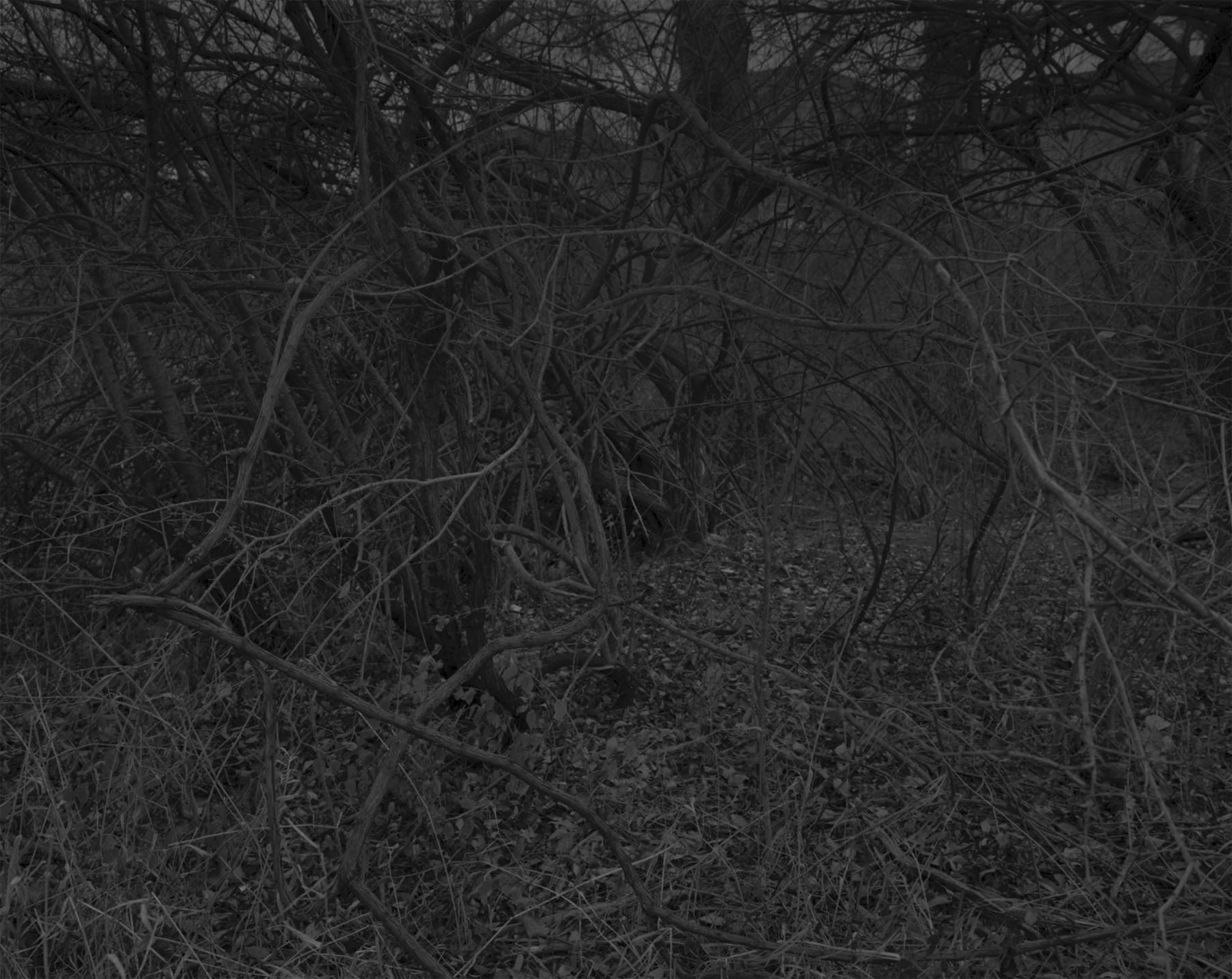


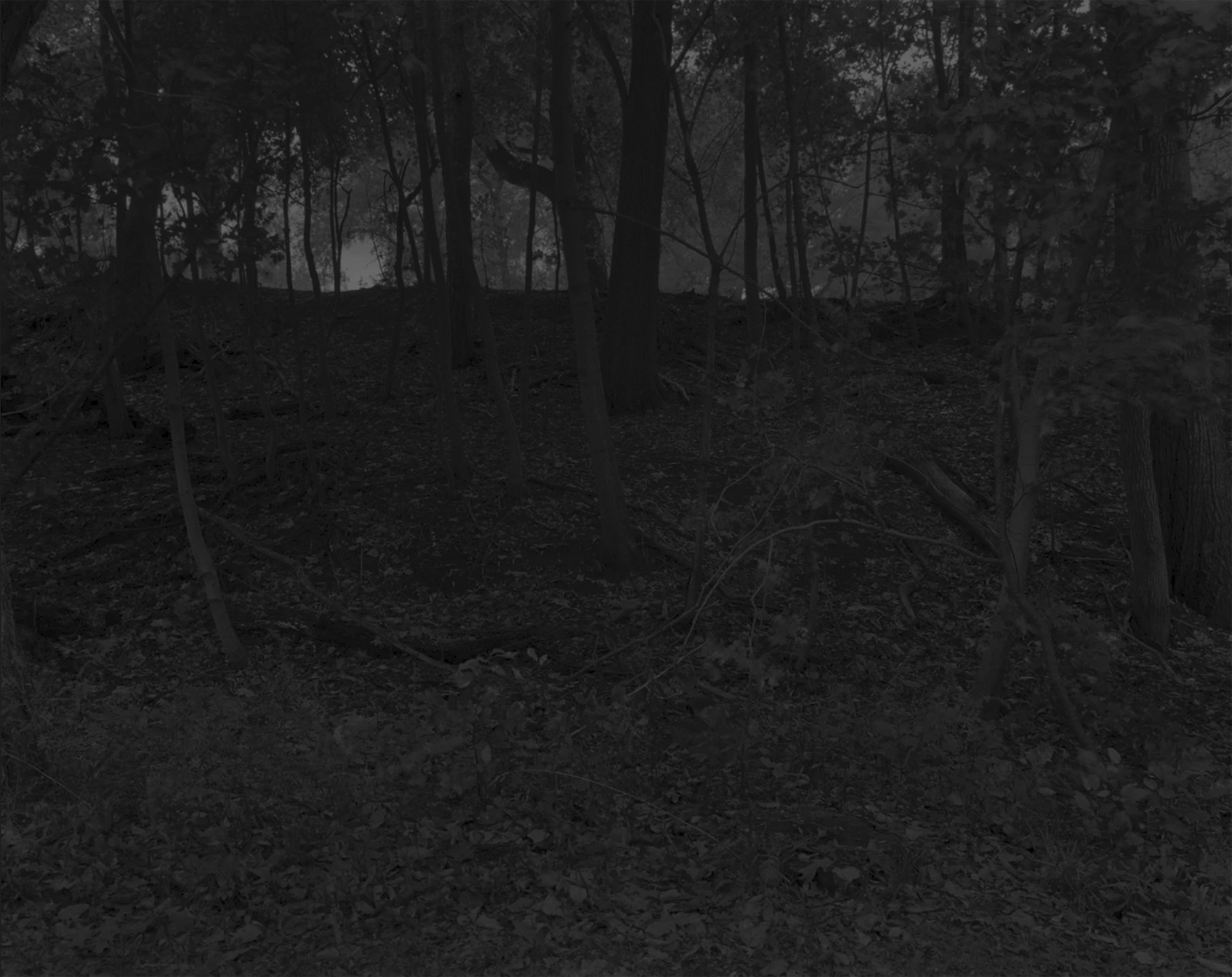

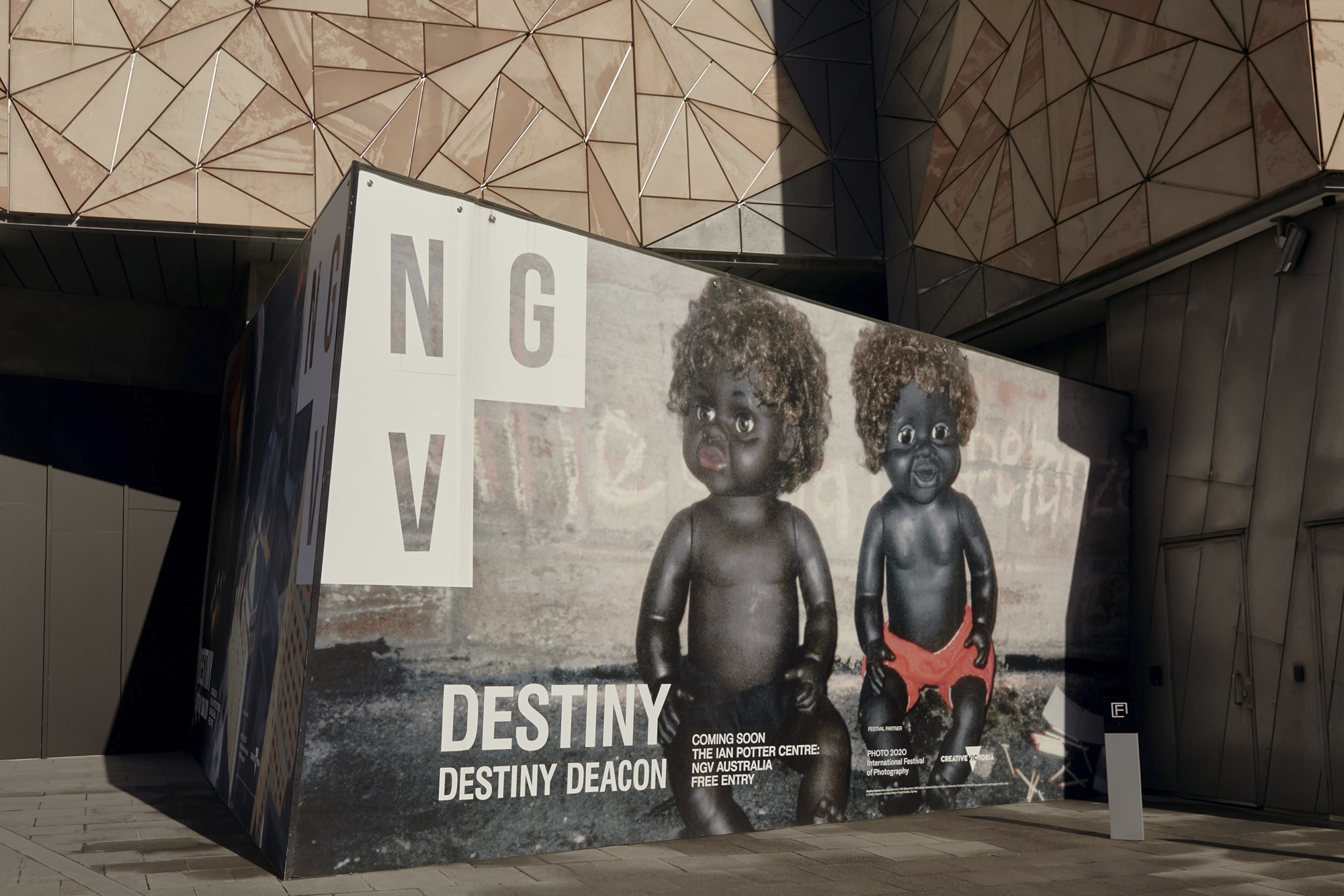
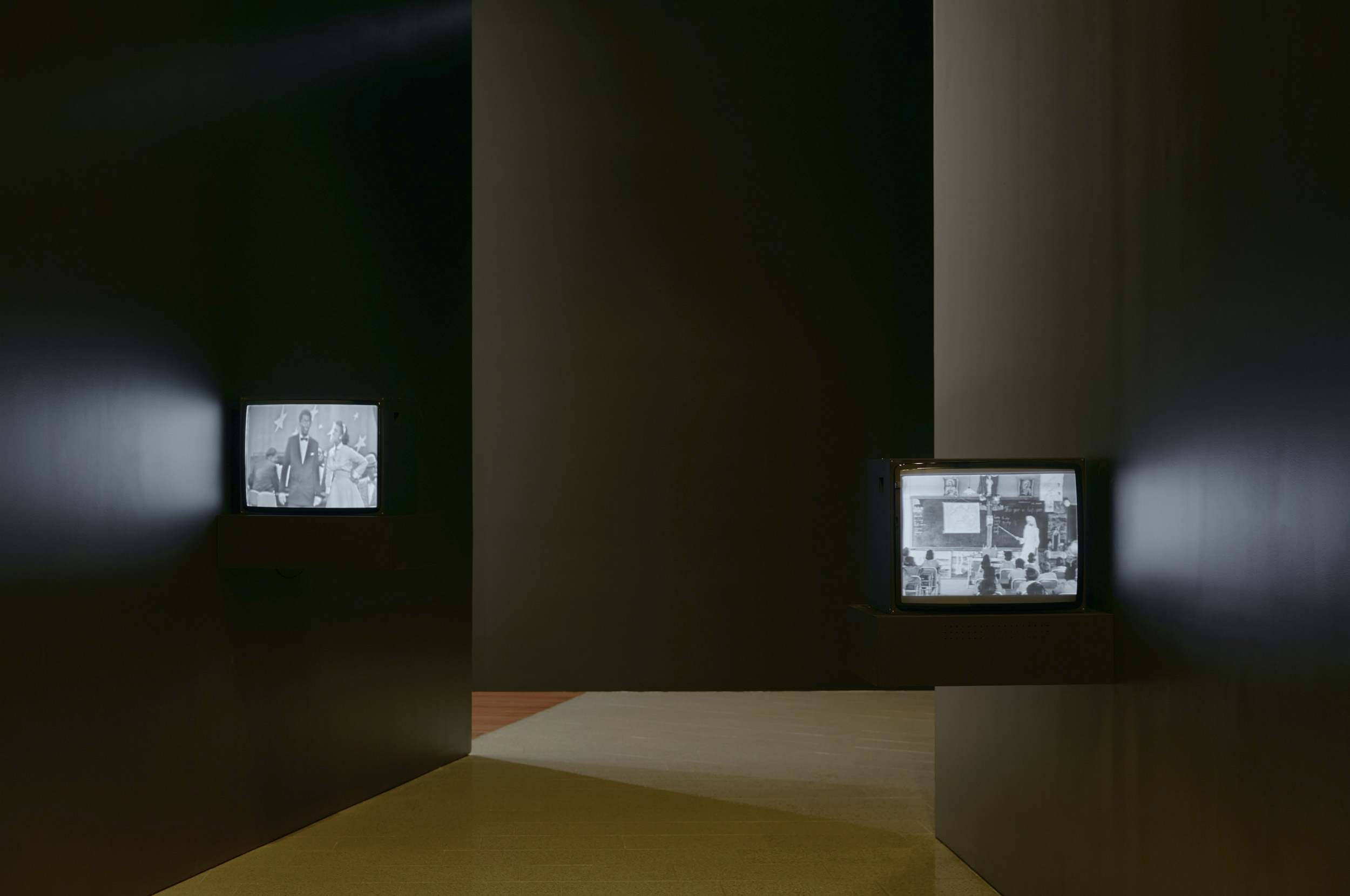


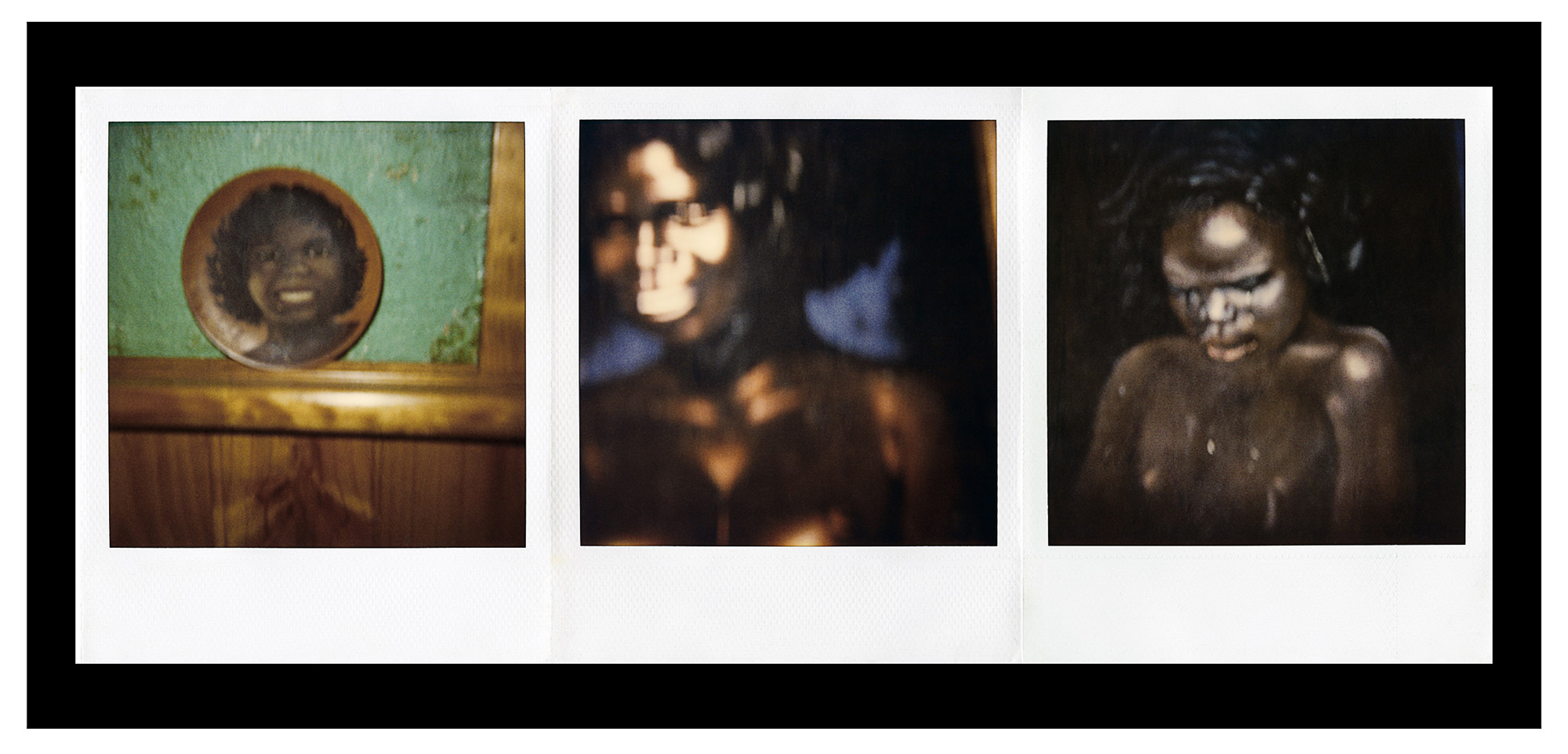

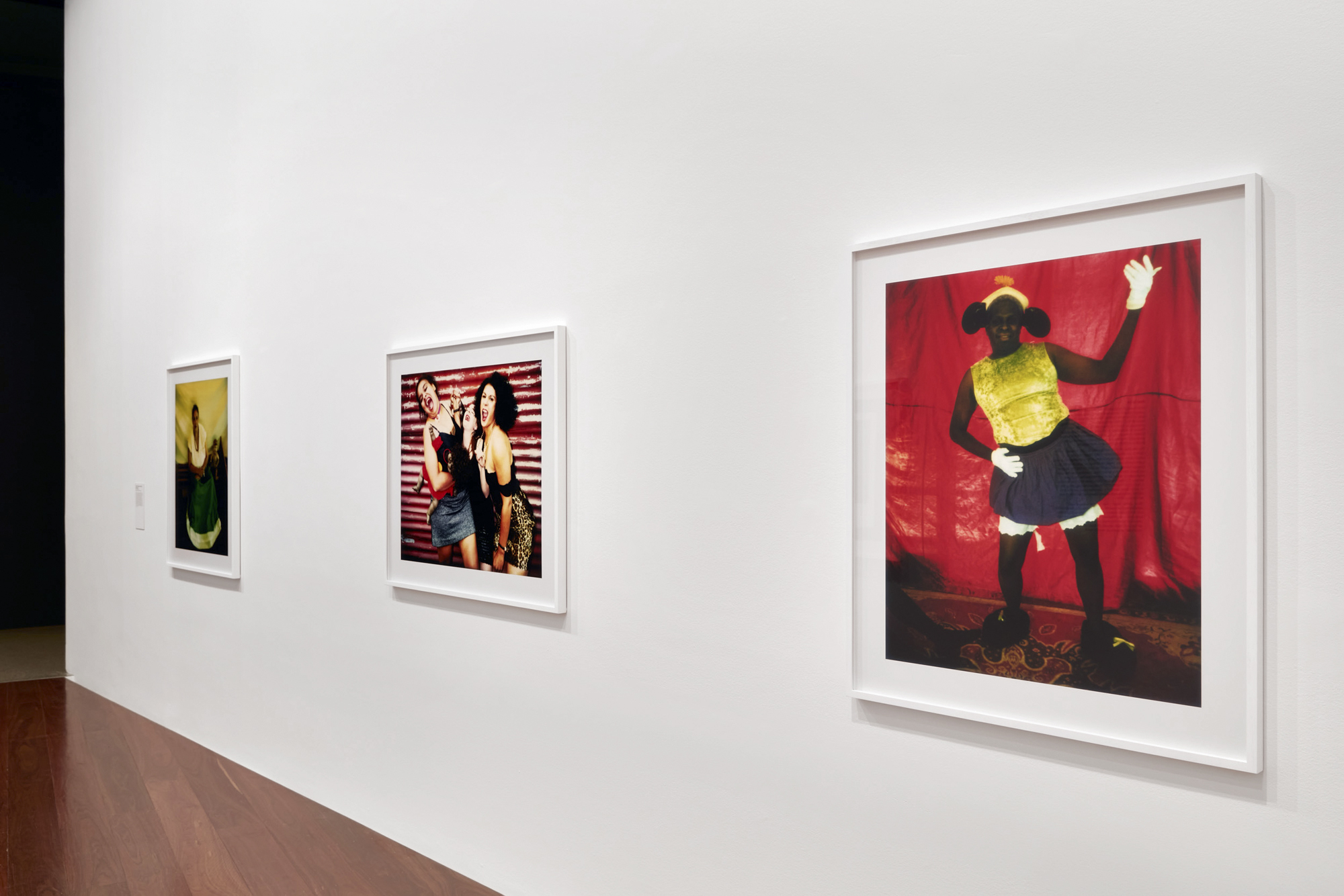
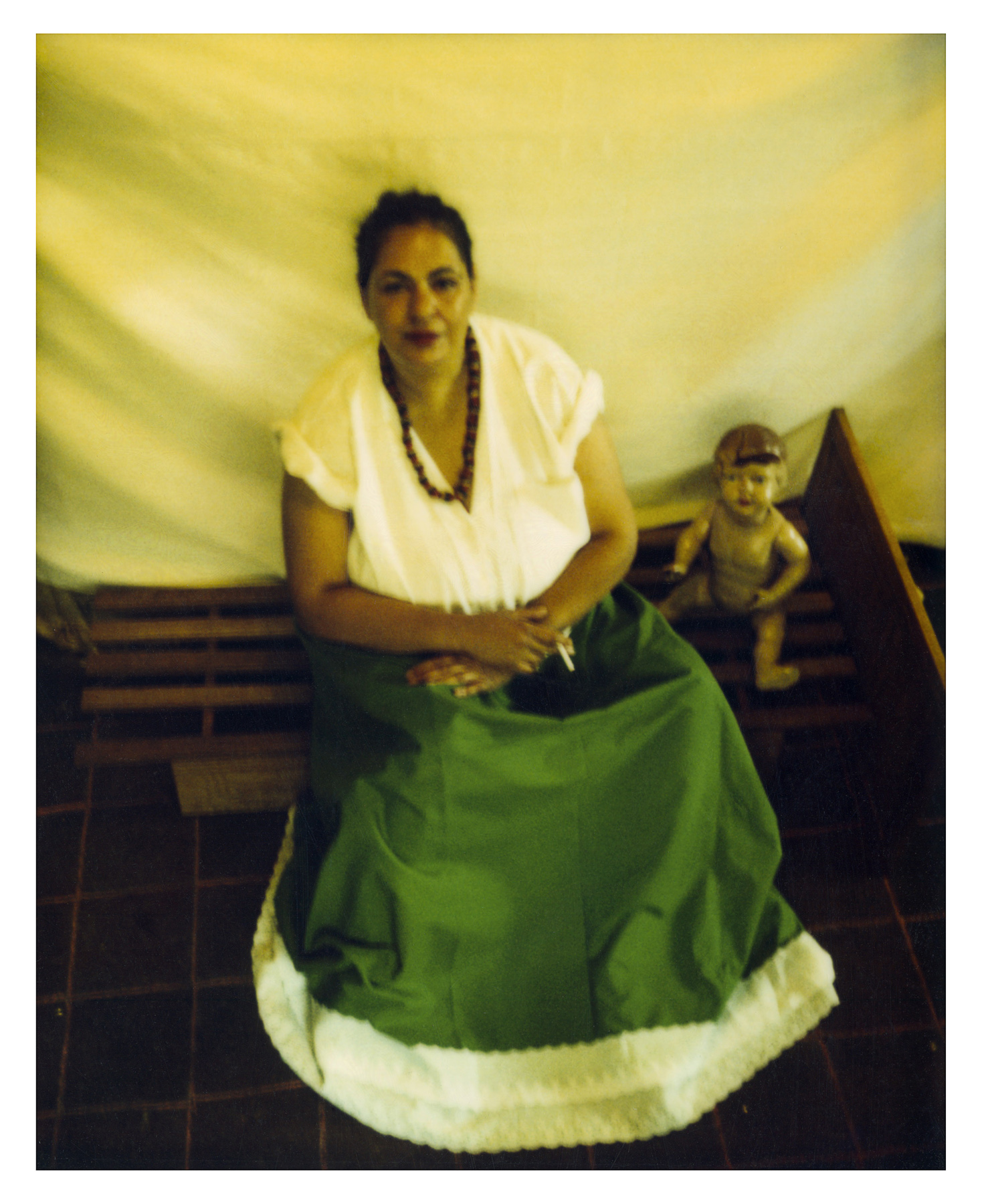
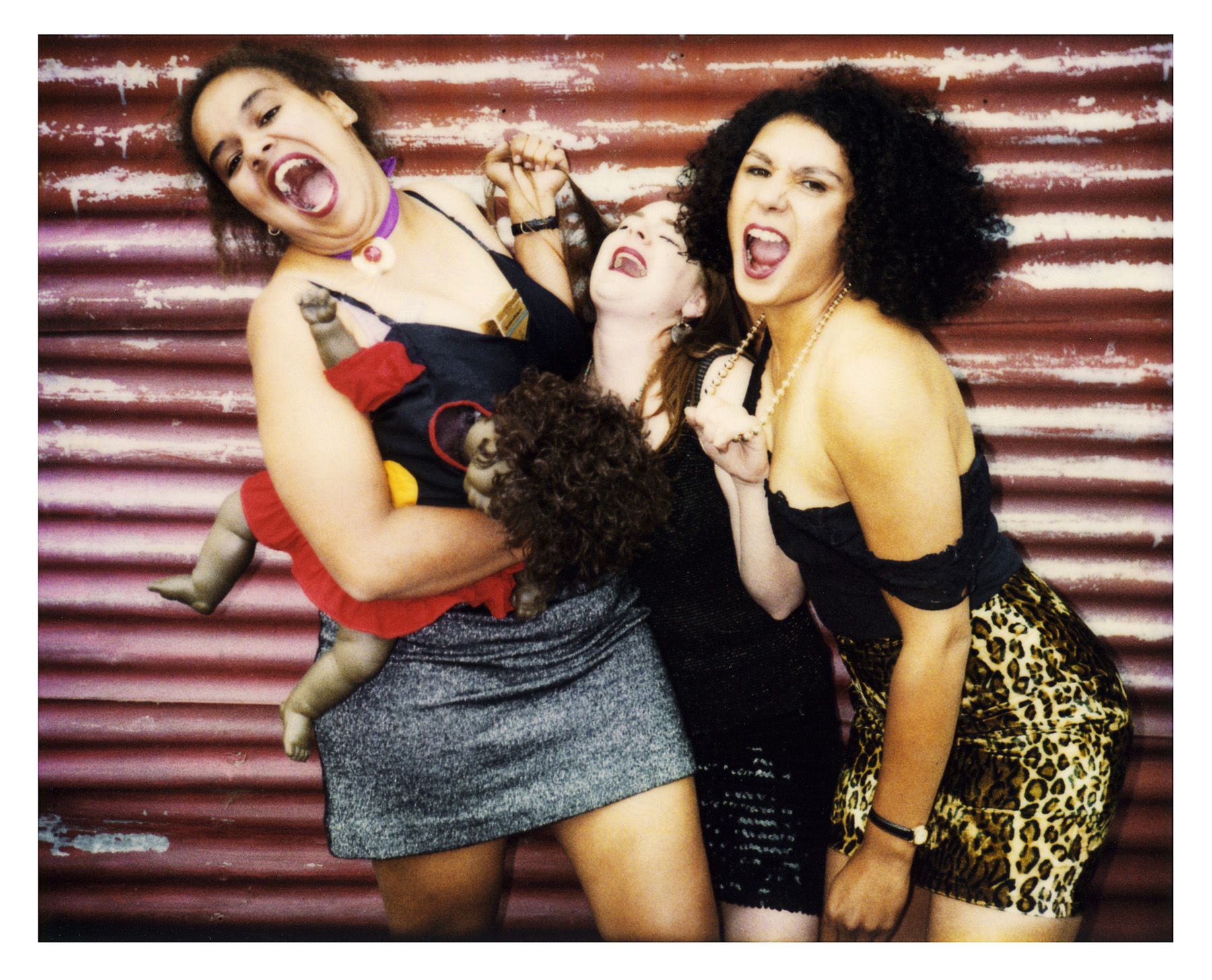


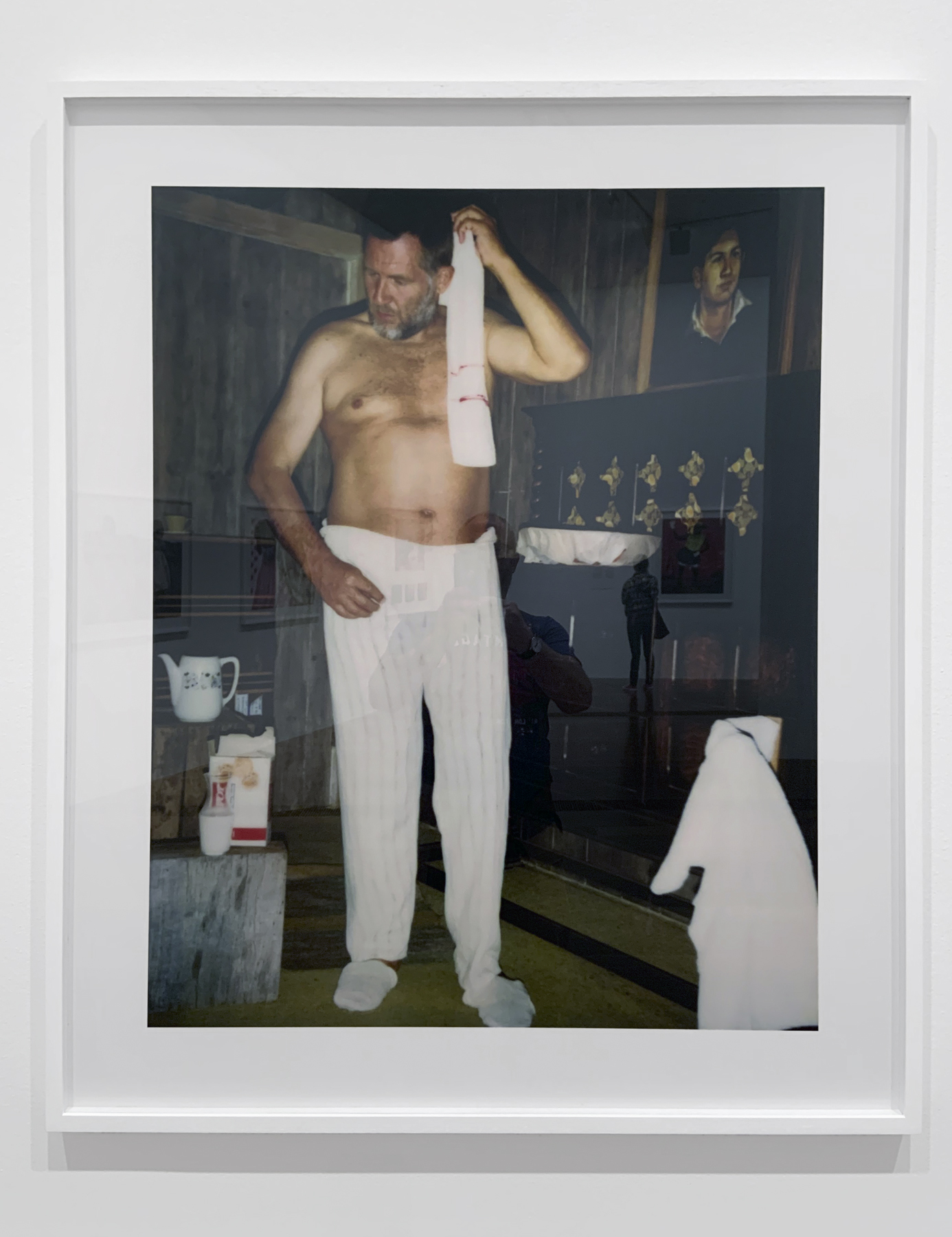

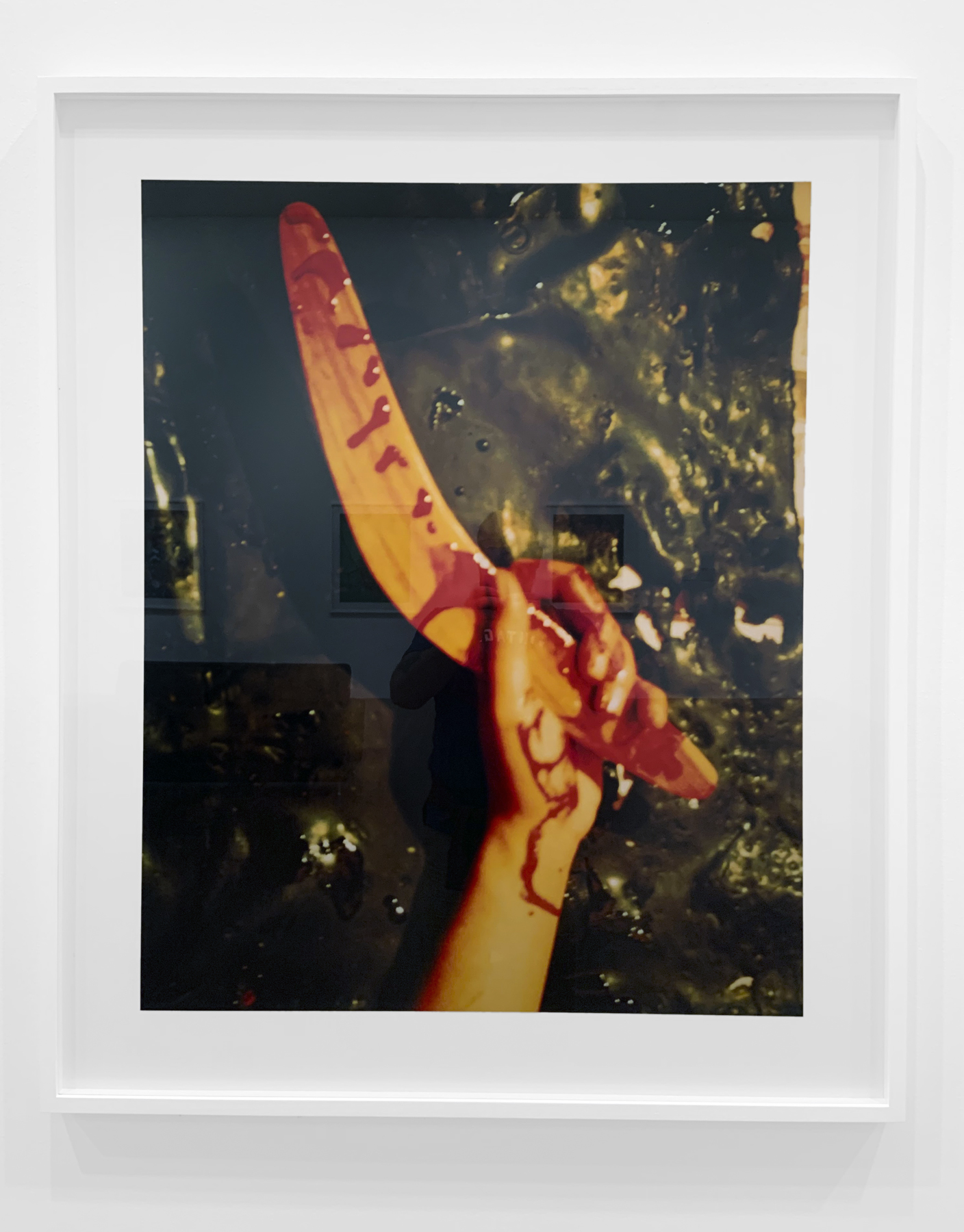

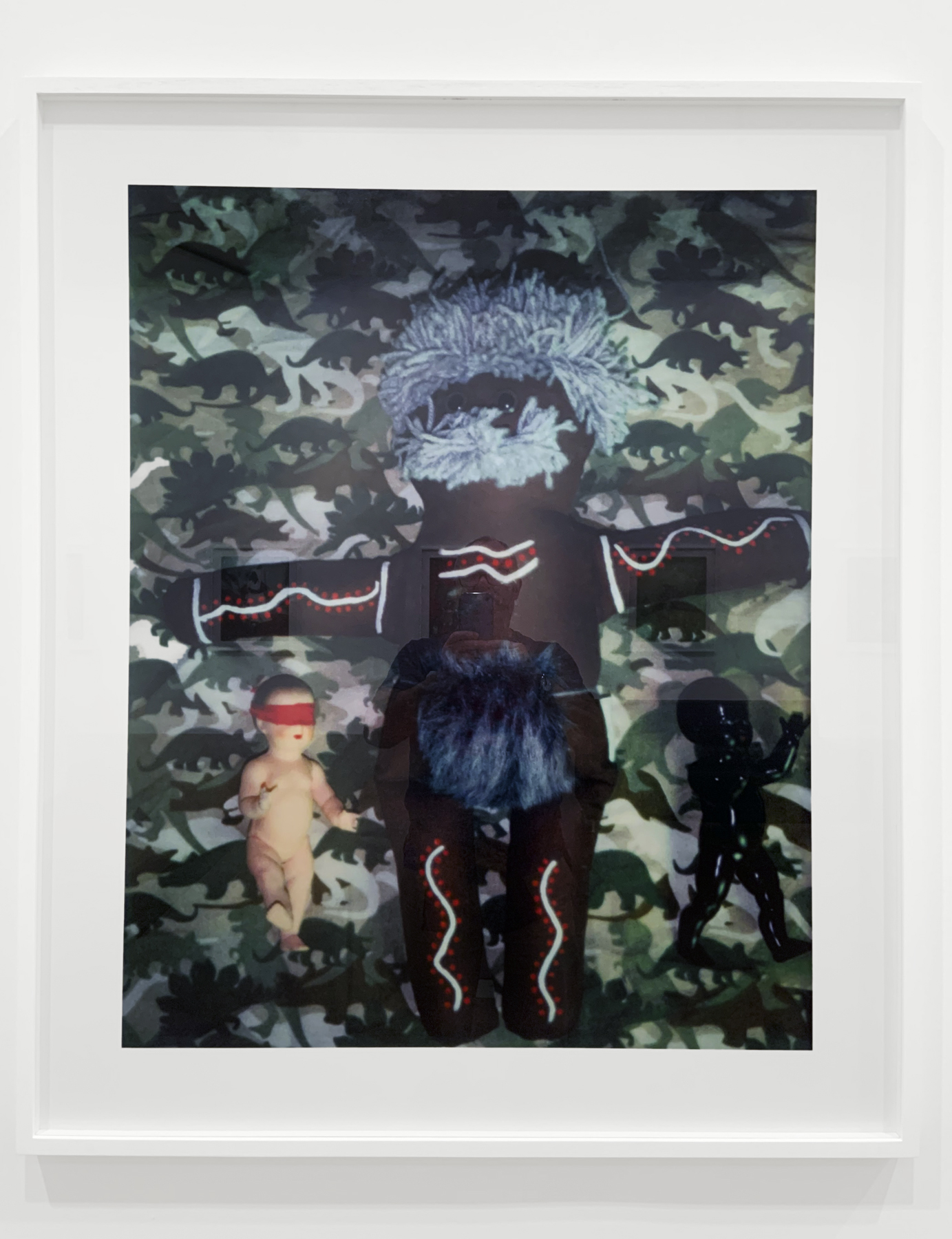
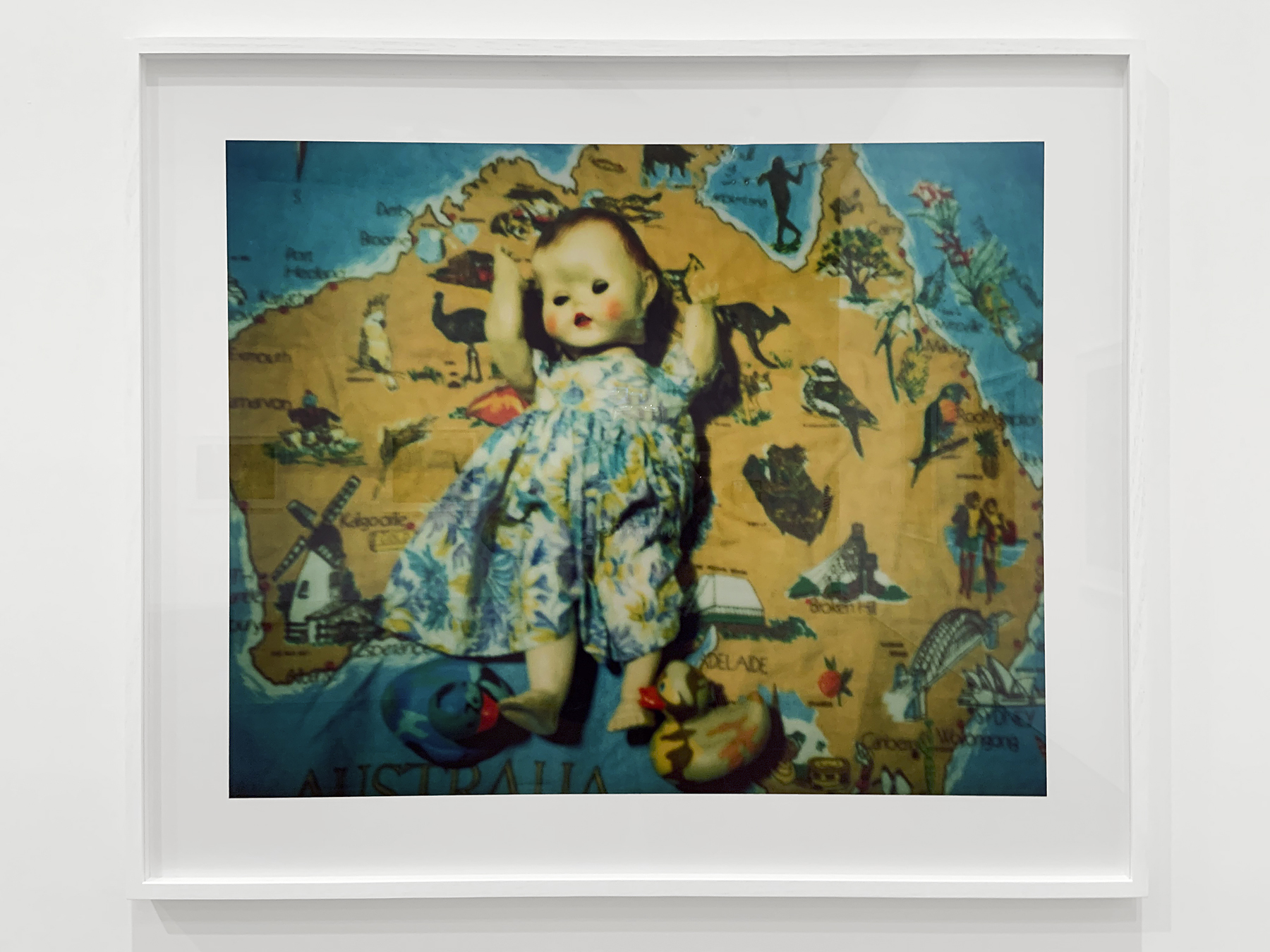
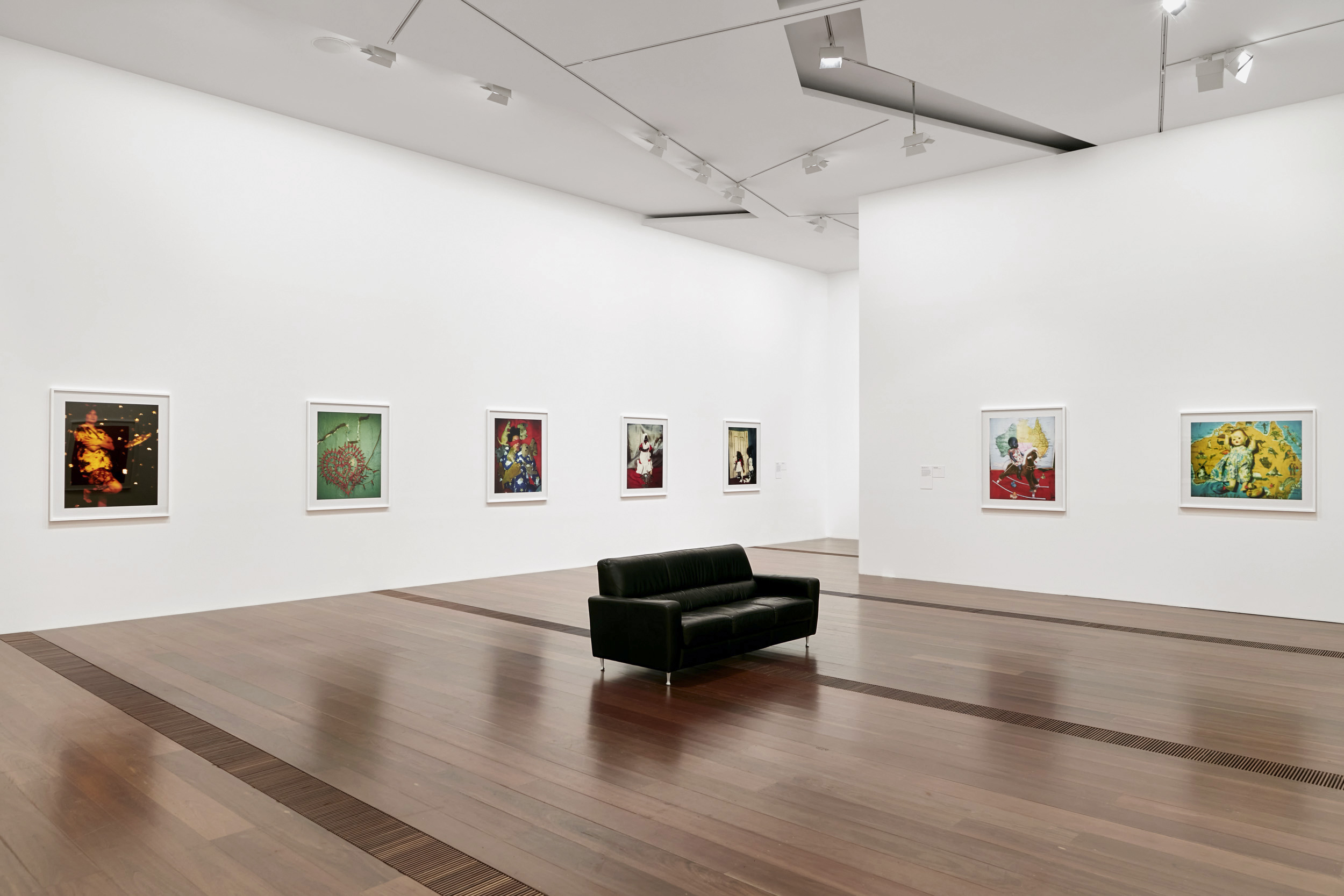

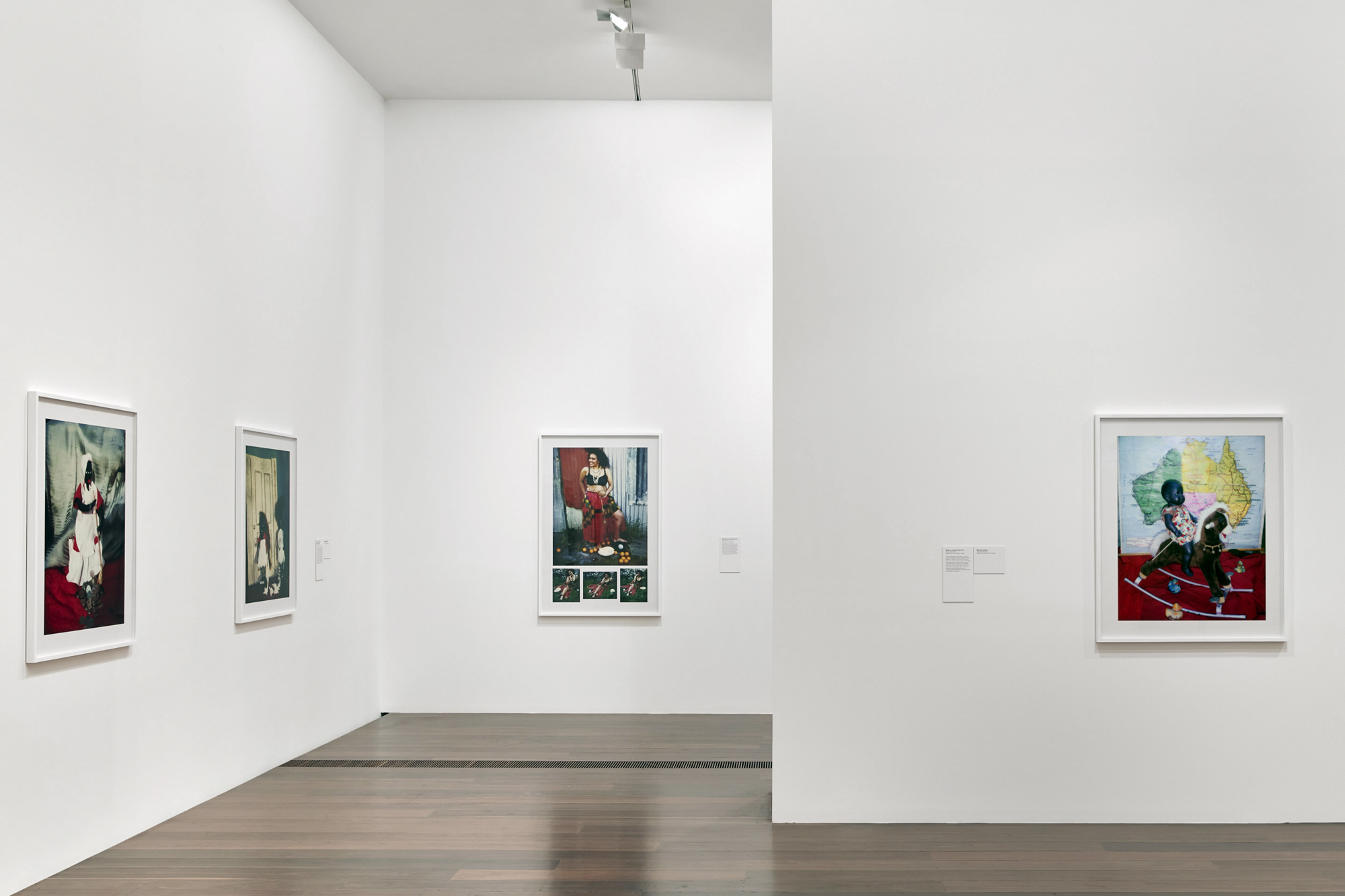
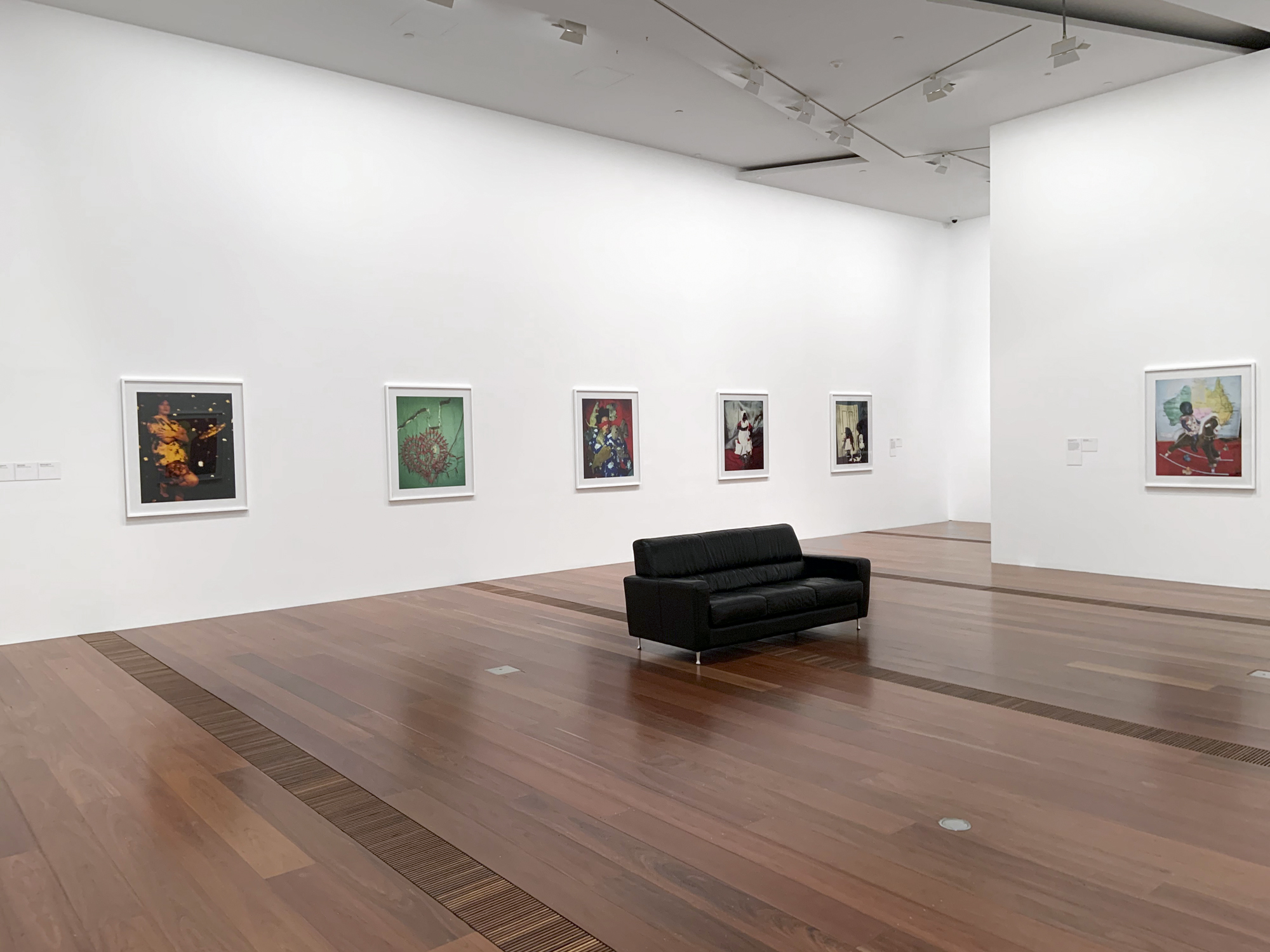


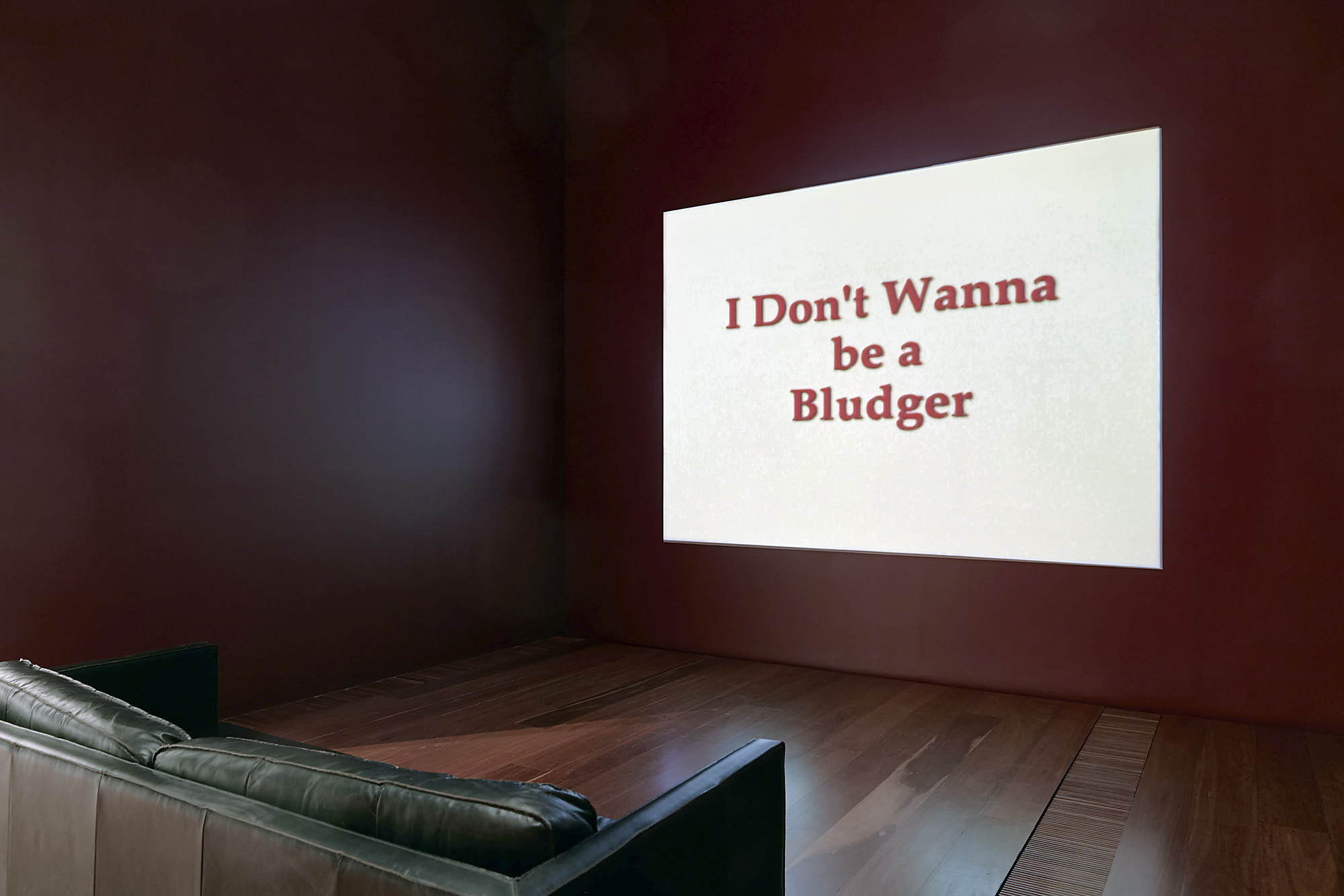
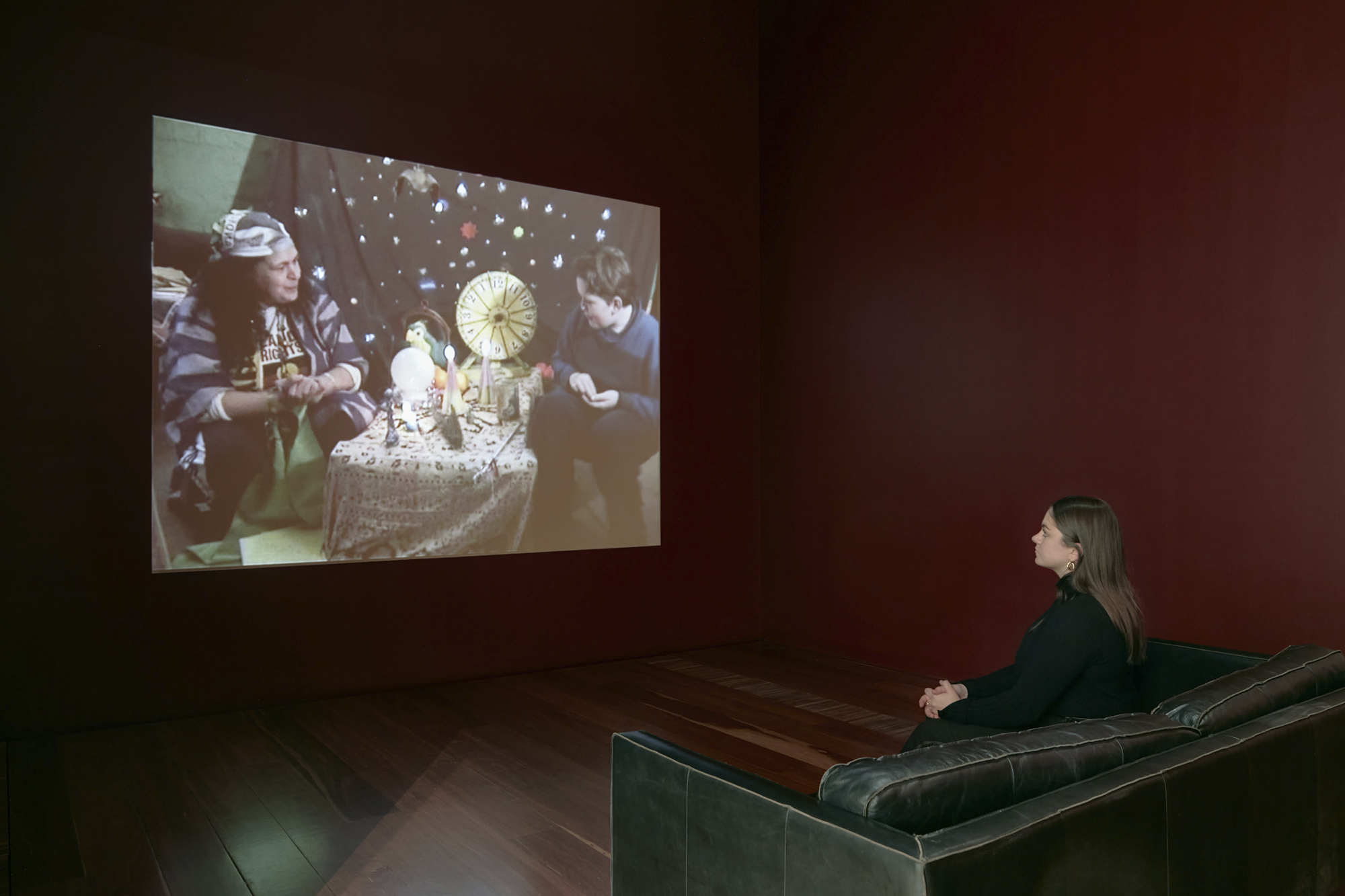
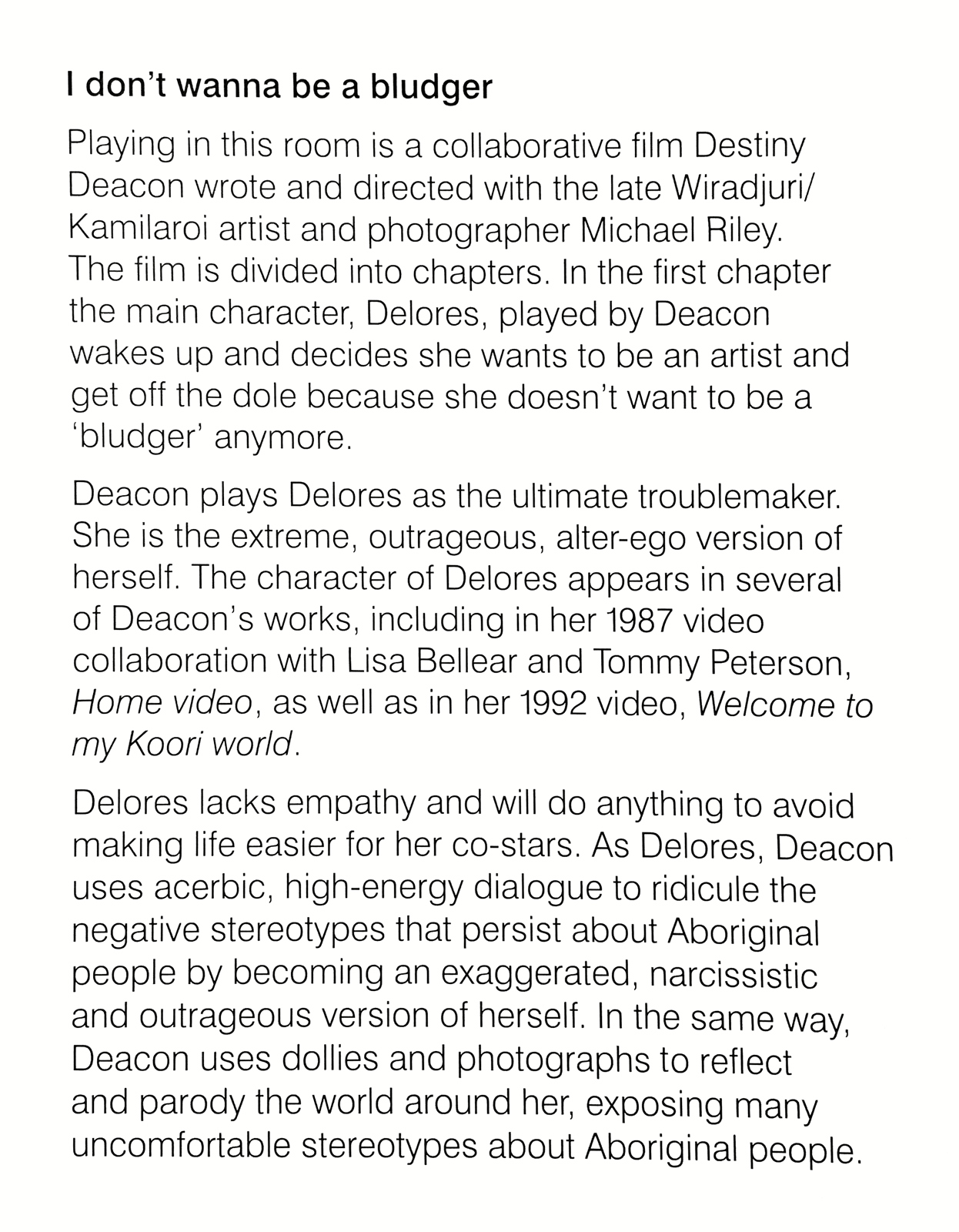

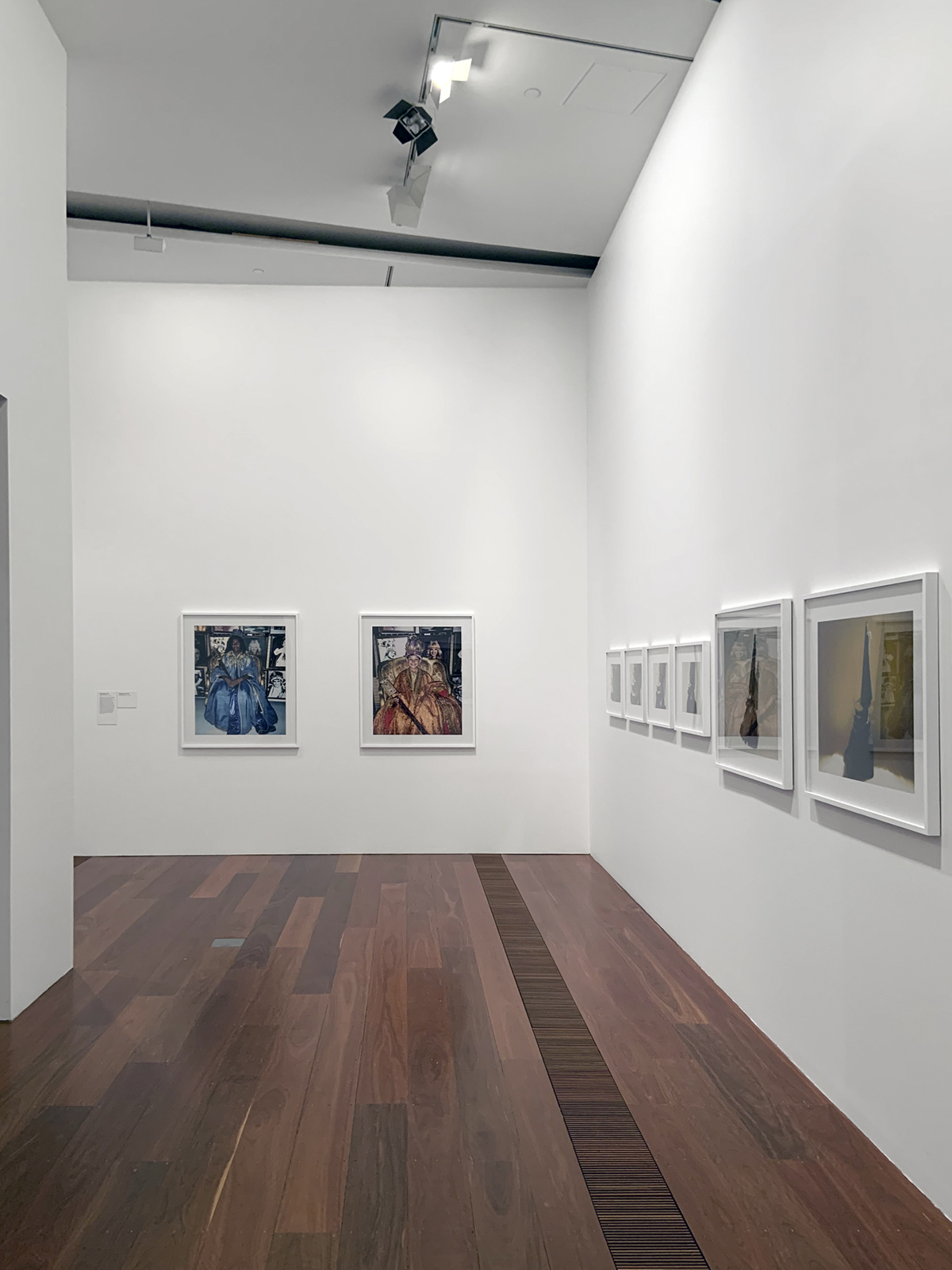


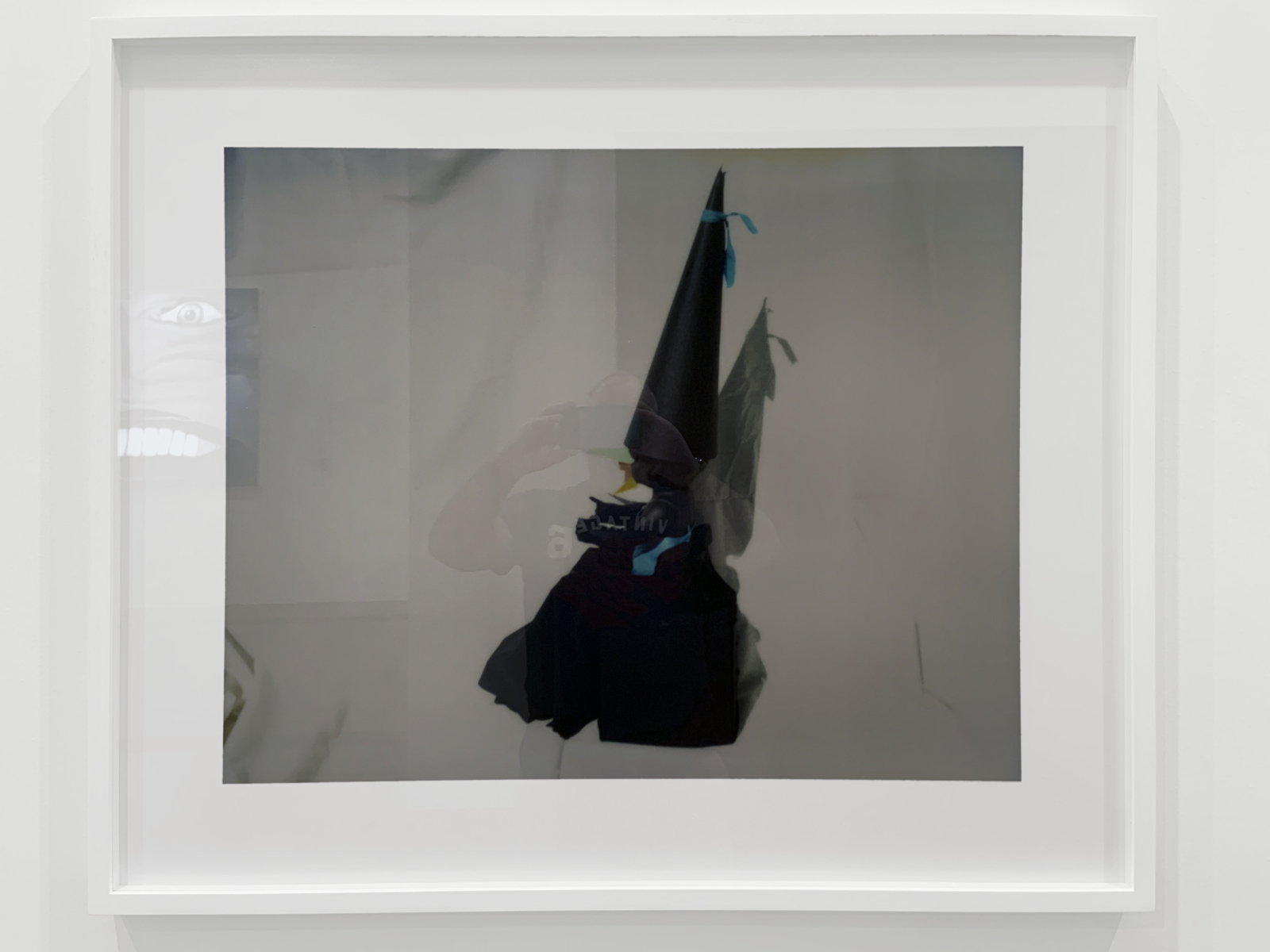
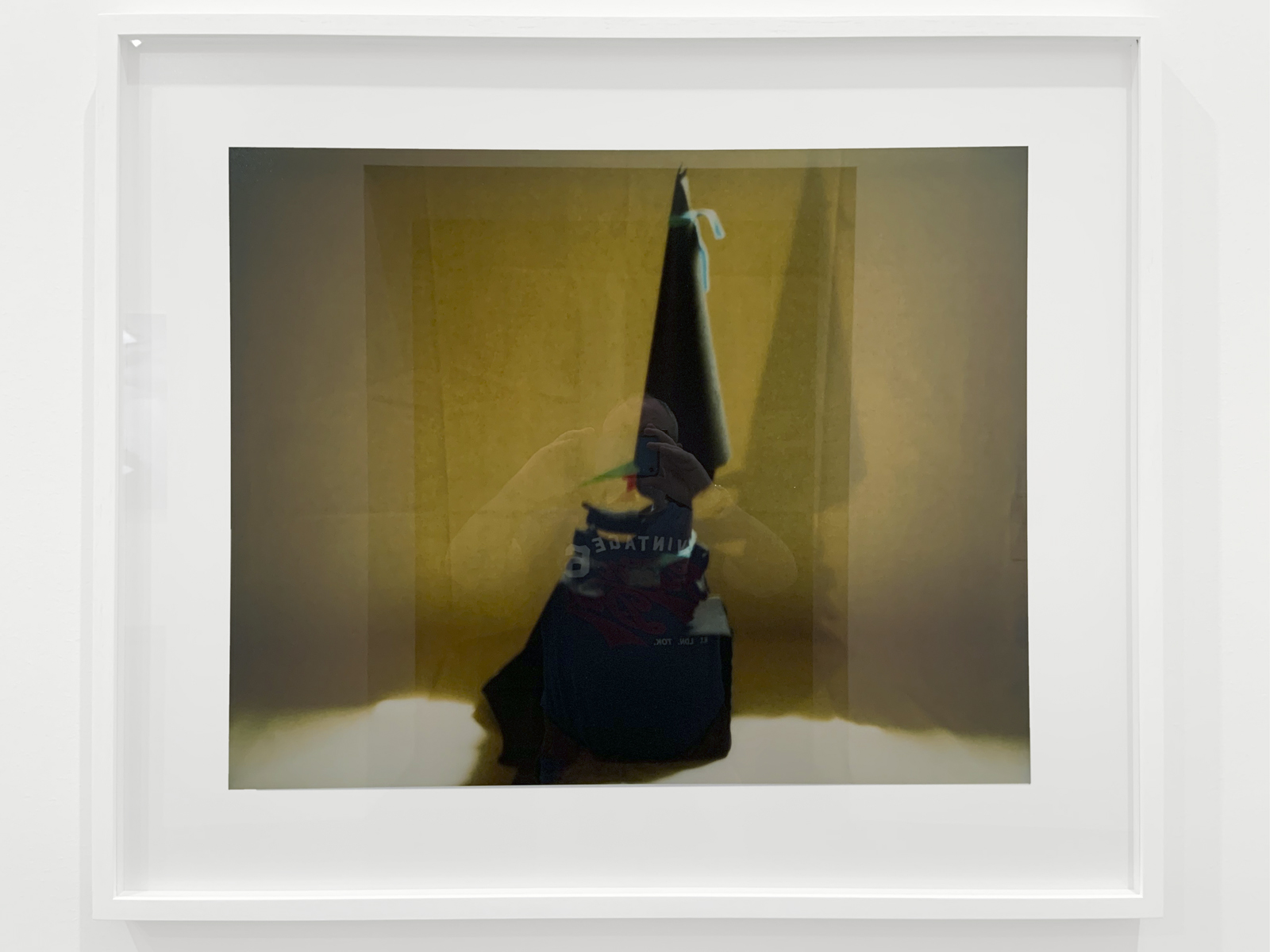
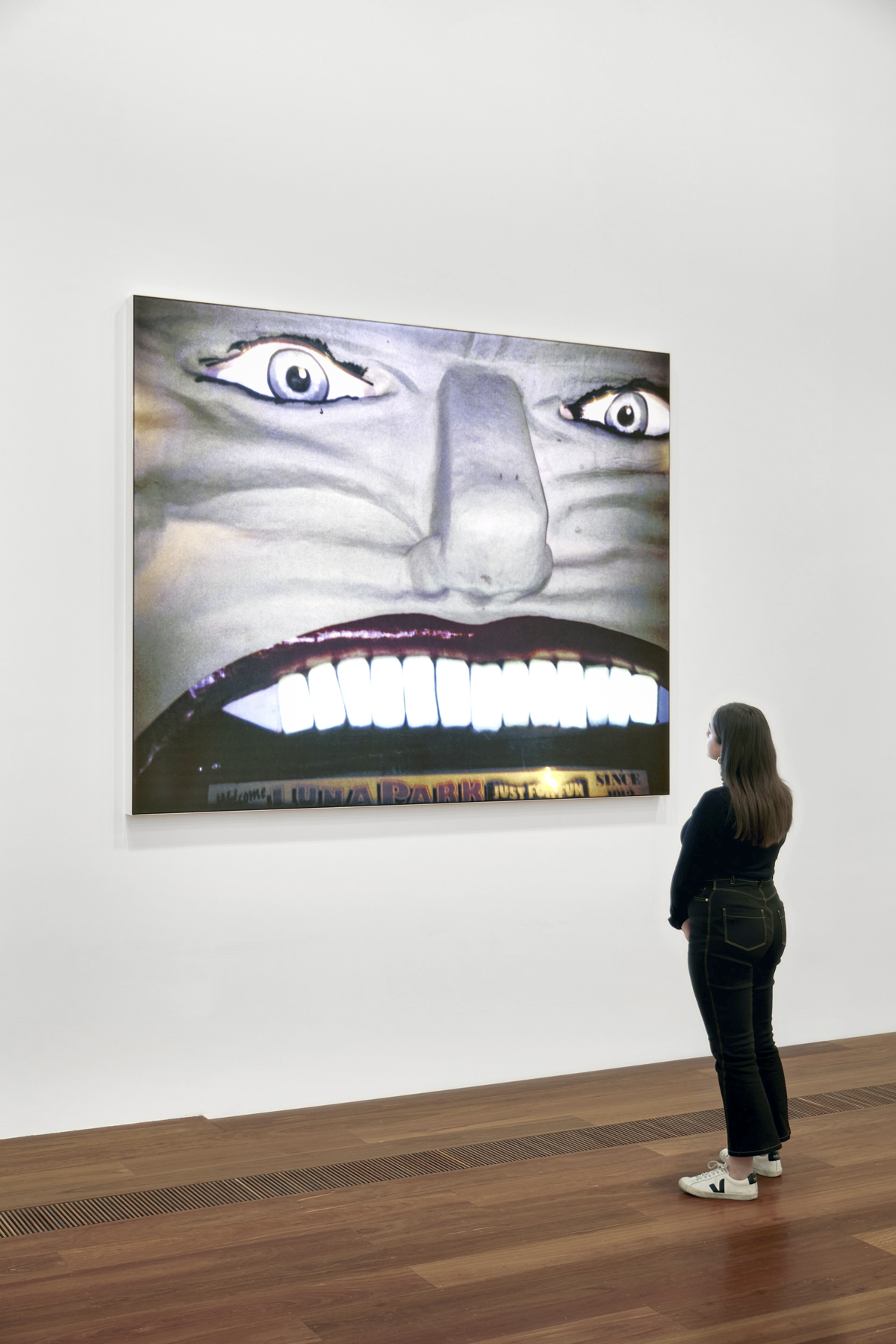

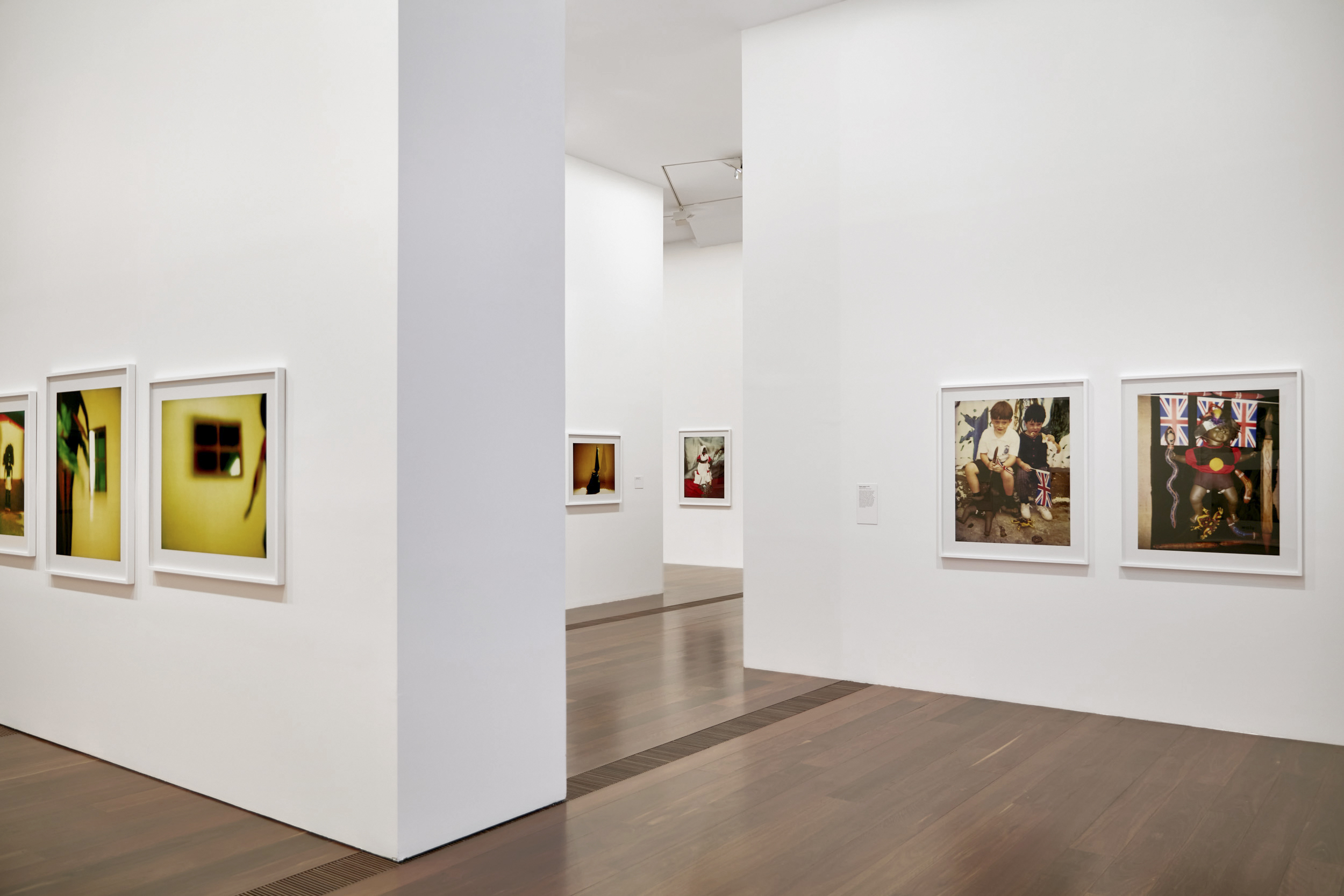
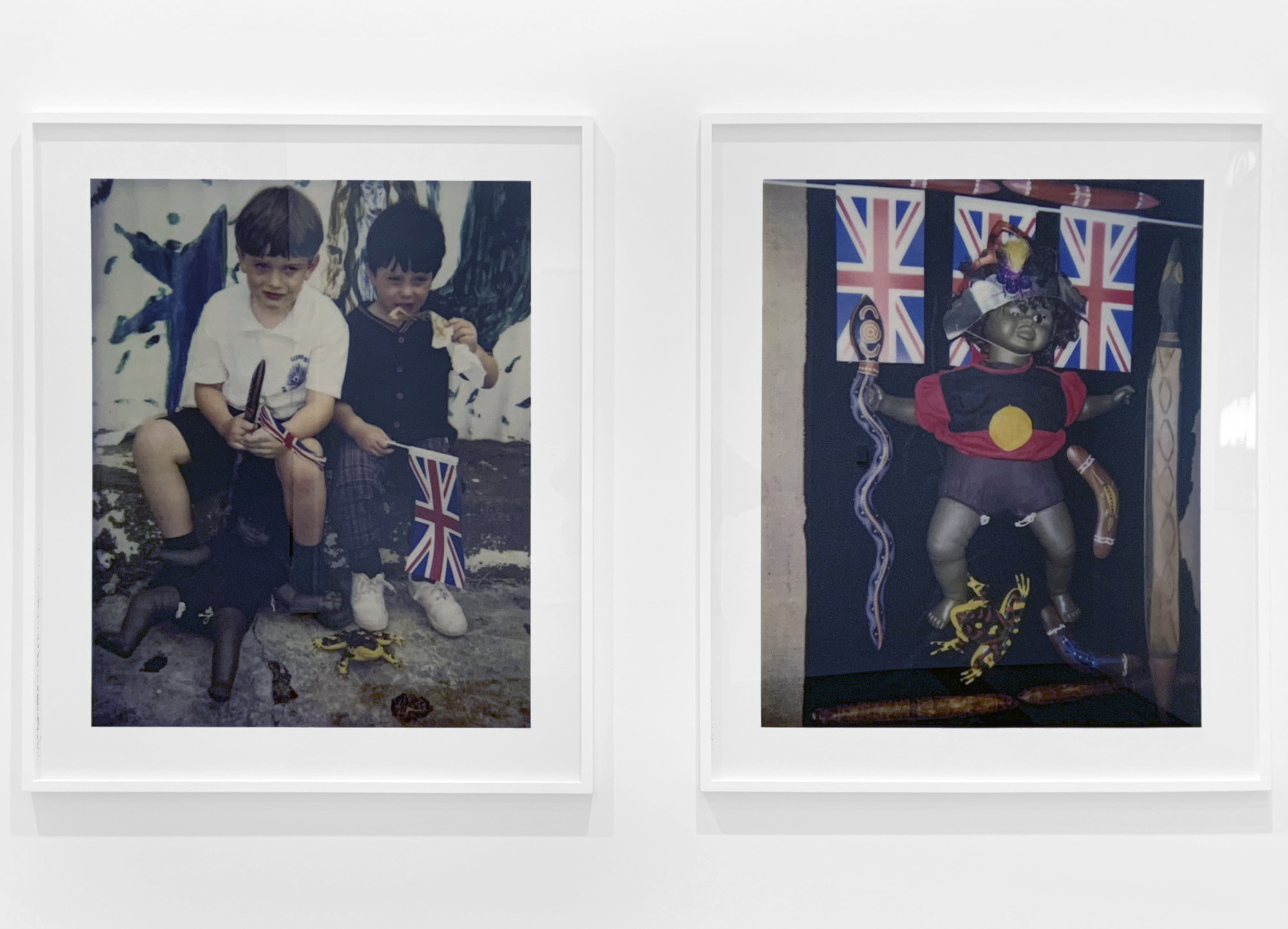

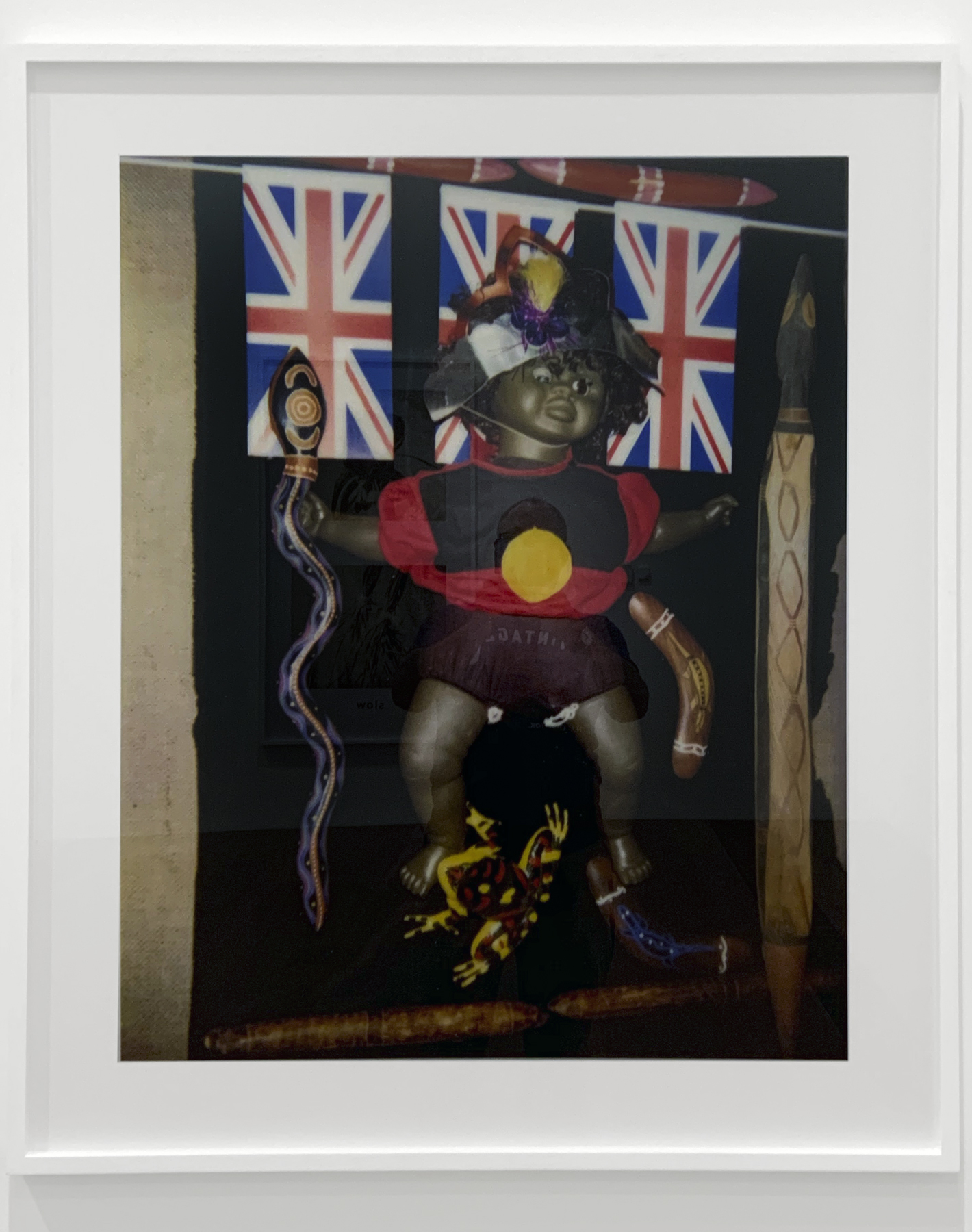
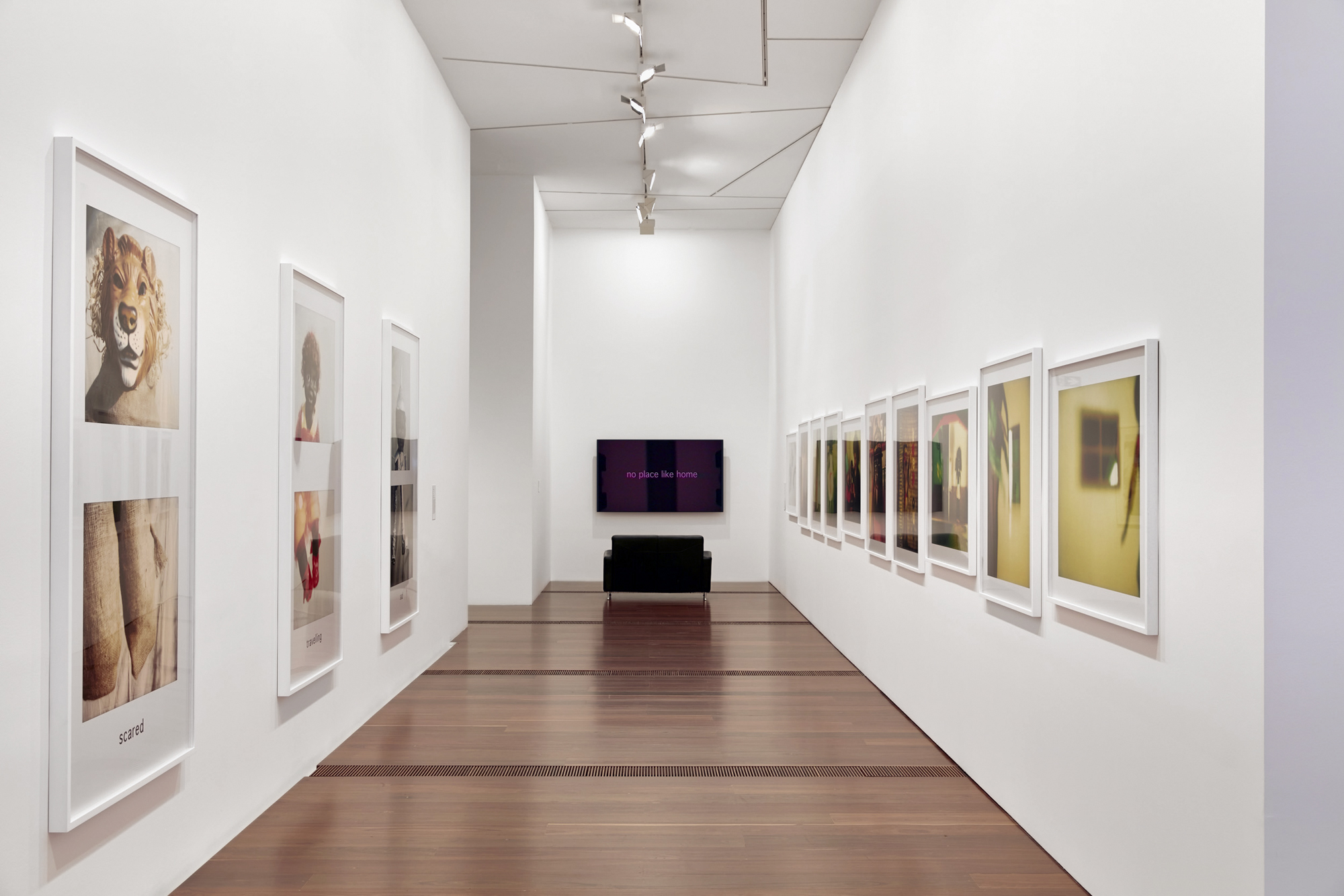
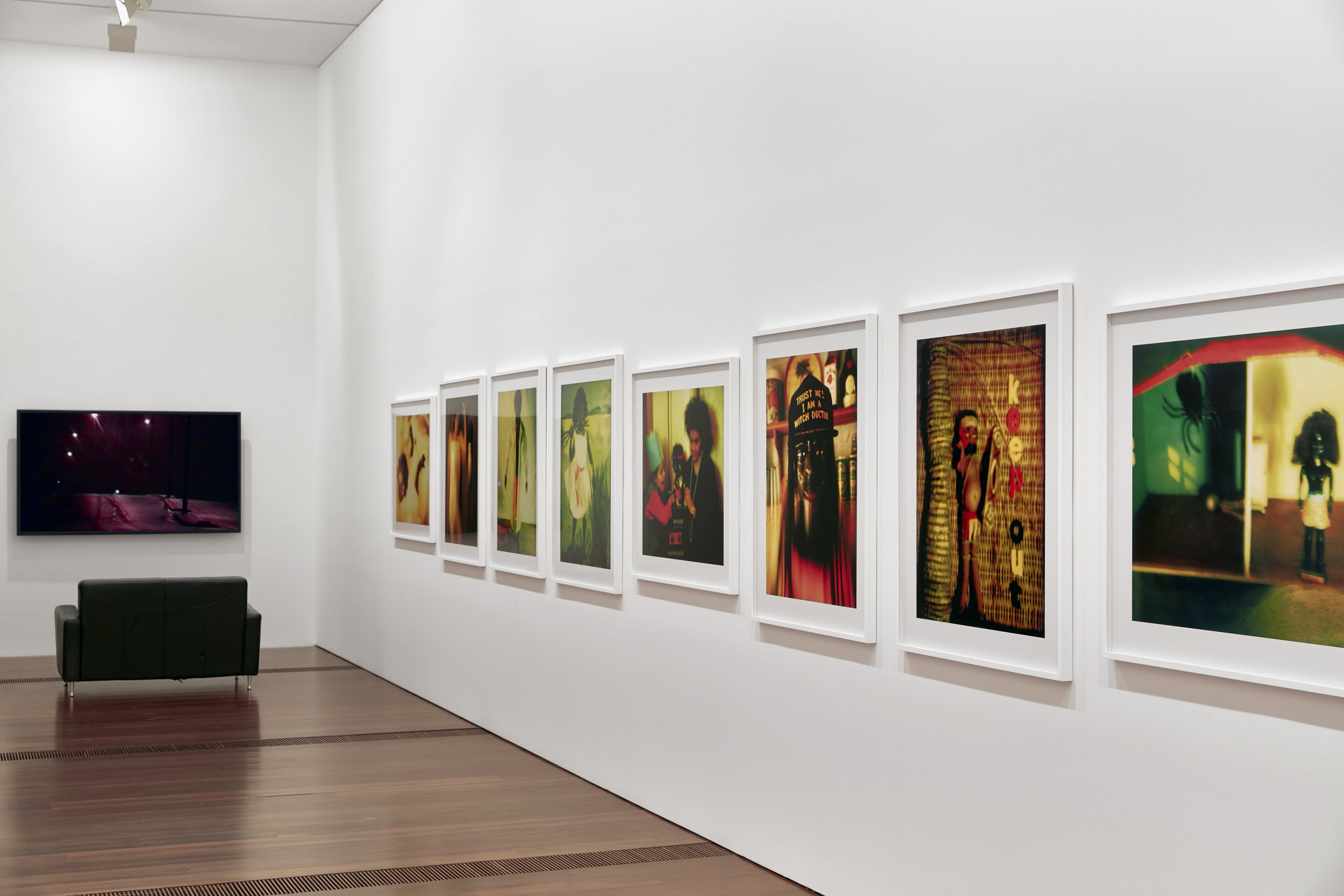

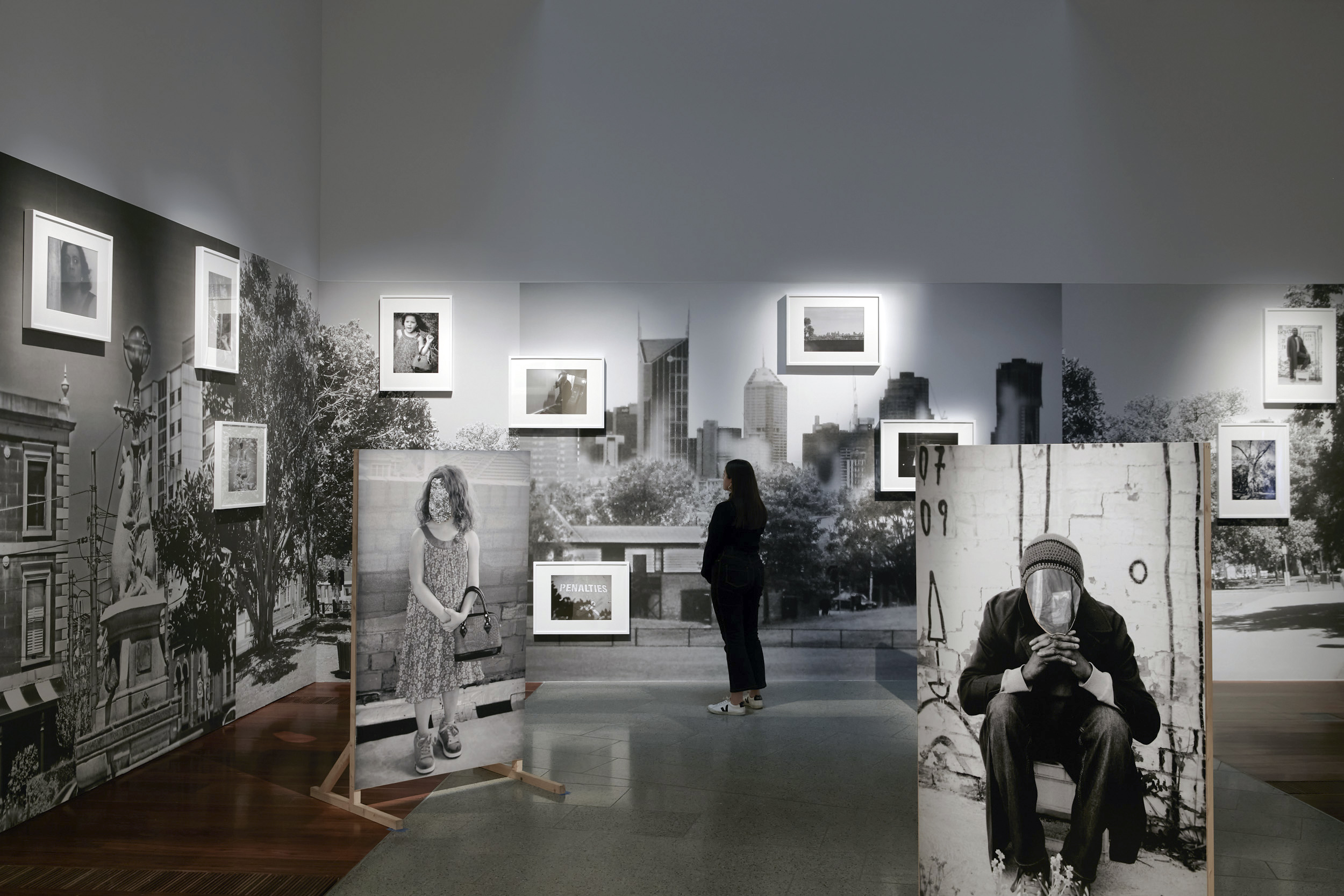


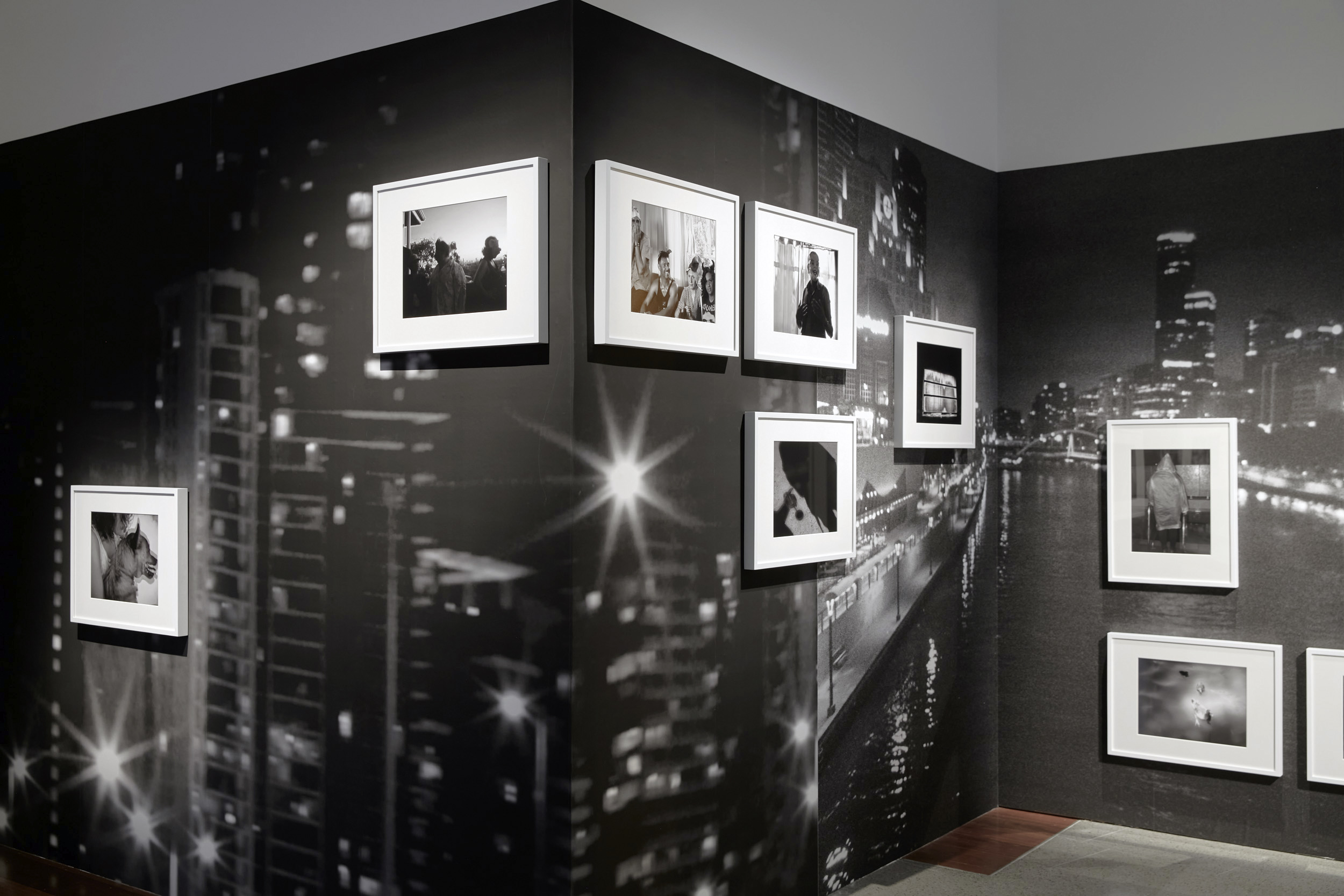
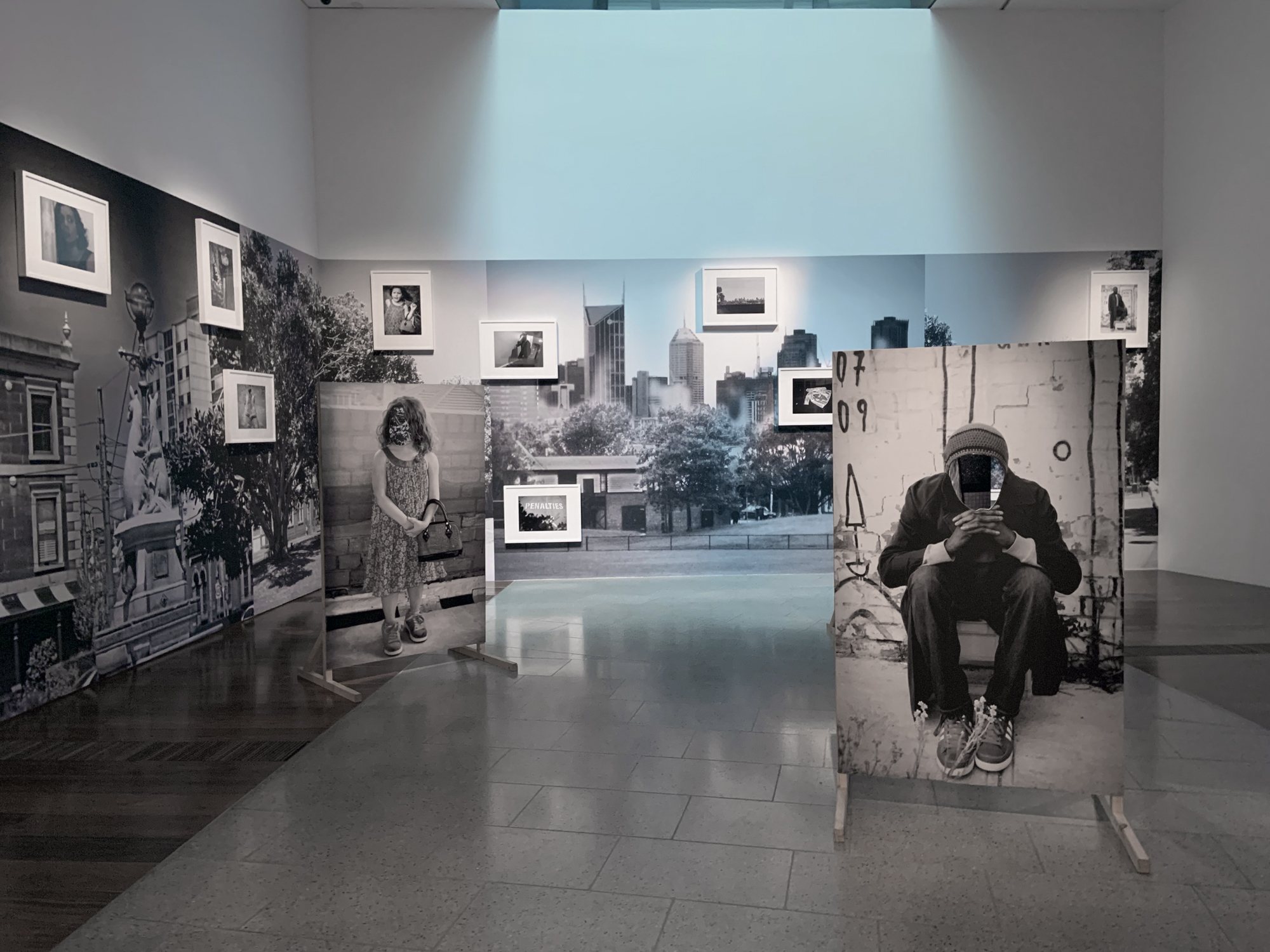
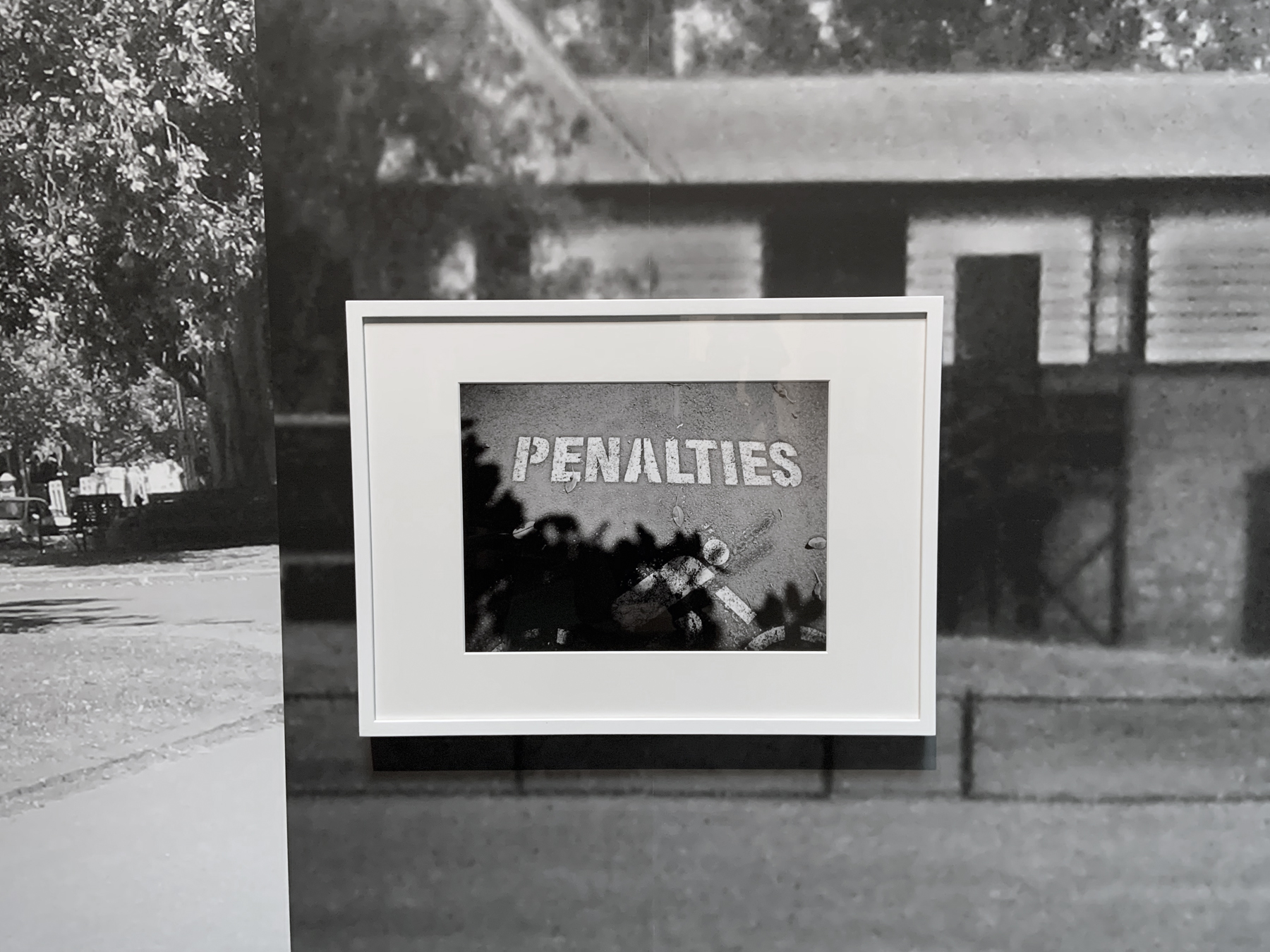
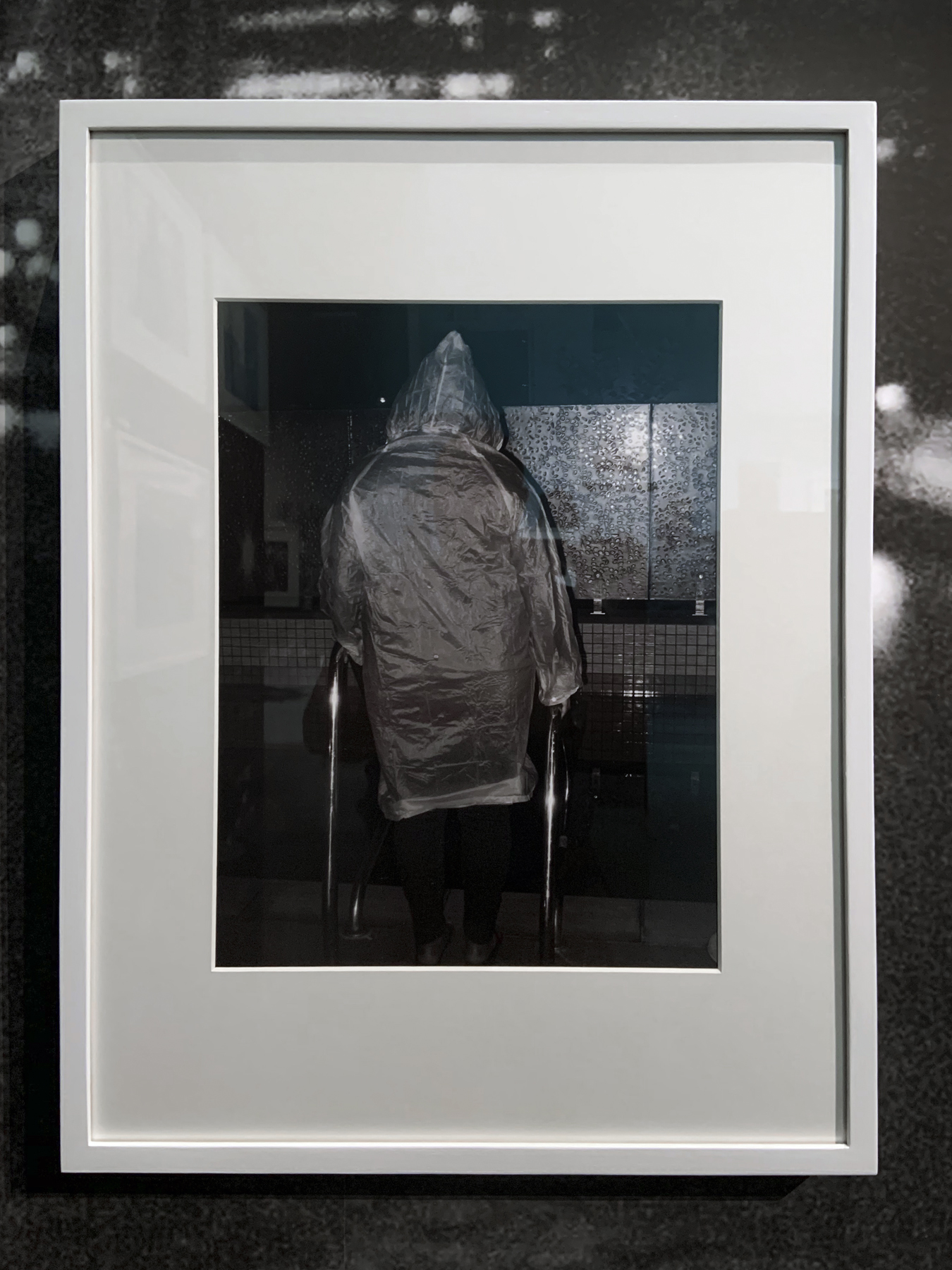
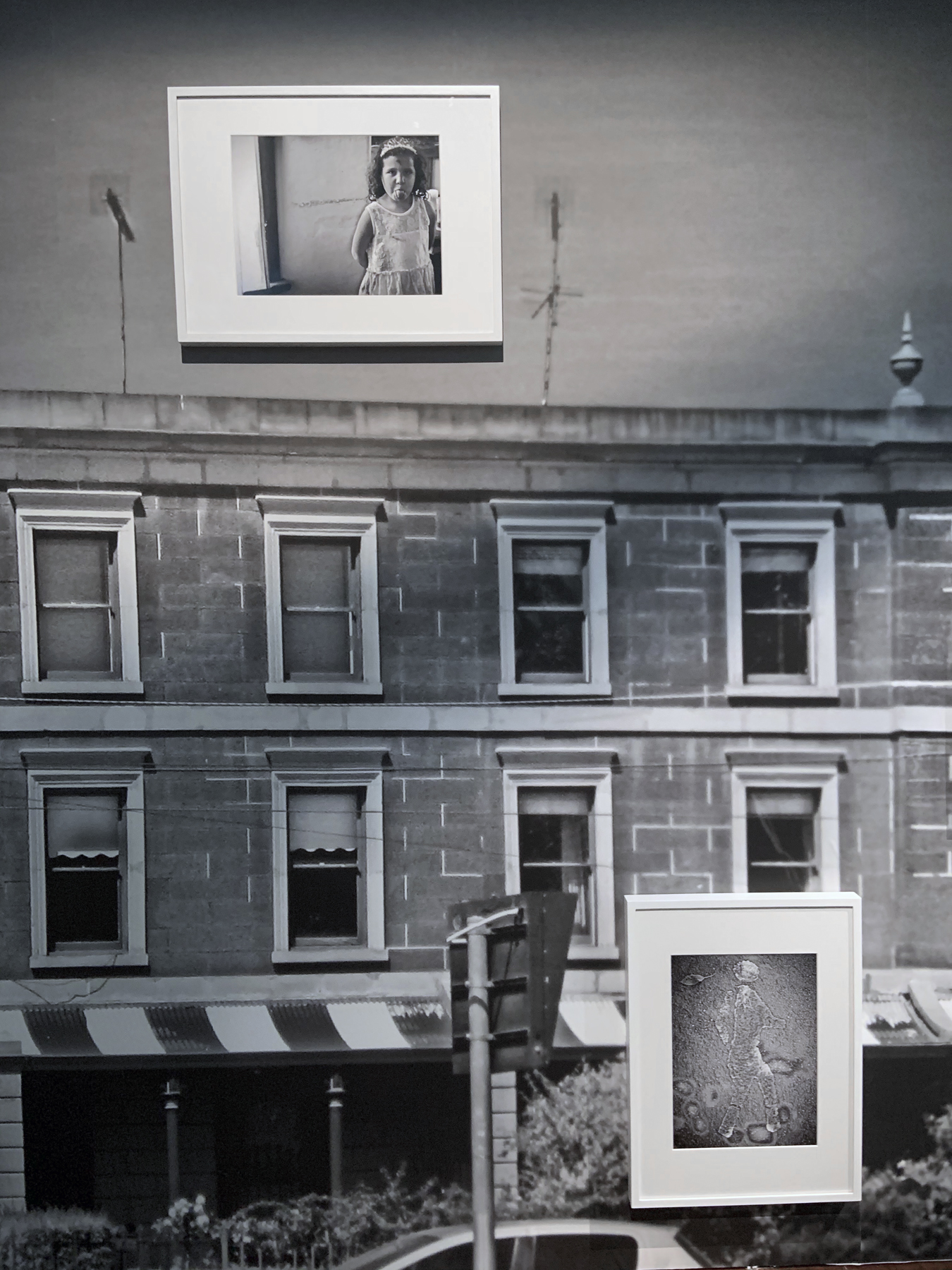

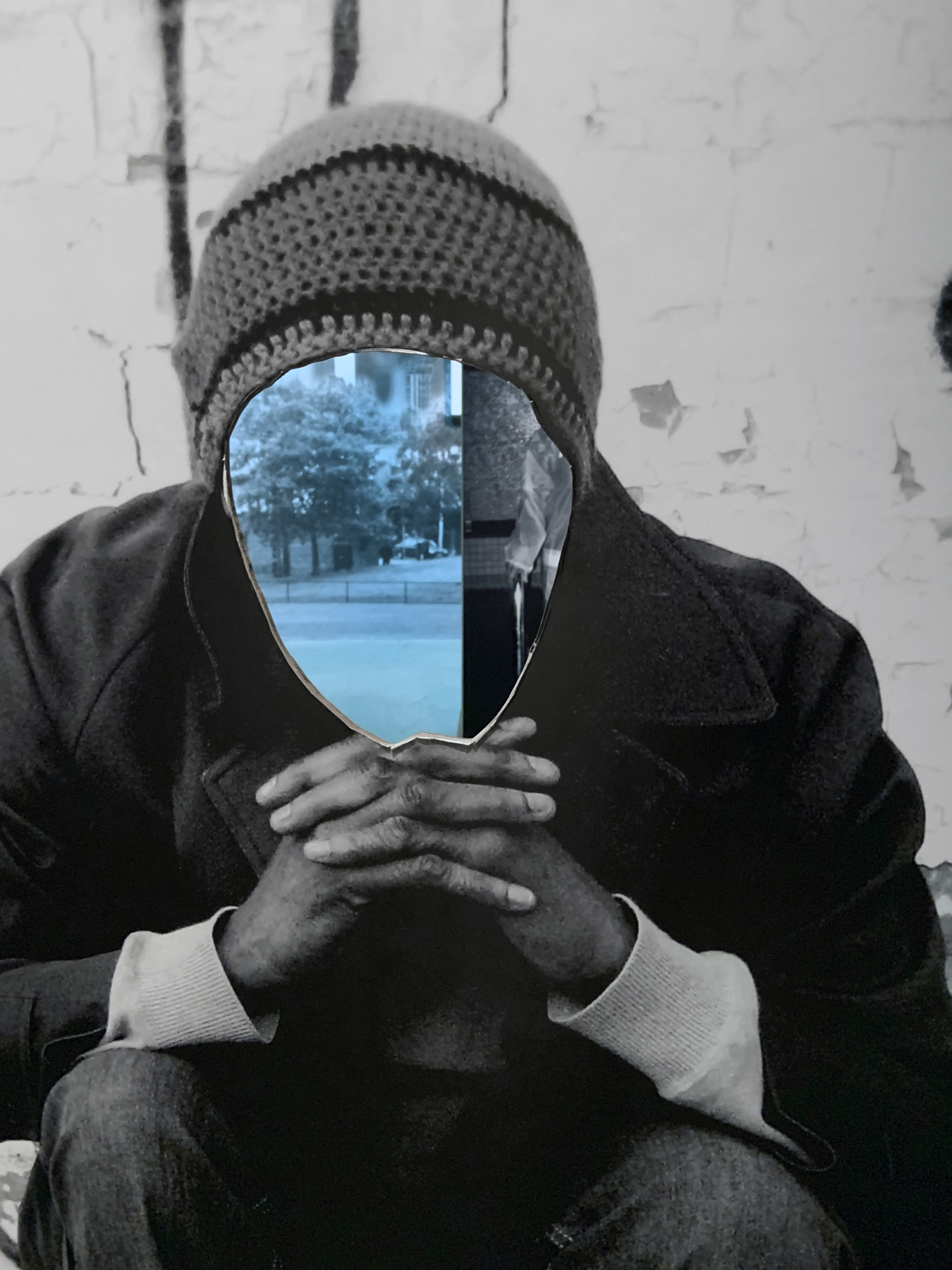

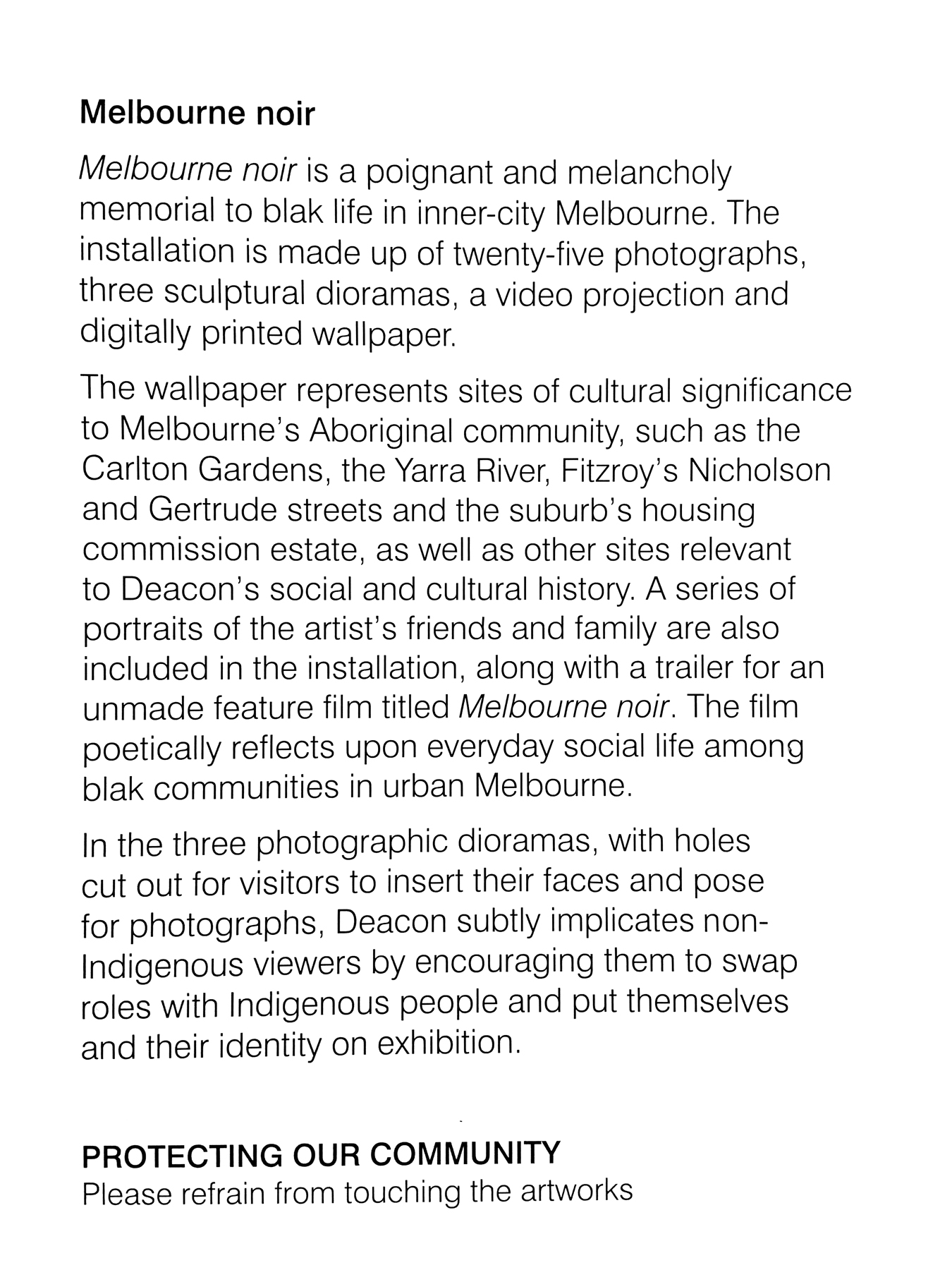
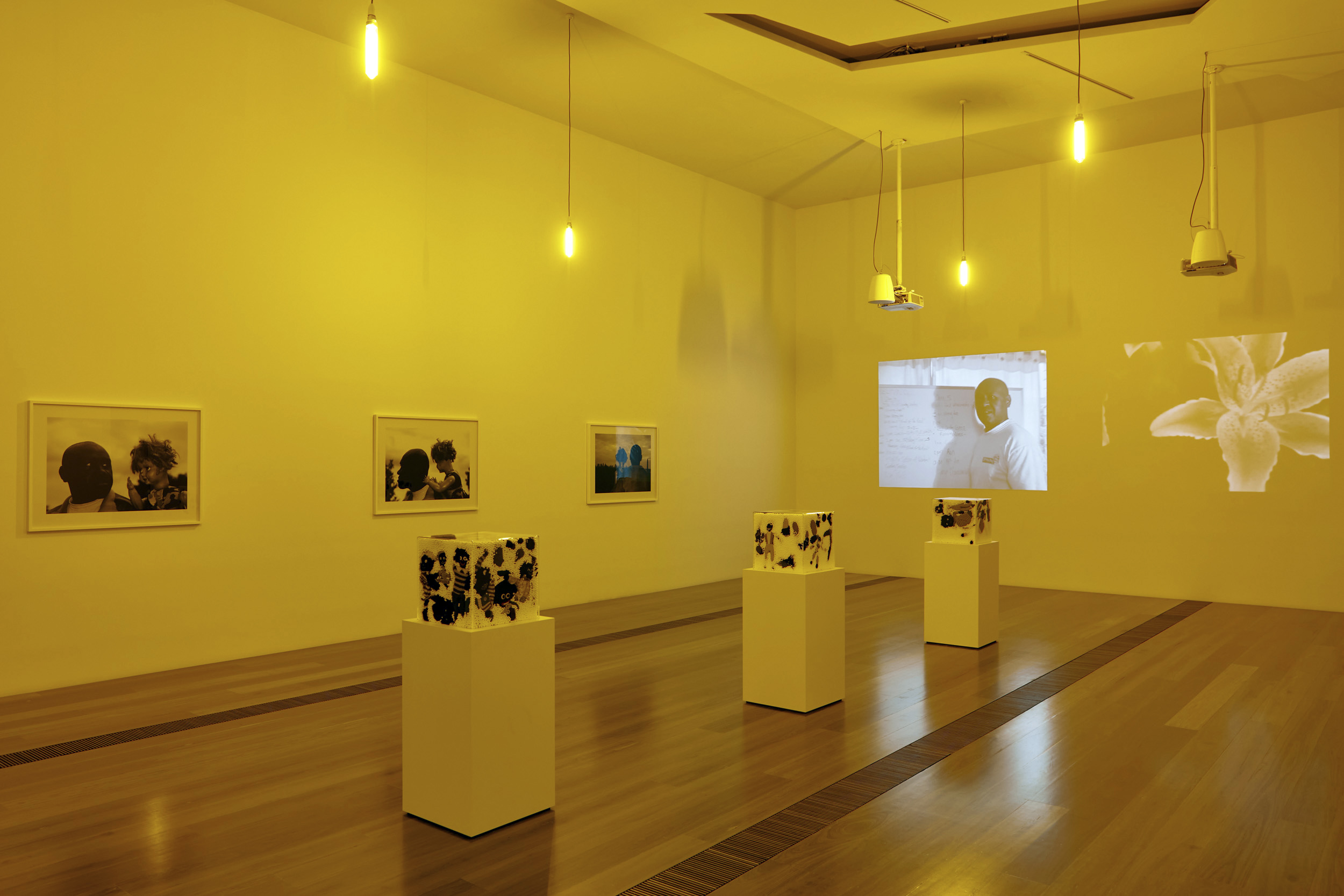
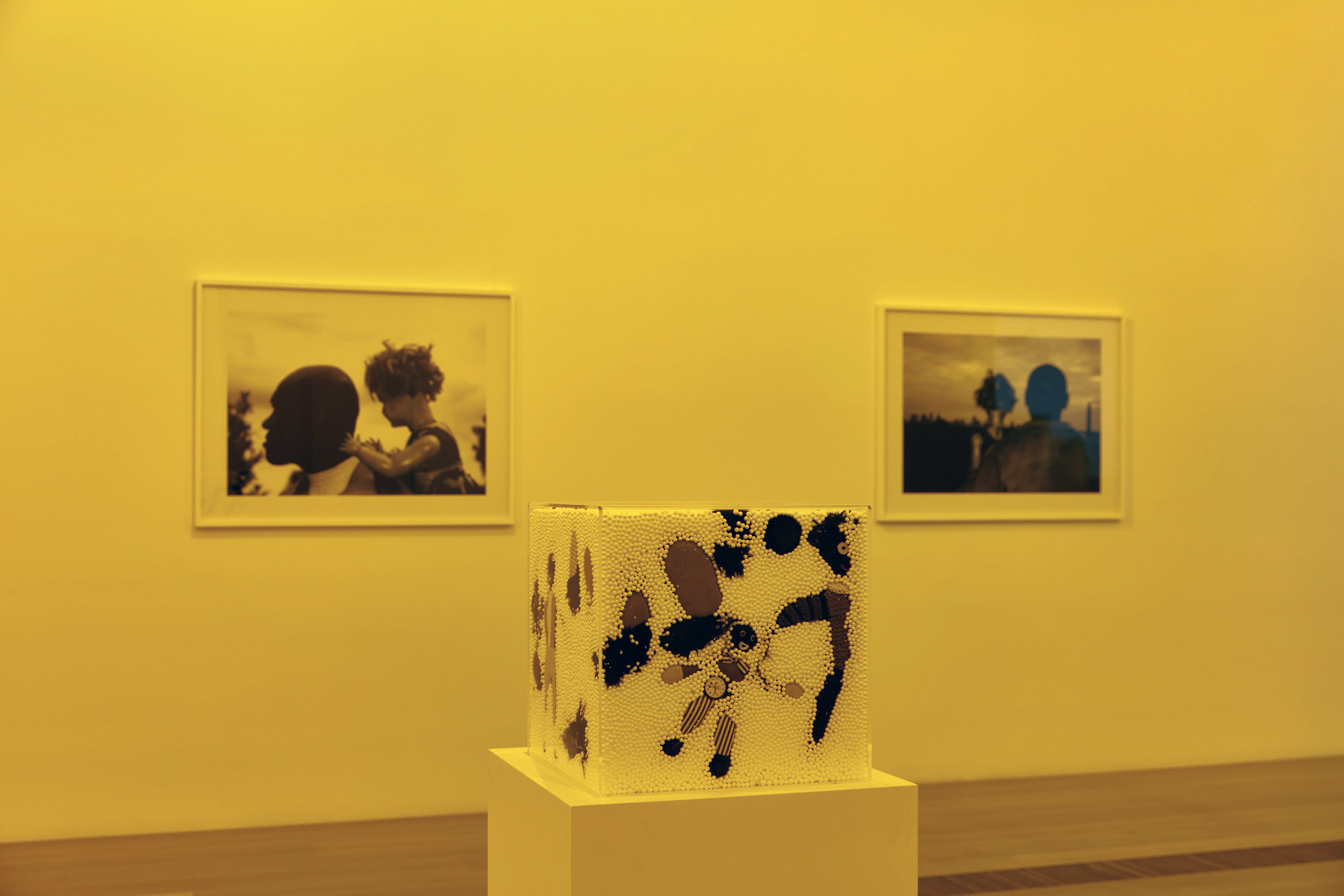
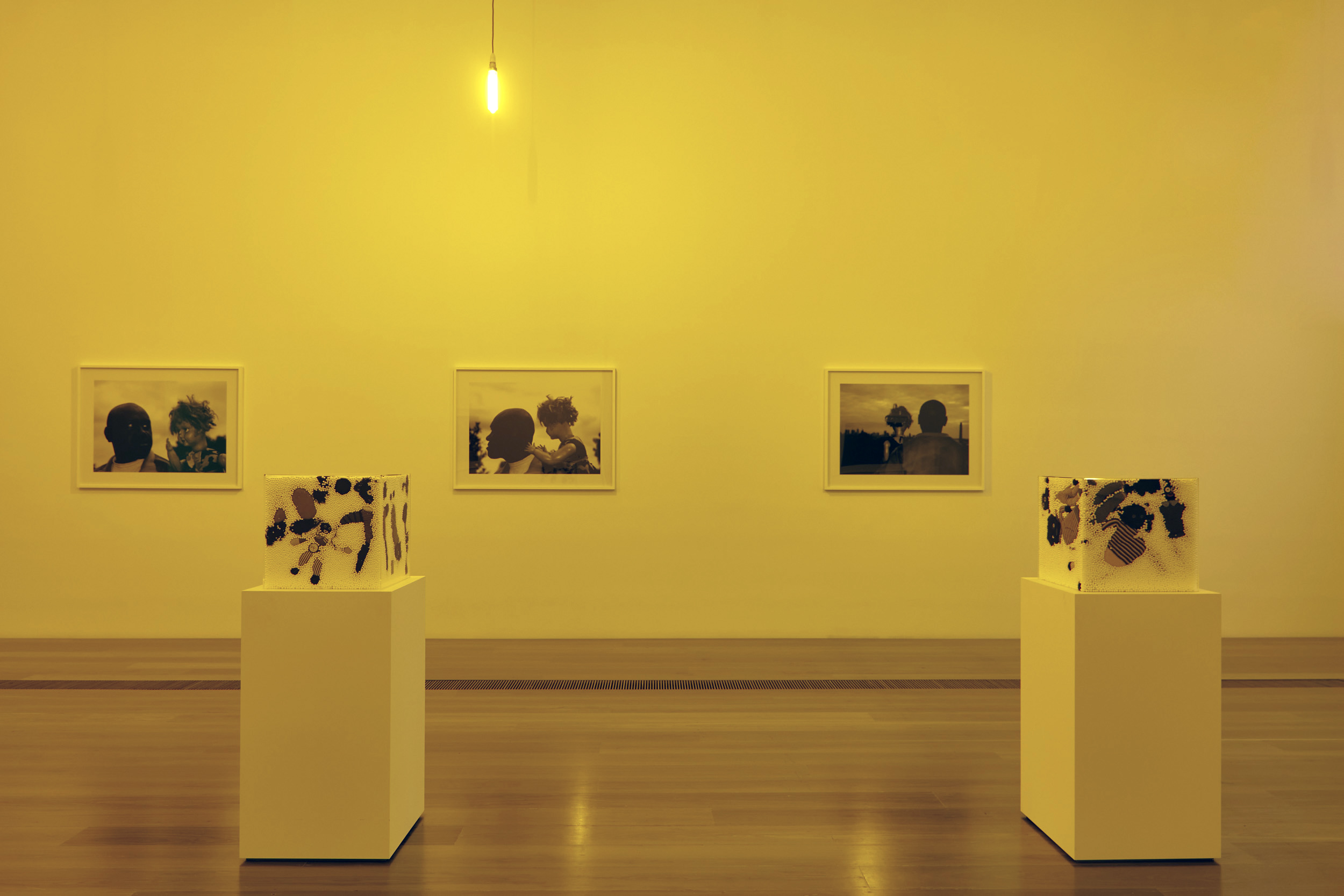
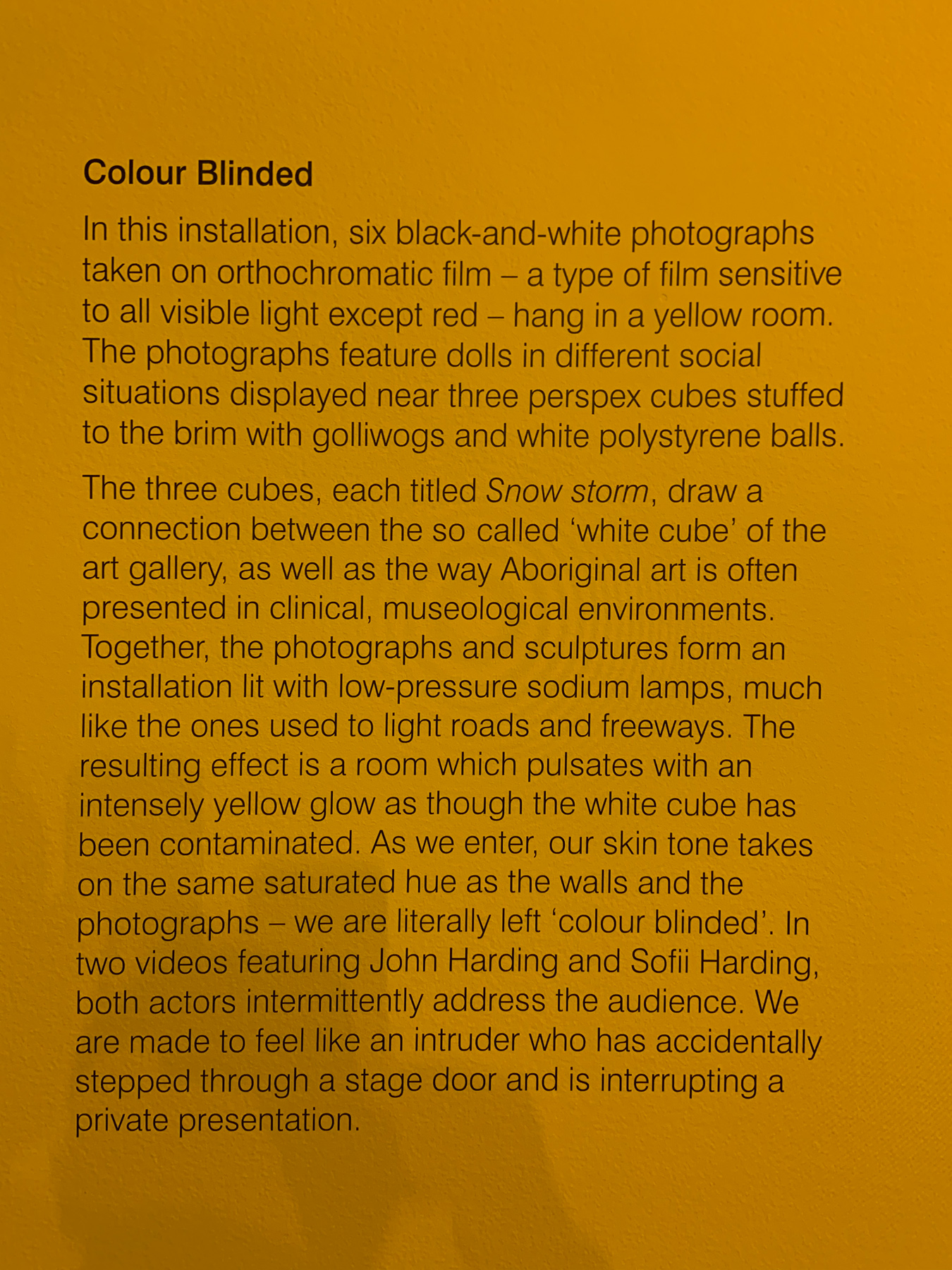
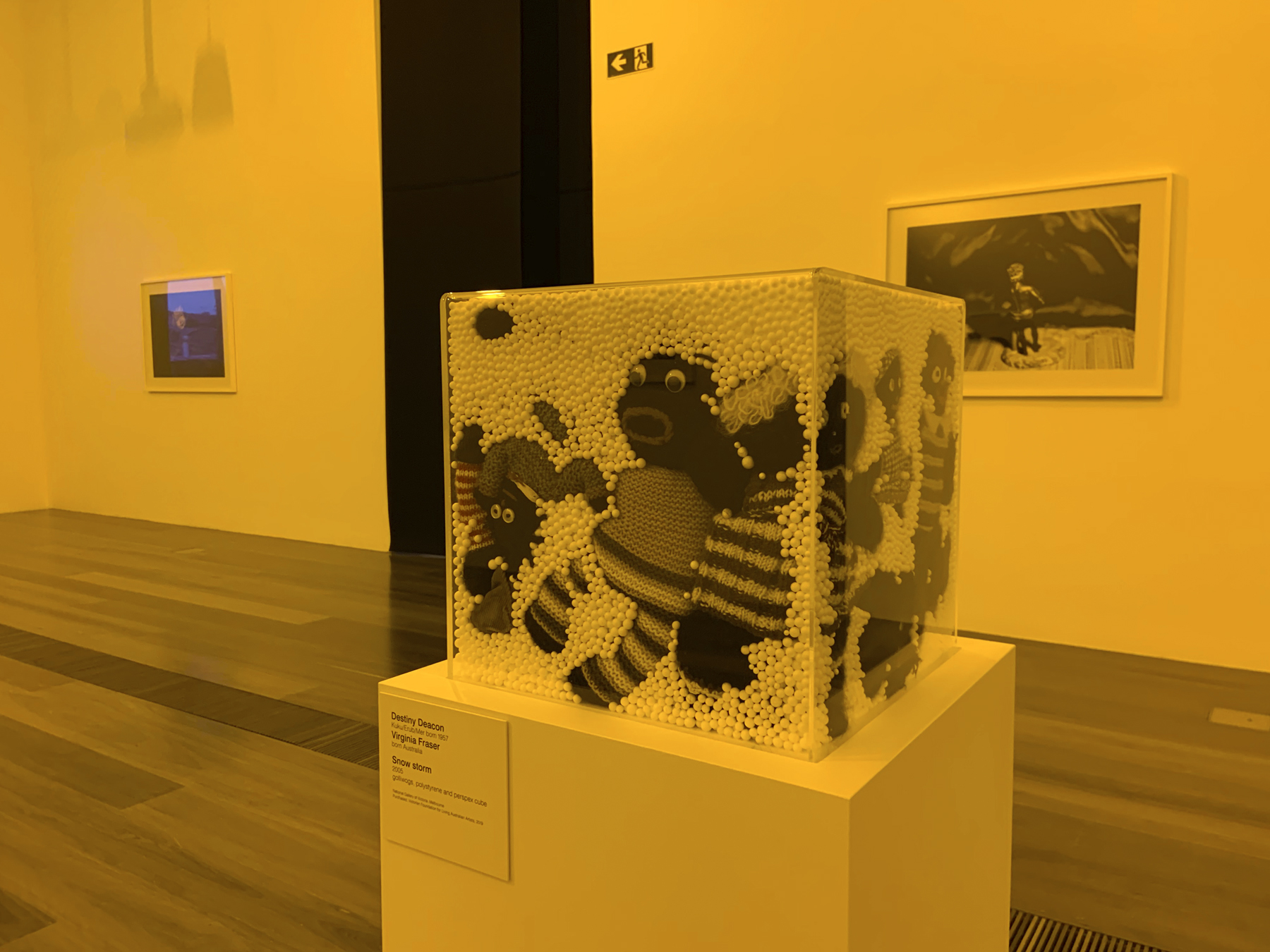
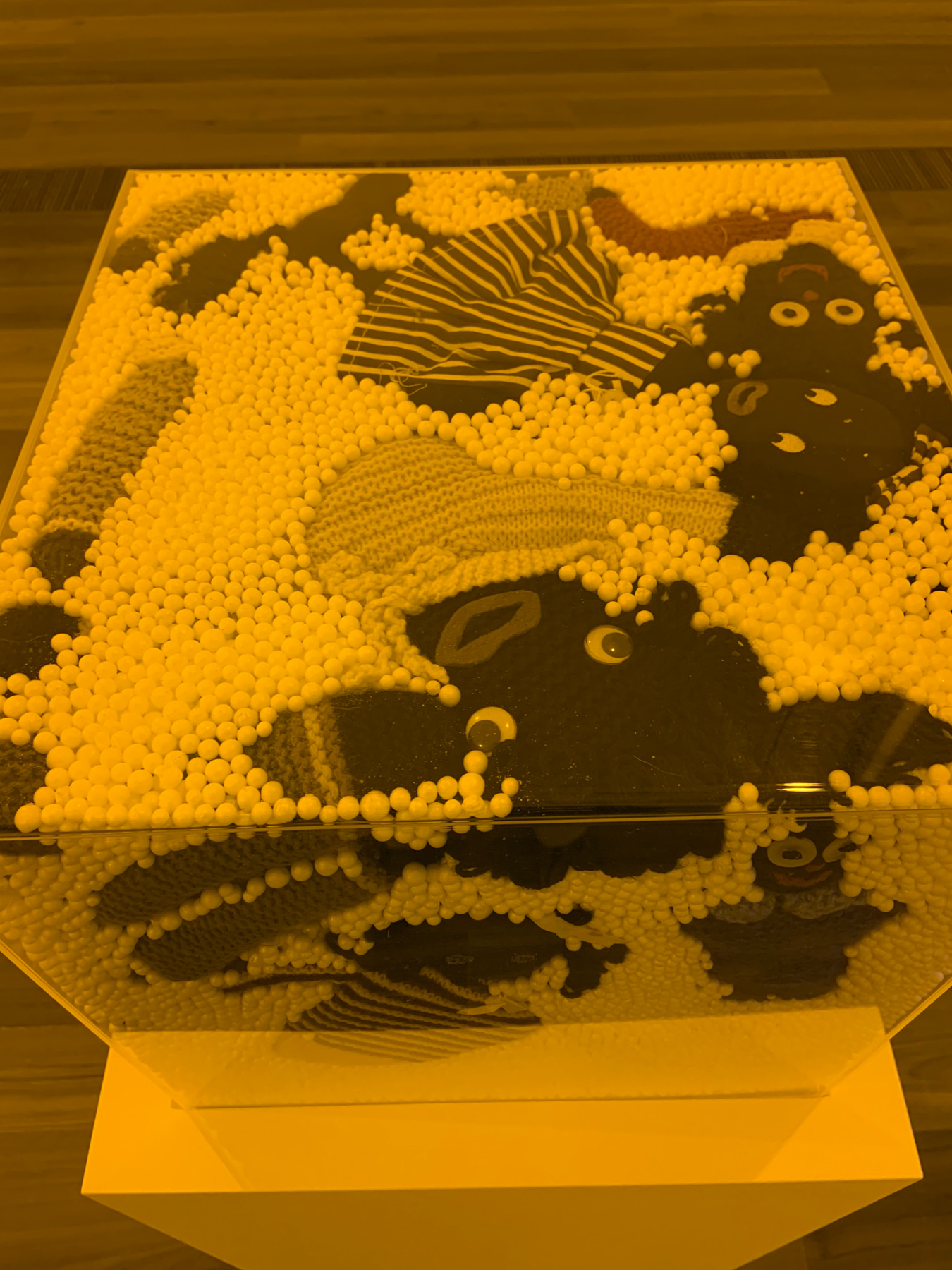

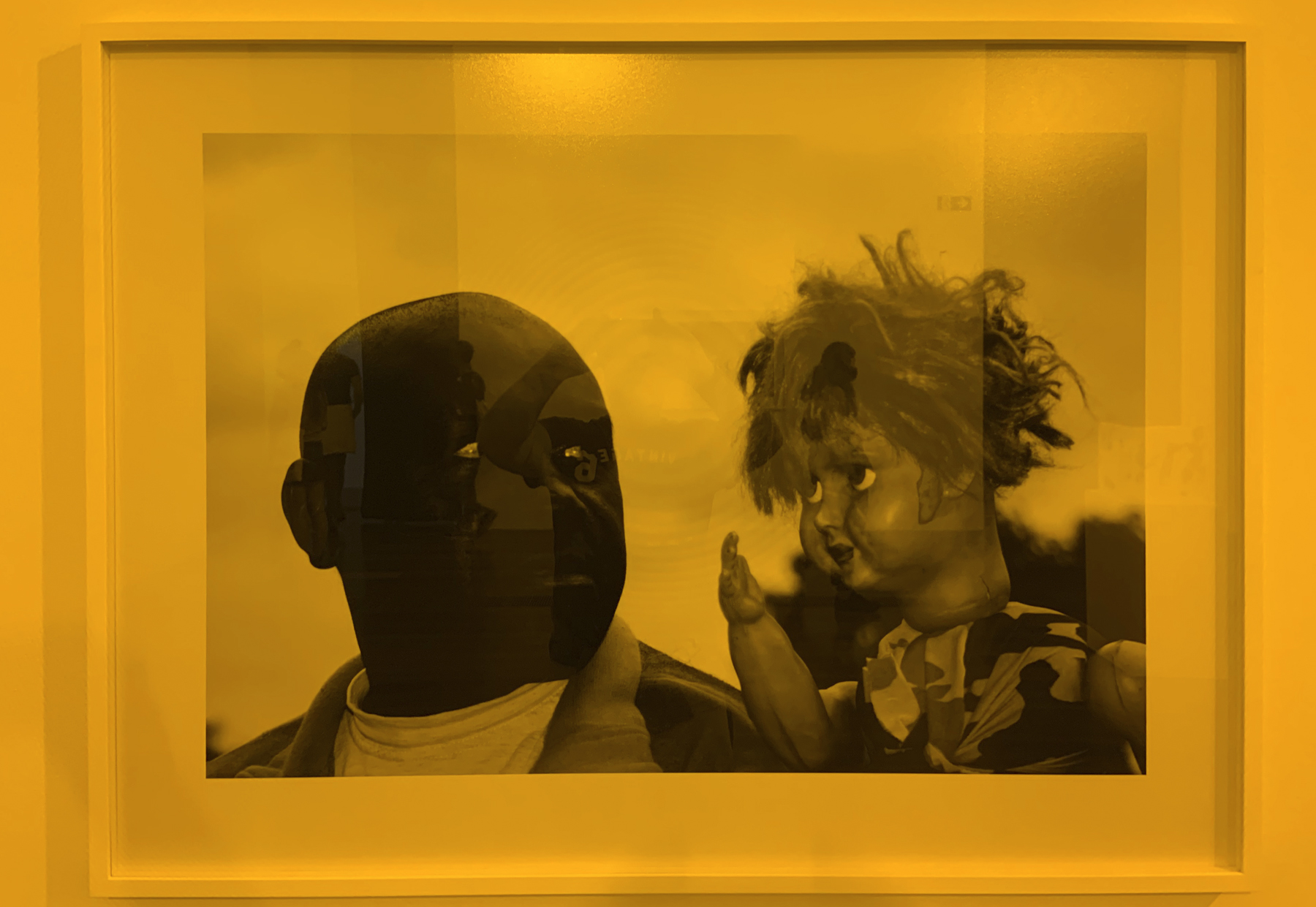


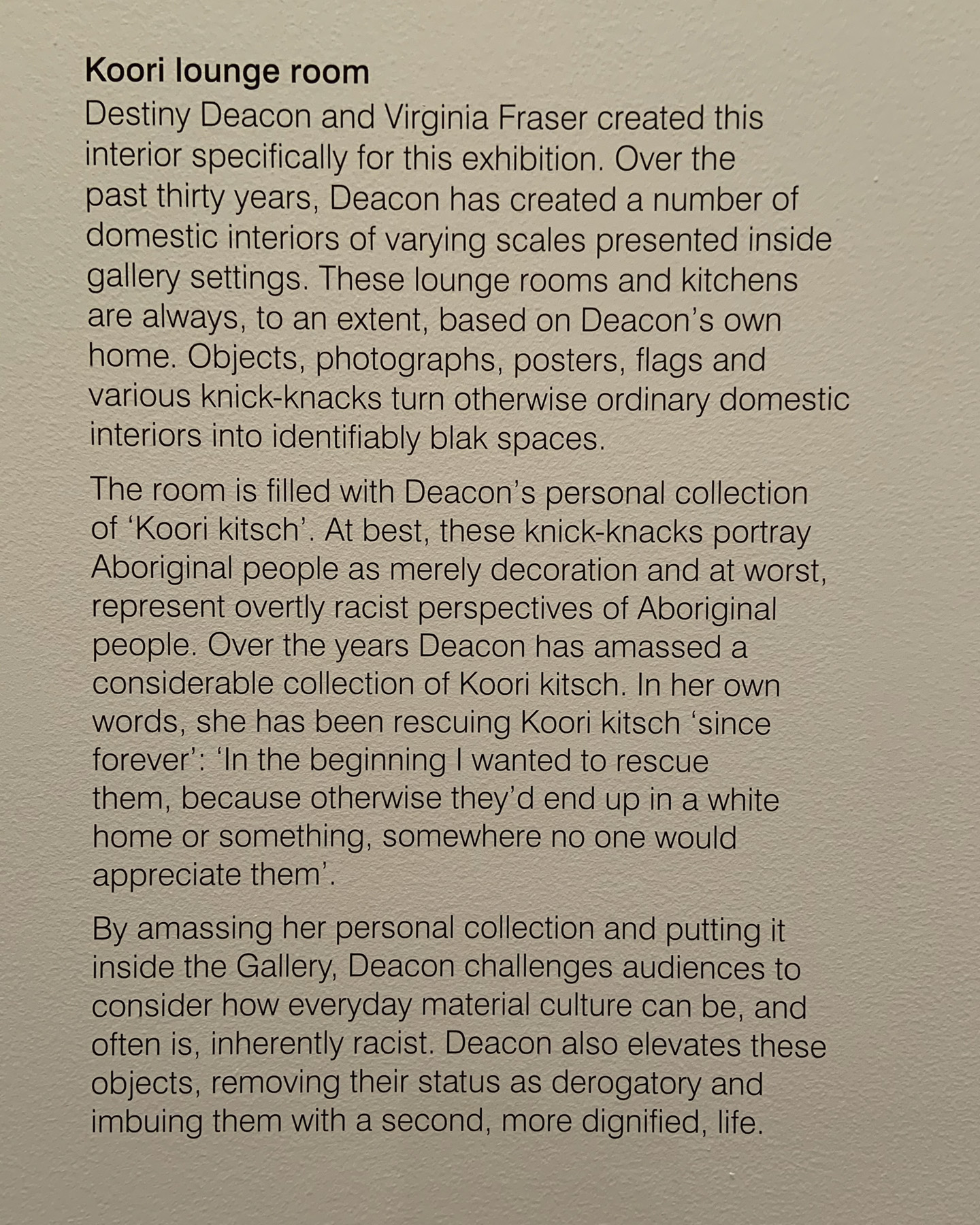
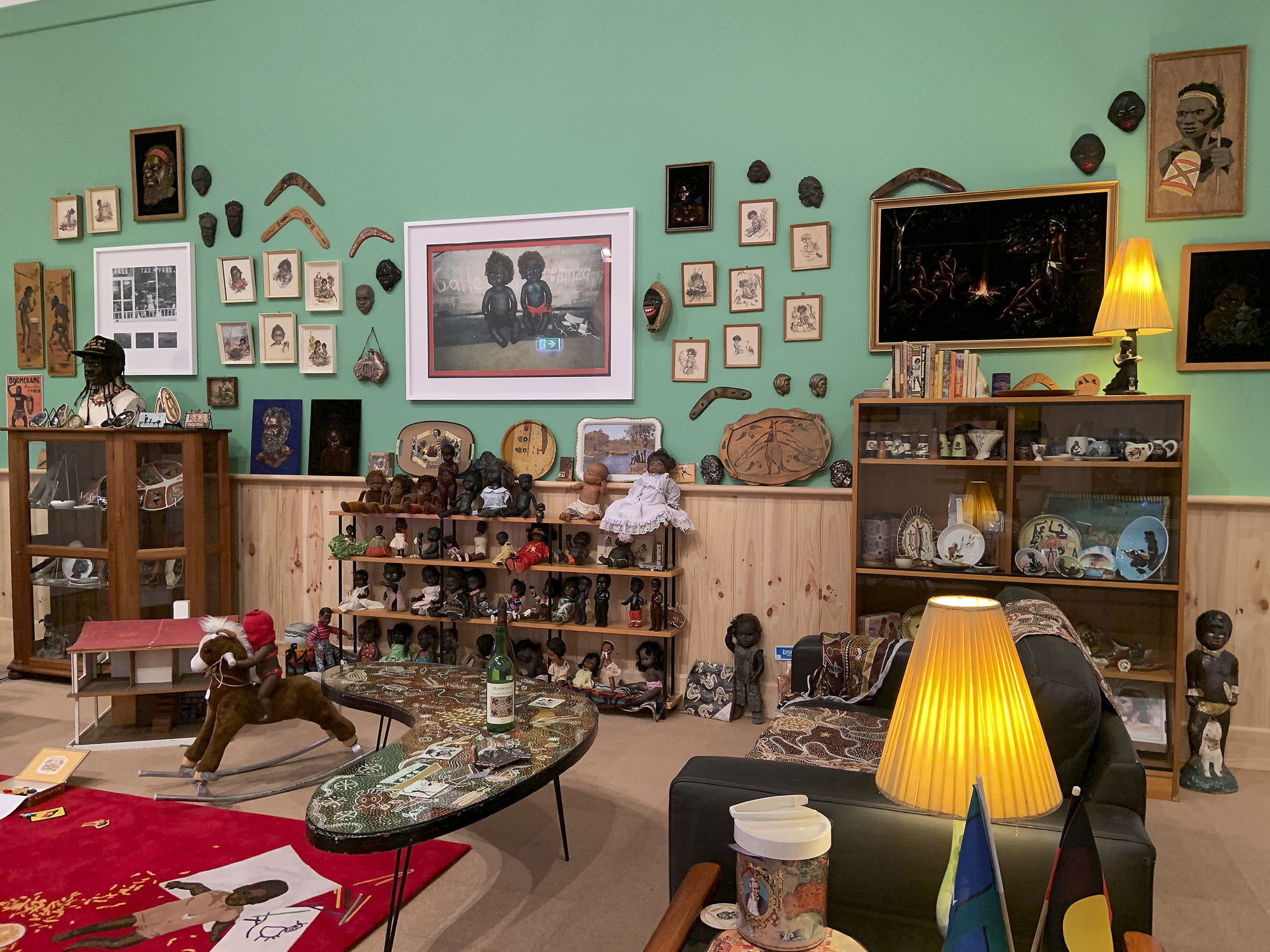

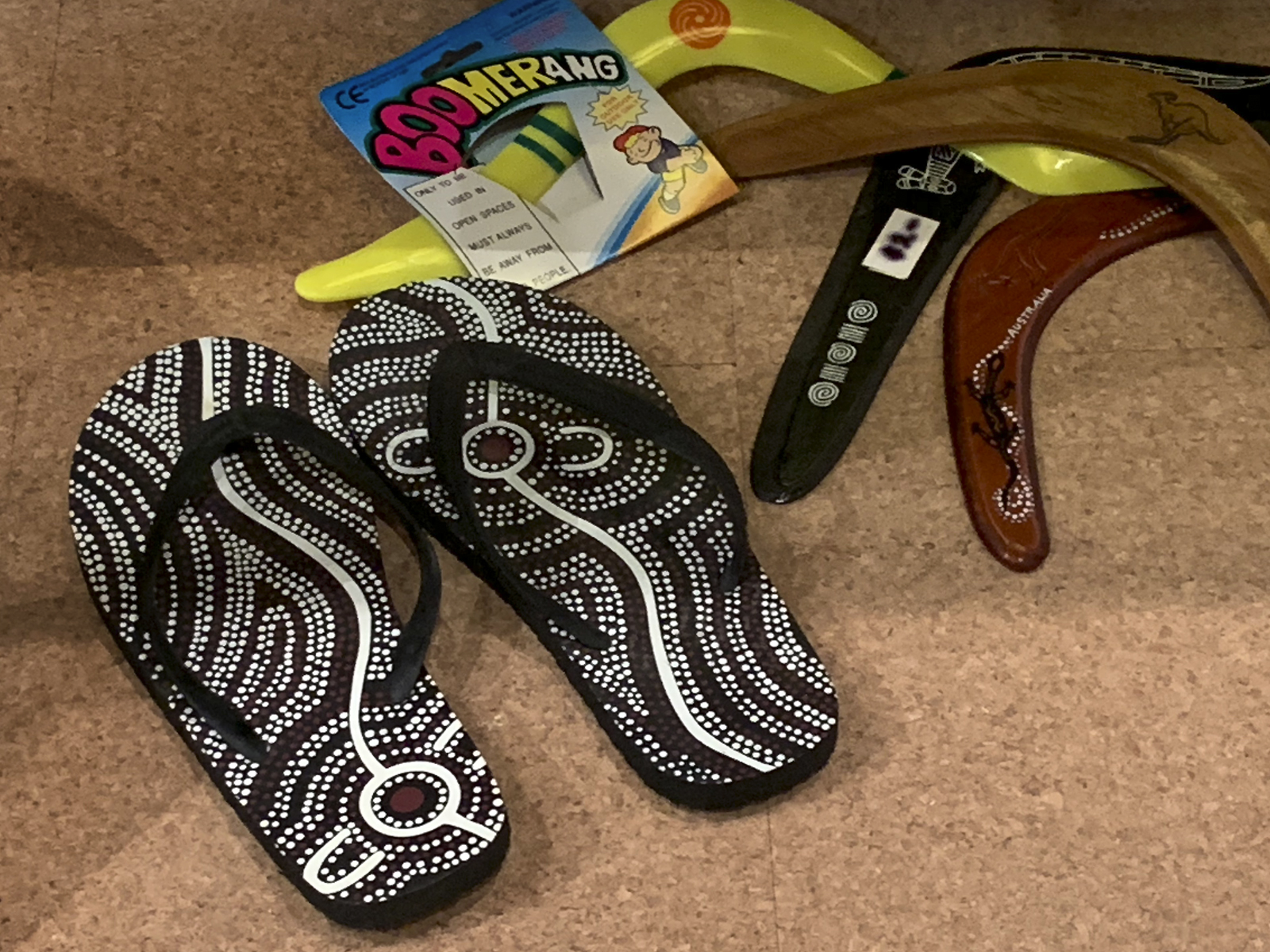


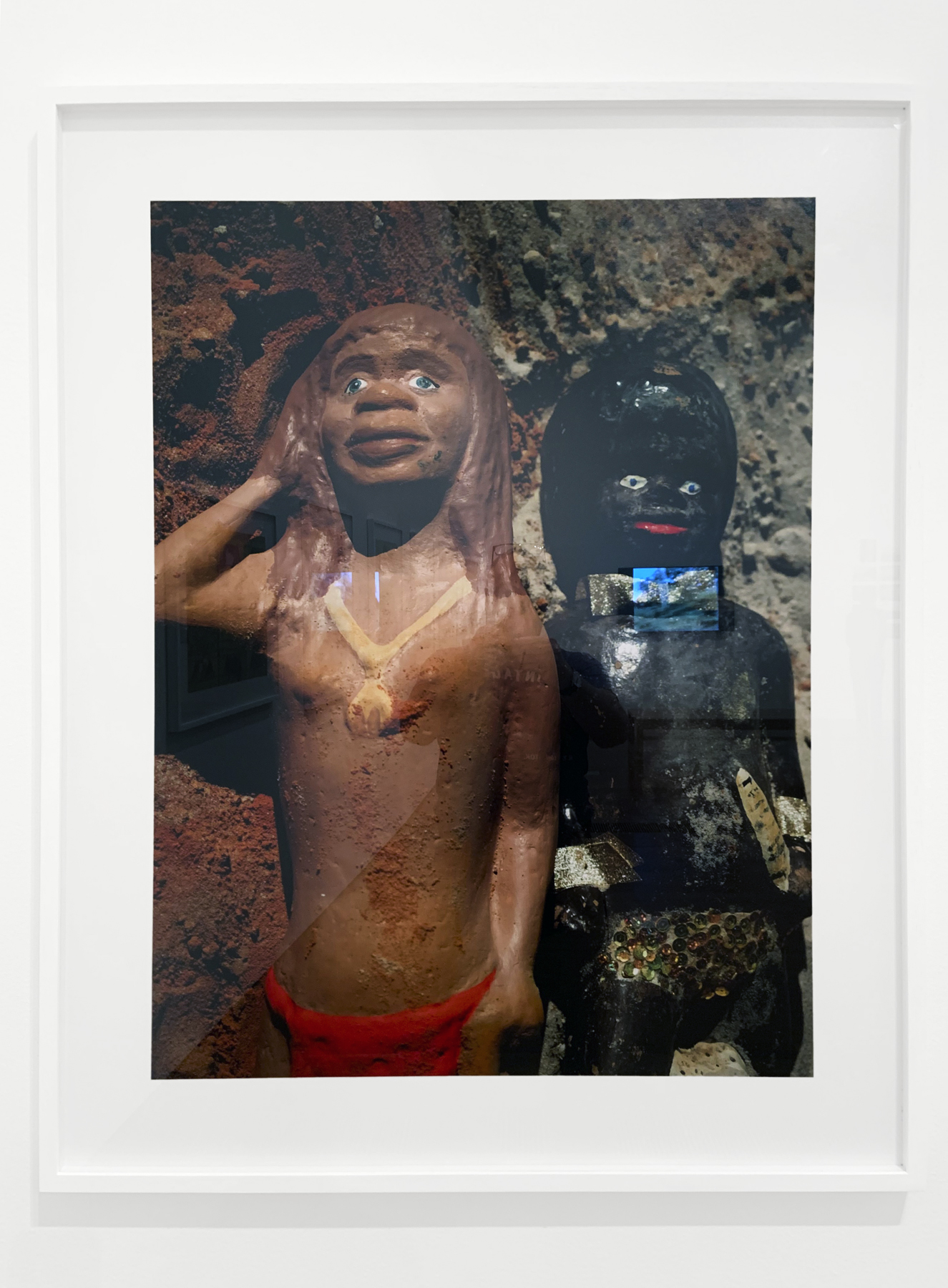

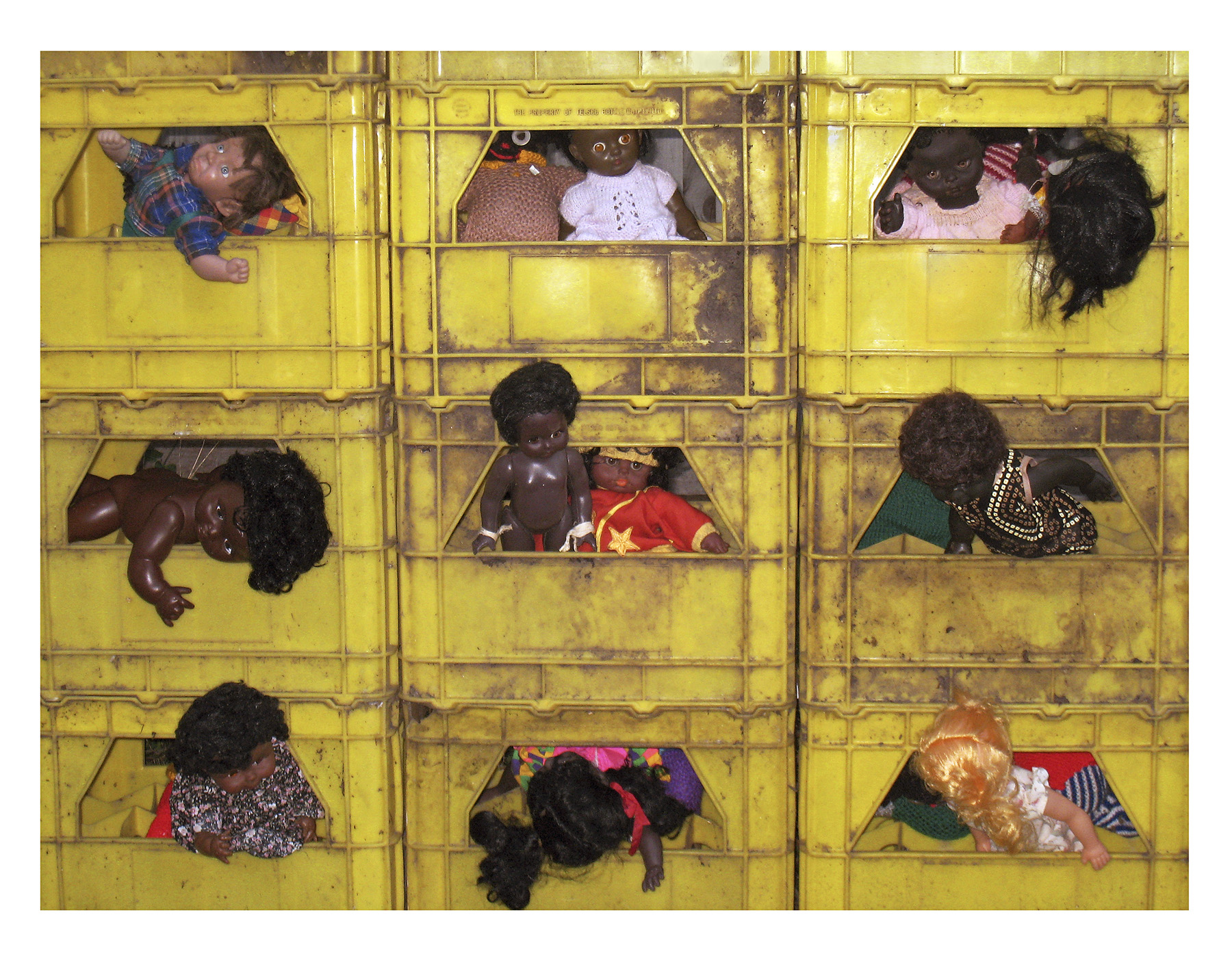
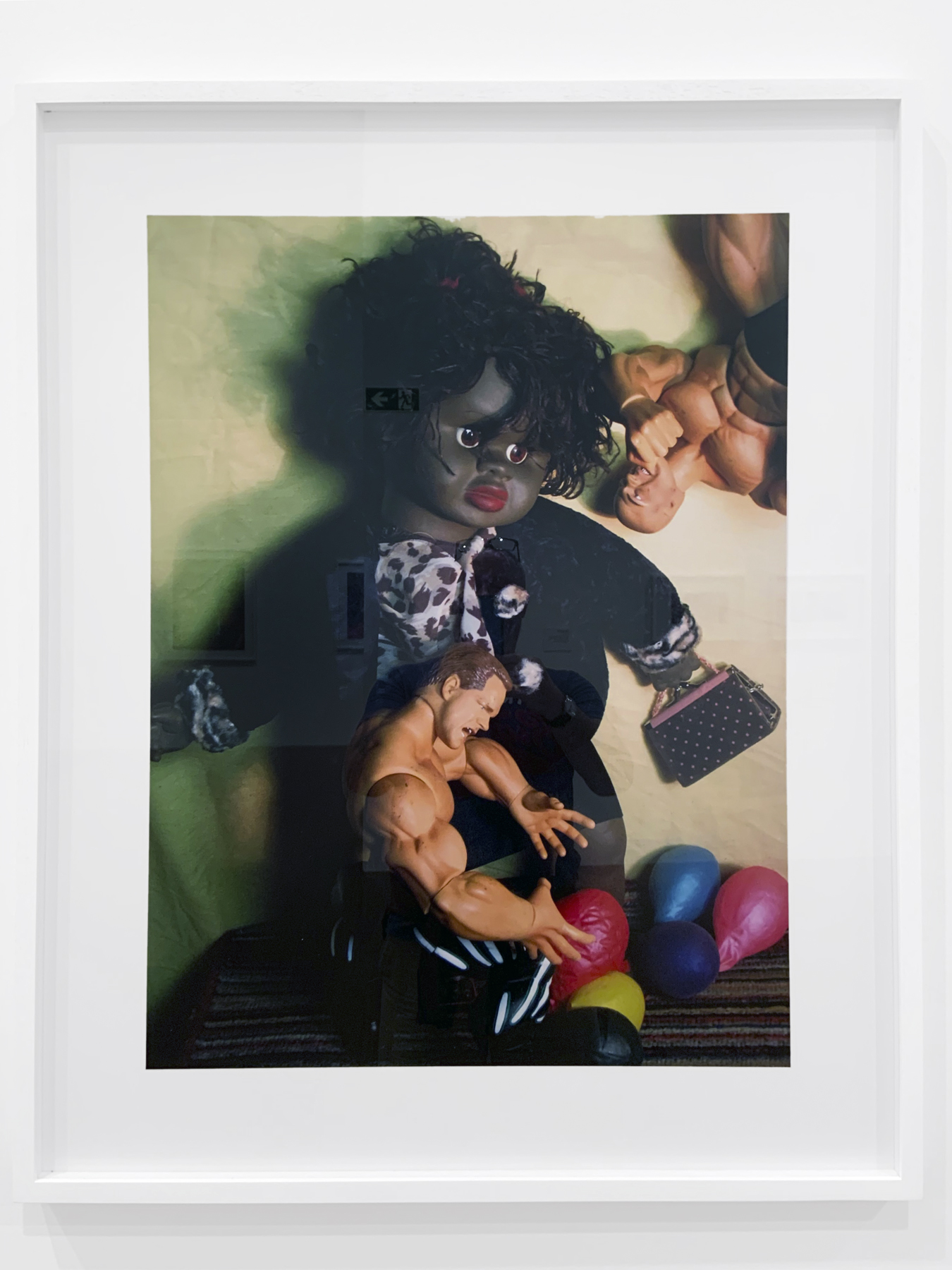

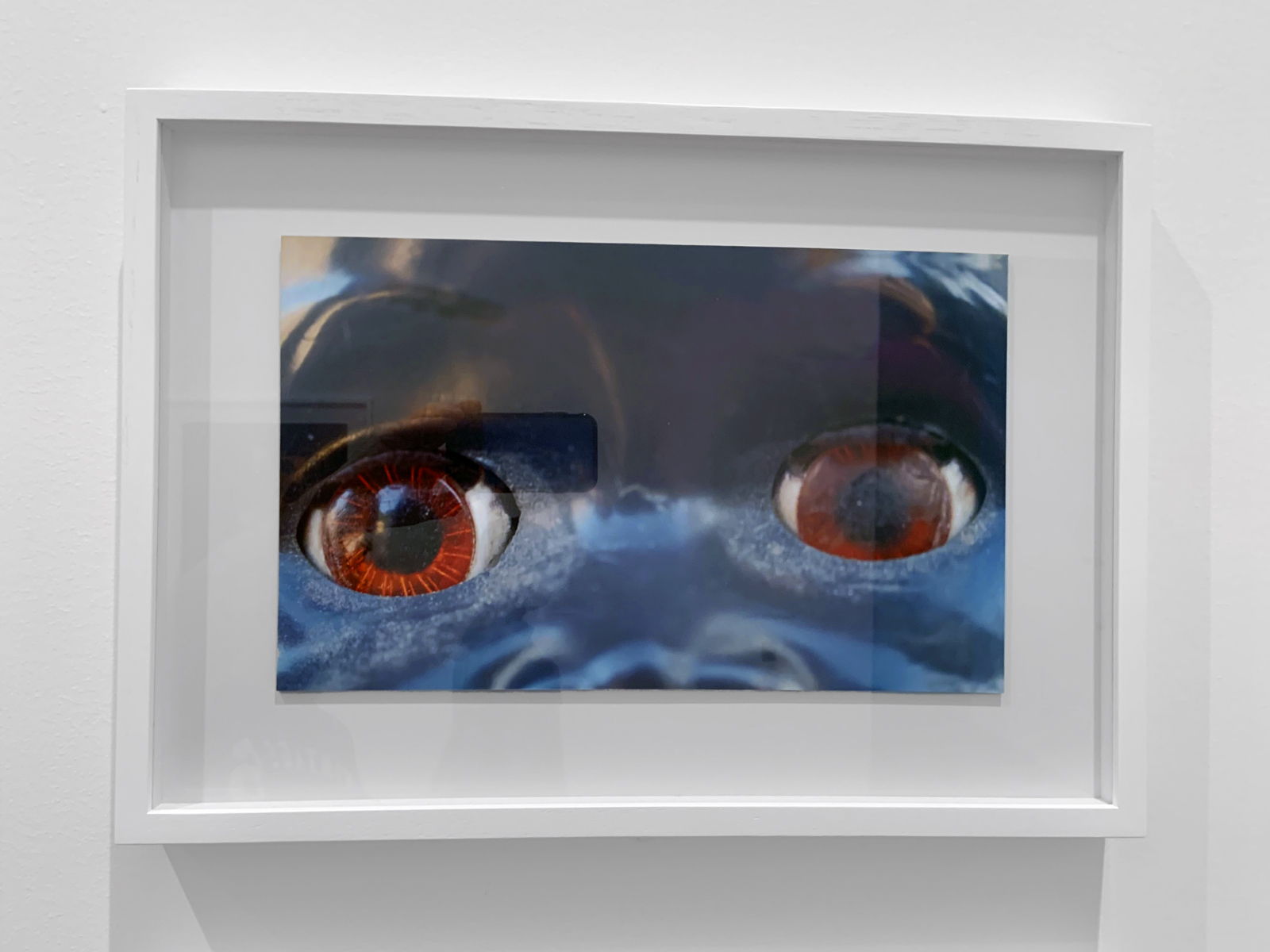
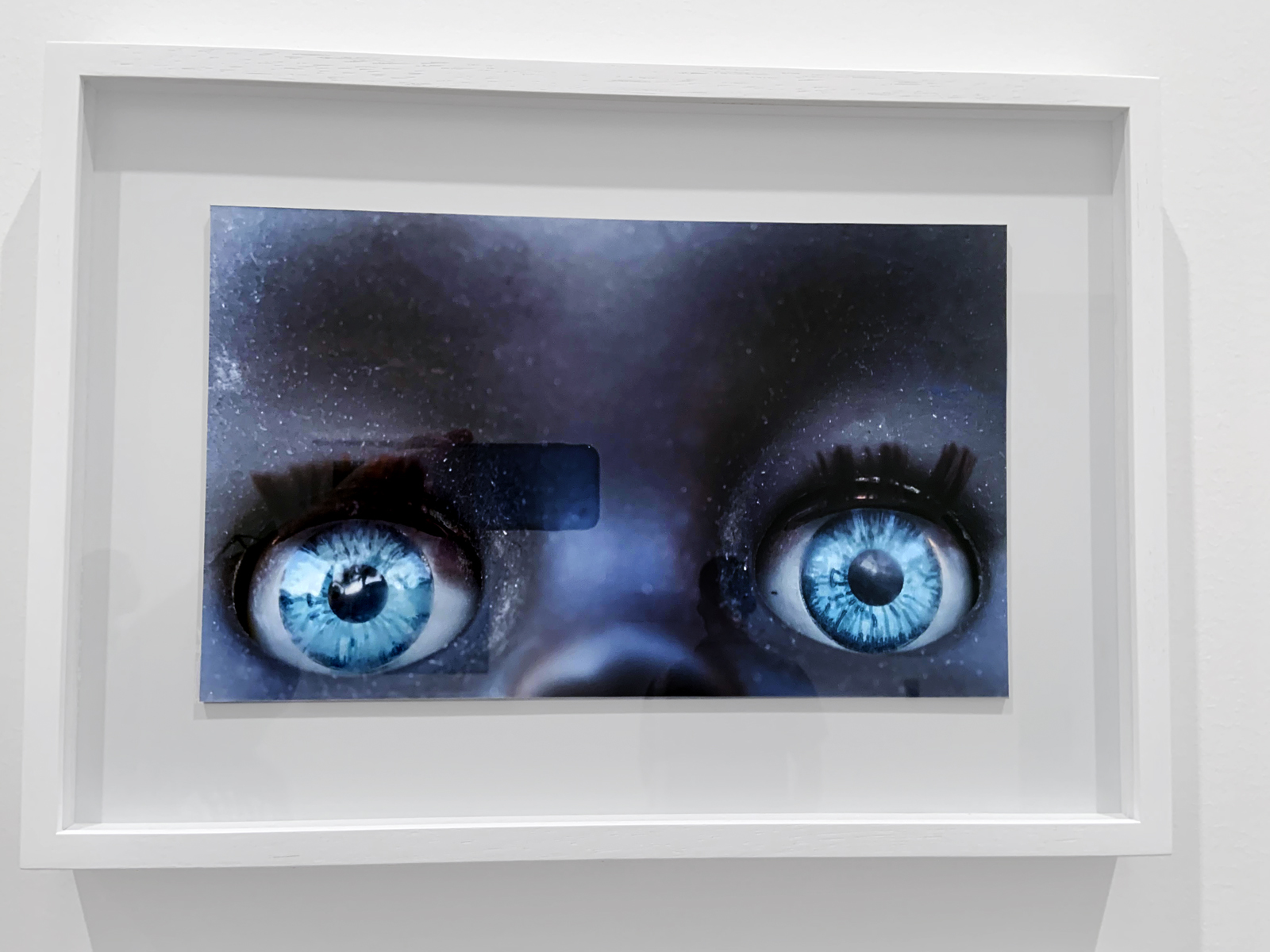

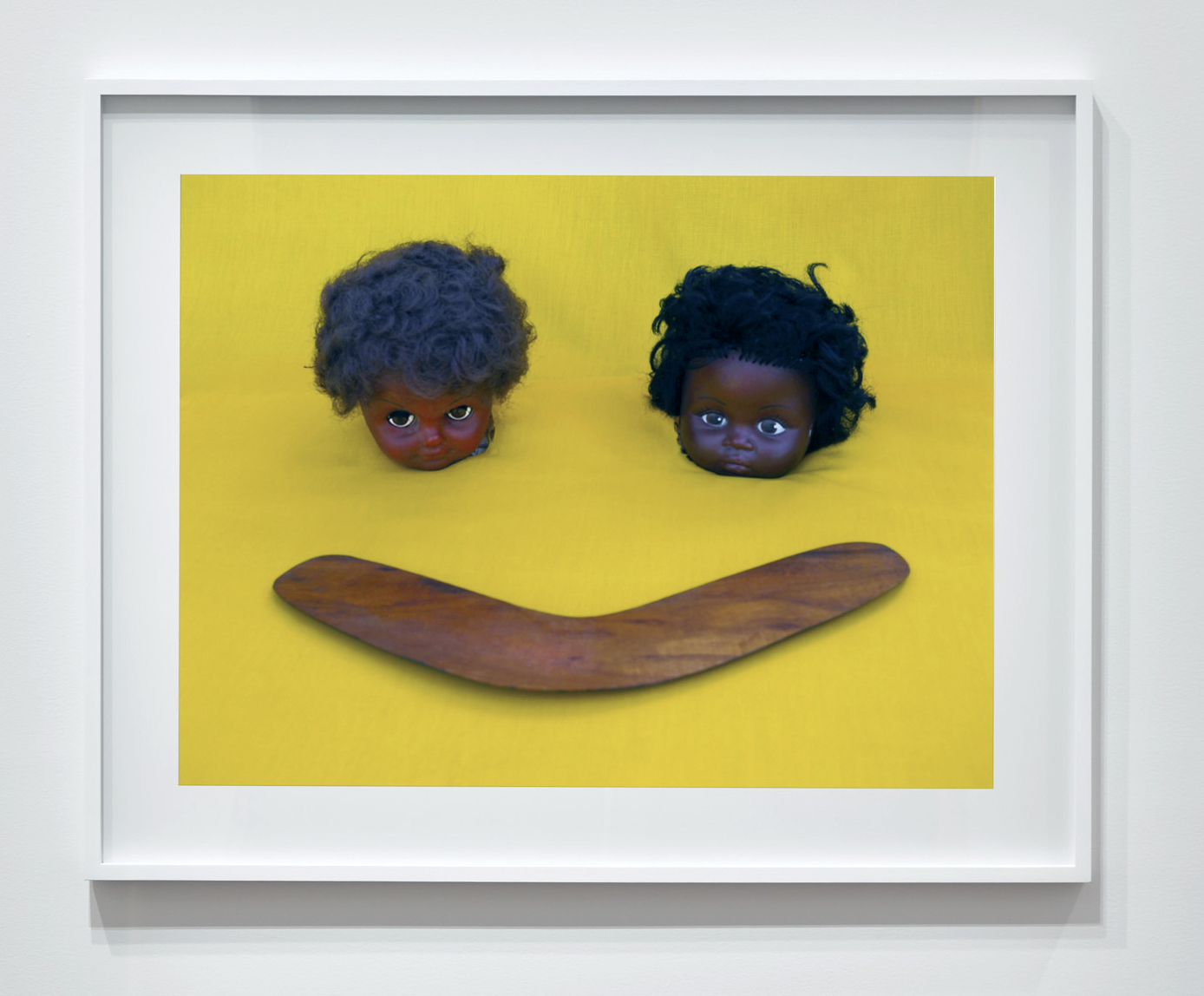
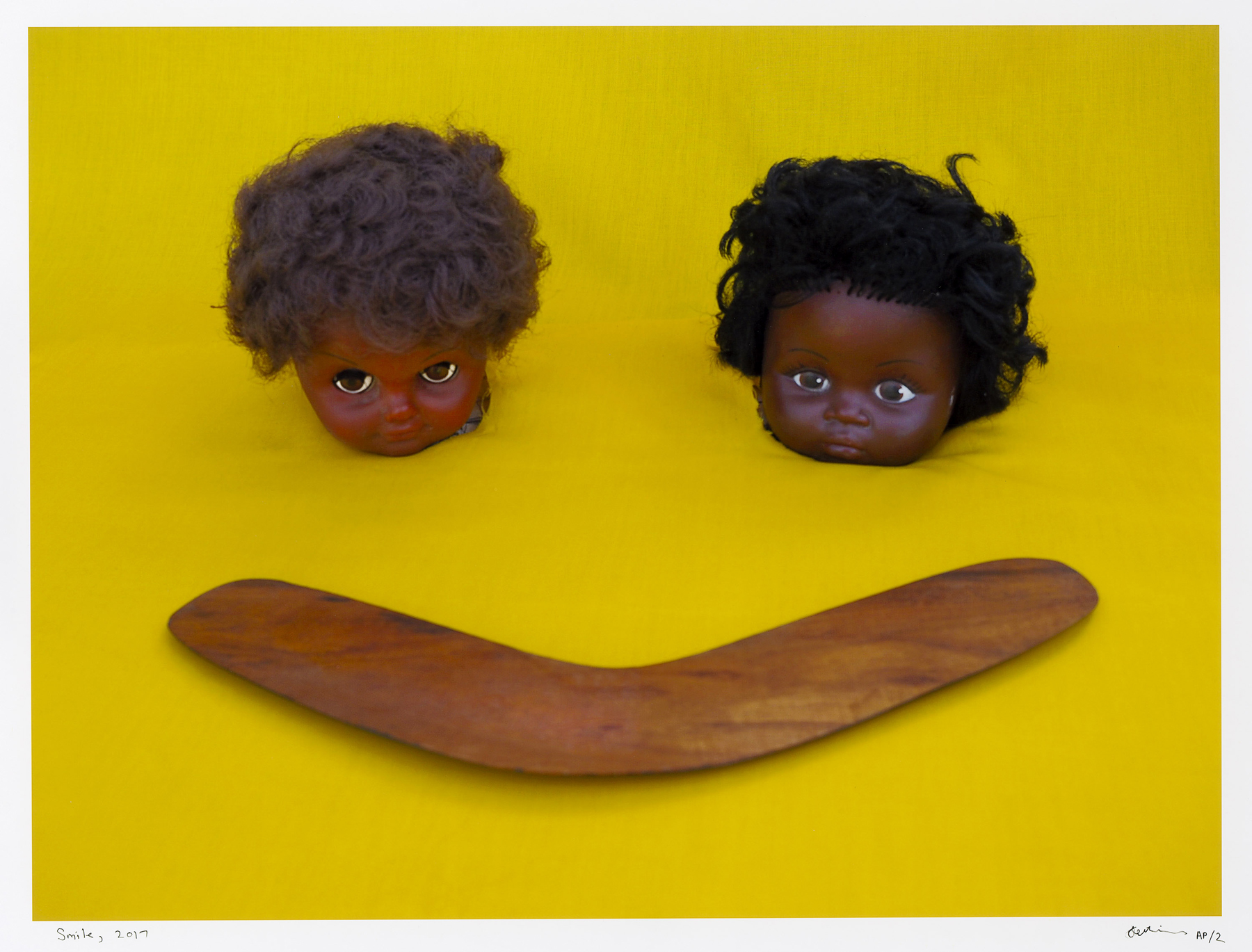
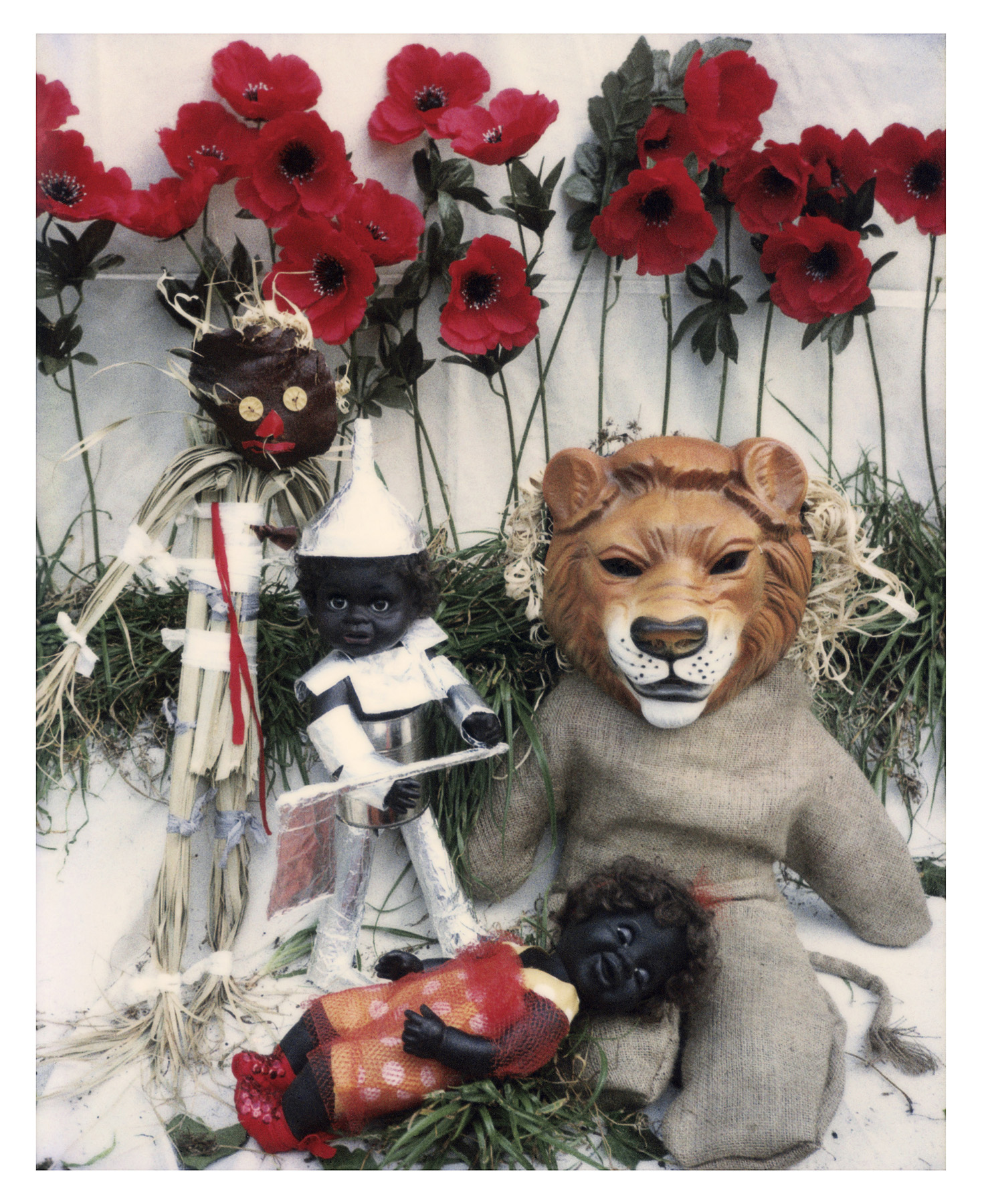
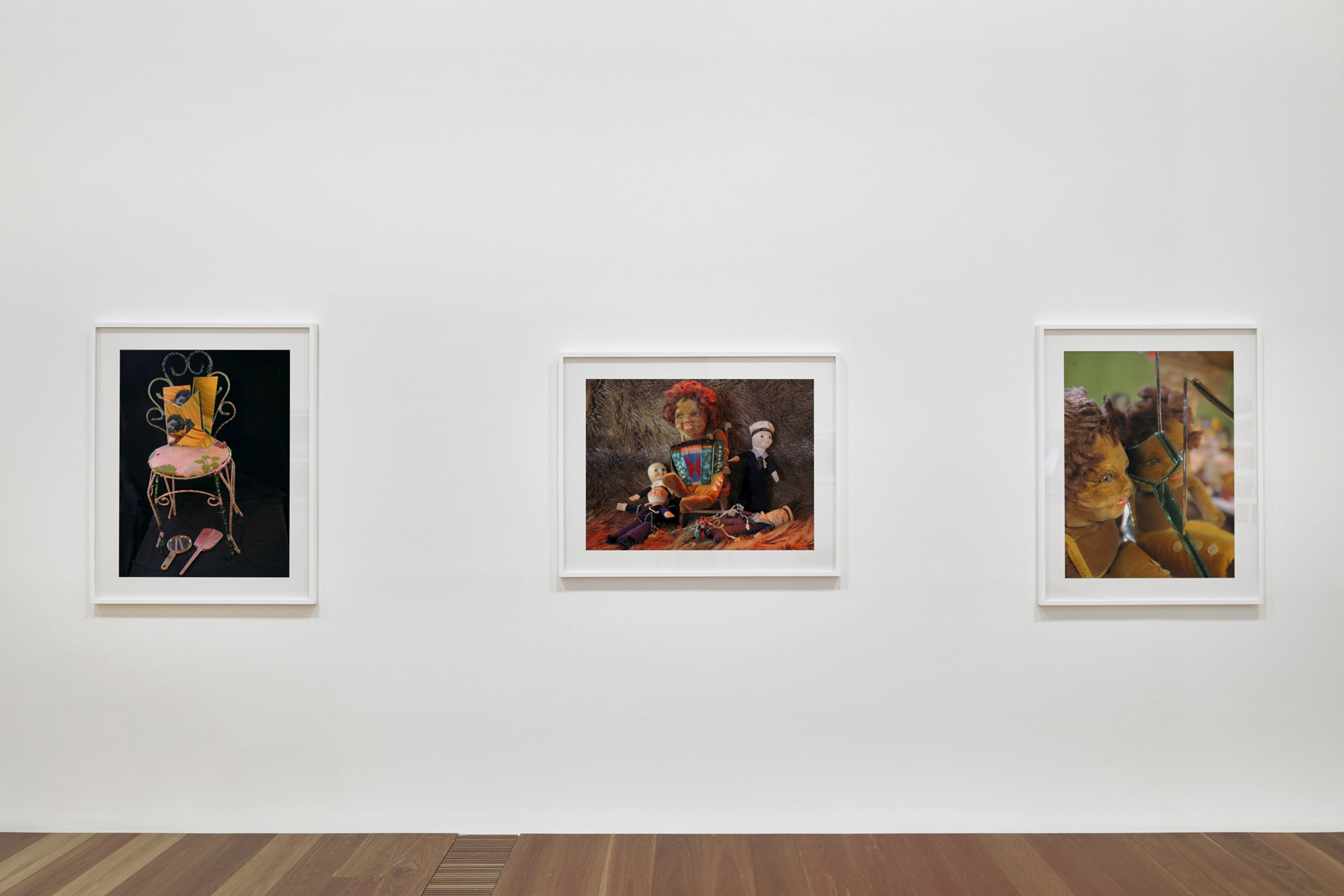
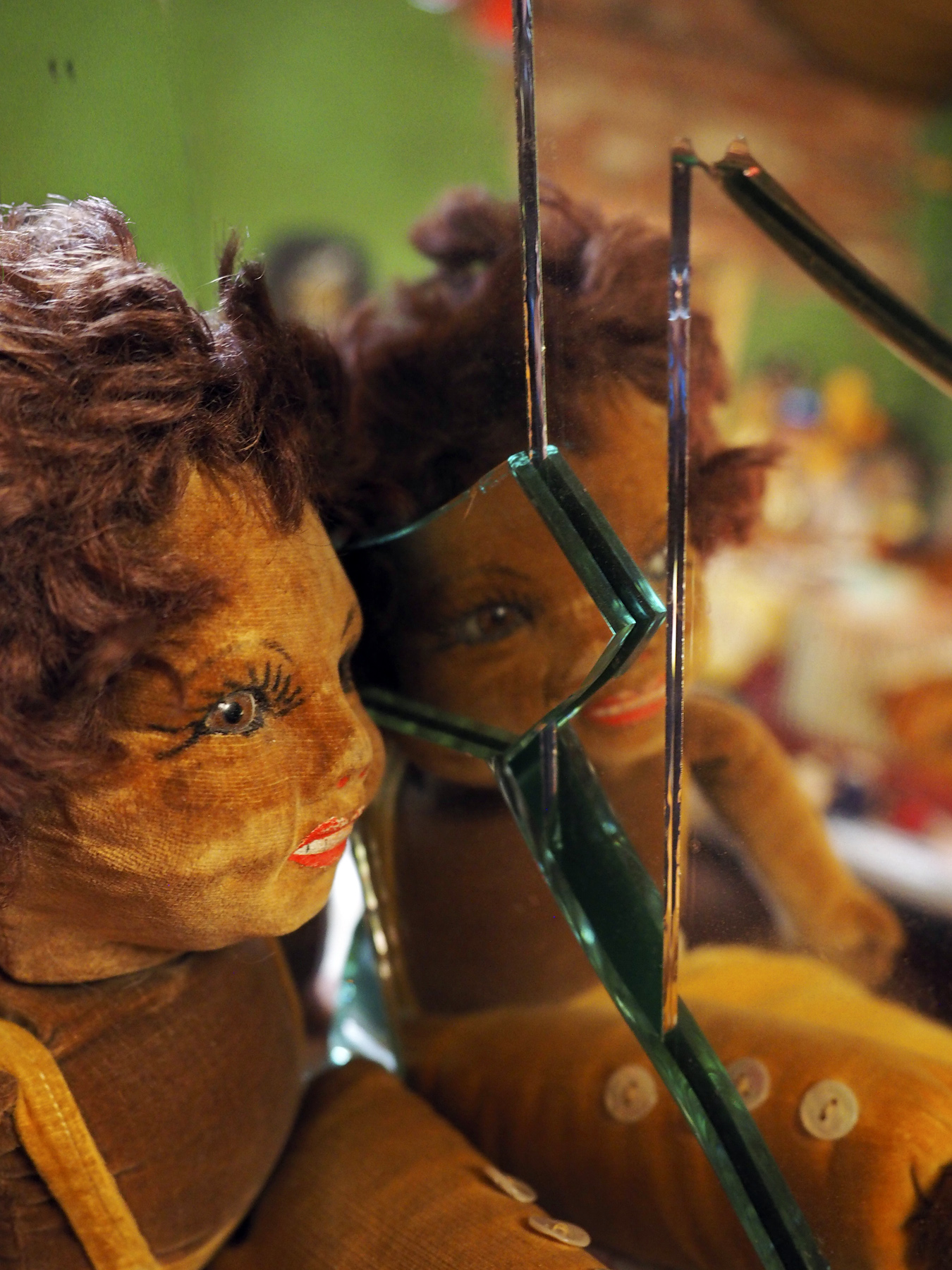
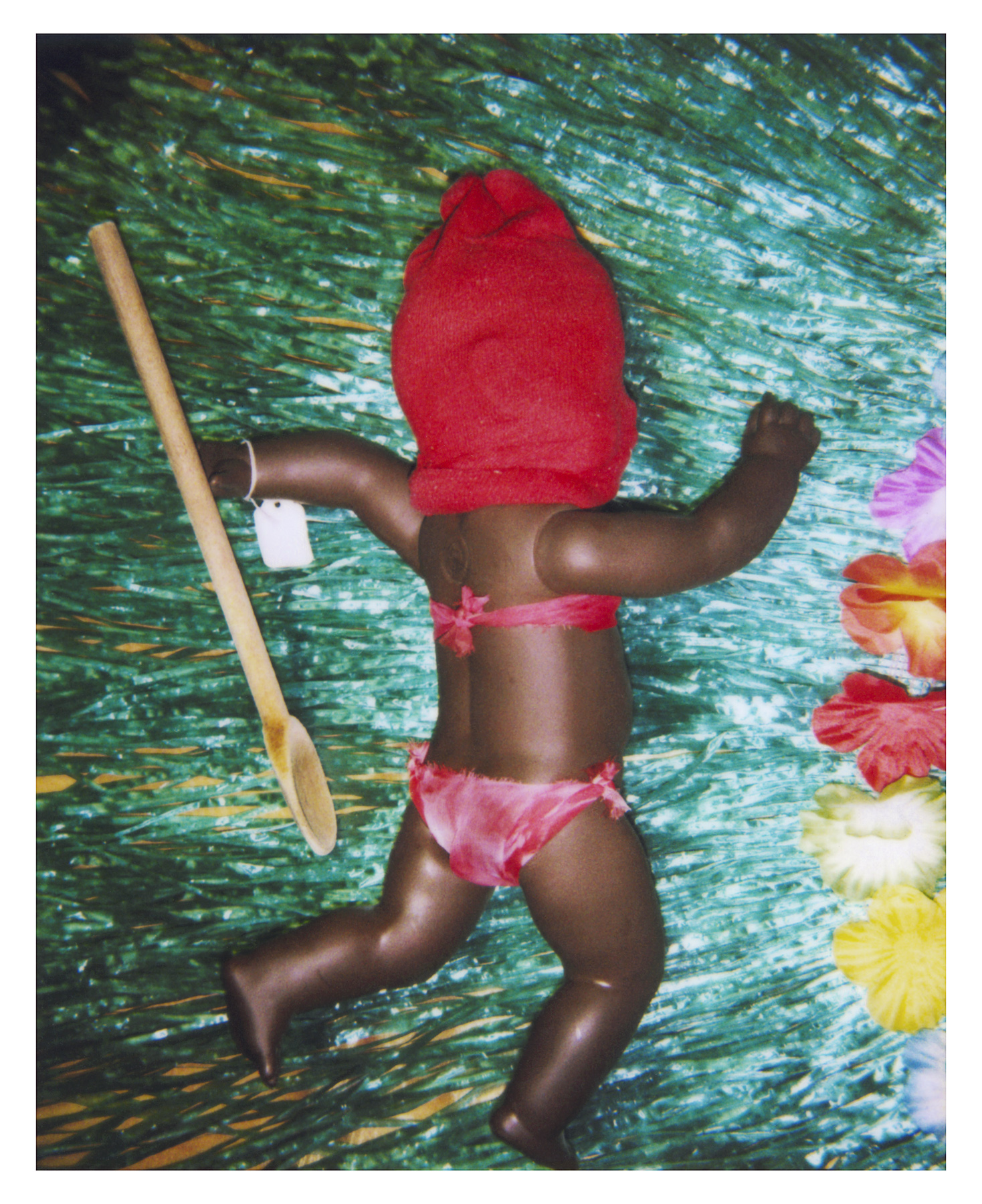
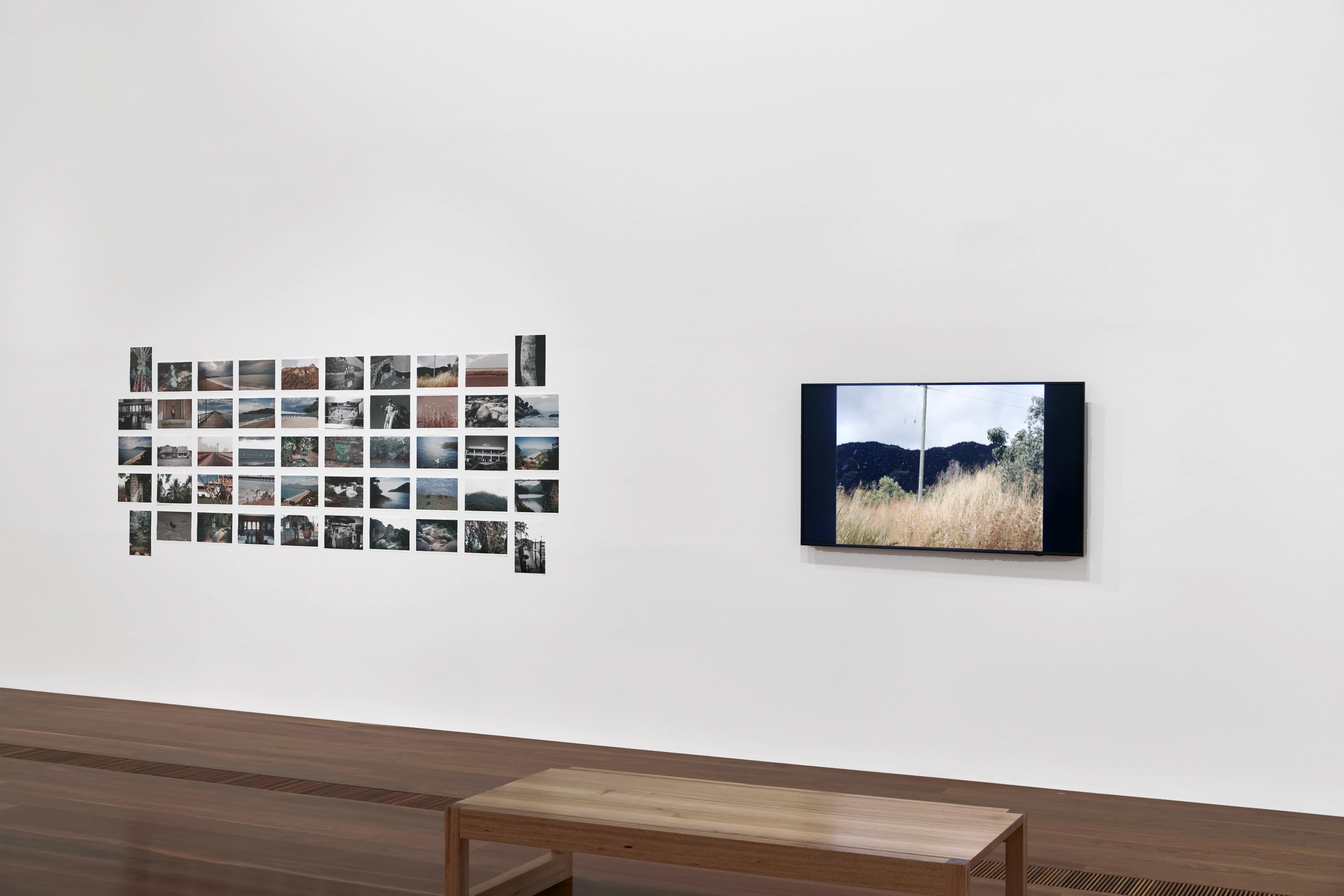
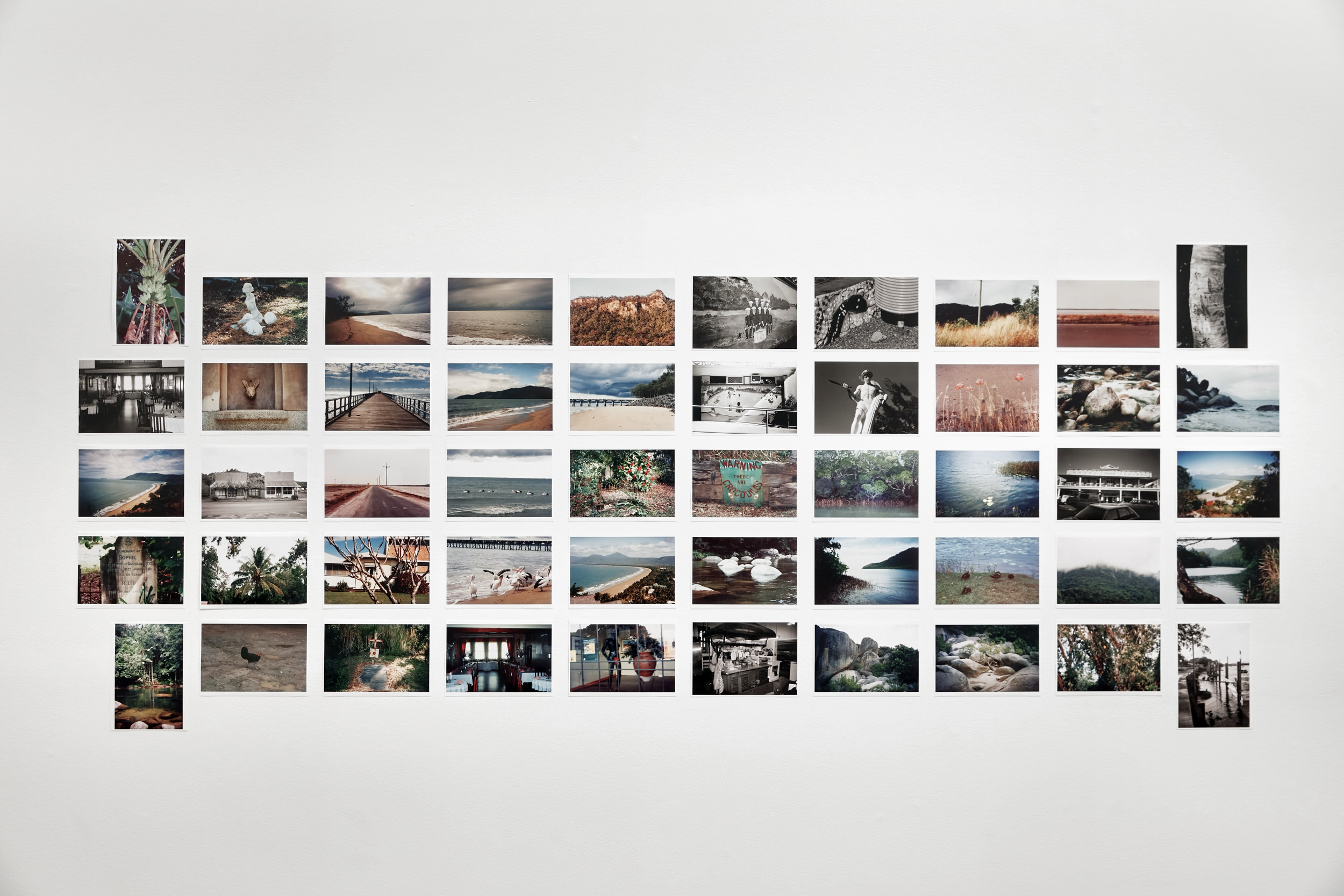
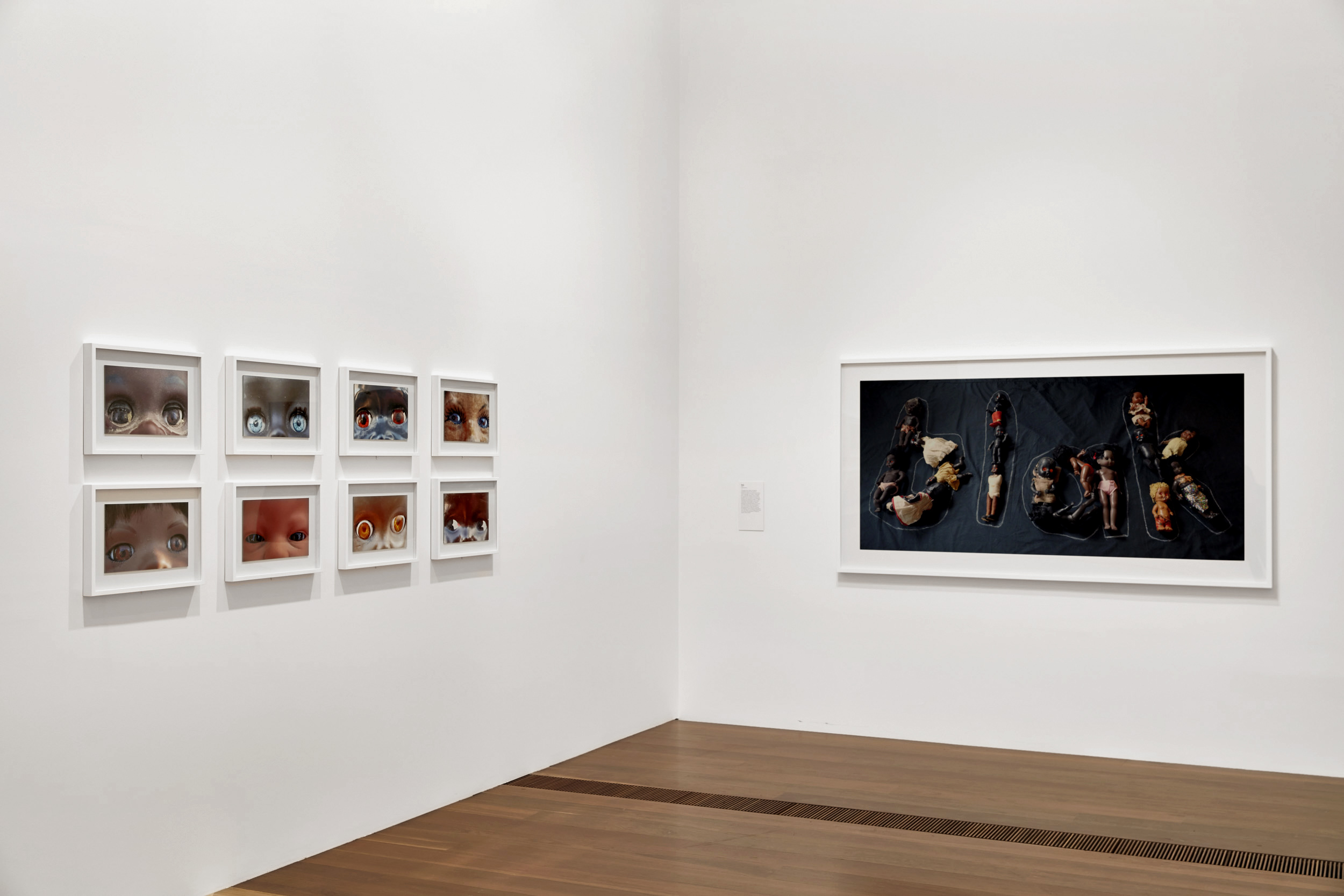









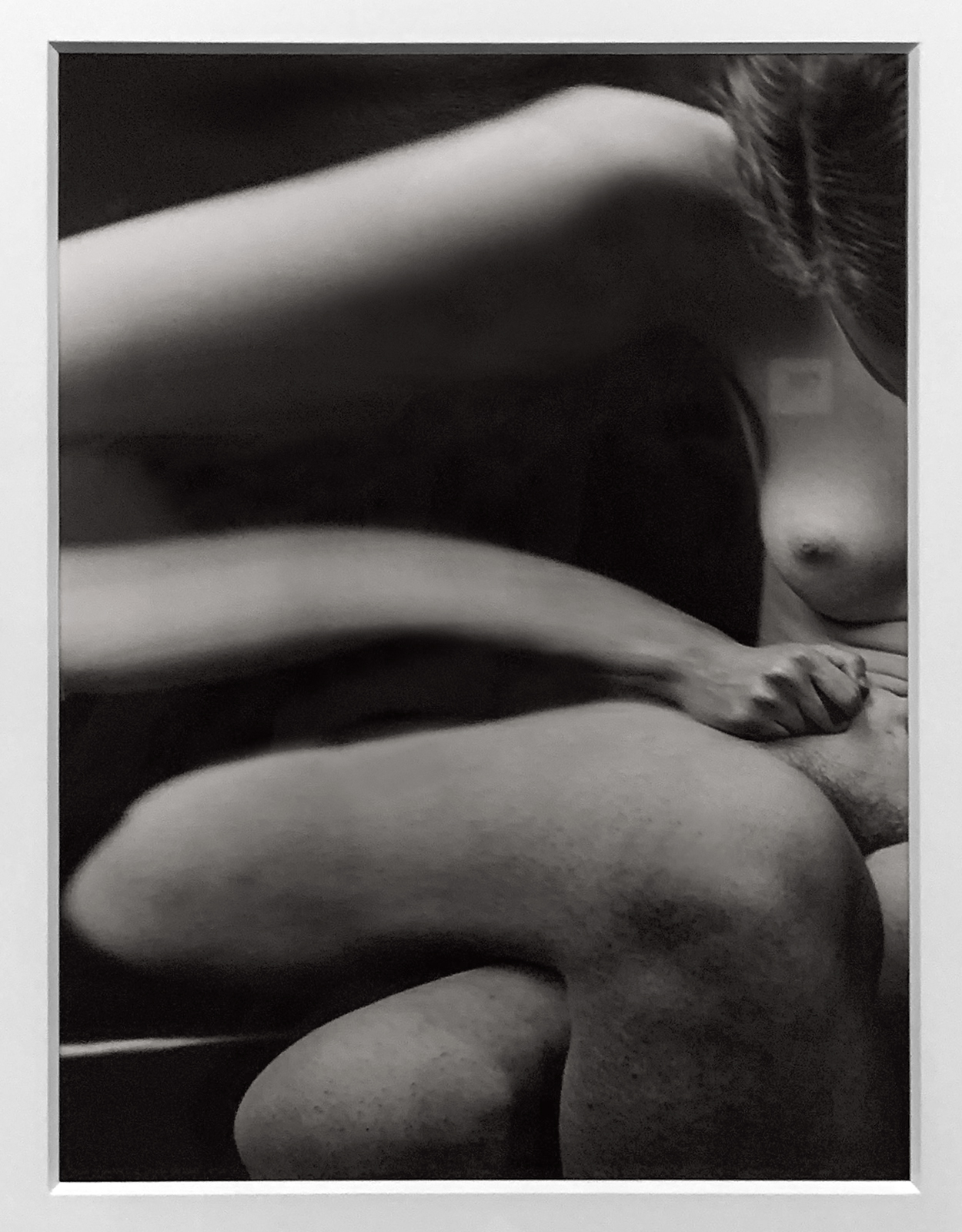

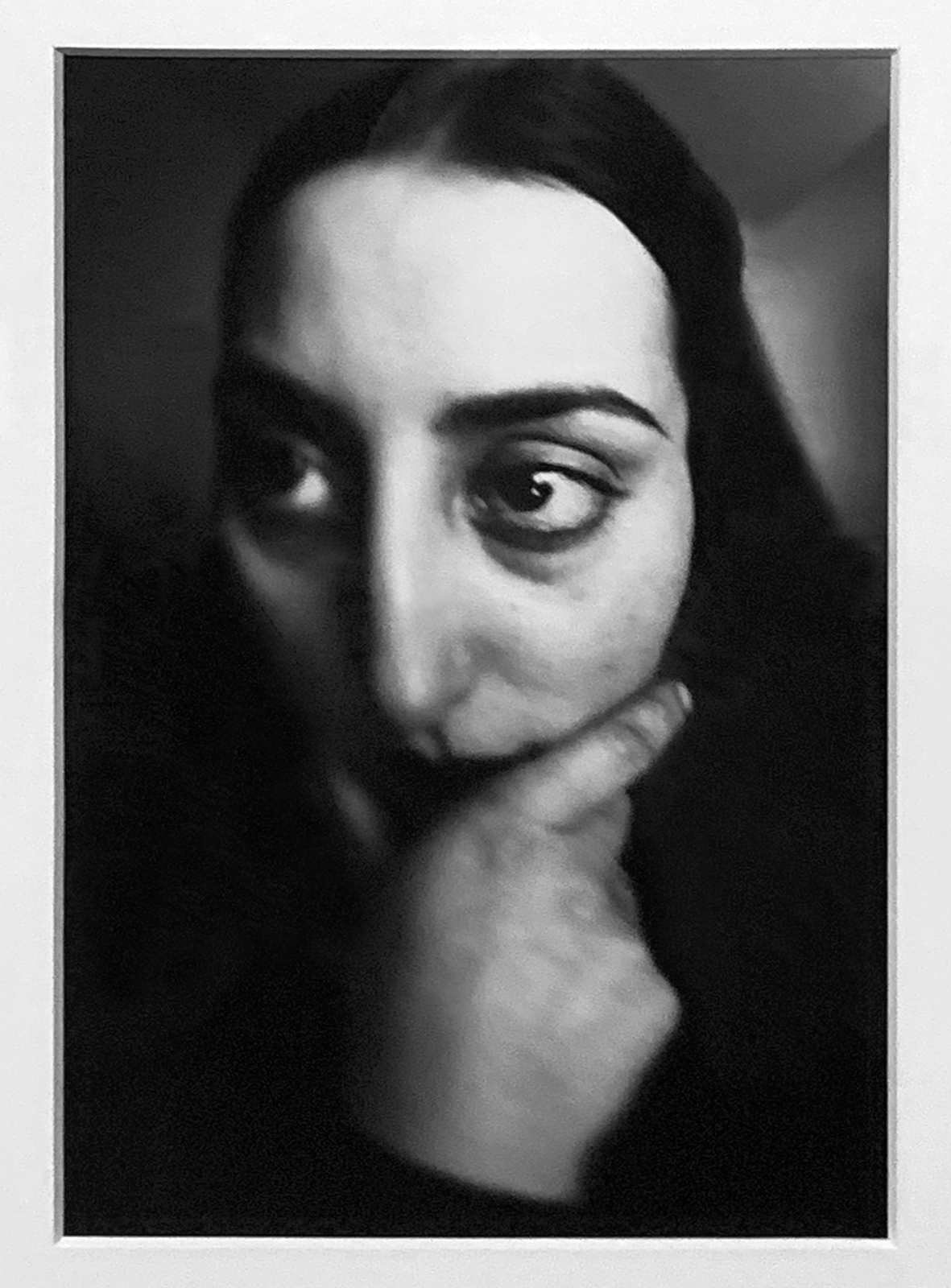

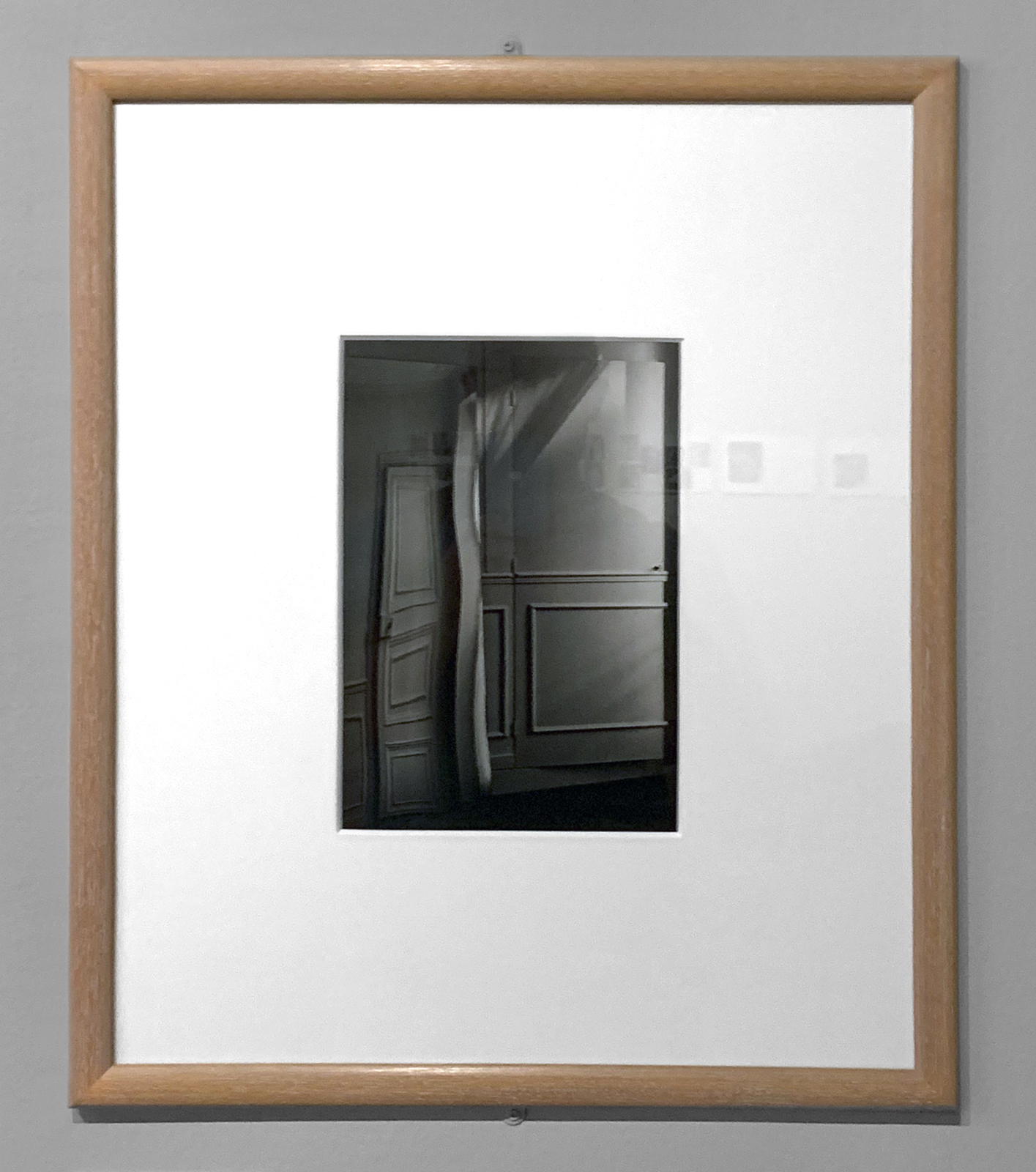
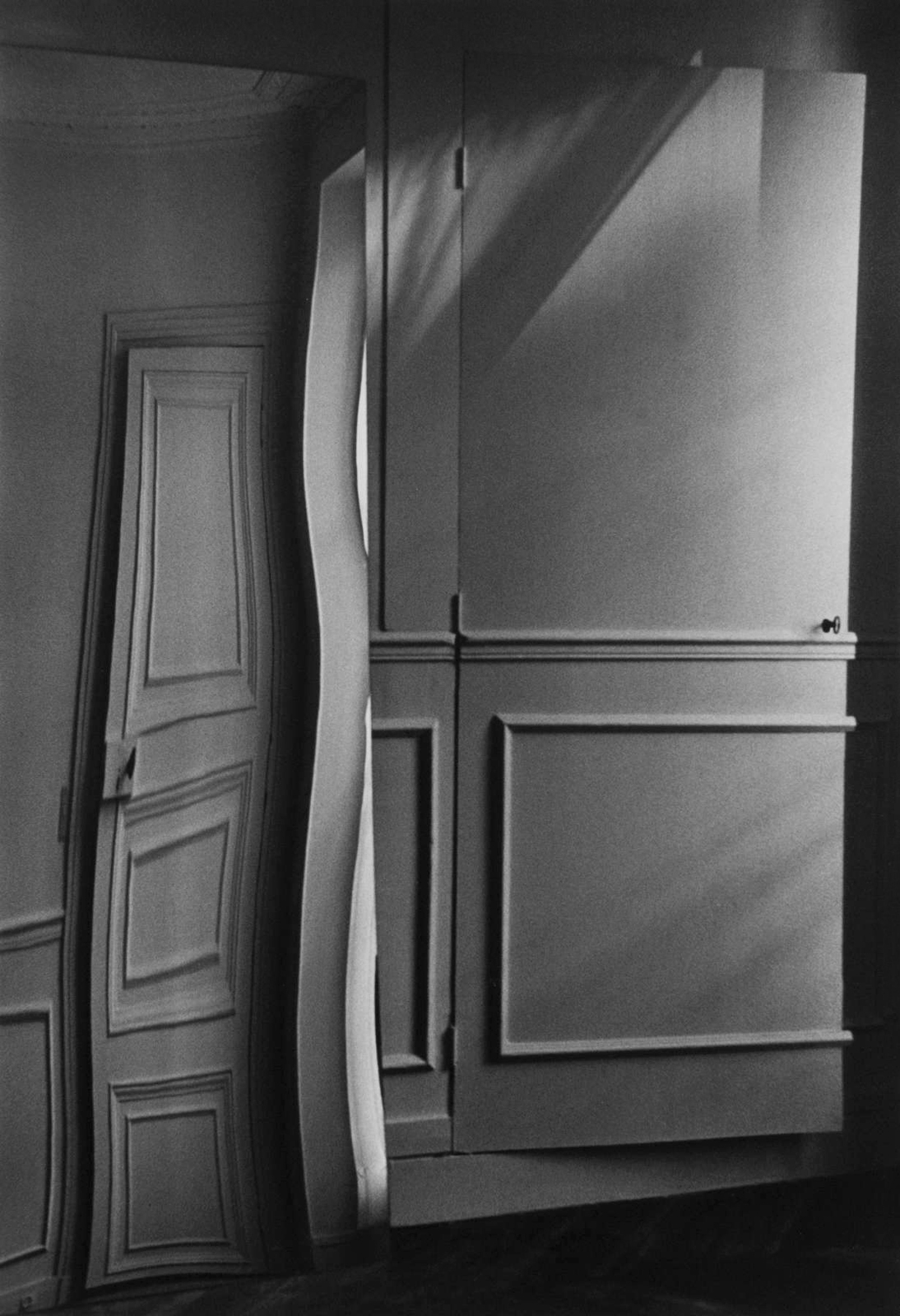
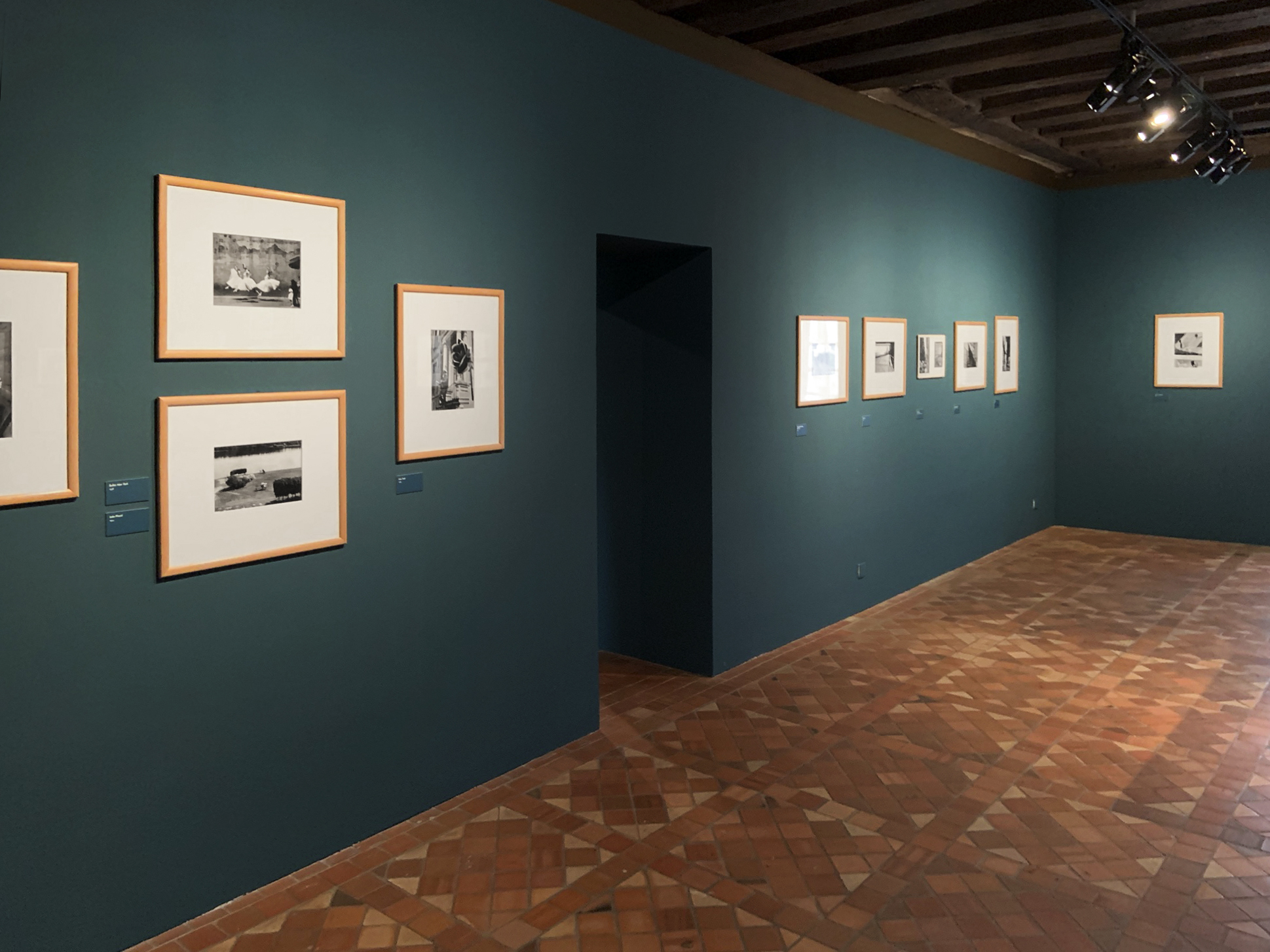
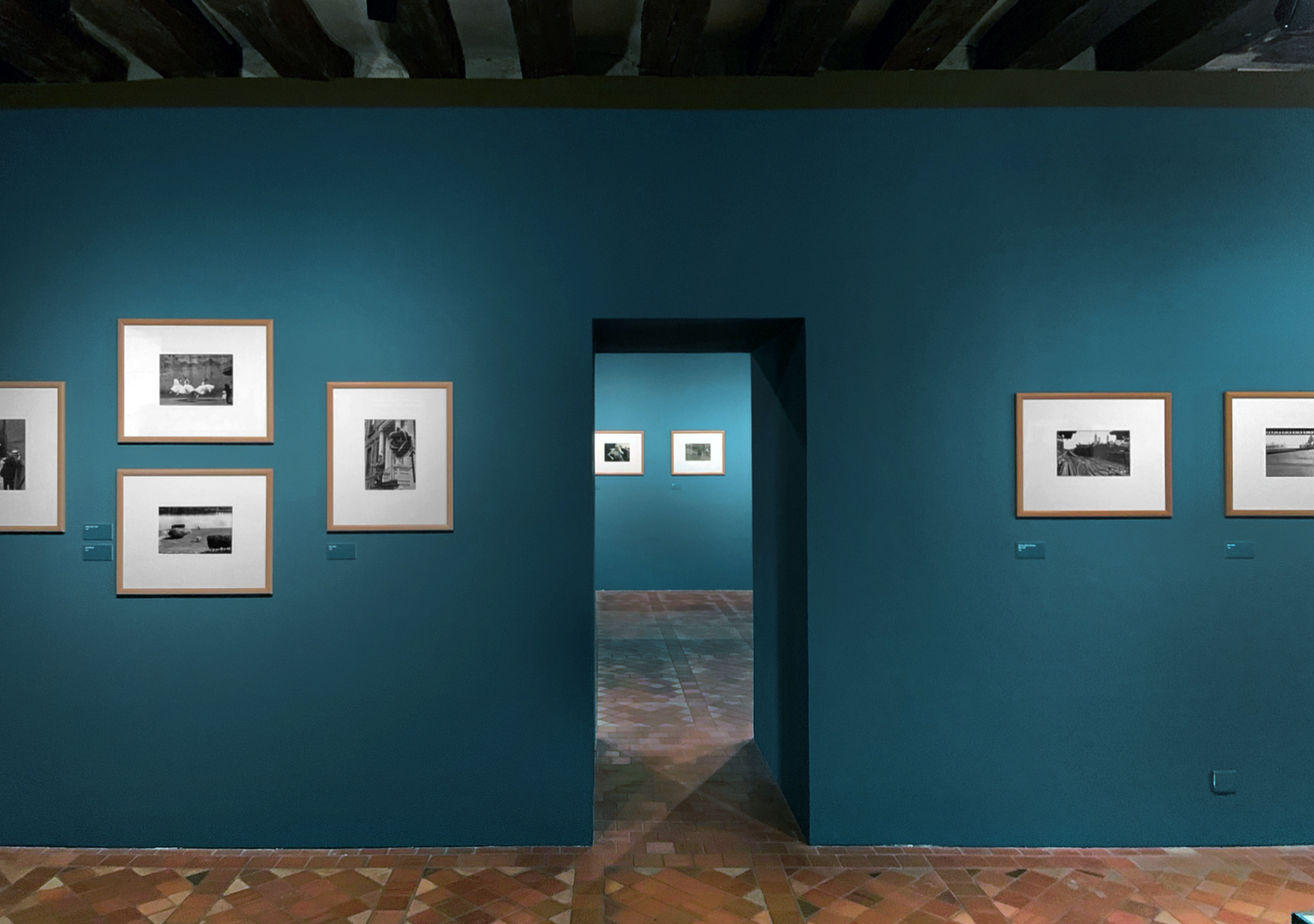
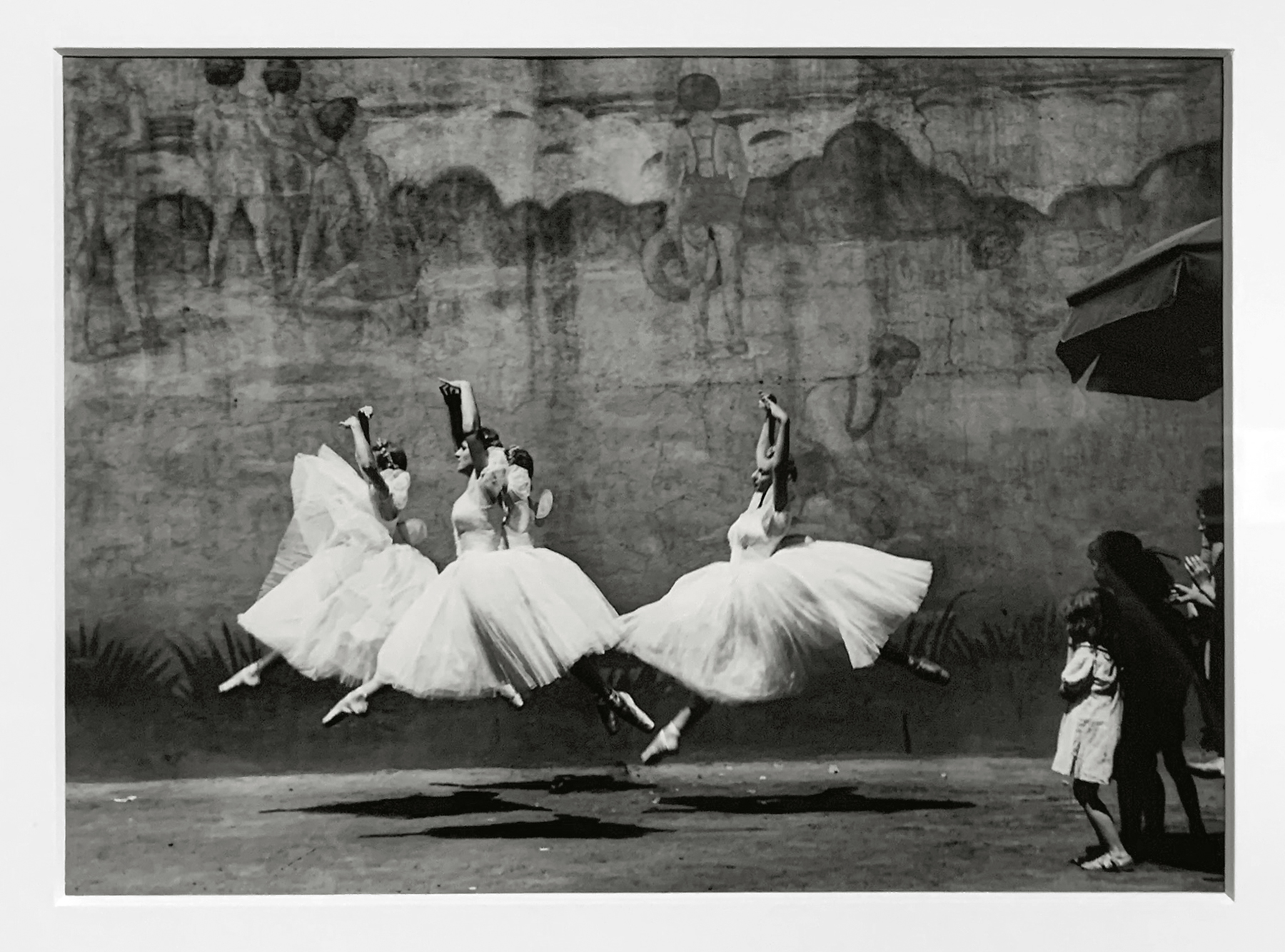






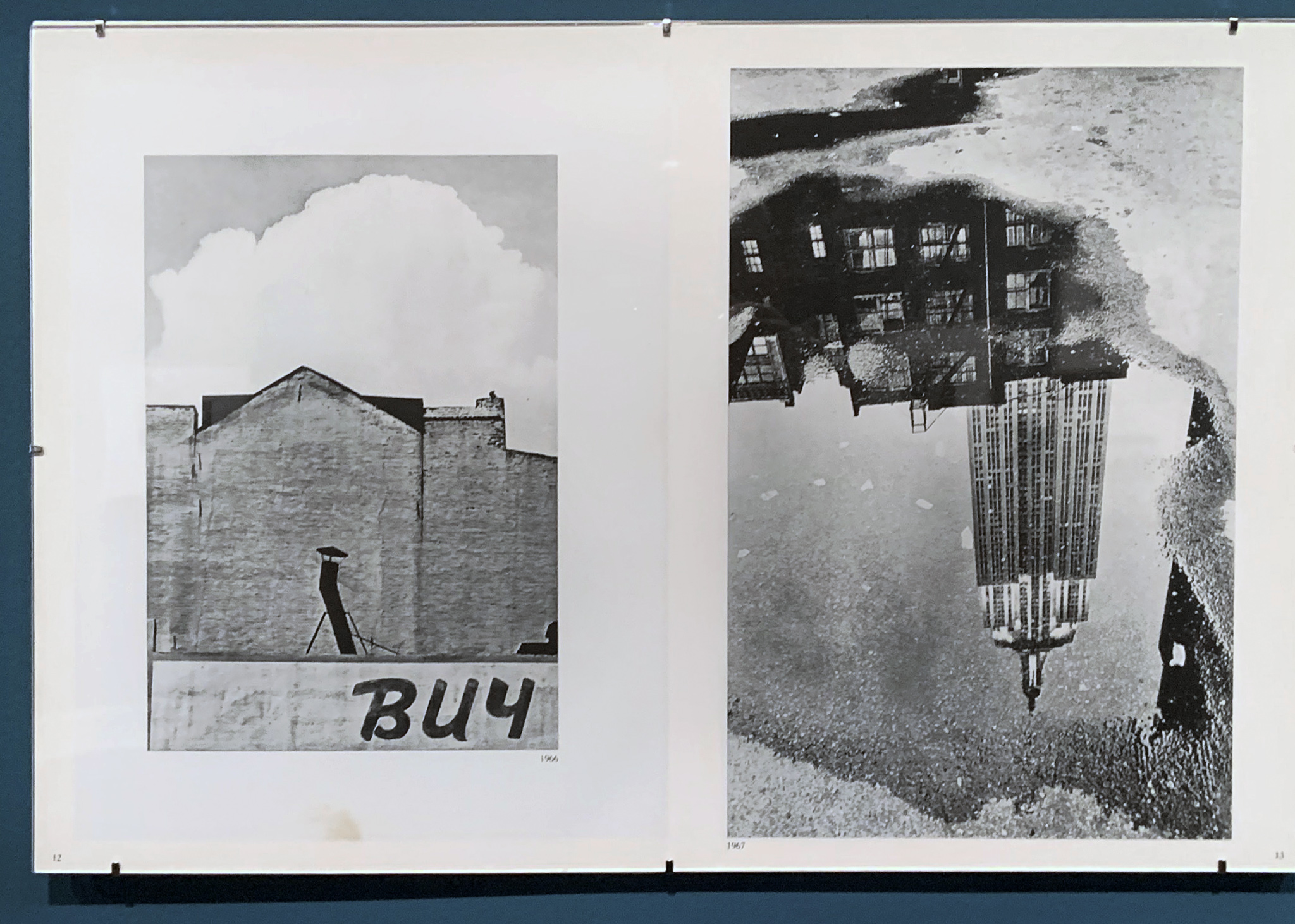

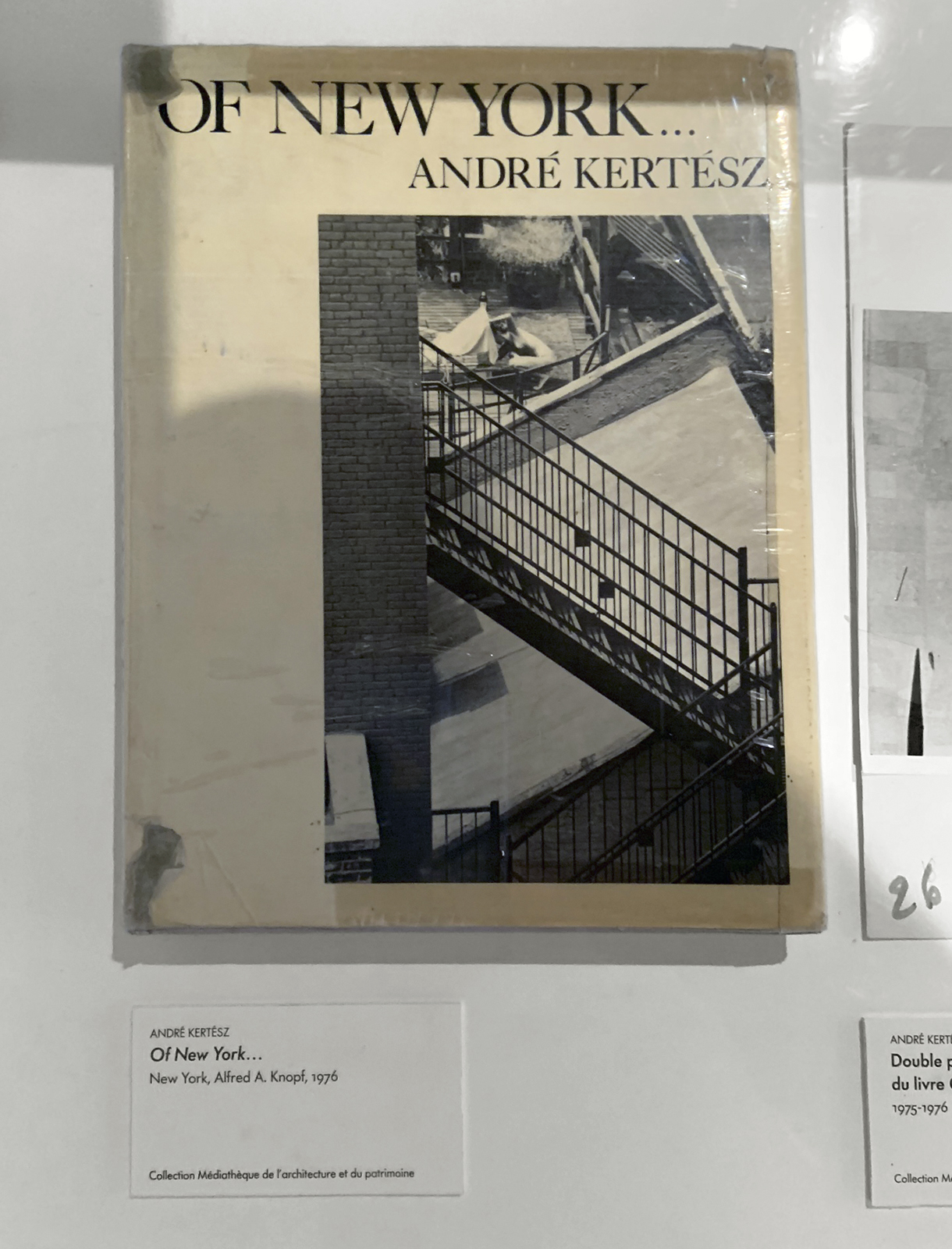
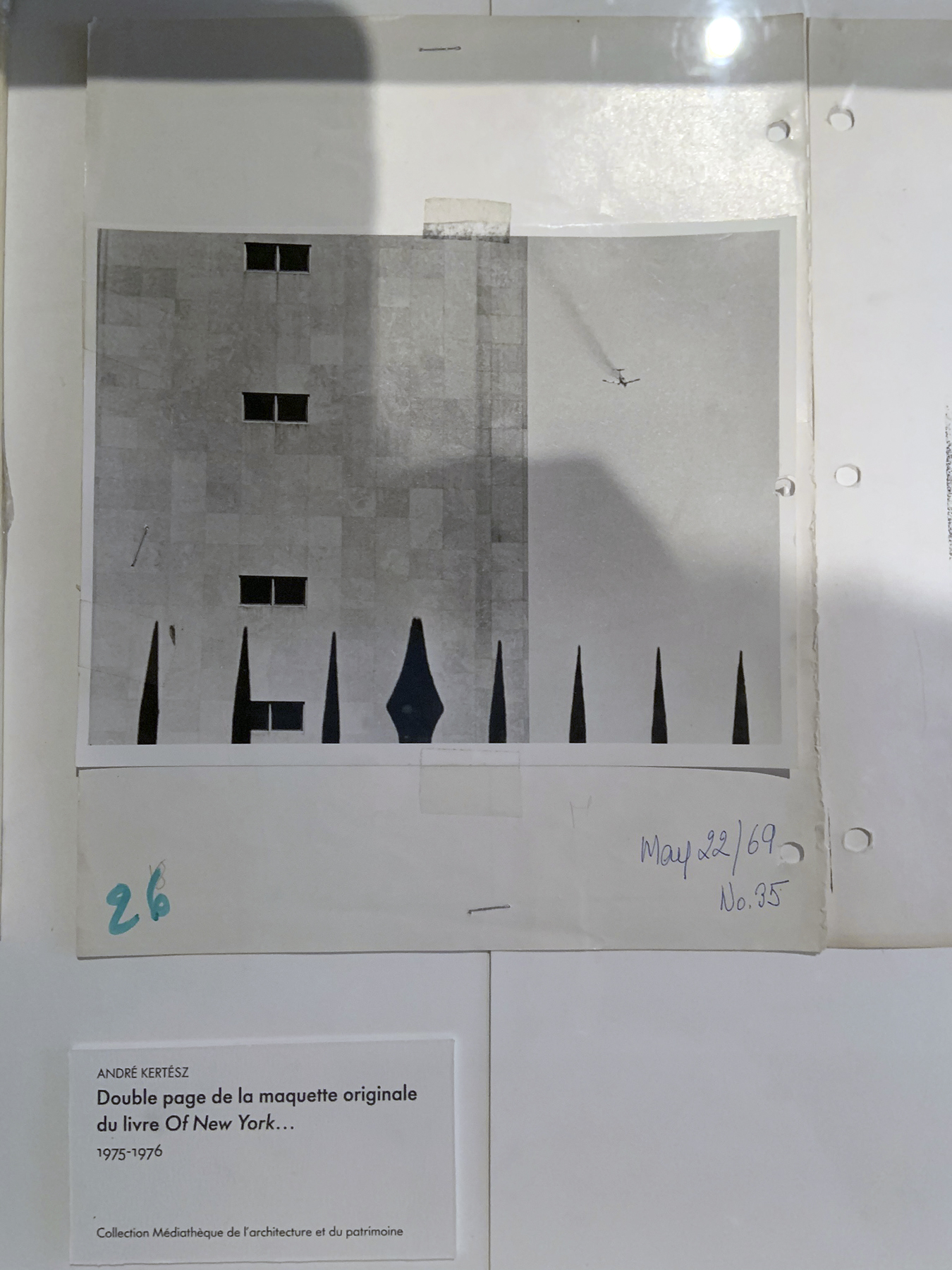


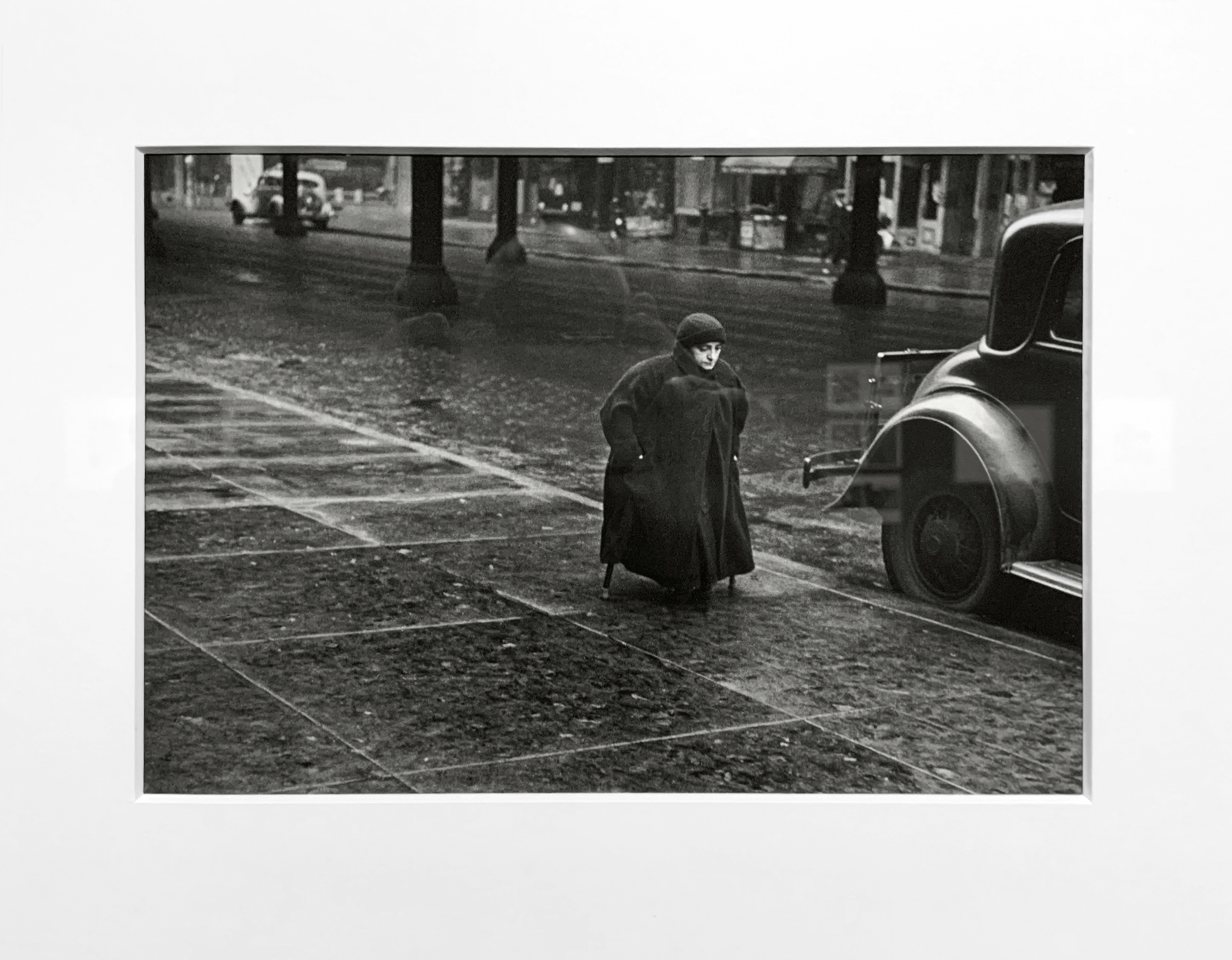
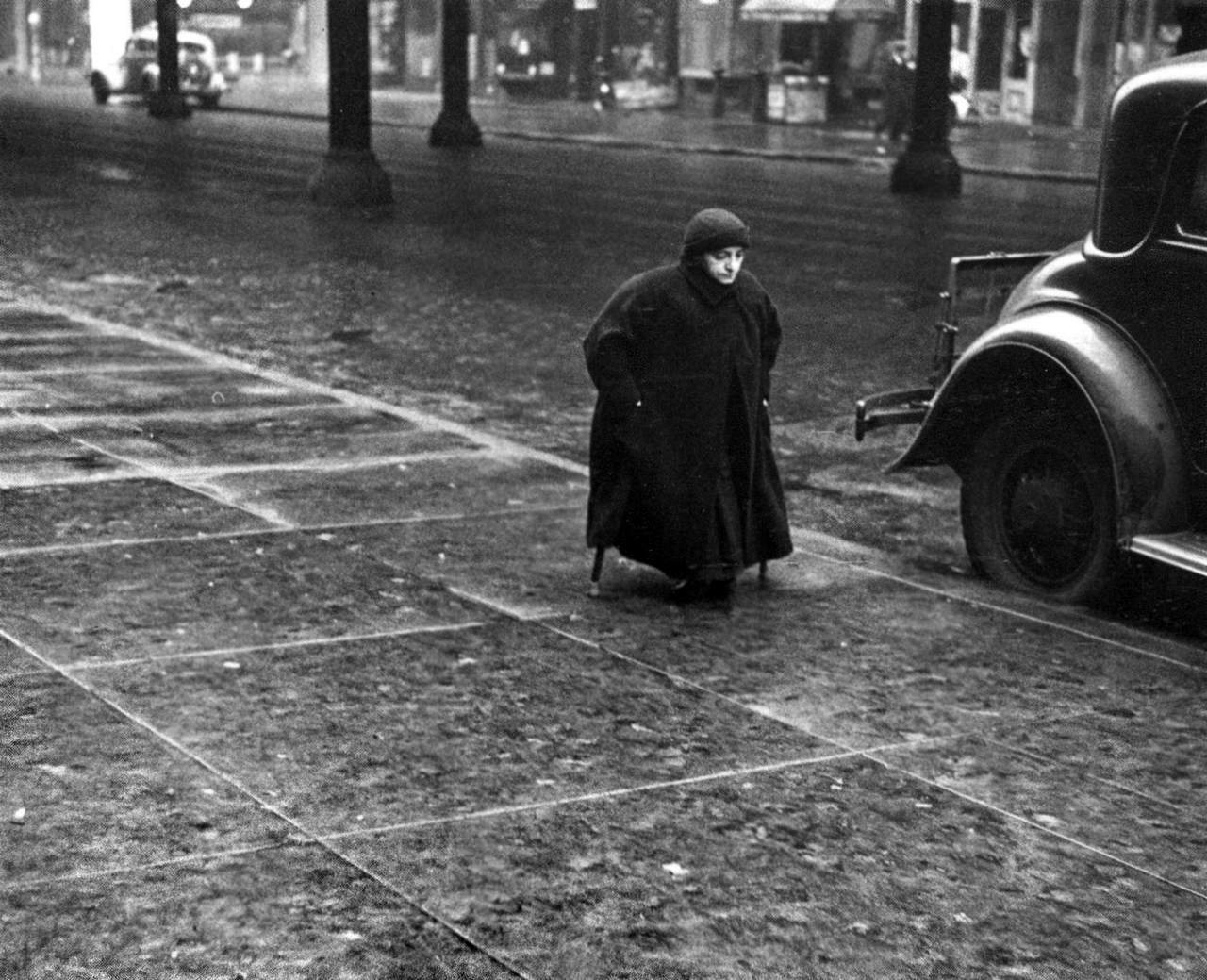
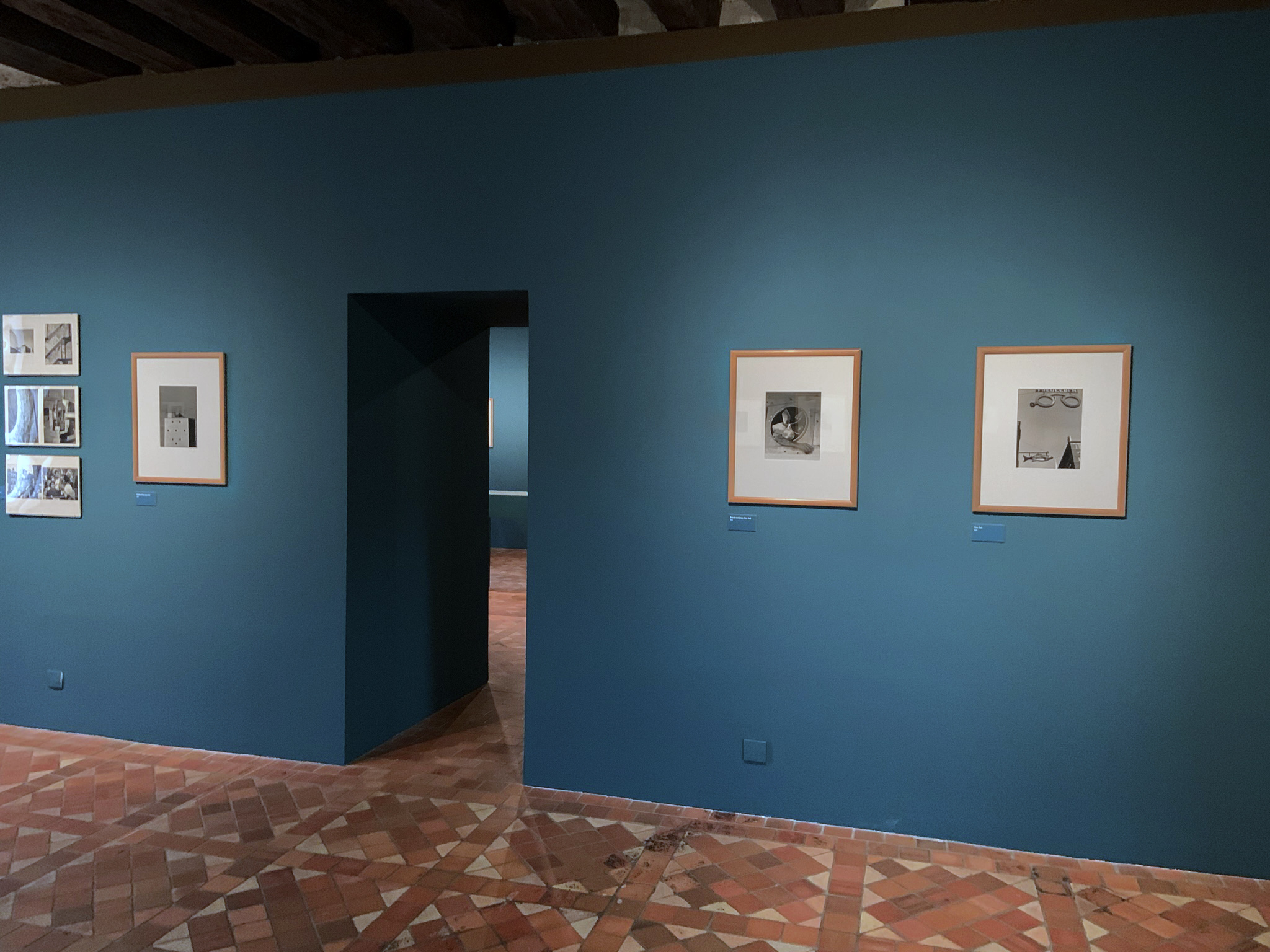
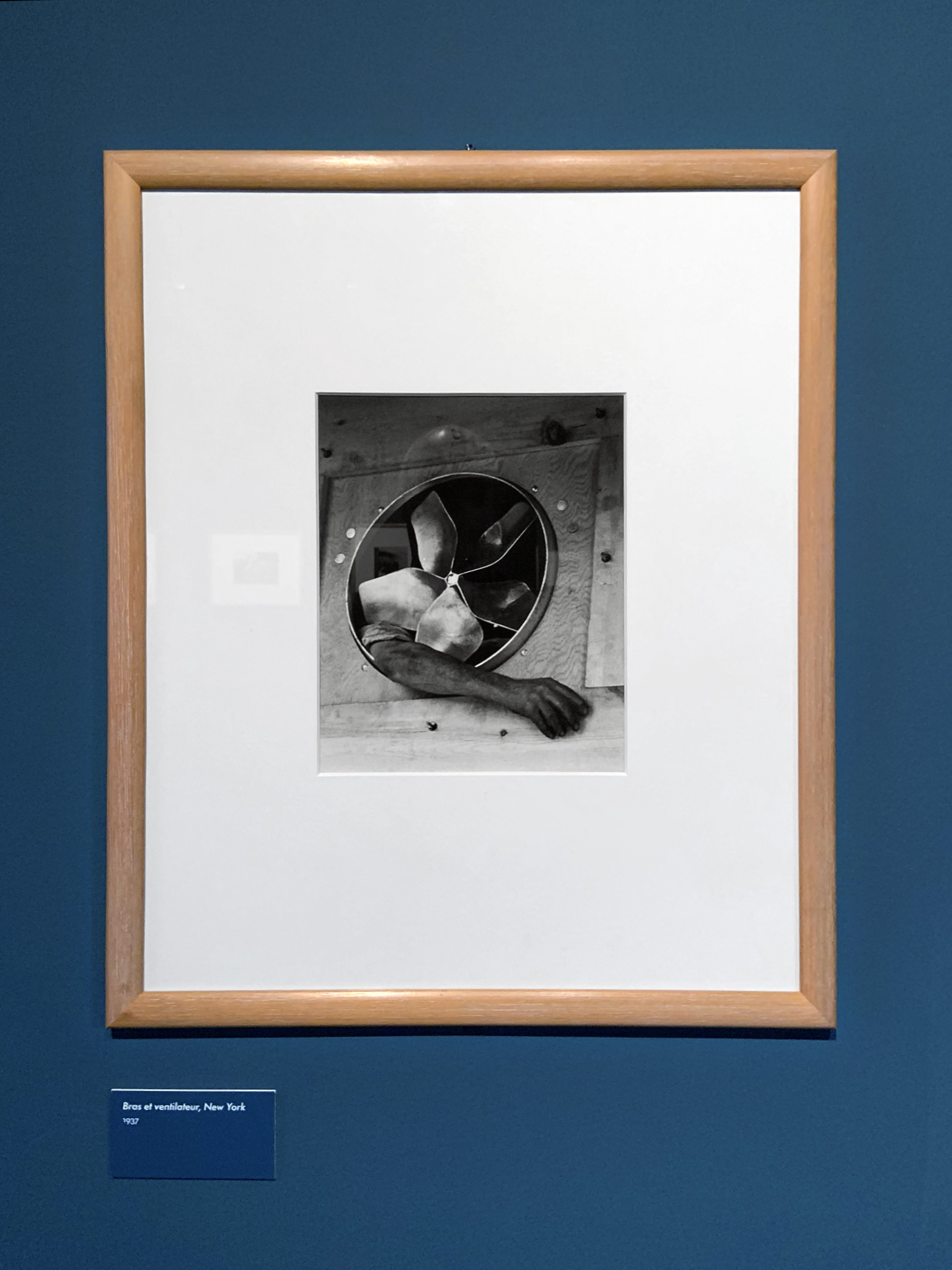

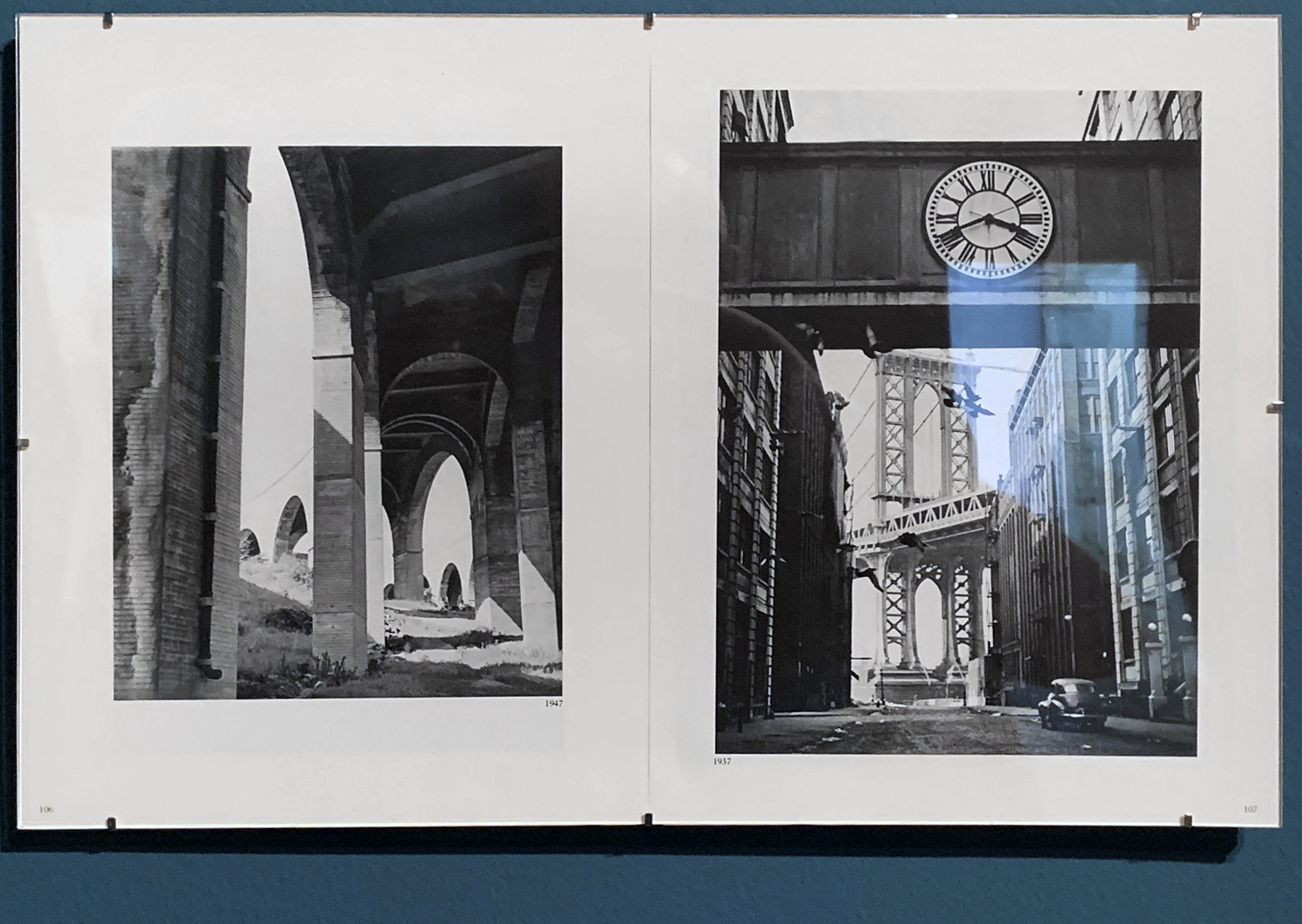


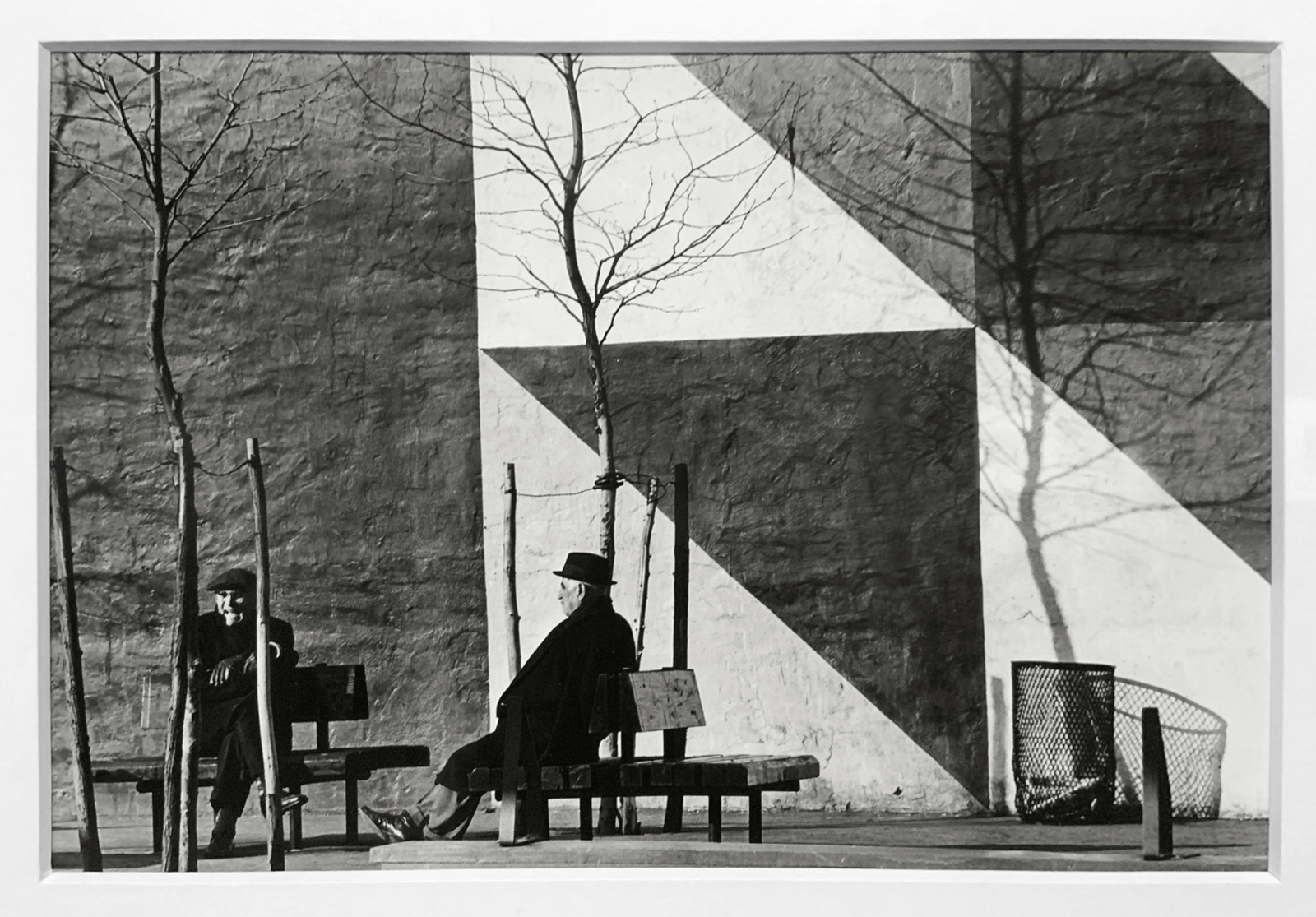






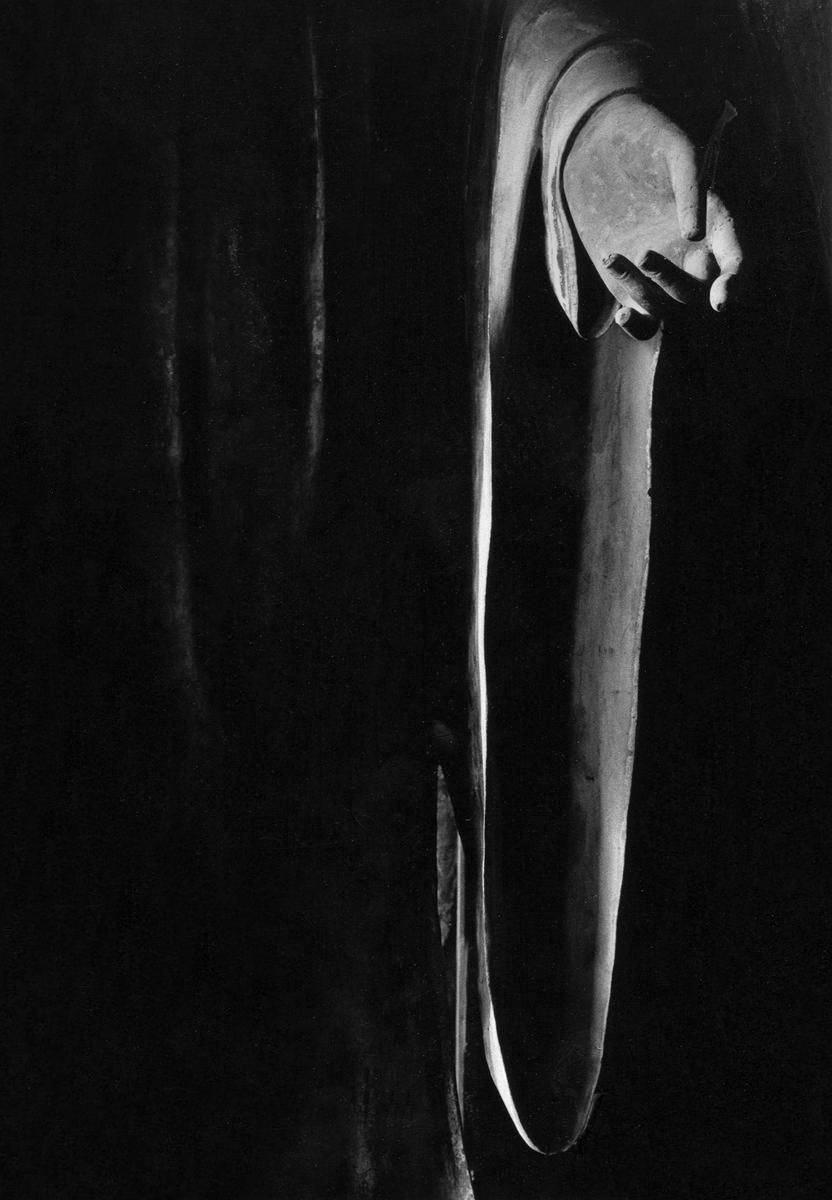
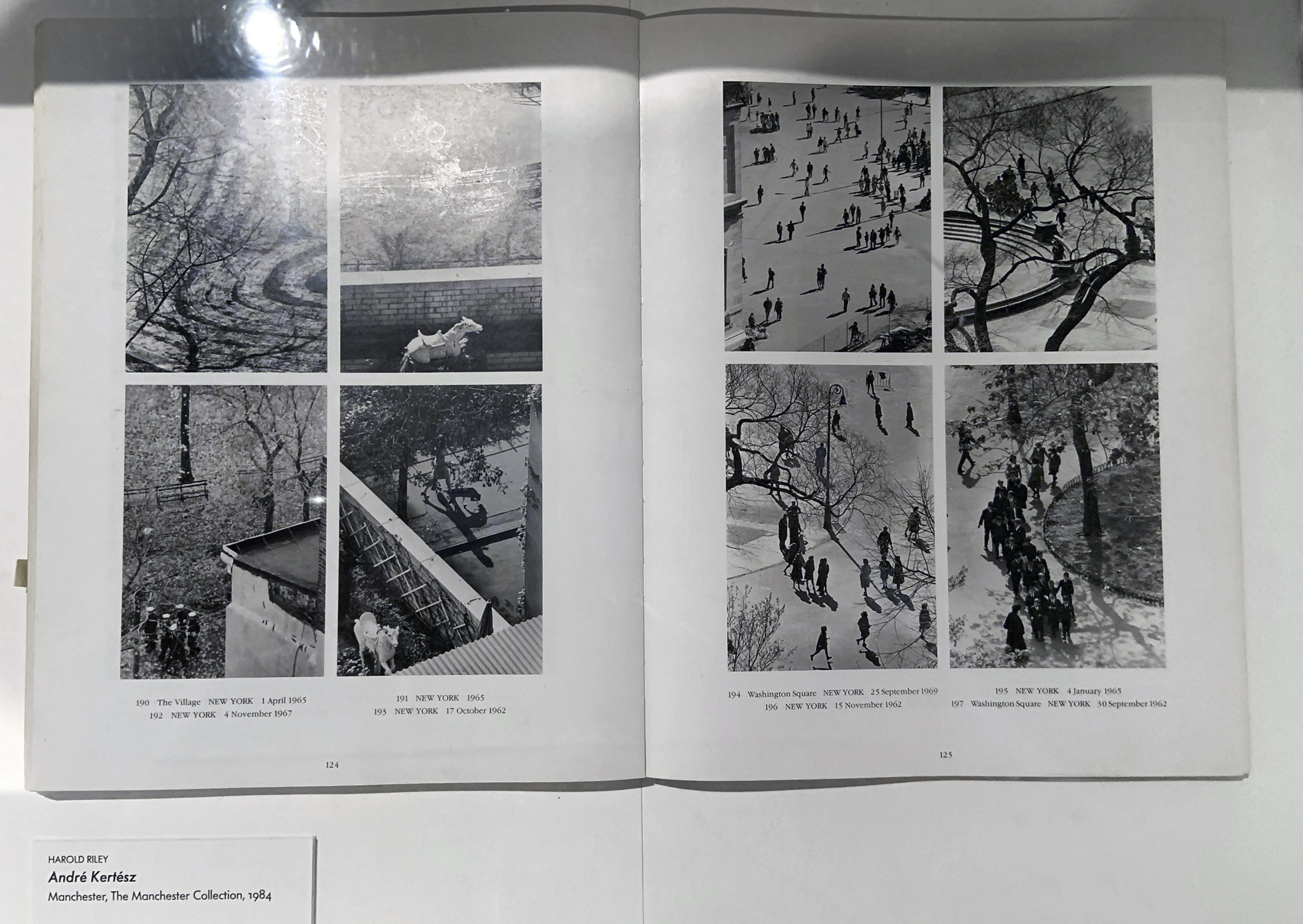
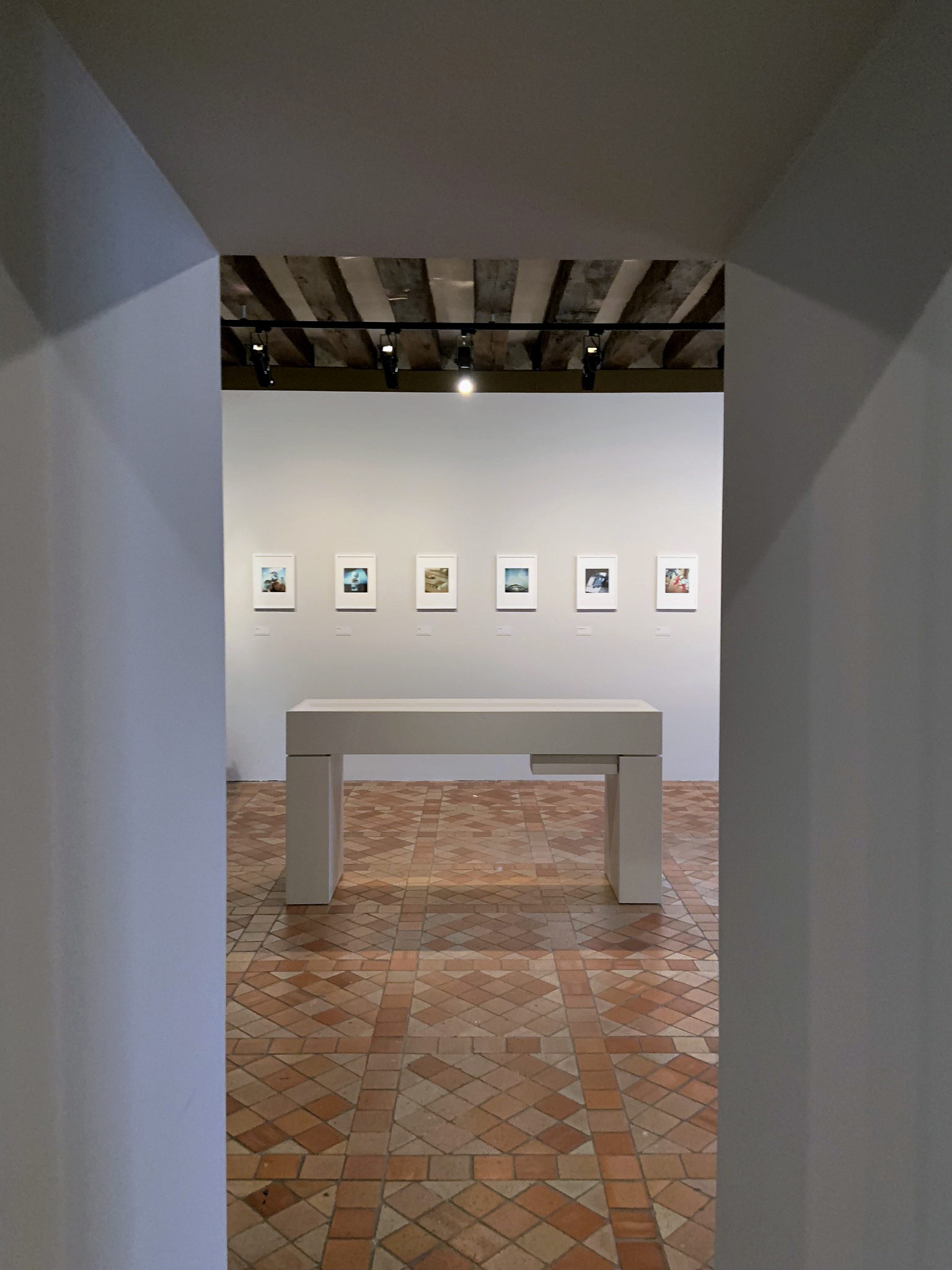
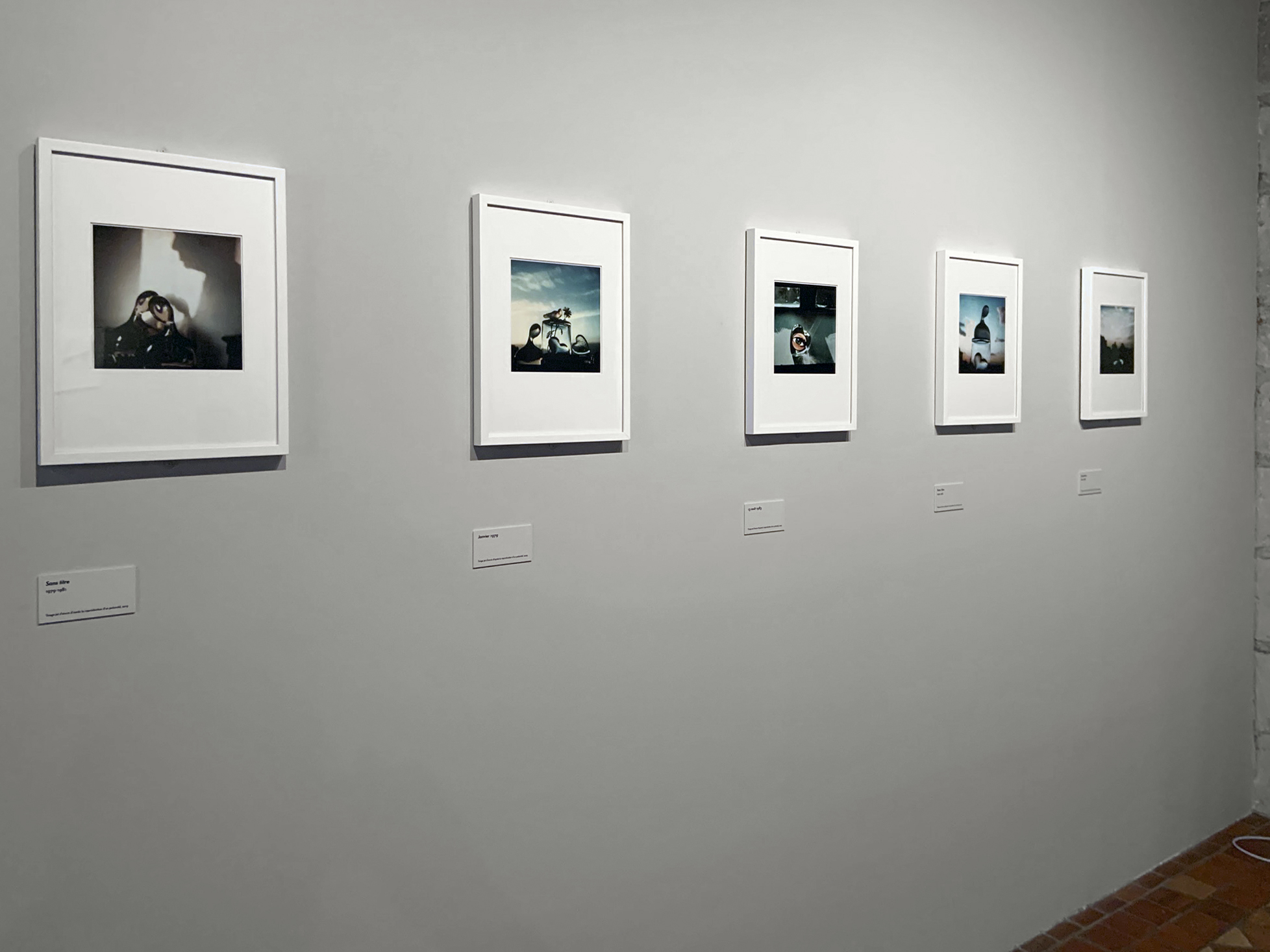

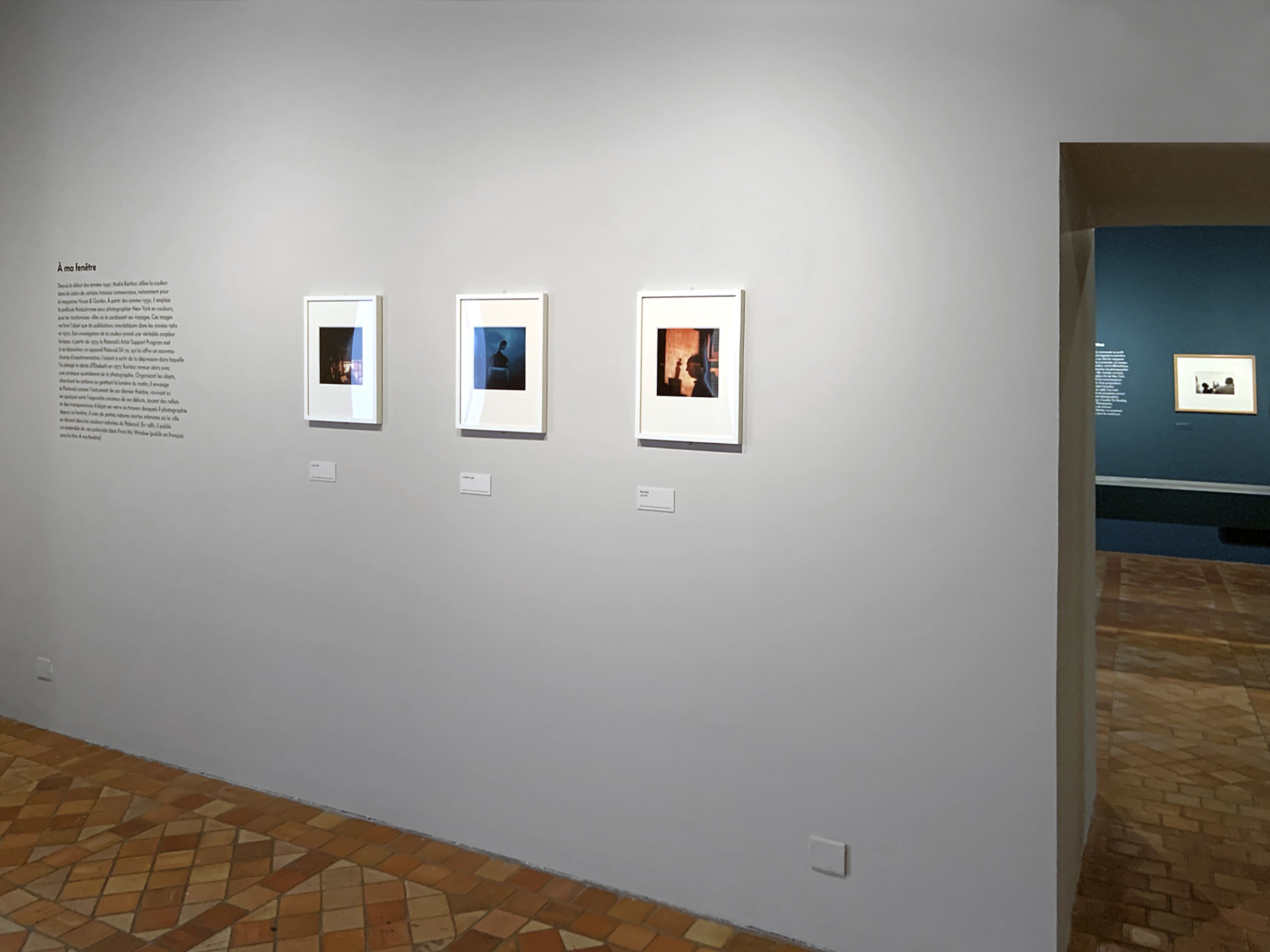
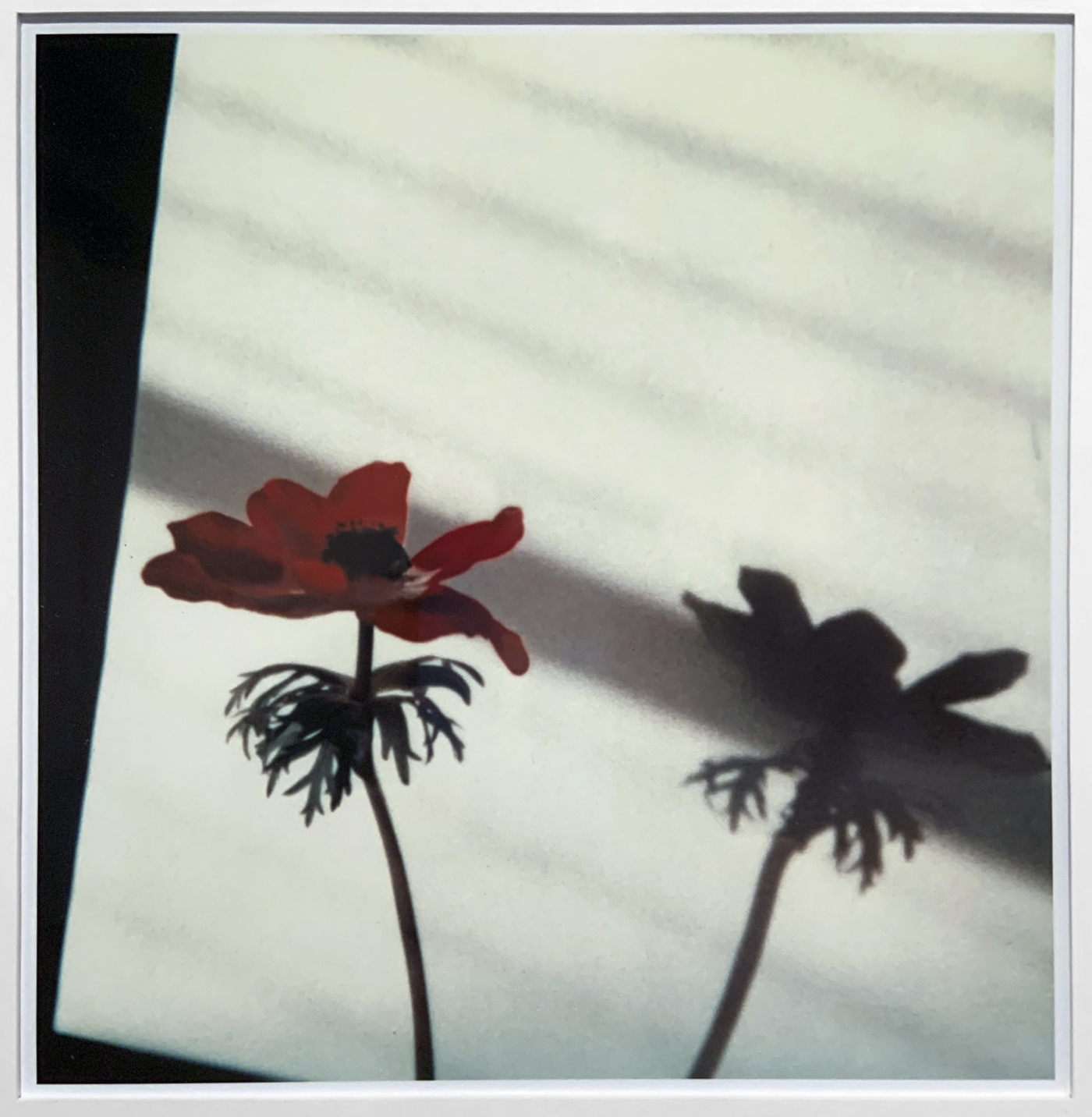
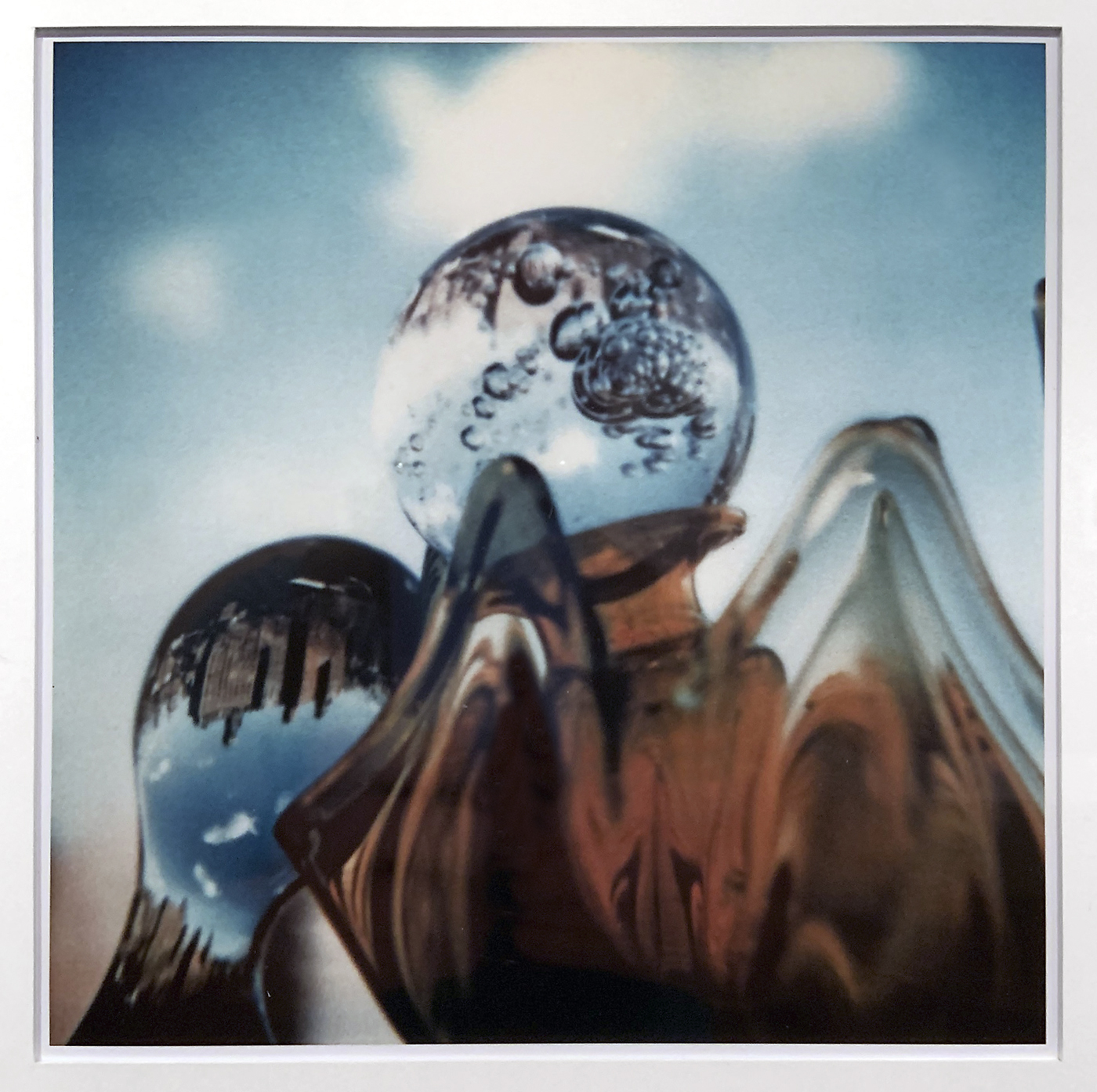



![Weegee (Arthur Fellig) (American born Austria, 1899-1968) '[Calypso]' about 1944; before 1946 from the exhibition Exhibition: 'Unseen: 35 Years of Collecting Photographs' at the J. Paul Getty Museum, Los Angeles, Dec 2019 - March 2020](https://artblart.com/wp-content/uploads/2020/02/gm_04305501_2000x2000.jpg "Weegee (Arthur Fellig) (American born Austria, 1899-1968) '[Calypso]' about 1944; before 1946 from the exhibition Exhibition: 'Unseen: 35 Years of Collecting Photographs' at the J. Paul Getty Museum, Los Angeles, Dec 2019 - March 2020")
![Carleton Watkins (American, 1829-1916) '[Guadalupe Mill]' 1860 from the exhibition Exhibition: 'Unseen: 35 Years of Collecting Photographs' at the J. Paul Getty Museum, Los Angeles, Dec 2019 - March 2020](https://artblart.com/wp-content/uploads/2020/02/gm_06196501_2000x2000.jpg "Carleton Watkins (American, 1829-1916) '[Guadalupe Mill]' 1860 from the exhibition Exhibition: 'Unseen: 35 Years of Collecting Photographs' at the J. Paul Getty Museum, Los Angeles, Dec 2019 - March 2020")


![Marinus Jacob Kjeldgaard (Danish, 1884-1964, active Paris, France late 1930s - late 1940s) '[Collage: Balance of Powers]' about 1939](https://artblart.com/wp-content/uploads/2020/02/gm_05085801_2000x2000.jpg "Marinus Jacob Kjeldgaard (Danish, 1884-1964, active Paris, France late 1930s - late 1940s) '[Collage: Balance of Powers]' about 1939")
![Paul Outerbridge (American, 1896-1958) '[Egg in Spotlight]' 1943](https://artblart.com/wp-content/uploads/2020/02/gm_32105401_2000x2000.jpg "Paul Outerbridge (American, 1896-1958) '[Egg in Spotlight]' 1943")
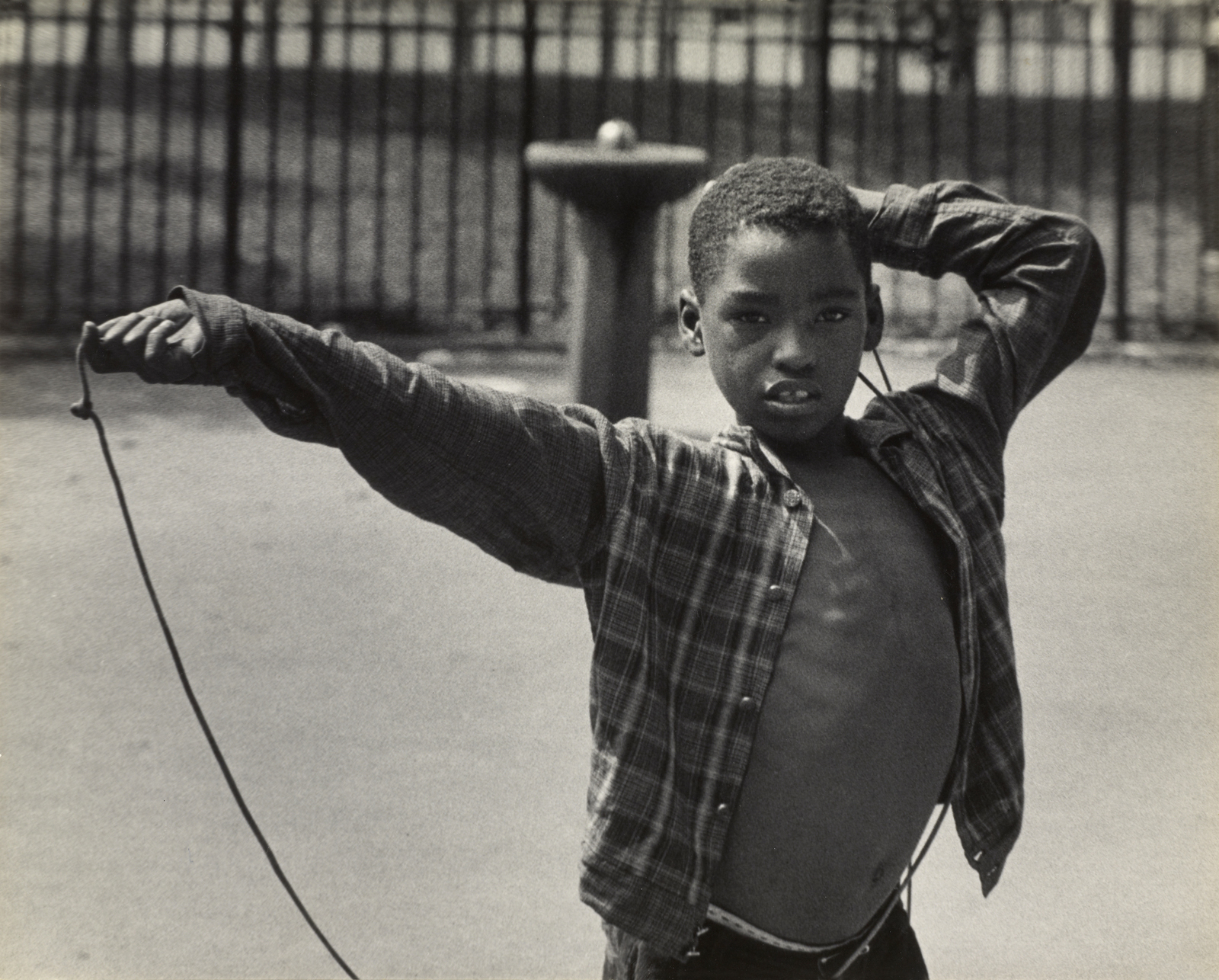
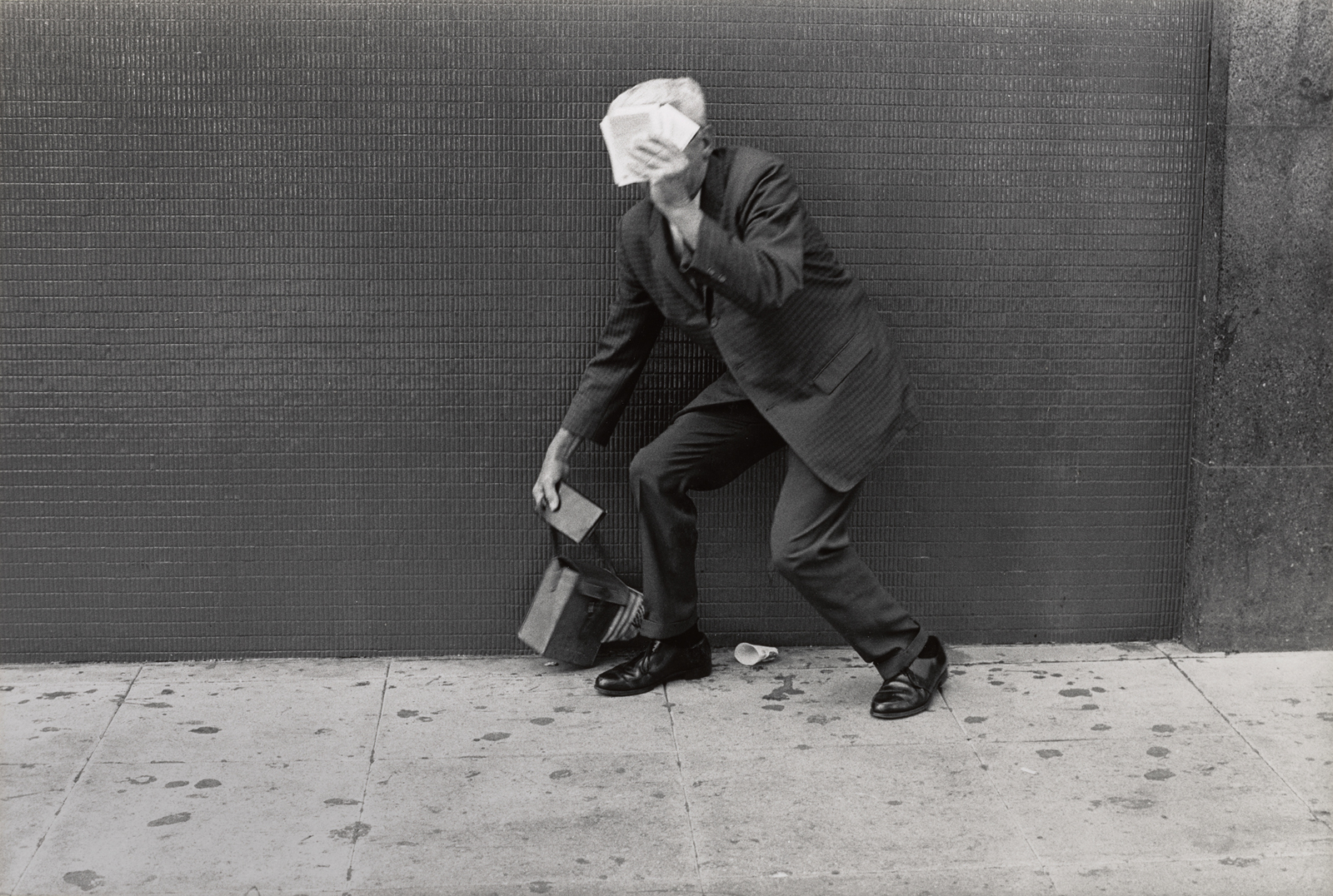


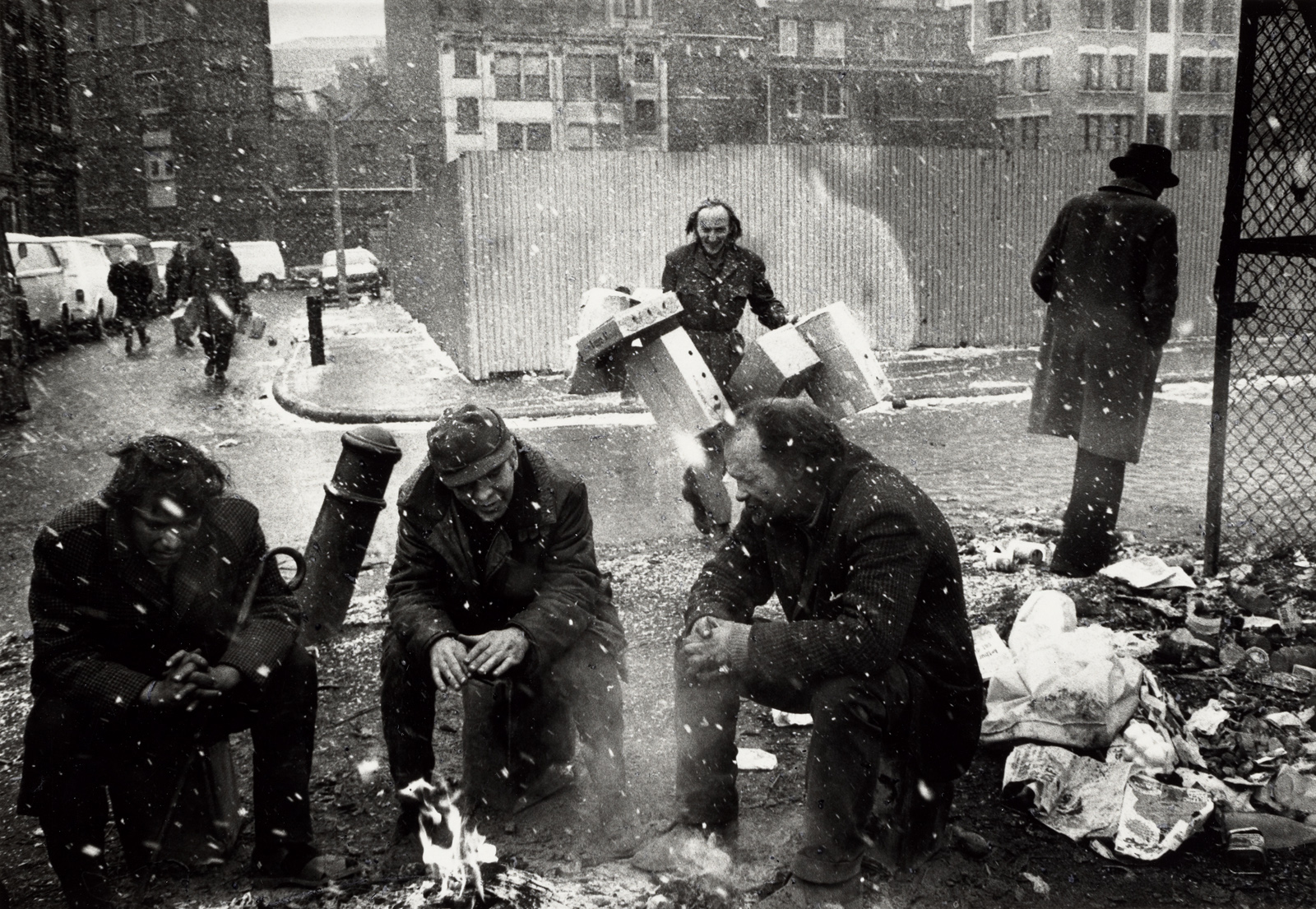
![Shigeichi Nagano (Japanese, 1925-2019, active Tokyo, Japan) '[Tokyo, Aobadai (Nishi Saigoyama Park), Meguro Ward]' 1988](https://artblart.com/wp-content/uploads/2020/02/gm_30687901_2000x2000.jpg "Shigeichi Nagano (Japanese, 1925-2019, active Tokyo, Japan) '[Tokyo, Aobadai (Nishi Saigoyama Park), Meguro Ward]' 1988")
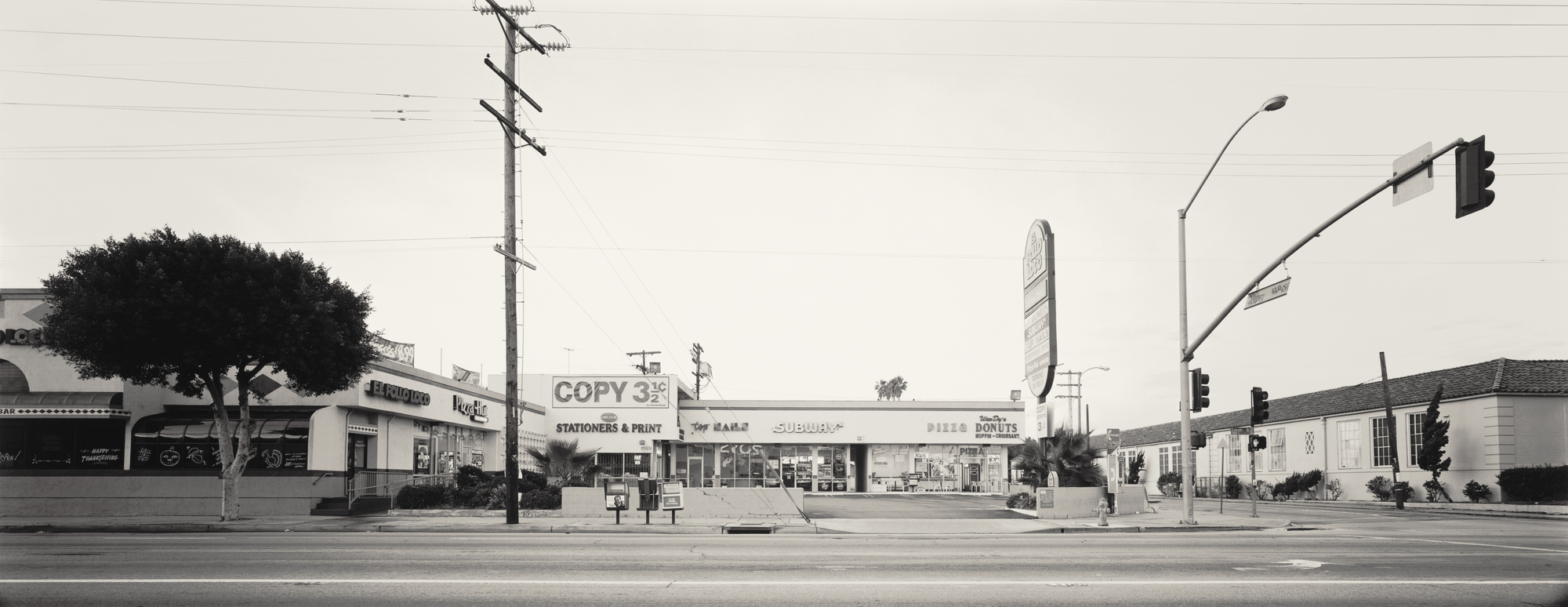



![Julia Margaret Cameron (British born India, 1815-1879) '[Spring]' 1873](https://artblart.com/wp-content/uploads/2020/02/gm_06520801_2000x2000.jpg "Julia Margaret Cameron (British born India, 1815-1879) '[Spring]' 1873")
![Reverend William Ellis (British, 1794-1872) and Samuel Smith. '[Portrait of a Black Couple]' about 1873](https://artblart.com/wp-content/uploads/2020/02/gm_133436t1v1_2000x2000.jpg "Reverend William Ellis (British, 1794-1872) and Samuel Smith. '[Portrait of a Black Couple]' about 1873")

![László Moholy-Nagy (American born Hungary, 1895-1946) '[The Law of the Series]' 1925](https://artblart.com/wp-content/uploads/2020/02/gm_05309301_2000x2000.jpg "László Moholy-Nagy (American born Hungary, 1895-1946) '[The Law of the Series]' 1925")


![Paul Wolff (German, 1887-1951) and Dr Wolff & Tritschler OHG (German, founded 1927, dissolved 1963) '[Dog at the beach]' 1936](https://artblart.com/wp-content/uploads/2020/02/gm_041552t1v1_2000x2000-1.jpg "Paul Wolff (German, 1887-1951) and Dr Wolff & Tritschler OHG (German, founded 1927, dissolved 1963) '[Dog at the beach]' 1936")
![Walker Evans (American, 1903 - 1975) '[Two Giraffes, Circus Winter Quarters, Sarasota]' 1941](https://artblart.com/wp-content/uploads/2020/02/gm_05269601_2000x2000.jpg "Walker Evans (American, 1903 - 1975) '[Two Giraffes, Circus Winter Quarters, Sarasota]' 1941")
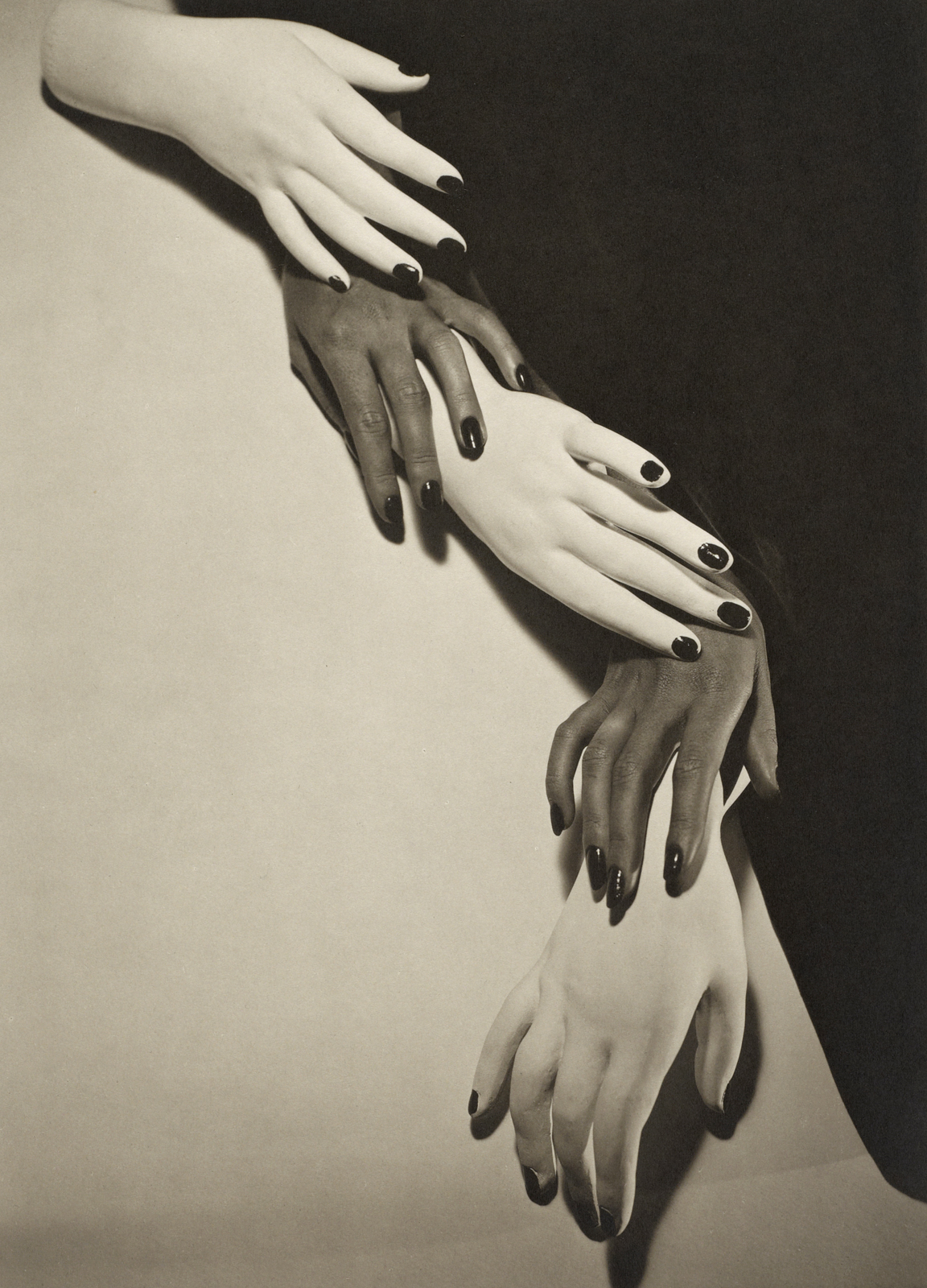


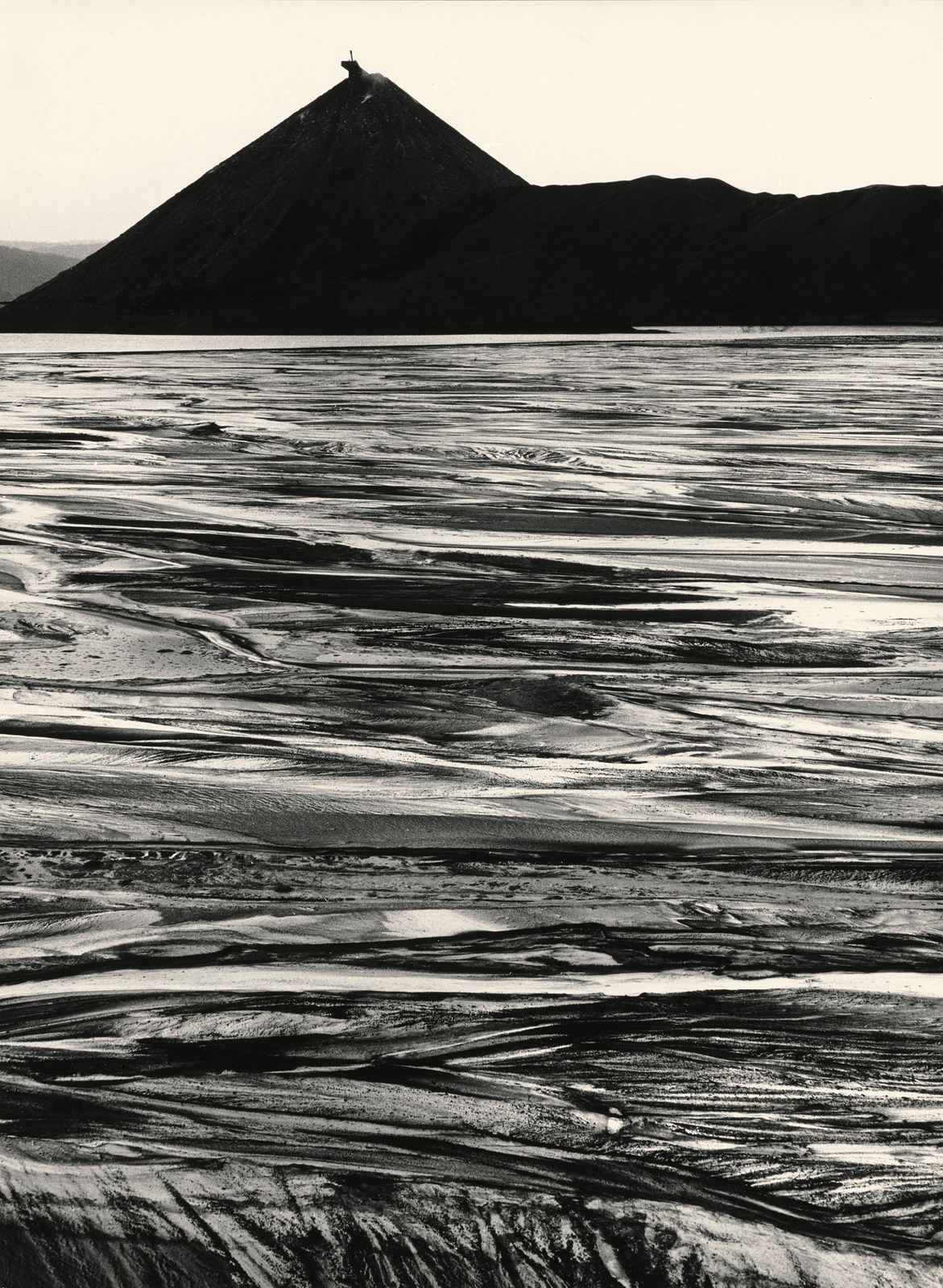

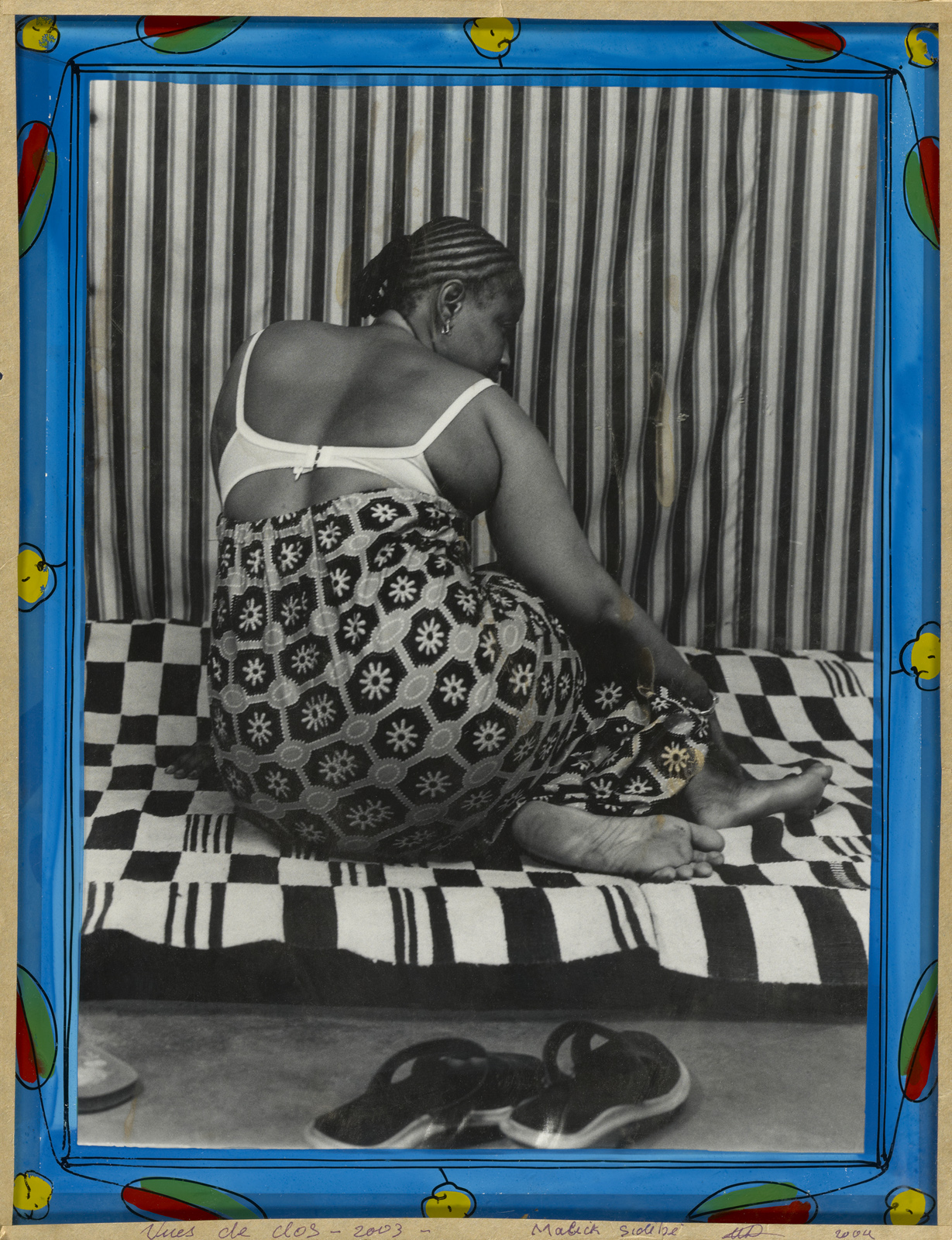

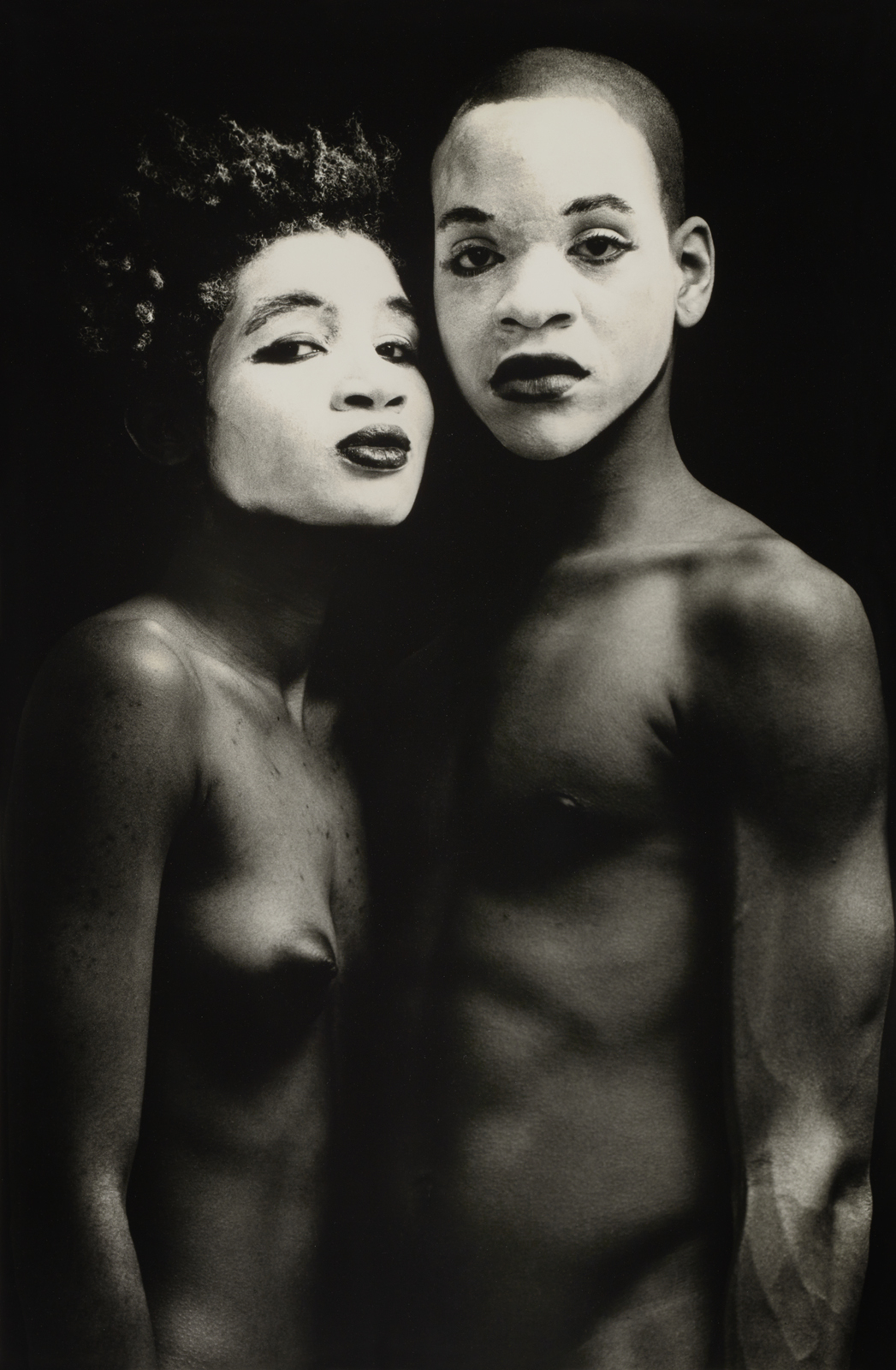
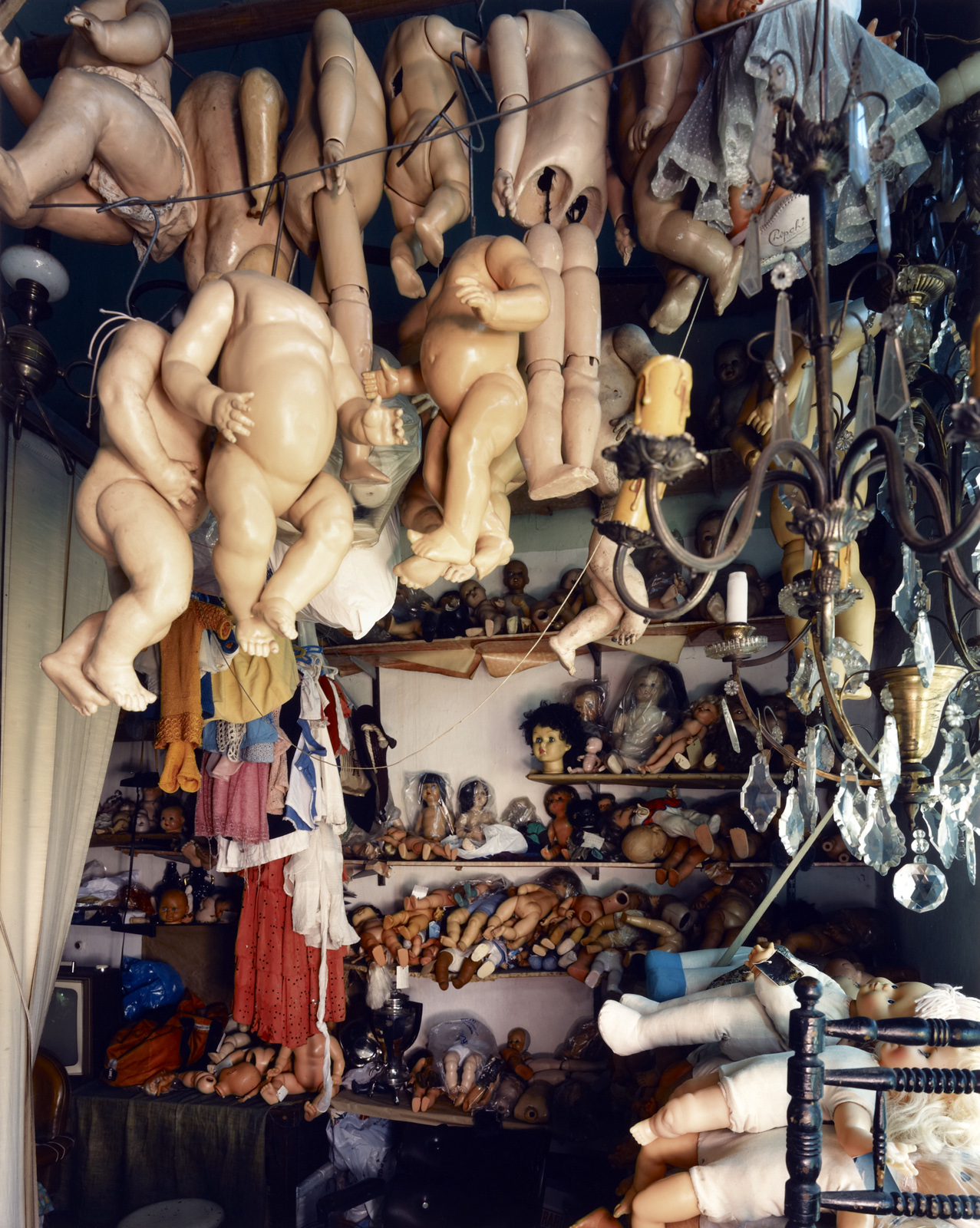

![Myoung Ho Lee (South Korean, b. 1975) '[Tree #2]' 2006](https://artblart.com/wp-content/uploads/2020/02/gm_31977201_2000x2000.jpg "Myoung Ho Lee (South Korean, b. 1975) '[Tree #2]' 2006")
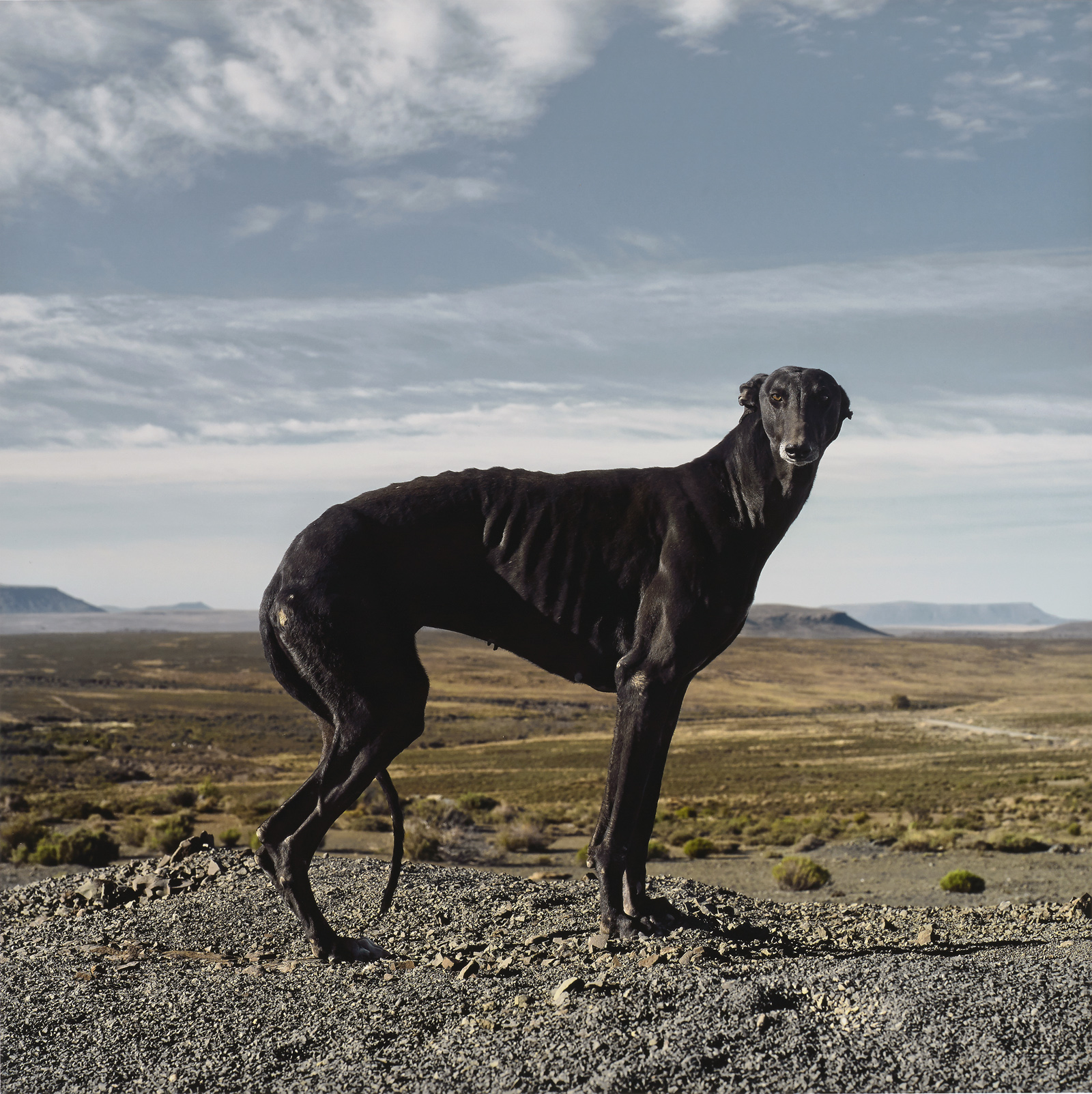
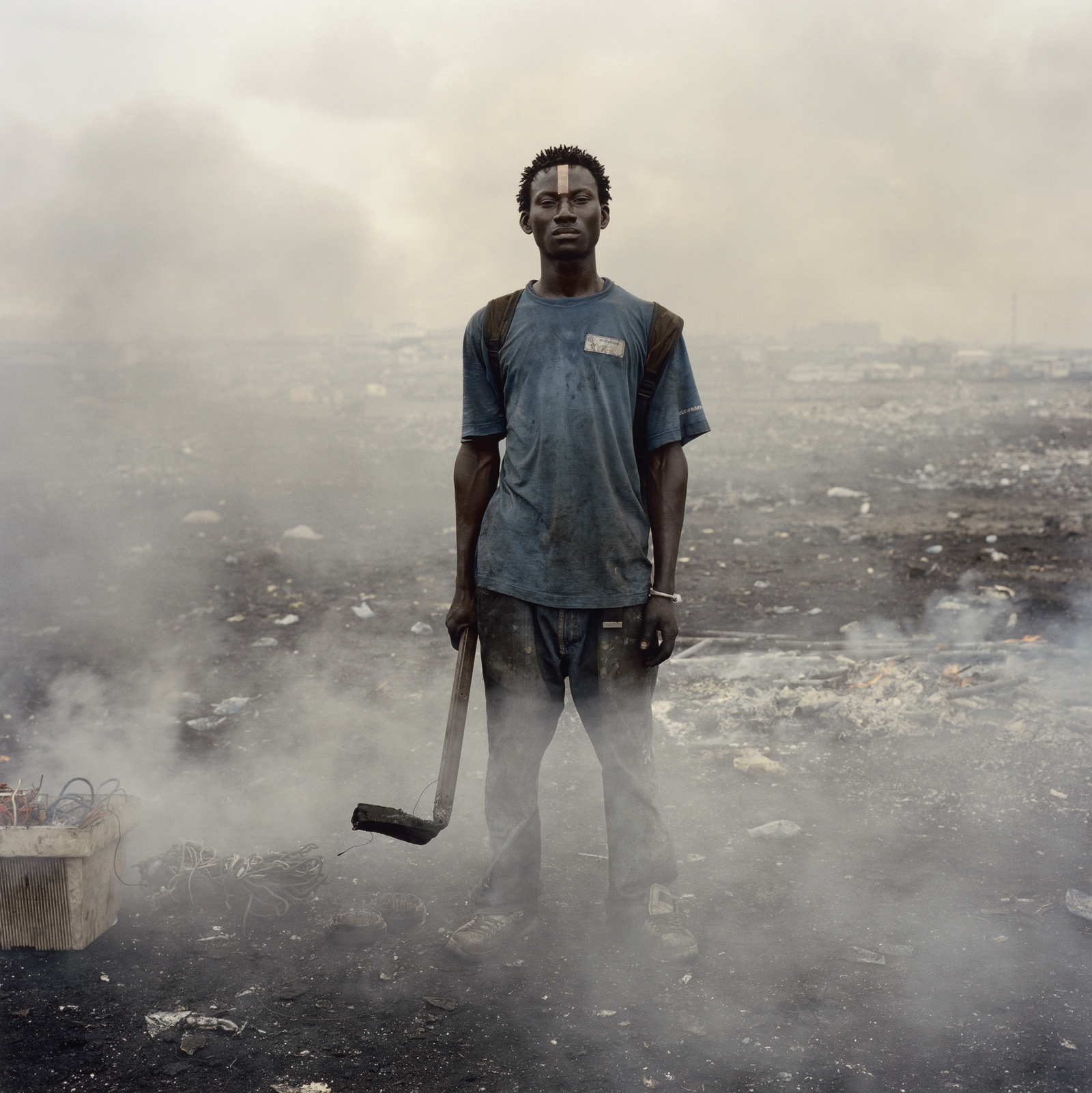
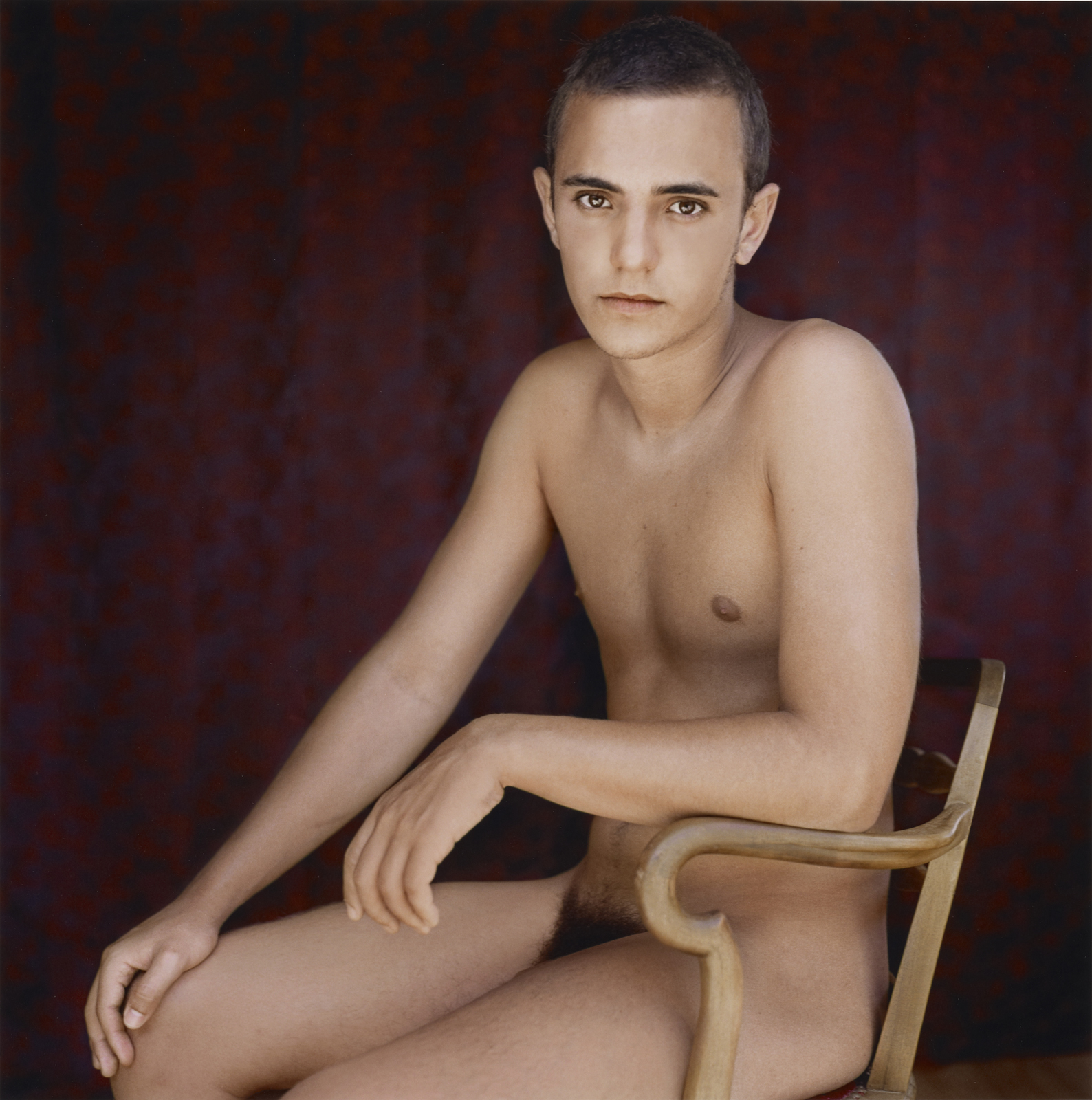
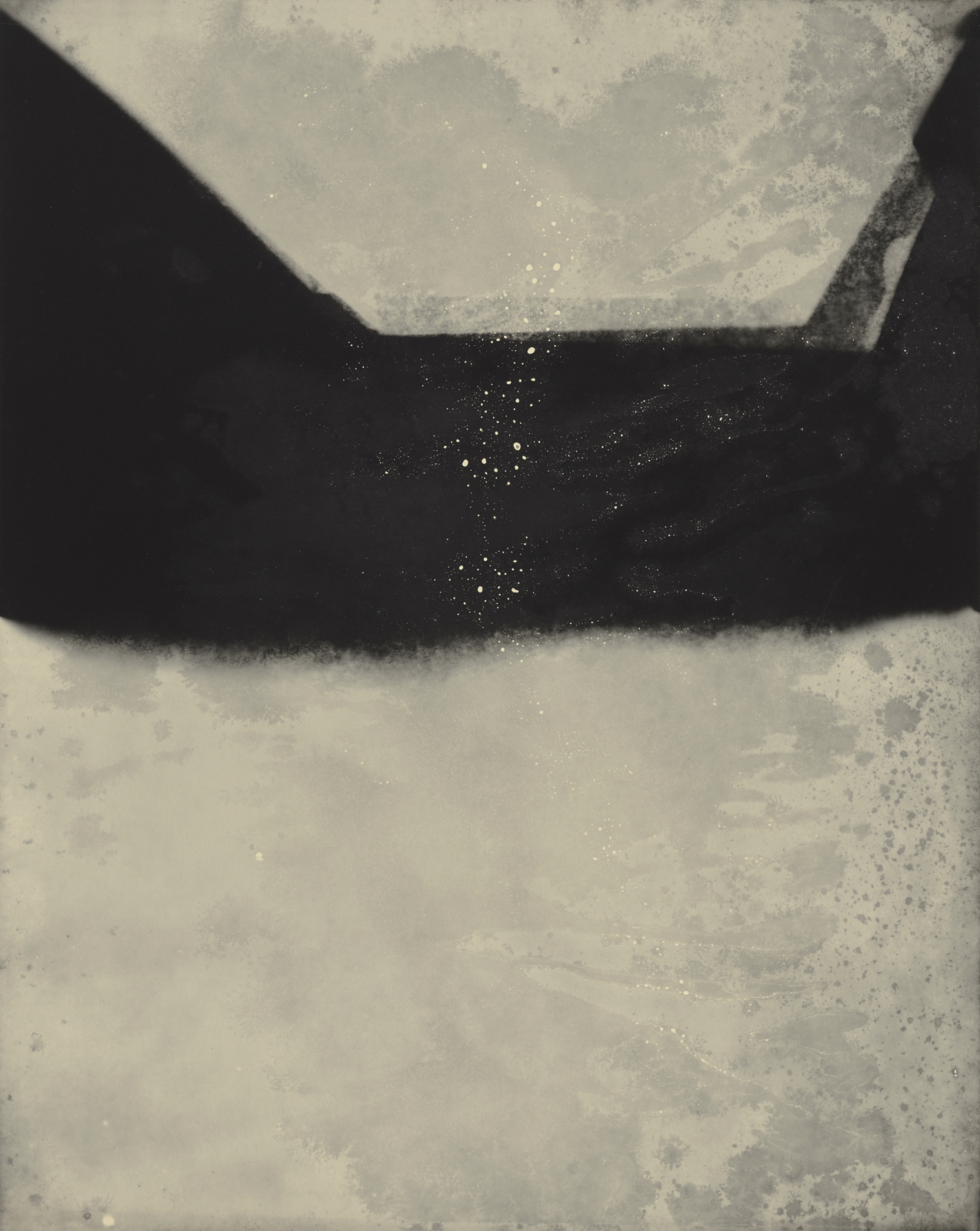


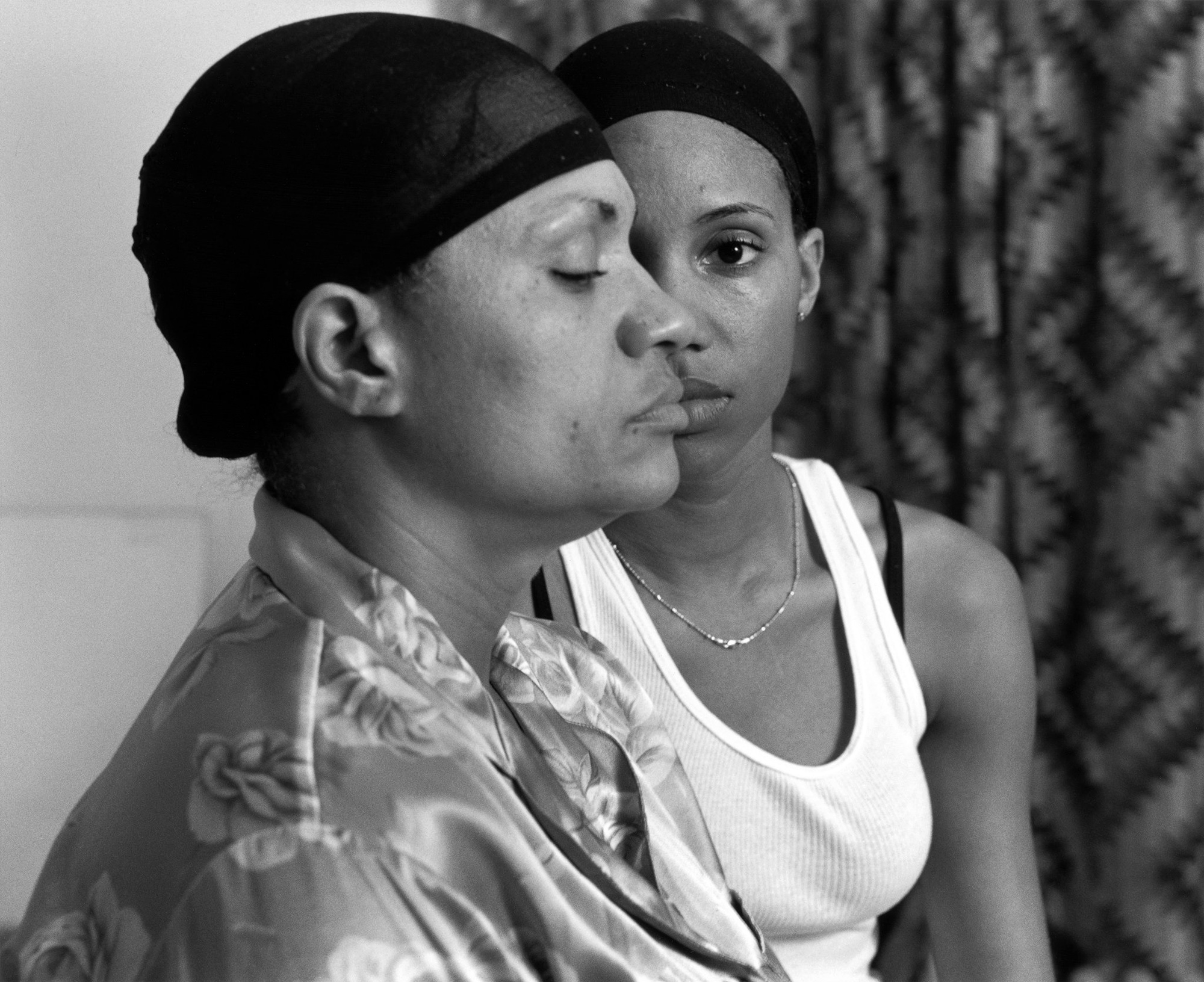

![Photographer unknown (American) 'Untitled [Hidden Mother]' c. 1860s-1870s](https://artblart.com/wp-content/uploads/2018/05/13_hidden-mother_artist-unidentified-web.jpg "Photographer unknown (American) 'Untitled [Hidden Mother]' c. 1860s-1870s")


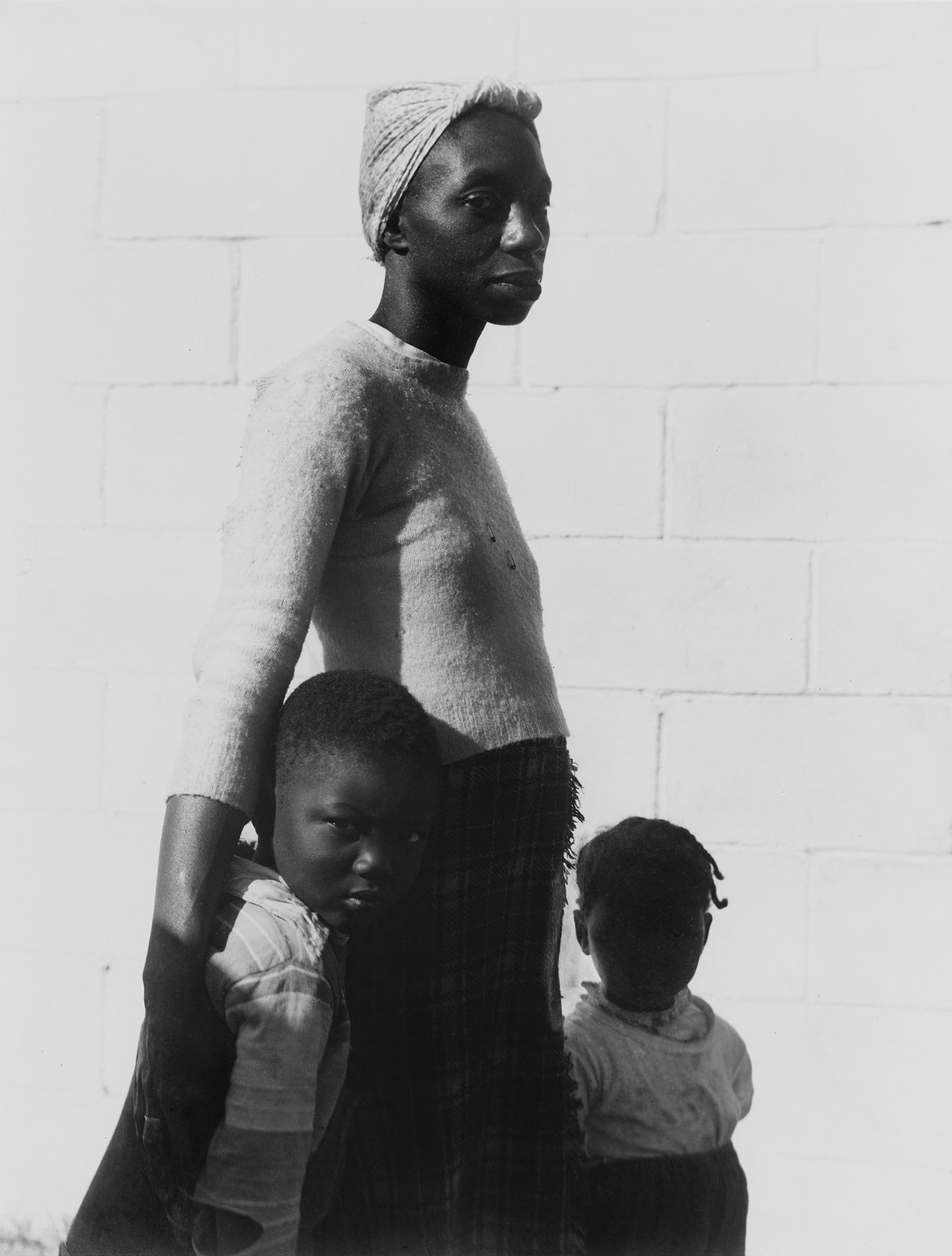
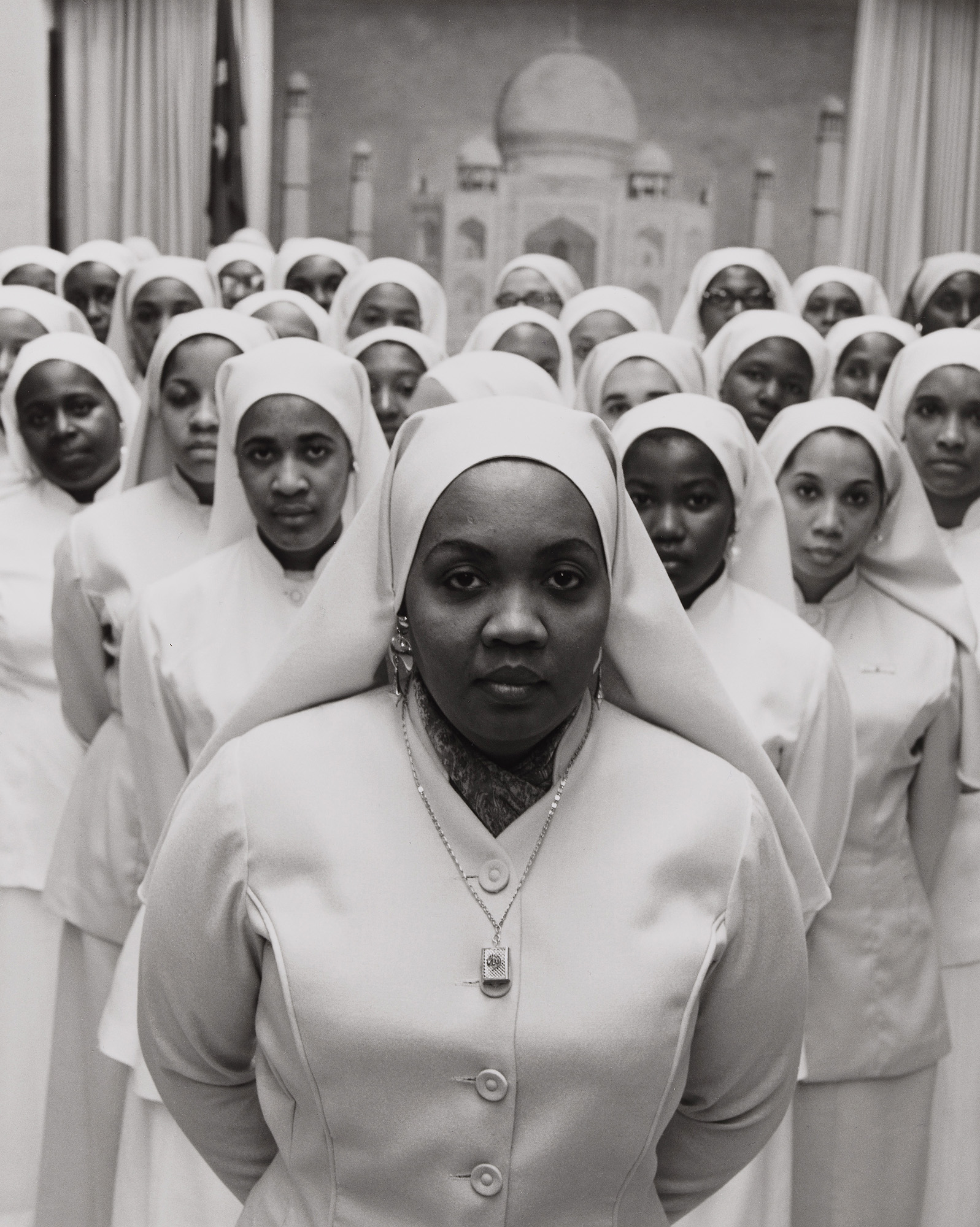


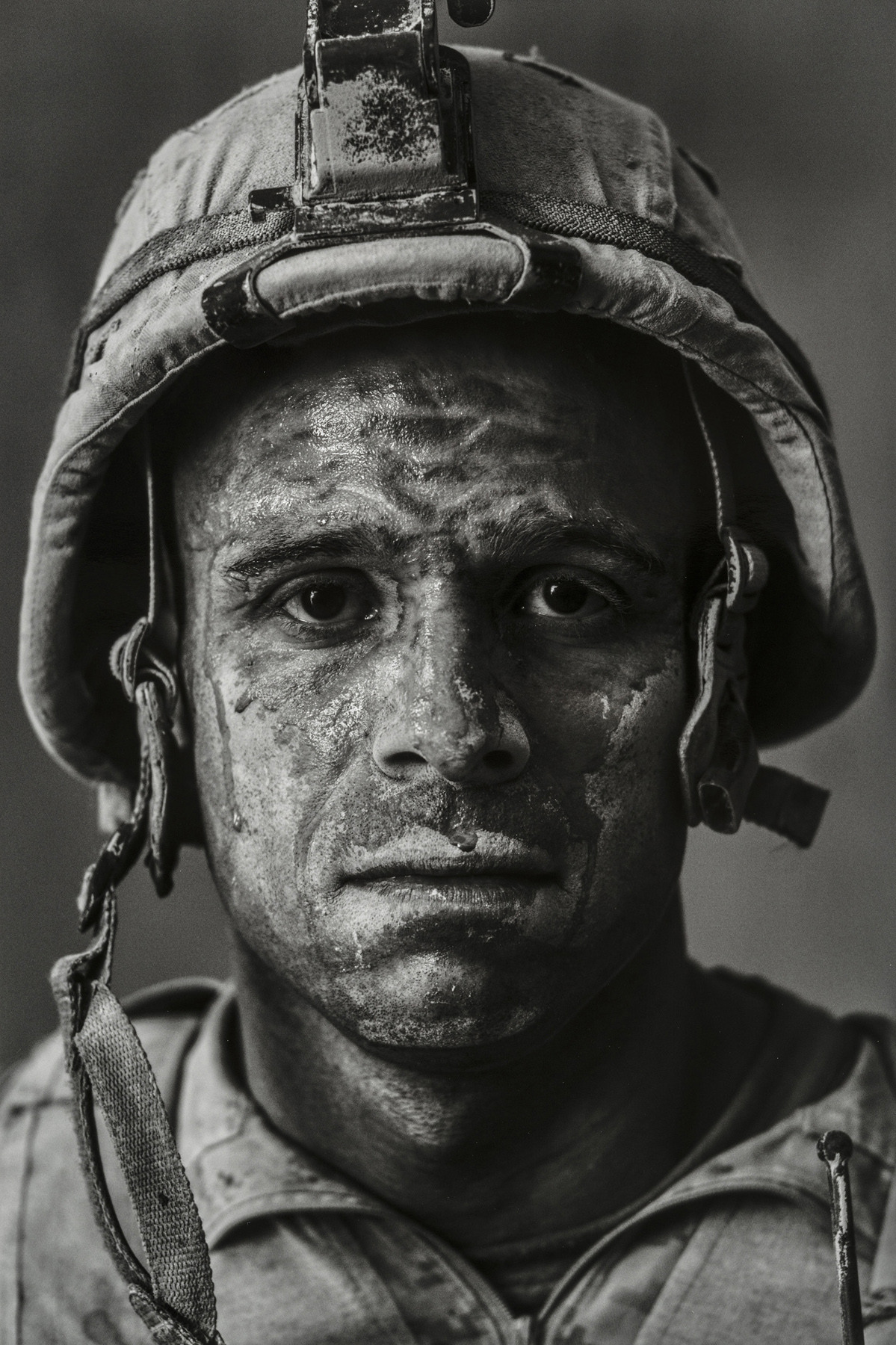


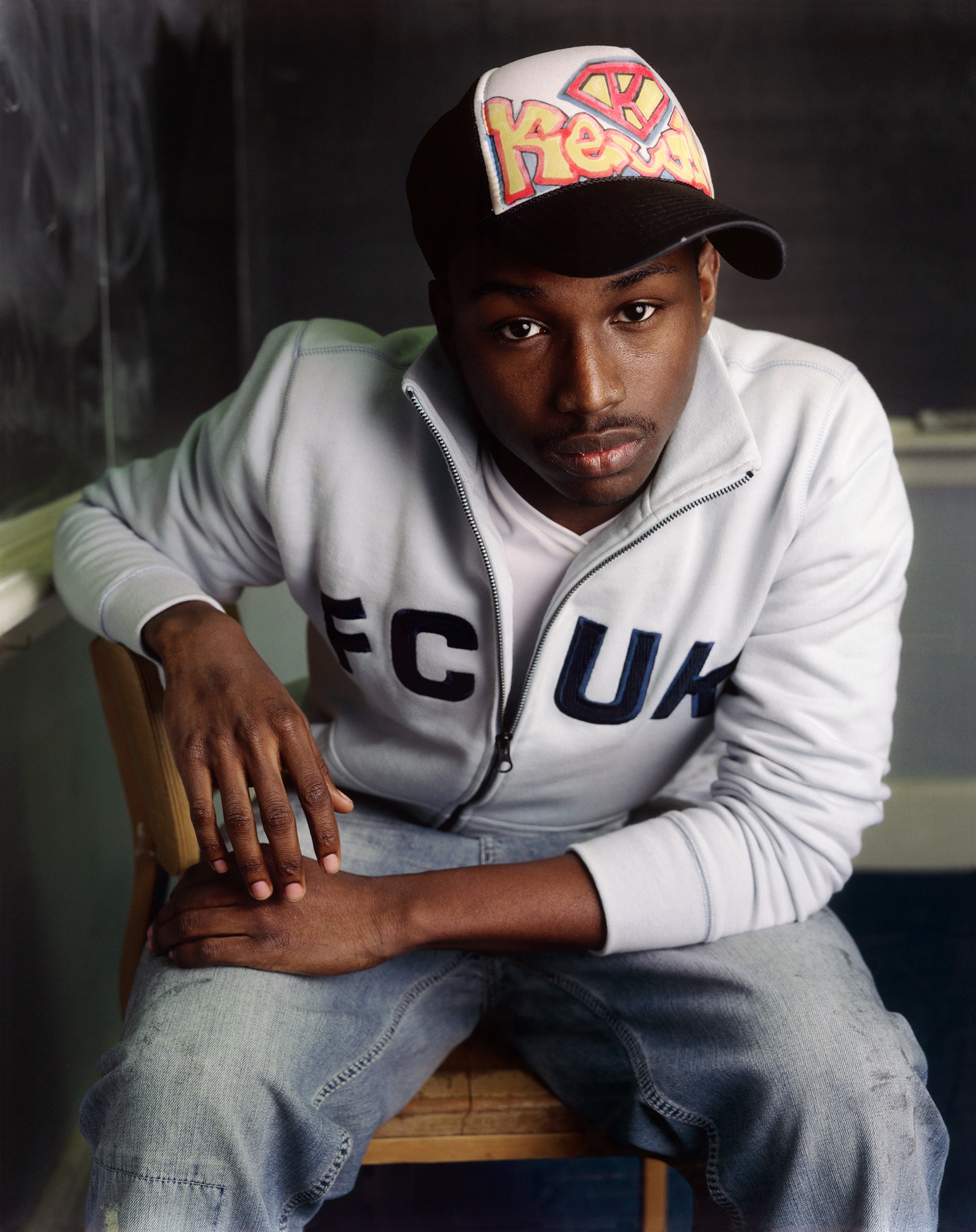


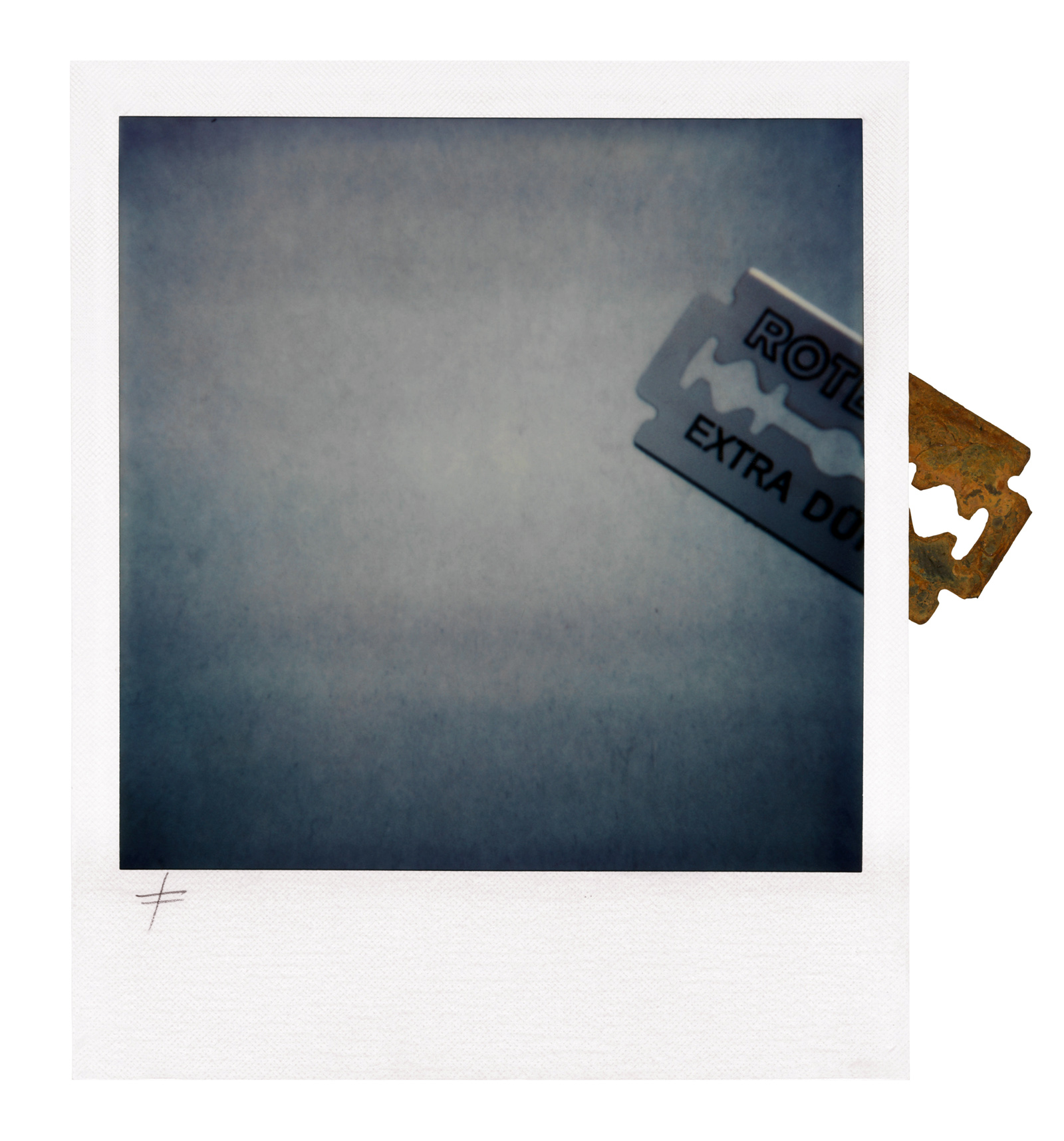


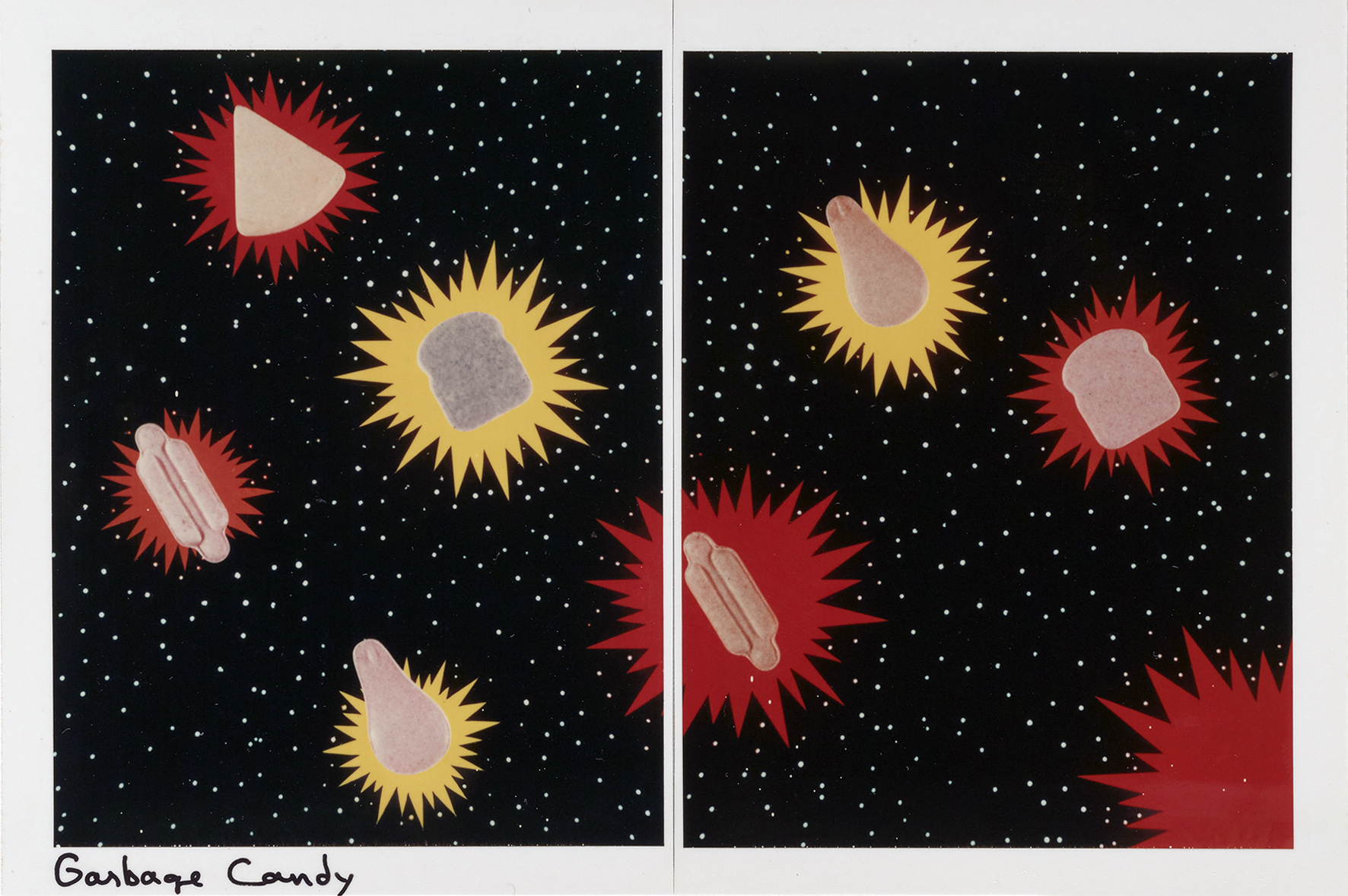
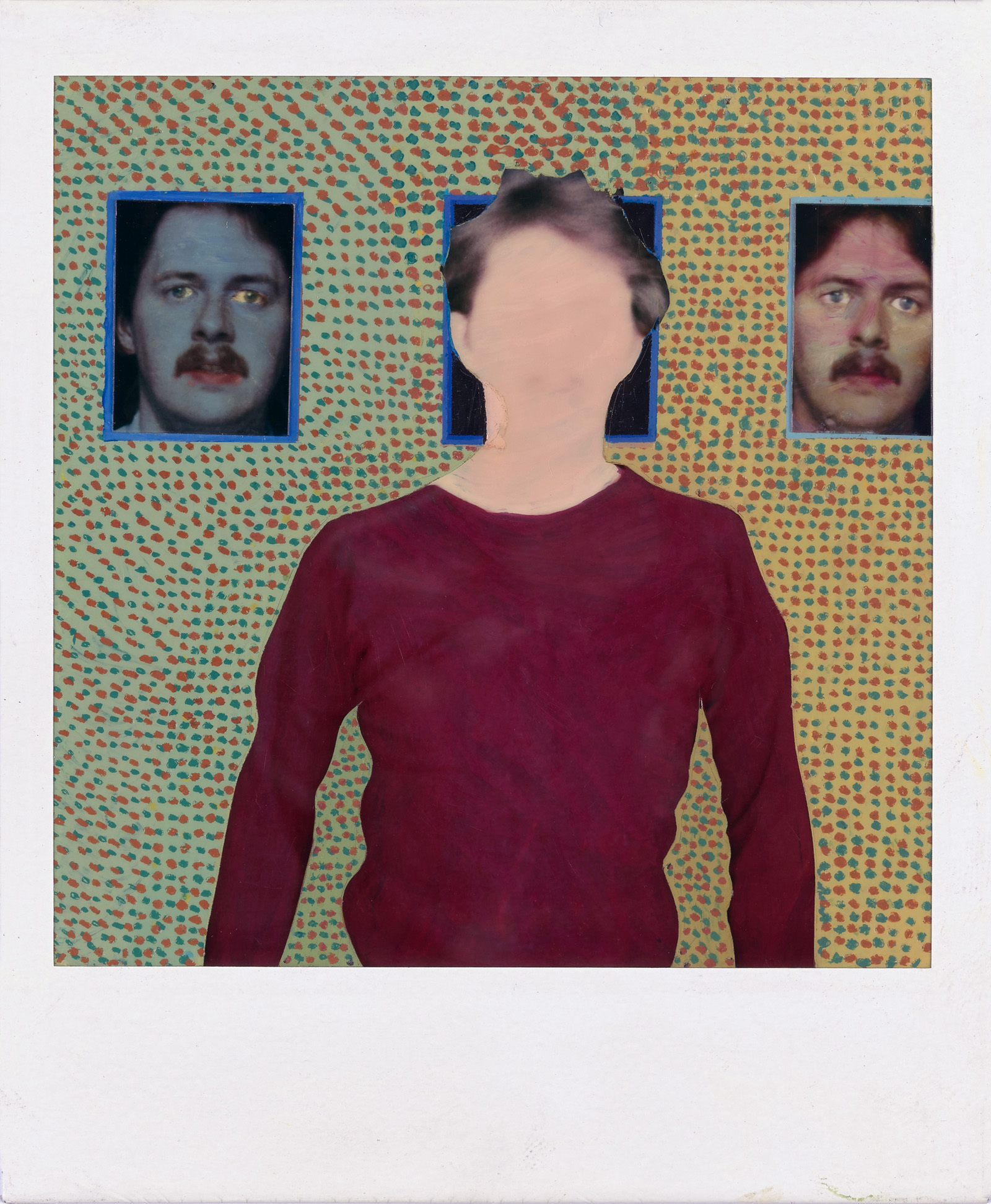
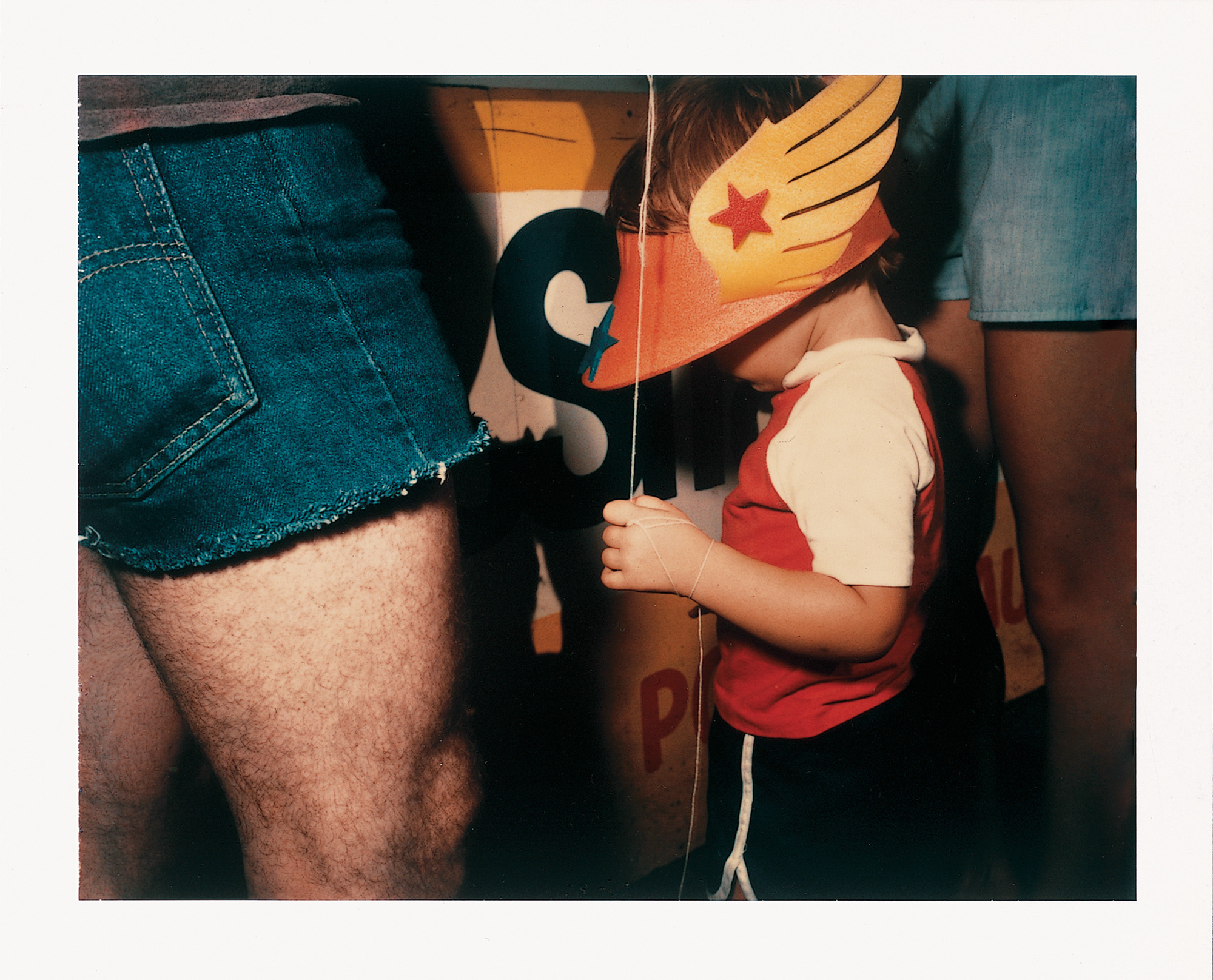
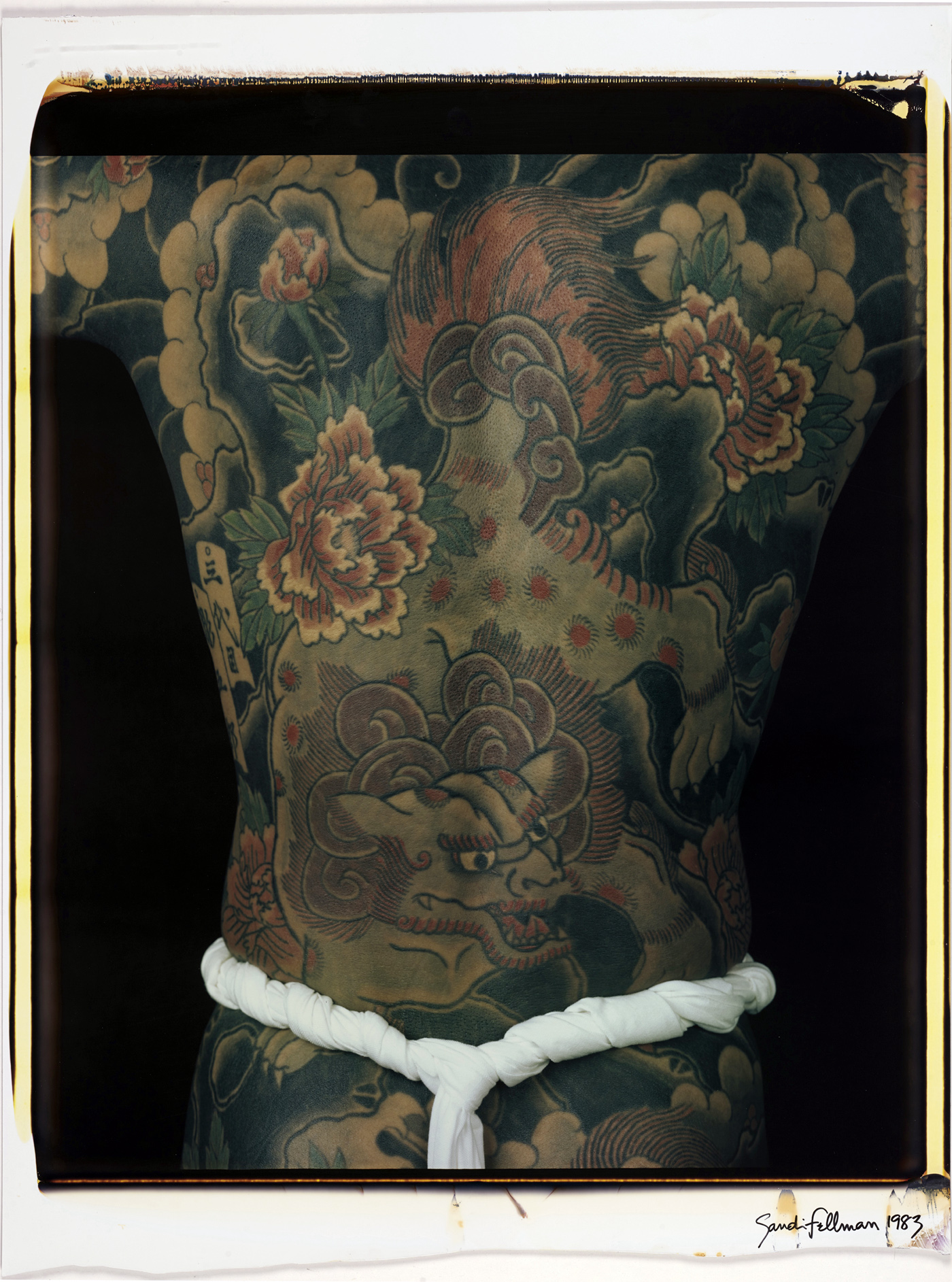
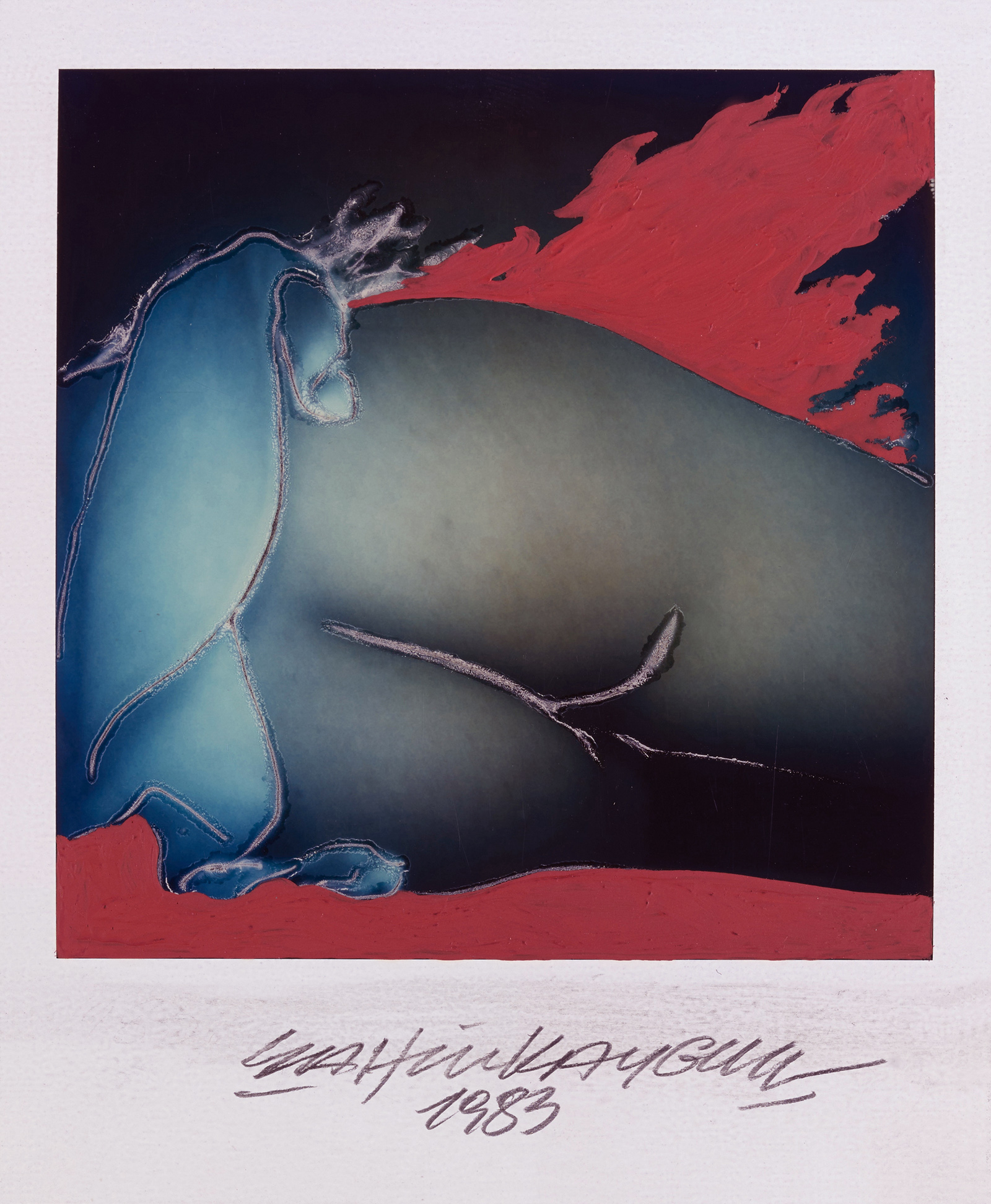



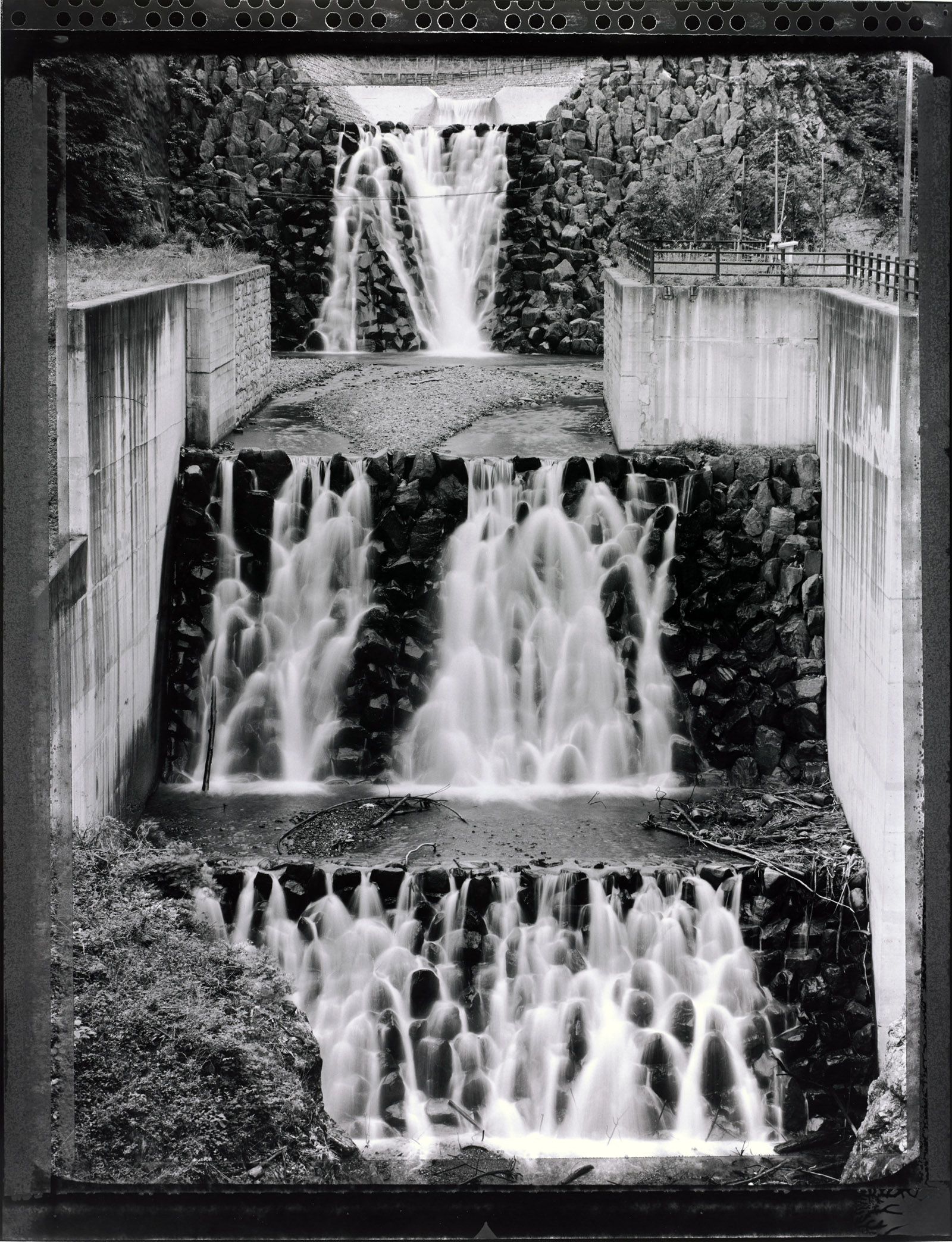
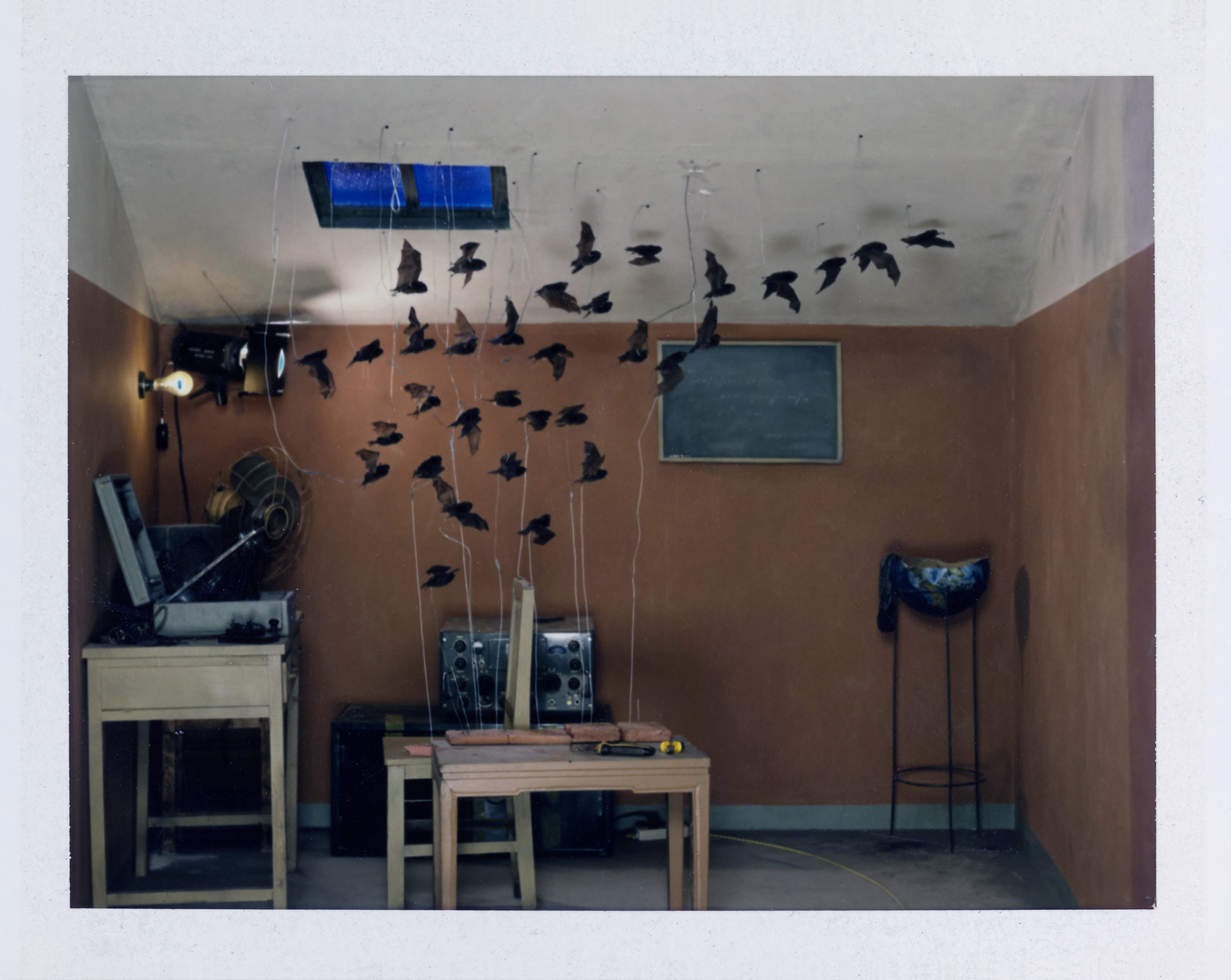
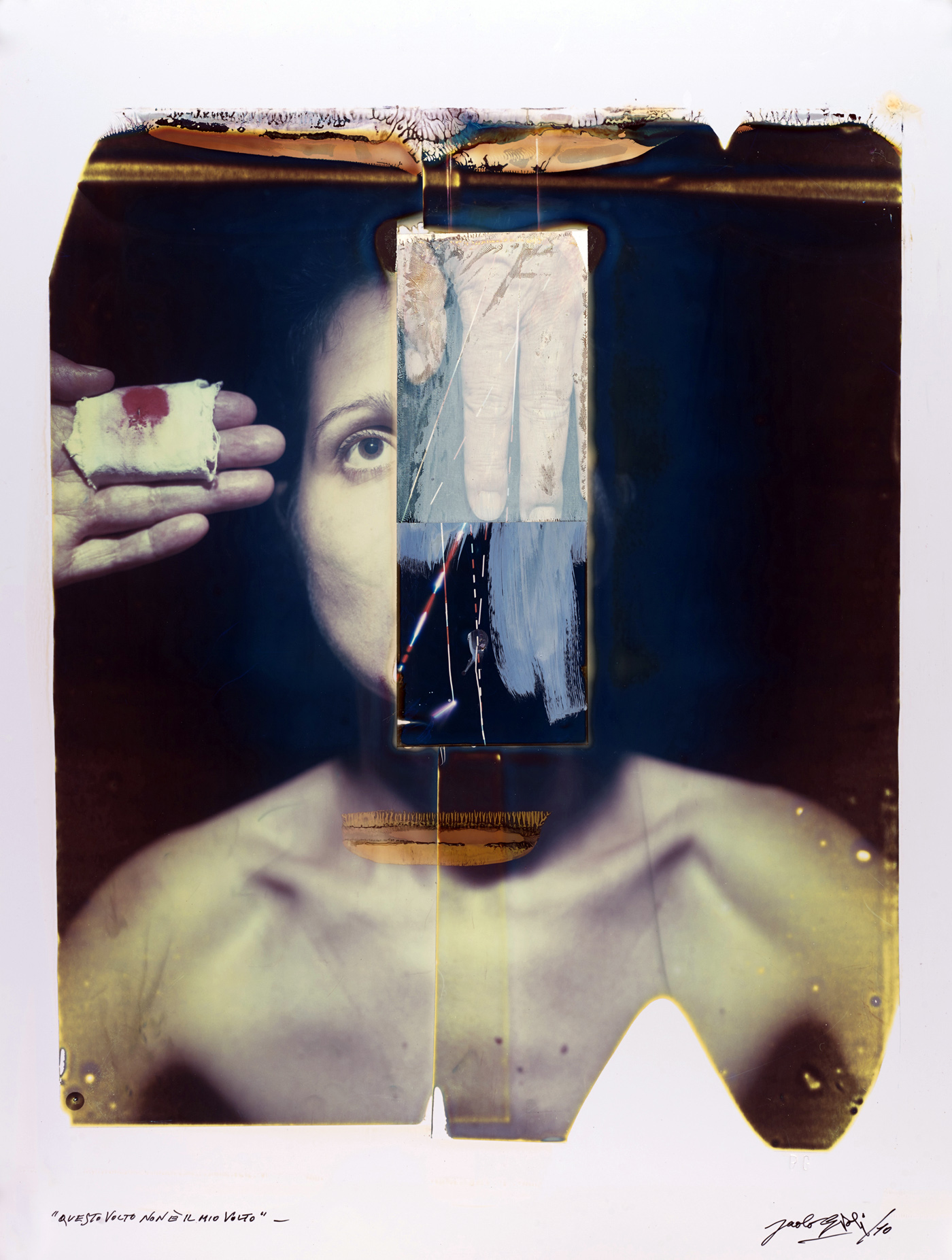
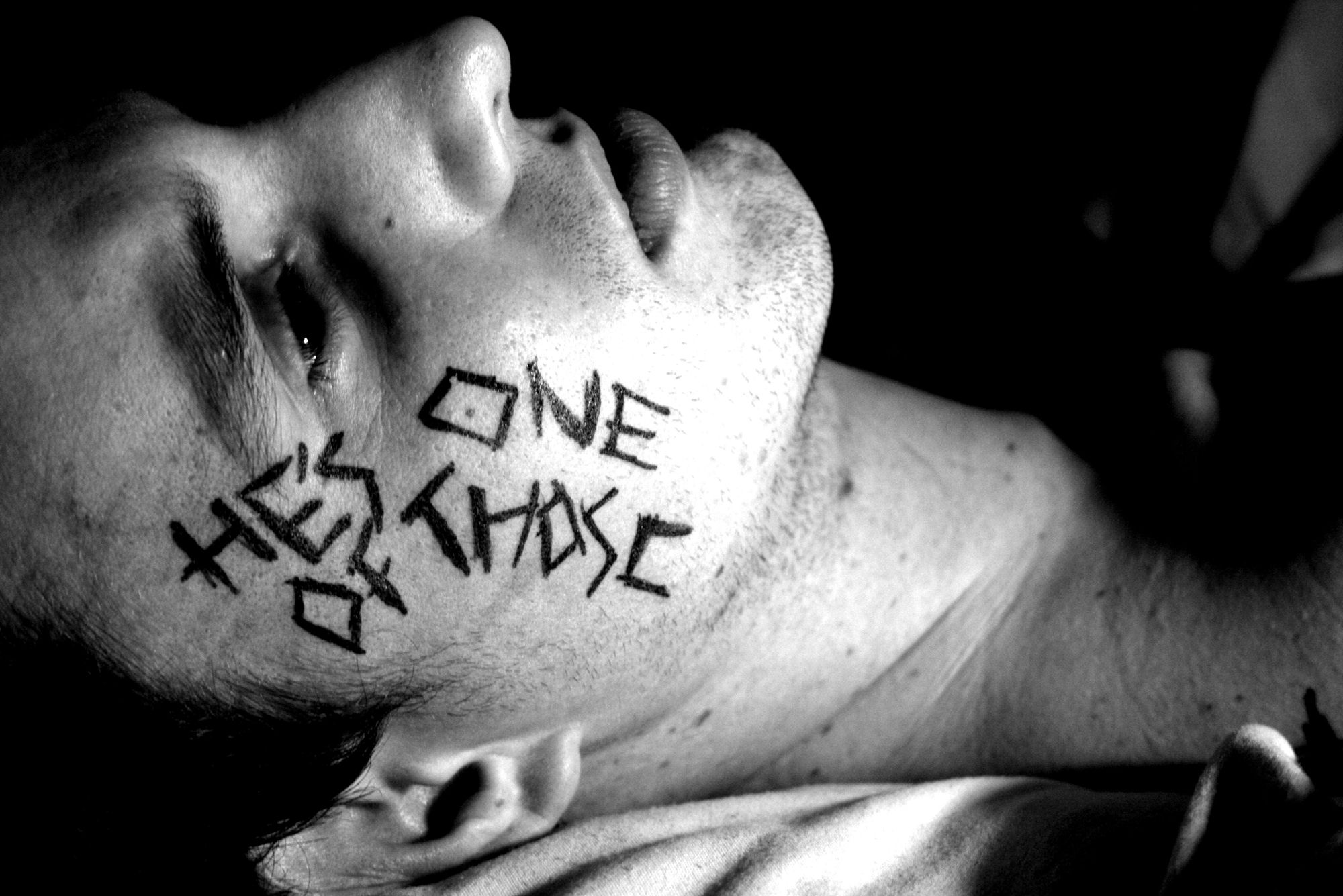
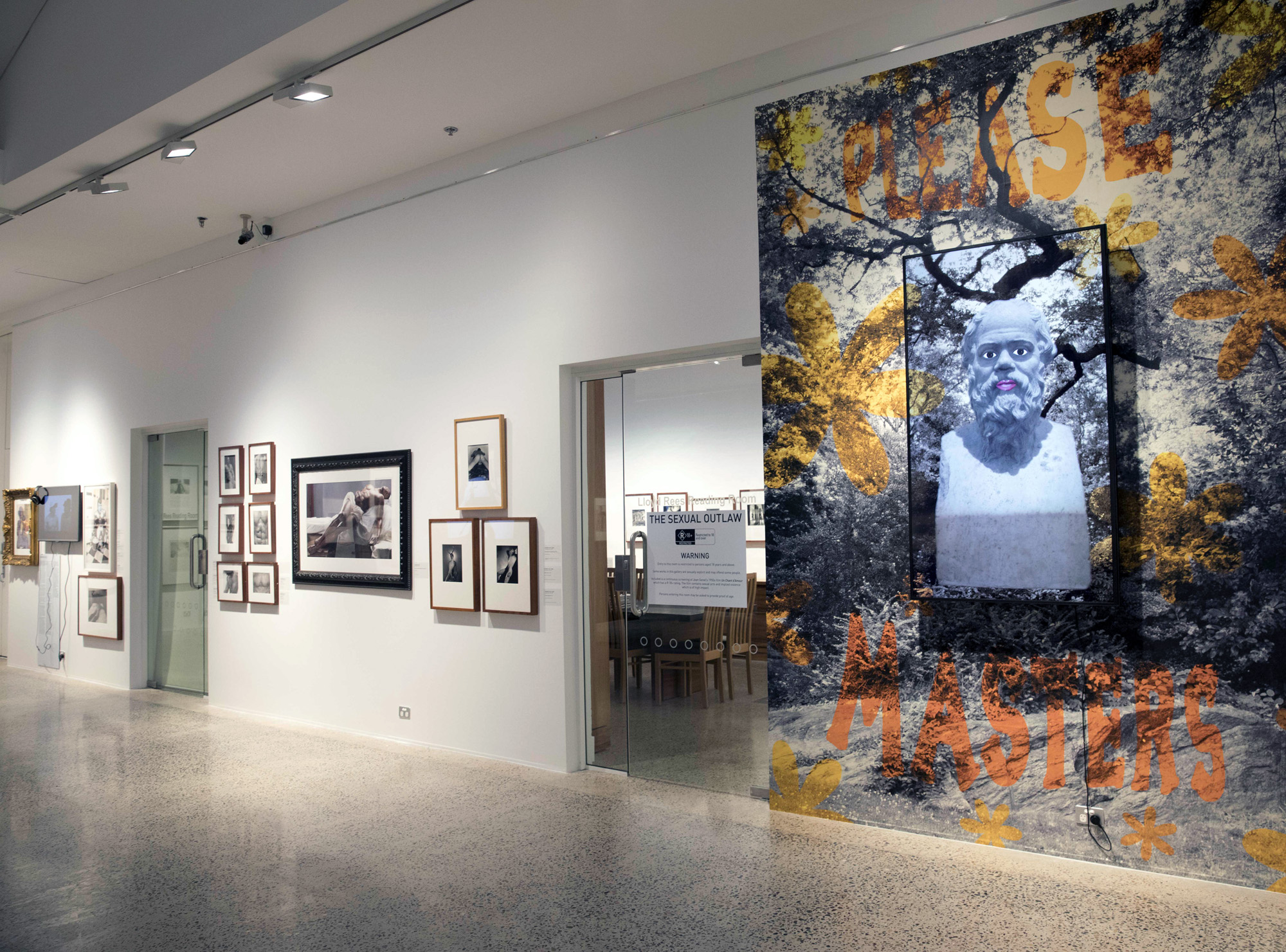
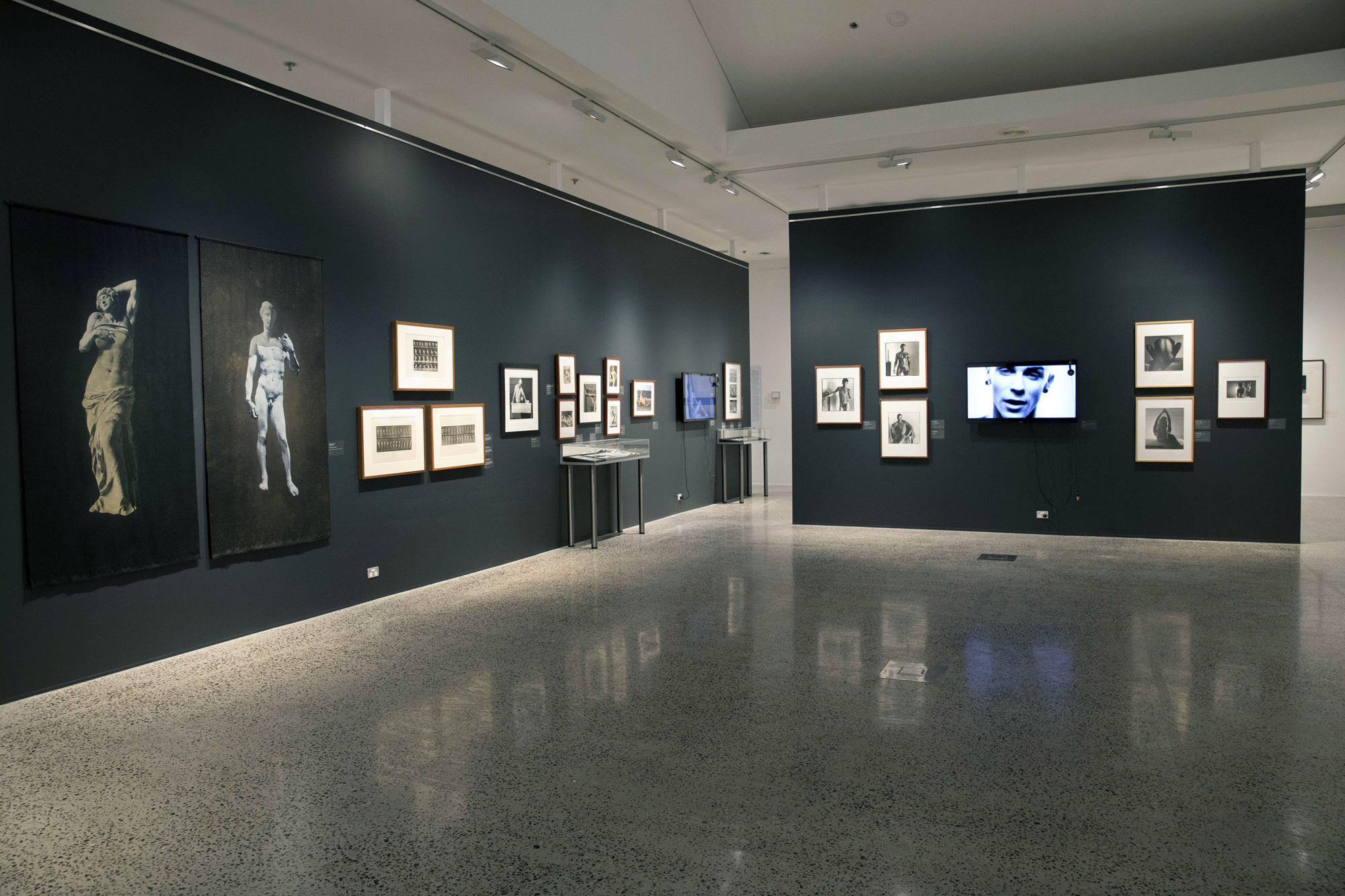
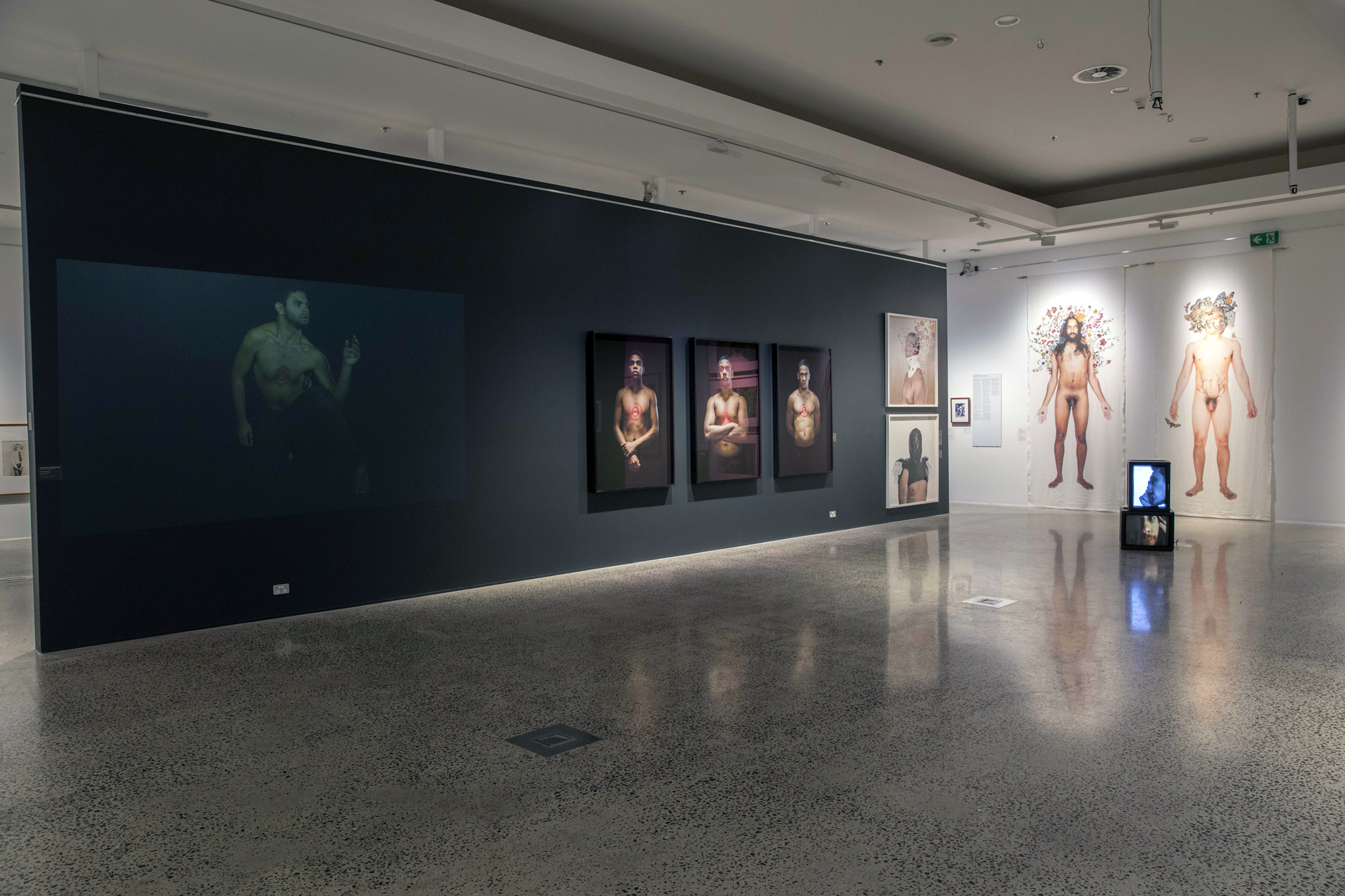
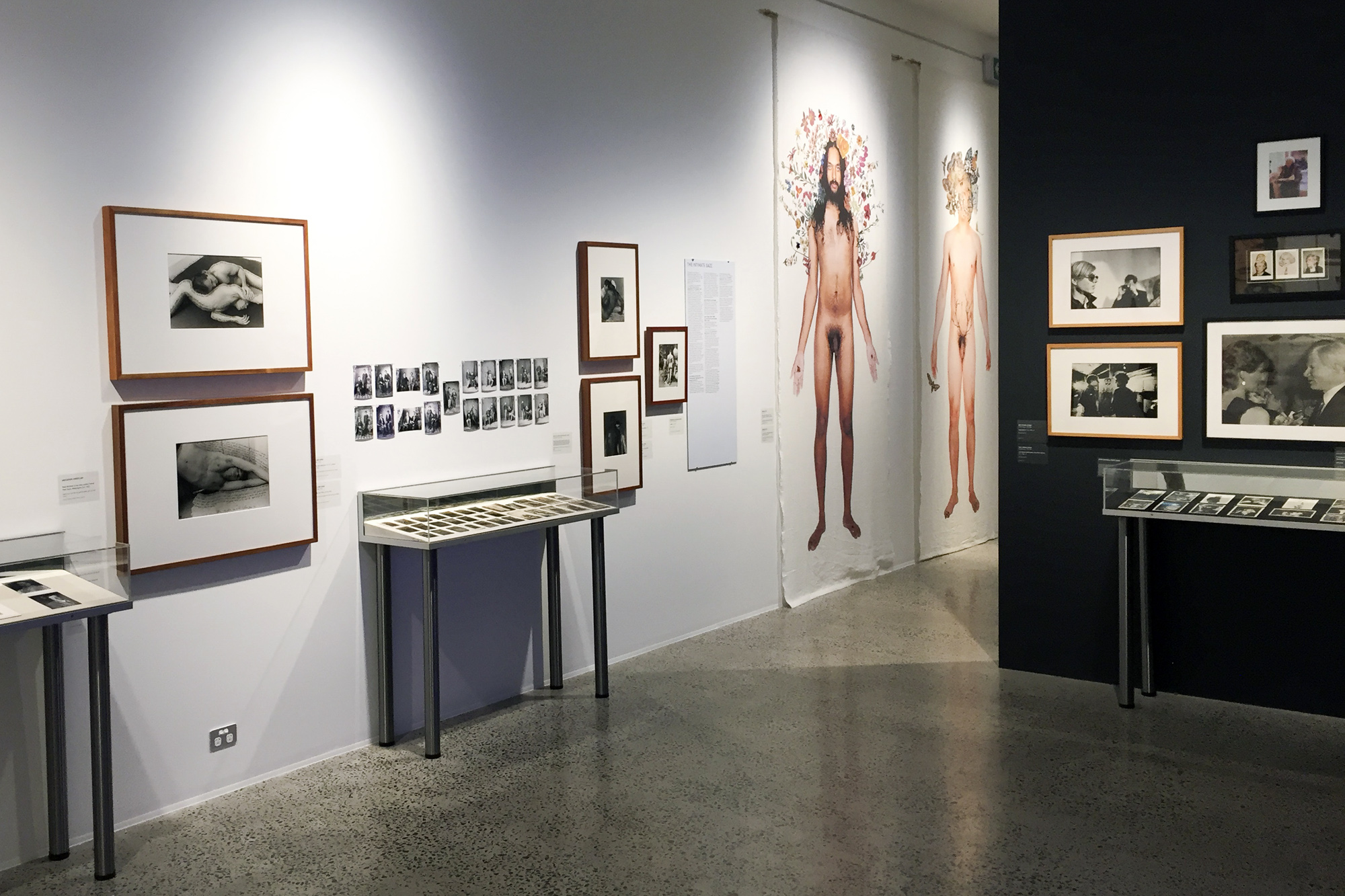
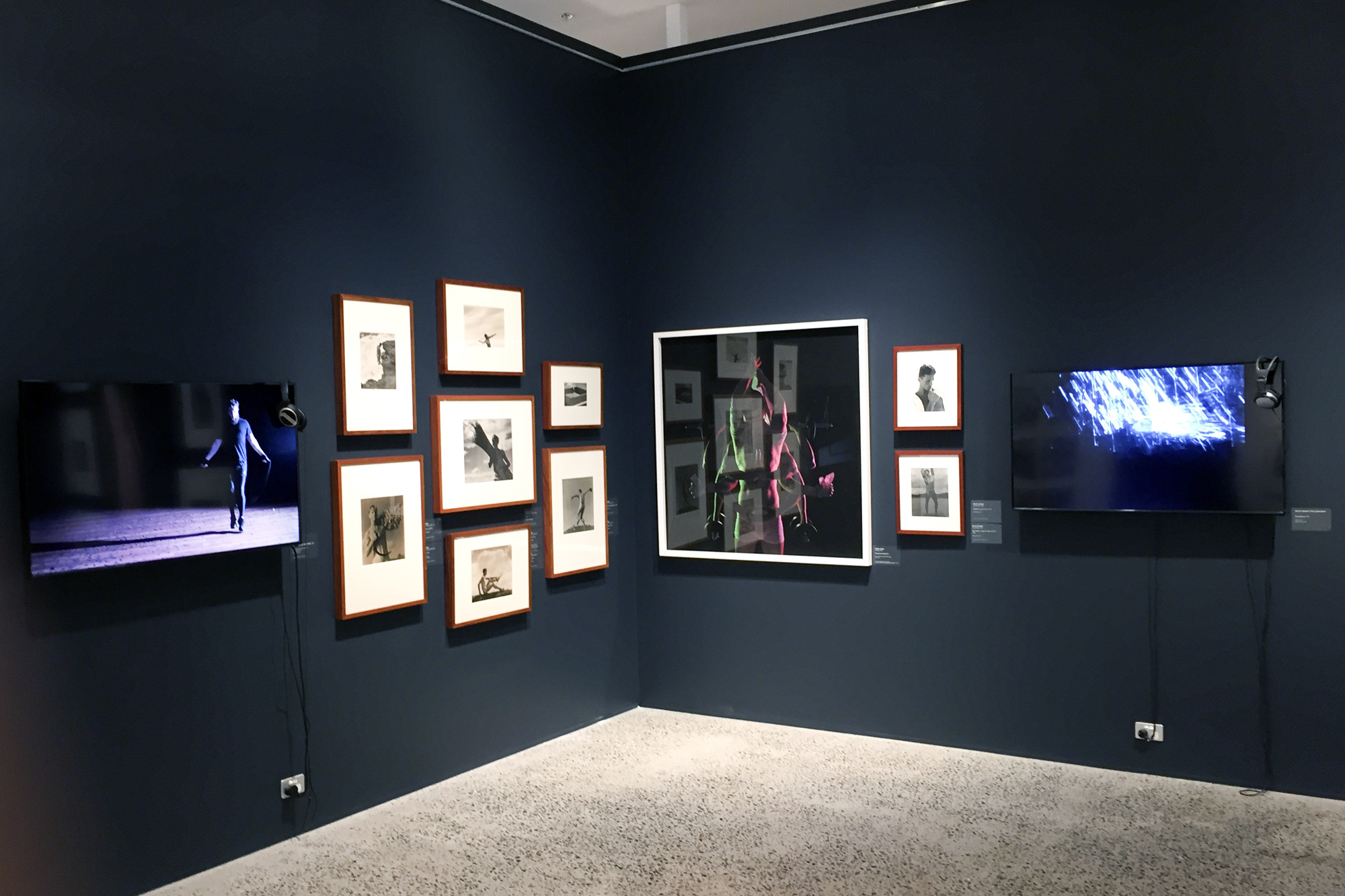
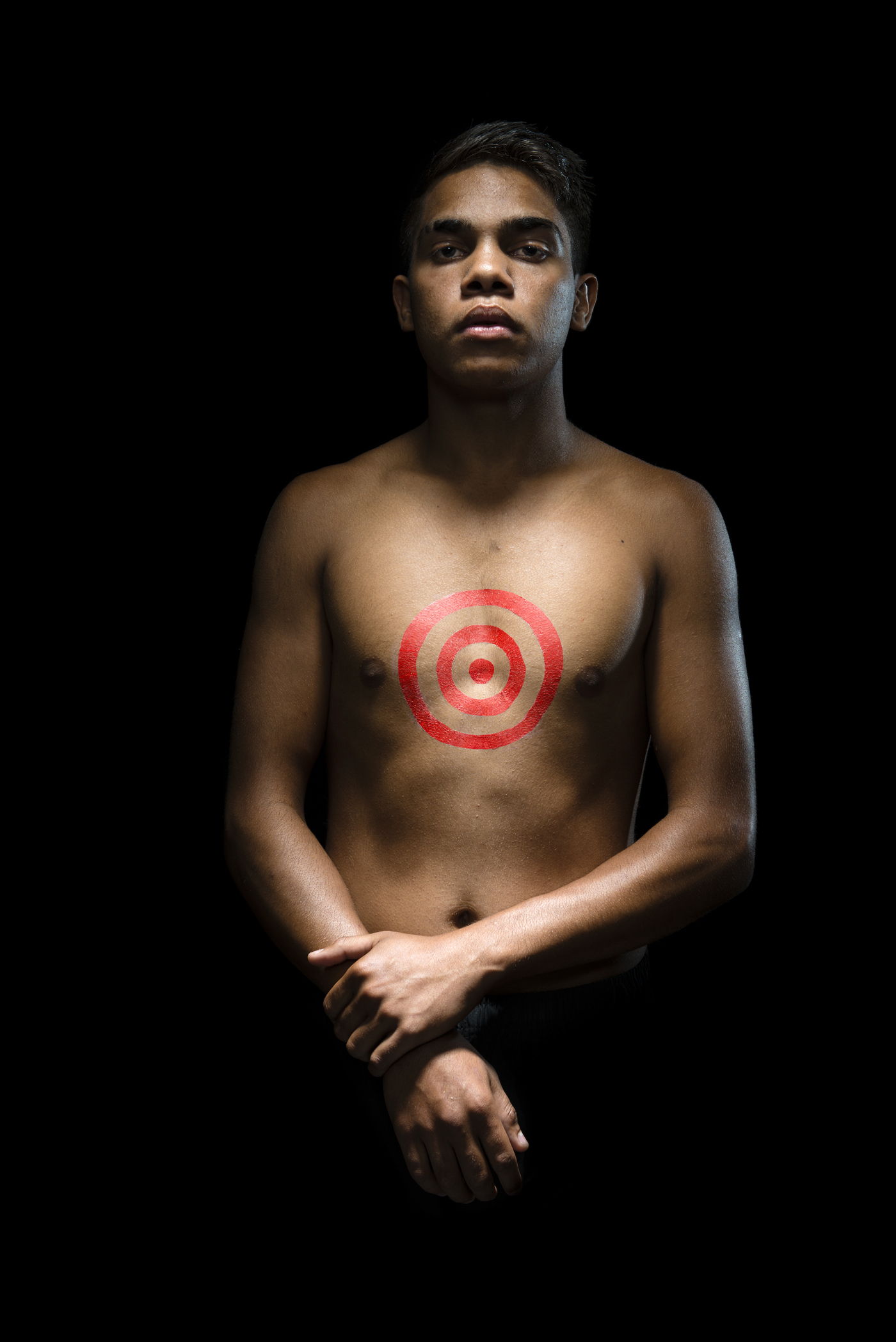
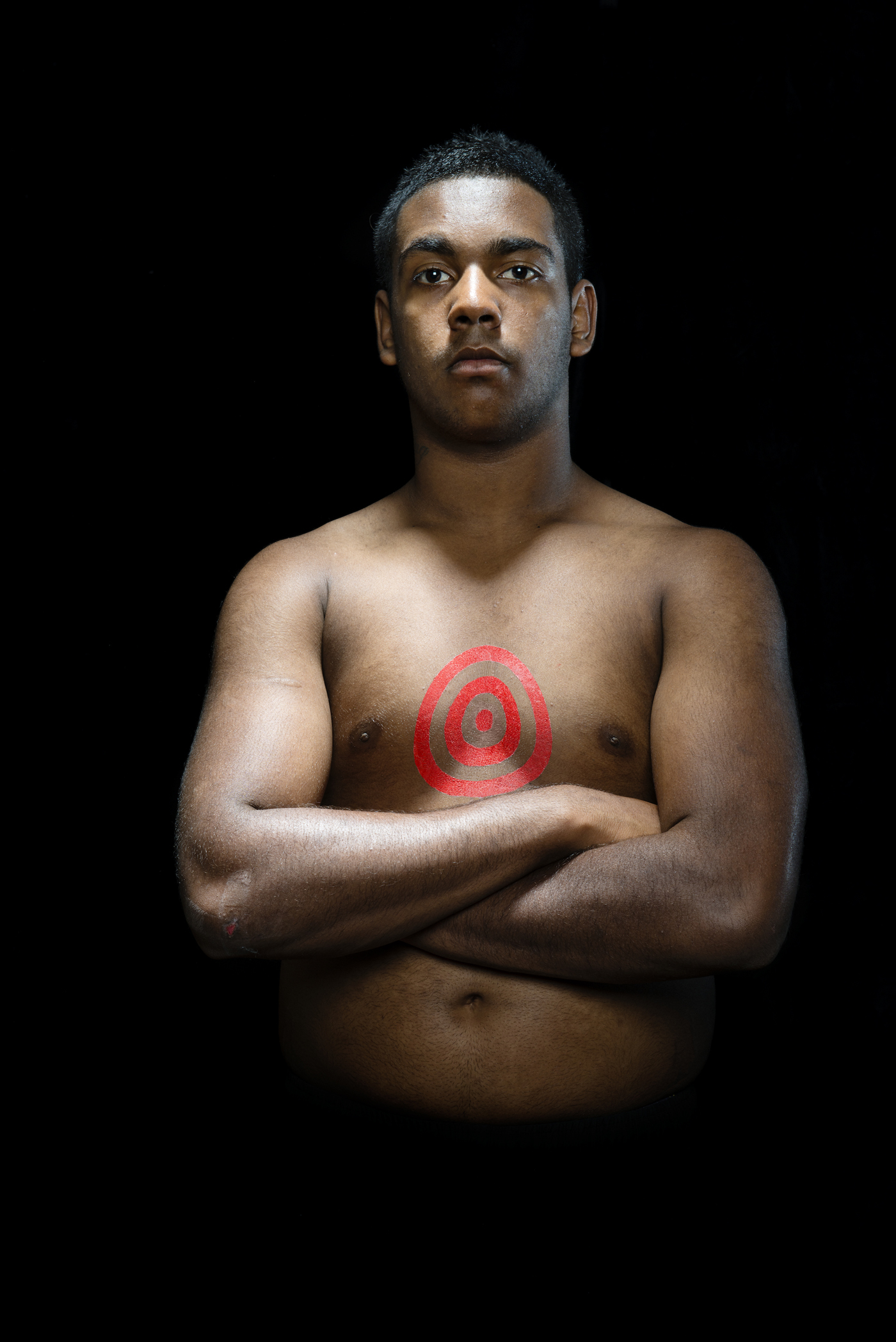
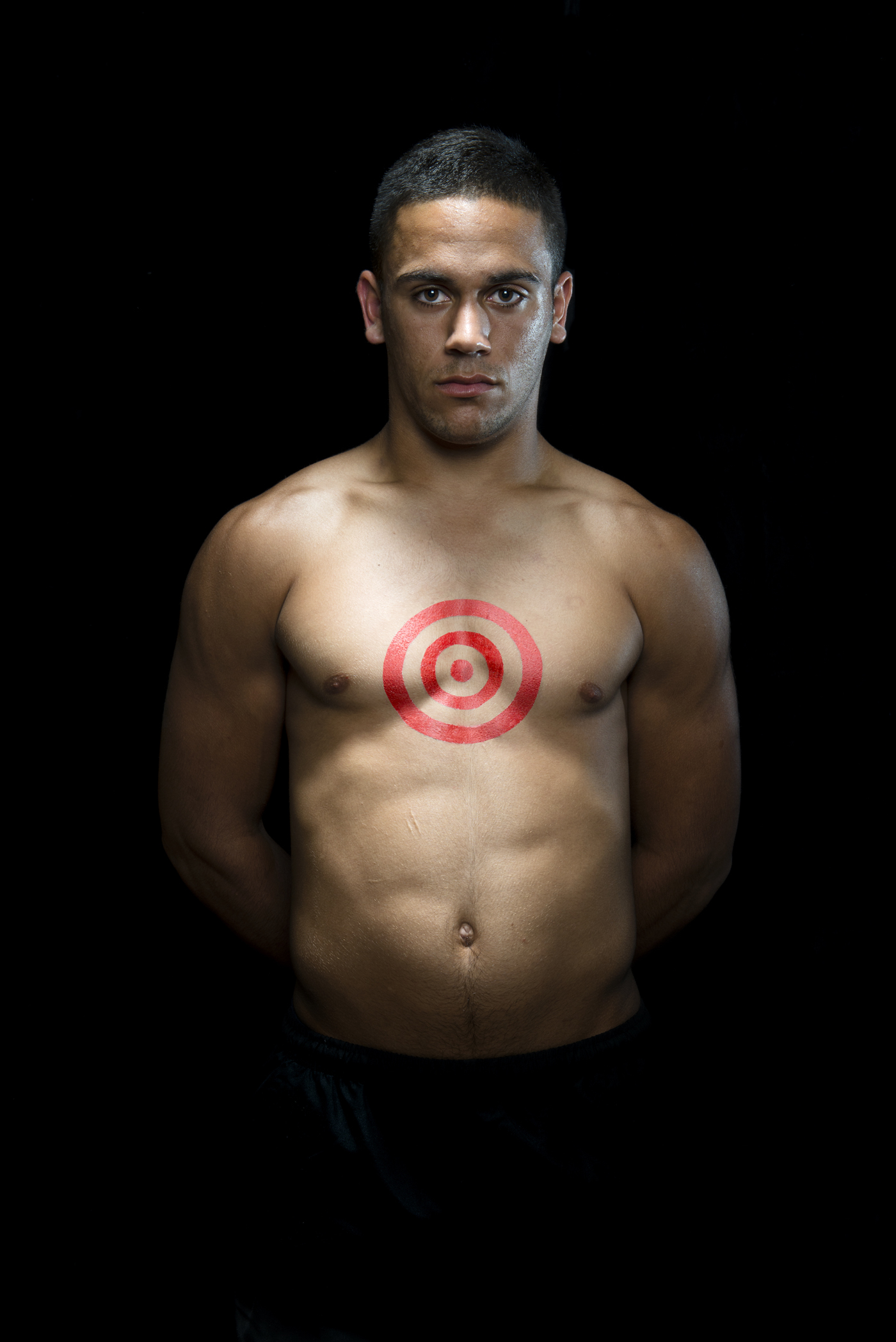
![Peter Elfes (Australia, b. 1961) 'Brenton [Heath-Kerr] as Tom of Finland' 1992](https://artblart.com/wp-content/uploads/2017/11/elfes-brenton-heath-kerr-web.jpg "Peter Elfes (Australia, b. 1961) 'Brenton [Heath-Kerr] as Tom of Finland' 1992")

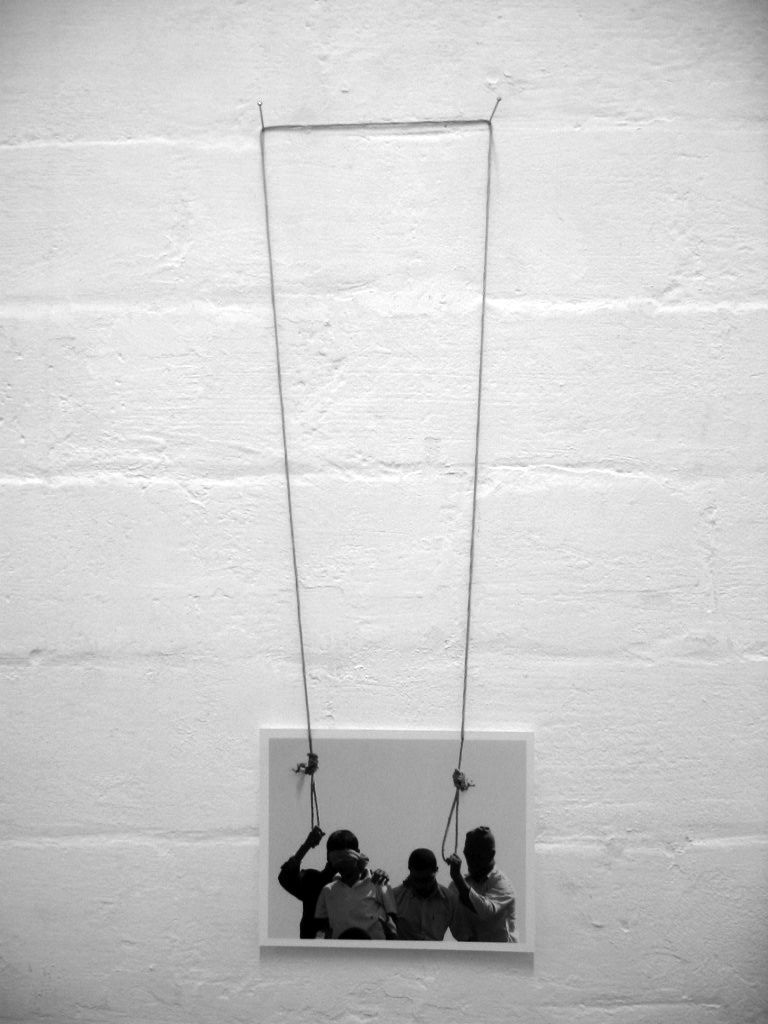
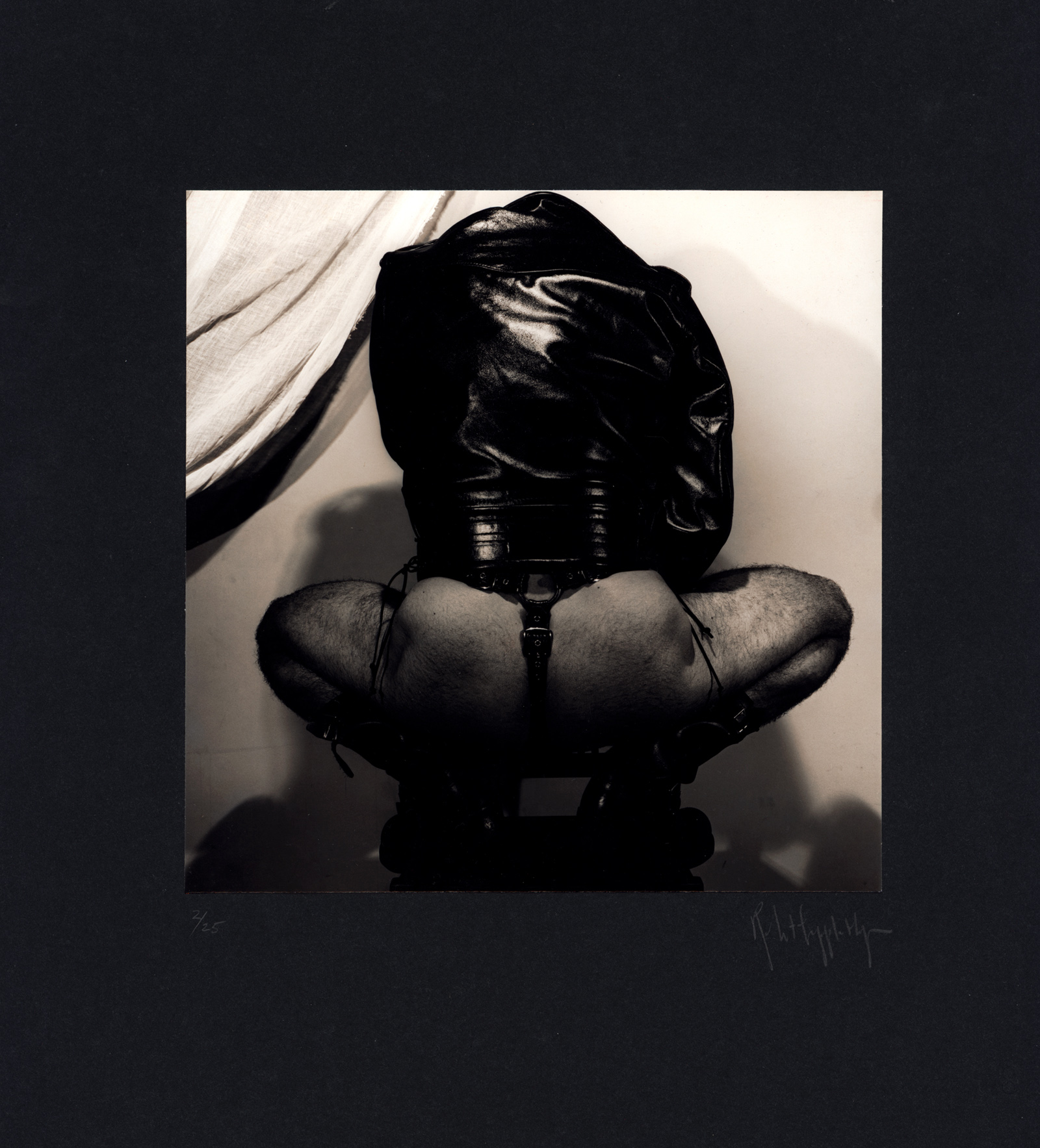
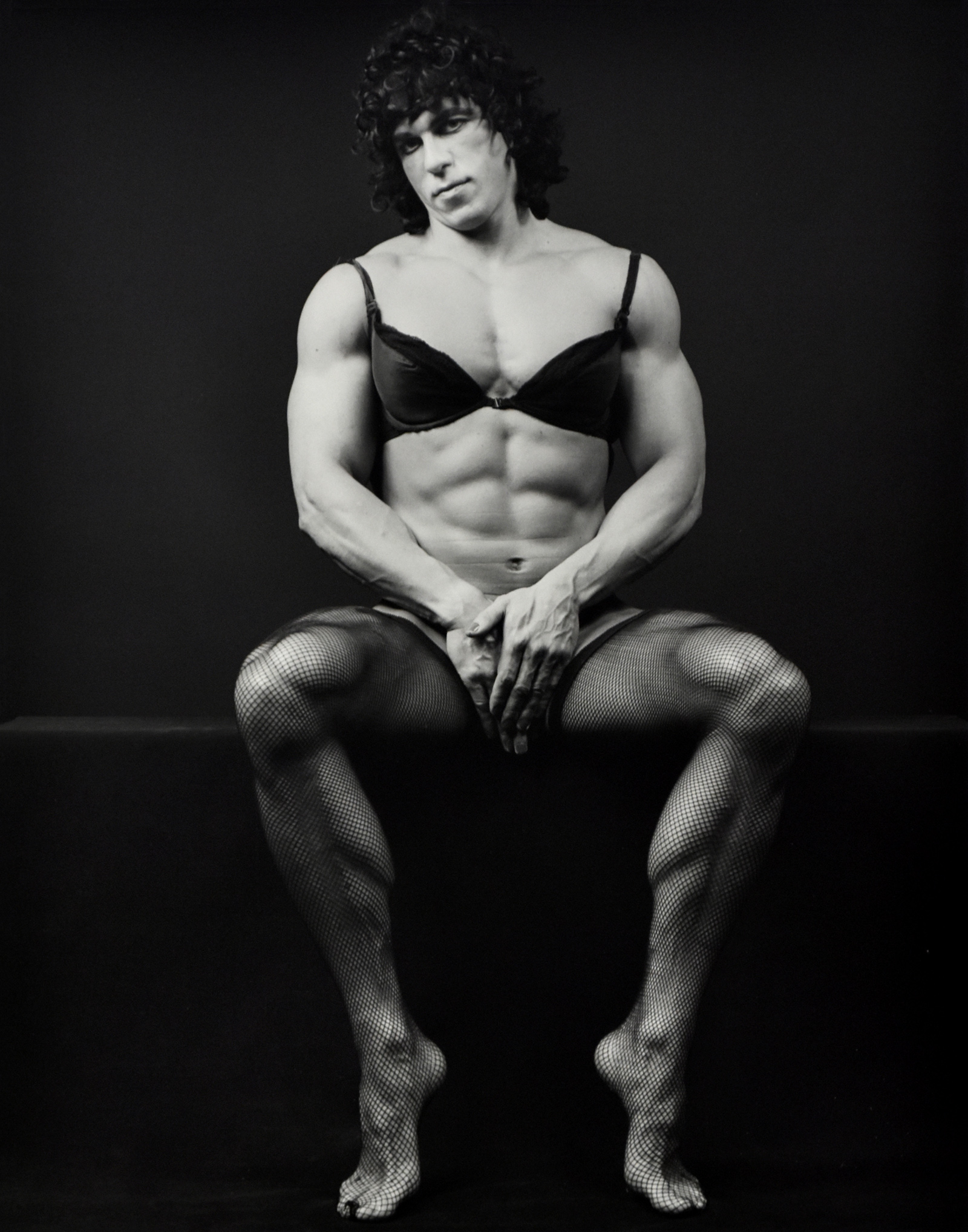
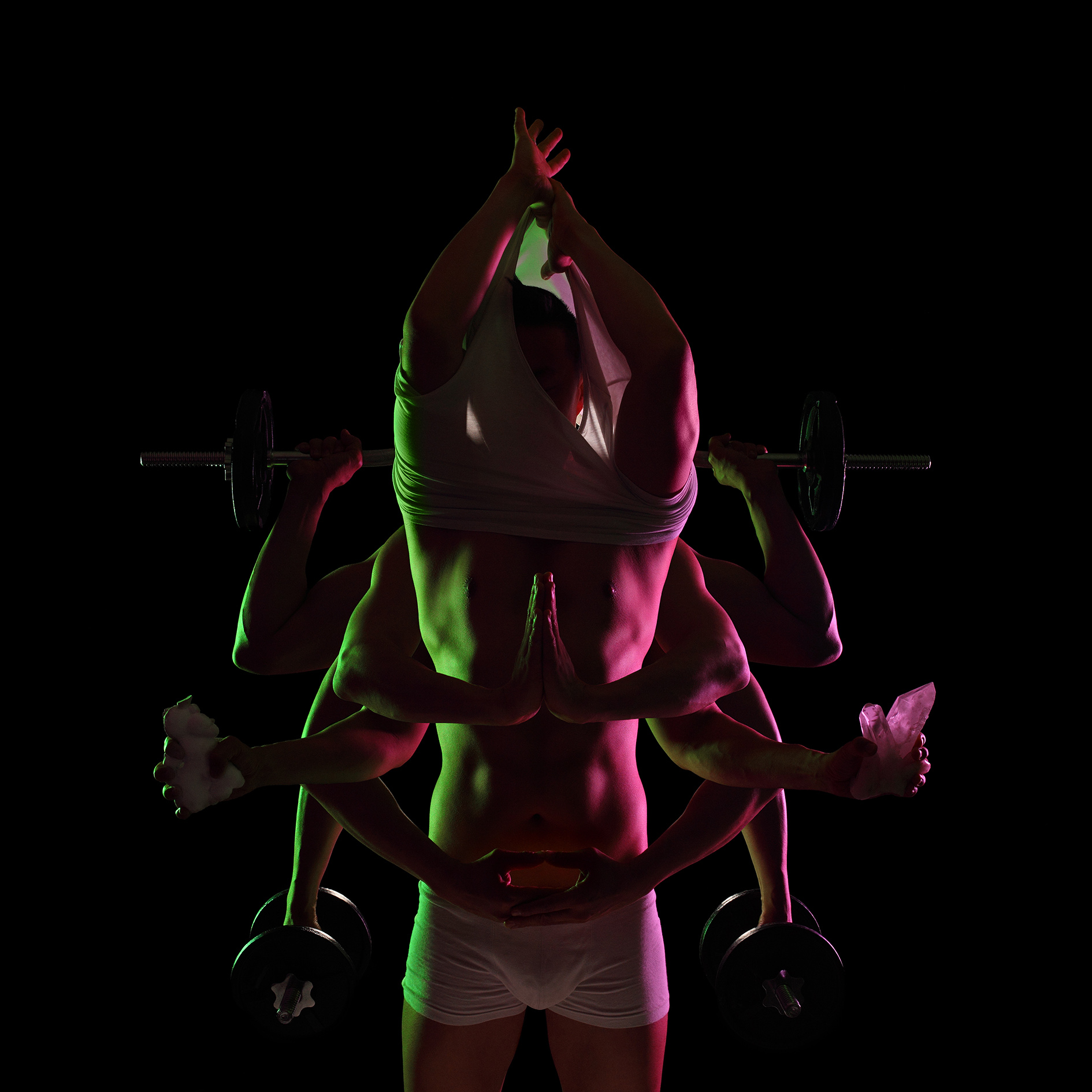
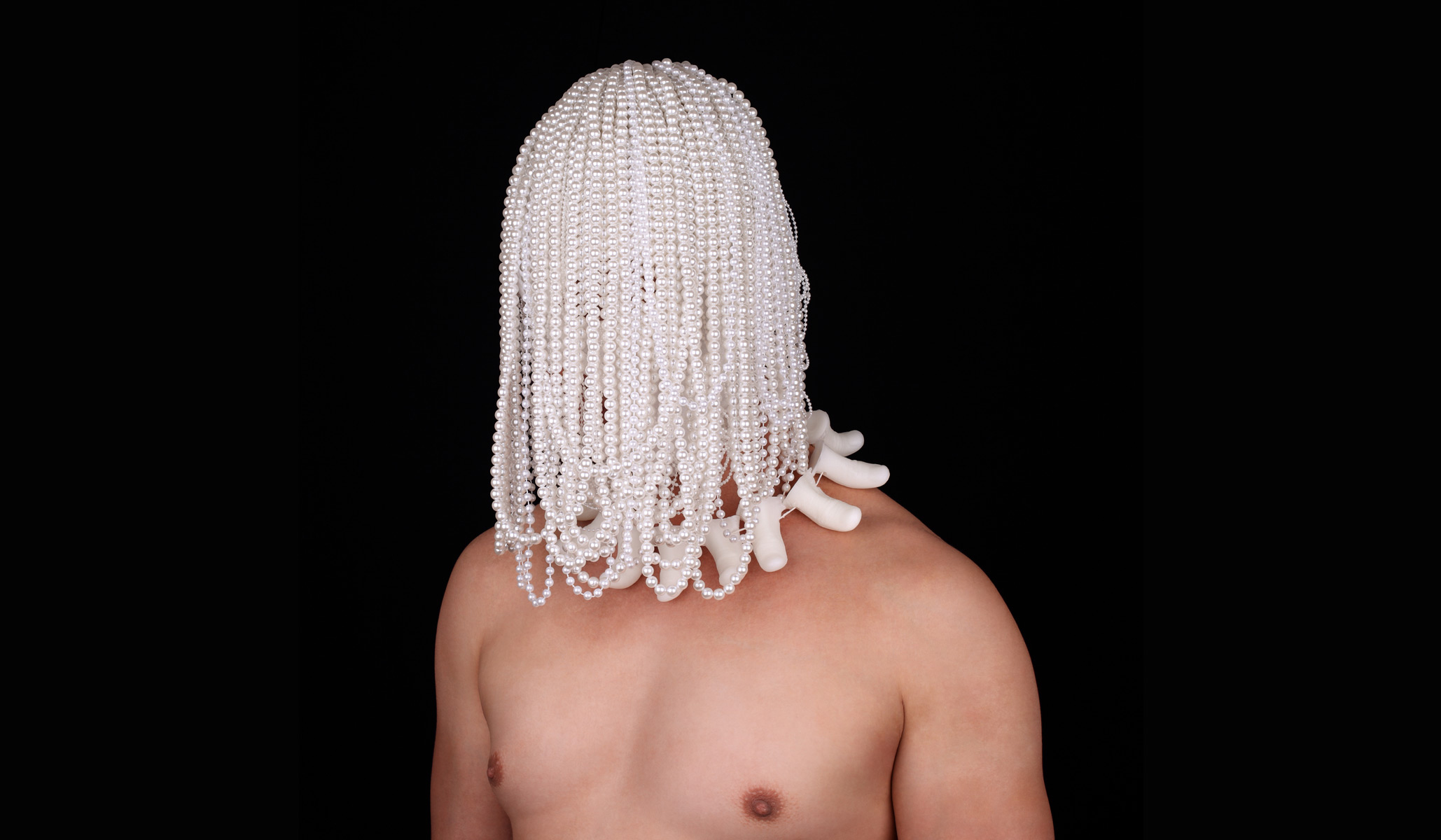
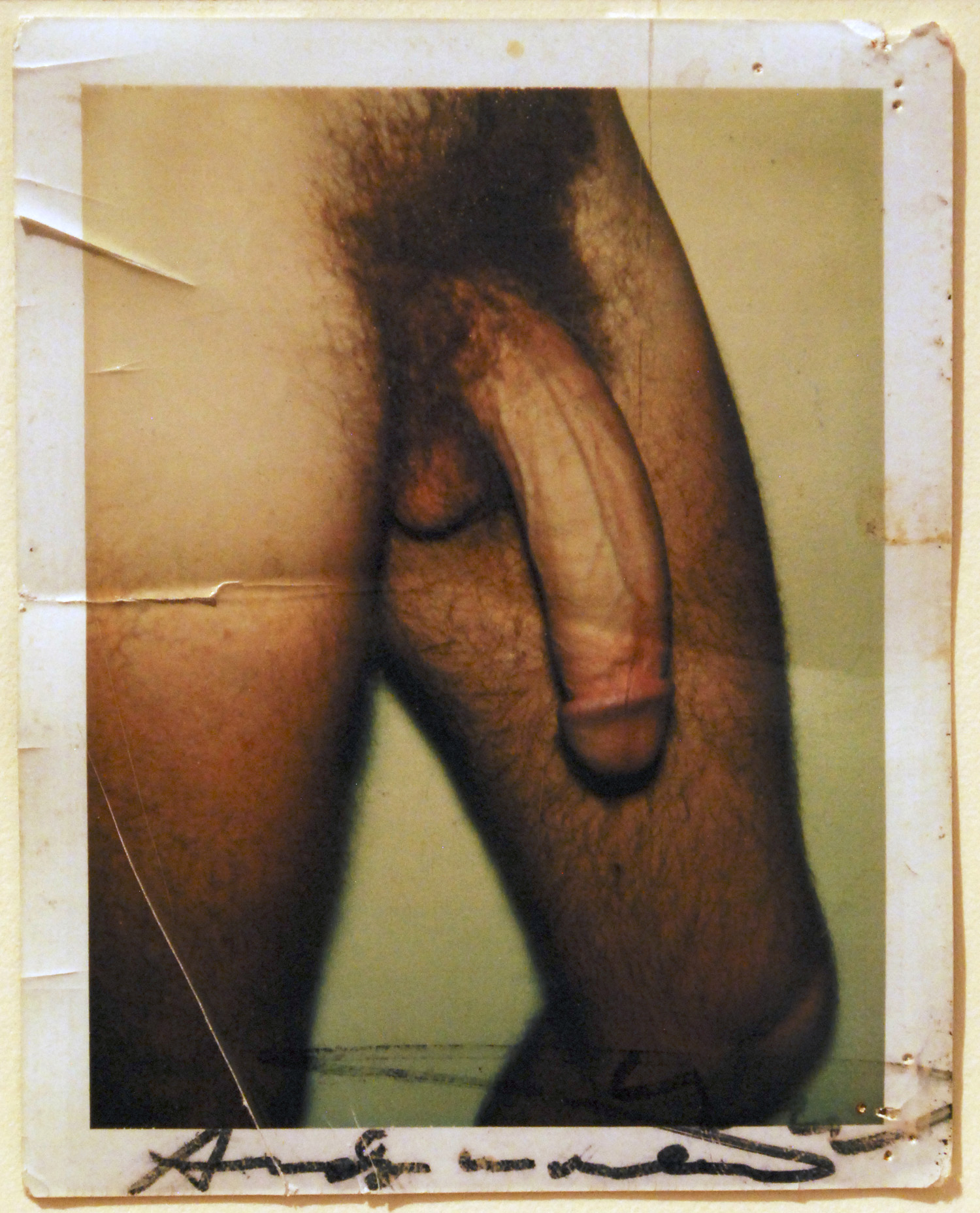
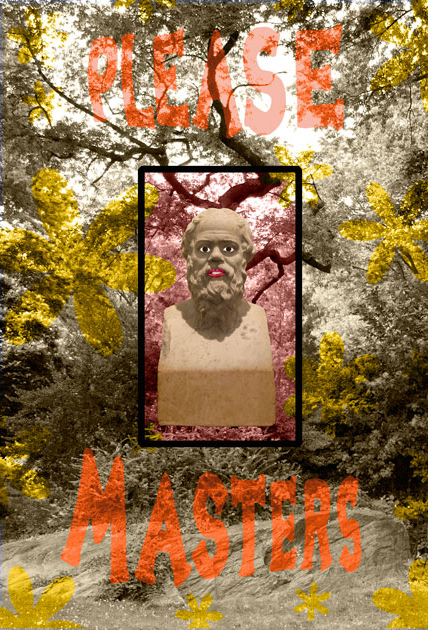
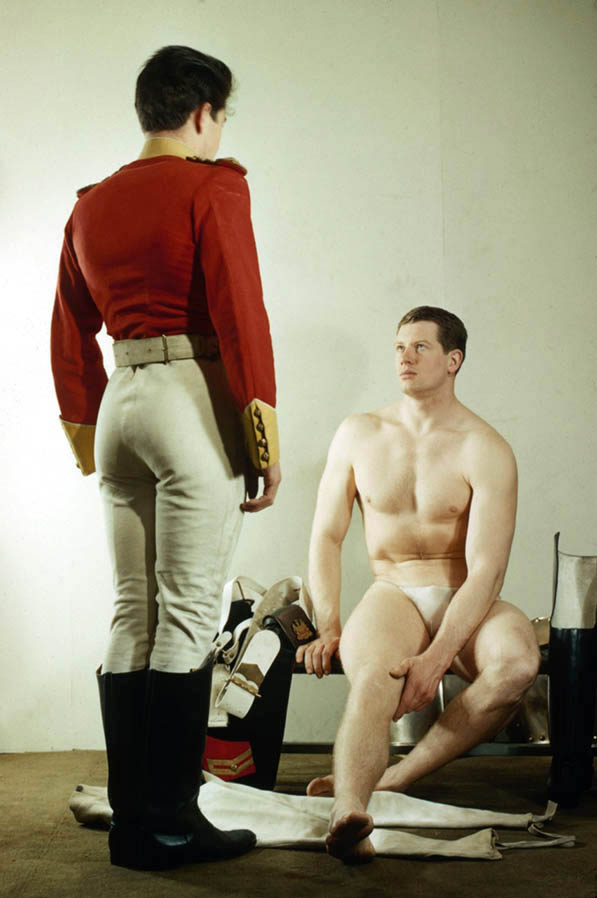
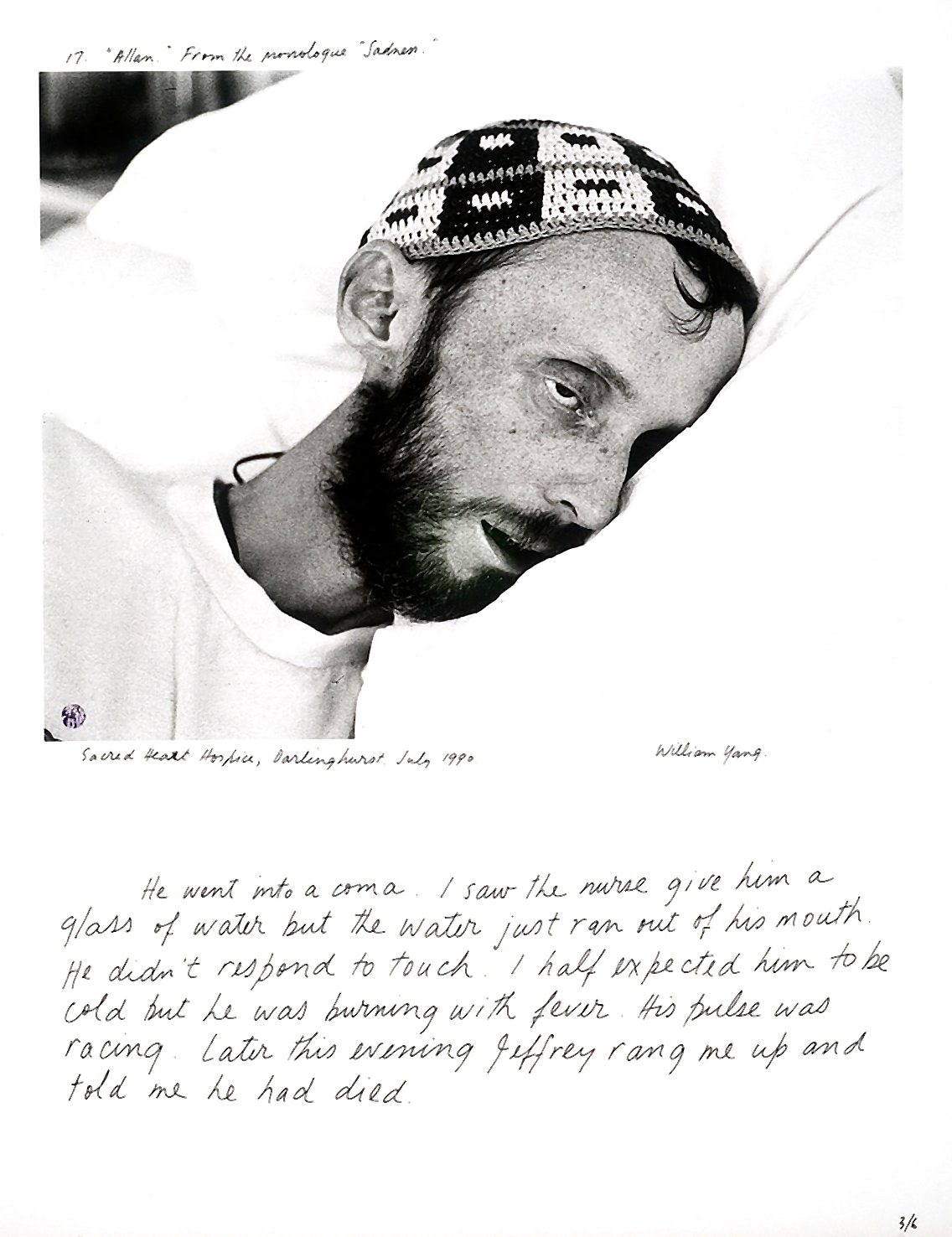
![Unknown photographer. 'Untitled [Auschwitz victim]' Nd](https://artblart.com/wp-content/uploads/2017/11/unknown-photographer-untitled-auschwitz-victim-nd-web.jpg "Unknown photographer. 'Untitled [Auschwitz victim]' N")
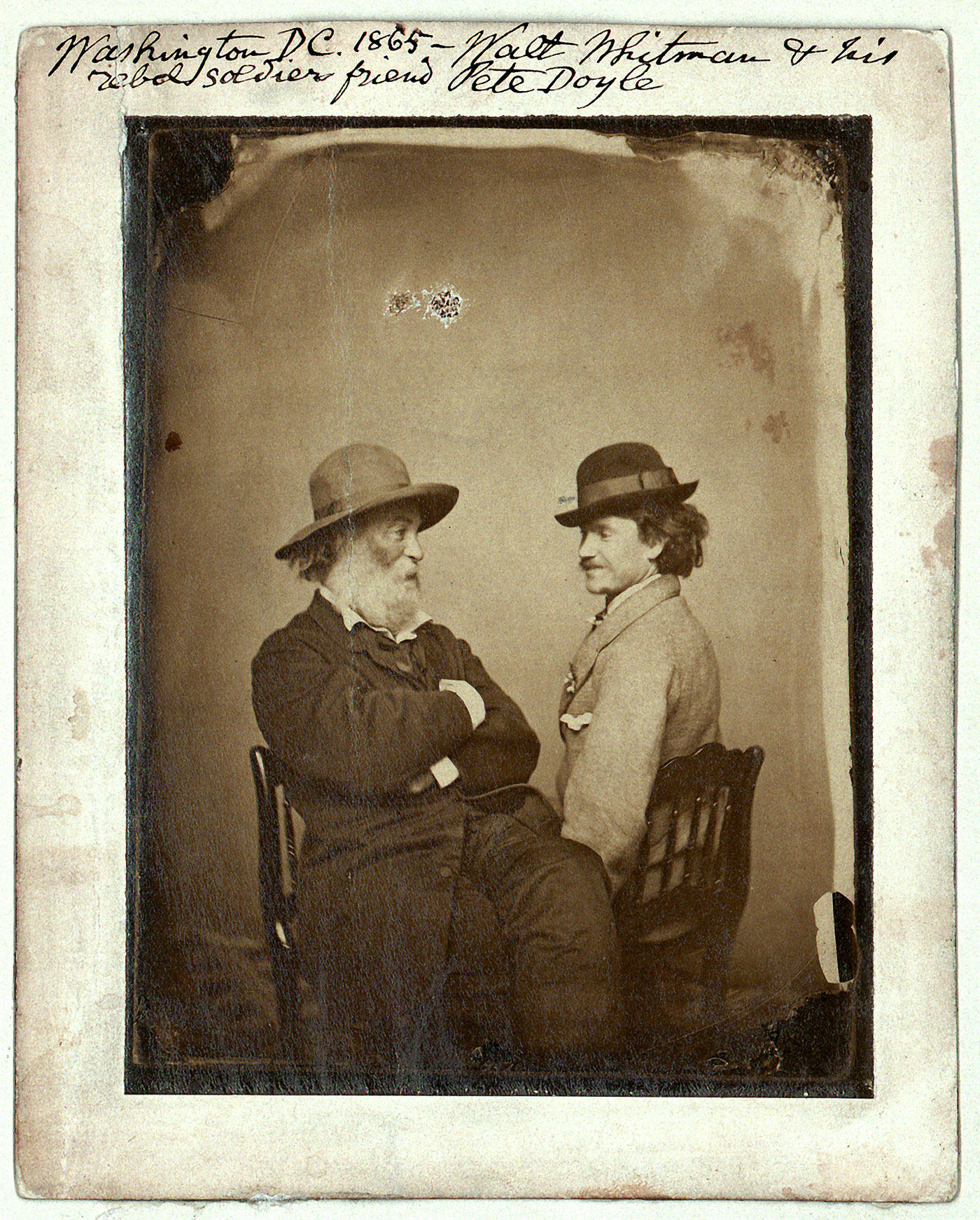
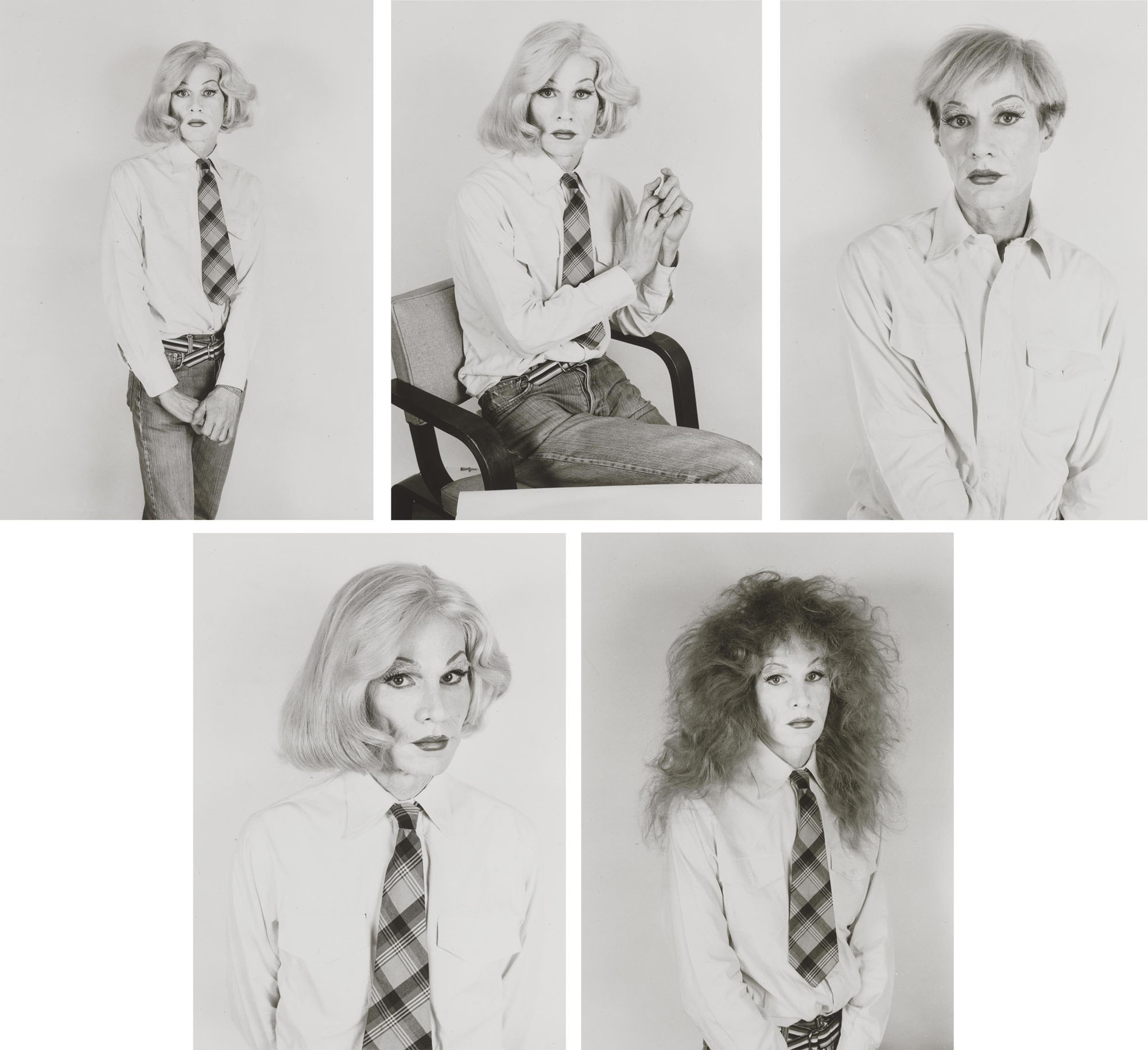
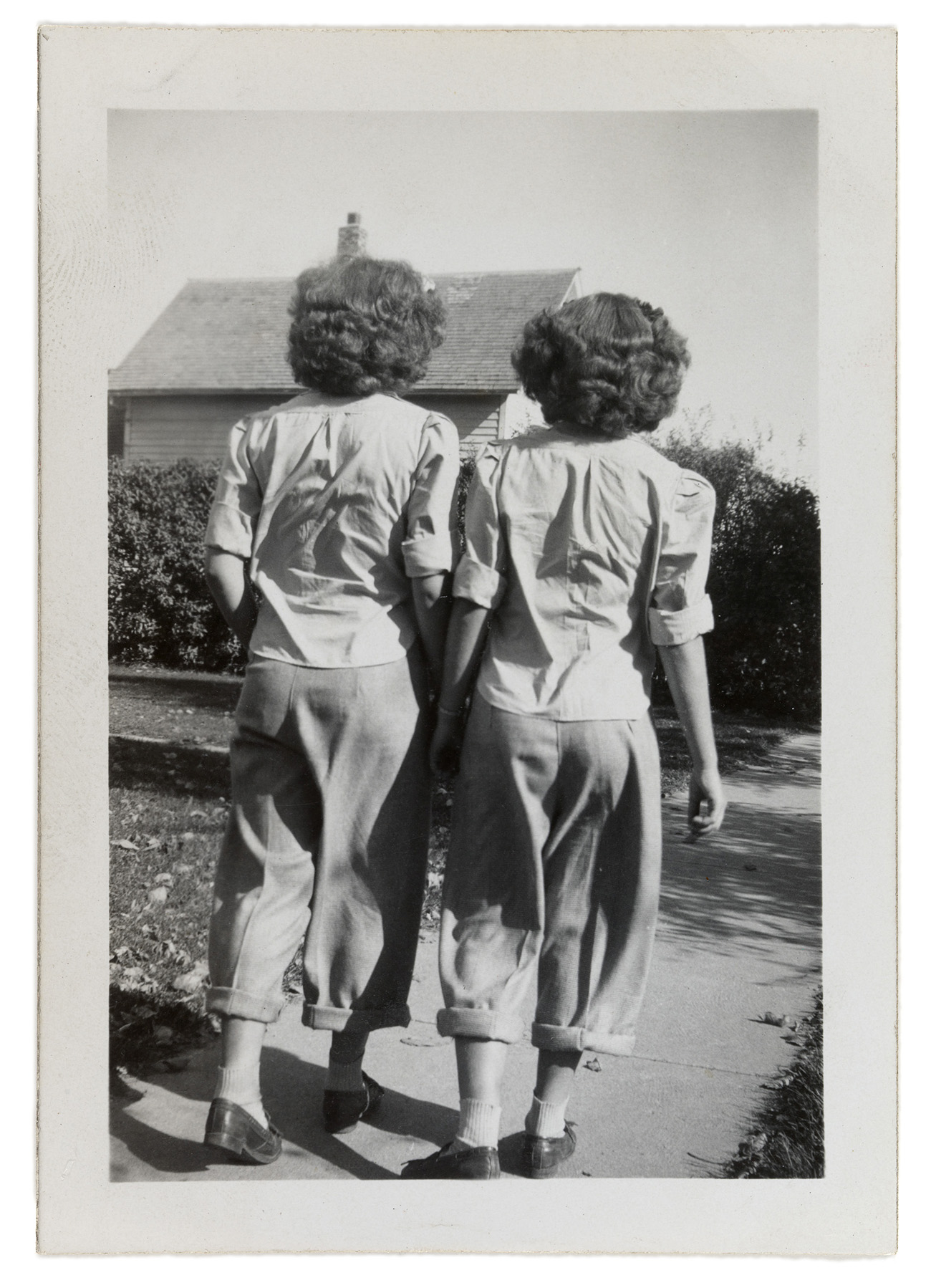
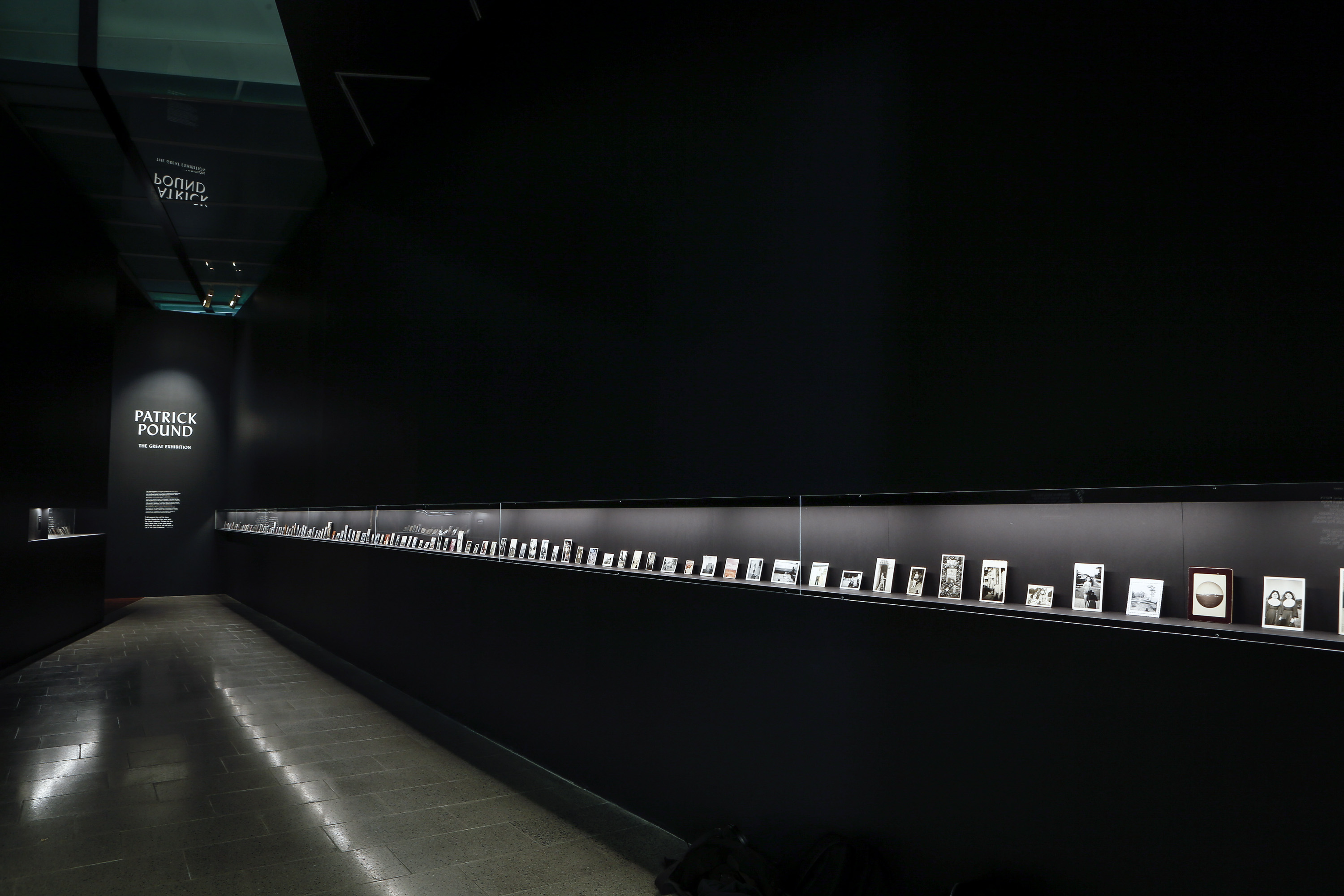
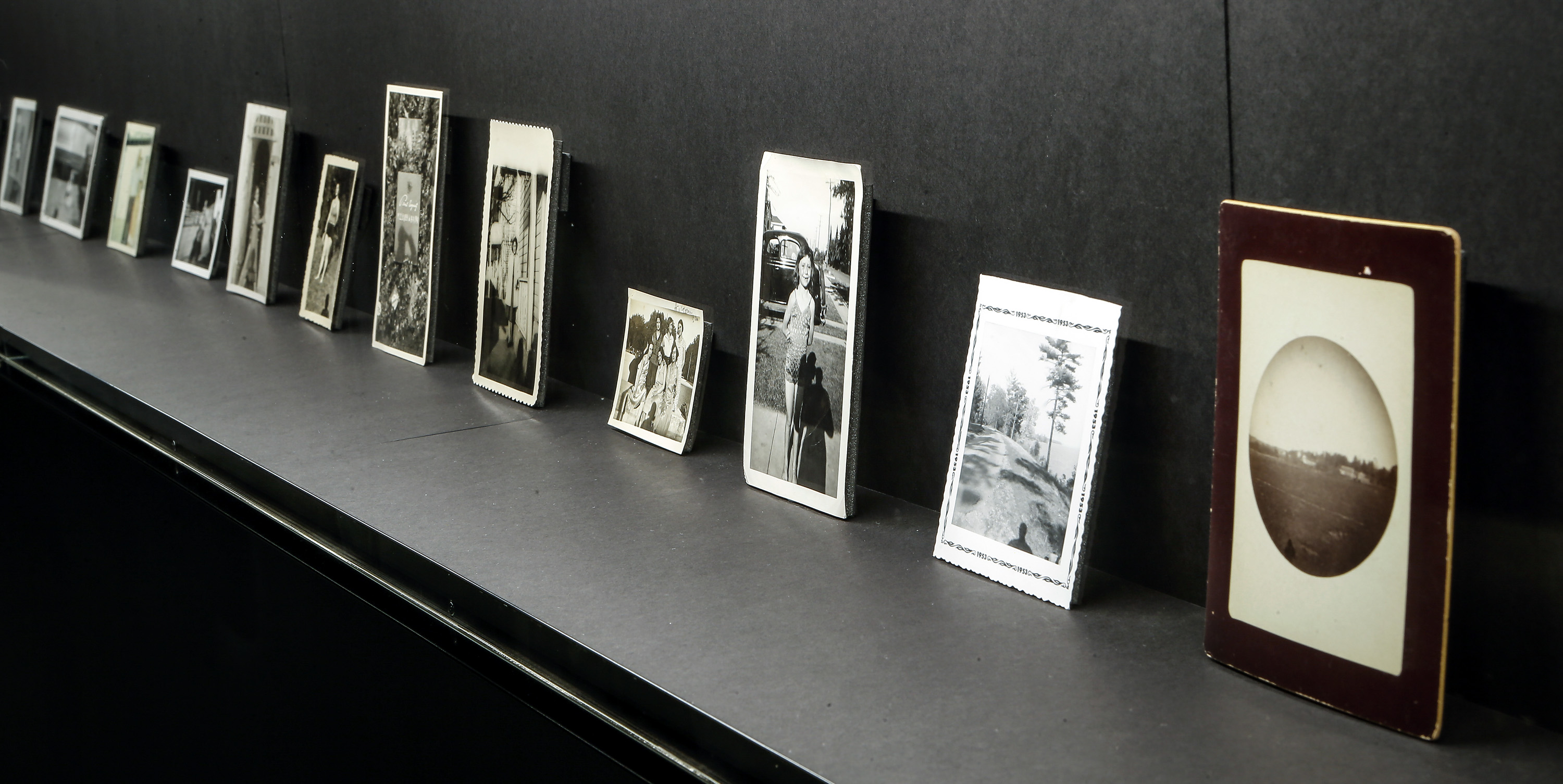
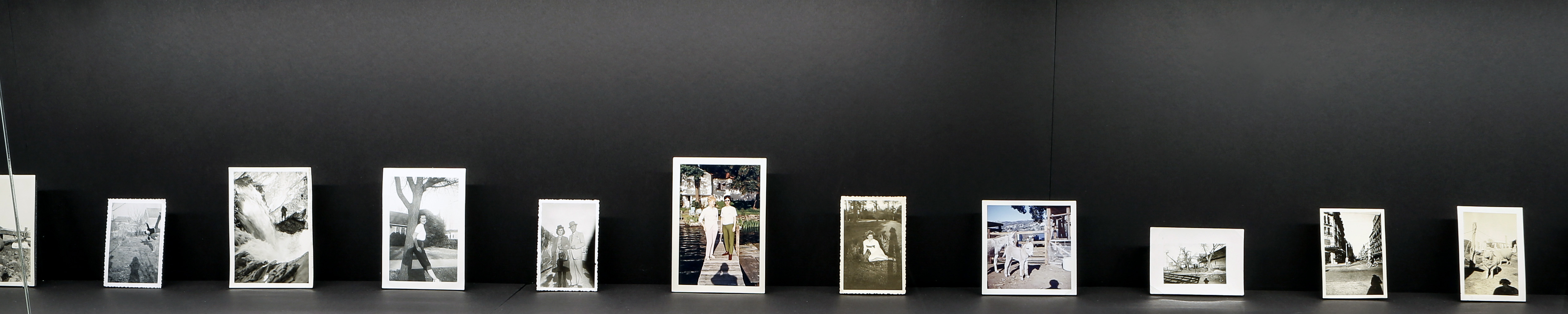

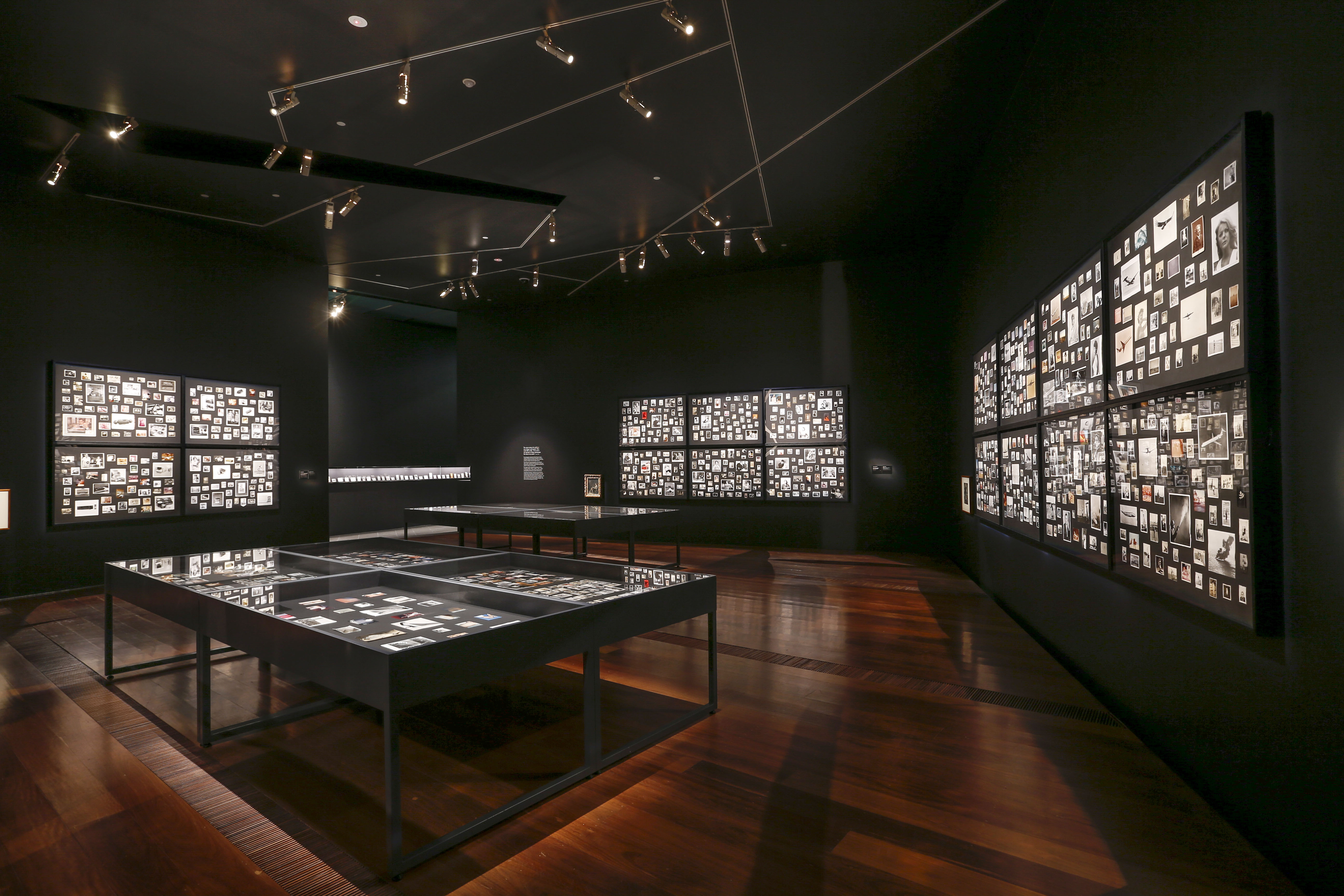
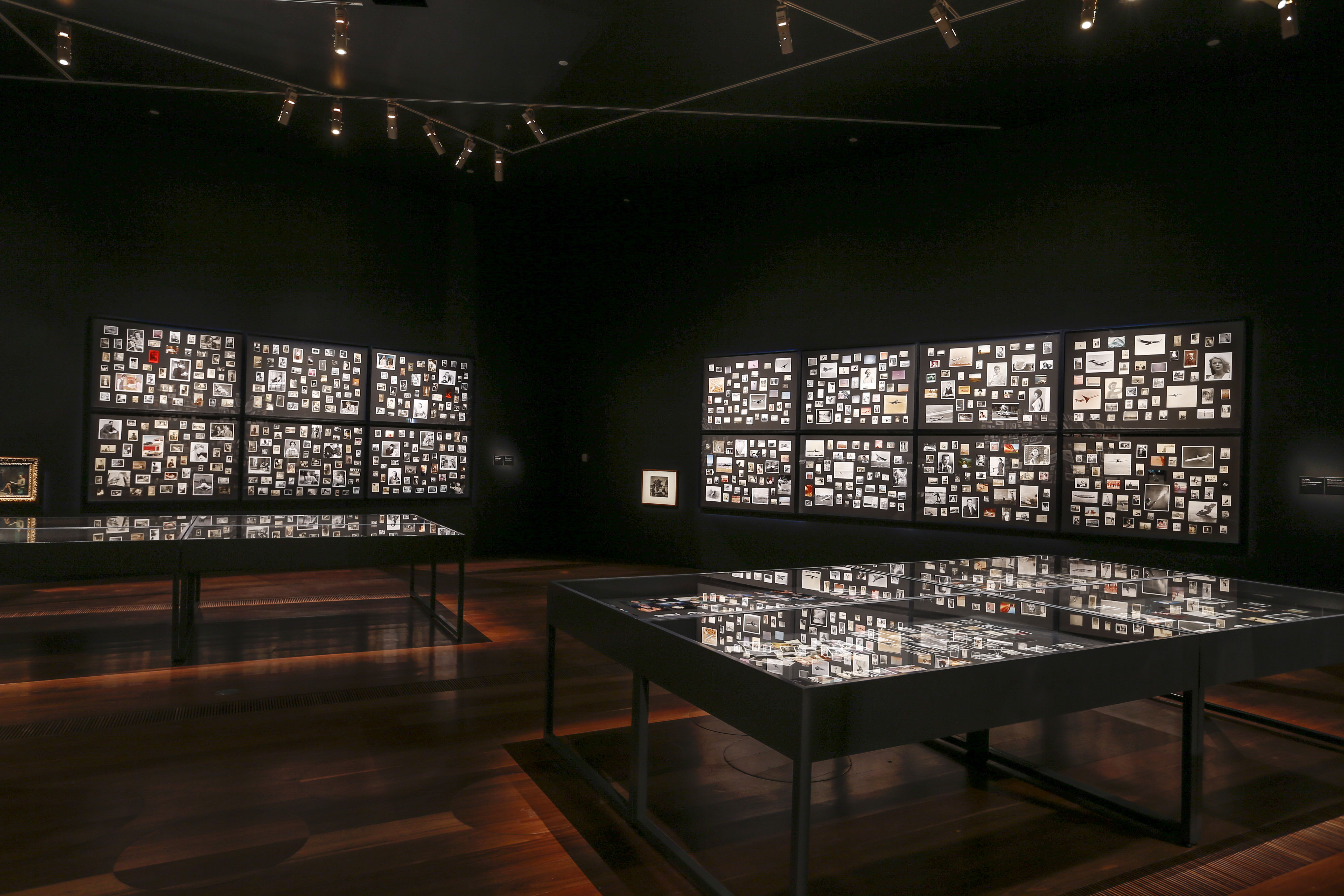

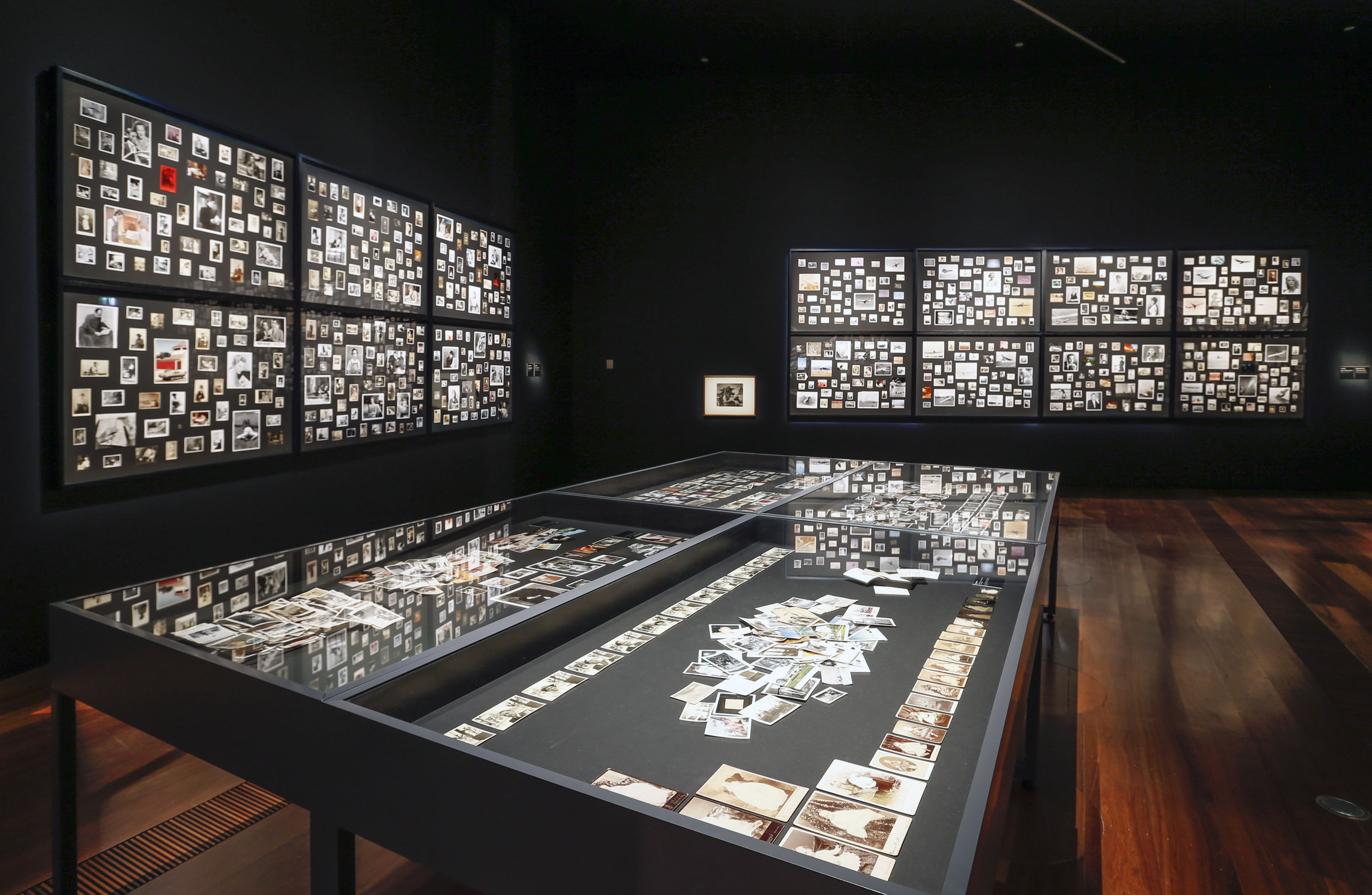
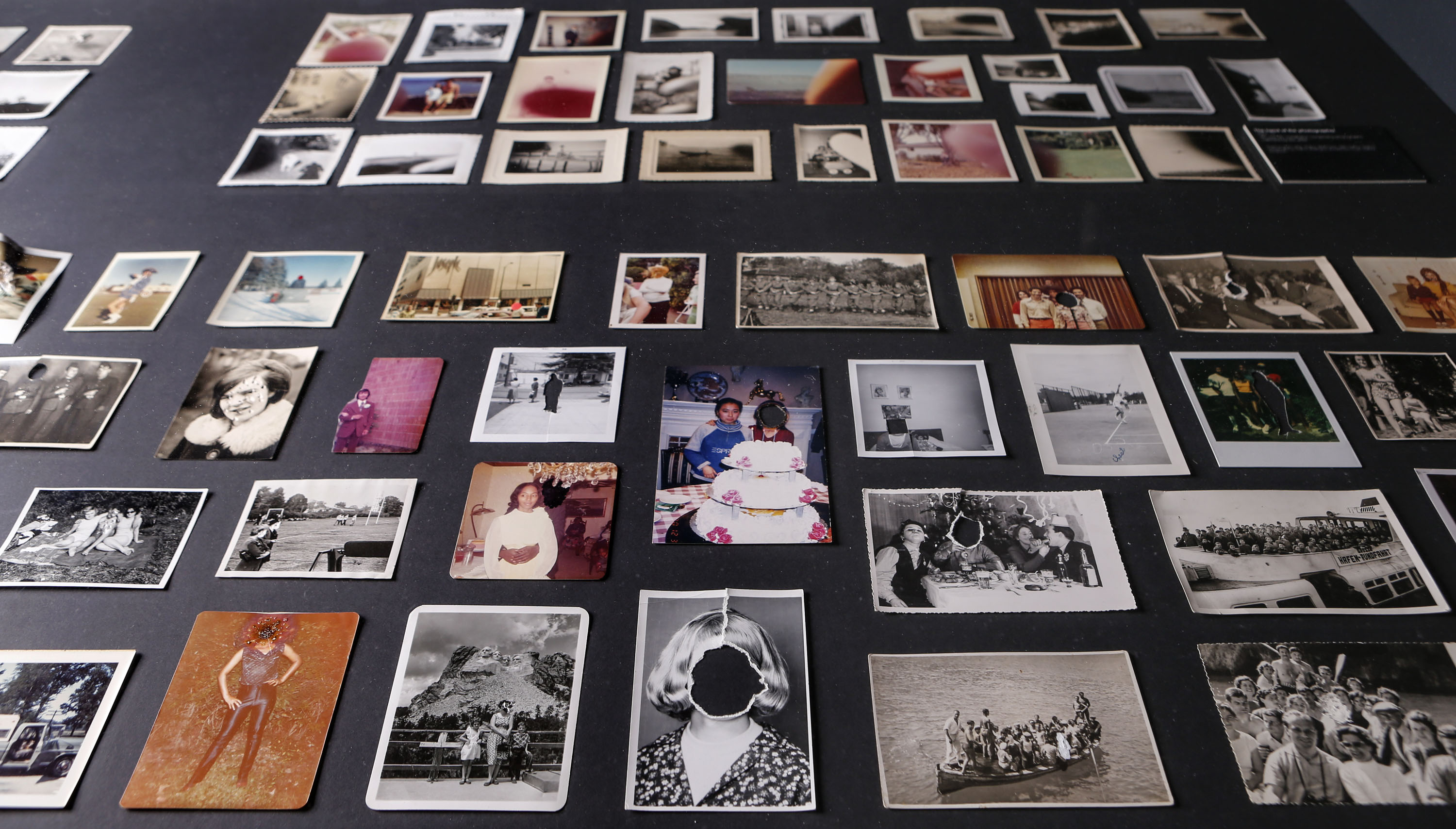

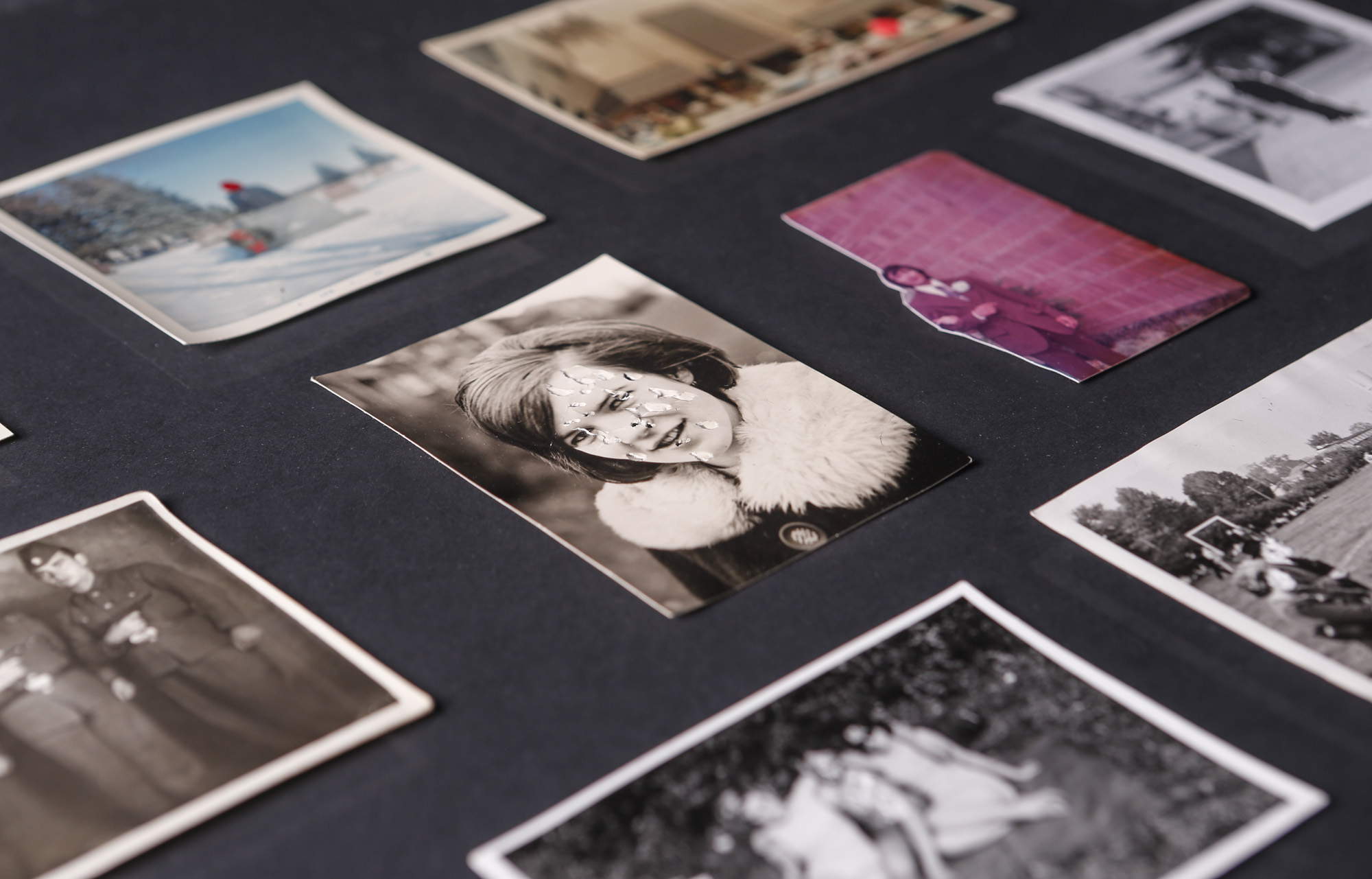





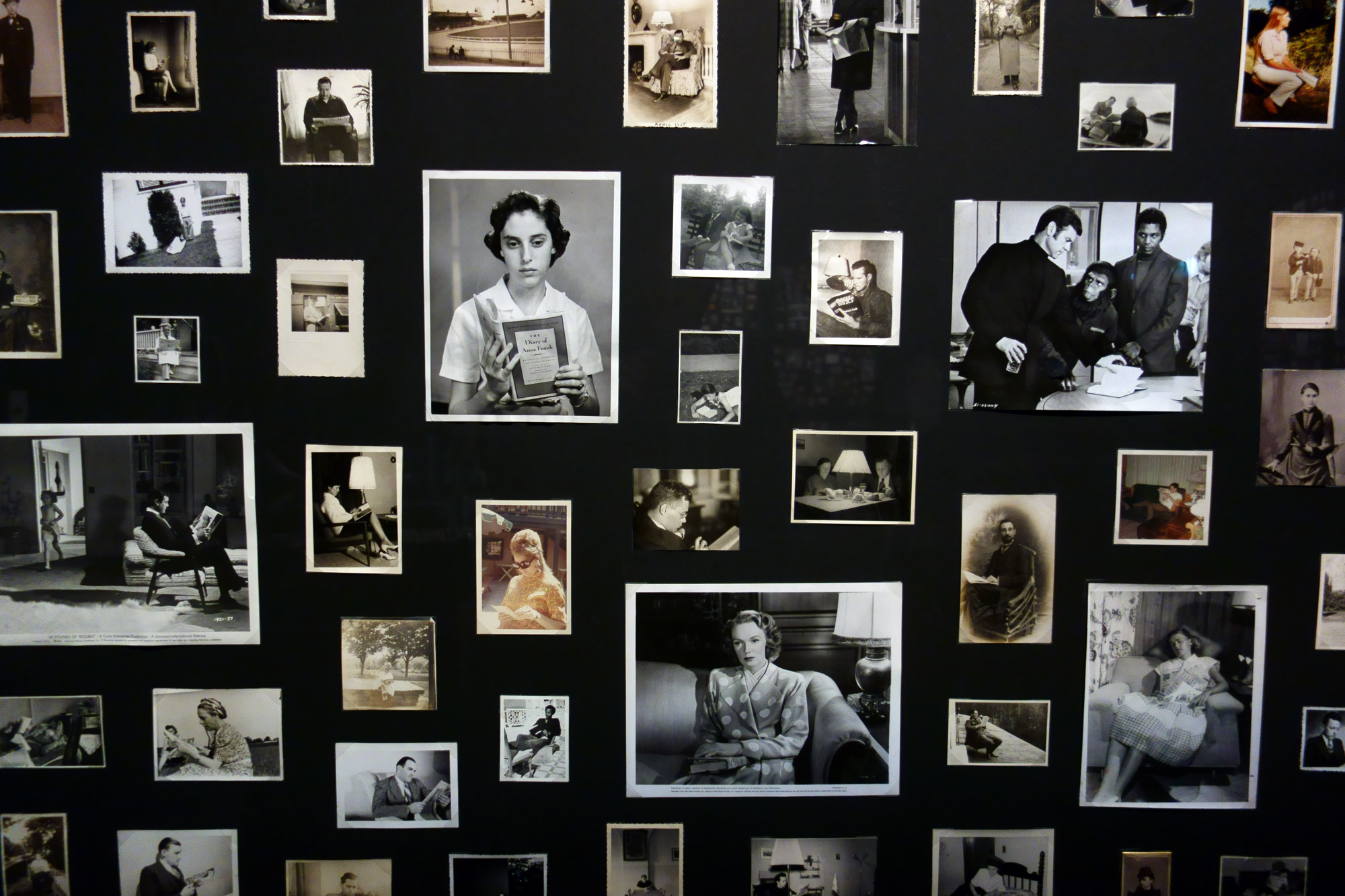


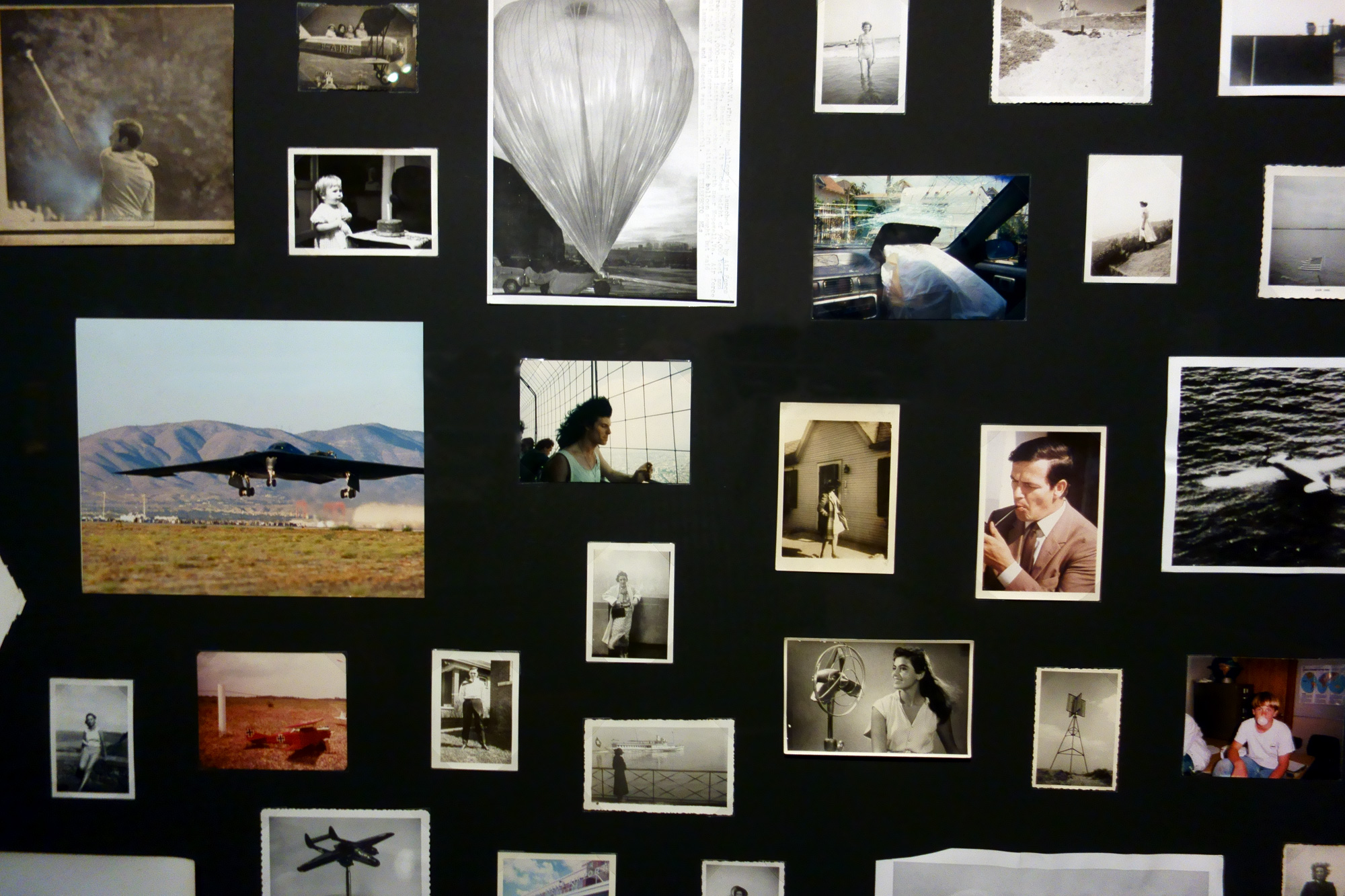
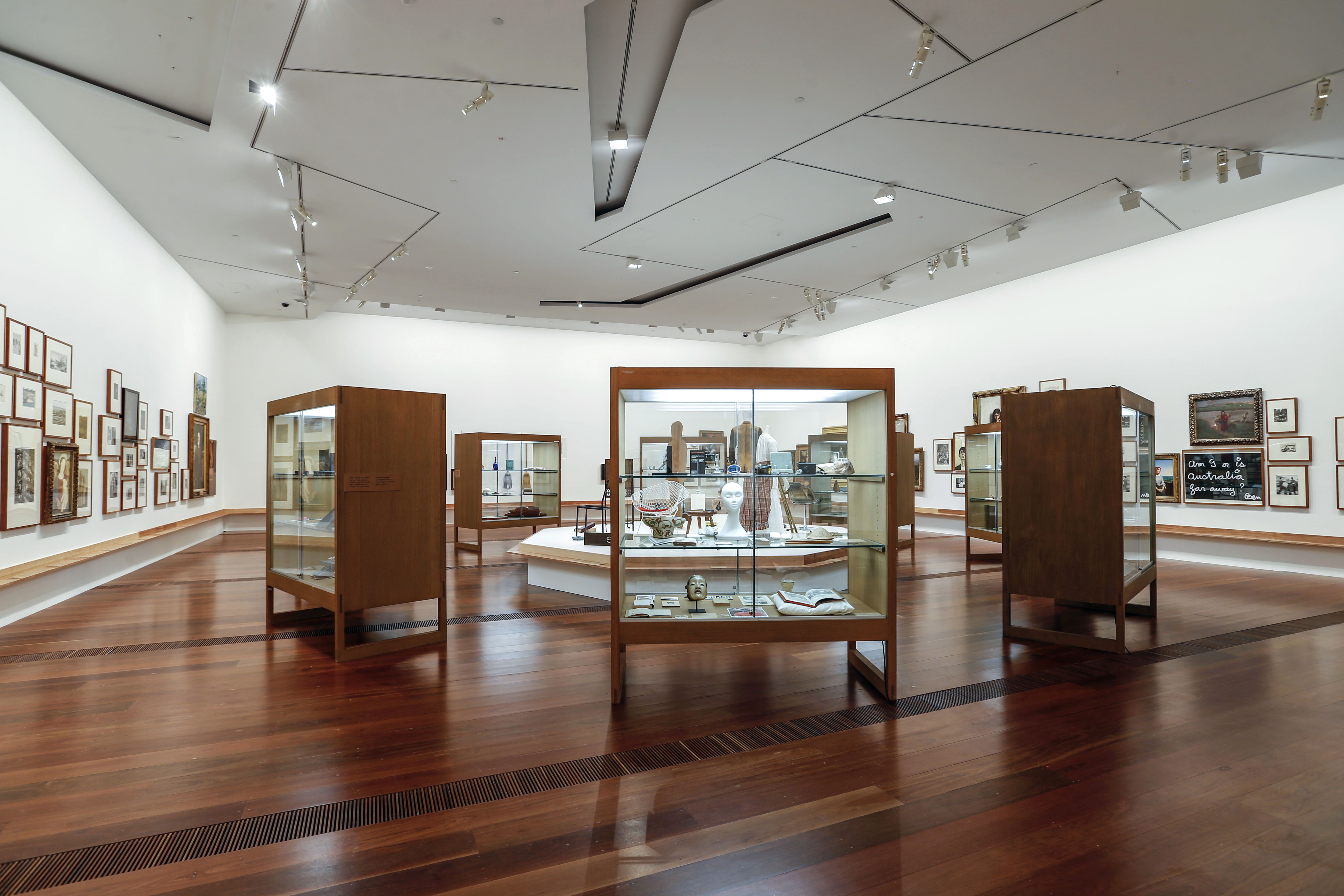





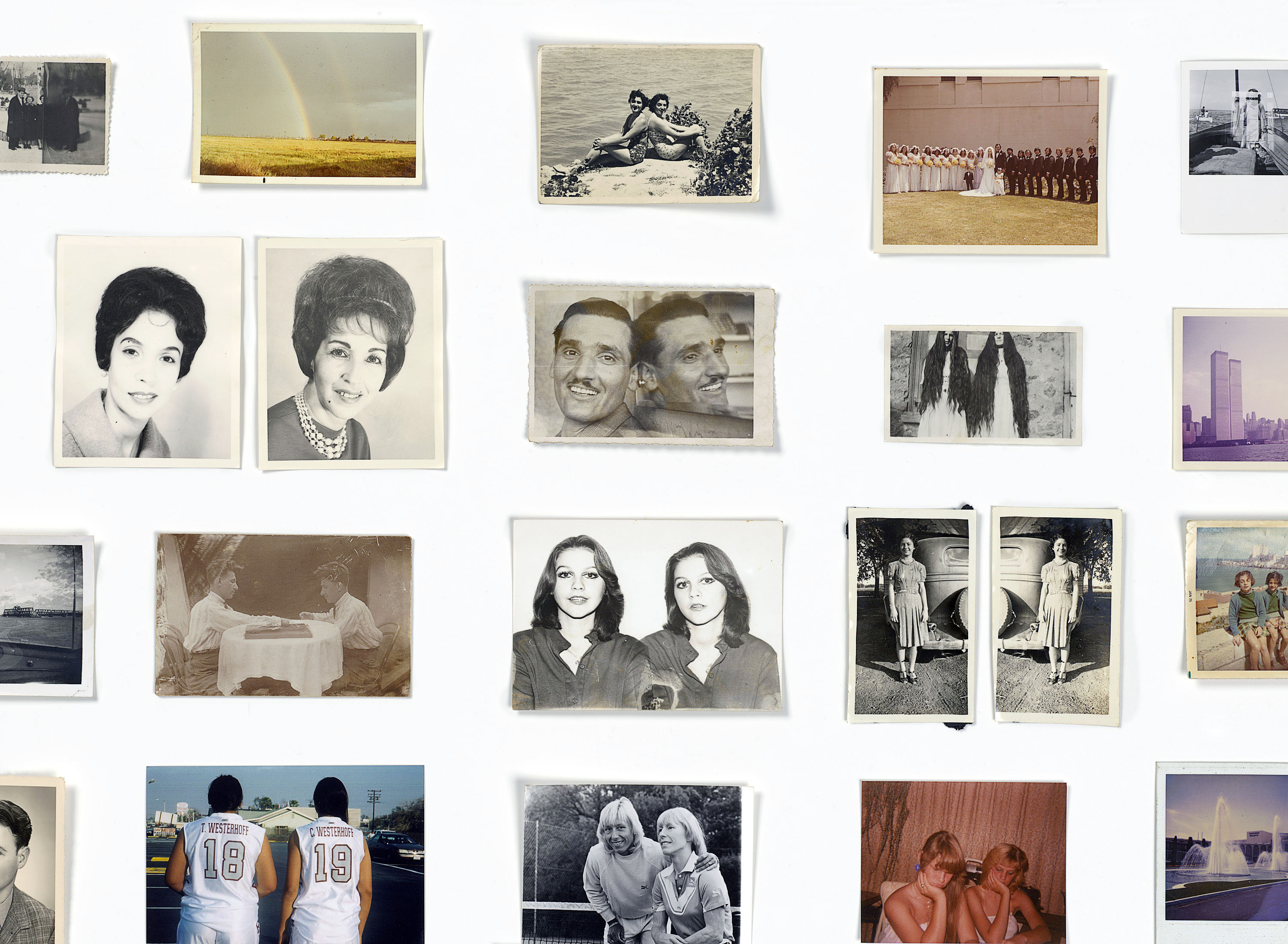
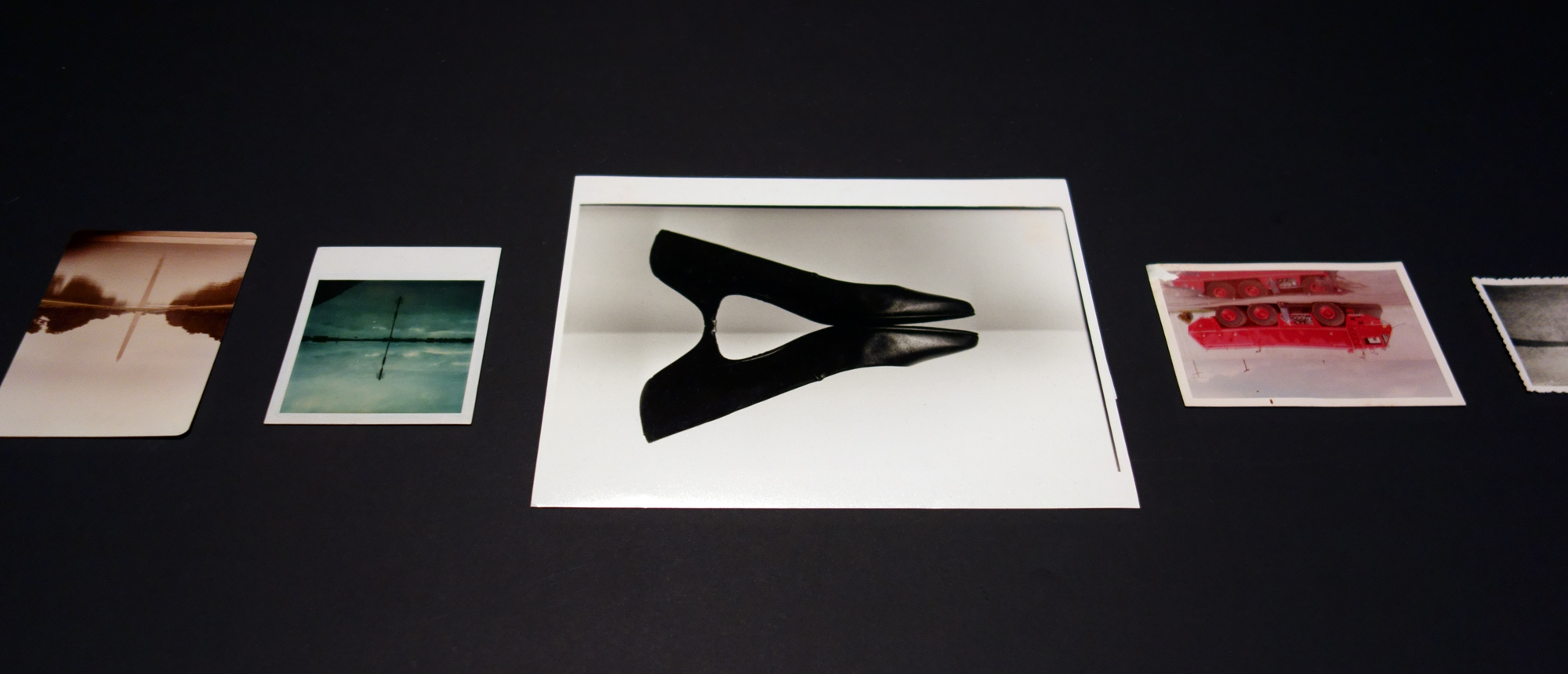


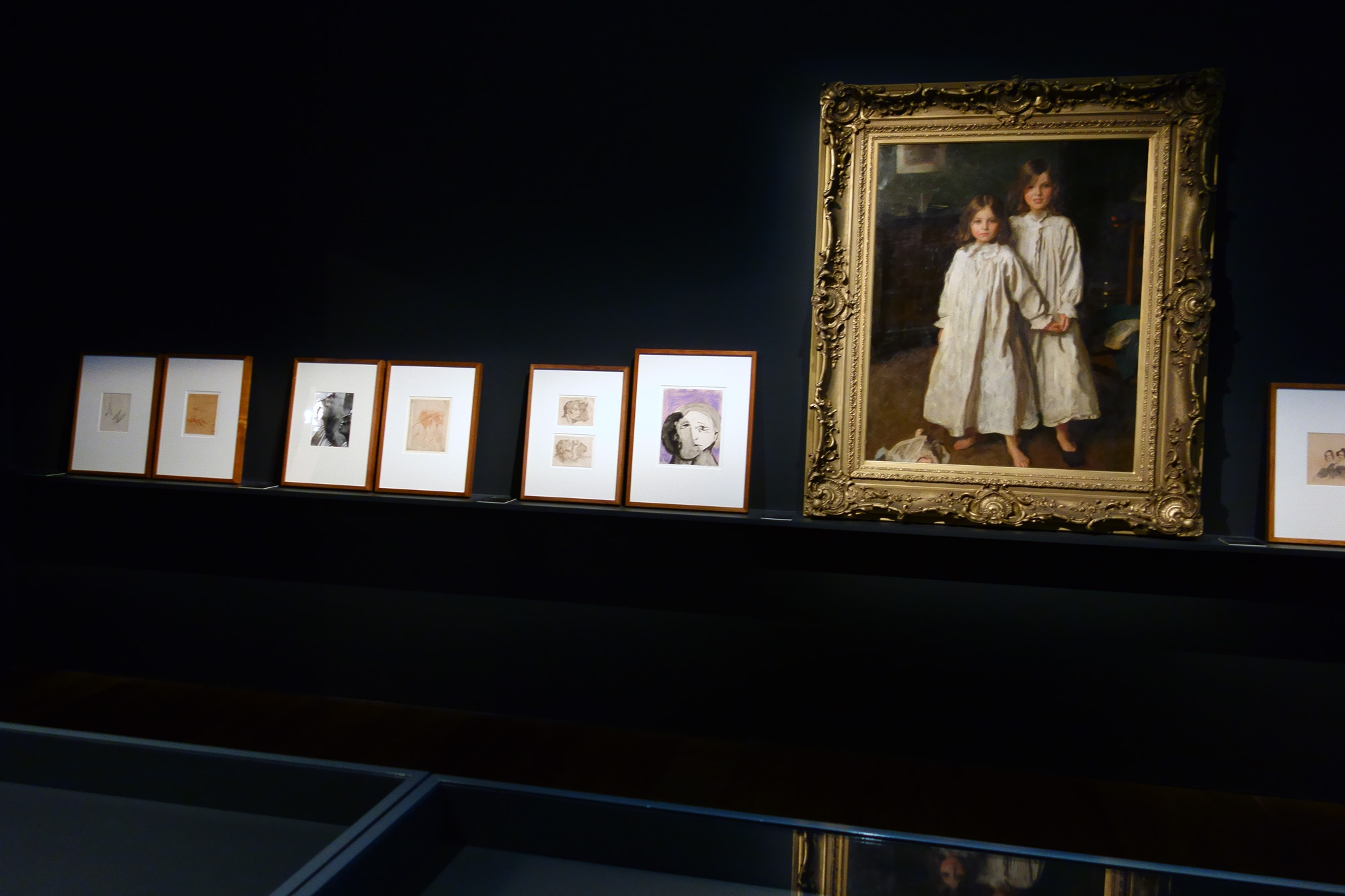
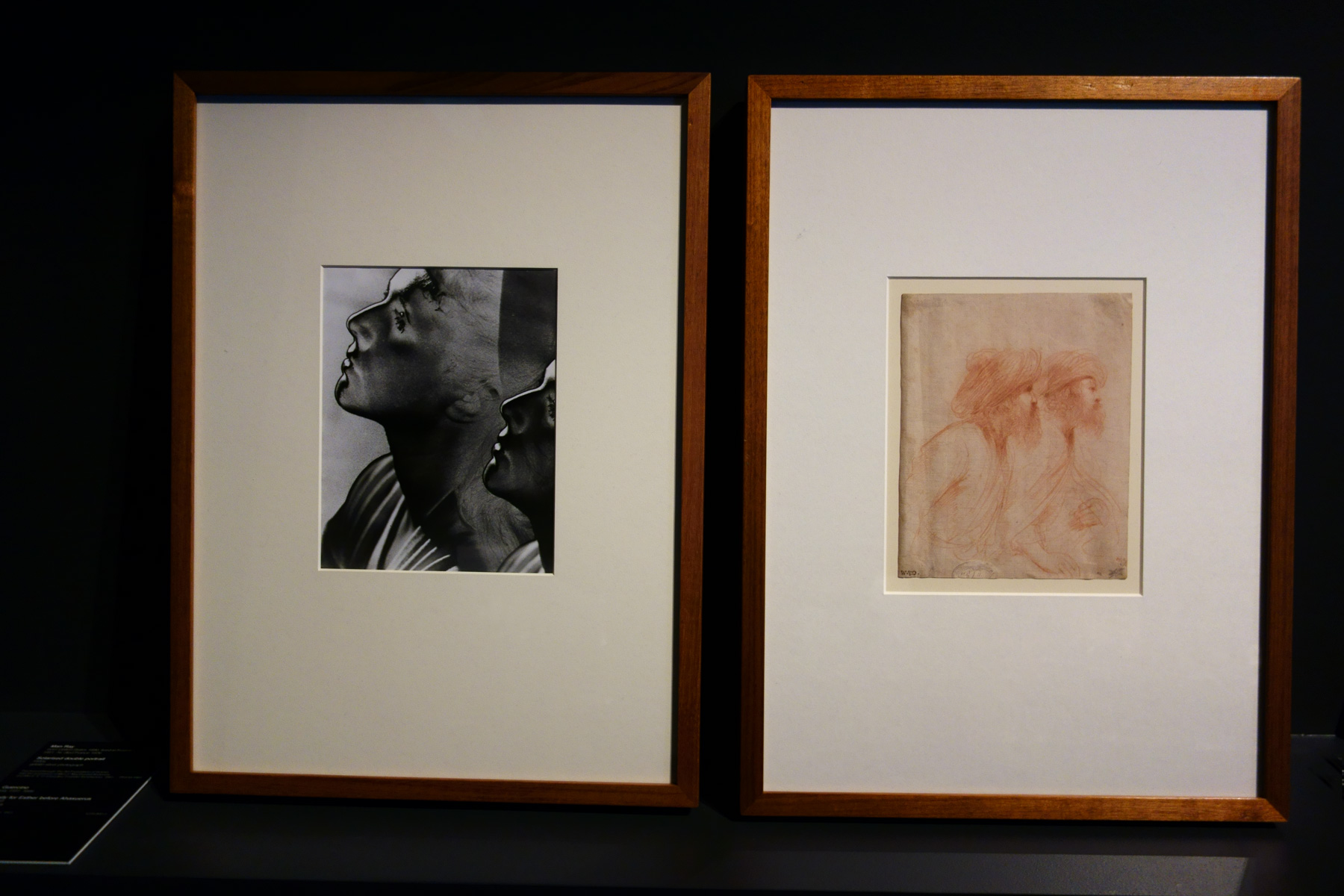
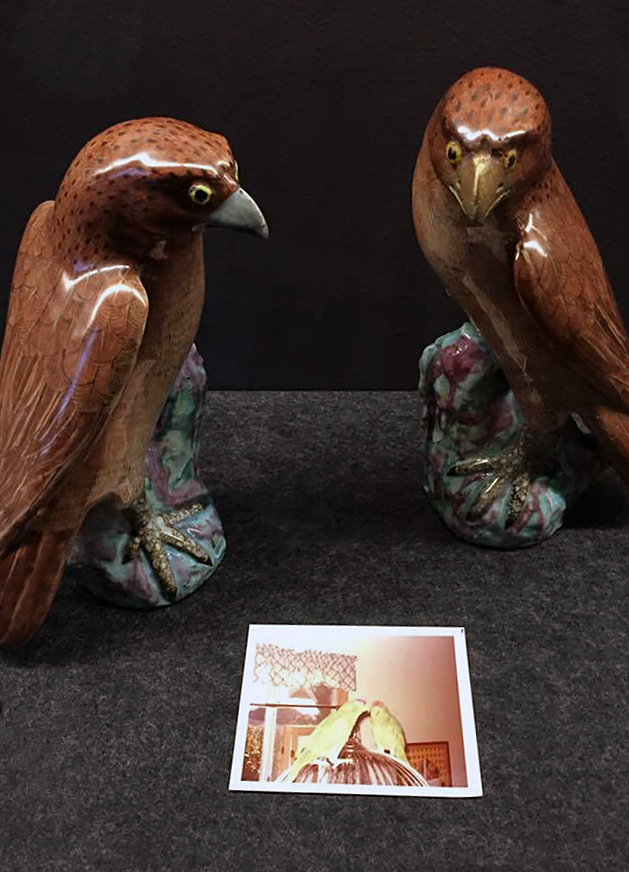











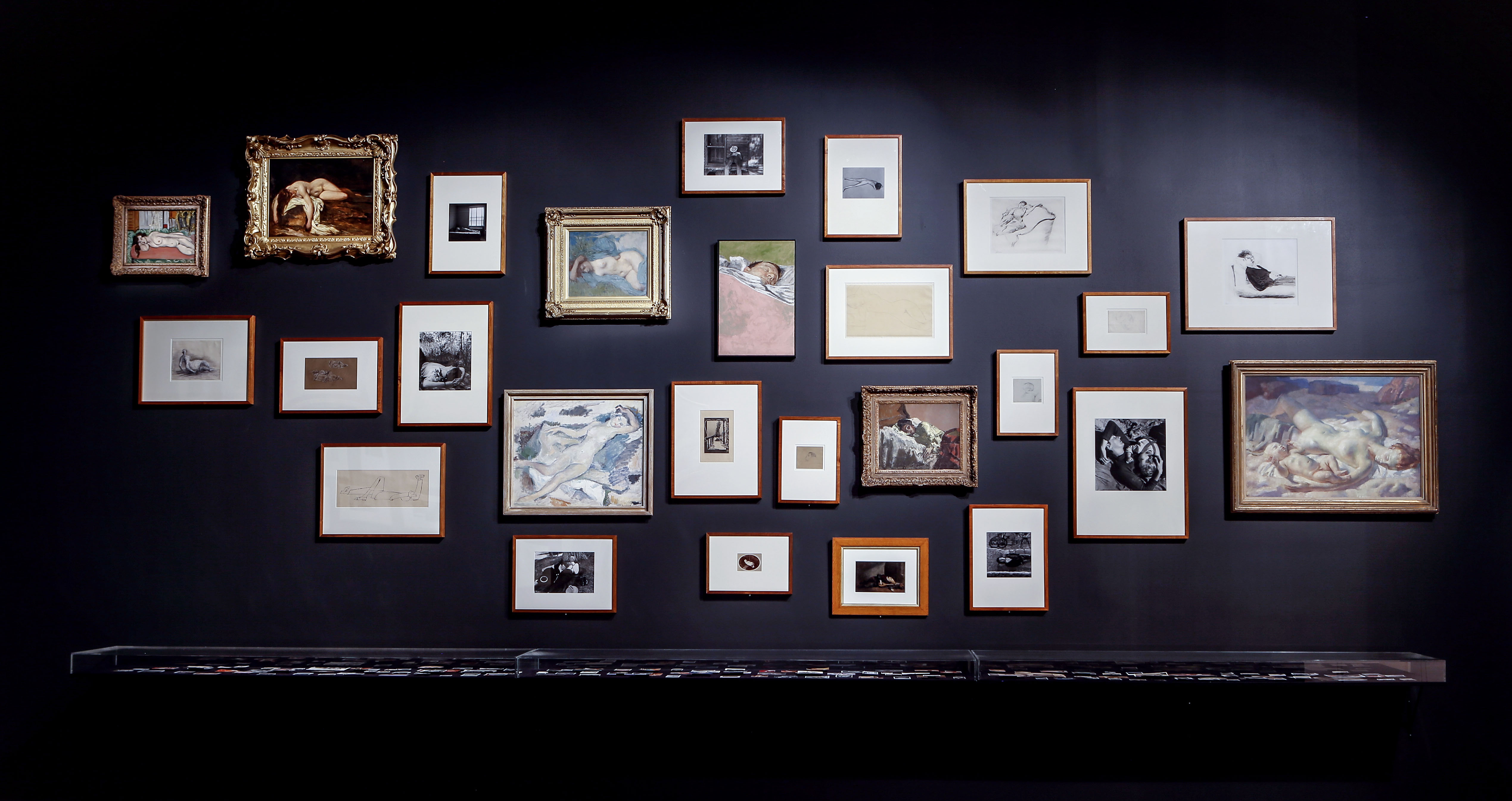


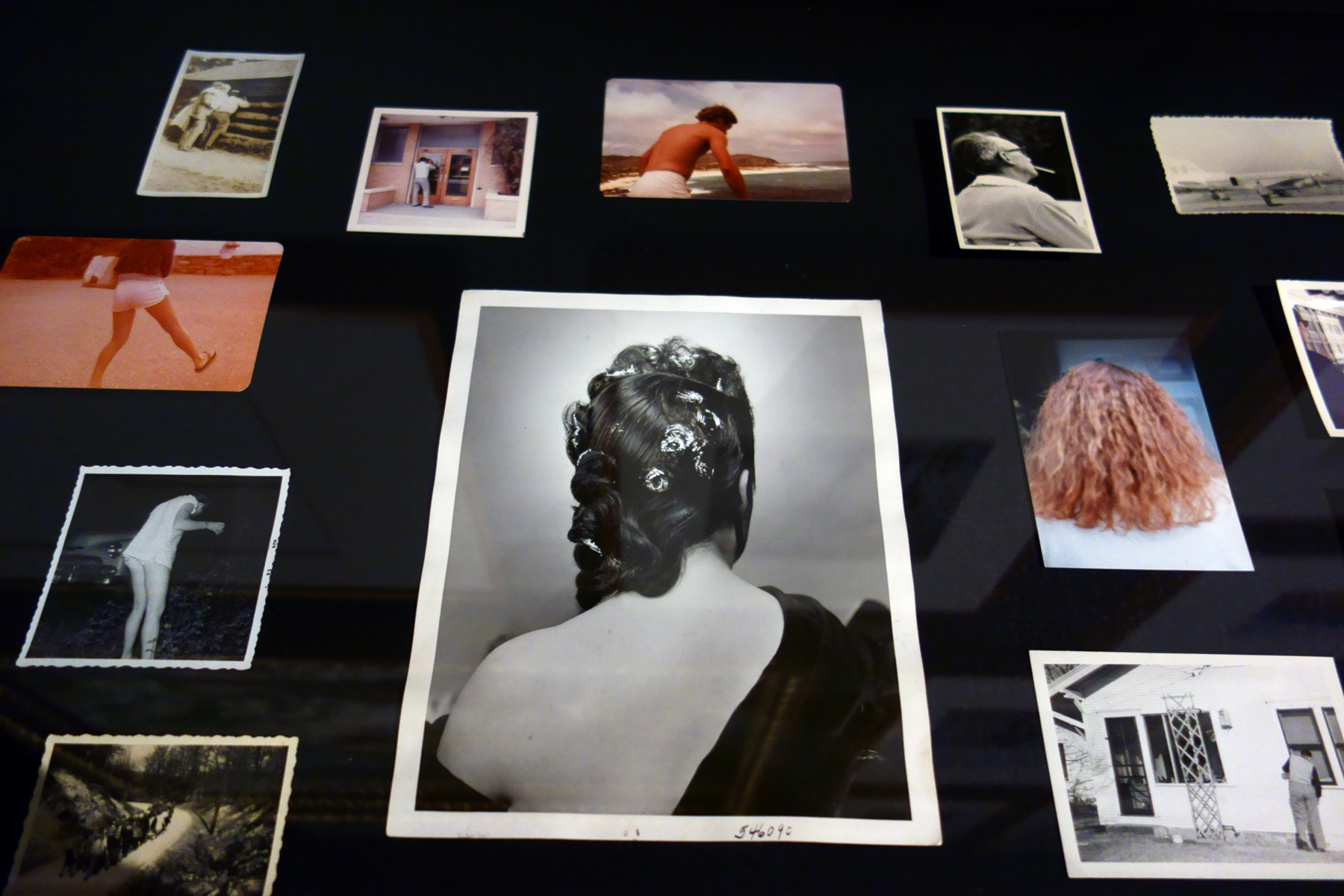
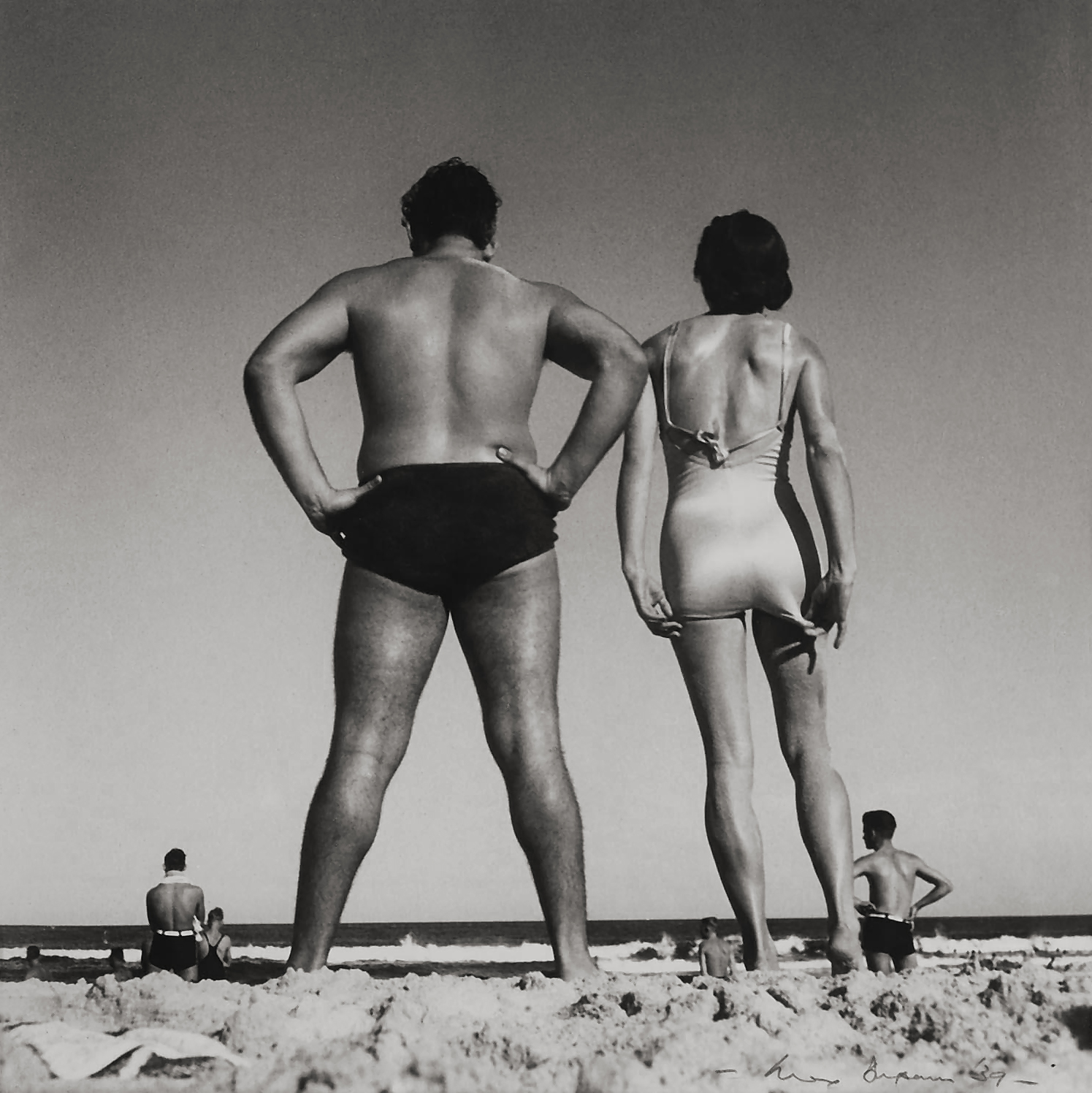
 Art Blart _ art and cultural memory archive
You must be logged in to post a comment.