Projects: Ming Smith is organised by Thelma Golden, Director and Chief Curator, The Studio Museum in Harlem, and Oluremi C. Onabanjo, Associate Curator, Department of Photography, The Museum of Modern Art, with the assistance of Kaitlin Booher, Beaumont and Nancy Newhall Curatorial Fellow, Department of Photography, The Museum of Modern Art, and Habiba Hopson, Curatorial Assistant, The Studio Museum in Harlem.
Another fascinating, stimulating, challenging artist finally getting their due.
Music, spirit, transcendence, light, blur, dreams, improvisation, composition, jamming, joy, rhythm, respect, wonder, emotion, African American culture. Conjoined in a mysterious, reverent wistfulness…
“You don’t make art for money, especially as a Black artist. You do it because there is that need to create – and that has been part of my survival; that has helped me survive.”
I feel that too. Creativity has kept the black dog from the door, creativity has helped me survive. I’m sure it does for many artists.
Dr Marcus Bunyan
Many thankx to the Museum of Modern Art for allowing me to publish the photographs in the posting. Please click on the photographs for a larger version of the image.
“You don’t make art for money, especially as a Black artist. You do it because there is that need to create – and that has been part of my survival; that has helped me survive.”
“My work as a photographer was to record, culturally, the period of time in which I lived – and I recorded it as an artist.”
“Oh no, it’s all discovery, it’s all improvisation. It’s like when jazz musicians solo. They improvise, and photography is definitely that, for me.”
“Whether I’m photographing a person on the street, someone I know, or on an assignment, I’m doing it because I admire them. I like the sense of exchange – they’re giving and I’m taking, but I’m also giving them something back. There were certain people who would understand what I was looking for and would try to give me a photograph by posing. Whatever I’m shooting, whether it’s a portrait or a place, my intention is to capture the feeling I have about that exchange and that energy.”
“I evolved as a photographer with the series Invisible Man [1990-1991], just like a jazz musician who plays the head [the known melody of a song] before they start improvising. Ralph Ellison’s book Invisible Man [1952] was an inspiration, especially the idea of what it means not to be seen, but I didn’t consciously set out to make work about it. I wanted to capture the feeling of painting and make photographs on an artistic scale. Living in a Black environment, the people I photographed didn’t have to put on any airs, they were just living their life. The series was about a feeling, an expression. Anyone could identify it. We were present but we weren’t there. We were visible but also invisible.”
“Living in Harlem was an authentic experience for me, and I was trying to capture that authenticity. I was living and my work came out of my life. I would go out with my camera to shoot events like the Million Youth March [1998] or meet musical figures like Dr. Edward Boatner or academics like Dr. John Henrik Clarke, and even watch Duke Ellington on TV – these people had so much history in them. Some people look at certain areas and only see the depravity and the struggle, but there’s so much love and genius there; there’s warmth. I think that was my motive in photographing Harlem, to communicate that warmth.”
Ming Smith
The Museum of Modern Art announces Projects: Ming Smith, on view in the Museum’s street-level galleries from February 4 through May 29, 2023. A photographer who has lived and worked in New York since the 1970s, Ming Smith has served as a precedent for a generation of artists engaging the politics and poetics of the photographic image. Through a deep exploration of the artist’s archive, the exhibition will offer a critical reintroduction to Smith’s work through her distinctive approach to movement, light, rhythm, and shadow, highlighting how she transforms the image from a document of photographic capture into a space of emotive expression.
Text from the MoMA website
The moody magic of a long exposure photograph | Ming Smith | UNIQLO ArtSpeaks
Photography curator Oluremi Onabanjo examines Smith’s 1991 “Invisible Man, Somewhere, Everywhere,” a poignant image from this series inspired by Ralph Ellison’s 1952 novel “Invisible Man.”
Installation views of Projects: Ming Smith, on view at The Museum of Modern Art, New York from February 4, 2023 – May 29, 2023 Photos: Robert Gerhardt
The Museum of Modern Art announces Projects: Ming Smith, on view in the Museum’s street-level galleries from February 4 through May 29, 2023. A photographer who has lived and worked in New York since the 1970s, Ming Smith has served as a precedent for a generation of artists engaging the politics and poetics of the photographic image. Through a deep exploration of the artist’s archive, the exhibition will offer a critical reintroduction to Smith’s work through her distinctive approach to movement, light, rhythm, and shadow, highlighting how she transforms the image from a document of photographic capture into a space of emotive expression. Projects: Ming Smith is organised by Thelma Golden, Director and Chief Curator, The Studio Museum in Harlem, and Oluremi C. Onabanjo, Associate Curator, Department of Photography, The Museum of Modern Art, with the assistance of Kaitlin Booher, Beaumont and Nancy Newhall Curatorial Fellow, Department of Photography, The Museum of Modern Art, and Habiba Hopson, Curatorial Assistant, Permanent Collection, The Studio Museum in Harlem.
As Oluremi C. Onabanjo states, “For Ming Smith, the photographic medium is a site where the senses and the spirit collide. Calling attention to the synesthetic range of her photographic approach, this exhibition highlights how her images collapse the senses, encouraging us to attend to the hue of sound, the rhythm of form, and the texture of vision.” Works featured in the exhibition showcase a wide array of subjects, ranging from finely attuned studies of Black avant-garde musicians and dancers to depictions of everyday life in Harlem and Pittsburgh’s Hill District through photographic series made in response to Ralph Ellison’s novel Invisible Man and August Wilson’s Pittsburgh Cycle of plays.
Projects: Ming Smith is the fourth exhibition in MoMA’s ongoing Projects collaboration with The Studio Museum in Harlem. It takes up the work of a photographer who is important to the history of both museums. MoMA was the first institution to acquire Smith’s work (in 1979), and the Studio Museum has shown Smith’s work since the beginning of her career, when she was the first female member of the trailblazing Black photography collective the Kamoinge Workshop.
Thelma Golden says, “Almost from the day she arrived in New York City, Ming Smith was at the centre of an extraordinary cultural ferment, contributing to the Black Arts Movement while creating a space for herself within Harlem’s legendary Kamoinge Workshop. Working for over five decades, her contribution to modern photography is deeply significant – she continues to influence countless photographers through her singular documentation of, society’s humanity and pageantry. I’m thrilled that audiences who know her work will have the opportunity to revisit and reappraise her many achievements, and that new audiences will have the excitement of discovering her graceful, stunning images through Projects: Ming Smith.”
Projects: Ming Smith is accompanied by Ming Smith: Invisible Man, Somewhere, Everywhere, a new volume in MoMA’s One on One series, written by Oluremi C. Onabanjo. The book provides a sustained meditation on Smith’s photograph Invisible Man, Somewhere, Everywhere (1991) in MoMA’s collection.
Press release from the Museum of Modern Art
Introduction
For Ming Smith, photography is a site where the senses and the spirit collide through the prism of light. “I’m dealing with all these elements, getting that precise moment,” Smith has said. “Getting the feeling, the way the light hits the person – to put it simply, these pieces are like the blues.”
Projects: Ming Smith offers a critical reintroduction to a photographer who has lived in New York since the 1970s, and whose work has served as a precedent for generations of artists engaging the politics and the poetics of the photographic image in relation to experiences of Blackness. Through her skilful deployment of long exposures – which involves slowing the shutter speed of the camera lens to render movement as blur – Smith dissolves the boundaries between her subjects and their surroundings. Her dreamlike, abstract compositions are led by intuition and perfected through repetition.
The result of a deep dive into Smith’s archive, this exhibition reckons with the crucial position of this artist in the history of photography, and in the institutional memories of both The Museum of Modern Art and The Studio Museum in Harlem. MoMA was the first institution to acquire Smith’s work (in 1979), and the Studio Museum has shown Smith’s work since the beginning of her career, when she was the first female member of the trailblazing Black photography collective the Kamoinge Workshop. Bridging the distance between the present and the past, Projects: Ming Smith creates a photographic portal through which to encounter Smith’s images anew. It highlights how her pictures collapse the senses, encouraging us to attend to the hue of sound, the rhythm of form, and the texture of vision.
Text from the Museum of Modern Art
Installation view of Projects: Ming Smith, on view at The Museum of Modern Art, New York from February 4, 2023 – May 29, 2023 Photo: Robert Gerhardt
Page from Projects: Ming Smith extended labels (photographs below)
The stellar photographer Ming Smith remembers walking past the Museum of Modern Art when she was in her early 20s and telling herself, “I’m going to be in that museum one day.”
Anyone hearing her might have thought: Dream on. This was the 1970s. Smith was Black, female, new to New York City, with zero art credentials of the kind demanded by any museum of even the brashest up-and-comer, which Smith – a self-described low-key loner – was not.
But even then some changes were afoot – a few, isolated, sporadic – for artists and institutions alike. In 1979, in response to an open call by MoMA’s photography department for new work, Smith dropped off her portfolio. (The receptionist assumed she was a courier.) The museum bought two pictures, making her the first Black woman photographer to enter MoMA’s collection.
Forty years later came another landmark. In 2019, when MoMA opened its new Geffen Wing and the Studio Museum in Harlem, where Smith had shown over several decades, closed to build its new home, the two institutions began collaborating on exhibitions at MoMA’s Midtown and Long Island City locations.
The current show, called “Projects: Ming Smith,” installed on the ground floor at MoMA on 53rd Street (which has free public access), is the latest of these joint ventures, and it’s a beauty. With 52 pictures, mostly black and white, several being exhibited for the first time anywhere, it gives a good sense of Smith’s subject range and of her distinctive, self-invented style: improvisatory, multilayered, painterly, shadow-soaked, with images blurred as if shot at very high or low velocity, or viewed through retreating memory, or a volcanic rain.
Born in Detroit, raised in Columbus, Ohio, Smith started taking pictures when she was young – her pharmacist father was an amateur photographer – and learned the formal ropes as she went. While majoring in premed biology at Howard University she took a photography class and was told by the teacher that, given her race and gender, her prospects of a career in that field were next to nil. After graduating in 1971, she moved to New York City, where she supported herself as a fashion model, and kept taking pictures.
She soon plugged into a crucial support system. In 1972 she joined the Kamoinge Workshop, a Black photography collective based in Harlem. Kamoinge’s first female member, she participated in their notoriously hard-hitting group crits and for a while worked closely with one of the originating members, Anthony Barboza, accompanying him on a working trip to Senegal.
As was clear from a traveling survey of Kamoinge artists organised by the Virginia Museum of Fine Arts in 2020 – it later came to the Whitney Museum – the collective’s original members were eclectic in their styles and interests. But almost all their work adhered to the genre loosely known as “street photography,” grounded in a direct capturing of images, candid and unposed, of everyday life, with results that were documentary in effect and humanistic in intent. Smith’s work basically comes out of this aesthetic too, but also radically, romantically departs from it.
Many of her images, including the 1972 “Raise Your Window High,” the show’s earliest entry, are of city life, which became a long-term subject. A selection of Harlem-related pictures includes shots of the Apollo Theater marquee, a church service in progress, Alvin Ailey’s 1989 funeral, and a fist-pumping rally for the 1998 Million Youth March.
At the same time, much of her urban photography is not event-oriented, or even geographically specific. A series of photos taken in Pittsburgh in 1991, conceived as a visual response to a series of plays by August Wilson set there, could, by the look of them, have been shot in almost any city. A woman and child sit pensively on a Greyhound bus. A man in a pool hall practices cue moves. A dark silhouette of a figure trudges at night down a snow-covered street. Mood, not place or even people, is the real subject here. The title of the snowstorm picture, “Invisible Man, Somewhere, Everywhere,” says as much. So does the fact that the image once appeared in a MoMA show devoted to New York City.
Smith is a longtime jazz and blues devotee. She married a musician (saxophonist David Murray) and has photographed many. A visual equivalent of jazz performance has produced her most experimental work. Applied to street photography’s fairly set subject matter, her use of quick, reflexive shooting, manipulated shutter speeds, and multiple exposure printing opens the possibility for perceptual accident, and for improvisation, to be followed wherever it might lead, which is often in an abstracting direction. In addition, her penchant for framing small areas of light in fields of prevailing darkness gives a bluesy cast to all of this.
The show’s organisers — Thelma Golden, director of the Studio Museum in Harlem, and Oluremi C. Onabanjo, an associate curator of photography at MoMA, working with curatorial fellows Kaitlin Booher and Habiba Hopson – provide a chance to consider a wide and varied sampling of work at a glance in a group of 17 photographs from the 1970s and ’80s, printed large and small, and installed up and across a high gallery wall.
Many of Smith’s favoured subjects are here: city life, performance, travel. A white cloth whips in the wind on a tenement clothesline. The moon, a vortex of brightness, hangs tangled in trees in a Tokyo park. Alvin Ailey dancers flicker like vigil lights in a dark theater. Saxophonist Pharoah Sanders looks rock-solid onstage in New York while another musician, Sun Ra, is clearly an ET about to lift off, his sparkling gold scarf streaming like a comet tail behind him.
There’s a street-level mystic at work in Smith’s art. You sense it in her tremorous cityscapes, especially in her images of people – the primary subject, after all, of street photography. She shoots straightforward portraits, sometimes identifying the sitter by name (composer Edward Boatner; dancer Judith Jamison; writer Amiri Baraka), sometimes not. She makes self-portraits, though they’re hard to read. In one from 1992 called “Womb,” which Smith shot on a trip to Egypt, she appears to be emanating, barely materialised, from a pyramid behind her.
And then there are what I can only call holy pictures in which charismatic figures are transcendentally lifted up. In one, from 1979, titled “James Baldwin in Setting Sun Over Harlem,” Smith, using double exposure, overlays very faintly a photo she took of Baldwin onto a skyscape of light-shot dark clouds. In a second picture using the same technique, she floats above the city the visage of the immortal Harlem photographer James Van Der Zee. Sure, these images are just blatant hero worship. They’re also, like so much of Smith’s art, just wow.
Holland Cotter. “Ming Smith’s Poetic Blur,” on The New York Times website 16 February 2023 [Online] Cited 19/02/2023
“The image is always moving, even if you’re standing still.”
Ming Smith
“I like catching the moment, catching the light, and the way it plays out,” the photographer Ming Smith has said. “I go with my intuition… it’s about always looking at lines and the quality of the movement. It’s about seeking energy, breath, and light. The image is always moving, even if you’re standing still.”1 For Smith, these are the central tenets of her approach to image-making: a practice attuned to bodily movement and spatial relations that maintains a commitment to the poetry of light and shadow.
In the early 1970s, Smith arrived in New York City after graduating from Howard University. She had studied microbiology and chemistry, but took the university’s only photography class to sustain a passion for the image inculcated in her by her father. Supporting herself as a model while shooting on the city streets, Smith spent time in Anthony Barboza’s studio and met photographers such as Louis Draper and Joe Crawford, swiftly becoming immersed in fiery debates about the stakes of photography as an art form.2 In 1972, Draper invited Smith to join The Kamoinge Workshop, a collective of African American photographers who gathered weekly to review and critique each other’s work. Its name derived from the Kikuyu word for “a group of people acting together,” Kamoinge was founded in 1963 and emerged as a shared political and artistic space for photographic improvement and, especially, self-determination. It was a powerful sentiment at a time of pivotal gains for the US Civil Rights Movement and decolonization across the African continent.
Joining Kamoinge was transformational for Smith’s photography and self-perception as an artist. She cut her teeth as a photographer and sharpened her conceptual focus, mining the structural and psychological tensions that animate experiences of Blackness. By turns dense and diaphanous, Smith’s pictures sustain hefty blacks alongside frothy swirls of gray and white. These mercurial, moody scenes resist spectacular clarity or straightforward interpretation. As historian and curator Maurice Berger has said, “Ms. Smith’s subjects are often suspended between visibility and invisibility: faces turned away, or are blurred or shrouded in shadow, mist or darkness, a potent metaphor of the struggle for African-American visibility in a culture in which black men and women were disparaged, erased or ignored.”3 In this way, Smith gives shape to the quotidian idiosyncrasies of Black life.
In an unending oscillation between light and darkness, Smith revels in the emotive elements of her subjects. Key to this is the photographer’s command of the blur, which critic Jessica Lynne succinctly defines as “the technique by which Smith collapses the boundaries between a photograph’s subject and its background.”4 Executed with rhythmic pacing and maintaining an acuity of vision, her engagement with sonic and lyrical forms is particularly notable. Subjects and captions refer to the plays of August Wilson, the words of Ralph Ellison’s Invisible Man (1952), and the music of Marvin Gaye and Billie Holiday, John Coltrane and David Murray. These intertextual references bring forward recognizable figures while affirming the function of these photographs as speculative compositions, shaped through intuition. “In the art of photography, I’m dealing with light, I’m dealing with all these elements, getting that precise moment,” Smith has said. “Getting the feeling, getting the way the light hits the person – to put it simply, these pieces are like the blues.”5
Oluremi C. Onabanjo, Associate Curator, The Robert B. Menschel Department of Photography, 2022
1/ Ming Smith quoted in “A Portrait of the Artist: Ming Smith in Conversation with Janet Hill Talbert,” in Ming Smith (New York & Dallas: Aperture & Documentary Arts, 2020). 15.
In Mother and Child Deciding (1991), a young woman is seated at a diner booth with a child, both bundled in winter jackets. Her body is turned to the right, with her leg hoisted onto the booth’s seat, revealing a worn sneaker; her right elbow is placed on the booth’s table, and her little finger touches her lower lip. Her turned face and her outward gaze into the middle distance indicate that she is contemplating the menu posted on a board, or the photographs hung on the wall above the wood paneling. But her wistful face tells us that her thoughts are occupied by worries that have accompanied her here – worries that she cannot share with the child.
Exhibition dates: 7th October, 2022 – 21st May, 2023
Head Curator: Karolina Kühn Curators: Juliane Bischoff, Angela Hermann, Sebastian Huber, Anna Straetmans, Ulla-Britta Vollhardt
Wer’e here, we’re queer, we’re not going anywhere.
Despite years of persecution, death and inequality, the presence of queer identity, diversity and creativity remains undimmed.
There are some fabulous, groundbreaking human beings who are “being seen” in this posting. Equally, there are some fabulous art works that illuminate the(ir) human condition.
Let’s celebrate their existence.
Dr Marcus Bunyan
Many thankx to the Munich Documentation Center for the History of National Socialism for allowing me to publish the photographs in the posting. Please click on the photographs for a larger version of the image.
About the exhibition
TO BE SEEN is an exhibition devoted to the stories of LGBTQI+ in Germany in the first half of the twentieth century. Through historical testimony and artistic positions from then and now, it traces queer lives and networks, the areas of freedom enjoyed by LGBTQI+, and the persecution they suffered.
The exhibition takes an intimate look at a variety of genders, bodies, and identities. It shows how queer life became ever more visible during the 1920s, giving rise to a more open treatment of role models and of desire. During this period, homosexual, trans, and non-binary people achieved their first successes in their fight for equal rights and social acceptance. They organised, fought for scientific and legal recognition of their gender identity, and carved out their own spaces.
But as recognition and visibility in art and culture, science, politics, and society increased, so did resistance. After the Nazis came to power, the LGBTQI+ subculture was largely destroyed. After 1945, their stories and fates were scarcely archived or remembered.
Text from the Munich Documentation Center for the History of National Socialism website
“When a right is withheld from you, you must fight and not give in; that is a moral duty.”
Joseph Schedel opened the first meeting of the Scientific-Humanitarian Committee of Munich on September 24, 1902
Exterior view of the NS Documentation Center in Munich showing a work in the exhibition TO BE SEEN: Queer Lives 1900-1950 – Maximiliane Baumgartner’s “You look at us – we look at you”: Rubbing against the architecture of the executive gaze (Based on a paper by Anita Augspurg ‘Mißgriffe der Polizei’ / ‘Abuses by the Police’, 1902) 2021 Photo: Connolly Weber Photography/NS-Dokumentationszentrum München
Installation view of the exhibition TO BE SEEN: Queer Lives 1900-1950 at the Munich Documentation Center for the History of National Socialism Photo: Connolly Weber Photography/NS-Dokumentationszentrum München
TO BE SEEN | Trailer
The exhibition TO BE SEEN: Queer Lives 1900-1950 is dedicated to the stories of LGBTIQ* in Germany in the first half of the 20th century from October 7th, 2022 to May 21st, 2023 at the Munich Documentation Center. With historical testimonies and artistic positions from then to the present, the exhibition traces queer life plans and networks, freedom and persecution.
The exhibition takes an intimate look at diverse genders, bodies and identities. It shows how queer life became more and more visible in the 1920s and how role models and desires were dealt with more openly. Homosexual, trans* and non-binary people achieved their first successes in their fight for equal rights and social acceptance: they organised themselves, fought for scientific and legal recognition of their gender identity and conquered their own spaces.
In addition to recognition and visibility in art and culture, science, politics and society, resistance also increased. After the National Socialists came to power, the LGBTIQ* subculture was largely destroyed. After 1945 their stories and fates were hardly archived or remembered.
Unknown photographer Lili, Paris 1926 From N. Hoyer (ed.). Man into Woman. An Authentic Record of a Change of Sex. The true story of the miraculous transformation of the Danish painter Einar Wegener (Andreas Sparre). London: Jarrolds, 1933, 1926, opp. p. 40. Attribution 4.0 International (CC BY 4.0)
Lili Elbe, a transgender woman who underwent sex reassignment surgery in Berlin in the 1930s.
Around 1900, queer people in Germany began gaining more and more visibility in public life – in art, culture, science, and politics. Existing role models for men and women were being questioned. Homosexual women and men as well as trans* and non-binary people achieved initial successes in their struggle for equal rights and acceptance: they organised and fought for scientific and legal recognition of their sexual and gender identity.
They met in public places, founded clubs and associations, and started magazines. New terms were coined to describe their identities and create a sense of belonging. Urning, lesbian, girlfriend, Bubi, homosexual: more than a hundred years ago there were already many expressions for what we call queer today. But as their visibility grew, so did the social and political backlash. The Nazi takeover in 1933 was a defining moment for queer people – their subculture was largely destroyed. In the postwar years, discrimination continued.
Even decades later, LGBTQI+ history is still hardly remembered or preserved in archives. Through historical testimonies and artistic positions from then and now, TO BE SEEN traces queer lives and networks, the spaces of freedom enjoyed by LGBTQI+ people, and the persecution they suffered.
Police photo of Liddy Bacroff, taken after an arrest, 1933. Barcoff described themself as a “homosexual transvestite”, lived from sex work, and was convicted several times. In 1943, they was murdered in the Mauthausen concentration camp.
Liddy Bacroff, a transgender woman initially from Ludwigshafen, who moved to Hamburg and lived for the majority of her life publicly presenting herself as a woman. She did not perceive herself to be a man (and, indeed, in papers she left after having been imprisoned, she determined what her name would be while also conspicuously referring to herself as “Liddy Bacroff, Transvestit”). But this was effectively her own form of self-ID. Certainly the authorities didn’t see her as such — her records remain filed under her deadname and identify her as a homosexual man – and, though she’d have been given a Transvestitenschein in Berlin, she wasn’t IN Berlin. Having not visited Hirschfeld and his Institut, it’s a marvel she uses the term “Transvestit”; elsewhere she does refer to herself as a “Mann-Weib” (a “male woman”), and frequently as a girl or a woman. The authorities, again, call her a man or, occasionally, a “Zwitter.” (NB. “Zwitter” means “hermaphrodite” and is here not meant literally but rather as an epithet recorded in the official files – an insult to her.) So the language that is used to describe trans people is inconsistent and, often, absent (depending on the sources). Reading between the lines is necessary, especially in the official records, which view trans women (regardless their lived circumstances or their appearance) only as homosexual men, and charge them as such. And while Hirschfeld was conscientious, the police were… not. This is especially true as the 1930s unfolded and the country Nazified. I wrote a very long thread a while back about “Heinrich Bode”, who was assigned male at birth but frequently presented as a woman. I used that thread to highlight difficulties of definition because Bode denounced their appearance as a woman in court filings and personal testimony, but at the same time also hinted that there was something much deeper than “just” dressing as a woman. But as they were subjected to prosecution by the Nazified judiciary and security state, they were under duress. So, do we assume that Bode was trans, and denied it because of the threat of punishment? Or was their presentation simply playing with the conventions of gender?
Dr. Bodie A. Ashton Historiker, Universität Erfurt. Text from his Twitter account
The androgynous dancer created new body images and developed the swapping of clothes into a stage genre of its own.
Installation view of the exhibition TO BE SEEN: Queer Lives 1900-1950 at the Munich Documentation Center for the History of National Socialism Photo: Connolly Weber Photography/NS-Dokumentationszentrum München
Queer
“Queer” originally referred to anything that did not fit into the usual categories. In English the word queer (meaning strange, other, suspicious), was used earlier as a derogative term for homosexuals. Since the 1990s, however, the term has been adopted by many non heterosexual and non-binary people as a positive self-designation. Within the exhibition, queer is used as a catch-all term for a variety of sexual and gender identities and practices that deviate from heterosexual ideas. The term primarily, but not only, refers to LGBTQI+ – in other words lesbian, gay, bisexual, trans and intersexual persons. Furthermore, “queering” can be understood as a practice of combating various forms of discrimination and exclusion. Applied to gender, sexuality, and identity issues, it means casting a critical gaze at the worldview that regards a heterosexual relationship between two persons as the social norm. The rigid binary division of gender into man and woman and the associated role models are thrown into question. In the exhibition, historical self-designations are used where they can be traced through sources.
Self empowerment
In the German Empire, politics, the economy, and society were dominated by men. The gender order, which was maintained over centuries by state and church, was strictly divided into two parts: men and women were assigned clear roles within which they must operate. People who did not conform to these role models and lived gender and sexual identities outside the normative order were ostracised. They were considered immoral, criminal, or ill. According to Paragraph 175 of the Imperial Criminal Code of 1871, sexual acts between men were forbidden and punishable by imprisonment. In Austria, sex between women was also punishable.
But there were individuals who rebelled against the prevailing gender order and fought for a more open society. They opposed the outlawing of homosexuality and transsexuality, advocated a change in criminal law, and assertively engaged in the recognition of their identities. New alliances and self-images emerged. Many of these pioneers paid a high price for their rebellion: they lost their jobs, their families, and their friendships, and were socially isolated.
In TO BE SEEN #QueerLives we present individuals and movements who rebelled against the gender order that prevailed around 1900 and advocated a more open society. In their fight for equal rights and acceptance, they showed solidarity with each other, organised themselves in clubs, founded magazines, coined new terms and met in bars and clubs.
One of them was the chansonnière and cabaret artist Claire Waldoff (1884-1957). Born as Clara Wortmann in Gelsenkirchen, she is a central figure in the Berlin cultural scene of the 1920s. Her songs are known throughout Germany. She lives openly with her partner Olga (Olly) von Roeder and shapes the city’s lesbian scene.
Emil Orlik (European born Prague, 1870-1932)
Emil Orlik (21 July 1870 – 28 September 1932) was a painter, etcher and lithographer. He was born in Prague, which was at that time part of the Austro-Hungarian Empire, and lived and worked in Prague, Austria and Germany.
Emil Orlik was born the son of a tailor on July 21, 1870, in Prague, then the capital of a province within the Austro-Hungarian empire. He first studied art at the private art school of Heinrich Knirr, where one of his fellow pupils was Paul Klee. Other friends at this time included Franz Kafka, Max Brod, and Rainer Maria Rilke.
Starting in 1891, Orlik studied at the Munich Academy under Wilhelm Lindenschmit. He later learned engraving from Johann Leonhard Raab and proceeded to experiment with various printmaking processes, including woodcut, which he and his friend, Bernard Pankok, experimented with in 1896.
Orlik left the Academy in 1893. He performed his military service for a year before returning to Prague in 1894. He relocated to Munich in 1896, where he worked for the magazine Jugend (Youth). He spent most of 1898 travelling through Europe, visiting the Netherlands, Great Britain, Belgium, and Paris.
Emil Orlik’s prints and techniques went through extensive changes as he traveled internationally, learning new methods wherever he went. Known for his portraits of a wide variety of well-known individuals including Josephine Baker, Albert Einstein, and Marc Chagall, Orlik was an artistic chameleon, never sticking to one genre or style but studying many. His prints catalog his travels, creating a kind of pictorial diary of the years 1892 to 1900 in particular. Many of his works, often produced in color, appeared in the European periodical PAN, along with the work of Toulouse-Lautrec, Kathe Kollwitz, and Max Klinger.
Japanese art and culture fascinated Orlik. He was aware of the impact Japanese art was having on European art and decided to visit Japan. In 1900, he traveled to Japan and spent a year studying Japanese woodblock cutting and printing. His studies of the Japanese culture led him to the art of Utamaro and Hiroshige. Orlik studied the language before his departure and within four months of his arrival he was proficient enough in Japanese to converse with the artisans whose work he admired and under whom he studied.
Orlik never limited himself to popular subject matter. He studied any scene that inspired him, major events or everyday life. He produced fourteen lithographs of the trial of Arthur Schnitzler and his fellow actors; reenactment of the banned play, “Aus dem Reigin,” for which Orlik was a defence witness. After the trial, Orlik began working for the theatre as a designer of costumes, stage sets, and posters.
He kept all his early woodblocks and, in 1920, he published his celebrated portfolio Kleine Holzschnitte (Small woodcuts) in an edition of 100, which also contained the text of his descriptions of each of the prints. The portfolio contained thirty-four woodcuts, eighteen of which were printed in colours. The complete portfolio is now very rarely found. It included such delightful items as Aus London and the superb colour woodcut Schneiderwerkstatt bei Orlik in Prag (the Orlik tailoring workshop in Prague), which depicts his father and colleague’s busy sewing.
Orlik was also commissioned to design colour posters for the Best-Litovsk Peace Conference at which Russia and Germany ended their conflict. He produced seventy-two lithographs, including a number portraits of Leon Trotsky. Around this time he also began to study photography, and by the mid-1920s was photographing celebrities such as Marlene Dietrich and Albert Eintstein.
Emil Orlik died of a heart attack on September 28, 1932. His brother Hugo was willed the estate, and with it the numerous works of art Orlik had collected throughout the years. Hugo Orlik and his family perished in WWII at the hands of the Nazis, and the only survivor was an aunt who regained what little was left of Emil’s effects. To this day Orlik’s work is still exhibited throughout the world.
Anonymous. “Emil Orlik Biography” on The Annex Galleries website Nd [Online] Cited 17/04/2023. Used under fair use conditions for the purposes of education and research
Installation views of the exhibition TO BE SEEN: Queer Lives 1900-1950 at the Munich Documentation Center for the History of National Socialism Photo: Connolly Weber Photography/NS-Dokumentationszentrum München
Bars and clubs, magazines, organisations, private or public places: queer subcultures and networks emerged in Germany beginning at the turn of the century and especially in the 1920s. Political goals were formulated together. People communicated using their own codes, ciphers, and symbols.
The public sphere continued to be reserved primarily for men – heterosexual, white, and Christian men. But the experience of conquering one’s own spaces against all social opposition, of joining forces and stepping into the public sphere together, led to a growing self-confidence in the queer scenes. In the process, they not only fought for their own interests; political bonds were forged and coalitions formed that bridged differences.
Visions for a society with equal rights for all people were drafted, and existing structures of power were questioned. But internal conflicts emerged as well, and not all queer groups pulled together.
§ 175 des Reichsstrafgesetzbuchs
Trancript: “Paragraph 175: Perverse fornication committed between persons of the male sex or by persons with animals is punishable by imprisonment; loss of civil rights may also be imposed.”
According to Paragraph 175 of the Imperial Criminal Code, sexual intercourse between men was punishable. This provision originated in the Prussian Criminal Code and was introduced throughout Germany with the founding of the German Empire in 1871. Prior to this, homosexuality was exempt from punishment in some German states, such as Bavaria, Württemberg, and Baden, following the example of France. The paragraph was controversial from the beginning: ecclesiastical conservatives and extreme right-wing parties demanded it be made more severe; liberals, social democrats, and communists called for its abolition.
Organisations and the conquest of public space
At the end of the nineteenth century, gay men joined forces to fight against persecution based on Paragraph 175. They founded clubs and associations and sought supporters to achieve their vision of a more open society. Berlin became the hub of this movement and developed into a leading centre of attraction for queer people. It was in Berlin that, in 1897, the Scientific-Humanitarian Committee was founded, which aimed to achieve legal and social equality for homosexual and trans* people.
Some activists from the women’s movements joined this struggle, especially when the extension of Paragraph 175 to encompass women was debated in 1909. Their goal was far-reaching sexual and social reform: a woman’s right to sexual self-determination, abortion, extramarital relations, and independence from her husband. Some leading women’s rights activists lived with another woman, but only few openly identified as lesbian.
Queer subcultures flourished in the Weimar Republic. A diverse landscape of organisations emerged that represented the interests of gays, lesbians, and trans* persons. However, the struggle against Paragraph 175 was not always synonymous with advocacy for an open society. Among gay activists there were also those who paid homage to a homoerotic male cult. They excluded – in addition to women – all those who did not conform to their heroic, in some cases also racist ideas of masculinity.
Adolf Brand (publisher) Der Eigene (The Unique) 1926
Founded in 1896 by Adolf Brand, “Der Eigene” was the longest-running homosexual journal. With its literary-artistic contributions it evoked the image of heroic masculinity.
Struggle against Paragraph 175: the Scientific-Humanitarian Committee
The physician Magnus Hirschfeld (1868-1935) came from a liberal Jewish family and began actively campaigning for the abolition of Paragraph 175 at the end of the nineteenth century. His actions were motivated by the persecution to which gay men were subjected. As a sexual reformer and founder of the Scientific-Humanitarian Committee, he fought against the prevailing rigid sexual morality and contributed significantly to the visibility of queer people.
Magnus Hirschfeld utilised modern means in his educational activities. The silent film drama was shot in 1919 with his active participation. It is considered the first film to deal openly with Anders als die Andern (Different from the Others) the subject of homosexuality. Heavily attacked by conservative and right-wing extremists, and by some with anti-Semitic motives, the film was used as an opportunity to curtail the artistic freedom introduced after the 1918 revolution. After being screened publicly for a full year, the film was banned by censors in 1920 and almost all copies were destroyed.
“Anders als die Andern” is about a homosexual musician who is subject to blackmail. When he no longer knows what to do and files charges, not only is the blackmailer convicted, but he himself is also sentenced – for violating Paragraph 175. He is shattered by the verdict and takes his own life.
Excerpts from Different From the Others (Anders als die Andern) (Germany, 1919), which was preserved by UCLA Film & Television Archive as part of the Outfest UCLA Legacy Project. Funding provided by The Andrew J. Kuehn Jr. Foundation and the members of Outfest.
Synopsis
The concert violinist Paul Koerner takes a student under his wing, much to the worry of the boy’s parents. Koerner is meanwhile being blackmailed by a former lover, since in Germany any homosexual relations at that time were punishable under the law, codified in Article 175, which was not removed from the books until the 1960s. The German film, Different From the Others is, as far as we know, the first fiction feature film to address a specifically gay audience. Fortunately, even though more than 90% of all German silent films have disappeared, this film exists today in at least half its original length. When the film was first shown in 1919, gay and lesbian audiences must have been amazed that a mainstream fiction feature film would portray their situation as a fact of nature, rather than a perversion. Today, this film celebrates the brief opening of that door, before it slammed shut for another 50 years.
The film was produced and directed by Richard Oswald, at that time one of Germany’s most prolific independents, who made films cheaply and premiered them in a Berlin cinema he owned, where his wife would often handle the office box. Oswald had earned a fortune in 1917 / 1918 with a number of “educational” feature films about sexually transmitted diseases, which were approved by the censorship authorities, simply because syphilis was rampant in the trenches. Oswald would continue to produce controversial films, like his acknowledged masterpiece, The Captain from Koepenick (1931) based on Carl Zuckmayer’s anti-authoritarian play. The Nazis never forgave Oswald for Anders als die Andern or Koepenick, forcing Oswald into exile and eventually to Hollywood, where he directed several films and televisions shows. Although long under appreciated in Germany, recent critical reappraisals have valued his in-your-face aesthetic and modern subject matter.
Only a severely truncated version of the film has survived, with Ukrainian titles, as Gosfilmofond in Russia. It was restored previously to a semblance of the original 1919 release by the Munich Film Museum. The UCLA restoration is based on that Munich reconstruction, with some changes and additions made.
Credits
Richard-Oswald-Produktion. Screenwriters: Magnus Hirschfeld and Richard Oswald. Cinematographer: Max Fassbender. With: Conrad Veidt, Leo Connard, Ilse von Tasso-Lind, Alexandra Willegh, Ernst Pittschau, Fritz Schulz.
Different From Others: A Legacy Preserved (2012)
Featurette about the restoration of German silent film Different From Others (1919). Produced for the Outfest Legacy Project and the UCLA Film & Television Archive.
On October 6 the exhibition TO BE SEEN: Queer lives 1900-1950 opens at the Munich Documentation Center for the History of National Socialism. TO BE SEEN is devoted to the stories of LGBTQI+ in Germany in the first half of the 20th century. Through historical testimony and artistic positions from then and now, it traces queer lives and networks, the areas of freedom enjoyed by LGBTQI+, and the persecution they suffered.
The exhibition takes an intimate look at a variety of genders, bodies, and identities. It shows how queer life became ever more visible during the 1920s, giving rise to a more open treatment of role models and of desire. During this period, homosexual, trans, and non-binary people achieved their first successes in their fight for equal rights and social acceptance. They organised, fought for scientific and legal recognition of their gender identity, and carved out their own spaces.
But as recognition and visibility in art and culture, science, politics, and society increased, so did resistance. After the Nazis came to power, the LGBTQI+ subculture was largely destroyed. After 1945, their stories and fates were scarcely archived or remembered.
Participating artists
Katharina Aigner, Maximiliane Baumgartner, Pauline Boudry & Renate Lorenz, Claude Cahun, Zackary Drucker & Marval Rex, Nicholas Grafia, Philipp Gufler, Richard Grune, Lena Rosa Händle, Hannah Höch, Paul Hoecker, Nina Jirsíková, Germaine Krull, Elisar von Kupffer, Zoltán Lesi & Ricardo Portilho, Herbert List, Heinz Loew, Jeanne Mammen, Michaela Melián, Henrik Olesen, Emil Orlik, Max Peiffer Watenphul, Jonathan Penca, Lil Picard, Karol Radziszewski, Alexander Sacharoff, Gertrude Sandmann, Christian Schad, Renée Sintenis, Mikołaj Sobczak, Wolfgang Tillmans and others.
TO BE SEEN will be accompanied by an extensive program of events and outreach on topics such as the persecution of LGBTQI+ persons under National Socialism, the queer history of Munich, intersectionality and drag, as well as queer identity in literature and film. All information and updates can be found at nsdoku.de/tobeseen.
The accompanying publication features a collection of texts and artworks from the exhibition as well as essays by key voices that shed light on past and present queer lives from an academic and social perspective. The book in German and English will be published in December 2022 by Hirmer Verlag. It features contributions by, among others, Gürsoy Doğtaş, Michaela Dudley, Sander L. Gilman, Dagmar Herzog, Ulrike Klöppel, Ben Miller, Cara Schweitzer, Sebastien Tremblay.
TO BE SEEN: Queer lives 1900-1950 takes place under the patronage of Claudia Roth, Minister of State for Culture and Media. The exhibition was funded by the German Federal Cultural Foundation and the German Federal Government Commissioner for Culture and the Media.
Director: Mirjam Zadoff Head Curator: Karolina Kühn Curators: Juliane Bischoff, Angela Hermann, Sebastian Huber, Anna Straetmans, Ulla-Britta Vollhardt Project Management: Karolina Kühn, Anna Straetmans, Sebastian Huber
Press release from the Munich Documentation Center for the History of National Socialism
In April 1933, the film “The Mystery of the Gender” ran in Viennese cinemas for about two weeks before it was banned. The film is a mixture of romance and medical educational film, including close-ups of the women’s genitals. Among the protagonists are – without mentioning their names – Toni Ebel, Charlotte Charlaque and Dora Richter. You can find an excerpt of the film in our storytelling http://www.tobeseen.nsdoku.de
Toni Ebel converted to Judaism in early 1933, but reversed the conversion as the pressure of persecution increased. After 1945 she was recognised in the GDR as a victim of fascism. Ebel was able to start a new life as a painter.
Charlotte Charlaque and Toni Ebel remained in correspondence after their forced separation in 1942. In 1946 Charlaque told her friend about her loneliness, her arrival as a refugee in New York and the difficulties in getting her female name recognised.
Dora Richter became known as one of the first trans* women to undergo gender reassignment surgery. Since it was difficult for trans* people to find work, she took a job as a housemaid at the Institute for Sexology, which was looted by National Socialist groups in 1933. Nothing is known of Richter’s fate after 1933.
Text from the Munich Documentation Center for the History of National Socialism Instagram page
Installation view of the exhibition TO BE SEEN: Queer Lives 1900-1950 at the Munich Documentation Center for the History of National Socialism showing at rear, an enlargement of an image by an unknown photographer of the Eldorado in the Motzstrasse (1932, below); and at left centre in the display cabinet, an image by an unknown photographer Trans* people in the Eldorado in Berlin (1926, above) Photo: Connolly Weber Photography/NS-Dokumentationszentrum München
The Eldorado on Lutherstraße was one of the city’s infamous cabaret bars.
The Eldorado was the name of multiple nightclubs and performance venues in Berlin before the Nazi Era and World War II. The name of the cabaret Eldorado has become an integral part of the popular iconography of what has come to be seen as the culture of the period in German history often referred to as the “Weimar Republic”. …
Eldorado was a gay cabaret in that along with gay, lesbian, bisexual, trans* patrons, a heterosexual-identifying audience (artists, authors, celebrities, tourists) would have been present as well. “Cross-dressing” was tolerated on the premises, though for the most part legally prohibited and / or sharply regulated in public (and to an extent in private) at the time. This exception to everyday life attracted not only male patrons who wished to dress in the “clothing of the opposite sex”, and their admirers, but also to no small extent women who wished to do the same, and their admirers. Wealthy lookers-on were encouraged to come and drink and watch as so-called “Zechenmacher” (tab payers). The practice was particularly common in so-called “Lesbian bars” or at so-called “Lesbian balls” in the neighbourhood at the time and up the 1960s in places like the Nationalhof at nearby Bülowstraße 37. As women’s incomes were on average much lower than men’s then as now, male spectators with money to spend were explicitly welcome, and it was not uncommon that there were sex-workers present to offer their services. Eldorado also included what have come to be called drag shows as a regular part of the cabaret performances.
The Eldorado, which opened in 1926 on Lutherstrasse in Berlin-Schoeneberg, was – along with its counterpart, the “new Eldorado” on Motzstrasse – one of the internationally most well-known trendy bars of its time. Magnus Hirschfeld, Claire Waldoff, Anita Berber and Marlene Dietrich often and happily visited the Eldorado, as did the prominent National Socialist Ernst Röhm. With its shows, it attracted a wealthy audience, which soon consisted not only of homosexuals and trans* people, but above all of onlookers heterosexuals. Guests could purchase tokens that could be exchanged for a dance with the Eldorado’s “transvestite” staff.
A popular accessory for lesbian women in the 1920s was the “dance monocle”
Short hair, ties, tails, and top hats were other identifying marks within part of the lesbian scene – and soon to be common among modern heterosexual women as well. The “New Woman” of the 1920s broke away from traditional gender images and appropriated new things and spaces that had previously been occupied by men.
In the Berlin scene, but also in other cities, numerous gay and lesbian clubs that rented premises, called for social activities, but also explicitly pursued political and emancipatory goals. One of the largest “women’s clubs” was the Violetta Ladies’ Club, founded in Berlin in 1926.
The founder of the women’s club Violetta was the lesbian activist Lotte Hahm (1890-1967), who also wrote for “The Girlfriend”. Together with her Jewish partner Käthe Fleischmann (1899-1967) she ran the lesbian bar Monokel-Diele in Berlin. After 1933, both initially tried to maintain lesbian networks and meeting places under cover names. Fleischmann, persecuted as a Jew, survived the Nazi era in various hiding places.
Text from the Munich Documentation Center for the History of National Socialism Instagram page
A lively scene for homosexuals and trans* persons emerged in Germany during the 1920s. Especially in major cities, a number of clubhouses, bars, and clubs functioned as meeting places. The undisputed centre of queer life was Berlin. Police authorities there followed a more liberal course than elsewhere after the end of the nineteenth century. Nearly two hundred subcultural venues are documented in the imperial capital between 1919 and 1933, about eighty of them for lesbian women.
In conservative Munich, as in smaller cities and rural areas, fewer venues existed. Homosexual men had to resort to informal meeting places, due to the ongoing criminal persecution. They used public parks and toilets as “pick-up spots” to socialise or have sex. In doing so, they always ran the risk of being denounced or stopped by the police.
Magazines and informal networks
Magazines were an important means of communication for queer subcultures. They listed relevant clubs and bars, bookstores, and associations, and served as contact exchanges. These references and opportunities were essential particularly for queer people in rural areas, where there were no functioning networks. However, the publishers had to reckon with the banning of their print products at any time. It was not uncommon for entire print runs or volumes to be labeled as “trash texts” and confiscated.
In order to avoid police persecution and social exclusion, the scene employed its own linguistic codes. Camouflage terms such as “friend”, “girlfriend”, “ideal friendship”, “friendly exchange of ideas”, or “ideal-minded” were used to refer to lesbian and gay connections. Lonely hearts ads in relevant magazines were often the only way to find like-minded people, especially in smaller towns and in the countryside.
Installation view of the exhibition TO BE SEEN: Queer Lives 1900-1950 at the Munich Documentation Center for the History of National Socialism showing historical magazines
In TO BE SEEN you can leaf through historical magazines. They were an important means of communication for queer subcultures.
Magazines such as “Die Freundsblatt”, “DasFreundschaftsblatt” or “Frauenliebe” referred to relevant pubs, bookstores and associations and served as contact exchanges. Especially for queer people in rural areas, where there were no functioning networks, these tips and opportunities were essential. However, the publishers had to expect their printed products to be banned at any time. It is not uncommon for entire editions or volumes to be marked as “trash and dirty writing” and confiscated.
“The Girlfriend” (subtitle “The Ideal Friendship Journal”, later “Weekly Journal for Ideal Female Friendship”) was a magazine for lesbian women from 1924 to 1933 in Berlin during the Weimar Republic. It is considered the first lesbian magazine and was first published monthly, then every two weeks, and later even weekly.
The editor was Friedrich Radzuweit (1876-1932), chairman of the Federation for Human Rights. The content focuses on information on lesbian life and meeting places for lesbians, political topics, short stories, serialised novels and classifieds. Although “The Girlfriend” was primarily aimed at a lesbian readership, there are also numerous articles that deal with topics such as ‘transvestism’ or transgender. It was discontinued a few weeks after the National Socialists seized power in January 1933: the last issue appeared on March 15, 1933, a week before the Enabling Act was passed.
Covers from Die Freundin (The Girlfriend), September 1932, and Liebende Frauen (Women in Love), 1929
The “Zwischenstufenwand” (sexual transitions wall) in the Institute for Sexology illustrated Hirschfeld’s theory that all people have male and female qualities in them.
The famous picture wall, illustrating Hirschfeld’s sex and gender theories. It was first exhibited in Leipzig (1922) on occasion of the German Natural Scientists’ and Physicians’ centenary and then in Vienna (1930) at the World League for Sexual Reform’s congress. The picture wall (2×1 m by 4×5 m) always had a prominent place in the Institute and was used to explain sexual theories to visitors.
Installation view of the exhibition TO BE SEEN: Queer Lives 1900-1950 at the Munich Documentation Center for the History of National Socialism
Knowledge, diagnosis, control
Scientific interest in sexuality and gender was expanding around the turn of the century. The amount of sexological research and number of publications increased. Most writings described homosexuality or trans* identities as “pathological” conditions. This assumption has since been scientifically refuted. At the same time, groundbreaking theories emerged, for example Magnus Hirschfeld’s model of “sexual intermediates.” In it, the sexologist anticipated the later realisation that numerous other gender identities besides man and woman exist.
Yet, then as now, knowledge also meant power and control. People were examined, described, classified, and judged as patients. Some sexologists incorporated ideas in their research that drew on biologism and eugenics. These were spread throughout society and later played a central role for the Nazis: their conception of so-called “racial hygiene” distinguished between “valuable” and “unworthy” life.
The driving forces in the German-speaking world from the 1860s on were the lawyer and physician Karl Heinrich Ulrichs and the physician Richard von Krafft-Ebing. Ulrichs in particular fought for the decriminalisation and recognition of homosexuality. His insights into the diversity of sexuality and gender are still essential today. Other scientists understood the “third sex” as a pathological phenomenon and wanted to effect the “re-education” and “healing” of their patients with methods that were sometimes questionable. The result was often physical or psychological trauma.
The Institute for Sexology and its patients
Magnus Hirschfeld was the best-known representative of sexology in the German-speaking world. He combined a pursuit for emancipation and a scientific perspective, was a champion of decriminalisation and a physician at the same time. His Institute for Sexology, founded in Berlin in 1919, became the centre of the liberal-leftist sexual reform movement of the Weimar Republic. In addition to research and medical consulting, the institute operated a library, an archive, and a museum. Unlike conservative sexologists, Hirschfeld and his staff worked towards the self-acceptance of homosexuals and trans* persons.
This “adaptation therapy” or “milieu therapy” aimed to help people adapt to the queer milieu that suited them, instead of repressing their identity. Many important people from the gay community, such as Lili Elbe, were treated here. Homosexual writers such as André Gide and Christopher Isherwood visited the institute. People who today would be considered intersex were also counselled. From the beginning, the Nazis were disturbed by liberal sexology, Hirschfeld, and his institute. Many of the institute’s employees were, like Hirschfeld himself, Jewish. In 1933, Nazi students and SA members demolished the institute; Hirschfeld was on a world tour at the time and remained in exile in France.
The institute grew to become a refuge for “transvestites”. This is how people who we understand today as trans* persons were called at the time. Some of them lived in the institute and earned their living there. They were particularly dependent on it. Despite the institute’s great merits, the relationship between doctors and “patients” was not unproblematic from today’s point of view.
By mediating between queer people and state power, Hirschfeld and his colleagues were able to protect their patients and fight for more rights and freedom for them. But in order to do so, they cooperated with the police and the courts, thus providing the state institutions with access and control. Then as now, intersex and trans* people were rarely perceived as experts on themselves, making them dependent on the recognition bestowed by medicine and the justice system. This was accompanied by a scientific and state-regulatory view of their bodies that pushed them into the role of patients, externally controlled subjects, instead of granting them autonomy over their bodies as well as their own voice.
Hirschfeld’s medical practices are controversial today
However, Magnus Hirschfeld also referred those male homosexuals who, based on his biological research, assumed that homosexuality could also be treated, to other doctors. They castrated the patients and implanted heterosexual testicles in them.
Not only Magnus Hirschfeld’s medical practices, but also his scientific approach is controversial today. His absolute belief in biology leaned towards social Darwinism and eugenics. He founded a “Medical Society for Sexology and Eugenics”. He thus promoted “sexual selection” in order to improve the “mental fitness of the offspring”. He was thus at the same time far away and entirely in line with the National Socialists.
The National Socialists saw Hirschfeld as a security risk, a threat to the population growth of the “Aryan race” and not only in him. Tens of thousands of gay men are sentenced to prison, jail, and concentration camps, the gay civil rights movement is crushed, gay hangouts are closed, magazines are banned, and then, on May 6, 1933, the Institute for Sex Research is looted and its library burned.
Gabi Schlag and Benno Wenz. “Magnus Hirschfeld – pioneer of sex research,” on the SWR website 29.7.2021 [Online] Cited 12/04/2023. Used under fair use conditions for the purposes of education and research.
Session of the “International Conference for Sex Reform on a Sexological Basis”, organised by Hirschfeld 1921 in Berlin at the Langenbeck-Virchow-Haus. (Hirschfeld, leaning forward, is seated just beneath the lectern.) This was the first sexological congress held anywhere, and it laid the groundwork for the Copenhagen congress of 1928.
Titled “Transvestites in Front of the Institute of Sexology” this photograph was taken on the occasion of the First International Congress for Sexual Reform on the Basis of Sexology in Berlin, 1921.
Willy Römer (December 31 , 1887 in Berlin – October 26, 1979 in West Berlin ) was a press photographer. His picture agency was one of the ten most important of the Weimar period. The pictures mainly illustrate life in Berlin from 1905 to 1935. It is thanks to a rare stroke of luck that his extensive picture archive survived the Second World War almost unscathed.
Starting in 1900, “Transvestite Certificates” were issued by a doctor, that officially certified that a person was known to be “wearing men’s clothing” or “wearing women’s clothing”.
In TO BE SEEN #QueerLives we also show Gerd Katter’s “Transvestite License”. From 1900, “transvestite certificates” were issued in some cities. It is a medically certified official confirmation that a person is known as “wearing men’s clothing” or “wearing women’s clothing”. The authorities refrain from making an arrest if you show them during checks. However, those affected are thus registered with the police and can be monitored more easily.
Gerd Katter (1910-1995) came to the Institute for Sexology at the age of 16 – at that time still with a female birth name. Barred from having his breasts amputated because of his youth, Katter tries to operate on himself, which requires an emergency amputation. Katter is one of many people who receive concrete, albeit unconventional, help at the institute. So he is prescribed to visit bars where “transvestites” meet. According to the adaptation therapy pursued at the institute, those seeking advice should be brought into contact with like-minded people. This is how they should learn to accept themselves.
Magnus Hirschfeld repeatedly invited Gerd Katter to the institute to show his guests a medical case study – a practice of displaying people and their bodies that was common at the time, but which is problematic from today’s medical-ethical point of view. Gerd Katter later completed an apprenticeship as a carpenter and lived in the GDR.
Text from the Munich Documentation Center for the History of National Socialism Instagram page
Female homosexuality and bisexuality received little attention in the male-dominated field of sexology. An exception was the research of Charlotte Wolff (1897-1986). The physician situated precisely these topics at the centre of her work. After 1933, left-wing, Jewish, and openly lesbian women in Germany were increasingly targeted by the Nazis. Being Jewish, she emigrated to Paris in 1933, and to London in 1936. Her research on lesbian sexuality and bisexuality earned her international recognition beginning in the 1960s.
Feeling Bodies, Seeing Images
At the same time as the advancements in sexology, new notions of the body, gender, and intimacy were finding expression in art and culture. Literature, theatre, film, and the visual arts offered an opportunity to question gender stereotypes and to create new roles and body images. These served as the basis for imagining freer ways of living and to lay the foundation for what we perceive today as queer aesthetics.
While Article 142 of the Weimar Constitution promised extensive artistic freedom, censorship was simultaneously introduced for the new medium of film. Munich in particular had numerous bans on film and theatre performances deemed offensive.
In the first half of the twentieth century, artists experimented with new representations of the human body. They conceived of a wide spectrum of possible identities and sexualities situated outside the dominant categories. Artists subverted binary notions of gender, whether through ambiguities, gender-neutral codes, or playing with androgynous body images.
In 1933, the Nazis put an end to this diversity. Avant-garde works by artists such as Hannah Höch or Jeanne Mammen were denounced as “degenerate” and confiscated, banned, or destroyed. The regime instead honoured artists such as Arno Breker, Leni Riefenstahl, and Josef Thorak, who immortalised traditional gender images in monumental depictions. Such images supported the Nazi regime’s racial ideals, and endured well into the postwar period.
Hannah Höch worked with clichés and role models in her art and was a significant influence on the Dada movement.
Hannah Höch (German, 1889-1878)
Hannah Höch (German: [hœç]; 1 November 1889 – 31 May 1978) was a German Dada artist. She is best known for her work of the Weimar period, when she was one of the originators of photomontage. Photomontage, or fotomontage, is a type of collage in which the pasted items are actual photographs, or photographic reproductions pulled from the press and other widely produced media.
Höch’s work was intended to dismantle the fable and dichotomy that existed in the concept of the “New Woman”: an energetic, professional, and androgynous woman, who is ready to take her place as man’s equal. Her interest in the topic was in how the dichotomy was structured, as well as in who structures social roles.
Other key themes in Höch’s works were androgyny, political discourse, and shifting gender roles. These themes all interacted to create a feminist discourse surrounding Höch’s works, which encouraged the liberation and agency of women during the Weimar Republic (1919-1933) and continuing through to today.
Installation view of the exhibition TO BE SEEN: Queer Lives 1900-1950 at the Munich Documentation Center for the History of National Socialism Photo: Connolly Weber Photography/NS-Dokumentationszentrum München
Lovers
The works gathered here show homosexual couples and their intimate relationship with each other. At a time when gay and lesbian love could almost solely take place in secret, capturing queer intimacy within art became a political statement. The images represent an act of self-assertion within a discriminatory environment. They propose utopias and alternative realities that make togetherness possible – partly with recourse to antiquity, partly with a visionary view of future forms of loving and being.
Gertrude Sandmann (16 November 1893 – 6 January 1981) was a German artist and Holocaust survivor. Born into a wealthy German-Jewish family, Sandmann studied at the Verein der Berliner Künstlerinnen and had private tutelage from Käthe Kollwitz. In 1935 she was banned from practicing her profession due to the Nuremberg Laws. Given a deportation order in 1942, she ignored it, faked her own suicide, and hid with friends in Berlin until the end of the war. She lived in an apartment in Berlin-Schöneberg until the end of her life. She was a lesbian and, after the war, worked to improve the rights and visibility of LGBT people. Much of her oeuvre is held by the Potsdam Museum.
Gertrude Sandmann (1893-1981), who trained in Berlin and Munich, took private lessons from Käthe Kollwitz in the 1920s. She and the older artist remained lifelong friends. Unlike Kollwitz, however, Sandmann was less focused on social critique. A committed feminist, women were her favourite theme, as they were for her colleague Jeanne Mammen, who was about the same age.
Installation view of the exhibition TO BE SEEN: Queer Lives 1900-1950 at the Munich Documentation Center for the History of National Socialism showing at centre, Dora Kallmus’ photograph The trapeze artist Barbette (Nd, below) Photo: Connolly Weber Photography/NS-Dokumentationszentrum München
The stage as site of utopias
In the Weimar Republic, vaudevilles, theatres, and nightclubs emerged in many major cities, on whose stages a freer treatment of sexuality and gender identities was allowed. Stage celebrities became role models for alternative gender roles, with drag performances developing into a genre in its own right.
The 1920s, often referred to as “golden” years, were by no means characterised by prosperity for most citizens, even though more and more people gained access to entertainment culture. War trauma and economic hardship stimulated the need to escape the worries of everyday life.
For many people, the bars and clubs of this period were places where they came into contact with alternative gender images and homosexuality, as well as where social debates were sparked.
The trapeze artist Barbette (real name Vander Clyde, 1899-1973) celebrated great success in Europe from the mid-1920s. Barbette performed, among other things, in the Berlin Varieté Wintergarten. The sensational productions of the “female impersonators” became increasingly known to a mass audience – and thus also helped the male and female impersonators of the Berlin scene to gain acceptance.
Dora Philippine Kallmus (Madame D’Ora) (Austrian, 1881-1963)
Dora Philippine Kallmus (20 March 1881 – 28 October 1963), also known as Madame D’Ora or Madame d’Ora, was an Austrian fashion and portrait photographer.
Early life
Dora Philippine Kallmus was born in Vienna, Austria, in 1881 to a Jewish family. Her father was a lawyer. Her sister, Anna, was born in 1878 and deported in 1941 during the Holocaust. Although her mother, Malvine (née Sonnenberg), died when she was young, her family remained an important source of emotional and financial support throughout her career.
She and her sister, Anna, were both “well-educated,” spoke English and French, and played the piano. They had also traveled throughout Europe.
She became interested in the photography field while assisting the son of the painter Hans Makart, and in 1905 she was the first woman to be admitted to theory courses at the Graphische Lehr- und Versuchsanstalt (Graphic Training Institute). That same year she became a member of the Association of Austrian photographers. At that time she was also the first woman allowed to study theory at the Graphischen Lehr- und Versuchsanstalt, which in 1908 granted women access to other courses in photography.
Career
In 1907, she established her own studio with Arthur Benda in Vienna called the Atelier d’Ora or Madame D’Ora-Benda. The name was based on the pseudonym “Madame d’Ora”, which she used professionally. D’ora and Benda operated a summer studio from 1921 to 1926 in Karlsbad, Germany, and opened another gallery in Paris in 1925. The Karlsbad gallery allowed D’Ora to cater to the “international elite vacationers.” These same clients later convinced her to open her Paris studio.
Between 1917 and 1927, D’Ora’s studio “produced” photographs for Ludwig Zwieback & Bruder, a Viennese department store. She was represented by Schostal Photo Agency (Agentur Schostal) and it was her intervention that saved the agency’s owner after his arrest by the Nazis, enabling him to flee to Paris from Vienna.
Her subjects included Josephine Baker, Coco Chanel, Tamara de Lempicka, Alban Berg, Maurice Chevalier, Colette, and other dancers, actors, painters, and writers.
Unknown photographer Dance study of Alexander Sakharoff 1912 Deutsche Kunst und Dekoration: illustr. Monatshefte für moderne Malerei, Plastik, Architektur, Wohnungskunst u. künstlerisches Frauen-Arbeiten – 30.1912
Installation view of the exhibition TO BE SEEN: Queer Lives 1900-1950 at the Munich Documentation Center for the History of National Socialism Photo: Connolly Weber Photography/NS-Dokumentationszentrum München
Life under dictatorship
After the Nazis took power in 1933, every form of queer life was threatened and continued to exist only in private spaces or secret locations. Hopes for a tacit tolerance of homosexuality by the Nazis were finally dashed after the murder of Ernst Röhm, chief of- staff of the SA (Storm Troopers). The period of open persecution had begun.
During the first major Nazi raids against homosexuals on October 20, 1934, 145 men were arrested in Munich alone. Paragraph 175 of the penal code was made more severe in June 1935: any act between men bearing sexual suggestion was now punishable.
About 57,000 homosexual men were sentenced to prison, and between 6,000 and 10,000 of them were deported to concentration camps, of whom at least half were murdered.
Female homosexuality was not prosecuted in the dictatorship, but was socially ostracised. If lesbian women and persons who did not conform to their gender were denounced, they were threatened with police investigations, house searches, and interrogations. If political opposition, social deviance, or racial persecution additionally occurred, they faced repression or even internment in a concentration camp.
The graphic artist Richard Grune (1903-1983) was imprisoned almost continuously from 1934 to 1945 because of his homosexuality. After his liberation from the concentration camp, he processed what he had experienced through art.
“Solidarity,” a lithograph of one prisoner supporting another, by German artist Richard Grune, who spent eight years in Nazi concentration camps after being convicted for homosexuality.
Trained as an artist and graphic designer, 29-year-old Richard Grune moved to Berlin the same month that the police began forcing these establishments to shut down. Although prominent nightclubs like the Eldorado faced closure, members of these communities still found ways to continue gathering more privately. For example, Grune hosted two parties for friends in his studio in fall 1934. He was denounced afterward – along with dozens of others – by a private citizen who often passed information to police. Grune was then arrested for alleged violations of Paragraph 175, the statute of the German criminal code that criminalised sexual relations between men. He was imprisoned for several months before being convicted and sentenced to a year in prison.
After serving his sentence, Grune was arrested again by the Gestapo and held indefinitely in what was misleadingly referred to as “protective custody” (“Schutzhaft”) – an experience shared by many convicted of violating Paragraph 175 under the Nazi regime.5 Grune spent the next decade in concentration camps, including Sachsenhausen and Flossenbürg. He escaped from Flossenbürg in April 1945 as American forces approached and camp authorities evacuated the prisoners.
Grune created the featured lithograph6 – “Solidarity: Prisoner Supports His Exhausted Comrade” – in 1945 as part of a series of images inspired by his experiences as a prisoner in the Nazi camp system. These lithographs were reproduced in two published portfolios in 1947.7 Grune’s artwork reflects many of his own experiences, but it does not reference his persecution as a gay man in any specific way. Instead, his lithographs seem to suggest the idea of shared suffering among all concentration camp prisoners. Because sexual relations between men remained criminalised for decades in Germany after the end of World War II, many people convicted under Paragraph 175 chose to conceal the details of their past persecution under the Nazi regime.8
After the war, Grune chose to portray himself as a political prisoner of Nazism, but he was not able to obtain official recognition or compensation for his suffering. Although his lithographs are among the most important artistic representations of concentration camp experiences created immediately after the war, Grune could not support himself as an artist. He did occasionally find design and illustration work, but he made his living by working as a bricklayer. Grune died in obscurity in Kiel, Germany in 1983.
Anonymous. “Lithograph by Richard Grune,” on the Holocaust Sources in Context website Nd [Online] Cited 10/04/2023. Used under fair use conditions for the purposes of education and research.
“This is how the Führer cleaned up!” Front page of the extra issue of the Völkischer Beobachter, June 30, 1934, Berlin edition Public domain
Homosexuality in Nazi organisations and in the military
The proscription of homosexuality was used by various sides in the political struggle. In 1931 / 1932, the Social Democrats utilised Ernst Röhm’s homosexuality to harm the Nazi Party. The Röhm case served the notion of “gay Nazis” gathering together in male associations, a phenomenon that did exist. Beginning in the mid-1930s, the Nazi regime increasingly cracked down on homosexual activity in the army, police, and Nazi associations. Intimacy between men was now punished particularly severely in party organisations and the police. Nazi propaganda labeled homosexual men as “enemies of the state” to legitimise this persecution. Nevertheless, clandestine homosexual encounters continued to occur.
Adapting to survive
After the dismantling of gay and lesbian subcultures across the entire state and the harshening of criminal law, homosexual contact took place almost exclusively in private spaces. Fear of denunciation and persecution drove most homosexuals to hide their sexuality and conform.
This also applied to lesbian women and trans* persons, who were not prosecuted per se. They could remain unhampered as long as they did not attract attention. Marriages of convenience were one of many survival strategies. Certain prominent artists were tolerated by the Nazi regime despite their widely known homosexuality. The regime, which needed these stars for its propaganda, held off on persecution, and demanded that they conform in their way of living.
Persecution and imprisonment
The Nazi regime’s treatment of homosexuals and trans* persons was not uniform. Initially, most of the men convicted under Paragraph 175 were released after serving their prison sentences. Especially since 1940 many were transferred to concentration camps. Lesbian women and trans* persons were sometimes charged with other crimes, such as prostitution or indecent behaviour. Others were persecuted for political, social, or racist reasons.
The Nazi regime’s treatment of homosexuals and trans* persons was not uniform. Initially, most of the men convicted under Paragraph 175 were released after serving their prison sentences. Especially since 1940 many were transferred to concentration camps. Lesbian women and trans* persons were sometimes charged with other crimes, such as prostitution or indecent behaviour. Others were persecuted for political, social, or racist reasons.
Part of the diary entry by Elisabeth (Lilly) Wust on the deportation of her Jewish partner Felice Schragenheim to the Theresienstadt concentration camp, August 21, 1944
Elisabeth (Lilly) Wust (1913-2006) and Felice Schragenheim (1922-1945) met in Berlin in 1942, shortly after Schragenheim went into hiding as a Jew. They moved in together a little later and promised to marry in June 1944. On August 21, 1944, Felice Schragenheim was discovered and taken to a Berlin collection point for Jews. Lilly Wust visited her there several times before the deportation to the Theresienstadt ghetto. In the hope of being able to help her beloved, Lilly Wust travelled to Theresienstadt herself in the fall of 1944.
Felice was deported to Auschwitz a little later. She died in early 1945, probably in the Bergen-Belsen concentration camp. Lilly Wust searched for her for years.
The love story of Lily Wust and Felice Schragenheim gained notoriety in the 1990s through the book “Aimée & Jaguar” and the feature film of the same name. However, there is another version of the story: Elenai Predski-Kramer, a former girlfriend of Felice Schragenheim, tells her perspective on the love story after the book was published and expresses the suspicion that Lilly Wust herself might have betrayed Felice Schragenheim. However, there is no evidence for this.
Text from the Munich Documentation Center for the History of National Socialism Instagram page
Only a few homosexual and trans* people succeeded in escaping Nazi persecution through emigration. This option was usually only open to the wealthy or those who had international contacts and could find work abroad thanks to their education and language skills. Leaving Nazi Germany was made more difficult by the measures against capital transfer, which were tightened in 1934. The “Reich Flight Tax” reduced assets by 25 percent upon departure, the export of foreign currency was prohibited, and the transfer of bank or securities assets was made almost impossible.
Individual homosexual or transgender people decided to actively resist the Nazi regime, also in the territories occupied by Germany. They documented the crimes of the Nazi regime, called for resistance, carried out sabotage, committed attacks, or fought as partisans or members of foreign troops against Hitler’s Germany.
Jewish-French author and photographer Claude Cahun (French, 1894-1954) and her partner Marcel Moore (French, 1892-1972) put up resistance against the Nazi regime.
After four years of subversive activity, the pair were arrested by the Germans in 1944. Initially, the Nazi authorities couldn’t believe that the women carried it out by themselves. “They believed that there must be somebody else involved, there must be a man involved,” says Downie.
While waiting to be questioned, Cahun and Moore attempted suicide. They both took pills – barbiturates – which put them into a coma. Once they were well enough, they were sentenced to death for undermining the German forces. But the Bailiff of Jersey and the French Consul pleaded on their behalf – by that time, the Normandy landings had happened and Saint-Malo (the main connecting port) had been liberated, so they could no longer be deported to camps in Europe – and their sentence was commuted.
Although their lives had been saved, Moore and Cahun were not pleased. “They wanted to be martyrs for their cause,” says Downie. “To them, that would’ve been the realisation of their life of resistance, to be a martyr for freedom.”
At 3.40pm on May 9, 1945, the swastika was lowered from Fort Regent, a 19th-century fortification in St Helier, and the Union Jack was hoisted, signalling the official end of the occupation. Then the celebrations began. Cahun joined the crowds in Royal Square cheering, flag-waving, and holding a sailor aloft. Despite ill health from their time in prison, they kept on creating work after the war. In the same month, a photograph shows them gripping a Nazi eagle badge brazenly between their teeth, a silk scarf tied around their head, their hands dug into their coat pockets, their eyes staring defiantly at the camera.
Queer history was hardly remembered or archived after 1945. To this day, we know only some of the pioneers of the queer emancipation movement. We know even less about the life of those who were persecuted, driven into exile, murdered – or simply remained invisible.
After the end of the war, queer people continued to be marginalised. Gay men in particular continued to suffer in large numbers under Paragraph 175, many of whom did not go free but were transferred from concentration camps directly to prisons.
The ongoing discrimination by state and society changed only slowly. In 1969, Paragraph 175 was reformed and criminal law liberalised. Beginning in the 1970s, new social movements emerged, including a homosexual emancipation movement. Various groups reclaimed the “pink triangle” as a symbol to stand up for the rights of queer people.
Lesbian and feminist groups also gained popularity during the 1970s. Although lesbian sexuality was not directly persecuted by the state, many suffered from the misogynistic legal situation. The legal preferential treatment of men made it difficult to live out lesbian relationships, due to discrimination in labor and marriage laws.
The emergence of HIV in the 1980s affected many gay men and trans* people: thousands became infected, developed AIDS, and died. The state did not help, but instead relied on stigmatising measures and an aggressive rhetoric of exclusion, especially in Bavaria. For those affected, this recalled the previous period of open persecution.
Thanks to the efforts of activists, the health, political, and social situation of LGBTQI+ persons has improved since the 1990s. Today, queer people in Germany can celebrate some achievements and are also represented in politics. However, much remains to be done for LGBTQI+ equality. In many places around the world the situation is increasingly deteriorating. Trans* people in particular continue to face great discrimination.
Therefore, the commitment to queer self-determination is not over, but more relevant than ever. Because in the end, it not only ensures the preservation of LGBTIQ* human rights, but creates a more just society for all.
Installation view of the exhibition TO BE SEEN: Queer Lives 1900-1950 at the Munich Documentation Center for the History of National Socialism showing in the bottom image at left on the wall, Paul Hoecker’s painting Head of a youth / Portrait of a boy (1901); and at right on the wall, Paul Hoecker’s painting Pierrot (Nd) Photo: Connolly Weber Photography/NS-Dokumentationszentrum München
Paul Hoecker (German, 1854-1910) Young Man’s Head Cover of Jugend magazine, volume 44, 1901 Public domain
A chapter of TO BE SEEN #QueerLives is dedicated to the artist Paul Hoecker (1854-1910). It was created in collaboration with @forummuenchenev, which researches Hoecker’s story to honor and commemorate his life and work.
Paul Hoecker shaped the Munich art scene in the late 19th century. After his homosexuality became known, the artist was excluded and fell into oblivion. As a professor at the Munich Academy of Fine Arts, Hoecker had a great deal of influence during his lifetime: almost all the painters in the artist group “Die Scholle” and many illustrators for the magazines “Simplicissimus” and “Die Jugend” were among his students. The co-founder of the Munich Secession also received great recognition for his artistic work.
Hoecker privately exchanged views with the sexologist Magnus Hirschfeld about the fact that he has “contrasexual tendencies”, i.e. is gay. When a sex worker was recognised in the model of his acclaimed work “Ave Maria”, he was involuntarily outed. Paul Hoecker forestalled a scandal by resigning from his professorship. In this way he was able to avoid having to take a public position on his sexuality. He withdrew first to Italy and later to his home in Silesia, Oberlangenau.
Text from the Munich Documentation Center for the History of National Socialism Instagram page
Paul Hoecker (German, 1854-1910)
Paul Hoecker (11 August 1854, Oberlangenau – 13 January 1910, Munich) was a German painter of the Munich School and founding member of the Munich Secession…
The Munich Academy
In 1891, at the young age of 36, he was appointed to the Munich Academy, where he replaced Friedrich August von Kaulbach, who had resigned suddenly. He was the first teacher at the academy to take his students on field trips, which often lasted two weeks. He was also one of the first “modern” teachers there, exposing his students to impressionism and the latest developments from the Barbizon School. His studio was often referred to as the “Geniekasten” (Genius Box).
Due to the pervasive influence of Franz von Lenbach, very little exhibition space was available for any art that was considered modern. In 1892, shortly after being appointed a professor, this problem motivated Hoecker to become one of the founding members of the Munich Secession, acting as its secretary. The Secession ultimately inspired similar movements in Berlin and other cities.
Scandal
In 1897, a scandal broke out when it was rumoured that Hoecker had used a male prostitute as a model for a painting of the Madonna. Eventually, the scandal became more personal in nature, and he chose to resign from the academy. He then travelled to Capri, where he stayed at the Villa Lysis, home of industrialist and poet Jacques d’Adelswärd-Fersen, who had left Paris in the wake of his own scandal. While there, Hoecker painted several portraits of Fersen’s lover, Nino Cesarini, a professional model. Though the Jugend magazine published one of his Nino portraits in 1904 – a fully clothed version. By 1901 he returned to Oberlangenau. In 1910, he died of what was diagnosed as “Roman Malaria”.
Posthumous recognition
Despite his important role for the Munich art scene of the late 19th century, Paul Hoecker is hardly known today. This is probably due to the fact that he left the professorship in connection with his homosexuality. In October 2019 a research group was formed at the Forum Queeres Archiv München to investigate the life and work of the painter. Part of the family owned estate of Paul Hoecker has found its way into the archive of the Forum Queeres Archiv München and was digitalised.
Elisàr August Emanuel von Kupffer (20 February 1872 – 31 October 1942) was a Baltic German artist, anthologist, poet, historian, translator, and playwright. He used the pseudonym “Elisarion” for most of his writings…
Career
In 1895 he published Leben und Liebe (Life and Love), a book of poetry. In autumn of that year he moved to Berlin to study at the Berlin Art Academy and moved in with Von Mayer. The following year, he left Agnes and wrote the dramas Der Herr der Welt (Master of the World), and Irrlichter (Wisps) as well as three one-act plays. In 1897 he published the anthology Ehrlos (Infamous, or Dishonorable).
Von Mayer graduated in 1897 and they travelled throughout Italy, Sicily, Southern France and Geneva before returning to Berlin. They spent the summer in Thuringia and Heiligendamm and went back to Italy in 1899. Early next year, Adolf Brand published Von Kupffer’s influential anthology of homoerotic literature, Lieblingminne und Freundesliebe in der Weltliteratur (roughly, “Love of Favourites and Love Between Friends in World Literature”. Lieblingminne is a neologism created by Von Kupffer). The anthology was researched and created, in part, as a protest against the imprisonment of Oscar Wilde in England. It was reprinted in 1995.
In 1908 he published a book on Il Sodoma, the Renaissance artist. In 1911, he and Von Mayer founded the publishing house Klaristische Verlag Akropolis in Munich and Von Kupffer published three major works: a play, Aino und Tio, Hymnen der heiligen Burg (Hymns of the Holy Castle) and Ein neuer Flug und eine heilige Burg (A New Flight and a Holy Castle). His work was also published and reviewed in the gay magazine Akademos, published by Jacques d’Adelswärd-Fersen. That same year, he and Von Meyer announced the creation of a “new religion”, Klarismus (Clarity), and established a community in Weimar. The following year he published a book on Klarismus called Der unbekannte Gott (The Unknown God). In 1913, the Brogi Gallery in Florence hosted his first art exhibition. Later that year, a Klarist community was established in Zürich.
Later life and death
In 1915, with World War I in progress and growing animosity towards Germans, they left Italy and moved to Ticino, where Von Kupffer established himself as a painter and muralist in Locarno, Switzerland. They were granted Swiss citizenship in 1922. From 1925 to 1929 they transformed their villa in Minusio, near Lake Maggiore, into an opulent collection of art, the “Sanctuarium Artis Elisarion”. He was also a photographer, making photographic studies of boys for use in the creation of his paintings, but most of his works featured a youthful version of himself. The Klarist “Elisarion Community” was founded at Minusio in 1926. During the 1930s, the number of visitors increased, then sharply decreased; stopping altogether just before the onset of World War II.
As his health declined, he became reclusive and died on 31 October 1942. Since 1981 the “Sanctuarium Artis Elisarion” has been a Museum dedicated to Von Kupffer’s work. The villa was willed to the municipality of Minusio, and his ashes are interred inside, together with Von Meyer’s. The Elisarion Community was satirically referenced as the “Polysadrion” (roughly; Place of Many Idiots), in the 1931 novel Schloss Gripsholm by Kurt Tucholsky.
Germaine Luise Krull (20 November 1897 – 31 July 1985) was a photographer, political activist, and hotel owner. Her nationality has been categorised as German, French, and Dutch, but she spent years in Brazil, Republic of the Congo, Thailand, and India. Described as “an especially outspoken example” of a group of early 20th-century female photographers who “could lead lives free from convention”, she is best known for photographically illustrated books such as her 1928 portfolio Métal.
Max Peiffer Watenphul (German, 1896-1976) Stillleben mit Mimosen (Still Life with Mimosas) 1932
Max Peiffer Watenphul (1896 – 13 July 1976) was a German artist. Described as a “lyric poet of painting”, he belongs to a “tradition of German painters for whom the Italian landscape represented Arcadia.” In addition to Mediterranean scenes, he regularly depicted Salzburg and painted many still lifes of flowers. As well as oil paintings, his extensive body of work encompasses watercolours, drawings, enamel, textiles, graphic art, and photographs.
Gerda Wegener (Danish, 1885-1940) Lili with a Feather Fan 1920
Gerda Wegener (Danish, 1885-1940) Lili Elbe c. 1928
Gerda Wegener (Danish, 1885-1940) At the mirror 1931-1936
On December 31, 1932 … this advertisement for Hella Knabe’s tailoring studio appeared in “Die Freund”. In the 1920s, a separate infrastructure was also created for “transvestites” – people who preferred the clothing of the opposite sex, including trans* people. Hella Knabe’s made-to-measure studio became a nationwide attraction. The hairdresser and seamstress, whose husband was a “transvestite” himself, advertised not only in scene magazines, but also in national magazines such as Jugend and Simplicissimus.
Hella Knabe made women’s underwear, artificial busts, corsets and chastity belts for her customers and ran a mail order business. In addition, she received boarders, clothed them, applied make-up and enabled them to live in the opposite sex for a short time. She continued to offer her services after 1933 and kept in touch with her clients through her own magazine with subcultural content. In 1938 she was therefore fined for distributing “lewd literature”.
Text from the Munich Documentation Center for the History of National Socialism Instagram page
Jeanne Mammen (German, 1890-1976) Damenbar (Lesbian Bar) c. 1930-1932 Lithograph
Jeanne Mammen (German, 1890-1976) Siesta c. 1930-1932
Jeanne Mammen (21 November 1890 – 22 April 1976) was a German painter and illustrator of the Weimar period. Her work is associated with the New Objectivity and Symbolism movements. She is best known for her depictions of strong, sensual women and Berlin city life.
Jeanne Mammen was born in Berlin, the daughter of a successful German merchant. She and her family moved to Paris when she was five years old. She studied art in Paris, Brussels and Rome from 1906-1911. Her early work, influenced by Symbolism, Art Nouveau, and the Decadent movement, was exhibited in Brussels and Paris in 1912 and 1913.
In 1916 Mammen and her family fled Paris to avoid internment during World War I. While her parents moved to Amsterdam, Mammen chose instead to return to Berlin. She was now financially on her own for the first time, as the French government had confiscated all of her family’s property. For several years Mammen struggled to make ends meet, taking any work she could find, and spending time with people from different class backgrounds. These experiences and newfound sympathies are reflected in her artwork from the period.
In time Mammen was able to find work as a commercial artist, producing fashion plates, movie posters, and caricatures for satirical journals such as Simplicissimus, Ulk, and Jugend. In the mid-1920s she became known for her illustrations evoking the urban atmosphere of Berlin. Much of her artwork depicted women. These women subjects often included haughty socialites, fashionable middle-class shop girls, street singers, and prostitutes. Her drawings were often compared to those of George Grosz and Otto Dix. Throughout the late 1920s and early 1930s she worked mainly in pencil with watercolour washes, and in pen and ink.
In 1921, Mammen moved into an apartment with her sister in Berlin. This apartment was a former photographer’s studio which she lived in until her death. Aside from Art throughout her life Mammen also was interested in science. She was close friends with Max Delbrück who left Europe and took some of her artwork with him and exhibited them in California. In addition to bringing these art works to be exhibited he also sent Mammen care packages from the United States with art supplies.
In 1930 she had a major exhibition in the Fritz Gurlitt gallery. Over the next two years, at Gurlitt’s suggestion, she created one of her most important works: a series of eight lithographs illustrating Les Chansons de Bilitis, a collection of lesbian love poems by Pierre Louÿs.
In 1933, following Mammen’s inclusion in an exhibition of female artists in Berlin, the Nazi authorities denounced her motifs and subjects as “Jewish”, and banned her lithographs for Les Chansons de Bilitis. The Nazis were also opposed to her blatant disregard to for apparent ‘appropriate’ female submissiveness in her expressions of her subjects. Much of her work also includes imagery of lesbians. The Nazis shut down most of the journals she had worked for, and she refused to work for those that complied with their cultural policies. Until the end of the war she practiced a kind of “inner emigration”. She stopped exhibiting her work and focused on advertising. For a time she also peddled second-hand books from a handcart.
In the 1940s, in a show of solidarity, Mammen began experimenting with Cubism and expressionism, a risky move given the Nazis’ condemnation of abstract art as “degenerate”. After the war she took to collecting wires, string, and other materials from the streets of bombed-out Berlin to create reliefs. In the late 1940s she began exhibiting her work again, as well as designing sets for the Die Badewanne cabaret. She created abstract collages from various materials, including candy wrappers. In the 1950s she adopted a new style, combining thick layers of oil paint with a few fine marks on the surface.
In the 1970s there was a resurgence of interest in Mammen’s early work as German art historians, as well as art historians of the women’s movement, rediscovered her paintings and illustrations from the Weimar period. In 2013 her later, more abstract work was featured in “Painting Forever!”, a large-scale exhibition held during Berlin Art Week. In 2017-2018, the Berlinische Galerie mounted a major exhibition of Mammen’s work, titled, “Jeanne Mammen: Die Beobachterin: Retrospektive 1910-1975” (Jeanne Mammen: The Observer: Retrospective 1910-1975), which included more than 170 works in various media, covering the period from the 1920s to her late work in the 1960s and beyond. The show was conceived as an update to a show mounted by the Galerie at the Martin Gropius Bau in 1997, which featured primarily works from the 1920s. In 2010 the Des Moines Art Center exhibited 13 water colour paintings done by Mammen which were inspired by Berlin in the Weimer era.
Renée Sintenis, née Renate Alice Sintenis (20 March 1888 – 22 April 1965), also known as Frau Emil R. Weiss, was a German sculptor, medallist, and graphic artist who worked in Berlin. She created mainly small-sized animal sculptures, female nudes, portraits, and sports statuettes. She is especially known for her Berlin Bear sculptures, which was used as the design for the Berlinale’s top film award, the Golden Bear…
Career
When Renée Sintenis (as she called herself from then on) met the sculptor Georg Kolbe in 1910, she became his model. She modelled for a now lost life-sized statue.
Inspired by this activity, she began creating in sculpture female nudes, expressive heads like those of André Gide and Joachim Ringelnatz, athletes like the Finnish runner Paavo Nurmi, and self-portraits in drawings, sculptures (in terracotta) and etchings.
After 1915, the concise animal figures emerged, which became the subject of her artistic life. Since she rejected monumentality in sculpture, she mainly created small-format sculptures. These small works of art such as horses, deers, donkeys and dogs, enjoyed great popularity with the public because they were cheaper, suitable as gifts and could be placed in small rooms.
From attending Kolbe’s studio, a long-term friendship developed, which he accompanied artistically. In the 1913 Berlin autumn exhibition, the first major exhibition of the Free Secession, Sintenis took part (as in the following years) with small-format plaster sculptures.
From 1913 on, she had her works cast in the Hermann Noack fine art foundry, which she attended artistically for decades.
In 1917 she married the type artist, book designer, painter and illustrator Emil Rudolf Weiß, whom she had met years earlier as her teacher and was also and then as a fatherly friend. He supported her and introduced her to numerous other artists. Their collaboration was limited to a few joint projects, of which the edition of the 22 Songs of the poems by Sappho, for which she created the etchings and Weiß made the font designs, achieved particular fame.
From 1913 she exhibited her sculptures regularly and was highly valued by her colleagues from the Free Secession, the most important Berlin artists’ association, among others, by Max Liebermann, Max Beckmann, and Karl Schmidt-Rottluff. The opening of a gallery in Berlin in 1922 made her the most important protagonist of the well-known Flechtheim art circle in those years. The art-interested public was infatuated with her athletic figures, portraits of friends and the small-format self-portraits.
In addition, due to her body size, slim figure, charisma, her self-confident, fashionable demeanor and androgynous beauty, she was often portrayed by artists like her husband, Emil Rudolf Weiß and Georg Kolbe, and by photographers, like Hugo Erfurth, Fritz Eschen and Frieda Riess. She embodied perfectly the type of the ‘new woman’ of the 1920s, even if she appeared rather reserved.
During the Weimar Republic, Renée Sintenis became an internationally recognised artist, with exhibitions in the Berlin Nationalgalerie, in Berlin, in Paris, the Tate Gallery, in London, the Museum of Modern Art, in New York, Glasgow and Rotterdam. Her small-sized depictions of athletes (boxers, footballers, runners) and portrait busts of their circle of friends were found in public and private collections around the world.
In 1928 Sintenis won the bronze medal in the sculpture section of the art competition for the Summer Olympics in Amsterdam, for her “Footballeur”. She is thought to be the first LGBTQ+ Olympic medallist. Renée Sintenis took part in the 1929 exhibition of the German Association of Artists in the Cologne State House, with five small-format animal sculptures. In 1930 she met the French sculptor Aristide Maillol in Berlin. In 1931 she was appointed as the first sculptor, and second woman after Käthe Kollwitz, together with 13 other artists, to join the Berlin Academy of the Arts – Fine Arts section, although the National Socialists forced her to leave in 1934.
In 1932, she created a statue of the Berlin Bear, a bear standing on its hind legs with its arms raised, based on the Coat of arms of Berlin. The design was popular, and she sold many 15 cm (5.9 in) statues of the bear, which brought wealth and was taken up again in later life.
Third Reich
Emil Rudolf Weiß was dismissed from his university post on 1 April 1933, because of an angry statement against the Nazi regime and the law to reintroduce the civil service. Sintenis herself was excluded from the Academy of the Arts in 1934 because of her Jewish origins – her maternal grandmother was Jewish before her conversion. Nevertheless, she was able to stay in the Reich Chamber of Culture, even if her works were removed from public collections by the National Socialists.
During the Third Reich, Renée Sintenis and her husband Emil Rudolf Weiß lived with considerable restrictions. She continued to exhibit, although one of her self-portraits was shown in the Degenerate Art exhibition in Munich in 1934. Since she was not banned from exhibiting, she was represented in Düsseldorf by the art dealer Alex Vömel, Flechtheim’s successor. In contrast to the 1920s, she was not doing well financially, which was reinforced by the bronze casting ban of 1941.
Until the forced dissolution of the Deutscher Künstlerbund in 1936, Sintenis remained a member of the German Association of Artists. That she was sponsored by the NSDAP propagandist Hans Hinkel, as it was later claimed, has not been proven and is highly unlikely.
Her husband died unexpectedly on 7 November 1942 in Meersburg on the Lake Constance. His death plunged Sintenis into a deep crisis. As a result, she took over his studio in the Künstlerhaus on Kurfürstenstrasse, where Max Pechstein also worked. His family took temporarily on her when her studio house was destroyed by arson and several Allied bombings in 1945. Sintenis lost almost all of her possessions; all papers and parts of her work were lost. While most of the cast models were preserved, the plaster frames of most of the portrait heads were also destroyed. In a self-portrait mask from 1944, the hardships of the war years are visible in her features.
Post-war career
After the war, Sintenis and her partner Magdalena Goldmann moved into an apartment on Innsbrucker Strasse in 1945, where they both lived until their deaths. In 1948, Sintenis received the art prize of the city of Berlin and was appointed by Karl Hofer to the Berlin University of Fine Arts. She was appointed full professor in 1955, although she gave up teaching the same year. She was also appointed to the newly founded Academy of the Arts of Berlin (West) in 1955.
In the 1950s, she became very successful once again. She stayed true to her artistic focus and motifs, which she called “making animals”.
Lena Rosa Händle (German, b. 1976) Girl Under Trees 2016 Courtesy the artist Photo: @frau_orla
In “These hands – a world without equal” (2022, below), the artist Lena Rosa Händle explores the continuation of hidden lesbian codes from the 1920s to the present day. Händle refers to the dancer Tilly Losch, the painter Mariette Lydis and the artist Claude Cahun and focuses on the motif of the hands as a gesture and code of lesbian people. In her photographs, @lenarosahaendle, together with DJane and curator @tonicahunter, reinterprets traditional gestures and is reminiscent of the first female photo studios of the 1920s.
For her work “Girls under Trees” (2016, above), Händle draws on the motif of a tapestry that schoolgirls painstakingly embroidered in 1941 in needlework classes, which were compulsory for girls at the time. Händle adds two personal ads from the newsreel published in Vienna in 1942 to the motif: “Miss is looking for correspondence with a girlfriend under modern” and “Lady wants a girlfriend for the purpose of cinema and theatre”. Advertisements like these are testimonies to the few coded signs of lesbian subculture during the Nazi era. Terms such as “Miss”, “Girlfriend” and “Lady” served as lesbian identification codes, as did the colours lilac and violet. In doing so, the artist sensitively refers to issues such as political power structures, socially enforced expectations and the resulting subtlety of lesbian aesthetics.
Text from the Munich Documentation Center for the History of National Socialism Instagram page
Lena Rosa Händle (German, b. 1976) These hands – a world without equal 2022 Courtesy the artist
Installation view of the exhibition TO BE SEEN: Queer Lives 1900-1950 at the Munich Documentation Center for the History of National Socialism showing Wolfgang Tillmans’s photograph The Cock (Kiss) (2002, below) Photo: Connolly Weber Photography/NS-Dokumentationszentrum München
Wolfgang Tillmans (German, b. 1968) The Cock (Kiss) 2002 Courtesy Galerie Buchholz
In their audiovisual piece Schreber is a Woman, the Barcelona-based artists’ collective El Palomar delves into the mind of Daniel Paul Schreber, a German lawyer (1842-1911) who became famous for his reports from a psychiatric clinic that later inspired Freud. In his Memoirs of My Nervous Illness from 1903 Schreber recounts feeling like a woman, among other experiences. The book influenced Sigmund Freud to elaborate his theories on paranoia and schizophrenia. Relevant to Schreber’s story is the fact that his father, Dr. Moritz Schreber, authored several books that proposed strict authoritarian models for the physical and moral education of children, which were very popular in Germany and other parts of Europe at the turn of the nineteenth century.
El Palomar uncover and reinterpret the writings of Schreber from a transfeminist perspective to deconstruct the Freudian link between Schreber and schizoprenic paranoia trough a queer viewpoint. Focusing on the images and sounds that Schreber describes in his memoirs, the film offers a rereading of the case as rooted in a period when gender identities were restricted to classical binary archetypes. Schreber is a Woman subverts the original circumstances of queer lineage, recontextualizing gender and pleasure in the present.
Anonymous. “Schreber is a Woman – Video Art on Queer and Trans History,” on the Munich Documentation Center for the History of National Socialism website Oct 7, 2022 [Online] Cited 10/04/2023. Used under fair use conditions for the purposes of education and research.
Installation view of the exhibition TO BE SEEN: Queer Lives 1900-1950 at the Munich Documentation Center for the History of National Socialism showing work from Philipp Gufler’s series Quilts, in the bottom image Quilt #43 (Sophia Goudstikker) (2021) Photo: Connolly Weber Photography/NS-Dokumentationszentrum München
Philipp Gufler (German, b. 1989) Quilt #50 (Lil Picard) 2022 Screenprint on fabric Courtesy the artist and Galerie Françoise Heitsch Photo: @frau_orla
In his quilts Philipp Gufler references queer artists, scholars, and places of queer life that have found little or no place in written memories and the historical canon. The series thus becomes an alternative archive that generates a form of intergenerational memory through the technique of “quilting.” In this technique the textiles left behind by deceased people are reassembled and contextualised. The fine materiality of the fabrics stands in direct contrast to the often massive, solid stone monuments of Western historiography. By reusing a variety of historical relics, he creates diverse personal and ancestral forms of memory of different origins. The choice of materials in the works is just as important as the choice of motifs and the associated stories that are told.
Text from the Munich Documentation Center for the History of National Socialism Instagram page
Zoltán Lesi (Hungarian, b. 1982) and Ricardo Portilho (Brazilian) In Frauenkleidung (In Women’s Clothing) 2019 Courtesy the artists and Edition Mosaik Salzburg Foto: @frau_orla
The poetry collection “In Frauenkleidung” (In Women’s Clothing, above) is a joint work by the lyricist Zoltán Lesi and the designer Ricardo Portilho and is dedicated to the lives of intergender athletes in the early 1930s. In their book, both artists combine documentary language with historical photographs and newspaper clippings drawn from Lesi’s image archive, which has been in the making since 2017. The resulting surrealistic collage uses historical distance to question facts, construction, and truth in a humorous yet sensitive way.
Parallel to the publication, they have created the audio installation “Ein Sprung und der Hummer” (A Jump and the Lobster, below) which, in the form of a Dadaist assemblage inspired by Joseph Cornell, blurs the line between fiction and the documentation of the biographies of the athletes, contributing another layer to the narrative level of the book of poems.
Text from the Munich Documentation Center for the History of National Socialism Instagram page
Zoltán Lesi (Hungarian, b. 1982) and Ricardo Portilho (Brazilian) Ein Sprung und der Hummer (A Jump and the Lobster) (installation view) 2018/2022 Courtesy the artists Foto: @frau_orla
Zoltán Lesi (Hungarian, b. 1982) and Ricardo Portilho (Brazilian) Ein Sprung und der Hummer (A Jump and The Lobster) (installation view) 2018/2022 Courtesy the artists Foto: @frau_orla
Munich Documentation Center for the History of National Socialism Max-Mannheimer-Platz 1 80333 Munich Phone: +49 (0)89 233-67000
Curator: Julie Robinson is Senior Curator, Prints, Drawings and Photographs at AGSA
Bob Adelman (American, 1930-2016) Andy Warhol on the red couch at the Factory, New York 1964 Pigment print Courtesy of Bob Adelman Estate
LOOK – SOCIAL
CELEBRITY–POLAROID
SELF – PORTRAIT
STUDIO–STREET
SCREEN – PRINT
QUEER – INFLUENCE(R)
CAMP–POP
PHOTO–GRAPHIC – PRODUCTION
PICTURE–ART
the photograph is a vehicle for performance
“In the scopic field, the gaze is outside, I am looked at, that is to say, I am a picture …. The gaze is the instrument through which light is embodied and through which – if you will allow me to use a word, as I often do, in a fragmented form – I am photo-graphed.”
~ Lacan, The Four Fundamental Concepts, p. 106
Dr Marcus Bunyan
Many thankx to the Art Gallery of South Australia for allowing me to publish the photographs in the posting. Please click on the photographs for a larger version of the image.
SEE MORE INTERESTING AND ESSENTIAL PHOTOGRAPHS BY ANDY WARHOL:
“A good picture is … of a famous person doing something unfamous. It’s about being in the right place at the wrong time.”
Andy Warhol
“Warhol was a famously detached person, and numerous accounts call attention to the verbal, psychological and technological barriers the artist created between himself and the world around him. Yet, here he describes technology as integrated into the social dynamic of the Factory. Photography became a vital tool in the formation and commemoration of this emerging countercultural community, and the photographs of Name, Berlin and other Factory denizens document everything from the making Warhol’s films and paintings to the Factory crowd at lunch at the local diner. Similar to the family reunion, the tourist vacation or a growing child, the Factory seems to realise itself through this kind of documentation. As the saying goes: pictures, or it didn’t happen.”
Catherine Zuromskis, Associate Professor, School of Photographic Arts and Sciences, College of Art and Design, at Rochester Institute of Technology, USA
“In subtitling the show, A Social Media, Robinson is emphasising the way Warhol surrounded himself with two kinds of people: those who were to be photographed, and those who were photographing him. In the first category there was room for the whole world. In the second, we find a succession of photographers of varying levels of professionalism. Early on there is Billy Name, who took over camera duties when Warhol became bored with the technical stuff. There was David McCabe, whom Warhol paid to follow and photograph him for a whole year in 1964-65. There were long-term friends and colleagues such as Brigid Berlin and Gerard Malanga; and finally, Makos, a constant companion in the latter part of Warhol’s career, who took those startling pictures of the artist made up as a glamorous blonde woman.
Andy Warhol and Photography: A Social Media reveals an unseen side of celebrated Pop artist Andy Warhol through his career-long obsession with photography. Whether he was behind or in front of the camera, photography formed an essential part of his artistic practice while also capturing an insider’s view of his celebrity social world.
Exclusive to AGSA, this exhibition features photographs, experimental films and paintings by Warhol, including his famed Pop Art portraits of Marilyn Monroe and Elvis Presley from the 1960s. It also contains works by his photographic collaborators and creative contemporaries such as Christopher Makos, Gerard Malanga, Robert Mapplethorpe, David McCabe, and Duane Michals.
Decades before social media, Warhol’s photography was candid, collaborative and social, attuned to the power of the image to shape his public persona and self-identity. Many of his photographs from the 1970s and 1980s offer behind-the-scenes glimpses into his own life and the lives of friends and celebrities such as Muhammad Ali, Bob Dylan, Debbie Harry, Mick Jagger, John Lennon, Liza Minnelli, Lou Reed and Elizabeth Taylor. This exhibition asks the question, was Warhol the original influencer?
Text from the AGSA website
Christopher Makos on Andy Warhol
Henry Gillespie on Andy Warhol
Installation views of the exhibition Andy Warhol and Photography: A Social Media at the Art Gallery of South Australia, Adelaide Photos: Saul Steed
“My idea of a good photograph is one that’s in focus and of a famous person doing something unfamous. It’s being in the right place at the wrong time.”
~ Andy Warhol
The first exhibition in Australia to explore Andy Warhol’s career-long obsession with photography opens at the Art Gallery of South Australia on 3 March 2023, as part of the 2023 Adelaide Festival. Exclusive to Adelaide, Andy Warhol and Photography: A Social Media will reveal an unseen side of the celebrated Pop artist through more than 250 works, spanning photographs, experimental films, screenprints and paintings, many on display in Australia for the first time.
Warhol’s close friend and collaborator, Christopher Makos, will travel from New York City to join Andy Warhol and Photography curator Julie Robinson in conversation as part of the exhibition’s opening weekend program. Speaking about his decade-long friendship with Warhol and his own career as a photographer, Makos will reminisce about his time as part of Warhol’s inner circle, socialising with celebrities at Studio 54 and Warhol’s studio, always with a camera by his side.
Decades before social media, Warhol’s photography was candid, collaborative and social, attuned to the power of the image to shape his public persona and self-identity. Andy Warhol and Photography offers a fresh perspective on the influential artist, as well as behind-the-scenes glimpses into his own life and the lives of friends and celebrities, including Muhammad Ali, Bob Dylan, Debbie Harry, Mick Jagger, John Lennon, Liza Minnelli, Lou Reed and Elizabeth Taylor.
Headlining the 2023 Adelaide Festival’s visual arts program, Andy Warhol and Photography: A Social Media is curated by AGSA’s Senior Curator of Prints, Drawings & Photographs, bringing together works from national and international collections, as well as AGSA’s own extensive collection of 45 Warhol photographs which will be shown together for the first time.
AGSA Director, Rhana Devenport ONZM says, ‘Some 35 years after his death, this exhibition attests to Andy Warhol’s enduring relevance as an artist and cultural figure in an era defined by social media. With cross-generational appeal, this is an exhibition of our times which begs the question, was Warhol the original influencer?’
Revealing Warhol from both in front of and behind the camera, the exhibition will also feature works by his photographic collaborators and creative contemporaries such as Brigid Berlin, Nat Finkelstein, Christopher Makos, Gerard Malanga, Robert Mapplethorpe, Duane Michals and Billy Name. Andy Warhol and Photography will also include iconic Warhol paintings never-before-seen in Adelaide, including his famed Pop Art portraits of Marilyn Monroe and Elvis Presley from the 1960s, demonstrating how Warhol translated many of his photographs into paintings and screenprints.
Exhibition curator, Julie Robinson says, ‘Photography underpinned Warhol’s whole artistic practice – both as an essential part of his working method and as an end in its own right. He took some 60,000 photographs in his lifetime. His candid images, which capture his own life as well as the lives of his celebrity friends, offer audiences a revealing insight into Warhol the person, taking viewers beneath the veneer of his Pop paintings and persona.’
Adelaide Festival Artistic Director, Ruth Mackenzie CBE, said, ‘It is thrilling to be working with AGSA to explore Andy Warhol’s ground-breaking work which speaks so immediately to everybody. Today more than ever, with the popularity of social media, Warhol’s idea of 15 minutes of fame is incredibly relatable and this exhibition will be a must-see during the festival season next year.’
The cultural theorist José Esteban Muñoz gave a name to the process by which those outside a social, racial, or sexual mainstream negotiate majority culture, not by aligning themselves with or against exclusionary representations (staying in their own lane, so to speak), but by transforming mainstream representations for their own purposes. They might do this by identifying with models of aspiration or experience denied to them. Muñoz called this ‘disidentification’; to ‘disidentify’ was ‘to read oneself and one’s own life narrative in a moment, object, or subject’ with which one was ‘not culturally coded to “connect”‘.[7] LGBTQI people have long understood this kind of identification intuitively. (This is not quite the same as drag, though there is similar energy in drag-ball performances of categories like ‘Executive Realness’, for example.[8]) Disidentifying means identifying in spite of, or at an angle to, the model prescribed for you by a dominant culture; it involves the scrambling and reconstructing of coded meanings of cultural objects to expose the encoded message’s universalising – and therefore exclusionary – machinations, recircuiting its workings to include and empower minority identifications.[9]
We see something like this in the early works by Warhol that draw on found photography. Elvis, 1963, [fig1, above] for instance, uses a publicity still from the iconic singer’s role in the Western Flaming Star (1960) as the basis for an image that references the sex idol star’s performative embodiment of a particular mythic trope of US masculinity – the frontiersman caught on the edge of a moral dilemma. The ‘outlaw sensibility’ associated with such a model, Elisa Glick argues, came to signify in gay male culture in a version of what Muñoz would call disidentification.[10] Other examples might include Montgomery Clift in Red River, or James Dean in Rebel Without a Cause (not a Western, but with similar energies).[11] Apparently straight figures, apparently the embodiment of the spirit of liberty, promise and rebellion, a heady (and sometimes internally contradictory) mix in popular US culture, they are also objects of coded identification at an angle (of disidentification) for queer subjects, black subjects (etcetera).
Elvis is emblematic of Warhol’s interest in performance and replication, in other words, but also, viewed as an act of disidentification, deeply transgressive. Most of the celebrities the artist would go on to image in similar serial form would be female, often women who had suffered some kind of trauma. These are disidentificatory subjects too, but they are also perhaps more cautious models for a queer artist (especially one whose sensibilities were formed before the Stonewall Rising), whether models of resilience or of sacrifice, in a hostile, straight-male-dominated world. Or, as Jonathan Katz argues, activating the suggestiveness of Warhol’s most iconic represented commodity, they constitute ‘camp bells’ (perhaps also belles) in Warhol’s oeuvre.[12] They announce something, chiming with popular press adoration of the beautiful, but they do not sound the alarm bells that might have rung had Warhol focused (only) on beautiful men. Perhaps there was something too obviously queer in Elvis more easily hidden in plain sight in representations of women.
[7] José Esteban Muñoz, Disidentifications, University of Minnesota Press, Minneapolis, 1999, p. 12. [8] One might recall the memorable Harlem Ballroom scenes in Jennie Livingston’s film Paris is Burning (1990). [9] See Muñoz, Disidentifications, p. 31. [10] Elisa Glick, Materializing queer desire: Oscar Wilde to Andy Warhol, State University of New York Press, Albany, NY, 2009, 145. [11] Of course, modern audiences for those films might now know more about both stars’ sexuality, but the point is that they performed a certain kind of sensibility that (closeted) gay men in the 1950s and 1960s did not feel was available to them, or which they performed as cover. [12] Jonathan D. Katz, ‘From Warhol to Mapplethorpe: postmodernity in two acts’, in Patricia Hickson (ed.), Warhol & Mapplethorpe: guise & dolls, Yale Univ. Press, New Haven, CT, and London, 2015. The allusion is to Campbell’s soup cans, the subject of one of Warhol’s most famous early works. Katz notes the ‘repeated evocation[s] of a historically specific mode of queer political redress spoken in and through the names of iconic female stars’ (p. 22).
Bob Adelman (American, 1930-2016) Andy Warhol in Gristedes Supermarket, New York City 1965 Pigment print Courtesy of Bob Adelman Estate
Curator’s Insight – Andy Warhol and Photography: A Social Media
Julie Robinson
Exclusive to Adelaide, Andy Warhol & Photography: A Social Media is the first Australian exhibition to survey Warhol’s career-long obsession with photography. As the title suggests, the exhibition explores the social aspects of Warhol’s photography, including the collaborative nature of his photographic practice, the role photography had in his social interactions with others, and the candid social media ‘look’ of his images, which were taken decades before today’s obsession with social media.
These concepts apply to the two strands of Warhol’s photographic practice that are brought together in this exhibition – photography as an essential part of his working method and photography as an end in its own right.
From the beginning of Warhol’s career, photographs became important source material and were used by the artist as the basis of his paintings and screenprints. Included were existing photographs from magazines, advertisements, publicity portraits of movie stars, and photographs taken by his friends. Warhol’s painting of Elvis Presley, for instance, is based on a publicity still from the movie Flaming Star (1960); while photographs by Edward Wallowitch, Warhol’s boyfriend at the time, formed the basis of Warhol’s printed imagery in A Gold Book, 1957.
During the 1970s and 1980s, when commissioned portraits became a significant part of his artistic practice, Warhol based these portraits on Polaroid snapshots taken by him during photo shoots in his studio. The instantaneous nature of Polaroid photography allowed Warhol and the sitter to immediately select a favoured image to be transformed into a painting. Warhol’s studio photo shoots were often a social and collaborative affair, with studio assistants and others photographing alongside Warhol, while studio guests watched on. Film and video footage provides rare behind-the-scenes insights into Warhol’s studio practice for several of his portraits, including the excitement in the studio on Friday 17 February 1978, when John Lennon unexpectedly arrived during Liza Minnelli’s photo session, with the two celebrities meeting for the first time.
During the 1960s, in addition to creating his Pop Art paintings, Warhol was a leading underground film maker, making hundreds of experimental films. Some were silent, some were loosely scripted and others were largely improvised; most invariably relied upon friends and acquaintances as ‘actors’, such as in his 1965 film Camp. The exhibition also includes various screentests or ‘stillies’ – three-minute silent portraits of sitters who were instructed to sit motionless and gaze directly at the camera.
Warhol’s engagement with still photography for most of the 1960s was through the myriad of photographers who were drawn into his circle and studio, which was known as the Silver Factory.[1] Their images captured an insider’s view of Warhol’s world and studio practice, as Billy Name, the Factory’s resident photographer explained, ‘Cameras were as natural to us as mirrors. We were children of technology … It was almost as if the Factory became a big box camera – you’d walk into it, expose yourself and develop yourself’.[2] As well as Name, other photographers from this period represented in the exhibition include Duane Michals, David McCabe, Bob Adelman, Nat Finkelstein and Steve Schapiro. In 1969 Warhol’s closest confidante and a fellow artist, Brigid Berlin, bought a Polaroid camera and over the next five years obsessively photographed her life and surroundings. Inspired by her example and attracted to the immediacy of the medium, Warhol himself bought a Polaroid camera and similarly used it to compulsively document his life and social milieu until 1976, when he purchased a new type of camera, which took on this role in his photographic practice.[3] The new camera, a Minox 35 EL, the smallest type of 35 mm camera at that time, facilitated a new direction for him – black-and-white photography – which lasted until his death in 1987 and resulted in many thousands of 8 x 10 inch gelatin-silver photographs, each of which exists as a work of art in its own right.
Warhol took his camera everywhere; it was a constant presence in private and social situations, where he captured his friends and celebrities in candid moments with a ‘snapshot’ aesthetic. The nature of Warhol’s gelatin-silver photographic practice was publicly revealed when he published his first photographic book, Andy Warhol’s Exposures, in 1979. At that time he described his philosophy on photography: ‘My idea of a good picture is one that’s in focus and of a famous person doing something unfamous. It’s being in the right place at the wrong time’.[4] Warhol also stated that his favourite photographer was paparazzi photographer Ron Galella. The pair occasionally found themselves photographing at the same social events – Galella as a press photographer and Warhol as an invited guest, an insider.
In 1980 Warhol’s Swiss-based gallerist, Bruno Bischofberger, published the only two editioned portfolios of Warhol’s photographs. In this exhibition these two portfolios – one comprising twelve photographs and the other, forty photographs – are for the first time in Australia being shown together. Bischofberger, who had a long association with Warhol, considers Warhol’s gelatin-silver photographs to be part of his diaristic tendency to record his life, writing that Warhol’s tape recordings and dictated diaries could be regarded as his verbal memories, while his photographs became his ‘pictorial or visual memory’.[5] Warhol’s contact sheets reveal his daily journeys, the people he meets, and his wry observations of details from everyday life, including shop windows, signage and roadside rubbish.[6] Warhol’s eye was also drawn to serial imagery and abstract patterns, such as a shadow on a sidewalk, images he was collecting for his intended ‘stitched’ photographs.
Most of Warhol’s gelatin-silver photographs were printed by Christopher Makos; each week they would review the contact sheets together and select the images for printing. Makos, one of the young photographers working for Warhol’s Interview magazine, was also art director of the book Andy Warhol’s Exposures, and became a key photographic companion of and collaborator with Warhol. As Makos said, ‘I undoubtably learnt a great deal from him, but he also learnt from me, especially about photography. We were in constant confrontation, continually exchanging impressions and ideas’.[7] They often photographed the same subjects side by side – whether travelling or in the studio – and Makos also took many photographs of his friend. The exhibition includes Makos portraits of Warhol doing everyday or ‘unfamous things’, including rowing a boat on a lake in Paris, having a massage, or posing wearing a clown nose. Perhaps their most enduring collaboration was the suite of Altered Image photographs: Warhol dressed in male attire but with female wigs and make-up. Makos remembers that Warhol ‘didn’t want to look like a beautiful woman, he wanted to show the way it felt to be beautiful’.[8]
Warhol exhibited very few of his photographs during his lifetime, although in January 1987, just weeks before he died, he revealed a new approach to his photography in an exhibition of ‘stitched photographs’ at Robert Miller Gallery, New York. Made by sewing several identical photographs together in a grid formation, these works frequently used photographs with strong abstract qualities in order to enhance the visual impact of the work.
AGSA’s exhibition Andy Warhol & Photography: A Social Media presents a new perspective on Warhol for Australian audiences.[9] Tracing Warhol’s photographic practice both behind and in front of the camera, and focusing primarily on portraiture, the exhibition explores the social nature of Warhol’s photographic practice and in doing so offers new insights into his art and life.
Julie Robinson is Senior Curator, Prints, Drawings and Photographs at AGSA
[1] So called because from 1964 to 1968 Warhol’s studio was on the site of a former hat factory on East 47th Street. Warhol asked Billy Linich, known as Billy Name, to decorate the interior with silver foil and paint, as Billy had done for his own apartment. [2] Billy Name, All tomorrow’s parties, Frieze, London and D.A.P. New York, 1997, p. 18. [3] In the studio, however, Warhol continued to use his Polaroid camera for portrait shoots for the rest of his career. [4] Andy Warhol, with Bob Colacello, ‘Introduction: social disease’ in Andy Warhol’s Exposures, Hutchison, London, 1979, p. 19. [5] Bruno Bischofberger, ‘Andy Warhol’s visual memory’, 2001, p. 4, https://www.brunobischofberger.com/_files/ugd/d90357_015362edc78746d3b4ec6654231933ef.pdf accessed 23 December 2022. [6] Warhol’s contact sheets archive is held at the Cantor Arts Center, Stanford University. [7] Christopher Makos, Andy Warhol, Charta, in collaboration with Edition Bruno Bischofberger, Zurich, 2002, p. 8. [8] Christopher Makos, ‘Lady Warhol the book, Altered Image’, https://www.makostudio.com/gallery/2717, accessed 23 December 2022. [9] I am grateful to the many supporters who have made this exhibition possible, including sponsors and donors, lenders in Australia and overseas, artists and artists’ estates, sitters and their families, colleagues at other institutions, and the staff at AGSA.
Gerard Malanga (American, b. 1943) Andy Warhol 1971 Gelatin silver photograph 33.7 x 22.6cm (image), 35.6 x 27.8cm (sheet) National Gallery of Australia, Canberra Purchased 1973
Andy Warhol (American, 1928-1987) Muhammad Ali, his infant daughter, Hanna, and wife, Veronica at Ali’s training camp in Deer Lake, PA August 18, 1977 Gelatin silver photograph
Warhol’s queer practice – what we might, with a nod to the mechanics of repetition at the heart of the project, call his queer ‘technics’ – involved less an embrace of commodification than a recognition of radical difference and equality. These were always mutually dependent in Warhol’s work and the basis for what we might regard as a philosophical commitment, one that informed his entire career.
I believe we see this especially in Warhol’s films and photography, those aspects of artistic practice most overlooked by the critical establishment who rushed to canonise Warhol as the High Prince of affectless serial pop in the 1990s. Warhol’s photographs and films not only attest to the radical collectivism and performance-art culture of his Factory (the name is significant), they are also the most resistant to market logic. The photographs have been reproduced as saleable commodities less often – or to lesser degree – than his work in other media (screenprints, paintings). They also attest to some of the key paradoxes at the heart of Warhol’s whole body of work.
Photographs, after all, are often treated as aide-mémoire ephemera and are (almost) endlessly reproducible: the negative renders theoretically infinite numbers of positives. Warhol’s photographs, however, tended to the singular as well as the serial: polaroids (one of a kind) and silver-gelatin prints (from a negative, able to be multiplied), the ephemeral (throwaway records of a moment) and the auratic (emanating the aura of singularity and originality). They could be both simultaneously, too. Warhol’s photographic subjects are also more varied than the celebrity images that many associate with his screenprint practice: they range from unidentified objects of vicarious desire to glitterati – although Warhol’s celebrity subjects were often represented in ways that subverted or manipulated their mass-produced public image for effect, in line with the radical equality that is the essence of machine reproduction.
Nonetheless, the openness to technology and looseness of approach to the medium that Hujar identifies in Warhol’s practice suggest ways in which we might understand much of Warholian photographic work. This is particularly the case if we consider how his practice predicts our own moment of photographic hyperproduction, casualisation, and omnipresence: Warhol’s use of the Polaroid almost has the immediacy of the camera phone – although without the same capacity for taking an image discreetly, even voyeuristically, or the potential for instant global transmission. But like the inundation of images awash on social media today (and the status of digital photograph as virtual ‘object’), the polaroid has the potential for public circulation, as well as total privacy – the image of the beloved, the erotic image that requires no third party to develop and print it. Warhol’s polaroids of male nudes, but also those of him in drag, activate energies of the private-public continuum, teasing the public viewer with imagery that suggests a zone of private erotic fetish as much as an exploration of the limits and mutability of the self.[11] Warhol’s Polaroid nudes also anticipate the social media phenomenon of people trading explicit images of the self (and sometimes of others as deceptive proxies for a fantasy self) as tease, invitation, or souvenir of intimate encounters.
Despite the clear differences in their practice and philosophy of photography, Warhol and Hujar produced bodies of photographic work that are significantly connected and entangled. This is not only attributable to their having in common queer subjects like Factory stars Candy Darling and Jackie Curtis, early reality television icon Lance Loud, theorist and writer Susan Sontag, and poet John Ashbery, each of whom had their image made by both artists to very different effect.
If Hujar left us with hauntingly beautiful – and often painterly – images of such figures, photographs that seem to capture the sitter’s animating spirt, Warhol offers a more direct impression of what his subjects were like as people in the world on a particular day.
The connections and possible dynamics of influence are also evident in Hujar’s and Warhol’s parallel movement between impulses of street photography [fig 1], studio work, celebrity and self-portraiture, documentation and celebration of the male nude (whether eroticised, stylised, or aestheticised), fascination with animal and architectural subjects, as well as their exploration of the performance culture of drag. While Warhol’s images across these genres may not occupy the same category of ‘beauty’ as Hujar’s, there is unmistakable beauty of a different variety; this might be characterised as a beauty of immediacy, of the candid moment and ephemeral gesture, a beauty that takes informality as its impulse, and which does not try to hide its flaws. It is, in a real sense, a very democratic beauty.
Robert Mapplethorpe (American, 1946-1989) Andy Warhol 1986 Gelatin silver photograph 61.0 x 51.0cm National Gallery of Australia, Canberra Purchased 1989
Art Gallery of South Australia North Terrace Adelaide Public information: 08 8207 7000
O’Keeffe was unconcerned with creating perfect photographic prints and none of these photographs by Georgia O’Keeffe are memorable but the photographs help inform her art practice, acting as a form of documentary sketch rather than being about the art of photography. Perhaps for O’Keeffe it’s about a clarity of looking, and then looking again at the pictorial plane, in order to abrogate in her paintings a photographic reality that is always unreal in the first place.
Form, light, perspective and place in photographs are all reframed through O’Keeffe’s intuitive mind’s eye resulting in the physical painting so conceived. They inform her creative reimag(in)ings and expressive compositions of the landscape. The formal elements of the photographs, their light and shade, their depth and weight, are rendered – depicted artistically, become, made, translated, performed, surrendered – abstractly in the medium of paint, substituting one perceived reality for another. But the paradox is, what is being seen here, what does O’Keeffe see in her relations with the camera?
“To apprehend myself as seen is, in fact, to apprehend myself as seen in the world and from the standpoint of the world. The look does not carve me out in the universe; it comes to search for me at the heart of my situation and grasps me only in irresolvable relations with instruments. If I am seen as seated, I must be seen as “seated-on-a-chair,” … But suddenly the alienation of myself, which is the act of being-looked-at, involves the alienation of the world which I organise. I am seated on this chair with the result that I do not see it at all, that it is impossible for me to see it …”1
Everything (photography, painting, self, world) is in dis/agreement, everything is up for negotiation – as nothing is “in fact”. What did you say?
Dr Marcus Bunyan
1/ Jean-Paul Satre. Being and Nothingness (trans. Hazel Barnes). London: Methuen, 1966, p. 263.
Many thankx to the Cincinnati Art Museum for allowing me to publish the photographs in the posting. Please click on the photographs for a larger version of the image.
How well do we know iconic American artist, Georgia O’Keeffe? Scholars have examined her paintings, home, library, letters, and even her clothes. Yet, despite O’Keeffe’s long and complex association with the American photographic avant-garde, no previous exhibition has explored her work as a photographer.
Georgia O’Keeffe, Photographer presents nearly 100 photographs by the artist, together with a complementary selection of paintings and drawings. These works illuminate O’Keeffe’s use of the camera to further her modernist vision, showing how she embraced photography as a unique artistic practice and took ownership of her relationship with the medium. Discover, for the first time, O’Keeffe’s eloquent and perceptive photographic vision.
Through Another Lens: Georgia O’Keeffe’s Photography
Georgia O’Keeffe is revered for her iconic paintings of flowers, skyscrapers, animal skulls, and Southwestern landscapes. Her photographic work, however, has not been explored in depth until now. Originating exhibition curator Lisa Volpe joins us from The Museum of Fine Arts, Houston, to discuss O’Keeffe’s relationship to and personal use of photography, the research that brought this history to light, and the discoveries still waiting to be made.
“There’s an incredible clarity in the way that she thought about composition and the way that forms fill a space the most beautifully… That was her primary concern, and that’s what she’s interested in photographing. It’s not about making a pretty picture or even showing what her dogs look like or any of those things. It’s about what the image looks like as a picture.”
Nathaniel Stein, Cincinnati Art Museum curator of photography
Before the advent of digital retouching, flaws in a photographic print, such as dust spots or scratches, were covered on the print surface with a brush and spot tone dye. “Spotting” is a demanding process that requires patience, precision, and a sensitivity to tone. O’Keeffe first learned the technique while assisting Alfred Stieglitz (1864-1946) in the late 1910s. Decades later, she used her kit again, to eliminate visual interference in the perfect tonal masses and shapes in her own photographs. O’Keeffe’s mastery of painting easily translated to spotting – her touch-ups are so fine that they are almost imperceptible.
Large print label to the exhibition
Most people know renowned artist Georgia O’Keeffe as a painter. What they probably don’t know? O’Keeffe was also a passionate photographer. Soon, visitors can see a selection of her photographs at the exhibition Georgia O’Keeffe, Photographer, coming to the Cincinnati Art Museum February 3 – May 7, 2023.
In the first major investigation of O’Keeffe’s 30-year engagement with photography, Cincinnati Art Museum visitors can gain a rare, new understanding of the artist. More than 100 photographs and a complementary selection of paintings, drawings and objects from O’Keeffe’s life tell the story of her eloquent use of the camera to pursue her singular artistic vision.
“For me, an exciting facet of this project is how it shifts the paradigm for multiple audiences,” states Cincinnati Art Museum Curator of Photography Nathaniel M. Stein, PhD. “Photography buffs are learning her relationship with photography was larger and more complicated than we knew. I think those audiences will be surprised by the sophistication and rigour of O’Keeffe’s own exploration of photographic seeing, even as they have to let go of an assumption that she would be making photographs in service of her painting practice. On the other hand, audiences arriving out of admiration for O’Keeffe as a painter are coming to know the artist’s vision in an entirely new way, seeing her digest the world more clearly and gaining an understanding of elemental tenets of photographic composition and form through her eyes.”
Exhibition overview
Georgia O’Keeffe is the widely admired “Mother of American Modernism” who has long been examined by scholars for her paintings of flowers, skulls, and desert landscapes. Despite being one of the most significant artists of the 20th century, no previous exhibition has explored her work as a photographer … until now.
The exhibition is accompanied by a richly illustrated catalogue containing new scholarship by Museum of Fine Arts, Houston Curator of Photography Lisa Volpe and a contribution from Georgia O’Keeffe Museum Curator of Fine Arts Ariel Plotek. The catalogue will significantly broaden readers’ understanding of one of the most innovative artists of the 20th century. It will be available soon for purchase from the museum shop in person and online.
Gallerist, publisher, and photographer Alfred Stieglitz made his first portrait of O’Keeffe in 1917 at the beginning of their romantic relationship. Over the next 20 years, he photographed her more than 300 times. Due in large part to Stieglitz’s epic portrait project and his outsized legacy in the American art world, historians have assumed that O’Keeffe’s relationship to photography was passive – that of a sitter, assistant, or spectator. However, O’Keeffe’s photographs prove that she developed her own visionary practice behind the camera.
Large print label to the exhibition
“It is only by selection, by elimination, by emphasis that we get at the real meaning of things.”
Georgia O’Keeffe
American artist Georgia O’Keeffe (1887-1986) strived to give visual form to “the unexplainable thing in nature that makes me feel the world is big far beyond my understanding … to find the feeling of infinity on the horizon line or just over the next hill.”
After nearly thirty years rendering the vistas of the Southwest on canvas, O’Keeffe still sought new ways to express the beauty and essential forms of the land in all its cycles. She produced more than 400 photographs of her New Mexico home, its surrounding landscape, and other subjects in the 1950s, 60s, and 70s. Photography offered a new means of artistic engagement with her world. Revisiting subjects she painted years or even decades earlier, O’Keeffe explored new formal and expressive possibilities with the camera.
Like her work in other media, O’Keeffe’s photographs demonstrate an acute attention to composition and passion for nature. Her photography provides a window into an artistic practice based on tireless looking and reconsideration. O’Keeffe used the camera to capture both momentary impressions and sustained investigations over the course of days, seasons, and years. Alongside her better-known paintings and drawings, O’Keeffe’s photographs open new insight into her unending dialogue with the world around her.
Introduction
From the mid-1950s until the 1970s, Georgia O’Keeffe (1887-1986) produced more than 400 photographic images, focused primarily on her New Mexico home and the surrounding landscape. After rendering the vistas of the Southwest on canvas and paper for over 25 years, the artist still sought new ways to express the beauty of the land in all its cycles and forms. Photography offered O’Keeffe a new means of artistic engagement with her world. Revisiting subjects she painted years, or even decades, earlier, the artist’s photographs explored new formal and expressive possibilities.
Her photographs reveal the same passion for nature and acute attention to composition that we see in her paintings and drawings. Through photography, O’Keeffe captured multiple momentary impressions and recorded sustained investigations over the course of days, seasons, and years. Alongside her better-known paintings and drawings, O’Keeffe’s photographs reveal her unending, unique dialogue with the natural world.
A Life in Photography
O’Keeffe was no stranger to photography. Family photos and travel snapshots marked her early decades. Sophisticated photographers – including her husband, Alfred Stieglitz (1864-1946) – were drawn to picture the enigmatic artist throughout her life. O’Keeffe’s approach to the medium was informed by past encounters, but principally guided by her own interests. O’Keeffe dedicated her life to expressing her unique perspective, whether through her clothing, home décor, paintings, or photographs. By the time she began her photographic practice in earnest in the mid-1950s, O’Keeffe brought her singular, fully formed identity and artistic vision to her camera work.
Unknown Photographer Georgia O’Keeffe and Friends in a Boat 1908 Gelatin silver print Georgia O’Keeffe Museum, Santa Fe Museum Purchase
By 1890, the Eastman Company had sold millions of $1 Kodak Brownie cameras and photography was part of daily life for many people. Family photographs, studio portraits, and snapshots taken by O’Keeffe and her friends mark the artist’s earliest decades.
Born in Wisconsin, O’Keeffe studied and worked in Virginia, Illinois, New York, South Carolina, and Texas before she was 30. As she moved from place to place, she kept her close friendships in part by trading snapshots. Her friend Anita Pollitzer wrote, “Won’t you send me a Kodak picture… of you?” O’Keeffe responded with her own request, noting, “I want to know what you are looking like this fall.” O’Keeffe continued this practice when she began photographing with a clear artistic intention in the late 1950s, sending her photos to family and friends.
Large print label to the exhibition
Between 1907-1908, Georgia O’Keeffe attended the Art Students League in New York and studied with William Merritt Chase, F. Luis Mora, and Kenyon Cox. In June of 1908, she was awarded League’s Still Life Scholarship and attended the League’s Outdoor School at Lake George, New York.
O’Keeffe’s years as a young student were marked by the release of the first easy-to-use handheld cameras that made photography more widely available. This amateur photograph shows a 21-year-old O’Keeffe enjoying the day on a boat with her friends.
Text from the Georgia O’Keeffe Museum Instagram website
Georgia O’Keeffe (American, 1887-1986) Stieglitz at Lake George c. 1923 Gelatin silver print Georgia O’Keeffe Museum, Santa Fe Museum
This double exposure – produced when two images are captured on the same frame of film – shows two views of the Stieglitz family property at Lake George, New York. In the vertical image, Alfred Stieglitz walks ahead on a path, while the horizontal image shows an expanse of the family’s summer residence. Though the double exposure was probably unintentional, O’Keeffe kept this photograph for more than 60 years, suggesting she found the image noteworthy even though it was the result of operator error. Her later photographic practice also demonstrated a sense of certainty in her own visual instincts over and above the rules of technique.
Large print label to the exhibition
Georgia O’Keeffe (American, 1887-1986) The Black Place c. 1970 Black-and-white Polaroid Georgia O’Keeffe Museum, Santa Fe Georgia O’Keeffe Papers
Georgia O’Keeffe (American, 1887-1986) Small Purple Hills 1934 Oil on panel Crystal Bridges Museum of American Art, Bentonville, Arkansas
Beginning in 1929, O’Keeffe spent part of almost every year in New Mexico until moving there permanently in 1949. Her beloved Southwestern landscape was a continual source of inspiration. “I never seem to get over my excitement in walking about here – I always find new places or see the old ones differently,” she wrote in 1943. O’Keeffe’s paintings, such as Small Purple Hills, conveyed her pleasure in the forms and colours of New Mexico. These same vistas would become the subjects of her photographs. In photography, O’Keeffe continued the formal exploration of those places that had ignited her artistic passions.
Large print label to the exhibition
Georgia O’Keeffe (American, 1887-1986) Red Hill and White Shell 1938 Oil on canvas The Museum of Fine Arts, Houston Gift of Isabel B. Wilson in memory of her mother, Alice Pratt Brown
Red Hill and White Shell embodies O’Keeffe’s experiments with the fresh colours and dynamism of the natural world. Using the dual elements of a massive sandstone mesa and a small iridescent shell, the painting expresses attentiveness to environmental forms, both great and small. O’Keeffe’s careful abstractions in both painting and photography strove for a perfect union of aesthetic order and emotional expression. She wrote, “It is only by selection, by elimination, by emphasis that we get at the real meaning of things.”
Large print label to the exhibition
LIFE magazine (publisher) “Georgia O’Keeffe Turns Dead Bones to Live Art” February 14, 1938 The Museum of Fine Arts, Houston: Courtesy of the Hirsch Library
During O’Keeffe’s lifetime, articles in newspapers and magazines made her face as recognisable to the public as her art, linking O’Keeffe, the woman, to the landscapes and objects she painted. This LIFE essay from 1938 juxtaposes the artist’s Horse’s Head with Pink Rose (1930) with three photos of her handling bones from New Mexico, presenting her art and her life as synonymous.
Like her photographs, Ghost Ranch Cliffs reveals O’Keeffe’s restless experimentation with composition. Drawing upon lessons from her teacher, Arthur Wesley Dow, O’Keeffe would frame and reframe her landscape sketches, searching for the most expressive arrangement of forms. Accustomed to framing on paper, O’Keeffe’s transition to framing with a camera was a natural one.
Large print label to the exhibition
Todd Webb (American, 1905-2000) Georgia O’Keeffe in Salita Door July 1956, printed later Inkjet print Courtesy of the Todd Webb Archive
Georgia O’Keeffe (American, 1887-1986) Todd Webb in the Salita Door July 1956, printed later Inkjet print The Museum of Fine Arts, Houston Museum Purchases funded by the Director’s Accessions Endowment
In 1955 O’Keeffe’s interest in beginning a photographic practice was sparked by a visit from her friend, photographer Todd Webb. Over the next few summers, Webb visited O’Keeffe in New Mexico, and the pair photographed together, often trading his cameras back and forth. Here, the friends took turns posing for each other in O’Keeffe’s Abiquiú courtyard. “As you can see, you are a very good portrait photographer,” Webb wrote encouragingly to O’Keeffe. “I like the one of me in the doorway very much.”
Like her paintings of New York, many of O’Keeffe’s photographs of the city explore aspects of its monumentality and modernity. “One can’t paint New York as it is, but rather as it is felt,” she noted. O’Keeffe took this photo of the architect Ludwig Mies van der Rohe’s minimalist Seagram Building soon after it opened. Her dramatic, low camera angle presents the structure’s innovative vertical beams as endless lines stretching into the sky. Her view of the Chrysler Building [see first image in the posting] seems to grapple with a related experience, as a sense of quiet intimacy coexists with the vast scale and loftiness of the modern urban environment.
Unlike most photographers, O’Keeffe was unconcerned with creating perfect photographic prints. More interested in the image than the final print, she used her instant Polaroid camera, printed her work at drugstores, or asked Todd Webb to create test prints or enlarged contact sheets of her pictures. These approaches did not align with the norms of contemporary art photography, yet they match O’Keeffe’s larger artistic practice.
In 1939, O’Keeffe accepted an invitation from an advertising company to go to Hawaii to produce paintings for the Hawaiian Pineapple Company. She kept these photographs for the remaining five decades of her life. The “Hawaii snaps,” as she referred to them, capture subject matter that is quintessentially O’Keeffe – dramatic landforms and perfect flower blooms.
O’Keeffe made her first significant body of photographs on her 1939 trip to Hawaii. These photographs make clear that O’Keeffe had an intuitive interest in the photographic frame. Later, reframing would become a central tool in her sustained exploration of the medium.
Large print label to the exhibition
Though a handful of scattered snapshots made before 1939 can be attributed to O’Keeffe, her trip to Hawaii that year produced her first significant body of photographs. From this group of images, you can see O’Keeffe already framing and reframing the same landscape. These early photographs reveal that reframing was a method she intuitively brought to the medium and not one she learned from others nearly two decades later.
Here, O’Keeffe uses subtle reframing to seek an ideal expression of her experience of the place. She works with four boldly simplified elements – arch, water, sky, and coast – within a square picture area. In the top image, O’Keeffe uses the shoreline to bisect the middle of the picture plane, resulting in a composition that feels natural and balanced. In the bottom image, she has raised the shoreline within the frame, compressing the ocean, arch, and sky. How does your experience of the picture change because of her compositional choices?
O’Keeffe’s small oil painting Black Lava Bridge, Hana Coast No. 2 depicts the same coastline as her nearby photographs. Compared to the square pictures, the painting’s wider, lateral format emphasises the massy character of the rock formation itself, drawing our attention to its horizontality and relationship with the water.
In many of her letters home from Maui, O’Keeffe described her desire to photograph the island’s landscape and vistas. “The black sands of Hawaii – have something of a photograph about them,” she wrote. Perhaps the artist was responding to the chromatic simplicity of lacy white sea foam on black sand. Yet, there is also a notable relationship between O’Keeffe’s attraction to reframing and the constantly changing, expressive compositions created by nature as the edges of waves skim over the beach. Here, she seems to explore exactly that visual potential.
In 1940, O’Keeffe purchased a cottage on Ghost Ranch, northwest of Abiquiú, New Mexico. Ghost Ranch would become her summer and fall home – a place of solitude where she concentrated on painting. In 1945 she purchased a home in Abiquiú, where she would spend the winter and spring seasons. She moved to the Southwest permanently in 1949. In the mid-1950s, O’Keeffe took up the camera in earnest to continue her relentless search for ideal artistic expression. She made most of her photographs on or near her Abiquiú property.
The Abiquiú studio door is a subject unique to O’Keeffe’s photography. In this series of photographs, she explored ways to visually compress the subject into two dimensions using the arrangement of forms within the frame. Photographing her studio door from a vantage point inside her garage (which is located across an open courtyard), she positioned her camera to include more or less of the garage ceiling. The linear pattern of vigas (round roof beams) and latillas (ceiling slats) change the way space seems to work in the picture, moving from three-dimensional depth to increasingly flattened planes of form.
“As I climbed and walked about in the ruin, I found a patio with a very pretty well house and bucket to draw up water. It was a good-sized patio with a long wall with a door on one side. That wall with a door in it was something I had to have.”
~ Georgia O’Keeffe
On many occasions, O’Keeffe claimed that the dark salita door – the door leading into her salita, or sitting room – was the reason she purchased her Abiquiú home. She depicted this door in her work with notable frequency, producing 23 paintings and drawings from 1946 until 1960 and numerous photographs beginning in 1956. “It’s a curse – the way I feel I must continually go on with that door,” she noted.
On many occasions, O’Keeffe claimed that the salita door was the reason she purchased her Abiquiú property. This interior door separates the central patio from the salita, or sitting room. O’Keeffe used the salita as a workroom and storage space for her paintings, making the door a physical and metaphorical link between her home and her art. “I’m always trying to paint that door – I never quite get it,” O’Keeffe wrote. Her 23 paintings and drawings of the door were followed by a series of photographs.
Large print label to the exhibition
This door separates the central patio from the salita, or sitting room, which O’Keeffe used as a workroom and storage space for her paintings. The door can be seen as a physical and metaphorical link between her home and her art. “I’m always trying to paint that door – I never quite get it,” O’Keeffe wrote.
The multiple doors and windows of the central patio in O’Keeffe’s Abiquiú home lent themselves to experiments in reframing. By moving the position and orientation of her camera, the artist could explore a huge variety of precise compositions in her own domestic space. Here, she turned toward the entryway of the zaguan – a central passage between the interior courtyard and the exterior of the house. O’Keeffe’s reflection, sometimes visible in a window at the left of the frame, captures the artist carefully framing the scene.
Large print label to the exhibition
Georgia O’Keeffe (American, 1887-1986) Salita Door 1956-1958 Gelatin silver print Metropolitan Museum of Art, New York Anonymous Gift
One of O’Keeffe’s first photographs of her Abiquiú, New Mexico home was a carefully and beautifully rendered image of the salita door in her courtyard. In the picture, the dark rectangle of the door breaks the adobe wall. A long, sleek shadow cuts diagonally through the frame, and a silvery sage bush fills the bottom left corner.
In 1957, O’Keeffe produced a group of eight photographs of big sagebrush (Artemisia tridentata) near Barranca, New Mexico. She pictured the three, tightly grouped shrubs at close range, in contrast to the rolling horizon, or framed against the packed ground. Moving her camera with each capture, she altered the arrangement of the forms and changed the overall organisation of the scene. The resulting images are radically different, though each contains the same basic elements.
While O’Keeffe organised most of her photographic compositions within single film frames, a few noteworthy examples demonstrate her interest in testing that limitation. In July 1957, O’Keeffe visited Canyon de Chelly, Arizona, making three images at White House Overlook. Together, the images form a panorama, moving from the starburst form of a crag, through the winding canyon below, to the tall sandstone spire of Spider Rock. O’Keeffe’s choice to use vertical frames to capture a sweeping horizontal vista is distinctive. What might have interested her about this approach?
Large print label to the exhibition
In July 1957, O’Keeffe visited Canyon de Chelly, Arizona, and produced three images at White House Overlook. Together, the three images form a panorama, moving from the starburst form of a crag, through the winding canyon below, to the tall sandstone spire of Spider Rock. O’Keeffe’s choice to capture a sweeping, horizontal vista through three vertical photos is another characteristic of her photography.
Text from the Denver Art Museum website
Light
Georgia O’Keeffe (American, 1887-1986) Dark Rocks 1938 Oil on canvas The Museum of Fine Arts, Houston Gift of Patricia Barrett Carter
The painting Dark Rocks exemplifies O’Keeffe’s talent for abstracting natural forms. Her rendering of stacked rocks includes precisely placed areas of highlight and shadow. These formal elements result in an ambiguous relationship between positive and negative space. What is solid and what is mere shadow? This play of depth and weight is also evident in O’Keeffe’s photographs of her chow chows, which she rendered in her art as abstract round forms – much like these rocks. O’Keeffe often used light and dark to explore the qualities of form, dimension, and depth.
Large print label to the exhibition
Georgia O’Keeffe (American, 1887-1986) Bo II (Bo-Bo) 1960-1961 Gelatin silver print Georgia O’Keeffe Museum, Santa Fe
In these photographs, O’Keeffe’s chow Bo II (also known as Bo-Bo) curls up on sun-bleached tree trunks outside the artist’s studio door. The dog’s body is a dark, weighty form juxtaposed in various ways against the light cylindrical forms of the tree trunks. At the same time, the shadow of a ladder suggests the dog’s form could read as a shadow – a negative space without depth or weight.
Large print label to the exhibition
Georgia O’Keeffe (American, 1887-1986) Untitled (Dog) 1951 Graphite on paper Georgia O’Keeffe Museum, Santa Fe Gift of the Georgia O’Keeffe Foundation
O’Keeffe owned eight chow chows – seven blue and one red – over the course of more than 20 years. She received her first two, Bo and Chia, as Christmas presents in 1951. O’Keeffe often described her dogs in formal terms. She wrote to her sister Claudia, “I have two new chow puppies – half grown… not quite blue and against the half snow has a frosty colour – very pretty.” The artist appreciated the dogs’ dark fur in contrast to the bright New Mexico environment and their ambiguous shape when they lay curled on the ground.
Large print label to the exhibition
Georgia O’Keeffe (American, 1887-1986) Forbidding Canyon, Glen Canyon September 1964 Black-and-white Polaroids Georgia O’Keeffe Museum, Santa Fe
During her second trip to Glen Canyon in Utah and Arizona, O’Keeffe and her group camped for four nights at a picturesque location near Forbidding Canyon. There, the monumental form of two cliffs meeting in a “V” shape provided a spectacular view each morning. The strong morning light turned one cliff into a bright white form, while the other, cast in shade, became a dark mass. As the sun moved across the morning sky, the shadows quickly shifted. O’Keeffe’s Polaroids tracked the changing proportions of dark and light in this dynamic scene, much like she had looked at the surf on the black sands of Maui 25 years earlier.
In the Patio VIII depicts the interior courtyard of O’Keeffe’s Abiquiú home. In the painting, she uses a bold band of a shadow to pick out the geometry of the space. The dark angular shape cuts across the lower half of the painting, differentiating the planes of walls and ground. It is as if the shadow lends the space a three-dimensional nature. For O’Keeffe, shadows were entities that could define a composition.
The door, wall, and sagebrush at the north corner of O’Keeffe’s Abiquiú patio presented the artist with an eye-catching array of lines, shadows, and shapes. Characteristically, she used these features of her environment relentlessly to search for the perfect arrangement of forms.
O’Keeffe produced these two photographs in rapid succession. Often, she rendered light as a bright white form and shadow as a weighty dark object. By placing a white bowl to the left of the ladder in one frame and one of her pet dogs to the right in the other, O’Keeffe created startlingly different compositions through one minor change.
O’Keeffe shared her photographs with family and friends, often mailing prints with handwritten notes on the back. For the artist, these photographs provided her friends with glimpses of her home and artistic world. Skull, Ghost Ranch was printed multiple times. On the verso of one print, O’Keeffe hand wrote to an unknown acquaintance, “Another present this is. It is beside the Studio door. Pretty isn’t it!”
“It never occurs to me that [skulls] have anything to do with death. They are very lively,” O’Keeffe noted. “I have enjoyed them very much in relation to the sky.” For O’Keeffe, the artistry in rendering skulls lay in juxtaposition. The harmonious relation of the skull’s form to other elements resulted in an artistic play of light and shadow and positive and negative space that sustained her interest.
Large print label to the exhibition
Georgia O’Keeffe (American, 1887-1986) Goat’s Head 1957 Oil on canvas McNay Art Museum, San Antonio Gift of the Estate of Tom Slick
Skulls were a favourite subject for O’Keeffe, appearing in her paintings from the 1930s until the 1960s and in her photographs until the 1970s. These bones, however, were never depicted in isolation. O’Keeffe’s skulls were always juxtaposed with other elements: cloth backgrounds, desert landscapes, architectural forms, and blue skies. In Goat’s Head, O’Keeffe presents the skull against alternating planes of light and shadow, suggesting a retreating desert landscape. The careful cropping of the composition, like a photograph, unites the forms of the skull and landscape and encourages a comparison of bone and background.
Streaked by morning shadows, O’Keeffe’s photographs of her “roofless room” at Abiquiú are stunning studies of the dimensional quality of shadows. As the sun’s position changed throughout the day, the shadows cast by the latillas (ceiling slats) crept down the walls and across the bare floor, reframing the scene. In each image, O’Keeffe uses these dramatic shadows to articulate the planes and angles of the room.
Large print label to the exhibition
Seasons
In the Southwest, each season brings subtle and dramatic shifts in the quality of sunlight and the appearance of the landscape. While full, leafy trees cast deep shadows in the summer, the same place offers bare branches and evenly lit, snowy ground in the low sun of winter. O’Keeffe photographed her environment in all seasons, allowing the change in nature to act as an inherent formal characteristic in her artwork.
Georgia O’Keeffe (American, 1887-1986) Road from Abiquiú 1964-1968 Black-and-white Polaroids Georgia O’Keeffe Museum, Santa Fe
“The valley is wide and flat with a row of bare trees on the far side – masking the river that I do not see because of them – then a very fine long mountain rises beyond. It is all frosty this morning – The sun this time of year hits the mountain first – then the trees – with a faint touch of pink – then spreads slowly across the valley as sun light.” O’Keeffe’s sensitivity to the seasonal change outside her bedroom windows is evident in her multiple photographs of those views, which capture the landscape in winter, spring, summer, and fall.
Large print label to the exhibition
Georgia O’Keeffe (American, 1887-1986) Road out Bedroom Window Road out Bedroom Window Probably 1957 Gelatin silver prints Metropolitan Museum of Art, New York Anonymous Gift, 1977
Several extant photographs of the mesa and road outside O’Keeffe’s east window track the view at different times of the year. In addition to overtly reframing the scene, the artist allowed nature’s changes to alter the relationships of form and light within the composition. The strong summer sun cast hard shadows onto the silvery road in one photograph, while in another, the diffuse light of spring highlights the new growth of the thin foliage.
Large print label to the exhibition
Georgia O’Keeffe (American, 1887-1986) Road Past the View 1964 Oil on canvas Collection of Carl & Marilynn Thoma
In her 1976 Viking Press book, titled Georgia O’Keeffe, the artist included the following text next to the seductive painting Road Past the View: “The road fascinates me with its ups and downs and finally its wide sweep as it speeds toward the wall of my hilltop to go past me. I had made two or three snaps of it with a camera.” It is notable that this anecdote about photography was included in a book with limited text covering an impressive 60-year career. O’Keeffe was sure to write photography into her story.
Large print label to the exhibition
Todd Webb (American, 1905-2000) Georgia O’Keeffe Photographing the Chama River 1961, printed later Inkjet print Courtesy of the Todd Webb Archive
In 1957 Todd Webb wrote to O’Keeffe, “Will we stand on the bridge and watch the Chama in flood?” The pair often visited this spot, located between O’Keeffe’s Ghost Ranch property and her main house in Abiquiú. In these three frames, Webb captured O’Keeffe as she moved along the rise, reframing the river view with her camera.
Large print label to the exhibition
Georgia O’Keeffe and Todd Webb met in 1946. That year she was the first woman to be honored with a retrospective exhibition at the Museum of Modern Art (MoMA). Webb, a photographer and protégé of the artist’s husband Alfred Stieglitz, documented the exhibition. That same year, Webb’s urban scenes were shown at the Museum of the City of New York, curated by influential photographic historian Beaumont Newhall. Despite these professional accomplishments, it was also a time of loss as Stieglitz died in July of that year. They went on to have a long friendship and Webb visited O’Keeffe in New Mexico multiple times. Their friendship is documented in a series of photographs on exhibit alongside works by O’Keeffe.
In 1961, O’Keeffe traveled with Lucille and Todd Webb along with a dozen other friends on a ten-day raft trip down the Colorado River to Glen Canyon, Utah. After the trip, Webb presented O’Keeffe with an album of photographs from their shared experience. With his camera focused on the artist, he also framed the extraordinary beauty of the canyons accessible only on the water…
In a 1981 letter to the photographer, O’Keeffe remembered a day in 1946 which solidified their friendship. She was packing artwork for her MoMA exhibition. “I had the world to myself to pack up thirty or forty paintings to go. It looked like quite a formidable task… When you saw the problem you started right in to help me. I may have seen you before, talking with Stieglitz, but I never spoke with you. However, I will never forget your helping me for hours – a person, almost a stranger – till we had everything packed and ready to go.”
Anonymous. “Todd Webb,” on the Georgia O’Keeffe Museum website 2016 [Online] Cited 07/04/2023
Georgia O’Keeffe (American, 1887-1986) Chama River 1957-1963 Gelatin silver prints Georgia O’Keeffe Museum, Santa Fe
Located between O’Keeffe’s Abiquiú home and Ghost Ranch, this south-facing elevation overlooks the Chama River as it makes a tight bend. O’Keeffe photographed the view in a variety of seasons, capturing the changing depth of the rushing water, the density of foliage, and the deepness of shadows throughout the year.
O’Keeffe’s photographs of jimsonweed flowers exemplify her interest in seasonal change. The trumpet-like flowers of the jimsonweed began blooming around her home in late summer and continued through the first frost. The flowers obey both the cycle of the seasons and a shorter daily cycle, opening in the afternoon and closing with the rising sun the next day.
O’Keeffe’s many photographs of jimsonweed present the bright white flower in contrast to its dark surrounding leaves. Individually or in groups of blooms, jimsonweed signals O’Keeffe’s ongoing fascination with nature’s transformation in all its forms.
“Well – I made you take time to look at what I saw and when you took time to really notice my flower you hung all your own associations with flowers on my flower and you write about my flower as if I think and see what you think and see of the flower – and I don’t,” O’Keeffe scolded. For the artist, her renderings of flowers were about detail, light and shade, and formal juxtaposition. Though many critics read other meanings into these works, O’Keeffe maintained that they signified only the artistic potential of flowers. Here, she distills their potential not with pencil or paint, but with her camera.
Large print label to the exhibition
Georgia O’Keeffe (American, 1887-1986) White Flower 1929 Oil on canvas The Cleveland Museum of Art, Hinman B. Hurlbut Collection
Georgia O’Keeffe is perhaps best known for her paintings of flowers. Their magnified structures fill the canvas and absorb the viewer in her unique vision of nature. She magnified her painted flowers so that people would “be surprised into taking time to look at it.” O’Keeffe rendered her blooms at their peak, capturing this fleeting view of nature in enveloping detail.
Large print label to the exhibition
Cincinnati Art Museum 953 Eden Park Drive Cincinnati, Ohio 45202 Phone: (513) 721-ARTS (2787)
Exhibition dates: 11th November 2022 – 2nd April 2023
Co-curated by Skirball curators Cate Thurston and Laura Mart and Lara Rabinovitch, renowned writer, producer, and specialist in immigrant food cultures. The exhibition was coordinated at New-York Historical by Cristian Petru Panaite with Marilyn Kushner, curator and head, Department of Prints, Photographs, and Architectural Collections.
Ei Katsumata (American) Carnegie Deli, New York, NY 2008 Photo by Ei Katsumata /Alamy Stock Photo
Culture and its history – past, present and future – is always so fascinating!
Dr Marcus Bunyan
Many thankx to the New-York Historical Society for allowing me to publish the photographs in the posting. Please click on the photographs for a larger version of the image.
Our special exhibition examines how Jewish immigrants, mostly from Central and Eastern Europe, imported and adapted traditions to create a uniquely American restaurant and reveals how Jewish delicatessens became a cornerstone of American food culture.
Organised by the Skirball Cultural Center, “I’ll Have What She’s Having”: The Jewish Deli examines how Jewish immigrants, mostly from Central and Eastern Europe, imported and adapted traditions to create a uniquely American restaurant and reveals how Jewish delicatessens became a cornerstone of American food culture.
The exhibition explores the food of immigration, the heyday of the deli in the interwar period, delis and Broadway, stories of Holocaust survivors and war refugees who worked in delis, the shifting and shrinking landscapes of delis across the country, and delis in popular culture. On display are neon signs, menus, advertisements, deli workers’ uniforms, and video documentaries. The local presentation is enriched with artwork, artefacts, and photography from New-York Historical’s collection along with restaurant signs, menus and fixtures from local establishments, mouthwatering interactives, and a Bloomberg Connects audio tour. And families: Be sure to pick up a copy of our kid-centric guide to the exhibition in the gallery.
Text from the New-York Historical Society website
2nd Ave Deli // “I’ll Have What She’s Having”: The Jewish Deli
New-York Historical Society
What makes the 2nd Ave Deli so special? The New-York Historical Society takes a trip to the Midtown landmark to talk to the owner, managers, workers, and customers about the special magic of the decades-old delicatessen where they “prepare the foods that our mothers and grandmothers made.”
James Reuel Smith (American, 1852-1935) Louis Klepper Confectionary and Sausage Manufacturers, 45 E. Houston Street, New York c. 1900 Patricia D. Klingenstein Library, New-York Historical Society
James Reuel Smith (1852-1935) was an American photographer and amateur historian who worked in the late 19th century to early 20th century. He was known for his documentary photographs of historical springs and wells in New York City before they were buried beneath the concrete of the rapidly growing city. Many of these natural water resources disappeared as the New York municipal water system developed.
Smith’s photographs documented a vanishing way of life in urban America. Drawing and fetching water had been an essential activity of daily life prior to the development of the modern municipal water system. In the 1870s New York City undertook efforts to eradicate the natural open wells and springs as they were perceived to be hazardous to health. The official municipal source for city water was the Croton Aqueduct which was endorsed by the NYC sanitation officers, rather than local neighbourhood wells and springs.
Hester Street, Lower East Side c. 1900 Postcard Patricia D. Klingenstein Library, New-York Historical Society
Unknown photographer (American) Anne Russ Federman serving customers at New York’s Russ & Daughters, with Hattie Russ Gold in the background 1939 From the collection of Russ & Daughters
Benjamin Segan (American, 1924-2017) Letter to Judith Berman, April 23, 1944 Caserta, Italy Patricia D. Klingenstein Library, New-York Historical Society
Benjamin David “Ben” Segan was born in New York City on 27 August 1924, to Jacob and Lillian Segan, immigrants from Vilnius, Lithuania. Ben attended George Washington High School in Manhattan, where he met his future wife, Judith “Judy” Berman. During his senior year he attended school by night to work in a defense plant by day.
Nineteen-year-old Ben was drafted into the United States Army as a private on 28 April 1943. His initial processing took place at Fort Dix, New Jersey, where he began his correspondence with Judy, writing to her almost daily until he left the service. By mid-May 1943 he was at Camp Croft, South Carolina, where he remained in basic training through late September and to operate radio equipment.
By October 1943 he was sent to Fort George G. Meade, Maryland, and from there shipped to Italy to join the 93rd Armored Field Artillery Battalion. In Europe he served in Italy, southern France, and Germany. During the Battle of Monte Cassino (a.k.a. the Battle for Rome), January-May 1944, he worked in the 93rd’s communication section.
Although he saw combat, Ben refrained from graphic descriptions in writing to his fianceé. Some of his reticence was due to restrictions imposed by the censors. For example, on 7 April 1945, during the liberation of the Buchenwald concentration camp from the Nazis, which he witnessed, Ben wrote, cryptically (in letter 574), “I’ve been extremely busy recently darling, & don’t think it’s so necessary to tell you as you must have a[n] inkling from the latest news reports on our progress.”
The war in Europe ended on 8 May 1945, but Ben was still there as late as November 10th (the date of his last letter in the collection), when he wrote from the French port of Le Havre, unsure of which ship he’d be on or indeed when it would sail.
Ben was honoured with the American Service Medal, the European-African-Middle Eastern Service Medal, the Good Conduct Medal, and the World War II Victory Medal.
Once home he married Judy on 10 March 1946 at Temple Ansche Chesed on Manhattan’s Upper West Side. They raised two children and worked together for many years in New York City’s Garment District.
Lionel S. Reiss (American born Poland, 1894-1988) Frankfurter and Lemonade from Manhattan Crosstown series c. 1945 Watercolour, black ink, white gouache, and graphite on paper 11 × 8 in. (27.9 × 20.3cm) New-York Historical Society, Foster-Jarvis Fund, and contribution of Harry Goldberg
Lionel S. Reiss (1894-1988) was a Polish-American Jewish painter born in Jaroslaw, Poland (then in the Austro-Hungarian Empire), and grew up on the Lower East Side of Manhattan where he studied commercial art. His family had moved to the United States in 1898 when he was four years old. As immigrants to the United States, Reiss’ parents joined the ranks of other Eastern European Jews who were fleeing their native countries at the start of the 20th century. Lionel Reiss’ family settled on New York’s Lower East Side neighbourhood and Reiss himself spent the majority of his life in the city. Reiss worked as a commercial artist for newspapers, publishers, and a motion picture company. Eventually he became art director for Paramount Studios and is credited to be the creator of the Leo the Lion logo of Metro-Goldwyn-Mayer Studios.
Reiss became known for his portraits of Jewish people and landmarks in Jewish history, which he made during his trip to Europe, Africa, and the Middle East in the early 1920s. Being American and Jewish himself, Reiss became fascinated with Jewish life in the Old World. In 1919 Reiss temporarily left the United States to travel to the aforementioned regions, and recorded the everyday life that he encountered in the ghettos. His trip resulted in exhibitions in major American cities.
At the dawn of the Holocaust in 1938, Reiss, who had long returned to the United States, published his book My Models Were Jews, in which he illustratively argued that there is no such thing as a “Jewish ethnicity”, but the Jewish people are rather a cultural group, whereby there is significant diversity within Jewish communities and between different communities in different geographical regions. Reiss was therefore presenting an argument against what he considered to be a common misconception that existed about the Jews. Later works included a 1954 book, New Lights and Old Shadows, which dealt with “the new lights” of a reborn Israel and the “old shadows” of an almost eradicated European Jewish culture. In his last book, A World of Twilight, published in 1972, with text by Isaac Bashevis Singer, Reiss presented a portrait of the Jewish communities in Eastern Europe before the Holocaust.
Reuben’s Delicatessen Menu [autographed by Arnold Reuben] 1946 Patricia D Klingenstein Library, New-York Historical Society
This fall, New-York Historical Society presents “I’ll Have What She’s Having”: The Jewish Deli, a fascinating exploration of the rich history of the Jewish immigrant experience that made the delicatessen so integral to New York culture. On view November 11, 2022 – April 2, 2023, the exhibition, organised by the Skirball Cultural Center in Los Angeles, where it is on view through September 18, examines how Jewish immigrants, mostly from Central and Eastern Europe, imported and adapted traditions to create a cuisine that became a cornerstone of popular culture with worldwide influence. The exhibition explores the food of immigrants; the heyday of the deli in the interwar period; delis in the New York Theater District; stories of Holocaust survivors and war refugees who found community in delis; the shifting and shrinking landscapes of delis across the country; and delis in popular culture. On display are neon signs, menus, advertisements, and deli workers’ uniforms alongside film clips and video documentaries. New-York Historical’s expanded presentation includes additional artwork, artefacts, photographs of local establishments, and objects from deli owners, as well as costumes from The Marvelous Mrs. Maisel, a mouthwatering interactive, and a Bloomberg Connects audio tour.
“It’s our great pleasure to present an exhibition on a topic so near and dear to the hearts of New Yorkers of all backgrounds,” said Dr. Louise Mirrer, president and CEO of New-York Historical. “‘I’ll Have What She’s Having’: The Jewish Deli tells a deeply moving story about the American experience of immigration – how immigrants adapted their cuisine to create a new culture that both retained and transcended their own traditions. I hope visitors come away with a newfound appreciation for the Jewish deli, and, with it, the story of the United States.”
“Whether you grew up eating matzoball soup or are learning about lox for the first time, this exhibition demonstrates how Jewish food became a cultural touchstone, familiar to Americans across ethnic backgrounds,” said co-curators Cate Thurston and Laura Mart. “This exhibition reveals facets of the lives of Central and Eastern European Jewish immigrants in the late 19th and early 20th centuries that echo in contemporary immigrant experiences. It shows how people adapt and transform their own cultural traditions over time, resulting in a living style of cooking, eating, and sharing community that is at once deeply rooted in their own heritage and continuously changing.”
“I’ll Have What She’s Having” is co-curated by Skirball curators Cate Thurston and Laura Mart along with Lara Rabinovitch, renowned writer, producer, and specialist in immigrant food cultures. It was coordinated at New-York Historical by Cristian Petru Panaite with Marilyn Kushner, curator and head, Department of Prints, Photographs, and Architectural Collections. The exhibition explores topics including deli culture, the proliferation of delis alongside the expansion of New York’s Jewish communities, kosher meat manufacturing, shortages during World War II, and advertising campaigns that helped popularise Jewish foods throughout the city.
Highlights include a letter in New-York Historical’s Patricia D. Klingenstein Library collection from a soldier fighting in Italy during World War II writing to his fiancée that he “had some tasty Jewish dishes just like home” thanks to the salami his mother had sent – a poignant addition to Katz’s famous “Send a Salami to Your Boy in the Army” campaign. Images show politicians and other notable figures eating and campaigning in delis. Movie clips and film stills include the iconic scene in Nora Ephron’s romantic comedy When Harry Met Sally…, which inspired the exhibition title. This and other movie scenes underscore the prominent role of Jewish delis in American popular culture.
Unique to New-York Historical’s presentation is a closer look at the expansion of Jewish communities at the turn of the 20th century, not just on the Lower East Side but also in Brooklyn, Queens, and the Bronx. In the 1930s, some 3,000 delis operated in the city; today, only about a dozen remain. The exhibition gives special attention to dairy restaurants, which offered a safe meatless eating experience; a portion of the neon sign from the Famous Dairy Restaurant on the Upper West Side is on display. Salvaged artefacts, like the 2nd Avenue Delicatessen storefront sign and vintage meat slicers and scales from other delis, are also on view, along with costumes by Emmy Award-winning costume designer Donna Zakowska from the popular Prime Video series The Marvelous Mrs. Maisel.
Visitors are invited to build their own sandwiches named after celebrities, such as Milton Berle, Sophie Tucker, Frank Sinatra, Ethel Merman, and Sammy Davis Jr., in a digital interactive inspired by menu items from Reuben’s Deli and Stage Deli. On the Bloomberg Connects app, exhibition goers can enjoy popular songs like “Hot Dogs and Knishes” from the 1920s, along with clips of Mayor Fiorello La Guardia discussing kosher meat pricing, 1950s radio ads, and interviews with deli owners forced to close during the pandemic lockdown.
In a nostalgic tribute to departed delis that continue to hold a place in the hearts of many New Yorkers, photographs show restaurants that closed in recent years. Eateries include the Upper West Side’s Fine & Schapiro Kosher Delicatessen, Jay & Lloyd’s Kosher Delicatessen in Brooklyn, and Loeser’s Kosher Deli in the Bronx. An exuberant hot dog-shaped sign from Jay & Lloyds Delicatessen, which closed in May 2020, and folk artist Harry Glaubach’s monumental carved and painted signage for Ben’s Best Kosher Delicatessen in Queens, also pay tribute to beloved establishments. The exhibition concludes on a hopeful note, highlighting new delis that have opened their doors in the past decade, such as Mile End and Frankel’s, both in Brooklyn, and USA Brooklyn Delicatessen, located steps from the site of the former Carnegie and Stage Delis in Manhattan.
Support
“I’ll Have What She’s Having”: The Jewish Deli is organised and circulated by the Skirball Cultural Center, Los Angeles, California. Exhibitions at New-York Historical are made possible by Dr. Agnes Hsu-Tang and Oscar Tang, the Saunders Trust for American History, the Evelyn & Seymour Neuman Fund, the New York City Department of Cultural Affairs in partnership with the City Council, and the New York State Council on the Arts with the support of the Office of the Governor and the New York State Legislature. WNET is the media sponsor.
Press release from the New-York Historical Society
Norman Rockwell (American, 1894-1978) Save Freedom of Worship: Buy War Bonds 1943 Poster; offset lithograph 28 x 20 inches Public domain
World War II poster encouraging individuals to buy war bonds. The poster includes an image by Norman Rockwell and was published by the United States Government Printing Office in Washington, DC, in 1943.
The poster depicts men and women of various races and faiths, including a woman with rosary beads, with hands clasped in prayer. Norman Rockwell was a 20th-century American painter and illustrator. His works enjoy a broad popular appeal in the United States for their reflection of American culture. Rockwell is most famous for the cover illustrations of everyday life scenarios he created for The Saturday Evening Post magazine for more than four decades. The Four Freedoms or Four Essential Human Freedoms is a series of four oil paintings that Rockwell produced in 1943 for reproduction in The Saturday Evening Post alongside essays by prominent thinkers of the day. Later they were the highlight of a touring exhibition sponsored by the Saturday Evening Post and the United States Department of the Treasury. The Four Freedoms theme was derived from the 1941 State of the Union Address by United States President Franklin Roosevelt in which he identified four essential human rights (Freedom of Speech, Freedom of Worship, Freedom from Want, and Freedom from Fear) that should be universally protected. The Office of War Information printed four million sets of Four Freedoms posters by the end of the war. World War II was a massive conflict which involved a majority of the nations of the world, and became the most widespread and deadliest event in human history; it had profound ramifications politically and economically that lasted into the next century. …
Posters were used extensively throughout the war by countries on both sides for purposes such as propaganda, morale, and the broad dissemination of information. The United States Office of War Information (OWI) was a U.S. government agency created during World War II to consolidate government information services. It operated from June 1942 until September 1945. It coordinated the release of war news for domestic use, and, using posters and radio broadcasts, worked to promote patriotism, warn about foreign spies and recruit women into war work. The office also established an overseas branch, which launched a large scale information and propaganda campaign abroad. The War Finance Committee was placed in charge of supervising the sale of all bonds, and the War Advertising Council promoted voluntary compliance with bond buying. More than a quarter of a billion dollars worth of advertising was donated during the first three years of the National Defense Savings Program. The government appealed to the public through popular culture. Norman Rockwell’s painting series, the Four Freedoms, toured in a war bond effort that raised $132 million.
Unknown photographer Rena Drexler on the day of her liberation from Auschwitz Poland, 1945 Private collection
Installation view of the exhibition “I’ll Have What She’s Having”: The Jewish Deli at the New-York Historical Society showing at centre, a photograph by an unknown photographer Rena and Harry Drexler at Drexler’s Deli, North Hollywood, CA (c. 1970s, below)
Unknown photographer (American) Rena and Harry Drexler at Drexler’s Deli, North Hollywood, CA c. 1970s Private collection
Unknown photographer (American) Vienna Beef Factory, inspecting sausages Chicago, IL c. 1950s Vienna Beef Museum
Unknown photographer (American) Vienna Beef Factory, curing pastrami Chicago, IL, c. 1950s Vienna Beef Museum
Paula Weissman’s Hotel and Restaurant Employees Union Books 1958-1983 Courtesy of Paula Weissman
Installation view of ads from the “You don’t have to be Jewish to love Levy’s real Jewish Rye” campaign (1960s). Despite the campaign’s success, the ads relied on both ethnic stereotypes and a narrowly focused white, Eurocentric view of Jewish identity that excluded Jews of Color. Photo by Robert Wedemeyer.
With a self-reflection that is arguably as Jewish as its subject, the exhibition doesn’t shy away from an awareness that the deli, created by Eastern and Central European immigrants, is an almost exclusively Ashkenazi institution, and thus limited in its view of Jewish life and culture. Take, for example, the commentary on the posters featuring the famous “You don’t have to be Jewish to love Levy’s” series of rye bread ads. Considered progressive for their time because of the diversity of the models, in retrospect the ads suggest that racial diversity among the Jewish community is an anomaly, which is not the case.
Howard Zieff (photographer) You don’t have to be Jewish to love Levy’s real Jewish Rye [New York : s.n., 1965?] Photomechanical print (poster): offset, colour Library of Congress Public domain
Howard Zieff (photographer) You don’t have to be Jewish to love Levy’s real Jewish Rye [New York : s.n., 1965?] Photomechanical print (poster): offset, colour Library of Congress Public domain
Menu from 2nd Avenue Delicatessen (outside cover) New York City, 1968 Patricia D. Klingenstein Library, New-York. Historical Society
Menu from 2nd Avenue Delicatessen New York City, 1968 Patricia D. Klingenstein Library, New-York. Historical Society
Katz’s Delicatessen Napkin 1980-2000 Paper Overall: 5 × 5 in. (12.7 × 12.7cm) Gift of Bella C. Landauer
Unknown photographer (American) Abe Lebewohl with hero, from the 2nd Ave Deli, New York, NY c. 1990
Unknown photographer (American) Snack at Manny’s Delicatessen Chicago, IL, 2010 Image Professionals GmbH / Alamy Stock Photo
New-York Historical Society 170 Central Park West at Richard Gilder Way (77th Street) New York, NY 10024 Phone: (212) 873-3400
Eugène Atget (French, 1857-1927) Sur les quais – La sieste / Les p’tits métiers de Paris On the quays – The siesta / The little jobs in Paris c. 1898-1900, printed 1904 Collotype 8.8 x 13.7cm Museo Nacional Centro de Arte Reina Sofía
“While human truth may be ephemeral qualities like justice are not; the struggle is to define justice and to live it. And for artists to display it.”
Dr Marcus Bunyan
Another fascinating exhibition that extends the remit of “documentary” photography back to the earliest days of the medium and the “the empire of photography”: the rise of a new visual regime that became an instrument for the system of bourgeois, industrial and colonial culture in the second half of the nineteenth century.
In other words in the hands of the powerful (both national and personal) photography became an instrument which reinforced the entitlement and social position of the privileged while depriving the disenfranchised of a visual voice, and thus legitimacy and recognition of their plight. Photography also became the means to form a taxonomic ordering of supposed genetic deficiencies, ethnicities, criminals, homosexuals and revolutionaries, amongst others.
“The democratic promise of photography was long unfulfilled and remained, for over almost a century, an instrument in the hands of bourgeois culture and its means of representation. Thus, the portraits of the working and subaltern classes were an accidental and marginal incursion, an involuntary presence inside pictures with another intention.” (Press release)
Here I would disagree with the assertion that portraits of the working classes were an accidental and marginal incursion, an involuntary presence inside pictures with another intention. “Incursion” means an invasion or attack. “Involuntary” means done without will or conscious control. So images of the poor appear, without any conscious control, as an attack inside / against images that reinforce their prerogative meaning?
Perhaps the poor are just human beings that lived and breathed the same air as the photographer, that perchance appeared through serendipity in the images with no ulterior motive attached to their being … other than those that have been attached to their representation at a later date. Interpretations of photographs change over time and we have to think how these photographs would have been read when they were first taken.
The terms accidental and marginal are critical. In the work of politically engaged now called social documentary photographers – for example Lewis Hine, Jacob Riis, John Thomson, Hill and Adamson, O.G. Rejlander and Paul Martin – these artists captured photographs of the working classes that are neither accidental nor marginal. They are deliberate and provocative photographs taken to raise awareness of social conditions and injustice in order to bring about a change in the law (such as the anti-slavery laws and child labor laws in the United States) or a change in social conditions of the poor such as the state of slum housing or tenement house evils for example.
There is nothing marginal about these photographs, no margin in which to ostracise, nor any accident of inclusion, for the human beings in them are placed front and centre before the public ‘in order’ to expose an immorality or injustice that was supposed to be hidden from view.
Dr Marcus Bunyan
Many thankx to the Museo Nacional Centro de Arte Reina Sofía for allowing me to publish the photographs in the posting. Please click on the photographs for a larger version of the image.
“During the 1830s, a period covered by [the novel] Middlemarch, much was changing in terms of class/social structure. During the Victorian era, the rates of people living in poverty increased drastically. This is due to many factors, including low wages, the growth of cities (and general population growth), and lack of stable employment. The poor often lived in unsanitary conditions, in cramped and unclean houses, regardless of whether they lived in a modern city or a rural town. Victorian attitudes towards the poor were rather muddled. Some believed that the poor were facing their situations because they deserved it, either because of laziness or because they were simply not worthy of fortune. However, some believed it was up to personal circumstances. It is important to note that many charities have their roots from this era in English history, because of how overwhelming the issue of poverty became at this time.”
At centre, Lewis Hine exhibition panels 1913-1914 (see below)
At left rear, pages from Carl Dammann’s [Races of Mankind]: Ethnological Photographic Gallery of the Various Races of Men 1876 (see below)
Wounded men from the American Civil War
Pages from the book Oriental and Occidental Northern and Southern Portrait Types of the Midway Plaisance by N.D. Thompson Publishing Company, 1894, photographs by unknown artists, with at centre left an image of Bachibonzouk, a Greek wearing traditional Turkish needlework and embroidery reminiscent of the uniforms worn by the Sultan’s officers, as seen at the World’s Columbian Exposition in Chicago, Illinois, 1893 (see below)
Installation views of the exhibition Documentary Genealogies: Photography 1848-1917 at the Museo Nacional Centro de Arte Reina Sofía, Madrid
Documentary Genealogies. Photography 1848-1917 starts from Walter Benjamin’s remark in his essay The Work of Art in the Age of Its Technological Reproducibility (1936) on the parallel emergence of photography and of socialism. Following such parallel allows the hypothesis that the ideas and iconographies used to represent the everyday life of the working class – which is the constitutive impulse for the rise of documentary discourse and practices in the 1920s, as a specific form of filmic and photographic poetics – were already latent or active in 1840s visual culture. The seminal figure of the bootblack on Boulevard du Temple [Boulevard of the Temple, 1838], one of Louis Daguerre’s first daguerreotypes, is the first appearance of the worker in photography: the root of the historical narrative around class relations and conflicts, an axis for the documentary discourse to come.
This exhibition presents a cartography of practices related to the appearance and evolution of representations of subaltern identities – workers, servants, proletarians, beggars, the deprived – stretching from the rise of photography to the turn of the century (more specifically, between the European revolutionary cycle of 1848 and the Russian Revolution in 1917), and inside the framework termed by historian André Rouillé as “the empire of photography”: the rise of a new visual regime that became an instrument for the system of bourgeois, industrial and colonial culture in the second half of the nineteenth century. Such subaltern figures can also be understood as metaphors of Charles Baudelaire’s famous and seminal condemnation to photography which he consigned to a subordinate position, as “the servant of the arts”. The democratic promise of photography was long unfulfilled and remained, for over almost a century, an instrument in the hands of bourgeois culture and its means of representation. Thus, the portraits of the working and subaltern classes were an accidental and marginal incursion, an involuntary presence inside pictures with another intention.
Documentary Genealogies. Photography 1848-1917 closes a series that began in 2011 in the Museo Reina Sofía with the exhibitions A Hard, Merciless Light. The Worker Photography Movement, 1926-1939 and continued in 2015 with Not Yet. On the Reinvention of Documentary and the Critique of Modernism, both of which offered an alternative narrative of the rise and evolution of documentary discourse in the history of photography, based on case studies at key moments in the twentieth century. This final exhibition contributes to this narrative from a different, proto-historical perspective: an observation of the early promises and potential of photography contained in the fact that the documentary idea and function are as old as photography itself.
Text from the Museo Nacional Centro de Arte Reina Sofía website
Louis Daguerre (French, 1787-1851) Boulevard du Temple Between 24 April 1838 and 4 May 1838 Daguerreotype Public domain
This image is not in the exhibition
Boulevard du Temple, Paris, 3rd arrondissement, Daguerreotype. Made in 1838 by inventor Louis Daguerre, this is believed to be the earliest photograph showing a living person. It is a view of a busy street, but because the exposure lasted for 4 to 5 minutes (see shutter speed Daguerre photo explained) the moving traffic left no trace. Only the two men near the bottom left corner, one apparently having his boots polished by the other, stayed in one place long enough to be visible. As with most daguerreotypes, the image is a mirror image.
Unknown photographer Rahlo Jammele. (Jewish Dancing Girl.) c. 1894 From the book Oriental and Occidental Northern and Southern Portrait Types of the Midway Plaisance N.D. Thompson Publishing Company, 1894
Unknown photographer Jeanette Le Barre. (French Peasant Girl.) c. 1894 From the book Oriental and Occidental Northern and Southern Portrait Types of the Midway Plaisance N.D. Thompson Publishing Company, 1894
Unknown photographer William. (Samoan.) c. 1894 From the book Oriental and Occidental Northern and Southern Portrait Types of the Midway Plaisance N.D. Thompson Publishing Company, 1894
Oriental and Occidental Northern and Southern Portrait Types of the Midway Plaisance
N.D. Thompson Publishing Company, 1894
Putnam, F. W. (Frederic Ward), 1839-1915/ Oriental and occidental, northern and southern portrait types of the Midway Plaisance: a collection of photographs of individual types of various nations from all parts of the world who represented, in the Department of Ethnology, the manners, customs, dress, religions, music and other distinctive traits and peculiarities of their race: with interesting and instructive descriptions accompanying each portrait, together with an introduction. St. Louis : N.D. Thompson, 1894.
Paul Strand (American, 1890-1976) Blind Woman Camera Work 49/50, July 1917 Photoengraving on paper 23.3 x 16.7cm Museo Nacional Centro de Arte Reina Sofía
Lewis Hine (American, 1874-1940) Making Human Junk Exhibition panel from the National Child Labor Committee Facsimile reconstruction 1913-1914 Image courtesy of Prints & Photographs Division, Library of Congress, Washington D.C.
Lewis Hine (American, 1874-1940) Children’s Rights vs States’ Rights Exhibition panel from the National Child Labor Committee Facsimile reconstruction 1913-1914 Image courtesy of Prints & Photographs Division, Library of Congress, Washington D.C.
George Bretz (American, 1842-1895) Miner using coal auger, Kohinoor Colliery, Eastern Pennsylvania c. 1884 Albumen paper 19.5 x 23cm Photography Collection, University of Maryland, Baltimore County
George M. Bretz (1842-1895) was an American photographer who is best known for his photographs of the Northeastern Pennsylvania Coal Region and its coal miners.
A collection of Bretz’s original glass plate negatives from the Kohinoor Mine at the Shenandoah Colliery were recently rediscovered at the National Museum of American History. Taken circa 1884, this was one of the earliest fully illuminated photo shoots in an underground mine. These photographs were displayed at the 1884 World Cotton Centennial in New Orleans, and again at the 1893 World’s Columbian Exposition in Chicago. Bretz is also known for his photos of alleged Molly Maguires, radical coal miners who fought against unfair labor practices in the coal fields. For the rest of his life, Bretz was considered an authority on coal mining, and articles about his photography were widely published.
Coal mining was central to the lives of the people in Eastern Pennsylvania especially during the era of 1870 to 1895 when photographer George M. Bretz (1842-1895) lived and worked in Pottsville, the gateway to the Anthracite Coal Mining Region. Bretz achieved distinction if not fame for his photographs related to coal mining and the people who depended upon coal for their livelihood.
Born in Carlisle, Pennsylvania, Bretz worked at local businesses in Carlisle before heading to New York City where he worked successively for two companies in 1859. Letters of reference indicated that he had become a fine young businessman. He worked briefly in 1862 for a photographer before receiving an appointment as a clerk in the quartermaster’s department of the Union Army in Tennessee during the Civil War. Although he was not on the front lines, he was close enough to the war that being captured was often on his mind. He even wrote a will describing the disposition of his body in case he was killed. Serious illness rather than capture or death took him away from the war in 1863. He was sent home to Carlisle to recuperate, and did not rejoin the service until the next year when he became a clerk in the provost marshal’s office, a job that he held until the end of the war.
Photography became Bretz’s focus after the war. He and a friend opened a studio in Newville, Pennsylvania, and continued in operation until 1867 when Bretz went to work in the studio of A.M. Allen in Pottsville. In 1870, Bretz opened his own studio in Pottsville, and made sculptures as well as photographic portraits and landscape views. Among the portraits that Bretz made were images of the alleged Molly Maguires, radical coal miners who turned to violence against unfair labor practices in the coal fields. Bretz made portraits of the alleged Mollies in 1877 on the day before the ten men were to be hanged. Such iconic photographs became the rule rather than the exception for Bretz. In 1884 at the request of the Smithsonian Institution, Bretz descended into a coal mine to photograph miners at work. Using a dynamo that had been set up in the mine, electric light was generated to provide illumination. One critic at the time wrote: “Even in direct sunshine one would hardly undertake to photograph a heap of anthracite coal.” So successful were Bretz’s photographs in the mines, that he gained notoriety for his accomplishment. The photographs were displayed at the New Orleans World’s Industrial and Cotton Centennial Exposition in 1884, and again with additional images at the 1893 World’s Columbian Exposition in Chicago. For the rest of his life, Bretz was considered an authority on coal mining and articles about him were periodically published in newspapers and photography magazines.
Anonymous. “George Bretz Collection,” on the University of Maryland, Baltimore County (UMBC) website Nd [Online] Cited 02/02/2023
Unknown photographer Work scenes from the Krupp Works at Essen: wheel tire transport Nd Silver chloride gelatin 22 x 18cm Historisches Archiv Krupp, Essen
This exhibition presents a specific cartography within the set of practices that André Rouillé termed “the empire of photography”: the new visual regime created by the rise of photography in the bourgeois, industrial, and colonial cultural system in the mid-nineteenth century. Within this new visual regime, the exhibit traces the appearance and early evolution of the representations of subaltern subjectivities: hired-hands, beggars, workers, the unemployed, slaves, prison inmates, the sick, the ill and so on. The representation of the working classes will be the emancipatory impulse for the rise of documentary discourse in the 1920s, but it appears early on as an accidental or marginal interruption, a presence running against the grain in images that have another intention altogether.
1848
The historical narrative begins with the earliest photographic images of a revolution, namely the European revolutionary cycle of 1848. Contemporary historiography cites this “Springtime of the Peoples” as the moment when the proletariat acquired class consciousness, and as the starting point of working-class political struggles. A contradictory starting point, indeed. In January 1848, Karl Marx and Friedrich Engels released The Communist Manifesto with the famous diagnosis that the specter of communism was haunting Europe – to be confirmed a month later with the uprisings in Paris. However, shortly after in The Eighteenth Brumaire of Louis Bonaparte (1852), Marx would offer a critical interpretation of 1848 as a parody of the 1789 French Revolution: great world-historic events happen twice, first as tragedy, then as farce.
Image of the People
Beginning in the 1850s, photographic campaigns documenting national monuments, such as the Heliographic Mission in France, were one of the defining drives behind the rise of the “empire of photography”. The Heliographic Mission is a paradigm of how the discourse of national historic monuments was instrumental for the ideology of the nation-state and for nationalist discourses throughout Europe. Several European countries launched their own such campaigns, the pioneer in Spain being Charles Clifford. Clifford retraced Queen Isabella II’s travels in album form, which constitute the earliest photographic statement on the Spanish nation and its heritage. However, the bourgeois nationalist ideology underlying these campaigns and albums was countered by the appearance of certain figures of alterity around the periphery of these images: servants in palaces, the Roma in the Alhambra, small trade and work scenes, beggars, and picturesque street characters who appear spontaneously alongside the architecture.
The Other Half
A second catalyst for the “empire of photography” was the spatial reorganisation of historic urban centres according to the logic and demands of industrialisation. The expansions and reforms, undertaken around 1860 in cities such as Paris, Vienna, Barcelona, and Madrid, gave rise to photography campaigns of both the old streets and medieval city walls that were being demolished, as well as of the new avenues and urban infrastructure. Most emblematic of this process was Charles Marville’s documentation of Georges-Eugène Haussmann’s renovation of Paris, which also included images of construction workers and labourers.
As a counterpoint to these photographs of grand urban redevelopments, we find the first images of the urban proletariat. In the New York of the 1880s, muckraking journalist Jacob Riis photographed the miserable conditions of the Lower East Side working-class tenements. He used the images as slides in his public lectures and published the foundational book How the Other Half Lives (1890). With a similar focus and use at public slide lectures, in 1904 Hermann Drawe photographed the Viennese underworld of vagrants and the poor, in collaboration with journalist Emil Kläger. Their reportage was also published as a book. The turn-of-the-century urban peripheries, the terrains vagues [The French term ‘terrain vague’ is used by architects and urban planners to describe forgotten spaces which are left behind as a result of post-industrial urbanisation] created by the razing of the old city walls, and their poor inhabitants, or subproletarians, were photographed by Eugène Atget in Paris, by Heinrich Zille in Berlin, and by Ferdinand Ritter von Staudenheim in Vienna.
Men at Work
The promotion of the new industrial processes, and the grand feats of engineering and infrastructure – another facet of the mid-nineteenth-century construction of the modern nation-state – were also the target of the nascent photographic visual regime. World’s fairs were the mass events that closely followed and helped spread industrialisation. They were also a means for photography to burst into the public sphere. The Great Exhibition of 1851 in London was, in this sense, a key moment. In Spain, Charles Clifford was once again a pioneer, documenting such works as the Isabella II Canal – inaugurated in 1858 to definitely solve the issue of Madrid’s water supply. It is also in this context that the first images of factory labor and industrial workers appeared. The 1890 photographic studies of workers and machinery in the Krupp steelworks in Essen are possibly the pioneering images of the kind. They laid the basis for the most influential iconographies of industrial labor of the twentieth century.
Forced labour was often employed in the grand infrastructure projects, which attests to how industrial capitalism prospered upon the radical exploitation of the working class. In fact, some images of public works and penal colonies may easily be mistaken for one another. In the daguerreotypes of the works led by engineer Lucio del Valle, a pioneer in Spain for photographic documentation of public works, we see prison labourers in chains. Convicts and enslaved labourers are to be found, as well, in images of railroad construction and other work sites during the Civil War period in the United States, and also at the turn of the century in the mines of the Russian penal colony on Sakhalin Island. As part of his production for the Fortieth Parallel Survey, Timothy O’Sullivan reported underground mining using an innovative system of lighting. It is interesting to relate these images to the enigmatic scenes of the Paris catacombs taken by Nadar, souvenirs from a hellish underworld.
The Body and the Archive
Another subtext in photography’s rise during the colonial era is its inscription in modern technologies of social discipline and governance. Photography as a technology of industrialisation was part of a new episteme in the natural and social sciences, and contributed to a new archival unconscious that was symptomatic of the hegemony of positivism. While photography in service of geological exploration had its early golden age in the surveys of the US Western territories that began in the late 1860s after the Civil War. The first such survey was of the Fortieth Parallel, led by geologist Clarence King, with Timothy O’Sullivan as lead photographer.
The immense encyclopaedic catalog of human races by German photographer Carl Dammann, published from 1874 onward, is one of the great monuments to the aspirations of positivism in the study of human diversity. Photography changed the methodology of the human sciences. Another example is the art historian Aby Warburg’s study of Hopi Indians in the US southwest in 1895, which he thought of as a journey into the ancient pagan world and led to a famous slide conference in 1923. The trip and conference were instrumental for the emergence of Warburg’s iconological method, which would change the historiography of art by introducing a cultural or anthropological approach. However, it was the work on the Trobriand Islands, by Bronisław Malinowski and his collaborators around 1900, when the use of photography in fieldwork would finally reach maturity. A series of the Trobriand people photographs would later be published, in 1922, in a book that would be essential for modern ethnography, Argonauts of the Western Pacific.
The expansion of anthropological uses of photography in the last decades of the nineteenth century ran parallel to its rise in the medical and judiciary practices. The Civil War in the US yielded a notable corpus of anatomical photographs and various catalogs of the wounded, amputees, and deceased. In Europe, Nadar had already carried out some photographic experiments on medical issues around 1860, such as his research on “hermaphroditism.” Yet the great pioneer of photography in medical experimentation would be neurologist Jean-Martin Charcot, who studied the then so-called hysteria in women and other neuropsychiatric pathologies in the Parisian Hospital de Pitié-Salpêtrière, beginning in the 1870s. His illustrated publications from the following decade had a huge influence on modern neurology. These practices emerged at the same time as the judiciary and police use of photography, and the standardisation of modern methods of photographic identification, based on the work of Alphonse Bertillon in France, Cesare Lombroso in Italy, and Francis Galton in England. Just as medical photography is inextricable from discourses on health versus pathology or on deviations from the norm, police photography produces typologies of criminal and deviant personalities.
Revolution
The 1871 Paris Commune stands as a foundational experiment in working class self-government. It would become a legendary reference for the political culture of the workers’ movement. The Commune was also the first event to generate an extensive photographic market of a revolution, one which grew from the seeds of the 1848 Parisian daguerreotypes. As a consequence, a visual grammar for the future of revolutionary iconography was set – even if the multiple images of the uprising, produced industrially as albums and souvenirs, had in fact a counterrevolutionary focus. The visual catalog of the barricades, the destruction of monuments such as the Vendôme Column, and the burning of major institutional buildings such as the Paris city hall creates a dystopian, undisciplined image of the city in ruins – as corresponds to the time of uncertainty following the dissolution of the established governmental order.
Social Photography
Following the different revolutionary outbursts and the organisation of the workers’ movement throughout the nineteenth century, some improvements in social rights came about, as well as new public policies to ease the living conditions of the working class within a fledgling welfare state. Lewis Hine was a pioneer in the articulation of photography and social reform politics. Begun in 1907, his photographic work for the National Child Labor Committee “(NCLC)” makes him a founding figure.
Lewis Hine was a professor of photography at the Ethical Culture School in New York City. One of his students was Paul Strand, rendered the founder of photographic modernism because of his work begun in 1916. Influenced by the reception in New York of the Paris pictorial avant-garde, Strand published two portfolios in the modernist magazine Camera Work (1916 and 1917), jointly shaping a sort of manifesto for the future of photography. The 1930s were a time of ideological awakening for Strand, and he would become involved with the Photo League, the New York branch of the international Worker’s Photography Movement. His role as a link between an era that was coming to an end and another that was about to begin make him both the symbol and the most significant symptom of the ambiguity between factuality and idealisation that the documentary idea will carry throughout twentieth-century photography.
Text from the Museo Nacional Centro de Arte Reina Sofía
Charles François Thibault (French) Barricade de la Rue de la Faubourg du Temple 25 June 1848 Daguerreotype, facsimile copy (original from 1848) Musée Carnavalet – Histoire de Paris CCO Paris Musées / Musee Carnavalet – Histoire de Paris
This daguerreotype is part of a series of two exceptional views of the barricades taken during the popular insurrection of June 1848. Disseminated in the form of woodcuts in the newspaper L’Illustration at the beginning of the following July, these photographs were realised by an amateur named Thibault, from a point of view overlooking the Rue Saint-Maur-Popincourt, June 25 and 26, before and after the assault. The first photographs reproduced in the press, they show the value of proof given to the medium in the processing of information since the middle of the nineteenth century, well before the development of photomechanical reproduction techniques. The inaccuracies and ghostly traces caused by a long exposure time limit the accuracy lent to the medium. Also the engraver allowed himself to “rectify” the views for the newspaper, adding clouds here and there and specifying the posture or the detail of the silhouettes. The remarkable interest of these daguerreotypes, however, resides in their indeterminate aspect. In fact, they reveal the singular temporality of these events: both short (since each second counts during the confrontations) and at the same time extended (in the moments of preparation and waiting). The temporalities proper to events and photography are thus combined in order to offer the perennial image of an invisible uprising and therefore always in potentiality.
Text from the Jeu de Paume website translated by Google translate
The first photo of an insurrectionary barricade
This photo was taken by a young photographer, by the name of Charles-François Thibault, at the level of no. 92 of the current rue du Faubourg-du-Temple on the morning of Sunday June 25, 1848. The insurrection is coming to an end, and only the last defences of the working-class districts of eastern Paris resist.
Thibault used twice, probably between 7 am and 8 am, his daguerreotype, a primitive process of photography which fixed the image on a metal plate. These two pictures are visible in Parisian museums, the first at the Carnavalet museum, the second (featured image) at the Musée d’Orsay. One distinguishes there in particular a flag planted in the axle of a wheel on the first barricade (which according to the researches of Olivier Ilh [La Barricade reversed, history of a photograph, Paris 1848, Editions du Croquant, 2016] carried the inscription “Democratic and social Republic”) as well as silhouettes of back.
These are the first pictures showing an insurrection and complete barricades. This scene is also regarded as the first photographic illustration of a report in the newspapers, since it was published a few days later in the form of engraving (one could not reproduce at the time directly the daguerreotype in a printed document) in the newspaper L’Illustration, with the caption “The barricade on rue Saint-Maur Popincourt on Sunday morning, from a plate daguerreotyped by M.Thibault.”
On the Rue du Faubourg du Temple in June 1848. The shot is said to be the first photographic illustration of a newspaper report. The scene captured by this famous daguerreotype is the Rue du Faubourg du Temple during the bloody days of June 1848. The picture shows a barricade on an empty street at 7.30am, Sunday 25 June. On the following 8 July the newspaper L’Illustration published two of these shots as woodcuts. Against the backdrop of insurrection, they celebrated the return to order. Yet even though two of Thibault’s plates have been kept at the Orsay Museum, and another at the Carnavalet Museum, little is known about their author. The plates are nevertheless considered to be one of the founding events of the history of photography. Manifestly, the place photographed, the operator’s identity, the motive behind the shot: everything here is indeed enigmatic.
Unknown photographer (French) Barricade de la Rue de la Roquette, Place de Bastille 18 March 1871 Albumen print Album de photographies et d’articles de journaux sur la guerre Franco-Prussienne et la Commune de Paris Album of photographs and newspaper articles on the Franco-Prussian War and the Paris Commune 1870-1871 Musée Carnavalet – Histoire de Paris CCO Paris Musées / Musee Carnavalet – Histoire de Paris
Commune of Paris
Commune of Paris, also called Paris Commune, French Commune de Paris, (1871), was an insurrection of Paris against the French government from March 18 to May 28, 1871. It occurred in the wake of France’s defeat in the Franco-German War and the collapse of Napoleon III’s Second Empire (1852-70).
The National Assembly, which was elected in February 1871 to conclude a peace with Germany, had a royalist majority, reflecting the conservative attitude of the provinces. The republican Parisians feared that the National Assembly meeting in Versailles would restore the monarchy.
To ensure order in Paris, Adolphe Thiers, executive head of the provisional national government, decided to disarm the National Guard (composed largely of workers who fought during the siege of Paris). On March 18 resistance broke out in Paris in response to an attempt to remove the cannons of the guard overlooking the city. Then, on March 26, municipal elections, organised by the central committee of the guard, resulted in victory for the revolutionaries, who formed the Commune government. Among those in the new government were the so-called Jacobins, who followed in the French Revolutionary tradition of 1793 and wanted the Paris Commune to control the Revolution; the Proudhonists, socialists who supported a federation of communes throughout the country; and the Blanquistes, socialists who demanded violent action. The program that the Commune adopted, despite its internal divisions, called for measures reminiscent of 1793 (end of support for religion, use of the Revolutionary calendar) and a limited number of social measures (10-hour workday, end of work at night for bakers).
With the quick suppression of communes that arose at Lyon, Saint-Étienne, Marseille, and Toulouse, the Commune of Paris alone faced the opposition of the Versailles government. But the Fédérés, as the insurgents were called, were unable to organize themselves militarily and take the offensive, and, on May 21, government troops entered an undefended section of Paris. During la semaine sanglante, or “bloody week,” that followed, the regular troops crushed the opposition of the Communards, who in their defense set up barricades in the streets and burned public buildings (among them the Tuileries Palace and the City Hall [Hôtel de Ville]). About 20,000 insurrectionists were killed, along with about 750 government troops. In the aftermath of the Commune, the government took harsh repressive action: about 38,000 were arrested and more than 7,000 were deported.
“Commune of Paris” 1871 on the Britannica website [Online] Cited 03/02/2023
Bronislaw Malinowski (Polish-British, 1884-1942) The tasasoria on the beach of Kaulukuba: stepping the masts and getting the sails for the run Plate from the book Argonauts of the Western Pacific 1915-1916 Gelatin silver print LSE Library, The British Library of Political and Economic Science
Federico Ballell Maymí (Guayama, 1864 – Barcelona, 1951) was a Spanish photojournalist, born in Puerto Rico. …
Work
Photo of the Garcia-Bravo couple April 12, 1913 published in Mundo Gráfico on April 30, 1913 as an advertisement for Capilar Americano distributed at the American Clinic in Barcelona by Juan Garcia-Bravo Menéndez.
Ballell’s photographic work is important due to its volume, the quality of his photographs and the wide range of topics covered. He was one of the founding members of the Barcelona Daily Press Association, where he participated until 1940. The work he did after the 1920s is little known. Reliable information on Ballell is not available again until 1944, when he contacted the Barcelona City Council , concerned about the future of his collection of negatives, which, in July 1945, would end up in the Historical Archive of the City of Barcelona.
His work has been exhibited on various occasions: thus, in April 2000 his first anthology was presented with the title “Frederic Ballell, photojournalist” at the Palacio de la Virreina. The figure of the photographer was presented with a selection of copies of the time to show the different photographic procedures used, in addition a thematic selection was presented again in large enlargements, which allowed showing the great thematic diversity treated by the photographer throughout of his trajectory. The same year a part of his production related to marine disasters was exhibited in the exhibition hall of the Historical Archive of the City of Barcelona with the title “Disaster”, organised by the Photographic Archive of Barcelona. These exhibitions were later exhibited in other places outside of Barcelona.
In 2010, an exhibition of a unique set of photographs was held at the headquarters of the Barcelona Photographic Archive, entitled “Frederic Ballell. La Rambla 1907-1908”. In this exhibition it was possible to see more than one hundred original photographs that offered a vision of La Rambla and the different characters that made it up. In this set of images, Ballell captured the daily evolution of one of the most important communication centres of the early 20th century.
Photographic background
Frederic Ballell’s photographic collection contains a wealth of information on life in Barcelona, mainly in the first quarter of the 20th century. His participation in the important public acts of the moment make him a faithful follower of the evolution of citizen events, both urban and social. His constant presence led him to generate a corpus of some 2,600 photographs published only in Ilustració Catalana and Feminal between 1903 and 1917. Also in the magazine Actualidades since its creation in 1908.
He was a correspondent for Blanco y Negro, Nuevo Mundo, 1 ABC and La Esfera, where we found many images also published in this period.
His collection was acquired between June and July 1945 and the set of negatives entered the Historical Archive of the City of Barcelona. Subsequently, a selection of negatives was made that was taken to be printed in Francisco Fazio’s photographic workshop and made available to the public, those that were not printed were stored in the Archive depository. In 2000, after documentary research and physical conditioning of the negatives and positives, the entire collection was left for public consultation at the Photographic Archive of Barcelona .
Carl Dammann (German, 1819-1874) publisher Amazonenstrom-Gebiet (Amazon River area) 1873-1876 From [Races of Mankind]: Ethnological Photographic Gallery of the Various Races of Men 1876 Albumen, paper, cardboard Museo Nacional de Antropologia MNA FD 4325
Carl Dammann (German, 1819-1874) publisher Australian 1873-1876 From [Races of Mankind]: Ethnological Photographic Gallery of the Various Races of Men 1876 Albumen, paper, cardboard Museo Nacional de Antropologia MNA FD 4350
Carl Dammann (German, 1819-1874) publisher Brazilian Neger 1873-1876 From [Races of Mankind]: Ethnological Photographic Gallery of the Various Races of Men 1876 Albumen, paper, cardboard Museo Nacional de Antropologia MNA FD 4324
Carl Dammann (German, 1819-1874) publisher Indischer Archipel (Indian archipelago) 1873-1876 From [Races of Mankind]: Ethnological Photographic Gallery of the Various Races of Men 1876 Albumen, paper, cardboard Museo Nacional de Antropologia MNA FD 4340
Carl Dammann (German, 1819-1874) publisher Kaukasien (Caucasian) 1873-1876 From [Races of Mankind]: Ethnological Photographic Gallery of the Various Races of Men 1876 Albumen, paper, cardboard Museo Nacional de Antropologia MNA FD 4344
Carl Dammann (German, 1819-1874) publisher Malaischer Archipel (Malay Archipelago) 1873-1876 From [Races of Mankind]: Ethnological Photographic Gallery of the Various Races of Men 1876 Albumen, paper, cardboard Museo Nacional de Antropologia MNA FD 4341
Carl Dammann (German, 1819-1874) publisher Mittel-Aegypten (Central Egypt) 1873-1876 From [Races of Mankind]: Ethnological Photographic Gallery of the Various Races of Men 1876 Albumen, paper, cardboard Museo Nacional de Antropologia MNA FD 4310
Carl Dammann (German, 1819-1874) publisher Ostkuste von Afrika (Eastern coast of Africa) 1873-1876 From [Races of Mankind]: Ethnological Photographic Gallery of the Various Races of Men 1876 Albumen, paper, cardboard Museo Nacional de Antropologia MNA FD 4308
Carl Dammann
Photographer based in Hamburg Author of “Ethnological photographic gallery of the various races of men.”
C. Dammann F.W. Dammann
Collectors of anthropological photographs and some were published in C. & F.W. Dammann, 1876, [Races of Mankind]: Ethnological Photographic Gallery of the Various Races of Men, (London: Trubner).
24 pages of plates: illustrations, portraits; 32 x 43cm Cover title:Races of mankind
Museo Nacional Centro de Arte Reina Sofía Sabatini Building Santa Isabel, 52 Nouvel Building Ronda de Atocha (with plaza del Emperador Carlos V) 28012 Madrid Phone: (34) 91 774 10 00
Gordon Parks: Stokely Carmichael and Black Power book cover
Visible Man / Invisible photographer
Only five of Black American Gordon Parks’ photographs of controversial young activist Stokely Carmichael were published in Life magazine in May 1967 in a photo essay with text by Parks titled “Whip of Black Power” out of the 700 photographs that he had actually taken for the assignment. This exhibition dives into these unseen photographs.
“”Whip of Black Power” recounts Parks’s travels with Carmichael from fall 1966 to spring 1967. While the Life essay contained only five photographs, this exhibition presents 53 of Parks’s images from those critical months, a time that coincided with larger social shifts within the civil rights movement and a rising resistance to the Vietnam War. Parks challenged the disparaging view of Carmichael in the mass media, presenting him as a multifaceted and honourable character.”1
“…Parks’s text and photo essay for Life conveyed the nuanced range of Carmichael as a person – not only his anger at America’s deeply rooted racism, but his self-effacing humour, his private moments with family, and his own feelings of dismay that the justice he and the movement sought would not be attained in his lifetime – all part of a “truth,” as Parks described, “the kind that comes through looking and listening.”2
As chairman of the Student Nonviolent Coordinating Committee, the charismatic Carmichael had “issued the call for Black Power in a speech in Mississippi in June 1966, eliciting national headlines, and media backlash.” “For once, black people are going to use the word they want to use – not just the words whites want to hear. And they will do this no matter how often the press tries to stop the use of the slogan by equating it with racism or separatism.” (Stokely Carmichael) The call for Black Power was consistently misunderstood and misrepresented in the press. “What Carmichael was advocating in his call for Black Power was not revolution but the goal of self-determination: “The goal of black self-determination and black self-identity – Black Power,” Carmichael and Hamilton wrote, “is full participation in the decision-making processes affecting the lives of black people, and recognition of the virtues in themselves as black people.”3
What Parks’ photographs accomplish is to put a human face to Stokely Carmichael the revolutionary firebrand and the culture of black protest, process and progress in which he is embedded, “presenting the complexities and tensions in the ongoing struggle for civil rights and highlighting photography’s capacity to present a powerful statement against hate and fear.”4 Parks’ photographs confront “the inequalities and brutalities of our society” whilst “thrusting forth its images of hope, human fraternity, and individual self-realization.”5 Here, living, a valuable and fruitful life whilst discovering an authentic personal identity, and fighting for personal and collective freedom was the objective.
Black people have their own history, traditions and rituals that form a cohesive and complex culture which is the source of a full sense of identity. “As a photographer – through his studies of crime and gang violence to his profiles of black nationalism – Parks illuminated the diversity and richness of black life while also exposing the absurd, systemic injustice that defined the United States. Alongside his photographs, Parks’s writing encourages us to see the complexity of black life, which though demeaned by white racist institutions and behaviors is not reducible to some uniform Black experience. Rather, his own political perspective, which is decidedly more liberal than the black political figures he chose as subjects, is a testament to the diverse strivings, political positions, and discrete prerogatives that have defined black political life during and after Jim Crow.”6
The quest for a viable identity is a universal human challenge which is not dependent on colour, race or religion. As the Black American writer Ralph Ellison observes when quoted in an article by Anne Seidlitz, “black and white culture were inextricably linked, with almost every facet of American life influenced and impacted by the African-American presence – including music, language, dance, folk mythology, clothing styles and sports. Moreover, he [Ellision] felt that the task of the writer is to “tell us about the unity of American experience beyond all considerations of class, of race, of religion.”7
This is what I am hammering on about here: whilst the civil rights movement and the call for Black Power promoted a new politics of black autonomy and militancy which embodied a new politics of black self-assertion and meaningful self-determination, everything is linked together… nothing can be seen other than within a nexus of networked links which inform and affect each other. In this sense Parks’ text and images, together, present a multi-dimensional profile of this charismatic leader, this complex character – as a portrait of his perseverance, gentleness, frustration, despair, joy, anger, laughter, enthusiasm, energy, and passion – sketching the musical and rhythmic character of Stokely Carmichael embedded within the history of interconnected moments, in the contexts of the times, seen through multiple openings in the space / time continuum as the camera lens opens and closes. Parks photographs “put the viewer exactly at the moment of capture letting us be there at the scene.” And they make Stokely Carmichael visible, then and now. At the time the photographer was nearly invisible.
“Now, it’s interesting to note that when I [Lisa Volpe] would share the photos with those men and women captured in them [Parks’ photographs], they all had a very similar reaction. Each one of them remembered the scene. They remembered that meeting, or that lecture, they remembered what was being discussed and how they felt. They really had perfect recall for pretty much everything within the frame … but what was interesting was that they were all shocked to see the photographs. Not a single person I talked to remembered Gordon Parks ever being in the room. Now… when he was on assignment he truly became a fly on the wall in order to get the most truthful images possible. And yes, even speaking to these ladies [in the photograph Sanamu Nyeusi (left) and Hasani Soto (right) of the US Organization at the Watts rally, Will Rogers Park, Los Angeles (1966,below)], they did not even notice Gordon Parks probably three feet in front of them taking their photo.”8
As the recognition of Parks as a photographer has risen over the last 10 years (see the many exhibition postings on Art Blart below), with specialist exhibitions like this that analyse and promote previously hidden aspects and bodies of his work, now at last the invisible photographer stands before us, his portrait of Stokely Carmichael finally revealed in all its subtlety and complexity, intuition and com/passion. In this exhibition for example, all Parks’ negatives on the Life contact sheets were in the wrong order, and / or where from different roll of negatives on the same contact sheet (see video below).9 Through research and the reordering of the negatives we can finally see and feel what images Parks thought were important to the story that he wanted to tell about this man and his crusade (A crusader is a person who works hard or campaigns forcefully for a cause). And through this enunciation of his vision, we the viewer may come to better know what an insightful and compassionate photographer Gordon Parks was… as he now stands before us in the evident presence and generosity of his photographs.
Dr Marcus Bunyan
Footnotes
1/ Text from the Museum of Fine Arts, Houston website
2/ Text from the press release from the Museum of Fine Arts, Houston
3/ Cedric Johnson. “Luminous Exposures: Gordon Parks, Stokely Carmichael, and the Birth of Black Politics,” in Lisa Volpe. Gordon Parks: Stokely Carmichael and Black Power. Steidl / The Gordon Parks Foundation / The Museum of Fine Arts, Houston, 2022, p. 28-34
8/ Text from the video of Lisa Volpe, curator of photography, discussing acclaimed photographer Gordon Parks and offering an overview of the exhibition. Lecture | Gordon Parks: Stokely Carmichael and Black Power on the YouTube website 8th January 2023 [Online] Cited 14/01/2022
Many thankx to the Museum of Fine Arts, Houston for allowing me to publish the photographs in the posting. Please click on the photographs for a larger version of the image.
In 1967, Life magazine published photographer Gordon Parks’ groundbreaking images and profile of Stokely Carmichael, the young and controversial civil-rights leader who, as chairman of the Student Nonviolent Coordinating Committee, issued the call for Black Power in a speech in Mississippi in June 1966, eliciting national headlines, and media backlash. On the road with Carmichael and the SNCC that fall and into the spring of 1967, Parks took more than 700 photographs as Carmichael addressed Vietnam War protesters outside the U.N. building in New York, with Martin Luther King, Jr.; spoke with supporters in a Los Angeles living room; went door to door in Alabama registering Black citizens to vote; and officiated at his sister’s wedding in the Bronx. In his finely drawn sketch of a charismatic leader and his movement, Parks, then the first Black staff member at Life, reveals his own advocacy of Black Power and its message of self-determination.
Gordon Parks: Stokely Carmichael and Black Power at the Museum of Fine Arts, Houston exhibition walk through
Lecture | Gordon Parks: Stokely Carmichael and Black Power
Lisa Volpe, curator of photography, discusses acclaimed photographer Gordon Parks and offers an overview of the exhibition, which captures the civil-rights movement and activist Stokely Carmichael in the 1960s.
Gordon Parks: Stokely Carmichael and Black Power book cover
Installation views of the exhibition Gordon Parks: Stokely Carmichael and Black Power at the Museum of Fine Arts, Houston
“‘What Their Cry Means to Me’ – A Negro’s Own Evaluation” Life, May 31, 1963 Text and photographs by Gordon Parks
“‘I Was a Zombie Then – Like All Muslims, I Was Hypnotized'” Life, March 5, 1965 Text by Gordon Parks Photographs by Ted Russell, Bob Gomel, Henri Dauman, and Greg Harris
Gordon Parks, Born Black, J. B. Lippincott Company, 1971.
The MFAH exhibition centres on Gordon Parks’s five iconic images of controversial young activist Stokely Carmichael, published in Life magazine in May 1967. Organised with the Gordon Parks Foundation, the show presents dozens more photographs from Parks’s series that have never before been published or exhibited
Fifty-five years ago today, Life magazine published photographer Gordon Parks’s groundbreaking images and profile of Stokely Carmichael, the young and controversial civil-rights leader who, as chairman of the Student Nonviolent Coordinating Committee, issued the call for Black Power in a speech in Mississippi in June 1966, eliciting national headlines, and media backlash. On the road with Carmichael and the SNCC that fall and into the spring of 1967, Parks took more than 700 photographs as Carmichael addressed Vietnam War protesters outside the U.N. building in New York, with Martin Luther King, Jr.; spoke with supporters in a Los Angeles living room; went door to door in Alabama registering Black citizens to vote; and officiated at his sister’s wedding in the Bronx. In Parks’s finely drawn sketch of a charismatic leader and his movement, Parks, the first Black staff member at Life, reveals his own advocacy of Black Power and its message of self-determination.
On view only at the Museum of Fine Arts, Houston (October 16, 2022, to January 16, 2023), the exhibition Gordon Parks: Stokely Carmichael and Black Power will present the five images from Parks’s 1967 Life article, in the context of nearly 50 additional photographs and contact sheets that have never before been published or exhibited, as well as footage of Carmichael’s speeches and interviews.
“Extending the Museum’s commitment to photography from the civil-rights era, and following our presentation of the exhibition Soul of a Nation in 2020, which included Gordon Parks’s famous 1942 American Gothic, I am very pleased that we are able to present Parks’s landmark project for Life magazine, in collaboration with the Gordon Parks Foundation,” commented Gary Tinterow, Director and Margaret Alkek Williams Chair of the MFAH. “Parks is well known as one of America’s most important 20th-century photographers; this exhibition will further illuminate his accomplishments as a writer and journalist, as well.”
Commented Lisa Volpe, exhibition curator and MFAH curator of photography, “Gordon Parks’s portrayal of Stokely Carmichael illustrates Parks’s unmatched talent in producing illuminating and sensitive profiles. Through dynamic photographs and a personal text, he sketches both his subject and the complexities and tensions inherent in the ongoing struggle for civil rights. It is as relevant to our current moment as it was to Life‘s readers in 1967. I am grateful to the Gordon Parks Foundation for the opportunity to present these never-before-seen works and to celebrate Parks’s legacy.”
Exhibition Background
Parks met Stokely Carmichael (later, Kwame Ture) in September 1966, as Carmichael’s rallying cry for “Black Power” was grabbing national attention. Parks was a prominent contributor to Life magazine, photographing and writing essays that chronicled, with his characteristic humanity, Benedictine monks and Black Muslims; a Harlem family and a teenage gang member. Carmichael, then 25 and a recent graduate with a philosophy degree from Howard University, was consistently in the news, whether publishing his own writing in the New York Review of Books or being profiled in Esquire and Look magazines.
As chair of the Student Nonviolent Coordinating Committee (SNCC), Carmichael was the figure most identified with the call for Black Power, and was routinely depicted as a representative of anger and separatism. But Parks’s text and photo essay for Life, “Whip of Black Power,” conveyed the nuanced range of Carmichael as a person – not only his anger at America’s deeply rooted racism, but his self-effacing humour, his private moments with family, and his own feelings of dismay that the justice he and the movement sought would not be attained in his lifetime – all part of a “truth,” as Parks described, “the kind that comes through looking and listening.”
Exhibition Organisation and Catalogue
This exhibition is organised by the Museum of Fine Arts, Houston, in collaboration with the Gordon Parks Foundation.
The accompanying catalogue, Gordon Parks: Stokely Carmichael and Black Power, published by Steidl, explores Parks’s groundbreaking presentation of Carmichael, and provides detailed analysis of Parks’s images and accompanying text. The book is the latest instalment in a series that highlights Parks’s bodies of work throughout his career, published by the Gordon Parks Foundation and Steidl. Essays by Lisa Volpe, MFAH associate curator of photography, and Cedric Johnson, professor of African American studies and political science at the University of Illinois at Chicago, shed critical new light on the subject: Volpe explores Parks’s nuanced understanding of the movement and its image, and Johnson frames Black Power within the heightened social and political moment of the late 1960s. Carmichael’s September 1966 essay in the New York Review of Books, “What We Want,” is reproduced in the book.
Gordon Parks
Parks (1912-2006) was one of the 20th century’s preeminent American photographers. Beginning in the 1940s and through the early 2000s, he created work that focused on social justice, race relations, the civil-rights movement, and the African American experience. Born into poverty and segregation in Fort Scott, Kansas, Parks won a Julius Rosenwald Fund fellowship in 1942, and went on to create groundbreaking work for the Farm Security Administration and magazines such as Ebony, Vogue, and Life, where he was staff photographer for more than two decades. Beyond his work in photography, Parks was a respected film director, composer, memoirist, novelist, and poet.
Stokely Carmichael
Carmichael (1941-1998) was born in Trinidad; he moved to New York City’s Harlem neighbourhood when he was 11 and became a naturalised U.S. citizen two years later. An effortless orator, a brilliant student, and a captivating leader, Carmichael found his calling as an activist. While an undergraduate at Howard University, he joined the Freedom Riders on several trips. After graduation, he was a field organiser for the Student Nonviolent Coordinating Committee (SNCC) and became national chairman in 1966. Carmichael heralded a new chapter in the civil-rights movement when he called for Black Power. In 1969 he moved to Conakry, Guinea, where, having adopted the name Kwame Ture, he dedicated his work to Pan-Africanism and liberation movements worldwide.
The Gordon Parks Foundation
The Foundation permanently preserves the work of Gordon Parks; makes it available to the public through exhibitions, books, and digital media; and supports artistic and educational activities that advance what Parks described as “the common search for a better life and a better world.”
Press release from the Museum of Fine Arts, Houston
Gordon Parks Interprets Ralph Ellison’s “Invisible Man” | UNIQLO ARTSPEAKS
A prelude to the Civil Rights movement. Naeem Douglas, a content producer on the Creative Team (at MoMA), finds contemporary resonance in a selection of photographs – including 1952’s “Emerging Man, Harlem, New York” – that Gordon Parks created to celebrate Ralph Ellison’s “Invisible Man.”
Carmichael on the road in Lowndes County, Alabama, 1966
In defiance of the governing party’s symbol – a white rooster with the phrase “White supremacy for the right” above it – Lowndes County Freedom Organization (LCFO) chose a black panther as its symbol, an animal that becomes ferocious when cornered.
Carmichael proudly wore his Black Panther sweatshirt when he was working in Lowndes County. Taken from a low angle, Parks’s portrait presents Carmichael as a heroic figure, fighting for the rights emblazoned on his shirt: freedom and justice.
Carmichael at his desk at SNCC’s Atlanta headquarters, 1966
In his profile of Carmichael, Parks aimed to combat the mass media’s one-sided depictions of the civil rights leader by capturing his complex character and emotions. At SNCC headquarters in Atlanta, Georgia, Parks documented Carmichael in a moment of weary frustration. A portrait of Malcolm X, photographs of Lowndes County residents, and SNCC pamphlets hang above the modest desk. Carefully composed, Parks’s photo guides viewers to a more holistic understanding of Carmichael. The view of the slumped leader with images above him also recalls scenes of religious pilgrims at an altar, deep in thought and prayer.
Label text from the exhibition
Gordon Parks Introduction wall text
In fall 1966 the American photographer and writer Gordon Parks (1912-2006) was contracted by Life magazine to profile 25-year-old Stokely Carmichael, one of the most maligned and misunderstood men in America.
Carmichael, the newly elected chairman of the Student Nonviolent Coordinating Committee (SNCC, pronounced “snick”), issued the first public call for Black Power on June 16, 1966, in Greenwood, Mississippi. This robust vision for a Black, self-determined future combined Black unity for social and political advancement, the breaking of psychological barriers to self-love, and self-defence when necessary. Yet, media organisations dissected and defined Black Power for white audiences with various levels of prejudice and fear, and Carmichael was cast as a figure of racial violence – a distortion of his character and his message.
“Whip of Black Power,” recounts Parks’s travels with Carmichael from fall 1966 to spring 1967. While the Life essay contained only five photographs, this exhibition presents 53 of Parks’s images from those critical months, a time that coincided with larger social shifts within the civil rights movement and a rising resistance to the Vietnam War. Parks challenged the disparaging view of Carmichael in the mass media, presenting him as a multifaceted and honourable character.
Produced more than 40 years ago, Gordon Parks’s revealing profile on Stokely Carmichael is as relevant to our current moment as it was in 1967, presenting the complexities and tensions in the ongoing struggle for civil rights and highlighting photography’s capacity to present a powerful statement against hate and fear.
Unless otherwise noted, all works are by Gordon Parks (American, 1912-2006) and are courtesy of The Gordon Parks Foundation.
“We were in the home of [Carmichael’s] friend and adviser Charles V. Hamilton, chairman of the political science department, located near Oxford, PA,” Parks noted in his Life essay. Parks captured Carmichael and Hamilton writing and editing portions of the book, Black Power: The Politics of Liberation in America, published in October 1967. The text was one of many attempts to clarify the meaning of Black Power for a larger audience. Parks’s images from one writing session show the authors alternating between moments of intense concentration and overwhelming joy.
The Community Alert Patrol (CAP) was formed in the aftermath of the 1965 Watts Uprising. Ron Wilkins, whose car is pictured in the background, noted, “CAP volunteers constituted the first community organisation in the U.S. whose members put their lives on the line to police the police in an effort to end law enforcement’s campaign of terror against Black people.” Fearing police interference, CAP members drove Stokely Carmichael and Gordon Parks to the Watts rally in 1966.
Label text from the exhibition
Gordon Parks Section Panels
Lowndes County, Alabama, and Atlanta, Georgia
Although 80 percent of Lowndes County was Black, by 1965, not one Black resident was registered to vote. That year, Carmichael created the Lowndes County Freedom Organization (LCFO), a political party formed of Black residents with candidates and an agenda drawn from the community. Carmichael was certain, “If we can break Lowndes County, the rest of Alabama will fall into line.” The young leader set a dizzying schedule throughout the end of 1966 and start of 1967, travelling between Lowndes and SNCC events across the nation. Gordon Parks documented his efforts along the way, revealing Carmichael’s adaptability and charisma.
Watts, California
The Watts Uprising took place in August 1965 in a Black neighbourhood of South Central Los Angeles. It began with the arrest of a local man, Marquette Frye, by a highway patrol officer and ended with 4,000 arrests, 1,000 injuries, and 34 deaths. Carmichael spoke to thousands of residents one year later at the Watts rally. In a speech that resonates today, Carmichael declared, “We have to have community alert patrols, not to patrol our neighbourhoods, but to patrol the policeman.” Gordon Parks recorded the jubilant reactions of the community in words and pictures and opened his Life photo-essay by describing the energetic scene.
Across the Country
At a press conference following his election as chairman in May 1966, Carmichael found the white press members vehemently opposed to SNCC’s call for Black Power. He recalled, “[It was] as though they were stuck in 1960 with the student sit-ins and we were speaking in unknown tongues… [They] missed that the new direction was simply a necessary response to current political realities.” To clarify the position, Carmichael wrote persuasive articles, oversaw hundreds of press releases, agreed to dozens of interviews, and spoke across the country. Despite these efforts, Black Power was consistently misunderstood and misrepresented in the press. Carmichael noted the only fair assessment was Gordon Parks’s Life photo-essay.
New York, New York
On April 15, 1967, outside the United Nations headquarters, Dr. Martin Luther King, Jr., Harry Belafonte, Dr. Benjamin Spock, Stokely Carmichael, and others addressed a massive crowd at the Spring Mobilization against the War in Vietnam. Carmichael’s rousing speech at the anti–Vietnam War demonstration inspired Parks to write, “[Carmichael] was on fire, spitting his heat into the crowd.” Parks’s photographs from the event similarly depict Carmichael as a fiery figure, leaning toward his audience, his gaze direct and burning, his open coat thrashing the air like licking flames.
Houston, Texas
Just days after Gordon Parks’s photo-essay “Whip of Black Power” was printed in Life magazine, Stokely Carmichael visited Houston. He delivered speeches at the University of Houston (UH) and at Texas Southern University (TSU). “We will define ourselves as we see fit. We will use the term that will gather momentum for our movement,” Carmichael said, addressing public critiques of Black Power. The speeches were part of a SNCC nationwide campus tour. Yet, Carmichael’s appearance in Houston was auspiciously timed. Spring 1967 was a time of heightened social unrest in the city, and local universities were hubs of civil rights activism.
Members of the US Organization, including James Doss-Tayari (left), Tommy Jaquette-Mfikiri (behind Carmichael), and Ken Seaton-Msemaji (right), walking with Carmichael to the Watts rally, Los Angeles, 1966.
Parks had little control over the final pictures and captions chosen by Life‘s editors. However, his role as both a writer and photographer allowed him more influence than most. With knowledge gained through experience, Parks carefully crafted a statement in words and pictures that was less vulnerable to the editing process. The largest of only five images published in Life, this photo was like many others in the press at the time, presenting Carmichael as cocky and determined. Yet, the vast majority of Parks’s other images captured him in tender and humanising moments, bringing out the full character of this public figure.
Carmichael addresses the Watts crowd from a truck bed, Los Angeles 1966
In the essay, Parks quotes Carmichael, “Black Power means black people coming together to form a political force either electing representatives or forcing their representatives to speak their needs. It’s an economic and physical bloc that can exercise its strength in the black community instead of letting the job go to the Democratic or Republican parties or a white-controlled black man set up as a puppet to represent black people. Black Power doesn’t mean anti-white, violence, separatism, or any other racist things the press says it means. It’s saying. ‘Look, buddy, we’re not laying a vote on you unless you lay so many schools, hospitals, playground and jobs on us.'”
Members of civil rights organisations across Southern California came together to present a panel of speakers at the Watts rally in November 1966, culminating in a keynote speech from Stokely Carmichael. Parks was struck by the intensity of those gathered and chose to focus on the energy of the crowd both in his Life essay and in his numerous photographs from the day. In this photograph, members of the cultural nationalist organisation “Us” react to Carmichael’s fiery speech. Their yellow sweatshirts bearing the image of Malcolm X were a reminder to unite in brotherhood.
Parks wrote in his essay, “On the way out [of the Watts rally], groups of boys and girls rushed the car. Stokely waved at them. … ‘People think I’m militant. Wait until those kids grow up! There are young cats around here that make me look like a dove of peace.'”
Parks shadowed Carmichael as he went door to door to register voters in Lowndes County, marveling at the young activist’s ability to “adjust to any environment,” and noting how Carmichael changed his manner of dress and speech to put his audience at ease. While Carmichael’s tireless efforts recommended him for the role of chairman of the Student Nonviolent Coordinating Committee (SNCC), he always felt more suited for community organising. He revealed to Parks that he was “anxious to return” to field work and resigned from leadership in May 1967, just days before Parks’s photo-essay was published in Life.
This contact sheet shows nine of Gordon Parks’s photographs of Stokely Carmichael walking at daybreak through Lowndes County. Each image bears a striking resemblance to the opening photograph of the 1948 Life photo-essay “Country Doctor,” by W. Eugene Smith. In that famous image, Dr. Ernest Ceriani walks through a field at dawn to reach a sick patient. Here, Parks harnessed the temperamental skies, rural setting, and lone figure to intentionally echo Smith’s image. By doing so, Parks cast Carmichael, like the Country Doctor, as a selfless local hero, working for the benefit of others.
Mary Charles Carmichael serving her children Lynette and Stokely at Lynette’s wedding dinner in the Bronx, 1966
Weddings were a frequent subject in Life‘s photographs. Parks knowingly exposed several rolls of film at Carmichael’s sister’s wedding in December 1966. The variety, amount, and quality of the images would have encouraged the editors to add one of the photos to the final printed essay. Parks knew that showing Carmichael as part of this conservative tradition would contradict the popular impression of him as an anarchist and outsider.
In “Whip of Black Power,” Parks wrote, “In the four months that I traveled with him I marvelled at his ability to adjust to any environment. Dressed in overalls, he tramped the backlands of Lowndes County, Alabama, urging Negroes, in a Southern-honey drawl, to register and vote. The next week, wearing a tight dark suit and Italian boots, he was in Harlem lining up ‘cats’ for the cause… A fortnight later, jumping from campuses to intellectual salons, where he was equally damned and lionised, he spoke with eloquence and ease about his cause, quoting Sartre, Camus and Thoreau.”
Luminous Exposures: Gordon Parks, Stokely Carmichael, and the Birth of Black Politics
Cedric Johnson
Gordon Parks’s 1967 Life magazine article on Stokely Carmichael, “Whip of Black Power,” still radiates more than a half century since its publication. It is an invaluable artifact of black political life during the sixties, but so much more. In images and words, Parks depicted the warmth and generous spirit of Carmichael, the youthful civil rights activist morphing into celebrity. In hindsight, the essay also effectively captures Carmichael in political twilight, at the height of his political relevance. Parks’s essay portends the triumphs and new social contradictions set in motion by Black Power militancy. Within a few years of Parks’s Life article, Carmichael would go into exile, taking up residence in the Guinean capital of Conakry, and rather than stoking revolution on American soil, the Black Power slogan he popularized would produce broad, unprecedented black political and economic integration into American society.
Stokely Standiford Churchill Carmichael was born on June 29, 1941, in Port of Spain, Trinidad. His early years were spent among a large extended family on the island, and at age eleven he joined his parents in New York City. Carmichael’s father, Adolphus, was a master carpenter who also worked as a taxi driver and at various odd jobs. Carmichael often said his father died of hard work, suffering a heart attack in his forties. Carmichael’s mother, Mabel, a native of Montserrat, supported the family through domestic work and as a passenger ship stewardess. She remained a dominant influence for Carmichael. “This little dynamo of a woman,” he wrote, “was the stable moral presence, the fixed center around which the domestic life of this migrant African family revolved. … We children quickly learned to see her as tireless, omnipresent, and all-seeing, the ever vigilant enforcer of order and family standards, whose displeasure was to be avoided at all costs.”1 Carmichael was, for a time, the sole black member of the Morris Park Dukes, a youth gang in the mostly Jewish and Italian Tremont section of the Bronx, and he was also among the most promising students admitted to the prestigious Bronx High School of Science. Acclaimed science fiction writer and fellow Bronx Science alumnus Samuel R. Delany, who met Carmichael in freshman gym class, recalled him as someone who “had always been quick with banter and repartee with the gym teacher, who’d alternated between enjoying it and being frustrated by it.”2 When the two students once spent detention together, Carmichael held court with the teacher assigned to supervise them and managed to soften him up to the point of laughter. Carmichael’s capacity to win people over with humor and charisma would serve him well when he dove deeper into political life in his twenties.
As a boy in Trinidad, Carmichael had expressed a precocious interest in politics, and his friendship with Gene Dennis, Jr., a classmate at Bronx Science and a red-diaper baby [a child of parents who were members of the United States Communist Party (CPUSA) or were close to the party or sympathetic to its aims], further politicized the young Carmichael, introducing him to the world of the New York left and acquaintances such as socialist and civil rights strategist Bayard Rustin [American, 1912-1987, an African American leader in social movements for civil rights, socialism, nonviolence, and gay rights]. Although he was initially skeptical and at times dismissive of desegregation protests, Carmichael was eventually drawn to the gathering southern movement, and after he witnessed the heroism of lunch counter protesters in 1960, as he described it, “something happened to me. Suddenly I was burning.”3 The next year, while a freshman at Howard University, he traveled as a Freedom Rider to Mississippi, where he was arrested and detained at the notorious Parchman Farm prison for forty-nine days [Mississippi State Penitentiary (MSP), also known as Parchman Farm, is a maximum-security prison farm located in unincorporated Sunflower County, Mississippi, in the Mississippi Delta region]. During his time at Howard, Carmichael spent three summers working for the Student Nonviolent Coordinating Committee (SNCC, pronounced “snick”), organizing voter registration drives, and in 1966, after graduating, he became chairman of the organization. Concurrent with his new leadership position, Carmichael’s political development tracked the transition from the southern campaigns against Jim Crow to the increasingly militant protests of late-sixties urban rebellions and anti-Vietnam mobilizations.
In “Whip of Black Power,” Parks summed up Carmichael’s charismatic manner and the new politics of black autonomy and militancy: “Cool, outwardly imperturbable, Stokely gives the impression he would stroll through Dixie in broad daylight using the Confederate flag for a handkerchief.”4 Parks’s images present Carmichael in all his glory. Youthful, confident, hip, and exuberant, Carmichael embodied a new politics of black self-assertion. His words were sharp, witty, and playful, yet deadly serious in their indictment of American racism and imperialism. But Parks also sensed naivete and disingenuous motives in the new black militancy, later writing that many younger activists seemed “obsessed with a hunger for danger.”5
The Origins of Black Power
By the time Parks’s photo essay was published in Life, Carmichael was widely seen as the progenitor of Black Power. The slogan had emerged from the ranks of SNCC activists, propelled in part by longer-standing, simmering tensions over strategy and tactics, interracialism, and the promise of liberal democracy, which sharpened as the movement produced historic victories in the form of national civil rights legislation. Even in the aftermath of historic reform, white vigilante retaliation against the southern movement tested the resolve of SNCC cadre, with some increasingly embracing black political autonomy and armed self-defense, in stark contrast to the interracialist and nonviolent commitments of the organization’s founding.
After the March 1965 murder of Viola Liuzzo, a white NAACP member who had traveled from Michigan to join the Selma-to-Montgomery marches, SNCC activists began organizing in Lowndes County, Alabama. At the time, the county was 86 percent black but had no black registered voters, reflecting the pervasive disfranchisement through the cotton counties of the Black Belt on the eve of the Voting Rights Act. Carmichael and other SNCC activists formed the Lowndes County Freedom Organization to register voters and elect the area’s first black political candidates. Members adopted the image of a pouncing black panther as the organization’s logo.6 One of the more striking pictures in Parks’s 1967 article is of Carmichael staring plaintively on a gravel road in Lowndes, smartly dressed, his hands in his back pockets, his sweatshirt emblazoned with the panther symbol.
Carmichael came to head SNCC through a contentious process. In early 1966, John Lewis, a soft-spoken Alabama native, was reelected as chairman, but at the end of a late-night meeting and after many staff members had gone home, Lewis’s election was overturned by the remaining attendees, and Carmichael was installed. As historian Clayborne Carson and others have noted, Carmichael made a choice in the ensuing months between, on one hand, continuing the grounded political work SNCC had conducted in places like Lowndes, and on the other, “becoming preoccupied with rhetorical appeals for the unification of black people on the basis of separatist ideals.”7 This development would be tragic for SNCC, which, along with the Congress of Racial Equality (CORE), proceeded to expel white members. Carmichael and some SNCC members embraced more militant posturing and drifted further away from the local organizing campaigns that had won real victories for black southerners, and what resulted was the precipitous decline and political irrelevance of the organization.
Some SNCC members used the slogan “Black Power for Black People” during the Alabama voting rights campaigns of 1965. In Harlem, leaders including Congressman Adam Clayton Powell, Jr., and tenant organizer Jesse Gray had also used the phrase “Black Power,” as had Richard Wright, who published a travelogue of his time in newly independent Ghana with that title.8 It was SNCC activist Willie Ricks, however, who began using the phrase in speeches throughout the South, often asking from the podium, “What do you want?” to audiences, who shouted back, “Black Power!”
The slogan reached national consciousness amid the 1966 Meredith March Against Fear. In June 1966, James Meredith, who had integrated the University of Mississippi, set out on a lone march from Memphis, Tennessee, to Jackson, Mississippi, through the staunchly segregationist Delta counties. He was shot in ambush on the second day of his journey and had to be hospitalized. Martin Luther King, Jr., and the Southern Christian Leadership Conference, as well as the younger, more militant CORE and SNCC, decided to continue the march on Meredith’s behalf. During an overnight stop in Greenwood, Mississippi, Carmichael used the chant Ricks had developed, sparking excitement from the crowd, consternation from the civil rights establishment, and hysteria from the white press. In the wake of the Meredith March, Black Power militancy reoriented black political life, igniting public debate, new mobilizations and local campaigns, and heightened scrutiny of the established leadership, strategies, and goals that had defined the postwar civil rights movement.
The demand for Black Power, intended to build real power for the most dispossessed working-class denizens of black southern towns and northern ghettos, had many unintended consequences. Black poverty would be cut in half in the years after major civil rights reforms, and the ranks of the black middle class would expand greatly through antipoverty measures, access to higher education, and public employment, but real, meaningful self-determination for those trapped at the bottom of the nation’s socioeconomic ladder would remain elusive.
Seeing Black Political Life with Gordon Parks
Representation of the growing Black Power movement in the popular press was key to both its successes and its failures. Although Parks was among several photographers whose images of the movement throughout its evolution influenced its perception, his position as a black photographer working for a publication targeted at a predominantly white audience placed him in a unique position. He was among America’s greatest twentieth-century intellectuals, a designation denied to him by the yoke of Jim Crow that dominated that century. As a photographer – through his studies of crime and gang violence to his profiles of black nationalism – Parks illuminated the diversity and richness of black life while also exposing the absurd, systemic injustice that defined the United States. Alongside his photographs, Parks’s writing encourages us to see the complexity of black life, which though demeaned by white racist institutions and behaviors is not reducible to some uniform Black experience. Rather, his own political perspective, which is decidedly more liberal than the black political figures he chose as subjects, is a testament to the diverse strivings, political positions, and discrete prerogatives that have defined black political life during and after Jim Crow. His voice, especially in the context of his work on black nationalism, adds a critical-sympathetic view of this political alternative to the postwar civil rights movement.
In his writings on black nationalism – ranging from his 1963 Life article on the Nation of Islam, “‘What Their Cry Means to Me,'” to his 1967 essay on Carmichael – we find Parks, like many black people at the time, cautious, curious, and not always in full agreement, but certainly inspired by the example of these black nationalist figures and movements. As Parks said of Malcolm X in the wake of his murder, “He was brilliant, ambitious and honest. And he was fearless. He said what most of us black folk were afraid to say publicly.”9 In many ways, Parks’s politics were undoubtedly closer to those of the vast majority of black people living through the end of Jim Crow. His commitment to work for a mainstream magazine was criticized by his black peers, at a time when many were touting black cultural autonomy and the formation of separate institutions. His choice to use the Life magazine platform reflected the liberal democratic spirit of the civil rights movement and prefigured the unprecedented integration of black actors, writers, musicians, and producers into the culture industry in the closing decades of the twentieth century.
Parks’s work remains sympathetic to black nationalism, however, in as much as he provides an antidote to the slander, fear mongering, and “black domination” narratives that defined mainstream press coverage, such as The Hate That Hate Produced, the 1959 CBS documentary co-produced by Mike Wallace and black journalist Louis Lomax. Parks’s photographs and essays during the sixties reflect the optimism and surging sense of political efficacy coursing through black life at the time, as well as lurking social and political contradictions.
In his exchanges with Carmichael, we find Parks reflective and at times skeptical. In an especially poignant, self-effacing conclusion to his 1967 “Whip of Black Power” article, Parks momentarily compares Carmichael’s position on the Vietnam War to that of his own son, David, who was serving as an Army tank gunner. Carmichael had expressed the increasingly popular view in black communities that Vietnam was not their war. “Our stake will come from the struggle against white supremacy here at home,” Carmichael said. “I’d rather die fighting here tomorrow than live 20 years fighting over there. Why should I go help the white man kill other dark people while he’s still killing us here at home?”10 Parks’s son David had been awarded the Purple Heart medal for bravery in combat, but in the face of Carmichael’s sharp criticism, Parks now “wondered which boy was giving himself to a better cause.”11 “There was no immediate answer,” he concluded. “But in the face of death, which was so possible for both of them, I think Stokely would surely be more certain of why he was about to die.”12
The Meaning of Black Power
The same year “Whip of Black Power” was published, Carmichael and political scientist Charles V. Hamilton published Black Power: The Politics of Liberation in America, an attempt to operationalize the political slogan. They rejected reactionary claims that Black Power meant “racism in reverse” and “black supremacy.” Although Carmichael’s public rhetoric constantly evoked a coming revolution, the actual definition of Black Power he and Hamilton provided was something tamer, the pursuit of black empowerment in the mold of urban ethnic politics. “The goal of black self-determination and black self-identity – Black Power,” Carmichael and Hamilton wrote, “is full participation in the decision-making processes affecting the lives of black people, and recognition of the virtues in themselves as black people.” Black Power, they continue, meant that “in Lowndes County, Alabama, a black sheriff can end police brutality. A black tax assessor and tax collector and county board of revenue can lay, collect, and channel tax monies for the building of better roads and schools serving black people.”13
National legislation and demographic changes made the pursuit of this black ethnic politics touted by Carmichael and Hamilton possible in various locales from northern urban centers to the majority-black rural counties of the southern Black Belt. The Black Power slogan emerged from the internal debates over strategy and organizing approaches within SNCC as members sought to empower black southerners who had endured a long winter of disfranchisement and dispossession. The national popularity of Black Power, however, was propelled by the political possibilities created by the victories of the Second Reconstruction, the restoration of black suffrage rights and passage of anti-discrimination and antipoverty legislation under the Johnson administration. In terms of urban investments, the 1964 Economic Opportunity Act and, later, the Model Cities program channeled federal grants to local jurisdictions, and these policy initiatives had the longer-term effect of cultivating and empowering a post-segregation generation of black urban political leadership.14 In addition, the demography of many American cities was changing rapidly due to suburbanization, and as whites vacated old-ethnic enclaves in the urban core, many cities became majority or near-majority black.
Black Power as employed by Carmichael and Hamilton advanced two political myths that remain prevalent and dangerous into our own times – that interracial coalitions are ineffective and doomed to failure, and that black unity is a necessary part of black political life. Both notions are predicated on the false assumption that political interests are synonymous with racial affinity. Surely, practical black solidarity was central to the local boycotts, lunch counter sit-ins, and other demonstrations that would defeat Jim Crow, but the political triumphs of the postwar civil rights movement were always interracial in composition, with Americans of diverse racial and ethnic backgrounds and classes contributing to the movement as donors, volunteers, legal counsel, activists, trainers, participants, lobbyists, legislators, and supporters. And both of those anti-interracialist notions run counter to the basic majoritarian premise of liberal democratic society, where broad coalitions and mass pressure have been fundamental to whatever real social justice has ever been accomplished in the United States.
While Carmichael would leave the United States for West Africa and become the leading spokesperson for the All-African People’s Revolutionary Party after the death of its founder, deposed Ghanaian president Kwame Nkrumah, many of his SNCC comrades would enter institutional politics in the United States. John Lewis would go on to become a long-serving congressman from Georgia, Eleanor Holmes Norton was the District of Columbia’s nonvoting delegate in Congress, and Marion Barry would win multiple terms as a city councilman and as Washington, D.C.’s first elected black mayor. Other SNCC veterans would play important roles as campaign organizers and politicos, with many former SNCC members migrating to the nation’s capital in the seventies. In contrast, Carmichael for the rest of his life would remain a political outsider and an evangelist for anticapitalist revolution and Pan-African unity, even after many of the Third World left regimes that inspired such politics had long collapsed into dictatorship, civil war, and underdevelopment.
Waiting for Revolution
Parks’s 1967 photographs and text convey the impressive stamina of Carmichael and his movement comrades, and equally, the tremendous physical and psychological toll of their work. “In the four months that I traveled with him,” Parks recalled of Carmichael, “I marveled at his ability to adjust to any environment.”15 Carmichael was chameleon-like, shifting in ways to effectively connect and communicate with his audience: “Dressed in bib overalls, he tramped the backlands of Lowndes County, Alabama, urging Negroes, in a Southern-honey drawl, to register and vote. The next week, wearing a tight dark suit and Italian boots, he was in Harlem lining up ‘cats’ for the cause, using the language they dig most – hip and very cool. A fortnight later, jumping from campuses to intellectual salons, where he was equally damned and lionized, he spoke with eloquence and ease about his cause, quoting Sartre, Camus and Thoreau.”16
The Life magazine article depicts Carmichael in a moment when he is moving quickly from grounded political organizing within a powerful social movement to becoming an enduring symbol of black radicalism, though sadly lacking any real constituency. Mass media played a powerful role in amplifying, influencing, and, in part, undoing the black movements of the fifties and sixties. In the wake of Emmett Till’s murder in Money, Mississippi, in 1955, black journalists were crucial in building opposition to Jim Crow after the teen’s mother, Mamie Till, decided to hold an open-casket funeral so everyone could see what racist vigilantes had done to her son. Throughout the southern campaigns, television broadcasts and the images of well-dressed black marchers being bludgeoned by white police and attacked with dogs and firehoses helped shift public sentiment against the perpetuation of Jim Crow. And yet the same media coverage bore negative consequences, contributing to processes of leadership certification that proved divisive, antidemocratic, and careerist, by too often elevating more telegenic personalities, breeding internal tensions, and shifting priorities away from the grounded politics that had been so central to the movement’s successes.17 Parks clearly sought to cast a different light on Carmichael against the popular white anxieties conjured by the Black Power slogan.
The broader machinery of publicity, however, took its toll on Carmichael and the internal lives of movement organizations, heightening rivalries and fueling overinflated rhetoric and posturing that ran counter to building effective political power – the goal of any movement worthy of the name. Parks’s article captures some of these sharpening tensions within the nascent Black Power movement, when he discusses the friction between the US Organization and other black political formations in Los Angeles over providing security for Carmichael during his visit. The FBI and local police would aggravate existing cleavages within and between black groups like US and the Black Panther Party, instigating and inflaming conflicts that would ultimately destroy lives, optimism, and political momentum.
Carmichael spent the decades after the sixties touring the world and lecturing at universities and in community centers, unwavering in his commitment to revolutionary Pan-Africanism [a worldwide movement that aims to encourage and strengthen bonds of solidarity between all Indigenous and diaspora peoples of African ancestry]. I had a chance to meet him briefly during one of those stateside tours, in the fall of 1989, when I was a first-year student at Southern University-Baton Rouge, at the time the largest historically black college in the United States. Carmichael delivered an afternoon talk in Stewart Hall, which then housed the Junior Division, essentially a community college within the university that repaired the damage wrought by poorly funded public schools whence many of our students hailed. His Afro and goatee were graying, but his wide grin, quick wit, and gregarious manner recalled the youthful activist, his slim mod suit now replaced with a brocade dashiki. Since his exile, he had taken the name Kwame Ture, an homage to the anti-colonial revolutionaries Kwame Nkrumah and Sékou Touré. The room was only about half full, but that didn’t dissipate Carmichael’s energy. We matched his enthusiasm, laughing and shouting at various turns. Carmichael was in vogue again for our cohort, the sons and daughters of the civil rights generation now suffering the waning years of the Reagan-Bush administration. We were living through a prolonged period of urban implosion, the social chaos of the crack cocaine crisis, rising gun violence, and the ramped-up policing and imprisonment of black men – what we would later come to know as mass incarceration. We were drawn to the rhetorical style of Carmichael, Malcolm X, and the Panthers and the criticisms they leveled against white supremacy and the goal of racial integration still promoted by the old civil rights vanguard. Carmichael’s criticisms of capitalism resonated with us in a town where the smokestacks of petrochemical refineries dominated the skyline, their stench filling the North Baton Rouge air day and night. After the talk, I stood around with a handful of other students engaging Carmichael. He seemed to take all our questions, however errant they might have been, with seriousness. He didn’t appear bored or impatient, and he tarried with us for some time.
In his memoir Dreams from My Father, Barack Obama characterized Carmichael in disparaging terms after a similar collegiate encounter with him – “his eyes glowed inward as he spoke, the eyes of a madman or a saint.”18 As he ascended to national leadership, Obama often disassociated from black radicalism and socialist politics. Recall how he publicly rejected his one time pastor, the Reverend Jeremiah Wright, the man who officiated at his wedding, once that association became a political liability on the campaign trail. It is not surprising that Carmichael’s damning criticism of American hypocrisy and empire rattled the young Obama. For those of us confined to underfunded and failing urban school districts and equally maligned black colleges, and angered by the bipartisan decimation of the welfare state, Carmichael’s words were like manna, affirming our sense that we were not failures, but that the society itself had failed to live up to its most basic promises.
Carmichael was neither madman nor saint. Since 1969 he was something more tragic – a revolutionary without a revolution. His decades-long exile estranged him from the very political constituencies responsible for his fame, and the world itself had changed dramatically in the same period. The defeat and collapse of socialist and progressive- left postcolonial regimes across Africa, Latin America, the Caribbean, and Asia, the end of the Cold War, and limited but very real cultural and political changes hewn by the Second Reconstruction in the United States rendered his calls for revolutionary Pan-Africanism simultaneously alluring, overly nostalgic, and tragically out of step with the world we lived in. His criticisms still echoed loudly in the lecture hall but did not offer black laboring classes grappling with day-to-day existence under austerity and resurgent capitalist class power any legitimate, workable political alternative. What was needed then and now wasn’t so much the correct ideological line, a favorite diversion of the American left for decades, but rather a politics that returned to the beginning, to places like Lowndes County, where Carmichael once went house to house, patiently conversing with black sharecroppers about their needs and hopes, gaining their trust, and, in careful and protracted collaboration, building effective popular power.
Carmichael’s longtime friend Michael Thelwell, a SNCC veteran and novelist, provides a touching elegy, reminding us how even as his body was ravaged by cancer, Carmichael’s spirit burned ever brighter. In the waning days of his illness, after he had returned to Guinea for the last time, Carmichael was met with a steady stream of visitors, “humble folk and dignitaries alike,” Thelwell recalled.19 One such group included Mozambican amputees who had traveled to Conakry, prompting Thelwell to ask: What motive “could have brought simple farmers and old soldiers so great a distance?” They were, he came to understand, propelled by a deep sense of gratitude. When Carmichael learned of the horrible consequences of war and land mines wrought on these men and their communities, he appealed to the Cuban embassy, which responded with a supply of prosthetics.
Carmichael stands alongside King, Rustin, Liuzzo, Ella Baker, James Forman, Fannie Lou Hamer, Rosa Parks, E. D. Nixon, and a broad pantheon of activists, martyrs, and forgotten figures who defeated Jim Crow and ushered unprecedented black political progress. Parks’s images and impressions of Carmichael should remind us of his historical significance, his limitations, virtues, and sacrifices, and the decisive role that mass political pressure has played in making concrete progressive advances in American society. And what role popular social movements must play again if we want to build on this progress and effectively abolish the myriad injustices in our midst.
Cedric Johnson. “Luminous Exposures: Gordon Parks, Stokely Carmichael, and the Birth of Black Politics,” in Volpe, Lisa. Gordon Parks: Stokely Carmichael and Black Power. Steidl / The Gordon Parks Foundation / The Museum of Fine Arts, Houston, 2022, p. 28-34
Footnotes
1/ Stokely Carmichael with Ekwueme Michael Thelwell, Ready for Revolution: The Life and Struggles of Stokely Carmichael (Kwame Ture) (New York: Scribner, 2005), 49. 2/ Samuel R. Delany, The Motion of Light in Water: Sex and Science Fiction Writing in the East Village (Minneapolis: University of Minnesota Press, 2004), 85. 3/ Gordon Parks, “Whip of Black Power,” Life, May 19, 1967, 80. 4/ Parks, “Whip of Black Power,” 78. 5/ Gordon Parks, Voices in the Mirror: An Autobiography (New York: Nan A. Talese/Doubleday, 1990), 238. 6/ Hasan Kwame Jeffries, Bloody Lowndes: Civil Rights and Black Power in Alabama’s Black Belt (New York: New York University, 2009). 7/ Clayborne Carson, In Struggle: SNCC and the Black Awakening of the 1960s (Cambridge, MA, and London: Harvard University Press, 1981), 206. 8/ Richard Wright, Black Power: A Record of Reactions in a Land of Pathos (New York: Harper & Brothers, 1954). 9/ Gordon Parks, “‘I Was a Zombie Then – Like All Muslims, I Was Hypnotized,'” Life, March 5, 1965, 30. 10/ Parks, “Whip of Black Power,” 82. 11/ Parks, “Whip of Black Power,” 82. 12/ Parks, “Whip of Black Power,” 82. 13/ Stokely Carmichael and Charles V. Hamilton, Black Power: The Politics of Black Liberation in America (New York: Vintage Books, 1992 [1967]), 47. 14/ Kent B. Germany, New Orleans After the Promises: Poverty, Citizenship and the Search for the Great Society (Atlanta: University of Georgia, 2007); Adolph Reed, Jr., Stirrings in the Jug: Black Politics in the Post-segregation Era (Minneapolis: University of Minnesota Press, 1999). 15/ Parks, “Whip of Black Power,” 78. 16/ Parks, “Whip of Black Power,” 78. 17/ Todd Gitlin, The Whole World Is Watching: Mass Media in the Making and Unmaking of the New Left (Berkeley: University of California Press, 1980). 18/ Barack Obama, Dreams from My Father: A Story of Race and Inheritance (New York: Crown, 2004), 140. 19/ Carmichael with Thelwell, Ready for Revolution, 783.
Curators: Kristen Gresh, Estrellita and Yousuf Karsh Senior Curator of Photographs at the MFA; Katherine A. Bussard, Peter C. Bunnell Curator of Photography at Princeton University Art Museum; and Alissa Schapiro, an independent curator and doctoral candidate in art history at Northwestern University
Continuing the illustrated magazine theme from the last Bill Brandt post, here presented are images, cover and photo essay by major photographers such as Robert Capa, Alfred Eisenstaedt, Margaret Bourke‑White, Henri Cartier‑Bresson and Gordon Parks which appeared in the influential American magazine Life (1926-1972).
“This exhibition takes a closer look at the creation and impact of the carefully selected images found in the pages of Life – and the precisely crafted narratives told through these pictures – in order to reveal how the magazine shaped conversations about war, race, technology, national identity, and more in the 20th-century United States. The photographs on view capture some of the defining moments – celebratory and traumatic alike – of the last century, from the Birmingham civil rights demonstrations to the historic Apollo 11 moon landing. Far from simply nostalgic and laudatory, the exhibition critically reconsiders Life‘s complex, and sometimes contradictory, approach to such stories through works by photographers from different backgrounds and perspectives who captured difficult images of ethnic discrimination and racialised violence, from the Holocaust to white supremacist terror of the 1960s.” (Exhibition text)
Of particular interest in the posting is the contact sheet to Eisenstaedt’s famed set of the sailor kissing the nurse and other images of the Times Square VJ‑Day celebrations (1945, below) … in order to note how the artist chose that particular negative out of the four (good exposure, less confusing background to the central characters); how he marked the contact sheet with the usual red pencil that black and white photographers use to indicate his negative preference and the cropping of the image that was required (notice the arrow at bottom left, a crop which was not heeded in the final print); and how the final print is much darker than the contact sheet (notice the dark pavement and lack of detail in the sailors outfits).
In the final print the negative has been cropped up from the bottom to tension the lifting of the nurse’s raised leg as it floats above the ground (here, the distance from the bottom of the shoe to the bottom of the image is critical in order to make the shoe “float”), the man at right now makes half an appearance, and the man at far left has been included and “burnt in” under the enlarger so that he recedes from and does not detract from the importance of the figures in the foreground. The background figures form a triangle behind the sailor and the nurse, forming a stage for them, and a supporting and encircling cast of characters. The vanishing point of the image and the buildings does the rest.
Dr Marcus Bunyan
Many thankx to the Museum of Fine Arts Boston for allowing me to publish the photographs in the posting. Please click on the photographs for a larger version of the image.
In the period from the Great Depression to the Vietnam War, the majority of photographs printed and consumed in the U.S. appeared on the pages of illustrated magazines. Among them, Life – published weekly from 1936 to 1972 – was both extraordinarily popular and visually revolutionary. Estimates for pass-along readership – the number of people who shared each copy of Life in spaces like waiting rooms and offices – suggest that the magazine may have regularly reached about one in four people in the country. The photographers who worked for Life bore witness to some of the most defining moments of the 20th century – and the magazine’s use of photography shaped the way many Americans experienced, perceived and remembered these events. Co-organised by the Museum of Fine Arts, Boston (MFA), and the Princeton University Art Museum, Life Magazine and the Power of Photography offers a revealing look at the collaborative processes behind many of the publication’s most recognisable, beloved and controversial images and photo essays. The exhibition brings together more than 180 objects, including original press prints, contact sheets, shooting scripts, internal memos and layout experiments – drawing on unprecedented access to Life‘s picture and paper archives. Added to the exhibition for its presentation at the MFA, Life Magazine and the Power of Photography also incorporates works by contemporary artists Alexandra Bell, Alfredo Jaar and Julia Wachtel, whose critical reflections on photojournalism and the politics of images frame urgent conversations about implicit biases and systemic racism in contemporary media.
Life Magazine and the Power of Photography is on view at the MFA from October 9, 2022 through January 16, 2023 in the Ann and Graham Gund Gallery. Member Preview takes place October 5-8. Timed-entry exhibition tickets, which include general admission, are required for all visitors and can be reserved on mfa.org starting September 14 for MFA members and September 20 for the general public.
Life Magazine and the Power of Photography is sponsored by Bank of America. Generously supported by Patti and Jonathan Kraft, with additional support from Kate Moran Collins and Emi M. and William G. Winterer. With gratitude to the Phillip Leonian and Edith Rosenbaum Leonian Charitable Trust for its generous support of Photography at the MFA. The exhibition is co-organised by the Museum of Fine Arts, Boston and the Princeton University Art Museum.
“This major exhibition is an invitation for our visitors to experience a time when photographs first began to influence world events and narratives – and how they continue to do so today,” said Matthew Teitelbaum, Ann and Graham Gund Director. “Life‘s groundbreaking use of photography shaped important 20th-century dialogues in the U.S. around war, race, technology, art and national identity. Through a generous collaboration with the Princeton University Art Museum, we are exploring this process in a more critical and complex way than ever done before, and at a moment when technologies of distribution have evolved and disrupted the recording of history.”
Life Magazine and the Power of Photography was curated by Kristen Gresh, Estrellita and Yousuf Karsh Senior Curator of Photographs at the MFA; Katherine A. Bussard, Peter C. Bunnell Curator of Photography at Princeton University Art Museum; and Alissa Schapiro, an independent curator and doctoral candidate in art history at Northwestern University. In 2016 the curators were among the first to delve deeply into the Time Inc. Records Archive, which was newly available at the New-York Historical Society. In 2019, the MFA and Princeton University Art Museum became the first museums to be granted full access to the LIFE Picture Collection, the magazine’s photographic archive. (The exhibition debuted at Princeton in February 2020, but closed after three weeks due to the COVID-19 pandemic.). The exhibition and the accompanying book grew out of these unparalleled research opportunities, which helped to advance new scholarly perspectives on Life’s pictorial journalism. The book was named the 2021 recipient of the Alfred H. Barr Jr. Award for museum scholarship.
“I am thrilled to be adding three contemporary moments to the exhibition in Boston. Through powerful and provocative works by Alexandra Bell, Alfredo Jaar and Julia Wachtel, who each interrogate news media through their practice, viewers are invited to reflect on contemporary media consumption and our inherited historical narratives,” said Gresh.
Exhibition Overview
Among the over 30 photographers featured in Life Magazine and the Power of Photography are Margaret Bourke-White, Robert Capa, Henri Cartier-Bresson, Frank Dandridge, Alfred Eisenstaedt, Charles Moore, Gordon Parks and W. Eugene Smith. The exhibition also emphasises the contributions of women to the magazine’s success – not only photographers such as Bourke-White, whose monumental image of the Fort Peck Dam graced the first issue, but also negative and picture editors such as Peggy Sargent and Natalie Kosek. Additionally, Life Magazine and the Power of Photography considers the ways in which the magazine – through the vision of its founder, Henry R. Luce, its editorial teams’ points of view and the demographics of its readers – promoted a predominantly white, middle-class perspective on politics, daily life and culture, even when documenting the country’s reckoning with racism and xenophobia. The exhibition makes a point to trace Life‘s complex, and sometimes contradictory, approach to such stories through the inclusion of works by photographers from different backgrounds and perspectives that captured difficult images of ethnic discrimination and racialised violence, ranging from the Holocaust to white supremacist violence of the 1960s.
The exhibition is divided into three historical sections, interspersed with immersive contemporary moments. The first section, “Getting the Picture,” focuses on the creation of Life photographs, exploring multiple factors such as the details of the assignment, the idea for the story developed by the editorial staff, the selection of a particular photographer for the job, and the photographer’s own decisions about how to best capture the images needed to construct a story. Once a photographer completed an assignment, his or her undeveloped rolls of film and notes were sent to Life‘s offices, where editorial teams selected images and determined how to adapt them for the printed page. The second section, “Crafting Photo Stories,” examines the making of a photo-essay, a format with stunning visuals and minimal text that Life claimed to have invented. The complex process involved negative editors, picture editors, art directors, layout artists, writers, researchers and fact-checkers in the construction of each page. The third section, “Life‘s Photographic Impact,” considers the power and reach of the magazine, whose circulation peaked at 8.5 million in 1969. Here, the exhibition explores not only responses from readers – who wrote letters to the editor and even offered assistance to individuals profiled in the magazine – but also how Life perpetuated its own influence by repackaging its photographs and using technical sophistication and business savvy to outpace its competitors.
Contemporary works by Alfredo Jaar (born Santiago, Chile, 1956), Alexandra Bell (born 1983) and Julia Wachtel (1956) appear in immersive moments installed between the three historical sections. Jaar questions the ethics of representation and the politics of images in his photography, installations, films and new media works. The exhibition features Real Pictures (1995) from his Rwanda Project and the U.S. debut of his multimedia installation The Silence of Nduwayezu (1997) from the same series. It also includes the triptych Life Magazine, April 19, 1968 (1995), in which he manipulates the magazine’s iconic photograph of Dr. Martin Luther King Jr.’s funeral procession to point to the disproportionate number of Black mourners relative to white ones. Similarly, works from Bell’s Counternarratives series (2017-2018) highlight racial biases in annotated pages from The New York Times. Finally, in a newly commissioned work by the MFA, Wachtel directly responds to photographs from Life and engages in deep critical discourse about popular culture and politics, as well as media consumption.
Publication
The accompanying 336-page book, published by the Princeton University Art Museum and distributed by Yale University Press, examines Life‘s groundbreaking role in mid-20th-century American culture and the history of photography by considering the complexity of the magazine’s image-making and publishing enterprise. The book includes essays and contributions by the three co-curators and 22 additional scholars of art history, American studies, history and communication studies. It was the winner of the College Art Association’s 2021 Alfred H. Barr Jr. Award, praised for “bring[ing] a new complexity to Life‘s legendary picture-making enterprise and suggest[ing] why Life‘s signal role in fostering consensus and collective memory is ripe for further unpacking.”
Press release from the Museum of Fine Arts , Boston
Reconsidering the pictures we remember. Revealing the stories we don’t know.
From the Great Depression to the Vietnam War, almost all of the photographs printed for consumption by the American public appeared in illustrated magazines. Among them, Life magazine – published weekly from 1936 to 1972 – was both wildly popular and visually revolutionary, with photographs arranged in groundbreaking dramatic layouts known as photo-essays. This exhibition takes a closer look at the creation and impact of the carefully selected images found in the pages of Life – and the precisely crafted narratives told through these pictures – in order to reveal how the magazine shaped conversations about war, race, technology, national identity, and more in the 20th-century United States. The photographs on view capture some of the defining moments – celebratory and traumatic alike – of the last century, from the Birmingham civil rights demonstrations to the historic Apollo 11 moon landing. Far from simply nostalgic and laudatory, the exhibition critically reconsiders Life‘s complex, and sometimes contradictory, approach to such stories through works by photographers from different backgrounds and perspectives who captured difficult images of ethnic discrimination and racialised violence, from the Holocaust to white supremacist terror of the 1960s.
Drawing on unprecedented access to Life magazine’s picture and paper archives as well as photographers’ archives, the exhibition brings together more than 180 objects, including vintage photographs, contact sheets, assignment outlines, internal memos, and layout experiments. Visitors can trace the construction of a Life photo-essay from assignment through to the creative and editorial process of shaping images into a compelling story. This focus departs from the historic fascination with the singular photographic genius and instead celebrates the collaborative efforts behind many now-iconic images and stories. Particular attention is given to the women staff members of Life, whose roles remained forgotten or overshadowed by the traditional emphasis on men at the magazine. Most photographs on view are original working press prints – made to be used in the magazine’s production – and represent the wide range of photographers who worked for Life, such as Margaret Bourke-White, Larry Burrows, Henri Cartier-Bresson, Frank Dandridge, Gordon Parks, and W. Eugene Smith.
Interspersed throughout the exhibition, three immersive contemporary “moments” feature works by artists active today who interrogate news media through their practice. A multimedia installation by Alfredo Jaar, screen prints by Alexandra Bell, and a new commission by Julia Wachtel frame larger conversations for visitors about implicit biases and systemic racism in contemporary media.
Life Magazine and the Power of Photography offers a revealing look at the collaborative processes behind many of Life‘s most recognisable, beloved, and controversial images and photo-essays, while incorporating the voices of contemporary artists and their critical reflections on photojournalism.
The exhibition is accompanied by a multi-authored catalogue, winner of the College Art Association’s 2021 Alfred H. Barr Jr. Award.
Text from the Museum of Fine Arts, Boston website
Gordon Parks (American, 1912-2006) Red Jackson, Harlem, New York 1948 Gelatin silver print Princeton University Art Museum Courtesy of and copyright The Gordon Parks Foundation Courtesy Museum of Fine Arts, Boston
National Aeronautics and Space Administration (NASA) Vintage NASA Photograph of the Apollo 11 Moon Landing 1969 Photograph, chromogenic print Abbott Lawrence Fund Courtesy Museum of Fine Arts, Boston
Alfredo Jaar (Chilean living New York, b. 1956) The Silence of Nduwayezu 1997 One million slides, light table, magnifiers, illuminated wall text 78 7/10 × 118 1/10 in. (200 × 300cm)
One million slides featuring eyes in close-up of boy who witnessed murder of his parents.
“In 1994, in the face of what he described as “the criminal, barbaric indifference of the so-called world community”, Jaar travelled to Rwanda to witness the horrific aftermath of one of history’s most violent conflicts. Three months prior, an estimated one million Rwandans had been systematically killed during one hundred days of civil unrest. The artist dedicated six years to this project in which he seeks to bring attention to personal stories to pay tribute to the victims of the genocide.
The centrepiece of the exhibition is an installation titled The Silence of Nduwayezu, which comprises one million slides featuring a pair of eyes in close-up. The eyes belong to Nduwayezu, a five year old Tutsi boy who Jaar met at a refugee camp in Rubavu. Like many Rwandan children, Nduwayezu had witnessed the killing of his own parents, a trauma so deep it affected his ability to speak.
“The installation tangibly represents the steadily escalating number of Tutsis killed in the massacre by showing one million identical slides of Nduwayezu’s eyes piled high on a giant light table. […] By borrowing Nduwayezu’s eyes and making them stare at us as if we were gazing in a mirror, Jaar reminds us of the silence of the international community – the absence of images – that exacerbated the calamity and consequences experienced by the people of Rwanda. […] The Silence of Nduwayezu fills the information void left by the silence of the international community, yet at the same time, it is also a meditative gesture, casting doubt on the ability of photographs to ever relay the enormity of raw human experience, or to make it part of the viewer’s world.”
Anonymous text. “Alfredo Jaar: 25 Years Later,” on the Goodman Gallery website January 2022 [Online] Cited 06/12/2022. No longer available online
“It’s imperative to show how a turn of phrase or a misplaced photo has real consequences for people at the margins who are still suffering under the weight of unfair and biased representation.” ~ Alexandra Bell
Presented as a series of boldly reworked New York Times articles, each of the six works exhibited in Counternarratives perform visual examinations that reveal news media’s complicity in perpetuating racial prejudice in America. Through redactions of original text, revised headlines, and margins replete with red sharpie annotations, Bell reveals the implicit biases that control how narratives involving communities of colour are depicted and in turn disseminated under the aegis of journalistic ‘objectivity.’ Bell identifies misleading frameworks and false equivalencies in journalism’s coverage of events like the murder of the unarmed 18-year-old Michael Brown by Ferguson, MO police officer, Darren Wilson in 2014, which is explored in her work “A Teenager With Promise.” The series demonstrates the extent to which white-centered, sympathetic news coverage remains pervasive within even liberal news organisations. By arguing back and calling out these inequities, Bell gives voice to the ways in which power operates through language to articulate our lived, bodily experiences in the world.
The Art Blart archive has been going since November 2008. This is the first time I have posted on the avant-garde artist Isle Bing and her documentary humanism. Elements of Modernism, movement, New Vision, Bahuas, Surrealism, abstraction, form, geometry are all spontaneously and intuitively, precisely and poetically expressed in the artist’s work. Manipulation, solarisation, enlargement of fragments and cropping in the darkroom enhance the original negative.
“In addition to numerous portraits, Ilse Bing was primarily interested in urban motifs. They were fascinated by architectural elements and structures as well as urban hustle and bustle. Her way of working repeatedly explores the tracing of symmetry and rhythm in the experience of everyday situations.”1
“In Paris, Ilse Bing forged her style [using a Leica], combining poetry and realism, dreamlike enchantment and the clarity of modernity. She sought contrasts and original juxtapositions that transformed the banal reality of daily life into a new idea.”2
“Ilse Bing was once amongst the very first few women photographers to influentially master the avant-garde handheld Leica 35mm camera in the 1930s. She was also amongst the first to use solarisation, electronic flash and night photography, and established her own distinctive photographic style adoring romanticism, symbolism and dream imagery of surrealism.”3
“It was a time of exploration and discovery. … We wanted to show what the camera could do that no brush could do, and we broke every rule. We photographed into the light – even photographed the light, used distorted perspective, and showed movement as a blur. What we photographed was new, too – torn paper, dead leaves, puddles in the street – people thought it was garbage! But going against the rules opened the doors to new possibilities.” ~ Ilse Bing
3/ Anonymous. “Ilse Bing: Paris and Beyond,” on the Exibart street website [Online] Cited 02/01/2023
Many thankx to Fundación MAPFRE for allowing me to publish the photographs in the posting. Please click on the photographs for a larger version of the image.
“I felt the camera grow as an extension of my eyes and move with me.”
Ilse Bing (Frankfurt, 1899 – New York, 1998) was born into a well-off Jewish family. Having discovered her true vocation while preparing the illustrations for her academic thesis, in 1929 she abandoned her university studies in order to focus entirely on photography. The medium would be her chosen form of expression for the following thirty years of her fascinating life and career.
In 1930 Bing moved to Paris where she combined photojournalism with her own more personal work, soon becoming one of the principal representatives of the modernising trends in photography which emerged in the cultural melting pot of Paris during those years. With the advance of the Nazi forces, in 1941 she and her husband, the pianist Konrad Wolff, went into exile in New York. Two decades later the sixty-year-old Bing gave up her photographic activities in order to channel her creativity into the visual arts and poetry until her death in 1998.
Bing’s work cannot be ascribed to any of the movements or tendencies that influenced her. She worked in almost all the artistic genres, from architectural photography to portraiture, self-portraits, images of everyday objects and landscapes. The diversity of styles which she employed reflect her significant and notably individual interpretation of the different cultural trends that she assimilated, from the German Bauhaus and New Objectivity to Parisian Surrealism and the ceaseless dynamism of New York.
Ilse Bing’s photographic oeuvre, created between 1929 and the late 1950s, was influenced by the different cities where she lived and worked: Frankfurt prior to the 1930s, Paris in that decade and post-war New York where above all she experienced the situation of an enforced emigré. Her work cannot, however, be easily located within the photographic and cultural trends that she encountered, although it was certainly enriched by all of them. Bing’s output was influenced by Moholy-Nagy’s Das Neue Sehen (The New Vision) and the Weimar Bauhaus, by André Kertész and by the Surrealism of Man Ray, which she encountered when she moved to Paris in 1930. At the time of her arrival the French capital was a melting pot of artistic and intellectual trends and the setting for the emergence of a number of movements that would be crucial for the evolution of the avant-gardes. Surrealist echoes are evident in Bing’s photographs of objects and in her approach to the framing of her shots of chairs, streets and public spaces, images that transmit a sense of strangeness and almost of alienation.
The Bauhaus was an extremely important influence on Bing’s work via both El Lissitzky’s theories and those of Moholy-Nagy’s New Vision, which promoted the fusion of architecture and photography and the autonomy of photography as a medium in relation to painting. New Vision offered infinite possibilities and Bing took full advantage of them, employing some of them in her work, such as abstraction, close-ups, plunging viewpoints, di sotto in sù, photomontages and overprinting, all to be seen in the images on display in the exhibition.
Ilse Bing belonged to a generation of women photographers who achieved unprecedented visibility. It was not the norm that women should be artists in a field habitually occupied by men, who regarded their presence as active agents in the social and cultural realm with disdain and even hostility. Like many of her contemporaries – Germaine Krull, Florence Henri, Laure Albin-Guillot, Madame d’Ora, Berenice Abbott, Nora Dumas and Gisèle Freund – Bing’s camera became an essential tool of self determination and a means to confirm her own identity.
Ilse Bing was born in Frankfurt on 23 March 1899 to a middle-class Jewish family. She took her first photographs at the age of fourteen. Self-taught in this field, she realised that this would become her principal activity when she began photographing in order to illustrate her doctoral thesis. She studied mathematics and physics before opting for art history. In 1929 she gave up her university studies and, armed with her inseparable Leica, devoted herself to photography for the next thirty years. In 1930 she moved to Paris, where she continued active as a photojournalist while also producing her own more creative work, gradually becoming one of the leading representatives of modern French photography. In 1941 and with the advance of National Socialism, Bing moved to New York with her husband, the pianist Konrad Wolff. Two decades later, at the age of 60, she ceased taking photographs and focused her attention on making collages, abstract works, drawings and also poetry writing. Ilse Bing died in New York in 1998.
Text from the Fundación MAPFRE exhibition brochure
Ilse Bing (Frankfurt, 1899 – New York, 1998) was born into a well-off Jewish family. Having discovered her true vocation while preparing the illustrations for her academic thesis, in 1929 she abandoned her university studies in order to focus entirely on photography. The medium would be her chosen form of expression for the following thirty years of her fascinating life and career.
In 1930 Bing moved to Paris where she combined photojournalism with her own more personal work, soon becoming one of the principal representatives of the modernising trends in photography which emerged in the cultural melting pot of Paris during those years. With the advance of the Nazi forces, in 1941 she and her husband, the pianist Konrad Wolff, went into exile in New York. Two decades later the sixty-year-old Bing gave up her photographic activities in order to channel her creativity into the visual arts and poetry until her death in 1998.
Bing’s work cannot be ascribed to any of the movements or tendencies that influenced her. She worked in almost all the artistic genres, from architectural photography to portraiture, self-portraits, images of everyday objects and landscapes. The diversity of styles which she employed reflect her significant and notably individual interpretation of the different cultural trends that she assimilated, from the German Bauhaus and New Objectivity to Parisian Surrealism and the ceaseless dynamism of New York.
The exhibition
Featuring around 200 photographs and a range of documentary material, the exhibition presents a chronological and thematic survey of Ilse Bing’s career, divided into ten sections: “Discovering the world through a camera: the beginnings”, “The life of still lifes”, “The dancing body and its circumstances”, “Lights and shadows of modern architecture”, “The hustle and bustle of the street: the French years”, “The seduction of fashion”, “The United States in two phases”, “Self-image revelations”, “Portrait of time”, and “Live nature”.
Four keys
The Bauhaus. From 1910 onwards Frankfurt became the prototype of modern urban design thanks to the architect Ernst May, and the city’s medieval layout was gradually modified in a transformation based on its different societal requirements. This new architecture soon began to echo the ideas of El Lissitzky’s Constructivism, partly via the Dutch architect Mart Stam, a friend of Ilse Bing. Stam and the theories of the Bauhaus had a major influence on her works. László Moholy-Nagy, who taught at the Bauhaus, had promoted the union of architecture and photography as well as the independence of the latter in relation to painting. The possibilities of Das Neue Sehen (The New Vision) seemed endless and Bing applied some of its concepts and devices to her work: abstraction, immediate close-ups, plunging and di sotto in sù viewpoints, photo-montage and overprinting.
Surrealism, the spirit of an era. When Ilse Bing moved to Paris in 1930 the city was a melting pot of artistic and intellectual trends and the setting for the emergence of some of the key movements in the evolution of the avant-gardes. One of them – Surrealism – had a particular influence on her and its echoes are clearly discernible in her photographs of accessories taken for fashion magazines which reflect Surrealist theories on fetishism. It is also evident in the framing she chose for her images of chairs, streets and public spaces, which transmit a sense of strangeness and almost of alienation. Finally, this influence also arose from Bing’s relationship with prominent figures associated with the movement, such as Elsa Schiaparelli.
Movement. Despite her fascination with abstraction and pure compositions, evident in many of her photographs of architecture and her still lifes, Ilse Bing was also captivated by the dynamism and movement of life and changing reality. She expressed this in her photographs of the Moulin Rouge and its surrounding area and in her investigation of dance. Bing captured the dynamism of the dancers twirling their skirts but also the expressivity of their bodies as they moved, jumping into the air or doing the splits.
Woman photographer. Ilse Bing belonged to a generation of women photographers who achieved unprecedented visibility. It was not the norm that women should be artists in a field habitually occupied by men, who regarded their presence as active agents in the social and cultural realm with disdain and even hostility. Like many of her contemporaries – Germaine Krull, Florence Henri, Laure Albin-Guillot, Madame d’Ora, Berenice Abbott, Nora Dumas and Gisèle Freund – Bing’s camera became an essential tool of self-determination and a means to confirm her own identity.
The artistic career of Ilse Bing (Frankfurt, 1899-New York, 1998) can be located within a particularly complex temporal and socio-cultural context. This German photographer principally lived and worked in three places: in Frankfurt prior to the 1930s, in Paris in that decade and in post-war New York where she above all experienced the status of enforced emigré. Bing also visited other places, including Switzerland, Italy and Holland, but they never became decisive spaces that significantly influenced her way of working with regard to photography.
Analysed with the distance and perspective offered by the passing of time, Ilse Bing’s artistic corpus cannot easily be located within the various photographic trends she encountered during her lifetime, particularly in her initial German phase and the decade in Paris. While her work is charged with elements associated with both Das Neue Sehen (The New Vision) and the Bauhaus, which emerged during the Weimar Republic, as well as with the Surrealism she assimilated during her years in France, Bing’s position evades any strict norm or visual orthodoxy. In this sense it could be said that hers is a notably unique photographic gaze and approach in which modernity and formal innovation are indissolubly linked to a humanist approach involving a social conscience.
It is also important to emphasise that Ilse Bing’s career within the context of relatively difficult times was marked by a resolute determination to make her way in a world which viewed the presence of women as active agents in the social and thus the cultural realm with disdain or even hostility. Bing belonged to a generation of female photographers that achieved a previously unattainable visibility. The camera became for an essential tool of self-determination for numerous women artists, including figures such as Germaine Krull, Florence Henri, Laure Albin-Guillot, Madame d’Ora, Berenice Abbott, Nora Dumas and Gisèle Freund.
Juan Vicente Aliaga Curator
Discovering the World Through A Camera: The Beginnings
With the exception of a few photographs of an amateur type, nothing indicated that Ilse Bing, who was born into a prosperous Jewish family in Frankfurt, would dedicate much of her life to the practice of photography. After an initial focus on scientific subjects and a period studying art history, Bing decided to illustrate her doctoral thesis with images taken in different museums. From that moment onwards and following a study trip to Switzerland when she discovered the work of Vincent van Gogh, she took the decision to focus her attention on photography. While she initially made use of a Voigtländer plate camera, she soon acquired a Leica which she would continue to use for much of her career. This was the camera she employed for the commissions she received from newspapers such as the Frankfurter Zeitung, work that gave her a degree of financial independence during the turbulent years of the Weimar Republic.
At the outset Bing covered a range of subjects, doing so with ease and formal audacity. Everything seemed to attract her attention: men at work, the spatial simplicity of a gallery, the organic lines of a roof, the leg and arm movements of the ballerinas of the Rudolf von Laban company, the modern architecture which she had discovered through her friend the Dutch architect Mart Stam, and more. Bing’s gaze sought out unusual angles, it looked upwards and downwards, at times encountering normally overlooked elements of no monetary value and ones brought together by chance, as in Dead Leaf and Tramway Ticket on Sidewalk, Frankfurt (1929).
The Life of Still Lifes
Objects from daily life are frequently present in modern art: a bottle, a newspaper, a letter, a collage-like fragment of a label, a jug, etc. Surrealism marked a revolution with regard to the representation of the object, which is never literal but rather filled with hidden aspects. The insertion of external objects into the visual space combined with other ones favours the emergence of the imaginary. By the time Ilse Bing arrived in Paris in 1930 she was already captivated by the chance encounter of often humble elements. Her French period served to accentuate her interest in a wide range of cast-off possessions and objects that seemed to allude to a universe in flux. Bing’s gaze always came to rest on real elements. The chairs she photographed existed but the framing she employed, the closeness or distance of the shot, the fact that the chairs are unoccupied and that the floor on which they stand has the silvery darkness of rain are all the result of her choices, adding an air of melancholy to the image.
Over the course of her career Bing used a range of different techniques in parallel while remaining constantly fascinated by inanimate objects. During her Paris years and despite financial difficulties her work is generally characterised by a poetic gaze in which the imagination moves towards undefined, almost dream-like realms. In contrast, in the period of exile in the United States a degree of coolness emerges, with the appearance of formal and symbolic traits such as a closing-in or enclosing of the depicted scene.
The Dancing Body and Its Circumstances
During her initial phase, in 1929 Ilse Bing established contacts with the dance and gymnastics school founded by Rudolf von Laban. She was struck by the way in which he aimed to draw a parallel between geometry and human movements and gestures.
Soon after arriving in Paris, Bing was commissioned to photograph the Moulin Rouge waxworks museum. The old Parisian dance hall where La Goulue and Toulouse-Lautrec had been leading attractions had lost much of its splendour. Bing spent time there and was attracted by numerous aspects of the place: its daily life on and off stage, including the couples who enjoyed a drink there, the boxing matches taking place, a dancer cheering up a weary boxer, the interesting nature of the clients, and the boredom of the doorman at the entrance to the cabaret. Aside from these aspects, what really caught the attention of the Paris photography world were Bing’s images of dancers in movement. Her restless eye was able to represent the vibration of the circular twists and turns, the complex, effortful open leg movements of a dancer captured in action, the troupe of dancers energetically waving their skirts, and more.
Another group of images of the troupe centres around the dancer Gerard Willem van Loon.
The third and last series of images focusing on dance was commissioned in relation to the ballet L’Errante, choreographed by the American George Balanchine and with set designs and libretto by the Russian painter Pavel Tchelitchew. Bing demonstrated her skill at capturing movement without making it seem frozen or trapped in time. Her eye translated the weightlessness of dreamlike fantasies to her images through the dynamic way in which she captured shadows.
Lights and Shadows of Modern Architecture
The architecture of Paris is generally reflected in Bing’s photography through images of middle- or working-class houses or walls and façades of dilapidated buildings. There was one notable exception, namely the Eiffel Tower. This emblematic work, constructed for the Universal Exhibition of 1889, was nothing less than a revelation for Bing. The Tower’s imposing metal structure had been captured by various photographers, including László Moholy-Nagy in 1925, followed by Erwin Blumenfeld, André Kertész, François Kollar and Germaine Krull.
Bing chose to locate herself inside the structure and take shots at different heights, the majority looking downwards. Using this method, the reality of the space occupied by passers-by becomes perfectly visible. In other words, the intention is not to emphasise the abstract core, pure geometry and beauty of the forms, girders, mainstays, braces and other constructional elements but rather to show that this architectural marvel was also located in a specific place, in this case the gardens of the Champ de Mars.
At a later date, New York’s modern architecture astonished Bing for its display of power expressed as imposing constructions. She translated her amazement into a group of images primarily characterised by a distanced and simultaneously critical gaze on the architectural spectacle before her eyes. Her position was not simply an uncritical and admiring one, as evident in various photographs of skyscrapers abutting on poor areas of the city. The thrust of the symbolic power of vertical architecture is called into question by being juxtaposed with humble spaces and buildings, as we see with Chrysler Building (1936).
The Hustle and Bustle of the Street: The French Years
When Ilse Bing arrived in Paris in late November 1930 the city’s cultural context was particularly favourable in terms of the number of illustrated publications that made use of images taken by a large group of male and female photographers. These publications included Vu, Voilà, Marianne, Regards, L’Art Vivant, Arts et Métiers Graphiques and Urbanisme.
One of the commissions that Bing received allowed her to delve into an evident reality: the existence of poverty in certain parts of a major capital such as Paris. She focused her work on portraying the soup kitchens where large numbers of destitute people gathered.
The artist revealed her abilities in Paris, rue de Valois (1932), an image that allows for a questioning of the supposedly objective truth habitually associated with photography. On an inner city street Bing’s gaze focuses on a puddle in which the roofs of an adjacent building are reflected. She shows us the paradox of something that is located above and high up appearing below, on the ground.
While Bing’s Parisian photography has a melancholy, even sombre tone to it, it also looked at areas of human activity characterised by lively bustle and social interaction, such as her images of a gingerbread fair.
These years in France provided the setting for a veritable laboratory of ideas in which the influence of Bing’s Frankfurt years is still evident. It was also a time when the emergence of Surrealism was occupying the Parisian cultural scene, with its exploration of the unconscious and of hidden desires. It can be detected in the ghostly feel of the solarised photographs that Bing took on the Place de la Concorde.
In this context, and thanks to an invitation from the Dutch-born Hendrick Willem van Loon, Bing discovered the Netherlands, visiting places such as Veere and Amsterdam and capturing different moments of daily life. The country’s nature as a terrain regained from the sea also led the artist to reflect this geographical reality in a number of snapshots.
The Seduction of Fashion
During her Paris years Bing experienced financial difficulties, a recurrent problem for her over the years, for which reason in November 1933 she began to contribute to the fashion magazine Harper’s Bazaar, an American publication noted for its modern style. She secured this work with a recommendation from the editor of the French edition, Daisy Fellowes, a fashion-world figure brought up in aristocratic circles. Some of Bing’s photographs are in fact of accessories that belonged to Fellowes, including the grey felt hat and an elegant pair of gloves. In these and other images Bing applied a highly innovative approach in which she brought out the texture of the objects and the sheen of the surfaces by cropping the frame in such a way that the various garments acquired a sensual touch as well as suggesting the attractiveness of a coveted object.
During these years Bing also met Elsa Schiaparelli, the celebrated Italian fashion designer with links to Surrealism. Bing took photographs as advertisements for perfumes such as Salut and Soucis, both of 1934. The aim of these images was to encourage the viewer to desire the product with all its sensual resonances without renouncing a modern aesthetic.
The United States in Two Stages
Bing’s experiences in New York can be divided into two quite distinct phases. The first was a visit in 1936 while the second came in 1941 with her forced departure from France following the Nazi occupation. She continued to live there until her death in 1998, although she brought her photographic activity to an end forty years earlier.
The first American trip lasted from April to June 1936. Bing was impressed by the colossal dimensions of the city’s architecture while her restless gaze also focused on other aspects of the metropolis: the harsh life of down-and-outs (Variation on Dead End), the dirtiness of the streets, a circus show with acrobats and animals, and more.
In these difficult circumstances and experiencing isolation, Bing transferred her sense of solitude to the reality that surrounded her, observing it attentively. The result is a number of desolate images in which her own feelings are transmuted into melancholy landscapes and objects: scrawny, leafless tree branches, picket fences enclosing plots, and a fire hydrant in a snowy landscape next to a fallen tree.
From 1941 onwards, still suffering from the effects of exile and in need of earning a living in a hostile environment, Bing turned her activities to various different jobs, taking passport photographs for immigrants, portrait photographs on commission and even working as a dog groomer, among other things. The illustrated magazine world clearly turned its back on her at this period.
Self-Image Revelations
In 1913 the teenage Bing took what she considered to be her first self-portrait. She poses in her bedroom in the family home in Frankfurt, sitting sideways at a desk and resting her feet on a chair. What we see in reality is her reflection in a cupboard mirror, which shows the young Ilse with her long hair. In front of a background of paintings, she looks out attentively and places her hand on the camera – a Kodak box model. She was unaware at the time that this device (albeit not this make) would become her principal working tool.
Throughout her life as an artist Bing repeated the exercise of portraying herself (usually indoors) with the aim of leaving a record of a specific moment of her existence. Through these self-portraits she forged her own identity as an emancipated and independent woman in times of enormous patriarchal pressure.
During her first visit to New York Bing conceived an image that is a clear indication of the sense of estrangement and alienation she felt at seeing herself so small before the immensity of the mecca of skyscrapers, as in New York, the Elevated, and Me (1936).
Bing would later make the representation of shadow a stark extension of her life and personality, frequently using it throughout her American years.
During the course of her lifetime Ilse Bing explored the transitory states of her own identity, sometimes presenting herself as firm and decided, at times as vulnerable and anxious and on other occasions as a fleeting shadow cast on a wall.
Portrait of Time
In addition to seeking out the intricacies of her subjectivity in her own image, from almost the outset Bing engaged in an intensive photographic activity in which she combined commissions for portraits, especially of children, with the desire to explore the human psyche.
With regard to childhood, Bing saw children as complete beings on the same level as adults, with their own internal struggles and issues. During her own childhood the prevailing view was that they were not fully formed but Bing was uncomfortable with this perception and over time she learned to see adulthood and childhood as two phases of life that had much more in common than was generally thought.
Similarly, she did not share the view that women should be conceived on the male model as if they were a mere accompaniment to their tune. She considered that “the human being can be represented and symbolised by women”, albeit without aiming to idealise them. These concepts, which clearly reflect an underlying feminist attitude, seem to allude to a holistic vision of existence devoid of hierarchies or fixed categories.
Bing went beyond merely capturing the moment, the temporal space in which her models pose. Rather, with both her child sitters and adults she aimed to show them engaged in an activity, extracting aspects of their character and personality from them.
Live Nature
Any assessment of Ilse Bing’s work must necessarily emphasise the impact on her career of her urban experiences in Frankfurt, Paris and New York. While this assertion seems indisputable, an analysis of her corpus would be diminished without a consideration of the close relationship she maintained with nature, both the untamed natural world and nature designed and organised by human hand, as in the case of the gardens of Versailles.
The natural world was also the locus in which Bing’s emotions and feelings took hold. The photographs taken on the banks of the Loire, for example, generally exude an air of calm and balance comparable to that which she felt in her own life at the time, contrasting strongly with the landscapes of wild and rugged places such as those she captured in the mountains of Colorado at a period of greater personal tension.
In 1959 Ilse Bing gave up photography for good. After three decades as a photographer and long before her work started to be recognised in museums in the United States, France and Germany, with exhibitions and publications of her work in Paris, New Orleans, Aachen and New York, the artist, who had proved herself able to represent the vibration of life, considered that she no longer had anything new to say or contribute in this medium.
Curators: Mazie Harris, assistant curator, J. Paul Getty Museum, in consultation with Sarah L. Eckhardt, associate curator, Virginia Museum of Fine Arts
Even though I know the history of photography reasonably well(!) I had never heard of the Kamoinge Workshop (a collective of Black photographers formed in New York in 1963) before I started to assemble this posting. This “group of people acting together… produced powerful images, sensitively registering Black life in the mid-20th century.” Their work “reminds us of the power of both individual creativity and collective action.”
What is notable about the work of Kamoinge artists as evidenced by the vibrant, graphic photographs of high contrast and chiaroscuro presented here is the mainly abstract nature of their representation of Black life.
Through images such as Anthony Barboza’s broken liberty in Pensacola, Florida (1966) and fragmented Street Self-portrait (1970s), Adger Cowans’ distorted Three Shadows (1966), C. Daniel Dawson’s Backscape #1 (1967), Louis Draper’s Untitled (Swing and Shadow) (1967) and Boy and H, Harlem (1961), James Mannas’ desperate No Way Out, Harlem, NYC (1964) and Peeping Sea Wall Beach Boy, Georgetown, Guyana (1972), Herbert Randall’s melancholy Untitled (Hattiesburg, Mississippi, Freedom Summer) (1964), Herb Robinson’s Brother and Sister (1973) and Central Park, Kids (1961), Beuford Smith’s, hanging, Boy on Swing, Lower East Side (1970), Ming Smith’s decaying Untitled (Harlem, NY) (c. 1973) and Shawn Walker’s barricaded Harlem, 117th Street (c. 1960) … the viewer can begin to picture, begin to feel and empathise with – the life of displacement and deprivation, poverty and protest, strength and joy – that was at the centre of Black experiences. The work of the Kamoinge artists offered “an alternative to the mainstream media of the time, which often overlooked Black culture or portrayed it negatively.”
“Through careful cropping, framing, and printing techniques, Kamoinge artists defamiliarised everyday sights such as puddles and clouds, asphalt, and weathered walls. Their images encourage greater attention to commonplace subjects – the reflective glass of shop windows, worn advertisements on city streets, a dirtied pile of salt – that might otherwise be overlooked. Much of their work with shadows and reflections centers Black bodies seeking a place for themselves amid the ebb and flow of daily life.” (Exhibition text)
For me what is so important about this group of artists (or any individual or group of people that represent through art: difference, diversity and the fight for equality and liberty) is that they represent themselves and historically archive their continuing struggle against oppression – so that, as the definition of the word “liberty” states – we can all attain “the state of being free within society from oppressive restrictions imposed by authority on one’s way of life, behaviour, or political views.”
Usually the fight comes not from the top down, but from the grass roots up… from community, from culture and how these begin to influence wider social attitudes and prejudices. Fighting against any injustice, whether it be racism, sexism, ism ism ism, is a fight against ignorance and bigotry. It is a fight against people being unaware of what is going on, what affect their actions have on others, it is a fight against misinformation and misrepresentation, and it is a fight against power residing in the hands of the few. As such, the photographs of the Kamoinge Workshop artists are a vital reflection on the process of change and acceptance, of progress (or the lack of it) and the constant need to be vigilant, to keep fighting against any force that seeks to subjugate us. Their photographs heighten our aesthetic awareness, one of the defining qualities of being human, connecting us to our ability to reflect on and appreciate the world around us in all its mysterious spirit and joyful difference.
Dr Marcus Bunyan
Many thankx to the J. Paul Getty Museum for allowing me to publish the photographs in the posting. Please click on the photographs for a larger version of the image.
This is the first major exhibition about the Kamoinge Workshop, a collective of Black photographers formed in New York in 1963. Members of the group produced powerful images, sensitively registering Black life in the mid-20th century. The exhibition explores Kamoinge’s photographic artistry in the 1960s and 1970s, celebrating the group’s collaborative ethos, commitment to community, and centering of Black experiences.
Installation view of the exhibition Working Together: The Photographers of the Kamoinge Workshop at the J. Paul Getty Museum, Los Angeles showing at centre, the work of Louis Draper.
Anthony Barboza (American, b. 1944) Easter Sunday in Harlem 1974 Gelatin silver print 15.4 x 22.6cm The J. Paul Getty Museum, Los Angeles
Anthony Barboza (American, b. 1944) Street Self-portrait 1970s Gelatin silver print 19.9 x 15.1cm The J. Paul Getty Museum, Los Angeles
In 1963 a group of Black photographers based in New York formed the Kamoinge Workshop.
Committed to photography’s power as an art form, Kamoinge members depicted Black life as they saw and experienced it. They hoped to offer an alternative to the mainstream media of the time, which often overlooked Black culture or portrayed it negatively.
Working Together: The Photographers of the Kamoinge Workshop, on view at the Getty Museum at the Getty Center July 19 – October 9, is the first major retrospective presenting photographs from the collective during the 1960s and 1970s. Highlighting each photographer’s individual artistry as well as the Workshop’s shared concerns, this exhibition celebrates the group’s self-organising, commitment to community, and centering of Black experiences.
“The work in this exhibition highlights Black Americans behind and in front of the camera. The Museum regularly features individual artists in monographic exhibitions, but it is important also to document and celebrate the importance of collaborative groups such as the Kamoinge Workshop,” says Timothy Potts, Maria Hummer-Tuttle and Robert Tuttle Director of the J. Paul Getty Museum. “Working Together reflects Getty’s continuing efforts to diversify our collection, and thereby represent a more expansive history of photography. To that end, several of the works shown in the exhibition were recently acquired for the Museum’s collection.”
Within their first year as a group, the members of the Kamoinge Workshop (pronounced “kuh-moyn-gay” by the members of the group) made a commitment to portray the communities around them. They chose the name – which means “a group of people acting together” in the Kikuyu language of Kenya – to reflect the collective model they wished to follow as well as their interest in Black communities not just at home but also outside the United States.
The exhibition will focus on the first two decades of the collective, from the founding of the group in 1963 through the various activities of the International Black Photographers association in the early 1980s, and includes photographs by 15 of the organisation’s early members. The artists included in the exhibition are Anthony Barboza, Adger Cowans, Daniel Dawson, Louis Draper, Al Fennar, Ray Francis, Herman Howard, Jimmie Mannas, Herb Randall, Herb Robinson, Beuford Smith, Ming Smith, Shawn Walker, and Calvin Wilson. Also included are several photographs by Roy DeCarava, the first director of the Workshop.
Images in the exhibition capture the experience of urban life at mid-century, the civil rights movement, intimate portraiture, experimental abstraction, jazz musicians, and the Black experience abroad. Though the photographers included in the exhibition produced diverse bodies of work, many of their photographs are printed with dark tones that compellingly evoke the unsettling era in which they were made.
“The Kamoinge vision remains resonant today,” notes Mazie Harris, curator of the installation of Working Together in the Getty Museum’s Center for Photographs. “The photographs in this exhibition offer a glimpse into the artistry and ambition of the workshop members, reminding us of the power of both individual creativity and collective action.”
Working Together: The Photographs of the Kamoinge Workshop is organised by the Virginia Museum of Fine Arts and curated by Mazie Harris, assistant curator, J. Paul Getty Museum, in consultation with Sarah L. Eckhardt, associate curator, Virginia Museum of Fine Arts.
Fannie Lou Hamer (née Townsend; October 6, 1917 – March 14, 1977) was an American voting and women’s rights activist, community organiser, and a leader in the civil rights movement. She was the co-founder and vice-chair of the Freedom Democratic Party, which she represented at the 1964 Democratic National Convention. Hamer also organised Mississippi’s Freedom Summer along with the Student Nonviolent Coordinating Committee (SNCC). She was also a co-founder of the National Women’s Political Caucus, an organisation created to recruit, train, and support women of all races who wish to seek election to government office.
Hamer began civil rights activism in 1962, continuing until her health declined nine years later. She was known for her use of spiritual hymnals and quotes and her resilience in leading the civil rights movement for black women in Mississippi. She was extorted, threatened, harassed, shot at, and assaulted by racists, including members of the police, while trying to register for and exercise her right to vote. She later helped and encouraged thousands of African-Americans in Mississippi to become registered voters and helped hundreds of disenfranchised people in her area through her work in programs like the Freedom Farm Cooperative. She unsuccessfully ran for the U.S. Senate in 1964 and the Mississippi State Senate in 1971. In 1970, she led legal action against the government of Sunflower County, Mississippi for continued illegal segregation.
Hamer died on March 14, 1977, aged 59, in Mound Bayou, Mississippi. Her memorial service was widely attended and her eulogy was delivered by U.S. Ambassador to the United Nations Andrew Young. She was posthumously inducted into the National Women’s Hall of Fame in 1993.
Louis Draper (American, 1935-2002) Reward MLK Poster, New York 1971 Gelatin silver print 18.1 x 13.3cm The J. Paul Getty Museum, Los Angeles
Community
The Kamoinge Workshop began as a community of photographers who supported and encouraged one another. Within their first year, they also made a commitment to portray the communities around them. They introduced one of their early projects by explaining, “The Kamoinge Workshop represents black photographers whose creative objectives reflect a concern for truth about the world, about the Society, and about themselves.” Years later, member Louis Draper expanded: “Cognizant of the forces for change revolving around Kamoinge, we dedicated ourselves to speak of our lives as only we can. This was our story to tell and we set out to create the kind of images of our communities that spoke of the truth we’d witnessed, and that countered the untruths we’d all seen in mainline publications.”
Mentorship
Kamoinge members taught photography in programs across New York City, from Brooklyn and Harlem to the Bronx, equipping a younger generation with the technical and philosophical knowledge they needed to portray their communities. Louis Draper noted that they were eager for “a sense of purpose other than individual acclaim; we wanted to serve.” In the late 1960s, Draper and Daniel Dawson taught a photography course for teens every summer, and Draper led a youth mentorship program in the Bronx. The photographs in this section of the exhibition document some of their students.
Civil Rights
Although most Kamoinge members resisted being labeled civil rights photographers – a term they felt conjured images of firehoses and attack dogs – oral and written histories of the group emphasise that the collective formed in the midst of the civil rights movement. As Louis Draper described: “Many of the group had been a part of the March on Washington with Reverend King. Others had witnessed southern law brutality brought on by voting rights activity and sit-in demonstrations. Within a year’s time, these same volatile forces would propel many of us into engaged and enraged resistance.” Part of their resistance was to make images of Black Americans that were absent from the national conversation. Some members photographed leading figures and pivotal events of the civil rights movement but not necessarily to provide a journalistic record. Many created images reflected the theme of civil rights on a symbolic level instead.
“Like Jazz”
Music played an enormous role in the art of the Kamoinge Workshop. Jazz was a near-constant soundtrack for the group’s meetings, and musicians and live performances were the subjects of many of their photographs. Jazz also served as a metaphor for photography itself. Rhythm, timing, and improvisation are key elements in street photography as well as experimental abstraction. Innovative musicians such as Miles Davis and John Coltrane inspired Kamoinge artists, as did attending rehearsals and performances by figures as diverse as Mahalia Jackson and Sun Ra. These musicians moved the photographers to experiment and above all to hone their craft. Ming Smith characterised photography as “making something out of nothing,” adding, “I think that’s like jazz.”
A Global Perspective
A significant factor leading to the formation of the Kamoinge Workshop was, as Louis Draper put it, “the emerging African consciousness exploding within us.” Even before most of the members began traveling internationally, their choice of a name from the Kikuyu people of Kenya emphasised their interest in Black experiences outside the United States. Kenya, which gained independence from colonial rule in 1963, the same year Kamoinge was founded, was frequently in the press during the group’s earliest meetings. The decolonisation movement swept across the African continent from the mid-1950s through the 1960s, the same years that the US civil rights movement intensified. Many Kamoinge members traveled to African countries that had recently gained independence, and also to regions with significant diasporic communities. Some worked outside the United States on film projects or on assignments for magazines and in their off-hours made time for their own art. These travels expanded their sense of belonging to a global Black fellowship, however widely dispersed.
Shadows, Reflections, and Abstractions
Kamoinge has often been associated with street photography, but abstraction was also a crucial part of their work. By the time they joined the group, Louis Draper, Al Fennar, and Adger Cowans were already making abstract images in addition to more recognisably documentary pictures. In the late 1960s and into the early 1970s, many of the other members began to follow suit. Workshop photographers pushed themselves and the medium by experimenting with new forms and ideas. Through careful cropping, framing, and printing techniques, Kamoinge artists defamiliarised everyday sights such as puddles and clouds, asphalt, and weathered walls. Their images encourage greater attention to commonplace subjects – the reflective glass of shop windows, worn advertisements on city streets, a dirtied pile of salt – that might otherwise be overlooked. Much of their work with shadows and reflections centers Black bodies seeking a place for themselves amid the ebb and flow of daily life.
Kamoinge’s Legacy
Kamoinge Workshop members supported not just one another but also the broader community of Black photographers. In 1973 Beuford Smith founded the Black Photographers Annual, a publication that helped bring attention to artists outside the Kamoinge circle. In 1978, other members started a group called International Black Photographers, which honoured the work of photography elders and encouraged younger generations. Neither endeavour was part of the workshop’s official activities, but each grew out of the members’ ambition to serve and promote Black artists. Following their exhibitions in the mid-1970s, the Kamoinge Workshop neither organised exhibitions nor produced publications again until the mid-1990s. The group never disbanded, however, and the members remained close. They resumed formal meetings in 1992, applied for nonprofit status, and renamed themselves Kamoinge, Inc. A subsequent influx of new members energised the group as they continued the work that began in 1963.
Exhibition texts adapted from the Virginia Museum of Fine Arts publication Working Together: Louis Draper and the Kamoinge Workshop published as “Working Together: The Photographers of the Kamoinge Workshop” on the J. Paul Getty Museum website [Online] Cited 31/08/2022
Herman Howard (American, 1942-1980) March on Washington 1963 Gelatin silver print 14.8 × 23.8cm (5 13/16 × 9 3/8 in.) Collection of Herb Robinson Digital image courtesy Virginia Museum of Fine Arts
Herman Howard (American, 1942-1980) New York 1960s Gelatin silver print 16 × 23.3cm (6 5/16 × 9 3/16 in.) Collection of Herb Robinson Digital image courtesy Virginia Museum of Fine Arts
Interviewed by video during the pandemic, Kamoinge artists reflect on their experience with the group and the ongoing significance of their work together.
Video includes subtitles/closed captions in English and Spanish. Footage courtesy of the artists and the Whitney Museum of American Art. Adapted by the J. Paul Getty Museum



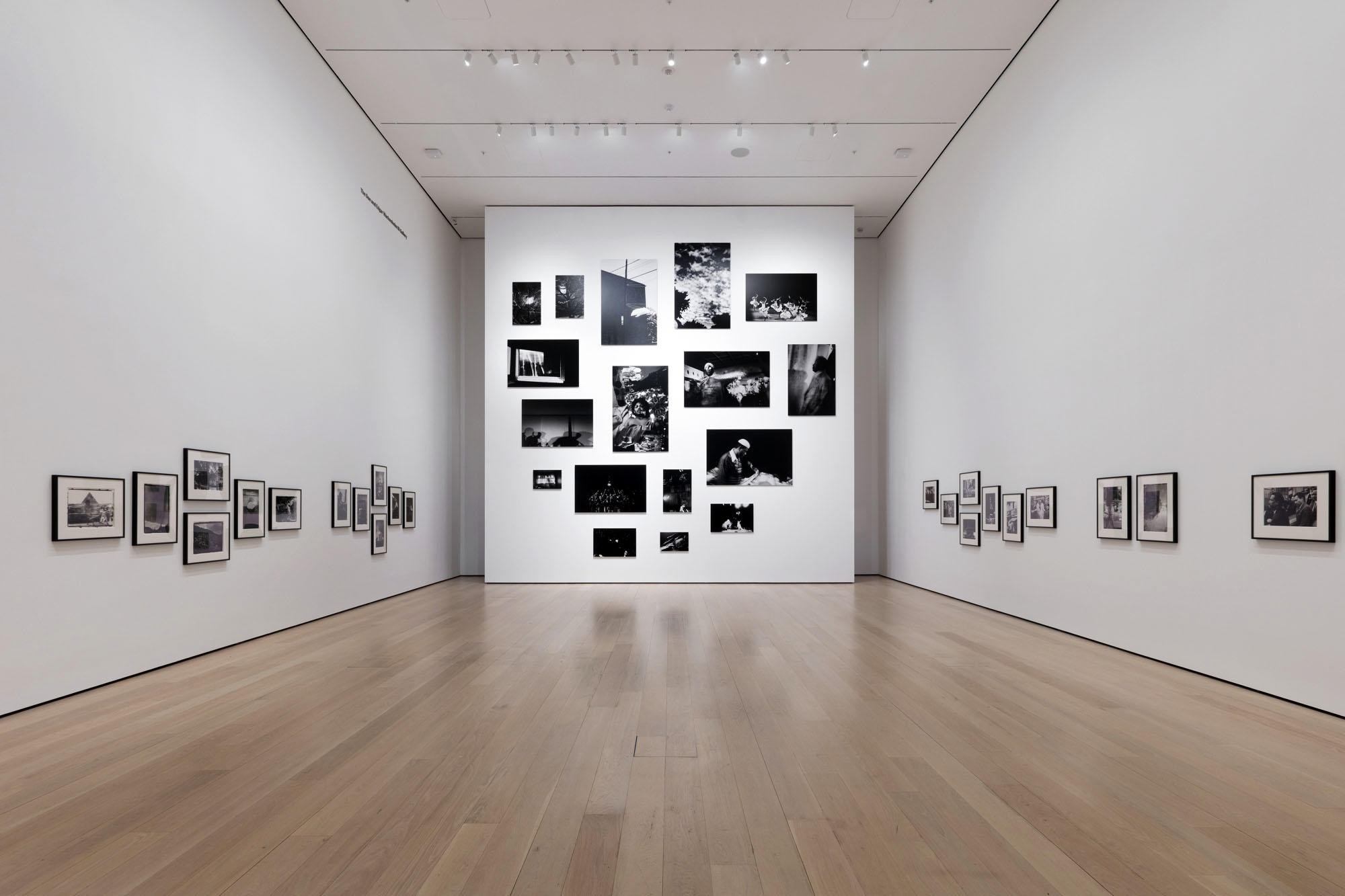


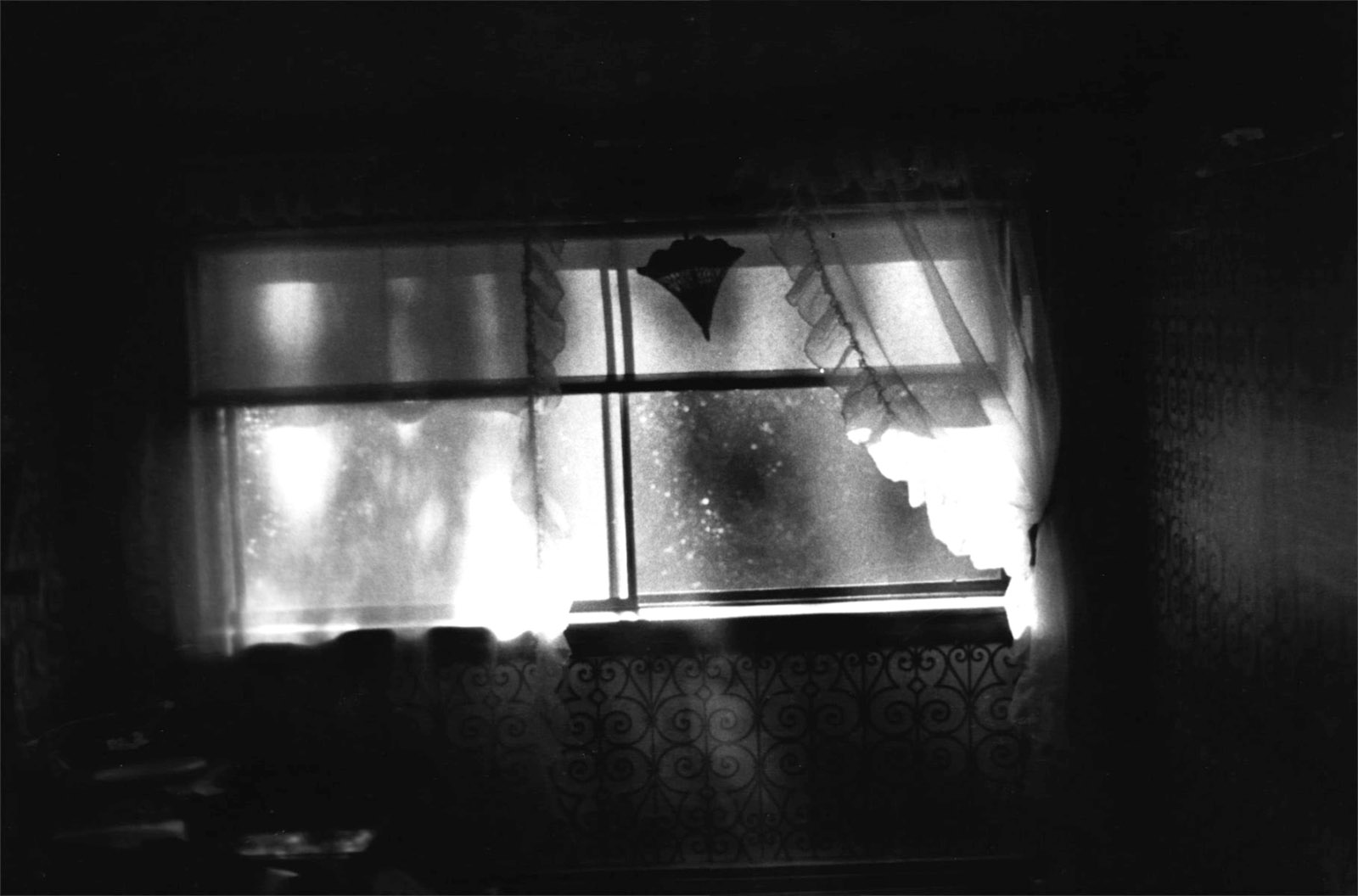


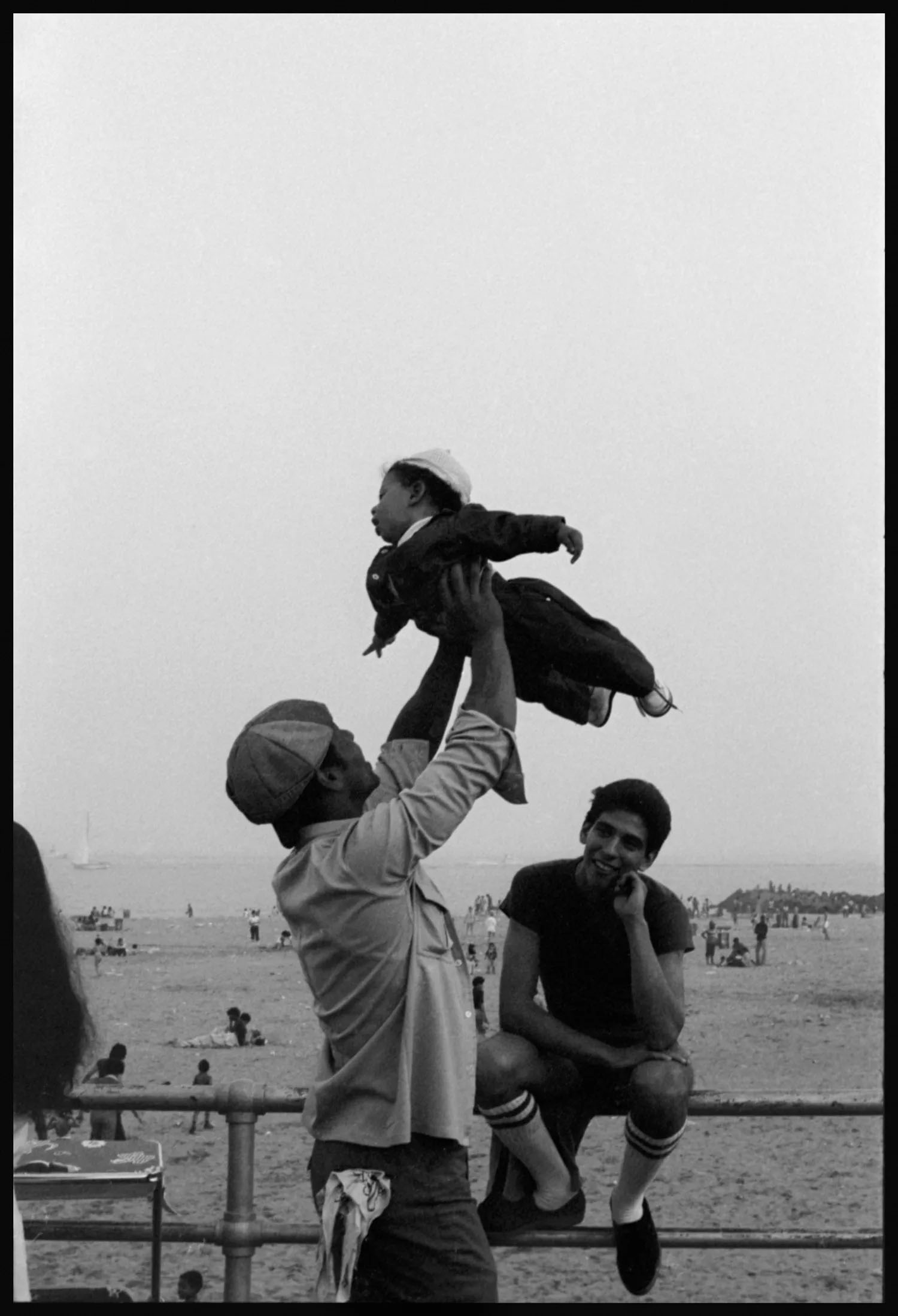
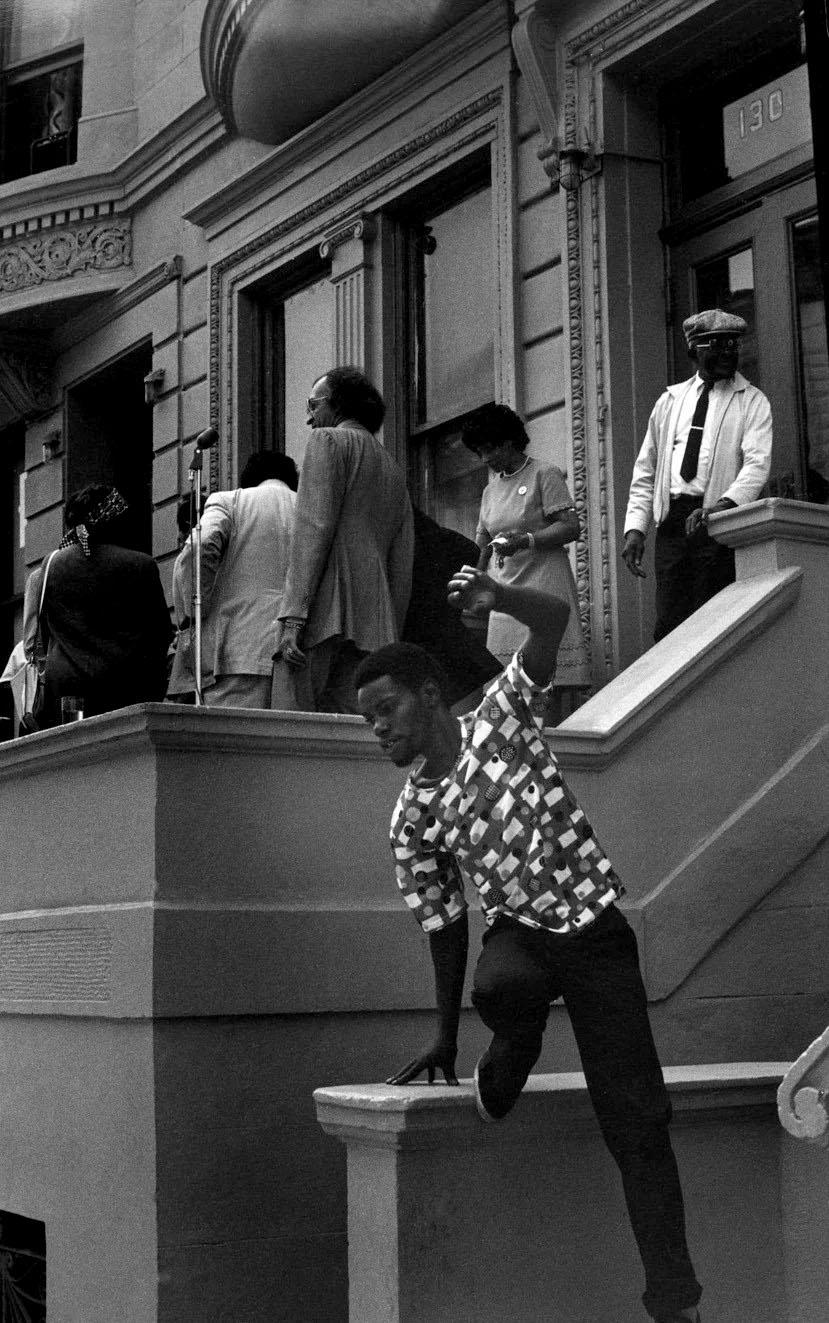


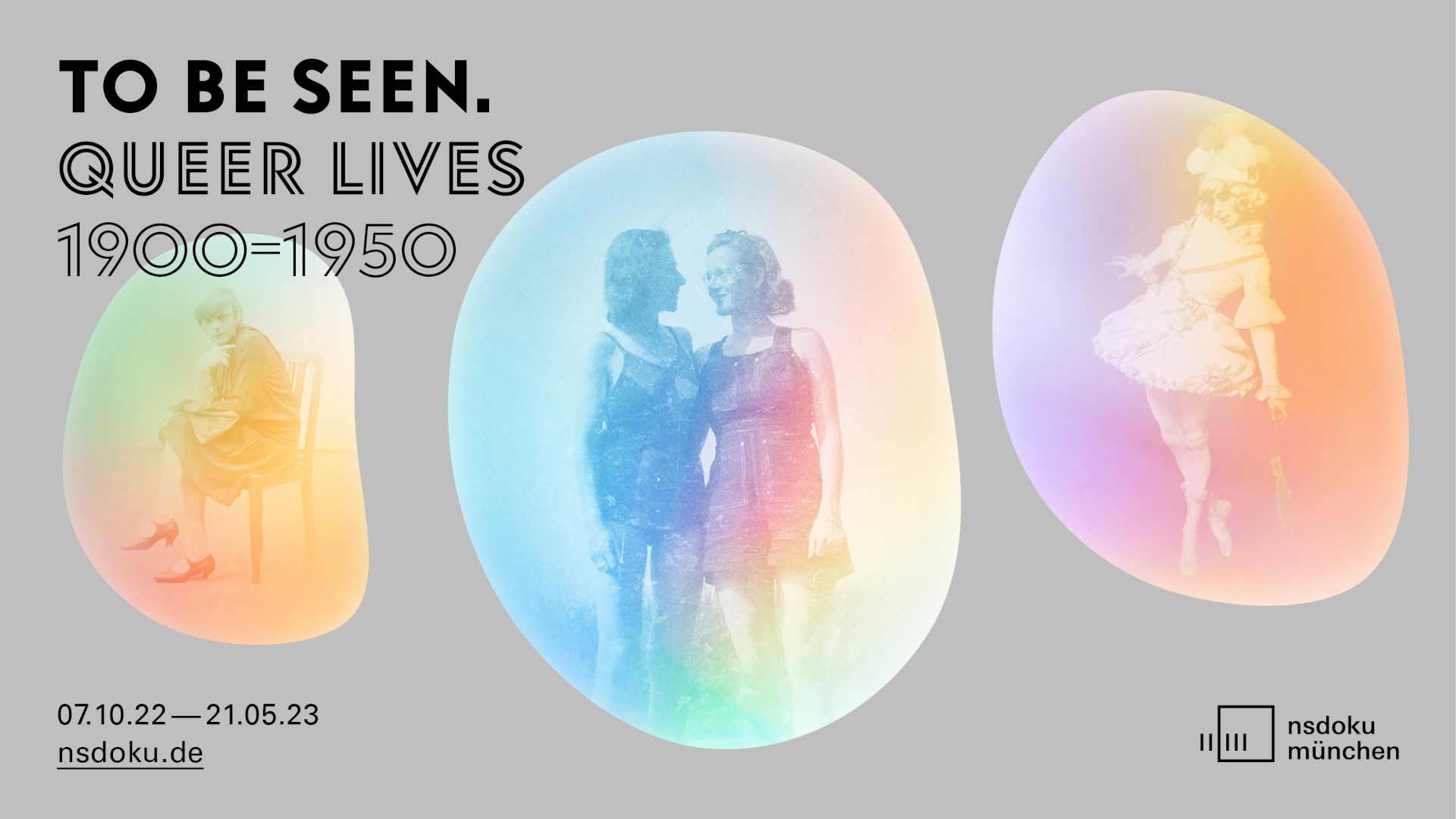
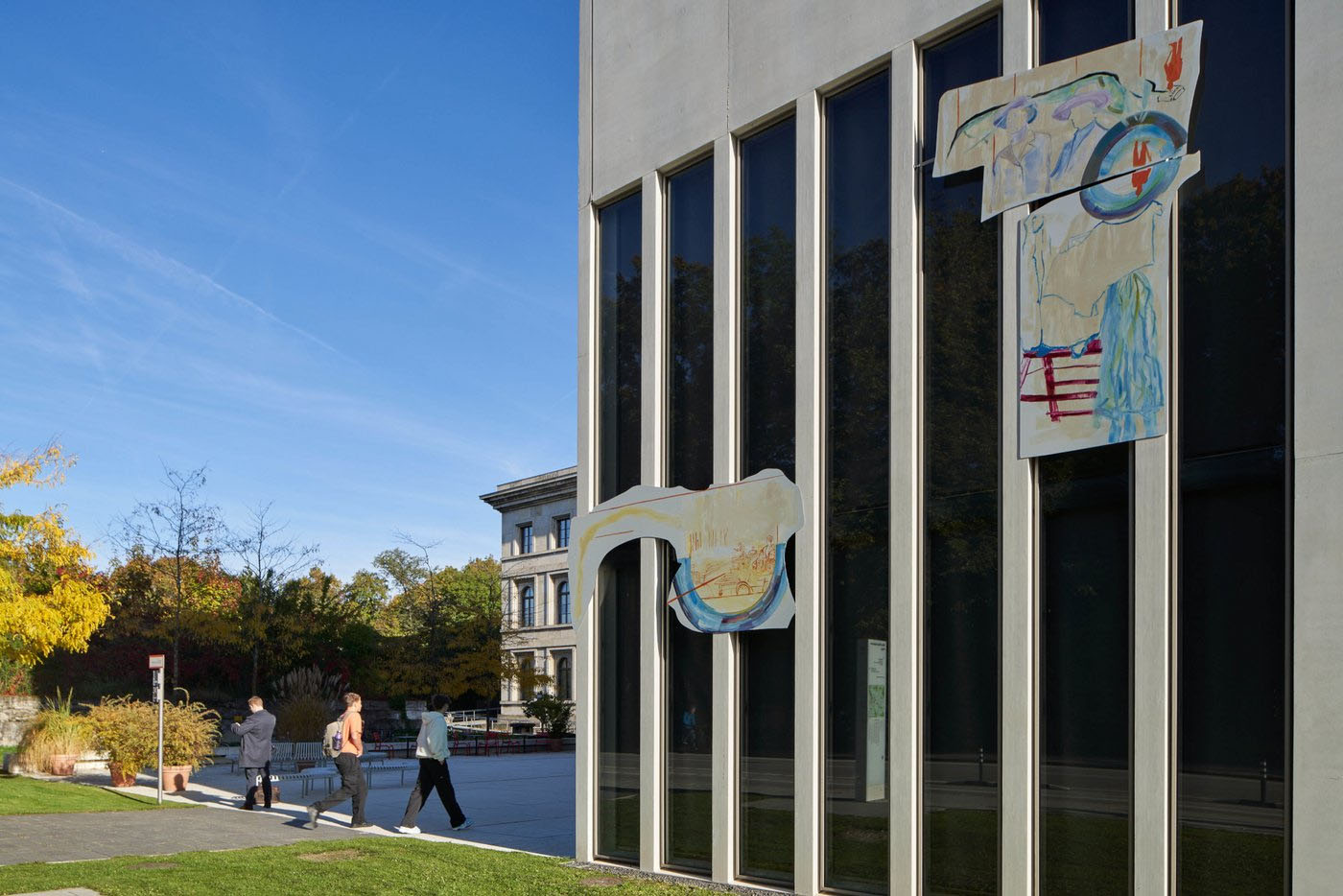
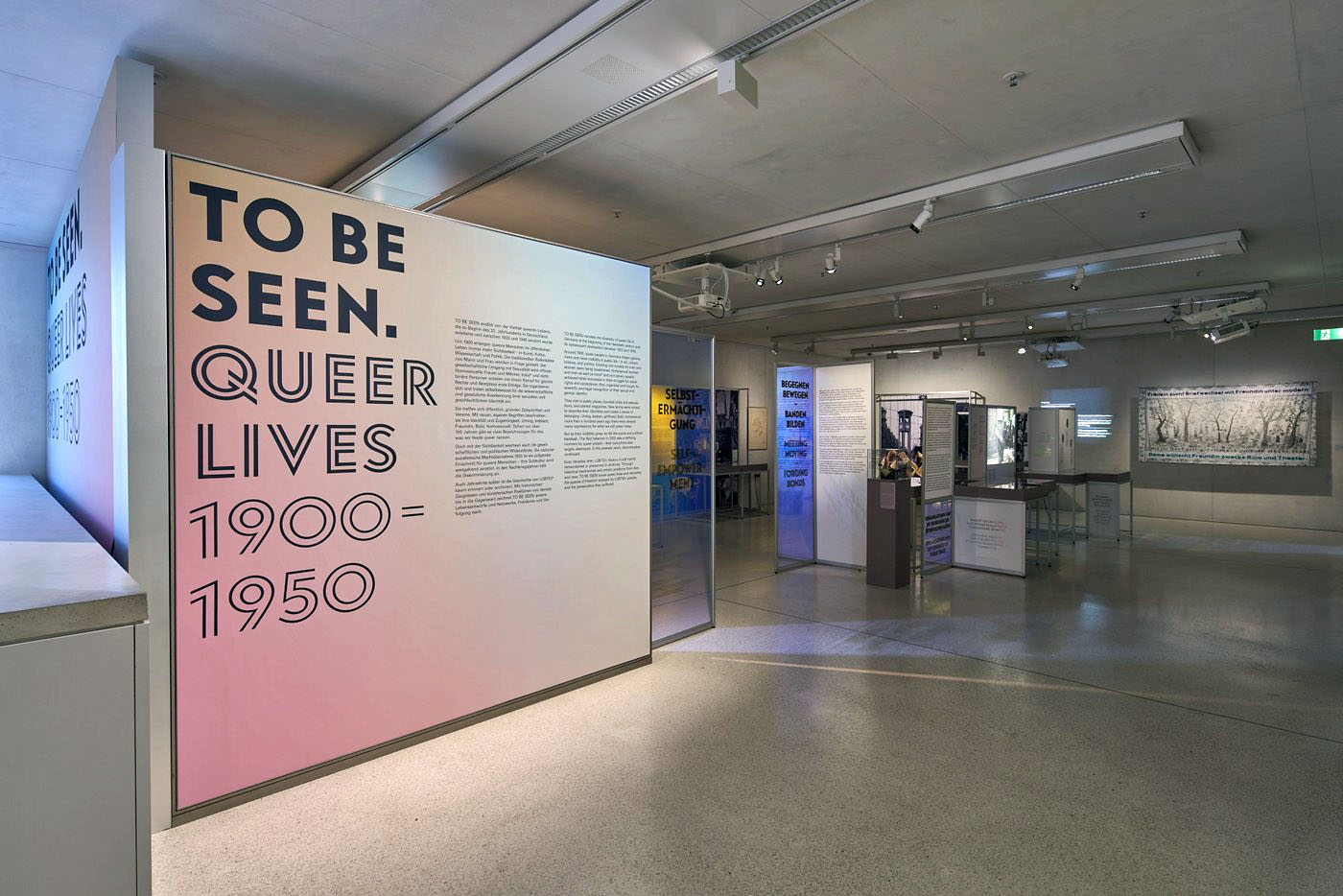


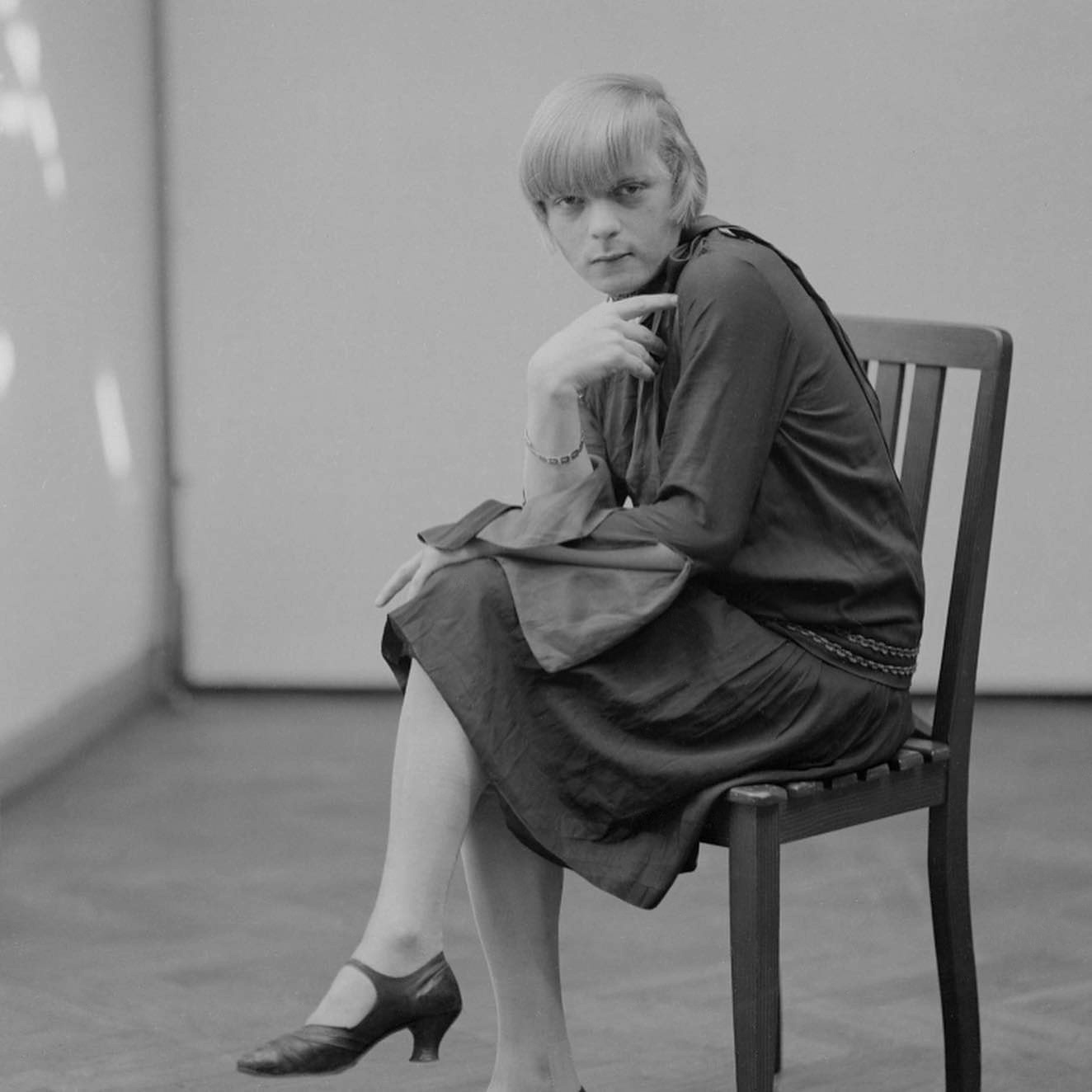
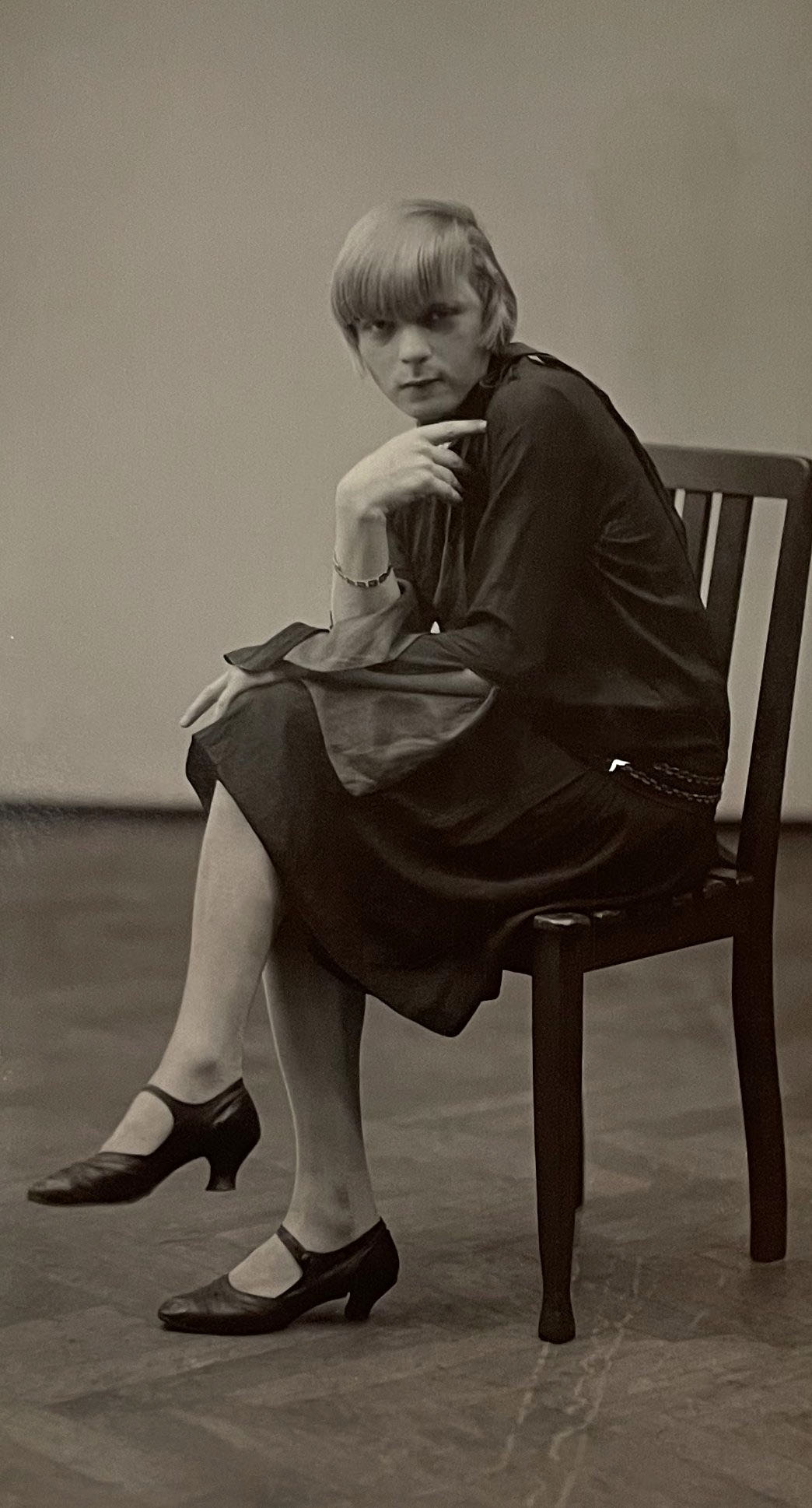
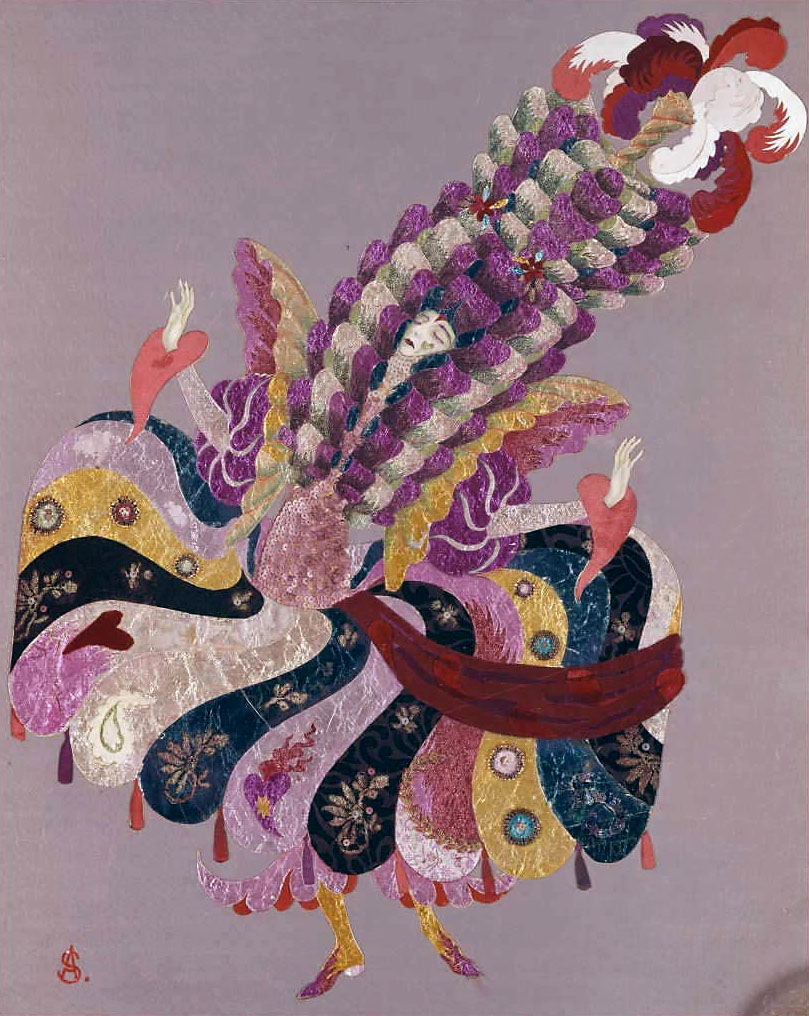

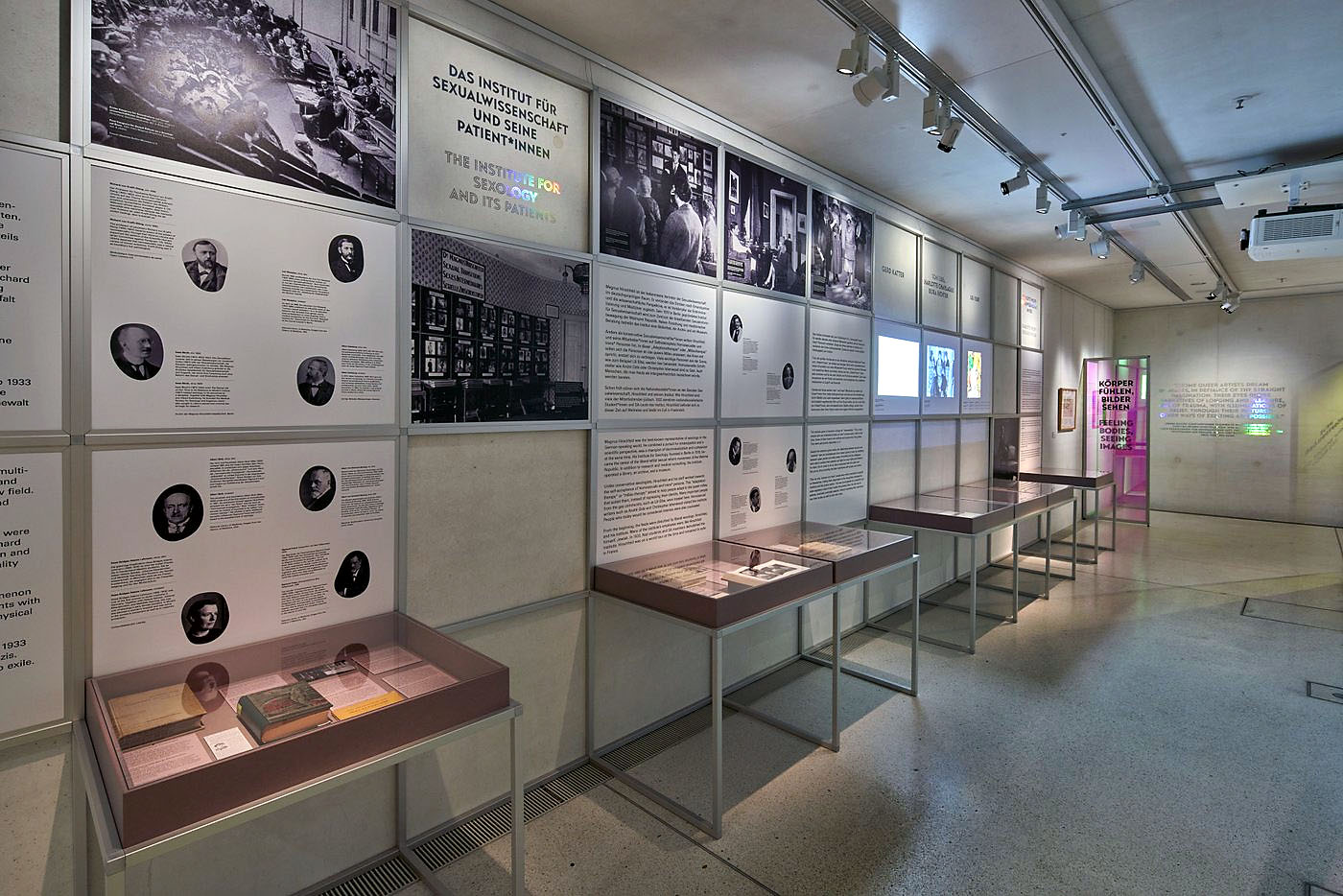
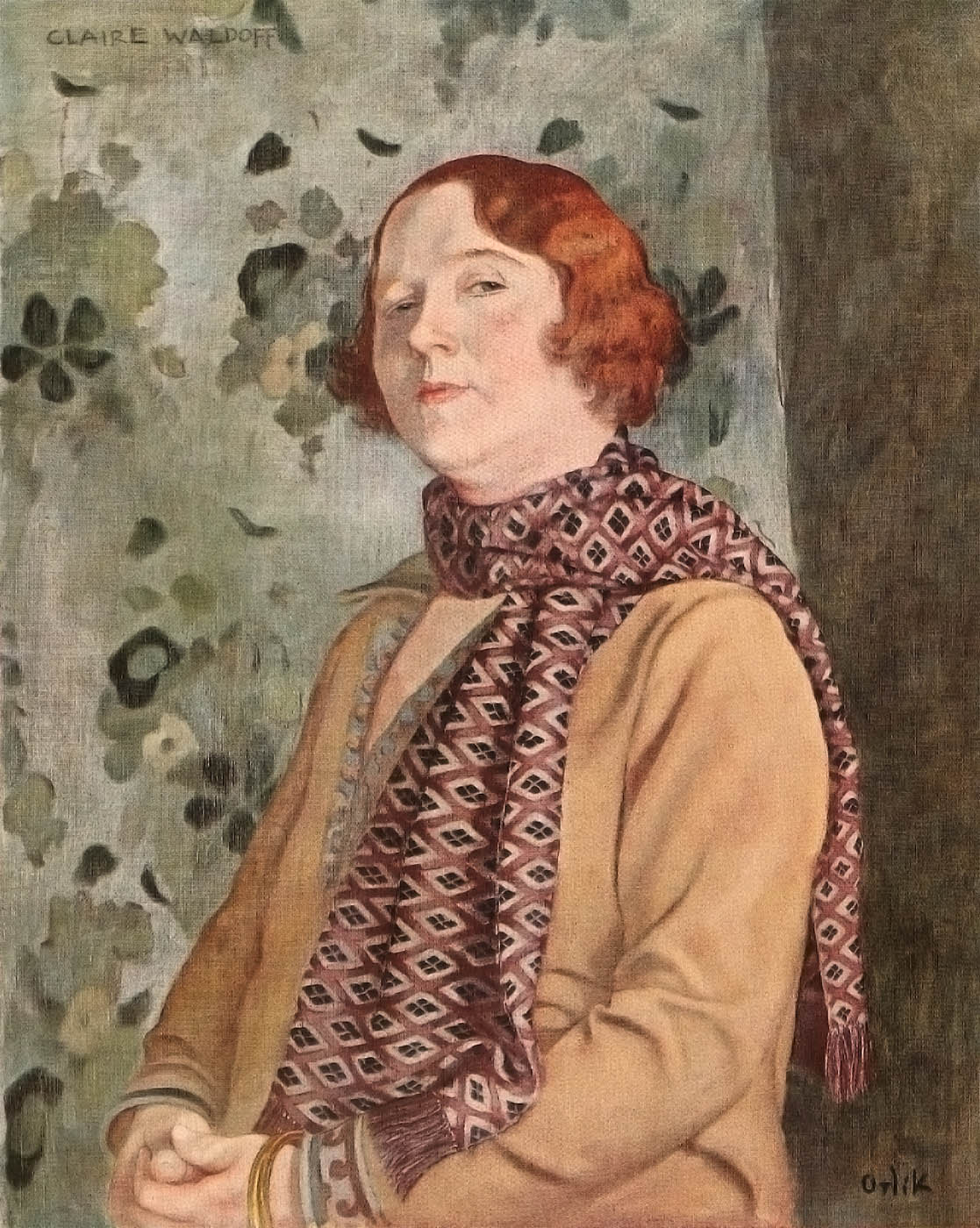
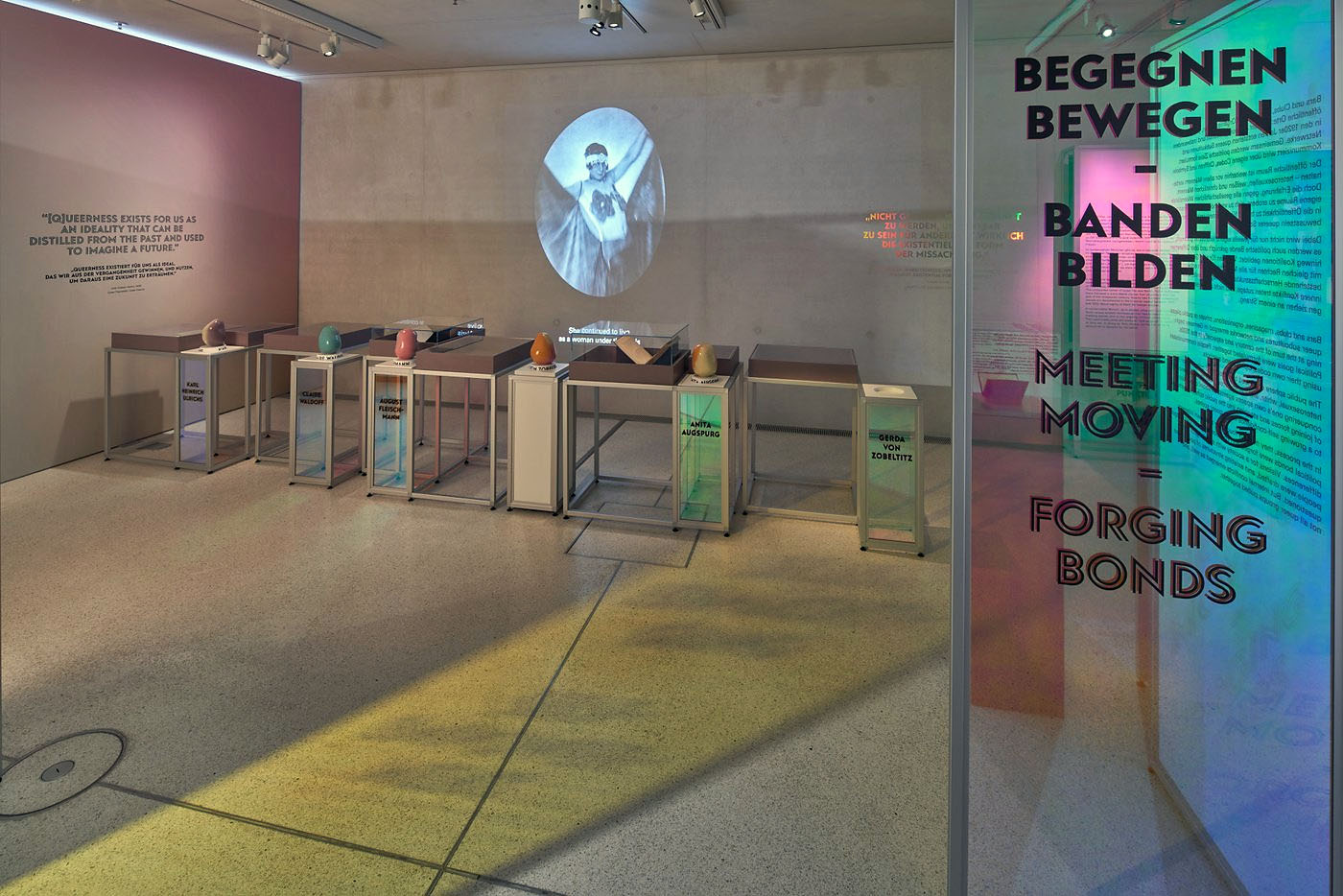


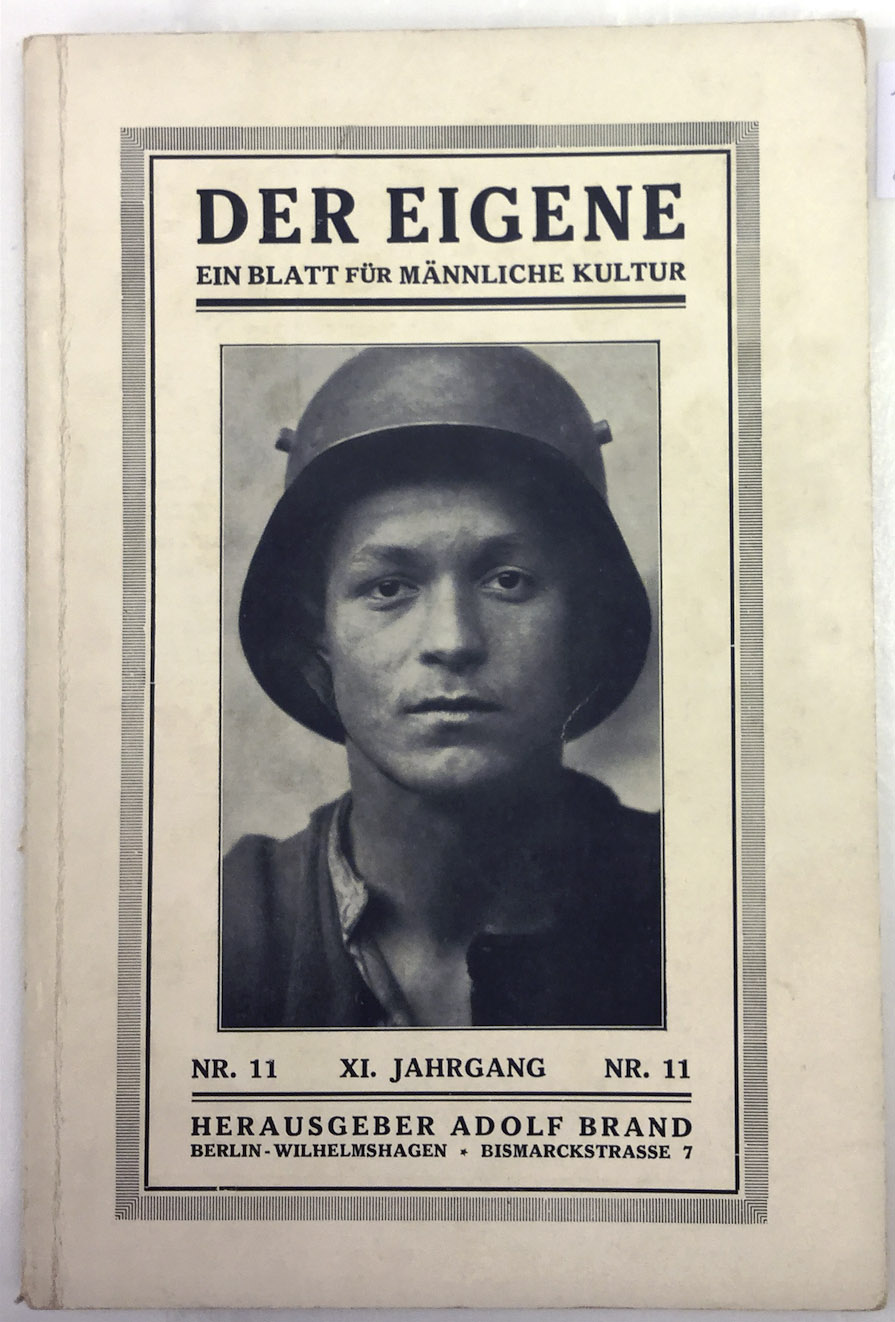

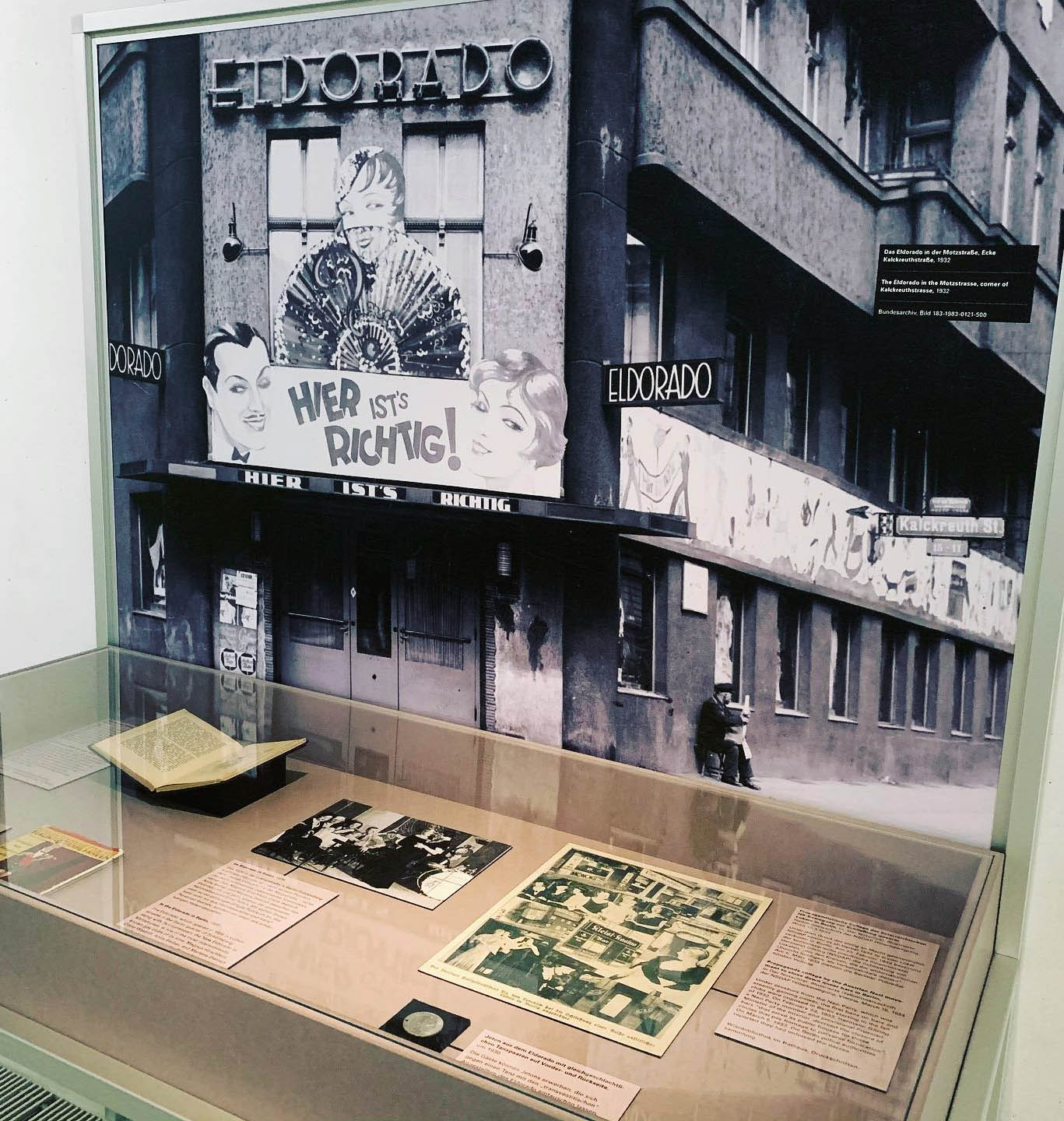
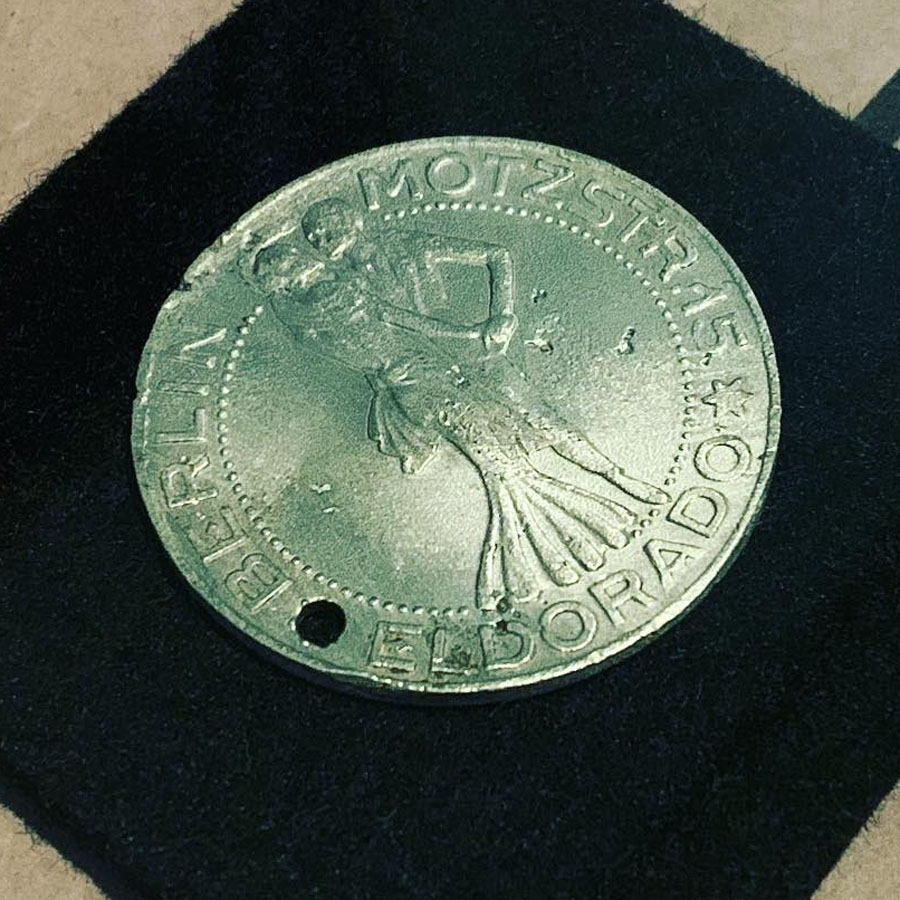


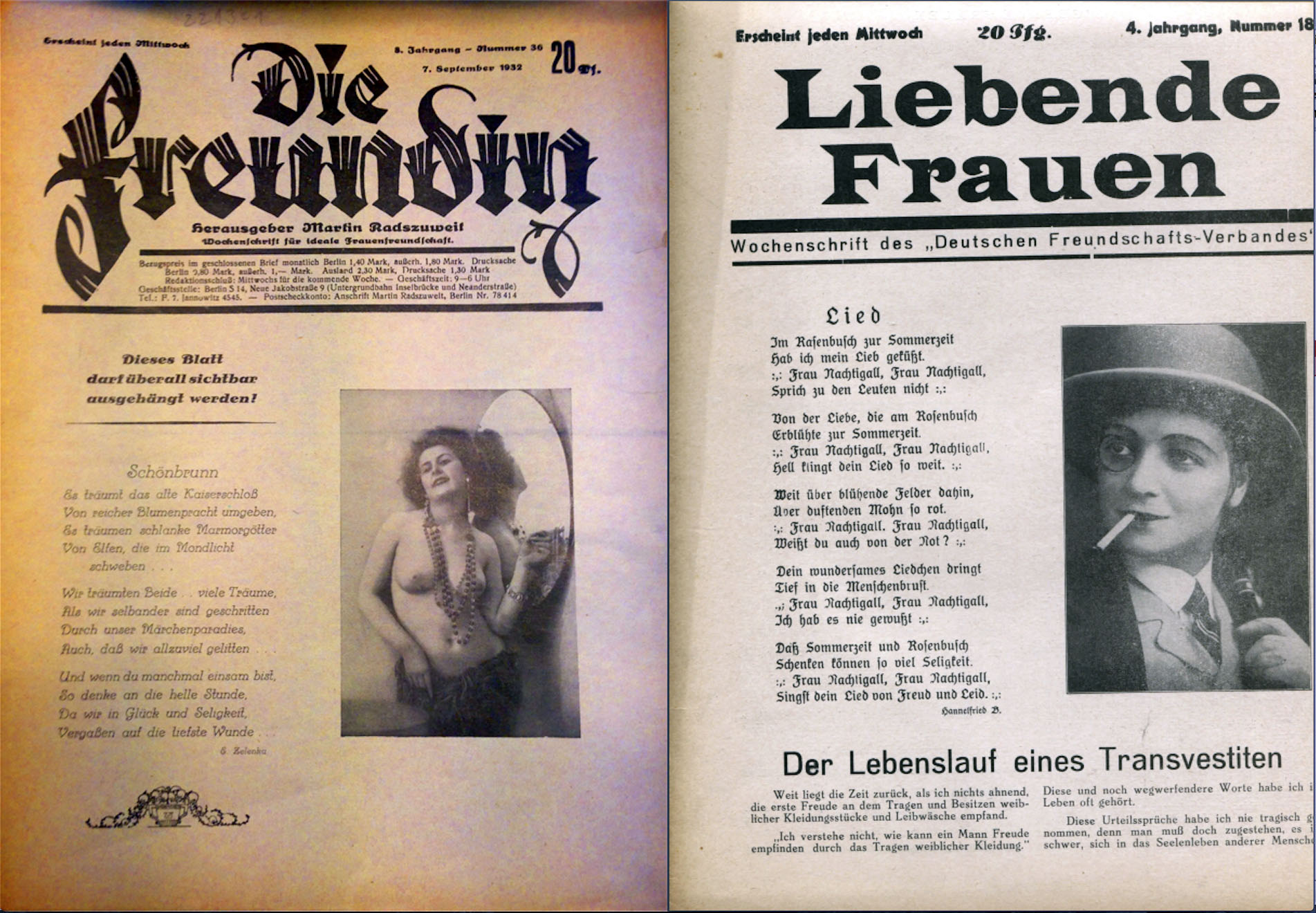


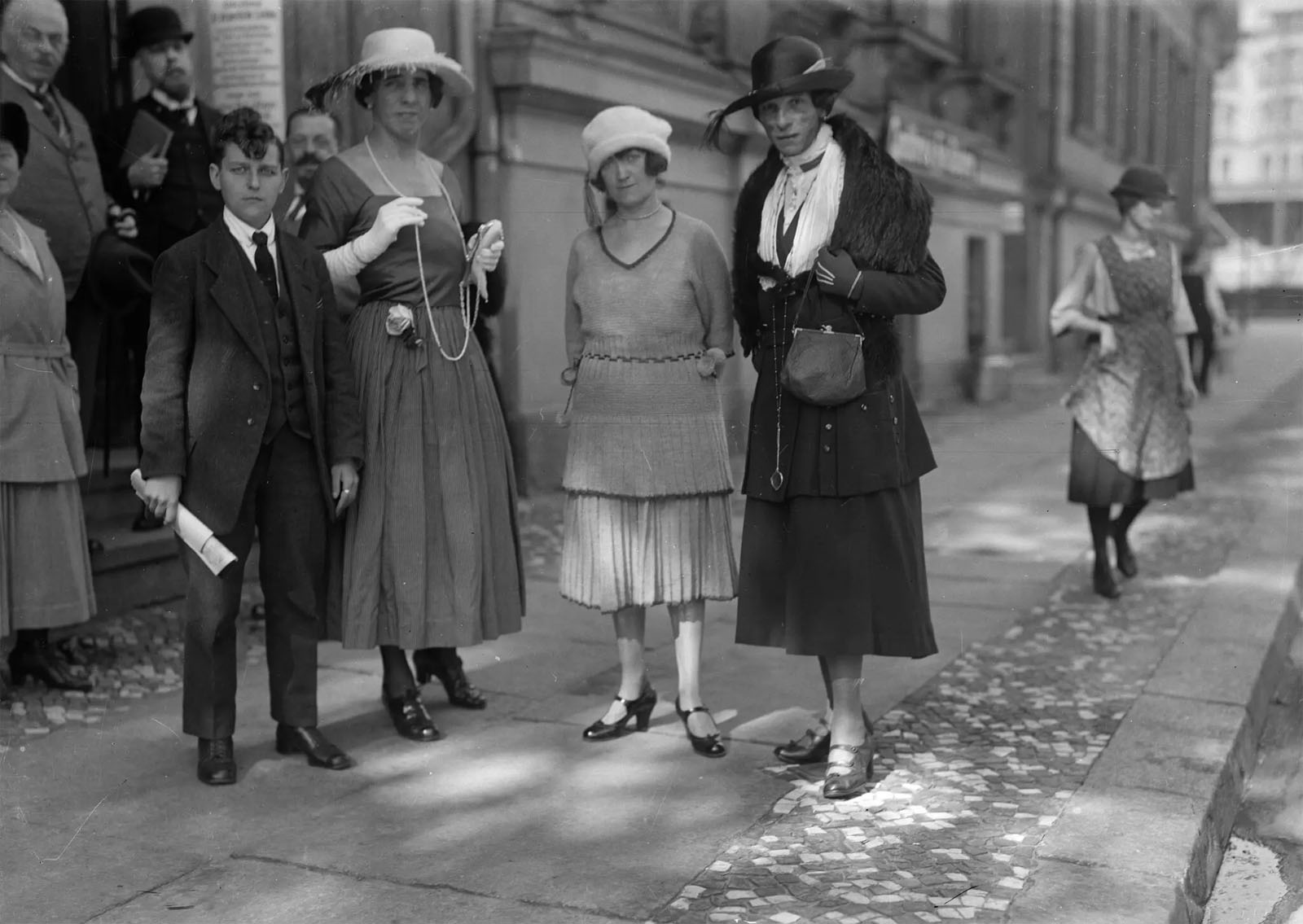


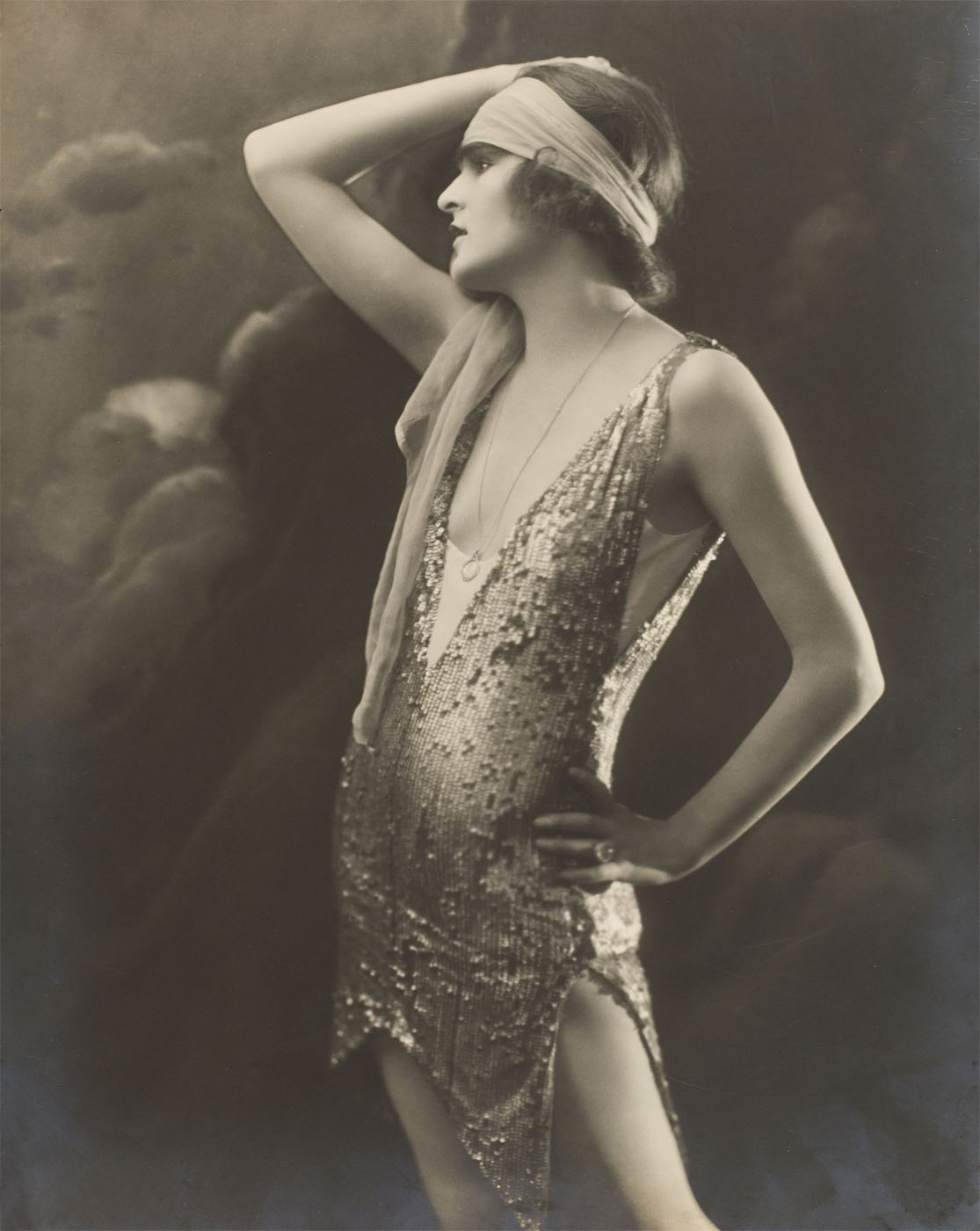
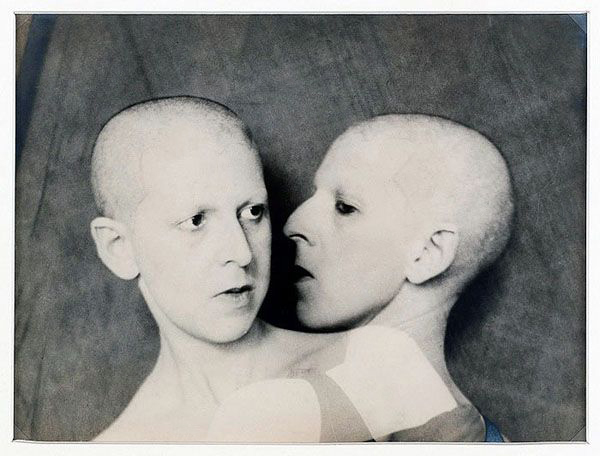

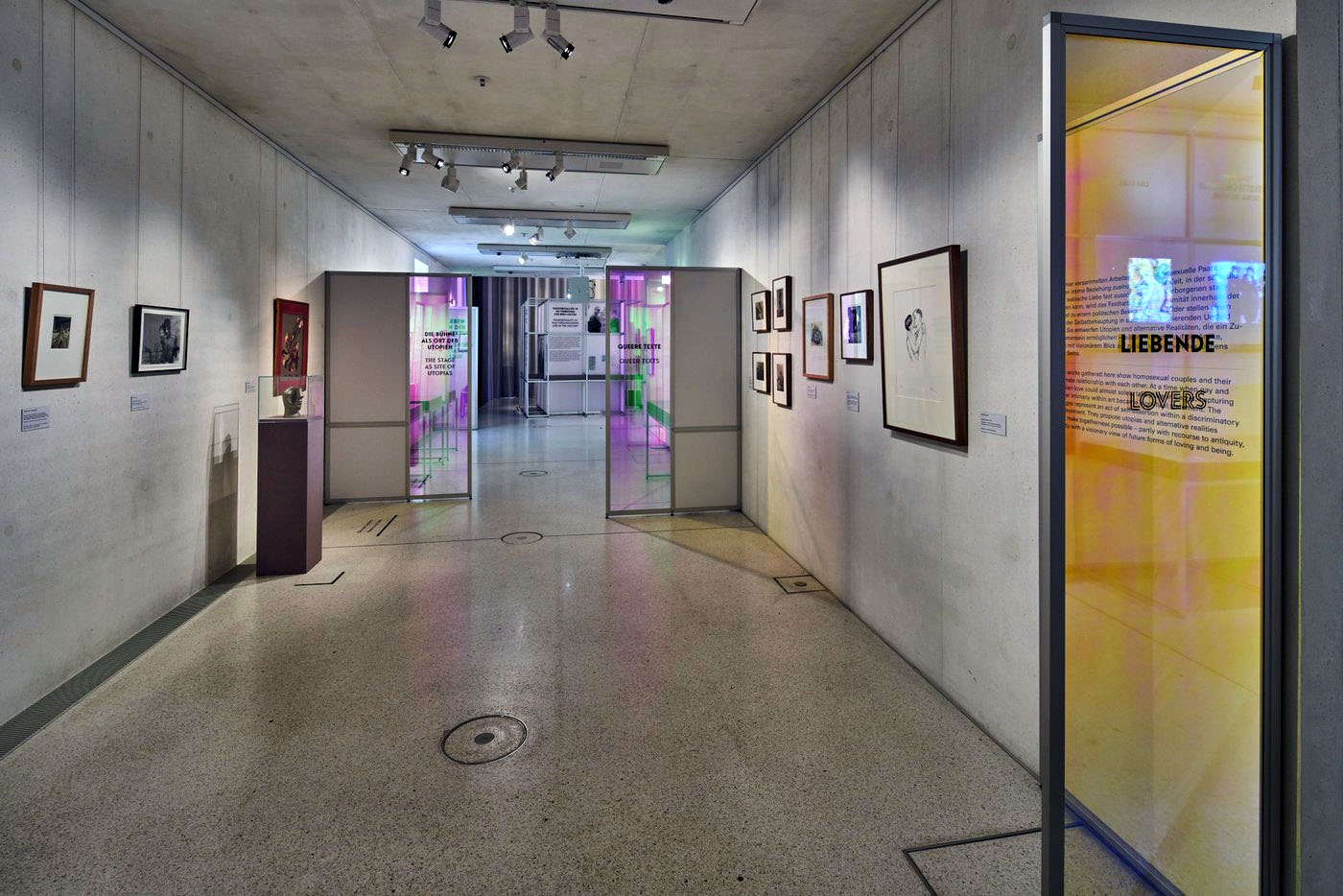
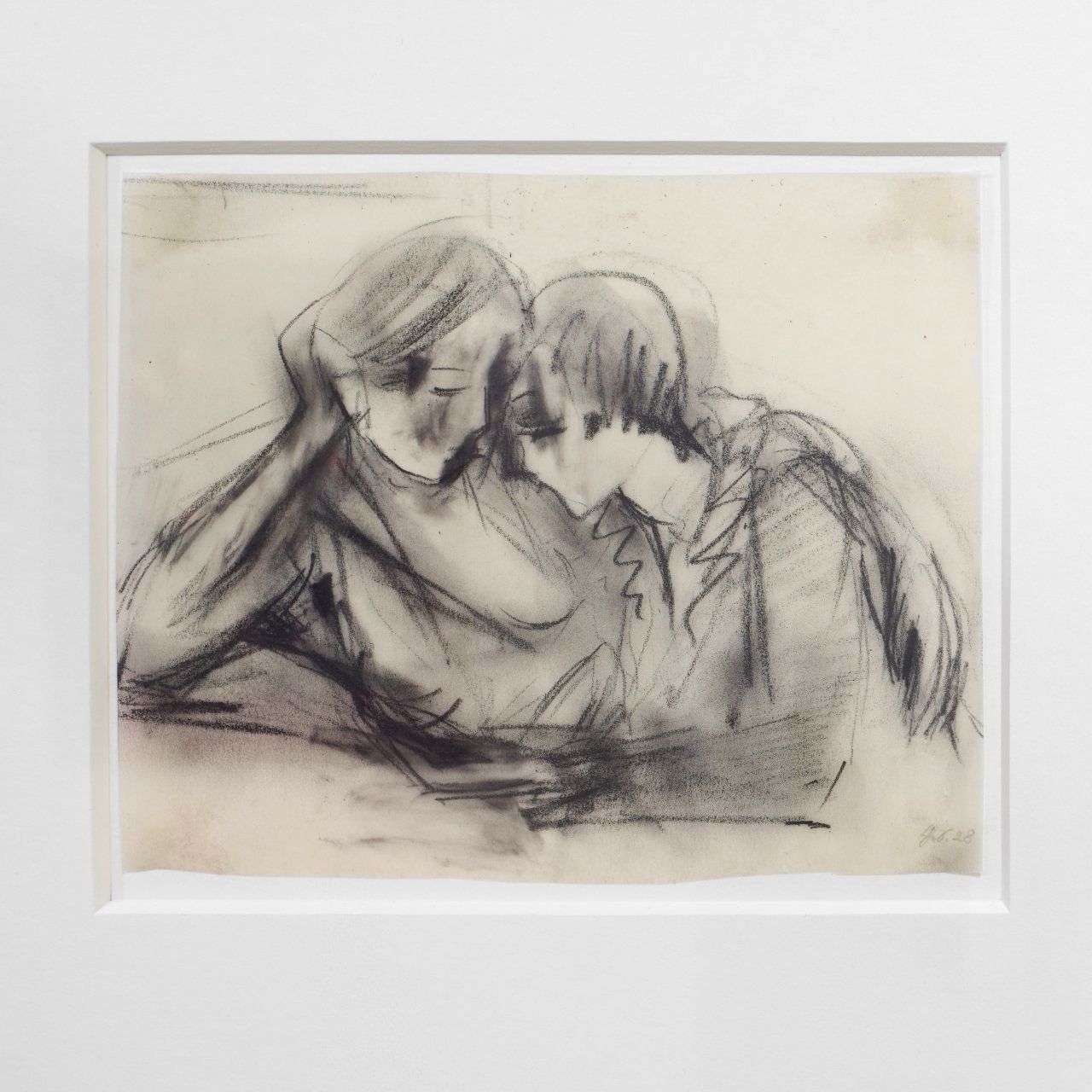
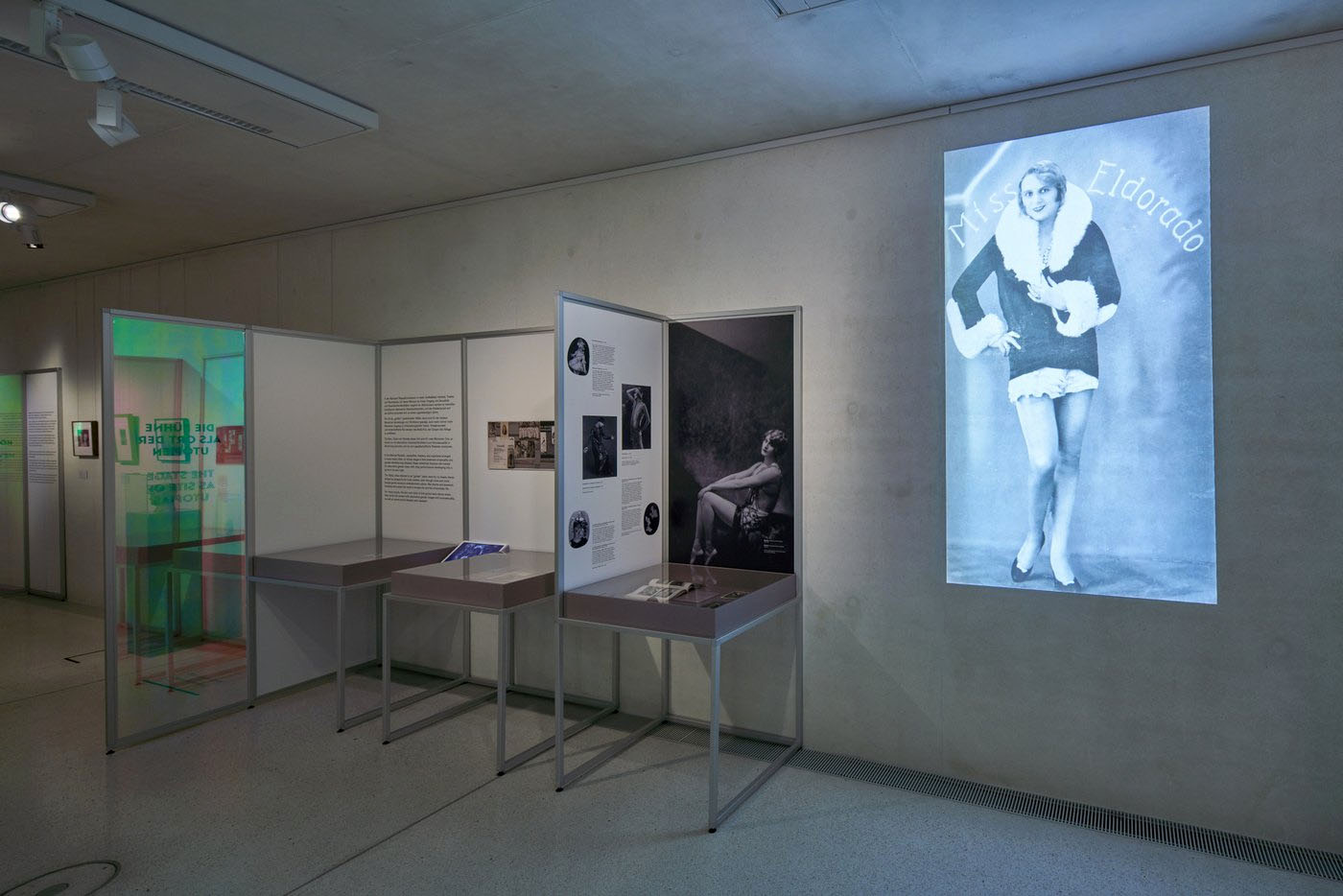
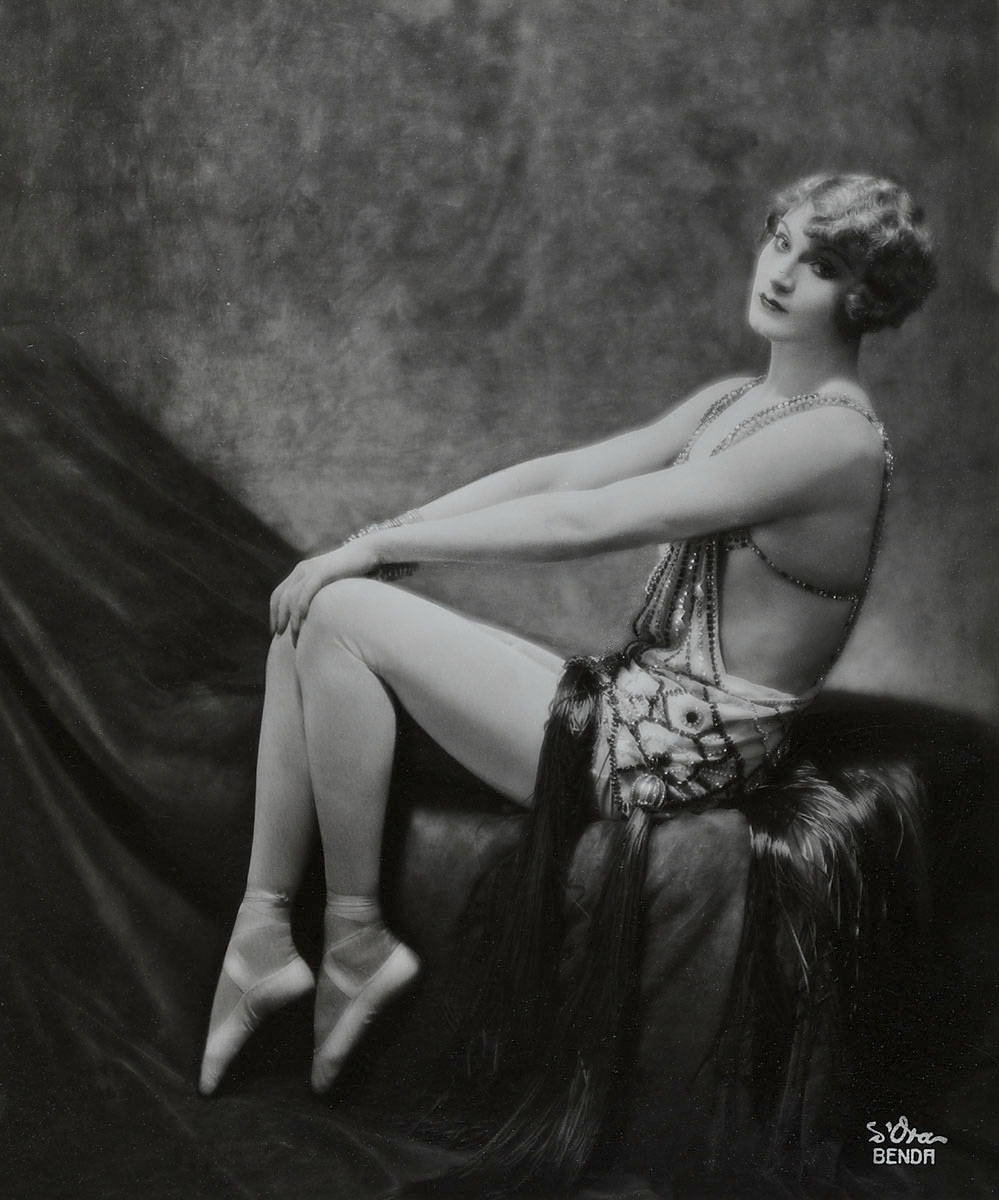


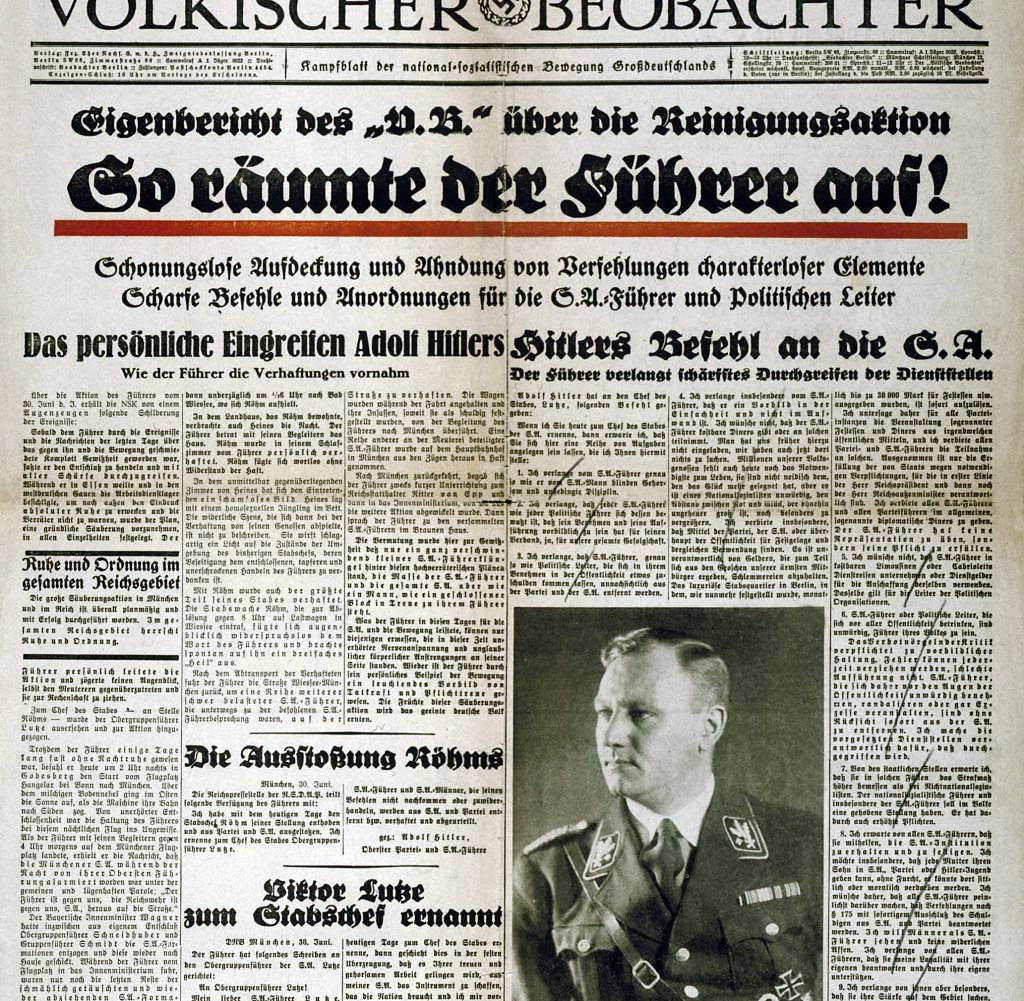
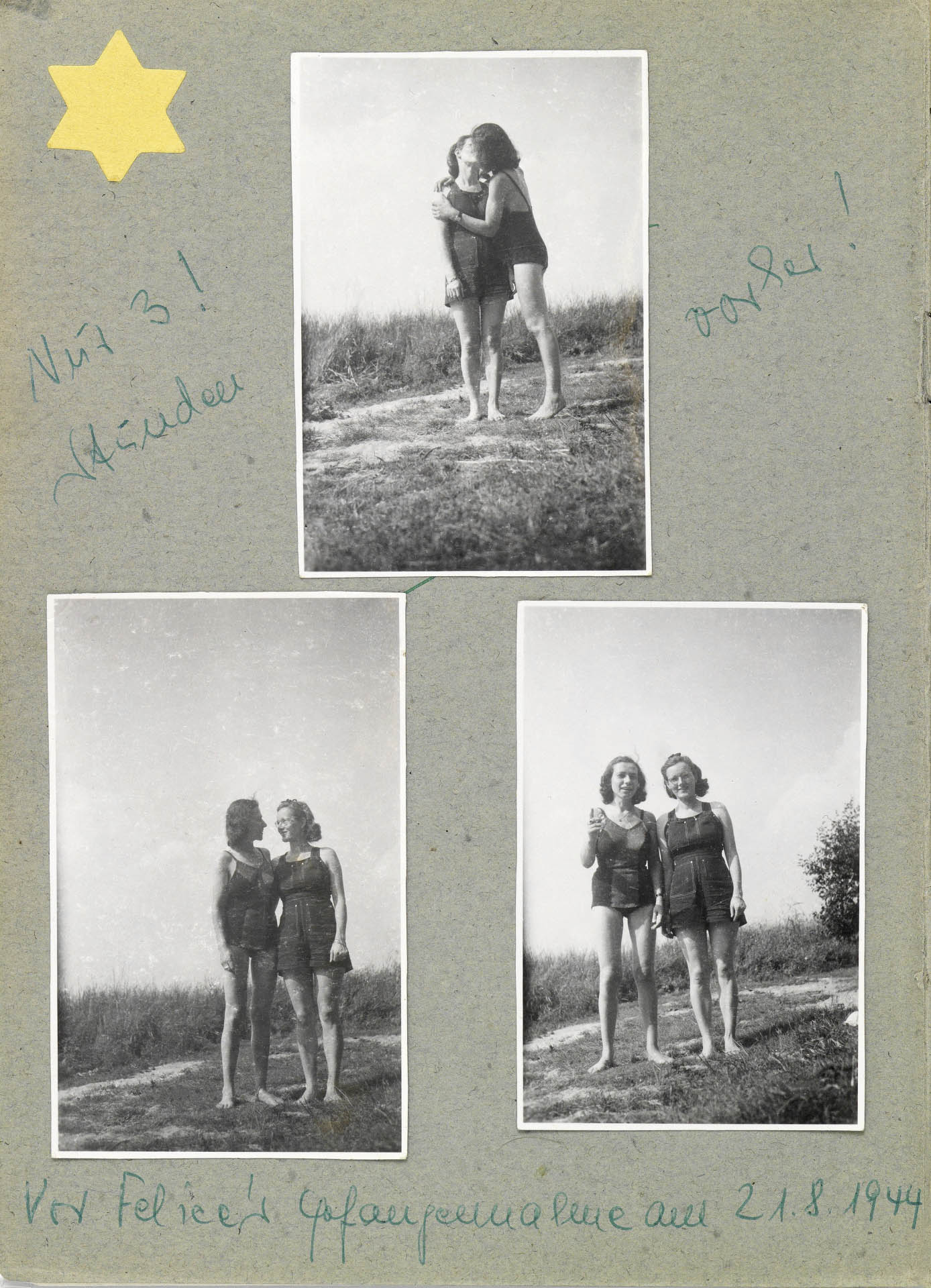
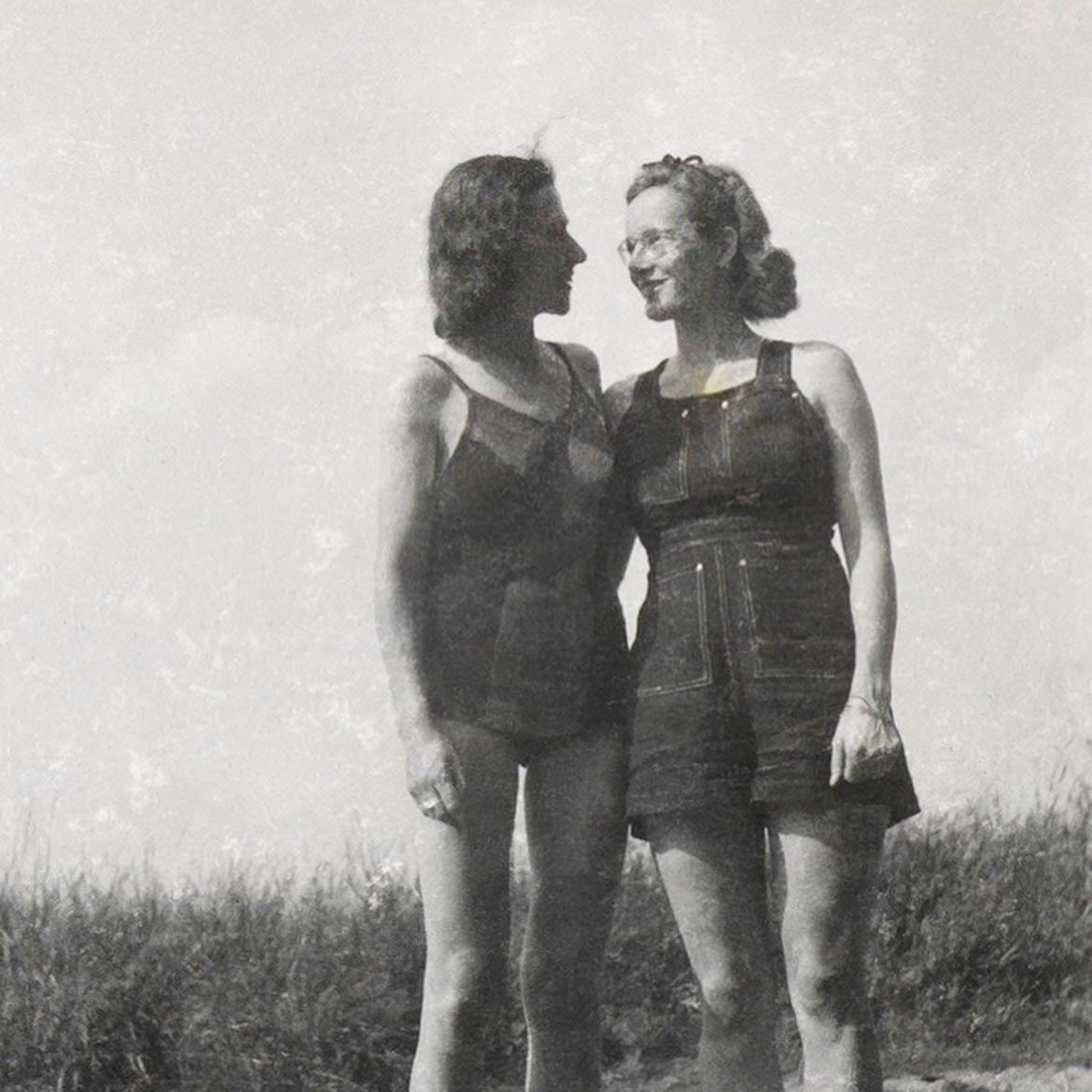


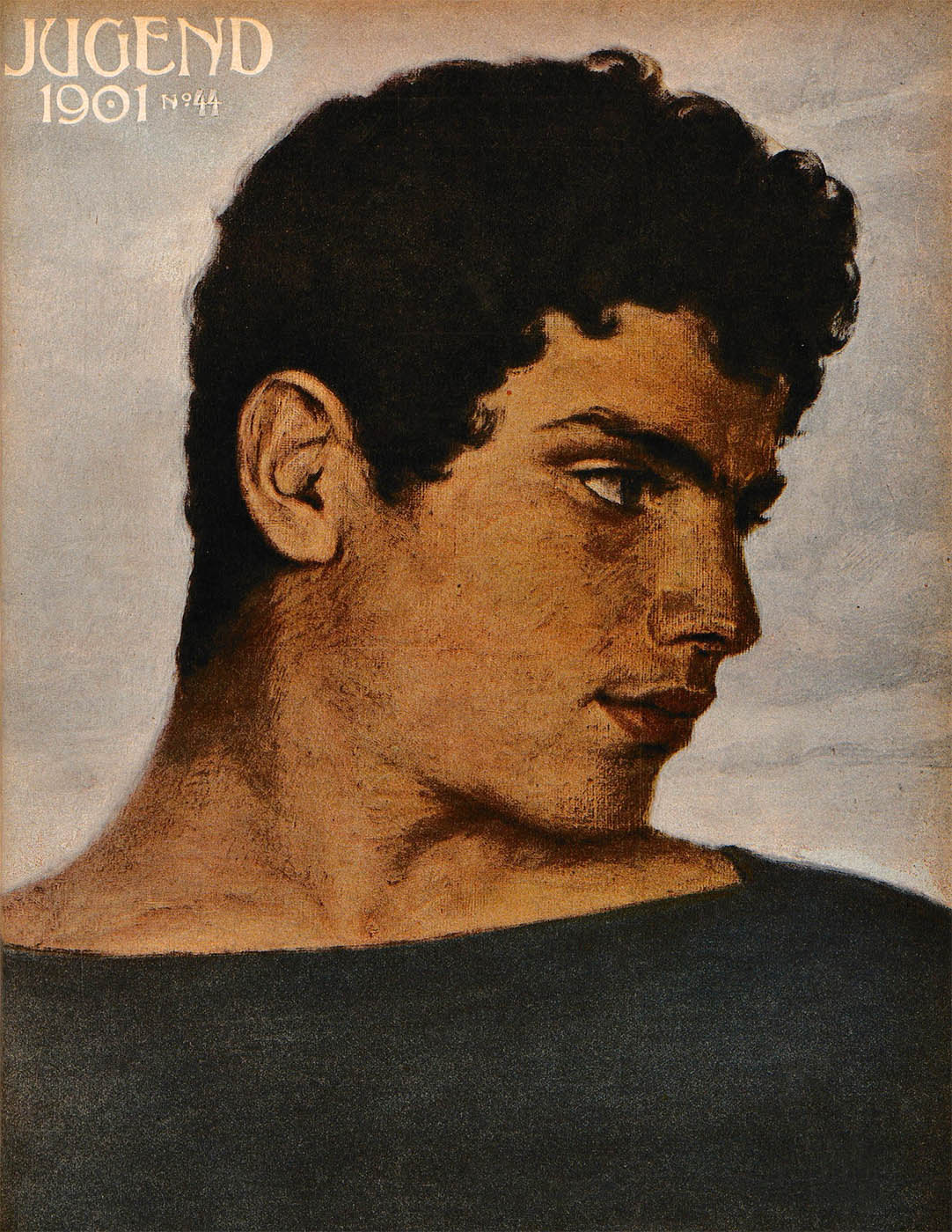
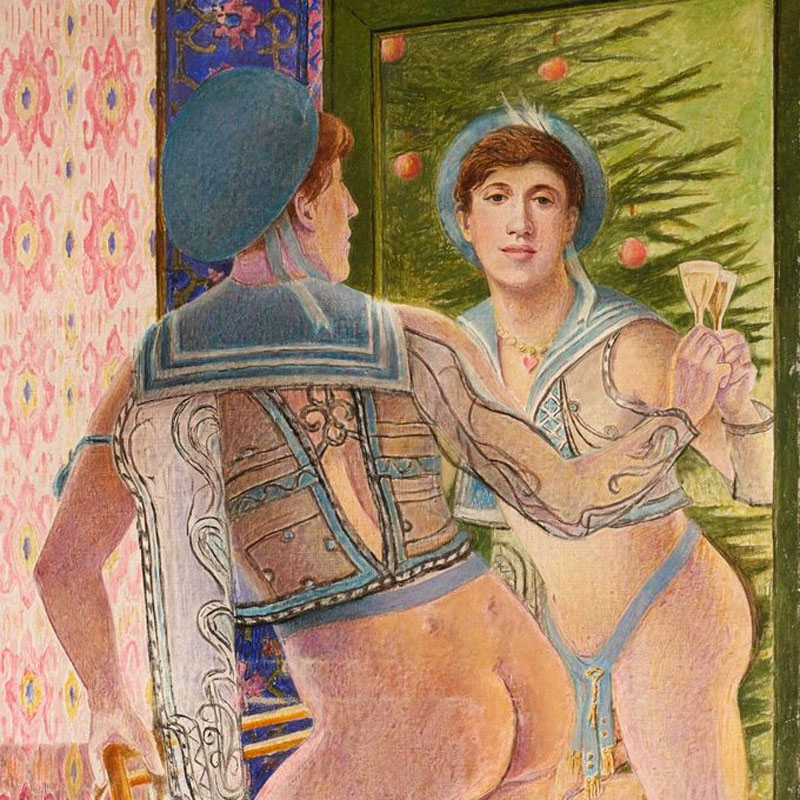

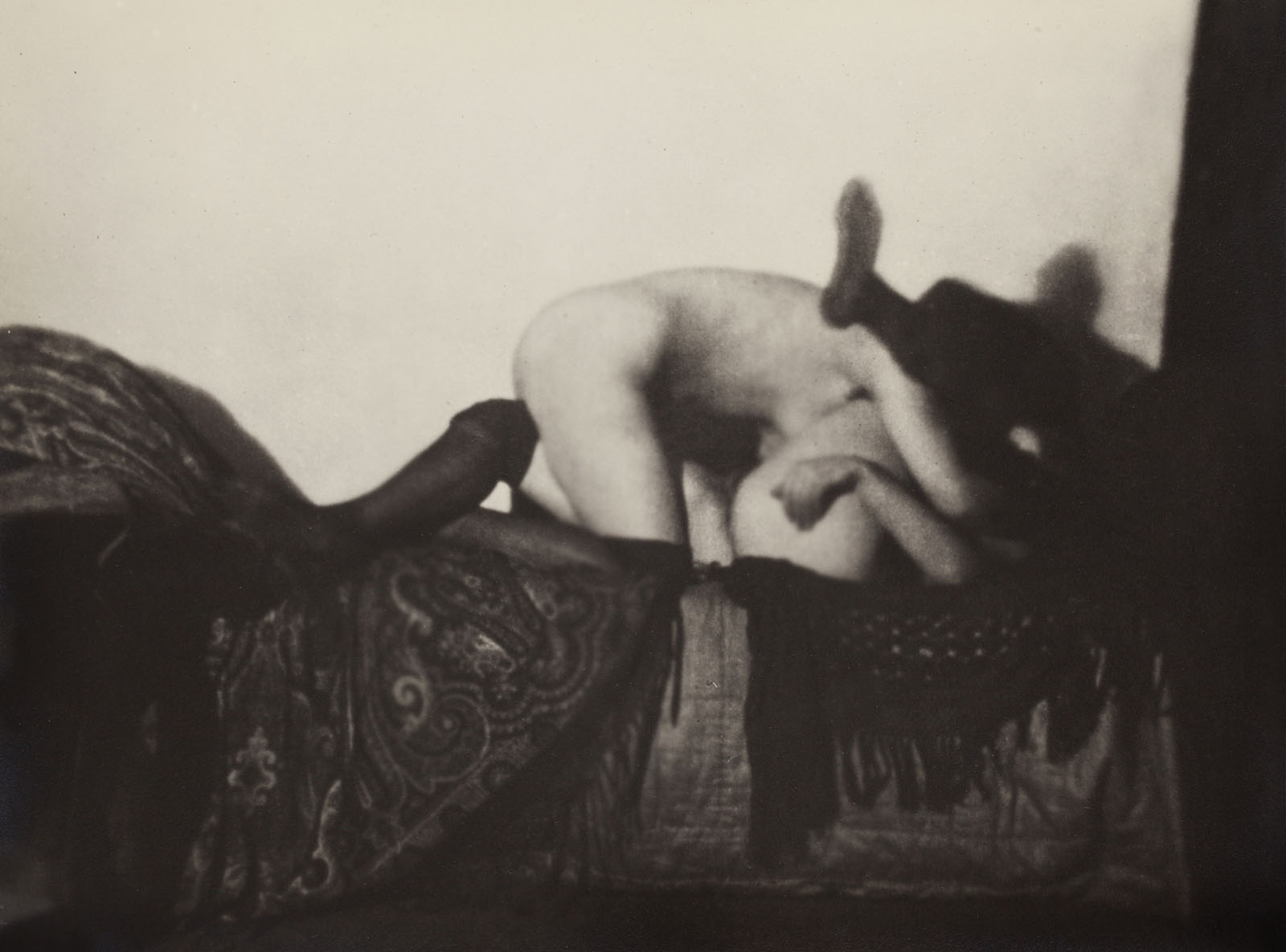
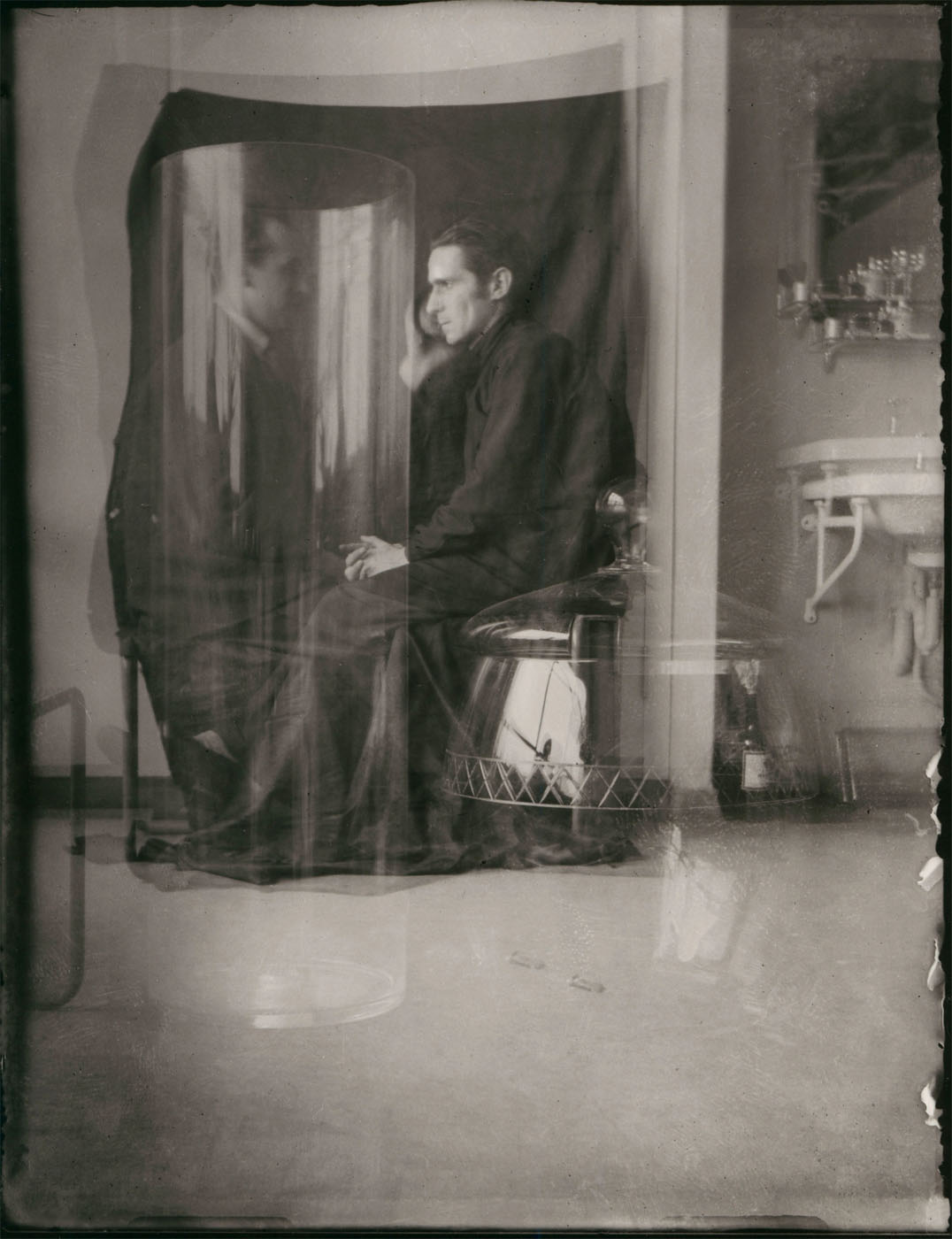
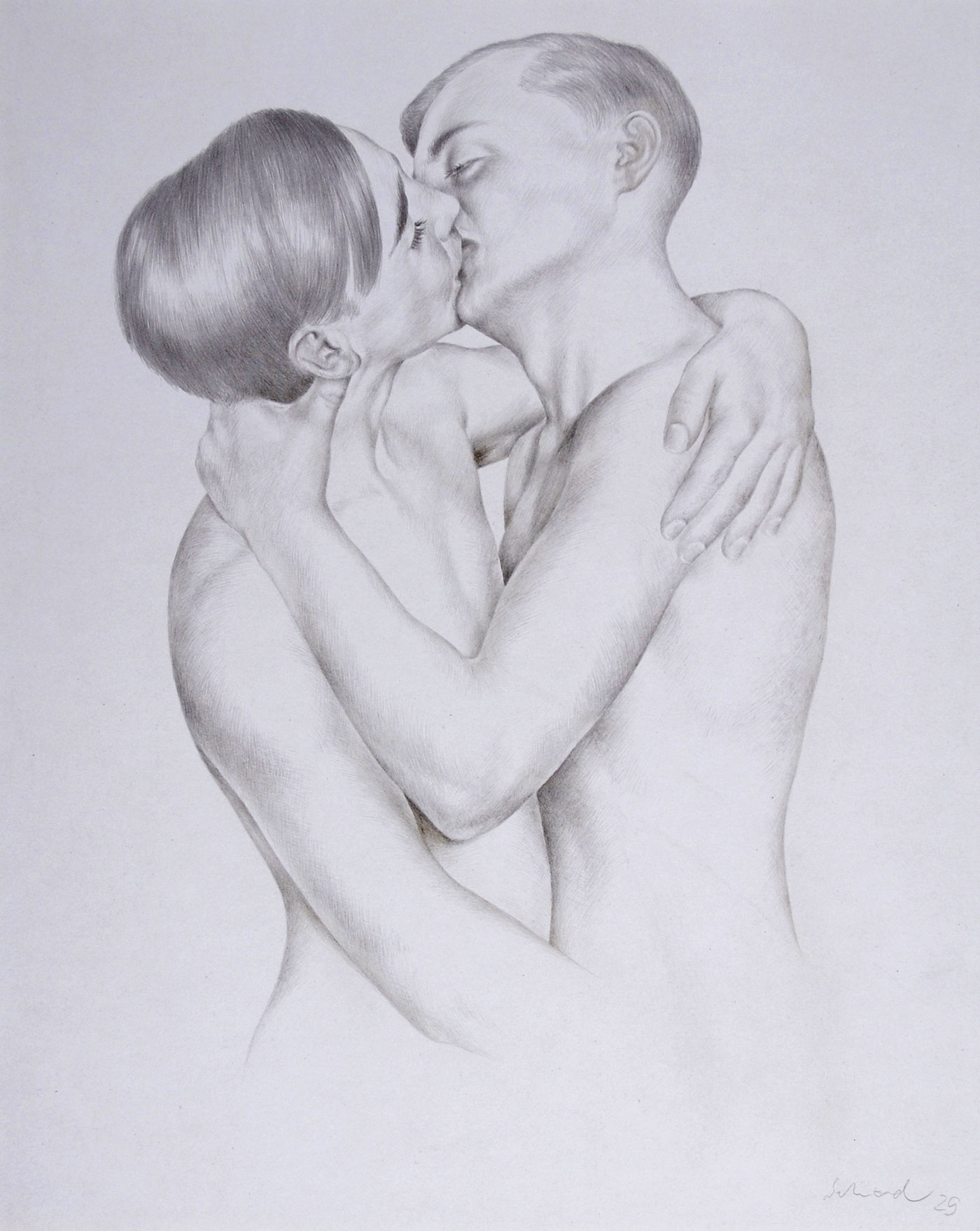


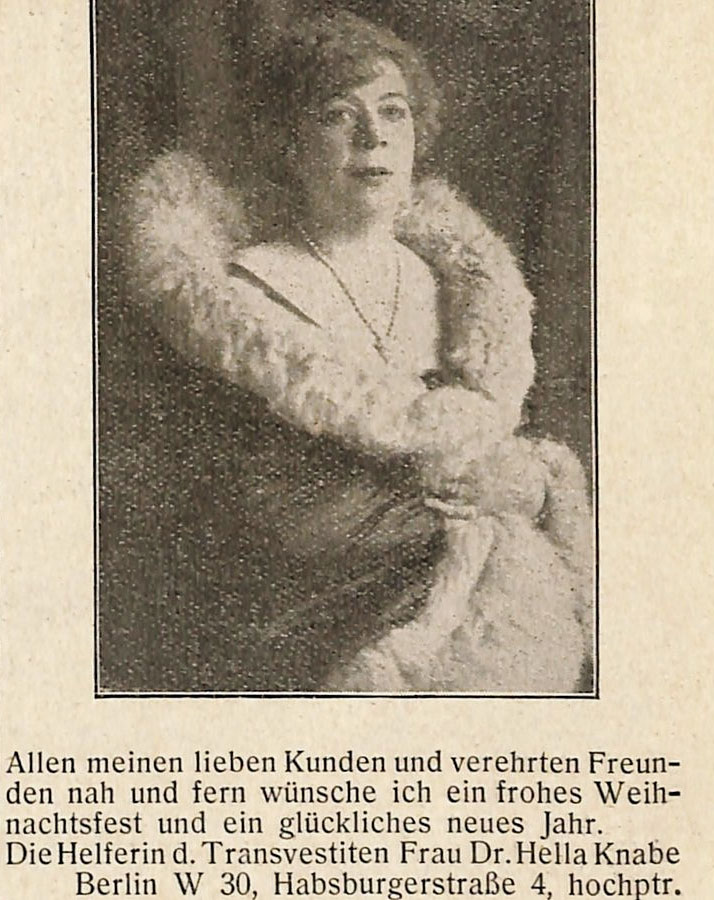


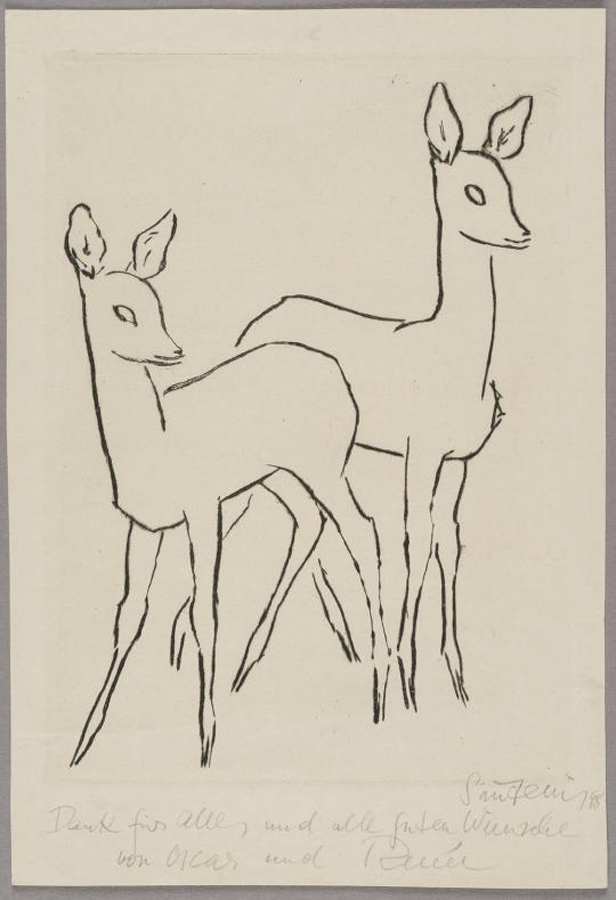

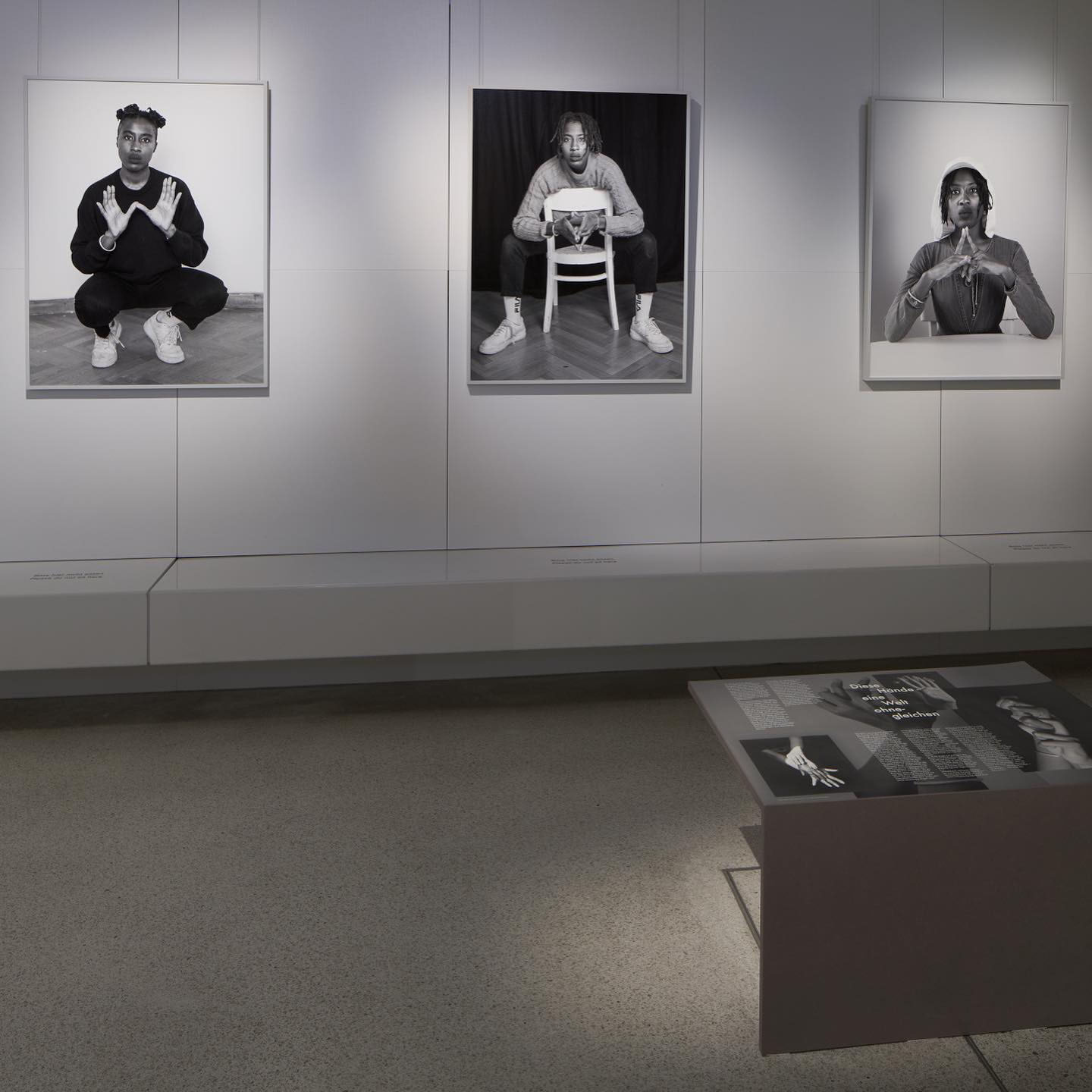


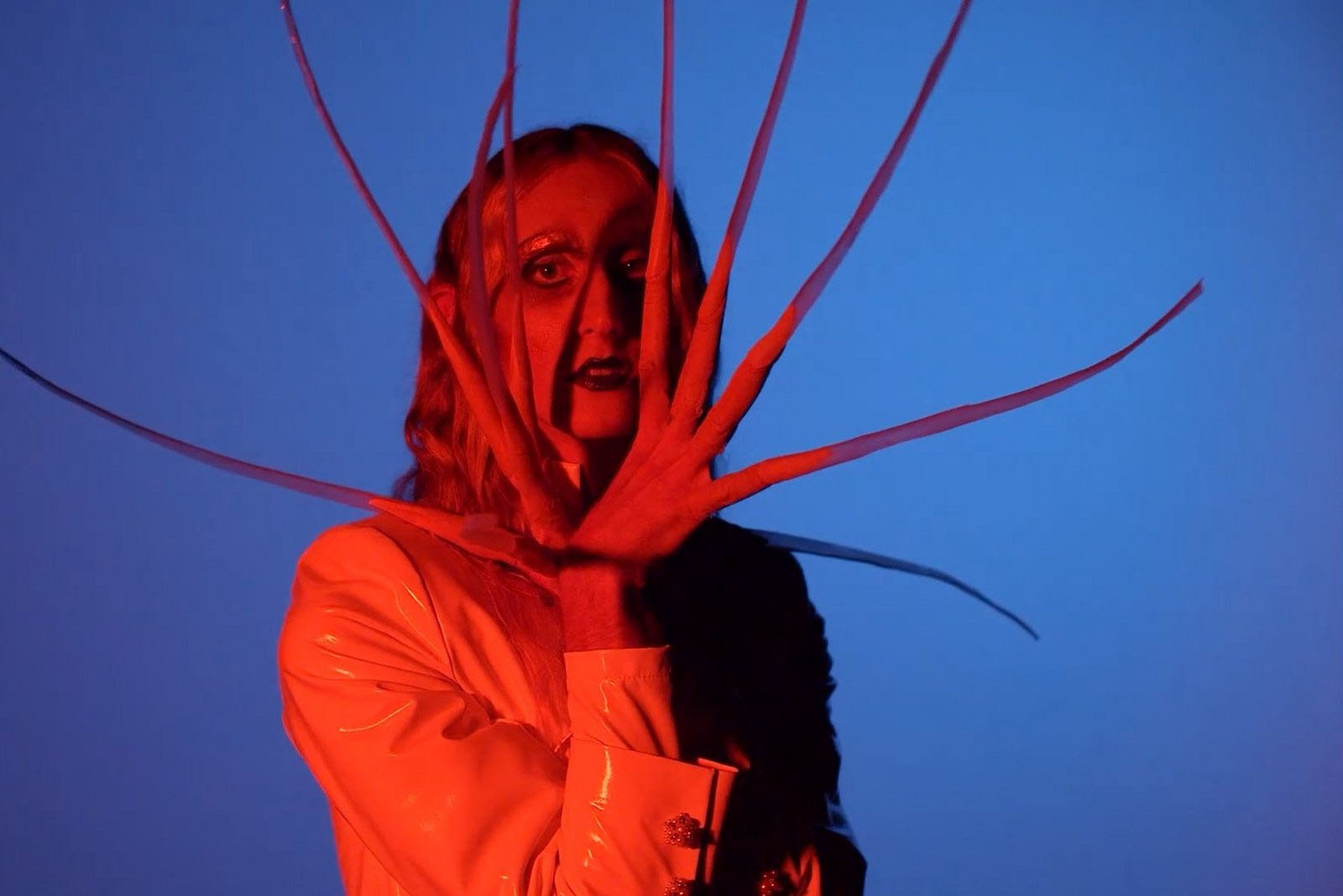
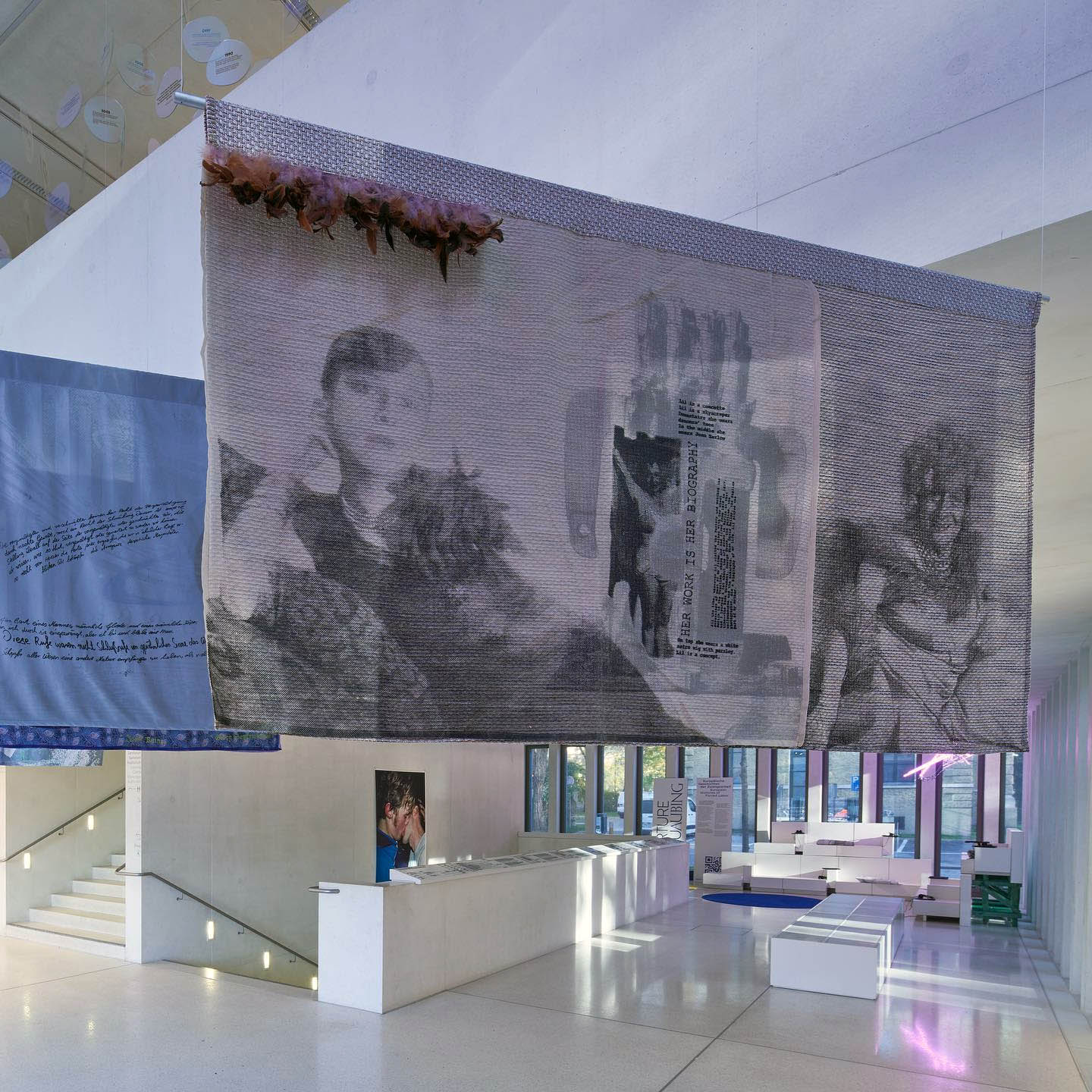

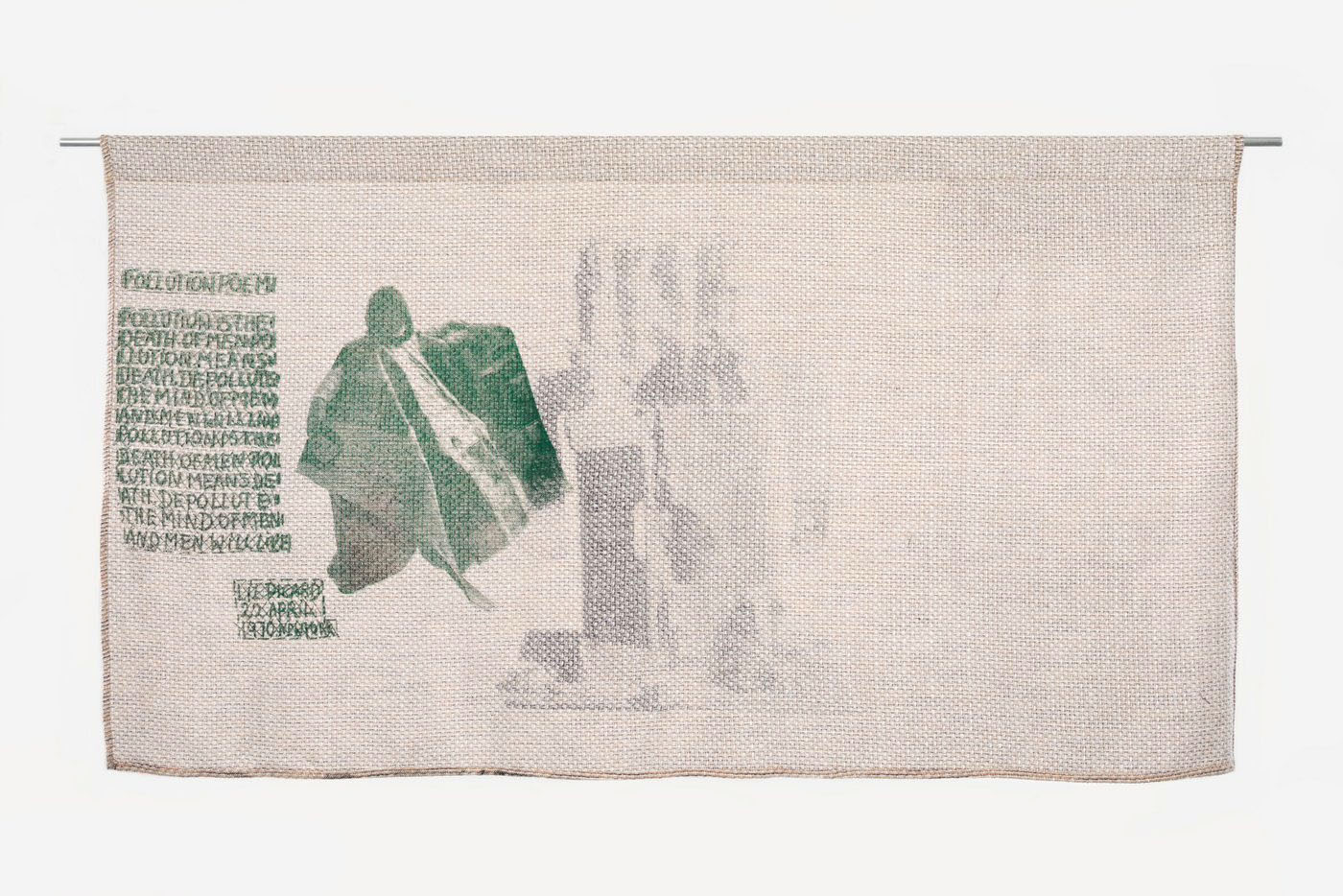
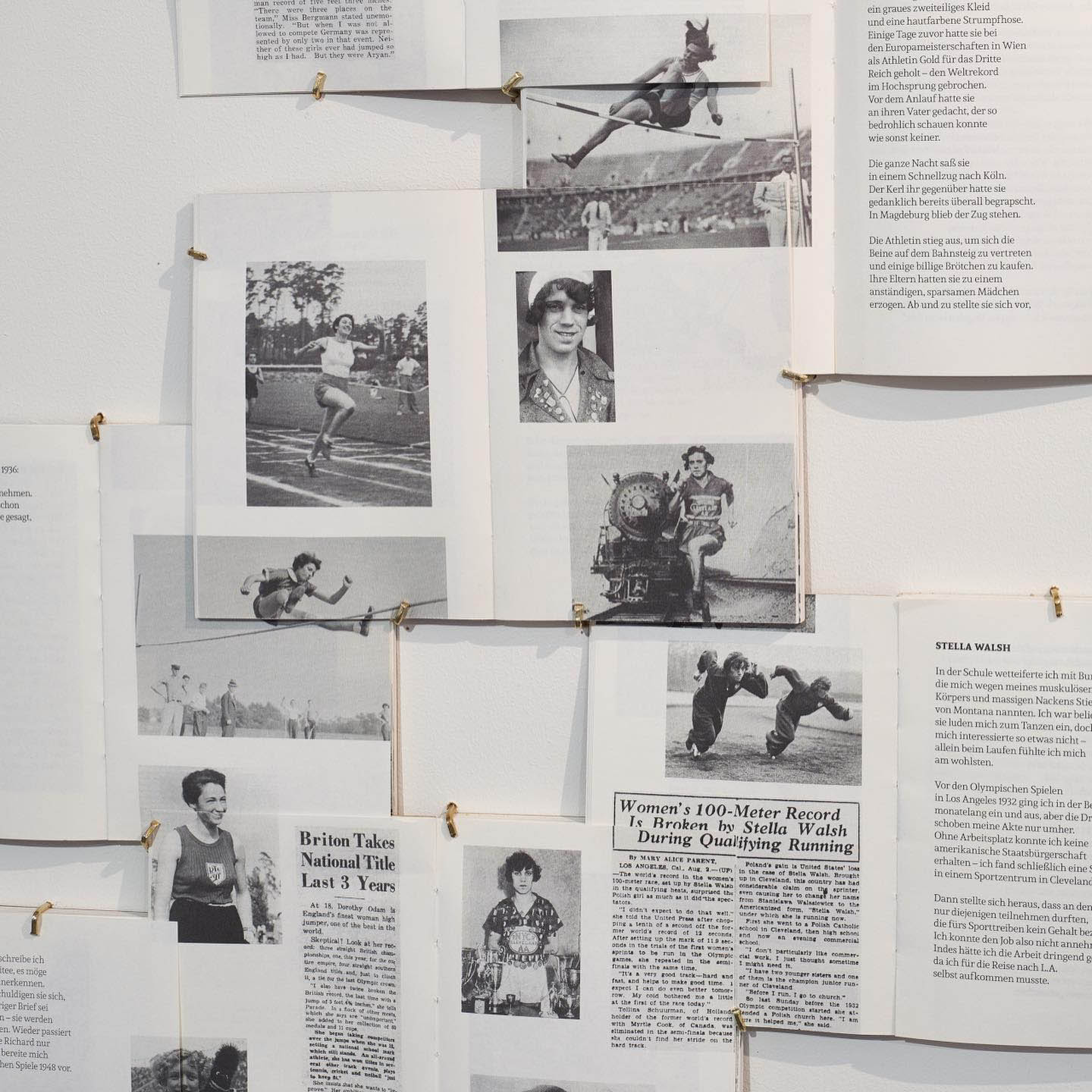







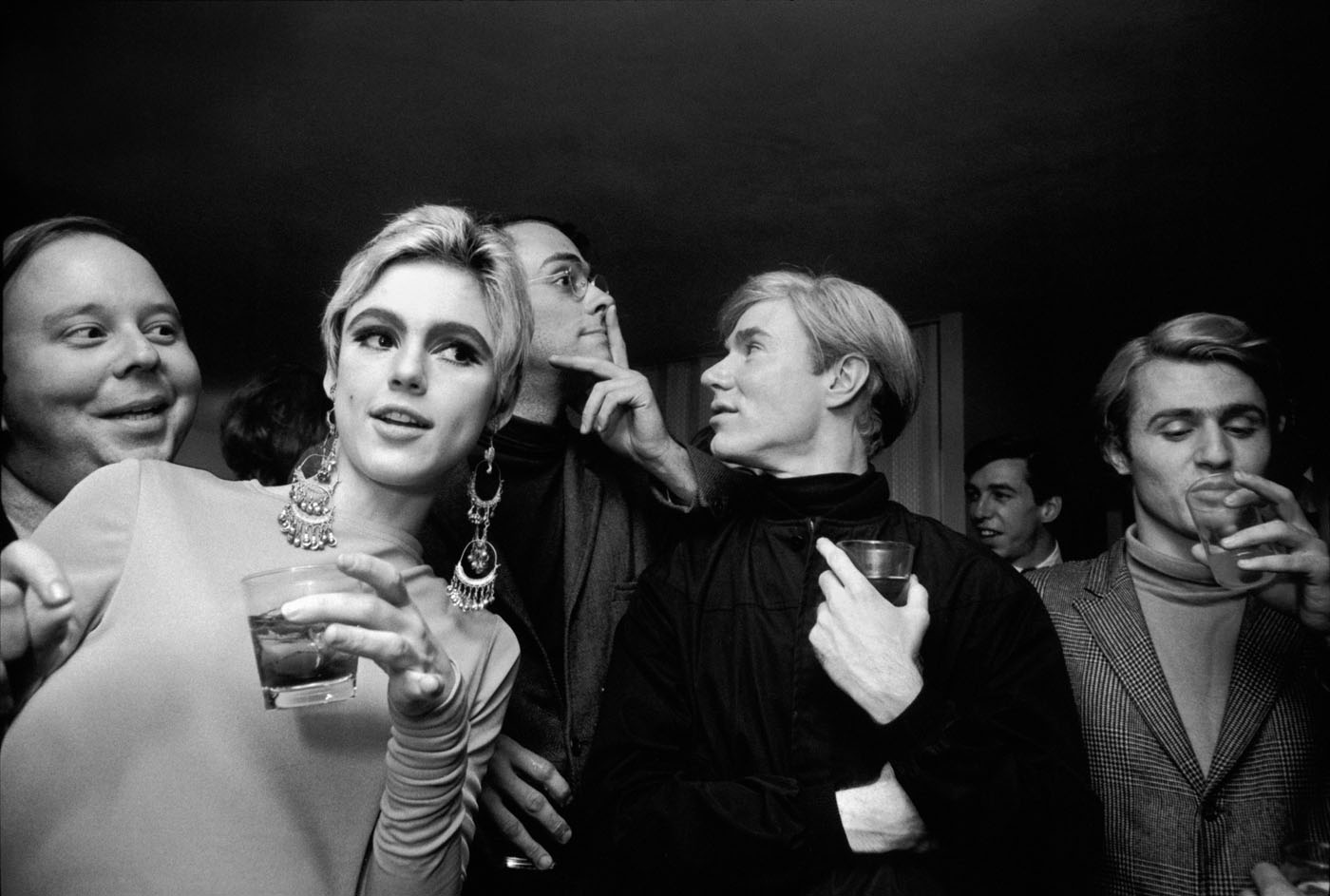


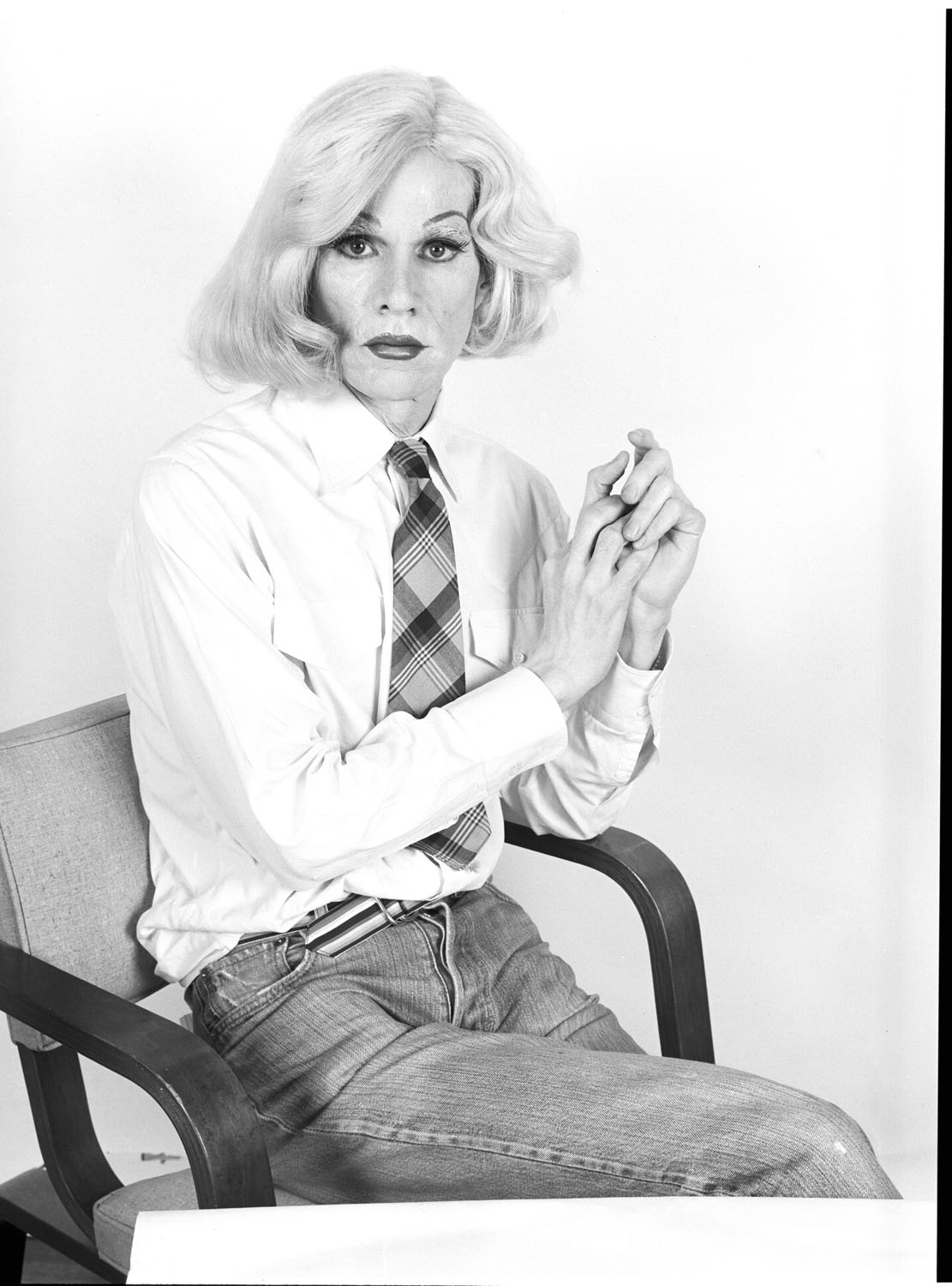


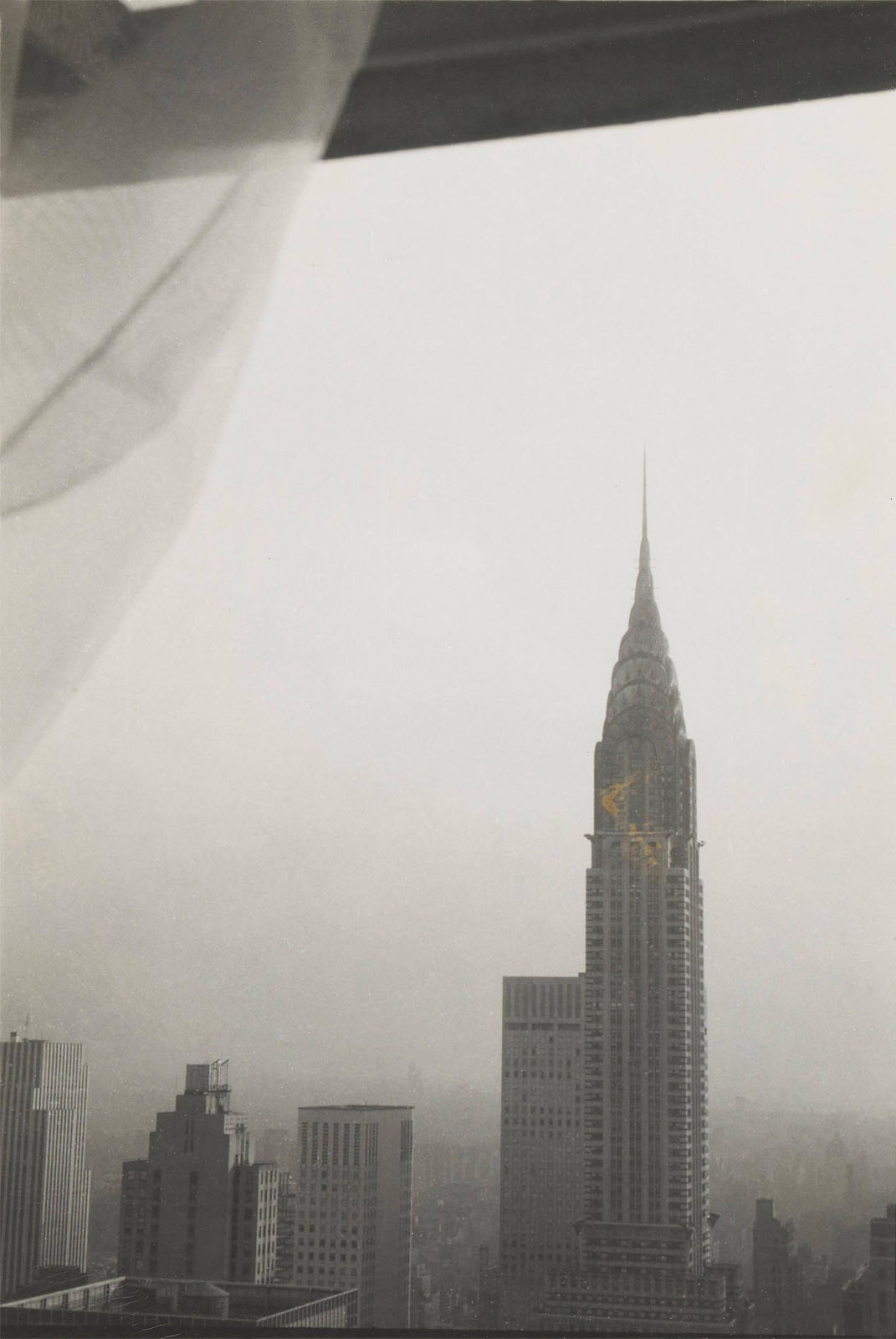

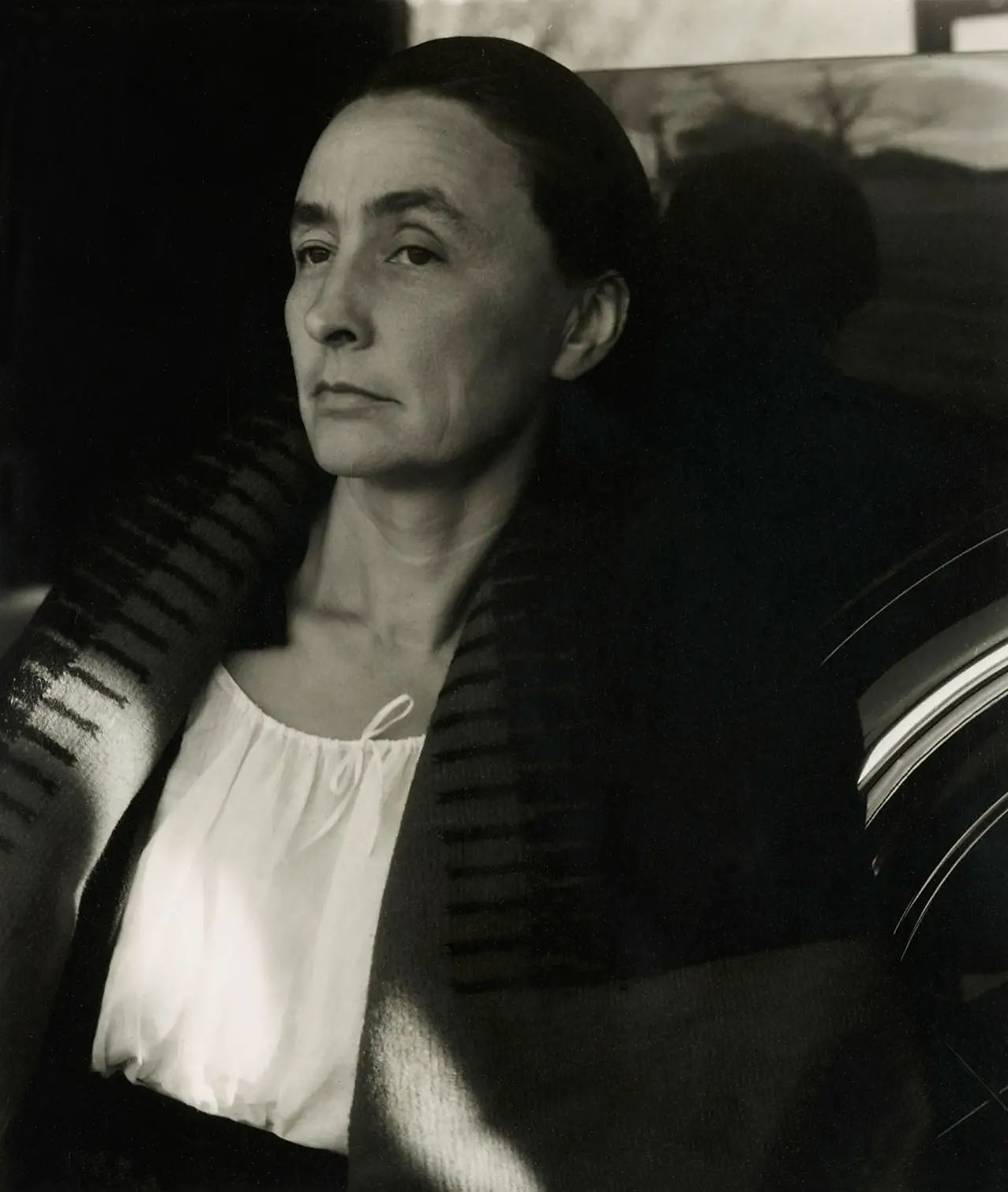
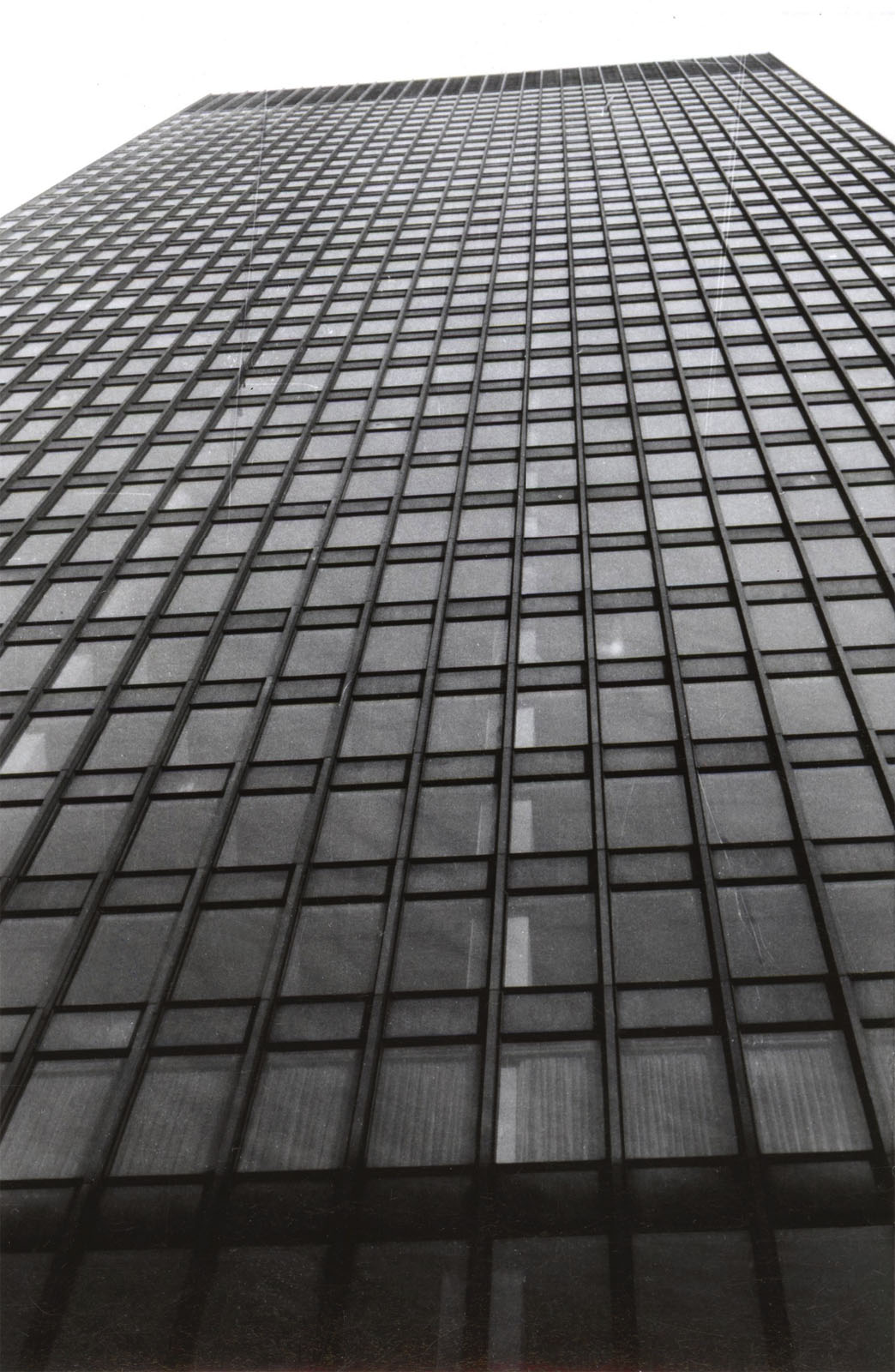

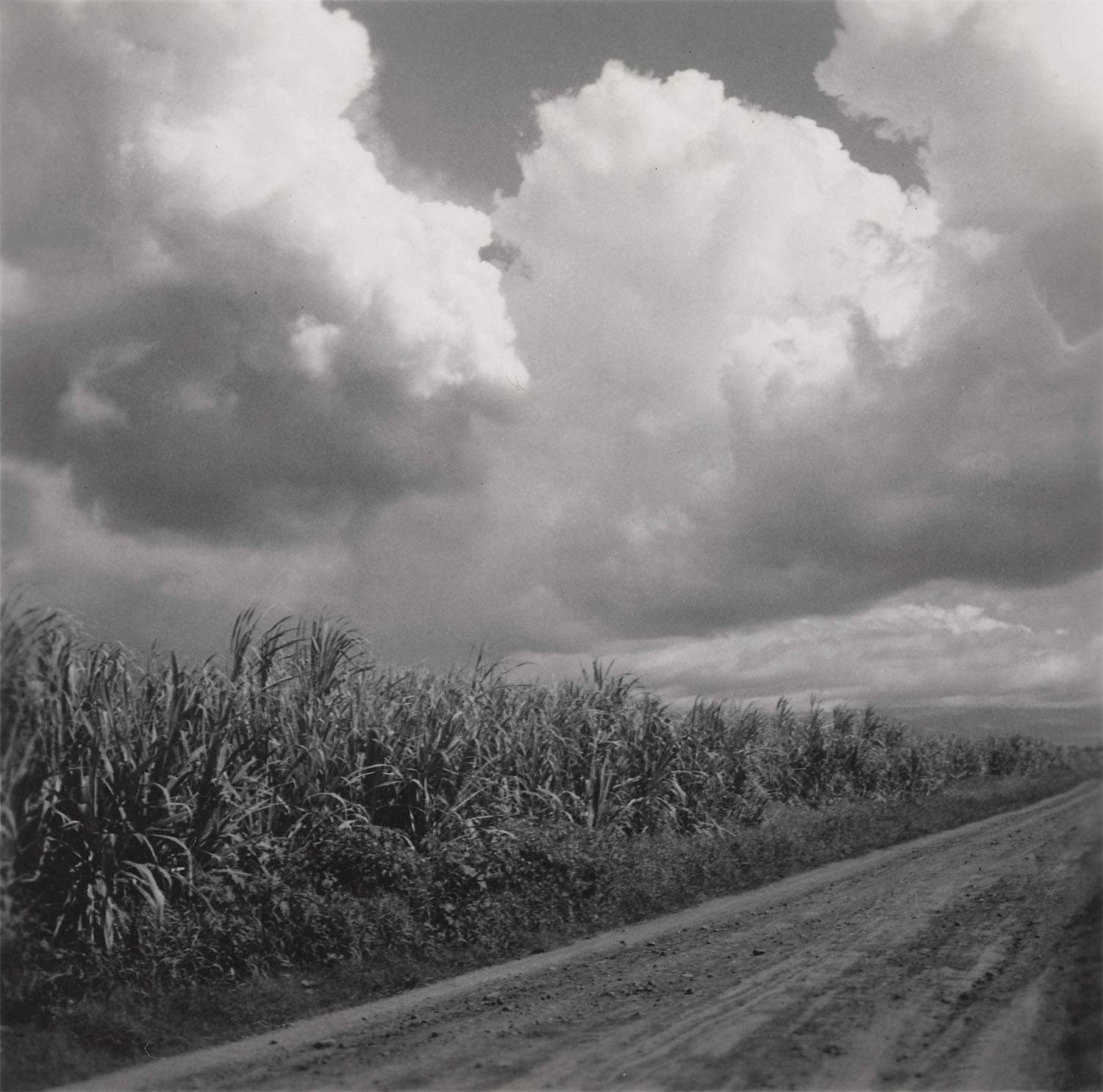
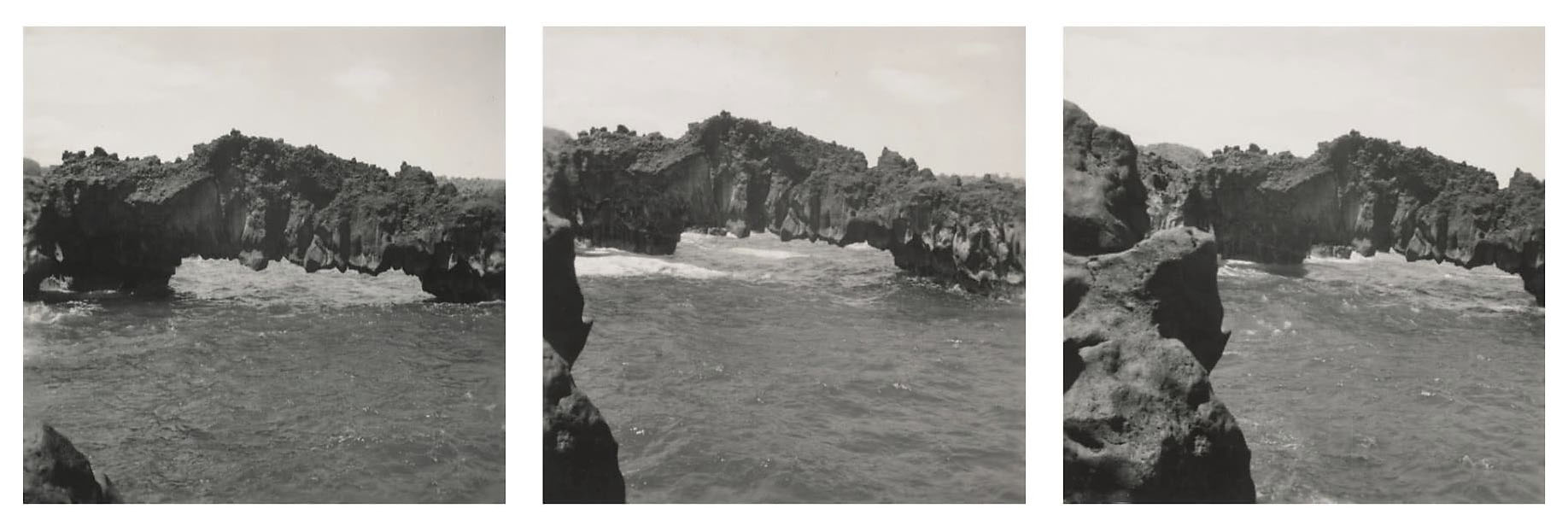
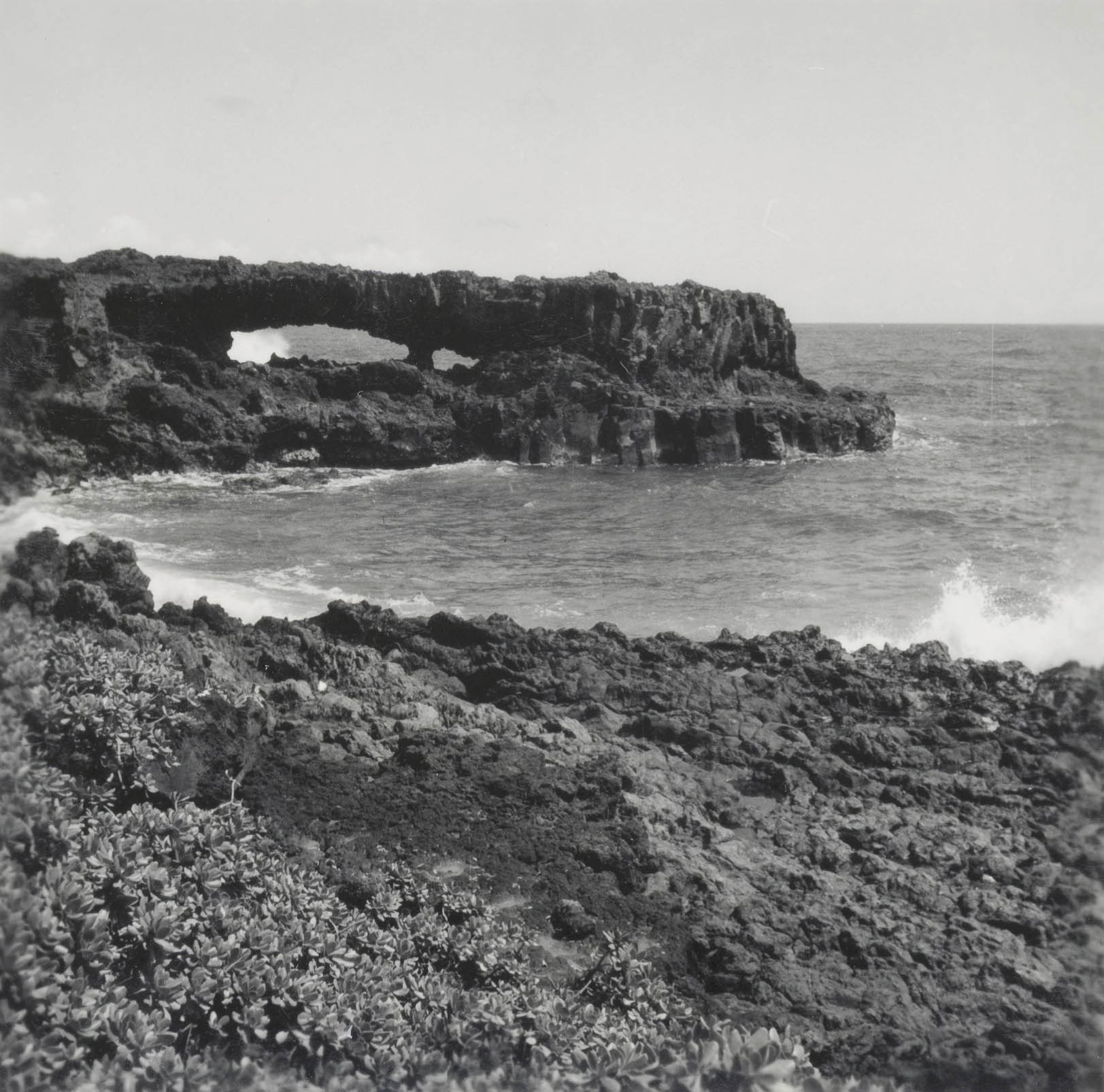
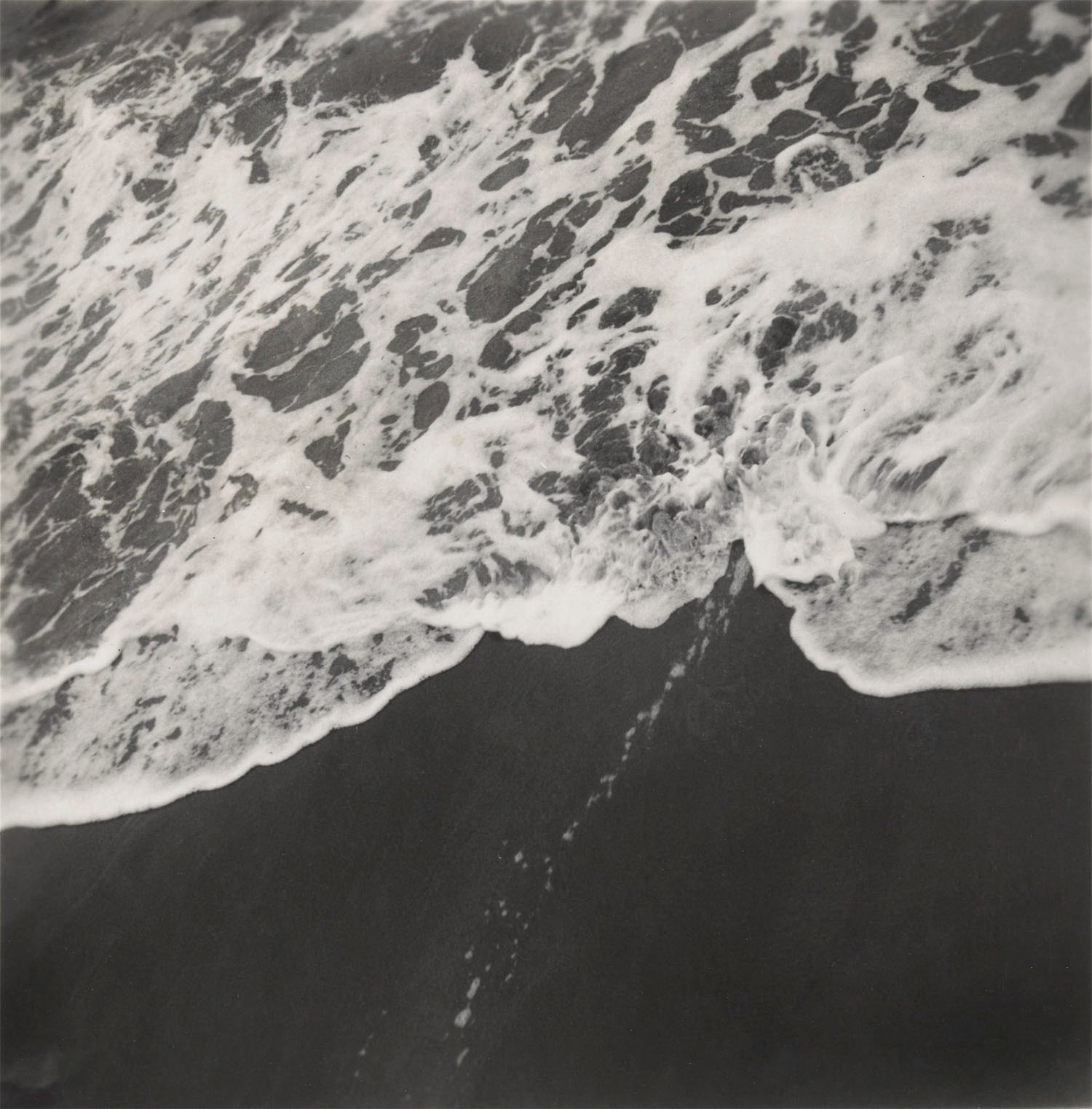
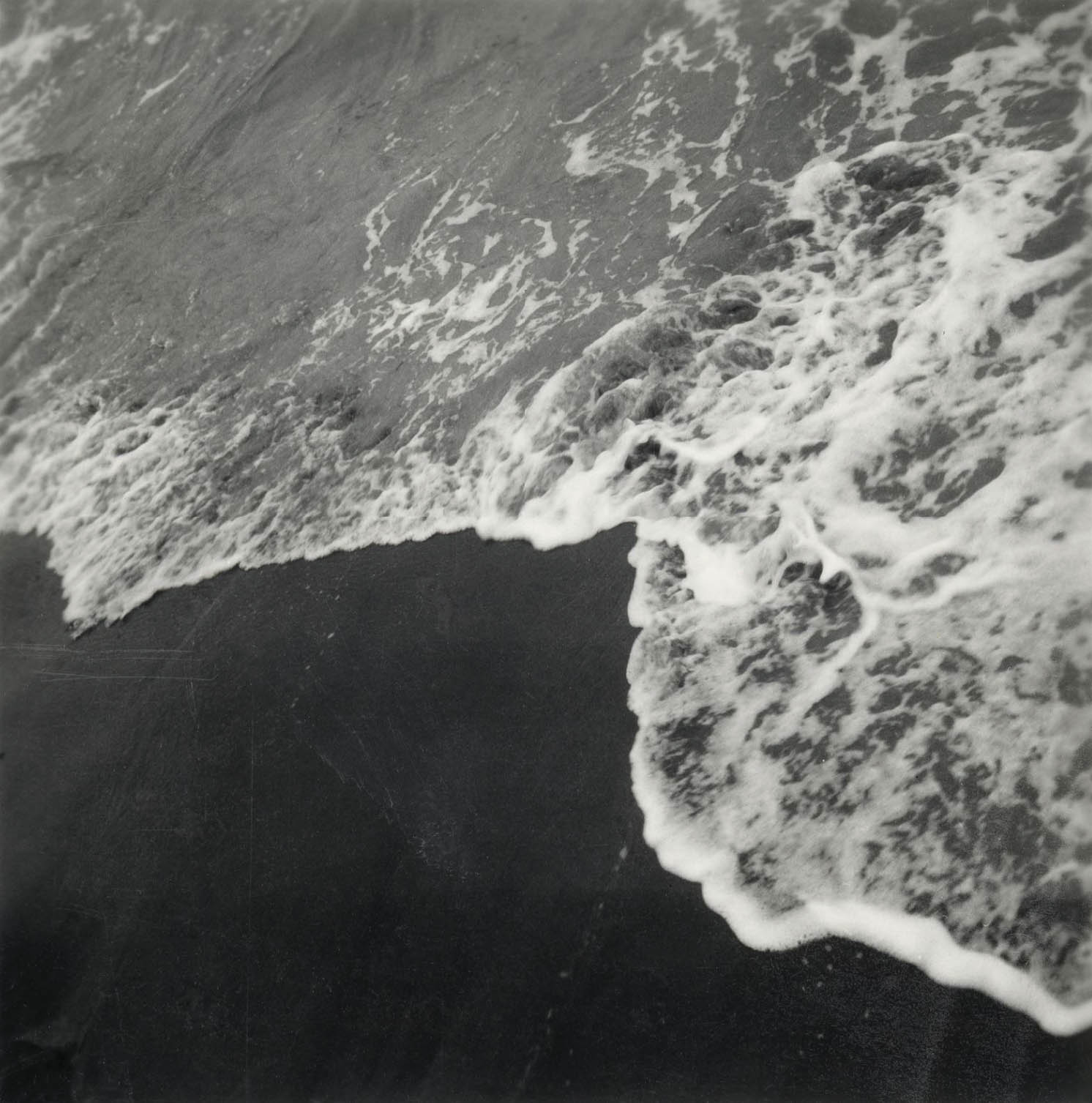













!['Reuben's Delicatessen Menu [autographed by Arnold Reuben]' 1946](https://artblart.com/wp-content/uploads/2023/02/reubensdelicatessenmenu.jpg "'Reuben's Delicatessen Menu [autographed by Arnold Reuben]' 1946")







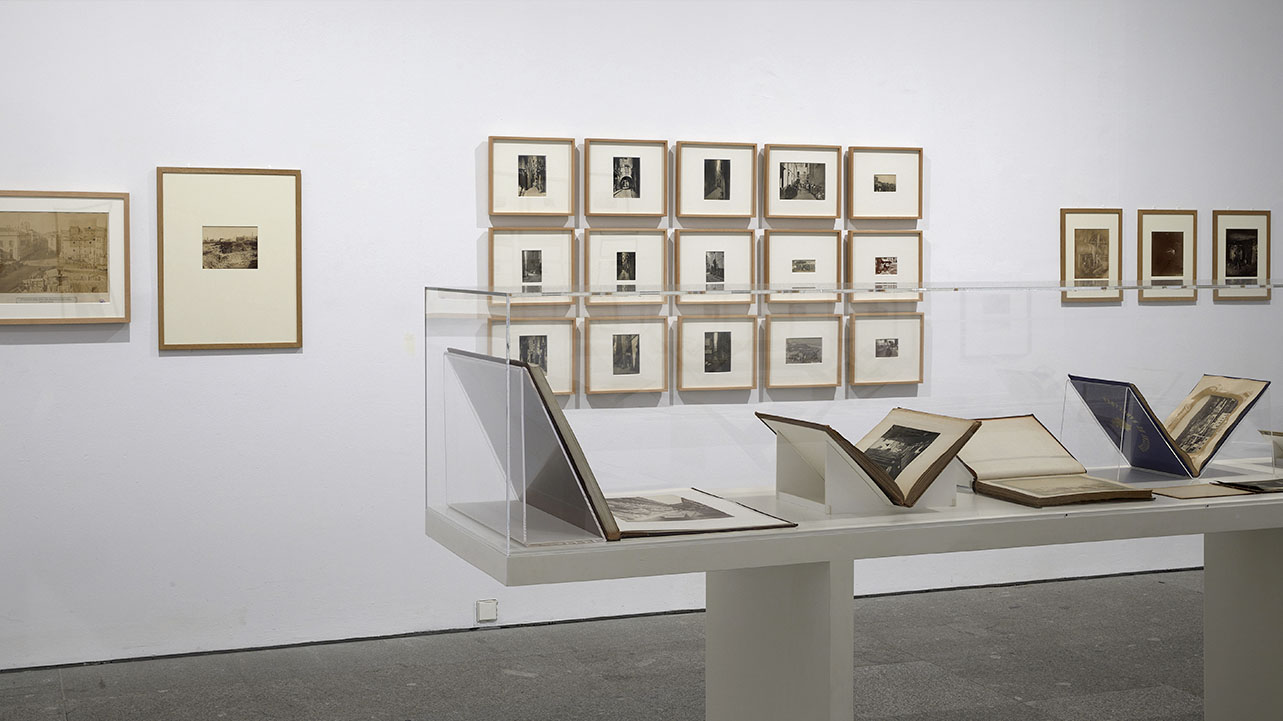
![Installation view of the exhibition 'Documentary Genealogies: Photography 1848-1917' at the Museo Nacional Centro de Arte Reina Sofía, Madrid showing at left rear, pages from Carl Dammann's '[Races of Mankind]: Ethnological Photographic Gallery of the Various Races of Men' 1876](https://artblart.com/wp-content/uploads/2023/02/documentary-genealogies-installation-d.jpg "Installation view of the exhibition 'Documentary Genealogies: Photography 1848-1917' at the Museo Nacional Centro de Arte Reina Sofía, Madrid showing at left rear, pages from Carl Dammann's '[Races of Mankind]: Ethnological Photographic Gallery of the Various Races of Men' 1876")
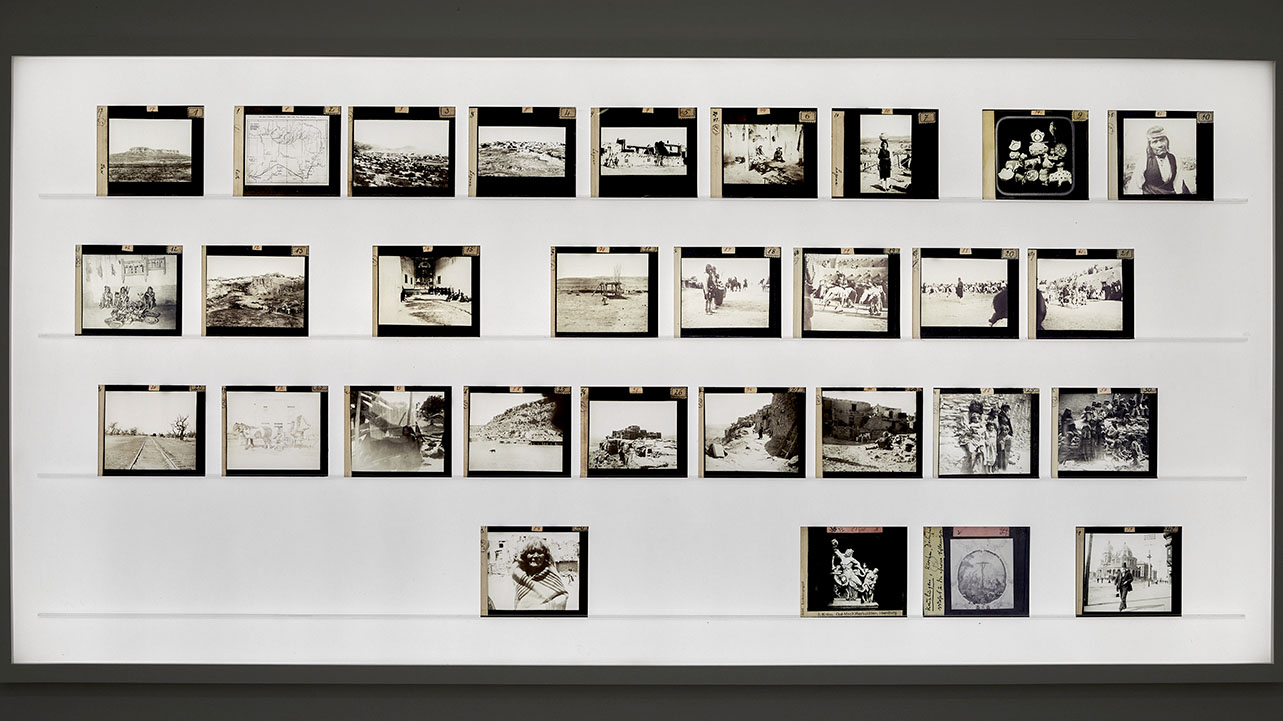

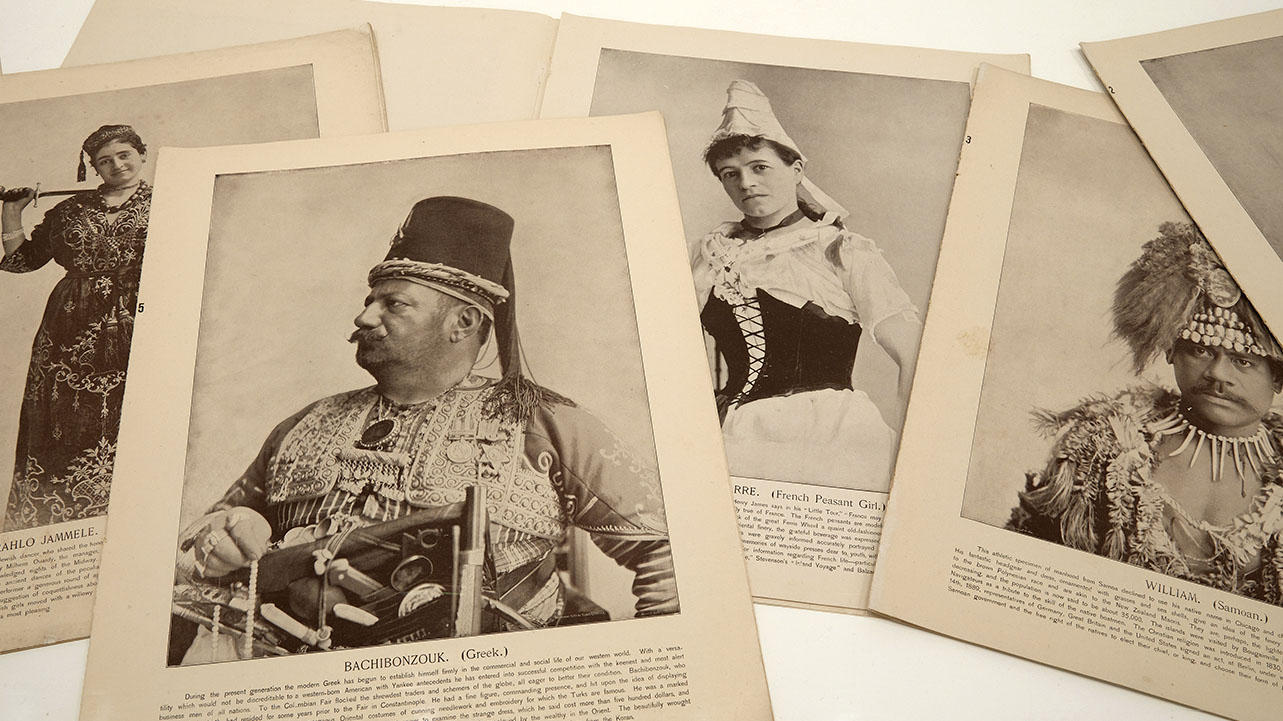

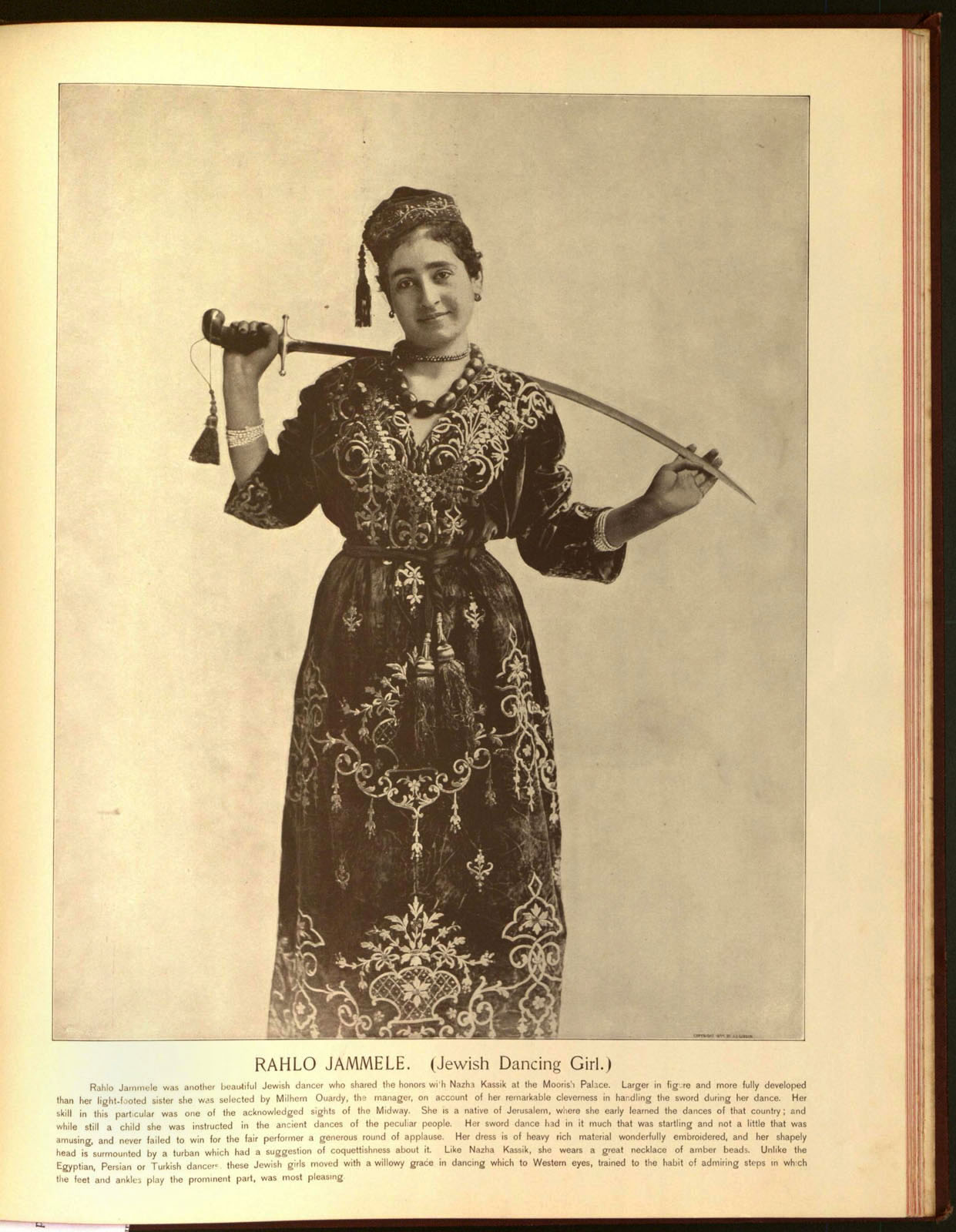












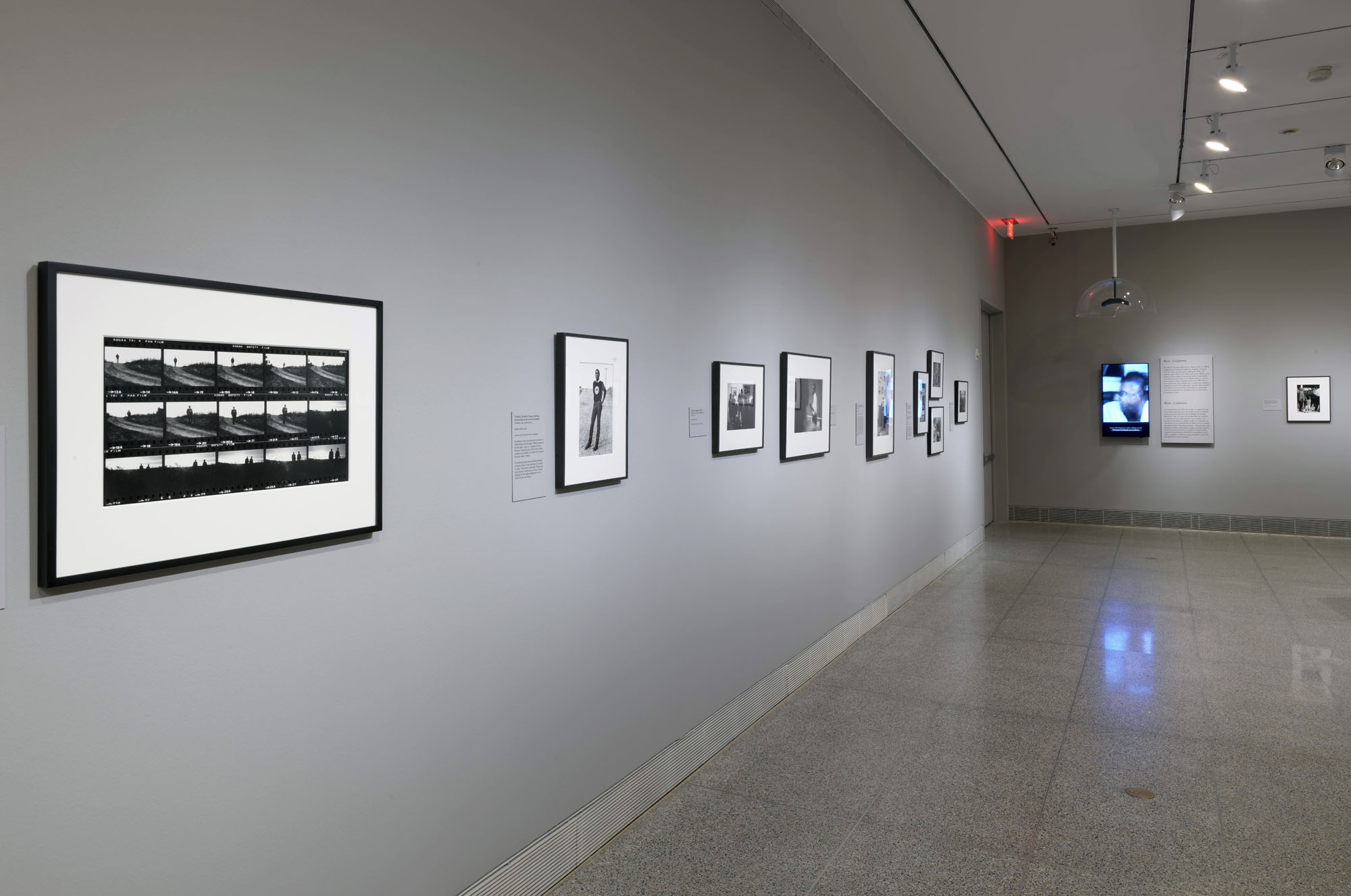





















![Life Magazine (1883-1972) '[Harlem Gang Leader opening spread]' 1948](https://artblart.com/wp-content/uploads/2022/12/15_p.-96_97-harlem-gang-leader-opening-spread.jpg "Life Magazine (1883-1972) '[Harlem Gang Leader opening spread]' 1948")








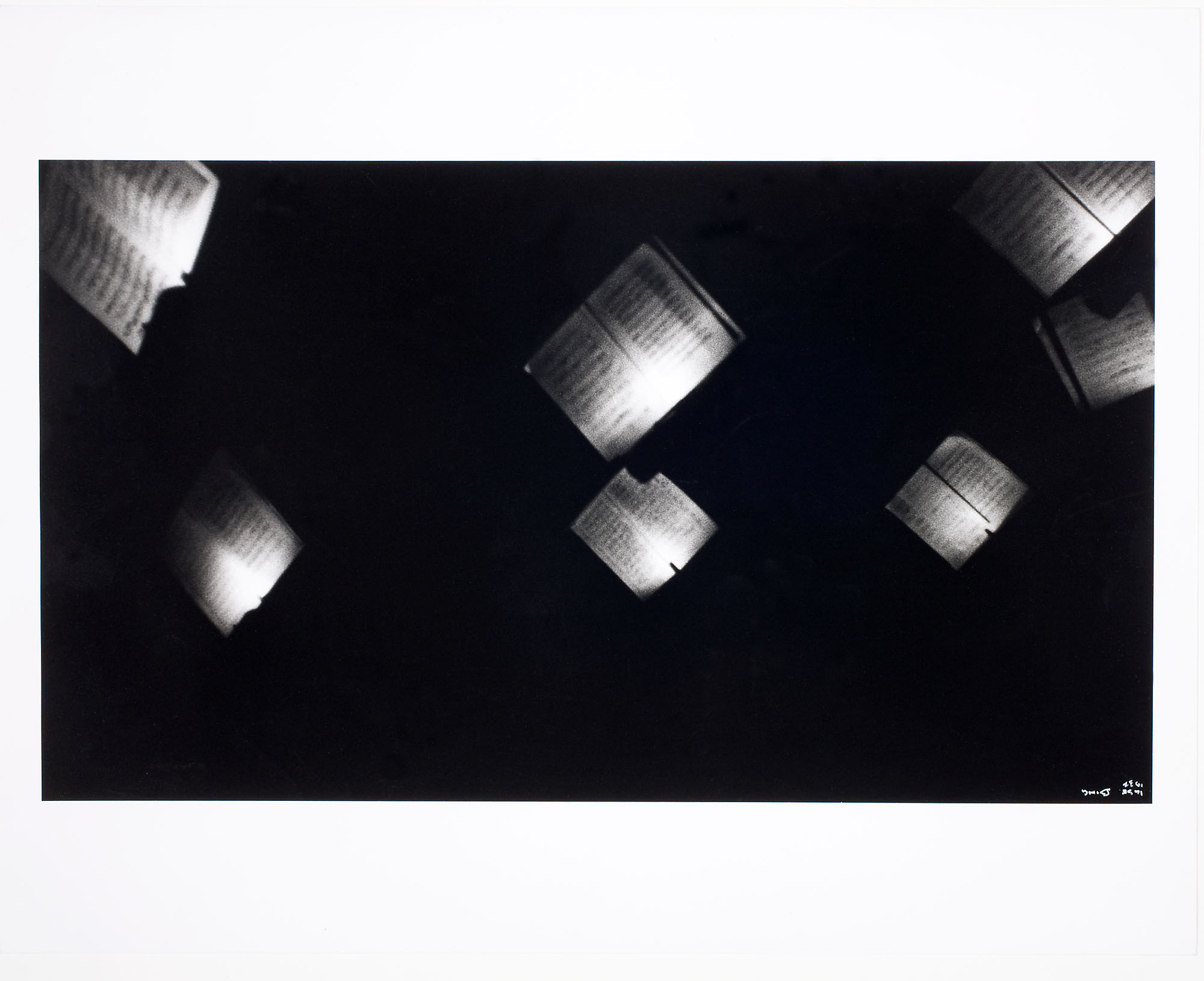
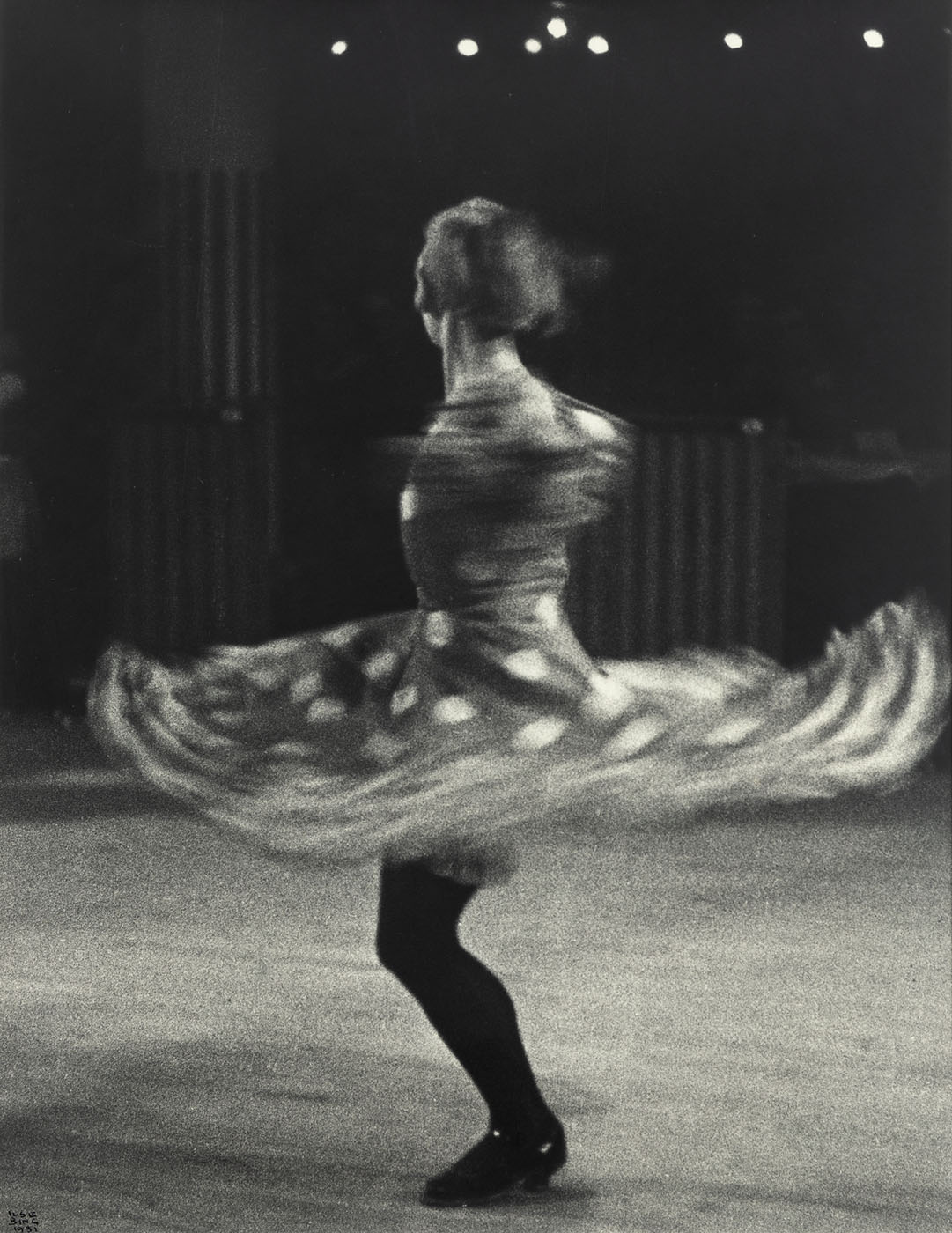
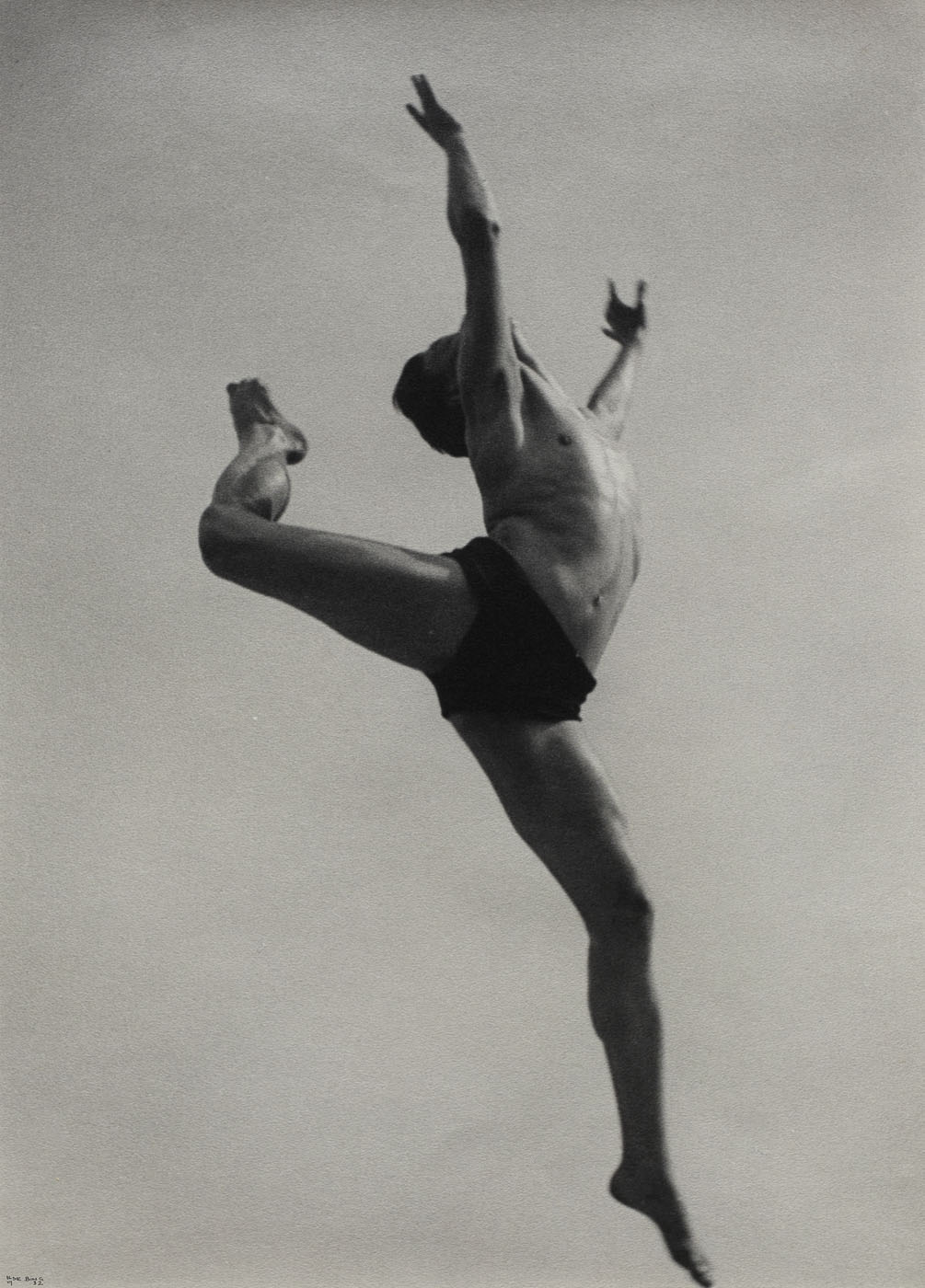

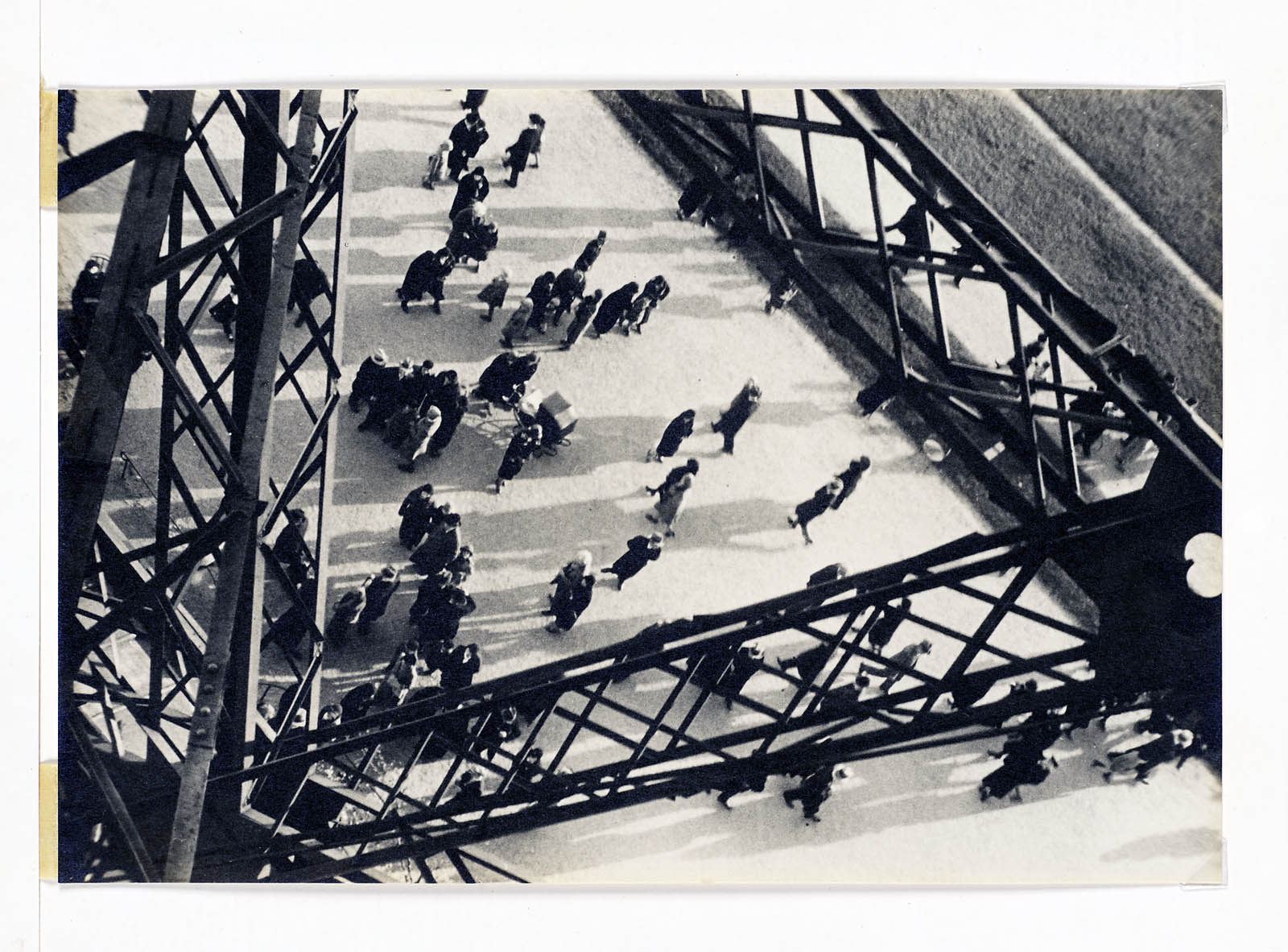
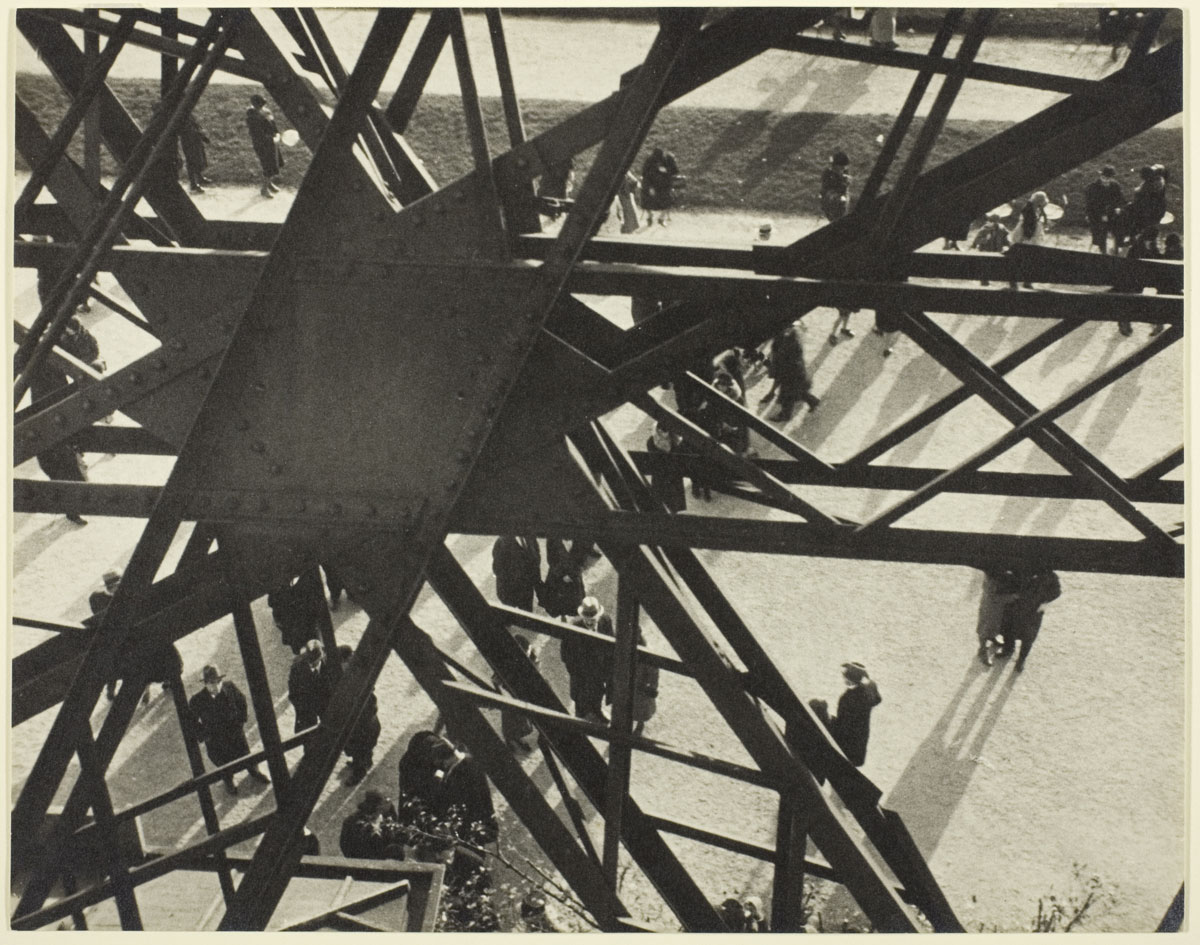

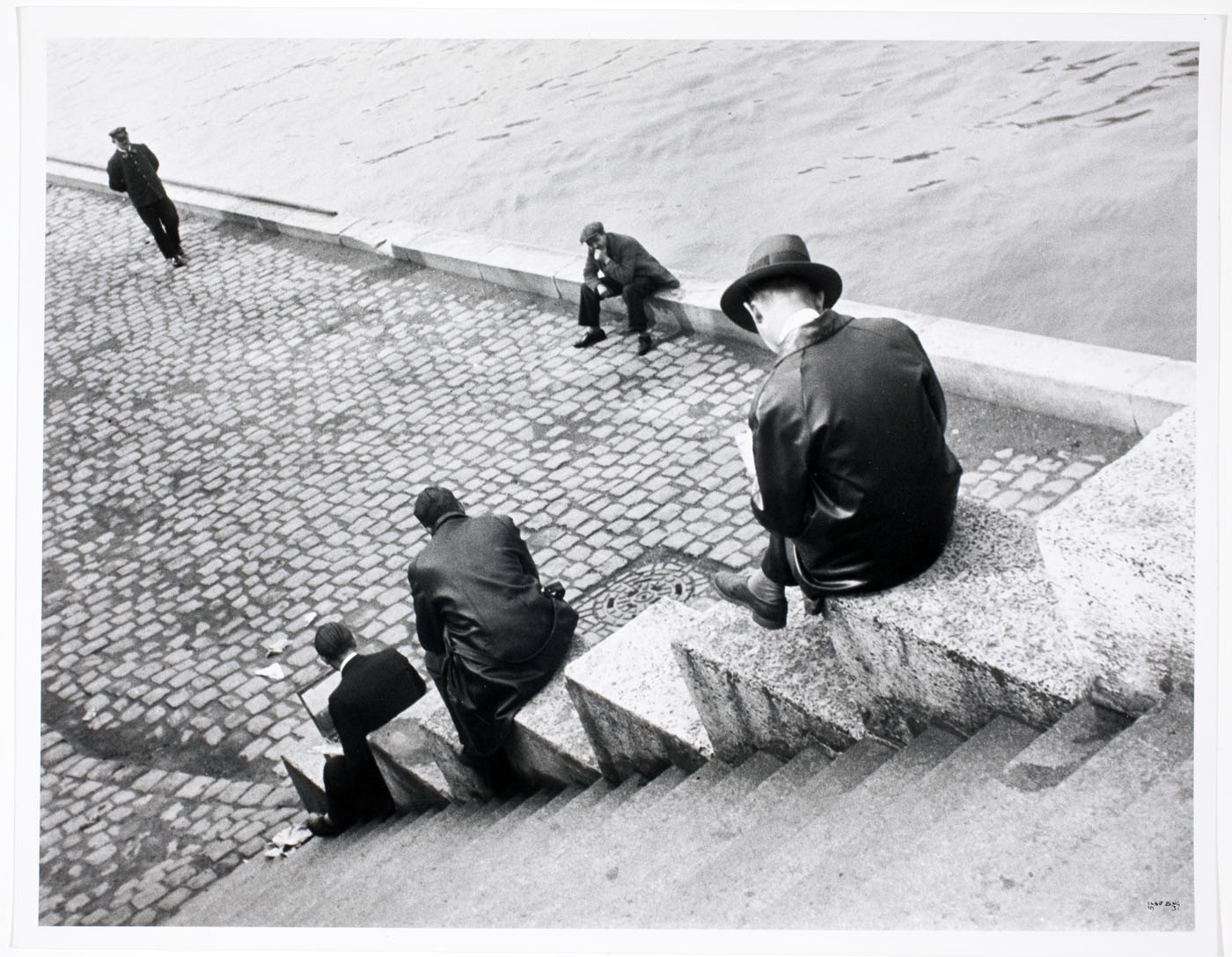
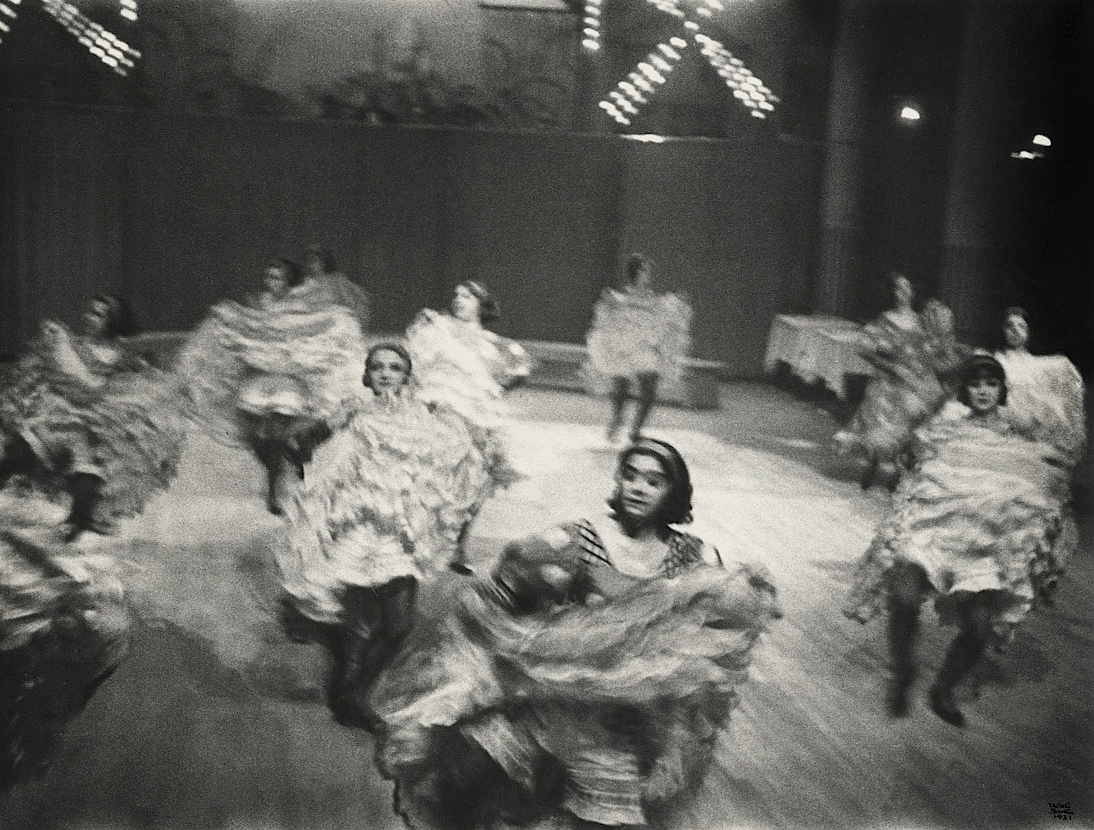


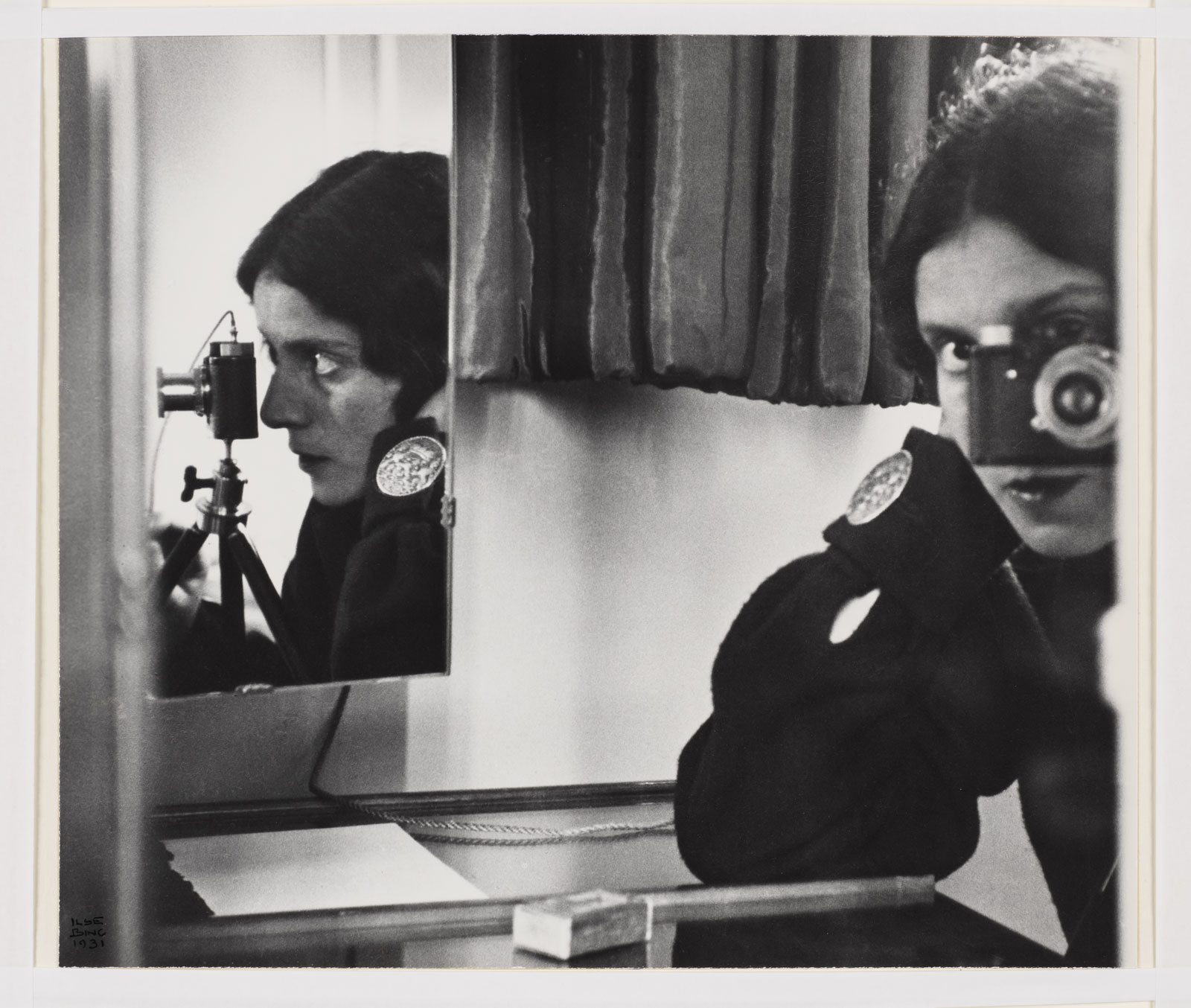
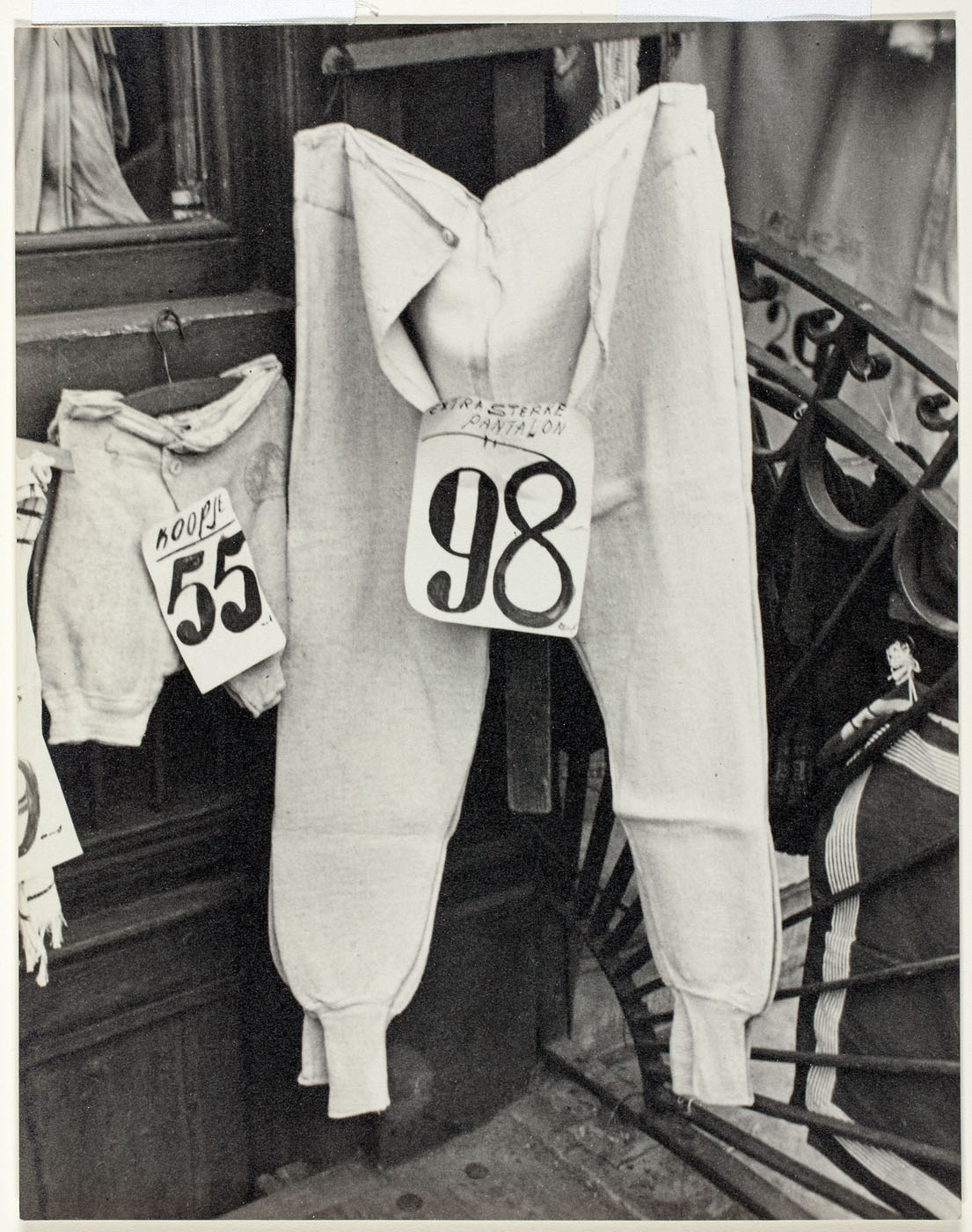


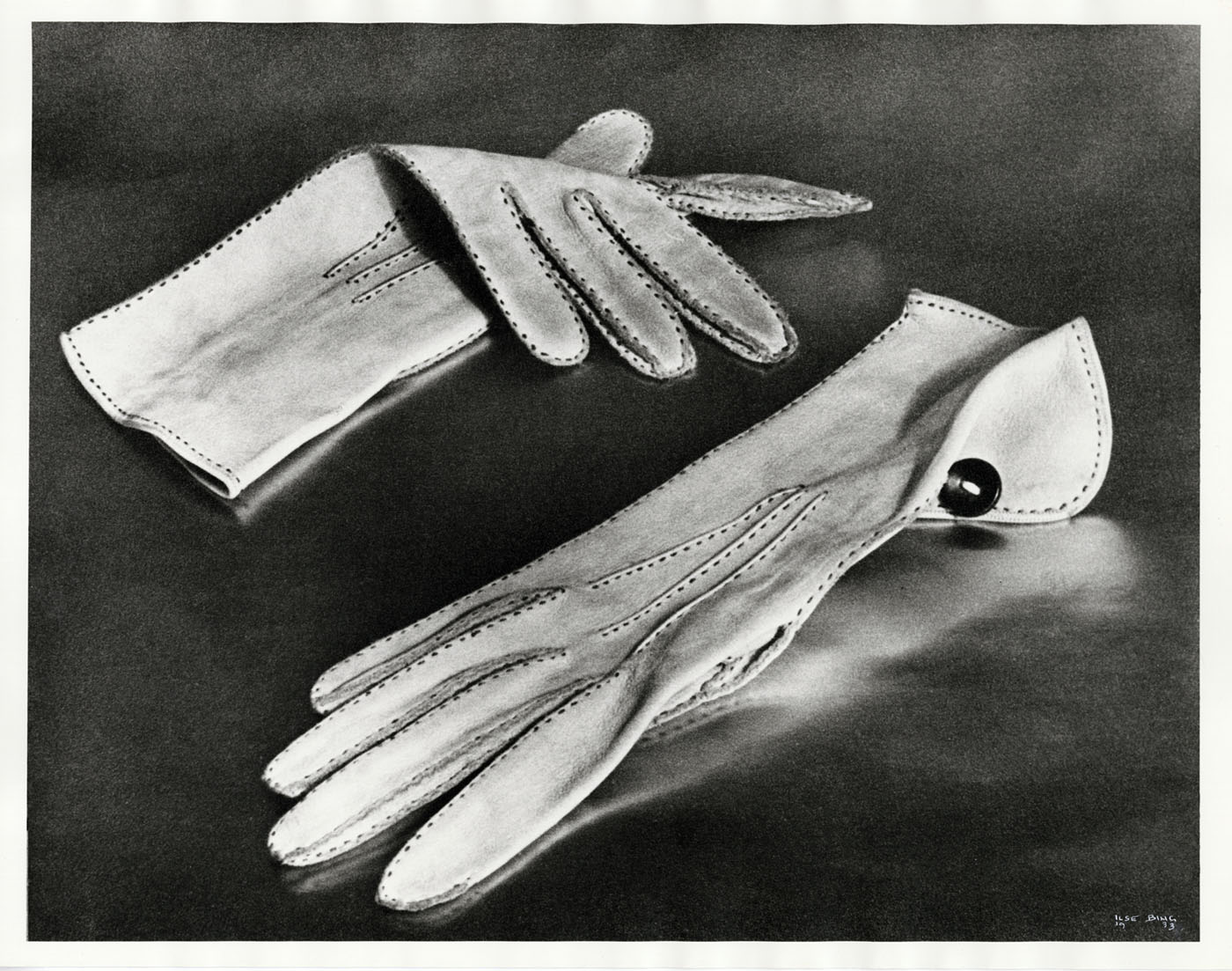


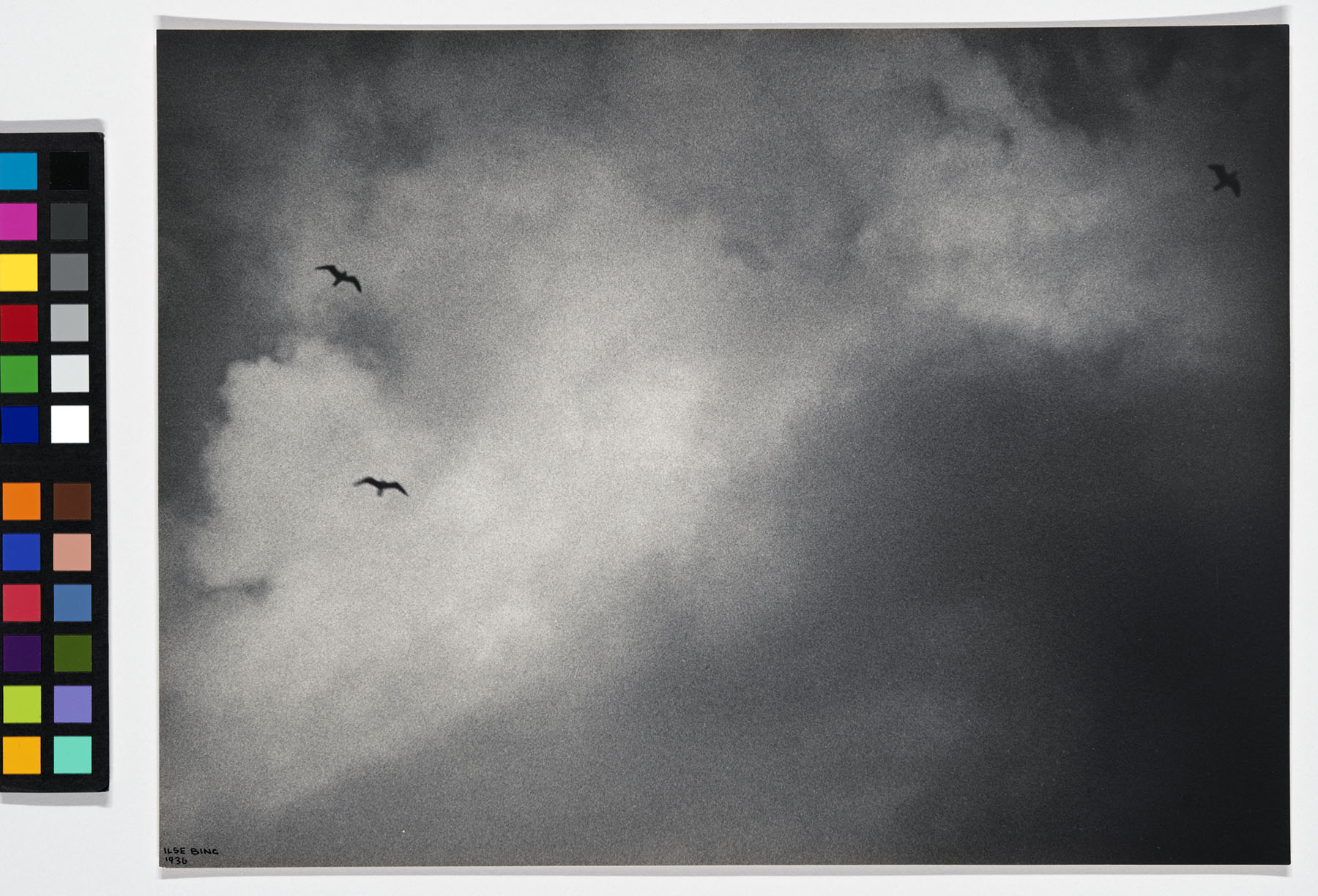
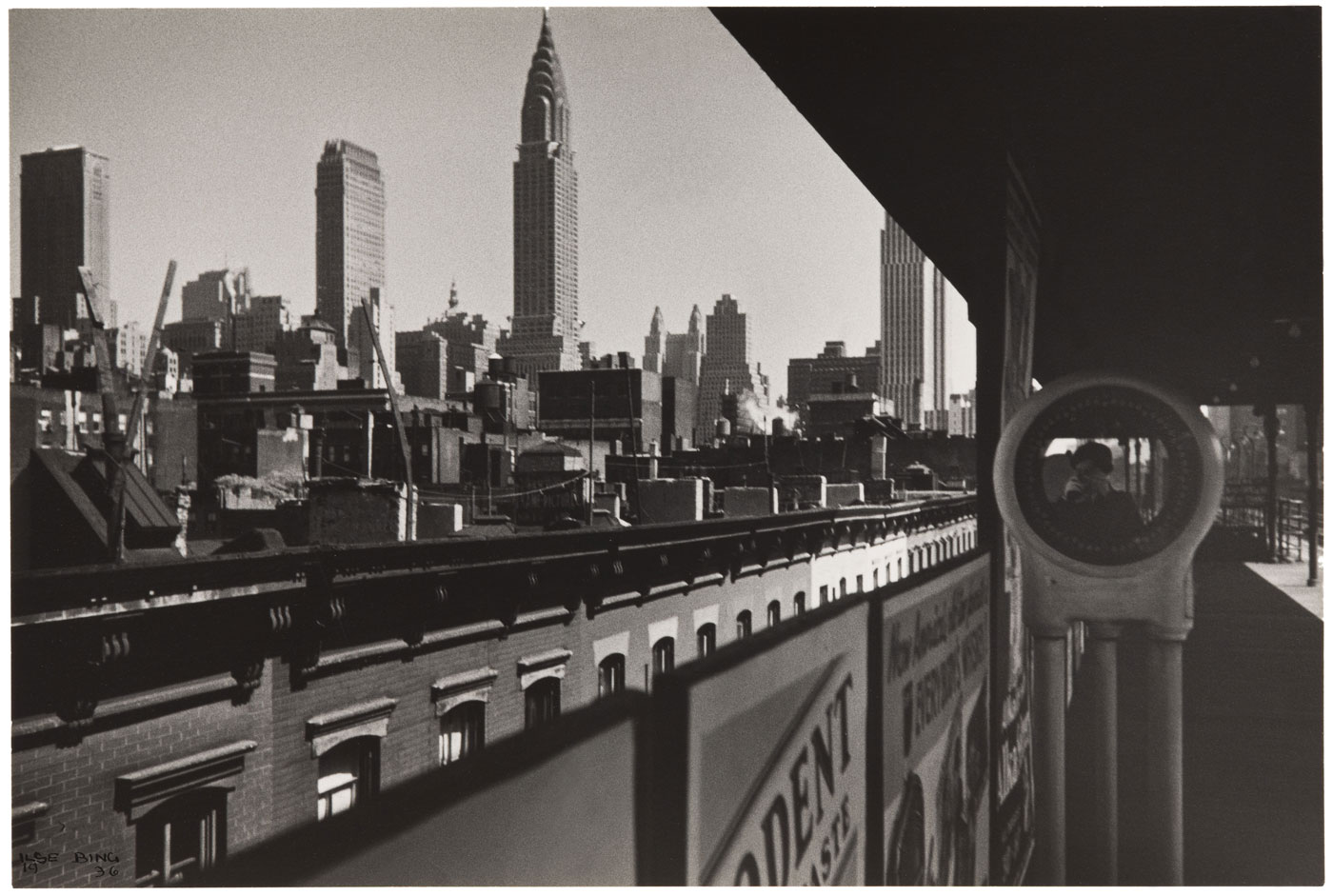


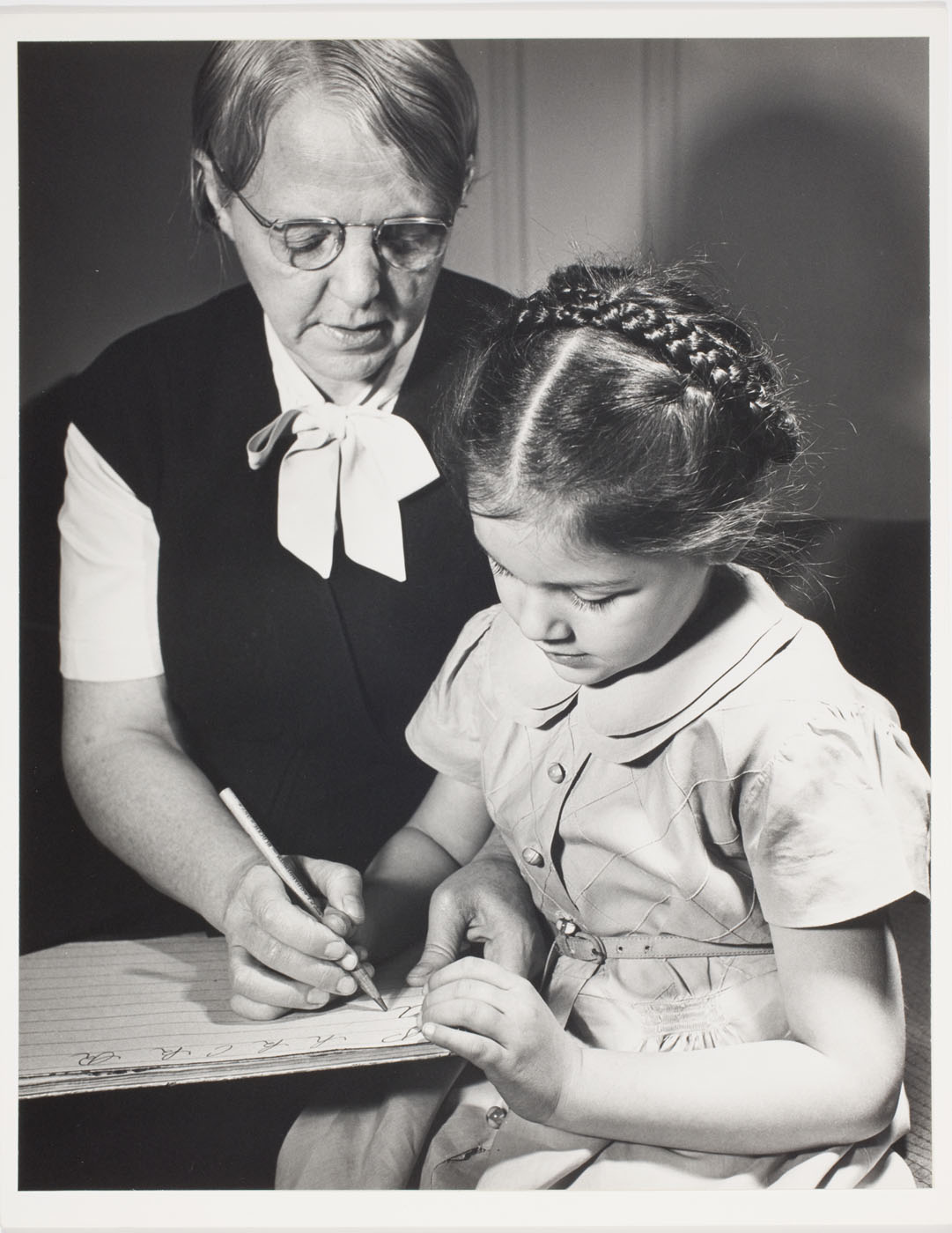
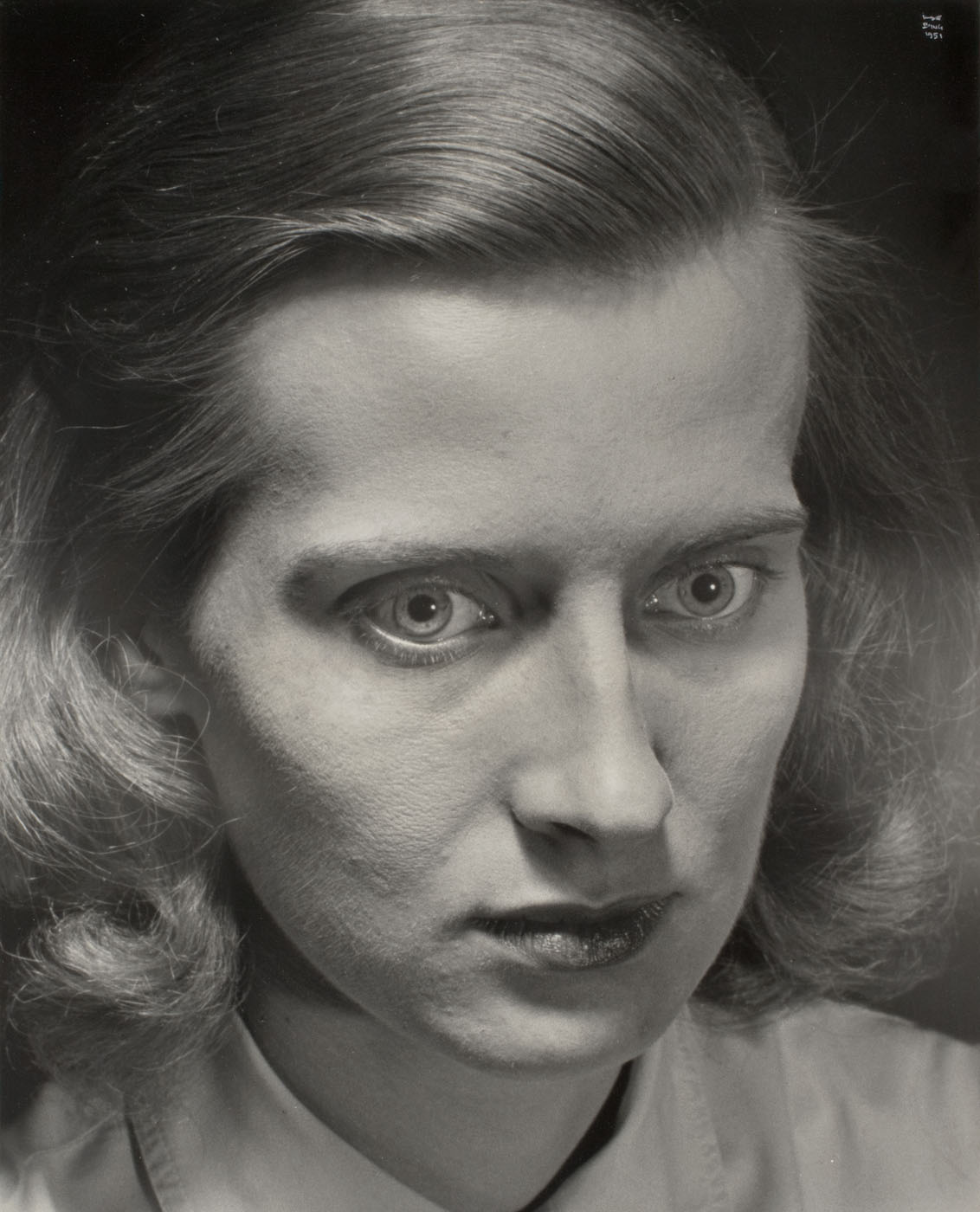

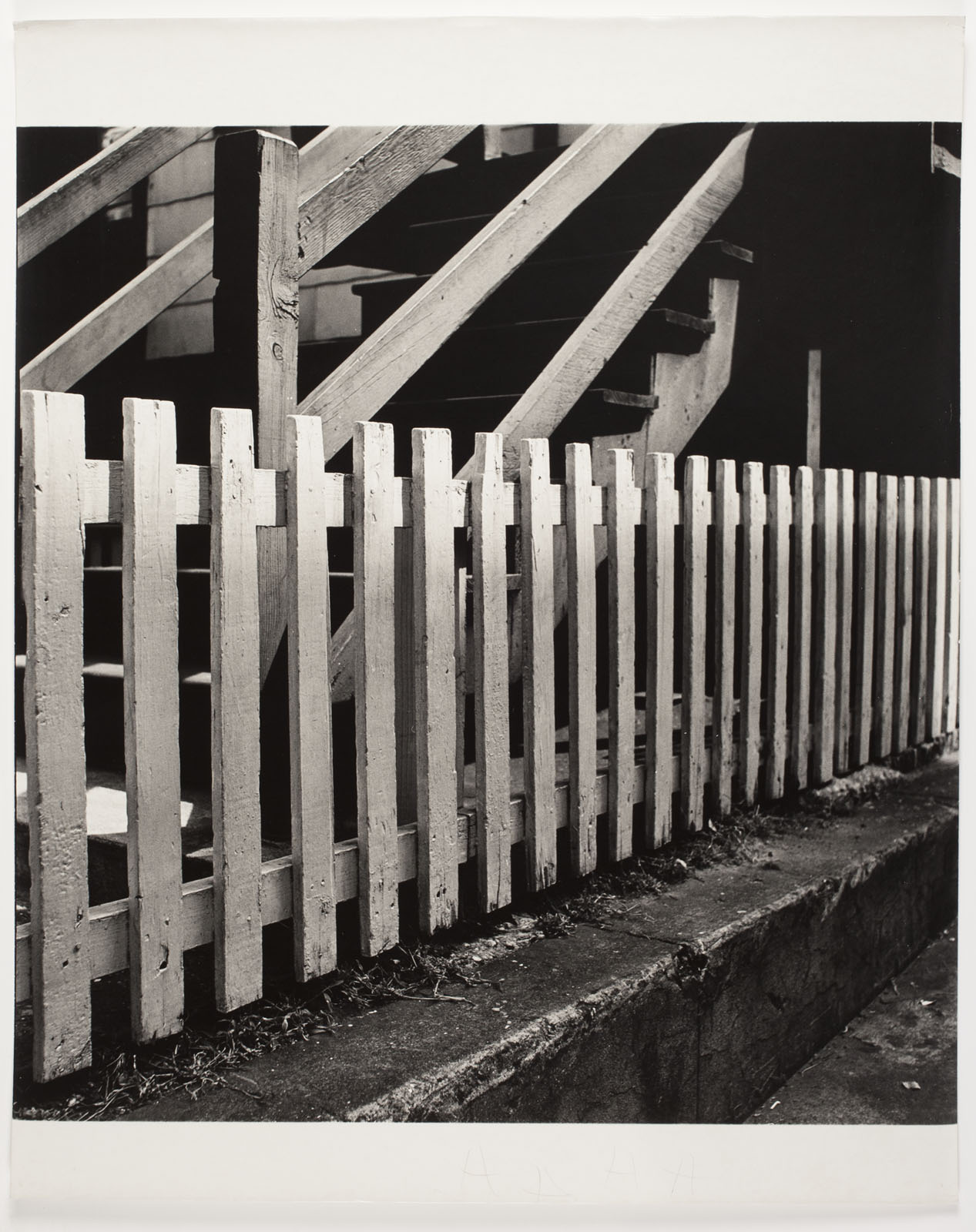


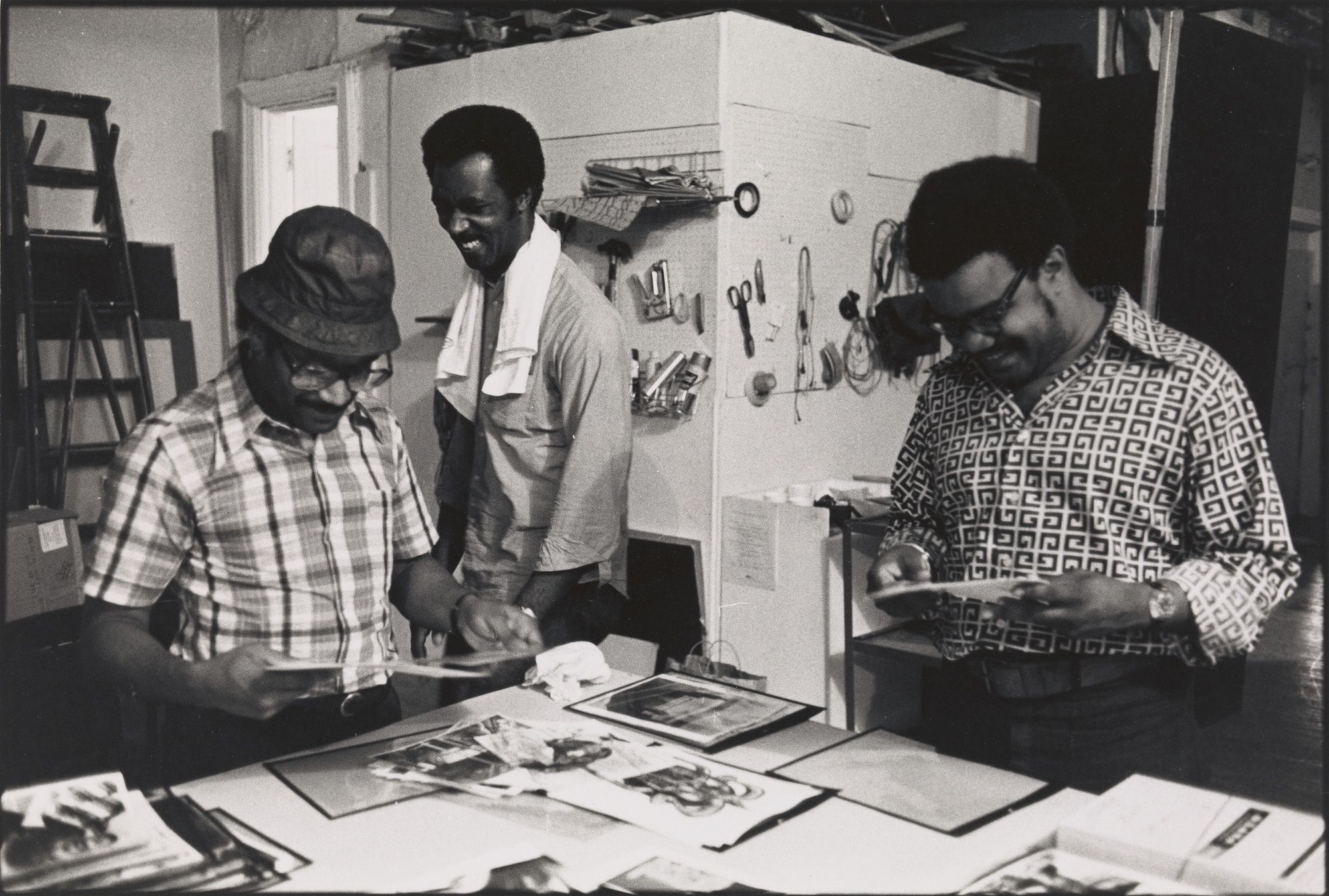


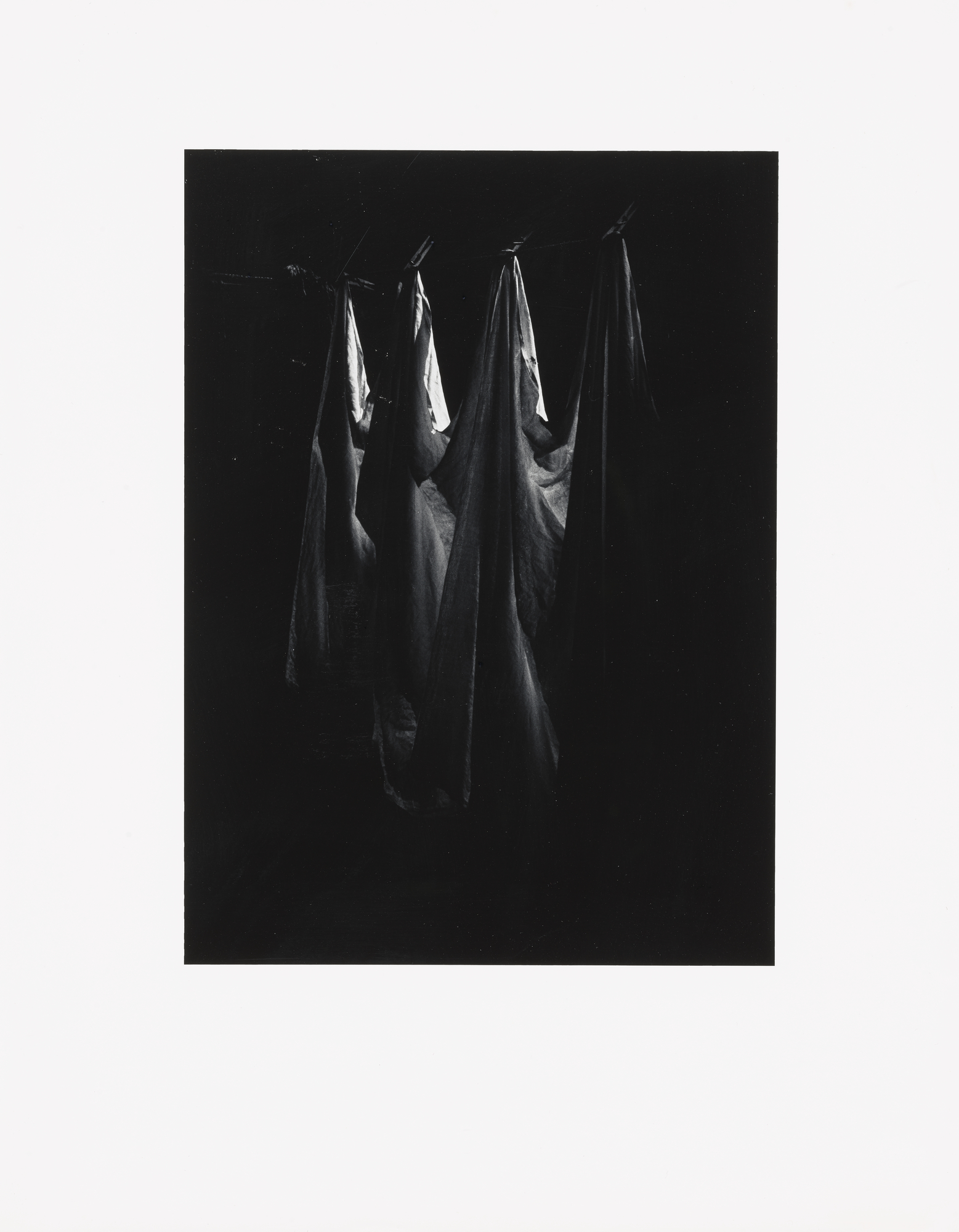


 Art Blart _ art and cultural memory archive
You must be logged in to post a comment.