Marcus Bunyan (Australian, b. 1958) Women in orange London 2017 From the series The sun does not move 2017-2022 Digital colour photograph
This posting offers a selection of photographs from my new ninety-eight image sequence The sun does not move (2017-2022). To see the whole extended conversation please visit my website. The text below illuminates the rationale for the work…
Two students were arguing about a flag flapping in the wind. “It’s the wind that is really moving,” stated the first one. “No, it is the flag that is moving,” contended the second. A Zen master, who happened to be walking by, overheard the debate and interrupted them. “Neither the flag nor the wind is moving,” he said, “It is MIND that moves.”
The photographs in this sequence meditate on the idea that it is the mind of the viewer that constructs the spaces and meanings of these images. It is MIND that moves. The title of this sequence the sun does not move is attributed to Italian polymath Galileo Galilei.
The photographs are not a contemporary dissection of some archaic concept or hidden historical moment. They just are. Why do I make them? Because I feel impelled to be creative, to explore the spiritual in liminal spaces that I find across the earth. Ultimately, I make them for myself, to illuminate the journey that this soul is on.
With wonder and affection and empathy and feeling for the spaces placed before it. As clear as light is for the ‘mind’s eye’.
With thankx to the few “fellow travellers” for their advice and friendship.
Please click on the photographs for a larger version of the image.
Photographs are available from this series for purchase. As a guide, a digital colour 16″ x 20″ print costs $1,000 plus tracked and insured shipping. For more information please see the Store web page.
“To try to see more and better is not a matter of whim or curiosity or self-indulgence. To see or to perish is the very condition laid upon everything that makes up the universe, by reason of the mysterious gift of existence.”
Teilhard de Chardin, Seeing 1947
Marcus Bunyan (Australian, b. 1958) Brick pattern London 2017 From the series The sun does not move 2017-2022 Digital colour photograph
Marcus Bunyan (Australian, b. 1958) Sliver France 2017 From the series The sun does not move 2017-2022 Digital colour photograph
Marcus Bunyan (Australian, b. 1958) Bus depot South London 2017 From the series The sun does not move 2017-2022 Digital colour photograph
Marcus Bunyan (Australian, b. 1958) Gare du Nord Paris 2017 From the series The sun does not move 2017-2022 Digital colour photograph
Marcus Bunyan (Australian, b. 1958) Blue/White London 2017 From the series The sun does not move 2017-2022 Digital colour photograph
Marcus Bunyan (Australian, b. 1958) Tomb effigy V&A Museum, London 2017 From the series The sun does not move 2017-2022 Digital colour photograph
Marcus Bunyan (Australian, b. 1958) Float Paris 2017 From the series The sun does not move 2017-2022 Digital colour photograph
Marcus Bunyan (Australian, b. 1958) Scar Paris 2017 From the series The sun does not move 2017-2022 Digital colour photograph
Marcus Bunyan (Australian, b. 1958) Circle, two white lines, four pieces of white and a trail of dark oil Paris 2017 From the series The sun does not move 2017-2022 Digital colour photograph
Marcus Bunyan (Australian, b. 1958) Couple in light Paris 2017 From the series The sun does not move 2017-2022 Digital colour photograph
Marcus Bunyan (Australian, b. 1958) The crossing Paris 2017 From the series The sun does not move 2017-2022 Digital colour photograph
Marcus Bunyan (Australian, b. 1958) Equilibrium Tuileries, Paris 2017 From the series The sun does not move 2017-2022 Digital colour photograph
Marcus Bunyan (Australian, b. 1958) Leaving Paris 2017 From the series The sun does not move 2017-2022 Digital colour photograph
Marcus Bunyan (Australian, b. 1958) The sun does not move, it’s your mind that moves… France 2017 From the series The sun does not move 2017-2022 Digital colour photograph
Marcus Bunyan (Australian, b. 1958) Crystallize France 2017 From the series The sun does not move 2017-2022 Digital colour photograph
Marcus Bunyan (Australian, b. 1958) Hand in hand France 2017 From the series The sun does not move 2017-2022 Digital colour photograph
Marcus Bunyan (Australian, b. 1958) We might be otherwise – we might be all Paris 2017 From the series The sun does not move 2017-2022 Digital colour photograph
Marcus Bunyan (Australian, b. 1958) Every kind of pleasure Paris 2017 From the series The sun does not move 2017-2022 Digital colour photograph
Marcus Bunyan (Australian, b. 1958) Eiffel Tower II Paris 2017 From the series The sun does not move 2017-2022 Digital colour photograph
Marcus Bunyan (Australian, b. 1958) Profusion Paris 2017 From the series The sun does not move 2017-2022 Digital colour photograph
Marcus Bunyan (Australian, b. 1958) Ancient and modern V&A Museum, London 2017 From the series The sun does not move 2017-2022 Digital colour photograph
Marcus Bunyan (Australian, b. 1958) Two black holes V&A Museum, London 2017 From the series The sun does not move 2017-2022 Digital colour photograph
Marcus Bunyan (Australian, b. 1958) The Wheel of Time V&A Museum, London 2017 From the series The sun does not move 2017-2022 Digital colour photograph
Marcus Bunyan (Australian, b. 1958) Where is the love, beauty, and truth we seek (Shelley) France 2017 From the series The sun does not move 2017-2022 Digital colour photograph
Marcus Bunyan (Australian, b. 1958) Modernisation Montparnasse, Paris 2017 From the series The sun does not move 2017-2022 Digital colour photograph
Marcus Bunyan (Australian, b. 1958) The light whose smile kindles the universe Palace of Fontainebleau, France 2017 From the series The sun does not move 2017-2022 Digital colour photograph
Marcus Bunyan (Australian, b. 1958) The unknown thought I Paris 2017 From the series The sun does not move 2017-2022 Digital colour photograph
Curators: Ludger Derenthal, Head of the Photography Collection of the Kunstbibliothek, and Ralph Goertz, IKS – Institut für Kun-stdokumentation
A special exhibition of the Kunstbibliothek – Staatliche Museen zu Berlin and the IKS – Institut für Kunstdokumentation
Candida Höfer (German, b. 1944) Liverpool IIA 1968 Gelatin silver print 35.5 x 35.5cm
Twist of life
I am always fascinated by the journey that artists travel with their practice: where, when and why they started (what was their jumping off point, or point of departure): what were their concerns when they first started making art, what was the path they took, and how did they are arrive at their mature style.
With its blend of old and new – historical photographs by other artists that relate to the German artist Candida Höfer’s mature practice, and photographs from zoological gardens and hitherto little-known series from Höfer’s early work (such as photographs from her Liverpool series) that are archaeological evidence on the path to her current photographs – this intelligently curated and beautifully displayed exhibition investigates the narrative trajectory of discovery that any artist worth their salt takes during the development of their practice.
In Höfer’s art, her earliest photographs are classic black and white socio-documentary, urban landscape images that seek to map out the relationship between human and city, the topographical lay of the land if you like. For example, Höfer’s intensely personal views of Liverpool are full of fractures and half-seen occurrences in the urban landscape, observed with swift assurance by an inquiring mind, caught on the run. A woman peers in the window of a shop (Liverpool IIA, 1968 above), people queue to board a bus (Liverpool VII, 1968 below), men chat in a dingy bar (Liverpool VI, 1968 below), and a man is caught mid-stride legging it across the road while others what not so patiently at a bus stop (Liverpool XXII, 1968 below). Moving closer to the same bus stop (the same buildings in the background), Höfer captures a man standing looking for his bus in the middle of the street oblivious of the photographer (Liverpool III, 1968 below). This documentation of a fractured society continues in her series Türken in Deutschland (Turks in Germany)(1972-1979).
“Images of Turks at work or leisure in the parks, homes, markets, shops, and bars of 1970s West German cities populate Candida Höfer’s large, multiformat series entitled Türken in Deutschland (Turks in Germany, 1972-79). Höfer’s interactions with minority subjects in these images – by turns genial, jarring, and solemn – illuminate the complicated social and cultural milieu of 1970s West Germany… in Türken in Deutschland, Höfer explores the presence of Turkish migrants in 1970s Germany and how that presence was alternately erased and revealed in relationships with the dominant German culture…
Höfer’s Türken in Deutschland defies neat categorization: the images do not gawk at squalid living conditions or exotic cultural practices, or even feature dramatic expressions of emotion that might make particular images appear to symbolize larger issues. Instead, they express the frankness and intimacy of family snapshots, as well as an interest in new aesthetic mediums of the postwar avant-garde.”1
While both bodies of work predate Höfer’s “participation in Bernd and Hilla Becher’s groundbreaking photography course at the Kunstakademie”2, Türken inDeutschland by four years, there are already hints of her later mature style in photographs such as Kino Weidengasse Köln I (1977, below) with its cool frontality and observational, emotional reticence. But what Höfer’s early work possesses – and what I like so much and what has been lost in her mature practice – is that subtle, ironic, twist of life, twist of the knife (point of view) in which the artist focuses on the story and experiences of people living their life in the city.
Höfer is justly famous for her impartial, immaculate and still, large-scale interior views of architectural buildings – the artist frequently focusing “on places that preserve and order knowledge and culture… interested in how humans influence architecture through their culture,” working with light and space to capture the atmosphere and aura of a space through a “consistently calm and questioning archival gaze” – but what happened to the people in these people-less places, what happened to the sideways glance at life that initially inspired the artist, that propelled her forward into the world, that now no longer exists in the cold void of the building. Do I feel the aura of the space as the artist wishes, or do I miss the rupture, the wound, the punctum of dis/order that is the essence of fragmented memory, the essentialness of pattern/randomness.
2/ “In fact, Bernd Becher invited Höfer to join his course after seeing the Türken in Deutschland slide show at the spring 1976 student exhibition at the Kunstakademie. The common desire of scholars to see this project as a slavish pursuit of the Bechers’ methods is clear in Astrid Ihle’s writings. Ihle describes black-and-white prints from the Türken in Deutschland series as primarily occupied with photographing “the order of things” – that is, with the “detached, cool view of an ethnologist” that defines the Bechers’ photographic “objectivity.” Ihle thus bends history to make a cohesive set of pictures taken in 1974, 1975, and 1976 examples of a method Höfer would encounter after starting the Bechers’ first photography course in fall 1976. Ihle, “Photography as Contemporary Document: Comments on the Conceptions of the Documentary in Germany after 1945,” in Art of Two Germanys: Cold War Cultures, ed. Stephanie Barron and Sabine Eckmann, exh. cat. (New York: Abrams, 2009), 186-205.”
Many thankx to the Museum für Fotografie for allowing me to publish the photographs in the posting. Please click on the photographs for a larger version of the image.
Candida Höfer (German, b. 1944) Liverpool XXII 1968 Gelatin silver print 35.5 x 35.5cm
Candida Höfer (German, b. 1944) Liverpool III 1968 Gelatin silver print 35.5 x 35.5cm
Candida Höfer explores built spaces in her photography. Her world-famous interiors focus on libraries, museums, restaurants, theatres, and other public spaces, allowing us to experience architecture in a new way. In comparison with photographic interiors from the Kunst-bibliothek’s Photography Collection, which is over 150 years old, a dialogue develops between applied photography and artistic work.
With approximately 90 works, the exhibition at Berlin’s Museum für Fotografie opens up a broad cross-section of Candida Höfer’s photographs from 1980 to the immediate present. The long tradition of her architectural photographs, however, also extends deep into the classical canon of this field of work. In dialogue with pendants and counter-images from the Kunstbibliothek’s Photography Collection, Höfer’s particular approach to her pictorial motifs is revealed in a particularly impressive way.
Communicative function of constructed spaces
Spaces with communicative functions are paradoxically shown without the people frequenting them: Candida Höfer demonstrates the qualities or deficiencies of the spaces that enable human exchange in terms of the architecture itself, in terms of the atmosphere she specifically captures in each case, in terms of the perspective and the framing she chooses. She does not focus on the thematic groups serially; the respective locations determine the image format as well as the size of the prints. Yet the compilation of the groups offers a variety of possibilities for comparison that impressively confirm the photographer’s longstanding and sustained interest in the specific locations.
Images in dialogue
Some thematic groups exemplify the visually stimulating dialogue of the images: Facades, windows and doors open and close the view into or out of rooms. The dialogue between the pictures unfolds in a particularly attractive way in the photographs of Berlin’s Museumsinsel. While the razor-sharp, large-format contact prints by the Königlich Preußische Messbildanstalt still show the monumental staircase with Wilhelm von Kaulbach’s frescoes, Ryuji Miyamoto in 2000 captures the transitory state of the still ruinous building before the start of interior construction, and Candida Höfer in 2009 shows its completion.
Previously unpublished are Höfer’s colour photographs from her Liverpool series of 1968, from which a thread of development can be drawn to her images of the guest rooms in cafés, hotels, spas, and waiting rooms after 1980. They are brought into conversation with the more journalistically conceived street scenes of Willy Römer and Bernard Larsson, Dirk Alvermann’s images of Spanish bar scenes from around 1960, and Helga Paris’s photographs of Berlin pubs from the mid-1970s from the Photography Collection.
The photographer Candida Höfer
Candida Höfer (b. 1944) has devoted herself ever more and more intensively to architectural photography since her studies with Bernd and Hilla Becher at the Düsseldorf Art Academy towards the end of the 1970s. She has concentrated on this important genre without, however, acting on behalf of architects and art historians as photographers of earlier generations did. She sees her work as artistic photography, and photographing interiors was self-determinedly chosen by her as her main field of activity. She herself set the framework for it: “I photograph in public and semi-public spaces from different eras. This are spaces that are accessible to everyone, places of encounter, communication, knowledge, relaxation, recreation. They are spas, hotels, waiting rooms, museums, libraries, universities, banks, churches and, since a few years, zoological gardens.”
Candida Höfer (German, b. 1944) Liverpool VI 1968 Gelatin silver print 35.5 x 35.5cm
Candida Höfer (German, b. 1944) Liverpool VII 1968 Gelatin silver print 35.5 x 35.5cm
Candida Höfer (German, b. 1944) Liverpool VIII 1968 Gelatin silver print 35.5 x 35.5cm
Candida Höfer (German, b. 1944) Liverpool XXVII 1968 Gelatin silver print 35.5 x 35.5cm
Candida Höfer (German, b. 1944) Weidengasse Köln 1975 From the Türken in Deutschland (Turks in Germany) series (1972-1979) Gelatin silver print 36.7 x 42.6cm
Candida Höfer (German, b. 1944) Weidengasse Köln IV 1978 From the Türken in Deutschland (Turks in Germany) series (1972-1979) Gelatin silver print 36.2 x 44.1cm
Candida Höfer (German, b. 1944) Kino Weidengasse Köln I 1977 From the Türken in Deutschland (Turks in Germany) series (1972-1979) Gelatin silver print 43.2 x 36.9cm
Installation view of the exhibition Image and Space. Candida Höfer in Dialogue with the Photography Collection of the Kunstbibliothek at the Museum für Fotografie, Berlin showing at left, Architectural Record Shoe shop, Milwaukee (c. 1910, below); showing at centre back, Candida Höfer’s Bolschoi Teatr Moskwa II (2017, below); at third right, Reiner Leist’s September 24, 1996 (1996, below); and at second right, Florence Henri’s Parisian Window (1929, below)
Architectural Record Shoe shop, Milwaukee c. 1910 Gelatin silver paper 18.3 x 22.8 cm
Candida Höfer (German, b. 1944) Beinecke Rare Book and Manuscript Library New Haven CT I 2002 Colour paper 155 x 189cm
Above all Candida Höfer is famous for her large-scale interior views of libraries devoid of people… The artist frequently focuses on places that preserve and order knowledge and culture. Apart from libraries she also worked on museums or operas. She is interested in how humans influence architecture through their culture. Her photos are always determined by a cool sobriety. This is what they have in common with the photographs of the Bechers. However, Höfer always works with the light and the space present in each situation. She strives to capture the atmosphere and aura of a space.
Candida Höfer (German, b. 1944) Museum A. Koenig Bonn IV 1985 Colour paper 63 x 81cm
Candida Höfer (German, b. 1944) Institut für Versicherungsrecht der Universität zu Köln I Institute for Insurance Law at the University of Cologne I 1989 Colour paper 63 x 81cm
Candida Höfer (German, b. 1944) Zoologischer Garten Paris II 1997 Colour paper 48 x 60cm
Candida Höfer (German, b. 1944) Zoologischer Garten Hannover IV 1997 Colour paper 50 x 60cm
Candida Höfer explores built spaces in her photography. Her world-famous interiors focus on libraries, museums, restaurants, theatres, and other public spaces, allowing us to experience architecture in a new way. In comparison with photographic interiors from the Kunst-bibliothek’s Photography Collection, which is over 150 years old, a dialogue develops between applied photography and artistic work. The total of around 200 works – which also include photographs from zoological gardens and hitherto little-known series from Höfer’s early work, as well as their rarely or never before shown counterparts from the Photography Collection – invite visitors to take a new look at Höfer’s work and the Photography Collection, but also at the medium of photography itself.
Candida Höfer (b. 1944) has devoted herself ever more and more intensively to architectural photography since her studies with Bernd and Hilla Becher at the Düsseldorf Art Academy towards the end of the 1970s. She has concentrated on this important genre without, however, acting on be-half of architects and art historians as photographers of earlier generations did. She sees her work as artistic photography, and photographing interiors was self-determinedly chosen by her as her main field of activity. She herself set the framework for it: “I photograph in public and semi-public spaces from different eras. This are spaces that are accessible to everyone, places of encounter, communication, knowledge, relaxation, recreation. They are spas, hotels, waiting rooms, museums, libraries, universities, banks, churches and, since a few years, zoological gardens.”
This list does not claim to be exhaustive; it refers above all to the communicative functions of the spaces, which, however, are paradoxically shown without the people frequenting them: Candida Höfer demonstrates the qualities or deficiencies of the spaces that enable human exchange in terms of the architecture itself, in terms of the atmosphere she specifically captures in each case, in terms of the perspective and the framing she chooses. She does not focus on the thematic groups serially; the respective locations determine the image format as well as the size of the prints. Yet the compilation of the groups offers a variety of possibilities for comparison that impressively confirm the photographer’s longstanding and sustained interest in the specific locations.
With approximately 90 works, the exhibition at Berlin’s Museum für Fotografie opens up a broad cross-section of Candida Höfer’s photographs from 1980 to the immediate present. The long tradition of her architectural photographs, however, also extends deep into the classical canon of this field of work. In dialogue with pendants and counter-images from the Kunstbibliothek’s Photography Collection, Höfer’s particular approach to her pictorial motifs is revealed in a particularly impressive way.
For the Photography Collection, architectural photographs formed the basis of its collecting activities. Designed as an exemplary collection, it was intended to convey to a broad public the special structural qualities of cur-rent and historical architecture as precisely and vividly as possible in photographic images in large quantities. The names of the photographers are not known in most cases of the many tens of thousands of prints in the collection. However, inventories and image comparisons have made it possible to identify groups of works by important representatives of the field, such as Eugène Atget, Frank Cousins, Samuel Bourne, Fratelli Alinari, Max Krajewsky, Emil Leitner, Felix Alexander Oppenheim, Albert Renger-Patzsch and Karl Hugo Schmölz. In recent years, archives of the Schinkel and Stüler photographer Hillert Ibbeken, the Munich architectural photographer Sigrid Neubert and the Stuttgart industrial photographer Ludwig Windstosser have been added. The Museum für Fotografie dedicated comprehensive retrospectives to the latter two.
Some thematic groups exemplify the visually stimulating dialogue of the images: Facades, windows and doors open and close the view into or out of rooms. Candida Höfer presents the theme in an exemplary manner with two photographs of the Dutch embassy in Berlin. These are joined by a window picture of the classical avant-garde by Florence Henri or the large-format view from a high-rise onto the landscape of buildings of southern Manhattan by Reiner Leist from 1996. The dialogue between the pictures unfolds in a particularly attractive way in the photographs of Berlin’s Museumsinsel. While the razor-sharp, large-format contact prints by the Königlich Preußische Messbildanstalt still show the monumental stair-case with Wilhelm von Kaulbach’s frescoes, Ryuji Miyamoto in 2000 captures the transitory state of the still ruinous building before the start of interior construction, and Candida Höfer in 2009 shows its completion. Previously unpublished are Höfer’s colour photographs from her Liverpool series of 1968, from which a thread of development can be drawn to her images of the guest rooms in cafés, hotels, spas, and waiting rooms after 1980. They are brought into conversation with the more journalistically conceived street scenes of Willy Römer and Bernard Larsson, Dirk Alvermann’s images of Spanish bar scenes from around 1960, and Helga Paris’s photographs of Berlin pubs from the mid-1970s from the Photography Collection.
Press release from the Museum für Fotografie
Candida Höfer (German, b. 1944) Rodin Museum Philadelphia II 2000 Colour paper 88 x 88cm
Curators: The exhibition is curated by Emma Chambers (Curator, Modern British Art, Tate Britain), Caroline Corbeau-Parsons (Curator of Drawings / Conservatrice des Arts Graphiques at Musée d’Orsay) and former Curator, British Art, 1850-1915 at Tate Britain), the late Delphine Lévy (former Executive Director, Paris Musées) and Thomas Kennedy (Assistant Curator, Modern British Art, Tate Britain).
Walter Richard Sickert (British, 1860-1942) The Red Shop (or The October Sun) c. 1888 Oil on canvas Norwich Castle Museum & Art Gallery, Norfolk Museums Service
I believe that Walter Sickert is an interesting and boundary pushing artist – but I remain ambivalent as to whether I like this attention seeking European modernist, this “self-proclaimed realist and literary painter with an interest in narrative” with his penchant for working-class urban culture and its “dank land of rented rooms, sickly streets and gaslit pubs,” its opium dens, street gangs and prostitutes, its black fogs and murders.
On the one hand I like the chthonic [relating to or inhabiting the underworld] darkness of his paintings, and their earthiness and essentialness, for Sickert is a chthonic deity [from Greek khthōn ‘earth’] grounded in the earth. His self-portraits appear as dark, almost eyeless creatures metastasizing from the Stygian gloom like a London pea souper fog – black fog, black dog examinations of the inner self interpreted as performances of identity. His paintings of the ghouls in the galleries at theatres are masterful in their use of colour, light and form – soaring to the heavens or buried like children in a mine, as in The Gallery at the Old Mogul (1906, below).
I am much less certain about other elements of his painting, such as the objectification of women in the numerous nudes, laid out for the viewers delectation. As Jonathan Jones observes,
“These are truly shocking images, more than a century on. Yet they have affinities with some of the greatest modern art, as the exhibition demonstrates. Sickert was strongly influenced by Degas, and in turn influenced Lucian Freud – there are nudes here by both for comparison.
The most appalling aspects of Sickert’s nudes are also their artistic strength. He rejects the phoney academic nude for raw naked reality – he even wrote an essay explaining this aesthetic. This is why he depicts women, more literally perhaps than any artist, as objects: because the body is an object, it is meat. Francis Bacon would agree with him.”1
Francis Bacon would of course agree with him, but there is an essential difference… Bacon was a male dissecting male bodies; in Sickert’s fantasy world of murder and voyeurism, it is the male gaze looking at a disempowered and dismembered female body and his paintings “are shot through with suppressed malevolence – a horrible aura of voyeurism, encroachment or outright violence.” While the nude paintings can be seen as essential and earthy challenging the conventional approach to life painting – “The modern flood of representations of vacuous images dignified by the name of ‘the nude’ represents an artistic and intellectual bankruptcy” – the energy which emanates from these paintings is perverse, like a butcher selling putrid meat which gives off a fecund but malodorous smell. According to Australian artist Elizabeth Gertsakis, there is a deep psychopathology present in Sickert’s work: “there are no ‘souls’ in Sickert’s art, nor is there redemption. There is despair, degeneracy and a kind biblical vengeance without the costume-play of the Testaments.”2
Finally, the late photo-based paintings from the late 1920s and 30s which would have astounded at the time of their creation, today feel frozen and stilted – the beginning of pastiche painting which lives on in the contemporary portraiture of Australia’s Archibald prize for example, where “we see the usual clumsily drawn figures; the usual ‘kooky’ whimsy; the usual ham-fisted, photo-based ‘realism’ (always the last bastion for the conceptually limited painter!). All of them dead in the water before they are even unwrapped for the scrutiny of the dull-eyed panel. Before they have even left the easel, in fact.”3 As Steve Cox observes, portrait ‘Painting’ become portrait ‘Illustration’ blossomed into its full-blown, grotesque, nadir.
Nevertheless, there are moments of sublime ecstasy in some of Sickert’s realist, narrative elegies: the red dress of Minnie Cunningham at the Old Bedford (1892, below); the “dynamic evocation of the local fair in Dieppe” with its background “enriched with acidic greens, lurid yellows and vivid scarlets” in The Fair at Night (c. 1902-1903, below); the gold decoration of the arch in The Horses of St Mark’s, Venice (c. 1901-1906, below); and the poignancy of the emaciated figure that is Aubrey Beardsley (1894, below), a haunting appearance suggested by the deftest and most skilful application of paint in search of a soul that you are ever likely to see.
2/ Elizabeth Gertsakis in conversation with Marcus Bunyan 19/06/2022
3/ Steve Cox. “Thoughts on the Anti-Art Event, the Archibald Prize,” on Facebook May 7, 2022 [Online] Cited 18/06/2022
Many thankx to Tate Britain for allowing me to publish the media images in the posting. Please click on the photographs for a larger version of the image.
This sense of a narrative runs against the grain of what has come to be construed as ‘modern’ in modern art. But Sickert insisted that ‘All the great draughtsmen tell a story’.16 He maintained that no country could have a great school of painting when the unfortunate artist was confined ‘to the choice between the noble site as displayed in the picture-postcard, or the quite nice young person, in what Henry James has called a wilderness of chintz’.17 He was a self-proclaimed realist and literary painter with an interest in narrative and an obsession with facture [i.e. the quality of the execution of a painting; an artist’s characteristic handling of the paint]. (He called it ‘the cooking side of painting’.18) He did not believe in severing subject and treatment:
“Is it not possible that this antithesis is meaningless, and that the two things are one, and that an idea does not exist apart from its exact expression? … The real subject of a picture or a drawing … and all the world of pathos, of poetry, of sentiment that it succeeds in conveying, is conveyed by means of the plastic facts expressed … If the subject of a picture could be stated in words there had been no need to paint it.”
It is in this sense – rather than in any quibbling as to the recorded details of Emily Dimmock’s murder in 1907 – that Sickert’s paintings are not illustrations. They cannot be decanted into words. And they do not use the available ‘language’ of illustration for sensational events, evident in the depictions of the Camden Town Murder in such publications as the Illustrated Police Budget and News.20 But their subject matters.
Walter Sickert, ‘The Language of Art’, New Age, 28 July 1910, quoted in Osbert Sitwell (ed.), A Free House! or The Artist as Craftsman: Being the Writings of Walter Richard Sickert, Macmillan, London 1947, p. 89 in Lisa Tickner. “Walter Sickert: The Camden Town Murder and Tabloid Crime,” on the Tate website Nd [Online] Cited 17/05/2022
Walter Richard Sickert (British, 1860-1942) The Juvenile Lead (Self Portrait) 1907 Oil on canvas Southampton City Art Gallery
Discover the boundary-pushing paintings by one of Britain’s most influential artists
Walter Sickert is recognised as one of the most important artists of the 20th century, having helped shape modern British art as we know it. With ties to renowned painters from James Abbott McNeill Whistler to Edgar Degas, he strengthened the artistic connections between Britain and France and continues to influence contemporary painters to this very day.
The first major retrospective of Sickert at Tate in over 60 years, this exhibition explores how he had an often radical, distinctive approach to setting and subject matter. From working off detailed sketches to taking inspiration from news photography, these were the tools he used to depict his vision of everyday life.
A former actor, he had a flair and fascination for all things theatrical, including performers in music halls crafted on canvas, and nude portraits staged in intimate, domestic settings. His imagination was also fuelled by current events including the rise of celebrity culture, and he used this to create compelling narratives.
Much like the man, his art was complex. Creative and colourful, his body of work was ever-changing and can be interpreted in different ways. His own self-portraits, for example, showcase how he evolved throughout his career – from his beginnings as an actor and artistic apprentice, to becoming one of the most gifted and influential artists of his time.
Walter Richard Sickert (British, 1860-1942) Self Portrait: The Bust of Tom Sayers c. 1913-1915 Oil on canvas The Ashmolean Museum, University of Oxford
Walter Sickert | Trailer | Tate
Installation view of the exhibition Walter Sickert at Tate Britain, May – September 2022 showing at left, Little Dot Hetherington at the Bedford Music Hall 1888-1889 below; at and right, The P.S. Wings in the O.P. Mirror c. 1888-1889 below
Walter Richard Sickert (British, 1860-1942) Little Dot Hetherington at the Bedford Music Hall 1888-1889 Oil on canvas Private collection Photo: James Mann
Walter Richard Sickert (British, 1860-1942) The P.S. Wings in the O.P. Mirror c. 1888-1889 Oil on canvas Rouen, Musée des Beaux-Arts
Installation view of the exhibition Walter Sickert at Tate Britain, May – September 2022 showing at left, Edgar Degas’ The Ballet Scene from Giacomo Meyerbeer’s opera “Robert le Diable” 1876, below; and at right, Little Dot Hetherington at the Bedford Music Hall 1888-1889 above
Edgar Degas (French, 1834-1917) The Ballet Scene from Giacomo Meyerbeer’s opera “Robert le Diable” 1876 Height: 76.6cm (30.1 in) Width: 81.3cm (32 in) Victoria and Albert Museum Public domain
Installation view of the exhibition Walter Sickert at Tate Britain, May – September 2022 showing at left, Gallery of the Old Bedford 1894-1895 below; at second left, Noctes Ambrosianae, Gallery of the Old Mogul 1906-1907 below; and at fourth left, The Gallery at the Old Mogul 1906 below
Walter Richard Sickert (British, 1860-1942) Gallery of the Old Bedford 1894-1895 Oil on canvas Purchased by the Walker Art Gallery in 1947
Walter Richard Sickert (British, 1860-1942) Noctes Ambrosianae, Gallery of the Old Mogul 1906-1907 Oil on canvas 63.7 x 76.6cm Birmingham Museums Trust Purchased 1949
Walter Richard Sickert (British, 1860-1942) The Gallery at the Old Mogul 1906 Oil on canvas 63.5 x 67cm
Walter Sickert’s The Gallery at the Old Mogul is thought to be one of the earliest paintings in the world of a cinematic performance. Early press descriptions prove that the original title of the picture was Cinematograph and shows a film screening of a Western.
Before the existence of purpose built cinemas, films were often shown in music halls as part of the evening’s entertainment. ‘The Old Mogul’ was the original name for the Middlesex Music Hall in Drury Lane, remodelled and renamed in the 1870s, and variously known as ‘the Mogul Tavern’, ‘the Old Mo’, and ‘the Old Middlesex’.The present workwas painted soon after Sickert’s return to London in 1906, at a time when Sickert was rediscovering his fascination for music-hall subjects. ‘I have started many beautiful music-hall pictures. I go to the Mogul Tavern every night, Sickert wrote to Jacques-Émile Blanche in 1906. Related works of the same subject include Noctes Ambrosianae painted in the same year and four related drawings in the Walker Art Gallery Liverpool and Aberdeen Art Gallery. …
Sickert’s inspiration for depicting new forms of entertainment such as cinema performances stemmed partly from French artists, including Degas’ depictions of Parisian Café Concerts and theatres. Sickert, however, was one of the first artists to examine scenes of popular entertainment in a British art context. Unlike Degas, the focus is less on the performance – or in this case screening – and more on the relationship of the audience to the show. This method was developed in Sickert’s earliest entertainment works such as the Old Bedford Gallery pictures of the 1890s [above], which like the present work choose to focus on the audience from behind, inviting the viewer to feel at once a part of the spectacle and yet distant from the subjects. This tool was partly borrowed by Sickert from French Impressionist works such as Manet’s Un bar aux Folies Bergère, where the viewer is made to feel like they are ordering a drink at a bar but is unable to witness the full transaction. Sickert’s ability to create this ambiguity allows the onlooker to invent narratives for the scene, and is one of the reasons he remarked to Virginia Woolf, ‘I have always been a literary painter’ (V. Woolf, Walter Sickert: A Conversation, London, 1934, p. 26).While Sickert’s work may not have the sentiment or caricature of Charles Dickens’ (as loosely suggested by Woolf in 1934), it often manages to give the impression that you are viewing a moment in time, a snapshot that leaves one guessing as to what has just happened or what will happen next.
It is of no surprise therefore, that in later years Sickert began increasingly to adapt compositions directly from photographs. Yet unlike a photograph, The Gallery at the Old Mogul seems full of movement. Sickert maintains the ability not to simply depict but to create dramatic atmosphere through low tones and a liquid handling of paint reminiscent of Whistler and indeed of a cinematic performance. The Gallery at the Old Mogul successfully predicted not only the importance of film on everyday cultural life but on many subsequent art movements such as the Cubist works of Braque and Picasso between 1907-1914.
Walter Richard Sickert (British, 1860-1942) The Pit at the Old Bedford 1889 Oil on canvas 34.5 x 30.0cm Fondation Bemberg
Walter Richard Sickert (British, 1860-1942) Vesta Victoria at the Old Bedford c. 1890 Oil on panel 14 1/2 x 9 1/4 ins (37 x 23.5cms) Private collection, UK
Walter Richard Sickert (British, 1860-1942) Gaîté Montparnasse c. 1907 Oil paint on canvas 612 × 508 mm The Museum of Modern Art, New York Mr. and Mrs. Allan D. Emil Fund, 1958
Installation view of the exhibition Walter Sickert at Tate Britain, May – September 2022 showing at left, Minnie Cunningham at the Old Bedford 1892 below; and at right, Brighton Pierrots 1915 below
Walter Richard Sickert (British, 1860-1942) Minnie Cunningham at the Old Bedford 1892 Oil paint on canvas Support: 765 × 638 mm Frame: 915 × 787 × 69 mm Tate Purchased 1976
Minnie Cunningham was a popular performer at the Old Bedford Music Hall in Camden Town. Sickert went there regularly and made dozens of sketches capturing the effects of light and movement on the stage and in the auditorium. Here, Sickert paints from the point of view of an audience member. He first exhibited it with the subtitle ‘I’m an old hand at love, though I’m young in years’, a quote from one of Cunningham’s songs. Sickert painted the ordinary life he saw around him.
Gallery label, September 2020
Walter Richard Sickert (British, 1860-1942) Brighton Pierrots 1915 Oil on canvas Tate Purchased with assistance from the Art Fund and the Friends of the Tate Gallery 1996
This week, Tate Britain opened London’s biggest retrospective of Walter Sickert (1860-1942) in almost 30 years. A master of self-invention and theatricality, Sickert took a radically modern approach to painting in the late 19th and early 20th centuries, transforming how everyday life was captured on canvas. This major exhibition features over 150 of his works from over 70 public and private collections, from scenes of rowdy music halls to ground-breaking nudes and narrative subjects. Spanning Sickert’s six-decade career, it uncovers the people, places and subjects that inspired him and explores his legacy as one of Britain’s most distinctive, provocative, and influential artists.
Highlights include 10 of Sickert’s iconic self-portraits, from the start of his career to his final years. For the first time, these portraits are brought together from collections across the UK and internationally, including the National Portrait Gallery in London, the Ashmolean Museum in Oxford, and the Art Gallery of Hamilton in Canada. The variety of different personas adopted by Sickert over the years are shown together – a legacy of his early life as an actor – and how his complex personality evolved on the canvas throughout his career.
Sickert’s interest in the stage is also reflected in one of his favourite artistic subjects: the music hall. His dramatic images of performers and audiences, often captured together from unusual and spectacular angles, evoked the energy of working-class city nightlife. The exhibition examines Sickert’s British and French music hall subjects together through over 30 atmospheric paintings and drawings of halls in London and Paris, including The Old Bedford 1894-1895, Gaité Montparnasse 1907 and Théâtre de Montmartre c. 1906 as well as depictions of famous performers such as Minnie Cunningham and Little Dot Hetherington. Although these subjects were deemed inappropriate by much of the British art world at the time, they took inspiration from the café-concert subjects of celebrated French artists such as Edouard Manet and the ballet subjects of Edgar Degas, a close friend and major influence on Sickert after they met in Paris in the 1880s.
The exhibition is the first to explore the impact of another of Sickert’s key influences, from his time as an assistant in the studio of renowned American artist James Abbott McNeill Whistler. Paintings by both artists, including Whistler’s A Shop 1884-1890 and Sickert’s A Shop in Dieppe 1886-1888 have been brought together, as well as Whistler’s 1895 portrait of Sickert himself, to reveal how the young artist was inspired by his mentor’s atmospheric tonal style and urban subjects. The show examines how Sickert went on to create series of works that experimented with how changing light transformed the facades of famous buildings in some of his favourite cities, including Dieppe and Venice.
Sickert revolutionised the traditional genres of painting in ways that changed the course of British art. His nudes were admired in France but disapproved of in Britain, where they were considered immoral because of their unidealised bodies, contemporary settings and voyeuristic framings. They drew on the influence of artists such as Bonnard and Degas and paved the way for later painters like Lucian Freud. The Camden Town Murder series further transformed Sickert’s nude subjects into narrative paintings by juxtaposing two figures in a claustrophobic interior, while his other domestic scenes such as Ennui 1914 and Off To the Pub 1911 continued this exploration of conflicted emotions and complex modern relationships.
In his final years, his work took on a new and ground-breaking form in larger, brighter paintings based on news photographs and popular culture, including images of Amelia Earhart’s solo flight across the Atlantic and Peggy Ashcroft in a production Romeo and Juliet. This pioneering approach to photography was an important precursor to Francis Bacon’s use of source material and to pop art’s transformation of images from the media, once again revealing Sickert’s role at the forefront of developments in British art.
Walter Sickert is organised by Tate Britain in collaboration with the Petit Palais, Paris. The exhibition is curated by Emma Chambers (Curator, Modern British Art, Tate Britain), Caroline Corbeau-Parsons (Curator of Drawings / Conservatrice des Arts Graphiques at Musée d’Orsay) and former Curator, British Art, 1850-1915 at Tate Britain), the late Delphine Lévy (former Executive Director, Paris Musées) and Thomas Kennedy (Assistant Curator, Modern British Art, Tate Britain). It is accompanied by a fully illustrated catalogue from Tate Publishing.
Press release from Tate Britain
Installation views of the exhibition Walter Sickert at Tate Britain, May – September 2022 showing at centre in the bottom photograph, The Mantelpiece c. 1906-1907 below; and at right, Girl at a Window, Little Rachel 1907 below
The art historian Wendy Baron has identified the theme of the mantelpiece still life as an offshoot of Walter Sickert’s paintings of interiors with figures, although Sands may also have been aware of Edouard Vuillard’s painting, The Mantelpiece (La Cheminée) 1905 (fig.1). Large decorative fire surrounds in marble or wood became fashionable during the Victorian period, emphasising the open fire as the focus of a room with its symbolic notions of the domestic hearth and home. By the early twentieth century these mantelpieces, usually surmounted by a large overmantel mirror and a shelf broad enough to accommodate an array of ornaments, were a standard feature in most homes, as can be seen in the dingy and claustrophobic interior of Sickert’s famous painting, Ennui c. 1914 (Tate N03846). They were a feature instantly recognisable as characteristic of their time and appear in a number of paintings of Camden Town interiors by Sickert and his circle such as The Mantelpiece c. 1906-1907 (fig.2) by Sickert, and Spencer Gore’s Conversation Piece and Self-Portrait c. 1910 (private collection). Artists developing a more self-consciously abstract style used the mantelpiece and the inevitable shelf of clutter as a subject, even in Duncan Grant’s and Vanessa Bell’s paintings of the same mantelpiece in Bell’s house at 46 Gordon Square, The Mantelpiece 1914 (Tate T01328, fig.3) and Still Life on Corner of a Mantelpiece 1914 (Tate T01133, fig.4), where, however, it holds a piece of hand-made Bloomsbury decoration.
Walter Richard Sickert (British, 1860-1942) Girl at a Window, Little Rachel 1907 Oil paint on canvas Support: 508 × 406 mm Frame: 765 × 665 × 75 mm Tate
This is one of six paintings and numerous drawings of Sickert’s frame-maker’s 13-year-old daughter, known affectionately as ‘Little Rachel’. Sickert described the series as a ‘set of studies of Illumination’. The scene outside the window is Mornington Crescent Gardens, Camden. The girl’s gaze is turned away from both the artist and the view. The closed window may suggest the future that was expected of her at the time, a future inside the home, as a wife and mother.
Gallery label, October 2020
This painting is dominated by the French window of Sickert’s north-facing front room at 6 Mornington Crescent. Light falls softly on the dim figure of the red-haired girl, seen looking across Mornington Crescent Gardens. Rachel, the daughter of his frame maker, features in five known oil paintings by Sickert.
There are five other known oils of the same sitter: Girl at a Looking-Glass, Little Rachel (fig.1);3 Little Rachel (National Art Gallery of Queensland, Brisbane),4 a head and shoulders portrait, probably seated on Sickert’s bed; Little Rachel (private collection),5 a three-quarter-length portrait of the sitter half turned, with light falling on her face; and Little Rachel (Plymouth City Museum and Art Gallery),6 an oil study in profile. In all these works she wears the same blouse as in Tate’s picture. There are several drawings of Rachel, some of which relate to these paintings, but none of them is a study for Tate’s oil.7
According to Sickert’s title for one of these oils and one of the drawings, the sitter was the daughter of his frame maker. Using information supplied by Agnew’s, the art historian Wendy Baron records that Rachel’s surname was Siderman, and that she died in 1963 aged 70. …
In Girl at a Window, Little Rachel, Sickert shows his sitter standing by the French windows of his north-facing, first-floor front room at 6 Mornington Crescent, London NW1, which he kept in 1907, just a few doors away from his friend Spencer Gore who lived at number 31. The room was rented, as Sickert wrote in a letter of 1907 to Nan Hudson addressed from Mornington Crescent, ‘I rather hope that when I come back in the autumn I may take the floor above my lodgings here as a room-studio and do the interiors I love’.11 The 1907 Kelly’s Camden and Kentish Town Directory lists the householder as ‘Mrs George Jones Jr’, who was presumably Sickert’s landlady. Mornington Crescent was only one of Sickert’s addresses, and at this time he also had another studio in Fitzroy Street. Following his return to London in 1905 Sickert had continued the practice he followed in Dieppe of keeping several studios at once, which probably sometimes doubled as living accommodation. The art critic Clive Bell recalled Sickert at a somewhat later period ‘showing us his “studios” – “my drawing studio” “my etching studio” etc. The operation involved chartering a cab and visiting a series of small rooms in different parts of London.’
Installation view of the exhibition Walter Sickert at Tate Britain, May – September 2022 showing at left, Nude Stretching: La Coiffure 1905-1906 below; and at centre, Reclining Nude – Le Lit de Cuivre about 1906 below
Walter Richard Sickert (British, 1860-1942) Nude Stretching: La Coiffure 1905-1906 Pastel 71 x 55cm
Walter Richard Sickert (British, 1860-1942) Reclining Nude – Le Lit de Cuivre About 1906 Oil on canvas 644 x 541 mm Royal Albert Memorial Museum and Art Gallery, Exeter City Council
Female nude reclining on a bed which has brass bedsteads. Le Lit de Cuivre translates to ‘copper bed’. There are several versions of this painting in existence. Sickert had begun to draw nudes on metal bedsteads in Dieppe in 1902 and on his return from Venice in 1904 he began to paint the subject. He continued to do so in London often working from drawings made in France eg. “Le Lit de Fer”. In many of his post-Venetian paintings of the nude, Sickert broke away from a horizontal planar emphasis by placing the bed in a diagonal recession or even at right angles to the surface. This work shows how Sickert had begun to develop a broken, crusty touch in the paint work.
Text from the Google Arts and Culture website
Walter Richard Sickert (British, 1860-1942) Jack the Ripper’s Bedroom 1906-1907 Oil on canvas 50.8 x 40.7cm Manchester Art Gallery Bequeathed by Mrs Mary Cicely Tatlock, 1980
Dark, shadowy view of a bedroom seen through an open doorway. A wooden chair is in the foreground, in what is probably the hallway, to the left of the open door. A dressing table and chair are just distinguishable beneath the filtered pink half-light coming through the horizontal slats of the blind that covers the window at the back of the room. The items of furniture are so indistinct as to make it conceivable that there is a person sitting on the chair, although there is no one there. The bedroom is that of Sickert’s own lodgings at 6 Mornington Crescent. His landlady had told Sickert that she suspected the previous tenant might have been Jack the Ripper, the famous murderer.
Installation view of the exhibition Walter Sickert at Tate Britain, May – September 2022 showing at left, Nude Stretching: La Coiffure 1905-1906 above; and at second left, Reclining Nude – Le Lit de Cuivre about 1906 above
Installation view of the exhibition Walter Sickert at Tate Britain, May – September 2022 showing at second left, Jack Ashore 1912-1913 below; at second right, The Iron Bedstead c. 1908 below; and at right, Mornington Crescent Nude c. 1907 below
Walter Richard Sickert (British, 1860-1942) Jack Ashore 1912-1913 Oil paint on canvas Object: 368 × 298 mm Frame: 568 × 494 × 92 mm Pallant House Gallery, Chichester Wilson Gift through the Art Fund 2006
Walter Richard Sickert (British, 1860-1942) The Iron Bedstead c. 1908 Oil on canvas 39.5 x 50cm Earl and Countess of Harewood
Walter Richard Sickert (British, 1860-1942) Mornington Crescent Nude c. 1907 Oil on canvas 45.7 x 50.8cm The Fitzwilliam Museum Gift from Mrs Maurice Hill
Walter Richard Sickert (British, 1860-1942) The Camden Town Murder, or, What Shall We Do for the Rent c. 1908 Oil on canvas Yale Center for British Art
But the question is what Sickert is staging in his own theatre, that dank land of rented rooms, sickly streets and gaslit pubs where men and women are at stalemate. The aesthetic origins are clear enough. Sickert – half Danish, student of Whistler, friend of Degas, admirer of Bonnard – continually aspires to European modernism. The debts are everywhere visible in the show. The most famous painting here, Ennui, pays direct homage to Degas’s drinkers stalled over their absinthe in Paris cafes with more than just its French title.
Five feet high, it is an immense snapshot of suicidal boredom. The glassy-eyed man lolls over his half-empty pint at the table; the woman leans on the chest of drawers, staring straight at the imprisoning walls. Next to her is a case of stuffed birds, trapped in a bell jar of their own. “It is all over with them,” wrote Virginia Woolf, imagining that innumerable dull days had crushed them like “an avalanche of rubbish.”
But the scene is conspicuously staged (to be reprised four more times), and eagle-eyed visitors will recognise the same models in other paintings. Hubby, as he was called, seems to have been an acquaintance of Sickert who had fallen on hard times; Marie was his cleaning lady. He has these working people pose again and again.
Hubby is just edging out of the scene on the way to the pub, just arriving, or terminally slumped. He reappears, with his sleeves menacingly rolled, over a naked woman on a bed in one of the so-called Camden Town nudes. Tate Britain has not shied away from showing a whole gallery of these paintings, which are shot through with suppressed malevolence – a horrible aura of voyeurism, encroachment or outright violence.
The relationship between the prone and naked woman and the clothed man, seated or standing, is disturbing enough. But in at least one painting, the notorious L’Affaire de Camden Town [below], the female body looks beaten like a heap of purpling meat in the gloom, and she is either shielding herself from the man above her, or she is already dead.
Sickert so often fudged (or simply fumbled) human anatomy that the question is how hard he worked to achieve this dark ambiguity. The title of this particular work refers to the murder of a woman named Emily Dimmock in Camden Town in 1907. Sickert’s paintings are a queasy conflation of crime scene, studio setup and social history, and he liked to confuse things further with deflecting titles. One picture is called What Shall We Do for the Rent? [above]
And the centre of this exhibition is a no-holds-barred display of Sickert’s nudes. Against the dark walls of the gallery, in fierce yet subtle lighting, the women are laid out. Their bodies are spread, exhibited, arranged, “like a patient etherised upon a table”, to quote TS Eliot. One model lies with her legs hanging over the bed, her arms spread out. She could be the dead Christ. Another is washing, but as she bends in a doorway we can’t see her head, only her naked body.
L’Affaire de Camden Town [below] takes it to another level. In this 1909 painting, a man stands over an inert female form on a bed. But it is worse than that. She is not so much a continuous figure as a collection of ruddy, moist forms like meat in a butcher’s window. The male onlooker could be a killer contemplating his handiwork – which is exactly what Sickert’s title implies. For this is one of a series of paintings that allude to the murder of Emily Elizabeth Dimmock in Camden, London, in 1907. Sickert became fascinated by this murder. If he really is responsible for sketches of a man with a knife over a woman’s body in the Ripper letters of 1888, his Camden Town Murder paintings eerily echo them.
In The Camden Town Murder, or What Shall We Do for the Rent?, [above] the man sits in despair while the nude on the iron bed has her face turned from us. She may be crying or he may have just throttled her. The stiffness of her arm and awkwardly placed hand suggests the latter. In a drawing called Persuasion a bald, bearded man appears to strangle a woman before our eyes.
These are truly shocking images, more than a century on. Yet they have affinities with some of the greatest modern art, as the exhibition demonstrates. Sickert was strongly influenced by Degas, and in turn influenced Lucian Freud – there are nudes here by both for comparison.
The most appalling aspects of Sickert’s nudes are also their artistic strength. He rejects the phoney academic nude for raw naked reality – he even wrote an essay explaining this aesthetic. This is why he depicts women, more literally perhaps than any artist, as objects: because the body is an object, it is meat. Francis Bacon would agree with him.
Walter Richard Sickert (British, 1860-1942) L’Affaire de Camden Town 1909 Oil on canvas Private collection
[Liam] Scarlett sees Sickert as a self-styled enigma. In society he was an entertaining, ambitious parvenu, flaunting his connections with royalty, his inclusion in aristocratic circles; professionally, however, he worked as a recluse, renting studios in the dingiest slums of London. He was a painter of secrets, coding visual puzzles into his canvases, giving them wilfully ambiguous titles. And even in an era where everybody was enthralled by crime, he was peculiarly obsessed, fascinated by the prostitutes in the streets around his studios, by the men who used them, and especially by the men who killed them. …
Sickert produced the Camden Town Murder paintings, a series of four, in 1908. They were inspired by the murder the previous year of a prostitute, Emily Dimmock, and present variations on the same unsettling image: a naked woman, sprawled limply over a bed next to a fully clothed man who may or may not be her killer.
The atmosphere in the paintings is both brutal and ambiguous; Scarlett describes it as “seething”, and as he researched deeper into Sickert’s work he saw it echoed many times. In the Camden Town Nude series (1905-1912) the women look like victims, even when they’re alive, their faces obliterated by a slash or blur of paint, their bodies laid out for the artist’s dissecting gaze. Sickert’s mentor, Degas, also played with a queasy element of voyeurism, but Sickert makes the threat overt. Scarlett, who has collected books about the artist, points to a white brushstroke in one of the paintings that makes a “dagger-like approach to the woman’s genital area”.
Even in the paintings where no male aggression is implied, age and poverty make harsh assaults on Sickert’s nudes, their flesh drained of colour, curdled, clotted and veiny, sometimes covered with sores.
Walter Richard Sickert (British, 1860-1942) La Hollandaise c. 1906 Oil on canvas Tate Purchased 1983
‘The naked and the Nude’
As with much of Sickert’s work it is not entirely clear what effect the artist intended to create. When viewed in the context of Sickert’s views on the nude, the treatment of the body in La Hollandaise can be read, not as disturbing, but as painterly. In Sickert’s opinion paintings should always show ‘someone, somewhere’.11 He firmly outlined his beliefs in an article in the New Age, July 1910, entitled ‘The naked and the Nude’, in which he condemned art school practice which taught students to draw idealised, ‘lifeless’ nudes without reference to the real world. Instead, he articulated, the focus should be placed on drawing the clothed figure, or at least figures set within a real environment in which context their nakedness made some sense. He concluded:
Perhaps the chief source of pleasure in the aspect of a nude is that it is in the nature of a gleam – a gleam of light and warmth and life. And that it should appear thus, it should be set in surroundings of drapery or other contrasting surfaces.12
In La Hollandaise the mottled appearance of the skin is a study of the effects of colour and light on the body, and certain areas such as the left breast are elegantly and delicately painted. It is certain, however, that Sickert was aware of the complex multiplicity of the image, and despite intending the painting to be an aesthetic treatment of the body, he was by no means innocent of its provocative and disturbing possibilities.
Sickert went on to exploit these possibilities even further in his most notorious set of works, the Camden Town Murder paintings, 1908-1909. These pictures, which referred to the recent local murder of a prostitute, caused a sensation when exhibited at the first Camden Town Group exhibition in June 1911. Once again, the ubiquitous iron bedstead featured as the central focal point around which Sickert organised a figural tableau. Unlike his earlier series, however, the artist now paired an unclothed female with a fully dressed male which greatly altered the context of the nude in an interior. In paintings such as The Camden Town Murder or What Shall We Do About the Rent? c.1908 (fig.3)13 [above] and L’Affaire de Camden Town 1909 (fig.4),14 [above] the inclusion of a clothed male protagonist introduces an implied narrative of violence and sex. Although not as extreme or overt, these sordid undercurrents are present in La Hollandaise.
‘La Hollandaise’
The art historian Richard Shone has suggested that the title may have been inspired by one of the minor incidental female characters in the novels of Honoré de Balzac. Sarah Gobseck, a prostitute who appears in several of the stories of Balzac’s La Comédie humaine, is familiarly known as ‘la belle Hollandaise’. This ‘magnificent creature’ is purported to be the grand-niece of a Dutch money-lender who leads an immoral and wanton life and is eventually murdered by one of her clients. The title of the painting, therefore, is possibly intended to project connotations of prostitution, or, less specifically, to be representative of a generic grim realism. In Balzac’s Rise and Fall of Cesar Birotteau (published 1838), the character is described as ‘one of those mad-cap women who care nothing as to where the money comes from, or how it is obtained … she never thought of the morrow, for her the future was after dinner, and the end of the month eternity, even if she had bills to pay’,15 a statement which may have appealed to Sickert as reminiscent of his own imprudent character.
The title of La Hollandaise translates as ‘The Dutch Girl’ and may reflect a sense of seriality when linked to other works of this period. It is one of a number of paintings by Sickert with similarly continental titles, for example La Jolie Veneitienne 1903-1904 (private collection),16 La Belle Sicilienne c. 1905 (David Fullen),17 La Belle Rousse c. 1905 (private collection),18 Les Petites Belges 1906 (Museum of Fine Arts, Boston),19 and The Belgian Cocotte 1906 (Arts Council Collection, London).20 Furthermore, as Wendy Baron has noted, the foreshortened figure and crossed placement of limbs recalls Sickert’s earlier group of Venetian nudes, for example, Conversations 1903-1904 (private collection).21 Sickert himself was a cosmopolitan character, equally at home in London, Dieppe or Venice. Despite reducing the means of identifying one model from another to a label indicating their nationality, he was not actually interested in analysing cultural difference. Rather his titles reflect the sameness of his approach. His interest lay in finding models from within a certain class of woman and painting them in a variety of poses, both nude and clothed, against an interior that was uniformly dingy and unprepossessing. Essentially, Sickert believed, the experience of urban existence was the same wherever he went.
11. Walter Sickert, ‘On the Conduct of a Talent’, New Age, 11 June 1914, p. 131, in Robins (ed.) 2000, p. 377. 12. Walter Sickert, ‘The naked and the Nude’, New Age, 21 July 1910, p. 277, in Robins (ed.) 2000, p. 263. 13. Baron 2006, no. 348. 14. Baron 2006, no. 354. 15. Honoré de Balzac, Rise and Fall of Cesar Birotteau, 1838. 16. Reproduced in Baron 2006, no. 206. 17. Reproduced ibid., no. 240. 18. Baron 2006, no. 235; reproduced in Royal Academy 1992, fig.123, p. 158. 19. Reproduced in Baron 2006, no. 261. 20. Reproduced ibid., no. 265. 21. Wendy Baron, ‘The Process of Invention. Interrelated or Interdependent: Sickert’s Drawings and Paintings of Intimate Figure Subjects’, in Walter Sickert: The Camden Town Nudes, exhibition catalogue, Courtauld Institute of Art, London 2007, p. 35, reproduced fig.13, p. 31; Baron 2006, no. 217.
Walter Richard Sickert (British, 1860-1942) Nuit d’Été c. 1906 Oil paint on canvas Object: 508 × 406 mm Frame: 670 × 570 mm Private collection, courtesy of Offer Waterman, London
Walter Sickert exhibition guide
Walter Richard Sickert’s approach to art making was distinctive, provocative and influential. He was a master of self-invention and theatricality, transforming how everyday life was captured on canvas. Spanning his six-decade career, this exhibition uncovers the people, places and events that inspired him. Born in Munich, Germany in 1860, Sickert moved with his family to England when he was eight years old. His father was an artist, introducing him to the work of prominent French and British artists, but Sickert initially pursued a career as an actor. He switched to art in 1882, studying briefly at the Slade School of Fine Art, London, before becoming a pupil of American artist James Abbott McNeill Whistler. Sickert became a central figure of the British artistic avant-garde, as both a painter and a critic.
Sickert created important artistic links between Britain and France, and he spent significant periods of his working life in France. He was a founding member of the New English Art Club, formed as a French-influenced alternative to the more traditional Royal Academy, and the leader of the Camden Town Group of artists who were influenced by post-impressionism.
[Artists associated with the Camden Town Group painted realist scenes of city life and some landscape in a range of post-impressionist styles. The group is named after the seedy district of north London where Walter Sickert had lived in the 1890s (and again from 1907). Sickert’s series of Camden Town nudes and his paintings of alienated couples in interiors, such as Ennui, are his outstanding contribution to Camden Town art.]
Sickert’s innovative painting techniques and subject matter always kept him at the forefront of developments in British art. Sickert said: ‘The plastic arts [visual arts] are gross arts, dealing joyously with gross material facts.’ It was Sickert’s embrace of this materiality – both in his handling of paint and in the exploration of the lives of ordinary people and places – that was ground-breaking in his time. These ideas would go on to inspire generations of younger artists, as well as prominent contemporary painters who cite him as an influence.
1. Sickert’s Identities
This room brings together self-portraits Sickert produced throughout his career. Looking at the works, we can see the wide range of techniques and source material Sickert used and the varied ways he presented himself publicly. Having trained as an actor, Sickert could skilfully adopt different personas in his self-portraits, depending on his preoccupations at the time. As well as examinations of the inner self, these works can be interpreted as performances of identity. Early self-portraits feature strong lighting which creates an intense, dramatic effect. Later paintings show the established artist in his studio, surrounded by the tools of his trade. He presents himself as an artist, actor, and even as biblical characters. His later portraits are often based on photographs taken by his wife, Thérèse Lessore.
2. The Apprenticeship Years: from Whistler to Degas
After a brief spell at the Slade School of Fine Art, Sickert began his artistic career in 1882 at James Abott McNeill Whistler’s studio, as an assistant helping to print etching plates. Sickert’s own etchings at the time were close in style to Whistler’s, often representing urban scenes with a deliberate economy of line. He was also influenced by Whistler’s small oil panels, painted from life.
Displayed in this room are panels by both Sickert and Whistler, depicting shopfronts in Dieppe and London. They show that Dieppe was an important location for Sickert from his earliest days as an artist. We can also see how Sickert adopted Whistler’s tonal approach to painting, which he learned preparing Whistler’s palette before sketching trips.
The later works in this room show a shift in Sickert’s approach. French artist Edgar Degas became his mentor in 1885, inspiring him to plan his compositions with preliminary drawings and to use bolder colours.
3. The Music Hall: Artifices of the Stage
Initially inspired by Degas’s paintings of Parisian café-concerts, Sickert’s music hall paintings catapulted his career to new heights. From a young age he was described as ‘stage-struck’ and acted professionally before becoming an artist. Sickert visited music halls almost every night and made sketches that not only captured the effects of light and movement onstage, but also the people watching in the audience. His subsequent paintings adopted unusual viewpoints while playing with colour, expressing the vibrancy of the performative atmosphere. However, critics described music halls as ‘working-class entertainments’, perceiving popular culture as an inappropriate subject for fine art.
Music halls were popular entertainment venues in the 19th and early-20th centuries. Sickert’s paintings of London, but also Paris and Dieppe, trace their development and demise – from nightly live performances to hosting the first cinematic screenings in Britain. The cinema as well as radio and music recordings became popular, leading to a decline in music hall audiences. Yet, Sickert never lost his interest in theatrical subjects and later turned his attention to other forms of popular entertainment.
4. Beyond Portraiture
Sickert took up portrait painting in the hope of using it to earn a regular income and to raise his profile. However, most of his portraits were not specially commissioned so did not benefit him financially. His sitters, many of them well-known personalities, show the extent of his connections within cultural circles and high society in both England and France. Sickert’s portraits depict a range of characters, such as the emaciated figure of the artist Aubrey Beardsley (1894) and the glamorous singer Elizabeth Swinton (Mrs Swinton 1905-1906).
Sickert’s informal portraits, painted in London and Venice, are perhaps closer to genre paintings than portraits. Rather than showing individuals’ characters and inner lives, Sickert painted more generic figures or ‘types’ of people, in carefully observed interiors. Often, these surroundings are equally as important as the figures in suggesting a narrative and an emotional connection between sitter and setting.
5A. The Urban Environment: Venice and Dieppe
In 1899 Sickert wrote: ‘I see my line. Not portraits. Picturesque work.’
Landscape paintings were among Sickert’s most successful works, especially views of Dieppe and Venice for which he found a ready market through his dealers in Paris. Sickert frequently returned to favourite painting locations such as Dieppe (where he lived between 1898 and 1905) and Venice (which he visited regularly from 1895). He repeatedly painted their buildings and streets, developing source material he had sketched on the spot into finished paintings in his studio. He often focused on the facades of two famous buildings: St Mark’s Basilica in Venice and the church of St Jacques in Dieppe, where he explored the effect of light on the architecture at different times of day. This approach of looking at the effects of shifting light probably drew inspiration from French impressionist Claude Monet’s Rouen Cathedral series. In Dieppe, Sickert remained interested in the human aspect of the urban scene, often including scenes of everyday life in the foreground of his paintings. Here he was inspired by French artist Camille Pissarro’s views of Dieppe.
5B. The Urban Environment: Dieppe, London and Paris
Sickert’s street scenes evolved from small formats that were relatively dark, to bigger paintings that were brighter and more colourful. He was influenced by developments in modern art such as French impressionism, the vivid colours of fauvism, and the bold outlines and symbolism of the Nabis group of French artists. Viewing these works as more commercially attractive, Sickert’s French dealers encouraged this change.
In 1902, Sickert painted a group of large-scale works for Dieppe’s Hôtel de la Plage, as well as capturing the vibrancy of Dieppe street life in other works. He only rarely painted Paris and London views, but these included several atmospheric night scenes, displayed here.
6. The Nude
In 1910 Sickert published an article in The New Age titled, ‘The naked and the Nude’. In Sickert’s view, academic ‘Nude’ paintings were so artificial in setting and in form, that they bore little resemblance to the naked human figure.
In the years preceding the text, he had been producing works which challenged such traditions. Inspired by French artists such as Pierre Bonnard and Edgar Degas, who aimed to connect the long-established genre of nude painting with modern urban life, Sickert painted urban working-class women in contemporary settings, presenting them as naked rather than as an idealised nude. Sickert was also interested in the aesthetic qualities afforded by painting nudes in interior settings, like the patterns created on flesh by light streaming from a window.
Sickert first exhibited his nudes in Paris in 1905, where they were well-received. But in Britain, critics strongly objected to their subject matter when they were first shown in 1911. A naked woman in a dimly-lit room, with crumpled sheets on an iron bedstead, suggested poverty and prostitution to the British press. By painting realistic female bodies in everyday interiors, Sickert created a major innovation in British paintings of the nude. His work has gone on to influence later British painters, such as Lucian Freud and Francis Bacon, in their treatment of the nude. However, in recent years, critics and viewers have asked if Sickert’s paintings objectify women, questioning the power dynamics between model and artist, and within the scenes depicted.
The Camden Town Murder Series
From painting a single nude, Sickert soon began to explore different ways of posing two figures in an interior. Works set in Venice and London (seen earlier in this room) depict semi-naked and clothed women in conversation, seated on a bed. Sickert then developed a series of paintings depicting a clothed man and naked woman. He posed his models in the same dingy rooms in Camden Town where he had painted his nudes, using many of the same props such as the iron bedstead. These paintings have become known as the Camden Town Murder series.
The Camden Town Murder was the name given to a real event: the murder of Emily Dimmock in Camden in 1907. The murder attracted huge press attention. Sickert took advantage of the interest and controversy raised by giving some of his paintings titles that allude to the murder. He also reworked them and gave them alternative titles. This allowed the viewer to imagine different narratives and relationships between the figures. Sickert was interested in the emotional connection between the figures in their different configurations, rather than any kind of illustration of Dimmock’s murder. The series has long intrigued audiences because of the ambiguity between title and subject matter. For Sickert, these works furthered his exploration of narrative painting. However, some people are critical of the potential for violence they see within the scenes.
Sickert’s Models
Like most artists of his generation, Sickert worked with models, some of whom would become close friends or lovers. More often, the relationship was professional, with the model being paid for their work. We know the identity of some of his models: Augustine Villain in Dieppe, Carolina d’Acqua and La Giuseppina in Venice, Blanche and Adeline in Paris, Hubby and Marie in London. Others are unknown.
7. Modern Conversation Pieces
Sickert’s fascination with narrative painting led to him radically reinventing the ‘conversation piece’. These group portraits in informal settings were originally popularised by William Hogarth and other 18th-century British artists. Also drawing on contemporary French paintings of figures in interiors, Sickert created a uniquely British style for the 20th century. Arranging stage sets in his studio, Sickert aimed to depict everyday life in the modern city. He painted figures showing conflicting emotions, appearing to be in tense relationships, heightened by claustrophobic environments. The same subject matter appears in multiple paintings, with alternating combinations of figures and different titles. Sickert leaves the narratives behind such works unfixed and open for us to interpret – he felt their visual content and materiality were more important than written descriptions.
8. Transposition: The Final Years
From his initial interest in music halls, Sickert’s fascination with popular culture continued throughout the 1930s. He began to paint on a larger scale and use a brighter colour palette. Scenes from the theatre and stories in the popular press dominated his output. He would use black and white photographs as visual sources, which he translated into vivid colour on the canvas. Sickert was fascinated by how black and white photography’s flattened perspectives and stark tonal contrasts resulted in simplified forms. He retained these elements, creating almost abstract effects in his finished paintings.
Sickert also produced a series of works based on Victorian engravings, which he entitled ‘Echoes’. In contrast, his theatrical scenes were based on photographs taken himself or by his assistants during rehearsals, or on press cuttings. Here, he featured his favourite performers, such as Peggy Ashcroft and Gwen Ffrangcon-Davies, whom he painted repeatedly. He also used press-cuttings as the source for images of royalty or historic events such as Amelia Earhart’s solo flight across the Atlantic in May 1932. Sickert’s use of photography is now recognised as a significant precursor of subsequent developments in art. Pop art’s transposition of found popular images is indebted to Sickert, as is the use of photography as source material by late 20th-century artists, such as Francis Bacon.
Walter Richard Sickert (British, 1860-1942) L’Hôtel Royal, Dieppe 1894 Oil on canvas Sheffield Museums Trust
Walter Richard Sickert (British, 1860-1942) Les Arcades et La Darse c. 1898 Oil paint on canvas Object: 508 × 670 mm Frame: 680 × 790 × 90 mm Fondation Bemberg, Toulouse
Installation view of the exhibition Walter Sickert at Tate Britain, May – September 2022 showing at left, Rowlandson House – Sunset 1910-1911 below; at second left, The Garden of Love or Lainey’s Garden c. 1927-1931 below; at third left, Queens Road Station, Bayswater c. 1916 below; at fourth right, Maple Street, London c. 1915-1923 below; at third right, O Nuit d’Amour 1922 below; at second right, Celebrations, Dieppe 1914 below; and at right, Café Suisse, Dieppe 1914 below
Walter Richard Sickert (British, 1860-1942) Rowlandson House – Sunset 1910-1911 Oil paint on canvas Support: 610 × 502 mm Frame: 805 × 707 × 67 mm Tate Bequeathed by Lady Henry Cavendish-Bentinck 1940
Walter Richard Sickert (British, 1860-1942) The Garden of Love or Lainey’s Garden c. 1927-1931 Oil on canvas 81.9 x 61.6cm The Fitzwilliam Museum Gift from J. Howard Bliss, 1945
Sickest met English artist Thérèse Lessore in January 1914, when she was elected to the London Group (a society of artists). They married in Margate on 4 June, 1926 and soon after moved to Brighton. In 1927, Sickert and Lessore return to London and settled at Southey Villa, Quandrant Road, near Essex Road in Islington – the likely location of this painting. Thérèse, or ‘Lainey’ (as Sickert liked to call her) tends to her garden, an intimate space surrounded by London’s urban landscape. The road no longer exists but in its place stands a community centre named after Sickert.
Wall text from the exhibition
Walter Richard Sickert (British, 1860-1942) Queens Road Station, Bayswater c. 1916 Oil on canvas 62.3 x 73cm The Courtauld, London (Samuel Courtauld Trust) Bequeathed by Roger Eliot Fry, 1935
Queens Road station (now Bayswater station) was one of the first underground stations in London. This painting shows a view across the tracks to a platform where a man is seated in a recess. The diamond-shaped platform sign was a short-lived prototype of the famous bar and circle design, introduced shortly after Sickert completed the canvas. The name ‘Whiteley’s’ refers to the well-known department store just north of the station. For contemporaries, Whiteley’s was synonymous with the sensational murder of the store’s founder in 1907. Sickert’s arrangement of the station’s signs and advertisements into patterns of form and colour particularly appealed to Roger Fry who bought this painting in 1919 for his London home.
Text from the Art UK website
Walter Richard Sickert (British, 1860-1942) Maple Street, London c. 1915-1923 Oil on canvas 76.8cm (30.2 in) x 51.1cm (20.1 in) Metropolitan Museum of Art Gift of Emma Swan Hall, 1998 CC 1.0
Walter Richard Sickert (British, 1860-1942) O Nuit d’Amour 1922 Oil on canvas 90.2 x 69.8cm Manchester Art Gallery Purchased at Christie’s, 1988
Walter Richard Sickert (British, 1860-1942) Celebrations, Dieppe 1914 Oil on canvas 91.4 x 61cm
Walter Richard Sickert (British, 1860-1942) Café Suisse, Dieppe 1914 Oil on canvas
Installation view of the exhibition Walter Sickert at Tate Britain, May – September 2022 showing at left, Easter c. 1928 below; at second left, Rowlandson House – Sunset 1910-1911; at third left, The Garden of Love or Lainey’s Garden c. 1927-1931
Despite his association with the Camden Town Group of artists, who took their subjects from the streets of the London district, Sickert rarely depicted the streets of London itself. Two examples displayed here are Maple Street, which depicts a street in the Fitzrovia area, and Easter, which depicts Dawson Brothers, a linen-drapers’ shop on City Road close to Old Street tube station. The shop was in business from the 1940s until the late 20th century. Sickest has painted the almost deserted street at night, illuminated by a window display of Easter bonnets.
Wall text from the exhibition
Installation view of the exhibition Walter Sickert at Tate Britain, May – September 2022 showing at Bathers, Dieppe 1902 below; at second left, Le Grand Duquesne, Dieppe 1902 below; at third right, The Fair at Night c. 1902-1903 below; and at right, Easter c. 1928 above
Installation view of the exhibition Walter Sickert at Tate Britain, May – September 2022 showing at Bathers, Dieppe 1902 below; at second left, Le Grand Duquesne, Dieppe 1902 below; and at right, The Fair at Night c. 1902-1903 below
Walter Richard Sickert (British, 1860-1942) Bathers, Dieppe 1902 Oil on canvas 131.4 x 104.5cm Walker Art Gallery, purchased 1935
Walter Richard Sickert (British, 1860-1942) Le Grand Duquesne, Dieppe 1902 Oil on canvas Manchester Art Gallery Purchased from the Lefevre Galleries, 1935
In this work Sickert depicts a statue of Dieppe’s celebrated hero Admiral Abraham Duquesne in the Place Nationale by foreshortening and silhouetting of the statue against the sky which gives it a dramatic presence.
Walter Richard Sickert (British, 1860-1942) The Fair at Night c. 1902-1903 Oil on canvas 129.5 x 97.2cm Rochdale Art Gallery
The Fair at Night is an early example of Sickert’s use of especially vibrant colour, more prominent in his later work. The muted background is enriched with acidic greens, lurid yellows and vivid scarlets. Sickert uses broad, sweeping brushstrokes to create a dynamic evocation of the local fair in Dieppe.
Wall text from the exhibition
Walter Richard Sickert (British, 1860-1942) Café des Tribunaux, Dieppe c. 1890 Oil paint on canvas Support: 603 × 730 mm Frame: 830 × 955 × 108 mm Tate Presented by Miss Sylvia Gosse 1917
In the 1890s Sickert spent most of his summers at the French port of Dieppe, and from 1896 to 1905 he lived there permanently. At that time it was popular with British artists as well as being a fashionable holiday resort for English people as indicated by a barber’s sign in English on the right. The Café des Tribunaux was at a focal point of the town, where two roads converge, and was frequented by British visitors. Both French realist and Impressionist tendencies are present in the painting.
Tate Gallery label, November 2016
Installation view of the exhibition Walter Sickert at Tate Britain, May – September 2022 showing at left, The Façade of San Marco, Venice 1896-1897 below; at second left, St Mark’s, Venice 1896 below; at second right, The Lion of St Mark c. 1895-1896 below; and at right, The Façade of St Jacques, Dieppe 1902 below
Walter Richard Sickert (British, 1860-1942) The Lion of St Mark c. 1895-1896 Oil on canvas 89.8 x 90.2cm The Fitzwilliam Museum
Sickert fills the whole painting with the Lion of St Mark set against one side of the Doge’s Palace behind. Most of the painting is in shadow and the perspective flattened with just a small section of the Doge’s Palace in strong sunlight.
Walter Richard Sickert (British, 1860-1942) The Façade of St Jacques, Dieppe 1902 Oil on canvas Private collection
Installation view of the exhibition Walter Sickert at Tate Britain, May – September 2022 showing at second left, The Façade of San Marco, Venice 1896-1897 below; and at second right, St Mark’s, Venice 1896 below
Walter Richard Sickert (British, 1860-1942) The Façade of San Marco, Venice 1896-1897 Oil on canvas 90 x 120cm National Trust, Coleton Fishacre
Venice occupies an important position in the development of Sickert’s development as an artist. He first visited the Italian city in 1894 in his mid-thirties, then made subsequent trips to paint there in 1895-1896, 1900, 1901, 1903-1904 and 1905. He called it ‘the loveliest city in the world’.
In 1895 Sickert had visited an exhibition of Monet’s paintings of Rouen Cathedral and they impressed him so much that in Venice he too took a cathedral, San Marco, and executed a series of paintings of it from the same position.
His San Marco facade series differed however in that whilst for Monet everything was on the changing effects of light on the facade, Sickert focussed on the architectural forms. He captured all the details on carefully gridded preparatory drawings, transferred these to each painting and then added a dominant light and colour effect from one time during the day.
Text from the Art UK website
Walter Richard Sickert (British, 1860-1942) St Mark’s, Venice (Pax Tibi Marce Evangelista Meus) 1896 Oil on canvas 90.8 x 120 cm Tate
The skies are rendered in a uniform colour, and the gold from the four mosaics and crosses contrasts markedly with the sombre, shadowed plaza in front of the cathedral, where incidental figures are not at first noticed walking by.
Walter Richard Sickert (British, 1860-1942) The Horses of St Mark’s, Venice c. 1901-1906 Oil on canvas 53 x 44cm Bristol Museums, Galleries & Archives
The Horses of St Mark’s are a set of Byzantine bronze statues of four horses, originally part of a monument depicting a quadriga (a four-horse carriage used for chariot racing). Whilst they give the painting its title, they were of secondary importance for Sickert, and he was much more interested in the arch above them and the gold decoration under different light.
Five Things to Know about Walter Sickert
1. He initially trained as an actor
Born in Munich to an artist father, he moved to England at eight years old. Before taking up a career as a painter, Walter Sickert’s focus was becoming an actor, having been described as ‘stage-struck’ from an early age. He appeared in a number of productions from Henry VII and The Lady of Lyons to Othello and A Midsummer Night’s Dream.
When he decided to become an artist, his fascination with theatrical subjects continued throughout his career in both paintings and drawings. From his love of music halls to staging various setups for his paintings, Sickert also adopted a variety of personas over the years to continually reinvent himself including the role of biblical characters such as Lazarus when making self-portraits.
2. He attempted things no artist had tried before
Innovative and radical with both his painting techniques and approach to subject matter, he led key avant-garde groups of artists in the early 20th century, from the London Impressionists to the Camden Town Group. He pushed boundaries with his frequently provocative work by crafting his nude paintings, for example, in domestic, everyday settings, determined to capture society as he saw it at the time.
Later, he would take inspiration for his painting based on news photographs and popular culture. This included images of Amelia Earhart’s solo flight across the Atlantic and Leslie Banks and Edith Evans in the production of The Taming of the Shrew – he was also the first person to paint a screened film. Sickert was extremely interested in the popular press and used stories in newspapers to create narratives in his paintings. This included celebrities from King Edward VIII to Gwen Ffrangcon-Davies and Ira Aldridge. This exciting approach to photography saw him known as a precursor to Pop Art.
3. Sickert was not Jack the Ripper
Sickert was fascinated by the popular press and sensational stories including Jack the Ripper and the Whitechapel murders. Because of this, and his realistic paintings of everyday life, he has emerged in recent years as one of several suspects related to the case.
There is no evidence to suggest that Sickert was involved in the murders despite the promotion of a theory by American crime writer Patricia Cornwell. The identity of Jack the Ripper has never been determined and there is no evidence to link Sickert to the murders.
In recent years, paper analysis has suggested links between paper used by Sickert for personal correspondence and paper used in some of the hoax letters sent to the police and press claiming to be from Jack the Ripper. The most that can be said is that if Sickert did write some of these hoax letters it was consistent with his propensity to play with different identities and follow sensational stories in the popular press.
The Walter Sickert exhibition at Tate Britain does not consider this topic, however an essay in the exhibition catalogue investigates the evidence of the letters.
4. He has notable artistic links to France
His work was particularly important for links between Britain and France. He spent a great deal of his working life in France and had a long history of exhibiting in both London and Paris. He also has a significant connection to Dieppe, having lived there for a time – it was an important location for Sickert, particularly in the early days of his career, painting the location frequently when he was an apprentice in James Abbott McNeill Whistler’s art studio. During his time in France, he also became friends with Edgar Degas who influenced Sickert’s practice and choice of subject matter.
In Britain, he was a founder member of the New English Art Club, formed as a French-influenced alternative to the Royal Academy. He also inspired groups of younger artists interested in the development of post-impressionist ideas, such as Spencer Gore, Harold Gilman, and others who formed the Camden Town Group.
5. He helped shape modern British Art as we know it
Sickert began his career in 1882 as an apprentice in James Abbott McNeill Whistler’s studio, assisting initially with printing etching plates of urban environments and cities. Degas was another great influence in his artistic life, but early on, he began to establish himself as his own artist. The rest is history: Sickert went on to revolutionise the traditional genres of painting thanks to his fascination with alternating narratives – this helped change the course of British art. Artists who came after Sickert, from Francis Bacon, Lucian Freud, and Lynette Yiadom-Boakye were all influenced by his work.
In his final years, he reinvented himself professionally and artistically. From his career beginnings as an actor to apprentice, painter, teacher and critic, he remains a celebrated artist whose progressive ideas in painting make him as relevant and influential today as he was in his own time.
Text from the Tate Britain website
Walter Richard Sickert (British, 1860-1942) Off to the Pub 1911 Oil paint on canvas 508 x 406 mm
This painting shows the figure of a man in the act of leaving a tawdry mustard and brown interior, presumably for the pub, as given in the title. A woman seen in profile seated stoically appears to stare vacantly after him, and wears the flat straw hat of the costermonger, signifying her stereotypically grim urban working class experience. At the time, Sickert was engaged in capturing pairs of figures arranged variously within domestic settings to produce emotional or psychological tension, as in the melodramatic crisis portrayed here, which culminated a few years later in Ennui c. 1914 [below]
Text from the Tate website
Walter Richard Sickert (British, 1860-1942) Ennui c. 1914 Oil paint on canvas Support: 1524 × 1124 mm Frame: 1741 × 1340 × 110 mm Tate Presented by the Contemporary Art Society 1924
The title of this painting means ‘boredom’ in French. Sickert suggests the strained relationship between the figures by their lack of communication. Despite being close together, the man and woman face in opposite directions, staring off into space. They appear almost trapped in their surroundings. The furnishings reinforce the theme, in particular the bell jar containing stuffed birds, suggesting a suffocating environment. Sickert’s works give us no moral or narrative certainty. He leaves it up to us to interpret the image.
Gallery label, August 2020
Walter Richard Sickert (British, 1860-1942) Aubrey Beardsley 1894 Tempera on canvas Support: 762 × 311 mm Frame: 1010 × 553 × 61 mm Tate Purchased with assistance from the Art Fund 1932
It is thought that this painting shows the artist Aubrey Beardsley walking through Hampstead Church graveyard. He had been attending the unveiling of a memorial to the Romantic poet John Keats. At this time Beardsley was also living with tuberculosis, the disease which had killed Keats. Though elegantly dressed, Beardsley’s figure appears emaciated. The subdued background adds to the poignancy of the image; Beardsley died four years later. The painting was published in the journal Yellow Book when Beardsley was art editor.
Tate Gallery label, November 2021
Walter Richard Sickert (British, 1860-1942) George Moore 1890-1891 Oil on canvas Tate
George Moore (born February 24, 1852, Ballyglass, County Mayo, Ireland – died January 21, 1933, London, England), Irish novelist and man of letters. Considered an innovator in fiction in his day, he no longer seems as important as he once did.
Walter Richard Sickert (British, 1860-1942) Mrs Swinton c. 1905-1906 Oil paint on canvas Object: 762 × 635 mm Frame: 903 × 775 × 65 mm The Syndics of the Fitzwilliam Museum, University of Cambridge
Walter Richard Sickert (British, 1860-1942) Victor Lecourt 1922-1924 Oil paint on canvas Object: 813 × 605 mm Frame: 995 × 788 × 77 mm Manchester Art Gallery George Beatson Blair bequest, 1941
Walter Richard Sickert (British, 1860-1942) Baccarat 1920 Oil paint on canvas Object: 552 × 457 mm Frame: 700 × 620 × 80 mm Private collection c/o Grant Ford Limited
Sickert and Photography
Rebecca Daniels on how Walter Sickert deftly combined art history and photography in his paintings
While lecturing at the Thanet School of Art in November 1934, Walter Sickert observed that the artist ‘Carpaccio used to put in the background of his compositions exact copies of the architecture that was current in his day, such things as one sees nowadays in such papers as the Mirror and the Sketch‘. This was part of an impassioned plea that the art of the past was still very relevant to the present. A fortnight later Sickert sourced a photograph of his ‘adored’ Peggy Ashcroft, the formidable British actress, from the pages of The Radio Times. It shows Ashcroft on holiday, standing on the Accademia Bridge in Venice, a month before her wedding to the theatre director Theodore Kominsarjevsky.
Sickert’s sharp eye perceived that this casual ‘holiday snap’ had strong affinities with the compositions of Venetian Renaissance art. The actress, captured in profile and leaning against a ledge, is reminiscent of Bellini and the background alludes to Carpaccio. Yet the colours and technique Sickert then deployed in his painting Variation on Peggy 1934-1935 [below] are uncompromisingly modern. The vibrant but limited palette seems to refer to colours used in the four-colour printing process as seen in an advertisement on the back of the same edition of The Radio Times (16 November 1934). Sickert commented, in April 1933, that colour reproduction was ‘perpetually improving’. Variation on Peggy is an example of his deliberately unnerving juxtaposition between past and present.
The painter pioneered the use of photographs by artists, and had been campaigning since the 1890s that this secret practice should be exposed. He daringly advertised his own use of photographs in his art criticism and in inscriptions on the canvas itself. However, he was adamant that they were only a preliminary aid, the starting point in the creative process to which the artist must impose his own stamp of originality. He compared this process with acting: ‘We have to do with the subject something similar to what is done by an actor with a role in the theatre.’
Sickert had been an actor, and in 1880 had trod the boards at Sadler’s Wells. During the 1930s he became involved with the theatre again, donating the proceeds of the sale of his The Raising of Lazarus c. 1929-1932 [below] to the struggling venue. He also befriended several leading contemporary actors and actresses, John Gielgud (whose father he had known), Gwen Ffrangçon-Davies (the subject of his magisterial Miss Gwen Ffrangçon-Davies as Isabella of France 1932 [below]) and Ashcroft. His plea to art students found resonance with issues affecting contemporary theatre, which was actively trying to modernise the presentation of classic plays, particularly Shakespeare. While theatre companies sought to achieve this through changing Shakespeare’s language, Sickert focused on presenting paintings of the theatre, often of Shakespearean subjects, which had been obviously sourced from photographs, either from newspapers or taken for the artist by press photographers who would attend matinees with him.
This desire to combine aspects of the past and present, photography and colour seems very relevant to contemporary art practice. For example, Clare Woods has used Sickert’s Juliet and Her Nurse 1935-1936, as well as the shocking contemporary press photograph of Davinia Turrell holding a burns mask to her face after she was caught in the 7/7 London bombings, as sources for her painting Silent Suzan 2014. Woods’s powerful work is just the sort of juxtaposition that Sickert was encouraging artists to explore.
Text from the Tate Britain website
Walter Richard Sickert (British, 1860-1942) Variation on Peggy 1934-1935 Oil paint on canvas 578 × 718 mm Frame: 807 × 941 × 96 mm Tate Bequeathed by Dame Peggy Ashcroft 1992
Sickert had used photographs as source material since the 1890s, but it was not until the 1930s that their use became a routine part of his practice. The image for Variation on Peggy [above] was taken from a black and white photograph of Peggy Ashcroft (1907-1991), the classical actress, on holiday in Venice, which was published in the Radio Times. She is seen against the parapet wall of the Accademia Bridge with the Grand Canal behind, and the domes of the Church of Santa Maria della Salute visible above her head.
The loose handling of paint is typical of Sickert’s late paintings. Pigment is brushed in roughly with little attention to the minutiae of naturalistic detail, even in sections that would traditionally warrant such attention such as the sitter’s face, and in many areas patches of canvas show through the lattice of coloured marks. In the lower half the squaring-up lines used to facilitate the transfer of the photographic image onto the canvas are clearly visible. Reference to the mechanical procedure of picture making belies the sense of immediacy suggested by the carefree application of paint.
Even in the context of the lightened palette of Sickert’s late work, the colours in Variation on Peggy are exceptional both in their tone and their eccentricity. Subtle modulations of pale chalky blue in the sky continue down through parts of the church and surrounding buildings to the canal. The blue expanse of water is interspersed with touches of green representing boats and piers, and with large passages of green and pink suggesting the reflections and shadows of buildings. The details of the buildings themselves are shown in pink, green and dark brown, and rendered in the same cursory manner as the rest of the painting. The figure of Ashcroft is modelled in various shades of green: the pale green of her dress blends with the warmer green of her face and neck, and the rich, deep green of her hair. Her profile is highlighted by the contrast between the blue water and the green of her face and further accentuated by the dark outline of her forehead, nose, lips and chin. By contrast, the right side of the figure blends more harmoniously with its predominantly pink and green background.
Though the theatre had been an important subject matter in Sickert’s work since the late 1880s, it was only in the mid 1920s that he began to paint large scale portraits of leading actors and actresses on and off the stage. Ashcroft’s performance next to Paul Robeson in Ellen Van Volkenburg’s 1930 production of Othello had brought the actress to prominence. Variation on Peggy is one of at least fifteen paintings by Sickert of her.
Walter Richard Sickert (British, 1860-1942) Miss Gwen Ffrangcon-Davies as Isabella of France 1932 Oil paint on canvas Tate Presented by the National Art Collections Fund, the Contemporary Art Society and Frank C. Stoop through the Contemporary Art Society 1932
This large, elongated canvas is dominated by the radiant figure of the actress Gwen Ffrangcon-Davies, waiting offstage during a rehearsal of the play Edward II by Christopher Marlowe (1564-1593). She wears the Elizabethan costume, pearls and emerald ring of the character of Queen Isabella of France. The inscription ‘La Louve’, or ‘she-wolf’, alludes to Isabella’s ruthlessness. Although Ffrangcon-Davies and Sickert were close friends at the time it was painted, she did not sit for the portrait, which was made from a photograph taken by a professional photographer named Bertram Park.
Sickert loved the theatre and became a friend of the actress Gwen Ffrangcon-Davies after writing her a fan letter in 1932. This painting shows her in the role of Queen Isabella of France in Christopher Marlowe’s 16th-century play Edward II. The name ‘La Louve’ means ‘she-wolf’, a hostile title given to the historical Isabella. The production had taken place nine years earlier, and Sickert painted this picture from a small photograph, taken by Bertram Park, of the actress on stage. The painting was an immediate success and the Daily Mail described it as ‘Mr Sickert’s Best Work’.
Tate Gallery label, September 2016
Subject and style
Inevitably, Sickert also conceived a desire to paint a more memorable individual portrait of Ffrangcon-Davies, but, as he explained to her, he had no desire for her to pose or sit for him.7 Instead, he selected an image from her own album of publicity photographs, showing her as Queen Isabella of France in the play Edward II (published 1594) by Christopher Marlowe (1564-1593). Ffrangcon-Davies had performed the role in a Phoenix Society production at the Regent and Court Theatres in 1923. The photograph was apparently a quick snapshot taken during a dress rehearsal while the actress was waiting in the wings for her stage entrance. The whereabouts of the photograph is now unknown (probably because Sickert never returned it to Ffrangcon-Davies after borrowing it from her album). The photographer, Bertram Park, was the husband of Yvonne Gregory, also a photographer who took many official shots of the actress. Sickert scaled up the image onto a large canvas (8 x 3 feet) and added the inscription ‘Bertram Park phot.’, acknowledging the source for the image. He also added the title ‘La Louve’ (The She-Wolf) along the bottom of the painting, referring to the ruthless character of Queen Isabella who, with her lover Roger Mortimer, deposed and murdered her husband, Edward II, with both perpetrators described in the play as wolves.
In 1923, when she took on the role of Isabella, Ffrangcon-Davies was still making a name for herself. She had achieved a breakthrough with her highly acclaimed performance in The Immortal Hour (1922), but was still primarily known as a singer and was eager to extend her acting repertoire. Isabella in Edward II was one of her first major classical roles, but reviews of her performance were mixed. The critic in the Outlook wrote: ‘Miss Gwen Ffrangcon-Davies was not at all good as Queen Isabella: her realistic sobs and groans were hopelessly out of the proper key.’8 However, the New Statesman was more impressed:
One figure stands out, that of the Queen. I have never seen Miss Ffrangcon-Davies act before and was immensely impressed by the dignity of her performance. She has excellent gesture, a musical voice, and she looked most graceful and finished. But better by far than this she spoke intelligently, as if she realised the meaning and the measure of the words she was speaking. While she was acting one could remember how supremely Marlowe could write.9
The Saturday Review reported that ‘The queen of Miss Ffrangcon-Davies was a beautifully firm piece of work and as good to look upon as a portrait of the Flemish school’.10 Nine years later Sickert evidently also relished the aesthetic quality of the picture of the actress in her elaborate Elizabethan costume, complete with pearl necklaces and a large emerald ring. Ffrangcon-Davies recalled that the dress, which was designed by Grace Lovat-Fraser, was made of gold lamé and that her hair had also been painted gold to match the outfit. The full skirt was flat at the front and back but wide at the sides. Sickert had not seen the play himself and the source photograph upon which the painting was based was a black and white image, so he was required to imagine his own colour scheme for the dress.
Sickert’s painting technique was well established during the 1930s and evidence of the various stages of his regimen is clearly visible in Miss Gwen Ffrangcon-Davies as Isabella of France. The artist first transferred the image from the photograph to the canvas using the squaring-up method. The drawn grid of squares can still clearly be seen within the skirt and body of the dress. The composition was then sketched in using a pink underlayer, in varying degrees of depth. A darker tone corresponds to areas of shadow while a lighter tone picks out the highlights. In many areas patches of the underdrawing have been left as an integral part of the final painting. Sickert usually left this first layer to dry for at least a month,11 and it was possibly during this stage in the process that Ffrangcon-Davies dined with the Sickerts at their home on 21 July 1932. She recorded in her diary that the painting was well underway and that Sickert had apparently greatly alarmed his wife, Thérèse Lessore, by returning from the studio with the exhortation, ‘Thank God Gwen’s dry and on the operating table’.12 The lettering appears to have been added shortly after this since a letter of 25 July informed Ffrangcon-Davies that the artist had spent ‘a lovely day with the she-wolf. Got the lettering exactly the right place and right size.’13 In the later stages of the process Sickert added the local colouring for the figure over the bone-dry underpainting. Broadly applied white/cream brushstrokes constitute the texture of the dress while brown and black add definition to the face and torso. Finally, small touches of red and green were added to give the figure some depth and minimal warmth. Sickert was working on the canvas right up until it went on display at the Wilson Galleries in early September 1932. When the critic R.R. Tatlock first saw it at the exhibition he reported that the pigment was still wet.14
Reception
Miss Gwen Ffrangcon-Davies was well received by the critics who raved over both its technical qualities and its success as a portrait. Frank Rutter described the limited colour palette as a ‘tour-de-force’, and declared that Sickert had ‘never shown his wonderful mastery of light and shade more completely and brilliantly than in this painting’.15 Similarly Tatlock, writing in the Daily Telegraph, considered it the ‘high water mark’ of the artist’s achievements, ‘better aesthetically than anything achieved or likely to be achieved by any other living artist’.16 He praised the rich painterly quality of the brushwork and the dynamism of the composition. The Times was equally expansive:
To have given the portrait so genuinely monumental a composition, without the slightest sign that it is a miniature greatly enlarged in size, is a most remarkable achievement. It is this grand and statuesque quality in the figure which strikes one immediately … The handling of the paint is all that we expect of Mr Sickert, and perhaps even more free and brilliant than usual. The colour is equally beautiful, the prevailing brown-pink being quickened with one single note of bright green, and the dull slate black background – perhaps the photograph suggested this – making an unexpected, almost eccentric, but still a successful contrast with the play of colour on the dress.17
Although Sickert had depicted a performance from nine years before, there was a sense of topicality about the work that contributed to its popularity. Ffrangcon-Davies was a contemporary star of the stage, most famous for her performance as Juliet to John Gielgud’s Romeo. At the same time as her portrait was on display in St James’s she was appearing at the Wyndham’s Theatre in nearby Charing Cross in her latest play, The Way to the Stars. The Morning Post attributed at least some of the painting’s success to the genius of the subject rather than the artist: ‘The poise of the figure has a Tintoretto like monumentality, but the face and eyes suggest the latent powers of expression that make her supreme on the stage.’18 The Western Morning News saw Sickert as resurrecting the grand tradition of portraits of London thespians made famous by Sir Joshua Reynolds (1723-1792).19 The large scale of the picture, the dramatic full-length figure, and the focus on a dominant, scheming literary female character may also have a visual precedent in John Singer Sargent’s painting, Ellen Terry as Lady Macbeth 1889 (Tate N02053, fig.2). Miss Gwen Ffrangcon-Davies marked a revival in Sickert’s interest in the stage and over the next ten years he painted a number of actors and actresses in character including Edith Evans, Fabia Drake, Paul Robeson, Leslie Banks, Sir Nigel Playfair, Johnstone Forbes-Robertson, Valerie Tudor and William Fox and Peggy Ashcroft (see Tate T06601).
Photographic source
Amidst the glowing reviews in the newspapers, the Manchester Evening News also published an interview with Ffrangcon-Davies concerning the circumstances of the picture.20 In the article, entitled ‘A Portrait I Never Sat For’, the actress emphasised that the painting was entirely based upon a photographic source. Sickert’s own ready confirmation of the fact was also quoted in a typically teasing statement:
I have made it quite clear by painting ‘Bertram Park Photo’ in a corner of the canvas that the portrait was copied from a photograph. The photographer has done all the ground work for me. He has caught the life and movement of the pose. So he deserves his name in a prominent position. Painting a portrait is like catching a butterfly. I have painted portraits with my subject before me. But it is seldom absolutely satisfactory. Your sitter, particularly if she is a lady, dislikes keeping regular appointments. She is often late. The artist resents his time being wasted. When his subject does arrive she finds it difficult to sit perfectly still for long intervals. Her irritation shows in her face. That expression very often steals into the portrait. I find a document from which to copy a satisfactory way of painting a portrait.21
Comparison of the painting with the original photograph (as reproduced in Vogue, December 1923)22 demonstrates Sickert’s ability to reproduce faithfully a found image and yet also subtly alter the visual emphasis of that image to achieve a new aesthetic effect. In this instance he reduced the background space surrounding the actress, particularly on the right-hand side where the pictorial edge truncates the figure of the queen. She therefore appears to dominate utterly the space she inhabits. The instantaneous, innocuous quality of Park’s photograph of Ffrangcon-Davies self-consciously waiting in the wings is replaced in the painting by a sense of dramatic monumentality and suspense. The actress seems to occupy the character of the scheming queen wholly and her white face and immense dark eyes appear skull-like and ghostly against the darkness of the background. She looks imperious and dangerous, yet beautiful and awe-inspiring. As the art historian David Peters Corbett has pointed out, Sickert’s transformation of the candid neutrality of the photograph into the high tension and sagacity of the painting asserts unequivocal artistic control over an image, which he freely admits was not of his making.23 Sickert’s carefully inserted painted allusion to the role of the photographer Bertram Park is ultimately offset, and even countermanded, by the visibility of his own lines of squaring-up within the figure of the actress. Some of these lines even appear to have been strengthened over the top of the preceding painted layers thereby making transparent the artist’s creative ownership of the image.
Sickert’s use of images derived from photographs has drawn both condemnation and praise from contemporary and subsequent commentators. Despite the critical success of Miss Gwen Ffrangcon-Davies as Isabella of France other paintings based upon photographic sources attracted frequent criticism (see, for example, Miss Earhart’s Arrival, Tate T03360). The appropriation of found images and the imitative element of the process represented, to some, evidence of Sickert’s declining creative faculties. Even those whom Sickert counted as friends struggled with the artistic credibility of his later works. The painter William Rothenstein, for example, wrote in his memoirs that ‘the enlargements he [Sickert] makes from photographs of his sitters, of actors and actresses especially, are scarcely worthy of him or of his subjects’.24 He complained: ‘Occasionally one is asked to paint a posthumous portrait from photographs: to me, always an unattractive task. But Sickert delights in painting posthumous presentments of the living!’25 D.S. MacColl similarly thought that Sickert’s photograph-based paintings ought ‘not to be remembered against him’.26 In more recent years, however, the practice has been reinterpreted as a highly original artistic approach, prophetic of the celebrated photograph-based works by such painters as Francis Bacon and Andy Warhol.27
Sickert once said that photography was like alcohol: it should only be used by someone who could do without it.28 His paintings based upon photographic sources are neither artistically inferior nor inherently original. Many artists used photographs as a visual aid to painting, although few admitted to it as openly and readily as Sickert. Throughout his career he struggled with the quest for technical solutions to the problems of making art. He believed he had found the answer to painting by around 1915 and continued to try and persuade artists to follow his scheme throughout his life. In 1934 he lectured to a group of art students: ‘I am going to tell you in about ten minutes of a quarter of hour how to paint and what painting consists of … You simply use materials which you can buy anywhere and if you know how to use them and use them properly it is very simple.’29 However, he continued to struggle with capturing the essence of a subject in line, through drawing, for the rest of his life. His use of photographs as a compositional and structural basis for painting was a natural progression from his previous reliance on drawings, or as the art historian Rebecca Daniels has described it, a modernisation of the process of sketching.30 He believed that the snapshot photograph captured the same essence of a sitter’s appearance and character as the rapid sketching technique he had endorsed until then. He summarised his opinions in an article of 1929:
A photograph is the most precious document obtainable by a sculptor, a painter, or a draughtsman. Canaletto based his work on tracings made with the camera lucida. Turner’s studio was crammed with negatives. Moreau-Néalton’s biography of Millet contains documentary evidence that Millet found photographs of use. Degas took photographs. Lenbach photographed his sitters. To forbid the artist the use of available documents of which the photograph is the most valuable, is to deny to a historian the study of contemporary shorthand reports. The facts remain at the disposition of the artist. I am for the lean ‘war’ horse.31
The precedent for using photographs in this way is apparent in the work of Sickert’s most revered mentor, Edgar Degas (1834-1917). Sickert was certainly familiar with one portrait by Degas based upon a photograph, Princess Pauline de Metternich c. 1865 (National Gallery, London, formerly Tate Gallery),32 which he praised in a catalogue essay of March 1923.33 Degas’s portrait of the wife of the Austro-Hungarian ambassador to Paris is partially based on a photograph by Eugène Disderi used by the subject as a ‘carte-de-visite’.34 In a manner that recalls Sickert’s treatment of the photograph of Gwen Ffrangcon-Davies, Degas cropped the image (removing the figure of the princess’s husband) and imposed upon the composition an imagined colour scheme and decorative background. The artist has also acknowledged the photographic source of the portrait, deliberately blurring and softening the features of the sitter so that they appear indistinct, as though she has moved during the exposure. Both Sickert and Degas exploited photography as a modern form of image-making but, rather than being slavish imitators of the characteristics of the art, they used it solely as a useful tool at their disposal. They selected or ‘teased’ elements from photographs but always sought to reassert their own artistic dominance over the original source. Sickert compared this process to an actor reinterpreting a role in the theatre.35
7. Tate Archive TAV 564A. 8. Outlook, 24 November 1923, quoted in Rose 2003, p. 34. 9. Ralph Wright, New Statesman, November 1923, quoted in Rose 2003, p. 34. 10. Saturday Review, quoted in Rose 2003, p. 34. 11. ‘Walter Sickert’s Class: Method of Instruction’, Manchester Guardian, 31 October 1930. 12. Gwen Ffrangcon-Davies, unpublished diary entry, 7 April 1932, photocopy in Tate Catalogue file. 13. Walter Sickert, transcription of letter to Gwen Ffrangcon-Davies, 25 July 1932, Tate Archive. 14. R.R. Tatlock, ‘Sickert’s New Masterpiece’, Daily Telegraph, 6 September 1932. 15. Quoted in Rose 2003, p. 61. 16. Tatlock, 6 September 1932. 17. ‘A Portrait by Mr Sickert’, Times, 7 September 1932. 18. Quoted in Rose 2003, p. 61. 19. Western Morning News, 7 September 1932. 20. ‘A Portrait I Never Sat For – Miss Ffrangcon-Davies’, Manchester Evening News, 6 September 1932. 21. Ibid. 22. Reproduced in Sickert: Paintings, exhibition catalogue, Royal Academy, London 1992, fig. 215, p. 310. 23. David Peters Corbett, Walter Sickert, London 2001, p. 60. 24. William Rothenstein, Since Fifty: Men and Memories, 1922-1938, London 1939, p. 276. 25. Ibid., p. 16. 26. Quoted in Richard Shone, Sickert in the Tate, exhibition catalogue, Tate Liverpool 1989, p. 13. 27. Richard Morphet, ‘The Modernity of Late Sickert’, Studio International, vol. 190, July-August 1975, p. 35. 28. Cicely Hey, Walter Sickert 1860-1942: Sketch for a Portrait, 10 February 1961, BBC Home Service, LP 26655, Side 1. 29. Walter Richard Sickert, ‘Engraving, Etching, Etc.’, Lecture at Margate School of Art, 23 November 1934, in Anna Gruetzner Robins (ed.), Walter Sickert: The Complete Writings on Art, Oxford 2000, p. 661. 30. Rebecca Daniels, ‘Richard Sickert: The Art of Photography’, in Walter Sickert: ‘drawing is the thing’, exhibition catalogue, Whitworth Art Gallery, Manchester 2004, p. 27. 31. Walter Richard Sickert, ‘Artists and the Camera’, Times, 15 August 1929, in Robins (ed.) 2000, p. 591. 32. Reproduced at National Gallery, London, http://www.nationalgallery.org.uk/paintings/hilaire-germain-edgar-degas-princess-pauline-de-metternich, accessed March 2011. 33. Walter Richard Sickert, ‘The Sculptor of Movement’, in Exhibition of the Works in Sculpture of Edgar Degas, Leicester Galleries, London 1923, in Robins (ed.) 2000, p. 457. 34. Reproduced in David Bomford, Art in the Making: Degas, exhibition catalogue, National Gallery, London 2004, p. 62. 35. Walter Sickert, ‘Squaring up a Drawing’, Lecture at Margate School of Art, 2 November 1934, in Robins (ed.) 2000, p. 637.
Installation view of the exhibition Walter Sickert at Tate Britain, May – September 2022 showing at second left The Front at Hove (Turpe Senex Miles Turpe Senilis Amor) 1930 below; at second right, The Servant of Abraham 1929 below; and at right Lazarus Breaks His Fast 1927 below
Walter Richard Sickert (British, 1860-1942) The Front at Hove (Turpe Senex Miles Turpe Senilis Amor) 1930 Oil paint on canvas Support: 635 × 762 mm Frame: 824 × 950 × 100 mm Tate Purchased 1932
Walter Richard Sickert (British, 1860-1942) Self-Portrait. Lazarus Breaks his Fast c. 1927 Oil paint on canvas 152 x 121cm Herbert Art Gallery and Museum Purchased from the artist, 1960
This work is the first of a series of three self-portraits with biblical titles that Sickert painted in the late 1920s. Made soon after he had recovered from a serious illness, the title refers to a man who Christ raised from the dead. The composition was based on a photograph of Sickert take by his wife Thérèse Lessore. Imitating the tonal contrast of the photograph allowed Sickert to abandon line, constructing the painting from loosely painted patches of colour. Sickert was also interested in how photography could freeze a dramatic moment.
Wall text from the exhibition
Walter Richard Sickert (British, 1860-1942) The Servant of Abraham 1929 Oil paint on canvas Support: 610 × 508 mm Frame: 815 × 717 × 78 mm Tate. Presented by the Friends of the Tate Gallery 1959
In contrast to the unkempt and vulnerable figure in Lazarus Breaks his Fast, displayed nearby, here Sickert presents himself as a powerful biblical figure. Although the picture is relatively small, the artist’s head is larger than life-size. He appears to loom over the viewer, evoking a forceful presence. The dramatic framing can be compared to modern form of image-making such as photography and cinematography. Sicker imagined the work as part of a larger wall-painting stating, ‘We cannot well have pictures on a large scale nowadays, but we can have small fragments of pictures on a colossal scale’.
Wall text from the exhibition
This is, in fact, a self-portrait. Sickert painted himself many times, and during the 1920s he sometimes depicted himself as a biblical figure. He made this at the age of sixty-nine, working from a squared-up photograph which had been taken by his third wife, Thérèse Lessore. He intended that it should look like part of a larger wall-painting and observed, ‘We cannot well have pictures on a large scale nowadays, but we can have small fragments of pictures on a colossal scale’. Abraham was an Old Testament patriarch, but it is not known why Sickert chose this title, or why he felt it applicable to himself.
Gallery label, August 2004
Thérèse Lessore photograph of Walter Sickert
Walter Richard Sickert was an English painter and printmaker who was a member of the Camden Town Group in London. He was an important influence on distinctively British styles of avant-garde art in the 20th century.
Sickert was a cosmopolitan and eccentric who often favoured ordinary people and urban scenes as his subjects. His work also included portraits of well-known personalities and images derived from press photographs. He is considered a prominent figure in the transition from Impressionism to Modernism.
Sickert was born in Munich, Germany on 31 May 1860, the eldest son of Oswald Sickert, a Danish-German artist, and his wife, Eleanor Louisa Henry, who was an illegitimate daughter of the British astronomer Richard Sheepshanks. In 1868, following the German annexation of Schleswig-Holstein, the family settled in Britain, where Oswald’s work had been recommended by Freiherrin Rebecca von Kreusser to Ralph Nicholson Wornum, who was Keeper of the National Gallery at the time. The family obtained British nationality. The young Sickert was sent to University College School from 1870 to 1871, before transferring to King’s College School, where he studied until the age of 18. Though he was the son and grandson of painters, he first sought a career as an actor; he appeared in small parts in Sir Henry Irving’s company, before taking up the study of art in 1881. After less than a year’s attendance at the Slade School, Sickert left to become a pupil and etching assistant to James Abbott McNeill Whistler. Sickert’s earliest paintings were small tonal studies painted alla prima from nature after Whistler’s example.
In 1883, he travelled to Paris and met Edgar Degas, whose use of pictorial space and emphasis on drawing would have a powerful effect on Sickert’s work. He developed a personal version of Impressionism, favouring sombre colouration. Following Degas’ advice, Sickert painted in the studio, working from drawings and memory as an escape from “the tyranny of nature”. In 1888 Sickert joined the New English Art Club, a group of French-influenced realist artists. Sickert’s first major works, dating from the late 1880s, were portrayals of scenes in London music halls. One of the two paintings he exhibited at the NEAC in April 1888, Katie Lawrence at Gatti’s, which portrayed a well known music hall singer of the era, incited controversy “more heated than any other surrounding an English painting in the late 19th century”. Sickert’s rendering was denounced as ugly and vulgar, and his choice of subject matter was deplored as too tawdry for art, as female performers were popularly viewed as morally akin to prostitutes. The painting announced what would be Sickert’s recurring interest in sexually provocative themes.
In the late 1880s, Sickert spent much of his time in France, especially in Dieppe, which he first visited in mid-1885, and where his mistress, and possibly his illegitimate son, lived. During this period Sickert began writing art criticism for various publications. Between 1894 and 1904 Sickert made a series of visits to Venice, initially focusing on the city’s topography; it was during his last painting trip in 1903-1904 that, forced indoors by inclement weather, he developed a distinctive approach to the multiple figure tableau that he further explored on his return to Britain. The models for many of the Venetian paintings are believed to have been prostitutes, with whom Sickert may have had sex.
Sickert’s fascination with urban culture accounted for his acquisition of studios in working-class sections of London, first in Cumberland Market in the 1890s, then in Camden Town in 1905. The latter location provided an event that would secure Sickert’s prominence in the realist movement in Britain. On 11 September 1907, Emily Dimmock, a prostitute cheating on her partner, was murdered in her home at Agar Grove (then St Paul’s Road), Camden. After sexual intercourse the man had slit her throat open while she was asleep, then left in the morning. The Camden Town murder became an ongoing source of prurient sensationalism in the press. For several years Sickert had already been painting lugubrious female nudes on beds, and continued to do so, deliberately challenging the conventional approach to life painting – “The modern flood of representations of vacuous images dignified by the name of ‘the nude’ represents an artistic and intellectual bankruptcy” – giving four of them, which included a male figure, the title, The Camden Town Murder, and causing a controversy which ensured attention for his work. These paintings do not show violence, however, but a sad thoughtfulness, explained by the fact that three of them were originally exhibited with completely different titles, one more appropriately being What Shall We Do for the Rent?, and the first in the series, Summer Afternoon.
While the painterly handling of the works inspired comparison to Impressionism, and the emotional tone suggested a narrative more akin to genre painting, specifically Degas’s Interior, the documentary realism of the Camden Town paintings was without precedent in British art. These and other works were painted in heavy impasto and narrow tonal range. Sickert’s best known work, Ennui (c. 1913), reveals his interest in Victorian narrative genres. The composition, which exists in at least five painted versions and was also made into an etching, depicts a couple in a dingy interior gazing abstractedly into empty space, as though they can no longer communicate with each other.
Anonymous text on the Arts Dot website Nd [Online] Cited 08/05/2022
Installation view of the exhibition Walter Sickert at Tate Britain, May – September 2022 showing at left, High-Steppers about 1938-1939 below; and at right, Variation on ‘Othello’ c. 1933-1934 below
Walter Richard Sickert (British, 1860-1942) High-Steppers About 1938-1939 Oil on canvas 132.00 x 122.50cm Framed: 149.50 x 139.50 x 10.00cm National Galleries of Scotland Purchased 1979
High-Steppers is probably Sickert’s last painting to show a theatre scene, one of his favourite subjects. It is his third painting of the Plaza Tiller Girls, a dance troupe who performed at the Plaza cinema in Piccadilly, entertaining the audience before the start of the film. Although Sickert was a frequent visitor to the theatre, he never made any drawings or paintings there; instead, he preferred to work from press photographs. All three paintings of the Plaza Tiller Girls were based on a photograph which appeared in The Evening News in 1927.
Walter Richard Sickert (British, 1860-1942) Variation on ‘Othello’ c. 1933-1934 Oil paint on canvas 1100 × 730 mm Bristol Culture: Bristol Museums & Art Gallery
Installation views of the exhibition Walter Sickert at Tate Britain, May – September 2022 showing in the bottom photograph at top left, King George V and his Racing Manager – A Conversation Piece at Aintree 1927 below; at second left, Edward VIII 1936 below; and at right, The Seducer c. 1929-1930 below
Walter Richard Sickert (British, 1860-1942) King George V and his Racing Manager: A Conversation Piece at Aintree 1927 Oil on canvas The Royal Collection Trust
This portrait was closely based on a press photograph published in ‘The News Chronicle’ in March 1927, showing King George V, in profile, alongside Major Fetherstonhaugh, his racing manager from 1922-31. The King attended Aintree on 25 March, without Queen Mary and his Diary recalls: ‘Rained in sheets all the morning. Cleared up before the first race. There were large crowds. The Grand National was won by Mrs Partridges’s “Sprig”…, there were 37 runners, a very good race and no one hurt at all.’
Sickert blatantly acknowledged the source of the painting in the inscription on the upper left: ‘By Courtesy of Topical Press… 11 + 12 Red Lion / Court E.C.4. / Aintree 25.3.27’, and he allowed the painting and the photograph to be reproduced side by side. This act brought into focus the continuing debate on originality in art and the relationship between painting and photography. In a lecture in 1934 he recalled that ‘… neither knew they were being photographed. In those circumstances you get much more information… the expression that Major Featherstonaugh’s face was so very interesting’.
Sickert was to paint the King again in 1935, on this occasion with Queen Mary on a Jubilee drive (private collection). This portrait was also painted from a press photograph and it similarly captures the immediacy of a sudden, fleeting moment. It is interesting to recall that in 1883 Sickert met Edgar Degas, who too used photographs throughout his working life often wishing to create an intimate view, painted as if ‘through a keyhole’.
The painting was offered to Glasgow City Art Gallery in 1931, but deemed insufficiently majestic. It was also rejected by the Tate, the Victoria Art Galley, Bath and by George VI and Queen Elizabeth in 1939 before its eventual purchase by Queen Elizabeth in 1951.
Text from the Google Arts & Culture website
Walter Richard Sickert (British, 1860-1942) Edward VIII 1936 Oil on canvas
The last gallery astounds, even today, with its photo-based paintings from the late 1920s and 30s. Alexander Gavin Henderson, 2nd Lord Faringdondescends a staircase, all in white, like a bleached Luc Tuymans. Edward G Robinson and Joan Blondell leer out of the limelight of a gangster movie poster in an amazing work of proto pop. Most haunting of all is a portrait of Edward VIII emerging from a limousine in 1936. It shows Sickert as the most incisive – and premonitory – of history painters. The king’s legs are spindly, his sideways gaze shifty and he holds a busby to himself like an impotent shield. He is fading out already, eyes and face growing spectral in Sickert’s pale paint. Two months later, he will abdicate.
Walter Richard Sickert (British, 1860-1942) The Seducer c. 1929-1930 Oil paint on canvas Support: 425 × 625 mm Frame: 589 × 766 × 70 mm Tate Purchased 1989
The Seducer is an example of Sickert’s late work which he called ‘echoes’. These were subject pictures and portraits based on and ‘echoing’ black and white 19th century prints and illustrations. Sickert’s father had been an illustrator and the ‘echoes’ are replete with a sense of nostalgia for the Victorian era. This example is based on an original by Sir John Gilbert (1819-1897) whose romantic and melodramatic narratives Sickert admired.
Gallery label, August 2004
Walter Richard Sickert (British, 1860-1942) Pimlico c. 1937 Oil on canvas Aberdeen City Council (Art Gallery & Museums Collections) Purchased in 1938 with income from the Macdonald Bequest
Tate Britain Millbank, London SW1P 4RG United Kingdom Phone: +44 20 7887 8888
Curator: The exhibition is curated by Andrea Nelson, associate curator in the department of photographs, National Gallery of Art, Washington.
Marvin Breckinridge Patterson (American, 1905-2002) Frontier Nursing Service, Kentucky 1937 Gelatin silver print Sheet (trimmed to image): 24.2 x 18.8cm (9 1/2 x 7 3/8 in.) Frame: 50.8 x 40.64cm (20 x 16 in.) Frame (outer): 53.34 x 43.18cm (21 x 17 in.) National Gallery of Art, Washington, Gift of Marvin Breckinridge Patterson
The first of a humungous three-part posting on this archaeological exhibition.
Combined with the posting I did on this exhibition when it was on view at The Metropolitan Museum of Art, this three-part posting will include over 160 new images from the exhibition… meaning a combined total over the four postings of over 200 images with biographical information.
This has been a mammoth effort to construct these postings but so worthwhile!
Many thankx to the National Gallery of Art for allowing me to publish the photographs in the posting. Please click on the photographs for a larger version of the image.
Renata Bracksieck (German, 1900-1992) Karnevalslichter (Carnival Lights) 1920s-1930s Gelatin silver print sheet (trimmed to image): 23.8 x 17.8cm (9 3/8 x 7 in.) Frame: 50.8 x 40.64cm (20 x 16 in.) Frame (outer): 55.25 x 45.09cm (21 3/4 x 17 3/4 in.) National Gallery of Art, Washington, Patrons’ Permanent Fund
Renata Bracksieck (German, 1900-1992) was trained as a fashion designer at Christoph Drecoll’s in Berlin, and afterwards ran her own successful fashion studio in Bremen. She started taking photographs in 1929, but had been experimenting with and assisting her close friend and future husband Werner Rohde before. Her photographs were featured in the international exhibition Das Lichtbild in Munich in 1930. In 1937 she married Werner Rohde and subsequently was called Renata Bracksieck-Rohde. After he returned from a POW camp in 1945, they moved to the artist colony Worpswede near the city of Bremen, where they continued to live until their deaths.
Text from the Kicken Berlin website
Lotte Jacobi (American, 1896-1990) Lieselotte Felger, die Wespentaille in dem Tanz, der Kreisel, Berlin (Lieselotte Felger as “Die Wespentaille” in the Dance “Der Kreisel,” Berlin) 1931 Gelatin silver print sheet (trimmed to image): 25.2 x 20.2cm (9 15/16 x 7 15/16 in.) Frame: 50.8 x 40.64cm (20 x 16 in.) Frame (outer): 53.34 x 43.18cm (21 x 17 in.) National Gallery of Art, Washington, Patrons’ Permanent Fund
Lotte Jacobi (August 17, 1896 – May 6, 1990) was a leading American portrait photographer and photojournalist, known for her high-contrast black-and-white portrait photography, characterised by intimate, sometimes dramatic, sometimes idiosyncratic and often definitive humanist depictions of both ordinary people in the United States and Europe and some of the most important artists, thinkers and activists of the 20th century.
Yva (Else Ernestine Neuländer-Simon) (German, 1900-1944) Ohne Titel (Schmuck) (Untitled (Jewellery)) c. 1930 Gelatin silver print Image/sheet: 22.7 x 16.2 cm (8 15/16 x 6 3/8 in.) Frame: 45.72 x 35.56 cm (18 x 14 in.) Frame (outer): 50.17 x 40.01 cm (19 3/4 x 15 3/4 in.) National Gallery of Art, Washington, Patrons’ Permanent Fund
Yva (26 January 1900 – 31 December 1944) was the professional pseudonym of Else Ernestine Neuländer-Simon who was a German Jewish photographer renowned for her dreamlike, multiple exposed images. She became a leading photographer in Berlin during the Weimar Republic.
When the Nazi Party came to power, she was forced into working as a radiographer. She was deported by the Gestapo in 1942 and murdered, probably in the Majdanek concentration camp during World War II.
Yva (Else Ernestine Neuländer-Simon) (German, 1900-1944) Ohne Titel (Schmuck) (Untitled (Jewellery)) c. 1930 Gelatin silver print Image: 19.05 x 15.24cm (7 1/2 x 6 in.) Frame: 45.72 x 35.56cm (18 x 14 in.) Frame (outer): 50.17 x 40.01cm (19 3/4 x 15 3/4 in.) National Gallery of Art, Washington, Corcoran Collection Gift of the Women’s Committee of the Corcoran Gallery of Art, Brenda and Robert Edelson Collection
Ilse Bing (German, 1899-1998) Study for “Salut de Schiaparelli” (Lily Perfume), Paris 1934 Gelatin silver print Overall: 28.2 x 22.3cm (11 1/8 x 8 3/4 in.) Frame: 50.8 x 40.64cm (20 x 16 in.) Frame (outer): 53.34 x 43.18cm (21 x 17 in.) National Gallery of Art, Washington, Gift of Ilse Bing Wolff
During the 1920s, the iconic New Woman was splashed across the pages of magazines and projected on the silver screen. As a global phenomenon, she embodied an ideal of female empowerment based on real women making revolutionary changes in life and art. Featuring more than 120 photographers from over 20 countries, the groundbreaking exhibition, The New Woman Behind the Camera, explores the diverse “new” women who embraced photography as a mode of professional and personal expression from the 1920s to the 1950s. The first exhibition to take an international approach to the subject, it examines how women brought their own perspectives to artistic experimentation, studio portraiture, fashion and advertising work, scenes of urban life, ethnography, and photojournalism, profoundly shaping the medium during a time of tremendous social and political change. Accompanied by a fully illustrated catalogue, this landmark exhibition will be on view from October 31, 2021 through January 30, 2022, in the West Building of the National Gallery of Art, Washington. It was previously on view at The Metropolitan Museum of Art, New York, from July 2 through October 3, 2021.
In an era when traditional definitions of womanhood were being questioned, women’s lives were a mix of emancipating and confining experiences that varied by country. Many women around the world found the camera to be a means of independence as they sought to redefine their positions in society and expand their rights. This exhibition presents a geographically, culturally, and artistically diverse range of practitioners to advance new conversations about the history of modern photography and the continual struggle of women to gain creative agency and self-representation.
“This innovative exhibition reevaluates the history of modern photography through the lens of the New Woman, a feminist ideal that emerged at the end of the 19th century and spread globally during the first half of the 20th century,” said Kaywin Feldman, director, National Gallery of Art. “The transnational realities of modernism visualised in photography by women such as Lola Álvarez Bravo, Berenice Abbott, Claude Cahun, Germaine Krull, Dorothea Lange, Niu Weiyu, Tsuneko Sasamoto, and Homai Vyarawalla offer us an opportunity to better understand the present by becoming more fully informed of the past.”
About the exhibition
This landmark exhibition critically examines the extraordinary impact women had on the practice of photography worldwide from the 1920s to the 1950s. It presents the work of over 120 international photographers who took part in a dramatic expansion of the medium propelled by artistic creativity, technological innovation, and the rise of the printed press. Photographers such as Berenice Abbott, Ilse Bing, Lola Álvarez Bravo, Madame d’Ora, Florence Henri, Elizaveta Ignatovich, Germaine Krull, Dorothea Lange, Dora Maar, Niu Weiyu, Eslanda Goode Robeson, Tsuneko Sasamoto, Gerda Taro, and Homai Vyarawalla, among many others, emerged at a tumultuous moment in history that was profoundly shaped by two world wars, a global economic depression, struggles for decolonisation, and the rise of fascism and communism. Against the odds, these women were at the forefront of experimentation with the camera and produced invaluable visual testimony that reflects both their personal experiences and the extraordinary social and political transformations of the era.
Organised thematically in eight galleries, The New Woman Behind the Camera illustrates women’s groundbreaking work in modern photography, exploring their innovations in the fields of social documentary, avant-garde experimentation, commercial studio practice, photojournalism, ethnography, and the recording of sports, dance, and fashion. By evoking the global phenomenon of the New Woman, the exhibition seeks to reevaluate the history of photography and advance new and more inclusive conversations on the contributions of female photographers.
Known by different names, from nouvelle femme and neue Frau to modan gāru and xin nüxing, the New Woman was easy to recognise but hard to define. Fashionably dressed with her hair bobbed, the self-assured cosmopolitan New Woman was arguably more than a marketable image. She was a contested symbol of liberation from traditional gender roles. Revealing how women photographers from around the world gave rise to and embodied the quintessential New Woman even as they critiqued the popular construction of the role, the exhibition opens with a group of compelling portraits and self-portraits. In these works, women defined their positions as professionals and artists during a time when they were seeking greater personal rights and freedoms.
For many women, the camera became an effective tool for self-determination as well as a source of income. With better access to education and a newfound independence, female photographers emerged as a major force in studio photography. From running successful businesses in Berlin, Buenos Aires, London, and Vienna, to earning recognition as one of the first professional female photographers in their home country, women around the world, including Karimeh Abbud, Steffi Brandl, Trude Fleischmann, Annemarie Heinrich, Eiko Yamazawa, and Madame Yevonde, reinvigorated studio practice. A collaborative space where both sitters and photographers negotiated gender, race, and cultural difference, the portrait studio was also vitally important to African American communities which sought to represent and define themselves within a society that continued to be plagued by racism. Photography studios run by Black women, such as Florestine Perrault Collins and Winifred Hall Allen, thrived throughout the United States, and not only preserved likenesses and memories, but also constructed a counter narrative to the stereotyping images that circulated in the mass media.
With the invention of smaller lightweight cameras, a growing number of women photographers found that the camera’s portability created new avenues of discovery outside the studio. In stunning photographs of the city, photographers such as Alice Brill, Rebecca Lepkoff, Helen Levitt, Lisette Model, Genevieve Naylor, and Tazue Satō Matsunaga used their artistic vision to capture the exhilarating modern world around them. They depicted everyday life, spontaneous encounters on the street, and soaring architectural views in places like Bombay (now Mumbai), New York, Paris, São Paulo, and Tokyo, revealing the multiplicity of urban experience. Many incorporated the newest photographic techniques to convey the energy of the city, and the exhibition continues with a gallery focused on those radical formal approaches that came to define modern photography. Through techniques like photomontage, photograms, sharp contrasts of light and shadow, extreme cropping, and dizzying camera angles, women including Aenne Biermann, Imogen Cunningham, Dora Maar, Tina Modotti, Lucia Moholy, and Cami Stone pushed the boundaries of the medium.
Women also produced dynamic pictures of the modern body, including innovative nude studies as well as sport and dance photography. Around the world, participation in spectator and team sports increased along with membership in fitness and hygiene reform movements. New concepts concerning health and sexuality along with new attitudes in movement and dress emphasised the body as a central site of experiencing modernity. On view are luminous works by photographers Laure Albin Guillot, Yvonne Chevalier, Florence Henri, and Jeanne Mandello who reimagined the traditional genre of the nude. Photographs by Irene Bayer-Hecht and Liselotte Grschebina highlight joyous play and gymnastic exercise, while Charlotte Rudolph, Ilse Bing, Trude Fleischmann, and Lotte Jacobi made breathtaking images of dancers in motion, revealing the body as artistic medium.
During the modern period, a growing number of women pursued professional photographic careers and traveled widely for the first time. Many took photographs that documented their experiences abroad and interactions with other cultures as they engaged in formal and informal ethnographic projects. The exhibition continues with a selection of photographs and photobooks by women, mainly from Europe and the United States, that reveal a diversity of perspectives and approaches. Gender provided some of these photographers with unusual access and the drive to challenge discriminatory practices, while others were not exempt from portraying stereotypical views. Publications by Jette Bang, Hélène Hoppenot, Ella Maillart, Anna Riwkin, Eslanda Goode Robeson, and Ellen Thorbecke exemplify how photographically illustrated books and magazines were an influential form of communication about travel and ethnography during the modern period. Other works on display include those by Denise Bellon and Ré Soupault, who traveled to foreign countries on assignment for magazines and photo agencies seeking ethnographic and newsworthy photographs, and those by Marjorie Content and Laura Gilpin, who worked on their own in the southwestern United States.
The New Woman – both as a mass-circulating image and as a social phenomenon – was confirmed by the explosion of photographs found in popular fashion and lifestyle magazines. Fashion and advertising photography allowed many women to gain unprecedented access to the public sphere, establish relative economic independence, and attain autonomous professional success. Producing a rich visual language where events and ideas were expressed directly in pictures, illustrated fashion magazines such as Die Dame, Harper’s Bazaar, and Vogue became an important venue for photographic experimentation by women for a female readership. Photographers producing original views of women’s modernity include Lillian Bassman, Ilse Bing, Louise Dahl-Wolfe, Toni Frissell, Toni von Horn, Frances McLaughlin-Gill, ringl + pit, Margaret Watkins, Caroline Whiting Fellows, and Yva.
The rise of the picture press also established photojournalism and social documentary as dominant forms of visual expression during the modern period. Ignited by the effects of a global economic crisis and growing political and social unrest, numerous women photographers including Lucy Ashjian, Margaret Bourke-White, Kati Horna, Elizaveta Ignatovich, Kata Kálmán, Dorothea Lange, and Hansel Mieth engaged a wide public with gripping images. So-called soft topics such as “women and children,” “the family,” and “the home front” were more often assigned to female photojournalists than to their male counterparts. The exhibition asks viewers to question the effect of having women behind the camera in these settings. Pictures produced during the war, from combat photography by Galina Sanko and Gerda Taro to images of the Blitz in London by Thérèse Bonney and the Tuskegee airmen by Toni Frissell, are also featured. At the war’s end, haunting images by Lee Miller of the opening of Nazi concentration camps and celebratory images of the victory parade of Allied Forces in New Delhi by Homai Vyarawalla made way for the transition to the complexities of the postwar era, including images of daily life in US-occupied Japan by Tsuneko Sasamoto and the newly formed People’s Republic of China by Hou Bo and Niu Weiyu.
The New Woman Behind the Camera acknowledges that women are a diverse group whose identities are defined not exclusively by gender but rather by a host of variable factors. It contends that gender is an important aspect in understanding their lives and work and provides a useful framework for analysis to reveal how photography by women has powerfully shaped our understanding of modern life.
Exhibition catalog
Published by the National Gallery of Art, Washington and distributed by DelMonico Books | D.A.P., this groundbreaking, richly illustrated 288-page catalog examines the diverse women whose work profoundly marked the medium of photography from the 1920s to the 1950s. The book – featuring over 120 international photographers, including Lola Álvarez Bravo, Elizaveta Ignatovich, Germaine Krull, Dorothea Lange, Tsuneko Sasamoto, and Homai Vyarawalla – reevaluates the history of modern photography through the lens of the iconic New Woman. Inclusive scholarly essays introduce readers to these important photographers and question the past assumptions about gender in the history of photography. Contributors include Andrea Nelson, associate curator in the department of photographs, National Gallery of Art; Elizabeth Cronin, assistant curator of photography in the Miriam and Ira D. Wallach Division of Art, Prints, and Photographs, New York Public Library; Mia Fineman, curator in the department of photographs, Metropolitan Museum of Art; Mila Ganeva, professor of German in the department of German, Russian, Asian, and Middle Eastern languages and cultures, Miami University, Ohio; Kristen Gresh, Estrellita and Yousuf Karsh Senior Curator of Photographs, Museum of Fine Arts, Boston; Elizabeth Otto, professor of modern and contemporary art history, University at Buffalo (The State University of New York); and Kim Sichel, associate professor in the department of the history of art and architecture at Boston University; biographies of the photographers by Kara Felt, Andrew W. Mellon postdoctoral fellow in the department of photographs, National Gallery of Art.
Press release from the National Gallery of Art
Olga Máté (Hungarian, 1878-1961) Horgász-stég (Fisherman’s Dock) c. 1930 Gelatin silver print Overall: 22.38 x 17.46cm (8 13/16 x 6 7/8 in.) Frame: 45.72 x 35.56cm (18 x 14 in.) Frame (outer): 48.26 x 38.1cm (19 x 15 in.) National Gallery of Art, Washington, Patrons’ Permanent Fund
Olga Máté (1878-1961) was one of the first women Hungarian photographers, most known for her portraits. She was known for her lighting techniques and used lighted backgrounds to enhance her portraits and still life compositions. In 1912 she won a gold medal in Stuttgart at an international photography exhibit. Perhaps her best-known images are portraits she took of Mihály Babits and Margit Kaffka. She was also an early suffragist in Hungary and during the Hungarian White Terror assisted several intellectuals in their escapes.
Kata Kálmán (Hungarian, 1909-1978) Weisz Ernö 23 éves gyári munkás, Budapest (Ernö Weisz, 23-Year-Old Factory Worker, Budapest) 1932, printed before 1955 Gelatin silver print image: 24.2 x 17.6cm (9 1/2 x 6 15/16 in.) Frame: 45.72 x 35.56cm (18 x 14 in.) Frame (outer): 48.26 x 38.1cm (19 x 15 in.) National Gallery of Art, Washington, Patrons’ Permanent Fund
Marianne Brandt (German, 1893-1983) Ohne Titel (Untitled) 1930 Photomontage on paper Overall: 65 x 50.1cm (25 9/16 x 19 3/4 in.) Frame: 89.22 x 73.98 x 4.13cm (35 1/8 x 29 1/8 x 1 5/8 in.) National Gallery of Art, Washington, Gift of Pepita Milmore Memorial Fund, R. K. Mellon Family Foundation, and Thomas Walther
Marianne Brandt (1 October 1893 – 18 June 1983) was a German painter, sculptor, photographer, metalsmith, and designer who studied at the Bauhaus art school in Weimar and later became head of the Bauhaus Metall-Werkstatt (Metal Workshop) in Dessau in 1927. Today, Brandt’s designs for household objects such as lamps, ashtrays and teapots are considered timeless examples of modern industrial design. She also created photomontages. …
Brandt is also remembered as a pioneering photographer. She created experimental still-life compositions, but it is her series of self-portraits which are particularly striking. These often represent her as a strong and independent New Woman of the Bauhaus; other examples show her face and body distorted across the curved and mirrored surfaces of metal balls, creating a blended image of herself and her primary medium at the Bauhaus. Brandt was one of few women at Bauhaus who distanced herself from the fields considered more feminine at the time such as weaving or pottery.
Rosalie Gwathmey (American, 1908-2001) Tobacco Picker, Rocky Mount, North Carolina 1943 Gelatin silver print Image: 25.56 x 34.13cm (10 1/16 x 13 7/16 in.) Frame: 40.64 x 50.8cm (16 x 20 in.) Frame (outer): 43.18 x 53.34cm (17 x 21 in.) National Gallery of Art, Washington, Gift of Mary and Dan Solomon and Patrons’ Permanent Fund
Rosalie Gwathmey or Rosalie Hook (September 15, 1908 – February 12, 2001) was an American painter and photographer known for her photos of black southern communities around her hometown of Charlotte, North Carolina. …
Her photography was known for capturing the lives of residents of Southern African American communities. She focused on black life in her home of Charlotte and Rocky Mount, North Carolina. She photographed many of the black sharecroppers and southern townscapes that became the basis of her husband’s paintings. While Rosalie’s social documentary photographs offer no stylistic revolution, her life and art reflect significant issues relating to politics and race relations in the United States during the 1940s. While in the Photo League, she worked with many radical photographers of the era: Paul Strand, Aaron Siskind, Sid Grossman, Dorothea Lange, Bernice Abbott, Lizette Modell, Walter Rosenblum, Dan Weiner, and Lou Stettner.
Marjorie Content (1895-1984) was an American photographer from New York City active in modernist social and artistic circles. Her photographs were rarely published and never exhibited in her lifetime. Since the late 20th century, collectors and art historians have taken renewed interest in her work. Her photographs have been collected by the Metropolitan Museum of Art and the Chrysler Museum of Art; her work has been the subject of several solo exhibitions.
She was married several times, including for a short period to Harold Loeb, a writer and the editor of the avant-garde journal, Broom. Her marriage to writer Jean Toomer in 1934 lasted more than 30 years, to his death. …
Photographic years (1926-1935)
Content began serious photography while married to her second husband, the painter Michael Carr. She used a 3+1⁄4 × 4+1⁄4 inch Graflex, and, after 1932, a 5×7 inch Graflex as well. Despite reports that Stieglitz taught her developing techniques, some scholars believe it was her friend Consuelo Kanaga. Content sometimes worked in Kanaga’s darkroom.
Her travels in the West and Southwest with painter Gordon Grant influenced her style toward a more formalist aesthetic. She briefly worked for the Bureau of Indian Affairs photographing rural Native American life. She married a third time, to Leon Fleischman.
In the 1930s Content was also close to painter Georgia O’Keeffe. In 1933 she traveled with her to Bermuda to nurse her through a depression. The following year, she drove with her to New Mexico, where O’Keefe had settled. Other close friends of this period included Stieglitz, Ridge, Sherwood Anderson, Paul Rosenfeld, and Margaret Naumburg, at whose Walden School in New York City both of her children were educated.
Madame d’Ora (Austrian, 1881-1963) Mariette Pachhofer (later Mariette Lydis) 1921 Gelatin silver print image: 21.9 x 13.9cm (8 5/8 x 5 1/2 in.) Mount: 38.7 x 26.4cm (15 1/4 x 10 3/8 in.) Frame: 40.64 x 50.8cm (16 x 20 in.) Frame (outer): 44.45 x 54.61cm (17 1/2 x 21 1/2 in.) National Gallery of Art, Washington, Robert B. Menschel and the Vital Projects Fund and the R. K. Mellon Family Foundation
Madame d’Ora (Austrian, 1881-1963)
Dora Philippine Kallmus (20 March 1881 – 28 October 1963), also known as Madame D’Ora or Madame d’Ora, was an Austrian fashion and portrait photographer.
Dora Philippine Kallmus was born in Vienna, Austria, in 1881 to a Jewish family. Her father was a lawyer. Her sister, Anna, was born in 1878 and deported in 1941 during the Holocaust. Although her mother, Malvine (née Sonnenberg), died when she was young, her family remained an important source of emotional and financial support throughout her career.
She became interested in the photography field while assisting the son of the painter Hans Makart, and in 1905 she was the first woman to be admitted to theory courses at the Graphische Lehr- und Versuchsanstalt (Graphic Training Institute). That same year she became a member of the Association of Austrian photographers. At that time she was also the first woman allowed to study theory at the Graphischen Lehr- und Versuchsanstalt, which in 1908 granted women access to other courses in photography.
In 1907, she established her own studio with Arthur Benda in Vienna called the Atelier d’Ora or Madame D’Ora-Benda. The name was based on the pseudonym “Madame d’Ora”, which she used professionally. D’ora and Benda operated a summer studio from 1921 to 1926 in Karlsbad, Germany, and opened another gallery in Paris in 1925. She was represented by Schostal Photo Agency (Agentur Schostal) and it was her intervention that saved the agency’s owner after his arrest by the Nazis, enabling him to flee to Paris from Vienna.
Her subjects included Josephine Baker, Coco Chanel, Tamara de Lempicka, Alban Berg, Maurice Chevalier, Colette, and other dancers, actors, painters, and writers.
Alma Ruth Lavenson (May 20, 1897, in San Francisco – September 19, 1989 in Piedmont, California) was an American photographer of the early 20th century. She worked with and was a close friend of Ansel Adams, Imogen Cunningham, Edward Weston and other photographic masters of the period.
Rogi André (French born Hungary, 1900-1970) Dora Maar 1941 Gelatin silver print Image: 17 x 11.9cm (6 11/16 x 4 11/16 in.) Mount: 28 x 20cm (11 x 7 7/8 in.) Frame: 45.72 x 35.56cm (18 x 14 in.) rame (outer): 49.53 x 39.37cm (19 1/2 x 15 1/2 in.) National Gallery of Art, Washington, Robert B. Menschel and the Vital Projects Fund
Rogi André (born Rozsa Klein, 10 August 1900, Budapest – 11 April 1970, Paris) was a Hungarian-born French photographer and artist. She was the first wife of André Kertész. …
In 1935, the photographer and theoretician of photography Emmanuel Sougez, writing in the journal Arts et Métiers Graphique compared the photography of Rogi André and that of Laure Albin Guillot, and criticised the former for posing her subjects in their environment. Some critics have noted in her portraits an influence of Cubism, for example in the portrait of Dora Maar (c. 1940) in which she creates a geometric composition using the play of shadows and lights.
Anna Barna (Hungarian, 1901-1964) Leskelodo (Onlooker) 1930s Gelatin silver print Image: 22.6 x 16.9cm (8 7/8 x 6 5/8 in.) Frame: 45.72 x 35.56cm (18 x 14 in.) Frame (outer): 48.26 x 38.1cm (19 x 15 in.) National Gallery of Art, Washington, Robert B. Menschel and the Vital Projects Fund
Behind the Camera
Women actively participated in the development of photography soon after its inception in the 19th century. Yet it was in the 1920s, after the seismic disruptions of World War I, that women entered the field of photography in force. Aided by advances in technology and mass communications, along with growing access to training and acceptance of their presence in the workplace, women around the world made an indelible mark on the growth and diversification of the medium. They brought innovation to a range of photographic disciplines, from avant-garde experimentation and commercial studio practice to social documentary, photojournalism, ethnography, and the recording of sports, dance, and fashion.
The New Woman
A global phenomenon, the New Woman of the 1920s embodied an ideal of female empowerment based on real women making revolutionary changes in life and art. Her image – a woman with bobbed hair, stylish dress, and a confident stride – was a staple of newspapers and magazines first in Europe and the United States and soon in China, Japan, India, Australia, and elsewhere. A symbol of the pursuit of liberation from traditional gender roles, the New Woman in her many guises represented women who faced a mix of opportunities and obstacles that varied from country to country. The camera became a powerful means for female photographers to assert their self-determination and redefine their position in society. Producing compelling portraits, including self-portraits featuring the artist with her camera, they established their roles as professionals and artists.
The Studio
Commercial studio photography was an important pathway for many women to forge a professional career and to earn their own income. Running successful businesses in small towns and major cities from Buenos Aires to Berlin and Istanbul, women reinvigorated the genre of portraiture. In the studio, both sitters and photographers navigated gender, race, and cultural difference; those run by women presented a different dynamic. For example, Black women operated studios in Chicago, New Orleans, and elsewhere in the United States, where they not only preserved likenesses and memories, but also constructed a counter narrative to racist images then circulating in the mass media.
The City
The availability of smaller, lightweight cameras and the increasing freedom to move about cities on their own spurred a number of women photographers to explore the diversity of the urban experience beyond the studio walls. Using their creative vision to capture the vibrant modern world around them, women living and working in Bombay (now Mumbai), London, New York, Paris, São Paulo, Tokyo, and beyond photographed soaring architecture and spontaneous encounters on the street.
Avant-Garde Experiments
Creative formal approaches – photomontage, photograms, sharp contrasts of light and shadow, unconventional cropping, extreme close-ups, and dizzying camera angles – came to define photography during this period. Women incorporated these cutting-edge techniques to produce works that conveyed the movement and energy of modern life. Although often overshadowed by their male partners and colleagues, women photographers were integral in shaping an avant-garde visual language that promoted new ways of seeing and experiencing the world.
Modern Bodies
Beginning in the 1920s, new concepts concerning health and sexuality, along with changing attitudes about movement and dress, emphasised the human body as a central site of experiencing modernity. Women photographers produced incisive visions of liberated modern bodies, from pioneering photographs of the nude to exuberant pictures of sport and dance. Photographs of joyous play and gymnastic exercise, as well as images of dancers in motion, celebrate the body as artistic medium.
Ethnographic Approaches
During this modern period, numerous women pursued professional photographic careers and traveled extensively for the first time. Many took photographs that documented their experiences abroad in Africa, China, Afghanistan, and elsewhere, while others engaged in more formal ethnographic projects. Some women with access to domains that were off limits to their male counterparts produced intimate portraits of female subjects. While gender may have afforded these photographers special connections to certain communities, it did not exempt some, especially those from Europe and the United States, from producing stereotypical views that reinforced hierarchical concepts of race and ethnocentrism.
Fashion and Advertising
Images splashed across the pages of popular fashion and lifestyle magazines vividly defined the New Woman. The unprecedented demand for fashion and advertising photographs between the world wars provided exceptional employment opportunities for fashion reporters, models, and photographers alike, allowing women to emerge as active agents in the profession. Cultivating the tastes of newly empowered female consumers, fashion and advertising photography provided a space where women could experiment with pictures intended for a predominantly female readership.
Social Documentary
Galvanised by the effects of a global economic crisis and the growing political and social unrest that began in the 1930s, numerous women photographers produced arresting images of the human condition. Whether working for government agencies or independently, women contributed to the visual record of the Depression and the events leading up to World War II. From images of breadlines and worker demonstrations to forced migration and internment, women photographers helped to expose dire conditions and shaped what would become known as social documentary photography.
Reportage
The rise of the picture press established photojournalism as a dominant form of visual expression during a period shaped by two world wars. Women photographers conveyed an inclusive view of worldwide economic depression, struggles for decolonisation in Africa, and the rise of fascism and communism in Europe and the Soviet Union. They often received the “soft assignments” of photographing women and children, families, and the home front, but some women risked their lives close to the front lines. Images of concentration camps and victory parades made way for the complexities of the postwar era, as seen in pictures of daily life in US-occupied Japan and the newly formed People’s Republic of China.
The photographers whose works are in The New Woman Behind the Camera represent just some of the many women around the world who were at the forefront of experimenting with the camera. They produced invaluable visual testimony that reflected both their personal experiences and the extraordinary social and political transformations of the early 20th century. Together, they changed the history of modern photography.
Text from the National Gallery of Art website
Constance Stuart Larrabee (English, 1914-2000) Johannesburg Social Center, South Africa 1948, printed later Gelatin silver print Sheet: 50.8 x 40.48cm (20 x 15 15/16 in.) Image: 43.18 x 37.94cm (17 x 14 15/16 in.) Frame: 60.96 x 50.8cm (24 x 20 in.) Frame (outer): 62.23 x 52.07cm (24 1/2 x 20 1/2 in.) National Gallery of Art, Washington, Corcoran Collection (Museum Purchase)
Constance Stuart Larrabee (English, 1914-2000)
Constance Stuart Larrabee (7 August 1914 – 27 July 2000) was an English photographer best known for her images of South Africa and her photo-journalism on Europe during World War II. She was South Africa’s first female war correspondent. …
Career
On her return to South Africa in 1936 she established the Constance Stuart Portrait Studio in Pretoria. She became a renowned portraitist, and photographed many of the leading statesmen, generals, artists, writers, society and theatrical personalities of that period. In 1946 she opened a second studio in Johannesburg.
Between 1937 and 1949 Stuart developed her lifelong interest in recording and exhibiting the vanishing ethnic cultures of South Africa: the Ndebele, Bushmen, Lobedu, Zulu, Swazi, Sotho and Transkei peoples. Some of them she took during the visit of the British Royals to South Africa in 1947. Stuart was the official photographer of the royal tour, and while traveling throughout Basutoland (Lesotho), Swaziland and Bechuanaland (Botswana), which were at the time the three British protectorates in South Africa. She photographed tribal people dressed up for the occasion in their native costumes. She exhibited these photographs, and many like them in Preotria, Johannesburg and Cape Town, which led to her appointment as South Africa’s first woman war correspondent for Libertas magazine. Between 1945 and 1955 she served in Egypt, Italy, France and England, attached to the American 7th Army and the South African 6th Division in the Italian Apennines. Although she had only been hired to photograph the South African troops in the army, Stuart went well beyond her assignment. She photographed the American, French, British and Canadian troops as well as her South African countrymen. She also photographed the civilians the soldiers met on the way to Germany, and she photographed the devastated villages, towns and cities in their path. As a female war correspondent Stuart was often held back from the front for days, and as she was billeted separately from her male co-workers the facilities available to her were often uncomfortable. She took all the difficulties in stride, accepting them as part of the war, and quickly gained the respect of the people around her. One co-worker wrote: ‘Constance Stuart… has made a fine art of getting around the fronts. She has seen more of war than any other woman I have met.’
Although she was not permitted to keep a diary on the front, she compiled her photographic notes and letters into a memoir named Jeep Trek, published in 1946.
When she returned to South Africa in 1945 she travelled throughout the country exhibiting many of these photographs, as well as her depictions of South African tribal people. In 1948, the National Party came to power in South Africa and instituted a policy of strict racial segregation. The following year, Stuart left South Africa for America.
Constance Stuart Larrabee (English, 1914-2000) Untitled (Collaborators, St. Tropez, France) 1944 Gelatin silver print, printed later Image: 39.53 x 38.1cm (15 9/16 x 15 in.) Sheet: 50.32 x 40.48cm (19 13/16 x 15 15/16 in.) Frame: 60.96 x 50.8 cm (24 x 20 in.) Frame (outer): 62.23 x 52.07cm (24 1/2 x 20 1/2 in.) National Gallery of Art, Washington, Corcoran Collection Gift of the Artist, Constance Stuart Larrabee WWII Collection
Margaret De Patta (American, 1903-1964) Untitled 1939 Gelatin silver print Image: 17.8 x 21.9cm (7 x 8 5/8 in.) Frame: 40.64 x 50.8cm (16 x 20 in.) Frame (outer): 53.34 x 43.18cm (21 x 17 in.) National Gallery of Art, Washington, Alfred H. Moses and Fern M. Schad Fund
“I find work problems as set for myself fall into these main directions: space articulation, movement to a purpose, visual explorations with transparencies, reflective surfaces, negative positive relationships, structures and new materials. A single piece may incorporate one or many of these ideas. Problems common to sculpture and architecture are inherent in jewellery design, i.e. – space, form, tension, organic structure, scale, texture, interpenetration, superimposition and economy of means – each necessary element playing its role in a unified entity.”
~ Margaret De Patta (Design Quarterly #33)
Cami Stone (Belgian, 1892-1975) Ohne Titel (Nachtaufnahme, Berlin) (Untitled (Night shot, Berlin)) c. 1929 Gelatin silver print Image: 9.5 x 14cm (3 3/4 x 5 1/2 in.) Frame: 30.48 x 40.64cm (12 x 16 in.) Frame (outer): 33.02 x 43.18cm (13 x 17 in.) National Gallery of Art, Washington, Alfred H. Moses and Fern M. Schad Fund
Ringl and Pit were the childhood nicknames of Grete Stern (Ringl) and Ellen Auerbach (Pit). Together, they established a photography studio in 1930 in Berlin. Both studied privately with Walter Peterhans, a photography instructor at the Bauhaus, whose promulgation of a highly rationalized style of advertising photography – one that signified “machine made” in its emphasis on sleek form and graphic design – was proposed as a solution to the question of art’s role in industrial society. …
In their representation of the “modern woman,” a new social type emerging out of the political upheaval of the Weimar Republic, the duo employed visual strategies subversive to traditional conceptions of woman. Often using mannequins, wigs, and other symbols of femininity, Stern and Auerbach worked to question the artifice and masquerade of feminine identity.
Ellen Auerbach and Grete Stern met as private students of Bauhaus professor Walter Peterhans. Stern took over Peterhans’s studio in 1929, and the following year Stern and Auerbach formed the studio foto ringl + pit. “Ringl” and “Pit” were their respective childhood nicknames.
“I frivoled and she was serious,” Auerbach recalled of their personalities in the partnership. ringl + pit specialised in advertising photography, and their photographs redefined the image of women in advertising. Their work came to define the “new women” that emerged in the 1910s and 20s, as women gained the right to vote and entered the work force in increasing numbers. Their partnership ended when they both emigrated in 1933.
Márta Aczél (Hungarian, 1909-1997) Cím nélkül (Tál) (Untitled (Bowl)) 1935 Gelatin silver print Image: 23.3 x 17.2cm (9 3/16 x 6 3/4 in.) Sheet: 23.8 x 17.5cm (9 3/8 x 6 7/8 in.) Frame: 45.72 x 35.56cm (18 x 14 in.) Frame (outer): 48.26 x 38.1 cm (19 x 15 in.) National Gallery of Art, Washington, Alfred H. Moses and Fern M. Schad Fund
Born in Budapest in 1909. Educated in a private school Receives a degree in history of arts and German literature at the University of Frankfurt. Returns to Hungary in 1935. Jzsef Pcsi invites her to his private school. Although she did photography prior to that time, Pcsi’s school is a turning point in her life. Not only does the famous photographer teach her the technique but also influences her intellectually. At that time a substantial part of her advertising work and object photographs are made; she also she starts to exhibit her photographs. In 1936 she meets her future husband, György Kreilisheim. Magazines publish articles about their travels illustrated with her photos. After an apprenticeship exam Márta Aczél works for two years as an assistant to Elemérn Marsovszky (Fot Ada). She passes her master exam at Angelo’s. In 1950 starts working for Iparterv, and subsequently deals with industrial photography. At that time she travels widely across the whole country.
Anonymous text from the Luminous-Lint website [Online] Cited 25/11/2021
Margaret Watkins (1884-1969) was a Canadian photographer who is remembered for her innovative contributions to advertising photography. She lived a life of rebellion, rejection of tradition, and individual heroism; she never married, she was a successful career woman in a time when women stayed at home, and she exhibited eroticism and feminism in her art and writing.
Career
Watkins opened a studio in Greenwich Village, New York City, and in 1920 became editor of the annual publication Pictorial Photography in America. She worked successfully as an advertising photographer for Macy’s and the J. Walter Thompson Company and Fairfax, becoming one of the first women photographers to contribute to advertising agencies. She also produced landscapes, portraits, nudes and still lifes. While teaching at the Clarence White school from 1916 to 1928, her students included Margaret Bourke-White, Laura Gilpin, Paul Outerbridge, Ralph Steiner and Doris Ulmann.
One of the earliest art photographers in advertising, her images of everyday objects set new standards of acceptability. From 1928, when she was based in Glasgow, she embarked on street photography in Russia, Germany and France, specialising in store fronts and displays.
Watkins died in Glasgow, Scotland in 1969, largely forgotten as a photographer.
Legacy
Watkins legacy exists in her exemplary work left behind, but also her example as an independent, successful woman. The Queen’s Quarterly suggests her life is an inspiration for single women, who are fulfilled by their careers, rather than the traditional gender roles women face of fulfilment through marrying and having children.
Aenne Biermann (German, 1898-1933) Ohne Titel (Anthurium) (Untitled (Anthurium)) 1927 Gelatin silver print Image: 37.7 x 48.6cm (14 13/16 x 19 1/8 in.) Frame: 55.88 x 66.04cm (22 x 26 in.) Frame (outer): 60.33 x 70.49cm (23 3/4 x 27 3/4 in.) National Gallery of Art, Washington, Alfred H. Moses and Fern M. Schad Fund
Aenne Biermann (German, 1898-1933)
Aenne Biermann (March 8, 1898 – January 14, 1933), born Anna Sibilla Sternfeld, was a German photographer of Ashkenazi origin. She was one of the major proponents of New Objectivity, a significant art movement that developed in Germany in the 1920s.
Career
Biermann was a self-taught photographer. Her first subjects were her two children, Helga and Gershon. The majority of Biermann’s photographs were shot between 1925 and 1933. Gradually she became one of the major proponents of New Objectivity, an important art movement in the Weimar Republic. Her work became internationally known in the late 1920s, when it was part of every major exhibition of German photography.
Major exhibitions of her work include the Munich Kunstkabinett, the Deutscher Werkbund and the exhibition of Folkwang Museum in 1929. Other important exhibitions include the exhibition entitled Das Lichtbild held in Munich in 1930 and the 1931 exhibition at the Palace of Fine Arts (French: Palais des Beaux Arts) in Brussels. Since 1992 the Museum of Gera has held an annual contest for the Aenne Biermann Prize for Contemporary German Photography, which is one of the most important events of its kind in Germany.
Louise Dahl-Wolfe (November 19, 1895 – December 11, 1989) was an American photographer. She is known primarily for her work for Harper’s Bazaar, in association with fashion editor Diana Vreeland. …
Style
Among the celebrated fashion photographers of the 20th century, Louise Dahl-Wolfe was an innovator and influencer who significantly contributed to the fashion world. She was most widely known for her work with Harper’s Bazaar. Dahl-Wolfe was considered a pioneer of the ‘female gaze’ in the fashion industry. Dahl-Wolfe created the new image of American women during the World War II. They were strong and independent. Dahl-Wolfe often shot on location and outdoors, bringing her models out of the studio and to exotic locales such as Tunisia, Cuba and South America. Her models pose candidly, almost as if Dahl-Wolfe had just walked in on them. Dahl-Wolf innovatively used colour in photography and mainly concerned with the qualities of natural lighting, composition, and balance. Her methodology in using natural sunlight and shooting outdoors became the industry standard even now. …
“She is the most important woman, fashion photographer of the first half of the 20th century,” according to photographic expert Terrence Pepper and for Valerie Steele, the vitality and dynamism in Dahl-Wolfe’s work “were a big part of the rise of the American look.”
Genevieve Naylor (American, 1915-1989) Models wearing suits by Carolyn Schnurer 1945-1946 Gelatin silver print Image: 27.4 x 25.2cm (10 13/16 x 9 15/16 in.) Mount: 50.5 x 25.2cm (19 7/8 x 9 15/16 in.) Frame: 55.88 x 40.64cm (22 x 16 in.) Frame (outer): 58.42 x 43.18cm (23 x 17 in.) National Gallery of Art, Washington, Gift of Peter Rezniko
Genevieve Naylor (American, 1915-1989)
Genevieve Naylor (February 2, 1915 – July 21, 1989) was an American photographer and photojournalist, best known for her photographs of Brazil and as Eleanor Roosevelt’s personal photographer.
Career
At the age of 22, in 1937, Naylor was chosen by Holger Cahill of the Works Progress Administration (WPA) as a photographer for the Harlem Arts Center. She also worked for the WPA in New Hampshire, Pennsylvania, Washington D.C., and New York. She then worked for the Associated press and was one of the first women photojournalists to be hired by any American news wire services.
In 1940, Genevieve Naylor was assigned by the U.S. State department as part of a team to travel to Brazil. In an effort to further and strengthen the anti-Nazi relationship between the United States and Brazil and to promote mutual cultural awareness, the U.S. Office of Inter-American Affairs, under the leadership of Nelson Rockefeller, created a team of notable Americans that included Orson Welles, Errol Flynn, and Walt Disney. Genevieve Naylor and her partner (and later husband) Misha Reznikoff arrived in Brazil in October, 1940, where he showed his paintings while Miss Naylor took photographs. Naylor’s assignment was to document Brazil’s progress toward becoming a modern nation, capture images that would boost war-time morale, foster cultural interchange, and promote the Allied cause. But Naylor, with her energetic and outgoing personality, soon ventured into other milieus, taking photographs of Brazilian workers jammed into trams, school children, religious and street festivals, and various aspects of everyday lives. Because it was war time, film was rationed, and Naylor’s equipment was modest. She had neither flash nor studio lights and had to carefully choose her shots, balancing spontaneity with careful composition. Of her work, nearly 1,350 photos survived and were preserved. After her return to the states in 1943, Naylor become only the second woman photographer to be given a one-woman show when her work was exhibited by New York’s Museum of Modern Art.
Naylor later spent 15 years as a photographer with Harper’s Bazaar and from 1944 to 1980 was a freelance photographer for Vogue, McCall’s, Town and Country, Life, Look, Saturday Evening Post, Women’s Home Companion, Cosmopolitan, Fortune, Collier’s, Glamour, Good Housekeeping, Vanity Fair, Elle, Ladies’ Home Journal, Redbook, House Beautiful, Holiday, Mademoiselle, American Home, Seventeen, Better Homes and Gardens, Charm, Bride’s, amongst others. She was a war time photographer, covering parts of the Korean War for Look magazine.
Naylor’s work has been included in numerous group exhibitions in the United States, the UK, and Europe. The most recent, The New Women Behind the Camera 2021-2022, opened at The Metropolitan Museum of Art, in the summer of 2021, and will continue into 2022 at The National Gallery of Art in Washington, D.C. Her historic alliance with Brazil continues in 2022 with the SESC 24 de Maio, Sao Paulo, exhibition, Raio-Que-O-Parta: Modern Fictions in Brazil.
Olive Cotton (Australian, 1911-2003) Teacup Ballet 1935 Gelatin silver print Image: 40.64 x 30.48cm (16 x 12 in.) Frame (outer): 53.34 x 45.72 x 4.45cm (21 x 18 x 1 3/4 in.) The Sir Elton John Photography Collection
Olive Cotton (Australian, 1911-2003)
Olive Cotton (11 July 1911 – 27 September 2003) was a pioneering Australian modernist female photographer of the 1930s and 1940s working in Sydney. Cotton became a national “name” with a retrospective and touring exhibition 50 years later in 1985. A book of her life and work, published by the National Library of Australia, came out in 1995. Cotton captured her childhood friend Max Dupain from the sidelines at photoshoots, e.g. “Fashion shot, Cronulla Sandhills, circa 1937” and made several portraits of him. Dupain was Cotton’s first husband. …
Style
During the 1930s Cotton developed mastery using the ‘Pictorial’ style of photography popular at the time and also incorporated a very modern style approach. Cotton’s photography was personal in feeling with an appreciation of certain qualities of light in the surroundings. From mid-1934 until 1940 she worked as Max Dupain’s assistant in his largely commercial studio in Bond Street, Sydney, where she developed a very personal approach which concentrated on capturing the play of light on inanimate objects and in nature. She would often use her Rolleiflex camera to secure unposed reactions while Max set up the lighting for a portrait. Her style soon became distinguishable from that of other modernist photographers’ of her time.
Signature photographs
Tea cup ballet (1935) was photographed in the studio after Cotton had bought some inexpensive china from Woolworth’s to replace the old chipped studio crockery. In it she used a technique of back of the lighting to cast bold shadows towards the viewer to express a dance theme between the shapes of the tea cups, their saucers and their shadows. It was exhibited locally at the time and in the London Salon of Photography in 1935. It has become Cotton’s signature image and was acknowledged on a stamp commemorating 150 years of photography in Australia in 1991. Tea cup ballet features on the cover of the book Olive Cotton: Photographer published by the National Library of Australia in 1995.
Caroline Whiting Fellows (American, 1905-1989) Untitled (Vermouth and rye) 1930s Dye imbibition print Image: 21.6 x 17cm (8 1/2 x 6 11/16 in.) Mount: 27 x 22.2cm (10 5/8 x 8 3/4 in.) Frame: 45.72 x 35.56cm (18 x 14 in.) Frame (outer): 48.26 x 38.1cm (19 x 15 in.) National Gallery of Art, Washington, Gift of Isabell VanMerlin
Trude Fleischmann (American born Austria, 1895-1990) Toni Birkmeyer-Ballett in “Cancan,” Wien (Toni Birkmeyer Ballet Company in “Cancan,” Vienna) c. 1930 Gelatin silver print Image: 19.05 x 17.46cm (7 1/2 x 6 7/8 in.) Mat: 45.72 x 35.56cm (18 x 14 in.) Frame: 45.72 x 35.56cm (18 x 14 in.) Frame (outer): 48.26 x 38.1cm (19 x 15 in.) Michael Mattis and Judith Hochberg
Trude Fleischmann (American born Austria, 1895-1990)
Trude Fleischmann (22 December 1895 – 21 January 1990) was an Austrian-born American photographer. After becoming a notable society photographer in Vienna in the 1920s, she re-established her business in New York in 1940. …
Early life
Born in Vienna in December 1895, Fleischmann was the second of three children in a well-to-do Jewish family. After matriculating from high school, she spent a semester studying art history in Paris followed by three years of photography at the Lehr- und Versuchsanstalt für Photographie und Reproduktionsverfahren in Vienna. She then worked for a short period as an apprentice in Dora Kallmus’ fashionable Atelier d’Ora and for a longer period for photographer Hermann Schieberth. In 1919, she joined the Photographische Gesellschaft in Wien (Vienna Photographic Society).
Career
In 1920, at the age of 25, Fleischmann opened her own studio close to Vienna’s city hall. Her glass plates benefitted from her careful use of diffuse artificial light. Photographing music and theatre celebrities, her work was published in journals such as Die Bühne, Moderne Welt, ‘Welt und Mode and Uhu. She was represented by Schostal Photo Agency (Agentur Schostal). In addition to portraits of Karl Kraus and Adolf Loos, in 1925 she took a nude series of the dancer Claire Bauroff which the police confiscated when the images were displayed at a Berlin theatre, bringing her international fame. Fleischmann also did much to encourage other women to become professional photographers.
With the Anschluss in 1938, Fleischmann was forced to leave the country. She moved first to Paris, then to London and finally, together with her former student and companion Helen Post, in April 1939 to New York. In 1940, she opened a studio on West 56th Street next to Carnegie Hall which she ran with Frank Elmer who had also emigrated from Vienna. In addition to scenes of New York City, she photographed celebrities and notable immigrants including Albert Einstein, Eleanor Roosevelt, Oskar Kokoschka, Lotte Lehmann, Otto von Habsburg, Count Richard von Coudenhove-Kalergi and Arturo Toscanini. She also worked as a fashion photographer, contributing to magazines such as Vogue. She established a close friendship with the photographer Lisette Model.
Wynn Richards (American, 1888-1960) Preparing Yarn for Weaving 1948 Collage of gelatin silver prints Sheet: 24 x 20.9cm (9 7/16 x 8 1/4 in.) Mount: 34.8 x 25.7cm (13 11/16 x 10 1/8 in.) Frame: 45.72 x 35.88cm (18 x 14 1/8 in.) Frame (outer): 48.26 x 38.74cm (19 x 15 1/8 in.) Prints and Photographs Division, Library of Congress, Washington, D.C.
Richards trained as a Pictorialist in 1918 and 1919 at the Clarence White School of Photography in New York City, and then operated a portrait studio in her hometown of Greenville, Mississippi. After centuries of looking to Europe for cultural leadership, America was developing its own forms of creative expression and New York City was emerging as the centre of that movement. In 1922 Richards relocated there and soon found work at Vogue magazine.
After World War I, people showed little interest in the quality of illusion characteristic of the Pictorialist aesthetic. Sharp-focus and artificial lighting were replacing the soft-focus, available-light style she learned initially. With course work in advertising photography at the White School in 1924, Richards broke ground as one of the very first women in a newly emerging area of fashion photography. Richards not only successfully bridged the Pictorialist and Modernist movements but rose to the top of her field and remained there for more than 25 years. …
Richards’s established a career when few professional photography opportunities existed for women. She entered her profession just as formal education and institutional frameworks for fashion photographers began to operate in New York. Even so, she felt forced to choose between being a wife, mother, and social leader or a woman with a career. Richards made a lifelong commitment to photography – not just as a career, but as an art form.
Through her work with schools and professional organisations, Richards helped advance the concept of careers for women. Although she dropped from popular view in the last quarter of the twentieth century, Richards’ photographs are being rediscovered through exhibitions and the art photography market.
Beverly W. Brannan, Curator of Photography, Prints & Photographs Division. “Wynn Richards (1888-1960),” on the Library of Congress website 2013 updated 2015 [Online] Cited 26/11/2021
Frances McLaughlin-Gill (1919-2014) was an American photographer and the first female fashion photographer under contract with Vogue. After two decades in the fashion industry, she worked as an independent film producer for a decade making commercials and films. One of her films won the Gold Medal at the 1969 International Films and TV Festival of New York. In her later career, she published several collections both with her sister and in collaboration with other authors.
Frances McLaughlin-Gill (American, 1919-2014) Untitled (Toni Frissell photographing three models at a fashion shoot with her husband and daughter in the foreground) c. 1940 Gelatin silver print Sheet: 27.3 x 26cm (10 3/4 x 10 1/4 in.) Mat: 50.8 x 40.64cm (20 x 16 in.) Frame: 50.8 x 40.64cm (20 x 16 in.) Frame (outer): 53.34 x 43.18cm (21 x 17 in.) Toni Frissell Collection, Prints and Photographs Division, Library of Congress, Washington, D.C.
Anna Riwkin (Swedish born Russia, 1908-1970) Nomads of the North 1950 Bound volume Open: 27.94 x 44.45cm (11 x 17 1/2 in.) Mount: 3.02 x 43.82 x 28.26cm (1 3/16 x 17 1/4 x 11 1/8 in.) National Gallery of Art Library, Gift of the Department of Photographs
Anna Riwkin (Swedish born Russia, 1908-1970)
Anna Riwkin-Brick or just Anna Riwkin (Surazh, Chernigov Governorate, Russia 23 June [O.S. 10 June] 1908 – Tel Aviv 19 December 1970) was a Russian-born Swedish photographer. …
Riwkin-Brick contributed significantly to the growing use of photographs in children’s picture-books, a genre that developed in the second half of the century.
In 1950, with the aim of promoting tolerance by introducing children from different countries to each other’s lives, and international understanding through children’s literature that would also be read by adults, Riwkin-Brick was commissioned by the UNESCO to make a photo book about the Sami people. She persuaded Elly Jannes, a journalist for the journal Vi, to write the text for Vandrande by (‘Wandering Village’, also released as ‘Nomads of the North’), published in 1950. Anna Riwkin-Brick took many photos of a Sami family’s little girl Elle Kari that were not included in the Vandrande by edition, and Elly Jannes suggested they make another photo book about Elle Kari and to aim it at a child audience which was published in 1951.
It was the first Swedish picturebook with photos of everyday life of a child in a continuous story, and the first of many such books that the photographer was to make. It was a success. Translated into eighteen languages in editions with high print runs; 25,000 copies were printed for the first edition released in Germany, the United Kingdom, and the United States.
Annelise Kretschmer (1903-1987) was a German portrait photographer. Kretschmer is best known for her depictions of women in Germany in the early 20th century and is credited with helping construct the ‘Neue Frau’ or New Woman image of modern femininity.
Berenice Abbott (American, 1898-1991) Vanderbilt Avenue from East 46th Street October 9, 1935 Gelatin silver print Overall: 23.7 x 16.5cm (9 5/16 x 6 1/2 in.) Frame: 50.8 x 40.64cm (20 x 16 in.) Frame (outer): 53.34 x 43.18cm (21 x 17 in.) National Gallery of Art, Washington, The Marvin Breckinridge Patterson Fund and Robert B. Menschel Fund
Berenice Abbott (American, 1898-1991) Janet Flanner 1927 Gelatin silver print Sheet: 22.6 x 17.2cm (8 7/8 x 6 3/4 in.) Mat: 45.72 x 35.56cm (18 x 14 in.) Frame: 45.72 x 35.56cm (18 x 14 in.) Frame (outer): 49.53 x 39.37cm (19 1/2 x 15 1/2 in.) Prints and Photographs Division, Library of Congress, Washington, D.C. Berenice Abbott / Masters Collection / Getty Images
Emmy Andriesse (Dutch, 1914-1953) Amsterdam tijdens de hongerwinter (Amsterdam during the hunger winter) [1944-1945] Published 1947 Bound volume Closed: 29.21 x 22.86cm (11 1/2 x 9 in.) Open: 29.21 x 44.45cm (11 1/2 x 17 1/2 in.) National Gallery of Art Library, David K.E. Bruce Fund
Emmy Andriesse (Dutch, 1914-1953)
Emmy Eugenie Andriesse (Dutch, 1914-1953) was a Dutch photographer best known for her work with the Underground Camera group (De Ondergedoken Camera [nl]) during World War II. …
War years and the ‘Underground Camera’
In June 1941 Andriesse married graphic designer and visual artist Dick Elffers (a gentile with whom she had two sons, one who died young), but as a Jew during the Nazi occupation Andriesse was no longer able to publish and she was forced into hiding. At the end of 1944, with the assistance of the anthropologist Arie de Froe [nl] she forged an identity card and re-engaged in everyday life, joining a group of photographers, including Cas Oorthuys and Charles Breijer, working clandestinely as De Ondergedoken Camera. The photos that Andriesse made under very difficult conditions of famine in Amsterdam, include Boy with pan, The Gravedigger and Kattenburg Children are documents of hunger, poverty and misery during the occupation in the “winter of hunger” of 1944-1945.
Post-war
After the war, she became a fashion photographer and was an associate and mentor of Ed van der Elsken. She participated in the group show Photo ’48 and in 1952, together with Carel Blazer [nl], Eva Besnyö and Cas Oorthuys, the exhibition Photographie, both in Amsterdam’s Stedelijk Museum. Edward Steichen chose her 1947 portrait of a staid and elderly Dutch couple for the section ‘we two form a multitude’ in the Museum of Modern Art world-touring The Family of Man that was seen by an audience of 9 million. More recently (October 2006 – January 2007) she was included in a display of Twentieth Century European photography at the Barbican Art Gallery, London.
Andriesse’s last commission, the book The World of Van Gogh – published posthumously in 1953 – was not yet complete when she became ill and after a long battle with cancer, died at the age of 39.
Emmy Andriesse (Dutch, 1914-1953) Amsterdam tijdens de hongerwinter (Amsterdam during the hunger winter) (detail) 1947 Bound volume Closed: 29.21 x 22.86cm (11 1/2 x 9 in.) Open: 29.21 x 44.45cm (11 1/2 x 17 1/2 in.) National Gallery of Art Library, David K.E. Bruce Fund
Steeds grauwer werd het beeld de steden. Schoeisel en kleding raakten totaal versleten.
The image of the cities became increasingly grey. Footwear and clothing became totally worn out.
Emmy Andriesse (Dutch, 1914-1953) Amsterdam tijdens de hongerwinter (Amsterdam during the hunger winter) (detail) 1947 Bound volume Closed: 29.21 x 22.86cm (11 1/2 x 9 in.) Open: 29.21 x 44.45cm (11 1/2 x 17 1/2 in.) National Gallery of Art Library, David K.E. Bruce Fund
De etalages waren leeg of toonden alleen vervangingsmiddelen.
The shop windows were empty or only showed substitutes.
National Gallery of Art National Mall between 3rd and 7th Streets Constitution Avenue NW, Washington
Bill Brandt: master of photography, master of reinvention
“I’m 70% sure this was a reality not a dream”
In 12 years of writing this archive, this is the first chance I have had to assemble a posting and really think about the work of Bill Brandt, one of the most significant and inventive photographers of the 20th century. Brandt exhibitions are few and far between.
Son of a British father and German mother, Bill Brandt was born in Hamburg in 1904. As an adolescent he contracted tuberculosis and spent much of his youth in a sanatorium in Davos, Switzerland. In 1927 he travelled to Vienna, “to see a lung specialist and then decided to stay and find work in a photography studio. There, in 1928, he met and made a successful portrait of the poet Ezra Pound, who subsequently introduced Brandt to the American-born, Paris-based photographer Man Ray. Brandt arrived in Paris to begin three months of study as an apprentice at the Man Ray Studio in 1929 … his work from this time shows the influence of André Kertész and Eugène Atget, as well as Man Ray and the Surrealists.”1
“For any young photographer at that time, Paris was the centre of the world. Those were the exciting early days when the French poets and surrealists recognised the possibilities of photography.” ~ Bill Brandt
Having visited London in 1928, upon his return to London, in 1931, Brandt was well versed in the language of photographic modernism. In 1933 Brandt settled permanently in North London with his wife. With the rise of Nazism in Germany, Brandt Anglicised his name and disowned his German background and would claim he was born in South London. “He adopted Britain as his home and it became the subject of his greatest photographs.” Here is his first reinvention: the obfuscation of his German heritage, but he could not hide that heritage in his photographs.
As a photojournalist working for magazines such as News Chronicle, Weekly Illustrated, Lilliput, Harper’s Bazaar and Picture Post, Brandt documented all levels of British society. In his first book, The English at Home (1936), “comprising sixty-three photographs, Brandt traversed the country to make a pictorial survey of sorts, moving across the social classes, and between rural life and the urban city.”2 In the book Brandt pairs upper and lower class photographs across double page spreads, mixing joy (girl dancing in the street) with sobriety (the parlourmaids). As David Campany observes in his excellent writing on the artist, “There is nothing overtly angry or revolutionary in the generally restrained tone of Brandt’s book. However it was unusual in bringing different classes into one volume, leaving the viewer to reconcile the social contradictions and inequities.”3
“The extreme social contrast, during those years before the war, was, visually, very inspiring for me. I started by photographing in London, the West End, the suburbs, the slums.” ~ Bill Brandt
The book was not a success. Much like Robert Frank’s The Americans (published in France in 1958), another book by an émigré photographing as an outsider a foreign country, the British did not understand the book and probably did not like the mirror that was being held up to their society – much as the Americans hated Frank’s book for the pointed insights its probing images revealed of their fractured society, which had never been shown to them before. Campany notes, “In the 1930s Brandt was drawn to the rituals and customs of daily life, with what he saw as the deeply unconscious ways people inhabit their social roles and class positions. For him, to photograph these minutiae was not simply to document but to estrange through a heightened sense of atmosphere, theatrical artifice and a dreamlike sensibility. As an outsider he seemed to see English behaviour as bordering on passive automatism.”4
In the midst of the Great Depression of the 1930s, the photographs would have made the English feel very uncomfortable. Through their social commentary and poetic resonance, through their direct, modernist gaze and Surrealist dances (the women washing the blackened coal miner, a man sheltering in a coffin), Brandt squeezes (conflates?) documentary and art together, seeing the familiar and unfamiliar at the same time. Through reinvention he recasts the very nature of his characters, finding out what else is essential in the photographs, challenging the viewer to understand the complexities of the image as it moves across time and from documentary to art. Often this left the viewer perplexed and grasping at the mystery, the unknown.
Other bodies of work and books followed. In 1937, Brandt visited the North of England for the first time, photographing the desperate plight of the poor scavenging for coal on the slag-heaps. In 1938 Brandt published A Night in London which was based on Paris de Nuit (1936) by Brassaï, photographing pubs, common lodging houses at night, theatres, Turkish baths, prisons and people in their bedrooms. By 1939, he was back in London, photographing the blackout and people sheltering from the Blitz in the London Underground.
“In 1939, at the beginning of the war, I was back in London photographing the blackout. The darkened town, lit only by moonlight, looked more beautiful than before or since.” ~ Bill Brandt
And so it went, on through Literary Britain (1951) which combined brooding, atmospheric landscapes and photographs of William Wordsworth’s room at Dove Cottage, Shaw’s Corner, Glamis Castle from Macbeth, and the scene of Oscar Wilde’s imprisonment at Reading Gaol opposite British poetry and prose; from the 1940s onwards, portraits of the notable and creative, made during the 1960s using a wide-angle lens; and perspectives on nudes made from 1944 onwards using a 1931 Kodak mahogany and brass camera with a wide-angle lens used by the police for crime scene records, which allowed him to see, he said, ‘like a mouse, a fish or a fly’.
“The nudes reveal Brandt’s intimate knowledge of the École de Paris – particularly Man Ray, Picasso, Matisse and Arp – together with his admiration for Henry Moore. He published Perspective of Nudes in 1961. It featured nudes in domestic interiors and studios, and on the beaches of East Sussex and northern and southern France. He used a Superwide Hasselblad for the beach photographs. In 1977-1978 Brandt added further nudes, published in Nudes, 1945-1980.”5
Through all of this there is the reinvention… reinvention of the portrait where the sitter is now part of the whole scenario (the surroundings), reinvention of the landscape where the landscape emerges from chthonic darkness, and reinvention of the nude where Brandt transplants Brassai’s Distortions into domestic interiors and exterior beaches – where the Surrealist, distorted, enigmatic fragment, like an ear or a big toe, comes to stand for the whole embedded in an alien landscape. Finally, there was the big reinvention in the 1960s, where Brandt began to reprint his earlier photojournalist images with a much harsher contrast (see various comparison images in this posting) in order to enhance their (Surrealist) art credentials and keep them relevant in an Abstract Expressionist, Pop Art world.
As David Campany states, “In the 1960s there were two major changes in his work and its reception. Both were related to his emerging position in art photography. He began to print his negatives much more harshly, sacrificing the mid-tones for more modish graphic blocks of black and white. The rich descriptive information in his negatives would be subsumed, even obliterated in his new aesthetic… While his latest photography was pursued more openly as art, notably his nudes (published as a book in 1960), his expressionism was released anew upon his earlier work. His books from the 1960s are printed with graphic extremes of black and white.”6
These are the images that are now famous, these graphic reinventions of the work and the Self. The reinvention of the old into the new. Through rethinking, recalculating and reimagining his old photographs and how they looked (“the way in which the artist interpreted a single negative had changed over time”), Brandt opened up his way of seeing and opened up new matter… ‘in rerum natura‘: in the nature of things; in the realm of actuality; in existence. Perhaps never before in the history of photography had the negative just been a step in the production of an ever changing image.
It was in the totality of this new work that his eloquent eye emerged. To me Brandt is like a Zen master. Whether it be socio-documentary, portrait, landscape or nude, it was his ability to focus on a particular subject at any one time – to concentrate on seeing subjects and ideas clearly – that became a hallmark of his later artistic creation. Through bodies of work that mix reality and dream the artist challenges straight photographic seeing in order for us to understand that enigmatic fragments can stand alone from each other while at the same time combining to make the whole. While A snicket in Halifax (1937, below) may not be present in Unemployed miner returning home from Jarrow (1937, below), it is when they combine that the circle is closed. It is in the entirety of his imaged (imagined) world, in the entirety of his vision, when all fragments combine, that Brandt emphasises that the whole of anything is greater than its parts.
Dr Marcus Bunyan
Footnotes
1/ “Bill Brandt.” Introduction by Mitra Abbaspour, Associate Curator, Department of Photography, 2014 on the MoMA website Nd [Online] Cited 22/08/2021
5/ Anonymous. “Bill Brandt Biography,” archived from the original on the V&A website Nd [Online] Cited 22/08/2021
6/ Campany, op cit.,
Many thankx to Fundación Mapfre for allowing me to publish the photographs in the posting. Please click on the photographs for a larger version of the image.
Fundación MAPFRE is presenting the first retrospective in Spain on Bill Brandt (1904-1983), considered one of the most influential British artists of the 20th century. The exhibition brings together 186 photographs developed by Brandt himself who, over the course of five decades, made use of almost all the photographic genres: social documentary, portraiture, the nude and landscape.
“Each of Brandt’s well-known images aims for a tight formal organisation, its content given dramatic charge and dense psychological resonance. As documents they aim unapologetically to exceed visual description. In this sense what served him ill as a photojournalist was just what predisposed his images toward posterity via art. …
In the 1950s he continued to work professionally but concentrated on the more established genres of portraiture and landscape. In the 1960s there were two major changes in his work and its reception. Both were related to his emerging position in art photography. He began to print his negatives much more harshly, sacrificing the mid-tones for more modish graphic blocks of black and white. The rich descriptive information in his negatives would be subsumed, even obliterated in his new aesthetic. It was a technique that looked backward through German expressionist cinema to art photography’s Pictorialist preference for deep shadows and chiaroscuro, but it also connected with the emerging Pop sensibility.
While his latest photography was pursued more openly as art, notably his nudes (published as a book in 1960), his expressionism was released anew upon his earlier work. His books from the 1960s are printed with graphic extremes of black and white. …
The reprinting of Parlourmaid and under-parlourmaid ready to serve dinner was never too harsh. Brandt knew well that the force of this photograph resided in its details as much as its bold graphic organisation. Shadow of Light even improved on its past reproductions allowing new layers of meaning to emerge. …
While some meanings of Brandt’s photograph have been buried as the image has moved across time and from documentary to art, new meanings have come to the surface, meanings entirely dependent on art’s demand for superior qualities of reproduction.
As with many photographers who were discovered by a wider audience later in life, Brandt found himself regarded as a ‘figure from the past’ and as a contemporary artist at the same time. Layered on top of this was what looked like a shift from documentarist to artist. The reality, as always, was more complicated. At his best Brandt was a ‘documentary artist’ with all the paradoxes and interpretative difficulties that entails. There could never be any simple distinction between his artistry and his documentary description. The two are inextricable and give us no clear answers. And in the end these tensions are at the heart of his work and its success.”
David Campany. Extract from “The Career of a Photographer, the Career of a Photograph – Bill Brandt’s Art of the Document,” on the David Company website [Online] Cited 10/06/2021. First published in the Tate Liverpool exhibition catalogue ‘Making History: Art and documentary in Britain from 1929-Now’, 2006
An apprentice in the studio of Man Ray and influenced in his origins by artists such as Brassaï, André Kertész or Eugène Atget, Bill Brandt (Hamburg, 1904 – London, 1983), one of the founders of modern photography, conceives the photographic language as a powerful means of contemplation and understanding of reality, but always from a primacy of aesthetic considerations over documentaries. Published in the press or in books, some of his photographs quickly became iconic pieces, indispensable to understanding mid-century English society.
His work also expresses a permanent attraction for the strange , for that which causes as much attraction as it is strange and causes unease. His aesthetics are thus close to the concept of “the sinister”, understood as something opposite to the idea of the familiar, of the usual. This element will act as a plot line for a professional and artistic production that, at first, seems erratic and dispersed.
His late work shows a more experimental facet, a search for innovation through cropping and framing, present above all in nude images.
The exhibition brings together 186 photographs made by Bill Brandt himself, who throughout the almost five decades of his career did not stop addressing any of the great genres of the photographic discipline: social reporting, portraiture, nude and landscape .
The tour, divided into six sections (“First photographs”, “Up and down”, “Portraits”, “Described landscapes”, “Nudes” and “In Praise of imperfection”), tries to show how all these aspects – in the that identity and the concept of “the sinister” become protagonists – they come together in the work of this eclectic artist who was considered, above all, a flâneur, a “stroller” in terms similar to those of his admired Eugene Atget, whom he always considered one of his teachers. One hundred and eighty-six photographs that are complemented by writings, some of his cameras and various documentation (among which the interview he gave to the BBC shortly before his death stands out), as well as illustrated publications of the time. All thanks to the courtesy of the Bill Brandt Archive in London and the Edwynn Houk Gallery in New York.
Four keys
Surrealist beginnings
After starting his foray into photography in Vienna, where he made the famous portrait of the poet Ezra Pound in 1928, Bill Brandt went to Paris to enter as an assistant, for a short period of time, in the studio of Man Ray, which prompted him to blend in with the surrealist atmosphere of the French capital, which will permeate all of his work from then on. This influence, together with that of his admiration for Eugène Atget, the photographer who documented “old Paris” and for whom Fundación MAPFRE also organised an exhibition in 2011, led to images where the disturbing was already making an appearance: street scenes and Parisian nights are some of the most frequent motifs in the artist’s images during this period.
Concealment of German heritage
Together with his partner and future wife, Eva Boros, he also made numerous trips to the Hungarian steppe, to his native Hamburg and to Spain, where they visited Madrid and Barcelona, before moving to London in 1934. It was in this city when Brandt got rid of his German roots, eliminating all reference to them, a concealment due to the growing animosity towards Germany that followed the rise of Nazism. Brandt invented a British birth, creating an artistic corpus in which the United Kingdom that is at the core of his identity.
The portrait
After having made several portraits in the early days of his career, starting in the 1940s – a period in which he worked for magazines such as Picture Post, Liliput and Harper’s Bazaar – Bill Brandt approached this genre in a professional way. Some of the portraits represented a break with tradition, such as those that appeared in the aforementioned Lilliput in 1941, illustrating the article “Young Poets of Democracy”, which included some of the most representative faces of the writers and poets of the Auden Generation.
In Praise of Imperfection
In his introduction to Camera in London, the book on the British capital published in 1948, Bill Brandt noted: ‘I consider it essential that the photographer make his own copies and enlargements. The final effect of the image depends to a large extent on these operations, and only the photographer knows what he intends. For the artist, work in the laboratory was essential and, at the beginning of his career, he learned a whole range of artisan techniques: from magnification to enlargement, the use of brushes, scrapers or other tools.’ This manual retouching sometimes gave his photographs that somewhat crude aspect that can be associated with the aforementioned Freudian concept of the “unheimlich”: the sinister.
Text from the Fundación Mapfre website translated from the Spanish by Google Translate
Born Hermann Wilhelm Brandt in Hamburg in 1904 to a wealthy family of Russian origin, after a period living in Vienna and Paris Brandt decided to settle in London in 1934. Within the context of growing hostility to all things German due to the rise of Nazism, he attempted to erase all traces of his origins to the point of stating that he was British by nationality. This concealment and the creation of a new personality enveloped Brandt’s life in an aura of mystery and conflict that is directly reflected in his works.
This aspect combines with the photographer’s interest in psychoanalysis, which he underwent during his youth in Vienna. A few years earlier, in 1919, Sigmund Freud had published the essay Das Unheimliche in which he analysed this term, which is generally translated as “the uncanny” in the sense of something that produces unease. Almost all Brandt’s photographs, both the pre-war social documentary type and those from his subsequent more “artistic” phase, possess a powerful poetic charge as well as that very typical aura of strangeness and mystery in which, as in his own life, reality and fiction are always mixed.
The structure of the exhibition, which is divided into six sections, reveals how all these qualities – in which identity and the concept of “the uncanny” become the principal ones – blend together in the work of this eclectic artist. Above all Brandt was considered a flâneur or stroller in a way comparable to his admired Eugène Atget, whom he always considered one of his masters. The exhibition also reveals the relationship between Brandt’s images and Dada and Surrealism. This interest is reflected in clear references to psychoanalytical issues, expressed through increasingly sombre tones and an obsession with collecting found objects.
The exhibition is completed with a range of documentation, a number of Brandt’s cameras and examples of the illustrated press of the period that published some of his most iconic images. All this has been made possible courtesy of the Bill Brandt Archive in London and the Edwynn Houk Gallery in New York.
Considered one of the most influential British photographers of the 20th century and one of the artists who, together with Brassaï, Henri Cartier-Bresson and others, laid the foundations of modern photography, Bill Brandt’s oeuvre can be considered an eclectic one, reflecting a career of nearly five decades during which he encompassed almost all the photographic genres: social documentary, portraiture, the nude and landscape.
Born Hermann Wilhelm Brandt in Hamburg in 1904 to a wealthy family of Russian origin, after a period living in Vienna and Paris Brandt decided to settle in London in 1934. Within the context of growing hostility to all things German due to the rise of Nazism, he attempted to erase all traces of his origins to the point of stating that he was British by nationality. This concealment and the creation of a new personality enveloped Brandt’s life in an aura of mystery and conflict that was directly reflected in his work. His images aim to construct a vision of the country that he embraced as his own, although not of the real country but rather of the idea that he had created of it during his childhood through reading and from stories told by relatives.
Brandt had tuberculosis as a child and it was seemingly in the Swiss sanatoriums at Agra and Davos where his family sent him to convalesce that he first became interested in photography. After some years in Switzerland he moved to Vienna to undergo an innovative treatment for tuberculosis based on psychoanalysis. Imbued with a post-Romantic air, Brandt’s photography always seems to be located on the edge, provoking simultaneous attraction and rejection. It can be related to the concept of unheimlich, a term first used by Sigmund Freud in 1919. The adjective unheimlich – generally translated as “the uncanny”, “the sinister” or “the disturbing”, and which according to Eugenio Trías “constitutes the condition and limit of the beautiful” – is one of the characteristic traits that remains present throughout Brandt’s career. Psychoanalytical theories were among the fundamental pillars of Surrealism and their influence extended to the entire Parisian cultural scene in the 1930s. Brandt and his first partner, Eva Boros, moved to the French capital in 1930 where he worked as an assistant in Man Ray’s studio. It was at this point that he assimilated the ideas circulating in a city filled with young artists, many of them immigrants looking to make their way in the professional art world. His images of this initial period suggest a catalogue of psychoanalytical “themes”, clearly reflecting the influence of Surrealism on him even though he never actively participated in any of the historic avant-garde groups.
Almost all Brandt’s images, both the pre-war social documentary type and those from his subsequent more “artistic” phase, possess a powerful poetic charge as well as that very typical aura of strangeness and mystery in which, as in his own life, reality and fiction are always combined.
Bill Brandt died in London in 1983.
Ramón Esparza, curator
Early photographs
Following his apprenticeship as a photographer in Vienna, Brandt left for Paris in order to work for a brief period as an assistant in Man Ray’s studio, an activity that allowed him to move in the city’s Surrealist circles. Nonetheless, his photographs of this period are closer to those of his admired Eugène Atget. Brandt followed Atget, becoming a stroller or flâneur whose images of Parisian nightlife and street scenes anticipate his subsequent work and possess an already palpable sense of unease.
Brandt and his partner Eva Boros travelled on numerous occasions to the Hungarian steppes, to his native Hamburg and to Spain, where they visited Madrid and Barcelona among other cities and with the plan of spending their holidays in Majorca before moving to London in 1934. It was in London that Brandt shed his German origins and created a body of work in which the United Kingdom – a country marked by significant social inequality at that time – established itself as the core of his identity.
During his years in Paris Brandt established connections with the Surrealist circle and with groups of photographers who aimed to make the camera both a means of expression and of earning a living. He never followed the principal trends and focused his attention on the daily life of the suburbs rather than on events of the day. Brandt’s photographs of this period reveal how he increasingly assimilated Surrealist concepts into his way of seeing. This dressmaker’s dummy found on the street is a metaphor for the idea of the double. Other images from these years, such as the hot air balloon flying over the skies of Paris, allow his early work to be seen as a type of catalogue of the principal themes of Surrealism.
Upstairs downstairs
The growing antipathy on the part of the British towards Nazi Germany meant that many immigrants who had arrived from the latter country changed their name. Brandt went even further than this as he completely concealed his origins and for more than twenty-five years passed himself off as a British citizen.
The 1930s was the decade of the great social protest movements and of strikes over working conditions following the 1929 financial crash. It was within this context that in 1936 Brandt published his first book, The English at Home, produced in a wide, album format. He employed a design particularly favoured by Central European graphic publications based on the combination of opposites in order to achieve a significant contrast between each pair of photographs. With these double-page spreads Brandt aimed to juxtapose two opposing social social classes, thus generating two parallel narrative discourses without mixing them together.
Following the outbreak of World War II Brandt started to work for the Ministry of Information. It was at this point that he produced two of his most famous series of images: his photographs of Londoners sleeping in Underground stations converted into improvised shelters; and his images of the city at ground level, showing a ghostly London lit only by the moon as protection against the air raids. Brandt abandoned the class differences that he had previously portrayed in favour of other types of scenes which denounced the effects of the war on the civilian population.
Following in the wake of Brassaï and the success of his book Paris de nuit (1932), Brandt began to elaborate his own version of London at night. To do this he made regular use of friends and relatives who posed for him to create the scene he wished to photograph. In this case the “accosted” woman is his sister-in-law Ester Brandt and the man in the hat is his brother Rolf. The image allows for different interpretations but the reference to the genre of crime thrillers or simply to prostitution is clear.
The 1930s were economically harsh and politically turbulent years in Europe. The 1929 financial crash led the United Kingdom to close its mines and steelworks, resulting in unemployment rising to more than 2.5 million people. Activities such as collecting pieces of coal from mining waste on the beach became a way of life for many families. Brandt’s photograph shows one of these former miners, exhausted after an unproductive day’s labour and pushing his bicycle loaded with a sack of coal, the result of his efforts.
This photograph was taken for a reportage published in Picture Post on 29 July 1939 with the title “The Perfect Parlourmaid” [but it never appeared in the Picture Post photo story of that name in July 1939]. Following his habitual practice, Brandt turned to his own family, in this case making use of his uncle Henry’s house. Pratt the parlourmaid waits in the dining room for the family members and their guests to be seated for dinner before starting to serve the food and attend the diners. This could be a classic image of social documentary photography except for the fact that Brandt very probably sat down at the table with the rest of the family after taking his shot. The image, however, reveals far more. The faces and poses of the two maids convey the difference between the gaze of the senior parlourmaid, which suggests both experience and assimilation of her social role, and that of her assistant, which seems to wander vaguely around the room.
“In his marvellous photograph the two house parlourmaids, prepared to wait at table, have eyes loaded like blunderbusses. Their starched caps and cuffs, their poker backs, mirror the terrible rectitude of learned attitudes. They have the same irritated loathing in defence of caste that shows in portraits of Evelyn Waugh.”
Mark Haworth-Booth cites Henderson in his introduction to the second edition of Brandt’s book Shadow of Light, Gordon Fraser, London 1977, p. 17.
“… Brandt’s parlourmaids image is unusual in that something of those social contrasts is at play within its frame and so the image doesn’t lend itself to juxtaposition in the same way.
We see a dressed dinner table of a well-to-do household and the attendant women. The head parlourmaid seems at first glance to express a stern resentment mixed with weariness and professional discipline, but there is a kind of blankness about her too. Her junior has the vacant expression of an adolescent, not yet able to grasp the social forces that will shape her, perhaps. A reading of the image made by the photographer Nigel Henderson is similar but more pointed:
“In his marvellous photograph the two house parlourmaids, prepared to wait at table, have eyes loaded like blunderbusses. Their starched caps and cuffs, their poker backs, mirror the terrible rectitude of learned attitudes. They have the same irritated loathing in defence of caste that shows in portraits of Evelyn Waugh.”
Rhetorically, this is an image of doubles and differences. Its economy of form and content forces us to see in opposites, tapping into and reinforcing a general understanding of the social structures of class and service. It is as barbed as The English at Home gets. There is nothing overtly angry or revolutionary in the generally restrained tone of Brandt’s book. However it was unusual in bringing different classes into one volume, leaving the viewer to reconcile the social contradictions and inequities.”
David Campany. Extract from “The Career of a Photographer, the Career of a Photograph – Bill Brandt’s Art of the Document,” on the David Company website [Online] Cited 10/06/2021. First published in the Tate Liverpool exhibition catalogue Making History: Art and documentary in Britain from 1929-Now, 2006
Isidore Ducasse, who used the grandiloquent nom de plume of “the Comte de Lautréamont” for his poetic output, wrote one of the most frequently quoted definitions of Surrealist beauty: “As beautiful as the chance meeting, on a dissecting table, of a sewing machine and an umbrella.” Locating incongruence and transforming it into a work of art was one of Surrealism’s key strategies. By adding a dash of well-developed humour to this formula Brandt brought off the recipe with aplomb. At the height of the war, with German bombing raids nightly assailing a London whose inhabitants took shelter in the Underground and in basements, Bill Brandt photographed this man. Poor and working-class, to judge from his appearance, he is seen peacefully asleep in an open tomb in a crypt in clear defiance of death itself and of the terror it supposedly arouses.
Portraits
As a portraitist, a genre to which he devoted himself professionally from 1943, Bill Brandt considered that the photographer’s aim should be that of capturing a “suspended” moment rather than just the appearance: “I think a good portrait ought to tell something about a subject’s past and suggest something about their future”; in other words, achieving an image that asks questions and raises issues about both the sitter and the viewer. Some of Brandt’s portraits mark a break from tradition, such as the ones published in the magazine Lilliput in 1941 to accompany the article “Young Poets of Democracy”, which includes images of some of the leading names of the Auden generation.
Brandt subsequently began to distort the space in his portraits, for example Francis Bacon on Primrose Hill, London (1963). He also produced a new series of portraits of eyes of clearly Surrealist inspiration. The eyes of Henry Moore, Georges Braque and Antoni Tàpies are among the examples of gazes that transformed the way of seeing and representing the world.
“I always take portraits in my sitter’s own surroundings. I concentrate very much on the picture as a whole and leave the sitter rather to himself. I hardly talk and barely look at him.” ~ Bill Brandt
Brandt’s portraits evolved over time. Some mark a break with tradition, such as the images published in Lilliput in 1941 to accompany the article “Young Poets of Democracy”, which included some of the most famous faces of the writers and poets of the Auden generation. He subsequently began to distort the space in his images, as evident in Francis Bacon on Primrose Hill, London (1963), and also produced a new series of portraits of eyes of clearly Surrealist inspiration. The eyes of Henry Moore, Georges Braque and Antoni Tàpies are among the examples of gazes that transformed the way of seeing and representing the world.
One of several portraits of Francis Bacon by Brandt, here the photographer used the camera he had bought for his nudes on the beach. The notably wide angle lens, which produces a sense of space distorted in depth, and the chosen moment, just after sunset with the last light of day blending with the artificial light, give the scene a strange “atmosphere” (a term Brandt considered fundamental in his images). The familiar setting of an English park becomes disturbing with the dark sky, the curiously small and bent street light and Bacon, either indifferent or engaged, who turns his back on it all.
The friendship and professional relations between Bill Brandt and the sculptors Henry Moore and Barbara Hepworth was a lifelong one and they frequently collaborated. Moore accompanied Brandt on his visits to the night shelters in the London Underground and drew while his friend took photographs. Their work is being exhibited at The Hepworth Wakefield in 2020. The mutual influence between the two artists is evident in this portrait of Moore alongside one of his sculptures. The biomorphic forms that Moore has created from the wood recall those of Brandt’s nudes.
The writer Graham Greene appears in this photograph next to a window which gives onto the interior courtyard of his London flat. Brandt, however, transformed a view of a simple courtyard into a type of labyrinth of lines in which it is difficult to discern what belongs to the window, what to the triangular shape located immediately next to Greene and what to the construction in the background. This confusion, the repetition of triangles and the mixture of lines can be seen as mimicking the author’s complex plots in his novels, while the harsh light that illuminates his face, falling from the upper right downwards, imbues his figure with a theatrical aura of mystery.
In the early 1960s Brandt embarked on a photographic series in which he reduced the sitter’s face to a foreground shot of one of the eyes. The subjects photographed in this manner were some of the leading visual artists of the day: Ernst, Braque, Vasarely, Moore, Tàpies, Arp, Dubuffet and Giacometti. The series aims to make the viewer reflect on the role of the gaze in art. Once the imperative of resemblance is rejected, what makes a painting powerful and interesting is the artist’s gaze, the way he or she has to look at and represent reality, or simply to produce a visible reality that does not refer to any other, as in the case of Victor Vasarely and Jean Arp. The camera, that glass eye which reflected the world in the 20th century, is used here to depict the instrument through which artists have seen and interpreted that world. To be exact, however, it should be acknowledged that both the camera and the eye are mere tools and that the essence of the process takes place “further back”, in the mind.
This closely cropped eye belongs to the artist Jean Dubuffet. Brandt made ten photographs of notable visual artists; a few seem to have been taken at the same session as a published portrait, although none appear to be enlargements from other known works. They are striking departures from Brandt’s typical practice, mysterious despite their clarity of description, and they underscore the photographer’s experimental impulse, even late in his career. There is no record of their ever being published in a magazine.
MoMA gallery label from Bill Brandt: Shadow and Light, March 6 – August 12, 2013.
Landscapes described
Following his engagement with portraiture Brandt introduced landscape into his repertoire, thus encompassing all the categories traditionally considered to constitute the classic artistic genres. In his landscapes he aimed to introduce an atmosphere that connects with the viewer in order to provoke an emotional response from contemplation of the work. In this sense it would seem that Brandt did not merely aim to represent a place but to capture its very essence in a single image, as in Halifax; “Hail Hell & Halifax” (1937) and Cuckmere River (1963). When these landscapes started to include stone constructions such as tombs and crosses Brandt considered that he had achieved his aim: “Thus it was I found atmosphere to be the spell that charged the commonplace with beauty. … I only know it is a combination of elements … which reveals the subject as familiar and yet strange.”
It should be remembered that for Brandt the concept of landscape was deeply rooted in painting and the photographic tradition but also in literature. Literary Britain, which was published in 1951, makes this relationship clear. Brandt used images already published in other weekly magazines as well as photographs specially taken for this book, accompanying them with extracts from works by British authors.
In the social portrait that Brandt created of England in the 1930s the northern industrial cities made an inevitable appearance. Coal mining and steel production, both affected by a major crisis during this period, gave cities like Halifax and Newcastle a dark, sombre appearance which Brandt masterfully conveyed in his images. The photograph’s title refers to a verse from a popular 17th century poem by John Taylor: “From Hell, Hull and Halifax, Good Lord, deliver us!”, referring to the harshness of justice in those two cities.
The reputation of the great British documentary photographer Bill Brandt rests in large part on his capacity to manage the tension between black and white in a photograph. For Brandt, strong tonal contrast came to represent the social and cultural experience of Britain between the wars – a place of vast contrasts between rich and poor, worker and elite, urban and rural. But strong tonal contrast, and blackness in particular, carried other, more metaphysical associations. For Brandt, blackness represented the forces and mysteries at work in the world, a place of power and tragedy. Blackness in a photograph also introduced ‘a new beauty’ to the subject, one that intensified the visual and emotional experience of it.
Brandt saw this gull’s nest on a sunny afternoon during his trip to photograph northern Scotland. The light was too flat so he decided to return later. This was close to the time of year of the midnight sun. As Brandt wrote: “When I approached the nest on an isolated outpost of rocks, an enormously large gull which had been sitting on the eggs flew off and circled low around my head, barking like a dog. It was windstill, the mountains of the Scottish mainland were reflected in the sea – the light was now just right for the picture.”
In 1944 Brandt returned to the theme of the nude. For the artist, documentary photography had become a widely extended fashion while the old Great Britain with its marked class divisions was now something of the past. It should also be remembered that the nude is one of the traditional themes of painting and as such signals Brandt’s evolution from documentary photography to the social status of “artist”.
In the 1950s he visited the French Channel Coast beaches in order to make a series of portraits of the painter Georges Braque. Seeing those pebble beaches led to a change of direction and he started to photograph stones and parts of the female body as if they were stones themselves. He combined flesh and rock, heat and cold, hardness and softness in a single formal discourse.
The distortions are often so pronounced that the parts of the body have lost any reference point but they nonetheless produce sensations that are more poetic or profound. It may be that for Brandt these “fragments” of the human body in comparison or communion with natural forms represented primordial forms of some type through which we can perceive “the totality of the world”, as with the Urformen of the Gestalt School and its theory of perception.
Brandt’s nudes of the late 1970s bear no relation to his earlier ones. They transmit a certain sense of violence which reveals the alienation of an artist who no longer felt himself part of the world in which he lived.
“Instead of photographing what I saw, I photographed what the camera was seeing. I interfered very little, and the lens produced anatomical images and shapes which my eyes had never observed.” ~ Bill Brandt
The Kodak camera that Brandt found in a second-hand shop near Covent Garden was designed to produce a clear image of an interior space without any major technical complications. It offered an unusual vision of the motif, creating a space that evokes a dreamlike mood. Most of Brandt’s photographs of nudes in interiors were taken with this old wooden camera which imbues the scene with a sensation of both beauty and disquiet. The repetition of specific visual elements such as windows, which are always in the background of the scene, half-open doors and different pieces of furniture, including the two chairs in this image, suggests issues such as absence, the desire to escape or a complex representation of desire stripped of the object (equivalent to reducing it to its most primary sense).
While walking on the Channel Coast beaches, Brandt’s attention was caught by the rounded forms of the rocks on the beach and their resemblance to some forms of the human body. This idea gave rise to his series of nudes photographed outdoors. For this project he abandoned his old Kodak plate camera in favour of a Hasselblad with a wide angle lens and his much used Rolleiflex. The formal interplay that he began to develop in this photograph is closely related to the constructivist nature of what the theoreticians of the Gestalt school (the German psychology movement which began to analyse the bases of human perception in the early 20th century) called Urformen or primordial forms. The combination of both elements, rock and flesh, hard and soft, produces a series of relationships that can be associated with Henry Moore and Barbara Hepworth’s sculpture.
In Praise of Imperfection
In the introduction to Camera in London, his book on that city published in 1948, Brandt wrote: “I consider it essential that the photographer should do his own printing and enlarging. The final effect of the finished print depends so much on these operations. And only the photographer himself knows the effect he wants.”
For the artist, hands-on work in the photographic lab was essential for ensuring control over the final image, which in most cases was the stage prior to the publishing process when the image appeared in a book or magazine. At the outset of his career Brandt had learned a wide range of traditional techniques, including blow-up, enlarging and the use of brushes, scrapers and other tools.
These manual retouchings sometimes gave his photographs that rather crude look which can be associated with the above-mentioned Freudian concept of unheimlich or “sinister”. Many of them clearly show brushstrokes of black wash on the surface, for example At Charlie Brown’s, Limehouse (1946), displayed in this section of the exhibition.
In the background of this image, taken in one of London’s East End pubs, is another one: a poster issued by the military Red Cross and referring to that organisation’s work on the battlefields during World War I. It is not known why, in the second version of the image, Brandt partly obscured the poster with black wash, the medium he most commonly used to retouch his photographs.
In 1951 Brandt started to develop his photographs using a high contrast paper in order to obtain very dark and light zones in the same image. This led him to develop some of his best known images again, including A snicket in Halifax. In contrast to the earlier prints of that photograph, in which the details of the façade of the building on the left are perfectly visible, he now reinterpreted the image with the façade totally blackened and thus strongly contrasting with the glint on the ramp’s cobblestones while adding a plume of black smoke in the sky.
As early as 1997 Nigel Warburton, an art historian who has undertaken some of the best work on Brandt, questioned the concept of authenticity in this photograph in one of his texts, reflecting on the changes that Brandt had introduced in the prints of his images. Warburton asked which is the most “authentic”, emphasising the fact that the way in which the artist interpreted a single negative had changed over time and rejecting the idea that the simple distinction between what are known as “vintage” prints and later reprints resolves this issue.
In contrast to photographic purists such as Edward Weston, Brandt had no objection to retouching his images, cropping them or reversing the negative in accordance with his preferences or to meet the requirements of its layout on the printed page. Here we see two versions of the same image with the negative flipped in the enlarger. This is not a unique case and there are other examples in the exhibition: Policeman in a dockland alley, Bermondsey was published in two versions, while Behind the restaurant is a photograph that was always printed in reverse, as evident from the lettering on the boxes.
This photograph was included in Brandt’s book Literary Britain (1951) and he recalled how he visited the place various times in order to take it, considering it one of the settings that best conveyed the world of Emily Brontë’s works. The farm, now a ruin, is supposedly the place that inspired her novel Wuthering Heights.
For the painter David Hockney, a great admirer of Brandt, this was one of his favourite photographs but he was extremely disappointed to discover that it is in fact a composite image and that the storm filled clouds, which descend almost to the ground, were taken from another negative and added in the photography lab. The other photograph, taken from higher up on the hill, provides the reverse shot on a foggy winter day.
Bill Brandt employed a wide range of retouching techniques on his prints, which was common practice in analogue photography, in which tiny scratches on the negative or specks of dust that cannot be completely removed leave marks on the photographic paper. In addition, Brandt often attempted to conceal imperfections in the individuals or objects photographed. The most widely used materials for this were watercolour, Conté crayon and even lead pencil. Brandt, however, also frequently used a scraper and Indian ink.
In this photograph the outline of the barmaid’s face, her eye and eyebrows have been reinforced with a metal point to define the lines, while the use of watercolour and Conté crayon allows various imperfections in the area of the left arm to be concealed.
Bill Brandt
Born Hermann Wilhelm Brandt in Hamburg in 1904 to a wealthy family of Russian origin, after a period living in Vienna and Paris in 1934 Brandt decided to settle in London. Within the context of growing hostility to all things German due to the rise of Nazism, he attempted to erase all traces of his origins to the point of stating that he was British by nationality. This concealment and the creation of a new personality enveloped Brandt’s life in an aura of mystery and conflict that was directly reflected in his work. His images aim to construct a vision of the country that he embraced as his own, although not of the real country but rather of the idea that he had created of it during his childhood through reading and from stories told by relatives.
Brandt had tuberculosis as a child and it was seemingly in the Swiss sanatoriums at Agra and Davos where his family sent him to convalesce that he first became interested in photography and where he made many of his literary discoveries: Fyodor Dostoyevsky, Gustave Flaubert, Franz Kafka, Guy de Maupassant, Ernest Hemingway and Charles Dickens. After some years in Switzerland he moved to Vienna to undergo an innovative treatment for tuberculosis based on psychoanalysis. Imbued with a post-Romantic air, Brandt’s photographs always seems to be located on the edge, provoking simultaneous attraction and rejection.
As the exhibition’s curator Ramón Esparza has noted, they can be related to the concept of unheimlich, a term first used by Sigmund Freud in 1919. The adjective unheimlich – generally translated as “the uncanny”, “the sinister” or “the disturbing”, and which according to Eugenio Trías “constitutes the condition and limit of the beautiful” – is one of the characteristic traits that remains present throughout Brandt’s career. Psychoanalytical theories were one of the fundamental pillars of Surrealism and their influence extended to the entire Parisian cultural scene in the 1930s. Brandt and his first partner, Eva Boros, moved to the French capital in 1930 where he worked as an assistant in Man Ray’s studio. Without ever actively participating in any of the historic avant-garde movements, he undoubtedly assimilated the ideas that circulated in a city filled with young artists, many of them immigrants looking to make their way in the professional art world. Brandt’s images of this period suggest a catalogue of psychoanalytical “themes”, clearly reflecting the influence of Surrealism on him.
Almost all Brandt’s images, both the pre-war social documentary type and those from his subsequent more “artistic” phase, possess a powerful poetic charge as well as that very typical aura of strangeness and mystery in which, as in his own life, reality and fiction are always mixed.
The exhibition
Fundación MAPFRE is delighted to be presenting the first retrospective in Spain on Bill Brandt (Hamburg 1904 – London, 1983), considered one of the most influential British photographers of the 20th century. The exhibition, together with Paul Strand. Fundación MAPFRE Collections, inaugurates the KBr Fundación MAPFRE, our new Photography Centre in Barcelona.
The exhibition presents 186 photographs developed by Brandt himself who, over the course of nearly five decades of professional activity, encompassed almost all the principal photographic genres: reportage, portraiture, the nude and landscape, as noted by his biographer Paul Delany in Bill Brandt. A Life, 2004.
The structure of the exhibition, which is divided into six sections, reveals how all these qualities – in which identity and the concept of “the uncanny” become the principal ones – blend together in the work of this eclectic artist. Above all Brandt was considered a flâneur or stroller in a way comparable to his admired Eugène Atget, whom he always considered one of his masters.
The early photographs
After initiating his activities as a photographer in Vienna, where he produced the famous and widely praised portrait of the poet Ezra Pound in 1928, Bill Brandt left for Paris in order to work for a short period as an assistant in Man Ray’s studio. In the French capital Brandt encountered Surrealism, which would influence his work from that point onwards. Some of his images, such as Balloon flying over the northern suburbs of Paris (1929), can be related to the psychoanalytical theories of Freud, who considered a hot air balloon in a dream to be a symbol of the masculine. Brandt’s photographs of this period are also closely related to the earlier work of his admired Eugène Atget; like him, Brandt photographed street scenes and Parisian nightlife (images that precede his subsequent, better known work) in which the above-mentioned notion of the disturbing makes its appearance.
Brandt and his partner Eva Boros (another of Man Ray’s students who had previously studied with André Kertész) travelled on numerous occasions to the Hungarian steppes, to his native Hamburg and to Spain, where they visited Madrid and Barcelona among other cities and with the plan of spending their holidays in Majorca before moving to London in 1934. It was at this point that Brandt shed his German origins, even to the point of inventing British nationality for himself and creating a body of work in which the United Kingdom – a country marked by significant social inequality at that time – established itself as the core of his identity.
Upstairs, downstairs
“Bill Brandt was a man who loved secrets, and needed them. The face he presented to the world was that of an English-born gentleman, someone who could easily blend in with the racegoers at Ascot whom he liked to photograph. [A] façade which he would defend with outright lies if he had to […]. Today, many people are eager to discover their roots and make an identity from them. Brandt did the exact opposite: he buried his true origins and presented himself as a completely different person from the one he had been, in reality, for the first twenty-five years of his life.”
Paul Delany starts his biography of Bill Brandt with these lines. According to that author, Brandt not only wanted to live in England but to become English, which was understandable in the context of the growing British antipathy to Nazi Germany and to the events that followed Hitler’s rise to power and the outbreak of World War II. In the London art world it was habitual practice for emigrants arriving from Germany to change their name. Among those who had done so were Stefan Lorant, a Hungarian who had been the editor-in-chief of the Münchner Illustrierte Presse, and two of his photographers, Hans Baumann and Kurt Hübschmann, who anglicised their names to Felix Man and Kurt Hutton, just as Brandt changed his first name to Bill.
In February 1936, two years after his arrival in London, Brandt published his first book, The English at Home. Despite their natural, spontaneous appearance, the scenes reproduced in the book were carefully prepared in advance. For this first book Brandt opted for a wide, album format and made use of one of the design formats most commonly employed in Central European graphic publications: the combination of opposites in order to create a significant contrast between each pair of photographs. Brandt aimed to juxtapose and counterbalance two different social classes on each double-page spread, developing two parallel narrative discourses but without mixing them together. We thus see family scenes of the upper classes out strolling or dining, followed by the same activities undertaken by working-class and mining families. Two years after the publication of The English at Home Brandt published A Night in London, which represents a type of replica of a work by Brassaï, one of the photographers he most admired, whose book Paris de nuit had appeared in France six years earlier. A Night in London can be seen as Brandt’s contribution to the photographic and cinematographic genre that some art historians have termed “the symphony of the metropolis.”
Elephant and Castle underground station during WWII. 1942. Deep underground at Elephant and Castle Underground station, Bill Brandt photographed many hundreds sleeping as they sought shelter from the Blitz overhead.
Following the outbreak of World War II, Brandt started to work for the Ministry of Information, producing two of his most celebrated series. The first comprises photographs of hundreds of Londoners sleeping in Underground stations converted into improvised shelters, while the second portrays the city on the surface; a ghostly London lit only by moonlight as a safety precaution due to the air raids. The United Kingdom had become a single country united against the enemy. Brandt abandoned the class differences that he had previously portrayed in favour of other types of scenes which denounced the effects of the war on the civilian population.
Portraits
While Brandt produced photographs on an independent basis that he would subsequently group together for his different books, much of his output appeared in publications and magazines such as Picture Post, as well as in Lilliput and in the American edition of Harper’s Bazaar, for which he started to work in 1943. It was at this point that he turned to portraiture as a professional activity. His first reference to his portraits, of which more than 400 are known, was published in Lilliput in 1948. In Brandt’s words: “André Breton once said that a portrait should not only be an image but an oracle one questions, and that the photographer’s aim should be a profound likeness, which physically and morally predicts the subject’s entire future. […] The photographer has to wait until something between dreaming and action occurs in the expression of a face.”
Brandt’s portraits evolved over time. Some mark a break with tradition, such as the images published in Lilliput in 1941 to accompany the article “Young Poets of Democracy”, which included some of the most famous faces of the writers and poets of the Auden generation. He subsequently began to distort the space in his images, as evident in Francis Bacon on Primrose Hill, London (1963), and also produced a new series of portraits of eyes of clearly Surrealist inspiration. The eyes of Henry Moore, Georges Braque and Antoni Tàpies are among the examples of gazes that transformed the way of seeing and representing the world.
Landscape described
Following his focus on portraiture, Brandt introduced landscape into his repertoire, thus encompassing all the categories traditionally considered to constitute the classic artistic genres. In his landscapes he aimed to introduce an atmosphere – a term that for Brandt seems to involve an entire series of aesthetic references associated with both the pictorial and the literary traditions – which connects with the viewer in order to provoke an emotional response from contemplation of the image. In this sense it would seem that Brandt did not aim to merely represent a place but to capture its very essence in a single image, as in Halifax; “Hail Hell & Halifax” (1937) and Cuckmere River (1963). When these landscapes started to include stone constructions such as tombs and crosses Brandt considered that he had achieved his aim of capturing the atmosphere.
It should be remembered that for Brandt the concept of landscape was deeply rooted in painting and the photographic tradition but also in literature. Literary Britain, which was published in 1951, makes this relationship clear. Using images already published in other weekly magazines as well as photographs specially taken for this book, Brandt accompanied his photographs with extracts from works by British authors. It is here that an explanation of his somewhat imprecise concept of “atmosphere” can be found: the moment when the different elements that make up the landscape (nature, light, viewpoint, weather conditions) converge in an aesthetic canon rooted in a cultural tradition.
Nudes
When Brandt focused again on the theme of the nude in 1944 he seemed to feel the need to return to a more poetic type of image. For the artist, documentary photography had become a widely extended fashion while the old Great Britain with its marked class divisions was now something of the past. It should also be remembered that the nude is one of the traditional themes of painting and as such signals Brandt’s evolution from documentary photography to the social status of “artist”. For this transition he made use of an old plate camera with a lens that produced an effect of broad spatiality and depth, transforming the everyday space of a room into a dreamlike setting.
In the 1950s Brandt visited the beaches of Normandy in order to make a series of portraits of the painter Georges Braque. Seeing those pebble beaches led to a change of direction and he started to photograph stones and parts of the female body as if they were stones themselves. He combined flesh and rock, heat and cold, hardness and softness in a single formal discourse. The distortions are often so pronounced that the parts of the body have lost any reference point but they nonetheless produce sensations that are more poetic or profound. It may be that for Brandt these “fragments” of the human body in comparison or communion with natural forms represented primordial forms of some type through which we can perceive “the totality of the world”, as with the Urformen of the Gestalt School and its theory of perception.
In the late 1970s Brandt again returned to the theme of the nude but these images bear no relation to his earlier ones. They transmit a certain sense of violence which reveals the alienation of an artist who no longer felt himself part of the world in which he lived.
In Praise of Imperfection
In the introduction to Camera in London, his book on that city published in 1948, Brandt wrote: “I consider it essential that the photographer should do his own printing and enlarging. The final effect of the finished print depends so much on these operations. And only the photographer himself knows the effect he wants.” Brandt was far more concerned than many other photographs with the actual developing of his analogue photographs. He considered working in the photographic lab to be essential and he could spend hours there in order to ensure complete control over the final image, which in most cases was the stage prior to the publishing process when the image appeared in a book or magazine. At the outset of his career he had learned a wide range of traditional techniques, including blow-up, enlarging and the use of brushes, scrapers and other tools, as can be seen in the works displayed in the case in this room, which include various prints of the same image retouched in different ways. These manual retouchings sometimes gave his photographs that rather crude look which can be seen in the context of the above-mentioned Freudian concept of unheimlich or “the uncanny”. A large number of these images clearly show brushstrokes of black wash on the surface. Another example is Top Withens, West Riding, Yorkshire of 1945, an image taken for Brandt’s book Literary Britain. It includes clear signs that the stormy sky which gives the landscape a more threatening appearance was added later in the lab.
The catalogue
The catalogue that accompanies the exhibition includes reproductions of all the works on display, in addition to a principal essay by the project’s curator, Ramón Esparza, doctor of Communication Sciences and professor of Audiovisual Communication at the Universidad del País Vasco, and another by Maud de la Forterie, doctor in Art History at the Sorbonne, whose doctoral thesis was devoted to the work of Bill Brandt. The catalogue also features an essay by Nigel Warburton on the artist, originally published in 1993 and revised for the present edition, and Bill Brandt’s text “A Statement” which was published in the magazine Album in March 1970.
FUNDACIÓN MAPFRE – Instituto de Cultura Paseo de Recoletos, 23 28004 Madrid, Spain Phone: +34 915 81 61 00
Opening hours: Monday (except holidays) from 2.00pm – 8.00pm Tuesday to Saturday from 11am – 8pm Sundays and holidays from 11am – 7pm
An interesting selection of media images, including some early Swiss and American photographs, which are rarely seen.
Frank’s perceptiveness of human beings and their context of being and becoming is incredible. Look at the faces in Landsgemeinde, Hundwil (1949, below), Paris (1952, below) and the attitude of the bodies, surmounted by the sun (top left), in London (1951, below).
“It is important to see what is invisible to others.”
Dr Marcus Bunyan
Many thankx to Fotostiftung Schweiz for allowing me to publish the photographs in the posting. Please click on the photographs for a larger version of the image.
The recently deceased Robert Frank is widely regarded as one of the most important photographers of our time. His book The Americans, first published in Paris in 1958 and then in New York the following year, is quite possibly the most influential photo book of the 20th century. As a kind of photographic road movie, it sketches a gloomy social portrait that served as a wake-up call to all of America at the time. And his personal style, alternating between documentary and subjective expression, radically changed post-war photography. But The Americans wasn’t merely a spontaneous stroke of genius. Frank’s early works already feature back stories and side plots that are closely connected to the themes and images of his legendary book. The Fotostiftung Schweiz holds a collection of lesser-known works – many of which were donated by the artist – which illustrate the consolidation of Frank’s subjective style. In addition to essays from Switzerland and Europe, it also includes works from early 1950s America that are on par with the well-known classics, but remained unpublished for editorial reasons. At the heart of the exhibition Robert Frank – Memories is the narrative force of Frank’s visual language, which developed in opposition to all conventions and only received international recognition when Frank had already abandoned photography and turned to the medium of film.
The exhibition is accompanied by a presentation of the books that publisher Gerhard Steidl produced with Robert Frank over a period of more than 15 years.
Robert Frank, who was born in Zurich in 1924 and died last year in Canada, is widely regarded as one of the most important photographers of our time. Over the course of decades, he has expanded the boundaries of photography and explored its narrative potential like no other. Robert Frank travelled thousands of miles between the American East and West Coasts in the mid-1950s, going through nearly 700 films in the process. A selection of 83 black-and-white images from this blend of diary, sombre social portrait and photographic road movie would leave its mark on generations of photographers to come. The photobook The Americans was first published in Paris, followed by the US in 1959 – with an introduction by Beat writer Jack Kerouac, no less. Off-kilter compositions, cut-off figures and blurred motion marked a new photographic style teetering between documentation and narration that would have a profound impact on postwar photography.
It is quite possibly the single most influential book in the history of photography; however, rather than being a spontaneous stroke of genius, Frank had worked on his subjective visual language for years. Many of his photographs from Switzerland, Europe and South America, as well as his rarely shown works from the USA in the early 1950s, are on a par with the famous classics from The Americans. The photographer’s early work, which remained unpublished for editorial reasons and is therefore little known to this day, reveals connections to those iconic pictures that still define our image of America, even today.
At the heart of the exhibition Robert Frank – Memories is the narrative force of Robert Frank’s visual language, which developed in opposition to all conventions and only received international recognition after Frank had already abandoned photography and turned to the medium of film. The exhibition mainly features vintage silver gelatin prints from the collection of the Fotostiftung Schweiz, which either come from the former collection of Robert Frank’s long-time friend Werner Zryd (now owned by the Swiss Confederation) or were donated to the Fotostiftung Schweiz by the artist himself. They are complemented by a number of loans from the Fotomuseum Winterthur. A presentation of the books and films that publisher Gerhard Steidl released with Robert Frank over a period of more than 15 years accompanies the exhibition (in the corridor leading to the library and in the seminar room).
Early Work
In March 1947, Robert Frank arrived in New York following an adventurous journey on a cargo ship. The young, ambitious photographer had found Switzerland too stifling and he hoped to gain new freedom in America liberated from social and family obligations. The photographer carried a 6×6 Rolleiflex and a small spiral-bound book of 40 photographs taken during his apprentice years from 1941 to 1946. This portfolio included landscapes, portraits, personal photojournalistic works, and meticulously executed still lifes, all of which reveal that the 22-year old was a highly skilled photographer. It is therefore unsurprising that influential Harper’s Bazaar art director Alexey Brodovitch swiftly hired Frank as an assistant photographer after seeing his portfolio and first test photos.
In the magazine’s in-house photo studio, Frank photographed fashion industry products from clinical shots of women’s shoes and every imaginable accessory to laboriously staged fashion shoots and occasionally even photojournalistic assignments offering a little more freedom. Frank was successful and rose through the ranks, but quickly realised that this industry cared only about money, an attitude to which he couldn’t reconcile himself. Only a few months later, he quit his job in order to be able to work wholly free of constraints. He traveled to Peru and Bolivia the following year and often used his 35 mm Leica. Later he recalled: “I was making a kind of diary. I was very free with the camera. I didn’t think of what would be the correct thing to do; I did what I felt good doing. I was like an action painter.”
Frank returned to Europe in spring 1949. He photographed the yearly cantonal assembly in the Swiss canton of Appenzell Ausserrhoden, during which citizens (exclusively men back then) voted by a show of hands. However, he was unsuccessful in placing this story with a major periodical, even though he circulated the images via the acclaimed agency Magnum. Evidently, Frank had focused too little on the actual events. He was more interested in the bystanders’ stances than in the pomp of government officials wearing tailcoats and top hats. His photographs of this assembly prefigure the penetrating and critical gaze he would later level on America’s societal and political landscape. Here as there, his was an outsider’s subjective and inward looking perspective.
Black White and Things
In late 1949, the international magazine Camera published a first selection of Robert Frank’s work. The accompanying text described him as a photographer who loved “truth and unvarnished reality”, as someone “whose thirst for experience compelled him to get out and capture life with his camera”. Indeed, Frank worked chiefly in Paris, London, and Spain between 1949 and 1953, frequently traveling between Europe and the US. He reported on a bullfighter in Spain and observed life in London’s financial district. In Paris he took pictures of objects – mostly chairs and flowers – photographs he assembled in an album dedicated to his future wife. In subsequent years, he shook off any sentimental tendencies.
Frank continued his attempts to publish both smaller and more substantial stories and photo essays in glossy magazines such as Life, but with limited success. His reportage on Welsh coal miner Ben James, which appeared in U.S. Camera 1955 annual, was a rare exception. But Frank found himself less and less able to reconcile himself with the conventional view of photography as a universal language accessible to all. Instead, he increasingly distanced himself from print media’s expectations and developed a strong aversion to what he once termed stereotypical “Life stories”, “those goddamned stories with a beginning and an end”.
In autumn 1952, Frank created Black White and Things with his Zurich-based friend Werner Zryd. This handmade book comprising 34 photographs was an attempt to counter these expectations with something new: an intuitively ordered series of photos with neither text nor linear narrative structure, introduced simply by Saint-Exupéry’s famed lines from The Little Prince: “It is only with the heart that one can see rightly; what is essential is invisible to the eye.” Accordingly, Black White and Things is a kind of three-part visual poem: “Black” evokes death, materialism, loneliness, and anonymity; “White” evokes home, love, religion, and camaraderie; and “Things” engages with diametrical oppositions such as friendship and cruelty, and affection and solitude. The order and pairing of the images sparks thoughts, associations, and feelings. Yet Frank’s evocative arrangement is intentionally ambiguous and open: “Something must be left for the onlooker, he must have something to see. It is not all said for him.”
America, America
After a further trip to New York – which he assured his mother would be his last – Robert Frank applied for a Guggenheim fellowship in October 1954. His project proposal was for an “observation and record of what one naturalised American finds to see in the United States that signifies the kind of civilisation born here and spreading elsewhere”. The result was to be a book, for which he had already won support from Arnold Kübler, the long-standing editor of the Zurich-based culture magazine Du, and Robert Delpire, a young publisher in Paris. Thanks to help from Alexey Brodovitch, Walker Evans, Edward Steichen and others, Frank was the first European photographer to be awarded this generous fellowship. The award made it possible for him to set off on his now-legendary road trips across the US in spring 1955.
Over almost two years, Frank took more than 20,000 photographs on his travels. He made roughly 1,000 work prints in the autumn and winter of 1956-57, which he pinned to the walls and laid on the floor of his apartment. At the time his home was East Village, New York, where artists including Alfred Leslie and Willem de Kooning also lived. Over many months Frank made countless passes through his photographs, eliminating those images he was unsure of and focusing on specific themes. He constantly rearranged the selection that was gradually coming together until he had a first mocked-up book with just under 90 images and the provisional title America, America. Frank took this book with him when he traveled to Europe in summer 1957, showing it to Delpire and his Swiss photographer friend Gotthard Schuh.
Over the years, the America photographs not included in his final selection disappeared into archives and collections or even got lost altogether. Only recently has it been possible to ascertain that many of the rejected and unpublished photographs were of the same caliber as the 83 book images Frank and Delpire agreed on. Frank’s contact sheets show that these photos were often taken directly before or after the images that have become icons of photographic history. Rather than putting forth a single message, Frank’s dark take on 1950s America contains impressive variations, facets, and excursuses that made a powerful impression on many, including his early supporter, Schuh. Schuh wrote to his young friend: “I don’t know America, but your photographs frighten me because in them you show, with visionary alertness, things that affect us all.”
The Americans
Following the first French edition of Les Américains, Robert Frank’s book was published as The Americans in New York in 1959. The English edition dropped the cover illustration and the selection of texts on America (which Delpire had insisted on over Frank’s protests), and added an introduction by Jack Kerouac. Frank had much in common with the Beat poets, though he only met them after his Guggenheim-funded travels. Like Kerouac’s main character in On the Road, Frank crisscrossed the country with apparent aimlessness, working spontaneously. Moreover, his work shares a stylistic consonance with Beat literature: Frank had abandoned all technical conventions and photographed intuitively instead. Many of his photographs are underexposed and grainy; they frame a scene and omit key details; their horizons are slanting and the lighting is often murky. Frank’s focus was the everyday, the fleeting, and the marginal. People are shown turning away from the camera, and his landscapes are desolate and bleak, “really more like Russia”, as Frank once remarked to Kerouac. He flouted the rules he had learned during his early training as a photographer in Switzerland in order to be as true as possible to his subjective experience and to capture unvarnished reality.
Kerouac’s introduction begins with the words: “That crazy feeling in America when the sun is hot on the streets and music comes out of the jukeboxes or from a nearby funeral, that’s what Robert Frank has captured in tremendous photographs taken as he traveled on the road around practically forty-eight states in an old used car (on Guggenheim Fellowship) and with the agility, mystery, genius, sadness and strange secrecy of a shadow photographed scenes that have never been seen before on film …” The Americans is a long, poetic image arc with cross-references, digressions, and associations, but also mental leaps and ambiguities, which provoked many critics. Although most acknowledged that Frank’s photographs were highly powerful, they read his take on Americans as a malicious attack on the country. Frank, a Jewish foreigner, was resented for picking up on the racism, hollow patriotism, commodified cheer, and political corruption lurking behind the façade of American society. Even before his groundbreaking book was published, Robert Frank wrote: “Above all, I know that life for a photographer cannot be a matter of indifference. Opinion often consists of a kind of criticism. But criticism can come out of love. It is important to see what is invisible to others.”
Unknown photographer Photograph of Allied War exhibition, Serbian Section, V&A (installation view) 1917 Gelatin silver print The Royal Photographic Society Collection at the V&A Museum Photo: Marcus Bunyan
The older I grow, the more exponentially I appreciate and love these early photographs. Imagine having a collection like this!
Wonderful to see Edward Steichen’s Portrait – Lady H (1908, below) as I have a copy of Camera Work 22 in my collection.
The V&A has been collecting photographs since 1856, the year the Museum was founded, and it was one of the first museums to present photography exhibitions. Since then the collection has grown to be one of the largest and most important in the world, comprising around 500,000 images. The V&A is now honoured to have added the Royal Photographic Society (RPS) collection to its holdings, which contains around 270,000 photographs, an extensive library, and 6,000 cameras and pieces of equipment associated with leading artists and photographic pioneers.
Take a behind-the-scenes look at our world class photography collection following the transfer of the Royal Photographic Society (RPS) Collection, which has enabled a dramatic reimagining of the way photography is presented at the V&A. The photographs curators introduce a series of five highlights that are on display in the new Photography Centre, which opened on 12th October 2018. The first phase of the centre will more than double the space dedicated to photography at the Museum.
Text from the V&A and YouTube websites
Unknown photographer Photograph of Allied War exhibition, Serbian Section, V&A (installation view) 1917 Gelatin silver print The Royal Photographic Society Collection at the V&A Museum Photo: Marcus Bunyan
The V&A has been collecting and exhibiting photographs since the 1850s. This image shows part o a photographic exhibition held over 100 years ago in the same galleries you are standing in today. The exhibition presented a densely packed display of images depicting the Allied Powers during the First World War.
Installation views of the V&A Photography Centre, London Photos: Marcus Bunyan
Joseph Nicéphore Niépce (French, 1765-1833) Christ Carrying his Cross (installation views) 1827 Heliograph on pewter plate The Royal Photographic Society Collection at the V&A Museum Photos: Marcus Bunyan
The French inventor Niépce made the earliest surviving photographic images, which he called ‘heliographs’ or ‘sun-writing’. Only 16 are thought to still exist. Although Niépce experimented with light-sensitive plates inside a camera, he made most of his images, including this one, by placing engravings of works by other artists directly onto a metal plate. He would probably have had the resulting heliographs coated in ink and printed.
Joseph Nicéphore Niépce (French, 1765-1833) Christ Carrying his Cross (installation view) 1827 Heliograph on pewter plate The Royal Photographic Society Collection at the V&A Museum Photo: Marcus Bunyan
David Octavius Hill (Scottish, 1802-1870) and Robert Adamson (Scottish, 1821-1848) The Adamson Family (installation view) 1843-1845 Salted paper print The Royal Photographic Society Collection at the V&A Museum Photo: Marcus Bunyan
The partnership between Scottish painter Hill and chemist Adamson merged the art and science of photography. The pair initially intended to create preliminary studies for Hill’s paintings, but soon recognised photography’s artistic potential. With Hill’s knowledge of composition and lighting, and Adamson’s considerable sensitivity and dexterity in handling the camera, together they produced some of the most accomplished photographic portraits of their time.
William Henry Fox Talbot (British, 1800-1877) The Haystack 1844 From The Pencil of Nature Salted paper print The Royal Photographic Society Collection at the V&A Museum
Benjamin Brecknell Turner (British, 1815-1894) Hedgerow Trees, Clerkenleap (installation views) 1852-1854 Albumen print; Calotype negative The Royal Photographic Society Collection at the V&A Museum Photos: Marcus Bunyan
Turner took out a licence to practice ‘calotype’ photography from Talbot in 1848. He contact-printed positive images from paper negatives. The negative (below) and its corresponding positive (above) are reunited here to illustrate this process, but the pairing as you see them would not have been the photographer’s original intention for display. Although unique negatives were sometimes exhibited in their own right, only showing positive prints was the norm.
Benjamin Brecknell Turner (British, 1815-1894) Hedgerow Trees, Clerkenleap (installation view) 1852-1854 Albumen print; Calotype negative The Royal Photographic Society Collection at the V&A Museum Photo: Marcus Bunyan
Gustave Le Gray (French, 1820-1884) The Road to Chailly, Forest of Fontainebleau (installation view) 1852 Albumen print from a collodion glass negative Bequeathed to the V&A by Chauncey Hare Townshend Photo: Marcus Bunyan
Installation views of the V&A Photography Centre, London Photos: Marcus Bunyan
Gustave Le Gray (French, 1820-1884) The Marseillaise (The Departure of the Volunteers of 1792), by Francois Rude, 1833-35, Arc de Triomphe de l’Etoile, Paris (installation view) 1852 Albumen print Bequeathed to the V&A by Chauncey Hare Townshend Photo: Marcus Bunyan
Gustave Le Gray (French, 1820-1884) The Marseillaise (The Departure of the Volunteers of 1792), by Francois Rude, 1833-35, Arc de Triomphe de l’Etoile, Paris (installation view) 1852 Albumen print Bequeathed to the V&A by Chauncey Hare Townshend Photo: Marcus Bunyan
Roger Fenton (British, 1819-1869) Parian Vase, Grapes and Silver Cup (installation view) 1860 Albumen print The Royal Photographic Society Collection at the V&A Museum Photo: Marcus Bunyan
Fenton was one of the most versatile and technically brilliant photographers of the 19th century. He excelled at many subjects, including war photography, portraiture, architecture and landscape. He also made a series of lush still lives. Here, grapes, plums and peaches are rendered in exquisite detail, and the silver cup on the right reflects a camera tripod.
Roger Fenton (British, 1819-1869) Parian Vase, Grapes and Silver Cup (installation view) 1860 Albumen print The Royal Photographic Society Collection at the V&A Museum Photo: Marcus Bunyan
Roger Fenton (British, 1819-1869) Parian Vase, Grapes and Silver Cup (installation view) 1860 Albumen print The Royal Photographic Society Collection at the V&A Museum Photo: Marcus Bunyan
Roger Fenton (British, 1819-1869) Parian Vase, Grapes and Silver Cup (installation view detail) 1860 Albumen print The Royal Photographic Society Collection at the V&A Museum Photo: Marcus Bunyan
Roger Fenton (British, 1819-1869) Still Life with Fruit and Decanter 1860 Albumen print The Royal Photographic Society Collection at the V&A Museum
Oscar Gustaf Rejlander (British born Sweden, 1813-1875) Head of St John the Baptist on a Charger(installation view) c. 1856 Albumen print The Royal Photographic Society Collection at the V&A Museum Photo: Marcus Bunyan
Rejlander probably intended this photograph to be part of a larger composition telling the biblical story of Salome, in which the severed head of John the Baptist was presented to her on a plate. Rejlander never made the full picture, however, and instead produced multiple prints of the head alone.
Oscar Gustaf Rejlander (British born Sweden, 1813-1875) Head of St John the Baptist on a Charger (installation view) c. 1856 Albumen print The Royal Photographic Society Collection at the V&A Museum
Francis Frith (British, 1822-1898) The Pyramids of Dahshoor [Dahshur], from the East, from Egypt, Sinai, and Jerusalem: A Series of Twenty Photographic Views by Francis Frith (installation view) 1858 (published 1860 or 1862) Albumen print The Royal Photographic Society Collection at the V&A Museum Photo: Marcus Bunyan
Frith’s photographs were popular and circulated widely, both because of their architectural interest and because they often featured sites mentioned in the Bible. Photographs of places described in biblical stories brought a new level of realism to a Christian Victorian audience, previously only available through the interpretations of a painter or illustrator.
Francis Frith (British, 1822-1898) The Pyramids of Dahshoor [Dahshur], from the East, from Egypt, Sinai, and Jerusalem: A Series of Twenty Photographic Views by Francis Frith (installation view) 1858 (published 1860 or 1862) Albumen print The Royal Photographic Society Collection at the V&A Museum Photo: Marcus Bunyan
Francis Frith (British, 1822-1898) The Pyramids of Dahshoor [Dahshur], from the East, from Egypt, Sinai, and Jerusalem: A Series of Twenty Photographic Views by Francis Frith 1858 (published 1860 or 1862) Albumen print The Royal Photographic Society Collection at the V&A Museum Photo: Marcus Bunyan
Installation view of the V&A Photography Centre, London Photo: Marcus Bunyan
Gustave Le Gray (French, 1820-1884) Solar Effect in the Clouds – Ocean(installation view) 1856-1859 Albumen Print Bequeathed to the V&A by Chauncey Hare Townshend Photo: Marcus Bunyan
Gustave Le Gray (French, 1820-1884) Solar Effect in the Clouds – Ocean 1856-1859 Albumen Print Art Institute of Chicago Creative Commons Zero (CC0)
Gustave Le Gray (French, 1820-1884) The Imperial Yacht, La Reine Hortense, Le Havre (installation view) 1856-1857 Albumen print Bequeathed to the V&A by Chauncey Hare Townshend Photo: Marcus Bunyan
Gustave Le Gray (French, 1820-1884) The Imperial Yacht, La Reine Hortense, Le Havre (installation view) 1856-1857 Albumen print Bequeathed to the V&A by Chauncey Hare Townshend Photo: Marcus Bunyan
Gustave Le Gray (French, 1820-1884) The Imperial Yacht, La Reine Hortense, Le Havre 1856-1857 Albumen print The Metropolitan Museum of Art Public domain
Gustave Le Gray (French, 1820-1884) Pavilion Richelieu, Louvre, Paris (installation view) 1857-1859 Albumen print Bequeathed to the V&A by Chauncey Hare Townshend Photo: Marcus Bunyan
Gustave Le Gray (French, 1820-1884) Pavilion Richelieu, Louvre, Paris (installation view) 1857-1859 Albumen print Bequeathed to the V&A by Chauncey Hare Townshend Photo: Marcus Bunyan
Roger Fenton (British, 1819-1869) Balaclava from Guard’s Hill, the Crimea (installation view) 1855 Albumen print Bequeathed to the V&A by Chauncey Hare Townshend Photo: Marcus Bunyan
Roger Fenton (British, 1819-69) Balaclava from Guard’s Hill, the Crimea (installation view) 1855 Albumen print Bequeathed to the V&A by Chauncey Hare Townshend Photo: Marcus Bunyan
Julia Margaret Cameron (British, born India, 1815-1879) Lucia (installation view) 1864-1865 Albumen print The Royal Photographic Society Collection at the V&A Museum Photo: Marcus Bunyan
Charles Lutwide Dodgson (also known as Lewis Carroll)(British, 1832-1898) Tea Merchant (On Duty) and Tea Merchant (Off Duty) (installation view) 1873 Albumen prints The Royal Photographic Society Collection at the V&A Museum Photo: Marcus Bunyan
Lewis Carroll is best known as the author of Alice’s Adventures in Wonderland, but he was also an accomplished amateur photographer. Approximately half of his photographs are portraits of children, sometimes wearing foreign costumes or acting out scenes. Here, Alexandra ‘Xie’ Kitchen, his most frequent child sitter, poses in Chinese dress on a stack of tea chests.
Charles Lutwide Dodgson (also known as Lewis Carroll)(British, 1832-1898) Tea Merchant (On Duty) (installation view) 1873 Albumen prints The Royal Photographic Society Collection at the V&A Museum Photo: Marcus Bunyan
Charles Lutwide Dodgson (also known as Lewis Carroll)(British, 1832-1898) Tea Merchant (Off Duty) (installation view) 1873 Albumen prints The Royal Photographic Society Collection at the V&A Museum Photo: Marcus Bunyan
Julia Margaret Cameron (British, born India, 1815-1879) Pomona (installation view) 1887 Albumen print The Royal Photographic Society Collection at the V&A Museum Photo: Marcus Bunyan
The South Kensington museum (now the V&A) was the only museum to collect and exhibit Julia Margaret Cameron’s during her lifetime. This is one of several studies she made of Alice Liddell, who as a child had modelled for the author and photographer Lewis Carroll and inspired his novel Alice’s Adventures in Wonderland. Cameron, Carroll and Liddell moved in overlapping artistic and intellectual circles. Here, surrounded by foliage, a grown-up Alice poses as the Roman goddess of orchards and gardens.
Julia Margaret Cameron (British, born India, 1815-1879) Pomona (installation view) 1887 Albumen print The Royal Photographic Society Collection at the V&A Museum Photo: Marcus Bunyan
Installation view of the V&A Photography Centre, London Photo: Marcus Bunyan
Alvin Langdon Coburn (American 1882-1966) Frederick Holland Day (installation view) 1900 Gum platinum print The Royal Photographic Society Collection at the V&A Museum Photo: Marcus Bunyan
The British-American photographer Alvin Langdon Coburn enjoyed success on both sides of the Atlantic. Active in the early 20th century, he gained recognition from a young age as a talented photographer. His style ranged from the painterly softness of Pictorialism to the unusual vantage points and abstraction of Modernism. As well as being a practising photographer, Coburn was an avid collector. In 1930 he donated over 600 photographs to the Royal Photographic Society. The gift included examples of Coburn’s own work alongside that of his contemporaries, many of whom are now considered to be the most influential of their generation. Coburn also collected historic photographs, and was among the first in his time to rediscover and appreciate the work of 19th-century masters like Julia Margaret Cameron and Hill and Adamson.
Fredrick Holland Day (American, 1864-1933) Head of a Girl, Hampton, Virginia (installation view) 1905 Gum platinum print The Royal Photographic Society Collection at the V&A Museum Photo: Marcus Bunyan
Day made this portrait when he visited the Hampton Institute in Virginia, which was founded after the American Civil War as a teacher-training school for freed slaves. The institute’s camera club invited Day to visit the school and critique the work of its students. Day’s friend and fellow photographer, Frederick Evans, donated this strikingly modern composition to the Royal Photographic Society in 1937.
Fredrick Holland Day (American, 1864-1933) Head of a Girl, Hampton, Virginia (installation view) 1905 Gum platinum print The Royal Photographic Society Collection at the V&A Museum Photo: Marcus Bunyan
Fredrick Holland Day (American, 1864-1933) Head of a Girl, Hampton, Virginia (installation view) 1905 Gum platinum print The Royal Photographic Society Collection at the V&A Museum Photo: Marcus Bunyan
Fredrick Holland Day (American, 1864-1933) Head of a Girl, Hampton, Virginia 1905 Gum platinum print The Royal Photographic Society Collection at the V&A Museum
Gertrude Käsebier (American, 1852-1934) The Letter 1906 Platinum print The Royal Photographic Society Collection at the V&A Museum
Käsebier studied painting before opening a photography studio in New York. Her Pictorialist photographs often combine soft focus with experimental printing techniques. These sisters were dressed in historic costume for a ball, but their pose transforms a society portrait into a narrative picture. In a variant image, they turn to look at the framed silhouette on the wall.
Installation views of the V&A Photography Centre, London Photo: Marcus Bunyan
Francis James Mortimer (British, 1874-1944) Alvin Langdon Coburn at the Opening of His One-Man Exhibition the Royal Photographic Society, London (installation view) 1906 Carbon print The Royal Photographic Society Collection at the V&A Museum Photo: Marcus Bunyan
Annie Wardrope Brigman (American, 1869-1950) The Spirit of Photography c. 1908 Platinum print The Royal Photographic Society Collection at the V&A Museum
Alvin Langdon Coburn (American 1882-1966) Kensington Gardens (installation view) 1910 Platinum print The Royal Photographic Society Collection at the V&A Museum Photo: Marcus Bunyan
Cover of Camera Work Number XXVI(installation view) Photo: Marcus Bunyan
Edward Steichen (American, 1879-1973) Portrait – Lady H(installation view) 1908 Camera Work 22 1908 Photogravure The Royal Photographic Society Collection at the V&A Museum Photo: Marcus Bunyan
Edward Steichen (American, 1879-1973) Portrait – Lady H 1908 Camera Work 22 1908 Photogravure The Royal Photographic Society Collection at the V&A Museum
Paul Strand (American, 1890-1976) New York (installation view) 1916 Camera Work 48 1916 Photogravure The Royal Photographic Society Collection at the V&A Museum Photo: Marcus Bunyan
Alfred Stieglitz (American, 1864-1946) was an American photographer, publisher, writer and gallery owner. From 1903-1917, he published the quarterly journal Camera Work, which featured portfolios of exquisitely printed photogravures (a type of photograph printed in ink), alongside essays and reviews. Camera Work promoted photography as an art form, publishing the work of Pictorialist photographers who drew inspiration from painting, and reproducing 19th-century photographs. It also helped to introduce modern art to American audiences, including works by radical European painters such as Matisse and Picasso.
Alvin Langdon Coburn (American 1882-1966) Vortograph (installation view) 1917 Bromide print The Royal Photographic Society Collection at the V&A Museum Photo: Marcus Bunyan
Rudolph Koppitz (American, 1884-1936) Bewegungsstudie (Movement Study) 1926 Carbon print The Royal Photographic Society Collection at the V&A Museum
Koppitz was a leading art photographer in Vienna between the two World Wars, as well as a master of complex printing processes, including the pigment, gum and broccoli process of transfer printing. Tis dynamic and sensual composition captures dancers from the Vienna State Opera Ballet frozen mid-movement.
Herbert Bayer (Austrian American, 1900-85) Shortly Before Dawn (installation view) 1932-39 Gelatin silver print The Royal Photographic Society Collection at the V&A Museum Photo: Marcus Bunyan
Bayer had a varied and influential career as a designer, painter, photographer, sculptor, art director and architect. He taught at the Bauhaus school in Dessau, Germany, and later began to use photomontage, both in his artistic and advertising work. Using this process, he combined his photographs with found imagery, producing surreal or dreamlike pictures.
Herbert Bayer (Austrian American, 1900-85) Shortly Before Dawn (installation view) 1932-39 Gelatin silver print The Royal Photographic Society Collection at the V&A Museum Photo: Marcus Bunyan
Bernard Eilers (Dutch, 1878-1951) Reguliersbreestraat, Amsterdam (installation view) 1934 Foto-choma Eilers Given by Joan Luckhurst Eilers Photo: Marcus Bunyan
In the 1930s, the Dutch photographer Bernard Eilers developed an experimental new photographic colour separation process known as ‘Foto-chroma Eilers’. Although the process was short-lived, Eilers successfully used this technique to produce prints like this of great intensity and depth of colour. Here, the misty reflections and neon lights create an atmospheric but modern view of a rain-soaked Amsterdam at night.
Bernard Eilers (Dutch, 1878-1951) Reguliersbreestraat, Amsterdam (installation view) 1934 Foto-choma Eilers Given by Joan Luckhurst Eilers Photo: Marcus Bunyan
Edward Weston (American, 1886-1958) Valentine to Charis(installation view) 1935 Gelatin silver print The Royal Photographic Society Collection at the V&A Museum Photo: Marcus Bunyan
When Weston met the model and writer Charis Wilson in 1934, he was immediately besotted. This valentine to her contains a cluster of objects arranged as a still life, including the photographer’s camera lens and spectacles. Some of the objects seem to hold a special significance that only the lovers could understand. The numbers on the right possibly refer to their ages – there were almost thirty years between them.
Horst P. Horst (German-American, 1906-1999) Portrait of Gabrielle (‘Coco’) Chanel 1937 Gelatin silver print The Royal Photographic Society Collection at the V&A Museum
Variant, American Vogue, 1 December 1937, p. 86: ‘Fashion: Mid-Season Prophecies’
Caption reads: Chanel in her fitted, three-quarters coat / Mademoiselle Chanel, in one of her new coats that are making the news – a three quarters coat buttoned tightly and trimmed with astrakham like her cap. 01/12/1937
Nickolas Muray (American, 1892-1965) Women with headscarf, McCall’s Cover, July 1938(installation view) 1938 Tricolour carbro print The Royal Photographic Society Collection at the V&A Museum
Berenice Abbott (American, 1898-1991) Hardware Store(installation view) 1938 Gelatin silver print The Royal Photographic Society Collection at the V&A Museum Photo: Marcus Bunyan
Between 1935 and 1939, the Federal Art Project emptied Abbott to make a series of photographs entitled Changing New York, documenting the rapid development and urban transformation of the city. This picture shows the facade of a downtown hardware store, its wares arranged in a densely-packed window display with extend onto the pavement.
Berenice Abbott (American, 1898-1991) Hardware Store(installation view) 1938 Gelatin silver print The Royal Photographic Society Collection at the V&A Museum Photo: Marcus Bunyan
Berenice Abbott (American, 1898-1991) Hardware Store 1938 Gelatin silver print The Royal Photographic Society Collection at the V&A Museum
Walker Evans (American, 1903-75) Photographs of African masks, from an exhibition entitled African Negro Art at the Museum of Modern Art, New York (installation view) 1935 Gelatin silver prints The Royal Photographic Society Collection at the V&A Museum Photo: Marcus Bunyan
In 1935, the Museum of Modern Art commissioned Evans to photograph objects in its major exhibition of African art. Using his 8 x 10 inch view camera, he highlighted the artistry and detail of the objects, alternating between front, side and rear views. In total, Evans produced 477 images, and 17 complete sets of them were printed. Several of these sets were donated to colleges and libraries in America, and the V&A bought one set in 1936 to better represent African art in its collection.
The term ‘negro’ is given here in its original historical context.
Walker Evans (American, 1903-75) Photograph of African mask, from an exhibition entitled African Negro Art at the Museum of Modern Art, New York (installation view) 1935 Gelatin silver prints The Royal Photographic Society Collection at the V&A Museum Photo: Marcus Bunyan
Walker Evans (American, 1903-75) Photograph of African mask, from an exhibition entitled African Negro Art at the Museum of Modern Art, New York (installation view) 1935 Gelatin silver prints The Royal Photographic Society Collection at the V&A Museum Photo: Marcus Bunyan
Walker Evans (American, 1903-75) Photograph of African mask, from an exhibition entitled African Negro Art at the Museum of Modern Art, New York (installation view) 1935 Gelatin silver prints The Royal Photographic Society Collection at the V&A Museum Photo: Marcus Bunyan
Bill Brandt (British, 1904-1983) Dubuffet’s Right Eye Alberto Giacometti’s Left Eye Louise Nevelson’s Eye Max Ernst’s Left Eye (installation view) 1960-1963 Gelatin silver print The Royal Photographic Society Collection at the V&A Museum Photo: Marcus Bunyan
Bill Brandt (British, 1904-83) Dubuffet’s Right Eye (installation view) 1960-1963 Gelatin silver print The Royal Photographic Society Collection at the V&A Museum Photo: Marcus Bunyan
German-born Brandt moved to London in the 1930s. In his long and varied career, he made many compelling portraits of people including Ezra Pound, Dylan Thomas, the Sitwell family, Robert Graves and E.M. Forster. For this series he photographed the eyes of well-known artists over several years, creating a substantial collection of intense and unique portraits. The pictures play upon ideas of artistic vision and the camera lens, which acts as a photographer’s ‘mechanical eye’.
Josef Sudek (Czech, 1896-1976) Simple Still Life, Egg (installation view) 1950 Gelatin silver print The Royal Photographic Society Collection at the V&A Museum Photo: Marcus Bunyan
Throughout his career, Sudek used various photographic styles but always conveyed an intensely lyrical vision of the world. Here, his formal approach to a simple still life presents a poetic statement, and evokes an atmosphere of contemplation. Sudek’s motto and advice to his students – ‘hurry slowly’ – encapsulates his legendary patience and the sense of meditative stillness in his photographs.
Otto Steiner (German, 1915-1978) Luminogram (installation view) 1952 Gelatin silver print The Royal Photographic Society Collection at the V&A Museum Photo: Marcus Bunyan
Otto Steiner (German, 1915-1978) Luminogram (installation view) 1952 Gelatin silver print The Royal Photographic Society Collection at the V&A Museum Photo: Marcus Bunyan
Mark Cohen (American, b. 1943) True Color (installation views) 1974-1987 Portfolio of thirty dye transfer prints, printed in 2007 American Friends of the V&A through the generosity of The Michael G. and C. Jane Wilson 2007 Trust Photos: Marcus Bunyan
Known for his dynamic street photography, Cohen’s work presents a fragmented, sensory image of his hometown of Wiles-Barre, Pennsylvania. This set of pictures was taken at a time when colour photography was just beginning to be recognised as a fine art. Until the 1970s, colour had largely been associated with other advertising or family snapshots, and was not thought of as a legitimate medium for artists. Cohen and other photographers like William Eggleston transferred this perception using the dye-transfer printing process. Although complicated and time-consuming, the technique results in vibrant and high quality colour prints.
Mark Cohen (American, b. 1943) True Color (installation view detail) 1974-1987 Portfolio of thirty dye transfer prints, printed in 2007 American Friends of the V&A through the generosity of The Michael G. and C. Jane Wilson 2007 Trust Photo: Marcus Bunyan
Mark Cohen (American, b. 1943) True Color (installation view detail) 1974-1987 Portfolio of thirty dye transfer prints, printed in 2007 American Friends of the V&A through the generosity of The Michael G. and C. Jane Wilson 2007 Trust Photo: Marcus Bunyan
Graham Smith (British, b. 1947) What she wanted & who she got (installation view) 1982 Gelatin silver print The Royal Photographic Society Collection at the V&A Museum Photo: Marcus Bunyan
Since the 1980s, Graham Smith has been photographing his hometown of South Bank near Middlesbrough. His images convey his deep sensitivity towards the effects of changing working conditions on the former industrial north-east. In this photograph, despite the suggested humour of the title, we are left wondering who the couple are and what the nature of their relationship might be.
Jan Kempenaers (Belgian, b. 1968) Spomenik #3 2006 C-type print
The Kosmaj monument in Serbia is dedicated to soldiers of the Kosmaj Partisan detachment from World War II.
Jan Kempenaers (Belgian, b. 1968) Spomenik #4 2007 C-type print
This monument, authored by sculptor Miodrag Živković, commemorates the Battle of Sutjeska, one of the bloodiest battles of World War II in the former Yugoslavia.
Kempenaers toured the balkans photographing ‘Spomeniks’ – monuments built in former Yugoslavia in the 1960s and ’70s on the sites of Second World War battles and concentration camps. Some have been vandalised in outpourings of anger against the former regime, while others are well maintained. In Kempenaers’ photographs, the monuments appear otherworldly, as if dropped from outer space into a pristine landscape.
Installation view of the V&A Photography Centre, London Photo: Marcus Bunyan
Victoria and Albert Museum Cromwell Road London SW7 2RL Phone: +44 (0)20 7942 2000
Portrait Engravings in stipple by W. Ridley, and his associates, W. Holl & T. Blood. 1796-1822 album cover 45 tipped in stipple engravings (including one proof engraving, number 23) 1796-1822 Assembled c. 1920s-1930s Baillieu Library Print Collection, The University of Melbourne. Gift of Marcus Bunyan
It’s incredible the number of disparate objects that I have in my collection, assembled mainly from purchases at op shops (in Australia, opportunity shops; in America, thrift stores).
I feel that I am just the custodian of these objects and if possible, I like placing them in a context where they will be appreciated. Such is the case with this album of forty five stipple engravings from 1796-1822 bought recently at an op shop. It’s not really my thing, but the plates are so old, the letter from the British Museum so interesting, that I thought I would rescue it before someone else bought it and broke it up. As so happens with the synchronicity of the world I found from my dear friend Assoc. Professor Alison Inglis, that the University of Melbourne celebrated a 50 year relationship with the British Museum last year. And since I work at the University, nothing could be better than donating the album to the Baillieu Library Print Collection, one of the best print collections in Australia.
Looking at the plates themselves (the engravings adaptations taken from paintings) we observe a mainly patriarchal society, dominated by religious and military figures, the latter well known to each other in the small circle of high-up society figures, forming friendships and enmities along the way. The other societal group well represented are the theatrical performers, whether female or male. Both groups would have been known to each other, often joined through the auspices of the artists who painted their portraits, for example Gainsborough, Joshua Reynolds and Samuel Drummond.
Networks of association can be teased out of the bibliographic information. For example, English novelist, actress, and dramatist Elizabeth Inchbald successful play Lovers’ Vows was a translation of August von Kotzebue’s original piece and was much admired by Jane Austen, both Inchbald and von Kotzebue being represented in the album. Another example is the English portrait painter George Romney whose artistic muse was Emma Hamilton, mistress of Lord Nelson. In the album we find a stipple engraving by William Ridley taken from a painting by George Romney of Sir John Orde, remembered as a professional enemy of Nelson. And so the circle of intrigue, passion, friendship and enmity continues to spiral around the players in this Georgian era.
Of most interest to me are the strong, independent women who, often pulling themselves up from the bootstraps, made outstanding contributions to the society of the time, and the history of female emancipation. Frances Abington began her career as a flower girl and a street singer (and for a short period of time was a prostitute to help her family in the hard times) who went on to be amongst the foremost rank of comic actresses, known for her avant-garde fashion and great beauty. “Her ambition, personal wit and cleverness won her a distinguished position in society, in spite of her humble origin.” Elizabeth Inchbald is the story of an unknown actress who became a celebrated playwright and author. Elizabeth Montagu was a British social reformer, patron of the arts, salonnière, literary critic and writer, who helped to organise and lead the Blue Stockings Society (an informal women’s social and educational movement).
Of most importance is the English writer, philosopher, and advocate of women’s rights, pioneering feminist Mary Wollstonecraft (1759-1797) who is today, “regarded as one of the founding feminist philosophers, and feminists often cite both her life and her works as important influences. During her brief career, she wrote novels, treatises, a travel narrative, a history of the French Revolution, a conduct book, and a children’s book. Wollstonecraft is best known for A Vindication of the Rights of Woman (1792), in which she argues that women are not naturally inferior to men, but appear to be only because they lack education. She suggests that both men and women should be treated as rational beings and imagines a social order founded on reason.” (Wikipedia) Wollstonecraft married the philosopher William Godwin, one of the forefathers of the anarchist movement but died at the age of 38 giving birth to her second daughter, Mary Shelley, who would become an accomplished writer and author of Frankenstein. After her death her widower published Memoirs of the Author of A Vindication of the Rights of Woman in January 1798 which, “inspired by Jean-Jacques Rousseau’s Confessions, [is] unusually frank for its time. He did not shrink from presenting the parts of Wollstonecraft’s life that late eighteenth-century British society would judge either immoral or in bad taste, such as her close friendship with a woman, her love affairs, her illegitimate child, her suicide attempts and her agonising death.” (Wikipedia) The stipple engraving in this album was published just over a year and half before her death – so, taken “from life” – as she was soon to be.
Truly, this is a human being that I would have liked to have met.
Dr Marcus Bunyan
Many thankx to the Baillieu Library Print Collection for allowing the publication of the images. Please click on the photographs for a larger version of the image.
William Ridley: b. 1764; d. Aug. 15th, 1838, at Addlestone. Worked mostly for periodicals and book-illustrations, and engraved portraits in stipple after Gainsborough, Reynolds etc, etc. See
~ Redgrave: ‘Dictionary of English Artists’ 1878 ~ Le Blanc: ‘Manuel de l’Amateur d’Estampes’, Vol. iii ~ Hayden: ‘Chats on Old Prints’, 1909
William Holl, the Elder: b. 1771; d. Dec 1st, 1838. Pupil of Benjamin Smith; engraved, mostly in stipple, after portraits for various publications including Lodge’s ‘Portraits’; also two mythological subjects after Richard Westall. See:
~ Redgrave: ‘Dictionary of English Artists’ 1878 ~ Dictionary of National Biography
T. or J. Blood: worked about 1782-1823. Engraved portrait in stipple after Russell, Drummond, et. also worked from the ‘European Magazine’.
Portrait Engravings in stipple by W. Ridley, and his associates, W. Holl & T. Blood. 1796-1822 bill of sale 1979 Baillieu Library Print Collection, The University of Melbourne. Gift of Marcus Bunyan
Portrait Engravings in stipple by W. Ridley, and his associates, W. Holl & T. Blood. 1796-1822 Index 45 tipped in stipple engravings (including one proof engraving, number 23) 1796-1822 Assembled c. 1920s-1930s Baillieu Library Print Collection, The University of Melbourne. Gift of Marcus Bunyan
Letter from the British Museum dated January 1937 pasted into Portrait Engravings in stipple by W. Ridley, and his associates, W. Holl & T. Blood. 1796-1822 Baillieu Library Print Collection, The University of Melbourne. Gift of Marcus Bunyan
(1) William Ridley (British, 1764-1838) (sculptor) L. Gold (British) (103, Shoe Lane) (publisher) Sir John Orde, Bart, Admiral of the White Squadron 1 April 1804 Stipple engraving Baillieu Library Print Collection, The University of Melbourne. Gift of Marcus Bunyan
George Romney (English, 1734-1802) Admiral Sir John Orde 18th century oil on canvas 30 x 24¼ in. (76.1 x 63cm) Public domain
George Romney
George Romney (26 December 1734 – 15 November 1802) was an English portrait painter. He was the most fashionable artist of his day, painting many leading society figures – including his artistic muse, Emma Hamilton, mistress of Lord Nelson.
(2) William Ridley (British, 1764-1838) (sculptor) Bellamy & Roberts (British) (King Street, Covent Garden) (publisher) George Colman Esqr September 1, 1797 Engraved by Ridley from an Original Painting in the possession of Mr Jewell Pubd for the Proprietors of the Monthly Mirror Stipple engraving Baillieu Library Print Collection, The University of Melbourne. Gift of Marcus Bunyan
George Colman
George Colman (21 October 1762 – 17 October 1836), known as “the Younger”, was an English dramatist and miscellaneous writer. He was the son of George Colman the Elder. …
His comedies are a curious mixture of genuine comic force and sentimentality. A collection of them was published (1827) in Paris, with a life of the author, by J. W. Lake.
His first play, The Female Dramatist (1782), for which Smollett’s Roderick Random supplied the materials, was unanimously condemned, but Two to One (1784) was entirely successful. It was followed by Turk and no Turk (1785), a musical comedy; Inkle and Yarico (1787), an opera; Ways and Means (1788); The Battle of Hexham (1793); The Iron Chest (1796), taken from William Godwin’s Adventures of Caleb Williams; The Heir at Law (1797), which enriched the stage with one immortal character, “Dr Pangloss” (borrowed of course from Voltaire’s Candide); The Poor Gentleman (1802); John Bull, or an Englishman’s Fireside (1803), his most successful piece; and numerous other pieces, many of them adapted from the French.
Colman, whose witty conversation made him a favourite, was also the author of a great deal of so-called humorous poetry (mostly coarse, though much of it was popular) – My Night Gown and Slippers (1797), reprinted under the name of Broad Grins, in 1802; and Poetical Vagaries (1812). Some of his writings were published under the assumed name of Arthur Griffinhood of Turnham Green.
(3) William Ridley (British, 1764-1838) (sculptor) J. Asperne (British) (publisher) Sir Charles Morice Pole, Bart 1 June 1805 European Magazine Engraved by Ridley from a Picture, by J. Northcote, R.A. Published by J. Asperne, at the Bible, Crown & Constitution, Cornhill Stipple engraving Baillieu Library Print Collection, The University of Melbourne. Gift of Marcus Bunyan
European Magazine
The European Magazine was a monthly magazine published in London. Eighty-nine semi-annual volumes were published from 1782 until 1826. It was launched as the European Magazine, and London Review in January 1782, promising to offer “the Literature, History, Politics, Arts, Manners, and Amusements of the Age.” It was in direct competition with The Gentleman’s Magazine, and in 1826 was absorbed into the Monthly Magazine.
Soon after launching the European Magazine, its founding editor, James Perry, passed proprietorship to the Shakespearean scholar Isaac Reed and his partners John Sewell and Daniel Braithwaite, who guided the magazine during its first two decades.
The articles and other contributions in the magazine appeared over initials or pseudonyms and have largely remained anonymous. Scholars believe that the contributions include the first published poem by William Wordsworth (1787) and the earliest known printing of “O Sanctissima”, the popular Sicilian Mariners Hymn (1792).
Admiral of the Fleet Sir Charles Morice Pole, 1st Baronet GCB (18 January 1757 – 6 September 1830) was a Royal Navy officer and colonial governor. As a junior officer he saw action at the Siege of Pondicherry in India during the American Revolutionary War. After taking command of the fifth-rate HMS Success he captured and then destroyed the Spanish frigate Santa Catalina in the Strait of Gibraltar in the action of 16 March 1782 later in that War.
After capturing the French privateer Vanneau in June 1793, Pole took part in the Siege of Toulon at an early stage of the French Revolutionary Wars. He went on to be governor and commander-in-chief of Newfoundland and then commanded the Baltic Fleet later in the War. He also served as a Lord Commissioner of the Admiralty on the Admiralty Board led by Viscount Howick during the Napoleonic Wars.
(5) William Ridley (British, 1764-1838) (sculptor) Bellamy & Roberts (British) (King Street, Covent Garden) (publisher) Mrs Abington Dec 30, 1797 Engraved by Ridley from a Picture by Sir Joshua Reynolds Published as the Act directs by T. Belamy at the Monthly Mirror Office, King Street Covent Garden Stipple engraving Baillieu Library Print Collection, The University of Melbourne. Gift of Marcus Bunyan
Frances Barton, Mrs Abington (1737-1815) as ‘Roxalana’ in Isaac Bickerstaff’s ‘The Sultan’ (after Sir Joshua Reynolds PRA)
Monthly Mirror
The Monthly Mirror was an English literary periodical, published from 1795 to 1811, founded by Thomas Bellamy, and later jointly owned by Thomas Hill and John Litchfield. It was published by Vernor & Hood from the second half of 1798.
The Mirror concentrated on theatre, in London and the provinces. The first editor for Hill was Edward Du Bois. From 1812 it was merged into the Theatrical Inquisitor.
Frances “Fanny” Abington (1737 – 4 March 1815) was a British actress, known not only for her acting, but her sense of fashion. …
Her Shakespearean heroines – Beatrice, Portia, Desdemona and Ophelia – were no less successful than her comic characters – Miss Hoyden, Biddy Tipkin, Lucy Lockit and Miss Prue. Mrs. Abington’s Kitty in “High Life Below Stairs” put her in the foremost rank of comic actresses, making the mob cap she wore in the role the reigning fashion. This cap was soon referred to as the “Abington Cap” and frequently seen on stage as well as in hat shops across Ireland and England. Adoring fans donned copies of this cap and it became an essential part of the well-appointed woman’s wardrobe. The actress soon became known for her avant-garde fashion and she even came up with a way of making the female figure appear taller. She began to wear this tall-hat called a ziggurat complete with long flowing feathers and began to follow the French custom of putting red powder on her hair (Richards).
It was as the last character in Congreve’s Love for Love that Sir Joshua Reynolds painted the best-known of his half-dozen or more portraits of her. In 1782 she left Drury Lane for Covent Garden. After an absence from the stage from 1790 until 1797, she reappeared, quitting it finally in 1799. Her ambition, personal wit and cleverness won her a distinguished position in society, in spite of her humble origin.
Joshua Reynolds (British, 1723-1792) Portrait of Mrs. Abington (1737-1815) 18th century Oil on canvas 74cm (29.1″); Width: 61.5cm (24.2″) Denver Art Museum, Berger Collection Public domain
(7) William Ridley (British, 1764-1838) (sculptor) Revd John Yockney, Staines Nd Stipple engraving Baillieu Library Print Collection, The University of Melbourne. Gift of Marcus Bunyan
(8) William Ridley (British, 1764-1838) (sculptor) Vernor & Hood (British) (31 Poultry) (publisher) August von Kotzebue April 30, 1799 Engraved by Ridley from an Original Picture Painted at Berlin Published as the Act directs by Vernor & Hood, 31 Poultry Stipple engraving Baillieu Library Print Collection, The University of Melbourne. Gift of Marcus Bunyan
August von Kotzebue
August Friedrich Ferdinand von Kotzebue (German 1761 – 23 March [O.S. 11 March] 1819) was a German dramatist and writer who also worked as a consul in Russia and Germany.
In 1817, one of Kotzebue’s books was burned during the Wartburg festival. He was murdered in 1819 by Karl Ludwig Sand, a militant member of the Burschenschaften. This murder gave Metternich the pretext to issue the Carlsbad Decrees of 1819, which dissolved the Burschenschaften, cracked down on the liberal press, and seriously restricted academic freedom in the states of the German Confederation.
(9) William Ridley (British, 1764-1838) (sculptor) J. Sewell (British) (32 Cornhill) (publisher) General Washington April 1st 1800 European Magazine Engraved by Ridley from an Original Picture in the Possession of Saml. Vaughan Esq. Stipple engraving Baillieu Library Print Collection, The University of Melbourne. Gift of Marcus Bunyan
This engraving was probably published to memorialise Washington’s death in December 1799
George Washington
George Washington (February 22, 1732 – December 14, 1799) was an American political leader, military general, statesman, and Founding Father who served as the first president of the United States from 1789 to 1797. Previously, he led Patriot forces to victory in the nation’s War for Independence. He presided at the Constitutional Convention of 1787, which established the U.S. Constitution and a federal government. Washington has been called the “Father of His Country” for his manifold leadership in the formative days of the new nation.
Washington received his initial military training and command with the Virginia Regiment during the French and Indian War. He was later elected to the Virginia House of Burgesses and was named a delegate to the Continental Congress, where he was appointed Commanding General of the Continental Army. He commanded American forces, allied with France, in the defeat and surrender of the British during the Siege of Yorktown. He resigned his commission after the Treaty of Paris in 1783.
Washington played a key role in adopting and ratifying the Constitution and was then elected president (twice) by the Electoral College. He implemented a strong, well-financed national government while remaining impartial in a fierce rivalry between cabinet members Thomas Jefferson and Alexander Hamilton. During the French Revolution, he proclaimed a policy of neutrality while sanctioning the Jay Treaty. He set enduring precedents for the office of president, including the title “President of the United States”, and his Farewell Address is widely regarded as a pre-eminent statement on republicanism.
Washington owned slaves, and in order to preserve national unity he supported measures passed by Congress to protect slavery. He later became troubled with the institution of slavery and freed his slaves in a 1799 will. He endeavoured to assimilate Native Americans into Anglo-American culture but combated indigenous resistance during occasions of violent conflict. He was a member of the Anglican Church and the Freemasons, and he urged broad religious freedom in his roles as general and president. Upon his death, he was eulogised as “first in war, first in peace, and first in the hearts of his countrymen”. He has been memorialised by monuments, art, geographical locations, stamps, and currency, and many scholars and polls rank him among the greatest U.S. presidents.
(10) William Ridley (British, 1764-1838) (sculptor) Bellamy & Roberts (British) (Cornhill) (publisher) Mr Dignum, of the Theatre Royal, Drury Lane Jany. 1, 1799 European Magazine Painted by Drummond Published by J. Sewell Stipple engraving Baillieu Library Print Collection, The University of Melbourne. Gift of Marcus Bunyan
Charles Dignum
Charles Dignum (c. 1765 – 29 March 1827) was a popular tenor singer, actor and composer of English birth and Irish parentage who was active in recital, concert and theatre stage, mainly in London, for about thirty years. …
Dignum and William Shield, Charles Incledon, Charles Bannister, ‘Jack’ Johnstone, Charles Ashley and William Parke (oboeist) in 1793 formed themselves into ‘The Glee Club’, a set which met on Sunday evenings during the season at the Garrick’s Head Coffee House in Bow Street, once a fortnight, for singing among themselves and dining together. A project to erect a bust to Dr Thomas Arne, which this group proposed to fund by charitable performances, was vetoed by the management of Covent Garden.
His obituarist remarked, ‘Dignum, with many ludicrous eccentricities, was an amiable, good-natured, jolly fellow.’ He married Miss Rennett, the daughter of an attorney, whose fortune helped to sustain them. After her death he suffered a period of ‘mental derangement’ in misery at her loss, and also suffered from much unhappiness when his granddaughter was kidnapped for a period, for which the offender was prosecuted and transported. A contemporary of the great Michael Kelly, of Charles Incledon and (latterly) of John Braham, he had to work hard for public favour and to withstand attacks referring to his humble origins, his religion and his physical ungainliness (he became quite fat): but, having obtained respect for his skills and good character, he held his place in the affection of his admirers, made large sums at his benefits in later years, and was able to retire with some fortune. He died of inflammation of the lungs in Gloucester Street, London, aged 62 in 1827.
Samuel Drummond ARA (25 December 1766, London – 6 August 1844, London) was a British painter, especially prolific in portrait and marine genre painting. His works are on display in the National Portrait Gallery, the National Maritime Museum and the Walker Art Gallery.
Drummond was born to Jane Bicknell and James Drummond, a London baker. At about thirteen Drummond was apprenticed to the sea service, working on the Baltic trade routes for six or seven years. After the navy, Drummond worked briefly as a clerk before entering the Royal Academy Schools on 15 July 1791. Drummond started his portraying with crayons and oil and within several years exhibited over three hundred pictures at the Royal Academy. In 1808 he was elected an associate of the Royal Academy.
Among Drummond’s sitters were Walter Scott, Francis Place, Elizabeth Fry and Marc Isambard Brunel. He also painted such persons as Admiral Edward Pellew, Captain William Rogers and Rear-Admiral William Edward Parry. After 1800, Drummond started large oil paintings on maritime history of the United Kingdom (The Battle of the Nile, 1st August 1798, Captain William Rogers Capturing the Jeune Richard, 1 October 1807, Admiral Duncan at the Battle of Camperdown, 11 October 1797 (1827) and a series of paintings on the death of Horatio Nelson.
For some time Drummond was employed by The European Magazine and London Review to make portraits of leading personalities of the day. Among the portraits published in The European Magazine were those of Lord Gerald Lake, Sir John Soane and Friedrich Accum.
Towards the end of the life, despite of continuing his craft, Drummond struggled financially and was frequently supported from the funds of the Royal Academy. Nearly all Drummond’s children from his three marriages became artists (five daughters and one son): Rose Emma from the first, Ellen, Eliza Ann and Jane from the second to Rose Hudson and Rosa Myra and Julian from the third one.
(12) William Ridley (British, 1764-1838) (sculptor) Bellamy & Roberts (British) (King Street, Covent Garden) (publisher) Mrs Wollstonecraft Feb. 1st, 1796 Engraved by Ridley from a Painting by Opie Pub.d for the Proprietors of the Monthly Mirror by T. Belamy, King St. Covent Garden Stipple engraving Baillieu Library Print Collection, The University of Melbourne. Gift of Marcus Bunyan
Mary Wollstonecraft
Mary Wollstonecraft (27 April 1759 – 10 September 1797) was an English writer, philosopher, and advocate of women’s rights. Until the late 20th century, Wollstonecraft’s life, which encompassed several unconventional personal relationships at the time, received more attention than her writing. Today Wollstonecraft is regarded as one of the founding feminist philosophers, and feminists often cite both her life and her works as important influences.
During her brief career, she wrote novels, treatises, a travel narrative, a history of the French Revolution, a conduct book, and a children’s book. Wollstonecraft is best known for A Vindication of the Rights of Woman (1792), in which she argues that women are not naturally inferior to men, but appear to be only because they lack education. She suggests that both men and women should be treated as rational beings and imagines a social order founded on reason.
After Wollstonecraft’s death, her widower published a Memoir (1798) of her life, revealing her unorthodox lifestyle, which inadvertently destroyed her reputation for almost a century. However, with the emergence of the feminist movement at the turn of the twentieth century, Wollstonecraft’s advocacy of women’s equality and critiques of conventional femininity became increasingly important.
After two ill-fated affairs, with Henry Fuseli and Gilbert Imlay (by whom she had a daughter, Fanny Imlay), Wollstonecraft married the philosopher William Godwin, one of the forefathers of the anarchist movement. Wollstonecraft died at the age of 38 leaving behind several unfinished manuscripts. She died eleven days after giving birth to her second daughter, Mary Shelley, who would become an accomplished writer and author of Frankenstein.
A Vindication of the Rights of Woman: with Strictures on Political and Moral Subjects (1792), written by the 18th-century British proto-feminist Mary Wollstonecraft, is one of the earliest works of feminist philosophy. In it, Wollstonecraft responds to those educational and political theorists of the 18th century who did not believe women should receive a rational education. She argues that women ought to have an education commensurate with their position in society, claiming that women are essential to the nation because they educate its children and because they could be “companions” to their husbands, rather than mere wives. Instead of viewing women as ornaments to society or property to be traded in marriage, Wollstonecraft maintains that they are human beings deserving of the same fundamental rights as men.
Wollstonecraft was prompted to write the Rights of Woman after reading Charles Maurice de Talleyrand-Périgord’s 1791 report to the French National Assembly, which stated that women should only receive a domestic education; she used her commentary on this specific event to launch a broad attack against sexual double standards and to indict men for encouraging women to indulge in excessive emotion. Wollstonecraft wrote the Rights of Woman hurriedly to respond directly to ongoing events; she intended to write a more thoughtful second volume but died before completing it.
While Wollstonecraft does call for equality between the sexes in particular areas of life, such as morality, she does not explicitly state that men and women are equal. Her ambiguous statements regarding the equality of the sexes have since made it difficult to classify Wollstonecraft as a modern feminist, particularly since the word and the concept were unavailable to her. Although it is commonly assumed now that the Rights of Woman was unfavourably received, this is a modern misconception based on the belief that Wollstonecraft was as reviled during her lifetime as she became after the publication of William Godwin’s Memoirs of the Author of A Vindication of the Rights of Woman (1798). The Rights of Woman was actually well received when it was first published in 1792. One biographer has called it “perhaps the most original book of [Wollstonecraft’s] century”. Wollstonecraft’s work had a profound impact on advocates for women’s rights in the nineteenth century, in particular on the Declaration of Sentiments, the document written at the Seneca Falls Convention in 1848 that laid out the aims of the suffragette movement in the United States.
John Opie (British, 1761-1807) Mary Wollstonecraft (Mrs William Godwin) c. 1790-1791 Oil paint on canvas Support: 759 × 638 mm Tate. Purchased 1884 Creative Commons CC-BY-NC-ND (3.0 Unported)
Wollstonecraft was a ground-breaking feminist. This portrait shows her looking directly towards us, temporarily distracted from her studies. Such a pose would more typically be used for a male sitter. Women would normally be presented as more passive, often gazing away from the viewer. The painting dates to around the time she published A Vindication of the Rights of Women (1792). This argued against the idea that women were naturally inferior to men and emphasised the importance of education.
Henry Fuseli (Swiss, 1741-1825) La débutante (The Debutante) 1807 Pencil, ink, watercolour on cardboard 37 × 24cm Tate Public domain
The Debutante (1807) by Henry Fuseli; “Woman, the victim of male social conventions, is tied to the wall, made to sew and guarded by governesses. The picture reflects Mary Wollstonecraft’s views in The Rights of Women [sic]”1
1/ Tomory, Peter. The Life and Art of Henry Fuseli. New York: Praeger Publishers, 1972, p. 217.
(14) William Ridley (British, 1764-1838) (sculptor) Bellamy & Roberts (British) (King Street, Covent Garden) (publisher) Mrs Inchbald June 1, 1797 Engraved by Ridley from an Original Painting by Drummond Publish’d for the Proprietors of the Monthly Mirror by T. Belamy, King St. Covent Garden Stipple engraving Baillieu Library Print Collection, The University of Melbourne. Gift of Marcus Bunyan
Elizabeth Inchbald
Elizabeth Inchbald (née Simpson) (1753-1821) was an English novelist, actress, and dramatist. Her two novels are still read today. …
Due to success as a playwright, Inchbald did not need the financial support of a husband and did not remarry. Between 1784 and 1805 she had 19 of her comedies, sentimental dramas, and farces (many of them translations from the French) performed at London theatres. Her first play to be performed was A Mogul Tale, in which she played the leading feminine role of Selina. In 1780, she joined the Covent Garden Company and played a breeches role in Philaster as Bellarion. Inchbald had a few of her plays produced such as Appearance is Against Them (1785), Such Things Are (1787), and Everyone Has Fault (1793). Some of her other plays such as A Mogul Tale (1784) and I’ll Tell You What (1785) were produced at the Haymarket Theatre. Eighteen of her plays were published, though she wrote several more; the exact number is in dispute though most recent commentators claim between 21 and 23. Her two novels have been frequently reprinted. She also did considerable editorial and critical work. Her literary start began with writing for The Artist and Edinburgh Review. A four-volume autobiography was destroyed before her death upon the advice of her confessor, but she left some of her diaries. The latter are currently held at the Folger Shakespeare Library and an edition was recently published.
Her play Lovers’ Vows (1798) was featured as a focus of moral controversy by Jane Austen in her novel Mansfield Park.
After her success, she felt she needed to give something back to London society, and decided in 1805 to try being a theatre critic.
A political radical and friend of William Godwin and Thomas Holcroft, her political beliefs can more easily be found in her novels than in her plays, due to the constrictive environment of the patent theatres of Georgian London. “Inchbald’s life was marked by tensions between, on the one hand, political radicalism, a passionate nature evidently attracted to a number of her admirers, and a love of independence, and on the other hand, a desire for social respectability and a strong sense of the emotional attraction of authority figures.” She died on 1 August 1821 in Kensington and is buried in the churchyard of St Mary Abbots. On her gravestone it states, “Whose writings will be cherished while truth, simplicity, and feelings, command public admiration.” In 1833, a two-volume Memoirs of Mrs. Inchbald by James Boaden was published by Richard Bentley.
In recent decades Inchbald has been the subject of increasing critical interest, particularly among scholars investigating women’s writing.
Reception history
The reception history of Elizabeth Inchbald is the story of an unknown actress who became a celebrated playwright and author. As an actress, who at the start of her career was overshadowed by her husband, Inchbald was determined to prove herself to the acting community. Some scholars recognised this describing her as “richly textured with strands of resistance, boldness, and libidinal thrills”. A very important aspect of Inchbald’s reception history is her workplace and professional reputation. Around the theatre she was known for upholding high moral standards. Inchbald described having to defend herself from the sexual advances brought on by stage manager James Dodd and theatre manager John Taylor.
Her writing history began with various plays that Inchbald soon earned a reputation for publishing in times of political scandal. One of the things that separated Inchbald from her competitors at the time was her ability to translate plays from German and French into English works of art. These translations were popular with the public due to Inchbald’s ability to make characters in her writings come to life. The majority of what she translated consisted of farces that received positive feedback from her reading audience. Over the next twenty years, she translated a couple of successful pieces a year, one of these was the very successful play, Lovers’ Vows. In this translation of August von Kotzebues original piece, Inchbald gained complements from Jane Austen, who put the translation in her popular book, Mansfield Park. Although Austen’s book brought more fame to Inchbald, Lovers’ Vows ran for forty-two nights when it was originally performed in 1798. Not only were her plays well liked, but her famous novel A Simple Story always received praise. Terry Castle once referred to it as “the most elegant English fiction of the eighteenth century”. As she ended her career and decided to start critiquing in the theatre, the reception of her work from contemporary critics was low. For example, S. R. Littlewood suggested that Inchbald was ignorant of Shakespearian literature.
(15) William Ridley (British, 1764-1838) (sculptor) Bellamy & Roberts (British) (King Street, Covent Garden) (publisher) Sir John Jervis. K.B., Vice Admiral of the White April 1, 1797 Engraved by Ridley from a Picture in he possession of Mrs Ricketts Publish’d for the Proprietors of the Monthly Mirror by T. Belamy, King St. Covent Garden Stipple engraving Baillieu Library Print Collection, The University of Melbourne. Gift of Marcus Bunyan
Sir John Jervis
Admiral of the Fleet John Jervis, 1st Earl of St Vincent GCB, PC (9 January 1735 – 13 March 1823) was an admiral in the Royal Navy and Member of Parliament in the United Kingdom. Jervis served throughout the latter half of the 18th century and into the 19th, and was an active commander during the Seven Years’ War, American War of Independence, French Revolutionary War and the Napoleonic Wars. He is best known for his victory at the 1797 Battle of Cape Saint Vincent, from which he earned his titles, and as a patron of Horatio Nelson.
Jervis was also recognised by both political and military contemporaries as a fine administrator and naval reformer. As Commander-in-chief of the Mediterranean, between 1795 and 1799 he introduced a series of severe standing orders to avert mutiny. He applied those orders to both seamen and officers alike, a policy that made him a controversial figure. He took his disciplinarian system of command with him when he took command of the Channel Fleet in 1799. In 1801, as First Lord of the Admiralty he introduced a number of reforms that, though unpopular at the time, made the Navy more efficient and more self-sufficient. He introduced innovations including block making machinery at Portsmouth Royal Dockyard. St Vincent was known for his generosity to officers he considered worthy of reward and his swift and often harsh punishment of those he felt deserved it.
Jervis’ entry in the Oxford Dictionary of National Biography by P. K. Crimmin describes his contribution to history: “His importance lies in his being the organiser of victories; the creator of well-equipped, highly efficient fleets; and in training a school of officers as professional, energetic, and devoted to the service as himself.”
(17) William Ridley (British, 1764-1838) (sculptor) Bellamy & Roberts (British) (King Street, Covent Garden) (publisher) Mrs Montagu Septemr 30th, 1798 Engraved by Ridley from a Picture by Sir Joshua Reynolds Published as the Act directs by T. Belamy at the Monthly Mirror Office, King Street Covent Garden Stipple engraving Baillieu Library Print Collection, The University of Melbourne. Gift of Marcus Bunyan
Elizabeth Montagu
Elizabeth Montagu (née Robinson; 2 October 1718 – 25 August 1800) was a British social reformer, patron of the arts, salonnière, literary critic and writer, who helped to organise and lead the Blue Stockings Society. Her parents were both from wealthy families with strong ties to the British peerage and learned life. She was sister to Sarah Scott, author of A Description of Millenium Hall and the Country Adjacent. She married Edward Montagu, a man with extensive landholdings, to become one of the richer women of her era. She devoted this fortune to fostering English and Scottish literature and to the relief of the poor.
(18) William Ridley (British, 1764-1838) (sculptor) T. Chapman (British) (Fleet Street) (publisher) Mr. Saml. Turner, late Missionary Surgeon Mar 1, 1801 Evangelical Magazine Stipple engraving Baillieu Library Print Collection, The University of Melbourne. Gift of Marcus Bunyan
Evangelical Magazine
The Evangelical Magazine was a monthly magazine published in London from 1793 to 1904, and aimed at Calvinist Christians. It was supported by evangelical members of the Church of England, and by nonconformists with similar beliefs. Its editorial line included a strong interest in missionary work.
John Eyre, an Anglican, played a significant role in founding the Evangelical Magazine, and as its editor, to 1802. Robert Culbertson was involved in the early times, and was an editor. William Kingsbury contributed from the start. John Townsend (1757-1826) was a supporter; Edward Williams was another founder and editor.
In 1802 the Christian Observer began publication. It catered for evangelical Anglicans, and from this point the Evangelical Magazine came into the hands of Congregationalists.
Samuel Turner was appointed Surgeon to the convict ship Royal Admiral transporting 300 prisoners to New South Wales in 1800. Gaol fever (typhus) raged on the voyage and 43 prisoners died as well as four seamen, a convict’s wife and a convict’s child. Samuel Turner also succumbed to the disease. He was only twenty-six of age.
Extracts from the Journal of the Royal Admiral. May 24, 1800
The Surgeon, Mr. Turner, very ill
26th. Dr. Turner is in a very dangerous fever; we are much alarmed at the increase of this epidemical disease. To-day there are fifteen convicts in the hospital taken ill of that fever, which is exactly described by Buchan in his Domestic Medicine
One of the births in our study being given to Dr. Turner at the beginning of his illness, consequently he was continually attended by the brethren; and for some nights we have sat up with him. Now he grows delirious! but at times he enjoys his senses; and last night at intervals expressed an earnest desire to be clothed with the righteousness of Christ.
June 1st. In the afternoon held a Prayer Meeting in behalf of our brother Turner, he seems to be considerably worse since yesterday forenoon.
Monday 2d. Since last Saturday morning Dr. Turner spoke but little. To-day he was quite speechless. Almost through his illness he had some expectation of getting better, though for some time past we had not the least hopes of his recovery. This day perceiving his dissolution drawing near, some of the brethren engaged in prayer (as we have done several times before) on his behalf.
Just as they concluded, about forty minutes past three in the afternoon, his soul being freed from his earthly tabernacle, departed to be with Christ. His body was put in a coffin, and at half past six deposited in the great deep; till the time when the sea shall give up its dead.
J. Youl read the burial service. All that were present behaved decently; some were much affected, especially the brethren that had been with him in the Duff. Thus ended the life of our brother Turner, after an illness of fourteen days, which he bore with patience. His death was regretted by all on board, as he was much esteemed both as a Surgeon and as a Christian.
(21) William Ridley (British, 1764-1838) (sculptor) J. Sewell (British) (Cornhill) (publisher) Sir Charles Grey, K.B. Jany. 1, 1797 European Magazine Engraved by Ridley from an original Miniature Stipple engraving Baillieu Library Print Collection, The University of Melbourne. Gift of Marcus Bunyan
Charles Grey, 1st Earl Grey
Charles Grey, 1st Earl Grey, KB, PC (circa 23 October 1729 – 14 November 1807) served as a British general in the 18th century. A distinguished soldier in a generation of exceptionally capable military and naval personnel, he served in the Seven Years’ War of 1756-1763, taking part in the defeat of France. He later served in the American War of Independence (1775-1783) and in the early campaigns against France during the French Revolutionary War. Following the Battle of Paoli in Pennsylvania in 1777 he became known as “No-flint Grey” for, reputedly, ordering his men to extract the flints from their muskets during a night approach and to fight with the bayonet only.
(22) William Ridley (British, 1764-1838) (sculptor) J. Sewell (British) (Cornhill) (publisher) Sir James Saumarez Bart., K.B., Rear Admiral of the Blue Squadron Jany. 1, 1797 European Magazine Stipple engraving Baillieu Library Print Collection, The University of Melbourne. Gift of Marcus Bunyan
Admiral James Saumarez, 1st Baron de Saumarez (or Sausmarez), GCB (11 March 1757 – 9 October 1836) was an admiral of the British Royal Navy, notable for his victory at the Second Battle of Algeciras.
Stipple engraving
Stipple engraving is a technique used to create tone in an intaglio print by distributing a pattern of dots of various sizes and densities across the image. The pattern is created on the printing plate either in engraving by gouging out the dots with a burin, or through an etching process. Stippling was used as an adjunct to conventional line engraving and etching for over two centuries, before being developed as a distinct technique in the mid-18th century. The technique allows for subtle tonal variations and is especially suitable for reproducing chalk drawings. …
The process of stipple engraving is described in T.H. Fielding’s Art of Engraving (1841). To begin with an etching “ground” is laid on the plate, which is a waxy coating that makes the plate resistant to acid. The outline is drawn out in small dots with an etching needle, and the darker areas of the image shaded with a pattern of close dots. As in mezzotint use was made of roulettes, and a mattoir to produce large numbers of dots relatively quickly. Then the plate is bitten with acid, and the etching ground removed. The lighter areas of shade are then laid in with a drypoint or a stipple graver; Fielding describes the latter as “resembling the common kind, except that the blade bends down instead of up, thereby allowing the engraver greater facility in forming the small holes or dots in the copper”. The etched middle and dark tones would also be deepened where appropriate with the graver. …
In England the technique was used for “furniture prints” with a similar purpose, and became very popular, though regarded with disdain by producers of the portrait mezzotints that dominated the English portrait print market. Stipple competed with mezzotint as a tonal method of printmaking, and while it lacked the rich depth of tone of mezzotint, it had the great advantage that far more impressions could be taken from a plate.
(23) William Ridley (British, 1764-1838) (sculptor) Williams & Smith (British) (Stationess Court) (publisher) Revd. Mr Wilkins of Abington 1 Sept 1809 Pubd. by Williams & Smith, Stationess Court Proof stipple engraving Baillieu Library Print Collection, The University of Melbourne. Gift of Marcus Bunyan
(25) William Ridley (British, 1764-1838) (sculptor) Bellamy & Roberts (British) (King St., Covt. Garden) (publisher) Mr. Elliston Oct. 1st, 1796 Engraved by Ridley from a Picture by Drummond Publish’d for the Proprietors of the Monthly Mirror by T. Belamy, King St., Covt. Garden Stipple engraving Baillieu Library Print Collection, The University of Melbourne. Gift of Marcus Bunyan
Robert William Elliston
Robert William Elliston (7 April 1774 – 7 July 1831) was an English actor and theatre manager. He was born in London, the son of a watchmaker. He was educated at St Paul’s School, but ran away from home and made his first appearance on the stage as Tressel in Richard III at the Old Orchard Street Theatre in Bath in 1791. There he was later seen as Romeo, and in other leading parts, both comic and tragic, and he repeated his successes in London from 1796. In the same year he married Elizabeth, the sister of Mary Ann Rundall, and they would in time have ten children.
He acted at Drury Lane from 1804 to 1809, and again from 1812. From 1819 he was the lessee of the house, presenting Edmund Kean, Mme Vestris, and Macready.
He bought the Olympic Theatre in 1813 and also had an interest in a patent theatre, the Theatre Royal, Birmingham. Ill-health and misfortune culminated in his bankruptcy in 1826, when he made his last appearance at Drury Lane as Falstaff. As the lessee of the Surrey Theatre, he acted almost up to his death in 1831, which was hastened by alcoholism. At the Surrey, where he was the lessee first from 1806-1814 and then again beginning in 1827, to avoid the patent restrictions on drama outside the West End, he presented Shakespeare and other plays accompanied by ballet music.
Leigh Hunt compared him favourably as an actor with David Garrick; Lord Byron thought him inimitable in high comedy; and Macready praised his versatility.
Elliston was the author of The Venetian Outlaw (1805), and, with Francis Godolphin Waldron, of No Prelude (1803), in both of which plays he appeared.
Curators: Jim Ganz, senior curator of photographs at the Getty Museum in collaboration with Getty curators Mazie Harris, Virginia Heckert, Karen Hellman, Arpad Kovacs, Amanda Maddox, and Paul Martineau.
Imagine having these photographs in your collection!
My particular favourite is Hiromu Kira’s The Thinker (about 1930). For me it sums up our singular 1 thoughtful 2 imaginative 3 ephemeral 4 ether/real 5 existence.
“Aether is the fifth element in the series of classical elements thought to make up our experience of the universe… Although the Aether goes by as many names as there are cultures that have referenced it, the general meaning always transcends and includes the same four “material” elements [earth, air, water, fire]. It is sometimes more generally translated simply as “Spirit” when referring to an incorporeal living force behind all things. In Japanese, it is considered to be the void through which all other elements come into existence.” (Adam Amorastreya. “The End of the Aether,” on the Resonance website Feb 16, 2015 [Online] Cited 23/02/2020)
Dr Marcus Bunyan
Many thankx to the J. Paul Getty Museum for allowing me to publish the photographs in the posting. Please click on the photographs for a larger version of the image.
Carleton Watkins (American, 1829-1916) [Guadalupe Mill] 1860 Salted paper print Image (dome-topped): 33.8 × 41.6cm (13 5/16 × 16 3/8 in.) The J. Paul Getty Museum, Los Angeles
Hiromu Kira (1898-1991) was one of the most successful and well-known Japanese American photographers in prewar Los Angeles. He was born in Waipahu, O’ahu, Hawai’i on April 5, 1898, but was sent to Kumamoto, Japan, for his early education. When he was eighteen years old, he returned to the United States and settled in Seattle, Washington, where he first became interested in photography. In 1923, he submitted prints to the Seattle Photography Salon which accepted two of the photographs. In 1923, his work was accepted in the Pittsburg Salon and the Annual Competition of American Photography. He found work at the camera department of a local Seattle pharmacy and began meeting other Issei, Nisei and Kibei photographers such as Kyo Koike and joined the Seattle Camera Club.
In 1926, Kira moved to Los Angeles with his wife and two young children. Although he was never a member of the Japanese Camera Pictorialists of California, a group that was active in Los Angeles at that time, he developed strong friendships with club members associated with the pictorialist movement of the 1920s and ’30s such as K. Asaishi and T. K. Shindo. In 1928, Kira was named an associate of the Royal Photography Society, and the following year he was made a full fellow and began exhibiting both nationally and internationally. In 1929 alone, Kira exhibited ninety-six works in twenty-five different shows. In the late twenties, he worked at T. Iwata’s art store. In 1931, his photograph The Thinker, made while showing a customer how to use his newly purchased camera properly, appeared on the March 1931 issue of Vanity Fair magazine.
On December 5, two days before the attack on Pearl Harbor, Kira was selected to be included in the 25th Annual International Salon of the Camera Pictorialists of Los Angeles. Within a few months, he was forced to store his camera, photography books and prints in the basement of the Nishi Hongwanji Buddhist Temple in Little Tokyo, Los Angeles for the duration of World War II. He and his family were incarcerated at Santa Anita Assembly Center and the Gila River, Arizona concentration camp from 1942-1944, leaving the latter in April 1944.
Following his release, he lived briefly in Chicago before returning to Los Angeles in 1946, where he remained for the rest of his life. In Los Angeles, he worked as a photo retoucher and printer for the Disney, RKO and Columbia Picture studios but never exhibited again as he had before the war.
Text from the Hiromu Kira page on the Densho Encyclopedia website [Online] Cited 23/02/2020
Markéta Luskačová (born 1944) is a Czech photographer known for her series of photographs taken in Slovakia, Britain and elsewhere. Considered one of the best Czech social photographers to date, since the 1990s she has photographed children in the Czech Republic, Slovakia, and also Poland…
In the 1970s and 1980s, the communist censorship attempted to conceal her international reputation. Her works were banned in Czechoslovakia, and the catalogues for the exhibition Pilgrims in the Victoria and Albert Museum were lost on their way to Czechoslovakia.
Luskačová started photographing London’s markets in 1974. In the markets of Portobello Road, Brixton and Spitalfields, she “[found] a vivid Dickensian staging”.
In 2016 she self-published a collection of photographs of street musicians, mostly taken in the markets of east London, under the title To Remember – London Street Musicians 1975-1990, and with an introduction by John Berger.
During the 1960s Nagano observed the period of intense economic growth in Japan, depicting the lives of Tokyo’s sarariman with some humour. The photographs of this period were only published in book form much later, as Dorīmu eiji and 1960 (1978 and 1990 respectively).
Nagano exhibited recent examples of his street photography in 1986, winning the Ina Nobuo Award. He published several books of his works since then, and won a number of awards. Nagano had a major retrospective at the Tokyo Metropolitan Museum of Photography in 2000.
Nagano died two months short of his 94th birthday, on January 30, 2019.
A three-panel silkscreen print on glass, Succulent Screen depicts a detail view of one of the signature miter-cut windows of Frank Lloyd Wright’s Freeman House. The house was built in the Hollywood Hills in 1923, was listed on the National Register of Historic Places in 1971 as a California Historical Landmark and as Los Angeles Historic-Cultural Monument #247 in 1981; it was bequeathed to the USC School of Architecture in 1986.
The Getty Museum holds one of the largest collections of photographs in the United States, with more than 148,000 prints. However, only a small percentage of these have ever been exhibited at the Museum. To celebrate the 35th anniversary of the founding of the Department of Photographs, the Getty Museum is exhibiting 200 of these never-before-seen photographs and pull back the curtain on the work of the many professionals who care for this important collection in Unseen: 35 Years of Collecting Photographs, on view December 17, 2019 – March 8, 2020.
“Rather than showcasing again the best-known highlights of the collection, the time is right to dig deeper into our extraordinary holdings and present a selection of never-before-seen treasures. I have no doubt that visitors will be intrigued and delighted by the diversity and quality of the collection, whose riches will support exhibition and research well into the decades ahead,” says Timothy Potts, director of the J. Paul Getty Museum.
The exhibition includes photographs by dozens of artists from the birth of the medium in the mid-19th century to the present day. The selection also encompasses a variety of photographic processes, including the delicate cyanotypes of Anna Atkins (British, 1799-1871), Polaroids by Carrie Mae Weems (American, born 1953) and Mary Ellen Mark (American, 1940-2015) and an architectural photographic silkscreen on glass by Veronika Kellndorfer (German, born 1962).
Visual associations among photographs from different places and times illuminate the breadth of the Getty’s holdings and underscore a sense of continuity and change within the history of the medium. The curators have also personalised some of the labels in the central galleries to give voice to their individual insights and perspectives.
Growth of the collection
In 1984, as the J. Paul Getty Trust was in the early stages of conceiving what would eventually become the Getty Center, the Getty Museum created its Department of Photographs. It did so with the acquisition of several world-famous private collections, including those of Sam Wagstaff, André Jammes, Arnold Crane, and Volker Kahmen and Georg Heusch. These dramatic acquisitions immediately established the Museum as a leading center for photography.
While the founding collections are particularly strong in 19th and early 20th century European and American work, the department now embraces contemporary photography and, increasingly, work produced around the world. The collection continues to evolve, has been shaped by several generations of curators and benefits from the generosity of patrons and collectors.
Behind the scenes
In addition to the photographs on view, the exhibition spotlights members of Getty staff who care for, handle, and monitor these works of art.
“What the general public may not realise is that before a single photograph is hung on a wall, the object and its related data is managed by teams of professional conservators, registrars, curators, mount-makers, and many others,” says Jim Ganz, senior curator of photographs at the Getty Museum. “In addition to exposing works of art in the collection that are not well known, we wanted to shed light on the largely hidden activity that goes into caring for such a collection.”
Collecting Contemporary Photography
The department’s collecting of contemporary photography has been given strong encouragement by the Getty Museum Photographs Council, and a section of the exhibition will be dedicated to objects purchased with the Council’s funding. Established in 2005, this group supports the department’s curatorial program, especially with the acquisition of works made after 1945 by artists not yet represented or underrepresented in the collection. Since its founding, the Council has contributed over $3 million toward the purchase of nearly five hundred photographs by artists from Argentina, Australia, Canada, Japan, Korea, Malaysia, South Africa, and Taiwan, as well as Europe and the United States.
Looking ahead
The exhibition also looks towards the future of the collection, and includes a gallery of very newly-acquired works by Laura Aguilar (American, 1959-2018), Osamu Shiihara (Japanese, 1905-1974), as well as highlights of the Dennis Reed collection of photographs by Japanese American photographers. The selection represents the department’s strengthening of diversity in front of and behind the camera, the collection of works relevant to Southern California communities, and the acquisition of photographs that expand the understanding of the history of the medium.
“With this exhibition we celebrate the past 35 years of collecting, and look forward to the collection’s continued expansion, encompassing important work by artists all over the world and across three centuries,” adds Potts.
Unseen: 35 Years of Collecting Photographs is on view December 17, 2019 – March 8, 2020 at the Getty Center. The exhibition is organised by Jim Ganz, senior curator of photographs at the Getty Museum in collaboration with Getty curators Mazie Harris, Virginia Heckert, Karen Hellman, Arpad Kovacs, Amanda Maddox, and Paul Martineau.
Press release from the J. Paul Getty Museum [Online] Cited 09/20/2020
Julia Margaret Cameron (British born India, 1815-1879) [Spring] 1873 Albumen silver print 35.4 × 25.7cm (13 15/16 × 10 1/8 in.) The J. Paul Getty Museum, Los Angeles
Reverend William Ellis (British, 1794-1872) and Samuel Smith [Portrait of a Black Couple] about 1873 Albumen silver print 24.1 × 18.6cm (9 1/2 × 7 5/16 in.) The J. Paul Getty Museum, Los Angeles
Prince Roland Napoleon Bonaparte (French, 1858-1924) Jacobus Huch, 26 ans about 1888 Albumen silver print 15.9 × 10.9cm (6 1/4 × 4 5/16 in.) The J. Paul Getty Museum, Los Angeles
Underwood & Underwood (American, founded 1881, dissolved 1940s) Les Chiens du Front, eux-mems, portent des masques contre les gaz May 27, 1917 Rotogravure 22 × 20.4cm (8 11/16 × 8 1/16 in.) The J. Paul Getty Museum, Los Angeles
Munkácsi was a newspaper writer and photographer in Hungary, specialising in sports. At the time, sports action photography could only be done in bright light outdoors. Munkácsi’s innovation was to make sport photographs as meticulously composed action photographs, which required both artistic and technical skill.
Munkácsi’s break was to happen upon a fatal brawl, which he photographed. Those photos affected the outcome of the trial of the accused killer, and gave Munkácsi considerable notoriety. That notoriety helped him get a job in Berlin in 1928, for Berliner Illustrirte Zeitung, where his first published photo was a motorcycle splashing its way through a puddle. He also worked for the fashion magazine Die Dame.
More than just sports and fashion, he photographed Berliners, rich and poor, in all their activities. He traveled to Turkey, Sicily, Egypt, London, New York, and Liberia, for photo spreads in Berliner Illustrirte Zeitung.
The speed of the modern age and the excitement of new photographic viewpoints enthralled him, especially flying. There are aerial photographs; there are air-to-air photographs of a flying school for women; there are photographs from a Zeppelin, including the ones on his trip to Brazil, where he crossed over a boat whose passengers wave to the airship above.
On 21 March 1933, he photographed the fateful Day of Potsdam, when the aged President Paul von Hindenburg handed Germany over to Adolf Hitler. On assignment for Berliner Illustrirte Zeitung, he photographed Hitler’s inner circle, although he was a Jewish foreigner.
Munkácsi left for New York City… Munkácsi died in poverty and controversy. Several universities and museums declined to accept his archives, and they were scattered around the world.
Erwin Blumenfeld (American born Germany, 1897-1969)
Blumenfeld was born in Berlin on 26 January 1897. As a young man he worked in the clothes trade and wrote poetry. In 1918 he went to Amsterdam, where he came into contact with Paul Citroen and Georg Grosz. In 1933 he made a photomontage showing Hitler as a skull with a swastika on its forehead; this image was later used in Allied propaganda material in 1943.
He married Lena Citroen, with whom he had three children, in 1921. In 1922 he started a leather goods shop, which failed in 1935. He moved to Paris, where in 1936 he set up as a photographer and did free-lance work for French Vogue. After the outbreak of the Second World War he was placed in an internment camp; in 1941 he was able to emigrate to the United States. There he soon became a successful and well-paid fashion photographer, and worked as a free-lancer for Harper’s Bazaar, Life and American Vogue. Blumenfeld died in Rome on 4 July 1969.
Barbara Morgan (American, 1900-1992) City Shell 1938 Gelatin silver print 49.2 × 39.4cm (19 3/8 × 15 1/2 in.) Reproduced courtesy of the Barbara and Willard Morgan Photographs and Papers, Library Special Collections, Charles E. Young Research Library, UCLA The J. Paul Getty Museum, Los Angeles
Henry Holmes Smith (1909-1986) was an American photographer and one of the most influential fine art photography teachers of the mid 20th century. He was inspired by the work that had been done at the German Bauhaus and in 1937 was invited to teach photography at the New Bauhaus being founded by Moholy-Nagy in Chicago. After World War II, he spent many years teaching at Indiana University. His students included Jerry Uelsmann, Jack Welpott, Robert W. Fichter, Betty Hahn and Jaromir Stephany.
Smith was often involved in the cutting edge of photographic techniques: in 1931 he started experimenting with high-speed flash photography of action subjects, and started doing colour work in 1936 when few people considered it a serious artistic medium. His later images were nearly all abstract, often made directly (without a camera, i.e. like photograms), for instance images created by refracting light through splashes of water and corn syrup on a glass plate. However, although acclaimed as a photographic teacher, Holmes’ own photographs and other images did not achieve any real recognition from his peers.
Otto Steinert (German, 1915-1978) Schlammweiher 2 Negative 1953, print about 1960s Gelatin silver print 39.6 x 29.1cm (15 9/16 x 11 7/16 in.) The J. Paul Getty Museum, Los Angeles Courtesy Galerie Johannes Faber
Exhibition dates: 20th November 2019 – 15th March 2020
Curators: Dora Maar is curated by Karolina Ziebinska-Lewandowska, Curator, Centre Pompidou, Paris, Damarice Amao, Assistant Curator, Centre Pompidou, Paris and Amanda Maddox, Associate Curator, the J. Paul Getty Museum, Los Angeles with Emma Lewis, Assistant Curator, Tate Modern. The Tate Modern presentation is curated by Emma Lewis, Assistant Curator with Emma Jones, Curatorial Assistant, Tate Modern.
What a creative woman. But yet another abused by the ego of a male, that of her lover, Picasso.
Beth Gersh-Nesic observes, “Was Dora Maar’s brilliant career cut short by the typical conflicts facing professional women in the 1930s, and even today? Or was she a victim of Picasso’s psychological abuse, which chipped away at her original confidence? Was she compromised to the point that she only wanted to please the man she loved? According to art historian John Richardson, Dora Maar sacrificed her gifts on the altar of her art god, her idol, Picasso. Based on the early Surrealist photographs we see in her retrospective, one can only wish she hadn’t taken up with Picasso, for it seems she might have achieved far more in her lifetime without him.”
What we can say is that Maar left behind a strong body of photographic work – from fashion and commercial, to restrained, classical formalism with surrealist inflections; from street photography to “the stuff of delirium and nightmare, [which] taps into the unconscious, internalised sublime”, her Portrait of Ubu (1936, below) reminding me strongly of William Blake’s painting The Ghost of a Flea (c. 1819). Ubu is “a ghastly being of indeterminate origin and melancholy aspect… [an idea] something like l’informe, the concept Maar’s lover Georges Bataille coined to describe his fellow-Surrealists’ admiration for all things larval and grotesquely about-to-be.” Ubu is a her dark notion of a street “urchin”.
Her warped photomontages are technical marvels. “”She captures the mysterious,” Caws wrote, “in a combination of the unresolved and the sharply angled. This frequently creates a sense of ambiguity, even menace.” Caws notes that Dora Maar responded to Louis Aragon’s invocation “for each person there is one image to find that will disturb the whole universe.” Maar’s images managed to “disturb and reveal” with a bit of the macabre mixed in.”
But her images are more than a bit of this and a bit of that. They possess a utilitarian feeling in the enunciation of their menace, which makes them all the more effective when impinging on our waking dreams. Susan Sontag notes, “Photographs are perhaps the most mysterious of all the objects that make up, and thicken, the environment we recognise as modern” (Sontag, On Photography, p. 2). Thicken is the critical word. Maar’s photographs thicken our atmospheric (and mental) miasma, prescient of our modern world full of dark passages: pitch black sewers, fatbergs, drone strikes, bush fire skies, virus, murder and mayhem. In the back of my head. My eyes. Roll, roll, roll. Skewered. Roasted.
Dr Marcus Bunyan
Many thankx to the Tate Britain for allowing me to publish the photographs in the posting. Please click on the photographs for a larger version of the image.
The most accomplished examples of Maar’s art are the photomontages of 1935 and 1936. There were already many vaults and arches in her Mont-Saint-Michel pictures; now she took the cloistral galleries of the Orangerie at Versailles, upended them so that they looked like sewers, and populated them with cryptic beings engaged in arcane rituals or dramas. In “The Simulator,” [below] a boy from one of her street photographs is bent backward at an obscene angle; Maar has retouched his eyes so that they roll back in his head toward us, like one of those thrashing hysterics photographed in the nineteenth century. In “29 Rue d’Astorg” (below) – of which Maar made several versions, black-and-white and hand-coloured – a human figure with a curtailed, avian head is seated beneath arches that have been subtly warped in the darkroom.
During the 1930s, Dora Maar’s provocative photomontages became celebrated icons of surrealism.
Her eye for the unusual also translated to her commercial photography, including fashion and advertising, as well as to her social documentary projects. In Europe’s increasingly fraught political climate, Maar signed her name to numerous left-wing manifestos – a radical gesture for a woman at that time.
Her relationship with Pablo Picasso had a profound effect on both their careers. She documented the creation of his most political work, Guernica 1937. He painted her many times, including Weeping Woman 1937. Together they made a series of portraits combining experimental photographic and printmaking techniques.
In middle and later life Maar withdrew from photography. She concentrated on painting and found stimulation and solace in poetry, religion, and philosophy, returning to her darkroom only in her seventies.
This exhibition will explore the breadth of Maar’s long career in the context of work by her contemporaries.
Installation views of the exhibition Dora Maar at Tate Modern, 2019 showing, in the bottom image, the photographs Untitled (Nude) 1930s (left) and Untitled (Nude) c. 1938 (right)
Dora Maar (French, 1907-1997) Assia 1934 Gelatin silver print 26.4 x 19.5cm
This autumn, Tate Modern presents the first UK retrospective of the work of Dora Maar (1907-1997) whose provocative photographs and photomontages became celebrated icons of surrealism. Featuring over 200 works from a career spanning more than six decades, this exhibition shows how Maar’s eye for the unusual also translated to her commercial commissions, social documentary photographs, and paintings – key aspects of her practice which have, until now, remained little known.
Born Henriette Théodora Markovitch, Dora Maar grew up between Argentina and Paris and studied decorative arts and painting before switching her focus to photography. In doing so, Maar became part of a generation of women who seized the new professional opportunities offered by advertising and the illustrated press. Tate Modern’s exhibition will open with the most important examples of these commissioned works. Around 1931, Maar set up a studio with film set designer Pierre Kéfer specialising in portraiture, fashion photography and advertising. Works such as Untitled (Les années vous guettent) c. 1935 – believed to be an advertising project for face cream that Maar made by overlaying two negatives – will reveal Maar’s innovative approach to constructing images through staging, photomontage and collage. Striking nude studies such as that of famed model Assia Granatouroff will also reveal how women photographers like Maar were beginning to infiltrate relatively taboo genres such as erotica and nude photography.
During the 1930s, Maar was active in left-wing revolutionary groups led by artists and intellectuals. Reflecting this, her street photography from this time shot in Barcelona, Paris and London captured the reality of life during Europe’s economic depression. Maar shared these politics with the surrealists, becoming one of the few photographers to be included in the movement’s exhibitions and publications. A major highlight of the show will be outstanding examples of this area of Maar’s practice, including Portrait d’Ubu 1936, an enigmatic image thought to be an armadillo foetus, and the renowned photomontages 29, rue d’Astorg c. 1936 and Le Simulateur 1935. Collages and publications by André Breton, Georges Hugnet, Paul and Nusch Eluard, and Jacqueline Lamba will place Maar’s work in context with that of her inner circle.
In the winter of 1935-1936 Maar met Pablo Picasso and their relationship of around eight years had a profound effect on both their careers. She documented the creation of his most political work Guernica 1937, offering unprecedented insight into his working process. He in turn immortalised her in the motif of the ‘weeping woman’. Together they made a series of portraits that combined experimental photographic and printmaking techniques, anticipating her energetic return to painting in 1936. Featuring rarely seen, privately-owned canvases such as La Conversation 1937 and La Cage 1943, and never-before exhibited negatives from the Dora Maar collection at the Musée National d’art Moderne, the exhibition will shed new light on the dynamic between these two artists during the turbulent wartime years.
After the Second World War, Maar began dividing her time between Paris and the South of France. During this period, she explored diverse subject matter and styles before focusing on gestural, abstract paintings of the landscape surrounding her home. Though these works were exhibited to acclaim in London and Paris into the 1950s, Maar gradually withdrew from artistic circles. As a result, the second half of her life became shrouded in mystery and speculation. The exhibition will reunite over 20 works from this little-known – yet remarkably prolific – period. Dora Maar concludes with a substantial group of camera-less photographs that she made in the 1980s when, four decades after all but abandoning the medium, Maar returned to her darkroom.
Dora Maar is curated by Karolina Ziebinska-Lewandowska, Curator, Centre Pompidou, Paris, Damarice Amao, Assistant Curator, Centre Pompidou, Paris and Amanda Maddox, Associate Curator, the J. Paul Getty Museum, Los Angeles with Emma Lewis, Assistant Curator, Tate Modern. The Tate Modern presentation is curated by Emma Lewis, Assistant Curator with Emma Jones, Curatorial Assistant, Tate Modern.
The exhibition will be accompanied by a fully-illustrated catalogue jointly published by Tate and the J. Paul Getty Museum and a programme of talks and events in the gallery.
Press release from Tate Britain [Online] Cited 16/11/2019
Installation views of the exhibition Dora Maar at Tate Modern, 2019 showing at second left, Untitled (Study of Beauty) (c. 1931, below)
Dora Maar (French, 1907-1997) Portrait of Lise Deharme, chez elle devant sa cage a oiseaux Portrait of Lise Deharme, at home in front of her birdcage 1936 Gelatin silver print
Associated with Pierre Kéfer from 1930 to 1934, she collaborated in 1931 on the photographic illustration of the art historian Germain Bazin’s book Le Mont Saint-Michel (1935). She then shared a studio with Brassaï, after which Emmanuel Sougez, the spokesman for the New Photography movement, became her mentor. Her work met the aesthetic criteria of the time: close-ups of flowers and objects, and photograms in the style of Man Ray. She also took portraits, original publicity shots, and fashion and erotic photographs. In 1934, while traveling alone in Spain, Paris and London, she shot a vast number of urban views (posters, shop windows, ordinary people). Both a passionate lover and committed intellectual, she became the mistress of the filmmaker Louis Chavance and of the writer Georges Bataille, whom she met in a left-wing activist group. She signed the Contre-Attaque manifesto and rubbed shoulders with the agitprop artistic group Octobre. A close friend of Jacqueline Lamba, who became Breton’s wife, she was fully involved in the surrealist group, of whose members she made many portraits. At the height of her creativity in 1935-1936, she composed strange and bold photomontages, the most famous being 29, rue d’Astorg and The Simulator (both below). Some of her compositions verge on eroticism, like the photomontage showing fingers crawling out of a shell and sensually digging into the sand (Untitled, 1933-1934, top). She also used her city photographs as backdrops for unsettling scenes: her Portrait of Ubu (1936, below) – in fact the picture of an armadillo foetus – conforms to the surrealists’ fascination for macabre and deformity.
Anne Reverseau. “Dora Maar,” from the Dictionnaire universel des créatrices on the Archives of Women Artists Research & Exhibitions website [Online] Cited 16/11/2019
When Maar began her career, the illustrated press was expanding quickly. This created a growing market for experimental photography. Maar embraced this opportunity, exploring the creative potential of staged images, darkroom experiments, collage and photomontage.
Most of Maar’s work had one thing in common: an uncanny atmosphere. Her connection to the surrealists led her to create fantastical images. This included using photomontage to bring together contrasting images and reflect the workings of the unconscious mind.
Unlike many other photomontage creators of this time, Maar did not use photographs taken from illustrated newspapers or magazines. Instead the images often came from her own work, including both street and landscape photography. This experimentation and obvious construction became a defining feature of Maar’s work.
Anonymous text from “Seven Things to Know: Dora Maar,” on the Tate website [Online] Cited 16/11/2019
Installation view of the exhibition Dora Maar at Tate Modern, 2019 showing at second left, Arcade (1934, see below)
Dora Maar (French, 1907-1997) Arcade 1934 Photomontage
Dora Maar (French, 1907-1997) Danger 1936 Gelatin silver print
Maar’s early photomontages look almost as modish and styled as her fashion work. From a shell resting on sand, a dummy hand protrudes, with delicate fingers and painted nails, just like Maar’s own (see top image). In a way, the image could be by one of many photographers of the period – Cecil Beaton, say, or Angus McBean – who politely surrealised their pictures, as if the artistic movement were merely a visual style. Except: there is something ominously self-involved about this hybrid thing. The shell and hand recall Bataille’s obsessions with crustaceans, mollusks, and orphaned or butchered body parts. The hand rhymes with similar ones in the photographs of Claude Cahun, where they sometimes have masturbatory implications. And what are we to make of the storm-lit, gothic sky that looms over this auto-curious object?
The most accomplished examples of Maar’s art are the photomontages of 1935 and 1936. There were already many vaults and arches in her Mont-Saint-Michel pictures; now she took the cloistral galleries of the Orangerie at Versailles, upended them so that they looked like sewers, and populated them with cryptic beings engaged in arcane rituals or dramas. In “The Simulator,” (above) a boy from one of her street photographs is bent backward at an obscene angle; Maar has retouched his eyes so that they roll back in his head toward us, like one of those thrashing hysterics photographed in the nineteenth century. In “29 Rue d’Astorg” (above) – of which Maar made several versions, black-and-white and hand-coloured – a human figure with a curtailed, avian head is seated beneath arches that have been subtly warped in the darkroom.
Dora Maar also participated in the Surrealists’ group exhibitions, such as the one at Charles Ratton’s Gallery in 1936, wherein her Portrait of Ubu became the “icon of Surrealism,” according to her biographer Mary Ann Caws in her exceptional book Picasso’s Weeping Woman: The Life and Art of Dora Maar (2000). “She captures the mysterious,” Caws wrote, “in a combination of the unresolved and the sharply angled. This frequently creates a sense of ambiguity, even menace.” (p. 20) Caws notes that Dora Maar responded to Louis Aragon’s invocation “for each person there is one image to find that will disturb the whole universe.” Maar’s images managed to “disturb and reveal” with a bit of the macabre mixed in. (p. 71)
Installation view of the exhibition Dora Maar at Tate Modern, 2019 showing Maar’s photographs Portrait of Ubu (1936, left), Untitled (Hand-Shell) (1934, top middle) and Danger (1936, bottom right) Photo: Tate (Andrew Dunkley)
In 1936, at the summit of her celebrity as a photographic artist, Dora Maar showed her picture “Portrait of Ubu” in the International Surrealist Exhibition, at the New Burlington Galleries, London. Named after a scatological, ur-Surrealist play by Alfred Jarry, from 1896, the black-and-white photograph shows a ghastly being of indeterminate origin and melancholy aspect. Maar would never say what the clawed, scaly creature was, nor where she had come across it. Her Ubu has elements of Jarry’s porcine, louse-like original, and, with its doleful eye and drooping ears, it also resembles an ass or an elephant. Scholars generally agree that the monster is in fact an armadillo foetus, preserved in a specimen jar. It is also an idea: something like l’informe, the concept Maar’s lover Georges Bataille coined to describe his fellow-Surrealists’ admiration for all things larval and grotesquely about-to-be.
To produce this complex image, Maar sandwiched together two negatives of the same model, one frontal and one profile, scavenged from a magazine assignment on springtime hats, and painted the background and hat (or decomposing halo?) onto the negative. Softening the emulsion, she scraped and lifted it off, techniques that involve destruction and suggest disintegration. The face evokes Picasso’s depictions of female faces, especially his 1938 paintings of weeping women for which Maar was the model. Although the divided face is not Maar’s, it is tempting to interpret it as a reflection of her emotional state at the time, torn between her career and independence and Picasso’s demands and potent personality. frontal and one profile, scavenged from a magazine assignment on springtime hats, and painted the background and hat (or decomposing halo?) onto the negative. Softening the emulsion, she scraped and lifted it off, techniques that involve destruction and suggest disintegration. The face evokes Picasso’s depictions of female faces, especially his 1938 paintings of weeping women for which Maar was the model. Although the divided face is not Maar’s, it is tempting to interpret it as a reflection of her emotional state at the time, torn between her career and independence and Picasso’s demands and potent personality.
Text from The Cleveland Museum of Art website [Online] Cited 16/11/2019
Maar became involved with the surrealists from 1933 and was one of the few artists – and even fewer women – to be included in the surrealists’ exhibitions. She became close to the group because of their shared left-wing politics at a time of social and civil unrest in France.
Maar’s photography and photomontages explore surrealist themes such as eroticism, sleep, the unconscious and the relationship between art and reality. Cropped frames, dramatic angles, unexpected juxtapositions and extreme close-ups are used to create surreal images. Contrasting with the idea of a photograph as a factual record, Maar’s scenes disorientate the viewer and create new worlds altogether.
Anonymous text from “Seven Things to Know: Dora Maar,” on the Tate website [Online] Cited 16/11/2019
Installation view of the exhibition Dora Maar at Tate Modern, 2019 showing Maar’s photographs Portrait of Nusch Éluard (1935, left) and Les années vous guettent (The Years are Waiting for You) (1932, right)
Dora Maar (French, 1907-1997) Portrait of Nusch Éluard 1935 Gelatin silver print
Dora Maar (French, 1907-1997) Untitled c. 1940 Gelatin silver print
Eileen Agar (British-Argentinian, 1899-1991) Photograph of Dora Maar and Pablo Picasso on the beach September 1937 Gelatin silver print 68 x 60 mm Taken in Juan-les-pins, France Tate Archive Presented to Tate Archive by Eileen Agar in 1989 and transferred from the photograph collection in 2012
Eileen Agar (British-Argentinian, 1899-1991) Photograph of Dora Maar, Nusch Éluard, Pablo Picasso and Paul Éluard on the beach September 1937 Gelatin silver print 66 x 66 mm Taken in Juan-les-pins, France Tate Archive Presented to Tate Archive by Eileen Agar in 1989 and transferred from the photograph collection in 2012
Pablo Picasso (Spanish, 1881-1973) Portrait of Dora Maar 1937 Musée National Picasso-Paris Copyright RMN-Grand Palais, Mathieu Rabeau and Succession Picasso, 2018
Dora Maar (French, 1907-1997) Guernica May-June, 1937 Gelatin silver print Musée National Picasso-Paris Copyright RMN-Grand Palais, Mathieu Rabeau and Succession Picasso, 2018
Dora Maar (French, 1907-1997) Picasso working on “Guernica” 1937 Gelatin silver print Courtesy VEGAP / Museo Nacional Centro de Arte Reina Sofia
Dora Maar (French, 1907-1997) Picasso working on “Guernica” 1937 Gelatin silver print Courtesy VEGAP / Museo Nacional Centro de Arte Reina Sofia
Installation view of the exhibition Dora Maar at Tate Modern, 2019 showing Maar’s painting The Conversation 1937 Photo: Tate (Andrew Dunkley)
“I must dwell apart in the desert,” the artist and surrealist photographer Dora Maar once said. “I want to create an aura of mystery about my work. People must long to see it.
“I’m still too famous as Picasso’s mistress to be accepted as a painter.”
These words form part of a conversation recorded by Maar’s friend, the art writer James Lord, in his memoir “Picasso and Dora.” During the exchange, the French artist also explains how she rationalised the work of her later years, given that she rarely exhibited and was not in demand. …
With its deliberate focus on their art, the exhibition doesn’t address certain troubling questions about the pair’s unequal personal relationship. In her memoirs, Picasso’s later lover, Françoise Gilot, recounted the brutal bullying to which the artist subjected Maar. Picasso once described the time that Maar and a previous lover, Marie-Thérèse Walter, came to blows in his studio as one of his “choicest memories.”
It’s a subject Maar didn’t shy away from in her art, painting herself alongside Walter in “The Conversation,” one of the works on show at the Tate Modern. Maar is depicted facing away while Walter looks directly at the viewer.
During the aforementioned exchange with James Lord, Maar told the writer that Picasso’s portraits of her were “lies.” But the struggle for recognition she went on to describe is more insightful – that she had to survive in the “desert” to be celebrated on her own terms.
Pablo Picasso (Spanish, 1881-1973) Dora Maar seated 1938 Ink, gouache and oil paint on paper on canvas Support: 689 x 625 mm Frame: 925 x 685 x 120 mm Tate Purchased 1960
In late 1935 or early 1936, Maar met Pablo Picasso. They became lovers soon afterwards. She was at the height of her career, while he was emerging from what he described as ‘the worst time of my life’. He had not sculpted or painted for months.
Their relationship had a huge affect on both their careers. Maar documented the creation of Picasso’s most political work, Guernica 1937, encouraged his political awareness and educated him in photography. Specifically, Maar taught Picasso the cliché verre technique – a complex method combining photography and printmaking.
Picasso painted Maar in numerous portraits, including Weeping Woman 1937. However, Maar explained that she felt this wasn’t a portrait of her. Instead it was a metaphor for the tragedy of the Spanish people. Picasso also encouraged Maar to return to painting. The flattened features and bold outlines of the cubist-style portraits Maar made at this time suggest Picasso’s influence. By 1940 her passport listed her profession as ‘photographer-painter’.
Anonymous text from “Seven Things to Know: Dora Maar,” on the Tate website [Online] Cited 16/11/2019
Installation view of the exhibition Dora Maar at Tate Modern, 2019 showing portraits of the artist by numerous artists, some of which you can see below
Dora Maar (French, 1907-1997) Self-portrait with Fan 1930 Gelatin silver print
Emmanuel Sougez (French, 1889-1972) Dora Maar Paris, 1934 Gelatin silver print
Dora Maar considered the French commercial photographer Emmanuel Sougez (1889-1972) her mentor. Her first commission was a book on Mont-Saint-Michel written by art critic Germain Bazin. She collaborated with the stage-set designer Pierre Kéfer in 1931. From that experience they formed a business partnership, set up at first in his parents’ garden in Neuilly and then moving to their own studio at 9 rue Campagne-Première, lent by the Polish photographer Harry Ossip Meerson (1910-1991), younger brother of the cinema art director Lazare Meerson (1900-1938), who had worked with Kéber at Film Albatros studio in the mid-1920s. Harry Meerson also lent out his darkroom to the Hungarian photographer Brassai (Gyula Halász, 1899-1984), who became Dora Maar’s close friend. Her contact with Brassai brought her into the Surrealist circle.
The Kéfer-Dora Maar studio produced glamorous, innovative images for advertising and portraits, becoming part of the booming industry of commercial photography in glossy magazines. It was a fertile context for Dora Maar’s imagination. Her perspective on the modern women of the 1930s produced models oozing with elegant sensuality. Cool, natural, sometimes athletic, sometimes aristocratic, the Kéfer-Dora Maar female gave off a whiff of eroticise insouciance that emanated from Dora’s own disposition. This conceptualisation of contemporary beauty fed the appetite for luxury and leisure time activities, despite the Great Depression. It was a fantasy for some, a reality for others. During this period of working intensely with Pierre Kéfer, Dora had affairs with the filmmaker Louis Chavance (c. 1932-1933) and the erotically transgressive writer Georges Bataille (late 1933-1934). The Kéfer-Dora Maar studio closed in 1934.
Israëlis Bidermanas (17 January 1911 in Marijampolė – 16 May 1980 in Paris), who worked under the name of Izis, was a Lithuanian-Jewish photographer who worked in France and is best known for his photographs of French circuses and of Paris.
Upon the liberation of France at the end of World War II, Izis had a series of portraits of maquisards (rural resistance fighters who operated mainly in southern France) published to considerable acclaim. He returned to Paris where he became friends with French poet Jacques Prévert and other artists. Izis became a major figure in the mid-century French movement of humanist photography – also exemplified by Brassaï, Cartier-Bresson, Doisneau, Sabine Weiss and Ronis – with “work that often displayed a wistfully poetic image of the city and its people.”
For his first book, Paris des rêves (Paris of Dreams), Izis asked writers and poets to contribute short texts to accompany his photographs, many of which showed Parisians and others apparently asleep or daydreaming. The book, which Izis designed, was a success. Izis joined Paris Match in 1950 and remained with it for twenty years, during which time he could choose his assignments.
Although the late works are not as significant contributions to the history of art as her Surrealist photomontages, they inform our knowledge of this Parisian artist’s accomplishments in general and beg the question: Was Dora Maar’s brilliant career cut short by the typical conflicts facing professional women in the 1930s, and even today? Or was she a victim of Picasso’s psychological abuse, which chipped away at her original confidence? Was she compromised to the point that she only wanted to please the man she loved? According to art historian John Richardson, Dora Maar sacrificed her gifts on the altar of her art god, her idol, Picasso. Based on the early Surrealist photographs we see in her retrospective, one can only wish she hadn’t taken up with Picasso, for it seems she might have achieved far more in her lifetime without him.
The 1940s brought a series of traumas. Maar’s father left Paris for Argentina, her mother and best friend Nusch Eluard both died suddenly, her relationship with Picasso ended, and friends went into exile. The difficulty of this time is reflected in some of her work from this period.
Maar was included in many group and solo exhibitions in the 1940s and 1950s. In the mid-1940s she began to spend more time in rural surroundings of Ménerbes in the south of France. Here she regained her confidence as a painter and developed her own style of abstract landscapes. Exhibited across Europe, this work received very positive reviews.
In the 1980s, Maar returned to photography. However, she was no longer interested in photographing life on the street. Instead, Maar was interested in what she could create in the darkroom and experimented with hundreds of photograms (camera-less photographs).
Dora Maar died on July 16, 1997, at 89 years old. Throughout her life she created a vast and varied range of work, much of which was only discovered after her death.
Anonymous text from “Seven Things to Know: Dora Maar,” on the Tate website [Online] Cited 16/11/2019



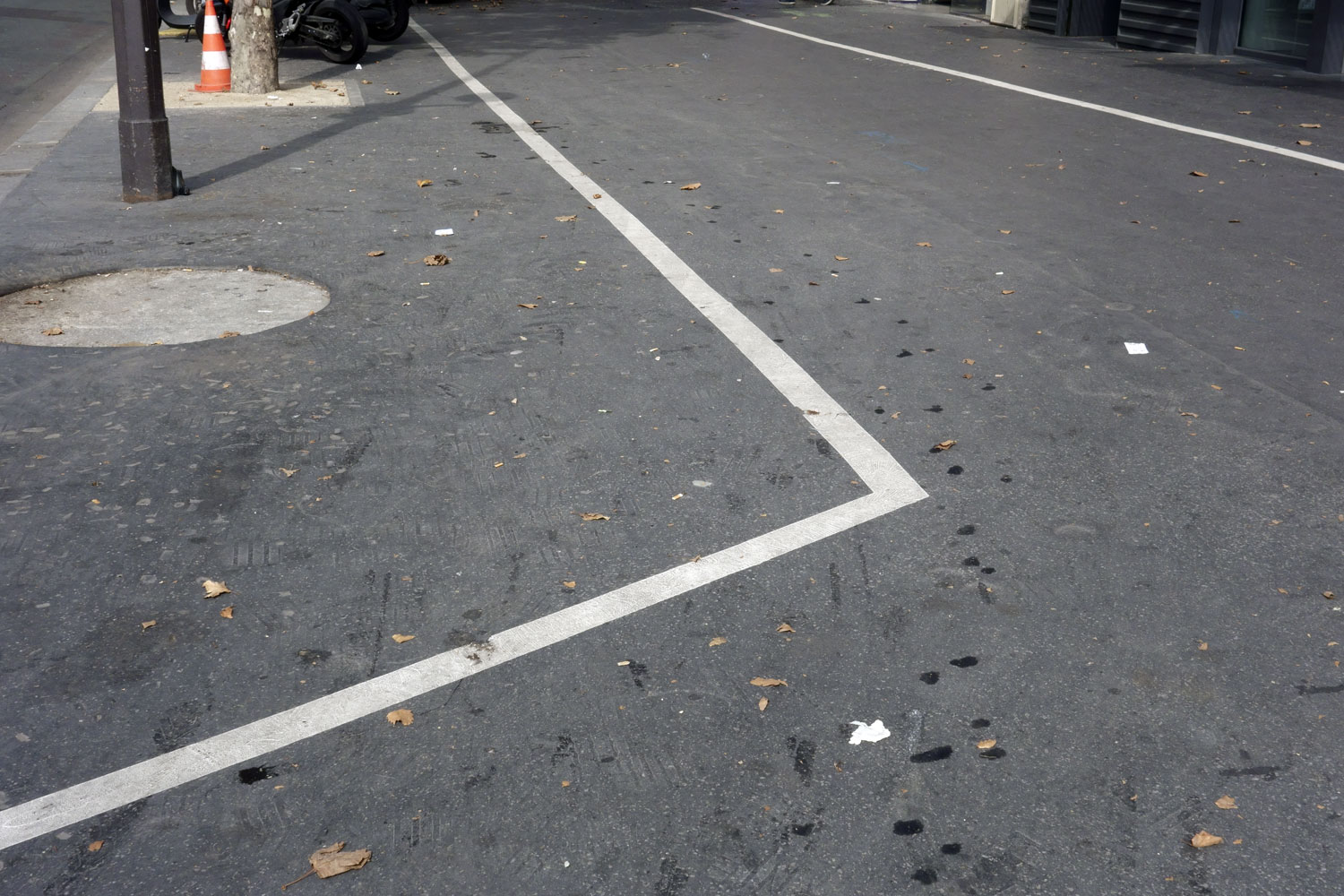
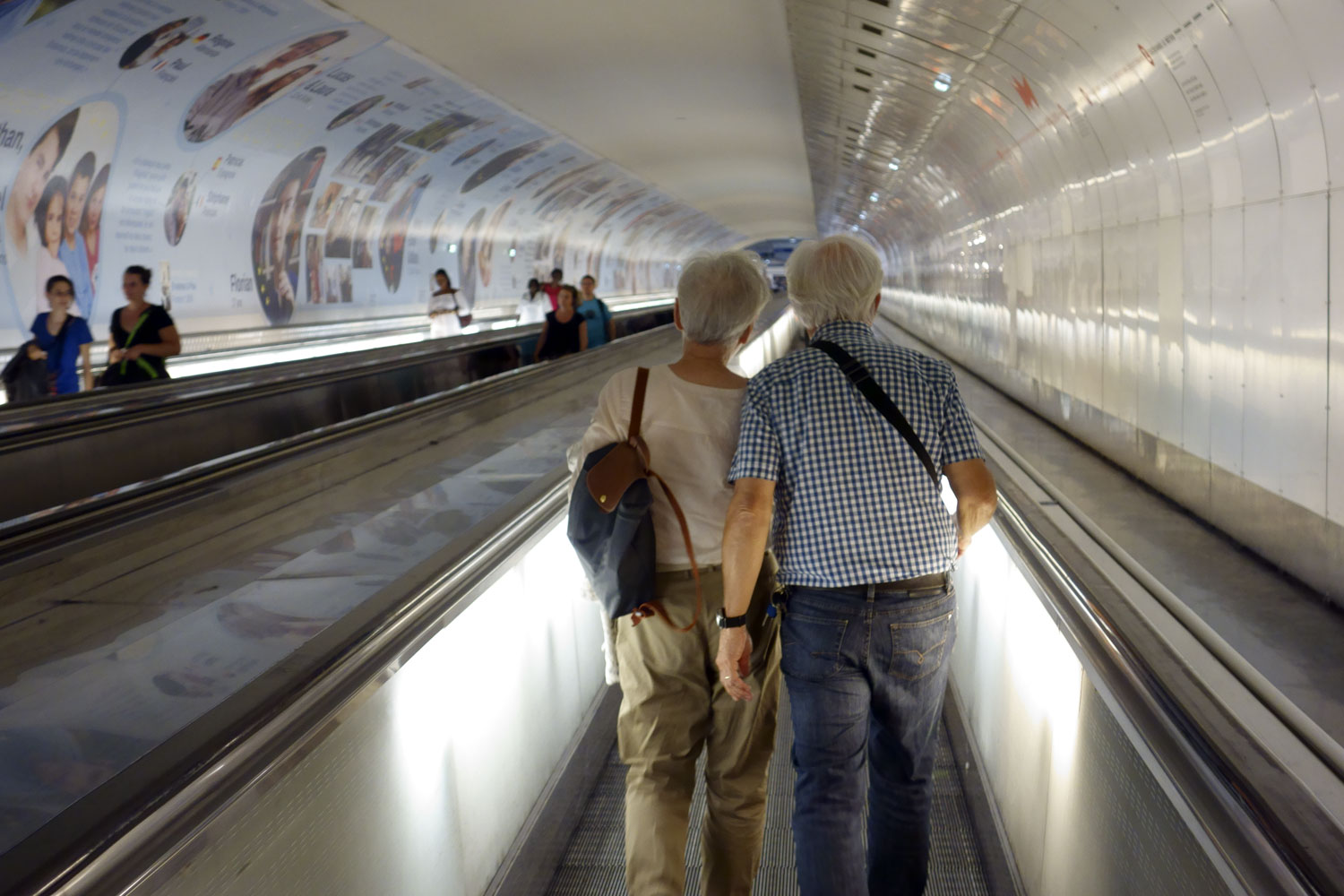






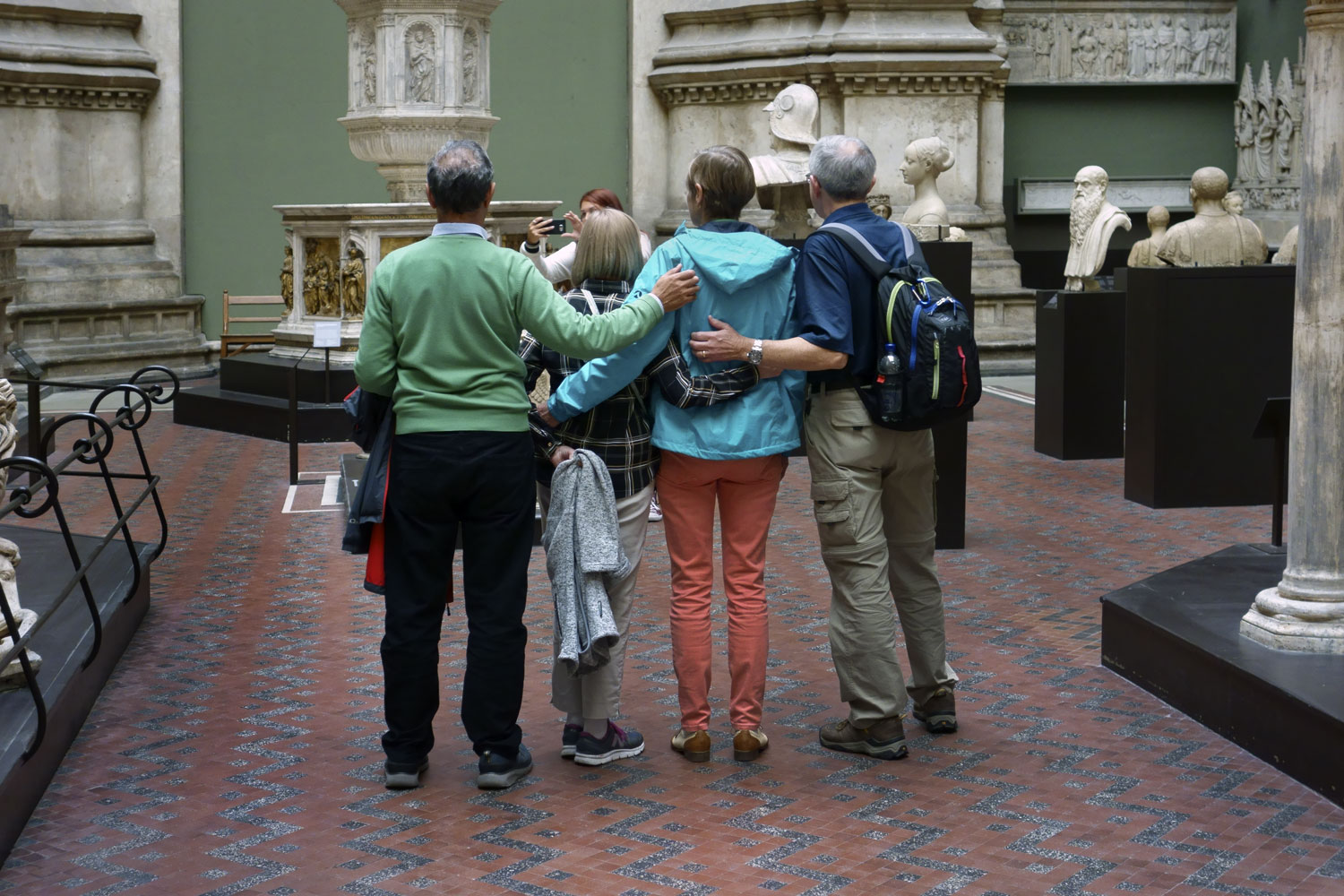


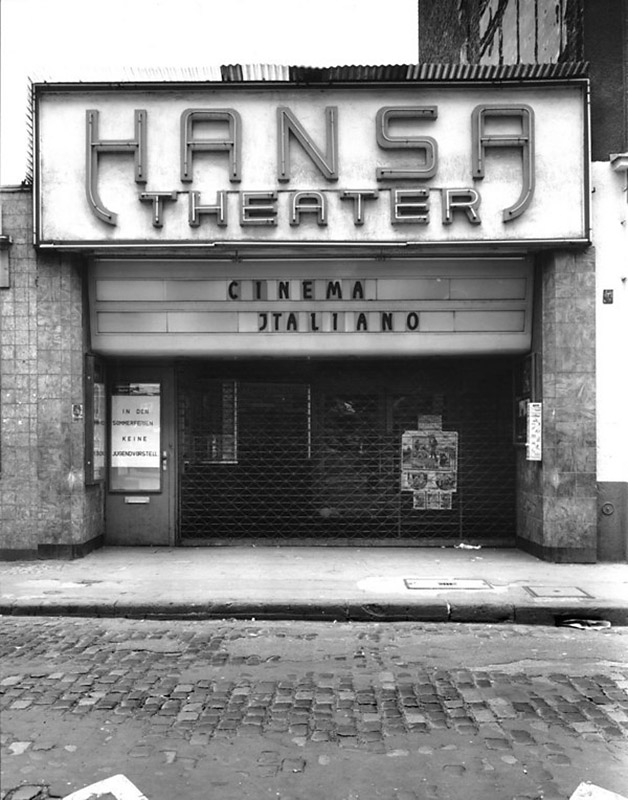

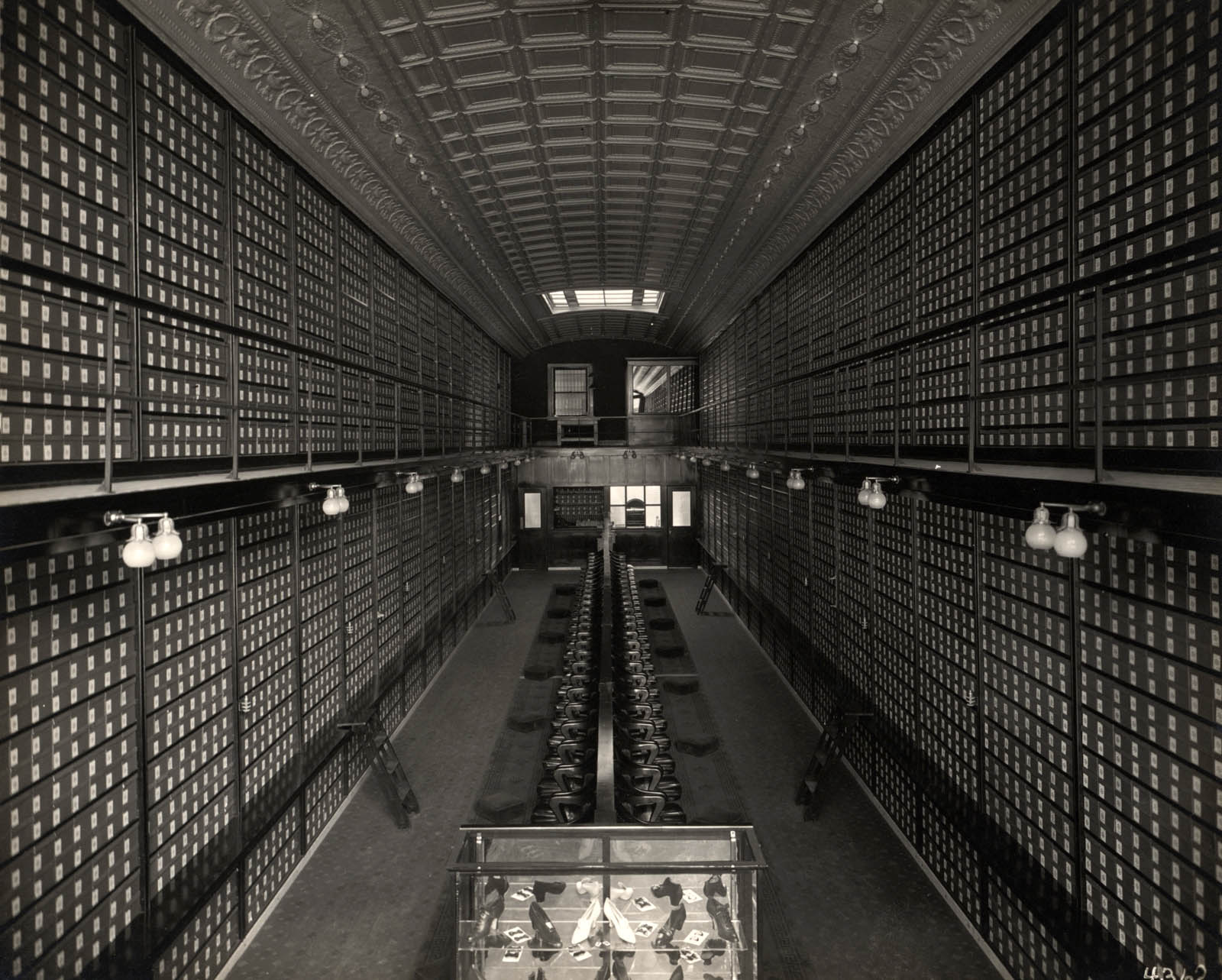


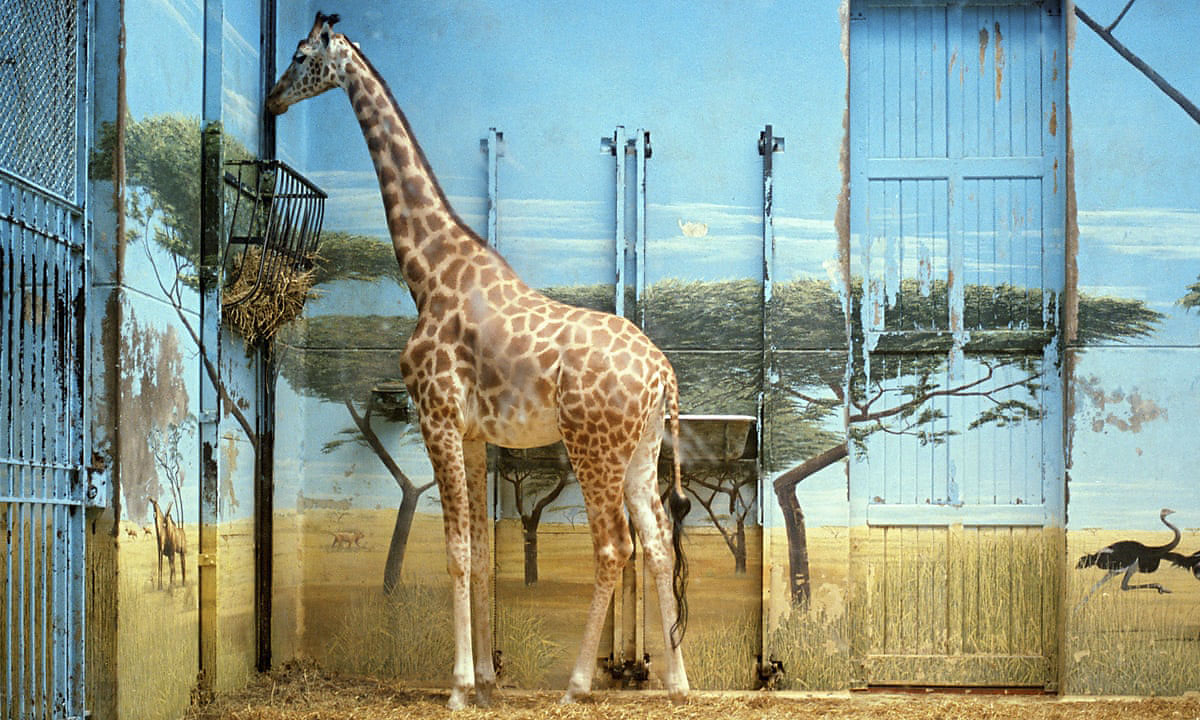

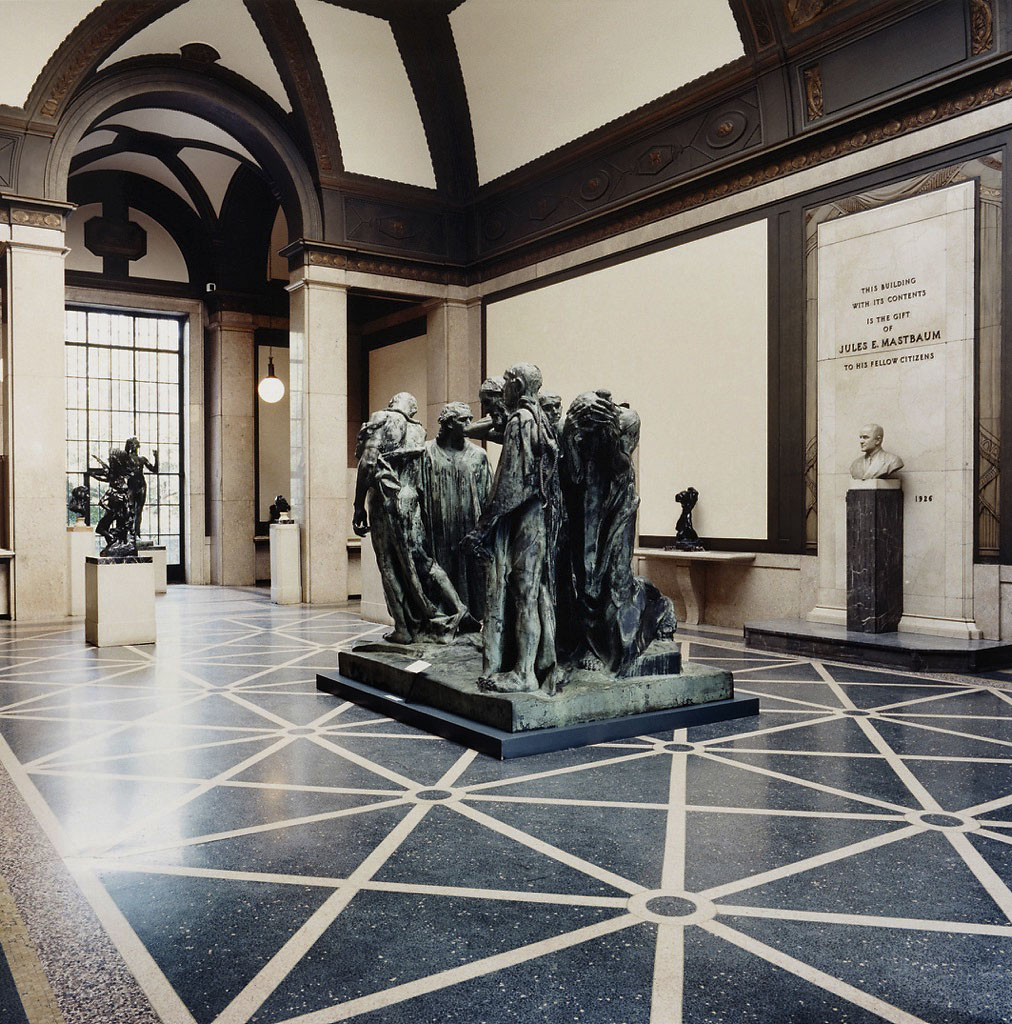


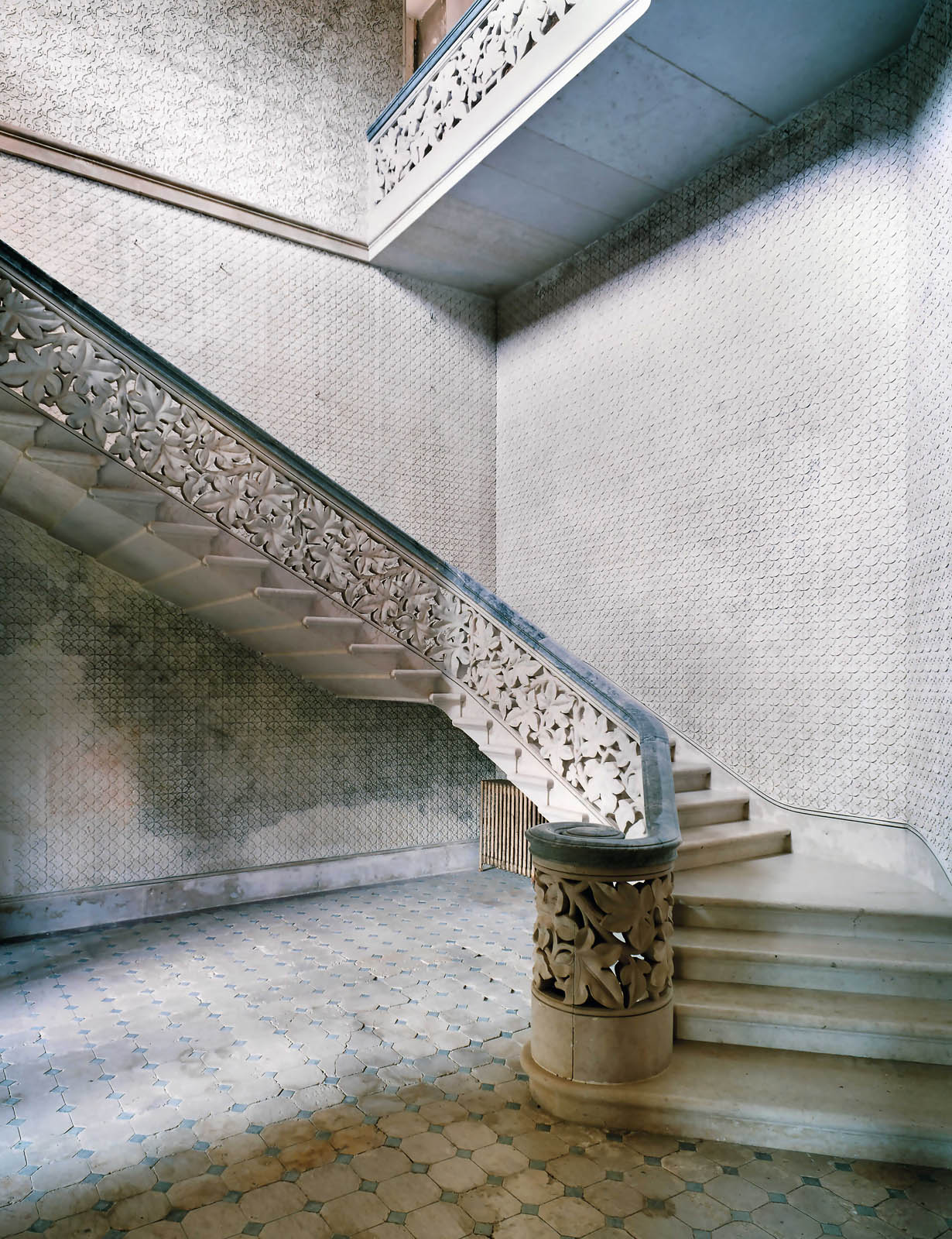


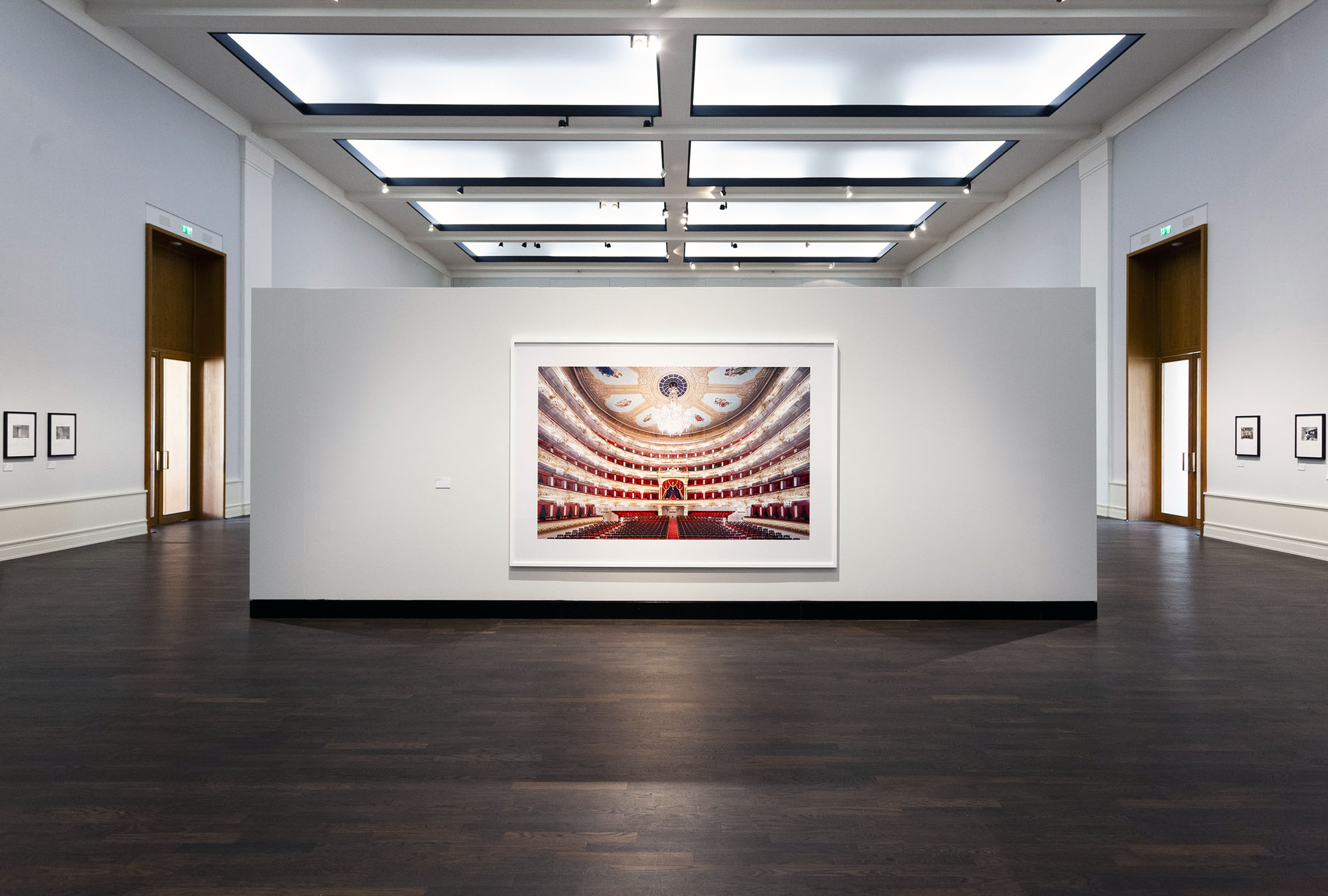


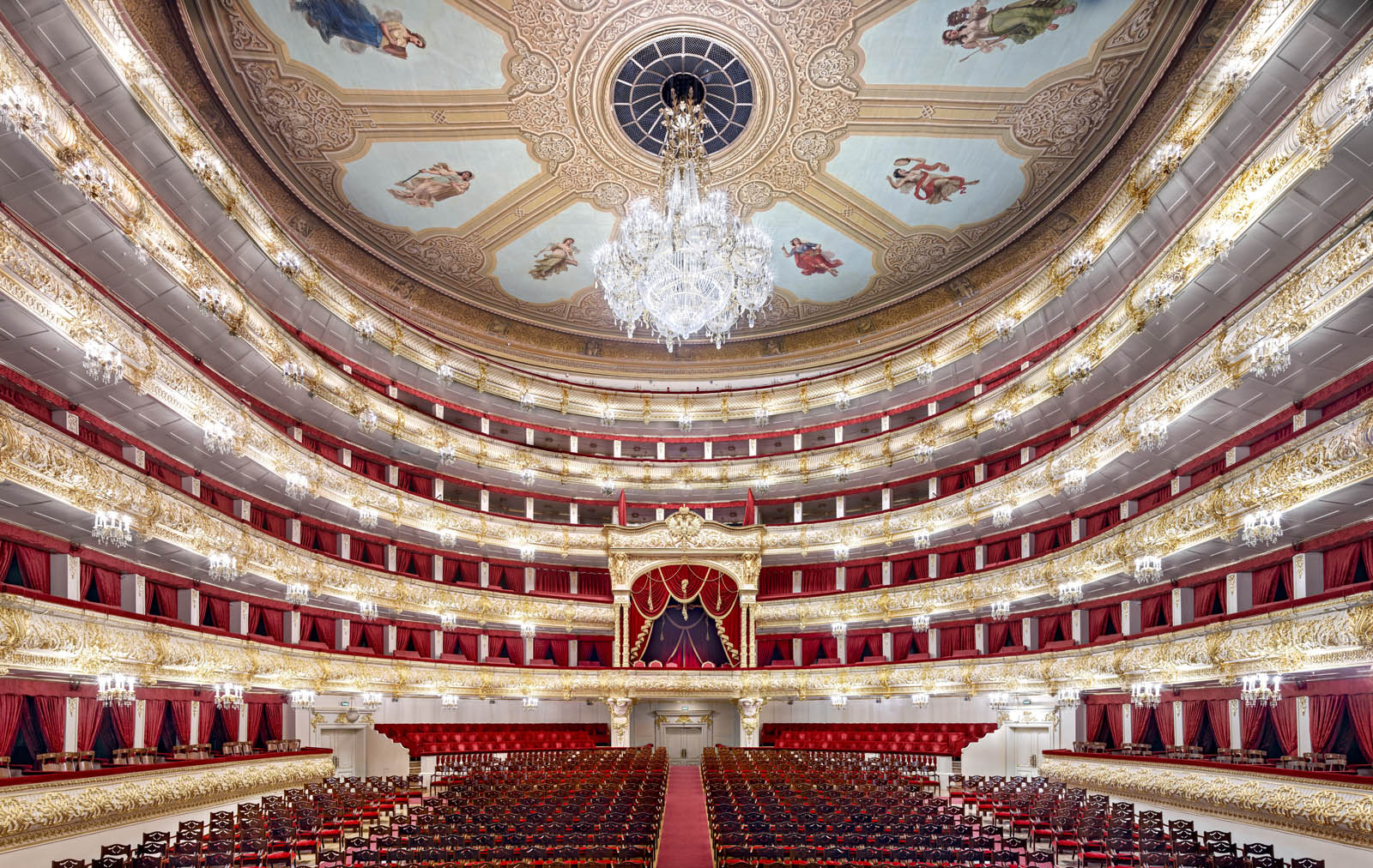


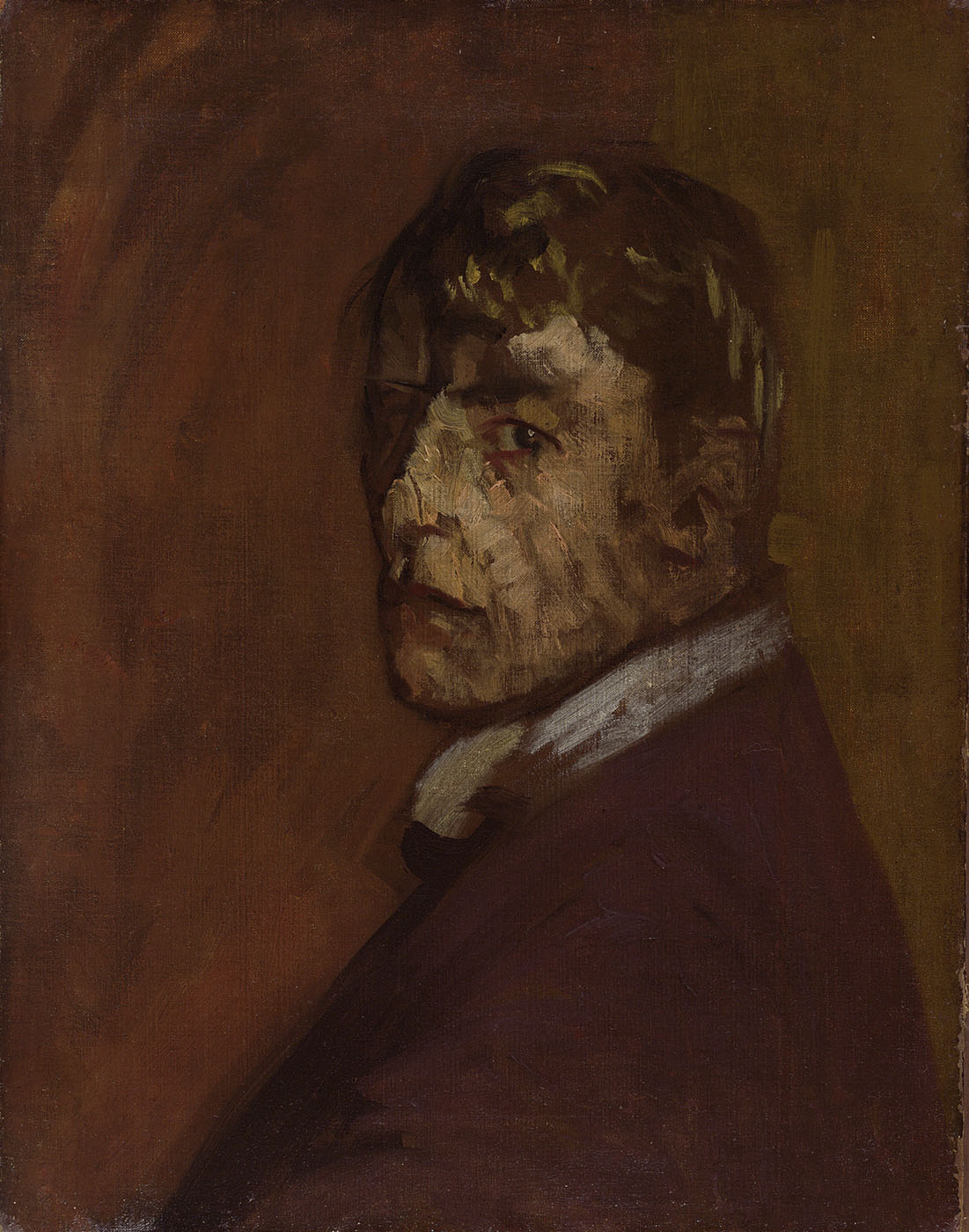

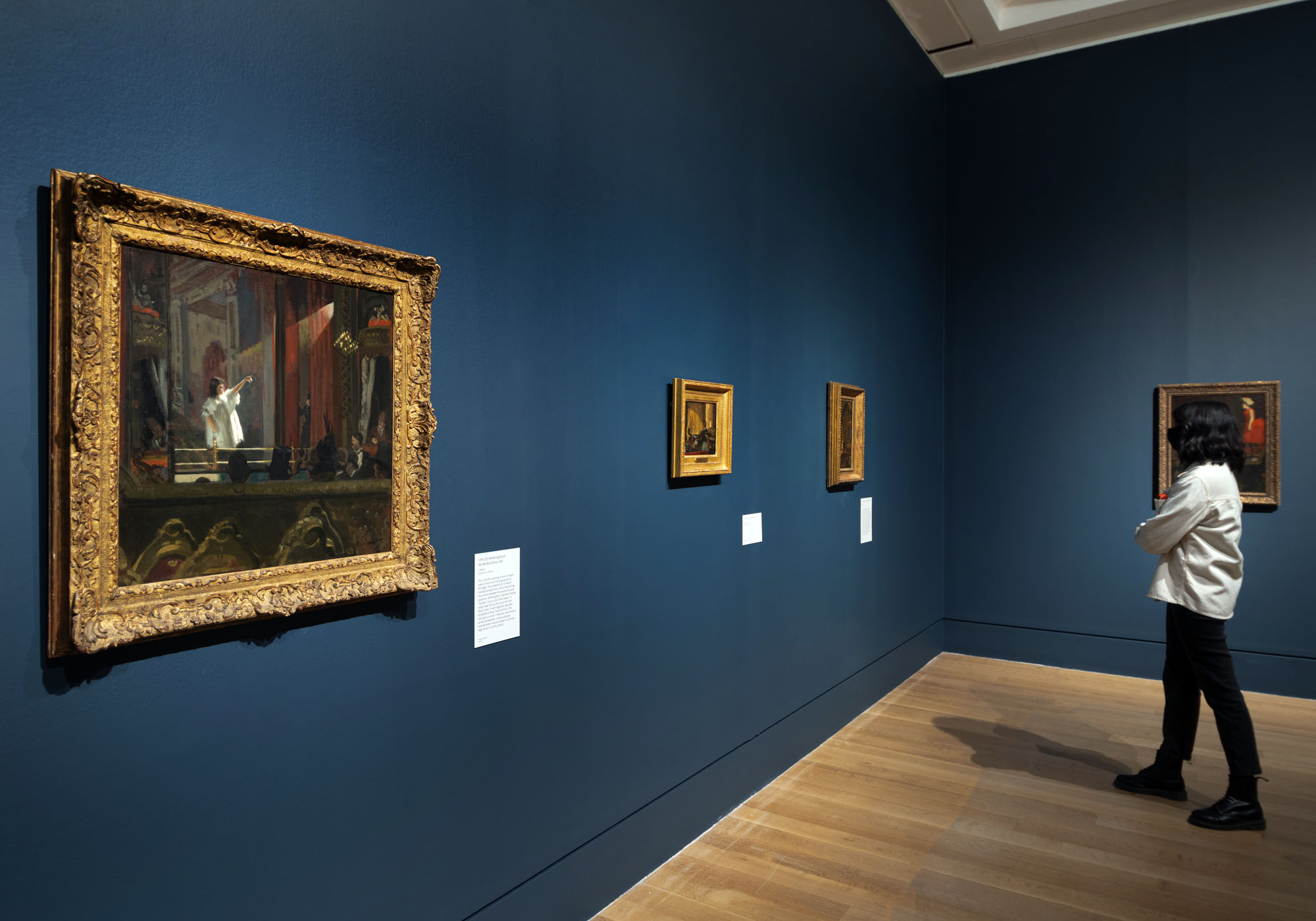

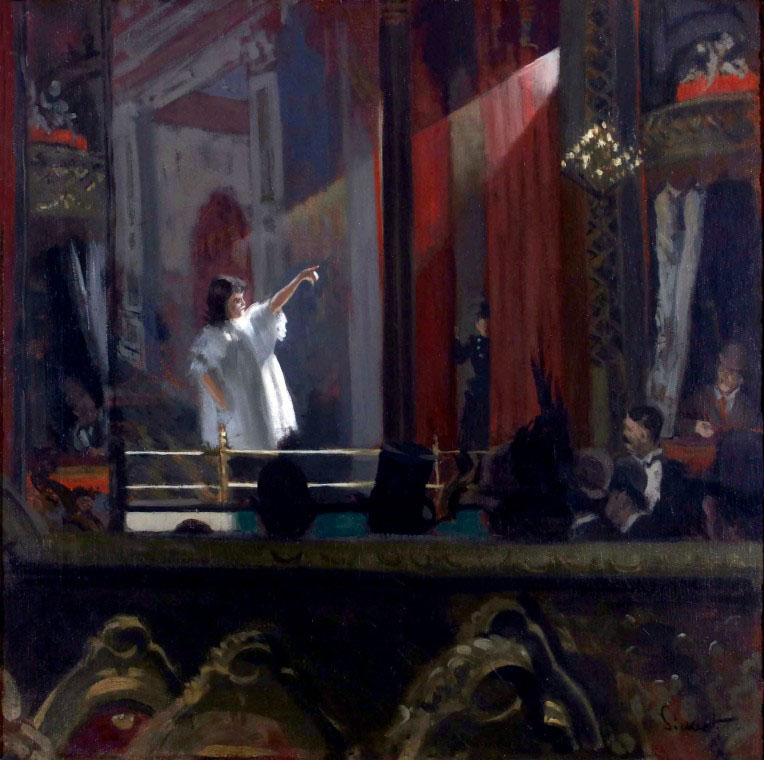
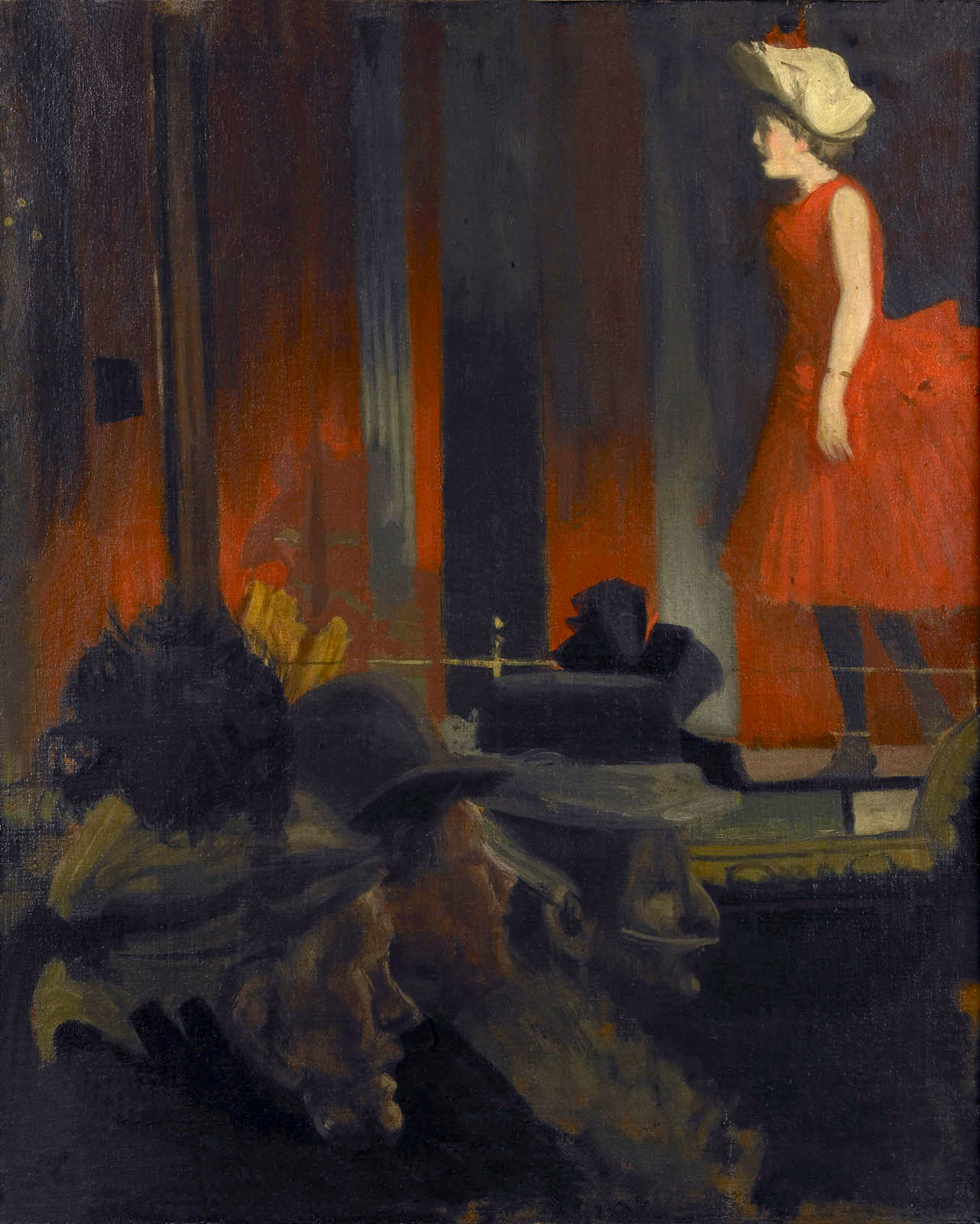
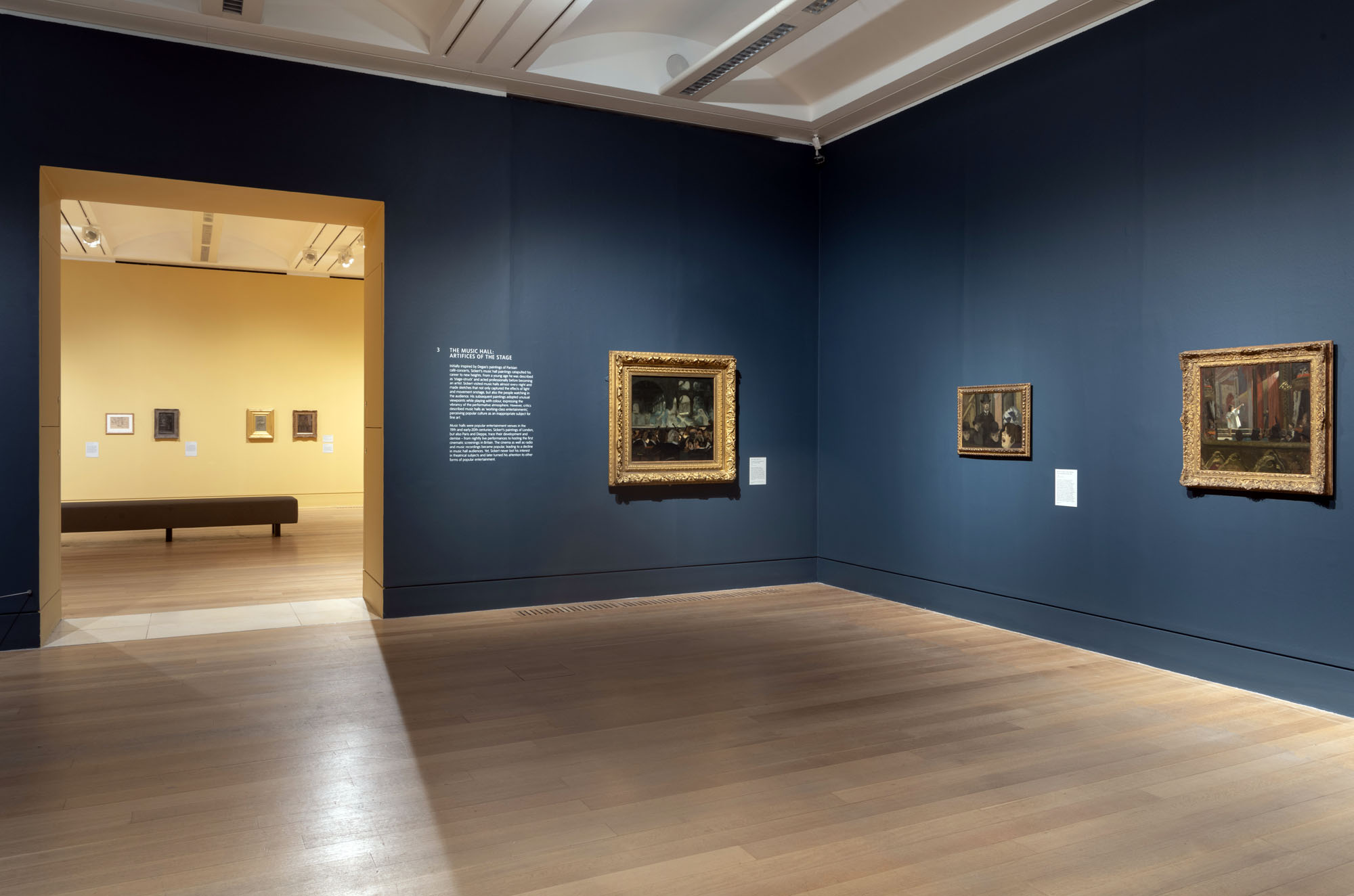
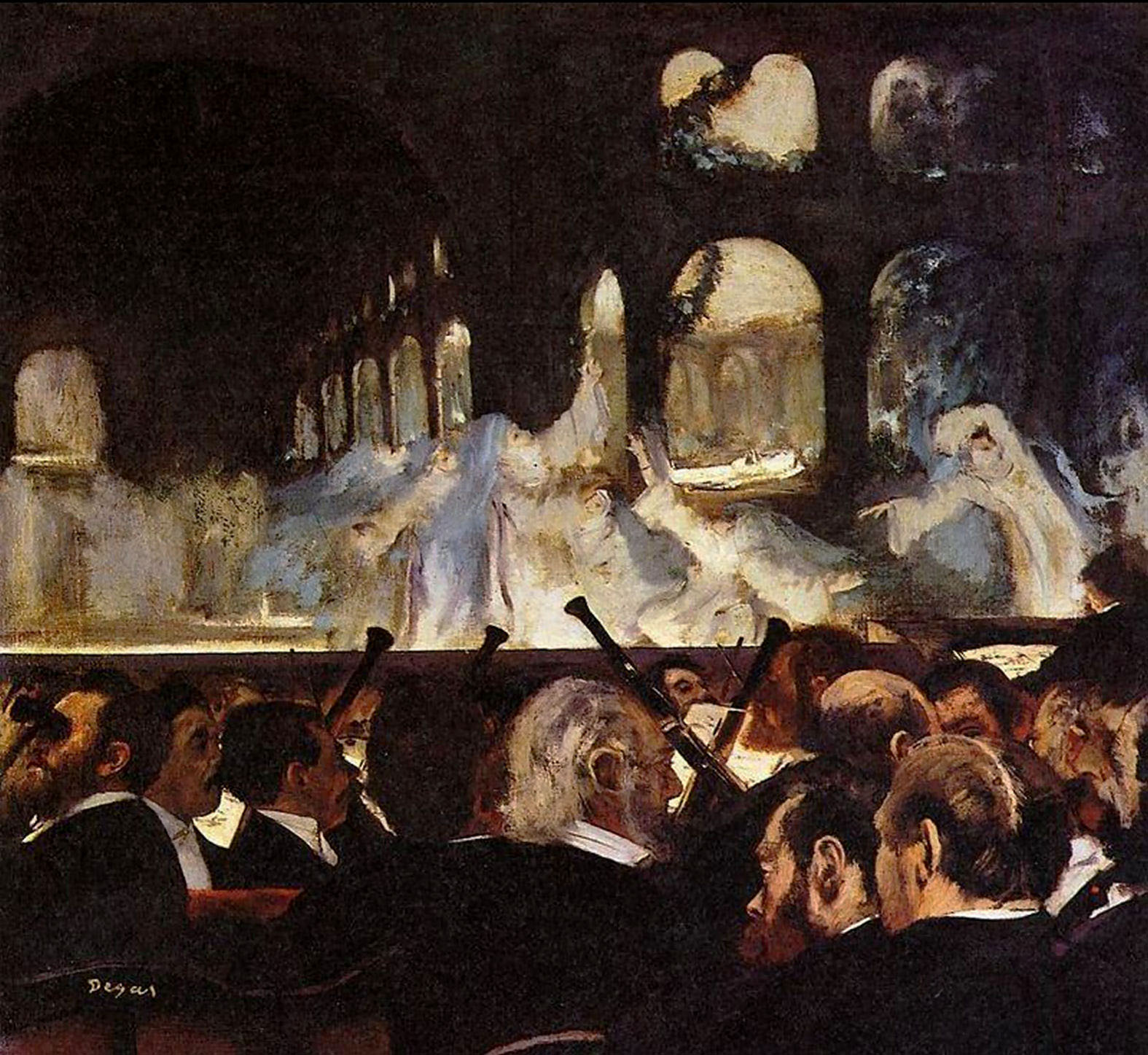


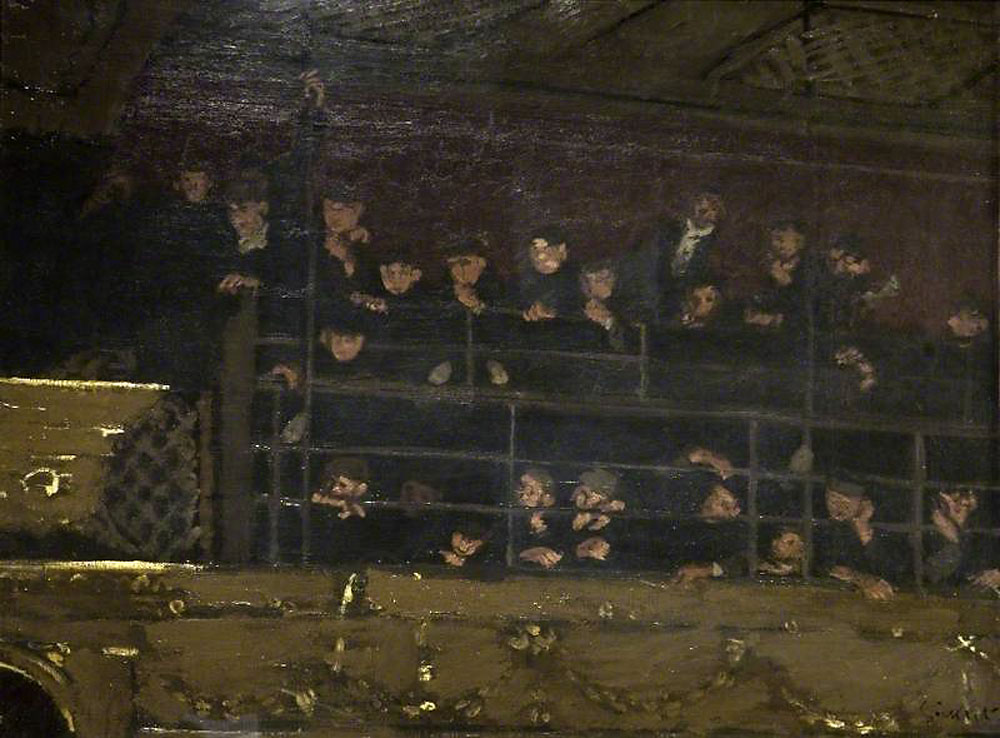

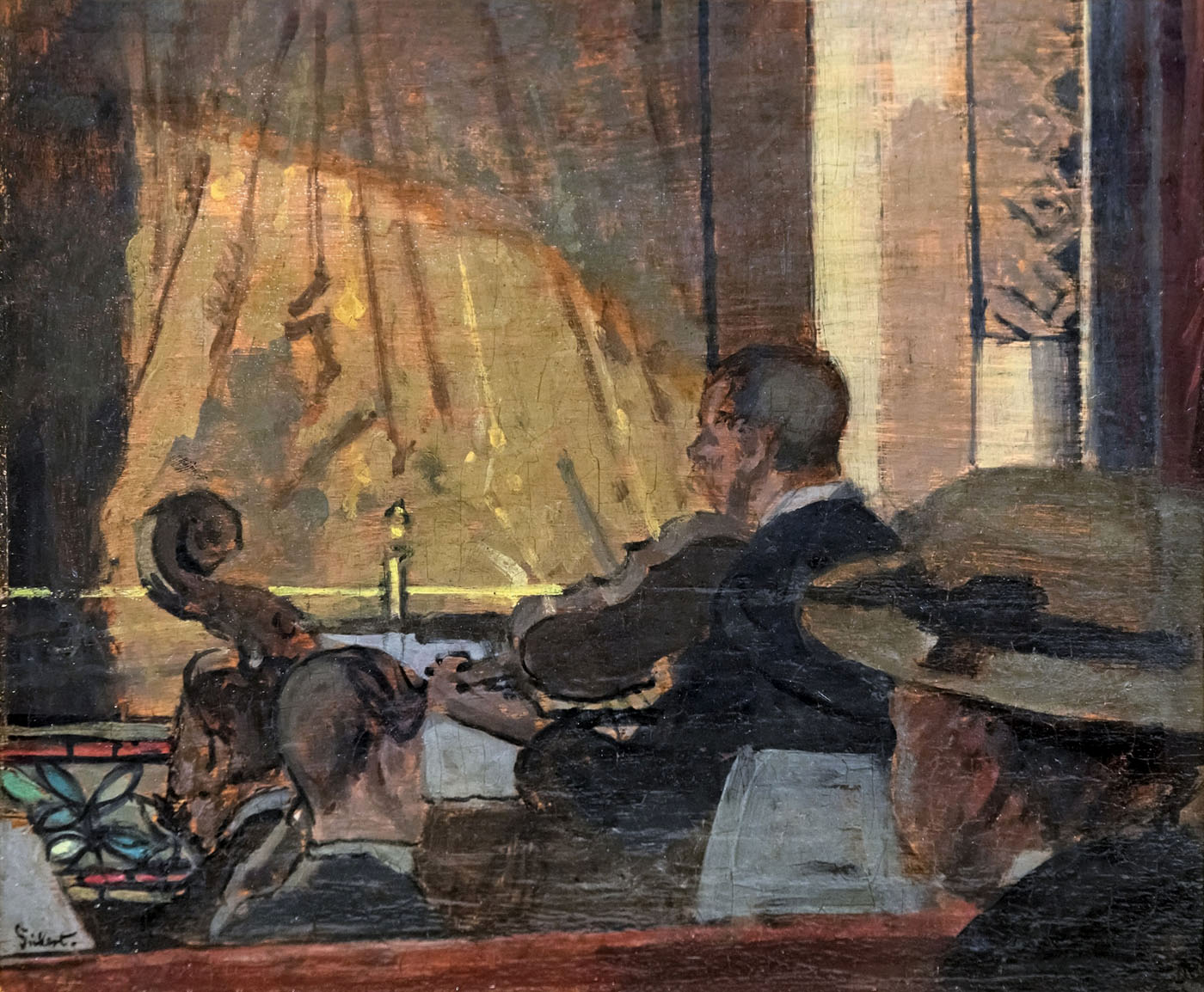
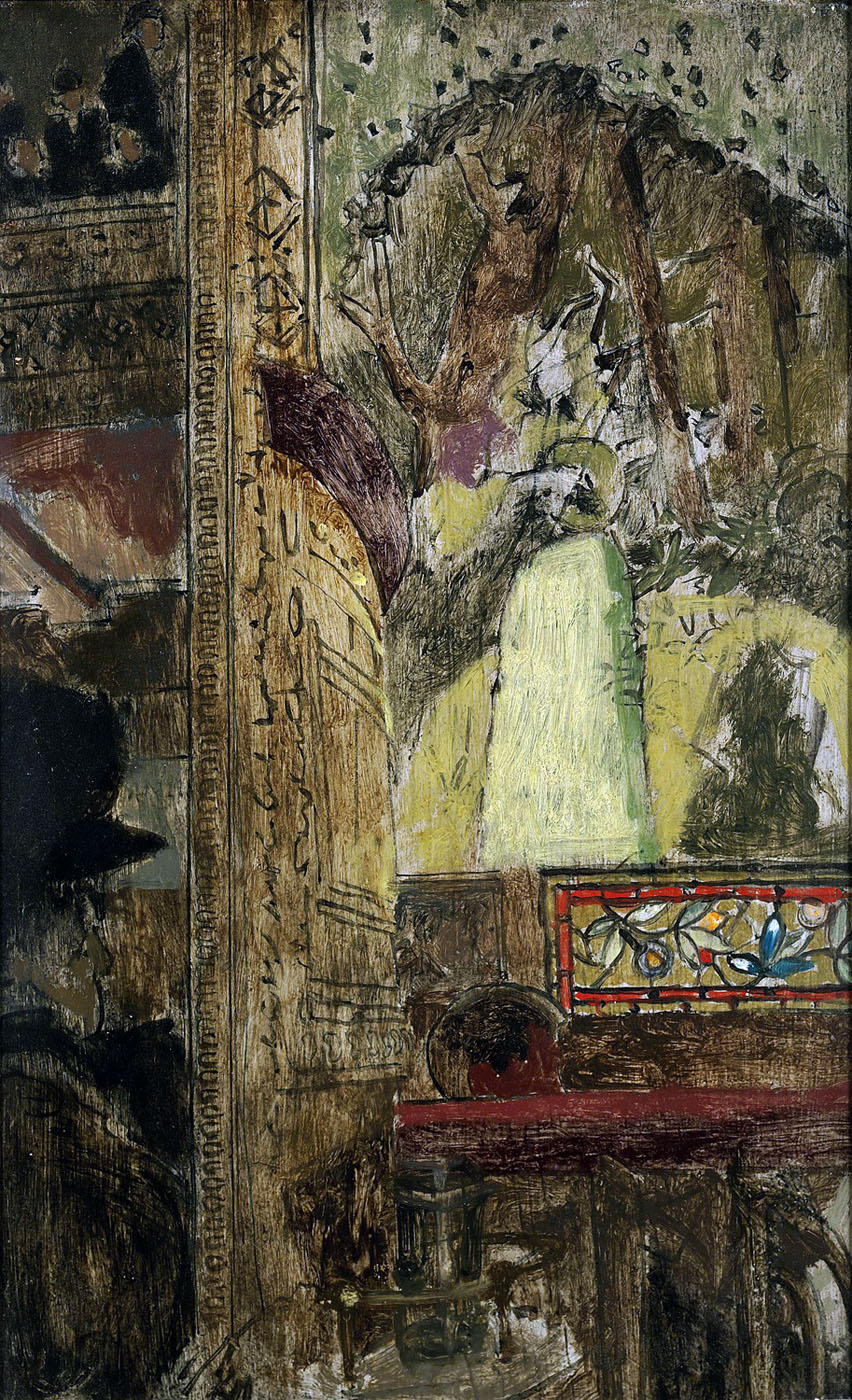
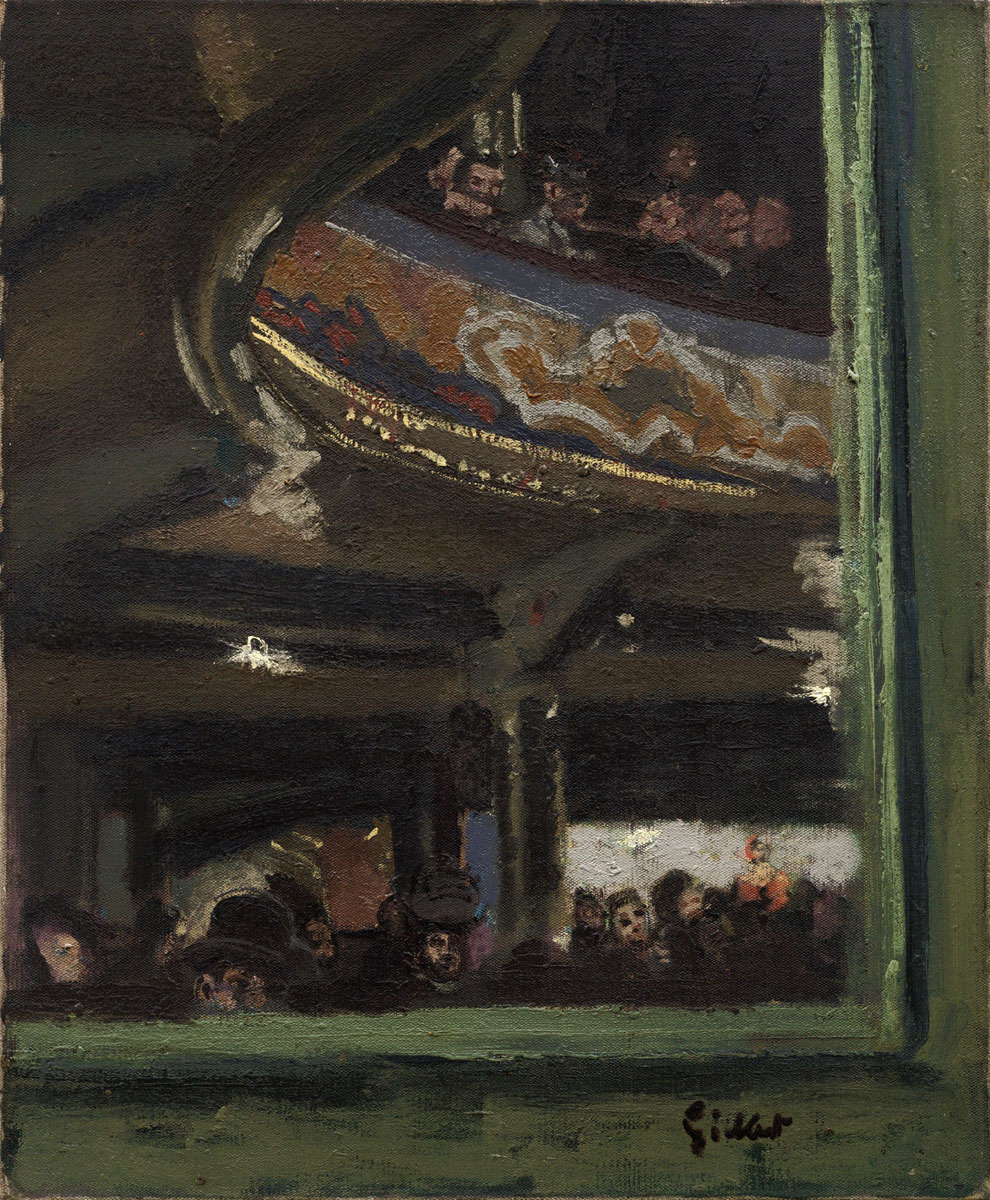
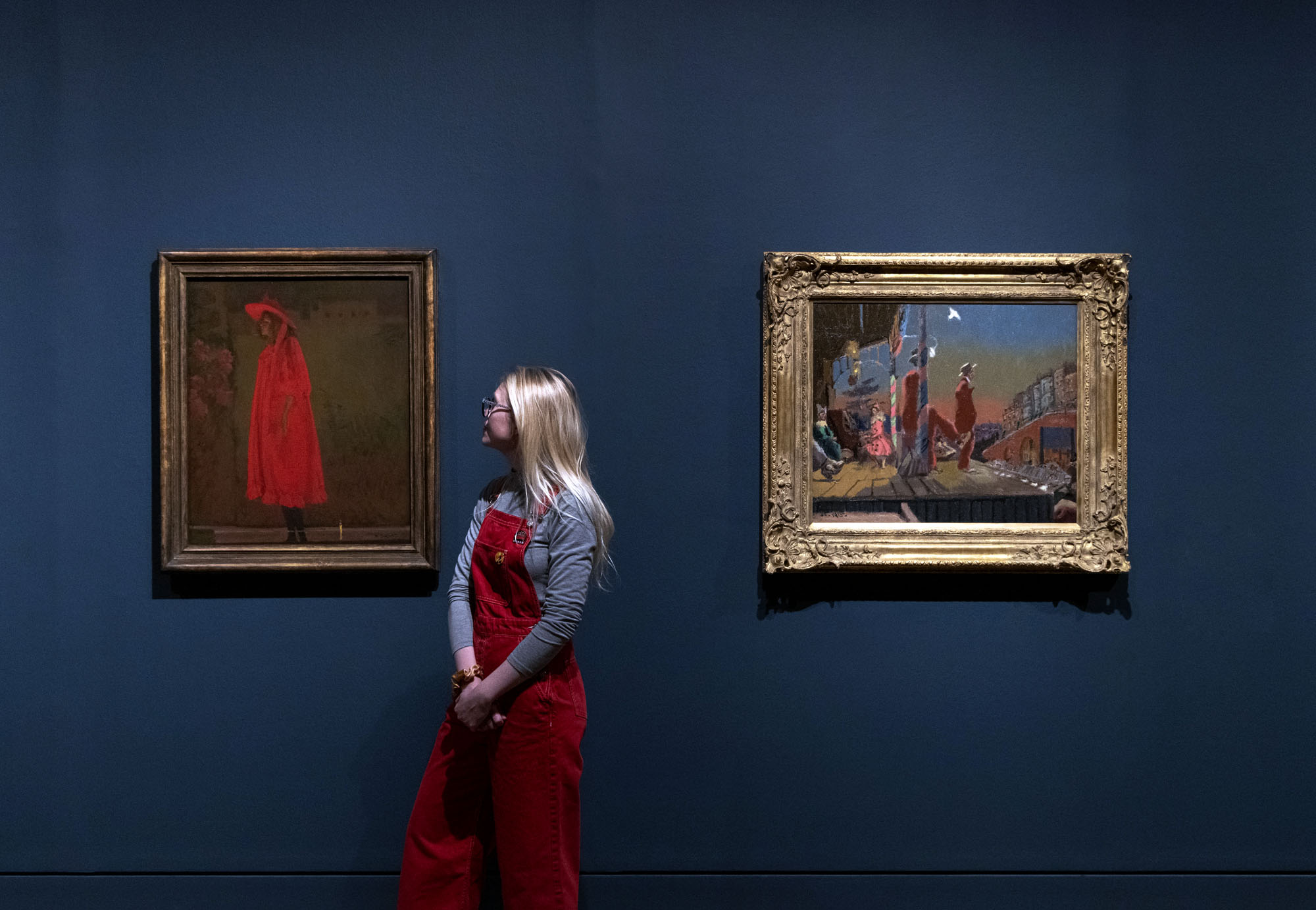

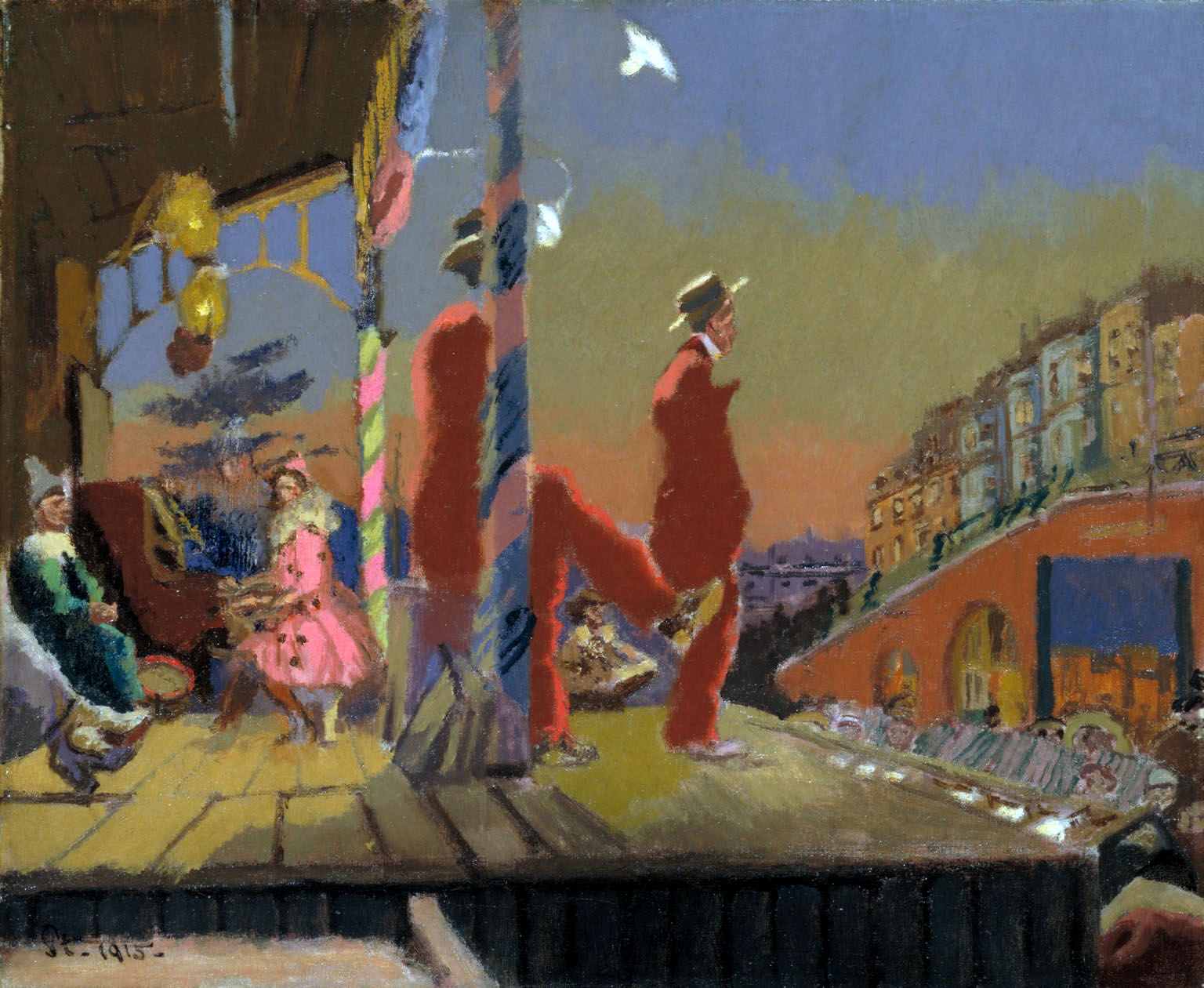
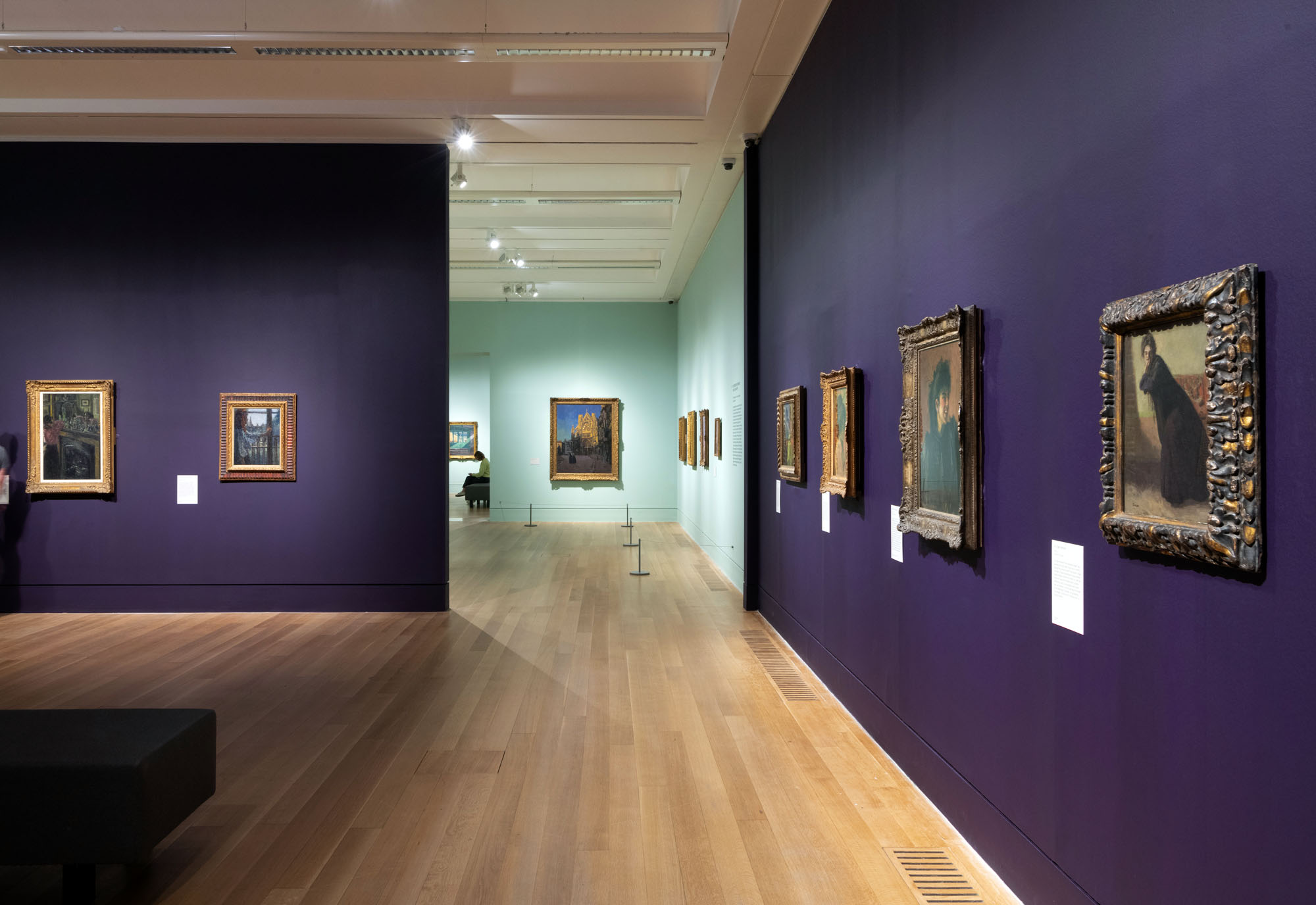
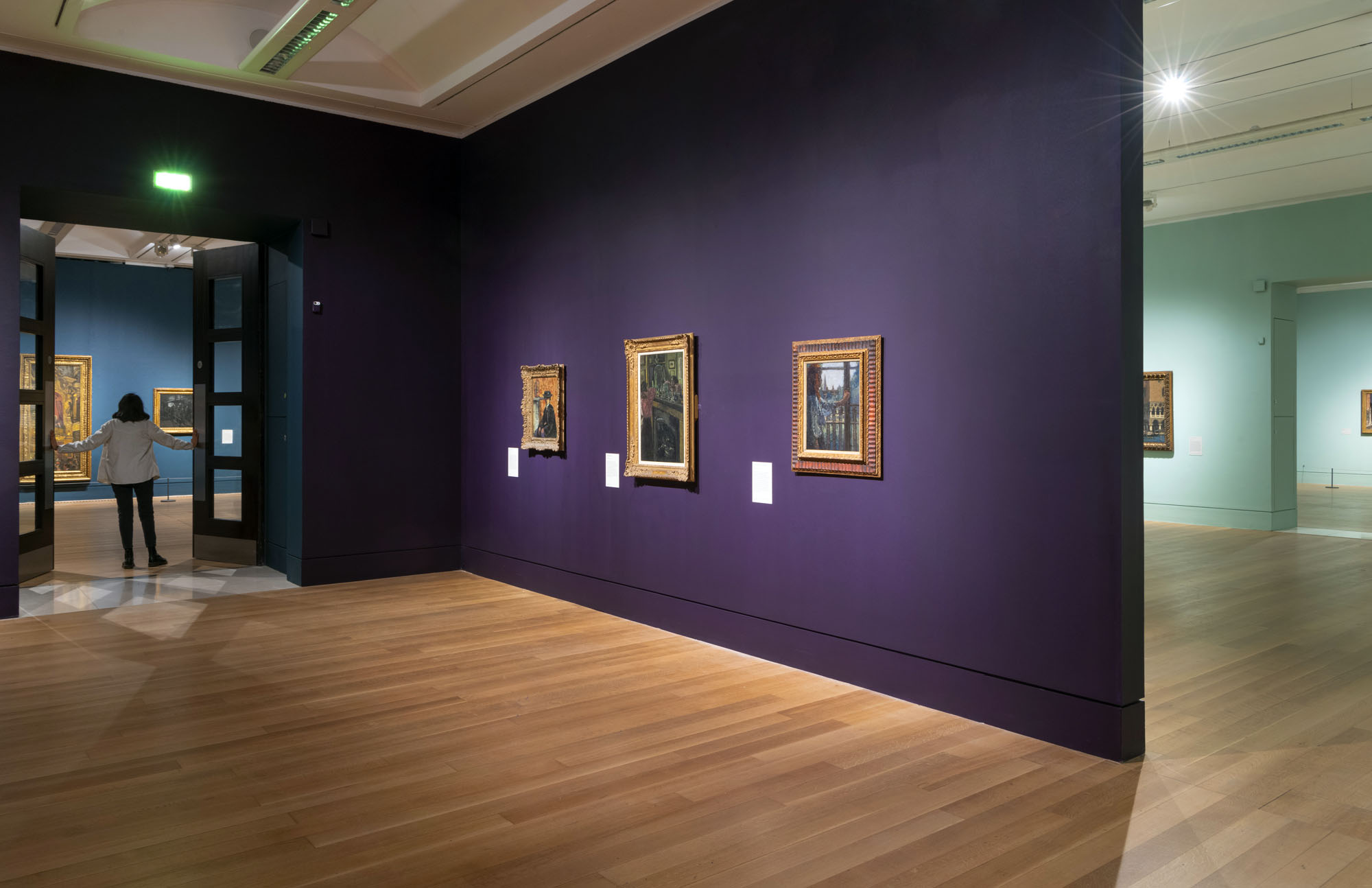

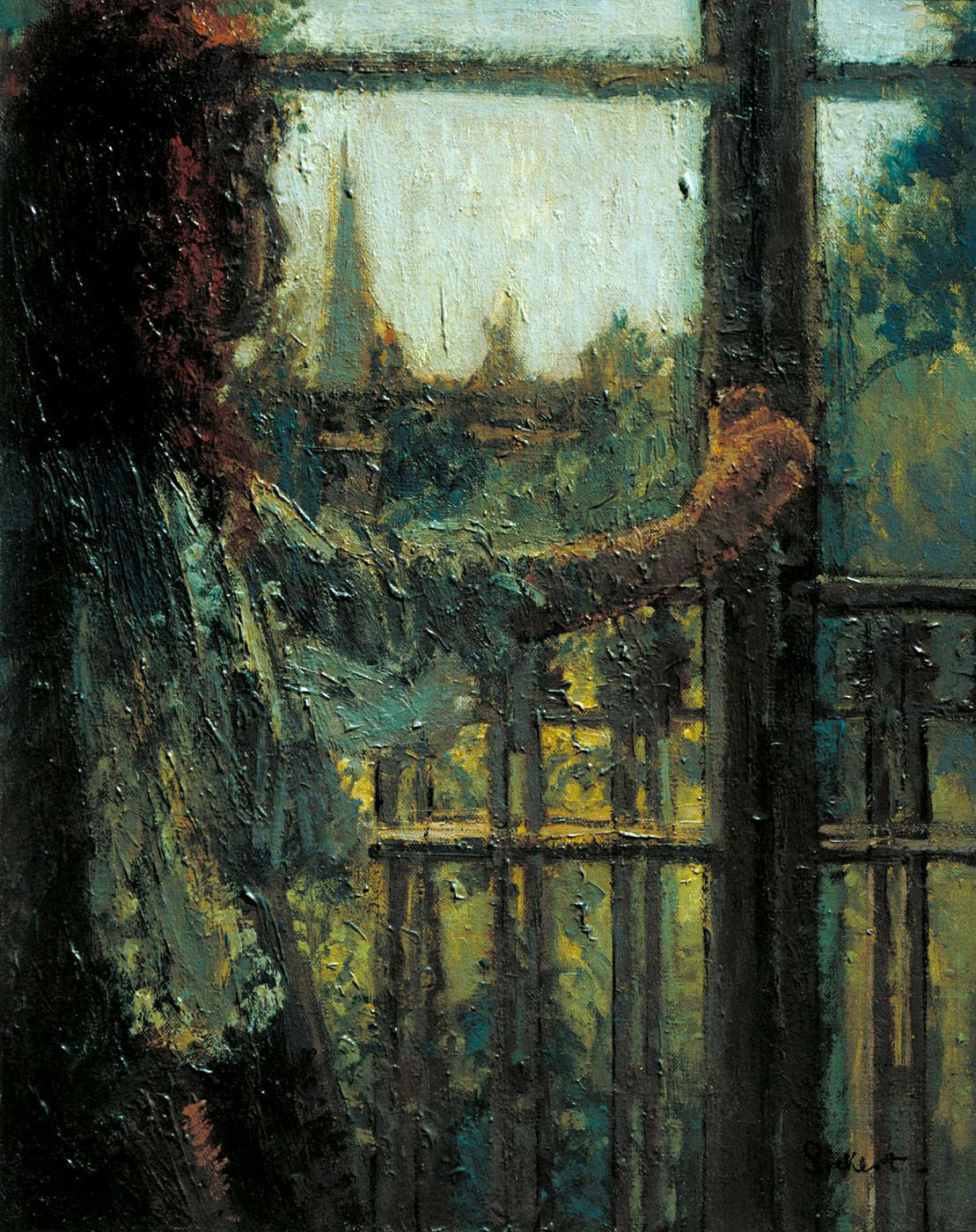

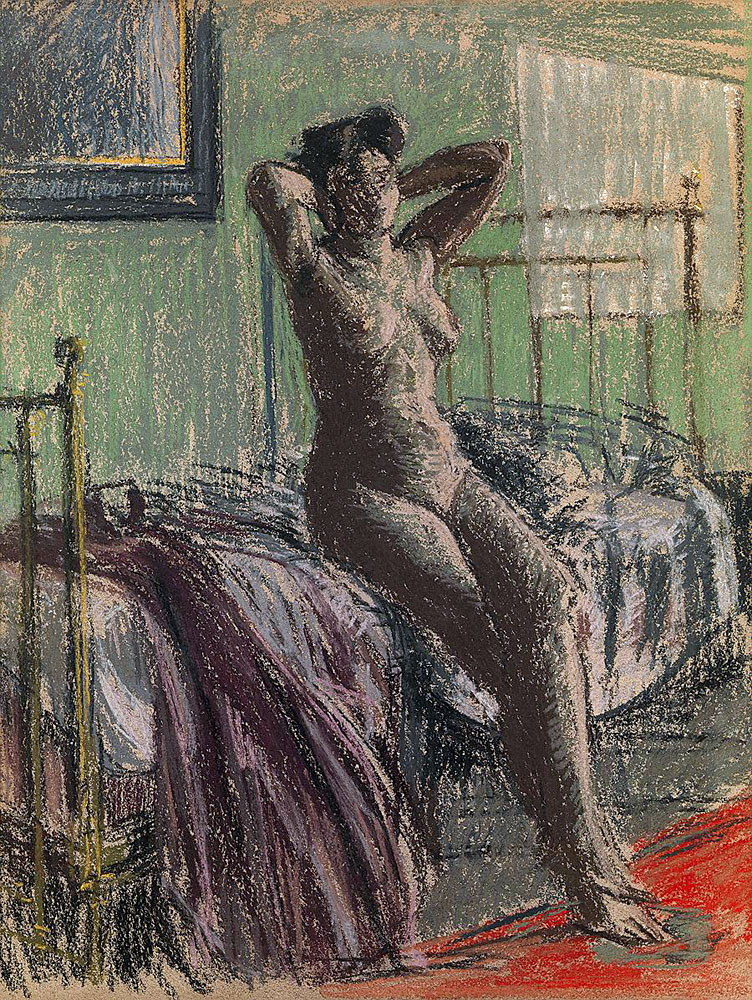
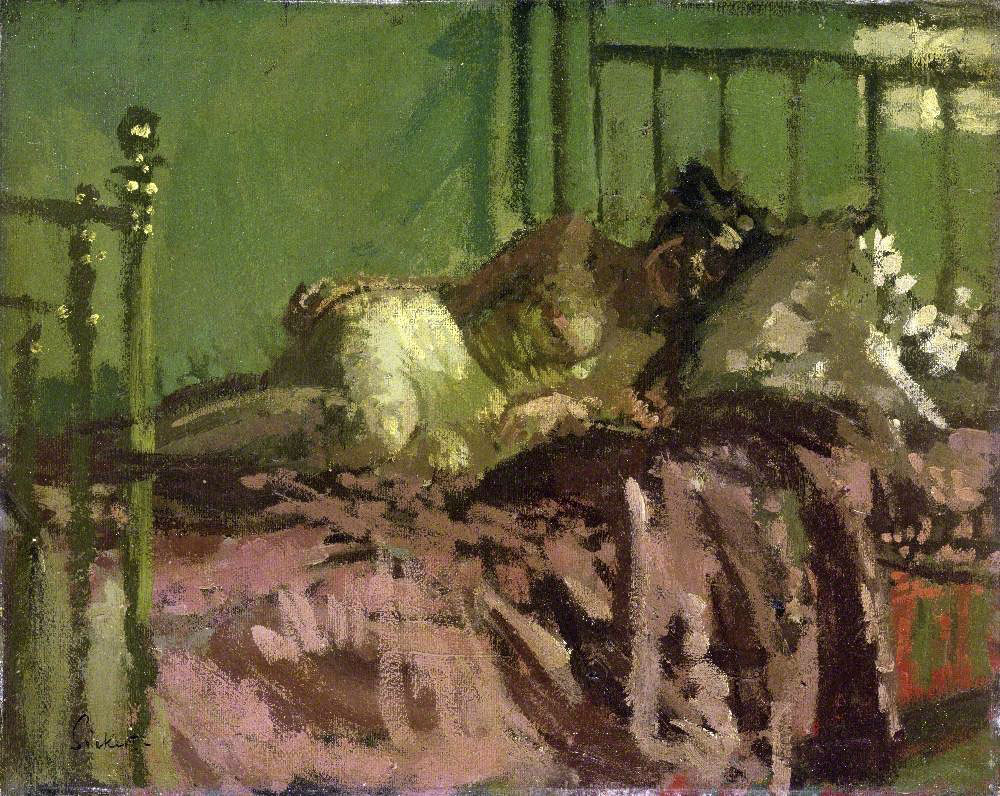
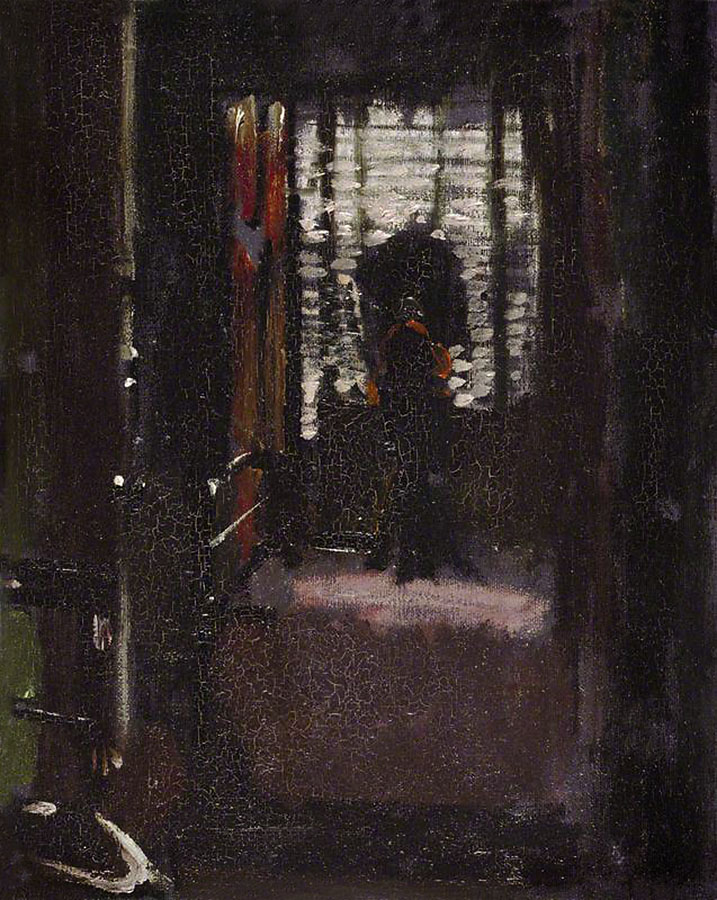
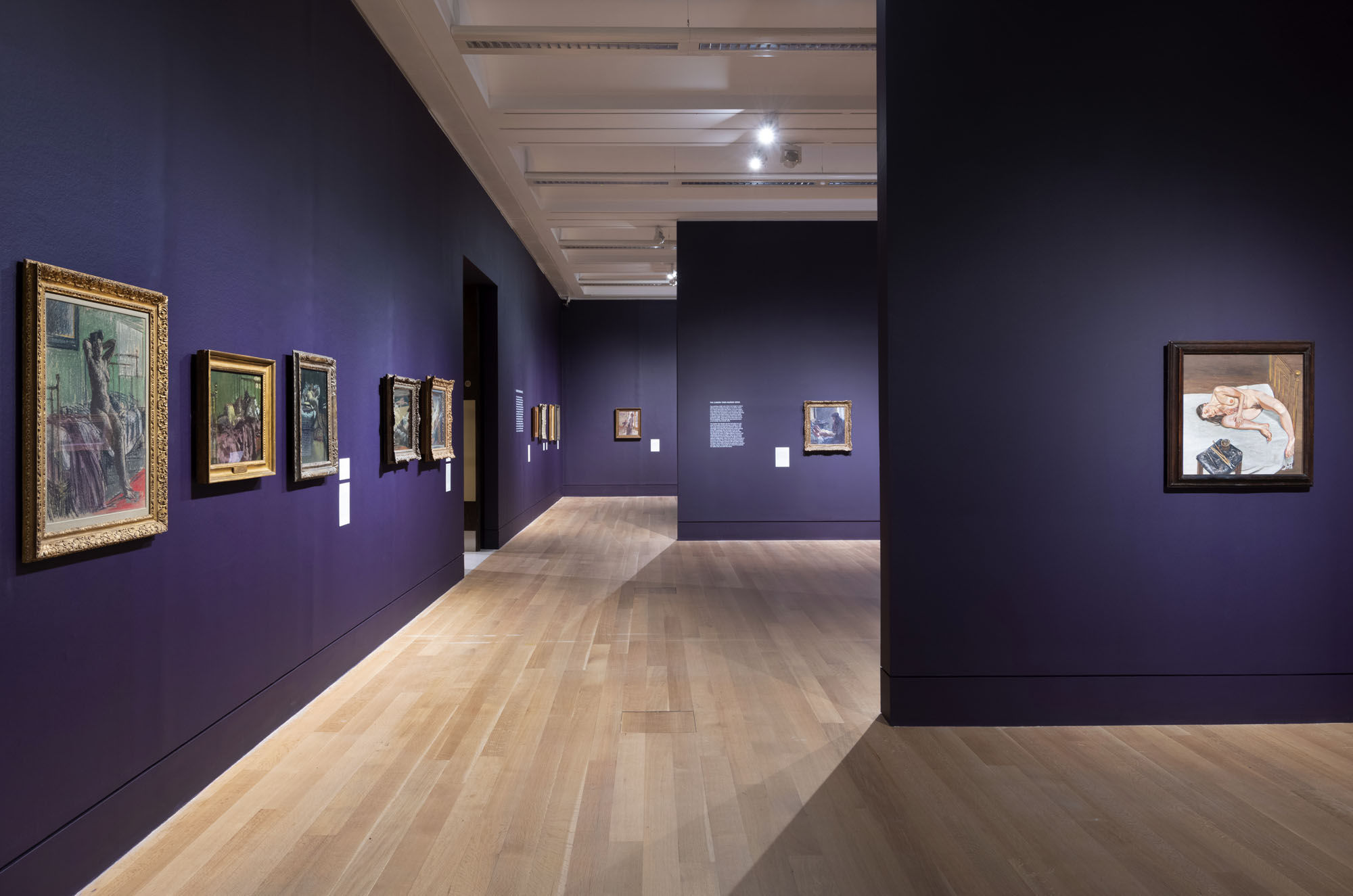


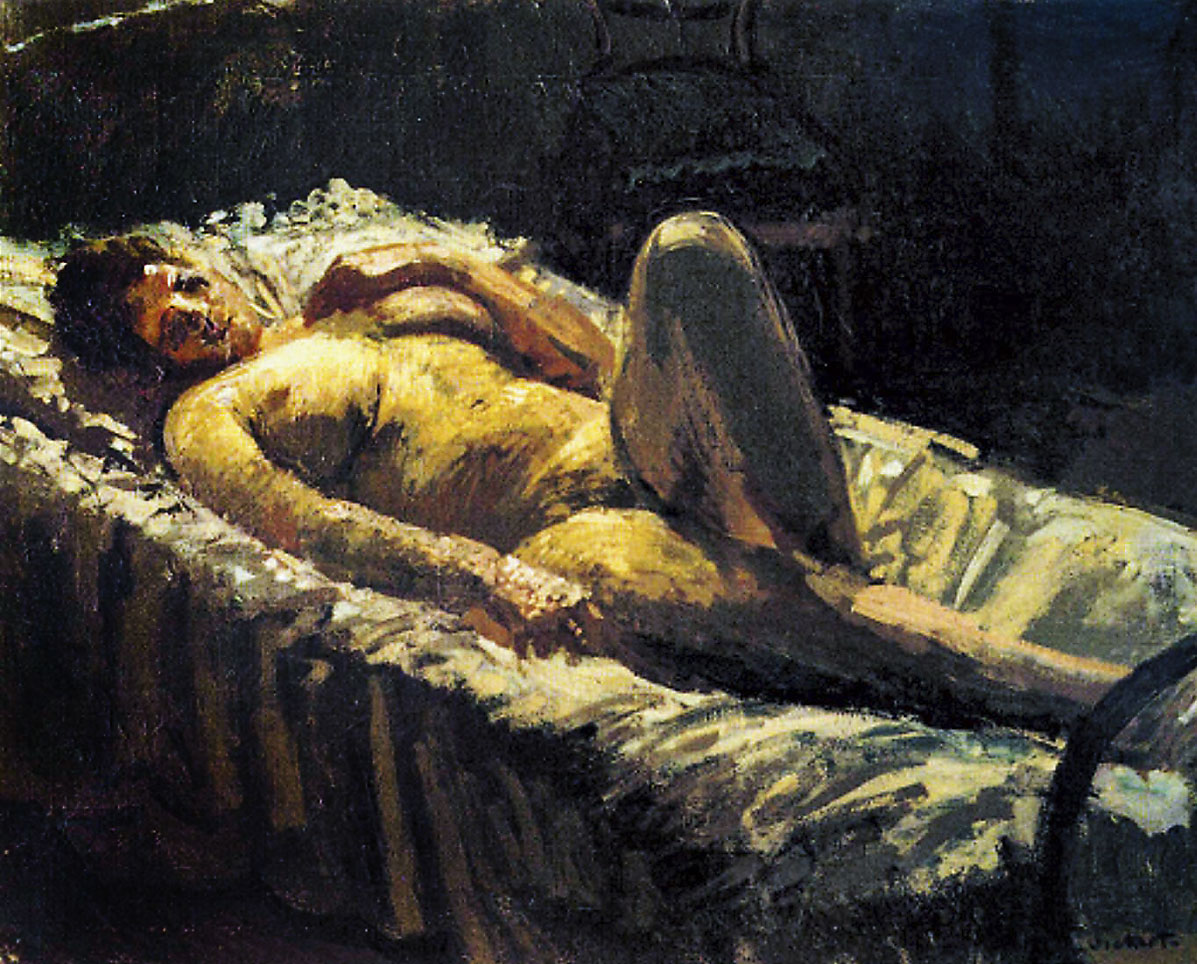


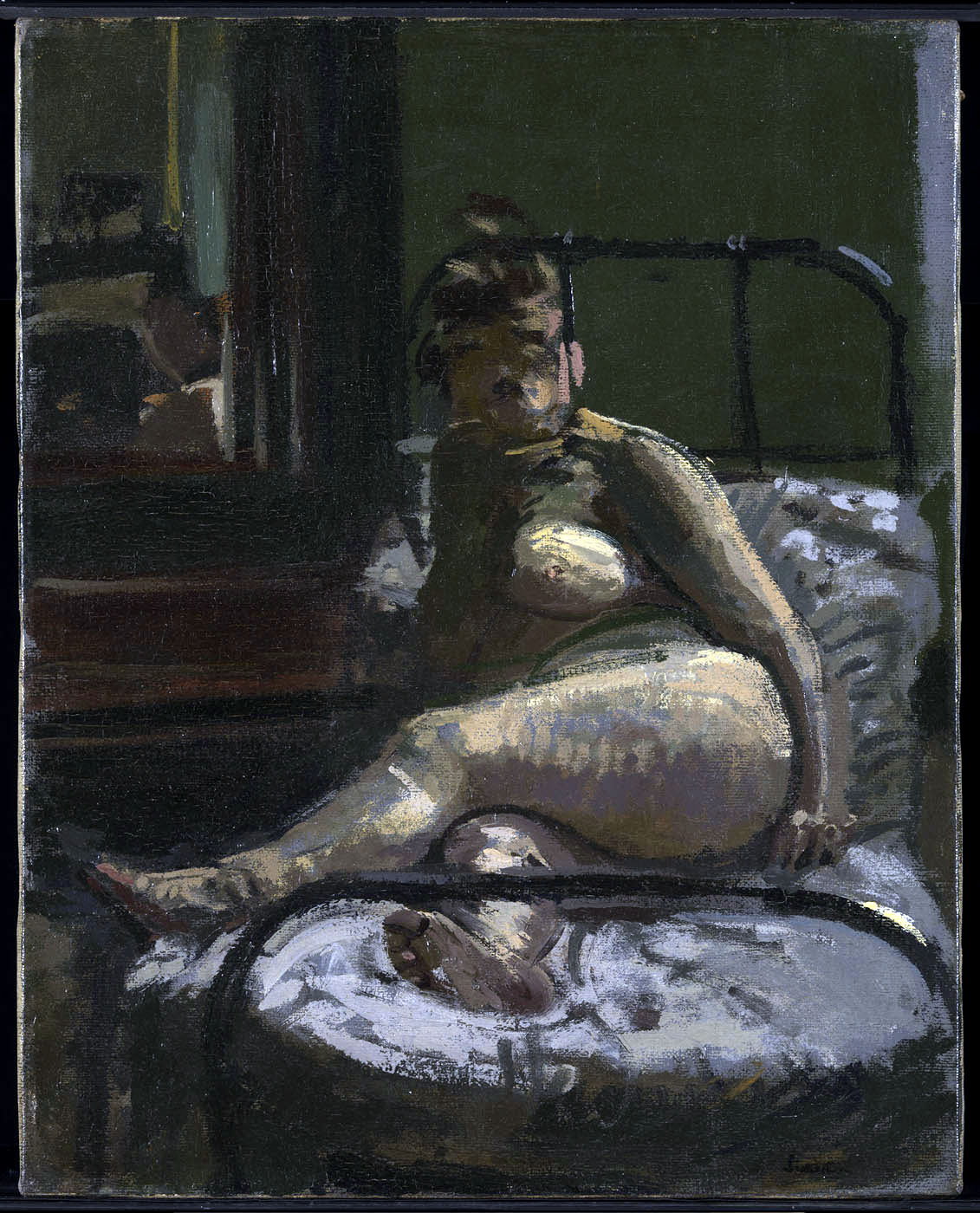

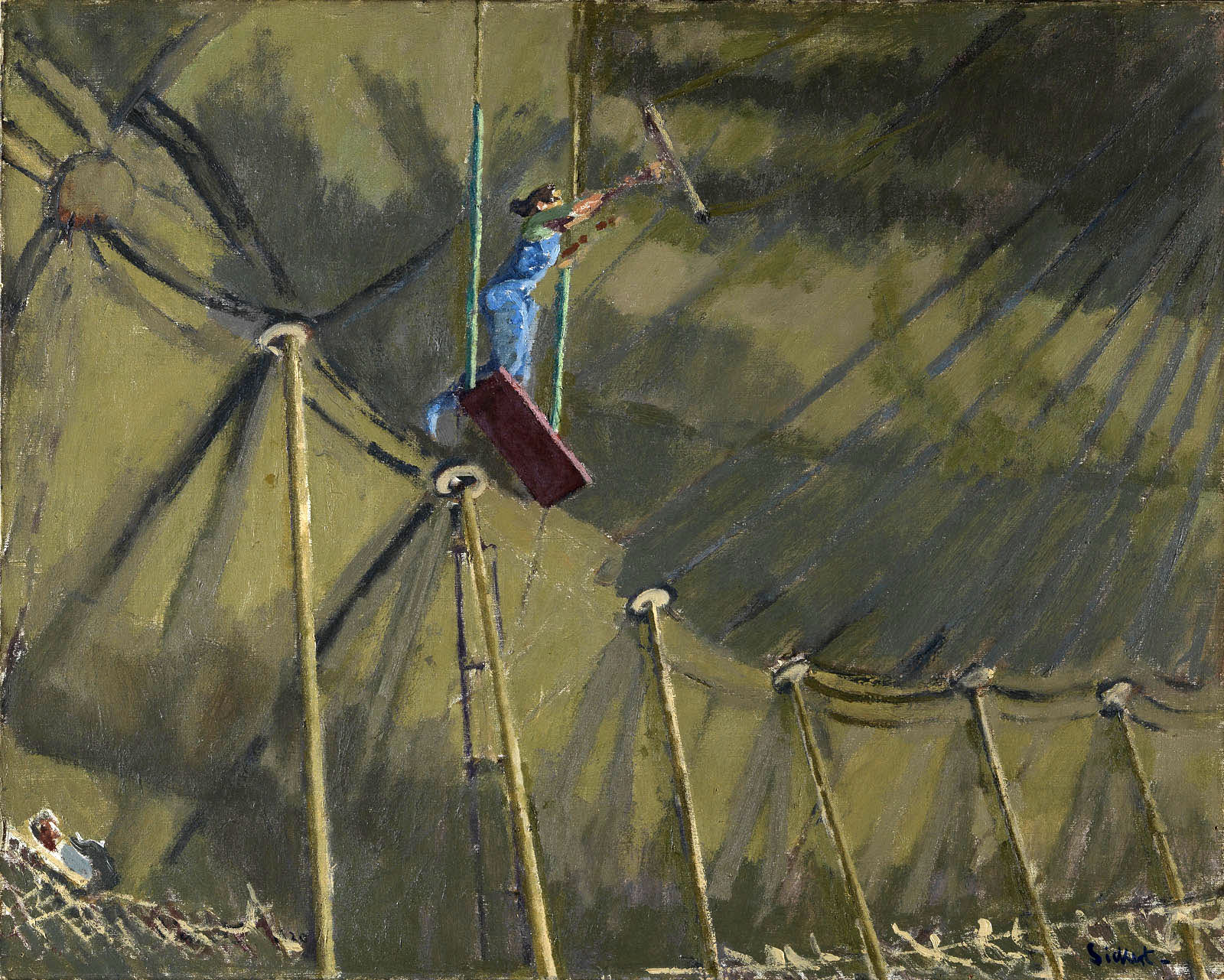


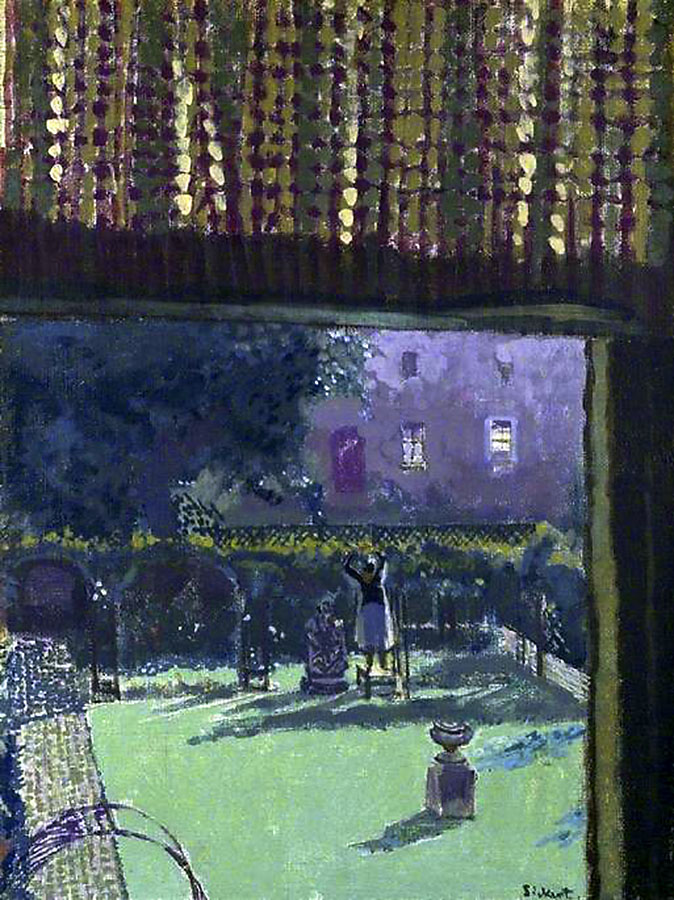


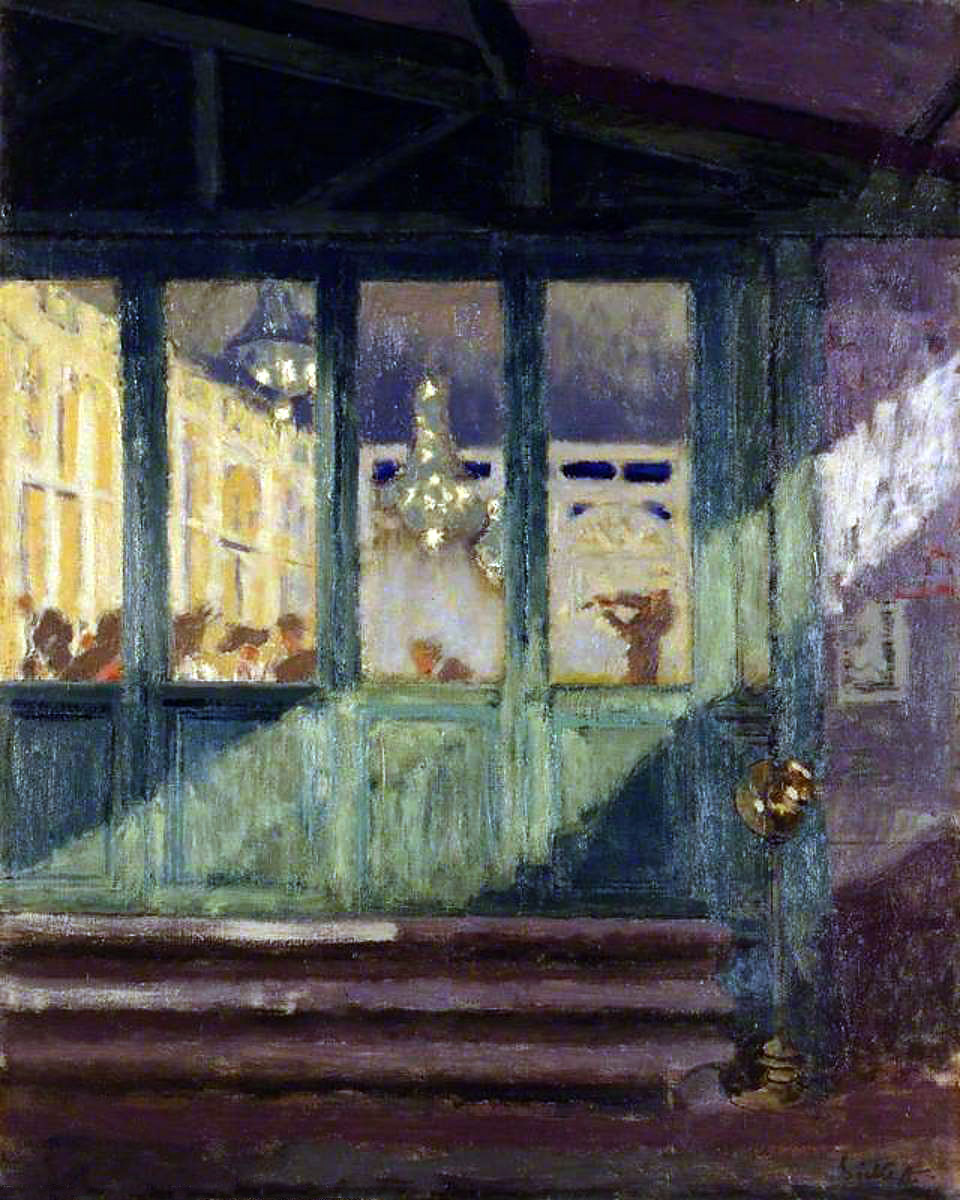
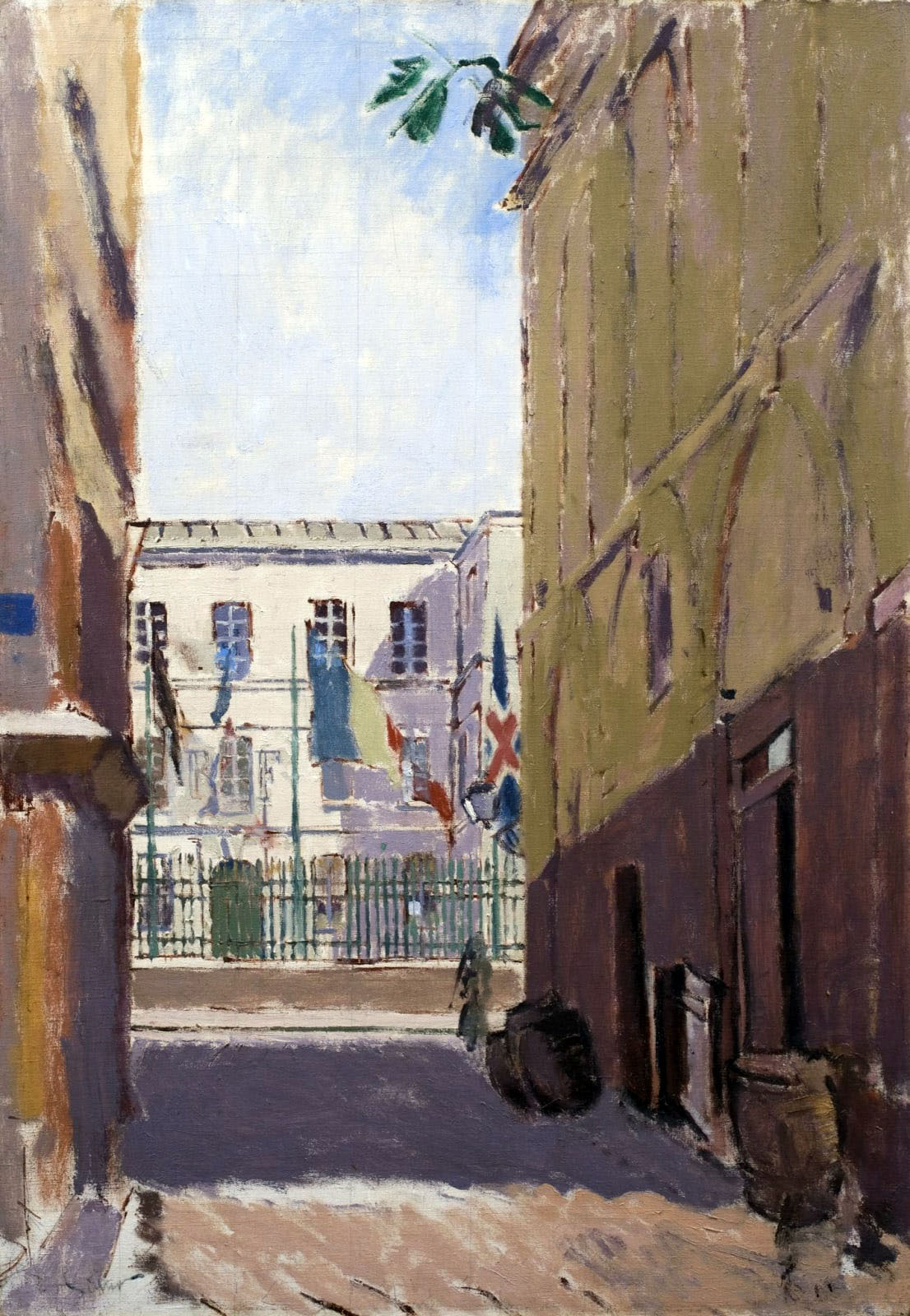
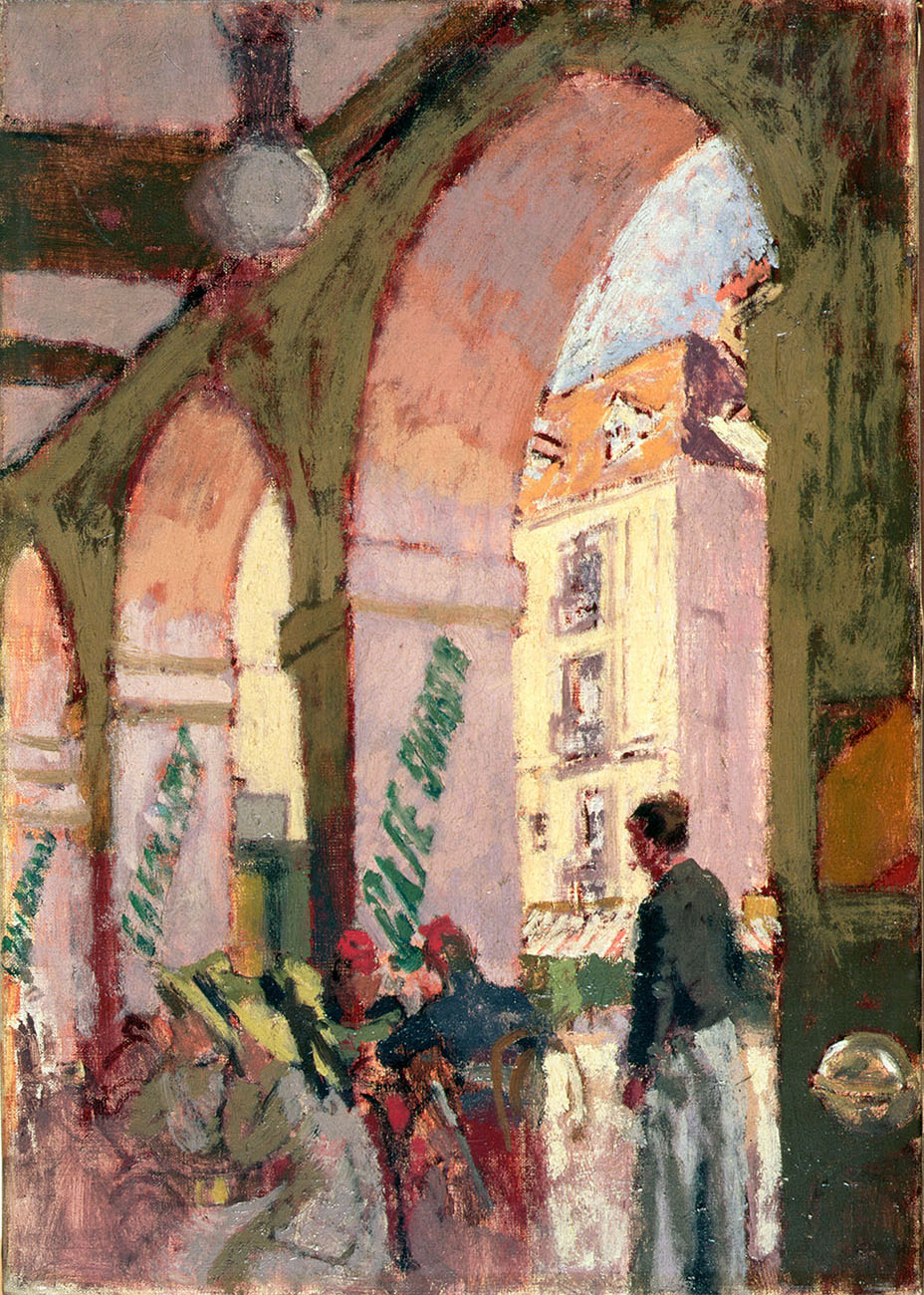
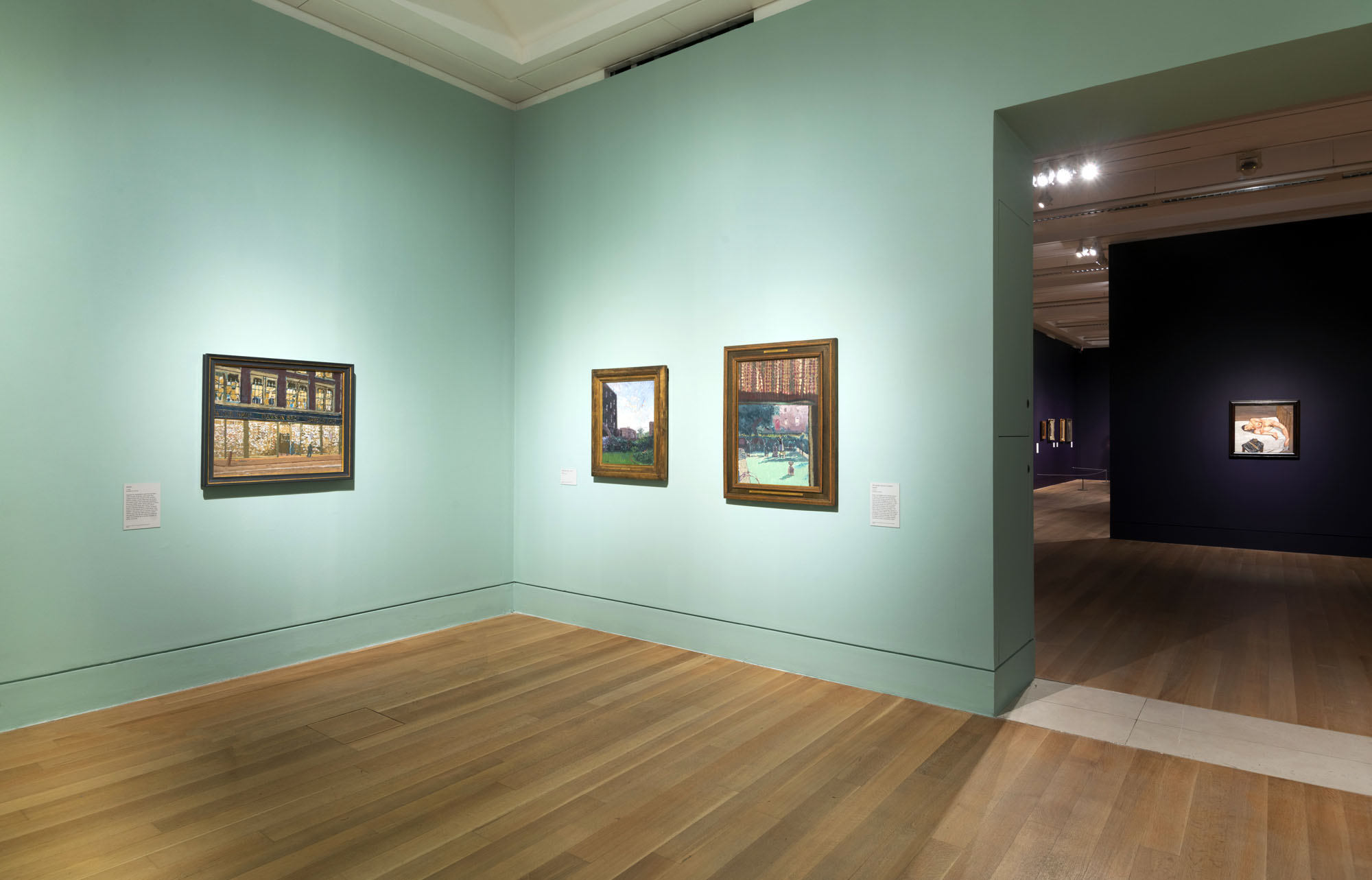
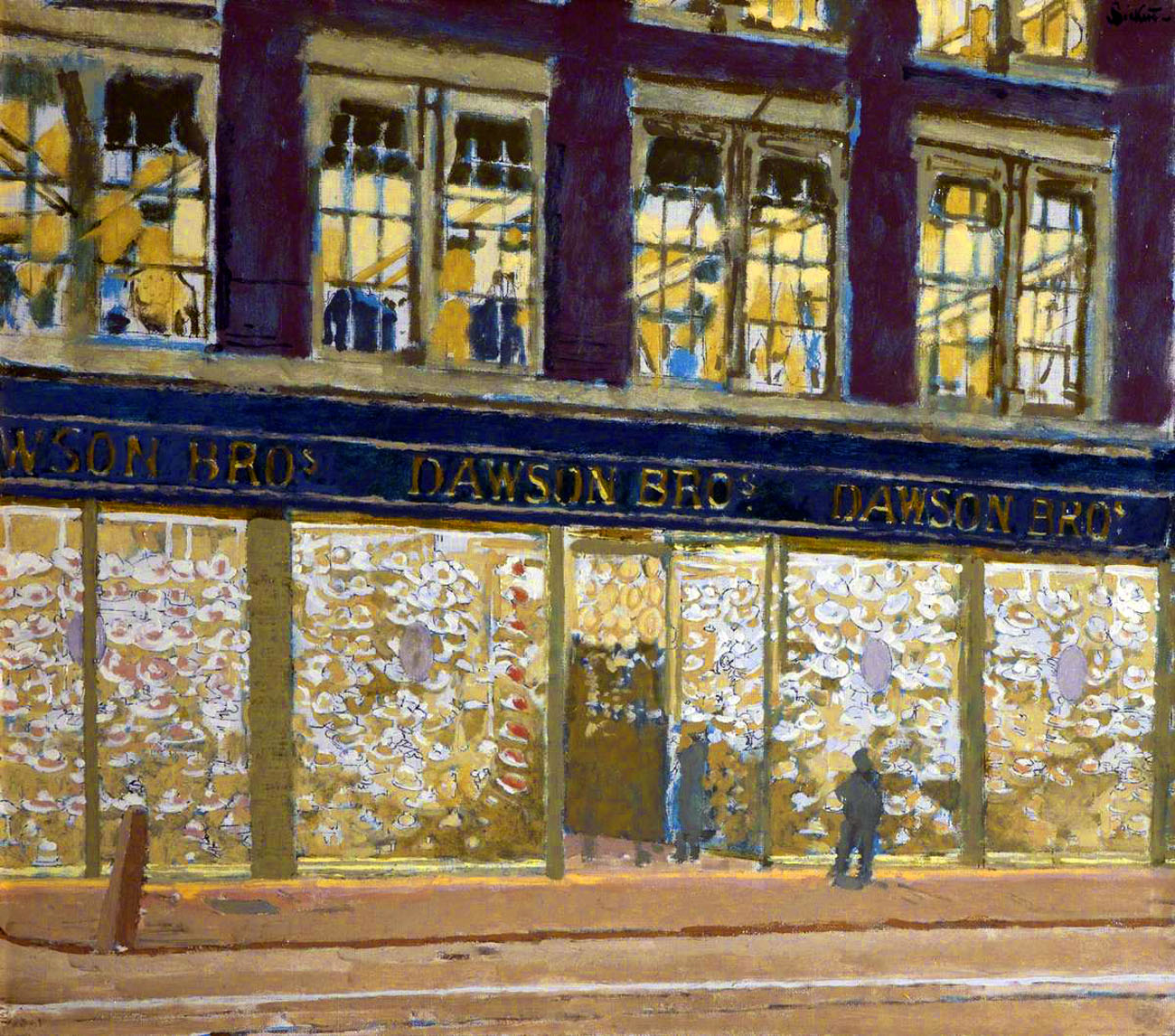
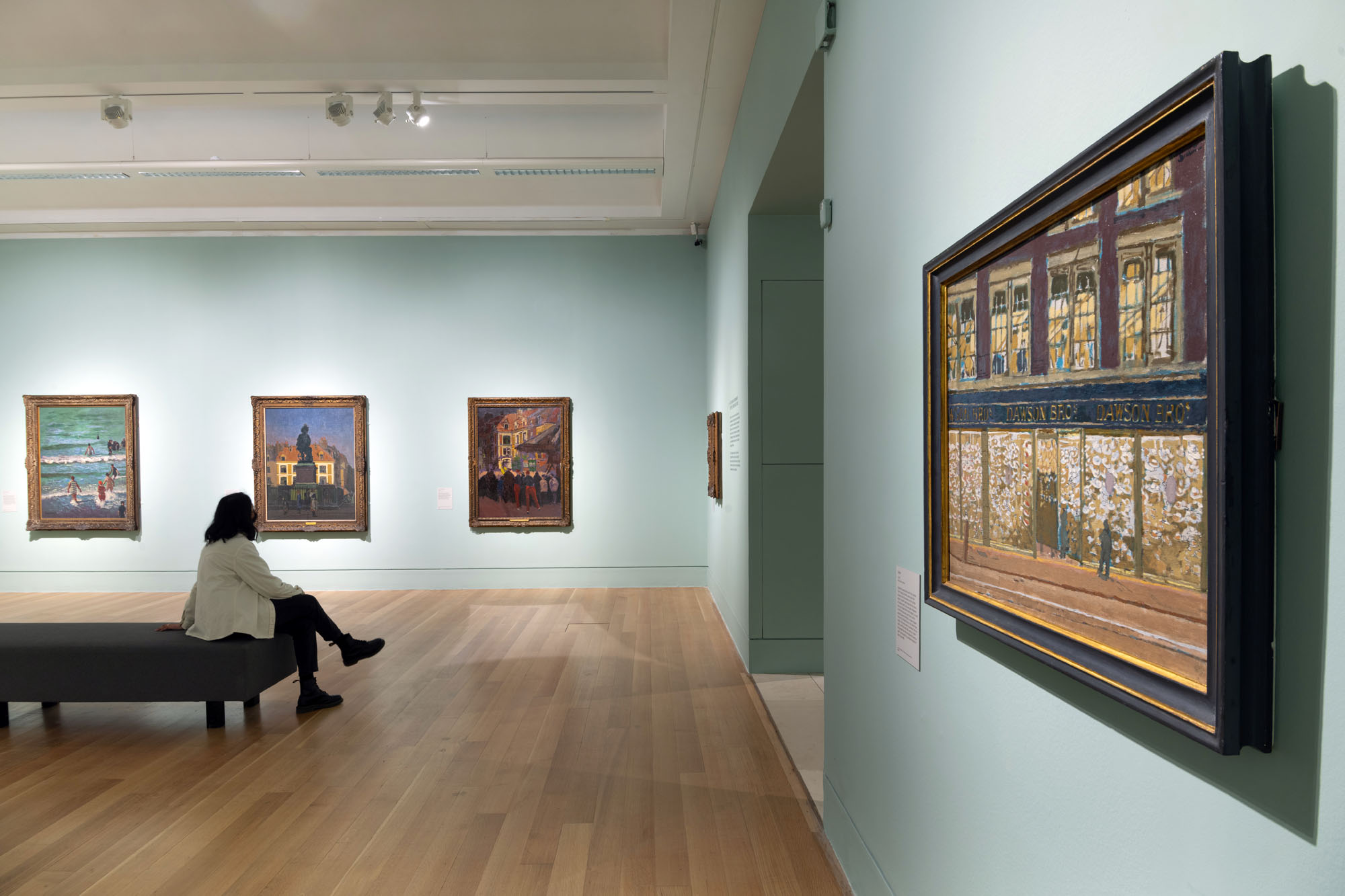


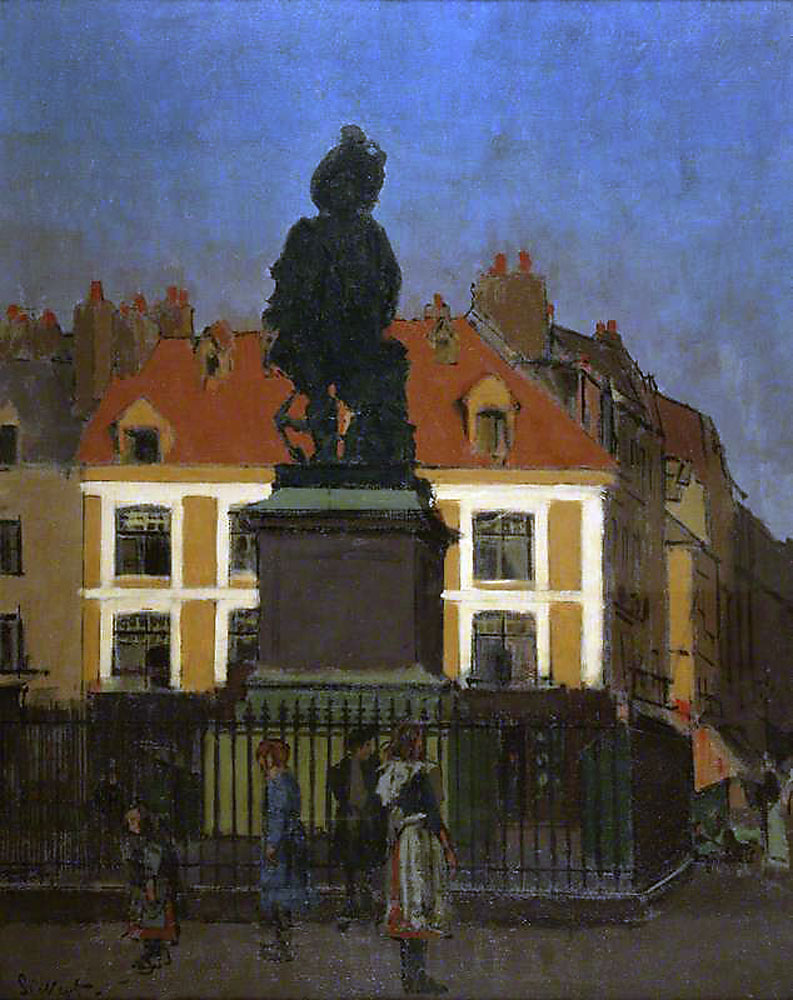
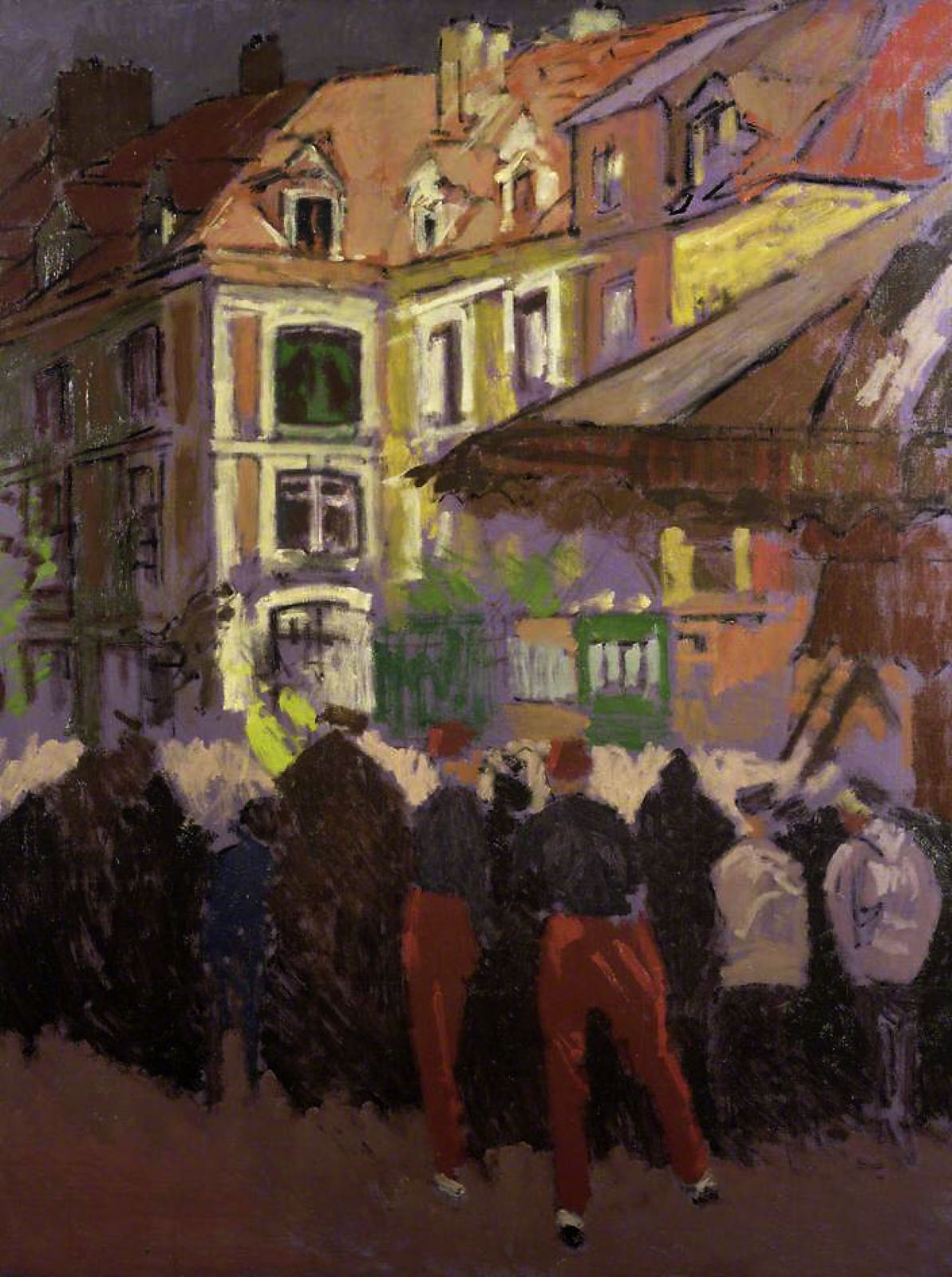
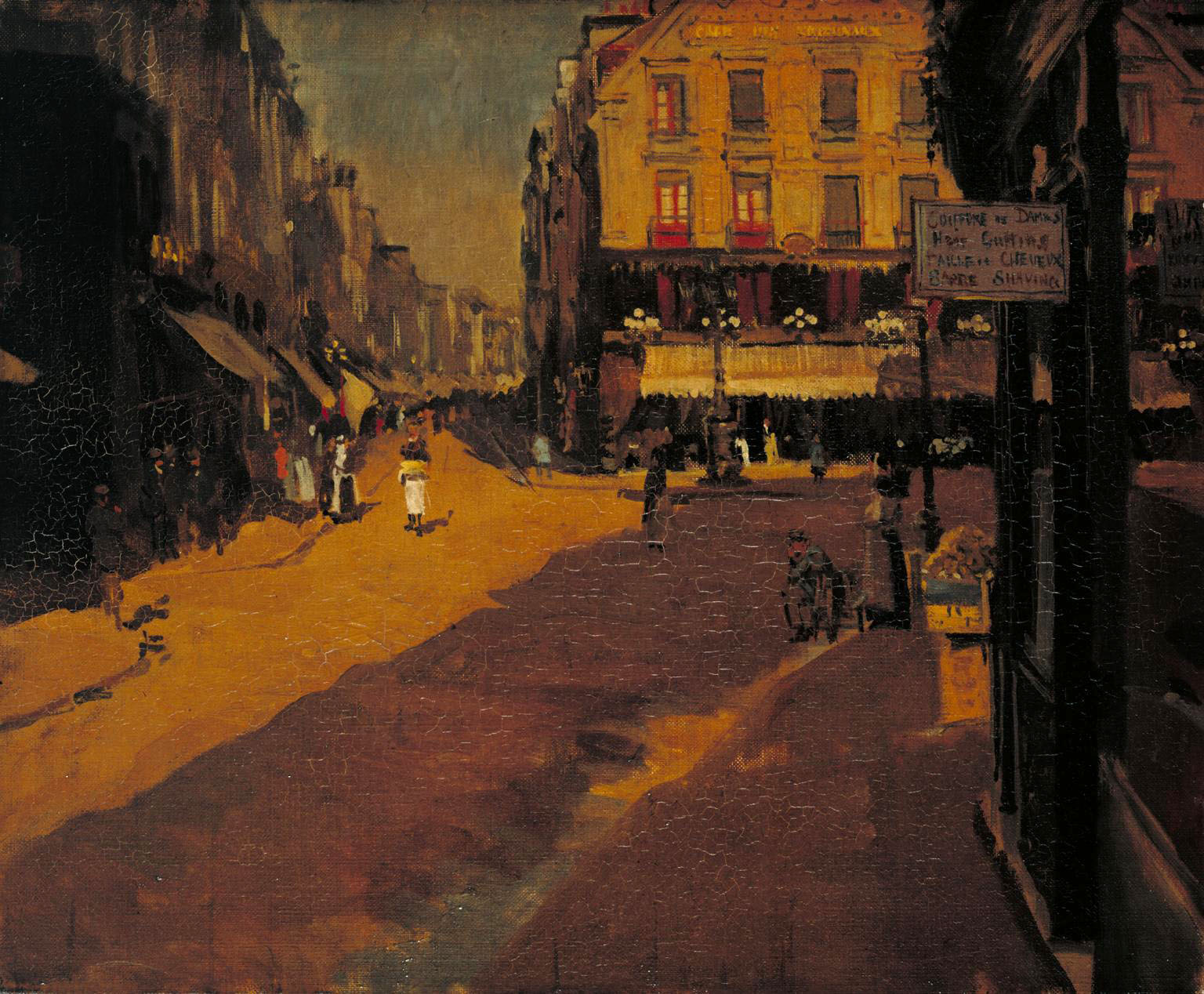
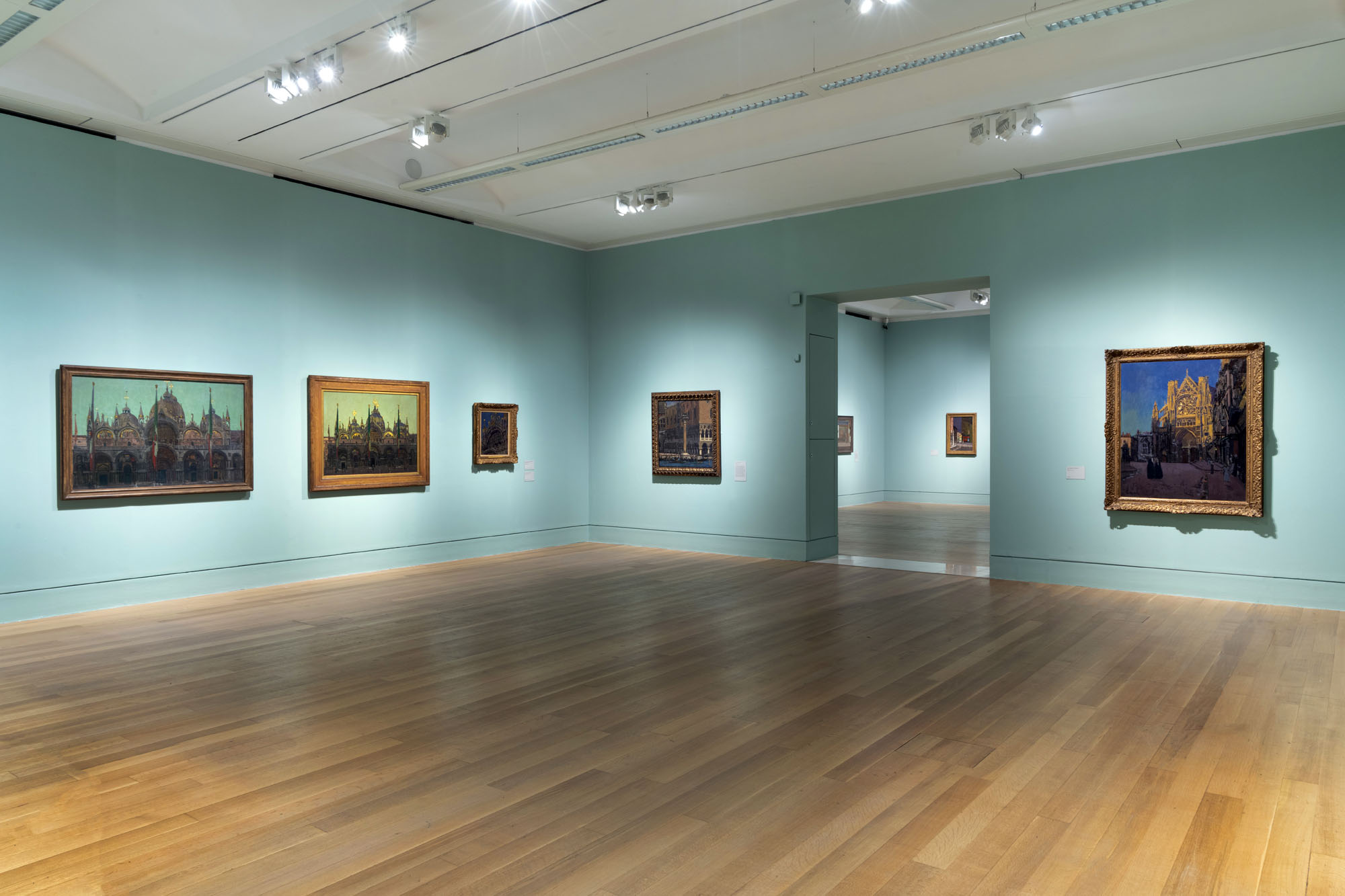
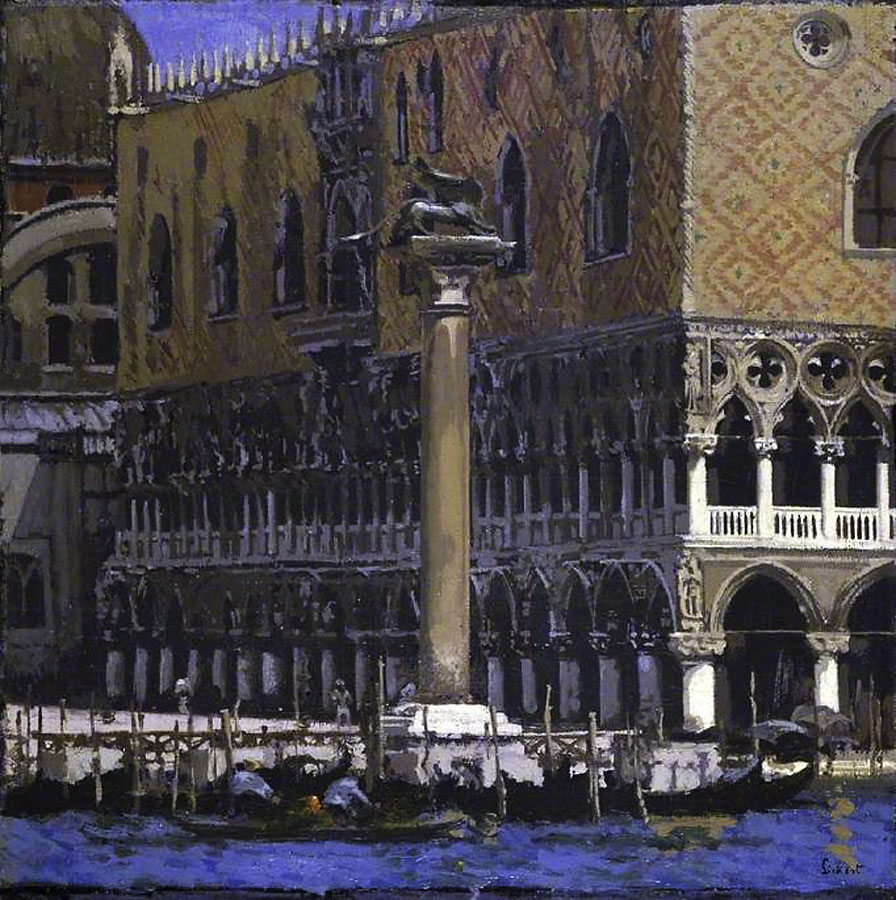
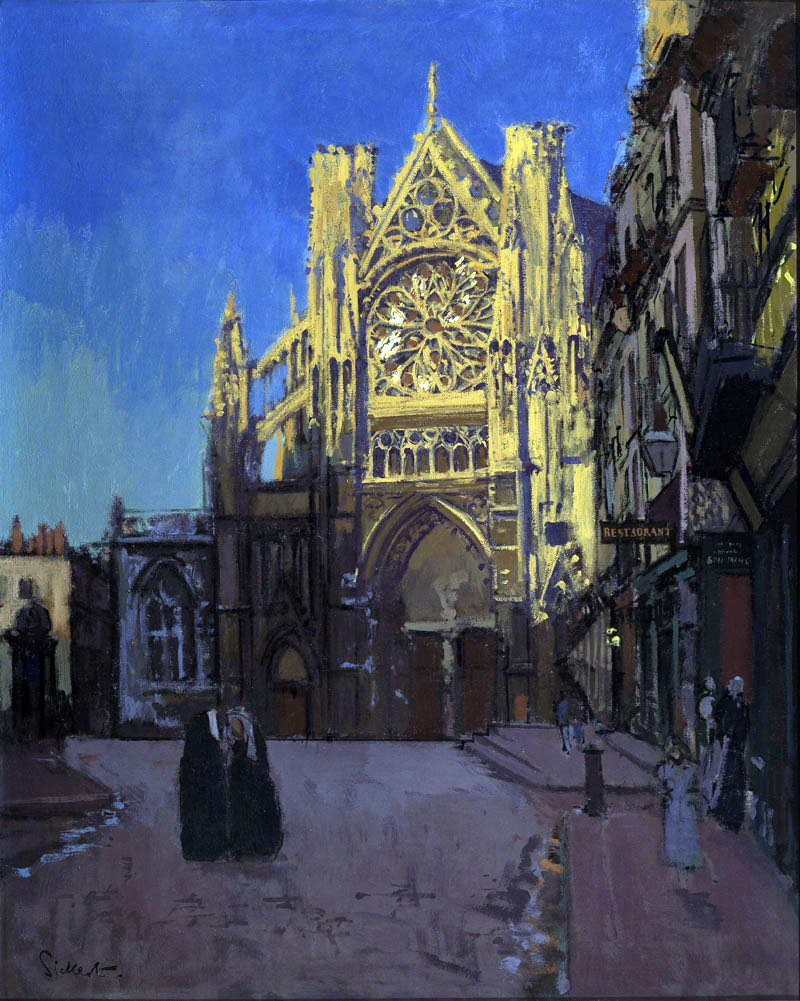

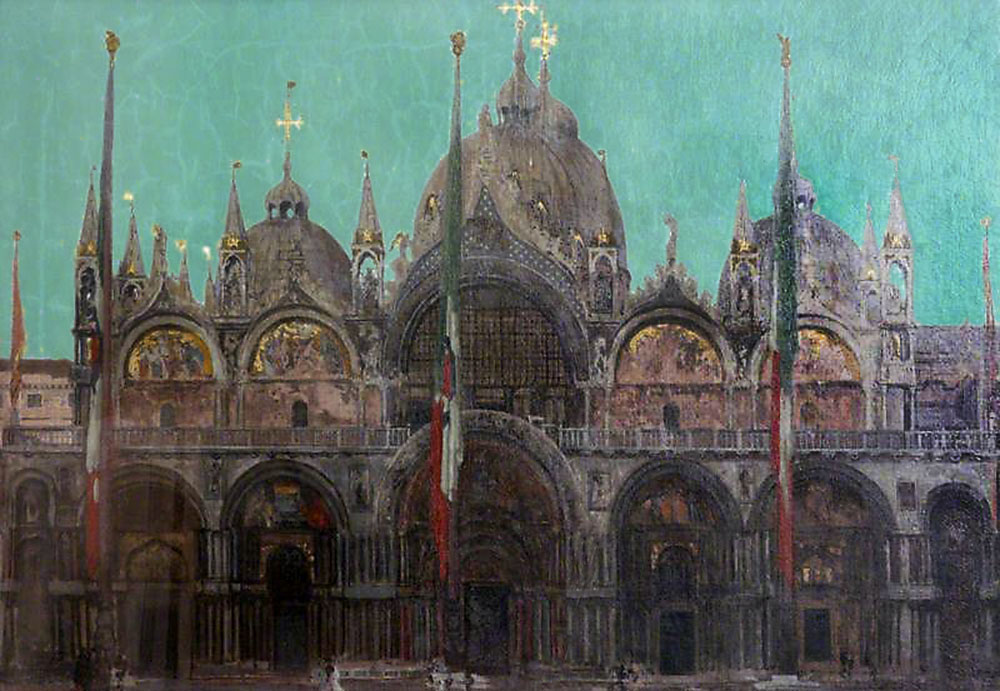
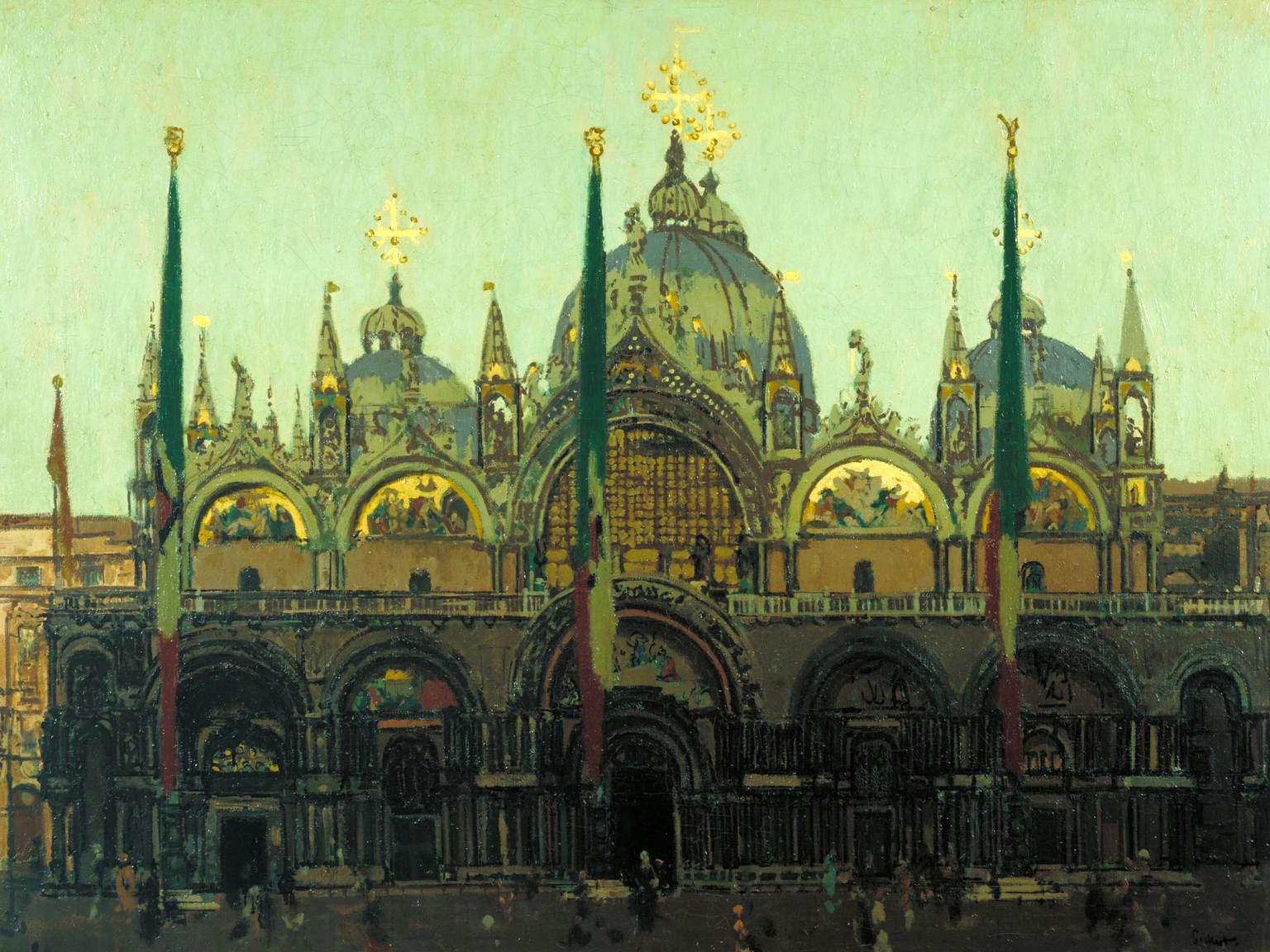

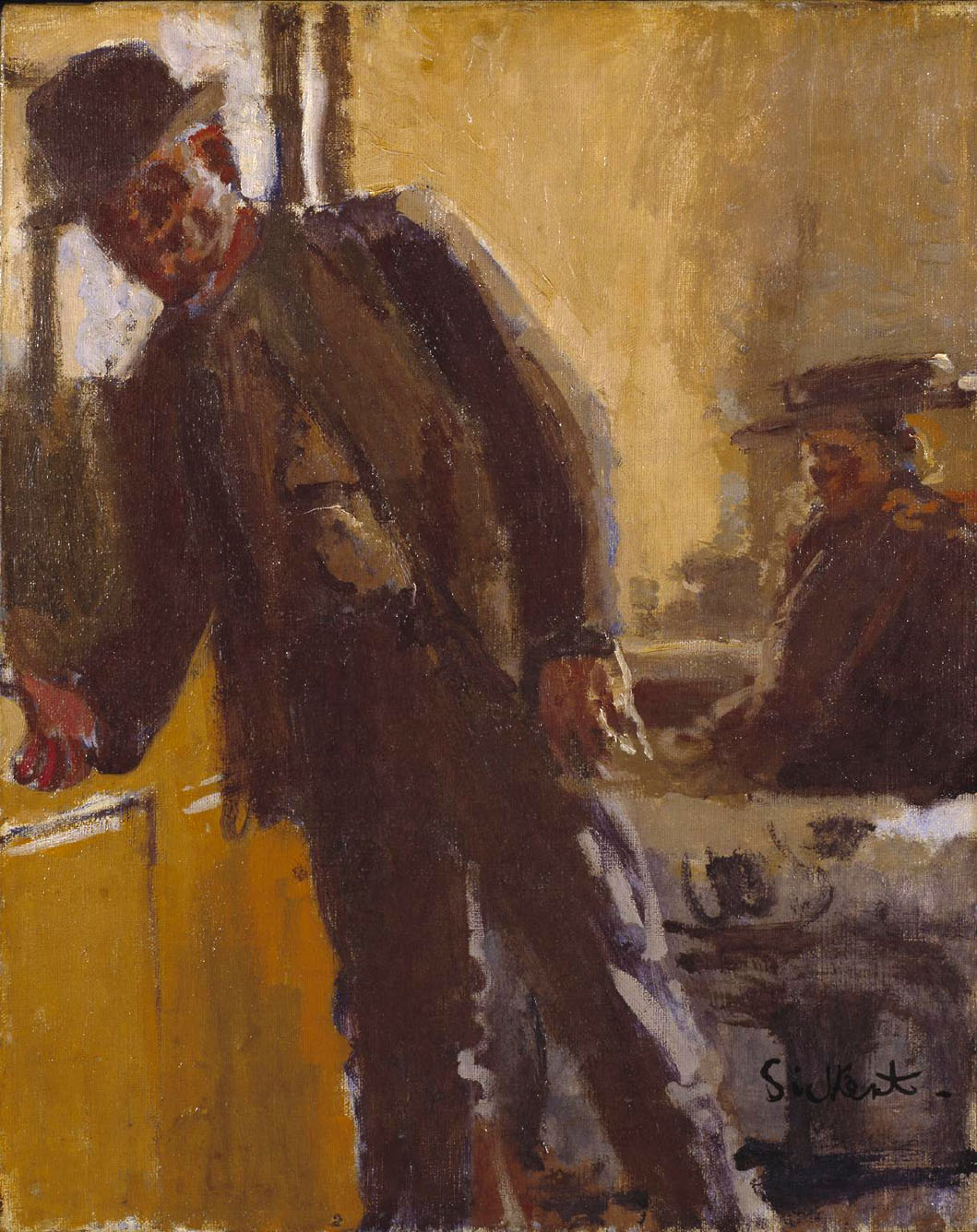


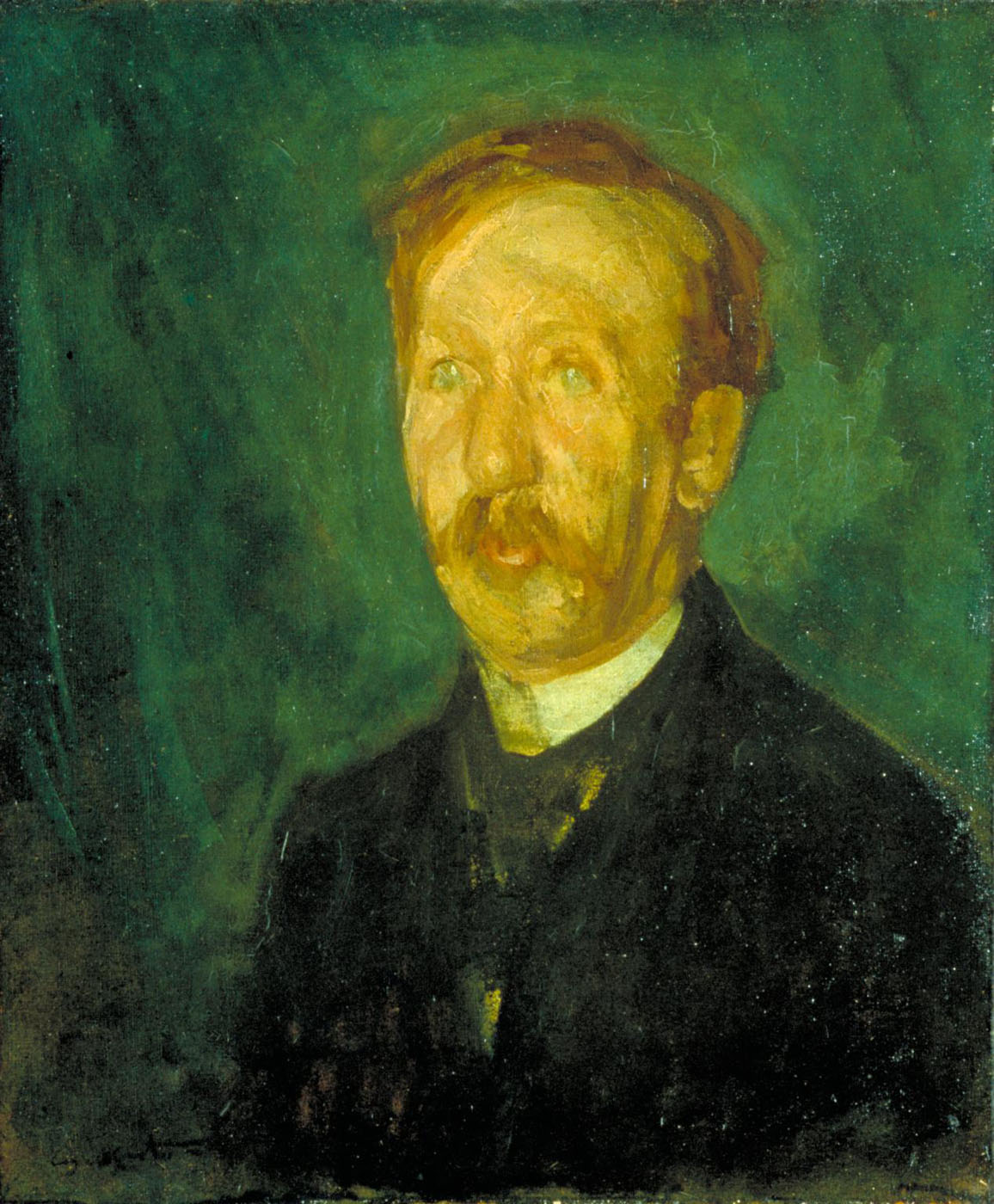
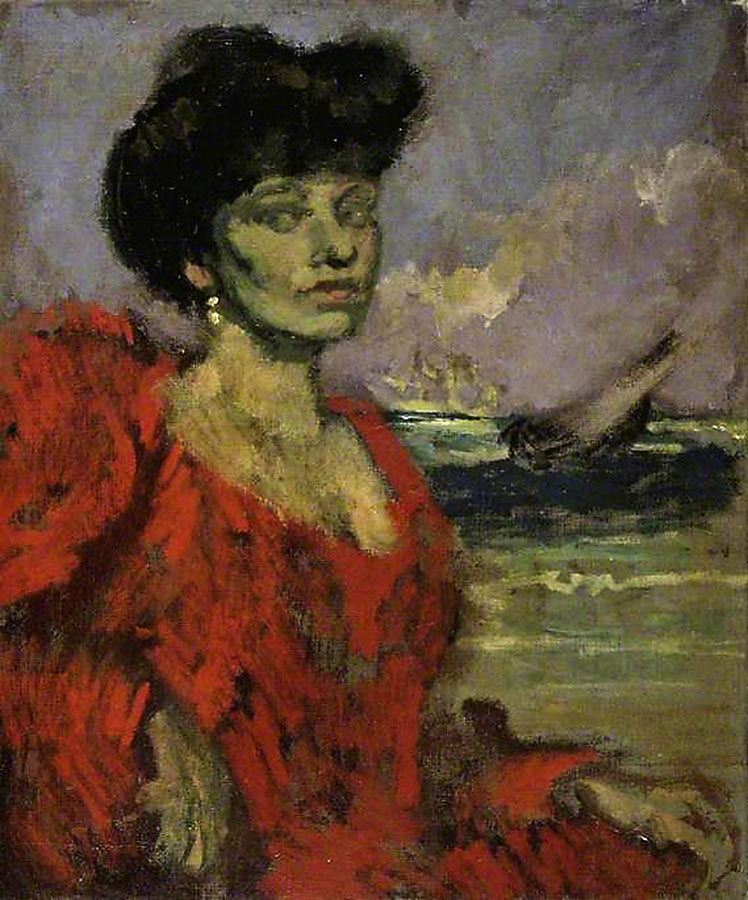


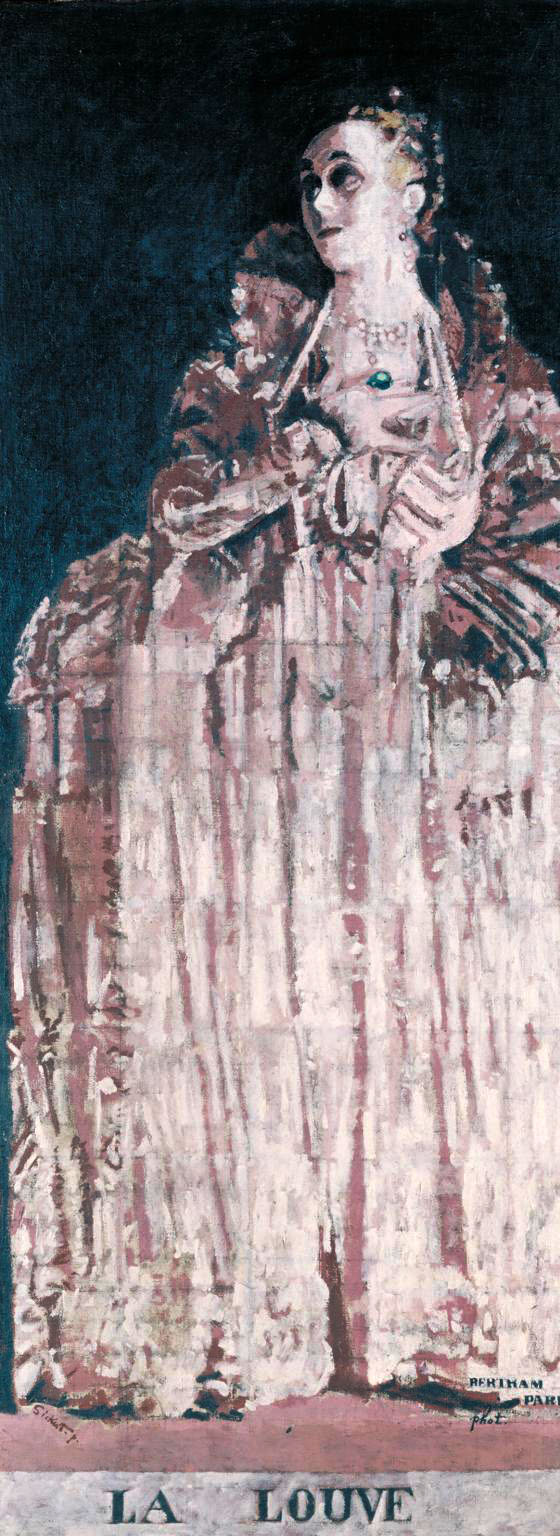
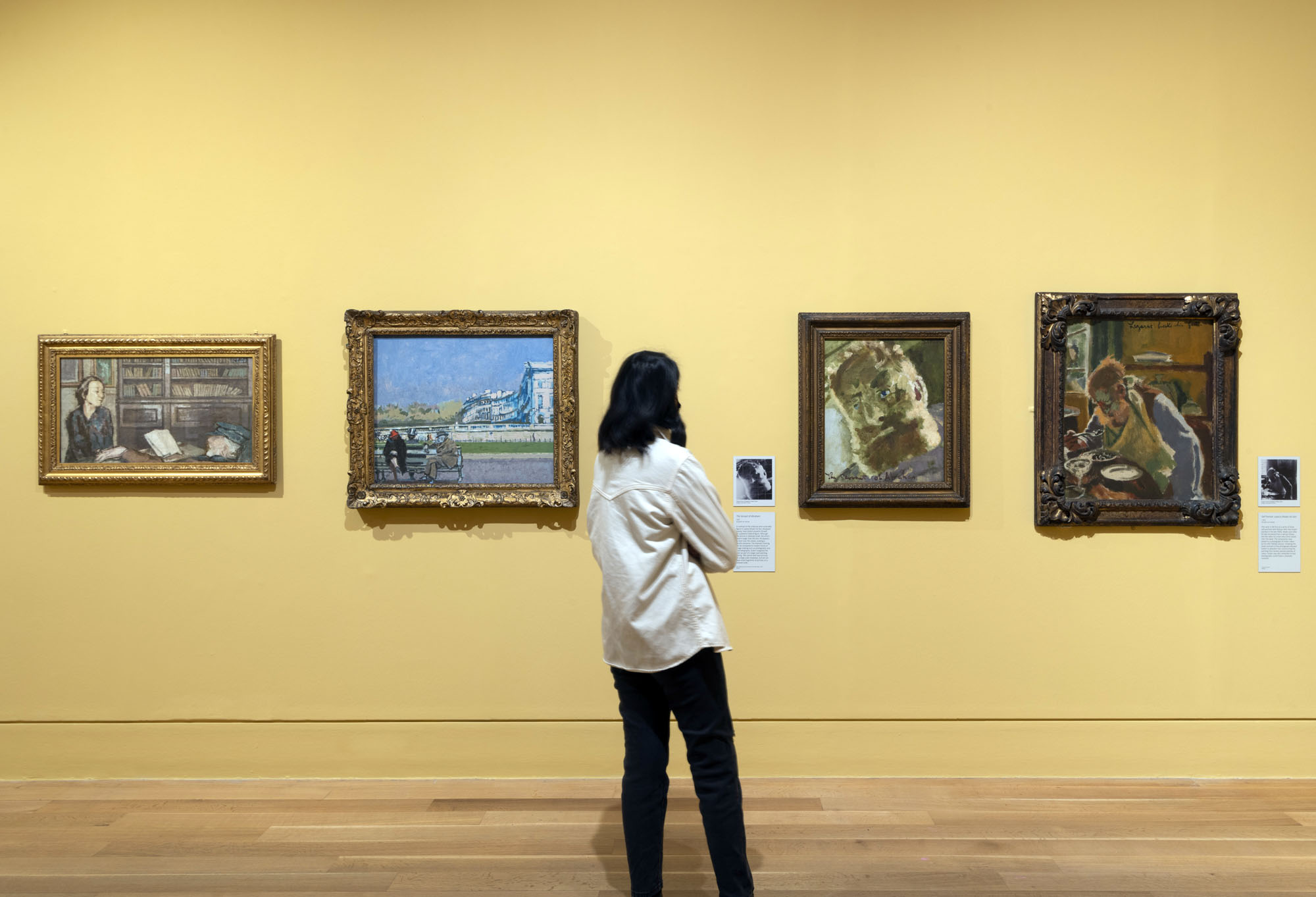

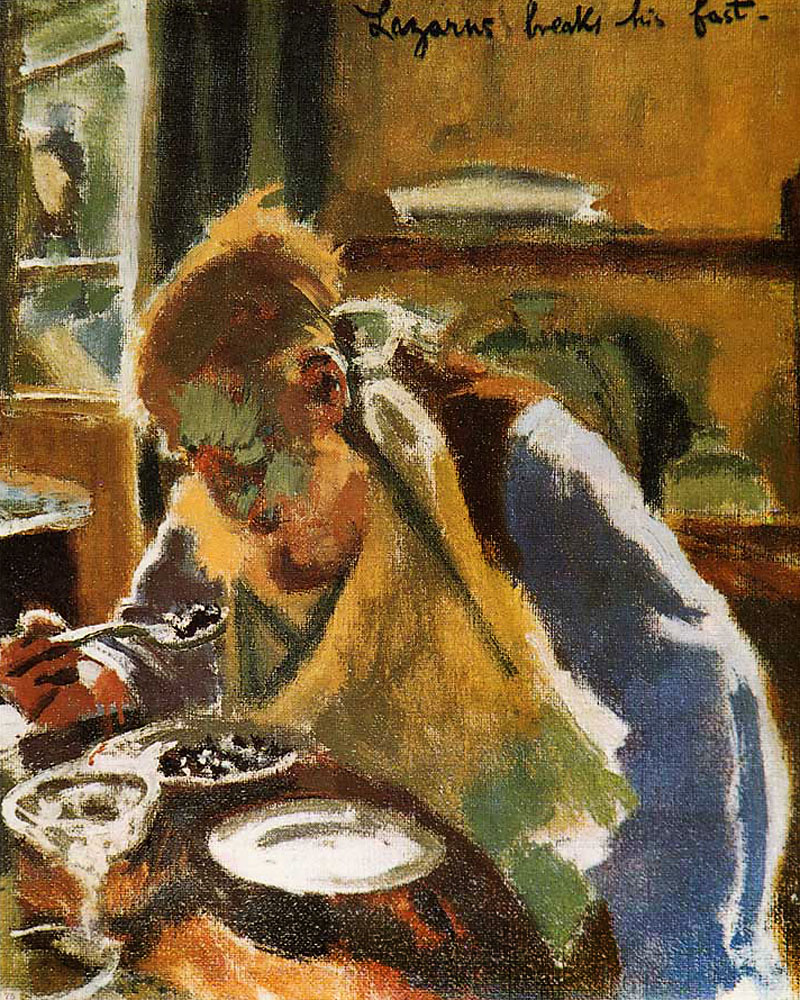

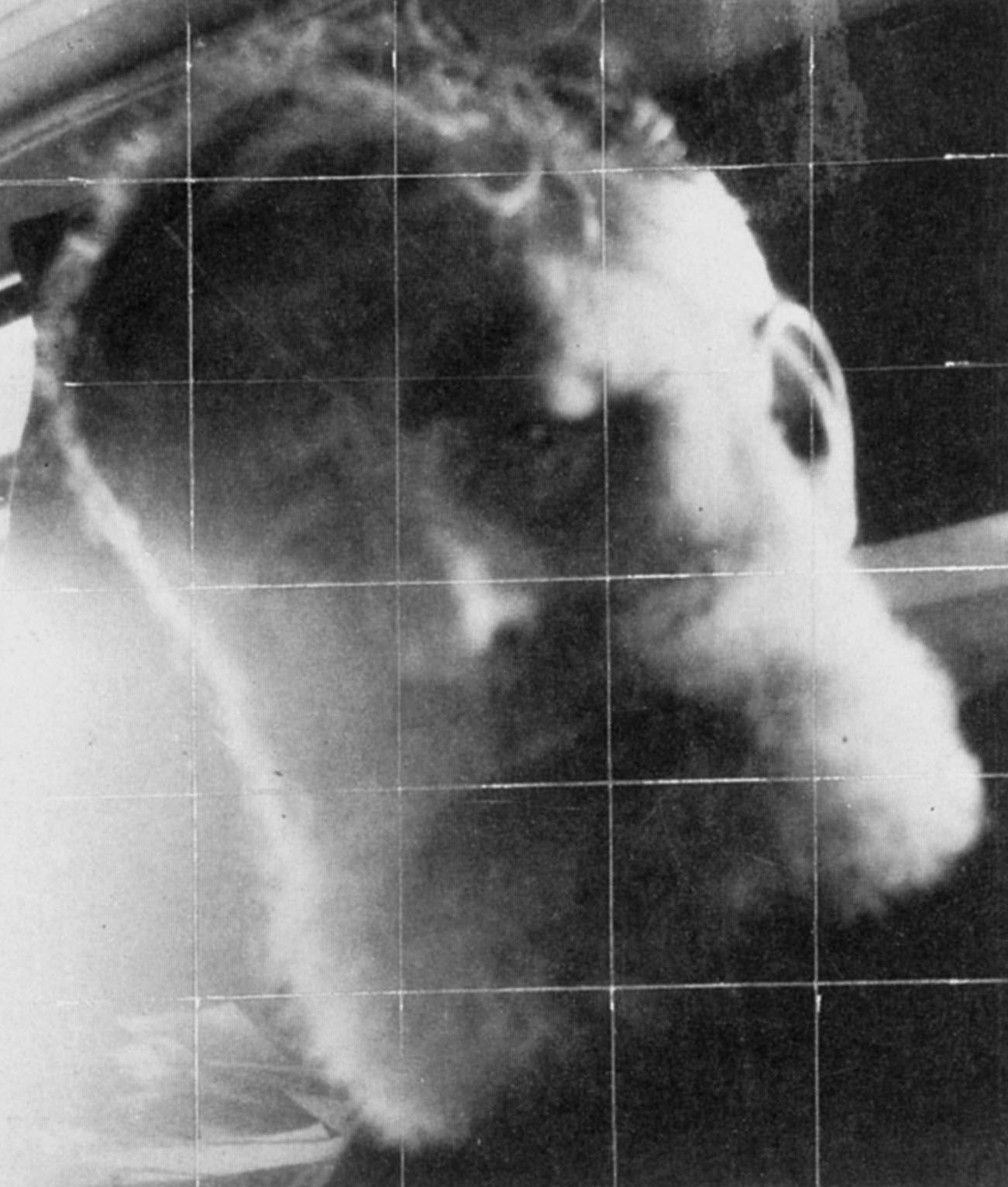


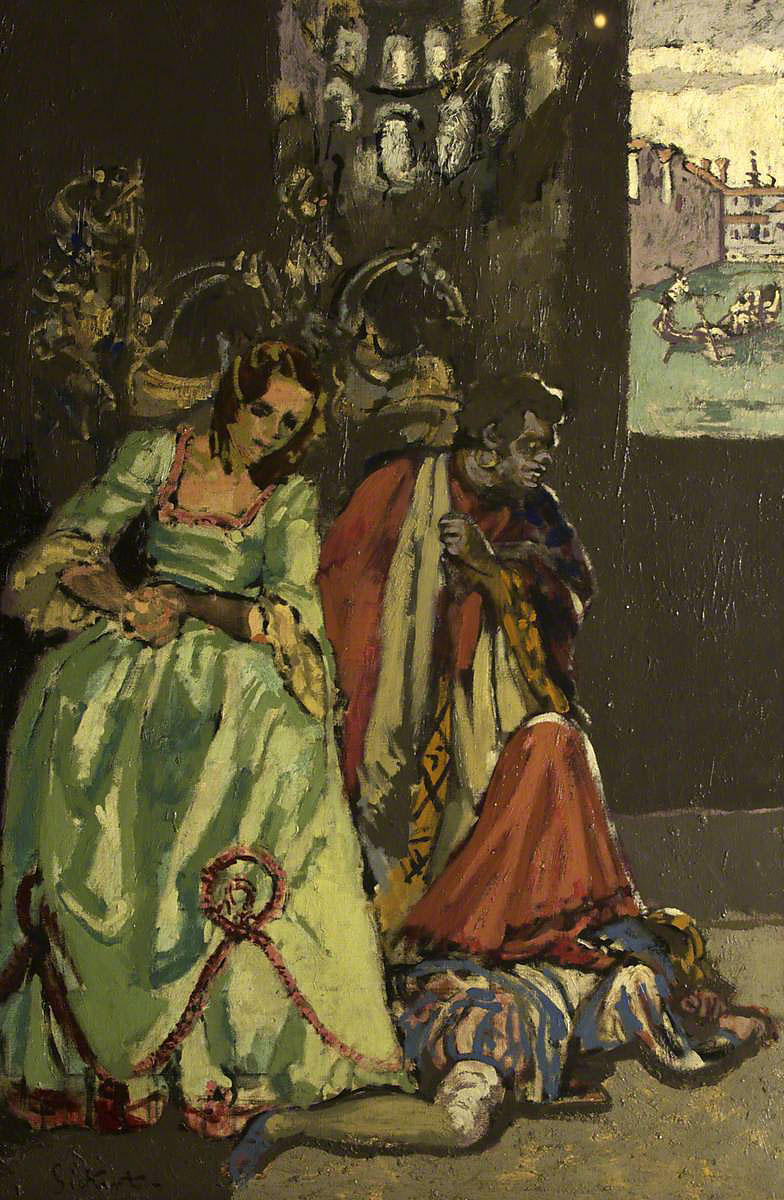
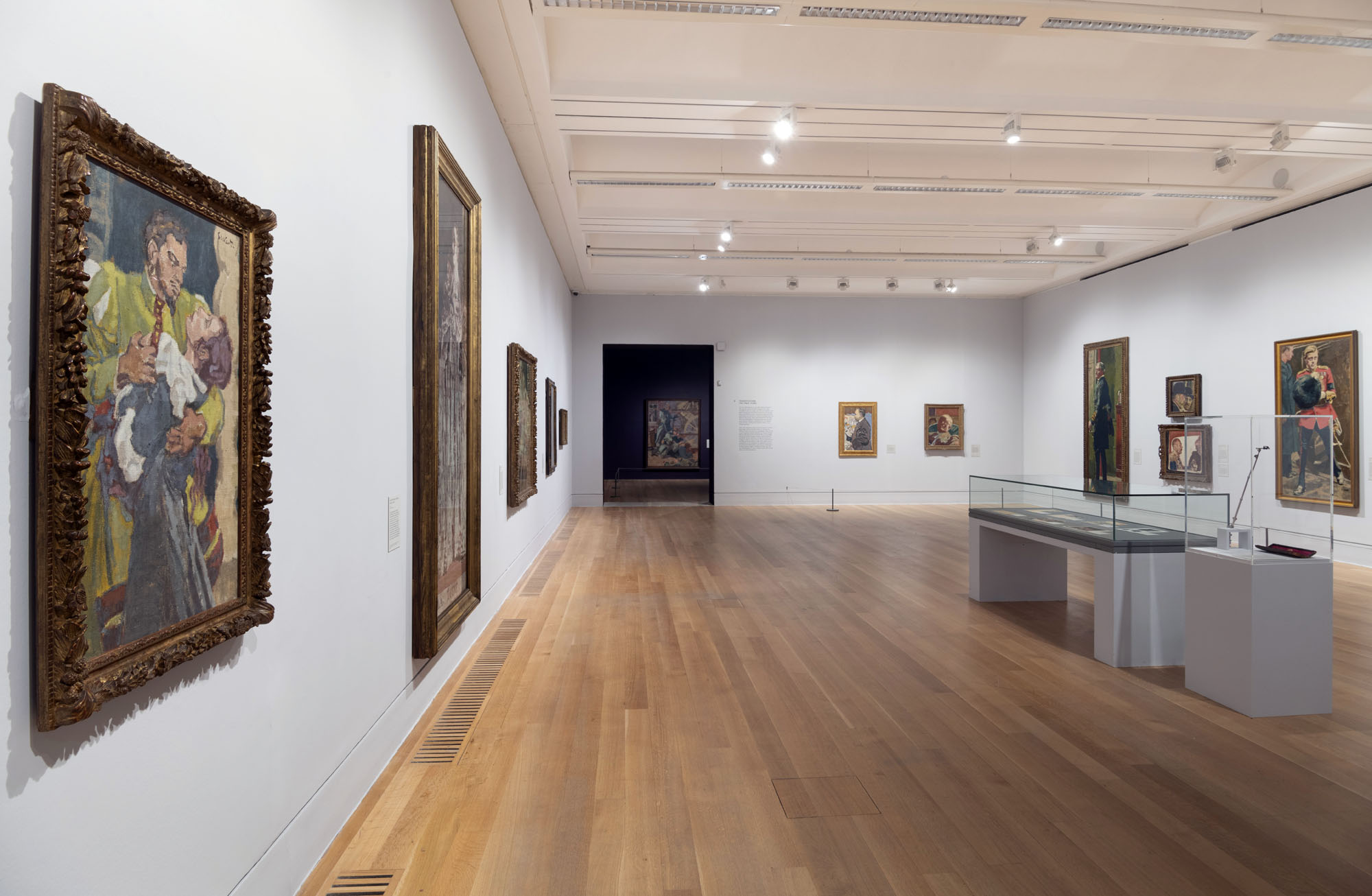


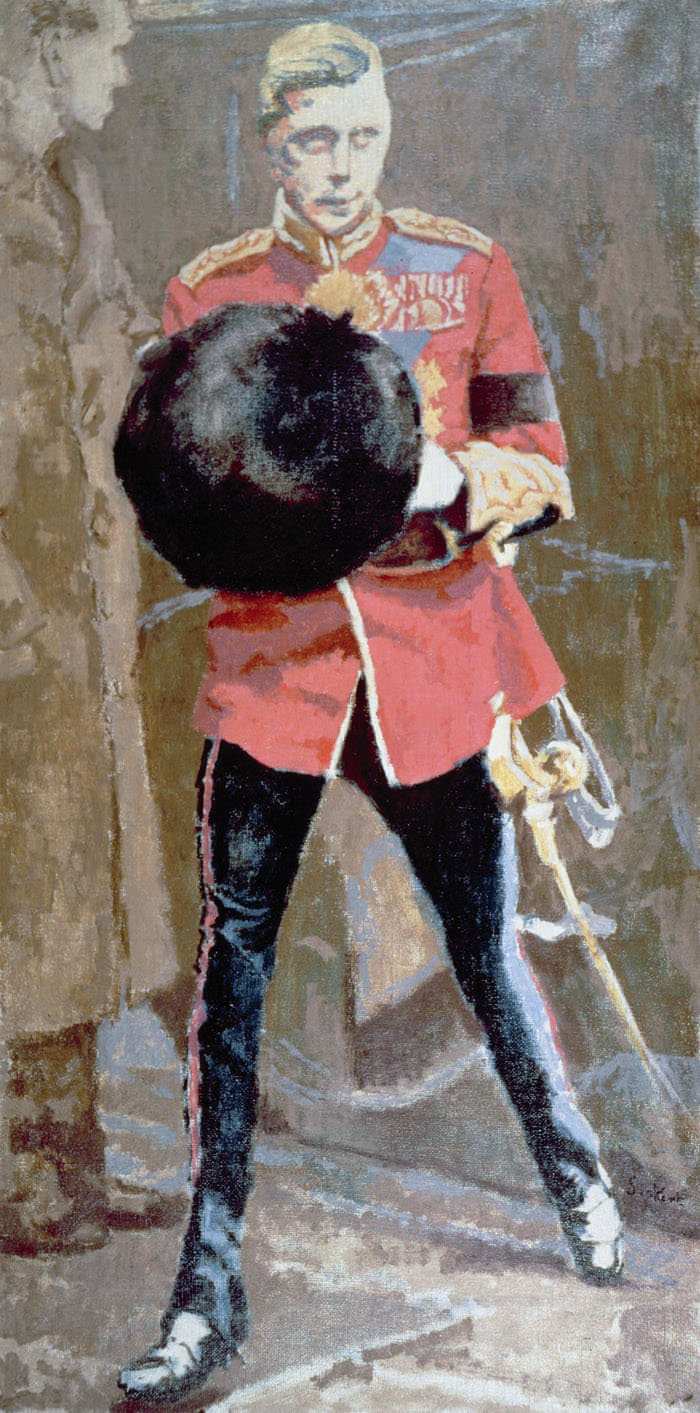


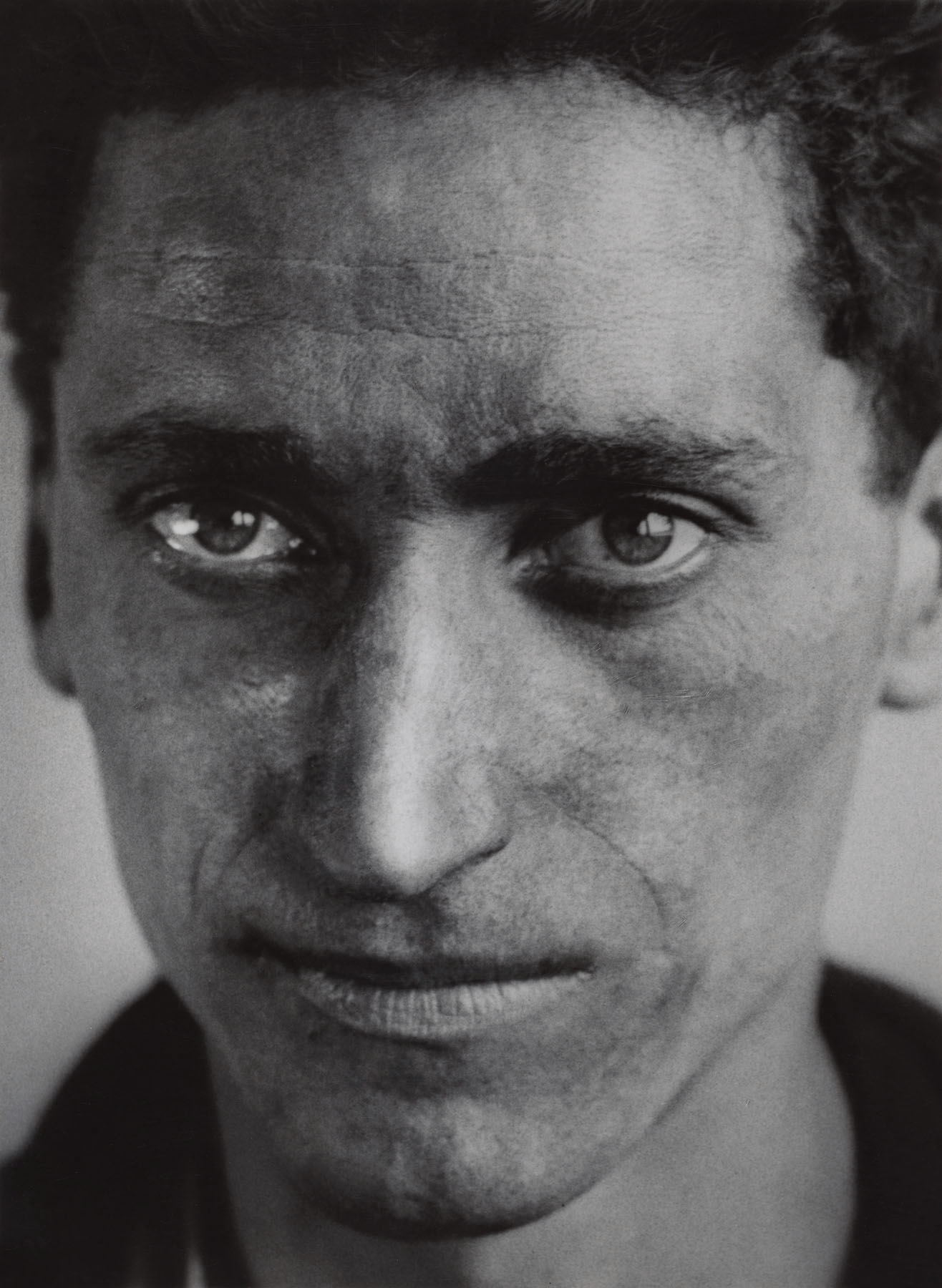


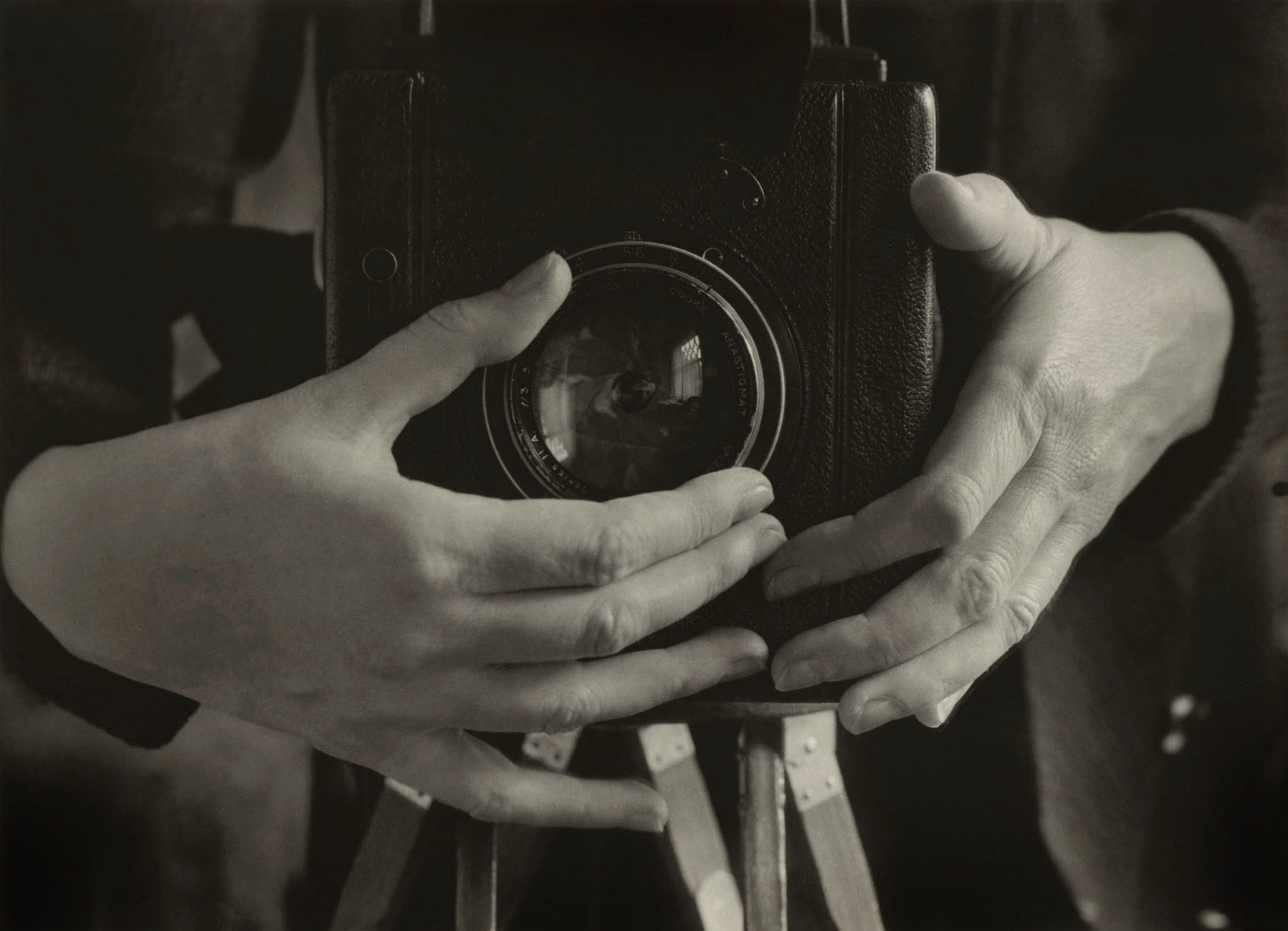
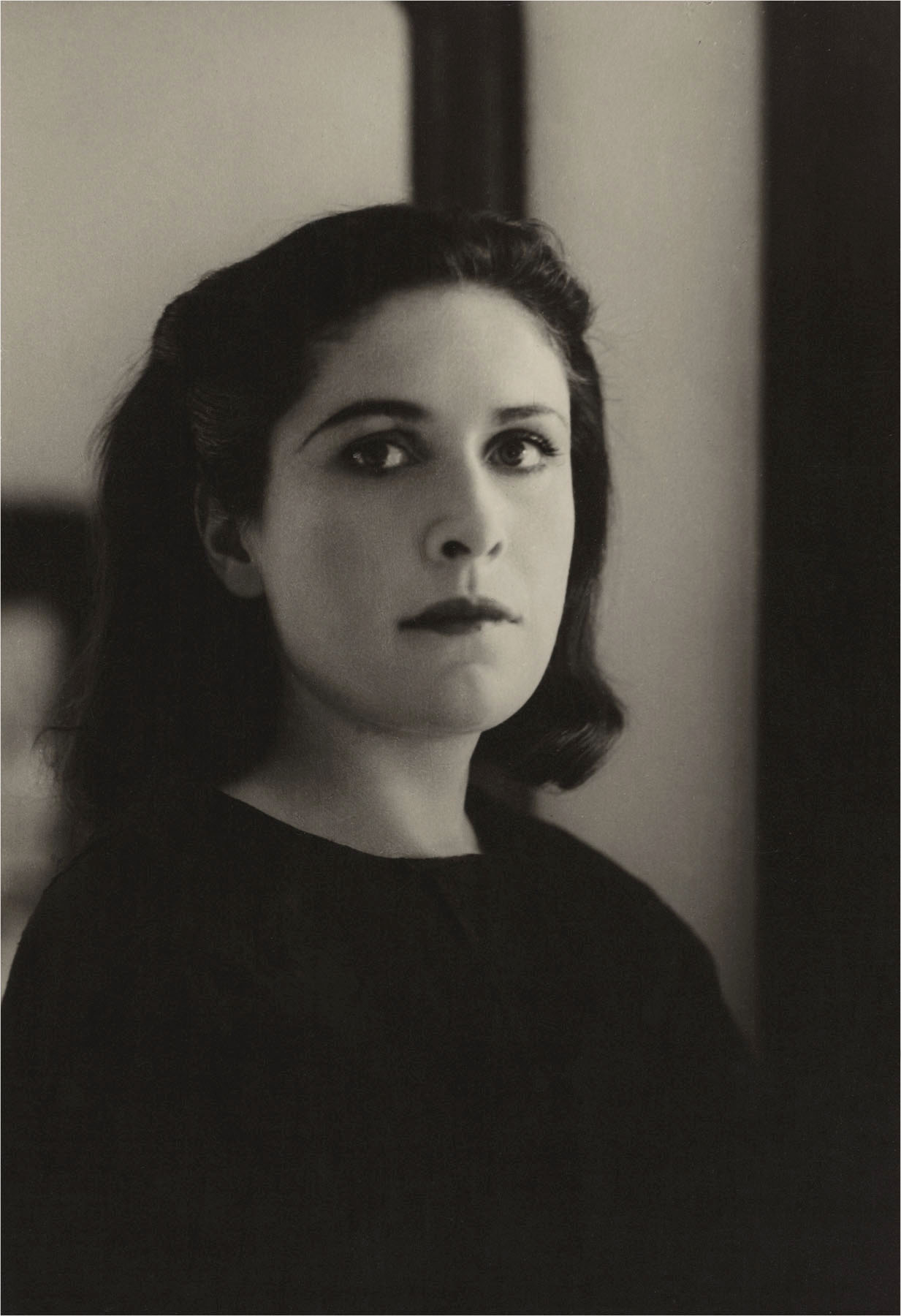


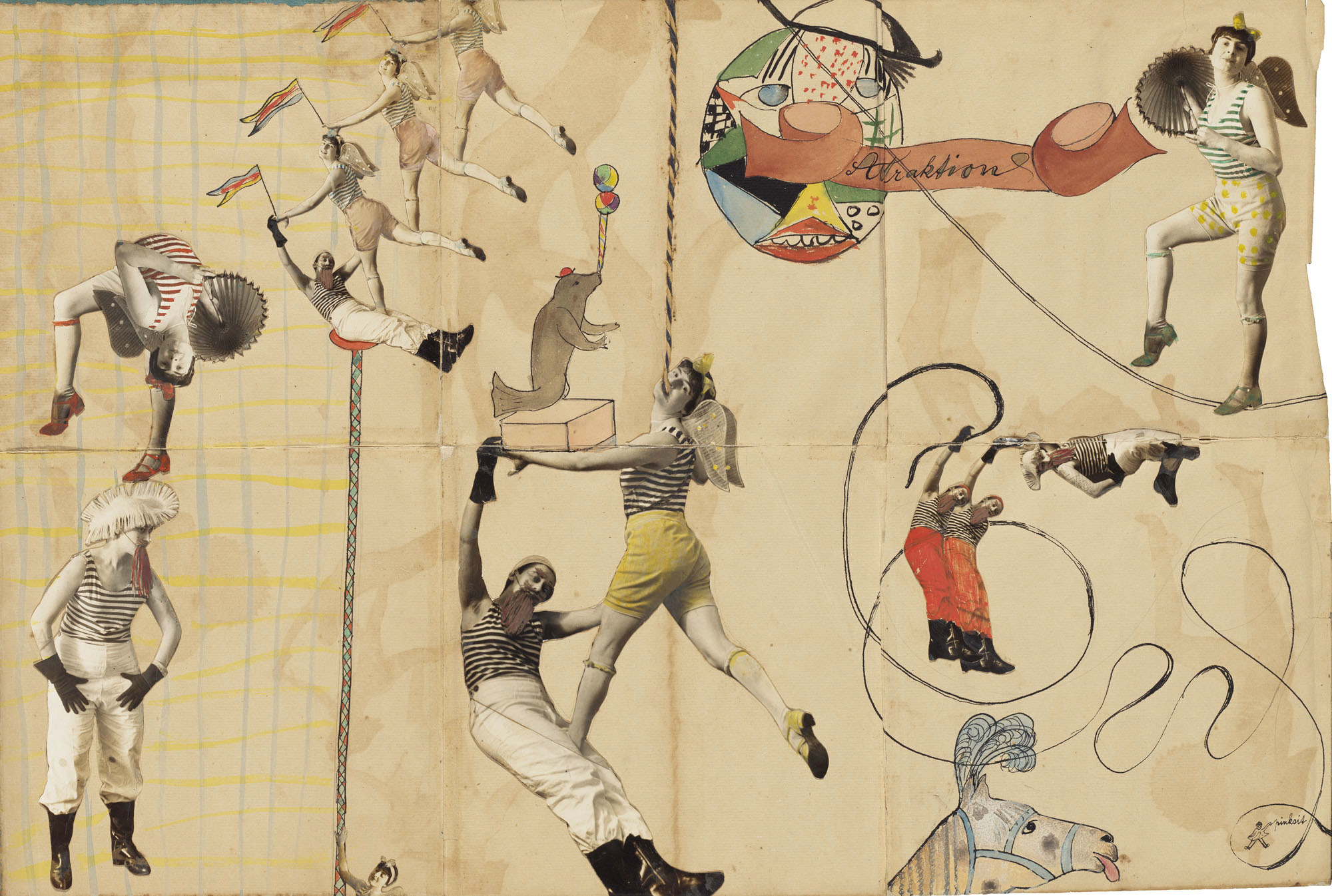


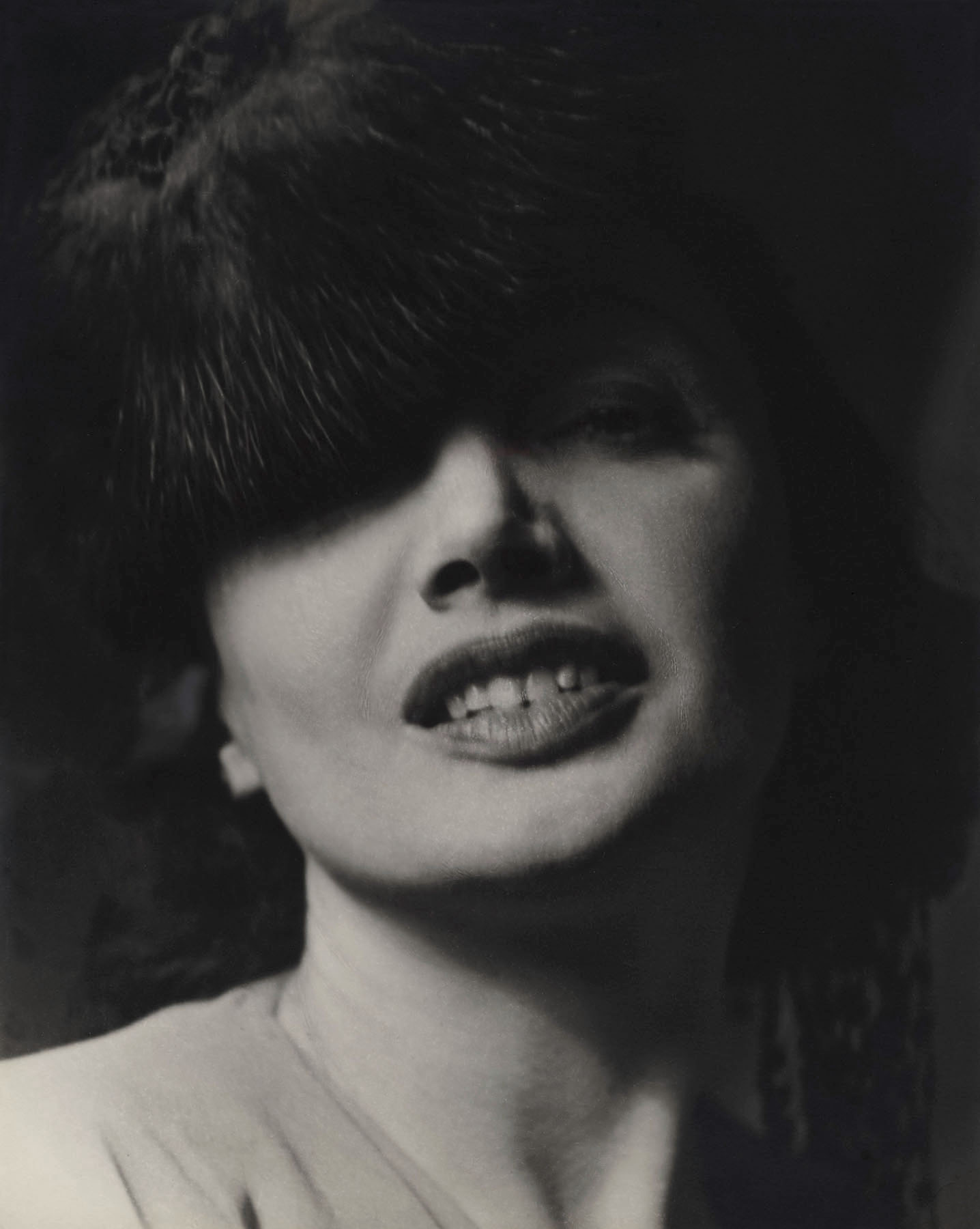


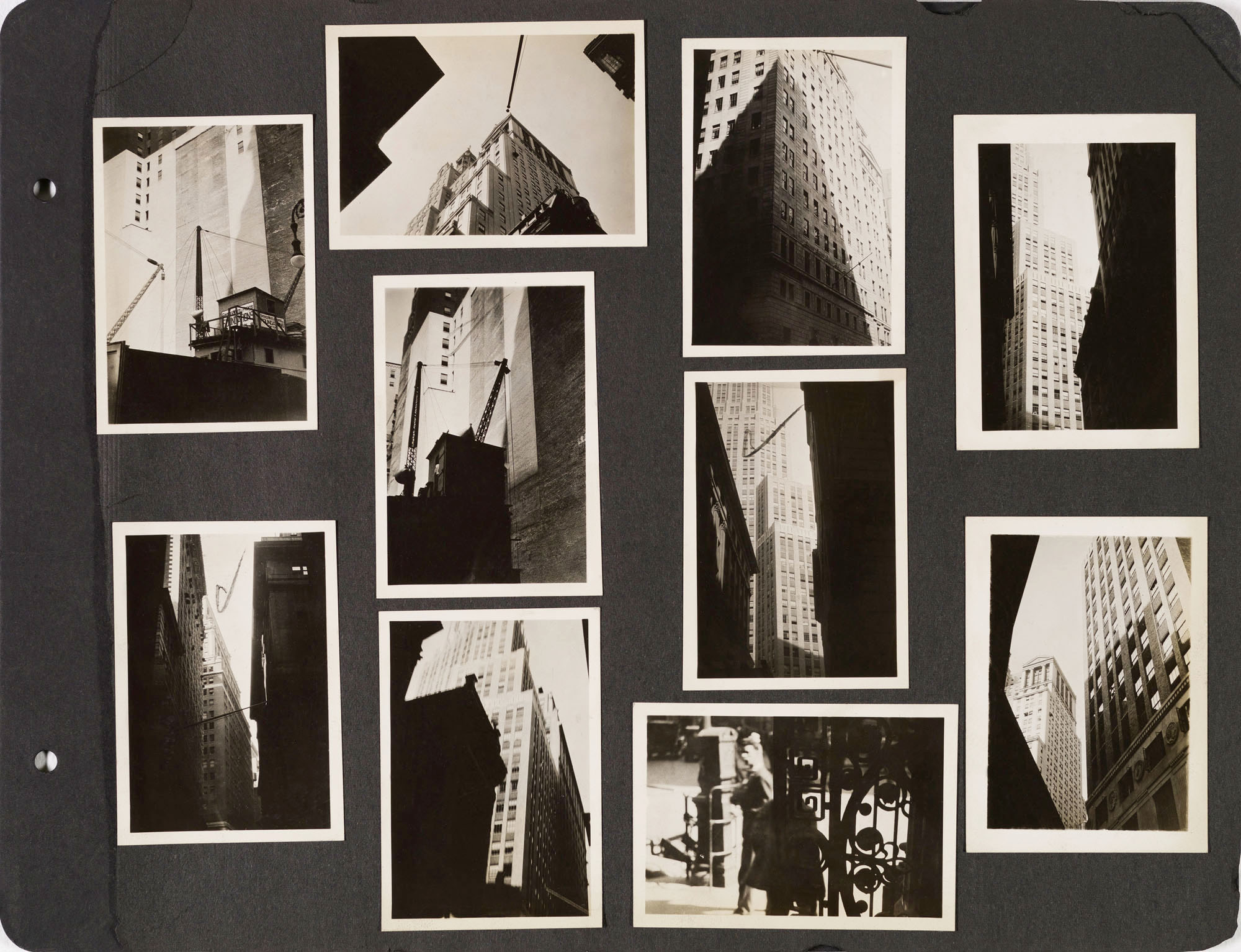


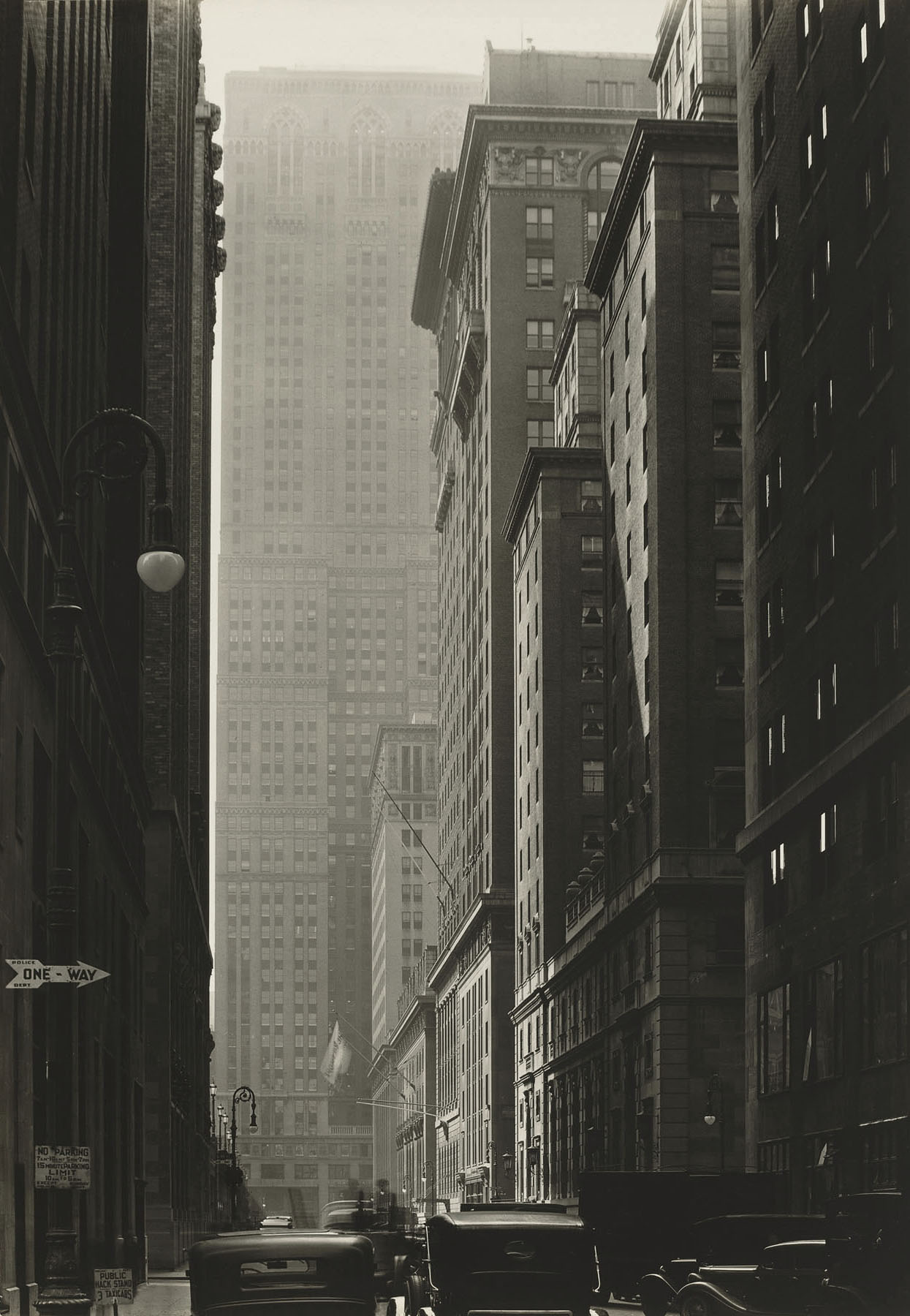


![Emmy Andriesse (Dutch, 1914-1953) 'Amsterdam tijdens de hongerwinter' (Amsterdam during the hunger winter) [1944-1945] book published 1947](https://artblart.com/wp-content/uploads/2021/11/5280-082-small.jpg "Emmy Andriesse (Dutch, 1914-1953) 'Amsterdam tijdens de hongerwinter' (Amsterdam during the hunger winter) [1944-1945] book published 1947")
![Emmy Andriesse (Dutch, 1914-1953) 'Amsterdam tijdens de hongerwinter' (Amsterdam during the hunger winter) [1944-1945] book published 1947 (detail)](https://artblart.com/wp-content/uploads/2021/11/5280-082-detail1.jpg "Emmy Andriesse (Dutch, 1914-1953) 'Amsterdam tijdens de hongerwinter' (Amsterdam during the hunger winter) [1944-1945] book published 1947 (detail)")
![Emmy Andriesse (Dutch, 1914-1953) 'Amsterdam tijdens de hongerwinter' (Amsterdam during the hunger winter) [1944-1945] book published 1947 (detail)](https://artblart.com/wp-content/uploads/2021/11/5280-082-detail2.jpg "Emmy Andriesse (Dutch, 1914-1953) 'Amsterdam tijdens de hongerwinter' (Amsterdam during the hunger winter) [1944-1945] book published 1947 (detail)")
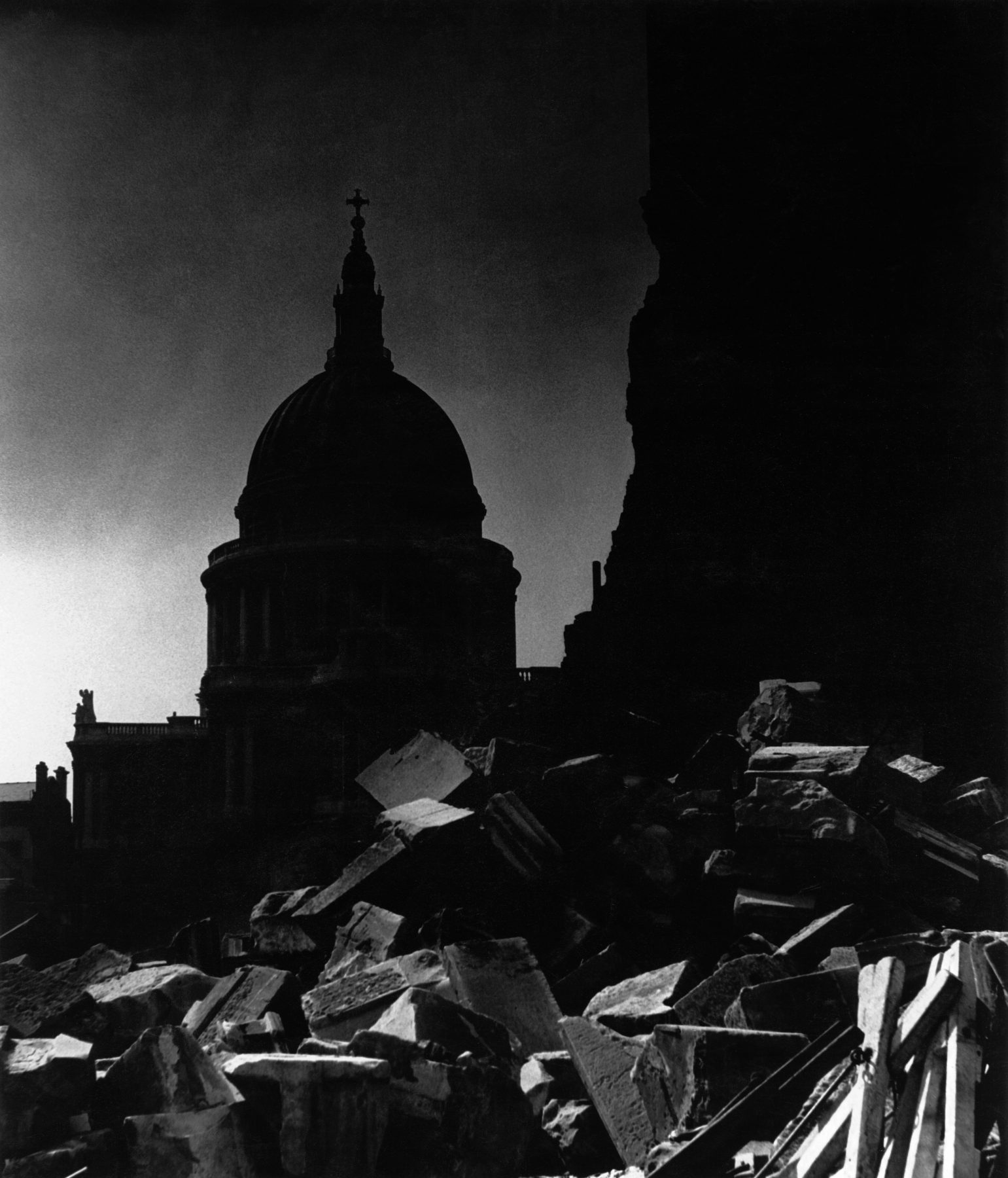


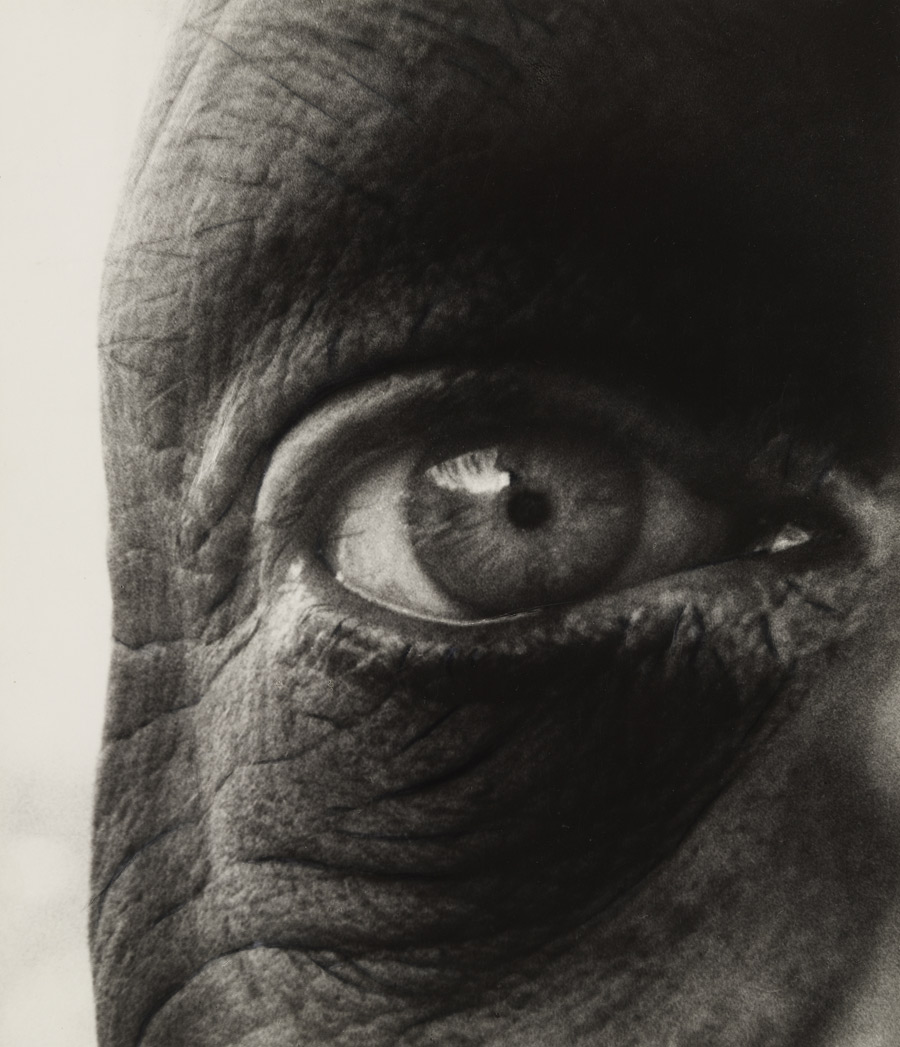


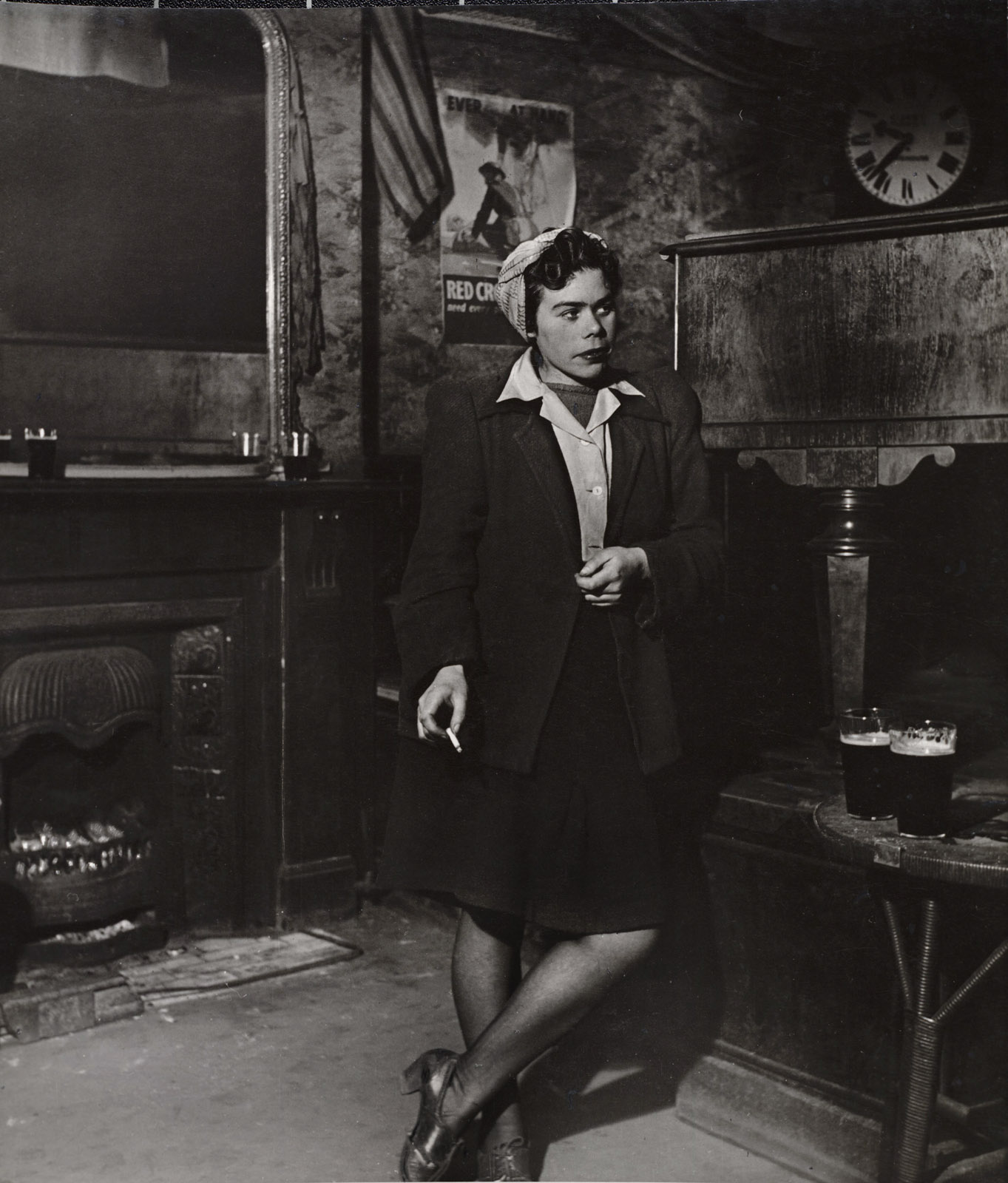


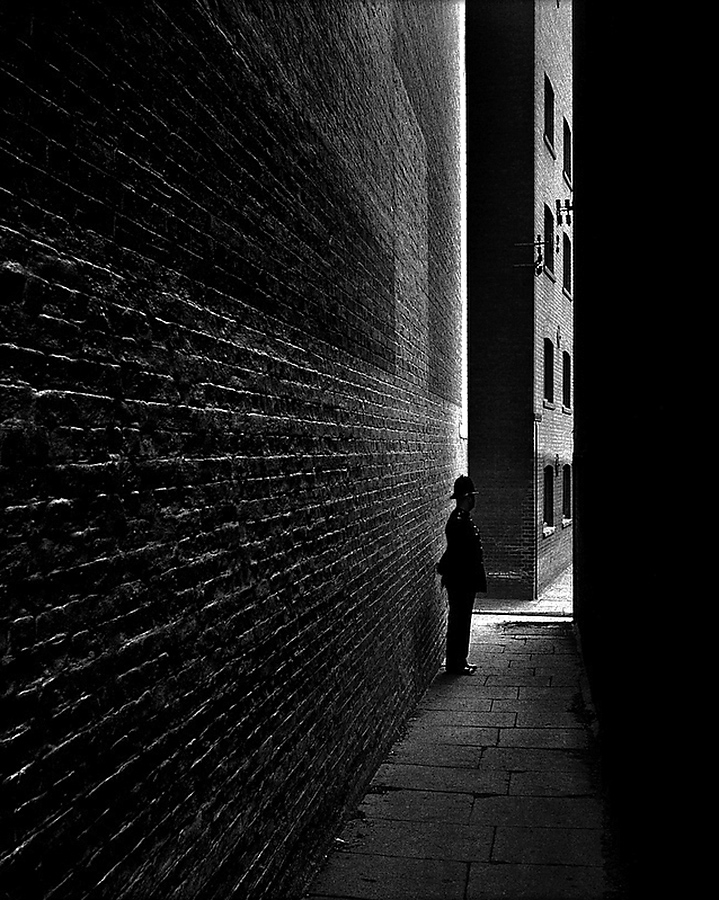

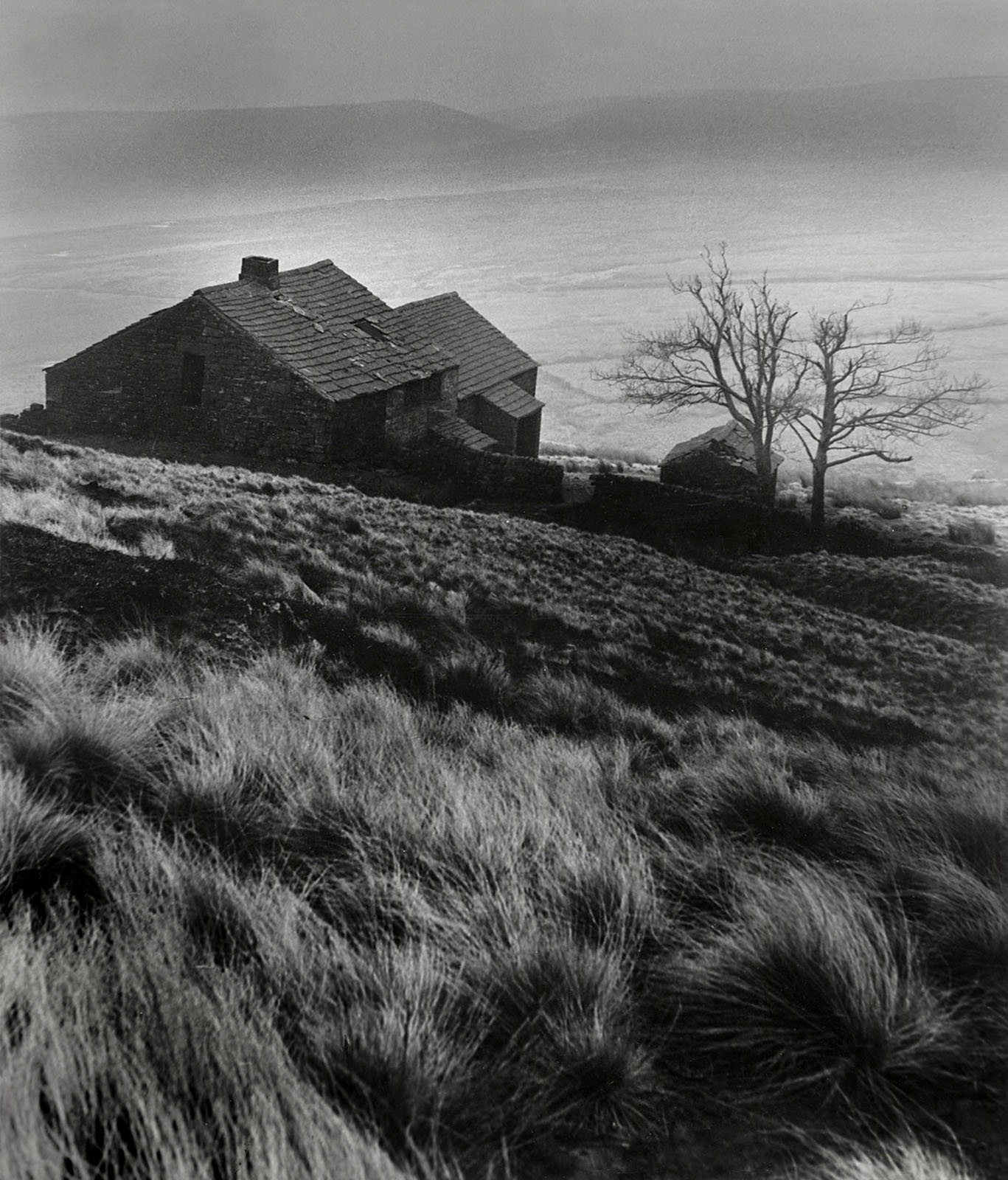


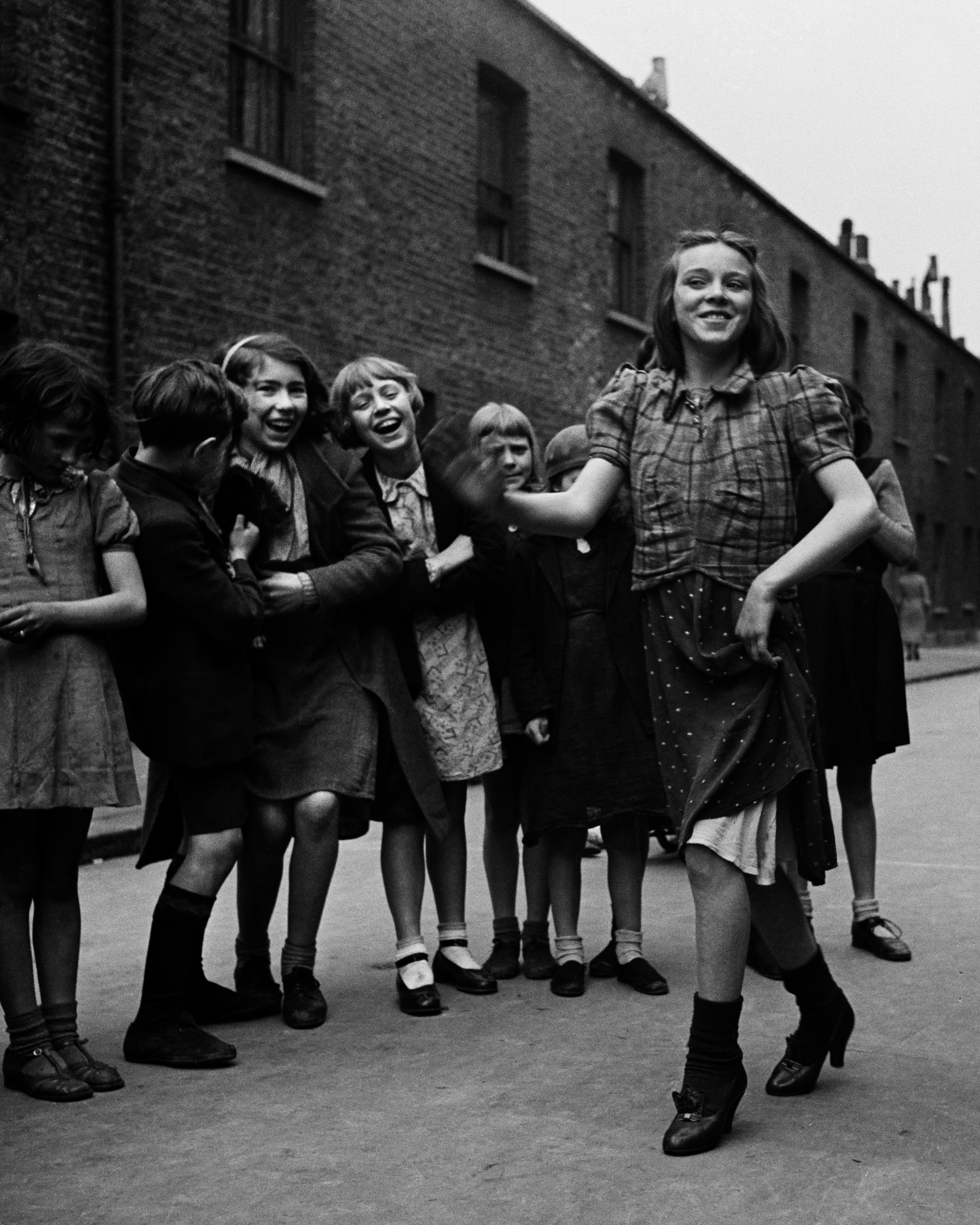


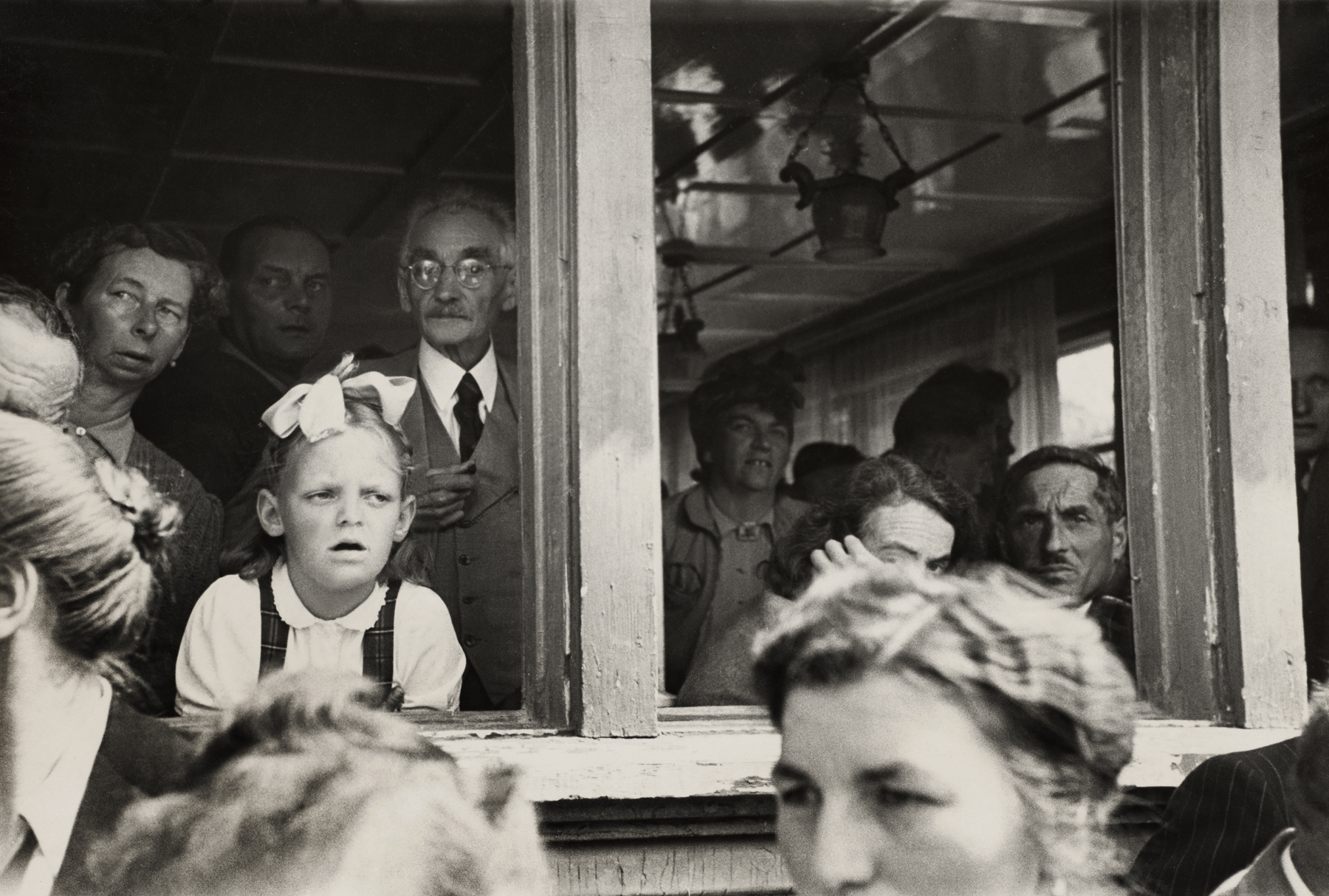
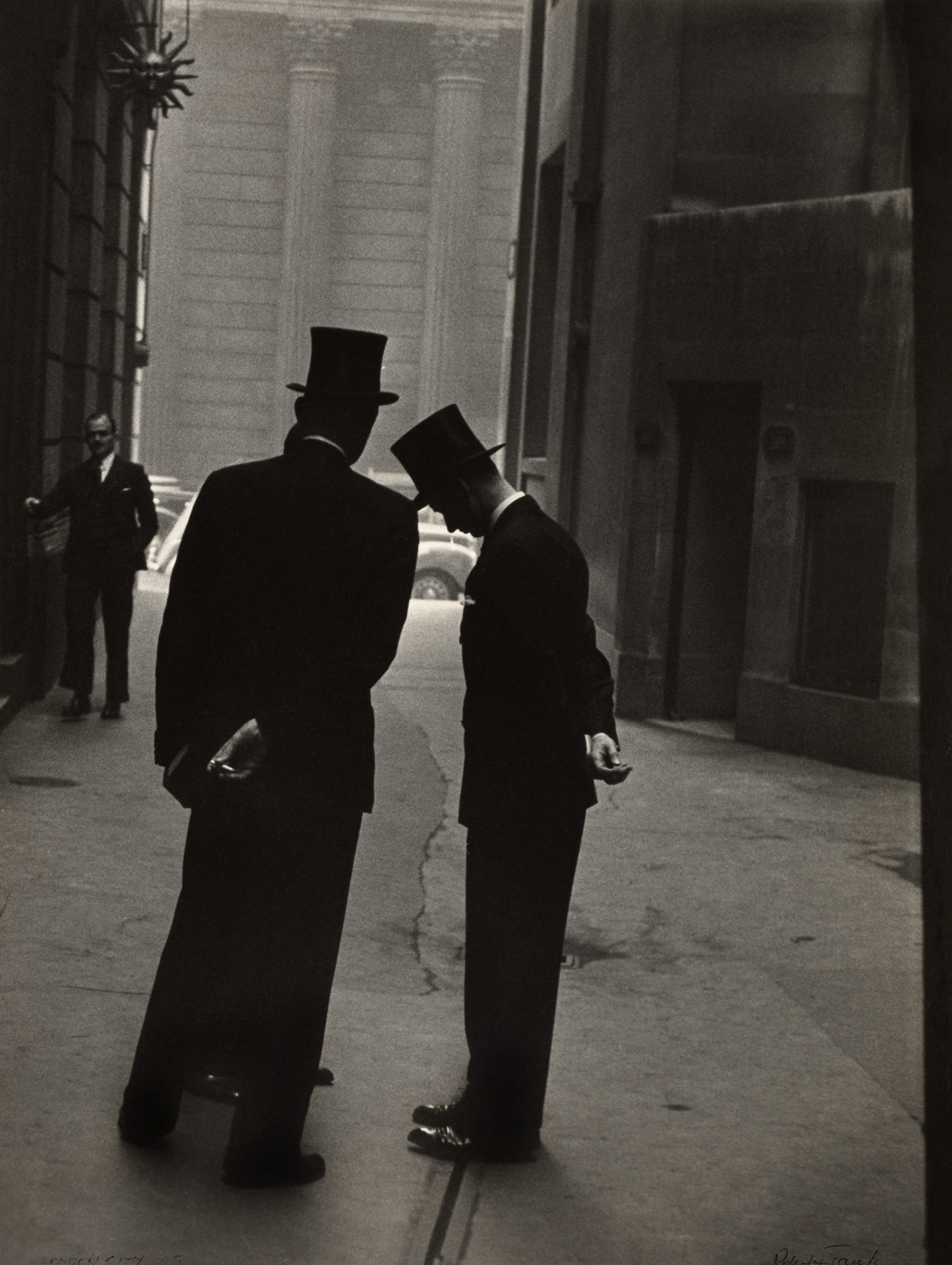
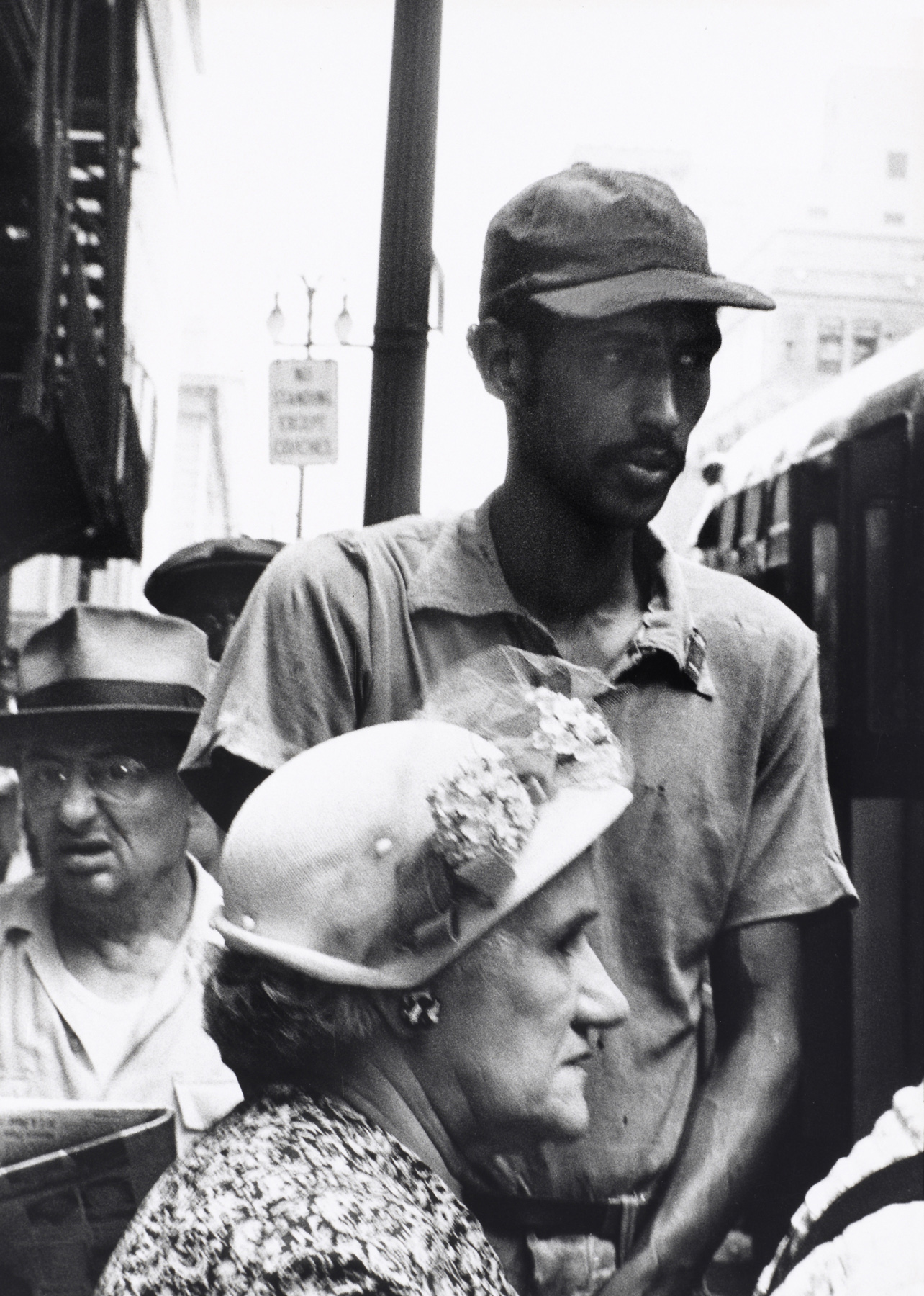
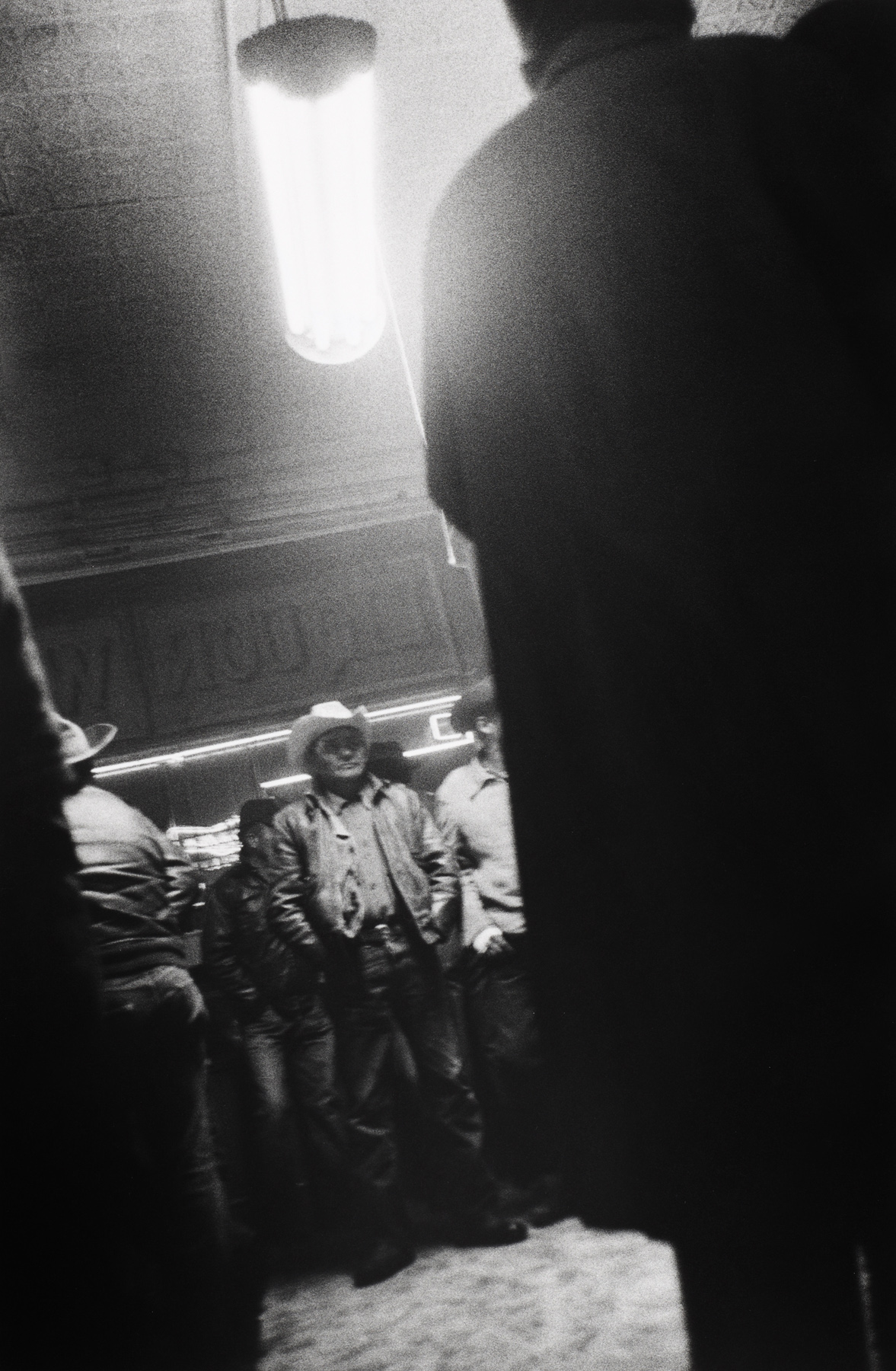
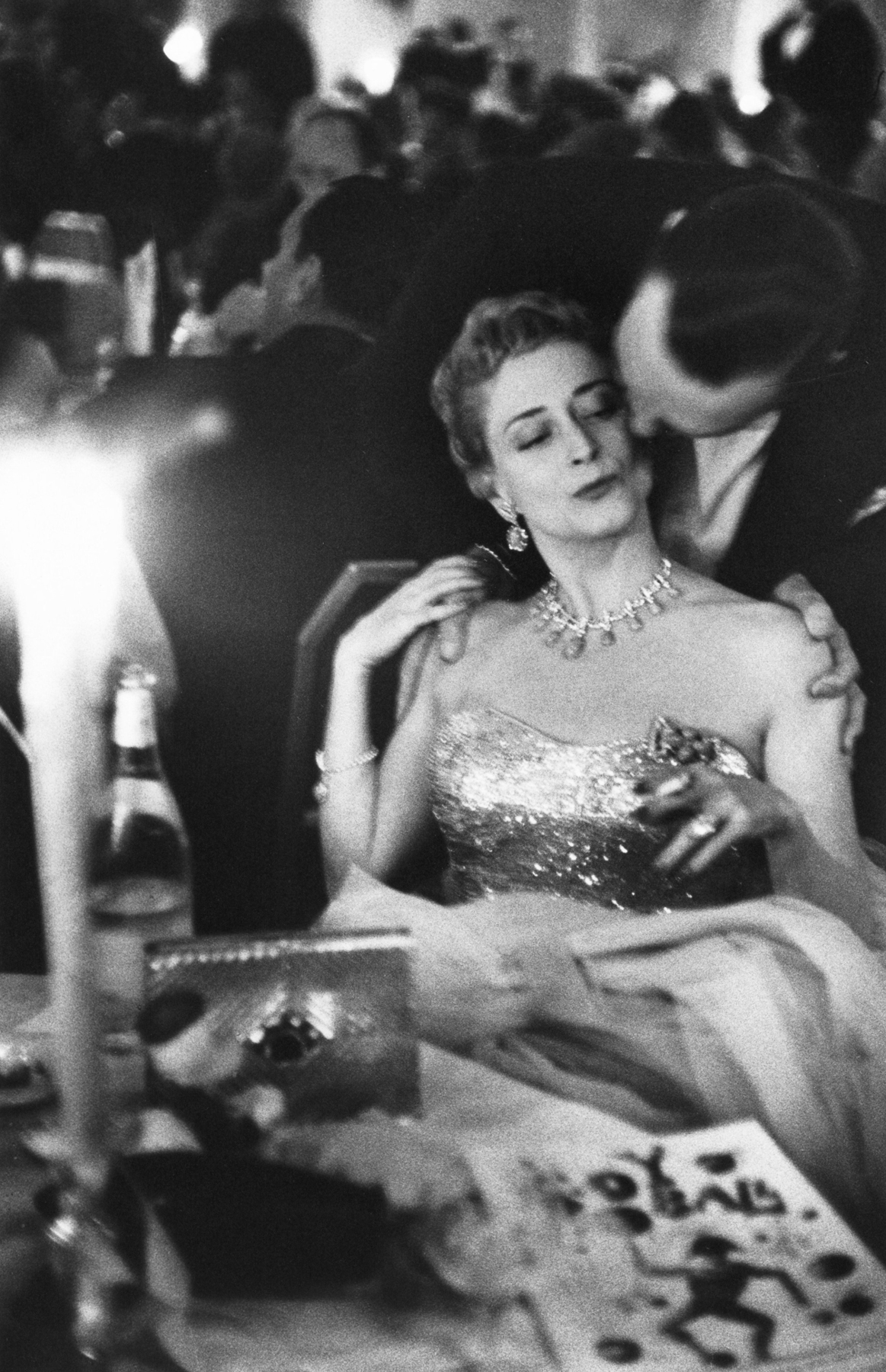






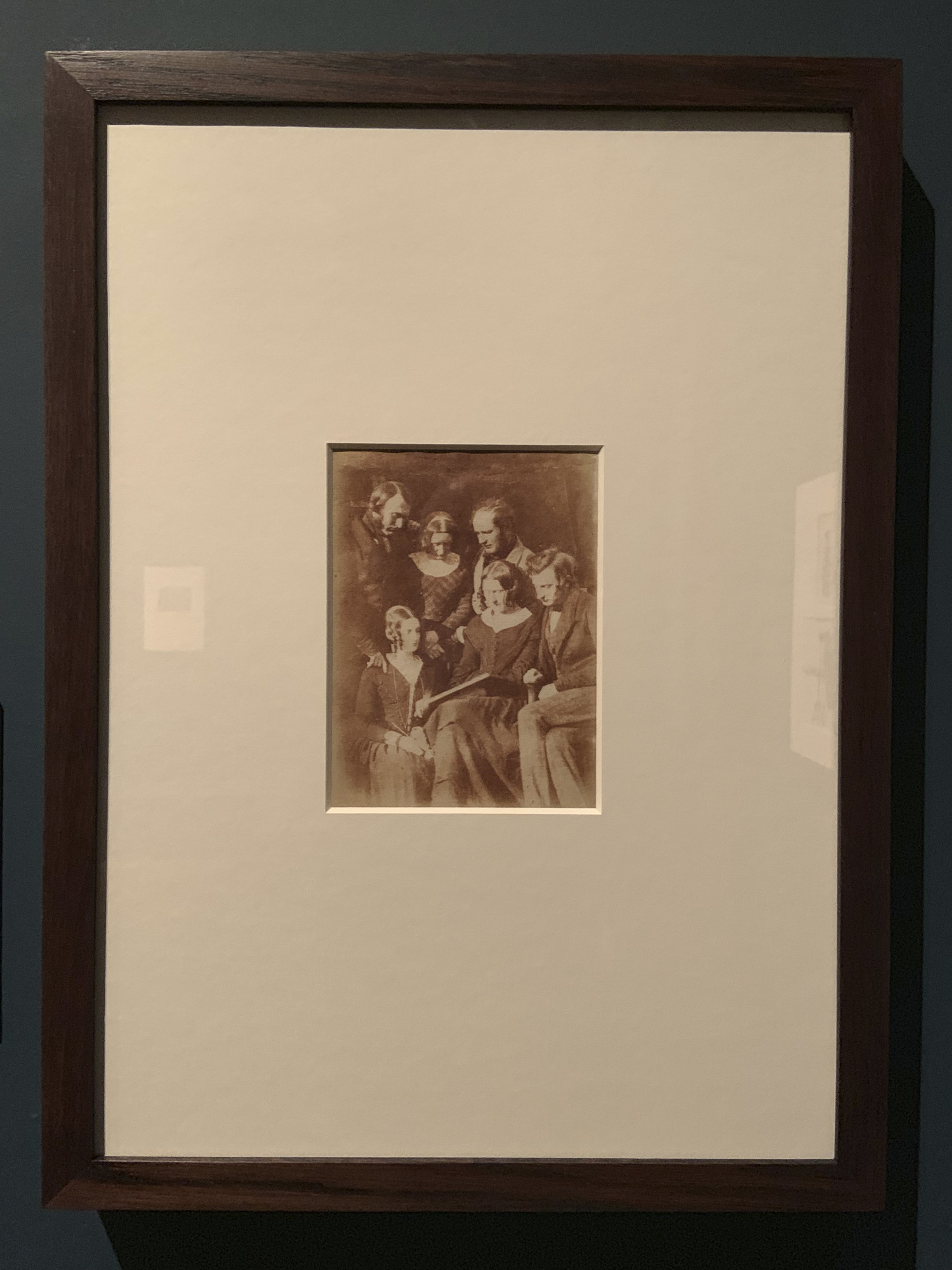

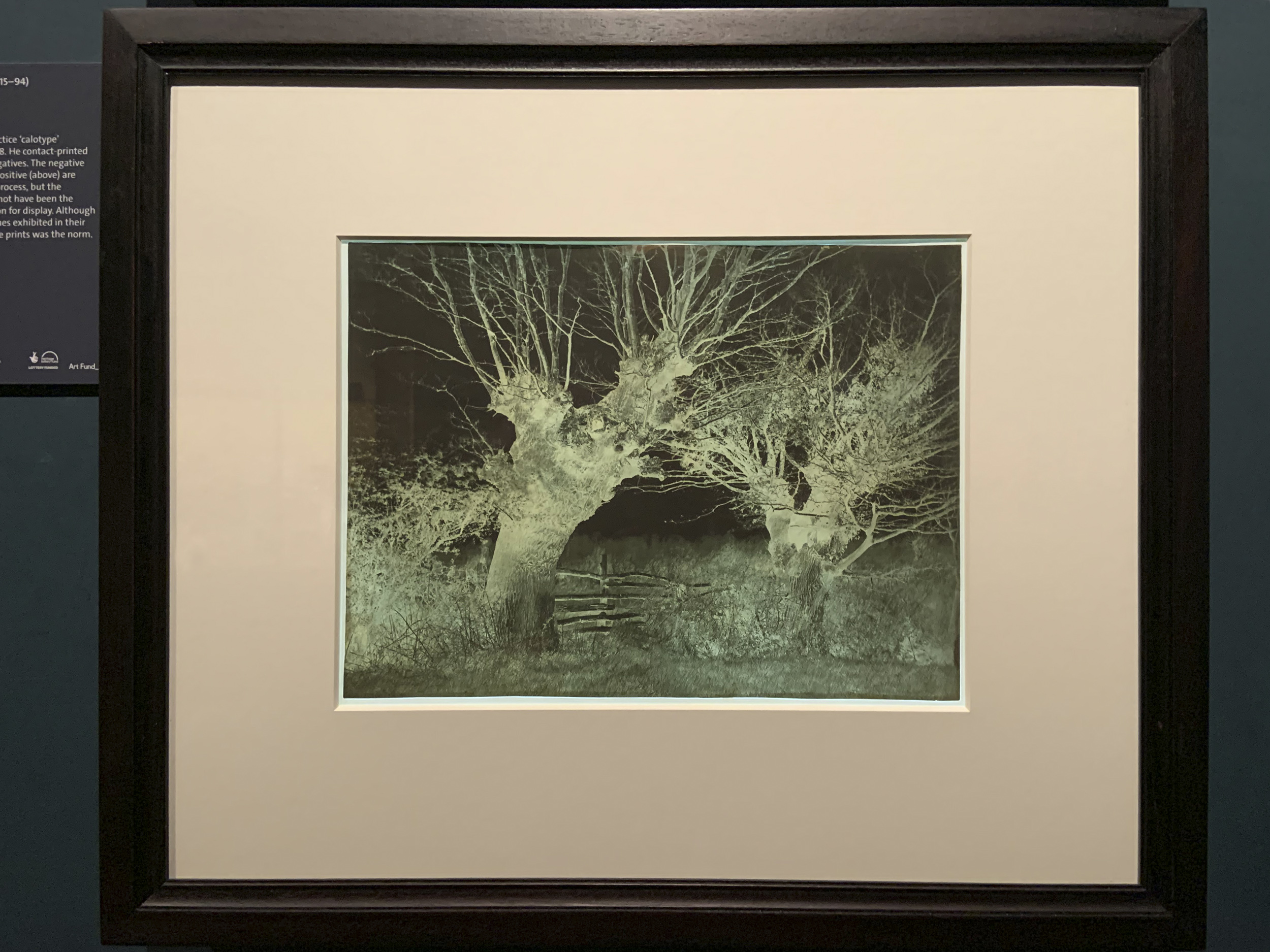
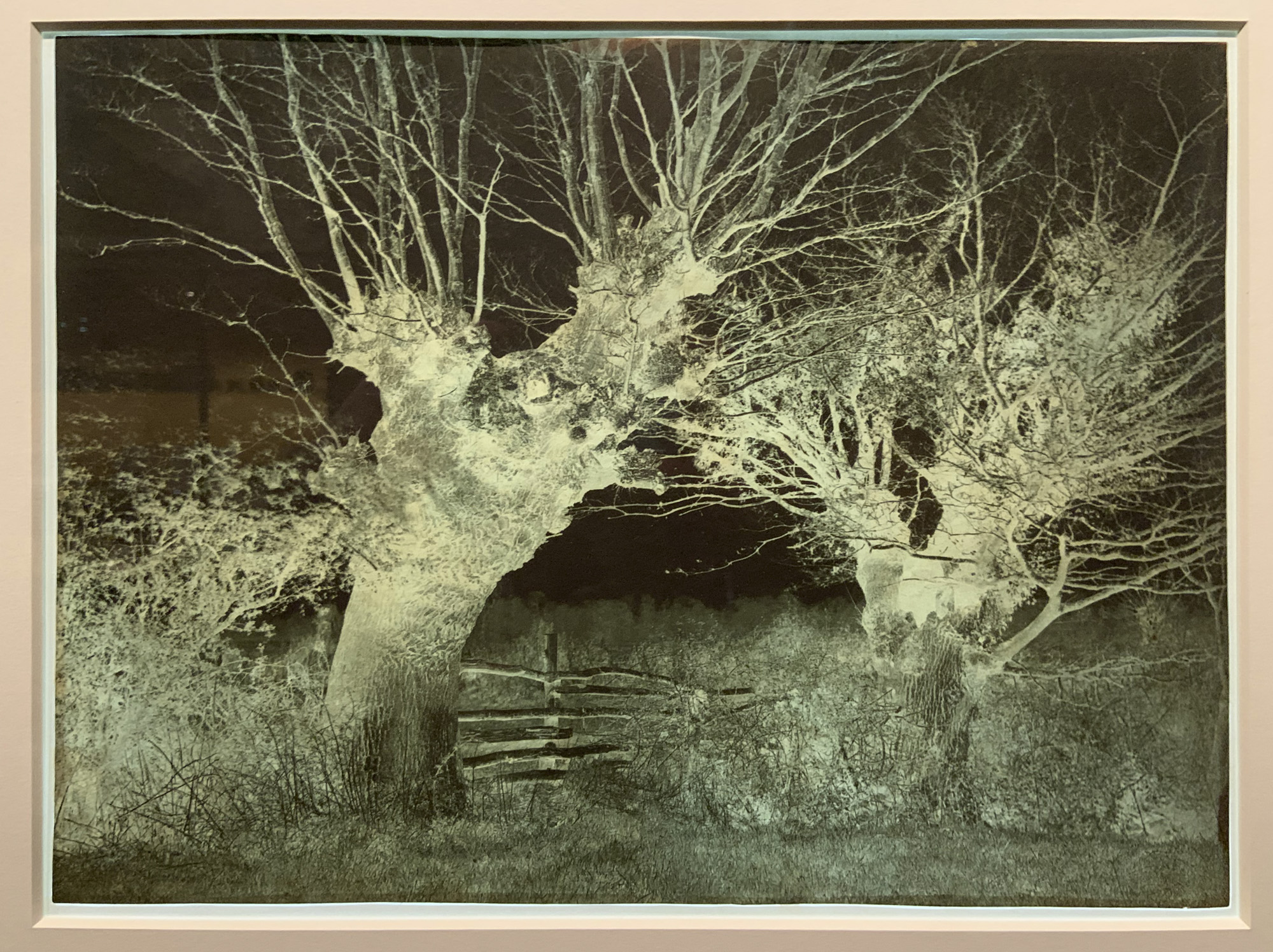
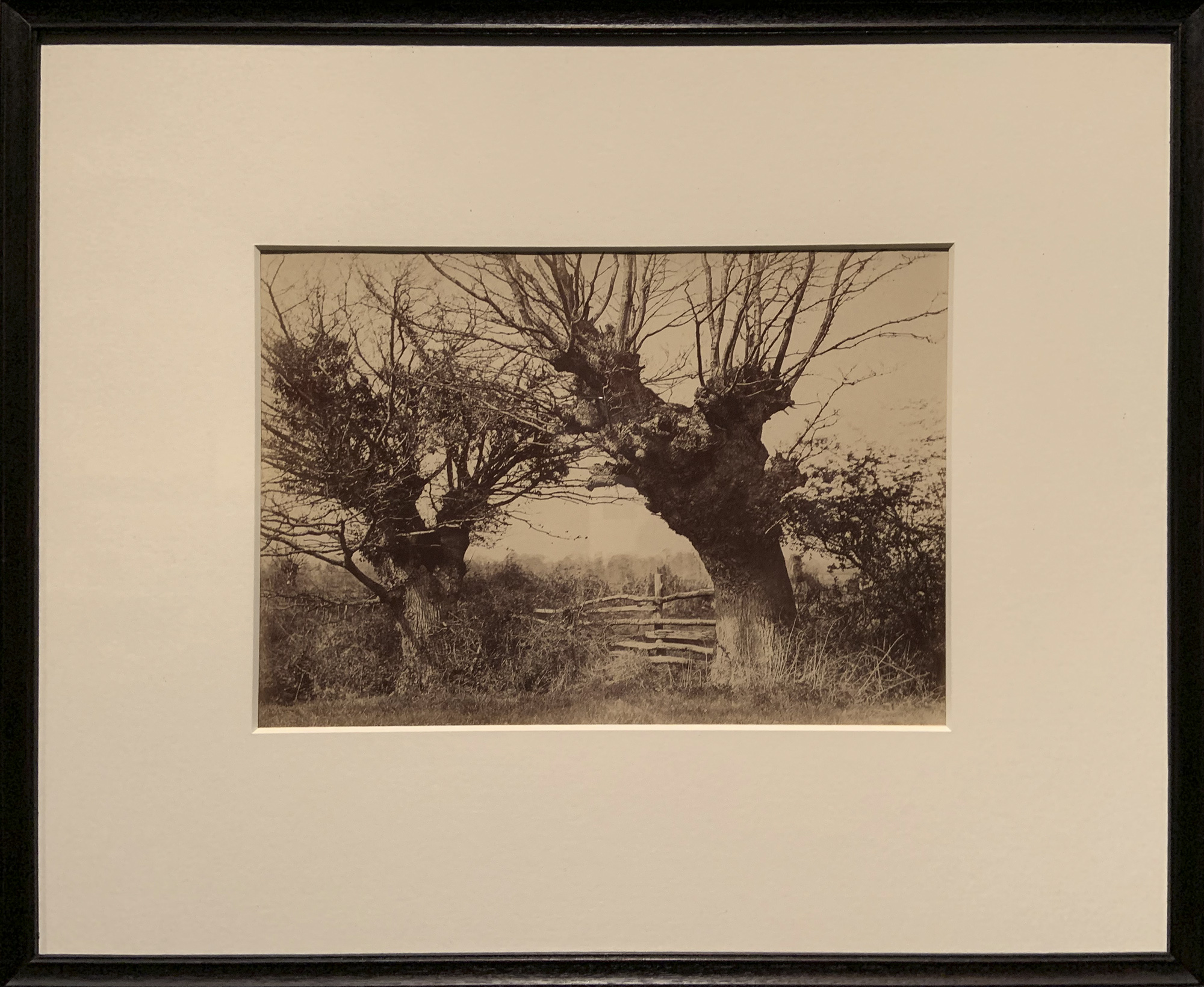


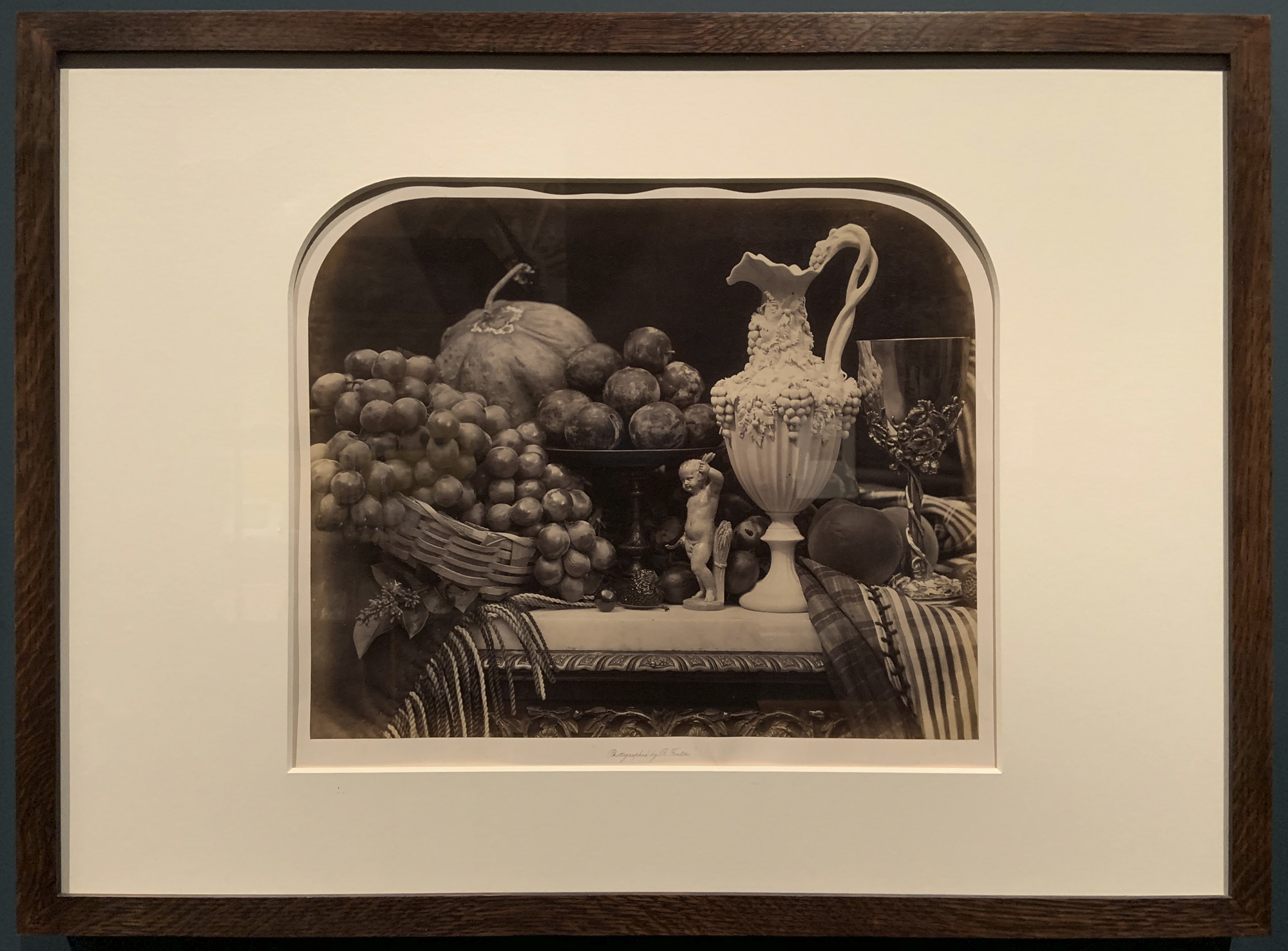
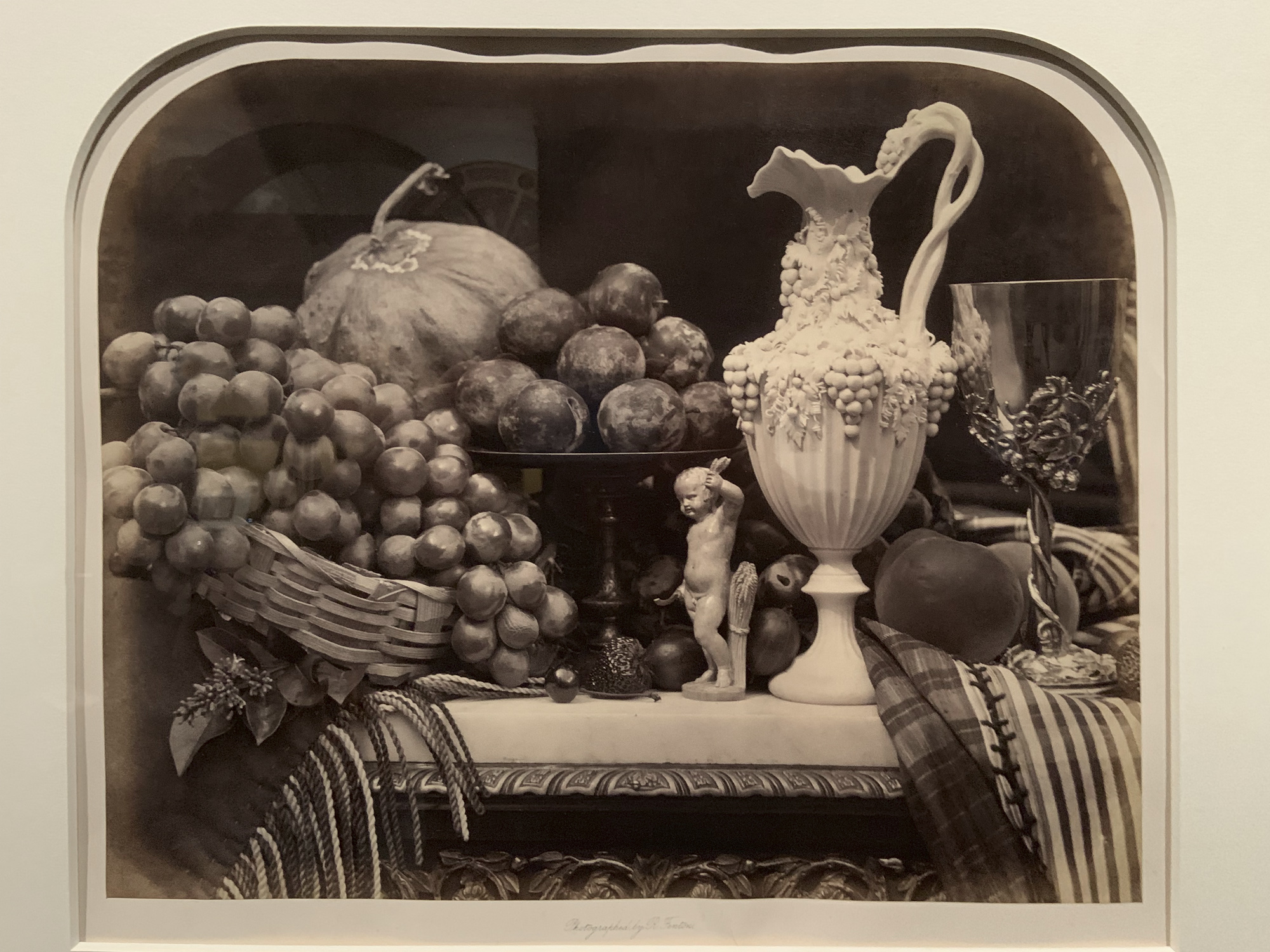


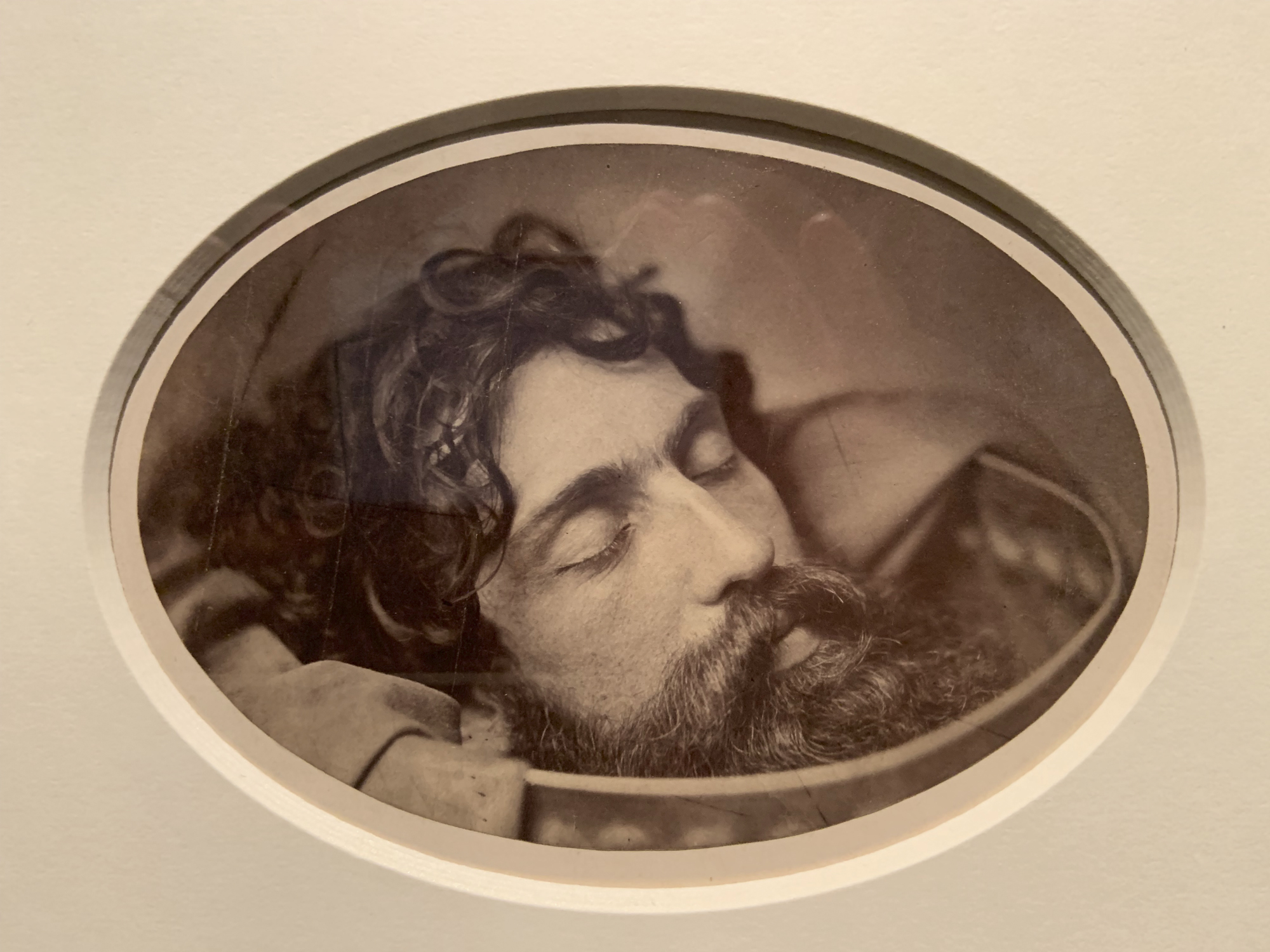
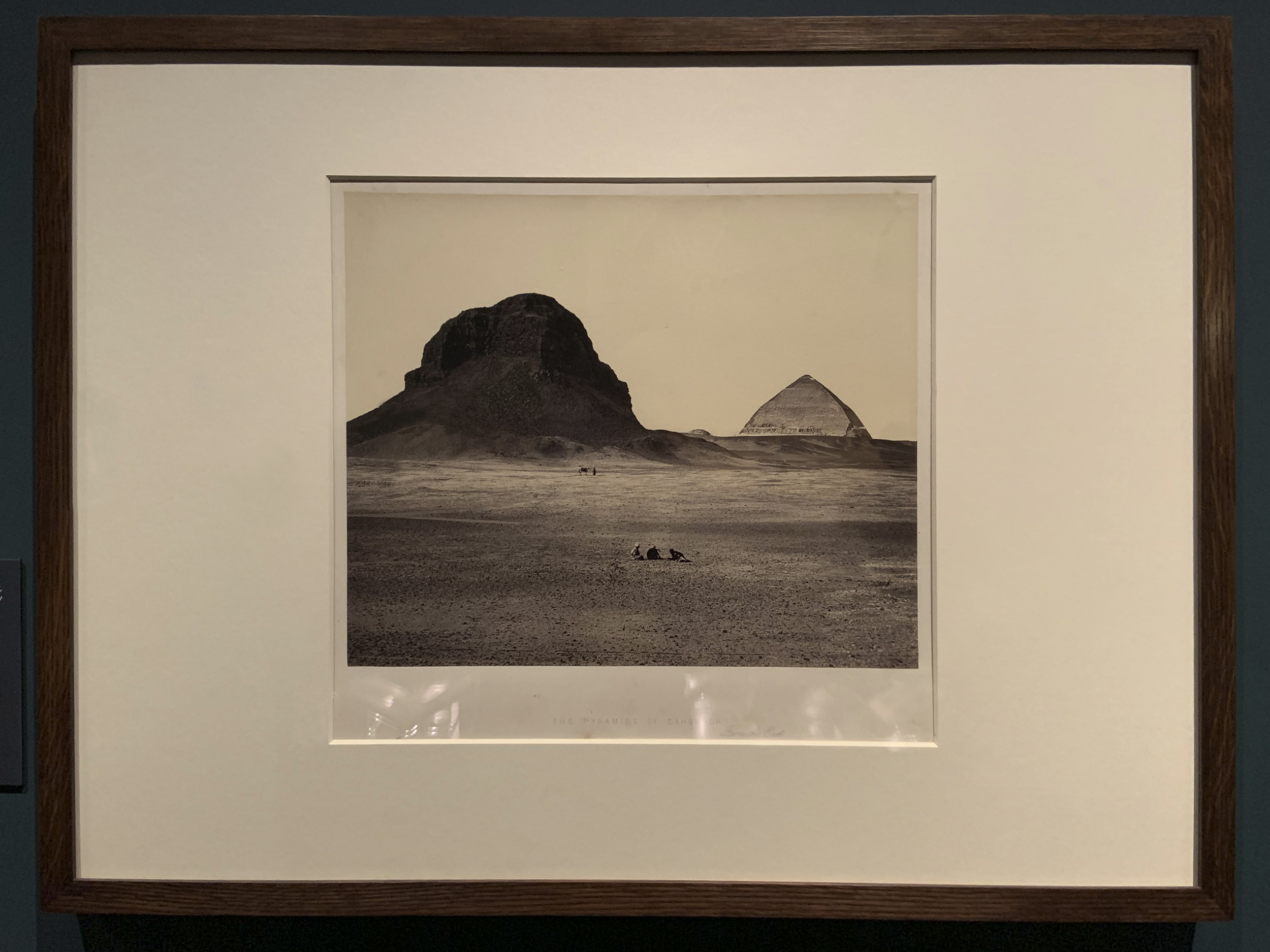

![Francis Frith (British, 1822-98) 'The Pyramids of Dahshoor [Dahshur], from the East, from Egypt, Sinai, and Jerusalem: A Series of Twenty Photographic Views by Francis Frith' 1858 (published 1860 or 1862) from the V&A Photography Centre, London 2019](https://artblart.com/wp-content/uploads/2020/05/frith-the-pyramids-of-dahshoor-web.jpg "Francis Frith (British, 1822-98) 'The Pyramids of Dahshoor [Dahshur], from the East, from Egypt, Sinai, and Jerusalem: A Series of Twenty Photographic Views by Francis Frith' 1858 (published 1860 or 1862) from the V&A Photography Centre, London 2019")


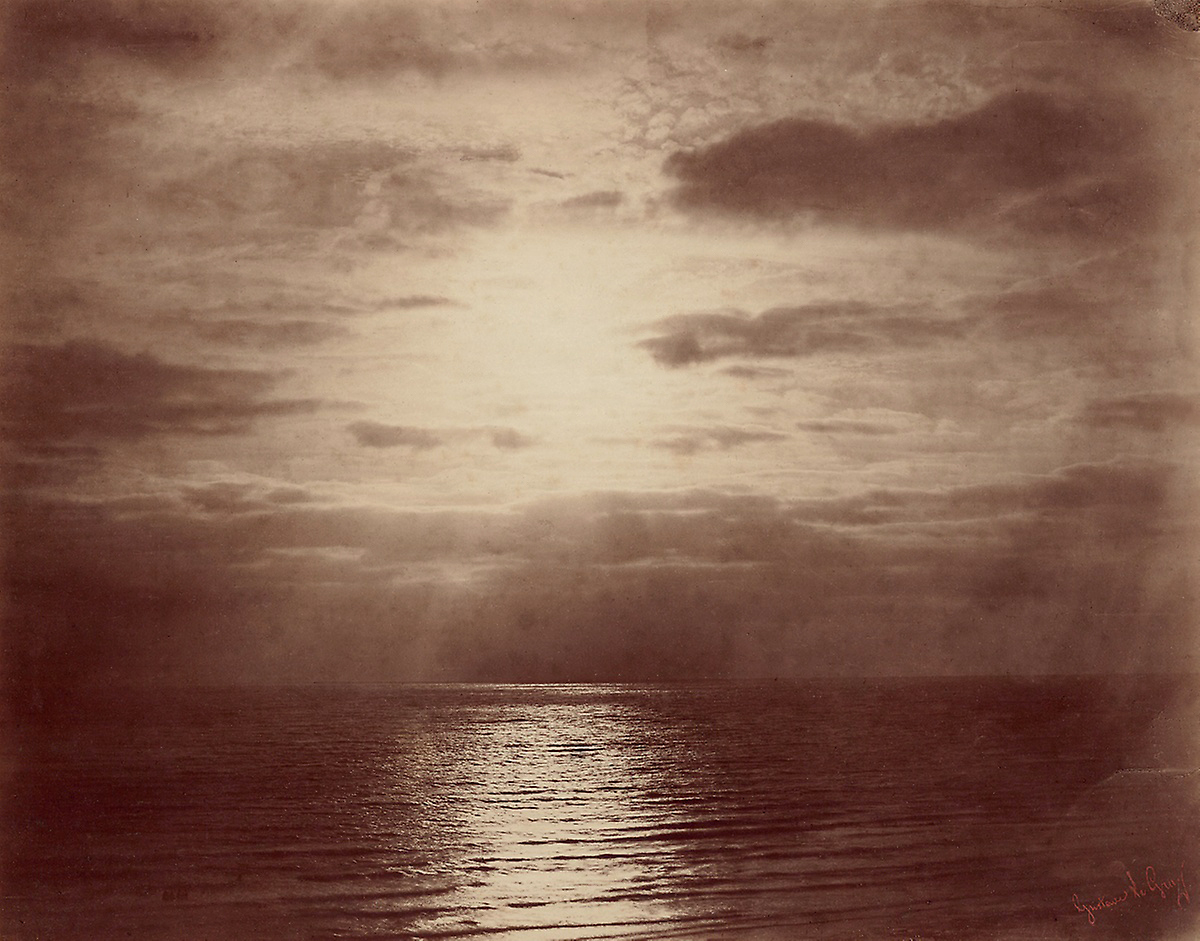
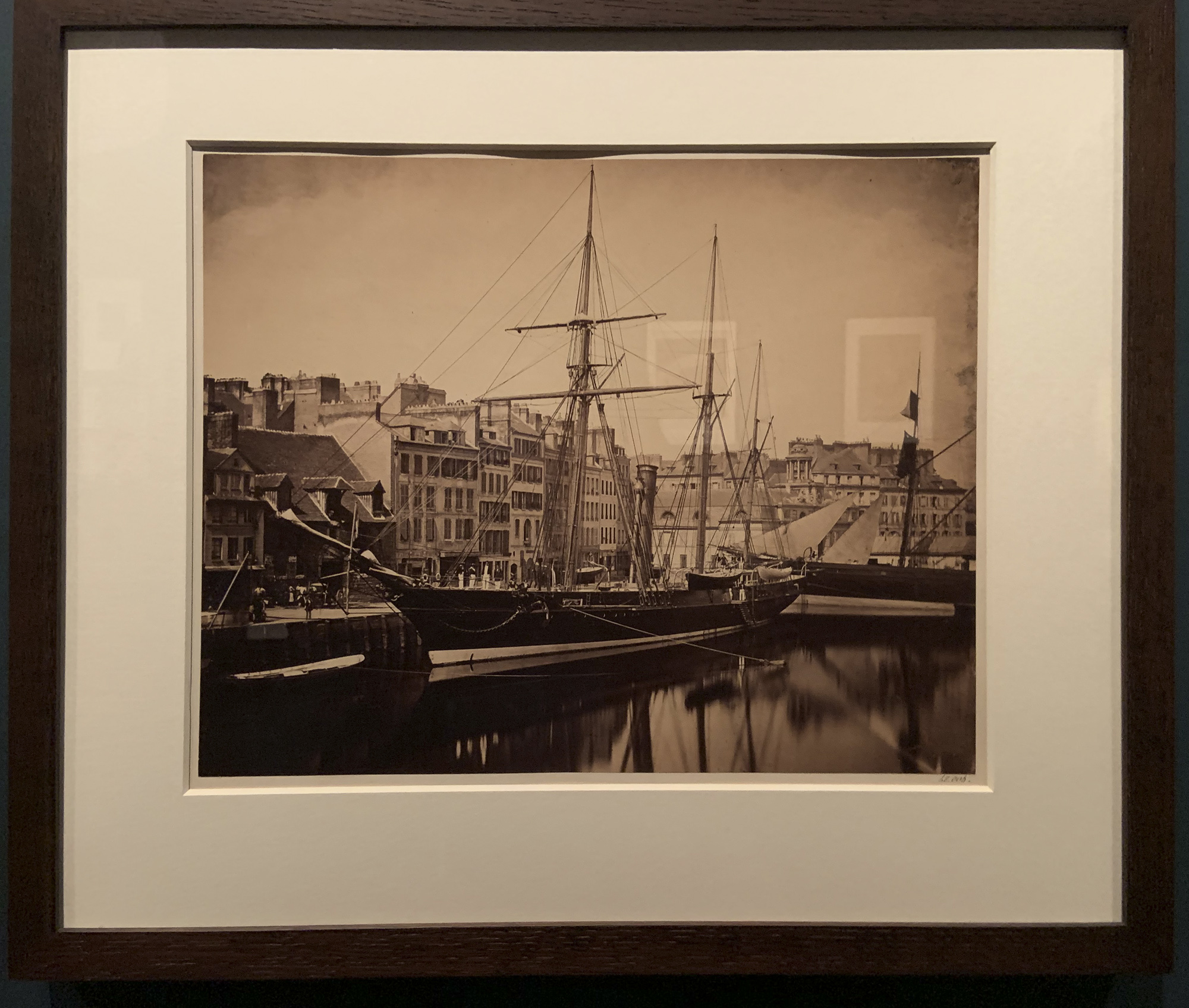

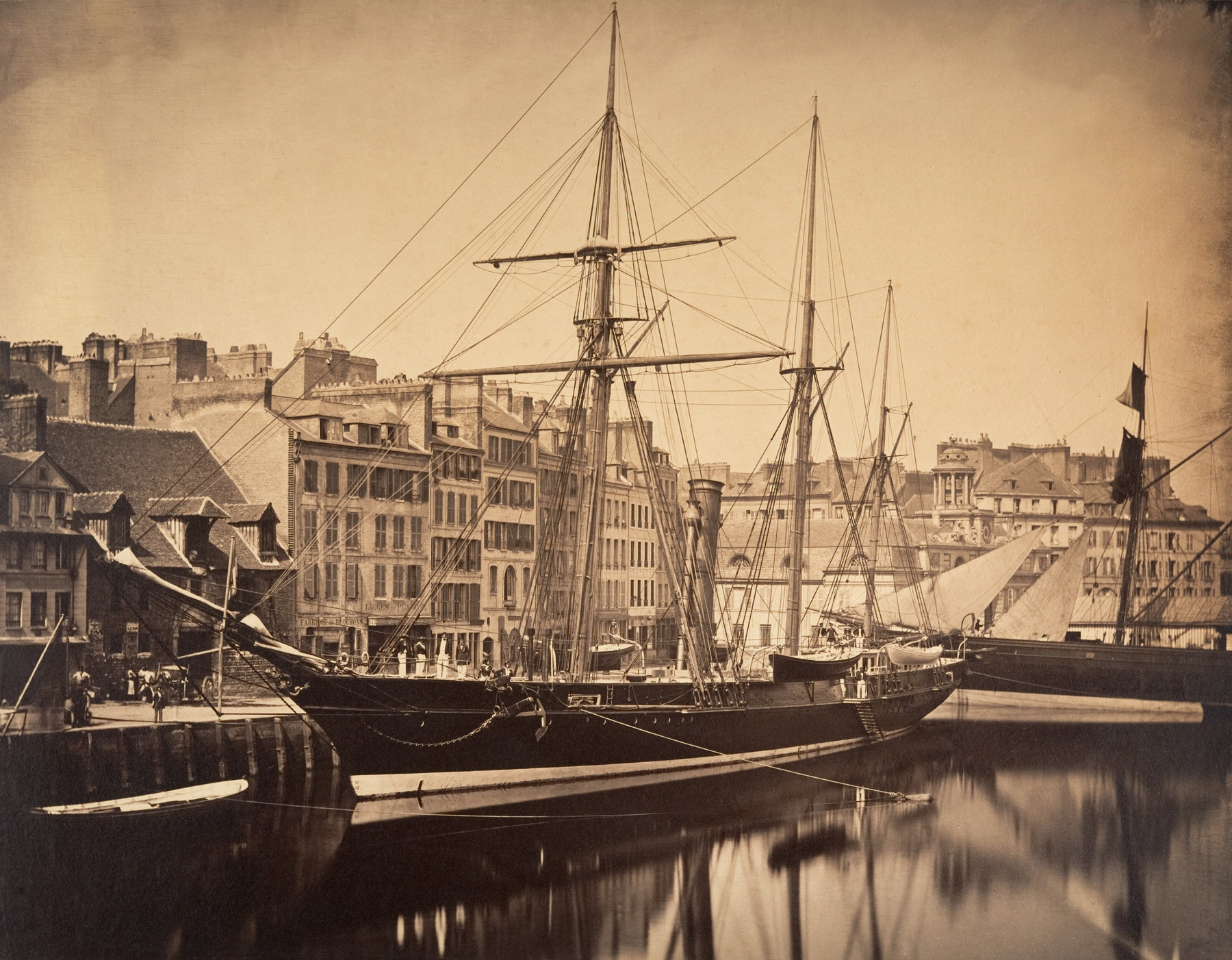

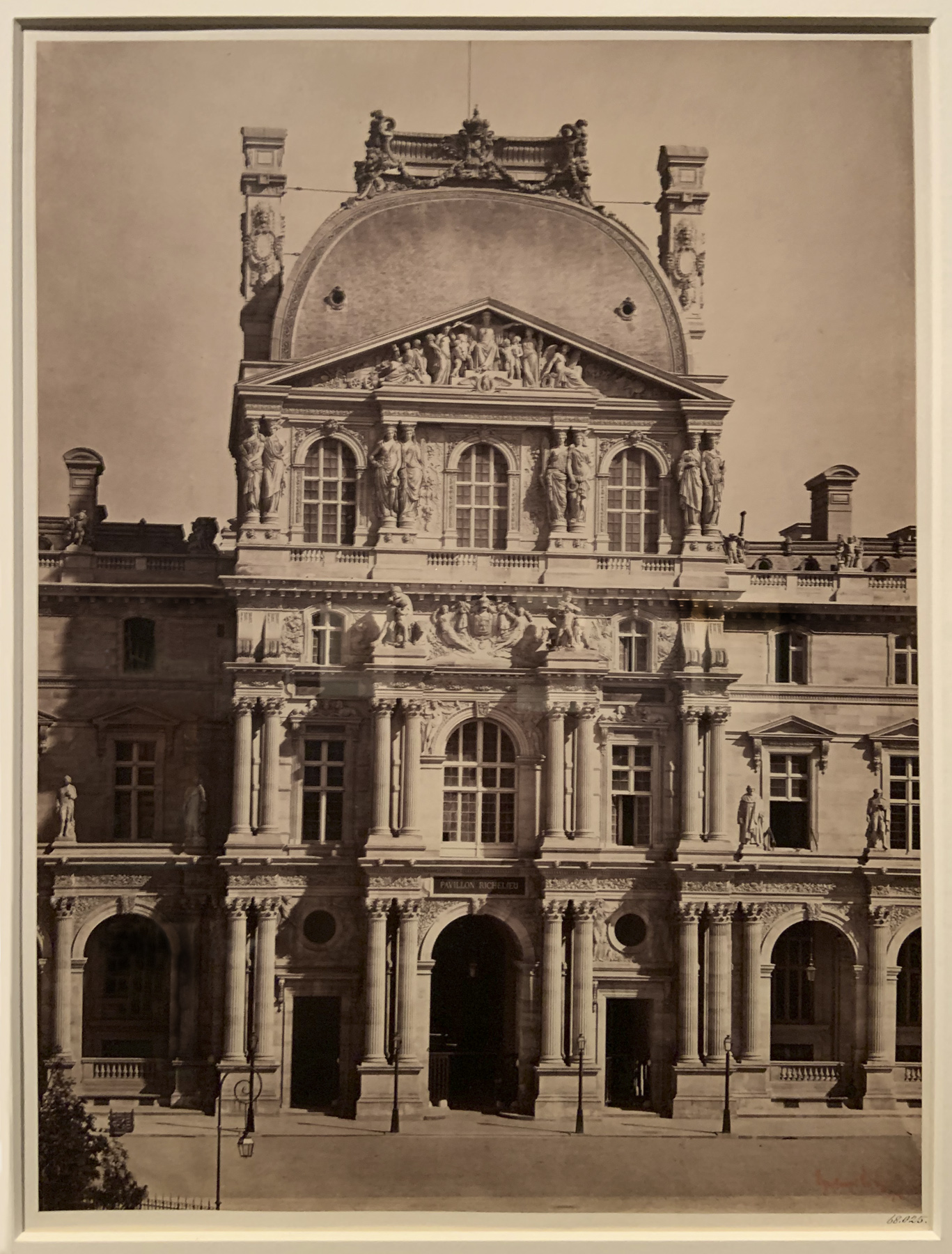


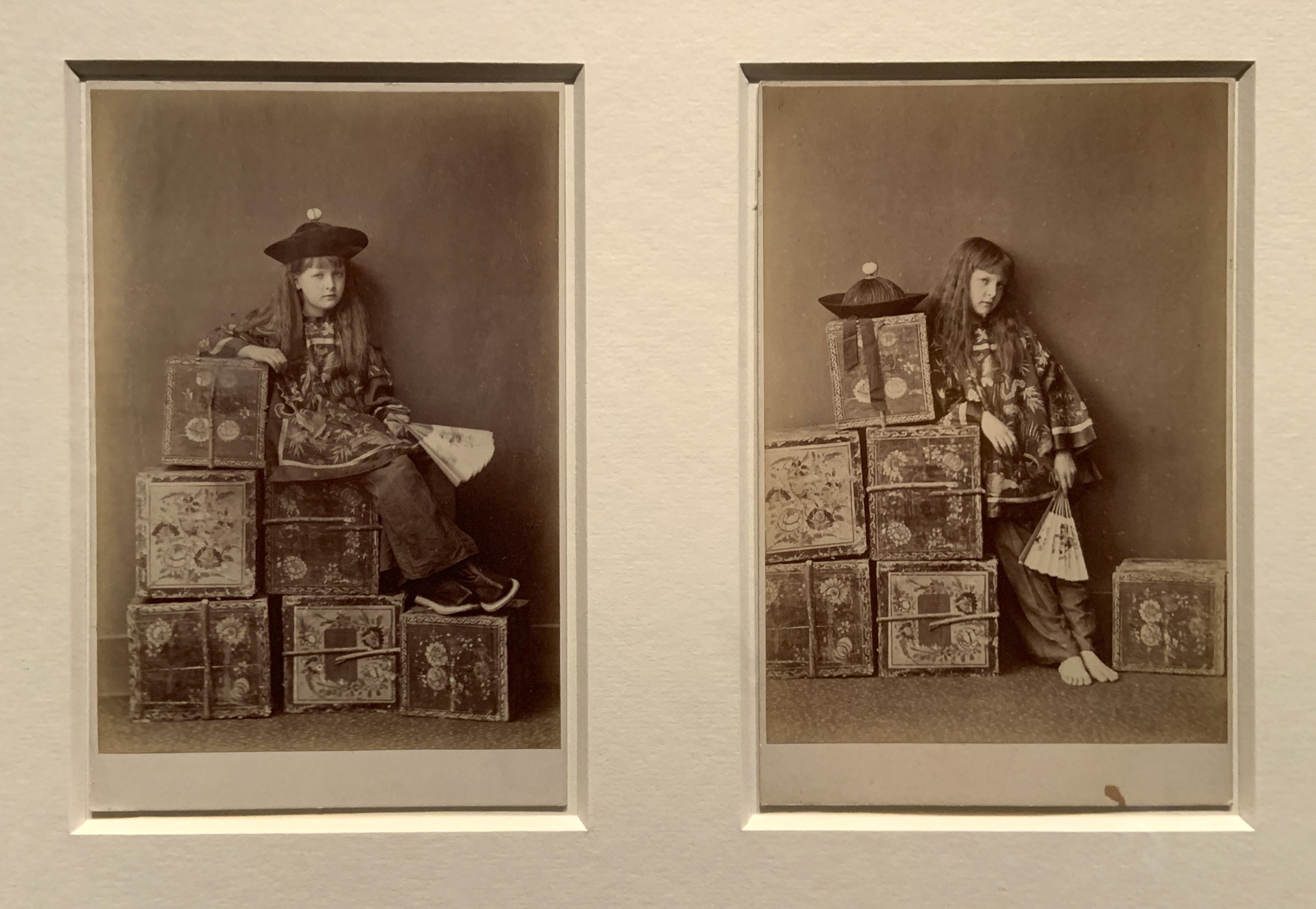
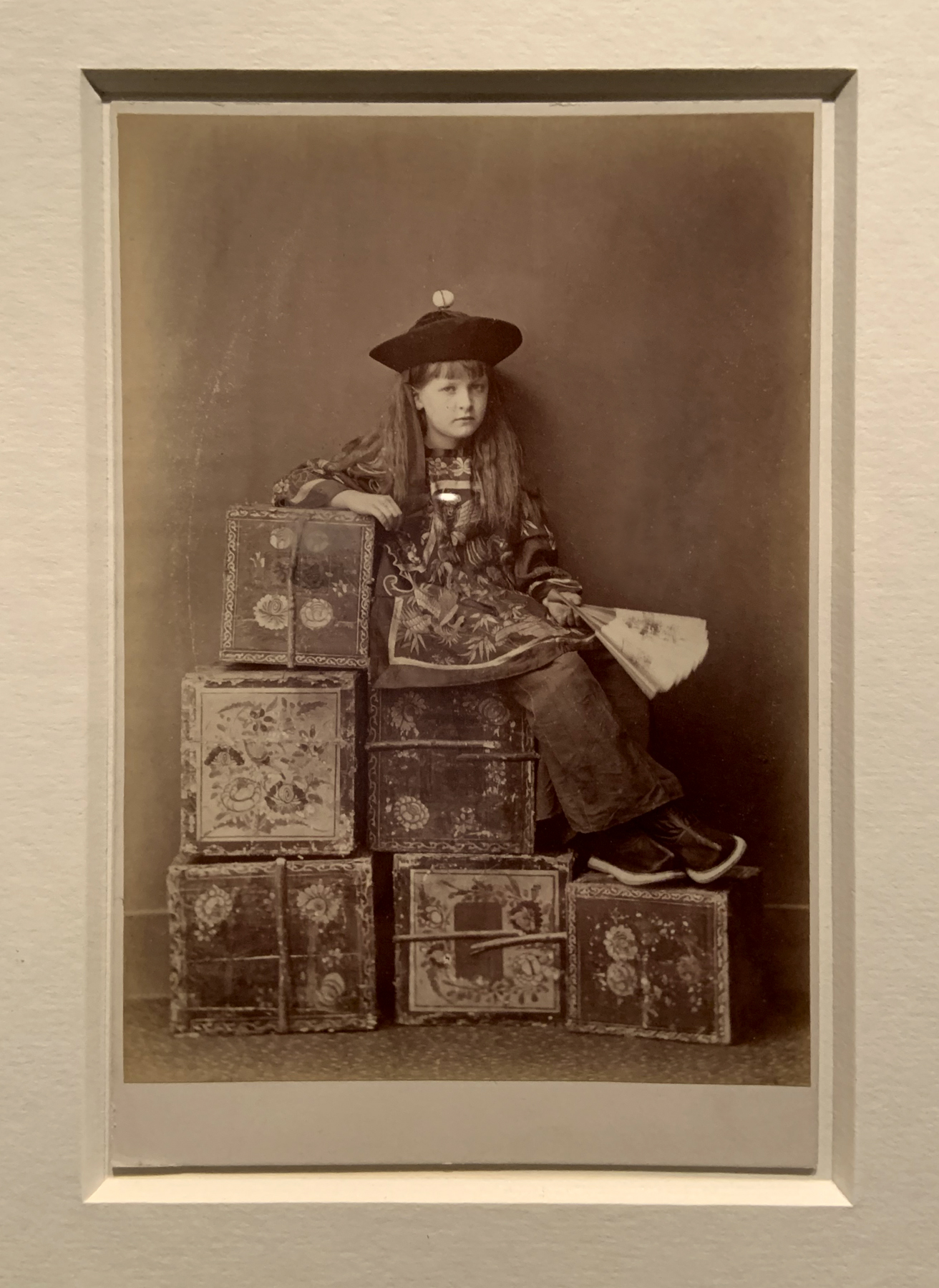


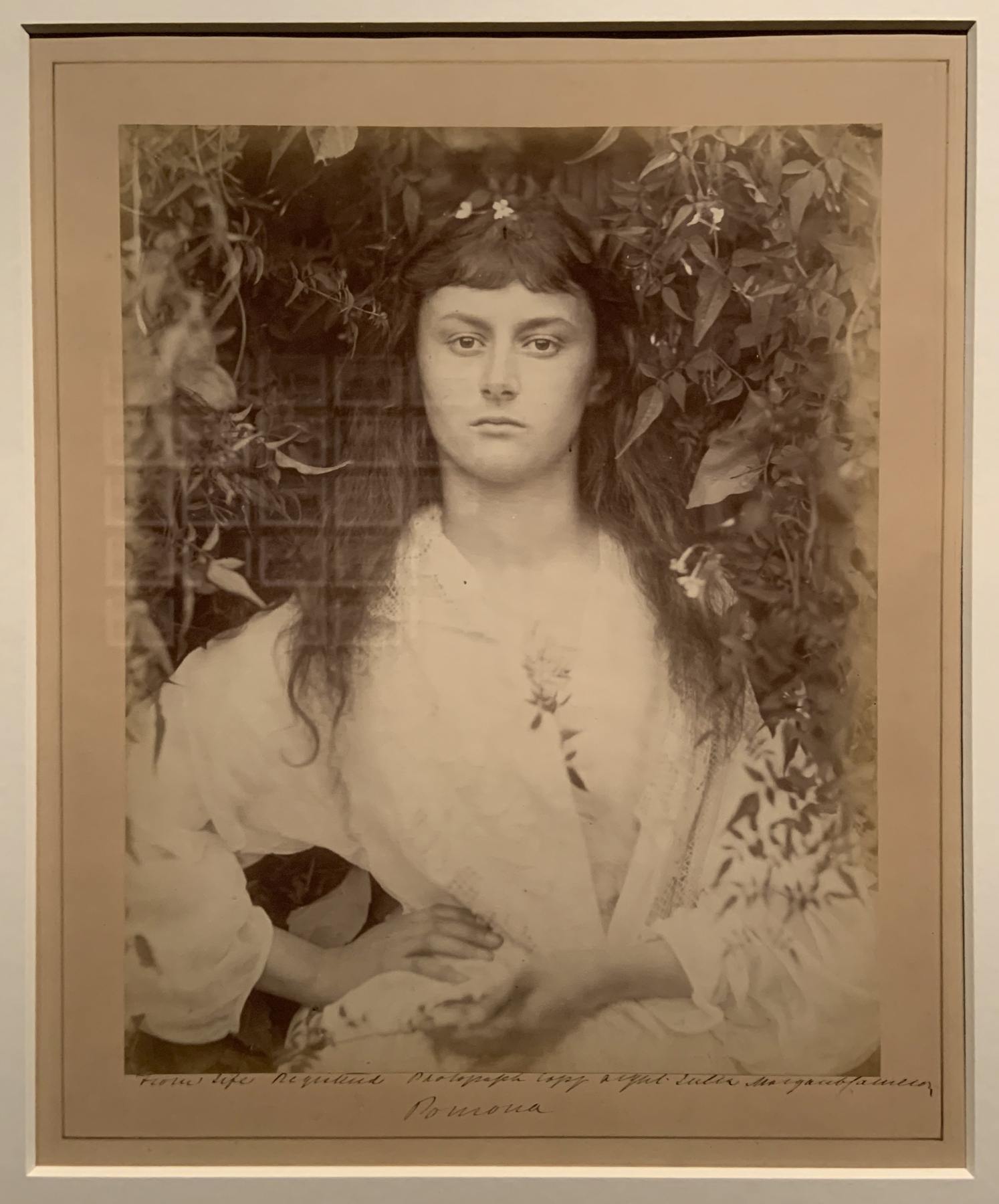
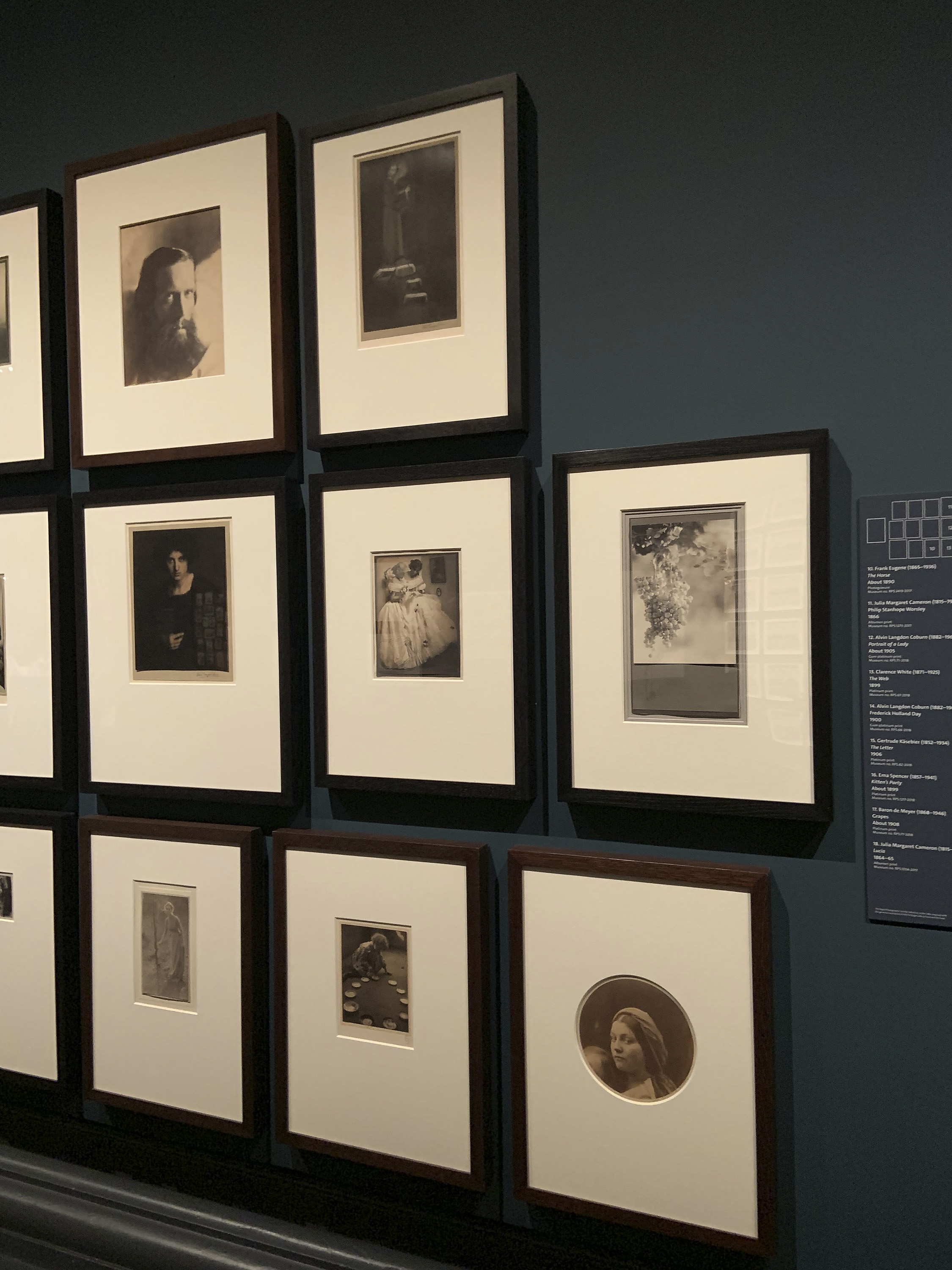

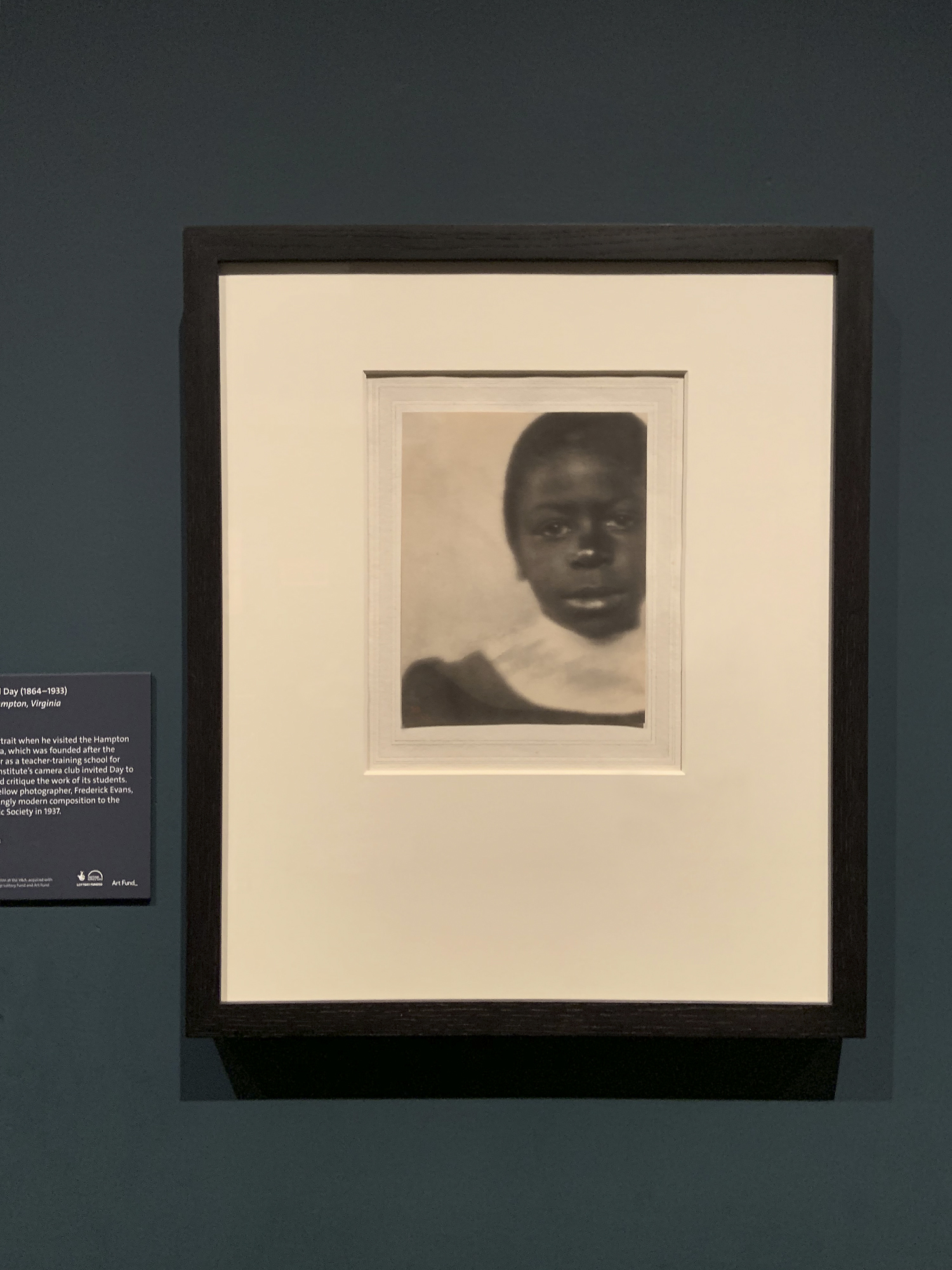
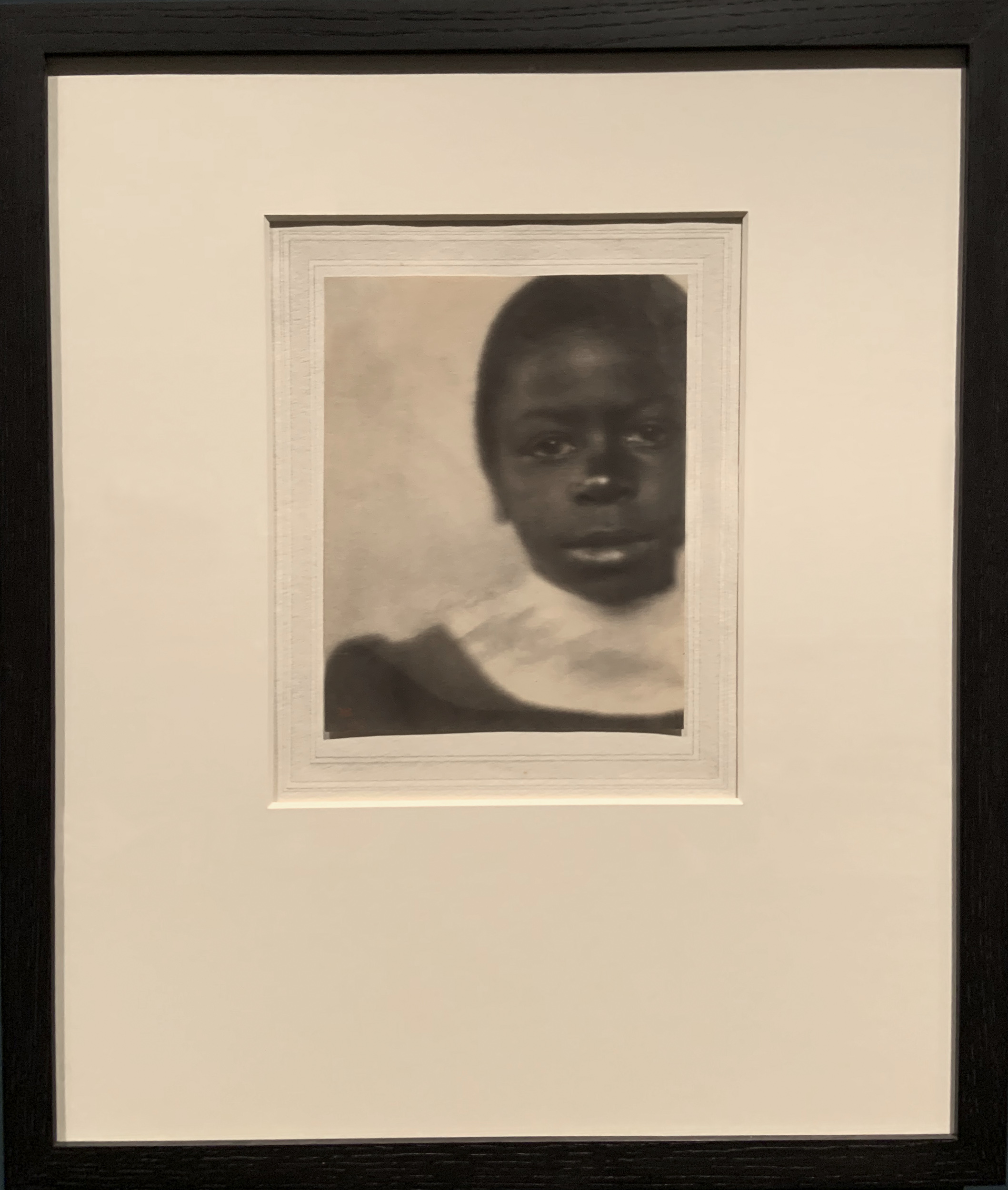


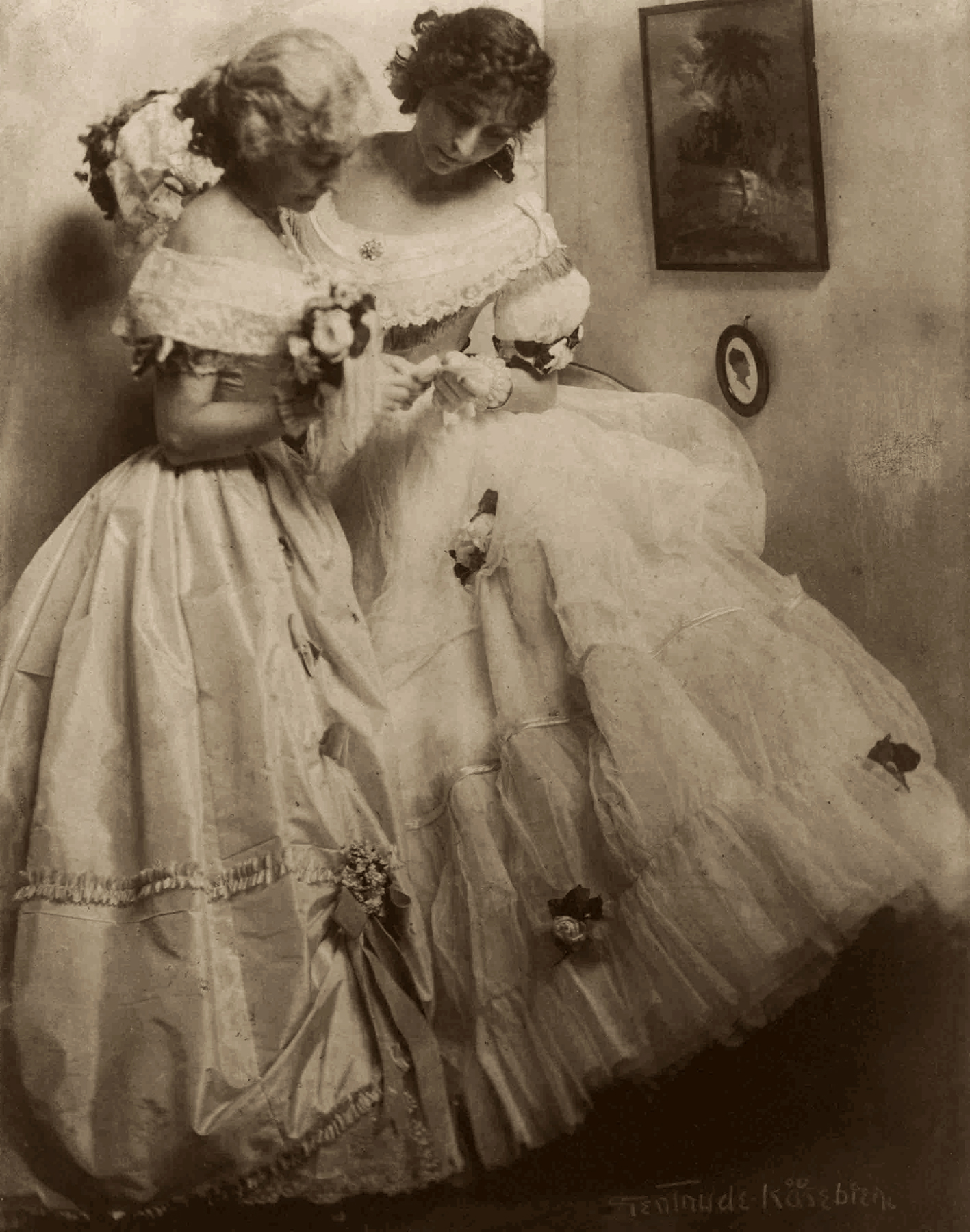


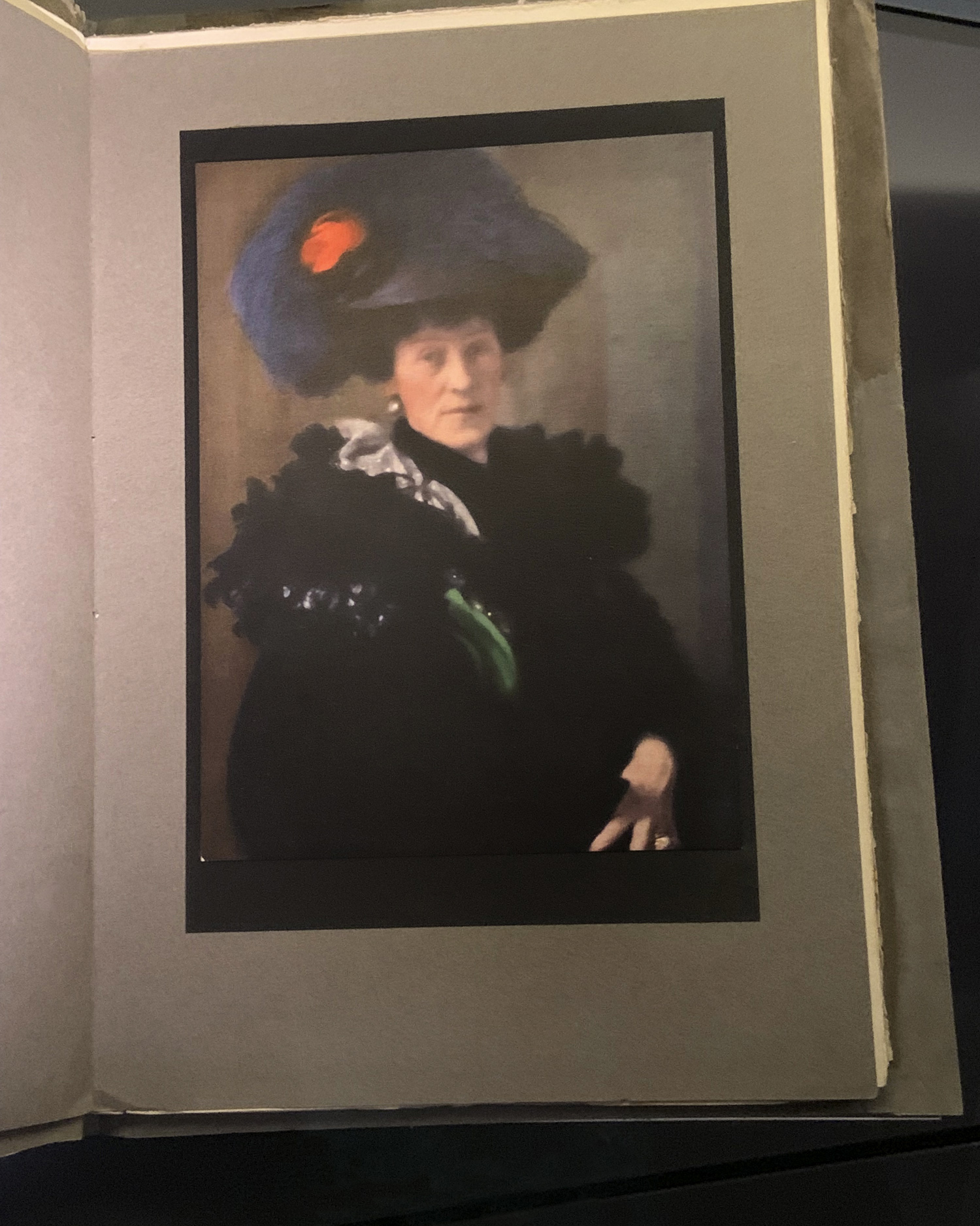
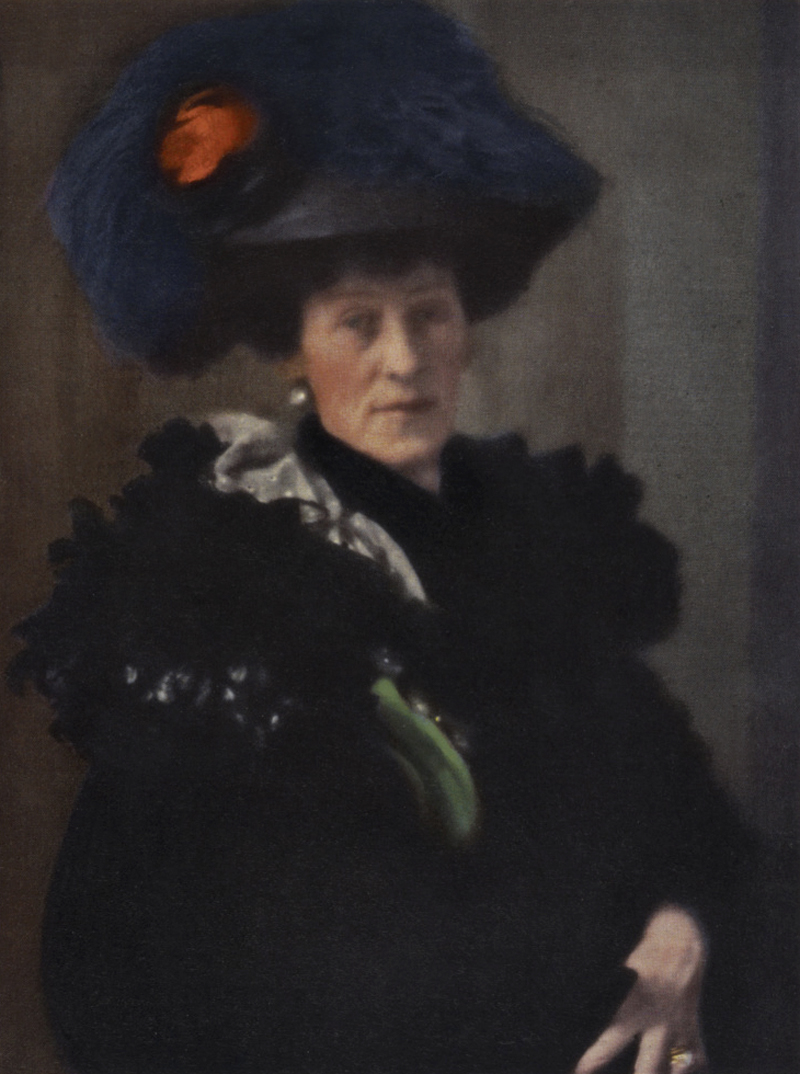

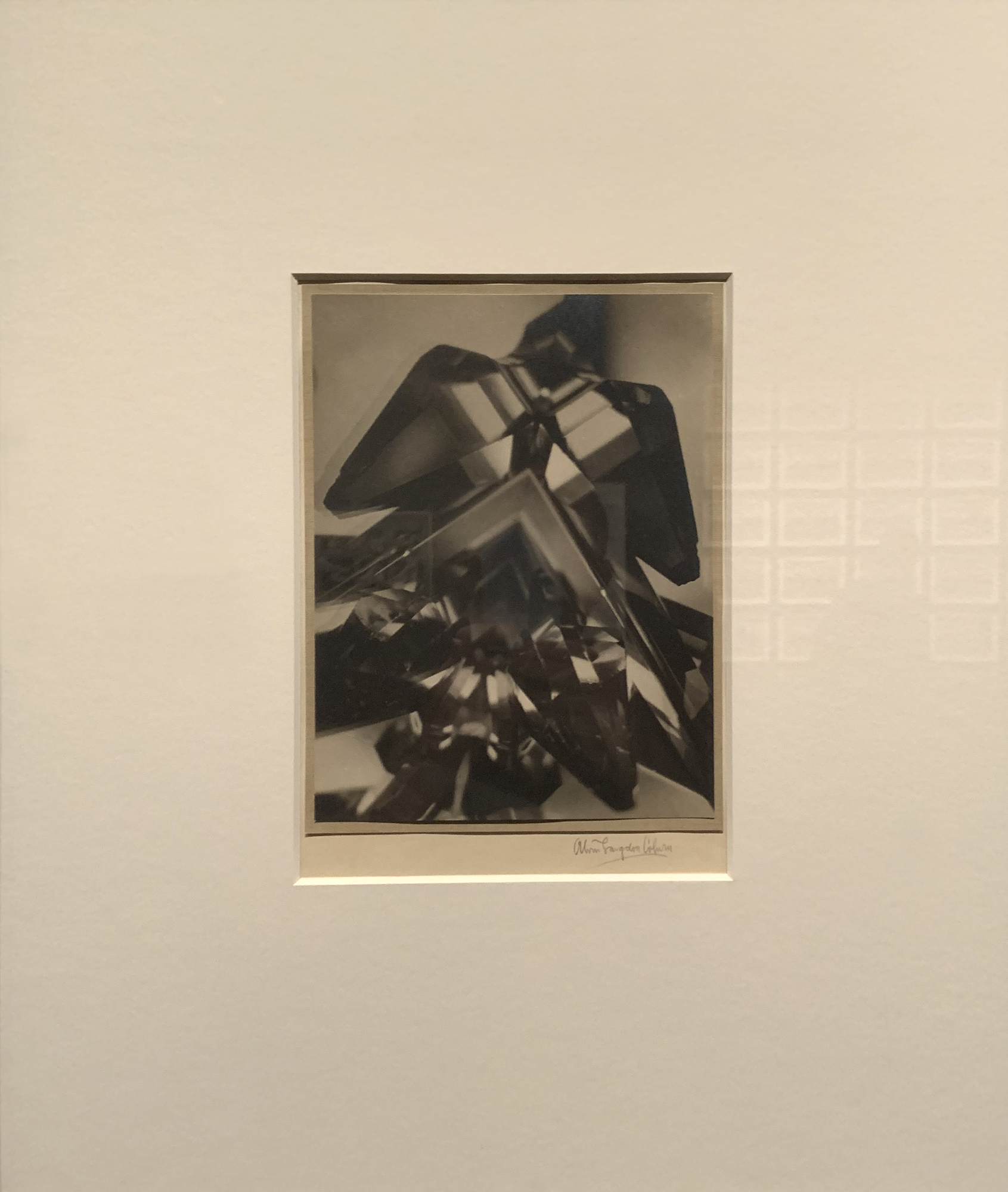

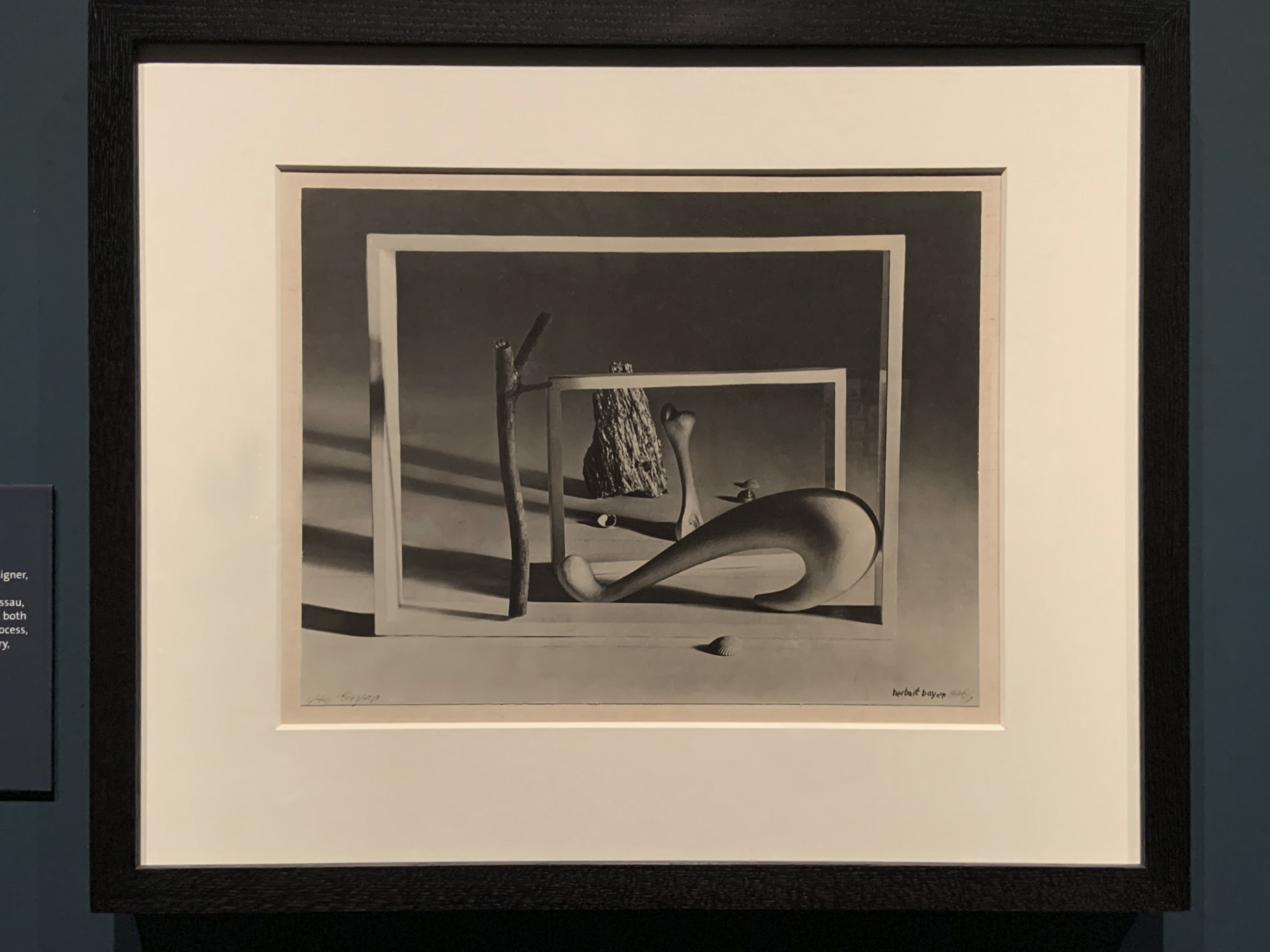

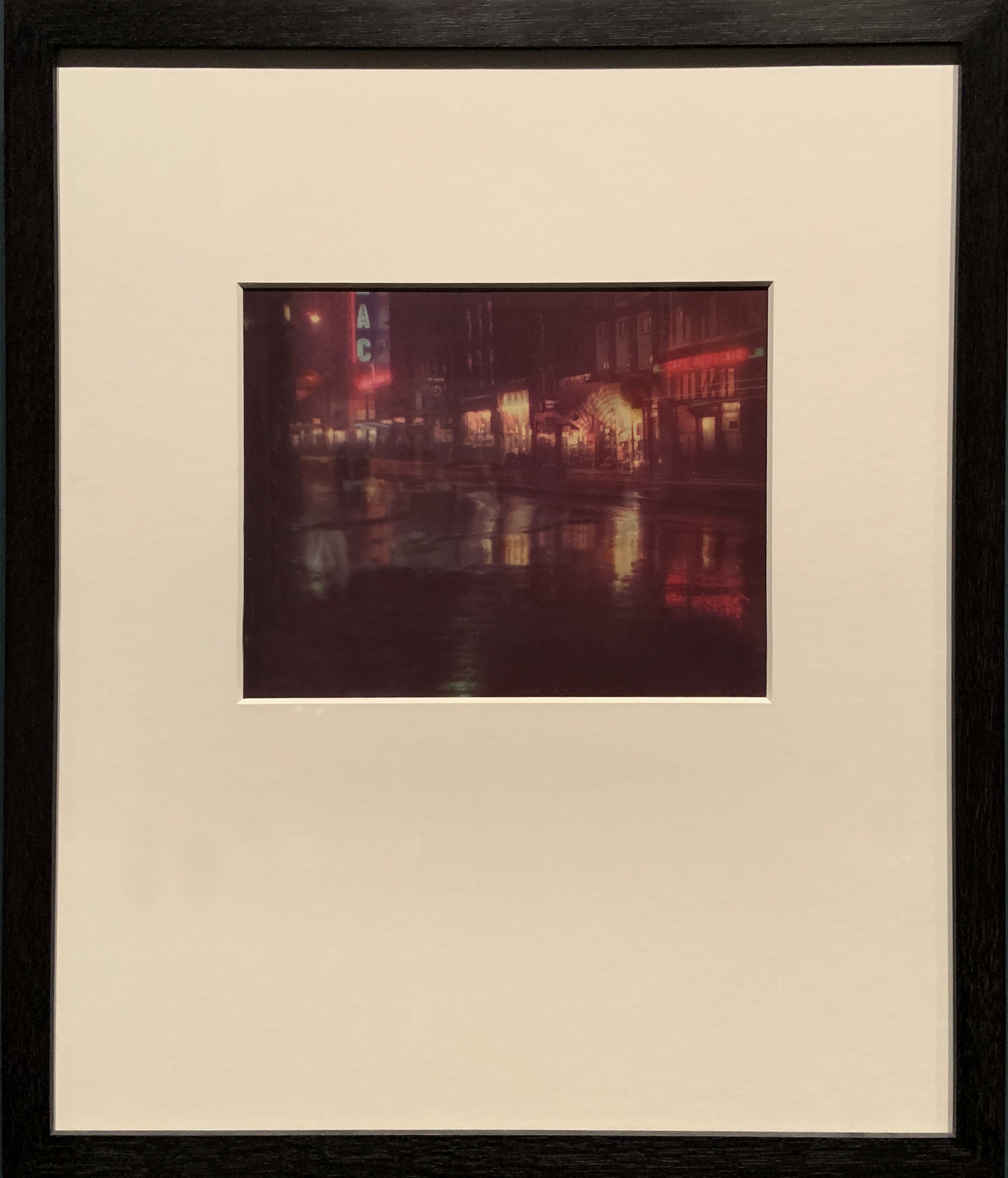

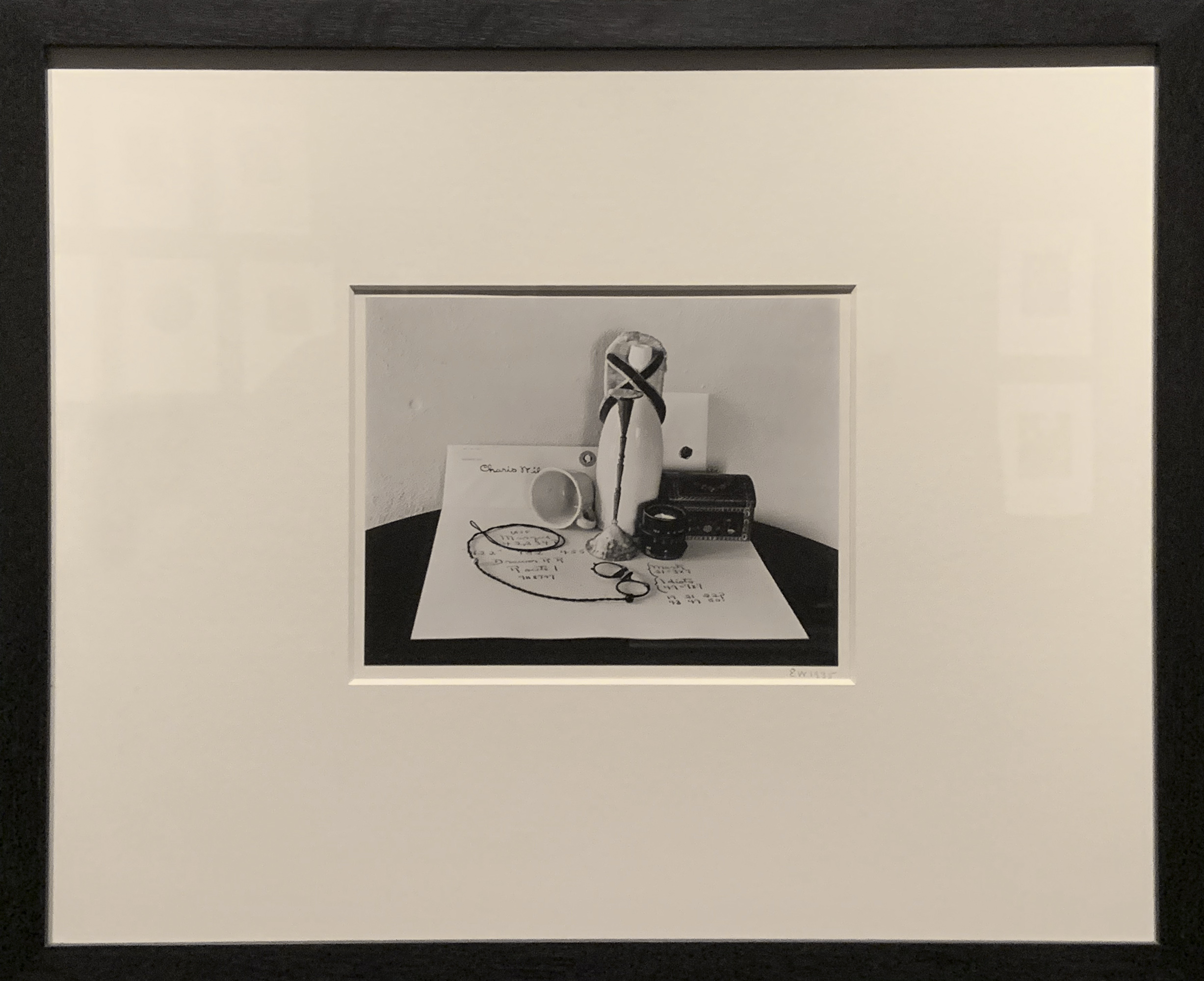

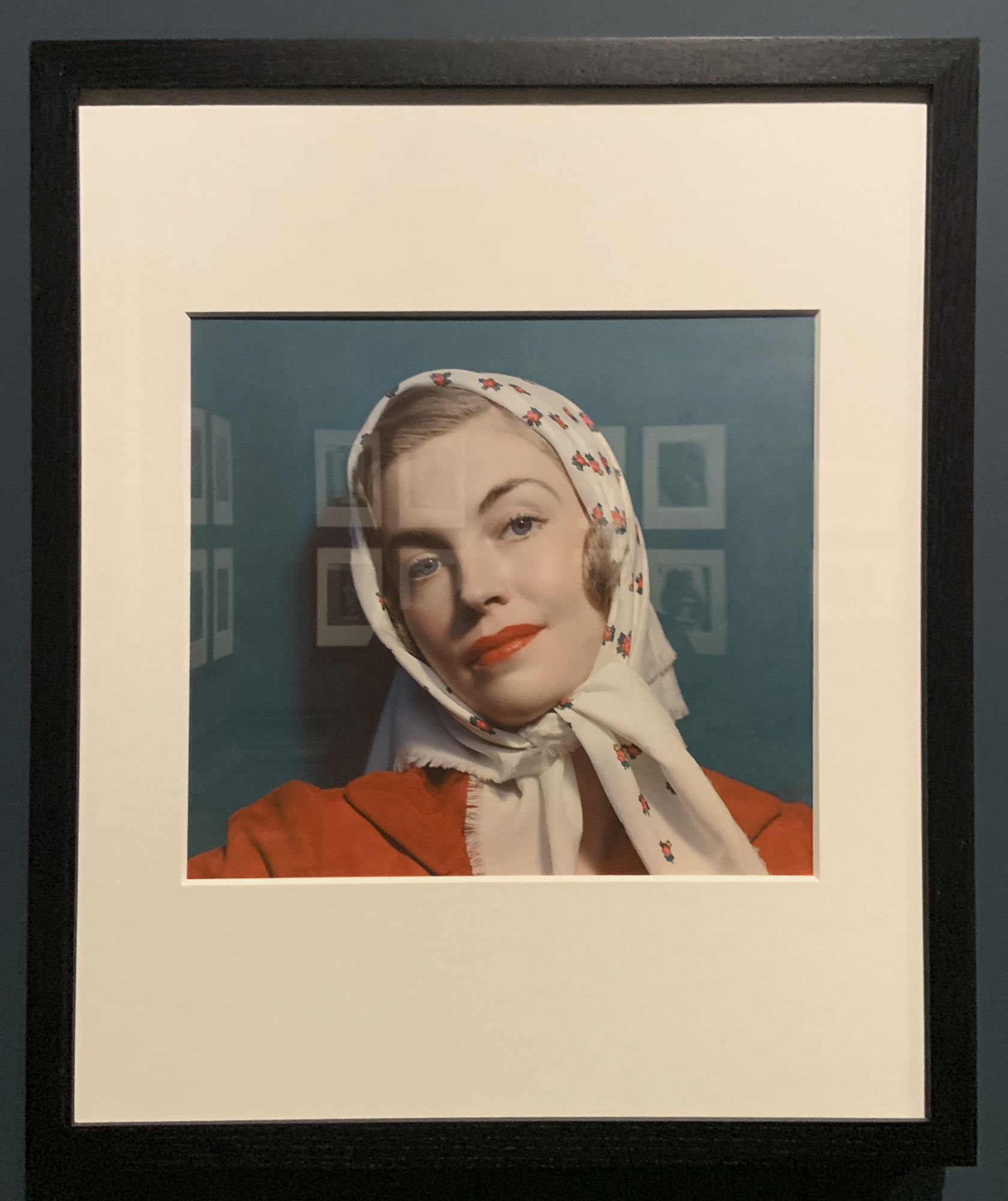
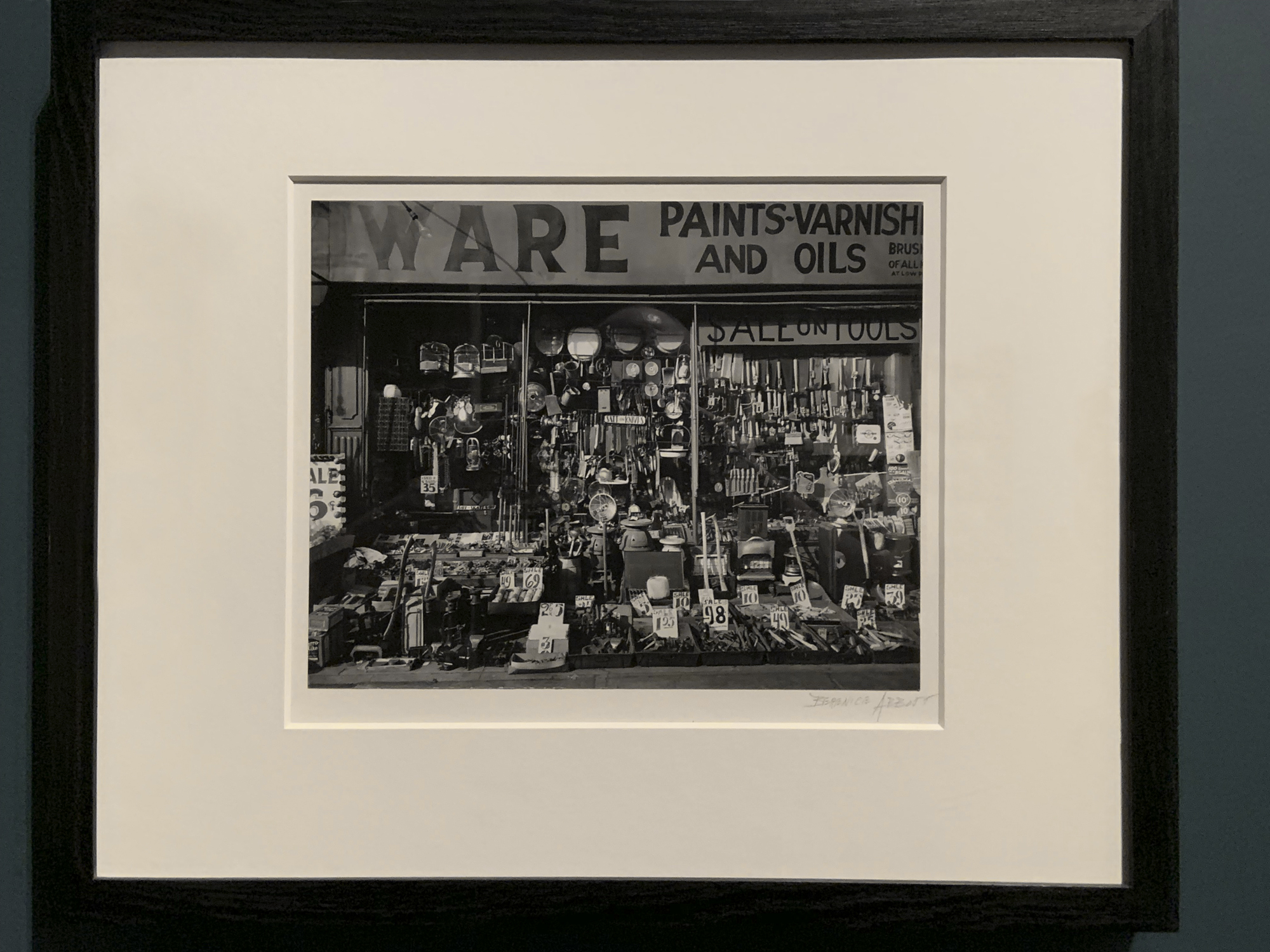
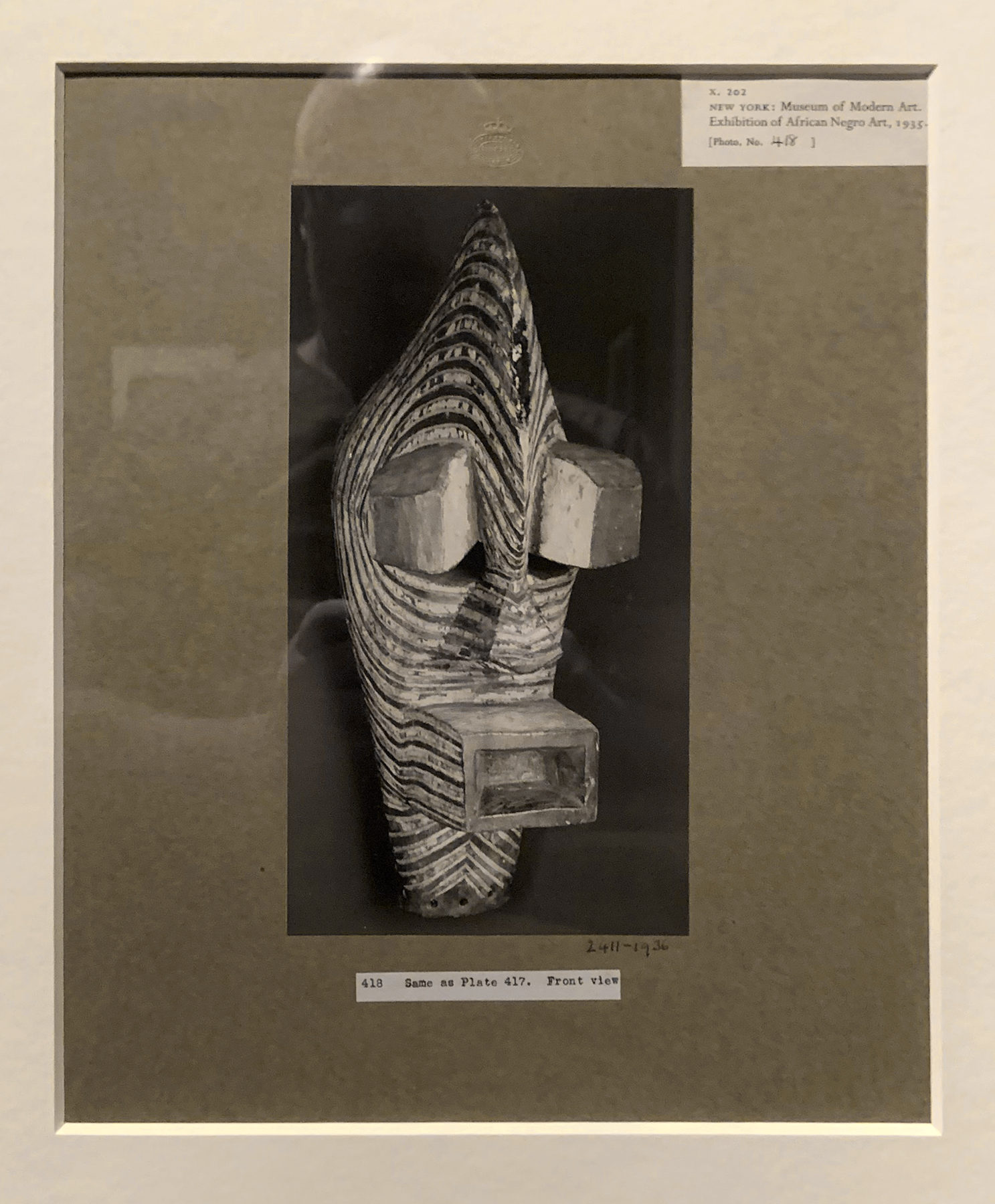
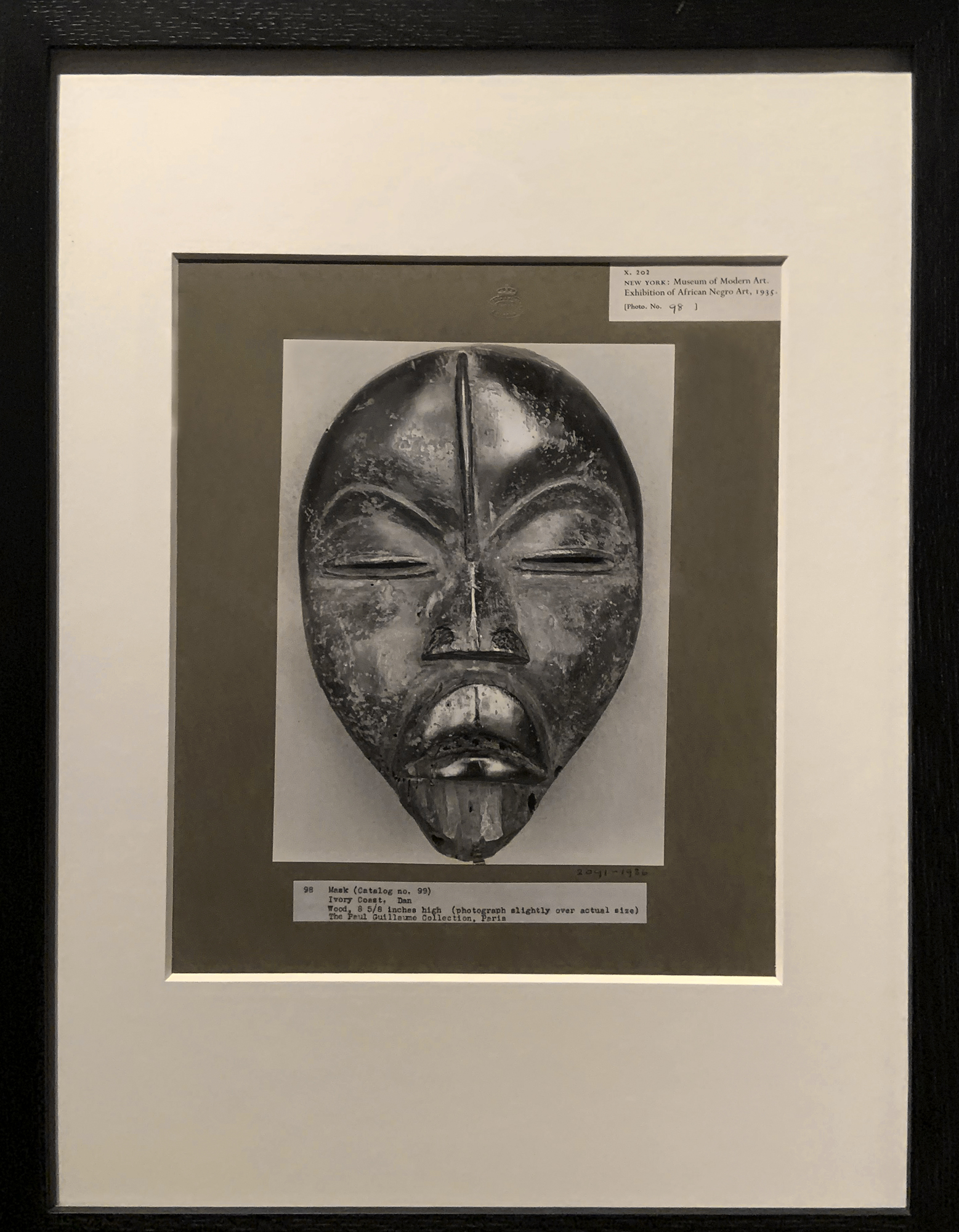

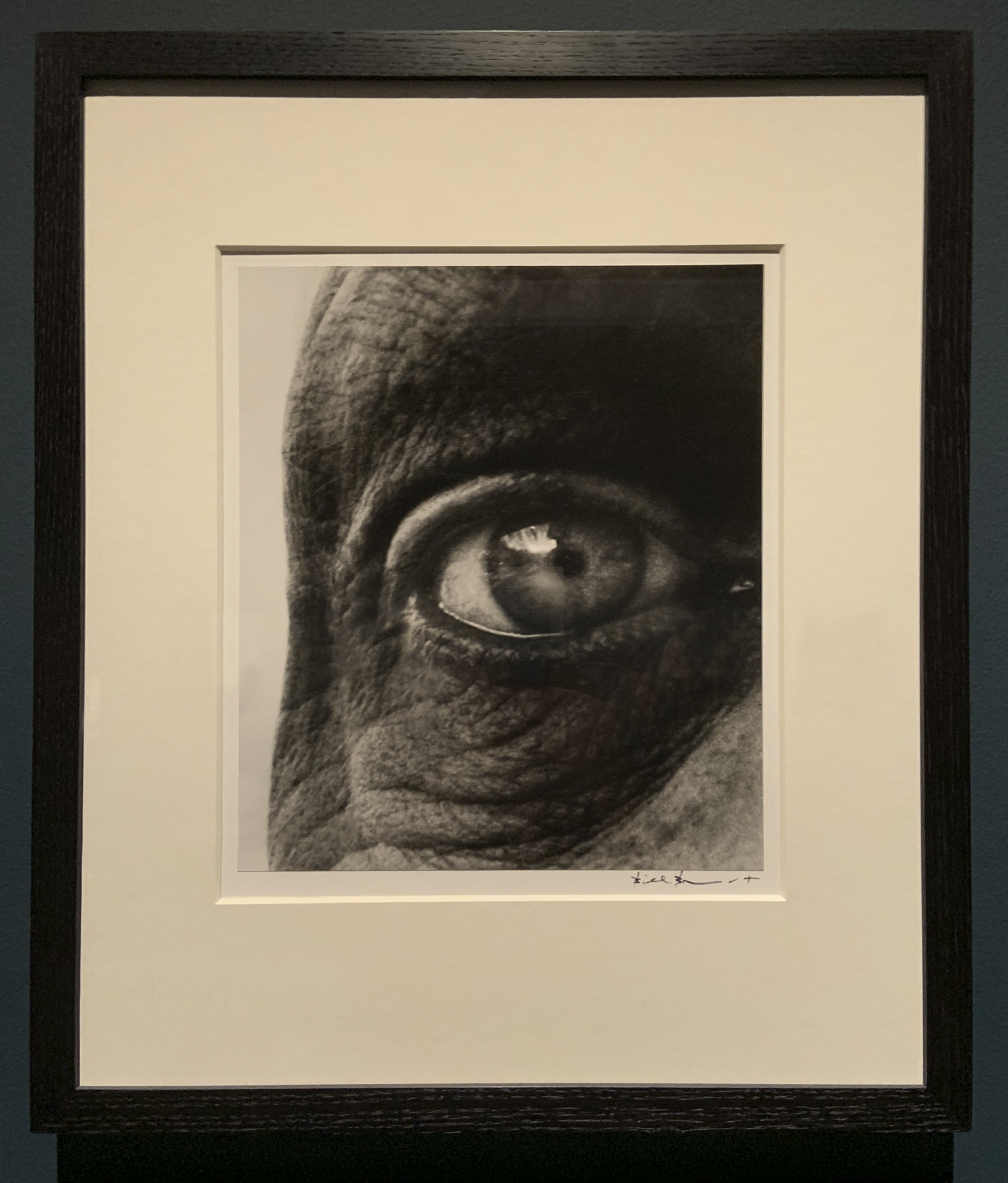
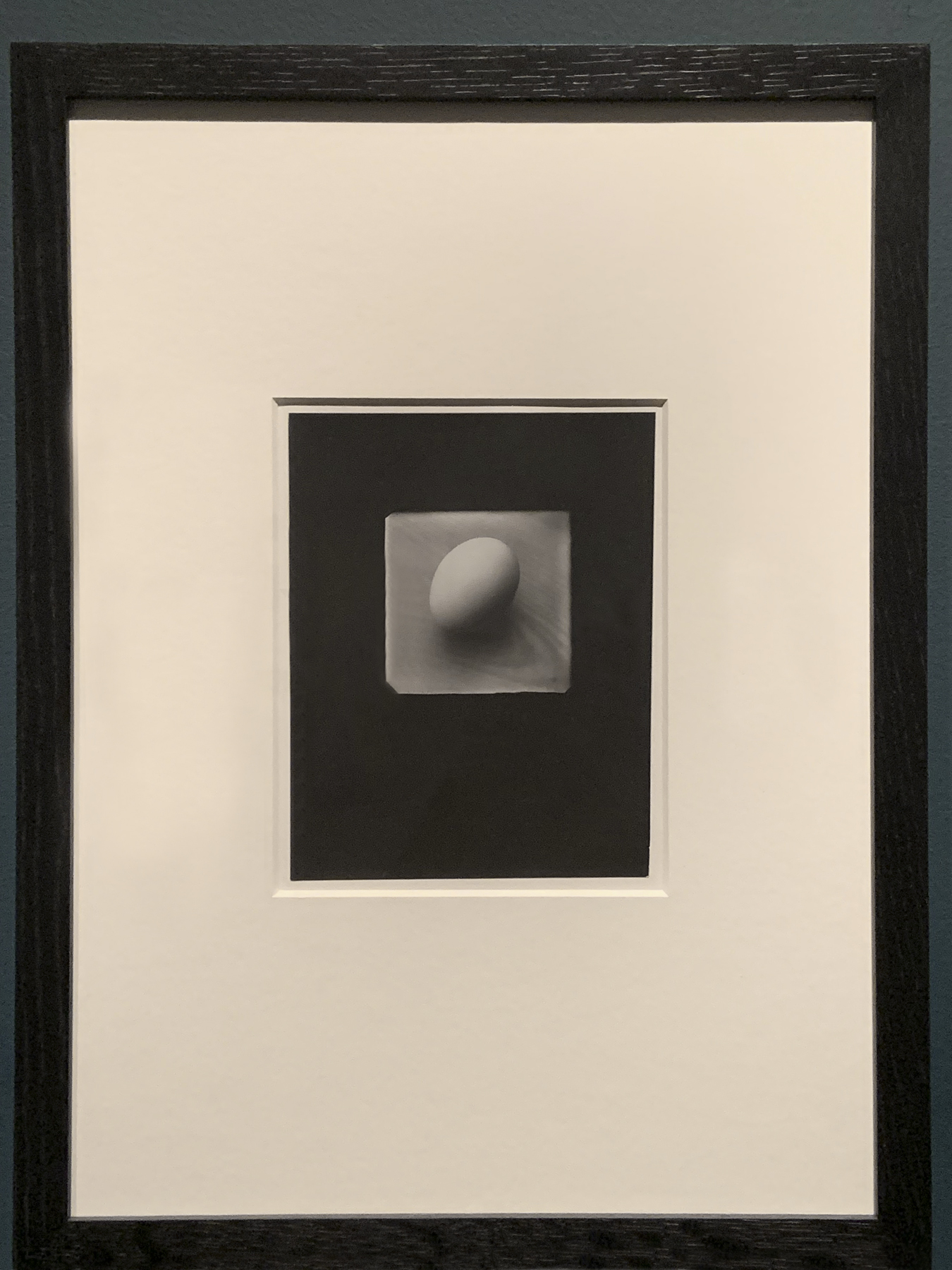


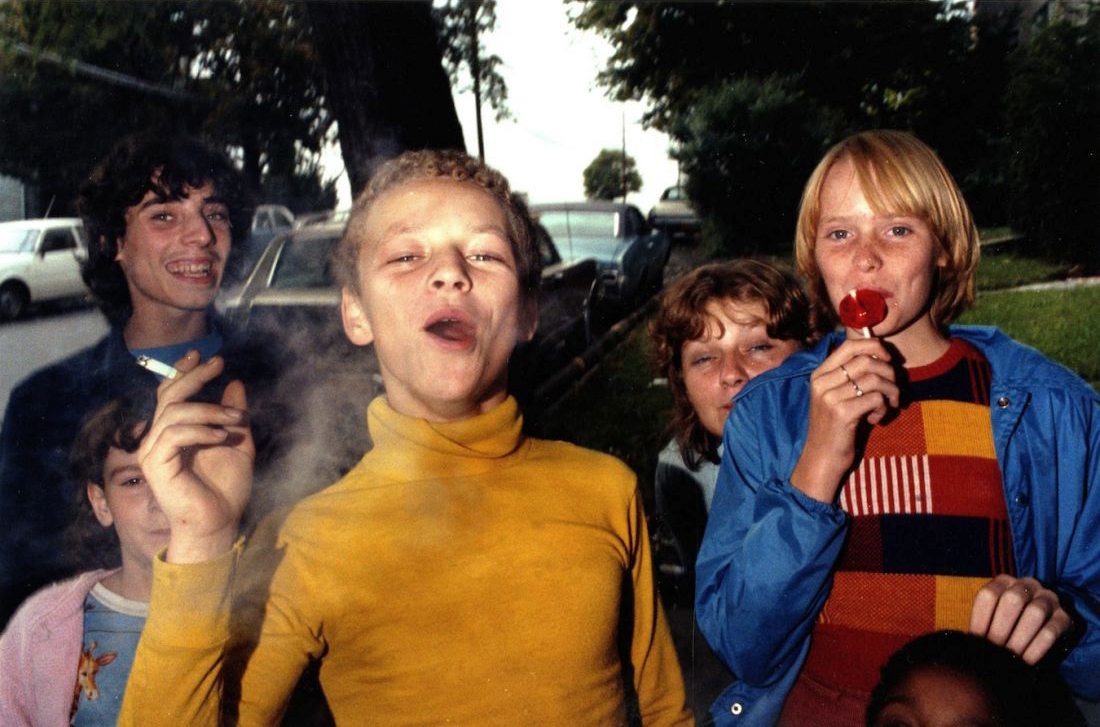


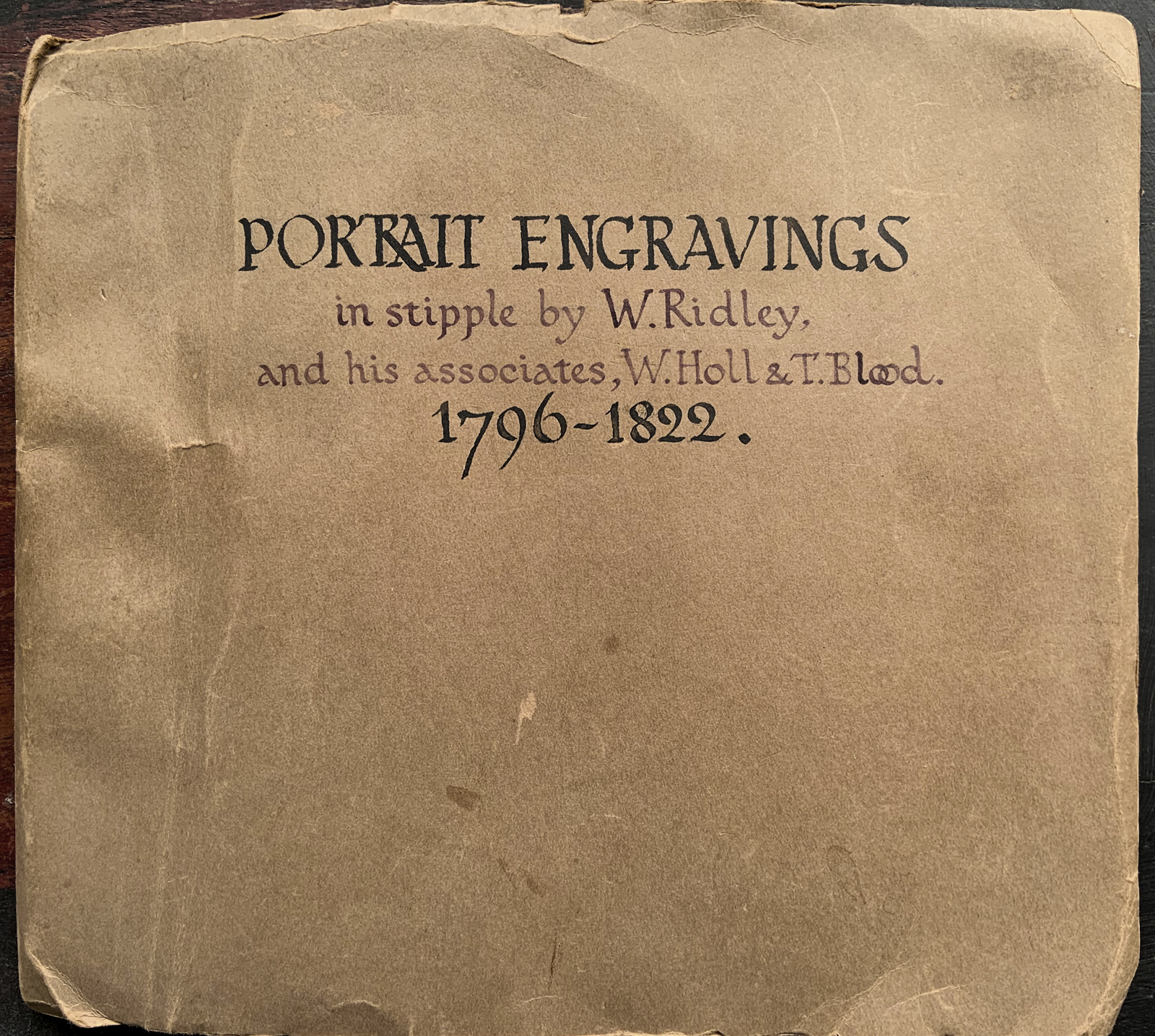
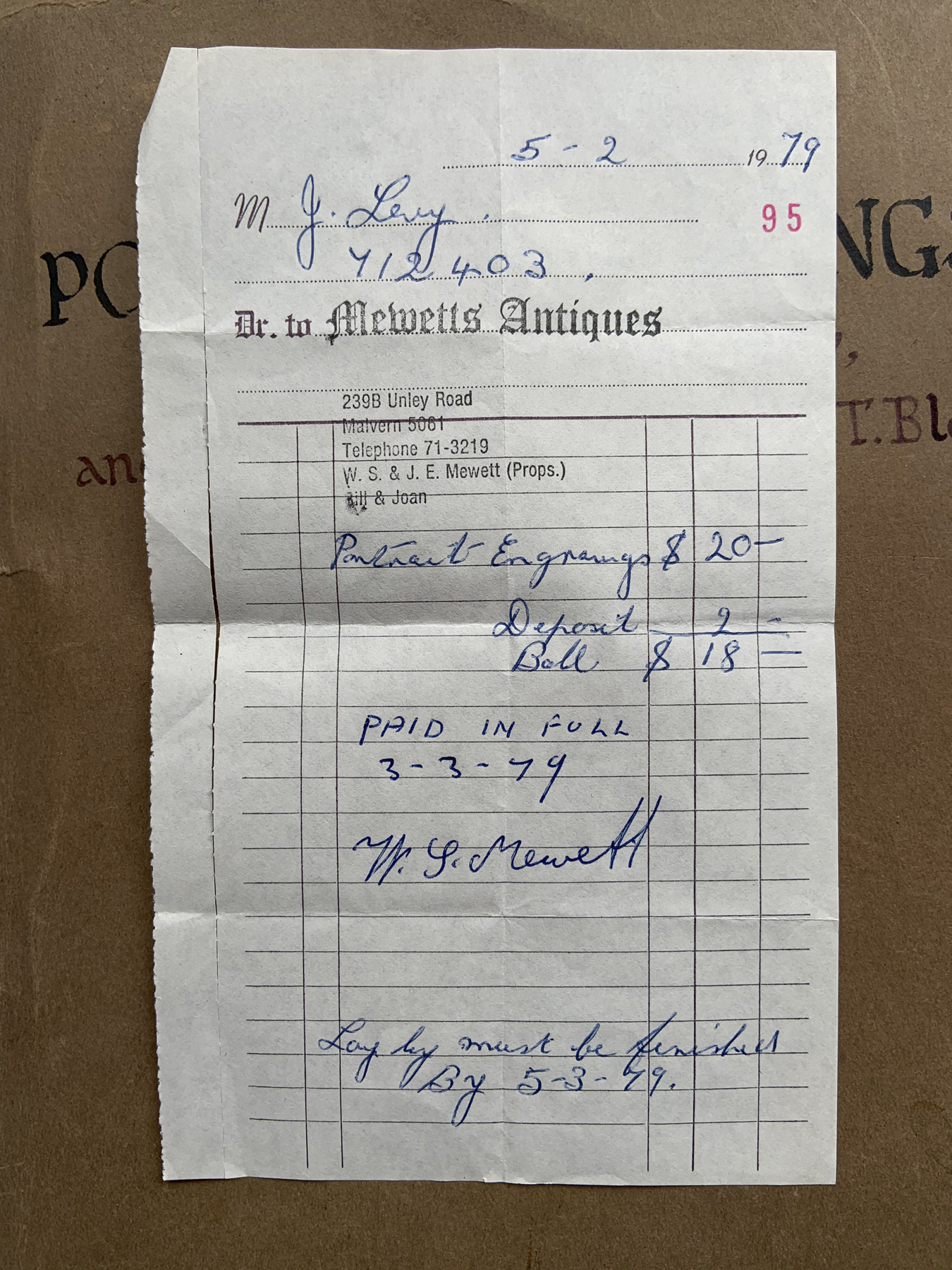
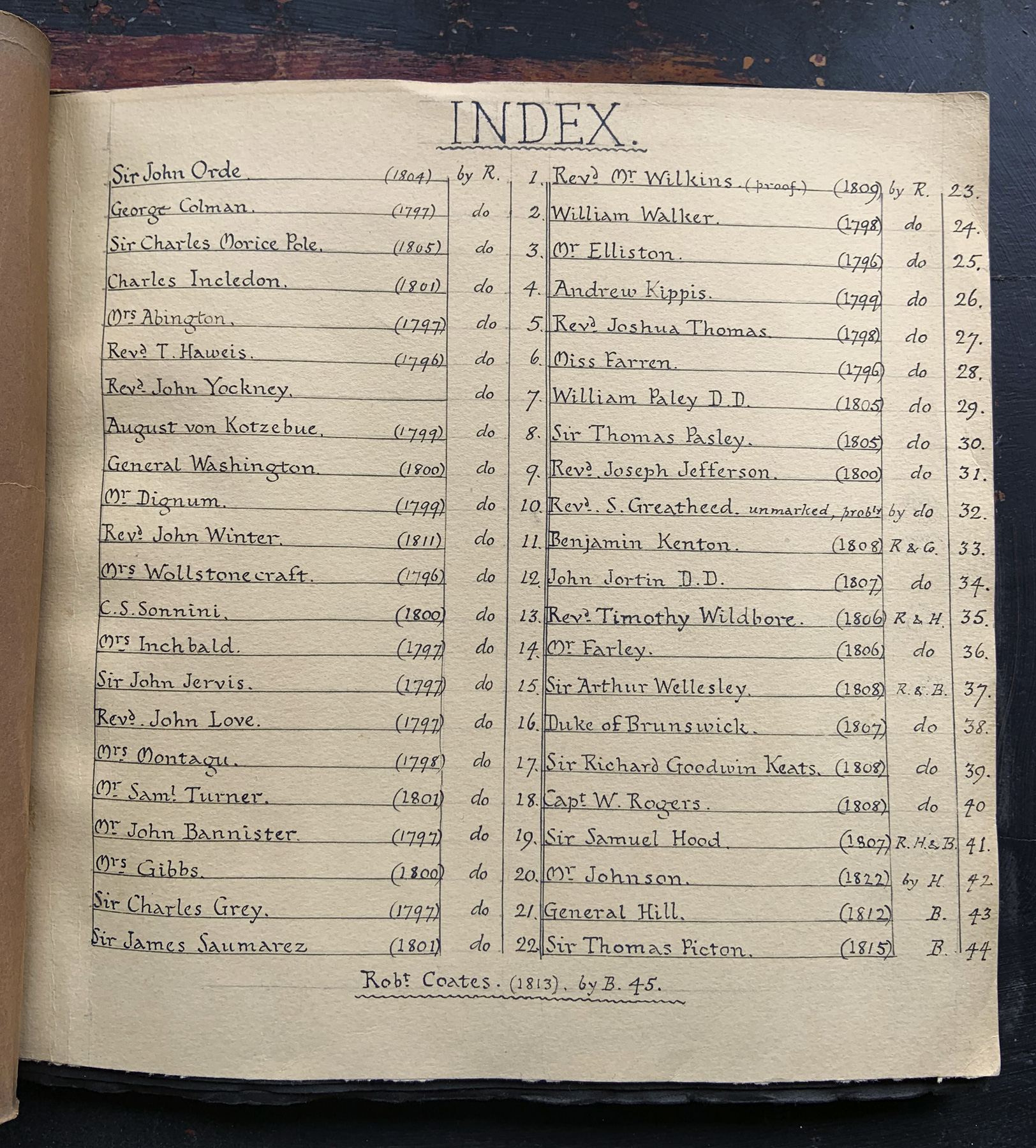





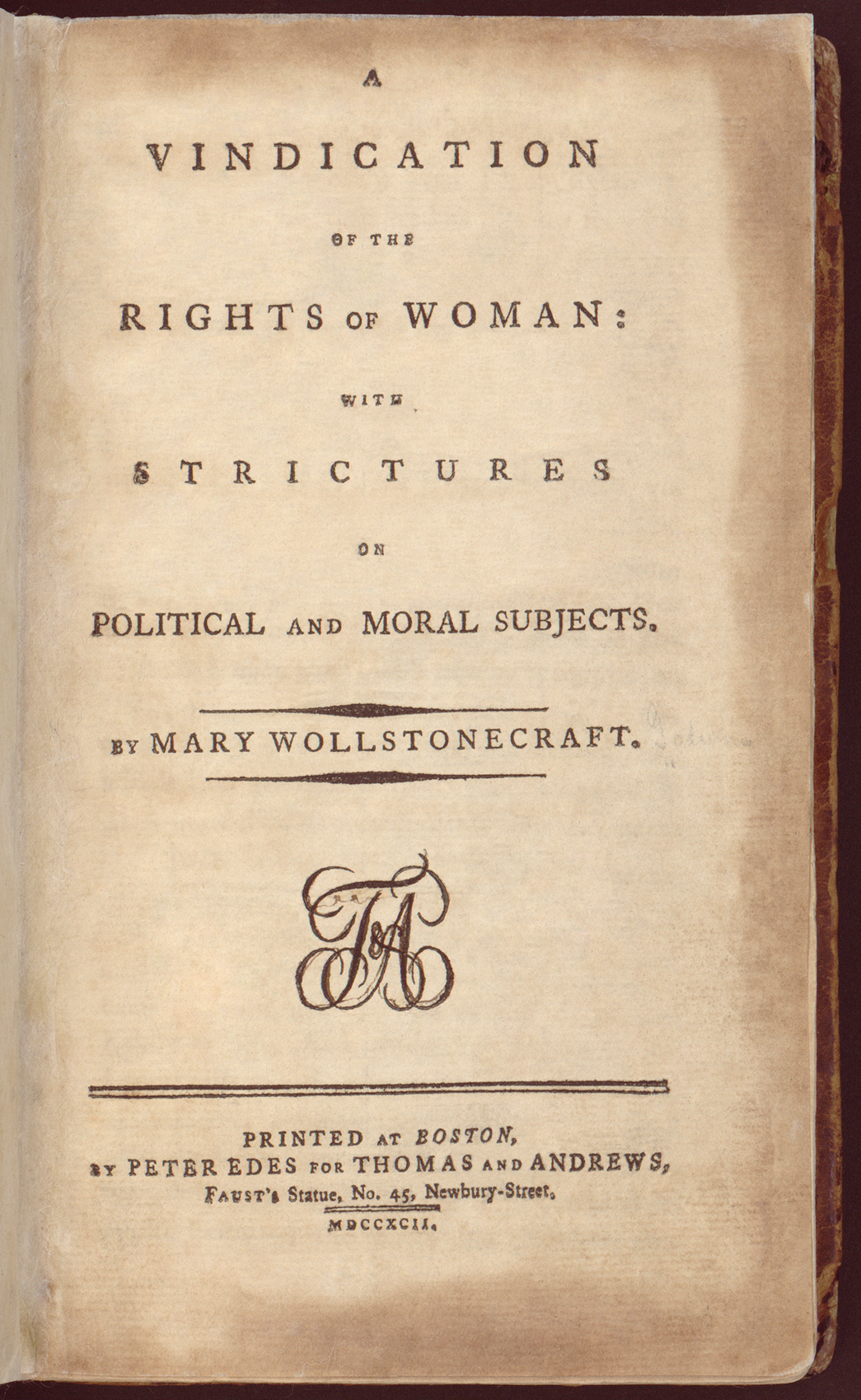
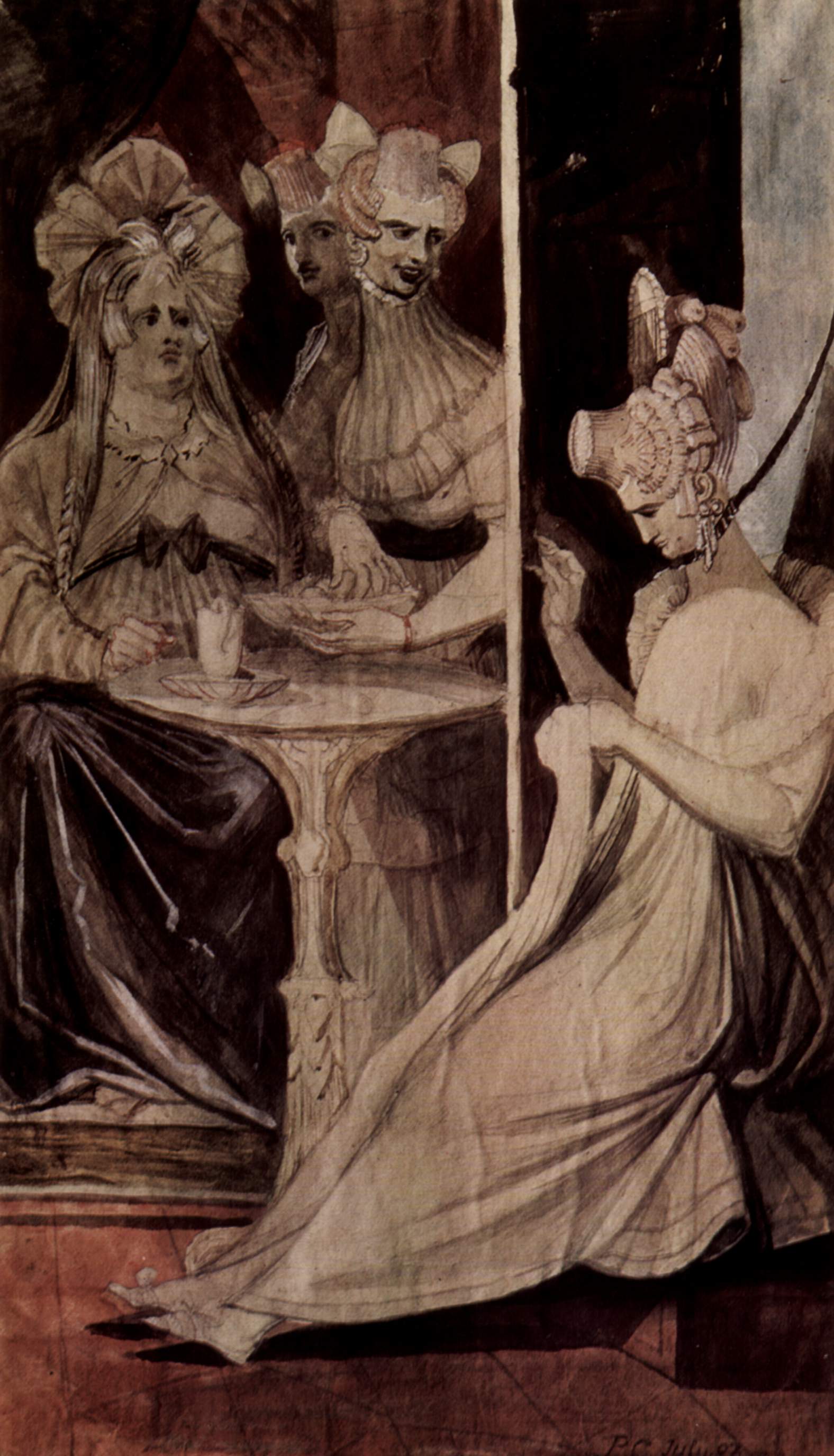
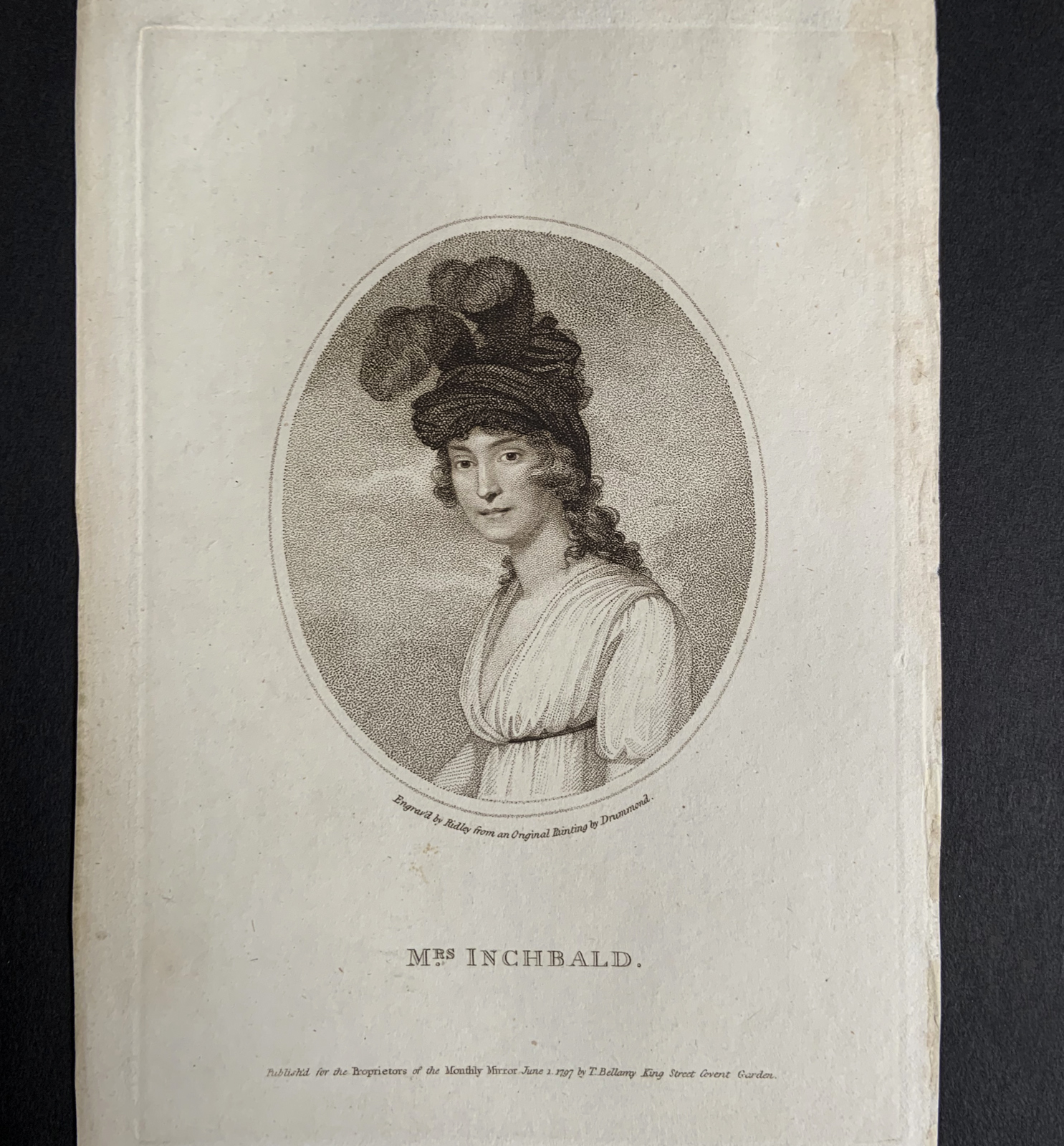
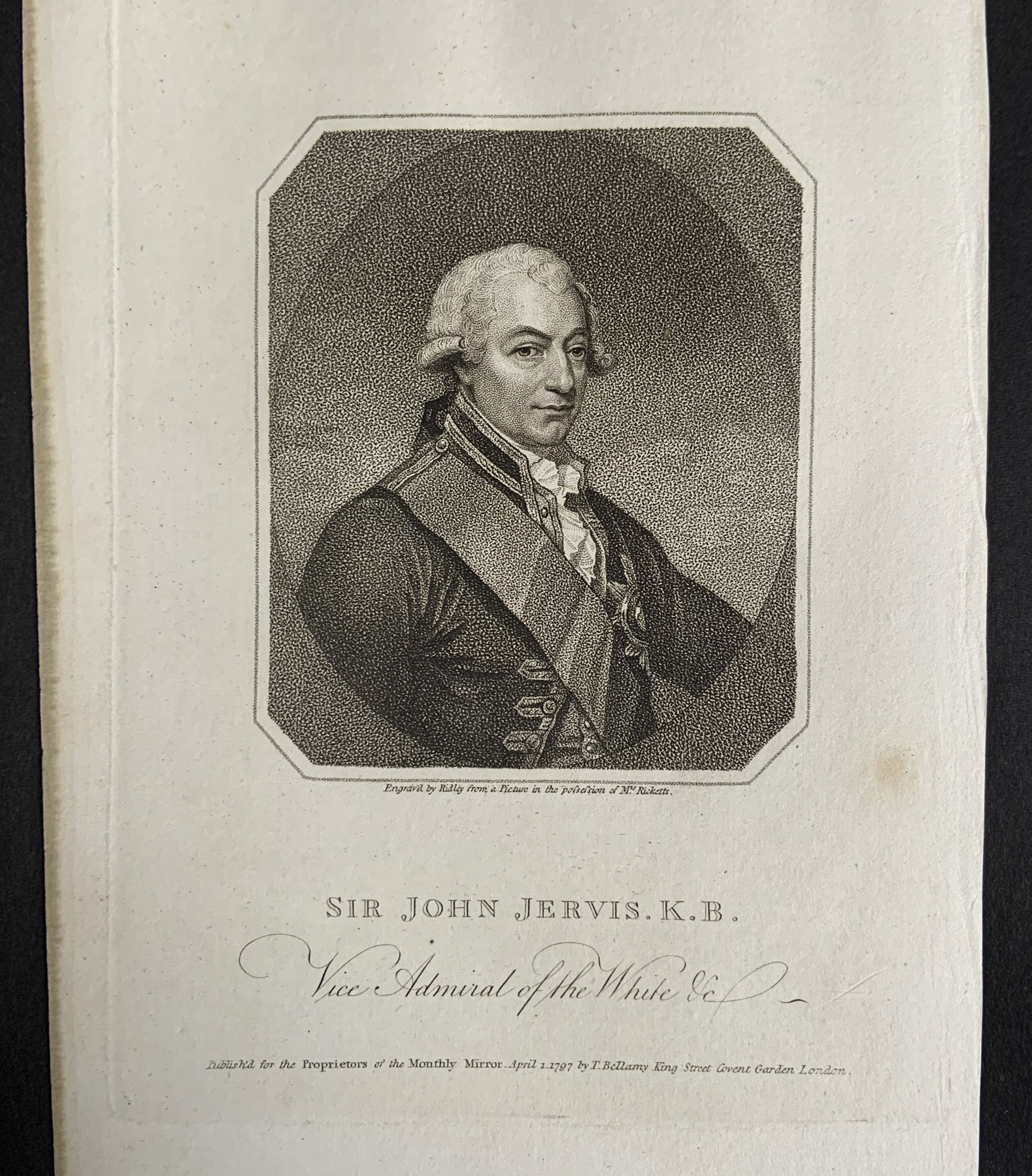


![Weegee (Arthur Fellig) (American born Austria, 1899-1968) '[Calypso]' about 1944; before 1946 from the exhibition Exhibition: 'Unseen: 35 Years of Collecting Photographs' at the J. Paul Getty Museum, Los Angeles, Dec 2019 - March 2020](https://artblart.com/wp-content/uploads/2020/02/gm_04305501_2000x2000.jpg "Weegee (Arthur Fellig) (American born Austria, 1899-1968) '[Calypso]' about 1944; before 1946 from the exhibition Exhibition: 'Unseen: 35 Years of Collecting Photographs' at the J. Paul Getty Museum, Los Angeles, Dec 2019 - March 2020")
![Carleton Watkins (American, 1829-1916) '[Guadalupe Mill]' 1860 from the exhibition Exhibition: 'Unseen: 35 Years of Collecting Photographs' at the J. Paul Getty Museum, Los Angeles, Dec 2019 - March 2020](https://artblart.com/wp-content/uploads/2020/02/gm_06196501_2000x2000.jpg "Carleton Watkins (American, 1829-1916) '[Guadalupe Mill]' 1860 from the exhibition Exhibition: 'Unseen: 35 Years of Collecting Photographs' at the J. Paul Getty Museum, Los Angeles, Dec 2019 - March 2020")


![Marinus Jacob Kjeldgaard (Danish, 1884-1964, active Paris, France late 1930s - late 1940s) '[Collage: Balance of Powers]' about 1939](https://artblart.com/wp-content/uploads/2020/02/gm_05085801_2000x2000.jpg "Marinus Jacob Kjeldgaard (Danish, 1884-1964, active Paris, France late 1930s - late 1940s) '[Collage: Balance of Powers]' about 1939")
![Paul Outerbridge (American, 1896-1958) '[Egg in Spotlight]' 1943](https://artblart.com/wp-content/uploads/2020/02/gm_32105401_2000x2000.jpg "Paul Outerbridge (American, 1896-1958) '[Egg in Spotlight]' 1943")


![Shigeichi Nagano (Japanese, 1925-2019, active Tokyo, Japan) '[Tokyo, Aobadai (Nishi Saigoyama Park), Meguro Ward]' 1988](https://artblart.com/wp-content/uploads/2020/02/gm_30687901_2000x2000.jpg "Shigeichi Nagano (Japanese, 1925-2019, active Tokyo, Japan) '[Tokyo, Aobadai (Nishi Saigoyama Park), Meguro Ward]' 1988")



![Julia Margaret Cameron (British born India, 1815-1879) '[Spring]' 1873](https://artblart.com/wp-content/uploads/2020/02/gm_06520801_2000x2000.jpg "Julia Margaret Cameron (British born India, 1815-1879) '[Spring]' 1873")
![Reverend William Ellis (British, 1794-1872) and Samuel Smith. '[Portrait of a Black Couple]' about 1873](https://artblart.com/wp-content/uploads/2020/02/gm_133436t1v1_2000x2000.jpg "Reverend William Ellis (British, 1794-1872) and Samuel Smith. '[Portrait of a Black Couple]' about 1873")

![László Moholy-Nagy (American born Hungary, 1895-1946) '[The Law of the Series]' 1925](https://artblart.com/wp-content/uploads/2020/02/gm_05309301_2000x2000.jpg "László Moholy-Nagy (American born Hungary, 1895-1946) '[The Law of the Series]' 1925")


![Paul Wolff (German, 1887-1951) and Dr Wolff & Tritschler OHG (German, founded 1927, dissolved 1963) '[Dog at the beach]' 1936](https://artblart.com/wp-content/uploads/2020/02/gm_041552t1v1_2000x2000-1.jpg "Paul Wolff (German, 1887-1951) and Dr Wolff & Tritschler OHG (German, founded 1927, dissolved 1963) '[Dog at the beach]' 1936")
![Walker Evans (American, 1903 - 1975) '[Two Giraffes, Circus Winter Quarters, Sarasota]' 1941](https://artblart.com/wp-content/uploads/2020/02/gm_05269601_2000x2000.jpg "Walker Evans (American, 1903 - 1975) '[Two Giraffes, Circus Winter Quarters, Sarasota]' 1941")
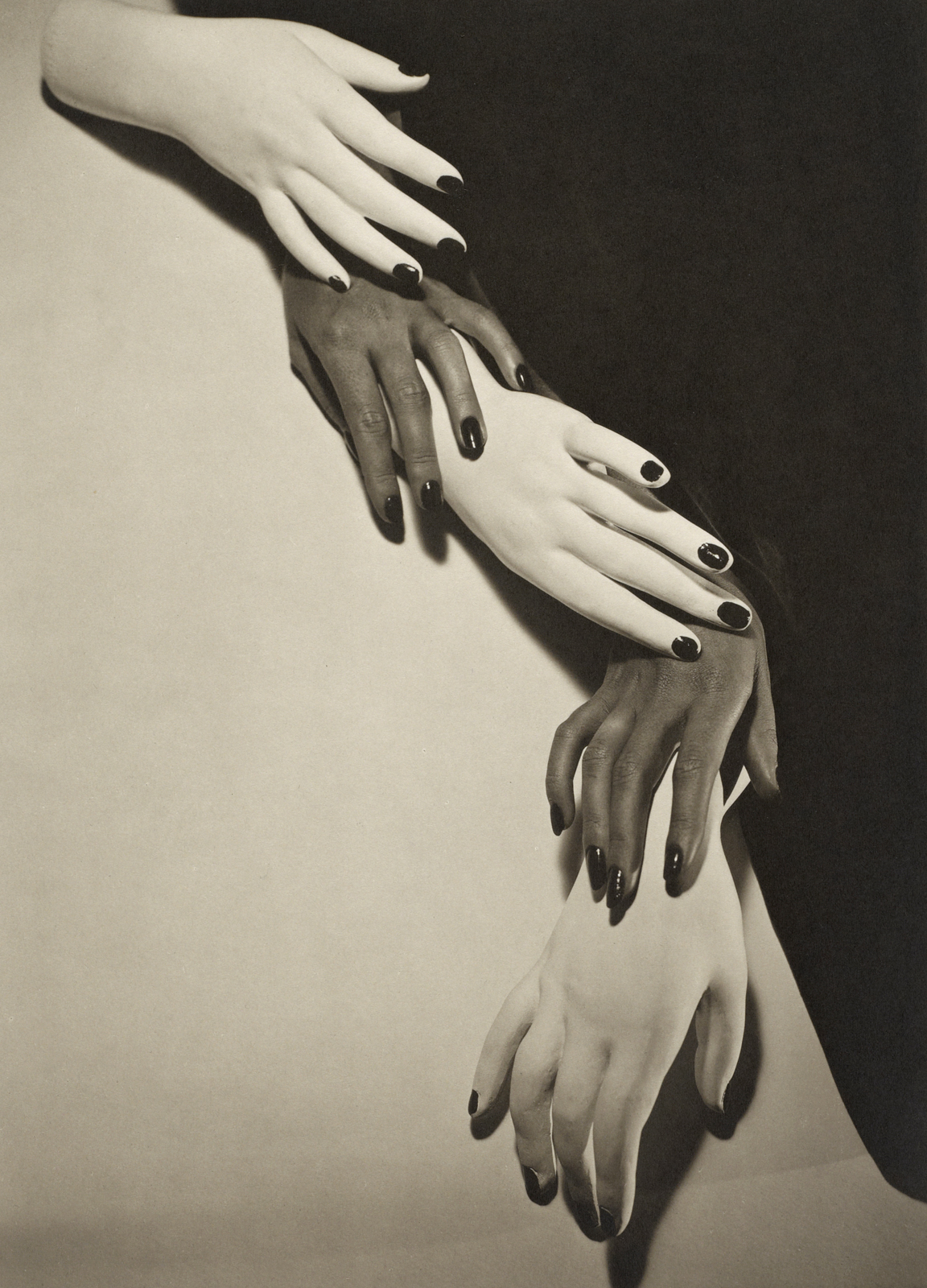


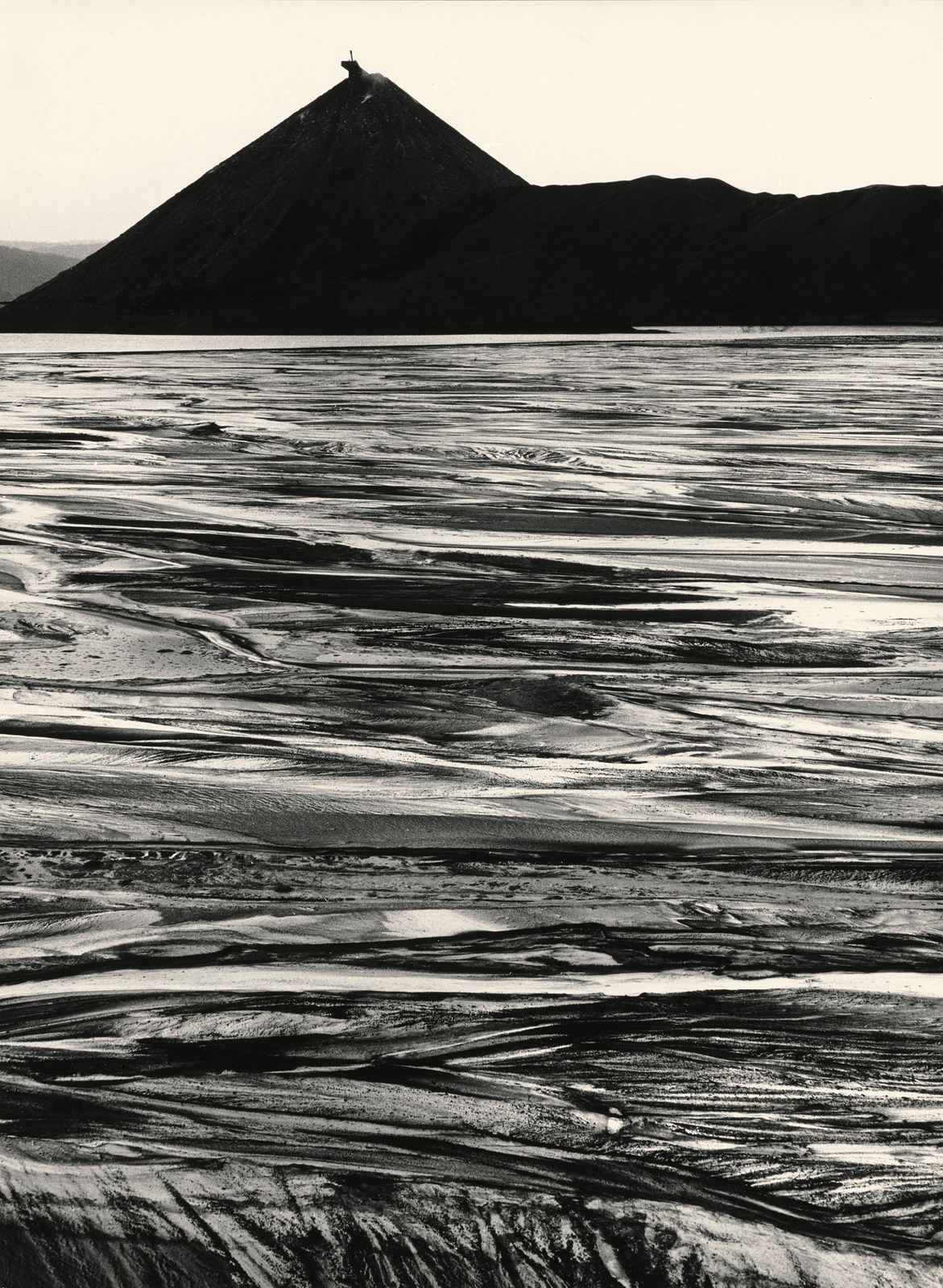

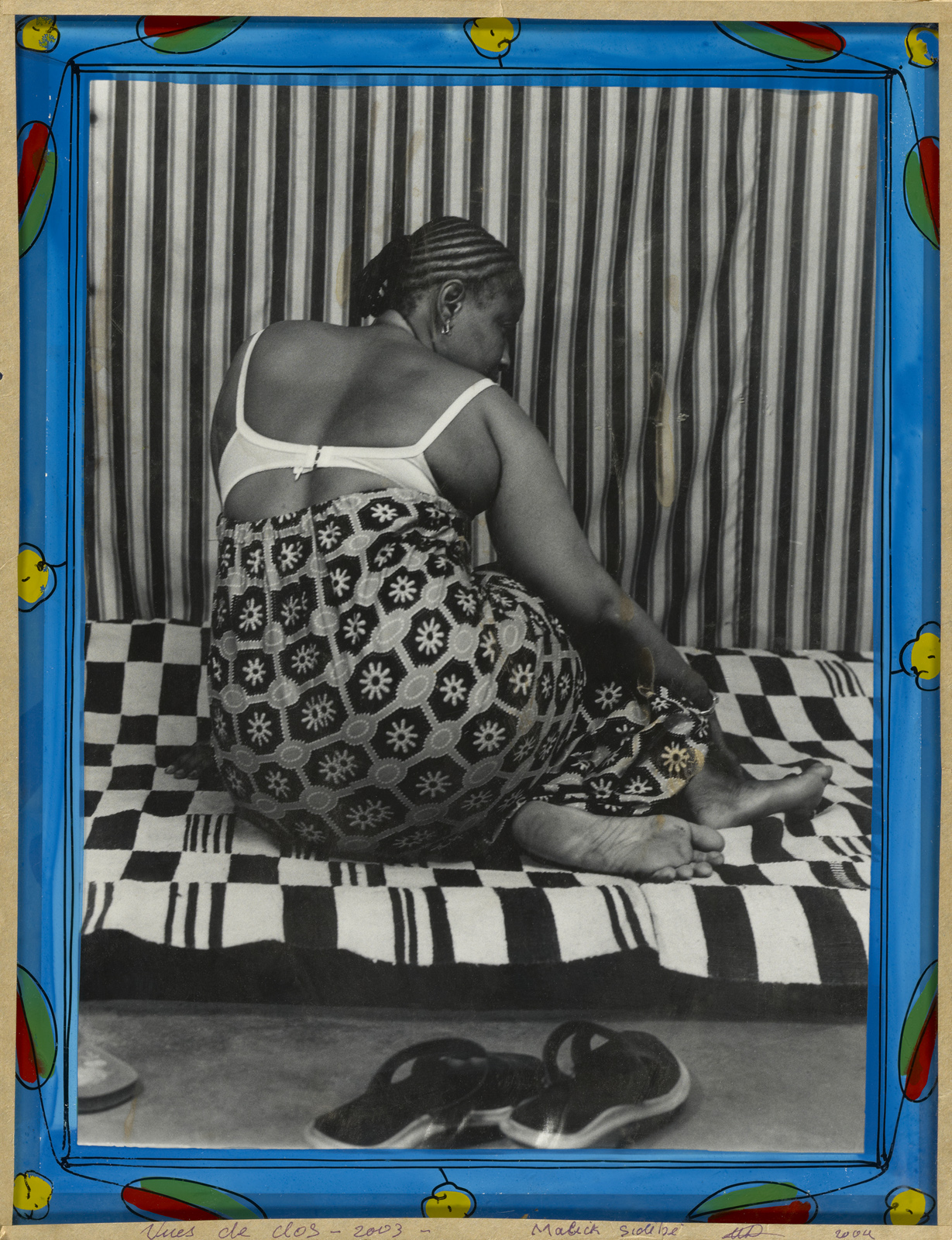

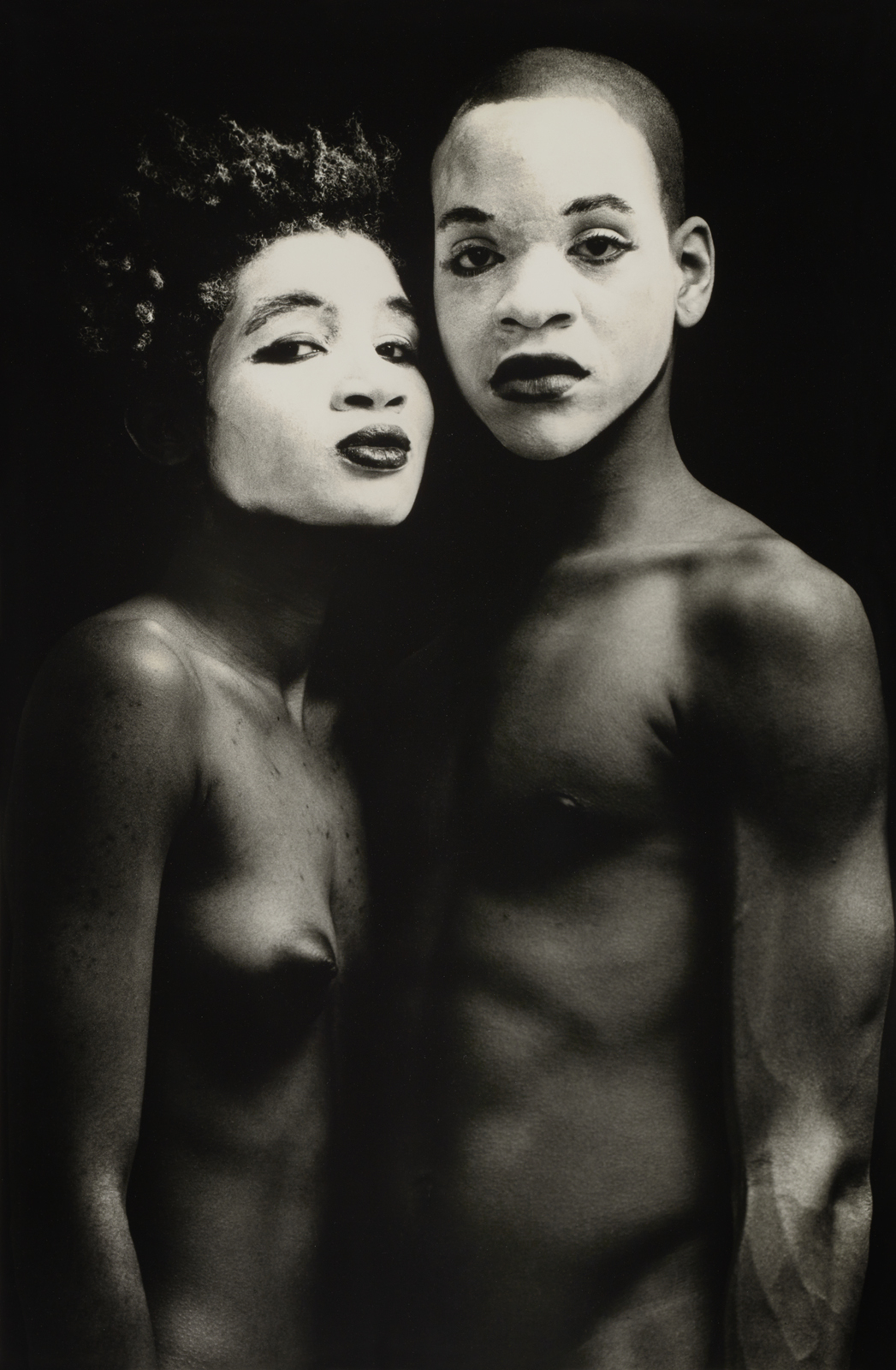

![Myoung Ho Lee (South Korean, b. 1975) '[Tree #2]' 2006](https://artblart.com/wp-content/uploads/2020/02/gm_31977201_2000x2000.jpg "Myoung Ho Lee (South Korean, b. 1975) '[Tree #2]' 2006")




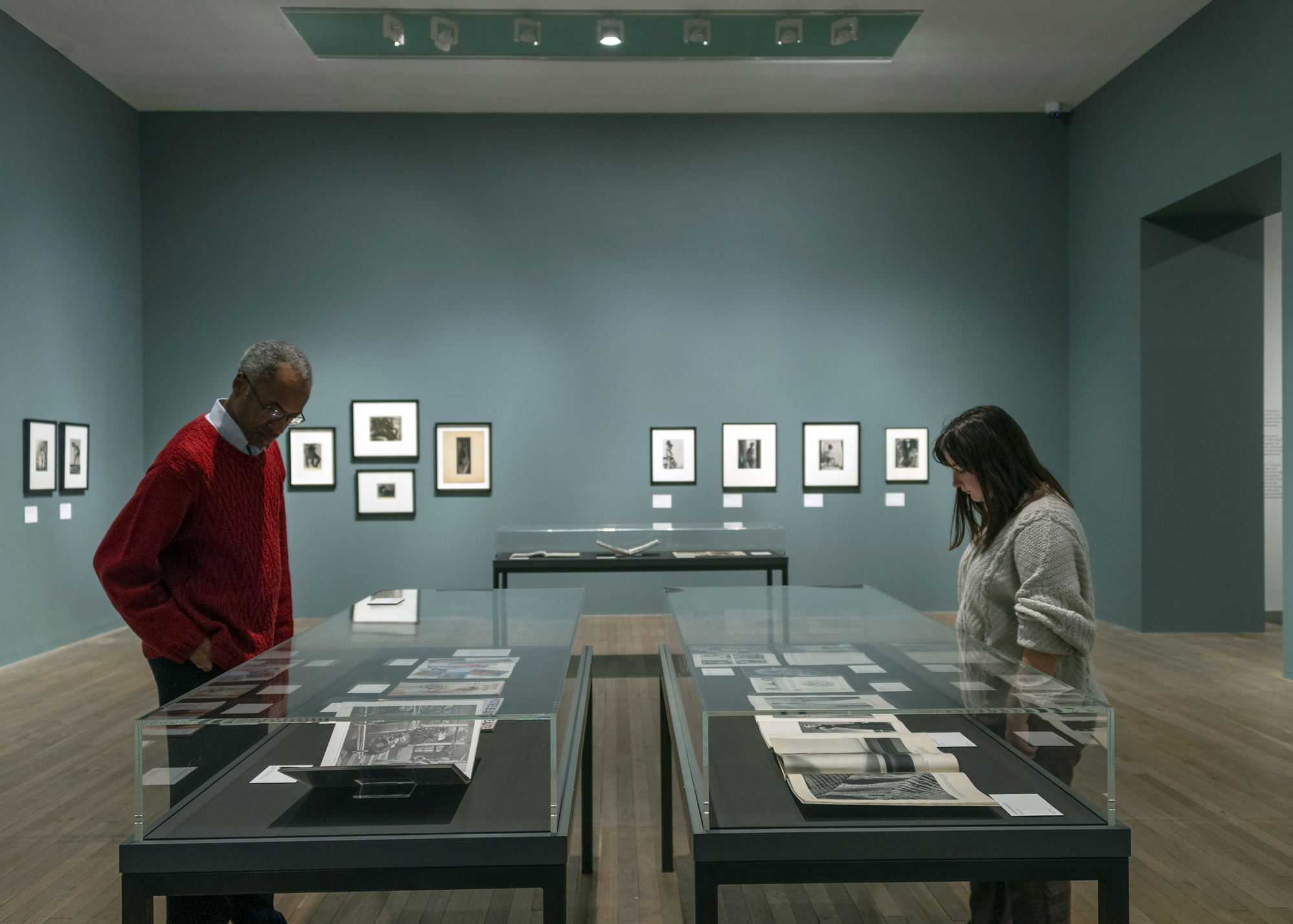

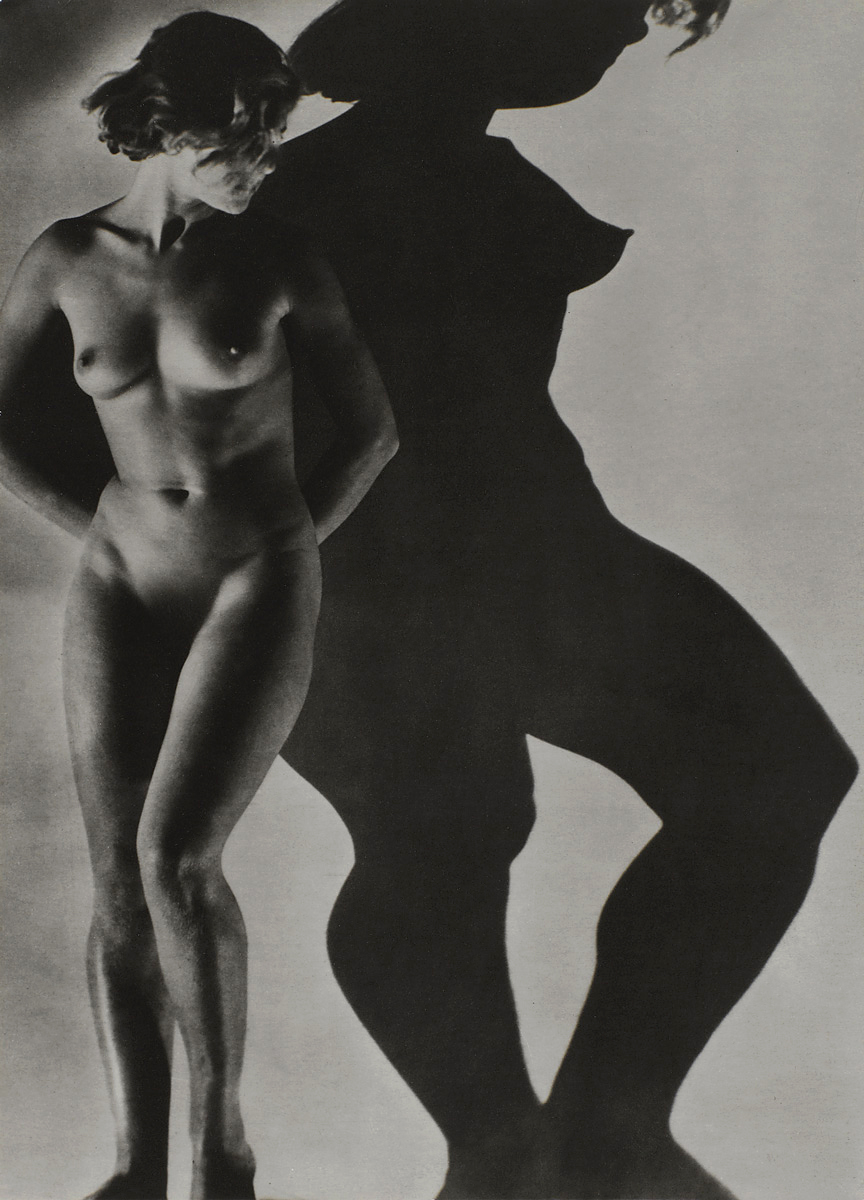


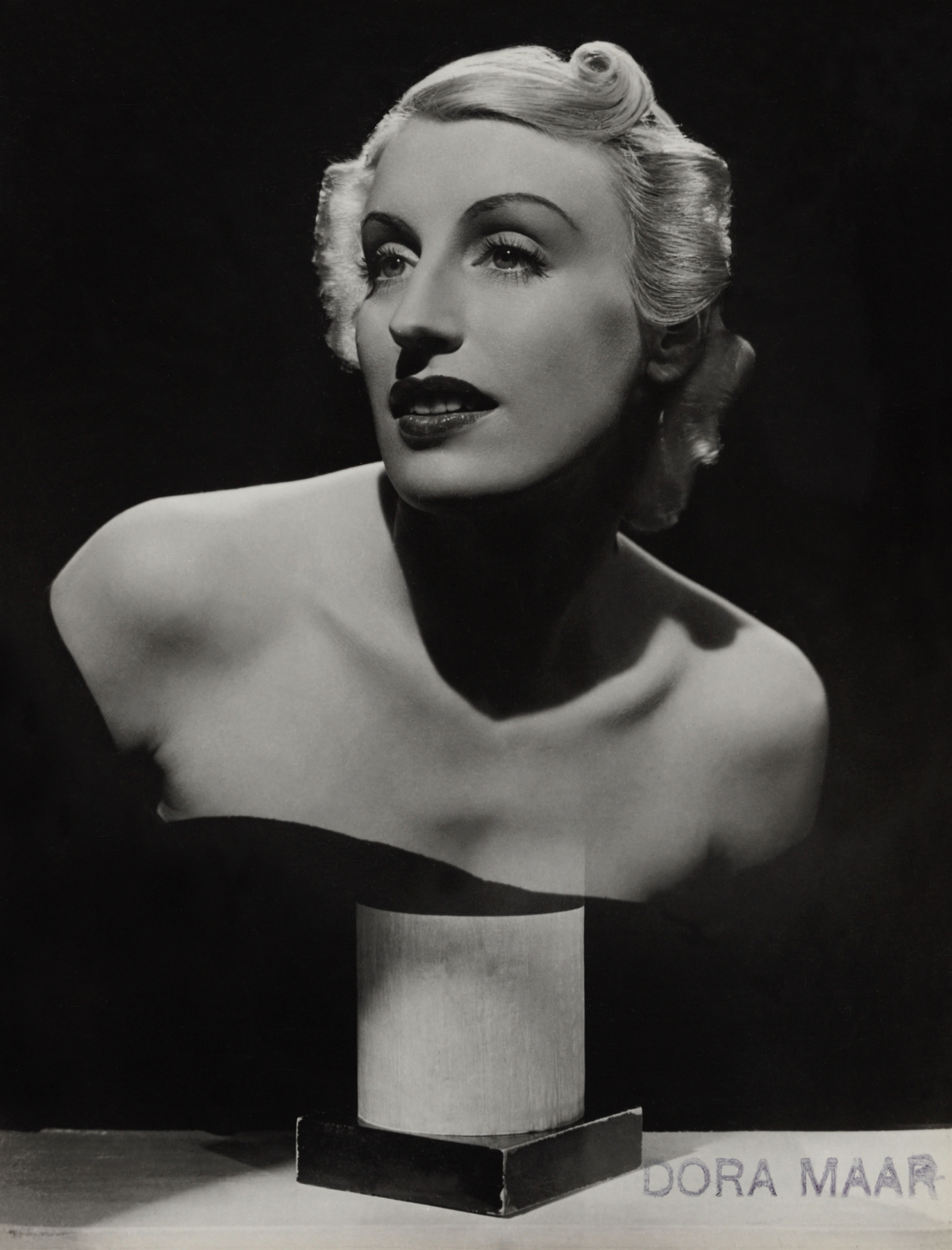
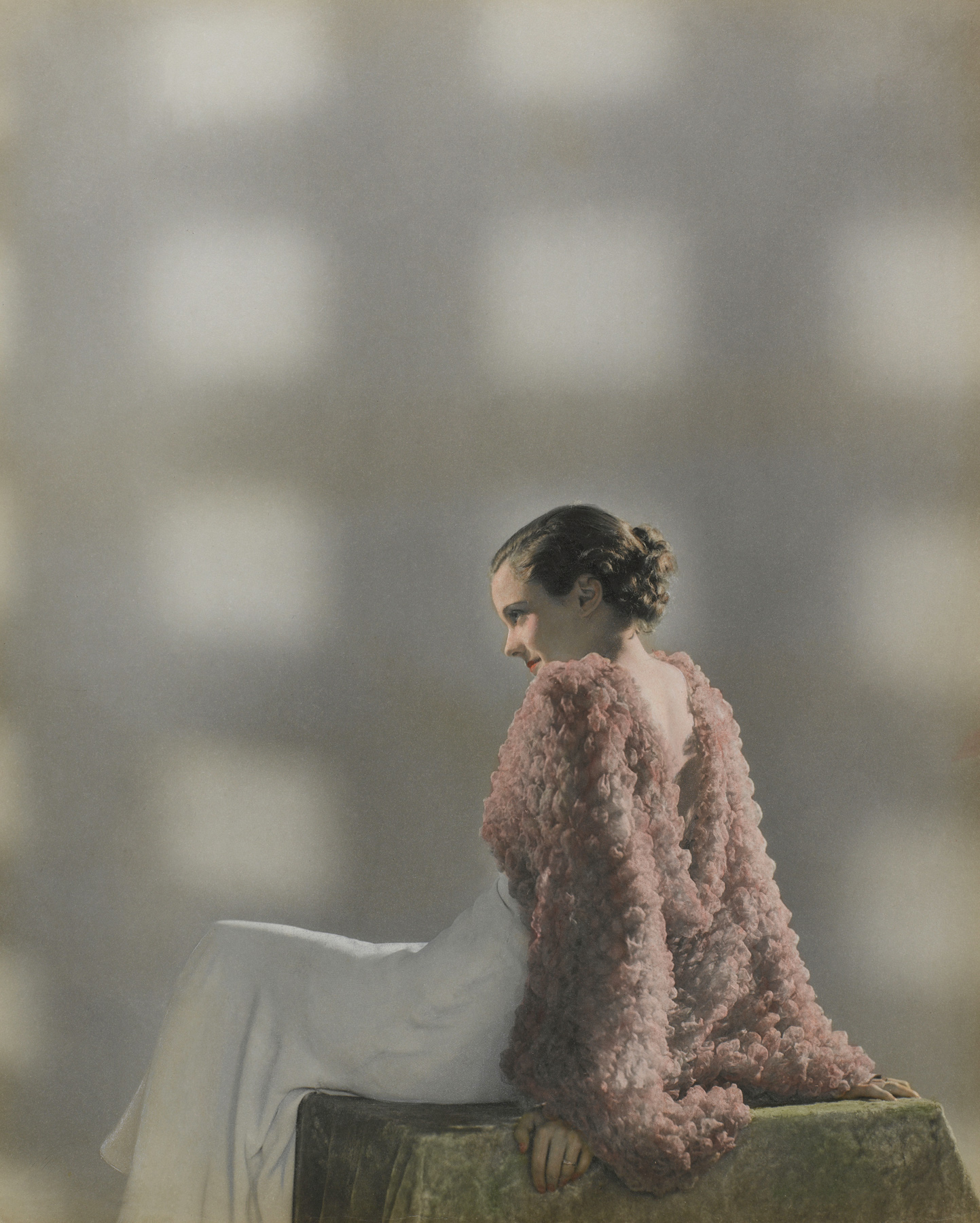
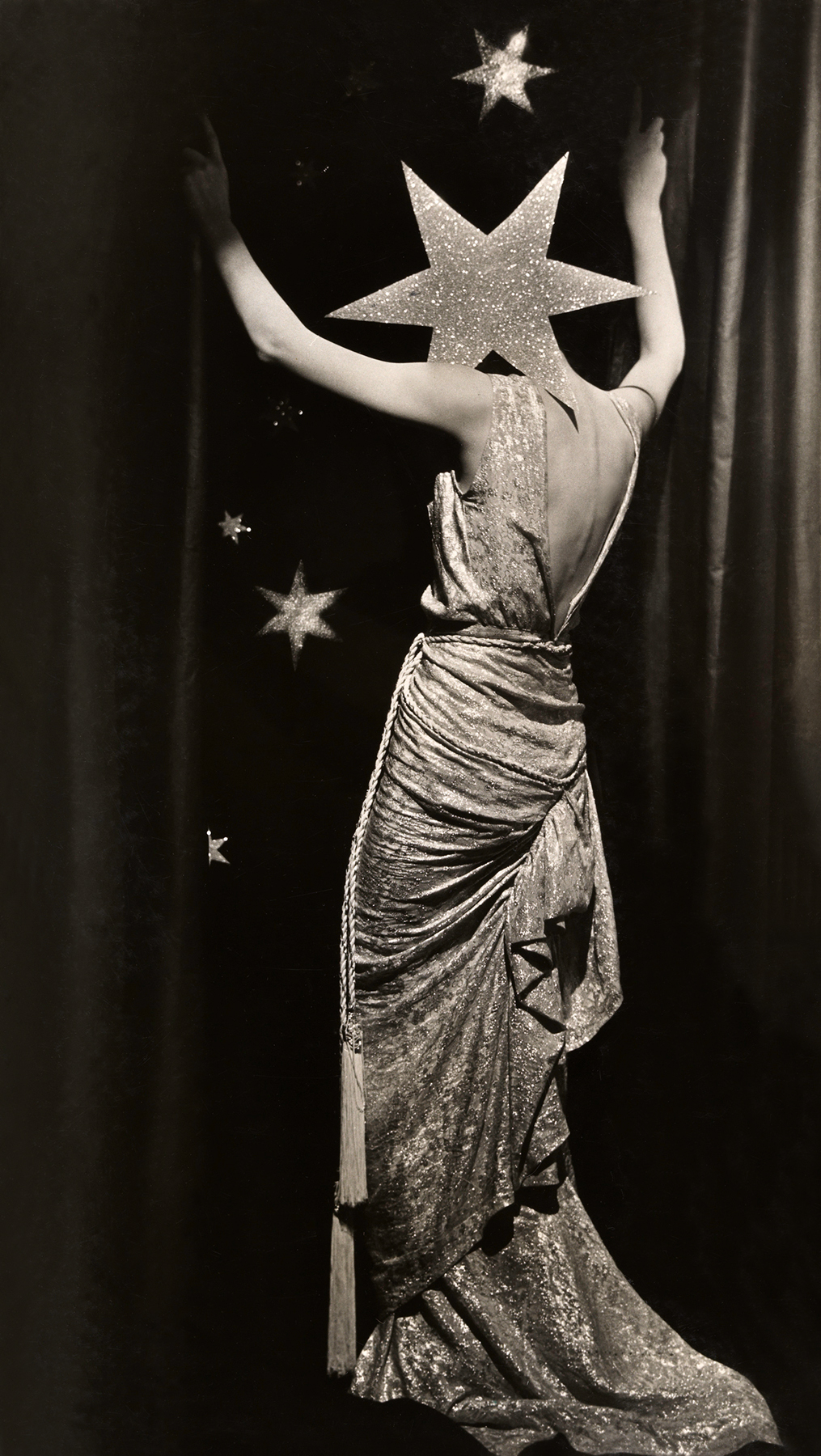
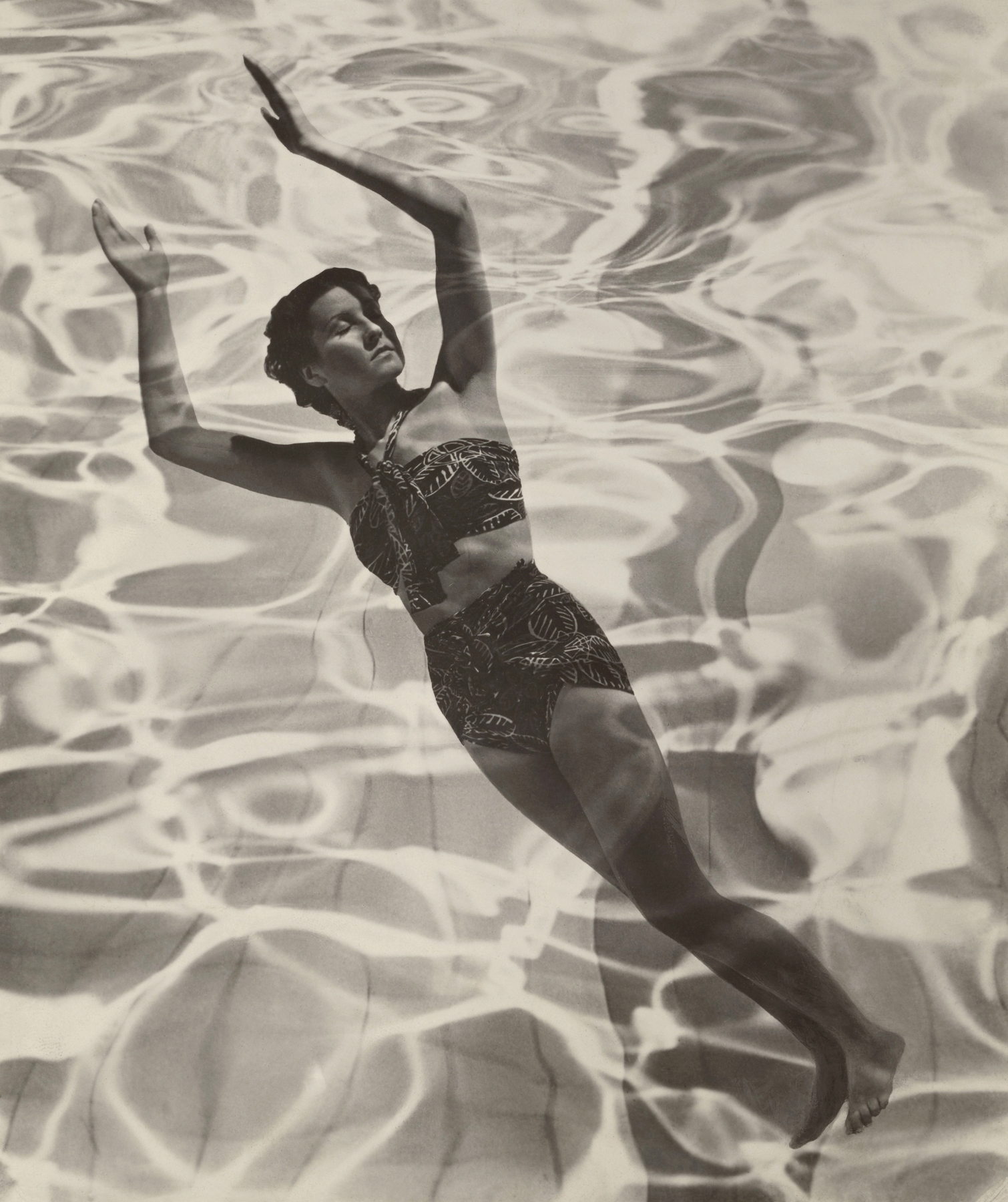
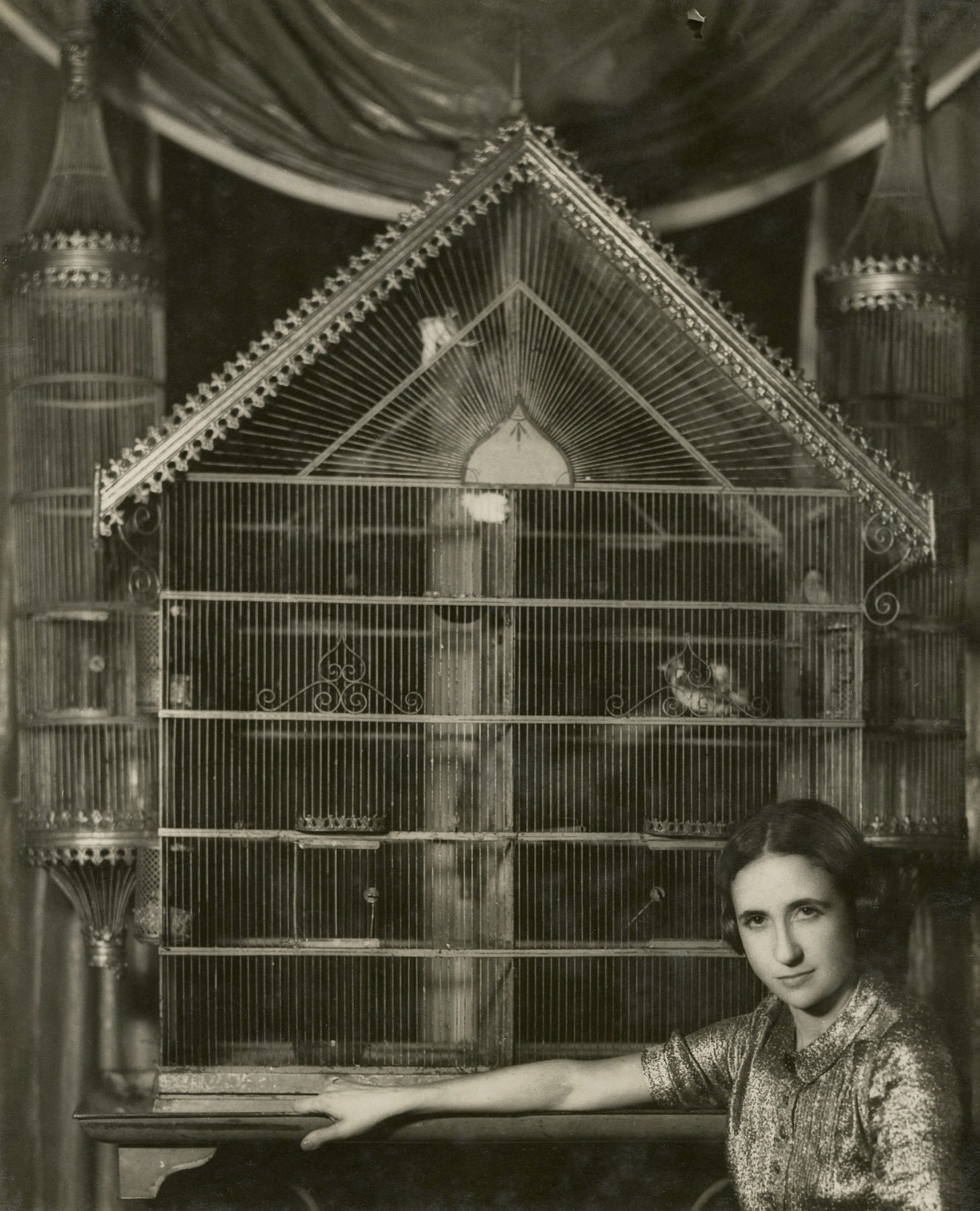
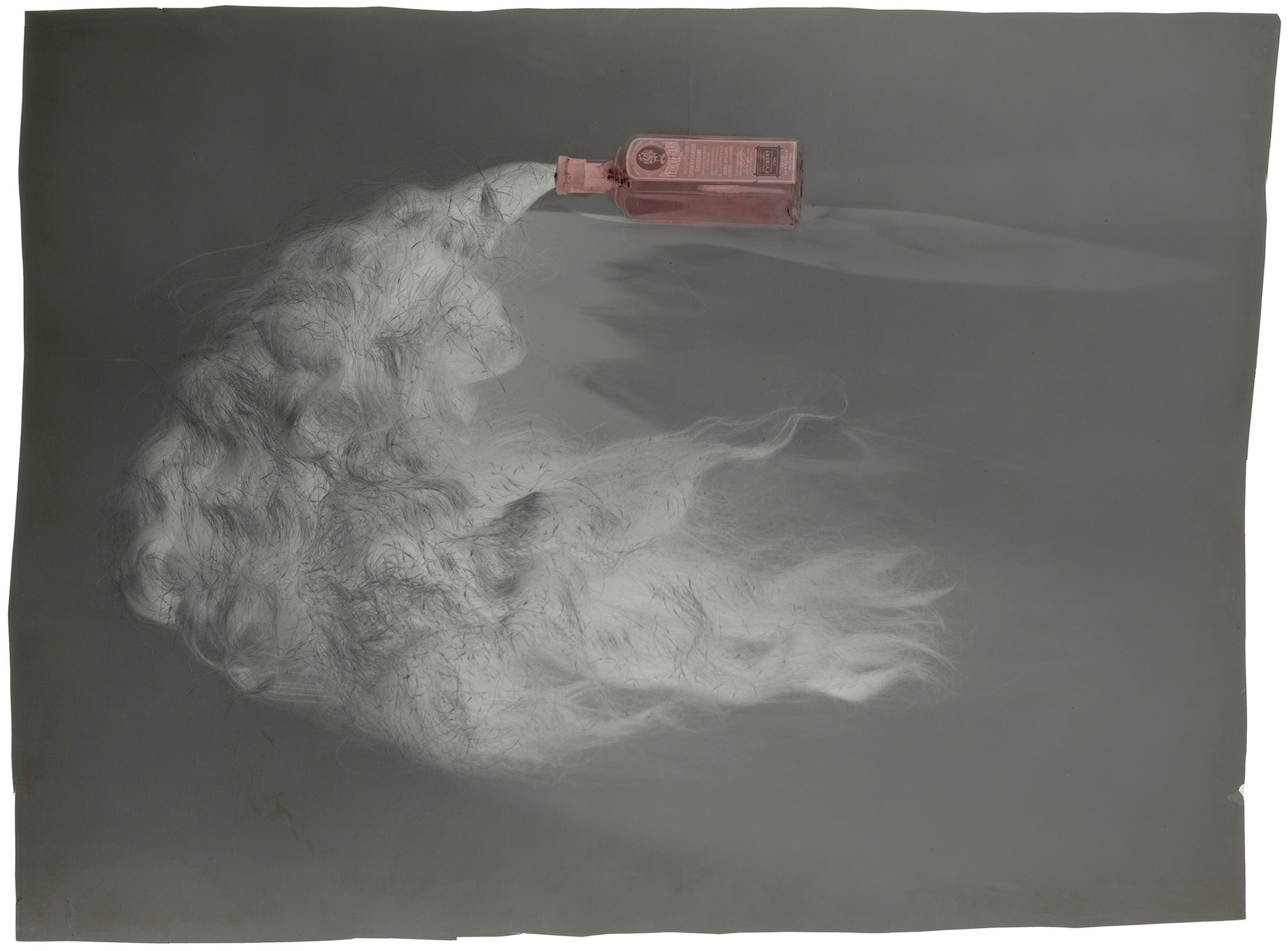
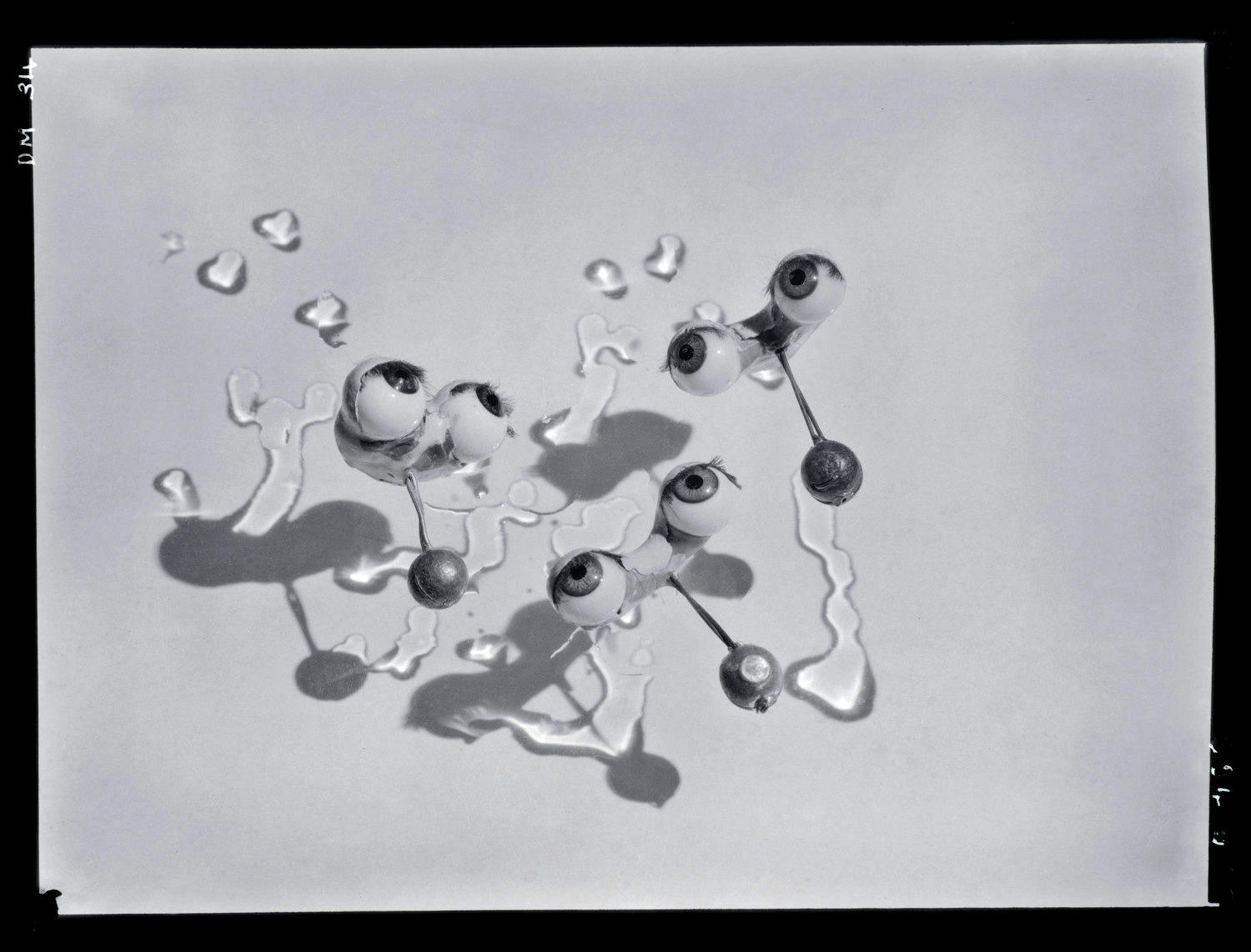
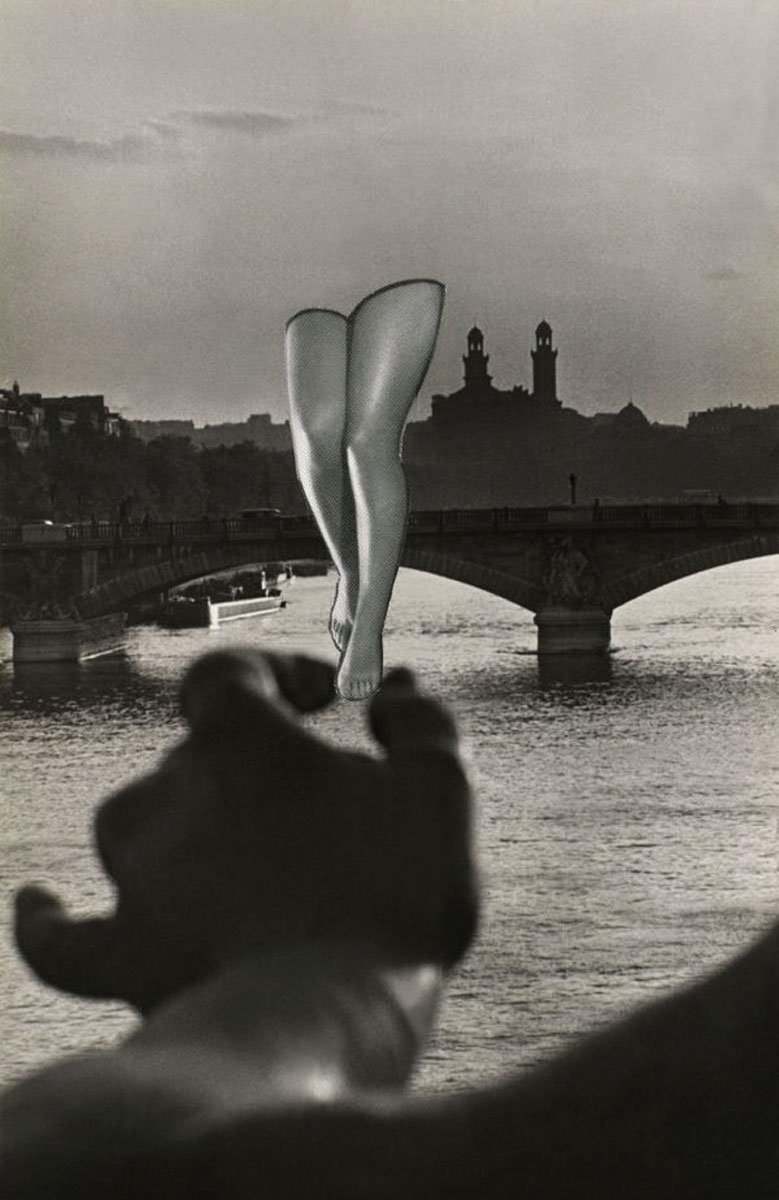
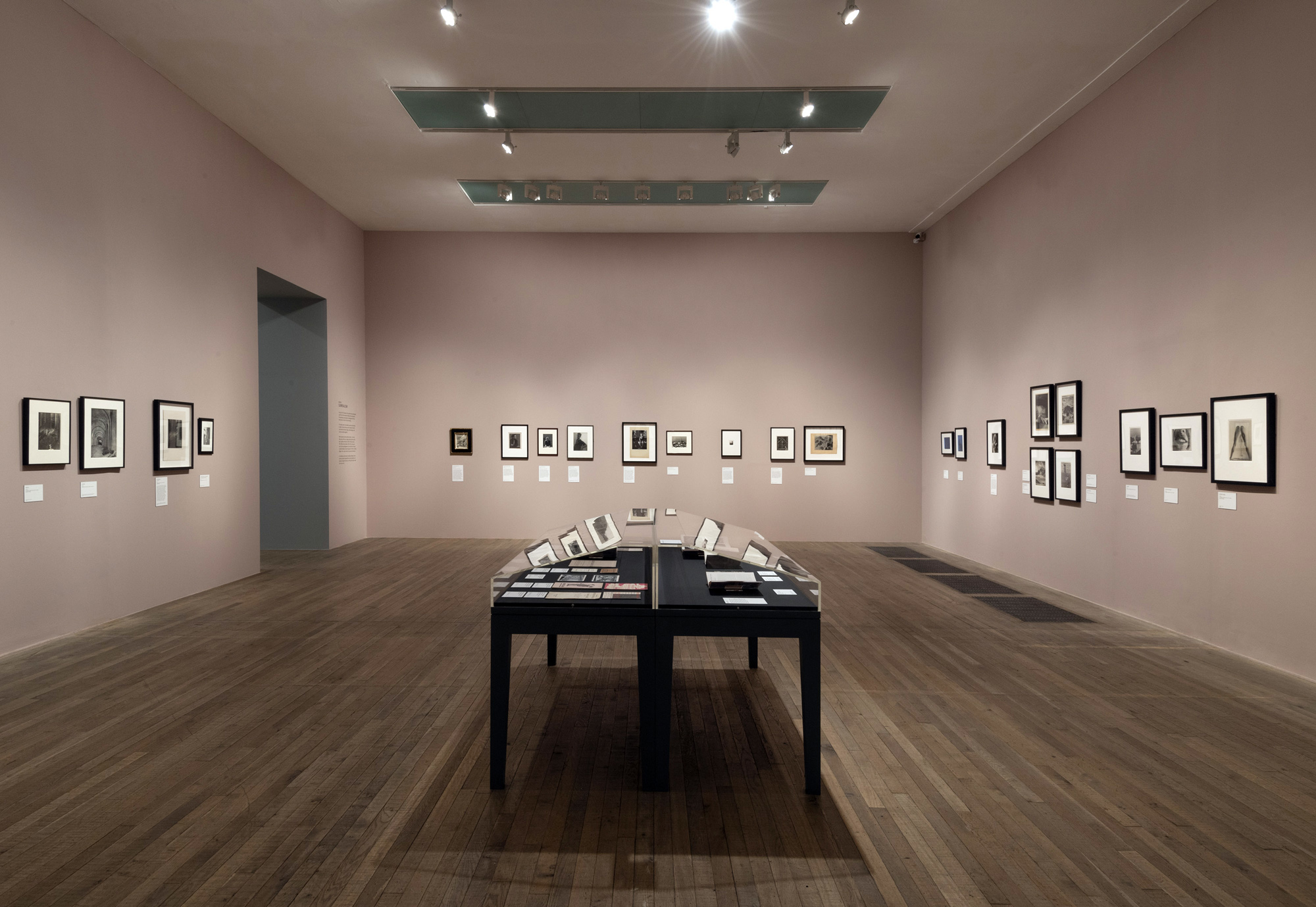
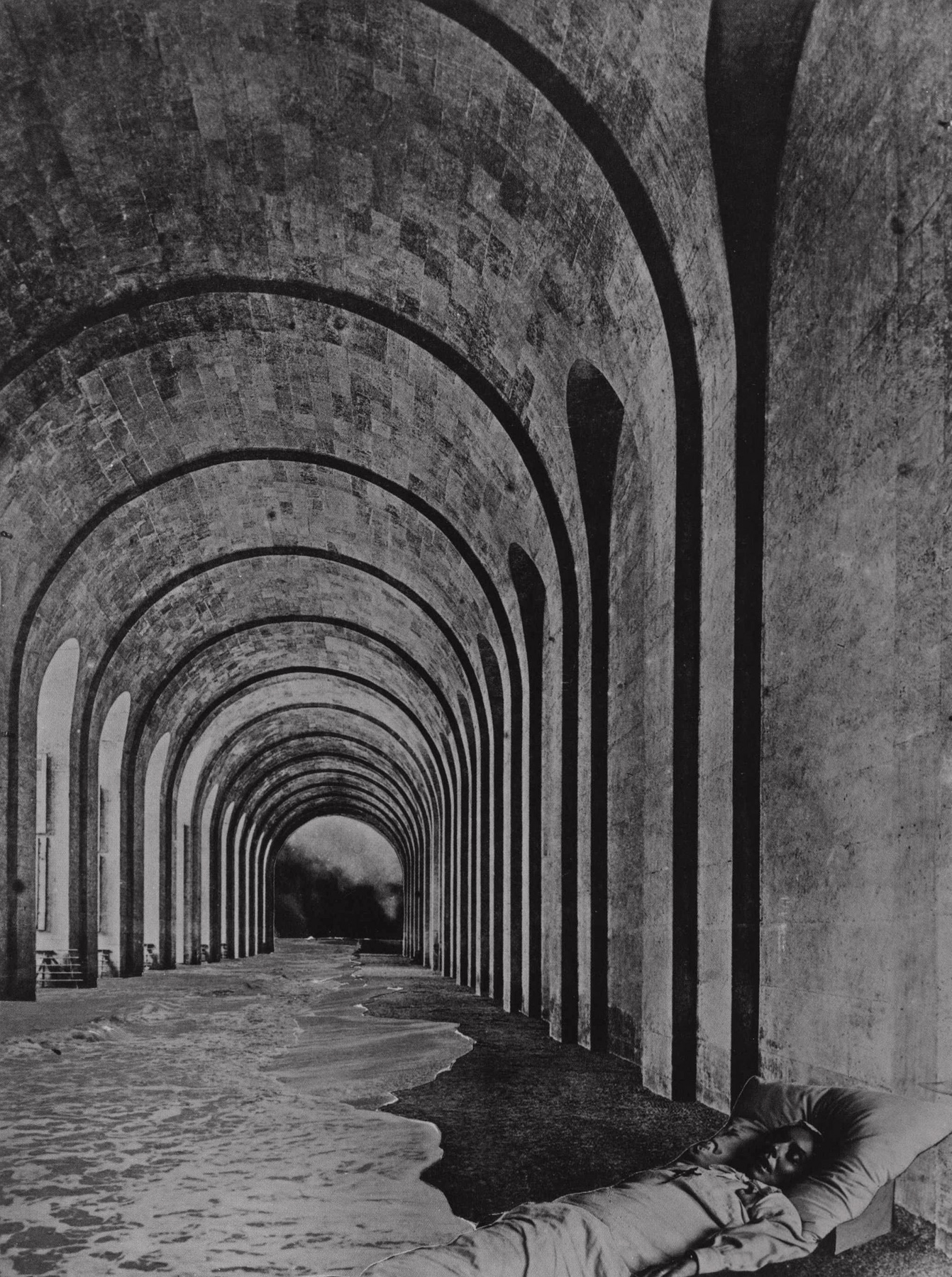
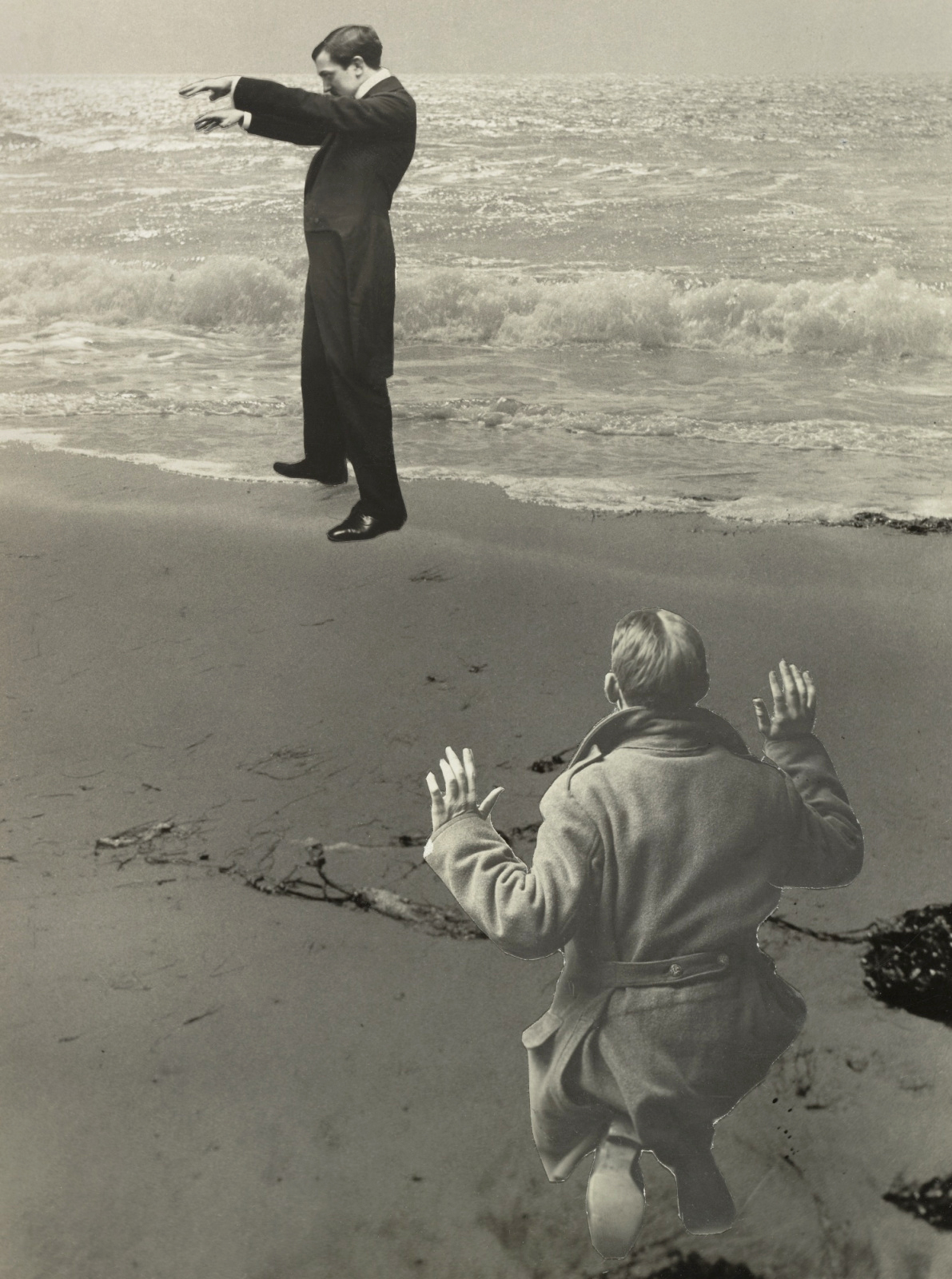


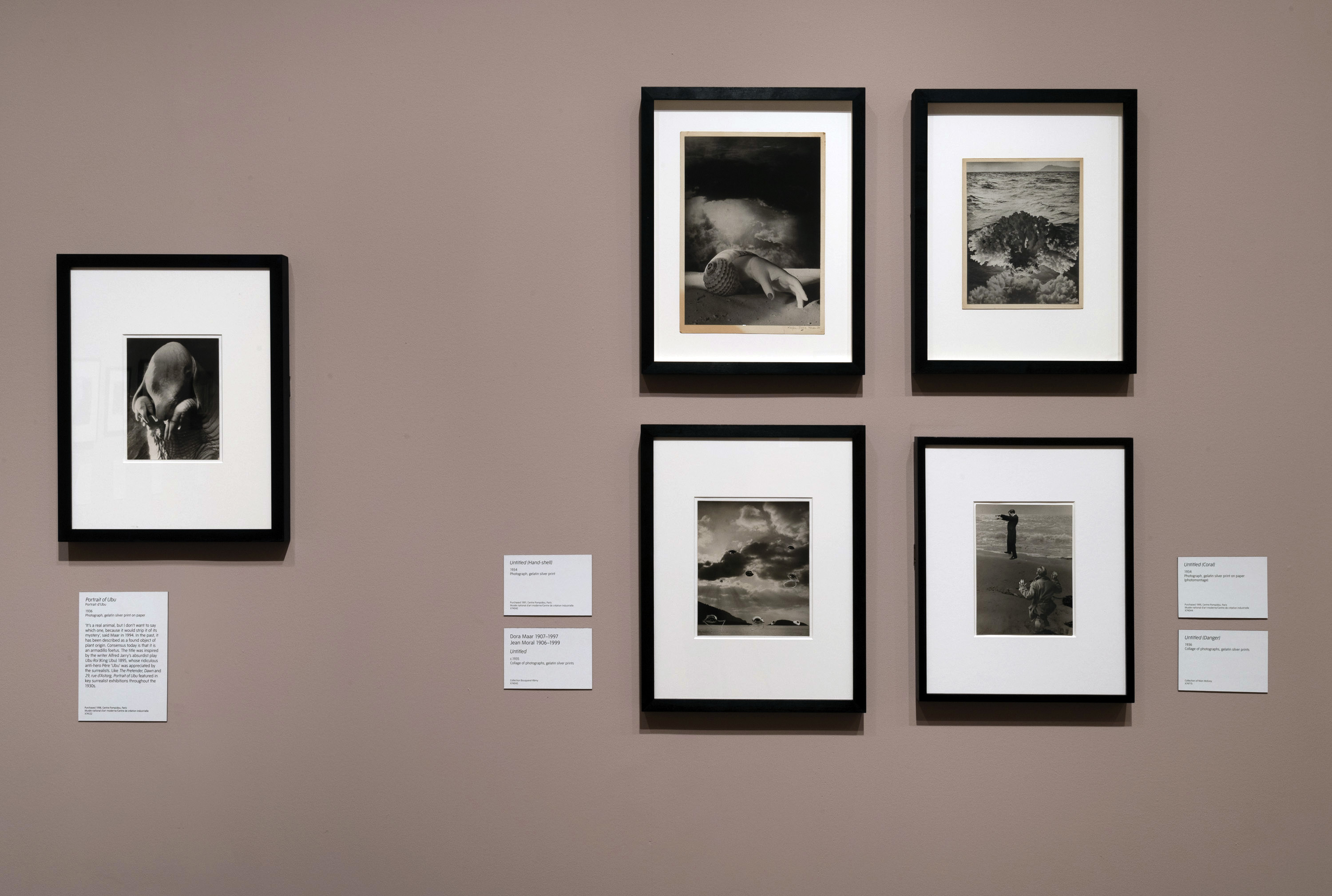
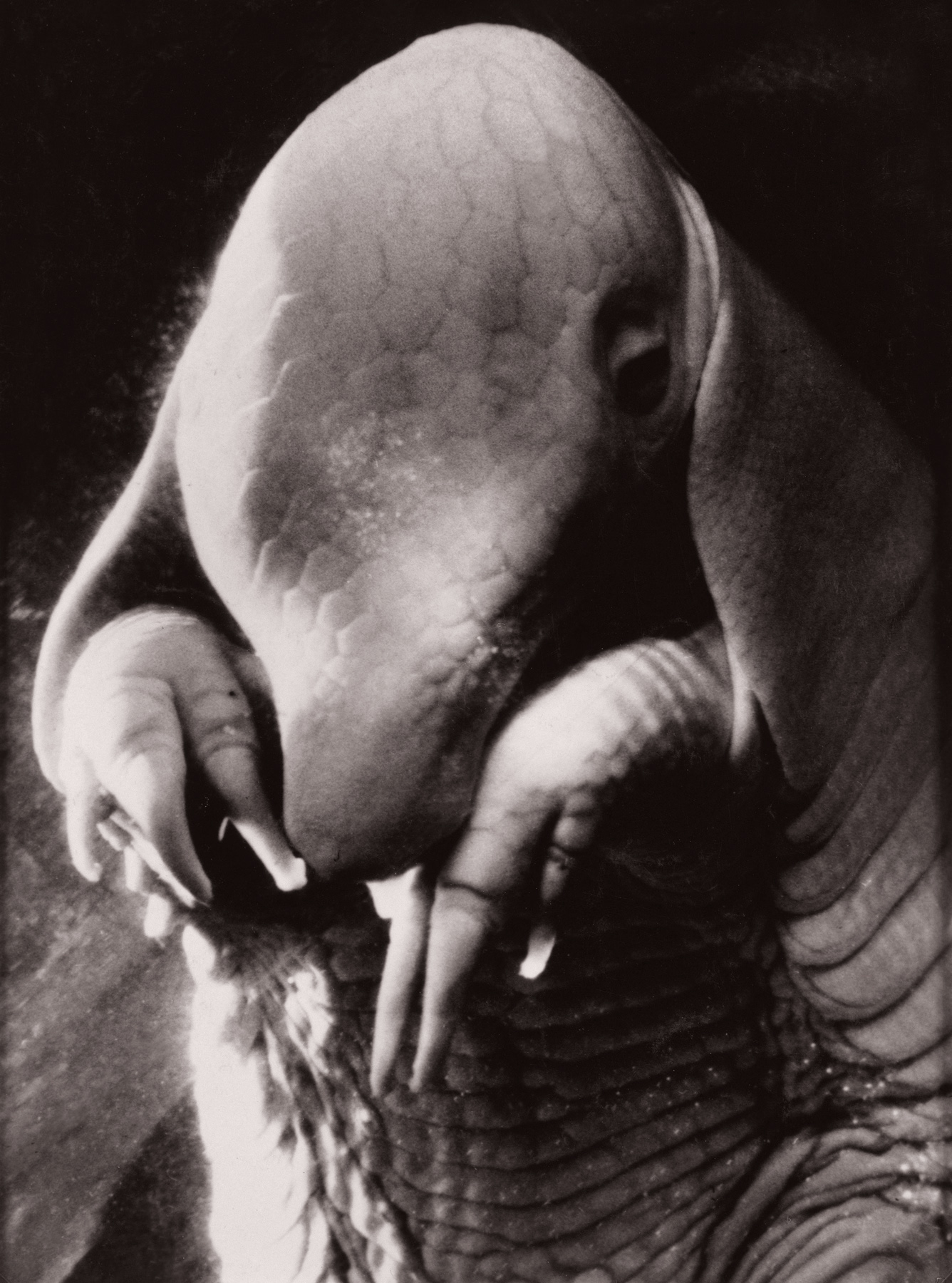

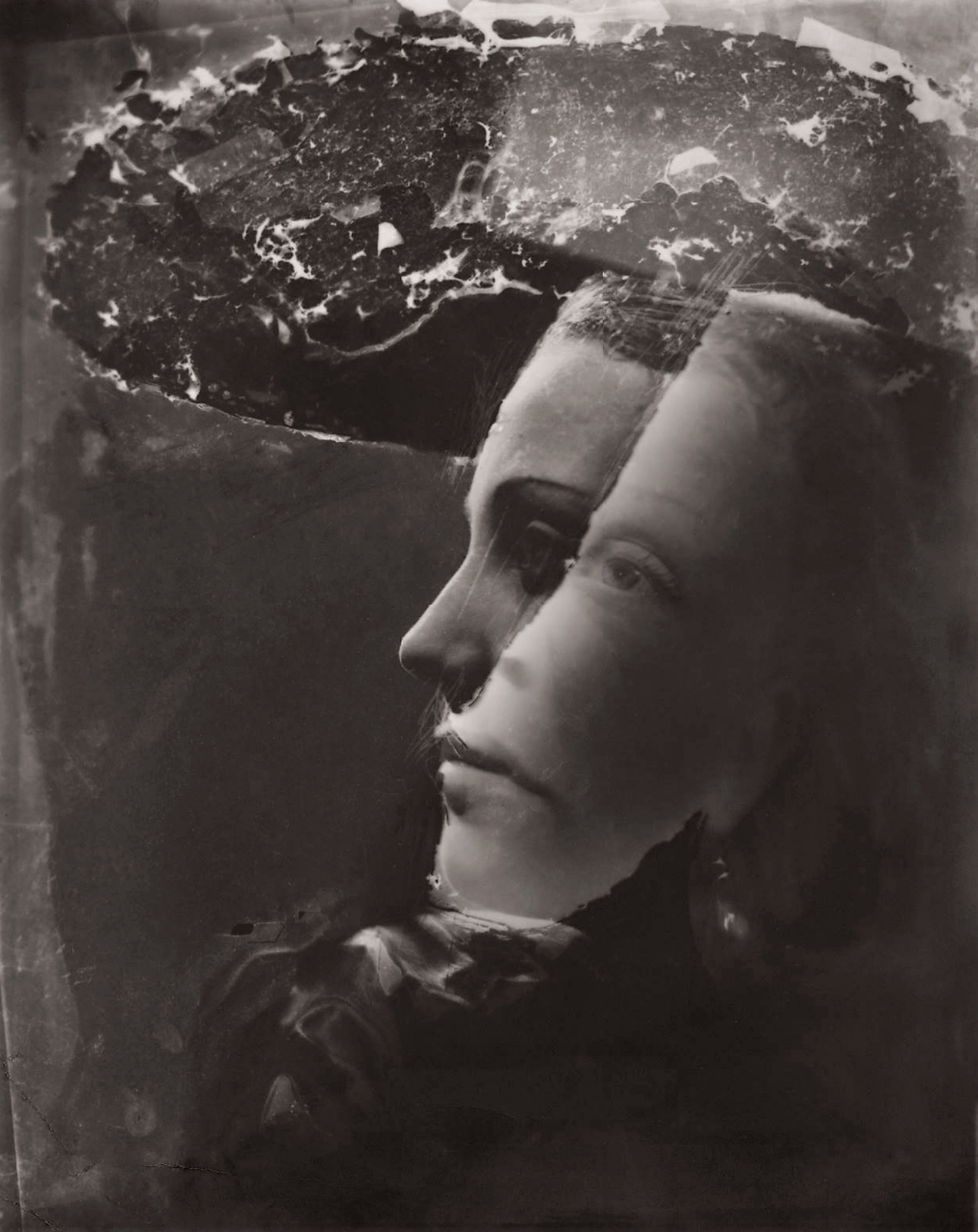



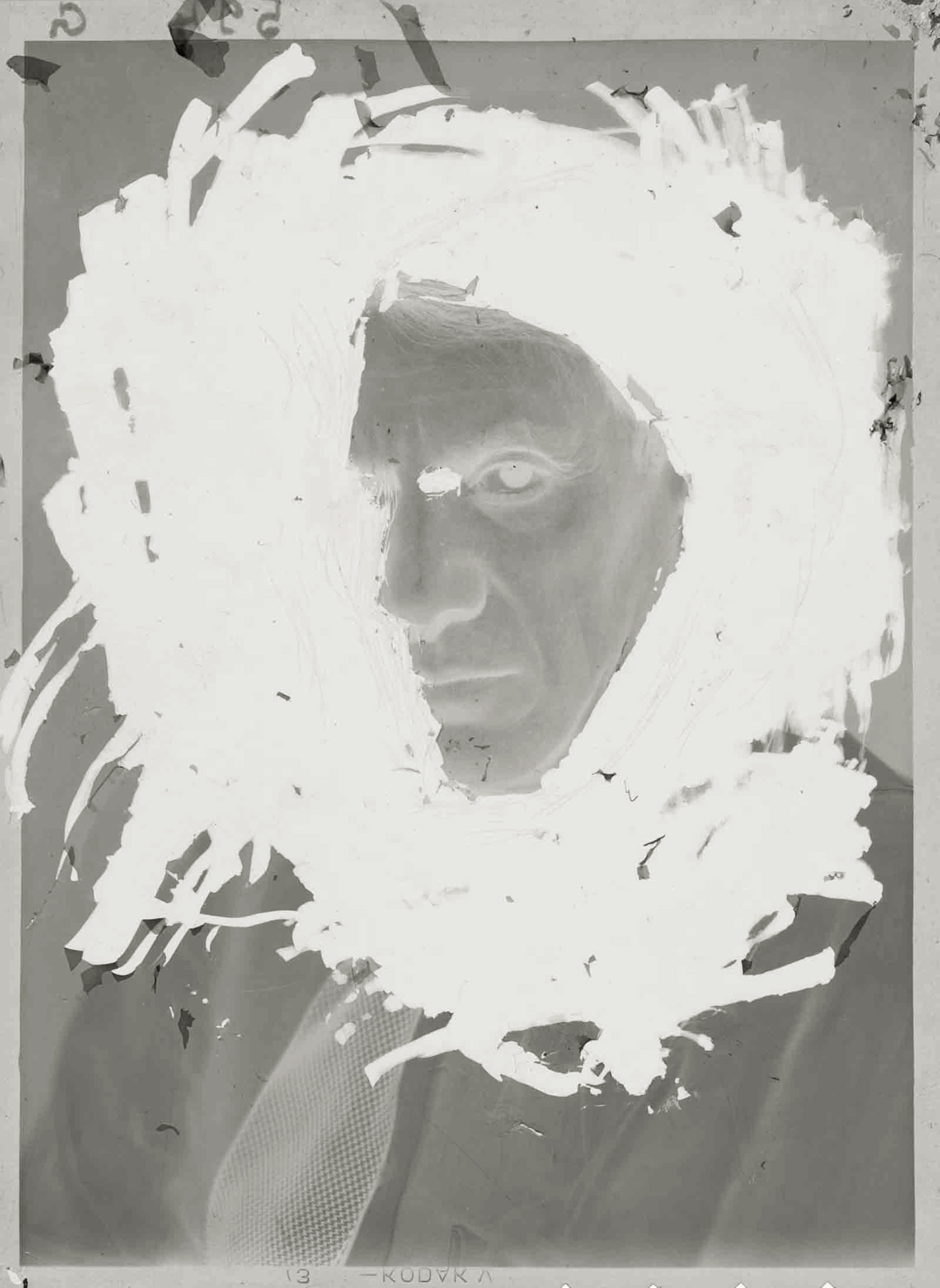
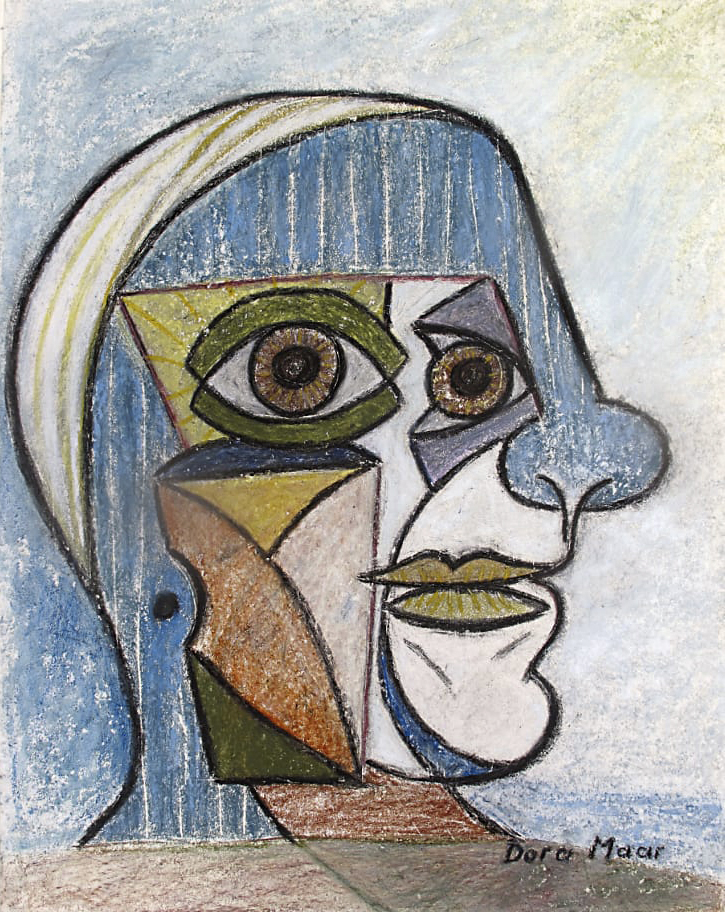
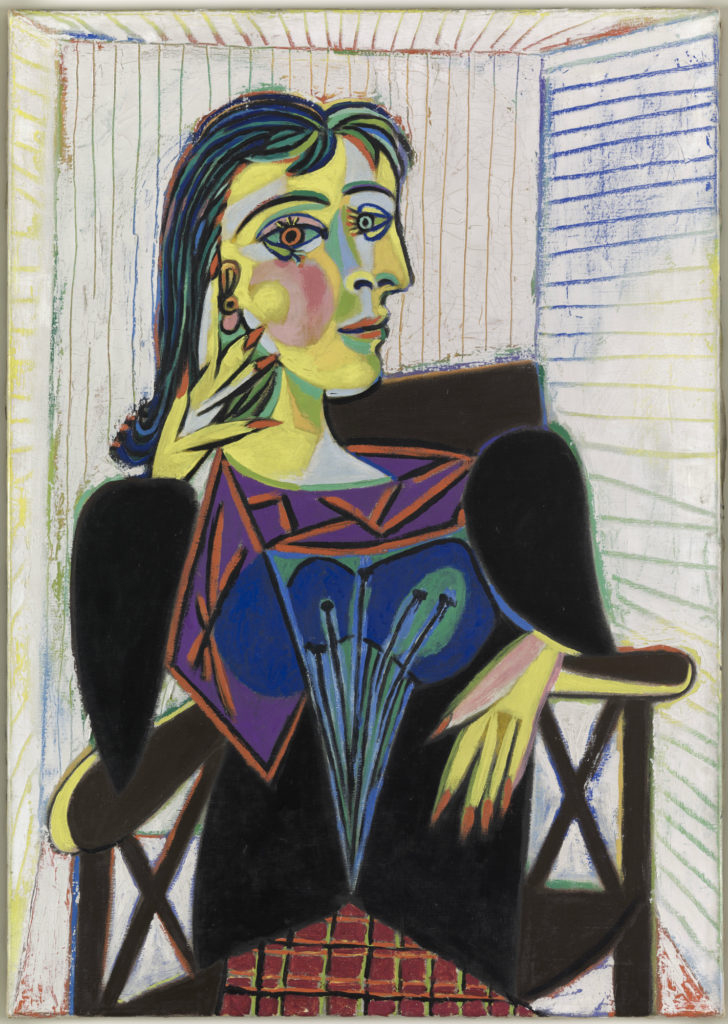
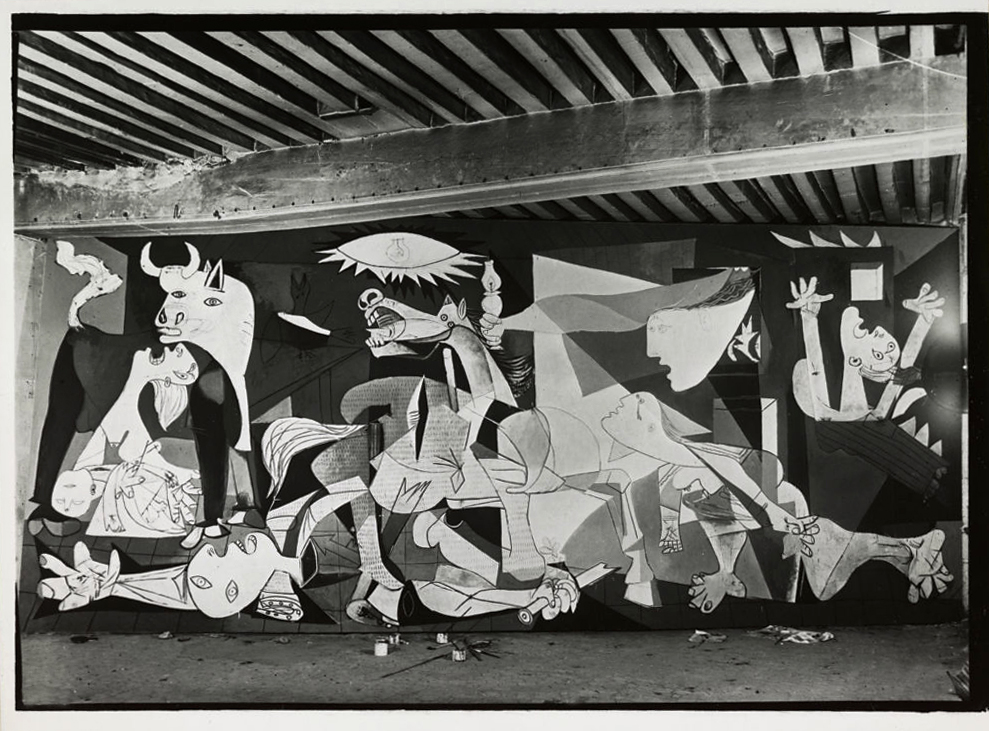
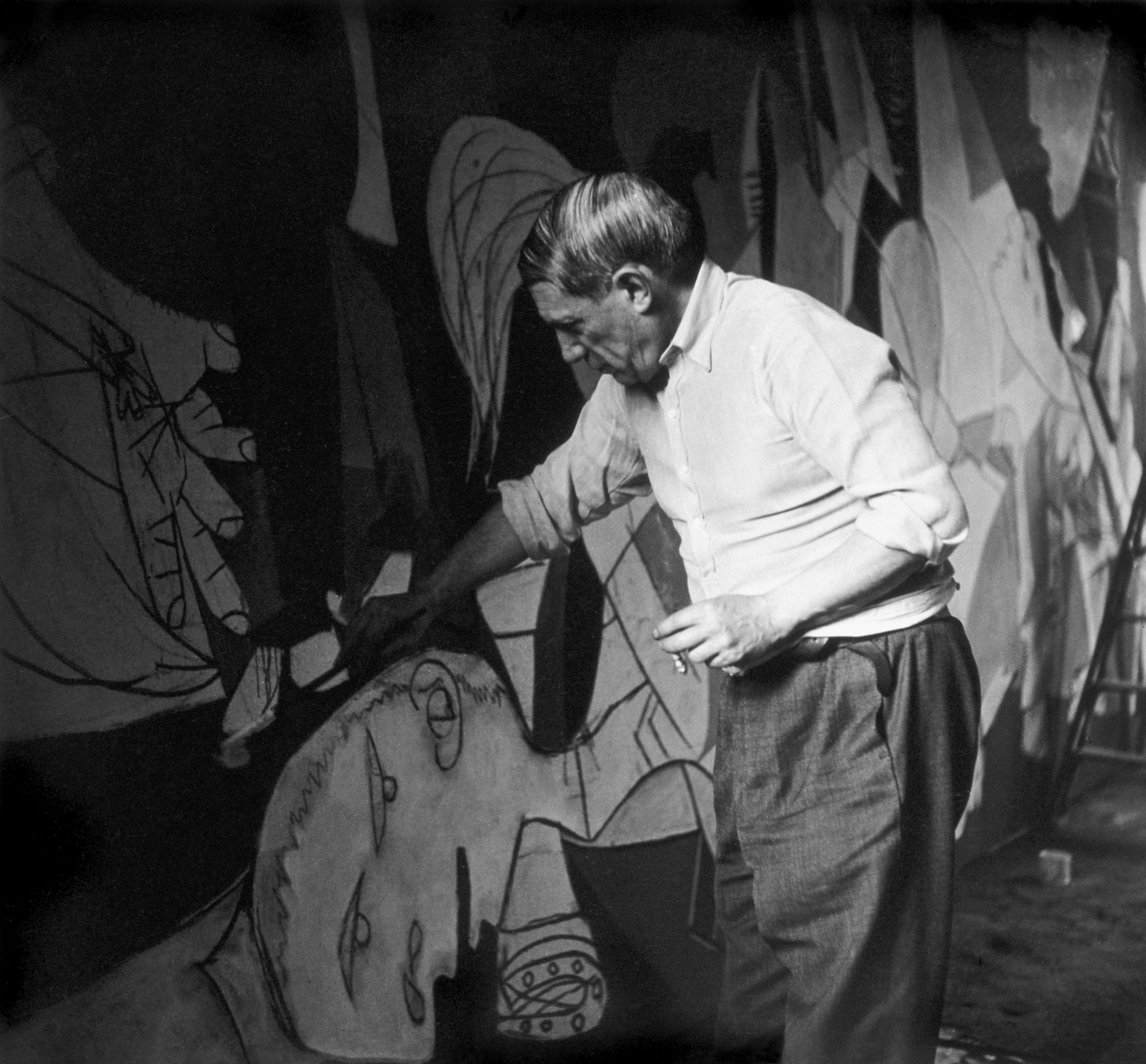
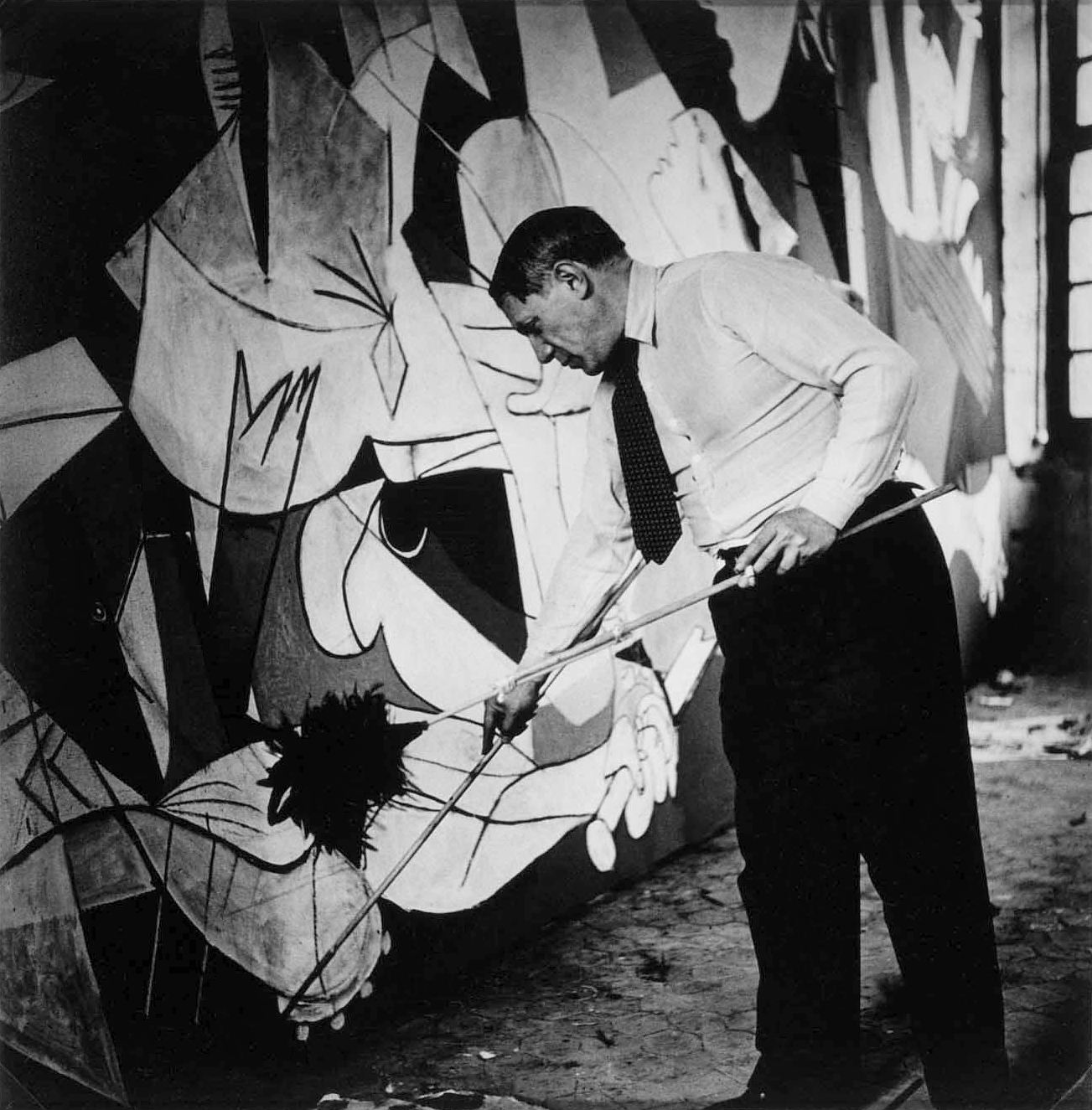
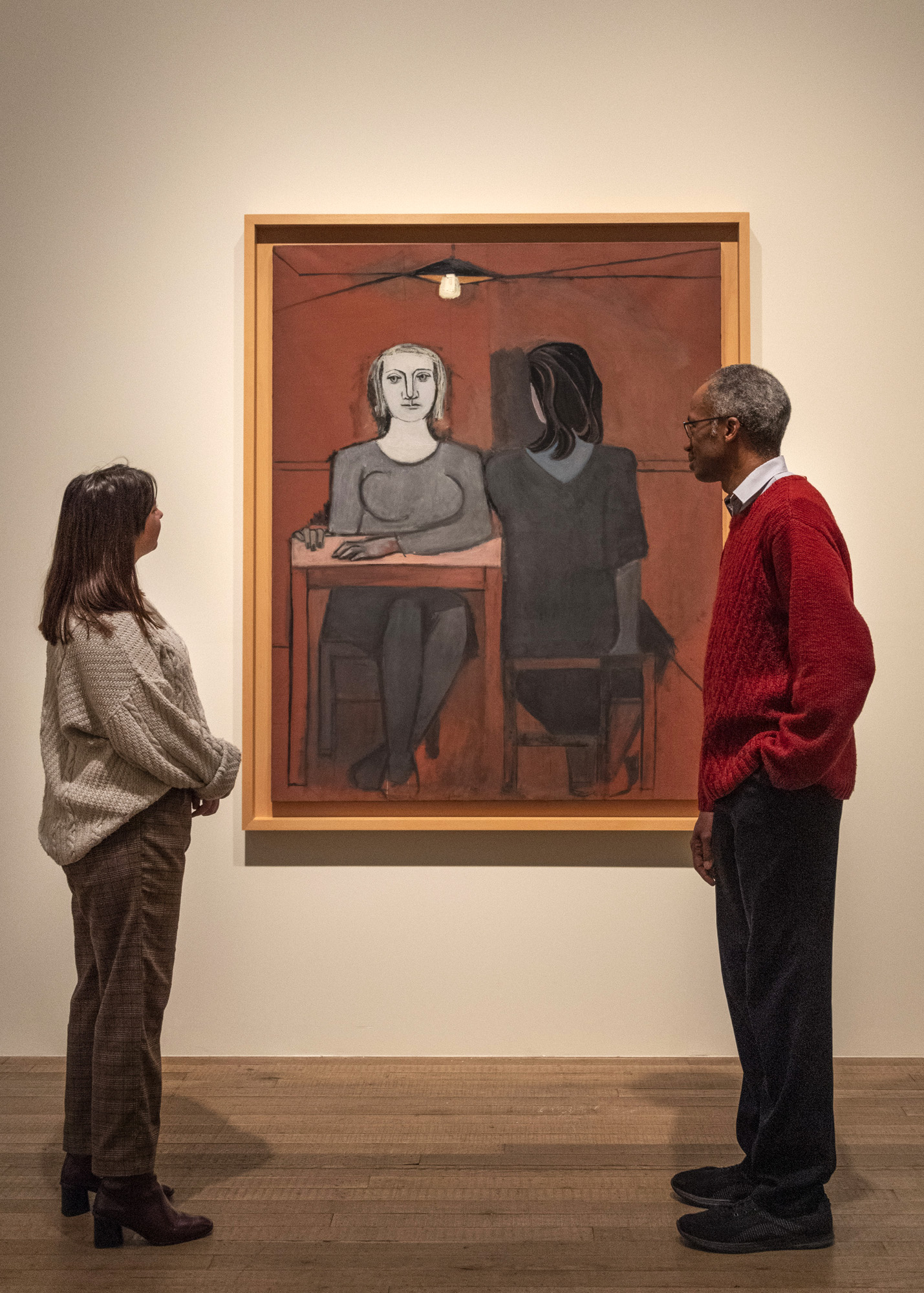
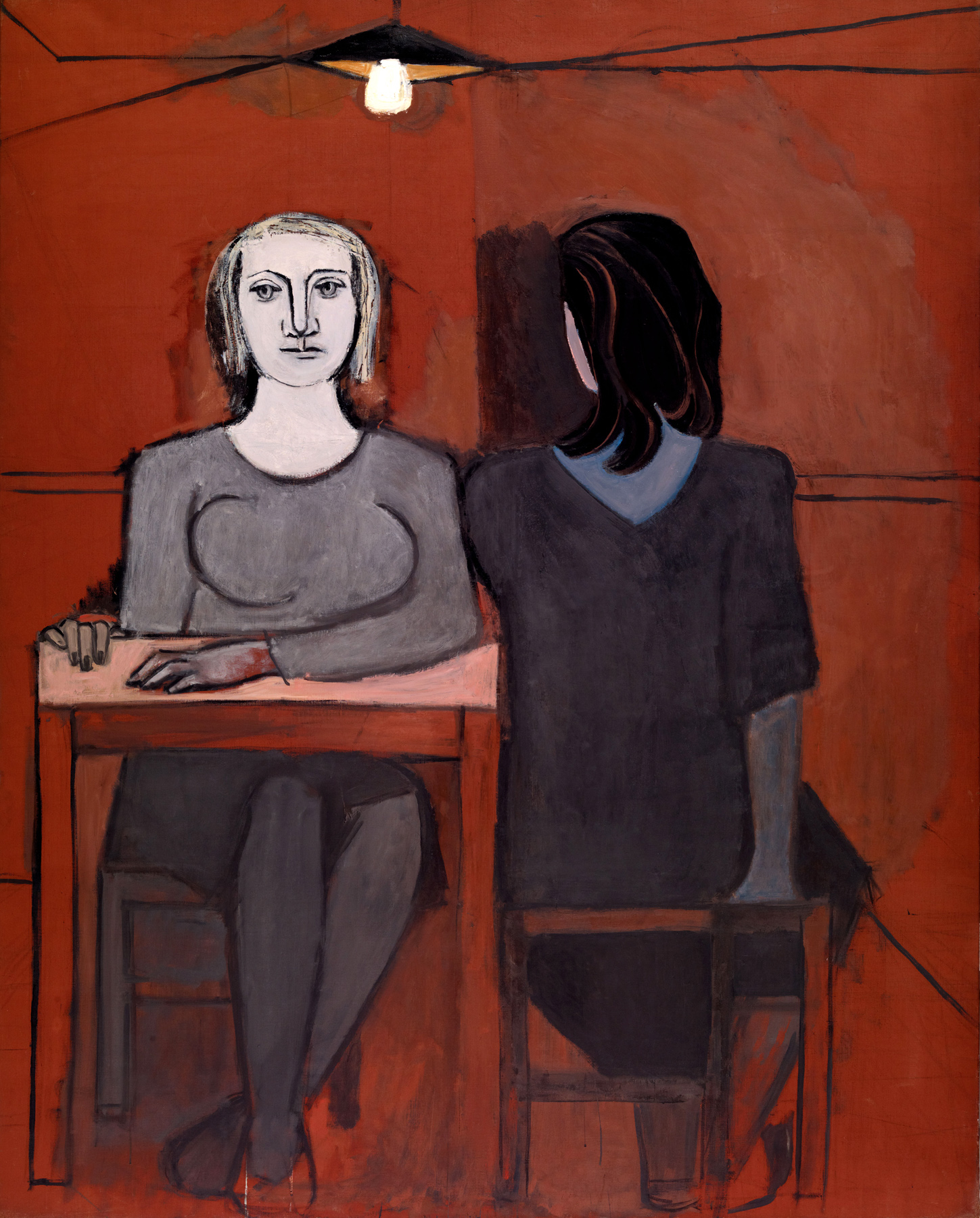
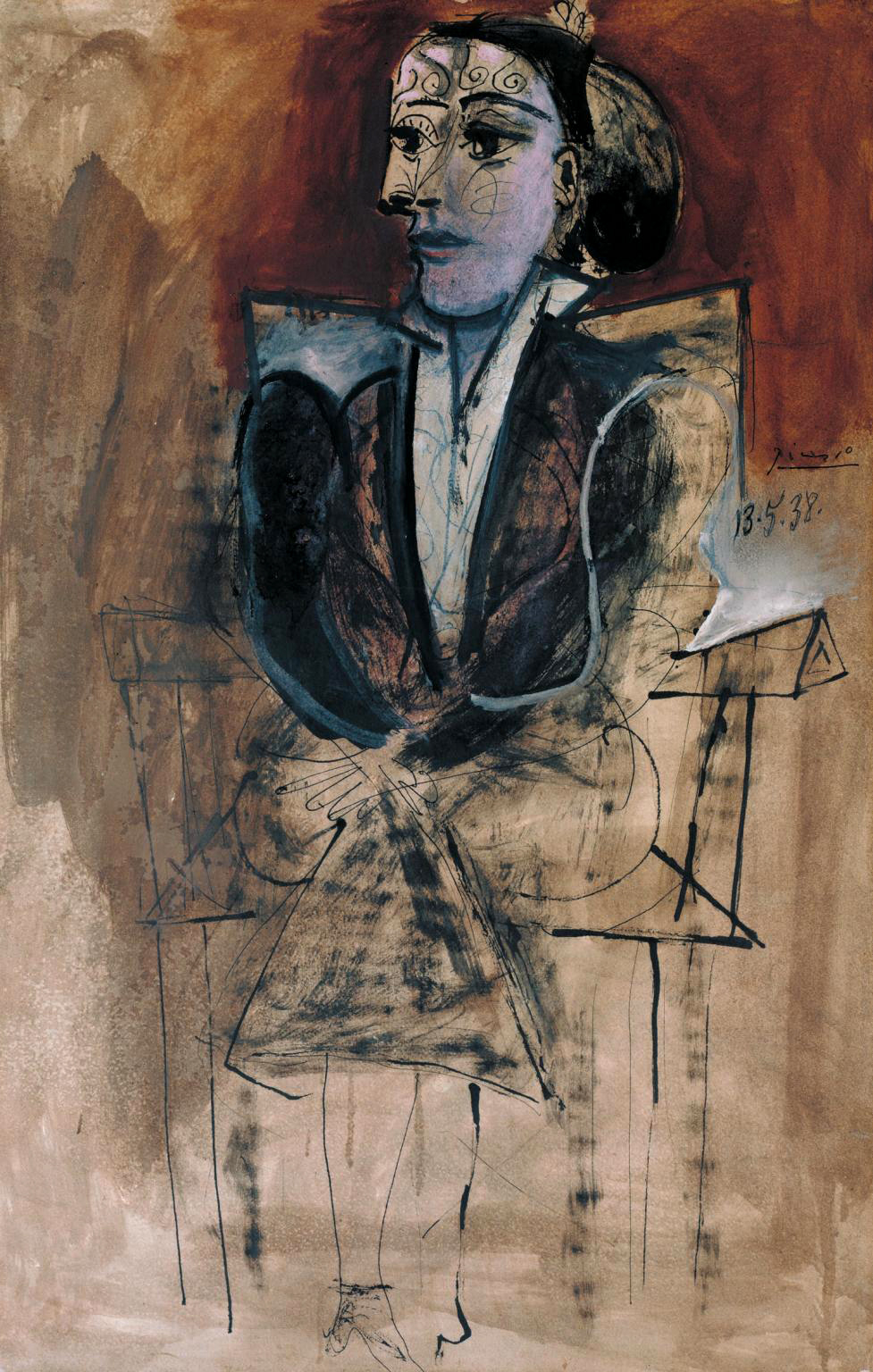
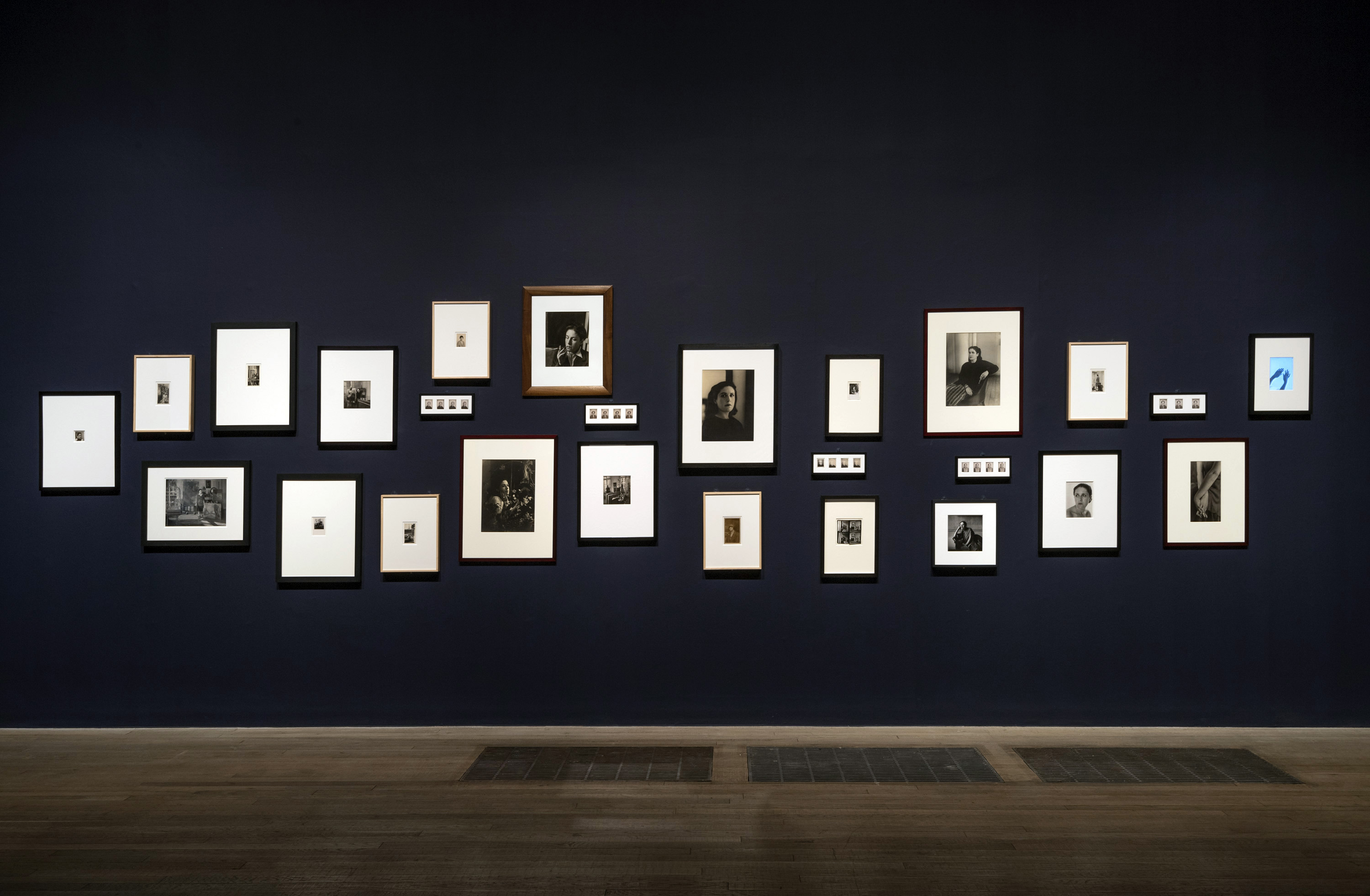
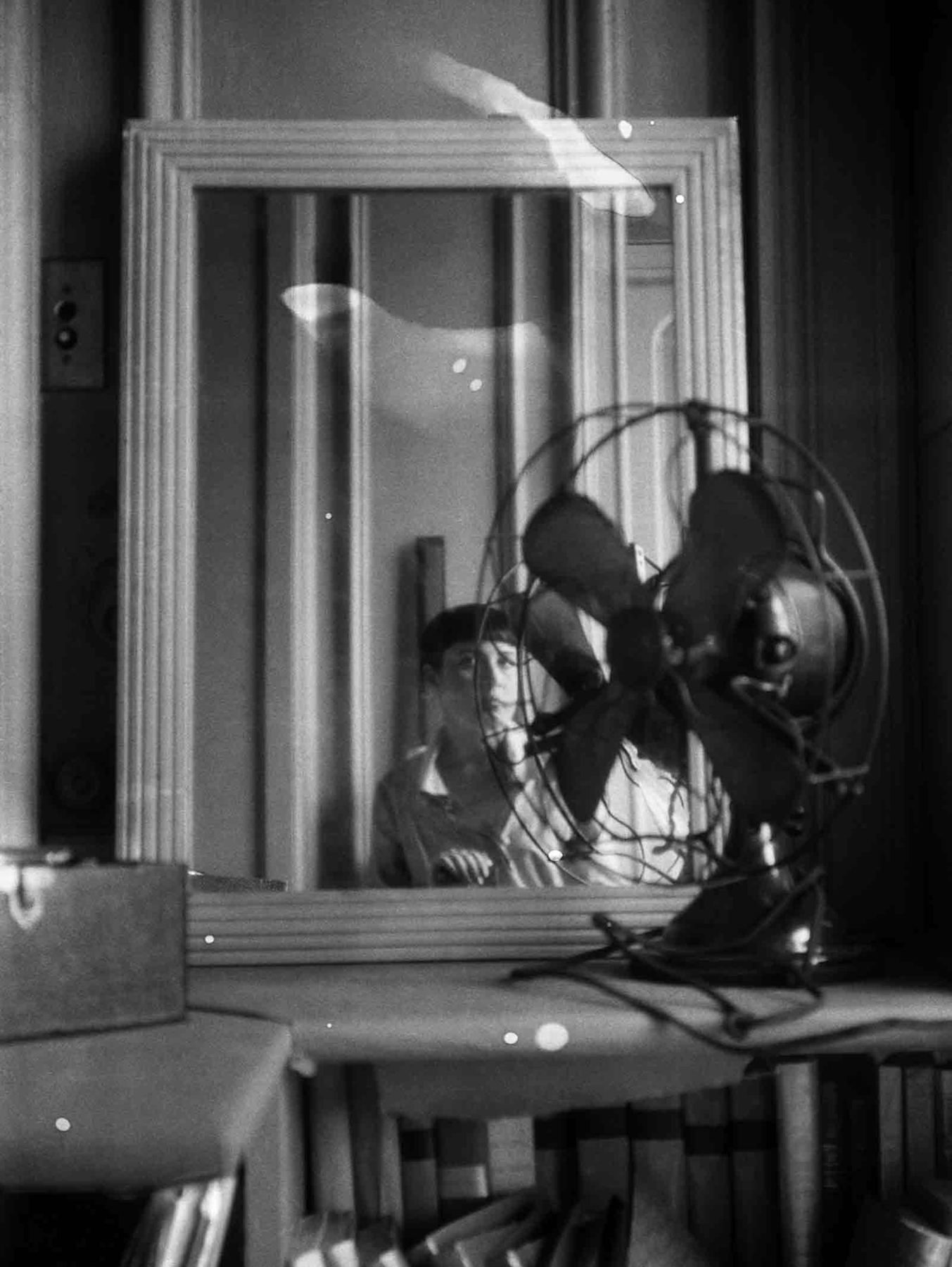
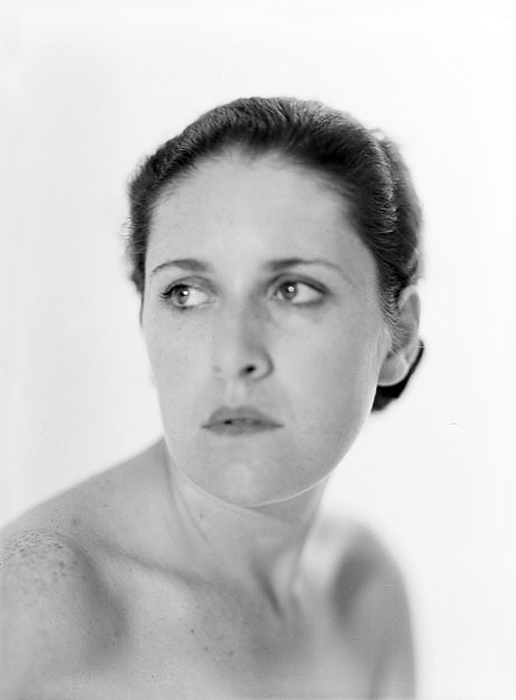
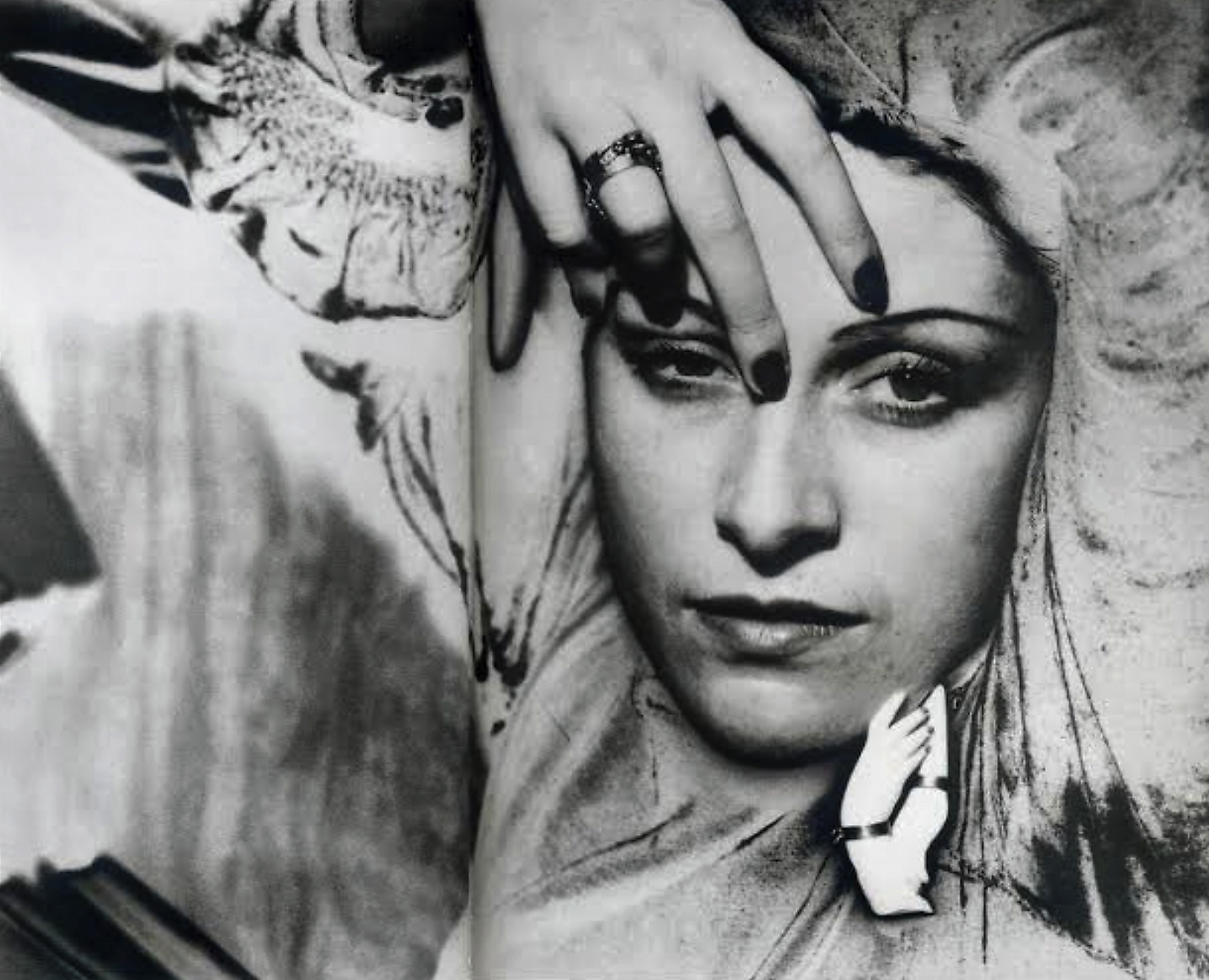
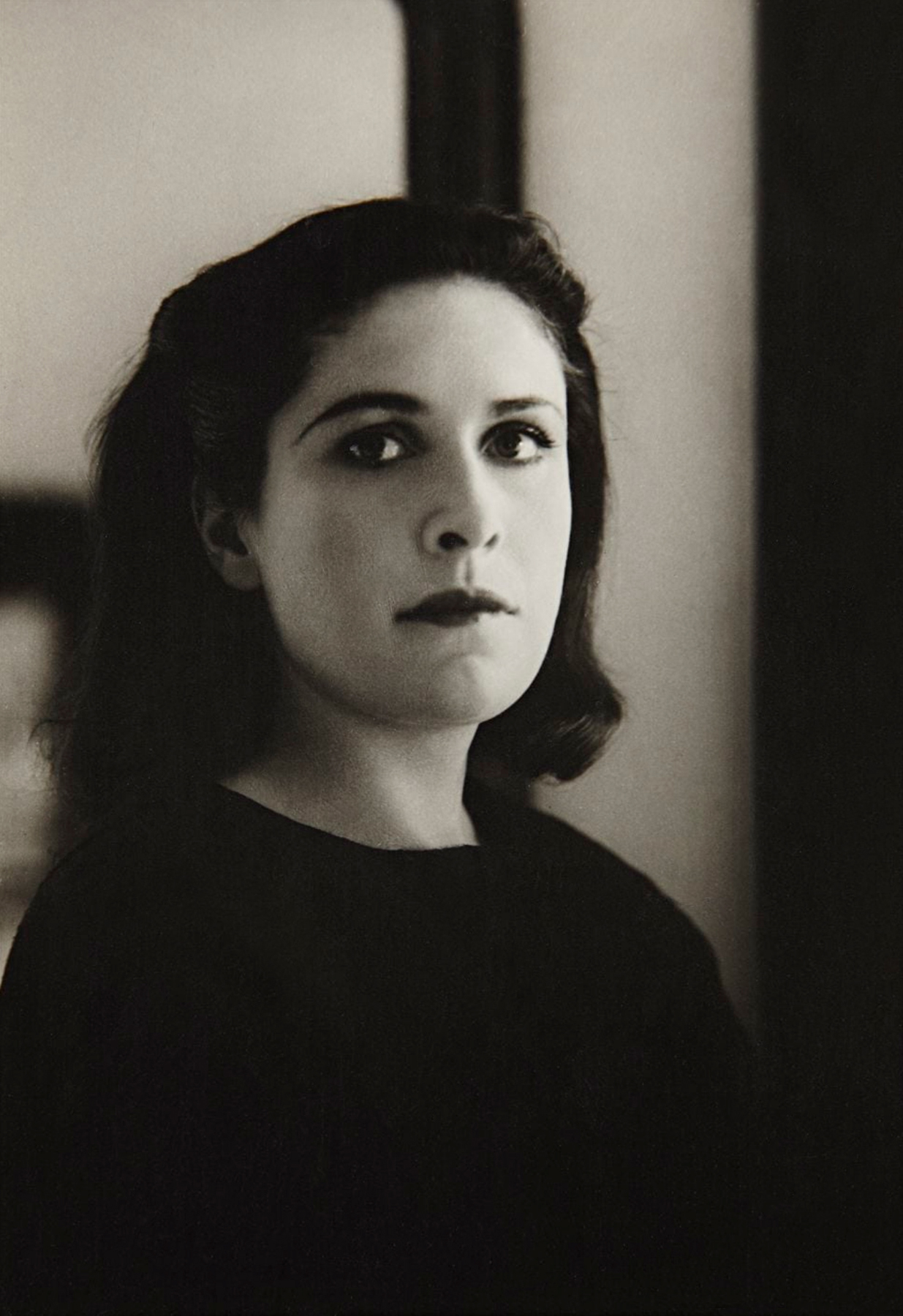
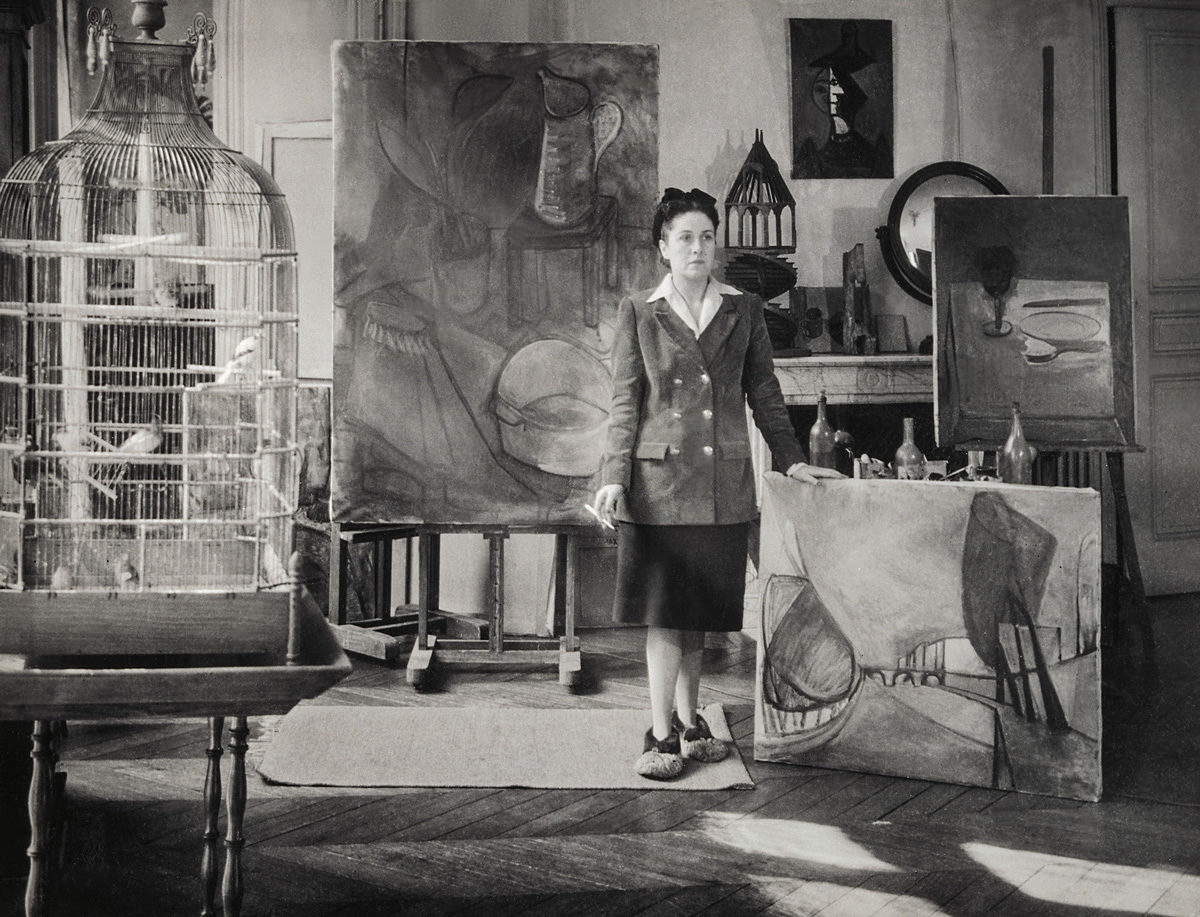
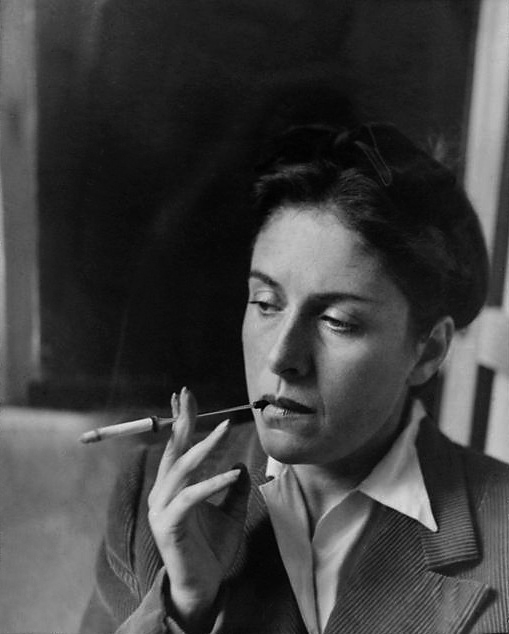

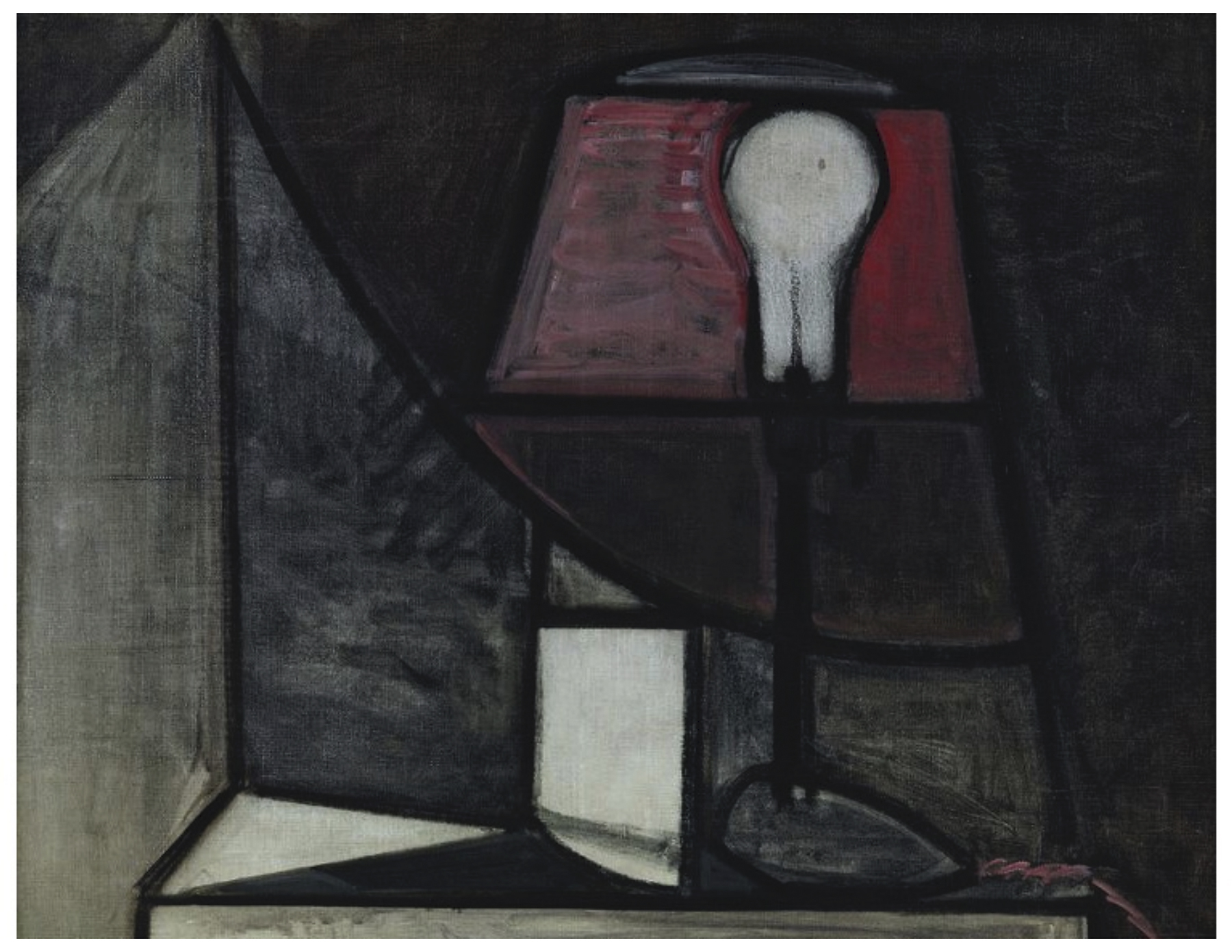
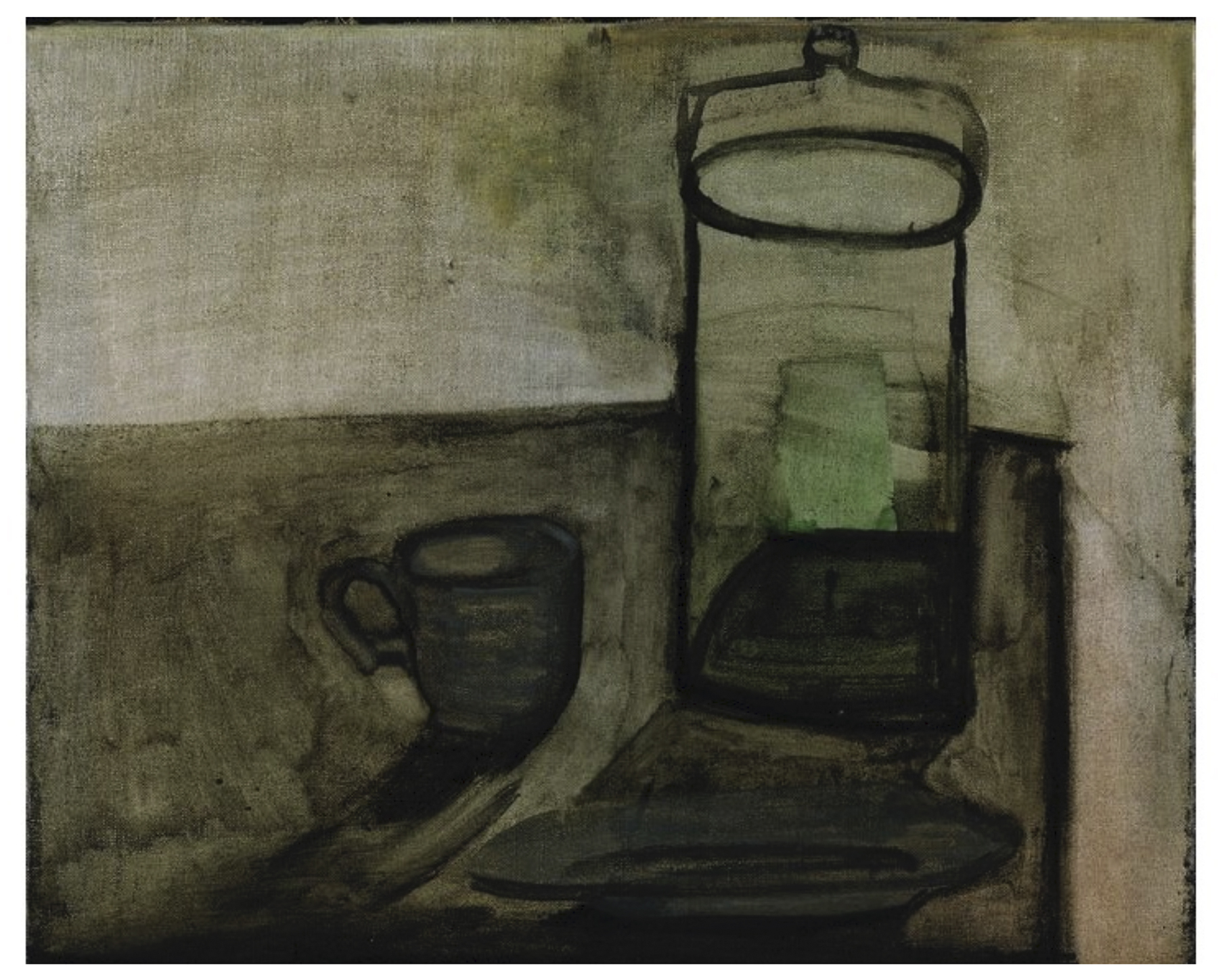

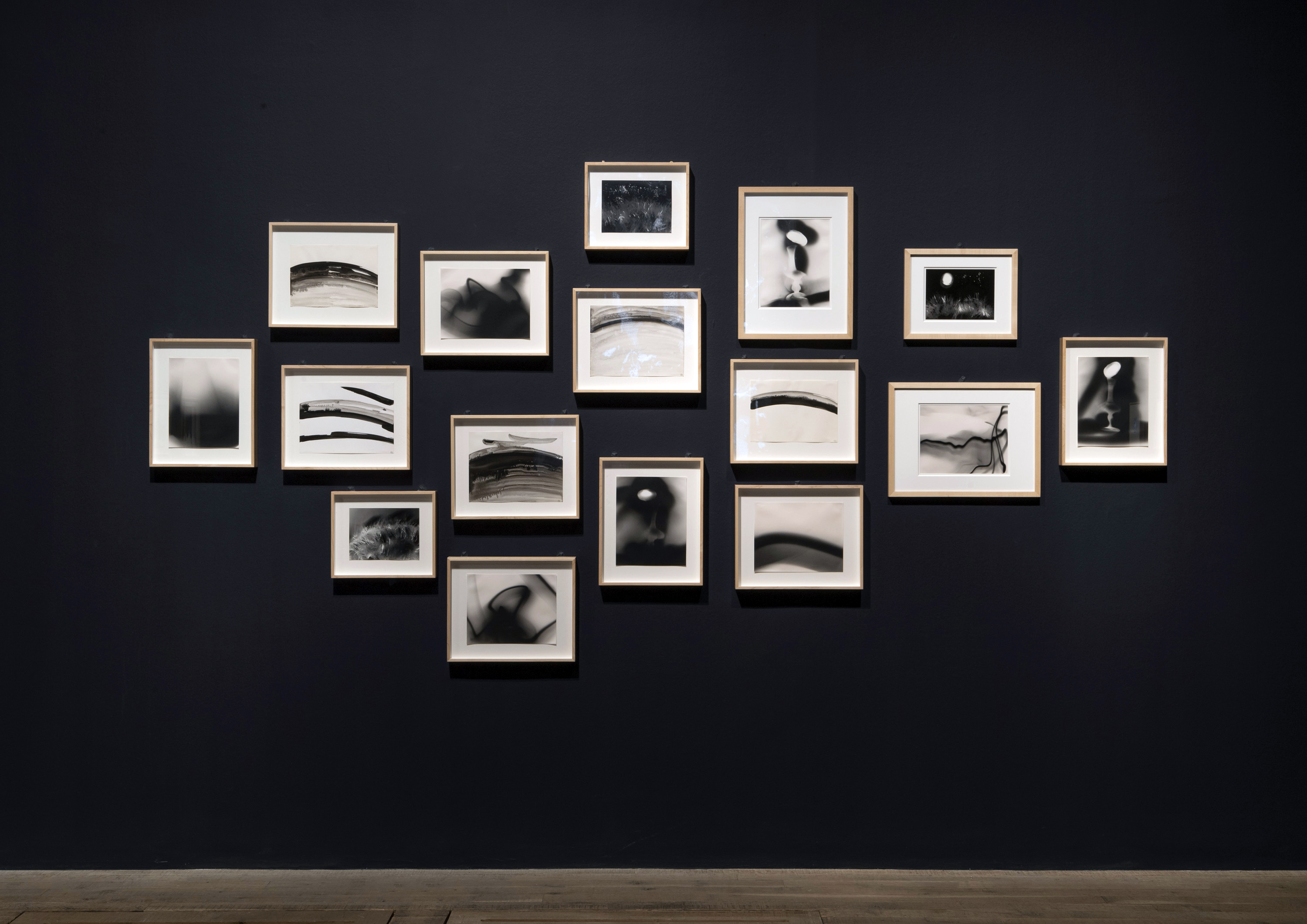
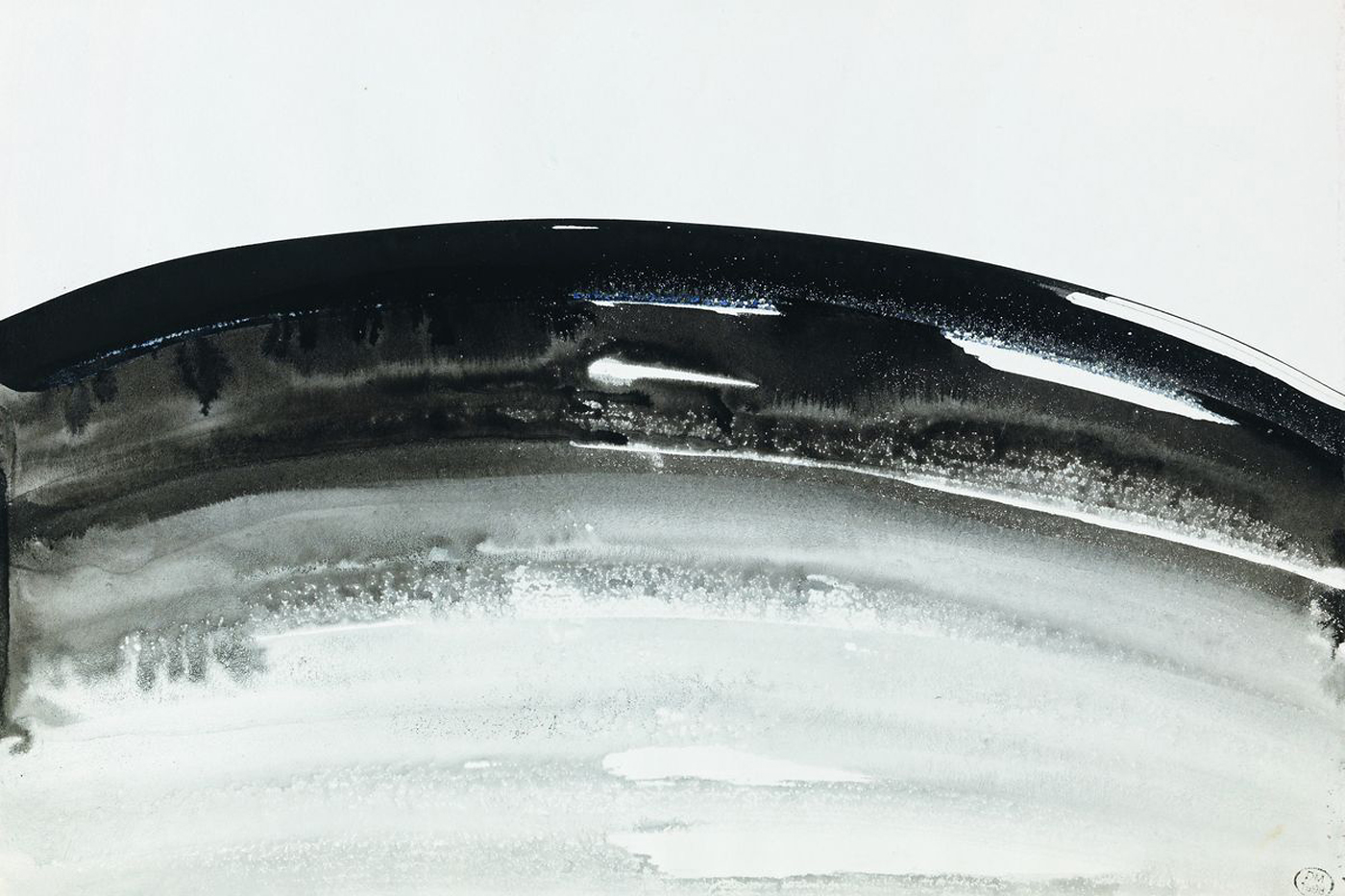

 Art Blart _ art and cultural memory archive
You must be logged in to post a comment.