Harry Croner (German, 1903-1992) Untitled [Japy Gymnasium: the arrested men are parked in the stands upstairs] May 14, 1941
Japy Gymnasium: the arrested men are parked in the stands upstairs. The centre of the gymnasium is emptied. Only police officers circulate. The first stage of the roundup has already taken place: the summoned Jews have entered the mousetrap. We see for the first time the interior of Japy and the hundreds of Jewish men crowded together.
Death, duplicity and dishonour
Recently discovered at a Normandy flea market, these photographs by German photographer Harry Croner are taken from 5 contact sheets of 35mm negatives (probably taken on a Leica or similar). These documentary photographs are efficient, well seen, silent and in light of subsequent events… eloquent and emotional. They depict the first roundup of French Jews in Paris on May 14, 1941 at the Japy Gymnasium and a day later at the internment camps into which they were placed.
Lured to several places across the city in a pre-planned trap, Jews were “summoned to town halls across the city for what was billed as routine registration. Instead, the 3,747 men who showed up were arrested by the French authorities… As far as the Japy gymnasium is concerned, 1,061 Jews are summoned at 7.00 am; 800 respond to the summons. When they arrive, they are checked and detained inside the gymnasium. The person accompanying them is asked to go to their home and return with a suitcase containing their personal belongings.”
Today, we know that these images are probably the last photographs of these men alive that were ever taken. They were held in the internment camps for a year before being deported to the Auschwitz-Birkenau death camp. A year later during the “during the Vel’ d’Hiv’ Roundup of July 16 and 17, 1942, it is the families’ turn to be arrested and detained in these same camps before their deportation to the Auschwitz-Birkenau camp”
In collusion with and at the behest of their Nazi overlords, this was not the French government’s finest hour.
The roundup – overseen by the Germans, supervised by government officials (through the General Commissariat for Jewish Affairs, created by the Vichy State in March 1941 and run by fascist and anti-Semite Louis Darquier de Pellepoix, Commissioner-General for Jewish Affairs), enforced by the French police – was undertaken with alacrity, complicity and a ruthless efficiency.
The ironic aspect of these photographs is that Harry Croner, the German Army photographer, was soon after kicked out of the German Army after it was discovered that his father was Jewish. “In 1940 Croner was drafted and came to the Western Front as a war correspondent, but was then dismissed as “unfit for military service” because of his Jewish father. Back in Berlin, he worked in his shop for a while. In 1944, Croner was sent to a labour camp and in March 1945 was taken prisoner by the Americans, from which he was not released until April 1946.” So Croner ended up in the very place, a concentration camp, which he depicted so efficiently a few years earlier.
The head of the museum’s photography department Lior Lalieu-Smadja has wondered whether this knowledge of his Jewish father made Croner capture these Jewish men in a more humane light than other propaganda photographs of the same event. In an emotional sense I would say “yes” to this question, but in a technical sense, I do not think so. I don’t think the knowledge of his heritage would have influenced the aesthetic and pictorial construction of the images. In the photographs we can observe a wonderful balance within the picture frame – the use of strong intersectional points, the use of diagonals (the angle of the buses in Arrested men leave the gymnasium by bus for Austerlitz station), the use of near to far, the massing of bodies in crowd scenes, the use of flash, evidence of the decisive moment (Arrested men leave the gymnasium by bus for Austerlitz station) as the gendarme and the man turn to look at the camera coupled with the attitude of the man’s leg as he kisses his partner goodbye, and the use of the punctum in the image… the couple sitting on the stairs at top right in Inside the Japy Gymnasium, Paris XI, place of arrest of foreign Jews on May 14, 1941; the boy with his hands in his pockets in Japy gymnasium: some men still arrive carrying their summons; and the women staring out of the window of the Boutique à Louer at far right in Arrested men leave the gymnasium by bus for Austerlitz station, reminiscent of the ghostly faces of men pictured by Eugène Atget staring out of the windows of Parisian bars and cafés.
But above all these are now, today, emotional photographs, ultimately a memorialisation of the soon to be dead, photographs of people that we know are soon to be dead. They are gut wrenching in their simplicity, heart wrenching in their emotional power – the anguish of the women, that last kiss, the stoicism and calm of the men – as we trace the journey of the condemned. We can literally follow the route of one unknown man (see the first three images below) to his known fate.
A final thought enters my head… would Croner have still been in the German Army for the rest of the war, part of the Nazi war machine, if it was not discovered that his father was Jewish? Would he have hidden that fact in order to survive while at the same time serving the fascists even as they killed his own kind? The paradox of this seemingly absurd and contradictory proposition, might have been undeniable.
Dr Marcus Bunyan
All photographs digitally cleaned and balanced by Dr Marcus Bunyan. Many thankx to the Memorial de la Shoah for allowing me to publish the photographs in the posting. Please click on the photographs for a larger version of the image.
“Pure evil operates tidily, silently and seems so stylish.”
Jane Silberman
“The French gendarmes had licence to slap, beat, kick, whip, or insult any prisoner who broke the [Drancy] camp rules, but since these rules were never published it meant that they could ill-treat whomever they wanted whenever they wanted – and, with one or two honourable exceptions, this is just what they did. In 1942, when there were female and male prisoners in the camp, the French commandant of the camp, Marcelin Vieux, was seen whipping a woman for being too slow to move away from the middle of the yard. Another inmate remembered Vieux punching inmates and beating them with his truncheon. He also vividly recalled his two violently anti-Semitic French subordinates, who never went on patrol without their truncheons at the ready. Dr. Falkenstein, another prisoner, saw one of these men hit a four-year-old girl so hard that he knocked her unconscious.”
David Drake. ‘Paris at War: 1939-1944’. Harvard University Press, 2015, p. 209.
5 contact sheets were recently discovered by the Shoah Memorial, retracing photo after photo of the fate of the Jews summoned by the “green ticket round-up”, the context of the raid, the German and French sponsors and especially the families excluded until now from the known propaganda photos of this roundup. While the press echoed it at the time, the official images were intended to be dehumanising and humiliating for these foreign Jews. The emotion and the dismay of these families, shown in these photos, are a rare illustration of the Shoah in France.
Harry Croner (German, 1903-1992) Untitled [Japy Gymnasium: the arrested men peer outside the upper windows of the gymnasium] (detail) May 14, 1941
Harry Croner (German, 1903-1992) Untitled [Men boarding a train at Austerlitz station for the Loiret camps] (detail) May 14, 1941
Harry Croner (German, 1903-1992) Untitled [Theodor Dannecker oversees the transfer of the rounded up Jews to the Austerlitz station] (detail) May 14, 1941
Never-before-seen photos going on display in Paris this week shine a light on a dark moment in France’s role in rounding up Jews to send to Nazi death camps during World War II. The “green ticket round-up” was first carried out in Paris on May 14 and 15, 1941, with more than 6,000 foreign-born Jews summoned to town halls across the city for what was billed as routine registration. Instead, the 3,747 men who showed up were arrested by the French authorities and shipped to camps south of Paris. Thousands more were rounded up in the following months.
They were held there for a year before being deported to the Auschwitz death camp.
By chance, a stash of 98 photos from the first green ticket round-up, taken by a German soldier on propaganda duty, were recently discovered by the Memorial de la Shoah, the Holocaust Museum of Paris.
Most were taken at the Japy sports hall in the city’s 11th arrondissement, where close to 1,000 were arrested, and where the photos are being put on display from Friday, exactly 80 years on. One shows SS officer Theodor Dannecker, who was in charge of implementing the “Final Solution” in France, alongside French police commissioner Francois Bard in the hall. Others show couples embracing outside, unaware that they would never see each other again.
“These photos are important because we see the opposite of Nazi propaganda that tried to depict these people as sub-human ‘parasites’,” said Lior Lalieu-Smadja, who heads the museum’s photography department. Was that a deliberate move by the photographer? “One has to wonder,” said Lalieu-Smadja, not least because the photographer was identified as Harry Croner, who was soon after kicked out of the German army after it was discovered that his father was Jewish.
The photos were bought years ago by an antiques dealer in Normandy who had found them at a flea market. He pulled them out of storage recently and contacted the museum, who informed him they were the only known pictures from the infamous round-up. Little else is known about the photos’ journey.
“The only thing we know for certain is that once they were taken, they were sent directly to Berlin. The photographer himself could not keep them, which makes this discovery even more incredible,” said Lalieu-Smadja.
Press release from the Memorial de la Shoah website
Harry Croner (German, 1903-1992) Untitled [Inside the Japy Gymnasium, Paris XI, place of arrest of foreign Jews on May 14, 1941] [with Theodor Dannecker at third right] May 14, 1941
A German delegation with SS Theodor Dannecker, responsible for Jewish affairs in France, and French led by the prefect of police François Bard, comes to inspect the operation.
Harry Croner (German, 1903-1992) Untitled [Japy gymnasium: relatives, often wives and their children, are asked to separate from the summoned men] May 14, 1941
Japy gymnasium: relatives, often wives and their children, are asked to separate from the summoned men. They are asked to come back with some things for 2 to 3 days. The reasons given are the same: “examination of the situation”.
Harry Croner (German, 1903-1992) Untitled [Japy gymnasium: relatives, often wives and their children, are asked to separate from the summoned men] (detail) May 14, 1941
Harry Croner (German, 1903-1992) Untitled [Japy gymnasium: some men still arrive carrying their summons] May 14, 1941
Japy gymnasium: some men still arrive carrying their summons and are received by the police who guard the entrance to the gymnasium. Women with children arrive with suitcases and packages. The following scenes show them standing in line and waiting their turn to hand over the suitcases.
Harry Croner (German, 1903-1992) Untitled [Japy gymnasium: some men still arrive carrying their summons] (detail) May 14, 1941
Harry Croner (German, 1903-1992) Untitled [Japy gymnasium: families waiting to hand over the suitcases to their loved ones] May 14, 1941
Green Ticket roundup: The Shoah Memorial discovers a previously unpublished photo-reportage
The Shoah Memorial announces the recent acquisition of five contact sheets, totalling 98 photographs. This as yet unreleased photo-reportage accurately details every step of the first mass arrest of Jews in Paris by the French police forces on the orders of the German authorities 80 years ago, on May 14, 1941.
The discovery in detail
The Shoah Memorial has purchased five contact sheets – documenting the location of the roundup known as the “Green Ticket” on May 14, 1941 – from two specialised collectors. The contact sheets acquired by the Memorial, numbered 182 to 187 (contact sheet 185 is missing), represent 98 photographs. The photographer’s five rolls of film provide a reality that differs greatly from the photos released by the collaborationist press alone. For the first time, the location of the arrests as well as the protagonists of the roundup are captured from multiple angles. Dehumanised until then by propaganda and even completely erased from reportages, the families of the detainees are shown during their emotional farewells, before the very eyes of onlookers and neighbours. The most important element of this discovery, which is indispensable to history and to the duty of remembrance, allows us to follow the trajectory of these rounded-up men, from their arrival at the Japy gymnasium – the site of the trap, in Paris – up to their internment in the camps of the Loiret.
What the photographs reveal
The 98 photographs printed on contact sheets give a chronological, step-by-step run-down of the roundup.
1/ The first images show the protagonists of the roundup engaged in a discussion inside the Japy gymnasium. The two German and French sponsors are perfectly recognisable: – Théodor Dannecker (1913-1945), who represents Eichmann in France and heads Section IV J of the Gestapo, in charge of Jewish affairs – Admiral François Bard (1889-1944), the recently appointed Prefect of the Paris Police
2/ The Japy photo series: the arrested men are confined to the upper floor bleachers. The first stage of the roundup has already taken place: the Jews who have been summoned have entered the trap. These as yet unreleased photos show the interior of Japy and the hundreds of Jewish men crowded together, as well as those accompanying them, often their wives
3/ The exterior of Japy: men are still arriving carrying their summons and are received by the police officers at the entrance to the gymnasium. They bid farewell to their families while a line of women and children is formed. They wait to hand over clothes to their loved ones
4/ The neighbourhood is closed off. Neighbours are at their windows. Families are pushed to the back of the street and wait to hear from their loved one. They have anguished faces. The police blocks the street, then evacuates it
5/ Men of all ages who have been arrested come out one by one, watched over by police officers and carrying their belongings, board buses parked just outside the gymnasium, rue Japy
6/ The arrival at the Paris-Austerlitz railway station through the rear entrance to the station
7/ At Pithiviers, a previously unpublished view of the black hangar – of which there were no images until now – during the internment of the Jews, which will subsequently serve as the registration centre for the Vel’ d’Hiv’ detainees and for deportations
The “Green Ticket” roundup: first roundup of Jews in France during World War II
The “Green Ticket” Roundup is the first mass arrest of Jews in Paris, and it takes place on Wednesday May 14, 1941. These unsuspecting men, mainly foreigners from Eastern Europe are summoned on Wednesday morning by the Police Prefecture with a “green ticket” for a “status review” and asked to be accompanied by a relative or friend.
The men, most of them family men who were army volunteers at the beginning of the war and therefore fought for France, expect a verification of their status. Fleeing antisemitism and persecutions in their countries of origin – Poland, USSR, Romania, Czechoslovakia – and believing that they will find refuge in the land of freedom, they are arrested chiefly because they are Jewish and foreigners.
Several assembly points are indicated on the “green tickets”: the Caserne Napoléon (in the 4th arrondissement), the Caserne des Minimes (in the 3rd arrondissement), 52 rue Edouard Pailleron (in the 19th arrondissement), 33 rue de la Grange-aux-belles (in the 10th arrondissement) and the Japy gymnasium (in the 11th arrondissement) as well as other centres in the arrondissement police stations and Paris suburbs.
As far as the Japy gymnasium is concerned, 1,061 Jews are summoned at 7.00 am; 800 respond to the summons. When they arrive, they are checked and detained inside the gymnasium. The person accompanying them is asked to go to their home and return with a suitcase containing their personal belongings.
After that, the 3,700 arrested Jews are taken to the Paris-Austerlitz railway station in special buses, under the supervision of French police officers, and interned in the Pithiviers and Beaune-la-Rolande camps (in the Loiret). They spend more than a year there before being deported directly to the Auschwitz-Birkenau camp by Convoy #4 on June 25, 1942, #5 on June 28, 1942 and #6 on July 17, 1942. During the Vel’ d’Hiv’ Roundup of July 16 and 17, 1942, it is the families’ turn to be arrested and detained in these same camps before their deportation to the Auschwitz-Birkenau camp between July and September 1942.
Propoganda photographs
As of the Armistice on June 25, 1940, the press is muzzled in France by the German occupier, and press photography is placed under censorship control. The Propaganda Kompanie (PK), set up within the Wehrmacht, is made up of photographers, cameramen, radio and press reporters, who are equipped with high-performance photographic material. This unit, under the direct control of Germany’s Minister of Propaganda, Joseph Goebbels, is in charge of documenting the historic dimension of the military effort and producing propaganda reports for foreign countries, for the press and for domestic agencies.
The Shoah Memorial
The Shoah Memorial, Europe’s largest archives center dedicated to the history of the Shoah, is a place of remembrance, of education and of transmission on the history of the genocide of the Jews during World War II in Europe. Today it incorporates five sites: the Shoah Memorial in Paris and the Shoah Memorial in Drancy, the Lieu de mémoire du Chambon-sur-Lignon (Haute-Loire), the CERCIL Musée – Mémorial des Enfants du Vel d’Hiv (Loiret), and the Centre culturel Jules Isaac de Clermont-Ferrand (Puy-de-Dôme).
Opened to the public on January 27, 2005 in the historic Marais district, the Paris site provides multiple spaces and an awareness program catering to all audiences: a permanent exhibition on the Holocaust and the history of the Jews in France during World War II; a temporary exhibition space; an auditorium programming screenings and symposia; The Wall of Names on which the names of 76,000 Jewish men, women and children deported from France between 1942 and 1944 as part of the “Final Solution” are engraved; the documentation center (50 million archive materials and 1,500 sound archives, 350,000 photographs, 3,900 drawings and objects, 12,000 posters and postcards, 30,000 cinema documents, 14,500 movie titles including 2,500 testimonials, and 80,000 books) and its reading room; educational spaces where children’s workshops and activities for classrooms and teachers take place; a specialty bookstore.
Better understanding the history of the Holocaust is also aimed at preventing the return of hatred and all forms of intolerance today. The Memorial has also been working for more than a decade on education programs focusing on other genocides of the 20th century, such as the genocide of the Tutsis in Rwanda, or the Armenian genocide.
Press release from the Shoah Memorial
Harry Croner (German, 1903-1992) Untitled [Japy Gymnasium: men arrested awaiting their fate in the mousetrap that the Japy gymnasium has become] May 14, 1941
Harry Croner (German, 1903-1992) Untitled [Japy Gymnasium: men arrested awaiting their fate in the mousetrap that the Japy gymnasium has become] (detail) May 14, 1941
Harry Croner (German, 1903-1992) Untitled [The inhabitants of the district discover the fate of their now captive neighbours] May 14, 1941
The inhabitants of the district discover the fate of their now captive neighbours and the unusual emotion that reigns around the Japy gymnasium.
Harry Croner (German, 1903-1992) Untitled [The inhabitants of the district discover the fate of their now captive neighbours] (detail) May 14, 1941
Harry Croner (German, 1903-1992)
West Berlin stage: Harry Croner’s photographs from four decades
For 40 years, press photographer Harry Croner (German, 1903-1992) accompanied life in Halbstadt with his camera: the reconstruction and creation of new landmarks, large and small events, celebrities from culture and politics, especially what happened on the city’s stages. His acquaintance with many artists living and visiting Berlin made it possible for him to take impressive snapshots and portraits. Croner’s photographic work, which is being presented for the first time with this selection, is the chronicle of an era and at the same time an homage to a small island of world politics, which was above all one thing, the big stage for culture.
Late career as a photographer
Harry Croner was born on March 16, 1903 in Berlin. From 1920 to 1922 he completed a commercial apprenticeship, worked for various automobile companies as an advertising manager and finally as a travel representative for Bayerische Motorenwerke. When he set up his own photo business in Berlin-Wilmersdorf in 1933, he probably already had a career as a photographer in mind. In addition to selling cameras and accessories, he also took portraits. In 1940 Croner was drafted and came to the Western Front as a war correspondent, but was then dismissed as “unfit for military service” because of his Jewish father. Back in Berlin, he worked in his shop for a while. In 1944, Croner was sent to a labour camp and in March 1945 was taken prisoner by the Americans, from which he was not released until April 1946.
The estate
With the support of the Prussian Sea Trade Foundation, the extensive archive (around 100,000 black and white photographs and over 1.3 million negatives) was acquired in February 1989. A representative part of the estate was digitised in 2013, supported by the Digitalization Service of the State of Berlin. accessible online.
Text from the Stiftung Stadtmuseum Berlin website [Online] Cited 20/05/2021 translated from the German by Google Translate
Harry Croner (German, 1903-1992) Untitled [Arrested men leave the gymnasium by bus for Austerlitz station] May 14, 1941
After a few hours, the men left the scene under police custody and had to board requisitioned buses for transfer to the Austerlitz station.
Harry Croner (German, 1903-1992) Untitled [Arrested men leave the gymnasium by bus for Austerlitz station] May 14, 1941
Harry Croner (German, 1903-1992) Untitled [Arrested men leave the gymnasium by bus for Austerlitz station] (detail) May 14, 1941
Harry Croner (German, 1903-1992) Untitled [Arrested men leave the gymnasium by bus for Austerlitz station] May 14, 1941
Harry Croner (German, 1903-1992) Untitled [Arrested men leave the gymnasium by bus for Austerlitz station] (detail) May 14, 1941
Harry Croner (German, 1903-1992) Untitled [Men boarding a train at Austerlitz station for the Loiret camps] May 14, 1941
Harry Croner (German, 1903-1992) Untitled [Men boarding a train at Austerlitz station for the Loiret camps] (detail) May 14, 1941
The 3,710 men arrested in Paris at the various summons were transferred to the Austerlitz station to be interned in the Pithiviers and Beaune-la-Rolande camps. Four convoys of passenger wagons are formed, two convoys with 2140 men to the camp of Beaune-la-Rolande and two convoys with 1570 men to that of Pithiviers. These convoys arrive on the afternoon of May 14.
Harry Croner (German, 1903-1992) Untitled [Theodor Dannecker oversees the transfer of the rounded up Jews to the Austerlitz station] May 14, 1941
Theodor Dannecker oversees the transfer of the rounded up Jews to the Austerlitz station. His presence in the photos in this roundup shows that he followed and supervised the entire roundup.
Theodor Dannecker (German, 1913-1945)
Theodor Dannecker (German, 27 March 1913 – 10 December 1945) was an SS-captain (Hauptsturmführer), and an associate of Adolf Eichmann. As a specialist on Nazi anti-Jewish policies (Judenberater), he was one of those who orchestrated the Final Solution in several countries during the World War II genocide of European Jews in what became known as the Holocaust … In December 1945, Dannecker was arrested by the United States Army, and, on 10 December, he committed suicide in Bad Tölz. …
From September 1940 until July 1942, Dannecker was leader of the Judenreferat at the SD office in Paris, where he ordered and oversaw round ups by French Police. More than 13,000 Jews were deported to Auschwitz concentration camp where most died in the Final Solution. …
Dannecker developed under Eichmann into one of the SS’s most ruthless and experienced experts on the “Jewish Question”, and his involvement in the genocide of European Jewry was one of primary responsibility. A passage from a 1942 report by Dannecker illustrates how the “Jewish Question” was handled in France:
“Subject: Points for the discussion with the French State Secretary for Police, Bousquet… The recent operation for arresting stateless Jews in Paris has yielded only about 8,000 adults and about 4,000 children. But trains for the deportation of 40,000 Jews, for the moment, have been put in readiness by the Reich Ministry of Transport. Since the deportation of the children is not possible for the time being, the number of Jews ready for removal is quite insufficient. A further Jewish operation must therefore be started immediately. For this purpose Jews of Belgian and Dutch nationality may be taken into consideration, in addition to the former German, Austrian, Czech, Polish and Russian Jews who have so far been considered as being stateless. It must be expected, however, that this category will not yield sufficient numbers, and thus the French have no choice but to include those Jews who were naturalised in France after 1927, or even after 1919.”1
1/ “Eichmann trial – The District Court Sessions”. Nizkor Project. 9 May 1961. Retrieved 23 December 2013
Harry Croner (German, 1903-1992) Untitled [Theodor Dannecker oversees the transfer of the rounded up Jews to the Austerlitz station] (detail) May 14, 1941
Harry Croner (German, 1903-1992) Untitled [Theodor Dannecker oversees the transfer of the rounded up Jews to the Austerlitz station] (detail) May 14, 1941
Harry Croner (German, 1903-1992) Untitled [The photos were taken the day after the raid at the Pithiviers and Beaune-la Rolande camps] May 15, 1941
The photos were taken the day after the raid at the Pithiviers and Beaune-la Rolande camps. The men had to settle in cold and unsanitary barracks under construction. The straw that will serve as mattresses in the bedsteads is still outside the barracks.
Harry Croner (German, 1903-1992) Untitled [The day after the raid, the men arrested at the Pithiviers camp] May 15, 1941
Harry Croner (German, 1903-1992) Untitled [The day after the raid, the men arrested at the Pithiviers camp] (detail) May 15, 1941
Harry Croner (German, 1903-1992) Untitled [Green Ticket Roundup, the next day at the Pithiviers camp. The black hut can be seen where the Vel d’Hiv raids will be recorded in 1942] May 15, 1941
Harry Croner (German, 1903-1992) Untitled [The day after the roundup of the Billet Vert, a French gendarme posted on a watchtower in the Beaune-la-Rolande camp] May 15, 1941
The gendarme to the left of the photo, posted in a watchtower, monitoring the Beaune-la-Rolande camp, is the emblematic photo from the film Nuit et Brouillard, censored when it was released in 1955.
Nuit Et Brouillard (Night and Fog) Alain Resnais 1955
Holocaust, Hebrew Sho’ah, Yiddish and Hebrew Ḥurban (“Destruction”), the systematic state-sponsored killing of six million Jewish men, women, and children and millions of others by Nazi Germany and its collaborators during World War II. The Germans called this “the final solution to the Jewish question.” The word Holocaust is derived from the Greek holokauston, a translation of the Hebrew word ‘olah, meaning a burnt sacrifice offered whole to God. This word was chosen because in the ultimate manifestation of the Nazi killing program – the extermination camps – the bodies of the victims were consumed whole in crematoria and open fires.
Memorial de la Shoah 17, rue Geoffroy l’Asnier 75004 Paris Phone: + 33 (0)1 42 77 44 72
Exhibition dates: 11th November 2020 – 31st May 2021
Curators: Yasufumi Nakamori, Senior Curator and Sarah Allen, Assistant Curator with Kerryn Greenberg, Head of International Collection Exhibitions, Tate and formerly Curator, Tate Modern.
There are so many words that you can say about an artist and their work. So many unnecessary words. All you have to do is look at the work. Does it speak to you? does it make you feel, does it empower you?
For me, artists either have it or they don’t… and in this case, visual activist Zanele Muholi possesses it by the bucketful. Panache, flair, downright unclassified fabulousness, call it what you want. They just have it.
They are powerful, they are strong, they are courageous, they tell great stories, they make you question history, they make you analyse what you think you know, they challenge your memories, they make you feel something about their participants, they make you want to fight for LGBTQIA+ social rights. They make you want to stand up and fight for equality and freedom for everyone. No person is an island, alone by themselves; we should all be equal under this cosmic sky.
The older I get the less tolerant I get of the stupidity of the human race and its non-evolution, in terms of spirit of self. When is the human race going to just grow up! Ditch the patriarchy, misogyny, colonialism, racial and socio-economic oppression. Appreciate difference, value the quality of every human being, debunk the dogma of religion, curtail the power of corporations and live in harmony with the earth. Not f…ing much to ask is it, after all these thousands of years.
I won’t live to see it, but with artists like Muholi, there is hope for humanity yet. Unclassifiable. Beautiful. Hail the Dark Lioness – all power to them.
Dr Marcus Bunyan
Many thankx to the Tate Britain for allowing me to publish the photographs in the posting. Please click on the photographs for a larger version of the image.
Tate Modern presents the first major mid-career survey of visual activist Zanele Muholi in the UK. Born in South Africa, Muholi came to prominence in the early 2000s with photographs that sought to envision black lesbian, gay, bisexual, trans, queer and intersex lives beyond deviance or victimhood.
“My mission is to re-write a Black queer and trans visual history of South Africa for the world to know of our resistance and existence at the height of hate crimes in South Africa and beyond.”
“In my world, every human is beautiful.”
Zanele Muholi
“Muholi prefers to be called an activist rather than an artist. Art, for them, is a means to an end, a tool to convey messages about social empowerment and visibility. “Zanele Muholi’s visual activism is not an occupation. It’s a lifestyle,” Kerryn Greenberg explains. “It’s something that occupies them day and night – whether they receive a call from someone in the community needing money to pay for a hospital appointment, or consoling those who’ve lost someone close to them in an act of violence, or giving some kind of public address at a wedding or a funeral. It’s about being a very active member of the community, and a public voice within that community.”
Maisie Skidmore. “Yes, but why? Zane Muholi,” on the We Present website [Online] Cited 11 April 2021
“The connection that Muholi has with their participants (which they are eager to distinguish from the word “subject,” which implies a distanced gaze) translates to the viewer, who, in looking at these images, is immediately welcomed into a space of understanding and empathy. Muholi also often highlights the voices of the participants in their shows, books and events. …
The political agenda of the 260 photographs on display – which critique centuries of anti-Black sentiment, oppression and erasure – echoes the rallying cry of the Black Lives Matter movement and the racial justice reckoning it has inspired worldwide. “Muholi’s work takes on an enormous importance within the context of Black Lives Matter because of its potential to educate audiences and promote mutual understanding,” said Sarah Allen. Each piece makes a clear visual statement: not only that Black queer lives matterbut also that Black queer lives are nuanced, cherished and deserve to be celebrated.”
Cassidy George. “Zanele Muholi’s Photographs Celebrate Radical, Queer, Black Beauty,” on the W Magazine website 11/03/2020 [Online] Cited 11/05/2021
Zanele Muholi – ‘In My World, Every Human is Beautiful’ / Tate
Visual activist, Zanele Muholi, uses photography and film to document and explore issues of race and representation and to celebrate the LGBTQIA+ community in South Africa and beyond. Here they talk about how the power of images can show LGBTQIA+ people of South Africa, and QTIPOC people worldwide, that they are not alone. Watch as they introduce us to four key bodies of work and the ideas behind them.
Zanele Muholi: In Conversation with Lady Phyll / Artist’s Talk / Tate Exchange
Watch an in conversation between Muholi and Lady Phyll of UK Black Pride. Together, they discuss what difficult love looks like for QTIPOC communities in South Africa and Britain and the importance of chosen families.
This talk forms a part of From a Place of Love, a collaboration between Tate Exchange’s Love programme and UK Black Pride, whose theme for 2020 is home.
Born in 1972 and raised in Umlazi, a township on South Africa’s eastern coast, Muholi had a childhood shaped by the racial brutality of Apartheid – a white supremacist regime that systematically oppressed and displaced South Africa’s non white population for half a century. Muholi was an adolescent when Apartheid absolved and South Africa’s constitution was rewritten in 1996, with the intention of ushering a new era of equality. Even though South Africa’s constitution was the first in the world to outlaw discrimination based on sexual orientation, as a young queer person, Muholi was constantly reminded that the violent realities of gay life in South Africa did not align with this utopic vision of the future. Homophobia, queerphobia and transphobia remained rampant, and in South Africa, Black lesbians and transgender men are among the most at risk, and are often victims of heinous hate crimes, like “corrective” rape, abduction and murder. Drawing inspiration from the work of the American photographer Nan Goldin, whose early photographs documented queer culture and the HIV epidemic through intimate portraits of her family and friends, Muholi embarked on a mission to commemorate the battles and triumphs of her community with pictures.
Cassidy George. “Zanele Muholi’s Photographs Celebrate Radical, Queer, Black Beauty,” on the W Magazine website 11/03/2020 [Online] Cited 11/05/2021
Zanele Muholi is a South African visual activist whose pronouns are they/them/theirs. Their work tells the stories of Black LGBTQIA+ (Lesbian, Gay, Bisexual, Transgender, Queer, Intersex, Agender, Asexual) lives in South Africa and beyond. Their photography raises awareness of injustices and aims to educate, while creating positive visual histories for under and mis-represented communities. Muholi also turns the camera on themself, making self-portraits that address race, history and representation. This exhibition charts Muholi’s emergence as an activist in the early 2000s to the present day.
During the 1990s, South Africa underwent major social and political change. Apartheid was officially abolished in 1994. This was a political and social system of racial segregation underpinned by white minority rule. Anyone who was not classified as white was actively oppressed by the regime. Apartheid continued the segregation that had begun under the Dutch and British colonial regimes in the late 19th century. The apartheid regime also upheld injustice and discrimination based on gender and sexuality. While the 1996 Constitution of the Republic of South Africa was the first in the world to outlaw discrimination based on sexual orientation, the LGBTQIA+ community remains a target for prejudice, hate crimes and violence.
This room incudes work from Muholi’s first series Only Half the Picture (2002-2006). It documents survivors of hate crimes living across South Africa and its townships. Under apartheid, townships were established as residential areas for those who had been evicted from places designated as ‘white only’. The people Muholi photographs – their participants – are presented with compassion, dignity and courage in the face of ongoing discrimination. The series also includes images of intimacy, expanding the narrative beyond victimhood. Muholi reveals the pain, love and defiance that exist within the Black LGBTQIA+ community in South Africa.
The exhibition opens with a group of deceptively gentle images. In the first, Aftermath (2004), a torso is cropped from waist to knees, hands modestly clasped in front of Jockey shorts, a huge scar running down the person’s right leg almost like a piece of body art. In another, Ordeal (2003), hands wring out a cloth in an enamel basin of water placed on a floor. A third image shows a cropped, seated figure, again waist to thighs, hands folded in their lap, plastic hospital ties around their wrists. These pictures have a softness and beauty which completely belies the fact that their subjects are all survivors of sexual violence and “corrective rape”.
As the caption to the last picture, Hate crime survivor I, Case number (2004) explains, “Corrective rape is a term used to describe a hate crime in which a person is raped because of their perceived sexual orientation or gender identity. The intended consequence of such acts is to enforce heterosexuality and gender conformity.” This horrific practice is by no means unique to South Africa, but the term seems to have originated there – feminist activist Bernedette Muthien used it during an interview with Human Rights Watch in 2001 – and its effects on the community resonate throughout this exhibition.
Anonymous. “Zanele Muholi, Tate Modern,” on the Something I’m Working On website Wednesday 30th December 2020 [Online] Cited 11/05/2021
This room features work from Muholi’s series Being (2006 – ongoing). The portraits capture moments of intimacy between couples, as well as their daily life and routines. Muholi addresses the misconception that queer life is ‘unAfrican’, a falsehood emerging in part out of the belief that same-sex orientation was a colonial import to Africa. Each couple is shown in the private spaces they share. Muholi explains how ‘lovers and friends consented to participate in the project, willing to bare and express their love for each other.’
Commenting on this series they say, ‘my photography is never about lesbian nudity. It is about portraits of lesbians who happen to be in the nude.’ This series dismantles the white patriarchal gaze and rejects negative or heteronormative images, common in political and social systems that uphold heterosexuality as the norm or default sexual orientation.
Since slavery and colonialism, images of us African women have been used to reproduce heterosexuality and white patriarchy, and these systems of power have so organised our everyday lives that it is difficult to visualise ourselves as we actually are in our respective communities. Moreover, the images we see rely on binaries that were long prescribed for us (heterosexual / homosexual, male/female, African / unAfrican). From birth on, we are taught to internalise their existences, sometimes forgetting that if bodies are connected, connecting, the sensuousness goes beyond simplistic understandings of gender and sexuality.
In “TommyBoys,” a colour photograph, two muscular figures in tracksuit pants sit on a tarmac. One, in a red T-shirt, sits with her hands folded against her chest, while next to her, the second uses her white vest to wipe something from her eyes. (“Tommy Boy” is a word used in South Africa, like “butch,” to refer to a masculine-presenting lesbian.)
Photographing Black LGBTQIA+ participants in public spaces is an important part of Muholi’s visual activism. This room contains portraits of transgender women, gay men and gender non-conforming people photographed in public places.
Several of the locations are important in the history of South Africa. Some images are taken at Constitutional Hill, the seat of the Constitutional Court of South Africa. It is a key place in relation to the country’s progression towards democracy. Other participants are photographed on beaches. These were segregated during apartheid. They are therefore potent symbols of how racial segregation affected every aspect of life. Participants are often shown on Durban Beach, close to Muholi’s birthplace of Umlazi.
Muholi states that ‘we’re ‘queering’ the space in order for us to access the space. We transition within the space in order to make sure that the Black trans bodies are part of this as well. We owe it to ourselves.’ Muholi often chooses to photograph participants in colour, bringing the work closer to reality and rooting them in the present day.
Tate Modern presents the first major UK survey of visual activist Zanele Muholi.
Zanele Muholi is one of the most acclaimed photographers working today, and their work has been exhibited all over the world. With over 260 photographs, this exhibition presents the full breadth of their career to date.
Muholi describes themself as a visual activist. From the early 2000s, they have documented and celebrated the lives of South Africa’s Black lesbian, gay, trans, queer and intersex communities.
In the early series Only Half the Picture, Muholi captures moments of love and intimacy as well as intense images alluding to traumatic events – despite the equality promised by South Africa’s 1996 constitution, its LGBTQIA+ community remains a target for violence and prejudice.
In Faces and Phases each participant looks directly at the camera, challenging the viewer to hold their gaze. These images and the accompanying testimonies form a growing archive of a community of people who are risking their lives by living authentically in the face of oppression and discrimination.
Other key series of works, include Brave Beauties, which celebrates empowered non-binary people and trans women, many of whom have won Miss Gay Beauty pageants, and Being, a series of tender images of couples which challenge stereotypes and taboos.
Muholi turns the camera on themself in the ongoing series Somnyama Ngonyama – translated as ‘Hail the Dark Lioness’. These powerful and reflective images explore themes including labour, racism, Eurocentrism and sexual politics.
Exhibition organised by Tate Modern in collaboration with the Maison Européenne de la Photographie, Paris, Gropius Bau, Berlin and Bildmuseet at Umeå University.
Text from the Tate Modern website
Tate Modern presents the first major UK survey of South African visual activist Zanele Muholi. Muholi (b. 1972) came to prominence in the early 2000s with photographs that told the stories of black lesbian, gay, bisexual, trans, queer and intersex lives in South Africa. Over 300 photographs are brought together to present the full breadth of Muholi’s career to date, from their very first body of work Only Half the Picture, to their on-going series Somnyama Ngonyama. These works challenge dominant ideologies and representations, presenting the participants in their photographs as fellow human beings bravely existing in the face of prejudice, intolerance and often violence.
During the 1990s, South Africa underwent major social and political changes. While the country’s 1996 post-apartheid constitution was the first in the world to outlaw discrimination based on sexual orientation, the LGBTQIA+ community remains a target for violence and prejudice to this day. In the early series Only Half the Picture Muholi aimed to depict the complexities of gender and sexuality for the individuals of the queer community. The collection includes moments of love and intimacy as well intense images alluding to traumatic events in the lives of the participants. Muholi also began an ongoing visual archive of portraits, Faces and Phases, which commemorates and celebrates black lesbians, transgender people and gender non-conforming individuals. Each participant looks directly at the camera, challenging the viewer to hold their gaze, while individual testimonies capture their stories. The images and testimonies form a living and growing archive of this community in South Africa and beyond.
The exhibition includes several other key series of works, including Brave Beauties, which celebrates empowered non-binary people and trans women, many of whom have won Miss Gay Beauty pageants, and Being, a series of tender images of couples which challenge stereotypes and taboos. Images like Melissa Mbambo, Durban also attempt to reclaim public spaces for black and queer communities, such as a beach in Durban which was racially segregated during apartheid. Within these series, Muholi tells collective as well as individual stories. They challenge preconceived notions of deviance and victimhood, encourage viewers to address their own misconceptions, and create a shared sense of understanding and solidarity.
More recently, Muholi has begun an acclaimed series of dramatic self-portraits entitled Somnyama Ngonyama (‘Hail the Dark Lioness’ in Zulu). Turning the camera on themself, the artist adopts different poses, characters and archetypes to address issues of race and representation. From scouring pads and latex gloves to rubber tires and cable ties, everyday materials are transformed into politically loaded props and costumes. The resulting images explore themes of labour, racism, Eurocentrism and sexual politics, often commenting on events in South Africa’s history and Muholi’s experiences as a South African black queer person traveling abroad. By enhancing the contrast in the photographs, Muholi also emphasises the darkness of their skin tone, reclaiming their blackness with pride and re-asserting its beauty. Muholi has created some new self-portraits for this series which are being shown at Tate Modern for the first time.
Zanele Muholi is co-curated by Yasufumi Nakamori, Senior Curator and Sarah Allen, Assistant Curator with Kerryn Greenberg, Head of International Collection Exhibitions, Tate and formerly Curator, Tate Modern. The exhibition is organised by Tate Modern in collaboration with the Maison Européenne de la Photographie in Paris, Gropius Bau in Berlin and Bildmuseet at Umeå University. Supported by the Zanele Muholi Exhibition Supporters Circle, Tate Americas Foundation, Tate International Council, Tate Patrons and Tate Members . Research supported by Hyundai Tate Research Centre: Transnational in partnership with Hyundai Motor.
About Zanele Muholi
Zanele Muholi was born in Umlazi, Durban and lives in Johannesburg. They studied at the Market Photo Workshop in Johannesburg, and Ryerson University, Toronto. Co-founder of the Forum for the Empowerment of Women, and founder of Inkanyiso, a forum for queer and visual media, Muholi is also an honorary professor at the University of the Arts Bremen, Germany. Solo exhibitions of Muholi’s work have been hosted around the world, including at the Goethe-Institut, Johannesburg (2012); Brooklyn Museum, New York (2015); Stedelijk Museum Amsterdam (2017); Autograph ABP, London (2017-) and Museo de Arte moderno de Buenos Aires (2018). Muholi has won numerous awards, including the Lucie Humanitarian Award (2019), the 2019 ‘Best Photography Book Award’ by the Kraszna-Krausz Foundation for their book Somnyama Ngonyama: Hail, The Dark Lioness (Aperture), the Rees Visionary Award by Amref Health Africa (2019); a fellowship from the Royal Photographic Society, UK (2018); France’s Chevalier de l’Ordre des Arts et des Lettres (2017); the Mbokodo Award in the category of Visual Arts (2017);the ICP Infinity Award for Documentary and Photojournalism (2016); the Fine Prize for an emerging artist at the Carnegie International (2013); a Prince Claus Award (2013); and both the Casa África award for best female photographer and a Fondation Blachère award at Les Rencontres de Bamako biennial of African photography (2009). Somnyama Ngonyama was shown at the 58th Venice Biennale (2019); Faces and Phases was shown at dOCUMENTA 13 (2012) and the 55th Venice Biennale (2013).
Brave Beauties (2014 – ongoing) is a series of portraits of trans women, gender non-conforming and non-binary people. Many of them are also beauty pageant contestants. Queer beauty pageants offer a space of resistance within the Black LGBTQIA+ community in South Africa. They are a place where individuals can realise and express their beauty outside heteronormative and white supremacist cultures. Muholi has commented that these participants ‘enter beauty pageants to change mind-sets in the communities they live in, the same communities where they are most likely to be harassed, or worse.’
This series is also inspired by fashion magazine covers. Muholi has questioned whether ‘South Africa as a democratic country would have an image of a trans woman on the cover of a magazine.’ These images aim to challenge queerphobic and transphobic stereotypes and stigmas.
As with all of Muholi’s images, the portraits are created through a collaborative process. Muholi and the participant determine the location, clothing and pose together, focusing on producing images that are empowering for both the participant and the audience.
The series Brave Beauties, started in 2014, is “a series of portraits of trans women, gender non-conforming and non-binary people. Many of them are also beauty pageant contestants.” The queer beauty pageant is many things: a celebration – and redefinition – of beauty, a declaration of independence by contestants, a challenge to “heteronormative and white supremacist cultures,” and an attempt, as Muholi puts it, “to change mind-sets in the communities [the contestants] live in, the same communities where they are most likely to be harassed or worse.”
Anonymous. “Zanele Muholi, Tate Modern,” on the Something I’m Working On website Wednesday 30th December 2020 [Online] Cited 11/05/2021
What I really want to talk about is beauty. Because I think for Muholi, that’s kind of where it all stems from, is recognising beauty in things that you might not expect. Muholi has said “All I want to see is beauty. And that doesn’t mean you have to smile, or try harder. Just be.”
I think that’s very much linked to the history of Apartheid, of course […] As a Black person being told constantly ‘your hair isn’t straight enough’, ‘you should look like this’, ‘you should look like that’ and that being legislated under Apartheid. But it’s also what is in the magazines, this idea of the perfect beauty. Muholi’s counteracting them, saying actually, none of that is relevant. It’s about being the beauty that you want to be.
There’s a really great series called Brave Beauties, which […] pictures trans women and gender non-binary individuals, many of whom have been in beauty pageants, occupying space. Demanding attention. And being absolutely stunningly beautiful. And you kind think, ‘yeah, what are our notions of beauty, what are these kind of constructions that are absolutely false?’
Collectivity lies at the heart of Muholi’s work. Many of Muholi’s large network of collaborators are members of their collective, Inkanyiso. This means ‘light’ in isiZulu, Muholi’s first language and one of 11 official languages in South Africa. Inkanyiso’s mission is to ‘Produce, educate and disseminate information to many audiences, especially those who are often marginalised or sensationalised by the mainstream media.’ Queer Activism = Queer Media, is the collective’s motto.
Self-organisation, mentorship and skill sharing are central to Muholi’s collaborative activity. This room features images that are collaboratively made. Whether documenting public events such as Pride marches and protests, or private events such as marriages and funerals, these images form an ever-expanding visual archive. By recording the existence of the Black LGBTQIA+ community, they resist erasure.
Muholi began their ongoing series Faces and Phases in 2006. The project currently totals 500+ works. As a collective portrait, it celebrates, commemorates and archives the lives of Black lesbians, transgender and gender non-conforming individuals.
It is important to mark, map and preserve our mo(ve)ments through visual histories for reference and posterity so that future generations will note that we were here.
Many of these portraits are the result of a long and sustained relationship and collaboration. Muholi often returns to photograph the same person over time. Faces refers to the person being photographed. Phases signifies a transition from one stage of sexuality or gender expression and identity to another. It also marks the changes in the participants’ daily lives, including ageing, education, work experience and marriage. The gaps in the grid indicate individuals that are no longer present in the project, or a portrait yet to be taken. One wall in the exhibition is dedicated to the participants who have passed away.
Faces and Phases forms a living archive that visualises Muholi’s belief that ‘we express our gendered, radicalised, and classed selves in rich and diverse ways.’
Faces and Phases is an ongoing series whereby the artist was seeking to document and photograph Black lesbians, trans men and gender non-conforming individuals. There’s now a mass of these incredibly beautiful portraits, which generally are presented in a grid, to show that, actually […] giving visibility to these people is a life’s work. There are many portraits of the same individuals over the course of a number of years. So you can see how people age, how they transition, sometimes, and how the way they present themselves, alters.
It is about acknowledging pain and trauma, and trying to heal people, and heal oneself through those images. Images that Muholi wants their community, to be proud of, and feel well represented by.
Kerryn Greenberg
Death is a constant presence in Muholi’s community and work. The largest space in this exhibition is given to Faces and Phases (2006 – ongoing), a collection of portraits – 500, and counting. The images “celebrate, commemorate and archive the lives of Black lesbians, transgender and gender non-conforming individuals.” People appear more than once. Some spots on the walls are empty, marking a portrait yet to be taken or a participant no longer there. One wall is dedicated to those who have passed away.
Anonymous. “Zanele Muholi, Tate Modern,” on the Something I’m Working On website Wednesday 30th December 2020 [Online] Cited 11/05/2021
From their earliest days as an activist, Muholi sought to record first-hand testimonies and experiences of Black LGBTQIA+ people. Giving participants a platform to tell their own story, in their own words, has been an enduring goal. They have said:
Each and every person in the photos has a story to tell but many of us come from spaces in which most Black people never had that opportunity. If they had it at all, their voices were told by other people. Nobody can tell our story better than ourselves.
In this room, eight participants share stories of their lives and experiences as members of the LGBTQIA+ community in South Africa. Some of them feature in the Faces and Phases project in the previous room. The interviews have been conducted and produced by Muholi’s collaborators, some of whom are members of Inkanyiso. Some testimonies do not use Muholi’s preferred gender pronouns they, them, theirs.
Somnyama Ngonyama (2012 – ongoing) is a series in which Muholi turns the camera on themself to explore the politics of race and representation. The portraits are photographed in different locations around the world. They are made using materials and objects that Muholi sources from their surroundings.The images refer to personal reflections, colonial and apartheid histories of exclusion and displacement, as well as ongoing racism. They question acts of violence and harmful representations of Black people. Muholi’s aim is to draw out these histories in order to educate people about them and to facilitate the processing of these traumas both personally and collectively.
Muholi considers how the gaze is constructed in their photographs. In some images they look away. In others they stare the camera down, asking what it means for ‘a Black person to look back’. When exhibited together the viewer is surrounded by a network of gazes. Muholi increases the contrast of the images in this series, which has the effect of darkening their skin tone.
I’m reclaiming my Blackness, which I feel is continuously performed by the privileged other.
The titles of the works in the series remain in isiZulu, Muholi’s first language. This is part of their activism, taking ownership of and pride in their language and identity. It encourages a Western audience to understand and pronounce the names. This critiques what happened during colonialism and apartheid. Then, Black people were often given English names by their employers or teachers who refused to remember or pronounce their real names.
As Muholi’s career started to take off internationally, they were traveling a huge amount in hotel rooms. They were exposed to the usual hassles of border immigration and airports, where racial profiling is still a reality, and entering spaces that are historically white. [They were] very conscious of the feeling that perhaps they were not quite wanted there, despite having been invited.
In 2012, they began to make a series of self-portraits, which actually I think are more accurately presented as self-projections, rather than self-portraits. In them, there is this sense of unapologetic selfhood. The sense that actually, you can be Black, you can encompass many histories, and projecting that in a really powerful way.
These photographs are often taken in situations, as I said, away from home, where Muholi might not have access to the same camera each time. And the light conditions are very variable. So, you’ll see that when they’re printed, they’re at very different scales, and that is representative of the fact that they’ve been made on the hop.
The itineracy of the lifestyle is very much evident in the pictures themselves, but also in the titles. They’re often titled in isiZulu, the artist’s home language. But then there will be the place in which they’ve been made, and that could be New York, that could be Norway, you know, a whole range of different locations.
The unforgettable works in Somnyama Ngonyama: Hail the Dark Lioness are a divine ode to Black women past and present, in Africa and beyond. In this series of black and white self portraits, Muholi becomes the participant, encouraging viewers to question what they were taught to find beautiful, and why. Often adorning themselves with different domestic materials as a tribute to their mother, who was a domestic worker for a white family (and resultantly absent from Muholi’s childhood), Muholi alludes to the broader history of colonisation and enslavement. Muholi also uses symbolically loaded poses and props which both summon and challenge visual stereotypes of African women and oppressive white beauty standards. By drawing on familiar aesthetic tropes, like fashion magazine covers and advertisements, Muholi dismantles the Western narrative by replacing the typically white bodies and faces that fill these frames with depictions of radical, queer, Black beauty.
Cassidy George. “Zanele Muholi’s Photographs Celebrate Radical, Queer, Black Beauty,” on the W Magazine website 11/03/2020 [Online] Cited 11/05/2021
“This self-portrait is a special tribute to my late mother who passed on in 2009. She worked as a domestic worker for 42 years and was forced to retire due to ill health. After retirement she never lived long enough to enjoy her life at home with her family and grandchildren.
This photo is also a dedication to all the domestic workers around the globe who are able to fend for their families despite meagre salaries and make ends meet.
With this image I looked at how different people can use the materials of daily life for multiple purposes. The pegs lend an unexpected aesthetic to this photo and allow it to be read differently in the fashion world; the same goes for the striped mat. The pegs themselves can be seen as functional art in this regard. The striped doormat can also be used as shawl, but in this case it was meant for something else.
What people call a prop, I call material. The viewer is forced to rethink how they think about the materials – and their history.
I looked directly at the camera in order to create a sense of questioning or confrontation which could be read by viewers in different ways.”
In this work, Muholi has darkened their skin and whitened their eyes, and composed the picture in the manner of a classical, perfectly-lit studio portrait, posing with found objects as “costume” – a footstool as a helmet, say. There is so much to unpick in these images – references to colonialism, Apartheid, to the politics of race and representation, to femininity and “women’s work”. Muholi presents us with a kaleidoscope of views of injustice, equal parts beautiful and brutal.
The intellectual focus of every picture is slightly different. Zamile, KwaThema (2016) shows Muholi draped in a striped blanket, as used in South African prisons during Apartheid. In Quinso, The Sails, Durban (2019) Muholi’s hair is adorned with silvery Afro combs, a symbol of African and African diaspora cultural pride. In Nolwazi II, Nuoro, Italy (2015) their hair is stuffed with pens – a reference to the “pencil test” whereby, under Apartheid, if a pencil pushed into a person’s hair fell out they were “classified as white”.
Anonymous. “Zanele Muholi, Tate Modern,” on the Something I’m Working On website Wednesday 30th December 2020 [Online] Cited 11/05/2021
Muholi defines themself as a visual activist. They were born in 1972 during the height of apartheid in South Africa. Today their work celebrates LGBTQIA+ identity in the new era of democracy after apartheid was brought to an end in 1994, while also addressing the ongoing risks that the community face. Muholi has spoken about this being the very means through which they ‘claim their full citizenship’. The artist’s place within South African histories of activism, both as they relate to apartheid and the emergence of queer activism, are explored in this timeline. The timeline helps to highlight particular contexts from which Muholi’s work emerges and remains deeply rooted.
Zanele Muholi: Glossary
The terms included in this glossary are culturally complex and nuanced. Whilst the co-authors and editors of this text have attempted to reflect this, it is worth noting that the interpretations offered here are not definitive, as the meanings of many of the terms herein are deeply subjective and are consistently contested, debated and re-evaluated.
Ally
An individual who actively supports the social movements and rights of LGBTQIA+ and other marginalised identities, but who does not identify as LGBTQIA+ or as a member of said marginalised groups.
Apartheid
A former policy / oppressive system that was officially implemented in South Africa from 1948 until 1994, to enforce racial segregation and political, economic and social discrimination against people of colour or anyone who was not classified as white. The word ‘apartheid’ is an Afrikaans word meaning ‘apartness’. The term has also been used to refer to global forms of institutionalised / systemic racial and socio-economic oppression that is still prevalent in societies across the world.
Asexual
An umbrella term used to describe those with a variation of romantic and/or sexual attraction, including a lack of attraction. The term can also describe people who are emotionally, psychologically and intellectually attracted to people, or where their attraction is not limited to physical sexual expression.
Assignment
Within the dominant culture informed by Western scientific models that classify gender and sex as binary, gender and sex are commonly assigned at birth based on external biological sex characteristics (genitalia) and reproductive functions. A vulva-bearing child is typically assigned female at birth (commonly shortened to ‘AFAB’), while a penis bearing child is typically assigned male at birth (commonly shortened to ‘AMAB’). AFAB and AMAB are terms commonly used by transgender, gender-non-conforming and non-binary people to demonstrate that the sex and / or gender one was assigned at birth may not necessarily match one’s true gender identity.
Bisexual
An umbrella term used to describe a romantic and / or sexual orientation towards more than one gender. Bisexual people may describe themselves using one or more of a variety of terms, including (but not limited to) pansexual and queer.
Black
Capitalise when used to describe someone’s race, ethnicity or culture, unless the individual or group self-identifies otherwise.
Black Lesbian Feminism
A political identity, movement and school of thought that incorporates perspectives, experiences and politics around race, gender, class and sexual orientation, and surfaces the inextricable links between them.
Butch
A term used in queer culture to describe someone who often (but not always) expresses themselves in a typically masculine way. This term should not be used to describe someone unless they expressly identify as such.
Cis / Cisgender
A term used to describe someone whose gender identity matches the sex and gender they were assigned at birth.
Civil Union
Also known as a civil partnership, a civil union is a legally recognised arrangement which grants most or all of the rights, responsibilities and legal consequences of a marriage except the title itself. Civil unions were created primarily to provide recognition in law for same-sex couples and partnerships.
‘Corrective Rape’
A term used to describe a hate crime in which a person is raped because of their perceived sexual orientation or gender identity. The intended consequence of such acts is to enforce heterosexuality and gender conformity.
Family
A term widely used by queer and trans people to identify other queer and trans people. Also known as ‘chosen family’.
Femme
A term used in LGBTQIA+ culture to describe someone who often (but not always) expresses themselves in a typically feminine way. This term should not be used to describe someone unless they expressly identify as such.
Gay
A term used to refer to a man, trans person or non-binary person who tends to have a romantic and / or sexual orientation towards men. The term can also be used more broadly and colloquially to describe a same-sex or queer orientation.
Gender
Often expressed in terms of masculinity and femininity, gender is culturally determined and is assumed from the sex assigned at birth. One’s gender is made up of one’s gender identity (a person’s innate sense of their own gender) and gender expression (how a person outwardly expresses their gender).
Gender Binary
The system of dividing gender into two distinct categories – man and woman – thus excluding non-binary and gender-nonconforming individuals.
Gender Dysphoria
Used to describe a person’s discomfort or distress because there is a mismatch between their sex assigned at birth and their gender identity.
Gender Non-conforming / Non-conformity
A person who does not conform to the binary gender categories that society prescribes (man and woman) through their gender identity/expression.
Hate Crime
Any incident that may or may not constitute a criminal offence, perceived as being motivated by prejudice or hate. The perpetrators seek to demean and dehumanise their victims, whom they consider different from them based on actual or perceived race, ethnicity, gender, age, sexual orientation, disability, health status, nationality, social origin, religious convictions, culture, language or other characteristics.
Heteronormativity
A socio-political system that, predicated on the gender binary, upholds heterosexuality as the norm or default sexual orientation.
Heteronormativity encompasses a belief that people fall into distinct and ‘complementary’ genders (men and women) with natural roles in life. It assumes that sexual, romantic and marital relations are most fitting between a cisgender man and a cisgender woman, positioning all other sexual orientations as ‘deviations’.
Homonationalism
A form of LGBTQIA+ advocacy that frames LGBTQIA+ rights in nationalistic terms that privilege North American and European expressions over those of the Middle East and the Global South, particularly Africa.
Homonationalism sees the conceptual realignment of LGBTQIA+ activism to fit the goals and ideologies of both neoliberalism and the far right in order to justify racist, classist, Islamophobic and xenophobic perspectives. This framing is based on prejudices that migrant people are supposedly homophobic, and that western society is egalitarian.
Homophobia
The fear or dislike of someone based on prejudice or negative attitudes, beliefs or views about LGBTQIA+ people.
Homosexual
A person who has a romantic and / or sexual orientation towards someone of the same gender. ‘Homosexual’ is often considered a more medical term. The terms ‘lesbian’ and ‘gay’ are now more generally used.
Intersectionality
Emerging from the traditions of critical race theory, womanism and Black feminist thought, intersectionality encompasses the study of overlapping or intersecting social identities and related systems of oppression, domination or discrimination. The term was formalised by legal scholar Kimberlé Crenshaw in 1989 in a discussion around Black women’s employment in the US. Intersectionality rejects the notion of universal experiences of womanhood in favour of a more holistic assessment of how one’s race, class, ethnicity, age, ability, sexuality, nationality and religion can impact one’s experience of womanhood or gender, but also how these social inequalities intertwine with and shape one another.
Intersex
A term used to describe a person who may have biological attributes that do not fit with societal assumptions about what constitutes ‘male’ or ‘female’. These biological variations may manifest in different ways and at different stages throughout an individual’s life. Being intersex relates to biological sex characteristics and is distinct from a person’s sexual orientation or gender identity.
isiNgqumo
A type of language used amongst the LGBTQIA+ community in South Africa, mostly among the Nguni people.
isiStabane / Stabane
A slur or derogatory isiZulu term used in vernacular language to refer to a person who is from the LGBTQIA+ community in the Southern African context. Translated into English, the term means a person who is born with both male and female ‘parts’.
Lesbian
A term used to refer to a woman, trans person or non-binary person who tends to have a romantic and / or sexual orientation towards women or non-binary femmes.
LGBTQIA+
An acronym standing for lesbian, gay, bisexual, transgender, queer, intersex and asexual. This is not an exhaustive list, as denoted by the inclusion of the plus symbol, which nods to the varying sexual orientations and gender identities that exist around the world.
Lobola
Also known as lobolo, lobola is a customary practice of marriage whereby the bridegroom’s family and kin transfer certain goods to the bride’s family in order to validate a customary marriage. Historically this was in the form of cattle, but today monetary payment is preferred, depending on the bride’s family.
MSM
An acronym standing for men who have sex with men. MSM may or may not identify as gay, queer or bisexual.
Necklacing
A practice of extrajudicial torture and execution whereby a burning rubber tyre is forced around a person’s neck. Under apartheid, necklacing was sometimes used within the Black community to punish those who were perceived to have collaborated with the apartheid government.
Non-binary
An umbrella term for people whose gender identity does not sit comfortably with ‘man’ or ‘woman’ (also often referred to as genderqueer). Non-binary identities are varied and can include people who identify with some aspects of binary identities, while others reject them entirely.
Outed
When an LGBTQIA+ person’s sexual orientation or gender identity is disclosed without their consent.
Pansexual
A term that refers to a person whose romantic and/or sexual attraction towards others is not limited by sex or gender.
Passbook (dompas) / Reference book
An identification book or document that every person of colour or anyone who was not classified as white had to carry under the pass laws of apartheid. The book was made up of two parts. One part had a laminated identity card that featured the name of the bearer, their ethnic affiliation, the date the card was issued, the signature of an official and a black and white portrait photograph. The other part included five sections which listed information on permissions to enter urban areas, record of required medical examinations, names and addresses of employers, work status and receipts for tax payments. Colloquially, among the Black South African population, these passes were often referred to derogatorily as the dompas, an Afrikaans term literally meaning ‘dumb’ / ‘stupid pass’.
Patriarchy
A social hierarchy that privileges and prioritises men over women and other gender identities.
Pencil Test
A racist, dehumanising test that was devised to assist authorities in racial classification under apartheid. When officials were unsure if a person should be classified as white or of colour, a pencil would be pushed into their hair. If the pencil fell out, signalling that their hair was straight rather than curly, kinky or coily, the person ‘passed’ and was ‘classified’ as white.
People / Person of Colour (POC)
A term used to denote someone who is not considered white. The term is used to emphasise the common experiences of systemic racism amongst people of colour.
Pinkwashing
A term with multiple meanings, but that commonly refers to the appropriation of the LGBTQIA+ movement in order to promote some corporate or political agenda. The term is used to describe the practices of entities who market themselves as ‘gay-friendly’ to gain favour with progressives, while simultaneously masking aspects of their practices that are violent and undemocratic.
Pronouns
Words we use to refer to people’s gender in conversation – for example, ‘he’ or ‘she’, or gender-neutral pronouns such as ‘they’.
QTIPOC
An acronym standing for queer, trans and intersex people of colour.
Queer
An umbrella term used by those who reject heteronormativity. Although some people view the word as a slur, it was reclaimed by the queer community, who have embraced it as an empowering and subversive identity.
Safe space
An environment that enables all persons, including sexual and gender minorities, to be free to express themselves without fear of discrimination or violation of their rights and dignity. Individual actions and reactions are key in upholding or violating a safe space.
Sangoma
A traditional African healer who specialises in treating people’s spiritual and physical diseases by looking into their past and future and connecting them with the ancestors. Healers believe that they are called by their ancestors to take on this important and respected position in society.
Sex
Sex is distinct from gender. Sex is assigned to a person at birth on the basis of biological sex characteristics (genitalia) and reproductive functions.
Transgender
An umbrella term used to describe people whose gender is not the same as, or does not sit comfortably with, the sex they were assigned at birth. Some transgender people are binary-identified and others are not.
Transition
The steps a trans person may take to live in the gender with which they identify. Each person’s transition involves different processes. For some this involves medical intervention or gender affirming healthcare such as hormone therapy and surgeries (medical transition), but not all trans people want or are able to have this. Transitioning might also involve things such as telling friends and family, dressing differently, changing one’s pronouns (social transition) and changing official documents (legal transition).
Transmisogynoir
A term that characterises the marginalisation of Black trans women and transfeminine people and captures the intersection of transphobia, racism and misogyny. It is used to denote the fact that Black trans women experience a different, racialised form of misogyny that is compounded with transphobia.
Transmisogyny
A term capturing the interlocking discrimination of transphobia and misogyny. Transmisogyny includes negative attitudes, hate and discrimination toward transgender individuals who fall on the feminine side of the gender spectrum, particularly trans women and transfeminine people.
Transphobia
The fear or dislike of someone based on the fact that they are transgender, including the denial / refusal to accept their gender identity.
White Supremacy
A racist ideology in which people defined and perceived as white are positioned as superior to and should dominate people of other races, and the practices based on this ideology.
WSW
An acronym standing for women who have sex with women. WSW may or may not identify as lesbian, queer or bisexual.
Zulu
A Bantu ethnic group and language of Southern Africa situated within the Nguni people. They are a branch of the southern Bantu and have close ethnic, linguistic and cultural ties with the Swazi and Xhosa. The Zulu are South Africa’s largest ethnic group, with an estimated population of 10 million, residing mainly in the province of KwaZulu-Natal.
Tate Modern Bankside London SE1 9TG United Kingdom
This is a harrowing exhibition. In reality, in the 21st century, it shouldn’t be, for the problems that it investigates – the psychological, physical, and emotional realities people encounter in the years leading up to, during, and after fertility; the lack of open acknowledgement of pleasure, the lack of access to abortion, and trauma – should no longer exist. Women’s bodies are not vehicles for reproduction as seen through a patriarchal, capitalist lens.
Basically it comes down to two things: men and religion.
Men dominate religious doctrine and government. Religion and governments decide whether abortion is legal or illegal (Poland, United States of America), whether women are sentenced to years in jail for abortion (El Salvador) or whether a women is handcuffed to a hospital bed after trying to give herself an abortion (Brazil). In religious countries untold harm is being done to women in the name of Christ the saviour. What a joker our imaginary friend is. Never will women be seen as equal in the eyes of God for the dogma of teaching denies their humanity. No compassion, no equality, no freedom.
The standout works in this exhibition are the devastating photo-stories of Laia Abril from On Abortion, the first part of her new long-term project, A History of Misogyny; and the surrealist collages of Joanne Leonard taken from Journal of a Miscarriage (1973). I have transcribed the text under Abril’s photographs so you can read the horror which is propagated and reproduced in the name of religion. Dark ages indeed.
Dr Marcus Bunyan
Many thankx to the Museum of Contemporary Photography, Columbia College Chicago for allowing me to publish the photographs in the posting. Please click on the photographs for a larger version of the image.
Installation views of the exhibition Reproductive: Health, Fertility, Agency at the Museum of Contemporary Photography
Installation view of the exhibition Reproductive: Health, Fertility, Agency at the Museum of Contemporary Photography showing Laia Abril’s photographs. Top left: The Oral Solution; top right: Deadly Grapevine; bottom left: A Night Outside; bottom second left: Poison, Pesticide & Desperation; bottom third left: Coat Hanger
“I’m trying to visualise a history of misogyny so we don’t forget what’s in the past and don’t get too comfortable in the present; so we take a look at things that sometimes we don’t want to – in a visual way that doesn’t make you just turn the page but makes you engage somehow and think a little bit.”
Under ‘natural’ circumstances, the average woman would get pregnant about 15 times in her life, resulting in ten births. Seven of those babies would survive childhood. For centuries, people have searched for ways to delay or terminate pregnancy. Today, safe and efficient means of abortion finally exist, yet women around the world continue to use ancient, illegal or risky home methods: Every year, 47,000 women die from botched abortions.
Across many countries and religions, millions of women are still denied access to abortion by the law or by social coercion. They are forced to carry pregnancies to term against their will, even minors and rape victims, and for many the pregnancy is not viable or poses a health risk. But all can be criminalised for trying to abort.
On Abortion is the first part of Laia Abril’s new long-term project, A History of Misogyny. The work was first exhibited at Les Rencontres in Arles in 2016 and awarded the Prix de la Photo Madame Figaro and the Fotopress Grant. Abril documents and conceptualises the dangers and damage caused by women’s lack of legal, safe and free access to abortion. She draws on the past to highlight the long, continuing erosion of women’s reproductive rights through to the present-day, weaving together questions of ethics and morality, to reveal a staggering series of social triggers, stigmas, and taboos around abortion that have been largely invisible until now.
Laia Abril is a visual artist, photographer and bookmaker from Barcelona. After graduating in Journalism, she enrolled at FABRICA – the Benetton artist residency; where she worked at COLORS Magazine as a creative editor and staff photographer for 5 years. Her projects have been shown throughout Europe, in the United States, and in China and have been published in media worldwide. Her work is held in many private and public collections. Her first book with Dewi Lewis Publishing, the critically acclaimed The Epilogue (2014), was shortlisted for the Paris Photo-Aperture First Book Award, Kassel PhotoBook Festival and the Photo España Best Book Award.
Text from the Dewi Lewis Publishing website [Online] Cited 14/04/2021
Installation view of the exhibition Reproductive: Health, Fertility, Agency at the Museum of Contemporary Photography showing Laia Abril’s photographs. Top left: Sentenced to Decades; bottom left: The latrine where Manuela had her miscarriage; right: Manuela in El Salvador
“Last month in El Salvador, a young woman walked free after nearly a decade behind bars. Carmen Guadalupe Vásquez Aldana was just 18 when, in 2008, she was sentenced to 30 years in jail. Her crime? Having a miscarriage.
El Salvador has one of the world’s most draconian abortion statutes. It criminalises abortion on all grounds, including when the mother’s life or health is in danger, and in cases of rape. Women and girls cannot access an abortion even if continuing their pregnancy will kill them, or if their fetuses are not viable.
Those who defy the law and seek unsafe, clandestine abortions face horrifying consequences: The World Health Organization in 2008 reported that 9 percent of maternal deaths in Central America are due to such procedures.”
Erika Guevara-Rosas. “El Salvador and ‘Las 17’,” on the Amnesty International website 3rd March 2015 [Online] Cited 12/05/2021
In February 2008, Manuela – an eight-months-pregnant, 33-year-old mother of two – suffered a miscarriage in the outdoor toilet of her home in a rural area of El Salvador. After losing, and then regaining, consciousness, Manuela (not her real name) managed to make it back to her house and ask her parents for help. When she got to the hospital, she was handcuffed to the bed for a week. Authorities suspected that Manuela’s miscarriage was actually “an abortion to hide her infidelity”; her husband had left her seven years prior, and she did not have the financial means to divorce him. During a trial that took place later that year, Manuela’s mother was accused of being an accomplice. Law-enforcement officials also took statements from Manuela’s illiterate father, who ended up signing documents that implicated his daughter. Manuela was condemned to 30 years in prison. Following her death behind bars two years later, in 2010, her family learned that her miscarriage had been the result of undiagnosed lymphatic cancer.
I was raped when I was 17, and became pregnant. I was sentenced to 30 years in prison for homicide, after losing my baby during an obstetric emergency while working at my employer’s house. My employer would not allow me to go home, and I passed out. I was in my third trimester. I wanted my baby – I don’t know what happened to her. They never returned her body to my family. I served seven years and seven months before I was pardoned. The day I was released was very joyful. It had been a long fight, but my lawyers and family never stopped visiting me. I have a newborn baby daughter and I’m thrilled to be a mum.
Text under the photograph
Abortion has been illegal in El Salvador since 1998. This is the case in any and all circumstances, including when the pregnancy poses a risk to the life of the mother. The extremely conservative politics of the country are due in part to the Roman Catholic Church, which exerts an outsized influence on Salvadoran politics and spearheaded a campaign in the 1990s that led to some of the most draconian laws against reproductive rights in the world.
Installation view of the exhibition Reproductive: Health, Fertility, Agency at the Museum of Contemporary Photography showing Laia Abril’s photographs
In 2010, my wife Michelle and I found out we were pregnant. She was over the moon, although I was worries and realistic – she had been fighting cancer since 2001 and was terminal. Unfortunately, her chemotherapy treatment had probably damaged the foetus, before we even knew there was one. Michelle was also unlikely to survive a pregnancy. Her oncologist prescribed an abortion. Michelle did not want to, but we had no other option. To our surprise, Cork University Hospital refused to do it.
(Right top)
The hospital told us that Michelle’s life was not at immediate risk [the only circumstance in which abortion is legal in Ireland]. Her doctor helped us to coordinate a trip to England, where the law is more flexible. Michelle was English, but she had no passport – she had not planned to travel! Waiting for the paperwork took two months, during which she was also denied treatment for her cancer [due to the pregnancy]. The trip itself was a nightmare, she was so sick and heartbroken. We had planned a medical abortion, but the pills didn’t work. In the end, she underwent a surgical procedure, which took a big toll on her health.
(Right bottom)
Michelle became quite active in the media, speaking out against the state. The [Irish government] ended up paying her compensation for the injustice. Before her pregnancy, Michelle had been responding very well to her treatment, and doctors said she could end up living for five more years. She was a very spiritual and optimistic person. But after we cam back from England, she took another scan. Her cancer had become more aggressive and spread to her brain. She died in November 2011.
Installation views of the exhibition Reproductive: Health, Fertility, Agency at the Museum of Contemporary Photography showing Laia Abril’s photographs Magdalena, 32, Poland (2018)
(Main photograph)
It was December 17, 2014. I took a pregnancy test and it came out positive. I am gay – I don’t want to talk about how I got pregnant. I don’t know for sure if my grief for the abortion is over, if I left it all behind. I think about it once in a while, and sometimes I cry. Not much, though, and not because I regret it. I don’t. I know I made the right choice, and the only possible one. It was the hardest experience in my life. I am a different person now. And I’m proud of myself.
(Top left)
On a Thursday, I went to see my gynaecologist. She’s a feminist, known for openly pre-choice views. She directed me to a trusted male gynaecologist, who performs ultrasound examinations. She he confirmed the pregnancy, I knew exactly what I needed to do. I am a feminist activist, and I was familiar with the obstacles to abortion in Poland: abortion is illegal except in cases of sexual assault, serious metal deformation, or threat to the mother’s life. I talked to the ultrasound doctor openly. He hesitated at first.
(Top middle)
There is a medicine called Arthrotec: it’s a combination of the drugs Diclofenac and Minoprostol, which are used to treat cateoarthritis and rheumatoid arthritis. You can buy it in the pharmacy with a prescription, and use it to induce miscarriage. Another alternative is to buy abortion pills on the black market, but I don’t trust them – many vendors fake abortion pills that cost a lot and do nothing. So I contacted a colleague who’s a stomatologist and lied that mom need Arthrotec due to back problems. I was lucky. On Sunday, I had the prescription.
(Top right)
On the evening of December 22, 2014, I stayed at my friend Tomo’s. I took my first pull around 10 pm in her kitchen. You take Arthritic in three phases – four pills every three hours, three times. It’s extremely unpleasant. You can’t simply swallow the ill. You have to hold it under your tongue until it melts, then spit out the small part of analgesic Diclofenac. The pills are bitter and your moth gets numb. It rook almost one hour for the first four pills. The bleeding really started two and half hours after the first set.
(Middle left)
I felt cold and freezing. Timo cooked some potatoes and beetroots for me. Also sauerkraut – I remember I had a great craving for that. I needed someone to take care of me, and anyway it’s recommended as a presentation in case of extended bleeding or other problems. It was hard for me to pick a person, but Timo asked no questions, and gave me her full support from the beginning to the very end of this experience.
(Middle centre)
After the pills, I took several showers, and changed my sanitary napkins ofter. We watched Stardust with Claire Dens and Robert De Niro. They always sooth me. i mostly slept thorough the next day and night. But the bleeding didn’t stop. I became a bit worried, so I phone my doctor. It seems I hadn’t fully purged, he said, and advised that I take another set to pills. He also prescribed antibiotics. The second time was a horror. I was literally giving birth. I was exhausted, but even after that, clots of blood remained in my uterus. A procedure called “curettage” would be need to get rid of them.
(Middle right)
I checked into my doctor’s hospital on December 31. He told me exactly what to say: “I’m pregnant. Recently some bleeding has begun. I hope everything is fine, please just check on me.” My doctor and I pretended we didn’t know each other, so other hospital staff wouldn’t get suspicious. The plan was to state that the foetus was dead, which would me the curettage legally. My doctor winked when I was supposed to say “yes” or “no” to the procedure. It was absurd and humiliating at the same time. The curettage was scheduled for the first day of the New Year. Honestly, I didn’t care.
(Bottom left)
The next morning I had the curettage, First anaesthesia in my life. I was numb enough not to feel much fear. I stayed in the hospital until late evening. Another chat with my doctor. I thanked him a lot. I don’t know what would have happened to me if he hadn’t guided, me, advised me. answered my phone calls, then worked out a safe and legal hospital scenario. A lot of things might have happened, but I was lucky. I physically recovered quickly.
(Bottom middle)
But I was traumatised. I remember lying in bed two days before I took pills, with my hand on my belly, thinking that it would nice to able to keep that pregnancy. I cried so much the day I took the pills and told Timo how much I did and did not want to do it at the same time. How much irrational sadness I felt, even though I didn’t want to have a kid, not then, and probably not ever. It was hormones. But it was also something more than that; you can’t really talk about it unless you’ve had the experience yourself. I grieved some time after.
(Bottom right)
Later, I created a private group on Facebook so that women could help each other. exchange addresses and phone number of trusted doctors, and give each other advice. Sometimes a woman contacts me and I give her all the info and contact I have. I feel like that’s the least I can do. I still have a few mementos related to my abortion, including an ultrasound photo of the foetus. Sometime I want to throw it away. But I never do.
Text under the photographs
Magdalena, 32, Poland 2018 from the book On Abortion by Laia Abril
Installation views of the exhibition Reproductive: Health, Fertility, Agency at the Museum of Contemporary Photography showing Laia Abril’s photographs Marta, 29, Poland (Nd)
Installation views of the exhibition Reproductive: Health, Fertility, Agency at the Museum of Contemporary Photography showing Laia Abril’s photographs. At centre bottom, An FBI warrant for James Kopp (Nd); at right top, Prisoner #14681: Dr. Fenner (Nd); right middle, Midwife’s Mugshot (Nd); right bottom, Prisoner #5603 Dr. William H. Johnson
Prisoner #14681: Dr. Fenner
In 1941, Dr. Fenner was charged with feticide and sentenced to 16 months of hard labor in Nebraska. The doctor denied that he had performed the alleged abortion but admitted that he had performed ‘curettage” on a female patient. He claimed that his patient would have died due to inflammation otherwise.
Midwife’s Mugshot
Brazilian midwife Maria Berlimont practiced medicine without a licence and was accused of providing abortions illegally. “Dessie [current] public condemnation of both women and providers, law enforcement more often goes after the abortion provider. Police action and the media reports focus on illegal clinics while remaining silent on the women who seek out illegal abortion services.”
Prisoner #5603: Dr. William H. Johnson
In May 1910, doctor William H. Johnson of Nebraska was found guilt of having performed an illegal abortion resulting in the death of sixteen-year-old Amanda Mueller. He was sentenced to two years of hard labor. Johnson was paroled on April 14, 1911, pardoned by the governor, and discharged on April 25.
Installation view of the exhibition Reproductive: Health, Fertility, Agency at the Museum of Contemporary Photography showing at right, Laia Abril’s Telephone – Voice mail, Florida Abortion Clinic (Nd)
Installation view of the exhibition Reproductive: Health, Fertility, Agency at the Museum of Contemporary Photography showing at right, Laia Abril’s Hippocratic Betrayal and Obstetric Violence
Hippocratic Betrayal and Obstetric Violence, by Laia Abril, referring to the case of a woman in Brazil who was handcuffed to her hospital bed after trying to give herself an abortion
This time, the found material and loaded objects – from an operating chair to a tangled heap of coathangers – make the testimonies all the more stark. One of the most resonant images is a staged photograph of a pair of handcuffs hanging from the rail of a hospital bed. It is titled Hippocratic Betrayal and refers to the case of a 19-year-old woman from São Paulo, who was taken to hospital with severe abdominal pains after ingesting abortion pills. After treating her, the doctor called the police, saying he would autopsy the foetus if she did not confess to trying to abort. She was handcuffed to her hospital bed and freed only after agreeing to pay £200 bail. Denunciation by doctors is common in Brazil, Peru and El Salvador.
“There are so many stories,” says Abril, “and it was important to find ways of telling them visually. The image of the handcuffs is a reconstruction because, of course, I was not present. No one was. The stories are true, the research is journalistic, the imagery is sometimes imaginative and sometimes documentary.”
Sean O’Hagan. “‘I’ve seen horrible things’: photographer Laia Abril on her history of misogyny,” on the Guardian website Wed 20 July 2016 [Online] Cited 14/04/2021
Installation view of the exhibition Reproductive: Health, Fertility, Agency at the Museum of Contemporary Photography showing photographs from Laia Abril’s On Abortion (2018) with at second left, Soap and Enema Syringes
In the picture a set of household abortion tools. In places where abortion is illegal, certain medical instruments can be a giveaway. For this reason, specific supplies have rarely been developed or sold for this procedure. Instead, doctors, back-street abortionists and pregnant women turn to common household tools: knitting needles, wire clothes hangers, urinary catheters and a wide variety of other objects long enough to reach into the uterus.
In the history of coercive reproduction, before the legalisation of abortion – and currently in the countries which remains illegal; was dominated for centuries by restrictive laws, based on demographic and religious agendas. Due the lack of alternatives, women was forced to apply dangerous methods for termination of her pregnancy, facing serious physical damage or even death. Both safe and very effective methods were only developed as of the middle of the last century. The lives and the survival rate of women have thereby greatly improved.
Museum of contraception and Abortion, Vienna, Austria, 2015. Laia Abril.
Reproductive: Health, Fertility, Agency explores the psychological, physical, and emotional realities people encounter in the years leading up to, during, and after fertility. The exhibition features eight artists who consider a range of topics including birth, miscarriage, pleasure, the lack of access to abortion, trauma, and the loss of fertility. The term “reproductive” is twofold. It implies the characteristics of a photograph, bringing attention to a notable lack of visual representation of the experiences of the female body. Additionally, the term is a reference to a common patriarchal, capitalist view of women’s bodies as vehicles for reproduction. This exhibition aims to add visual presence and a deeper understanding of the precarious nature of female rights and freedoms in a time where the future of these rights is uncertain.
The Museum of Contemporary Photography at Columbia College Chicago (MoCP) presents Reproductive: Health, Fertility, Agency from January 19 – May 23, 2021. The exhibition explores the psychological, physical, and emotional realities women encounter in the years leading up to, during, and after fertility. The exhibition features eight artists who consider a range of topics including birth, miscarriage, pleasure, the lack of access to abortion, trauma, and the loss of fertility. The exhibition is organised by MoCP chief curator and deputy director Karen Irvine and curator of academic programs and collections Kristin Taylor.
With works ranging from photography to video installations, the exhibition includes work by artists Laia Abril, Candice Breitz, Elinor Carucci, Krista Franklin, Doreen Garner, Candy Guinea, Joanne Leonard, and Carmen Winant. This exhibition seeks to provide a deeper understanding of the precarious nature of reproductive rights in a time where the future of these rights is uncertain.
Works on view cover a range of issues all linking back to the theme of reproductive justice. Highlights include Candice Breitz’s installation Labour (2017-ongoing), which probes the many meanings of the word “labour” in terms of capitalism, from the act of giving birth to the labour that is inherent in mothering and nurturing a child, as well as the domestic labor that has historically been assigned to women.
Artists Carmen Winant and Elinor Carucci both explore female sexuality, implicitly and explicitly critiquing the patriarchal gaze at different stages of female life and fertility. Winant’s photographic assemblage of female sexuality in History of My Pleasure (2019-2020) highlights the agency of the libidinous female body, while Carucci explores sensuality and pleasure after menopause, emphasising imagery that is seldom made visible within art history and popular culture.
Other works on view highlight the often-invisible struggles of the reproductive body, including Under the Knife (2018), a project created by Chicago-based artist Krista Franklin, which intimately details the artist’s long struggle with uterine fibroids, a condition that can cause infertility and disproportionately affects Black women. Joanne Leonard explores a different kind of trauma in her Journal of a Miscarriage series (1973), a series of collages that grapple with the loss of her first pregnancy to miscarriage.
Taking a historical approach to understanding the contemporary state of reproductive healthcare, Laia Abril investigates the history of birth control and the subsequent consequences of restricting women’s access to safe and legal abortion, while Doreen Garner hauntingly pays tribute to Black women who were subject to torture in the name of medical research. Looking closely at the contemporary moment from an LGBTQ+ perspective, Candy Guinea depicts the artist’s journey with her partner as they attempt to conceive their first child through insemination, revealing pervasive gender binaries surrounding maternal health care.
The exhibition’s title, Reproductive, refers to both the act of copying something, like a photograph, and the biological creation of offspring. Additionally, the active tense of the verb “to reproduce” points to the capacity that these artists are at once demonstrating and demanding agency.
“The artists featured in this exhibition create space for themselves – and for others – to claim their power,” said exhibition curators Karen Irvine and Kristin Taylor, “revolutionising the prevailing sense of what it means for a woman to be (re)productive.”
Press release from the Museum of Contemporary Photography
Candy Guinea (American, b. 1984) Still from Mariposa 2017 Single-channel video, looped 17 minutes Courtesy of the artist
This short film convos the family story of Candy Guinea and her partner Castro as they move through the heteronormative childbirth industry. Guinea documents their journey as a queer, Latinx couple as they attempt to conceive their first child through insemination, navigating numerous trials and errors with the process, and considering the larger emotional and social realities of those who undergo this often-arduous form of conception. As the film progresses, we follow the couple as they attempt to find gender-neutral maternity clothing, as well as LGBTQ+ friendly prenatal care, revealing pervasive gender binaries surrounding maternal health care.
Installation view of the exhibition Reproductive: Health, Fertility, Agency at the Museum of Contemporary Photography showing work by Joanne Leonard
Installation view of the exhibition Reproductive: Health, Fertility, Agency at the Museum of Contemporary Photography showing three works by Joanne Leonard: at left, Censored journal page (Romanticism is Ultimately Fatal and 1964 police photograph of Gerri Santoro, left to die after botched abortion), from Journal of miscarriage 1973; at centre, Tears, November 28, 1973 from Journal of a Miscarriage, 1973; and at right, Untitled (cowry shells), November 30, 1973 from Journal of a Miscarriage, 1973
Joanne Leonard (American, b. 1940) Censored journal page (Romanticism is Ultimately Fatal and 1964 police photograph of Gerri Santoro, left to die after botched abortion) (installation view) 1973 From Journal of a miscarriage, 1973 Collage Courtesy of Jeremy Stone, San Francisco
Gerri Santoro
Geraldine “Gerri” Santoro (née Twerdy; August 16, 1935 – June 8, 1964) was an American woman who died because of an illegal abortion in 1964. A police photograph of her dead body, published in 1973, became a symbol of the abortion-rights movement.
Biography
Santoro was raised, along with 14 siblings, on the farm of a Ukrainian-American family in Coventry, Connecticut. She was described by those who knew her as “fun-loving” and “free-spirited”. At age 18 she married Sam Santoro; the couple had two daughters together.
Circumstances of death
In 1963, her husband’s domestic abuse prompted Santoro to leave, and she and her daughters returned to her childhood home. She took a job at Mansfield State Training School, where she met another employee, Clyde Dixon. The two began an extramarital affair and Santoro became pregnant.
When Sam Santoro announced he was coming from California to visit his daughters, Gerri Santoro feared for her life. On June 8, 1964, twenty-eight weeks into her pregnancy, she and Dixon checked into the Norwich Motel in Norwich, Connecticut, under aliases. They intended to perform a self-induced abortion, using surgical instruments and information from a textbook which Dixon had obtained from Milton Ray Morgan, a teacher at the Mansfield school. Dixon fled the motel after Santoro began to bleed. She died, and her body was found the following morning by a maid.
Dixon and Morgan were arrested three days later. Dixon was charged with manslaughter and Morgan was charged with conspiring to commit an illegal abortion. Dixon was sentenced to a year and day in prison.
Famous photograph
Police took a photograph of Santoro’s body as she was found: naked, kneeling, collapsed upon the floor, with a bloody towel between her legs. The picture was used in placards and famously published in Ms. magazine in April 1973, all without identifying Santoro. The photo has since become an abortion-rights symbol, used to illustrate that access to legal and professionally performed abortion reduces deaths from unsafe abortion.
Leona Gordon, Santoro’s sister, saw the photo in Ms. magazine and recognised the subject. Santoro’s daughters had been told their mother died in a car accident, which they believed until the photo became widely distributed. Of the photo’s publication, Santoro’s daughter, Joannie Santoro-Griffin, was quoted in 1995 as saying, “How dare they flaunt this? How dare they take my beautiful mom and put this in front of the public eye?” In more recent years, Joannie has become an abortion rights activist, attending the March for Women’s Lives in 2004 along with Leona and Joannie’s teenage daughter Tara, and blogging about the memory of her mother.
Joanne Leonard (American, b. 1940) Untitled (cowry shells), November 30, 1973 (installation view) 1973 From Journal of a Miscarriage, 1973 Collage Courtesy of Jeremy Stone, San Francisco
Joanne Leonard (American, b. 1940) Par/NoPair/OhPere October 9, 1973 (installation view) From Journal of a Miscarriage, 1973 Collage Courtesy of Jeremy Stone, San Francisco
Joanne Leonard (American, b. 1940) Par/NoPair/OhPere October 9, 1973 From Journal of a Miscarriage, 1973 Collage Courtesy of Jeremy Stone, San Francisco
Installation view of the exhibition Reproductive: Health, Fertility, Agency at the Museum of Contemporary Photography showing two works by Joanne Leonard: at left, Untitled (woman/flower/snail) from Journal of a Miscarriage, 1973; and at right, Love Letter, November 16, 1973 from Journal of a Miscarriage, 1973
Joanne Leonard (American, b. 1940) Untitled (woman/flower/snail) (installation view) From Journal of a Miscarriage, 1973 Collage Courtesy of Jeremy Stone, San Francisco
Installation view of the exhibition Reproductive: Health, Fertility, Agency at the Museum of Contemporary Photography showing works by Joanne Leonard: at right, Untitled (clam/shell/birth), November 30, 1973 from Journal of a Miscarriage, 1973; and at second right, Untitled (Joanne, frog and sperm) from Journal of a Miscarriage, 1973
Installation view of the exhibition Reproductive: Health, Fertility, Agency at the Museum of Contemporary Photography showing works by Joanne Leonard: at left Magic Act (with painting my M. Ner) from Journal of a Miscarriage, 1973
Installation view of the exhibition Reproductive: Health, Fertility, Agency at the Museum of Contemporary Photography showing works by Elinor Carucci from her series Midlife (2012-2019) with at left, Winter 2016
Installation views of the exhibition Reproductive: Health, Fertility, Agency at the Museum of Contemporary Photography showing works by Elinor Carucci from her series Midlife (2012-2019)
Elinor Carucci (Israeli-American, b. 1971) My Uterus 2015 From Midlife 2012-2019 Courtesy of the artist and Edwynn Houk Gallery, New York
The intimate images show Elinor Carucci as she approaches the age of fifty and enters menopause – the last cycle of female fertility. Photographs of attempts to remain psychologically balanced and youthful in appearance are coupled with close-up images of blood – a longtime symbol of fertility and the female body. In one poignant image, the artist’s uterus lies starkly on a medical cart just after a hysterectomy – a powerful metaphor for ageing and the grieving that often accompanies a long life. Also included in the series are images of Carucci’s sexual intimacy with her husband Eran, augmenting her bold look at the physical and mental struggles of losing fertility with a hopeful meditation on the longevity of sensuality, physical pride, and pleasure.
Doreen Garner (American, b. 1986) Betsey’s Flag (installation view) 2019 Courtesy of the artist and JTT, New York
Doreen Garner (American, b. 1986) Betsey’s Flag (installation view) 2019 Courtesy of the artist and JTT, New York
Doreen Garner (American, b. 1986) Betsey’s Flag (installation view) 2019 Courtesy of the artist and JTT, New York
Krista Franklin (American, b. 1970) Self-Portrait in the Aftermath (installation view) 2020 Courtesy of the artist
(left to right)
Doreen Garner (American, b. 1986) The Success of the Silver Suture: As Told by Sadist 2018 Plexiglass, rubber, inkjet print, menstrual blood, urine, epoxy resin Courtesy of JTT Gallery, New York
Doreen Garner (American, b. 1986) The First Operation: As Told by Sadist 2018 Plexiglass, rubber, inkjet print, menstrual blood, urine, epoxy resin Courtesy of JTT Gallery, New York
Doreen Garner (American, b. 1986) Death Would Have Been Preferable: As Told by Sadist 2018 Plexiglass, rubber, inkjet print, menstrual blood, urine, epoxy resin Courtesy of JTT Gallery, New York
Carmen Winant (American, b. 1983) A History of My Pleasure (installation views) 2019-20 Courtesy of the artist
Museum of Contemporary Photography Columbia College Chicago 600 S Michigan Avenue Chicago, IL 60605
Opening hours: Tuesday – Sunday 10am – 5pm
The MoCP is CLOSED when Columbia College Chicago is closed, including all major holidays.
Exhibition dates: 5th February – 27th February, 2021
Photography & Curation/Art Direction – Tom Goldner Moving Image – Angus Scott Sound – Sean Kenihan Poetry – Dr Judith Crispin (publication) Colourist – CJ Dobson (moving image) Audio Visual – Toto Creative Cover Art – Katherina Rodrigues (publication)
Tom Goldner (Australian, b. 1984) Untitled from the series Do Brumbies Dream In Red? 2020
Strange Beauty
Bloated prostrate tentacles
wither into our idea of dying
overlapping human, shit
feeding foulest vegetables,
regenerating sourly
Kingdoms of foulest water
regorging sourly
Bloated brumbies, winged coal
rejigs
Strange Beauty
Floating in our mind
In grey greasy horror water
Full of surprises –
like a holocaust holding pond
At your peril
Skull twisted,
Served on corrugated soot
Land, once precious
disguised, drained
black, gold – split
burnt to reburn
charred brumbies, flying coal
rem/embers,
Millions of worst worst
Strange Beauty
lost as sources
Boiling, bubbling – like a holocaust
At your peril
Belching wishes to reassemble
Hexing new forms
Bottom of our nightmare
Bottom of our innings
Animals worst worst
Plants unredeemable
Satan not lucifer
Sky a trap
Wings a trap
Escape a trap
Strange Beauty
beside the dead and ugly
like a holocaust
Do you want to …
(At your peril)
… Remember ?
Marcus Bunyan and Ian Lobb, May 2021
Contested Ground
I saw this darkly mysterious, immersive exhibition by the artist Tom Goldner just after Melbourne suffered its mini-five day COVID lock down in February 2021, but I have been awaiting the installation photographs and video of the event to publish this posting.
This stimulating exhibition, with its wonderfully atmospheric sound track, was an overlapping animation of conceptual, documentary photographs that appear in Goldner’s book Do Brumbies Dream in Red? – and placed “the audience within the Snowy Mountains and Victorian Alpine regions during the period of 2019-2020 referred to as the Black Summer“, the project (both multimedia exhibition and book) considering “the systems which position the Snowy Mountain brumby and the catastrophic 2019-2020 Australian bushfires within a time of ecological uncertainty.” The starting point into Goldner’s investigation was that of the Snowy Mountain brumby, an Australian feral wild-roaming horse, an invasive, non-native species introduced during colonisation. The brumbies cannot see in red, and the artist wondered how the world must have appeared to them illuminated by the strange light of the raging bushfires. He uses this idea as a metonym throughout the project which acts as an entry point into both the human and nonhuman world, to begin to understand the human perception of this catastrophic event and the anthropogenic changes that are happening in the Australian landscape.
The research which underpins Goldner’s project is guided “by the work of English professor Timothy Morton and his theories on ‘ecological awareness’ in Dark Ecology (2016), which examine the intersection of places, scales and nonhuman interrelations. Running parallel to these ideas are those of American professor Donna Haraway’s most recent book, Staying with the Trouble (2016). Particularly her concept of the ‘Chthulucene’ that strives to capture a future in which all things in the world are connected, coexist and, in many cases, ‘collaborate’, and through this, we learn to ‘live and die well together’ and achieve a kind of ‘ongoingness’.” The artist seeks to flatten the hierarchy between human and nonhuman life by allowing us to recognise ourselves within the violence we inflict on the natural world during this human-assisted ecological disaster.
While the project professes to challenge the notion of clear and tidy boundaries in a time of ecological uncertainty, in reality it offers a particularly one-eyed perspective on the subject of anthropogenic changes to the landscape. I don’t mind this perspective at all, in fact I applaud it, for the ultimate goal of the photographs is to open our eyes to the destruction that human actions are inflicting on our environment. Through beautifully modulated photographs of great sensitivity Goldner pictures these spaces of destruction and re/generation. But is there ever an “original” landscape to which we must return?
In humans, a reduced sensitivity to red light due to missing or defective L-cones (or long wave cones) is known as protanopia or protanomaly. The derivation of the word protanopia is from the early 20th century: from proto- ‘original’ (red being regarded as the first component of colour vision) + an- ‘lacking’ + ‘opia’- (denoting a visual disorder). Protanomaly makes red look more green and less bright while protanopia makes you unable to tell the difference between red and green at all. People with protanopia are more likely to confuse black with many shades of red; dark brown with dark green, dark orange and dark red; some blues with some reds, purples and dark pinks; and mid-greens with some oranges (see image below).
When the first component of colour vision (red) is lacking we have a visual disorder. How, then, can we see the intersection of the human and non-human world clearly if we have a visual disorder? To what are we to return, to an untouched paradisiacal landscape pre-colonisation, pre-human inhabitation – to an “original” we can no longer see – or do we acknowledge the paradoxical “nature” of our contemporary existence on this earth in a more balanced way. Nothing is ever black and white, or in this case colour(–).1
For many generations humans have lived in the Snowy Mountains and Victorian Alpine regions, singing pastorals to the gods, seeking guidance to live on the land: the mountain ranges are thought to have had Aboriginal occupation for 20,000 years and after the areas were first explored by Europeans from the 1830s-1850s, high country stockmen followed using the mountains for grazing during the summer months (Wikipedia). Over the last few years, people of Victoria’s high country and animal lovers have rallied against the proposed culling of feral brumbies in the state’s national parks. They cite that brumbies hold “heritage value, they are part of our cultural and social history. Brumbies have lived in our Heritage National Parks for two centuries; are descendants of remounts that were sent to War with our soldiers… Brumbies were immortalised by Banjo Patterson, feature in paintings by Sydney Nolan and written about in the Silvery Brumby novels by Ellyne Mitchell. Brumbies are part of the fabric of our Australian society. It is undeniable that extremist elements must not be allowed to dictate on cultural and social values.”2 Goldner states that, “Brumbies are a symbol of national consciousness. While they may be labelled as a ‘feral species’ and a threat to native ecosystems by environmentalists, they are also valued as an important part of Australia’s history as a symbol of national spirit.”
Contested ground indeed, and perhaps one that needed to be more fully investigated in Goldner’s project.
While the second sentence in the above paragraph is true I would argue that the opposite of the first sentence is at least possible – that brumbies are an anti-symbol of national consciousness, for the animals hardly ever impinge on the collective consciousness of most Australians when they think about the Australian landscape. How often would the vast bulk of the city-dwelling Australian population think about the brumby as a symbol of national consciousness? Hardly ever would be my answer. It is not an original thought about the landscape that they would have.
Walking through the darkened spaces of the exhibition, I let the phenomena of superb images and sounds wash over me. The experience was particularly moving given the strange beauty of the limited colour palette images and the atmospheric vibrations of the music. For me, the key image of the exhibition was not that of the bloated brumby lying prostrate on the blackened earth, but that of an isolated grave standing erect in the scorched landscape. With no context to allow the viewer to anchor this grave to a historical past, all we are left with are questions and metaphors. What is this grave doing seemingly in the middle of nowhere? Who is the person buried there? The metaphors are rich indeed: the erect whiteness of the white man’s grave stone isolated against the black ness of the landscape, a landscape not their own, and perhaps not of their own making. The anonymous writing on the grave stone standing as a metaphor for any human who has ever lived. The iron fence that segregates the human from the land even as they buried in it… as though they are a part of this earth but apart from it. A masterful image if ever I saw one.
In the overlapping, interstitial, spatio-temporal dimensions of the gallery I placed myself into the existence of these works, into their networks of existence. As the artist wanted, I recognised “the violence we inflict on the natural world during this human-assisted ecological disaster” but not, I insist, through the flattening of the hierarchy between human and nonhuman life but through it’s very opposite – through an acknowledgement of the multiple, fragmented, lexias of existence,2 networks that live in multiple levels of intersectionality, like a spiders web created in the dimensions of extended space. Into this geometry of space, into the spatio-temporal ‘nature’ of photography – death, power, transcendence, timelines, delay, exposure, territorialisations, assemblage, bricolage, rhizomic structures and the author – “seeing is no longer framed or presupposed through relations of distance or perspective. Rather, the eye and the visible are embodied as they struggle with positionality, in the physical, mental, and emotional conflicts that result when you have to take responsibility for what you see, instead of conferring that responsibility on an-other.”4
Goldner’s vision embodies this ongoing thickness, this ongoing responsibility.
Dr Marcus Bunyan
Footnotes
1/ “Conceptually, wholes are divided up or taken apart, dis-integrated into component pieces. They may be reintegrated, but in a way that reflects the understanding of those pieces at the time of their disassembly; the way the functions of individual parts of a whole are seen depends on the way the whole is divided into parts. Different visions result in different views of the whole.” Wolf, Mark. Abstracting Reality: Art, Communication, and Cognition in the Digital Age. Lanham: University Press of America, 2000, p. 196.
2/ Anonymous author. “Melbourne rally “Stop the bullets”,” media release on the Australian Brumby Alliance website May 1, 2021 [Online] Cited 09/05/2021.
3/ Lexia is perhaps the most widely applicable term for describing the linked pieces of information within a hypertext, referred to in various contexts as nodes, pages, frames and workspaces.
4/ Burnett, Ron. Cultures of Vision: Images, Media, & the Imaginary. Bloomington: Indiana University Press, 1995, pp. 137-138.
Many thankx to Tom Goldner for allowing me to publish the photographs and video in the posting. Please click on the photographs for a larger version of the image. The Do Brumbies Dream in Red? – Photo Book is available from Tom Goldner’s website.
Protanopia vision
Photography & Curation/Art Direction – Tom Goldner Moving Image – Angus Scott
Photography & Curation/Art Direction – Tom Goldner Moving Image – Angus Scott
“A large portion of the project was made in the Snowy Mountain region of New South Wales.
During the first tip to the fire grounds in early January 2020 we came across a wild horse… It had died of a lung bleed while trying to escape the bushfires. I used the brumby as an entry point into Australia’s colonial history, proposing that the brumby is a manifestation of our collective actions.
I later learn that horses only see in blues and greens, and I wondered how the world must have appeared to them illuminated by that strange red light.
The project asks, can we too see the world differently?”
Tom Goldner on the Blackriver website [Online] Cited 05/04/2021
Do Brumbies Dream in Red? is a research-driven project which explores anthropogenic changes in the Australian landscape through the use of conceptual documentary photography. Presented as an immersive experience this collaborative project utilises large-scale projection to place the audience within the Snowy Mountains and Victorian Alpine regions during the period of 2019-2020 referred to as the Black Summer.
Do Brumbies Dream in Red? negotiates the human perception of this catastrophic event. This exhibition and publication reveals the bushfires and resulting damage through the eyes of another human-assisted ecological disaster, one of an invasive species: the Snowy Mountain Brumby.
The project considers the systems which position the Snowy Mountain brumby and the catastrophic 2019-2020 Australian bushfires within a time of ecological uncertainty. The Snowy Mountain brumby, an Australian feral wild-roaming horse, appears as a metonym throughout the project and acts as an entry point into both the human and nonhuman world.
Installation views of the exhibition Do Brumbies Dream In Red? – Tom Goldner 2021 at the Meat Market Stables, Melbourne
“Mixed-up times are overflowing with both pain and joy – with vastly unjust patterns of pain and joy, with unnecessary killing of ongoingness but also with necessary resurgence. The task is to make kin in lines of inventive connection as a practice of learning to live and die well with each other in a thick present. Our task is to make trouble, to stir up potent response to devastating events, as well as to settle troubled waters and rebuild quiet places.”
Donna Haraway, 2016
Do Brumbies Dream in Red? is a project driven by research which explores anthropogenic changes in the Australian landscape through the use of conceptual documentary photography, video and audio recordings.
The project considers the systems which position the Snowy Mountain brumby and the catastrophic 2019-2020 Australian bushfires within a time of ecological uncertainty. The Snowy Mountain brumby, an Australian feral wild-roaming horse, appears as a metonym throughout the project and acts as an entry point into both the human and nonhuman world.
Brumbies are a symbol of national consciousness. While they may be labelled as a ‘feral species’ and a threat to native ecosystems by environmentalists, they are also valued as an important part of Australia’s history as a symbol of national spirit. Brumbies represent wildness and the way we relate to, and attempt to control, nature.
The project challenges the notion of clear and tidy boundaries in a time of ecological uncertainty. The research is underpinned by the work of English professor Timothy Morton and his theories on ‘ecological awareness’ in Dark Ecology (2016), which examine the intersection of places, scales and nonhuman interrelations. Running parallel to these ideas are those of American professor Donna Haraway’s most recent book, Staying with the Trouble (2016). Particularly her concept of the ‘Chthulucene’ that strives to capture a future in which all things in the world are connected, coexist and, in many cases, ‘collaborate’, and through this, we learn to ‘live and die well together’ and achieve a kind of ‘ongoingness’.
Do Brumbies Dream in Red? seeks to flatten the hierarchy between human and nonhuman life by allowing us to recognise ourselves within the violence we inflict on the natural world. The visual outcomes that navigate these ideas are intertwined and are driven by a series of photographs, moving images and audio recordings. The project culminates in a photobook with an accompanying poem by Australian artist and academic Dr Judith Nangala Crispin. The publication was produced to be presented alongside a mixed-media exhibition, comprising of large-format projected still and moving imagery and a soundscape.
Text from the Tom Goldner website [Online] Cited 05/04/2021
Tom Goldner (Australian, b. 1984) Untitled from the series Do Brumbies Dream In Red? 2020
Tom Goldner (Australian, b. 1984) Untitled from the series Do Brumbies Dream In Red? 2020
Tom Goldner (Australian, b. 1984) Untitled from the series Do Brumbies Dream In Red? 2020
Tom Goldner (Australian, b. 1984) Untitled from the series Do Brumbies Dream In Red? 2020
Tom Goldner (Australian, b. 1984) Untitled from the series Do Brumbies Dream In Red? 2020
Tom Goldner (Australian, b. 1984) Untitled from the series Do Brumbies Dream In Red? 2020
Tom Goldner (Australian, b. 1984) Untitled from the series Do Brumbies Dream In Red? 2020
Tom Goldner (Australian, b. 1984) Untitled from the series Do Brumbies Dream In Red? 2020
Tom Goldner (Australian, b. 1984) Untitled from the series Do Brumbies Dream In Red? 2020
Tom Goldner (Australian, b. 1984) Untitled from the series Do Brumbies Dream In Red? 2020
Tom Goldner (Australian, b. 1984) Untitled from the series Do Brumbies Dream In Red? 2020
Tom Goldner (Australian, b. 1984) Untitled from the series Do Brumbies Dream In Red? 2020
Tom Goldner (Australian, b. 1984) Untitled from the series Do Brumbies Dream In Red? 2020
Tom Goldner (Australian, b. 1984) Untitled from the series Do Brumbies Dream In Red? 2020
Tom Goldner (Australian, b. 1984) Untitled from the series Do Brumbies Dream In Red? 2020
Tom Goldner (Australian, b. 1984) Untitled from the series Do Brumbies Dream In Red? 2020
Tom Goldner (Australian, b. 1984) Untitled from the series Do Brumbies Dream In Red? 2020
Unfortunately with a limited number of media images available one cannot cover in any depth the many bodies of work of this fine artist. I would have liked to have seen more photographs from Rautert’s series The Amish and The Hutterites, and some photographs from his series on Thalidomide victims (none are available anywhere online). Very few of his portraits (only two are included here) or homeless series are available as well.
Particularly intriguing is work from the series Image-Analytical Photography in which Rautert explores “the fundamental conditions of photographic work – from the photographic act and the development of photographic images under an enlarger in the lab to the various possibilities of presentation”, using “black-and-white photographs, passport photos, lab experiments, combinations of selected photo prints with their negatives … but also non-photographic material such as a grey card (used for measuring light mainly in photo studios), postcards and graphic manuals” in order to understand “what photography means as a medium, what is expected from it, and how it has shaped the perception of the world.” Very few of these investigative images can be found online and only two are included in this posting. The second is a cracker.
Through the simple expedient of turning the camera upside down and photographing himself doing it coupled with the photographic outcome of the resulting picture we – the viewer, the looker, the seeker (of “truth”) – are so eloquently made aware that the camera is a machine, that it has a monocular perspective, and that every photo the camera takes is a construct. As Rautert asks in the quote below, “what is photography? what is light? what is time? what is space? how does one tell great stories? what means what?”
An excellent example of this enquiry is the series Gehäuse des Unsichtbaren (Houses of the Invisible) which depicts “working environments in the automobile and computer industries, creating a long-term chronicle of the transformation of the workplace in the wake of industrial automation.” In these conceptual but documentary, applied but artistic photographs, the human is masked, occluded and / or dwarfed by the humungous complexity and size of the machine – becoming an invisible attendant (a small cog in the wheel) of the mighty mechanism (think Metropolis, 1927). A solid story with a social and conceptual form.
There seems to be a strong eye and a whip sharp mind at work here: inquiring and questioning, ethical and creative, telling great stories through the lives of photography. An admirable artist indeed.
Dr Marcus Bunyan
Many thankx to Museum Folkwang Essen for allowing me to publish the photographs in the posting. Please click on the photographs for a larger version of the image.
“I thought to myself: what is photography actually? What is it really? I decided to develop a kind of grammar for photography: What is light? What is time? What is space? How does one tell great stories? What means what?”
Timm Rautert
“Timm Rautert’s work forges links between applied and artistic photography. It reflects man in his time as much as the worlds created by man: the factories and machines, cultural highlights and the social fringe, heaven and hell of modern society. For many years Rautert has worked as a socially critical photographer and engaged himself in different long term projects.”
Till May 16, 2021, Museum Folkwang presents a comprehensive retrospective of photographer Timm Rautert’s oeuvre. The exhibition Timm Rautert and the Lives of Photography spans five decades of his artistic production: beginning with Rautert’s experimental early work as a student of Otto Steinert, it shows his famous portrait series such as “Deutsche in Uniform (Germans in Uniform)” or “Eigenes Leben (Own Life),” as well as his artwork collages and his 2015 photographic installation work L’Ultimo Programma. The nearly 400 works illustrate not only the thematic and methodological versatility of Rautert’s oeuvre, but can also be read as documents of photography’s long journey into the museum and the art canon.
Installation views of the exhibition Timm Rautert and the Lives of Photography at Museum Folkwang, Essen showing at bottom left, photographs from The Final Program, Campo S. Angelo, Venezia (2014) Fotos: Jens Nober
Timm Rautert (German, b. 1941) The Final Program, Campo S. Angelo, Venezia 2014 Black and white photograph, bromide silver gelatine Sheet size 50.8 x 40.5cm
Timm Rautert (German, b. 1941) The Final Program, Campo S. Angelo, Venezia 2014 Black and white photograph, bromide silver gelatine Sheet size 50.8 x 40.5cm
To mark the 80th birthday of the photographer Timm Rautert, Museum Folkwang is organising a comprehensive retrospective covering half a century of his artistic work.
Timm Rautert (born in 1941 in Tuchola, then West Prussia) is considered one of Germany’s preeminent contemporary photographers. Over the decades he has succeeded not only in anticipating the most important trends in photography, but has also played a major role in shaping them: as a studio photographer for galleries, as a photojournalist, as a chronicler of changing work environments and, finally, as a university lecturer, he has influenced ensuing generations.
As a student under Otto Steinert at what was then the Folkwangschule in Essen-Werden, Rautert quickly developed solid foundations for a committed, social-documentary photography. Alongside this, he explored the fundamentals of photography and developed his “image-analysis photography”, which has methodically permeated his artistic work to this day. For Rautert, alternating between applied and artistic elements is not a contradiction, but an expression of resolute photographic authorship.
In 1970, Rautert travelled to the USA and photographed figures such as Franz Erhard Walther, Andy Warhol and Walter de Maria. In Osaka, he documented the World’s Fair and the deeply traditional Japanese society of the time. From the mid-1970s, Rautert worked together with the journalist Michael Holzach on joint reportages for ZEITMagazin. For over a decade he produced social documentary reportages on migrant workers, the homeless, or previously inaccessible communities like The Hutterites (1978) and The Amish (1974).
In the 1980s, Rautert turned to documenting working environments in the automobile and computer industries, creating a long-term chronicle of the transformation of the workplace in the wake of industrial automation. Around 70 photographs from the series Gehäuse des Unsichtbaren (Houses of the Invisible) with photographs of research and manufacturing sites such as the Max Planck Institute (1988) or Siemens AG (1989) are being presented for the first time in a digital double projection, which Rautert developed specially for the exhibition at Museum Folkwang.
Artist portraits have been a recurring theme in Rautert’s work; his first was that of the Czech photographer Josef Sudek made for an exhibition of work by Otto Steinert and his students. It was followed by portraits of Otl Aicher, Pina Bausch, André Heller, Jasper Morrison and Éric Rohmer. Rautert focused not only on the subject, but also on their surroundings and actions; capturing their sphere of influence as part of their identity.
After being appointed professor of photography at the Hochschule für Grafik und Buchkunst Leipzig (1993-2008), Rautert dedicated himself to his own work. His focus is on re-examining, restructuring and reshooting past projects. His students include Viktoria Binschtok, Falk Haberkorn, Harry (Grit) Hachmeister, Margret Hoppe, Sven Johne, Ricarda Roggan, Adrian Sauer, Sebastian Stumpf and Tobias Zielony.
In 2008, Timm Rautert was the first photographer to receive the Lovis Corinth Prize for his life’s work.
Text from the Museum Folkwang website [Online] Cited 18/04/2021
Installation view of the exhibition Timm Rautert and the Lives of Photography at Museum Folkwang, Essen showing photographs from Deutsche in Uniform (1974) Fotos: Jens Nober
Timm Rautert’s 1974 series “Germans in Uniform”, presenting a range of Germans in their professional attire in both a sociological and ironic manner, was first published in German by Steidl in 2006, and is now available in English in this expanded version.
For his project Rautert invited a range of public servants and officials to his Düsseldorf studio, where he photographed them in their work clothes – from a pastor, monk, Red Cross helper and hotel valet, to a more flamboyant drum major, forest warden and even a Santa Claus. Rautert depicts his subjects before the same neutral backdrop with similar framing and perspective, thus emphasising how they reveal their characters beyond their uniforms. Below each photo are the subject’s name, age and profession; at times personal quotes from conversations with Rautert during the shoot are also included. The result today is at once a complex portrait of post-war Germany, a nostalgic historical document, and an expression of the interplay between uniformity and personality that continues to shape society. In contrast to today’s professional clothing … the uniforms photographed by Rautert reflect a time of social upheaval. This documentary project was followed by the 1976 series entitled Die Letzten ihrer Zunft (The Last of this Profession) about the extinction of certain trades and professions.
Anonymous text from the Steidl website [Online] Cited 18/04/2021
In shooting these landmark 1974 portraits of Deutsche in Uniform, Timm Rautert met his subjects in their own territories, but then set them against a neutral background, separating them from their work aesthetics. This portable studio setting gives special significance to the moment of representation, when the subject is captured as a symbol of the state or an occupational group. By using not only names and job titles but also quotes from interviews, Rautert also prompts observers to focus on the subject or the connection between the individual’s gestures and his official work clothes. In contrast to today’s professional clothing, which is transformed into outfits by logos, the uniforms he photographed reflect a time of social upheaval.
Anonymous text from the Amazon website [Online] Cited 18/04/2021
In 1974 the young Timm Rautert travelled to Pennsylvania to photograph those who normally don’t allow themselves to be photographed: the Amish, a group of Anabaptist Protestant communities. Four years later Rautert returned to America, this time to the Hutterites who live so stringently by the Ten Commandments and the bible’s restrictions on images that they have their identity cards issued without photographs. Both these two series were influential on Rautert’s later work…
Timm Rautert (German, b. 1941) photographs from the book No Photographing (Steidl, Hardcover, 2011)
When television moved into people’s living rooms in the 1950s, many predicted the moving picture would spell the end of still photography. Yet it is not films but photographs with their capacity to eternalise individual moments, freeze them in time and, by bringing things to a halt, compel viewers to look at them and think, that continue to define our collective memory today. Buzz Aldrin on the moon, children fleeing a napalm attack in Vietnam, the student in front of the army tanks in Tiananmen Square, victims of torture at Abu Ghraib – these are the images that are said to have changed the world.
Timm Rautert began his career as a photojournalist. Inspired by the belief that photography could change the world, he addressed social issues on behalf of major magazines and newspapers. His work took him to Japan, Russia and the USA, and led him to the homeless, the jobless and to Thalidomide victims. He wanted to use his camera to get to the heart of things, and draw the viewer’s attention to injustice in the long term through his haunting series of images. But it turned out that the power of these images and their influence on society was limited: “My images haven’t change a thing,” was Timm Rautert’s sobering realisation some years later.
His interest in social and moral issues continued unabated. But his photographic style changed, becoming more conscious and more reflective. Increasingly, Timm Rautert straddled the boundary between applied and artistic photography. But he still put the message of his images above their aesthetic quality: “Photography is an important medium to understanding the world; it is such a waste to use it only as art.” Nevertheless, he combined form and content in the knowledge that his work could only ever show his personal perspective on things.
His teacher, Otto Steinert, had a profound influence on this approach. The founder of subjective photography claimed it was impossible to depict reality objectively. The mere presence of the camera distorted the situation for everyone involved and therefore the image – including the photographer himself. Timm Rautert, too, sees the camera as standing between himself and reality – biasing his view of life.
Text from the Deutsche Börse Photography Foundation website [Online] Cited 18/04/2021
‘I Started as a Scientist and Finished as an Artist’ | Interview with Timm Rautert
“I thought to myself: what is photography actually? What is it really? I decided to develop a kind of grammar for photography: What is light? What is time? What is space? How does one tell great stories? What means what?”
Timm Rautert’s Bildanalytische Photographie (Image-Analytical Photography), from 1968 to 1974, highlights the fundamental conditions of photographic work – from the photographic act and the development of photographic images under an enlarger in the lab to the various possibilities of presentation. A systematically elaborated ensemble of analogue black-and-white and colour photographs, of image-text compilations, and of manuals and photographic material provokes elementary questions about what photography means as a medium, what is expected from it, and how it has shaped the perception of the world. Scenic black-and-white photographs, passport photos, lab experiments, combinations of selected photo prints with their negatives are found here among Rautert’s 56 works, but also non-photographic material such as a grey card (used for measuring light mainly in photo studios), postcards and graphic manuals. Each work becomes an element of “analysis” showing the numerous potential scenarios of photography.
Installation view of the exhibition Timm Rautert and the Lives of Photography at Museum Folkwang, Essen showing work from the series Houses of the Invisible Foto: Jens Nober
Timothy H. O’Sullivan (American, 1840-1882) Entrance to Black Cañon, Colorado River, from Above 1871 Albumen silver print Amon Carter Museum of American Art, Fort Worth, Texas
A quick posting as I am not feeling that well.
This exhibition drags up that perennial favourite, is photography art? by addressing it in the affirmative ‘Photography Is Art’.
While historically the statement has had to be fought for, even having to make that statement today in the title of exhibition implies – through its very existence – that there still exists an opposite, that photography is not art. Surely a more apposite title could have been found, especially as over half the media images are from a period when photography was collected by major galleries and museums around the world.
Highlights for me are the O’Sullivan, Stieglitz, Clarence H. White and the Gordon Parks.
Let the photographs speak for themselves (now there’s a good title: ‘Speaking for themselves’). They need no justification.
Dr Marcus Bunyan
Many thankx to the Amon Carter Museum of American Art for allowing me to publish the art work in the posting. Please click on the photographs for a larger version of the image.
Has photography always been considered art? Though widely accepted today as a medium in its own right, art museums have not always embraced photography. In fact, it wasn’t until the late 1970s and early 1980s that many museums began actively collecting and displaying photographs. Photography Is Art tells the story of American photographers’ efforts, from the late 19th century on, to explore and proclaim photography’s artfulness. Drawn from the Carter’s expansive and renowned photography collection, this exhibition reveals how artists shaped their medium’s artistic language.
Text from the Amon Carter Museum of American Art website
Alfred Stieglitz (American, 1864-1946) A Wet Day on the Boulevard, Paris 1894 Photogravure Amon Carter Museum of American Art, Fort Worth, Texas Gift of Doris Bry
Clarence H. White (American, 1871-1925) Nude c. 1900 Platinum print Amon Carter Museum of American Art; Fort Worth, Texas Bequest of the Artist
Carlotta Corpron was born in Blue Earth, Minnesota, but spent fifteen years of her youth in India. She returned to the United States in 1920 to earn degrees in art education at Michigan State Normal College and Columbia University, and was first introduced to photography in 1933. Her interest grew out of her desire to create close-up images of natural forms for use in art and design courses, and her vision was influenced by László Moholy-Nagy, and further shaped by her friendship with Gyorgy Kepes, who included her in his book The Language of Vision (1944). Of particular note are Corpron’s early light drawings, made by tracking moving light at amusement parks – radiant images of wild edges and rhythmic lines – and her “space compositions,” which employed eggs and shells, although their real subject is the constructed space in which they exist. This space, achieved by the use of light-reflecting surfaces, often seems to reproduce the perceptual distortions of underwater realms. Corpron also made “fluid light designs” examining reflections on plastic materials; “light follows form” studies of sculpture; abstractions of light flowing through glass; and solarisations of flowers and portraits. She retired from teaching in 1968 but continued printing her earlier work. Corpron’s photographs were shown at the Museum of Modern Art and the Art Institute of Chicago, and were included in the 1979 ICP exhibition Recollections: Ten Women in Photography.
Corpron’s experiments with light are among the most intriguing abstract photographic works from her day, sharing as they do the concerns of her predecessors Moholy-Nagy, Man Ray, and Alvin Langdon Coburn. Her work is significant for its inventive and resolutely independent exploration of the aesthetic possibilities of light and space. Wrought from simple materials and the free play of imagination, Corpron’s light abstractions are increasingly admired. Cynthia Fredette
Handy et al. Reflections in a Glass Eye: Works from the International Center of Photography Collection, New York: Bulfinch Press in association with the International Center of Photography, 1999, p. 212 on the International Centre of Photography website [Online] Cited 18/04/2021.
Gordon Parks (American, 1912-2006) Leonard “Red” Jackson (standing, right) supervises painting of bicycles belonging to members of his Harlem gang. In foreground is “Brother” Price, Red’s cousin and assistant gang leader 1948 Oct. 8, 1948 Gelatin silver print Amon Carter Museum of American Art, Fort Worth, Texas
Barbara Crane (American, 1928-2019) NS-015-1969 1969 Gelatin silver print Amon Carter Museum of American Art, Fort Worth, Texas Gift of Elizabeth, Jennifer, and Bruce Crane
Richard Avedon (American, 1923-2004) Clyde Corley, Rancher, Belgrade, Montana, 8/26/79 1979 Gelatin silver print Amon Carter Museum of American Art, Fort Worth, Texas
Sharon Core (American, b. 1965) Peaches and Blackberries 2008 Dye coupler print Amon Carter Museum of American Art, Fort Worth, Texas Purchase with funds provided by Nenetta C. Tatum and Stephen L. Tatum
Alex Prager (American, b. 1979) Crowd #1 (Stan Douglas) 2010 Dye coupler print Amon Carter Museum of American Art, Fort Worth, Texas
Amon Carter Museum of American Art 3501 Camp Bowie Boulevard Fort Worth, TX 76107-2695
Artists: Gertrud Arndt, Marta Astfalck-Vietz, Irene Bayer, Aenne Biermann, Erwin Blumenfeld, Max Burchartz, Suse Byk, Paul Citroen, Carl Theodor Dreyer, Andreas Feininger, Werner David Feist, Trude Fleischmann, Jozef Glogowski, Paul Edmund Hahn, Lotte Jacobi, Grit Kallin-Fischer, Edmund Kesting, Rudolf Koppitz, Kurt Kranz, Anneliese Kretschmer, Germaine Krull, Erna Lendvai-Dircksen, Helmar Lerski, László Moholy-Nagy, Lucia Moholy, Oskar Nerlinger, Erich Retzlaff, Hans Richter, Leni Riefenstahl, Franz Roh, Werner Rohde, Ilse Salberg, August Sander, Franz Xaver Setzer, Robert Siodmak, Anton Stankowski, Edgar G. Ulmer, Umbo, Robert Wiene, Willy Zielke.
There is a limited number of media images from Faces. The Power of the Human Visage at the Albertina, Vienna, an exhibition which investigates how 1920s and ’30s saw photographers radically renew the conventional understanding of the classic portrait during the Weimar Republic. From a distance, the overall selection of artists seems slightly ad hoc: mainly German or Austrian, with Swiss, Polish, Danish and American thrown in for good measure. Surely then, you would include luminaries such as Claude Cahun, Florence Henri and Eva Besnyö for example.
The standouts in the posting are August Sander and Herman Lerski, both from opposing camps. Peter Pfrunder observes that Lerski’s earlier subjects, “showed portraits of anonymous people from the underclass of the Berlin society, presenting them as theatrical figures so that professional titles such as “chamber maid”, “beggar” or “textile worker” appeared as arbitrarily applied roles” that reveal the inner face of the photographer (his imagination) – whereas the work of Sander, who was at the same time working on his project “Menschen des 20. Jahrhunderts”, was an objective, social taxonomy of various representatives of the Weimar society.
Lerksi’s is the more esoteric enterprise, as he sought to provide proof “”that the lens does not have to be objective, that the photographer can, with the help of light, work freely, characterise freely, according to his inner face.” Contrary to the conventional idea of the portrait as an expression of human identity, Lerski used the human face as a projection surface for the figures of his imagination.” The Howard Greenberg gallery suggests that the “portraits” reflect a search for the photographers own wandering soul.
For me Lerki’s project Metamorphosis through Light (1935/36) – 137 “photographs of a man” taken by the artist on a Tel Aviv rooftop using natural sunlight and the help of up to 16 mirrors and filters – is a meditation on the mutability of the human face, identity and psyche, a brooding contemplation on the ever changing nature of the human spirit pictured through the face, over time. In this case, a compressed time atop a rooftop in Tel Aviv using an out-of-work structural draughtsman and light athlete, Leo Uschatz, as a stand-in for the artist himself.
Our face becomes us. It is our presentation to the world of who we are. The worry lines, the grey hair and the broken nose are all hard-earned signs of the life that we have led. The iconography of the face. Lerski captures this outer reflection of our inner self in a series of transcendent, abstract, modernist visages [the manifestation, image, or aspect of something] – that are among the most powerful representations of the human face that have ever been captured on film.
In their very context less being, in their very transposition from prophet, to peasant, to dying soldier, to old woman, to monk, they transgress [go beyond the limits of, and become an aspect of something else] what is normally seen and recognised of what Erwin Goffman calls ‘facework’,1 our interaction through our face with the outside world. They go beyond saving face: “Because in the face the corporeal surface makes visible something of the movements of the soul, ideally.”2
In light, through time, their transmutation is the transformation of our lives, compressed, condensed, communicated.
1/ Facework theory is concerned with the ways in which we construct and preserve our self images, or the image of someone else. See Goffman, Erving. (1955) “On face-work: An analysis of ritual elements in social interaction,” in ‘Psychiatry: Journal for the Study of Interpersonal Processes 18, pp. 213-231.
2/ Georges Didi-Huberman. Invention of Hysteria: Charcot and the Photographic Iconography of the Salpetriere (trans. Alisa Hartz). Cambridge, Mass.: MIT Press, 2003, p. 49.
Many thankx to the Albertina for allowing me to publish the photographs in the posting. Please click on the photographs for a larger version of the image.
“For heaven’s sake, dear Mr. Meidner, you aren’t going to throw down your brush and palette and become a photographer, are you? … Don’t take offence at the machine. Here too, it’s the spirit that creates value… Photography is something great. It doesn’t do any good to step back and cry. Join in, but hurry! Photography marches on!”
Helmar Lerski to the painter Ludwig Meidner, 1930
“His model, he [Lerski] told me in Paris, was a young man with a nondescript face who posed on the roof of a house. Lerski took over a hundred pictures of that face from a very short distance, each time subtly changing the light with the aid of screens. Big close-ups, these pictures detailed the texture of the skin so that cheeks and brows turned into a maze of inscrutable runes reminiscent of soil formations, as they appear from an airplane. The result was amazing. None of the photographs recalled the model; and all of them differed from each other.
Out of the original face there arose, evoked by the varying lights, a hundred different faces, among them those of a hero, a prophet, a peasant, a dying soldier, an old woman, a monk. Did these portraits, if portraits they were, anticipate the metamorphoses which the young man would undergo in the future? Or were they just plays of light whimsically projecting on his face dreams and experiences forever alien to him? Proust would have been delighted in Lerski’s experiment with its unfathomable implications.”
Siegfried Kracauer. ‘Theory of Film’. Oxford University Press, 1960, p. 162
“‘Facies’ simultaneously signifies the singular ‘air’ of a face, the particularity of its aspect, as well as the ‘genre’ or ‘species’ under which this aspect should be subsumed. The facies would thus be a face fixed to a synthetic combination of the universal and the singular: the visage fixed to the regime of ‘representation’, in a Helgian sense.
Why the face? – Because in the face the corporeal surface makes visible something of the movements of the soul, ideally. This also holds for the Cartesian science of the expression of the passions, and perhaps also explains why, from the outset, psychiatric photography took the form of an art of the portrait.”
Georges Didi-Huberman. ‘Invention of Hysteria: Charcot and the Photographic Iconography of the Salpetriere’ (trans. Alisa Hartz). Cambridge, Mass.: MIT Press, 2003, p. 49
Starting from Helmar Lerski’s outstanding photo series Metamorphose – Verwandlungen durch Licht (Metamorphosis through Light) (1935/36), the exhibition Faces presents portraits from the period of the Weimar Republic.
The 1920s and ’30s saw photographers radically renew the conventional understanding of the classic portrait: their aim was no longer to represent an individual’s personality; instead, they conceived of the face as material to be staged according to their own ideas. In this, the photographed face became a locus for dealing with avant-garde aesthetic ideas as well as interwar-period social developments. And it was thus that modernist experiments, the relationship between individual and general type, feminist roll-playing, and political ideologies collided in – and thereby expanded – the general understanding of portrait photography.
But Lerski’s pictures were only partly in line with the maxims of the New Photography, and they questioned the validity of pure objectivity. The distinguishing characteristics of his portraits included a theatrical-expressionistic, sometimes dramatic use of lighting inspired by the silent film. Although his close-up photographs captured the essential features of a face – eyes, nose and mouth –, his primary concern was not individual appearance or superficial likeness but the deeper inner potential: he emphasised the changeability, the different faces of an individual. Lerski, who sympathised with the political left wing, thereby infiltrated the photography of types that was practised (and not infrequently misused for racist purposes) by many of Lerski’s contemporaries.
In his book “Köpfe des Alltags” (Everyday Faces) (1931), a milestone in the history of photographic books, Lerski clearly expressed his convictions: he showed portraits of anonymous people from the underclass of the Berlin society, presenting them as theatrical figures so that professional titles such as “chamber maid”, “beggar” or “textile worker” appeared as arbitrarily applied roles. Thus his photographs may be interpreted as an important opposite standpoint to the work of August Sander, who was at the same time working on his project “Menschen des 20. Jahrhunderts” – that large-scale attempt at a social localisation of various representatives of the Weimar society.
But Helmar Lerski’s attitude was at its most radical in his work entitled “Metamorphosis”. This was completed within a few months at the beginning of 1936 in Palestine, to where Lerski and his second wife Anneliese had immigrated in 1932. In “Verwandlungen durch Licht” (this is the second title for this work), Lerski carried his theatrical talent to extremes. With the help of up to 16 mirrors and filters, he directed the natural light of the sun in constant new variations and refractions onto his model, the Bernese-born, at the time out-of-work structural draughtsman and light athlete Leo Uschatz. Thus he achieved, in a series of over 140 close-ups “hundreds of different faces, including that of a hero, a prophet, a peasant, a dying soldier, an old woman and a monk from one single original face” (Siegfried Kracauer). According to Lerski, these pictures were intended to provide proof “that the lens does not have to be objective, that the photographer can, with the help of light, work freely, characterise freely, according to his inner face.” Contrary to the conventional idea of the portrait as an expression of human identity, Lerski used the human face as a projection surface for the figures of his imagination. We are only just becoming aware of the modernity of this provocative series of photographs.
Peter Pfrunder. “Helmar Lerski: Metamorphosis,” on the Fotostiftung Schweiz website 2005 [Online] Cited 17/04/2021.
Lerski led a nomadic existence, driven by the events that splintered Europe and the Holy Lands throughout his life. His life was a sequence of transportations without a central resting place. It might be assumed that his thematic focus in photography, as pictured in his books Köpfe des Alltags, Les Juifs (of the “Jewish Heads” series) and Metamorphosis Through Light was of an external fascination with the human face and gesture but really reflects a search for his own self. The constant exposure to anti-Semitism and its horrible repercussions resulted in an acknowledgment of his own Judaism and for an historical identity. Ultimately, Lerski’s penetrating vision of others is a mirror of his own wandering soul.
Anonymous text on the Howard Greenberg website [Online] Cited 17/04/2021.
Almost all of her archive was lost when her Berlin home was bombed in 1943. What remains was discovered by the curator Janos Frecot in 1989 and is now housed at the Berlinische Galerie in Berlin.
Later in the 1920s Sander shot what was to become one of his most iconic works, ‘Handlanger (Bricklayer)’. This photograph belongs to ‘The Skilled Tradesman’, one of seven chapters within his People of the 20th Century project. The title and subject of this photograph form an archetype of Sander’s sociological documentation of people from a variety of occupations and social classes. Formally, the portrait’s centrality, flat background and conventional framing demonstrate Sander’s investment in photography as a ‘truth-telling’ device; one which represents reality as it is, without formal experimentation and within the boundaries of the history of photographic portraiture. Sander wrote in his seminal lecture ‘Photography as a Universal Language’ that photography was the medium most able to best reflect the ‘physical path to demonstrable truth and understand physiognomy’.
Anonymous text from the Hauser and Wirth website [Online] Cited 07/04/2021
August Sander’s Handlanger is one of the photographer’s definitive images from his epic series, Menschen des 20. Jahrhunderts (Men of the Twentieth Century). Sander also selected this image for publication in Antlitz der Zeit, his seminal 1929 book of portraits of the German people. Although very much of-a-piece with the portraits in this book, Handlanger stands out for the intensity of its subject’s gaze and for Sander’s strongly symmetrical composition. The photograph is an archetypal portrait of the working man, emanating capability and strength.
Titled simply Handlanger (hod-carrier, or handyman), this image took its place in Antlitz der Zeit (Face of Our Time) alongside portraits of farmers, bureaucrats, students, political radicals, artists, and others, most identified only by their occupation or type. Sander’s purpose was to create a collective portrait of the German populace that was thoroughly objective, unsentimental, and unprejudiced. His stated goal was nothing less than ‘… to be honest and tell the truth about our age and its people.’ Sander’s project and its inclusive scope, however, brought him to the attention of the German authorities. In 1934, the Reich Chamber of Arts ordered the destruction of the printing plates for Antlitz der Zeit and the seizure of all copies, effectively halting Sander’s picture-making.
Anonymous text from the Sothebys website [Online] Cited 07/04/2021
Chicago-born but raised in Hungary, Irene Bayer-Hecht studied commercial art in Berlin. After seeing the Bauhaus exhibition in 1923, she decided to concentrate on fine art. In 1925 she married Herbert Bayer and moved to Dessau, where she studied photography at the Bauhaus in order to assist him in his work. Her own photographs were mostly of people, both portraits and formal studies. Bayer’s work was included in the landmark Film und Foto exhibition in 1929 in Stuttgart. After moving back to the United States in 1938, Bayer gave up photography and became a translator.
Anonymous text from the J. Paul Getty website [Online] Cited 07/04/2021
An international figure, Irene Bayer-Hecht was born in Chicago, grew up in Hungary, and studied at the Academy of Fine Arts, Berlin, and the Sorbonne and École de Beaux-Arts, Paris. In 1923 she visited the first large Bauhaus exhibition in Weimar, where she met Herbert Bayer, whom she married in 1925. This allowed her to attend the Bauhaus’s Vorkurs (foundation course) that year without formally enrolling at the school. At the same time she attended photography courses at the Academy of Graphic Arts and Book Publishing in Leipzig. She took her own photographs and also used her technical training to support Bayer’s photographic work. The couple separated in 1928. Beyer-Hecht’s photographs feature experimental approaches and candid views of life at the Bauhaus; these pictures were included in the exhibition Film und Foto, in 1929. In 1938 she returned to the United States, abandoning photography and working instead as a translator.
Mitra Abbaspour on the MoMA website [Online] Cited 07/04/2021
Gertrud Arndt (born Gertrud Hantschk in Upper Silicia) set out to become an architect, beginning a three-year apprenticeship in 1919 at the architecture firm of Karl Meinhardt in Erfurt, where her family lived at the time. While there, she began teaching herself photography by taking pictures of buildings in town. She also attended courses in typography, drawing, and art history at the Kunstgewerbeschule (School of design). Encouraged by Meinhardt, a friend of Walther Gropius, Arndt was awarded a scholarship to continue her studies at the Bauhaus in Weimar. Enrolled from 1923 to 1927, Arndt took the Vorkurs (foundation course) from László Moholy-Nagy, who was a chief proponent of the value of experimentation with photography. After her Vorkurs, Georg Muche, leader of the weaving workshop, persuaded her to join his course, which then became the formal focus of her studies. Upon graduation, in March 1927, she married fellow Bauhaus graduate and architect Alfred Arndt. The couple moved to Probstzella in Eastern Germany, where Arndt photographed buildings for her husband’s architecture firm. In 1929, Hannes Meyer invited Alfred Arndt to teach at the Bauhaus, where Arndt focused her energy on photography, entering her period of greatest activity, featuring portraits of friends, still-lifes, and a series of performative self-portraits, as well as At the Masters’ Houses (MoMA 1607.2001), which shows the influence of her studies with Moholy-Nagy as well as her keen eye for architecture. After the Bauhaus closed, in 1932, the couple left Dessau and moved back to Probstzella. Three years after the end of World War II the family moved to Darmstadt; Arndt almost completely stopped making photographs.
Mitra Abbaspour on the MoMA website [Online] Cited 07/04/2021
In 1930, Gertrud Arndt, a Bauhaus-taught weaver and textile designer, took forty-three portraits of herself in only a few days. Adopting a style which was in direct contrast with the functional Bauhaus aesthetic – indeed, it was a “welcome break” from it –, Arndt slipped into the rôles of different eras and cultural circles and captured these mises en scène with her camera. They were private photographs, photographs intended purely as a means of coming to terms with her own self, not for publication.
Max Burchartz (1887-1961) studied painting at the Akademie der Künste in Düsseldorf and came into contact with the Bauhaus in Weimar during the 1920s. In 1924 together with Johannes Canis he opened an advertising agency in Bochum, which gained a reputation for creating innovative advertising campaigns with photography and typography. Until 1932 Burchartz taught photography and commercial art at the Folkwangschule für Gestaltung in Essen. One of his students was Anton Stankowski. After Hilter came to power in 1933 Burchartz joined the Nazi Party and voluntarily joined the German army which he remained in until the end of the war. In 1949 he was reappointed to the Folkwangschule, where he taught until 1955, publishing books on design theory such as Schule des Schauens in 1962.
Two pages from the book Faces. The Power of the Human Visage. Hirmer Verlag GmbH Hardcover – 25 May 2021
Excluded & yet entangled in two dictatorships: The political constructivist Oskar Nerlinger 10/02/2021
Oskar Nerlinger (1893-1969) was one of the most important artists of the committed art scene in the Weimar Republic. He was a member of the Association of Proletarian Revolutionary Art (ASSO for short), which was founded in 1928 and belonged to the KPD, which cooperated with the Soviet avant-garde artist group Oktober. At that time there was no conflict between positions of aesthetic modernism and KPD politics. In 1932 the political and artistic avant-garde in the Soviet Union fell apart, with serious consequences for left-wing artists in Germany. Almost at the same time, the Nazi system broke with all forms of modernity. With his idea of art suddenly doubly isolated within his own party, which followed Stalin’s art verdict, and within Germany through the Nazi art policy, Nerlinger went into so-called “inner emigration”, but behaved in a very contradictory manner and adapted his artistic language to the Nazi aesthetics. After 1945 he joined the SED and followed the given political norms of socialist realism as part of the formalism campaign.
The twofold turning point in 1932 and 1933 left lasting traces in Oskar Nerlinger’s art. With this transition from innovation to regression, Nerlinger stands for a whole generation of politically committed artists in the Weimar Republic who, blindly believing in the doctrines of the communist party, gave up their own aesthetic and moral convictions. In a paradoxical way, Nerlinger was marginalised and at the same time entangled in two dictatorships.
Erich Max Wilhelm Retzlaff was born in Reinfeld in Schleswig Holstein, Germany on October 9th 1899. He came from a prosperous protestant middle class background. His father, Friedrich, was the noted author of the definitive Handbuch für die Polizei im Reich (German police handbook) published in 1892. The young Erich grew up in the twilight of the Wilhelmine era and enlisted enthusiastically into the German army in 1916 to fight in the First World War. Retzlaff served as a machine gunner on the western front (Flanders), was very badly wounded and subsequently spent over a year in a military hospital. He received the Iron Cross (second class).
After the conclusion of the war he drifted into work in civilian life eventually completing a business apprenticeship in a paint factory in Düsseldorf. With help from one of his former army officers, Retzlaff was able to secure a position as a supplies buyer for a factory in Hamburg. He began to earn a decent salary and became a patron of the arts, visiting many exhibitions and associating with artists to the point that he contemplated a creative career himself. But Retzlaff was unable to pursue painting; his wounds during the war had left his hand permanently damaged. Instead, Retzlaff began to experiment with photography, initially as an amateur enthusiast and then ultimately as a career, starting up a small photographic portrait studio on the Königsallee (Düsseldorf). By the late 1920s Retzlaff moved to larger premises on the Kaiserstrasse as custom increased and the business grew. His circle of friends and associates widened and by the late 1930s included painters such as Werner Peiner, Emil Nolde, the photographer Paul Wolff and the Norwegian author Knut Hamsun. A passionate German Nationalist, Retzlaff became a member of Hitler’s National Socialist party in 1932 (No.1014457).
Retzlaff moved his studio several times during the 1930s and 1940s working in a number of locations including locations in Düsseldorf and Berlin. He also expanded his oeuvre as commercial needs demanded and as well as his portraits he photographed traditional German regional costumes, landscapes and industrial scenes. However, at the heart of his portfolio was Retzlaff’s interest in photographing in a physiognomic way. Physiognomy is a belief that one can read a face to discover the personality and character of the individual. Physiognomy was hugely popular as a means of evaluating people and their lives in Germany after the First World War. During the Hitler years this interest continued with an added emphasis on race. The focus of Retzlaff’s photographs from this period was making images that applied a physiognomic parascience within a political and ideological framework.
After 1945 Retzlaff continued to make his living as a photographer and his work was still widely published. His portfolio from the post-war period includes fashion photography, landscapes, portraits of prominent Germans (such as Chancellor Konrad Adenauer), and dramatic images of West German industry. However, in a general sense, the photographs he made after 1945 are less dynamic than the work made in the 1930s and 40s. The images tend to lack the punch and bite of the earlier Retzlaff. The ideology is gone and with it the personal sense of purpose that his earlier images possessed.
These biographical details are drawn from the transcript of Professor Doctor Rolf Sachsse’s 1979 recorded interview with Erich Retzlaff and from additional biographical information provided to me by Retzlaff’s son Herr Jürgen Retzlaff and his daughter Bettina Retzlaff-Cumming.
Text on the Aberystwyth University website [Online] Cited 07/04/2021
Franz Roh (German, 1890-1965) Masquerade 1928-1933 Gelatin silver print Münchner Stadtmuseum – Nachlass Franz Roh, München
The 1920s are the decade of masquerade in the history of modern art. Was it the coming of the cinema, that “Hades of the Living”, in which the protagonists forever assume new identities and “the shadows already become immortal while still alive”31, or was it first and foremost the psychological consequences of the profound social changes following the First World War which made masks, disguises and rôle-playing the favourite means of self-stylisation and self-discovery among artists and writers of both sexes? For the psychoanalyst Joan Rivière, masquerade was one of the essential features of womanliness, which – she wrote in 1929 – “could be assumed and worn as a mask”, both to hide the possession of masculinity and to avert the reprisals expected if she was found to possess it. […] The reader may now ask how I define womanliness or where I draw the line between genuine womanliness and the ‘masquerade’. My suggestion is not, however, that there is any such difference; whether radical or superficial, they are the same thing.”32 Gender rôle-playing, hitherto reserved in the 19th century for the very close circles of male-attired lesbians, became a fashion phenomenon with the arrival of the “garçonne” in the 1920s.33 The poetess Else Lasker-Schüler, who would frequently masquerade as the Prince of Thebes in the literary cafés of Berlin, was written about as follows: “Disguise was an aid to becoming a person. It symbolises the ego in the process of either developing or disintegrating. […] Disguise is both the secret and the prediction of a person who seeks himself or herself in the game of (mis)taken identities; one who is versatile in the art of transformation, who can condense into many different persons again and again, but never into a tangible personality.”34 Thus photography was the ideal means of objectifying these transformations and of viewing one’s other self from a distance.
Extract from Herbert Molderings and Barbara Mülhens-Molderings. “Mirrors, Masks and Spaces. Self-portraits by Women Photographers in the twenties and thirties,” on the Jeu de Paume website 03/06/2011 [Online] Cited 07/04/2021. No longer available online
Franz Roh (21 February 1890 – 30 December 1965), was a German historian, photographer, and art critic. Roh is perhaps best known for his 1925 book Nach Expressionismus: Magischer Realismus: Probleme der neuesten europäischen Malerei (“After expressionism: Magical Realism: Problems of the newest European painting”) he coined the term magic realism.
Roh was born in Apolda (in present-day Thuringia), Germany. He studied at universities in Leipzig, Berlin, and Basel. In 1920, he received his Ph.D. in Munich for a work on Dutch paintings of the 17th century. As a photographer and critic, he absolutely hated photographs that mimicked painting, charcoal, or drawings. During the Nazi regime, he was isolated and briefly put in jail for his book Foto-Auge (Photo-Eye); he used his jail time he used to write the book Der Verkannte Künstler: Geschichte und Theorie des kulturellen Mißverstehens (“The unrecognised artist: history and theory of cultural misunderstanding”). After the war, in 1946, he married art historian Juliane Bartsch. He died in Munich.
An art historian, photographer, and art critic, Franz Roh deplored photographs that were derived from painting or pretended to be drawings or charcoal sketches. His writings brought him close to avant-garde artists, who inspired many of his photographs. In 1929 he co-published and co-edited a book, Foto-Auge (Photo-Eye), with graphic designer Jan Tschichold. Asserting that photographs were an effective weapon against “the mechanisation of spirit” and one of the world’s greatest physical, chemical, and technological wonders, Roh and Tschichold based the book on a film and photography exhibition held in Stuttgart. The book’s progressive stance led to Roh’s brief imprisonment by the government censors, who forbade him to continue writing. In 1946 he was awarded a professorship at the University of Munich, a position he held for the remainder of his life.
Anonymous text from the J.Paul Getty website [Online] Cited 07/04/2021
Two pages from the book Faces.The Power of the Human Visage. Hirmer Verlag GmbH Hardcover – 25 May 2021
Lotte Jacobi (American, 1896-1990) Head of the Dancer Niura Norskaya 1929
Lotte Jacobi (August 17, 1896 – May 6, 1990) was a leading American portrait photographer and photojournalist, known for her high-contrast black-and-white portrait photography, characterised by intimate, sometimes dramatic, sometimes idiosyncratic and often definitive humanist depictions of both ordinary people in the United States and Europe and some of the most important artists, thinkers and activists of the 20th century.
Two pages from the book Faces. The Power of the Human Visage. Hirmer Verlag GmbH Hardcover – 25 May 2021
Cover from the book Faces. The Power of the Human Visage featuring Helmar Lerski (Swiss, 1871-1956) Metamorphosis, 537 1935-1936
Exhibition dates: 26th February – 18th April, 2021
Curators: a collaboration of Adam Harding CCP Director, Jack Willet CCP Curator, Ruth Maddison and independent Curator Olivia Poloni, with inceptive curatorial work from Linsey Gosper and Madé Spencer-Castle.
Ruth Maddison (Australian, b. 1945) Equal pay demo, Bourke Street Melbourne 1985 Pigment print from scanned negative 39 x 58cm (image size) Courtesy of the artist and the Centre for Contemporary Photography
“One can also pursue politics with art. Everything that intervenes in the processes of life, and transforms them, is politics.”
Hans Richter
“I always wanted to document people’s lives – their work, their family, their relationships, their leisure – their pain and pleasure.
“To me, every individual’s life is more wondrous than any fantasy could ever be.”
** Thinking. Australia. For such a small (in population) and isolated (geographically) country, rarely in the history of photography can there have been such an accumulated wealth of talent within the space of 60 years or so. I have suggested to a major public gallery in Melbourne a group exhibition of these artists but it went nowhere. Why? This is world class talent! **
Which brings me to the exhibition Ruth Maddison: It was the best of times, it was the worst of times which occupies all galleries at the Centre for Contemporary Photography, Melbourne.
What a delight it is to see this artist in full flight in this exceptionally strong exhibition. As pictured in the flow of images, Maddison has carved her name as a social documentary and feminist photographer, her holistic body of work providing a “significant contribution to the documentation of Australian life and society from the 1970s to the present – from her earliest iconic hand-coloured works, the working life of women, Melbourne’s social and cultural life of the 1980s, and Maddison’s documentation of the people and industries of her adopted home of Eden.”
Through direct, frontal mainly black and white / hand coloured photographs, Maddison builds compelling stories in her work, stories which explore the cultures and sub-cultures of Australia: the political upheavals, alternative lifestyles and counter culture, the women’s movement, gay liberation, Vietnam, union, nuclear, anti-fascist and other protests; the fight for equality and equal pay, the fight against discrimination and other actions that fight for fairness, acceptance and respect for all, within Australian society. With compassion and understanding Maddison pictures youth and exuberance, old age and protest, life on the land and sea, and life leaving it for the cities. Her photographs serve a testificatory function – related to BOTH a person who has witnessed these events (the artist) AND an object used as evidence (the photograph).
Maddison’s testimony to such events creates a polyperspectivity – not so much in terms of what the camera sees in individual images, but in what it sees directed by the artist over an entire career, comprising more than 40 years. Of looking, of being present, of being ethical. In her work, “the shadows already become immortal while still alive.”1
This is the crux of the matter. Since the very day that Maddison picked up a camera being ethical when representing the world around her has been a gut reaction. “Ethics is concerned with what is good for individuals and society and is also described as moral philosophy. The term is derived from the Greek word ethos which can mean custom, habit, character or disposition.” Her presentation of the world reflects her character and disposition. Her ethos is embedded in her being and psyche – the human soul, mind AND spirit. You can’t make this stuff up, you either have it or you don’t.
Maddison has this generosity of spirit in spades. The belief in balance, fairness, and equality for all. Yes, her photographs document people’s pleasure and pain, their lives, their existence but only through her own presence and vision. Her photographs are a reflection of her inner being, her spirit. What she believes the world can be, should be. It is this force of nature, her own being, that propels the investigation forwards. Never more so than now, in the midst of a pandemic, the world needs such ethical artists. To remind us for what we fight for.
For example, Netflix have recently announced a new “docu-soap” series “Byron Baes” (babes) to be filmed in the northern NSW beachside town of Byron Bay, which will reveal “hot Instagrammers, living their best lives, being their best selves,” with a cast of “celebrity-adjacent-adjacent influencers.” Who cares about these egotistical non-entities, when in the town drug use is rampant, housing is unaffordable and people cannot get a job! That is the real story, one which an artist such as Maddison would recognise and document with empathy and insight.
Maddison is a fellow traveller2 and I travel with her. She doesn’t follow “the running dog of capitalism” – or as people used to call them, “running dogs”3 – nipping at your heels, constantly harassing you, but these days not even that… just lackadaisical multinational corporations who don’t even care to hide their disdain for the working class, or their ecological disdain for the health of the world. All that matters is money and keeping the shareholders happy. She follows her own path and long may that continue. Looking and documenting is always both personal and political and this is Maddison’s story: “Everything that intervenes in the processes of life, and transforms them, is politics.” Blessings to her.
Dr Marcus Bunyan
1/ Joseph Roth, quoted, in translation, from Ulrich Raulff. “Umbrische Figuren,” in Floris M. Neusüss. Fotogramme – die lichtreichen Schatten. Kassel 1983, p. 16.
2/ A person who travels with another; a person who is not a member of a particular group or political party … but who sympathises with the group’s aims and policies.
3/ A servile follower, especially of a political system.
Ruth Maddison (Australian, b. 1945) From First roll of film (installation view) 1976 Photo: Marcus Bunyan
Ruth Maddison (Australian, b. 1945) From First roll of film (installation view) 1976 Photo: Marcus Bunyan
Ruth Maddison (Australian, b. 1945) From First roll of film (installation view) 1976 Photo: Marcus Bunyan
Installation view of the exhibition Ruth Maddison It was the best of times, it was the worst of times at the Centre for Contemporary Photography, Melbourne showing at left the series Christmas Holidays with Bob’s Family, Mermaid Beach, Queensland (1979) Photo: Marcus Bunyan
Installation views of the exhibition Ruth Maddison It was the best of times, it was the worst of times at the Centre for Contemporary Photography, Melbourne showing the series Christmas Holidays with Bob’s Family, Mermaid Beach, Queensland (1979) Photos: Marcus Bunyan
Ruth Maddison (Australia, b. 1945) No title (Woman collecting a Christmas present from the car) 1977-1978 From the series Christmas Holidays with Bob’s Family, Mermaid Beach, Queensland 1979
Ruth Maddison (Australia, b. 1945) From Christmas Holidays with Bob’s family, Mermaid Beach, Queensland 1979
Ruth Maddison (Australia, b. 1945) From Christmas Holidays with Bob’s family, Mermaid Beach, Queensland 1979
Installation views of the series Christmas Holidays with Bob’s family, Mermaid Beach, Queensland (1979) from the exhibition Ruth Maddison It was the best of times, it was the worst of times at the Centre for Contemporary Photography, Melbourne Photos: Marcus Bunyan
Ruth Maddison (Australian, b. 1945) Untitled #18 1979 From the series Christmas holidays with Bob’s family. Mermaid Beach, Queensland 1979 Pigment print from scan, edition 1/1 10.5 x 16.2cm Courtesy of the artist and the Centre for Contemporary Photography
Installation view of the exhibition Ruth Maddison It was the best of times, it was the worst of times at the Centre for Contemporary Photography, Melbourne showing photographs of women workers and single mothers (various dates and series, see above) Photo: Marcus Bunyan
Installation views of the exhibition Ruth Maddison It was the best of times, it was the worst of times at the Centre for Contemporary Photography, Melbourne showing images from the series And so we joined the Union (1985) Photos: Marcus Bunyan
Ruth Maddison (Australian, b. 1945) Prison Officers, Pentridge 1985 Pigment print from scanned negative (Print by Les Walkling) 50 x 50cm (image size) Courtesy of the artist and the Centre for Contemporary Photography
Ruth Maddison (Australian, b. 1945) From the series Let’s Dance (installation views) 1979 Photos: Marcus Bunyan
Ruth Maddison photographed the social spaces that had been important to activist communities but which were in the process of passing away. These were mainly commissioned projects for labour and social movements, otherwise these histories would have been lost.
Dancing and entertainment were features of Ruth Maddison’s work throughout the 1980s. These photographs reflected Maddison’s own social life, which often revolved around Melbourne’s pubs and nightclubs. But there was also a classical documentary function to her photographs of trade union dances and the annual women’s dance at St Kilda Town Hall. These pictures reflected social spaces that had been important to activist communities, but which by the mid-1980s were in the process of passing away; as women’s groups began to fragment, and as the membership of labour organisations changed. The photograph shown here of the Vehicle Builders’ Union Ball at Collingwood Town Hall were part of a commission. Like many photographers in this exhibition (including Helen Grace, Sandy Edwards and Ponch Hawkes), political affiliation and professional practice often came together in commissioned projects for labour and social movements.
Text from the Monash Gallery of Art website
Ruth Maddison (Australian, b. 1945) Vehicle Builders’ Union Ball, Collingwood Town Hall, Melbourne 1979 Gelatin silver print
Installation view of a work from Ruth Maddison’s series Single Mothers and their Children 1994 Photo: Marcus Bunyan
Ruth Maddison (Australian, b. 1945) Mmaskepe Sejoe and her daughter Nthabelong. Botswana – Melbourne (installation view) 1997 From the series Australian Women Photo: Marcus Bunyan
Ruth Maddison (Australian, b. 1945) Mary Marcoftsis. Macedonia – Melbourne (installation view) 1997 From the series Australian Women Photo: Marcus Bunyan
Ruth Maddison (Australian, b. 1945) Nada Jankovic. Serbia – Buli, NSW (installation view) 1997 From the series Australian Women Photo: Marcus Bunyan
Ruth Maddison (Australian, b. 1945) Lia Tata Ruga, Devi Hamid, Anna Dartania and Ita Sulis. Indonesia – Sydney (installation view) 1997 From the series Australian Women Photo: Marcus Bunyan
Ruth Maddison (Australian, b. 1945) Trade workshop for girls, Preston TAFE (installation view) 1984, printed 2020 Pigment print from scanned negative 18.6 x 28cm Photo: Marcus Bunyan
Ruth Maddison (Australian, b. 1945) Trade workshop for girls, Preston TAFE (installation view) 1984, printed 2020 Pigment print from scanned negative 18.6 x 28cm Photo: Marcus Bunyan
Ruth Maddison (Australian, b. 1945) Women’s Dance, St Kilda Hall (installation view) 1985, printed 2014 Gelatin silver prints
Installation views of the exhibition Ruth Maddison It was the best of times, it was the worst of times at the Centre for Contemporary Photography, Melbourne Photos: Marcus Bunyan
Ruth Maddison (Australian, b. 1945) Ponch Hawkes, Helen and Alice Garner 1978-2018 Pigment print from scanned negative Image: 22.6 x 15cm Courtesy of the artist and the Centre for Contemporary Photography
Ruth Maddison (Australian, b. 1945) Jane Clifton and Helen Garner (installation views) 1976-2013 Photos: Marcus Bunyan
Installation view in gallery one of the exhibition Ruth Maddison It was the best of times, it was the worst of times at the Centre for Contemporary Photography, Melbourne Photo: Marcus Bunyan
Installation view of the exhibition Ruth Maddison It was the best of times, it was the worst of times at the Centre for Contemporary Photography, Melbourne showing at second top left, Keith Haring (1985-2014) Photo: Marcus Bunyan
Ruth Maddison (Australian, b. 1945) Keith Haring 1985-2014 Pigment print from scanned negative, hand-coloured and digitally enhanced 40 x 40cm Courtesy of the artist and the Centre for Contemporary Photography
Ruth Maddison (Australian, b. 1945) Monika Behrem, Rochelle Haley and their baby Indigo (installation view) 2017 Photo: Marcus Bunyan
Installation views of the exhibition Ruth Maddison It was the best of times, it was the worst of times at the Centre for Contemporary Photography, Melbourne Photos: Marcus Bunyan
Ruth Maddison (Australian, b. 1945) Equal pay demo, Bourke Street Melbourne (installation view) 1985 Photo: Marcus Bunyan
Installation view of the exhibition Ruth Maddison It was the best of times, it was the worst of times at the Centre for Contemporary Photography, Melbourne Photos: Marcus Bunyan
Gallery two
Installation views in gallery two of the exhibition Ruth Maddison It was the best of times, it was the worst of times at the Centre for Contemporary Photography, Melbourne Photos: Marcus Bunyan
Installation views of the exhibition Ruth Maddison It was the best of times, it was the worst of times at the Centre for Contemporary Photography, Melbourne Photos: Marcus Bunyan
Ruth Maddison (Australian, b. 1945) Highway 23 (installation view) 2009 Type C print from digital file Photo: Marcus Bunyan
Installation views showing work from the series Crossing the Monaro (2009) in the exhibition Ruth Maddison It was the best of times, it was the worst of times at the Centre for Contemporary Photography, Melbourne Photos: Marcus Bunyan
In Ruth Maddison’s regular trips across the Monaro she stopped frequently to take photographs. She is drawn to the expansiveness of this unencumbered landscape, the way it opens up and seems to encourage something similar in ourselves.
“I drive across the Monaro and look at the sweep of the land and think about what was there and what has gone – time and time again. Stopping at small cemeteries scattered across the Monaro, passing through the dying towns, collecting bird and animal bones scattered all along the way, watching grass seeds blowing across the road. I am conscious of layers of history held beneath the surface of the land. …
History is writ large on this route. Small towns attest to times of brief plenty: the promise of gold, the economy of fleece. They are established at distances determined in an era when horses paced the daily work. Where rail provided a short-lived reprise. They are now towns that compete for use to “Stop Revive Survive” or to which some retire…
This new body of work is a departure from the people-focused documentary / portrait based work that has informed my public practice for 30 years. This departure is the outcome of my social and professional isolation [in Eden], which I sought and have embraced. Yet I consider this work a documentary piece – I am documenting the passage of my life through a place and a time via photography and the problem solving processes it presents to me. I am documenting what it is that makes me want to go on and on with the work.”
Ruth Maddison artist statements 2008-09 quoted in Merryn Gates. “There is a time,” (catalogue essay) from the exhibition There is a time at the Huw Davies Gallery, September 2009 [Online] Cited 05/04/2021
Installation view in gallery two of the exhibition Ruth Maddison It was the best of times, it was the worst of times at the Centre for Contemporary Photography, Melbourne Photo: Marcus Bunyan
Ruth Maddison (Australian, b. 1945) Millsy (Jason Mills) (installation view) 2000-2002 From the series Now a river went out of Eden Photo: Marcus Bunyan
Ruth Maddison (Australian, b. 1945) Bounge (Gregory Curtis) and Apple (John McCrory) (installation view) 2000-2002 From the series Now a river went out of Eden Photo: Marcus Bunyan
Ruth Maddison (Australian, b. 1945) Norm Joiner (installation view) 2000-2002 From the series Now a river went out of Eden Photo: Marcus Bunyan
Ruth Maddison (Australian, b. 1945) Imlay Street, Eden 1.44 pm 31 December 2019 (installation view) Walking towards Aslings Beach 7.14 am 31 December 2019 2019 From the series When No Birds Sing 2020 Photo: Marcus Bunyan
Ruth Maddison (Australian, b. 1945) Volunteers sorting. At the Fishermen’s Co-op, Eden. 3.06 pm 18 January 2020 (installation view) 2020 From the series When No Birds Sing 2020 Photo: Marcus Bunyan
Ruth Maddison (Australian, b. 1945) Julie Ristanovic, canteen supervisor. Chip mill(installation view) Nd Photo: Marcus Bunyan
Gallery three
Fifty-one selected posters, from the Samuel Goldbloom Collection, Melbourne University Archives, pigment prints Photos: Marcus Bunyan
Installation views in gallery three of the exhibition Ruth Maddison It was the best of times, it was the worst of times at the Centre for Contemporary Photography, Melbourne showing on the television The Dustbins of History (1950s / 2020), edited from ASIO footage sourced from the National Archives of Australia Photos: Marcus Bunyan
Still from The Dustbins of History (1950s / 2020), edited from ASIO footage sourced from the National Archives of Australia
She [Maddison] also discovered reels of surveillance film documenting suspected members of the Communist party as they arrived at a secret meeting in one of Melbourne’s laneways in the 50s. This footage appears in the exhibition as The Dustbins of History, a short film that is comedic in its ambiguity and monotony. All that’s missing is the Keystone Cops.
Alison Stieven-Taylor. “The communist who raised me: photographer Ruth Maddison interrogates her father’s Asio file,” on the Guardian website Thurs 25 February 2021 [Online] Cited 05/04/2021
Installation views in gallery three of the exhibition Ruth Maddison It was the best of times, it was the worst of times at the Centre for Contemporary Photography, Melbourne Photos: Marcus Bunyan
Installation views in gallery three of the exhibition Ruth Maddison It was the best of times, it was the worst of times at the Centre for Contemporary Photography, Melbourne showing works from the series My father’s footsteps (1942-2020) Photos: Marcus Bunyan
Ruth Maddison (Australian, b. 1945) To everything there is a turn, turn, turn 2020 From the series My father’s footsteps (1942-2020) Diptych Pigment print from ASIO files
After decades of being denigrated in the press and parliament, in 1990 Goldbloom was awarded an OAM for his service as an activist for peace. Later, a street was named after him in Canberra. Maddison has paired an ASIO image of her father at a peace rally in 1965 with the Goldbloom street sign, evidence she says of “history doing the wheel again”.
Alison Stieven-Taylor. “The communist who raised me: photographer Ruth Maddison interrogates her father’s Asio file,” on the Guardian website Thurs 25 February 2021 [Online] Cited 05/04/2021
Installation view in gallery three of the exhibition Ruth Maddison It was the best of times, it was the worst of times at the Centre for Contemporary Photography, Melbourne Photo: Marcus Bunyan
Ruth Maddison (Australian, b. 1945) Hiroshima Day, Melbourne (installation views) 1981/2020 Pigment print from scanned black and white negative. Hand coloured and digitally enhanced Photos: Marcus Bunyan
I just met the most wonderful lady at the Ruth Maddison exhibition at the Centre for Contemporary Photography, Melbourne.
100 year old Herta Koppel (pictured with her daughter Jill) was as bright as a button. She escaped the Nazis from Vienna with her two sisters in 1939, a few weeks before the war, leaving behind her parents who did not make it.
In the gallery the family were reminiscing on the people they knew in Ruth’s photographs while ‘The Internationale’ played in the background. How fitting.
Marcus
Photo: Marcus Bunyan
Samuel Goldbloom. Four photographs by ASIO 1957/1965/1968/1970 archival pigments prints 2020 (installation view) Photos: Marcus Bunyan
Ruth Maddison (Australian, b. 1945) Sam self-portrait, self-redacted (installation view) Nd Pigment print from scanned negative Photo: Marcus Bunyan
Ruth Maddison (Australian, b. 1945) Sam self-portrait, self-redacted (installation view detail) Nd Pigment print from scanned negative Photo: Marcus Bunyan
Installation views in gallery three of the exhibition Ruth Maddison It was the best of times, it was the worst of times at the Centre for Contemporary Photography, Melbourne Photos: Marcus Bunyan
Ruth Maddison (Australian, b. 1945) Maddison’s parents (installation view) Nd Pigment print from scanned black and white negative Photo: Marcus Bunyan
Ruth Maddison (Australian, b. 1945) Last night I had the strangest dream (#1) (installation view) 2020 Pigment print, hand coloured and digitally enhanced 64 x 70cm Photo: Marcus Bunyan
From an early age, Ruth Maddison knew her father, Sam Goldbloom, was being watched. “He used to tell us not to worry about the men sitting in the car in front of the house … we were aware the clicks on the phone meant ‘they’ were listening too,” the award-winning Melbourne-born photographer says.
“They” were the Australian Security Intelligence Organisation. In the 1940s, Goldbloom’s anti-fascist ideals drew ASIO’s attention. He later joined the Communist party before becoming a major player in the World Peace Council. These associations made him a person of interest for more than 30 years. …
While the spy agency’s prolonged surveillance of her father was not news, Maddison says that when her mother, Rosa, died in 2008, she discovered a much more layered history. As she and her two sisters packed up the family home, Maddison was tasked with clearing out her father’s shed. He had died in 1999 but until then no one had gone through “Sam’s stuff”.
There she found packs of slides, video footage from Goldbloom’s numerous peace missions to communist regimes including the USSR, East Germany and Cuba, as well as home movies, correspondence and other paraphernalia related to his activist work. This discovery became the entry point to The Fellow Traveller, the centrepiece for the first major survey of Maddison’s work, “It was the best of times, it was the worst of times”.
…
She [Maddison] uses her camera to explore the influence of politics on everyday life, often focusing on the personal. In The Fellow Traveller she exposes the social and political climate of the postwar years through a very intimate and at times painful lens.
“For my father, politics was number one,” she says. “To see it all laid out in the ASIO files, you know, night after night after night Sam was at meetings, and then this year he’s overseas for one month, and then another year for two months, then three. While I was looking at all of that I realised family wasn’t number one for him.”
While Maddison was not witness to her father’s interactions with world leaders, she imagined him meeting men like Mao and Khrushchev. In a series, “Last night I had the strangest dream” Maddison has inserted Goldbloom into pictures with his political heroes [see Last night I had the strangest dream (#1) below].
“It’s not about reinterpreting history, I am playing with him and his life, and wondering if he ever daydreamed these images like I am now.” These hand-coloured photographs are also visual evidence of the fiction ASIO pursued.
Maddison describes her treatment of the archival materials as “part real, part desire and part imaginary”, which parallels the narrative in the ASIO files. In the endless reams of observational notes, innocuous photographs and informers’ statements lies the hope that Goldbloom was up to something.
After decades of being denigrated in the press and parliament, in 1990 Goldbloom was awarded an OAM for his service as an activist for peace. Later, a street was named after him in Canberra. Maddison has paired an ASIO image of her father at a peace rally in 1965 with the Goldbloom street sign, evidence she says of “history doing the wheel again”. [See the diptych To everything there is a turn, turn, turn 2020 above]
Alison Stieven-Taylor. “The communist who raised me: photographer Ruth Maddison interrogates her father’s Asio file,” on the Guardian website Thurs 25 February 2021 [Online] Cited 05/04/2021
Ruth Maddison (Australian, b. 1945) Last night I had the strangest dream (#1) 2020 Pigment print, hand coloured and digitally enhanced 64 x 70cm Courtesy of the artist and the Centre for Contemporary Photography
Gallery four
Installation views in gallery four of the exhibition Ruth Maddison It was the best of times, it was the worst of times at the Centre for Contemporary Photography, Melbourne Photos: Marcus Bunyan
Ruth Maddison: It was the best of times, it was the worst of times is a significant survey exhibition focusing on Maddison’s social documentary practice from 1976 to the current day. Bringing together key historical works with a major new commission, this exhibition is a timely and focused look at one of Australia’s leading feminist photographers.
The exhibition features several key series, from Maddison’s earliest hand-coloured works Miss Universe (1979); her iconic Christmas Holidays with Bob’s Family, Mermaid Beach, Queensland (1979); a selection of series focusing on women in the workforce (from 1979); The Beginning of Absence (1996) documenting her father’s mortality; photojournalistic works documenting political rallies and activism in Australia (1975-2015); to Maddison’s more recent projects documenting the people and industries of Eden, NSW (2002-2014).
These works are presented alongside Maddison’s documentation of the cultural milieu of Melbourne with a focus on the late 1970s and 1980s. Her portraits of Melbourne’s leading writers, artists, theatre makers and musicians include Helen Garner, Tracey Moffatt, Steven Cummings, Jenny Watson, Mickey Allen, Ponch Hawkes and the founders of Melbourne’s Circus Oz amongst others.
Maddison’s more recent projects documenting Eden’s people and industries illustrate the changing face of regional Australia and the societal pressures that have come to bear. The Eden teens captured in Maddison’s 2002 series have now splintered, with half leaving town for new opportunities and the other remaining. The two industries – fishing and timber – that have underpinned Eden’s economy for decades have been dramatically reduced. While the 2019 bushfires, followed by the COVID-19 pandemic have further economically ravaged a community trying to rebuild itself.
The newly commissioned work The Fellow Traveller (2020) is an immersive photographic installation exploring Maddison’s father’s radical political activities in Australia and overseas from the 1950s-1980s, which were under ASIO scrutiny. Combining archival material, footage and hand-coloured photographs among a sea of revealing and curious images, The Fellow Traveller presents the shifting nature of long held personal and historical truths at a time of increasing social and political urgency.
Delivered through the collaboration of Adam Harding CCP Director, Jack Willet CCP Curator, Ruth Maddison and independent Curator Olivia Poloni, with inceptive curatorial work from Linsey Gosper and Madé Spencer-Castle.
Biography
Ruth Maddison (b. Melbourne, 1945, lives and works in Eden) is one of Australia’s foremost senior feminist photographers. Best known for her hand-coloured series, Christmas Holidays with Bob’s Family, Mermaid Beach, Queensland (1977-78), for over 40 years Maddison has been exploring ideas surrounding relationships, working lives, and communities through portraiture and social documentary photography.
An entirely self-taught practitioner, Maddison shot her first roll of film in 1976 under the encouragement of longtime friend Ponch Hawkes, and has hardly put down a camera since. Maddison’s work is represented in major public collections, including the National Gallery of Australia, National Gallery of Victoria, the Museum of Contemporary Art, the National Library and the State Libraries of Victoria and New South Wales.
Text from the CCP website [Online] Cited 28/03/2021
Gallery one
Documentation photography J Forsyth
Gallery two
Gallery three
Gallery four
Ruth Maddison: It was the best of times, it was the worst of times, installation views Centre for Contemporary Photography, 2021. Documentation photography J Forsyth
Marcus Bunyan (Australian, b. 1958) Ma mère 1994 Gelatin silver print
Earlier in my life I believed that identity was always fluid, always in flux. These photographs reflect that belief.
Now as I get older, this belief has changed.
Identity is always steady – at a certain level – and that the old adage to know ones-self is still the greatest challenge. And that this knowledge brings a core that is consistent.
The fluidity of self-knowledge disappears when attention is sharpened.
Marcus Bunyan 2021
I am scanning my medium format Mamiya RZ67 negatives made during the years 1991-1997 to preserve them in the form of an online archive as a process of active memory, so that the images are not lost forever. These photographs were images of my life and imagination at the time of their making, the ideas I was thinking about and the people and things that surrounded me.
*PLEASE NOTE THIS POSTING CONTAINS ART PHOTOGRAPHS OF MALE NUDITY – IF YOU DO NOT LIKE PLEASE DO NOT LOOK, FAIR WARNING HAS BEEN GIVEN*
Photographs are available from this series for purchase. As a guide, a vintage 8″ x 10″ silver gelatin print costs $700 plus tracked and insured shipping. For more information please see my Store web page.
Marcus Bunyan (Australian, b. 1958) Untitled (Rembrandt thinking) 1996 Gelatin silver print
Marcus Bunyan (Australian, b. 1958) The conversation 1996 Gelatin silver print
Marcus Bunyan (Australian, b. 1958) Untitled (Pope folded) 1996 Gelatin silver print
Marcus Bunyan (Australian, b. 1958) Untitled (Pope unfolded) 1996 Gelatin silver print
Marcus Bunyan (Australian, b. 1958) The Angelus, New R, 1892 1996 Gelatin silver print
Marcus Bunyan (Australian, b. 1958) Thy Kingdom Come 1996 Gelatin silver print
Marcus Bunyan (Australian, b. 1958) Purity 1996 Gelatin silver print
Marcus Bunyan (Australian, b. 1958) Whistler’s mother (looking out to sea) 1996 Gelatin silver print
Marcus Bunyan (Australian, b. 1958) Holbein’s Happiness 1996 Gelatin silver print
Marcus Bunyan (Australian, b. 1958) Untitled (Sweet heart with leaves) 1996 Gelatin silver print
Marcus Bunyan (Australian, b. 1958) Windows at 63aa 1995 Gelatin silver print
Marcus Bunyan (Australian, b. 1958) Untitled 1995 Gelatin silver print
Marcus Bunyan (Australian, b. 1958) Urban abstraction (for Max) 1995 Gelatin silver print
Marcus Bunyan (Australian, b. 1958) Untitled 1995 Gelatin silver print
Marcus Bunyan (Australian, b. 1958) Between the breath and the silence 1995 Gelatin silver print
Marcus Bunyan (Australian, b. 1958) Shame Fraser 1995 Gelatin silver print
Marcus Bunyan (Australian, b. 1958) Port Melbourne to Port of Melbourne 1995 Gelatin silver print
Marcus Bunyan (Australian, b. 1958) Out back 1995 Gelatin silver print
Marcus Bunyan (Australian, b. 1958) Untitled (pear on black) 1994 Gelatin silver print
Marcus Bunyan (Australian, b. 1958) Pear I 1994 Gelatin silver print
Marcus Bunyan (Australian, b. 1958) Pear II 1994 Gelatin silver print
Marcus Bunyan (Australian, b. 1958) Abstract I 1995 Gelatin silver print
Marcus Bunyan (Australian, b. 1958) Abstract II 1995 Gelatin silver print
Marcus Bunyan (Australian, b. 1958) Nude in sunlight 1995 Gelatin silver print
Marcus Bunyan (Australian, b. 1958) Abstract III 1995 Gelatin silver print
Marcus Bunyan (Australian, b. 1958) Abstract IIII 1995 Gelatin silver print
Marcus Bunyan (Australian, b. 1958) Abstract V 1995 Gelatin silver print
Marcus Bunyan (Australian, b. 1958) Abstract VI 1995 Gelatin silver print
Marcus Bunyan (Australian, b. 1958) Question mark 1995 Gelatin silver print
Marcus Bunyan (Australian, b. 1958) Four lines and two trestles 1995 Gelatin silver print
Marcus Bunyan (Australian, b. 1958) Four tyres 1995 Gelatin silver print
Marcus Bunyan (Australian, b. 1958) Untitled (two cracks) 1995 Gelatin silver print
Marcus Bunyan (Australian, b. 1958) Untitled 1995 Gelatin silver print
Marcus Bunyan (Australian, b. 1958) Untitled (plank) 1995 Gelatin silver print
Marcus Bunyan (Australian, b. 1958) Untitled (creature) 1996 Gelatin silver print
Marcus Bunyan (Australian, b. 1958) Untitled (creature) 1996 Gelatin silver print
Marcus Bunyan (Australian, b. 1958) Untitled (creature) 1996 Gelatin silver print
Marcus Bunyan (Australian, b. 1958) Untitled (creature) 1996 Gelatin silver print
Marcus Bunyan (Australian, b. 1958) Untitled (creatures) 1996 Gelatin silver print
Marcus Bunyan (Australian, b. 1958) Untitled (creatures) 1996 Gelatin silver print
Marcus Bunyan (Australian, b. 1958) Roundel I 1996 Gelatin silver print
Marcus Bunyan (Australian, b. 1958) Roundel II 1996 Gelatin silver print
Marcus Bunyan (Australian, b. 1958) Roundel III 1996 Gelatin silver print
Marcus Bunyan (Australian, b. 1958) Roundel IIII 1996 Gelatin silver print
Marcus Bunyan (Australian, b. 1958) The structure and fabric of existence 1 1995 Gelatin silver print
Marcus Bunyan (Australian, b. 1958) Passionfruit² 1995 Gelatin silver print
Marcus Bunyan (Australian, b. 1958) Passionfruit² 1995 Gelatin silver print
Marcus Bunyan (Australian, b. 1958) The structure and fabric of existence 2 1995 Gelatin silver print
Marcus Bunyan (Australian, b. 1958) Untitled 1995 Gelatin silver print
Marcus Bunyan (Australian, b. 1958) Williamstown 1 1995 Gelatin silver print
Marcus Bunyan (Australian, b. 1958) Williamstown 2 1995 Gelatin silver print
Marcus Bunyan (Australian, b. 1958) Williamstown 3 1995 Gelatin silver print
Marcus Bunyan (Australian, b. 1958) Case Tractor – 1925 – 1996 Gelatin silver print
Marcus Bunyan (Australian, b. 1958) Fordson Tractor 1922 1995 Gelatin silver print
Marcus Bunyan (Australian, b. 1958) Hart Parr 1995 Gelatin silver print
Marcus Bunyan (Australian, b. 1958) John Deere Tractor c. 1925 1995 Gelatin silver print
Marcus Bunyan (Australian, b. 1958) Lanz Bulldog Tractor 1930 1995 Gelatin silver print
Marcus Bunyan (Australian, b. 1958) McCormick Deering Tractor c. 1928 1995 Gelatin silver print
Marcus Bunyan (Australian, b. 1958) Fighter 1 1994-96 Gelatin silver print
Marcus Bunyan (Australian, b. 1958) Fighter 2 1994-96 Gelatin silver print
Marcus Bunyan (Australian, b. 1958) “Boomerang Way” Tocumwal Wishing Well 1995 Gelatin silver print
Marcus Bunyan (Australian, b. 1958) “Boomerang Way” Tocumwal Wishing Well 1995 Gelatin silver print
Marcus Bunyan (Australian, b. 1958) “Boomerang Way” Tocumwal Wishing Well 1995 Gelatin silver print
Marcus Bunyan (Australian, b. 1958) Australian landscape 1995 Gelatin silver print
Marcus Bunyan (Australian, b. 1958) Australian landscape 1995 Gelatin silver print
Marcus Bunyan (Australian, b. 1958) Australian landscape 1995 Gelatin silver print
Marcus Bunyan (Australian, b. 1958) A twist of the mind 1995 Gelatin silver print
Marcus Bunyan (Australian, b. 1958) A twist of the mind 1995 Gelatin silver print
Marcus Bunyan (Australian, b. 1958) A twist of the mind 1995 Gelatin silver print
Marcus Bunyan (Australian, b. 1958) Australian landscape 1995 Gelatin silver print
Marcus Bunyan (Australian, b. 1958) Australian landscape 1995 Gelatin silver print
Marcus Bunyan (Australian, b. 1958) Australian landscape 1995 Gelatin silver print
Marcus Bunyan (Australian, b. 1958) Australian landscape 1995 Gelatin silver print
Marcus Bunyan (Australian, b. 1958) Untitled 1995 Gelatin silver print
Marcus Bunyan (Australian, b. 1958) Untitled 1995 Gelatin silver print
Marcus Bunyan (Australian, b. 1958) Untitled 1995 Gelatin silver print
Marcus Bunyan (Australian, b. 1958) Untitled 1995 Gelatin silver print
Marcus Bunyan (Australian, b. 1958) Untitled 1995 Gelatin silver print
Marcus Bunyan (Australian, b. 1958) Untitled 1995 Gelatin silver print
Marcus Bunyan (Australian, b. 1958) Two men and a ute 1994-95 Gelatin silver print
Marcus Bunyan (Australian, b. 1958) Plume (X marks the spot) 1995 Gelatin silver print
Marcus Bunyan (Australian, b. 1958) Lumbe, Blacksmith, Undertaker 1995 Gelatin silver print
Curator: AGSA Curator of Australian Art and Exhibition Curator Tracey Lock
Clarice Beckett (Australia, 1887-1935) Solitude c. 1932 Melbourne Oil on board Gift of Alastair Hunter OAM and the late Tom Hunter in memory of Elizabeth through the Art Gallery of South Australia Foundation 2019 Art Gallery of South Australia, Adelaide
Realist structuralist illusionist
The only four words that you really need to know are this: I bought the catalogue.
Beckett’s story of tragedy and redemption is briefly told. Trained as a painter under Max Meldrum in the modernist Australian tonalist school (which she far surpassed). Painted the hazy, misty suburbs of Melbourne en plein air in all weather conditions, usually in the early morning or at dusk. Worked incredibly hard at her art but, as with a lot of artists, had little recognition during her brief career despite numerous solo exhibitions. Died at a young age of double pneumonia after an outdoor painting session. Work lost to the mists of time until the art historian Rosalind Hollinrake salvaged a mere 369 paintings – 1,600 were beyond repair – from an open sided barn in country Victoria. Sadness at the loss of a young life cut short, of so many paintings lost to the elements and possums, but a deep gratitude that we still have what remains of her reality, as seen through her paintings. Now become, in my humble opinion, one of the greatest Australian painters of all time.
In her review of the exhibition Catherine Speck observes that Beckett’s works are a “study in transience”; another commentary has her as the “master of the half-light”; curator Tracey Lock has said her work is “luminous, ethereal, and very gentle… producing some of the most radically minimalist landscapes of the period … atmospheric abstractions of the commonplace.” All true.
Beckett had studied theosophy – a belief in divine wisdom via mysticism – and had read Madame Blavatsky’s book The Voice of Silence. Blavatsky urged her followers to seek spiritual knowledge beyond sensory experience – a sense of “limitless” and expanse. As John MacDonald observes, Beckett “explored the spiritual dimension of modernism” but only in so far “as a function of the open-minded, open-hearted way she approached the subject of a painting.” Again, all true.
But I find there is something more grounded in Beckett’s work than just smoke and mirrors.
While Beckett’s work can be seen as both radically minimalist landscapes and “atmospheric abstractions”, if you really look at these paintings – seemingly just daubs of paint over layers of thin background washes – there is an incredible draughtsmanship and structure to all of her paintings. The underpinning of these transient paintings are anything but random tones applied to the canvas. A foundation built on sand cannot last, cannot sustain such a penetrating inquiry.
In many ways I see Beckett as much a structuralist as a modernist or tonalist. Following Meldrum’s ideas about the rational analytic observation of subtle visual patterns of tones and accents, we can say that Beckett worked to uncover the structures that underlie all the things that humans do, think, perceive, and feel in the immediacy of her painting, in her painting outdoors, in her inner vision of a reality that she felt and saw. In the phenomena of her life she envisaged, intimately, her interrelations with the world, and understood that below the surface phenomena there are constant laws of abstract structure.
How she evinces that structure in the solitude of a man in a boat, or passing trams, the warmth of the setting sun, or motor car lights in rain shows her “characteristic ability to catch the spontaneity of a lived moment.” As with a legion of great artists – van Gogh’s bedroom, Cezanne’s still life, Hooper’s diner at night – it is her ability to make the ordinary extraordinary that sets her apart from the rest. “She found a distinctive beauty in the ordinary objects such as telegraph poles, strips of road, trams, cars, buses and the daily activity taking place in the street.”
In paintings such as The Red Bus (Nd), Morning Ride (Nd), Out Walking (c. 1928-1929), The Bus Stop (1930), Evening light, Beaumaris (c. 1925), Beach Road after the rain (Street scene) (c. 1927), Walking home (1931) and Dusk (Nd) it is the spatial distance between objects, not just physically but mentally – that leap of faith that the viewer must make into the space of the painting – that draws you in, that immerses you into that time and space that Beckett observed so truthfully. Poetic and lyrical yes, but also grounded and spatial, opening out this vista in front of you … humans as colourful accretions of paint (in)distinct in their existence, placed in fleeting moments, caught on the wind.
MacDonald notes, “If this show were being staged at Tate Modern or the Museum of Modern Art, Beckett would be hailed as a figure of world renown.” I heartily concur. Much as the Swedish artist Hilma af Klint (1862-1944) – whose lyrical abstract canvases were hidden for 20 years after her death – has recently had blockbuster exhibitions at Moderna Museet Malmö, Solomon R. Guggenheim Museum, New York and coming to the Art Gallery of New South Wales Sydney later in 2021, so I believe that Clarice Beckett will be recognised as an important world artist.
You really can’t pick out a bad painting by Beckett. Each has its own personality and seduction. I am ravished by them all.
Dr Marcus Bunyan
Many thankx to the Art Gallery of South Australia for allowing me to publish the photographs in the posting. Please click on the photographs for a larger version of the image.
“To give a sincere and truthful representation of a portion of the beauty of Nature, and to show the charm of light and shade, which I try to give forth in correct tones so as to give as nearly as possible an exact illusion of reality.”
Clarice Beckett
“It sometimes sounds as though [Max] Meldrum actually invented the idea of tone, but artists had understood this quality since the days of Leonardo da Vinci and Velasquez. In brief, it refers to the lightness or darkness of colours and the way they relate to each other in a composition. Meldrum’s innovation was to make tone the defining feature of painting – the inflexible standard to which every other aspect of a work must conform.”
John MacDonald. “Misty Moderns,” on the Sydney Morning Herald website, November 21, 2009 [Online] Cited 19/03/2021
“The facts of Beckett’s life may be told in short order. She was born in 1887 into a well-heeled, middle-class family. She had a passion for art and literature and would go on to study drawing under Fred McCubbin at the National Gallery School, then spend nine months attending the independent art school run by the outspoken Max Meldrum. It was an experience that would help mould her technique and views on art, although not so much as many have presumed. Although Beckett had admirers, she turned down several offers of marriage and would end her life living at home in the bayside suburb of Beaumaris, having spent years looking after her invalid mother.
In 1935, shortly after her mother’s death, Beckett caught double pneumonia and passed away at the age of 48. What happened next is just as tragic, as her father burnt paintings that he didn’t consider finished or good enough. Her sister, Hilda, would store the remaining 2000 canvases in an open-sided shed in the countryside near Benalla. When Hollinrake tracked them down in 1970, only 369 were salvageable. The weather and the possums had laid waste to the rest.
The loss of so many works ranks as one of the great disasters of Australian art history. We may all be thankful that Hollinrake saved what she could.”
John MacDonald. “This exhibition is so phenomenal I saw it three days in row,” on the Sydney Morning Herald website, March 25, 2021 [Online] Cited 29/03/2021
“Modern science maintains that all colours in the universe are founded in three elements: hue (colour), saturation (chroma) and tone (value). Hue refers to the spectral colours such as red, green, blue, and so on, that are visibly distinct from each other…
Saturation represents the intensity, or quantity, of colour… The best way to understand this is if you take a can of blue paint and gradually stir in some white, rather than getting a new colour, the result is a lighter blue. An exception to this rule is that by adding white to red, we make pink. Red is a highly saturated pink; they are of the same hue but the quantity of red colour is less in pink.
Tone refers to how light or dark a colour is. On a scale of 0 to 10, 0 is colourless (or white), 5 is a medium grey [think Zone V in the black and white zone system] and 10 is black. So, as the tone increases, it intensifies the darkness [of the colour]. Tone begins to impact the saturation … once it reaches a percentage high enough to overpower it. This percentage varies with each colour, just as the saturation range varies with hues. For example, saturation in a yellow … may reach as high as ninety percent, whilst in a blue … it may only reach three percent, with the result that a small percentage increase in tone on a blue … would have a far greater impact on the blue, resulting in the grey becoming more noticeable. [Colours] with a higher saturation, such as yellow, would require correspondingly higher levels of tone for the brown to be observed. When the percentage of tone exceeds the saturation, the brown or grey will actually become the body (primary) colour and the hue the modifier, for example bluish-grey.”
Hamish Sharma. “Colour: How we see diamonds and gemstones,” in the Leonard magazine, Issue 90, February – March 2021 Cited 19/03/2021.
Featuring the artist’s luscious and distinctive soft focus, the Art Gallery of South Australia’s newly opened Clarice Beckett exhibition, curated by Tracey Lock, presents her paintings as a sensorium – with colour, music and video to enhance the experience.
Each room in the gallery’s exhibition space is dedicated to her paintings of specific times of the day, from sunrise, to early morning, then midday and sunset, concluding with the nocturnes. She was fascinated with temporal change. The exhibition is very much an experiential journey. Viewers enter through an elliptical portal to an immersive rounded space filled with magnified projections of her paintings, and music from Simone Slattery’s specially commissioned soundscape.
Beckett was musical too. The transcendence to another realm has begun. The mood changes with each room in the exhibition.
A sad loss but precious works remain
The poignant Clarice Beckett story is known by many. She died from pneumonia in 1935 at 48 years of age, and left behind a large cache of work. It was stored for a number of years in an open-side shed in rural Victoria, only to be discovered in the late 1960s, in a poor state of repair, by art historian Rosalind Hollinrake. She salvaged a mere 369 paintings – 1,600 were beyond repair.
Hollinrake guided the artist’s rediscovery at a time when numerous women artists were reinserted into the canon. The impetus for this exhibition is the generous donation by Alastair Hunter of a large collection of Beckett’s work previously held by Hollinrake.
Mysticism meets science
Theosophy – a belief in divine wisdom via mysticism – was a major influence on her approach to painting. Like others around the world, Beckett came under the popular esoteric movement’s spell in the early years of the 20th century. She owned a well-thumbed copy of Madame Blavatsky’s seminal occult text The Voice of Silence, attended spiritualist meetings and moved in artistic circles where post-dinner seances were often held.
But Beckett also took on board painter Max Meldrum’s quasi-scientific ideas about rational analytic observation of subtle visual patterns of tones and accents. She studied with him for nine months, although it is widely accepted she surpassed him with her brilliant tonal landscapes. This is the hybrid intellectual and artistic milieu she moved in, supplemented by an interest in Eastern philosophy and Freud.
For Beckett, painting was as much about performing her spiritual beliefs as it was about portraying that which was observable. Her friends in the Melbourne Society of Women Painters and Sculptors, to which she belonged, recall she loved talking about theories behind her work.
What emerges in the exhibition is her finely honed and daring visual language.
Artist without a studio
A curatorial coup is achieved with the installation of a domestic kitchen in the exhibition space. Her father had declined her request for a studio to work in. He suggested she use the kitchen table instead.
While most of her paintings were completed outdoors, she did paint still life and portraits, and finish off larger en plein air works at home. This work was indeed done on the kitchen table, which is so tellingly included in the exhibition, surrounded by her still life paintings including Marigolds (1925).
Catherine Speck. “Clarice Beckett exhibition is a sensory appreciation of her magical moments in time,” on The Conversation website March 1, 2021 [Online] Cited 06/03/2021.
Clarice Beckett (Australia, 1887-1935) Passing trams c. 1931 Oil on board 48.60 mm (1.91 in); Width: 44.20 mm (1.74 in) Art Gallery of South Australia Public domain, Google Art Project
Clarice Beckett (Australia, 1887-1935) Summer fields 1926 Naringal, Western District, Victoria Oil on board Gift of Alastair Hunter OAM and the late Tom Hunter in memory of Elizabeth through the Art Gallery of South Australia Foundation 2019 Art Gallery of South Australia, Adelaide
Clarice Beckett (Australia, 1887-1935) The plains 1926 Naringal, Western District, Victoria Oil on board; Gift of Alastair Hunter OAM and the late Tom Hunter in memory of Elizabeth through the Art Gallery of South Australia Foundation 2019 Art Gallery of South Australia, Adelaide
Clarice Beckett (Australia, 1887-1935) Wet sand, Anglesea 1929 Victoria Oil on board Gift of Alastair Hunter OAM and the late Tom Hunter in memory of Elizabeth through the Art Gallery of South Australia Foundation 2019 Art Gallery of South Australia, Adelaide
Clarice Beckett (Australia, 1887-1935) The boatshed 1929 Melbourne Oil on board Gift of Alastair Hunter OAM and the late Tom Hunter in memory of Elizabeth through the Art Gallery of South Australia Foundation 2019 Art Gallery of South Australia, Adelaide
Clarice Beckett (Australia, 1887-1935) October morning c. 1927 Melbourne Oil on board Gift of Alastair Hunter OAM and the late Tom Hunter in memory of Elizabeth through the Art Gallery of South Australia Foundation 2019 Art Gallery of South Australia, Adelaide
Clarice Beckett (Australia, 1887-1935) Walking home c. 1931 Oil on board Gift of Alastair Hunter OAM and the late Tom Hunter in memory of Elizabeth through the Art Gallery of South Australia Foundation 2019 Art Gallery of South Australia, Adelaide
The Art Gallery of South Australia is presenting the most comprehensive retrospective ever staged of Clarice Beckett, one of Australia’s most enigmatic and admired modernist painters. Clarice Beckett: The present moment, sees nearly 130 works by the artist on display as part of the 2021 Adelaide Festival in February 2021.
Associated with a legendary story of rediscovery, Clarice Beckett is today celebrated for her ethereal, atmospheric landscape paintings that capture the commonplace. In 1935 Clarice Beckett died at the age of forty-eight, and for the next thirty-five years her work vanished from art history before being rescued by Dr Rosalind Hollinrake. Hollinrake salvaged 369 of the artist’s neglected canvases from a remote, open-sided shed in rural Victoria. Hollinrake’s extensive research and promotion led to Beckett’s recognition as a major force in Australian modernism.
The present moment includes many of the salvaged paintings, as well as her master works drawn from national public collections as well as private collections including Russell Crowe and Ben Quilty. Misunderstood in her lifetime, The present moment presents Beckett as a visionary mystic who saw nature as all powerful and as an artist driven by spiritual impulses rather than worldly success.
Her timeless and incidental everyday scenes have been curated to chart the chronology of one single day. The present moment exhibition will take visitors on a sensory journey from the first breath of sunrise, through to the hush of sunset and finally a return into the enveloping mists of nightfall.
AGSA Curator of Australian Art and Exhibition Curator Tracey Lock says, ‘Audiences experience an affinity with the art of Clarice Beckett. On one level Beckett represents the triumph of the spirit over adversity and certainly the ideal of an artist driven by something beyond worldly success. On a deeper level they sense a profound humanity, something that has united the world in such adversity over the past year.
‘There is a certain magnetism to her paintings: an experiential quality of sound, sight or feeling that transcends language. Enveloped in diffused light and exuding peacefulness, her paintings invite a sense of stillness that points to a healing, spiritual quality.’
AGSA Director Rhana Devenport ONZM says, ‘The Art Gallery of South Australia is thrilled to stage this important exhibition which was initiated following the significant acquisition of 21 paintings by Clarice Beckett early in 2020, made possible thanks to the extraordinary generosity of Alastair Hunter OAM.’
Press release from the Art Gallery of South Australia
Clarice Beckett (Australia, 1887-1935) Sandringham Beach c. 1933 Oil on canvas 55.8 x 50.9cm National Gallery of Australia
Centre painting in the second installation image below.
Clarice Beckett’s Sandringham Beach is a dynamic and modern composition of sand, bathing boxes and beach walkers. Beckett depicted the scene from an unusual perspective – from a cliff looking down onto the beach. Captured in the glare of a summer day, the smooth body of sand appears to shimmer with ‘white heat’. Backing onto scruffy vegetation, the brightly coloured striped roofs of the bathing boxes are the most solid aspects of the composition.
The ocean occupies a small portion of Beckett’s view, with beachgoers strolling along the water’s edge and a game of beach cricket taking place. The bright modern swimsuits and exposed skin of the walkers have been brushed onto the canvas with soft dabs of colour. The playful atmosphere of Sandringham Beach encapsulates Australian’s love of the beach as a key site of recreation and relaxation.
Beckett first studied in Ballarat, and then from 1914 to 1916 with Frederick McCubbin at the National Gallery School. In 1917 she attended Max Meldrum’s public lecture on tonal painting at Melbourne’s Athenaeum Theatre and, impressed by his theories, enrolled in his classes. While Beckett was considered a ‘Meldrumite’ – a devotee of her teacher’s theories of tonal values as the best means of depicting nature – she adapted his ideas to create her own lyrical vision of the Australian landscape.
Clarice Beckett (Australia, 1887-1935) Beach Scene 1932 Oil on canvas 52.1 x 62.0cm Cbus art collection
Second left painting in the second installation image below.
Installation view of the exhibition Clarice Beckett: The present moment, Art Gallery of South Australia, Adelaide, 2021 Photos: Saul Steed
It may be that a dash of Meldrum had a beneficial effect on artists who took only what they wanted and never became followers. By contrast, those who bought the full package seem to belong to a single family, sharing the same DNA. The true Meldrumites in this show are Colin Colahan, Clarice Beckett, Percy Leason, A.D.Colquhoun, Hayward Veal, Justus Jorgensen, A.E.Newbury, John Farmer and Polly Hurry. Most took part in the first group exhibitions of the Meldrum School held in 1919, 1920 and 1921, in which paintings were exhibited in uniform black frames and identified only by numbers. A photograph in the catalogue shows pictures crammed together like items on a supermarket shelf.
This was not simply a way of submerging the ego of the student into that of the great God, Meldrum, it was intended to demonstrate the futility of any personal, subjective approach. For Meldrum, learning to paint was largely synonymous with learning to look. In his first major public lecture, given in 1917, he argued: “The art of painting is a pure science – the science of optical analysis.”
Needless to say there were numerous techniques to master, all of them expounded at great length in an anthology of 1950, titled The Science of Appearances – which has been freshly issued in a new (but expensive) paperback edition. The Meldrumite palette was restricted to only five tones, with outlines being strictly forbidden. This was one of the master’s articles of faith from his earliest days. …
Meldrum’s famous method required a lot of squinting and stepping back from the canvas to compare one’s impression with the true tones of the motif. Some students wore sunglasses to get the appropriate frisson, some put their palettes on trolleys that could be wheeled back and forth. They cared so little for the subject that detractors thought the School motto should be: “Anything’ll do.”
The paintings that resulted were remarkably similar in their blurred edges and smudgy, atmospheric surfaces. Looking at a large number of these works side by side one begins to see the world as a dim, misty, melancholy place. Even though Meldrum despised the word, this penchant for gloom seems to have been a temperamental preference among his students. They liked to paint on rainy, overcast days, which may explain why Melbourne remained the heartland of the movement.
Despite the self-imposed bondage of Meldrum’s method many of these artists were exceptionally talented. Painting in a doctrinaire style that eschewed individuality, squinting at the most ordinary scenery in the rain, they still managed to produce beautiful and poetic pictures.
Following her rediscovery in recent decades, Clarice Beckett is firmly established as a significant figure in Australian modern art. By almost universal assent she is now considered the greatest of the Meldrumites; her previous obscurity being caused by her early death at the age of forty-eight in 1935 and the misfortune of having many of her works in storage eaten by possums.
John MacDonald. “Misty Moderns,” on the Sydney Morning Herald website, November 21, 2009 [Online] Cited 19/03/2021.
Installation view of the exhibition Clarice Beckett: The present moment featuring Tea Gardens by Clarice Beckett, c. 1933, Gift of Sir Edward Hayward 1980, Art Gallery of South Australia, Adelaide, 2021 Photos: Saul Steed
Clarice Beckett (Australia, 1887-1935) Hawthorn Tea Gardens 1933 Oil on canvas laid on pulpboard 51.0 x 43.7cm Gift of Sir Edward Hayward 1980 Art Gallery of South Australia
Installation view of the exhibition Clarice Beckett: The present moment featuring Zinnias (Flower piece) by Clarice Beckett, 1927, Private collection, Art Gallery of South Australia, Adelaide, 2021 Photos: Saul Steed
Australian tonalism
Australian tonalism was an art movement that emerged in Melbourne during the 1910s. Known at the time as tonal realism or Meldrumism, the movement was founded by artist and art teacher Max Meldrum, who developed a unique theory of painting, the “Scientific Order of Impressions”. He argued that painting was a pure science of optical analysis, and believed that a painter should aim to create an exact illusion of spatial depth by carefully observing in nature tone and tonal relationships (shades of light and dark) and spontaneously recording them in the order that they had been received by the eye.
Meldrum’s followers – among the most notable being Clarice Beckett, Colin Colahan and William Frater – began staging group exhibitions at the Melbourne Athenaeum in 1919. They favoured painting in adverse weather conditions, and often went out together in the morning or towards evening in search of fog and wintry wet surfaces, which provided increased spatial effects. Their subtle, “misty” depictions of Melbourne’s beaches and parks, as well as its everyday, unadorned suburbia, show an interest in the interplay between softness and structure, nature and modernity.
The movement peaked during the interwar period, and its lingering influence can be seen in experimental works by other Australian artists, such as Lloyd Rees and Roland Wakelin. Although dismissed by many of their art world contemporaries, today the Australian tonalists are well-represented in Australia’s major public art galleries. The minimum of means they used to distil the essence of their subjects has drawn comparisons to the haiku form of poetry, and the movement has been described as prefiguring the late modernist style minimalism. [Tonalism opposed Post-Impressionism and Modernism and is now regarded as a precursor to Minimalism and Conceptualism.]
Clarice Beckett (Australia, 1887-1935) Evening, after Whistler c. 1931 Melbourne Oil on board Gift of Alastair Hunter OAM and the late Tom Hunter in memory of Elizabeth through the Art Gallery of South Australia Foundation 2019 Art Gallery of South Australia, Adelaide
Clarice Beckett (Australia, 1887-1935) Motor lights 1929 Melbourne Oil on board Gift of Alastair Hunter OAM and the late Tom Hunter in memory of Elizabeth through the Art Gallery of South Australia Foundation 2019 Art Gallery of South Australia, Adelaide
Clarice Beckett (Australia, 1887-1935) Tranquility c. 1933 Melbourne Oil on board Gift of Alastair Hunter OAM and the late Tom Hunter in memory of Elizabeth through the Art Gallery of South Australia Foundation 2019 Art Gallery of South Australia, Adelaide
Clarice Beckett (Australia, 1887-1935) Sea Drift c. 1930 Melbourne Oil on canvas on board Gift of Alastair Hunter OAM and the late Tom Hunter in memory of Elizabeth through the Art Gallery of South Australia Foundation 2019 Art Gallery of South Australia, Adelaide
Clarice Beckett
Clarice Marjoribanks Beckett (21 March 1887 – 7 July 1935) was an Australian artist and a key member of the Australian tonalist movement. Her works are featured in the collections of Australia’s major public galleries, including the National Gallery of Australia, National Gallery of Victoria and the Art Gallery of South Australia. …
Work
Beckett is recognised as one of Australia’s most important modernist artists, though some have classified her as a ‘daughter of Monet’. In his review of the first of two exhibitions held at the Rosalind Humphrey Gallery in 1971 and 1972, Patrick McCaughey described Beckett as a remarkable Modernist, because of the ‘flatness of the surface in her painting’. Despite a talent for portraiture and a keen public appreciation for her still lifes, the subject matter favoured by her teacher Meldrum, Beckett preferred the solo, outdoor process of painting landscapes. She persistently and diligently painted sea and beachscapes, rural and suburban scenes, often enveloped in the atmospheric effects of early mornings or evening. Candice Bruce describes “a sense of an ever-present melancholy: a vulnerability mixed with a calm that, even if one were in total ignorance of the details of the artist’s life, would still be felt.” Her subjects were often drawn from the Beaumaris area, where she lived for the latter part of her life. She was one of the first of her group to use a painting trolley, or mobile easel to make it easier to paint outdoors in different locations.
Formal qualities and reception
In her mid-thirties, Beckett elucidated her artistic aims in the catalogue accompanying the sixth annual exhibition of the Twenty Melbourne Painters in 1924:
To give a sincere and truthful representation of a portion of the beauty of Nature, and to show the charm of light and shade, which I try to give forth in correct tones so as to give as nearly as possible an exact illusion of reality.
…
By 1931, however, Percy Leason, writing a long review in Table Talk, draws comparison with Rembrandt, Whistler and Corot to say;
Miss Beckett’s work has so much in common with them: there is a like success in achieving the first essential, a convincing illusion of actual space and air and light; the same refinement and delicacy of true colour; the same regard for true form and character; and the same complete indifference to conventions and the mere clever handling of paint for the sake of it. (Leason in the next issue of Table Talk reiterated his praise, calling the show “one of the best exhibitions of the year.”)
However, like her female contemporaries, Beckett faced considerable prejudice from conservative male artists. Meldrum, commenting as late as 1939 on Nora Heyson’s receiving the Archibald Prize, expressed his opinion on women’s capacity to be great artists; “Men and women are differently constituted. Women are more closely attached to the physical things of life, and to expect them to do some things equally as well as men is sheer lunacy […] A great artist has to tread a lonely road. He becomes great only by exerting himself to the limit of his strength the whole time. I believe that such a life is unnatural and impossible for a women,” an attitude he qualified in relation to his favourite pupil Beckett, announcing in the event of her death that “Beckett had done work of which any nation should be proud.”
During her lifetime no Beckett work was purchased for a public collection, though now almost every major Australian gallery holds examples. By 2001 her paintings had achieved six figures at auction.
Australian Tonalism
Tonalism opposed Post-Impressionism and Modernism, but is now regarded as a precursor to Minimalism. The whole movement had been under fierce controversy and they were unpopular amongst other artists and derided as “Meldrumites”. Influential Melbourne artist and teacher George Bell described Australian Tonalism as a “cult which muffles everything in a pall of opaque density”.
Meldrum blamed social decadence for artists’ exaggerated interest in colour over tone and proportion. Beckett’s painting however represents a departure from Meldrum’s strict principles which dictated that tone should take precedence over colour, as commented upon in a newspaper critique of her 1931 solo exhibition. A reviewer of her 1932 Atheneum show expressed her particular version of this as “an adaptation of art to nature, which belongs neither to the realm of the orthodox normalist or the avowed modern, but is a purely individual expression of certain sensations in light, form and colour…” Rosalind Hollinrake, who was largely responsible for Beckett’s revival, notes a use colour to reinforce form, and more daring design, in the later years of the artist’s short life.
Clarice Beckett (Australia, 1887-1935) Luna Park 1919 Melbourne Oil on board Gift of Alastair Hunter OAM and the late Tom Hunter in memory of Elizabeth through the Art Gallery of South Australia Foundation 2019 Art Gallery of South Australia, Adelaide
Clarice Beckett (Australia, 1887-1935) Bathing boxes, Brighton 1933 Melbourne Oil on board Gift of Alastair Hunter OAM and the late Tom Hunter in memory of Elizabeth through the Art Gallery of South Australia Foundation 2019 Art Gallery of South Australia, Adelaide
Clarice Beckett (Australia, 1887-1935) The red sunshade 1932 Melbourne Oil on board Gift of Alastair Hunter OAM and the late Tom Hunter in memory of Elizabeth through the Art Gallery of South Australia Foundation 2019 Art Gallery of South Australia, Adelaide
Clarice Beckett (Australia, 1887-1935) Wet day, Brighton c. 1928 Melbourne Oil on board Gift of Alastair Hunter OAM and the late Tom Hunter in memory of Elizabeth through the Art Gallery of South Australia Foundation 2019 Art Gallery of South Australia, Adelaide
Clarice Beckett (Australia, 1887-1935) Bathing boxes in the storm 1934 Melbourne Oil on board Gift of Alastair Hunter OAM and the late Tom Hunter in memory of Elizabeth through the Art Gallery of South Australia Foundation 2019 Art Gallery of South Australia, Adelaide
Clarice Beckett (Australia, 1887-1935) Bathing boxes after the storm 1934 Melbourne Oil on board Gift of Alastair Hunter OAM and the late Tom Hunter in memory of Elizabeth through the Art Gallery of South Australia Foundation 2019 Art Gallery of South Australia, Adelaide
During the 1920s and 1930s Clarice Beckett surrendered to the sensory impressions of her everyday world with such intensity that the force of her painted observations created an entirely new visual language. The extreme economy of her painting tested her Australian audiences, and yet distinguished her as working at the avant-garde of international modernism. Drawn from national public and private collections, highlights include the artist’s famed ethereal images of commonplace motifs such as lone figures, waves, trams and cars.
Driven by spiritual impulses beyond worldly success, she was a visionary mystic that saw nature as all powerful. Through veils of natural light she captured the eternal in the temporal. Accordingly, the 130 paintings in The present moment will be thematically displayed around shifts in time that chart the chronology of one single day. The exhibition will take visitors on a sensory journey from the first breath of sunrise, through to the hush of sunset and finally a return into the enveloping mists of nightfall.
The Art Gallery of South Australia is renowned for collecting, displaying and publishing the work of modern Australian women artists. Clarice Beckett: The present moment showcases Alastair Hunter OAM’s recent support of the acquisition of 21 Clarice Beckett paintings and proudly announces the AGSA’s ongoing commitment to the promotion and celebration of the work of great Australian women artists.
Text from the Art Gallery of South Australia website [Online] Cited 19/03/2021
Clarice Beckett (Australia, 1887-1935) Pavlova, the dying swan 1929 Melbourne Oil on board Gift of Alastair Hunter OAM and the late Tom Hunter in memory of Elizabeth through the Art Gallery of South Australia Foundation 2019 Art Gallery of South Australia, Adelaide
Clarice Beckett (Australia, 1887-1935) Pavlova, the dying swan 1929 Melbourne Oil on board Gift of Alastair Hunter OAM and the late Tom Hunter in memory of Elizabeth through the Art Gallery of South Australia Foundation 2019 Art Gallery of South Australia, Adelaide
Clarice Beckett (Australia, 1887-1935) The cottage San Remo c. 1931 Melbourne Oil on board Gift of Alastair Hunter OAM and the late Tom Hunter in memory of Elizabeth through the Art Gallery of South Australia Foundation 2019 Art Gallery of South Australia, Adelaide
Clarice Beckett (Australia, 1887-1935) Sunset Nd Melbourne Oil on card Gift of Alastair Hunter OAM and the late Tom Hunter in memory of Elizabeth through the Art Gallery of South Australia Foundation 2019 Art Gallery of South Australia, Adelaide
Clarice Beckett (Australia, 1887-1935) Across the Yarra c. 1931 Oil on cardboard 32.5 × 45.9cm National Gallery of Victoria, Melbourne Purchased through The Art Foundation of Victoria with the assistance of the Marjorie Webster Memorial, Governor, 1985
Clarice Beckett (Australia, 1887-1935) Marigolds c. 1925 Oil on board 40.5 x 30.5cm
Unknown photographer Portrait of Clarice Beckett Nd Art Gallery of South Australia
Further works by Clarice Beckett
Clarice Beckett (Australia, 1887-1935) (Phillip Island from San Remo) c. 1930-1933 Oil on cardboard 18.6 × 23.7cm National Gallery of Victoria, Melbourne Gift of Jennifer Rogers in memory of her father, Ron Lilburne, 2008
Clarice Beckett (Australia, 1887-1935) Taxi rank c. 1931 Oil on canvas on board 58.5 x 51.0cm National Gallery of Australia
Clarice Beckett (Australia, 1887-1935) The Red Bus Nd Oil on canvas on composition board 36.5 x 44cm
The Red Bus is an excellent example of one of Clarice Beckett’s outer Melbourne suburban street scenes. It expresses her characteristic ability to catch the spontaneity of a lived moment, in an intensely lyrical and poetic manner. She found a distinctive beauty in the ordinary objects such as telegraph poles, strips of road, trams, cars, buses and the daily activity taking place in the street.
In this painting the everyday scene is made extraordinary by an atmospheric dreamlike slice of landscape which in turn is contrasted with the subtle feeling of action. This comes from the sensation of the motion of the bus travelling uphill in opposition to the gently felt abstract figures moving away downhill. Beckett’s use of the enveloping haze does not detract from the effect of the fresh atmosphere of a bright sunny morning in this painting, but serves to unify the scene and evoke a sense of quiet calm.
Beckett achieves this with her famed use of soft dissolving edges, a difficult technical feat employed to create an atmospheric reality of emotional content, a characteristic of her modernist style. The lumbering red bus moves towards the viewer and alerts our attention with its bright colour and dark windows which eerily suggest no visible driver. This creates an eerie feeling of uncertainty and mystery which is reminiscent of the paintings of Edward Hopper who worked at a similar time to Beckett although half a world away. Beckett’s modernism lies in her minimalist aesthetic and her ability to arouse an emotional response with her images.
She was hailed for making the tarred road artistically acceptable and as the critic Mervyn Skipper wrote in The Bulletin 29 October 1930: “She has become the most original painter. She has merely abandoned conventions which earlier artists brought from Europe, has in fact done quite quietly and as if by accident what Australian poets and writers are only just beginning to do.”
Beckett was an innovative and extremely important figure in Australia’s art history during the 1920’s and early 30’s. Her work is seldom found in auction rooms or galleries, and The Red Bus is a part of the first private collection to have ever come up for sale. Her influence and inspiration has been wide in contemporary Australian art beginning fifty years after her death. Her original label of artist’s artist continues to be vindicated, although a more receptive public now are beginning to appreciate the beauty and allure of her ability to capture transient moments of life and the calming effect of her beautiful meditative images.
Clarice Beckett (Australia, 1887-1935) Winter Morning, Beaumaris c. 1927-1931 Oil on canvas 39.3 x 55cm
Beckett was renowned for her innovative compositions, her remarkable poetic lyricism and the dramatic intensity she was able to create. This work shows the essence of the atmospheric moment as well as creating an illusion of the actual temperature and a sense of atmospheric space all characteristic traits of the artist.
Winter Morning Beaumaris has a typically Melbourne winter mood and is a very strong image due to the compositional choice where the image is dramatically strengthened by a stark tree trunk which contrasts with Zen-like meditative softness of shifting fog shrouding the headland and flora. Subtle in its poetic style, it holds the wonderful sense of the mysterious unknown that sea fog brings to the landscape. Another characteristic of Beckett’s work was her ability to create a sense of place and a sense of the actual temperature of the subject. This was due to her ability to mix the finest degrees of tonal range that the landscape before her held and her ability to run her soft edges into each other to form a unified and genuine sense of airy atmosphere. This is even difficult to achieve in a studio environment.
This large size work is a rare example of a limited number (approx. 10) paintings on canvas and stretcher that survived the destruction of at least 60 works of this size and even larger which were burnt straight after her death. The challenge of painting an impression of nature en plein air on this size canvas is immense. Fleeting sunsets, sunrises and gathering dusk and moving sea fogs last for only minutes and the image and tones in a landscape changes constantly. The painter must work with enormous speed and a great knowledge of tones, being able to know what colours to mix to achieve the perfect reflection of what is being painted. Incredible skill with handling the paint and keeping a freedom of the impression is evident in this image. Beckett was greatly admired for achieving all those requirements of painting to achieve a sense of living breathing elusive reality.
This work was painted from Beckett’s favourite haunts on the cliff tops along the foreshore looking out to Port Phillip Bay. It shows her classic poetic lyricism and a contemporary daring with her sparing use of paint and her paring back of form.
Rosalind Hollinrake on the Lauraine Diggins Fine Art website [Online] Cited 08/03/2021.
Clarice Beckett (Australia, 1887-1935) Out Walking c. 1928-1929 Oil on canvas on board 29 x 34.5cm
Out Walking, c. 1928-29, depicts a view close to Clarice Beckett’s home in the Melbourne bay-side suburb of Beaumaris. Beckett moved there from Casterton, near Bendigo, in 1919 with her parents whose health was failing; and the suburb is aptly named, being a truncation of the French ‘beau marais’, meaning ‘beautiful marsh’. Following Melbourne’s European settlement, Beaumaris became a popular holiday destination noted for its winding coastal trails, atmospheric tangles of ti-tree and capacious views over Port Phillip Bay. At the base of the weathered sandstone cliffs lie secluded beaches and rock ledges full of fossils. Beckett would return to these familiar sites many times throughout her career – and in all weathers – to such an extent that it is impossible to walk the same territory today and not see it through her eyes.
The family lived at ‘St. Enoch’s’ in Dalgetty Road, and Out Walking shows that street’s intersection with Beach Road, with the shimmering blue of the bay beyond. Beckett would already have been a familiar sight to locals, as she walked the paths with her hand-built painting trolley. Her painting technique was aligned to the group of artists called the ‘tonalists’ who gathered around Max Meldrum; and the trolley, in fact, had a particular use beyond mere transport. ‘Tonalist works were created to be viewed, when complete, from a distance of about six metres (approximately twenty feet). The painting process required much to-ing and fro-ing between the subject and the observation point by both the painter and the painting … Consequently to assist with this process, many of the artists constructed custom-built wheeled easels or painting trolleys. Clarice Beckett was one of the first to adopt a trolley.’1 This description of the dedicated process involved in constructing such images belies the spontaneous sensation given by Out Walking, that of a snapshot briefly glimpsed before being captured in a hurried application of paint. As noted by the curator Ted Gott, ‘Beckett’s compositions have an elusive, phantasmic mystique. [By comparison] everything in our world today is sharp, crystal clear, hard and fast.’2 Not surprisingly, critics often attached the term ‘Whistler-ian’ to her work.
Judging by the long coats, Out Walking was painted on an early Spring morning, with the overcast sky punctured at points by sunshine which illuminates patches of the sandy road and grassed verge. To the left, a carer in a blue coat watches a red-caped girl as she rushes towards the intersection. Two older ladies in grey hats and coats walk the other way, deep in conversation; and, crunching the unsealed road between them, the hand-propelled cart in the middle-centre. The rows of telegraph poles create a frame within the frame, anchored horizontally by the white fence line indicating the cliff path. To the left, a flash of muted red indicates an emergency box, a tiny detail of colour which links visually to the girl’s cape and the man’s cart. Like the companion work with the same title,3 Beckett’s paintings of pedestrians are predominantly solo studies, making this version of Out Walking one of the rarer compositions to include small groups of people.
We are grateful to Rosalind Hollinrake for her assistance with this catalogue entry.
Andrew Gaynor. “Clarice Beckett, Out Walking, c. 1928-29,” on the Invaluable website [Online] Cited 08/03/2021.
1/ Lock-Weir, T. Misty Moderns: Australian tonalists 1915-1950, Art Gallery of South Australia, Adelaide, 2008, p. 46
2/ Gott, T. ‘Foreword’, Clarice Beckett: 1887-1935, Niagara Galleries, Melbourne, 29 February – 1 April 2000, p. 5
3/ Rosalind Hollinrake describes this alternate version as being of Beckett’s young niece Patricia walking along the cliff top path
Clarice Beckett (Australia, 1887-1935) Silent Approach c. 1924 Oil on board 48.0 x 58.0cm National Gallery of Australia
Clarice Beckett, like the visual arts equivalent of a haiku master, was able to distil the essence of her subjects with a minimum of means. Silent approach is a particularly fine example of the strength and delicacy of Beckett’s approach in which no mark is wasted. While the painting exudes a pervasive stillness, the green vegetation in the foreground appears to have a vitality of its own, extending out to the shadowy figure. This fluid organic form is balanced by the vertical power pole (with echoes of the form receding into the distance), a classic Beckett subject indicating modernity. The interplay between structure and softness gives way on the left to the foggy atmosphere in which space itself is the dominant aspect.
A magical aspect of Silent approach is that, for all the restraint of Beckett’s palette, subtle tonalities and subject matter, it is full of presence and imbued with an inner life. In 1919, Beckett moved with her parents to the bayside suburb of Beaumaris, an environment that provided her with evocative inspiration. Despite many challenges, she was driven to paint every day and in all weathers. She also exhibited regularly. While each work is self-sufficient, she felt considerable pleasure in seeing the cumulative effects of her paintings shown together – each illuminating the other.
Beckett’s interest in a tonal approach was informed by Max Meldrum, an influential teacher in Melbourne who espoused a theory of Tonalism. Meldrum considered her his star pupil and, before long, her independent vision shone through – a fact that he acknowledged in a tribute to her at a memorial exhibition at the Athenaeum Gallery in 1936. Tragically, she died far too early, at the age of forty-seven, from pneumonia after catching a chill while painting in inclement weather.
After Beckett’s death, a large number of her paintings were left to deteriorate in a barn and were unsalvageable. Thanks to the great generosity of a number of donors, the Gallery has been able to add Silent approach, one of her most accomplished remaining works, to the national collection.
Deborah Hart, Senior Curator of Australian Painting and Sculpture post 1920 in artonview, issue 80, Summer 2014.
Clarice Beckett (Australia, 1887-1935) Princes Bridge Station c. 1928 Oil on board 25.0 x 35.0cm Private collection
Clarice Beckett (Australia, 1887-1935) Chestnut Avenue, Ballarat Gardens c. 1927 Oil on canvas board 30.5 x 40.5cm Private collection
Clarice Beckett’s connection with Ballarat was more than that of a happy visit to its beautiful lakeside gardens in 1927. Born in Casterton, she attended school in Ballarat at Queen’s College and also studied charcoal drawing under a Miss Eva Hopkins, before her family moved to Melbourne in 1904. Some years later, in 1914 she returned to art, studying drawing under Frederick McCubbin at the National Gallery School, and then painting with Max Meldrum from 1917. While she became Meldrum’s ‘star’ pupil, the poetic and philosophical inclination of her art was, no doubt, encouraged by McCubbin, whose philosophising had led to him being dubbed ‘The Proff’ by his friends. From 1919, when her parents retired to the Melbourne suburb of Beaumaris, its beach sides and surrounds became a major inspiration for her paintings. Captured early and late in the day, in different seasons, and focused on the everyday of unglamorous roads and telegraph poles, or bathing boxes, through her art the ordinary was metamorphosed into paintings of profound beauty. Evening Light, Beaumaris, c.1925, in the collection of the National Gallery of Victoria, Melbourne, and Sandringham Beach, c. 1933, in the National Gallery of Australia, Canberra are captivating examples of the prosaic transformed into the poetic. In Melbourne city she painted light-filled streets on wet nights and tranquil views across the Yarra River, often embraced by the spans of its most handsome bridges. One such major work, Princes Bridge, 1930, was sold by Deutscher and Hackett in Melbourne on 29 April 2009, lot 100.
Paintings of foggy mornings, dreamy sunsets, Collins Street, the Dandenongs and Olinda were among the sixty works that made up Beckett’s 1927 exhibition, which included Chestnut Walk, Avenue Gardens, c. 1927. There were only two other Ballarat subjects in the show – Ballarat Gardens and Ash Tree, Ballarat Gardens, clearly rare examples in her oeuvre. Ballarat Botanical Gardens would have appealed to Beckett both through recollections from childhood and in their own right as highly significant cool climate gardens. Established in 1858, they are noted for their many mature trees, the avenue of Horse Chestnuts being one of the four main axes running north south through the gardens.1 Beckett captures the quiet, natural grandeur of the avenue in Chestnut Walk, Avenue Gardens, greens contrasted with terracottas, verticals with horizontals, classic in balance. The shadows are as substantial as the trees that cast them, adding a sense of drama within the harmony of forms and colours wrapped in stillness. According to Beckett scholar and curator, Rosalind Hollinrake, one of the most striking features of Beckett’s art is her sense of place, which ‘… became heightened by the growing intimacy she developed for certain locations’.2 While this has been noted in her Beaumaris works, Chestnut Walk, Avenue Gardens captures perfectly the stately feel and calm of the place. Its sense of time past is touched by the universal through a seemingly disarming simplicity that invites contemplation of its profundity. Of art, Beckett said her aim was: ‘To give a sincere and truthful representation of a portion of the beauty of Nature, and to show the charm of light and shade, which I try to set forth in correct tones so as to give as nearly as possible an exact illusion of reality’.3
David Thomas on the Invaluable website [Online] Cited 13/03/2021
1/ Since 1940 this avenue has also accommodated the avenue of Prime Ministers’ bronze busts. The Botanical Gardens are rich in earlier sculptures, especially Italian marble figures donated by Thomas Stoddart in 1884 and the later Flight from Pompeii and others in the Statuary Pavilion of 1887
2/ Hollinrake, R., Clarice Beckett: Politically Incorrect, The Ian Potter Museum of Art, The University of Melbourne, Melbourne, 1999, p. 21
Clarice Beckett (Australia, 1887-1935) Beaumaris Foreshore Nd Oil on board 37 x 29cm
Clarice Beckett (Australia, 1887-1935) Evening landscape c. 1925 Oil on cardboard 35.5 x 40.7cm Purchased 1974 National Gallery of Australia
Clarice Beckett (Australia, 1887-1935) From the Boatshed Roof Nd
Clarice Beckett (Australia, 1887-1935) The Bus Stop 1930 Oil on canvas 41 x 34cm
Clarice Beckett (Australia, 1887-1935) Early Morning (The Fishermen) c. 1930 Oil on canvas on board 45.5 x 38cm
Clarice Beckett (Australia, 1887-1935) Evening light, Beaumaris c. 1925 Oil on canvas on cardboard 0.3 × 40.2cm National Gallery of Victoria, Melbourne Presented by the National Gallery Society of Victoria to mark the retirement of Paton Forster, General Secretary of the Society (1968-1989), 1989
‘For an artist of her time, and especially a woman artist, it must have been a leap of faith on her part to paint four ‘ordinary’ poles as revered and exalted lyrical subject matter. This was not only innovative, it was nothing short of daring.’
Painting ordinary elements of modern suburban life which included wet roads, telegraph poles, motor vehicles, bathing boxes and petrol bowsers was unique for its time. In contrast to the popular idealised views of rural landscapes often painted in panoramic scale, Beckett showed a sensitivity to beauty in the everyday in her modestly scaled paintings. In Evening light Beaumaris (c. 1925), seen above, she has taken a humble telegraph pole and turned it into something worthy of contemplation.
Hollinrake, Rosalind. ‘Clarice Beckett’, The Ordinary Instant, The Gallery at Bayside Arts and Cultural Centre: Melbourne, 2016, p. 11 quoted in Anonymous. “Her Own Path: Clarice Beckett,” in the Bayside City Council website [Online] Cited 08/03/2021.
Clarice Beckett (Australia, 1887-1935) Evening on the Yarra from Alexandra Avenue Nd Oil on pulpboard 29 x 39.5cm
Clarice Beckett (Australia, 1887-1935) Dusk Nd Oil on canvas on pulpboard 24.5 x 34.5cm
Clarice Beckett (Australia, 1887-1935) Anglesea 1929 Oil on pulpboard 24.5 x 34.5cm
An uncharacteristically sun-drenched work, this scene depicts Beckett’s companions on the foreshore in front of what is now the Anglesea Caravan Park. A land of rich resources for the Wathaurong people, the area had been popular with campers from Geelong since the 1860s. Like all of Beckett’s outdoor images, it was painted in one plein air session, capturing her friends on a perfect summer’s day without a cloud in the sky, and only a single distant yacht sharing the experience. Beckett has utilised broad, simplified bands of colour – caramel and blue highlighted by white – with the only pronounced brush stokes representing the waves rolling to the shore and the casual poses of the figures. Anglesea, is also an environmental record of the time for the foreshore has been much changed by ninety years of storms and erosion. The beach remains but the ochre-coloured limestone cliffs have crumbled leaving the shore strewn with large boulders. Beckett included a group of Anglesea paintings in her solo exhibition at the Athenaeum Gallery in October 1930.
Andrew Gaynor. “Anglesea, 1929,” on the Invaluable website [Online] Cited 08/03/2021
Clarice Beckett (Australia, 1887-1935) Beach Road after the rain (Street scene) c. 1927 Oil on cardboard 35.7 × 25.5cm National Gallery of Victoria, Melbourne Bequest of Harriet Minnie Rosebud Salier, 1984
Clarice Beckett (Australia, 1887-1935) Sunset across Beaumaris Bay c. 1930-1931 Oil on composition board Bayside City Council Art and Heritage Collection Purchased 2014
In 1919, her father retired due to ill health and the Beckett family moved to the Bayside suburb of Beaumaris, living in a newly built weatherboard house on the corner of Beach Road and Tramway Parade. Built without any consideration for Clarice’s painting practice, the new house had no space for an art studio, however she cleverly constructed a small cart which would hold her easel and painting equipment which she could transport to the sites she was to paint around the area. She had a relentless work ethic, painting most days of her life and became a known character in Beaumaris, wearing her dowdy art clothes as she painted the foreshore and suburban streets, occasionally selling a work to a local passer-by.
Aside from a brief stint teaching art at a girl’s school in Mount Macedon in 1927 and yearly painting trips to San Remo with fellow Meldrumites, Beckett was to remain in Beaumaris for the rest of her life and many of her paintings are synonymous with the area.
Anonymous. “Her Own Path: Clarice Beckett,” in the Bayside City Council website [Online] Cited 08/03/2021.
Clarice Beckett (Australia, 1887-1935) Cliff path c. 1929 Oil on composition board Bayside City Council Art and Heritage Collection Purchased 2000
Clarice Beckett (Australia, 1887-1935) Ship at sea or Warship on the Bay c. 1925 Oil on canvas on board 30 x 41.2cm Courtesy Cruthers Collection of Women’s Art, The University of Western Australia
Clarice Beckett (Australia, 1887-1935) Reflected Lights, Beaumaris Bay c. 1930-1931 Oil on composition board Bayside City Council Art and Heritage Collection Purchased 2014
Max Meldrum believed that the tonal values (areas of dark and light) of a subject were of utmost importance and privileged them over detailed draughtsmanship or the use of colour. Despite being criticised for it, Beckett embraced Meldrum’s theories and her work shows his influence in their limited colour and handling of tone.
In Reflected lights, Beaumaris Bay (c. 1930-1931), seen above, through an economy of brushstrokes and paint, Beckett has captured the hazy quality of her nocturnal coastal scene. Here Beckett records the atmosphere and unique evocation of the reflected lights rather than focusing on details.
Anonymous. “Her Own Path: Clarice Beckett,” in the Bayside City Council website [Online] Cited 08/03/2021.
Clarice Beckett (Australia, 1887-1935) (Summer Day, Beaumaris) c. 1933 Oil on canvas on board 55 x 45cm
Writing in the catalogue of the sixth annual exhibition of the Twenty Melbourne Painters in 1924, Clarice Beckett defined her artistic aim as being ‘To give a sincere and truthful representation of a portion of the beauty of Nature, and to show the charm of light and shade, which I try to give forth in correct tones so as to give as nearly as possible an exact illusion of reality’.1 A student of the Melbourne tonal realist painter Max Meldrum, whose theory and teaching of art as a science based on optical analysis upset conservative art circles and presented a direct challenge to the strict academic approach of the National Gallery School, Beckett absorbed his methods but developed a personal style and distinctive range of subject matter that made her work unique within early twentieth century Australian art. As curator Rosalind Hollinrake has noted, ‘She saw in soft focus and there were no edges in her work. She was concerned with achieving an harmonic atmospheric unity … While many paintings were completed in situ, many others were worked upon indoors, taken from colour notations, sketches and memory with later imaginative touches.’2
Beckett and her family moved to Beaumaris in 1919, the Melbourne bayside suburb where they had previously spent many summer holidays. The streets and surrounding coastal landscape of this and other nearby areas including Black Rock, Sandringham and Brighton soon became favourite subjects for her painting. In a vivid expression of her determination to succeed as a professional artist, Beckett responded to her father’s refusal to build a dedicated studio by constructing a small cart to house her painting materials which she wheeled around as she worked, using the lid of her painting box as a mobile easel.3 Her first solo exhibition was held at the Athenaeum Gallery, Melbourne in 1923 and in another measure of her drive and commitment, Beckett continued to exhibit there annually throughout the next decade before her premature death from pneumonia in 1935. During these years she reportedly painted almost every day, six hours in the morning and another six in the evening when, like so many other female artists, she worked at the kitchen table.
A gift from the artist to a friend which is still housed in its original Thallon frame, (Summer Day, Beaumaris), c. 1933 is classic Clarice Beckett. Tall gnarled trees shaped by their coastal environment and a row of bathing boxes – a familiar feature of Melbourne’s bayside beaches that appears frequently in her work – provide the backdrop for a trio of figures walking along the beach. The heat is palpable, glimpses of the pale bleached blue sky appear as part of a scene that has been recorded quickly and viewed through the haze of a hot summer afternoon. Her mature colour sense comes to the fore in this work, the muted tones of the trees enlivened by the subtle play of the pinks, brown and ochres of the bathing boxes and the brilliant flashes of blue and yellow that attract the eye to the movement of the foreground figures. Beckett found a seemingly endless array of inspiration in her immediate surrounds and when asked why she didn’t travel overseas replied, ‘Why would I wish to go somewhere else … I’ve only just got the hang of painting Beaumaris.’4
Kirsty Grant on the Invaluable website [Online] Cited 13/03/2021
1/ Beckett, C., Twenty Melbourne Painters 6th Annual Exhibition Catalogue, 1924 quoted in Hollinrake, R., Clarice Beckett: Politically Incorrect, exhibition catalogue, The Ian Potter Museum of Art, Melbourne, 1999, p. 19
2/ Hollinrake, R., ibid., p. 17
3/ Op. cit., pp. 14-15
4/ Mundy, A., quoted in interview with Hollinrake, R., op. cit., p. 24.
Clarice Beckett (Australia, 1887-1935) (At Rickett’s Point, Beaumaris) Nd Oil on canvas on composition board 35.5 x 45.5cm
Clarice Beckett (Australia, 1887-1935) Rose and Grey c. 1928-1929 Oil on pulpboard 27.5 x 37.5cm
Clarice Beckett (Australia, 1887-1935) After Sunset c. 1929 Oil on canvas on board 26 x 29cm
Clarice Beckett (Australia, 1887-1935) Evening on the Yarra Nd Oil on board 35 x 39.5cm
Clarice Beckett (Australia, 1887-1935) Evening Calm c. 1928 Oil on board 40.5 x 30.5cm
Clarice Beckett (Australia, 1887-1935) Saturday Nd Oil on pulpboard 30.5 x 23.7cm
Clarice Beckett (Australia, 1887-1935) Collins Street Nd Oil on board 39.5 x 29.5cm
Time has been Clarice Beckett’s friend both in terms of her art and her reputation. Largely overlooked during her lifetime, her posthumous recognition as one of Australia’s leading modernists has now far surpassed her initial cool reception at the hands of critics. Beckett’s interest in the everyday features of modern life were long captured through the poetic and ephemeral half-light of dusk and dawn or the soft darkness of the evening light.
To great effect, Beckett employs a rose-gold ambient light in City Street, Melbourne c. 1925 to reveal the dual realities of her hometown where cars share the road with a horse-led delivery cart and a pedestrian in transit – not an uncommon sight, but perhaps also the artist’s subtle signifier of transition as Melbourne transforms itself into the metropolis we know it as today.
Clarice Beckett (Australia, 1887-1935) The Yarra, Sunset c. 1930 Oil on board 30.5 x 35.5cm
‘When we look back at the 20th century from a vantage point in the next, certain Australian artists stand out, not just for the aesthetic quality of their work, but also for their significant contribution to our understanding of what constitutes the Australian identity. Clarice Beckett is one such artist. Her works capture the essence of Australian city life, in particular that of Melbourne and more specifically that of the bayside suburbs, at a time between the World Wars when the advent of the modern age was signified by the motor car and the ubiquitous telegraph pole’.1
Although enjoying universal admiration and acclaim today, Clarice Beckett’s highly evocative works that celebrated modernity and the quiet beauty of suburbia were nevertheless challenging for her time. Not only was the momentous task of expressing Australian values in landscape painting a distinctly male prerogative, with flower pieces and indoor scenes the only subject matter deemed suitable for women artists. Moreover, the ridicule and critical denigration she frequently encountered in reviews of her paintings was the direct result of her association with her teacher, tonal realist painter Max Meldrum a ferociously argumentative man whose theory and teaching of art as a science based upon exact optical analysis upset conservative art circles and undermined the strict academic approach endorsed by the National Gallery School. Indeed, that Beckett never compromised her unique vision, continuing to paint ‘against all odds’ and that today her legacy endures despite near obscurity at the time of her death in 1935 and the vast destruction of her works subsequently poignantly highlights the compelling and inspirational nature of her achievements.
Recalling Whistler’s lyrical nocturnes, The Yarra, Sunset, c. 1930 offers one of the most exquisite elaborations of the artist’s signature motif the city enveloped in a rosy toned, transparent veil of luminosity evoking the last moments of twilight. Painted on the Richmond side of the Yarra River, from a position near the Chapel Street bridge, the composition features the railway bridge still present today (although altered in appearance) that carries busy suburban trains to and from the city, with the tall gothic spires of the city churches, Scots and the Independent, just perceptible in the palest silhouette of the background. Although conveying a very definite sense of time and place Melbourne of the 1930s paradoxically the work also bears an unmistakable sense of the universal, of silence within its stillness. Rich in lyricism and beauty, it encapsulates the artist’s preference for early evening subjects which, importantly, was not simply to enhance poetic effect. Rather, Beckett delighted in the technical challenge of capturing the essence of her subject within the fleeting moment of observing the transient, atmospheric effects of light to develop delicate tonal nuances that blurred the boundaries between reality and illusion. As the artist herself aptly elucidated in the catalogue accompanying the sixth annual exhibition of the Twenty Melbourne painters in 1924, her artistic aim was always ‘To give a sincere and truthful representation of a portion of the beauty of Nature, and to show the charm of light and shade, which I try to give forth in correct tones so as to give as nearly as possible an exact illusion’.
No author. Text from the Invaluable website [Online] Cited 13/03/2021
Clarice Beckett (Australia, 1887-1935) Yacht at Sunset c. 1928 Oil on board 38 x 32cm
Clarice Beckett (Australia, 1887-1935) The Old Model T Ford Nd Oil on board 43 x 52cm
Clarice Beckett (Australia, 1887-1935) Sunset Glow 1928 Oil on pulpboard 24.5 x 34.5cm
Clarice Beckett (Australia, 1887-1935) Path to the Beach Nd Oil on board 49 x 43.5cm
Clarice Beckett (Australia, 1887-1935) Morning Ride Nd Oil on canvas on composition board 31 x 36cm
Clarice Beckett (Australia, 1887-1935) Dusk Nd Oil on board 28 x 41cm
Clarice Beckett (Australia, 1887-1935) Evening, St Kilda Road c. 1930 Oil on board 35.5 x 40.5cm
Times of transience and soft-focus realism unite in the art of Clarice Beckett, suited ideally to sunrises and sunsets, foggy days and heat haze. Evening, St Kilda Road, c. 1930 provides the perfect moment as Beckett cloaks the city scene in a diaphanous veil, highlighted by lights and anchored in the darker forms of cars and trams. Its aesthetic appeal is enormous. But there is twofold pleasure in the reminiscence of a scene well known to Melburnians from a time less crowded than today. The absence of narrative allows for the better presentation of beauty, like music, free from the demands of verisimilitude. As Beckett once said, ‘My pictures like music should speak for themselves.’1 The likeness was appreciated in her own time, as witness The Bulletin art critic, who said, when reviewing her solo exhibition at the Athenaeum Hall in 1930, ‘Her counterpoint is so simple in its elements that the intrusion of the slightest false accent would destroy the harmony.’2 Therein lies a happy paradox. The stillness which envelops her paintings, allies itself to silence, leitmotifs wherein comes so much of the magic of her art. In painting, as in music, there is harmony, rhythm, and colour. Painting gives you its pleasures in a moment, its realms of silence are unique. The seeming simplicity with which Beckett creates profoundly moving visual statements is disarming. While her subjects are the everyday, her creativity transforms the pedestrian into poetic vision.
While Beckett painted many scenes of Melbourne’s bayside beaches – Silver Morning (Near Beaumaris), c. 1931 or Sandringham Beach, c. 1933 (National Gallery of Australia, Canberra) – she found the city of Melbourne rich in subject matter, especially the River Yarra and its bridges. City street scenes include Collins Street, Evening, 1931 (National Gallery of Australia) and Taxi Rank, c. 1931. The latter, with its lights reflecting on wet roads, is so free and painterly that it might pass for a work of lyric abstraction. As in Evening, St Kilda Road, the illusion of depth is halted either by reflection or string of lights, with paint thin, and sky and ground similar in tone to maintain a flatness of the picture plane. Beckett seeks no illusion of reality, preferring the beauty of creativity and its inner harmonies. St Kilda Road and the suburb of St Kilda itself featured often as a sources of inspiration, as in St Kilda Road, Wet Night, and from her 1923 exhibition Sand Pump, Foreshore, St Kilda and Grey Morning, St Kilda. The mellifluous luminosity and handling of tone in Evening, St Kilda Road recalls the lyricism of Whistler in a nocturne, mellow of poesy, and dreamily romantic.
David Thomas on the Invaluable website [Online] Cited 13/03/2021
1/ Beckett, quoted in R. Hollinrake, Clarice Beckett: Politically Incorrect, Ian Potter Museum of Art, University of Melbourne, 1999, p. 19
2/ The Bulletin, Sydney, 29 October 1930, p. 33
Clarice Beckett (Australia, 1887-1935) Warm Shallows c. 1930 Oil on card 21 x 25cm
Clarice Beckett (Australia, 1887-1935) Summer Morning, Beaumaris Nd Oil on pulpboard 22 x 31cm
Clarice Beckett (Australia, 1887-1935) Moonrise Beaumaris, Sunset and Trees Nd Oil on pulpboard 17.5 x 19.5cm
Clarice Beckett (Australia, 1887-1935) Wet Evening c. 1927 25.7 x 30.4cm Oil on cardboard Castlemaine Art Museum, Maud Rowe Bequest, acq. 1937
Clarice Beckett (Australia, 1887-1935) Boatshed, Beaumaris c. 1928 Oil on cardboard 30.5 x 36.0cm Castlemaine Art Museum, Maud Rowe Bequest, acq. 1937
Art Gallery of South Australia North Terrace Adelaide Public information: 08 8207 7000

![Harry Croner (German, 1903-1992) 'Untitled [Japy Gymnasium: the arrested men are parked in the stands upstairs]' May 14, 1941 from 'The "Green Ticket" roundup – first roundup of Jews in France during World War II', Memorial de la Shoah, Paris](https://artblart.com/wp-content/uploads/2021/05/182.3.rafle-billet-vert_intccca7rieur-du-gymnase-japy.jpg "Harry Croner (German, 1903-1992) 'Untitled [Japy Gymnasium: the arrested men are parked in the stands upstairs]' May 14, 1941 'The \"Green Ticket\" roundup – first roundup of Jews in France during World War II', Memorial de la Shoah, Paris")
![Harry Croner (German, 1903-1992) 'Untitled [Japy Gymnasium: the arrested men peer outside the upper windows of the gymnasium]' May 14, 1941 (detail) from 'The "Green Ticket" roundup – first roundup of Jews in France during World War II', Memorial de la Shoah, Paris](https://artblart.com/wp-content/uploads/2021/05/183.4.rafle-billet-vert_gymnase-japy-detail.jpg "Harry Croner (German, 1903-1992) 'Untitled [Japy Gymnasium: the arrested men peer outside the upper windows of the gymnasium]' May 14, 1941 (detail) from 'The \"Green Ticket\" roundup – first roundup of Jews in France during World War II', Memorial de la Shoah, Paris")
![Harry Croner (German, 1903-1992) 'Untitled [Men boarding a train at Austerlitz station for the Loiret camps]' May 14, 1941 (detail)](https://artblart.com/wp-content/uploads/2021/05/183.28.rafle-billet-vert_gymnase-japy-detail.jpg "Harry Croner (German, 1903-1992) 'Untitled [Men boarding a train at Austerlitz station for the Loiret camps]' May 14, 1941 (detail)")
![Harry Croner (German, 1903-1992) 'Untitled [Theodor Dannecker oversees the transfer of the rounded up Jews to the Austerlitz station]' May 14, 1941 (detail)](https://artblart.com/wp-content/uploads/2021/05/184.5.rafle-billet-vert_gymnase-japy-detail1.jpg "Harry Croner (German, 1903-1992) 'Untitled [Theodor Dannecker oversees the transfer of the rounded up Jews to the Austerlitz station]' May 14, 1941 (detail)")
![Harry Croner (German, 1903-1992) 'Untitled [Inside the Japy Gymnasium, Paris XI, place of arrest of foreign Jews on May 14, 1941]' May 14, 1941](https://artblart.com/wp-content/uploads/2021/05/182.1.rafle-billet-ver_intccca7rieur-du-gymnase-japy.jpg "Harry Croner (German, 1903-1992) 'Untitled [Inside the Japy Gymnasium, Paris XI, place of arrest of foreign Jews on May 14, 1941]' May 14, 1941")
![Harry Croner (German, 1903-1992) 'Untitled [Japy gymnasium: relatives, often wives and their children, are asked to separate from the summoned men]' May 14, 1941](https://artblart.com/wp-content/uploads/2021/05/182.10.rafle-billet-vert_gymnase-japy.jpg "Harry Croner (German, 1903-1992) 'Untitled [Japy gymnasium: relatives, often wives and their children, are asked to separate from the summoned men]' May 14, 1941")
![Harry Croner (German, 1903-1992) 'Untitled [Japy gymnasium: relatives, often wives and their children, are asked to separate from the summoned men]' May 14, 1941 (detail)](https://artblart.com/wp-content/uploads/2021/05/182.10.rafle-billet-vert_gymnase-japy-detail.jpg "Harry Croner (German, 1903-1992) 'Untitled [Japy gymnasium: relatives, often wives and their children, are asked to separate from the summoned men]' May 14, 1941 (detail)")
![Harry Croner (German, 1903-1992) 'Untitled [Japy gymnasium: some men still arrive carrying their summons]' May 14, 1941](https://artblart.com/wp-content/uploads/2021/05/182.14.rafle-billet-vert_gymnase-japy.jpg "Harry Croner (German, 1903-1992) 'Untitled [Japy gymnasium: some men still arrive carrying their summons]' May 14, 1941")
![Harry Croner (German, 1903-1992) 'Untitled [Japy gymnasium: some men still arrive carrying their summons]' May 14, 1941 (detail)](https://artblart.com/wp-content/uploads/2021/05/182.14.rafle-billet-vert_gymnase-japy-detail-1.jpg "Harry Croner (German, 1903-1992) 'Untitled [Japy gymnasium: some men still arrive carrying their summons]' May 14, 1941 (detail)")
![Harry Croner (German, 1903-1992) 'Untitled [Japy gymnasium: families waiting to hand over the suitcases to their loved ones]' May 14, 1941](https://artblart.com/wp-content/uploads/2021/05/182.23.rafle-billet-vert_gymnase-japy.jpg "Harry Croner (German, 1903-1992) 'Untitled [Japy gymnasium: families waiting to hand over the suitcases to their loved ones]' May 14, 1941")
![Harry Croner (German, 1903-1992) 'Untitled [Japy Gymnasium: the arrested men peer outside the upper windows of the gymnasium]' May 14, 1941](https://artblart.com/wp-content/uploads/2021/05/183.4.rafle-billet-vert_gymnase-japy.jpg "Harry Croner (German, 1903-1992) 'Untitled [Japy Gymnasium: the arrested men peer outside the upper windows of the gymnasium]' May 14, 1941")
![Harry Croner (German, 1903-1992) 'Untitled [The inhabitants of the district discover the fate of their now captive neighbours]' May 14, 1941](https://artblart.com/wp-content/uploads/2021/05/183.7.rafle-billet-vert_gymnase-japy.jpg "Harry Croner (German, 1903-1992) 'Untitled [The inhabitants of the district discover the fate of their now captive neighbours]' May 14, 1941")
![Harry Croner (German, 1903-1992) 'Untitled [The inhabitants of the district discover the fate of their now captive neighbours]' May 14, 1941 (detail)](https://artblart.com/wp-content/uploads/2021/05/183.7.rafle-billet-vert_gymnase-japy-detail.jpg "Harry Croner (German, 1903-1992) 'Untitled [The inhabitants of the district discover the fate of their now captive neighbours]' May 14, 1941 (detail)")
![Harry Croner (German, 1903-1992) 'Untitled [Arrested men leave the gymnasium by bus for Austerlitz station]' May 14, 1941](https://artblart.com/wp-content/uploads/2021/05/183.9.rafle-billet-vert_gymnase-japy.jpg "Harry Croner (German, 1903-1992) 'Untitled [Arrested men leave the gymnasium by bus for Austerlitz station]' May 14, 1941")
![Harry Croner (German, 1903-1992) 'Untitled [Arrested men leave the gymnasium by bus for Austerlitz station]' May 14, 1941](https://artblart.com/wp-content/uploads/2021/05/183.11.rafle-billet-vert_gymnase-japy.jpg "Harry Croner (German, 1903-1992) 'Untitled [Arrested men leave the gymnasium by bus for Austerlitz station]' May 14, 1941")
![Harry Croner (German, 1903-1992) 'Untitled [Arrested men leave the gymnasium by bus for Austerlitz station]' May 14, 1941 (detail)](https://artblart.com/wp-content/uploads/2021/05/183.11.rafle-billet-vert_gymnase-japy-detail.jpg "Harry Croner (German, 1903-1992) 'Untitled [Arrested men leave the gymnasium by bus for Austerlitz station]' May 14, 1941 (detail)")
![Harry Croner (German, 1903-1992) 'Untitled [Arrested men leave the gymnasium by bus for Austerlitz station]' May 14, 1941](https://artblart.com/wp-content/uploads/2021/05/183.25.rafle-billet-vert_gymnase-japy.jpg "Harry Croner (German, 1903-1992) 'Untitled [Arrested men leave the gymnasium by bus for Austerlitz station]' May 14, 1941")
![Harry Croner (German, 1903-1992) 'Untitled [Arrested men leave the gymnasium by bus for Austerlitz station]' May 14, 1941 (detail)](https://artblart.com/wp-content/uploads/2021/05/183.25.rafle-billet-vert_gymnase-japy-detail.jpg "Harry Croner (German, 1903-1992) 'Untitled [Arrested men leave the gymnasium by bus for Austerlitz station]' May 14, 1941 (detail)")
![Harry Croner (German, 1903-1992) 'Untitled [Men boarding a train at Austerlitz station for the Loiret camps]' May 14, 1941](https://artblart.com/wp-content/uploads/2021/05/183.28.rafle-billet-vert_gymnase-japy.jpg "Harry Croner (German, 1903-1992) 'Untitled [Men boarding a train at Austerlitz station for the Loiret camps]' May 14, 1941")
![Harry Croner (German, 1903-1992) 'Untitled [Theodor Dannecker oversees the transfer of the rounded up Jews to the Austerlitz station]' May 14, 1941](https://artblart.com/wp-content/uploads/2021/05/184.5.rafle-billet-vert_gymnase-japy.jpg "Harry Croner (German, 1903-1992) 'Untitled [Theodor Dannecker oversees the transfer of the rounded up Jews to the Austerlitz station]' May 14, 1941")
![Harry Croner (German, 1903-1992) 'Untitled [Theodor Dannecker oversees the transfer of the rounded up Jews to the Austerlitz station]' May 14, 1941 (detail)](https://artblart.com/wp-content/uploads/2021/05/184.5.rafle-billet-vert_gymnase-japy-detail.jpg "Harry Croner (German, 1903-1992) 'Untitled [Theodor Dannecker oversees the transfer of the rounded up Jews to the Austerlitz station]' May 14, 1941 (detail)")
![Harry Croner (German, 1903-1992) 'Untitled [The photos were taken the day after the raid at the Pithiviers and Beaune-la Rolande camps]' May 15, 1941](https://artblart.com/wp-content/uploads/2021/05/186.1.rafle-billet-vert_lendemain-de-la-rafle-au-camp.jpg "Harry Croner (German, 1903-1992) 'Untitled [The photos were taken the day after the raid at the Pithiviers and Beaune-la Rolande camps]' May 15, 1941")
![Harry Croner (German, 1903-1992) 'Untitled [The day after the raid, the men arrested at the Pithiviers camp]' May 15, 1941](https://artblart.com/wp-content/uploads/2021/05/186.7.rafle-billet-vert_lendemain-de-la-rafle.jpg "Harry Croner (German, 1903-1992) 'Untitled [The day after the raid, the men arrested at the Pithiviers camp]' May 15, 1941")
![Harry Croner (German, 1903-1992) 'Untitled [The day after the raid, the men arrested at the Pithiviers camp]' May 15, 1941 (detail)](https://artblart.com/wp-content/uploads/2021/05/186.7.rafle-billet-vert_lendemain-de-la-rafle-detail.jpg "Harry Croner (German, 1903-1992) 'Untitled [The day after the raid, the men arrested at the Pithiviers camp]' May 15, 1941 (detail)")
![Harry Croner (German, 1903-1992) 'Untitled [Green Ticket Roundup, the next day at the Pithiviers camp. The black hut can be seen where the Vel d'Hiv raids will be recorded in 1942]' May 15, 1941](https://artblart.com/wp-content/uploads/2021/05/186_10.rafle-du-billet-vert_lendemain-au-camp-pithiviers_vue-baraque-noire-oocc81-seront-enregistrccca7s-en-1942-raflccca7s-du-vel-dhiv-c-mccca7morial-de.jpg "Harry Croner (German, 1903-1992) 'Untitled [Green Ticket Roundup, the next day at the Pithiviers camp. The black hut can be seen where the Vel d'Hiv raids will be recorded in 1942]' May 15, 1941")
![Harry Croner (German, 1903-1992) 'Untitled [The day after the roundup of the Billet Vert, a French gendarme posted on a watchtower in the Beaune-la-Rolande camp]' May 15, 1941](https://artblart.com/wp-content/uploads/2021/05/187_1.rafle-du-billet-vert_lendemain-de-la-rafle_gendarme-francais-postccca7-sur-un-mirador-du-camp-de-beaune-la-rolande-c-mccca7morial-de-la-shoah-2.jpg "Harry Croner (German, 1903-1992) 'Untitled [The day after the roundup of the Billet Vert, a French gendarme posted on a watchtower in the Beaune-la-Rolande camp]' May 15, 1941")


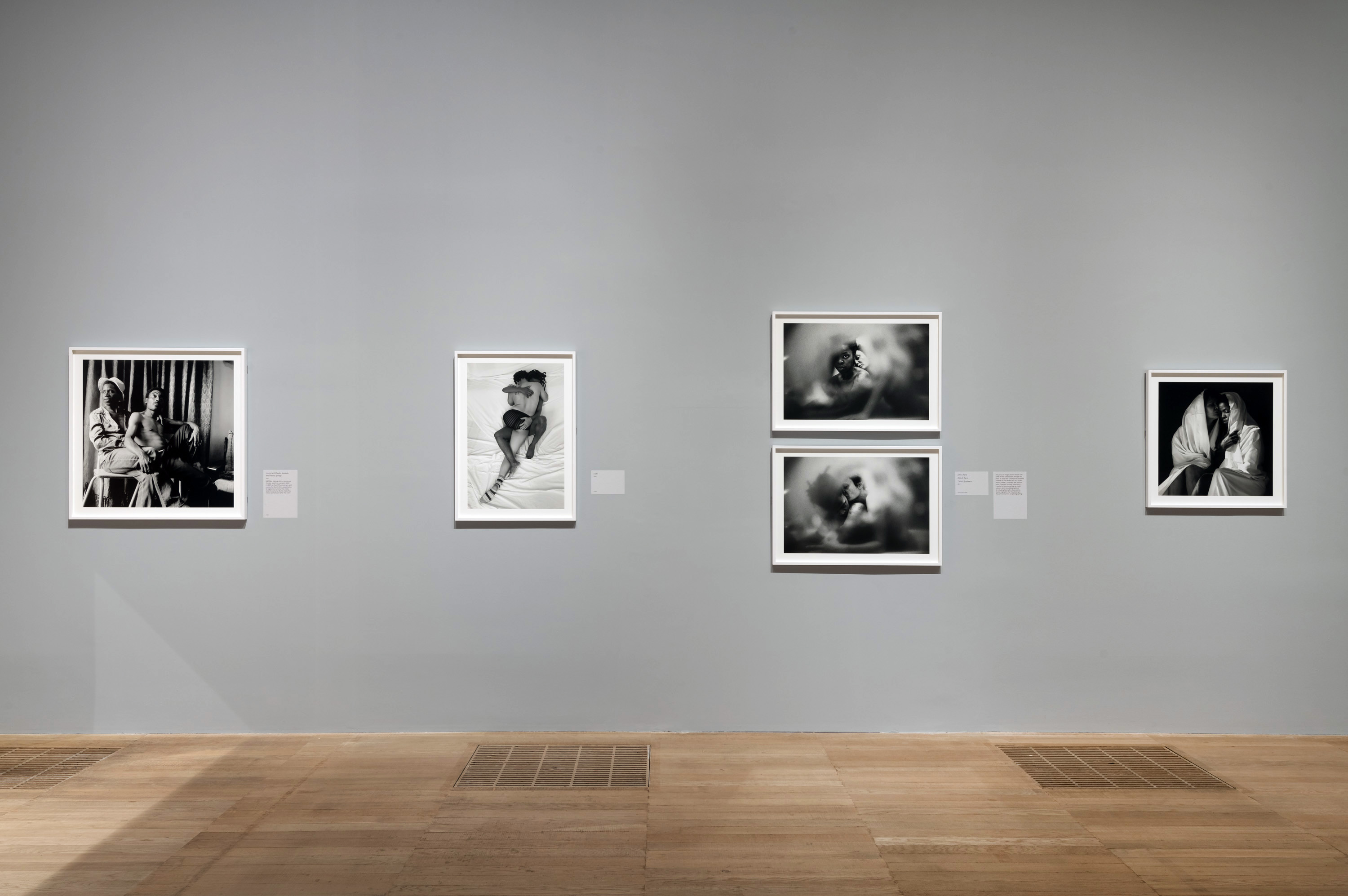


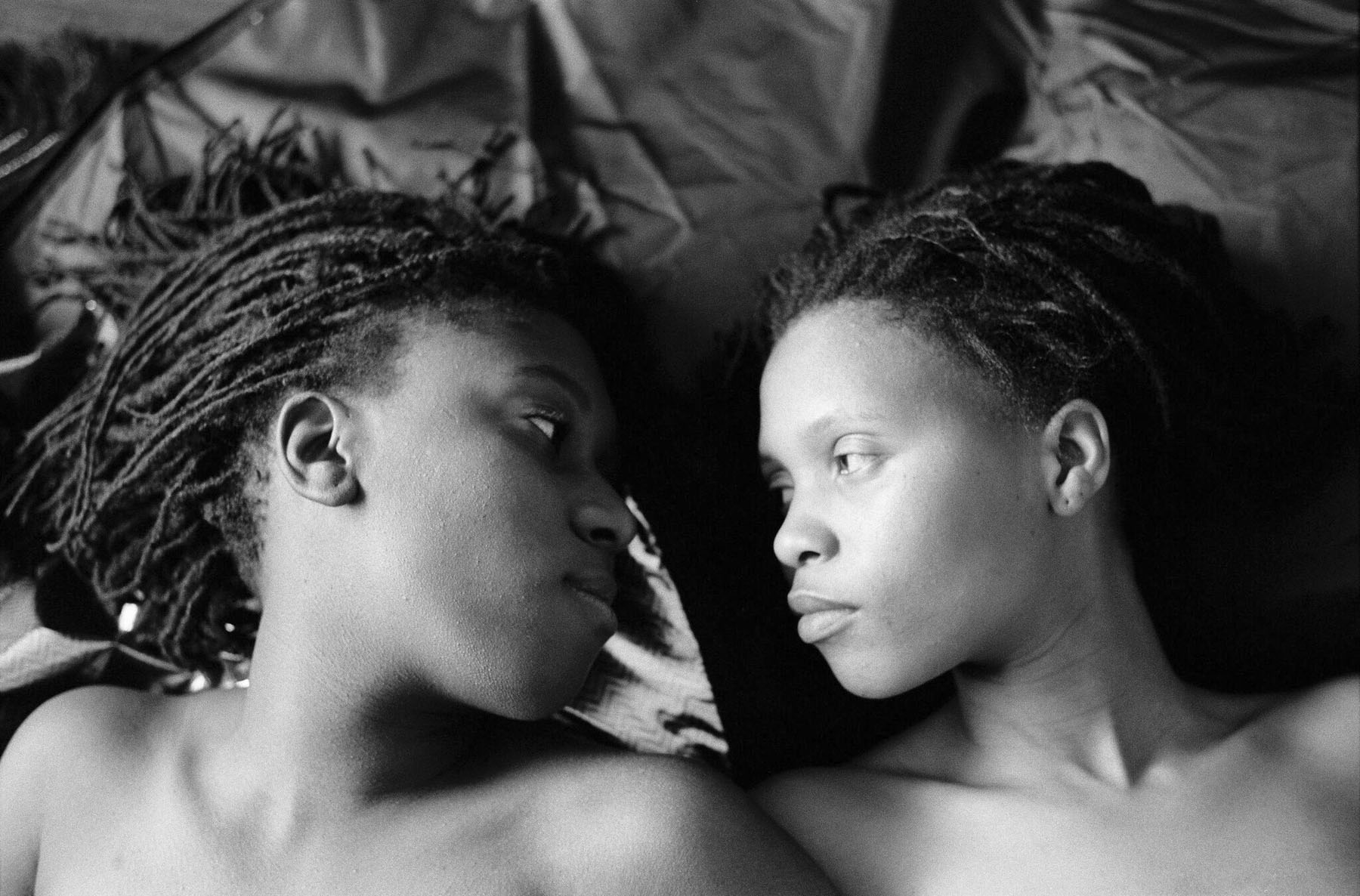


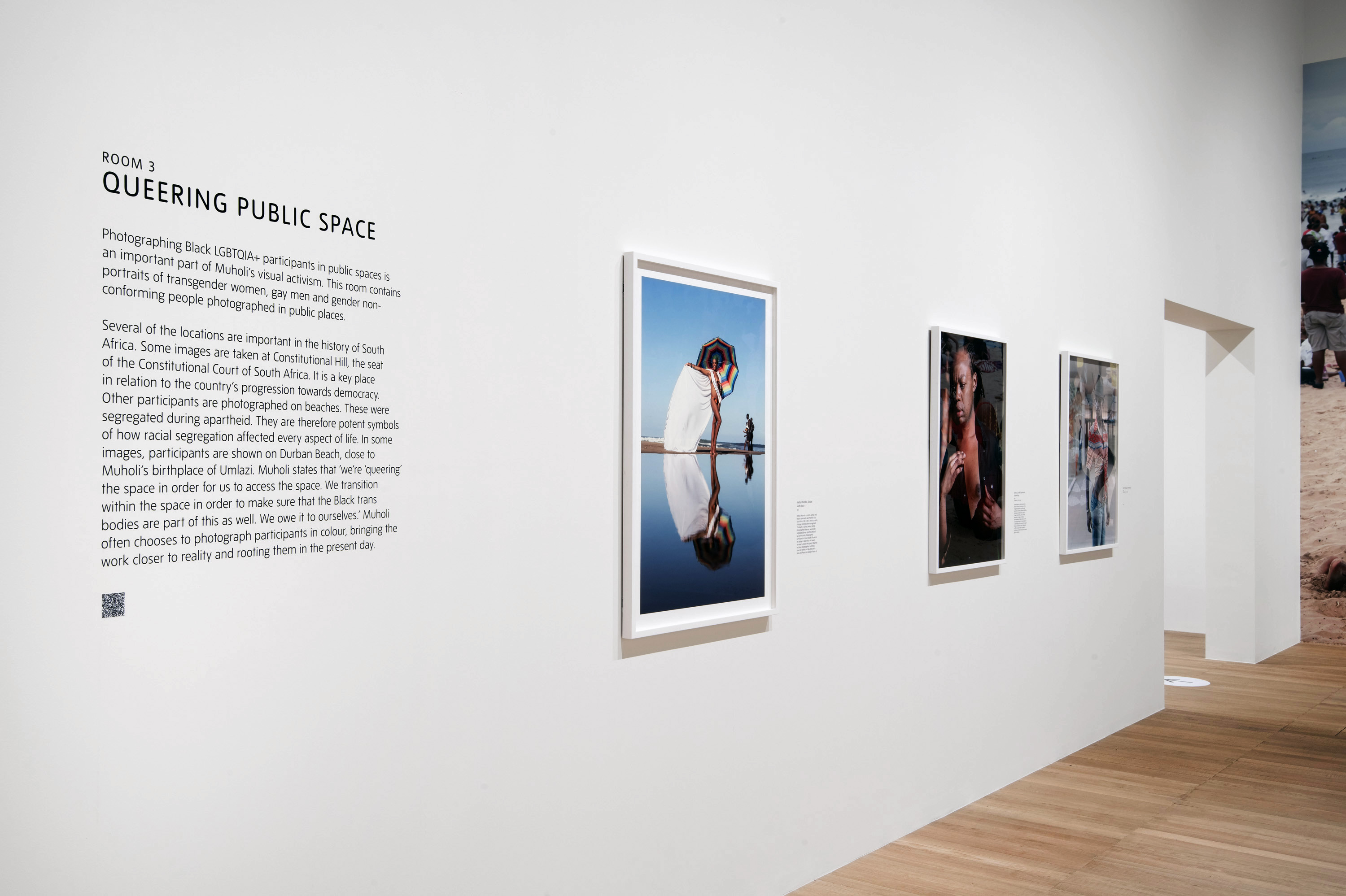
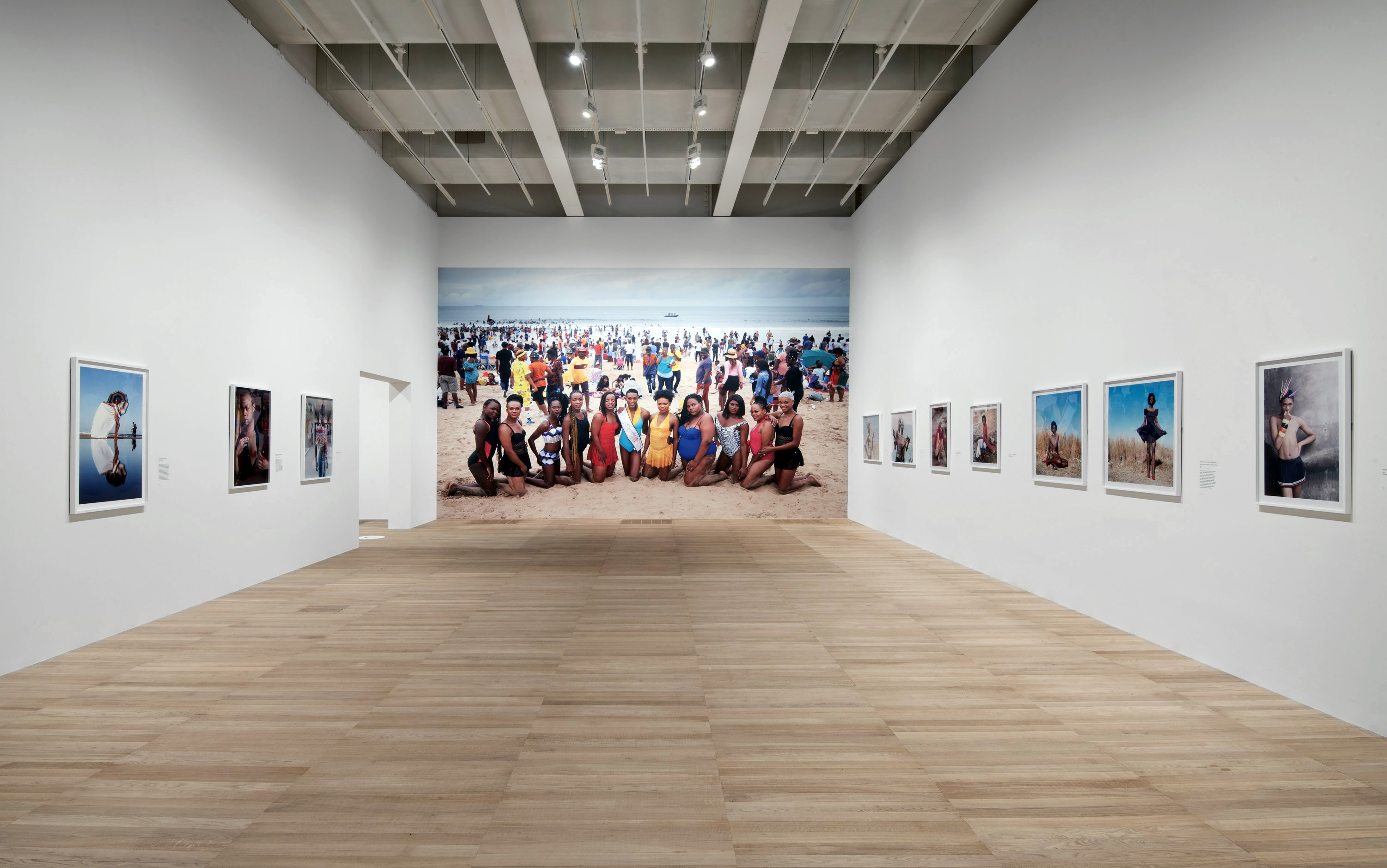


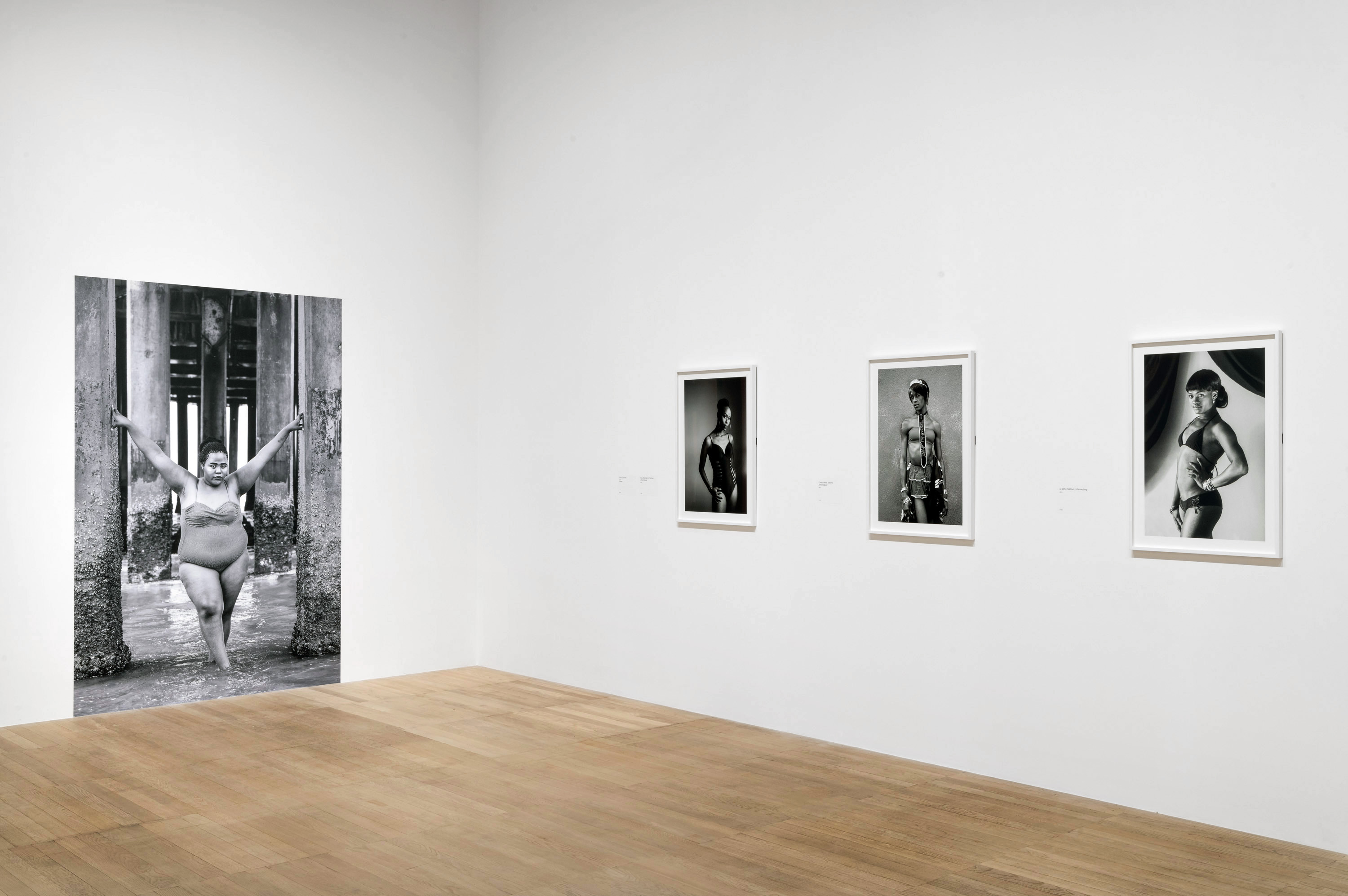

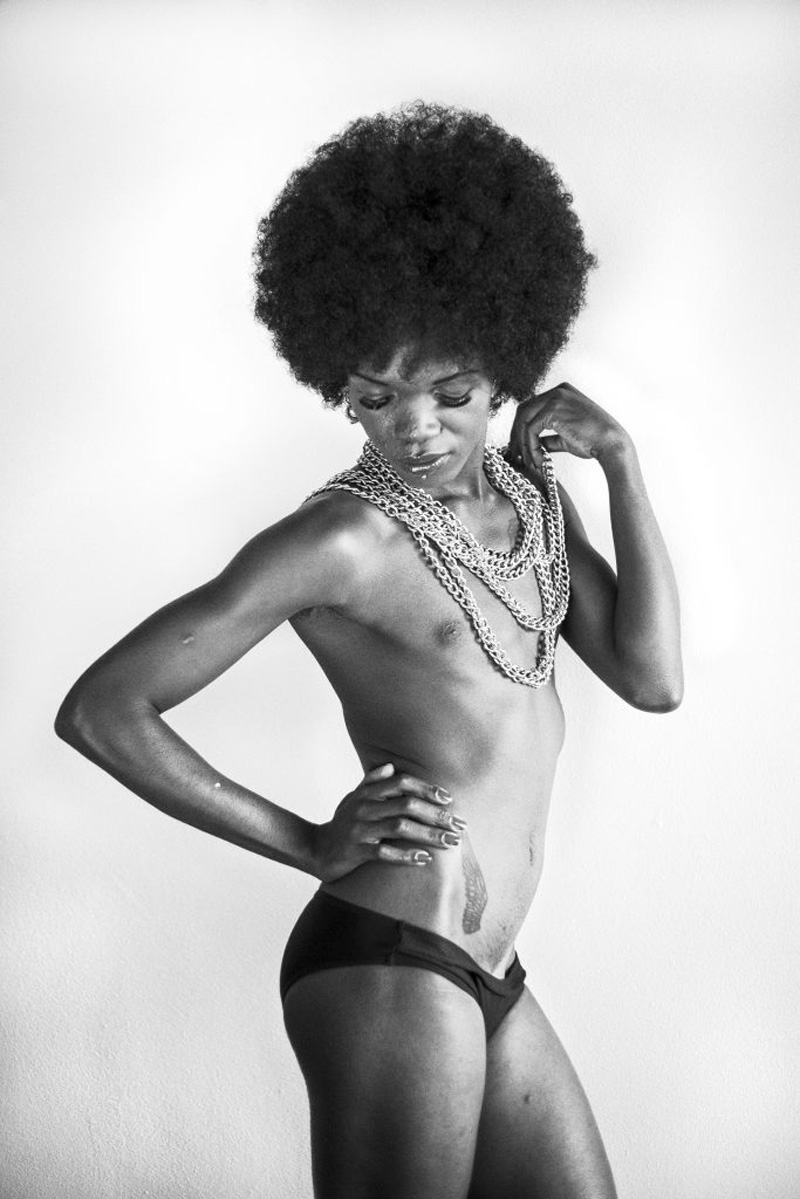


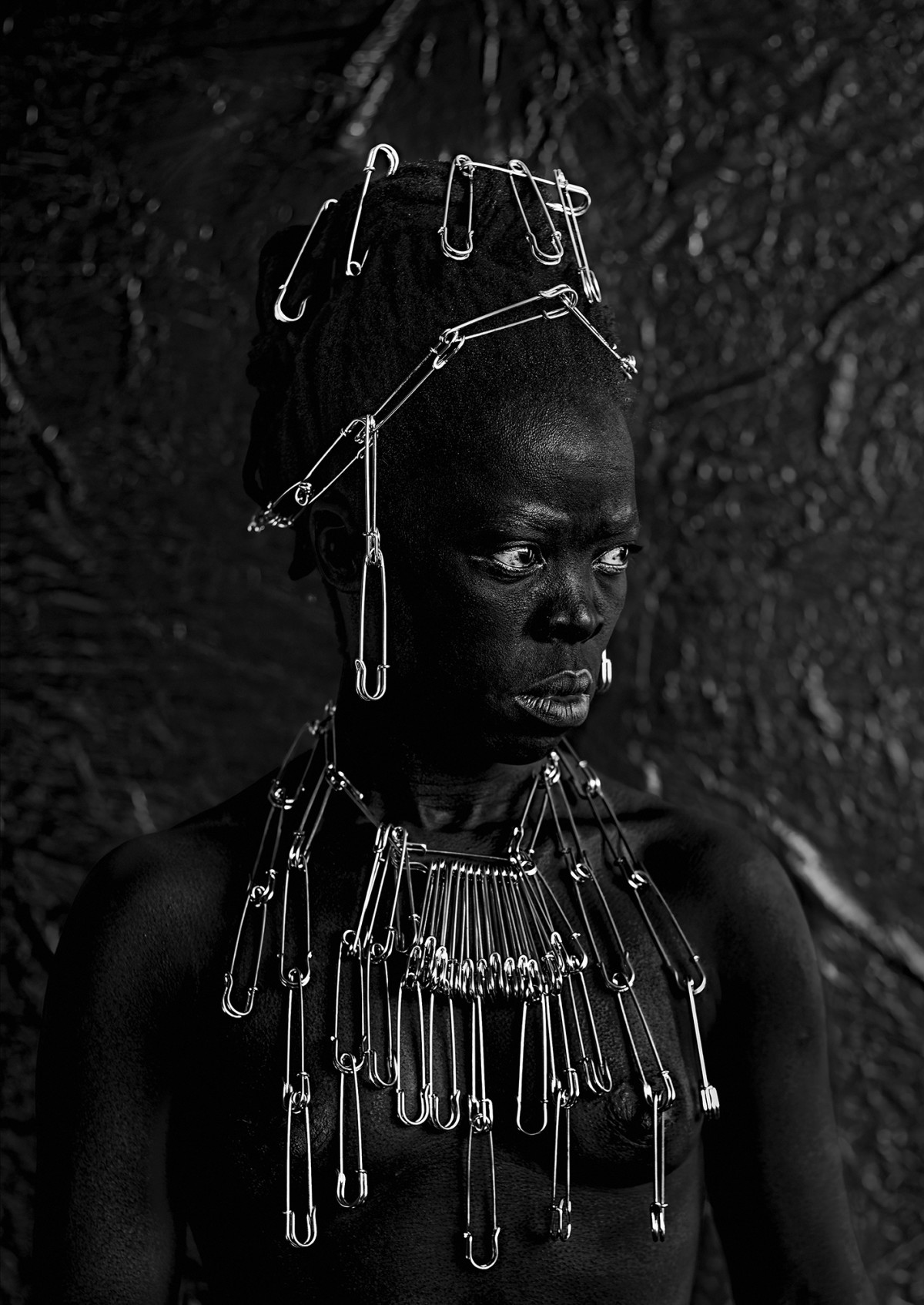
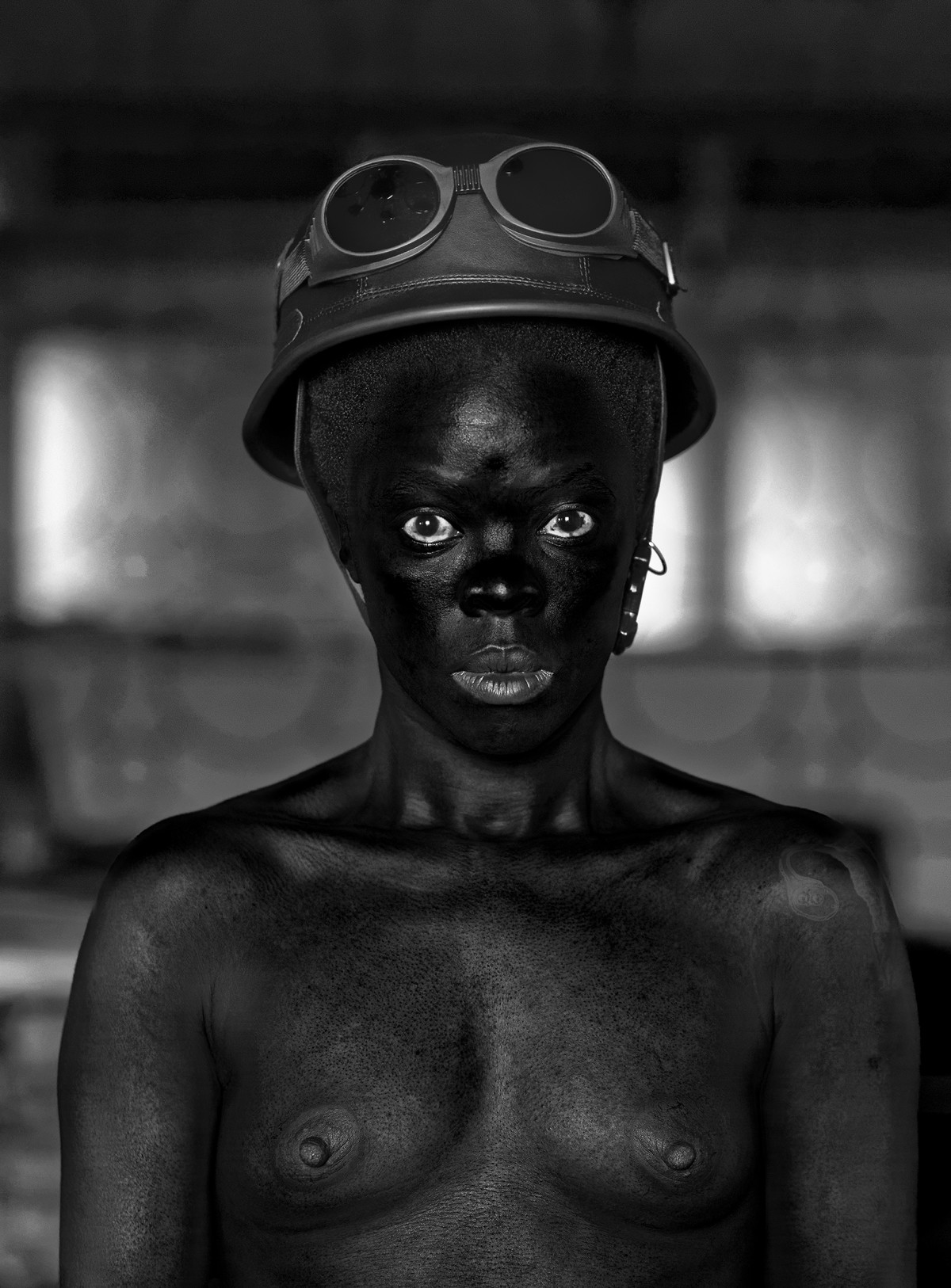
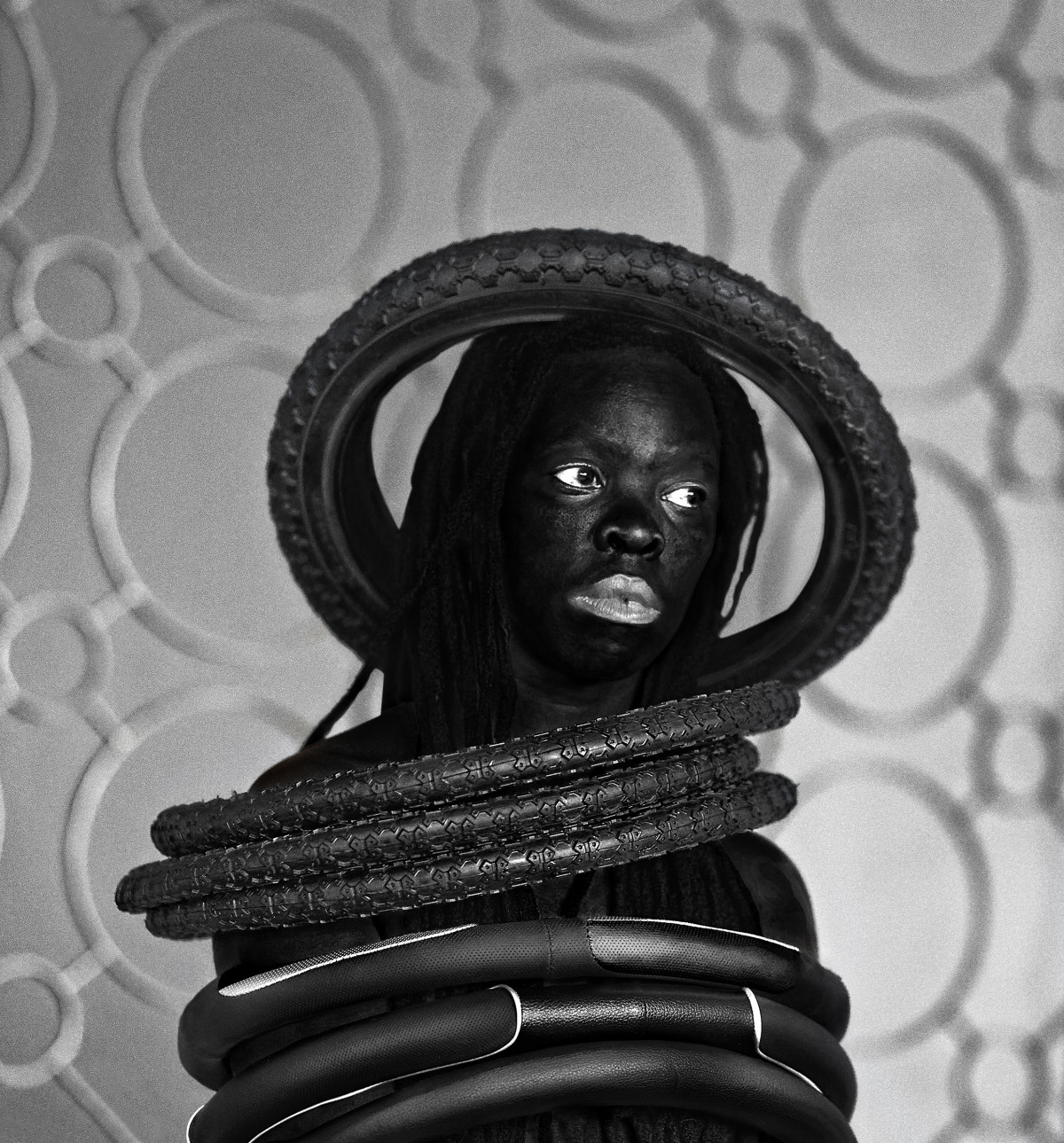
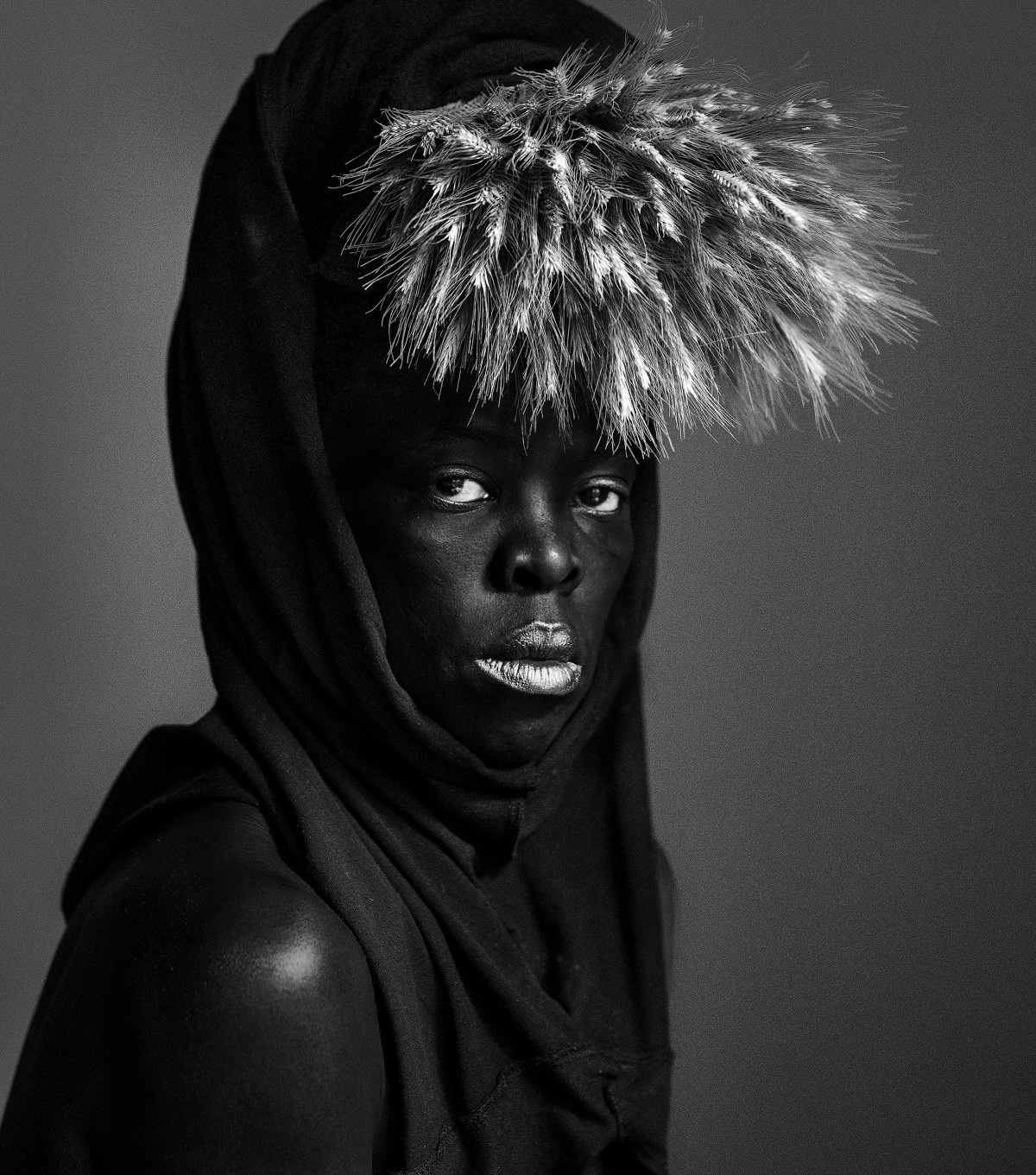
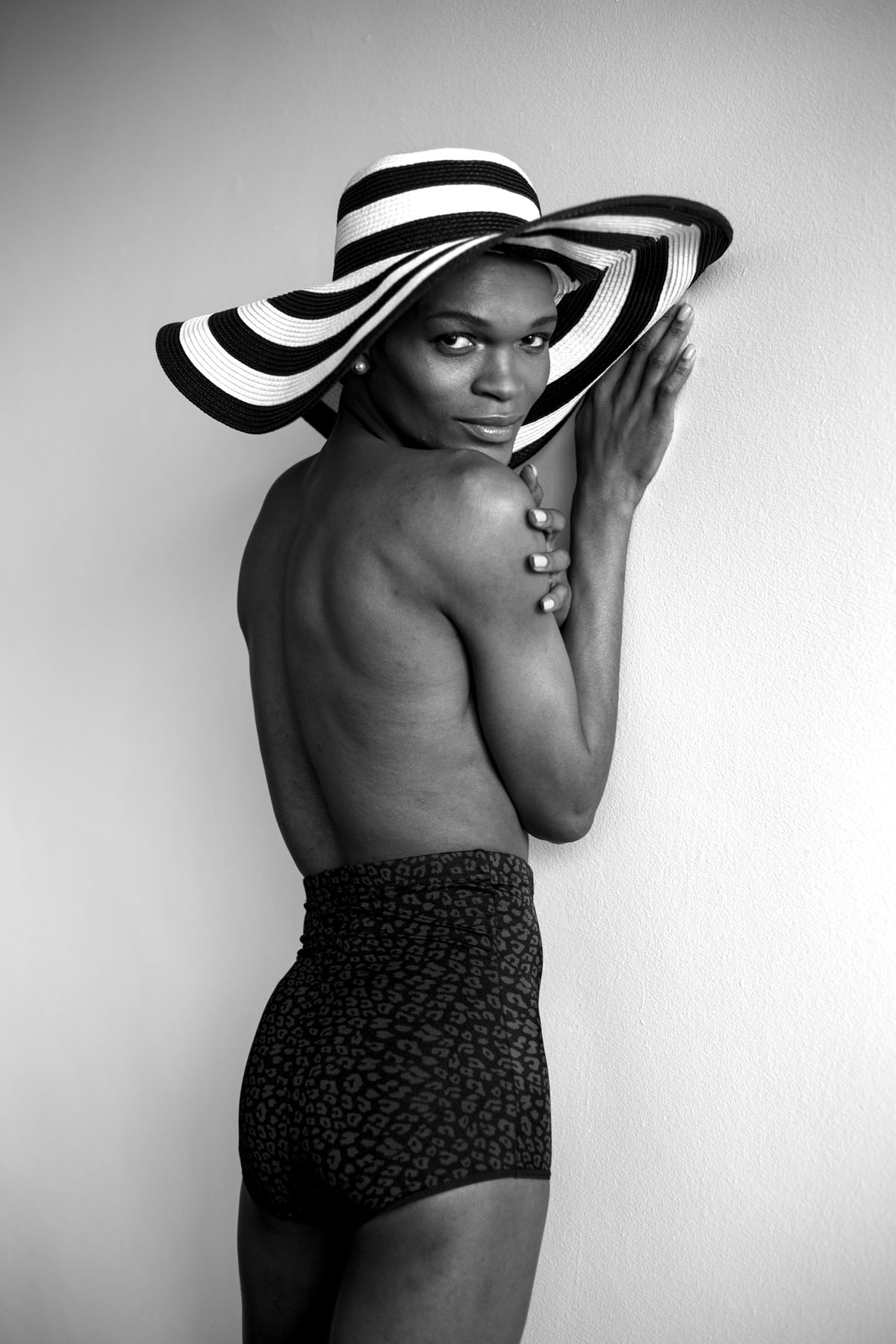


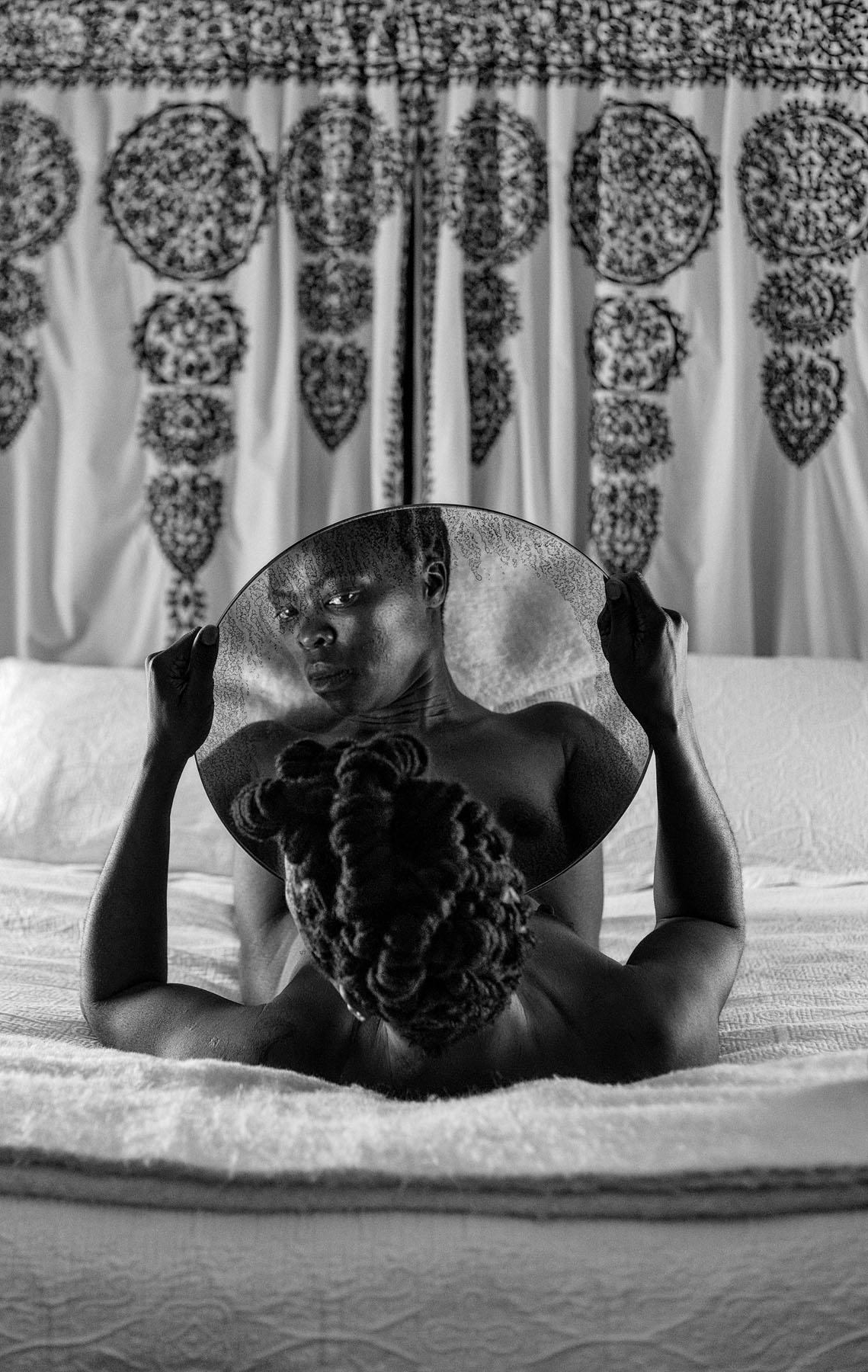

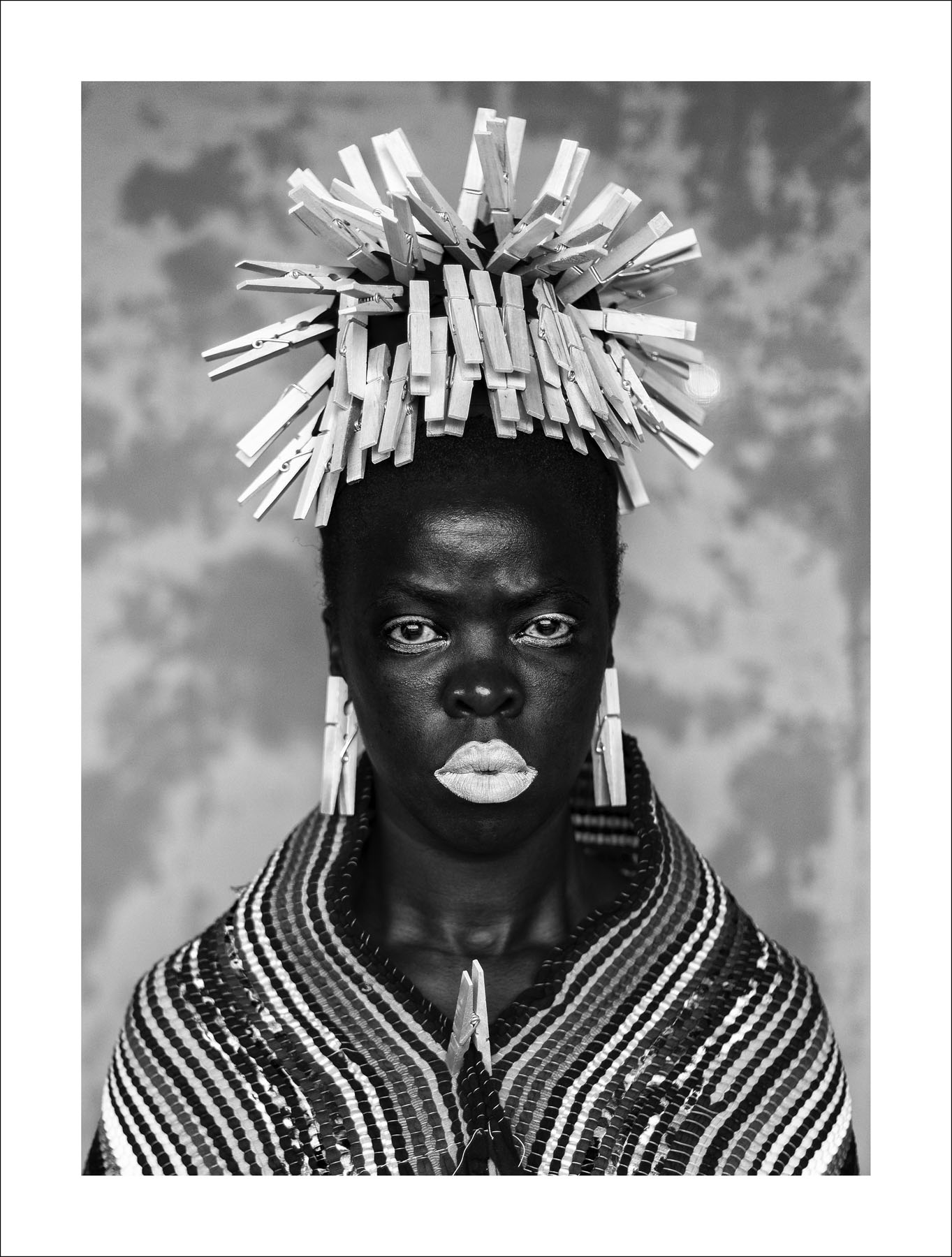


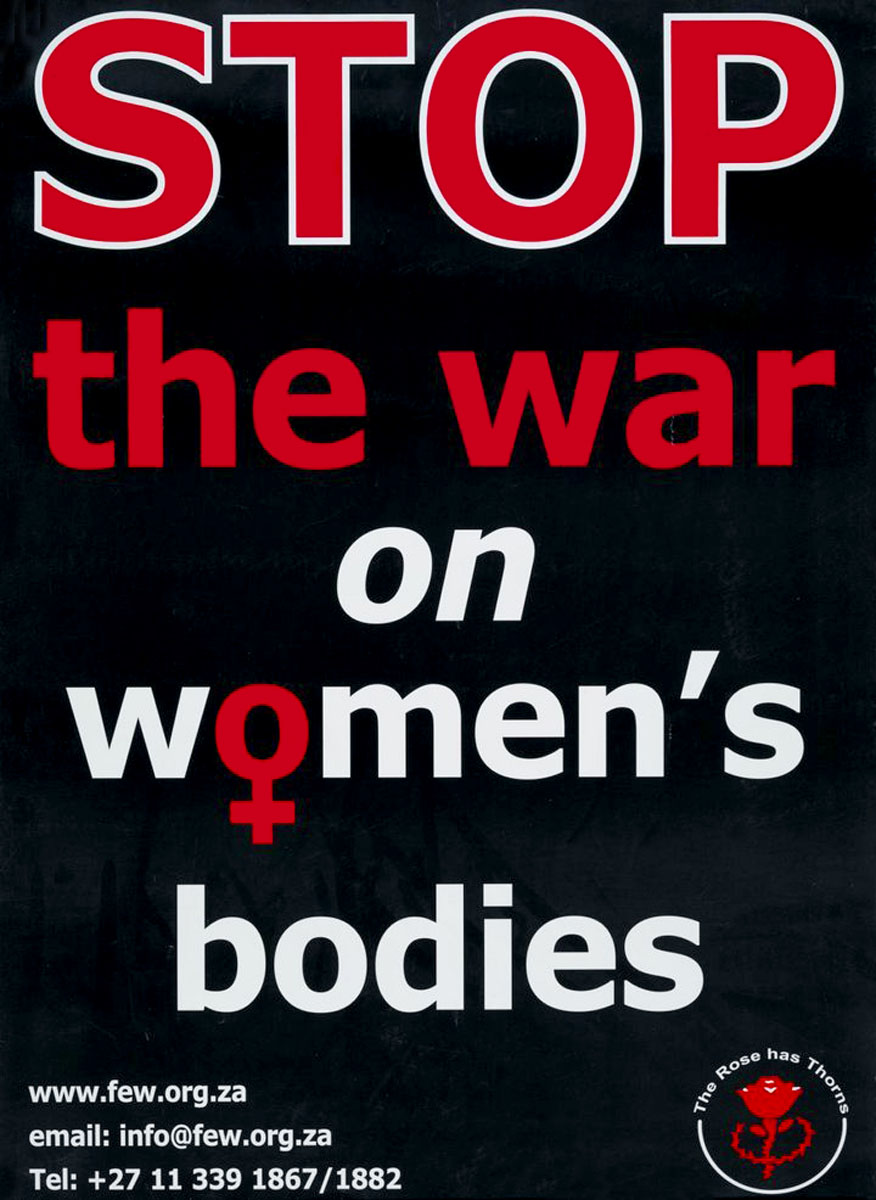


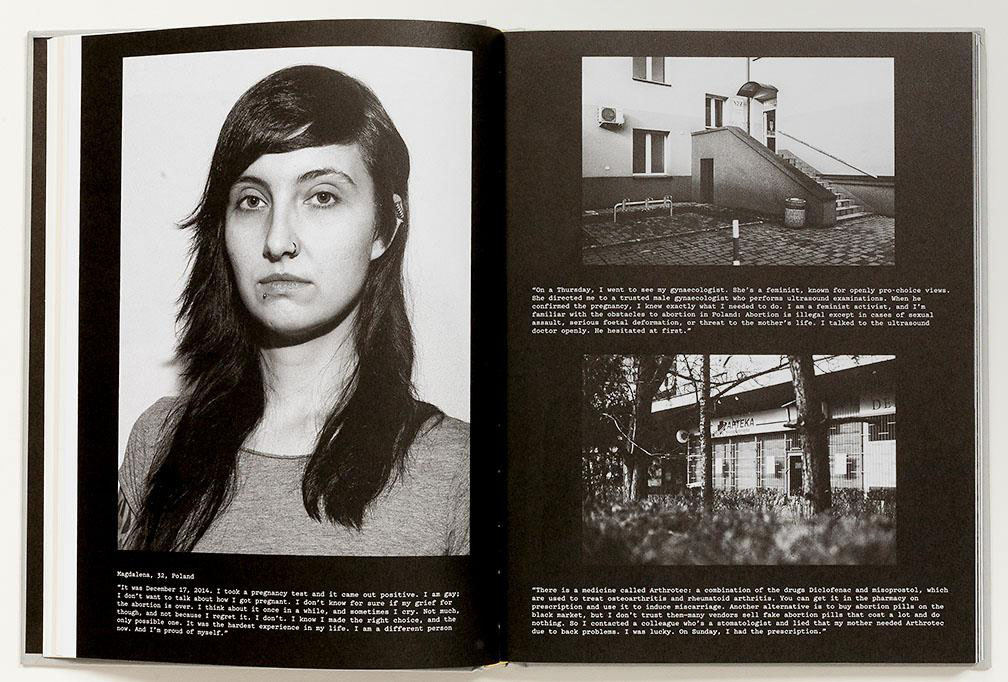


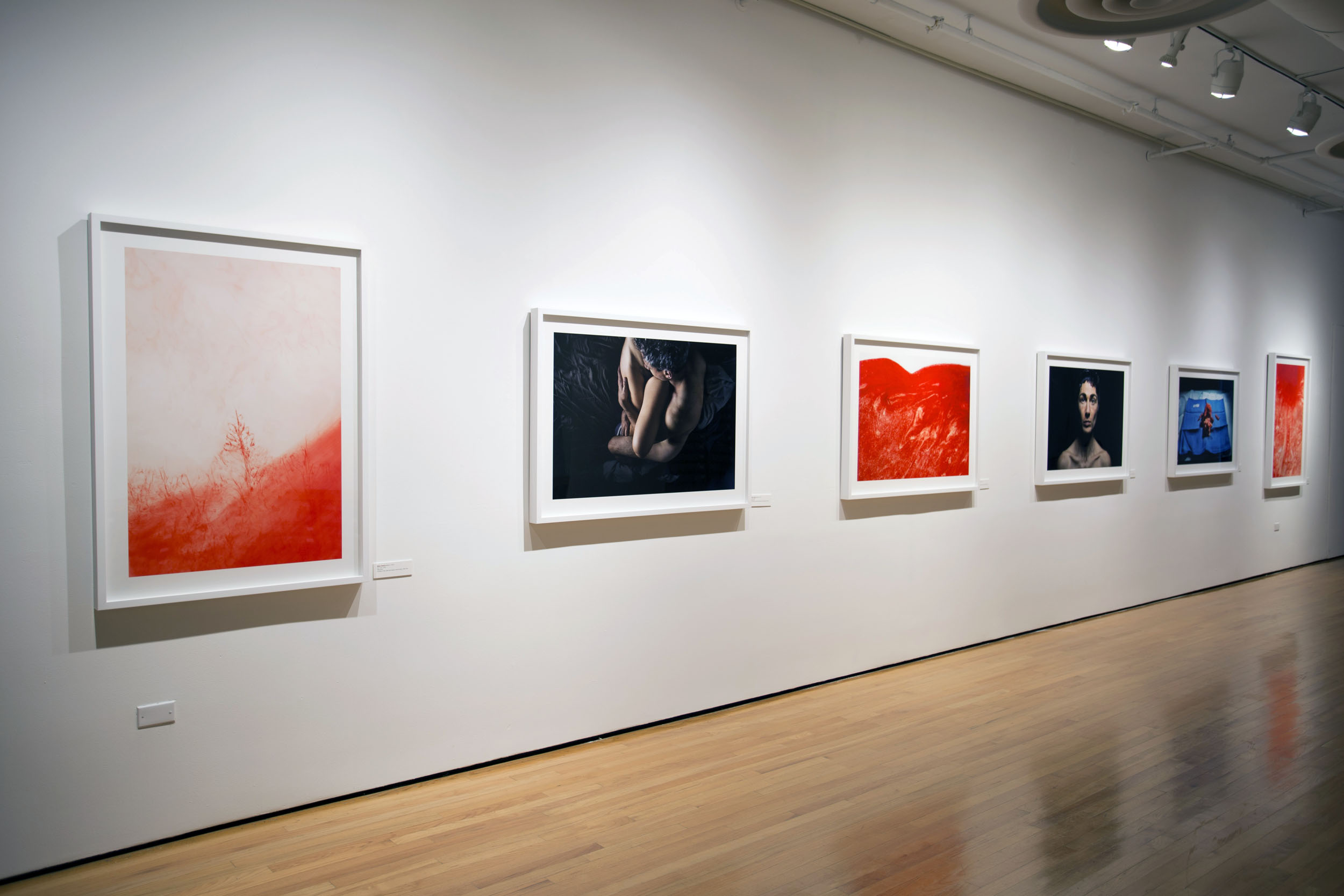


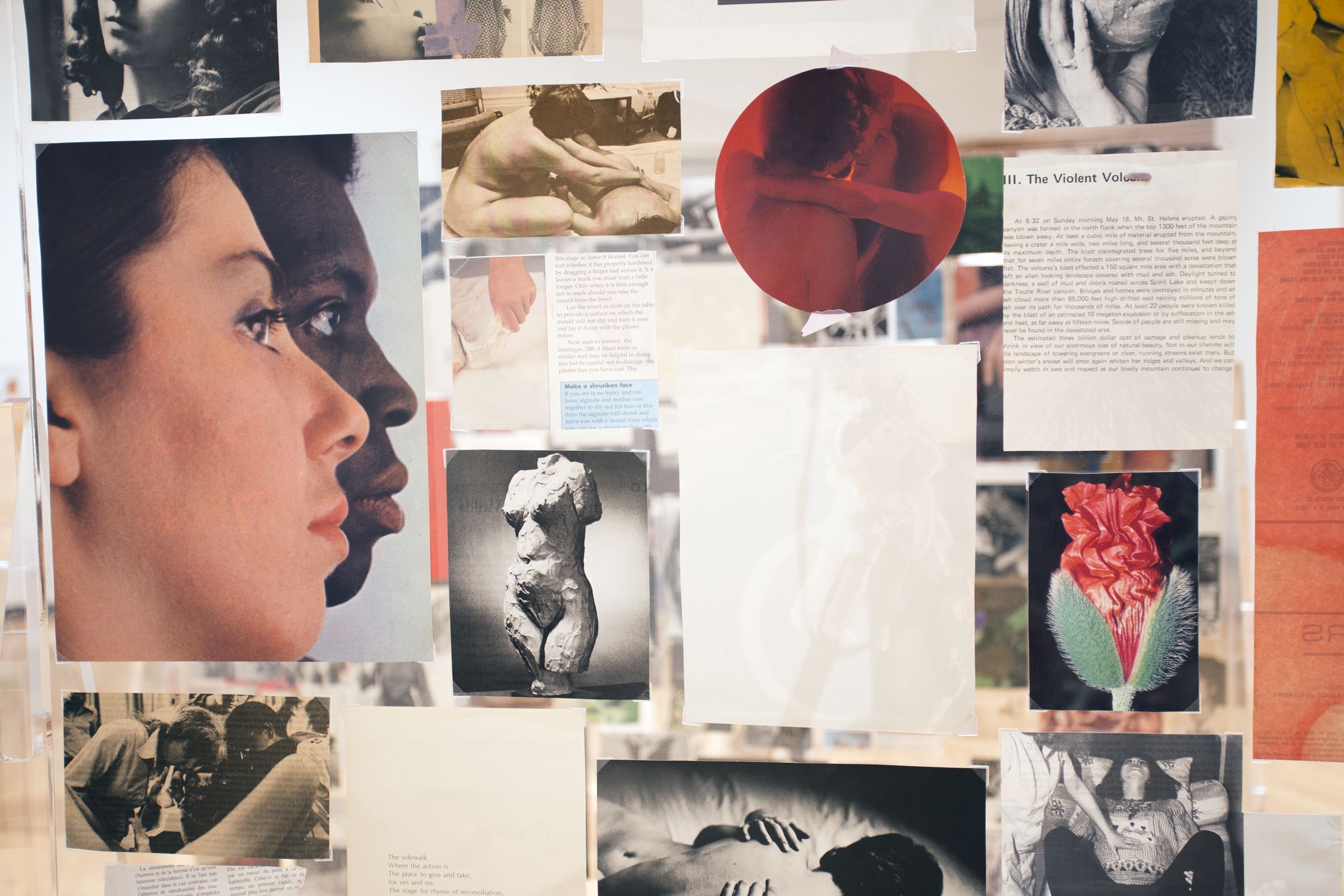


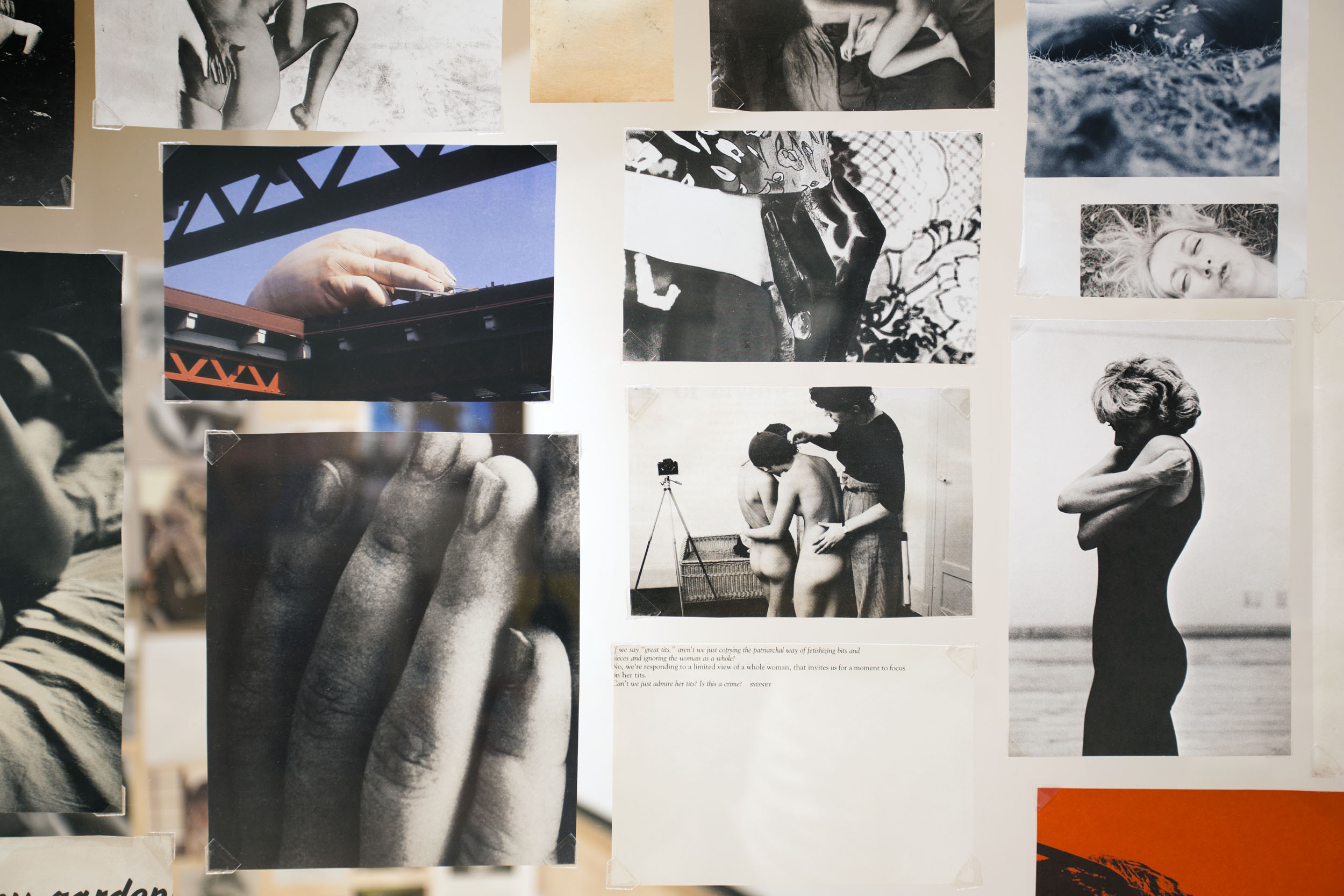
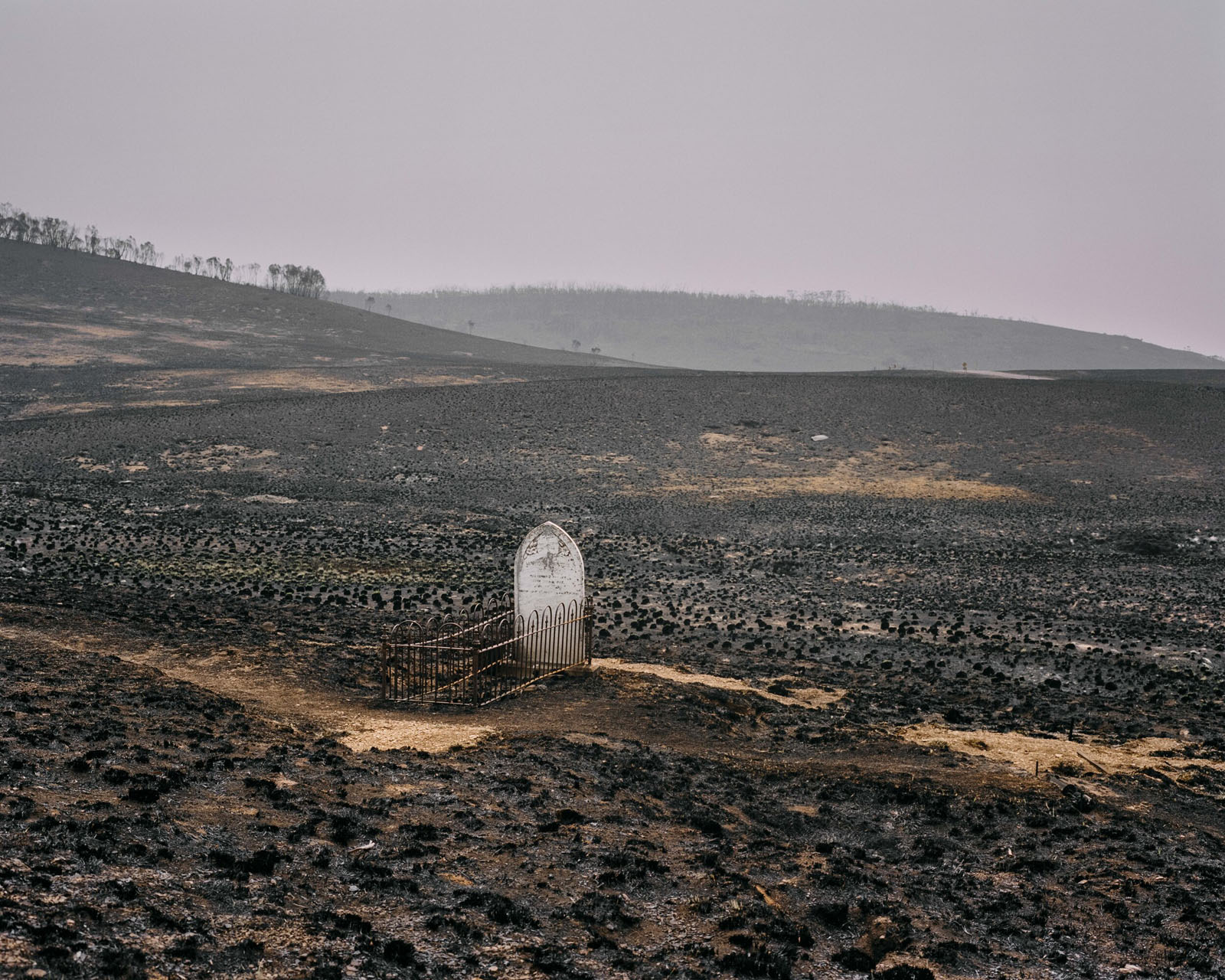

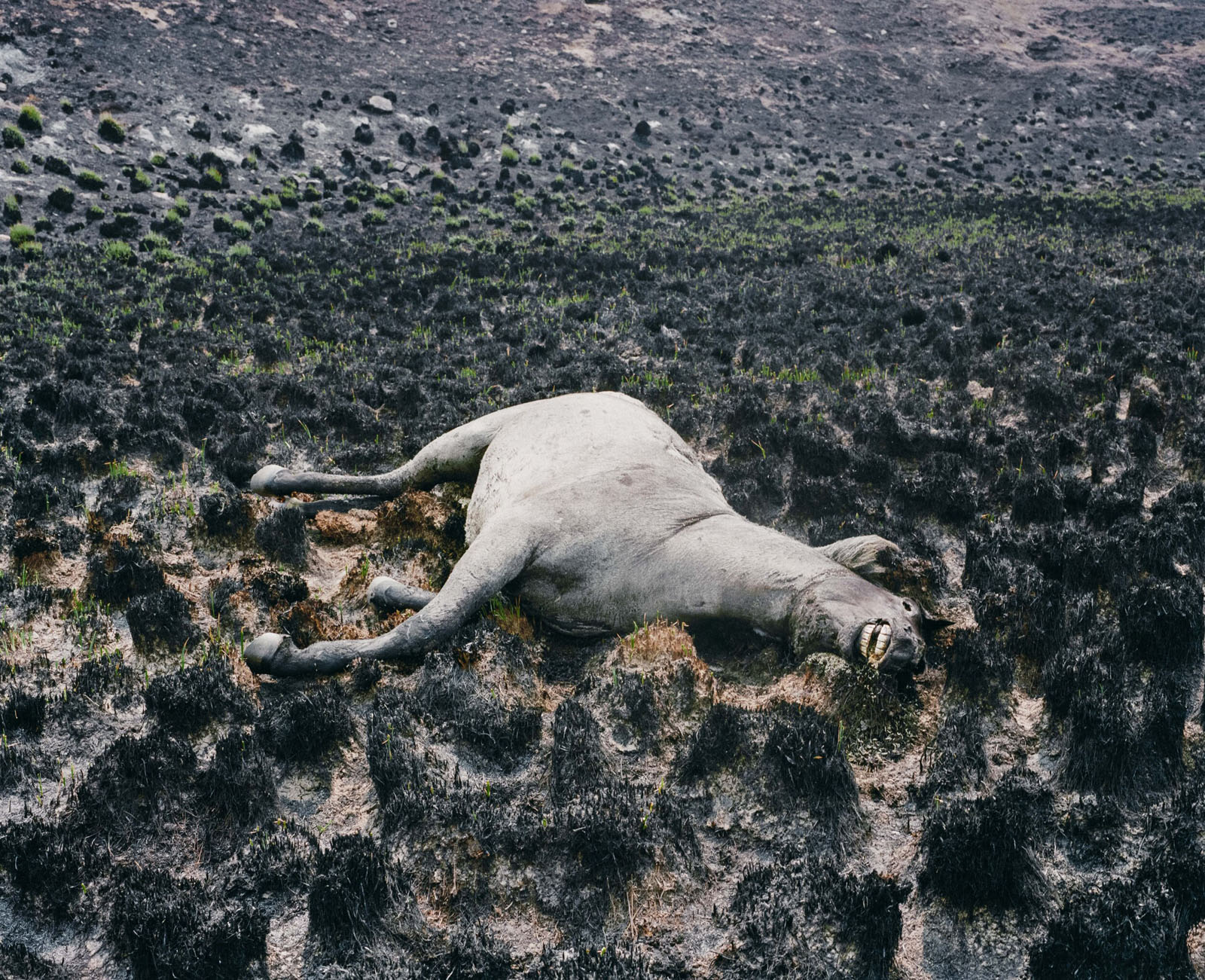
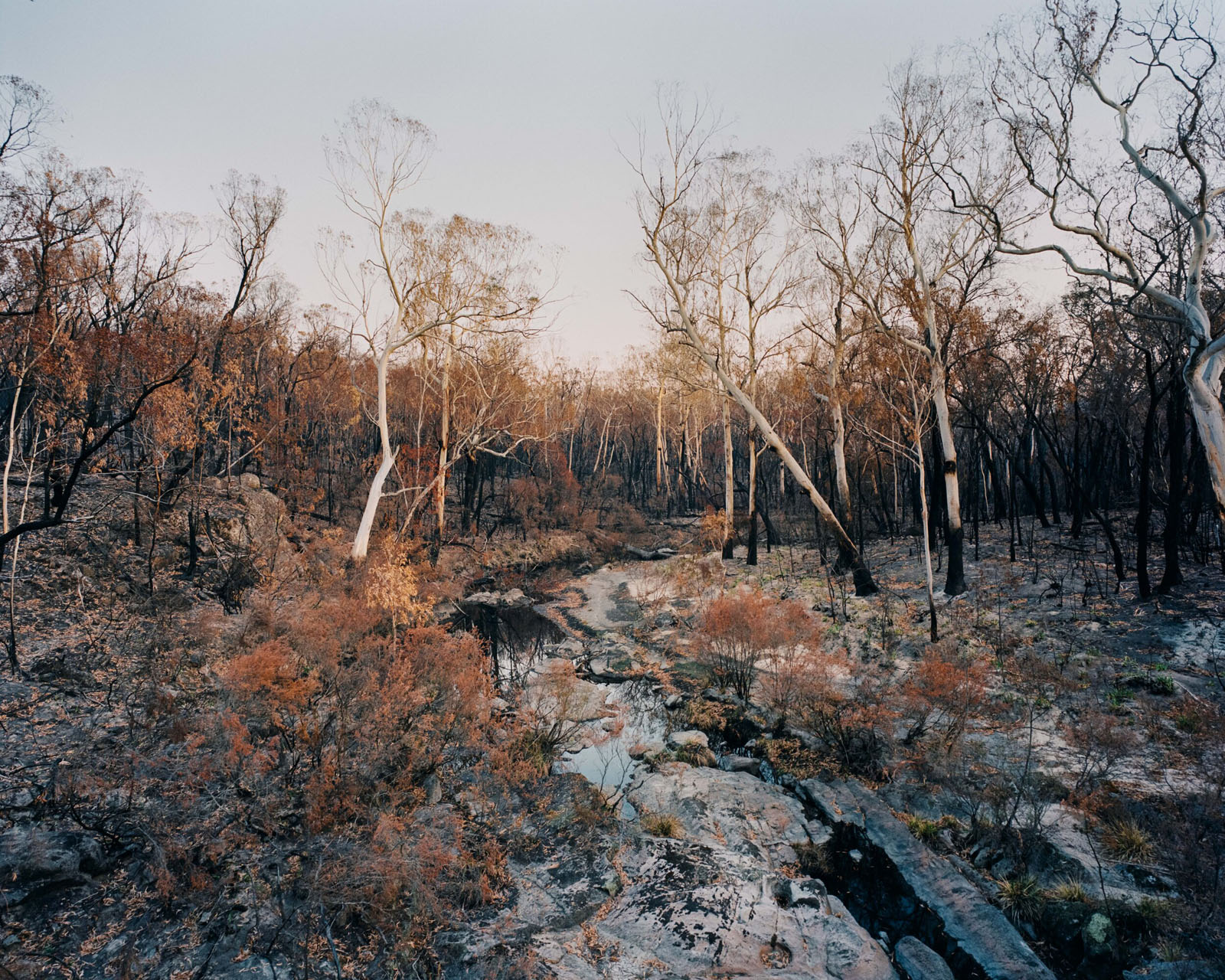
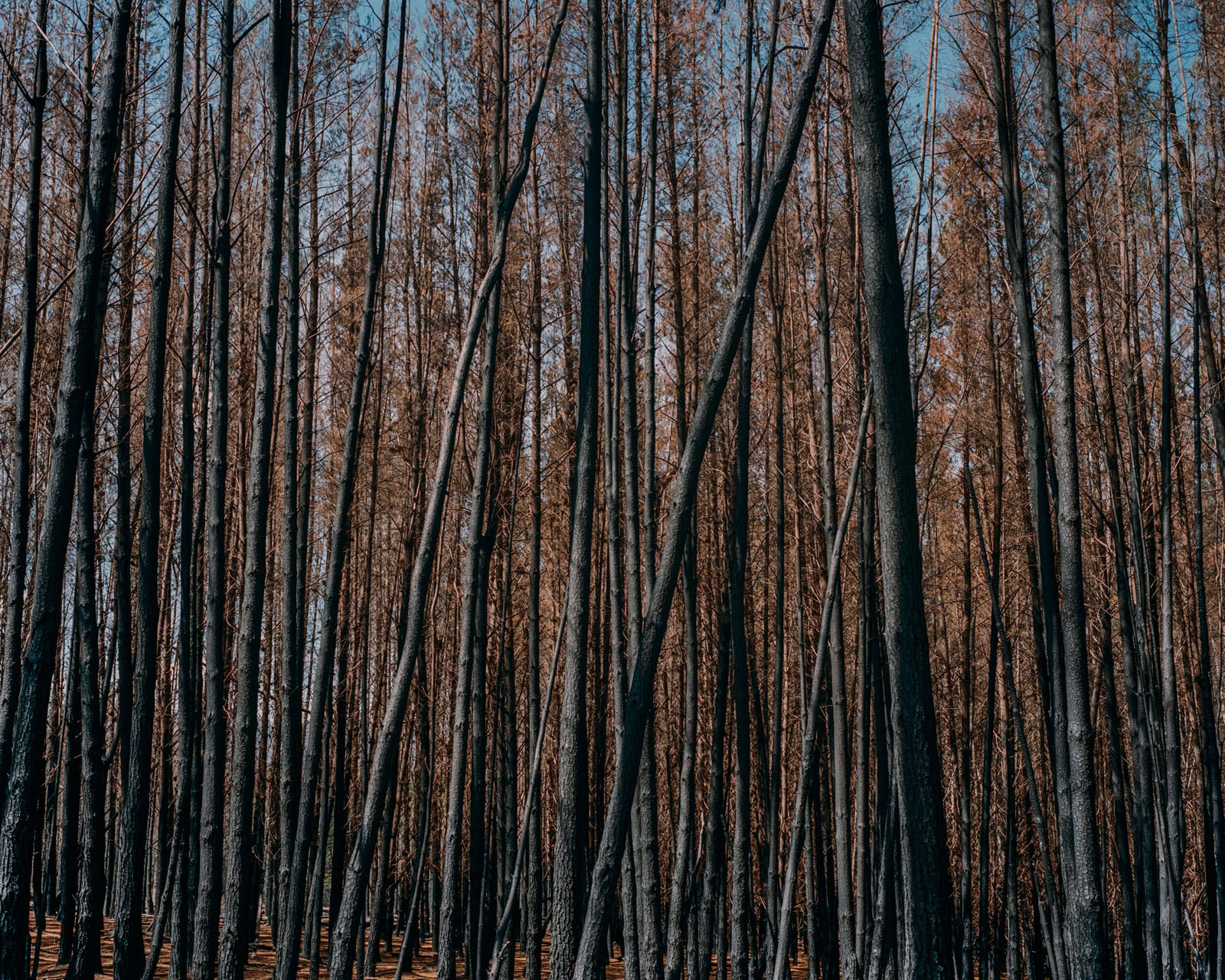
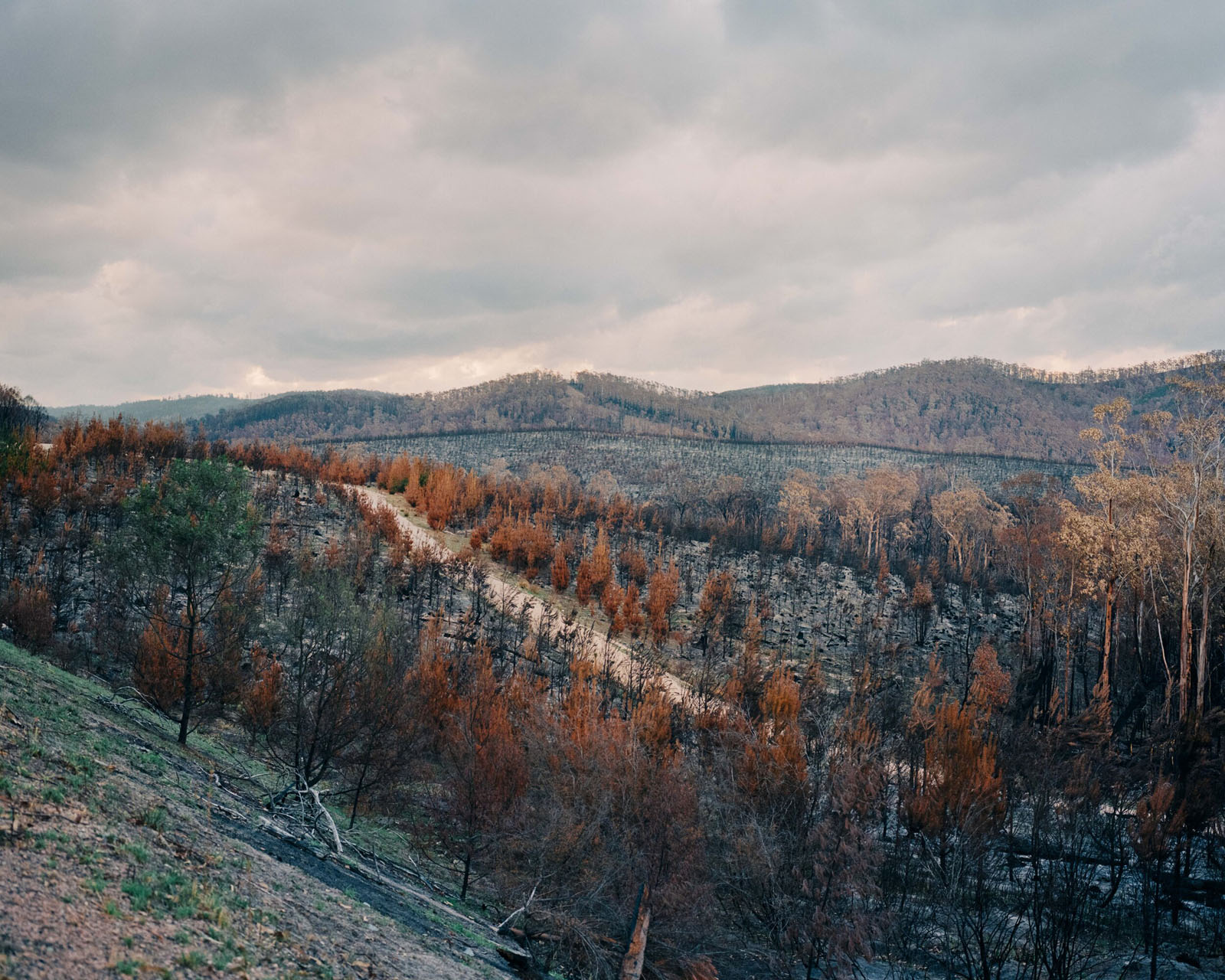
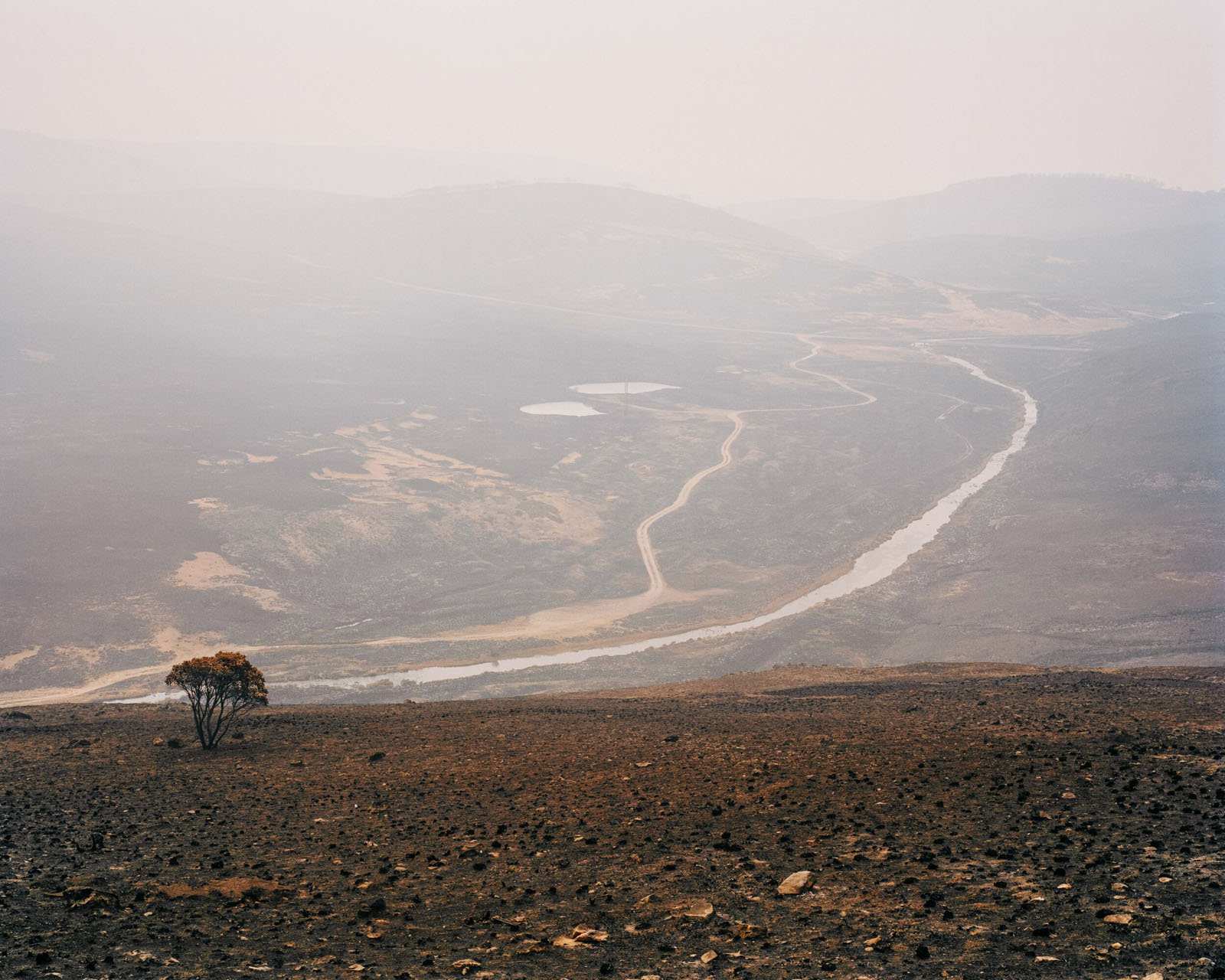
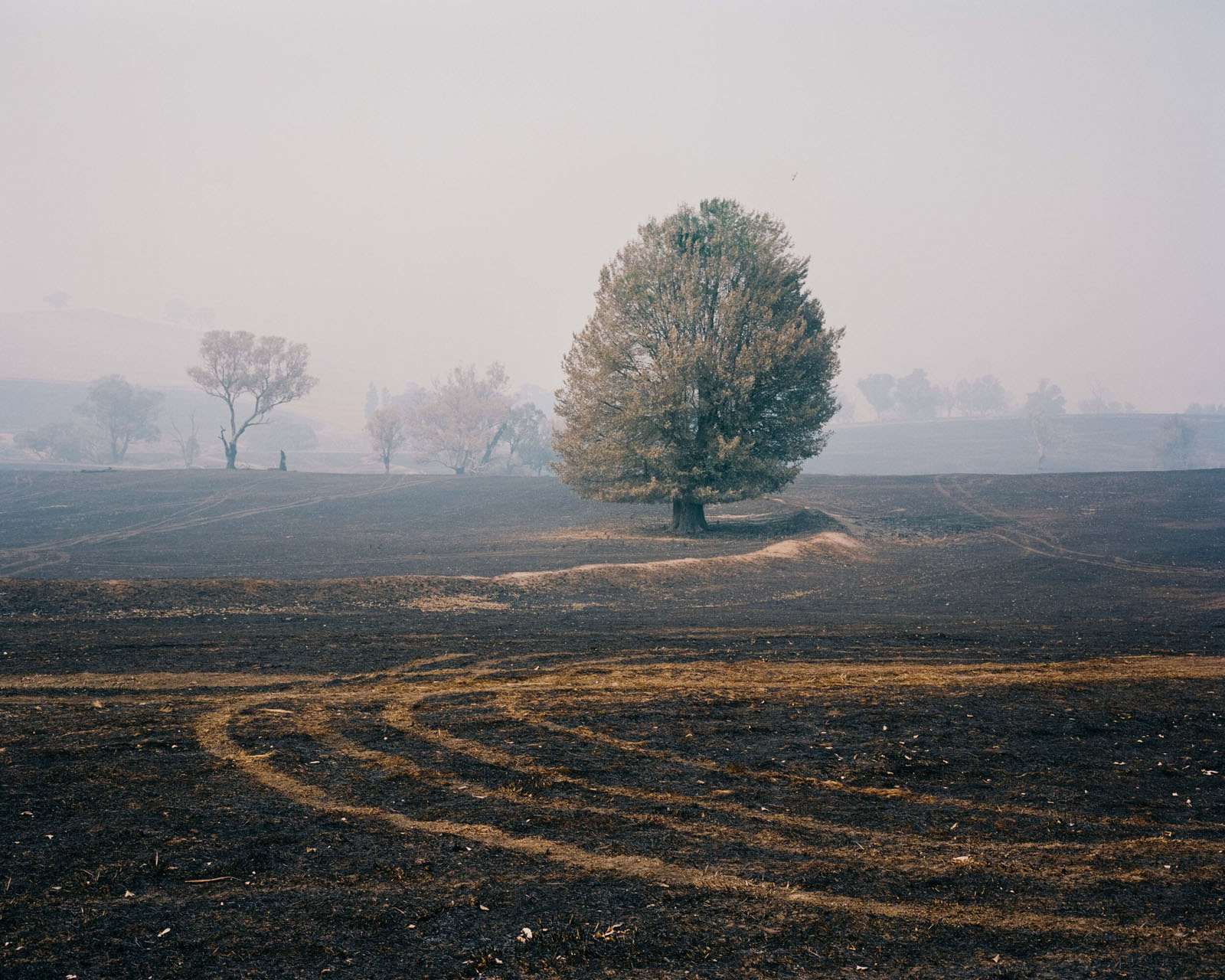
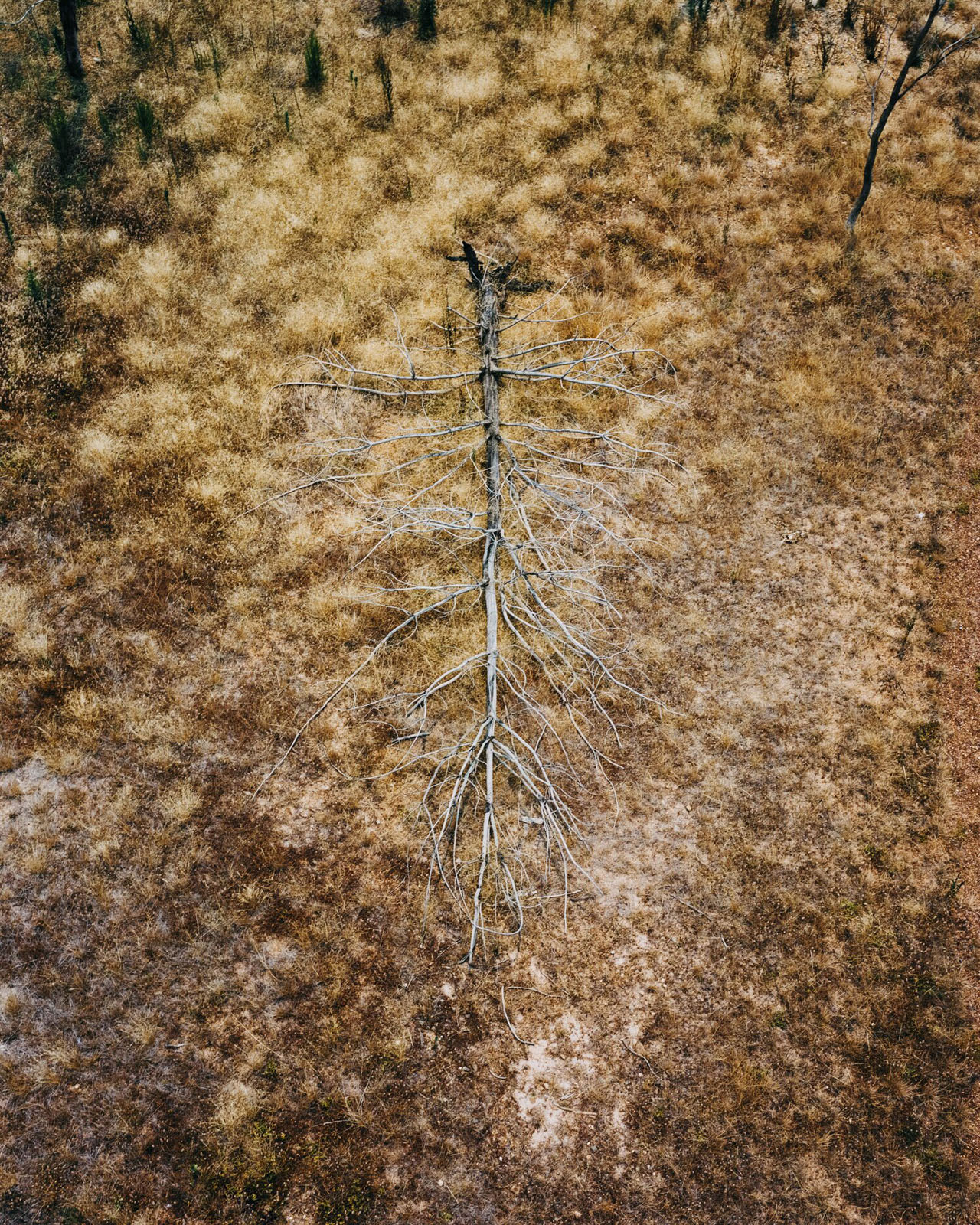
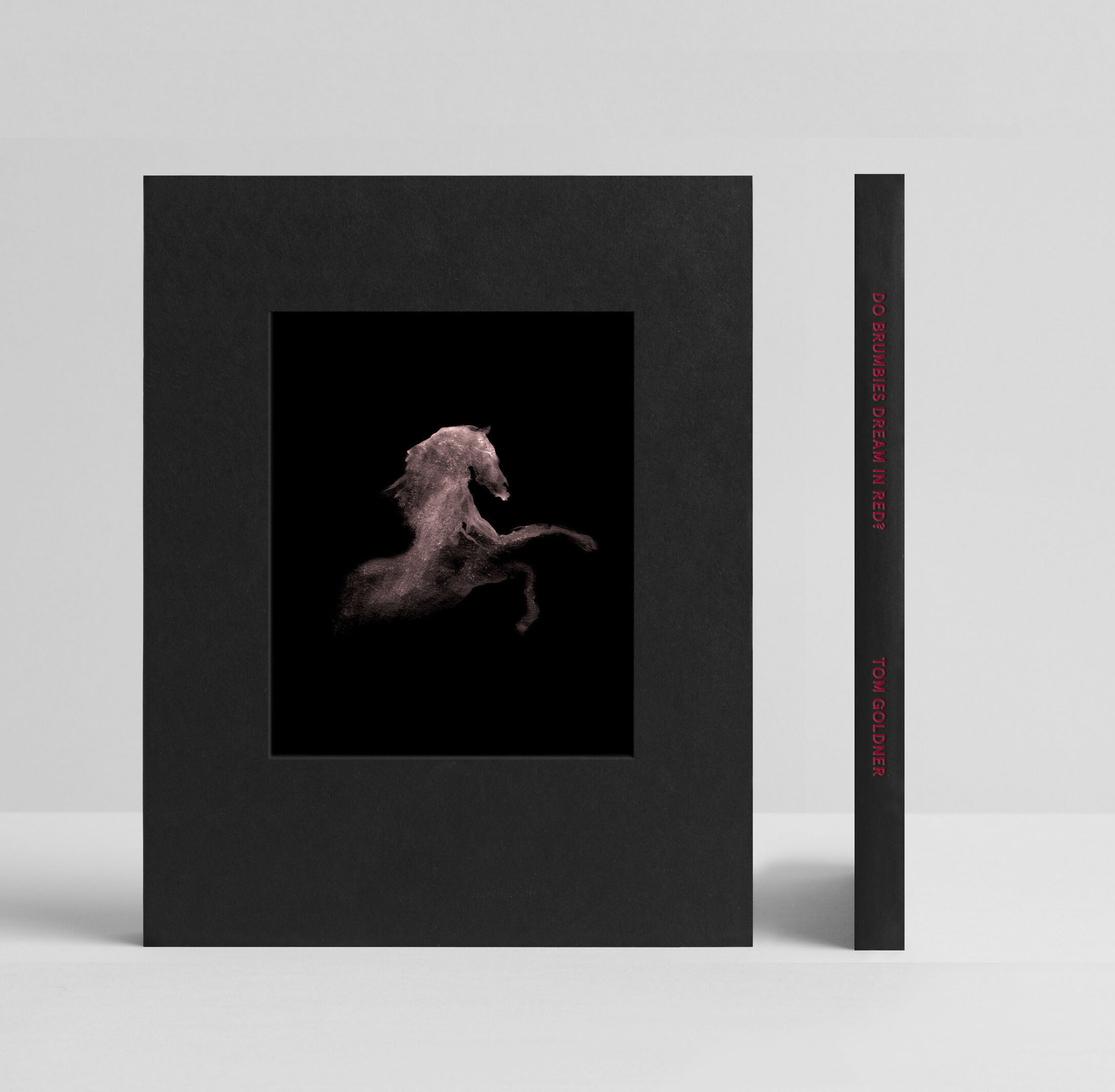










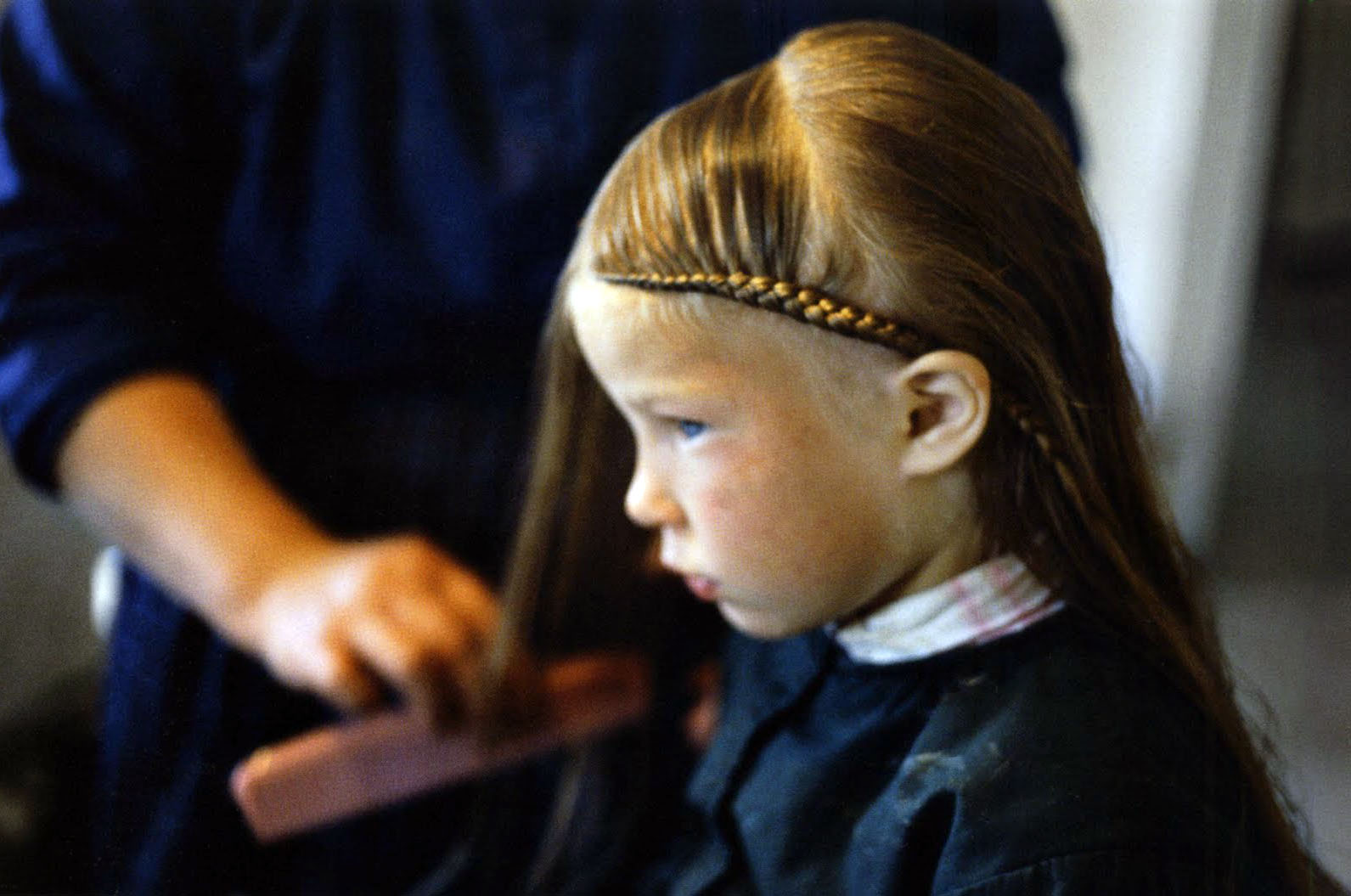


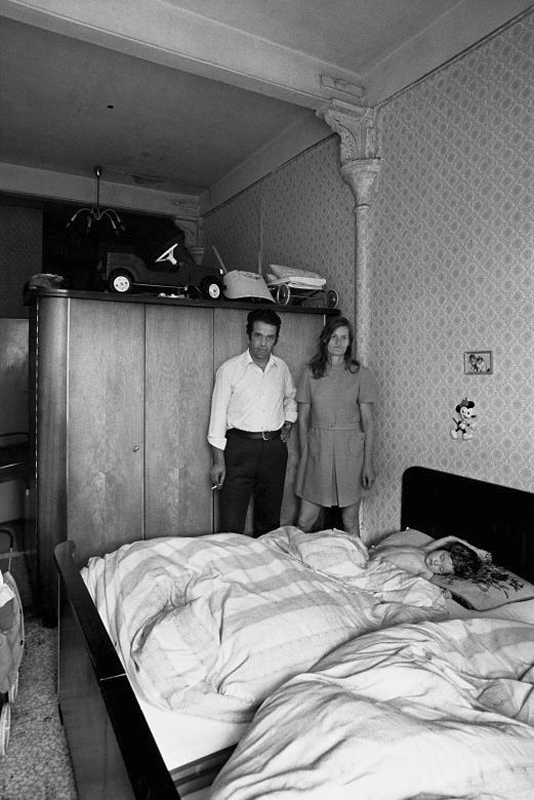

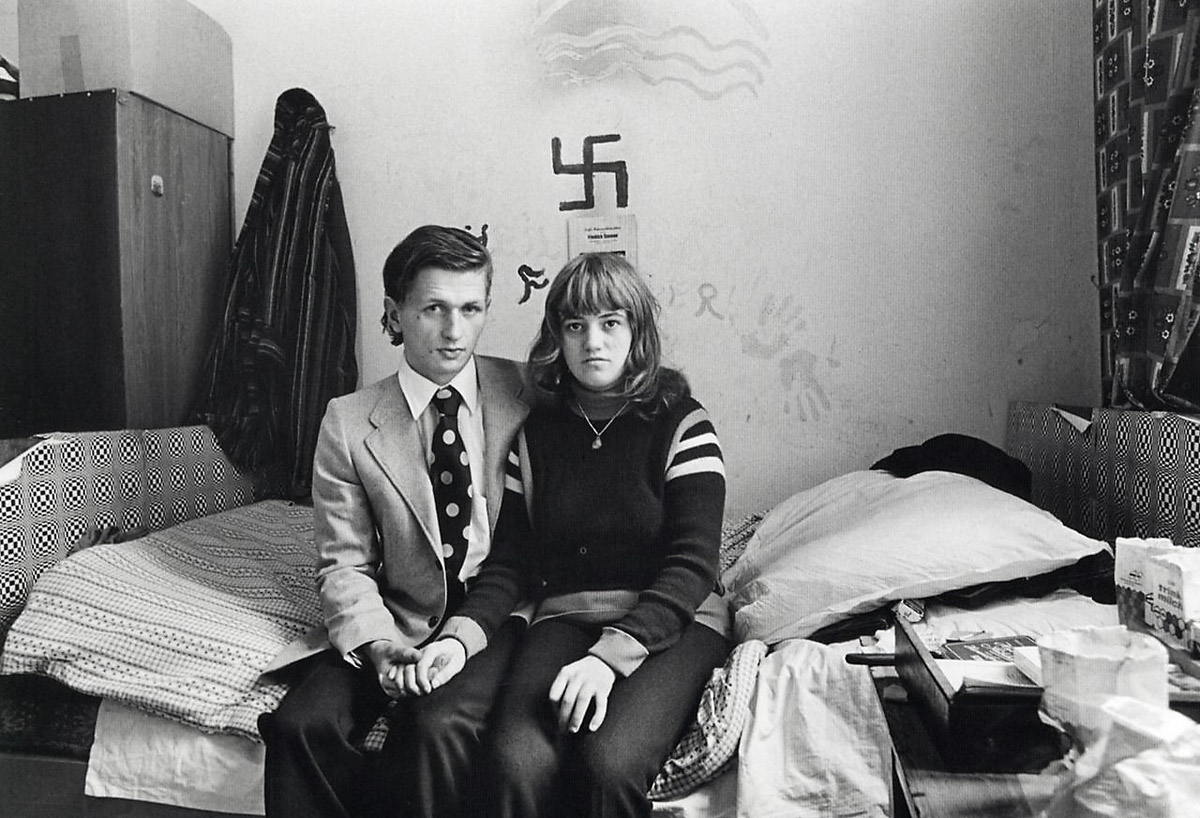


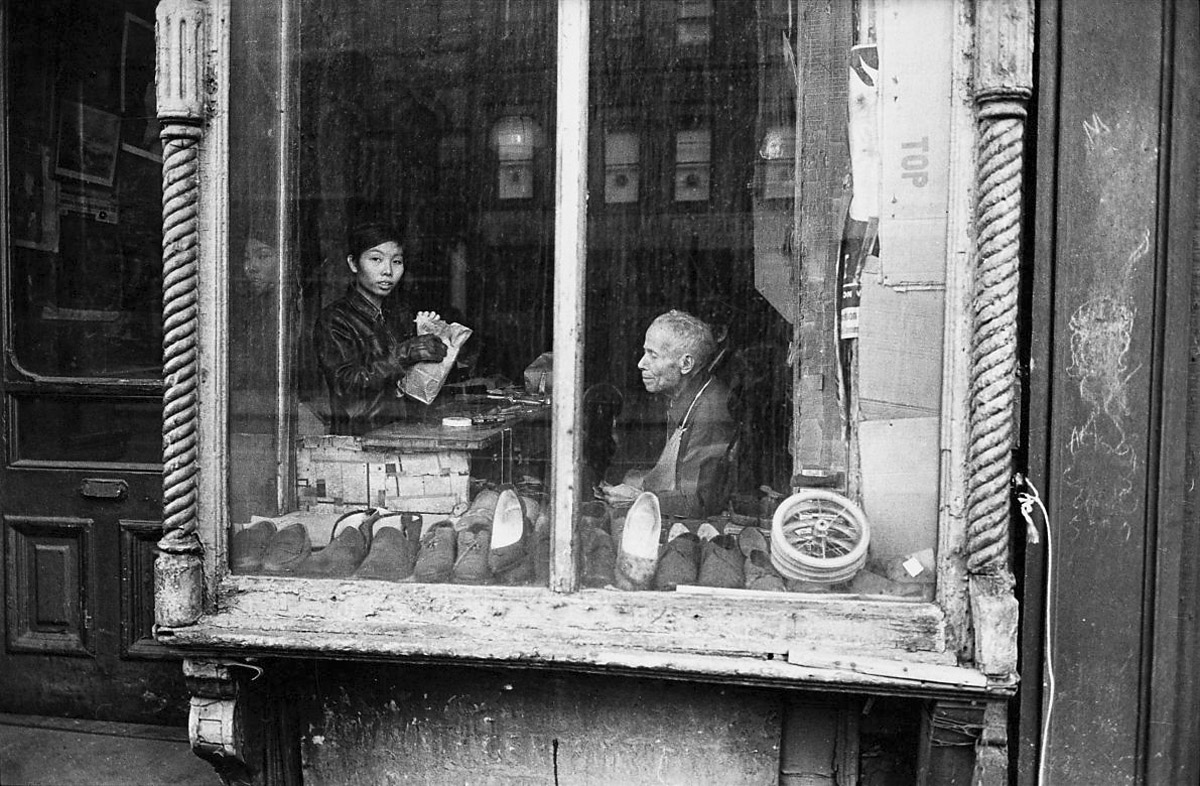









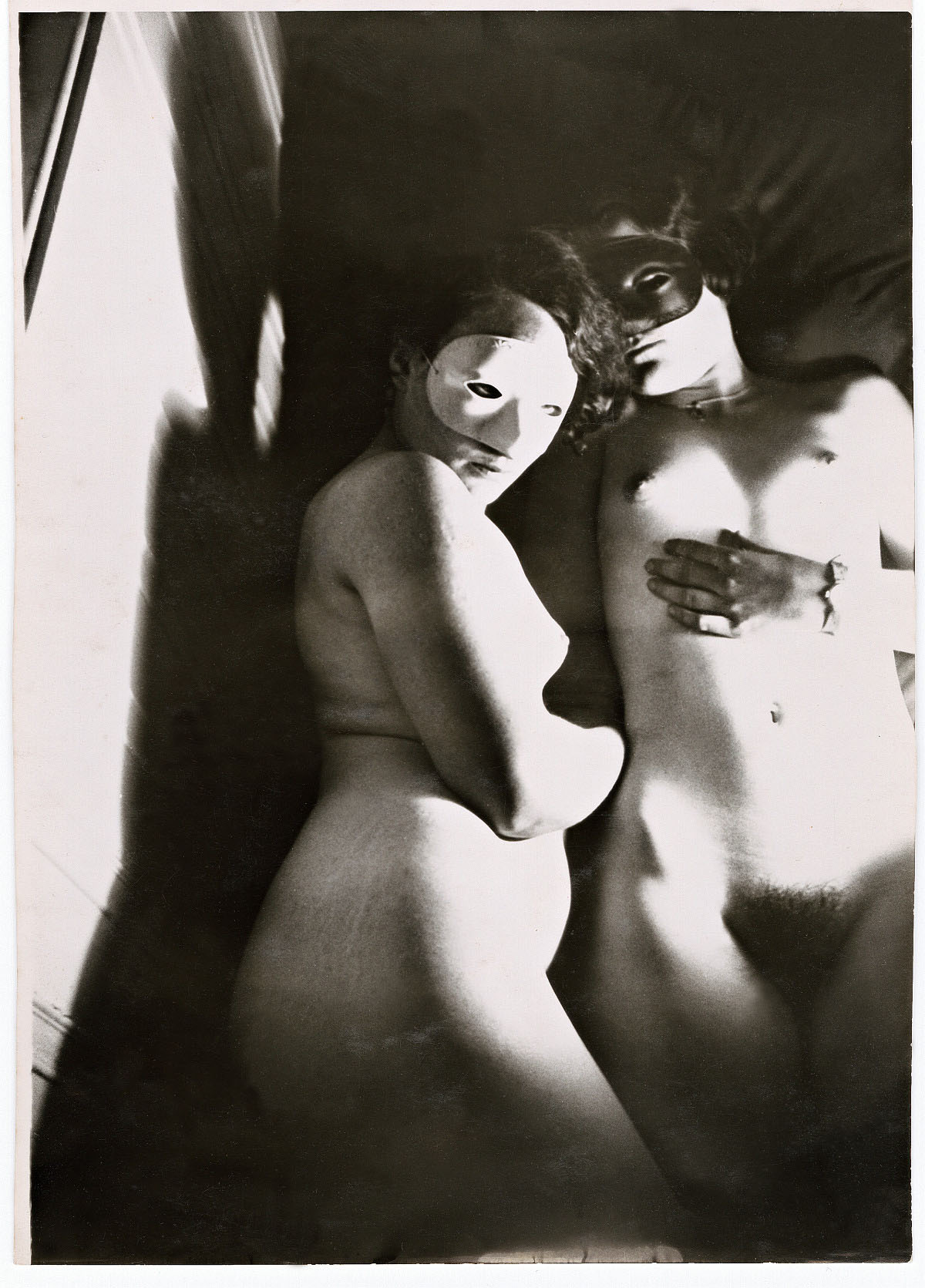


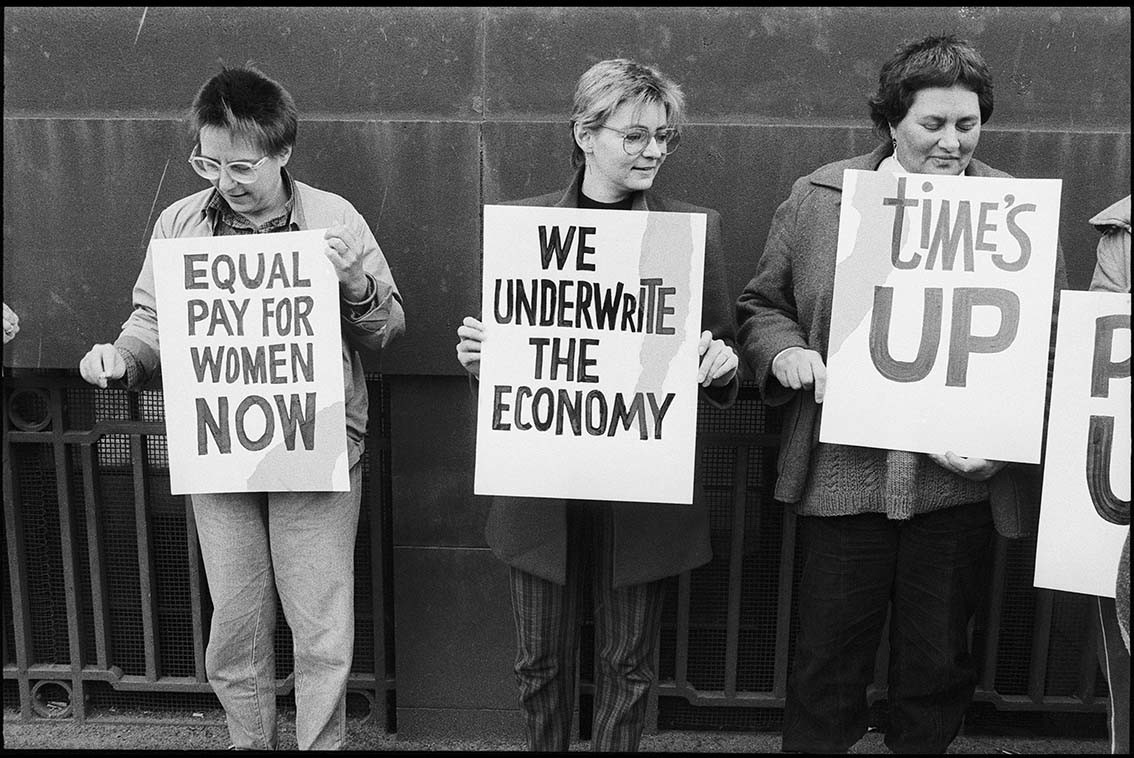
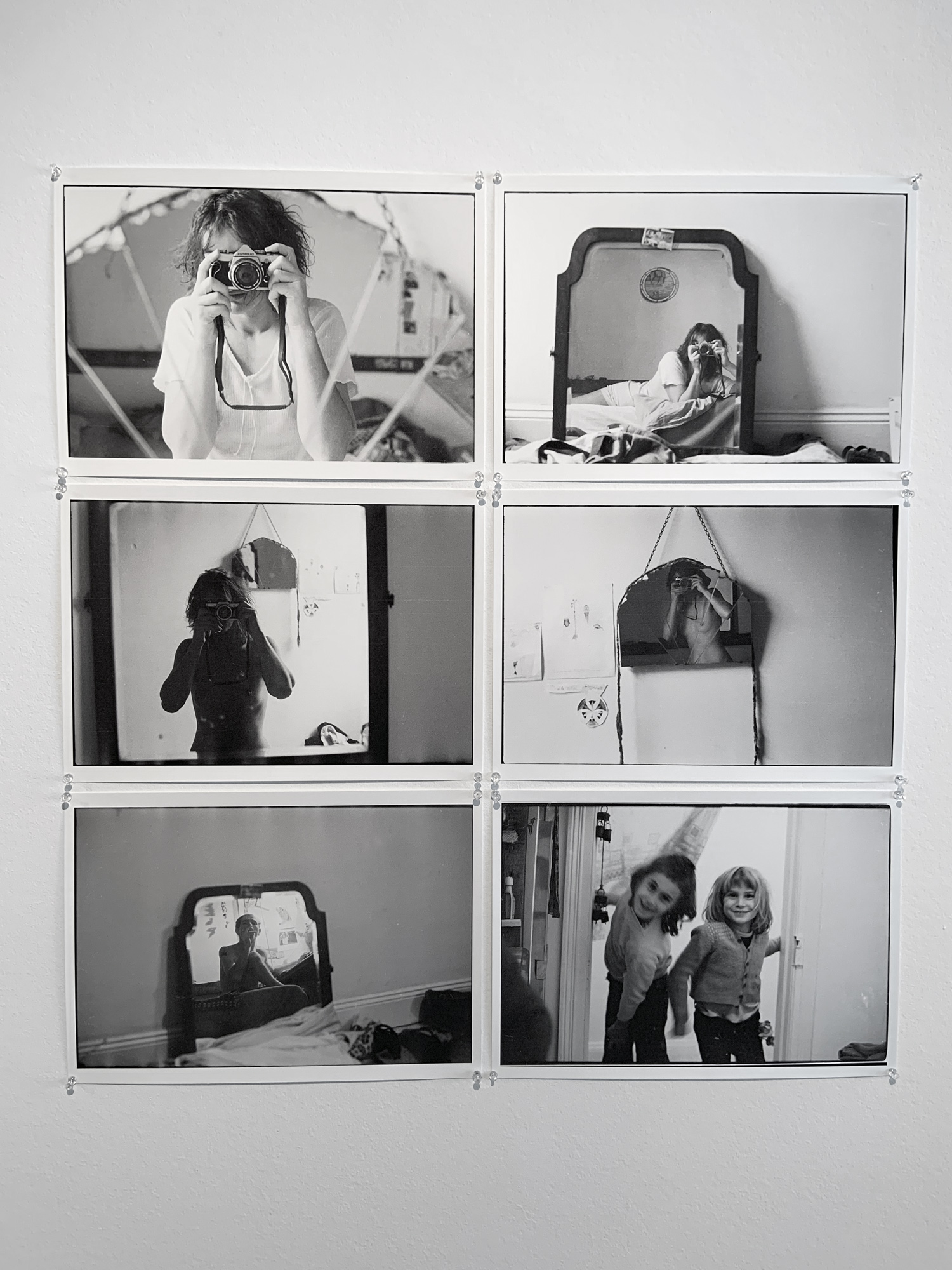
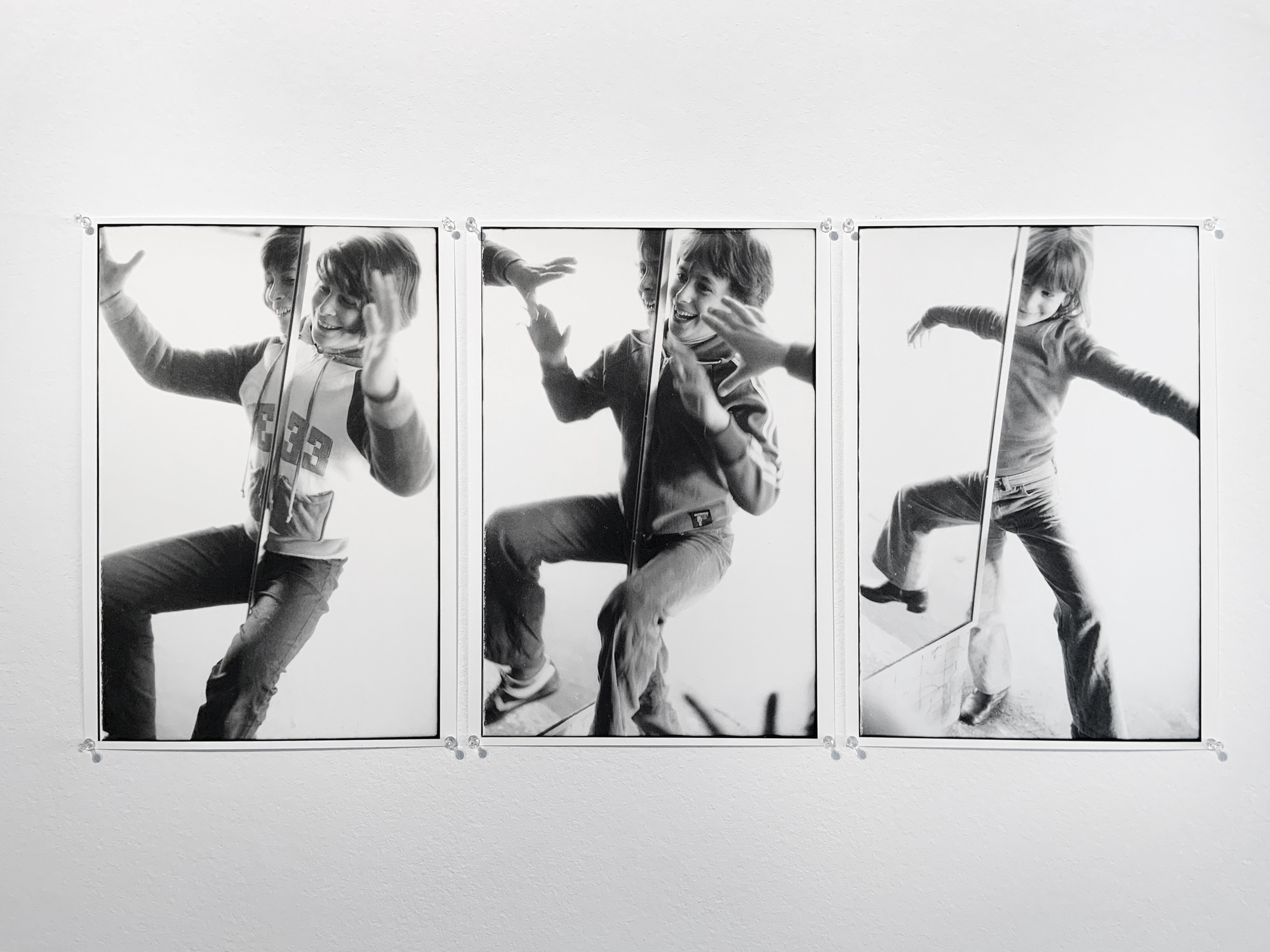
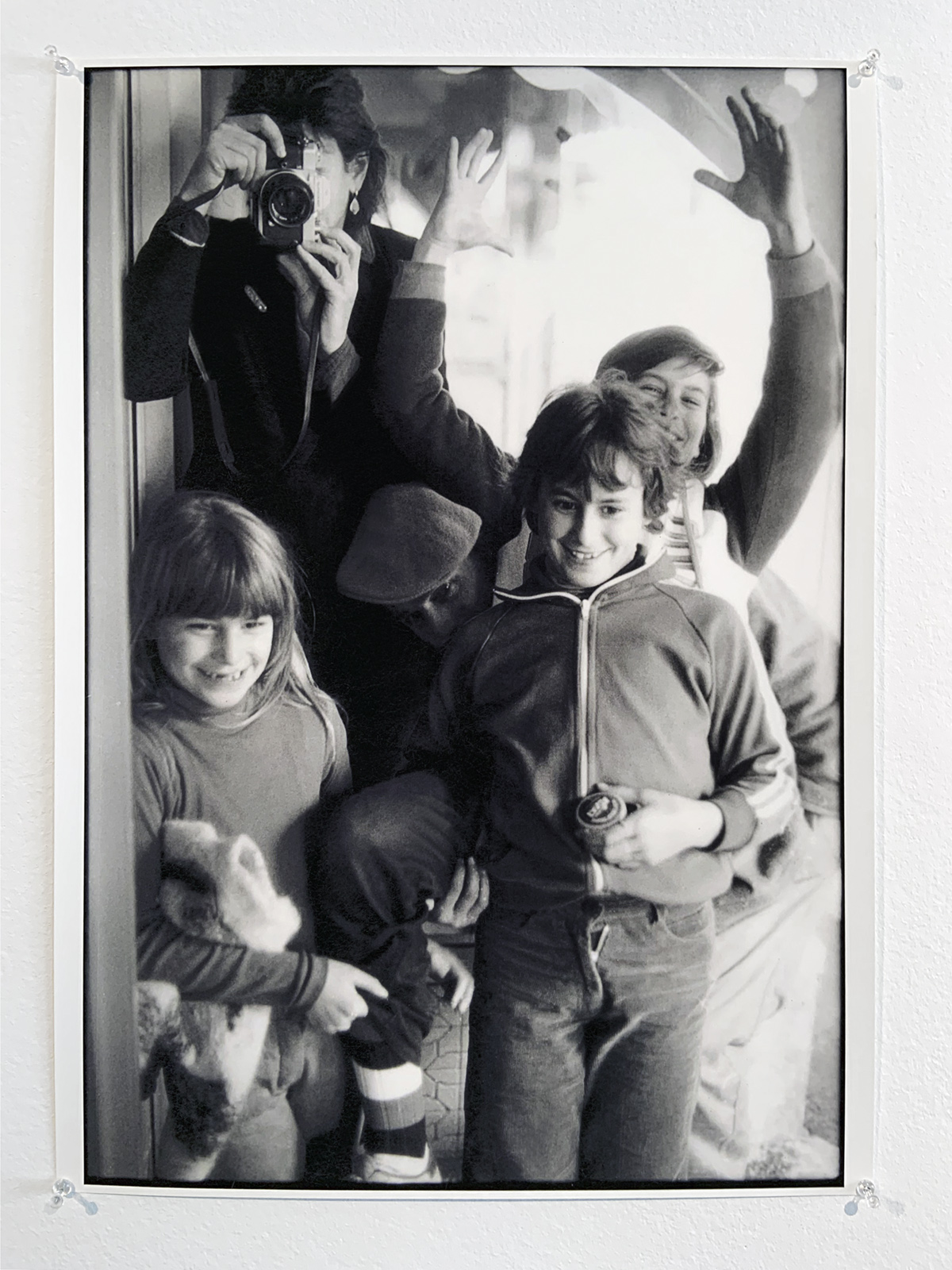
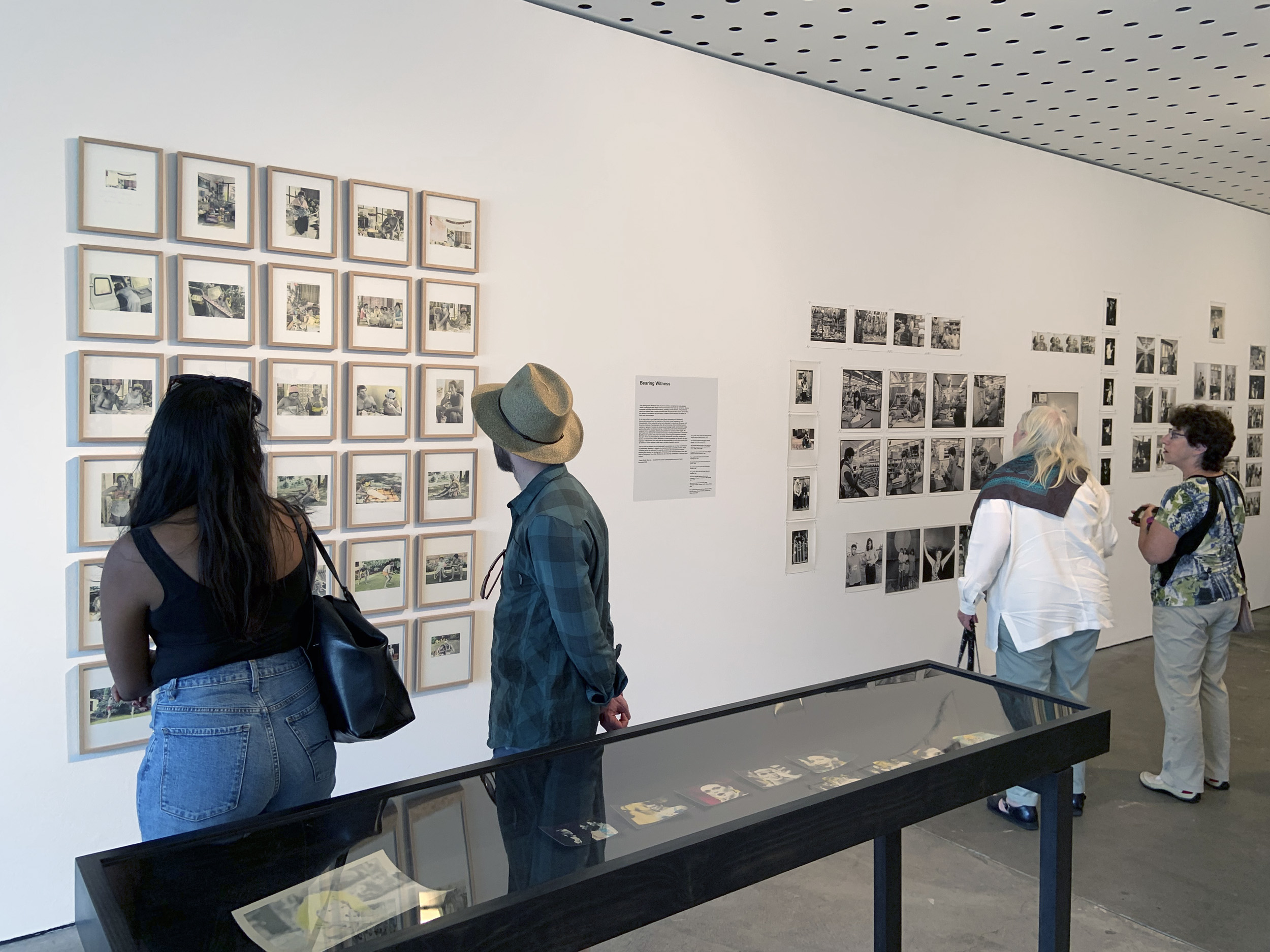
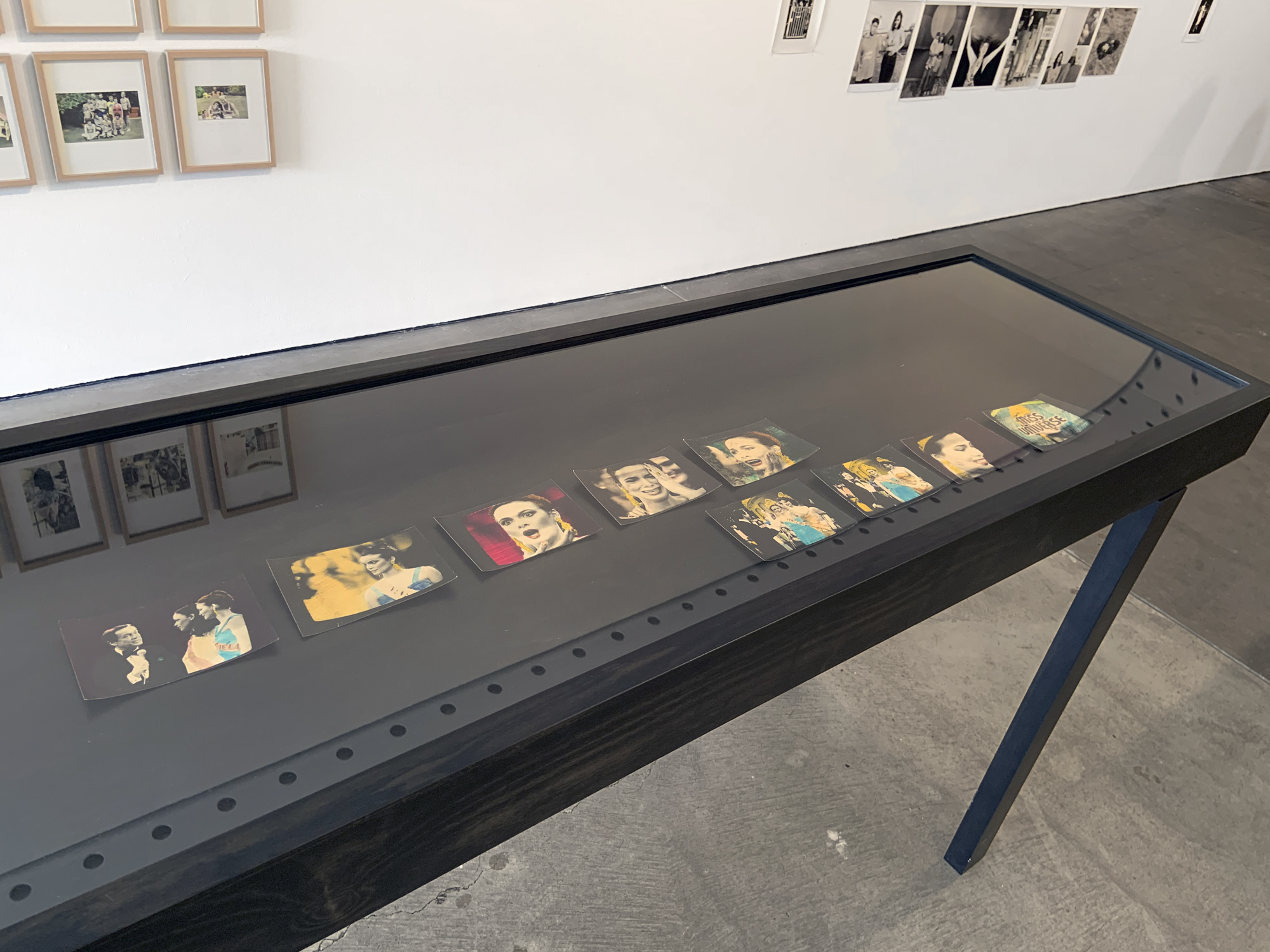
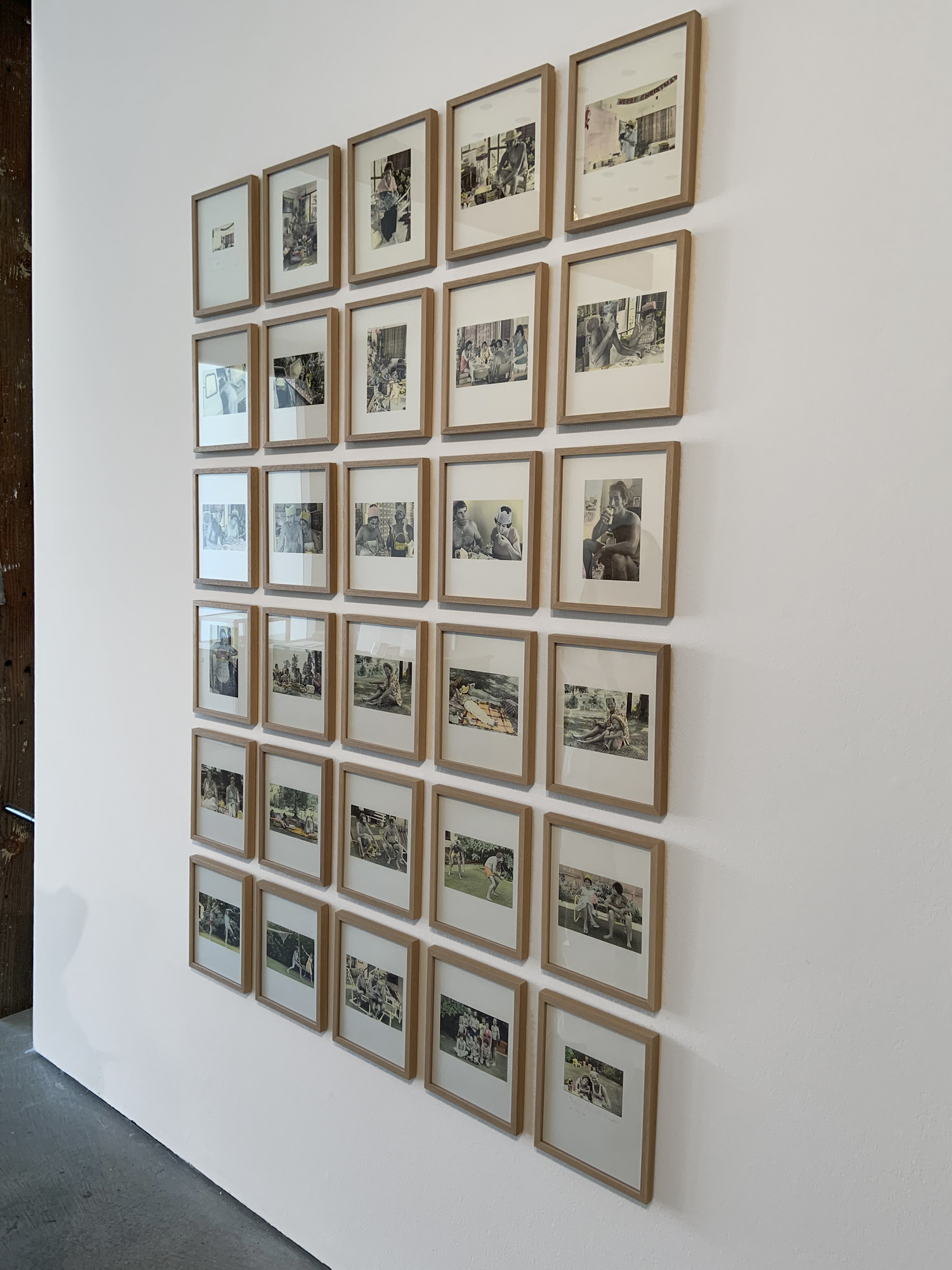
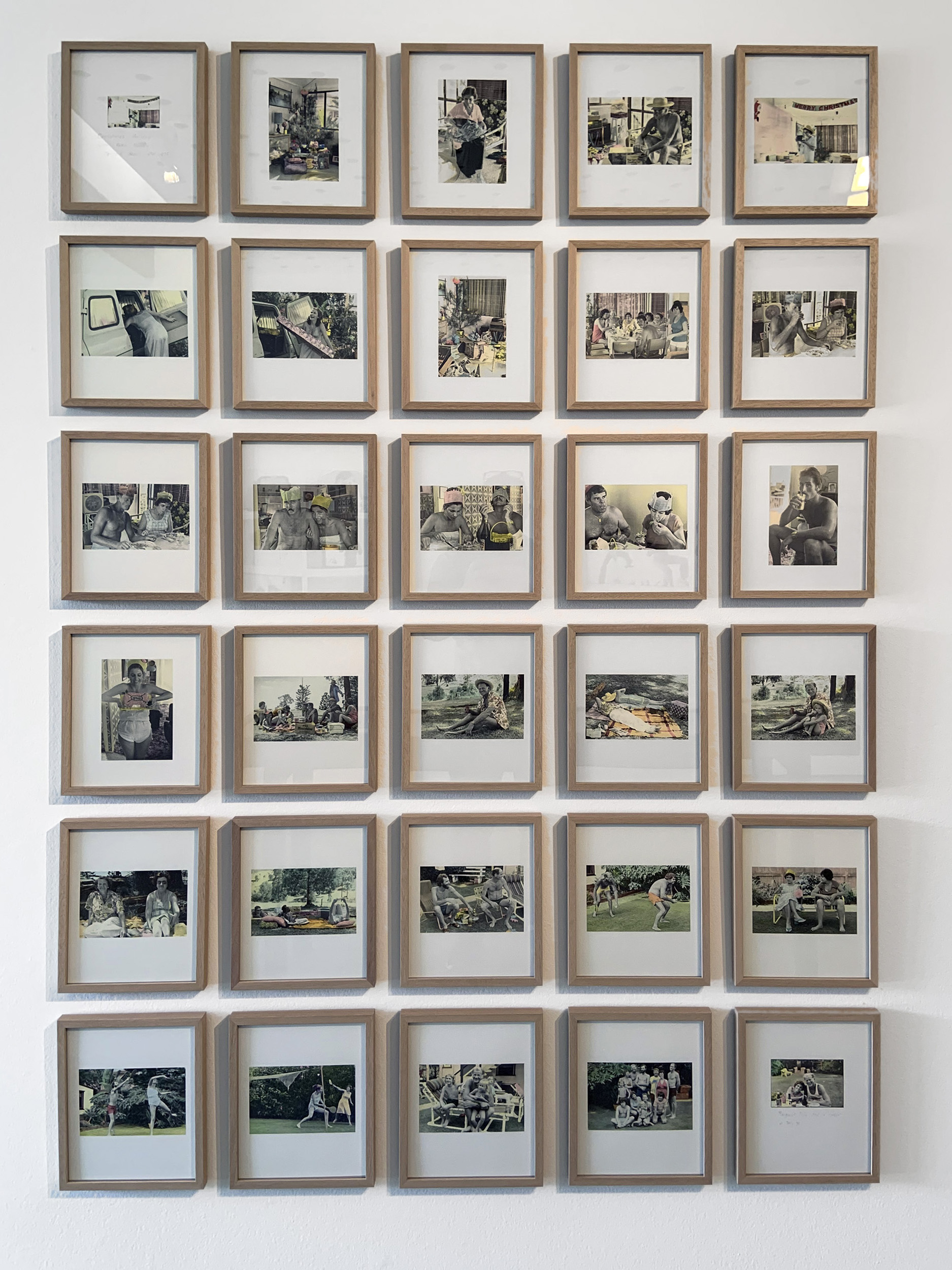

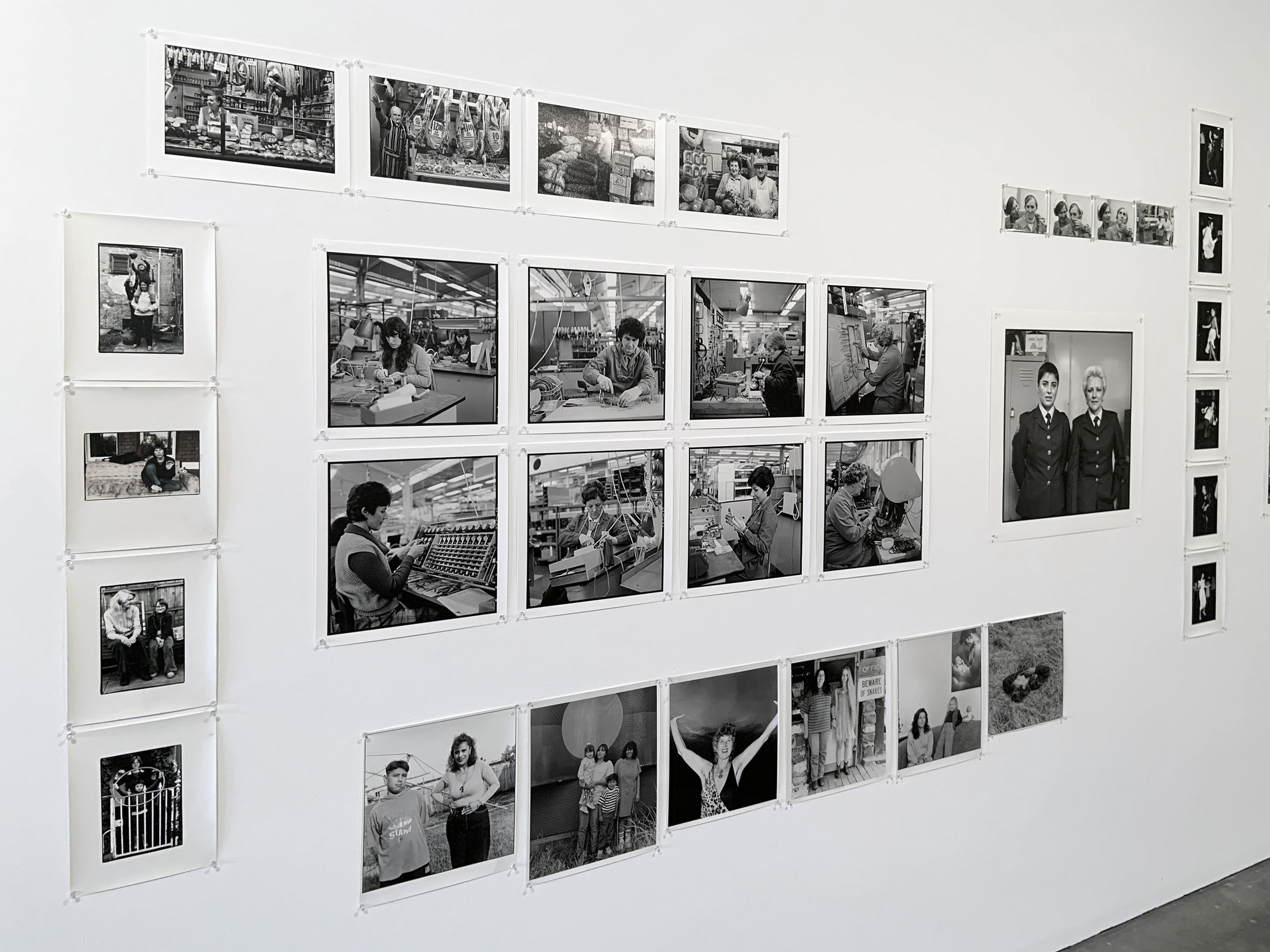
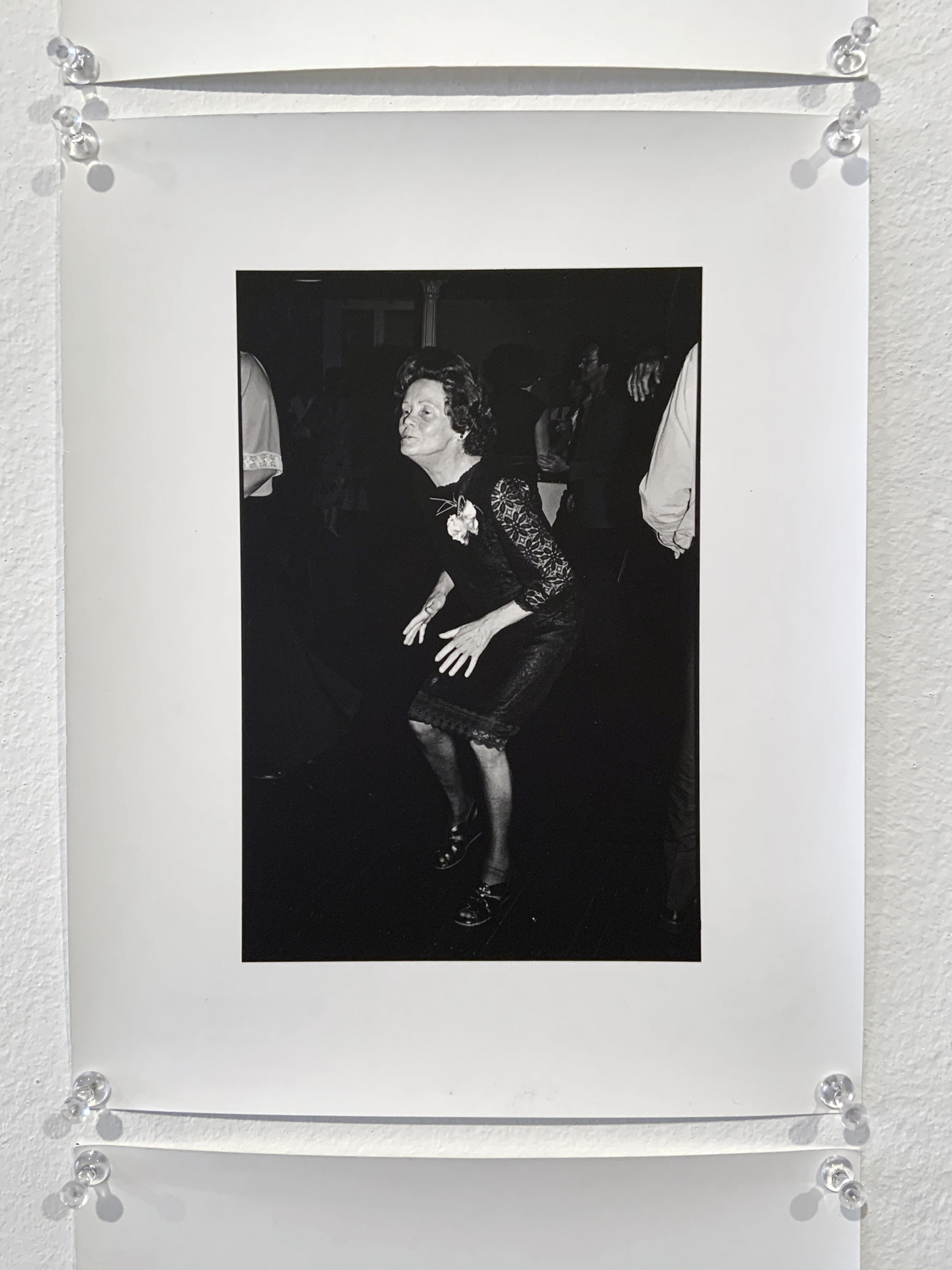

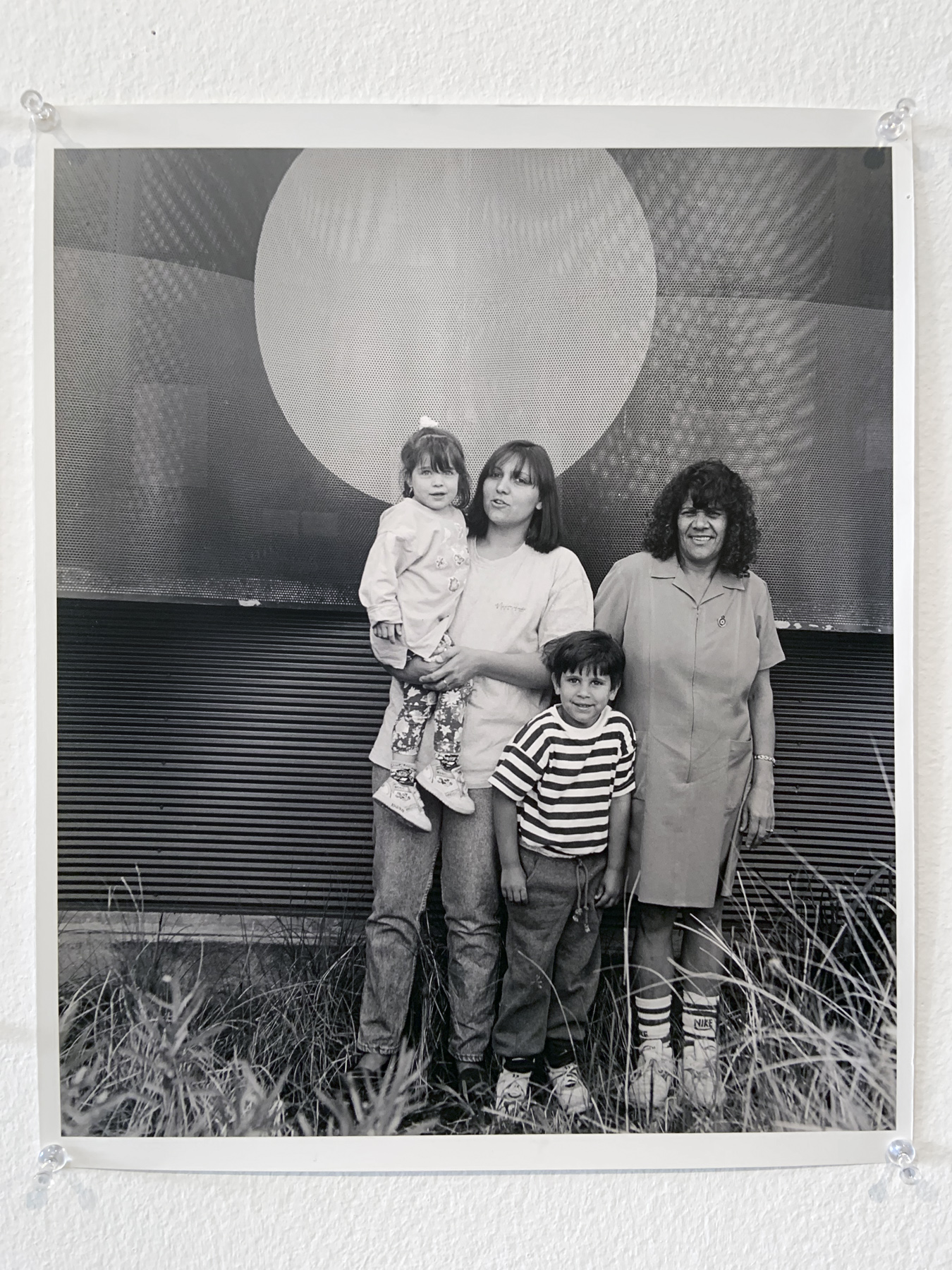
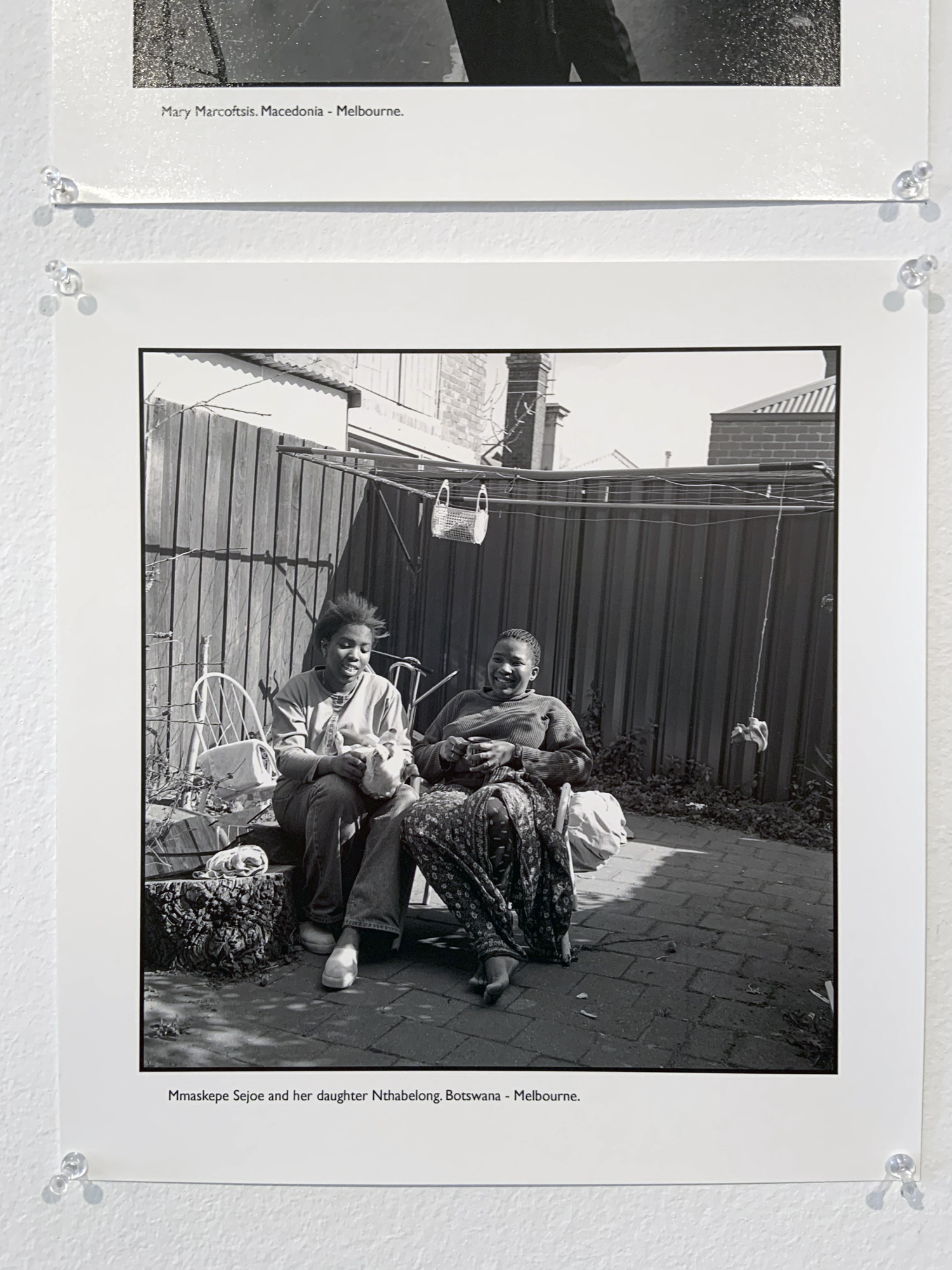
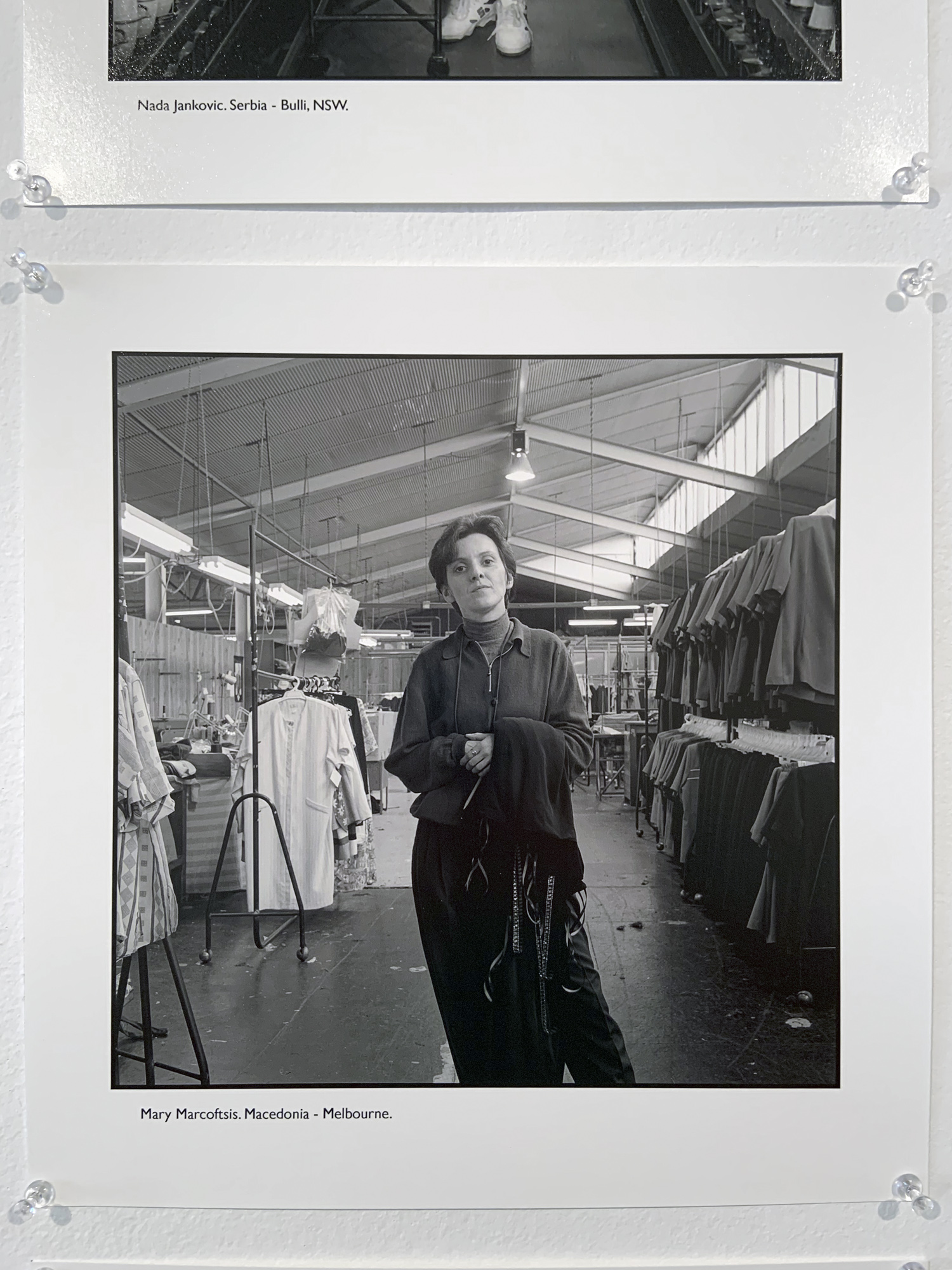
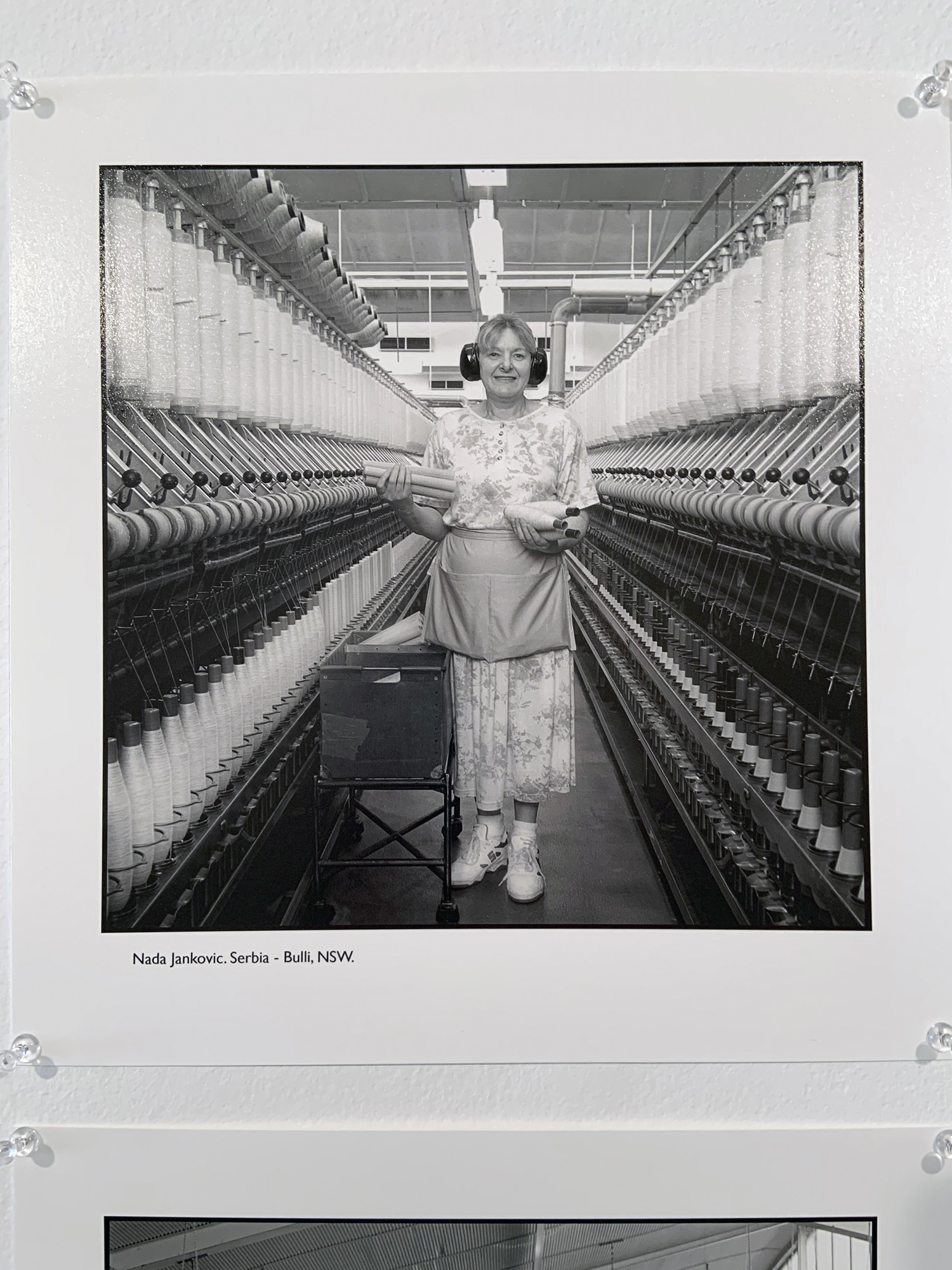
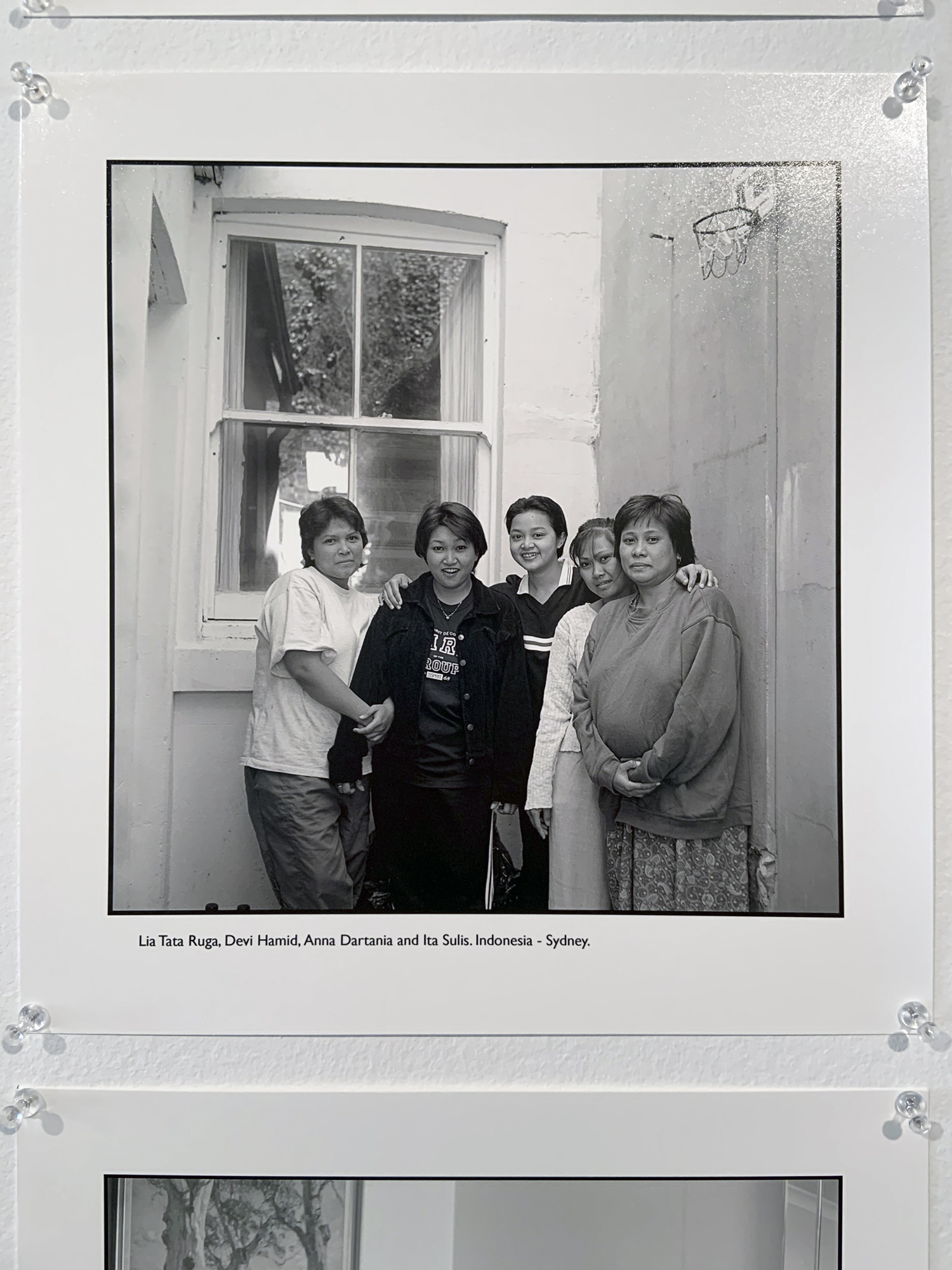
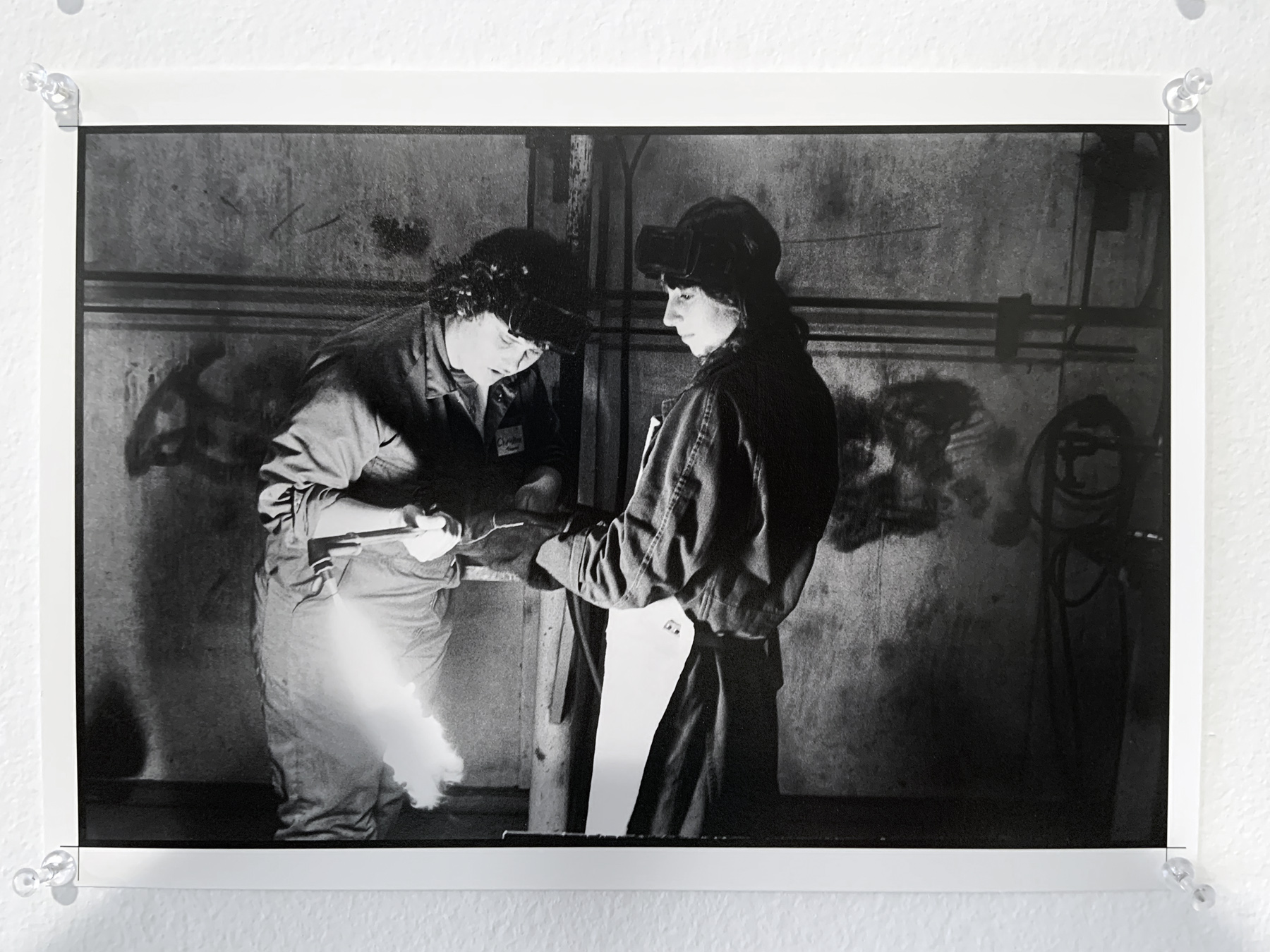
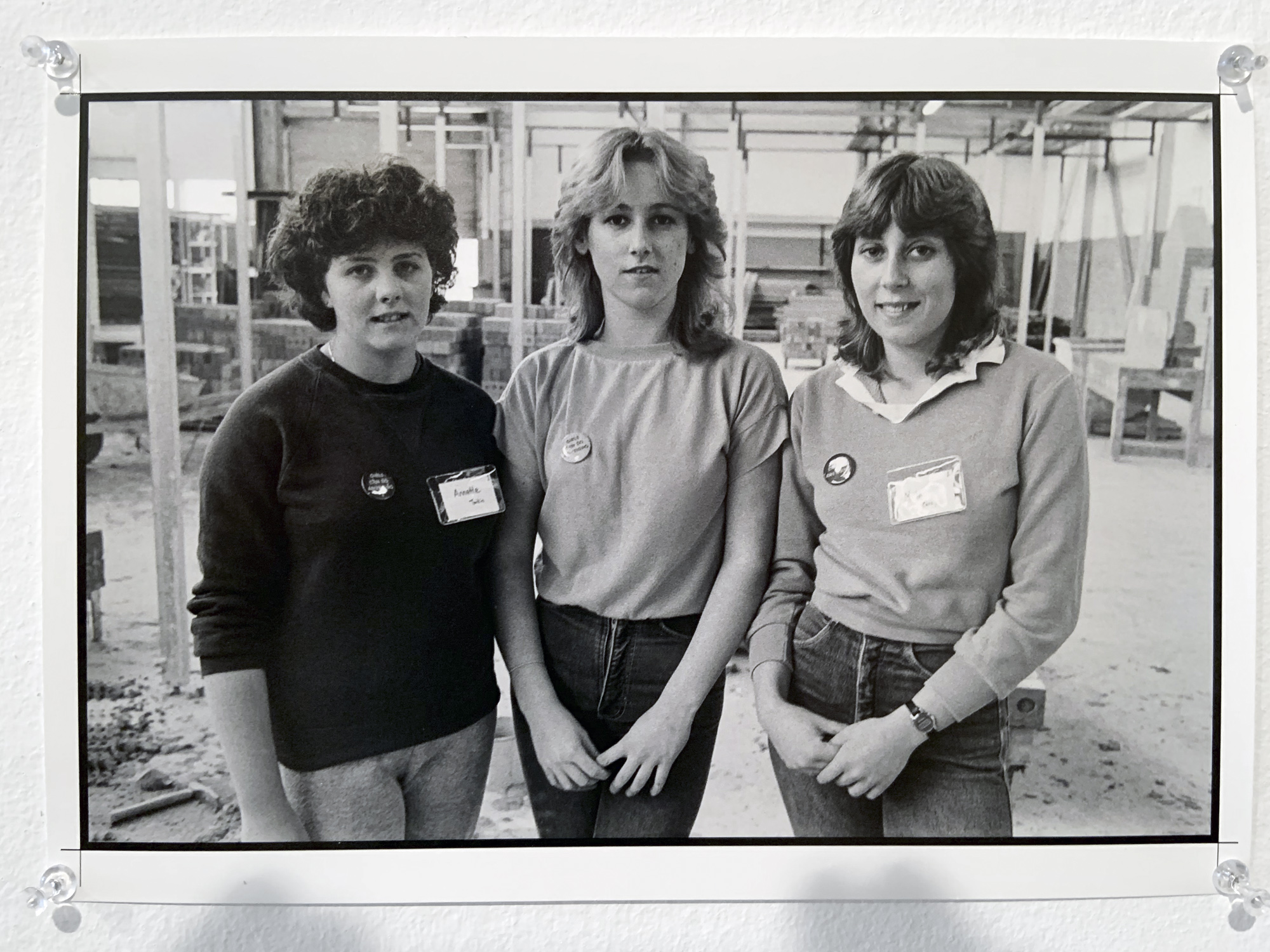
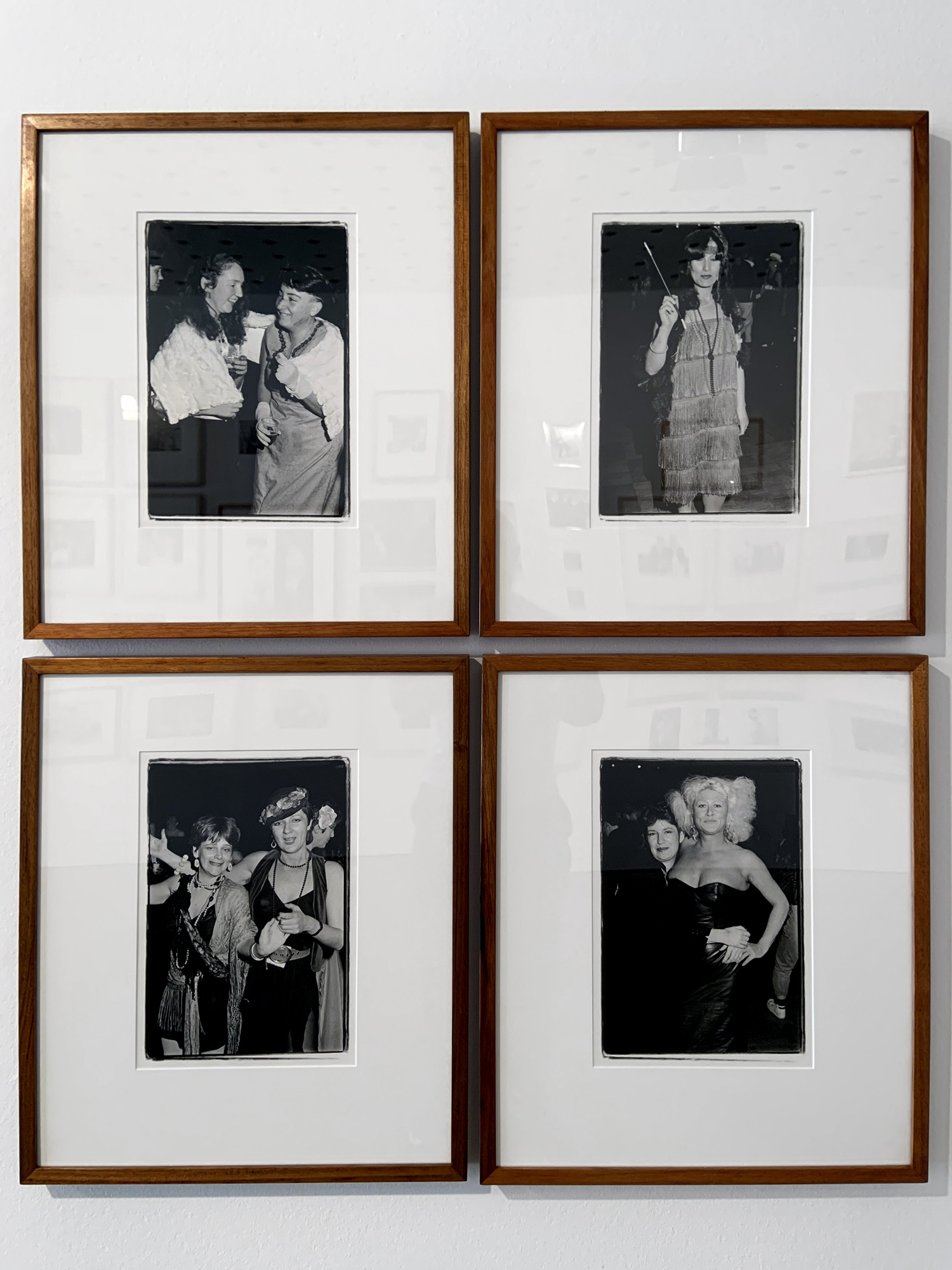
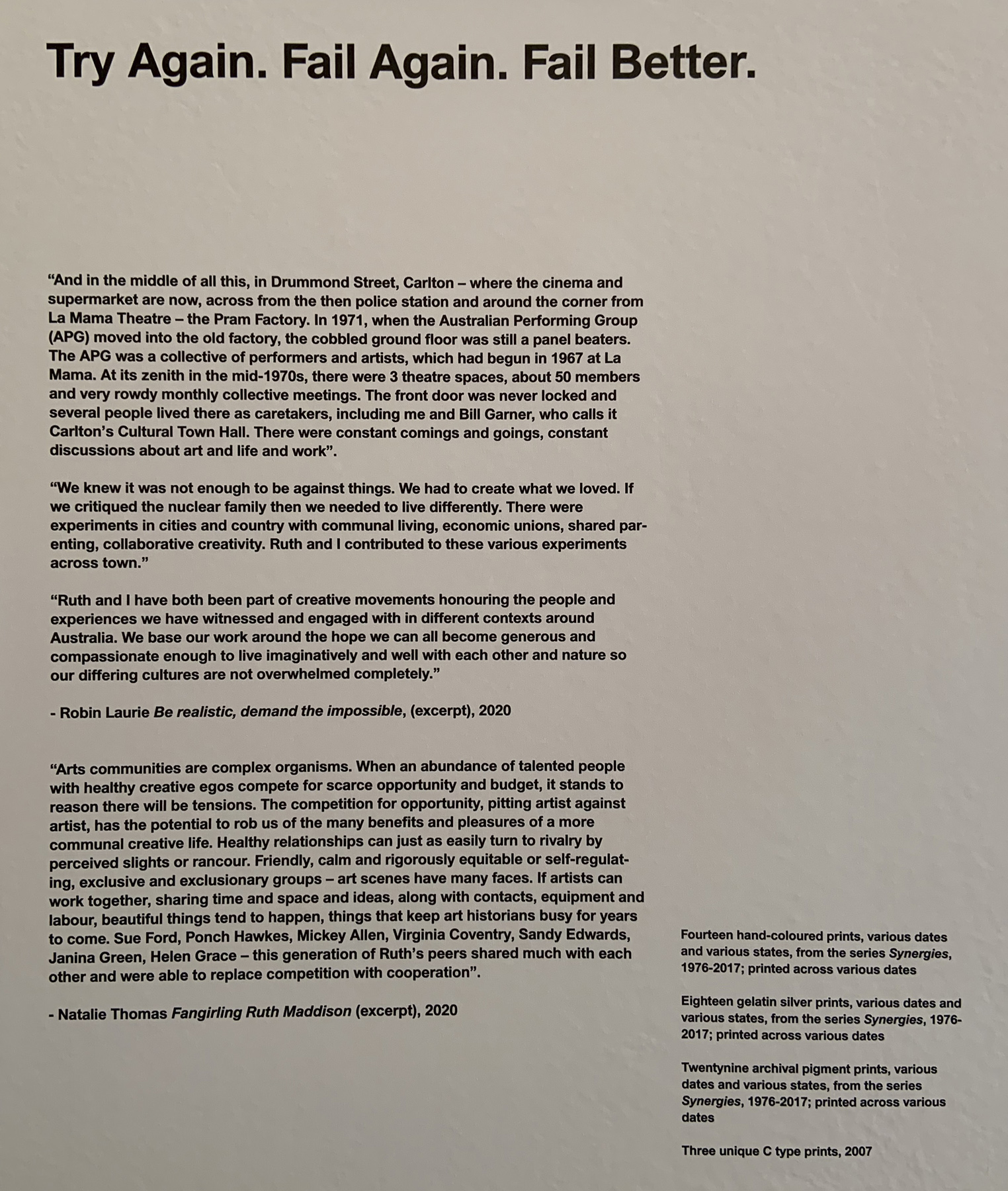
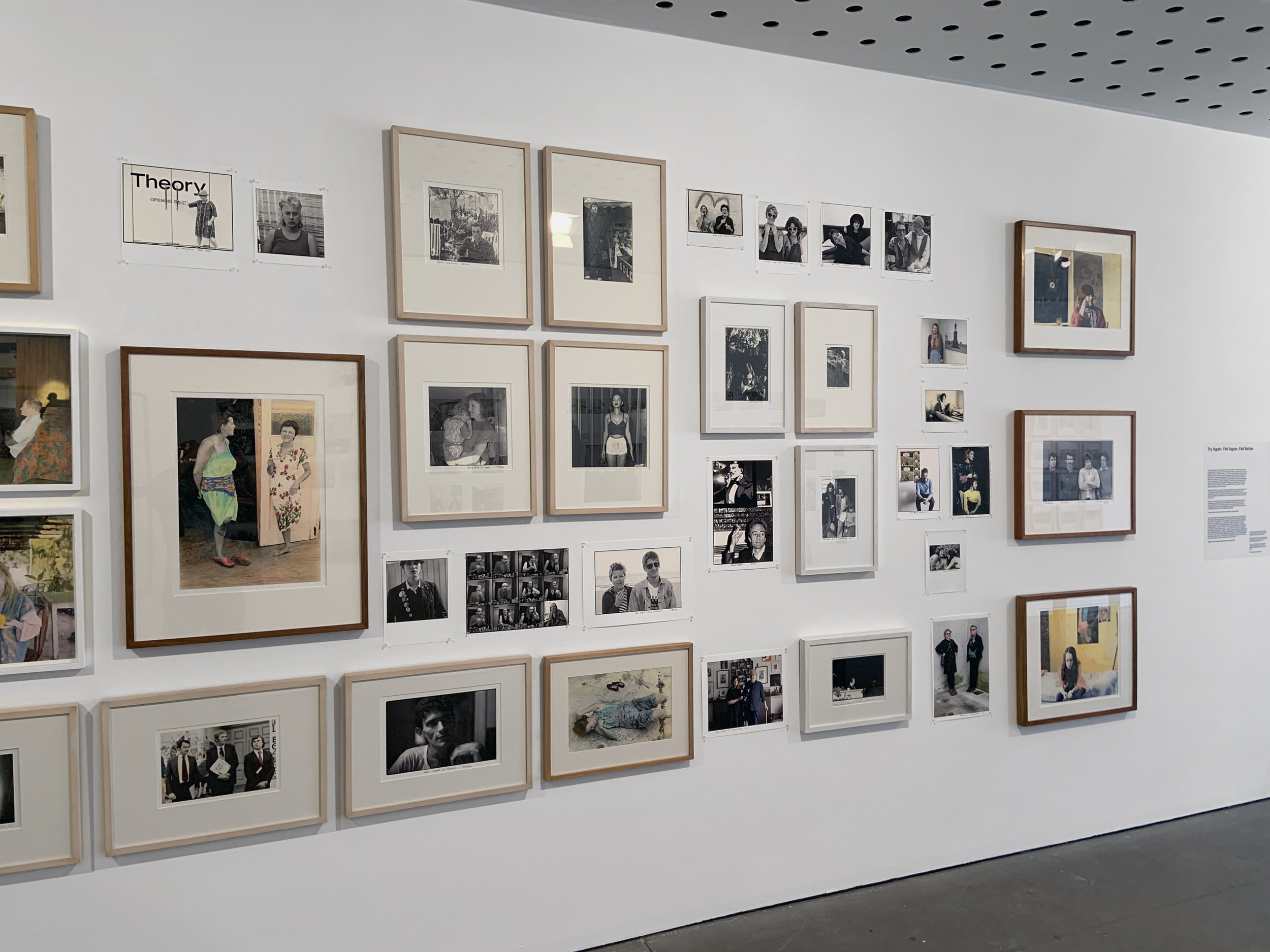
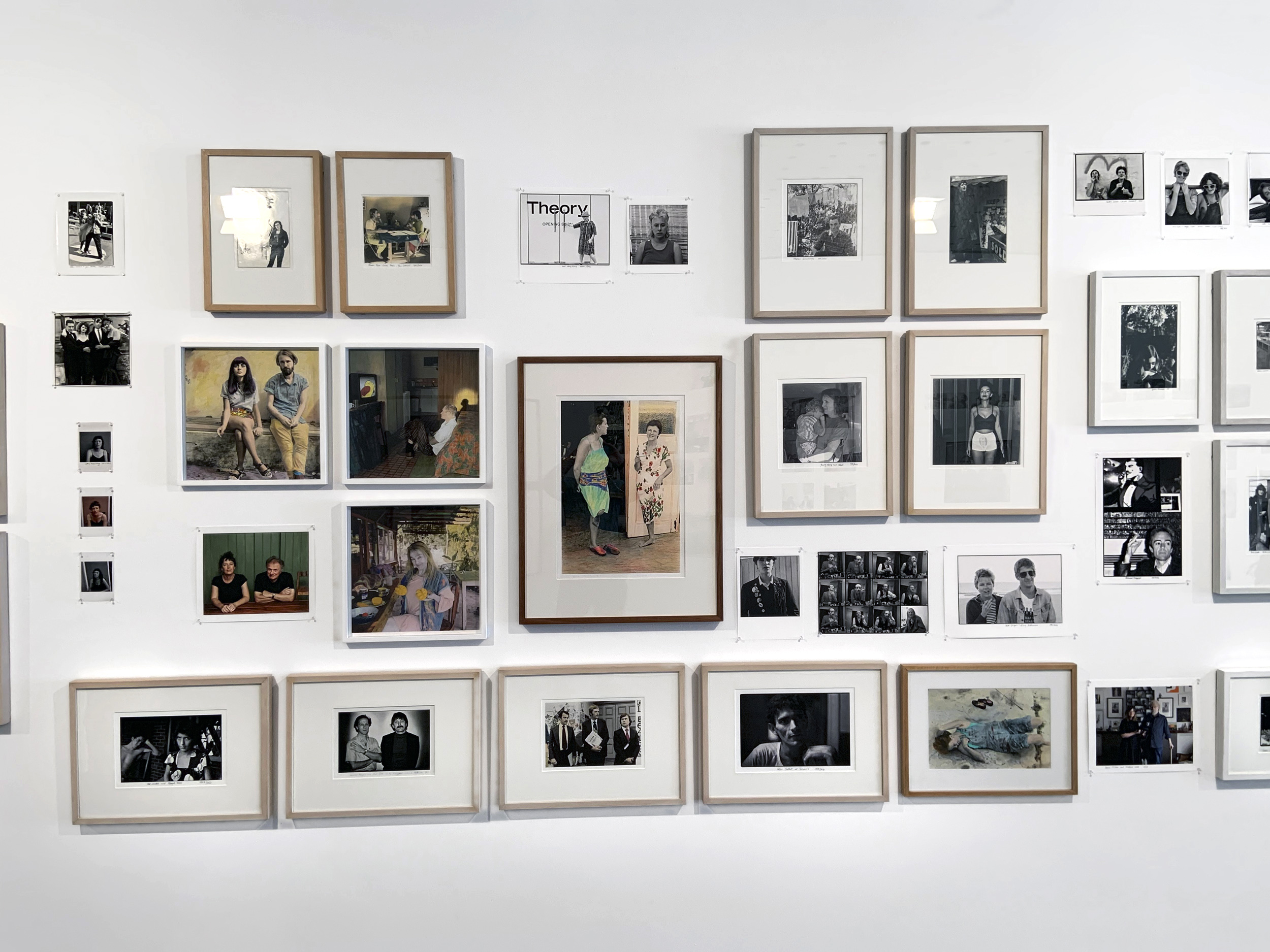
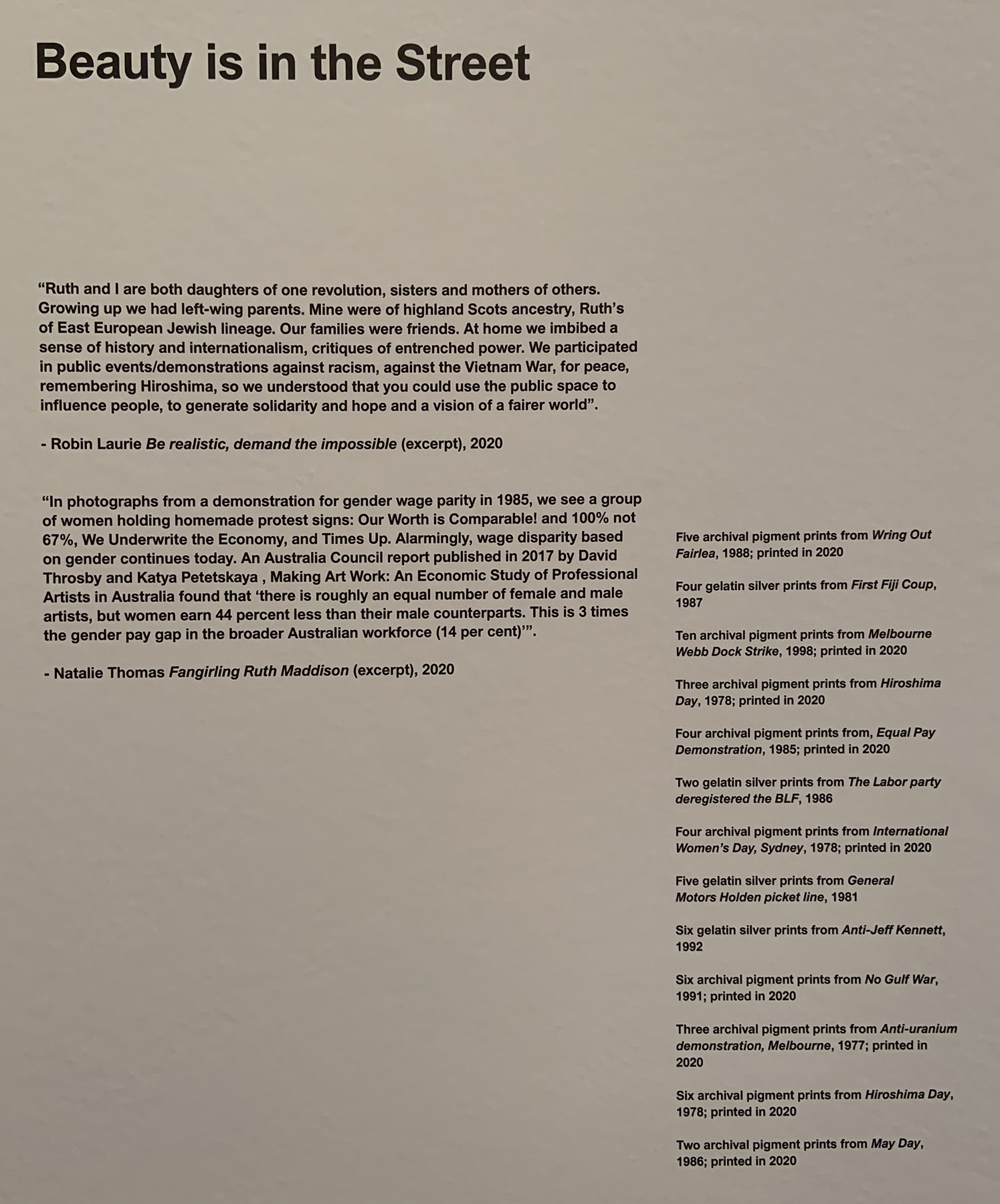
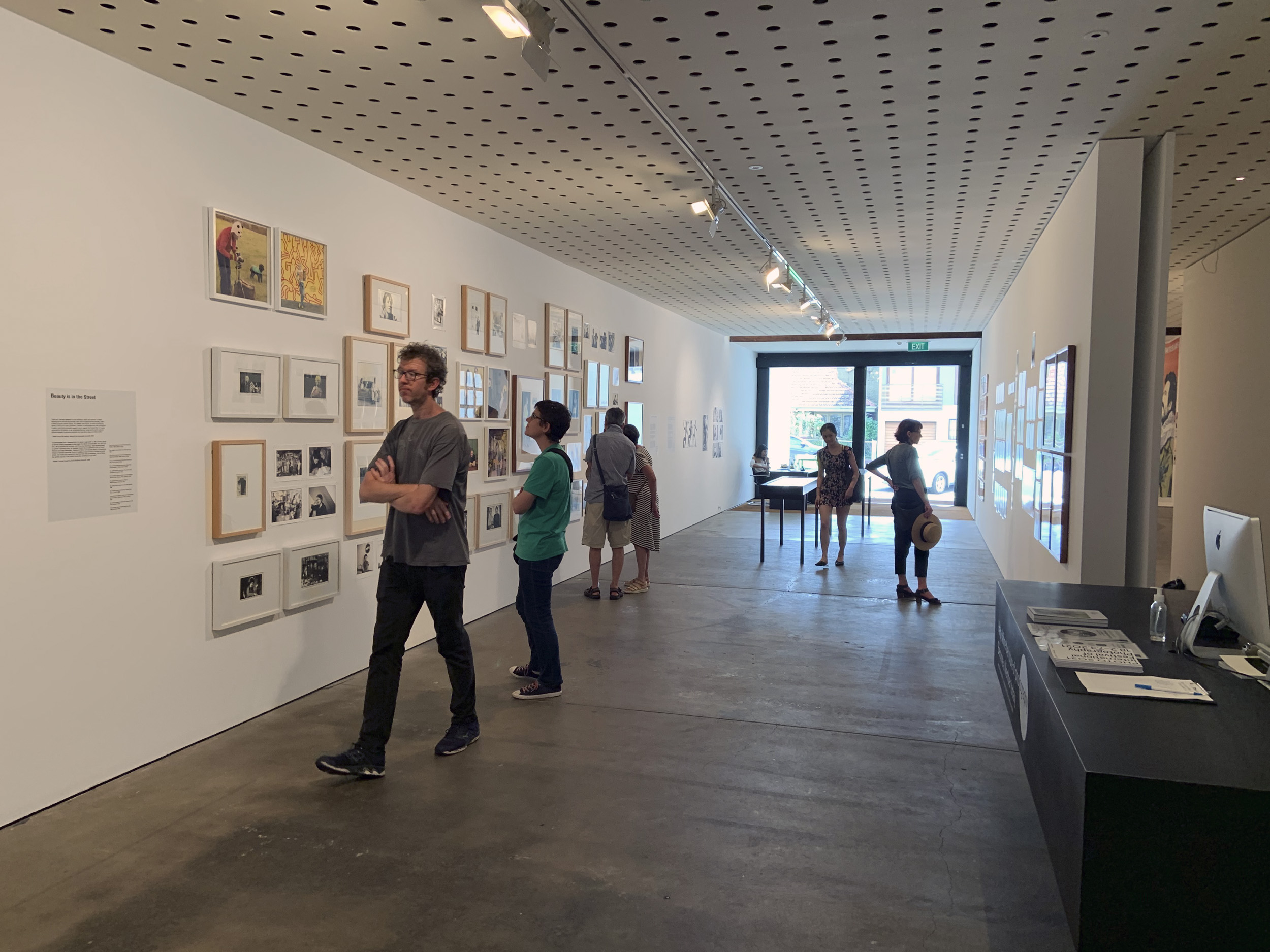
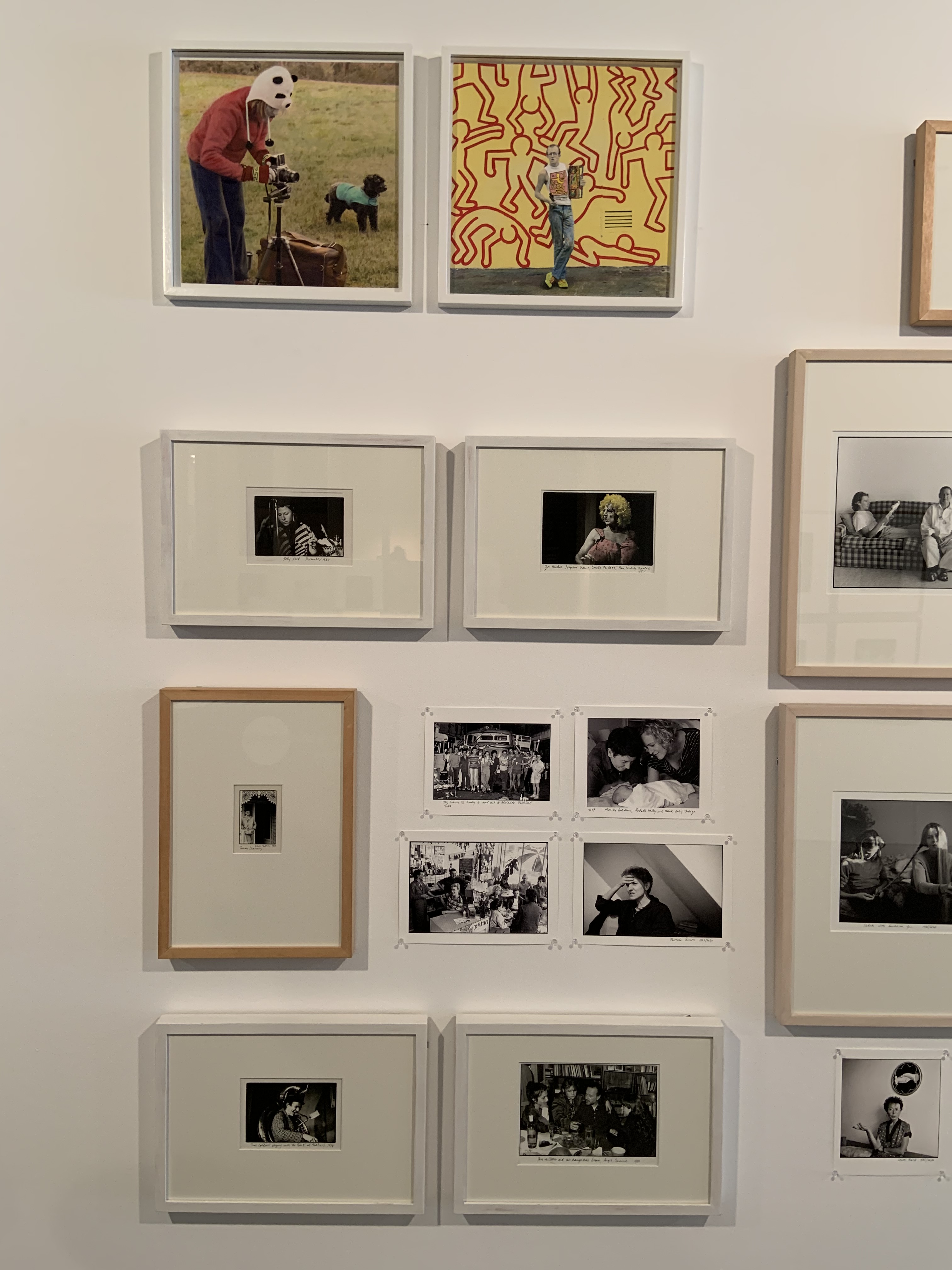
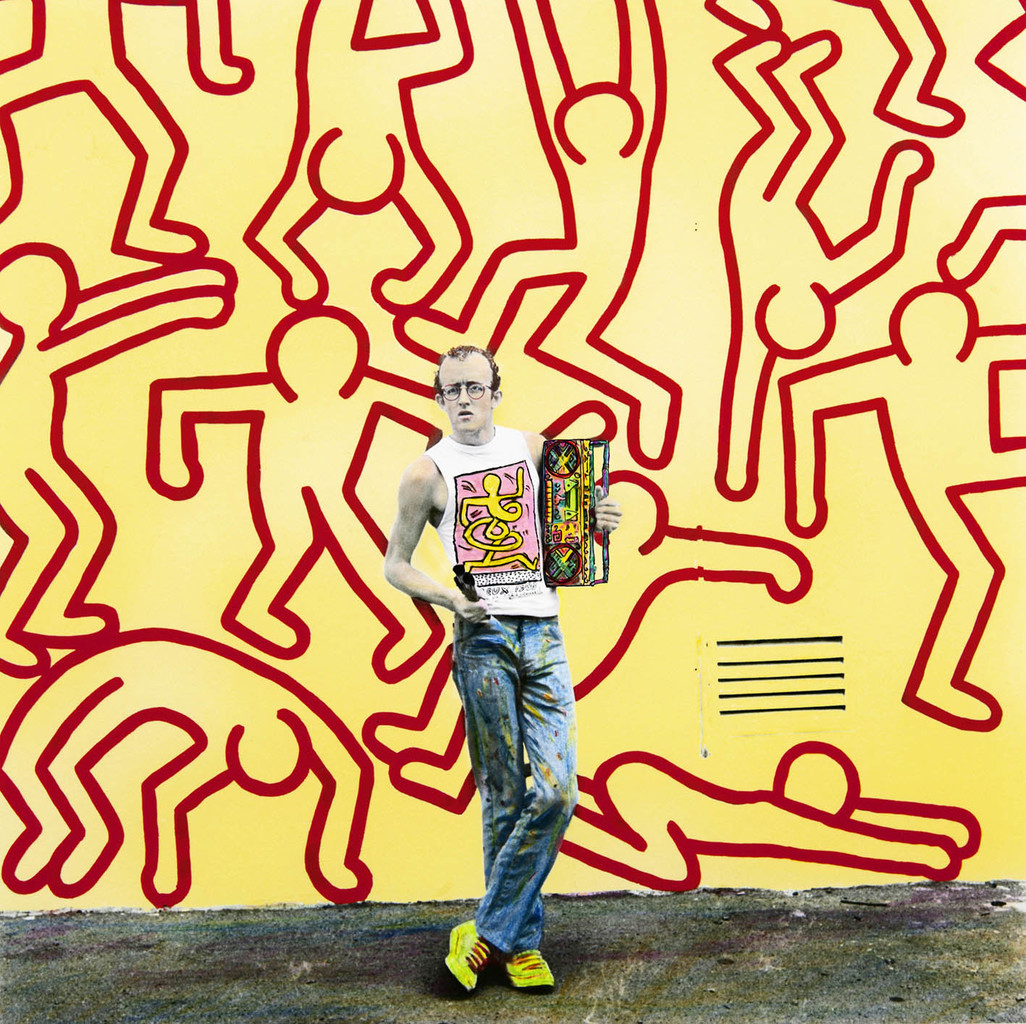
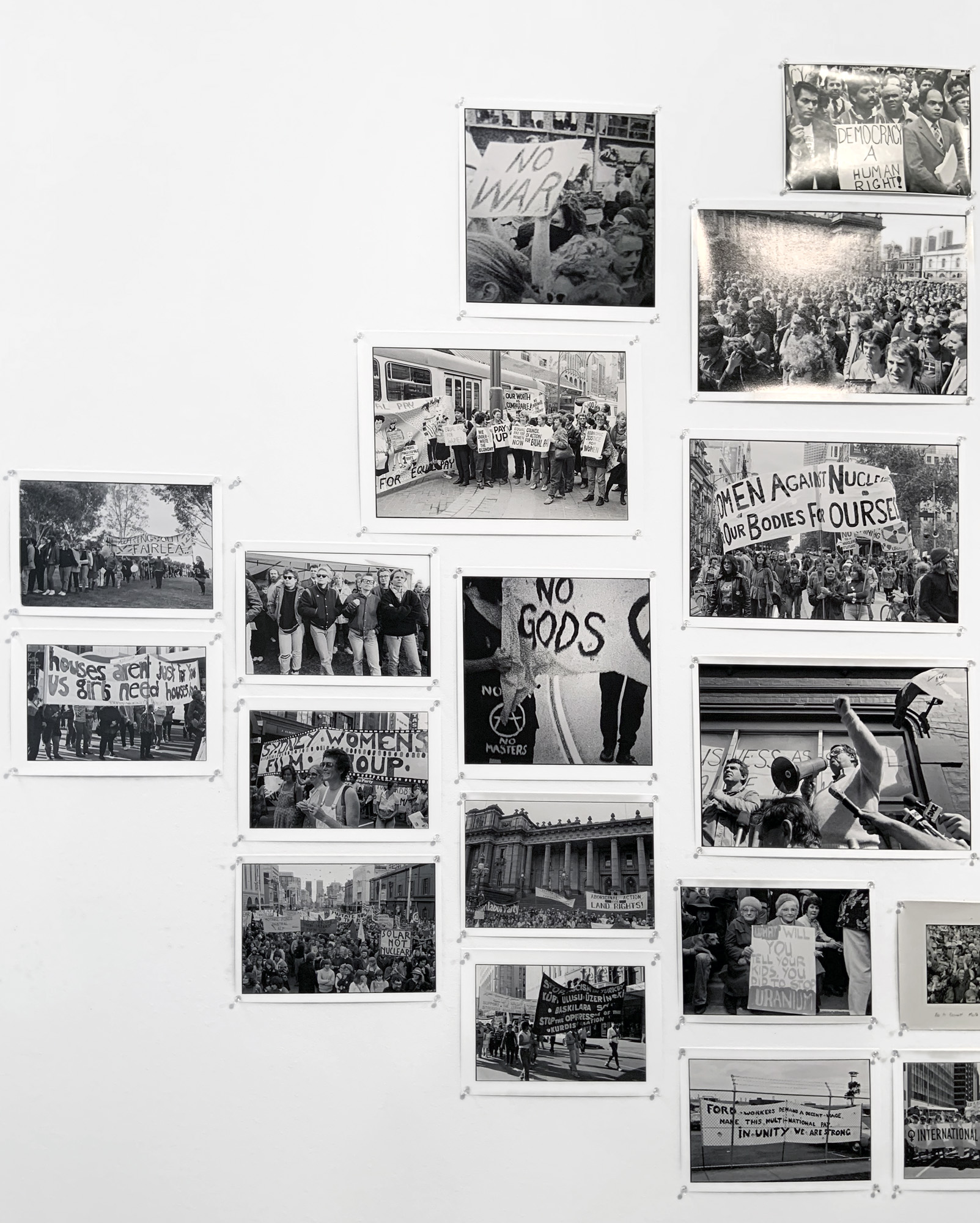
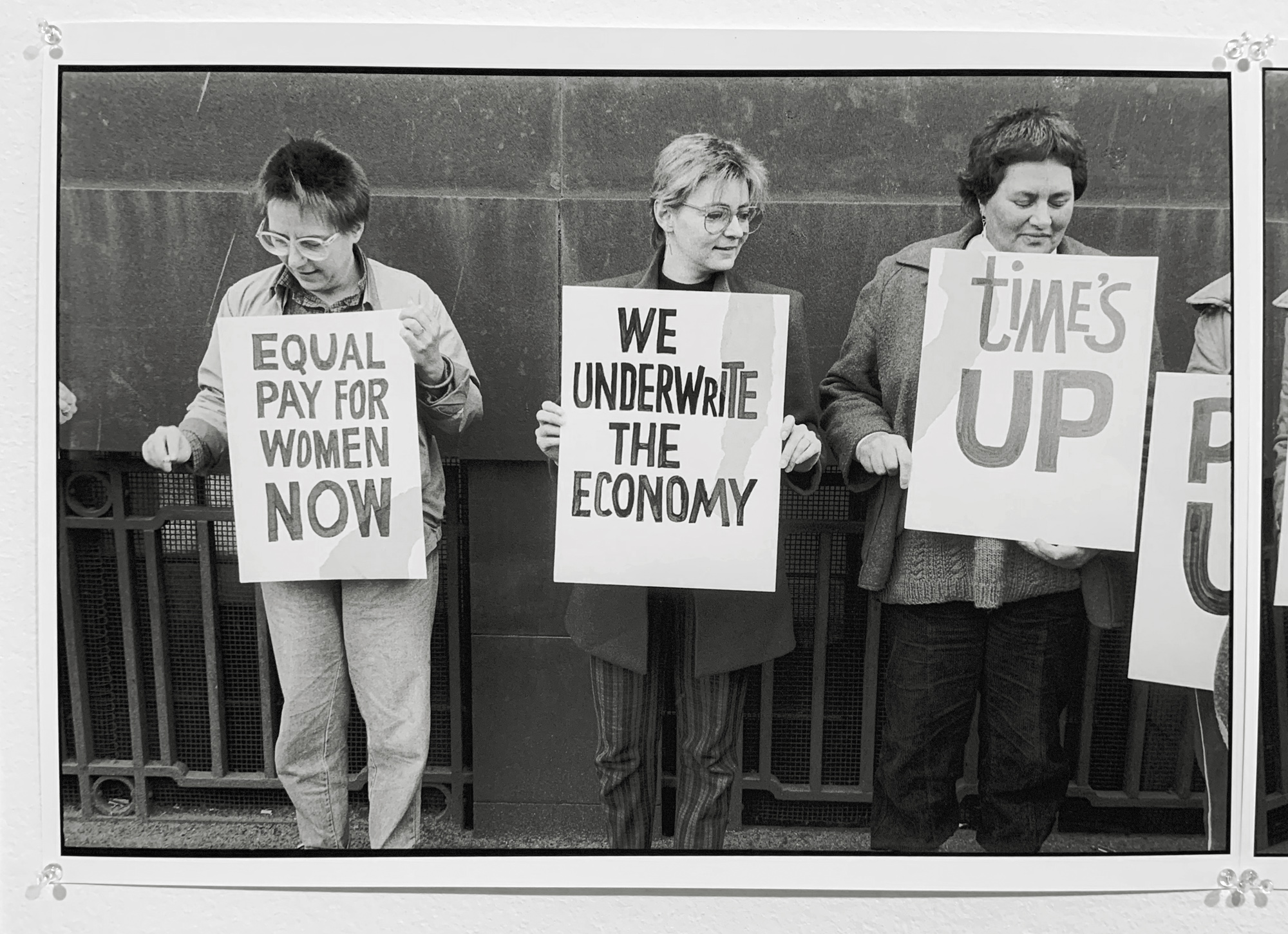
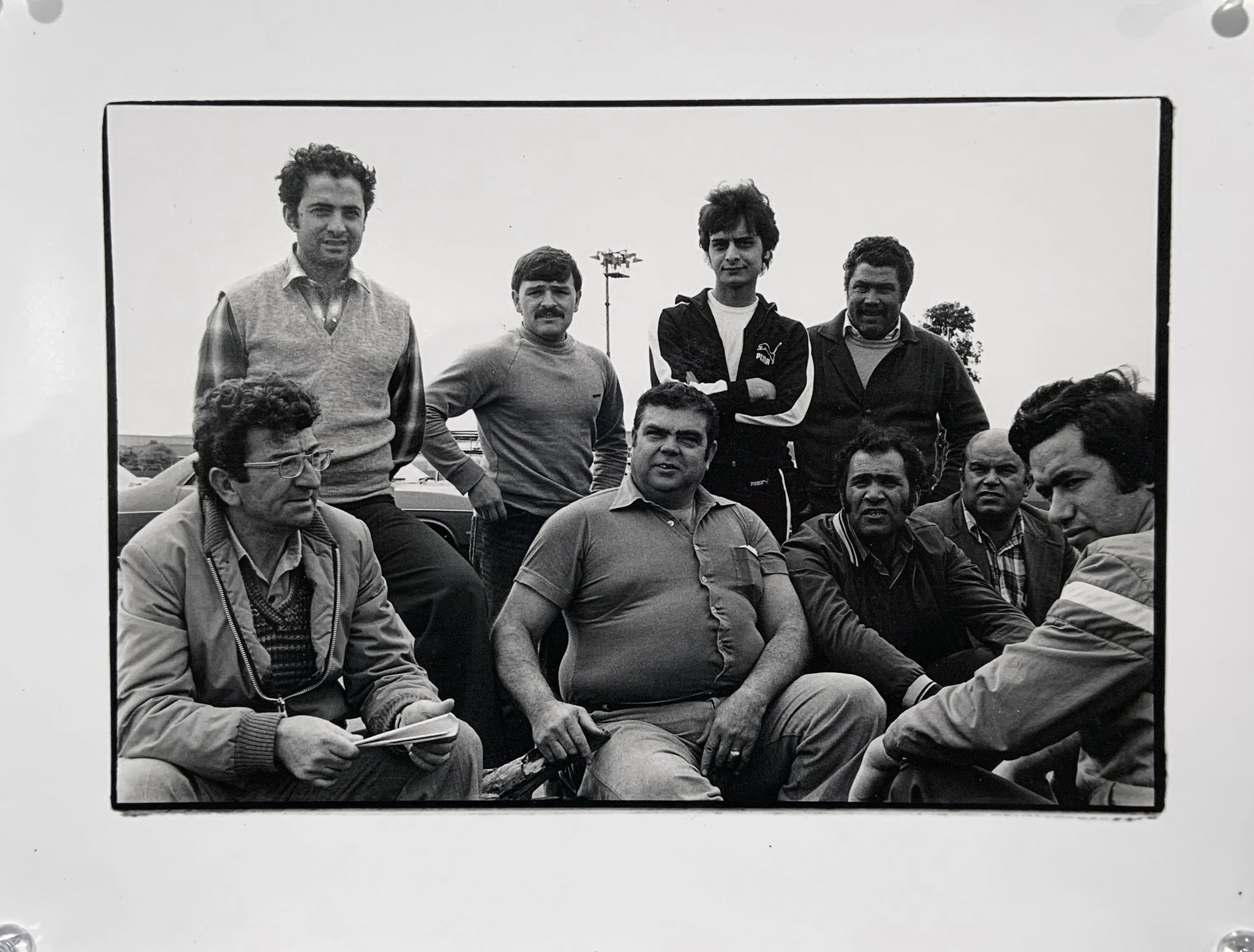
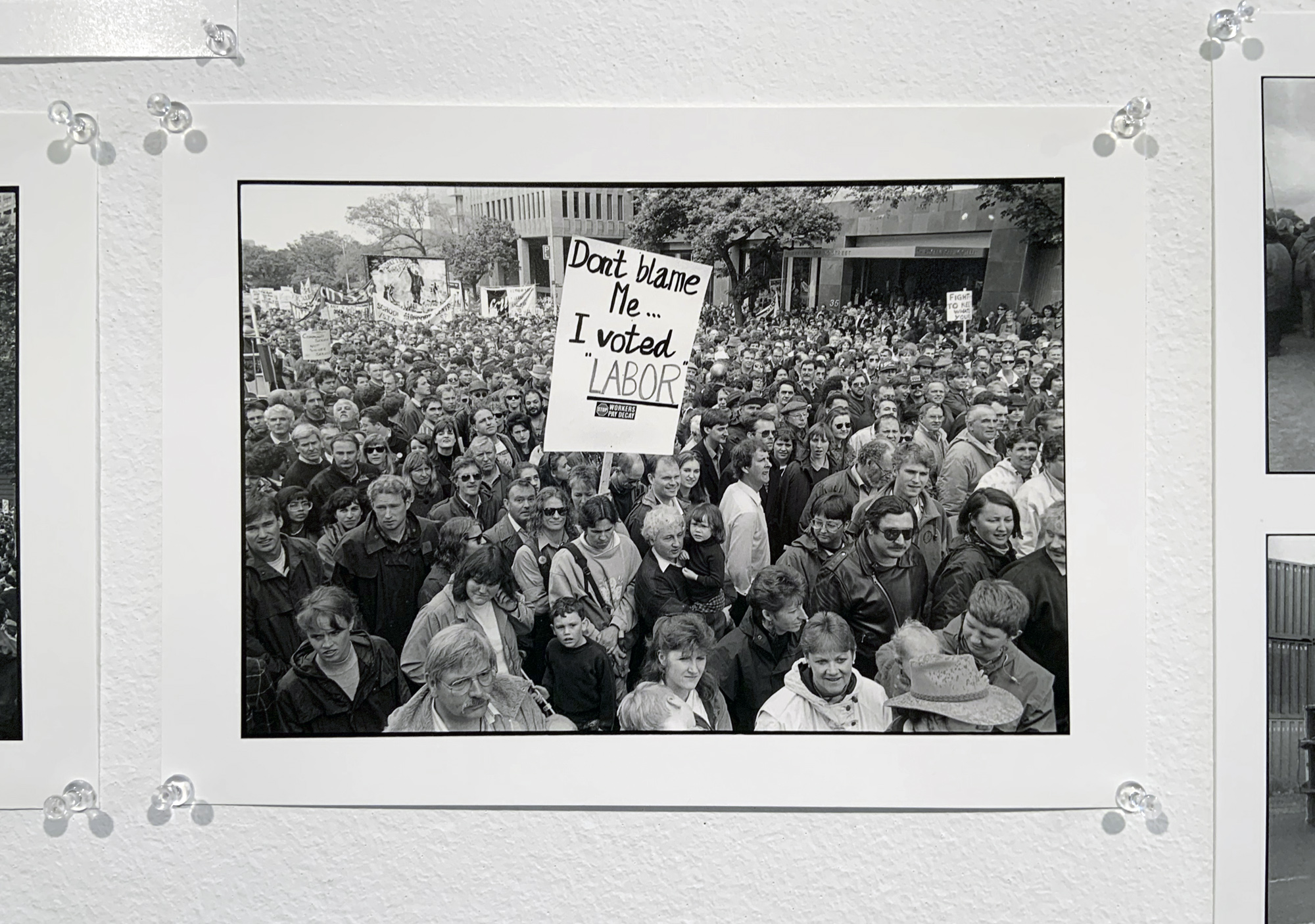
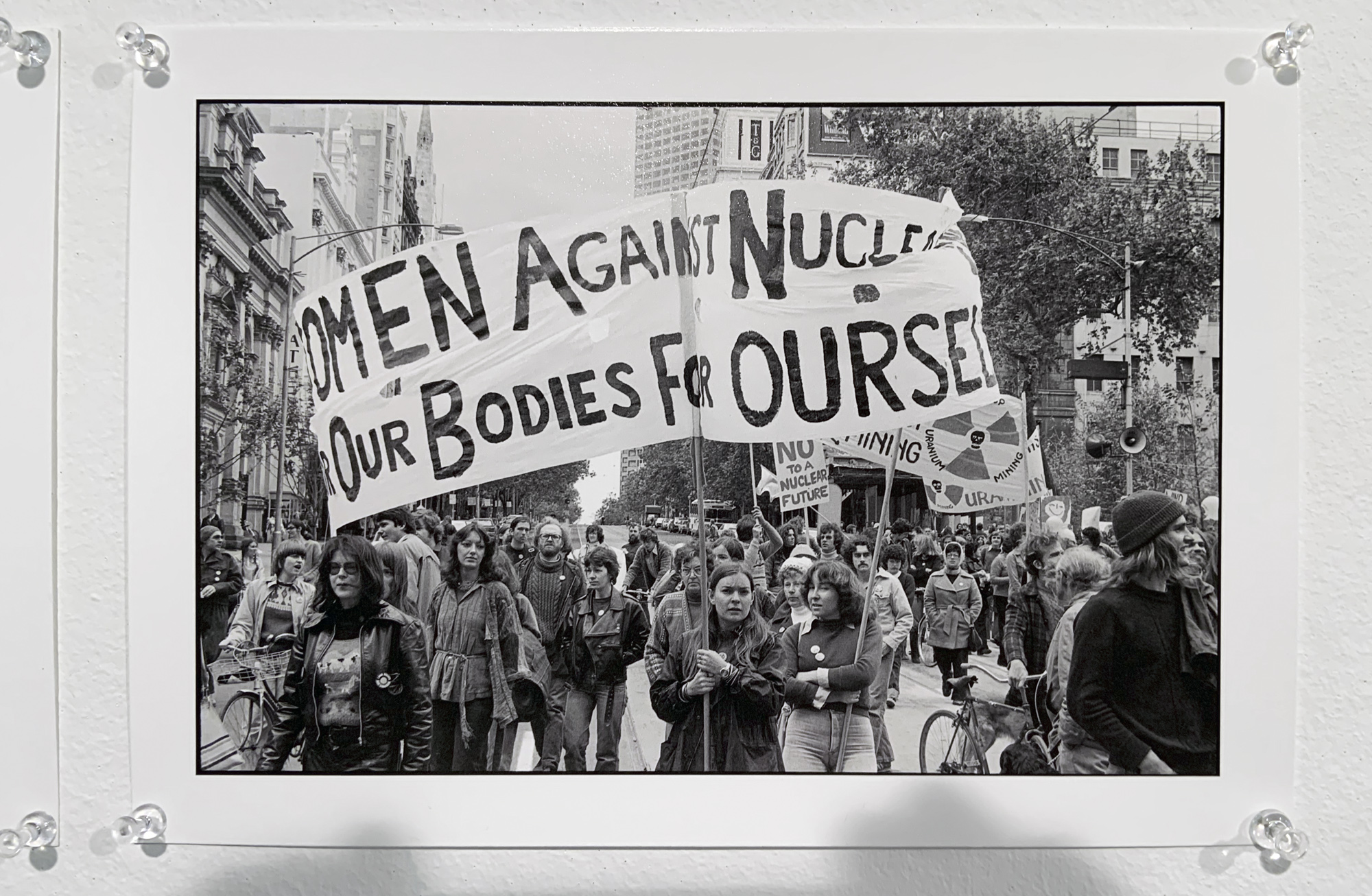
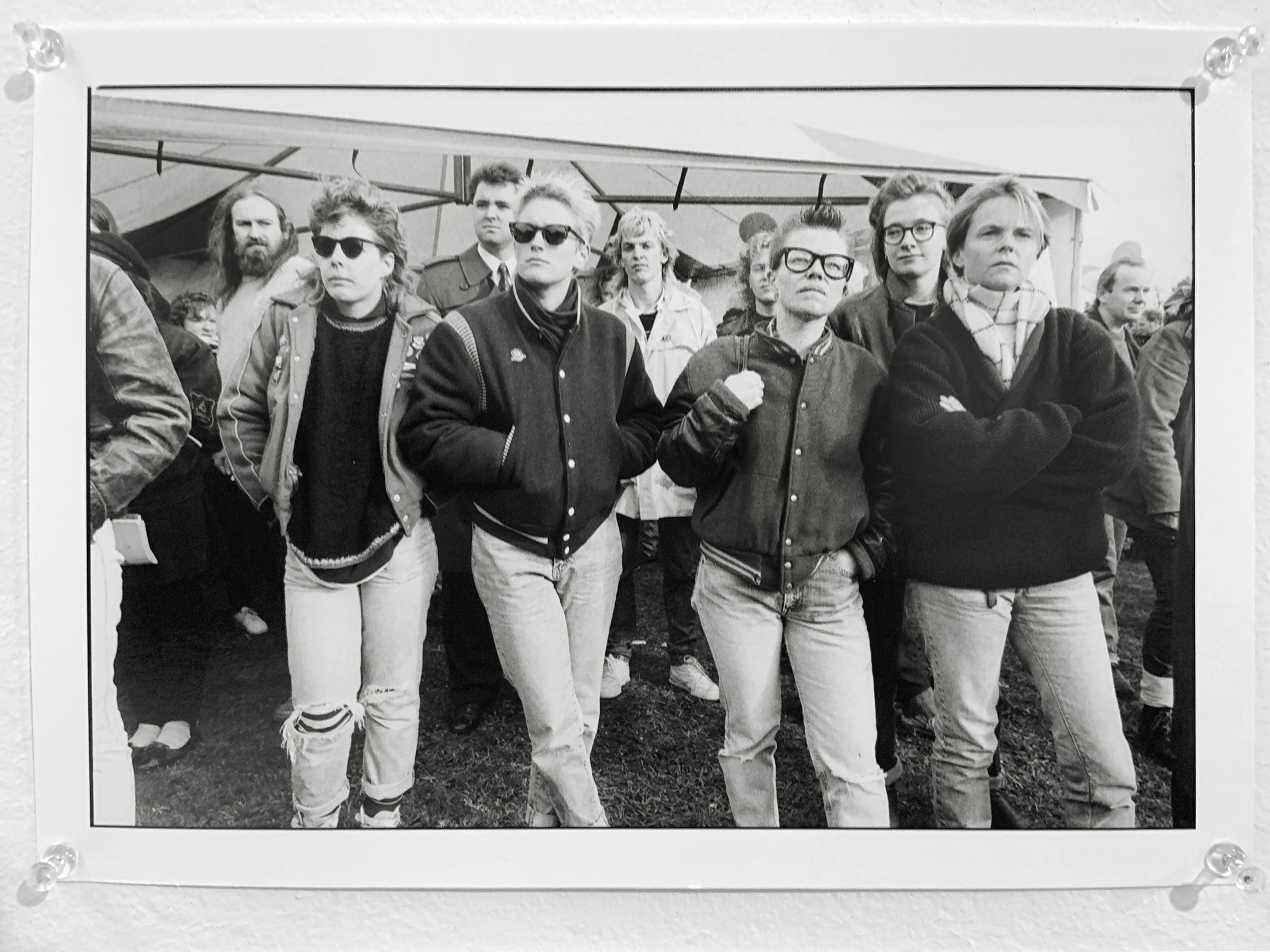
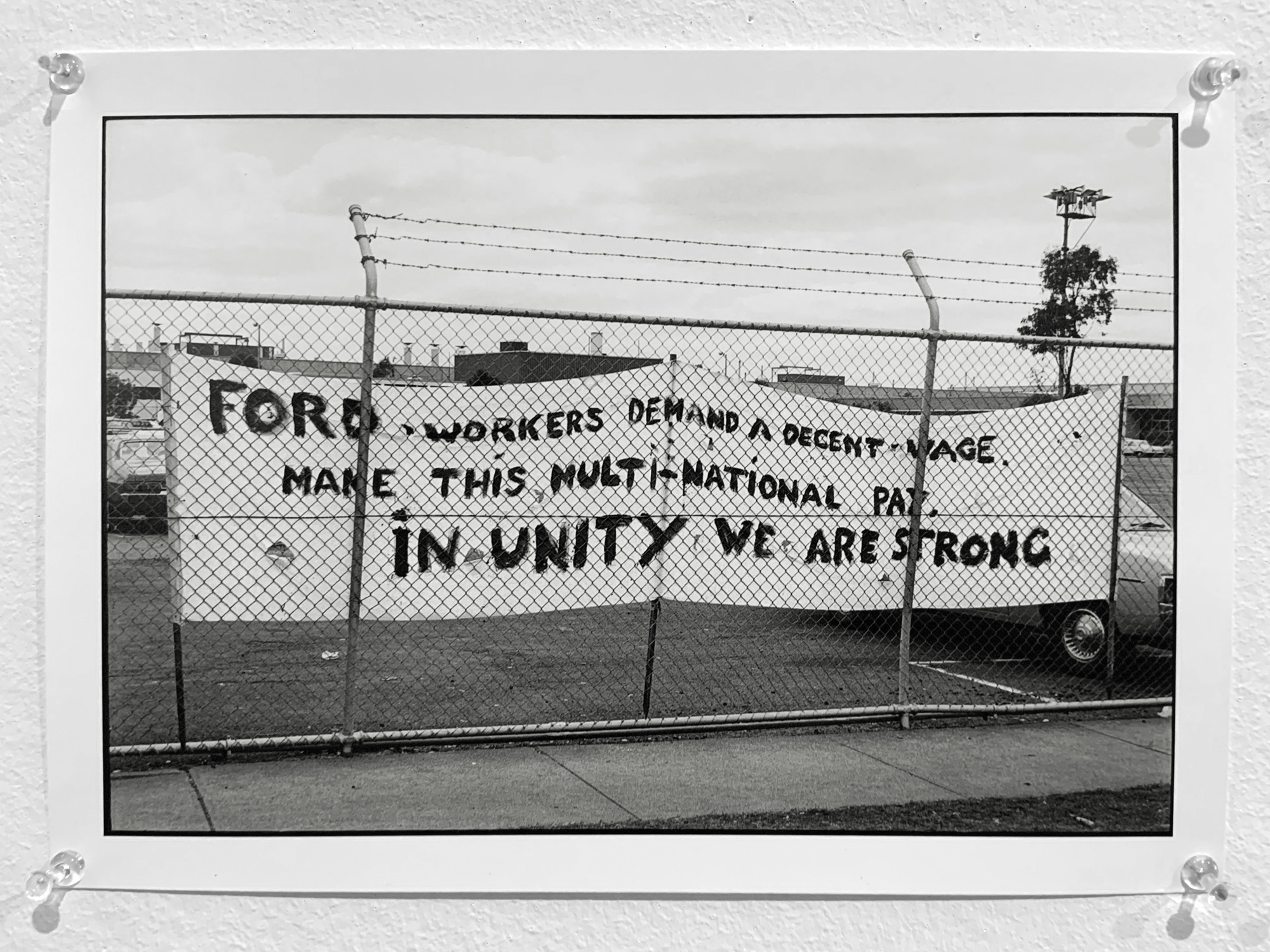
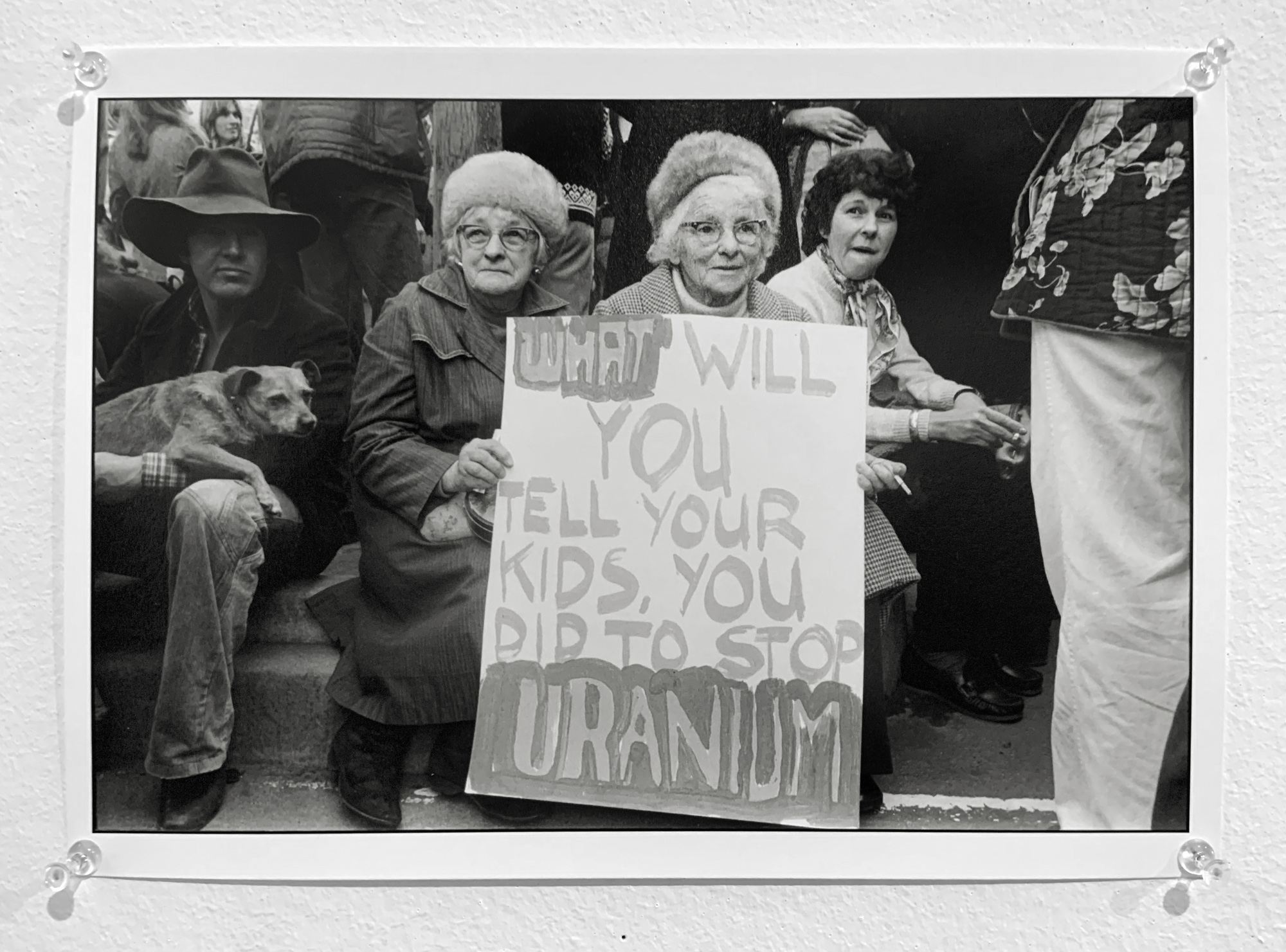
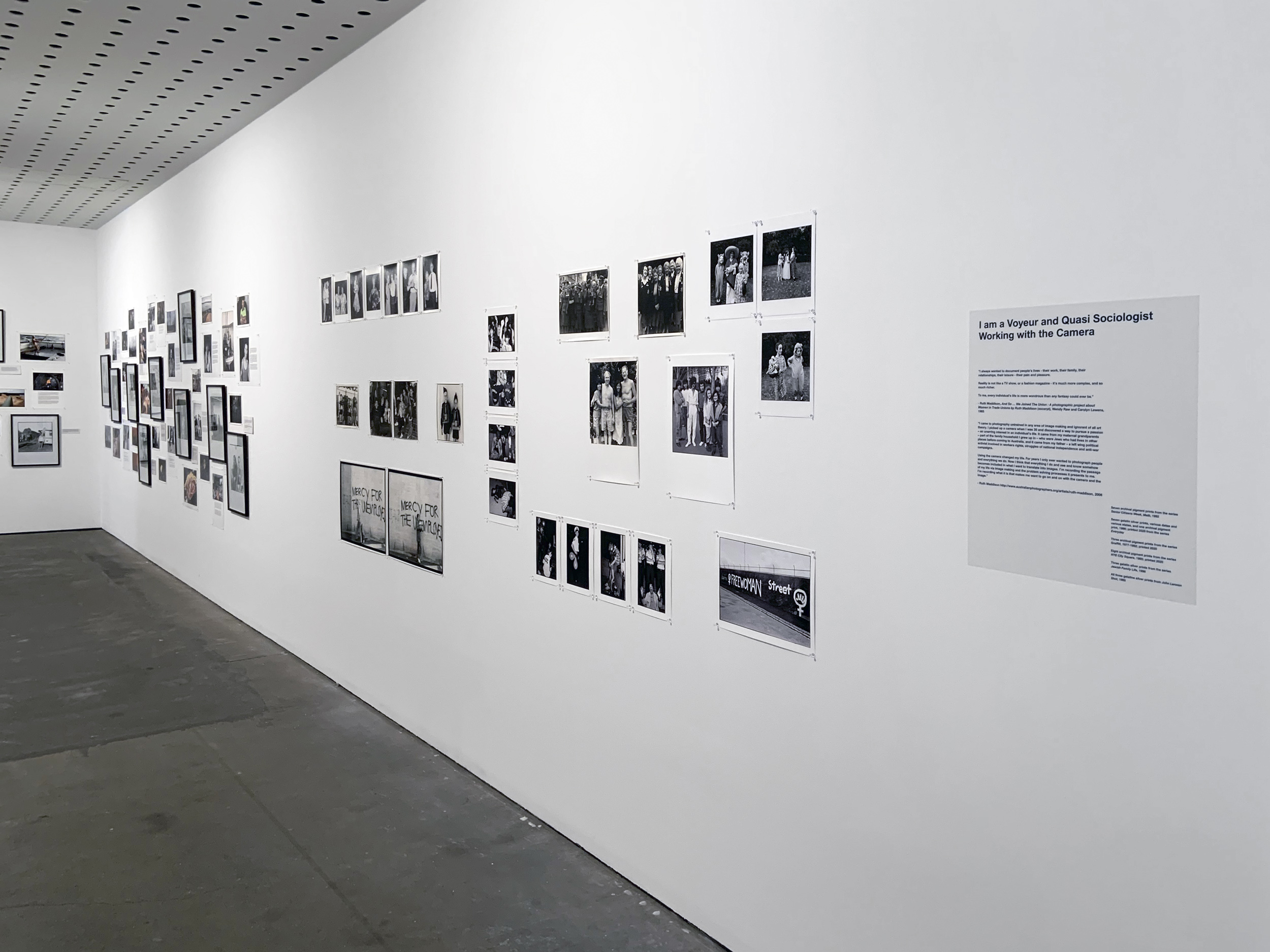
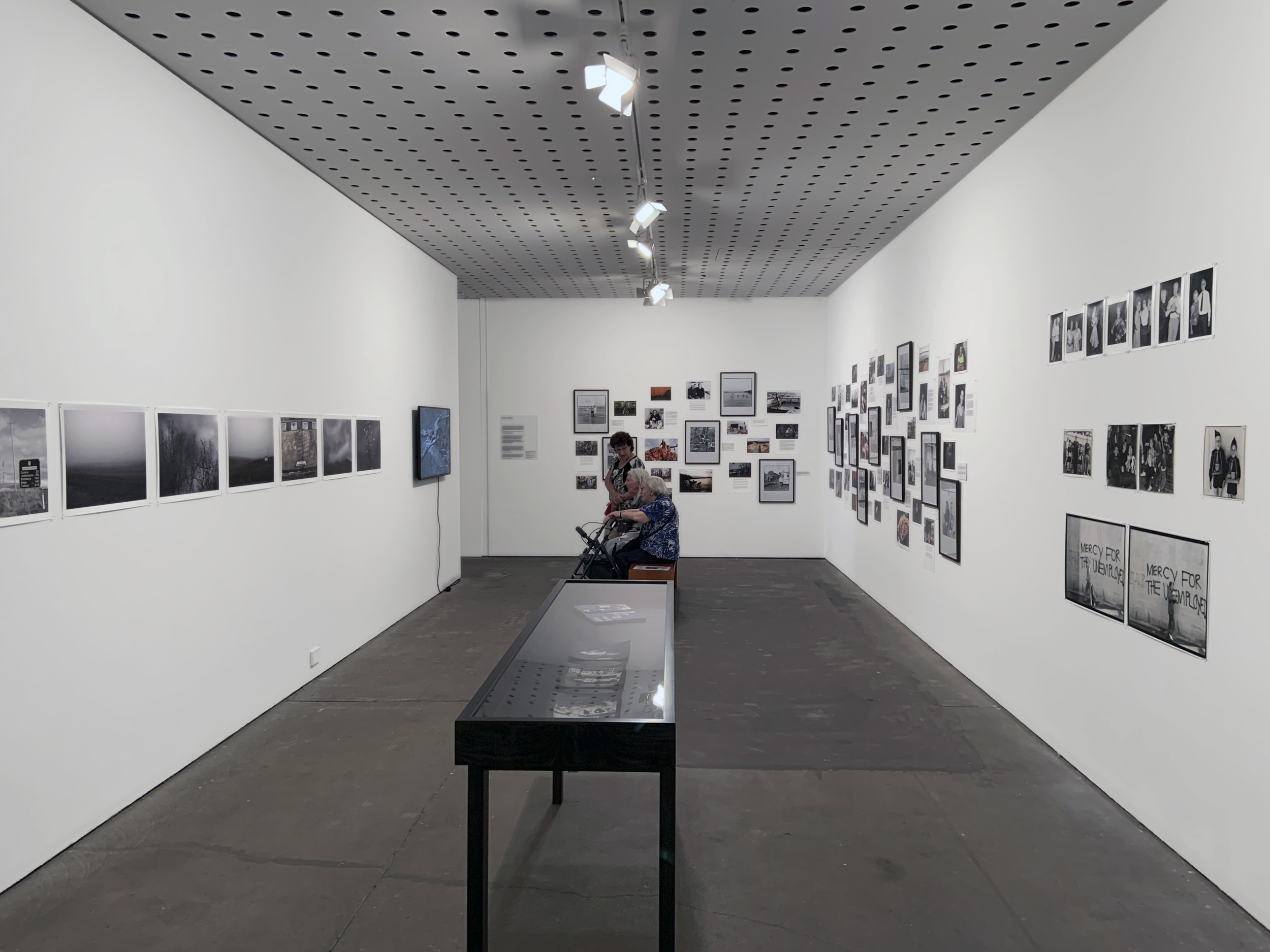
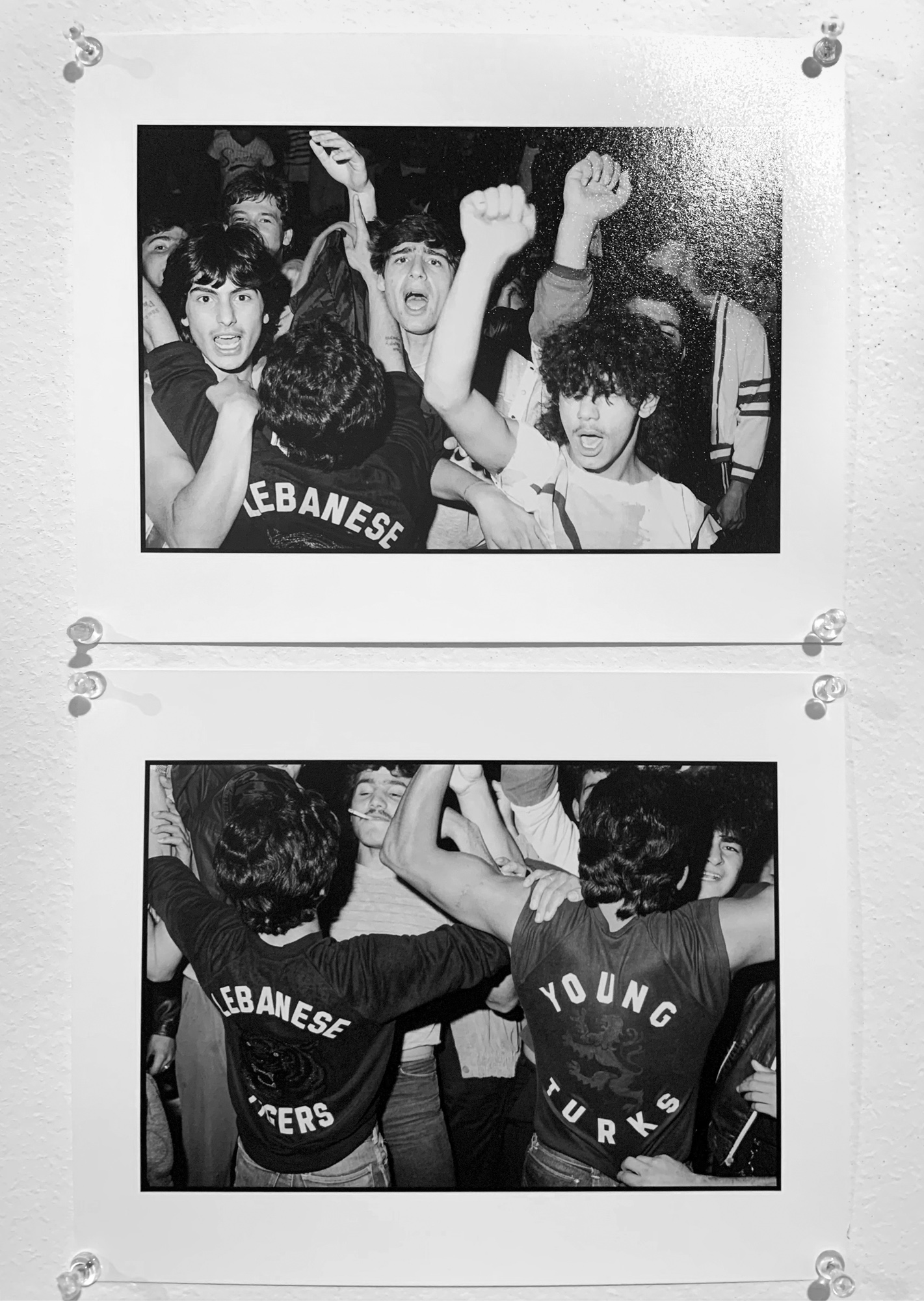
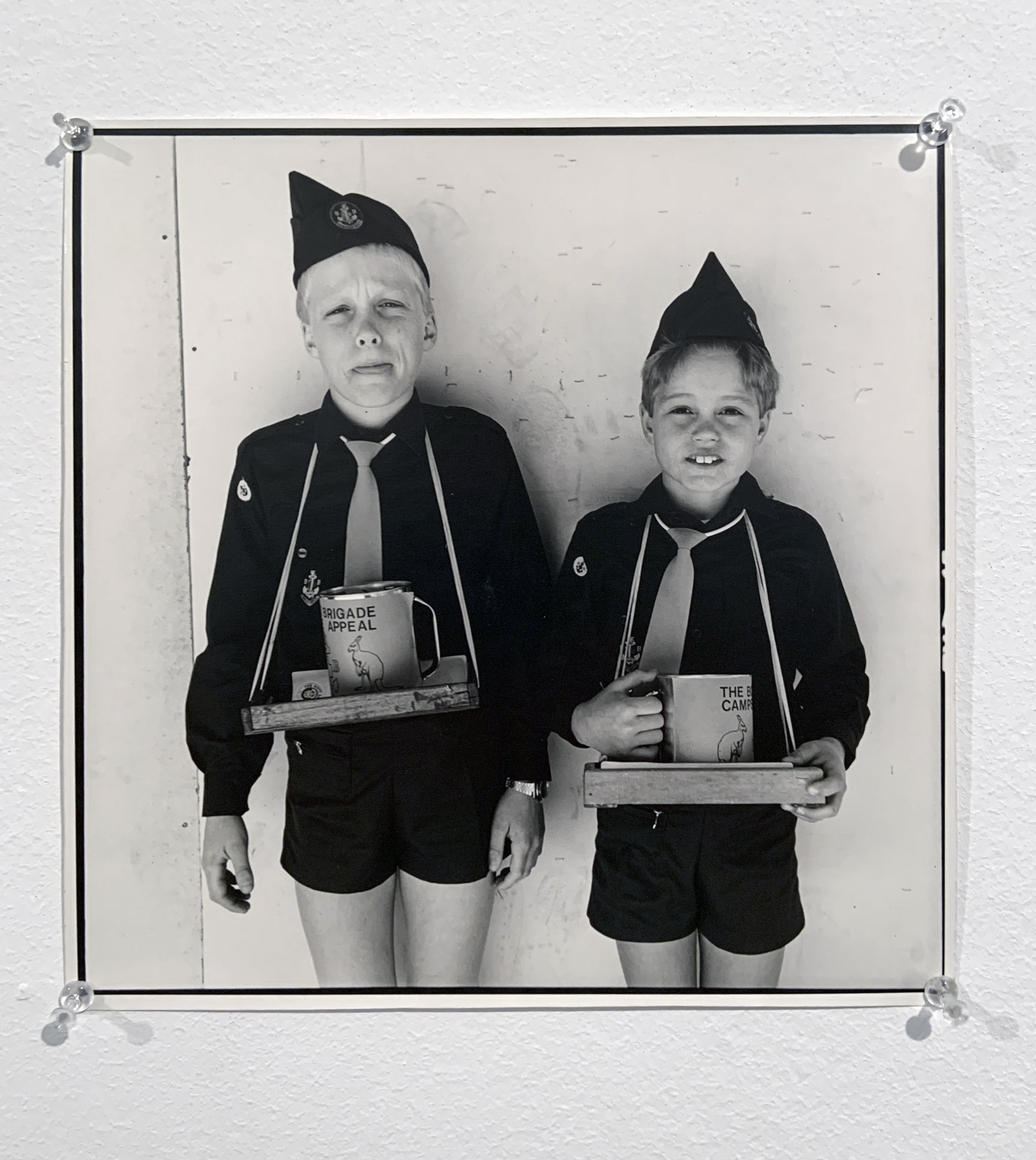
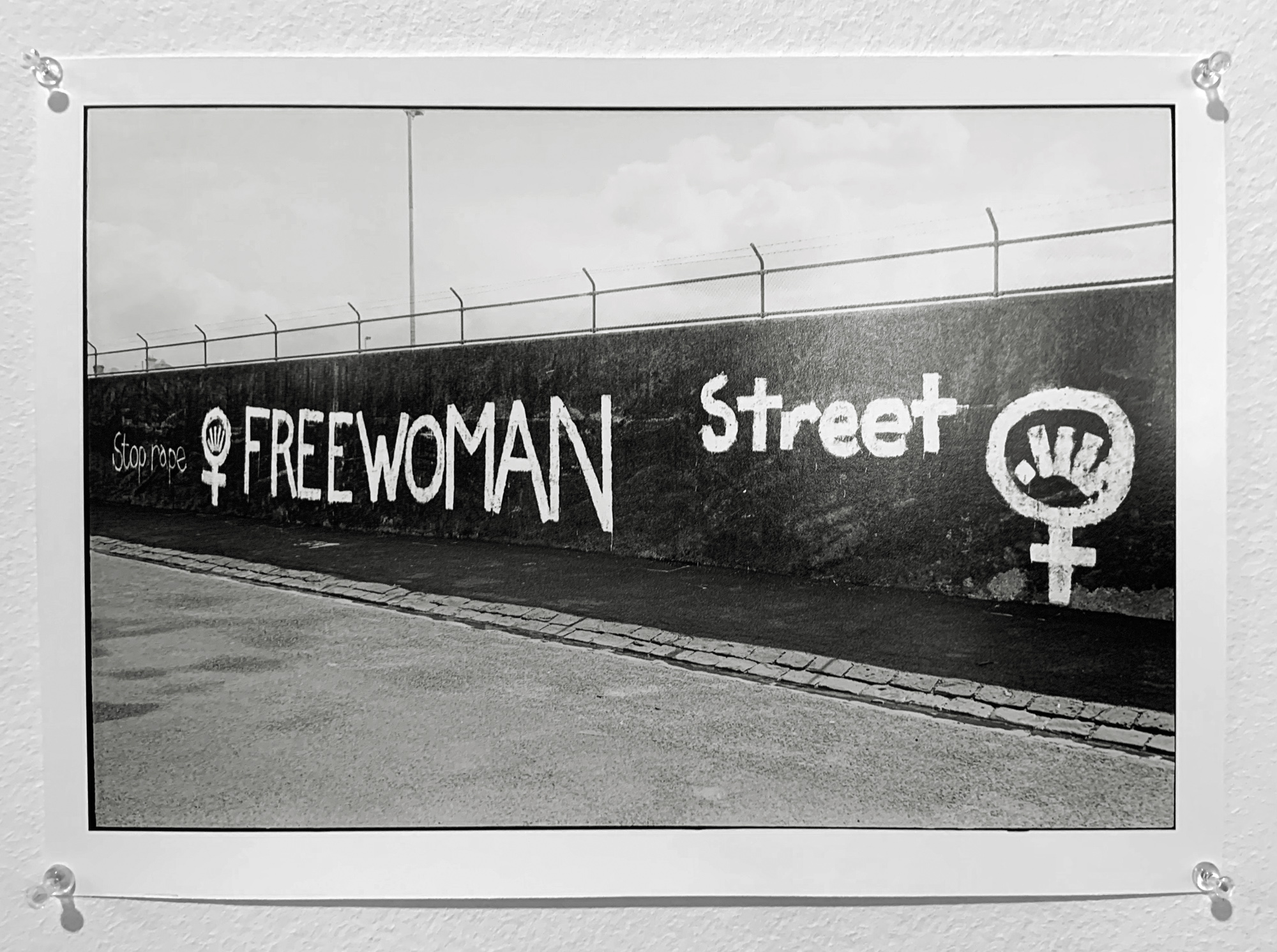
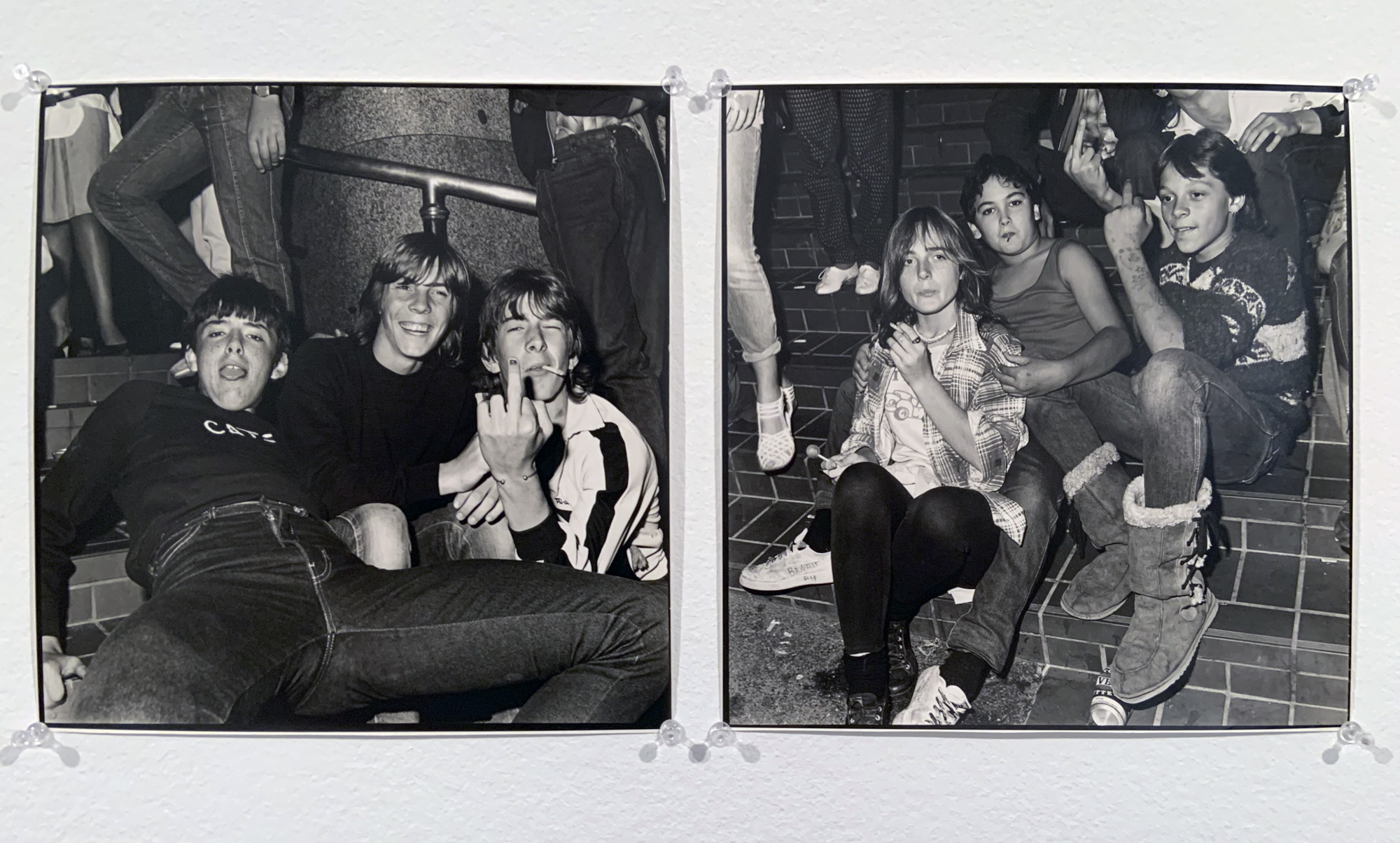
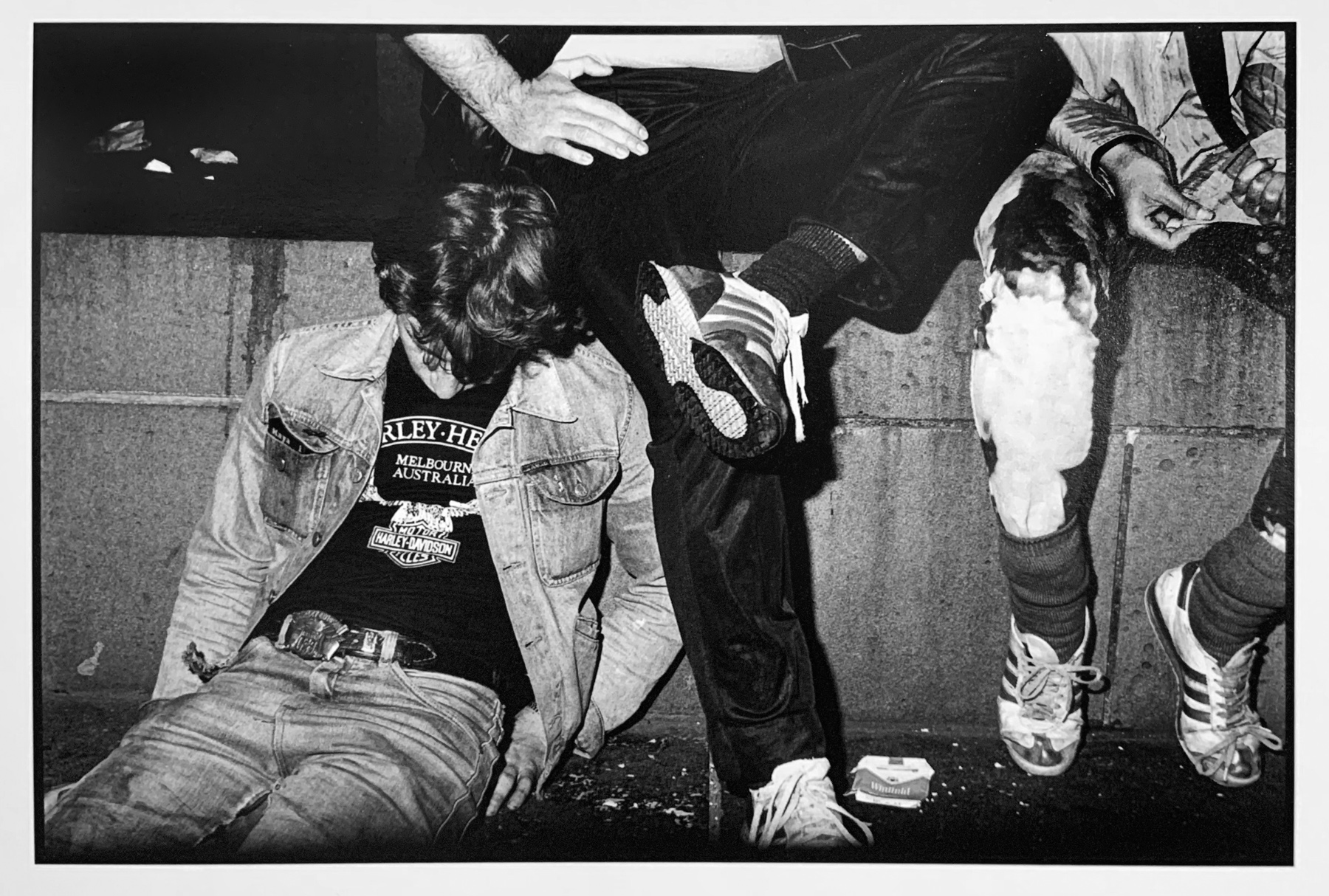
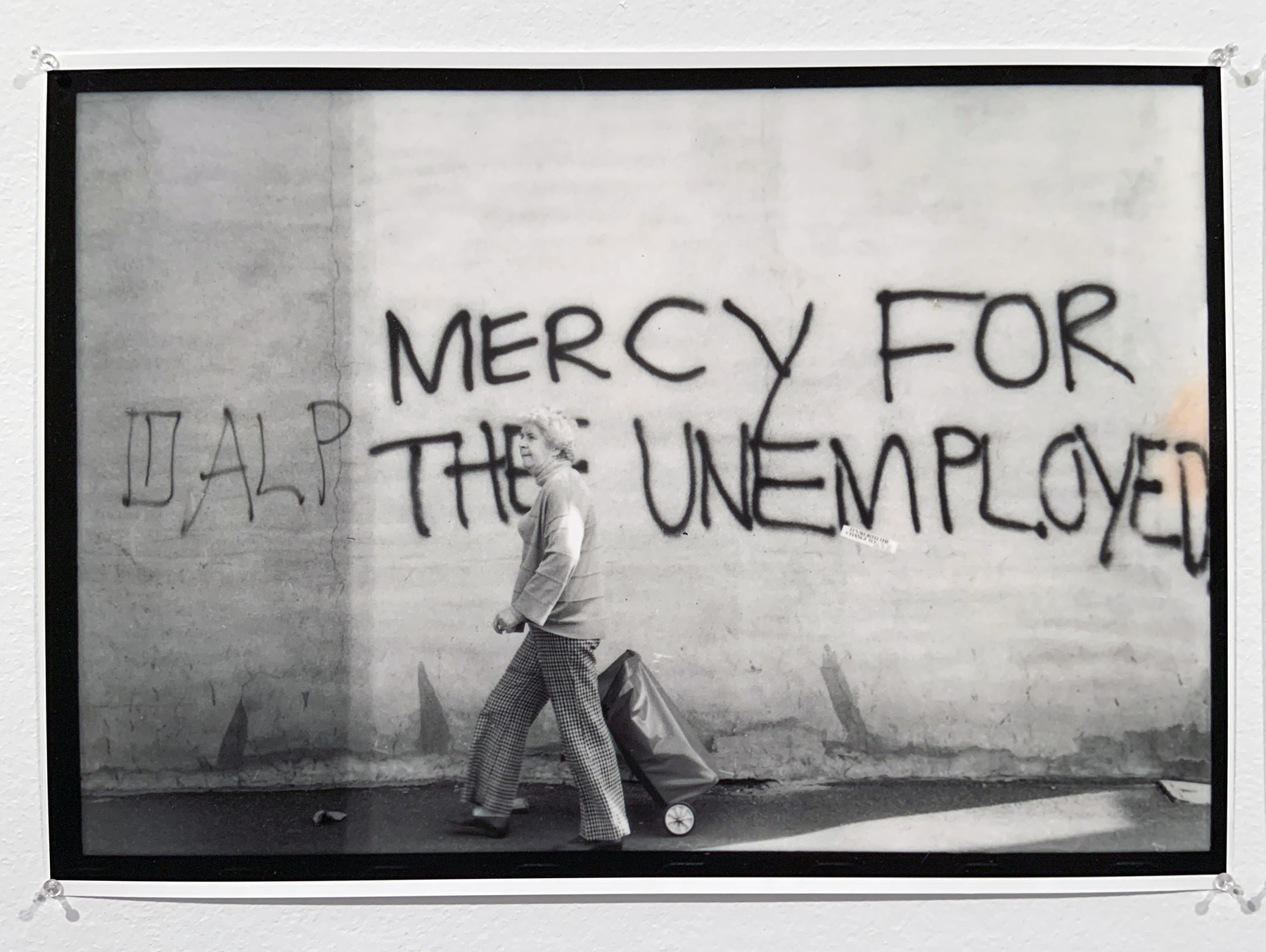
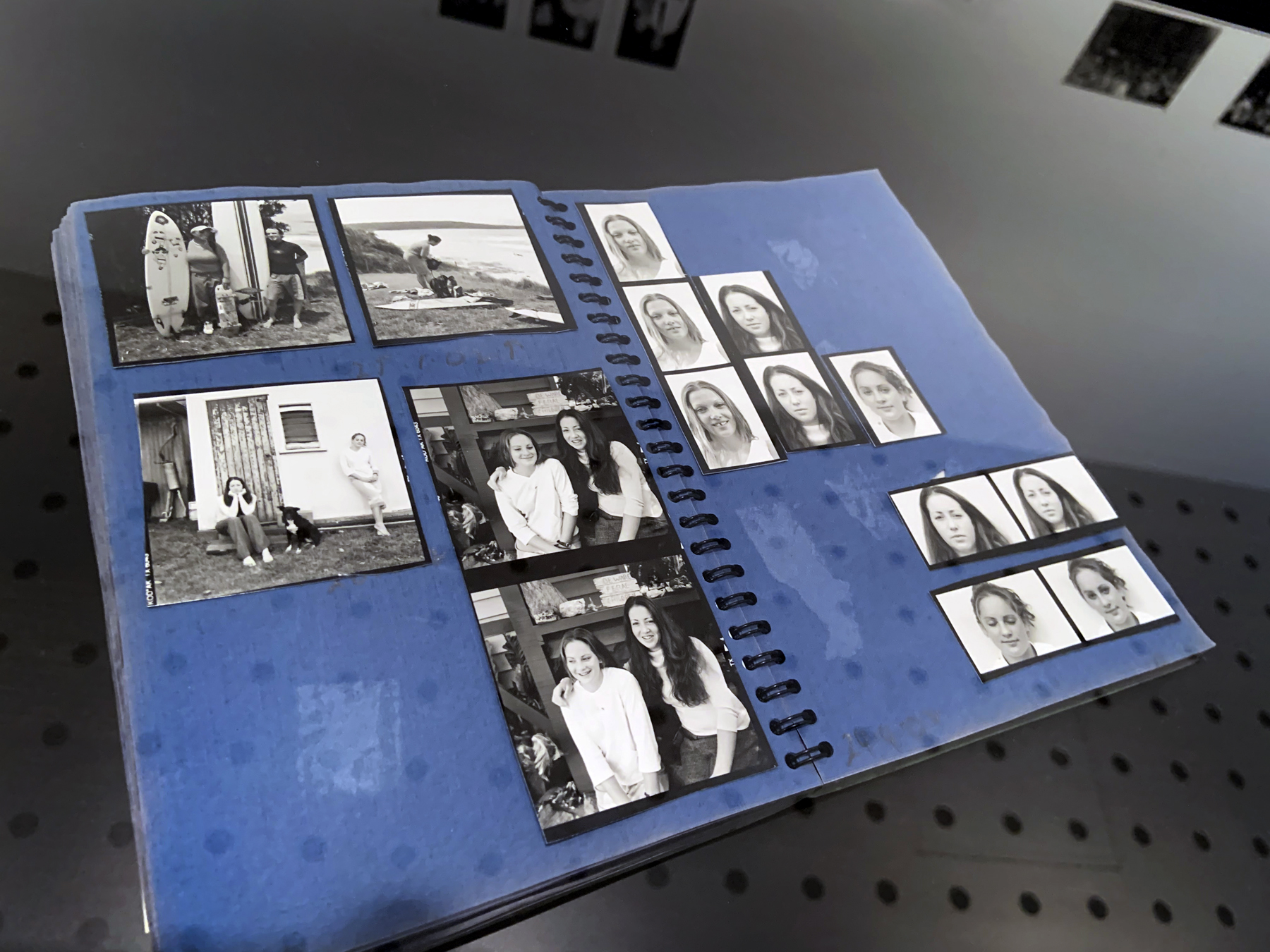
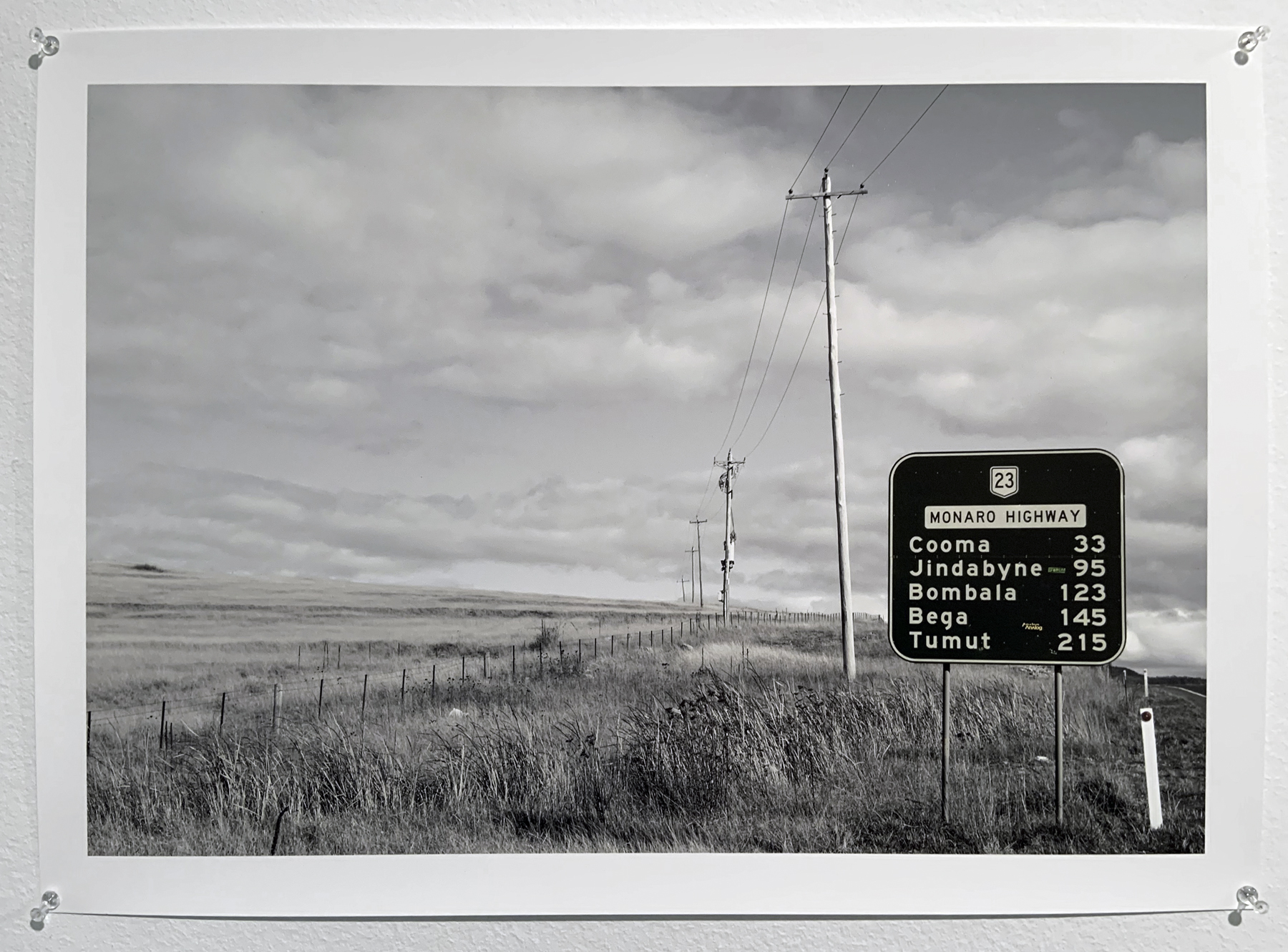
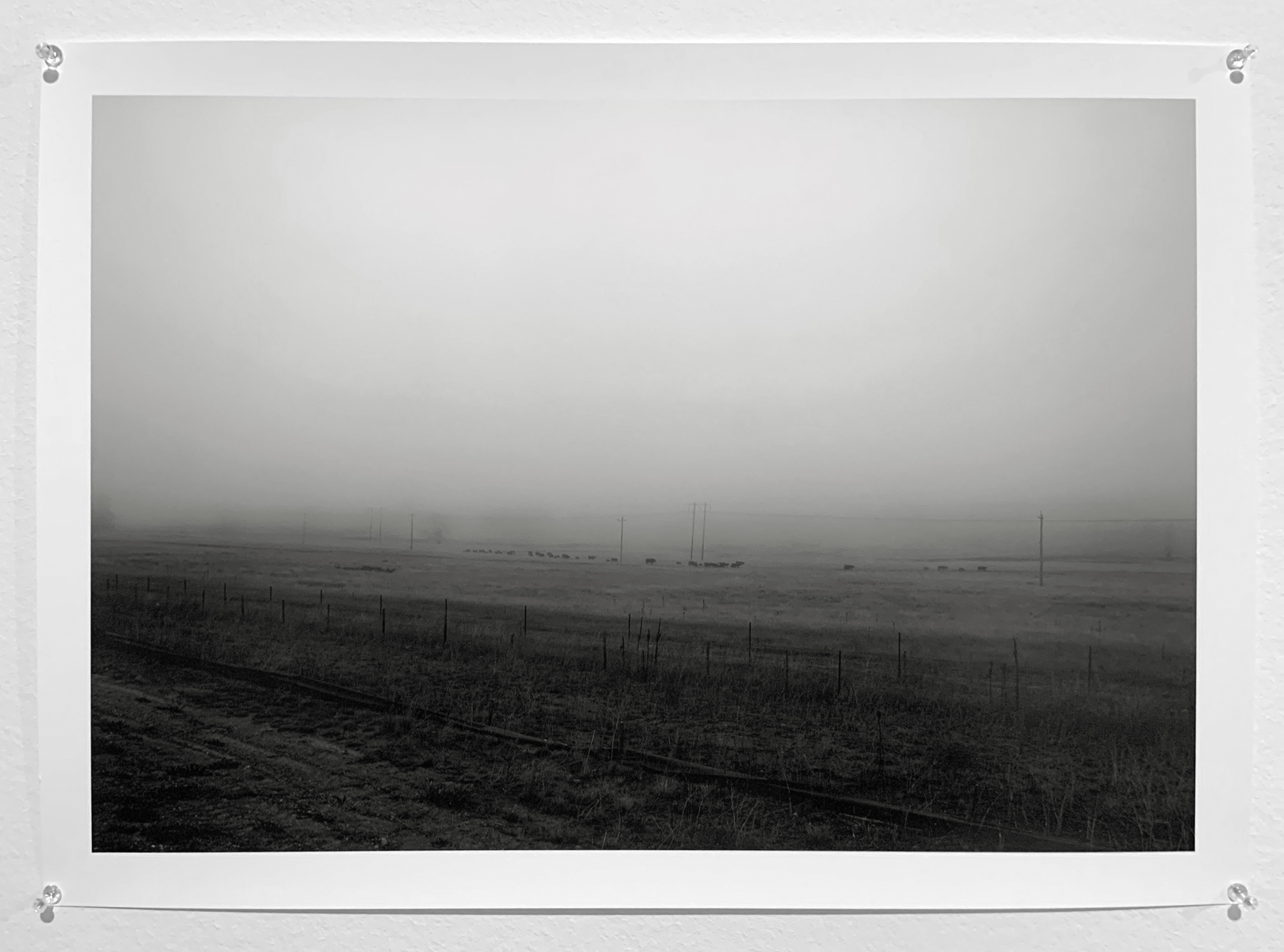
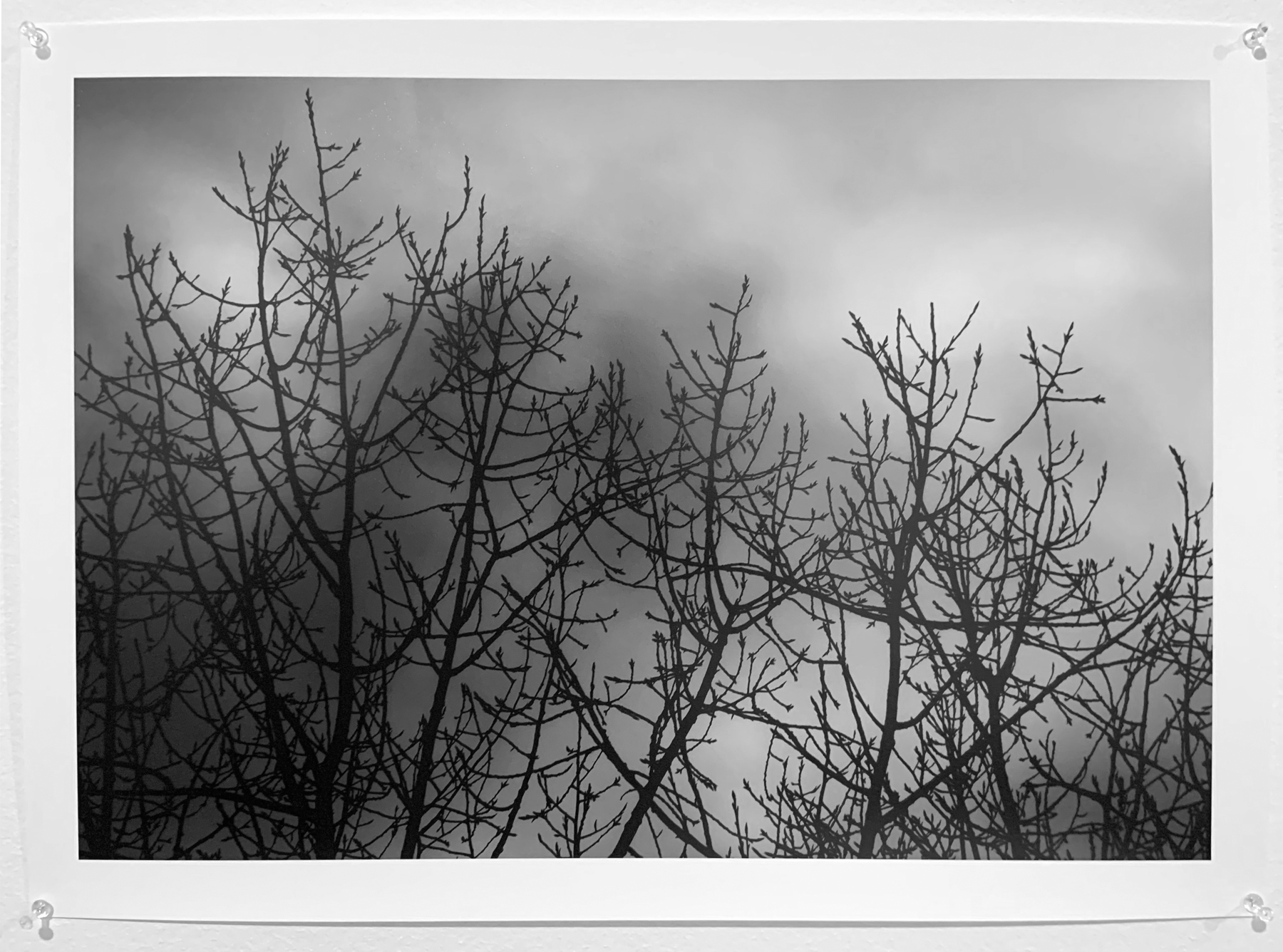
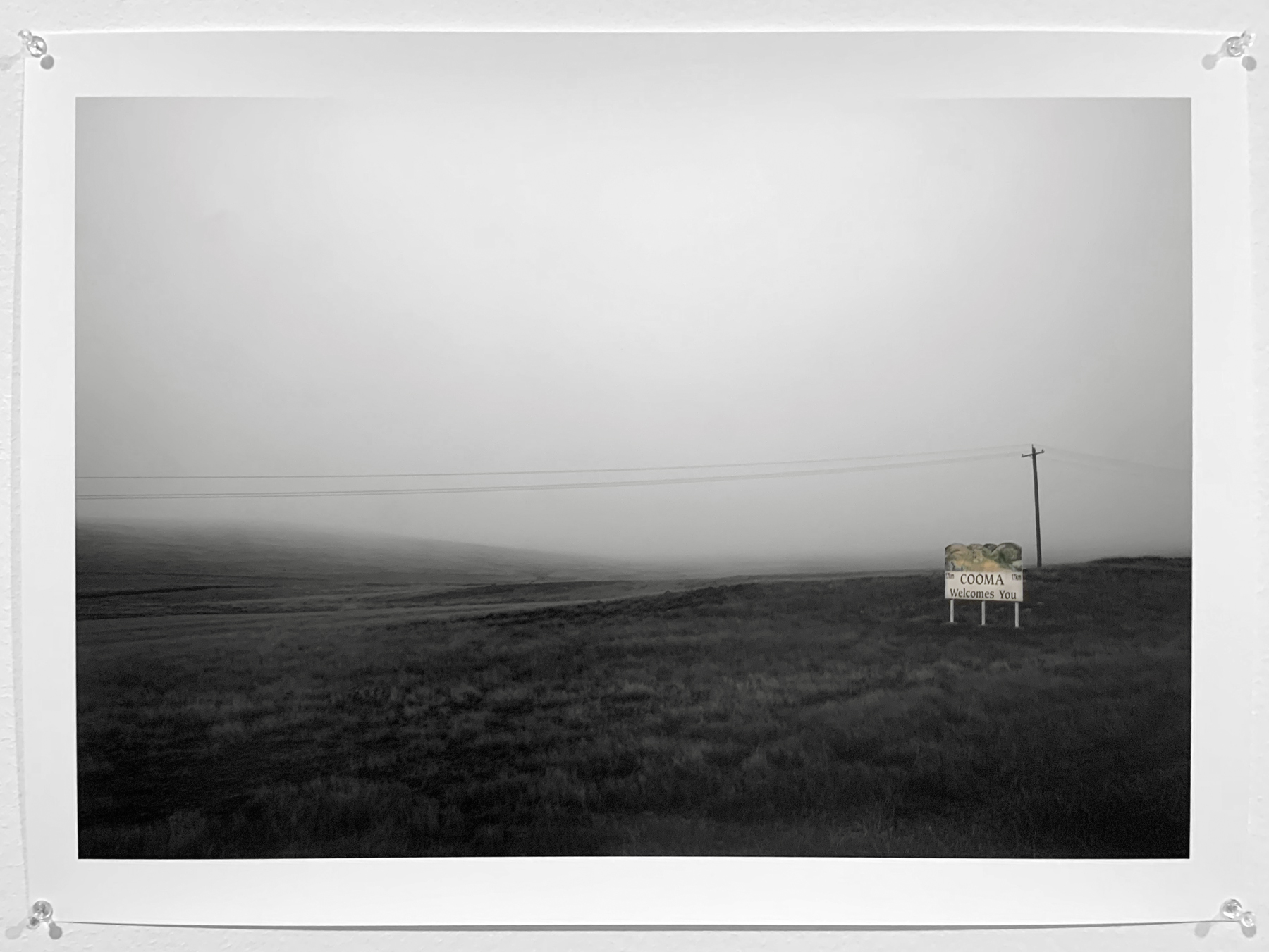
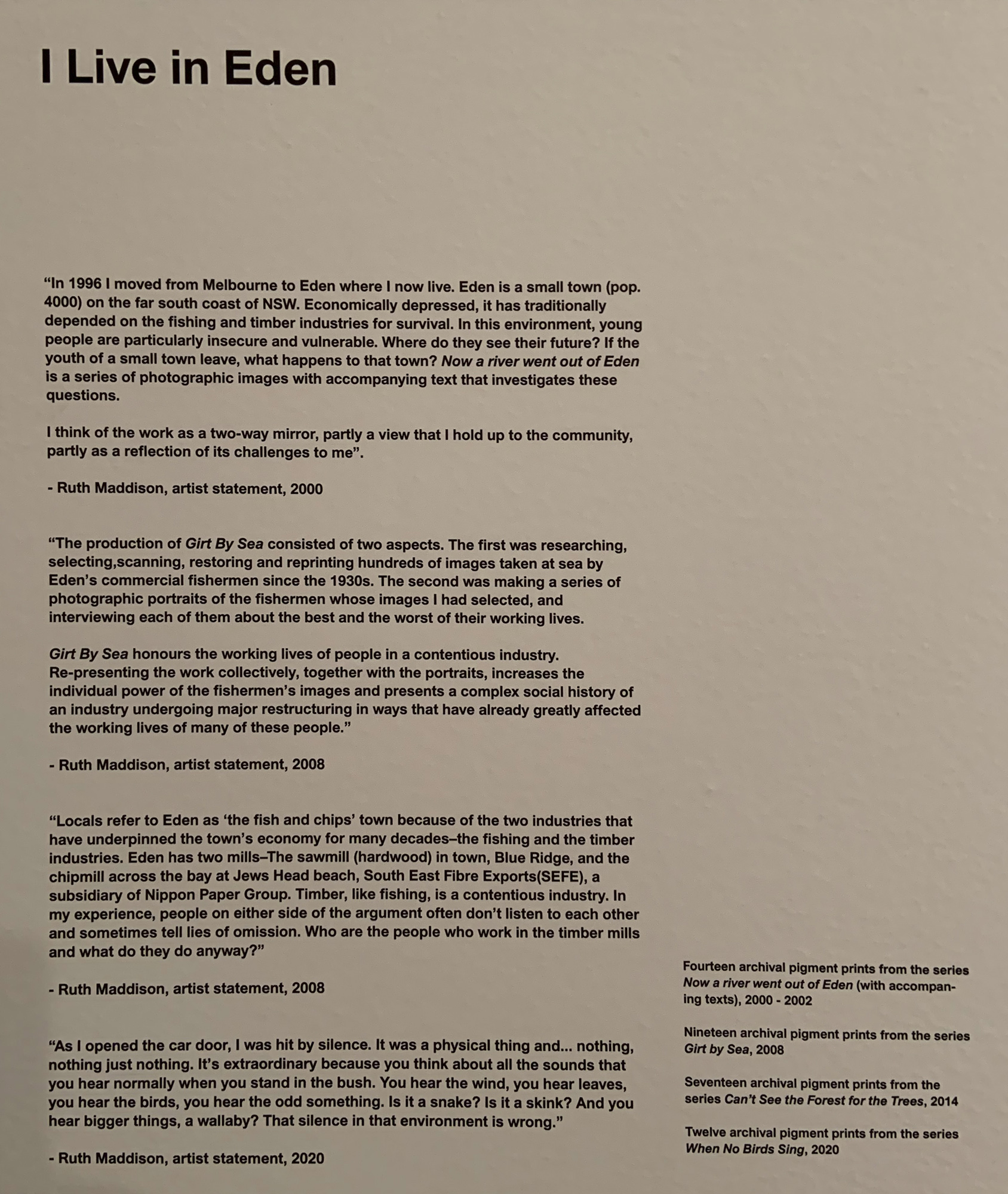
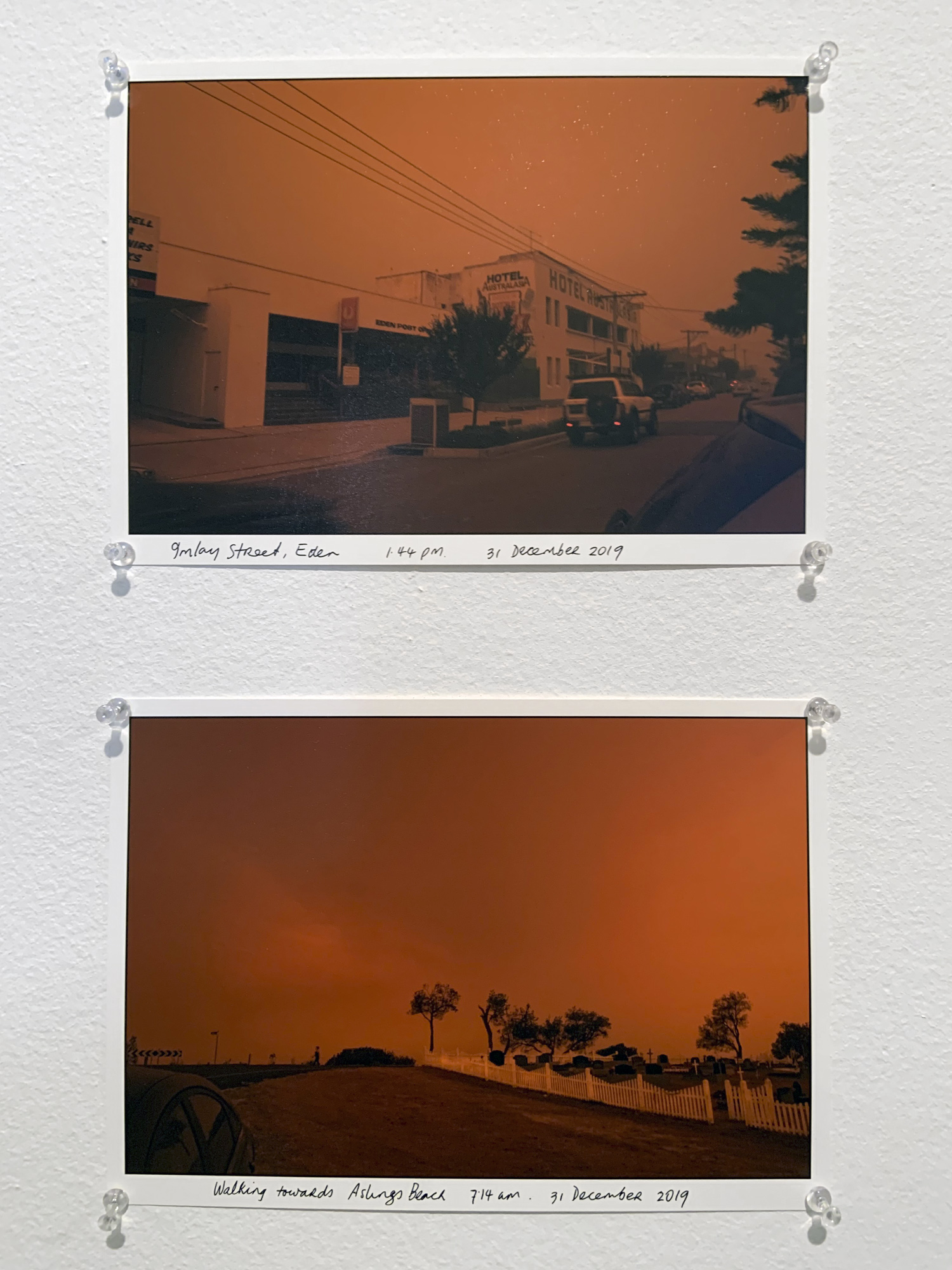
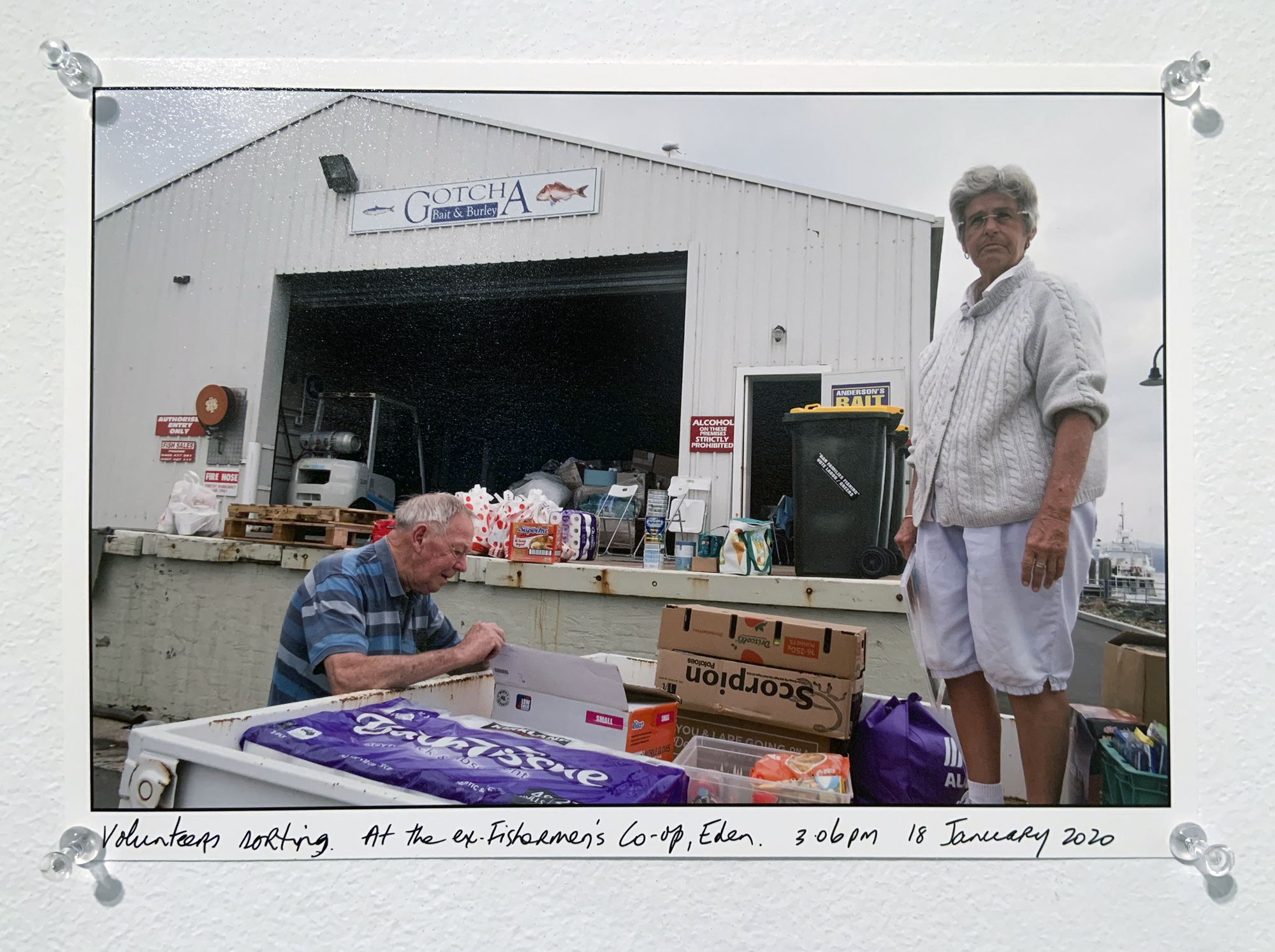
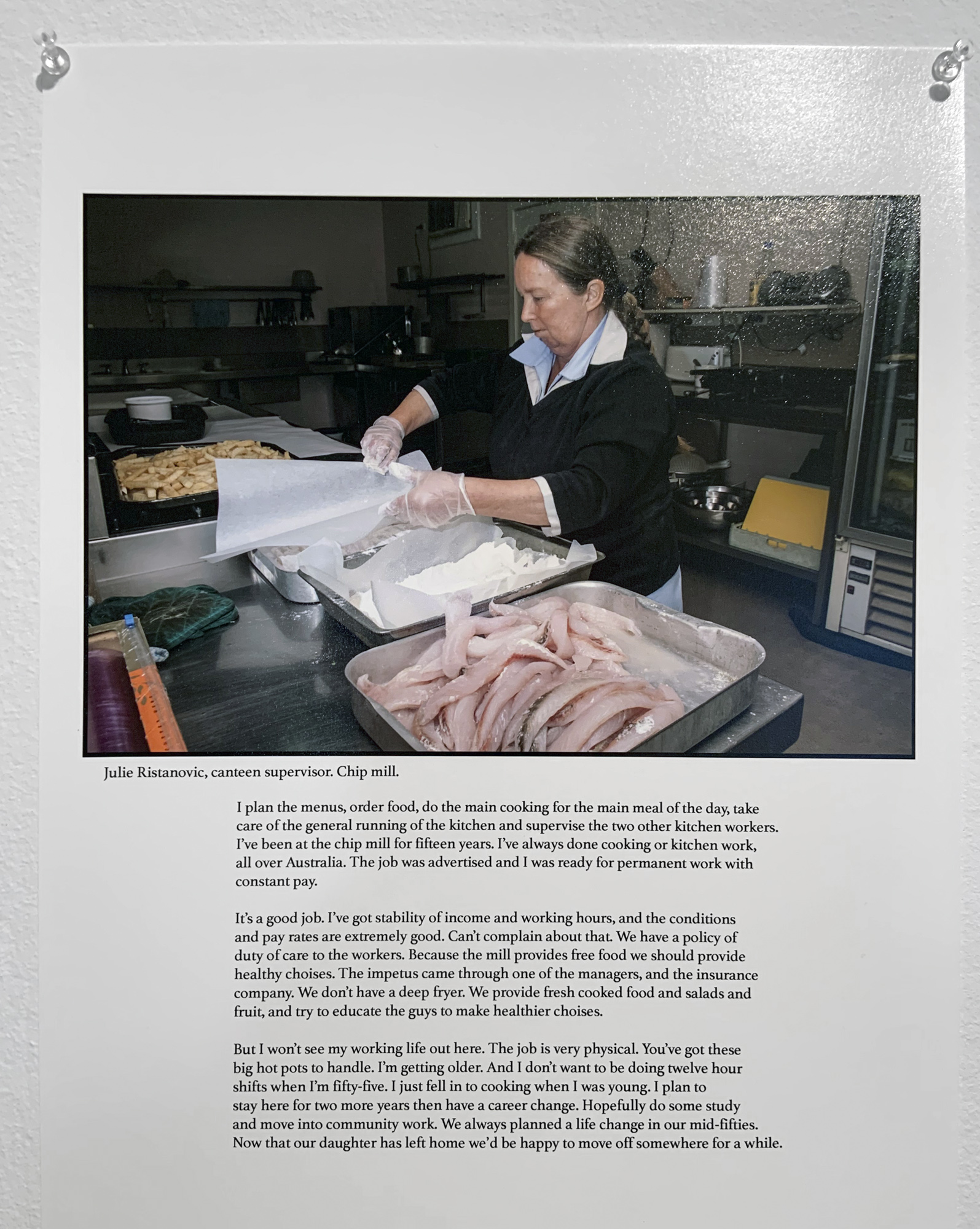
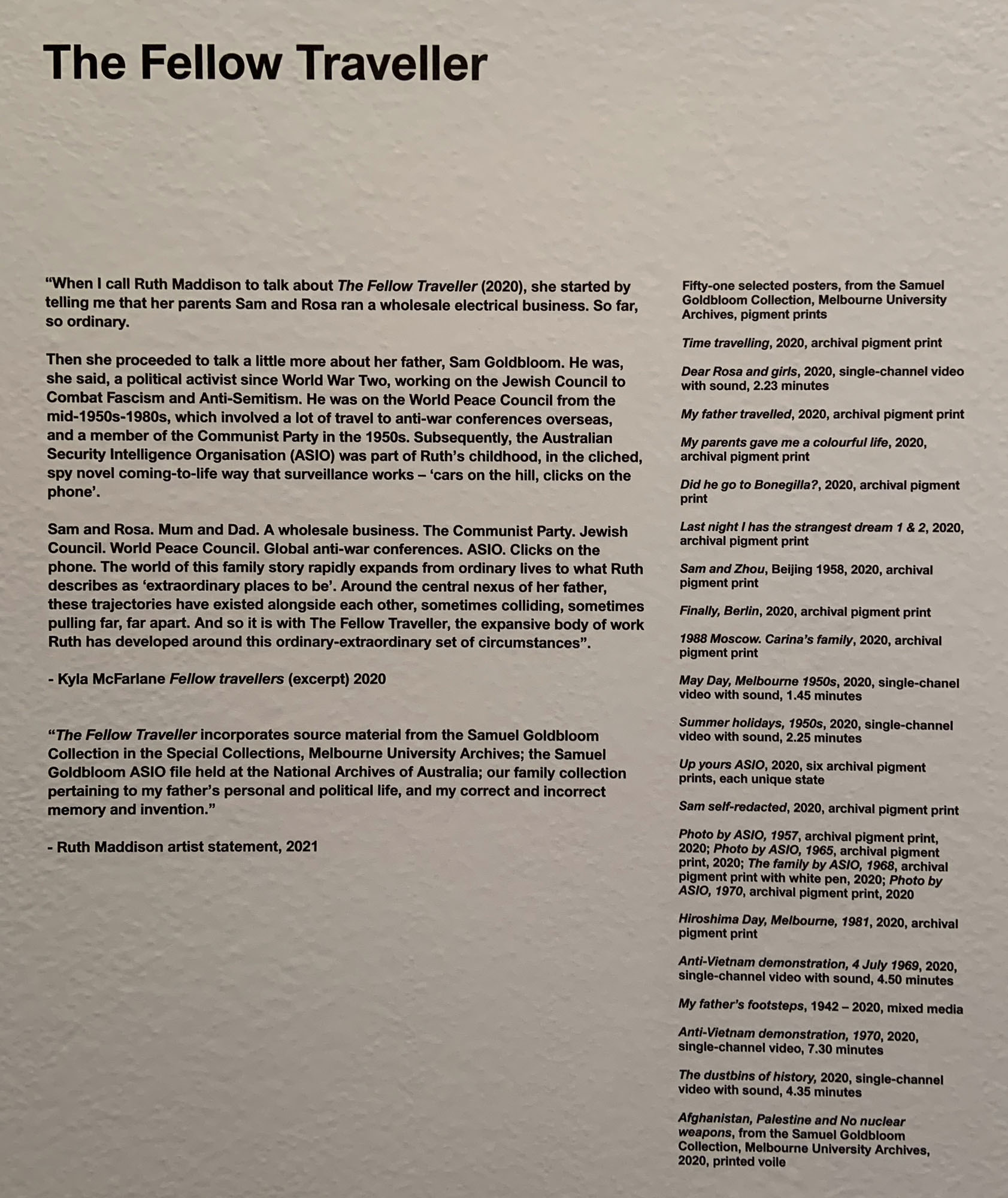
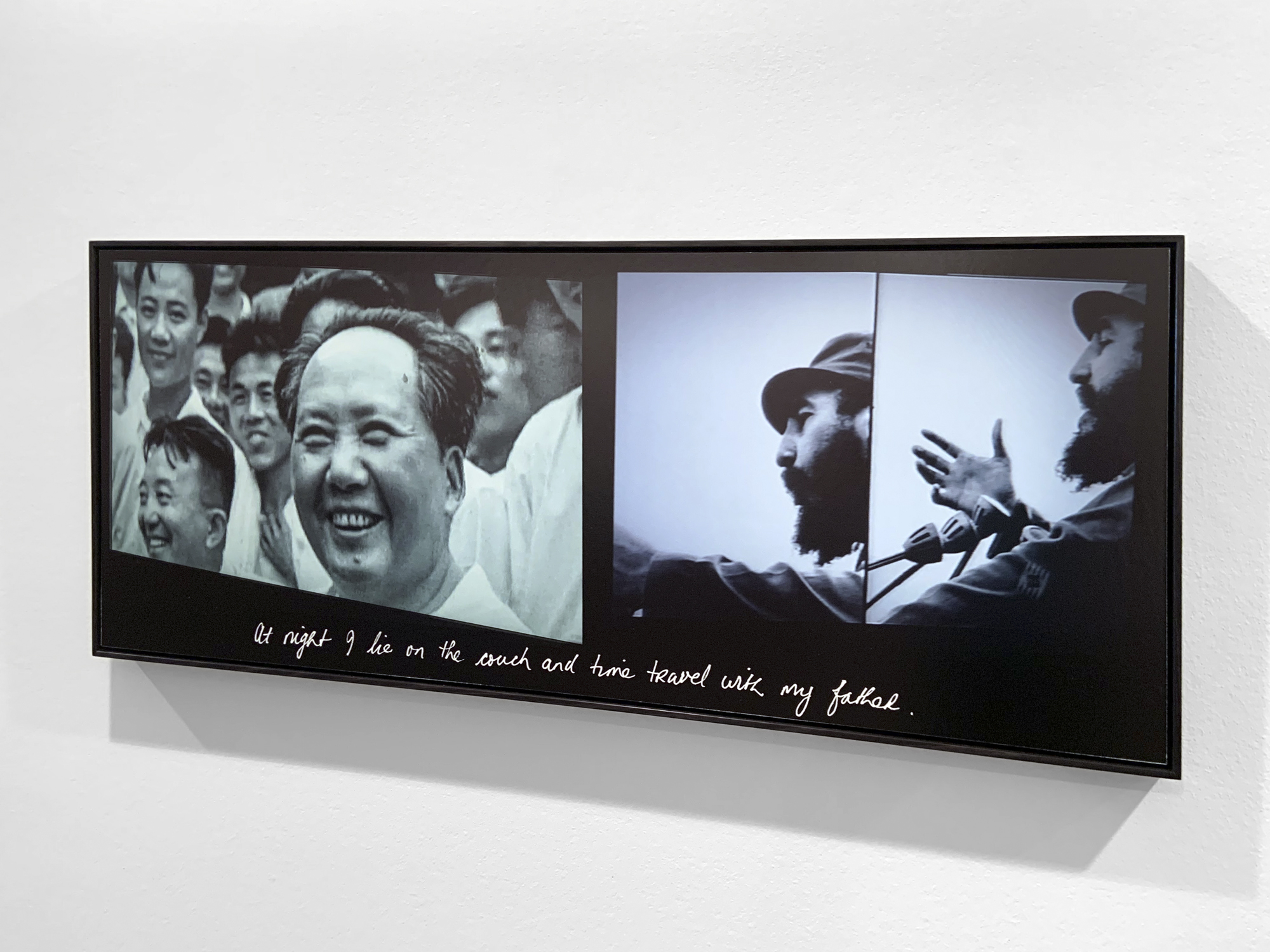
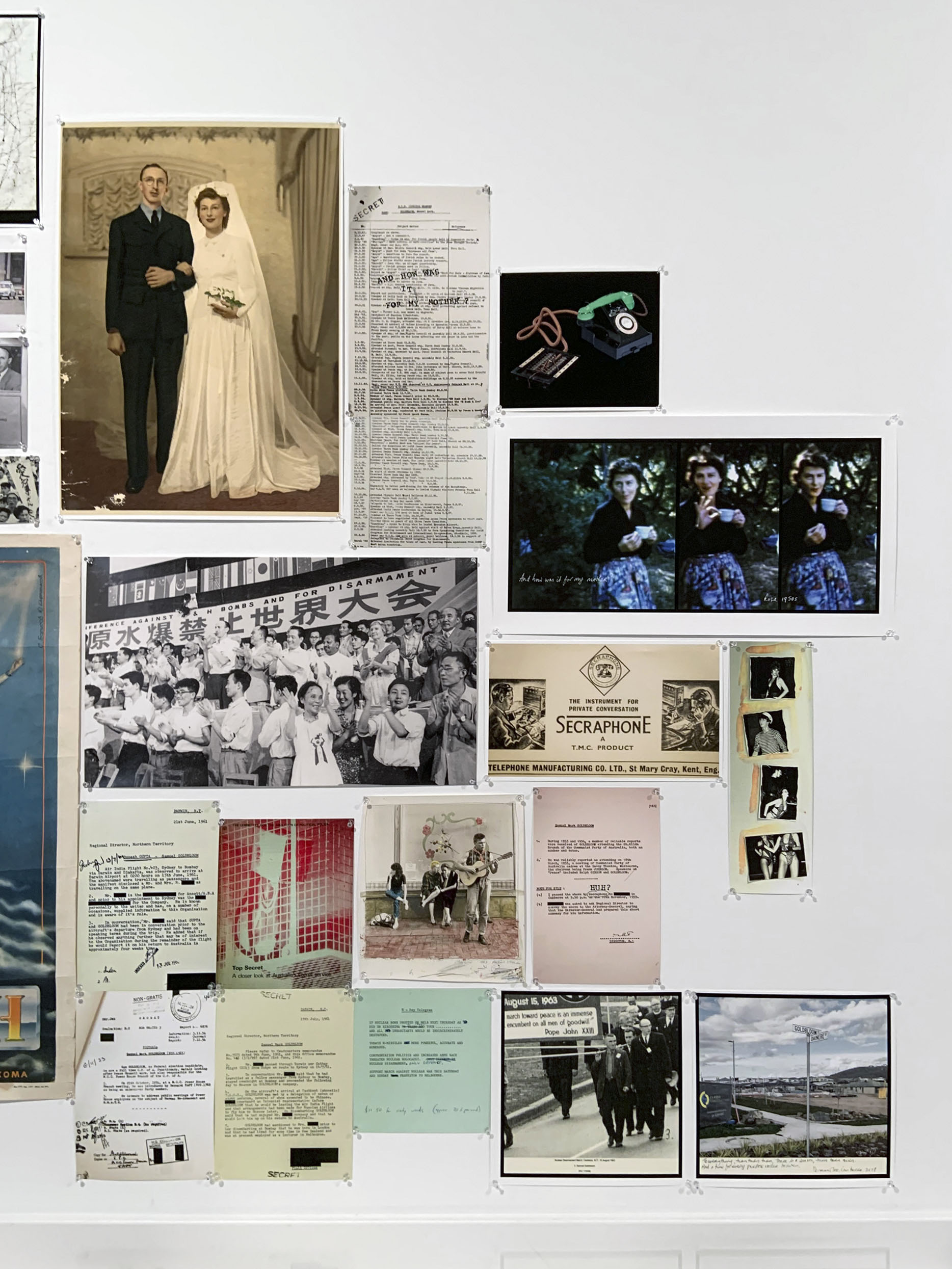
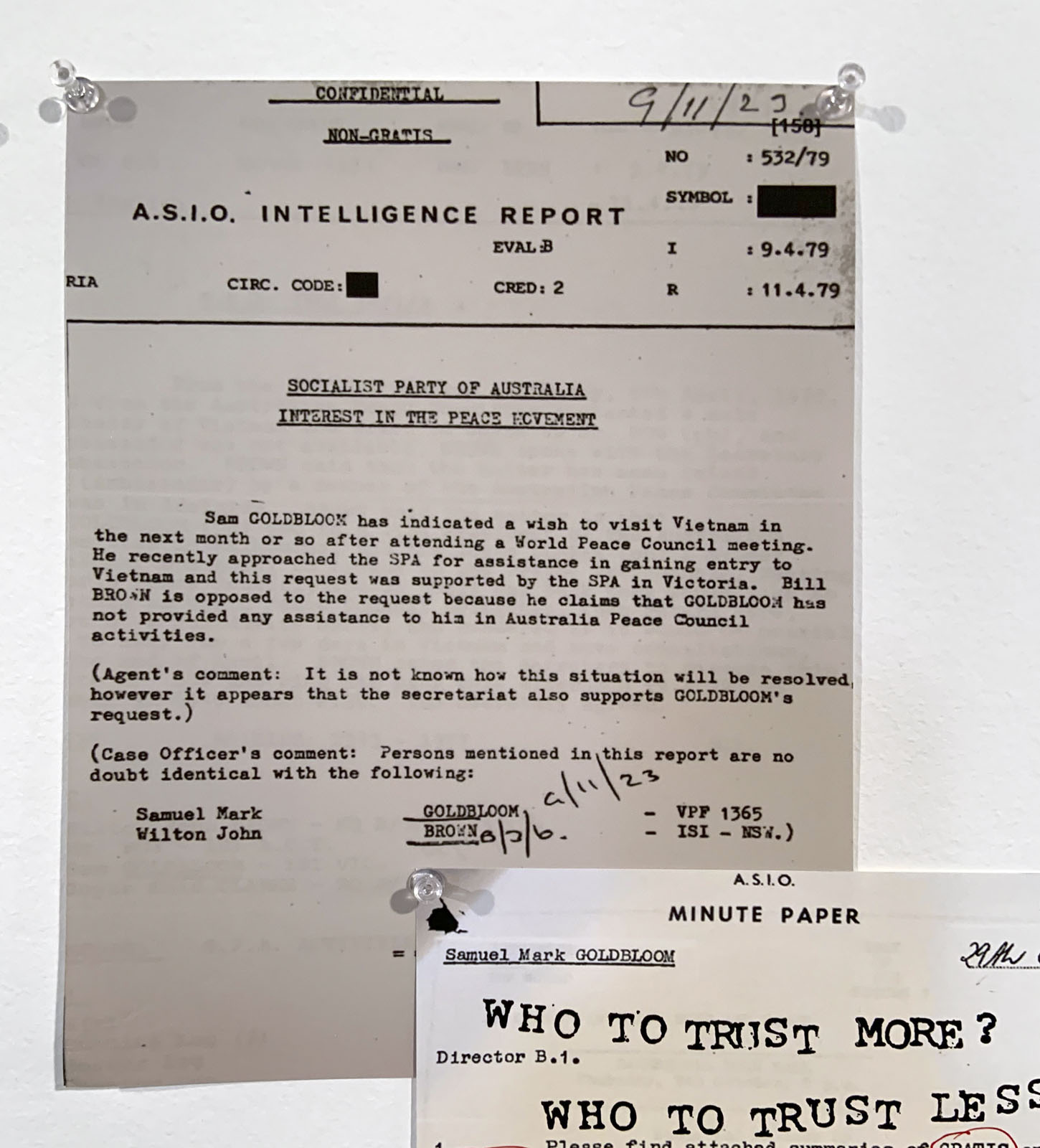
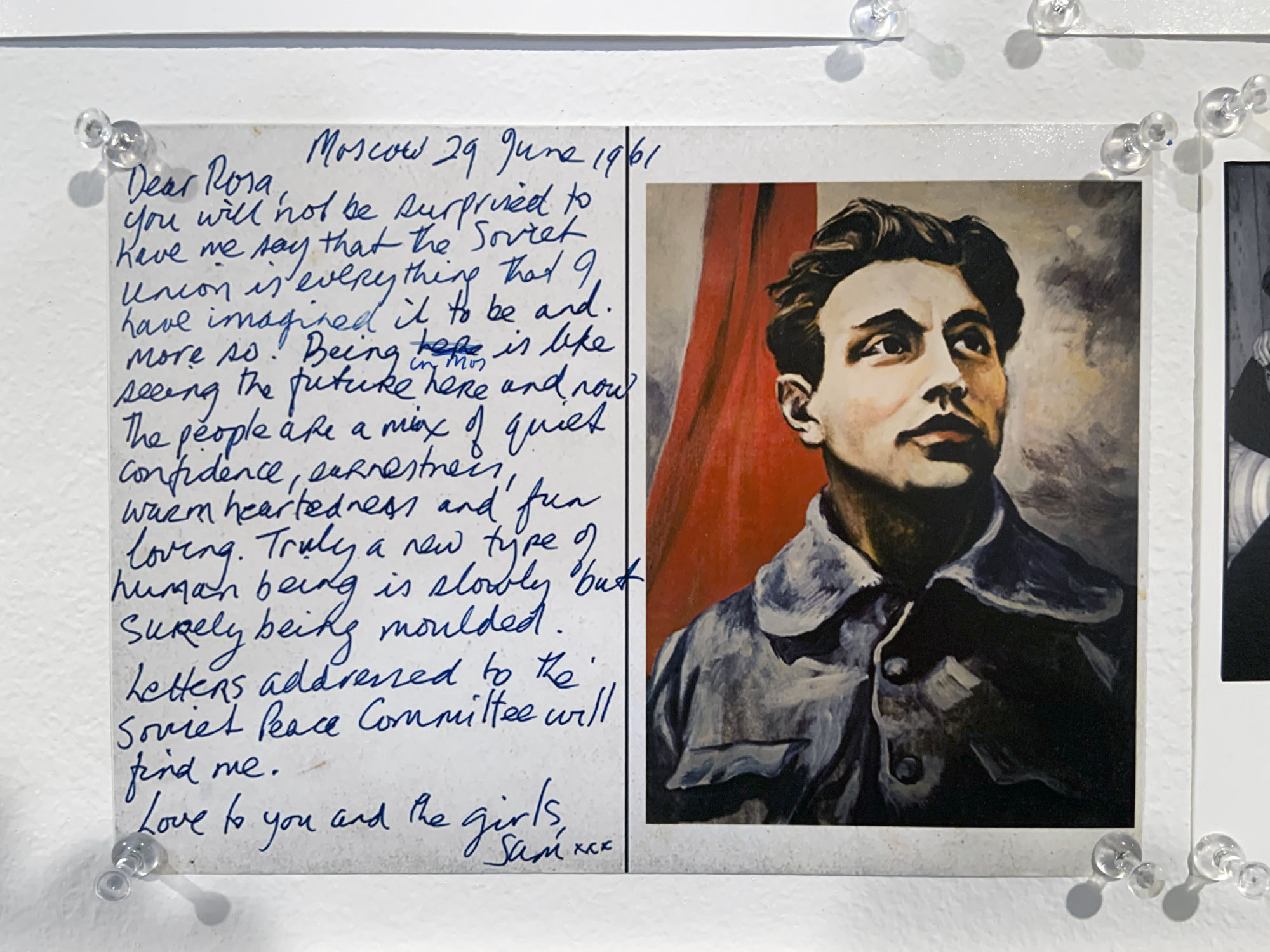
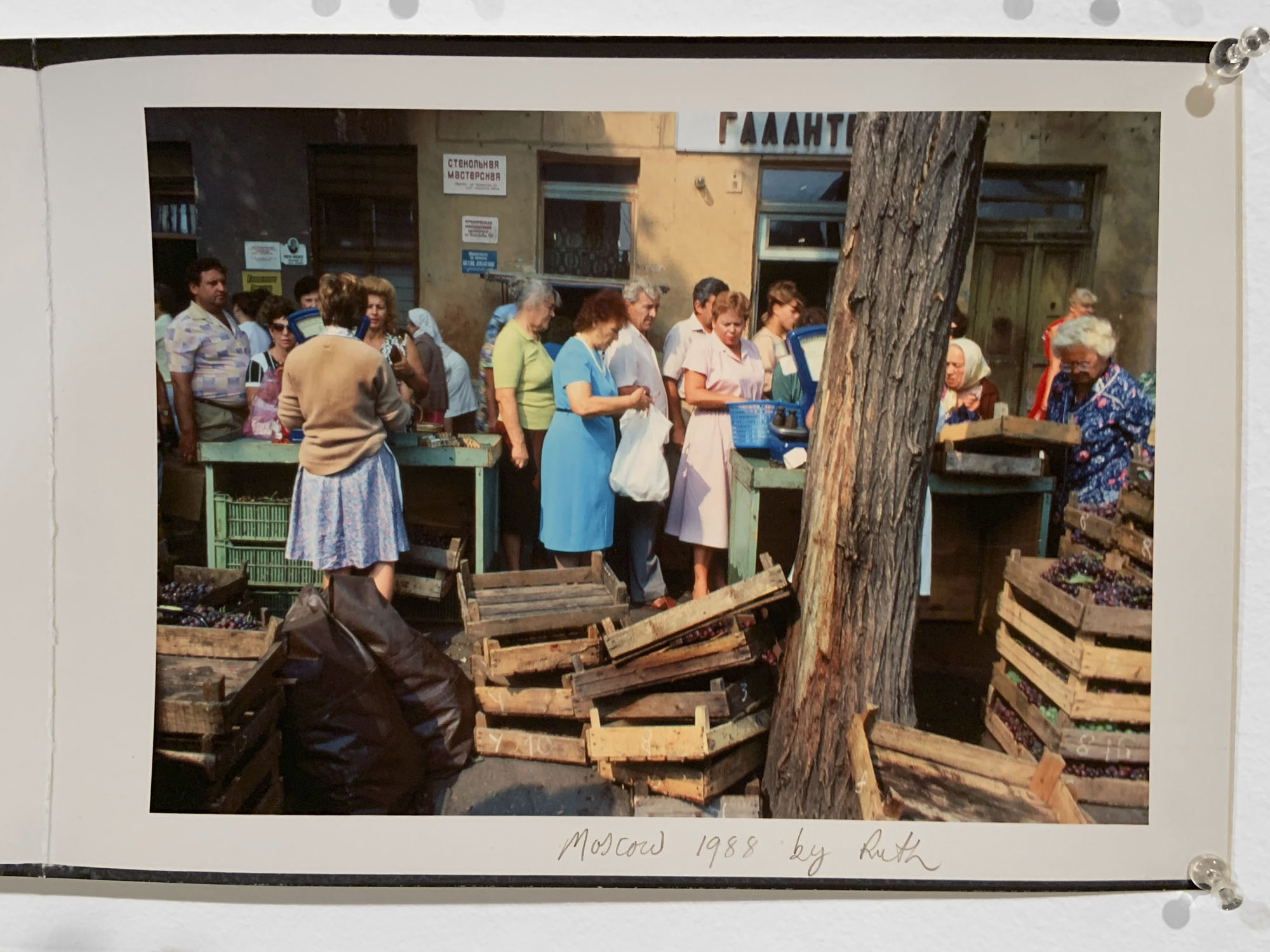
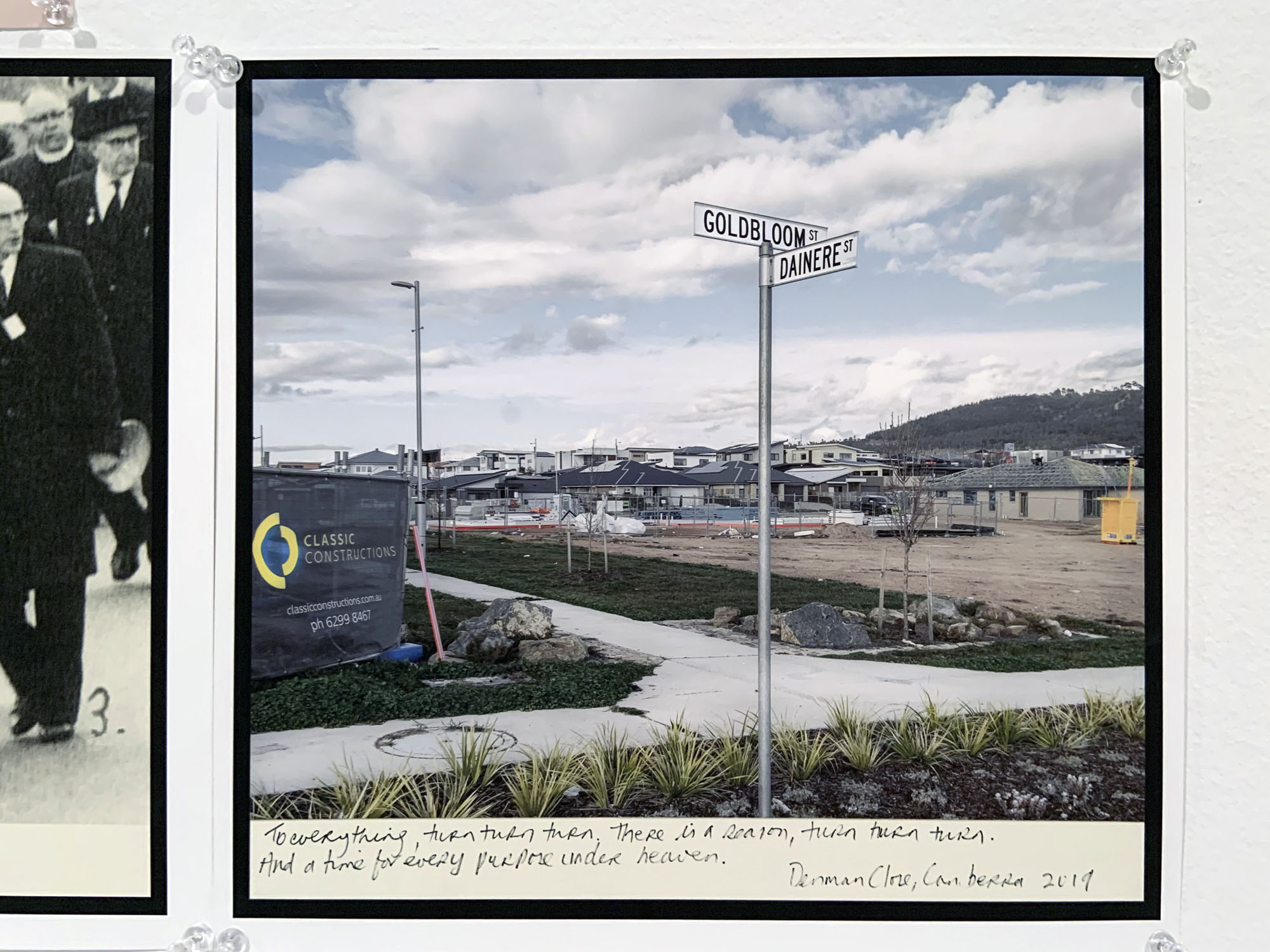
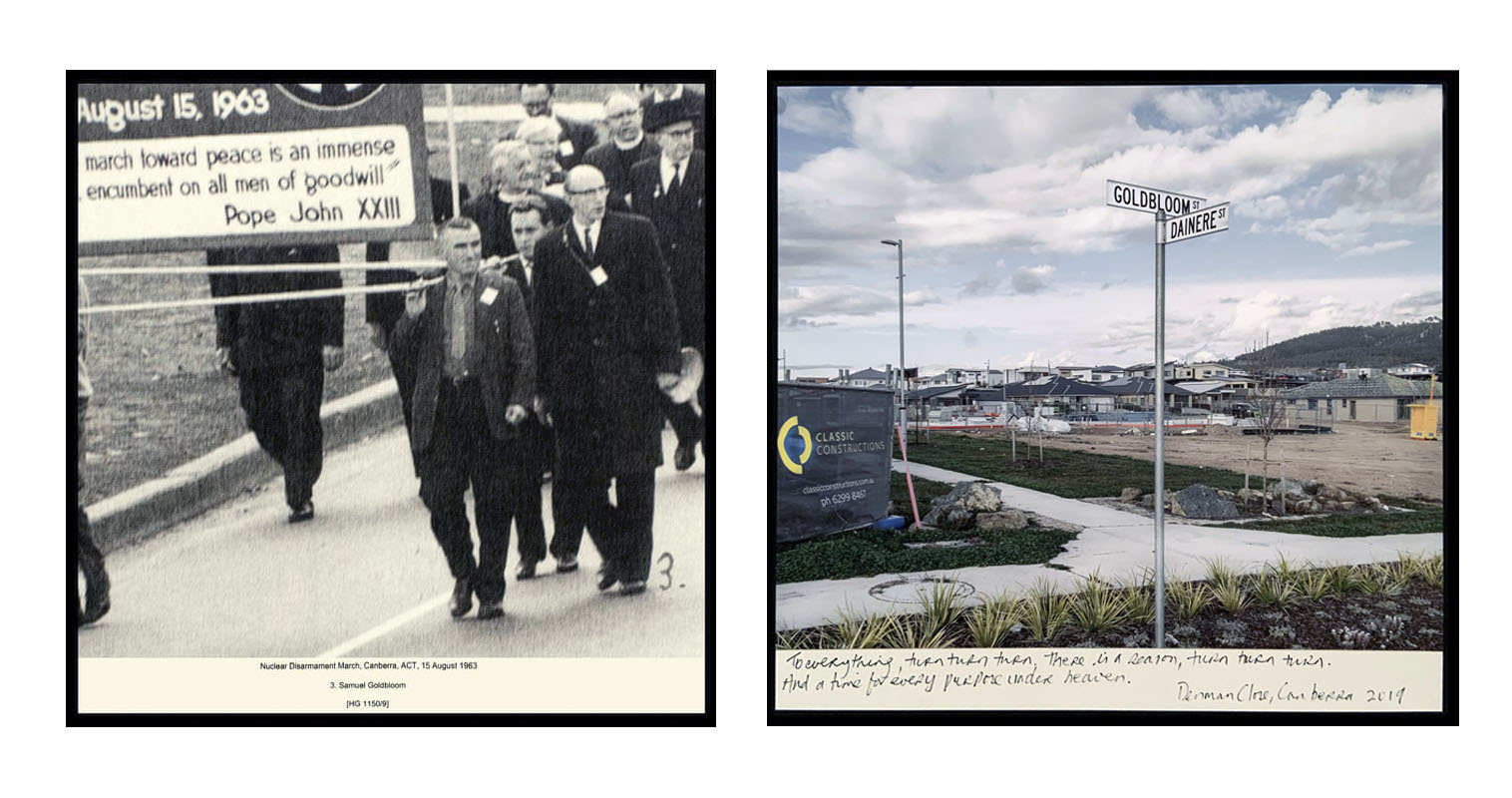
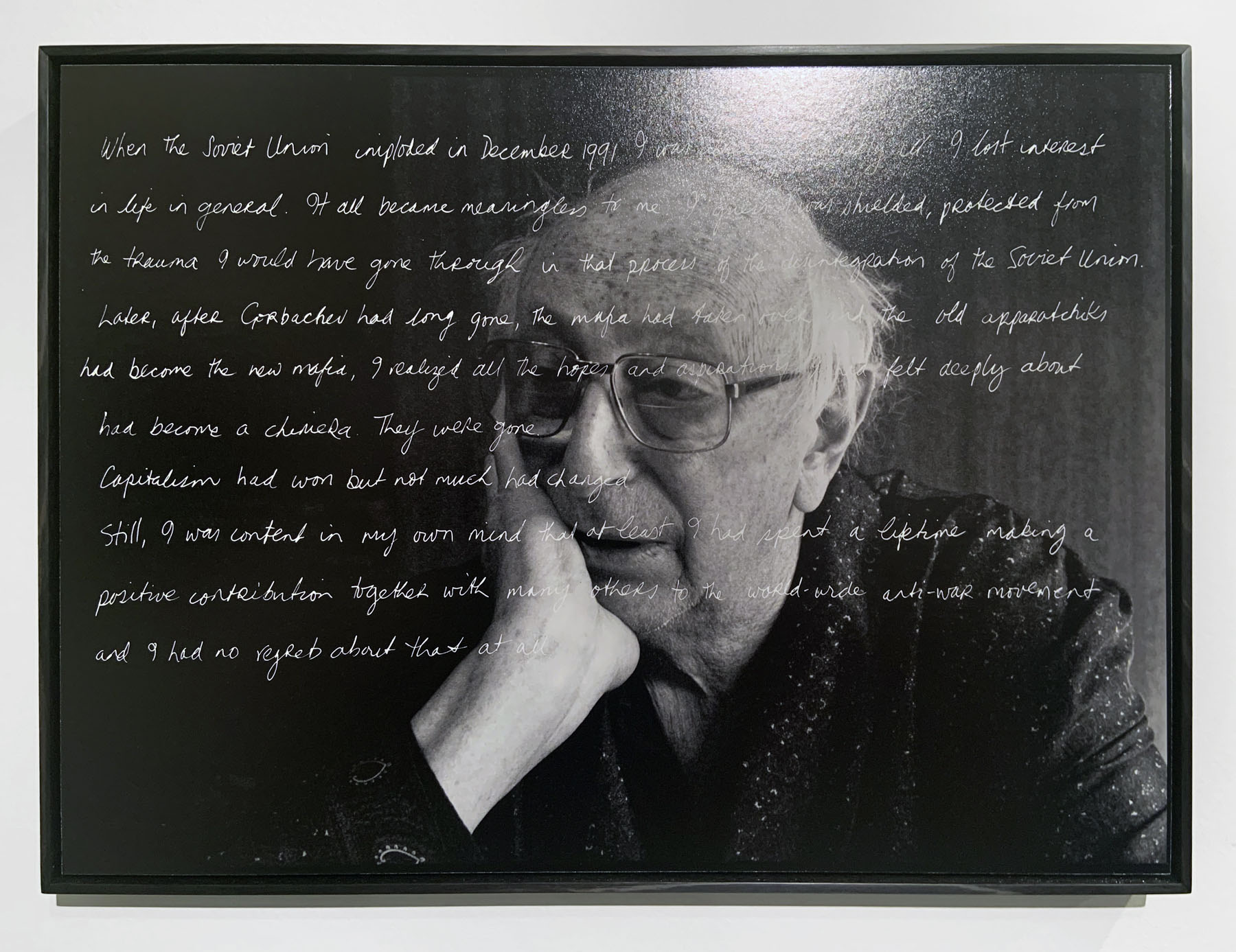
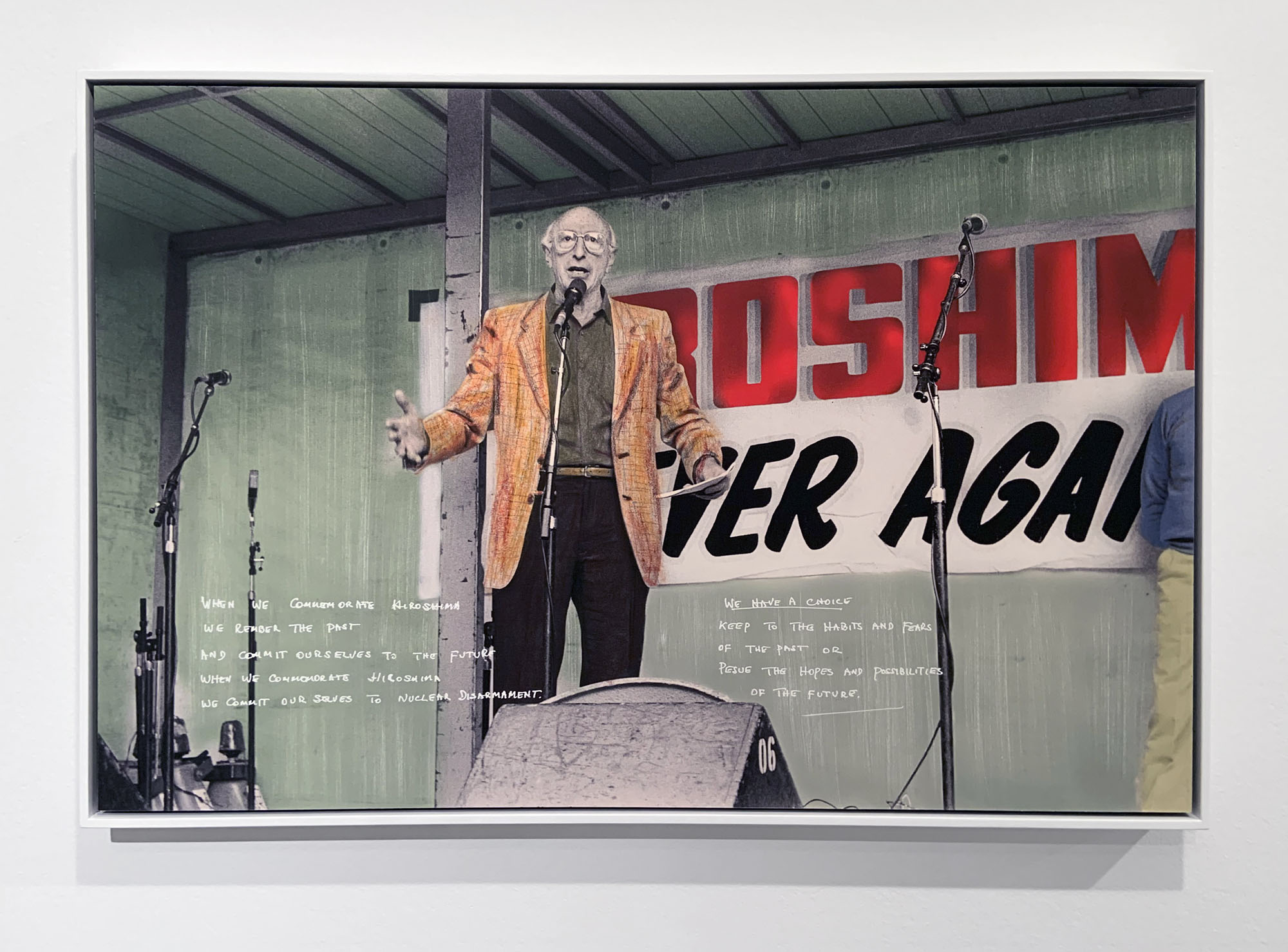
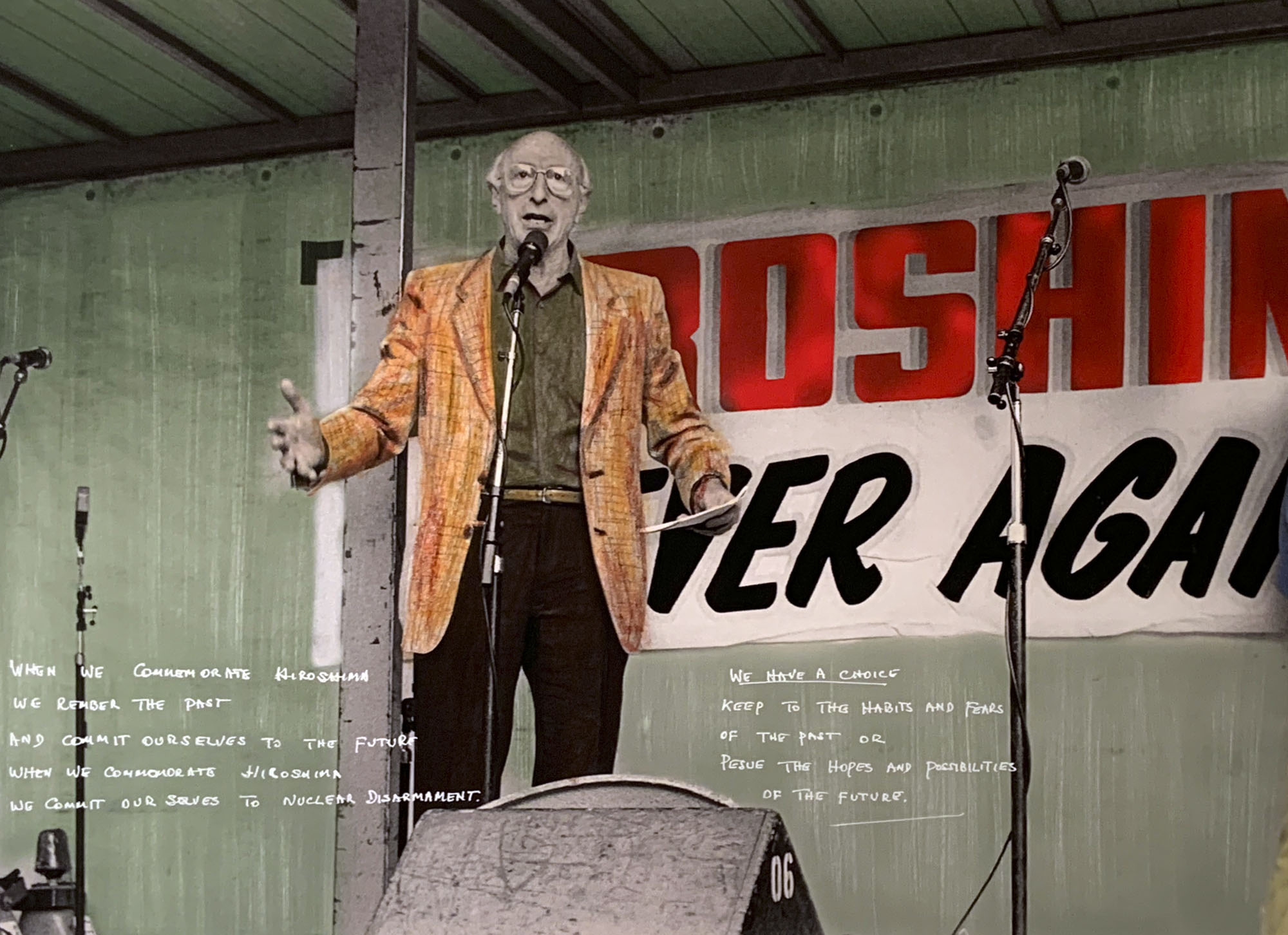
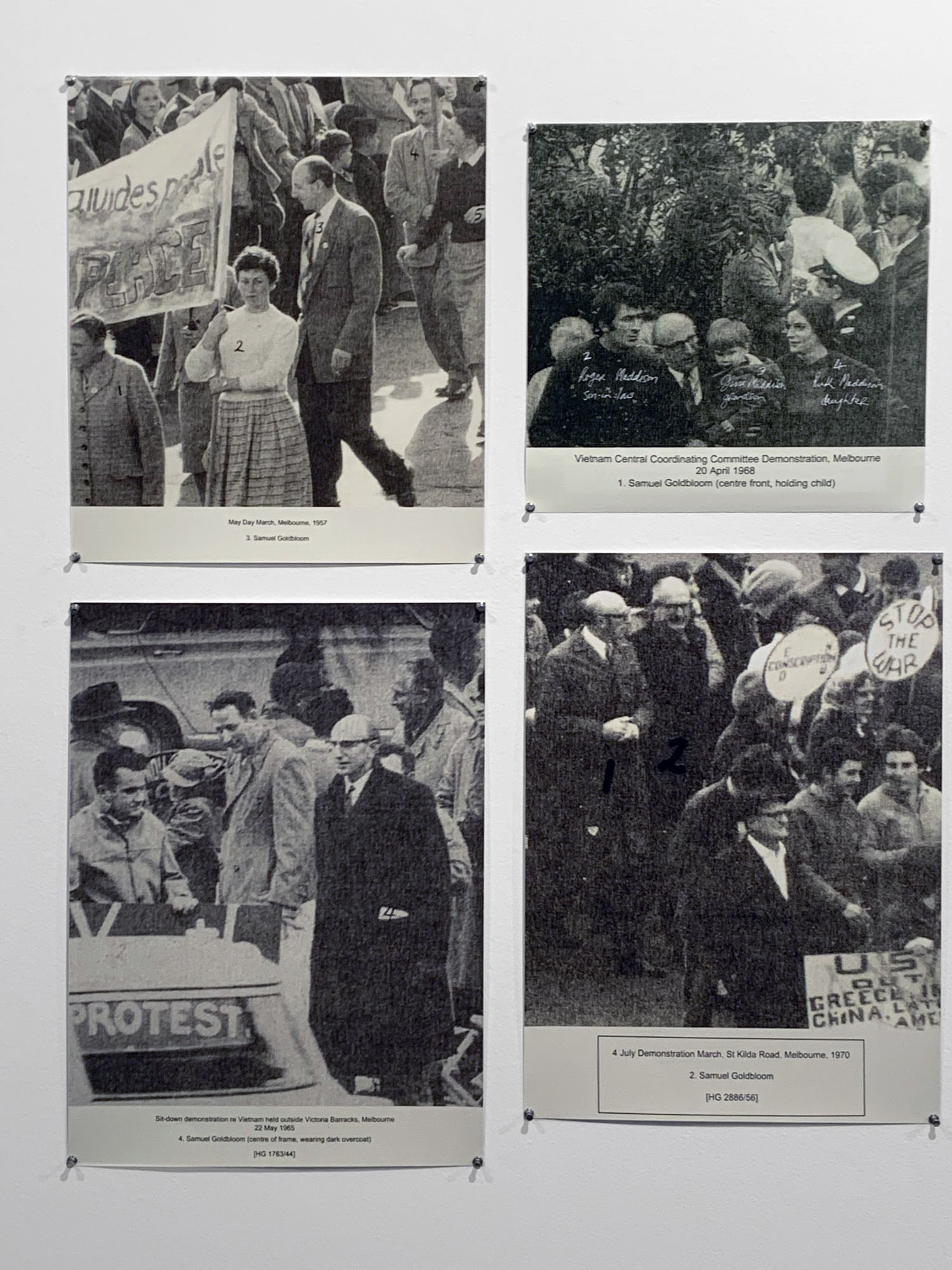
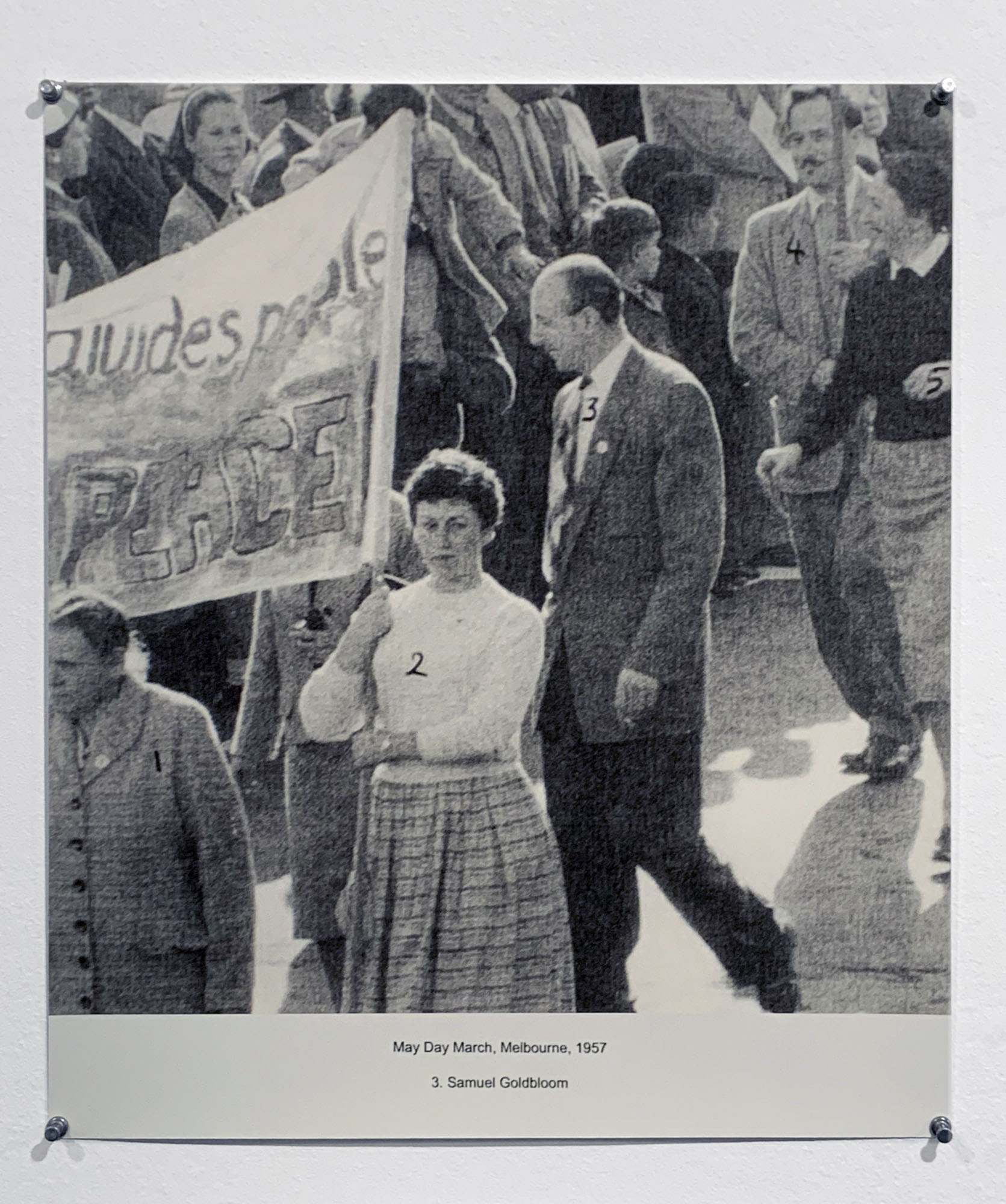
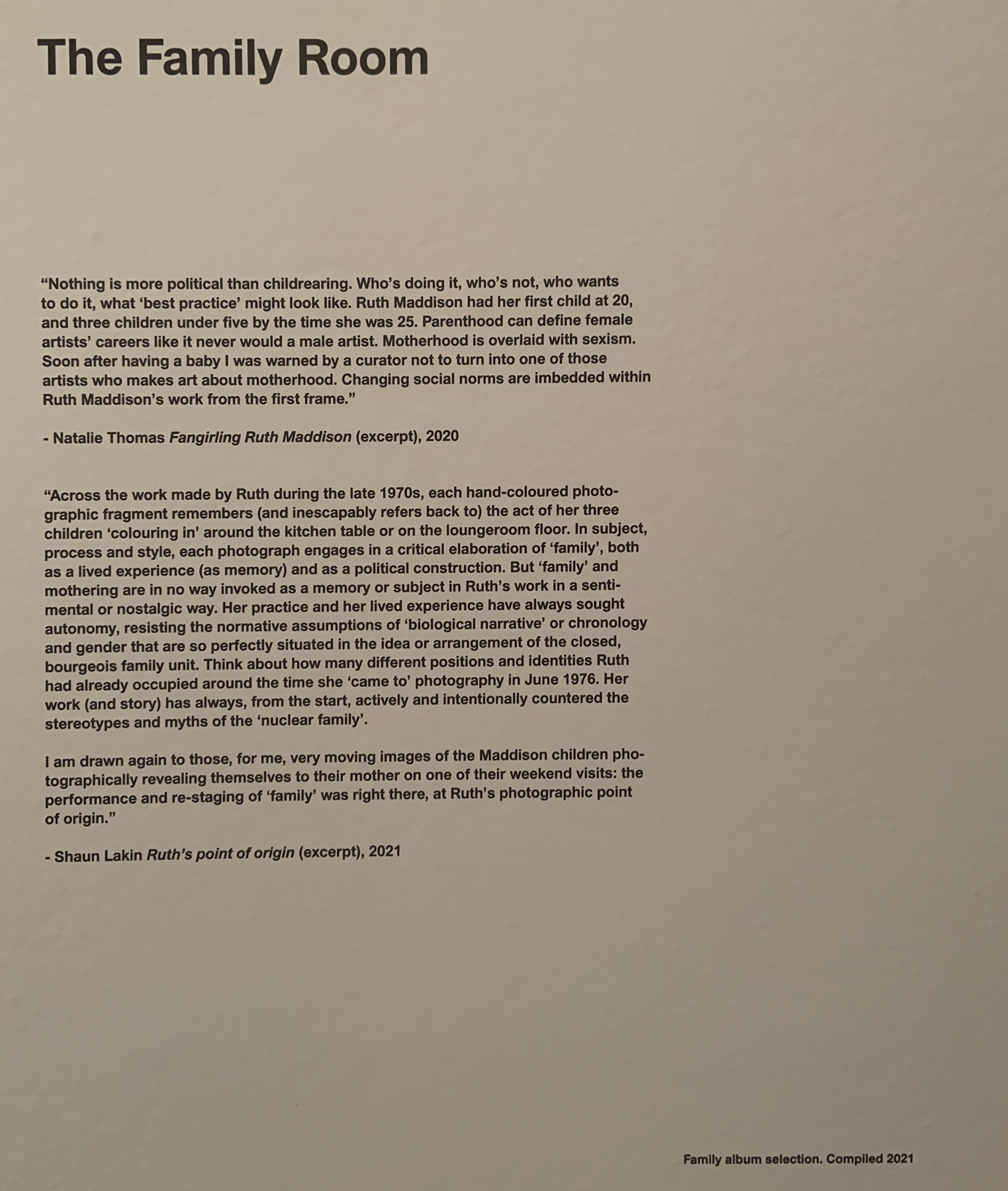
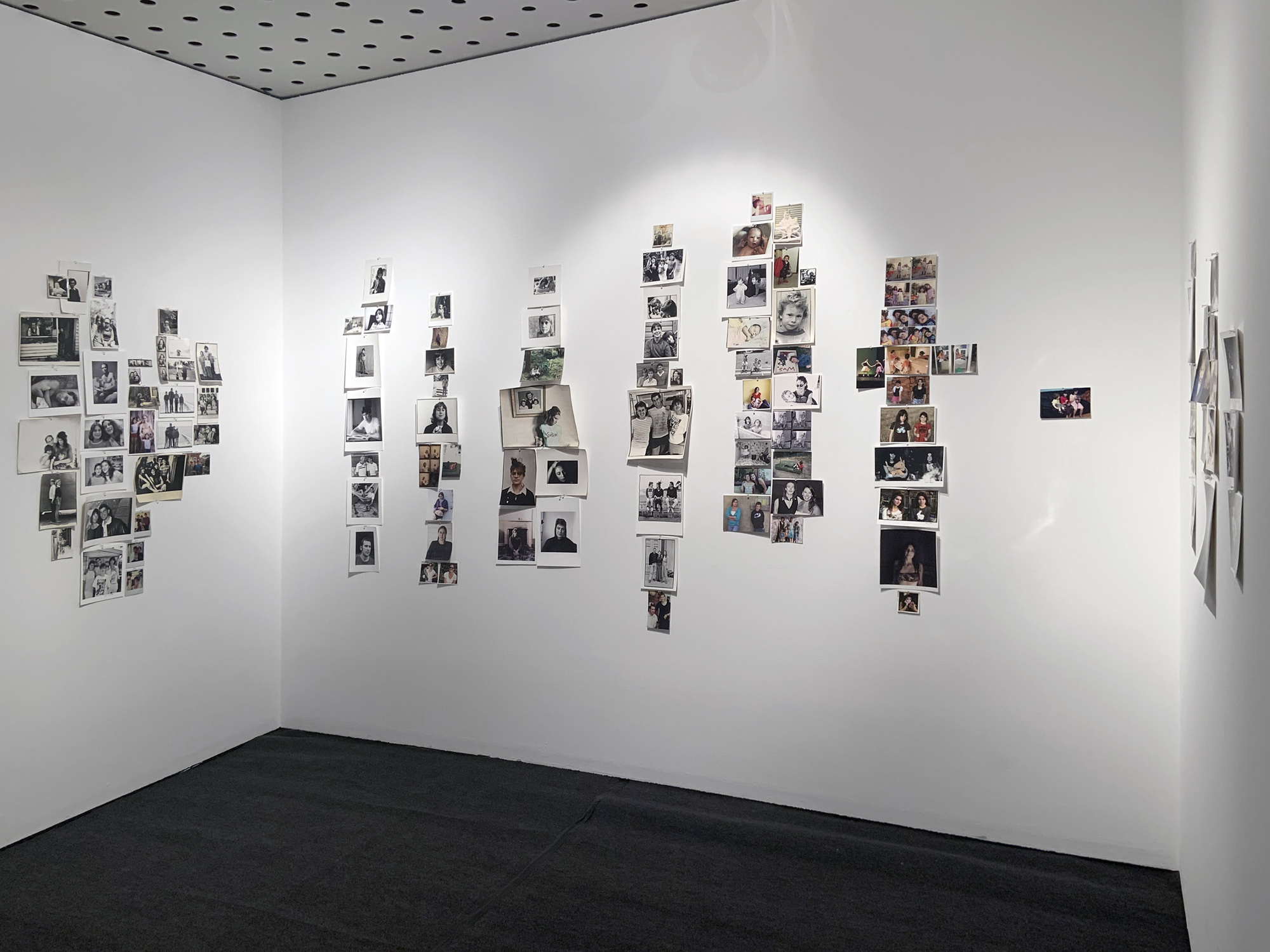
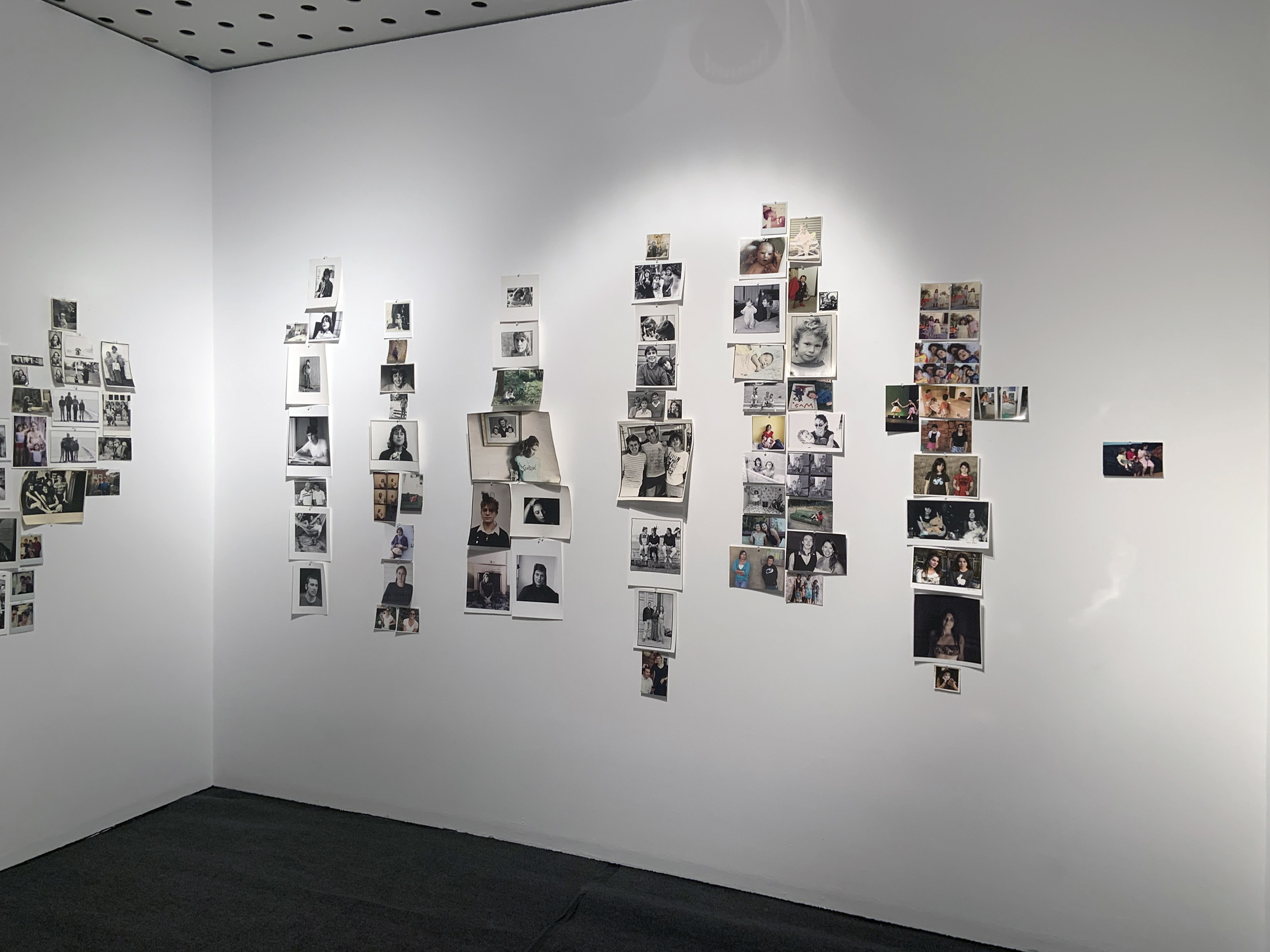
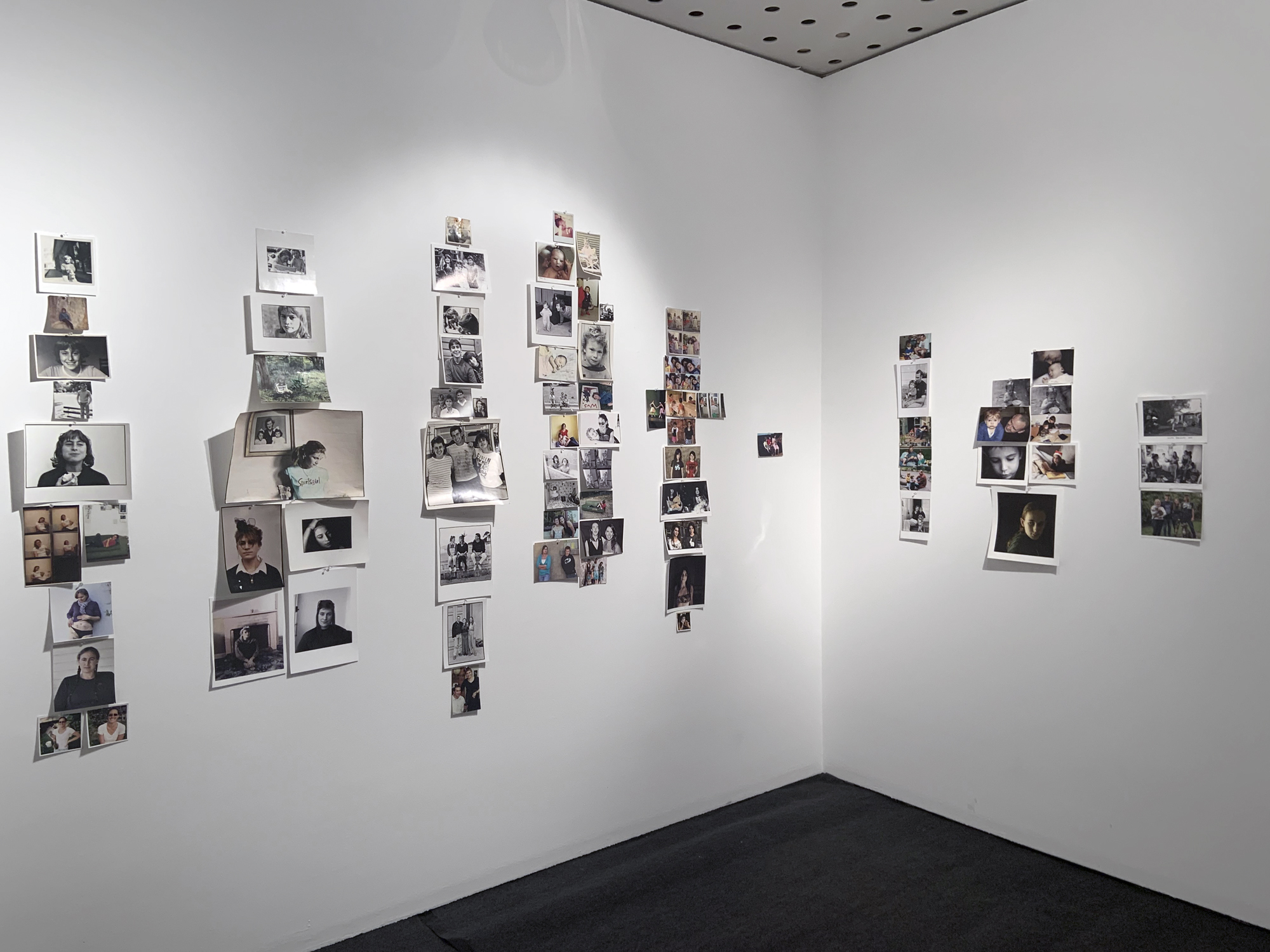
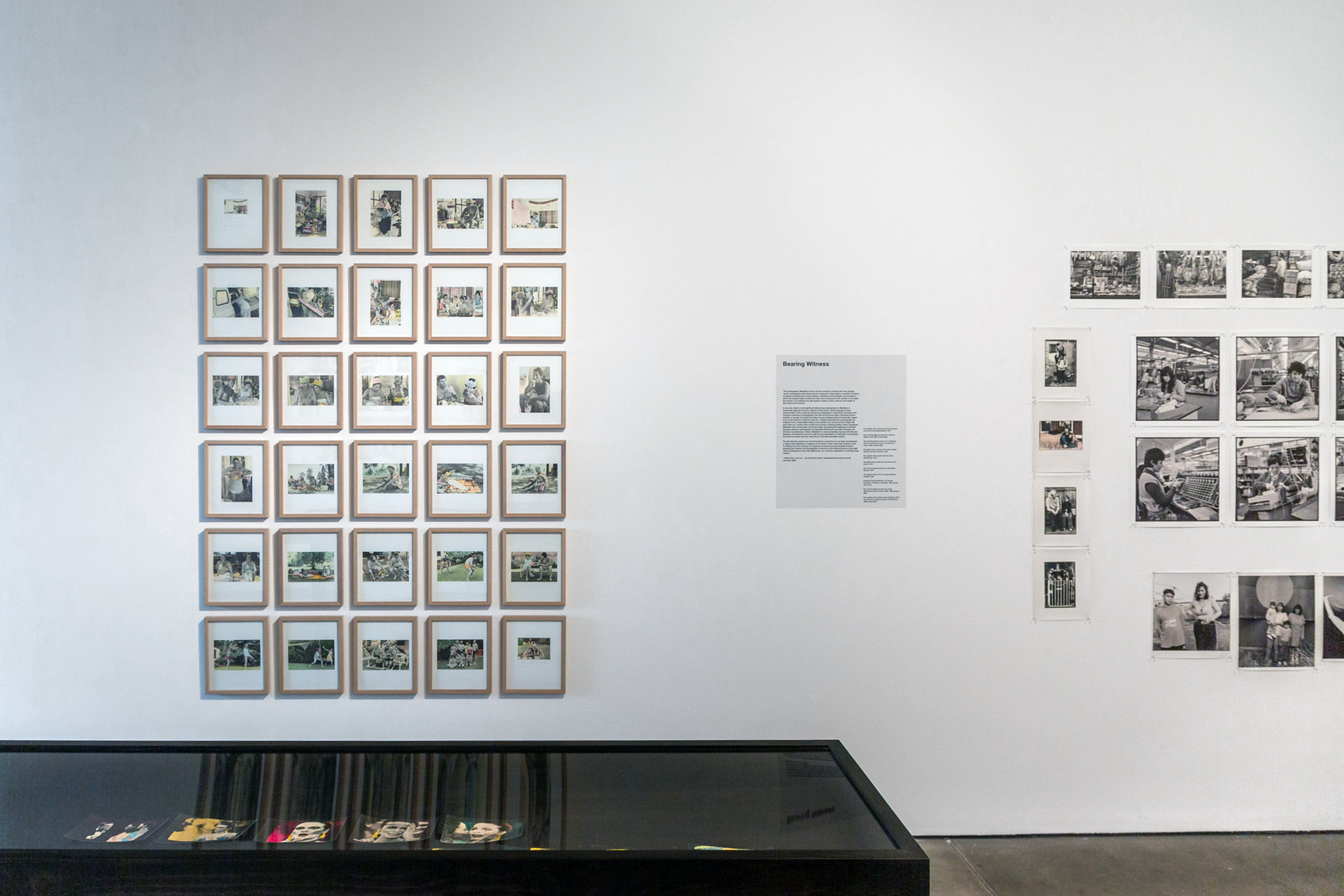
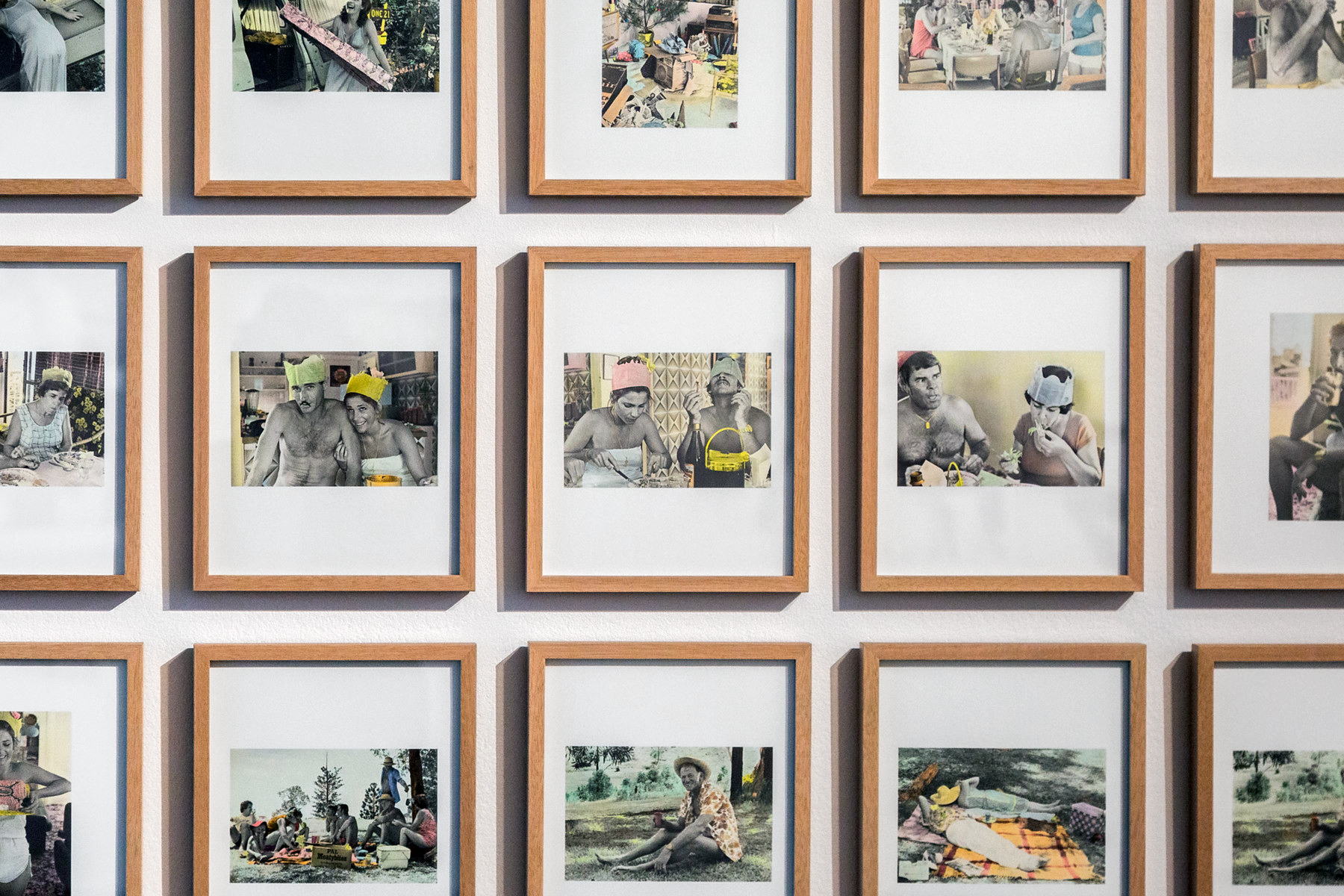
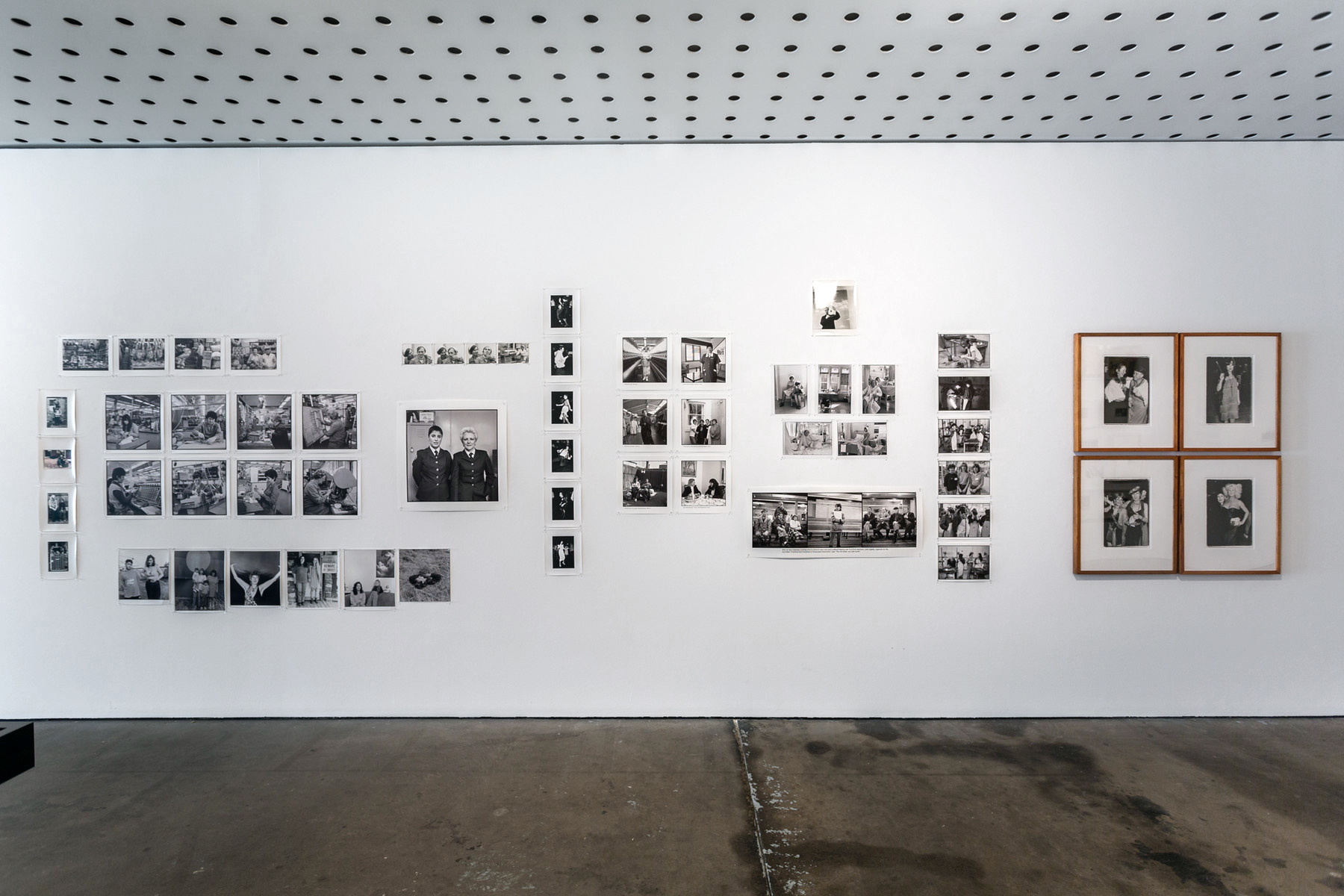
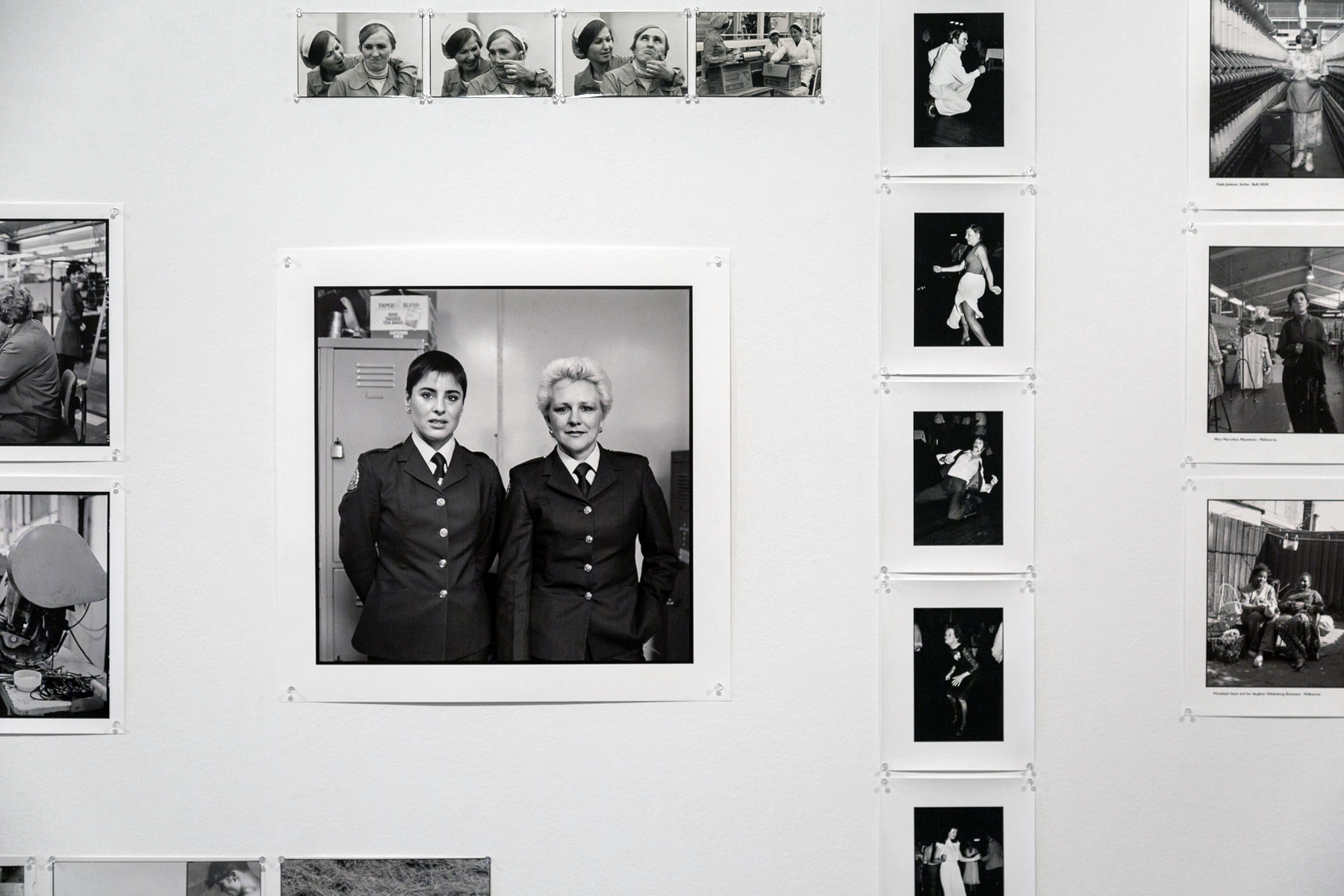
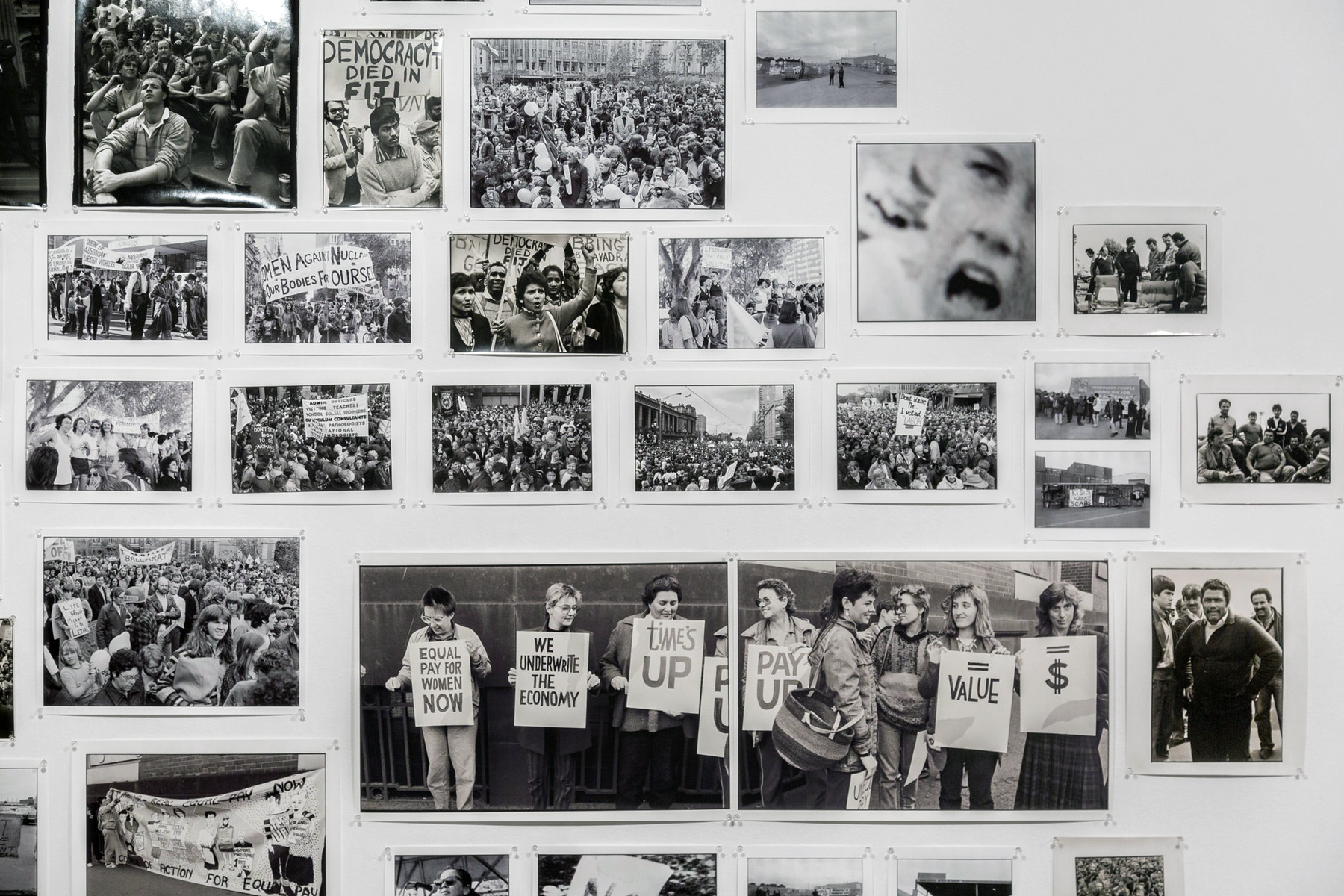
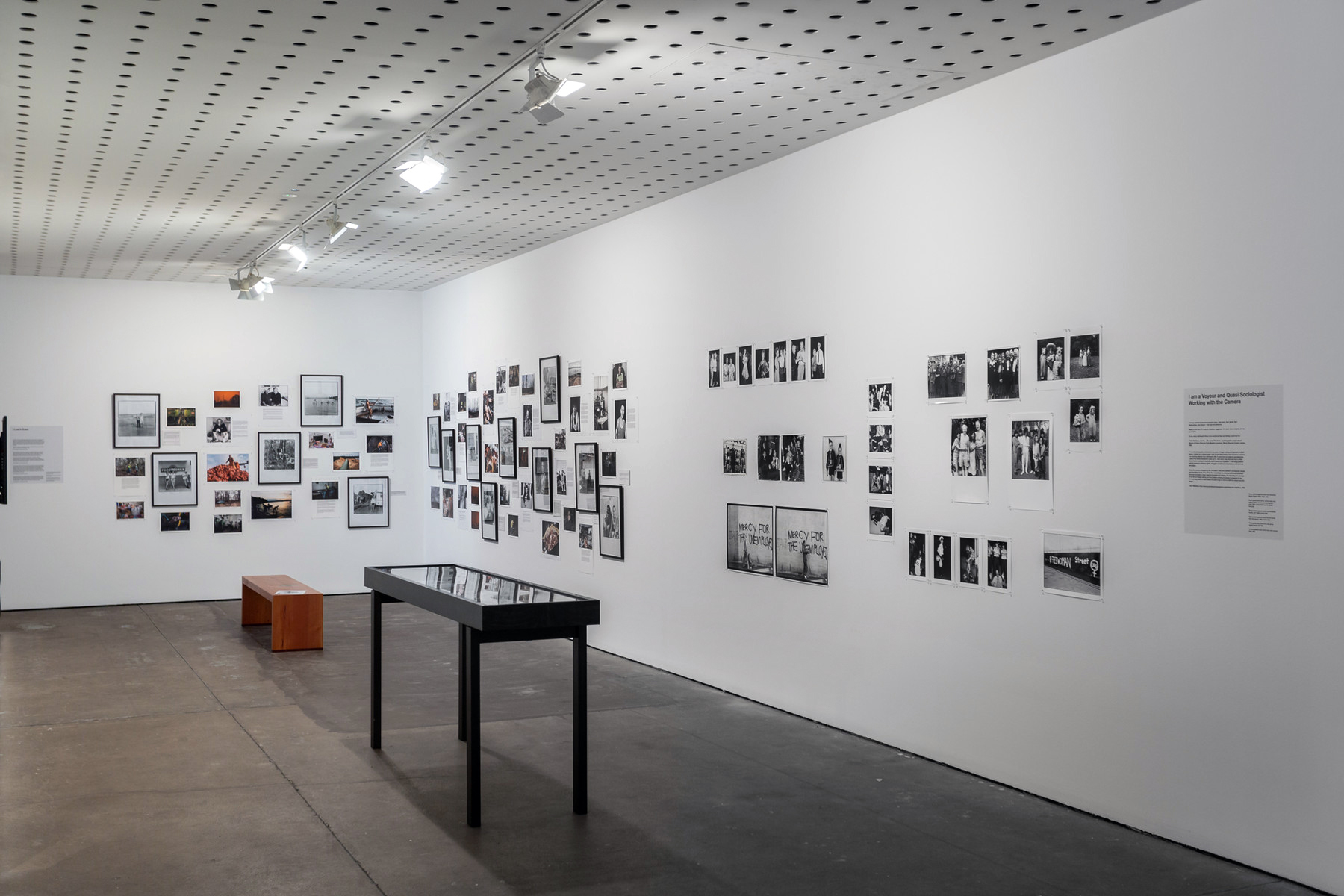
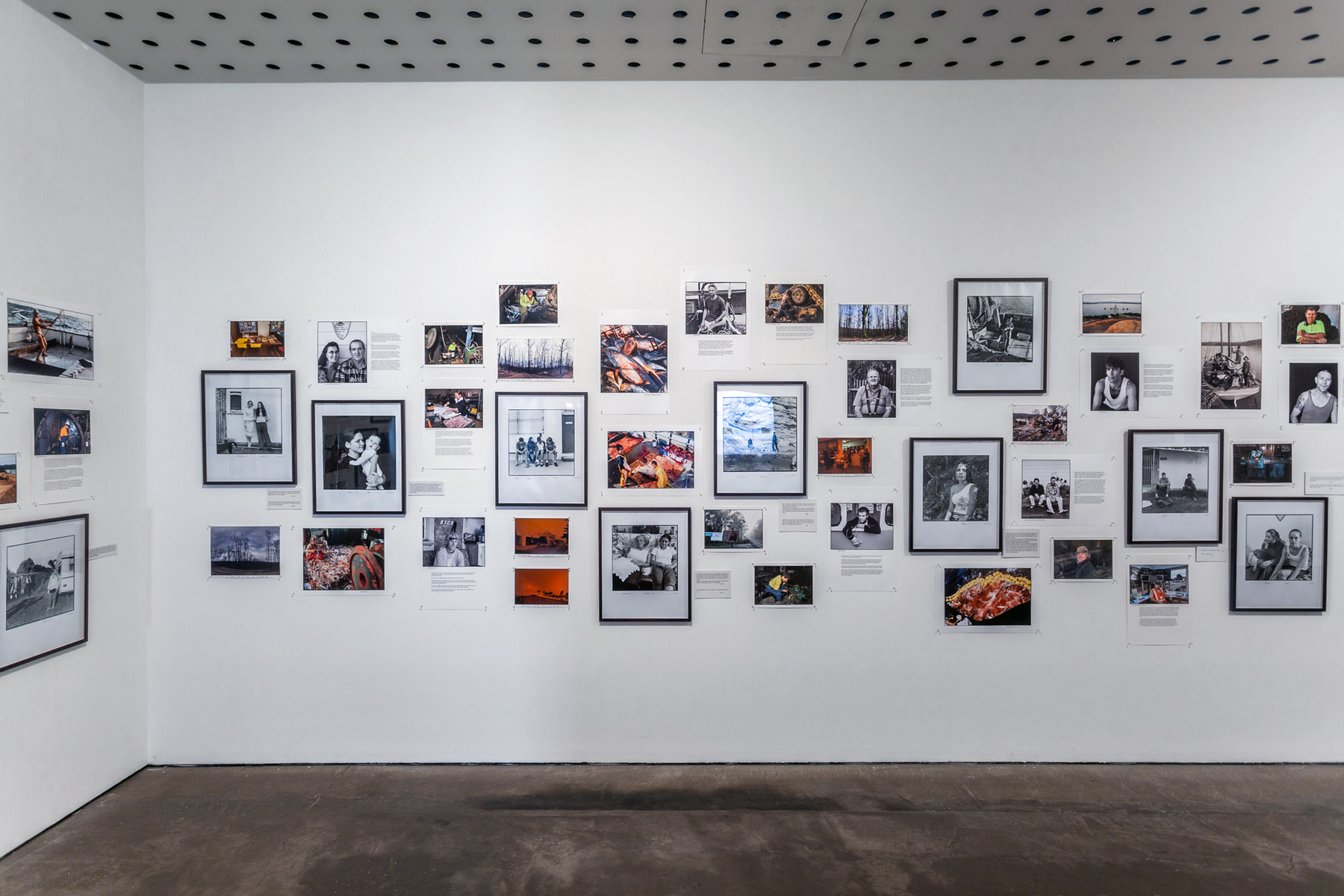
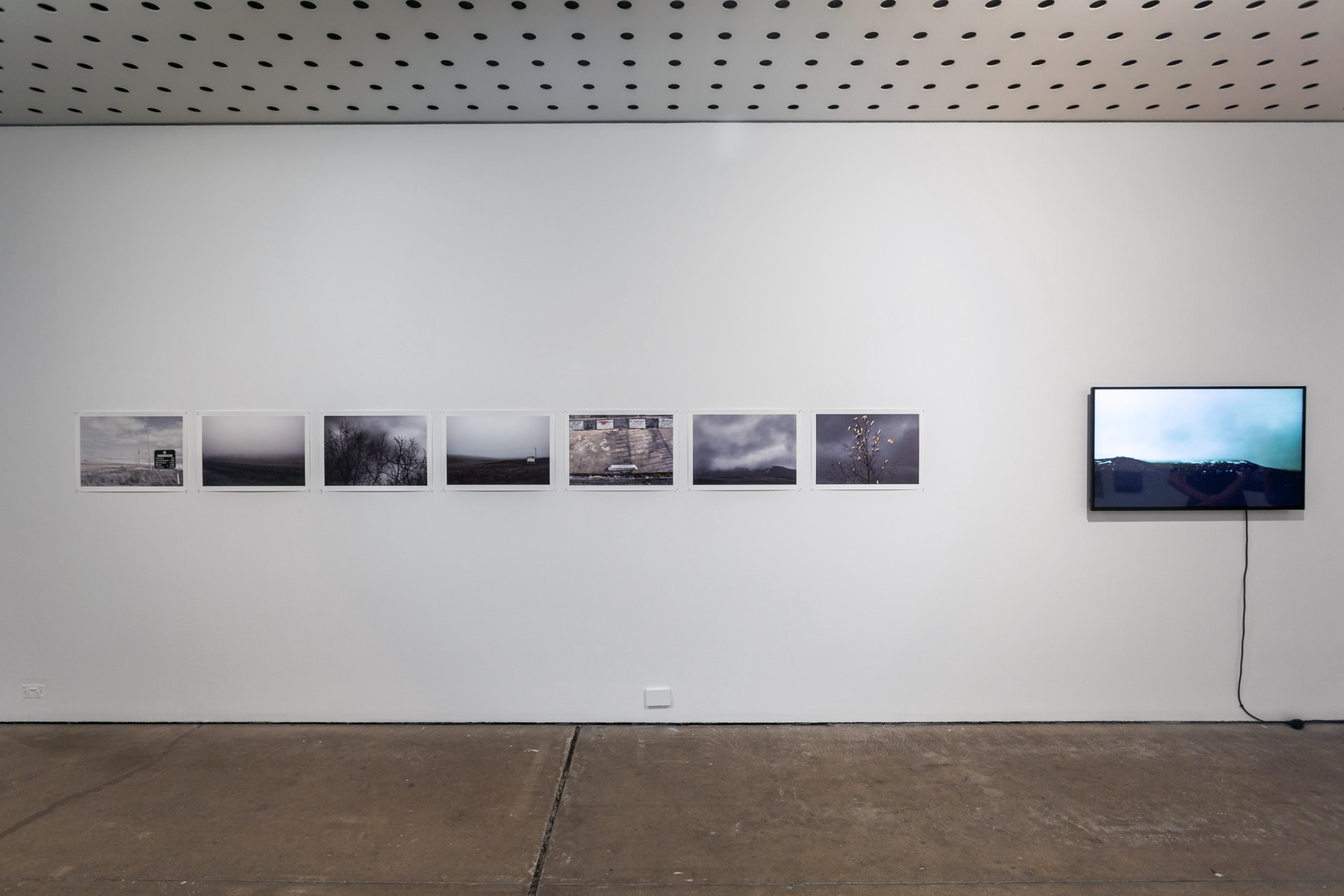
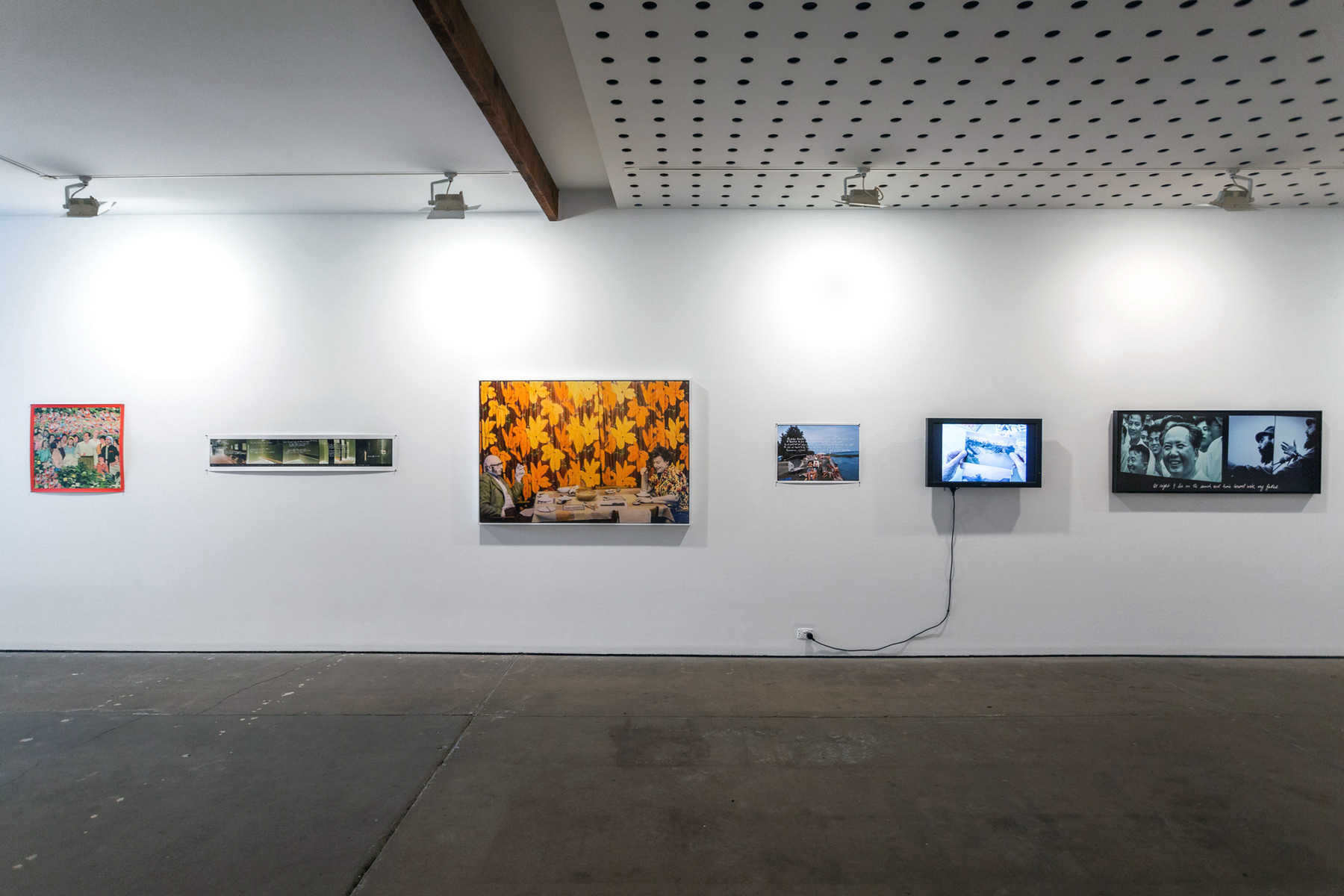
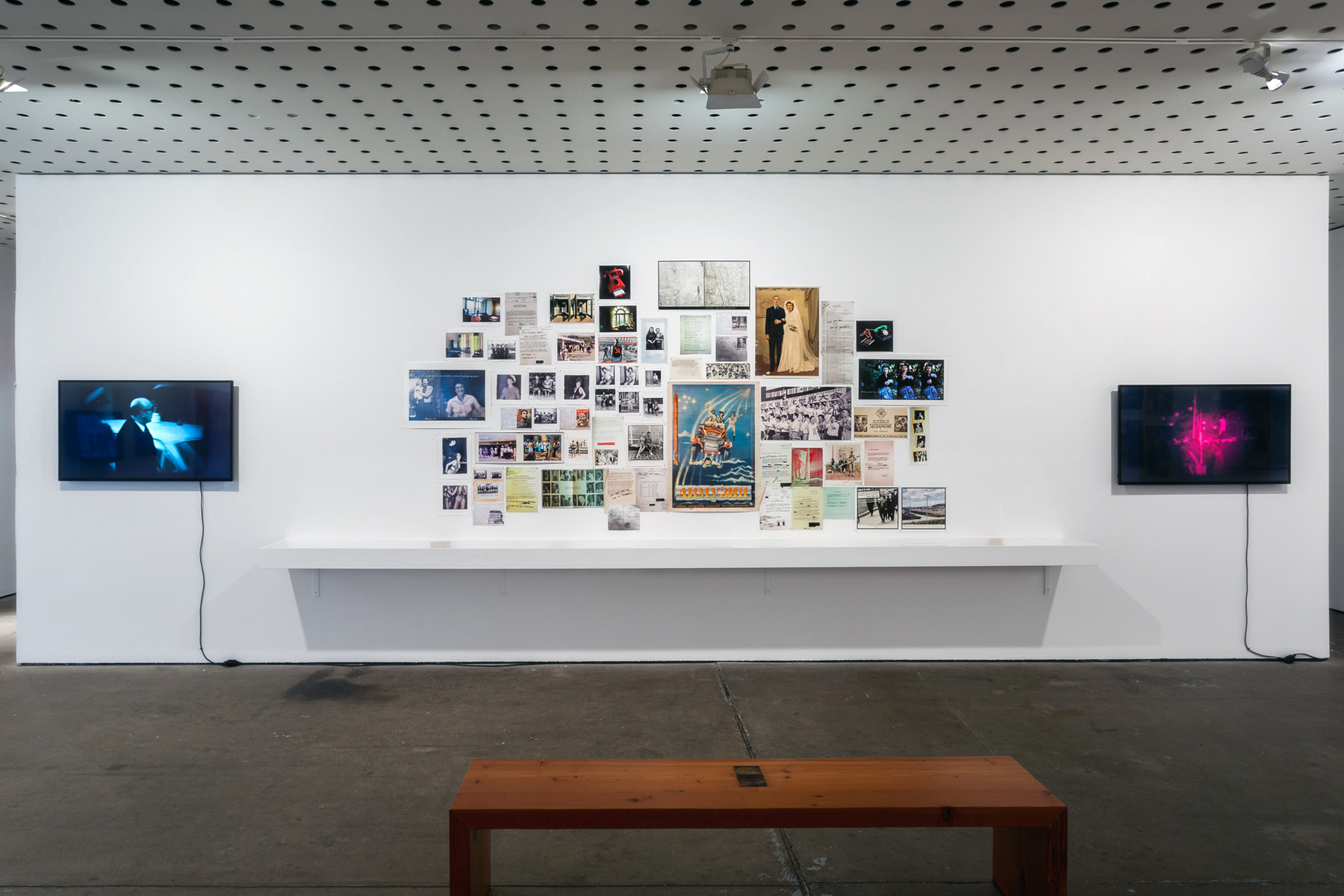
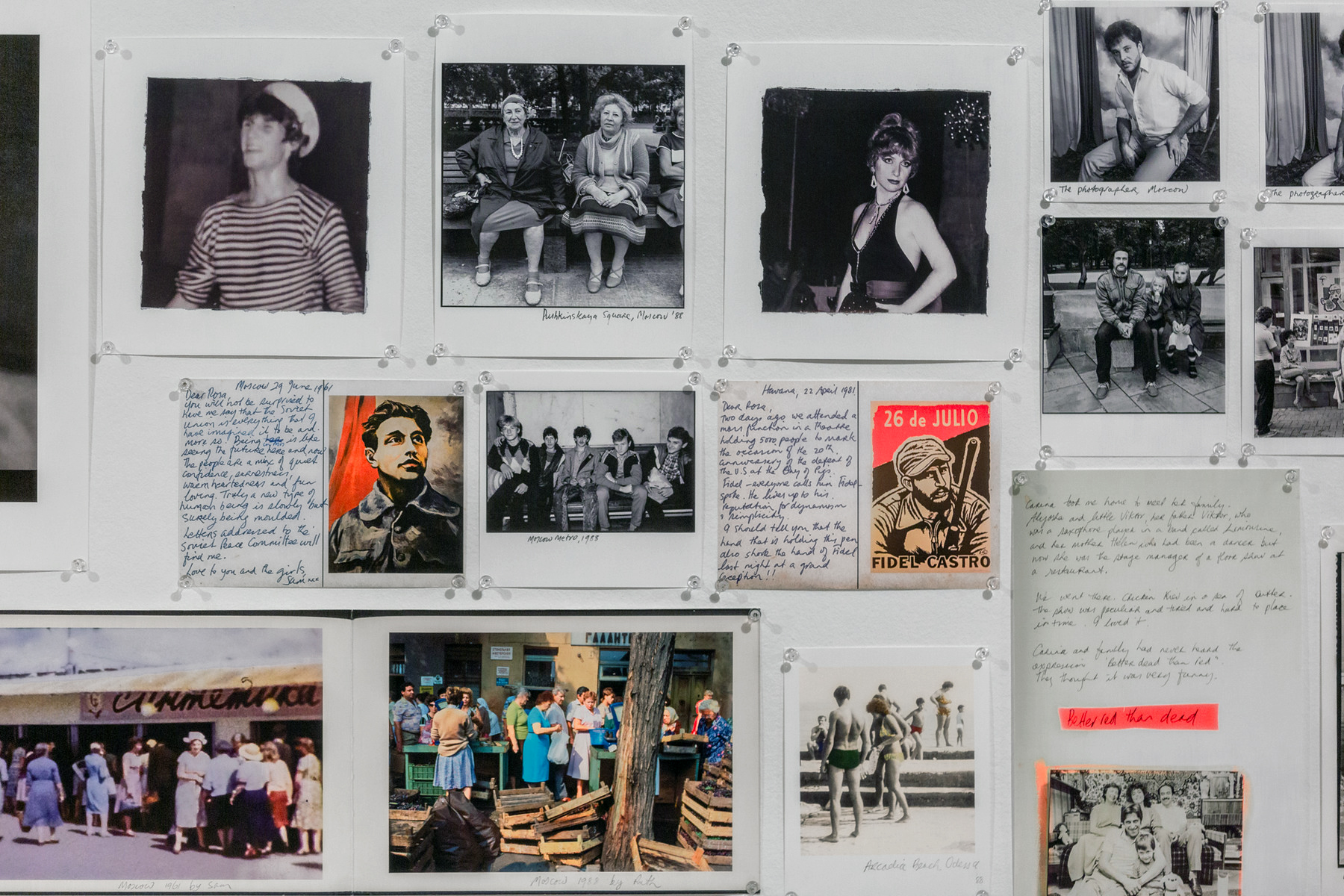
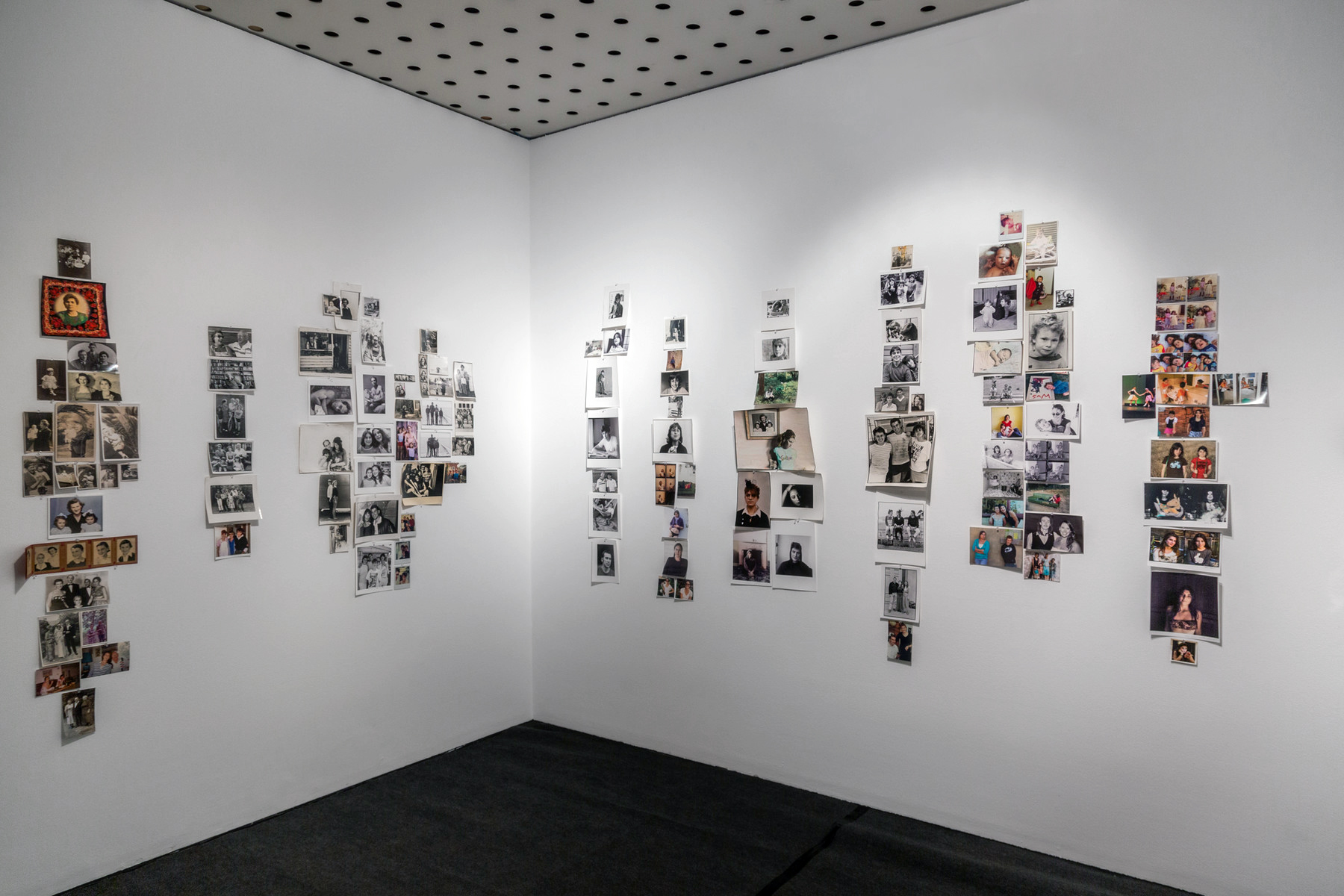
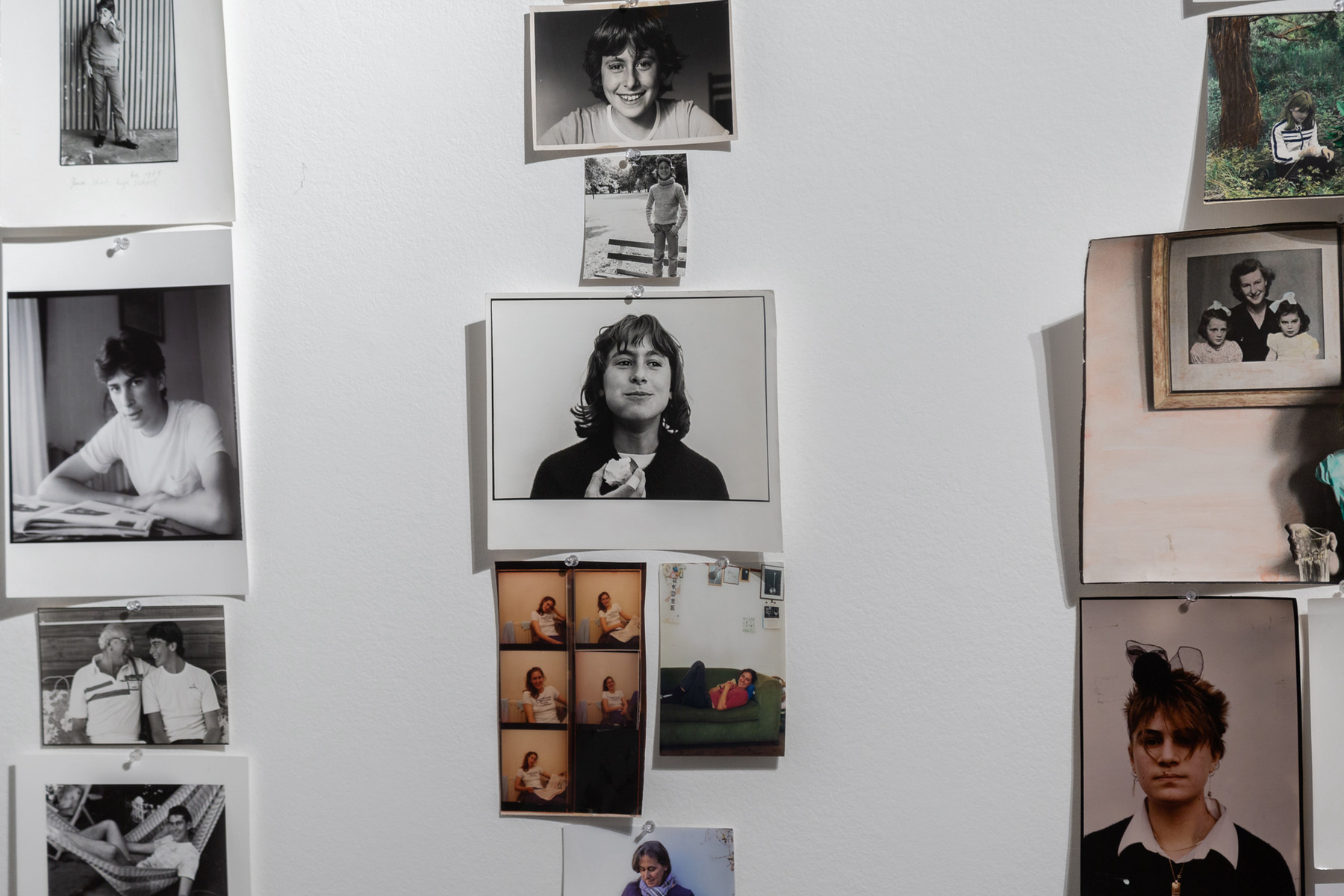


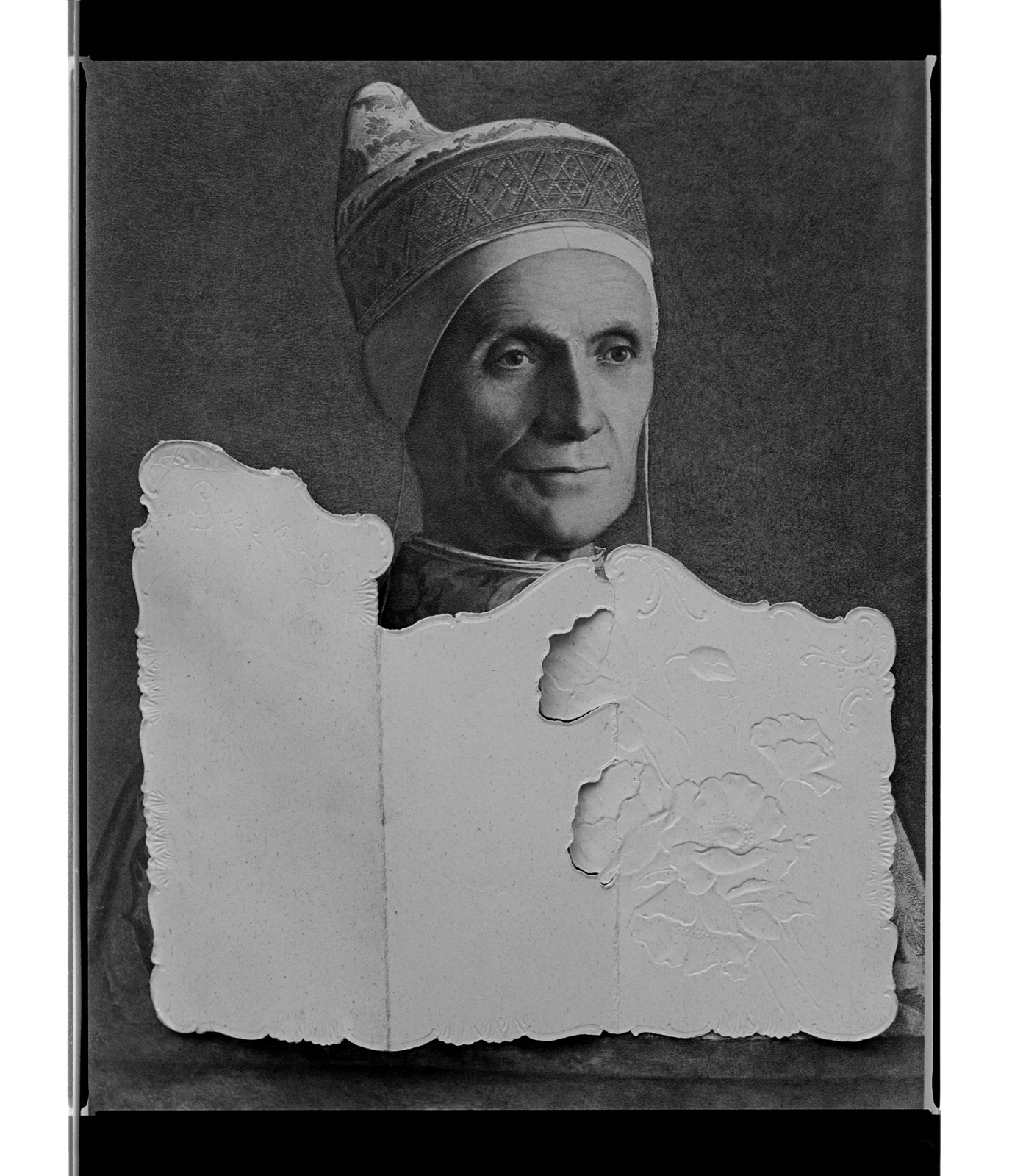



















 Art Blart _ art and cultural memory archive
You must be logged in to post a comment.