Original curator of the touring exhibition: Linda Benedict-Jones, Curator of Photography at the Carnegie Museum of Art (CMOA)
Duane Michals (American, b. 1932) From the series I Remember Pittsburgh 1982 Nine gelatin silver prints Greenwald Photograph Fund and Fine Arts Discretionary Fund Courtesy of Carnegie Museum of Art, Pittsburgh
I couldn’t resist. Another posting on the work of this extraordinary artist. I particularly like The Bewitched Bee (1986) and Who is Sidney Sherman?, replete with blond wig and fag hanging out of the mouth accompanied by very funny and perceptive text.
There is also a very interesting piece of writing on life and photography included in the posting, Real Dreams, from 1976.
Dr Marcus Bunyan
Please click on the photographs for a larger version of the image.
“I’m not interested in what something looks like, I want to know what it feels like.”
Duane Michals
Duane Michals (American, b. 1932) The Bewitched Bee 1986 Thirteen gelatin silver prints with hand-applied text 5 x 7 in. (12.7 x 17.8 cm)
Michals uses photography to spin what amount to Ovidian legends, as in The Bewitched Bee, a sequence of thirteen images in which a young man stung by a bee grows antlers, wanders through the woods, and finally drowns in a sea of leaves.
The Peabody Essex Museum (PEM) presents Storyteller: The Photographs of Duane Michals, the first major U.S. retrospective of the artist’s work in 20 years. Through image sequences, multiple exposures and the overlay of handwritten messages and pigment, Duane Michals (b. 1932) pioneered distinctly new ways of creating and considering photographs. The last half-century of this artist’s prolific, trailblazing career is explored in a carefully selected presentation of more than 65 works. Organised by the Carnegie Museum of Art, Storyteller: The Photographs of Duane Michals is on view at PEM from March 7 through June 21, 2015.
Michals’ career has been fuelled by his enduring curiosity about the human experience and has been defined by its continual creative exploration and reinvention. A self-taught practitioner, he emerged on the photographic scene in the 1960s, at a time when Ansel Adams’ austere mountain ranges and Henri Cartier-Bresson’s iconic street scenes ruled the day. Rather than journey outward to depict nature or patiently wait to capture a decisive moment, Michals sought a new method of expression for his psychological and imaginative vision. He worked with friends and acquaintances to stage sequences of photographs that sought to express things that cannot be seen directly, such as metaphysical reflections on the passage from life to death. Later, he added handwritten text to the images’ margins, further challenging the prevailing sanctity of the single pure photograph.
“For Michals, the need to authentically express himself trumped any interest in being accepted into the mainstream art world. His work charts fresh territory, creatively mixing philosophical rigour, surreal witticism and childlike playfulness with an unabashed sentimentality and nostalgic longing,” says Trevor Smith, PEM’s Curator of the Present Tense. “In Michals’ photographs we encounter an uncommon vulnerability as well as a resolute search for meaning and human connection.”
Raised in a steelworking family outside of Pittsburgh, Michals has explored familial and personal identity as a recurring theme. In a rarely exhibited 30-photograph sequence titled The House I Once Called Home (2003), the artist explores the abandoned three-story brick house where he spent his childhood. Each image is paired with poetic verse of remembrance and reflection to create an intimate photographic memoir and metaphysical scrapbook. Recent photographs are superimposed on historic images as the series toggles through time, space and memory. The home’s current dilapidated state contrasts with reveries of a formerly bustling family home and a rumination on the passage of time and the inevitable succession of generations.
Michals’ lifelong adventure with photography began on a trip to Russia in 1958. Borrowing a camera from a friend, he discovered a way to interact with people and tell stories. Shortly thereafter, Michals moved to New York City where he supported himself through work as a commercial photographer for Vogue, Esquire and Life magazines and took portraits of notable artists including Meryl Streep, Sting and Willem de Kooning. In the 1960s, Michals began his earliest experimental narrative sequences that were exhibited in 1970 at the Museum of Modern Art (MoMA). The curator of the show, William Burback, noted that “the mysterious situations Michals invents are posed and theatrical. Yet, they are so common to the urban condition that we have the illusion of remembering scenes and events experienced for the first time.” Later he began adding text to his photographs such as This Photograph Is My Proof (from 1974), which allowed him to tell stories and address feelings that could not be fully explored by photography alone.
Rather than take cues from his photographic contemporaries, Michals considers surrealist painters such as René Magritte, Balthus and Giorgio de Chirico to be his artistic heroes. Scratching out universal truths from the mystery of human experience, Michals has explained that his works are, “about questions, they are not about answers.” Over the decades, he has been at the forefront of exploring sexual identity and the struggles for gay rights. In his 1976 work, The Unfortunate Man, a model arches his back in anguish while the accompanying text reads: The unfortunate man could not touch the one he loved. It was declared illegal by the law. Slowly his fingers became his toes and his hands gradually became feet. He wore shoes on his hands to disguise his pain. It never occurs to him to break the law.
One of the constants of Michals’ career – from his classic narrative sequences to his more recent series of hand-painted tintypes – has been his preference for intimately scaled images with tactile surface treatments. These works, with their universal themes of memory, dreams, desire and mortality, draw the viewer closer and insist on their full engagement at an emotional level. Commenting on why Michals includes handwritten text on his images, he has said: “I love the intimacy of the hand. It’s like listening to someone speaking.”
Duane Michals (American, b. 1932) Sting 1982 Gelatin silver print Courtesy of DC Moore Gallery and the artist
Duane Michals (American, b. 1932) The Great Photographers of My Time #2 1991 Gelatin silver print The Henry L. Hillman Fund Courtesy of Carnegie Museum of Art, Pittsburgh
Duane Michals (American, b. 1932) The Unfortunate Man 1976 Gelatin silver print with hand-applied text The Henry L. Hillman Fund Courtesy of Carnegie Museum of Art, Pittsburgh
Duane Michals (American, b. 1932) Magritte at His Easel 1965 Gelatin silver print with hand-applied text
Duane Michals (American, b. 1932) Georgette and Rene Magritte 1965 Gelatin silver print with hand-applied text
Duane Michals (American, b. 1932) From the series The House I Once Called Home 2002 Thirty gelatin silver prints with hand-applied text The Henry L. Hillman Fund Courtesy of Carnegie Museum of Art, Pittsburgh
Randy Duchaine Duane Michals, portrait with red nose 2015 Photo courtesy of Randy Duchaine
Real Dreams
by Duane Michals
Nothing is what I once thought it was. You are not what you think you are. You are nothing you can imagine. I am a short story writer. Most often photographers are reporters. I am an orange. They are apples. One of the biggest cliches in photography is to say that he is a personal photographer. We must touch each other to stay human. Touch is the only thing that can save us. I use photography to help me explain my experiences to myself. Some photographers literally shoot everything that moves, hoping somehow, in all that confusion to discover a photograph. The difference between the artist and the amateur is a sense of control. There is a great power in knowing exactly what you are doing, even when you don’t know. We are all stars. We just don’t know it. I practice being Duane Michals everyday – that’s all I know. Most portraits are lies. People are rarely what they appear to be, especially in front of a camera. You might know me your entire lifetime and never reveal yourself to me. To interpret wrinkles as character is insult not insight. Was there ever a 1956? What did I do in June 1971? What happened in 1956? I think that there was 1932. The history of photography has not been written. You will write it. No one has photographed a nude until you have. No one has photographed a sequence or green pepper till you have. Nothing has been done until you do it. There are no answers anymore. Get (Edward) Weston off your back, forget (Diane) Arbus, (Robert) Frank, (Ansel) Adams, (Clarence) White, don’t look at photographs. Kill the Buddha. I am my own hero. Photography books have titles like “The Photographer’s Eye” or “The Vision of So and So” or “Seeing Photographers” – as if photographers didn’t have minds, only eyes. Everything is going; yes, even you must go. Right now you are going. Right now! I find myself talking to photographs. I see a photograph of a women and I ask, “Is that all you’re going to tell me?” I can see the long hair and costume. Is she a witch, a mother, kind, consuming? Does she believe anything? I want more. As I write this, at this moment, thousands of people are dying, thousands are being born, the earth is totally alive with Spring lust, stars are exploding – my God! It is the great unknowing that we all live in, that we call life, that I find overwhelming. And I think that I will never know, never. I am the limits of my work. You are the limits of yours. This is a journey. We do not live here. When I say “I,” I mean We. As soon as I say “now,” it becomes “then.” It is very easy for photographers to fake. Just go out and photograph twenty Pizza Huts. That’s all there is, change. Some influences open doors and liberate, other influences close doors and suffocate. Photography, particularly, is suffocating. I believe in the imagination. What I cannot see is infinitely more important than what I can see.
Photographers tell me what I already know. The recognition of the beautiful, bizarre, or boring (the three photographic B’s) is not the problem. You would have to be a refrigerator not to be moved by the beauty of Yosemite. The problem is to deal with one’s total experience, emotionally as well as visually. Photographers should tell me what I don’t know. I find the limitations of still photography enormous. One must redefine photography, as it is necessary to redefine one’s life in terms of one’s own needs. Each generation should redefine the language and all its experiences in terms of itself. The key word is expression – not photography, not painting, not writing. You are the event, not your parents, friends, gurus. Only you can teach yourself. Everything we experience is in our mind. It is all mind. What you are reading now, hearing now, feeling now… We’re all afraid of dying. We’ve already died. Look at your high school graduation picture, she’s dead! Just now, you died. It is essential for me to be silly. If one is serious, one must also be foolish, to survive. Trying to communicate one true feeling on my own terms is a constant problem. I am compulsive in my preoccupation with death. In some way I am preparing myself for my own death. Yet if someone would put a gun to my stomach, I would pee my pants. All my metaphysical speculations would get wet. When you look at my photographs, you are looking at my thoughts. I am very attracted to the person of Stefan Mihal. He is the man I never became. We are complete opposites, although we were born at the same moment. If we should meet, we would explode. We are like matter and anti-matter. He is my shadow. I saved myself from him. I only photograph what I know about, my life, I do not presume to know who blacks are or what they feel or bored suburban families or transvestites. And I never believe photographs of them staring into a camera. I take nothing for granted. I can count on nothing. I am not sure where I once was certain. I don’t know what will be left by the time I’m fifty. That’s ok. The sight of these words on a page pleases me. It’s like some sort of trail I’ve left behind, clues, strange marks made, that prove I was once here. When I was about 9 ( the year my brother Tim was born), I would sit on the edge of my bed and be very still, long after the family had gone to sleep. I would try to find the “I” of “me.” I thought that if I would be very quiet, I might find that place inside that was “I.” I am still looking. We are all a mental construction. Change our chemistry, our point of reference and reality changes. I am a professional photographer and a spiritual dilettante: I would prefer to be a professional mystic and a dilettante photographer. I remember the first time I sensed being lonely. I was about five at the time, living with my grandmother, and my best friend Art went away with his family. The afternoon loomed long and empty. I missed someone, I was empty. There was a lacking. Only I am my enemy. My fear can stop me. Never try to be an artist. Just do your work and if the work is true, it will become art. “We must pay attention so as not to be deceived by the familiar.” Things are what we will them to become. It is important to stay vulnerable. To permit pain, to make mistakes, not to be intimidated by touching. Mistakes are very important, if we’re alert. None of my photographs would have existed without my inventing them. These are not accidental encounters, witnessed on the street. I am responsible whether (Henri Cartier-) Bresson was there or not, those people would have had their picnic along the Seine. They were historical events.
There is not one photography. There is no photography. The only value judgment is the work itself. Does it move, touch, fill me? Any one who defines photography frightens me. They are photo-fascists, the limiters. They know! We must struggle to free ourselves constantly, not only from ourselves but especially from those who know. It seems I am waiting for something to happen: and when it does, it will be difficult for me to imagine that I had ever been the person who is writing this. I will be someone else. I am not interested in the perfect print. I am interested in a perfect idea. Perfect ideas survive bad prints and cheap reproductions. They can change our lives. (If Duane wants to take pictures, he should do a study of laborers and farm workers and unwed mothers and make some social changes. Do something else – something noble. That’s what I’d do. – Stefan Mihal) We have a way of making the most extraordinary experiences ordinary. We actually work at destroying miracles. The best artists give themselves in their work. (Rene) Magritte was a gift, (Eugene) Atget, (Thomas) Eakins, (Odilon) Redon, (Bill) Brandt, (August) Sander(s), Balthus, (Giorgio) De Chirico, (Walt) Whitman, Cavafy. That’s all that there is to give. I am my gift to you, and you are your gift to me. Most photographers photograph other people’s lives, seldom their own. We must free ourselves to become what we are. Photography describes to well. Our parents protect us from death. But when they die, there is no one to stand between us and death. I once thought that time was horizontal, and if I looked straight ahead, I could see next Thursday. Now I think it is vertical and diagonal and perpendicular. It’s all very confusing. People believe in the reality of photographs, but not in the reality of paintings. That gives photographers an enormous advantage. Unfortunately, photographers also believe in the reality of photographs. The most important sentences usually contain two words: I want, I love, I’m sorry, please forgive, please touch, I need, I care, thank you. Everything is subject for photography, especially the difficult things of our lives: anxiety, childhood hurts, lust, nightmares. The things that cannot be seen are the most significant. They cannot be photographed, only suggested. I would like to talk to William Blake and Thomas Eakins.
Duane Michals (American, b. 1932) Paradise Regained 1968 Courtesy of the artis The Henry L. Hillman Fund Carnegie Museum of Art
“Everything I did grew out of my frustration with the medium, the silence of the still picture,” he says, so he found the “wiggle room.” With sequences, he could add drama before and after the decisive moment. Having his subjects move created ethereal images and an awareness of time’s passage. Layering negatives challenged preconceptions.
Language, Michals says, has always been associated with photographs. A newspaper caption might tell you that 20 inches of snow fell on Boston or Vladimir Putin arrived by plane at the Olympics. “I write about what cannot be seen,” he says. “My text picks up where the photograph fails. This Photograph is my Proof, a “nice picture” of his cousin and new bride at Michals’ grandmother’s house, is metaphorically “out of focus” until Michals adds the text.
Michals uses a pen nib and ink to enhance his visual stories, writing in cursive or all capitals depending on his mood. “I like the handwriting, the texture.” He also collects original manuscripts. He describes himself as an intimist, a lover of diaries, books (he has three libraries at home in New York City), small pictures and intimacy. “My photographs whisper into the viewers’ eyes rather than shout. They say, ‘Come closer. I’ll tell you a secret.'”
Michals says he’s taken many professional risks, especially when presenting issues born of the gay community like isolation and illegal behaviour. “Remember, 20 or 30 years ago, marriage wasn’t even on the table,” he says. (Michals and Fred Gorrée, his partner of nearly 56 years, married in 2011, just days after same-sex marriage was legalised in New York.)
Unlike Robert Mapplethorpe, whom he says is more hardcore, Michals tends toward sentimentality and the legitimacy of the love between people of the same gender. “I’m not a typical gay person any more than I’m a typical person or photographer.”
That disdain for following established paths might explain why Ansel Adams and Henri Cartier-Bresson are not among his heroes. “My sources for inspiration were anybody who contradicted my mind and opened my imagination,” Michals says, like Lewis Carroll, Magritte, Joseph Cornell and surrealists in general. “Ansel Adams did not open my imagination. He dealt with Yosemite and sunsets. I was interested in metaphysical ideas, what happens when you die.”
Extract from Lisa Kosan. “Meet Duane Michals,”on the PEM website 2nd March 2015 [Online] Cited 08/06/2015. No longer available online.
This is a fascinating exhibition at The Ian Potter Museum of Art, one of the best exhibitions I have seen this year in Melbourne. Unlike the disappointing exhibition Earth Matters: contemporary photographers in the landscape at the Monash Gallery of Art this exhibition, which addresses roughly the same subject matter (climate change and its devastating impact on the earth’s many ecosystems; contemporary notions of nature and the sublime) this exhibition is nuanced and fresh, celebrating “the unique capacity art has to cut through prevailing rhetoric to stimulate individuals both intellectually and emotionally in the face of current environmental issues.”
Every piece of art in this exhibition is emotionally, intellectually and aesthetically challenging. There is no “dead wood” here. As the press release states, “Nature / Revelation features international and Australian artists who are engaged with poetic and philosophical concerns, and whose work offers potentially enlightening experiences that energise our relationship to the natural world.” And it is true!
I spent over two hours on a couple of visits to this exhibition and came away feeling en/lightened in mind and body. From the formal beauty of Ansel Adams classical black and white photographs to the mesmerising, eternal video Boulder Hand (2012) by Gabriel Orozco; from the delightful misdirection of Mel O’Callaghan’sMoons to the liminal habitats of Jamie North; and from the constructed clouds of Berndnaut Smilde to the best piece in the exhibition, Jonathan Delafield Cook’s Sperm whale (Physeter macrocephalus) (2013, below) – every piece deserved its place in this exhibition. I would go as far as to say that Delafield Cook’s Sperm whale is the best piece of art that I have seen since Mark Hilton’s dontworry(2013) which featured in the Melbourne Now exhibition at the National Gallery of Victoria. The sheer scale and beauty of the work (with its graphite on canvas attention to detail) and that doleful eye staring out at the viewer, is both empowering and unnerving. It deserves to be in an important collection.
While nature and the world we live in offers moments of revelation, so did the art in this exhibition. The art possesses moments of wonder for the viewer. Kudos to curator Joanna Bosse and The Ian Potter Museum of Art for putting on a top notch show.
Installation photograph of the exhibition Nature/Revelation at The Ian Potter Museum of Art, Melbourne showing photographs by Ansel Adams Photo: Marcus Bunyan
Installation photograph of the exhibition Nature/Revelation at The Ian Potter Museum of Art, Melbourne showing at right, photographs by Ansel Adams; and at left, a detail of Jonathan Delafield Cook’s Sperm whale (Physeter macrocephalus) 2013 Photo: Marcus Bunyan
Installation photograph of the exhibition Nature/Revelation at The Ian Potter Museum of Art, Melbourne showing Jonathan Delafield Cook’s Sperm whale (Physeter macrocephalus), 2013 Photos: Marcus Bunyan
Jonathan Delafield Cook (British, b. 1965) Sperm whale (Physeter macrocephalus) (detail) 2013 Graphite on canvas 6 panels: 245 x 1200 cm overall Courtesy the artist and Olsen/Irwin Gallery, Sydney Photo: Marcus Bunyan
Jonathan Delafield Cook’s life size drawing of a Sperm Whale specimen possesses a haunting melancholy… [He] creates an encounter that recalls those between Ahab and Moby Dick immortalised in Hermann Melville’s famous novel. Being face-to-face, eye-to-eye with this majestic sentient being – distinguished for having the largest brain of any creature known to have lived on the Earth – is an awe-inspiring experience. The overwhelming enormity of scale and the panorama-like expanse of the whale’s skin rouse an acute awareness of our own small presence in the room (in the world).
Delafield Cook’s work belongs to the naturalist tradition, and his detailed charcoal drawing intensifies the physical qualities of the subject in a way that renders it both a forensic study and an otherworldly fantasy. The personal history of this sleek leviathan is writ large, like graffiti, on its skin: the abrasions, the exfoliations, scars and its ragged tail tell of unknown adventures in an environment that lies beyond our own experience, but one not exempt from degradation or environmental change.
Installation photograph of the exhibition Nature/Revelation at The Ian Potter Museum of Art, Melbourne showing showing at centre right, photographs by Ansel Adams Photo: Marcus Bunyan
Gabriel Orozco(Mexican, b. 1962) Boulder Hand 2012 Video 54 seconds Courtesy of the artist
Installation photograph of the exhibition Nature/Revelation at The Ian Potter Museum of Art, Melbourne showing at left, Mel O’Callaghan’s Moons 2014; and at right, Gabriel Orozco’s video Boulder Hand 2012 Photo: Marcus Bunyan
Installation photographs of the exhibition Nature/Revelation at The Ian Potter Museum of Art, Melbourne showing Mel O’Callaghan’s Moons 2014 Photos: Marcus Bunyan
Mel O’Callaghan (Australian, b. 1975) Moons (II) 2014 pigmented inkjet print 100 x 100cm Courtesy the artist and Galerie Allen, Paris, and Galeria Belo Galsterer, Lisbon
Climate change and its devastating impact on the earth’s many ecosystems is arguably today’s most critical global issue. Nature/Revelation celebrates the unique capacity art has to cut through prevailing rhetoric to stimulate individuals both intellectually and emotionally in the face of current environmental issues. Focusing on contemporary notions of nature and the sublime, the exhibition affirms that the world we live in offers moments of revelation, and that nature can provoke a range of associations – both fantastical and grounded – that profoundly affect us.
Nature/Revelation features international and Australian artists who are engaged with poetic and philosophical concerns, and whose work offers potentially enlightening experiences that energise our relationship to the natural world. Artists include Ansel Adams, Jonathan Delafield Cook, David Haines, Andrew Hazewinkel and Susan Jacobs, Jamie North, Mel O’Callaghan, Gabriel Orozco and Berndnaut Smilde. The exhibition also raises questions about concepts of nature and culture following the arguments of philosopher Timothy Morton.
This exhibition forms a key component of the ‘Art+climate=change’ festival presented by Climarte: arts for a safer climate. This festival of climate change related arts and ideas includes curated exhibitions at a number of museums and galleries alongside a series of keynote lectures and forums featuring local and international speakers.
The University of Melbourne, with the Potter as project leader, is the Principal Knowledge Partner of the Climarte program.
Text from The Ian Potter Museum of Art website
Installation photographs of the exhibition Nature/Revelation at The Ian Potter Museum of Art, Melbourne showing at left on the floor, Jamie North’s Portal II and Slag bowl I & II 2014; and at right, David Haines’ Day & Night 2005-2015 Photos: Marcus Bunyan
Jamie North (Australian, b. 1971) Portal II 2014 Cement, marble waste, limestone, steel slag, coal ash, plastic fibre, tree fern slab, various Australian native plants and Spanish moss 2 components: 107.0 x 26.0 x 26.0cm each Courtesy the artist and Sarah Cottier Gallery, Sydney
Jamie North (Australian, b. 1971) Slag bowl I & II 2013 Concrete, coal ash, steel slag, Australian native plants and moss 15 x 37 x 37cm each Courtesy the artist and Sarah Cottier Gallery, Sydney Photos: Marcus Bunyan
Viewers often mistake Jamie North’s sculptures for actual relics. The sculptures are in fact carefully crafted to emulate liminal habitats where hardy plant species grow in inhospitable conditions. More than mere simulation, each work is itself a miniature ecosystem and has to be tended accordingly.
The sculptures are cast from materials that are commonly found in industrial settings (steel slag, coal ash, marble dust, and concrete) and include local native flora. The specifics of locality are important to North, and his work is a subtle investigation of local environmental systems and the character of place as well as the adaptability of nature in urban settings…
North has an interest in terraforming – the theoretical process of deliberately modifying the atmosphere, temperature, surface topography or ecology of a planet to be similar to the biosphere of Earth. Here, he creates his own terraforms as a reflection on the environmental manipulations that taking place in the everyday.
David Haines (Australian born England, 1966) Day & Night 2005-2015 Two channel video projection Courtesy of the artist and Sarah Cotter Gallery, Sydney
Throughout his practice – which comprises investigations into the elemental in carious media – David Haines explores sensation in both seen and unseen forms. He has a particular interest in latent energies, such as aromas, sound waves and electromagnetic currents.
Haines revisits the classic language of the sublime in his 2004 two-channel video installation Day & night. He presents dual images of the sublime: one an immense cliff face with a sea surging against its rocky base; the other a brooding cloudscape, its form gradually unfolding with a mesmeric momentum. The work is simultaneously serene and disturbing, and awakens that range of complex emotions that Kant named the ‘supersensible’ – beyond the range of what is normally perceptible by the senses. The over-riding emotional rush – the presentiment of danger – associated with this experience is a trademark of the sublime.
The abstract sense of danger shifts however when we notice the tiny figure clinging to the cliff face. The scene is abruptly divested of its fantastical quality (its symbolic power is suddenly made real), as we can’t help but identify with the solitary figure. No longer merely observers, we become participants in the scene before us. The perilous figure in Haines’ work provides a touchstone in terms of the overwhelming grandeur of nature. In the context of the exhibition, s/he could represent each of us as we confront the seemingly insurmountable environmental and humanitarian challenges resulting from the increasingly catastrophic effects of global warming.
Installation photographs of the exhibition Nature/Revelation at The Ian Potter Museum of Art, Melbourne showing at left, Berndnaut Smilde’s Nimbus – Probe 2012 and Nimbus D’Aspremont 2010; and at right, Jamie North’s Portal II and Slag bowl I & II 2014 Photo: Marcus Bunyan
Berndnaut Smilde (Dutch, b. 1978) Nimbus D’Aspremont 2012 Digital C-type print mounted on diabond 75 x 110cm Courtesy the artist and Ronchini Gallery, London
Berndnaut Smilde (Dutch, b. 1978) Nimbus – Probe 2010 Digital C-type print mounted on diabond 75 x 112cm Courtesy the artist and Ronchini Gallery, London
The Ian Potter Museum of Art The University of Melbourne, Corner Swanston Street and Masson Road Parkville, Victoria 3010
Curators: Carol Jacobi, Curator, British Art 1850-1915, Tate Britain, Simon Baker, Curator, Photography and International Art, Tate, and Hannah Lyons, Assistant Curator, 1850-1915, Tate
“Salt prints are the very first photographs on paper that still exist today. Made in the first twenty years of photography, they are the results of esoteric knowledge and skill. Individual, sometimes unpredictable, and ultimately magical, the chemical capacity to ‘fix a shadow’ on light sensitive paper, coated in silver salts, was believed to be a kind of alchemy, where nature drew its own picture.”
These salted paper prints, one of the earliest forms of photography, are astonishing. The delicacy and nuance of shade and feeling; possessing a soft, luxurious aesthetic that is astounding today… but just imagine looking at these images at the time they were taken. The shock, the recognition, the delight and the romance of seeing aspects of your life and the world around you, near and far, drawn in light – having a physical presence in the photographs before your eyes. The aura of the original, the photograph AS referent – unlike contemporary media saturated society where the image IS reality, endlessly repeated, divorced from the world in which we live.
The posting has taken a long time to put together, from researching the birth and death dates of the artists (not supplied), to finding illustrative texts and biographies of each artist (some translated from the French). But the real joy in assembling this posting is when I sequence the images. How much pleasure does it give to be able to sequence Auguste Salzmann’sTerra Cotta Statuettes from Camiros, Rhodes followed by three Newhaven fishermen rogues (you wouldn’t want to meet them on a dark night!), and then the totally different feel of Fenton’s Group of Croat Chiefs. Follow this up with one of the most stunning photographs of the posting, Roger Fenton’s portrait Captain Mottram Andrews, 28th Regiment (1st Staffordshire) Regiment of Foot of 1855 and you have a magnificent, almost revelatory, quaternity/eternity.
Dr Marcus Bunyan
Many thankx to Tate Britain for allowing me to publish the photographs in the posting. Please click on the photographs for a larger version of the image.
Calvert Jones (Welsh, December 4, 1804 – November 7, 1877) The Fruit Sellers c. 1843 Photograph, salted paper print from a paper negative
David Hill (Scottish, 1802-1870)and Robert Adamson (Scottish, 1821-1848) Five Newhaven fisherwomen c. 1844 Photograph, salted paper print from a paper negative
David Hill (Scottish, 1802-1870) and Robert Adamson (Scottish, 1821-1848) The Gowan [Margaret and Mary Cavendish] c. 1843-1844 Photograph, salted paper print from a paper negative
Salt and Silver: Early Photography 1840-1860 is the first major exhibition in Britain devoted to salt prints, the earliest form of paper photography. The exhibition features some of the rarest and best early photographs in the world, depicting daily activities and historic moments of the mid 19th century. The ninety photographs on display are among the few fragile salt prints that survive and are seldom shown in public. Salt and Silver: Early Photography 1840-1860 opens at Tate Britain on 25 February 2015.
In the 1840s and 50s, the salt print technique introduced a revolutionary new way of creating photographs on paper. It was invented in Britain and spread across the globe through the work of British and international photographers – artists, scientists, adventurers and entrepreneurs of their day. They captured historic moments and places with an immediacy not previously seen, from William Henry Fox Talbot’s images of a modern Paris street and Nelson’s Column under construction, to Linnaeus Tripe’s dramatic views of Puthu Mundapum, India and Auguste Salzmann’s uncanny studies of statues in Greece.
In portraiture, the faces of beloved children, celebrities, rich and poor were recorded as photographers sought to catch the human presence. Highlights include Fox Talbot’s shy and haunting photograph of his daughter Ela in 1842 to Nadar’s images of sophisticated Parisians and Roger Fenton’s shell-shocked soldiers in the Crimean war.
William Henry Fox Talbot unveiled this ground-breaking new process in 1839. He made the world’s first photographic prints by soaking paper in silver iodide salts to register a negative image which, when photographed again, created permanent paper positives. These hand-made photographs ranged in colour from sepia to violet, mulberry, terracotta, silver-grey, and charcoal-black and often had details drawn on like the swishing tail of a horse. Still lifes, portraits, landscapes and scenes of modern life were transformed into luxurious, soft, chiaroscuro images. The bold contrasts between light and dark in the images turned sooty shadows into solid shapes. Bold contrasts between light and dark turned shadows into abstract shapes and movement was often captured as a misty blur. The camera drew attention to previously overlooked details, such as the personal outline of trees and expressive textures of fabric.
In the exciting Victorian age of modern invention and innovation, the phenomenon of salt prints was quickly replaced by new photographic processes. The exhibition shows how, for a short but significant time, the British invention of salt prints swept the world and created a new visual experience.
Salt and Silver: Early Photography 1840 – 1860 is organised in collaboration with the Wilson Centre for photography. It is curated by Carol Jacobi, Curator, British Art 1850-1915, Tate Britain, Simon Baker, Curator, Photography and International Art, Tate, and Hannah Lyons, Assistant Curator, 1850-1915, Tate. ‘Salt and Silver’ – Early Photography 1840-1860 is published by Mack to coincide with the exhibition and will be accompanied by a programme of talks and events in the gallery.
Press release from the Tate website
William Henry Fox Talbot (British, 11 February 1800 – 17 September 1877) Scene in a Paris Street 1843 Photograph, salted paper print from a paper negative
By 1841, Talbot had dramatically reduced, from many minutes to just seconds, the exposure time needed to produce a negative, and on a trip to Paris to publicise his new calotype process he took a picture from his hotel room window, an instinctive piece of photojournalism. The buildings opposite are rendered in precise and exquisite detail, the black and white stripes of the shutters neat alternations of light and shade. In contrast to the solidity of the buildings are the carriages waiting on the street below; the wheels, immobile, are seen in perfect clarity, while the skittish horses are no more than ghostly blurs.
William Henry Fox Talbot (British, 11 February 1800 – 17 September 1877) Nelson’s Column Under Construction, Trafalgar Square 1844 Salted paper print from a glass plate negative
William Henry Fox Talbot (British, 11 February 1800 – 17 September 1877) Nelson’s Column Under Construction, Trafalgar Square 1844 Salted paper print from a glass plate negative
This is the first exhibition in Britain devoted to salted paper prints, one of the earliest forms of photography. A uniquely British invention, unveiled by William Henry Fox Talbot in 1839, salt prints spread across the globe, creating a new visual language of the modern moment. This revolutionary technique transformed subjects from still lifes, portraits, landscapes and scenes of daily life into images with their own specific aesthetic: a soft, luxurious effect particular to this photographic process. The few salt prints that survive are seldom seen due to their fragility, and so this exhibition, a collaboration with the Wilson Centre for Photography, is a singular opportunity to see the rarest and best early photographs of this type in the world.
“The technique went as follows: coat paper with a silver nitrate solution and expose it to light, thus producing a faint silver image. He later realised if you apply salt to the paper first and then spread on the silver nitrate solution the resulting image is much sharper. His resulting photos, ranging in colour from sepia to violet, mulberry, terracotta, silver-grey, and charcoal-black, were shadowy and soft, yet able to pick up on details that previously went overlooked – details like the texture of a horse’s fur, or the delicate silhouette of a tree.”
Priscilla Frank. “The First Paper Photographs Were Made With Salt, And They Look Like This,” on the Huffington Post website 03/06/2015 [Online] Cited 03/06/2015. Used under fair use conditions for the purposes of education and research
William Henry Fox Talbot (British, 11 February 1800 – 17 September 1877) Cloisters, Lacock Abbey 1843
William Henry Fox Talbot (11 February 1800 – 17 September 1877)
William Henry Fox Talbot (11 February 1800 – 17 September 1877) was a British scientist, inventor and photography pioneer who invented the salted paper and calotype processes, precursors to photographic processes of the later 19th and 20th centuries. Talbot was also a noted photographer who made major contributions to the development of photography as an artistic medium. He published The Pencil of Nature (1844), which was illustrated with original prints from some of his calotype negatives. His work in the 1840s on photo-mechanical reproduction led to the creation of the photoglyphic engraving process, the precursor to photogravure. Talbot is also remembered as the holder of a patent which, some say, affected the early development of commercial photography in Britain. Additionally, he made some important early photographs of Oxford, Paris, Reading, and York.
John Beasly Greene (French-American, 1832-1856) El Assasif, Porte de Granit Rose, No 2, Thébes 1854 Salted paper print from a waxed plate negative
John Beasly Greene (French-American, 1832-1856)
A French-born archeologist based in Paris and a student of photographer Gustave Le Gray, John Beasly Greene became a founding member of the Société Française de Photographie and belonged to two societies devoted to Eastern studies. Greene became the first practicing archaeologist to use photography, although he was careful to keep separate files for his documentary images and his more artistic landscapes.
In 1853 at the age of nineteen, Greene embarked on an expedition to Egypt and Nubia to photograph the land and document the monuments and their inscriptions. Upon his return, Louis Désiré Blanquart-Evrard published an album of ninety-four of these photographs. Greene returned to Egypt the following year to photograph and to excavate at Medinet-Habu in Upper Egypt, the site of the mortuary temple built by Ramses III. In 1855 he published his photographs of the excavation there. The following year, Greene died in Egypt, perhaps of tuberculosis, and his negatives were given to his friend, fellow Egyptologist and photographer Théodule Devéria.
James Robertson (British, 1813-1888) and Felice Beato (Italian-British, 1832 – 29 January 1909) Pyramids at Giza 1857 Photograph, salted paper print from a glass plate negative
James Robertson (British, 1813-1888)
James Robertson (1813-1888) was an English photographer and gem and coin engraver who worked in the Mediterranean region, the Crimea and possibly India. He was one of the first war photographers.
Robertson was born in Middlesex in 1813. He trained as an engraver under Wyon (probably William Wyon) and in 1843 he began work as an “engraver and die-stamper” at the Imperial Ottoman Mint in Constantinople. It is believed that Robertson became interested in photography while in the Ottoman Empire in the 1840s.
In 1853 he began photographing with British photographer Felice Beato and the two formed a partnership called Robertson & Beato either in that year or in 1854 when Robertson opened a photographic studio in Pera, Constantinople. Robertson and Beato were joined by Beato’s brother, Antonio on photographic expeditions to Malta in 1854 or 1856 and to Greece and Jerusalem in 1857. A number of the firm’s photographs produced in the 1850s are signed Robertson, Beato and Co. and it is believed that “and Co.” refers to Antonio.
In late 1854 or early 1855 Robertson married the Beato brothers’ sister, Leonilda Maria Matilda Beato. They had three daughters, Catherine Grace (born in 1856), Edith Marcon Vergence (born in 1859) and Helen Beatruc (born in 1861). In 1855 Robertson and Felice Beato travelled to Balaklava, Crimea where they took over reportage of the Crimean War from Roger Fenton. They photographed the fall of Sevastopol in September 1855. Some sources have suggested that in 1857 both Robertson and Felice Beato went to India to photograph the aftermath of the Indian Rebellion, but it is more probable that Beato travelled there alone. Around this time Robertson did photograph in Palestine, Syria, Malta, and Cairo with either or both of the Beato brothers.
In 1860, after Felice Beato left for China to photograph the Second Opium War and Antonio Beato went to Egypt, Robertson briefly teamed up with Charles Shepherd back in Constantinople. The firm of Robertson & Beato was dissolved in 1867, having produced images – including remarkable multiple-print panoramas – of Malta, Greece, Turkey, Damascus, Jerusalem, Egypt, the Crimea and India. Robertson possibly gave up photography in the 1860s; he returned to work as an engraver at the Imperial Ottoman Mint until his retirement in 1881. In that year he left for Yokohama, Japan, arriving in January 1882. He died there in April 1888.
James Robertson (British, 1813-1888) Base of the Obelisk of Theodosius, Constantinople 1855 Salted paper print from a glass plate negative
Exhibition of intriguing images that charts the birth of photography
Another week, another photography show about death. It’s not officially about death, mind you; it’s officially about the years 1840 to 1860, when photographers made their images on paper sensitised with silver salts. The process was quickly superseded, but the pictures created this way have a beautiful artistic softness and subtlety of tone, quite apart from the fact that every single new photograph that succeeded represented a huge leap forward in the development of the medium. You see these early practitioners start to grasp the scope of what might be possible. Their subjects change, from ivy-covered walls and carefully posed family groups to more exotic landscapes and subjects: Egypt, India, the poor, war.
By the time you get to Roger Fenton’s portrait Captain Lord Balgonie, Grenadier Guards of 1855 you have an inkling of how photography is changing how we understand life, for ever. Balgonie is 23. He looks 50. His face is harrowed by his service in the Crimean War, his eyes bagged with fatigue, fear and what the future may hold. He survived the conflict, but was broken by it, dying at home two years after this picture was taken. That is yet to come: for now, he is alive.
This sense of destiny bound within a picture created in a moment is what is new about photography, and you start to see it everywhere, not just in the images of war. It’s in William Henry Fox Talbot’s The Great Elm at Lacock: a huge tree against a mottled sky, battered by storms. It’s in John Beasly Greene’s near-abstract images of Egyptian statuary, chipped, cracked, alien. And it’s in the portraits of Newhaven fisherwomen by DO Hill and Robert Adamson (their cry was ‘It’s not fish, it’s men’s lives’). In a world where death is always imminent, photography arrives as the perfect way to preserve life, and the perfect way to leave your mark, however fleeting.
Chris Waywell. “Salt and Silver: Early Photography 1840-1860,” on the Time Out London website 22 July 2015 [Online] Cited 18/12/2022. Used under fair use conditions for the purposes of education and research
Eugène Piot was a French journalist, art critic, art collector and photographer. His pen name was Nemo. Piot was born in Paris.
Paul Marés (French) Ox cart in Brittany c. 1857 Photograph, salted paper print from a paper negative
One of the most beautiful photographs in this exhibition is Paul Marès Ox Cart, Brittany, c. 1857. At first it seems a picturesque scene of bucolic tranquillity, the abandoned cart an exquisite study in light and tone. But on the cottage wall are painted two white crosses, a warning – apparently even as recently as the 19th century – to passers-by that the household was afflicted by some deadly disease. Photography’s ability to indiscriminately aestheticise is a dilemma that has continued to present itself ever since, especially in the fields of reportage and war photography.
Around 1850 Frénet meets in Lyon personalities involved in the nascent photography, and he has to discover this technique to reproduce the frescoes he painted in Ainay. Curious, he is passionate about this new medium that offers him a respite space in the setbacks he suffers with his painting.
Frénet applies the stereotyped views taken of the time involving heavy stagings and is one of the first to practice the instant, the familiar and intimate subject. Five years before Nadar he produces psychological portraits and engages in close-up. He sees photography as an art, the opinion which has emerged in the first issue of the magazine La Lumière (The Light), text of the young and ephemeral gravure company founded in 1851. Frénet open a professional practice photography in 1866 and 1867 in Lyon. Unknown to the general public, his photographic work was discovered in 2000 at the sale of his photographic collection, many parts were purchased by the Musée d’Orsay.
In June 1856, in the midst of his work at the Louvre, Baldus set out on a brief assignment, equally without precedent in photography, that was in many ways its opposite: to photograph the destruction caused by torrential rains and overflowing rivers in Lyon, Avignon, and Tarascon. From a world of magnificent man-made construction, he set out for territory devastated by natural disaster; from the task of re-creating the whole of a building in a catalogue of its thousand parts, he turned to the challenge of evoking a thousand individual stories in a handful of transcendent images. Baldus created a moving record of the flood without explicitly depicting the human suffering left in its wake. The “poor people, tears in their eyes, scavenging to find the objects most indispensable to their daily needs,” described by the local Courier de Lyon, are all but absent from his photographs of the hard-hit Brotteaux quarter of Lyon, as if the destruction had been of biblical proportions, leaving behind only remnants of a destroyed civilization.
Malcolm Daniel. “Édouard Baldus (1813-1889),” in Heilbrunn Timeline of Art History. New York: The Metropolitan Museum of Art, 2000 [Online] Cited 16/12/2022. Used under fair use conditions for the purposes of education and research
Auguste Salzmann (French, 1824-1872) painter, photographer and archaeologist who pioneered the use of photography in the recording of historic sites. He excavated archaeological material in Rhodes in collaboration with Alfred Biliotti.
Roger Fenton (British, 28 March 1819 – 8 August 1869) Cossack Bay, Balaclava 1855
It is likely that in autumn 1854, as the Crimean War grabbed the attention of the British public, that some powerful friends and patrons – among them Prince Albert and Duke of Newcastle, secretary of state for war – urged Fenton to go the Crimea to record the happenings. He set off aboard HMS Hecla in February, landed at Balaklava on 8 March and remained there until 22 June. The resulting photographs may have been intended to offset the general unpopularity of the war among the British people, and to counteract the occasionally critical reporting of correspondent William Howard Russell of The Times.The photographs were to be converted into woodblocks and published in the less critical Illustrated London News. Fenton took Marcus Sparling as his photographic assistant, a servant known as William and a large horse-drawn van of equipment…
Despite summer high temperatures, breaking several ribs in a fall, suffering from cholera and also becoming depressed at the carnage he witnessed at Sebastopol, in all Fenton managed to make over 350 usable large format negatives. An exhibition of 312 prints was soon on show in London and at various places across the nation in the months that followed. Fenton also showed them to Queen Victoria and Prince Albert and also to Emperor Napoleon III in Paris. Nevertheless, sales were not as good as expected.
A woman who carries a canteen for soldiers; a vivandière.
Roger Fenton (British, 28 March 1819 – 8 August 1869) Captain Lord Balgonie, Grenadier Guards 1855 Photograph, salted paper print from a paper negative
Roger Fenton (British, 28 March 1819 – 8 August 1869) Captain Lord Balgonie, Grenadier Guards 1855 Photograph, salted paper print from a paper negative
If I had to choose a figure it would be the Franco-American, archaeological photographer John Beasly Greene. His career was short and dangerous, he died at 24, but he challenged the trend towards clarity that dominated his field. Instead, he used the limits of the medium – burn-out, shadow, halation and the beautiful grainy texture of the print itself – to explore the poetic ambiguity of Egyptian sites.
This revolutionary photographic process transformed subjects, still lifes, portraits, landscapes and scenes of daily life into images. It brings it’s own luxurious aesthetic, soft textures, matt appearance and deep rich red tones, the variations seen throughout this exhibition is fascinating to observe. It’s also an incredible opportunity to view the original prints in an exhibition format, which has never been done before on a scale like this before.
The process starts with dipping writing paper in a solution of common salt, then partly drying it, coating it with silver nitrate, then drying it again, before applying further coats of silver nitrate, William Henry Fox Talbot pioneered what became known as the salt print and the world’s first photographic print! The specifically soft and luxurious aesthetic became an icon of modern visual language.
The few salt prints that survive are rarely seen due to their fragility. This exhibition is extremely important to recognise this historical process as well as a fantastic opportunity to see the rarest and best up close of early photographs of this type in the world.
Anon. “Salt and Silver: Early Photography 1840-1860,” on the Films not dead website [Online] Cited 03/06/2015. No longer available online. Used under fair use conditions for the purposes of education and research
Tournachon’s nickname, Nadar, derived from youthful slang, but became his professional signature and the name by which he is best known today. Poor but talented, Nadar began by scratching out a living as a freelance writer and caricaturist. His writings and illustrations made him famous before he began to photograph. His keenly honed camera eye came from his successful career as a satirical cartoonist, in which the identifying characteristic of a subject was reduced to a single distinct facet; that skill proved effective in capturing the personality of his photographic subjects.
Nadar opened his first photography studio in 1854, but he only practiced for six years. He focused on the psychological elements of photography, aiming to reveal the moral personalities of his sitters rather than make attractive portraits. Bust- or half-length poses, solid backdrops, dramatic lighting, fine sculpturing, and concentration on the face were trademarks of his studio. His use of eight-by-ten-inch glass-plate negatives, which were significantly larger than the popular sizes of daguerreotypes, accentuated those effects.
At one point, a commentator said, “[a]ll the outstanding figures of [the] era – literary, artistic, dramatic, political, intellectual – have filed through his studio.” In most instances these subjects were Nadar’s friends and acquaintances. His curiosity led him beyond the studio into such uncharted locales as the catacombs, which he was one of the first persons to photograph using artificial light.
Lodoisch Crette Romet (1823-1872) A Lesson of Gustave Le Gray in His Studio [Antoine-Emile Plassan] 1850-1853 24.2 x 17.7cm Photograph, salted paper print from a paper negative
John S. Johnston (American, c. 1839 – December 17, 1899) One of Dr Kane’s Men [possibly William Morton] c. 1857
John S. Johnston was a late 19th-century maritime and landscape photographer. He is known for his photographs of racing yachts and New York City landmarks and cityscapes. Very little is known about his life. He was evidently born in Britain in the late 1830s, and was active in the New York City area in the late 1880s and 1890s. He died in 1899.
William Morton
“Belief in the Open Polar Sea theory subsided until the mid-1800s, when Elisha Kent Kane set forth on a number of expeditions north with hopes of finding this theorised body of water. On an 1850s expedition organised by Kane, explorer William Morton, believing he discovered the Open Polar Sea, described a body of water containing…
“Not a speck of ice… As far as I could discern, the sea was open… The wind was due N(orth) – enough to make white caps, and the surf broke in on the rocks in regular breakers.”
Morton, however, did not find the Open Polar Sea – he found a small oasis of water. Morton’s quote is likely tinged with a desire to raise the spirits of his boss, Kane, who saw the Polar Sea as a possible utopia, an area brimming with life amidst a harsh arctic world.”
Keith Veronese. “The Open Polar Sea, a balmy aquatic Eden at the North Pole?” on the Gizmodo website 4/20/12 [Online] Cited 03/06/2015. Used under fair use conditions for the purposes of education and research
David Hill (Scottish, 1802-1870)and Robert Adamson (Scottish, 1821-1848) Thought to be Elizabeth Rigby c. 1844 Photograph, salted paper print from a paper negative
Jean-Baptiste Frénet (French – Lyon, 31 January 1814 – Charly, 12 August 1889) Thought to be a Mother and Son c. 1855 Photograph, salted paper print from a collodion negative transferred from glass to paper support
William Henry Fox Talbot (British, 11 February 1800 – 17 September 1877) The Photographer’s Daughter, Ela Theresa Talbot 1843-1844
Roger Fenton (British, 28 March 1819 – 8 August 1869) Portrait of a Woman c. 1854 Photograph, salted paper print from a glass plate negative
John Wheeley Gough Gutch (1809-1862) was a British surgeon and editor. He was also a keen amateur naturalist and geologist, and a pioneer photographer.
In 1851, Dr. Gutch gave up his medical practice to become a messenger for Queen Victoria, and he began photographing the many cities he visited on his diplomatic missions. During a trip to Constantinople, he became seriously ill, resulting in permanent partial paralysis that ended his public service career. While undergoing experimental treatments in Malvern, England, Dr. Gutch again turned to photography as a cure for his melancholy. His works were exhibited throughout London and Edinburgh from 1856-1861, and he became a frequent contributor to the Photographic Notes publication. Dr. Gutch’s camera of choice was Frederick Scott Archer’s wet-plate camera because he liked the convenience of developing glass negatives within the camera, which eliminated the need for a darkroom. However, the camera proved too cumbersome for him to handle, and had to be manipulated by one of his photographic assistants. His photographs were printed on salt-treated paper and were placed into albums he painstakingly decorated with photographic collages.
Dr. Gutch’s “picturesque” photographic style was influenced by artist William Gilpin. Unlike his mid-nineteenth century British contemporaries who recorded urban expansion, he preferred focusing on ancient buildings, rock formations, archaeological ruins, and tree-lined streams. In 1857, an assignment for Photographic Notes took him to Scotland, northern Wales, and the English Lake District, where he photographed the lush settings, but not always to his satisfaction. Two years’ later, he aspired to photograph and document the more than 500 churches in Gloucestershire, a daunting and quite expensive task. He fitted his camera with a Ross Petzval wide-angle lens and managed to photograph more than 200 churches before illness forced him to abandon the ambitious project. Fifty-three-year-old John Wheeley Gough Gutch died in London on April 30, 1862.
Anonymous text. “John Wheeley Gough Gutch,” on the Historic Camera website Nd [Online] Cited 03/06/2015. Used under fair use conditions for the purposes of education and research
Curator: Judy Annear, Senior curator of photographs, AGNSW
Judy Annear. The photograph and Australia. Sydney: Art Gallery of New South Wales, 2015. p. 236
“Cultural theorist Ross Gibson has written that ‘being Australian might actually mean being untethered or placeless … and appreciating how to live in dynamic patterns of time rather than native plots of space’. Photographs always enable imaginative time and space regardless of their size and how little we might know of the ostensible subject. When people are oriented toward the camera and photographer, there is a gap which the viewer intuitively recognises. The gap is time as much as space. Occasionally – as in an anonymous 1855 daguerreotype taken at Ledcourt, Victoria, of Isabella Carfrae on horseback where we see a servant standing on the verandah, shading her eyes, and in the 1877 Fred Kruger photograph of the white-clad cricketer at Coranderrk – a subject in the photograph presses so close to the picture plane that we know for the time of the exposure they look directly into an unknowable future and collide now with our gaze as we look back.”
Judy Annear. “Time,” in Judy Annear. ‘The photograph and Australia’. Sydney: Art Gallery of New South Wales, 2015. p. 19.
This is an important exhibition and book by Judy Annear and team at the Art Gallery of New South Wales, an investigation into the history of Australian photography that is worthy of the subject. Unfortunately, I could not get to Sydney to see the exhibition and I have only just received the catalogue. I have started reading it with gusto.
With regard to the exhibition all I have to go on is a friend of mine who went to see the exhibition, and whose opinion I value highly, who said that is was the messiest exhibition that she had seen in a long while, and that for a new generation of people approaching this subject matter for the first time it’s non-chronological nature would have been quite off putting.
But this is the nature of the beast (that being a thematic not chronological approach) and personally I believe that modern audiences are a lot more understanding of what was going on in the exhibition than she would give them credit for.
In the “Introduction” to the book, Annear rightly credits the work undertaken by colleagues – especially Gael Newton’s Shades of light: photography and Australia 1839-1988, published in 1988; Alan Davis’ The mechanical eye in Australia: photography 1841-1900, published in 1977; and Helen Ennis’ Photography and Australia, published in 2007.
As the latter did, this new book “emphasises the ways in which photographs, especially in the nineteenth century, function in social, cultural and political contexts, exploring photography’s role in representing relationships between Indigenous and settler cultures, the construction of Australia, and its critique.” (Annear, p. 10)
While Ennis’ book took a chronological approach, with sections titled First Photographs, Black to Blak, Land and Landscape, Being Modern, Made in Australia, Localism and Internationalism, The Presence of the Past – Annear’s book takes a more conceptual, thematic approach, one that crosses time and space, linking past and present work in classificatory sections titled Time, Nation, People, Place and Transmission.
Both books acknowledge the key issues that have to be dealt with when formulating a book on the photograph and Australia: “the medium itself, Australia’s history, and the relationship between them. Is Australian photography different? If so, how, and in relation to what? One has to look at places with not dissimilar histories, such as Canada and New Zealand. And other questions: what has preoccupied photographers working in relation to Australia at various points in time? Have their concerns been primarily commercial, aesthetic, historical, realist, interpretive, or theoretical? Have they developed projects unique to the photographic medium; for example, large-scale classificatory projects? What have they achieved, what did it mean then, and what does it mean now?” (Annear, p.10)
These questions are the nexus of Annear’s investigation and she seeks to answer them in the well researched chapters that follow, while being mindful of “preserving some of the slipperiness of the medium.” And there is the rub.
In order to define these classificatory sections in the exhibition and book, it would seem to me that Annear shoehorns these themes onto the fluid, mutable “state of being” of the photograph, imposing classifications to order the mass of photography into bite sized entities. While “the book encourages the reader to explore connections – between different forms of photography, people and place, past and present” it also, inevitably, imposes a reading on these historical photographs that would not have been present at the time of their production.
The press release for the book says, “The photograph and Australia investigates how photography was harnessed to create the idea of a nation.”
Now I find the use of that word “harnessed” – as in control and make use of – to be hugely problematic.
Personally, I don’t think that the slipperiness and mutability of photography can ever be controlled by anyone to help create the idea (imagination?) of a nation. Nations build nations, not photography. As a friend of mine said to me, it’s a long bow to draw… and I would agree.
The crux of the matter is that THERE ARE NO HANDLES, only the ones that we impose, later, from a distance. There is no definitive answer to anything, there are always twists and turns, always another possibility of how we look at things, of the past in the present.
Photography and photographs, “with its ability to capture both things of the world and those of the imagination,” are always unstable (which is why the photograph can still induce A SENSE OF WONDER) – always uncertain in their interpretation, then and now. Photographs do not belong to a dimension or a classification of time and space because you feel their being NOT their (historical) consequence. Hence, all of these classifications are essentially the same/redundant.
Perhaps it’s only semantics, but I think the word “utilises” – make practical and effective use of – would be a better word in terms of Annear’s enquiries. It also occurred to me to turn the question around: instead of “how photography was harnessed to create the idea of a nation”; instead, “how the idea of a nation helped change photography.” Think about it.
Finally, a comment on the book itself. Beautifully printed, of a good size and weight, the paper stock is of excellent quality and thickness. The type is simple and legible and the book is lavishly illustrated with photographs. The reproductions are a little ‘flat’ but the main point of concern is the size of the reproductions. Instead of reproducing carte de visite at 1:1 scale (that is, 64 mm × 100 mm), their mounted on card size – they are reproduced at 40 mm x 68 mm (see p. 236 of the catalogue below). Small enough already, this printing size renders the detailed reading of the images almost impossible. Worse, the images are laid out horizontally on a vertical page, with no size attribution of the original, nor whether they are 1/9th, 1/6th daguerreotype’s or ambrotypes, CDV’s or cabinet cards next to the image.
The reproduction size of the daguerreotypes and ambrotypes is even worse, making the images almost unreadable. For example, in an excellent piece of writing at the end of the first chapter, “Time”, Annear refers to “an anonymous 1855 daguerreotype taken at Ledcourt, Victoria, of Isabella Carfrae on horseback where we see a servant standing on the verandah, shading her eyes,”.
In the image in this posting (below) we can clearly see this woman standing on the verandah, but in the reproduction in the book (p. 139), she is reduced to a mere smudge in history, an invisibility caused by the size of the reproduction, thereby negating all that Annear comments upon.
Instead of the “subject in the photograph presses so close to the picture plane that we know for the time of the exposure they look directly into an unknowable future and collide now with our gaze as we look back,” there is no pressing, hers has no presence, and our gaze cannot collide with this vision from the future past. Why designers of photographic books consistently fall prey to these traps is beyond me.
Dr Marcus Bunyan
Many thank to the Art Gallery of New South Wales for allowing me to publish the photographs and text in the posting. Please click on the photographs for a larger version of the image.
Unknown photographer Australian scenery, Middle Harbour, Port Jackson c. 1865 Carte de visite Art Gallery of New South Wales, gift of Josef & Jeanne Lebovic, Sydney 2014
Unknown photographer Australian scenery, Middle Harbour, Port Jackson (verso) c. 1865 Carte de visite Art Gallery of New South Wales, gift of Josef & Jeanne Lebovic, Sydney 2014
The first large-scale exhibition of its kind to be held in Australia in 27 years, The photograph and Australia presents more than 400 photographs from more than 120 artists, including Richard Daintree, Charles Bayliss, Frank Hurley, Harold Cazneaux, Olive Cotton, Max Dupain, Sue Ford, Carol Jerrems, Tracey Moffatt, Robyn Stacey, Ricky Maynard and Patrick Pound.
The works of renowned artists are shown alongside those of unknown photographers and everyday material, such as domestic and presentation albums. These tell peoples’ stories, illustrate where and how they lived, as well as communicate official public narratives. Sourced from more than 35 major collections across Australia and New Zealand, including the National Gallery of Australia, the National Library of Australia and the Australian Museum, The photograph and Australia uncovers hidden gems dating from 1845 until now.
A richly illustrated publication accompanies the exhibition, reflecting the exhibition themes and investigating how Australia itself has been shaped by photography.
Extract from “Introduction”
“The task of this book is to formulate questions around Australian photography and its history, regardless of Australia’s, and the medium’s, permeable identity. While early photography in Australia made histories of the colonies visible, and a great deal can be read from the surviving photographic archives, interpretation of this material is often conjecture, and much remains oblique. Patrick Pound describes the sheer mass of photographs and images in the world today as an “unhinged album.”11 This dynamic of making, accumulating, ordering, disseminating, reinterpreting, re-collecting and re-narrating is an important aspect of photography. The intimate relationship, historically, between the photograph and the various arts and sciences, along with the adaptability to technological change and imaginative interpretations, allows for a constant montaging or weaving together of uses and meanings. This works against the conventional linear structure of classical histories and the idea of any progressive evolution of the medium. If what we are dealing with is a phenomenon rather than simply a form then analysing the phenomenon and its dynamic relationship to art, society, peoples, sciences, genres, and processes is critical to our modern understanding of ourselves and our place in the world as well as of the medium itself.12
In the 1970s, cultural theorist Roland Barthes wrote an essay entitled The photographic message.13 While he focussed primarily on press photography and made a distinction between reportage and ‘artistic’ photography, his pinpointing of the special status of the photographic image as a message without a code – one could say, even, a face without a name – and his understanding of photography as a simultaneously objective and invested, natural and cultural, is relevant in the colonial and post-colonial context.
We search for clues in photographs of our past and present. In some ways this is a melancholy activity, in other ways valuable detective work. In many cases it is both. Photography since its inception has belonged in a nether world of being and not being, legibility and opacity. This book preserves some of the slipperiness of the medium, while providing a series of texts touching on the photographs at hand. The history of the photograph and its relationship to Australia remains tantalisingly partial; the ever-burgeoning archives await further excavation.”14
Judy Annear. “Introduction,” in Judy Annear. The photograph and Australia. Sydney: Art Gallery of New South Wales, 2015. p. 13.
11/ See ‘Transmission’ pp. 227-33 12/ See Geoffrey Batchen, A Subject For, A History About, Photography accessed 23 December 2021 13/ Roland Barthes, ‘The photographic message’, Image, music, text, trans Stephen Heath, Flamingo, London, 1984, pp. 15-31 14/ Parts of this Introduction were in a paper delivered at the symposium, Border-lands: photography & cultural contest, Art Gallery of New South Wales, Sydney 31 Mar 2012
Time
The relationship of the photograph to ‘Time’ is discussed in chapter one, which examines how contemporary artists such as Anne Ferran, Rosemary Laing and Ricky Maynard reinvent the past through photography. The activities of nineteenth-century photographers such as George Burnell and Charles Bayliss are also discussed… The manipulation by artists and photographers of imaginative time – the time of looking at the photographic image – allows for consideration of the nexus between space and time, how subjects can be momentarily tethered and, equally, how they can float free.
Nation
Chapter two considers the idea of ‘Nation’: looking at the public role of the photograph in representing Australia at world exhibitions before Federation in 1901. Photography in this period enabled new classificatory systems to come into existence… Of particular importance was the use of the photograph to cement Darwinistic views that determined racial hierarchies according to superficial physical differences. The photograph also advertised the growing colonies to potential migrants and investors through the depiction of landscapes and amenities.
People
The third chapter, ‘People’, analyses the uncertain post-colonial heritage that all Australian inherit and how that can be evidenced and examined in photographs. The chapter encompasses portraits by Tracy Moffatt and George Goodman, for example, and considerations of where and how people lived and chose to be photographed. These include the people of the Kulin nation of Victoria, those who resided at Poonindie Mission in South Australia, the Yued people living at New Norcia mission in Western Australia, as well as the Henty family in Victoria, the Mortlocks of South Australia, the children living at The Bungalow in Alice Springs and the people of Tumut in New South Wales.
Place
‘Place’ is examined in chapter four, particularly in terms of the use of photography to enable exploration, whether to Antarctica (Frank Hurley), to map stars and further the natural sciences (Henry Chamberlain Russell, Joseph Turner), or to open up ‘wilderness’ for tourism or mining (JW Beattie, Nicholas Caire, JW Lindt, Richard Daintree) … Photographs are examined as both documents and imaginative interpretations of activity and place.
Transmission
Chapter five, ‘Transmission’, considers the traffic in photographs and the fascination with the medium’s reproducibility and circulation… The evidential aspect of the photograph has proven to be fleeting and only tangentially related to the thing it traces. The possibility of being able to fully decipher a photograph’s meaning is remote, even when it has been promptly ordered and annotated in some form of album. Each photographic form expands the possibility of instant and easy communication, but the swarm of material serves only to prove the impossibility of order, classification, and accuracy. The photograph as an aestheticised object continues regardless of platform, and the imaginative possibilities of the medium have not been exhausted.
Sections from Judy Annear. “Introduction,” in Judy Annear. The photograph and Australia. Sydney: Art Gallery of New South Wales, 2015. p. 12. Used under fair use conditions for the purposes of education and research
Charles Bayliss (Australian born United Kingdom, 1850-1897) Group of local Aboriginal people, Chowilla Station, Lower Murray River, South Australia 1886 From the series New South Wales Royal Commission: Conservation of water. Views of scenery on the Darling and Lower Murray during the flood of 1886 Albumen photograph Art Gallery of New South Wales, purchased 1984
This tableaux of Ngarrindjeri people fishing was carefully staged by photographer Charles Bayliss in 1886. Not just subjects, they actively participated in the photography process. It was observed at the time that the fishermen arranged themselves into position, with “the grace and unique character of which a skilful artist only could show.”
“In one extraordinary image created in 1886 by the photographer Charles Bayliss, the Ngarrindjeri people of the lower Murray River were active participants in the staging of a fishing scene. Writing in his journal, Bayliss’s companion Gilbert Parker noted: “Without a word of suggestion, these natives arranged themselves in a group, the grace and unique character of which a skilful artist only could show.” Annear says the image looks like a museum diorama to modern eyes. “But these people were very active in deciding how they wanted to be photographed,” she says. “They were determined to create an image they felt was appropriate.”
The first photographs of indigenous Australians were formal, posed portraits, taken in blazing sunlight. The sitters are often pictured leaning against each other (stillness was required for long exposure times) with eyes turned to the camera and bodies wrapped in blankets or kangaroo skins. Some wore headdresses or necklaces that may or may not have belonged to them.
“Indigenous Australians agreed to be photographed out of curiosity, or perhaps for food,” says Judy Annear, curator of The photograph and Australia, a major new photography exhibition at the Art Gallery of New South Wales. “In the past, it was considered that these sorts of early pictures were indicative of the colonial gaze. But now there is a lot of research going on into how these early photos were made. Often, the local people would have been invited to come into a studio and they were paid. They would have been dressed up and told what to do.””
Text in quotations from Elissa Blake. “Art Gallery of NSW photography exhibition: Stories told in black and white,” on the the Sydney Morning Herald website April 2, 2015 [Online] Cited 28/05/2015. Used under fair use conditions for the purposes of education and research
Ernest B Docker (Australian, 1842-1923) The Three Sisters Katoomba – Mrs Vivian, Muriel Vivian and Rosamund 7 Feb 1898 1898 Stereograph Macleay Museum, The University of Sydney
Charles Nettleton (Australian, 1825-1902) Untitled 1867-1874 Carte de visite 6.2 x 9.1cm image; 6.3 x 10.0cm mount card Purchased 2014 Art Gallery of New South Wales
Charles Nettleton was a professional photographer born in the north of England who arrived in Australia in 1854, settling in Melbourne. He joined the studio of Townsend Duryea and Alexander McDonald, where he specialised in outdoor photography. Nettleton is credited with having photographed the first Australian steam train when the private Melbourne-Sandridge (Port Melbourne) line was opened on 12 September 1854. Nettleton established his own studio in 1858, offering the first souvenir albums to the Melbourne public. He worked as an official photographer to the Victorian government and the City of Melbourne Corporation from the late 1850s to the late 1890s, documenting Melbourne’s growth from a colonial town to a booming metropolis. He photographed public buildings, sewerage and water systems, bridges, viaducts, roads, wharves, and the construction of the Botanical Gardens. In 1861 he boarded the ‘Great Britain’ to photograph the first English cricket team to visit Australia and in 1867 was appointed official photographer of the Victorian visit of the Duke of Edinburgh. For the Victorian police he photographed the bushranger Ned Kelly in 1880. This is considered to be the only genuine photograph of the outlaw.
The Art Gallery of New South Wales is proud to present the major exhibition The photograph and Australia, which explores the crucial role photography has played in shaping our understandings of the nation. It will run from 21 March to 8 June 2015.
Tracing the evolution of the medium and its many uses from the 1840s until today, this is the largest exhibition of Australian photography held since 1988 that borrows from collections nationwide. It presents more than 400 photographs by more than 120 artists, including Morton Allport, Richard Daintree, Paul Foelsche, Samuel Sweet, JJ Dwyer, Charles Bayliss, Frank Hurley, Harold Cazneaux, Olive Cotton, Max Dupain, Sue Ford, Carol Jerrems, Tracey Moffatt, Robyn Stacey, Ricky Maynard, Anne Ferran and Patrick Pound.
Iconic images are shown alongside works by unknown and amateur photographers, including photographic objects such as cartes de visite, domestic albums and the earliest Australian X-rays. The exhibition’s curator – Judy Annear, senior curator of photographs, Art Gallery of NSW – said:
“Weaving together the multiple threads of Australia’s photographic history, The photograph and Australia investigates how photography invented modern Australia. It poses questions about how the medium has shaped our view of the world, ourselves and each other. Audiences are invited to experience the breadth of Australian photography, past and present, and the sense of wonder the photograph can still induce through its ability to capture both things of the world and the imagination.”
The exhibition brings together hundreds of photographs from more than 35 private and public collections across Australia, England and New Zealand, including the National Gallery of Australia, the National Library of Australia and the State Library of Victoria. Highlights include daguerreotypes by Australia’s first professional photographer, George Goodman, and recent works by Simryn Gill. From mass media’s evolution in the 19th century to today’s digital revolution, The photograph and Australia investigates how photography has been harnessed to create the idea of a nation and reveals how our view of the world, ourselves and each other has been changed by the advent of photography. It also explores how photography operates aesthetically, technically, politically and in terms of distribution and proliferation, in the Australian context.
Curated from a contemporary perspective, the exhibition takes a thematic rather than a chronological approach, looking at four interrelated areas: Aboriginal and settler relations; exploration (mining, landscape and stars); portraiture and engagement; collecting and distributing photography. A lavishly illustrated 308-page publication, The photograph and Australia (Thames & Hudson, RRP $75.00), accompanies the exhibition, reflecting its themes and investigating the medium’s relationship to people, place, culture and history.
Press release from the Art Gallery of New South Wales
In this evocative image Moore condenses the anticipation and apprehension of immigrants into a tight frame as they arrive in Australia to begin a new life. The generational mix suggests family reconnections or individual courage as each face displays a different emotion.
Moore’s first colour image Faces mirroring their expectations of life in the land down under, passengers crowd the rail of the liner Galileo Galilei in Sydney Harbour was published in National Geographic in 1967.1 In that photograph the figures are positioned less formally and look cheerful. But it is this second image, probably taken seconds later, which Moore printed in black-and-white, that has become symbolic of national identity as it represents a time when Australia’s rapidly developing industrialised economy addressed its labour shortage through immigration. The strength of the horizontal composition of cropped figures underpinned by the ship’s rail is dramatised by the central figure raising her hand – an ambiguous gesture either reaching for a future or reconnecting with family. The complexity of the subject and the narrative the image implies ensured its public success, which resulted in a deconstruction of the original title, ‘European migrants’, by the passengers, four of whom it later emerged were Sydneysiders returning from holiday, alongside two migrants from Egypt and Lebanon.2 Unintentionally Moore’s iconic image has become an ‘historical fiction’, yet the passengers continue to represent an evolving Australian identity in relation to immigration.
1/ Max Dupain and associates. Accessed 17/06/2006. No longer available online 2/ Thomas D & Sayers A 2000, From face to face: portraits by David Moore, Chapter & Verse, Sydney
David Moore (Australian, 1927-2003) Redfern Interior 1949 Silver gelatin print 26.7 x 35.4cm Purchased with funds provided by the Art Gallery Society of New South Wales 1985
David Moore’s career spanned the age of the picture magazines (for example: Life, Time, The Observer) through to major commissions such as the Sydney Opera House, CSR, and self initiated projects like To build a Bridge: Glebe Island. The breadth and depth of his career means there is an extraordinary archive of material which describes and interprets the last 50 years of Australian life, the life of the region, and events in Britain and the United States. He was instrumental in advancing Australian photography throughout his career and in the early 1970s was active in setting up the Australian Centre for Photography, Sydney. From well-known images such as Migrants arriving in Sydney to Redfern interior, Moore has documented events and conditions in Sydney.
Charles Bayliss (England, Australia 1850-1897) Henry Beaufoy Merlin (England, Australia 1830-1873) Untitled c. 1872 Albumen photograph Dimensions 24.5 x 29.4cm image/sheet Gift of Josef & Jeanne Lebovic, Sydney 2014
Paul Foelsche (Australian, 1831-1914) Adelaide River 1887 Albumen photograph Art Gallery of New South Wales, gift of Josef & Jeanne Lebovic, Sydney 2014
This photo of people relaxing on the banks of the Adelaide River in the Northern Territory was taken by Paul Foelsche, a policeman and amateur anthropologist.
The collection of 19th century images brought together in The photograph and Australia show indigenous people in formal group portraits or as “exotic” subjects. They are photographed alongside early settlers, working as stockmen or holding tools. Amateur gentleman photographers such as the Scottish farmer John Hunter Kerr captured such images on his own property, Fernyhurst Station, in Victoria. Another amateur photographer, Paul Foelsche, the first policeman in the Northern Territory, took portraits of the Larrakia people, which have since become a priceless archive for their descendants.
NSW Government Printer The General Post Office, Sydney 1892-1900 Albumen photograph State Library of New South Wales, Sydney, presented 1969
Melvin Vaniman (American, 1866-1912) Panorama of intersection of Collins and Queen Streets, Melbourne 1903
Melvin Vaniman (American, 1866-1912)
Chester Melvin Vaniman (October 30, 1866 – July 2, 1912) was an American aviator and photographer who specialised in panoramic images. He shot images from gas balloons, ships masts, tall buildings and even a home-made 30-metre (98 ft) pole. He scaled buildings, hung from self-made slings, and scaled dangerous heights to capture his unique images.
Vaniman’s photographic career began in Hawaii in 1901, and ended some time in 1904. He spent over a year photographing Australia and New Zealand on behalf of the Oceanic Steamship Company, creating promotional images for the company, many as panoramas and which popularised the format in Australia, which was taken up with enthusiasm by Robert Vere Scott among others. During this time the New Zealand Government also commissioned panoramas.
Beginning in 1903, he spent over a year photographing Sydney and the surrounding areas. It was during this time that he created his best known work, the panorama of Sydney, shot from a hot air balloon he had specially imported from the United States. Vaniman is best known for his images of Hawaii, Australia, and New Zealand.
J. W. Lindt (Germany 1845 – Australia from 1862, Australia 1926) Body of Joe Byrne, member of the Kelly gang, hung up for photography, Benalla 1880 Gelatin silver print
Australia’s first ever press photograph pushed boundaries few journalists would transgress today. Captured by J.W, Lindt in 1880, the photo shows the dead body of a member of Ned Kelly’s infamous gang, strung up on a door outside the jail house in Benalla in regional Victoria.
Joe Byrne died from loss of blood after being shot in the groin during the siege of Glenrowan pub. Another photographer is pictured mid-shot, while an illustrator walks away from the new technology with his hat on and portfolio tucked under his arm. “We see this as the first Australian press photograph. It has that spontaneity media photographs have, and it’s also very evocative with many different stories in it,” the gallery’s senior curator of photographs, Judy Annear, said.
Text from Rose Powell. “First Australian press photo shows body of Kelly Gang member Joe Byrne,” on the Sydney Morning Herald website March 20, 2015 [Online] Cited 30/05/2015. Used under fair use conditions for the purposes of education and research
Richard Daintree (Australian, 1832-1878) Midday camp 1864-1870 Albumen photograph, overpainted with oils Queensland Museum, Brisbane
This image was an albumen photograph (using egg whites to bind chemicals to paper) which was then hand-coloured with oil paints to bring it to life. The photographer took it in the 1860s to advertise Australia as a land of opportunity.
Ricky Maynard (Australian, b. 1953) Ben Lomond, Tasmania , Cape Portland, Tasmania The Healing Garden, Wybalenna, Flinders Island, Tasmania, from the series Portrait of a distant land 2005, printed 2009 Gelatin silver photograph, selenium toned 34 x 52cm Art Gallery of New South Wales, purchased with funds provided by the Aboriginal Collection Benefactors’ Group and the Photography Collection Benefactors’ Program 2009
Ricky Maynard has produced some of the most compelling images of contemporary Aboriginal Australia over the last two decades. Largely self taught, Maynard began his career as a darkroom technician at the age of sixteen. He first established his reputation with the 1985 series Moonbird people, an intimate portrayal of the muttonbirding season on Babel, Big Dog and Trefoil Islands in his native Tasmania. The 1993 series No more than what you see documents Indigenous prisoners in South Australian gaols.
Maynard is a lifelong student of the history of photography, particularly of the great American social reformers Jacob Riis, Lewis Hines, Dorothea Lange and Walker Evans. Maynard’s images cut through the layers of rhetoric and ideology that inevitably couch black history (particularly Tasmanian history) to present images of experience itself. His visual histories question ownership; he claims that ‘the contest remains over who will image and own this history…we must define history, define whose history it is, and define its purpose as well as the tools used for the telling it’.
In Portrait of a distant land Maynard addresses the emotional connection between history and place. He uses documentary style landscapes to illustrate group portraits of Aboriginal peoples’ experiences throughout Tasmania. Each work combines several specific historical events, creating a narrative of shared experience – for example The Mission relies on historical records of a small boy whom Europeans christened after both his parents died in the Risdon massacre. This work highlights the disparity between written, oral and visual histories, as Maynard attempts to create ‘a combination of a very specific oral history as well as an attempt to show a different way of looking at history in general’.
JW Lindt (Australian born Germany, 1845-1926) No 37 Bushman and an Aboriginal man 1873 Albumen photograph Grafton Regional Gallery Collection, Grafton, gift of Sam and Janet Cullen and family 2004
Professional photographers such as the Frankfurt-born John William Lindt (who became famous for photographing the capture of the Kelly Gang at Glenrowan in 1880) took carefully posed tableaux images in his Melbourne studio. One set of Lindt photographs, taken between 1873 and 1874, show settlers and indigenous people posing with the tools of their trade. One unusual image shows a settler holding a spear and a local man holding a rifle.
Annear says the photographs speak of a time when early settlers and indigenous people were engaged in an exchange of cultures. “These photos weren’t just a passive, one-way process,” Annear says. “It wasn’t just about capture and exoticism. We are finding contemporaneous accounts that point to a level of exchange going on that was extremely important. These photos show who those people were, where they lived and what they were doing. They have a very powerful presence in that regard, and Aboriginal people today are going back through these photographs in order to trace their family trees.” …
Annear says she could have put together an exhibition of images of the “great suffering” experienced by Aboriginal people in Australia, but chose not to. “I found the 19th century material so rich and strong and most people aren’t aware of these images. It seemed like a great opportunity to bring them forward,” she says. “I don’t want to whitewash history, but I do want people to see how rich life was, how people were adapting, and then how that was removed. After Federation and the White Australia policy and other assimilation policies, photos of indigenous people seem to disappear. Why did they disappear? The people were still here. They were greatly diminished in many senses, but nonetheless they were still here.”
Elissa Blake. “Art Gallery of NSW photography exhibition: Stories told in black and white,” on the Sydney Morning Herald website, April 2, 2015 [Online] Cited 30/05/2015. Used under fair use conditions for the purposes of education and research
Charles Bayliss (Australian born England, 1850-1897) Lawrence Hargrave trochoided plane model 1884 Albumen photograph Museum of Applied Arts and Sciences, Sydney, gift of Mr William Hudson Shaw 1994
Unknown photographer Duryea Gallery, Grenfell Street, Adelaide c. 1865 Carte de visite State Library of South Australia, Adelaide
J. J. Dwyer (Australian, 1869-1928) Kalgoorlie’s first post office c. 1900 Gelatin silver photograph Kerry Stokes Collection, Perth Photo: Acorn Photo, Perth
Harold Cazneaux (Australian, 1878-1953) Spirit of endurance 1937 Gelatin silver photograph Art Gallery of New South Wales, gift of the Cazneaux family 1975
Keast Burke (New Zealand, Australia 1896-1974) Husbandry 1 c. 1940 Gelatin silver photograph, vintage 30.5 x 35.5cm image/sheet Gift of Iris Burke 1989
Eric Keast Burke (16 January 1896 – 31 March 1974) was a New Zealand-born photographer and journalist.
Unknown photographer Isabella Carfrae on horseback, Ledcourt, Stawell, Victoria c. 1855 Daguerreotype, hand-tinted National Gallery of Australia, Canberra, purchased 2012
Unknown photographer Isabella Carfrae on horseback, Ledcourt, Stawell, Victoria c. 1855 Daguerreotype, hand-tinted National Gallery of Australia, Canberra, purchased 2012
“In the late 19th century, cameras were taking us both inside the human body and all the way to the moon. By the 1970s the National Gallery of Victoria had begun collecting photographic art, and within another decade the digital revolution was underway. But this exhibition – the largest display of Australian photography since Gael Newton mounted the 900-work Shades of Light: Photography and Australia 1838-1988 at the National Gallery of Australia 27 years ago – is not chronological.
It opens with a salon hang of portraits of 19th and 20th century photographers, as if to emphasise their say in what we see, and continues with works grouped by themes: Aboriginal and settler relations; exploration; mining, landscape and stars; portraiture and engagement; collecting and distributing photography.
“A number of institutions and curators have tackled Australian photography from a chronological perspective and have done an extremely good job of it,” Annear says. “I have used their excellent research as a springboard into another kind of examination of the history of photography in this country. Nothing in photography was actually invented here, so I have turned it around and considered how photography invented Australia.”
Most of the photographs – about three quarters of the show, in fact – date from the first 60 years after Frenchman Louis Daguerre had his 1839 revelation about how to capture detailed images in a permanent form. Annear says the decades immediately following photography’s arrival in Australia provide a snapshot of all that has followed since.
“In terms of the digital revolution it is interesting to look back at the 19th century. What is going on now was all there then, it is just an expansion. There is a very clear trajectory from the birth of photography towards multiplication. After the invention of the carte de visite in the late 1850s they were made like there was no tomorrow. There are millions of cartes de visite in existence.”
There are quite a few of these small card-mounted photographs (the process was patented in Paris, hence the French) in the exhibition too, including one of a woman reflected in water at Port Jackson dating from circa 1865. With the trillions of images now in existence, it is easy to forget that once upon a time catching your reflection in the water, glass or a mirror was the only way to glimpse your own image (short of paying hefty sums for an artist to draw you).
After the invention of photography, people were quick to see how easily they could manipulate the impression created. While photographs are about fixing a moment in time, we can never be really sure just what it is they are fixing. “It’s not as simple as windows and mirrors – what we are looking at has always been constructed in some way,” Annear says. “What’s interesting about the medium is that you think it’s recording, fixing and capturing, but it is just creating an endless meditation on whatever a photograph’s relationship might be to whatever was real at the time it was taken.”
Extract from Megan Backhouse. “How the Photograph Shaped a Nation,” on the Art Guide Australia website, 20 April 2015 [Online] Cited 30/05/2015. No longer available online. Used under fair use conditions for the purposes of education and research
George Goodman (Australian born England, 1815-1891) Caroline and son Thomas James Lawson 1845 Daguerreotype State Library of New South Wales, Sydney, presented 1991
Olive Cotton (Australian, 1911-2003) Only to taste the warmth, the light, the wind c. 1939 Gelatin silver photograph Art Gallery of New South Wales, purchased with funds provided by John Armati 2006
Unknown photographer John Gill and Joanna Kate Norton 1856 Albumen photograph Picture Collection, State Library of Victoria, Melbourne
Unknown photographer Alfred and Fred Thomas, proprietors of the Ravenswood Hotel 1880-1890 Tintype State Library of Western Australia, Perth
Mervyn Bishop (born July 1945) is an Australian news and documentary photographer. Joining The Sydney Morning Herald as a cadet in 1962 or 1963, he was the first Aboriginal Australian to work on a metropolitan daily newspaper and one of the first to become a professional photographer. In 1971, four years after completing his cadetship, he was named Australian Press Photographer of the Year. He has continued to work as a photographer and lecturer.
Though not born in Australia, Axel Poignant’s work is largely about the ‘Outback’, its flora and fauna and the traditions of Australian and Indigenous identity. Poignant was born in Yorkshire in 1906 to a Swedish father and English mother, and arrived in Australia in 1926 seeking work and adventure. After tough early years of unemployment and homelessness, he eventually settled in Perth and found work as a portrait photographer, before taking to the road and the bush in search of new subjects. Poignant became fascinated with the photo-essay as a means of adding real humanity to the medium, and much of his work is in this form. The close relationships he developed with Aborigines on his travels are recorded in compassionate portraits of these people and their lives – the low angles and closely cropped frames appear more natural and relaxed than the stark compositions of earlier ethnographic photography.
Nicholas Caire (Australian born England, 1837-1918) Fairy scene at the Landslip, Blacks’ Spur c. 1878 Albumen photograph National Gallery of Victoria, Melbourne, purchased 1994
Nicholas John Caire (28 February 1837 – 13 February 1918) was an Australian photographer. Caire was born in Guernsey, Channel Islands, to Nicholas Caire and Hannah Margeret. As a boy Caire spoke French found he had a passion for photography that his parents encouraged. Caire moved to Adelaide, Australia, along with both his parents in 1860. Around this time Caire Found a mentor in Townsend Duryea. in 1867 he opened his own studio in Adelaide, Australia. He was married to Louisa Master in 1870 and then shortly after moved to Talbot, Victoria where he continued his photography and started to write for Life and Health Magazine. Caire died in 1918 in Armadale, Victoria.
Frank Styant Browne (Australian born England, 1854-1938) Hand 1896 X-ray Queen Victoria Museum and Art Gallery collection, Launceston
Art Gallery of New South Wales Art Gallery Road, The Domain Sydney NSW 2000, Australia
Opening hours: Open every day 10am – 5pm except Christmas Day and Good Friday
Andy Warhol (American, 1928-1987) Air France Jun 21 1982 Unique gelatin silver print 8 x 10 in. (20.3 x 25.4cm)
Andy Warhol being, well … Andy Warhol.
Artist, tourist, celebrity, poofter, man about town and spontaneous, thoughtful snapper. The photograph of the Prado at night is superb as are the multiple, stitched together photographs. Warhol certainly loved his high key, 35mm images.
Marcus
Please click on the photographs for a larger version of the image.
Andy Warhol (American, 1928-1987) Cessna Plane c. 1977 Four stitched gelatin silver prints Each: 11 x 14 in. (27.9 x 35.6cm) Overall: 2 1 1/4 x 27 3/8 in. (54 x 69.5cm)
Andy Warhol (American, 1928-1987) City View May 07 1984 Unique gelatin silver print 8 x 10 in. (20.3 x 25.4cm)
Andy Warhol (American, 1928-1987) Houston Skyline c. 1979 Unique gelatin silver print 8 x 10 in. (20.3 x 25.4cm)
Andy Warhol (American, 1928-1987) German Trolley Jun 23 1980 Unique gelatin silver print 8 x 10 in. (20.3 x 25.4cm)
Andy Warhol (American, 1928-1987) Limousine Interior c. 1980 Unique gelatin silver print 8 x 10 in. (20.3 x 25.4cm)
Andy Warhol (American, 1928-1987) Luxor Temple c. 1977 Two unique gelatin silver prints Each: 8 x 5 in. (20.3 x 12.7cm)
Andy Warhol (American, 1928-1987) Luxor Temple (detail) c. 1977 Two unique gelatin silver prints Each: 8 x 5 in. (20.3 x 12.7cm)
Andy Warhol (American, 1928-1987) Ocean Landscape 1986 Four stitched gelatin silver prints Each: 11 x 14 in. (27.9 x 35.6cm) Overall: 2 1/4 x 27 1/2 in. (54 x 69.9cm)
Andy Warhol (American, 1928-1987) Statues Outside Musée D’Orsay c. 1980 Unique gelatin silver print 8 x 10 in. (20.3 x 25.4cm)
Andy Warhol (American, 1928-1987) Monastery of Saint John of the Kings, Toledo Jan 24 1983 Unique gelatin silver print 8 x 10 in. (20.3 x 25.4 cm)
Andy Warhol (American, 1928-1987) Museo del Prado Exterior, Madrid, Spain Jan 24 1983 Unique gelatin silver print 8 x 10 in. (20.3 x 25.4cm)
Andy Warhol (American, 1928-1987) Spanish Portico Jan 24 1983 Unique gelatin silver print 8 x 10 in. (20.3 x 25.4cm)
Andy Warhol (American, 1928-1987) Richard Coeur de Lion at Westminster c. 1980 Unique gelatin silver print 8 x 10 in. (20.3 x 25.4cm)
Andy Warhol (American, 1928-1987) Pyramid c. 1977 Unique gelatin silver print 5 x 8 in. (12.7 x 20.3cm)
Andy Warhol (American, 1928-1987) Street Scene c. 1982 Unique gelatin silver print 8 x 10 in. (20.3 x 25.4cm)
Andy Warhol (American, 1928-1987) Riders from the Car c. 1979 Two unique polaroid prints mounted on board Each: 4 1/4 x 3 3/8 in. (10.8 x 8.6cm)
Andy Warhol (American, 1928-1987) Unidentified Men c. 1980 Unique gelatin silver print 8 x 10 in. (20.3 x 25.4cm)
Andy Warhol (American, 1928-1987) Venetian Canal 1977 Unique gelatin silver print 8 x 10 in. (20.3 x 25.4cm)
Andy Warhol (American, 1928-1987) Table Setting c. 1980 Unique gelatin silver print 8 x 10 in. (20.3 x 25.4cm)
Andy Warhol (American, 1928-1987) Beach Scene c. 1975 Unique polaroid print 4¼ x 3½ in. (10.8 x 8.8cm)
Andy Warhol (American, 1928-1987) Place de la Concorde c. 1980 Unique gelatin silver print 10 x 8 in. (25.4 x 20.3cm)
Andy Warhol (American, 1928-1987) Rockefeller Center c. 1984 Unique gelatin silver print 10 x 8 in. (25.4 x 20.3cm)
Andy Warhol (American, 1928-1987) Sears Tower c. 1980 Unique gelatin silver print 10 x 8 in. (25.4 x 20.3cm)
Andy Warhol (American, 1928-1987) Max Delys at the Saloon c. 1980 Unique polaroid print mounted on board 4 1/4 x 3/ 3/8 in. (10.8 x 8.5cm)
Andy Warhol (American, 1928-1987) Union Square c. 1975 Unique polaroid print 4 1/4 x 3 3/8 in. (10.8 x 8.5cm)
Andy Warhol (American, 1928-1987) Tunnel c. 1980 Unique gelatin silver print 8 x 10 in. (20.3 x 25.4cm)
Exhibition dates: 23rd January – 4th September, 2015
*PLEASE NOTE THIS POSTING CONTAINS ART PHOTOGRAPHS OF HUMAN EROTIC ACTIVITY AND NUDITY – IF YOU DO NOT LIKE PLEASE DO NOT LOOK, FAIR WARNING HAS BEEN GIVEN*
Gallery wall of the exhibition Hold That Pose at the Kinsey Institute
A first for Art Blart – photographs from the world famous Kinsey Institute for Research in Sex, Gender, and Reproduction!
After visiting the Kinsey Institute as part of my PhD in 2001 I was not allowed to publish any photographs from the collection for my research, which was a pity. Things have changed over the last decade and a half I am happy to say. As I observed in an email to Catherine Johnson-Roehr, Curator of Art, Artifacts, and Photographs recently, I understood that they had to be more sensitive than most institutions, especially with some of the material they hold in their collection. In reply, Catherine noted that while the Kinsey still had to be careful with the use of their materials especially when they are made public online, things had improved in the last 15 years. “Although we have collected artworks since the 1940s, we did not exhibit any of the materials until the 1990s and then on a very limited basis until 2002. When I arrived here in 2000, we had only a few tame images on our website, but now we have online galleries for some of our exhibitions (including all the juried art shows).”
Therefore, after some negotiation for online release, it is with great pleasure that I can feature 40 images in this two-part posting. Nobody should be offended by these glorious, historic photographs of the human body and a human action that everyone does, and it is fantastic to see the Kinsey opening up their collection to the world. We must oppose bigoted views such as that of Nazi Germany where they destroyed the library of the Institut für Sexualwissenschaft (Institute for Sexology) headed by Magnus Hirschfeld, in 1933… by making these images visible in the world, not hiding them away behind closed doors. These are joyous photographs of the male and female body, a body in which every one of us lives, desires, and enjoys pleasure.
Many thankx for the Kinsey Institute for allowing me to publish the photographs in the posting. Please click on the photographs for a larger version of the image.
The Kinsey Institute research collection contains thousands of examples of erotic imagery produced over centuries by artists around the world. When the new technology of photography was announced in France in 1839, it was not long before it became the most popular medium for depictions of the nude figure, as well as erotic imagery. The first photographic process to be widely used was the daguerreotype, which produced a unique image. With the invention of other processes that used negatives to make multiple prints, the mass production of erotic photographs became possible. Hold That Pose features daguerreotypes, tintypes, albumen and gelatin silver prints, stereocards, and other examples of photographic processes that were used by professional photographers in the 19th century to produce and distribute erotic material.
Photo process display case from the exhibition Hold That Pose at the Kinsey Institute
Stanhopes on display from the exhibition Hold That Pose at the Kinsey Institute
Unknown photographers Stanhope lenses and holders 19th or early 20th century
Unknown photographer Stanhope lens and holder (detail) 19th or early 20th century
Stanhope lenses and holders 19th or early 20th century
Stanhopes derive their name from Lord Stanhope, who created the tiny rod-shaped lens before the invention of photography. In 1859, an entrepreneurial French inventor named René Prudent Patrice Dagron patented a process for making “cylindres photomicroscopiques”, and then created a successful business selling them as inexpensive novelty items. A photograph smaller than the head of a pin was mounted on a Stanhope lens, and then both were placed in a holder such as a pen knife, ring, or other small object. Stanhopes were popular souvenir items – many featured photographs of places or famous monuments such as the Eiffel Tower, but images of nude women or explicit sexual activity were also produced.
Gallery wall from the exhibition Hold That Pose at the Kinsey Institute showing at second left, Bathing in a Baetingplace (Japan, 1880-1890, below) by an unknown photographer; and at second right bottom, Nude woman reclining on a fallen tree (c. 1880, below) by an unknown photographer
Stereoscope display case from the exhibition Hold That Pose at the Kinsey Institute
Stereoscope on display in the exhibition Hold That Pose at the Kinsey Institute
Stereo photography
The stereoscope, a device for viewing images in three dimensions, was invented in England in1838, just as the first photographic processes were being developed in France. The first stereo photographs were created using the daguerreotype process, which preserved an image on a highly polished silver plate. Initially a single camera was used to produce two nearly identical images that when viewed through a stereo device gave the illusion of seeing in 3-D, but soon a camera equipped with two lenses came into use for the production of stereo images. Stereoscopes became as popular as televisions are today, as a form of affordable home entertainment that could be enjoyed by children and adults.
Webster & Albee (Publishers, United States) Woman standing on the back of a kneeling man Late 19th century Hand-colored stereocard
See the installation photograph above and the card in the Stereoscope
Unknown photographer (France) Two nude women in a room with a mirror c. 1850-1855 Stereo daguerreotype under glass
Underwood & Underwood (United States) Oh ! you naughty man 1900 Stereocard
Unknown photographer The Entanglement Mid 19th century Hand-coloured stereocard
Unknown photographer (France) Nude woman in a room with a mirror c. 1850-1855 Copy photograph of stereo daguerreotype
Unknown photographer Photomontage of men and women engaged in sexual activity 1895-1900 Gelatin silver print
Unknown photographer Photomontage of men and women engaged in sexual activity (detail) 1895-1900 Gelatin silver print
Unknown photographer Woman penetrating a woman with a dildo 1880-1885 Gelatin silver copy print
Unknown photographer Bathing in a Baetingplace Japan, 1880-1890 Hand-coloured albumen print
___ and ___ – bathing, attended by their ____ (maid) who is putting charcoal into the fire under the tub
Unknown photographer (United States) Nude woman reclining on a fallen tree c. 1880 Modern platinum print from glass plate negative (printed in 2012 by Herbert Ascherman, Jr.)
Unknown photographer (Indiana, United States) Erect penis 19th century Modern gelatin silver print from glass plate negative
Baron Wilhelm von Gloeden (German, 1856-1931) Man seated beside a tree Taormina, Sicily, 1899 Albumen print
Baron Wilhelm von Gloeden (German, 1856-1931) Two nude men standing in a forest Taormina, Sicily, 1899 Albumen print
The Kinsey Institute Morrison Hall 313, Indiana University Bloomington, Indiana, USA
Another artist whom I knew very little about before researching for this posting. Another human being who survived the maelstrom of the Second World War by the skin of his teeth – obtaining a visa for Tangiers which, at the time, was the destination for thousands of Jews fleeing from Central Europe.
After seven years in Tangier – “Tangier, in December 1939, was an international city, almost a paradise in the middle of a world war-crazed … My stinging eyes, hands and my whole being to want to walk everywhere taking pictures” – he moved to Madrid, in order to go back to working as a photojournalist, to explore the regions of Spain, and to publish books of his work. This seems a strange country of choice to move to after the freedom of Tangiers, especially with the Fascist dictatorship of General Franco in full swing until 1975. I wonder what were his reasons behind this choice?
Muller obviously loved the Spanish landscape and its people and you can track his journeys across the Iberian Peninsula by looking up the places of his photographs on a map of the region. He travelled everywhere, from North to South, from West to East. Apparently, he was an active member of Spain’s underground intelligentsia, but why would you go to a country if you had to be covert about your intelligence? Was he in exile from Hungary or France, or from himself?
The strongest photographs in this posting are the images from Tangiers, although I would love to see more of his portrait work (the image Portrait of Susana, 1937, below is a cracker). Unfortunately there are very few of his portrait photographs online. The best of his work has an elegant simplicity with a wonderful control of people, space and light.
Addendum November 2017
I received a wonderful and unexpected email from Dania Muller, whose grandfather was Nicolás Muller. Dania explains the “enigma” of Nicolás settling in Spain:
“He was asked by the intellectuals who weren’t dismissed by Franco, Spain’s dictator at the time, to exhibit in Madrid. He was living in Tangier at the time. And so he went to Madrid to expose his work… only to encounter a beautiful lady who he felt a strong attraction too, and told his friend that he would marry her. She was my grandma, they fell in love and eventually he moved to Spain, had four kids and took in the Spanish way of life, where he lived peacefully and happily.”
Dania Muller email to Marcus Bunyan 25/11/2017.
What a joyous, happy ending! Dania is sending me a book on her grandfather’s work and I hope to do another posting in the near future.
Dr Marcus Bunyan
Many thankx to the Château de Tours for allowing me to publish the photographs in the posting. Please click on the photographs for a larger version of the image.
“La fotografía en España en el año 47 ofrecía un aspecto bastante original: por un lado Ortiz Echagüe, el venerado maestro que hacía sus libros y sus fotografías como si fueran pinturas o grabados preciosos y por otra parte … Campúa, el fotógrafo del Caudillo, Jalón Ángel, Kaulak en la calle Alcalá y Geynes que junto Amer Ventosa copaban las fotografías de ata sociedad.
Por lo demás la fotografía no estaba valorada en nada o en casi nada, mostrando una perspectiva desoladora.”
“Photography in Spain in 1947 offered a rather original appearance: first Ortiz Echague, the revered teacher who had his books and his photographs as if they were paintings or beautiful prints and elsewhere … Campúa, photographer of the Caudillo, Jalon Ángel, Kaulak in Alcala Street and Geynes and Amer Ventosa together photographs were permeating society.
Otherwise the picture was not worth anything or almost nothing, showing a bleak outlook.”
“En mis retratos, si hubiera algo de interés, no será por el retratista, sino por parte del retratado. Me gustaba hacer retratos para conocer al personaje.”
“In my portraits, there was something of interest, it is not for the portrait, but for the sitter. I liked doing portraits to know the character.”
“In Porto I liked the harbour full of bustle, with its vivid colours … women with heavy downloading caryatids necks baskets of salt and coal. Other women, always with baskets on their heads, downloading large bales of dried cod, and among both men lying or sitting in the sun, watching the clouds, playing cards …”
Nicolás Muller (Spanish born Hungary, 1913-2000) Chinchón II Madrid, 1950 Chinchón II
Although little known in France, Nicolás Muller (Orosháza, Hungary, 1913 – Andrín, Spain, 2000) was one of the leading exponents of Hungarian social photography. Like many of his compatriots – Eva Besnyö, Brassaï, Robert Capa, André Kertész and Kati Horna – he spent much of his life in exile: born into a bourgeois Jewish family, he left Hungary shortly after the Anschluss in 1938, spending time in Paris, Portugal and Morocco before finally setting in Spain. This experience, and the situations and people he encountered along the way, did much to shape Muller’s work.
Like many of his fellow Hungarian photographers at the time, in the 1930s Muller worked in a humanist, documentary vein, evincing a strong sense of sympathy for the world of labour and the most modest members of society. His interest in the working man’s experience would remain a hallmark of his photographs. As the social and political contexts changed, he photographed agricultural labourers and dockers in the ports of Marseille and Porto, then children and street vendors in Tangiers, and life in the countryside. Later, he photographed cultural and social figures in Madrid.
The exhibition at the Château de Tours – the first show in France dedicated exclusively to this photographer – brings together a hundred images and documents from the archives kept by his daughter Ana Muller. This chronologically presented selection made by curator Chema Conesa follows the career and travels of this alert, curious photographer from 1935 to 1981.
Nicolás Muller was given his first camera at the age of thirteen, and immediately began to explore its capacity to express a certain idea of the world and of human beings. He maintained this passion for photography when studying law and politics at the Szeged University. His camera, and the feeling that he could use it to convey the adventure of living, were the formative constants of his life and art.
“I learned that photography can be a weapon, an authentic document of reality. […] I became an engaged person, an engaged photographer.”
During his four years at university he would also explore the Hungarian plains, whether on foot, by train or by bike, photographing men and women, the interiors of houses, scenes of rural life and the workers building the dykes on the River Tisza.
His early work is dominated by this rural aspect of Hungary – a country that had lost a significant fraction of its territory under the Treaty of Versailles (1920). It is also influenced by the avant-garde aesthetic of the day, with its diagonal perspectives and high- and low-angle shots.
When Nazi Germany annexed Austria in 1938 (the Anschluss), Hungary aligned itself with the fascist regime and Muller decided to continue his photographic career elsewhere. He came to Paris, where he was in touch with other Hungarian photographers such as Brassaï, Robert Capa and André Kertész. He found work with periodicals such as Match, France Magazine and Regards, which published his photographs of working life in Hungary and Marseille. This theme continued to occupy him during his short stay in General Salazar’s Portugal, until he was imprisoned and then expelled.
Through his father, who had stayed in Hungary and had close links with Rotary Club International, Muller managed to obtain a visa for Tangiers – which, at the time, was the destination for thousands of Jews fleeing from Central Europe. The city roused him to a state of almost febrile creativity. “My eyes, my hands and my whole being are itching to go everywhere, to take photographs wherever I can.” His tireless portrayal of Tangiers also shows him learning to deal with a new challenge: intense light.
In Tangiers Muller contributed photographs to a number of books, such as Tanger por el Jalifa and Estampas marroquis, and did reportage work on the towns of the “Spanish Zone” commissioned by the Spanish High Commission in Morocco. After seven years in Tangiers – “the happiest years of my life” – Muller decided to move to Madrid in order to go back to working as a photojournalist, to explore the regions of Spain, and to publish books of his work.
As the reputation of his studio grew, so he frequented the writers, philosophers and poets who met at the legendary Café Gijón and around the Revista d’Occidente. An active member of Spain’s underground intelligentsia, he also made portraits of artist and writer friends, including Pío Baroja, Camilo José Cela, Eugeni d’Ors and Ramón Pérez de Ayala, and of figures such as the pianist Ataúlfo Argenta and the torero Manolete (Muller’s photo captures him not long before his death).
Nicolás Muller retired at the age of 68 and moved to Andrín (Asturias), where he died in 2000.”
And in Spain, Muller, he found the picture of the war, depressed by the legacy of the war and destroyed by repression and losses, a strange climate where lived traditions and religion country, big cities and the inland villages, children and widows of war. In our country, there were few references of the new documentary that took place in the rest of Europe, not to say that they are almost non-existent except in the case of Jose Ortiz Echague. You could say that with Catalá Roca, Muller is one of the most important photographers of the era in which he portrayed the society of Spain…
His social photography is part of this new documentary, from a very specific perspective, where the photographer has to be absent from the picture, it must be maintained as an external agent. Under this premise, Nicolas Muller, is a hunter of moments immortalised through his camera. He observed from the outside, does not seek to intervene in the context, it seeks to be faithful to the situation, the purity of the image and emotions. The artist is absent on the scene and that allows you to create a picture where the main protagonists are the people who participate in the moment. The exhibition held in 1947 for the West Magazine which expresses the new artistic concepts which would give photography in the context of modernity. For this exhibition portrayed famous people of Spanish society, mostly intellectuals and cultural figures as Azorín, Ortega y Gasset, Menendez Pidal, Marañón or John Doe … With this starting point, Nicolas Muller discovers the Spanish geography and unleashes the photographic socialism, traveling through villages and cities. In this series, the photographer welcomes environments, customs and influences of the inhabitants of the places where he spent days or months…
If a photographer wants to be the chronicler of the time in which he lives you have to convey reality and not an image that changes or imagines himself.”
Text translated from “Nicolás Muller, Social Photography in the War,” on the Madriz website, 15th January 2014. No longer available online. Used under fair use for the purposes of education and research
“Tangier, in December 1939, was an international city, almost a paradise in the middle of a world war-crazed … My stinging eyes, hands and my whole being to want to walk everywhere taking pictures.”
Many thankx to the J. Paul Getty Museum for allowing me to publish the photographs in the posting. Please click on the photographs for a larger version of the image.
Turner first saw Norham, bordering Scotland on the river Tweed in Northumberland, in 1797. He was at the limits of his trip to northern England, when he also visited Buttermere, seen in the painting of nearly fifty years earlier shown nearby. After that first visit he made watercolours showing the ruin at sunrise, and visits in 1801 and 1831 resulted in further views. Here, finally, is one of a series of unfinished, unexhibited paintings reworking his monochrome Liber Studiorum landscape prints. Pure colours rather than contrasting tones express the blazing light as the historic building and landscape merge.
It is a hundred years since Turner’s painting, Norham Castle, Sunrise, went on display for the first time. The painting was among a group of twenty-one previously unknown, and essentially ‘unfinished’, canvases that were the focal point of a new Turner room inaugurated at the Tate Gallery (now Tate Britain) in February 1906.
These pictures had entered to the national collection in 1856, but remained uncatalogued. This was chiefly due to a lack of adequate hanging space for the many oil paintings in the collection. But a bigger issue was the concern that the images would not be properly understood by the public. Gallery officials themselves had serious reservations, considering them only ‘rude beginnings’ or even ‘mere botches’.
Consequently, it was not until 1906, when a new generation began to look at Turner afresh, that space was made for the first batch of pictures disinterred from the National Gallery’s basement. These revelatory ‘new’ works were quite unlike the detailed pictures that the artist had exhibited. Their unresolved brushwork and luminous palette seemed to confirm the patriotic belief that Turner (and John Constable) had paved the way for the French Impressionists.
During the last hundred years, Norham Castle has gradually become the embodiment of many ideas about Turner’s later style, above all, its reduction of content to a minimum giving emphasis to the play of colour and light. This display explores the origins of Turner’s interest in Norham Castle as a subject and charts the impact the picture has had during its recent history.
Joseph Mallord William Turner (British, 1775-1851) Approach to Venice Exhibited 1844 Oil on canvas Unframed: 62 x 94cm (24 7/16 x 37 in.) National Gallery of Art, Washington, Andrew W. Mellon Collection Image courtesy National Gallery of Art, Washington
The large group of watercolours which resulted from Turner’s last visit to Venice in 1840 is characterised by a delicious liquidity which unifies air and water in layered, coloured mists. He stayed near the mouth of the Grand Canal at the Hotel Europe, from where he made sketches over the rooftops after dark. Alternatively, from a gongola off the great Piazzetta, he was able to see the sun set down the wide canal of the Giudecca.
First major West Coast international loan exhibition focuses on Turner’s late work; Famed 19th-century master created many of his most renowned pieces after age 60.
One of the most influential painters of nature who ever lived, Joseph Mallord William Turner (English, 1775-1851) was especially creative and inventive in the latter years of his life, producing many of his most famous and important paintings after the age of 60. On view at the J. Paul Getty Museum February 24, 2015, through May 24, 2015, J.M.W. Turner: Painting Set Free brings together more than 60 key oil paintings and watercolours from this culminating period of his career, and is the West Coast’s first major exhibition of Turner’s work.
“J.M.W. Turner is the towering figure of British 19th century art, a ground-breaking innovator in his own day whose relevance and status as a seeming harbinger of 20th century ‘modernism; has made him an inspiration to generations of later artists up to the present day. A successful and well-known public figure in his own day, Turner produced some of his most innovative and challenging work during the last 16 years of his life,” explains Timothy Potts, director of the J. Paul Getty Museum. “He was frequently mocked and misunderstood for his choice of unusual subject matters, his experimentation with different canvas formats, and his pioneering free and spontaneous techniques in both oil and watercolour. While Turner could not knowingly have anticipated future artistic trends, he is seen today by many as a prophet of modernism because of his rough, gestural brushwork and quasi-abstract subject matter. His work captured the natural landscape’s atmosphere and colour like no other artist before him, and conveyed the awe-inspiring power of the elements as never before. This exhibition celebrates Turner as the most innovative and experimental artist of his time, and I have no doubt that it will be inspiring to a new generation of artists working in California today.”
“The exhibition shows an artist at the top of his game, totally at ease with his media, and still keen to push boundaries and challenge assumptions. We see how Turner was modern in his own time, but the results are astonishing even for us today,” said Julian Brooks, one of the exhibition curators.
The Sea
In his later years, Turner’s continuing fascination with the sea reached a zenith. Although he respected existing conventions of marine painting, particularly its 17th-century Dutch roots, he consistently moved beyond them, turning the water into a theatre for drama and effect. At the Royal Academy exhibitions, he confounded viewers with his bold portrayals of modern maritime action – whales and their hunters battling for survival – while striving to capture the mysterious depths and forces of the elements. Never having witnessed a whale hunt himself, he included a reference to “Beale’s Voyage” in the catalogues, acknowledging that his source of inspiration was Thomas Beale’s Natural History of the Sperm Whale (1839). (Herman Melville consulted the same book when writing Moby-Dick, published in 1851.)
The London press at the time greeted Turner’s whaling pictures, such as Hurrah! for the Whaler Erebus! Another Fish!, 1846, with scathing attacks, lambasting their yellow palette and lack of finish. The Almanack of the Month printed a cartoon of a Turner painting with a large mop and a bucket labeled “yellow,” and opined that his pictures resembled a lobster salad.
Travel
In addition to the sea, Turner’s insatiable appetite for history, different cultures, and sublime natural scenery drew him time and again to Continental Europe, where he observed not only spectacular sites such as ancient ruins, medieval castles, jagged mountain peaks, and meandering rivers, but also local customs and dress. On such travels he made numerous watercolour sketches, which effectively captured fleeting effects of nature on paper. These works display a complex layering of colour animated through the pulsing energy of turbulent handling. They demonstrate both Turner’s commitment to observed natural effects and his unwavering obsession with the vagaries and delights of watercolour, a medium he had indisputably made his own. Some of the finished watercolours he made for sale after his trips, such as The Blue Rigi, Sunrise, 1842, represent pinnacles in the use of watercolour technique.
Turner was especially captivated by the particular combination of light and colour he found in Venice, and revisited the city several times. He traveled lightly, usually alone, making few concessions to his age or failing strength, and drew constantly in his sketchbooks. Turner’s many images of Venice were among his most potent late works, influencing later artists such as James Abbott McNeill Whistler (American, 1834-1903) and Claude Monet (French, 1840-1926).
For Turner, watercolour was the perfect medium to capture Venice’s aqueous and luminous effects. While based on on-the-spot sketches done there in 1840, Turner’s later paintings of Venice drew out the city’s essence and spirit rather than its exact topography. His Venice was often touched with a melancholy that echoed the romantic fatalism popularised by writers such as Lord Byron, offering a warning from history to Britain’s rise as a commercial empire.
Poetry
Turner was deeply interested in poetry and often paired his paintings with lines of text in order to elucidate their themes. In some cases he authored the poems himself but often he quoted celebrated 18th- and 19th-century British poets such as Thomas Gray and, most especially, Lord Bryon. Throughout the Getty exhibition, many of the lines of poetry or prose that he chose or wrote are reunited with his pictures on the gallery walls. For example, the lines “The moon is up, and yet it is not night/ The sun as yet disputes the day with her” from Byron’s Childe Harold’s Pilgrimage (1812-1818) were chosen, and slightly altered by Turner to accompany two paintings: Modern Rome – Campo Vaccino, exhibited 1839, and Approach to Venice, exhibited 1844, which both feature the setting sun and a rising moon but also evoke the rise and fall of empires.
Contemporary Events
Much of Tuner’s later work reflects on contemporary events including the modern state of Italy, the legacy of the Napoleonic Wars, and the spectacular fires that ravaged the Palace of Westminster and the Tower of London in 1834 and 1841, respectively. In addition, Turner was the first major European artist to engage with innovations such as steam power, as seen in Snow Storm: Steam-Boat off a Harbour’s Mouth, 1842, which shows this much-vaunted new technology at the mercy of the awesome power of the elements.
Technique
Perhaps nothing demonstrates Turner’s virtuosity as a painter better than the stories of his performances on “Varnishing Days.” The Royal Academy and the British Institution would set aside a short period of time for artists to put final touches on their work before an exhibition opened to the public. Turner revelled in the competitive jostling and repartee that occurred on these occasions. In his later years, he would frequently submit canvases with only the roughest indications of colour and form, speedily bringing them to completion on-site. Eyewitnesses record that Turner painted most of The Hero of a Hundred Fights, 1800-10, reworked and exhibited 1847, and Burning of the Houses of Lords and Commons, 16th October 1834, 1834-1835, on their respective varnishing days.
Pairs and Shapes
In his later years, Turner was as creative in his approach to media, materials, and techniques as he was in his choice of subject matter. He created works that offer some of his most dazzling displays of colour, audacious handling, and complex iconographies. From 1840 to 1846, the artist employed a smaller canvas size for a series of paintings, which were often conceived as pairs expressing opposites, such as two that were exhibited in 1842: Peace – Burial at Sea and War. The Exile and the Rock Limpet. These were principally square but could also be round or octagonal. Exploring states of consciousness, optics, and the emotive power of colour, they shocked and mystified his audience, who thought them the products of senility or madness. Painted near the end of his life, these inventive works are a coda to Turner’s career, representing a synthesis of his innovations in technique, composition and theme.
Turner died in 1851 at age 76, leaving the majority of his work to the English nation along with an intended bequest to support impoverished artists. In the years since, while popular and scholarly ideas about his work have changed, he inarguably emerges as one of the most beloved figures and popular painters in the history of the United Kingdom.
This exhibition was organised by Tate Britain in association with the J. Paul Getty Museum and the Fine Arts Museums of San Francisco. It is supported by an indemnity from the Federal Council on the Arts and the Humanities. The Getty Museum curators of the exhibition are Julian Brooks, curator of drawings, and Peter Björn Kerber, assistant curator of paintings.
The exhibition is accompanied by the publication J.M.W. Turner: Painting Set Free. Edited by David Blayney Brown, Amy Concannon, and Sam Smiles, this 250-page volume is richly illustrated.
~ Water, Wind, and Whales ~ Continental Travels ~ Contemporary Subjects ~ History, Myth, and Meaning ~ Pairs and Shapes
Press release from the J. Paul Getty Museum website
Contemporary Subjects
Joseph Mallord William Turner (British, 1775-1851) The Burning of the Houses of Lords and Commons, October 16, 1834 1834-1835 Oil on canvas Unframed: 92.1 x 123.2cm (36 1/4 x 48 1/2 in.) Philadelphia Museum of Art: The John Howard McFadden Collection, 1928
This watercolour study was originally one of nine consecutive leaves (D27846 – D27854; Turner Bequest CCLXXXIII 1-9) in a sketchbook. They have previously been documented with varying degrees of certainty as showing the 1834 fire at the Houses of Parliament beside the River Thames in central London, but are here identified as representing the similarly large and dramatic fire which broke out at the moated Tower of London on 30 October 1841, destroying the late seventeenth-century Grand Storehouse (see the Introduction to the sketchbook for detailed discussion).
Conflagration of the Tower of London, on the Night of the 30th of October 1841, a colour lithograph published on 3 November of a view ‘drawn upon the spot by William Oliver’ (1804-1853) shows the Tower complex from the north, with flames and smoke pouring from the windows and rafters of the Grand Storehouse, largely obscuring the White Tower. This can be compared with the present work, the most precisely detailed of Turner’s studies in terms of architectural features. (See the Introduction for other comparisons between Turner’s studies and contemporary prints.) The pale blue form towards the left is presumably intended as the White Tower; otherwise lacking in detail, the inner faces of its corner turrets are shown receding in steep perspective, although in fact the north-west turret is cylindrical. Turner has included details of rafters, a pediment and what seems to be the clock tower of the Grand Storehouse (which fell in at quite an early stage of the fire), but it is not clear whether he intended to show the scene directly from the north, aligned directly on the façade of the storehouse, or obliquely from the north-east, which would explain the relative positions of the clock tower and the White Tower.
In addition to the newspaper stories extensively quoted in the sketchbook’s Introduction, the following details from the Times relate to the raising of the alarm late on the evening of Saturday 30 October:
[Sergeant] Edwards [‘of the 1st Battalion of Fusilier Guards’] states, that while he was in the Nag’s Head public-house, in Postern-row [opposite the north side of the Tower], he perceived, to his great surprise, a light through one of the windows, just above the bomb proof part of the Bowyer Tower. He went out and crossed to the railings at the top of the moat by which the Tower is surrounded, and watched the light for a minute or two. At first it appeared but little larger than the glimmer of a candle, but it suddenly increased to such an extent, that no doubt was left upon his mind that the place was on fire.1
The present Tower study is notable in being the only one of the nine to incorporate gouache: a touch of white is combined with scratching out to render a bright light through a window of the towers silhouetted towards the left. This may be an effect Turner observed or imagined, or perhaps the report caught his attention.
Addressing the sequence of studies in the context of the traditional former 1834 identification, Katherine Solender felt that only this and D27850, D27853 and D27854 included ‘shapes that can be remotely identified with the Parliamentary complex’, in this case possibly indicating the roof and lantern of Westminster Hall on the right, with the Towers of Westminster Abbey beyond to the left.2 In his extended catalogue entry for Turner’s painting The Burning of the House of Lords and Commons, 16th October, 1834, exhibited at the British Institution in 1835 (Philadelphia Museum of Art),3 Richard Dorment presented a sustained interpretation of the this and the other eight watercolour studies in terms of a sequence reflecting the topography and chronology of the 1834 Westminster fire.4
Matthew Imms, April 2014 from catalogue entry to David Blayney Brown (ed.), J.M.W. Turner: Sketchbooks, Drawings and Watercolours, September 2014
1/ ‘The Tower of London. Destructive Conflagration. (Additional Particulars.)’, The Times, Tuesday 2 November 1841, p. 5. 2/ Solender 1984, pp. 50-1; see also Lyles 1992, p. 72. 3/ Martin Butlin and Evelyn Joll, The Paintings of J.M.W. Turner, revised ed., New Haven and London 1984, pp. 207-10 no. 359, pl. 364 (colour). 4/ Dorment 1986, pp. 400-1; see also Lyles 1992, p. 72.
This canvas was originally an exploration of industrial machinery, but it was reworked to show the moment when a bronze statue of the Duke of Wellington was removed from its mould. Using the intense light of the foundry to obscure the figure, Turner transforms Wellington into an ethereal presence. The image is in stark contrast to Turner’s carefully researched battle scenes. Here, tone and colour are employed to endow a national hero with elemental force.
Turner visited Portsmouth to record the arrival of the French king, who was on a State Visit. He made numerous sketches of the event and also painted two unfinished oils: one showing the king’s arrival, the other his disembarkation. Both are principally concerned with the atmosphere of the occasion, concentrating on the crowd of onlookers. Turner had met Louis-Philippe when the king was living in exile at Twickenham in the 1810s. Contact between them was renewed in the mid-1830s and he was invited to dine with him at his château at Eu in 1845.
Joseph Mallord William Turner (British, 1775-1851) Mercury Sent to Admonish Aeneas Exhibited 1850 Oil on canvas Unframed: 90.2 x 120.6cm (35 1/2 x 47 1/2 in.) Framed: 129.6 x 160.7 x 18.5cm (51 x 63 1/4 x 7 5/16 in.) Tate: Accepted by the nation as part of the Turner Bequest 1856
The nine finished paintings are being shown in a dedicated room of the exhibition which brings new perspectives on Turner’s work during the final period of his life. At the time of their creation Turner’s square canvases were his most controversial and they were famously subjected to a hail of abuse in the press. Even Ruskin, a devoted fan, described Turner’s work by 1846 as ‘indicative of mental disease’. The show will reposition Turner in his old age as a challenging and daring artist who continued his lifelong engagement with the changing world around him right up until his death in 1851.
When Turner began painting on square canvases in the later years of his life between 1840 and 1846 they were a new format for the artist to be working in. In works known as Shade and Darkness and Light and Colour, both exhibited 1843, it can be seen how Turner developed his dramatic use of the vortex, a technique characteristic in his later work.
The display of the square canvases, along with one unfinished square composition, has been made possible by the important loans of Glaucus and Scylla 1841 (Kimbell Art Museum, Fort Worth, USA), and Dawn of Christianity 1841 (Ulster Museum, Belfast, UK). The group of works includes some of Turner’s most iconic pairings such as Peace andWar, both exhibited 1842 (Tate). The exhibition as a whole will also include a number of pairings from throughout this period of his life, showing Turner’s fondness for working in sets or sequences in his old age.
“Turner’s controversial square canvases to be brought together for the first time,” from the Tate website 13 March 2014
Joseph Mallord William Turner (British, 1775-1851) Modern Rome – Campo Vaccino 1839 Oil on canvas Unframed: 91.8 x 122.6cm (36 1/8 x 48 1/4 in.) The J. Paul Getty Museum, Los Angeles
The J. Paul Getty Museum 1200 Getty Center Drive Los Angeles, California 90049
Co-curators: Dr. Les Walkling and Stephen Zagala, Senior Curator at Monash Gallery of Art, as part of Melbourne’s Climarte Festival
Rosemary Laing (Australian, 1959-2024) Swanfires, Chris’s shed 2002-04 Chromogenic print 110 x 235.5cm Monash Gallery of Art, City of Monash Collection acquired 2011 Reproduction courtesy of the artist and Tolarno Galleries, Melbourne
“The term “landscape” can be ambiguous and is often used to describe a creative interpretation of the land by an artist and the terrain itself. But there is a clear distinction: the land is shaped by natural forces while the artist’s act of framing a piece of external reality involves exerting creative control. The terms of this ‘control’ have be theorised since the Renaissance and, while representations of nature have changed over the centuries, a landscape is essentially a mediated view of nature.”
Dr Isobel Crombie. ‘Stormy Weather. Contemporary Landscape Photography’ (exhibition catalogue). Melbourne: National Gallery of Victoria, 2010, p. 15.
What’s the story!
I wish I could say that this is a marvellous, magical exhibition, that it has value in its being in the world… but I can’t. The exhibition is very disappointing, dispiriting even. If this is the current state of contemporary photographers working in the landscape in Australia, then the Earth is in deep trouble (as if we didn’t know it already).
A large part of the exhibition is given over to the work of the ND5 photographic collective. I am not going to name the photographers here since most of the exhibited work does not contain specific names (unlike this posting). The work has been culled (an appropriate word given the theme of the exhibition) from numerous bodies of work spanning the years 2010-2013.
Pairs of photographs have been renamed with poetic titles such as The lie of the land and The walls of the world with seemingly scant regard for the origins and stories of the photographs from their respective series, and then cobbled together in this present form under the banal title Investigations (2010-2013). This process pays no heed to the original conceptualisation of each series and the concerns of the collective at that time they were made and here this produces a display that has little rhyme or reason. Text quotations (see below) try to remedy the situation to little avail.
Further, if you think of those lush coffee table books – “Australia from the air” or “The wonders of the Great Barrier Reef” then you get the picture. Technically, the work is superb but aesthetically and emotionally these images are invariably dead (perhaps that is the irony – I looked for irony but it was sadly lacking). The collective say that they are fascinated – in the broadest sense – by places and opposites
“We are fascinated in the broadest sense by places like the Pilbara, including our ignorance and insensitivity to them. We are not ‘in the Pilbara’ in the way that scientists collect and identify it. Rather, we are collecting what can’t be seen; evidence of our uncertainty, interaction, wanderings and pondering…
We were drawn to its boundaries and edges; between solid and liquid, weight and weightlessness, hot and cool, dry and wet, between ourselves and the rest of the world, and that line of habitation that encrusts, indeed misrepresents our nation … The problem is how we index, moralise and politicise land use, rather than appropriating or projecting country as an aesthetic object.”1
Firstly, the opposites thing is such an easy way out; and secondly, as Isobel Crombie notes in the quotation at the top of the posting, any artist’s view of the landscape is always a mediated view of nature.
Through their lurid, hyperreal photographs of the land these photographs do exactly what this collective said they didn’t want to do… appropriate and project country as an aesthetic object. Here the pastiche is the real.
The group also seems to want to have AGENCY in both its meanings – as in photographic agency (a business or organisation providing a particular service on behalf of another business, person, or group); or an action or intervention producing a particular effect. What the collective is doing, in the broadest sense (for that is what they are working with), is creating an ideology of the landscape.
It’s not an ideology that I buy into.
You could propose that a couple of the photographs build an argument around the conceit / concept of the sublime – to question whether it can be undermined through irony (the impression of multiple light sources in Stirling Ranges, 2013, below), or to question whether it actually belongs on the surface of the earth (the dust-storm, In my Garden, 2012, below), where it can only be viewed as if the lens is detached from the surface of the earth. But this is drawing a long bow when these are viewed in the context of the rest of the work.
It is worth quoting Joan Fontcuberta extensively here for he, much more eloquently than I, names this work for what it is:
“Arthus-Bertrand is a highly experienced and highly regarded professional who has taken more than 100,000 aerial shots, covering almost the entire surface of the globe [author of Earth from Above – “as magnificent a coffee-table book as you could hope to find, whose successive reprints have sold in astronomical numbers”]. There is no doubt as to the quality of his work, on the contrary, we can only celebrate the fact that he and his team at the specialised agency Altitude continue to be so prolific and so creative. But his popular and commercial impact and the eagerness of the cultural institutions to clasp him to their bosoms prompt reflections that go to the very heart of documentary photography and its current crisis.
When paparazzi and the celebrity/human interest-genre reign supreme, serious photo reportage gives way to mere illustration, to the aestheticisation of the world and the masking of conflicts rendered insignificant by distance. Something is wrong when readers can say, ‘How picturesque the favelas are, with those bright colours! What wonderful colours these polluted rivers have!’ Bretch said photographic realism bounces off the façade of things: a photo of the Krupp factories shows us smokestacks and sheds, but tells us nothing about the relations of exploitation inside them. What was needed to refute him were photographers with the talent and the guts to demonstrate that it was a matter of critical sense and eloquence, that photography was a language which really could penetrate the camouflaging surfaces of the real.”2
That photography was a language which really could penetrate the camouflaging surfaces of the real. In this case the wonderful, hyperreal, saturated colours of the polluted rivers – that really hits the nail on the head.
If, as the collective says, “they want to examine its particular confluxes of culture, industry, environment and history in order to begin to craft a stronger vision for its future” (The Pilbara Project – 2010) then they need to be more concerned about what is present in the landscape, what is present in the community not from several emotional steps removed. You only have to look at the work of Edward Burtynsky and his Australian Minescape series to understand that in his series the photographs are all made in a way, and with a concern that goes beyond technical competence and cinematic craft – something that can rarely be said of the work presented by ND5.
Personally, I believe one of the main reasons for being an artist is to seek to redefine the sets of opposites that we find, to excavate… to pull away the mundane description of things. And in my opinion, if you really LOOK AT THIS WORK – and that’s seems to be a simple thing to ask an artist to do, to really look at their own work – then you have to ask yourself ‘Why would I want to look at this?’
There is no story, no pulling away of the veil, for these are prosaic images cloaked, as Fontcuberta says, in the colours of polluted rivers, in the camouflaging surfaces of the hyperreal. Perhaps these contemporary “picturesque” images are the modern form of the end of Pictorialism?
The lack of a story continues to haunt the rest of the exhibition as well. If we address the title Earth Matters in both its forms – that Earth really does matter to us; and that Earth matters (as in we are all made up of atoms and that matter commonly exists in four states (or phases): solid, liquid and gas, and plasma) then the work can relate to the body, place, landscape, etc… what an opportunity!
The usually reliable Rosemary Laing provides a dirge-like image that took me nowhere. Siri Hayes supplies a wonderful, ironic image (Wanderer in a sea of images 2013, below) with chopped down trees in a grand vista, a person taking a photograph of a person taking a photograph with belching power stations in the background – and then prints it at a massive scale which over stretches the boundaries of the technical possibilities of the negative. At a distance it just about holds up, but as can be seen from the closeup below (click on it for the large version) the image is blurred and distorted when printed at this huge scale. Photographs have a correct proportion to their significance as an image which is completely destroyed here.
David Tatnall exposes black and white pinhole images of the landscape which really didn’t do much for me, especially with an extraneous blurred human figure that really meant very little in the context of the images, while Harry Nankin’s work fails to convince. His creatures crawling over photo-senstised plates of glass and then displayed on a light box left me cold – and yet another artist where you had to look up the meaning of the title / word ekkyklêma to try and understand the story being told. Christian Bumbarra Thompson supplies an image that means nothing to the uninitiated (another story that can only be guessed at – there is no text to explain), while Anne Ferran’s beautiful, luminous ink-jet print’s on aluminium, Untitled (2008) are just that – beautiful and luminous – unless you know the backstory which is nowhere explained in the gallery. (The photographs are “more than a decade’s exploration of a piece of ground on the outskirts of the small village of Ross in central Tasmania. Today little remains of its past as a female convict prison, apart from some mounds of earth and scattered stones. Her photographs and video works about this site reflect the ongoing difficulty of grasping and making sense of a ruined and fragmented past.”)
And last but not least, to the star of the show: Silvi Glattauer’s series Sanctuary (2014, below). These are gorgeous!
Beautiful photogravure prints on cotton paper give a wonderful soft tonality to these alien environments. The worlds are like liquid mercury. I did a double take trying to work out what they were for quite a few seconds before I got it. Beautifully composed, quiet, sensitive and eloquent these are everything that so much of the rest of the show isn’t. The story is in the macrocosm and the microcosm, the world at our fingertips that we never see, that we are forever destroying. Not the broadest of brush strokes picturesque but getting in and getting your hands dirty, paradoxically revealing cosmic worlds that we usually only dream of. Finally a story worth photographing: some matter that really does matter.
Christian Bumbarra Thompson (Australian, b. 1978) Bidjara man of the Kunja Nation I’m not going anywhere without you 2009 from the series Lost together Chromogenic print 100 x 99.3cm Monash Gallery of Art, City of Monash Collection acquired 2009 Reproduction courtesy of the artist
Siri Hayes (Australia, b. 1977) Wanderer in a sea of images 2013 Ink-jet print on polyester 220 x 280cm Collection of the artist Courtesy of the artist
Siri Hayes’s exquisitely detailed photographs depict picturesque landscapes but landscapes that are also disturbed, perhaps devastated by fire, littered with debris, or cleared of their native vegetation for plantation timber. By using the conventions of classical landscape painting to photograph the contemporary landscape, Hayes draws our attention to environmental themes in this unique, large-scale installation.
Siri Hayes (Australia, b. 1977) Wanderer in a sea of images (detail) 2013 Ink-jet print on polyester 220 x 280cm Collection of the artist Courtesy of the artist
Silvi Glattauer (born Argentina 1966; arrived Australia 1974) Sanctuary 2014 Six photogravure prints on cotton paper 27.6 x 27.7cm (each) Collection of the artist Courtesy of the artist
Silvi Glattauer (born Argentina 1966; arrived Australia 1974) Sanctuary I 2014 Six photogravure prints on cotton paper 27.6 x 27.7cm (each) Collection of the artist Courtesy of the artist
Silvi Glattauer (born Argentina 1966; arrived Australia 1974) Sanctuary VI 2014 Six photogravure prints on cotton paper 27.6 x 27.7cm (each) Collection of the artist Courtesy of the artist
Installation photographs of Earth Matters at the Monash Gallery of Art, Melbourne Photos: Marcus Bunyan
Harry Nankin (Australia, b. 1953) Minds in the cave / fragment 2 2014 Pigment ink-jet prints on cotton pape Collection of the artist
Harry Nankin (Australia, b. 1953) Ekkyklema #1 (installation view details) 2014 Gelatin silver chemogram films on starfire glass [on lightbox] 0.5 x 14 x 14cm (each) Courtesy of the artist Collection of the artist Note: 112 plein air silver gelatin shadowgram and chemogram films on starfire glass panes Photos: Marcus Bunyan
An ekkyklêma (“roll-out machine”) was a wheeled platform rolled out through a skênê in ancient Greek theatre. It was used to bring interior scenes out into the sight of the audience. Some ancient sources suggest that it may have been revolved or turned.
It is mainly used in tragedies for revealing dead bodies, such as Hippolytus’ dying body in the final scene of Euripides’ play of the same name, or the corpse of Eurydice draped over the household altar in Sophocles’ Antigone. Other uses include the revelation in Sophocles’ Ajax of Ajax surrounded by the sheep he killed whilst under the delusion that they were Greeks. The ekkyklêma is also used in comedy to parody the tragic effect. An example of this is in Aristophanes’ Thesmophoriazusae when Agathon, portrayed as an effeminate, is wheeled onstage on an ekkyklêma to enhance the comic absurdity of the scene.
Anne Ferran (Australian, b. 1949) Untitled 2008 From the series Lost to worlds 2 ink-jet print on aluminium 120 x 120cm Monash Gallery of Art, City of Monash Collection acquired with assistance from the Robert Salzer Foundation 2009 Reproduction courtesy of the artist and Sutton Gallery (Melbourne)
Anne Ferran (Australian, b. 1949) Untitled 2008 From the series Lost to worlds 2 ink-jet print on aluminium 120.0 x 120.0cm Monash Gallery of Art, City of Monash Collection acquired with assistance from the Robert Salzer Foundation 2009 Reproduction courtesy of the artist and Sutton Gallery (Melbourne)
Intellectually and emotionally engaging, sometimes austere, her [Ferran’s] photographs have explored histories of incarceration in prisons, asylums, hospitals and nurseries. They play with invisibility and anonymity, and are often haunted by things lost or unseen. Lost to Worlds 2008 was the culmination of more than a decade’s exploration of a piece of ground on the outskirts of the small village of Ross in central Tasmania. Today little remains of its past as a female convict prison, apart from some mounds of earth and scattered stones. Her photographs and video works about this site reflect the ongoing difficulty of grasping and making sense of a ruined and fragmented past.
Ninety Degrees Five Earth matters (installation stills) 2015 Multimedia, 10.13 minutes Filmed and edited: Michael Fletcher Score: Jo Quail-Sonver Collection of the artists Photos: Marcus Bunyan
Earth matters: contemporary photographers in the landscape is an exhibition developed by MGA for ART+CLIMATE=CHANGE; a Melbourne-wide arts festival exploring climate change and environmental ethics. MGA’s contribution to this festival highlights the ecological sensitivity of contemporary Australian photographers. Moving away from the detached ‘picturesque’ views of nature, so prevalent in the history of photography, these artists engage with the earth in immersive and connected ways.
Siri Hayes and Christian Thompson wander into epic vistas to enact comical self-portraits that capture the capricious nature of human presence on this planet. Silvi Glattauer peers into the interiors of bromeliad plants to find fecund microcosms that bubble with humble but hopeful vitality. Rosemary Laing pays tribute to ecological tragedy with a monumental photograph of bushfire devastation, while Anne Ferran ruminates over the tragic scars of colonial history in the landscape. David Tatnall’s eerie photographs have been produced with a rudimentary pinhole camera, embed in the environment to bear witness to the earth’s passing. Harry Nankin does away with the camera and its singular perspective altogether, using raw photographic film to record ecological forces in nocturnal landscapes.
Earth matters features a new installation by the Ninety Degrees Five collective alongside the work of other contemporary landscape photographers including Anne Ferran, Silvi Glattauer, Siri Hayes, Harry Nankin, David Tatnall and Christian Thompson. Ninety Degrees Five (ND5) is a collective of five Australian artists established in 2010, featuring Peter Eastway, Christian Fletcher, Michael Fletcher, Tony Hewitt & Les Walkling.
Text from the MGA website
Installation view of Ninety Degrees Five Investigations 2010-2013 at the exhibition Earth Matters, Monash Gallery of Art
Ninety Degrees Five The lie of the land (installation view) (Christian Fletcher, left; Les Walkling, right) 2012-2013 From the series Investigations 2010-2013 Pigment ink-jet prints Collection of the artists Photo: Marcus Bunyan
Christian Fletcher (Australian, b. 1965) From the series South West Light (detail) 2012 Pigment ink-jet print
Ninety Degrees Five The walls of the world (installation view) (Tony Hewitt, left; Peter Eastway, right) 2012-2013 From the series Investigations 2010-2013 Pigment ink-jet prints Collection of the artists Photo: Marcus Bunyan
Tony Hewitt (Australian) From the series Shark Bay – Inscription (detail) 2013 Pigment ink-jet print
About Ninety Degrees Five
“Our work … seeks to encourage and reinforce public concern for the fate of the earth, and our responsibility to act on that awareness.”
~ Les Walkling
Ninety Degrees Five (ND5) is a unique collaboration of four photographers, Christian Fletcher, Peter Eastway, Tony Hewitt, Les Walkling and film maker Michael Fletcher.
ND5 initially came together for The Pilbara Project in 2010. The Pilbara Project was developed and produced by FORM, an independent, non-profit cultural organisation in Western Australia. Curated by William L. Fox, the Director of the Center for Art and Environment of the Nevada Museum of Art, and Mollie Hewitt (FORM), the collaboration resulted in the book, The Pilbara Project: Field Notes and Photographs Collected over 2010, and the first Pilbara Project exhibition: 52 Weeks On, in February 2011.
Subsequent ND5 projects, South West Light 2011, Shark Bay – Inscription 2012, EAST 2013 and NORTH 2014 consolidated the collective’s independence and artistic agenda. The result has been ten exhibitions on three continents since 2011. Each exhibition is supported by public performances and events, including broadcast media, workshops, master classes, and artist talks.
Investigations 2010-2013 is ND5’s latest installation that remixes works from the first three ND5 projects (The Pilbara Project, South West Light, and Shark Bay – Inscription) to highlight their transcending artistic projections and cultural concerns. In this sense ND5’s projects are a primary research model for their ongoing Investigations, and thereby demonstrate an engaging, enquiring, and speculative process, not just its resolved and published outcome. This is important because ND5 has also become a case study in what can happen when a group forms from diverse but supportive individuals who are secure enough in their own practice to experiment with it.
This model privileges something of the urgency and necessity surrounding our worryingly fragile relationship to land and landscape, place and belonging, rights and duties, environmental crisis and environmental justice, sovereignty and reconciliation, trust and despair.
Investigations 2010-2013 also extends ND5’s collaborative endeavour through the acknowledgement, quotation and incorporation of other voices no less concerned with such matters, and thereby seeks to promote this conversation beyond individuals and collectives.
ND5
Text that accompanies the Ninety Degrees Five series Investigations 2010-2013 Photos: Marcus Bunyan
Christian Fletcher (Australian, b. 1965) Stirling Ranges 2013 From the series South West Light 965mm x 2165mm
Tony Hewittt (Australian) Red Coast 2014 From the series Shark Bay – Inscription 965mm x 965mm
Peter Eastway (Australian) South of Faure Island 2014 From the series Shark Bay – Inscription 965mm x 965mm
Les Walkling (Australian, b. 1953) In my Garden 2012 From the series The Pilbara Project 965mm x 965mm
Monash Gallery of Art 860 Ferntree Gully Road, Wheelers Hill Victoria 3150 Australia Phone: + 61 3 8544 0500
Artists:Clarice Beckett, Dorrit Black, Bessie Davidson, Ethel Carrick Fox, Joy Hester, Nora Heysen, Hilda Rix Nicholas, Margaret Preston, Jane Price, Thea Proctor, Kathleen Sauerbier, Grace Cossington Smith, Clara Southern and others.
Clarice Beckett (Australian, 1887-1935) Winter Morning, Beaumaris c. 1927-1931 Oil on canvas 39.3 x 55cm
A delightful exhibition on a subject I freely admit that I knew very little about. An intelligent opening speech from Associate Professor Alison Inglis from The University of Melbourne helped me to be more informed about this fascinating period in Australian art history.
The hero for me in this posting is the work of Clarice Beckett. The atmosphere of her paintings when seen in the flesh is incredible, perfectly capturing the suffused light of the bayside suburbs of Melbourne where she painted. Her impressions are so purposeful and vivid; no extraneous flourish is necessary. Look at the painting The Red Bus for example (below) … the brief almost cartoonish outline of the bus hugs the right hand side of the composition, the red picked up by one of the two people walking in the middle of a road that runs behind the tea-trees that shield the beach from view. Every Australian would understand the symbolic quality of this mythic road.
Shadows are delineated by a few patches of darkness, telegraph poles by four swiftly drawn lines balanced on the left-hand side of the painting by a faint sign post that is almost not there, reinforced spatially by a ghostly white figure further up the painting in the middle of the road. We can almost hear the cicadas song, feel the heat rising from the tarmac, a little breeze rolling in from the sea every now and then. These cultural memories, as annotated by Beckett, will last forever.
Dr Marcus Bunyan
Many thankx to Lauraine Diggins Fine Art for allowing me to publish the text and art work in the posting. Please click on the photographs for a larger version of the art.
Clarice Beckett (Australian, 1887-1935) Morning Ride Nd Oil on canvas on pulp board 29.5 x 35cm
Clarice Beckett (Australian, 1887-1935)
Clarice Majoribanks Beckett (21 March 1887-7 July 1935) was an Australian painter whose works are featured in the collections of the National Gallery of Australia, National Gallery of Victoria and the Art Gallery of South Australia.
Beckett is recognised as one of Australia’s most important modernist artists. Despite a talent for portraiture and a keen public appreciation for her still lifes, Beckett preferred the solo, outdoor process of painting landscapes. She relentlessly painted sea and beachscapes, rural and suburban scenes, often enveloped in the atmospheric effects of early mornings or evening. Her subjects were often drawn from the Beaumaris area, where she lived for the latter part of her life. She was one of the first of her group to use a painting trolley, or mobile easel to make it easier to paint outdoors in different locations..
Australian Tonalism
Australian Tonalism is characterised by a particular “misty” or atmospheric quality created by the Meldrum painting method of building “tone on tone”. Tonalism developed from Meldrum’s “Scientific theory of Impressions”; claiming that social decadence had given artists an exaggerated interest in colour and, to their detriment, were paying less attention to tone and proportion. Art, he said, should be a pure science based on optical analysis; its sole purpose being to place on the canvas the first ordered tonal impressions that the eye received. All adornments and narrative and literary references should be rejected.
Tonalism opposed Post-Impressionism and Modernism, and is now regarded as a precursor to Minimalism and Conceptualism. The whole movement had been under fierce controversy and they were without doubt the most unpopular group of artists, in the eyes of most other artists, in the history of Australian art. Influential Melbourne artist and teacher George Bell described Australian Tonalism as a “cult which muffles everything in a pall of opaque density”.
While painting the wild sea off Beaumaris during a big storm in 1935, Beckett developed pneumonia and died four days later in a hospital at Sandringham. She was buried in the Cheltenham Memorial Park (Wangara Road) not far from another noted female artist, Mary Vale. She was only 48 when she died, the year after her mother’s death.
Clarice Beckett (Australian, 1887-1935) The Red Bus Nd Oil on canvas on composition board 36.5 x 44cm
Dorrit Black (Australian, 1891-1951) The Parish Hall 1937 Coloured linocut 23 x 36cm
“It is the artist’s business to reveal to mankind a new outlook on life and the world.”
Dorrit Black, 1946
It should come as no surprise that Dorothea Foster (Dorrit) Black, like other women artists, would be scorned by the sexist, conservative Australian art establishment during her lifetime. When her life was tragically cut short by a car accident in Adelaide in 1951, artist and critic Ivor Francis’s obituary declared Black was that city’s first and, perhaps least understood “modern” artist.
“She has so consistently been artistically cold-shouldered and ignored since her return here about 20 years ago that it is amazing how she maintained the courage to fight on against so much prejudice and misunderstanding,” he wrote. “… It will be many years before her exceptional talent can be properly appreciated in its right perspective, as it most certainly will be.” …
Black was part of a generation of women, alongside Margaret Preston, Grace Cossington-Smith and Grace Cowley, who took risks by travelling overseas, painting in modernist styles and pursuing artistic careers often against the wishes of their family.
“What decided me to throw in my hand altogether the other day was your declaration that I ought to consider my time as belonging to the family first, leaving my painting for my spare time …” Black wrote in a letter to her brother in 1938. “After more than 20 years of struggling to make an artist of myself, I cannot give it all up and settle down to being nothing but a good sister and daughter.”
“She was a very modern woman which meant she belonged to an age when educated women started to break out of Victorian traditions and become independent and self-determined,” Lock-Weir says.
Black travelled to Europe on three occasions, including a two-year stint beginning in from September 1927 when she studied with printmaker Claude Flight at London’s Grosvenor School of Art, and cubists Andre Lhote and Albert Gleizes in Paris. In the summer of 1928, she travelled to the south of France with Crowley and Anne Dangar, where each painted views of the medieval hillside town of Mirmande. Black returned to Adelaide in 1935 to care for her ailing mother, building a studio-house on the city’s edge at Magill where she mainly painted landscapes of the Adelaide Hills and south coast. She also continued to advocate modern art and taught at the South Australian School of Art, influencing a generation of artists led by Jeffrey Smart and Ruth Tuck.
“Plump, dignified, black-haired and well-groomed, she was regarded as a mother-figure by younger artists,” wrote Ian North in the Australian Dictionary of Biography.
Black’s untimely death in 1951 at the age of 59 left a small legacy of around 130 oil paintings, 159 watercolours, 50 linocuts and a handful of drawings, according to art consultant John Cruthers. “Some painters paint a lot, some paint a little, and then there’s Dorrit.”
Miriam Moxham (Australian, 1885-1971) Country Morning c. 1940 Oil on composition board 94 x 182cm
Bessie Davidson (Australian, 1879-1965) Autumn Table at Villeneuve 1935 Oil on plywood 44 x 82cm
Bessie Davidson (Australian, 1879-1965)
Bessie Davidson (1879-1965) was an Australian painter known for her impressionist, light-filled landscapes and interiors.
Davidson traveled to Australia to visit family in 1914 and was there when World War I began. She returned to France immediately, where she joined the French Red Cross and served in various military hospitals. During the war, she met the woman who would be her companion for the next two decades, Marguerite Leroy (d. 1938), whose nickname was “Dauphine”.
The postwar period between 1918 and 1920 saw Davidson producing quiet, intimate, loosely impressionistic paintings – mostly interiors, still lives, and portraits – in muted tones. Her style evolved in a more vigorous direction in the 1920s and 1930s, with rich, vibrant, often dramatic colours laid on with a palette knife. In this period her work sold well and was well-received by critics. She traveled around Europe, Russia, and Morocco making outdoor sketches that she used as the basis for paintings later produced in her studio. Her landscapes are notable for their quality of light and sense of atmosphere.
In 1930 Davidson was a founding vice-president of La Société Femmes Artistes Modernes. She was a founding member of the Société Nationale Indépendentes and a member of the Salon d’Automne. In 1931 she was appointed to the French Legion of Honor, in part for her cofounding of the Salon des Tuileries, the only Australian woman to receive that honour up to that time. She exhibited widely with such artists as Mary Cassatt, Tamara de Lempicka, Camille Claudel, and Suzanne Valadon.
Although still a citizen of the British Commonwealth, Davidson decided to stay in France during World War II. She lived with friends in Grenoble, and some sources say that she was a member of the French Resistance. Her paintings from this period are strong, bright, and lively. In 1945, she returned to her old studio in Paris, occasionally spending time at a farm she bought near Rouen. In the postwar period, she painted mostly outdoors on small wood panels. She died at Montparnasse in France in 1965. She was buried in Saint-Saëns, Seine-Maritime.
Bessie Davidson (Australian, 1879-1965) Still Life with Flowers and Pears Nd Oil on cardboard 61 x 46cm
In the period between the wars, Australian women artists were leading the way by challenging traditions and exploring new ideas in art with a focus on colour, form and design, and subjects such as urban culture.
Role models like Jane Price, Jane Sutherland and Clara Southern had provided women with a basis to seriously pursue art as a profession. Circumstances and opportunity1 saw a flourishing of female artists establish a career through dedicated studies at a growing number of art schools, combined with travel overseas and, quite often, financial independence.
Painting en plein air was continued but rather than romanticised landscapes concerned with effects of light, the rise of the modern woman artist painted the landscape familiar to them with an adventurous attitude towards colour: from the buses and telegraph poles of Beckett’s Melbourne bayside suburbs; to the South Australian landscapes of Sauerbier; urban scenes such as Tempe Manning’s Princes Street and the intimate depictions of home or studio as seen in Gurdon’s Under the Window and as favoured by Cossington Smith.
Whilst there was no overall identifying modernist movement, a common experience of nearly all the women represented in this exhibition was travel and studies overseas, particularly to Paris and London,2 where the exposure to influences such as postimpressionism, modernism, futurism, cubism shaped each individual artist’s subsequent style.
Seemingly traditional and feminine subjects such as still life, flowers, intimate interior and leisure scenes and were invigorated through the work of artists such as Proctor (The Sewing Basket); Preston (Flowers) and Davidson, who maintained her career in France.3 Women artists were also exploring more modern and urban subjects, such as Craig’s HMAS Cerberus and the iconic renditions of the building of the Sydney Harbour Bridge.
Women artists tackled a wide variety of subjects, including those more accepted in the male domain, and which modern women now inhabited. Rix Nicholas ventured out to capture Australians in remote rural areas as seen in the well-known Fair Musterer (1935, QAG) and as in Boy on a Horse. Nora Heysen was the first woman awarded the Archibald Prize4 and appointed as an official war artist in 1943, as was Sybil Craig in 1945. Printmaking was also a key to the rise of modernism, most effectively by Dorrit Black as seen in TheParish Hall and also by Mabel Pye and Lisette Kohlhagen. Greater commercial and domestic design opportunities were a further important influence, including murals as undertaken by Haxton5 and the frieze-like Country Morning by Moxham.
There is an ever-growing understanding and appreciation of women artists and their influence in shaping Australian art, from ‘lost’ moderns6 to the household names such as Preston and Cossington Smith.
Text from the catalogue to the exhibition
Footnotes
1/ For example, the massive impact of the First World War allowed a shift away from the role of women simply as wife and mother and the economic affluence post-war, prior to the Depression, facilitated the ability to travel and contributed to opportunities for commercial art; the growth of art schools; the rise of domestic decoration.
2/ For example, Black studied in London with Claude Flight 1927 and with Andre Lhote and Albert Gleizes 1927-1929 in Paris; Proctor studied in London with George Lambert in 1903; Sauerbier studied at the Central School of Art in London 1925-1927; Cossington Smith attended the Winchester School of Art in 1912; Crowley studied in Paris 1926-1929; Davidson attended the Academie de la Chaumiere in Paris as did Syme and Rix Nicholas, among other studies in Paris and London; Heysen travelled to England, Paris and Italy; Carrick Fox travelled extensively throughout her life including London, Paris, Spain, Italy, Northern Africa, Australia, Tahiti; Preston travelled to Europe and her work was hung in the Old Salon in 1905.
3/ Davidson was appointed Chevalier de la Legion d’Honneur for Art and Humanity by the French Government in 1931.
4/ Portrait of Madame Elink Schuurman, 1938.
5/ Elaine Haxton was awarded the Sulman Prize (AGNSW) in 1943 for her mural designs.
6/ See Dessmann, J. and Edwards, D., ‘The lost moderns: Tempe Manning, Niel A Gren and Norah Simpson’, Sydney Moderns: Art for a New World, Art Gallery of NSW, 2013.
Sybil Craig (Australian, 1901-1989) HMVS Cerberus, Half Moon Bay, Melbourne c. 1927-1928 Oil on paper 44.8 x 49.3cm
HMVS Cerberus (Her Majesty’s Victorian Ship) is a breastwork monitor that served in the Victoria Naval Forces, the Commonwealth Naval Forces (CNF), and the Royal Australian Navy (RAN) between 1871 and 1924. Built for the colony of Victoria under the supervision of Charles Pasley, Cerberus was completed in 1870, and arrived in Port Phillip in 1871, where she spent the rest of her career. In 1924, the monitor was sold for scrap, and was sunk as a breakwater off Half Moon Bay. The wreck became a popular site for scuba diving and picnics over the years, but there was a structural collapse in 1993. Cerberus was sold to the Melbourne Salvage Company for £409 on 23 April 1924, with the buyer to break her up for scrap. The warship was towed from Corio Bay to Williamstown Naval Dockyard on 14 May for disassembly. After the salvage company removed what they could, she was then sold on to the Sandringham council for £150. The monitor was scuttled on 26 September 1926 at Half Moon Bay to serve as a breakwater for the Black Rock Yacht Club.
Sybil Craig studied privately with John Shirlow before attending art school at the National Gallery of Victoria (1924-1931) with Bernard Hall, William McInnes and Charles Wheeler. She also took private classes with George Bell and held her first solo exhibition in 1932 and as well as painting (in oils, watercolours and pastels) she also undertook more graphic work, including prints.
Craig was a founding member of the New Melbourne Art Club and was appointed an official war artist in 1945 (the third woman to be appointed after Nora Heysen and Stella Bowen) and depicted women workers at the munitions factory at Maribyrnong. Her paintings are particularly characterised by her use of colour and strong design. She is represented in key texts covering modern women artists.
Nora Gurdon (Australian, c. 1881-1974) Under the Window 1922 Oil on canvas 44.5 x 54.5cm
Nora Gurdon is well known for her late impressionist landscapes and is also associated with the Heidelberg School with Streeton a frequent guest at her country property. In 1914 Gurdon went to England and during the war nursed for two years at the Le Croisic, France. Streeton was also in Europe working as an official war artist often painting hospital scenes. In 1920 Gurdon returned to Australia and from that time added scenes from domestic life to her painting oeuvre (Peers p. 149). However she remained independent, did not marry, and made further trips to Europe in 1927 and 1937.
She was a member of the Australian Art Association and the Melbourne Society of Women Painters and Sculptors, (MESWAPS) joining as early as 1923. From her country property, Gurdon welcomed many fellow painters. For the members of the MESWAPS ‘successful outdoor painting days were held at the studio of Nora Gurdon in Mount Dandenong’.
Nora Heysen (Australian, 1911-2003) Self Portrait 1936 Charcoal on paper 35 x 25cm
Thea Proctor (Australian, 1879-1966) The Sewing Basket c. 1926 Watercolour 13.5 x 14cm
May Moore (New Zealand, Australia 1881-1931) Mina Moore (New Zealand, Australia 1882-1957) Thea Proctor 1912 Gelatin silver photograph, brown tone 18.5 x 10.0cm
“… the portrait of Thea Proctor is brown-toned, although the minimal studio background and the very direct gaze of the subject signals change. Jack Cato wrote of May and Mina that: ‘these enterprising young women were unable to afford the great studio premises filled with light from glass roofs and glass walls that were then the order of the day. By necessity they devised a method of portraiture by using the meagre light from an ordinary window in an ordinary room. It made their work so distinctive.’1 Despite the strong chiaroscuro, Proctor’s face is clear and her gaze direct. Her very upright pose, with her hand on her hip and no props to lean against, is that of a modern woman. Proctor’s dress was made by herself for the going-away party of her relative John Peter Russell in 1912. Other photographs from this shoot were published in The Lone Hand in July 1913 where it was noted that ‘she is singularly free from feminine tremors concerning her own work’.”2
1/ Cato J. (1955), The story of the camera in Australia, Georgian House, Melbourne p. 136 2/ Engledow, S. (2005), ‘The world of Thea Proctor’, The world of Thea Proctor, S. Engledow, A. Sayers and B. Humphries, National Portrait Gallery, Canberra p. 37
Mabel Pye (Australian, 1894-1982) Blue Vase c. 1936 Coloured linocut 22.7 x 18.7cm
Mabel Pye was a printmaker and painter from Melbourne who studied with Adelaide Perry and Napier Waller under Bernard Hall at the National Gallery School. Mabel introduced the use of linocuts into her work in the early 1930’s with bold colors and lines. Her work encompassed the use of the everyday including landscapes, portraits and still life. Mabel was a member of both the Victorian Art Society from 1918-1941 and also the Melbourne Society of Women Painters and Sculptures from 1920-1950.
Ethel Carrick Fox (Australian, 1872-1952)
Ethel Carrick Fox (Australian, 1872-1952) Arabs Walking Down a Street Nd Oil on canvas 45.7 x 37.9cm
Ethel Carrick Fox (Australian, 1872-1952)
Ethel Carrick Fox (1872-1951) was the wife of painter Emanuel Phillips Fox and a major artist in her own right. Carrick studied at the Slade School. She married E. Phillips Fox in 1905 and moved to Paris. She exhibited at the Salon D’Automne, Royal Academy London, Australian Art Association, Melbourne Society of Women Painters and Sculptors, as well as at solo exhibitions and dual shows with her husband’s work.
She travelled extensively from 1920-1940, and lobbied Australian public gallery directors and curators to buy her husband’s works. During the 1920s she was recommended by the Atelier Grande Chaumiere as a private teacher of still life painting in Paris, and included a number of Australians and Americans in Paris amongst her students. Carrick died in Melbourne in 1951.



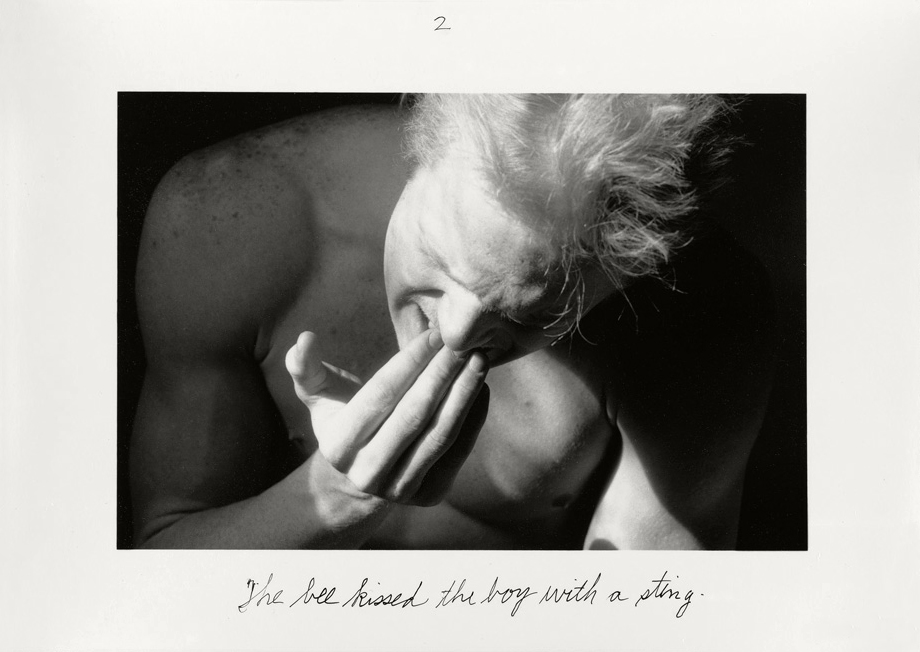


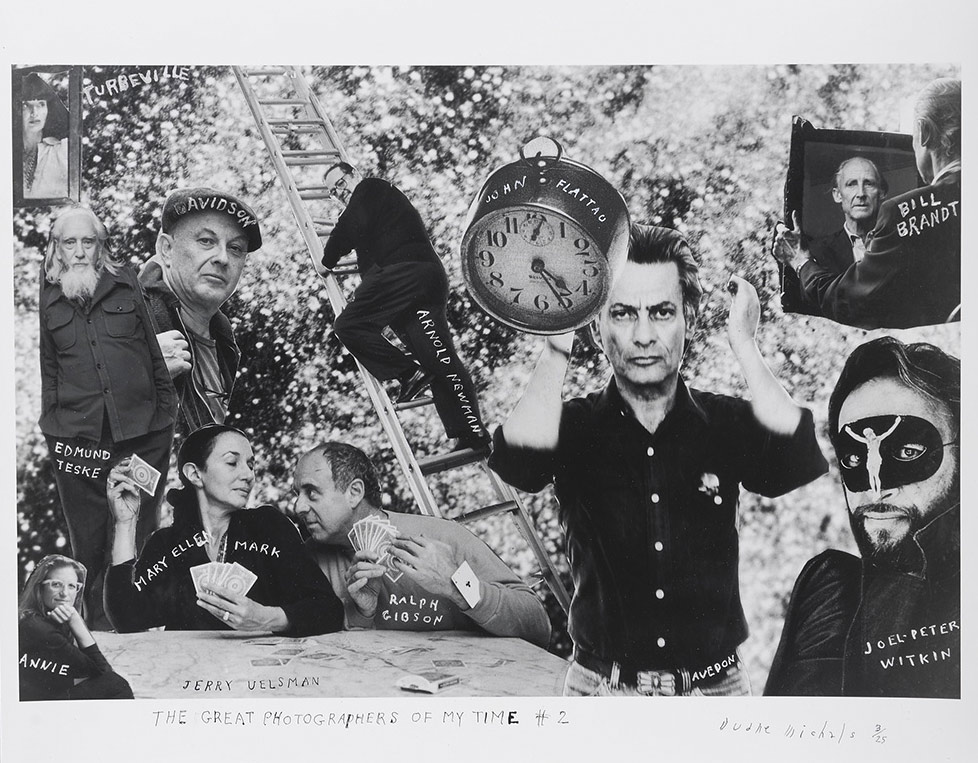
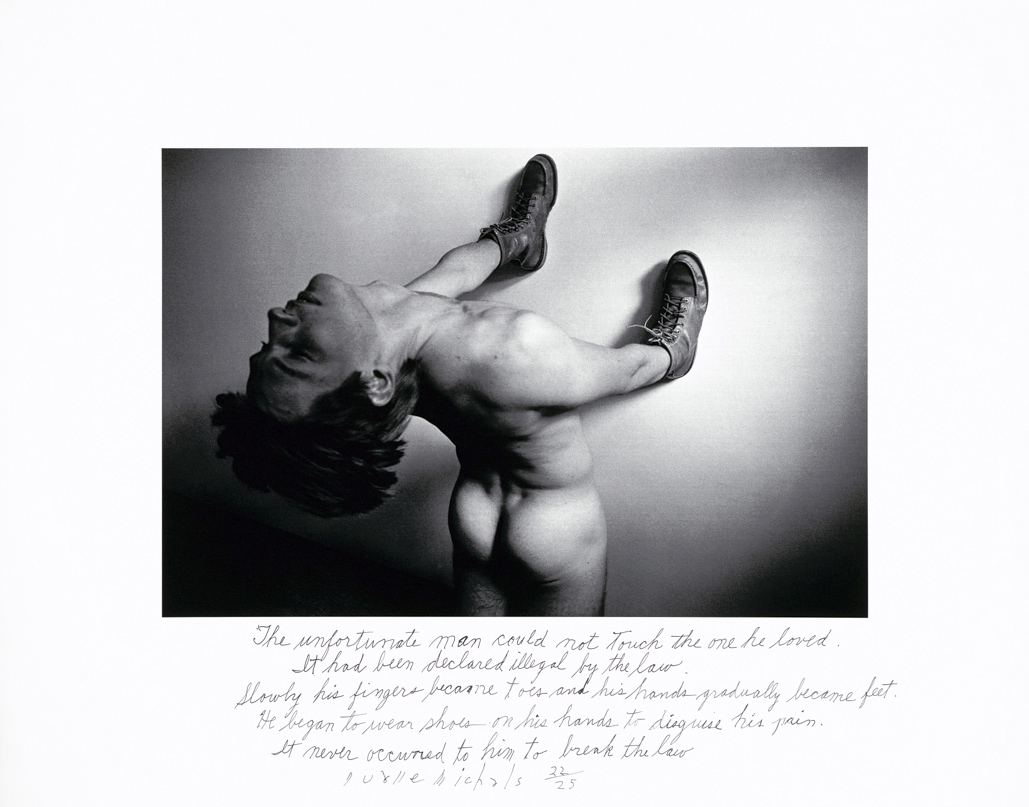

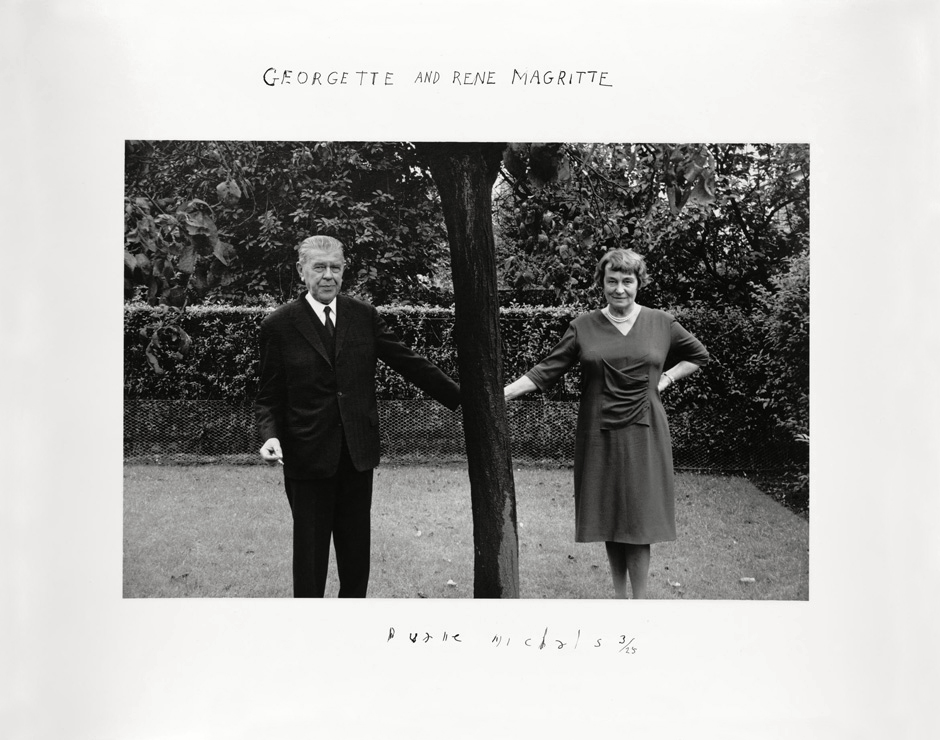
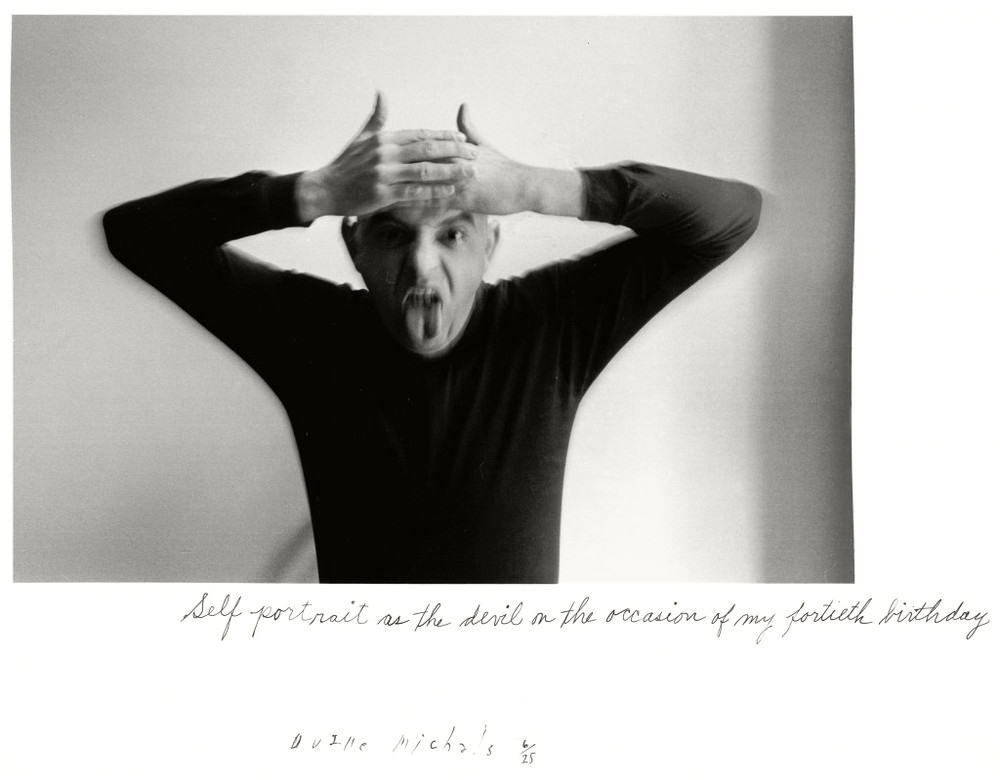

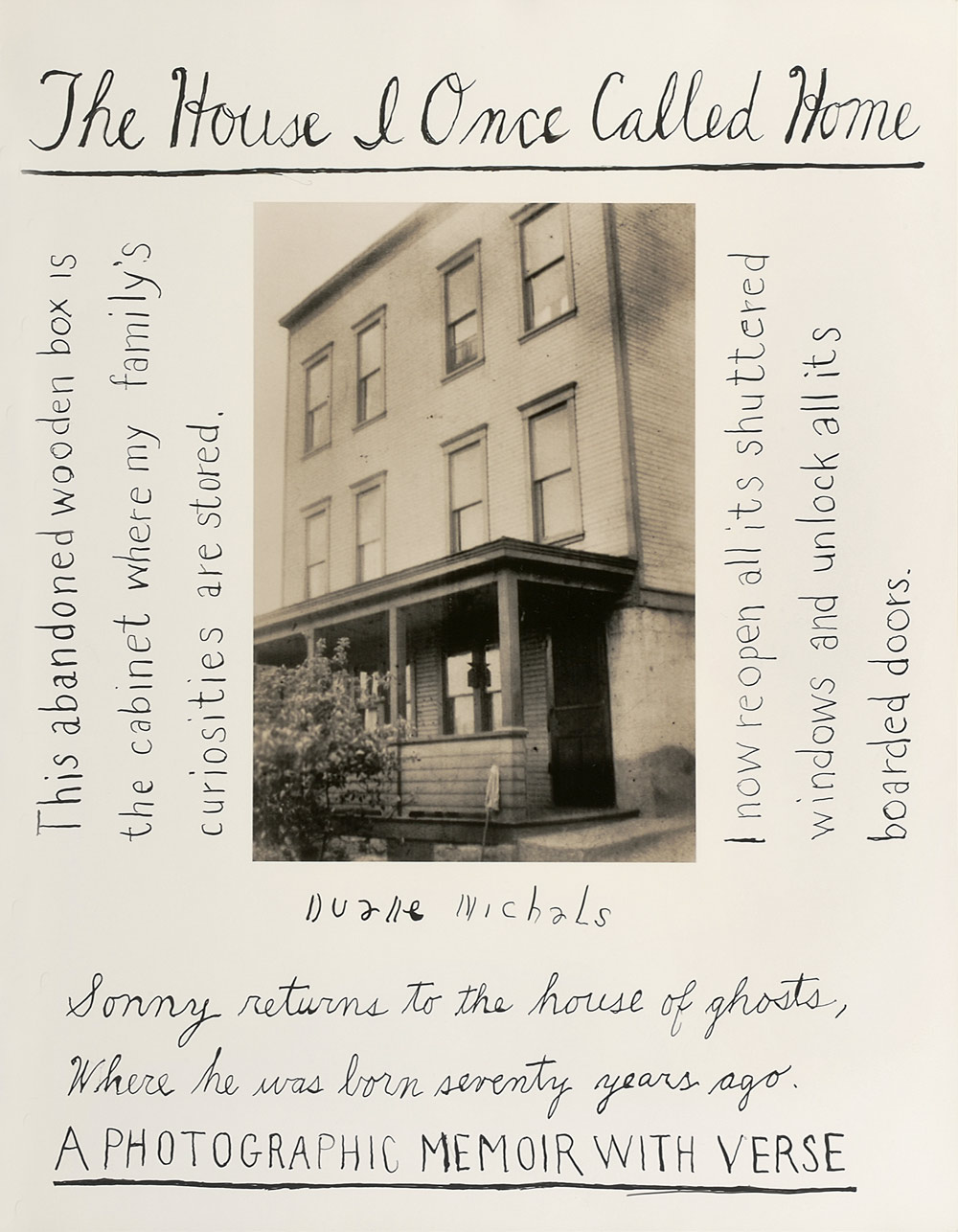
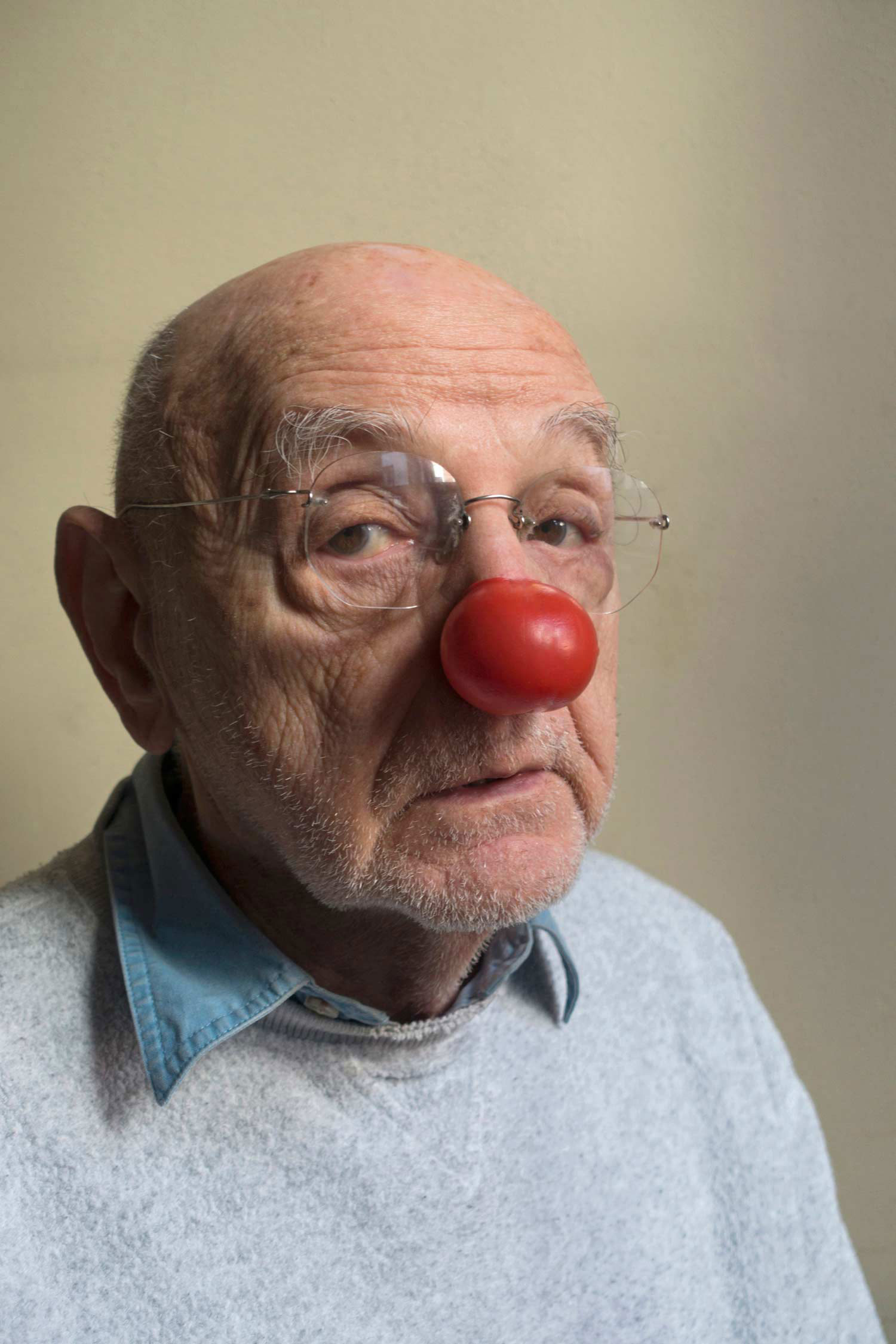
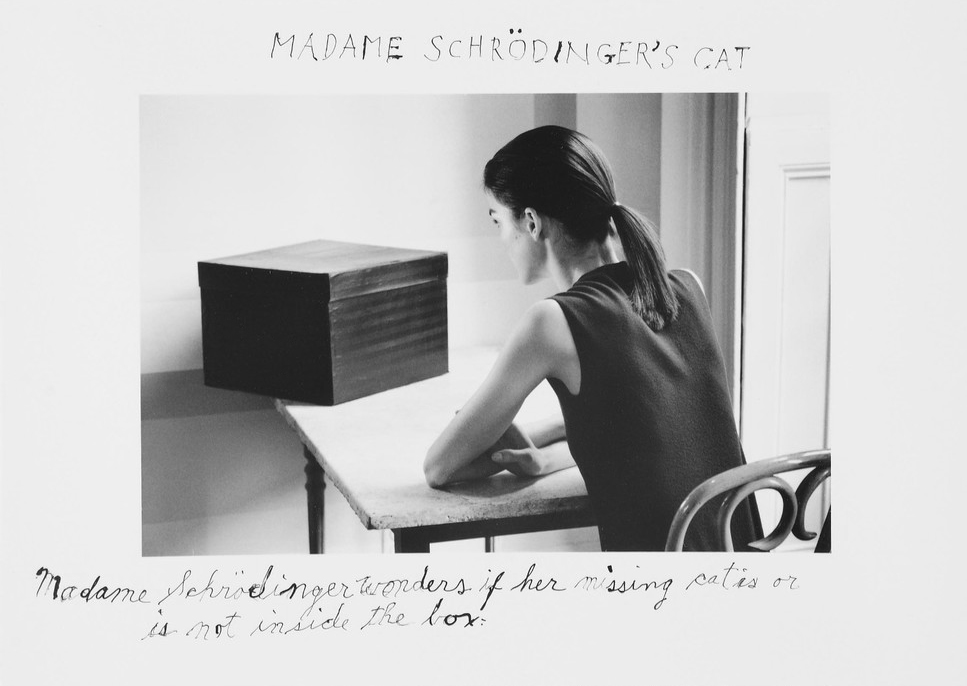
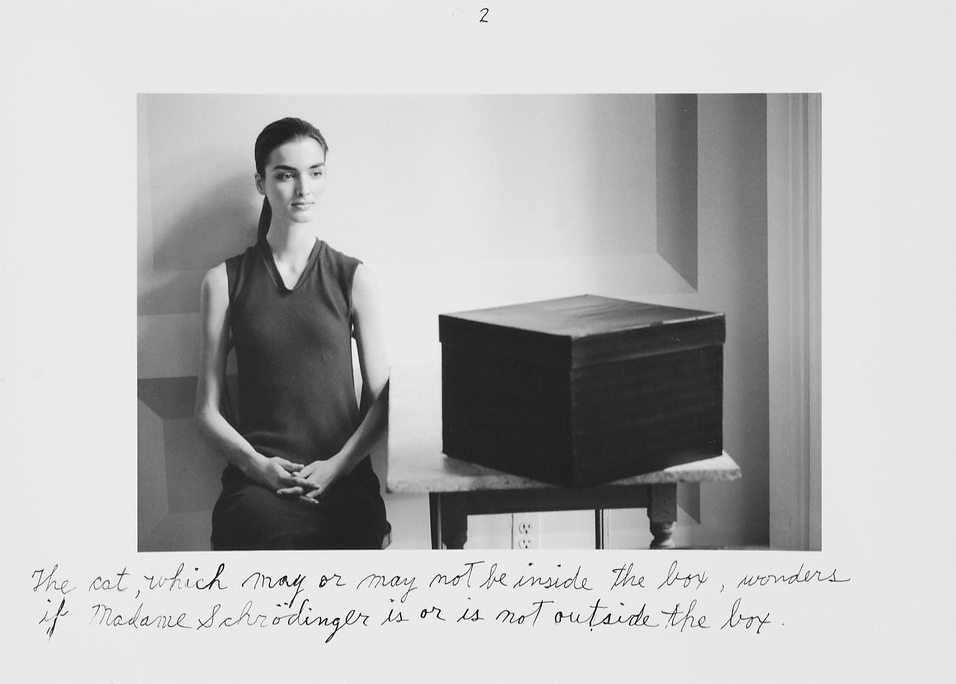


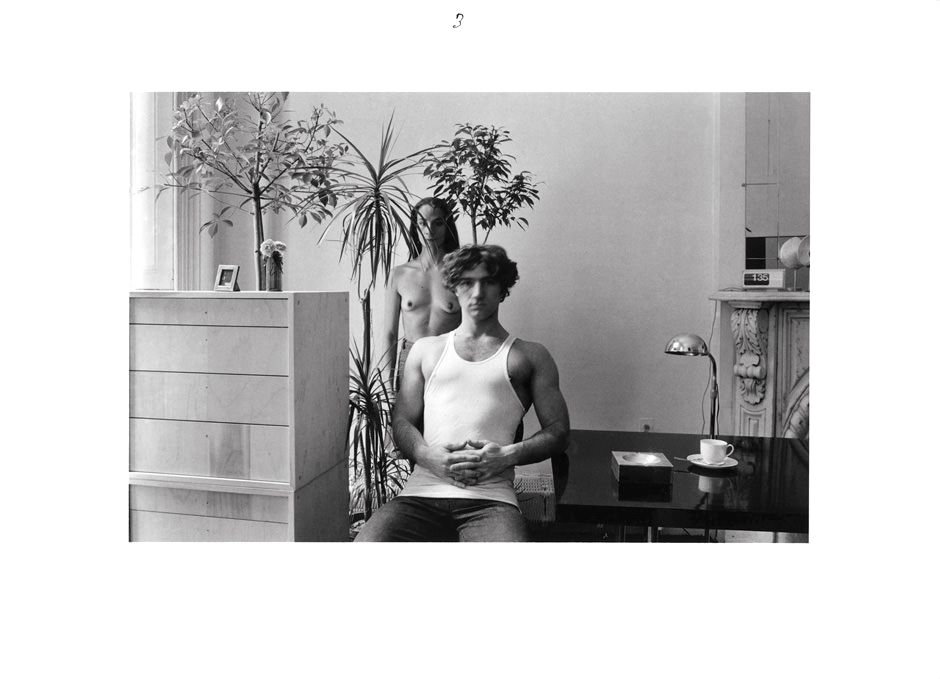


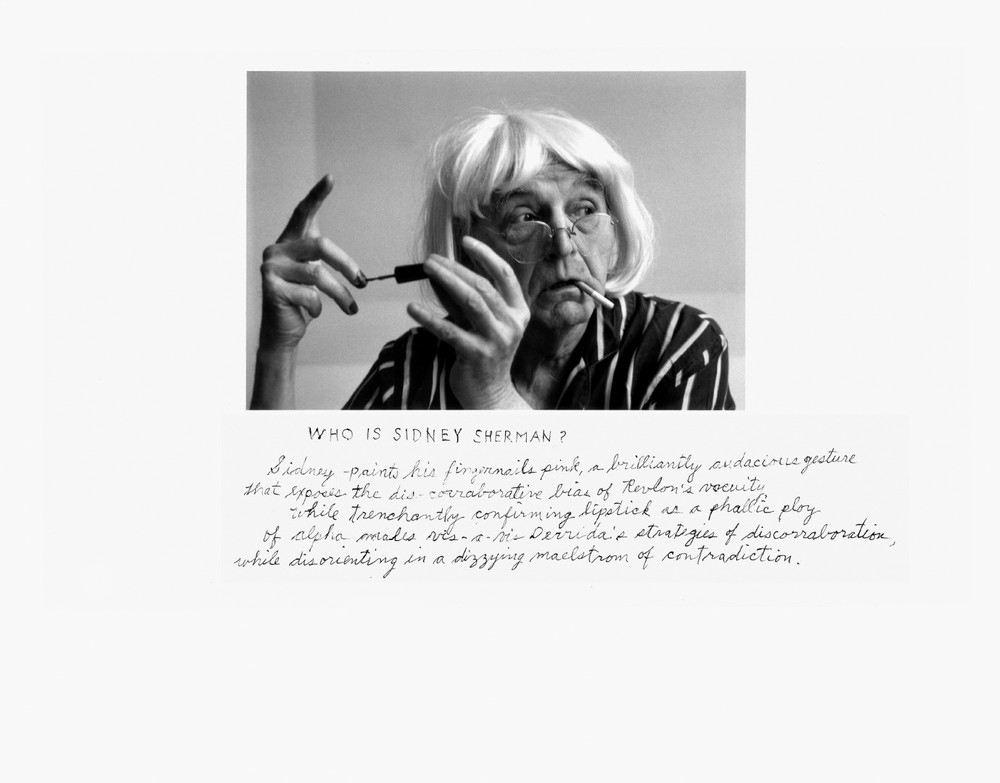
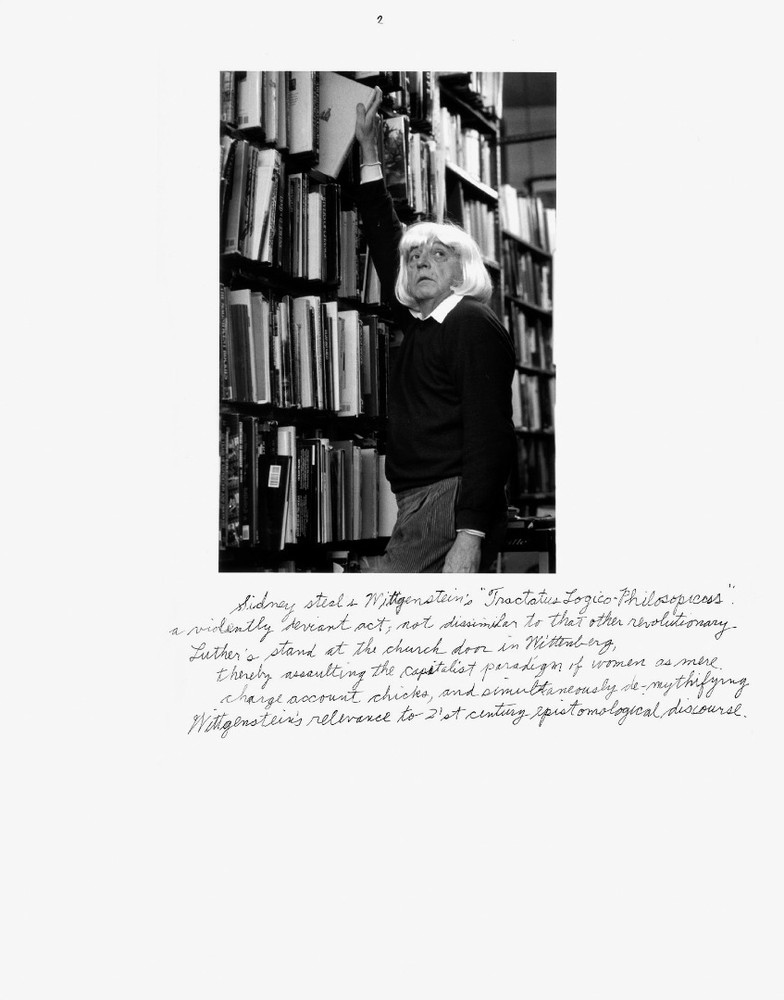

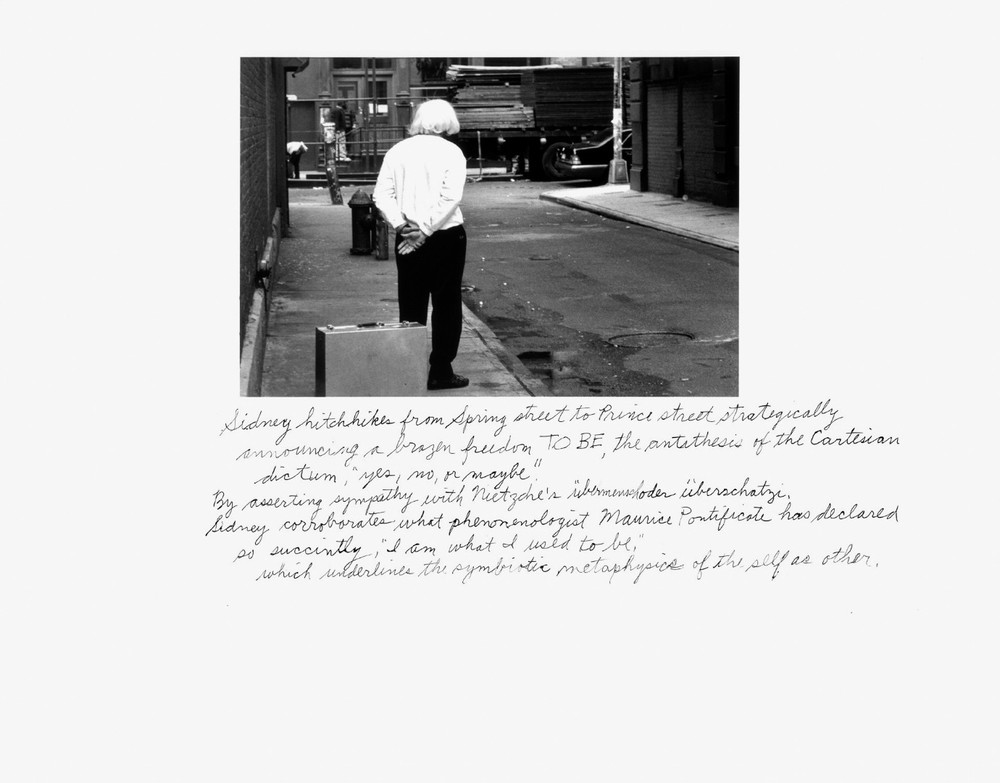


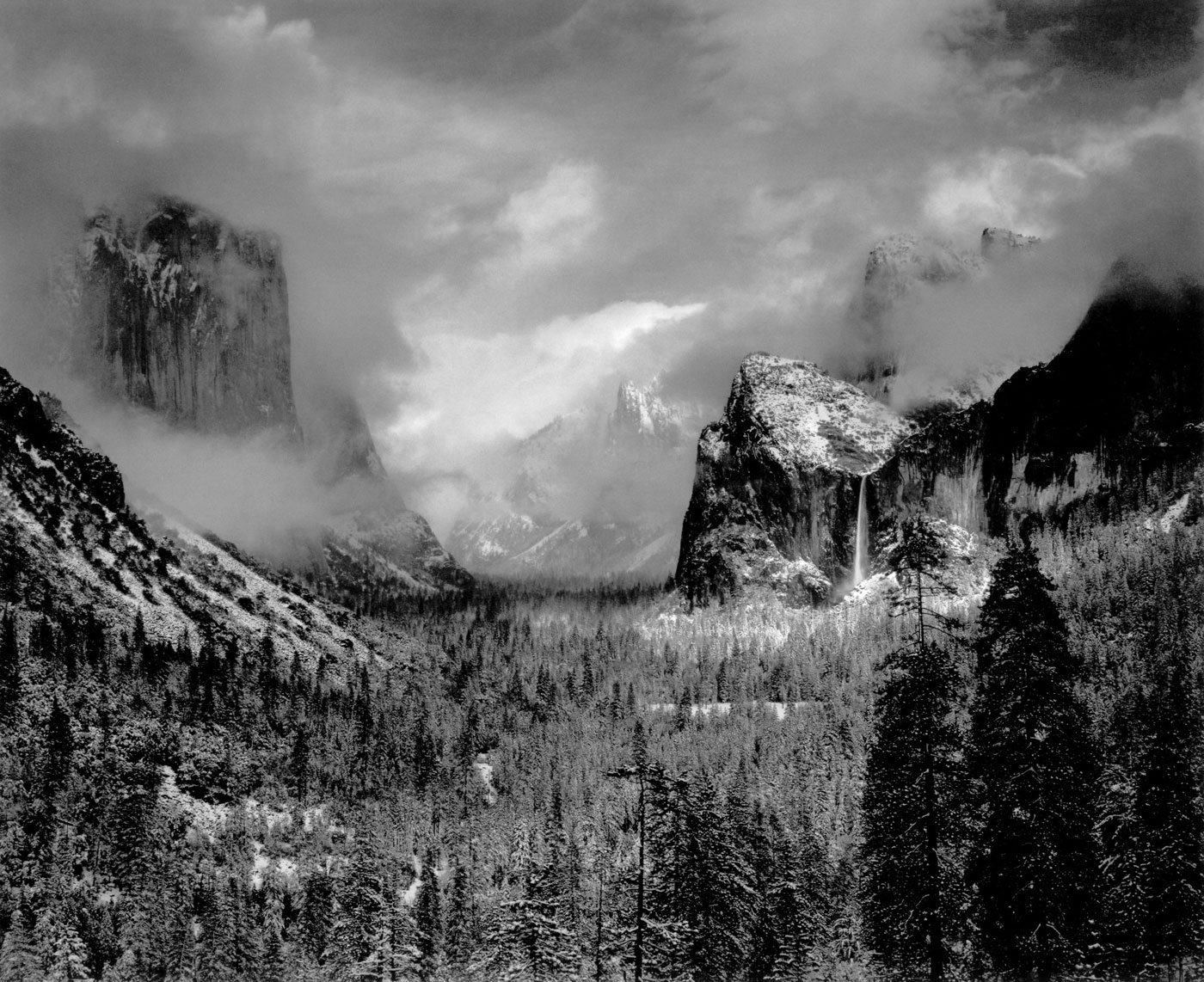
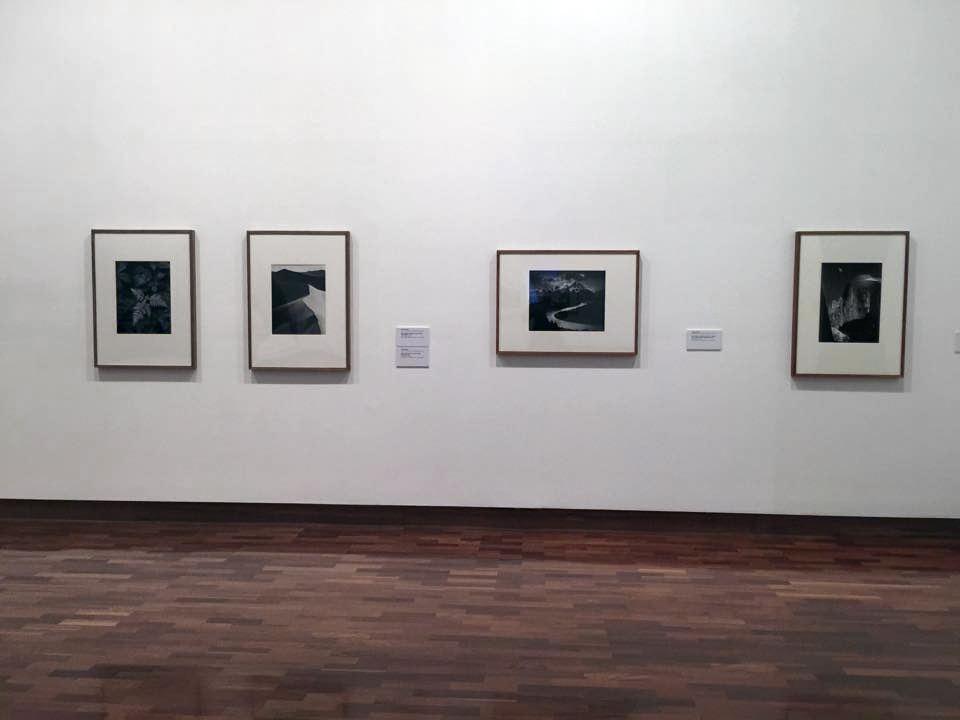
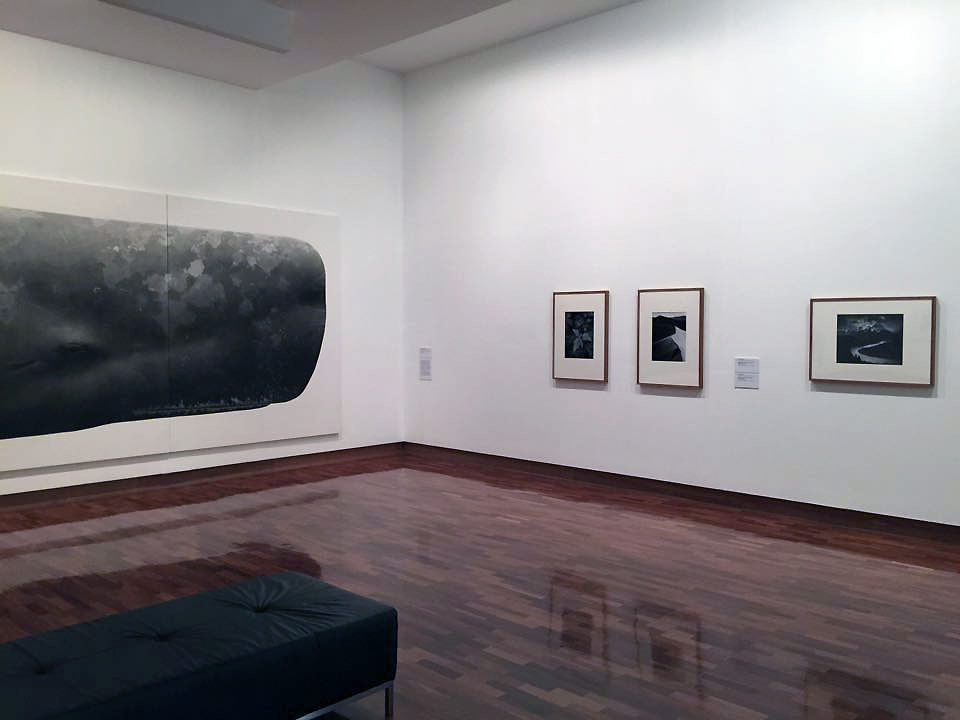
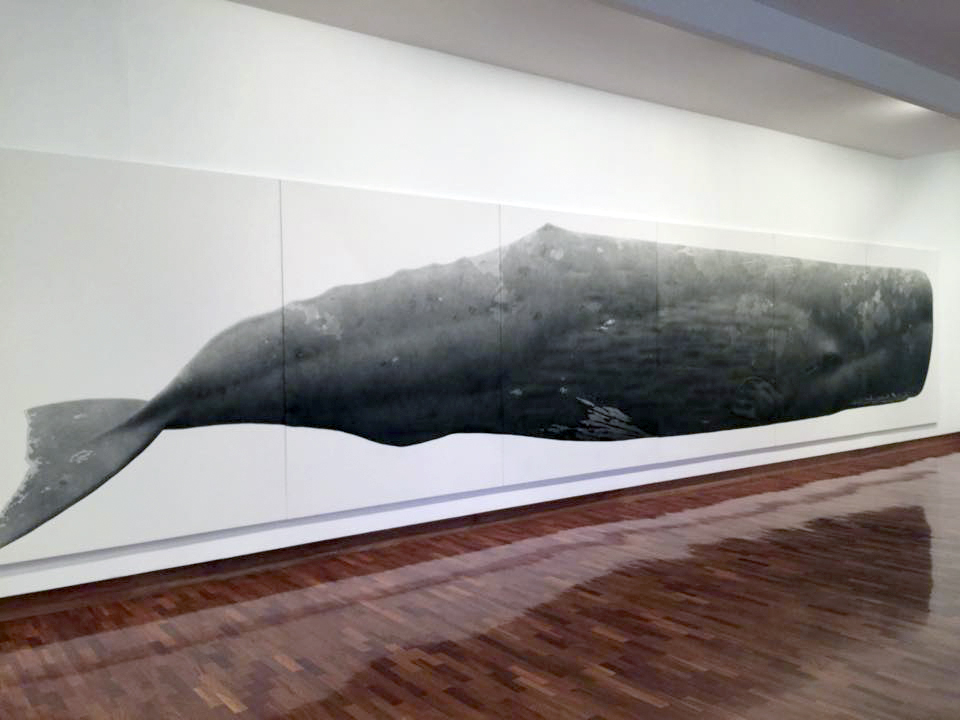
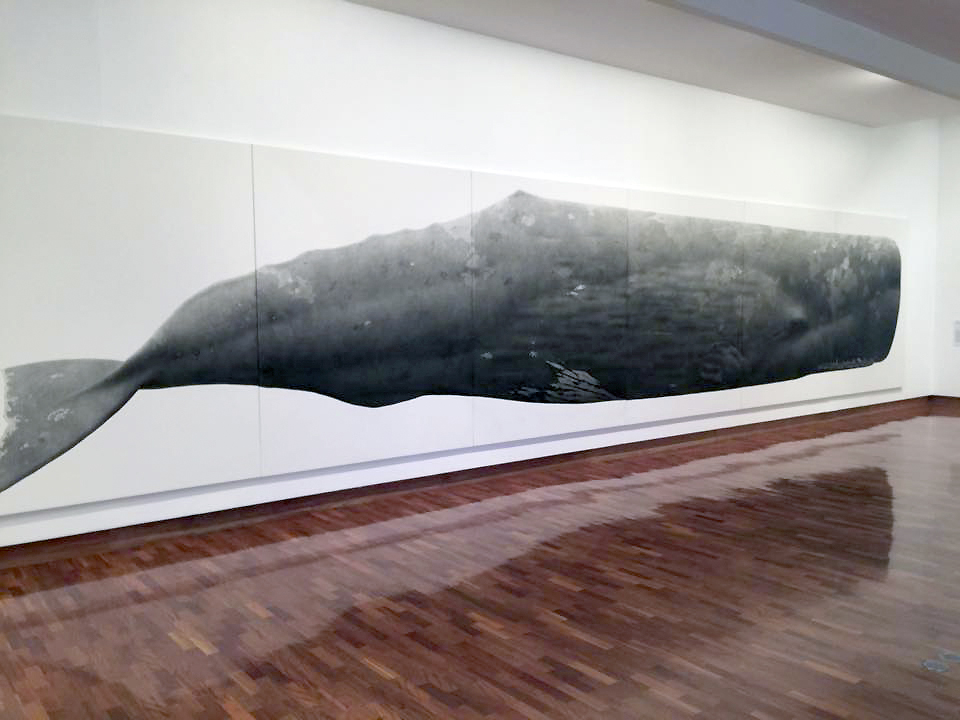
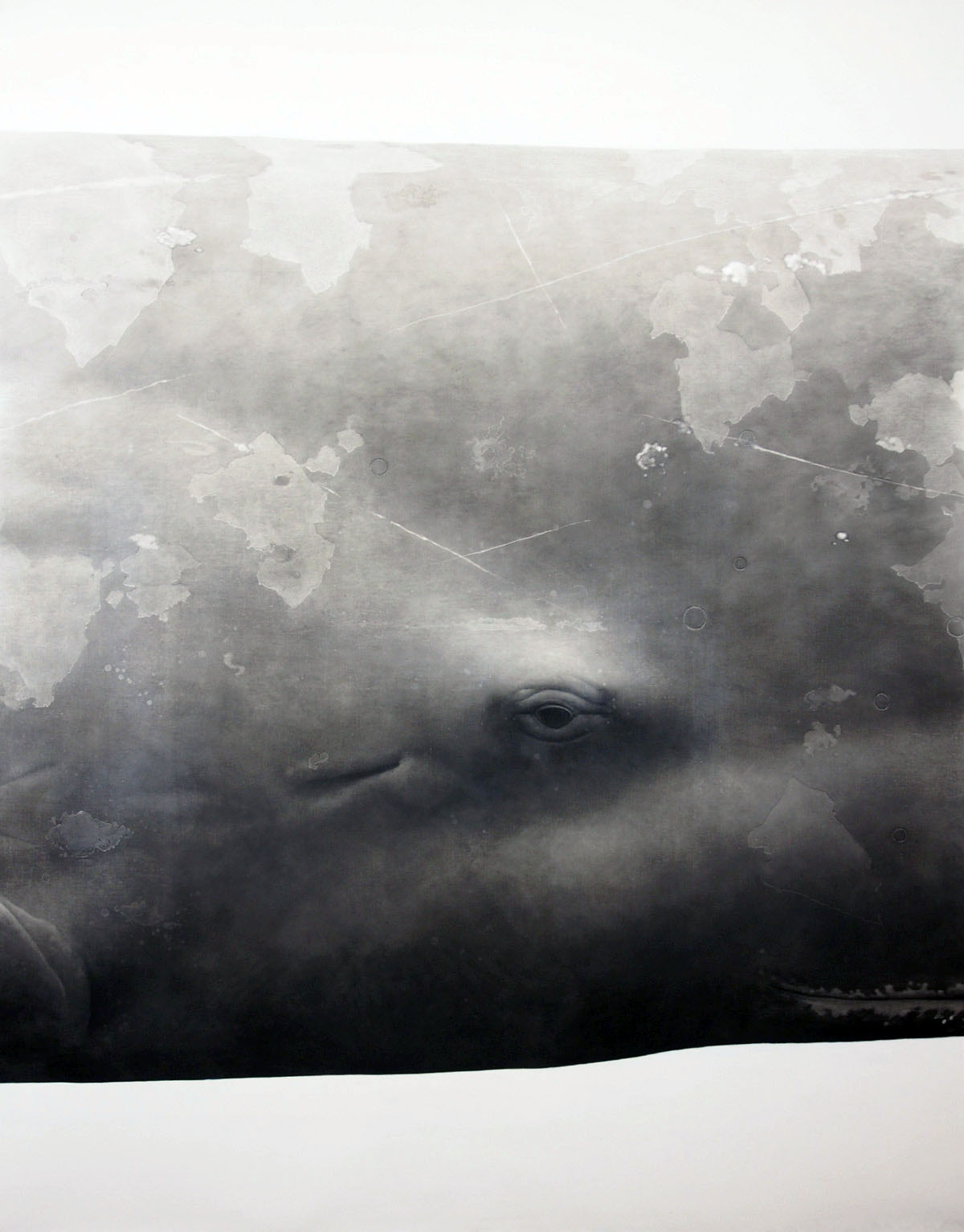
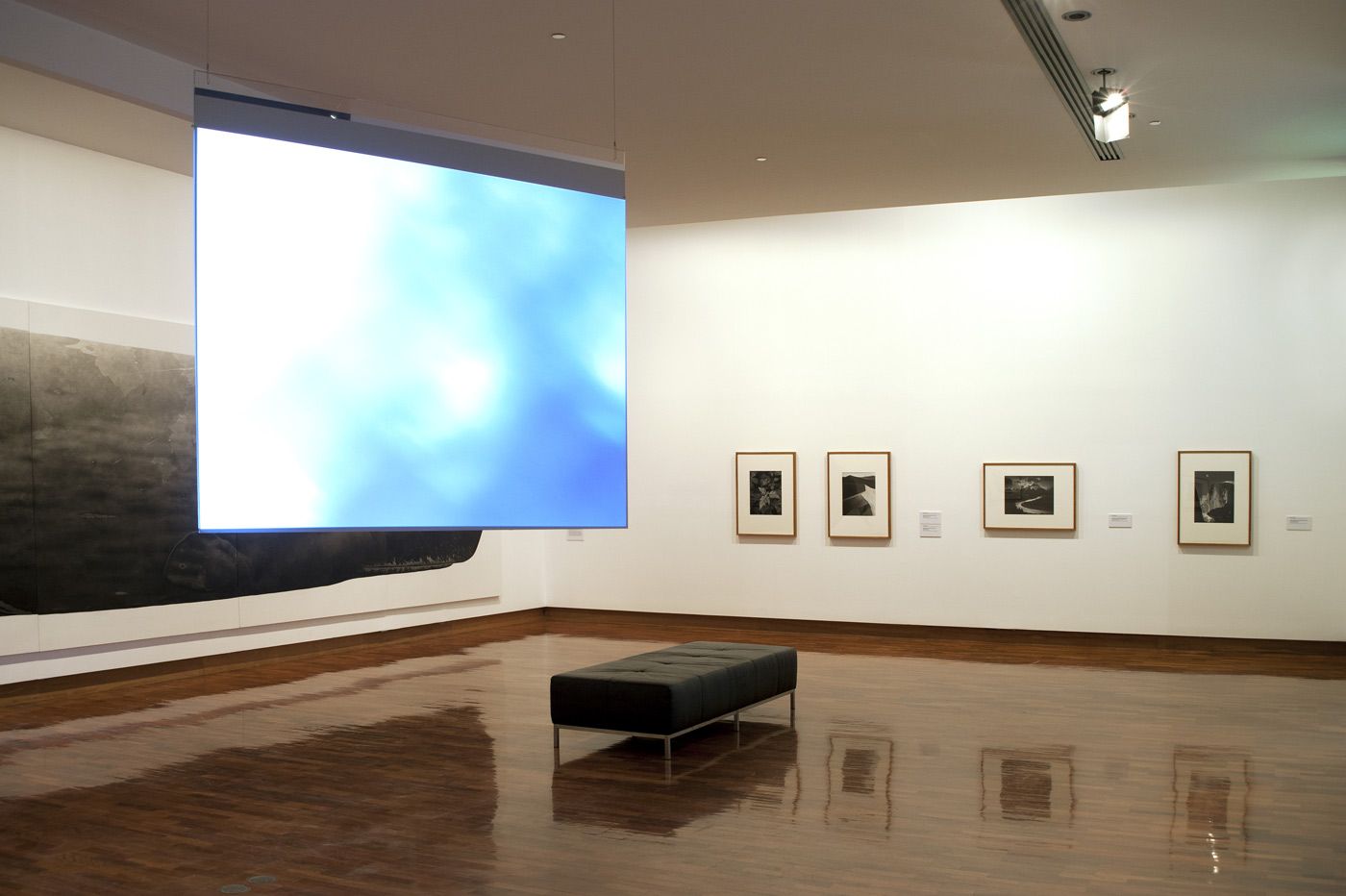
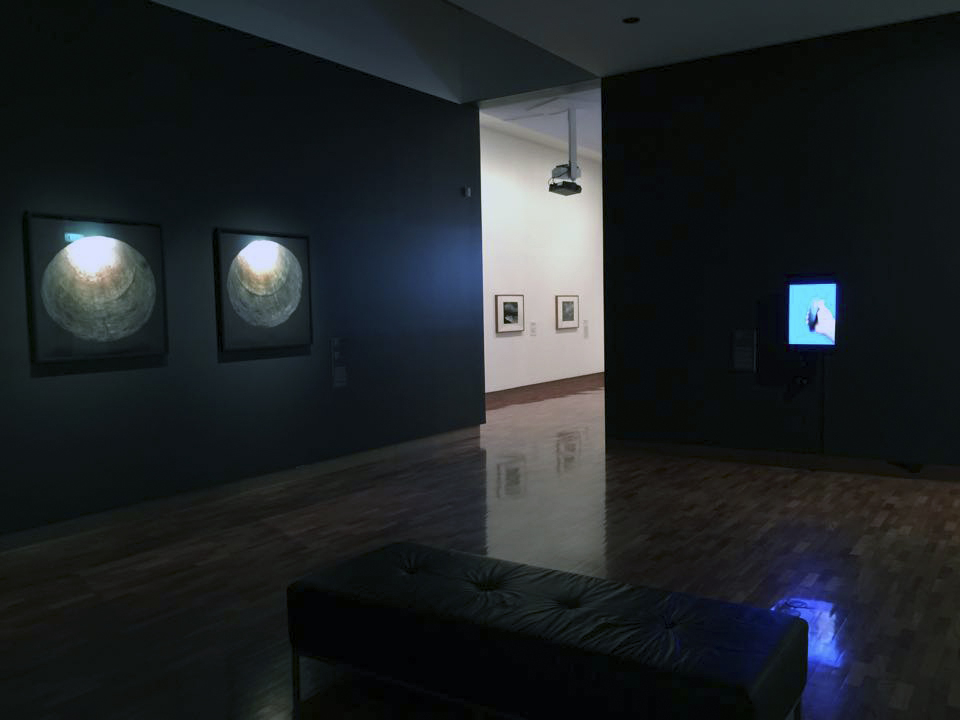
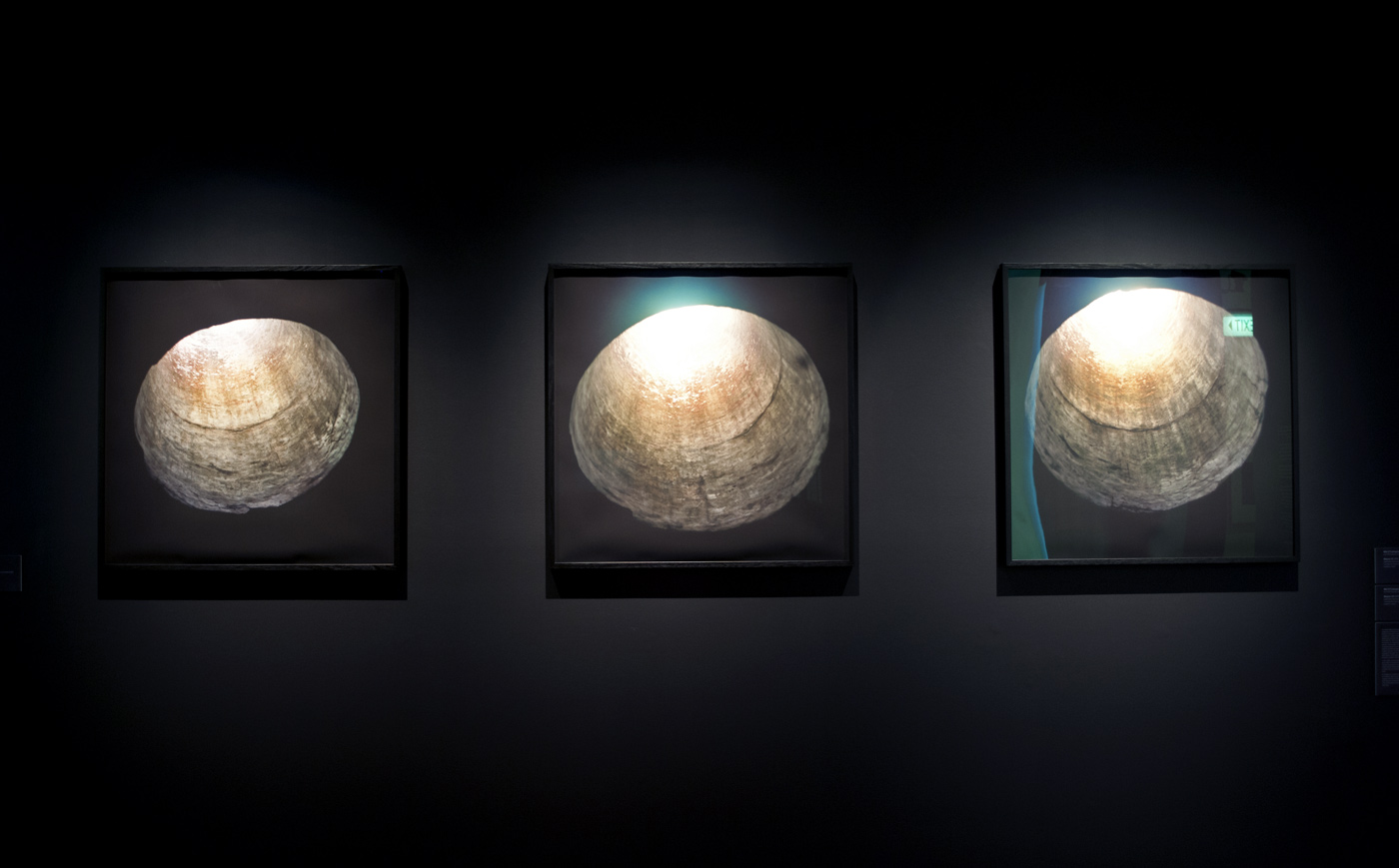
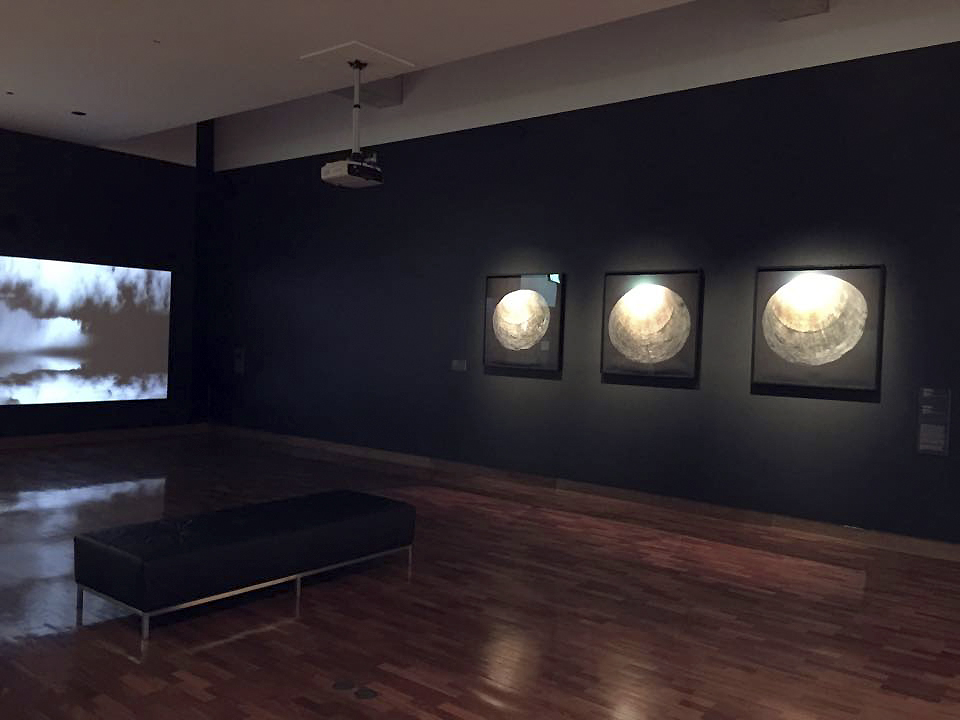
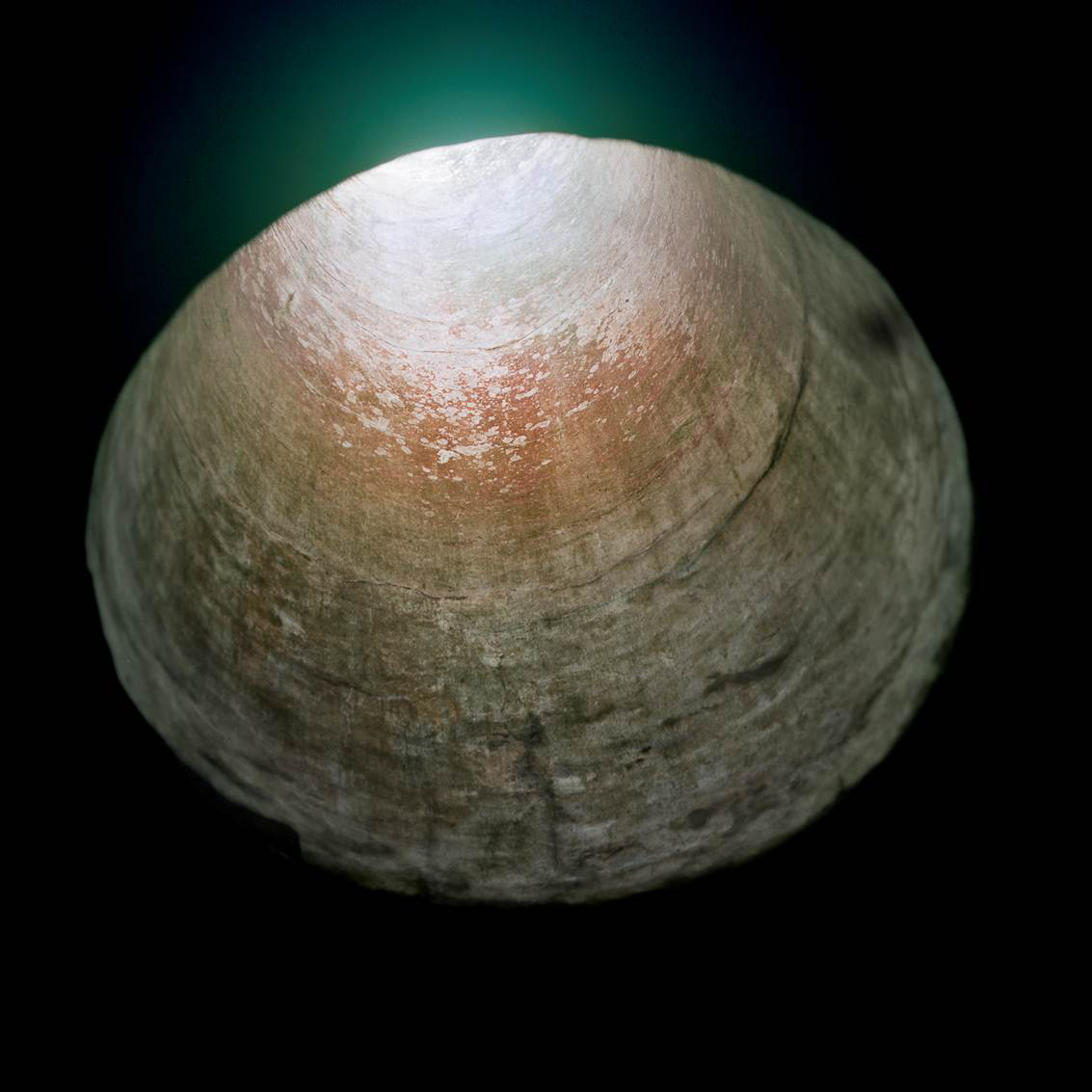
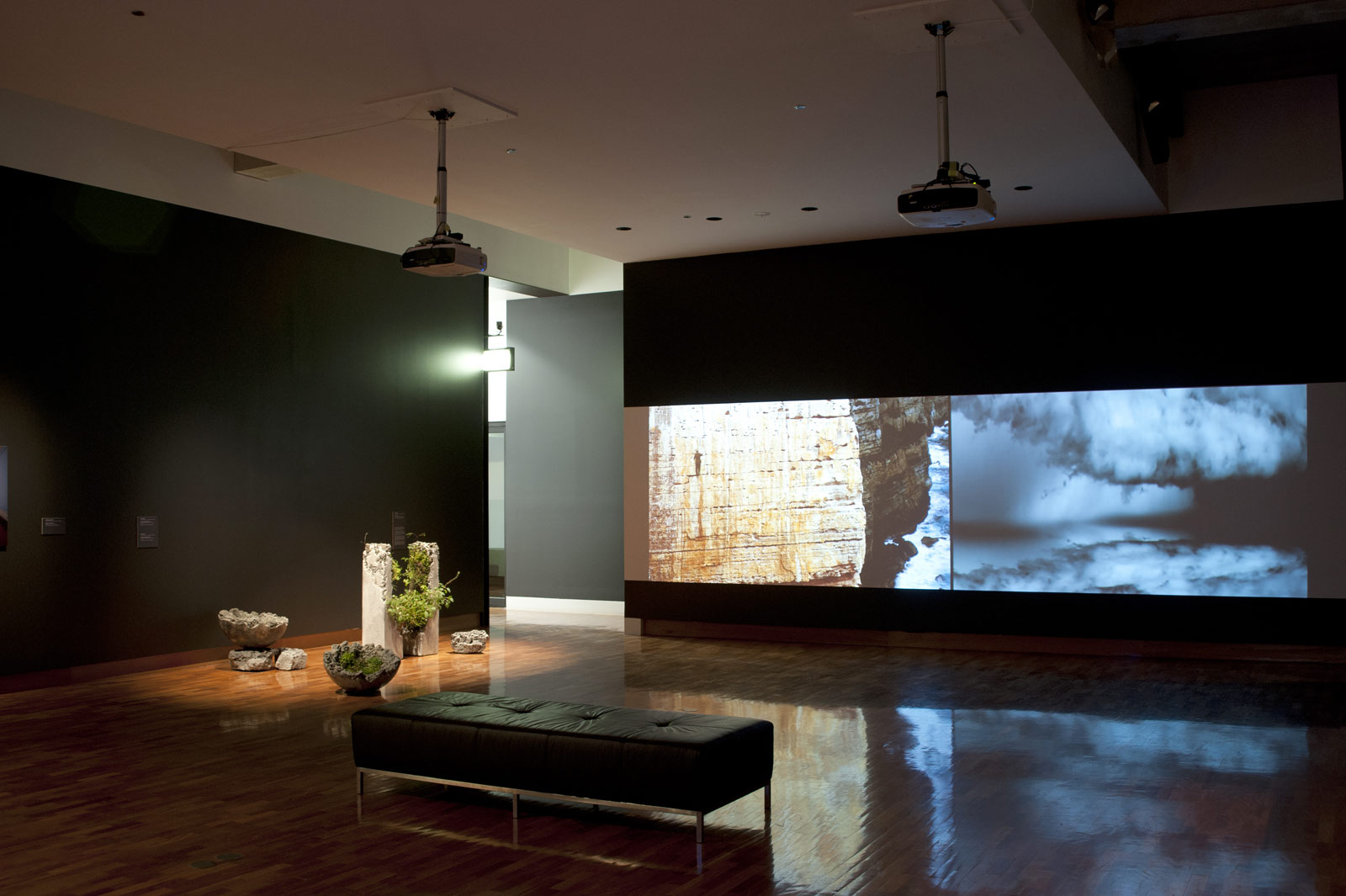
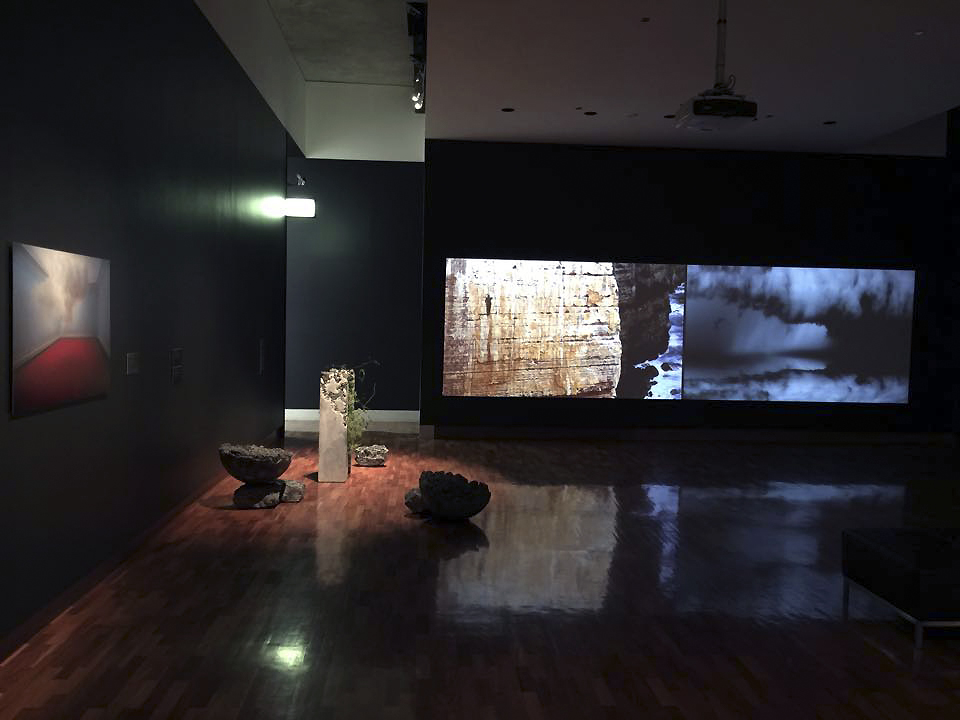
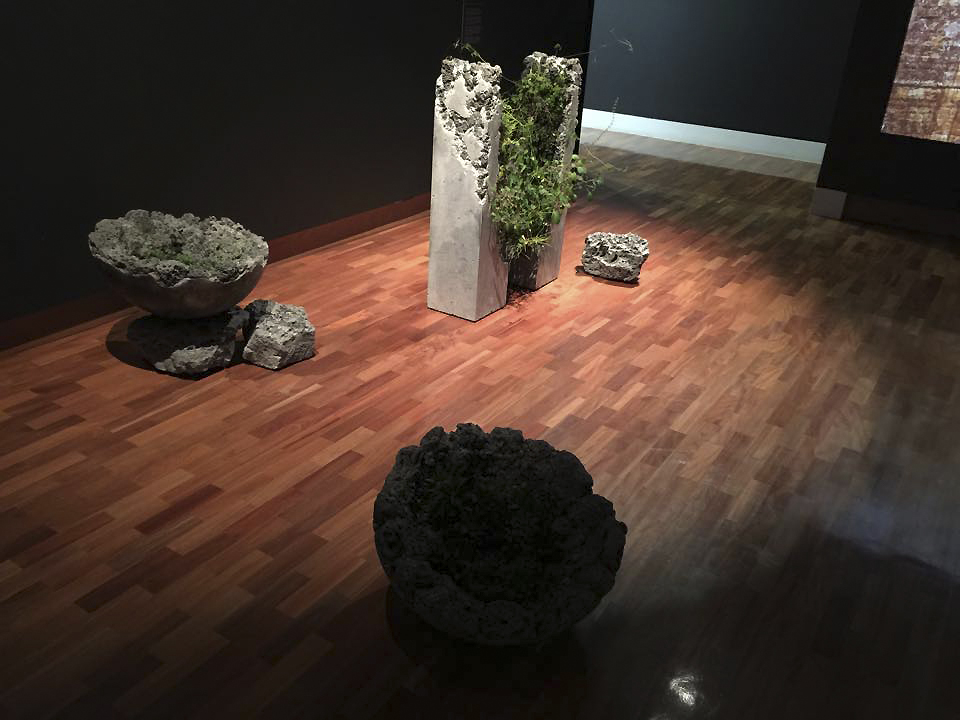
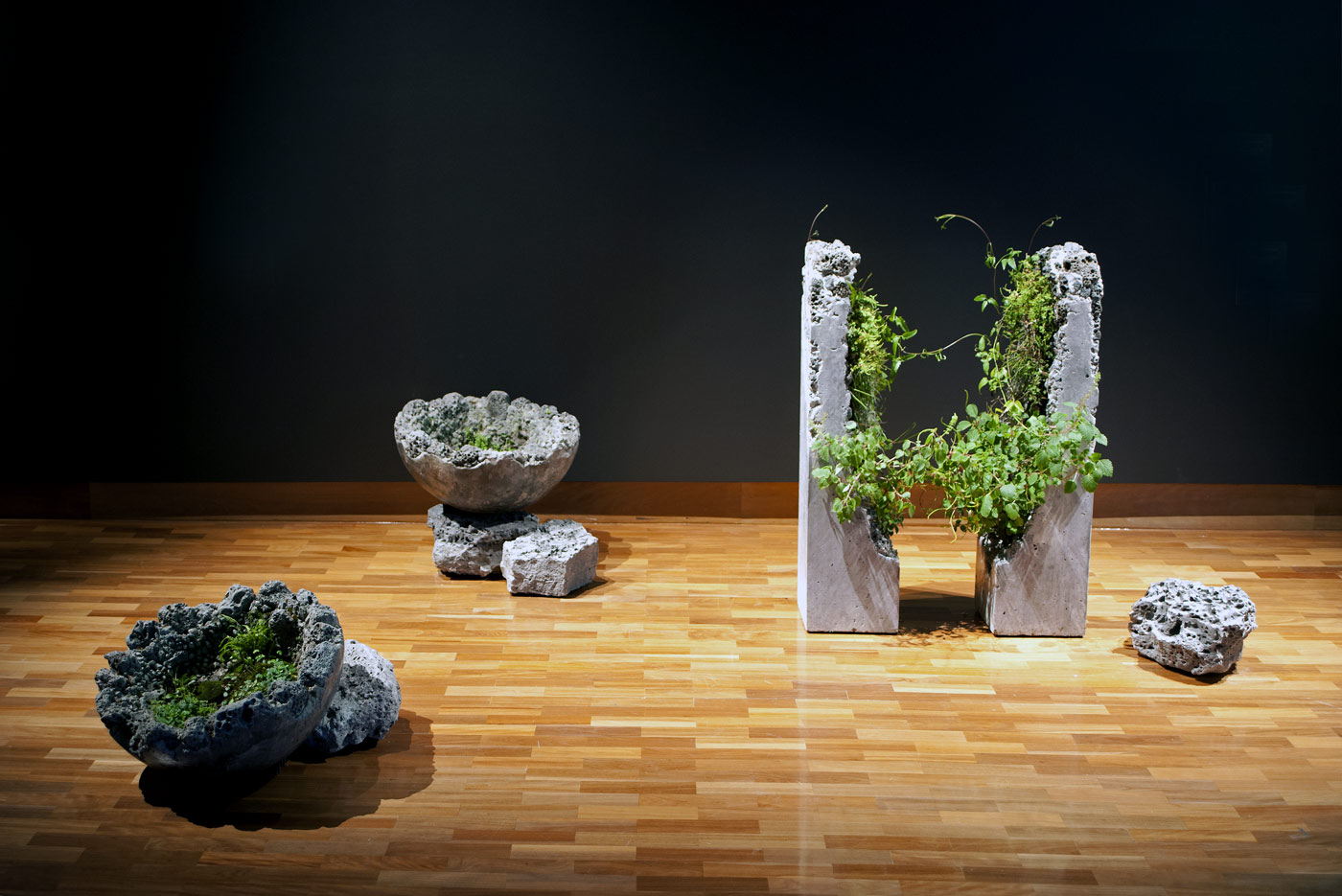
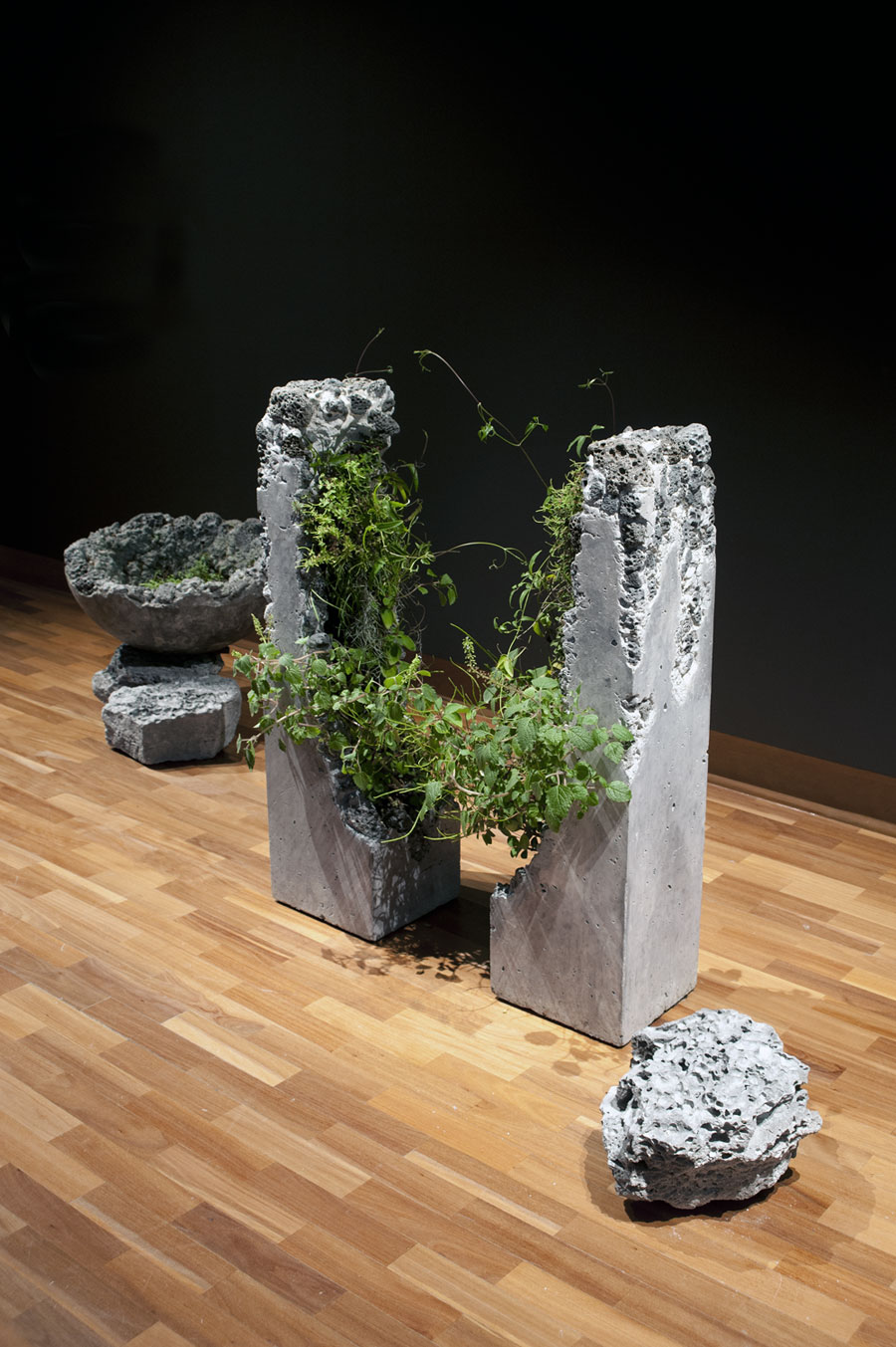
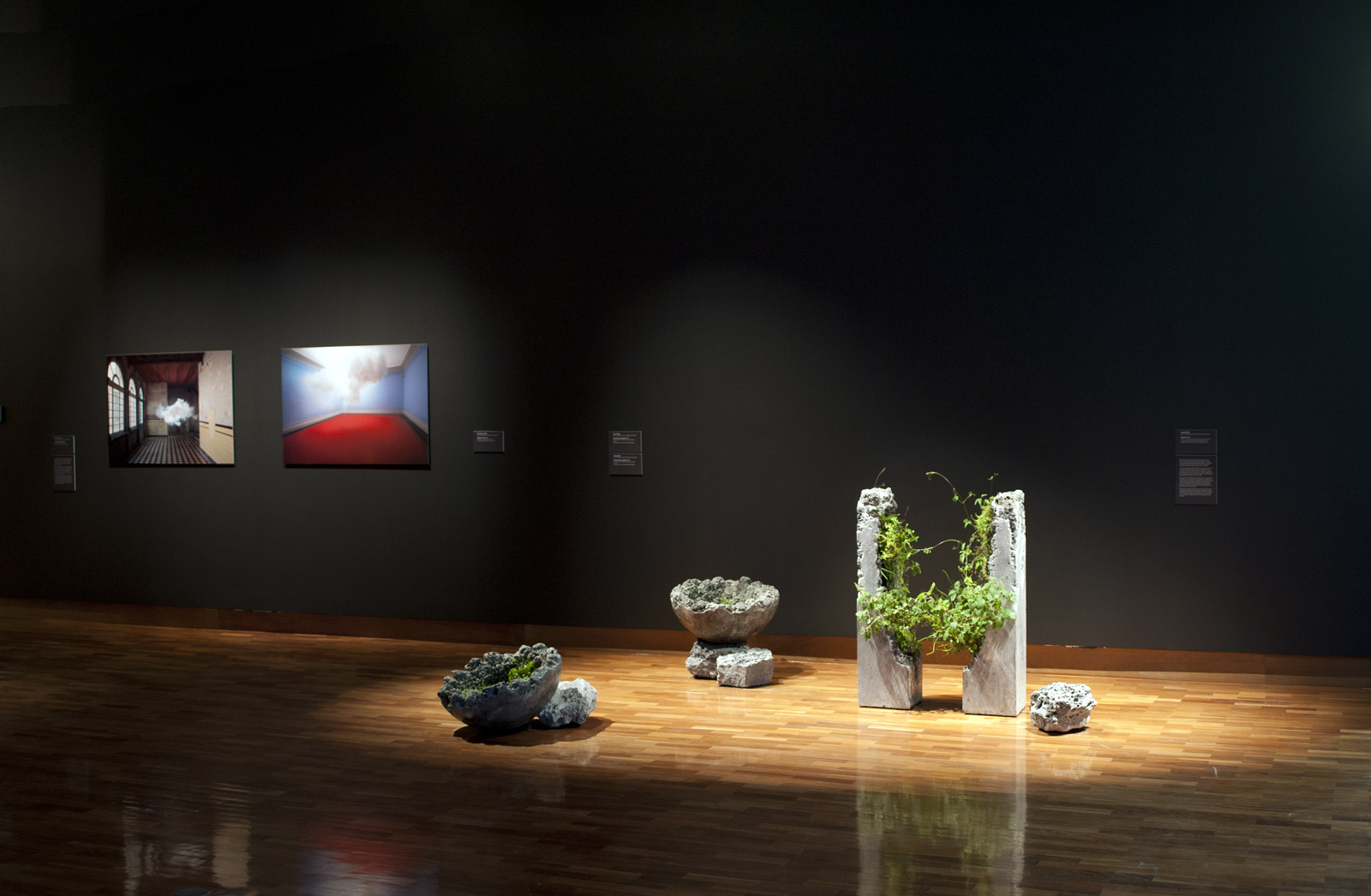
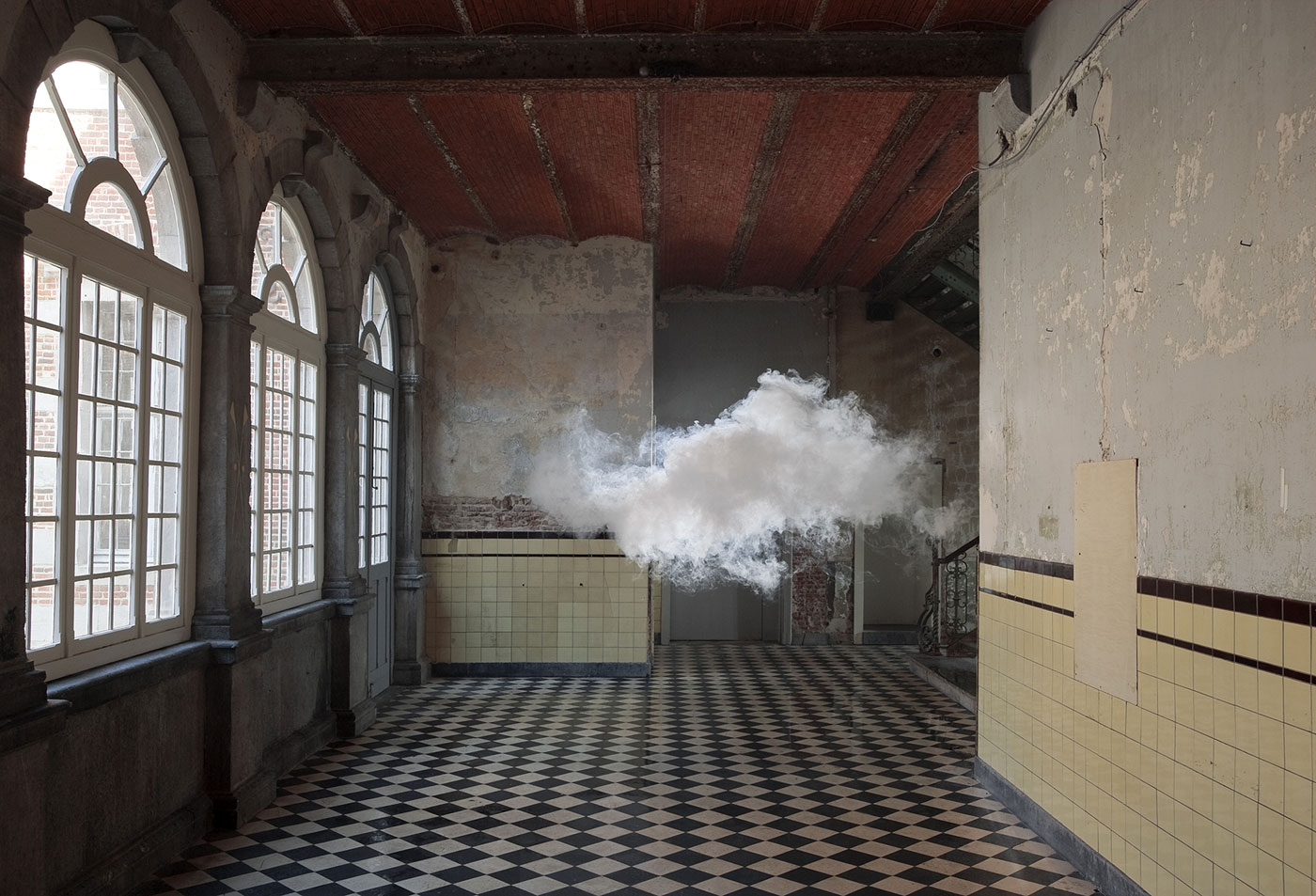
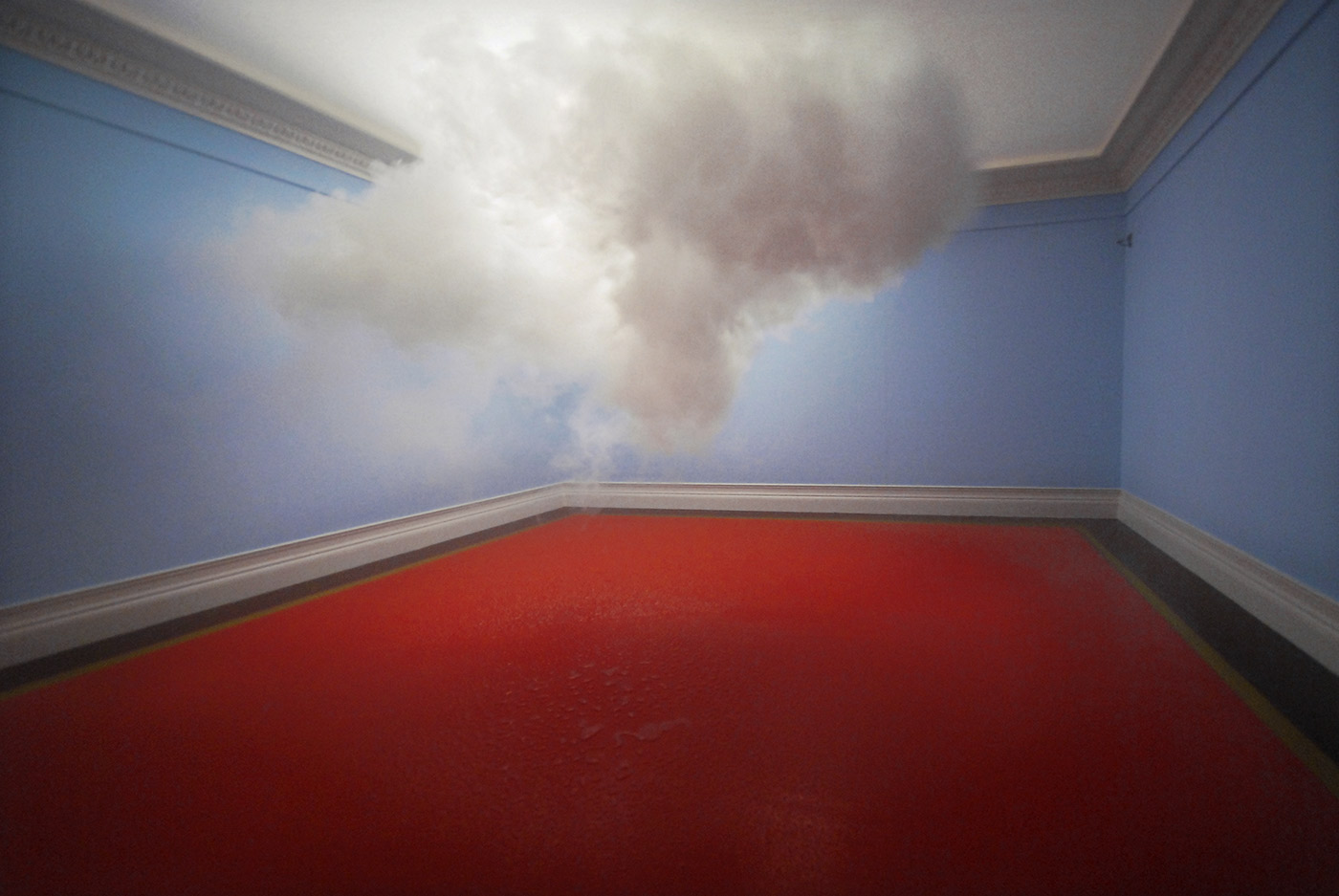


![David Hill (Scottish, 1802-1870) and Robert Adamson (Scottish, 1821-1848) 'The Gowan [Margaret and Mary Cavendish]' c. 1843-1848](https://artblart.com/wp-content/uploads/2015/06/david-hill-and-robert-adamson-the-gowan-margaret-and-mary-cavendish-c-1843-1848-web.jpg "David Hill (Scottish, 1802-1870) and Robert Adamson (Scottish, 1821-1848) 'The Gowan [Margaret and Mary Cavendish]' c. 1843-1848")


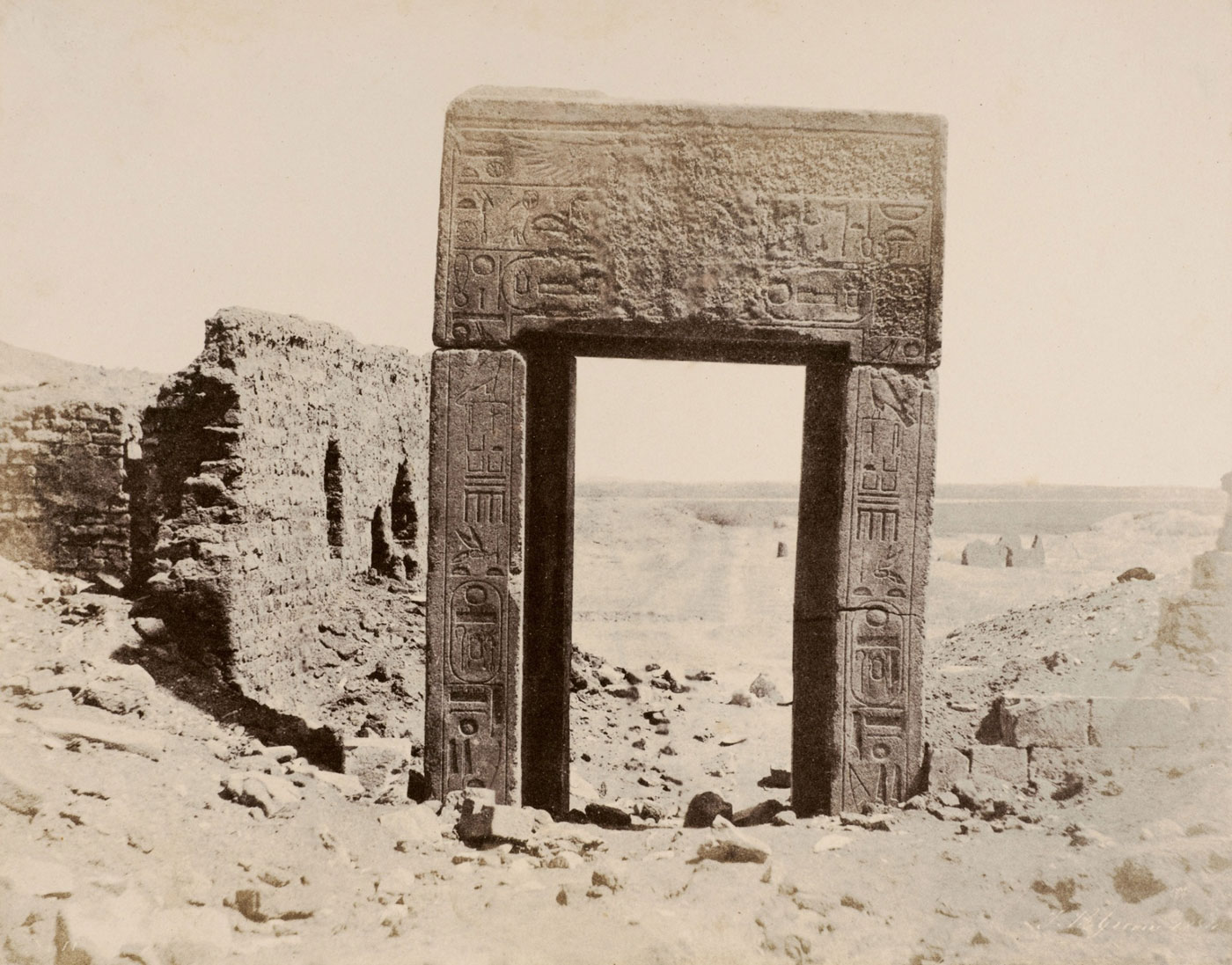


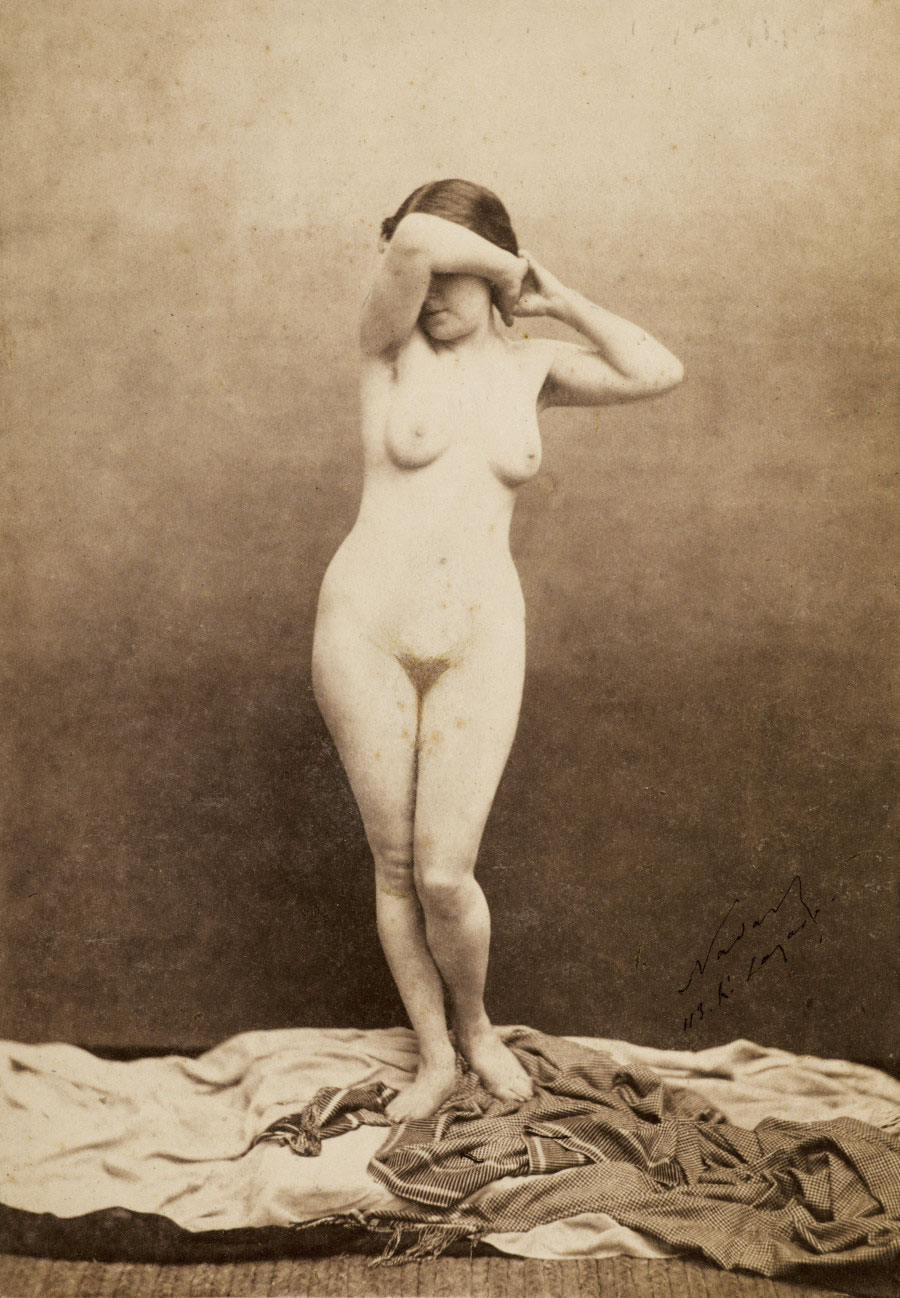


![John S. Johnston (American, c. 1839 - December 17, 1899) 'One of Dr Kane’s Men [possibly William Morton]' c. 1857](https://artblart.com/wp-content/uploads/2015/06/john-s-johnston-one-of-dr-kanes-men-possibly-william-morton-c-1857-web.jpg "John S. Johnston (American, c. 1839 - December 17, 1899) 'One of Dr Kane’s Men [possibly William Morton]' c. 1857")


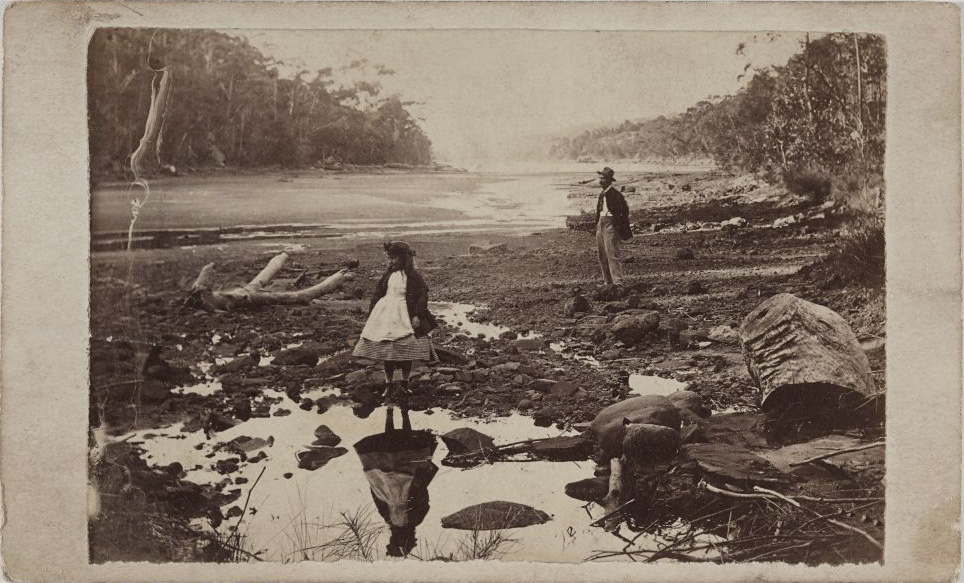

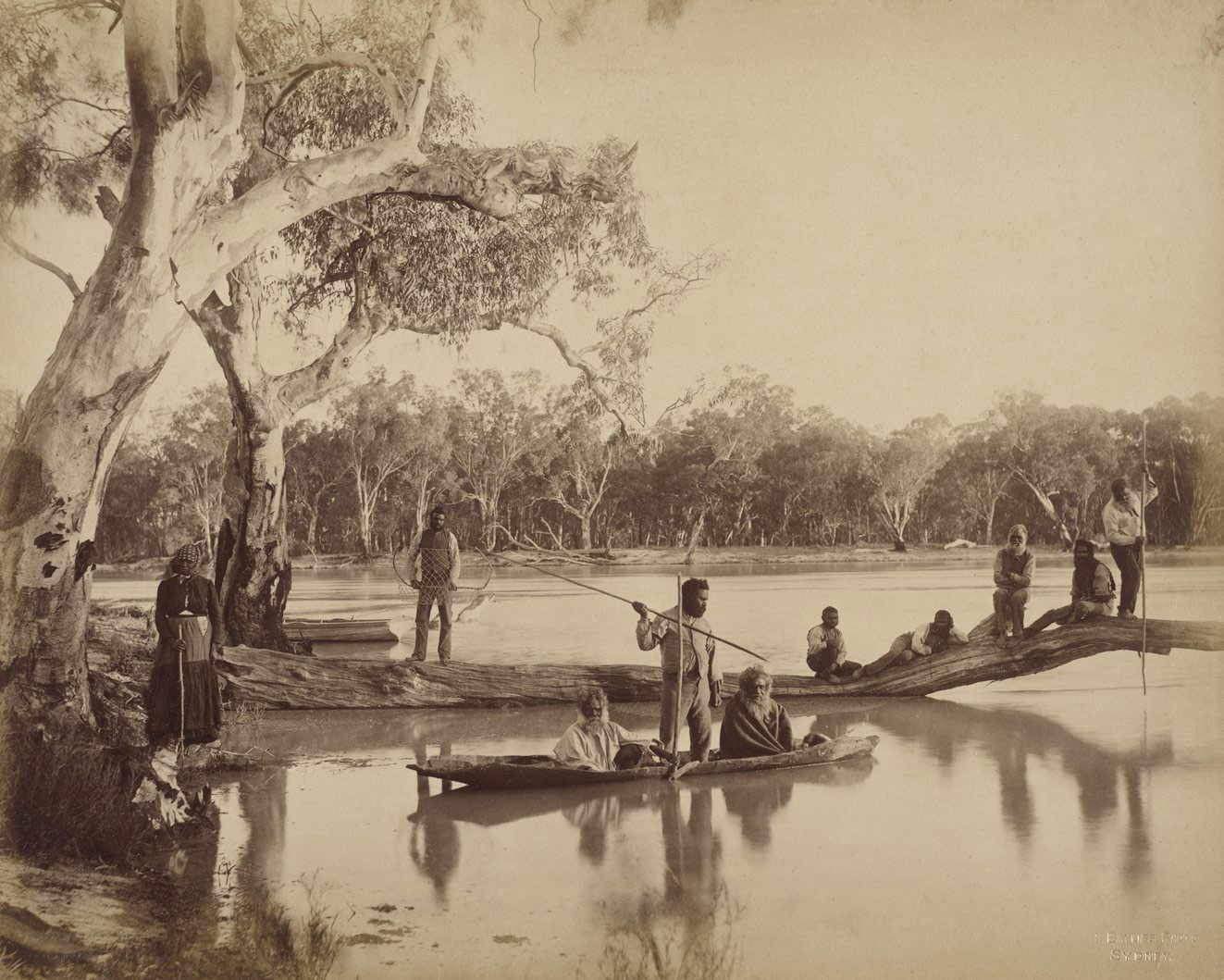


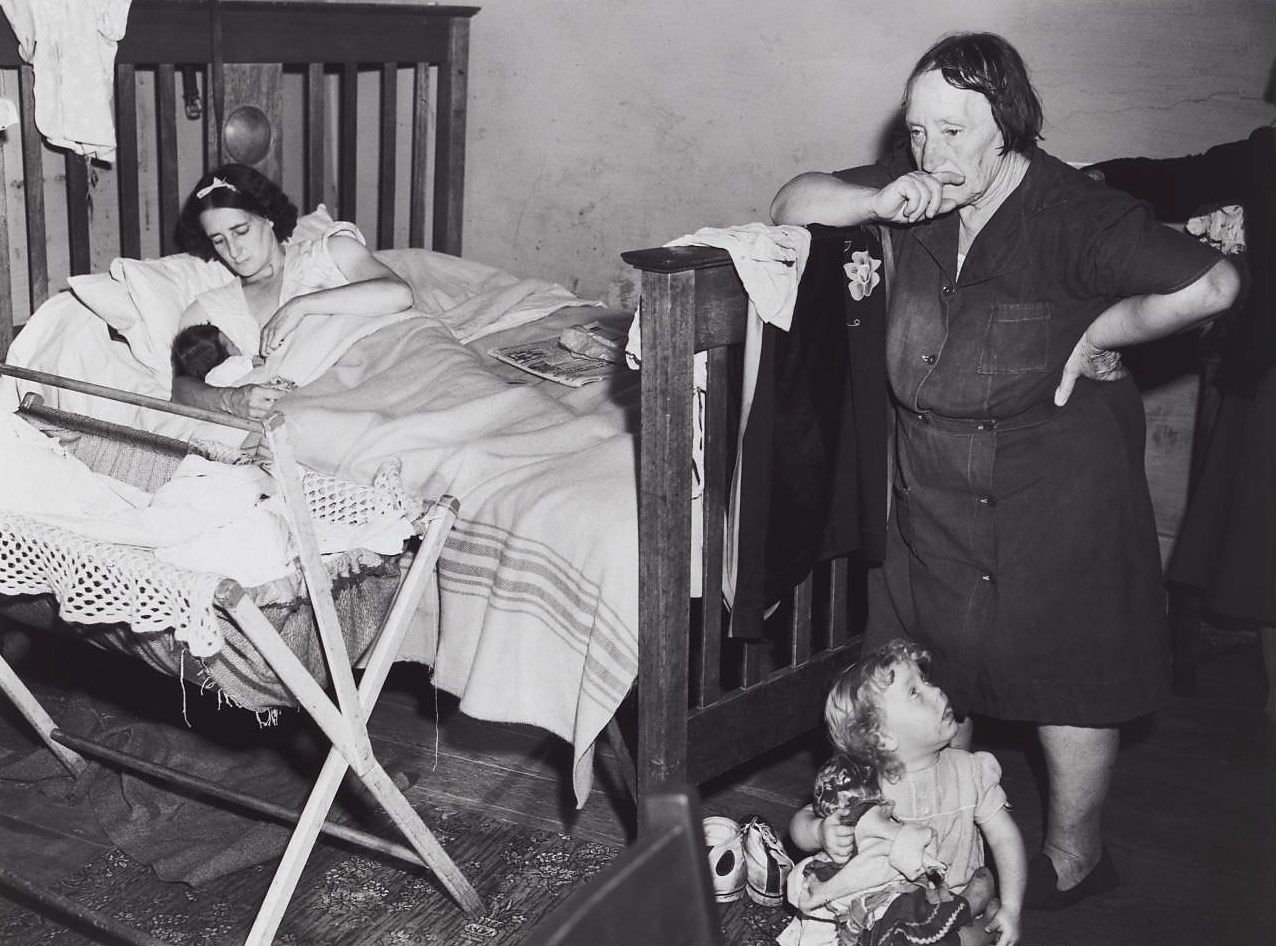
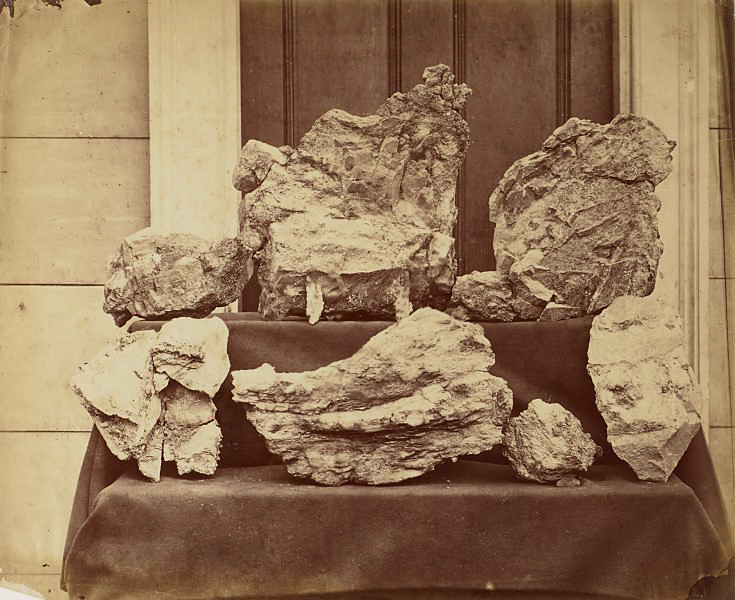
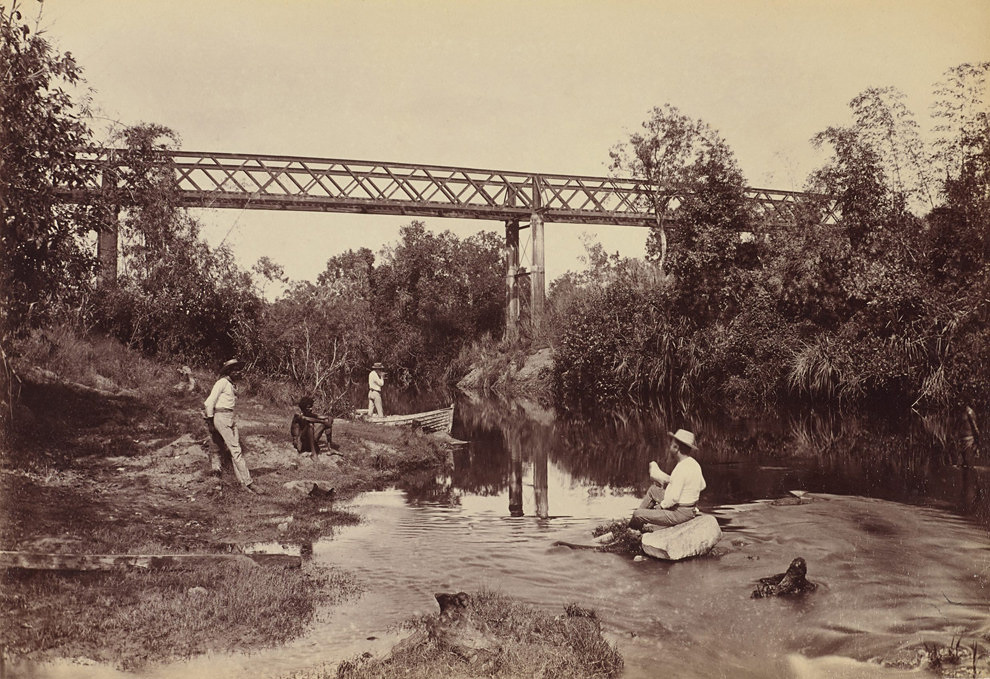
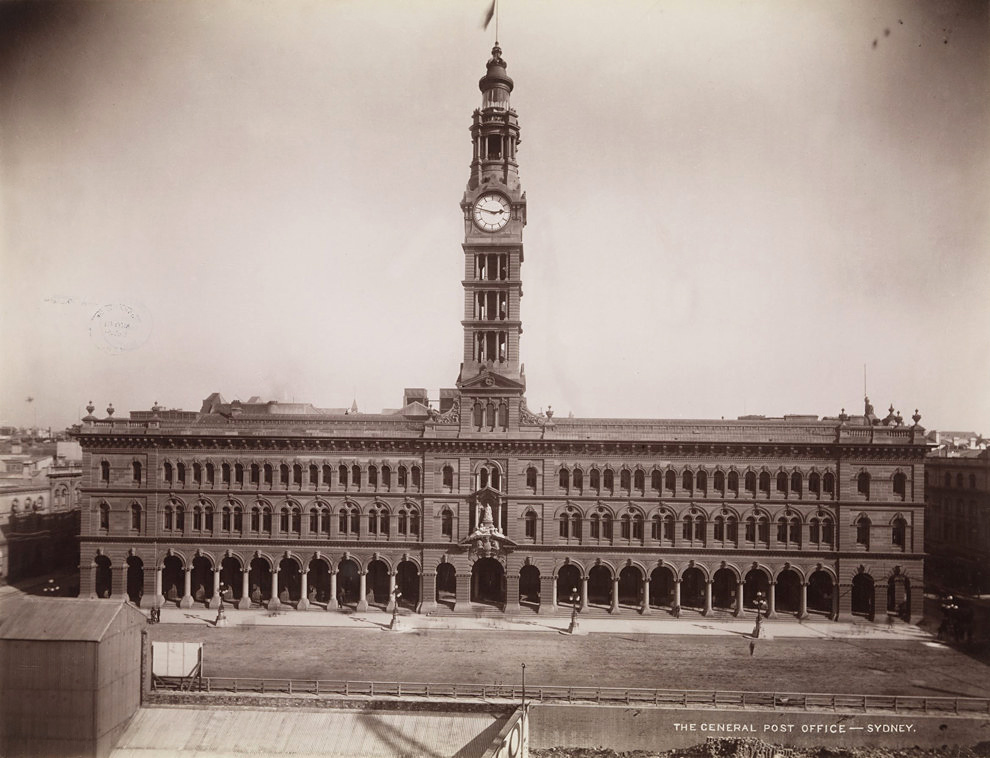

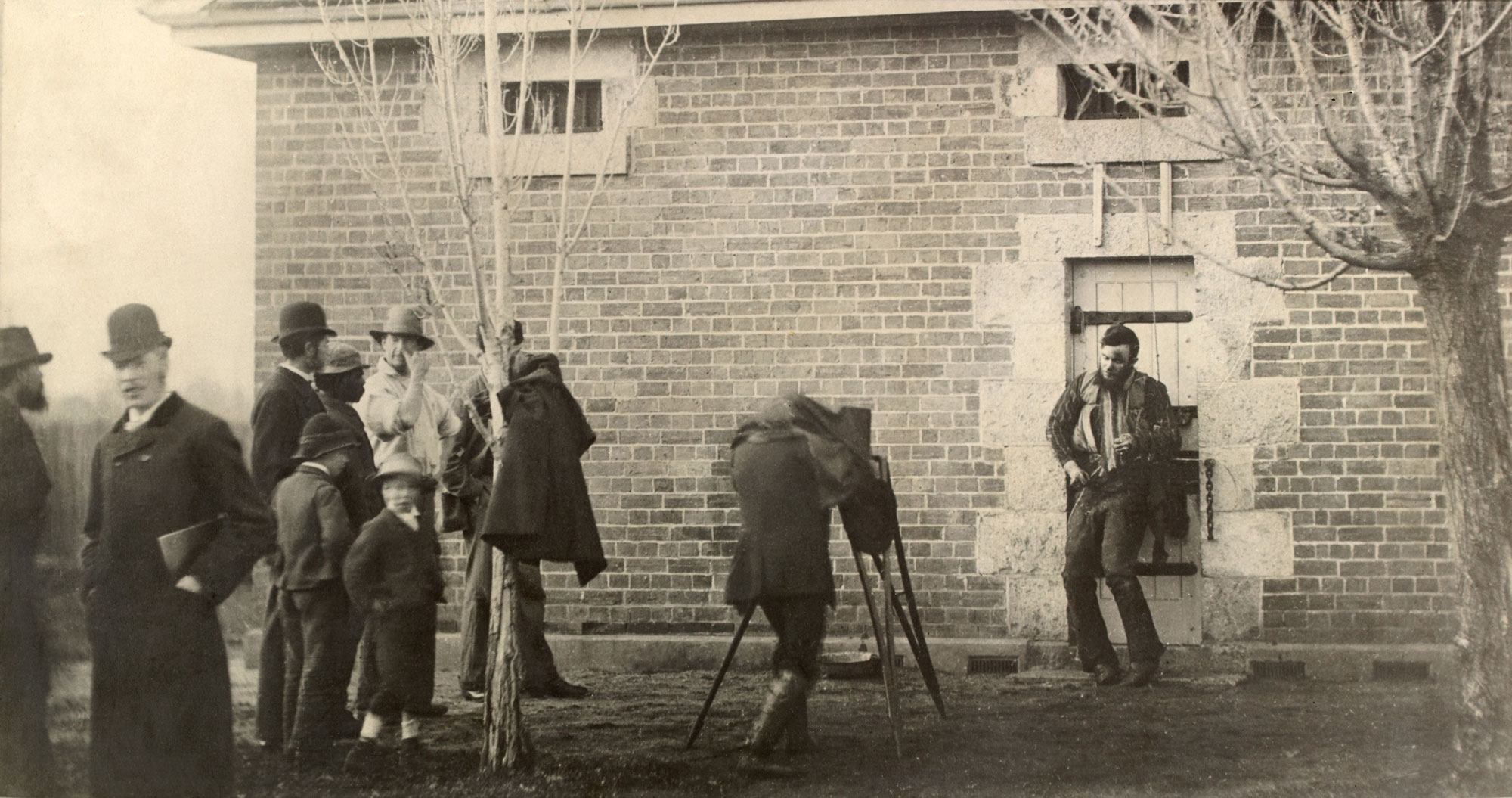
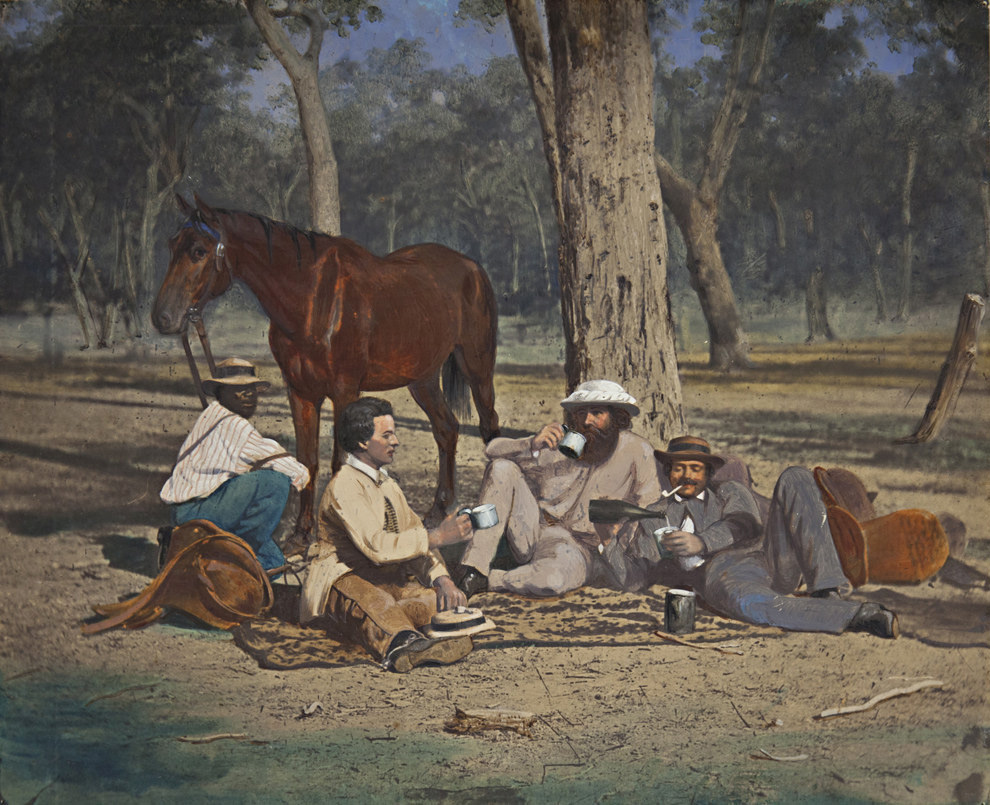
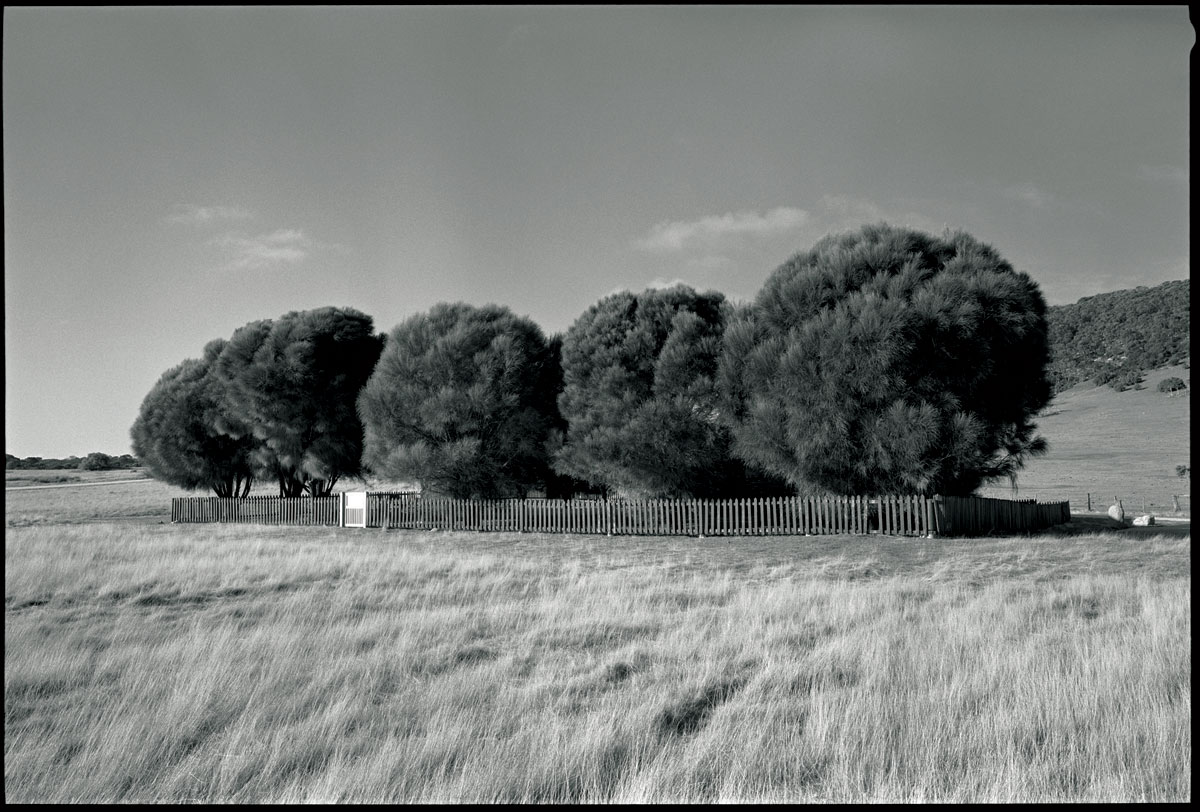
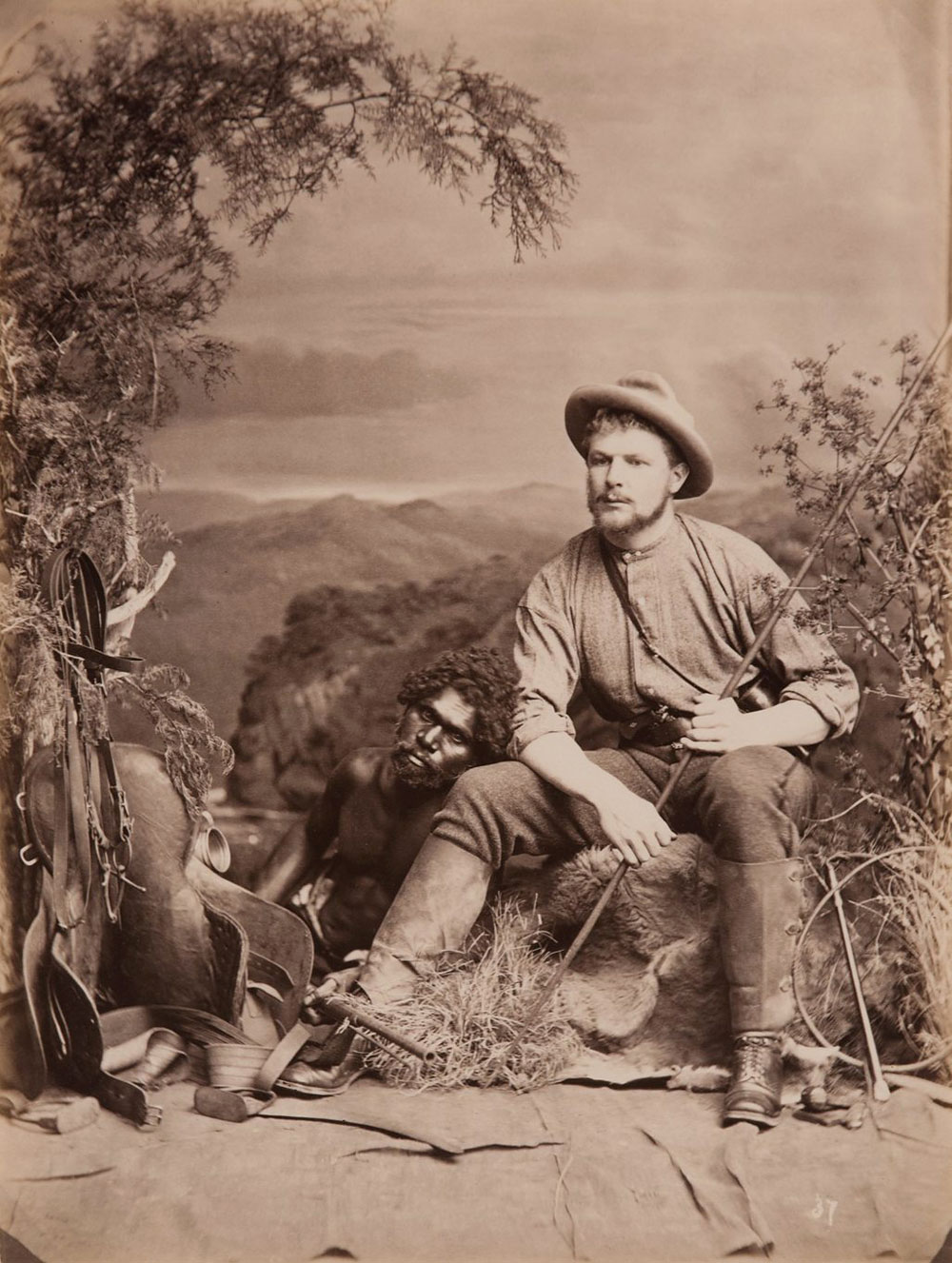
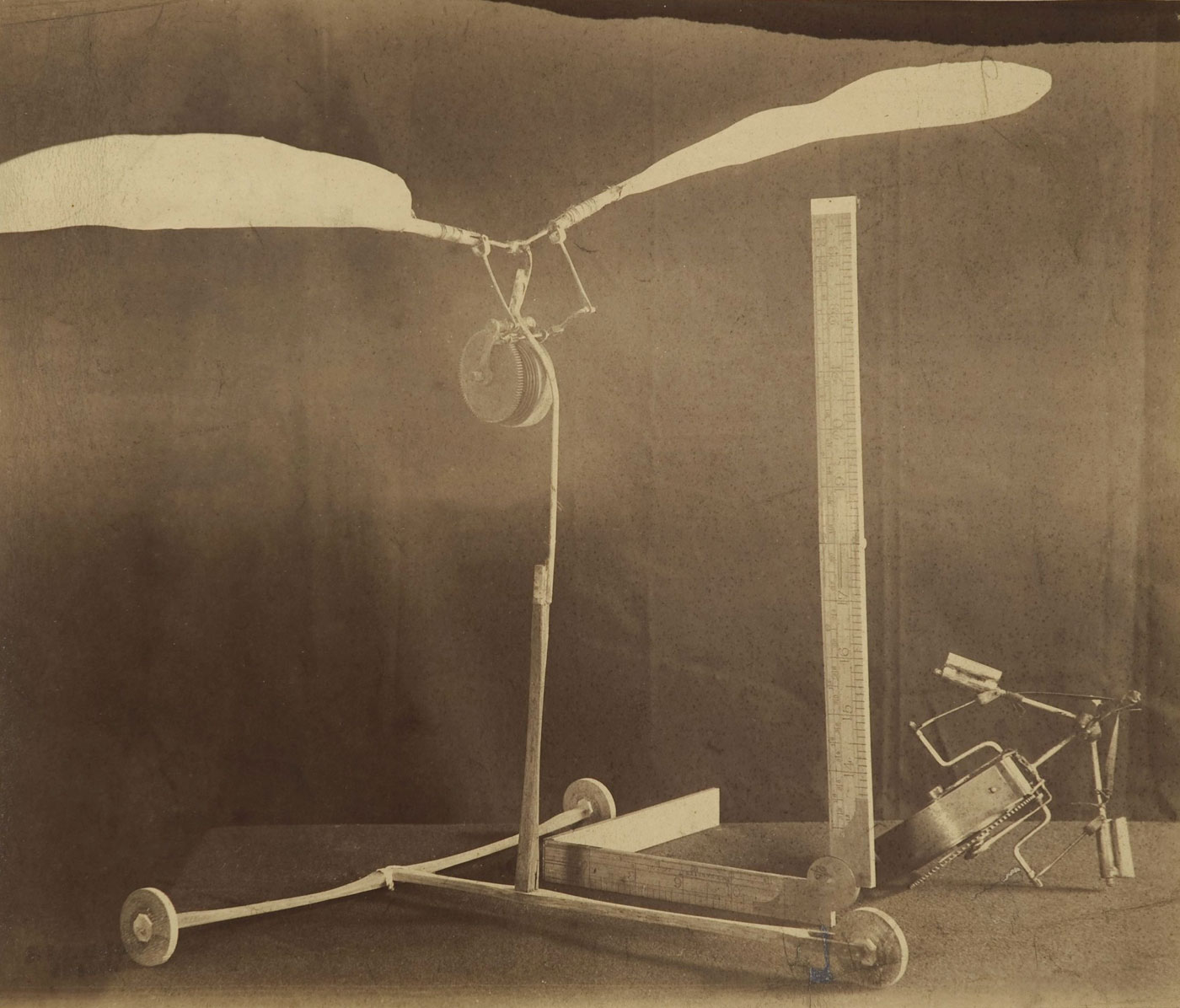
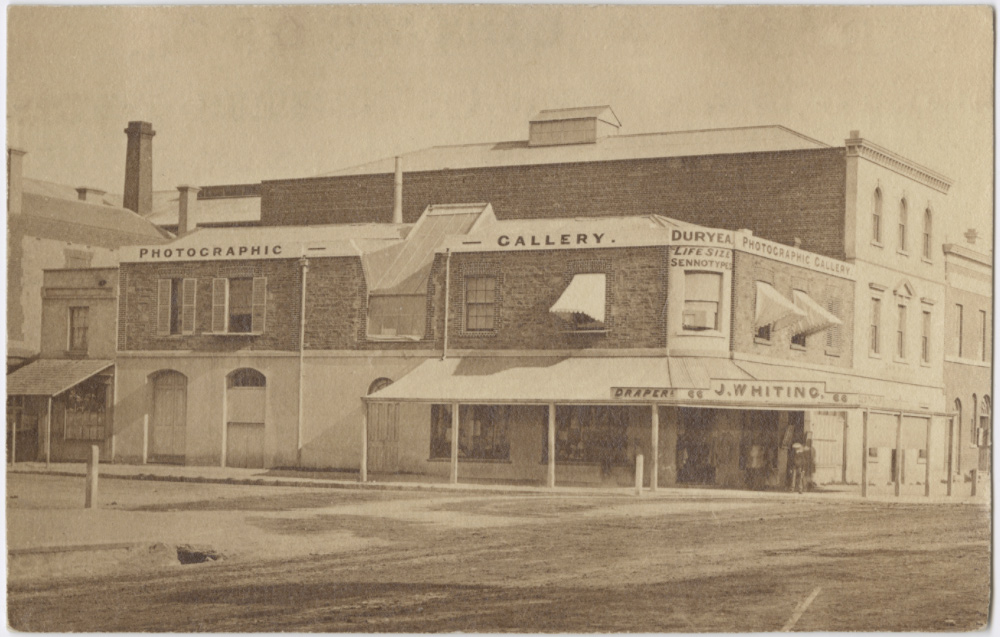
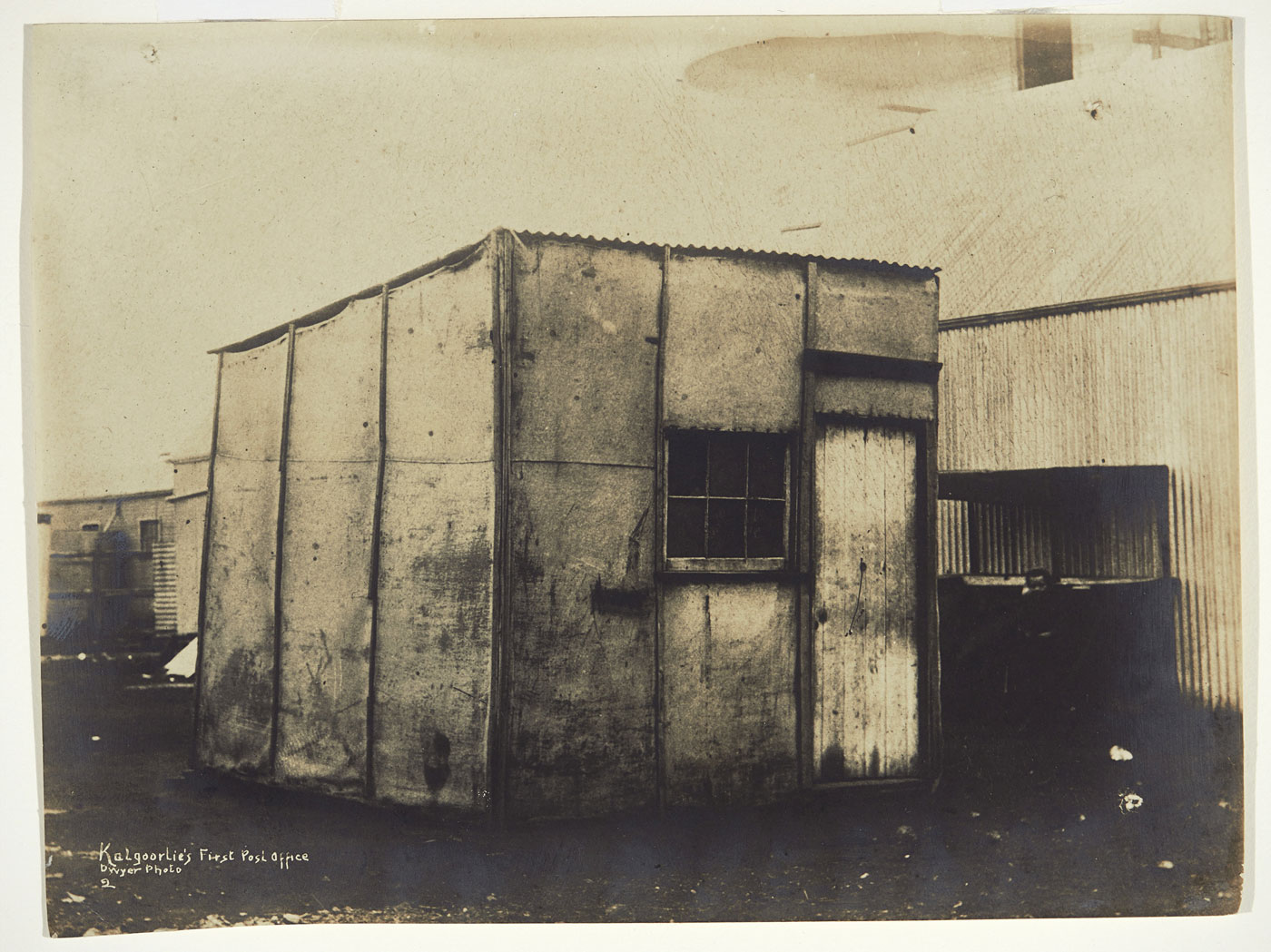


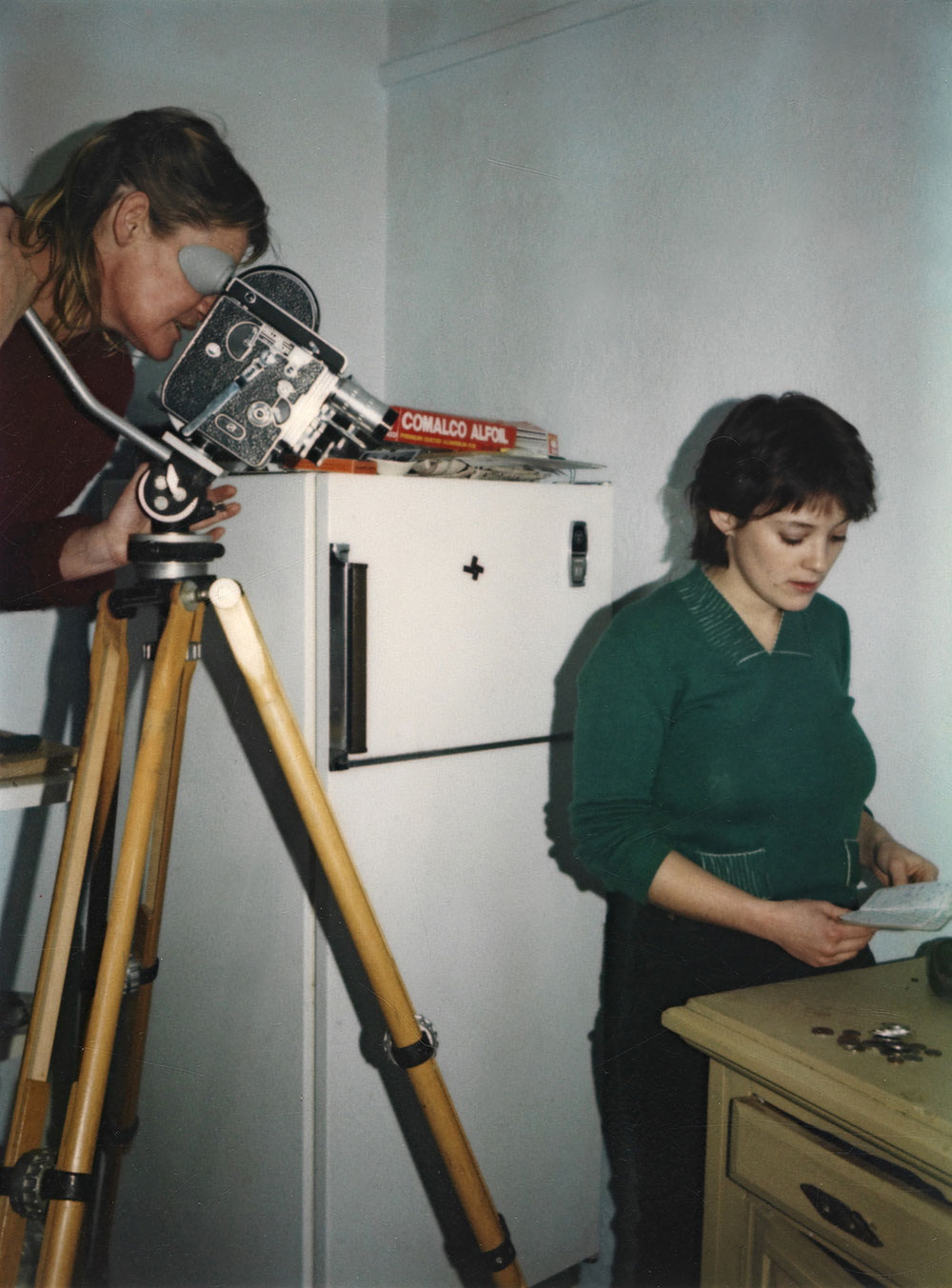
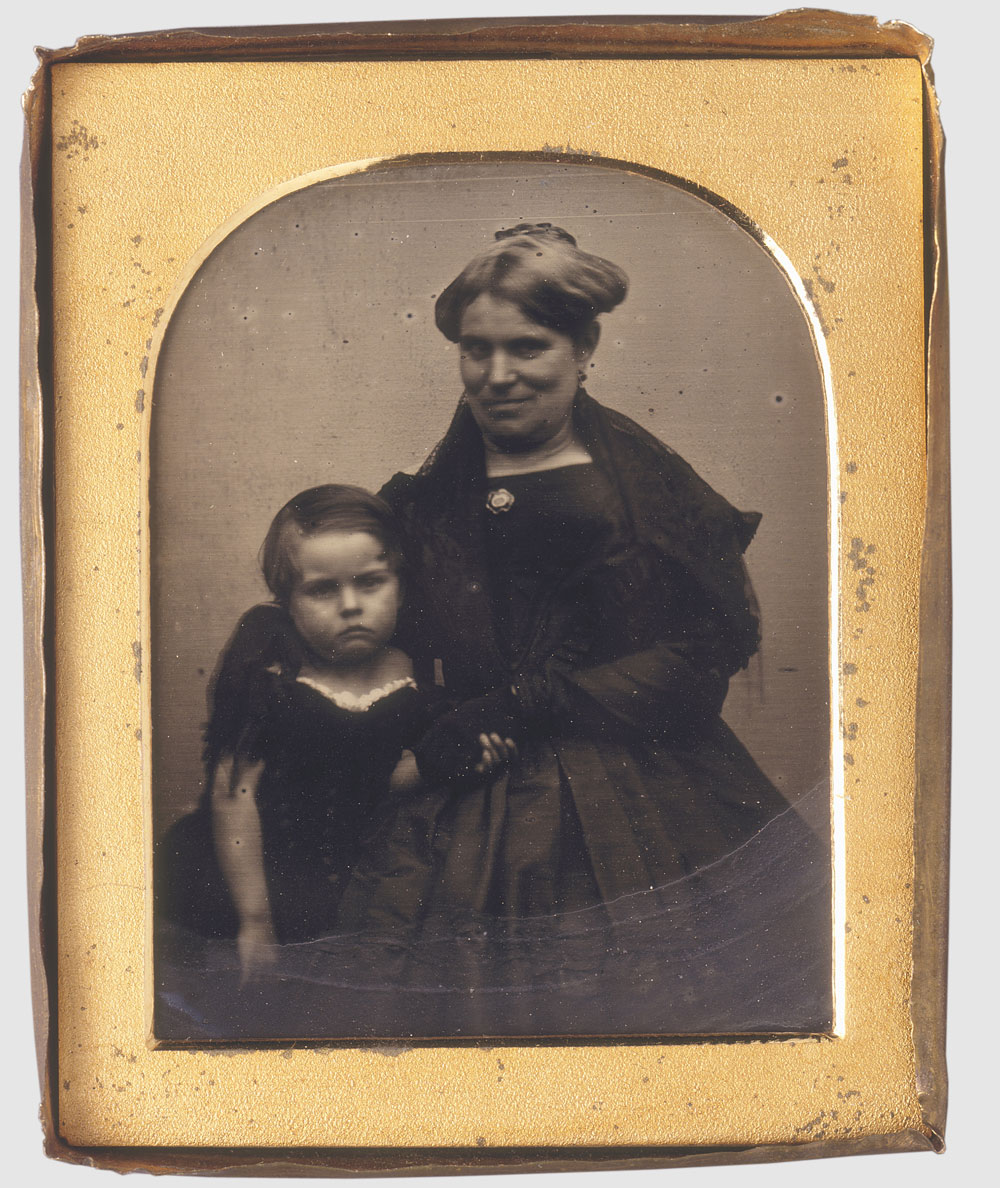

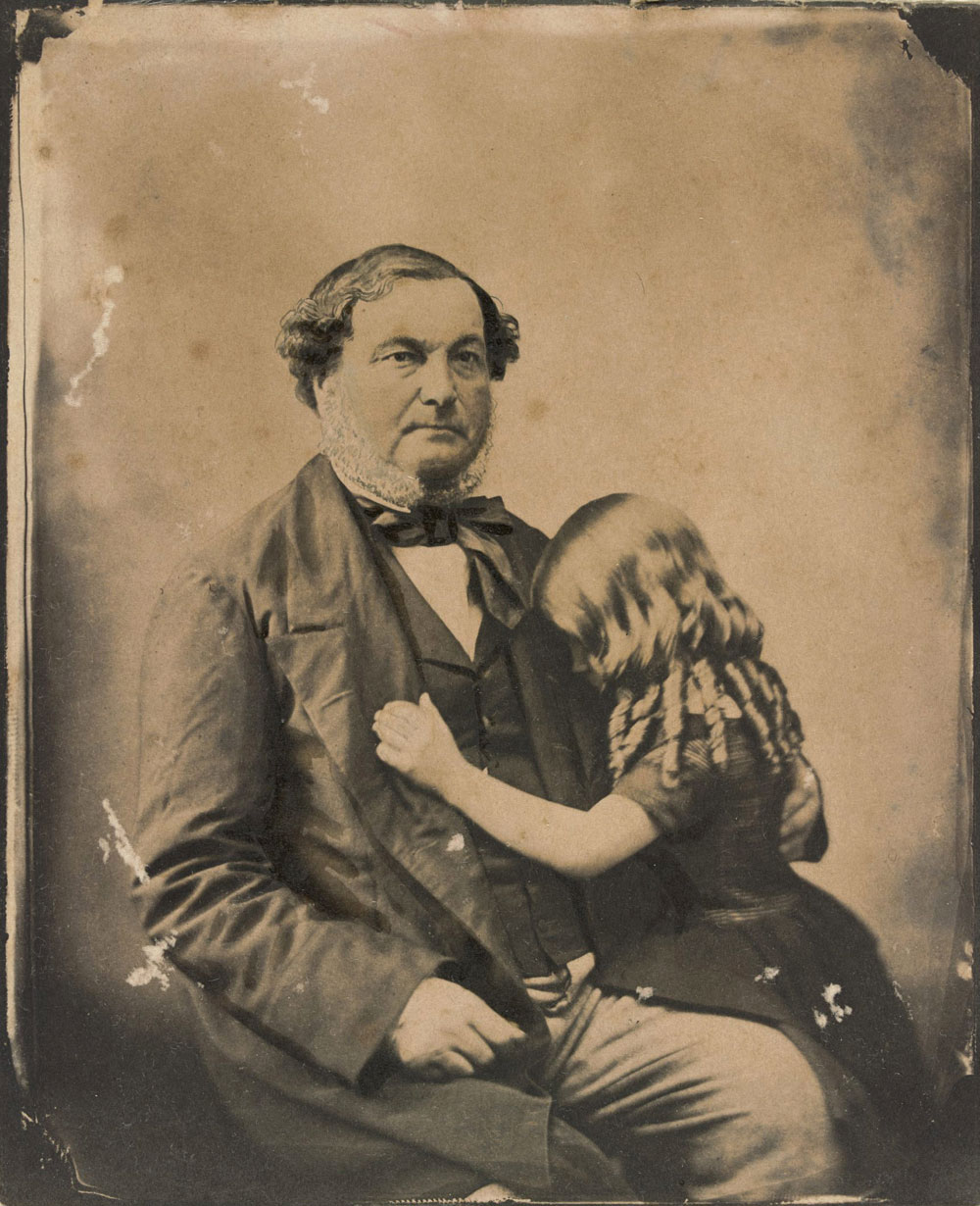
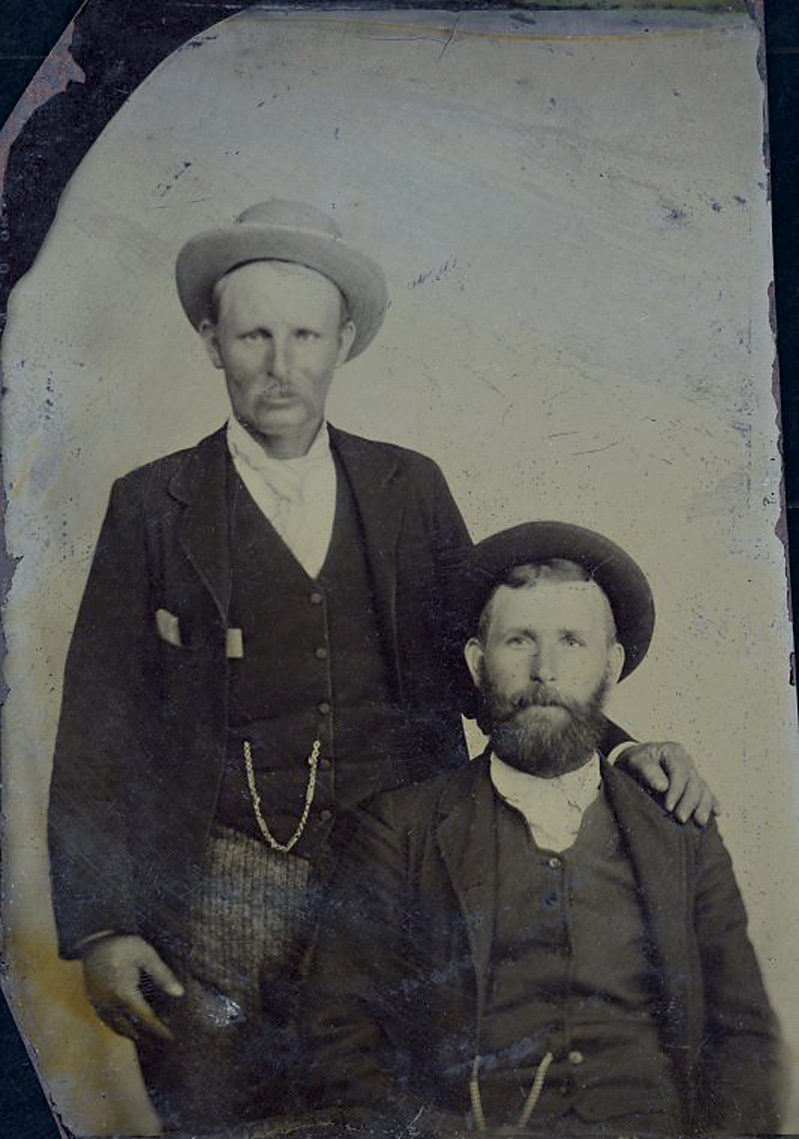

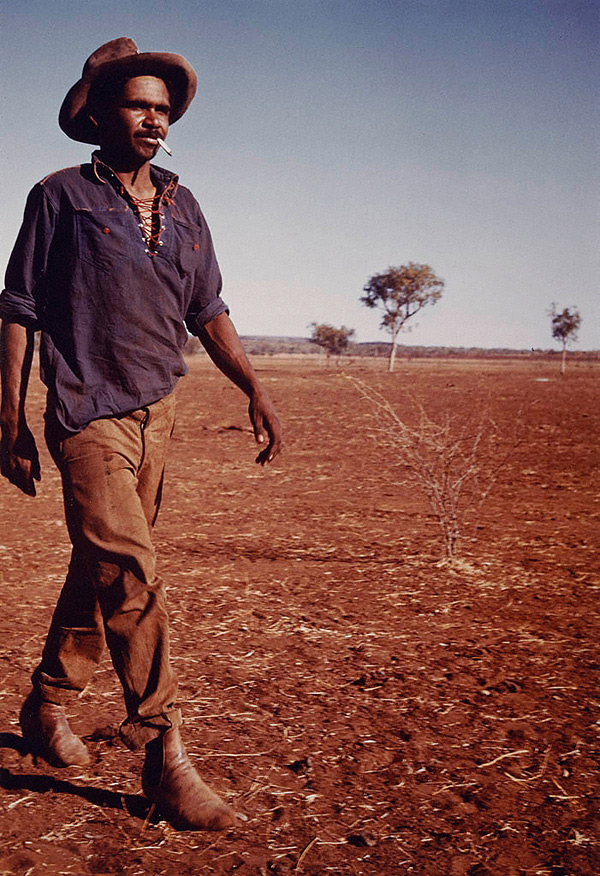
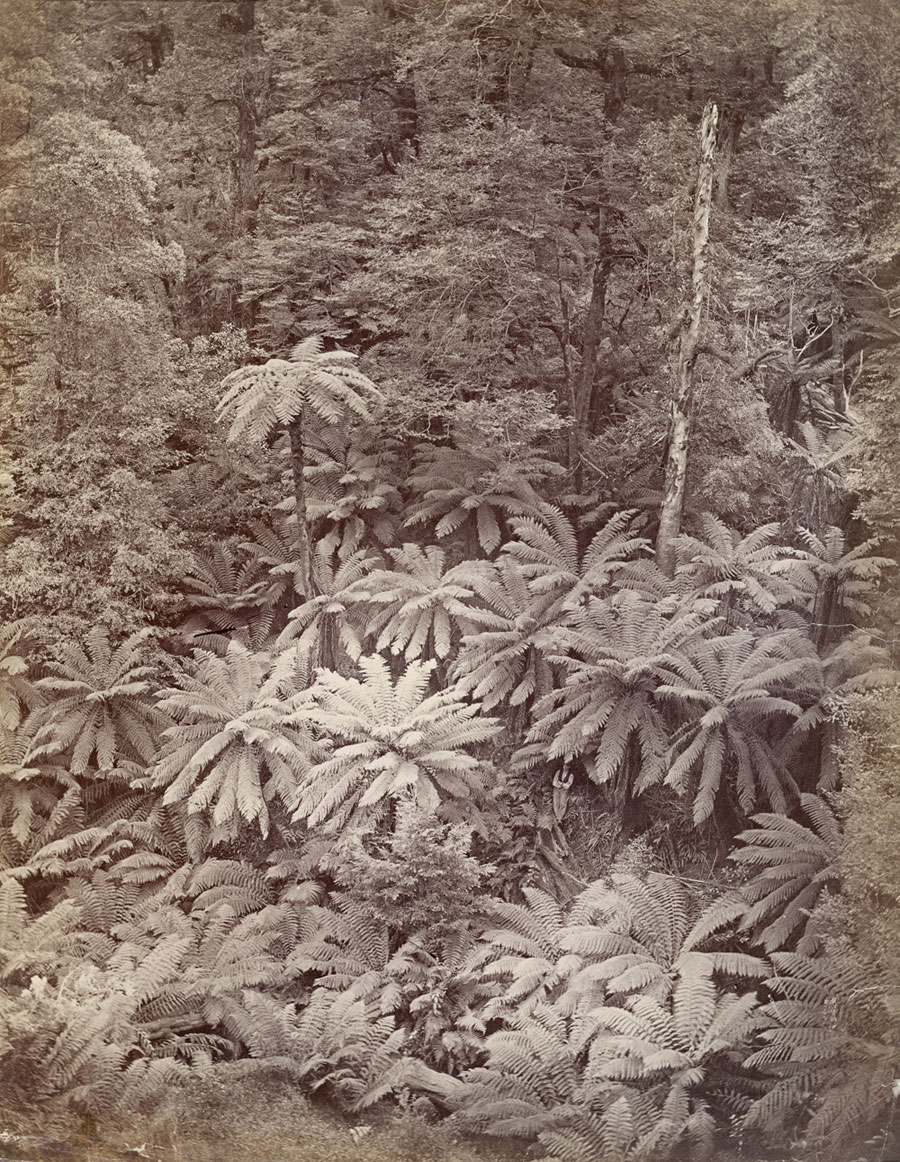
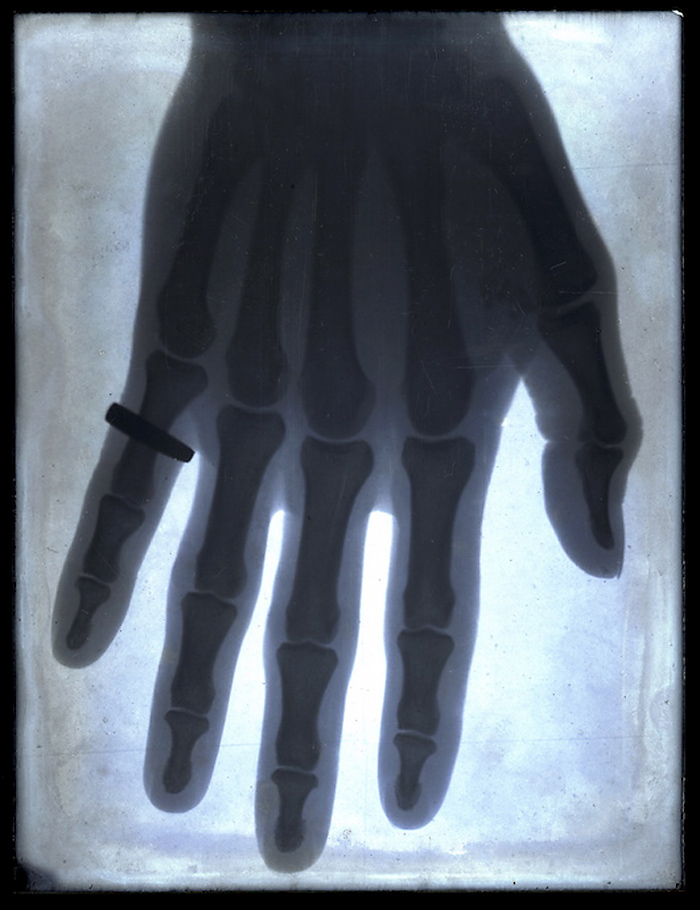
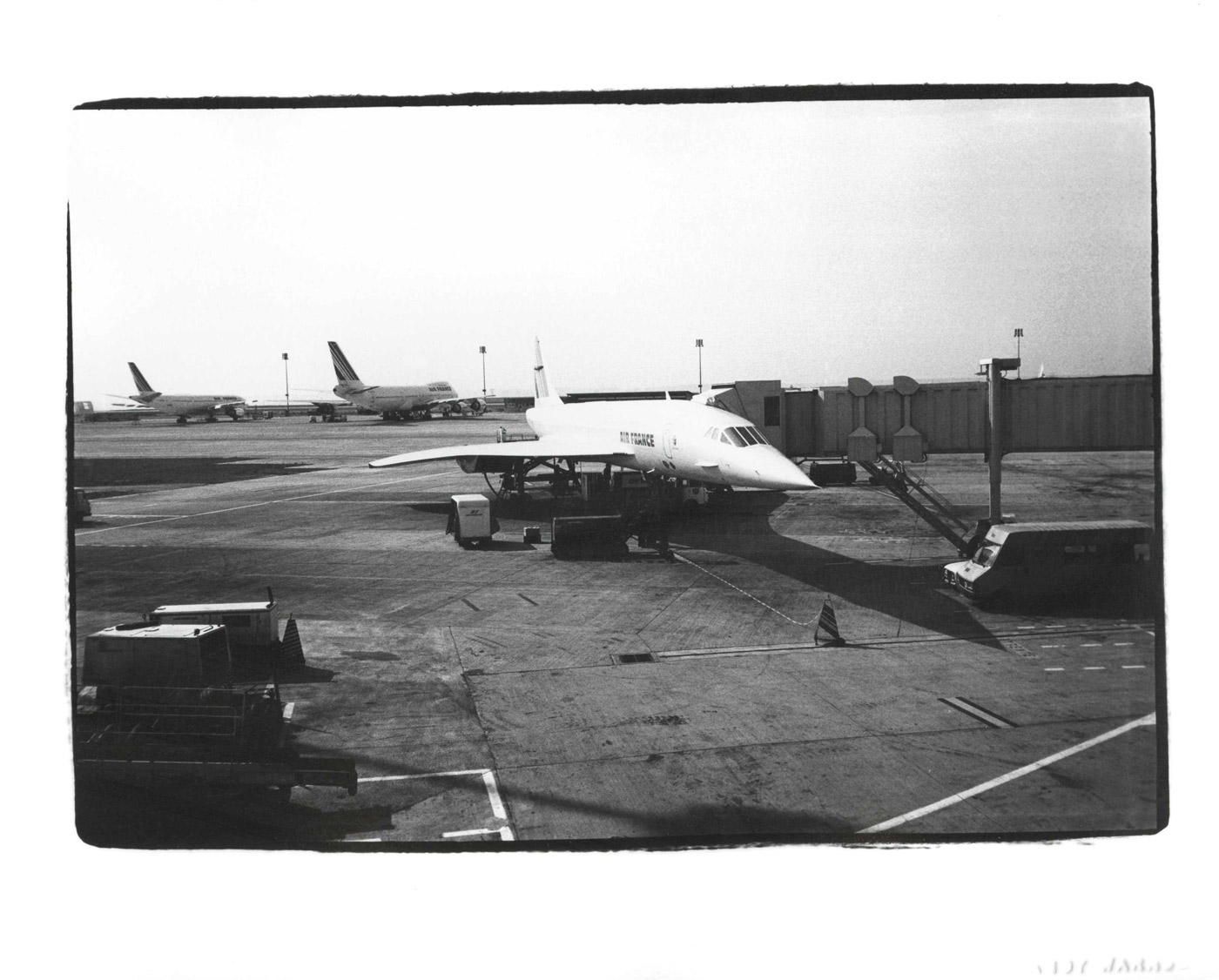
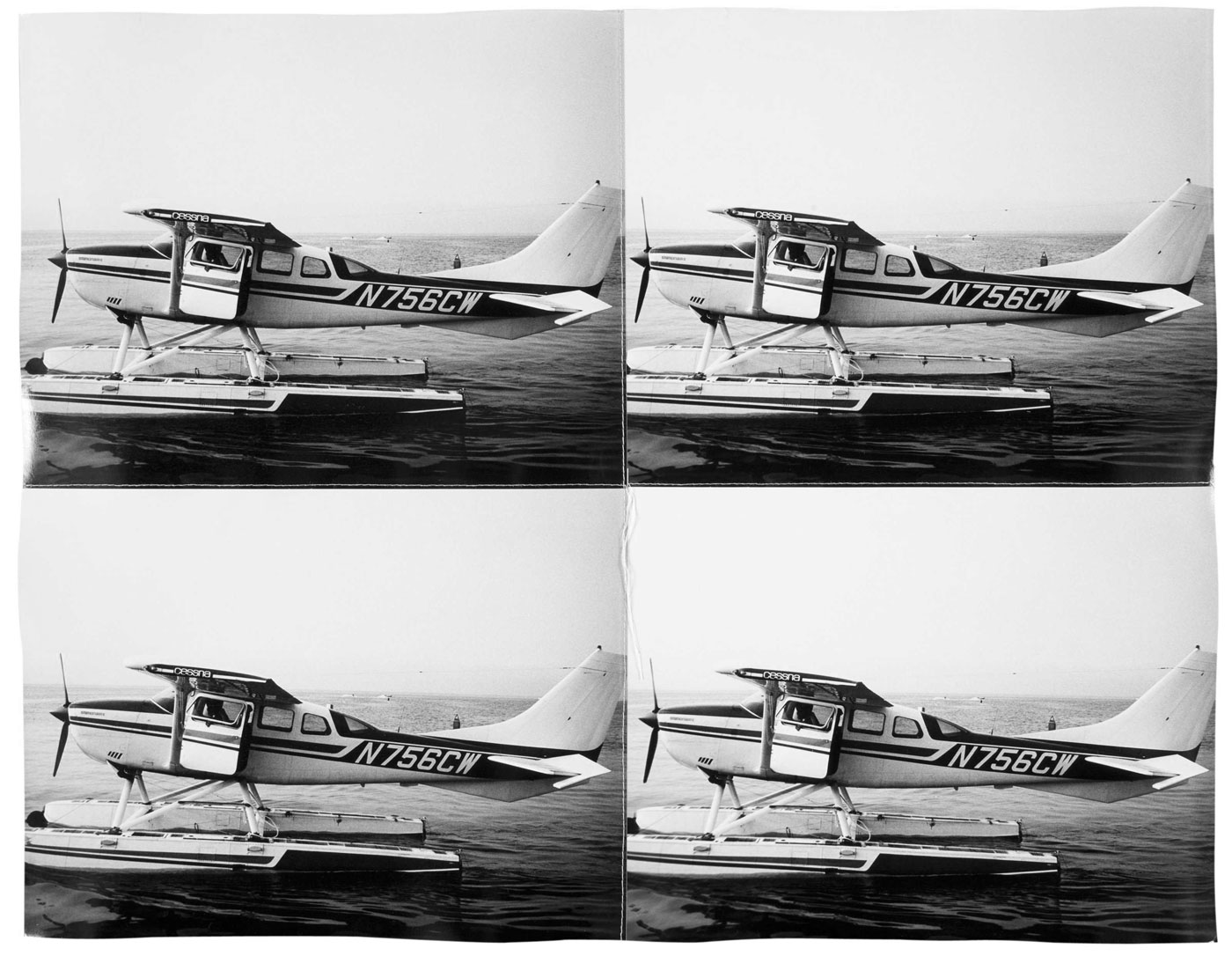


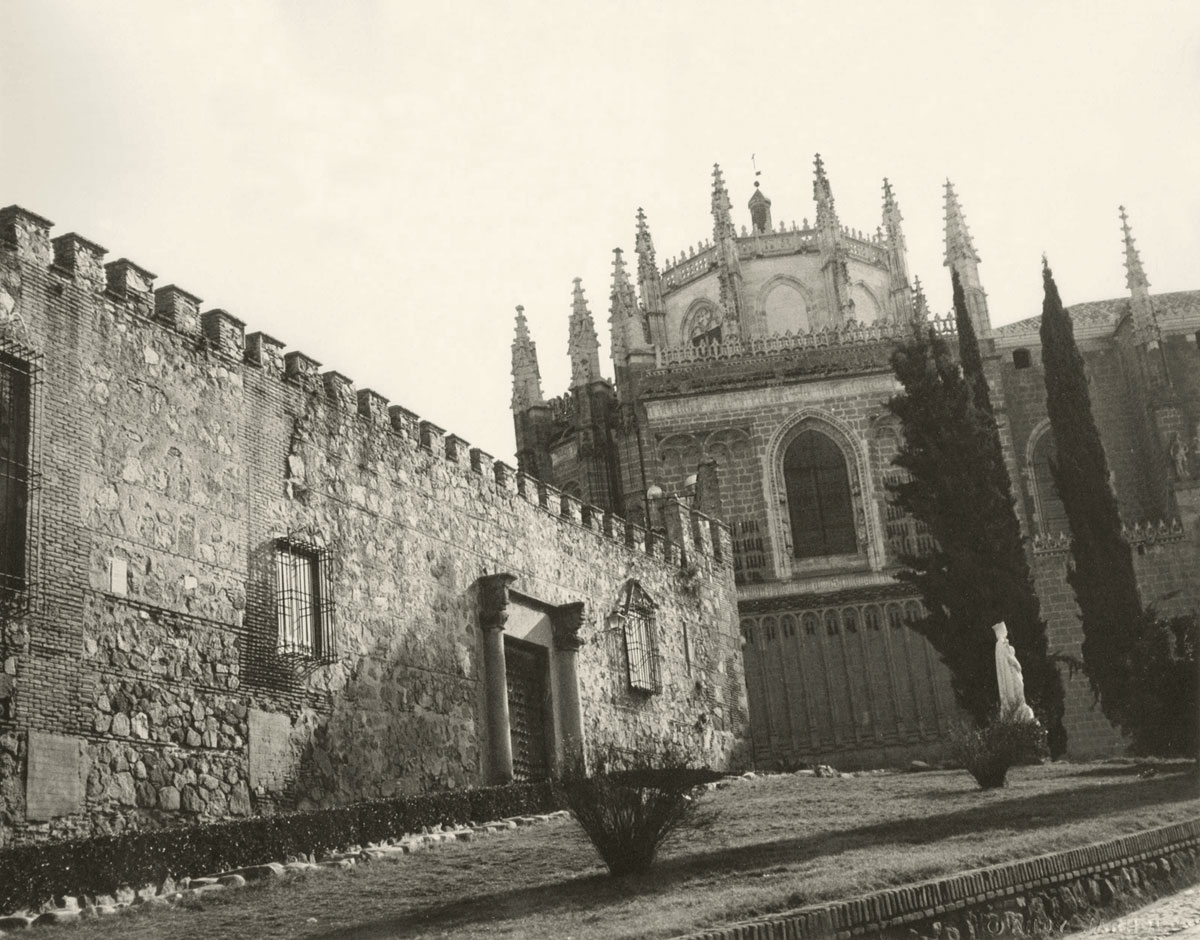
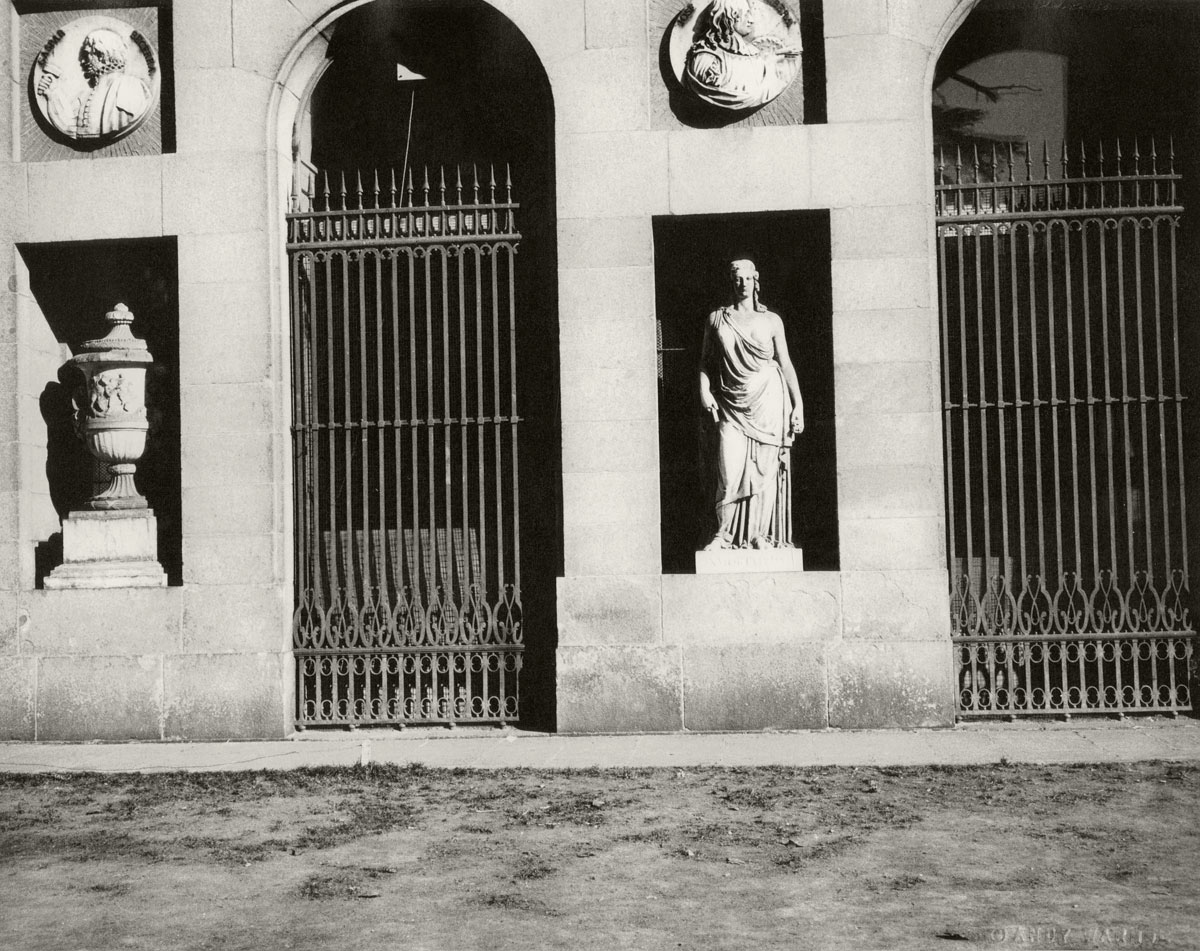

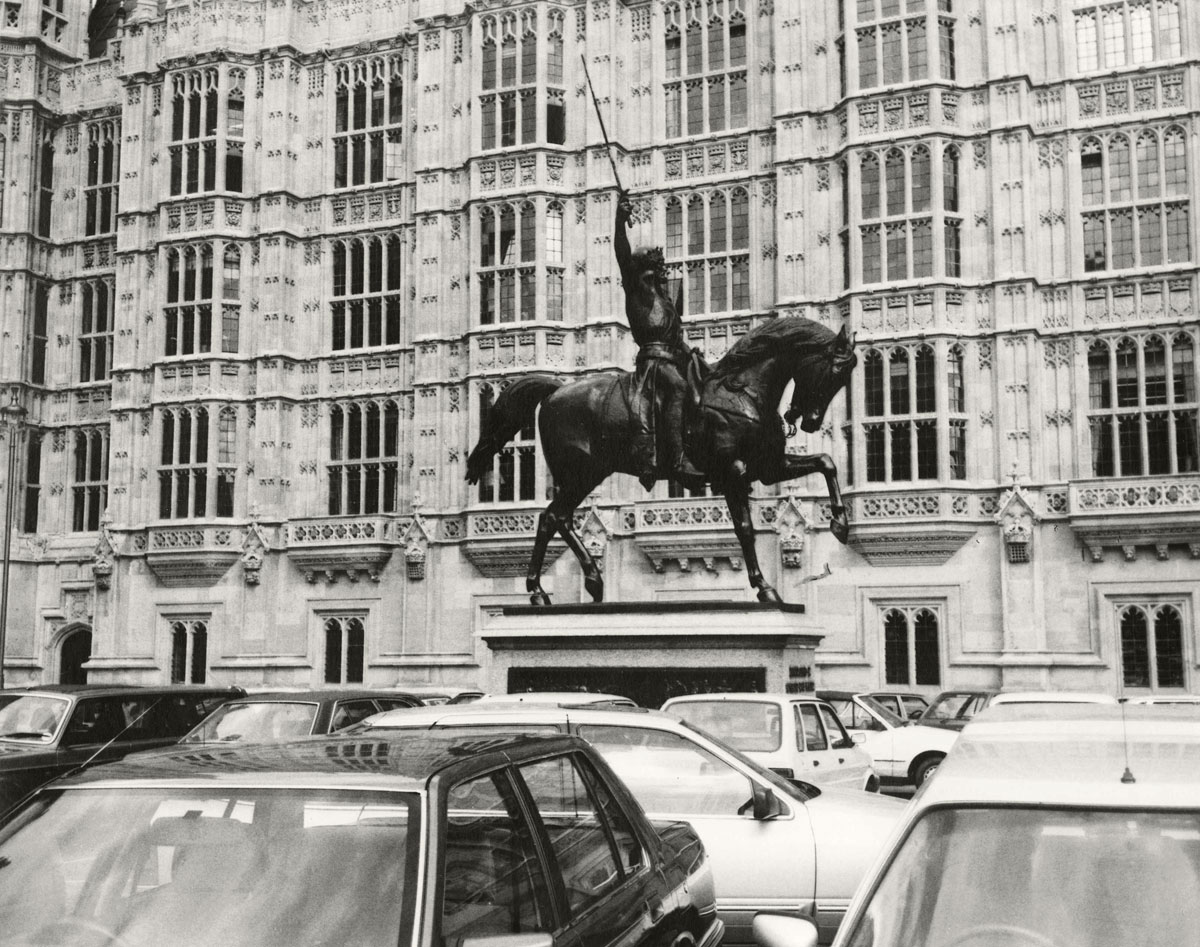
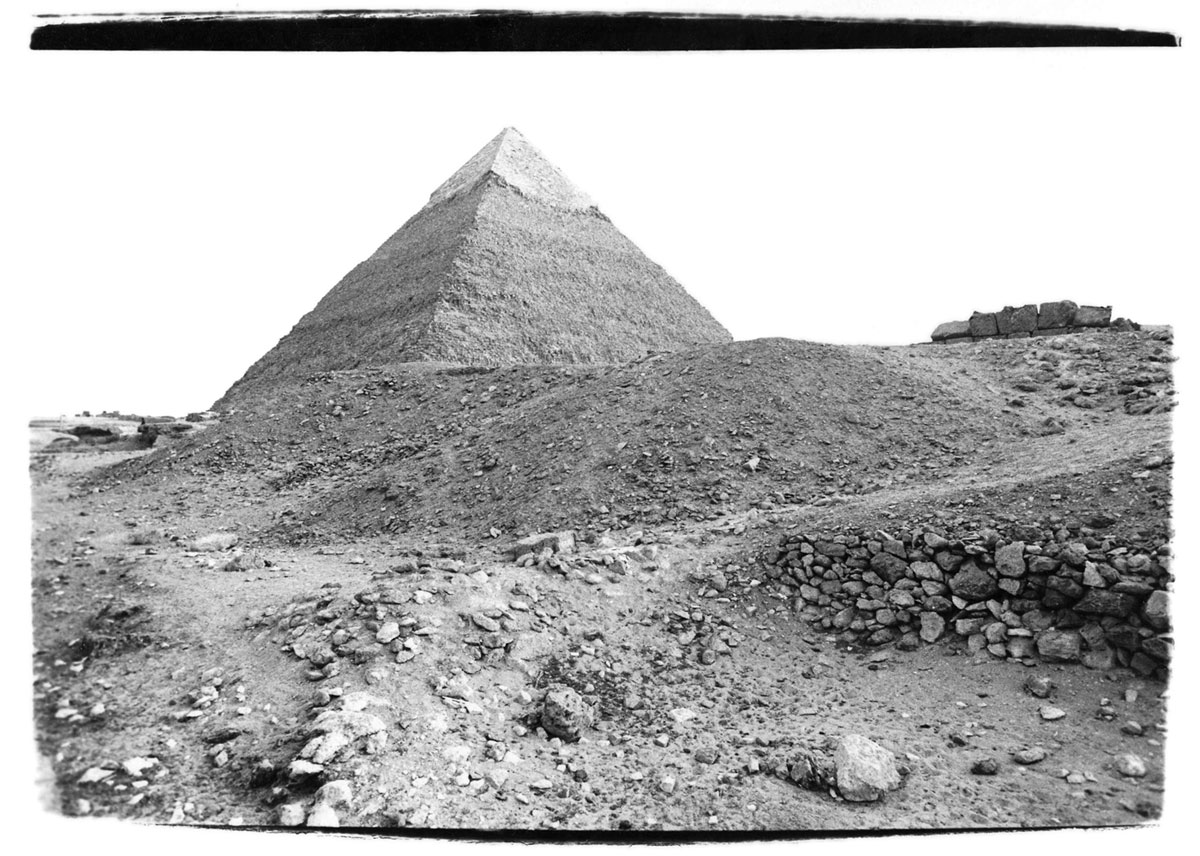

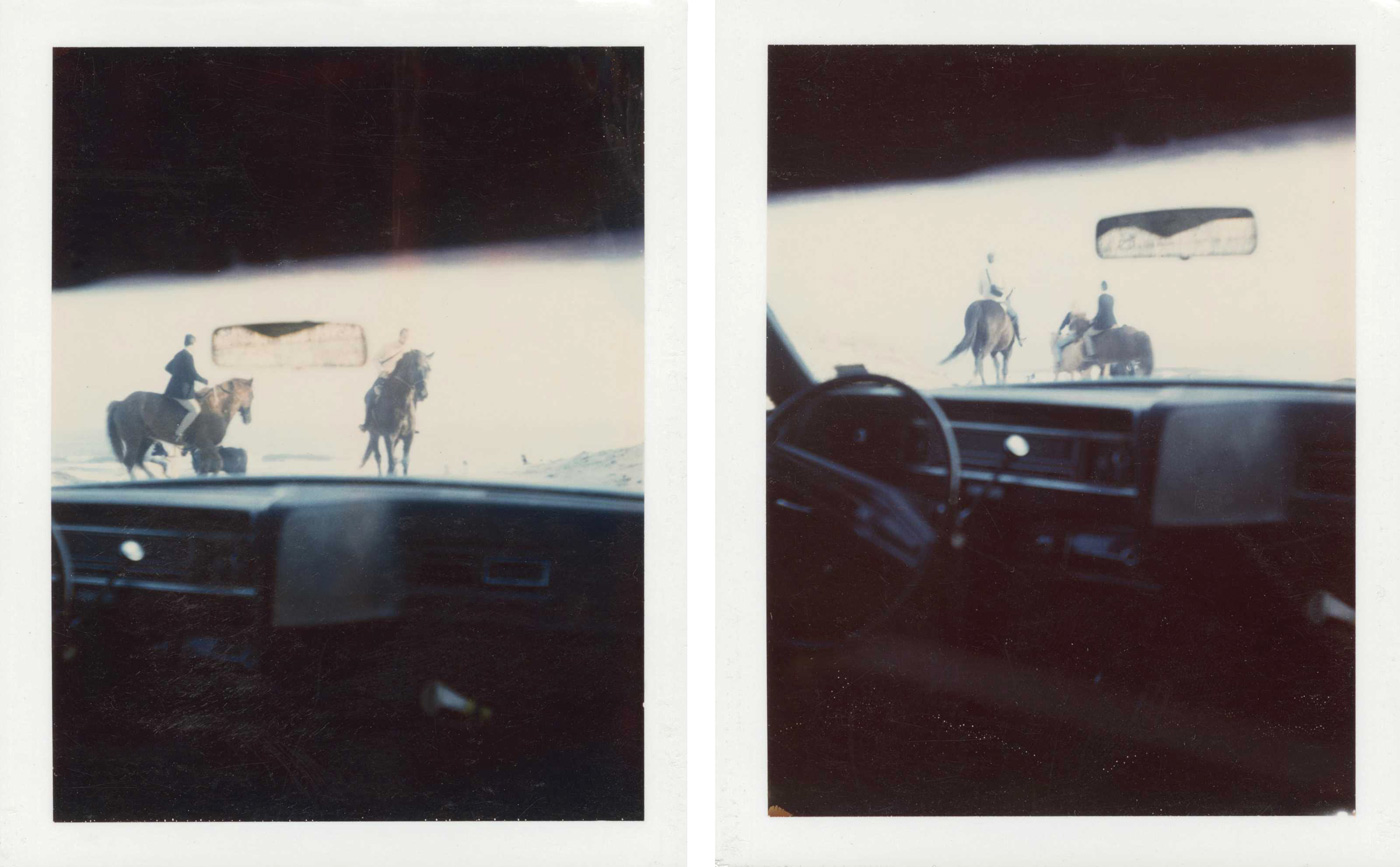
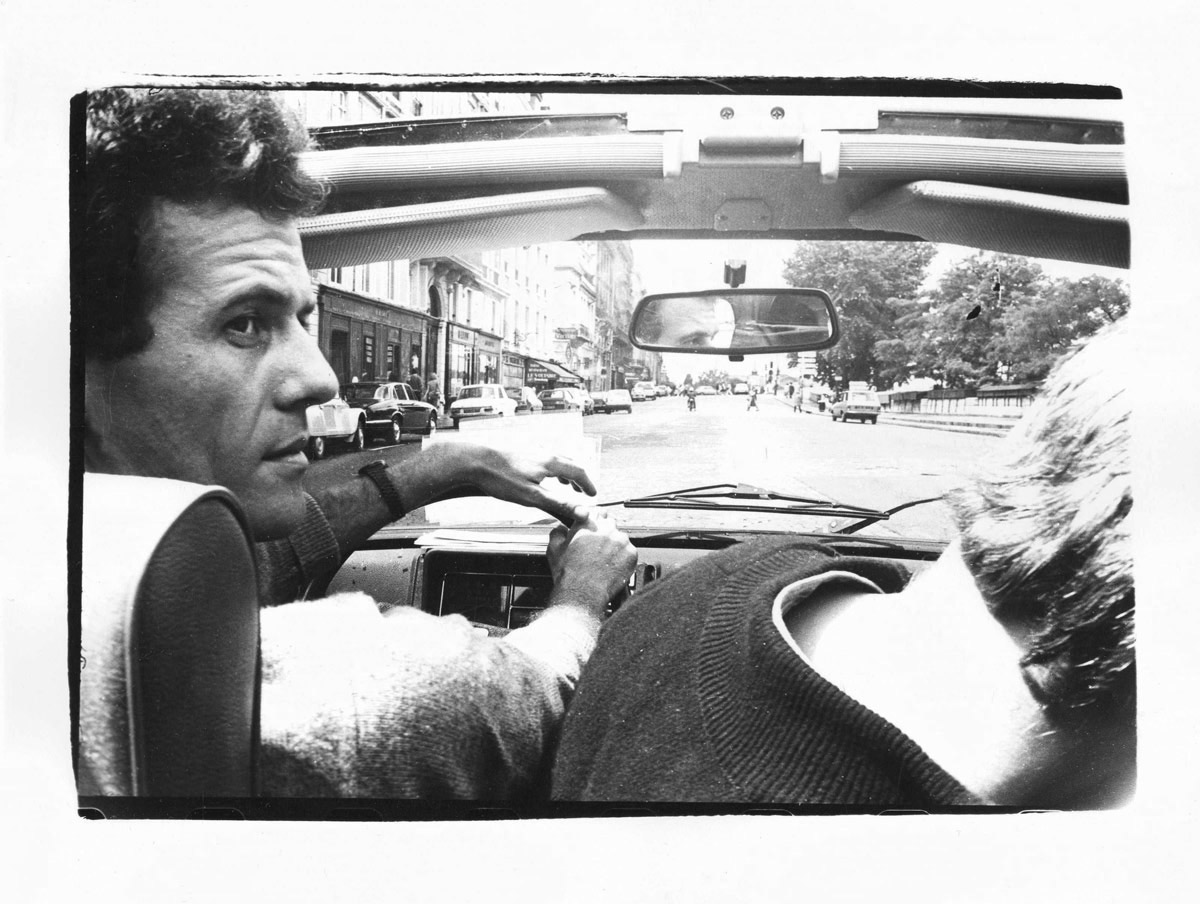

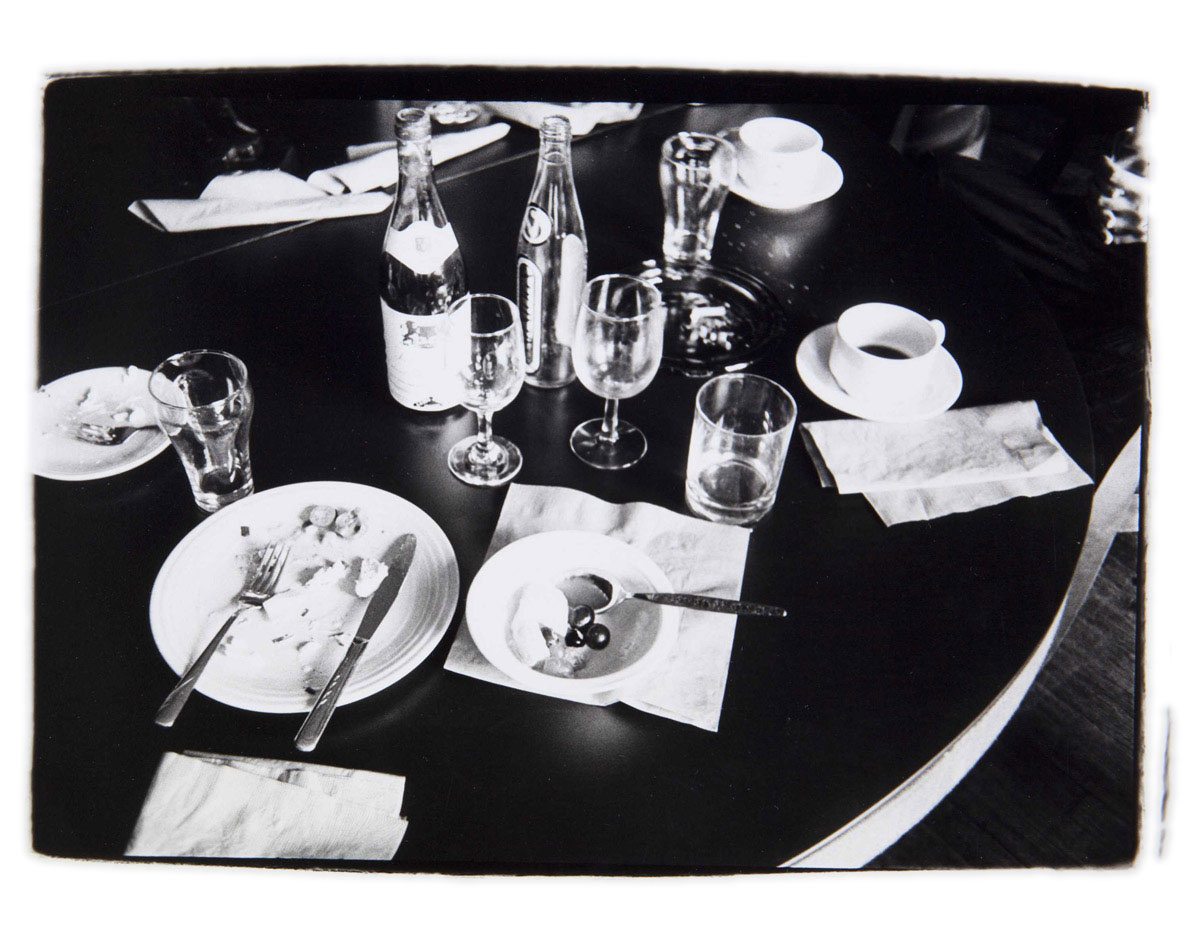


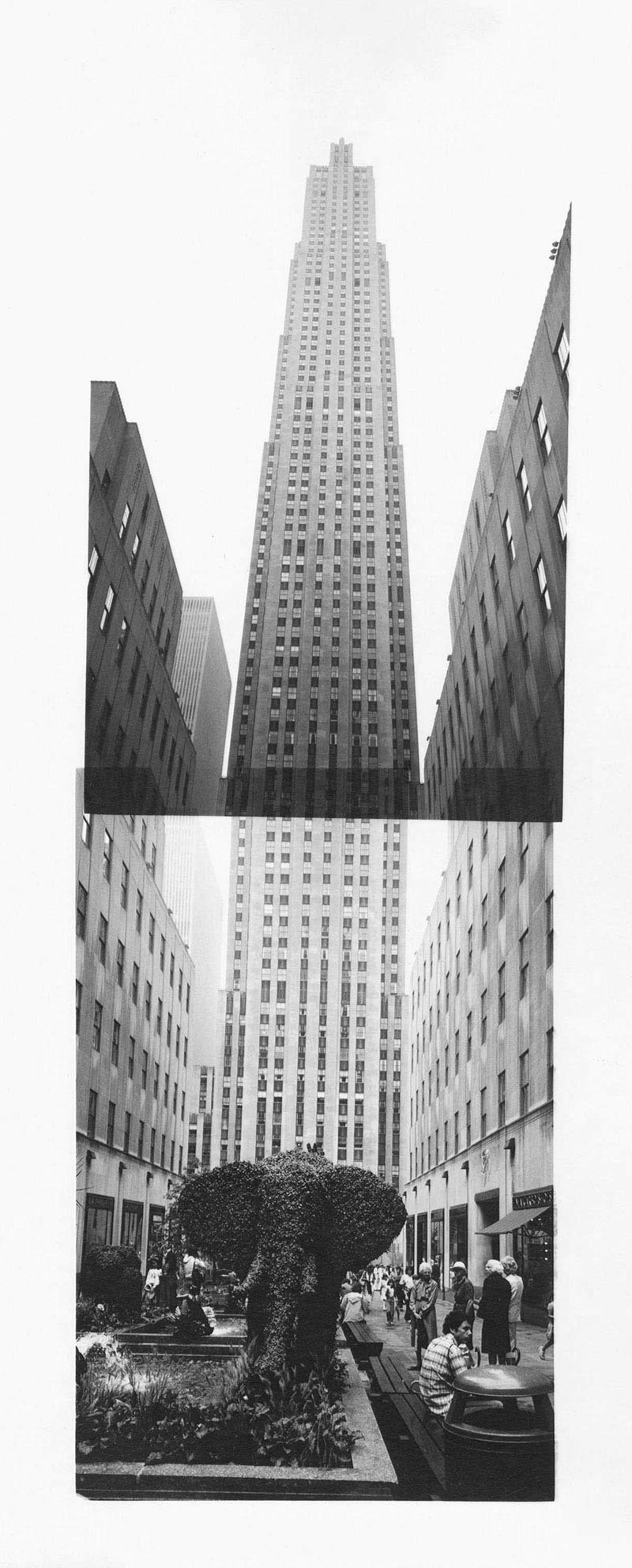





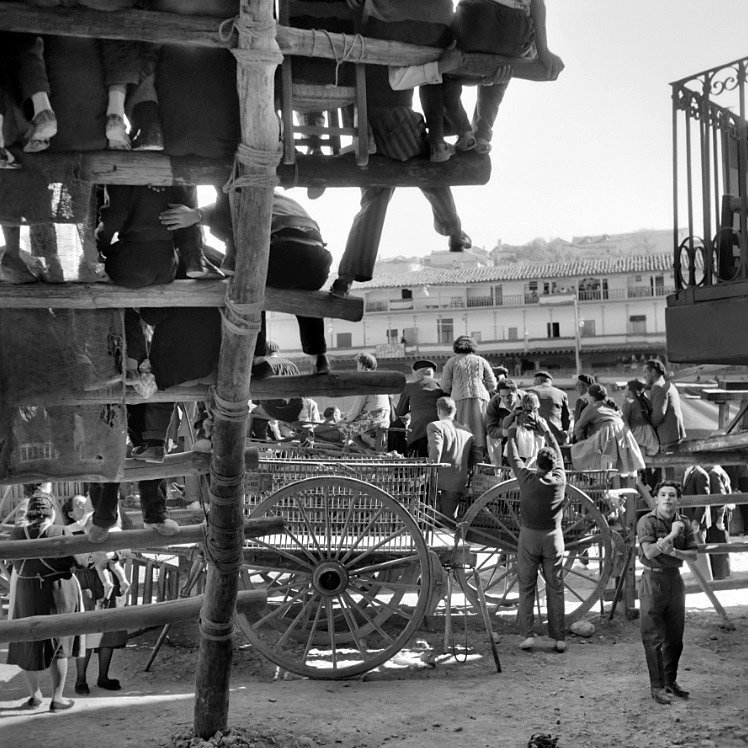


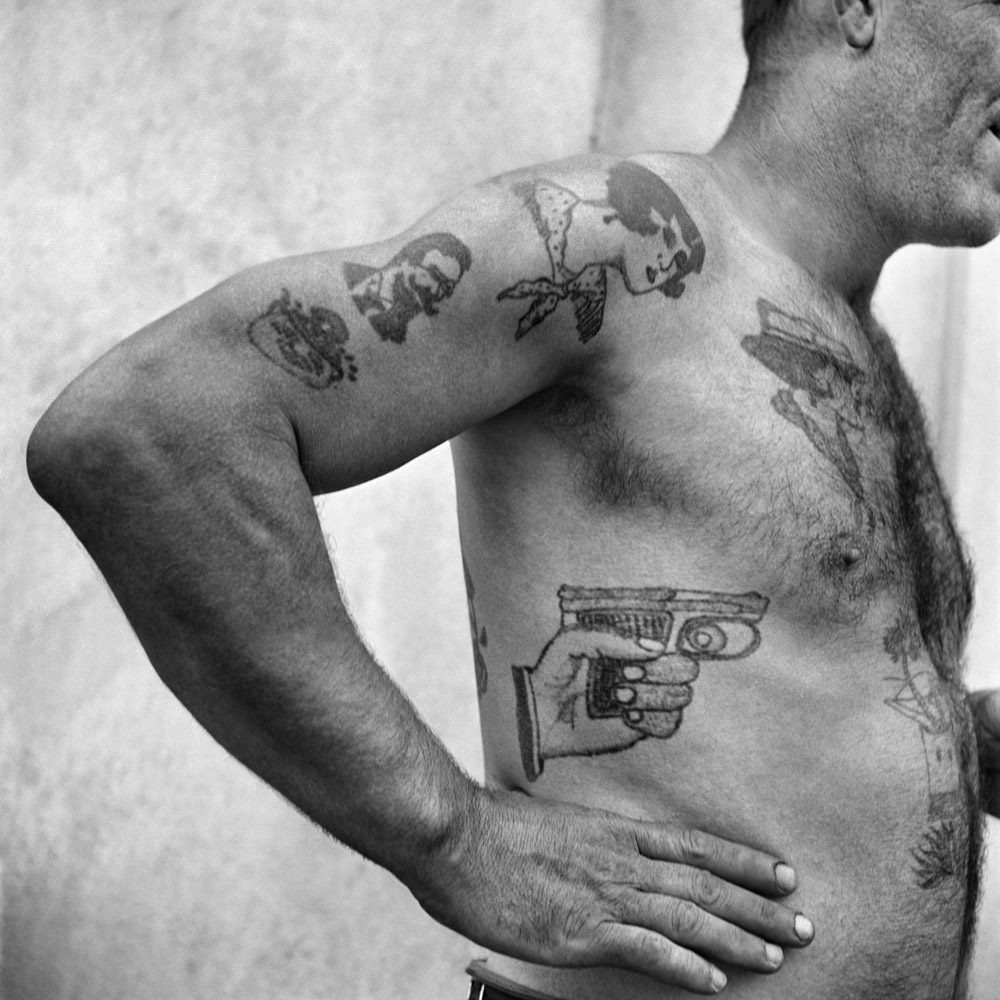

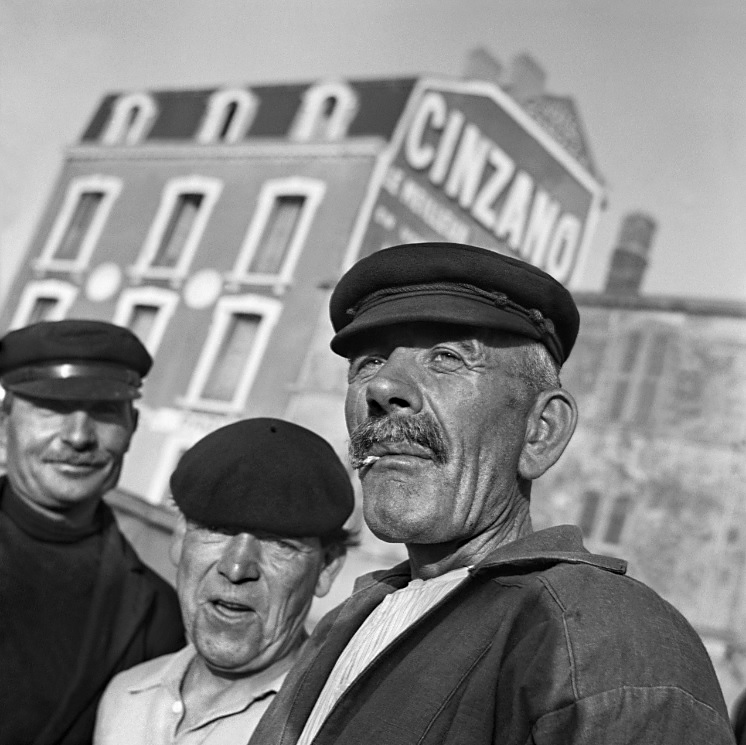


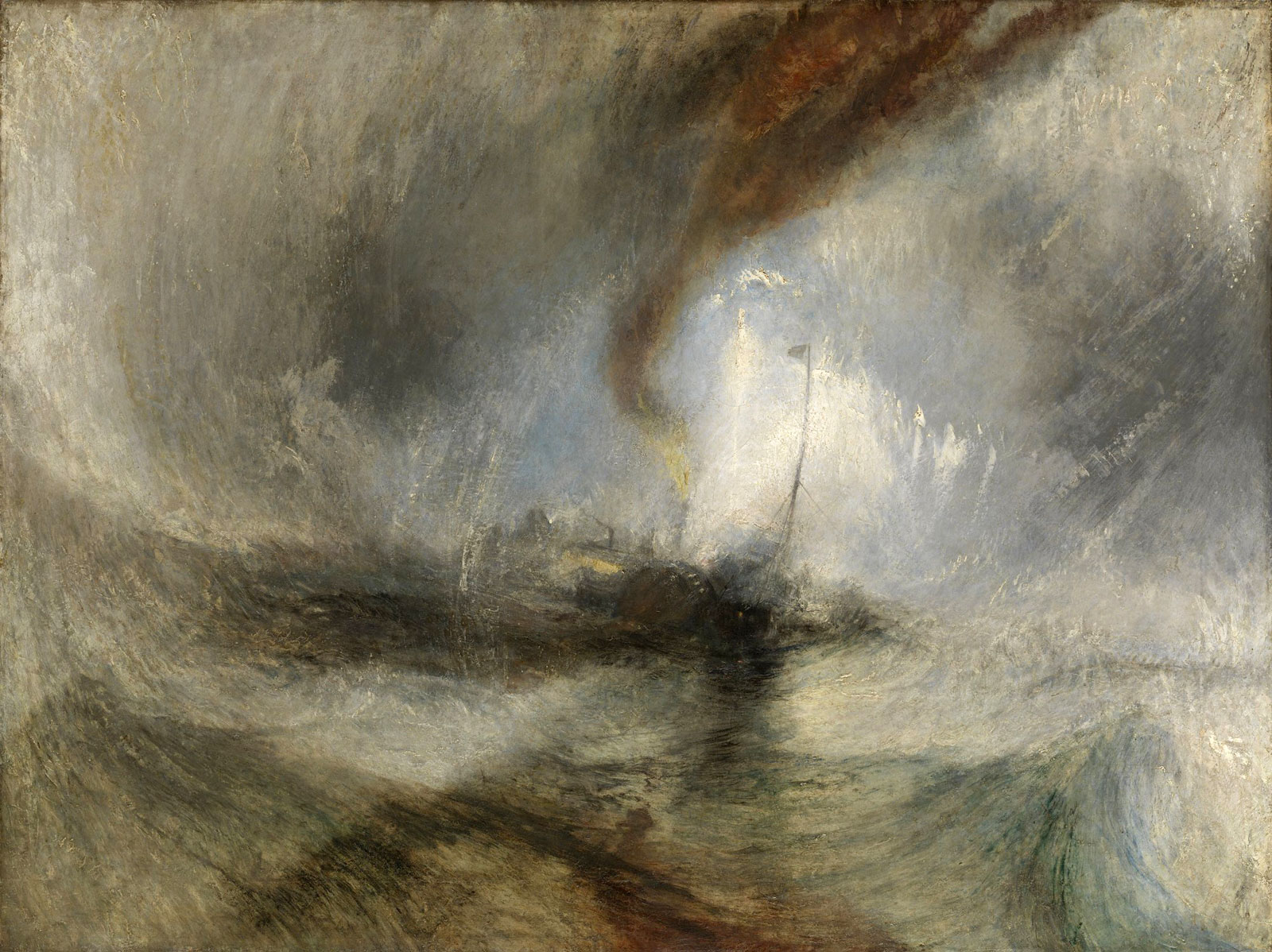








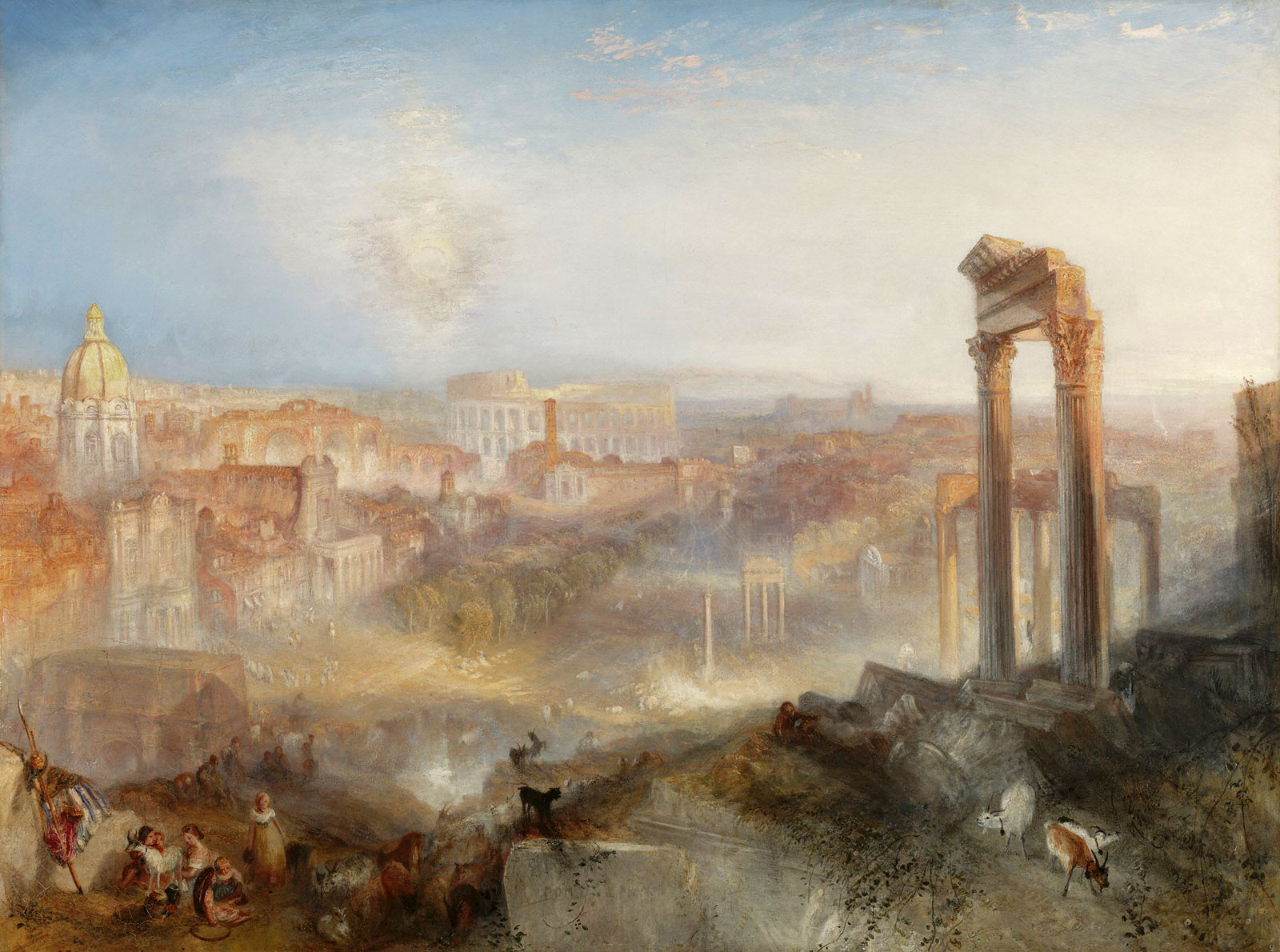


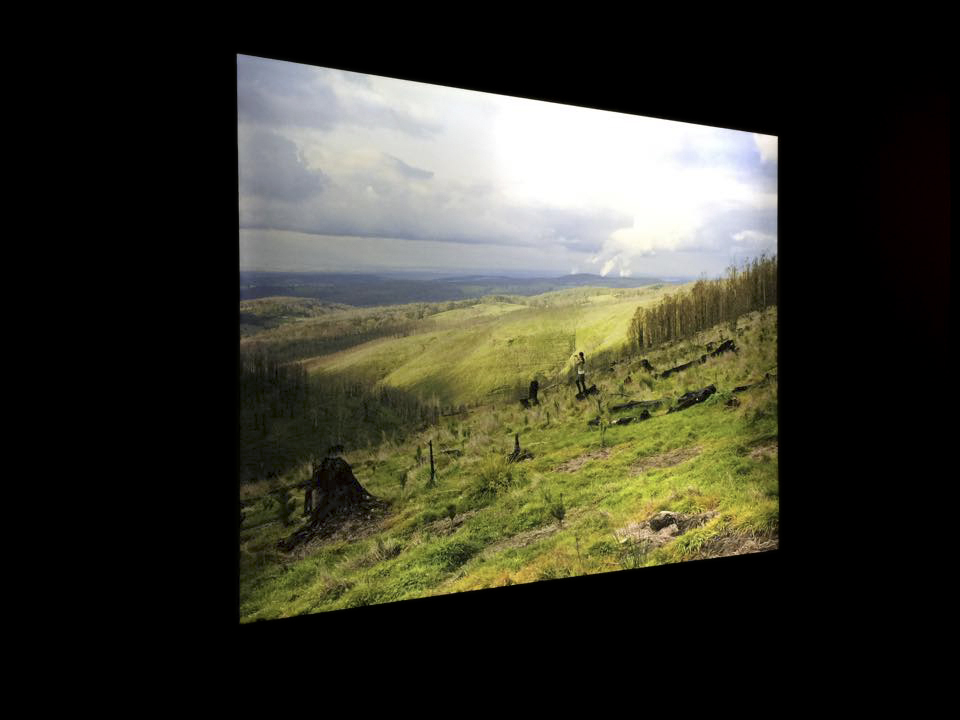

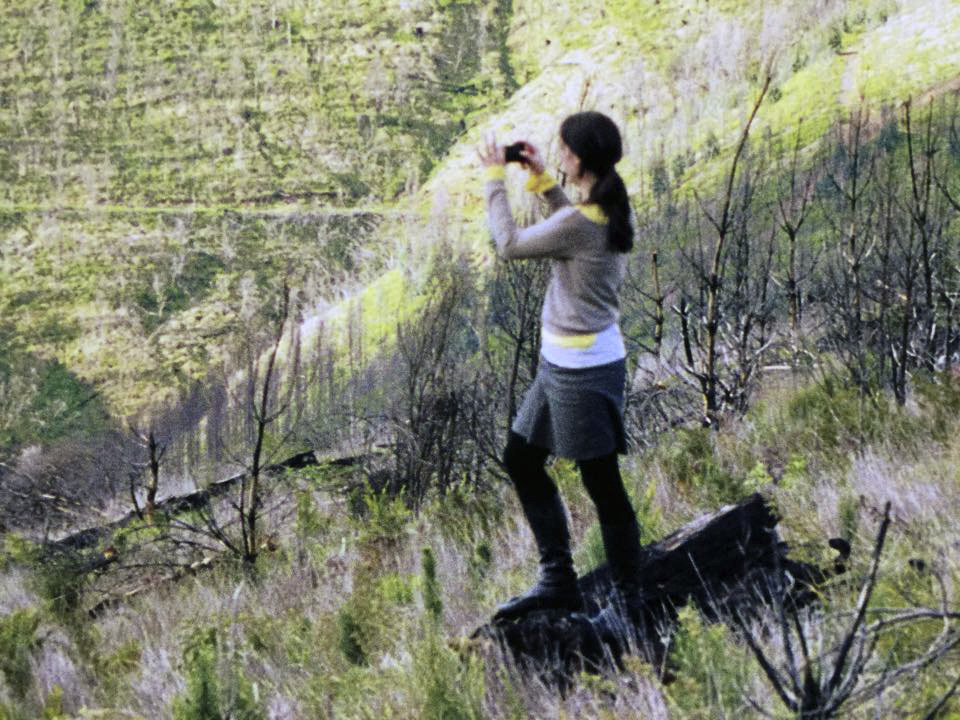


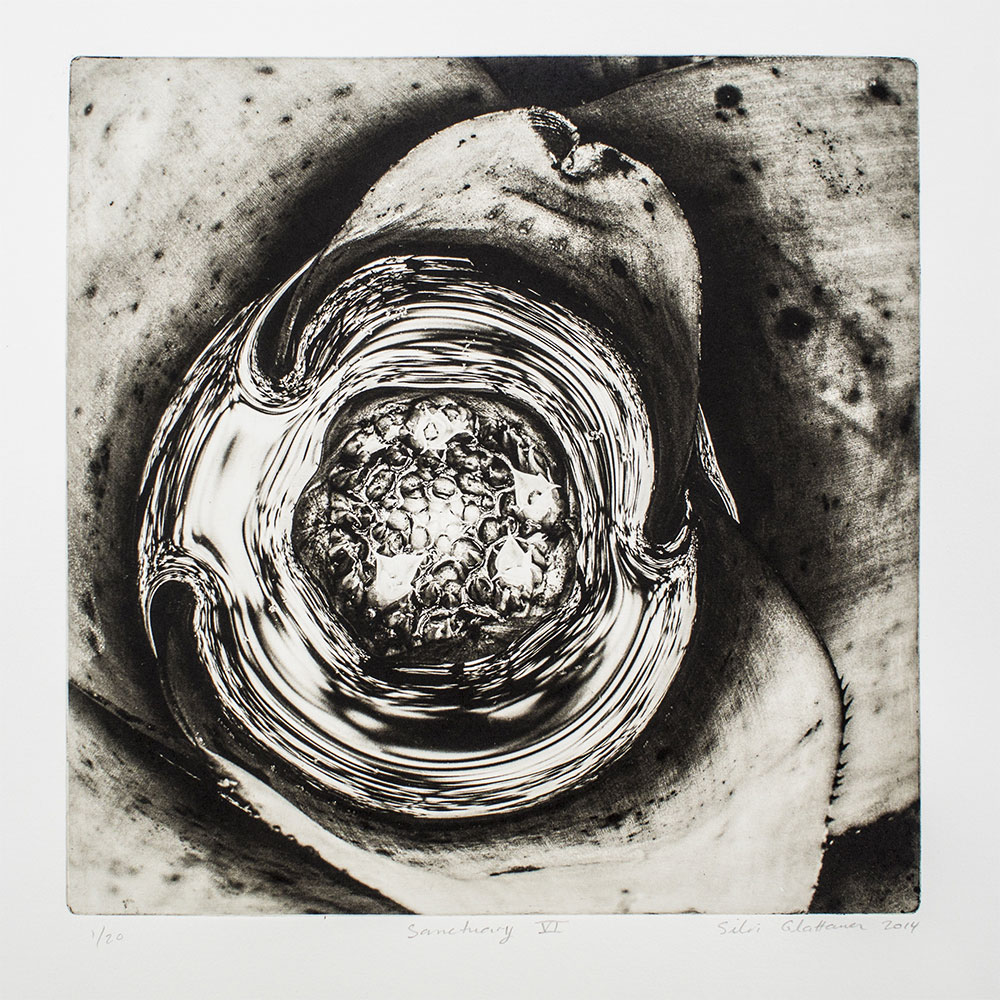
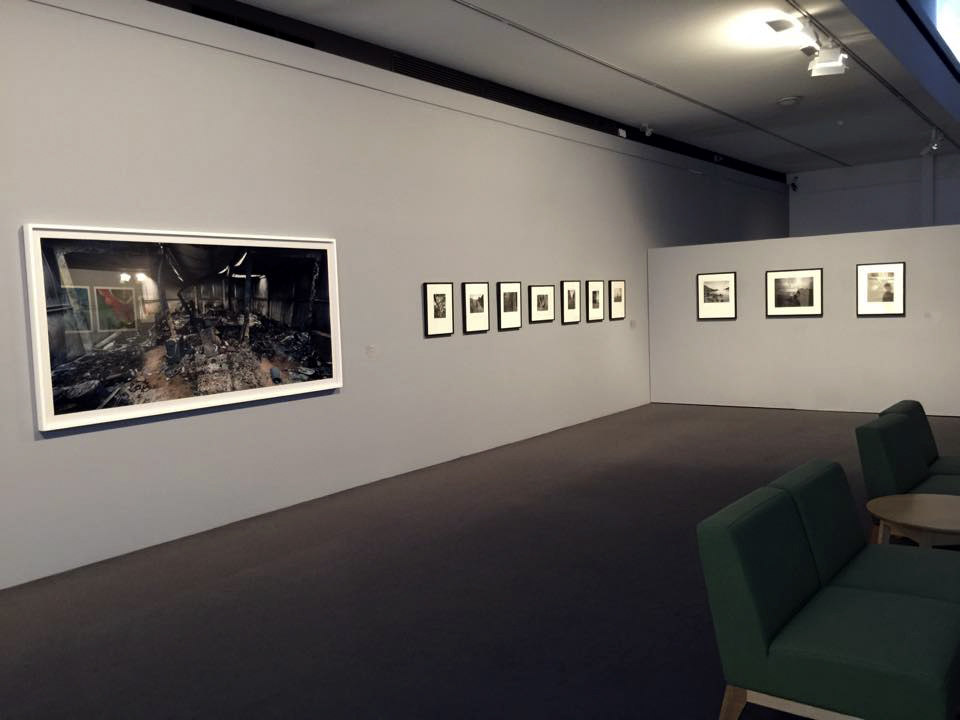

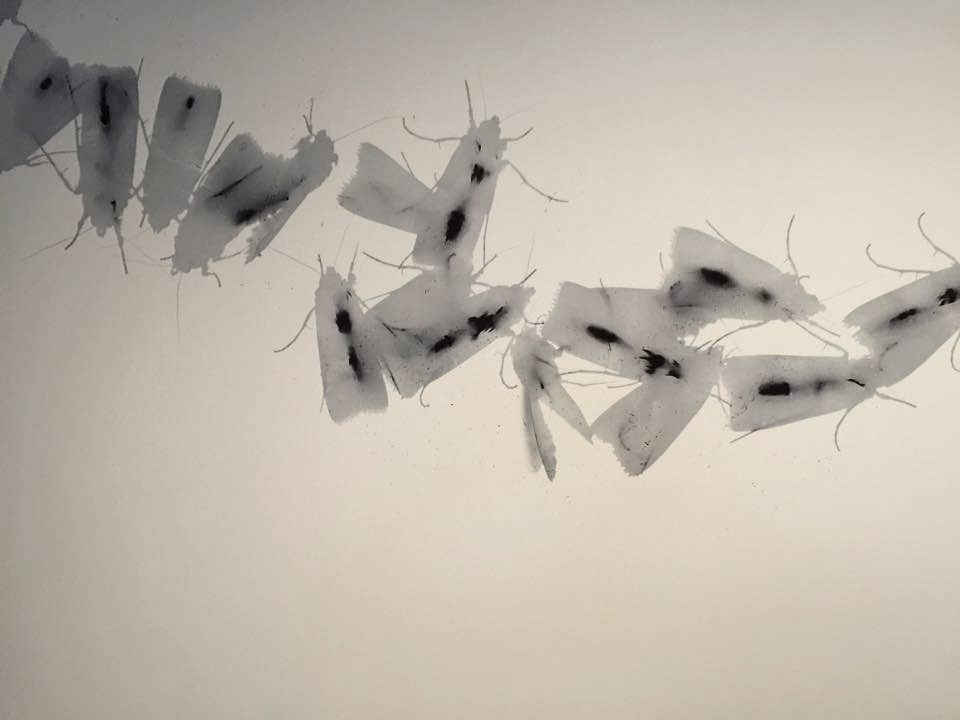
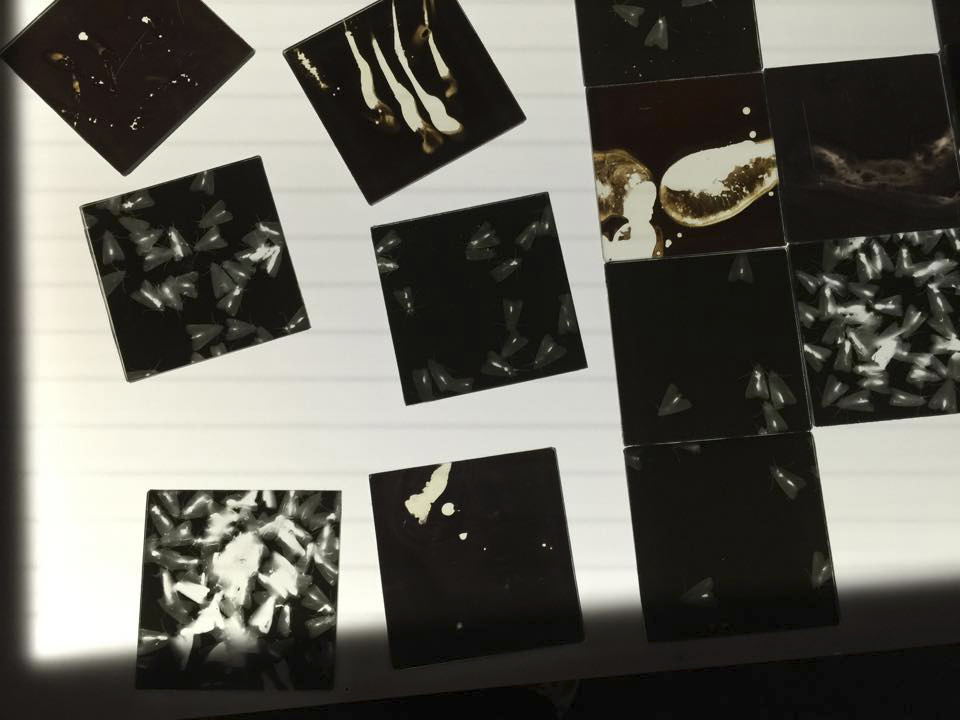


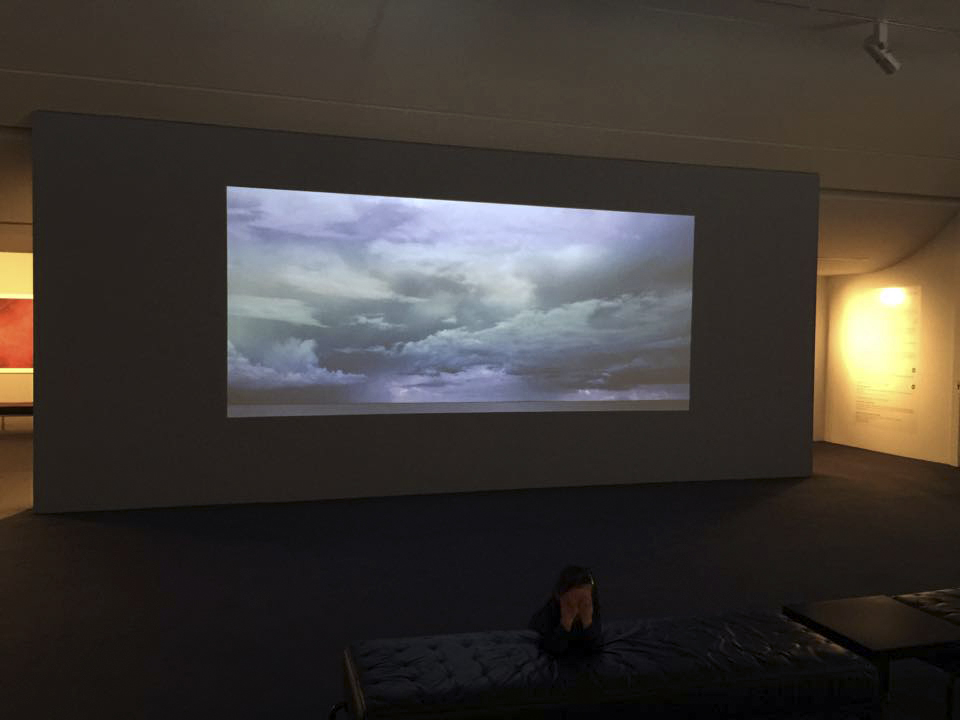
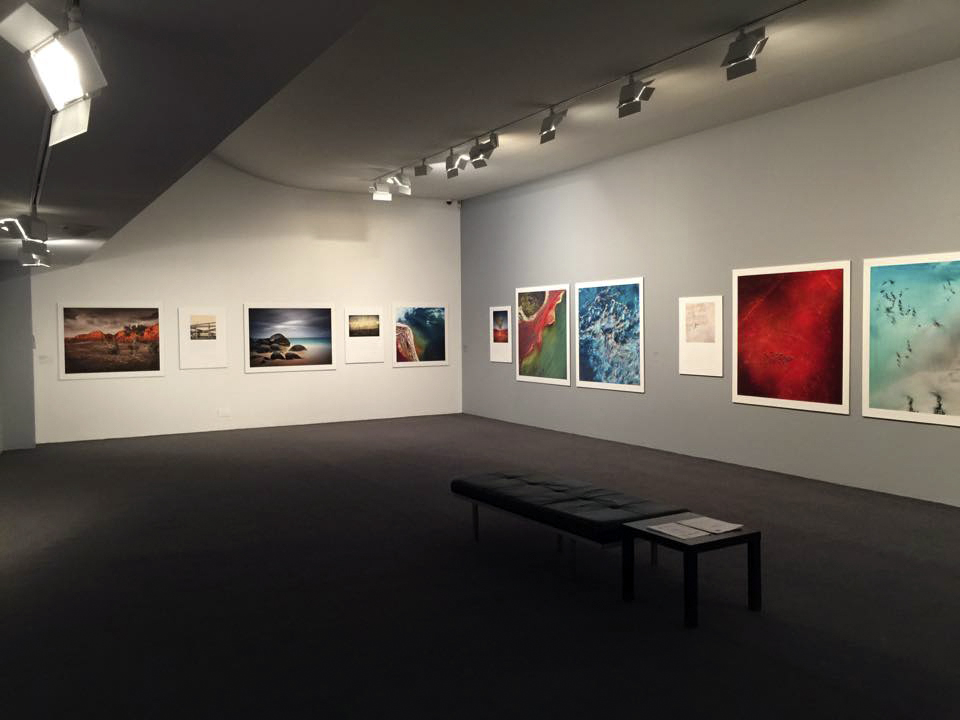

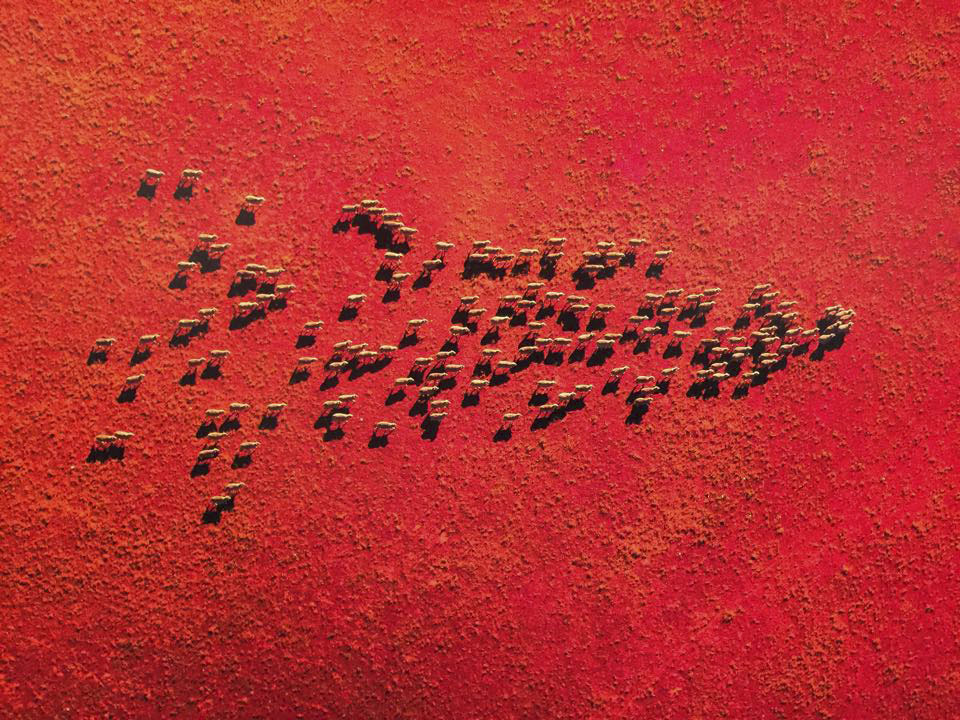

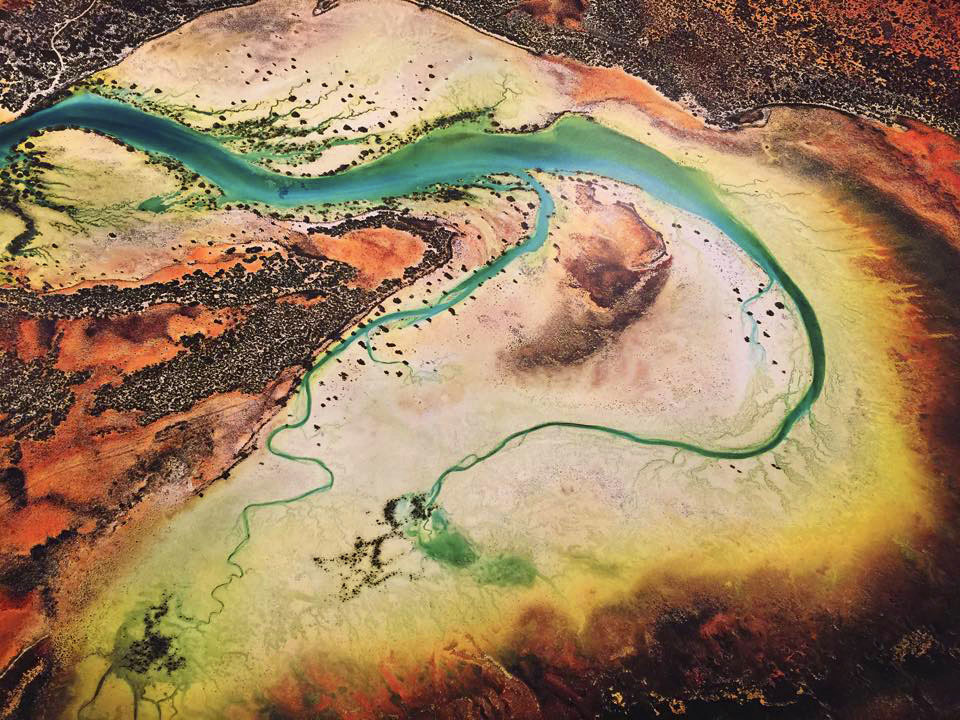
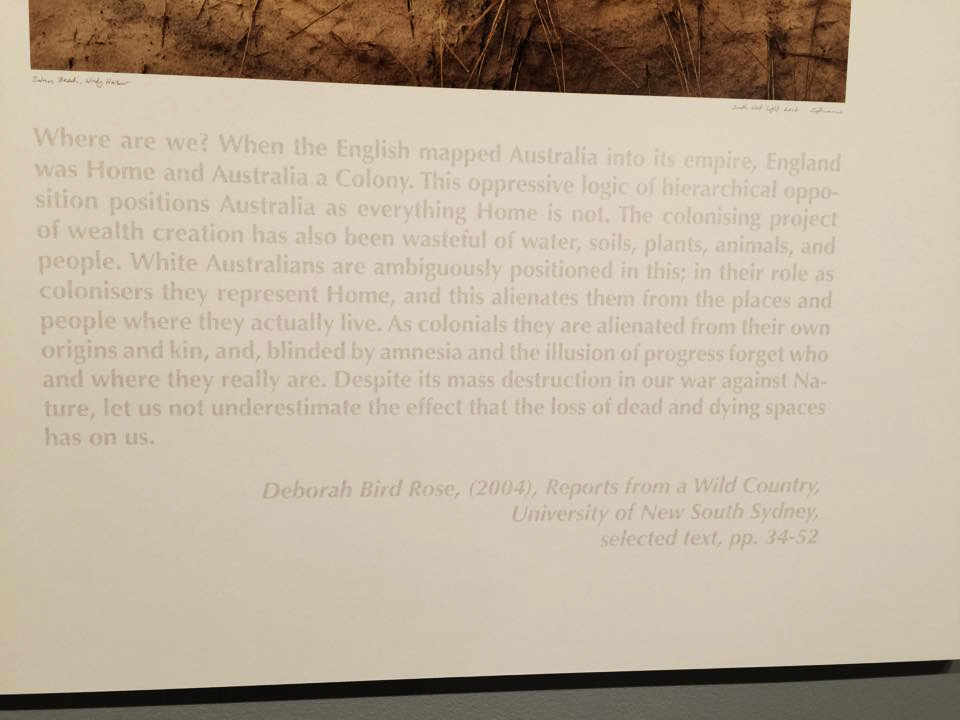


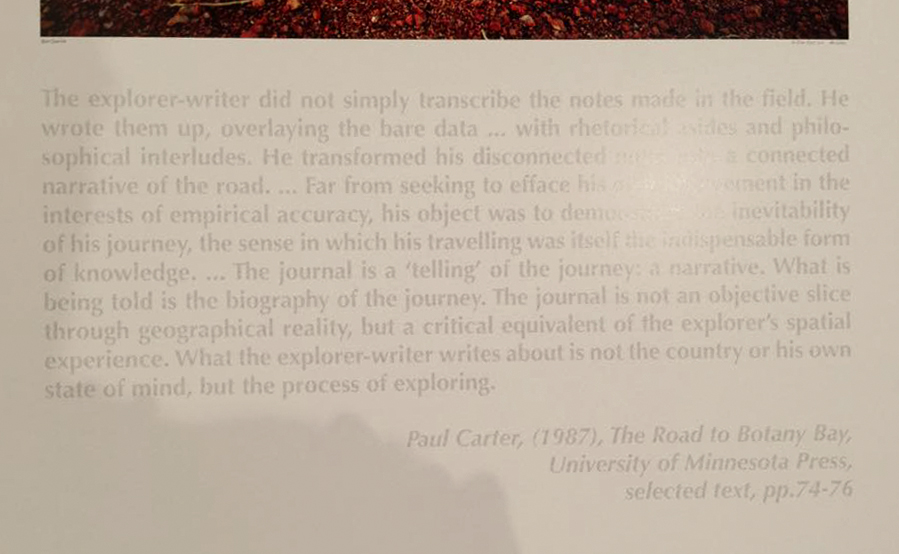
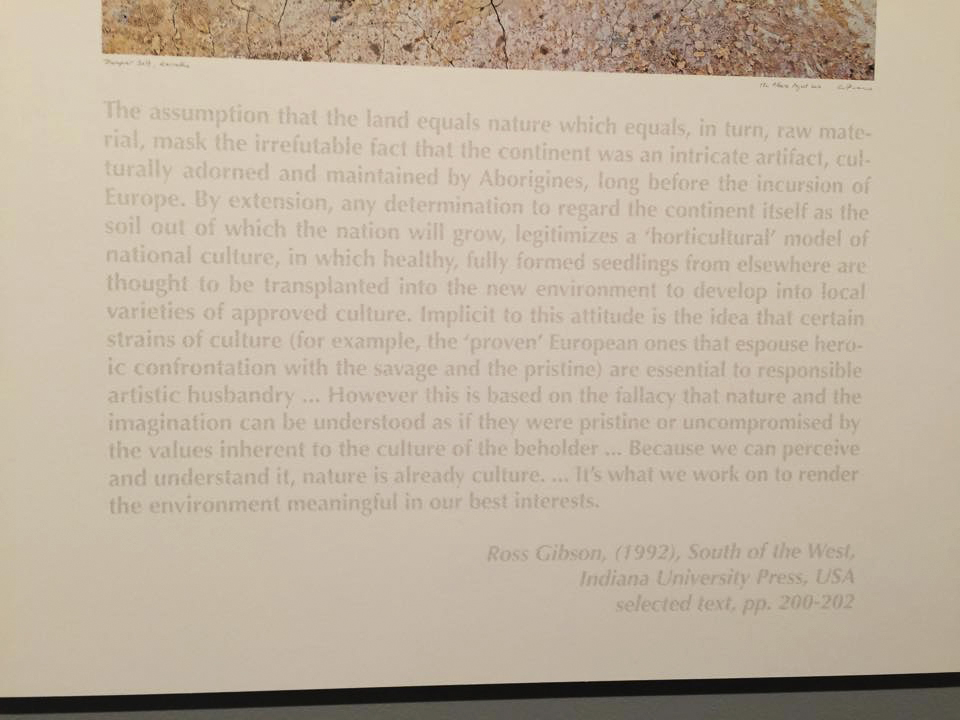
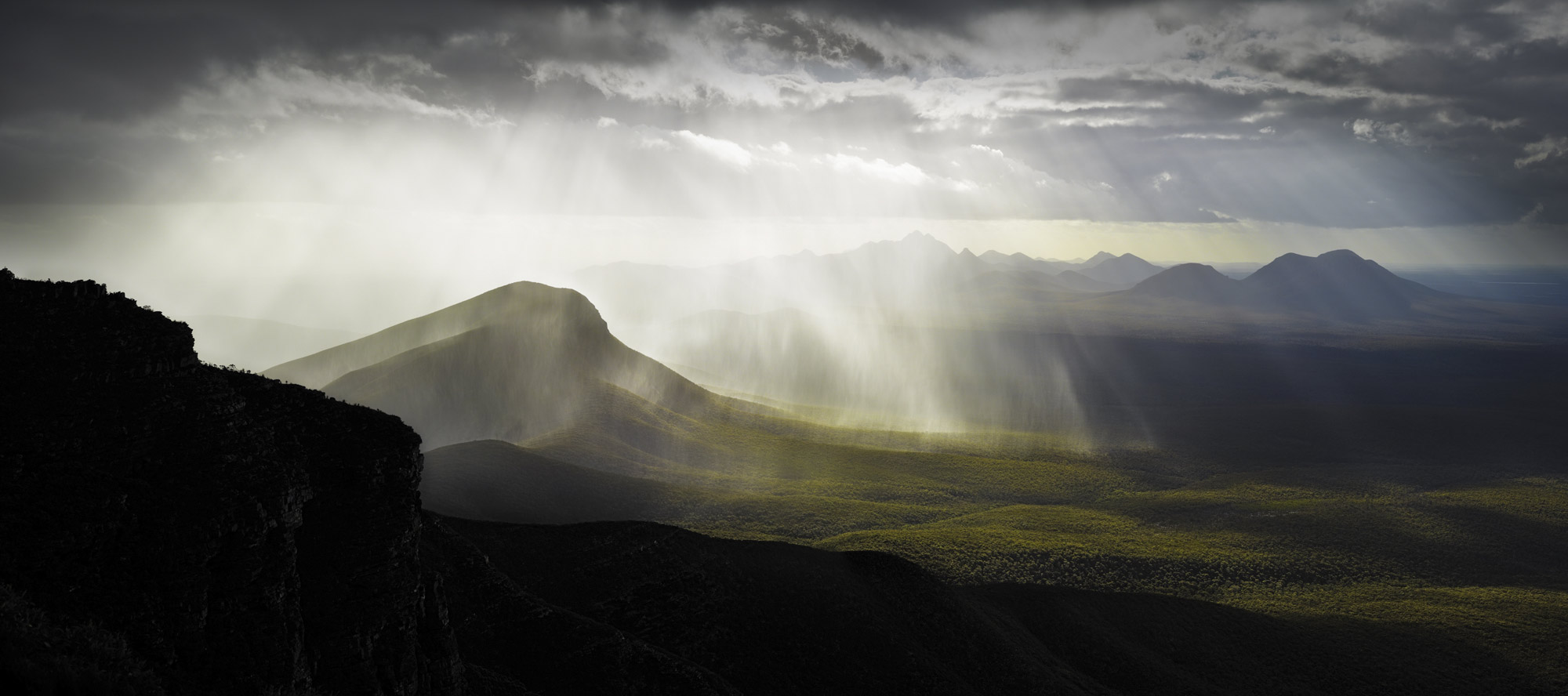

![Sybil Craig (Australian, 1901-1989) '[HMVS Cerberus, Half Moon Bay, Melbourne]' Nd](https://artblart.com/wp-content/uploads/2015/04/craig_cerberus-web.jpg "Sybil Craig (Australian, 1901-1989) '[HMVS Cerberus, Half Moon Bay, Melbourne]' Nd")
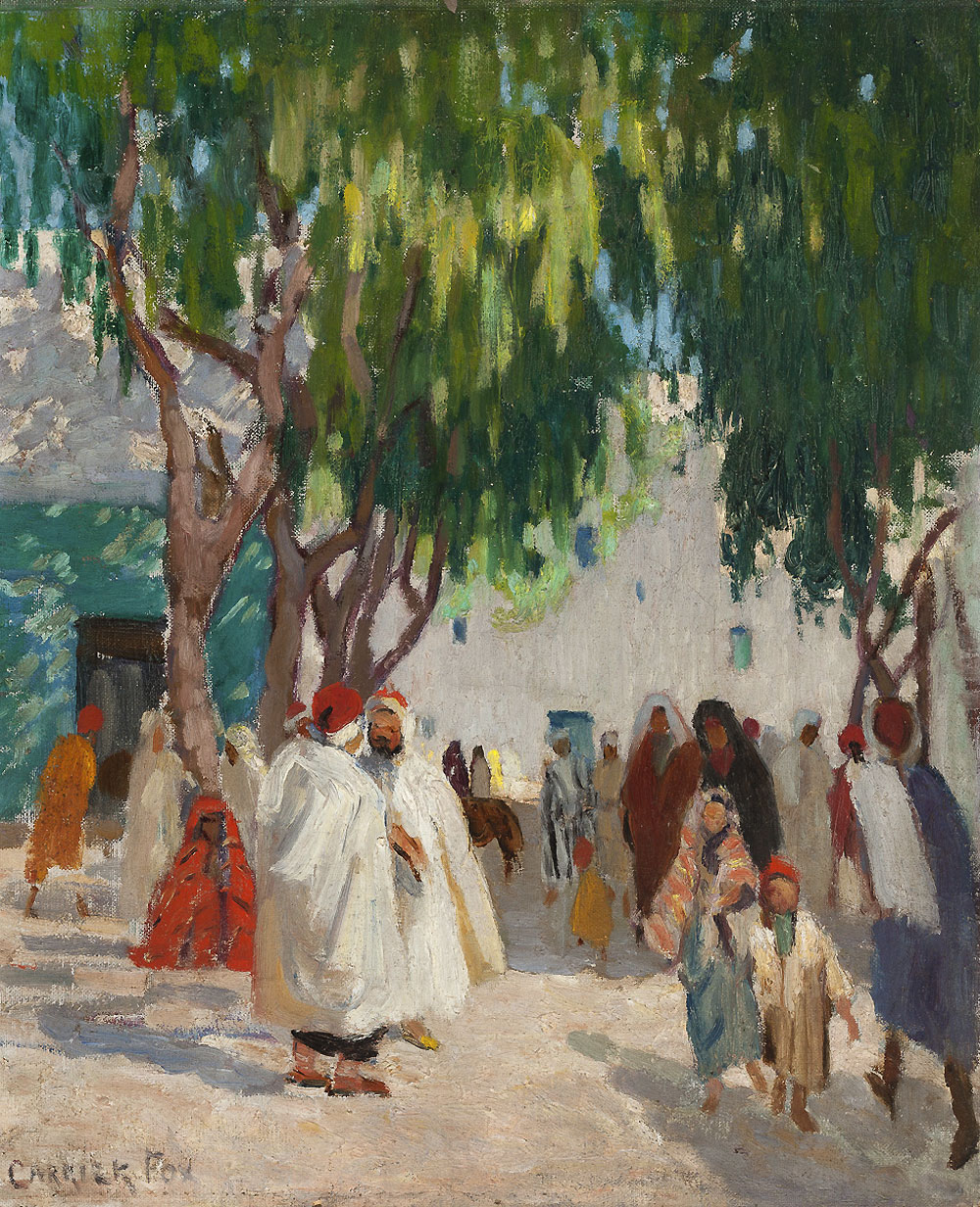
 Art Blart _ art and cultural memory archive
You must be logged in to post a comment.