Dialogue: Old English dialogas (plural), from Latin from Greek dialogos, from dia ‘through’ + logos ‘word’
“As we define it, dialogue is “a communicative process in which people with different perspectives seek understanding.” To be in dialogue means that participants are not only engaging each other in light of their different views, but they are also striving to achieve a degree of mutual understanding.”
Jason Combs. “What is Dialogue?” on the University of Dayton website Monday October 28, 2019 [Online] Cited 01/07/2023
Short and sweet because I’m not feeling well.
What an inspired pairing for an exhibition. “Each [artist] addresses race, class, representation, and systems of power in their work, creating photographic series grounded in Black history and realities that speak to the human condition.”
From street-based photographs of everyday life to conceptual excavations of Black Histories, they produce incisive thought provoking works “that intermingle past and present, referenc[ing] African Americans whose lives and stories have been co-opted or lost.”
I love them both for their commitment to and passion for life in all its different forms. Bringing people together. Expressing a degree of mutual understanding.
#BlackLivesMatter #AllLivesMatter
Dr Marcus Bunyan
Many thankx to the J. Paul Getty Museum for allowing me to publish the photographs in the posting. Please click on the photographs for a larger version of the image.
Dawoud Bey and Carrie Mae Weems have been friends and colleagues for more than 40 years. Each addresses race, class, representation, and systems of power in their work, creating photographic series grounded in Black history and realities that speak to the human condition. This exhibition sheds light on their unique trajectories and modes of presentation, and their shared consciousness and principles. Organised by the Grand Rapids Art Museum.
In 1976 I had been making photographs for a couple of years. I had certainly been looking at a lot more photographs than I had actually made. From looking at photographs in books and magazines and going to exhibitions of pictures by Mike Disfarmer at MoMA, Richard Avedon at Marlborough, and haunting whatever other places there were to see photographs in New York in the early 1970s, I had begun to educate myself, with the intent of adding something to the conversation through my own pictures.
The artist Janet Henry, who was from the same Jamaica, Queens neighborhood that I lived in, had gotten a job in the Education Department at the Studio Museum in Harlem, then located above a Kentucky Fried Chicken on 125th Street and Fifth Avenue in a large second floor loft space. When Frank Stewart, the museum’s staff photographer and photo teacher, left to do a commissioned project in Cuba, Janet called me and asked if I would take over the class. On the first day of class a few students straggled in. One of them, a seemingly shy woman with big expressive eyes, introduced herself, “Hi, my name is Carrie. Do you think I could be a photographer?” she asked, holding her Leica camera in her hand. That began what has now been 33 years of friendship and camaraderie with one of the most brilliant people I know.
From the very beginning, Carrie Mae Weems has had a sharp intelligence that was looking for a way into the world. From her early documentary photographs to the more expansive and materially varied recent works, she has consistently set out to visually define the world on her own terms and to redefine for all of us the nature of the world that we are in. After all these years I still anticipate her work with a fresh sense of wonderment, knowing that her restless search for the deeper meaning of things will yield a continuing rich trove of objects and images. On a Sunday morning in May I called from my home in Chicago to reconnect with my dear friend while she was traveling in Seville, Spain.
Dawoud Bey quoted in “Carrie Mae Weems by Dawoud Bey,” on the BOMB Magazine website July 1, 2009 [Online] Cited 18/06/2023. Used under fair use conditions for the purposes of education and research
Since meeting at the Studio Museum in Harlem in 1977, Dawoud Bey and Carrie Mae Weems have been intellectual colleagues and companions.
From the outset of their careers, both have operated from a deep social commitment to participate in, describe, and define culture. In seeking to express themselves fully, each has expanded possibilities within photography and video to address their chosen subjects.
Dawoud Bey & Carrie Mae Weems: In Dialogue, on view April 4 through July 9, 2023, brings together for the first time a focused selection of work from a period of over 40 years by two of today’s most important and influential photo-based artists. Each grapples with issues of race, class, and representation in their work, making art grounded in the experiences and realities of Black Americans while also speaking to the broader human condition.
“The Museum’s Department of Photographs has made great strides in recent years in building an exhibitions program that highlights more expansive narratives of photographic history,” says Timothy Potts, Maria Hummer-Tuttle and Robert Tuttle Director of the J. Paul Getty Museum. “Dawoud Bey and Carrie Mae Weems are two artists who reframe American traumas that have been ignored or simplified in the national historical record. We are proud to showcase their work in dialogue with one another.”
Jim Ganz, senior curator of photographs, adds, “These artists are two of the most dynamic and insightful of our time. As presented in this extraordinary exhibition, their eloquent dialogue gives unique perspective on their shared concerns as image makers.”
Dawoud Bey (American, born 1953) creates photographs that focus on individuals, communities, and important but often overlooked American histories. His carefully composed images convey the dignity and rich inner lives of his subjects. Carrie Mae Weems (American, born 1953) first gained recognition in the 1980s for exploring identity, race, power, and history, themes that still fuel her art. Over her career, Weems has turned increasingly to staged photography and the use of text to heighten the emotional intensity of her work.
This exhibition is divided into five sections, starting with early pictures that both artists made in the photodocumentary tradition and followed by ambitious, groundbreaking explorations of the medium as it developed technologically and artistically. The exhibition then focuses on how both artists moved beyond candid pictures of everyday life and began making larger scale work that is more planned than spontaneous. Bey’s portraiture evolved from street-based glimpses of the world made with a handheld camera to portraits that are formal but intimate, in which his subjects appear at ease and engage directly with the lens. With her Kitchen Table Series, Weems transitioned from representing real people in their natural environments to creating staged photo essays. For each artist, the techniques developed in this period became the foundation for future projects.
In Resurrecting Black Histories, each artist addresses the 19th century and its legacies in distinctive ways. Bey’s carefully composed landscapes evoke the experience of fleeing along the Underground Railroad, the clandestine network that helped enslaved people escape the South. Weems, by incorporating texts that intermingle past and present, references African Americans whose lives and stories have been co-opted or lost.
In Memorial & Requiem, Bey and Weems reference traumatic 20th-century events. They worked with community partners to stage scenes meant to reinvigorate discussion of the American legacy of racial violence. Each photographer also created a related video, bringing their own sensibility – Bey’s searching, intimate gaze; Weems’ choreographed social commentary – to the moving image, using sequencing and sound to deepen engagement with American history.
The exhibition ends with Revelation in the Landscape, where both Bey and Weems contemplate the built environments in which we live and how those spaces affect our perceptions of the world and ourselves. Bey returns to the Harlem neighbourhoods he photographed in the late 1970s, tracking the changes wrought by gentrification. Weems photographs imposing sites in Rome, inserting herself into historical places imbued with power and legacy. Both series reveal the economic and institutional forces that shape daily life.
In conjunction with the exhibition Getty has created a community program inspired by the exhibition, L.A.: In Dialogue. This program brings Dawoud Bey & Carrie Mae Weems: In Dialogue to a wider Los Angeles community, furthering the influence of the two artists and introducing their work to a new generation of artists and viewers. The artist-led program will host educational workshops for local teens and young adult photographers, and will teach participants techniques in black-and-white photography and the artistic practice of capturing portraiture and place. They will explore themes from the exhibition, collaborate with peers, and explore their local communities: Culver City (Black Image Center), South L.A. (LA Commons), Downtown L.A. (Inner-City Arts), and Venice Beach (Venice Arts). This program will result in a satellite exhibition that will open in June 2023.
Related programming includes Dawoud Bey and Carrie Mae Weems in Conversation on Tuesday, April 4 at 4pm. That evening at 7pm, the Museum presents master saxophonist David Murray in concert with his newly formed quartet as part of the exhibition programming.
The pose of the figures, other than the obvious reference to the Pieta, reminds me of that famous and most moving Eugene W. Smith photograph Tomoko and Mother in the Bath (1971)
The J. Paul Getty Museum 1200 Getty Center Drive Los Angeles, California 90049
“‘Photographer’ could have had the prefix: ethical, conscientious, brave, magnificent. But there is no need… Ernest Cole was a photographer.” Dr Marcus Bunyan
Exhibition dates: 27th January – 14th June, 2023
Trigger warning: this exhibition contains historic images and text that can be experienced as disturbing or offensive
Upon his tomb is inscribed this epitaph: “Cole – Photographer”
‘Photographer’ could have had the prefix: ethical, conscientious, brave, magnificent. But there is no need… Ernest Cole was a photographer.
Cole fled South Africa in 1966 in order to publish his seminal book about living under apartheid, House of Bondage (1967), and then lived a nomadic existence around the world until his death, never returning to the country of his birth.
I feel so sad that this legend of photography died penniless and living rough on the streets of New York in 1990.
But then I rejoice in the photographs that he left us. For (unlike so many photographs) they are memorable. They make us remember that we must respect each other – through an ability to see a person as he is, to be aware of his unique individuality.
“Respect is not fear and awe, it denotes, in accordance with the root of the word (respicere = to look at), the ability to see a person as he is, to be aware of his unique individuality. Respect means the concern that the other person should grow and unfold as he is. Respect, thus, implies the absence of exploitation … It is clear respect is possible only if I have achieved independence; if I can stand and walk without needing crutches, without having to dominate and exploit anyone else. Respect exists only on the basis of freedom … To respect a person is not possible without knowing him; care and responsibility would be blind if they were not guided by knowledge. Knowledge would be empty if it were not motivated by concern. There are many layers of knowledge; the knowledge which is an aspect of love is one which does not stay at the periphery, but penetrates to the core. It is possible only when I can transcend the concern for myself and see the other person in his own terms.”1
Respect exists only on the basis of freedom … and love.
Dr Marcus Bunyan
1/ Erich Fromm. The Art of Loving. London: Allen and Unwin, 1957, pp. 28-29.
Many thankx to FOAM for allowing me to publish the photographs in the posting. Many thankx to my friend and fellow artist Drager Meurtant for visiting the exhbition for me and allowing me to publish his photographs of the exhibition in the posting. Please click on the photographs for a larger version of the image.
“I knew what I must do. I would show the world what the white South African had done to the black.”
Ernest Cole
“Cole was born Ernest Levi Tsoloane Kole in 1940, to a working-class Black family in a Black township outside the city of Pretoria. Growing into that society he came to know, with a depth of understanding that only belonging could bring, both its richness and the hardship and humiliation imposed by apartheid. As a boy he photographed people in the township for a shilling a time. By the age of eighteen he had begun to work as a photojournalist, and within a few years he was deeply committed to his essay on what it meant to be Black under apartheid. At age twenty-six, to escape the Security Police and to publish his seminal book, House of Bondage, he went into bitter and destructive exile. Cancer killed him in 1990. Apartheid destroyed him.”
David Goldblatt
Foam x Aperture: Celebrating the Legacy of Ernest Cole
For the current exhibition House of Bondage by Ernest Cole, Foam has joined forces with Aperture to host a special online event celebrating the enduring legacy of Ernest Cole (1940-1990). During the evening, a distinguished panel of experts will share their insights and reflections on Cole’s powerful photographic work, which captured the brutal realities of apartheid-era South Africa, exposing the dehumanising effects of racial oppression in the daily life of black South Africans.
The Mines
Installation view of the exhibition Ernest Cole: House of Bondage at Foam, Amsterdam showing at left, Cole’s Pensive tribesmen, newly recruited to mine labour, awaiting processing and assignment (1960-1966, above)
Installation view of the exhibition Ernest Cole: House of Bondage at Foam, Amsterdam showing at right an Untitled image from Cole’s House of Bondage (1960-1966, below)
Installation view of the exhibition Ernest Cole: House of Bondage at Foam, Amsterdam
Foam proudly presents the first overview of the work of South African photographer Ernest Cole. The exhibition includes parts of his archive, which had long been considered lost. The overview was assembled in collaboration with the Ernest Cole Family Trust, which in 2017 secured control of Cole’s archive. Restless and tenacious, yet dedicated and empathetic. It is difficult to define the enigmatic South African photographer Ernest Cole (1940-1990). He is celebrated for his tireless documentation of Black lives in South Africa under apartheid: a regime of institutionalised racial segregation that was in effect from 1948 to the early 1990s.
As one of the first Black freelance photographers, Cole offered with his work an unprecedented view from the inside. Born in a township, Cole experienced the strains of apartheid first-hand. By having himself reclassified from ‘black’ to ‘coloured’, he managed to access places where most South Africans were banned. He risked his life exposing the grim reality of racial segregation, by documenting miners inside the mines, police controls and the demolition of townships, among others.
Cole lived a nomadic life, exiled from his native South Africa for his photographic publication House of Bondage (1967). The chapters from this book form the narrative for this exhibition. The book openly denounced the apartheid regime and was promptly banned in South Africa. In risk of arrest, Cole had gone into exile in 1966. He would never return to South Africa again.
Living between Sweden and the United States, Cole continued to document Black lives in the wake of the Civil Rights Movement. However, being Black and stateless proved debilitating there too, and a publication of his American work would never materialise. Towards the end of his life, Cole became increasingly disillusioned and reportedly started living on the streets of New York. He died at age 49 from pancreatic cancer. Much of Cole’s work had been considered lost, until the rediscovery of 60,000 negatives and contact sheets in the safety deposit boxes of a Swedish bank in 2017.
Besides (colour) images from his time in America, the archive contains unpublished photographs and contact sheets from House of Bondage. The exhibition in Foam is the first large scale overview of Cole’s work to include parts of his retrieved archive.
About the exhibition
As one of the first Black freelance photographers, Cole offered with his work an unprecedented view from the inside. Born in a township, Cole experienced the strains of apartheid first-hand. By having himself reclassified from ‘black’ to ‘coloured’, he managed to access places where most South Africans were banned. He risked his life exposing the grim reality of racial segregation, by documenting miners inside the mines, police controls and the demolition of townships, among others.
This exhibition shows the rediscovery of 60,000 negatives and contact sheets in the safety deposit boxes of a Swedish bank in 2017. Besides (colour) images from his time in America, the archive contains unpublished photographs and contact sheets from House of Bondage. The exhibition in Foam is the first large scale overview of Cole’s work to include parts of his retrieved archive.
The photographs in this exhibition were taken between 1958-1966, unless stated otherwise. All contact sheets are modern prints from scans. Original titles and text from House of Bondage are in quotation marks or italics. The exhibition pens in tandem with the launch of two volumes published by Aperture: the first a republication of House of Bondage, the second presenting US work for the first time in history.
This exhibition was made in collaboration with the Ernest Cole Family Trust and Magnum Photos.
Press release from Foam
Installation view of the exhibition Ernest Cole: House of Bondage at Foam, Amsterdam showing in the background at left the section of the exhibition entitled ‘Banishment’
Banishment
Cole secretly visited Frenchdale, a remote government detention camp. Its inhabitants were banished without trial, on account of their political views. Cole recorded the basis conditions under which they lived in exile, sometimes for decades. Cole’s presence in the camp was unauthorised, and he recalls having to hide from the police during his stay. When he left, he was relieved. “For them and infinity of unremarkable days stretched ahead. For me the frightful nothingness of Frenchdale was about to end (…) ironically, as I re-entered the restricted black life of Johannesburg, I felt free.”
Cole’s anger about apartheid education is inescapable in his chapter ‘Education for Servitude’, for which he visited various Bantu schools. His images and handwritten notes from a visit to a school in Vlakfontein in 1965 testify to overly crowded and understaffed classrooms in which children are studying to be “educated for servitude”.
Wall text from the exhibition
Installation views of the exhibition Ernest Cole: House of Bondage at Foam, Amsterdam showing photographs from the section ‘Education for Servitude’: in the bottom image at left, Cole’s Earnest boy (1960-1966, below); and at right, Teacher toward end of her day in school, South Africa (1960-1966, below)
Installation views of the exhibition Ernest Cole: House of Bondage at Foam, Amsterdam showing photographs and contact sheets from Cole’s series Black Spots from Cole’s House of Bondage (see photographs below)
Installation view of the exhibition Ernest Cole: House of Bondage at Foam, Amsterdam showing photographs and contact sheets from Cole’s series Black Spots from Cole’s House of Bondage Photo: Drager Meurtant
“African township is bulldozed out of existence to make way for white expansion. Government trucks will move residents and their few possessions to matchbox houses in new locations, usually in remote areas, perhaps not even named on the map. Even to live there, families must qualify. People at right did not, and thus have not only had their homes razed, but have nowhere to go.”
Installation view of the exhibition Ernest Cole: House of Bondage at Foam, Amsterdam showing Nightmare Rides (1960-1966, all below) from the House of Bondage Period Photo: Drager Meurtant
Encouraged by his boss Jürgen Schadeberg, and inspired by other photographers at Drum – such as Peter Magubane, Bob Gosani and Alf Kumalo – Cole became one of South Africa’s first Black freelance photojournalists. Working in Johannesburg but not being allowed to live there, he commuted to the office by train. The platforms and carriages were segregated and overcrowded leading to bizarre situations that inspired the series ‘Nightmare Rides’. The item was commissioned by the Rand Daily Mail and first published in the Netherlands in 1962 as Mensen als vee [People as Cattle] in Katholieke Illustratie.
“Twice each day, at the morning and evening rush hours, the segregated station platforms are a bizarre sight. At one end, a few white trailers stand about, surrounded by space. At the other, a dense mass of Africans is congregated, crowded and compressed.”
Installation views of the exhibition Ernest Cole: House of Bondage at Foam, Amsterdam showing in the bottom image at right, Untitled (Police and Passes) (1960-1966, below) from the House of Bondage Period Photos: Drager Meurtant
“The standard by which the police operate is cruelly simple. To them every black man is a criminal suspect. In a technical sense, the police are not far off the mark to be so suspicious. The laws of apartheid are a far-reaching tangle of restrictions, reaching so deeply into everyday life that it is a rare African who does not violate some law.”
“The photographs in this posting capture the grittiness of these years… and the surreality of the lived experience.” Dr Marcus Bunyan
Exhibition dates: 29th January – 11th June, 2023
Curator: The exhibition is curated by Kara Felt, assistant curator of art at the Denver Botanic Gardens and a former Andrew W. Mellon Postdoctoral Curatorial Fellow in the department of photographs at the National Gallery of Art, with the organisational assistance of Diane Waggoner, Curator of Photographs, National Gallery of Art.
Gilles Peress (French, b. 1946) NORTHERN IRELAND. Belfast. Summer evening 1989 Gelatin silver print Corcoran Collection Museum Purchase with funds donated by the Marlin Miller, Jr. Family Foundation and by exchange: John Bryant and Patricia Bauman
I lived through these years in Britain.
Strikes, unemployment, high inflation and economic failure New Right, monetarist ideas and the free market economy The Troubles The Winter of Discontent The queens silver jubilee Glam Rock, punk and then New Romantics; disco and then HiNRG Aston Martin, Triumph TR7, two door Capri and MGB GT Falklands War Charles and Diana 1984-1985 miners’ strike Recession North-South divide Gay Liberation, women’s liberation Clause 28 HIV/AIDS Brixton Riots (September 1985) Racism and the National Front Victorian values and moral behaviour vs the permissive society
and Margaret Thatcher
That one name still sends shivers down my spine.
The photographs in this posting capture the grittiness of these years… and the surreality of the lived experience. From my perspective, I worked really hard and partied even harder at London clubs such as Scandals, Adams, Bang and Heaven. I spent as much as I earnt and careered around London in my beloved Mini 1275 GT as fast as I could, listening to David Bowie, Barry White and the Love Unlimited Orchestra, Pink Floyd, and the inimitable Grace Jones.
In black and white, Graham Smith’s Bennetts Corner (Giro Corner), the Erimus Club and Commercial Pub, South Bank, Middlesbrough (1982, below) perfectly encapsulates the depressive, dank mood of the country during these years. The meaning of “Giro corner” in the title references a place where people would go, in this case two pubs, to spend their Giro cheque: an unemployment or income support payment by giro cheque, posted fortnightly.
In colour, Martin Parr’s two photographs of New Brighton, Merseyside(1984, below) reference the absurdity of the British at play: leisure time in “new” Brighton on Mersyside in North West England (many miles from the affluent Brighton on the south coast of England) – eating surrounded by rubbish and relaxing on a hard concrete ramp with crying baby, while other artists capture the isolation of individuals, their working class lives and middle class pretensions.
Dr Marcus Bunyan
Many thankx to the National Gallery of Art for allowing me to publish the photographs in the posting. Please click on the photographs for a larger version of the image.
Profound changes in British society in the 1970s and 1980s inspired a revolution in British photography. This Is Britain highlights the socially conscious photographers who captured this moment in time, among them Vanley Burke, Pogus Caesar, Anna Fox, Paul Graham, Sunil Gupta, Chris Killip, Sirkka-Liisa Konttinen, and Martin Parr. The exhibition features some 45 newly acquired prints in the National Gallery of Art’s collection. It brings together works by photographers who explored the national identity as Britain grappled with deindustrialisation, uprisings in inner cities, the Troubles in Northern Ireland, and the controversial policies of Prime Minister Margaret Thatcher. The exhibition also includes Handsworth Songs (1986, below), a 59-minute film on the uprisings that rocked London and Birmingham in 1985. It was produced by the Black Audio Film Collective and directed by John Akomfrah. The exhibition is organised by the National Gallery of Art.
Text from the National Gallery of Art website
Anna Fox (British, b. 1961) Advertising Agency, Docklands Enterprise Zone 1988 From the series Work Stations Chromogenic print Image (visible): 44.5 x 54.8 cm (17 1/2 x 21 9/16 in.) Framed: 68.5 x 83.8 cm (26 15/16 x 33 in.) National Gallery of Art, Washington, Alfred H. Moses and Fern M. Schad Fund
Anna Fox (British, b. 1961) Conference and Exhibitions Organiser, Euston. Personal Assistant to the Director 1988, printed later From the series Work Stations Chromogenic print Image (visible): 44.5 x 54.8cm (17 1/2 x 21 9/16 in.) Framed: 68.5 x 83.8cm (26 15/16 x 33 in.) National Gallery of Art, Washington, Alfred H. Moses and Fern M. Schad Fund
Anna Fox (British, b. 1961) Cafe, the City. Salesperson 1988 From the series Work Stations Chromogenic print Image (visible): 44.5 x 54.8cm (17 1/2 x 21 9/16 in.) Framed: 68.5 x 83.8cm (26 15/16 x 33 in.) National Gallery of Art, Washington, Alfred H. Moses and Fern M. Schad Fund
Britain experienced profound changes in the 1970s and 1980s, when it was racked by deindustrialization, urban uprisings, the controversial policies of Prime Minister Margaret Thatcher, and the Troubles in Northern Ireland. Photography became a central form of creative expression during this period, supported and disseminated through new schools, galleries, artists’ collectives, magazines, and government funding.
This Is Britain brings together the work of a generation of photographers who were commenting on the deep unrest of these pivotal decades. Vanley Burke, Pogus Caesar, Anna Fox, Paul Graham, Sunil Gupta, Chris Killip, Sirkka-Liisa Konttinen, Martin Parr, and others pictured communities, traditions, and landscapes affected by Britain’s shifting social and economic realities. Together, they photographed a nation redefining what it meant to be British and, ultimately, modern.
Text from the National Gallery of Art website
Profound changes in British society in the 1970s and 1980s inspired a revolution in British photography. This Is Britain: Photographs from the 1970s and 1980s highlights the work of socially conscious photographers who captured this period of unrest. The exhibition features some 45 newly acquired prints by Vanley Burke, Pogus Caesar, Anna Fox, Paul Graham, Sunil Gupta, Chris Killip, Sirkka-Liisa Konttinen, Martin Parr, and others. It brings together photographers who examined national identity as Britain grappled with deindustrialisation, uprisings in inner cities, the Troubles in Northern Ireland, and the sometimes controversial policies of Prime Minister Margaret Thatcher. On view on the Ground Floor of the National Gallery’s West Building from January 29 through June 11, 2023, the exhibition also features the film Handsworth Songs (1986). The 59-minute film, produced by the Black Audio Film Collective and directed by John Akomfrah, explores uprisings in London and Birmingham in 1985. Reece Auguiste, a member of the Black Audio Film Collective, is the guest curator for an accompanying film program.
Beginning in the 1970s, photography gained its contemporary prominence in Britain, with a rapidly expanding network of galleries, artists’ collectives, schools, and magazines dedicated to promoting the medium. Immigrants and artists of colour, reflecting Britain’s growing multiculturalism, introduced fresh perspectives, as did the many women who entered the field. A generation of young photographers moved from largely black-and-white, documentary styles to more conceptual and often humorous projects in colour in the 1980s. As photographers forged new directions, they pictured a country redefining what it meant to be British and, ultimately, modern.
“This Is Britain tells history on an intimate scale, highlighting stories we may have otherwise missed. The addition of these photographs to the National Gallery’s collection allows us to reflect on two decades of artistic innovation and celebrate the talented, diverse group of creators who captured them. We hope that this exhibition inspires visitors, as they contemplate some of the highs and lows experienced by British citizens in the ’70s and ’80s,” said Kaywin Feldman, director of the National Gallery of Art.
Exhibition overview
This Is Britain: Photographs from the 1970s and 1980s focuses on the work of photographers who recorded ways of life that were under threat or disappearing in those tumultuous decades. John Davies’s expansive view of Agecroft Power Station, Salford (1983) emphasises the displacement of industrial structures. Paul Graham’s elegiac series A1: The Great North Road (1982) examines the shift away from the A1 – a major thoroughfare from London to Edinburgh – to the newer, more direct M1 motorway, resulting in businesses along the former highway to suffer. With their forlorn colours and barren spaces, his pictures challenged the expectation that photography on social themes should be in black and white. Reflecting Britain’s growing immigration and multiculturalism during this period of modernisation, Vanley Burke’s Boy with Flag, Winford in Handsworth Park (1970) pictures a Black youth proudly displaying the Union Jack from his bike.
Many artists in the 1980s continued exploring colour photography, using intense hues inspired by advertising to poke fun at the rise of leisure activities, consumerism, and corporate greed. The series The Last Resort (1983-1986) by Martin Parr, arguably Britain’s most influential living photographer, surveys seaside tourists in New Brighton with acerbic wit. Chris Steele-Perkins’s decade-long project The Pleasure Principle (1980-1989) captures Margaret Thatcher’s England through surreal images, such as Hypnosis Demonstration, Cambridge University Ball. Six photographs from Anna Fox’s Work Stations (1987-1988) signal the competition and stress of London office life in the late 1980s. Sunil Gupta strikes a more polemical tone in his series “Pretended” Family Relationships (1988) by responding to Thatcher’s policy prohibiting the promotion of gay and lesbian lifestyles.
The final room presents Handsworth Songs (1986, 59 minutes), a landmark nonfiction film that connects the civil unrest in London and the Handsworth section of Birmingham in 1985 with Britain’s colonial past, weaving contemporary reports and interviews with historical footage and photographs. The film, produced by the Black Audio Film Collective and directed by the acclaimed filmmaker John Akomfrah, features a soundtrack that mixes reggae and post-punk with industrial noises and voiceovers.
Press release from the National Gallery of Art, Washington
Punk Rock, record unemployment, urban uprisings, Margaret Thatcher, the Troubles in Northern Ireland: profound changes shook British society and inspired a revolution in photography in the 1970s and 1980s. A generation of young photographers used their cameras to comment on the deep unrest of these pivotal decades. With a keen eye for social critique and a spirit of rebellion, they photographed a country redefining what it meant to be British and, ultimately, modern.
Photography during this period became a central form of creative expression, fuelled by a rapidly expanding network of galleries, museum departments, artists’ collectives, schools, and magazines dedicated to the medium. Immigrants and artists of colour, reflecting the nation’s growing multiculturalism, introduced new perspectives, as did the many women who entered the field.
Moving from largely black-and-white, documentary styles toward more conceptual projects in colour, photographers adopted new strategies to examine national identity. In the face of severe economic dislocation, widespread civil disorder, and Prime Minister Thatcher’s controversial policies, these artists declared: This is Britain.
Documenting the Deindustrial Revolution
The decline of British heavy industry in the 1970s led to labor disputes and high unemployment in the early 1980s. As the country prioritised modern technologies and greater efficiency, photographers recorded the communities, structures, and ways of life that were under threat or disappearing. Graham Smith and Vanley Burke portrayed people they had known for decades, while Chris Killip, Sirkka-Liisa Konttinen, and Gilles Peress undertook long-term projects to create intimate yet often bleak photographs of life on the margins of society. Paul Graham and John Davies explored England’s uneasy embrace of the future by showing the people and places being left behind. While these photographers held no real hope of inspiring change, they shared an earnest concern for who and what was being lost as the nation modernised.
Picturing Absurdity in the Thatcher Years
As the leader of the Conservative Party from 1975 and as prime minister from 1979 to 1990, Margaret Thatcher was a polarising figure in Britain. She oversaw the development of an American-style free market economy, the resurgence of British nationalism, and major cutbacks to public spending (famously declaring that “there is no such thing” as society). During the Thatcher years, photographers Martin Parr and Anna Fox used the brash colours of advertising to poke fun at the rise of leisure activities, consumerism, and corporate greed. Combining text and image, Karen Knorr and Sunil Gupta considered how traditional English institutions sidelined women, people of colour, and gay and lesbian communities. Their works openly satirise long-held traditions and question emerging values in British society.
Wall text from the exhibition
Tony Ray-Jones (English, 1941-1972) Butlin’s Holiday Camp, Scarborough 1968 Gelatin silver print Image: 15.8 x 24.8cm (6 1/4 x 9 3/4 in.) Sheet: 35.8 x 28cm (14 1/8 x 11 in.) National Gallery of Art, Washington, Alfred H. Moses and Fern M. Schad Fund
Karen Knorr (American born Germany, b. 1954) A mood of Highly Coloured Naturalism 1983 From the series Country Life Gelatin silver print mounted on board Image: 40.2 x 40.9cm (15 13/16 x 16 1/8 in.) Sheet: 60.7 x 51cm (23 7/8 x 20 1/16 in.) National Gallery of Art, Washington, Alfred H. Moses and Fern M. Schad Fund
Karen Knorr (American born Germany, b. 1954) Newspapers are no longer ironed, Coins no longer boiled So far have Standards Fallen 1981-1983, printed 2015 From the series Gentlemen Gelatin silver print Image: 40.6 x 40.5cm (16 x 15 15/16 in.) Sheet: 61.5 x 50.7cm (24 3/16 x 19 15/16 in.) Mat: 71 x 55.8cm (27 15/16 x 21 15/16 in.) National Gallery of Art, Washington, Alfred H. Moses and Fern M. Schad Fund
Karen Knorr (American born Germany, b. 1954) We owe it to the Free world not to Allow Brutal Forces to succeed. When the Rule of law Breaks down, the World takes a further Step towards Chaos 1981-1983, printed 2015 From the series Gentlemen Gelatin silver print Image: 40.5 x 40.7cm (15 15/16 x 16 in.) Sheet: 60.8 x 50.5cm (23 15/16 x 19 7/8 in.) National Gallery of Art, Washington, Alfred H. Moses and Fern M. Schad Fund
Chris Killip (Isle of Man, 1946-2020) Margaret, Rosie, and Val, Seacoal Camp, Lynemouth, Northumberland 1983 Gelatin silver print Image: 40.5 x 50.5cm (15 15/16 x 19 7/8 in.) Sheet: 47.8 x 57.6cm (18 13/16 x 22 11/16 in.) National Gallery of Art, Washington, Alfred H. Moses and Fern M. Schad Fund
Colin Jones (English, 1936-2021) The Black House, London 1973-1976 Gelatin silver print Image: 33.8 x 49.1cm (13 5/16 x 19 5/16 in.) Sheet: 41 x 50.8cm (16 1/8 x 20 in.) National Gallery of Art, Washington, Alfred H. Moses and Fern M. Schad Fund
Vanley Burke (British born Jamaica, b. 1951) Young Men on See-Saw, Handsworth Park, Birmingham 1984, printed 2021 Gelatin silver print Image: 30.1 x 45.4cm (11 7/8 x 17 7/8 in.) Sheet: 40.4 x 50.5cm (15 7/8 x 19 7/8 in.) National Gallery of Art, Washington, Alfred H. Moses and Fern M. Schad Fund
Vanley Burke (British born Jamaica, b. 1951) Boy with Flag, Winford in Handsworth Park 1970, printed 2022 Gelatin silver print National Gallery of Art, Washington, Alfred H. Moses and Fern M. Schad Fund
Sirkka-Liisa Konttinen (Finland, b. 1948) Young Couple in a Backyard on a Summer’s Day 1975, printed 2012 Gelatin silver print Image: 36.1 x 39.3cm (14 3/16 x 15 1/2 in.) Sheet: 40.4 x 50.5cm (15 7/8 x 19 7/8 in.) National Gallery of Art, Washington, Alfred H. Moses and Fern M. Schad Fund Courtesy L. Parker Stephenson Photographs
John Davies (British, b. 1949) Agecroft Power Station, Salford 1983 Gelatin silver print Image: 37.6 x 56.1cm (14 13/16 x 22 1/16 in.) Sheet: 50.5 x 60.4cm (19 7/8 x 23 3/4 in.) National Gallery of Art, Washington, Alfred H. Moses and Fern M. Schad Fund Courtesy L. Parker Stephenson Photographs
Graham Smith (British, b. 1947) Bennetts Corner (Giro Corner), the Erimus Club and Commercial Pub, South Bank, Middlesbrough 1982, printed 2008 Gelatin silver print Image: 37.4 x 47cm (14 3/4 x 18 1/2 in.) Sheet: 47.7 x 57.4cm (18 3/4 x 22 5/8 in.) National Gallery of Art, Washington, Alfred H. Moses and Fern M. Schad Fund
Paul Graham (British, b. 1956) Café Assistants, Compass Café, Colsterworth, Lincolnshire November 1982 Chromogenic print Image: 19.4 x 24cm (7 5/8 x 9 7/16 in.) Sheet: 27.4 x 35cm (10 13/16 x 13 3/4 in.) National Gallery of Art, Washington, Alfred H. Moses and Fern M. Schad Fund
Tom Wood (Irish, b. 1951) Between Chester and Birkenhead 1989 Vintage gelatin silver print Image: 17.2 x 26.1cm (6 3/4 x 10 1/4 in.) Sheet: 27.9 x 35.2cm (11 x 13 7/8 in.) National Gallery of Art, Washington, Alfred H. Moses and Fern M. Schad Fund
Tom Wood (Irish, b. 1951) Lime Street 1995, printed 1997 Analogue hand print Image: 19 x 25.6cm (7 1/2 x 10 1/16 in.) Sheet: 19.8 x 27.2cm (7 13/16 x 10 11/16 in.) National Gallery of Art, Washington, Alfred H. Moses and Fern M. Schad Fund
Sunil Gupta on Community and Activism
Sunil Gupta, photographer, curator, writer, and activist has maintained a visionary approach to photography, producing bodies of work with keen social and political commentary. Gupta’s diasporic experience of multiple cultures informs a practice dedicated to themes of race, migration, and queer identity. His photographic projects – born from a desire to see himself and others like him represented in art history – draw upon his own life as a point of departure.
The Arnold Newman Lecture Series on Photography provides a forum for leading photographers, primarily known for portraits, to discuss contemporary issues in the medium. Arnold Newman (1918-2006) is acknowledged as one of the great masters of the twentieth and twenty-first centuries whose work changed portraiture. The Arnold and Augusta Newman Foundation generously supported this series to make such conversations available to the public.
A landmark in nonfiction filmmaking, Handsworth Songs was the first film directed by the Ghanaian-born artist John Akomfrah. It was produced by the Black Audio Film Collective (1982-1998), a group of experimental Black artists who examined the diasporic African and Asian experience in Britain. The film weaves archival footage with scenes, interviews, and pictures from contemporary events, including photographs by Vanley Burke, with a haunting soundtrack that mixes reggae and post-punk music with industrial noises and voiceovers. This layered structure connects Britain’s colonial past with unrest in London’s Tottenham and Brixton neighbourhoods and Birmingham’s Handsworth area in 1985. Today, Handsworth Songs reveals the solidarity shared by Britons of African and Asian descent in the face of inequality as it brings historical perspective to civil disturbances in the 1980s.
This film includes depictions of police violence and the use of racial slurs. Viewer discretion is advised.
Wall text from the exhibition
Chris Steele-Perkins (British, b. 1947) Hypnosis Demonstration, Cambridge University Ball 1980-1989 Silver dye bleach print Image: 25.4 x 38.1cm (10 x 15 in.) Sheet: 30.2 x 40.4cm (11 7/8 x 15 7/8 in.) National Gallery of Art, Washington, Alfred H. Moses and Fern M. Schad Fund
Paul Reas (British, b. 1955) Constable County, Flatford Mill, Suffolk c. 1992 From the series Flogging a Dead Horse Inkjet print image: 41 x 50.5cm (16 1/8 x 19 7/8 in.) Sheet: 50.5 x 61cm (19 7/8 x 24 in.) National Gallery of Art, Washington, Alfred H. Moses and Fern M. Schad Fund
National Gallery of Art National Mall between 3rd and 7th Streets Constitution Avenue NW, Washington
Georgia O’Keeffe was unconcerned with creating perfect photographic prints and, to be honest, none of these photographs are memorable … but the photographs help inform her art practice, acting as a form of documentary sketch rather than being about the art of photography. For O’Keeffe it’s about a clarity of looking, and then looking again, at the pictorial plane, in order to abrogate in her paintings a photographic reality that was always unreal in the first place.
Form, light, perspective and place in photographs are all reframed through O’Keeffe’s intuitive mind’s eye resulting in the physical painting so conceived. They inform her creative reimag(in)ings and expressive compositions of the landscape. The formal elements of the photographs, their light and shade, their depth and weight, are rendered – depicted artistically, become, made, translated, performed, surrendered – abstractly in the medium of paint, substituting one perceived reality for another. But the paradox is, what is being seen here, what does O’Keeffe see in her relations with the camera?
“To apprehend myself as seen is, in fact, to apprehend myself as seen in the world and from the standpoint of the world. The look does not carve me out in the universe; it comes to search for me at the heart of my situation and grasps me only in irresolvable relations with instruments. If I am seen as seated, I must be seen as “seated-on-a-chair,” … But suddenly the alienation of myself, which is the act of being-looked-at, involves the alienation of the world which I organise. I am seated on this chair with the result that I do not see it at all, that it is impossible for me to see it …”1
Everything (photography, painting, self, world) is in dis/agreement, everything is up for negotiation – as nothing is “in fact”. What did you say?
Dr Marcus Bunyan
1/ Jean-Paul Satre. Being and Nothingness (trans. Hazel Barnes). London: Methuen, 1966, p. 263.
Many thankx to the Cincinnati Art Museum for allowing me to publish the photographs in the posting. Please click on the photographs for a larger version of the image.
How well do we know iconic American artist, Georgia O’Keeffe? Scholars have examined her paintings, home, library, letters, and even her clothes. Yet, despite O’Keeffe’s long and complex association with the American photographic avant-garde, no previous exhibition has explored her work as a photographer.
Georgia O’Keeffe, Photographer presents nearly 100 photographs by the artist, together with a complementary selection of paintings and drawings. These works illuminate O’Keeffe’s use of the camera to further her modernist vision, showing how she embraced photography as a unique artistic practice and took ownership of her relationship with the medium. Discover, for the first time, O’Keeffe’s eloquent and perceptive photographic vision.
Through Another Lens: Georgia O’Keeffe’s Photography
Georgia O’Keeffe is revered for her iconic paintings of flowers, skyscrapers, animal skulls, and Southwestern landscapes. Her photographic work, however, has not been explored in depth until now. Originating exhibition curator Lisa Volpe joins us from The Museum of Fine Arts, Houston, to discuss O’Keeffe’s relationship to and personal use of photography, the research that brought this history to light, and the discoveries still waiting to be made.
“There’s an incredible clarity in the way that she thought about composition and the way that forms fill a space the most beautifully… That was her primary concern, and that’s what she’s interested in photographing. It’s not about making a pretty picture or even showing what her dogs look like or any of those things. It’s about what the image looks like as a picture.”
Nathaniel Stein, Cincinnati Art Museum curator of photography
Before the advent of digital retouching, flaws in a photographic print, such as dust spots or scratches, were covered on the print surface with a brush and spot tone dye. “Spotting” is a demanding process that requires patience, precision, and a sensitivity to tone. O’Keeffe first learned the technique while assisting Alfred Stieglitz (1864-1946) in the late 1910s. Decades later, she used her kit again, to eliminate visual interference in the perfect tonal masses and shapes in her own photographs. O’Keeffe’s mastery of painting easily translated to spotting – her touch-ups are so fine that they are almost imperceptible.
Large print label to the exhibition
Most people know renowned artist Georgia O’Keeffe as a painter. What they probably don’t know? O’Keeffe was also a passionate photographer. Soon, visitors can see a selection of her photographs at the exhibition Georgia O’Keeffe, Photographer, coming to the Cincinnati Art Museum February 3 – May 7, 2023.
In the first major investigation of O’Keeffe’s 30-year engagement with photography, Cincinnati Art Museum visitors can gain a rare, new understanding of the artist. More than 100 photographs and a complementary selection of paintings, drawings and objects from O’Keeffe’s life tell the story of her eloquent use of the camera to pursue her singular artistic vision.
“For me, an exciting facet of this project is how it shifts the paradigm for multiple audiences,” states Cincinnati Art Museum Curator of Photography Nathaniel M. Stein, PhD. “Photography buffs are learning her relationship with photography was larger and more complicated than we knew. I think those audiences will be surprised by the sophistication and rigour of O’Keeffe’s own exploration of photographic seeing, even as they have to let go of an assumption that she would be making photographs in service of her painting practice. On the other hand, audiences arriving out of admiration for O’Keeffe as a painter are coming to know the artist’s vision in an entirely new way, seeing her digest the world more clearly and gaining an understanding of elemental tenets of photographic composition and form through her eyes.”
Exhibition overview
Georgia O’Keeffe is the widely admired “Mother of American Modernism” who has long been examined by scholars for her paintings of flowers, skulls, and desert landscapes. Despite being one of the most significant artists of the 20th century, no previous exhibition has explored her work as a photographer … until now.
The exhibition is accompanied by a richly illustrated catalogue containing new scholarship by Museum of Fine Arts, Houston Curator of Photography Lisa Volpe and a contribution from Georgia O’Keeffe Museum Curator of Fine Arts Ariel Plotek. The catalogue will significantly broaden readers’ understanding of one of the most innovative artists of the 20th century. It will be available soon for purchase from the museum shop in person and online.
Gallerist, publisher, and photographer Alfred Stieglitz made his first portrait of O’Keeffe in 1917 at the beginning of their romantic relationship. Over the next 20 years, he photographed her more than 300 times. Due in large part to Stieglitz’s epic portrait project and his outsized legacy in the American art world, historians have assumed that O’Keeffe’s relationship to photography was passive – that of a sitter, assistant, or spectator. However, O’Keeffe’s photographs prove that she developed her own visionary practice behind the camera.
Large print label to the exhibition
“It is only by selection, by elimination, by emphasis that we get at the real meaning of things.”
Georgia O’Keeffe
American artist Georgia O’Keeffe (1887-1986) strived to give visual form to “the unexplainable thing in nature that makes me feel the world is big far beyond my understanding … to find the feeling of infinity on the horizon line or just over the next hill.”
After nearly thirty years rendering the vistas of the Southwest on canvas, O’Keeffe still sought new ways to express the beauty and essential forms of the land in all its cycles. She produced more than 400 photographs of her New Mexico home, its surrounding landscape, and other subjects in the 1950s, 60s, and 70s. Photography offered a new means of artistic engagement with her world. Revisiting subjects she painted years or even decades earlier, O’Keeffe explored new formal and expressive possibilities with the camera.
Like her work in other media, O’Keeffe’s photographs demonstrate an acute attention to composition and passion for nature. Her photography provides a window into an artistic practice based on tireless looking and reconsideration. O’Keeffe used the camera to capture both momentary impressions and sustained investigations over the course of days, seasons, and years. Alongside her better-known paintings and drawings, O’Keeffe’s photographs open new insight into her unending dialogue with the world around her.
Introduction
From the mid-1950s until the 1970s, Georgia O’Keeffe (1887-1986) produced more than 400 photographic images, focused primarily on her New Mexico home and the surrounding landscape. After rendering the vistas of the Southwest on canvas and paper for over 25 years, the artist still sought new ways to express the beauty of the land in all its cycles and forms. Photography offered O’Keeffe a new means of artistic engagement with her world. Revisiting subjects she painted years, or even decades, earlier, the artist’s photographs explored new formal and expressive possibilities.
Her photographs reveal the same passion for nature and acute attention to composition that we see in her paintings and drawings. Through photography, O’Keeffe captured multiple momentary impressions and recorded sustained investigations over the course of days, seasons, and years. Alongside her better-known paintings and drawings, O’Keeffe’s photographs reveal her unending, unique dialogue with the natural world.
A Life in Photography
O’Keeffe was no stranger to photography. Family photos and travel snapshots marked her early decades. Sophisticated photographers – including her husband, Alfred Stieglitz (1864-1946) – were drawn to picture the enigmatic artist throughout her life. O’Keeffe’s approach to the medium was informed by past encounters, but principally guided by her own interests. O’Keeffe dedicated her life to expressing her unique perspective, whether through her clothing, home décor, paintings, or photographs. By the time she began her photographic practice in earnest in the mid-1950s, O’Keeffe brought her singular, fully formed identity and artistic vision to her camera work.
Unknown Photographer Georgia O’Keeffe and Friends in a Boat 1908 Gelatin silver print Georgia O’Keeffe Museum, Santa Fe Museum Purchase
By 1890, the Eastman Company had sold millions of $1 Kodak Brownie cameras and photography was part of daily life for many people. Family photographs, studio portraits, and snapshots taken by O’Keeffe and her friends mark the artist’s earliest decades.
Born in Wisconsin, O’Keeffe studied and worked in Virginia, Illinois, New York, South Carolina, and Texas before she was 30. As she moved from place to place, she kept her close friendships in part by trading snapshots. Her friend Anita Pollitzer wrote, “Won’t you send me a Kodak picture… of you?” O’Keeffe responded with her own request, noting, “I want to know what you are looking like this fall.” O’Keeffe continued this practice when she began photographing with a clear artistic intention in the late 1950s, sending her photos to family and friends.
Large print label to the exhibition
Between 1907-1908, Georgia O’Keeffe attended the Art Students League in New York and studied with William Merritt Chase, F. Luis Mora, and Kenyon Cox. In June of 1908, she was awarded League’s Still Life Scholarship and attended the League’s Outdoor School at Lake George, New York.
O’Keeffe’s years as a young student were marked by the release of the first easy-to-use handheld cameras that made photography more widely available. This amateur photograph shows a 21-year-old O’Keeffe enjoying the day on a boat with her friends.
Text from the Georgia O’Keeffe Museum Instagram website
Georgia O’Keeffe (American, 1887-1986) Stieglitz at Lake George c. 1923 Gelatin silver print Georgia O’Keeffe Museum, Santa Fe Museum
This double exposure – produced when two images are captured on the same frame of film – shows two views of the Stieglitz family property at Lake George, New York. In the vertical image, Alfred Stieglitz walks ahead on a path, while the horizontal image shows an expanse of the family’s summer residence. Though the double exposure was probably unintentional, O’Keeffe kept this photograph for more than 60 years, suggesting she found the image noteworthy even though it was the result of operator error. Her later photographic practice also demonstrated a sense of certainty in her own visual instincts over and above the rules of technique.
Large print label to the exhibition
Georgia O’Keeffe (American, 1887-1986) The Black Place c. 1970 Black-and-white Polaroid Georgia O’Keeffe Museum, Santa Fe Georgia O’Keeffe Papers
Georgia O’Keeffe (American, 1887-1986) Small Purple Hills 1934 Oil on panel Crystal Bridges Museum of American Art, Bentonville, Arkansas
Beginning in 1929, O’Keeffe spent part of almost every year in New Mexico until moving there permanently in 1949. Her beloved Southwestern landscape was a continual source of inspiration. “I never seem to get over my excitement in walking about here – I always find new places or see the old ones differently,” she wrote in 1943. O’Keeffe’s paintings, such as Small Purple Hills, conveyed her pleasure in the forms and colours of New Mexico. These same vistas would become the subjects of her photographs. In photography, O’Keeffe continued the formal exploration of those places that had ignited her artistic passions.
Large print label to the exhibition
Georgia O’Keeffe (American, 1887-1986) Red Hill and White Shell 1938 Oil on canvas The Museum of Fine Arts, Houston Gift of Isabel B. Wilson in memory of her mother, Alice Pratt Brown
Red Hill and White Shell embodies O’Keeffe’s experiments with the fresh colours and dynamism of the natural world. Using the dual elements of a massive sandstone mesa and a small iridescent shell, the painting expresses attentiveness to environmental forms, both great and small. O’Keeffe’s careful abstractions in both painting and photography strove for a perfect union of aesthetic order and emotional expression. She wrote, “It is only by selection, by elimination, by emphasis that we get at the real meaning of things.”
Large print label to the exhibition
LIFE magazine (publisher) “Georgia O’Keeffe Turns Dead Bones to Live Art” February 14, 1938 The Museum of Fine Arts, Houston: Courtesy of the Hirsch Library
During O’Keeffe’s lifetime, articles in newspapers and magazines made her face as recognisable to the public as her art, linking O’Keeffe, the woman, to the landscapes and objects she painted. This LIFE essay from 1938 juxtaposes the artist’s Horse’s Head with Pink Rose (1930) with three photos of her handling bones from New Mexico, presenting her art and her life as synonymous.
Like her photographs, Ghost Ranch Cliffs reveals O’Keeffe’s restless experimentation with composition. Drawing upon lessons from her teacher, Arthur Wesley Dow, O’Keeffe would frame and reframe her landscape sketches, searching for the most expressive arrangement of forms. Accustomed to framing on paper, O’Keeffe’s transition to framing with a camera was a natural one.
Large print label to the exhibition
Todd Webb (American, 1905-2000) Georgia O’Keeffe in Salita Door July 1956, printed later Inkjet print Courtesy of the Todd Webb Archive
Georgia O’Keeffe (American, 1887-1986) Todd Webb in the Salita Door July 1956, printed later Inkjet print The Museum of Fine Arts, Houston Museum Purchases funded by the Director’s Accessions Endowment
In 1955 O’Keeffe’s interest in beginning a photographic practice was sparked by a visit from her friend, photographer Todd Webb. Over the next few summers, Webb visited O’Keeffe in New Mexico, and the pair photographed together, often trading his cameras back and forth. Here, the friends took turns posing for each other in O’Keeffe’s Abiquiú courtyard. “As you can see, you are a very good portrait photographer,” Webb wrote encouragingly to O’Keeffe. “I like the one of me in the doorway very much.”
Like her paintings of New York, many of O’Keeffe’s photographs of the city explore aspects of its monumentality and modernity. “One can’t paint New York as it is, but rather as it is felt,” she noted. O’Keeffe took this photo of the architect Ludwig Mies van der Rohe’s minimalist Seagram Building soon after it opened. Her dramatic, low camera angle presents the structure’s innovative vertical beams as endless lines stretching into the sky. Her view of the Chrysler Building [see first image in the posting] seems to grapple with a related experience, as a sense of quiet intimacy coexists with the vast scale and loftiness of the modern urban environment.
Unlike most photographers, O’Keeffe was unconcerned with creating perfect photographic prints. More interested in the image than the final print, she used her instant Polaroid camera, printed her work at drugstores, or asked Todd Webb to create test prints or enlarged contact sheets of her pictures. These approaches did not align with the norms of contemporary art photography, yet they match O’Keeffe’s larger artistic practice.
In 1939, O’Keeffe accepted an invitation from an advertising company to go to Hawaii to produce paintings for the Hawaiian Pineapple Company. She kept these photographs for the remaining five decades of her life. The “Hawaii snaps,” as she referred to them, capture subject matter that is quintessentially O’Keeffe – dramatic landforms and perfect flower blooms.
O’Keeffe made her first significant body of photographs on her 1939 trip to Hawaii. These photographs make clear that O’Keeffe had an intuitive interest in the photographic frame. Later, reframing would become a central tool in her sustained exploration of the medium.
Large print label to the exhibition
Though a handful of scattered snapshots made before 1939 can be attributed to O’Keeffe, her trip to Hawaii that year produced her first significant body of photographs. From this group of images, you can see O’Keeffe already framing and reframing the same landscape. These early photographs reveal that reframing was a method she intuitively brought to the medium and not one she learned from others nearly two decades later.
Here, O’Keeffe uses subtle reframing to seek an ideal expression of her experience of the place. She works with four boldly simplified elements – arch, water, sky, and coast – within a square picture area. In the top image, O’Keeffe uses the shoreline to bisect the middle of the picture plane, resulting in a composition that feels natural and balanced. In the bottom image, she has raised the shoreline within the frame, compressing the ocean, arch, and sky. How does your experience of the picture change because of her compositional choices?
O’Keeffe’s small oil painting Black Lava Bridge, Hana Coast No. 2 depicts the same coastline as her nearby photographs. Compared to the square pictures, the painting’s wider, lateral format emphasises the massy character of the rock formation itself, drawing our attention to its horizontality and relationship with the water.
In many of her letters home from Maui, O’Keeffe described her desire to photograph the island’s landscape and vistas. “The black sands of Hawaii – have something of a photograph about them,” she wrote. Perhaps the artist was responding to the chromatic simplicity of lacy white sea foam on black sand. Yet, there is also a notable relationship between O’Keeffe’s attraction to reframing and the constantly changing, expressive compositions created by nature as the edges of waves skim over the beach. Here, she seems to explore exactly that visual potential.
In 1940, O’Keeffe purchased a cottage on Ghost Ranch, northwest of Abiquiú, New Mexico. Ghost Ranch would become her summer and fall home – a place of solitude where she concentrated on painting. In 1945 she purchased a home in Abiquiú, where she would spend the winter and spring seasons. She moved to the Southwest permanently in 1949. In the mid-1950s, O’Keeffe took up the camera in earnest to continue her relentless search for ideal artistic expression. She made most of her photographs on or near her Abiquiú property.
The Abiquiú studio door is a subject unique to O’Keeffe’s photography. In this series of photographs, she explored ways to visually compress the subject into two dimensions using the arrangement of forms within the frame. Photographing her studio door from a vantage point inside her garage (which is located across an open courtyard), she positioned her camera to include more or less of the garage ceiling. The linear pattern of vigas (round roof beams) and latillas (ceiling slats) change the way space seems to work in the picture, moving from three-dimensional depth to increasingly flattened planes of form.
“As I climbed and walked about in the ruin, I found a patio with a very pretty well house and bucket to draw up water. It was a good-sized patio with a long wall with a door on one side. That wall with a door in it was something I had to have.”
~ Georgia O’Keeffe
On many occasions, O’Keeffe claimed that the dark salita door – the door leading into her salita, or sitting room – was the reason she purchased her Abiquiú home. She depicted this door in her work with notable frequency, producing 23 paintings and drawings from 1946 until 1960 and numerous photographs beginning in 1956. “It’s a curse – the way I feel I must continually go on with that door,” she noted.
On many occasions, O’Keeffe claimed that the salita door was the reason she purchased her Abiquiú property. This interior door separates the central patio from the salita, or sitting room. O’Keeffe used the salita as a workroom and storage space for her paintings, making the door a physical and metaphorical link between her home and her art. “I’m always trying to paint that door – I never quite get it,” O’Keeffe wrote. Her 23 paintings and drawings of the door were followed by a series of photographs.
Large print label to the exhibition
This door separates the central patio from the salita, or sitting room, which O’Keeffe used as a workroom and storage space for her paintings. The door can be seen as a physical and metaphorical link between her home and her art. “I’m always trying to paint that door – I never quite get it,” O’Keeffe wrote.
The multiple doors and windows of the central patio in O’Keeffe’s Abiquiú home lent themselves to experiments in reframing. By moving the position and orientation of her camera, the artist could explore a huge variety of precise compositions in her own domestic space. Here, she turned toward the entryway of the zaguan – a central passage between the interior courtyard and the exterior of the house. O’Keeffe’s reflection, sometimes visible in a window at the left of the frame, captures the artist carefully framing the scene.
Large print label to the exhibition
Georgia O’Keeffe (American, 1887-1986) Salita Door 1956-1958 Gelatin silver print Metropolitan Museum of Art, New York Anonymous Gift
One of O’Keeffe’s first photographs of her Abiquiú, New Mexico home was a carefully and beautifully rendered image of the salita door in her courtyard. In the picture, the dark rectangle of the door breaks the adobe wall. A long, sleek shadow cuts diagonally through the frame, and a silvery sage bush fills the bottom left corner.
In 1957, O’Keeffe produced a group of eight photographs of big sagebrush (Artemisia tridentata) near Barranca, New Mexico. She pictured the three, tightly grouped shrubs at close range, in contrast to the rolling horizon, or framed against the packed ground. Moving her camera with each capture, she altered the arrangement of the forms and changed the overall organisation of the scene. The resulting images are radically different, though each contains the same basic elements.
While O’Keeffe organised most of her photographic compositions within single film frames, a few noteworthy examples demonstrate her interest in testing that limitation. In July 1957, O’Keeffe visited Canyon de Chelly, Arizona, making three images at White House Overlook. Together, the images form a panorama, moving from the starburst form of a crag, through the winding canyon below, to the tall sandstone spire of Spider Rock. O’Keeffe’s choice to use vertical frames to capture a sweeping horizontal vista is distinctive. What might have interested her about this approach?
Large print label to the exhibition
In July 1957, O’Keeffe visited Canyon de Chelly, Arizona, and produced three images at White House Overlook. Together, the three images form a panorama, moving from the starburst form of a crag, through the winding canyon below, to the tall sandstone spire of Spider Rock. O’Keeffe’s choice to capture a sweeping, horizontal vista through three vertical photos is another characteristic of her photography.
Text from the Denver Art Museum website
Light
Georgia O’Keeffe (American, 1887-1986) Dark Rocks 1938 Oil on canvas The Museum of Fine Arts, Houston Gift of Patricia Barrett Carter
The painting Dark Rocks exemplifies O’Keeffe’s talent for abstracting natural forms. Her rendering of stacked rocks includes precisely placed areas of highlight and shadow. These formal elements result in an ambiguous relationship between positive and negative space. What is solid and what is mere shadow? This play of depth and weight is also evident in O’Keeffe’s photographs of her chow chows, which she rendered in her art as abstract round forms – much like these rocks. O’Keeffe often used light and dark to explore the qualities of form, dimension, and depth.
Large print label to the exhibition
Georgia O’Keeffe (American, 1887-1986) Bo II (Bo-Bo) 1960-1961 Gelatin silver print Georgia O’Keeffe Museum, Santa Fe
In these photographs, O’Keeffe’s chow Bo II (also known as Bo-Bo) curls up on sun-bleached tree trunks outside the artist’s studio door. The dog’s body is a dark, weighty form juxtaposed in various ways against the light cylindrical forms of the tree trunks. At the same time, the shadow of a ladder suggests the dog’s form could read as a shadow – a negative space without depth or weight.
Large print label to the exhibition
Georgia O’Keeffe (American, 1887-1986) Untitled (Dog) 1951 Graphite on paper Georgia O’Keeffe Museum, Santa Fe Gift of the Georgia O’Keeffe Foundation
O’Keeffe owned eight chow chows – seven blue and one red – over the course of more than 20 years. She received her first two, Bo and Chia, as Christmas presents in 1951. O’Keeffe often described her dogs in formal terms. She wrote to her sister Claudia, “I have two new chow puppies – half grown… not quite blue and against the half snow has a frosty colour – very pretty.” The artist appreciated the dogs’ dark fur in contrast to the bright New Mexico environment and their ambiguous shape when they lay curled on the ground.
Large print label to the exhibition
Georgia O’Keeffe (American, 1887-1986) Forbidding Canyon, Glen Canyon September 1964 Black-and-white Polaroids Georgia O’Keeffe Museum, Santa Fe
During her second trip to Glen Canyon in Utah and Arizona, O’Keeffe and her group camped for four nights at a picturesque location near Forbidding Canyon. There, the monumental form of two cliffs meeting in a “V” shape provided a spectacular view each morning. The strong morning light turned one cliff into a bright white form, while the other, cast in shade, became a dark mass. As the sun moved across the morning sky, the shadows quickly shifted. O’Keeffe’s Polaroids tracked the changing proportions of dark and light in this dynamic scene, much like she had looked at the surf on the black sands of Maui 25 years earlier.
In the Patio VIII depicts the interior courtyard of O’Keeffe’s Abiquiú home. In the painting, she uses a bold band of a shadow to pick out the geometry of the space. The dark angular shape cuts across the lower half of the painting, differentiating the planes of walls and ground. It is as if the shadow lends the space a three-dimensional nature. For O’Keeffe, shadows were entities that could define a composition.
The door, wall, and sagebrush at the north corner of O’Keeffe’s Abiquiú patio presented the artist with an eye-catching array of lines, shadows, and shapes. Characteristically, she used these features of her environment relentlessly to search for the perfect arrangement of forms.
O’Keeffe produced these two photographs in rapid succession. Often, she rendered light as a bright white form and shadow as a weighty dark object. By placing a white bowl to the left of the ladder in one frame and one of her pet dogs to the right in the other, O’Keeffe created startlingly different compositions through one minor change.
O’Keeffe shared her photographs with family and friends, often mailing prints with handwritten notes on the back. For the artist, these photographs provided her friends with glimpses of her home and artistic world. Skull, Ghost Ranch was printed multiple times. On the verso of one print, O’Keeffe hand wrote to an unknown acquaintance, “Another present this is. It is beside the Studio door. Pretty isn’t it!”
“It never occurs to me that [skulls] have anything to do with death. They are very lively,” O’Keeffe noted. “I have enjoyed them very much in relation to the sky.” For O’Keeffe, the artistry in rendering skulls lay in juxtaposition. The harmonious relation of the skull’s form to other elements resulted in an artistic play of light and shadow and positive and negative space that sustained her interest.
Large print label to the exhibition
Georgia O’Keeffe (American, 1887-1986) Goat’s Head 1957 Oil on canvas McNay Art Museum, San Antonio Gift of the Estate of Tom Slick
Skulls were a favourite subject for O’Keeffe, appearing in her paintings from the 1930s until the 1960s and in her photographs until the 1970s. These bones, however, were never depicted in isolation. O’Keeffe’s skulls were always juxtaposed with other elements: cloth backgrounds, desert landscapes, architectural forms, and blue skies. In Goat’s Head, O’Keeffe presents the skull against alternating planes of light and shadow, suggesting a retreating desert landscape. The careful cropping of the composition, like a photograph, unites the forms of the skull and landscape and encourages a comparison of bone and background.
Streaked by morning shadows, O’Keeffe’s photographs of her “roofless room” at Abiquiú are stunning studies of the dimensional quality of shadows. As the sun’s position changed throughout the day, the shadows cast by the latillas (ceiling slats) crept down the walls and across the bare floor, reframing the scene. In each image, O’Keeffe uses these dramatic shadows to articulate the planes and angles of the room.
Large print label to the exhibition
Seasons
In the Southwest, each season brings subtle and dramatic shifts in the quality of sunlight and the appearance of the landscape. While full, leafy trees cast deep shadows in the summer, the same place offers bare branches and evenly lit, snowy ground in the low sun of winter. O’Keeffe photographed her environment in all seasons, allowing the change in nature to act as an inherent formal characteristic in her artwork.
Georgia O’Keeffe (American, 1887-1986) Road from Abiquiú 1964-1968 Black-and-white Polaroids Georgia O’Keeffe Museum, Santa Fe
“The valley is wide and flat with a row of bare trees on the far side – masking the river that I do not see because of them – then a very fine long mountain rises beyond. It is all frosty this morning – The sun this time of year hits the mountain first – then the trees – with a faint touch of pink – then spreads slowly across the valley as sun light.” O’Keeffe’s sensitivity to the seasonal change outside her bedroom windows is evident in her multiple photographs of those views, which capture the landscape in winter, spring, summer, and fall.
Large print label to the exhibition
Georgia O’Keeffe (American, 1887-1986) Road out Bedroom Window Road out Bedroom Window Probably 1957 Gelatin silver prints Metropolitan Museum of Art, New York Anonymous Gift, 1977
Several extant photographs of the mesa and road outside O’Keeffe’s east window track the view at different times of the year. In addition to overtly reframing the scene, the artist allowed nature’s changes to alter the relationships of form and light within the composition. The strong summer sun cast hard shadows onto the silvery road in one photograph, while in another, the diffuse light of spring highlights the new growth of the thin foliage.
Large print label to the exhibition
Georgia O’Keeffe (American, 1887-1986) Road Past the View 1964 Oil on canvas Collection of Carl & Marilynn Thoma
In her 1976 Viking Press book, titled Georgia O’Keeffe, the artist included the following text next to the seductive painting Road Past the View: “The road fascinates me with its ups and downs and finally its wide sweep as it speeds toward the wall of my hilltop to go past me. I had made two or three snaps of it with a camera.” It is notable that this anecdote about photography was included in a book with limited text covering an impressive 60-year career. O’Keeffe was sure to write photography into her story.
Large print label to the exhibition
Todd Webb (American, 1905-2000) Georgia O’Keeffe Photographing the Chama River 1961, printed later Inkjet print Courtesy of the Todd Webb Archive
In 1957 Todd Webb wrote to O’Keeffe, “Will we stand on the bridge and watch the Chama in flood?” The pair often visited this spot, located between O’Keeffe’s Ghost Ranch property and her main house in Abiquiú. In these three frames, Webb captured O’Keeffe as she moved along the rise, reframing the river view with her camera.
Large print label to the exhibition
Georgia O’Keeffe and Todd Webb met in 1946. That year she was the first woman to be honored with a retrospective exhibition at the Museum of Modern Art (MoMA). Webb, a photographer and protégé of the artist’s husband Alfred Stieglitz, documented the exhibition. That same year, Webb’s urban scenes were shown at the Museum of the City of New York, curated by influential photographic historian Beaumont Newhall. Despite these professional accomplishments, it was also a time of loss as Stieglitz died in July of that year. They went on to have a long friendship and Webb visited O’Keeffe in New Mexico multiple times. Their friendship is documented in a series of photographs on exhibit alongside works by O’Keeffe.
In 1961, O’Keeffe traveled with Lucille and Todd Webb along with a dozen other friends on a ten-day raft trip down the Colorado River to Glen Canyon, Utah. After the trip, Webb presented O’Keeffe with an album of photographs from their shared experience. With his camera focused on the artist, he also framed the extraordinary beauty of the canyons accessible only on the water…
In a 1981 letter to the photographer, O’Keeffe remembered a day in 1946 which solidified their friendship. She was packing artwork for her MoMA exhibition. “I had the world to myself to pack up thirty or forty paintings to go. It looked like quite a formidable task… When you saw the problem you started right in to help me. I may have seen you before, talking with Stieglitz, but I never spoke with you. However, I will never forget your helping me for hours – a person, almost a stranger – till we had everything packed and ready to go.”
Anonymous. “Todd Webb,” on the Georgia O’Keeffe Museum website 2016 [Online] Cited 07/04/2023
Georgia O’Keeffe (American, 1887-1986) Chama River 1957-1963 Gelatin silver prints Georgia O’Keeffe Museum, Santa Fe
Located between O’Keeffe’s Abiquiú home and Ghost Ranch, this south-facing elevation overlooks the Chama River as it makes a tight bend. O’Keeffe photographed the view in a variety of seasons, capturing the changing depth of the rushing water, the density of foliage, and the deepness of shadows throughout the year.
O’Keeffe’s photographs of jimsonweed flowers exemplify her interest in seasonal change. The trumpet-like flowers of the jimsonweed began blooming around her home in late summer and continued through the first frost. The flowers obey both the cycle of the seasons and a shorter daily cycle, opening in the afternoon and closing with the rising sun the next day.
O’Keeffe’s many photographs of jimsonweed present the bright white flower in contrast to its dark surrounding leaves. Individually or in groups of blooms, jimsonweed signals O’Keeffe’s ongoing fascination with nature’s transformation in all its forms.
“Well – I made you take time to look at what I saw and when you took time to really notice my flower you hung all your own associations with flowers on my flower and you write about my flower as if I think and see what you think and see of the flower – and I don’t,” O’Keeffe scolded. For the artist, her renderings of flowers were about detail, light and shade, and formal juxtaposition. Though many critics read other meanings into these works, O’Keeffe maintained that they signified only the artistic potential of flowers. Here, she distills their potential not with pencil or paint, but with her camera.
Large print label to the exhibition
Georgia O’Keeffe (American, 1887-1986) White Flower 1929 Oil on canvas The Cleveland Museum of Art, Hinman B. Hurlbut Collection
Georgia O’Keeffe is perhaps best known for her paintings of flowers. Their magnified structures fill the canvas and absorb the viewer in her unique vision of nature. She magnified her painted flowers so that people would “be surprised into taking time to look at it.” O’Keeffe rendered her blooms at their peak, capturing this fleeting view of nature in enveloping detail.
Large print label to the exhibition
Cincinnati Art Museum 953 Eden Park Drive Cincinnati, Ohio 45202 Phone: (513) 721-ARTS (2787)
Exhibition dates: 29th November, 2022 – 30th April, 2023
Curators: Konstantin Akinsha, Katia Denysova and Olena Kashuba-Volvach
Davyd Burliuk (Ukrainian, 1882-1967) Landscape 1912 Oil on canvas 33 x 46.3cm Museo Nacional Thyssen-Bornemisza, Madrid
Revelation and resistance
This exhibition presents ground-breaking art produced in Ukraine in the first decades of the 20th century… in an act of ‘revelatio’, or pulling aside of the curtain to reveal what has been hidden from view in Europe for too many years.
The brief flowering of modern Ukrainian art that took place from roughly 1910s to 1933 was savagely cut short by Stalin’s purges of artists and intellectuals “in the length and breadth of the USSR, but in Ukraine repression started earlier and had a character all its own. In Russia at large, repressed artists and writers were classified as ‘enemies of people’, a broad and generic term. In Ukraine, they were accused of ‘bourgeois nationalism’, an altogether more emotive and destructive appellation. The scene was set, and the destruction of Ukrainian literature and art from 1931 onwards amounted to nothing less than mass cultural genocide.”
Many artists were either sent to the Gulag (labour camps), executed (such as the followers of Mykhalio Boichuk known as Boichukists with most of their public art subsequently destroyed) or had to adapt and tow the party line, their artistic activity cut short by a radical change in the political climate. “Art was increasingly viewed through a prism of ‘class consciousness’ and Soviet subject matter came to dominate all spheres of artistic output. In 1932, Socialist Realism was introduced as the only official artistic style to be practiced in the Soviet Union, with more value subsequently placed on the rally-like qualities in art rather than the merits of modernist experimentation.”
But as history shows us, dictatorships don’t last. As much as Stalin wanted to destroy the expression of a nascent Ukrainian modernism, a true renaissance of creative experimentation, he failed… for Stalin died and the USSR crumbled. This magnificent art remains.
And so a modern day dictator who has invaded a free Ukraine, who suppresses all opposition in his own country so ruthlessly and cruelly, will be washed with the tide of history. His secular power is vain compared to the desire for freedom… and the creativity and imagination needed to express that freedom.
Dr Marcus Bunyan
Many thankx to the Thyssen-Bornemisza Museum for allowing me to publish the art work in the posting. Please click on the photographs for a larger version of the image.
“We wanted to do something in terms of showing Ukrainian art, but also taking Ukrainian art out of Ukraine and bringing it to Europe and to safety.”
Katia Denysova (curator)
Cubo-Futurism
Installation view of the exhibition In the Eye of the Storm: Modernism in Ukraine, 1900-1930s at the Thyssen-Bornemisza Museum, Madrid showing at right, Davyd Burliuk’s Ukrainian Peasant Woman 1910-1911
Davyd Burliuk (Ukrainian, 1882-1967) Ukrainian Peasant Woman 1910-1911 Oil on canvas 132 x 70cm Museo Nacional Thyssen-Bornemisza, Madrid
Installation view of the exhibition In the Eye of the Storm: Modernism in Ukraine, 1900-1930s at the Thyssen-Bornemisza Museum, Madrid showing at left, Wladimir Baranoff-Rossiné’s Adam and Eve 1912; and at second right, El Lissitzky’s Composition 1918-1920s
Installation views of the exhibition In the Eye of the Storm: Modernism in Ukraine, 1900-1930s at the Thyssen-Bornemisza Museum, Madrid showing in the top image, three paintings by Alexandra Exter including at left, Three Female Figures (1910) and at right Still Life (1915); and at centre in the bottom image, El Lissitzky’s Composition 1918-1920s
Wladimir Baranoff-Rossiné (Ukrainian, 1888-1944) Adam and Eve 1912 Oil on canvas 155 x 219.7cm Colección Carmen Thyssen
Vladimir Davidovich Baranov-Rossiné (Ukrainian: Володимир Давидович Баранов-Росіне, Russian: Владимир Давидович Баранов-Россине) (13 January 1888, Velyka Lepetykha – 1944, Auschwitz) was a Ukrainian painter and sculptor active in France. Baranov-Rossiné was of Jewish origin. His work belonged to the avant-garde movement of Cubo-Futurism. He was also an inventor.
Born in Kherson, Ukraine, in 1888, Wladimir Baranoff-Rossiné spent his life and career between imperial Russia and Paris. After studying in Odesa and St Petersburg, he exhibited in early avant-garde exhibitions held in Moscow and St Petersburg, alongside Mijaíl Lariónov, Natalia Goncharova, Alexandra Exter and the Burliuk brothers, among others. He also participated in an important exhibition in Kyiv in 1908 devoted to the synthesis between painting, sculpture, poetry and music. An intense interest in the idea of a synthesis of the arts, a legacy of Russian Symbolism, would remain with Baranoff-Rossiné all his life.
In 1910, he left for Paris where, aside from frequenting the circles of artists from the Russian empire, he was particularly friendly with Hans Arp and Robert and Sonia Delaunay. His colourful paintings of the period show an assimilation of Cubism, Futurism and Orphism, and he exhibited regularly at the Salon des Indépendants. At the same time, he experimented with sculpture, executing two large openwork assemblage sculptures created from fragments of painted metal, wood and found objects. One of these sculptures, exhibited at the 1914 Salon des Indépendants, provoked such consternation and ridicule that he later threw it into the Seine. Only the French critic Guillaume Apollinaire understood its radical and prescient expressive idiom, comparable to the early ‘sculpto-paintings’ produced by fellow Ukrainian Alexander Archipenko.
At the outbreak of the First World War, Baranoff-Rossiné moved to Norway, where he would remain until 1917, when he went back to Russia. Between 1917 and 1925, his production was prolific; he exhibited alongside Marc Chagall, Nathan Altman, Yurii Annenkov and other representatives of the Soviet avant-garde, and taught painting. At the same time, he explored his earlier interest in a synthesis of the arts, inventing a ‘colour-clavier’ and presenting ‘optophonic’ concerts in Moscow theatres, in which, as the piano’s keys were played, the music was ‘translated’ by coloured disks projected on a screen.
Baranoff-Rossiné returned to settle in Paris in 1925. He continued to paint in a more Surrealist manner, made a few sculptures, and experimented with materials, colours and sounds, exhibiting regularly in the Parisian Salons. His works may be found in many public collections, including those of the Russian Museum in St Petersburg, the Tretiakov Gallery in Moscow, the Musée d’Art Moderne de la Ville de Paris and the Museum of Modern Art in New York.
In 1943 he was arrested in France by the Gestapo and deported. He died in the Auschwitz concentration camp (Poland) in 1944.
Margit Rowell. “Wladimir Baranoff-Rossiné,” on the Museo Nacional Thyssen-Bornemisza website Nd [Online] Cited 23/03/2023
Oleksandr Bohomazov (Ukrainian, 1880-1930) Landscape, Locomotive 1914-1915 Oil on canvas 33 x 41cm European private collection
Alexander Bogomazov or Oleksandr Bohomazov (Ukrainian: Олександр Костянтинович Богомазов; March 27, 1880 – June 3, 1930) was a Ukrainian painter, cubo-futurist, modern art theoretician and is recognised as one of the key figures of the Ukrainian avant-garde scene. In 1914, Oleksandr wrote his treatise The Art of Painting and the Elements. In it he analyzed the interaction between Object, Artist, Picture, and Spectator and sets the theoretical foundation of modern art. During his artistic life Oleksandr Bohomazov mastered several art styles. The most known are Cubo-Futurism (1913-1917) and Spectralism (1920-1930). …
Cubo-Futurism Period, 1913-1915
Years of 1913-14 became a time of the artist’s intense search for ways to develop “new art”. In September 1914, Bohomazov finished the theoretical work “Painting and Its Elements”, which summarised his reflections on the nature of creativity and its components. The works belonging to the year 1913 were created by Bohomazov, when the main provisions included in his theoretical work had not yet been thought out and formulated, but the style and form-creating elements of these works testify that the master was already familiar with various artistic directions of avant-garde art, in particular and with the futuristic concept of displaying the state of the environment through the demonstration of the movement of the objects that made it.
In the works of this time, he intuitively, rather than consciously, uses a number of techniques that enhance the feeling of movement and convey the dynamism of the depicted object. So, for example, he actively uses a bundle of straight lines that converge and, in turn, form certain ray- and fan-like forms that create a powerful effect of movement. At the same time, the artist often uses such a technique as extending straight lines along their entire length and turning them into needle-like guides, as, for example, in the work “Train”.
The alternation of saturated sharp spots with unfilled empty spaces became for him another means of enriching the artistic language of the works. In a number of works, the artist arranges the forms he uses diagonally and at an angle to the borders of the picture plane. This technique is clearly visible in his painting “Train. Boyarka”. This method of constructing the picture plane makes it possible to create the impression of intense dynamic tension and convey the feeling of movement, regardless of whether it is connected to a specific object or insinuates itself. In the works of 1913, the artist pays a lot of attention to a straight line or a group of straight lines, which together create irregular dynamic impulses.
1914 can be considered a turning point in the artist’s work. And not only because the artist finally formulated his ideas about the art of the “New Age” in a theoretical treatise, but also because this year he established himself as an original artist. In 1914, Bohomazov began to consciously use all techniques in the reproduction of nature and its state, which had intuitively matured in previous works. He actively implements the new principles declared in ‘Painting and Its Elements’.
In the works of this year, we observe the artist’s interest in combining simple flat forms into more complex spatial objects. Bohomazov begins to understand: the planes and straight lines that form them limit the possibility of conveying the dynamism of the object – and he introduces new elements into his artistic lexicon, including various arc-shaped lines.
He also resorts to another new technique – mosaic toning of individual components, that is, fragmentary strengthening of forms, and this gives them a stronger sense of dynamism. At the same time, the structure of the picture alternates with forms with a mass of different saturation. Here we can note that this technique reflects the concept of interval formulated by the artist.
In 1914, he organised the exhibition Kiltse (“The Ring”) in Kyiv, where the works of 21 artists were exposed, among others Oleksandra Ekster, Eugène Konopatzky among others. For Bohomazov, this was the first significant exhibition, 88 of his works, mostly graphics, were presented there. Like Kandinsky during the second “Salon”, Bohomazov presented his theoretical work “The Essence of Four Elements”, in which he explained the principle of the new Cubo-Futurist art: the combination of line, colour, form and plane of the picture.
Kiltse was supposed to be the first in a series of exhibitions, but this did not go according to plan. Reviews in the press were positive (indicating the general acceptance of the “new art” in critical circles), but few. In fact, the exhibition was hardly noticed. After the failure of the “Ring”, significant avant-garde exhibitions were no longer held in Kyiv until the 20s.
Her painting studio in the attic at 27 Funduklievskaya Street, now Khmelnytsky Street, was a rallying stage for Kiev’s intellectual elite. In the attic in her studio there worked future luminaries of world decorative art Vadym Meller, Anatol Petrytsky and P. Tchelitchew. There she was visited by poets and writers, such as Anna Akhmatova, Ilia Ehrenburg, and Osip Mandelstam, choreographer Bronislava Nijinska and dancer Elsa Kruger, as well as many artists Alexander Bogomazov, Wladimir Baranoff-Rossine, and students, such as Grigori Kozintsev, Sergei Yutkevich, Aleksei Kapler and Abraham Mintchine among many others. In 1908, she participated in an exhibition together with members of the group Zveno (Link) organized by David Burliuk, Vladimir Burliuk and others in Kiev.
Paris
In Paris, Aleksandra Ekster became personally acquainted with Pablo Picasso and Georges Braque, who introduced her to Gertrude Stein.
Under the name Alexandra d’Exter she exhibited six works at the Salon de la Section d’Or, Galerie La Boétie, Paris, October 1912, with Jean Metzinger, Albert Gleizes, Marcel Duchamp and others.
In 1914, Exter participated in the Salon des Indépendants exhibitions in Paris, together with Kazimir Malevich, Alexander Archipenko, Vadym Meller, Sonia Delaunay-Terk and other French and Russian artists. In that same year, she participated with the “Russians” Archipenko, Koulbine and Rozanova in the International Futurist Exhibition in Rome. In 1915, she joined the group of avant-garde artists Supremus. Her friend introduced her to the poet Apollinaire, who took her to Picasso’s workshop. According to Moscow Chamber Theatre actress Alice Coonen, “In [Ekster’s] Parisian household there was a conspicuous peculiar combination of European culture with Ukrainian life. On the walls between Picasso and Braque paintings, there was Ukrainian embroidery; on the floor was a Ukrainian carpet, at the table they served clay pots, colorful majolica plates of dumplings.”
Russian avant-garde
Under the avant-garde umbrella, Ekster has been noted to be a suprematist and constructivist painter as well as a major influencer of the Art Deco movement.
While not confined within a particular movement, Ekster was one of the most experimental women of the avant-garde. Ekster absorbed from many sources and cultures in order to develop her own original style. In 1915-1916, she worked in the peasant craft cooperatives in the villages Skoptsi and Verbovka along with Kazimir Malevich, Yevgenia Pribylskaya, Natalia Davidova, Nina Genke, Liubov Popova, Ivan Puni, Olga Rozanova, Nadezhda Udaltsova and others. Ekster later founded a teaching and production workshop (MDI) in Kiev (1918-1920). Alexander Tyshler, Vadym Meller, Anatol Petrytsky, Kliment Red’ko, Tchelitchew, Shifrin, Nikritin worked there. Also during this period she was one of the leading stage designers of Alexander Tairov’s Chamber Theatre.
In 1919, together with other avant-garde artists Kliment Red’ko and Nina Genke-Meller, she decorated the streets and squares of Kiev and Odessa in abstract style for Revolution Festivities. She worked with Vadym Meller as a costume designer in a ballet studio of the dancer Bronislava Nijinska.
In 1921, she became a director of the elementary course Color at the Higher Artistic-Technical Workshop (VKhUTEMAS) in Moscow, a position she held until 1924. Her work was displayed alongside that of other Constructivist artists at the 5×5=25 exhibition held in Moscow in 1921.
In the spring of 1924, Alexandra Exter travelled to Venice to take part in organising the 14th Venice Biennale. Most of the Ekster’s works were not exposed, but were part of the exhiibition catalogue. Yet, she also created a special painting inspired by Venice at the entrance hall on the second floor of the Soviet Pavilion. Several researches for this painting are now in international and private collections.
Revolutionising costume design
In line with her eclectic avant-garde-like style, Ekster’s early paintings strongly influenced her costume design as well as her book illustrations, which are scarcely noted. All of Ekster’s works, no matter the medium, stick to her distinct style. Her works are vibrant, playful, dramatic, and theatrical in composition, subject matter, and color. Ekster constantly stayed true to her composition aesthetic across all mediums. Furthermore, each medium only enhanced and influenced her work in other mediums.
With her assimilation of many different genres her essential futurist and cubist ideas was always in tandem with her attention to colour and rhythm. Ekster uses many elements of geometric compositions, which reinforce the core intentions of dynamism, vibrant contrasts, and free brushwork. Ekster stretched the dynamic intentions of her work across all mediums. Ekster’s theatrical works such as sculptures, costume design, set design, and decorations for the revolutionary festivals, strongly reflect her work with geometric elements and vibrant intentions.
Through her costume work, she experimented with the transparency, movement, and vibrancy of fabrics. Ekster’s movement of her brushstroke in her artwork is reflected in the movement of the fabric in her costumes. Ekster’s theatrical sets used multi-coloured dimensions and experimented with spatial structures. She continued with these experimental tendencies in her later puppet designs. With her experimentation across many mediums, Ekster started to take the concept of her costume designing and integrate it into everyday life. In 1921, Ekster’s work in fashion design began. Though her mass production designs were wearable, most of her fashion design was highly decorative and innovative, usually falling under the category of haute couture.
In 1923, she continued her work in many media in addition to collaborating with Vera Mukhina and Boris Gladkov in Moscow on the decor of the All Russian Exhibition pavilions.
Ukrainian folk influences
Thanks to the connections of her husband, Mykola Ekster, Aleksandra met Natalia Davydova, who had an estate with craftsmanship in Verbivtsi near Cherkasy. It was there that the artist, who is now considered a representative of European Cubism, Futurism, Ukrainian avant-garde, one of the founders of the Art Deco style, discovered Ukrainian folk art, that was one of the influences in her works. According to Georgy Kovalenko, a researcher of Aleksandra Ekster’s work, the time in Verbivka was the determining factor in the artist’s painting, her colourful poem and became a source of imagery: “She conducted real scientific expeditions in search of ancient peasant embroideries, liturgical sewing, and weaving items,” Kovalenko wrote in his monograph.
Ekster and Davydova with other researchers searched for folk motifs, reinterpreted them, modernized them and, together with Kazimir Malevich, Ivan Puni, Ksenia Boguslavska, drew supremacist designs for embroideries on bags, pillows, carpets, and belts. Later, they created the Kiev handicraft society, and also presented embroideries from Verbivtsi at exhibitions in Kiev and European countries. In 1917, more than 400 works were exhibited in Moscow, from where they never returned.
El Lissitzky (Russian born Ukraine, 1890-1941) Composition 1918-1920s Oil on canvas 71 x 58 cm National Art Museum of Ukraine
Theatre Design
Installation view of the exhibition In the Eye of the Storm: Modernism in Ukraine, 1900-1930s at the Thyssen-Bornemisza Museum, Madrid
Installation view of the exhibition In the Eye of the Storm: Modernism in Ukraine, 1900-1930s at the Thyssen-Bornemisza Museum, Madrid showing the work of Vadym Meller
Vadym Meller (Ukrainian, 1884-1962) Sketch for choreographic movement “Masks” for Bronislava Nijinska’s School of Movements, Kyiv 1919 Watercolour on cardboard 60 x 43cm Museum of Theatre, Music and Cinema of Ukraine
Vadym Meller or Vadim Meller, (Russian: Вадим Георгиевич Меллер; Ukrainian: Вадим Георгійович Меллер, 1884-1962) was a Ukrainian Soviet painter, avant-garde Cubist, Constructivist and Expressionist artist, theatrical designer, book illustrator, and architect. In 1925 he was awarded a gold medal for the scenic design of the Berezil’ theater in the Exposition Internationale des Arts Décoratifs et Industriels Modernes (Art Deco) in Paris. …
V. Meller became the leader of the Constructivism movement in Ukrainian theatre design. He worked in the National theatre as a chief artist until 1945. From 1925 onward, he also taught at the Kyiv Art Institute (KKHI) together with Vladimir Tatlin and Alexander Bogomazov. Also in 1925, V. Meller became a member of the artists union Association of the Revolutionary Masters of Ukraine together with David Burliuk (co-founder), Alexander Bogomazov (co-founder), Vasiliy Yermilov, Victor Palmov, and Khvostenko-Khvostov.
The exhibition In the Eye of the Storm: Modernism in Ukraine, 1900-1930s presents the ground-breaking art produced in Ukraine in the first decades of the 20th century, showcasing trends that range from figurative art to futurism and constructivism. The development of Ukrainian modernism took place against a complicated socio-political backdrop of collapsing empires, the First World War, the revolutions of 1917 with the ensuing Ukrainian War of Independence (1917-1921), and the eventual creation of Soviet Ukraine. The ruthless Stalinist repressions against Ukrainian intelligentsia led to the execution of dozens of writers, theatre directors and artists, while the Holodomor, the man-made famine of 1932-1933, killed millions of Ukrainians.
Despite these tragic circumstances, Ukrainian art of the period lived through a true renaissance of creative experimentation. In the Eye of the Storm reclaims this essential – though little-known in the West – chapter of European modernism, displaying around 70 works in a full range of media, from oil paintings and sketches to collages and theatre designs. Following a strict chronological order, the show presents works by masters of Ukrainian modernism, such as Oleksandr Bohomazov, Vasyl Yermilov, Viktor Palmov, and Anatol Petrytskyi. Exploring the polyphony of styles and identities, the exhibition includes neo-Byzantine paintings by the followers of Mykhailo Boichuk and experimental works by members of the Kultur Lige, who sought to promote their vision of contemporary Ukrainian and Yiddish art, respectively. It features pieces by Kazymyr Malevych and El Lissitzky, quintessential artists of the international avant-garde who worked in Ukraine and left a significant imprint on the development of the national art scene. The exhibition also showcases artworks of internationally renowned artists who were born and started their careers in Ukraine but became famous abroad, among them Alexandra Exter, Wladimir Baranoff-Rossiné, and Sonia Delaunay.
In the most comprehensive survey of Ukrainian modern art to date, with many works on loan from the National Art Museum of Ukraine and the State Museum of Theatre, Music and Cinema of Ukraine, the Museo Nacional Thyssen-Bornemisza celebrates the dynamism and diversity of the artistic scene in Ukraine, while safeguarding the country’s heritage during the inadmissible, present-day occupation of its territory by Russia. After its presentation in Madrid, the exhibition will travel to the Museum Ludwig in Cologne.
Acknowledgements
This exhibition has been made possible by the support of President Zelensky and the Office of the President of Ukraine. Also key is Oleksandr Tkachenko, the Ukrainian Minister of Culture, whose collaboration has enabled us to secure the exceptional loan of these works from a war-torn country.
We extend our gratitude to the National Art Museum of Ukraine and the Museum of Theatre, Music and Cinema of Ukraine for their generous loans, as well as to the private collectors who have collaborated.
Special thanks are due to Baroness Francesca Thyssen-Bornemisza, a member of the Board of Trustees of the Museo Nacional Thyssen-Bornemisza, who has passionately and courageously promoted the project from the outset and facilitated the complex negotiations to bring these works to Spain.
The support of the PinchukArtCentre has also been notable.
Mention should likewise be made of the work and dedication of the curators Konstantin Akinsha, Katia Denysova and Olena Kashuba-Volvach and their revealing essays that appear, together with those of other research scholars, in the magnificent edition published by Thames & Hudson.
This exhibition has been made a reality thanks to the support of Francesca Thyssen-Bornemisza, Museums for Ukraine, the Deputy Directorate-General for State Museums of the Directorate-General for Cultural Heritage and Fine Arts (Spanish Ministry of Culture and Sport), Mastercard, Omega Capital, SITspain and Hammam Al-Andalus, among others.
Text from the Thyssen-Bornemisza Museum website
Spotify playlist In the Eye of the Storm: Modernism in Ukraine, 1900-1930s
Katia Denysova, curator of the exhibition, selects a list of recent hits, contemporary classics and the carol “Carol of the Bells”, inspired by a Ukrainian folk song.
Davyd Burliuk (Ukrainian, 1882-1967) Carousel 1921 Oil on canvas 33 x 45.5cm National Art Museum of Ukraine
David Burliuk devoted his artistic practice – which spanned painting, poetry, drawing, and engraving – to the pursuit of the modern. Using bold typefaces, vibrant colors, and energetic brush strokes, Burliuk turned against the artistic conventions of the past, capturing Russian Futurism’s ideas of dynamism, innovation, and revolution, declared in the 1912 manifesto A Slap in the Face of Public Taste. Burliuk and his Futurist compatriots challenged audiences to question the accepted ideals of aesthetics and beauty in the hope of developing a new and more forward-thinking world.1
Artists, like Burliuk, associated with Russian Futurism sought to both question and analyze – what they called “deconstruct” – established principles of art, including a classical attention to realism, balance, and natural subject matter. Explaining his methods, Burliuk wrote:
“deconstruction is the opposite of construction. a canon can be constructive. a canon can be deconstructive. construction can be shifted or displaced.”2
David Burliuk was born on January 21, 1882, in the Village of Riabushky in the Russian Empire, in what is now Ukraine. He exhibited an early affinity for creative art, beginning independent painting studies at the age of 10. By the end of the 19th century, Burliuk had enrolled in the Royal Academy of Art in Munich, the first of four formal arts programs he would attend throughout his life. It was at the Moscow Academy of Fine Art, an institution in which Burliuk enrolled in 1910, that he began participating in exhibitions and collectives that questioned the conventional standards of beauty in art. During a time of significant industrialization and political change, movements such as the famed Der Blaue Reiter, a group Burliuk associated with in 1912, while he was in Munich, emphasised a shift away from the classical styles of the past, prioritizing the innovations of the future.
Between 1910 and 1913, Burliuk began to assemble artists and poets – including Vladimir Mayakovsky, Benedict Livshits, and Velimir Khlebnikov – to form a group that would become known as Gileia. Initially formed as a modern literary collective and founded on the principles proposed by Filippo Tomasso Marinetti‘s “Manifesto of Futurism,” Gileia and its members would quickly metamorphose into the Cubo-Futurists. Marked by graphic handling of subjects and unconventional editorial displays, the Cubo-Futurists were unwavering in pushing the boundaries of accepted aesthetics.
The Cubo-Futurist movement carved out a space for artists to explore the creative possibilities of the modern future that lay ahead. Unfortunately, by 1916 the First World War had taken its toll on the creative communities of Eastern Europe, and the group dissolved. Following the Russian Revolution in 1917, political conflict forced many to search for safer havens, and in 1922 Burliuk settled in the United States. He continued creating works consistent with the style of Cubo-Futurism, now informed by the trauma and displacement of war.
Distressed by the turmoil in his homeland, Burliuk joined other displaced artists, including Alexander Bogomazov and Vadym Meller, in creating the New York-based Association of Revolutionary Masters of Ukraine in 1925. While continuing his artistic practice, he would spend much of his later life attempting to revisit his homeland, a pursuit that proved successful in 1956, when his petition to visit was granted by the Soviet government. David Burliuk passed away on January 15, 1967. His art is a testament to constant innovation and, as he wrote in a 1912 manifesto, “the new impending beauty of the self-valuable (self-creating) word.”
Emily Olek, Curatorial Assistant, Department of Drawings and Prints, 2022. “Deconstruction is the opposite of construction,” on the MoMA website 2022 [Online] Cited 24/03/2023. Used under fair use conditions for the purposes of education and research
1/ Margit Rowell, Deborah Wye, and Jared Ash. The Russian Avant-Garde Book 1910-1934. (New York: The Museum of Modern Art, distributed by Harry N. Abrams, Inc., 2002), p. 25.
2/ David Burliuk, “Cubism,” in John E. Bowlt, ed., Russian Art of the Avant-Garde: Theory and Criticism, 1902-1934 (New York: Thames and Hudson, 1988), p. 76.
Mykhailo Boichuk (Ukrainian, 1882-1937) Dairy Maid 1922-1923 Tempera on canvas 95 x 45cm National Art Museum of Ukraine
Born in the region of Ternopil in Western Ukraine, Boichuk was educated in Krakiv, Munich, and Paris. It was in Paris that he established his first art school and where his “Neo-Byzantine” style gained critical acclaim. Later, Boichuk became a leading artist and art educator in 1920s Ukraine. However, he and his followers, called “Boichukists,” were brutally persecuted by the Soviet regime. Many of them, including Boichuk himself, were executed by the Soviet police in the 1930s, and most of their artworks were destroyed. In spite of this, the style of Boichukism became very influential in the twentieth-century Ukrainian art.
Boychuk was born in Romanivka, then in Austria-Hungary, and currently in Ternopil Oblast of Ukraine. He studied painting under Yulian Pankevych in Lviv, and subsequently in Kraków, where he graduated from the Krakow Academy of Fine Arts in 1905. He also studied at fine arts academies in Vienna and Munich. In 1905, he had his work exhibited at the Latour Gallery in Lviv and in 1907, his work was exhibited in Munich. Between 1907 and 1910 he lived in Paris where, in 1909, he founded his own studio-school. In this period, he worked with and was influenced by Félix Vallotton, Paul Sérusier and Maurice Denis. He held an exhibition at the Salon des Indépendants in 1910, featuring his and his students’ works on the revival of Byzantine art. The group of Ukrainian artists who studied and worked with him was known as the Boychukists. In 1910, Boychuk returned to Lviv, where he worked as a conservator at the National Museum. In 1911, he travelled to the Russian Empire, but, after World War I started, he was interned there as an Austrian citizen. After the war, Boychuk remained in Kyiv.
In 1917, he became one of the founders of the Ukrainian State Academy of Arts, where he taught fresco and mosaic, and in 1920 was a rector. In 1925, he co-founded the Association of Revolutionary Art of Ukraine. At the time, he already performed a number of high-profile monumental works, and formed a school of monumental painters which existed until his death. The school included renowned artists such as his brother Tymofiy Boychuk and Ivan Padalka.
Due to the Great Purge, the Association of Revolutionary Art of Ukraine was disestablished, and Boychuk was executed. His wife, Sofiia Nalepinska, also an artist, was executed several months after Boychuk.
Many of the works by Boychuk, which mainly involved frescoes and mosaics, were destroyed after he was executed. Even his paintings which were kept in museums of Lviv, were destroyed after World War II. The main projects carried out or coordinated by Boychuk and his school – which included his brother Tymofii Boichuk, Ivan Padalka, Vasyl Sedliar, Sofiia Nalepinska, Mykola Kasperovych, Oksana Pavlenko, Antonina Ivanova, Mykola Rokytsky, Kateryna Borodina, Oleksandr Myzin, Kyrylo Hvozdyk, Pavlo Ivanchenko, Serhii Kolos, Okhrym Kravchenko, Hryhorii Dovzhenko, Onufrii Biziukov, Mariia Kotliarevska, Ivan Lypkivsky, Vira Bura-Matsapura, Yaroslava Muzyka, Oleksandr Ruban, Olena Sakhnovska, Manuil Shekhtman, Mariia Trubetska, Kostiantyn Yeleva, and Mariia Yunak – are an important contribution to Ukrainian and world art.
Installation view of the exhibition In the Eye of the Storm: Modernism in Ukraine, 1900-1930s at the Thyssen-Bornemisza Museum, Madrid showing at right, the work of Anatol Petrytskyi including the painting Disabled (1924, below)
Ukrainian artists at the Venice Biennale
Installation view of the exhibition In the Eye of the Storm: Modernism in Ukraine, 1900-1930s at the Thyssen-Bornemisza Museum, Madrid showing at left, Anatol Petrytskyi’s Disabled (1924, below)
Anatol Petrytskyi (Ukrainian, 1895-1964) Disabled 1924 Oil on canvas
A native of Halychyna in western Ukraine, Mykhalio Boichuk completed his education in art academies of Vienna, Krakow, Munich and Paris. In late 1917, he established a fresco, mosaics and tempera studio at the newly founded Ukrainian Academy of Arts in Kyiv. Advocating for arts as a national treasure and not a mere commodity, Boichuk arrived at a synthesis of styles, drawing on Byzantine art, Italian pre-Renaissance frescoes and Ukrainian folk art. In the earl Soviety period, his studio emerged as a school of monumental art, with its students, henceforth known as Boichukists, completing numerous state commissions for public spaces and buildings. The collaboration proved short-lived, however: labelled ‘bourgeois nationalists’, Boichuk and a close circle of his associates were executed during the Stalinist purge of the 1930s, with most of their public art subsequently destroyed.
Exhibition wall text
Installation view of the exhibition In the Eye of the Storm: Modernism in Ukraine, 1900-1930s at the Thyssen-Bornemisza Museum, Madrid showing at centre in the top image and at right in the bottom image, Manuil Shekhtman’s Jewish Pogrom 1926 (below)
Manuil Shekhtman (Ukrainian, 1900-1941) Jewish Pogrom 1926 Tempera on canvas 198 x 160cm National Art Museum of Ukraine
The artist Emmanul Shekhtman was born in 1900 in the village of Lipniki in the Volyn Province (now Zhitomir Region, Ukraine). Manuil spent his childhood with his grandfather in the town of Norinsk, where he studied at a heder (traditional Jewish elementary school). The children of the family grew up in an artistic atmosphere. His sister Malka was a poet who wrote in Hebrew under the pseudonym M. Bat-Khama (“Daughter of the Sun”). She would later work as assistant director at the Kiev State Jewish (i.e. Yiddish) Theater.
In 1913, Shekhtman entered the Kiev Art School, finishing it in 1920. In his youth, Emmanuel was an ardent Zionist and member of a youth movement. During that period, he collaborated with the Kiev branch of the Tarbut organization, while working on stage sets at the Hebrew-language Omanut theater studio. In 1922, Shekhtman entered the Kiev Art Institute to study under the primary ideologue of Ukrainian national art, Mikhail Boichuk. After graduating from the Institute in 1926, Shekhtman continued to actively cooperate with Jewish cultural organisations. From 1925 to 1927, he taught drawing at a Jewish orphanage in Kiev. In 1928, he served as head of the theatrical production of the Kiev State Jewish Theater. In the following year, Shekhtman became head of the artistic division of the Odessa Museum of Jewish Culture. In the early 1930s, there was a campaign of repression against Ukrainian avant-garde artists, which singled out Mikhail Boichuk and his present and past students – including Shekhtman, who was fired from all posts. Those years saw a shift in the country’s official policy, with the authorities beginning to cultivate a sense of Soviet patriotism, with an emphasis of the Russian historical past. In 1934, Shekhtman moved to Moscow. At first, he could find no employment, and was aided by former students who secured one-time commissions for him. Later, he was able to find work at the All-Union Agricultural Exhibition (VSKhV), for which he organized celebrations and served as a landscape architect. Subsequently, he was accepted as a member into the Moscow division of the Union of Soviet Artists.
Jewish themes were central to Shekhtman’s art. Two of his main works, “Those Who Suffered from Pogroms” (1926) and “The Resettlers” (1929), were part of a series entitled “My Biographical Particulars”. Another series of graphics by him, titled “Exile” or “Exodus” (1939-1941), exudes a sense of impending catastrophe for his people.
Following the outbreak of the Soviet-German war in late June 1941, Emmanuil Shekhtman was assigned to camouflaging military targets in Moscow. He later volunteered for frontline duty. In August 1941, he fought with a division of the Moscow People’s Militia. Subsequently, he was transferred to a separate battalion of sappers. In November 1941, he went missing in action in the area of Dmitrov (Moscow Region).
Anonymous. “Emmanul Shekhtman,” on the Yad Vashem website Nd [Online] Cited 24/03/2023. Used under fair use conditions for the purposes of education and research
Ivan Padalka (Ukrainian, 1894-1937) Photographer 1927 Tempera on paper 33.5 x 45cm National Art Museum of Ukraine
Ivan Padalka (1894-1937) was a Ukrainian painter, art professor and author who was shot during the Great Terror. Representative of the generation of the Executed Renaissance and the Boychukism movement (a cultural and artistic phenomenon in the history of Ukrainian art between the 1910s and 1930s, distinguished by its artistic monumental-synthetic style. It was an original school of Ukrainian art, formed by a synthesis of Ukrainian folk art and the church art of Byzantium, Proto-Renaissance and Ukraine. The name comes from the name of the founder of the movement: Mykhailo Boychuk.
Ivan Ivanovych Padalka (Ukrainian: Івaн Івaнович Пaдалка: 15 November 1894, Zhornoklyovy, currently Cherkasy Raion – 13 July 1937, Kiev) was a Ukrainian painter, art professor and author who was shot during the Great Terror. …
He was one of eight children born to a farming family of modest means. He began his education at the local parish school, where he first displayed a talent for art. His abilities were noticed by a local nobleman, who helped him to finance studies at the State Ceramics Vocational School in Myrhorod with Opanas Slastion. His work was often held up as a model for the class. He worked there until 1913, when he was excluded for organising revolutionary activities.
He then went to Poltava and found a position at the Ethnographic Museum [uk], where they made copies of Ukrainian carpet designs for a weaving workshop in Kiev owned by Bogdan Khanenko, who was a major patron of the arts. His earnings enabled him to enrol at the short-lived Kiev Art School. His works were regularly exhibited there, and he began to illustrate children’s books.
In 1917, after finishing his studies there, he transferred to the Ukrainian State Academy of Arts, where he became a student in the workshop of Mykhailo Boychuk. While there, he was largely involved in decorative work for buildings, designing posters and creating various revolutionary materials for public display. He also received a commission from the State Publishing House to illustrate a collection of children’s stories called Барвінок (Periwinkles). He worked on that project together with Boychuk’s younger brother Tymofiy.
After graduating in 1920, he returned to Myrhorod and became a teacher at his former ceramics school. Later, he taught the same subject at a technical school in Kiev. His proficiency in his chosen specialty was widely recognised, so he was able to secure a position at the Kharkiv Art and Industrial Institute [uk], where he worked from 1925 to 1934. That year, he returned to Kiev to accept an appointment as a Professor at the State Academy.
In 1936, he was arrested and tortured by the NKVD on charges of counterrevolutionary activities, related to his Ukrainian nationalism. In July, the following year, he was executed by firing squad, together with his former mentor and friend, Boychuk, and the painter Vasily Sedlyar. He was posthomously “rehabilitated” in 1958.
Vasyl Yermilov (Ukrainian, 1894-1967) Nove Mystetstvo ([New Art], magazine cover design) c. 1927 Indian ink and gouache on paper 36 x 23.9cm National Art Museum of Ukraine
Yermilov, Vasyl [Єрмілов, Василь; Jermilov, Vasyl’] (Ermilov, Vasilii), b 22 March 1894 in Kharkiv, d 4 December 1967 in Kharkiv. Painter and graphic designer. He studied at the Art Trade School Workshop of Decorative Painting in Kharkiv (1905-1909), the Kharkiv Art School (1910-1911), and the Moscow School of Painting, Sculpture, and Architecture (1912-1913). In 1918 he joined the avant-garde Union of Seven group in Kharkiv and designed the script for its album Sem’ plius tri (Seven Plus Three, 1918). Under Soviet rule Yermilov designed posters, ‘agit-trains’, street decorations, billboards, the interiors of public buildings (eg, the murals in the foyer of the Kharkiv Circus and the Red Army Club in Kharkiv), theatrical sets, displays, packaging, and journal and book covers; he also directed the art department of the All-Ukrainian Bureau of the Russian Telegraph Agency (1920-1921) and taught at the Kharkiv Art Tekhnikum (1921-1922) and Kharkiv Art Institute (1922-1935). He received several international prizes for his graphic designs, including a gold medal at the 1922 Leipzig International Graphics Exhibition and an award at the 1928 Köln International Press Exhibition. While a member of the Avanhard (Avant-garde) group (1926-1929) he was graphic designer of its newspaper Doba konstruktsiï, its journal Mystets’ki materiialy Avanhardu, and, with Valeriian Polishchuk, the three issues of Biuleten’ Avanhardu. From 1927 he was also a member of the Association of Revolutionary Art of Ukraine. Yermilov’s synthesis of formalist esthetics, folk designs, and traditional painting methods (including egg tempera) was an important contribution to the development of Ukrainian design of the 1920s. His distinctive style of constructivist collage and typographic design, called constructive-dynamism or spiralism, developed distinctly and in parallel with Russian constructivism. Because of his formalist interests Yermilov was forced out of the Soviet art arena in the late 1930s. In the last years of his life he taught at the Kharkiv Industrial Design Institute (1963-1937). A book about him by Z. Fogel was published in Moscow in 1975. A retrospective exhibition of Yermilov’s works was organised in Kyiv in 2011 and a monograph about his life and art, Vasyl Yermilov zhde vesnu (Vasyl Yermilov Awaits the Coming of Spring), by Tetiana Pavlova was published in Kyiv in 2012.
Anonymous. “Yermilov, Vasyl,” on the Internet Encyclopedia of Ukraine website Nd [Online] Cited 24/03/2023. Used under fair use conditions for the purposes of education and research
Installation view of the exhibition In the Eye of the Storm: Modernism in Ukraine, 1900-1930s at the Thyssen-Bornemisza Museum, Madrid showing at right, Oleksandr Bohomazov’s Sharpening the Saws 1927 (below)
Oleksandr Bohomazov (Ukrainian, 1880-1930) Sharpening the Saws 1927 Oil on canvas 138 x 155cm National Art Museum of Ukraine
In the summer of 1930, Bohomazov’s painting The Woodcutters was exhibited in the Soviet pavilion of the 17th Venice Biennale. At that time, the USSR’s participation in the biennale had become quite politicized: Russian ideologists viewed exhibitions as a vector of propaganda activities. However, young Soviet art was still relatively free from state censorship. So, together with Bohomazov other Ukrainian avant-garde artists saw their artwork make it to Venice – artists like Anatole Petrytsky, Ivan Padalka, Vasyl Sedlyar, and Sofia Nalepynska-Boychuk. The latter three would be executed seven years later under the trumped up charges of “Ukrainian bourgeois nationalism and leading a national-fascist terrorist organization.”
At the time, Bohomazov had already been working as a professor of easel painting at Kyiv Art Institute for eight years (founded as the Ukrainian Academy of Arts in 1917), and participation in the biennale meant his recognition as an artist and a theoretician. Unfortunately, Bohomazov did not live until the biennale opening which had been delayed for five weeks: he died in Kyiv just before it opened.
He created The Work of Woodcutters in 1927-1930 in Boyarka, a dacha condominium. “The clearing was strewn with fresh sawdust, the logs almost rang in the sun, resinous and glistening. The figures of workers on the scaffolding seemed huge against the background of bright blue sky. The high sound of the saw resonated in the air,” remembered Yaroslava, Bohomazov’s daughter. The Work of Woodcutters triptych includes two paintings: The Woodcutters (1929) and Sharpening Saws (1927); the third one to be titled Rolling Logs remained only an idea, reproduced in many sketches and watercolours.
Bohomazov resumed easel painting after a long pause due brought on by his grave emotional state following the death of his father-in-law, revolutionary perturbations, and tuberculosis. Obviously feeling that the end was near, Bohomazov put all his effort into the development of the triptych defined by its dynamic rhythms and gleaming colours (corresponding to his theoretical concept of the artist engaging with four elements of art). “I have joy from work, sun, warmth, and energy. In my painting, I don’t want to show the necessity, complicated nature and adaptation, but the joy and energy, the call – so that the audience is compelled to work, to feel like a organised part of the whole,” Bohomazov wrote in his notes.
The Woodcutters, a mature masterpiece by Oleksandr Bohomazov, continues to wow audiences all over the world. In 1931, the painting was exhibited in Zurich, and in 1932, in Japan (researchers have yet to uncover in which city the exhibition took place.) The painting was returned to Kyiv damaged. For about 90 years it remained in this state in a closed museum “special fund” where works were sent in late 1930s to be destroyed. At that time, during the fight for pure Soviet art, the avant-garde art was declared to be “formalist”, and work by these artists were banned. Only in 2019 was The Woodcutters exhibited in the National Art Museum of Ukraine – the first time in years at the exhibition “Oleksandr Bohomazov: the creative lab”. Restorers had worked on the painting for three years before releasing it for the exhibit.
For decades it was forbidden to mention the work of world-renowned cubo-futurist artists. Only in late 1960s did Bohomazov’s name resurface from its enforced oblivion. Modest exhibitions were held in Kyiv, and European avant-garde researchers, namely Jean-Claude Marcadé, Jean Chauvelin and Andrei Nakov – turned their attention to Bohomazov. His works became fashionable additions to collections ranging far beyond the Soviet Union. Bohomazov’s works are currently exhibited in the National Art Museum of Ukraine, Guggenheim and MoMA in New York, Ludwig Museums (Germany) as well as in numerous private avant-garde collections.
Anonymous. “Bohomazov Oleksandr,” on the UA View website Nd [Online] Cited 23/03/2023. Used under fair use conditions for the purposes of education and research
Installation view of the exhibition In the Eye of the Storm: Modernism in Ukraine, 1900-1930s at the Thyssen-Bornemisza Museum, Madrid showing the work of Anatol Petrytskyi
Anatol Petrytskyi (Ukrainian, 1895-1964) Costume designs for Minister Pinh in the opera ‘Turandot’ at the State Opera Theatre, Kharkiv 1928 Gouache and Indian ink on paper 72 x 54cm Museum of Theatre, Music and Cinema of Ukraine
Anatol Petrytsky (1895-1964) was a Ukrainian painter, stage and book designer. The fate of Anatol Petrytsky (1895-1965), a first-rank artist of the Ukrainian avant-garde of the first third of the twentieth century, reflects the many twists and turns in twentieth-century Ukrainian art as part of the history of Ukraine, its struggle for independence, its defeats and victories. Like his older predecessors who were born in Ukraine at the end of the nineteenth century (Kazimir Malevich, Aleksandra Exter), he sought to develop his talent in foreign capitals and art centers. He was drawn to the Higher Art and Technical Studios (VKhUTEMAS) in Moscow, where he studied in 1922-1924, and the Bauhaus, whose entrance examination he passed in 1933 but was prevented from attending by the fateful changes in the sociopolitical life of Germany.
However, Petrytsky was already formed as an artist by the 1910s on the solid basis of the then already transformed Kyiv school of painting: the Kyiv Art School, the studios of Aleksandra Exter and Oleksandr Murashko, Mykhailo Boichuk’s monumental painting workshop at the Ukrainian State Academy of Arts, and the strong influence of Vasyl Krychevsky and Danylo Shcherbakivsky. He took part in the process of reviving Ukrainian art from his early years. Together with Mykhailo Semenko he blazed the trail for Futurism. Together with Les Kurbas he reformed Ukrainian stage design: he began working on musical productions (Mykola Lysenko’s Taras Bulba, Aleksandr Borodin’s Prince Igor), exploring new avant-garde forms fused into a single undivided whole with the artistic traditions of the professional and folk art of Ukraine. In the 1920s, Petrytsky gained fame at home and abroad primarily as a brilliant avant-garde scenographer. His high status as an artist was confirmed by his highly successful participation in the 17th Venice Biennale (1930), where his large canvas Disabled (1924, above) became the “highlight of the exhibition,” according to art historian Mykhailo Drahan.
Installation view of the exhibition In the Eye of the Storm: Modernism in Ukraine, 1900-1930s at the Thyssen-Bornemisza Museum, Madrid showing at right Viktor Palmov’s The 1st of May 1929 (below)
Kyiv Art Institute
The development of the visual arts in Ukraine in the 1920s-1930s was intimately linked to the Kyiv Art Institute – the successor to the Ukrainian Academy of Art. It was the first institution of higher art education in Ukraine, founded when the country proclaimed independence in 1917. In 1924, in consonance with the ideological tasks of the Soviet regime, the Academy was transformed into an Institute in order to bring educational methods in line with such trends in contemporary art as production design. To create more dynamic curriculum, the Institute signed on new instructors from across the Soviet Union with many prominent avant-garde artists, such as Kazymyr Malevich and Vladimir Tatlin, joining the Faculty.
Exhibition wall text
Viktor Palmov (Ukrainian born Russia, 1888-1929) The 1st of May 1929 Oil on canvas 161 x 161cm Museo Nacional Thyssen-Bornemisza, Madrid
Victor Nikolaevich Palmov (Ukrainian: Віктор Никандрович Пальмов) (10 October 1888 – 7 June 1929) was a Ukrainian painter of Russian origin and avant-garde artist (Futurist and Neo-primitivist) from the David Burliuk circle.
A famous artist (painter and graphic artist), art theorist, talented teacher, a prominent figure in the cultural process of the first quarter of the 20th century. Viktor Palmov is rightly considered a classic of the Ukrainian avant-garde. The artist developed his theory of “colorization” and was the author of several articles on the problems of the theory of new painting, published in the magazine “New Generation”. The master’s works were among those “arrested” and were banned from showing at galleries and museums on a par with the canvases of A. Bogomazov, D. Burliuk, A. Exter, and “Boychukists”.
Anatol Petrytskyi (Ukrainian, 1895-1964) Portrait of Mykhailo Semenko 1929 Watercolour, lead pencil and ink on paper 61.5 x 47.5cm National Art Museum of Ukraine
Mykhail Semenko or Mykhailo Vasyliovich Semenko (Ukrainian, 1892-1937) was a Ukrainian poet, and a prominent representative of Ukrainian futurist poetry of the 1920s. He is considered to be one of the lead figures of the Executed Renaissance.
Kazymyr Malevych (Russian, 1879-1935) Sketch of the painting for the conference hall of the All-Ukrainian Academy of Sciences, Kyiv 1930 Pastel and gouache on paper 44 x 31cm National Art Museum of Ukraine
Kazimir Malevich, in full Kazimir Severinovich Malevich, (born February 23 [February 11, Old Style], 1878, near Kyiv, Russian Empire [now in Ukraine] – died May 15, 1935, Leningrad, Russia, U.S.S.R. [now St. Petersburg, Russia]), avant-garde painter who was the founder of the Suprematist school of abstract painting.
Malevich, who was born to parents of Polish origin, studied drawing in Kyiv and then attended the Stroganov School in Moscow and the Moscow School of Painting, Sculpture, and Architecture. In his early work he followed Impressionism as well as Symbolism and Fauvism, and, after a trip to Paris in 1912, he was influenced by Pablo Picasso and Cubism. As a member of the Jack of Diamonds group, he led the Russian Cubist movement.
In 1913 Malevich began to create abstract geometric patterns in a manner he called Suprematism, a term expressing the notion that colour, line, and shape should reign supreme over subject matter or narrative in art. During this period, he painted a few of his most influential works, including Black Square (1915) and Suprematist Composition: White on White (1918). From 1919 to 1921 he taught painting in Moscow and Petrograd (renamed Leningrad in 1924), where he lived the rest of his life. On a 1927 visit to the Bauhaus in Dessau, Germany, he met Wassily Kandinsky and published a book on his theory under the title Die gegenstandslose Welt (The Non-objective World). Later, when Soviet politicians decided against modern art, Malevich and his art fell out of favour. During his last years, his works show a return to figuration. Malevich died from cancer in poverty and oblivion.
Malevich was the first to exhibit paintings composed of abstract geometric elements. He constantly strove to produce pure cerebral compositions, repudiating all sensuality and representation in art. White on White carries his Suprematist theories to their logical conclusion.
The last generation of Ukrainian modernists matured in the late 1920s and early 1930s. Mainly graduates of the Kyiv Art Institute, these artists were fascinated with the Neue Sachlichkeit (New Objectivity) and Novecento Italiano international movements, but their artistic activity was cut short by a radical change in the political climate. Art was increasingly viewed through a prism of ‘class consciousness’ and Soviet subject matter came to dominate all spheres of artistic output. In 1932, Socialist Realism was introduced as the only official artistic style to be practiced in the Soviet Union, with more value subsequently placed on the rally-like qualities in art rather than the merits of modernist experimentation.
Installation view of the exhibition In the Eye of the Storm: Modernism in Ukraine, 1900-1930s at the Thyssen-Bornemisza Museum, Madrid showing at left, Kostiantyn Yeleva’s Portrait Late 1920s – early 1930s (below); and at right, Semen Yoffe’s In the Shooting Gallery 1932 (below)
Kostiantyn Yeleva (Ukrainian, 1897-1950) Portrait Late 1920s – early 1930s Oil on canvas 145 x 100cm National Art Museum of Ukraine
Drawing, theatrical-decorative painting, and studio artist and teacher. Attended KKhll (1912-1918) and Ukrainian State Academy under Mykhailo Boychuk (1918-1922). Contributed to exhibitions (1917 onwards). Member of ARMU. During the Civil War (1919-1921) and World War II (1943 -1944) worked on political posters. Designer for the First Shevchenko Drama Theater of the Ukrainian SSR, Lesia Ukrainka Theater, the Odesa Ukrainian Drama Theater, and village and army clubs (1919-1926). Taught at KKhU (1926), chaired the Department of Theatrical-Decorative Art and served as Assistant Professor (1930-1932), before becoming Professor in the Drawing Department (1949). Designed patriotic posters for the TASS Windows (1943-1944). Late 1940s onwards also taught graduate courses in drawing at the Academy of Architecture of the Ukrainian SSR. Participated in the Venice Biennale (1928). One-man exhibitions in Kyiv (1940, 1945, 1950).
Semen Yoffe (Ukranian, 1909-1991) In the Shooting Gallery 1932 Oil on canvas 200 x 150cm National Art Museum of Ukraine
Stage designer. Graduated from Kharkiv Art Institute, where he studied under Vasyl Yermylov and Ivan Padalka (1926-1929); collaborated on the journal Nova generatsiia [New Generation], which reproduced some of his surrealistic drawings (1930). Active as an exhibition installationist and stage designer (1940s onwards).
How does artistic life flourish during revolution and conflict? Ukraine in the early 1900s endured unimaginable political upheaval, yet this became a period of true renaissance in Ukrainian art, literature, theatre and cinema.
In the Eye of the Storm: Modernism in Ukraine, 1900-1930s presents the ground-breaking art produced in Ukraine in the early 20th century, focusing on the three key cultural centres of Kyiv, Kharkiv and Odesa. Against a complicated socio-political backdrop of collapsing empires, World War I, the revolutions of 1917 with the ensuing Ukrainian War of Independence, and the eventual creation of Soviet Ukraine, several strands of distinctly Ukrainian art emerged.
While émigrés such as Sonia Delaunay and Alexander Archipenko found fame outside their homeland, the followers of Mykhailo Boichuk focused on Byzantine revivalism, and the artists of the Kultur Lige sought to promote the development of contemporary Yiddish culture. The first avant-garde exhibitions in Ukraine featured the radical art of Davyd Burliuk and Alexandra Exter, and the dynamic canvases of the Kyiv-based Cubo-Futurist Oleksandr Bohomazov. In Kharkiv, Vasyl Yermilov championed the industrial art of Constructivism, while Vadym Meller, Anatol Petrytskyi, Oleksandr Khvostenko-Khvostov and Borys Kosarev revolutionized theatre design. The attempt to build a national identity in Ukraine resulted in a polyphony of styles and artistic developments across a full range of media – from oil paintings, sketches and sculpture to collages, cinema posters and theatre designs.
Twelve internationally renowned scholars, including curators from the National Art Museum of Ukraine, bring to life this astonishing period of creativity in Ukraine and all the movements it encompassed.
This volume is dedicated to the dramatic story of Ukrainian modernism. The radical Ukrainian art formed in the last decade of the Russian Empire was a seismographic indicator of the tectonic changes to come, against the background of the upcoming revolution and subsequent attempts to establish an independent state. The Ukrainian modernists actively participated in nation-building, trying to create a recognizable national style. This is their story.
After nearly five years of the bloody War of Independence (1917-21), the Bolsheviks defeated nationalist Ukrainian forces and established the Ukrainian Socialist Soviet Republic (UkrSSR). However, the initial period of Communist rule created a mere illusion of Soviet-controlled cultural autonomy. The policy of ‘Ukrainization’, initially supported by Moscow for tactical reasons, facilitated the rapid development of a national culture that very much proclaimed its own home-grown identity. The 1920s became a time of bold artistic and literary experimentation, a period of true renaissance in Ukrainian art, literature, theatre and cinema. This cultural autonomy helped Ukraine prolong its period of aesthetic experimentation in comparison with other republics in the Soviet Union. Such pivotal figures of the avantgarde art as Kazymyr Malevych (Russian: Kazimir Malevich, Polish: Kazimierz Malewicz, 1879-1935) and Volodymyr Tatlin (Russian: Vladimir Tatlin, 1885-1953), blacklisted early on in Russia as dangerous ‘formalists’, nonetheless found refuge in Kyiv. In Ukraine, as late as 1930, they still could teach, exhibit and publish freely. However, this was just a short period of calm before the inevitable storm. The policy of Ukrainization was abruptly curtailed in 1931, and there were immediate and ruthless purges of the Ukrainian intellectual elite. Numerous poets, writers and theatre directors, along with many artists, faced summary execution or imprisonment in the Gulag. Manuscripts, books and artworks were incinerated. Murals were overpainted or scraped off walls. Later, the martyrs of Ukrainian culture were referred to as the ‘Executed Renaissance’. After severe waves of repression, Ukrainian modernism was doomed to oblivion. Artworks that were not destroyed were sent to secret, purpose-built repositories.
The Great Purges culled artists and intellectuals in the length and breadth of the USSR, but in Ukraine repression started earlier and had a character all its own. In Russia at large, repressed artists and writers were classified as ‘enemies of people’, a broad and generic term. In Ukraine, they were accused of ‘bourgeois nationalism’, an altogether more emotive and destructive appellation. The scene was set, and the destruction of Ukrainian literature and art from 1931 onwards amounted to nothing less than mass cultural genocide. The period 1932-33 saw a broader form of genocide – the Holodomor, often called the Terror-Famine, an artificially induced famine unleashed on Ukraine by the Soviet regime, which took millions of lives. The double catastrophe had far-reaching effects that still resonate to this day, greatly amplified by the most recent invasion of Ukraine in 2022.
During Khrushchev’s abortive de-Stalinization period, interest in Ukrainian modernism started to renew. Some ‘formalist’ works, taboo for so long, were even reinstated in national museums. However, the process was painful and patchy – and behind it lay the ever-present accusation of ‘nationalism’ that had made the rehabilitation of so many Ukrainian artists nearly impossible. At the same time, though, the West had rediscovered the revolutionary avant-garde art of the early Soviet period. The fashion for ‘the Great Experiment of Russian Art’ led to the appropriation of Ukrainian artists, as they conveniently fell under the umbrella term ‘Russian avant-garde’, adroitly coined by the Western art market. By this market-driven alchemy, artists who had spent all their lives in Ukraine, and whose artistic experimentation was integral to the development of Ukrainian art, unexpectedly became ‘Russian’. Western art dealers and museum curators alike followed the old Russian imperialist agenda. Few, if any, attempts were made to clarify the difference between Russian and Ukrainian culture of the period within the art market. In broader terms, we know that the word ‘Russia’ was (and is) frequently used to describe the Russian Empire, the Soviet Union, and the contemporary Russian Federation – a dangerously misleading if understandable Western generalization.
The real rediscovery of Ukrainian modernism started only after the fall of the Soviet Union and the declaration of Ukraine’s independence in 1991. Despite the publication of important research and the staging of breakthrough exhibitions, the process was not free from mythologizing. To reclaim the legacy of national art, Ukrainian art historians coined the definition ‘Ukrainian avant-garde’. Such a doppelganger of the generalized label, used for marking radical art from the Russian Empire and the Soviet Union, often with complete disregard for its geographic provenance, proved to be no less misleading in the Ukrainian case. Ukrainian artists, like their Russian counterparts of the first half of the 20th century, did not use the word ‘avant-garde’ to describe themselves, preferring instead the labels of different ‘isms’ – Futurism, Suprematism, Constructivism, etc. In the case of Ukrainian art, an attempt at a ‘one size fits all’ approach proved to be especially controversial. A good example is the Boichukist school, the only truly monolithic art group in the history of Ukrainian modernism. It was united by the artistic method and ideology of Byzantine revivalism and a pronounced orientation towards folk culture, so it was retrospective in essence and had nothing in common with radical experimentation. Attempts to classify it as avant-garde seem at best naive. Apart from Mykhailo Boichuk (1882-1937) and his followers, Ukrainian art did not produce any other movements united by a definite aesthetic preference. Polyphony dominated the landscape of national modernism, with artists creating their own personal ‘isms’, such as the ‘colourism’ of Viktor Palmov (1888-1929). Others developed their versions of international trends, often quite different from the source of inspiration, a principal example being the Cubo-Futurism of Oleksandr Bohomazov (1880-1930) or the ‘Constructivism’ propagated by Vasyl Yermilov (1894–1968).
Many representatives of Ukrainian modernism escape straightforward stylistic classification. A case in point is Anatol Petrytskyi (1895-1964), who was influenced by different international movements from Cubism to Constructivism, adopting them in his work in a highly individualised manner. The polyphony of identities supplemented the polyphony of styles, so that many artists born in Ukraine continued their careers in Russia or in other foreign countries but left a strong imprint on the development of Ukrainian art. One considers the mark left by Davyd Burliuk (Russian: David Burliuk, 1882-1967) and Alexandra Exter (Ukrainian: Oleksandra Ekster, 1882-1949) on the development of the local version of Cubo-Futurism, or the influence of Kazymyr Malevych, an ethnic Pole born in Kyiv, on Ukrainian artists. A further voice in this complex polyphony was Viktor Palmov, a Russian who relocated to Kyiv at the beginning of the 1920s and became one of the most active participants in the country’s artistic processes. Bearing all these complexities in mind, one might reasonably conclude that ethnic labelling within the modernist movement in Ukraine, during the time of the Russian Empire or the Soviet Union, can hardly help create an appropriately nuanced and realistic picture of the development of Ukrainian art.
Oleh Ilnytzkyj, the pioneer of research on Ukrainian literary Futurism, wrote about the reassessment of the history of the movement during the period of the Russian Empire: ‘The goal is not to place a new “Ukrainian” straitjacket on cultural activities in the empire, but to find way to do justice to the variety of sources and the myriad of cultural influences that flowed from so many directions. The recognition of Burliuk, Ekster and Malevich as Ukrainians does not diminish their relevance for either the imperial (transnational) avant-garde or for strictly Russian culture, where their impact is undeniable.’ Such an approach is also applicable to many artists of the Soviet period, from Klyment Redko (Russian: Kliment Redko, 1897-1956) to Oleksandr Tyshler (Russian: Aleksandr Thyshler, 1898-1980).
One of the main tasks for Ukrainian artists at the beginning of the 20th century was to create a national style. They were not alone. The age of nationalism, on the rise in Europe since the Napoleonic wars, provoked the nation-building earthquake following the collapse of the empires in 1917-18. Art played an essential role in the seismic shift. Art Nouveau, defined in Germany and Austria as Secession, in Italy as Liberty, and in Russia as Modern, became the last international style to produce a dominant visual language. The paradox was that similar stylistic features were used to visualize different national mythologies from Paris and Berlin to Helsinki and Kyiv. The Ukrainian version of Art Nouveau was no less of an attempt to find a national artistic form of self-expression. The cosmopolitan style of Oleksandr Murashko (1875-1919) was challenged by Mykhailo Zhuk (1883-1964), and especially by the Krychevski brothers, who opted for national topicality and found inspiration in Ukrainian folk art. In addition to folk art, there were other and no less important primary sources of inspiration for the Ukrainian Art Nouveau practitioners. Early medieval mosaics and frescoes, created under strong Byzantine influence, was one such. The Ukrainian Baroque of the 17th and early 18th centuries was another. It is not surprising, given the vigour and eclecticism of the movement, that the visual identity of the short-lived independent Ukrainian state of 1917–20, including the coat of arms and banknotes, created by Heorhii Narbut (1886–1920), was an exquisite example of the national version of Art Nouveau.
Ukrainian advocates of radical modernism were also very interested in co-opting the folk traditions. Ukrainian naïve pictures, embroideries, ornaments and painted eggs all fascinated Exter and Davyd Burliuk, both members of the Kyiv Cubo-Futurist scene. They were the pioneers of the transformation of the folklore elements into ‘radical chic’. The passion for folk art and ornament became an inherent part of ‘Ukrainian-ness’ in the country’s modernism, extending to such unexpected territory as the constructivist designs of Vasyl Yermilov. Despite this happy and inventive immersion in folklore, it is important to remember that the Ukrainian artists’ preoccupation with tradition was very different from that of their Russian counterparts, whose approach to folk art broadly proceeded in two directions. On the one hand, the Russians embraced naive village art, or the kitsch aspects of urban sub-culture, as a kind of shock tactic, a means to épater le bourgeois by glorifying ‘lower’ rather than ‘higher’ elements of culture. On the other, native folklore and folk art were often seen as a viable homegrown alternative to exotic, foreign imports from France and elsewhere – the perfect means by which Russian modernists might take a stance against Western decadence. Such calculated feelings were utterly foreign to Ukrainian artists, whose studious attention to folk art and ornamentation was quite devoid of irony or strategy. However radical Ukrainian modernists were, they felt they had inherited the task of establishing a national visual language from their predecessors, and took it very seriously. Unfortunately, Ukrainian modernism in all its aspects, aside from folklore influences, has been historically analysed predominantly through the lens of comparison with Russian art. Perhaps now is the time to look at it in the context of the development of modernist traditions in such Central European countries as Poland, Hungary and the Czech Republic, where the local schools who sought a national art style were no less influenced by folk tradition than those in Ukraine.
If the Ukrainian art of the 1910s-20s has already been reasonably researched and analysed, the enforced transition to Socialist Realism still requires profound conceptualization. The attempts of leading modernists like Oleksandr Bohomazov and Viktor Palmov to find their place in the new, politically imposed frame of reference, resulted in masterpieces characterized by a new and sometimes uncomfortable hybridity of styles that certainly requires further investigation. In the same vein, the efforts of Boichukists to adjust their art to the changing demands of the time also requires fresh analysis. Their status as martyrs of Ukrainian art often precludes a dispassionate discourse on the transformation of their style, and their participation in the development of Stalinist propaganda and iconography. Whether such a shift was the result of a Faustian pact or sincere political belief remains to be answered, case by case. Fresh territory for research and discussion in Ukrainian art history is being mapped out year after year. The ground-breaking exhibition ‘Spetsfond’ (Special Secret Holding), organized by the National Art Museum of Ukraine in 2015, resulted in the rediscovery of Ukrainian art of the early 1930s. For the first time, numerous paintings, hidden for more than half a century for political reasons, were returned to public display. The show restored to Ukrainian art history the names and reputations of such painters as Kostiantyn Yeleva (1897-1950), Semen Yoffe (1909-1991) and Yurii Sadylenko (1903-1967). This was just a start, and so much more is yet to be done. For example, the influence of such trends as Neue Sachlichkeit (New Objectivity) and Il Novecento Italiano on Ukrainian artists still requires fundamental investigation – and while research into Ukrainian cinema has been greatly stimulated though the activity of the Oleksandr Dovzhenko National Centre, the history of Ukrainian photography from the 1920s and early 1930s remains largely terra incognita. This volume and the exhibition that accompanies it constitute an attempt to introduce the international public to the complicated history of Ukrainian modernism, an essential but little-known part of European culture.
“Strand’s photographs are formal and yet they contain a luminiferous ether/real – transmitting light, but also acting as a medium for the transmission and propagation of spirit.” Dr Marcus Bunyan
Exhibition dates: 14th February – 23rd April, 2023
Curator: Clément Chéroux, Director of Fondation Henri Cartier-Bresson
Look at the “colour” of the Parmesan cheese in Strand’s photograph Parmesan, Luzzara (1953, above). If we think of Ansel Adam’s ‘Zone System’ (the 11 zones in the system from 0-10) where pure black is Zone 0, mid grey (the colour of a Kodak Grey Card) is Zone 5 and pure white is Zone 10… then in “real life” the colour of the wheel of Parmesan would fall in about Zone 5. But what does Strand do? He places the “colour” of the Parmesan wheel in Zone 2-3, much darker than in real life.
In Strand’s “continuous search for a photographic formalism” – that is, the most important aspect of the photograph being its form, the way it is made and its purely visual aspects rather than its narrative content or its relationship to the visible world – then we would ignore Strand’s moving zones, his dark, brooding cheese.
I think not.
Strand’s formalism does not stand alone, for his photographs breathe the subject he is photographing. They are not just surfaces (which is what formalism is), for the viewer is invited to imbibe (absorb or assimilate (ideas or knowledge)) of the intensity and feeling of the culture and people from which these photographs emerge. Feel the intensity of the gaze of Young Boy, Gondeville, Charente, France (1951, below). Imagine placing yourself in the ethereal space of Tir a’Mhurain, Isle of South Uist, Outer Hebrides (1954, below). Dark cheese.
Strand’s photographs are formal and yet they contain a luminiferous ether/real – transmitting light, but also acting as a medium for the transmission and propagation of spirit.
Dr Marcus Bunyan
Many thankx to the Fondation Henri Cartier-Bresson for allowing me to publish the photographs in the posting. Please click on the photographs for a larger version of the image.
Through each trip, Paul Strand tries to tell the real life of people: humble people, affected by wars, bad weather, diseases, oppressive regimes… The artist highlights those who fight for their freedom, for their happiness. Touching stories, which give all their power to these photographs.
Art and documentary research, social and political involvement and the desire to remain objective: these ambivalences bring great strength to Paul Strand’s work. It is these opposing imperatives that make his photographs so interesting, so exciting for us as viewers.
The Fondation HCB offers a new perspective on the work of American photographer Paul Strand (1890-1976) from the collections of the Fundación MAPFRE, Madrid. While Strand is often celebrated as a pioneer of straight photography, this exhibition also addresses the deeply political dimension of his work.
Interview de Clément Chéroux sur l’exposition Paul Strand ou l’équilibre des forces
In the mid 1910s Paul Strand produced a series of images of New York portraying a truly genuine perspective of the city. Strand, a young photographer at the time, connected with modern art and incorporated some of its tendencies into a series of unprecedented views of the metropolis. Anticipating Straight Photography, he made images that distanced themselves from the precepts of Pictorialism through a direct portrayal of reality.
His photographs rapidly found favourable reception within the pages of Camera Work, the legendary magazine directed by Alfred Stieglitz who dedicated the last two issues of the publication to Strand’s compositions. Almost half of the images that appeared were close-up portraits shot with a rudimentary system that allowed Strand to photograph his subjects without them noticing. These surprising shots offered a lively perspective of the city and focused on some of its figures, who were marginal albeit ubiquitous, and seldom represented. With this attention to the periphery of urban life, Strand manifested his commitment to reality rooted in the example of his mentor Lewis Hine.
Blind Woman is one of the most iconic images in the history of North American photography. Published in 1917 by Stieglitz it combines the compositional strength and sharp clarity characteristic of Strand’s work.
Text from the Fundación MAPFRE Collections website
The Fondation HCB offers a new perspective on the work of American photographer Paul Strand (1890-1976) from the collections of the Fundación MAPFRE, Madrid. While Strand is often celebrated as a pioneer of straight photography, this exhibition also addresses the deeply political dimension of his work.
“Opposites are cured by opposites,” goes the saying. American photographer Paul Strand (1890-1976) was heir to two great traditions in photography, often presented as opposed. He had a formalist approach that sought to prove photography an art, and a social approach, which saw photography as more of a documentary instrument serving political ends. Perhaps this is explained by the fact that Alfred Stieglitz and Lewis Hine, who occupy the two poles in photography history, were both Strand’s mentors in his formative years.
While in the mid-1910s Strand photographed faces of the people on the streets of New York, the first period of his work is especially marked by formalism. In 1917, when Stieglitz dedicated the latest issue of his famous magazine Camera Work to Strand, it was above all to show that photography had its own artistic language. Starting with a journey to Mexico City (1932-1934), then Moscow (1935), his approach became more political. He joined the American Labor Party and worked with more than twenty organisations classified “anti-American” during the McCarthy era, leading to his departure from the United States for France. Many of Strand’s choices were deliberated through this political conscience: his choice of subject, places he photographed, writers he worked with, the book as main vector for distributing his work.
In the past few decades, numerous exhibitions have been held on Strand focusing on his formalism. By no means minimising this perspective, the current project seeks to recontextualise Strand, emphasising the importance of his political commitments. Between formalist pursuits and social concerns, the two forces at work in his art are brought into balance here. If Strand often stands among the 20th century’s major photographers, it is precisely because he knew how to offer just equilibrium between the two poles.
The exhibition presents almost 120 prints from the collections of the Fundación MAPFRE, Madrid, the film Manhatta made by Paul Strand and Charles Sheeler in 1921 as well as several prints lent by the Centre Pompidou.
Biography
Born in 1890 in New York, Paul Strand entered the New York Ethical Culture School (ECS) in 1907 where he studied under Lewis Hine, who introduced him to the Photo Secession gallery, founded by Alfred Stieglitz at 291 Fifth Avenue. Stieglitz had an important influence on Paul Strand’s work from the beginning. In 1916, his work was published for the first time in Stieglitz’s magazine, Camera Work, of which he was an avid reader, and then exhibited at 291 in the exhibition Photographs from New York and Other Places. During the war, Paul Strand worked as a hospital radiographer and, after his close-ups of machines, began to take an interest in surgical technique. In 1919 he travelled to Nova Scotia in Canada where he photographed his first landscapes and rock piles.
In 1921, Paul Strand made the film Manhatta with the photographer and painter Charles Sheeler. Between 1925 and 1932, various exhibitions of his work were shown in New York galleries. He travelled to Mexico from 1932 to 1934, during which time he had a solo exhibition at the Sala de Arte in Mexico City, was appointed Head of Film and Photography at the Mexican Secretariat of Education, and directed the film The Revolts of Alvarado (Redes) for the Mexican government.
Paul Strand travelled to the USSR in 1935, where he met Sergei Eisenstein. He then joined the Nykino group, around Leo Hurwitz, Ralph Steiner and Lionel Berman. Two years later, he became president of Frontier Film, a non-profit educational film production company, with former Nykino members.
In 1943, Paul Strand returned to photography after more than ten years in the film industry. In 1945, MoMA gave him a solo exhibition. From 1949 to 1957, the photographer undertook several trips to Europe, from which several books were written, and began an exile outside the United States, which coincided with the period of McCarthyism. He settled in Orgeval, France, where he remained until his death in 1976.
Press release from the Fondation HCB
Manhatta (1921) | Paul Strand – Charles Sheeler
In 1920 Paul Strand and artist Charles Sheeler collaborated on Manhatta, a short silent film that presents a day in the life of lower Manhattan. Inspired by Walt Whitman’s book “Leaves of Grass,” the film includes multiple segments that express the character of New York. The sequences display a similar approach to the still photography of both artists. Attracted by the cityscape and its visual design, Strand and Sheeler favoured extreme camera angles to capture New York’s dynamic qualities. Although influenced by Romanticism in its view of the urban environment, Manhatta is considered the first American avant-garde film.
In 1945 a major exhibition dedicated to the work of Paul Strand took place at the Museum of Modern Art in New York that included 172 photographs, becoming the greatest retrospective devoted to a photographer to date. The project was conceived by Nancy Newhall, Head of the Department of Photography at the institution, who during the show’s preparation proposed to collaborate with Strand on a book about New England, a region located in the northeastern United States.
For a little over a month and a half Strand travelled with his camera throughout the region. His previous experience in Mexico had provided him with an attentive eye for capturing the social and cultural reality of the territory; in this instance through photographs of landscapes, diverse forms of architecture, and through his characteristic portraits. Resulting from this process his first photobook, Time in New England, was published in 1950, with texts by Nancy Newhall. The project’s outcome and his successful collaboration with Newhall inspired Strand to initiate a series of publications that coincided with a growing demand for travel books.
Text from the Fundación MAPFRE Collections website
In 1950 Paul Strand left the United States due in great measure to the increasingly hostile social and political environment generated by the “witch hunt” of McCarthyism. Together with Hazel Kingsbury, who would become his third wife, Strand arrived in France. After their wedding that following year, they traveled the country together. Resulting from this journey and following the format of joining image and text that was established in his book Time in New England, the artist produced La France de Profil [France in Profile] in 1952. The book was published by renowned Swiss publisher Guilde du Livre, with texts by the writer and poet Claude Roy, whose points of view on the social reality and the ethical commitment of artists coincided with Strand’s.
In Café Planchon Paul Strand presents a rhetoric characteristic of the avant-garde, one of texts that belie the visual reality they attempt to portray, which grants them an inevitable and warm ironical distance. The image also contains a sense of artistic joy that is not merely related to the formal composition but is manifested in the proliferation of the vegetation, in the tactility of textures, and in the charming gradation of light that is finally enveloped by shadow. The richness of the image arises as a result of the photographer’s attention to this particular reality, which is celebrated in the book, as well as his technical prowess and the dedication he poured into the prints made in the darkroom.
Text from the Fundación MAPFRE Collections website
In 1952 Paul Strand published La France de profil [France in Profile] which included the photographs he took during his trip throughout the country. With texts by Claude Roy, the book was published by Swiss publisher Guilde du Livre, which had been producing a collection of travel books since the 1940s containing texts by well known writers such as Paul Éluard and Jacques Prévert, and photographs by artists such as Robert Doisneau and Michel Huet.
In a similar fashion to how he had articulated a unique perspective far from the hegemonic exoticising of Mexico during the 1930s, Strand portrayed France in a way that did not settle on its most picturesque features. As inferred by the title, the series is an oblique perspective on the territory materialised through an assortment of images that are arranged in a singular style. Towns, landscapes, examples of vernacular architecture, and faces of elderly people and fishermen appear next to photographs detailing small objects that – beyond their documentary value – join the artistic language of images while simultaneously evoking the time that is inscribed within them.
Young Boy captures the characteristic intensity of the gamut of black and white hues in Strand’s work. The beauty hidden within the heroic ruggedness of the boy’s face, emphasised by the artist’s treatment of light, exemplifies the way in which Strand’s attention to the artistic values he upholds effectuates his political commitment.
Text from the Fundación MAPFRE Collections website
Throughout the 1960s, during the Cold War, Paul Strand continued his documentary work traveling to different socialist countries such as Romania, Egypt, and Ghana. As evidenced by the series of photobooks that he published, Strand’s perspective on these realities is translated into portraits, landscapes, and images of the communities’ daily life and their objects. Nevertheless, although direct references to political issues are eloquently scarce in his photographs, some elements can be observed that subtly point to the positive aspects of the revolutionary processes occurring in these countries.
Such is the case of the portrait of Anna Attinga Frafra – included in Ghana: An African Portrait (New York, Aperture, 1976) – in which the simplicity of the composition points to one dissonant element: the books balanced on the girl’s head. The symbolic character of the image serves as a reference to the literacy and education campaigns planned for the Ghanaian populations, which included women, and has an undoubtedly, albeit subtle, propagandistic nature. Nevertheless, the photograph makes sense and coexists seamlessly with the other images that make up the series. As a whole, they offer a vision that is an alternative from ethnographic typology, incorporating the reality of the aspirations, efforts, and hopes of the community without becoming crude propaganda.
Text from the Fundación MAPFRE Collections website
300,000 lire, 10 sheets, 10 pillowcases, 10 towels, 10 parures and the bedroom are not enough to marry me, you can’t do less. He has to go into the army, otherwise we’d get married right away even if there’s little work. This year he has done less than a thousand hours of work.
Text by Zavattini, photographs by Paul Strand, Turin, Einaudi, 1955, p. 73
So many words have been written about the gritty photographs of British photographer Chris Killip that sometimes it feels hard to say something new, something that reveals more about the work. Perhaps I am just adding to the noise around the artist? What can I say that is insightful / eloquent?
Please allow me to talk about how the work makes me feel … interspersed with some of the facts that we know.
I feel humble before this work. Somehow less important as a human being compared to the directness of the photographers vision and the stories he tells through his photographs about salt of the earth people. Human beings existing, getting by, in hardship, in winter, gathering coal at the edge of the sea under the ramparts of a power station – a tough place but not an unhappy place.
“Killip says that Lynemouth, where the sea-coalers worked, was a “tough place, but it wasn’t an unhappy place … There was lots of energy and lots of fun,” he adds. “There was rivalry and enthusiasms and passions. People were not despairing. It was a very complex community and with a great sense of purpose, which was: get the coal and make money. And I’ve always been interested in places that had purpose.”1
Killip’s purpose was to capture human dignity amid industrial decline in England’s north-east, “the human element of economic deprivation” and the resilience of communities affected. He embedded himself in his community – “I stayed in Newcastle for fifteen years. I mean, to get the access to photograph the sea-coal workers took eight years. You do get embroiled in a place”2 – in order for people to accept his presence and be relaxed in front of his large format camera. It’s almost as though the photographer and his very big, very visible camera were part of the scenery, as though the photographer and his equipment became invisible, indivisible from the story.
“In Winter 1983, believing his photographs felt too ‘remote’, Killip acquired a caravan of his own, and moved it onto the beach. Despite storm and snow, he could now photograph at will, in accordance with he rhythms of life on the camp itself. Killip tempers the extreme conditions of work with intimacy, kinships, and the quiet dignities of family life – so much so, that ‘photography’ seems hardly involved.”3
So much so, that ‘photography’ seems hardly involved. Just take a second to think about that statement.
And so admiration is another feeling that swells in the breast, through an understanding of how difficult these poetic images would have been to take with a large format camera (slung around the photographer’s neck, fired using a pistol grip in his hand without Killip ever looking through the lens, the artist just going on when it felt right to take a photograph and the intensity of the moment). How much patience, time, knowledge of the history of art and photography, technique and visualisation it would take to imagine these images into existence: these intimate photographs of families, friends, dogs, motorcycles, cars, ships, cranes and idle time that showcase not only Killip’s empathy for subject matter but also for himself, for he is also part of the story.4
“For a photographer whose work was grounded in the urgent value of documenting “ordinary” peoples’ lives, these nuanced images – radiating a vast stillness of light and time, embedded with the granularity of lives lived – reveal Killip’s conviction that no life is ordinary: everyday lives are sublime.”5
Killip’s visualisations always engage with the light of being and the place of existence with honesty and integrity. To see this, just look at the pairing and sequencing of images from Creative Camera in May 1977 at the end of the posting. A graveyard overlooked by a far away power station opposite two old men, the bald man’s hat hanging on the railing, overlooked by an “all out” demonstration poster; a man with platform shoes and flares, slumped on the ground bracing himself with a tattooed arm, surrounded by graffiti, supports a sleeping almost dead child in the crook of his other arm… whilst opposite a desolate scene of public housing, bleak pillars and fleeing mother and child overwhelmed by concrete madness; and a shrouded, dark, bent, woman in silhouette opposite the trappings of power in the civic robes of the mayors of Jarrow and South Shields. Every life is valuable.
Early influences in the Isle of Man images come from photographers such as August Sander, Paul Strand and Frank Sutcliffe. Later photographs have hints of the photo stories of Bill Brandt. Ultimately Killip forged his own authentic voice as an artist through his persistence in documenting “the human element of economic deprivation” and the resilience of communities affected. As he observed, “I wanted to record people’s lives because I valued them. I wanted them to be remembered. If you take a photograph of someone they are immortalised, they’re there forever. For me that was important, that you’re acknowledging people’s lives, and also contextualising people’s lives.”6
Killip’s focused (ie. in the zone, a mental state of focused concentration on the performance of an activity, in which one dissociates oneself from distracting or irrelevant aspects of one’s environment), complex and layered photographs are forever present. In a world where “there is nothing permanent except change” (Heraclitus), and where there are few traces left of the transitional worlds that Killip was documenting – “The sea-coal camp has gone, so have the coal mine and the power station. The area has been landscaped and now looks like an unused golf course. You would never know that the sea-coal camp had existed.”7 – Killip’s palpable realities make these human beings live and breathe again.
We care about them because Killip’s photographs enable within us a clarity of perception that means we are able to grasp what is there, the way it is. “If reality enters you without distortion, that is proper perception. The rest is distortion.” (Sadhguru)
Clear seeing and clear feeling. Where the forever is ever present.
Dr Marcus Bunyan
1/ Carolina A. Miranda. “Seven photos, seven stories: Chris Killip on capturing the declining industrial towns of England in the ’70s and ’80s,” on the Chicago Tribune website Jul 22, 2017 [Online] Cited 27/01/2023. No longer available online
4/ Here we could adapt what Pierre Boulez said about his work Pli selon pli (Fold by fold): “So, fold by fold, as the five movements develop, a portrait of Killip is revealed.” See Anonymous. “Pli selon pli,” on the Wikipedia website Nd Footnote 3 [Online] Cited 10/02/2023
Many thankx to The Photographers’ Gallery for allowing me to publish the photographers in the posting. Please click on the photographs for a larger version of the image.
“The photography that I practice takes place in a specific time and place, depicting real moments in peoples lives. In many ways I think of myself as a historian, but not of the world. History is most often written from a distance, and rarely from the viewpoint of those who endured it.”
“I don’t want photography to transcend its subject matter, but for many art historians that is the limitation of photography … I don’t see it as a limitation; it puts me more in the camp of photography than art when I say I don’t acknowledge that as a limitation, I acknowledge it as an interesting fact and strength. Why would I want to transcend the subject when I am interested in the subject matter.”
Chris Killip
“The working class get it in the neck basically, they’re the bottom of the pile,” says Chris Killip. “I wanted to record people’s lives because I valued them. I wanted them to be remembered. If you take a photograph of someone they are immortalised, they’re there forever. For me that was important, that you’re acknowledging people’s lives, and also contextualising people’s lives.”
‘I didn’t set out to be the photographer of the English de-Industrial Revolution. It happened all around me during the time I was photographing’ Chris Killip, 2019
Grounded in sustained immersion and participation in the communities he photographed, Chris Killip’s keenly observed work chronicled ordinary people’s lives in stark, yet sympathetic, detail. His photographs are recognized as some of the most important visual records of 1980s Britain; as editor of this book Ken Grant reflects, they tell the story of those who ‘had history “done to them”, who felt its malicious disregard and yet, like the photographer with whom they shared so much of their lives, refused to yield or look away’.”
Anonymous. “Chris Killip,” on the Magnum Photos website Nd [Online] Cited 26/01/2023
Chris Killip’s continued efforts to value and document the lives of those affected by the economic shifts in the North of England, throughout the 1970s and 80s, have made him one of the most influential figures of British Photography. This retrospective exhibition of more than 140 works, serves as the most comprehensive survey of the photographer’s work to date and includes previously unseen works.
His sustained immersion into the communities he photographed remains without parallel. Whilst marking a moment of deindustrialisation, Killip’s stark yet tender observation moves beyond the urgency to record such circumstances, to affirm the value of lives he grew close to – lives that, as he once described ‘had history done to them’, who felt history’s malicious disregard and yet, like the photographer himself, refused to yield or look away.
Against a background of shipbuilding and coal mining, he witnessed the togetherness of communities and the industries that sustained them and stayed long enough to see their loss.
Text from The Photographers’ Gallery website
Chris Killip, retrospective trailer – The Photographers’ Gallery (7 October 22 – 19 February 23)
This retrospective exhibition of more than 140 works, serves as the most comprehensive survey of the photographer’s work to date and includes previously unseen works. Chris Killip’s continued efforts to value and document the lives of those affected by the economic shifts in the North of England, throughout the 1970s and 80s, have made him one of the most influential figures of British Photography.
Chris Killip, retrospective – An Interview with Exhibition Curators Tracy Marshall Grant and Ken Grant
An interview with Chris Killip, retrospective exhibition curators Tracy Marshall-Grant and Ken Grant.
CAMERA Exhibitions: Chris Killip, retrospective. The Photographers Gallery
This retrospective exhibition of more than 140 works, serves as the most comprehensive survey of Chris Killip’s work to date and includes previously unseen works.
Chris Killip
In 1963, aged 17, Chris Fillip opened a copy of Paris Match magazine hoping for news of the Tour de France cycle race, and instead found Henri Cartier-Bresson’s photograph of a boy carrying two bottles of wine in Rue Mouffetard, Paris. Sensing the potential for photography to serve as an untethered means of expression, Killip’s life took a new turn. He didn’t own a camera, yet nevertheless told his father he would become a photographer. A summer working as a beach photographer earned him enough to leave for London in 1964, where he finally secured a position assisting the commercial photographer Adrian Flowers.
Killip’s immersion into the London cultural scene of te 1960s, share with painters and musicians, brought an appreciation for its buoyant gallery culture and an education that was both self-directed and formative. Quickly establishing himself as a sought-after freelance assistant, he led the production of major campaigns, until a 1969 trip to New York prompted an epiphany and a return to his native Isle of Man. There, he began the first of the long-term bodies of worksheet would define his career, each of which are characterised by their independence, tenderness and profound humanity.
Chris Killip’s legacy bears witness to an era of deindustrialisation, whilst serving as a portent to its longer consequences. From that first urgent return to the Isle of Man, into the early 1970s, when he first photographed in the North of England, until his death in October 2020, Fillip remained close to those he photographed ‘those’, he once said, ‘who’d had history done to them’.
Wall text from the exhibition
Isle of Man 1970-1973
In Autumn 1969, while in New York for a commercial photo shoot, a visit to Bill Brandt’s exhibition at the Museum of Modern Art would cause Killip’s life to change course again. It was the permanent collection that inspired him most: Paul Strand, August Sander, Walker Evans… each offered license to make photography for its own sake, free of commercial imperatives, and Fillip left the museum reeling. That same evening, he rang his father, telling him he would return to the Isle of Man to photograph.
By the late 1960s, a peasant culture that had long word the land and sea had been joined by many working financial enterprises on the island. Two instinct Isles of Man were emerging, one of which was now threatened. Between 1970 and 1972, Fillip photographed during the day and worked evenings in his father’s pub. Time away from the island had clarified the political shifts and external influences that were coming to bear on his family and their community, and he knew the urgency of his task. Though completed in 1973, Isle of Man: A book about the Manx, was published in 1980.
Mr Radcliffe remained a bachelor all his life. When he was given a print of this photograph he folded it in four and put it in his pocket, but told the photographer he was glad to have it as he had lost his cat in the meantime to a traffic accident.
In Thrashing, Grenaby … I think I failed better, although I suspect that its atmosphere of ‘bucolic idyll’ would be a different sort of problem. This photograph more accurately describes threshing work, and shows something from the past: agricultural labour as communal effort.
“Making a portrait fills me with a certain amount of dread. It’s the impertinence of what you are about to do in reducing a human being into one fixed moment. You think about the subject’s complexity (knowing them makes this worse) and the predetermined limitations that surround any attempt at portraiture. Then you convince yourself that you have to try, and you go ahead. This brief moment between you and the person in front of you is based on their trust in your intent.”
~ Chris Killip
Early work 1974-1977
In 1972, a commission by the Arts Council of Great Britain led Fillip to photograph Bury St Edmunds and Huddersfield. Drawn to the Yorkshire city’s mills, tenement housing and workplaces, he photographed widely in the region, making portraits in the street, and settling on an approach that would continue in subsequent decades.
After a move to Newcastle in 1975 to undertake a British Gas / Northern Arts Fellowship, Fillip used his non-contracted time to photograph independently. From the edges of the shipyards near his new home, to the coalmining towns of Castleford and Workington, he gathered an understanding of the industrial regions of the North and built an accord with the communities bound by them. An early search for a Newcastle darkroom led to Amber Films, an association that would eventually see him taking on the directorship of Amber’s Side Gallery between 1977-1979.
In May 1977, the editors of Creative Camera magazine [see the end of this posting] gave over the entire issue to a portfolio of Killip’s Northeast photographs – a rare move that acknowledged the work’s authority, whilst suggesting something of the potential future sequencing of work drawn from across the region.
The boy with his Punk hair and boots seems to be a study in bravado and insecurity, recorded with magnifying glass clarity by a 5 × 4 camera. Chris later told me that he had captured this unlikely picture by putting a false lens on the side of his view camera (à la Paul Strand) and wearing a hazard jacket, like a council surveyor.
Mark Haworth-Booth. “Chris Killip,” on the V&A Blog website October 30, 2020 [Online] Cited 26/01/2023
“When I was making my shipbuilding photographs I didn’t show them to anyone, as shipbuilding on Tyneside had become a personal obsession. I made them with a sense of urgency as I thought it wasn’t going to last. I didn’t set out to be the photographer of the English de-industrial revolution, it happened all around me during the time I was photographing.”
~ Chris Killip
This photograph belongs to a bigger series by Chris Killip called The Last Ships, which traces the decline of shipbuilding on the Tyne. “I made them with a sense of urgency, as I thought it wasn’t going to last,” Killip said later. “I didn’t set out to be the photographer of the English de-Industrial Revolution. It happened all around me during the time I was photographing.”
Killip was intrigued by the contrast between the epic scale of the ships that loomed over the streets of Wallsend and South Shields and the working-class communities that lived in their shadow. Here, children play on a quiet terraced street beneath the towering outline of the Tyne Pride, the biggest ship ever built on the Tyne and, as it turned out, one of the last. The red-brick houses, the stone wall, the fog lend the scene an almost Victorian feel. Within a few years, though, that way of life came to an end with a brutal finality. Just two years after this photograph was taken, Killip made another in the same place: the street was demolished, the community scattered. …
Many of Killip’s shipbuilding photographs, though, remained unseen until recently. Now, alongside three other series he made in the north-east – The Station (1985), Skinningrove (1981-84) and Portraits (1970-89) – The Last Ships (1975-1977) has been published as a large format zine. The scale suits the subject matter perfectly. The images, which move from the epic to the intimate, evoke another England in which the terms “working class” and “community” were still synonymous. It seems an eternity ago.
“The ship was so massive you could see it from miles around dominating the area, not to mention the cranes and the noises from the yard which could be heard clattering through the night. When I think of those yards, which have just been filled in, flattened and abandoned, I think it’s a crying shame. We’re an island nation that cannot build a ship. If I had to pick a symbol to represent what the shipyards meant to me, it was the comradeship in the yards. We were a close-knit community of people living and working together. Everyone relied on each other and are all linked. When I look at the remains of what’s left I feel nothing. The community’s gone. There’s nothing left. It hasn’t changed for the best. You’ve saved money and destroyed this community.”
Frank Duke quoted in Hunter Charlton. Landscape and Change: Shipbuilding and Identity on the Tyne. University of Bristol, 2015, p. 4.
Killip first attempted to photograph the beach at Lynemouth, Northumberland, in 1976, only to be chased away by men on horse-drawn carts wary of any stranger. He’d hoped to photograph as winter tides returned the waste coal expelled into the sea from a nearby mine. After attempts over several years were met with violent rejection, Killip’s eventual acceptance came in 1982, when visiting a pub the seculars frequented to make a final plea. A man recognised him as the Manx photographer he’d give tea and shelter to during a rainstorm at Appleby Horse Fair, and confirmed Killip’s intentions were good.
In Winter 1983, believing his photographs felt too ‘remote’, Killip acquired a caravan of his own, and moved it onto the beach. Despite storm and snow, he could now photograph at will, in accordance with he rhythms of life on the camp itself. Killip tempers the extreme conditions of work with intimacy, kinships, and the quiet dignities of family life – so much so, that ‘photography’ seems hardly involved. Perhaps that’s what Killip liked so much when, years later, he called the words of seacoaler Brian Ladler, ‘…the commandment: love one another. It’s not a bad idea, is it Chris?’
In 1975 Chris Killip received a fellowship from the Northern Gas Board to photograph the laying of a natural gas pipeline near Newcastle, which for him became the start of a deep engagement with that area of the North East. He first attempted to photograph on Lynemouth Beach in 1976 but was quickly given the boot by those living and working there – again he tried, and in the end it took nearly six years to gain the trust of the community.
Between 1982 to 1984, Killip lived on and off in a caravan at the seacoal camp in Lynemouth – becoming an embedded part of the community, Killip observed the daily struggles to work and survive in this inhospitable environment. As well as the scenes of hard working conditions, images of tenderness in the relationships between the residents show kindness and camaraderie in times of uncertainty as the region underwent rapid de-industrialisation.
‘I remember speaking with Josef Koudelka in 1975 about why I should stay in Newcastle. Josef said that you could bring in six Magnum photographers, and they could stay and photograph for six weeks – and he felt that inevitably their photographs would have a sort of similarity. As good as they were, their photographs wouldn’t get beyond a certain point. But if you stayed for two years, your pictures would be different, and if you stayed for three years they would be different again. You could get under the skin of a place and do something different, because you were then photographing from the inside. I understood what he was talking about. I stayed in Newcastle for fifteen years. I mean, to get the access to photograph the sea-coal workers took eight years. You do get embroiled in a place.’
Killip’s photos have an austere beauty to them – such as the image of a man nicknamed “Cookie” purposefully walking through a snowstorm. But the stories behind them can be quite humorous.
“Cookie was one of the people I was very friendly with,” Killip says. “It was a Sunday morning and his horse, Creamy, had just won a trotting race against guys from town. He’d won a £1,000. The race takes place very early so the police aren’t around. Then we go to the pub – at half past 7 in the morning – and the drinks are on Cookie because he has all of this money.
“Walking back to camp, I knew Cookie had to come back that way,” he adds. “I put the camera on the tripod and I’m swaying quite a bit because I’m drunk. But I knew exactly when I was going to take the picture of him. He didn’t lift his head. I took that one picture, just one frame.” …
Killip says that Lynemouth, where the sea-coalers worked, was a “tough place, but it wasn’t an unhappy place.”
“There was lots of energy and lots of fun,” he adds. “There was rivalry and enthusiasms and passions. People were not despairing. It was a very complex community and with a great sense of purpose, which was: get the coal and make money. And I’ve always been interested in places that had purpose.”
Carolina A. Miranda. “Seven photos, seven stories: Chris Killip on capturing the declining industrial towns of England in the ’70s and ’80s,” on the Chicago Tribune website Jul 22, 2017 [Online] Cited 27/01/2023. No longer available online
Chris Killip: I’m still in touch with the sea-coalers that I was big friends with and I’m up to date with how they are doing now that they have moved away from the area. The sea-coal camp has gone, so have the coal mine and the power station. The area has been landscaped and now looks like an unused golf course. You would never know that the sea-coal camp had existed.
I went back to Skinningrove three years ago and that was a big shock as it was so quiet as only two boats do any fishing from there. Everyone else has stopped as they couldn’t keep up with European Economic Community and Health and Safety regulations. It was as if all the life had gone out of the place.
Chris Killip quoted in Olivier Laurent and Natalie Matutschovsky. “Chris Killip’s Celebrated Photobook In Flagrante Makes Its Return,” on the Time website January 27, 2016 [Online] Cited 26/01/2023. Used under fair use conditions for the purposes of education and research
The Photographers’ Gallery this autumn presents a full-career retrospective of work by one of the UK’s most important and influential post-war documentary photographers, Chris Killip (1946-2020).
Taking place over two upper floors of the Gallery, the retrospective exhibition of more than 150 works serves as the most comprehensive survey of the photographer’s work to date and includes previously unseen ephemera and colour works.
Grounded in his sustained immersion into the communities he photographed, Chris Killip’s photographs of those affected by economic shifts throughout the 1970s and 80s in the North of England remain without parallel. Whilst marking a moment of deindustrialisation, Killip’s stark yet tender observation moves beyond the urgency to record such circumstances, to affirm the value of lives he grew close to – lives that, as he once described ‘had history done to them’, who felt history’s malicious disregard and yet, like the photographer himself, refused to yield or look away.
From early work made in his native Isle of Man, through overlapping series’ made over two decades in the North of England, Killip’s approach to portraying communities is explored. Against a background of shipbuilding and coal mining, he witnessed the togetherness of communities and the industries that sustained them and stayed long enough to see their loss. At Lynemouth, for his series ‘Seacoal’, he photographed men on horse-driven carts reclaiming coal which had been discarded into the sea by a nearby mine, and at Skinningrove he documented a group of young men, their friendships and labours as they waited for the tide to turn.
The exhibition, curated by Tracy Marshall-Grant and Ken Grant, also draws upon less familiar work by a photographer whose life and career has proved so influential in shaping British photography. Killip’s dedicated recording of the miners’ strike of 1984-1985 and his engagement with shipbuilding a decade earlier, remain lesser known yet pivotal works that betrayed not only a changing economy, but the concerns of a photographer moved to witness them. In dialogue with the prints made by the photographer towards the end of his life, the exhibition also considers Killip’s photo books, drawing on early maquettes to map the development of books acknowledged as landmarks in the genre and offer new perspectives on the photographer’s storytelling.
The exhibition is accompanied by a major monograph co-published with Thames and Hudson, edited by Ken Grant and Tracy Marshall-Grant and designed by Niall Sweeney. The book includes a foreword by Brett Rogers, in depth essays by Ken Grant and texts by Amanda Maddox, Greg Halpern and Lynsey Hanley. The exhibition will tour to the BALTIC Centre of Contemporary Art in 2023. Exhibition supported by the Isle of Man Arts Council.
Chris Killip
Born in Douglas, Isle of Man in 1946, Chris Killip left school at age sixteen and joined the only four star hotel on the Isle of Man as a trainee hotel manager. In June 1964 he decided to pursue photography full time. He worked as a freelance assistant for various photographers in London from 1966-1969. In 1969, after seeing his very first exhibition of photography at the Museum of Modern Art in New York, he decided to return to photograph in the Isle of Man. In 1972 he received a commission from The Arts Council of Great Britain to photograph Huddersfield and Bury St Edmunds for the exhibition Two Views – Two Cities. In 1975, he moved to live in Newcastle-upon-Tyne on a two year fellowship as the Northern Arts Photography Fellow. He was a founding member, exhibition curator and advisor of Side Gallery, Newcastle-upon-Tyne, as well as its director, from 1977-1979. In 1989 he received the Henri Cartier Bresson Award and in 1991 was invited to be a Visiting Lecturer at the Department of Visual and Environmental Studies, Harvard University. In 1994 he was made a tenured professor and was department chair from 1994-1998. He retired from Harvard in December 2017 and died in 2020. His work is featured in the permanent collections of major institutions such as the Museum of Modern Art, New York; George Eastman House; Fine Arts Museum of San Francisco; Museum Folkwang, Essen; the Stedelijk Museum, Amsterdam; National Gallery of Australia, Canberra; and the Victoria and Albert Museum, London.
Press release from The Photographers’ Gallery
The Time of In Flagrante 1976-1987
In 1985, David Godwin, then Editor at Secker & Warburg, had written to Fillip to suggest that if he wished to make another book, he would like to publish it. Although Secker had no track record of working with photography, Fillip liked the prospect of reaching a wider audience and a collaboration began with editor Mark Holborn and designer Peter Dyer that led to the 1988 book In Flagrante.
In Flagrante‘s achievements are manifold. Whilst Fillip threw himself into long term series, like the 1984-85 Miners’ Strike, the uncoupling of photographs from their original contexts freed them from more conventional narratives. Mindful of the Yeats poem He wishes for the cloths of heaven, which head chosen to open the book, Killip reads softly, to achieve work that John Berger recognised as being ‘branded, like a hundred cattle, with the tenderness of those eight lines.’
Wall text from the exhibition
He wishes for the cloths of heaven
W.B. Yeats 1899
Had I the heavens’ embroidered cloths, Enwrought with golden and silver light, The blue and the dim and the dark cloths Of night and light and the half light, I would spread the cloths under your feet: But I, being poor, have only my dreams; I have spread my dreams under your feet; Tread softly because you tread on my dreams.
Replaced in In Flagrante Two (2016) with:
“The photographs date from 1973 to 1985 when the Prime Ministers were: Edward Heath, Conservative (1970-1974), Harold Wilson, Labour (1974-1976), James Callaghan, Labour (1976-1979), Margaret Thatcher, Conservative (1979-1990).”
“In Flagrante means ‘caught in the act,’ and that’s what my pictures are. You can see me in the shadow, but I’m trying to undermine your confidence in what you’re seeing, to remind people that photographs are a construction, a fabrication. They were made by somebody. They are not to be trusted. It’s as simple as that.” ~ Chris Killip
Chris Killip: My camera’s very visible. It’s big. And there’s something good about this, where you have to deal with the fact that I am a photographer and I am here. Look at this great big contraption.
Laura Hubber: When you take a picture of someone, what are you hoping to capture or convey?
CK: I don’t know. You want the picture to be good. You want the picture to represent the complexity that you know that this person has.
My pictures are a mixture of people I know well and intimately and people I don’t know.
It’s more difficult when you have strong feelings about the person. Sometimes you’re more successful when you know less about someone, because I think I see them more clearly. I don’t see them as my friend, or the people that I know, or a person that I maybe even don’t like that much or something. They have no baggage. I see them just as a visual thing with no preconditions.
“You’re going to get a picture by being there. It’s never easy. Sometimes you’re good and they’re good… I’d never seen them before and I never saw them again.” ~ Chris Killip
Killip photographed Skinningrove, North Yorkshire, between 1982 and 1984, but first noted it during an early drive up the east coast of England in 1974. He’d been impressed by the steelworks, which had sat above the village since the 1870s to service ironstone excavation, and noticed that, by any measure, Skinningrove was ‘a difficult place to see’.
Villagers dovetailed shifts on the hill with fishing, forcibly discouraging those inclined to trespass in their waters. Killip’s presence in the village was made easier by a young local called Leso, who calmed anyone nervous of the camera. Leso’s life was tragically cut short after the fishing boat in which he and some friends had been at sea overturned. Leso and his friend David drowned, while Bever was washed ashore. After David’s mother asked for photographs of her lost son, Killip made her an album of three dozen photographs showing the boy between the ages of thirteen and seventeen. He would go on to do the same for Leso’s father, later reflecting that if this gesture, between precious life and loss, was the only reason to have even been in the village at all, perhaps that was reason enough.
Wall text from the exhibition
Killip’s working practice is distinctive for the way he immerses himself into the communities he photographs and builds relationships with his subjects over a long period of time. This close level of involvement shows itself through images that are sensitive to the local environment and its inhabitants, as seen in the Skinningrove series.
There’s nothing showy about these pictures. Framing and composition just seem to occur — which is, of course, the highest compliment one can pay a photographer. A photograph like “Crabs and People” requires a second look, or even a third, to realize how much is going on in it: the people, the dogs, the interplay of car and pram and cart, of ocean and rock.
Mark Feeney. “Where the greeting is ‘now then’ rather than ‘hello’,” on The Boston Globe website May 15, 2019 [Online] Cited 27/01/2023. No longer available online
Chris Killip’s Crabs and People, Skinningrove, North Yorkshire, UK 1981 showing the construction of the pictorial plane, including Killip’s use of opposing triangles, the two people looking away to form the vanishing point, the man in the car looking towards the camera and the two dogs facing out of the picture in opposite directions.
Chris Killip might not be as well known as Martin Parr or have the cult kudos of Tony Ray-Jones, but the work he produced in the 1970s and ’80s arguably stands above either of them. Killip was born on the Isle of Man and returned there after quitting commercial photography in the early 1970s to concentrate on the communities he grew up amongst. It still looks like the 1930s: men till fields with horses, stone walls grid the landscape under glowering skies. Killip’s portraits are full of dignity and empathy for the relentless bleak toil of these people’s lives. It would be a fine body of work in itself, but it’s what comes next that makes this show so vital.
Taking his cues from the changes he saw happening to the traditional Manx way of life, Killip started exploring other disintegrating communities in the north of England: Tyne shipbuilders, steelworkers in Yorkshire and seacoal scavengers on the Northumbrian coast. The prow of gigantic oil tanker Tyne Pride appears suddenly and surreally at the end of a glum terraced street as children play in its shadow. But the ship’s buyer fell through, and when Killip returns two years later, the shipyard is gone and the street is being demolished. …
Killip isn’t brutal for brutality’s sake. If anything, the overriding emotion here is tenderness coupled with a certain discreet awe that people want to continue, to strive, to live. That’s the real power of this show. Whether it’s gangs of glue-sniffers or burly men trying to get a rare ray of seaside sunshine, the people that Killip portrays, and the landscapes they inhabit, are always shockingly, immediately alive, full of interest and possibility. Possibility that they are always denied, except through Killip’s photography.
Chris Waywell. “Chris Killip: Retrospective,” on the TimeOut website Tuesday 8 November 2022 [Online] Cited 26/01/2023. Used under fair use conditions for the purposes of education and research
Skinningrove
In the short film, “Skinningrove,” 2013, Chris Killip tells personal stories about the people in his photographs. Director Michael Almereyda made the film from a lecture Killip gave at Harvard University.
Killip points out he spent years getting to know the area, living in Newcastle for 26 years (from 1975, when he won a two-year fellowship from Northern Arts to photograph North East England, until 1991, when he started teaching at Harvard).
He says he stayed because he liked it, and that he might never have left had the Harvard job not come along – but he was also inspired by the Magnum photographer Josef Koudelka, who came to visit him early on and “talked about the importance of being in one place, to get under the surface of things”. He was also interested in how differently Paul Strand and Manuel Alvarez Bravo photographed Mexico, he says, despite Strand’s sympathetic, card-carrying Communist credentials.
“Strand beautifies poverty and simplifies the Mexican people into ‘the poor Mexicans, but isn’t this wonderful visually’,” he says. “But Alvarez Bravo was Mexican, his pictures are very complicated because he was able to accept ambiguities and contradictions, which Strand couldn’t… I think because I lived in Newcastle for so long I was able to accept ambiguities and not worry about them, just accept them and show them. I wanted to be there and be more accepting.”
Diane Smyth. “Now Then: Chris Killip and the Making of In Flagrante,” on the British Journal of Photography website 6 June 2017 [Online] Cited 26/01/2023. Used under fair use conditions for the purposes of education and research
‘I went to my father and said: Dad, I’m going to become a photographer’ Interview with Chris Killip
Born on the Isle of Man in 1946, Chris Killip was a Professor of Visual and Environmental Studies at Harvard University where he had taught from 1991. Since 2012 he has held solo exhibitions at Museum Folkwang, Essen; Le Bal, Paris; Tate Britain, London; Museo Reina Sofia, Madrid; and the J. Paul Getty Museum, Los Angeles. Killip’s works are held in the permanent collections of institutions including the Museum of Modern Art, New York; George Eastman House, Rochester; and the Victoria and Albert Museum, London. His books with Steidl are ‘Pirelli Work’ (2006), ‘Seacoal’ (2011), ‘Arbeit / Work’ (2012), ‘Isle of Man Revisited’ (2015), ‘In Flagrante Two’ (2016) and most recently ‘The Station’ (2020).
“Inside, the place was painted black. The ceiling was black, the floor was black. There were no lights. I was photographing with my big 4×5 plate camera and Norman flash. And in the end, there was a sameness about all the pictures. So after about six months I stopped because I felt I was repeating myself.
I used one photo for my book ‘In Flagrante’ and packed the rest away. I forgot I even had them. Then in 2016 my son was in my studio looking through some boxes and said, ‘Dad you should really do something with these photos.’ That’s how the book, The Station, came about. Looking back, I didn’t realise what I had. If my son hadn’t kicked me up the backside to go and look at them again, they’d still be in that box now. …
“There is a great value in capturing these cultural moments. It’s a part of somebody else’s history, and it’s a history that gets overlooked. Young people doing something – succeeding at doing something, organising this club, running it successfully – it’s all forgotten. My hope is that it can be an inspiration to young people today. As in: get your act together, don’t ask permission, get on with it and do it. Raise some money, you know. That’s what they did.”
Chris Killip. “Chris Killip’s timeless portrait of working class punk culture,” on the Huck website 4th September, 2020 [Online] Cited 26/01/2023. No longer available online. Used under fair use conditions for the purposes of education and research
In 1985, Chris Killip was “trying unsuccessfully to photograph nightlife in Newcastle” when a friend told him about the Station, a former police social club in nearby Gateshead that had been turned into a live venue by a collective of local punks.
“I went there and everything else around it had been demolished,” he recalls. “You could hear the music echoing across this vast urban wasteland as you approached the building. Inside, the noise coming off the stage was deafening and the punks were thrashing around, banging into each other, drinks flying. I just stood there. It was so loud and so intense that I was overwhelmed.”
Nevertheless, between March and October, Killip returned to the Station “about 20 times”, placing himself in the centre of the maelstrom in order to capture the visceral energy of the place. …
He describes the Station fondly as “a total anarcho-punk zone: black walls, black ceiling, black floor. There was a big sign saying, ‘No glue, no glass bottles’, but there was a bit of glue-sniffing and gallons of strong cheap cider. Basically they didn’t have money for better drugs.”
The atmosphere, he says, was charged but never threatening despite the pummelling music and the ritual aggression enacted on the dance floor. Throughout his time there, he never witnessed a single fight or experienced any hassle save for one “mad-eyed guy” who would occasionally emerge from the melee “to take a swing” at his head.
In the pitch-black interior of the Station, he cut a curious figure, carrying a big plate camera around his neck as well as a flash and an outsized battery that was strapped to his waist. “No one ever said, ‘Who the fuck are you?’ They were in their own world and I was in mine. I was concentrating so much that I never had time to chat. After three hours in there, I’d be totally exhausted. I used to drive home and go straight to sleep, the noise ringing in my ears.” …
“It [The Station] created its own scene, not dependent on elsewhere. For the people who went there every week, it was part of their identity. It had a meaning for them that outsiders would have found hard to understand. It was a place for them to consolidate their identity. In Thatcher’s Britain, they were the ignored, the overlooked, the dismissed. The Station was their home. It was them.”
After last week’s long piece of writing something more succinct this week…
“Luces y Sombras translates as Lights and Shadows. The exhibition reflects many themes: the landscape, urban life, fantasy and, especially among younger generations, gender and invented situations infused with symbolism. It begins with works by photographers active at the conclusion of the Mexican Revolution (1910-1920), notably Manuel Álvarez Bravo, considered Mexico’s first truly modern photographer. It also includes visiting artists such as the Americans Paul Strand and Edward Weston.
Later works by such figures as Manuel Carrillo, Mariana Yampolsky, and Graciela Iturbide reveal the ongoing emphasis by Mexican photographers on everyday life and Mexico’s Indigenous communities. Recent generations of photographers have found new purpose in documenting how ways of life in Mexico continue to be changed by urbanisation, migration, and the pervasive influence of popular Western culture and mass media.” (Exhibition text from the TAM)
It is interesting to hear British photographer Chris Killip’s thoughts on Mexico through a foreign lens. This quote from an upcoming posting on Killip’s work:
He says he stayed [in Newcastle] because he liked it, and that he might never have left had the Harvard job not come along – but he was also inspired by the Magnum photographer Josef Koudelka, who came to visit him early on and “talked about the importance of being in one place, to get under the surface of things”. He was also interested in how differently Paul Strand and Manuel Alvarez Bravo photographed Mexico, he says, despite Strand’s sympathetic, card-carrying Communist credentials.
“Strand beautifies poverty and simplifies the Mexican people into ‘the poor Mexicans, but isn’t this wonderful visually’,” he says. “But Alvarez Bravo was Mexican, his pictures are very complicated because he was able to accept ambiguities and contradictions, which Strand couldn’t… I think because I lived in Newcastle for so long I was able to accept ambiguities and not worry about them, just accept them and show them. I wanted to be there and be more accepting.”1
As I have said in a previous posting on Mexican photography there is something so essential and grounded, so darkly soulful about Mexican photography. They never pull their punches, not just interested in the beauty of people and place but also the rituals, traditions and politics of Mexican society.
As ever, it is the work of Mexican artist Manuel Álvarez Bravo that steals my heart. His work exudes the spirit of the country through its sensitivity and connection to the earth from which he was born. The light and form in Bravo La Siesta de los Peregrinos; the light and form in Retrato de lo Eterno (1935, below). I have studied his work quite closely. He is the blessed one. Through his music, he captures the light and life of Mexico, the spirit of the eternal, “the sunlight [as] a discreet veil that turns the shadows into velvet.” His work is the art of the People.
Further,
“One of my early heroes in photography was Manuel Alvarez Bravo whom I rate as one of the best photographers that has ever lived, up there with Atget and Sudek. His photograph Parabola optica (Optical Parable, 1931, below) lays the foundation for an inherent language of Mexican photography: that of a parable, a short allegorical story designed to illustrate or teach some truth, religious principle, or moral lesson. Many Mexican photographs tell such stories based on the mythology of the country: there are elements of the absurd, surrealism, macabre, revolution, political and socio-economic issues, also of death, violence, beauty, youth, sexuality and religion to name but a few – a search for national identity that is balanced in the photographs of Bravo by a sense of inner peace and redemption. This potent mix of issues and emotions is what makes Mexican photography so powerful and substantive. In the “presence” (or present, the awareness of the here and now) of Mexican photography there is a definite calligraphy of the body in space in most of the work. This handwriting is idiosyncratic and emotive; it draws the viewer into an intimate narrative embrace.
Unlike most Australian documentary photography where there is an observational distance present in the photographs – a physical space between the camera/photographer and the subject – Mexican documentary photography is imbued with a revolutionary spirit and validated by the investment of the photographer in the subject itself, as though the image is the country is the photographer. There is an essence and energy to the Mexican photographs that seems to turn narrative on its head, unlike the closed loop present in the tradition of Australian story telling. The intimate, swirling narratives of Mexican photography could almost be termed lyrical socio-realist.”2
What is a revelation to me in this posting is work by two Mexican photographers who I have never heard of before and I should have because they are very good: Manuel Carrillo and Flor Garduño. Carillo joined the Club Fotográfico de México at the age of 49. As James McArdle observes the politics of Carrillo’s photographic work is anchored to his own cultural identity as a Mexican by birth and his time spent in America.
“He quickly found his voice by making images of everyday life throughout Mexico, celebrating local culture and the human spirit. His work is an extension of Mexicanidad, a movement begun in the 1920s to forge a Mexican national identity free of foreign influence… His interest in indigenous cultures and his use of bright sunlight to create compositions with dramatic shadows and bold geometric forms has roots in the photographic work of Edward Weston and Paul Strand, American modernist photographers active in Mexico in the 1920s and 1930s. Rather than idealising, aestheticising, or moralising, Carrillo portrays Mexico from the perspective of an affectionate observer, transforming ordinary moments into expressions of quiet eloquence.”3
A certain paradox can be noted here: the wish for a Mexican identity free of foreign influence and photographs forged in the American modernist tradition. Interesting. It doesn’t stop the visceral photographs being very “Mexican” for all that.
“Garduño’s photographs create a bridge between the present and the past by portraying natural elements such as water, trees, earth, animals, and atmosphere. Garduño worked for the Department of Public Education in her native Mexico, traveling to rural areas to work with indigenous communities. From this she developed her style and got to know what she has referred to as the “profound truth” of the countryside in the Americas. Her work was also influenced by artists Kati Horna, who worked in a surrealistic vein, and Manuel Álvarez Bravo, who attended carefully to the tonal qualities of his photographs. Garduño similarly uses compositional and darkroom techniques to achieve moody, evocative images.”4
In the work of Mexican photographers – Manuel Álvarez Bravo, Graciela Iturbide, Manuel Carrillo and Flor Garduño – you can palpably feel the essentialness of the Mexican people and begin to understand their connection to the land from which they come. Much as in the work of Chris Killip in England with his embeddedness5 with the people of North Yorkshire … there is an honesty, integrity and openness to their work which, in the case of Mexican photography, has continuous strands (like a river) running through it: that is, a synthesis of aesthetics, politics, land and spirit. Their work is of the people for the people offering a “profound truth” about the nature of their existence in the countryside in the Americas.
5/ Embeddedness: an exchange that takes place within and is regulated by society rather than being located in a social vacuum.
Many thankx to the Tacoma Art Museum, Mark I. Chester and Steven Miller for allowing me to publish the photographs in the posting. Please click on the photographs for a larger version of the image.
More than 100 photographs spanning more than 85 years of Mexican culture and history are coming to Tacoma Art Museum in the exhibition Luces y Sombras: Images of Mexico I Photographs from the Bank of America Collection.
Luces y Sombras reflects a broad span of Mexico’s modern history, beginning with work by photographers active in the 1920s, not long after the conclusion of the Mexican Revolution. A struggle for political power that began with the overthrow in 1911 of Mexico’s authoritarian president, Porfirio Díaz, became the catalyst for a popular uprising of campesinos, agrarian indigenous and mestizo (mixed race) people who fought for agrarian and social reform. Revolutionary leader Emiliano Zapata’s rallying cry, “Tierra y Libertad” (Land and Liberty), not only galvanised the hundreds of thousands of campesinos who joined the revolt but in its wake, came to represent the affirmation of rural people, whose lives were inextricably tied to the land.
Many images in this exhibition manifest the cultural values that came to the fore in the decades following the Revolution, when politicians and intellectuals alike endeavoured to reconstruct and, indeed, re-envision their nation. In the cultural sphere, Mexico’s new leadership sought to purge the nation of the European influence favoured by the Díaz regime. Nationalist ideals and a broad-based exploration of Mexicanidad (the quality of being Mexican) were accompanied by a new reverence for Mexico’s indigenous roots and for everyday men and women. Photographs made throughout the last century of indigenous and mestizo people reflect not only the survival of indigenous communities and traditions, but also the realities of poverty and social marginalisation that persist for a large lower class up to the present day.
Luces y Sombras reflects many other themes embraced by photographers in Mexico, both native and foreign-born – the landscape, urban life and, especially among younger generations, gender and invented situations infused with symbolism. The inclusion of such foreign photographers as Paul Strand, Elliott Erwitt, Aaron Siskind, Danny Lyon, and Nan Goldin speaks to another key component of the history of photography in Mexico – the significance of a nation seen through foreign eyes.
In gathering work by such a diversity of voices, Luces y Sombras provides vivid testimony to the character of life in a nation in the throes of reinvention, modernisation and continued change over the course of the last century.
Text from the TAM website
Ana Casas Broda (Mexican born Spain, b. 1965) Milk III (2) (Leche III (2)) 2010 from the series Kinderwunsch (The Desire to Have Children)(El deseo de tener hijos) Inkjet print on cotton paper Image Overall: 23 5/8 × 35 1/2 in. (60 x 90.2cm) Bank of America Collection
Manuel Carrillo (Mexican, 1906-1989) Mendicant girl – close up, Guanajuato, Guanajuato (Sin título (Pordiocerita – close up, Guanajuato, Guanajuato)) 1930 Gelatin silver print Image Overall: 7 1/2 × 9 1/4 in. (19.1 x 23.5cm) Bank of America Collection
Manuel Carrillo (Mexican, 1906-1989) Untitled (Man inside store, contrasted, baskets on the wall, Zacapoaxtla, Pueblo) (Sin título (Hombre dentro tienda, contrastada, canastas, pared, Zacapoaxtla, Pueblo)) 1975 Gelatin silver print Image Overall: 7 3/4 × 10 in. (19.7 x 25.4cm) Bank of America Collection
Manuel Carrillo worked in Mexico in the middle of the 20th century, a time in Mexico that witnessed great political changes and social transformations and a moment in the country’s history when it was establishing its strong cultural identity.
Carrillo’s work, along with the well-known Manuel Alvarez Bravo, Tina Modotti and the American photographer Edward Weston, among others, was a contributing force as to how Mexico saw itself and how the rest of the world came to perceive that complex country. A bit of the understanding and empathy for the daily life of the Mexican people seen in Carrillo’s work would be of great help in how Mexico is perceived today.
Manuel Carrillo (Mexican, 1906-1989) Untitled (Seller of ropes and belts, Oaxaca, Oaxaca) (Sin título (Vendedor reatas y cinturónes, Oaxaca, Oaxaca)) Nd Gelatin silver print Image Overall: 7 3/8 × 9 5/8 in. (18.7 x 24.4cm) Bank of America Collection
Manuel Carrillo (Mexican, 1906-1989) Untitled (Shawl in the air, Oaxaca, Oaxaca) (Sin título (Rebozo al aire, Oaxaca, Oaxaca)) 1958 Gelatin silver print Image Overall: 9 1/2 × 8 5/8 in. (24.1 x 21.9cm) Bank of America Collection
Manuel Carrillo (Mexican, 1906-1989) Untitled (Dog on grave, cemetery, Dolores, Mexico City) (Sin título (Perro sobre tumba, panteon, Dolores, México D.F.) 1930 Gelatin silver print Image Overall: 8 × 10 3/4 in. (20.3 x 27.3cm) Bank of America Collection
Mexican photographer Manuel Carrillo (1906-1989) turned to the camera fairly late in life, joining the Club Fotográfico de México at the age of 49. He quickly found his voice by making images of everyday life throughout Mexico, celebrating local culture and the human spirit. His work is an extension of Mexicanidad, a movement begun in the 1920s to forge a Mexican national identity free of foreign influence. Stylistically, however, Carrillo was inspired by Mexican artists trained abroad and international artists who converged on Mexico during that fertile period. His interest in indigenous cultures and his use of bright sunlight to create compositions with dramatic shadows and bold geometric forms has roots in the photographic work of Edward Weston and Paul Strand, American modernist photographers active in Mexico in the 1920s and 1930s. Rather than idealising, aestheticising, or moralising, Carrillo portrays Mexico from the perspective of an affectionate observer, transforming ordinary moments into expressions of quiet eloquence.
Anonymous. “Manuel Carrillo: Mexican Modernist,” on the New Mexico Museum of Art website Nd [Online] Cited 28/01/2023. No longer available online
Manuel Carrillo (Mexican, 1906-1989) Untitled (Sick woman on bench, San Miguel Allende) (Sin título (Enferma en banca, San Miguel Allende)) 1970 Gelatin silver print Image Overall: 8 × 10 3/4 in. (20.3 x 27.3cm) Bank of America Collection
Manuel Carrillo (Mexican, 1906-1989) Untitled (Camila from above, two faces – close up), Mexico City (Sin título (Camila desde arriba, dos cars – close up), México D.F.)) 1961 Gelatin silver print Image Overall: 7 3/4 × 7 in. (19.7 x 17.8cm) Bank of America Collection
By contrast, one might consider the mobility of framing in the work of Mexican Manuel Carrillo (b. 1906) who died on this date in 1989. The influence of American Modernist photographers and artists of his time, and of his better-known compatriot and contemporary Manuel Álvarez Bravo (1902-2002), is evident in this extreme point of view.
The aerial angle presents the tops of subjects’ heads, but with sufficient offset to allow a reading of the faces; the curiosity of the young boy and the protectiveness of the mother, both enclosed within a continuous ribbon of cloth and embraced by the square camera frame. The top-down view gives privileged entrée into that intense maternal relationship, encompassed by the geometry of the tiled background that contrasts with the cloth, set at an angle that enhances the figures’ complementary emotional impulses.
Aside from aesthetics, the politics of Carrillo’s photographic work is anchored to his own cultural identity as a Mexican by birth and as an American through his crossing into that country at the age of 16, when in 1922 he left Mexico for New York, becoming an Arthur Murray waltz and tango champion. When in 1930 he returned to Mexico City, he remained until his retirement. Taking up photography in 1955, he joined, at age 49, the Club Fotografico de Mexico and the Photographic Society of America, and within 5 years held his first international exhibition titled, Mi Pueblo (“My People”) in 1960 at the Chicago Public Library. Like influential writers, photographers, and artists, such as Frida Kahlo and Diego Rivera, Carrillo identified with Mexicanidad, a nationalist and anti-colonial cultural movement that emerged in the 1920s after Mexico’s Revolution. He was inducted as an honorary citizen of EL Paso, Texas in 1980 by the Photographic Society of America.
James McArdle. “January 20: Angle,” on the On This Date in Photography website 20/01/2018 [Online] Cited 31/12/2022
Manuel Carrillo (Mexican, 1906-1989) Untitled (Cross, human shadow, Tepeapulco, Mexico) (Sin título (Cruz, sombra humana, Tepeapulco, México)) 1973 Gelatin silver print Image Overall: 9 × 7 in. (22.9 x 17.8cm) Bank of America Collection
Manuel Carrillo (Mexican, 1906-1989) Untitled (Old lady, alley, pyramidal shadows, Guanajuato) (Sin título (Viejita, callejón, sombras piramidales, Guanajuato)) Nd Gelatin silver print Image Overall: 9 × 7 in. (22.9 x 17.8cm) Bank of America Collection
Manuel Carrillo (Mexican, 1906-1989) Untitled (Toluca pulque bar (Drunken Barrels)), Toluca, Mexico) (Sin título (Pulquería de Toluca Barriles beodos)), Toluca, México)) 1970 Gelatin silver print Image Overall: 7 3/4 × 9 3/4 in. (19.7 x 24.8cm) Bank of America Collection
The photographs in Luces y Sombras span the post-Revolutionary era of the 1920s up until the present day. With work by 28 photographers, both Mexican and other nationalities, this exhibition provides vivid testimony to the character of life in a nation in the throes of reinvention, modernisation and continued change, over the course of the last century. …
Luces y Sombras reflects a wide range of modern Mexican history, beginning with the works of photographers active in the 1920s, shortly after the conclusion of the Mexican Revolution. A struggle for political power that began with the 1911 overthrow of Mexico’s authoritarian President Porfirio Díaz and became a catalyst for a popular uprising of peasants, agrarian Indians, and mestizos (of mixed race) who fought for land and social reform. The rallying cry of peasant leader Emiliano Zapata, “Land and Liberty,” not only galvanised the hundreds of thousands of peasants who joined the revolt, but became the affirmation of the rural people, whose lives were inextricably linked to the earth.
Many images in this exhibition manifest the cultural values that emerged in the decades after the Revolution, as politicians and intellectuals strove to rebuild, and indeed, disimagine their nation. In the cultural sphere, Mexico’s new leadership sought to purge the nation of the European influence favored by the Díaz regime. Nationalist ideals and a broad exploration of mexicanidad (the quality of being Mexican), were accompanied by a new reverence for Mexico’s indigenous roots and for ordinary men and women. The photographs taken throughout the last century of indigenous and mestizo peoples reflect not only the survival of indigenous communities and traditions, but also the reality of poverty and social marginalisation that persist for a large lower class to this day.
Luces y Sombras translates as Lights and Shadows. The exhibition reflects many themes: the landscape, urban life, fantasy and, especially among younger generations, gender and invented situations infused with symbolism. It begins with works by photographers active at the conclusion of the Mexican Revolution (1910-1920), notably Manuel Álvarez Bravo, considered Mexico’s first truly modern photographer. It also includes visiting artists such as the Americans Paul Strand and Edward Weston.
Later works by such figures as Manuel Carrillo, Mariana Yampolsky, and Graciela Iturbide reveal the ongoing emphasis by Mexican photographers on everyday life and Mexico’s Indigenous communities. Recent generations of photographers have found new purpose in documenting how ways of life in Mexico continue to be changed by urbanisation, migration, and the pervasive influence of popular Western culture and mass media. Alongside these images, photographs by artists such as Alejandra Laviada, Karina Juárez, and Humberto Ríos explore contemporary issues or convey the artist’s personal reactions to the world around them.
This exhibition and gallery texts have been provided by the Bank of America Art in our Communities® program.
Luces y Sombras refleja una amplia gama de la historia moderna de México, comenzado con las obras de fotógrafos activos en la década de 1920, poco después de la conclusión de la Revolución Mexicana. Una lucha por el poder político que comenzó con el derrocamiento en 1911 del presidente autoritario de México, Porfirio Díaz, y que se convirtió en catalizador de un levantamiento popular de campesinos, indígenas agrarios y mestizos (de raza mixta) que lucharon por la reforma agraria y social. El grito de guerra del líder campesino Emiliano Zapata, “Tierra y Libertad“, no solo galvanizó a los cientos de miles de campesinos que se unieron a la revuelta, sino que se convirtió en la afirmación de la gente rural, cuyas vidas estaban inextricablemente vinculadas a la tierra.
Muchas imágenes en esta exposición manifiestan los valores culturales que surgieron en las décadas posteriores a la Revolución, cuando políticos e intelectuales se esforzaron por reconstruir, y de hecho, desimaginar su nación. En la esfera cultural, el nuevo liderazgo de México busco purgar la nación de la influencia europea favorecida por el régimen de Díaz. Los ideales nacionalistas y una amplia exploración de la mexicanidad (la cualidad de ser mexicano), fueron acompañados por una nueva reverencia por las raíces indígenas de México y por los hombres y mujeres comunes. Las fotografías realizadas a lo largo del último siglo de los pueblos indígenas y mestizos refleja no solo la supervivencia de las comunidades y tradiciones indígenas, sino también la realidad de la pobreza y marginación social que persisten para una gran clase baja hasta el presente día.
Luces y Sombras refleja muchos otros temas abarcados por los fotógrafos en México, tanto nativos como extranjeros: el paisaje, la vida urbana y, especialmente entre las generaciones mas jóvenes, el género y situaciones inventadas infundidas de simbolismo. La inclusión de fotógrafos extranjeros como Paul Strand, Elliot Erwitt, Aaron Siskind, Danny Lyon y Nan Goldin habla de otro componente clave de la historia de la fotografía en México: el significado de una nación vista a travéz de ojos extranjeros.
Al recopilar las obras de una diversidad de voces, Luces y Sombras brinda un testimonio vívido del carácter de la vida en una nación en pleno proceso de invención, modernización y cambio continuo a lo largo del siglo pasado.
Esta exhibición y los textos de esta galería fueron brindados por el programa Bank of America Art in our Communities®.
Mexico Through a Foreign Lens
Mexico became a magnet for American artists and photographers in the post-Revolutionary era, an idealistic period when artists, musicians, writers and other intellectuals sought to forge a cohesive nationalist identity through the arts. This cultural renaissance, led by such celebrated figures as Diego Rivera and Frida Kahlo, if not for the country’s sheer exoticism to foreigners, endowed Mexico with an allure similar to that of Paris for earlier generations of artists.
Mexico held great appeal for figures such as Edward Weston and his partner, the Italian Tina Modotti, who arrived in Mexico City in 1923 in search of bohemian freedom and new creative possibilities. During his few years in Mexico, Weston transformed his artistic vision, articulating a modernist aesthetic that veered away from the picturesque, soft-focus style of photography prevalent at the turn of the century, in favour of an approach that emphasised sharp resolution and form. the details, or as he once wrote, “the quintessence of the thing itself.” Both photographers had a lasting impact in Mexico – Weston by promoting an aesthetic that decisively influenced the course of modern photography, and Modotti, as a pioneering photographer and model of the socially and politically engaged artist.
Another key early figure in Mexico is Paul Strand, who took a deeply humanistic approach in photographing indigenous people and their environments while traveling around the country in the 1930s. This exhibition also contains work by American photographers active in the 1950s and 1960s. Mexico remained a destination for artists and free spirits in these years, including members of the Beat Generation, counter-culture writers and musicians active at mid-century who found in Mexico ample opportunity for both creative inspiration and debauchery. Such photographers who are now considered leading figures of this era, including Elliott Erwitt, Aaron Siskind, Harry Callahan and Danny Lyon, spent extended time in Mexico and created significant bodies of work.
México a travéz de una lente extranjera
México se convirtió en un imán para los artistas y fotógrafos americanos en la era posrevolucionaria, un período idealista en el que artistas, músicos, escritores y otros intelectuales buscaron forjar una identidad nacionalista cohesiva a través de las artes. Este renacimiento cultural, liderado por figuras tan célebres como Diego Rivera y Frida Kahlo – sino fuera por el exotismo del país para los extranjeros – dotó a México un atractivo similar al de París para los artistas de generaciones anteriores.
México tuvo un gran atractivo para figuras como Edward Weston y su compañera, la italiana Tina Modotti, que llegaron a la Ciudad de México en 1923 en busca de libertad bohemia y nuevas posibilidades creativas. Durante sus pocos años en México, Weston transformó su visión artística, articulando una estética modernista que se apartó del estilo pintoresco de enfoque suave de la fotografía que prevalecía a principios del siglo, en favor de un enfoque que enfatizaba la forma y la resolución nítida de los detalles, o como escribió una vez, “la quintaesencia de la cosa misma.” Ambos fotógrafos tuvieron un impacto duradero en México – Weston al promover una estética que influyó decisivamente en el curso de la fotografía moderna, y Modotti, como una fotógrafa pionera y modelo del artista social y políticamente comprometido.
Otra figura clave en México es Paul Strand, quien adoptó un enfoque profundamente humanista al fotografiar a los indígenas y sus entornos mientras viajaba por el país en la década de 1930. Esta exposición también contiene las obras de fotógrafos americanos activos en las décadas de 1950 y 1960. México siguió siendo un destino para artistas y espíritus libres en estos años, incluidos los miembros de Beat Generation, escritores de contracultura y músicos activos a mediados de siglo que encontraron en México una gran oportunidad tanto de inspiración creativa. Tales fotógrafos que ahora se consideran figuras destacadas de esta era como Elliott Erwitt, Aaron Siskind, Harry Callahan y Danny Lyon, pasaron mucho tiempo en México y crearon importantes obras.
Contemporary Voices
Photography made in Mexico over the last twenty years or so encompasses distinct tendencies. There exists, on the one hand, the continued vitality of an aesthetic that can be traced as far back as the 1920s, favouring sharp-focus black-and-white photography and a preoccupation with recording everyday life. But especially since the 1980s, photographers have approached the medium with a sense of freedom, embracing forms of image that radically depart from long-established modes. This kind of experimentation with the medium, although a lesser recognised aspect of photography in Mexico, is not new. As early as the 1920s, smaller numbers of photographers created images with unconventional approaches, whether through darkroom manipulation, photomontage or constructing scenes for the camera. Younger generations have extended this spirit of experimentation, deploying the medium in conceptual projects and elaborately staging images to craft pointed statements about race, gender and political issues. As a result, the current photography scene in Mexico is remarkably diverse. Its practitioners respect the medium’s remarkable history in their country while illuminating timely subject matter and devising new modes of working with the camera and with digital means.
This exhibition contains the work of younger photographers whose work examines the complex construction of identity in the millennial era, whether with Ana Casas Broda’s idiosyncratic explorations of childhood, or portrayals of gender by Luis Arturo Aguirre, Nelson Morales and Roberto Tondopó. Photographs by Alejandra Laviada and Humberto Ríos reflect another mode in contemporary photography: to stage scenes, whether with individuals or with objects, for the camera – often a means of evoking dreams, the subconscious and psychological states.
Voces contemporáneas
La fotografía realizada en México durante los últimos veinte años abarca distintas tendencias. Por un lado, existe le vitalidad continúa de una estética que se remonta a la década de 1920, favoreciendo la fotografía en blanco y negro con enfoque nítido y la preocupación por la grabación de la vida cotidiana. Pero especialmente desde la década de 1980, los fotógrafos se ha acercado al medio con un sentido de libertad, abrazando formas de imagen que se alejan radicalmente de los modos establecidos desde hace mucho tiempo. Este tipo de experimentación con el medio, aunque es un aspecto menos reconocido de la fotografía en México, no es nuevo. Ya en la década de 1920, un número menor de fotógrafos crearon imágenes con enfoques no convencionales, ya sea a través de la manipulación en el cuarto oscuro, el fotomontaje o la construcción de escenas para la cámara. Las generaciones más jóvenes han ampliado este espíritu de experimentación, desplegando el medio en proyectos conceptuales y elaborando imágenes para hacer declaraciones puntuales sobre cuestiones de raza, género y problemas políticos. Como resultado, la escena fotográfica actual en México es notablemente diversa. Sus profesionales respetan la extraordinaria historia del medio en su país al tiempo que ilustran temas oportunos y diseñan nuevos modos de trabajar con la cámara y con medios digitales.
Esta exposición contiene las obras de fotógrafos mas jóvenes, que examina la compleja construcción de la identidad en la era del milenio, ya sea con las idiosincrásicas exploraciones de la infancia de Ana Casas Broda, o representaciones del género de Luis Arturo Aguirre, Nelson Morales y Roberto Tondopó. Las fotografías de Alejandra Laviada y Humberto Ríos reflejan otro modo en la fotografía contemporánea: crear escenas, ya sea con individuos o con objetos, para la cámara, a menudo un medio de evocar sueños, estados subconscientes y psicológicos.
Before the Conquest, all art was of the people, and popular art has never ceased to exist in Mexico. The art called popular is fugitive in character, with less of the impersonal and intellectual characteristics of the schools. It is the work of talent nourished by personal experience and that of the community – rather than being taken from the experiences of painters in other times and other cultures. ~ Manuel Álvarez Bravo
The perspective of Mexicanidad, the quality of being Mexican, sought to remove colonial influences from Mexican art. After the Mexican Revolution of 1910–1920, artists and intellectuals came together to forge a new Mexican culture, one that placed new value on Mexico’s indigenous, working-class and agrarian roots as a repudiation of dictator Porfirio Díaz’s focus on wealthy, powerful and often white individuals. Known as the Mexican Cultural Renaissance, this movement gave rise to art that defined a new sense of Mexican identity. Manuel Álvarez Bravo, Latin America’s best-known photographer, made visually sophisticated photographs with a formally complex approach often including symbolic elements. He didn’t identify as such, but many viewers have seen surrealist aspects in his work. His work often looks at Mexico’s traditional cultures as they experience significant and rapid change.
Artists active in the decades after the Mexican Revolution, examined what it meant to be Mexican, without the colonial, European focus of the dictatorship. Manuel Carrillo documented street scenes, workers and children with empathy and care, seeking to record a cultural identity with attention to form and composition. Graciela Iturbide makes documentary photographs that are rich with metaphor and grace, finding spirituality and beauty in traditions and everyday life.
Antes de la Conquista, todo el arte era popular. El arte nunca ha dejado de existir en México. El arte llamado popular es de carácter fugitivo, con menos de las características impersonales e intelectuales de las escuelas. Son obras de talento alimentado por la experiencia personal y la de la comunidad – en lugar de ser tomado de las experiencias de los pintores en otros tiempos y otras culturas. ~ Manuel Álvarez Bravo
La perspectiva de la mexicanidad, la cualidad de ser mexicano, buscaba eliminar las influencias coloniales del arte mexicano. Después de la revolución mexicana de 1910-1920, los artistas e intelectuales se unieron creando una nueva cultura mexicana dieron un nuevo valor a las raíces indígenas, de la clase trabajadora y agrarias de México como un repudio al enfoque del dictador Porfirio Díaz en los individuos ricos, poderosos y a menudo blancos. Este movimiento, conocido como el Renacimiento Cultural Mexicano, dio lugar a un arte que le atribuyó un nuevo sentido a la identidad mexicana. Manuel Álvarez Bravo, el fotógrafo mas conocido de América Latina, hizo fotografías visualmente sofisticadas con un enfoque formalmente complejo que a menudo incluye elementos simbólicos. No se identificó como tal, pero muchos espectadores han visto elementos surrealistas en sus obras. Estas a menudo analizan las culturas tradicionales de México a medida que experimentan un cambio significativo y rápido.
Artistas activos en las décadas posteriores a la Revolución Mexicana, examinaron lo que significaba ser mexicano, sin el enfoque colonial y europeo de la dictadura. Manuel Carrillo documentó escenas callejeras, trabajadores y niños con empatía y cuidado, buscando registrar una identidad cultural con atención a la forma y composición. Graciela Iturbide hace fotografías documentales que son ricas en metáfora y gracia, encontrando espiritualidad y belleza en las tradiciones y en la vida cotidiana.
Exhibition text from the TAM
Elliott Erwitt (American, 1928-2023) Guanajuato, Mexico 1957 Gelatin silver print Image Overall: 8 1/2 × 13 1/2 in. (21.6 x 34.3cm) Bank of America Collection
Flor Garduño (Mexican, b.1957) Cloud, Mexico (Nube, México) 1982 Gelatin silver print Image Overall: 13 × 17 in. (33 x 43.2cm) Bank of America Collection
Flor Garduño (Mexican, b. 1957) Tree of Life, Mexico (Arbol de la vida, México) 1982 Gelatin silver print Image Overall: 13 × 17 in. (33 x 43.2cm) Bank of America Collection
Garduño’s photographs create a bridge between the present and the past by portraying natural elements such as water, trees, earth, animals, and atmosphere. Garduño worked for the Department of Public Education in her native Mexico, traveling to rural areas to work with indigenous communities. From this she developed her style and got to know what she has referred to as the “profound truth” of the countryside in the Americas. Her work was also influenced by artists Kati Horna, who worked in a surrealistic vein, and Manuel Álvarez Bravo, who attended carefully to the tonal qualities of his photographs. Garduño similarly uses compositional and darkroom techniques to achieve moody, evocative images.
Flor Garduño (Mexican, b. 1957) Zinacantec Wedding, Mexico (Matrimonio Zinacanteco, México) 1987 Gelatin silver print Image Overall: 17 5/8 × 13 1/2 in. (44.8 x 34.3cm) Bank of America Collection
Graciela Iturbide’s Mexico
The photographs of Graciela Iturbide not only bear witness to Mexican society but express an intense personal and poetic lyricism about her native country. One of the most influential photographers active in Latin America today, Iturbide captures everyday life and its cultures, rituals, and religions, while also raising questions about paradoxes and social injustice in Mexican society. Her photographs tell a visual story of Mexico since the late 1970s – a country in constant transition, defined by the coexistence of the historical and modern as a result of the culture’s rich amalgamation of cultures. For Iturbide, photography is a way of life and a way of seeing and understanding Mexico and its beauty, challenges, and contradictions.
In the summer of 2018, Kristen Gresh, Estrellita and Yousuf Karsh Senior Curator of Photographs, and members of the exhibition team visited Graciela Iturbide at her home and studio in Mexico City. In this documentary, produced by the MFA, the artist discusses the different series and themes explored in this exhibition, as well as her creative process.
Graciela Iturbide (Mexican, b. 1942) Cemetery, Juchitán, Oaxaca (Cementerio, Juchitán, Oaxaca) 1992 Gelatin silver print Image Overall: 12 1/4 × 8 3/4 in. (31.1 x 22.2cm) Bank of America Collection
Graciela Iturbide (Mexican, b. 1942) The Chickens, Juchitán, México (Los pollos, Juchitán, México) 1979 (negative); print c. 1992 Image Overall: 11 3/4 × 7 3/4 in. (29.8 x 19.7cm) Bank of America Collection
Graciela Iturbide (Mexican, b. 1942) Sponge Vendor, Oaxaca (Vendedora de zacate, Oaxaca) 1974 (negative); print 1992 Gelatin silver print Image Overall: 18 1/8 × 12 1/2 in. (46 x 31.8cm) Bank of America Collection
Graciela Iturbide (Mexican, b. 1942) The Sacrifice, La Mixteca, Oaxaca (El sacrificio, la Mixteca, Oaxaca) 1992 Gelatin silver print Image Overall: 16 7/8 × 12 1/4 in. (42.9 x 31.1cm) Bank of America Collection
Graciela Iturbide (Mexican, b. 1942) Angel Woman, Sonora Desert, Mexico (Mujer ángel, desierto de Sonora, México) 1979 (negative); printed later Gelatin silver print Image Overall: 9 1/2 × 13 in. (24.1 x 33cm) Bank of America Collection
Kenro Izu (Japanese, b. 1949) Tajín #13 1987 (negative and print) From the series Sacred Places Platinum palladium print Image Overall: 7 3/4 × 9 3/4 in. (19.7 x 24.8cm) Bank of America Collection
Danny Lyon (American, b. 1942) Truck in Nueva Casas Grandes, Chihuahua, Mexico (Camión en nuevas casas grandes, Chihuahua, México) 1975 (negative and print) Gelatin silver print Image Overall: 8 × 12 in. (20.3 x 30.5cm) Bank of America Collection
Paul Strand (American, 1890-1976) Church, Cuapiaxtla, Mexico (Iglesia, Cuapiaxtla, México) 1933 (negative); print 1967 from The Mexican Portfolio Photogravure Image Overall: 6 1/4 × 4 7/8 in. (15.9 x 12.4cm) Bank of America Collection
Paul Strand (American, 1890-1976) Woman, Pátzcuaro, Michoacán, Mexico (Mujer, Pátzcuaro, Michoacán, México) 1933 (negative); print 1967 from The Mexican Portfolio Photogravure Image Overall: 6 3/8 × 5 in. ( 16.2 x 12.7cm) Bank of America Collection
Paul Strand (American, 1890-1976) Women of Santa Ana, Michoacán, Mexico (Mujeres de Santa Ana, Michoacán, México) 1933 (negative); print 1967 From The Mexican Portfolio Photogravure Image Overall: 5 5/8 × 6 1/8 in. (14.3 x 15.6cm) Bank of America Collection
Paul Strand (American, 1890-1976) Woman and Baby, Hidalgo, Mexico (Mujer y bebe, Hidalgo, México) 1933 (negative); print 1967 from The Mexican Portfolio Photogravure Image Overall: 5 1/2 × 6 1/2 in. (14 x 16.5cm) Bank of America Collection
Paul Strand (American, 1890-1976) Near Saltillo, Mexico (Cerca de Saltillo, Mexico) 1933 (negative); print 1967 From The Mexican Portfolio Photogravure Image Overall: 5 3/8 × 6 3/4 in. (13.7 x 17.1cm) Bank of America Collection
Paul Strand (American, 1890-1976) Young Woman and Boy, Toluca de Lerdo, Mexico (Mujer joven y niño, Toluca de Lerdo, México) 1933 (negative); print 1967 from The Mexican Portfolio Photogravure Image Overall: 5 1/2 × 6 1/2 in. (14 x 16.5 cm) Bank of America Collection
Paul Strand (American, 1890-1976) Men of Santa Ana, Lake Pátzcuaro, Michoacán (Hombres de Santa Ana, Lake Pátzcuaro, Michoacá) 1933 (negative); print 1967 from The Mexican Portfolio Photogravure Image Overall: 6 7/8 × 5 1/4 in. (17.5 x 13.3cm) Bank of America Collection
Paul Strand (American, 1890-1976) White Plaza, Puebla, Mexico (Plaza blanca, Puebla, México) 1933 (negative); print 1967 from The Mexican Portfolio Photogravure Image Overall: 5 1/2 × 6 1/2 in. (14 x 16.5cm) Bank of America Collection
Paul Strand (American, 1890-1976) Boy, Uruapan, Michoacán, Mexico (Niño, Uruapan, Michoacán, México) 1933 (negative); print 1967 From The Mexican Portfolio Photogravure Image Overall: 10 × 7 7/8 in. (25.4 x 20cm) Bank of America Collection
Paul Strand (American, 1890-1976) Man, Tenancingo de Degollado, Mexico (Hombre, Tenancingo de Degollado, México) 1933 (negative); print 1967 From The Mexican Portfolio Photogravure Image Overall: 6 3/8 × 5 in. (16.2 x 12.7cm) Bank of America Collection
Paul Strand (American, 1890-1976) Boy, Uruapan, Michoacán, Mexico (Niño, Uruapan, Michoacán, México) 1933 (negative); print 1967 From The Mexican Portfolio Photogravure Image Overall: 6 1/2 × 5 1/4 in. (16.5 x 13.3cm) Bank of America Collection
Paul Strand (American, 1890-1976) Virgin San Felipe, Oaxaca, Mexico (Virgen San Felipe, Oaxaca, Mexico) 1933 (negative); print 1967 From The Mexican Portfolio Photogravure Image Overall: 10 1/4 × 7 7/8 in. (26 x 20cm) Bank of America Collection
Paul Strand (American, 1890-1976) Cristo, Oaxaca, Mexico (Cristo, Oaxaca, México) 1933 (negative); print 1967 From The Mexican Portfolio Photogravure Image Overall: 11 × 8 1/2 in. (27.9 x 21.6cm) Bank of America Collection
Paul Strand (American, 1890-1976) Church Gateway, Hidalgo, Mexico (Puerta de iglesia, Hidalgo, México) 1933 (negative); print 1967 From The Mexican Portfolio Photogravure Image Overall: 10 1/2 × 8 1/4 in. (26.7 x 21cm) Bank of America Collection
Paul Strand (American, 1890-1976) Cristo with Thorns, Huexotla, Mexico (Cristo con espinas, Huexotla, México) 1933 (negative); print 1967 From The Mexican Portfolio Photogravure Image Overall: 10 1/8 × 7 7/8 in. (25.7 x 20cm) Bank of America Collection
Andrés Juárez Troncoso (Mexicano, b. 1972) The Virgin of the Heights (La virge n de las alturas) 2016 From the series The Spotless Others Digital print Image Overall: 20 1/8 × 29 1/2 in. (51.1 x 74.9cm) Bank of America Collection
Edward Weston (American, 1886-1958) Pyramid of the Sun, Mexico (Pirámide del Sol, México) 1923 Gelatin silver print Image Overall: 7 1/2 × 9 3/8 in. (19.1 x 23.8cm) Bank of America Collection
Mariana Yampolsky (Mexican, 1925-2002) Stable (Caballeriza) 1982 (negative); print c. 1992 Gelatin silver print Image Overall: 13 × 17 3/4 in. (33 x 45.1cm) Bank of America Collection
Mariana Yampolsky (Mexican, 1925-2002) Caress, San Simón de la Laguna (Caricia, San Simón de la Laguna) 1989 Gelatin silver print Image Overall: 9 × 12 1/4 in. (22.9 x 31.1cm) Bank of America Collection
Mariana Yampolsky (Mexican, 1925-2002) Head Cover, Pinotepa Nacional, Oaxaca (Huipil de tapar, Pinotepa Nacional, Oaxaca) 1989 Gelatin silver print Image Overall: 13 1/2 × 13/12 in. (34.3 x 34.3cm) Bank of America Collection
Tacoma Art Museum 1701 Pacific Avenue Tacoma, WA 98402
Warning: Aboriginal and Torres Strait Islander readers should be aware that this posting contains images and names of people who may have since passed away.
W Lister Lister (27 Dec 1859 – 06 Nov 1943) The golden splendour of the bush c. 1906 Oil on canvas Frame: 294 x 245.0 x 13.5cm Art Gallery of New South Wales
Used under fair use condition for the purpose for research or study
Abstract
Discovered in an op shop (charity shop in America), this is the most historically important and exciting Australian photo album that I have ever found.
Belonging to John “Jack” Riverston Faviell, a senior New South Wales public accountant and featuring his photographs, the album ranges across the spectrum of Australian life and culture from the East to the West of the continent in the years 1922-1933. A list of locations and topics can be seen below. I have added additional research text, posters and photographs to help illuminate some of the issues under consideration.
Given its importance in documenting through photographs regional NSW, Indigenous Australians and the opening of the Sydney Harbour Bridge, the album is now in the State Library of New South Wales collection.
Keywords
Australian culture, Australian identity, Australian colonialism, Indigenous Australians, photography, photo album, Australian photography, Australian vernacular photography, racism, Australian racism, racism in Australia, White Australia, Sydney Harbour Bridge, Trans-Australian Railway, State Library of New South Wales, New South Wales, Australia, rural New South Wales, country races, Kalgoorlie Boulder, pearling, gold mining, Year of Mourning, Invasion Day, National Day of mourning, First Nations of Australia, reconciliation, pastoralism
Golden splendour: privilege, ceremony and racism in 1920s-1930s Australia
This text investigates the photographs found in an important Australian album discovered in an op shop (charity shop in America) belonging to John “Jack” Riverston Faviell (see part one of the posting), a senior New South Wales public accountant who associated with important pastoralists and bankers of the time, invested in business, travelled across the continent, went to many functions, married Sydney socialite Melanie Audrey Pickburn in February 1925 (divorced October 1930) and built a house on prestigious Darling Point overlooking Sydney Harbour.
The album features Faviell’s photographs and was probably compiled by him, the photographs ranging across the spectrum of Australian life and culture from the East to the West of the continent in the years 1922-1933. A list of locations and topics can be seen below. The album has been assembled in near chronological order although some later dates precede earlier ones (for example, “Frensham Pastoral Play” of 8th December 1923 precedes “La Perouse” 7 November 1923; “Trip to Canberra” 5/6 Nov 1927 precedes “Jenolan Caves Trip” 10/12th July, 1927; and some images from 1927 sit side by side with photographs from October and November 1932). There are no dates for Faviell’s trip to Western Australia (presumably in early 1924) and the dating starts again with a polo competition for “The Dudley Cup” in 1924 after this trip.
Taken in Scotland and sent by a man named Robert Reid from that country there is only one overseas photograph in the album. The photograph, which was presumably taken on Faviell’s honeymoon, is titled “Ellen’s Isle, Loch Katrine, Scotland (Audrey & me in boat) 1925”, and is inserted unceremoniously into photographs dating from 1927. There is no other reference to his marriage or photographs of it or his honeymoon in the album. The handwriting and grid-like layout of the photographs are consistent from front to back, and the photographs are mostly of the same size and shape (meaning he used the same camera throughout the period), other than photographs that Faviell did not take (including the “honeymoon” photograph from Scotland and the photographs of Jenolan Caves taken by Lady Dorothy Hope-Morley).
Thinking of the order that the photographs have been inserted into the album means to my mind that it was consciously assembled by Faviell probably after the date of the last photograph in the album which is November 1933 – although it is possible that he assembled it as he went along, inserting the “honeymoon” photograph from 1925 into the 1927 pages, and some earlier 1927 photographs next to the ones from 1932. But it just doesn’t feel like the latter to me… everything is too ordered to be done as he went along.
One important element of the album are John Faviell’s photographs which document his life in rural New South Wales as he attends various country race meetings, schools, historic houses, pastoral farms, regatta, and business ventures in the state during the 1920s. A second important element is the documentation of “Aboriginal Types” along the Trans-Australian Railway, gold mining in Kalgoorlie-Boulder, and pearling and Aboriginals in Shark Bay, the latter two in Western Australia. Finally, important unpublished photographs of the opening of the Sydney Harbour Bridge in 1932 give insight into the pageantry and colonialism of white Australia.
Privilege
A feeling of privilege – defined as a special right, advantage, or immunity granted or available only to a particular person or group – pervades the photographs in the album. Faviell belonged to a particular social category which had an inherently privileged and advantageous position.
This is evidenced by his friendship with wealthy New South Wales graziers such as O.E. Friend (d. 1942) who was President of the Royal Historical Society and Director of the Commercial Banking Co., and who had a keen interest in pastoral pursuits and business investments; by photographs of large houses and pastoral stations such as “Weroona”, Belmont (demolished 1979), “Doona”, Breeza and “Foxlow”, Bungendore near Canberra which consisted of 7,500 hectares of land; by photographs of country horse races, friends who owned race horses and polo matches; by photographs of new cars; by photographs of his own investment projects such as the Doona Cyprus Pine Venture; by photographs of his travel to Western Australia and five-day cruise on the Cutter “Shark”; by photographs of “Old Boys” from Camden Grammar School, a term redolent of the English public school system; by building a house on one of the most exclusive promontories overlooking Sydney Harbour; by getting married in one of the “biggest social events of the month in Sydney”; and so it goes… the (British) class system alive and well in 1920s Australia, still an extension of the Empire.
What we should remember is that, after the end of the First World War the “1920s saw a higher level of material prosperity for non-Indigenous people than ever before.” Despite the rising affluence of the 1920s the Australian unemployment rate floated between 6% and 11% throughout the decade. Then, in October 1929, the world experienced a stock market crash on Wall Street in New York that plunged the world into the Great Depression (1929-1934). By 1932, one third of all Australians were out of work.
“Australia suffered badly during the period of the Great Depression of the 1930s… As in other nations, Australia suffered years of high unemployment, poverty, low profits, deflation, plunging incomes, and lost opportunities for economic growth and personal advancement. Unemployment reached a record high of around 30% in 1932, and gross domestic product declined by 10% between 1929 and 1931… Many hundreds of thousands of Australians suddenly faced the humiliation of poverty and unemployment. This was still the era of traditional social family structure, where the man was expected to be the sole bread winner. Soup kitchens and charity groups made brave attempts to feed the many starving and destitute. The male suicide rate spiked in 1930 and it became clear that Australia had limits to the resources for dealing with the crisis. The depression’s sudden and widespread unemployment hit the soldiers who had just returned from war the hardest as they were in their mid-thirties and still suffering the trauma of their wartime experiences. At night many slept covered in newspapers at Sydney’s Domain or at Salvation Army refugees.”1
Due to his wealth, his privileged family life and position in society, Faviell obviously felt none of the effects of the Great Depression. Although there are no photographs in the album taken between 1928 and 1931, by November 1932 he was buying a new Chrysler 70 motorcar. You can’t do that without money.
Ceremony
Faviell attended the opening of the Sydney Harbour Bridge on the 20th March 1932 sitting in the official stands, taking what are up until now previously unknown photographs of the Federal and State Governors arriving and the pageantry of the official opening (see photographs below). The ceremony featured a passing parade of groups, floats and attractions including Naval Guard, Mounted Police, Cobb & Co. Coach, Old King Street Bus, an early Hupmobile car, the first Auto-Gyro, Wool Float, surf girls, Pioneers Float and Aborigines. Also present in the parade at the Bridge’s opening ceremony was a contingent from the Aboriginal community of La Perouse on Sydney’s Botany Bay. According to the series Australia in Colour, “The first Australians are a token inclusion in the celebrations. They are not classed as citizens in their own country and have no voting or legal rights…”2 State and federal governments still saw Indigenous Australians as, “the native problem.” “For most city people, the only contact with Indigenous groups was watching tent boxing at the travelling shows which used to flourish in the ’30s.”3 But things were beginning to change. Indigenous Australians were slowly being politicised in order to get their message across, with pleas for better rights, conditions and representation.
Five years later, on the occasion of the 150th anniversary of European settlement in Australia in 1938 there was a re-enactment of Governor Phillip’s landing in which Aborigines (specially brought in for the occasion) are shown running up the beach as the boats of the First Fleet marines land at Farm Cove (see photograph below). A group of white dignitaries sits in comfortable safety watching the invasion. Elsewhere on that day in 1938 – Wednesday, 26th January – there took place the first Day of Mourning and Protest at the Australian Hall, Sydney. The protest, calling for full citizen status and equality, was led by William Cooper, Pearl Gibbs, Jack Patten and William Ferguson (see photographs and poster below). Cooper and his fellow Aboriginal men Jack Patten and William Ferguson organised a conference to grieve the collective loss of freedom and self-determination of Aboriginal communities as well as those killed during and after European settlement in 1788. “The first Day of Mourning was a culmination of years of work by the Australian Aborigines League (AAL) and the Aborigines Progressive Association (APA). It would became the inspiration for Aboriginal and Torres Strait Islander activism throughout the remainder of the twentieth century.”4
“In 1938, William Cooper had thrown down a challenge. It was 150 years since the landing of the ragtag British ‘first fleet’ in Sydney Cove on 26 January in 1788. As white Australians were preparing to celebrate, Cooper had branded that landing as the beginning of 150 years of invasion, dispossession and exploitation. Cooper dared white Australia to recognise that their ‘Australia Day’ was no celebration but instead a ‘Day of Mourning’ for invaded Australia. …
A forced reenactment. For the 150th Anniversary, Aboriginal people were forced to participate in a reenactment of the landing of the First Fleet under Captain Arthur Phillip. Aboriginal people living in Sydney had refused to take part so organisers brought in men from Menindee, in western NSW, and kept them locked up at the Redfern Police Barracks stables until the re-enactment took place. On the day itself, they were made to run up the beach away from the British – an inaccurate version of events. It was Cook who was first “threatened and warned off by the Indigenous people on the shore” and he then decided to fire gun shots.”5
Anita Heiss observes of that day in 1938, “The day also saw an appalling contrast. Aboriginal organisations in Sydney refused to participate in the government’s re-enactment of the events of January 1788. In response, the government transported groups of Aboriginal people from western communities in NSW to Sydney to partake in the re-enactments. The visitors were locked up at the Redfern Police Barracks stables and members of the Aborigines Progressive Association were denied access to them. After the re-enactment of the First Fleet landing at Farm Cove (Wuganmagulya), the visiting group of Aboriginal people were featured on a float parading along Macquarie Street.”6
Finally, by 1988, the re-enactments were discontinued. 50 years later to the day, on the occasion of the Australian Bicentenary in 1988 (the same year named a Year of Mourning by and for the Australian Aboriginal people), the protests against British invasion were even more prominent and vigorous, as Aboriginal people and their supporters rallied in Sydney and around the country. “On 26 January that year, up to 40,000 Aboriginal people (including some from as far away as Arnhem Land in the Northern Territory) and their supporters marched from Redfern Park to a public rally at Hyde Park and then on to Sydney Harbour to mark the 200th anniversary of invasion.”7
“On 26 January 1988, more than 40,000 people, including Aborigines from across the country and non-Indigenous supporters, staged what was the largest march in Sydney since the Vietnam moratorium. …
The march was seen as a challenge to the dominant society’s hegemonic construction of Australia day and what it represented. It was a statement of survival, demonstrating that although Australian history had excluded the indigenous voice, Aborigines as the original inhabitants of this place were not going to continue to be beggars in their own country. The march served to draw both national and international attention to Australia’s appalling human rights record. It aimed to educate the public about the poor conditions of Aboriginal health, education and welfare, of the high imprisonment rates and the number of deaths in custody suffered by Indigenous Australians. Activists such as Gary Foley called on Australians to join the Aboriginal protests and to make the point to the rest of Australia that the whole concept of the Bicentennial is based on hypocrisy and lies. …
There had been little emphasis on the need to address indigenous aspirations as a precondition to celebrating the bicentenary. The protest march was both an affirmation of indigenous Australians’ survival and a stark reminder of the falsity on which the celebration was premised. Celebrations focused on the discovery of Australia with a re-enactment of the arrival of the first fleet. However, the Aboriginal protest was a reminder that Australia had been inhabited at least 40,000 years before European arrival.”8
As the editorial in the Sydney Morning Herald newspaper on January 19, 1988 noted, “scarcely a day of the Bicentenary has passed when issues involving Aborigines and their “Year of Mourning” protests have not featured prominently…” which “instigated public debate concerning white and indigenous Australian history, the position of Aborigines in contemporary society and the possibilities of land rights and reconciliation in the future.”9 But despite these protests many Australians, myself included – newly arrived from England and still homesick for the mother country, failing to grasp the enormity of the betrayal – did not understand the protests. “Despite Indigenous people declaring January 26 a National Day of mourning fifty years prior in 1938, many of the non-Indigenous majority still failed to see any disrespect in celebrating an occasion made possible by the murder, massacre, dispossession, slavery and attempted genocide of the Indigenous people of this land.”10
While I could never understand, as an English man, Australia’s treatment of their First Peoples when I first arrived, at the time I had not educated myself or immersed myself in the history of Australia to gain its full import. Now I have. And so have other people.
Importantly, national events happened in the 1990s that led up to the Walk for Reconciliation across Sydney Harbour Bridge on 28 May, 2000 (see photograph below) in which about 250,000 people walked across the Sydney Harbour Bridge to show their support for reconciliation between Australia’s Indigenous and non-Indigenous peoples: in 1991 the Australian Parliament passed an Act which created the Council for Aboriginal Reconciliation; in the 1992 Mabo decision the High Court of Australia ruled that Australia was not terra nullius (land belonging to nobody) when it was claimed by Britain in 1770. This led to the Native Title Act 1993, which made it possible for Aboriginal and Torres Strait Islander people to claim ownership of their traditional lands; and the Bringing Them Home report, published in 1997, showed that thousands of Aboriginal and Torres Strait children had been taken away from their families by governments around Australia. These children have become known as the Stolen Generations. The report said that all Australian governments should apologise to Indigenous people, especially the Stolen Generations.11 So many people participated in the walk that the event took nearly six hours. It was the largest political demonstration ever held in Australia. Finally, eight years after the walk Prime Minister Kevin Rudd made a national apology to Australia’s Indigenous people. “On 13 February 2008, the Parliament of Australia issued a formal apology to Indigenous Australians for forced removals of Australian Indigenous children (often referred to as the Stolen Generations) from their families by Australian federal and state government agencies.”12
Better late than never…
Racism
By the time John Faviell started taking photographs for his album a twentieth-century, Euro- and U.S.-centric middle class had been dazzled by the “Kodakification” of photography. Small portable cameras with roll film and a faster film speed enabled “amateur” photographers,13 people who “simply wanted pictures as mementos of their daily lives but were hardly interested in learning how to do the rest”14 – that is, developing, printing and toning their own photographs – to document their existence and then send the film away to be developed and printed. George Eastman’s slogan for Kodak, “You Press the Button, We Do the Rest,” revolutionised the photography business in the United States and in the world, allowing the great mass of the general public to take photographs and assemble family albums (for example). In these vernacular photographs – “those countless ordinary and utilitarian pictures made for souvenir postcards, government archives, police case files, pin-up posters, networking Web sites, and the pages of magazines, newspapers, or family albums”15 – the focus is on the social contexts in which the photos were originally made and how they document an aspect of social or photo history. These images, including those by John Faviell, ask us to consider “the ways in which photographs function as significant bearers of complex meaning, rather than mere descriptions or reflections of the world, whether they grace the walls of a museum, the pages of a magazine, the files in a cabinet, or a living room mantel.”16 Commenting on photo postcards but equally applicable to vernacular photographs, Leonard A. Lauder observes that, “The new flexibility and mobility of this medium created citizen photographers who captured life on the ground around them… [and] we learn from them both the grand historical narrative and the smaller events that made up the daily lives of those who participated in that history.”17
Even as the freedom to photograph anywhere, anytime led to the ability of humans with access to a camera and the money to develop and pay for film and prints to document their lives – an intimate portrait of a life in the making, constructed by people for themselves – it also, paradoxically, led to the Kodification, codification, of everyday life… into the haves and the have nots, into people who were portrayed existing at the upper echelons of society, to those that existed as policemen, factory workers, or working on construction sites (for example), or those that existed at the margins of society, the disenfranchised, abused and neglected “other”, subject to the gaze of the photographer and the mechanical observation of the camera.
Even as he welcomes his own ambition and sense of self worth there is a sense of conservatism and privilege in the depiction of his social position in Australian society. In his private photographic album, John Faviell places himself at the centre of the story, at the centre of history, as though he is constructing not only his own place in the history of Australia but the history of Australia itself. His photographs portray his life embedded within the “golden splendour” of the Australian landscape even as the photographs reinforce in private the cultural and photographic norms circulating in public in 1920s-1930s Australia,18 its heteropatriarchy, settler coloniality and the racism prevalent in early 20th century Australia. Through the many titled photographs Faviell projects the inherent racism towards Aboriginal people that was present at that time in white society, the notion of white superiority that was implicit in the White Australia Policy.19 In this regard he would not have seen himself as racist (I have no idea whether he was racist or not) for he was merely reflecting the social attitudes of the day, reflecting a collective racism that pervaded all aspects of white Australian society officially sanctioned through the White Australia Policy, an attitude which continues to haunt Australia’s past, present and future.
While now totally offensive Faviell would have thought nothing of captioning his photographs with titles such as Grave in Nigger’s Cemetery, Shark’s Bay, 1923; A Nor’ West Gin and Big Nig, Shark’s Bay, 1923; and Nellie and her litter, 1923, where after colonisation “gin” became a racist, derogatory term for an Aboriginal woman quickly used against female Aborigines to express a mix of lust and racial contempt, becoming a “dehumanising weapon essential to the violence of occupation,” which led to the systematic rape, abduction and murder of Aboriginal girls and women. He would have thought nothing of titling his photograph Nellie and her litter, the text loaded with casual racism which compares Indigenous Australians to dogs. But what is important to note here is how individuals make use of images in shaping their identities, and how Faviell’s images informed the construction of his own identity and the embodying of his own power.
Photographs tend to be indispensable in the construction of identity because of the phenomenal aspect of photography – its status as a spatio-temporal capture – where memory traces and their capture become a visible reality, and where contexts (point of view) and power can be replayed over and over again, made present in absence.20 Faviell’s album of photographs and the use of the art of memory (Latin: ars memoriae: a number of loosely associated mnemonic principles and techniques used to organise memory impressions) would have allowed him to organise his memory impressions and improve the recall of them. Faviell could have used a set of associative values given for images in memory texts (Nigger, gin) as a starting point to initiate a chain of recollection. “Techniques commonly employed in the art [of memory] include the association of emotionally striking memory images within visualized locations, the chaining or association of groups of images, the association of images with schematic graphics or notae (“signs, markings, figures” in Latin), and the association of text with images.”21
Here we must acknowledge that human beings, including Faviell, are not just actors in history, they are enablers. Enablers of racism whose slippery tentacles still enslave this country Australia down to its very roots – at the footy, on social media, in government, on the land – even today. As the artist Octora observes, “A photograph is not merely evidence of the past or a slice of a passing moment, it is performative and still performs to distort actual reality today.”22 But changing how photographs perform realities and memories is not easy, for there are other forces at play to which photographs only reinforce social prejudices: “There is a racism that lurks within the Australian consciousness and is fuelled by an uneasy conscience caused by our treatment of Aborigines in the past and out fear from the future.”23
What we must do is confront this fear and propose a narrative that moves beyond those reflected in our existing histories… for memory is not just a personal remembering (the product and property of individual minds) but a collective remembering, “concerned with remembering and forgetting as socially constituted activities… Individual memories cannot be understood as ‘internal mental processes’ which occur independently of the interpretive and communicative practices which characterise a particular society or culture. Individuals ‘read’, account for and negotiate their memories within the pragmatics of social life.”24 As would John Faviell have done.
We must remember that historical memories help form the social and political identities of groups of people and that in Australia there is a collective amnesia surrounding the White Australia policy, a social amnesia where there is a collective forgetting by a group, or nation, of people about the effects of a certain policy – because they are ignorant of it, because they don’t care, because they agree with the policy, or because they benefit from the policy – and they forget about it. Things remain the same, the status quo is maintained, and mythologies of a white nation remain impervious to change. There is also a collective remembering that this is the policy of the government, that it keeps the country homogenous, and wards of the invasion of non-desirables. People of colour and “others”.
So how can looking at historic photographs, such as those in John Faviell’s photographic album, affect change? According to Mika Elo,
“Photographs are nomadic and relational images. They are scalable and can be inscribed in many kinds of material supports, which means that they carry in themselves references to something beyond their own instantiations. Something similar applies to power. Power can be restrictive or productive, personalized or impersonal, but it is always relational. With regard to visual representation, power is neither entirely inherent to specific images nor entirely reducible to the context. Rather, we might consider it a parergonal [a subordinate activity or work: work undertaken in addition to one’s main employment] phenomenon. As we all know, power relations can effectively be built up and worked against with photographic images. This means that in each individual case the borders between information, propaganda and advertising are necessarily indistinct – even if the face offered by the photograph as an image is distinct. The distinctness of an image is always dissimilarity [its groundlessness of meaning in a ‘network’ of significations]. The way in which a photograph cuts itself off from everything else introduces a mute interval that fosters many kinds of speech, whether banal, creative, humiliating or empowering. In any case, the photographic cut necessarily introduces basic conditions for power relations: it introduces a point of view into relational structures. Its effects can be both imaginary and symbolic. Depending on the point of view, the cut can be transformative or conservative, emancipatory or suppressive, subversive or destructive.”25
In this sense images, rather than being a representation of a palpable materiality at a particular point in time and with a particular interpretation, never cease to present their multiple aspects open to reinterpretation. Collectively and individually photographs can seize us, can hold us in their thrall. But we are not passive observers that approach the present which is absent, a particular floating “reality” that is embedded in a photograph, but an active participant in the encounter with performance and gesture… in the eyes of the observer. As Žarko Paić notes of the observer, “His role has changed significantly. It is no longer a Kantian passive subject to the reflection of a beautiful, nor a Nietzschean active producer who disturbs indifferent senses. The observer does not look at what’s happening in a picture like an idle screen. Violence caused by the rise of the chaotic reality of the twentieth century, wars and revolutions, by the technical acceleration of the cinematic energy of one’s life, becomes the “energy” and “intensity” of the image. The image is always an image of something. It is therefore mimetic in its aspiration to turn life into the objectivity of reality. However, the representation of something does not mean that it is only an empty intentional act of observing objects.”26 As Mika Elo states, “… power is necessarily inscribed in technologies, practices and discourses of photography in many ways. Photographic powers have their past, presence and future. They have their visible and invisible forms.”27
And so this is what we can collectively and individually undertake. We can look at John Faviell’s private photographs and confront the racist societal violence28 against Aboriginal people depicted through image and text, and we can disrupt their historicity, in public, in the here and now. We can acknowledge past determinations of these photographs and delimit that determination and identification in a network of significations… so that we celebrate the life of the disenfranchised because they are not to be seen as such. These are human beings living their life and are as equally as valuable as anybody else, and we can acknowledge this because we approach the photograph to embrace the … the “energy” and “intensity” of the image. And the “presence” and spirit of the people not as subject but as the thing itself.29
The observer actively engages with the photograph to bring these human beings to life in their imagination,30 to inhabit a reality that can in the present be changed. Every look performs this operation because only through this recon/figuration, this transformation, this metamorphosis, can we assess the past with fresh eyes and not be complicit in the racism and socially constituted activities of the past which still affect us today. Only by bringing the visible and invisible forms of racism into the open in the present can we open up new possibilities for the future.
As the photographer Frederick Sommer sagely opines,
The world is a reality, not because of the way it is, but because of the possibilities it presents.
2/ Lisa Matthews (director). “Shifting Allegiances,” from Australia in Colour Season One, Episode Two. TV Mini Series. Strange Than Fiction Films, 2019
13/ “Vernacular photography is also to be distinguished from amateur photography. While vernacular photography is generally situated outside received art categories (though where the lines are drawn may vary), “amateur photography” contrasts with “professional photography”: “[A]mateur [photography] simply means that you make your living doing something else”.” Langford, Michael and Bilissi, Efthimia. Langford’s Advanced Photography. Oxford, UK and Burlington, MA: Focal Press. 2011, p. 1 quoted in Anonymous. “Vernacular photography,” on the Wikipedia website Nd [Online] Cited 06/05/2022
20/ Mika Elo. “Introduction: Photography Research Exposed to the Parergonal Phenomenon of “Photographic Powers”,” in Elo, Mika and Karo, Marko (eds.,). Photographic Powers – Helsinki Photomedia 2014. Aalto University publication series, 2015, pp. 7-8.
21/ Anonymous. “Art of Memory,” on the Wikipedia website Nd [Online] Cited 25/12/2022
22/ The artist Octora quoted in James McArdle. “16 July: Writing,” on the On This Date In Photography website 16/07/2021 [Online] Cited 22/07/2021.
23/ The Right Reverend George Hearn quoted in “Birthday hype ‘blurs’ history,” in The Canberra Times Sun 1 May 1988 on the Trove website [Online] Cited 22/07/2021.
24/ David Middleton and Derek Edwards (eds.,). Collective Remembering. Sage Publications, 1990
28/ “Racist violence is exemplary. It is the violence that knocks someone in the face, simply because – as the stupid twat might say – it “doesn’t like the look” on his face. The face is denied truth. The truth meanwhile lies in a figure that deduces itself to the blow that it strikes. Here, truth is true because it is violent, and it is true in its violence: it is a destructive truth in the sense in which destruction verifies and makes true.” Jean-Luc Nancy. The Ground of the Image. Translated by Jeff Fort. Fordham University Press, 2005, p. 17.
29/ Ibid., p. 21.
30/ “The image not only exceeds the form, the aspect, the calm surface of representation, but in order to do so item just draw upon a ground – or a groundlessness – of excessive power. The image must be imagined; that is to say, it must extract from its absence the unity of force that the thing merely at hand does not present. Imagination is not the faculty of representing something in its absence; it is the force that draws the form of presentation out of absence: that is to say, the force of “self-presenting.”” Jean-Luc Nancy. The Ground of the Image. Translated by Jeff Fort. Fordham University Press, 2005, p. 21.
Many thankx to the State Library of New South Wales for allowing me to publish the photographs in the posting. Grateful thankx to Douglas Stewart Fine Books for their research help with this photo album. Please click on the photographs for a larger version of the image.
“Shark’s Bay,” 1923 in John “Jack” Riverstone Faviell 1922-1933 photo album
Locations
Blue Mountains, NSW (1922) Leura Falls, NSW (1922) Weeping Rock, Wentworth Falls, NSW (1922) Tarana Picnic Races, NSW (1922) Doona, Breeza, NSW (1922) Avoca, NSW (1922) Newcastle Races, NSW (1923) Belmont / Belmont Regatta, NSW (1923) Hawkesbury, NSW (1923) Frenches Forest, NSW (1923) “Foxlow” Station, Bungedore, NSW (1923) Sydney, NSW (Customs House, National Art Gallery, Mitchell Library, Darlinghurst Courthouse) (1923) Muswellbrook Picnic Races, NSW (1923) Maitland / Maitland Cup Meeting, NSW (1923) Breeza, NSW (1923) Wiseman’s Ferry, NSW (1923) Moss Vale / Sutton Forest Church, NSW (1923) Frensham, NSW (1923) La Perouse, NSW (Historical Society Excursion) (1923) Old Customs Watch Tower, La Perouse (1923) The Old Illawarra Road, NSW (1923) Yarcowie, SA (1923) Trans-Australian Railway (Port Augusta to Kalgoorlie) (1923) Karonie, WA (1923) Kalgoorlie, WA (1923) Boulder City, WA (1923) Fremantle, WA (1923) Geraldton, WA (1923) Shark’s Bay, WA (1923) Henry Freycinet Estuary, WA (1923) Tamala Station, WA (1923) Perth, WA (1923) Adelaide, SA (Torrens River) (1923) “Redbank,” Scone, NSW (1924) Muswellbrook Picnic Races, NSW (1924) “Craigieburn,” Bowral, NSW (1924) The Dudley Cup at Kensington, NSW (1924) Camden Grammar School, NSW (1924) Liverpool Church, NSW (1924) Landsdowne Bridge, NSW (1924) Jenolan Caves, NSW (1924) Avon Dam, NSW (1924) Herald Office, Pitt Street, NSW (1924) Camping, Cronulla, NSW (1925) Roseville, NSW (1926) Whale Beach, NSW (1927) Visit of the Duke and Duchess of York, Macquarie Street, NSW (1927) 20, Yarranabbe Rd., Darling Point, NSW (1926) Canberra, ACT (1927) Jenolan Caves, NSW (Lady Dorothy Hope-Morley) (1927) Ellen’s Isle, Loch Katrine, Scotland (1925) Sydney Harbour Bridge, NSW (1931-32) “Springfield,” Byng, Near Orange, NSW (1932) Lucknow, near Orange, NSW (1933) Hawkesbury, NSW (1933) Bathurst, NSW (1933) “Millambri, ” Canowindra, NSW (1933) Melbourne, VIC (1933)
Topics
Men Pastoralism and grazing Horses / country horse racing Sheep and shearing Cows Mill / logging Pine plantation Bush Bores and dams Cathedral / churches Tennis Golf Cars (Ford, Pan-American, Essex, Oldsmobile, early Hupmobile, Chrysler 70) Buses Bank, post office Pastoral Play Monuments Rock carvings Houses Cemetery / tombstones John Dunn, executed 1866 South Australian Railways / locomotives S.A. constable and Adelaide cop Indigenous Australians (Aboriginal types, along the Trans-Australian Railway) Australian Desert Blacks Gold mine / gold panning Mining (Boulder and Perseverance Mines) Convict gaol Oldest inhabitant (Henry Desmond) Hotels Beach and sea, surf girls Mother of pearl Dates Afghan / camels Yachting, sailing / boats Guano Fred Adams, Boss-Pearler Stations and station hands Rowing Dredging Polo Rugby Caves Guns Nobility and royalty Camping, picnics Tennis House building / old houses Parliament House Prime Ministers residence Bridges and bridge building Federal and state governors The world’s first auto-gyro plane (1909-1912) The Southern Cross Pioneers Mounted police First house in Byng Rabbiting Glamour Social status / socialite Family Women and children Sydney Harbour Bridge opening Carillon (bells) Myers and Bourke Street, Melbourne
“An Afghan’s turnout,” 1923 in John “Jack” Riverstone Faviell 1922-1933 photo album
“Shark’s Bay, Lloyd’s Camels (Bred on Dirk Hartog Island),” 1923 in John “Jack” Riverstone Faviell 1922-1933 photo album
“A five-days cruise on the Cutter “Shark”,” 1923 in John “Jack” Riverstone Faviell 1922-1933 photo album
“Amongst the Islands of Henri Freycinet Estuary,” 1923 in John “Jack” Riverstone Faviell 1922-1933 photo album
Henri Freycinet Harbour, also known as Freycinet Estuary, is one of the inner gulfs of Shark Bay, Western Australia, a World Heritage Site that lies to the west of the Peron Peninsula. It has a significantly larger number of islands than Hamelin Pool, and has a number of smaller peninsulas known as “prongs” on its northern area. It has also been identified as a critical dugong habitat area. It is situated within the Shark Bay Marine Park.
“Fred Adams, Boss-Pearler, Shark’s Bay, W.A.,” 1923 in John “Jack” Riverstone Faviell 1922-1933 photo album
Pearling in Western Australia was an important part of the European colonisation of the North West. Although it was never considered a permanent part of the state economy, pearling, with its immediate returns, allowed pastoralists to establish stations and contributed to the foundation of several towns. Some of these towns evolved into centres for agriculture and tourism and some developed their port facilities. Others did not outlive the availability of and market for pearlshell. Uniquely, Shark Bay not only survived the demise of the industry, but developed into the state’s commercial fishing centre. The pearling boats were simply refitted to become fishing boats (OH 2266/8) and the Bay life continued…
Wilyah Miah. An Archaeological Study of the History of the Shark Bay Pearling Industry 1850-1930. University of Western Australia, 1999, p. 7.
“”Natty” Black & Adams,” in John “Jack” Riverstone Faviell 1922-1933 photo album
“Sharks Bay,” 1923 in John “Jack” Riverstone Faviell 1922-1933 photo album
“J.F.” 1923 in John “Jack” Riverstone Faviell 1922-1933 photo album
“Boss-pearler Henfrey, and his “missus”, opening shell,” 1923in John “Jack” Riverstone Faviell 1922-1933 photo album
The first labour employed in the industry was that of the local Aboriginal people. Little is known of the pre-European Aboriginal people of the Bay. It is not clear whether it was the territory of the Nanda or the Mulgana people (Bowdler 1992:5) although current consensus among the people of Shark Bay is that they are Mulgana (Bowdler pers. comm. 1999). They were easily accessible and there were no expectations that they should be paid the wages of other labourers. Willingness on the part of the Aboriginal people to participate in the industry was often an issue irrelevant to the interests of the pearlers. Goods such as alcohol may have been an inducement, but, according to Anderson (1978) in her study of the North West industry, coercion was necessary and practices such as blackbirding were employed to acquire labour. The introduction of pastoralism, by its appropriation of land, ensured the destruction of the traditional Aboriginal economy and forced them to provide for the market the only commodity available to them, their labour (Hartwig 1975:32).
Wilyah Miah. An Archaeological Study of the History of the Shark Bay Pearling Industry 1850-1930. University of Western Australia, 1999, p. 18.
“Tamala Station, Shark’s Bay, W.A.,” 1923 in John “Jack” Riverstone Faviell 1922-1933 photo album
This pastoral station is in the southern part of Shark Bay World Heritage Area on limestone-dominated landscapes. The main attraction of Tamala Station is the low lying coastline and waters of Henri Freycinet Harbour. Many visitors only cross this property on their way to Steep Point but some spend time here camping, fishing and exploring the prongs and peninsulas. Tamala Station allows access to the general public but you must first contact the station managers for bookings.
“Tamala Station Hands,” 1923 in John “Jack” Riverstone Faviell 1922-1933 photo album
“Well Ziffed Stockman,” in John “Jack” Riverstone Faviell 1922-1933 photo album
Ziff, Australian for beard. The Oxford English Dictionary says this slang term originated around 1919, but otherwise the origin is unknown. To be ziffed means to be bearded.
“Untitled,” 1923 in John “Jack” Riverstone Faviell 1922-1933 photo album
“Nellie and her litter,” 1923 in John “Jack” Riverstone Faviell 1922-1933 photo album
“Western Australia,” 1923 in John “Jack” Riverstone Faviell 1922-1933 photo album
“Perth,” 1923 in John “Jack” Riverstone Faviell 1922-1933 photo album
“Returning from the West,” 1923 in John “Jack” Riverstone Faviell 1922-1933 photo album
“Redbank”, Scone, N.S.W.,” 1923 in John “Jack” Riverstone Faviell 1922-1933 photo album
W.T. Badgery, horsebreeder, at Scone, Hunter Valley (Information from Douglas Stewart Fine Books)
Scone /ˈskoʊn/ is a town in the Upper Hunter Shire in the Hunter Region of New South Wales, Australia. It is on the New England Highway north of Muswellbrook about 270 kilometres north of Sydney, and is part of the New England (federal) and New England (state) electorates. Scone is in a farming area and is also noted for breeding Thoroughbred racehorses. It is known as the ‘Horse capital of Australia’.
“Muswellbrook Picnic Races,” 1923 in John “Jack” Riverstone Faviell 1922-1933 photo album
“Polo, Scone v Muswellbrook,” 1923 in John “Jack” Riverstone Faviell 1922-1933 photo album
“Craigieburn”, Bowral, N.S.W.,” 1923 in John “Jack” Riverstone Faviell 1922-1933 photo album
Craigieburn, Bowral is a house of historical significance as it was built in about 1885. It was originally the mountain retreat for a wealthy Sydney merchant and was owned by him for over twenty years. It was then the home of several other prominent people until about 1918 when it was converted into a hotel. Today it still provides hotel accommodation and is a venue for special events particularly weddings and conferences.
“Bryden Brown and Jack Whitehouse,” 1923 in John “Jack” Riverstone Faviell 1922-1933 photo album
“The Dudley Cup at Kensington,” 1924 in John “Jack” Riverstone Faviell 1922-1933 photo album
“C.G.S Football, School v Old Boys,” 1924 in John “Jack” Riverstone Faviell 1922-1933 photo album
Camden Grammar School
“At the close of the last century the school was moved to the present situation at Studley Park, Narellan, formerly the residence of A. Payne Esq., a magnificent residence standing on the brow of a hill over looking the Nepean Valley and surrounded by 200 acres of rich country.” (Trove) The school was at Studley Park House 1902-1933.
“Half-time,” 1924 in John “Jack” Riverstone Faviell 1922-1933 photo album
“Untitled,” 1924 in John “Jack” Riverstone Faviell 1922-1933 photo album
“Trip to Jenolan Caves,” October, 1924 in John “Jack” Riverstone Faviell 1922-1933 photo album
Audrey Pickburn
Audrey Pickburn was a Sydney socialite. Her mother who was obviously playing chaperone on this trip to Jenolan Caves (Information from Douglas Stewart Fine Books) (Information from Douglas Stewart Fine Books)
Audrey Pickburn and John Faviell were married on Tuesday 24 February 1925.
AT ST. JAMES’ LAST NIGHT’S WEDDING FAVIELL – PICKBURN
ST. JAMES Church, Kings Street was crowded last night for the wedding or Miss Audrey Pickburn, only child of the late Judge Pickburn, and Mrs. Pickburn of Springfield, Darllnghurst and Mr John Favlell, of “Collinroobie”. The church was decorated by girl friends of the bride and the ceremony was performed by Rev. T. L—-.
A lovely bridal gown of gleaming white was hand embroidered with pearls and diamente, and made with a long train, which was encrusted with pearls and lined with shell pink georgette. Silver thread embroideries also appeared on the train, which was finished with true-lovers knots. A plain tulle veil, held with a coronet of orange blossom, and a bouquet of orchids completed the ensemble.
Miss Gretel Bullmore was chief bridesmaid wearing a gown of golden lame, flared at the hem. Miss Eileen Wiley and Miss Joyce Russell were also In attendance. Their frocks of lame were made —– effect. All three wore golden crin. hats, trimmed with —- and floating blue scarves, with gold thread embroideries, and they carried bouquets of orchids.
Mr. Claude Pain was in attendance as best man. Mr. Guy Little and Mr Keith Hardie acted as groomsmen. The reception was held at the Queen’s Club where the bride & mother received a big number of guests.
The Labor Daily, Tuesday, 24 February 1925, Page 7 on the Trove website [Online] Cited 05/11/2019
(The Queen’s Club, 137 Elizabeth Street, Sydney established in 1912, is a private Club. The Club was founded for social purposes for country and city women.)
PICKBURN – FAVIELL
The biggest social event of the month was the wedding on Tuesday night of Miss Mclanie Audrey Pickburn, only daughter of the late Judge Pickburn and Mrs. Pickburn, of ‘Springfield,’ Darlinghurst, to Mr. Jack “Riverstone” Faviell, of Sydney, son of the late Mr. A. Faviell, Colinroobie, Narandera, and Mrs. Faviell, Kiribilli, which was celebrated at St. James’s Church, King-street, Sydney, by the Rev. E. C. Lucas, of St. John’s, Darlinghurst. The church was beautifully decorated in white and gold.
Narandera Argus and Riverina Advertiser, Friday, 27 February 1925, Page 6 on the Trove website [Online] Cited 05/11/2019
Jenolan Caves
The Jenolan Caves (Tharawal: Binoomea, Bindo, Binda) are limestone caves located within the Jenolan Karst Conservation Reserve in the Central Tablelands region, west of the Blue Mountains, in Jenolan, Oberon Council, New South Wales, in eastern Australia. The caves and 3,083-hectare (7,620-acre) reserve are situated approximately 175 kilometres (109 mi) west of Sydney, 20 kilometres (12 mi) east of Oberon and 30 kilometres (19 mi) west of Katoomba.
The caves are the most visited of several similar groups in the limestone caves of the country, and the most ancient discovered open caves in the world.
“Caves Service Car,” 1924 in John “Jack” Riverstone Faviell 1922-1933 photo album
“My Pan American,” 1924 in John “Jack” Riverstone Faviell 1922-1933 photo album
“Audrey Pickburn,” 1924 in John “Jack” Riverstone Faviell 1922-1933 photo album
“Jenolan Caves,” October, 1924 in John “Jack” Riverstone Faviell 1922-1933 photo album
“Audrey,” 1924 in John “Jack” Riverstone Faviell 1922-1933 photo album
“Untitled,” in John “Jack” Riverstone Faviell 1922-1933 photo album
Admiral Sir Dudley Rawson Stratford de Chair, KCB, KCMG, MVO (30 August 1864 – 17 August 1958) was a senior Royal Navy officer and later Governor of New South Wales. …
Governor of New South Wales
De Chair had been interested in serving in a viceregal role as early as 1922, when he put his name forward to the Colonial Office for the position of Governor of South Australia. This position however, went to Sir Tom Bridges instead and the First Lord of the Admiralty, Leo Amery, put de Chair’s name forward for the Governor of New South Wales. This position, which had been vacant since the death of Sir Walter Davidson in September 1923, was the same one his uncle, Sir Harry Rawson, had held twenty years earlier, and to which he was appointed on 8 November 1923.
Arriving in Sydney on 28 February 1924, de Chair became governor in relatively calm political times and was warmly received in the city with great fanfare. On de Chair’s appointment, the President of the Royal Australian Historical Society, Aubrey Halloran, compared Admiral de Chair to the first Governor, Captain Arthur Phillip: “Our new Governor’s reputation as an intrepid sailor and ruler of men evokes from us a hearty welcome and inspires us to place in him the same confidence that [Arthur] Phillip received from his gallant band of fellow-sailors and the English statesmen who sent him.”
The political makeup of the state changed not long after his arrival however, when the conservative Nationalist/Progressive coalition government of Sir George Fuller, whom de Chair had got on well with, was defeated at the May 1925 state election by the Labor Party under Jack Lang. De Chair noted to himself that Lang and his party’s position comprised “radical and far-reaching legislation, which had not been foreshadowed in their election speeches”. He also later wrote that Lang’s “lack of scruple gave me a great and unpleasant surprise”.
With the Labor Government only holding a single seat majority in the Legislative Assembly and only a handful of members in the upper Legislative Council, one of Lang’s main targets was electoral reform. The Legislative Council, comprising members appointed by the Governor for life terms, had long been seen by Lang and the Labor Party as an outdated bastion of conservative privilege holding back their reform agenda. Although previous Labor premiers had managed to work with the status quo, such as requesting appointments from the Governor sufficient to pass certain bills, Lang’s more radical political agenda required more drastic action to ensure its passage. Consequently, Lang and his government sought to abolish the council, along the same lines that their Queensland Labor colleagues had done in 1922 to their Legislative Council, by requesting from de Chair enough appointments to establish a Labor majority in the council that would then vote for abolition.
While Lang’s attempts ultimately failed, de Chair failed to gain the support of an indifferent Dominions Office. With Lang’s departure in 1927, the Nationalist Government of Thomas Bavin invited him in 1929 to stay on as Governor for a further term. De Chair agreed only to a year’s extension and retired on 8 April 1930.
“Old Herald Office – Pitt St.,’ 1924 in John “Jack” Riverstone Faviell 1922-1933 photo album
“Aboard the Orvieto,” September, 1925 in John “Jack” Riverstone Faviell 1922-1933 photo album
“Curtis (Captain Arthur Curtis),” 1925 in John “Jack” Riverstone Faviell 1922-1933 photo album
“Roseville,” 1926 in John “Jack” Riverstone Faviell 1922-1933 photo album
“Picnics – Whale Beach / Visit of the Duke & Duchess of York,” 1927 in John “Jack” Riverstone Faviell 1922-1933 photo album
“Visit of the Duke & Duchess of York,” 1927 in John “Jack” Riverstone Faviell 1922-1933 photo album
“A house is nearly built – 20 Yarranabbe Road, Darling Point,” 1926 in John “Jack” Riverstone Faviell 1922-1933 photo album
“Buying the land,” 1926 in John “Jack” Riverstone Faviell 1922-1933 photo album
“Three harbour views taken from upstairs,” 1926 in John “Jack” Riverstone Faviell 1922-1933 photo album
“Harbour view,” 1926 in John “Jack” Riverstone Faviell 1922-1933 photo album
Audrey Pickburn and Jack Faviell divorced in October 1930. Audrey re-married in 1934 and so did Jack (Information from Douglas Stewart Fine Books)
IN DIVORCE
(Before Mr. Justice Pike)
FAVIELL v FAVIELL
Jack Riverstone Faviell sued for divorce from Melanie Audrey Faviell (formerly Pickburn) on the ground of non compliance with a decree for restitution of conjugal rights. The parties were married at Sydney in February, 1925, according to the rites of the Church of England. A decree nisi, returnable in six months, was granted. Mr. Toose (instructed by Messrs. Allen, Allen, and Hemsley) appeared for the petitioner.
The Sydney Morning Herald, Saturday, 11 October 1930. Page 8 on the Trove website [Online] Cited 05/11/2019
The party below is for Jack with his second wife whom he married in 1934; Miss Rosenthal from Melbourne (Information from Douglas Stewart Fine Books)
“Party at Darling Point”
MRS. JOHN FAVIELL, looking very cool in a pink and grey floral sheer frock and shady natural straw hat, was hurrying about town in yesterday’s heat to complete arrangements for the Christmas party and dance at her home, 20 Yarranabbe Road, Darling Point, on Friday.
The party will be held from Ave till ten p.m., and the proceeds will be in aid of the Blind Institution. A Christmas tree will be among the attractions.
The Daily Telegraph, Wednesday, 15 December 1937. Page 12 on the Trove website [Online] Cited 05/11/2019
“Trip to Canberra,” 5/6 November, 1927 in John “Jack” Riverstone Faviell 1922-1933 photo album
“Prime Minister’s Residence,” 1927 in John “Jack” Riverstone Faviell 1922-1933 photo album
“Trip to Canberra,” 5/6 November, 1927 in John “Jack” Riverstone Faviell 1922-1933 photo album
The prophetic tombstone of Sarah, George and Betsy Webb. The inscription is prophetic “For here we have no continuing city but seek one to come” St John’s Churchyard, Constitution Avenue, Reid.
“Taken by Lady Dorothy Hope-Morley, Jenolan Caves Trip,’ 10/12th July, 1927 in John “Jack” Riverstone Faviell 1922-1933 photo album
Dorothy Edith Isabel Hope-Morley (Hobart-Hampden) Birthdate: April 11, 1891 Death: December 15, 1972 Daughter of Sidney, 7th Earl of Buckinghamshire, OBE and Georgiana Wilhelmina, Countess of Buckinghamshire Wife of Hon. Claude Hope-Morley Mother of Gordon Hope Hope-Morley, 3rd Baron Hollenden and Hon Ann Rosemary Hope Newman Sister of John Hobart-Hampden-Mercer-Henderson, 8th Earl of Buckinghamshire and Lady Sidney Mary Catherine Anne Hobart-Hampden
“Taken by Lady Dorothy Hope-Morley, Jenolan Caves Trip,’ 10/12th July, 1927 in John “Jack” Riverstone Faviell 1922-1933 photo album
“Taken by Lady Dorothy Hope-Morley, Jenolan Caves Trip,’ 10/12th July, 1927 in John “Jack” Riverstone Faviell 1922-1933 photo album
“Ellen’s Isle, Loch Katrine, Scotland (Audrey & me in boat),” 1925 in John “Jack” Riverstone Faviell 1922-1933 photo album
This photograph, the only one from overseas (Scotland), must be from Audrey and Jack’s honeymoon (1925). It is interesting that there are no other photographs from either the wedding or the honeymoon in the album. Of course, the marriage photographs could have been housed in a purpose built wedding album, but the haphazard nature of the construction of this album, with the photographs out of date order, and this the only one from the honeymoon, make me think that this album was assembled in the 1930s. Marcus
“Untitled,” c. 1927-30 in John “Jack” Riverstone Faviell 1922-1933 photo album
“Untitled,” c. 1927-30 in John “Jack” Riverstone Faviell 1922-1933 photo album
“Sydney Harbour Bridge As It Grew,” 1929-1930 in John “Jack” Riverstone Faviell 1922-1933 photo album
Sydney Harbour Bridge construction
Arch construction itself began on 26 October 1928. The southern end of the bridge was worked on ahead of the northern end, to detect any errors and to help with alignment. The cranes would “creep” along the arches as they were constructed, eventually meeting up in the middle. In less than two years, on Tuesday, 19 August 1930, the two halves of the arch touched for the first time. Workers riveted both top and bottom sections of the arch together, and the arch became self-supporting, allowing the support cables to be removed. On 20 August 1930 the joining of the arches was celebrated by flying the flags of Australia and the United Kingdom from the jibs of the creeper cranes.
Used under fair use condition for the purpose for research or study
‘The 26th of January, 1938, is not a day of rejoicing for Australia’s Aborigines; it is a day of mourning. This festival of 150 years’ so-called “progress” in Australia commemorates also 150 years of misery and degradation imposed upon the original native inhabitants by the white invaders of this country.
‘We, representing the Aborigines, now ask you, the reader of this appeal, to pause in the midst of your sesqui-centenary rejoicings and ask yourself honestly whether your “conscience” is clear in regard to the treatment of the Australian blacks by the Australian whites during the period of 150 years’ history which you celebrate?’
‘You are the New Australians, but we are the Old Australians. We have in our arteries the blood of the Original Australians, who have lived in this land for many thousands of years.’
‘You came here only recently, and you took our land away from us by force. You have almost exterminated our people, but there are enough of us remaining to expose the humbug of your claim, as white Australians, to be a civilised, progressive, kindly and humane nation.’
‘Aborigines Claim Citizen Rights!: A Statement of the Case for the Aborigines Progressive Association’, the Publicist, 1938, p. 3 quoted in Anonymous. “The 1938 Day of Mourning,” on the AIATSIS website Nd [Online] Cited 21/02/2022
Used under fair use condition for the purpose for research or study
Poster advertising the Day of Mourning 1938 AIATSIS Collection
Used under fair use condition for the purpose for research or study
In 1938, a poster invited “Aborigines and persons of Aboriginal blood” to attend the Day of Mourning and Protest at the Australian Hall, Sydney. It was to be held on 26 January, the 150th anniversary of European colonisation. The protest, calling for full citizen status and equality, was led by William Cooper, Pearl Gibbs, Jack Patten and William Ferguson.
Keith Munro, MCA Curator Aboriginal and Torres Strait Islander Programs, says, “The Day of Mourning event is seen as the first Aboriginal civil rights protest in Australian history. The actions that took place on this day later resulted in the establishment of a national day of celebration and achievement, which turned into a longer event now known as NAIDOC Week.”
Unknown photographer (Australian) The first Day of Mourning. From the left is William Ferguson, Jack Kinchela, Isaac Ingram, Doris Williams, Esther Ingram, Arthur Williams, Phillip Ingram, Louisa Agnes Ingram OAM holding daughter Olive Ingram, and Jack Patten. The name of the person in the background to the right is not known at this stage. AIATSIS Collection
Used under fair use condition for the purpose for research or study
The first Day of Mourning was a culmination of years of work by the Australian Aborigines League (AAL) and the Aborigines Progressive Association (APA). It would became the inspiration for Aboriginal and Torres Strait Islander activism throughout the remainder of the twentieth century. In the early 1960s, both organisations would reform and reshape and become the driving force calling for a constitutional referendum that would take place in 1967.
The AAL was able to persuade many religious denominations to declare the Sunday before Australia Day as ‘Aboriginal Sunday’. This was to serve as a reminder of the unjust treatment of Indigenous people. The first of these took place in 1940 and continued until 1955, when it moved to the first Sunday in July.
In 1957, with support and cooperation from federal and state governments, the churches and major Indigenous organisations, a National Aborigines Day Observance Committee (NADOC) was formed, which continues to this day as NAIDOC.
Used under fair use condition for the purpose for research or study
Unknown photographer (Australian) Aboriginal protests on Sydney Harbour, Australia Day, 1988 1988
Used under fair use condition for the purpose for research or study
National Film and Sound Archive of Australia (NFSA) Pat Fiske (director) Australia Daze (film still) 1988
National Film and Sound Archive of Australia (NFSA) Pat Fiske (director) Australia Daze (film clip) 1988
The production of Australia Daze involved dozens of camera crews across the nation, filming from midnight to midnight on 26 January 1988, in order to capture the many facets of the bicentenary of European settlement in Australia. From First Fleet re-enactments to Indigenous protests, backyard barbeques to royal visits, Australia Daze chronicles a broad array of events on that historic day and diverse voices and perspectives from across Australian society.
Australia Daze is a snapshot of one day in the millennia-long history of the country. The film is an opportunity for Australians to remember where they were, or to catch a glimpse of Australia’s past before they were born or arrived here. It is a chance to reflect on how much things have changed in 33 years – and also how little has changed.
Anonymous media release from the NFSA website Nd [Online] Cited 21/02/2022
Used under fair use condition for the purpose for research or study
“Untitled,” c. 1932-33 in John “Jack” Riverstone Faviell 1922-1933 photo album
“Untitled,” October/November, 1932 in John “Jack” Riverstone Faviell 1922-1933 photo album
“Chrysler 70, bought Nov., 1932,” in John “Jack” Riverstone Faviell 1922-1933 photo album
“Springfield”, Byng, Near Orange, October 1932″ in John “Jack” Riverstone Faviell 1922-1933 photo album
Byng
… an area of scattered houses in green valleys (when there is no drought) dates back to before 1856.
It was originally named ‘Cornish Village’ after the original Cornish settlers who brought the first fruit trees from Cornwall and gave birth to the Orange district’s fruit industry on the ‘Pendarvis’ property. Apples were produced in Byng for over 100 years but now there are mainly cattle, sheep and a little cropping.
Driving through the winding lanes with hawthorn hedgerows on either side you will see in the distance an old homestead (Springfield) which has an old Celtic custom – on the porch there are three welcome stones. The host stands on one, the guest on another – then they greet each other on the centre stone.
Text from the Orange website [Online] Cited 01/11/2019. No longer available online
“Springfield”, Byng, Near Orange, October 1932″ in John “Jack” Riverstone Faviell 1922-1933 photo album
“Remains of the first house built in Byng,” October, 1932 in John “Jack” Riverstone Faviell 1922-1933 photo album
“At Springfield,” 1932 in John “Jack” Riverstone Faviell 1922-1933 photo album
“J.F. and Woodward,” 1932 in John “Jack” Riverstone Faviell 1922-1933 photo album
“At Springfield,” 1932 in John “Jack” Riverstone Faviell 1922-1933 photo album
“Untitled (Rabbiting),” 1932 in John “Jack” Riverstone Faviell 1922-1933 photo album
“Hawksbury River,’ 1932-33 in John “Jack” Riverstone Faviell 1922-1933 photo album
“Betty Broad,” 16th October, 1932 in John “Jack” Riverstone Faviell 1922-1933 photo album
“Lucknow, Near Orange,” November, 1933 in John “Jack” Riverstone Faviell 1922-1933 photo album
Lucknow
1929-1935: Prospecting rarely ever ceases on a once lucrative gold-field and in 1928-9 companies such as St. Algnan’s (New Guinea) Gold Lodes N.L. and Lucknow Gold Options Co. were quite busy. In particular St. Aignan’s found a rich ‘brown vein’ away from ‘that portion already riddled with holes’, at a depth of only 38 feet. …
The village has a large potential to attract tourists. The iron head-frames at Wentworth Main and at Reform, right beside the highway in the village area with their accompanying equipment, are the most strikingly accessible of gold mining memorials. At Wentworth Main moreover, the largest of the iron sheds still contains a great deal of equipment, including the stamper battery and various engines. In the paddock to the west of the highway there is isolated equipment- a boiler, a winding engine. The winding house for Reform still stands.
“Washing for gold on Springfield,” November, 1933 in John “Jack” Riverstone Faviell 1922-1933 photo album
“St. Aignan Gold Mine,” November, 1933 in John “Jack” Riverstone Faviell 1922-1933 photo album
“Springfield,” November, 1933 in John “Jack” Riverstone Faviell 1922-1933 photo album
“Old Bill on the binder,” November, 1933 in John “Jack” Riverstone Faviell 1922-1933 photo album
“Woodward : McColville ; J.F., filling the ensilage pit,” November, 1933 in John “Jack” Riverstone Faviell 1922-1933 photo album
Silage is a type of fodder made from green foliage crops which have been preserved by acidification, achieved through fermentation. It can be fed to cattle, sheep and other such ruminants (cud-chewing animals). The fermentation and storage process is called ensilage, ensiling or silaging, and is usually made from grass crops, including maize, sorghum or other cereals, using the entire green plant (not just the grain).
“At “Millambri”, Canowindra,” 1933 in John “Jack” Riverstone Faviell 1922-1933 photo album
“Bathurst,” November 1933 in John “Jack” Riverstone Faviell 1922-1933 photo album
“Untitled (Victoria),” November, 1933 in John “Jack” Riverstone Faviell 1922-1933 photo album
“Myers, Melbourne,” November 1933 in John “Jack” Riverstone Faviell 1922-1933 photo album
“Bourke St., Melbourne,” November 1933 in John “Jack” Riverstone Faviell 1922-1933 photo album
John “Jack” Riverstone Faviell 1922-1933 photo album back cover
This is the last posting for the year 2022, and what a year it has been… personally, now retired, surviving an appendicitis where they had trouble stabilising me after the operation, and in terms of the world: living with COVID, further destruction of habitat and species, global warming, and the invasion of the sovereign country of Ukraine by a Russian aggressor, and let’s call it what it really is – the war in Ukraine.
Can you imagine a creative, dissident, free-thinking political artist like Boris Mikhaïlov existing, being alive, under the dictatorship of Putin’s Russia if that country were to conquer Ukraine. He’d either be dead or packed off to a forced-labour camp in Siberia, quick smart, unless he escaped to the West.
“Since the 1960s, he has been creating a haunting record of the tumultuous changes in Ukraine that accompanied the collapse of the Soviet Union and the disastrous consequences of its dissolution. …
Early in his career, he was given a camera in order to document the state-owned factory where he was employed; he used it to take nude photographs of his wife. He developed them in the factory’s laboratory, and was fired after they were found by KGB agents.
Determined to take up the camera full-time, he eked out a living making photographs on the black market, in parallel creating a body of experimental personal work in reaction to the idealised images of Soviet life. He showed his work in “dissident kitchens”, clandestine exhibitions organised among friends in private flats, and became an active member of a collective of non-conformist photographers that would later become the core of the Kharkiv School of Photography.
At the time, taking images of the naked body or unflattering images of daily life, of people who were poor, ill, or in distress, was utterly taboo. Artists whose work did not conform to the official USSR aesthetic risked arrest, interrogation, even imprisonment. Under constant surveillance, Mikhailov was frequently harassed, his cameras broken and his rolls of film destroyed.” (Press release)
Speaking to Le Figaro, Mikhailov reflects on the early years of his career working in the former Soviet Union: “The most terrifying thing was on the street: anyone could call the police just because you took a photo, and you would be questioned. There was a very strong climate of mistrust, an omnipresent spy hunt.” (Lydia Figes)
Mikhailov’s lack of formal training as a photographer has served him well for he was able to experiment freely and was not beholden to any aesthetic or photographic style. Through irony, the artist subversively undermined official art, notably “art and its history under the Soviet Union, from the avant-garde montages of Alexander Rodchenko to the kitsch propagandist images of Socialist Realism.” (Lydia Figes) His photographs “range from political scenes to staged photos, landscapes, self-portraits and erotic images, often soiled and blemished by scratches, tears, blotches and hand-colouring.” (Exhibition text)
His surreptitious photographs are full of overlappings, slippages, collages, assemblages, and links to early photographic processes (sepia and cyanotype); full of introduced dust and scratches, application of fixer and hand-colouring; and full of concepts which deconstruct, dissect and disrupt the “official” reading of an image. “By allowing chance to connect disparate images, Mikhailov wants to bring ‘together several topics into a single, common world view inextricably linked to mass culture, memory and the collective unconscious of Soviet people in the 1960 and 1970s’.” (Boris Mikhailov quoted in Lydia Figes)
“Mikhailov has constructed his own distinct artistic language in series that vary enormously in terms of technique, format and approach. In an extraordinarily rich body of work that defies categorisation, he challenges visual codes, and uses documentary photography to conceptual ends. Combining numerous working methods, he alternately creates a dialogue between photography and text as well as between the images themselves, in superimpositions and diptychs and with blur, cropping or hand-colouring, giving them a feeling of irony, poetry or nostalgia.” (Exhibition text)
Mikhailov has constructed his own distinct artistic language, one in which “he combines humour and tragedy, consistently defending a wild and energetic artistic freedom as both a means of resistance to oppression and potential emancipation. For the artist, even the most serious subjects have a deep comedy, and every joke is deadly serious.” (Exhibition text)
His photographs are emotionally powerful, politically astute and uncannily effective conversations with the world… about subjects that should matter to all of us: war, destitution, poverty, oppression, and the power of an authoritarian state to control the thoughts and actions of human beings under its control. They are about the freedom of individual people to live their lives as they choose; and they are about the freedom of a group of people which form a country to not be subjugated under the rule of another country to which they are historically linked.
His photographs are about choice and difference, they are about life.
They perform a task, that is, they bring into consciousness … the ground on which we stand together, against oppression, for freedom. Of course, no country is without its problems, its historical traumas, prejudices and corruption but the alternative is being ruled over without a choice, which is totally unacceptable.
Against the “failed promises of both communism and capitalism” and the “economic history that is written on the flesh” of the poor, Boris Mikhaïlov’s Ukrainian diary documents day after day the dis-ease and fragility, but also resilience, of his subjects and the world in which they live. He uses his art as a visual tool for cultural resistance. And the thing about his images is: you remember them.
They are unlike so much bland, conceptual contemporary photography because these are powerful, emotional images. In their being, in their presence, they resonate within you. Photographs such as those from my favourite series Case History remain with you as a reminder, no, not a reminder, as a prick to your consciousness – never forget! This can so easily happen to you!
Happy New Year to you all.
Dr Marcus Bunyan
Many thankx to the Maison Européenne de la Photographie (MEP) for allowing me to publish the photographs in the posting. Please click on the photographs for a larger version of the image.
PS. What I find so ironic about the current war in Ukraine is the Russian pronouncement that they were invading the country to “denazify” it… to discredit Ukrainian nationalism as Nazism. When they themselves fought to rid themselves of a tyrannical, invading regime.
“One of the Kremlin’s most common disinformation narratives to justify its devastating war against the people of Ukraine is the lie that Russia is pursuing the “denazification” of Ukraine. Russian President Vladimir Putin has referred to Ukraine’s democratically elected government as a “gang of drug addicts and neo-Nazis,” while Russian state media and propagandists have repeatedly called for the “denazification” of the entire population of Ukraine.
By evoking Nazism and the horrors associated with World War II and the Holocaust, the Kremlin hopes to delegitimize and demonize Ukraine in the eyes of the Russian public and the world. The Kremlin attempts to manipulate international public opinion by drawing false parallels between Moscow’s aggression against Ukraine and the Soviet fight against Nazi Germany, a source of pride and unity for many people of the former Soviet republics who made enormous sacrifices during World War II, including both Ukrainians and Russians.
More than 140 international historians have denounced Russia’s “equation of the Ukrainian state with the Nazi regime to justify its unprovoked aggression,” calling Moscow’s propaganda “factually wrong, morally repugnant and deeply offensive” to the “victims of Nazism and those who courageously fought against it.””
A lengthy list of historians signed a letter condemning the Russian government’s “cynical abuse of the term genocide, the memory of World War II and the Holocaust, and the equation of the Ukrainian state with the Nazi regime to justify its unprovoked aggression.”
They pointed to a broader pattern of Russian propaganda frequently painting Ukraine’s elected leaders as “Nazis and fascists oppressing the local ethnic Russian population, which it claims needs to be liberated.”
And while Ukraine has right-wing extremists, they add, that does not justify Russia’s aggression and mischaracterization. …
Laura Jockusch, a professor of Holocaust studies at Brandeis University in Massachusetts, told NPR over email that Putin’s claims about the Ukrainian army allegedly perpetrating a genocide against Russians in the Donbas region are completely unfounded, but politically useful to him.
“Putin has been repeating this ‘genocide’ myth for several years and nobody in the West seems to have listened until now,” she says. “There is no ‘genocide,’ not even an ‘ethnic cleansing’ perpetrated by the Ukraine against ethnic Russians and Russian-speakers in the Ukraine. It is a fiction that is used by Putin to justify his war of aggression on the Ukraine.”
“A photographer is not a hero. He has no great desire to be there at the end of the world to document the most important, the most interesting and the hardest things. A photographer is not a hero.”
“Art can compromise an ideology by aesthetic means.”
“A photographer’s task is to always find this subtle and vague border between the permitted and the prohibited. This border is constantly changing, like life itself.”
Boris Mikhailov
“”Boris Mikhailov: Ukrainian Diary,” which opened recently at the Maison Européenne de la Photographie (M.E.P.) in Paris, is the biggest show of his life and – to spell it out – arrives as Ukrainian culture receives attention for the worst possible reason. It includes no fewer than 800 photographs, covering almost all of the series he undertook before and after the fall of the Soviet Union. There are burlesque self-portraits, but also straight reportage from the 2013-14 Maidan Uprising in Kyiv. Conceptual mockery of “lousy” Soviet pictures, as well as aching collages of poetry and everyday snaps. Preparations for the show were well underway when Russia invaded Ukraine on Feb. 24, and the war has reformatted “Ukrainian Diary” into a show of improbable resistance: to Soviet repression and now to Russian historical revisionism, to the fraudulence of official Communist art and to the global market’s appetite for trauma porn. …
I’d stood there in Kyiv this past summer, looking up at that kitschy angel, who looked back down onto the square that the invading army planned to parade through and never reached. To see it again, through Mikhailov’s eyes, was to see at last how all of the parts fit together: the trashy and the conceptual, the heroic and the parodic, the busted utopias of the past century and the Ukrainian bravery of 2022.
“Soviet history gave us a common culture, and we had a connection to Moscow, but less and less with time,” Mikhailov told me. “And this is why Maidan happened: because people waited and waited and did not get anything.” He showed me a photo from Kyiv, one more ironic record from a lifetime spent under misrule, and said: “Whatever system there might have been, it was broken, and it brought a lot of grief. But on the other hand, that grief made the country.””
The MEP is proud to present, from the 7th of September, 2022 to the 15th of January, 2023, the most important retrospective to date devoted to the Ukrainian artist Boris Mikhailov (born in 1938 in Kharkiv): Boris Mikhaïlov – Ukrainian diary. Considered one of the most influential contemporary artists from Eastern Europe, he has been developing a body of experimental photographic work exploring social and political subjects for more than fifty years.
The exhibition
Boris Mikhailov’s pioneering practice encompasses documentary photography, conceptual work, painting and performance. Since the 1960s, he has been creating a haunting record of the tumultuous changes in Ukraine that accompanied the collapse of the Soviet Union and the disastrous consequences of its dissolution. Conceived in close collaboration with the artist, the exhibition brings together more than 800 images drawing on more than twenty of his most important series, up to his most recent work.
In an extraordinarily rich body of work that defies categorisation, Mikhailov unsettles visual codes. Inventing his own distinct artistic language in series that vary enormously in terms of technique, format and approach, he bears witness to the harsh social realities and absurdities of his time.
Combining humour and tragedy, Boris Mikhailov unceasingly defends artistic freedom as both a means of resistance. Through his uncompromising treatment of controversial subjects, he demonstrates the subversive power of art.
For more than half a century, he has been bearing witness to the grip of the Soviet system on his country, constructing a complex and powerful photographic narrative on Ukraine’s contemporary history that in light of current events, is all the more poignant and enlightening.
The artist
Born in 1938 in Kharkiv, Ukraine, and trained as an engineer, Boris Mikhailov is a self-taught photographer. Early in his career, he was given a camera in order to document the state-owned factory where he was employed; he used it to take nude photographs of his wife. He developed them in the factory’s laboratory, and was fired after they were found by KGB agents.
Today seen as one of the most important figures on the international art scene, he has received many prestigious awards, among them the 2015 Goslar Kaiserring Award, the Citibank Private Bank Photography Prize (now the Deutsche Börse Photography Foundation Award) in 2001 and the Hasselblad Award in 2000. He represented Ukraine at the Venice Biennale in 2007 and again in 2017.
His work has been exhibited in major international venues, including the Tate Modern in London, MoMA in New York, and more recently, the Berlinische Galerie and C/O Berlin in Berlin, the Pinchuk Art Center in Kyiv, the Sprengel Museum in Hannover and the Staatliche Kunsthalle in Baden Baden.
Boris Mikhailov is represented in Paris by the Suzanne Tarasieve Gallery. He also shows his work at the Sprovieri Gallery in London, Guido Costa Projects in Turin, Barbara Gross in Munich and Galerie Barbara Weiss in Berlin.
He lives between Berlin and Kharkiv with his wife, Vita.
Boris Mikhailov’s pioneering practice encompasses documentary photography, conceptual work, painting and performance. Since the 1960s, he has been creating a haunting record of the tumultuous changes in Ukraine that accompanied the collapse of the Soviet Union and the disastrous consequences of its dissolution. Conceived in close collaboration with the artist, the exhibition brings together more than 800 images that draw on more than twenty of his most important series, up to his most recent work.
Mikhailov has constructed his own distinct artistic language in series that vary enormously in terms of technique, format and approach. In an extraordinarily rich body of work that defies categorisation, he challenges visual codes, and uses documentary photography to conceptual ends. Combining numerous working methods, he alternately creates a dialogue between photography and text as well as between the images themselves, in superimpositions and diptychs and with blur, cropping or hand-colouring, giving them a feeling of irony, poetry or nostalgia.
The series produced while Ukraine was part of the Soviet Union deconstruct propaganda images and question collective memory, and reflect the societal contradictions that existed at the time. In “Yesterday’s Sandwich”, starting in 1965, the artist shows a dual reality, ambiguous and poetic, juxtaposing beauty and ugliness. In “Red” (1968-1975), he underlines the omnipresence of the colour red, evoking the pervasive presence of the communist regime and the way it introduced itself into individual consciousness and collective memory. The series “Luriki” (1971-1985) and “Sots Art” (1975-1986) are a cynical reflection on the way propaganda images artificially idealise reality. The underside of the proselytised utopia is also revealed in “Salt Lake” (1986), images of bathers taken clandestinely on the shore of a lake in southern Ukraine.
Boris Mikhailov also frequently uses humour as a weapon, a means of resistance to oppression and of potential emancipation. In provocative self portraits, he uses self-deprecation and irony in series such as “Crimean Snobbism” (1982), “I am not I” (1992), “National Hero” (1992) and “If I were a German” (1994), rather than making a more frontal critique of society.
Other series realised during and after the collapse of the USSR bear witness to the failure of both communism and capitalism in Ukraine and shed light on the roots of war, from “By the ground” (1991) and “At Dusk” (1993) to “Case History” (1997-1998), “Tea, Coffee, Cappuccino” (2000-2010) and “The Theater of War, Second Act, Time Out” (2013). The iconic series “Case History” depicts a devastating portrayal of the disenfranchised in Kharkiv, left homeless by the new capitalist society; while “The Theater of War” powerfully documents the occupation of Maidan Nezalezhnosti, the central square in Kyiv, during violent protests that are inextricably linked to the current conflict.
Through his uncompromising treatment of controversial subjects, Boris Mikhailov demonstrates the subversive power of art. For more than half a century, he has been bearing witness to the grip of the Soviet system on his country, constructing a complex and powerful photographic narrative of Ukraine’s contemporary history that in the light of current events, is all the more poignant and enlightening.
The exhibition gathers more than twenty series, most being shown in France for the first time, in loaned works from major institutions and from the artist’s personal collection. From projected images and large-scale installations to small-format vintage prints or artist’s books in display cases, the hanging reflects his indefatigable investigations of photographic techniques and styles as well as his frequent oscillation between conceptual and documentary work as he explores the shifting landscape of his native Ukraine.
The exhibition is curated by Laurie Hurwitz in collaboration with Boris and Vita Mikhailov.
The exhibition is accompanied by a catalogue in French and English published by Morel Books, London, with an introduction by Simon Baker, director of the MEP.
Text from the MEP website
Reality, aesthetic innovations and the dissolution of the USSR
The first half of the exhibition introduces a number of the artist’s most important aesthetic innovations from the mid-1960s to the early 1990s – black-and-white documentary, conceptual work, superimpositions of slides, hand-colouring prints, combinations of text and image, “bad” photography – in an experimental visual language that is poetic, playful and uncompromising. At certain moments, the order of the works is non-chronological, in order to highlight connections or contrasts between the series.
“Ironically, it was the Ukrainian’s lack of photographic training that led to his success, providing him with a unique and peripheral perspective. “As an unofficial photographer, I discover, I observe, I clandestinely stalk,” he said. Mikhailov’s proclivity for risk underpinned his career, though it came at a price. Speaking to Le Figaro, Mikhailov reflects on the early years of his career working in the former Soviet Union: “The most terrifying thing was on the street: anyone could call the police just because you took a photo, and you would be questioned. There was a very strong climate of mistrust, an omnipresent spy hunt.” He became known for showing his work in “dissident kitchens”, clandestine exhibitions organised in private flats, and became an active member of a collective of non-conformist photographers, later known as the Kharkiv School of Photography. In the words of his long-term friend and fellow artist Ilya Kabakov, “From the way that Boris takes pictures, I have the complete impression of a catastrophic shot on the verge of self-destruction”.”
“Mikhailov’s series “Luriki” (1971-85) took found black-and-white photographs of anonymous soldiers and sailors, or of happy families who are all alike, and overpainted them with hand coloring – a common technique in the Soviet Union, where color printing was expensive. These were probably the first artworks in the Soviet Union to use found imagery to capture the Soviet zeitgeist and tweak the regime. Yet their garishness gave him an out with irony-blind censors, to whom he could always explain that he was just trying to make the sitters look prettier.”
Starting in the late 1960s, Mikhailov worked as a commercial photographer and earned extra money enlarging, retouching and hand-colouring family snapshots of weddings or newborns, or of someone lost during the war. In what is considered the first use of found material in contemporary Soviet photography, Mikhailov appropriated the photos in order to conceptualise this technique and create ironic works of art. Often using kitsch colours, he made them more “beautiful” while mocking the way Soviet propaganda glorified mundane events.
Sots Art, 1975-1986
The title “Sots Art” refers to a movement created in 1972 by the Moscow born duo Vitally Komar and Alexander Melamid, who deconstructed Socialist Realism and combined it with elements of Western Pop art. Boris Mikhailov took photographs depicting sanctioned socialist imagery (parades, students in military training, athletic youth…), then subverted them using garish colours that reflect his disillusionment with false Soviet ideals.
“A photographer’s task is to always find this subtle and vague border between the permitted and the prohibited. This border is constantly changing, like life itself.”
Yesterday’s Sandwich, late 1960s – late 1970s
While developing colour slide film, the artist nonchalantly threw it on the bed and two slides accidentally stuck together “like a sandwich,” he says. “Suddenly, I saw a totally new, metaphoric image”. He began randomly exploring combinations in what he called “programmed accidentality” to create surreal, highly poetic images that act as a metaphor for the duality of Soviet life, between the idealised images imposed by those in power and the drab reality. “Yesterday’s Sandwich” fuses opposites or unrelated images as a way of introducing forbidden imagery, conflating beauty and the grotesque, and visualising the world of memory and the collective unconscious in a visual language not unrelated to the cinema of Andrei Tarkovsky. “I made these compositions at a time when, given the scarcity of real news, everyone was on the lookout for the smallest piece of new information, hoping to uncover a secret or read between the lines. Encryption was the only way to explore forbidden subjects such as politics, religion, nudity”, Mikhailov explains. The MEP exhibition presents the work in a large-scale projection set to Pink Floyd’s The Dark Side of the Moon, which for the artist explores the “exaggeration of beauty” and “a paradise lost”, along with individual prints.
“By adding something previously unacceptable to my photos, I was violating the canons of Soviet photography: I was shooting allegedly wrong things in an allegedly wrong way…”
“As a photographer without official credentials, I discover, I observe, I clandestinely stalk.”
Boris Mikhailov
“These unofficial pictures were printed on cheap paper; they incorporated blurs and backlighting and too much headroom; the nudes, especially, could have gotten him packed to Siberia. Mikhailov, along with other artists of what’s now known as the Kharkiv School of Photography, could exhibit only in private, usually in friends’ kitchens. (“They were free artists,” Vita said, “because they didn’t think, ‘We should sell for money’.”) And the lack of public opportunities, not to mention a market, inspired a self-sufficiency guarded long after the Soviet censors faded from view.”
Small-format black-and-white vintage prints, “Black Archive” documents everyday life in Kharkiv, often revealing the disparity between outside and inside. In the public space, images taken clandestinely (at the time, anyone making photos on the street could be taken for a spy, and Mikhailov’s studio was frequently searched by the KGB) capture solitary pedestrians, often from behind and at odd angles, while in contrast, the private sphere is seen as a space of liberty, as in joyful shots of naked woman proudly showing off their curves.
The series introduces another of Boris Mikhailov’s concept of “bad” photography: unlike his fellow photographers, who sought technical perfection, his prints were deliberately low-contrast, blurry, full of visible flaws, on poor-quality paper. While it was quite difficult to procure high-quality Soviet-made film, paper or chemicals, these defects more importantly express Mikhailov’s very personal idea of beauty. They were also a way of subverting the glorified imagery of social realism; he felt glossy, impeccably crafted photographs could never reflect the hardships of the life he saw around him.
“Dance” captures light-hearted moments of open-air dancing in Kharkiv. These scenes reflecting Mikhailov’s interest in photographing very ordinary subjects and anti-heroes, “some sort of general uniqueness, a group of people that could easily be from anywhere.” In many images, women dance together as if preparing subconsciously for war, when the men would be sent away again.
Boris Mikhaïlov (Russian, b. 1938) From the series Series of four 1982-1983 Silver gelatin print, unique copy From a 20-part series Each 18 x 23.80cm
Boris Mikhailow (Russian, b. 1938) From the series Series of four 1982-1983 Silver gelatin print, unique copy From a 20-part series Each 18 x 23.80cm
Series of Four, early 1980s
In “Series of Four” Boris Mikhailov printed four small-format, black-and-white pictures on the same sheet, as if creating a single image. Once again an accident, here due to a technical constraint – a shortage of photographic paper – is conceptualised. Multiple viewpoints become a metaphor for a complex reality, an ambiguous, fragmented view of a world in constant flux, one that invites viewers to look for connections between them. Taken in the suburbs of Kharkiv, these “bad” images, poorly aligned and full of imperfections, depict a series of non-events.
Combining text and image in a conceptual way, Mikhailov created a new kind of artist’s book, one that would have an enormous influence on his peers and on generations of younger artists. Mikhailov carelessly pasted his photographs onto pieces of paper, then scribbled thoughts – banal, poetic or philosophical – in the margins. His fragmentary thoughts were not meant as captions, nor as an interpretation or elucidation of the photos, and did not even necessarily relate to them; they were also meant to be as important as the images and to inspire unexpected associations. “Viscidity” for Mikhailov talks about a period he calls viscous, “at the threshold of something unknown… no catharsis nor nostalgia – only frozen dayto- dayness”. In this time of “deep political stagnation”, he said “nothing is happening – nothing at all is interesting… There was a kind of certainty that society was at the threshold of something unknown, something everyone was anticipating”.
Unfinished Dissertation, 1984
On the back of each yellowed page of a tattered university thesis found in the bin, Mikhailov pasted in two messily printed, black-and-white photographs of insignificant moments, often taken just a few moments apart, then jotted down his thoughts on art and life in the margins. Totally subjective (as its subtitle, “discussions with oneself”, suggests) and bereft of any scientific value, in this project, in which he says the “text gives new life to boring pictures”, Mikhailov puts forth his own “dissertation” about a new aesthetic.
“The word ‘red’ in Russian contains the root of the word for beauty. It also means the Revolution and evokes blood and the red flag. Everyone associates red with Communism. Maybe that’s enough. But few people know that red suffused all our lives, at all levels.”
Boris Mikhailov
Mikhailov’s work is a rich and self-referential homage to art and its history under the Soviet Union, from the avant-garde montages of Alexander Rodchenko to the kitsch propagandist images of Socialist Realism. The series Red appropriates the old-fashioned technique of making hand-coloured prints. The colourful overlaid slides in Yesterday’s Sandwich, to a degree, echo the uncanny montages of the Surrealists. By allowing chance to connect disparate images, Mikhailov wants to bring “together several topics into a single, common world view inextricably linked to mass culture, memory and the collective unconscious of Soviet people in the 1960 and 1970s.”
Bridging documentary and conceptual art, the “Red” series brings together 84 colour photographs taken in Kharkiv between 1968 and 1975. All contain the colour red – a powerful symbol of the revolution and the Soviet empire – either in patriotic objects (a flag, a billboard, a military parade) or mundane details (a tomato, a garage door, painted toenails, a headscarf). For the artist, together they showed the extent to which everyday life was permeated by communist ideology. Printed in small format and left unframed, the photographs are hung together in a loose, pseudo-organised grid several meters long, in random order. Drawing visitors into a disjointed vision made up of small, disparate moments, this immersive installation invites viewers to become active participants in the work.
In two seminal series created before and after the dissolution of the Soviet Union, Mikhailov wandered the streets with a Russian-made swing-lens Horizon camera with a rotating lens that took in a 120-degree panoramic view. Holding the camera at hip height, the artist guides the viewer’s gaze downward, as if to bring us closer to the experience of destitute figures queuing for food or lying in the street.
In “By the Ground”, Mikhailov hand-painted the silver prints with sepia, evoking dirt and dust, while imbuing the pictures with a sense of nostalgia. The bleak street scenes reminded him of Maxim Gorki’s play The Lower Depths (1901-1902) and the extreme poverty of Russia’s lower class it depicts. The artist’s protocol for installation accentuates this effect: hung low, in a single row, they force viewers to stoop down, symbolising the new, destabilising social order.
“Everything fell, collapsed, died: both the environment and human beings. Space was destroyed, people fell to the ground… I tried to express this photographically, in sepia toned, aged panoramic images.”
Taken shortly after the collapse of the Soviet Union, this series is toned with cobalt blue, the colour of twilight, the transition from day into night, alluding to Ukraine’s transition to independence after the collapse of the Soviet Union. For the artist, the colour blue is also linked to the artist’s traumatic memories from World War II, when at age three he was awakened by the wailing of air-raid sirens in the middle of the night: “Blue for me is the colour of the blockade, hunger and the war… I can still remember the bombings, the howling sirens and the searchlights in the wonderful, dark-blue sky…”
A related work, “Green”, a monumental triptych of hand-coloured silver prints, shows a world falling apart: an abandoned factory, surrounded by an overgrown landscape with a figure attempting to reactivate a rusty tractor.
The second part of the exhibition introduces Mikhailov’s performative work. We see him using irreverence and humour as tools for corrosive social criticism, for revealing our fragility and the lies of Soviet propaganda – mise en scène reflects a world in which everyone seems to be playing a role. This part of the exhibition also includes Mikhailov’s best known social photography, bridging documentary work and a conceptual approach, and evoking the failures and tensions that have since led to war.
“In the Soviet Union, heroism had already been destroyed by ideology. So there could only be an anti-hero.”
Boris Mikhailov
I Am Not I, 1992
In provocative, dramatically-lit black-and-white images, the naked artist plays the role of anti-hero in burlesque, self-deprecating self-portraits that mock the traditional masculine stereotype idealised by the Soviet regime. At times recalling Buster Keaton or pantomime artist Marcel Marceau, he dons a curly black wig, brandishing a sword or artificial phallus or holding an enema bag; exposing his ageing, vulnerable body, “trying on the icons of Western mass culture, like Rambo,” he assumes pseudo-athletic or contemplative poses that call to mind works by Rodin or Caravaggio. The images are presented here in a composition imagined by the artist especially for the MEP with vintage prints from his archives.
Dressed in Soviet military garb with Ukrainian insignia, Mikhailov creates a seemingly simple portrait of troubling ambiguity, in which the face’s delicate beauty and the pink background challenge classic images of masculinity.
Mikhailov turned the camera on himself for the first time in tongue-in-cheek snapshots of his holidays with his wife Vita and their friends in Gursuf, a seaside resort on the Crimean Peninsula and a popular destination for Russian intellectuals in the 19th century. Sepia-toned images, like photos from another era, capture the carefree protagonists swimming, sunbathing on the rocks, spouting seawater, frolicking in the park or on the pier. But their idyllic vacation is also a game, “playing at being bourgeois”; on closer inspection, the poses feel forced, exaggerated, as if mimicking the luxurious and carefree lifestyle of the West that was inaccessible to Ukrainians at the time.
In the early 1990s, Mikhailov, his wife Vita founded a group called “Fast Reaction” with their artist friends Sergei Bratkov and Sergei Solonski. In this controversial series, they engaged in darkly provocative, satirical role play, staging scenes inspired by interviews with Ukrainians who had witnessed the country’s wartime occupation by the Germans during World War II. At times donning Nazi uniforms, the artists pose in tableaux vivants, some with captions quoting Goethe or Dürer, in scenarios that explore how they might have felt as either victim or oppressor, and probe difficult questions about guilt, accountability and shame: “What if we had been a German? How would we have treated others? Who or what is the real enemy?”
Mikhailov’s large-format sepia prints of bathers were taken on the edge of a lake in Sloviansk, his father’s native city, in the Donbass region of southern Ukraine, whose inhabitants, he was told, were convinced the warm, salty water had healing properties. He found a popular bathing spot where little suggested anything salubrious: a murky, heavily polluted industrial site surrounded by factories. Mikhailov’s clandestine photographs of these scenes in which families enjoying their “freedom” with total indifference to their surroundings are both compassionate and scathing.
Promzona, 2011
A guest at the first Kyiv Biennale, Mikhailov returned to abandoned industrial sites in Donetsk, in the Donbass region, long famous as a centre for mining, steel production and machine manufacturing, largely left behind by socioeconomic transformations. The former engineer explores a constructivist aesthetic in compositions that at times echo works by Rodchenko, with their sharp, unusual camera angles and rigid geometry. “For me, these pictures are an anthem to the technologies of a past age,” says the artist.
“Only when one sees misery in a picture, does one begin to notice it in the street.”
Boris Mikhailov
Tea, Coffee, Cappuccino, 2000-2010
In a continuation of “By the Ground”, “At Dusk” and “Case History”, the artist photographs Kharkiv nearly two decades after the fall of the USSR, in an independent Ukraine that has adopted the Western capitalist model. Colourful advertisements and billboards, McDonald’s, an ocean of cheap plastic objects and tote bags, anonymous figures waiting at tram stops, and the cries of street vendors who once sold only tea or coffee, but now propose cappuccino as well – they capture a moment of transition, in between east and west, past and present, and a new era of “doing business” in which “anything can be bought and sold, even children,” says Mikhailov.
Part of “Tea, Coffee, Cappuccino” was first presented in the Ukrainian Pavilion at the 2007 Venice Biennale.
In late December 2013, Boris Mikhailov and his wife Vita documented those who had pitched their tents a few weeks earlier on the central square in Kyiv, Maidan Nezalezhnosti, to protest the Ukrainian government’s sudden decision not to sign the Association Agreement with the European Union – a key moment in the ongoing tensions that recently led to war. In photographs of the protestors’ everyday life behind the barricades, their faces express a palpable sense of anxiety. Some of the images recall 19th-century Russian realist paintings. “Emotions were so high”, the artist explains, “that at first glance, the scenes almost felt as if they had been staged”.
“Now the war has sent Ukraine into an economic tailspin, and Russia’s attacks on Ukraine’s electrical grid threaten millions with scarcity and worse. Mikhailov never shied from misfortune and crisis, especially in the first years of Ukrainian independence, when the country fell into a spiral of hyperinflation that peaked at 10,000 percent. A new underclass of homeless people appeared in Kharkiv’s city parks, without any state aid to help them.
Out of that misery came the unshrinking “Case History,” for which Mikhailov photographed Kharkiv’s most desperate people and printed them at billboard size. He frequently had them pose nude, laughing or crying in the snow. He posed them in positions that recall a Pietà or the Descent from the Cross. He showed their chapped, burned, infected skin, their tumorous bellies and misshaped genitals; economic history is written on the flesh. Boris and Vita paid these subjects, and often invited them into their home – the 400 or so pictures of “Case History” were not reportage. They were a requiem for all of the failed promises of both communism and capitalism, a danse macabre on the grave of the 20th century.
The “Case History” pictures have compelled, disturbed and enraged viewers for two decades now, with a corpus of academic literature now trailing behind them. They certainly defy Ukraine’s current projection of itself through viral propaganda, though with their indictment of local corruption, the images in “Case History” also call forward to Ukraine’s two revolutions of the 2000s: the Orange Revolution of 2004 and especially the Revolution of Dignity in 2014, which pushed the whole country, Russian- and Ukrainian-speaking alike, into a new democratic era.”
After spending a year in Berlin on a stipend from DAAD (German Academic Exchange Service), Mikhailov returned to Kharkiv and saw that the city had changed drastically post-communism. A new ruling elite of millionaires had emerged, but a considerable part of the population had been plunged into poverty, and the number of homeless people, or bomzhes, had swollen dramatically. A series of some 400 raw, difficult, deeply empathetic portraits, “Case History” is Mikhailov’s requiem; it documents the deeply troubling situation of this disenfranchised community. Some embrace in poignant moments of tenderness or gesticulate drunkenly; others pose in compositions that allude to scenes in paintings by Leonardo da Vinci or Rembrandt or evoke actors in a passion play; many openly exhibit their wounded bodies for the camera.
While these photographs may look like traditional photojournalism (the title even evokes the clinical detachment of a medical history), they also distance themselves from this genre – Mikhailov and his wife Vita paid their subjects, often taking them home to feed them and give them baths, in exchange for posing. Mikhailov intentionally subverted the codes of photojournalism, exploring the limits of objective representation. While this approach was controversial and perceived by some as unethical, he argued that his often theatrical shots might help draw attention to the degradation and suffering of his subjects.
For this exhibition, the artist proposed to show a selection of large-format works along with small-scale prints of the series and medium-format works specially created by the artist for the MEP collection.
“The work itself can be difficult to look at. The colour, life-size prints are unsparing in their documentation of the disease and frailty of Mikhailov’s subjects, and the grit and grime of their humble surroundings. Directed to stand naked, clothes in hand, some appear, in his words, ‘like people going to gas chambers.’ Others share heartbreaking moments of tenderness, while a few appear comatose with drink” (Little).
This elegiac installation, composed of more than 150 diptychs, was awarded Shevchenko National Prize, the first official recognition of Mikhailov’s work in Ukraine in 2021. The project was inspired by an unfinished building for a working crematorium in Kyiv, where construction, begun in 1968, was fraught with conflict. Sensitive to the fact that the subject of cremation could provoke memories of the mass killing of Ukrainian Jews during World War II, the architects proposed a modernist design that also included a park and a huge bas-relief, “The Wall of Remembrance”. But after more than ten years of work, the government buried the wall under a layer of concrete, calling it inconsistent with the “principles of socialist realism”. Boris Mikhailov juxtaposed new photographs of the structure with images made throughout his career in a dialogue about past and present, raising questions about transformation, vulnerability and mortality.
In 2016, Boris Mikhailov published “Diary”, bringing together five decades of his work presented as an intimate scrapbook. “Diary” was not conceived in a retrospective manner; and there is no obvious historical narrative or linear progression. The selection of images, many of which are outtakes from his different series, range from political scenes to staged photos, landscapes, self-portraits and erotic images, often soiled and blemished by scratches, tears, blotches and hand-colouring.
In work often marked by irony and self-mockery, Boris Mikhailov plays with a wide range of everyday and propaganda imagery to bear witness, in uncompromising terms, to both the harsh social realities and absurdities of his time. He combines humour and tragedy, consistently defending a wild and energetic artistic freedom as both a means of resistance to oppression and potential emancipation. For the artist, even the most serious subjects have a deep comedy, and every joke is deadly serious. The interplay of these haunting images – by turns beautiful and ugly, disturbing and poignant, brutal and tender – gives rise to a compelling and unique view of history that resonates today more than ever before.
A key figure of the Kharkiv School of Photography (KSOP)
In 1971, Boris Mikhailov was one of eight photographers who established the Vremya group in Kharkiv, an experimental non-conformist art collective that is considered the core of the Kharkiv School of Photography. The group’s members (Boris Mikhailov, Evgeniy Pavlov, Jury Rupin, Anatoliy Makiyenko, Oleg Malyovany, Oleksandr Sitnichenko, Oleksandr Suprun, and Gennadiy Tubalev), thus formalised an underground movement sparked in an informal photo club in the 1960s, to create a visual tool for cultural resistance. Although the name Vremya (Time) sounds banal, it was a call for revolution – a statement of defiance against a painful system from the past. They called their artistic objective the “blow theory”, to produce works whose impact would strike the viewer hard and fast. Boris Mikhailov, who emerged as their informal leader, was the driving force for much of their shared aesthetic.
Vremya developed a diverse but recognisable photographic language that frequently depicted nudes and an unseemly Soviet reality. Persecuted by the party’s ideological watchdogs, routinely searched by the KGB, its only public exhibition of their works, held in Kharkiv in 1983, shut down on opening day, the Vremya collective dissolved in the 1980s. The group nevertheless formed the basis for the school established a few years later.
The group’s influence was far-reaching and continues to be deeply felt throughout Ukraine; a second and third wave of younger artists are still inspired by their ideas today. Boris Mikhailov continues to be a beloved mentor for many of them. In 2018, the Museum of Kharkiv School of Photography was also founded through the initiative of Sergiy Lebedynskyy, a member of the Shilo Group, in close collaboration with Boris and Vita Mikhailov.
Biography
Born in 1938 in Kharkiv, Ukraine, and trained as an engineer, Boris Mikhailov is a self-taught photographer. Early in his career, he was given a camera in order to document the state-owned factory where he was employed; he used it to take nude photographs of his wife. He developed them in the factory’s laboratory, and was fired after they were found by KGB agents.
Determined to take up the camera full-time, he eked out a living making photographs on the black market, in parallel creating a body of experimental personal work in reaction to the idealised images of Soviet life. He showed his work in “dissident kitchens”, clandestine exhibitions organised among friends in private flats, and became an active member of a collective of non-conformist photographers that would later become the core of the Kharkiv School of Photography.
At the time, taking images of the naked body or unflattering images of daily life, of people who were poor, ill, or in distress, was utterly taboo. Artists whose work did not conform to the official USSR aesthetic risked arrest, interrogation, even imprisonment. Under constant surveillance, Mikhailov was frequently harassed, his cameras broken and his rolls of film destroyed.
Today seen as one of the most important figures on the international art scene, he has received many prestigious awards, among them the 2015 Goslar Kaiserring Award, the Citibank Private Bank Photography Prize (now the Deutsche Börse Photography Foundation Award) in 2001 and the Hasselblad Award in 2000. He represented Ukraine at the Venice Biennale in 2007 and again in 2017.
His work has been exhibited in major international venues, including the Tate Modern in London, MoMA in New York, and more recently, the Berlinische Galerie and C/O Berlin in Berlin, the Pinchuk Art Center in Kyiv, the Sprengel Museum in Hannover and the Staatliche Kunsthalle in Baden Baden.
Boris Mikhailov is represented in Paris by the Suzanne Tarasiève Gallery. He also shows his work at the Sprovieri Gallery in London, Guido Costa Projects in Turin, Barbara Gross in Munich and Galerie Barbara Weiss in Berlin.
His work is currently on display in the exhibition This is Ukraine: Defending Freedom at the Scuola Grande della Misericordia in Venice, as part of the official program accompanying the Venice Biennale.


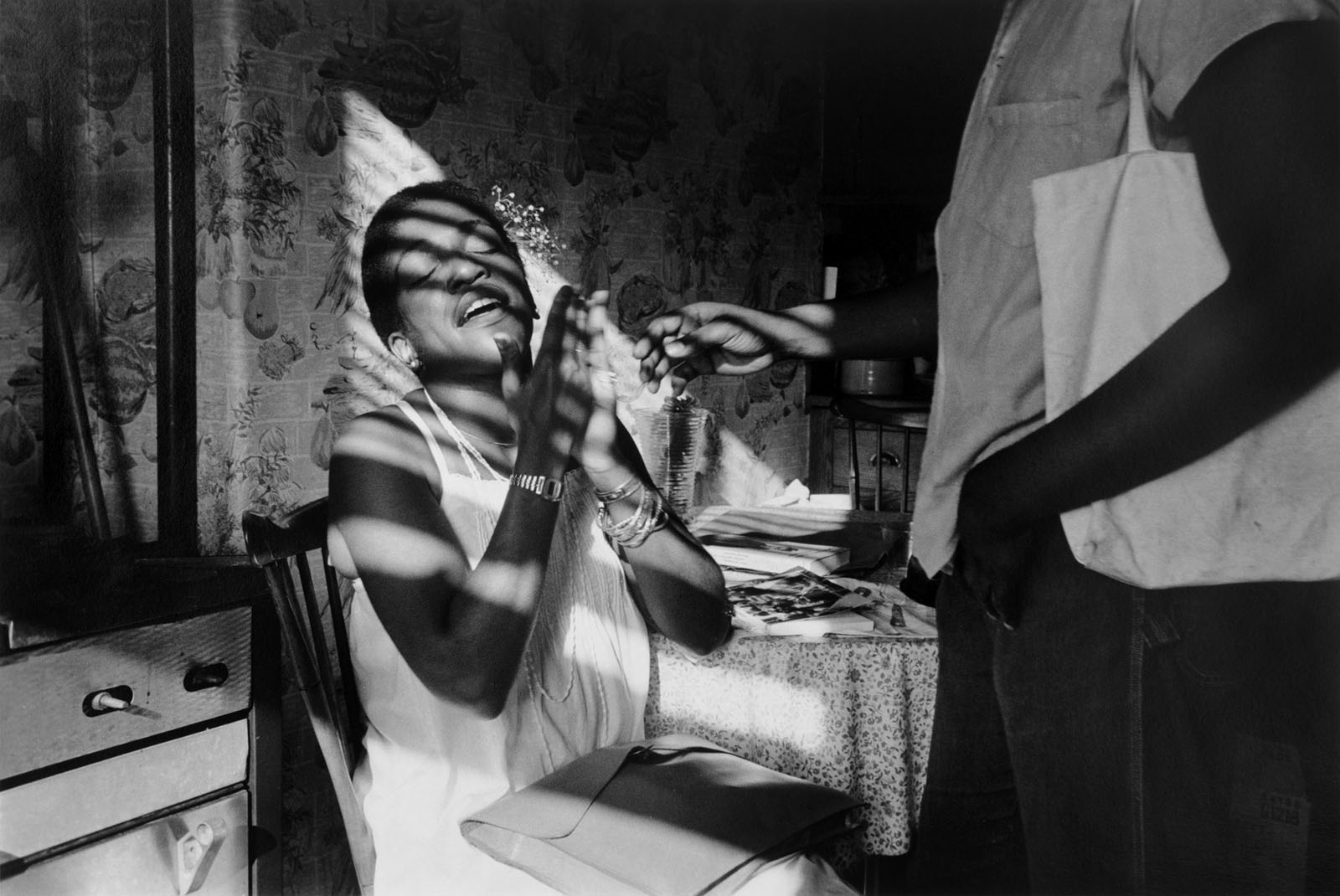


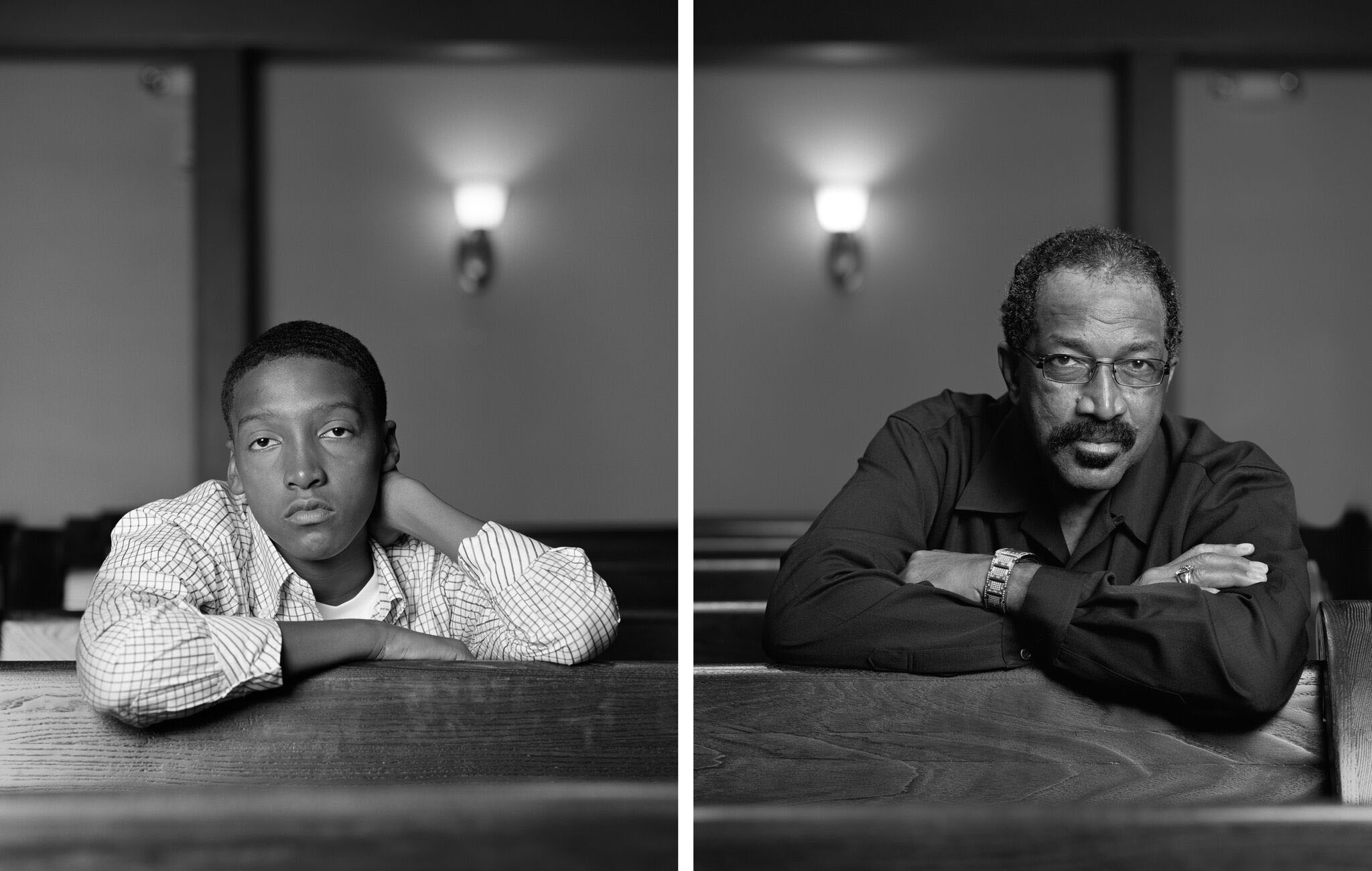
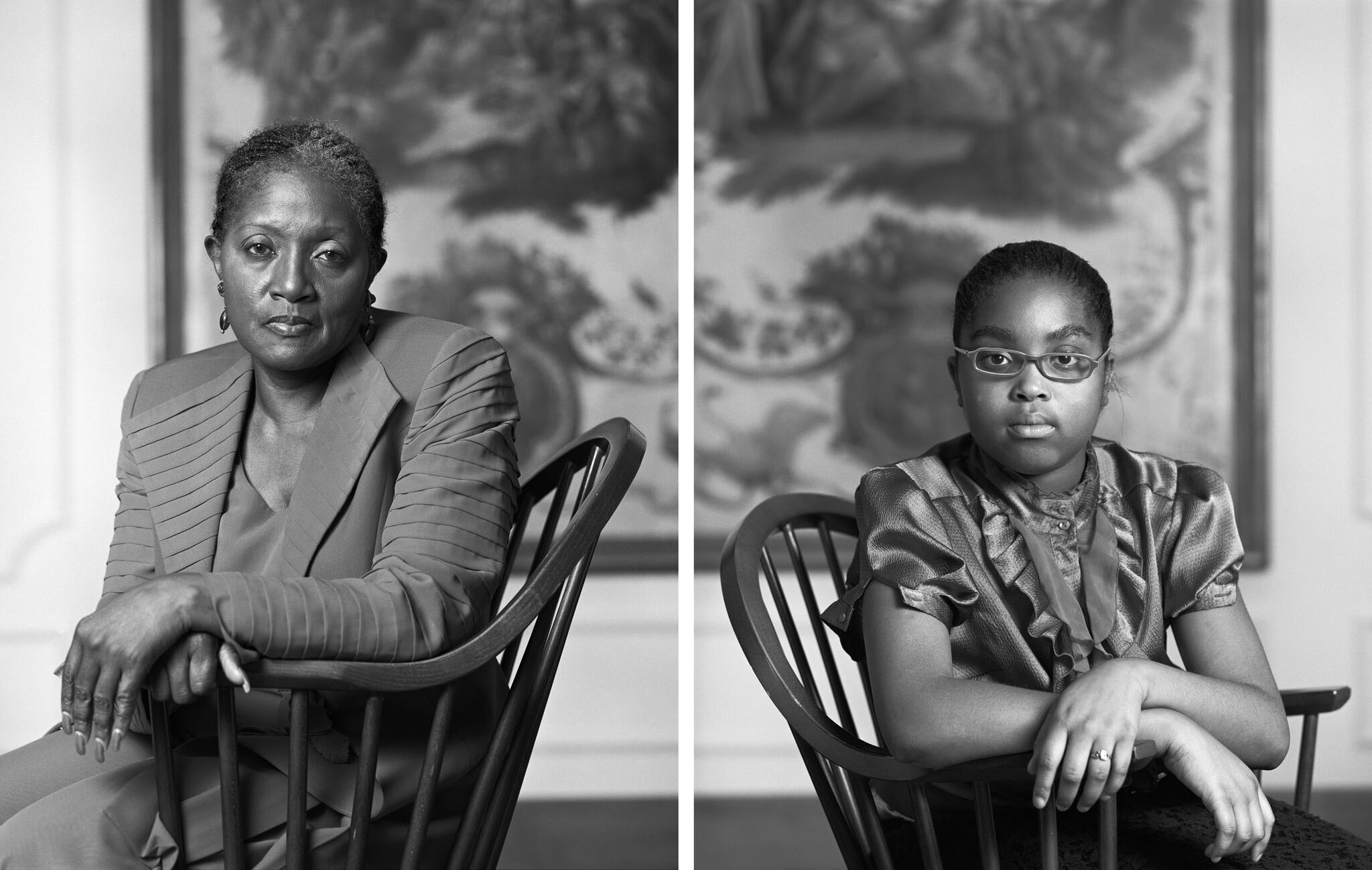

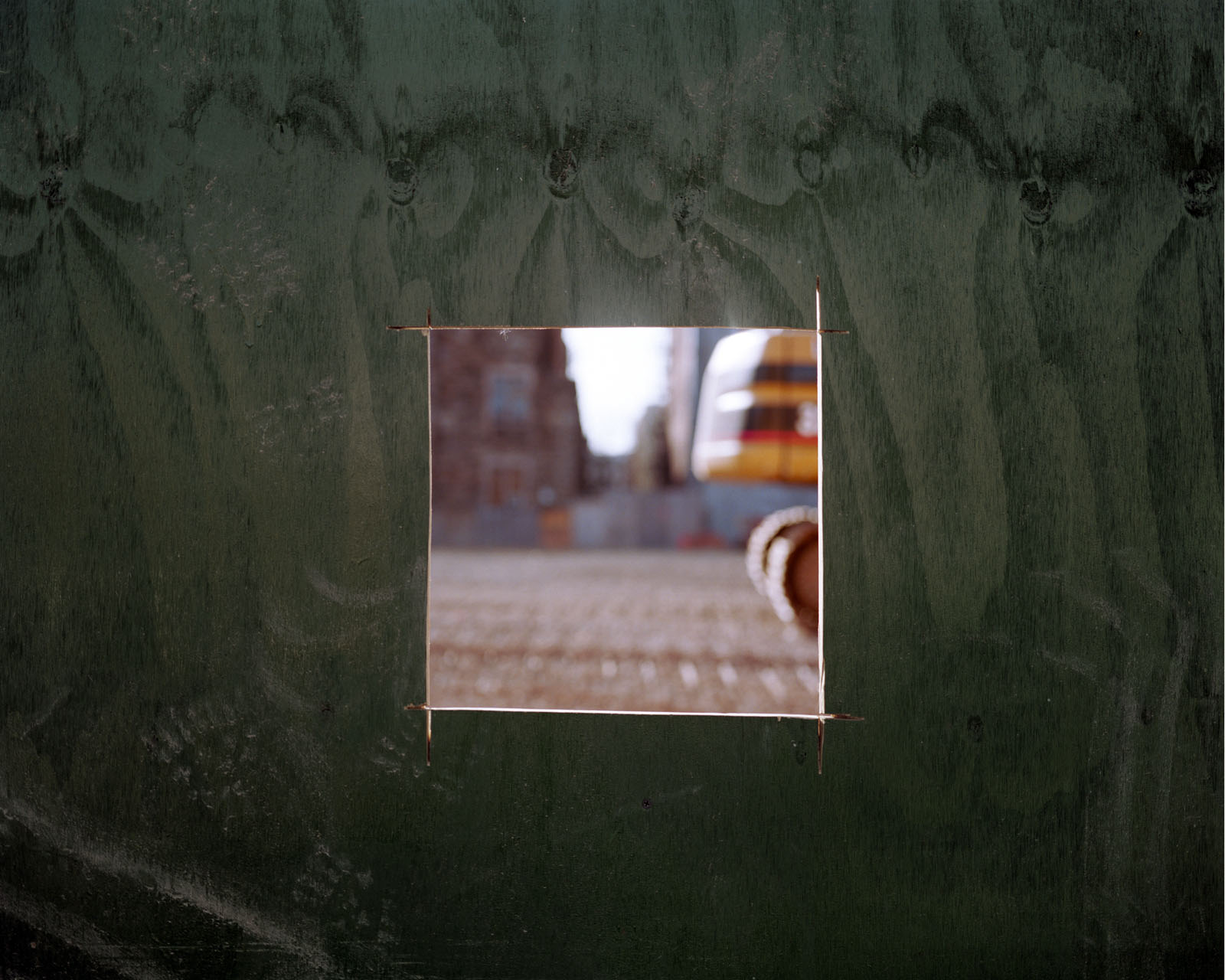


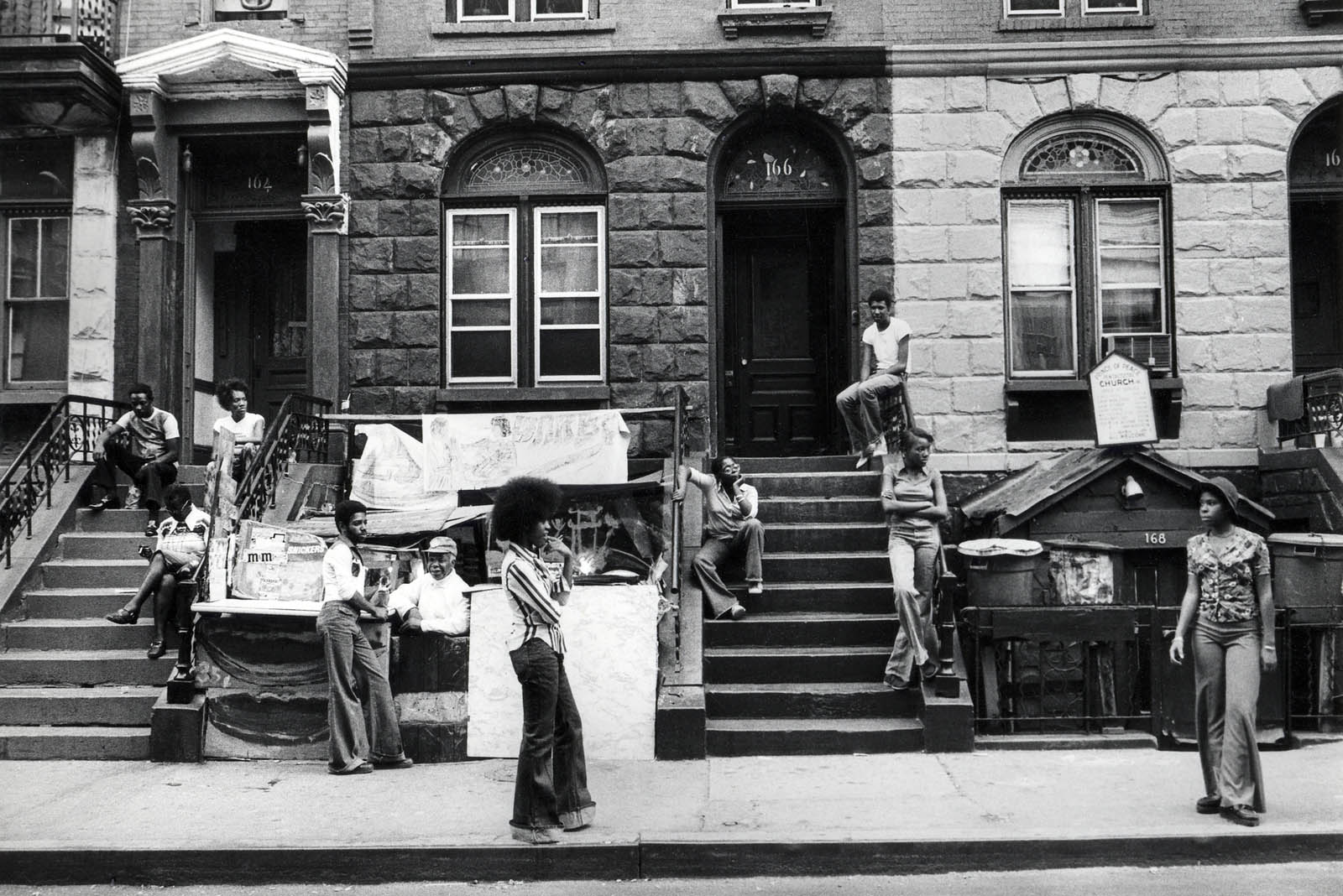

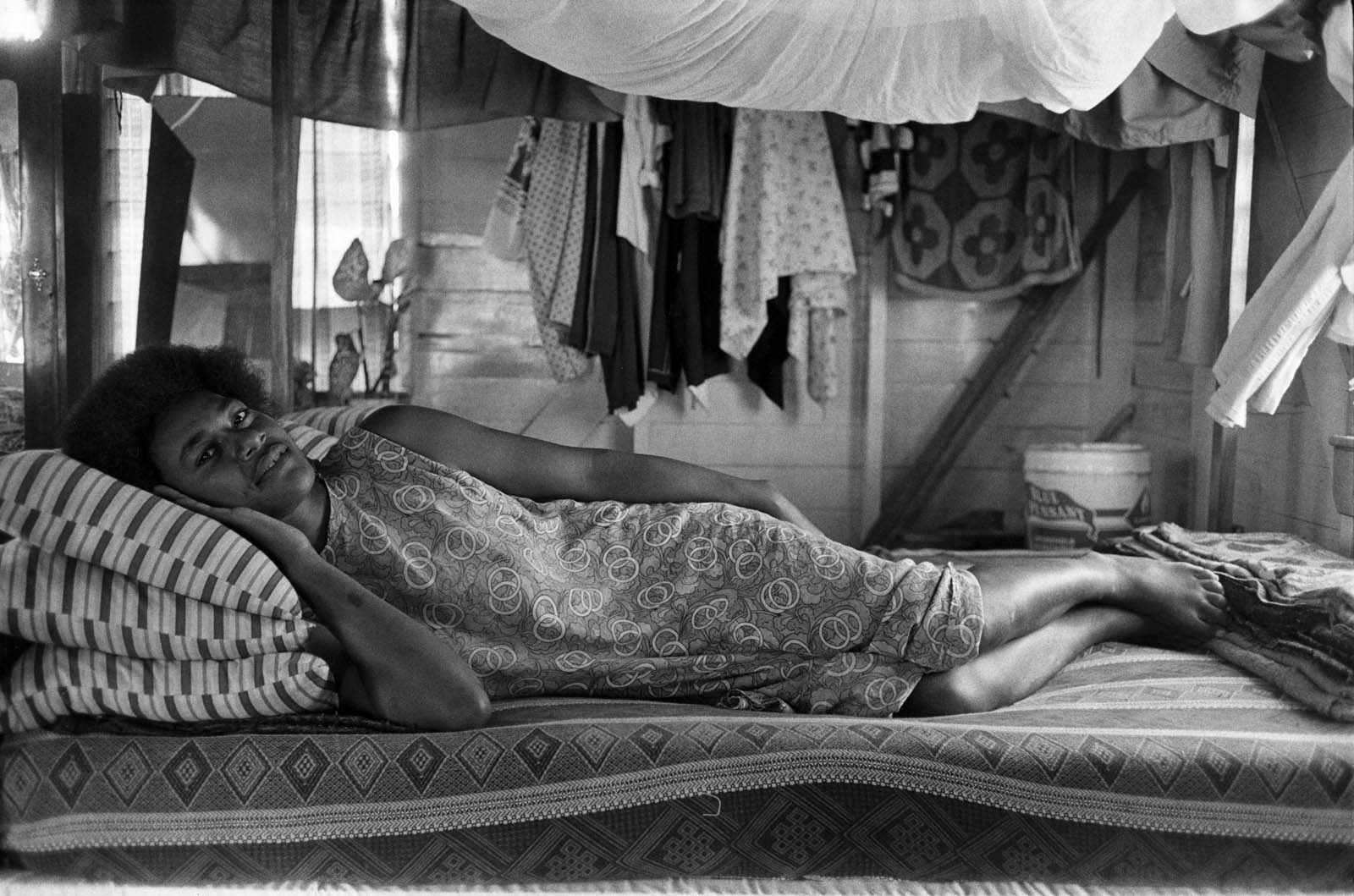


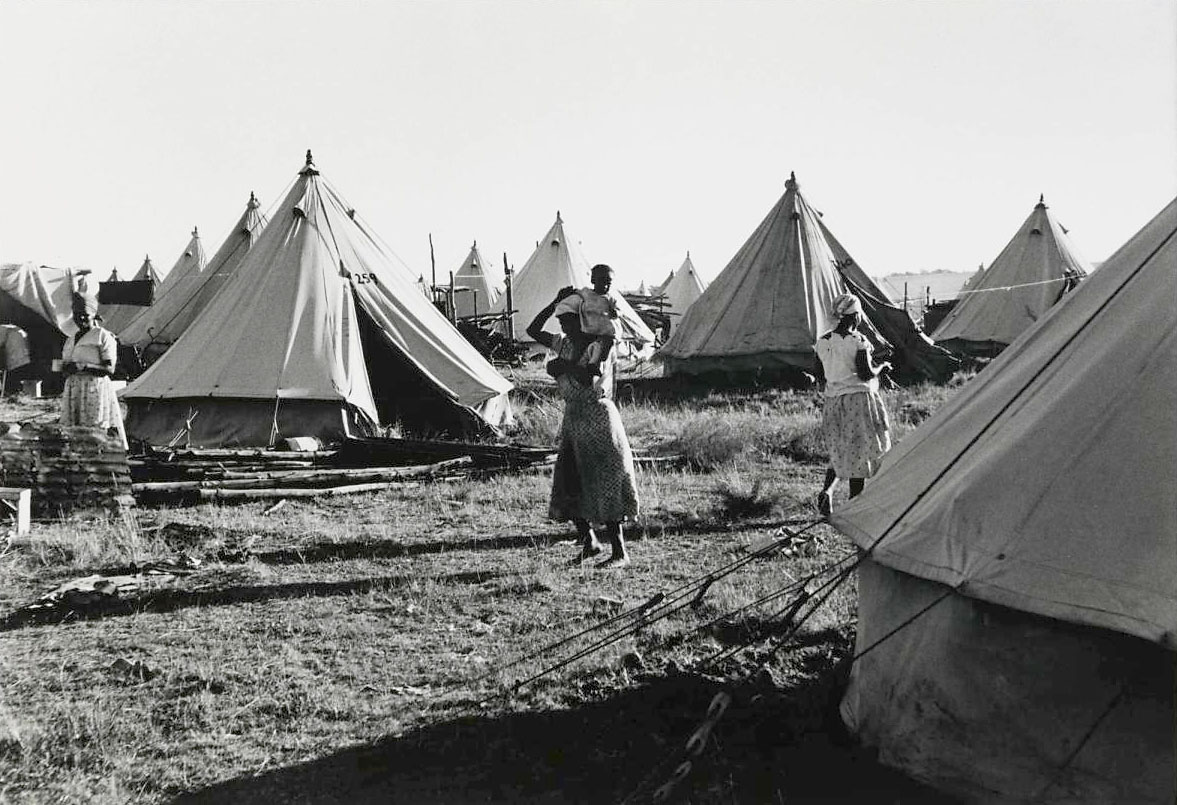


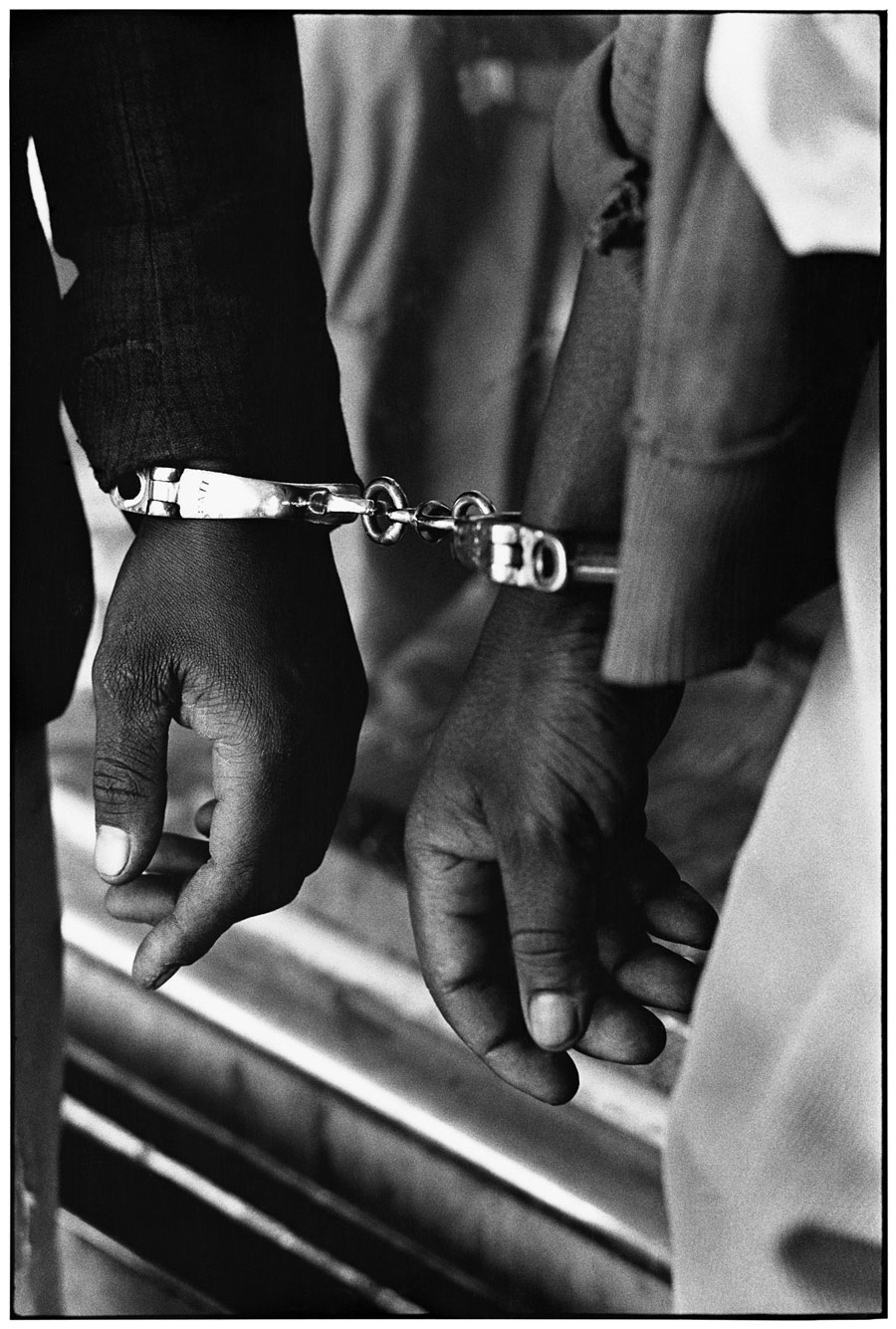


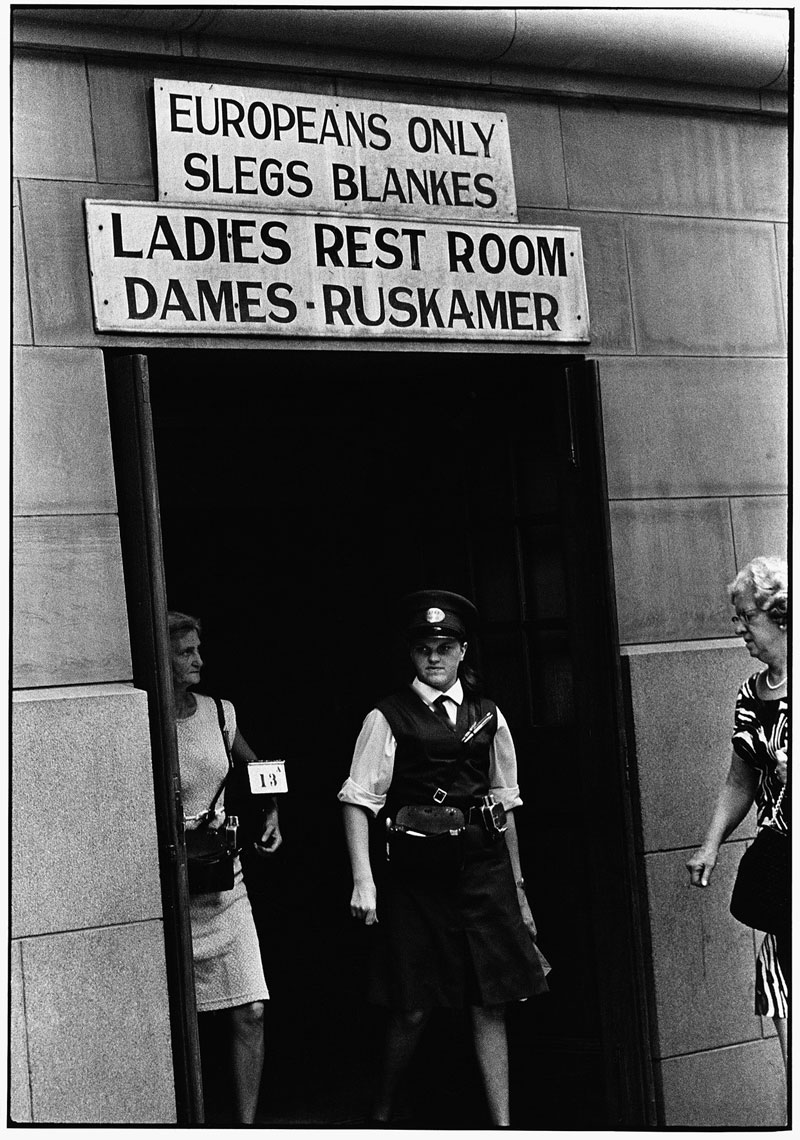


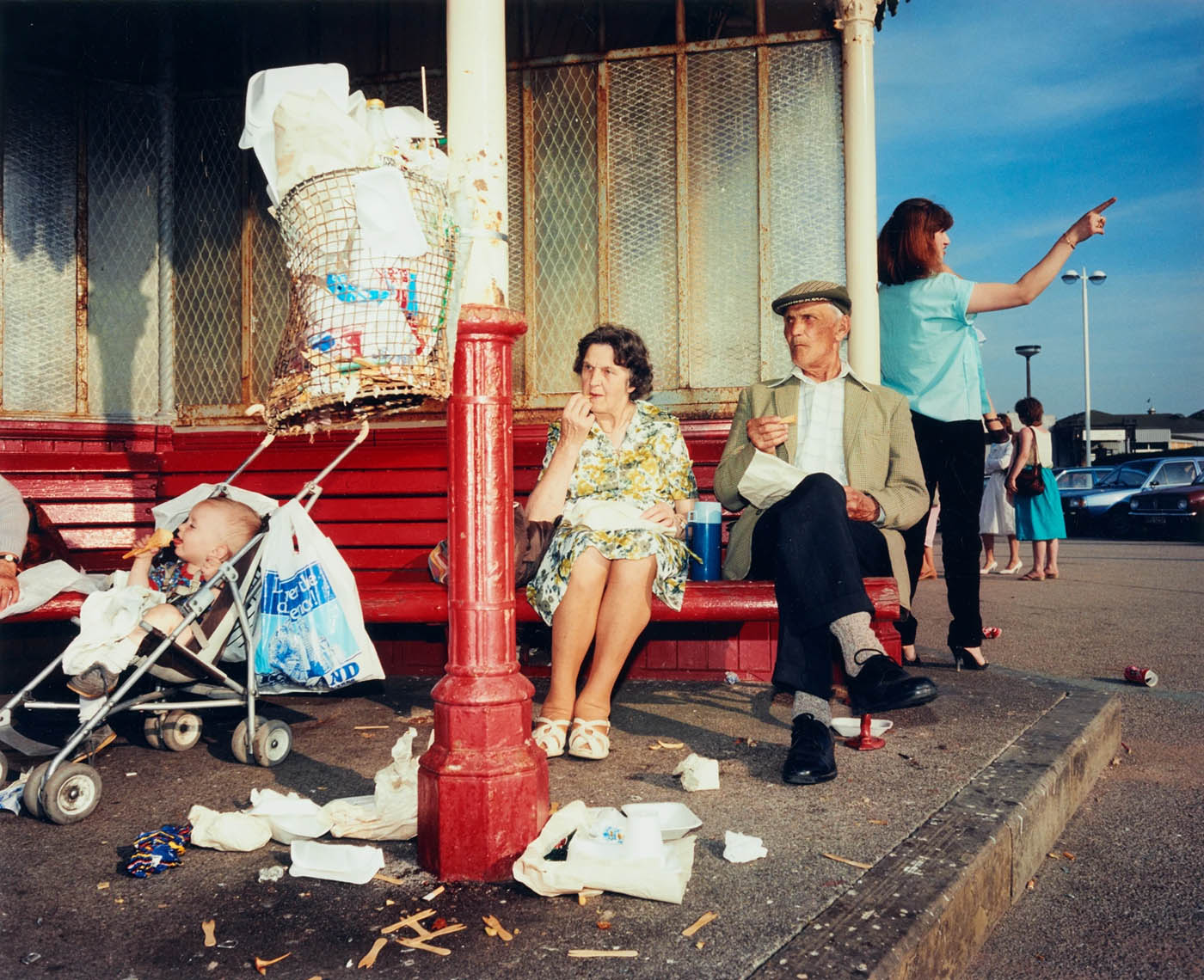
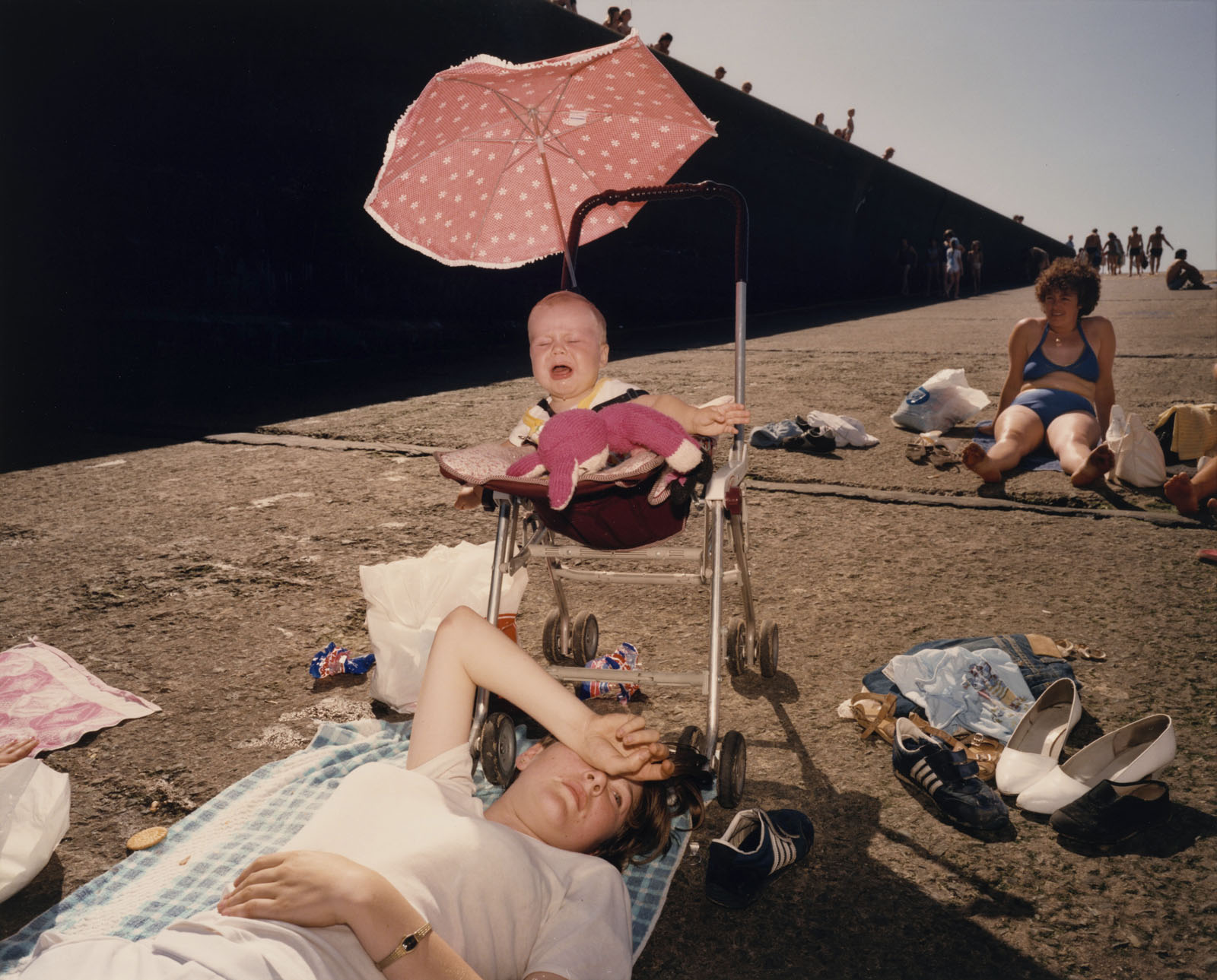


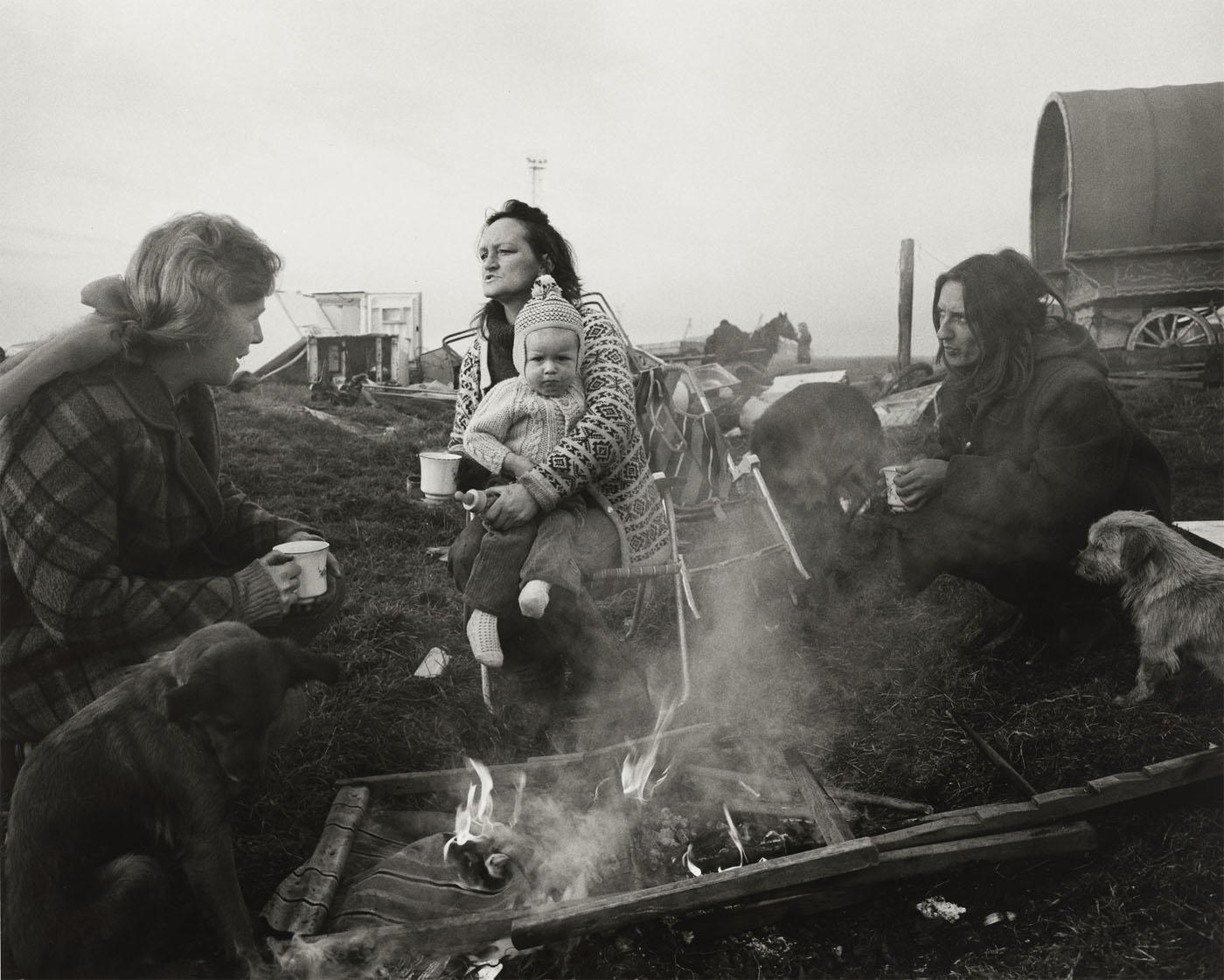


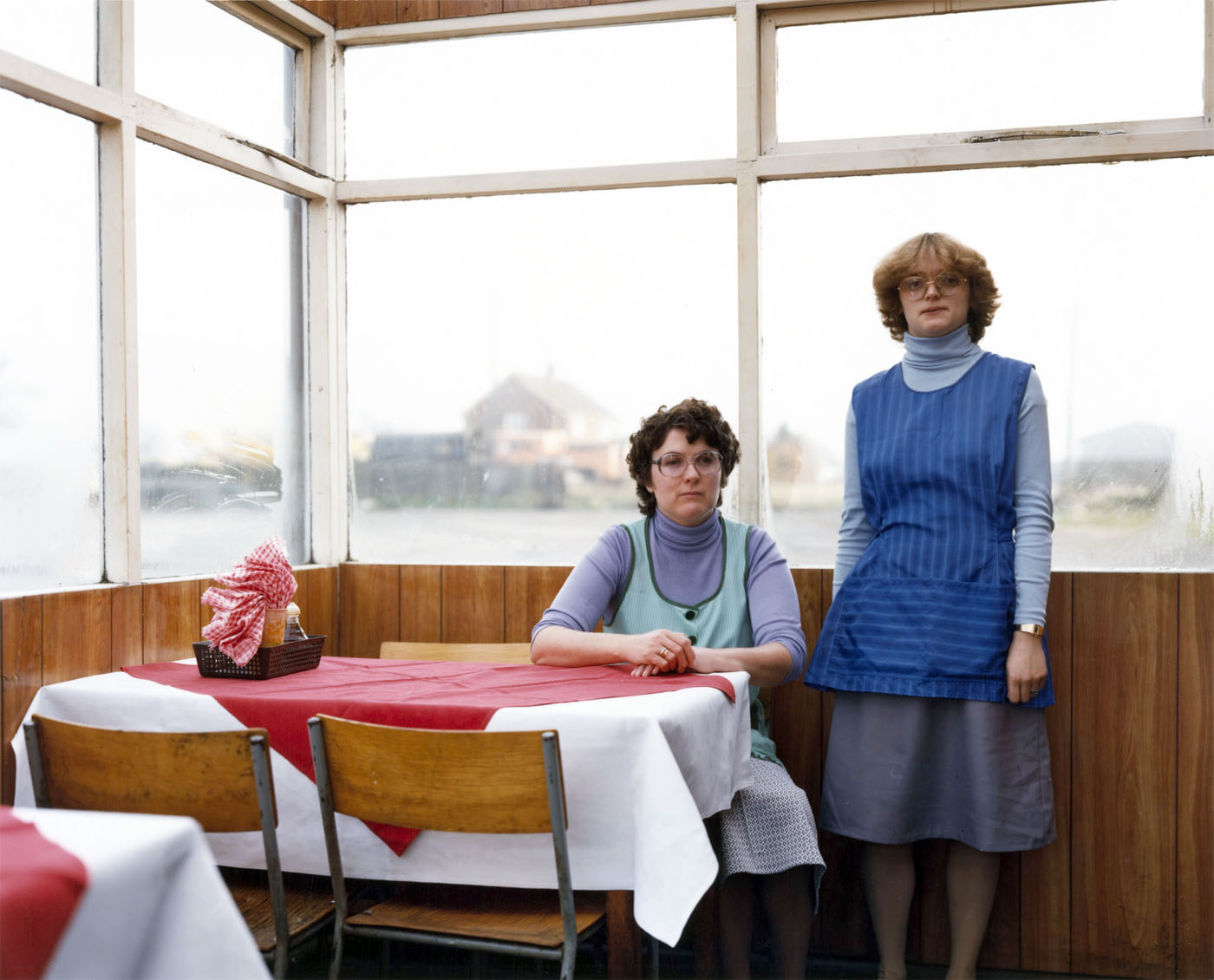


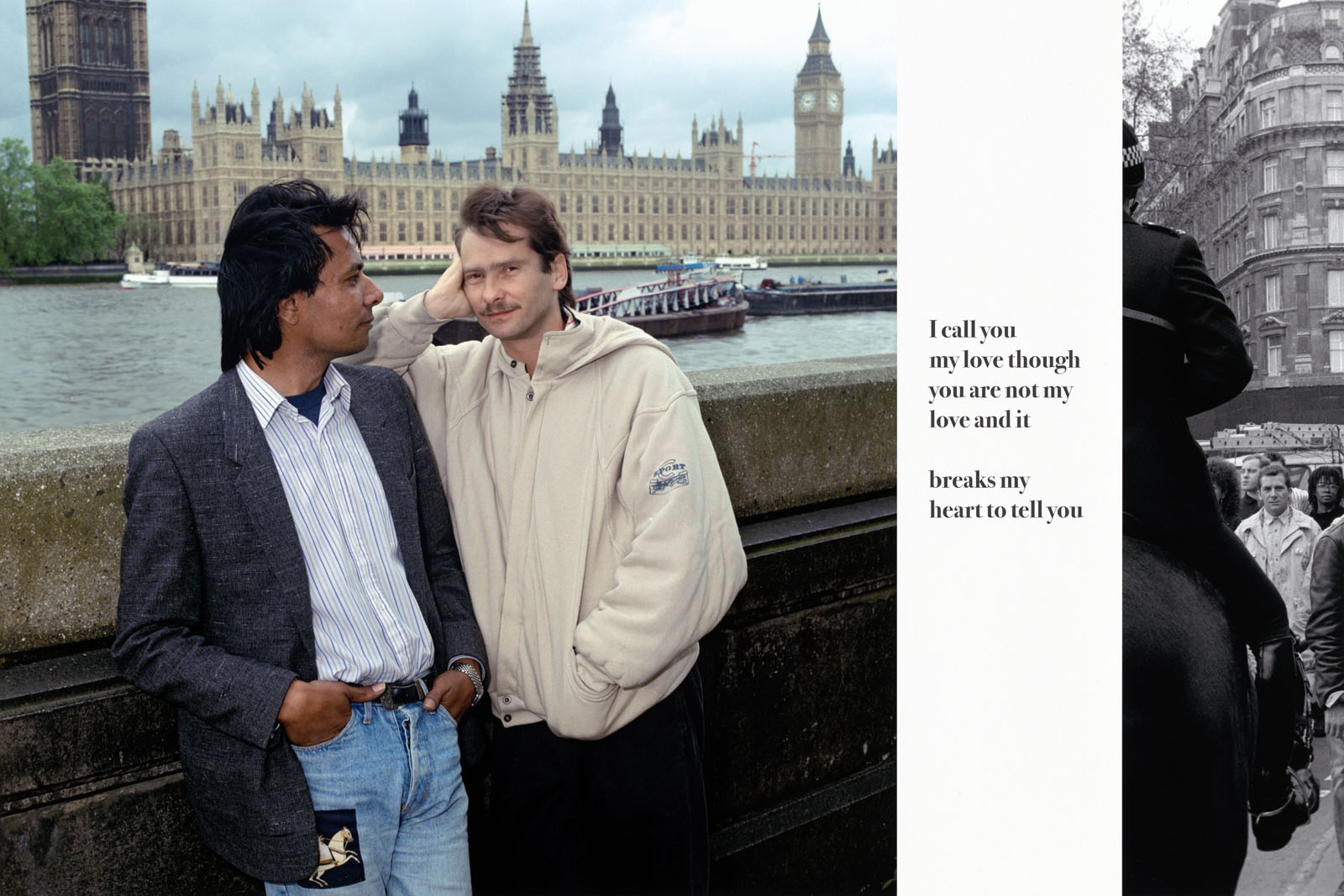


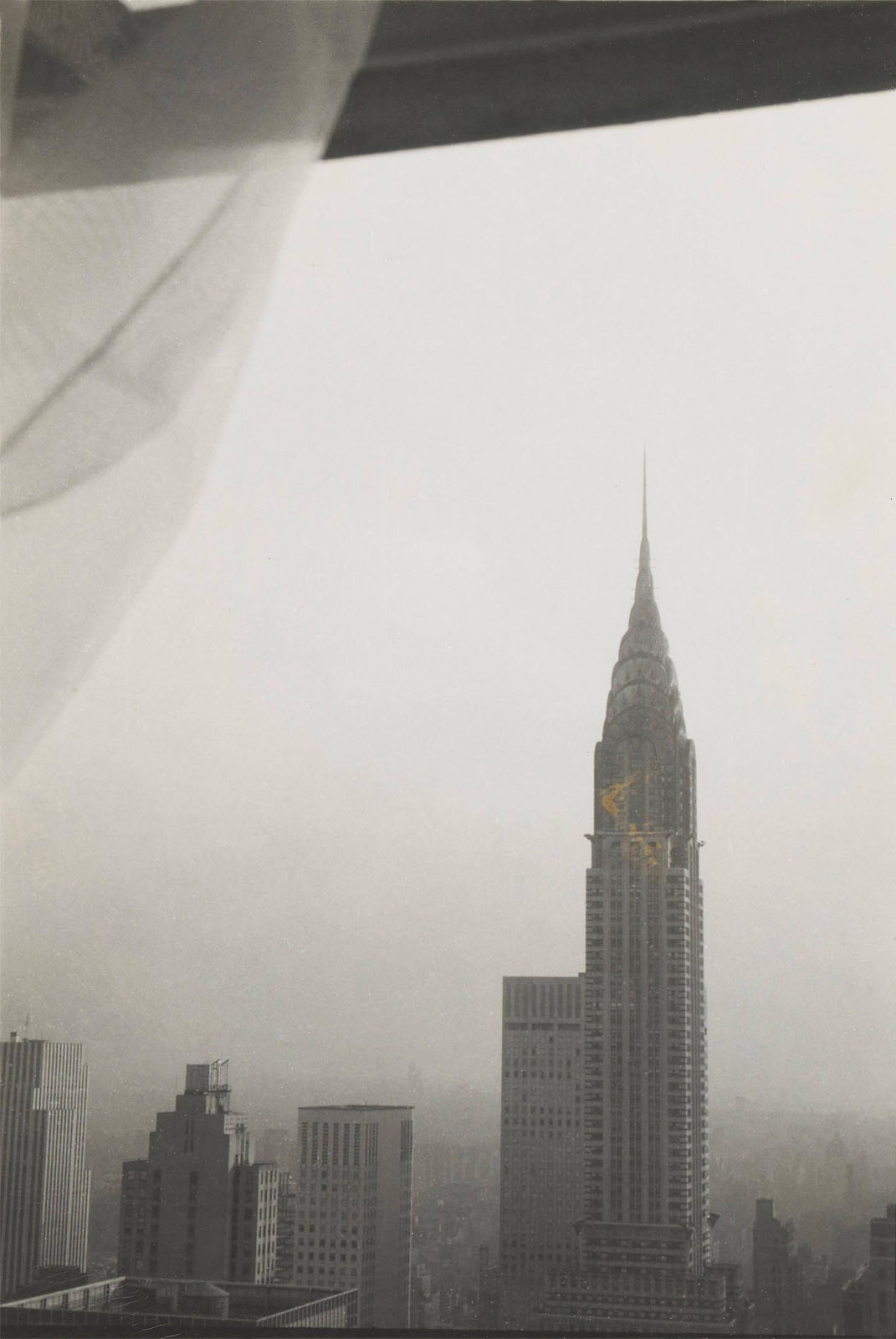

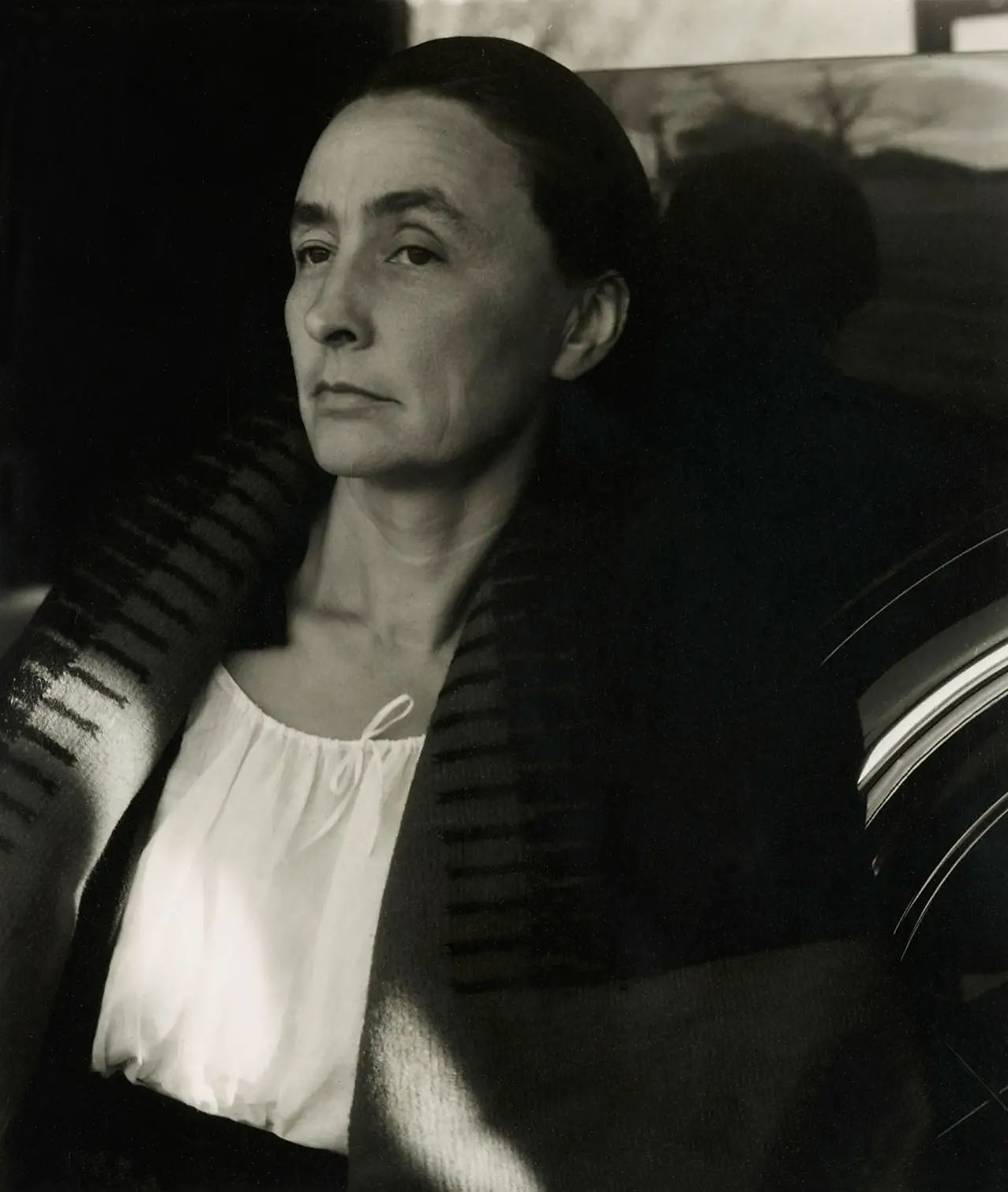
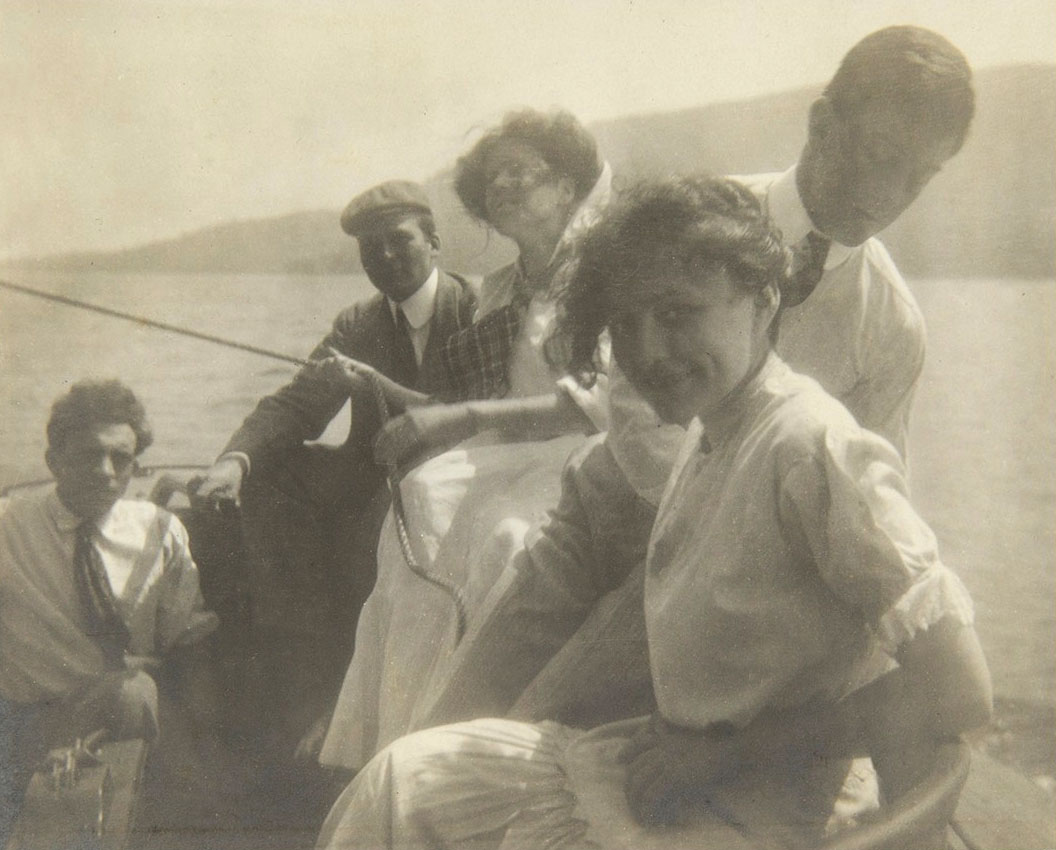
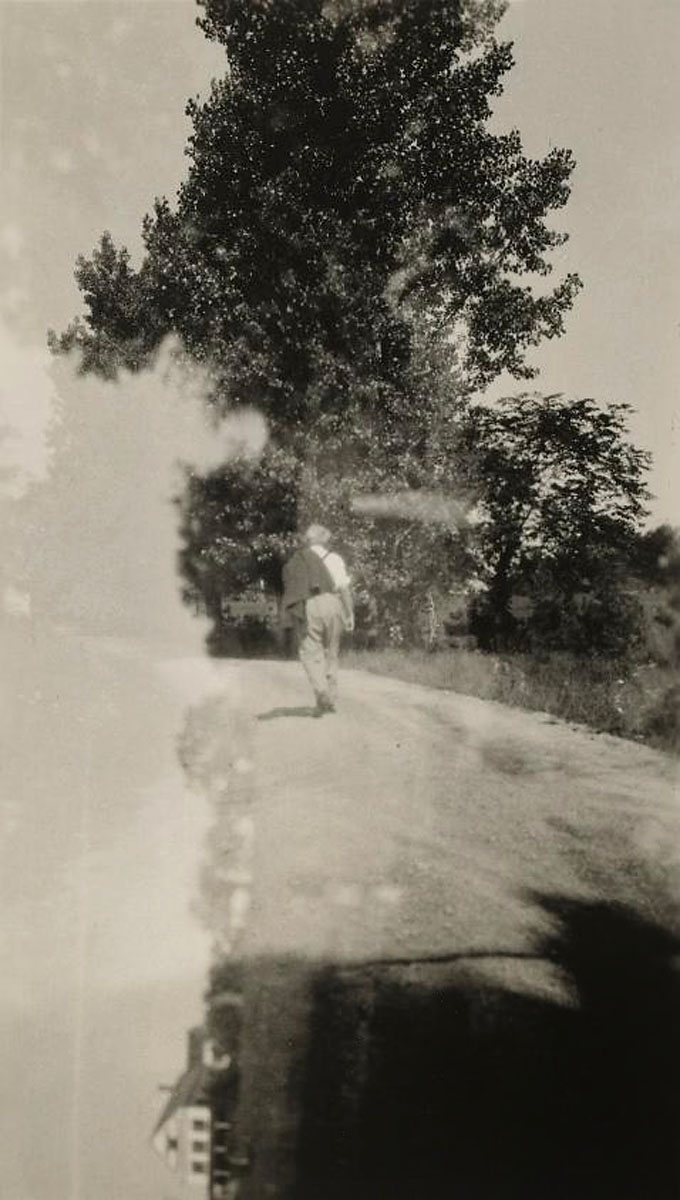
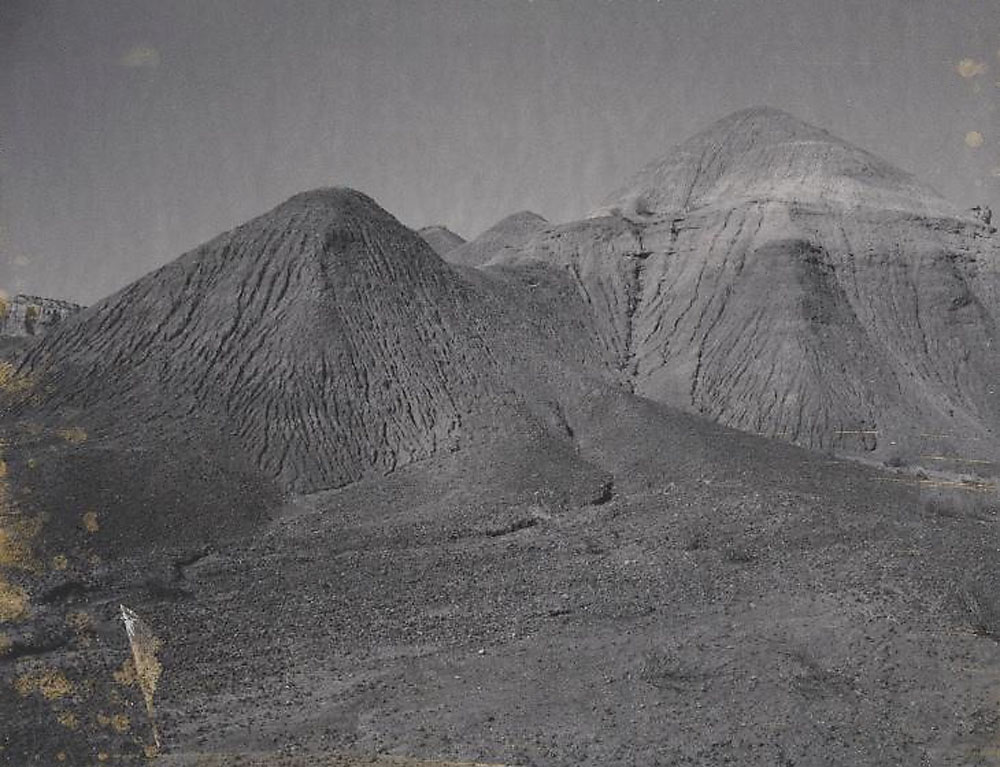
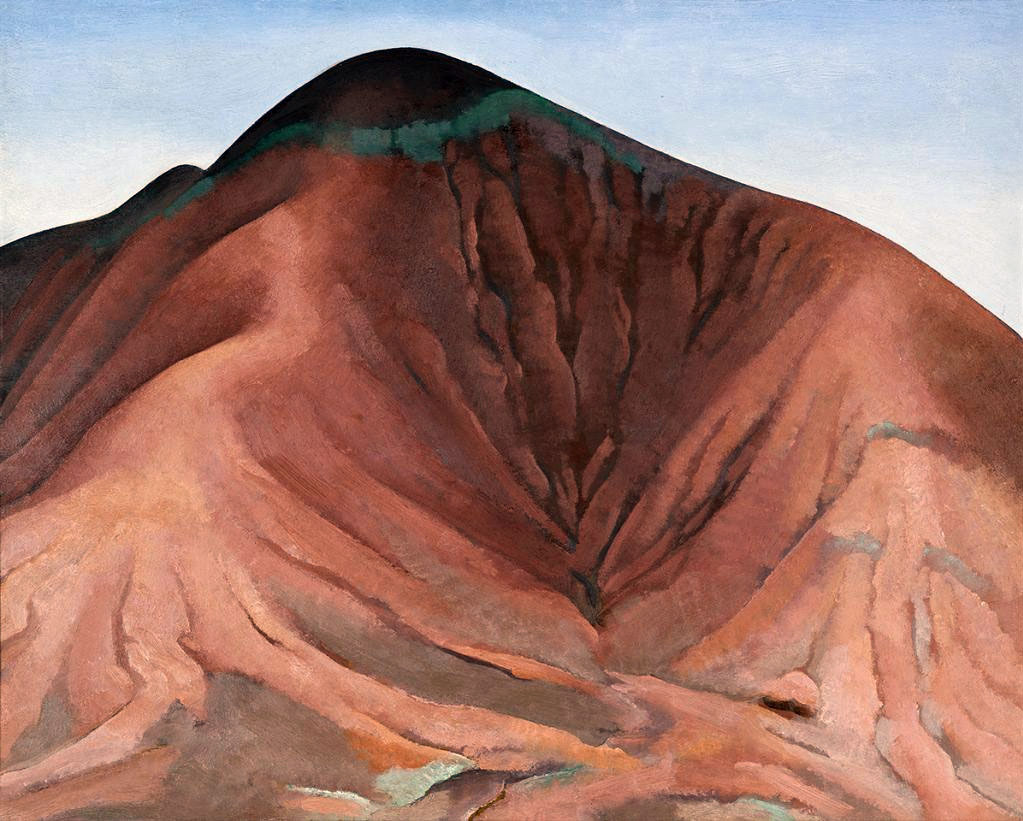
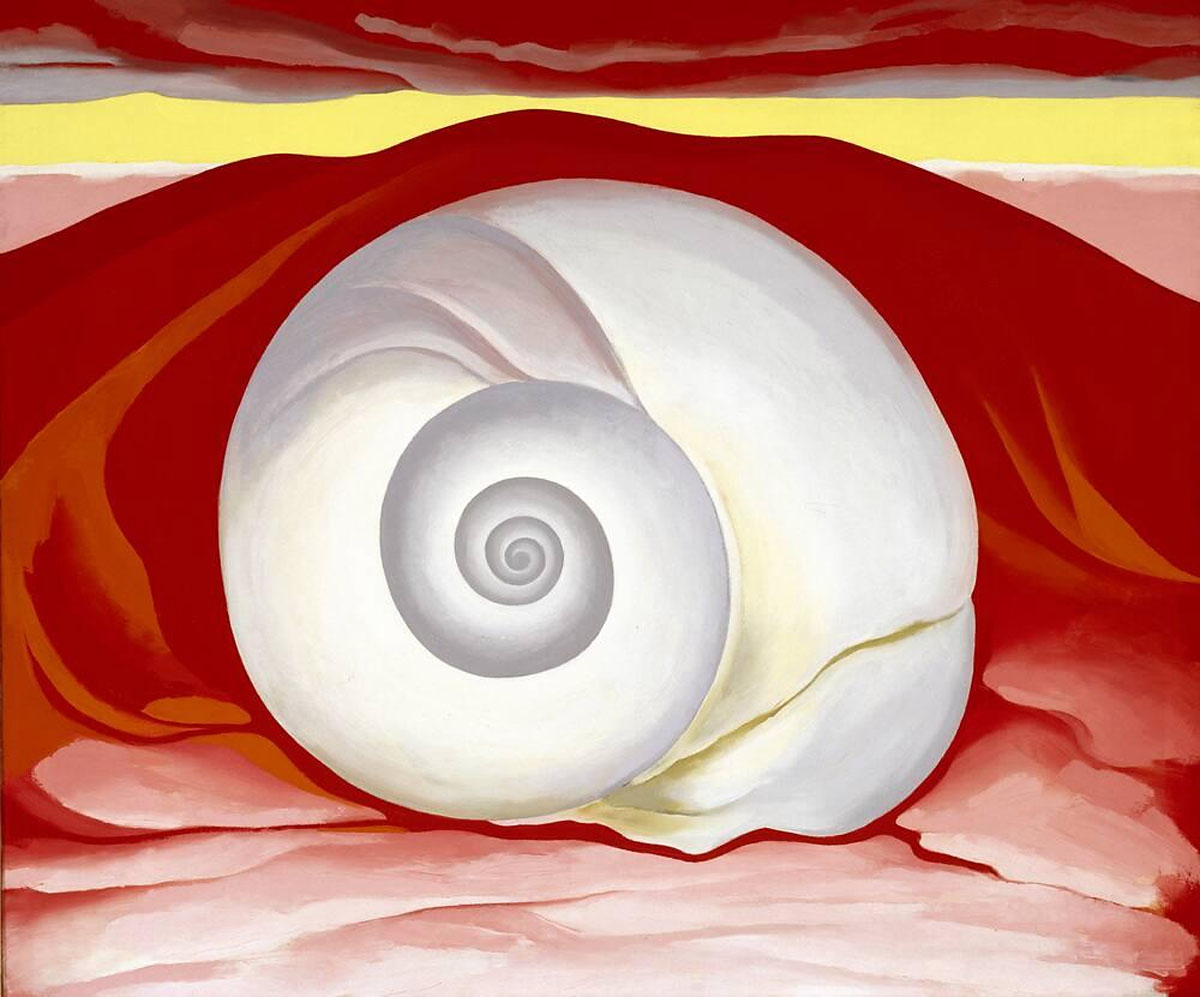
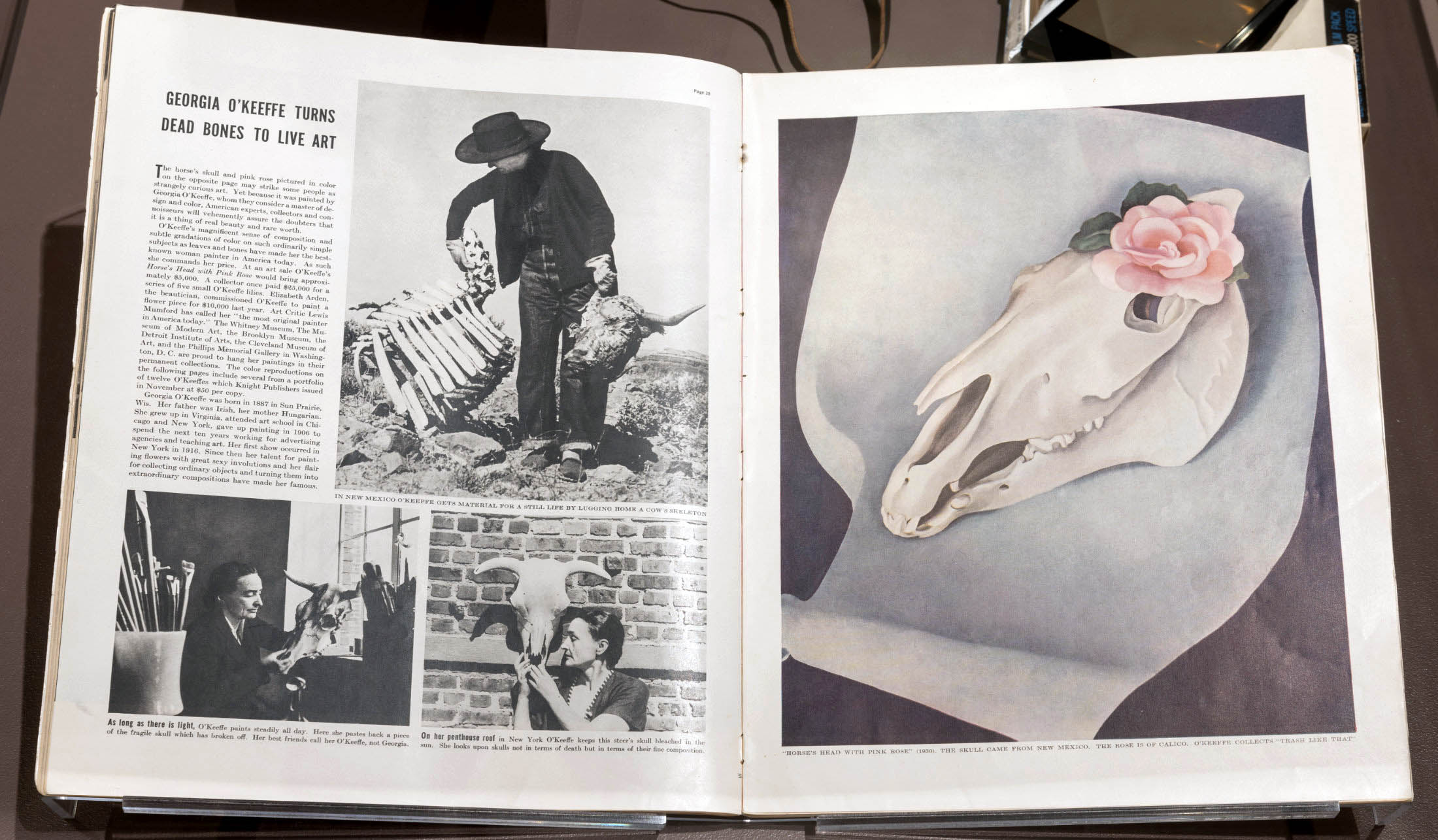
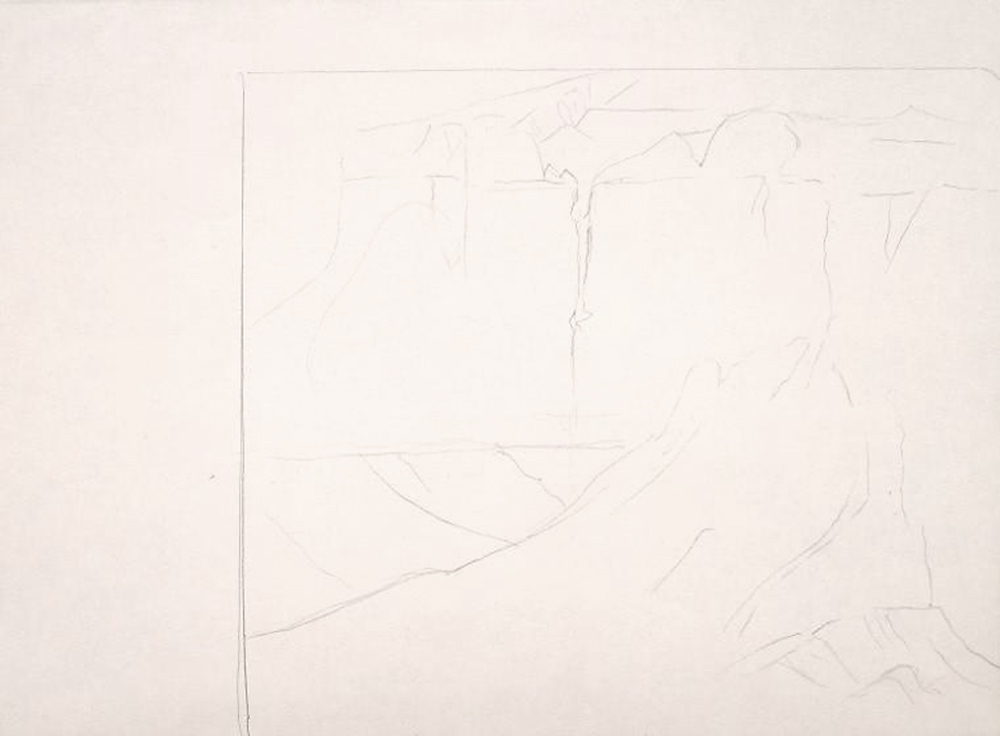
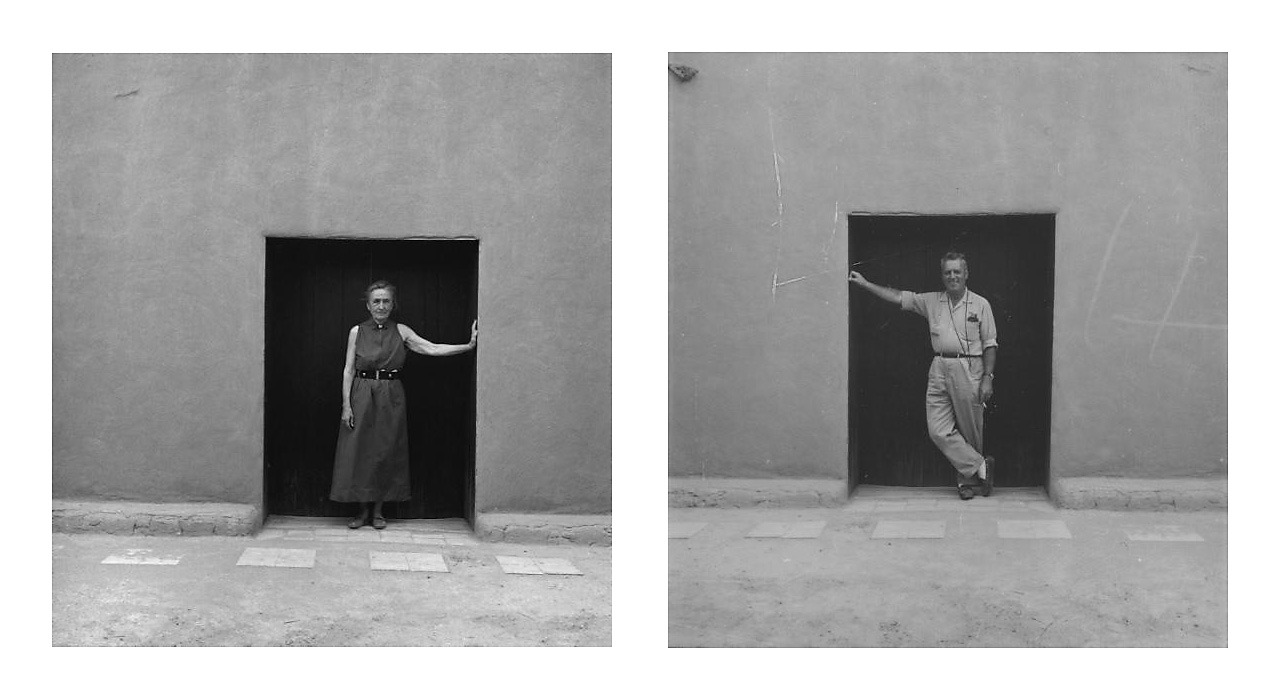
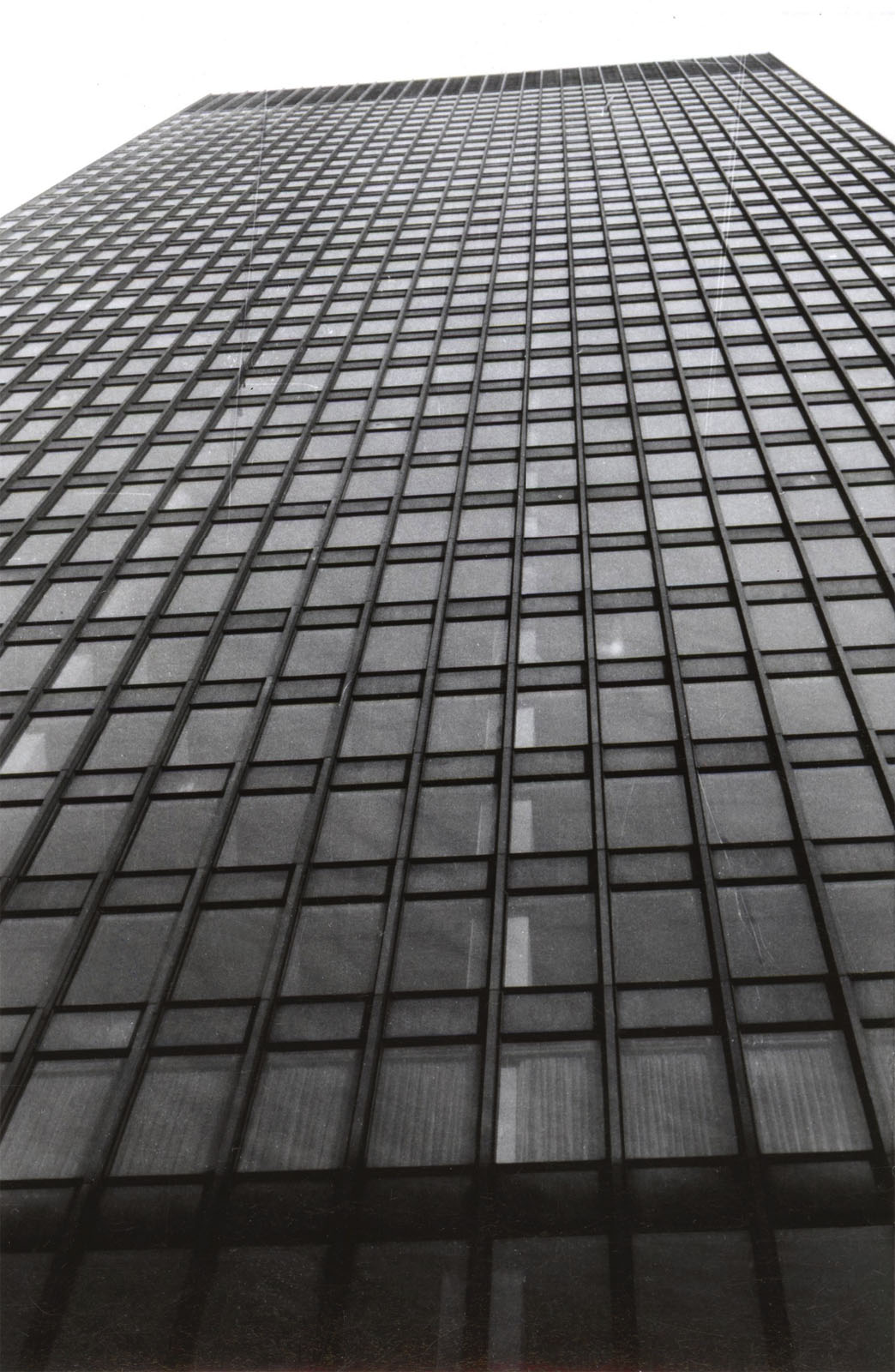

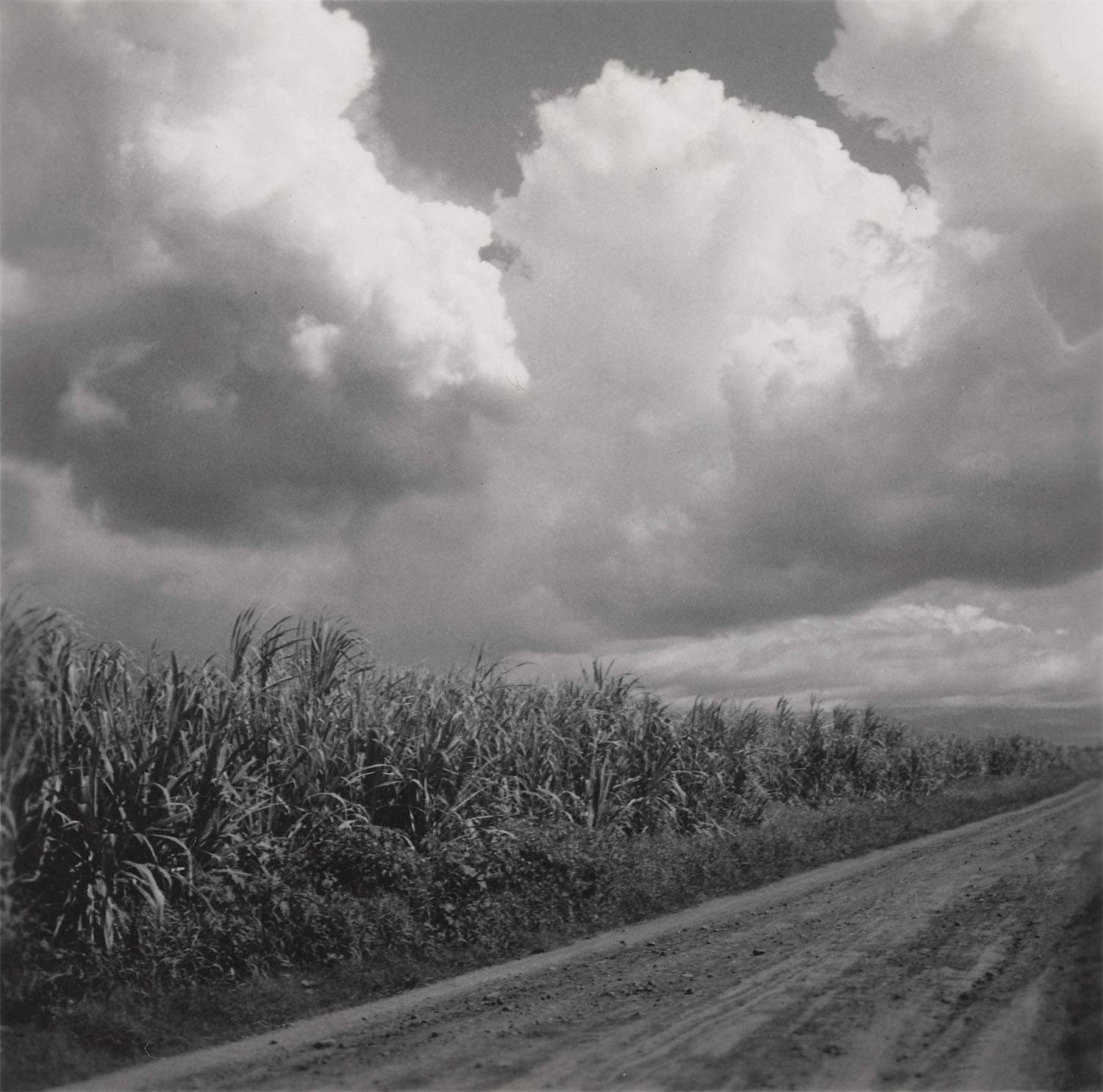
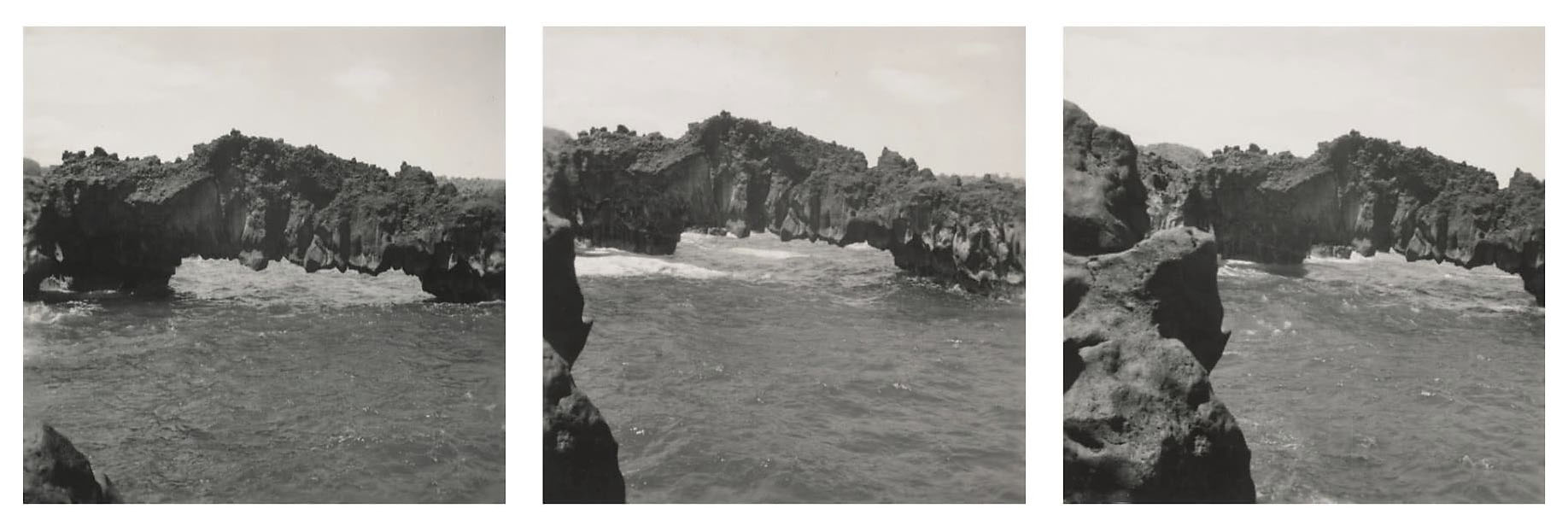
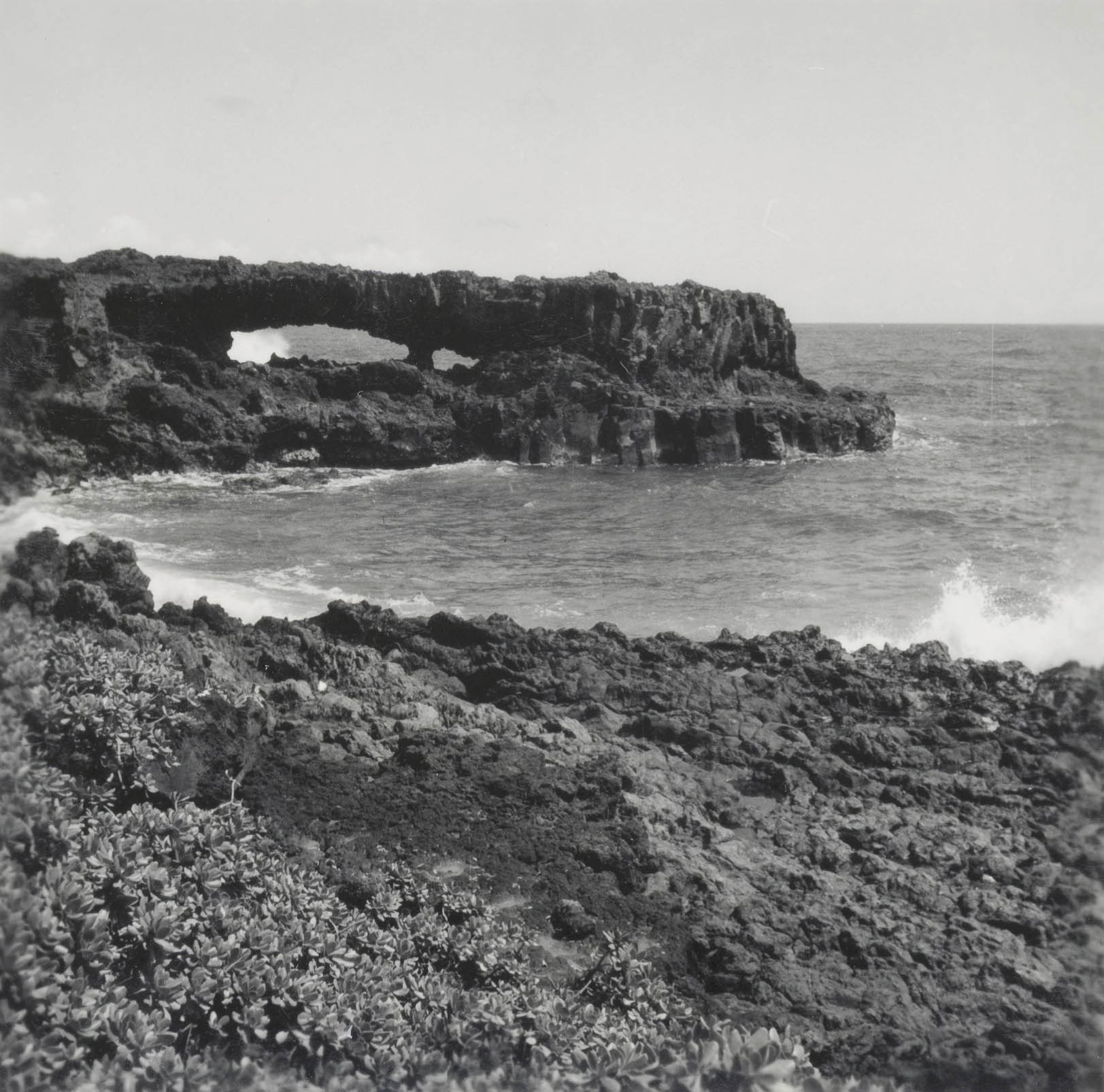
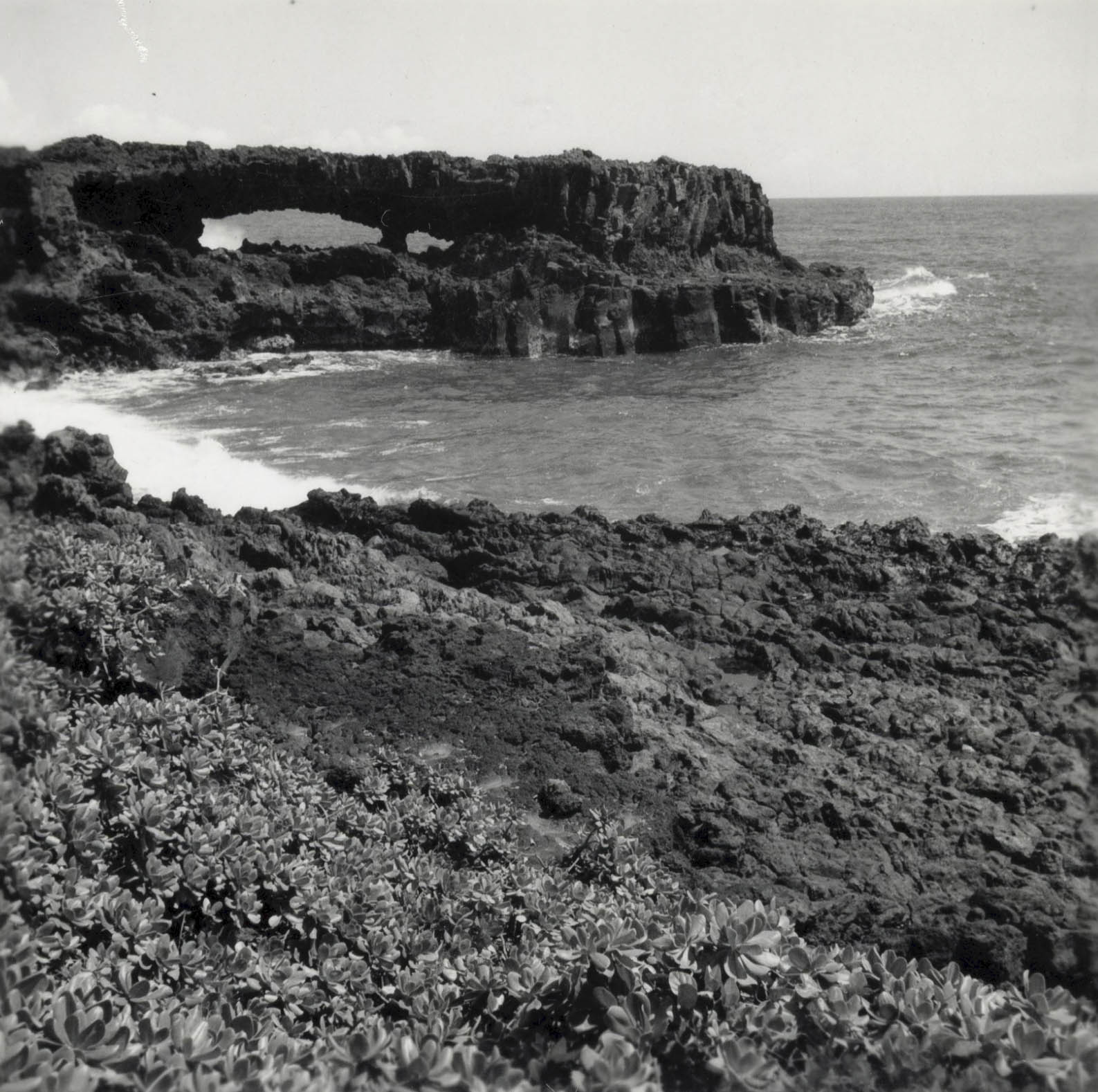
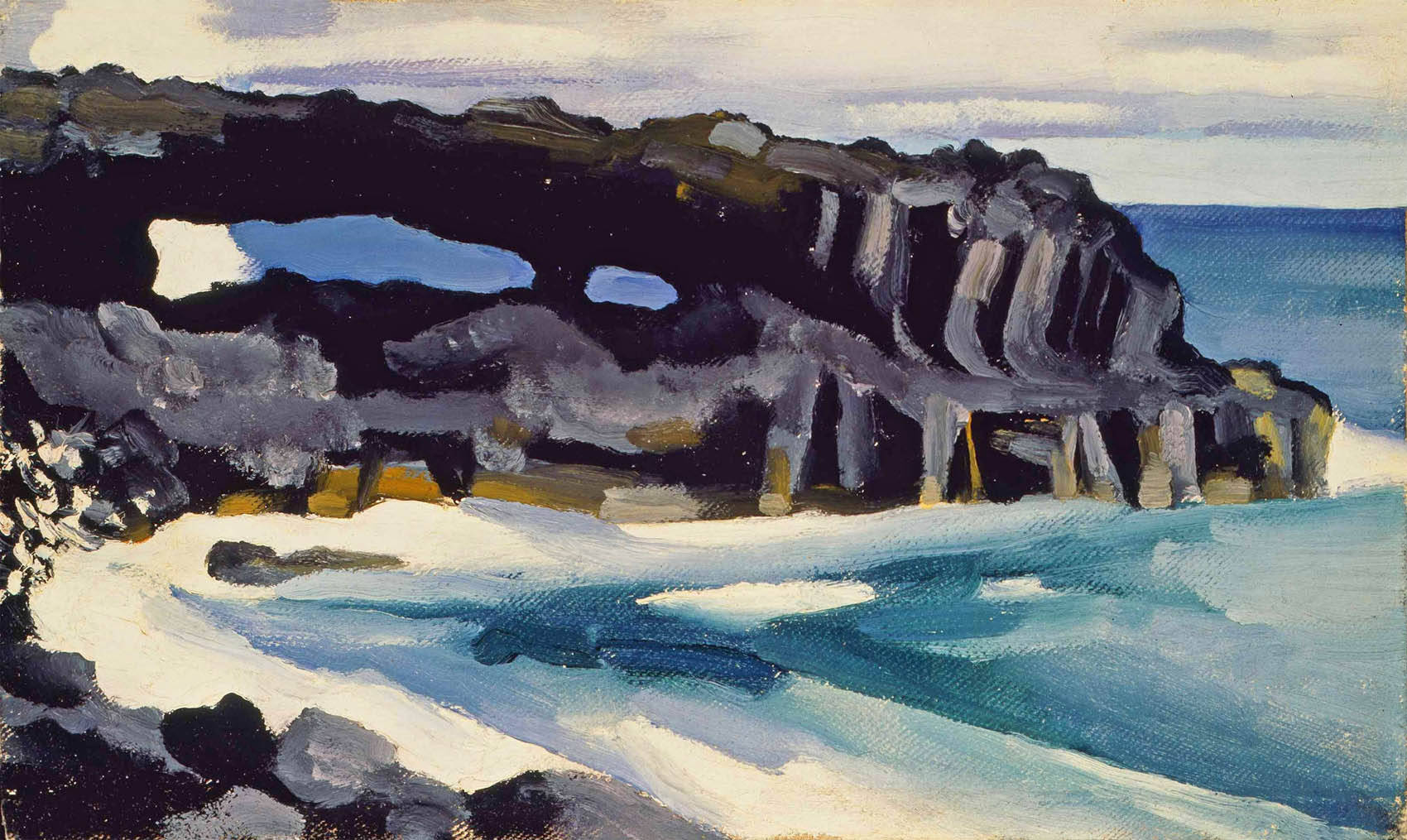
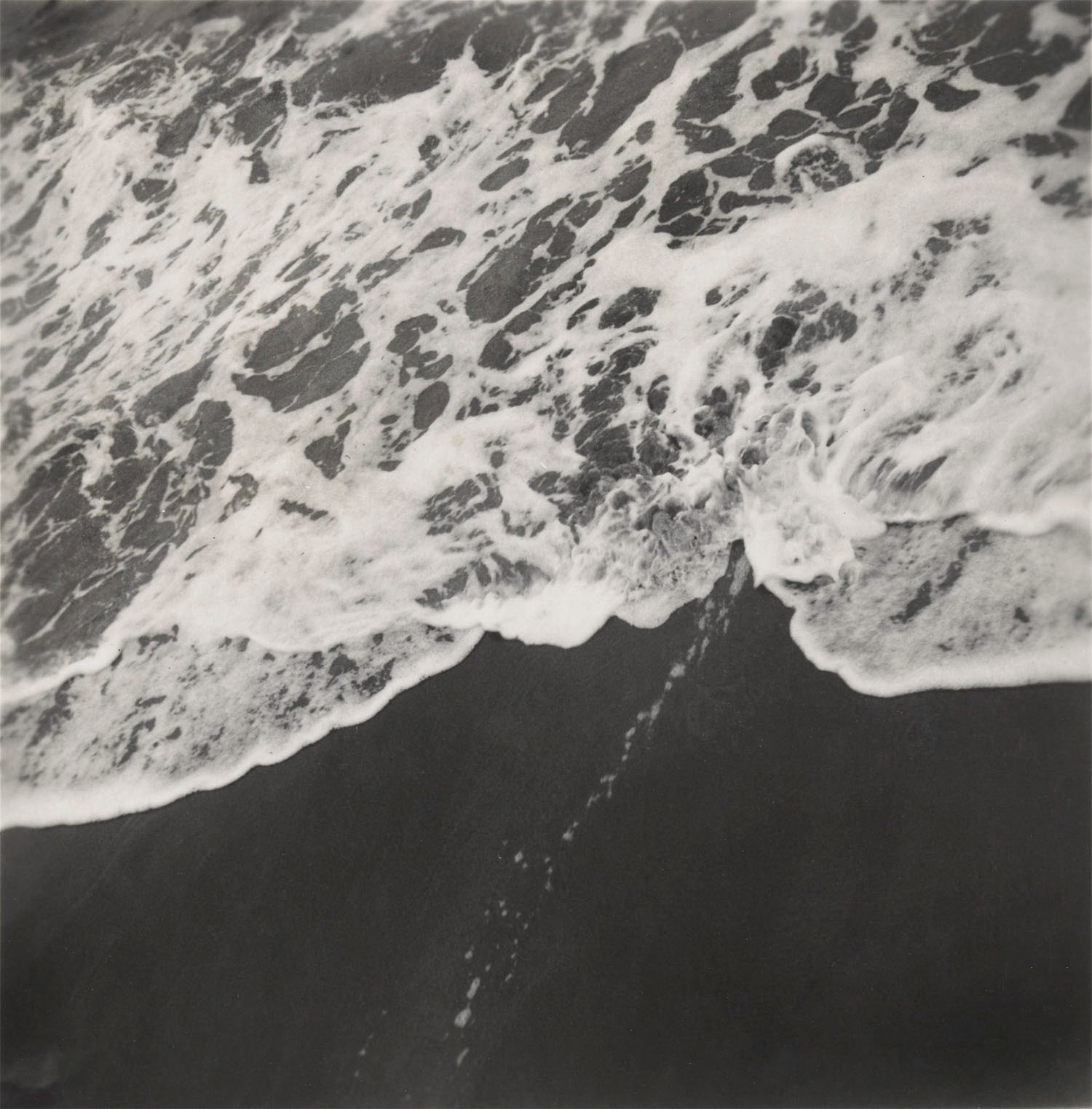
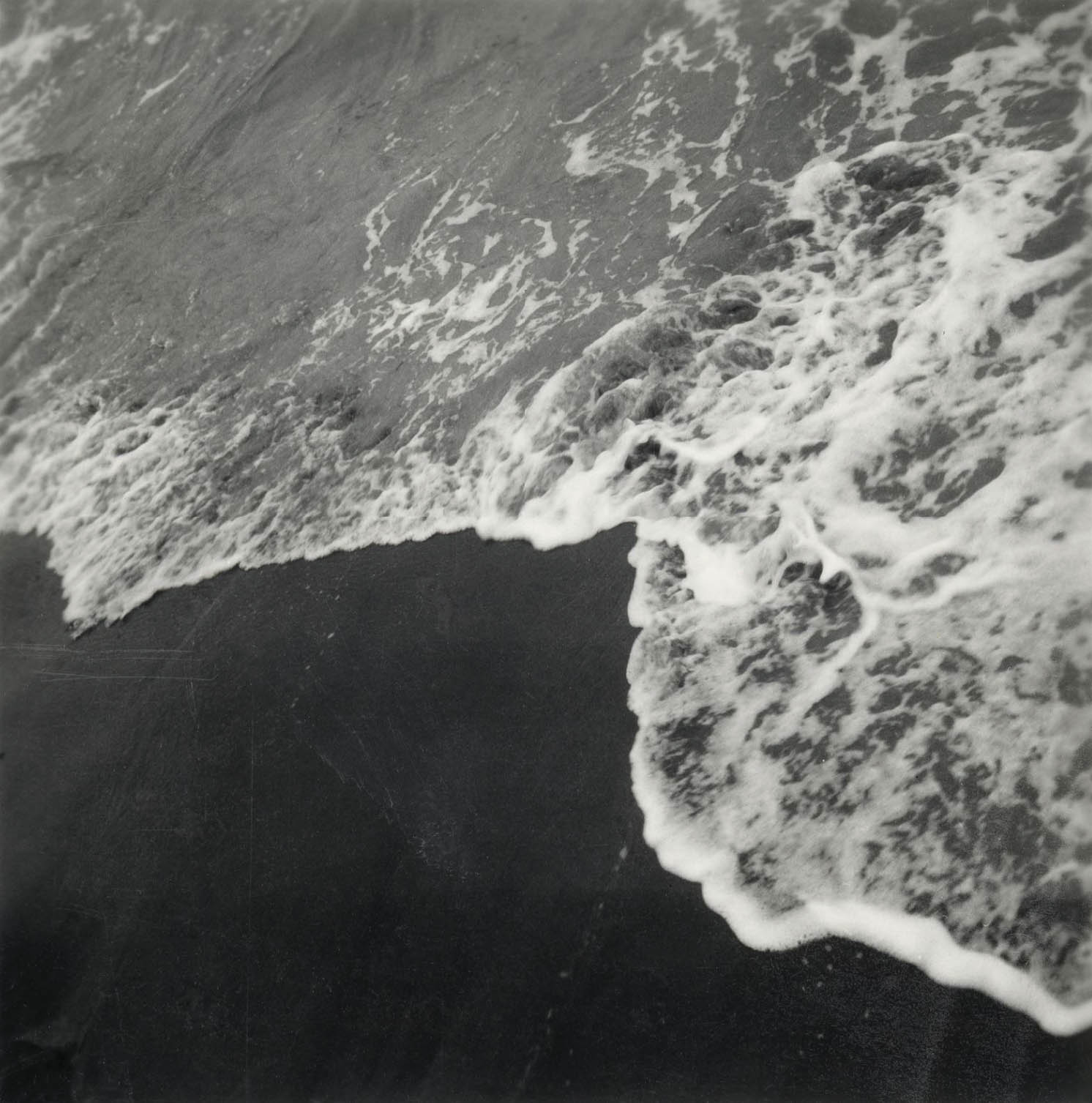


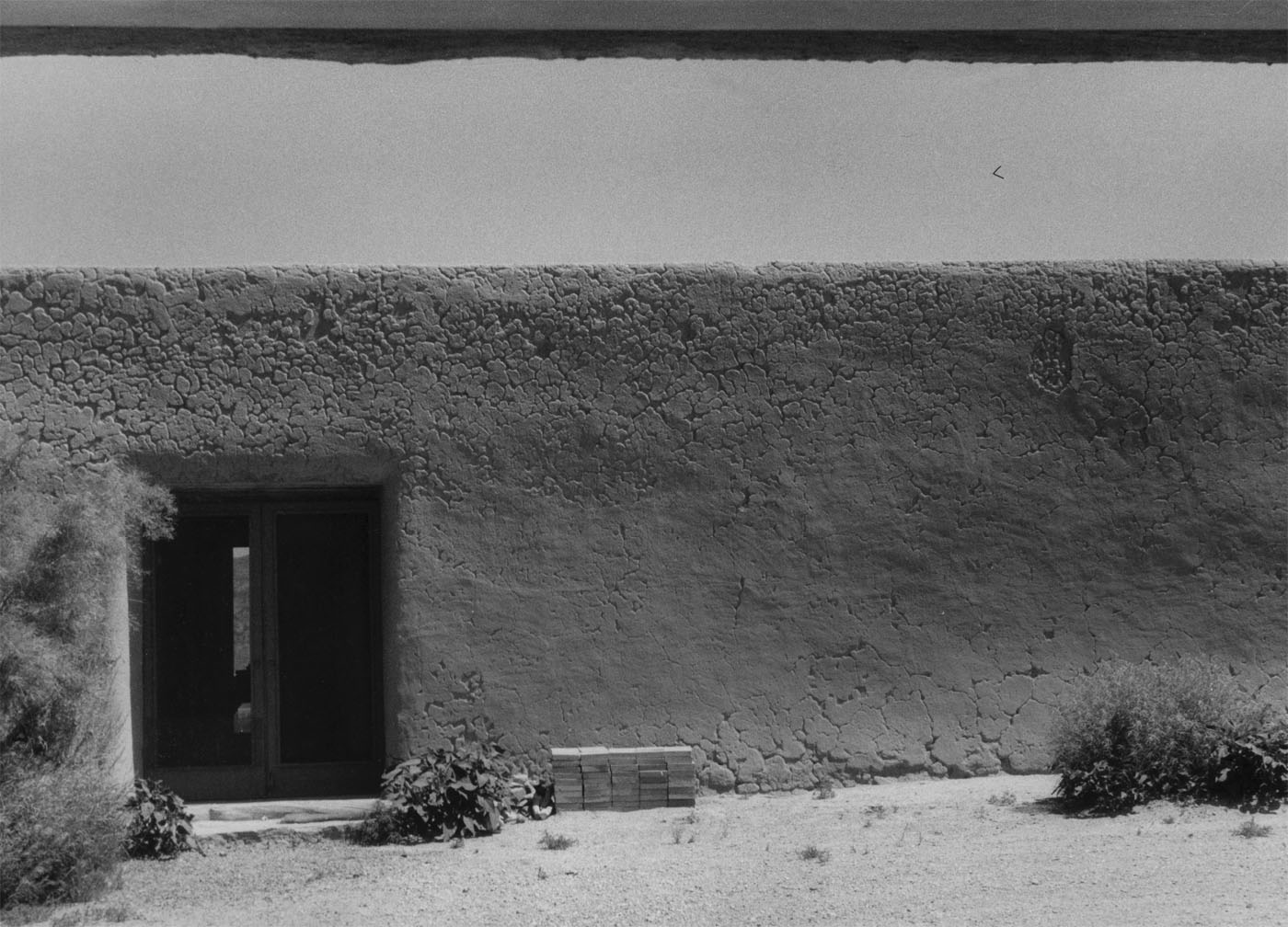

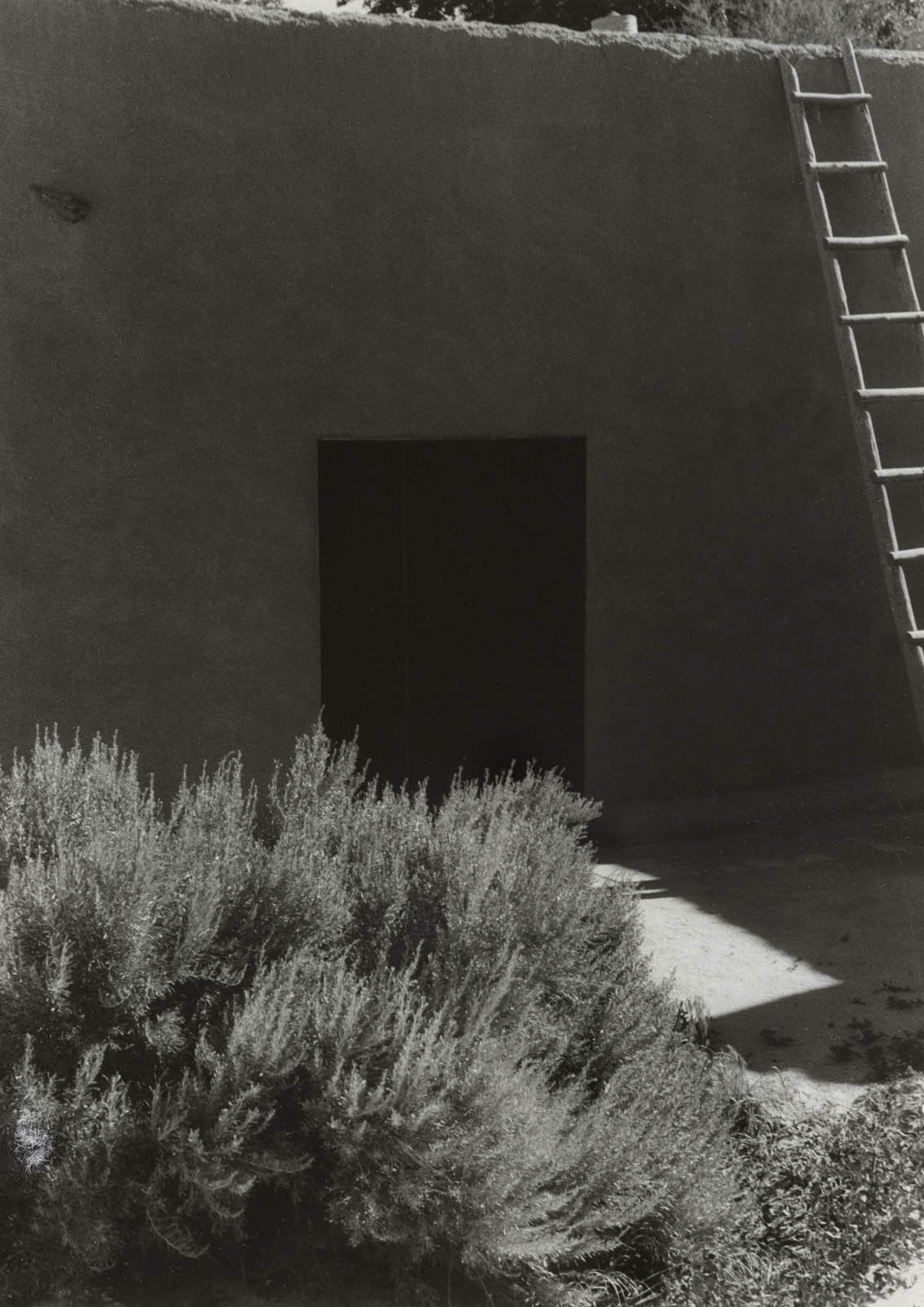


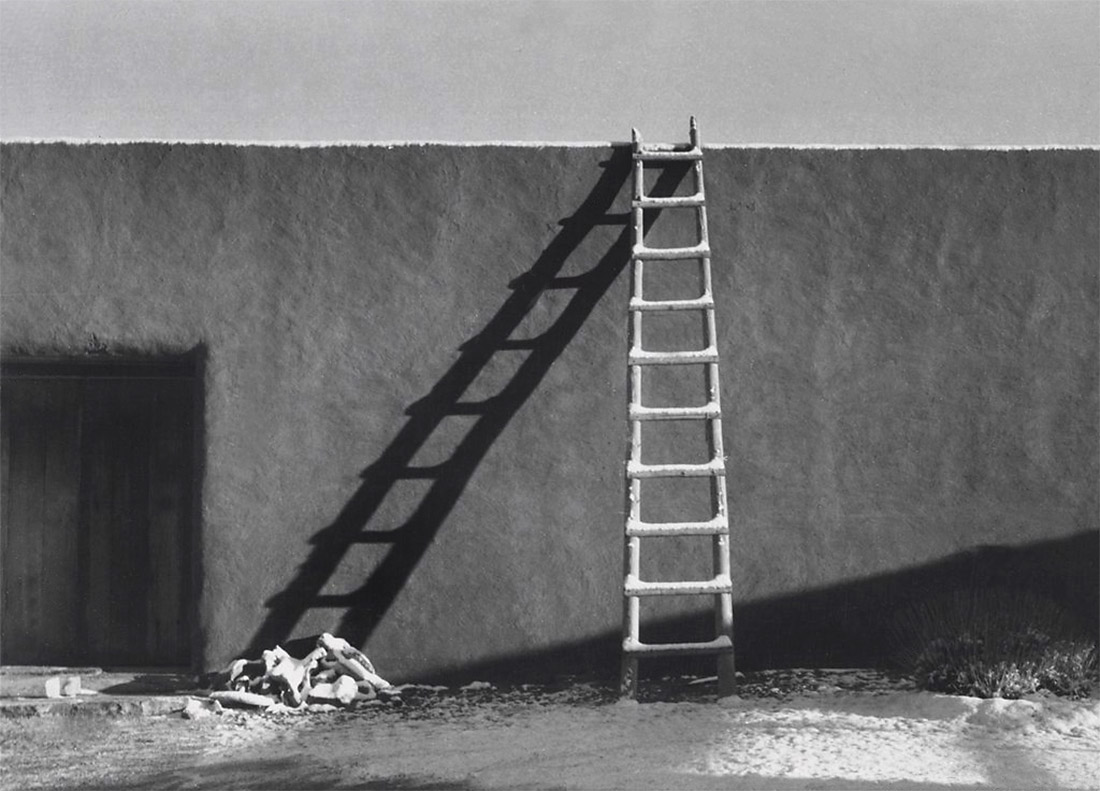

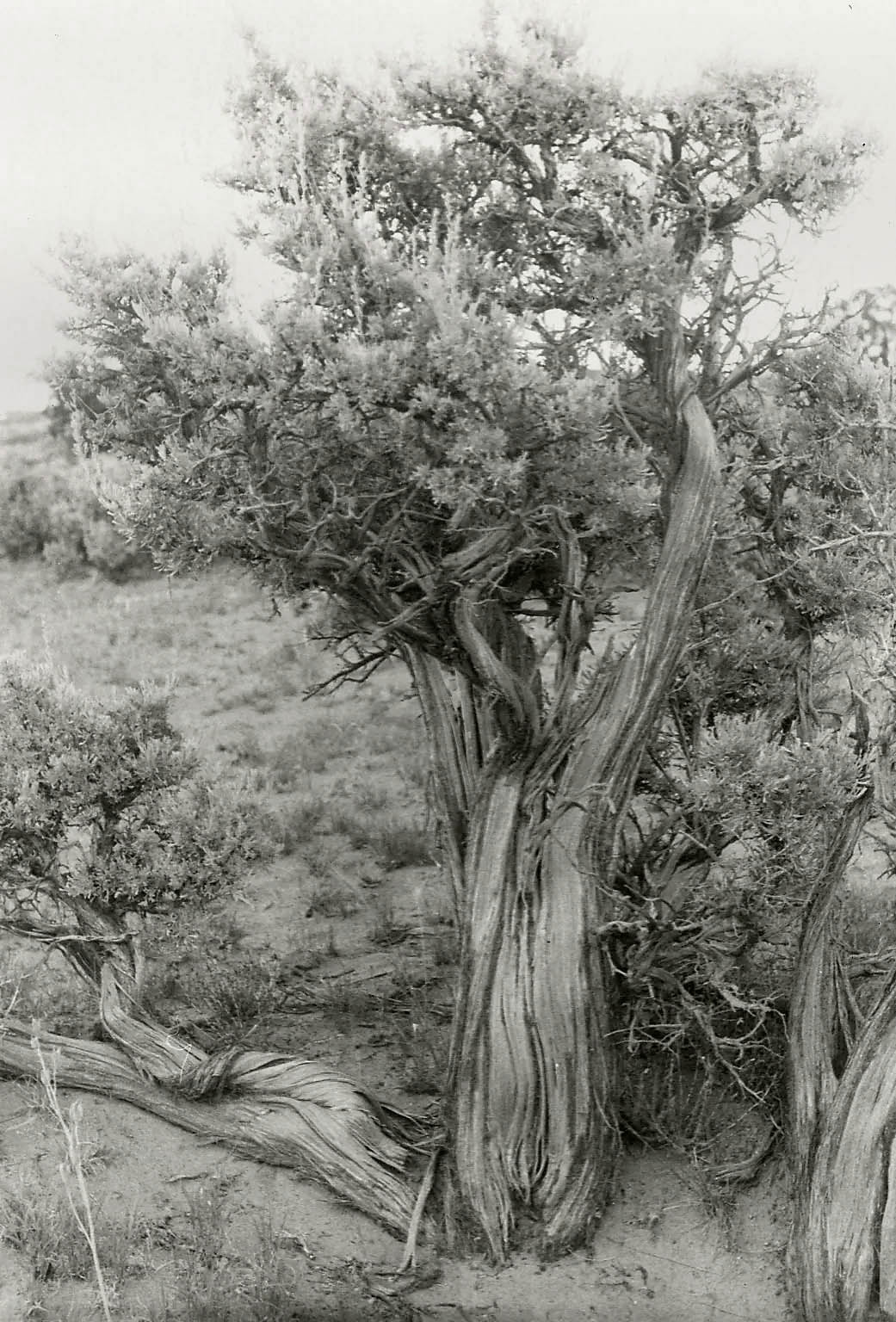


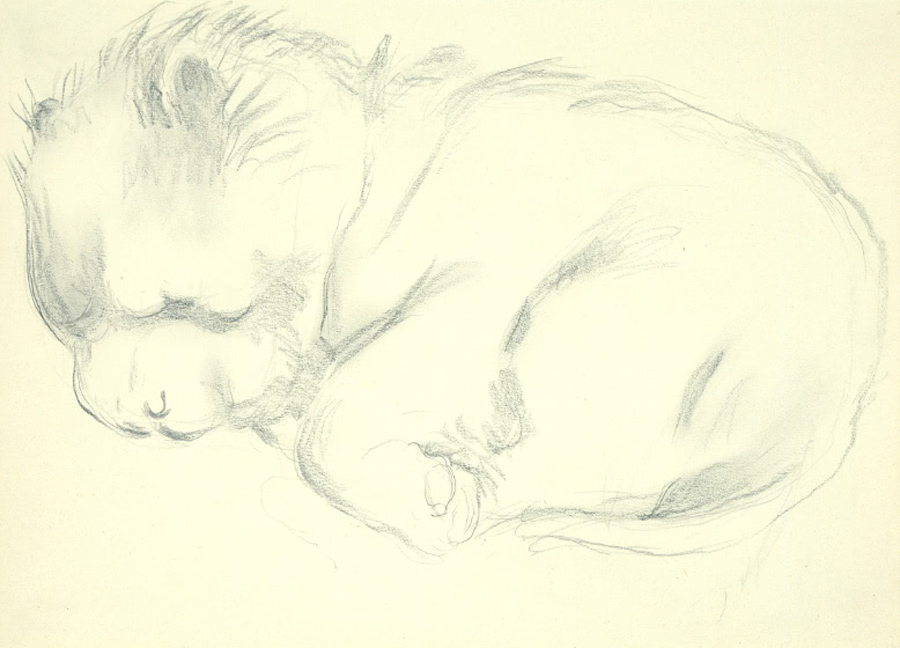
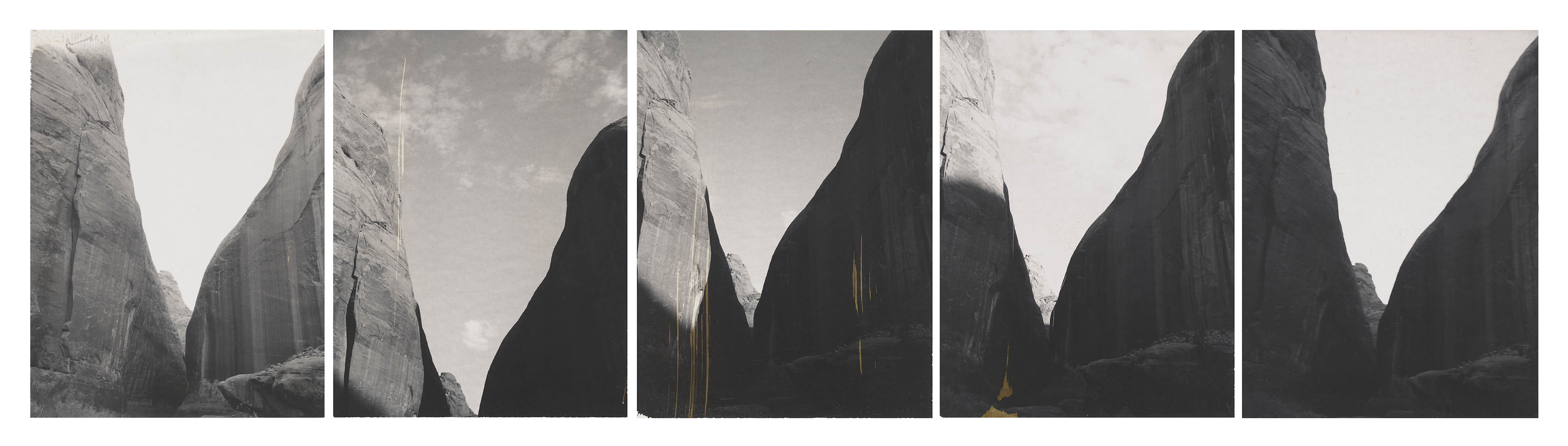
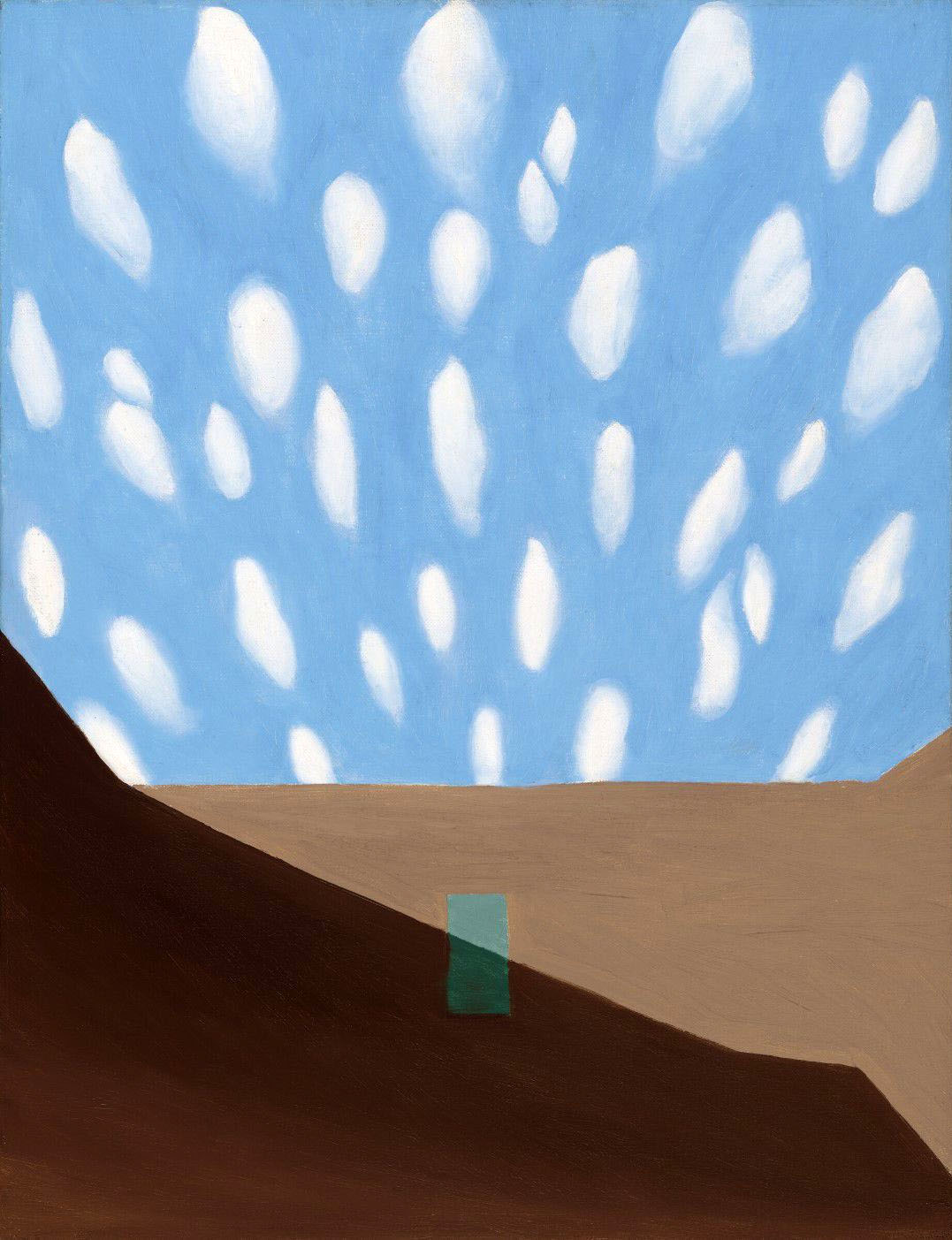

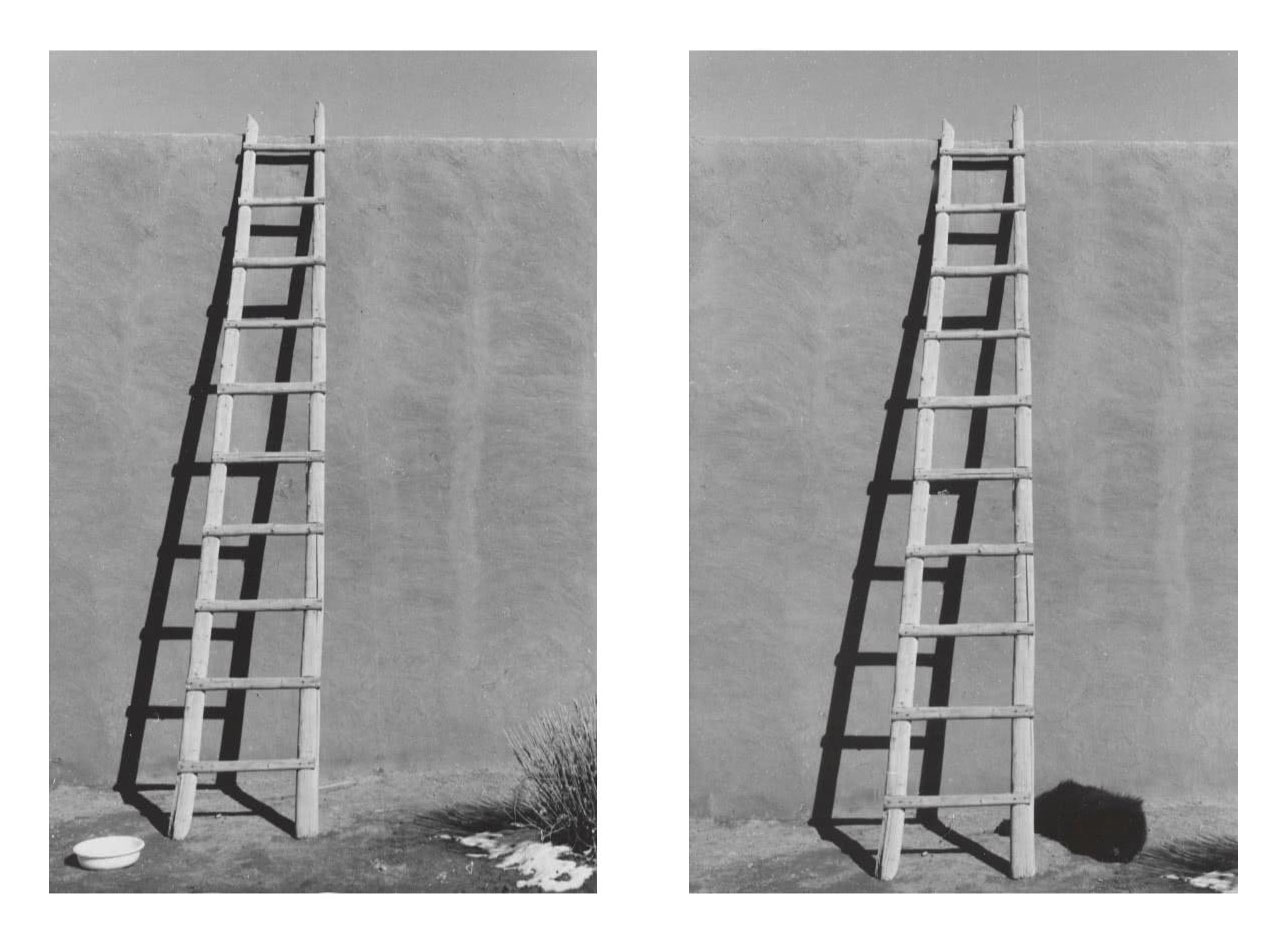
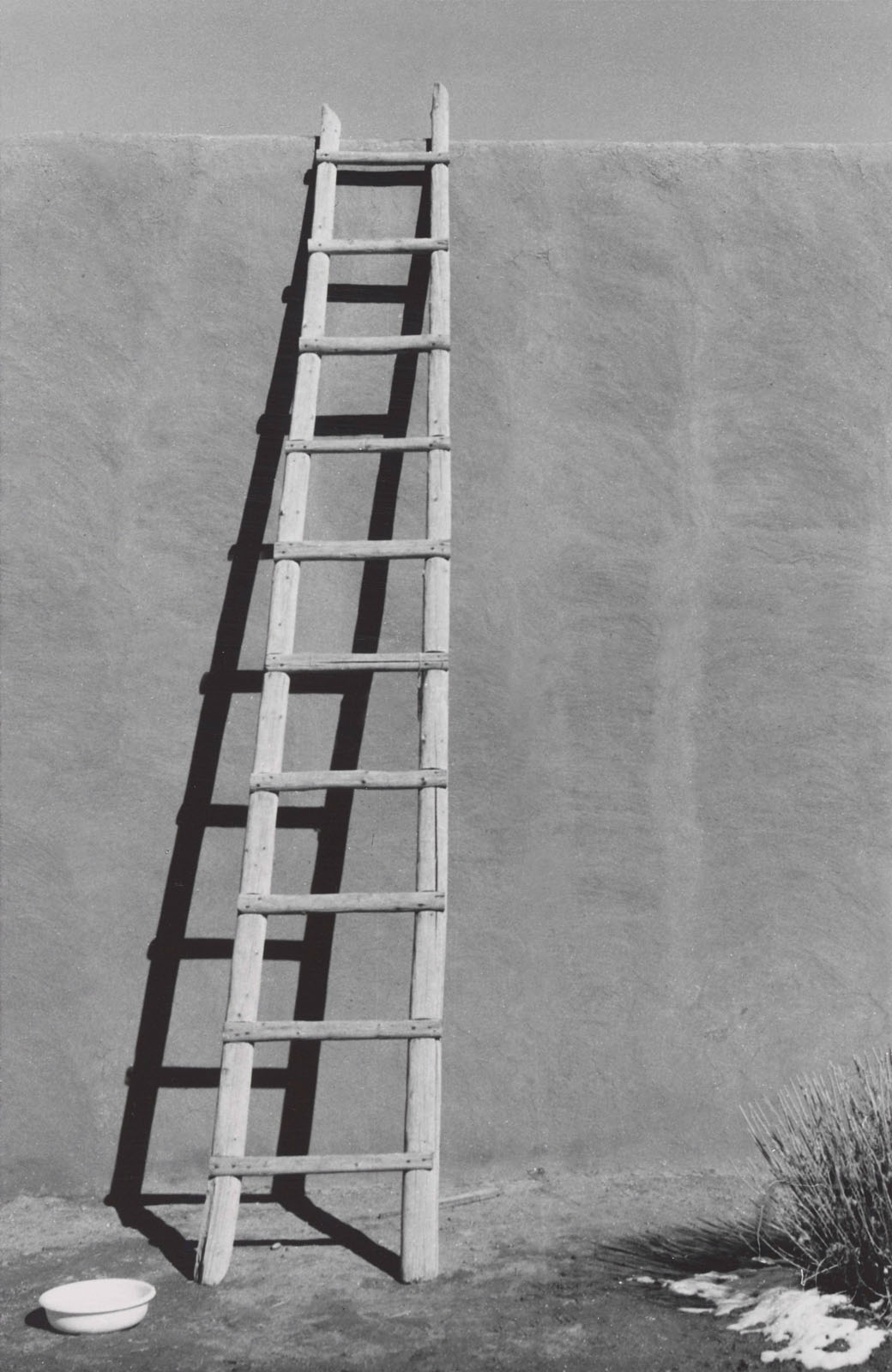
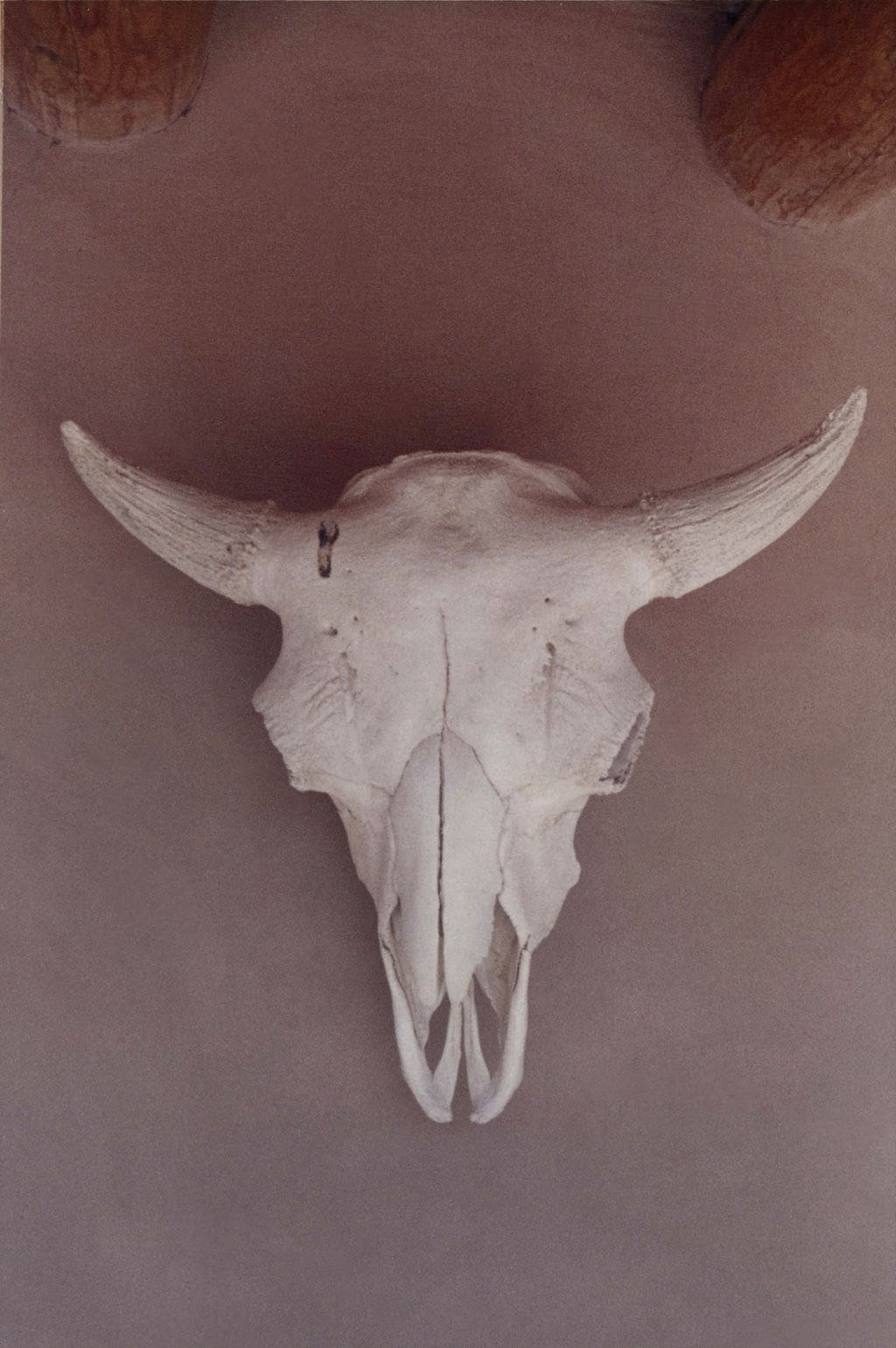


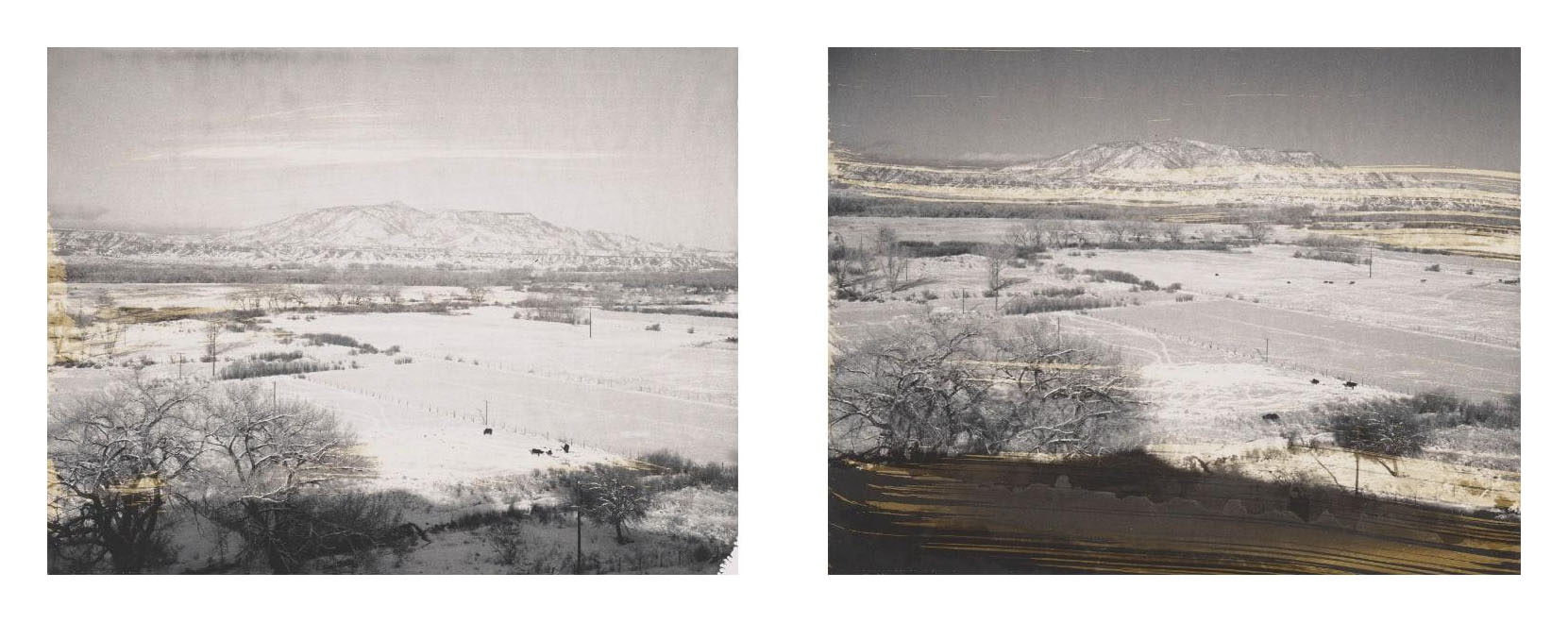
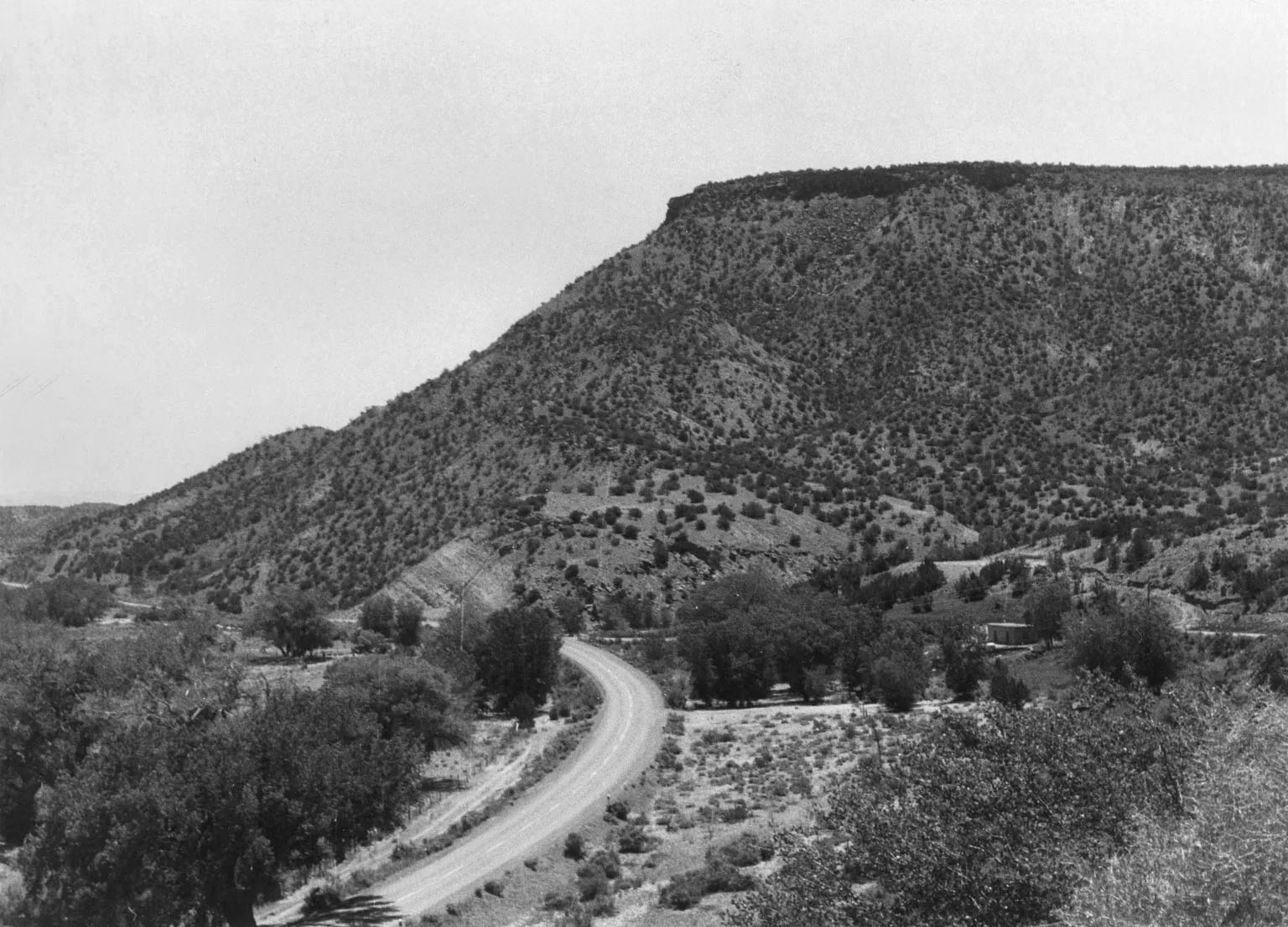
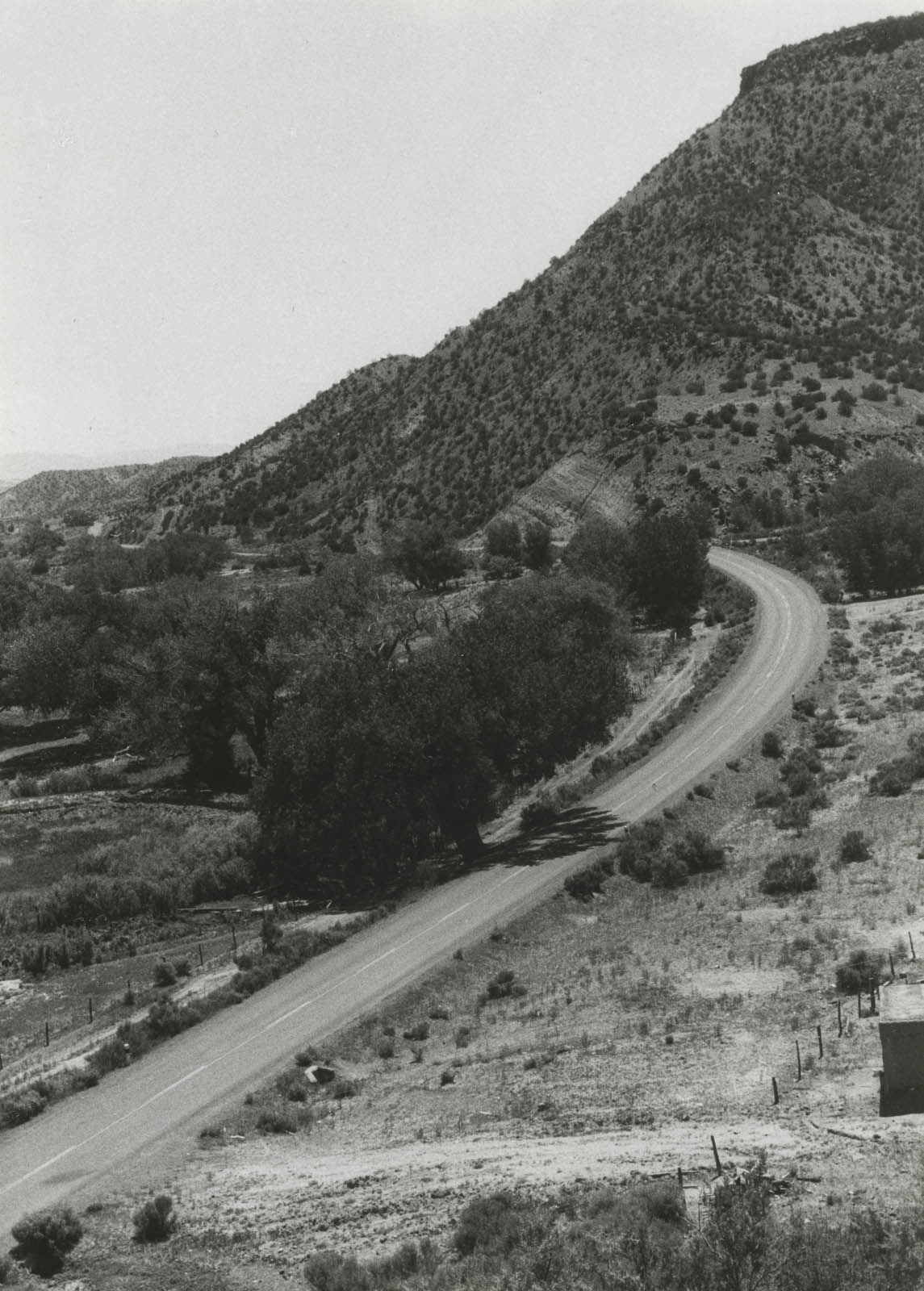
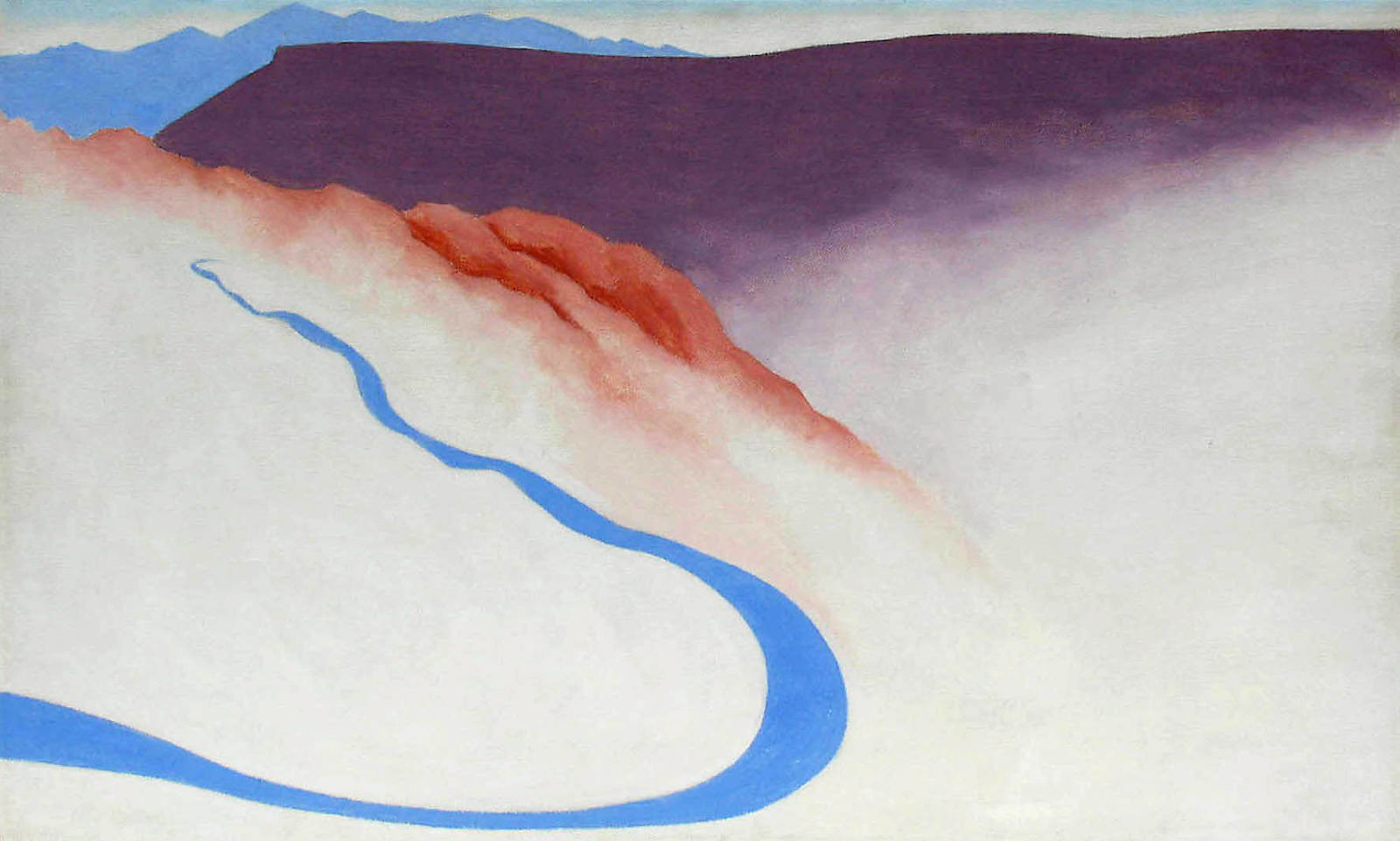
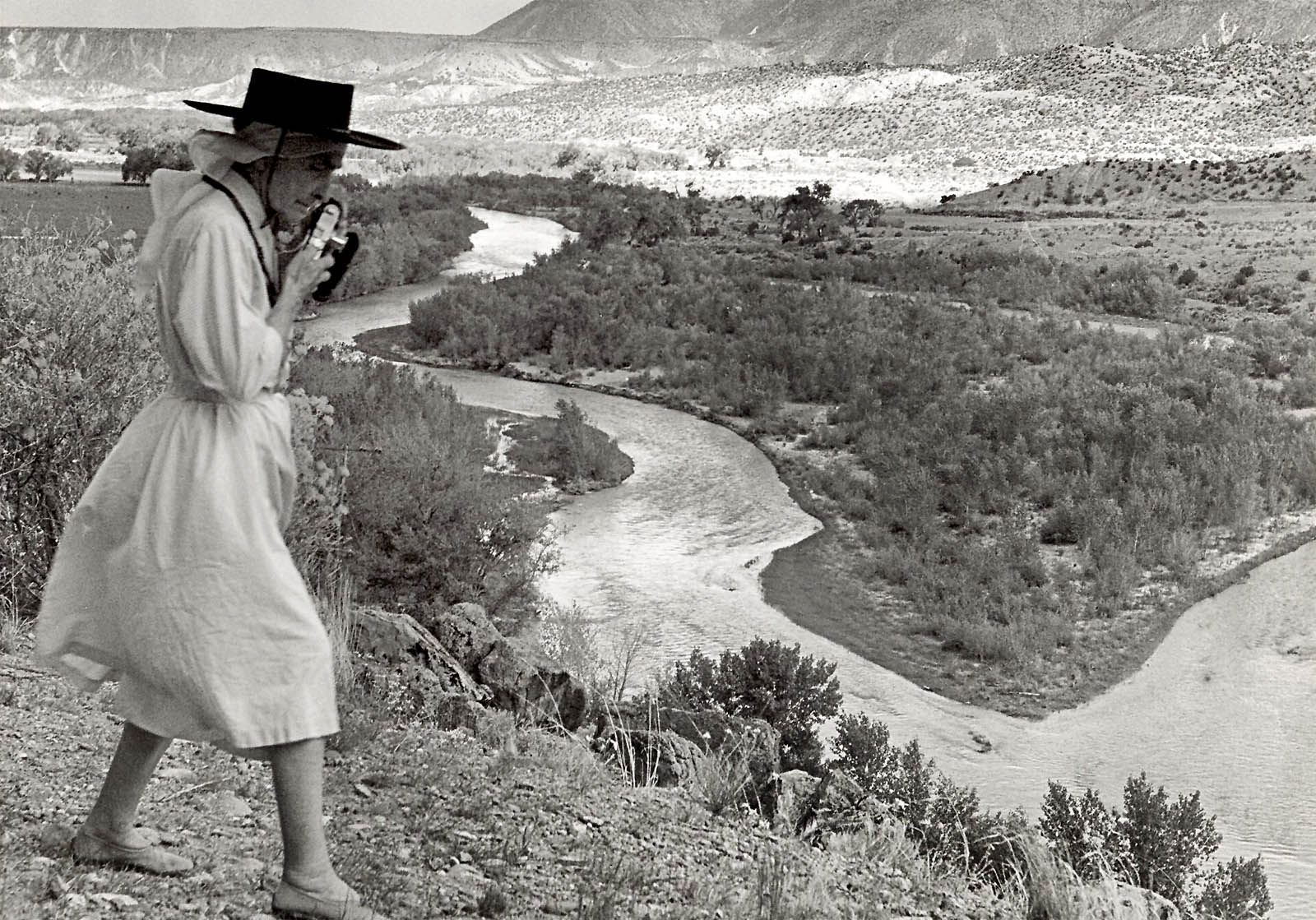
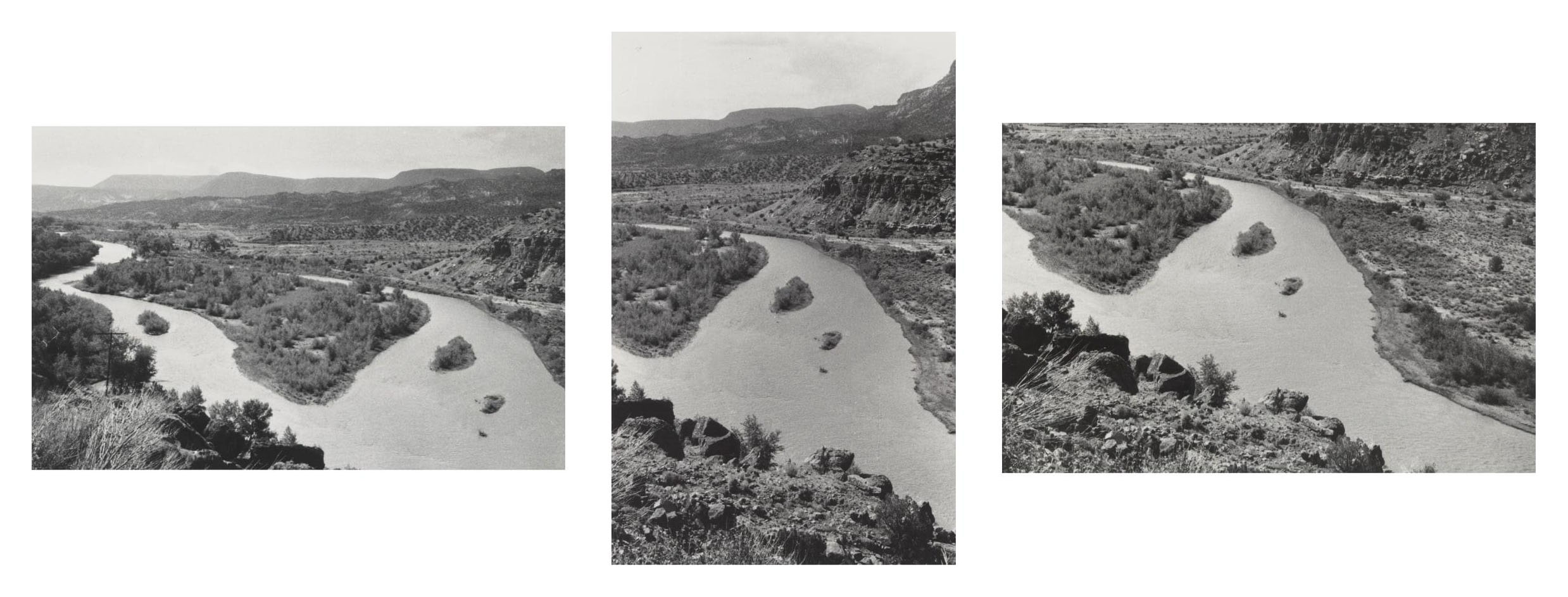







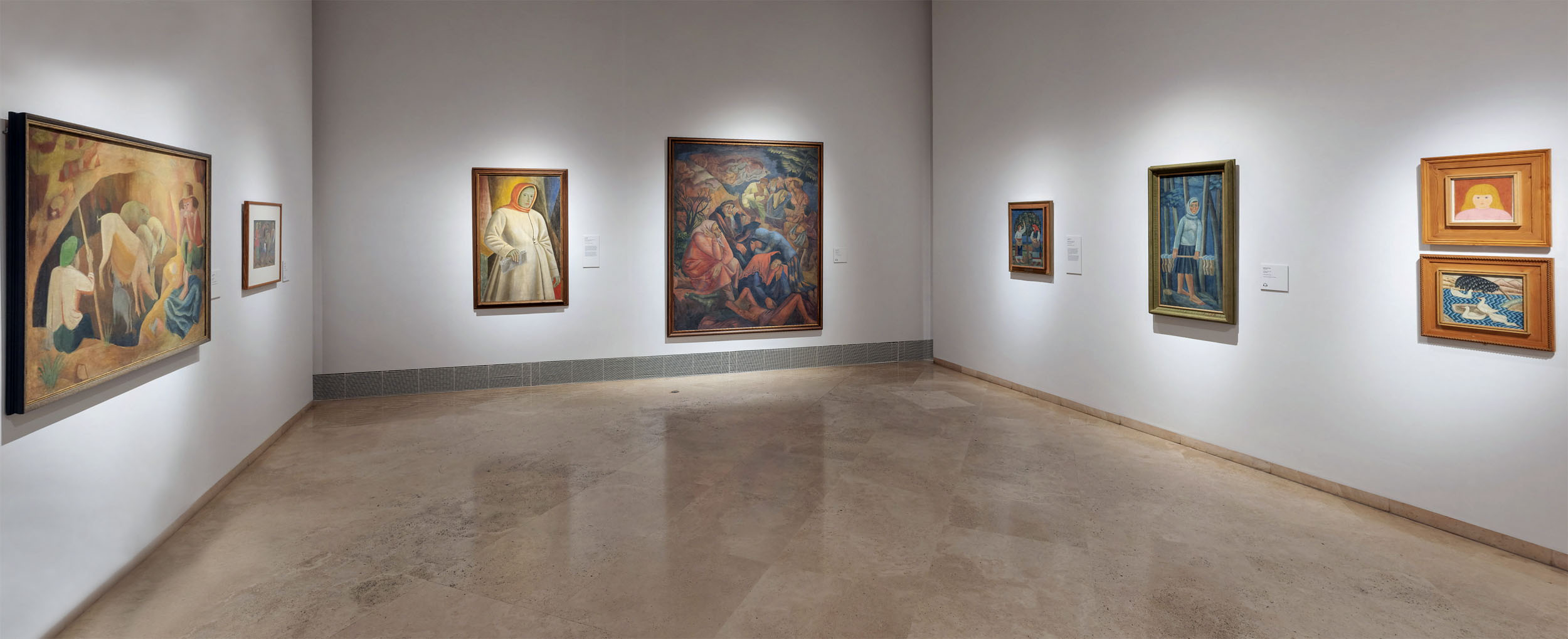


![Vasyl Yermilov (Ukrainian, 1894-1967) 'Nove Mystetstvo' ([New Art], magazine cover design) c. 1927](https://artblart.com/wp-content/uploads/2023/03/yermilov_nove_mystetsvo.jpg "Vasyl Yermilov (Ukrainian, 1894-1967) 'Nove Mystetstvo' ([New Art], magazine cover design) c. 1927")
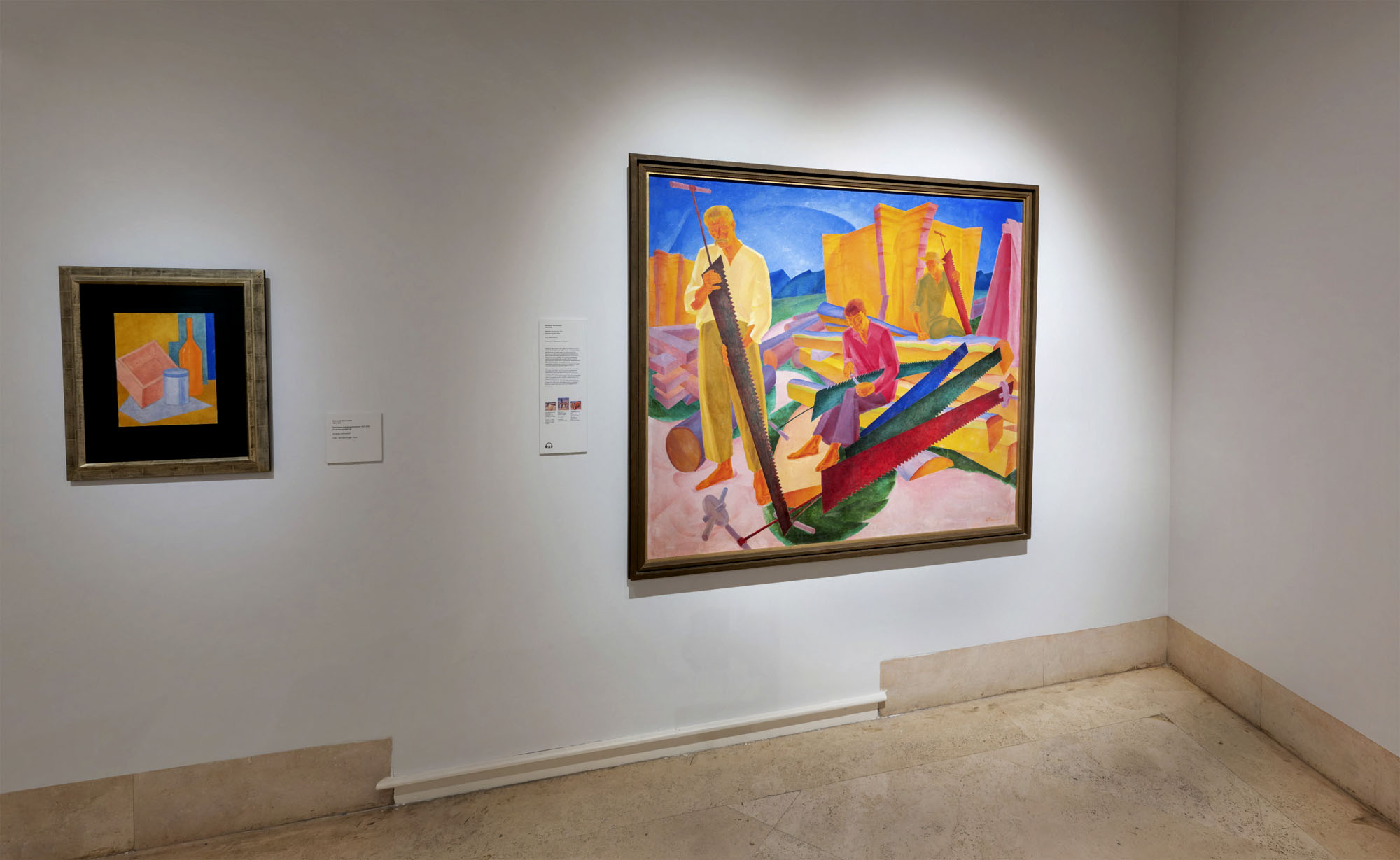


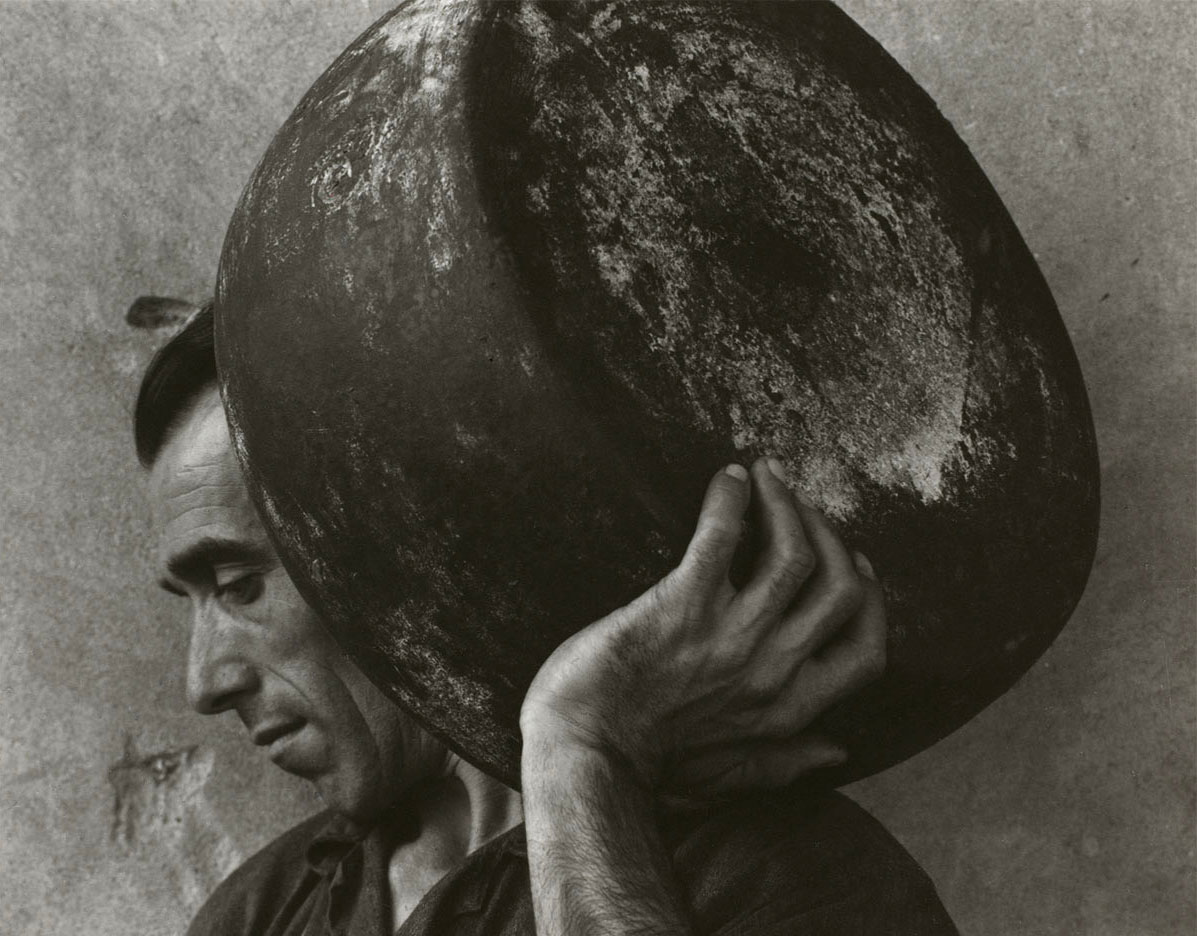

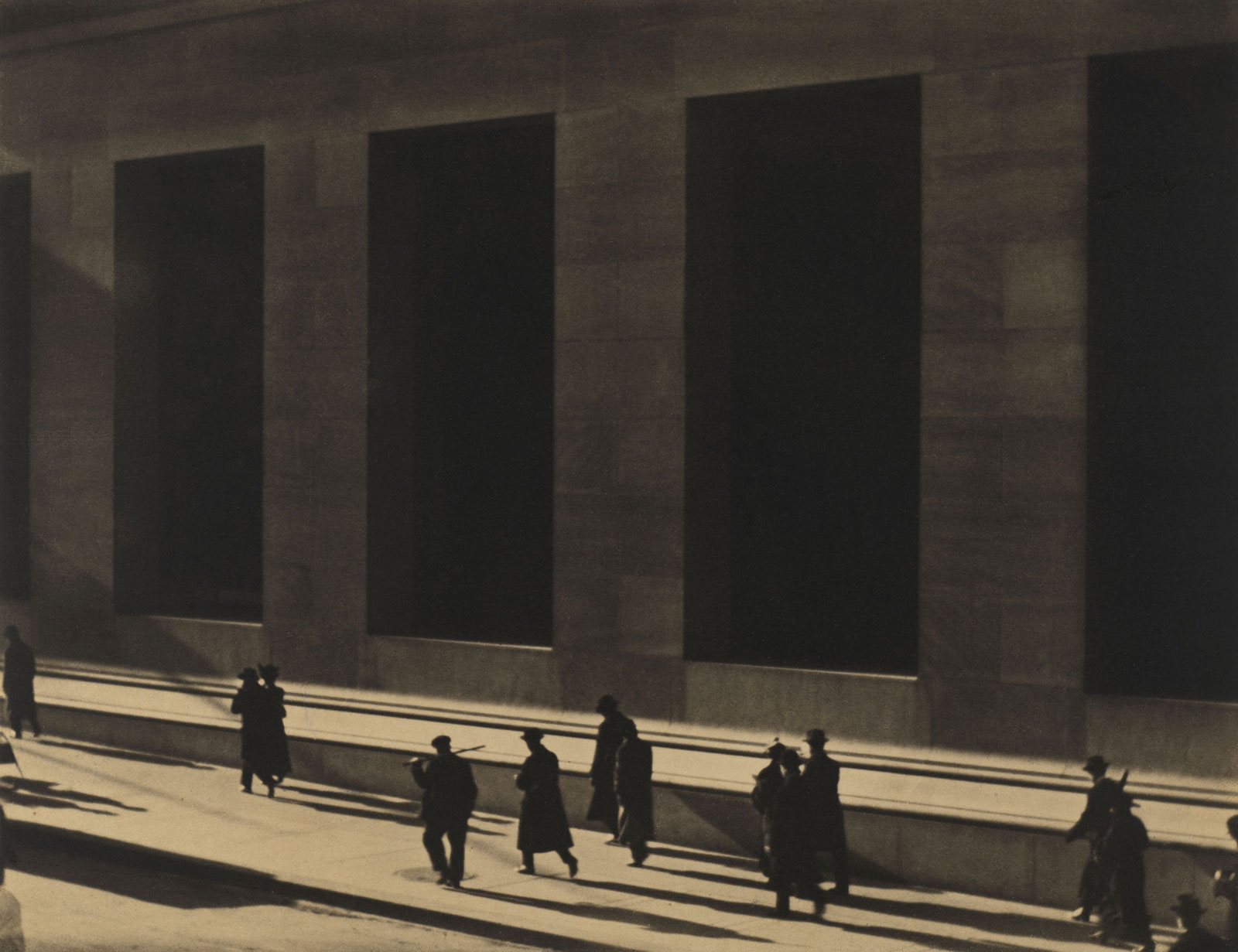

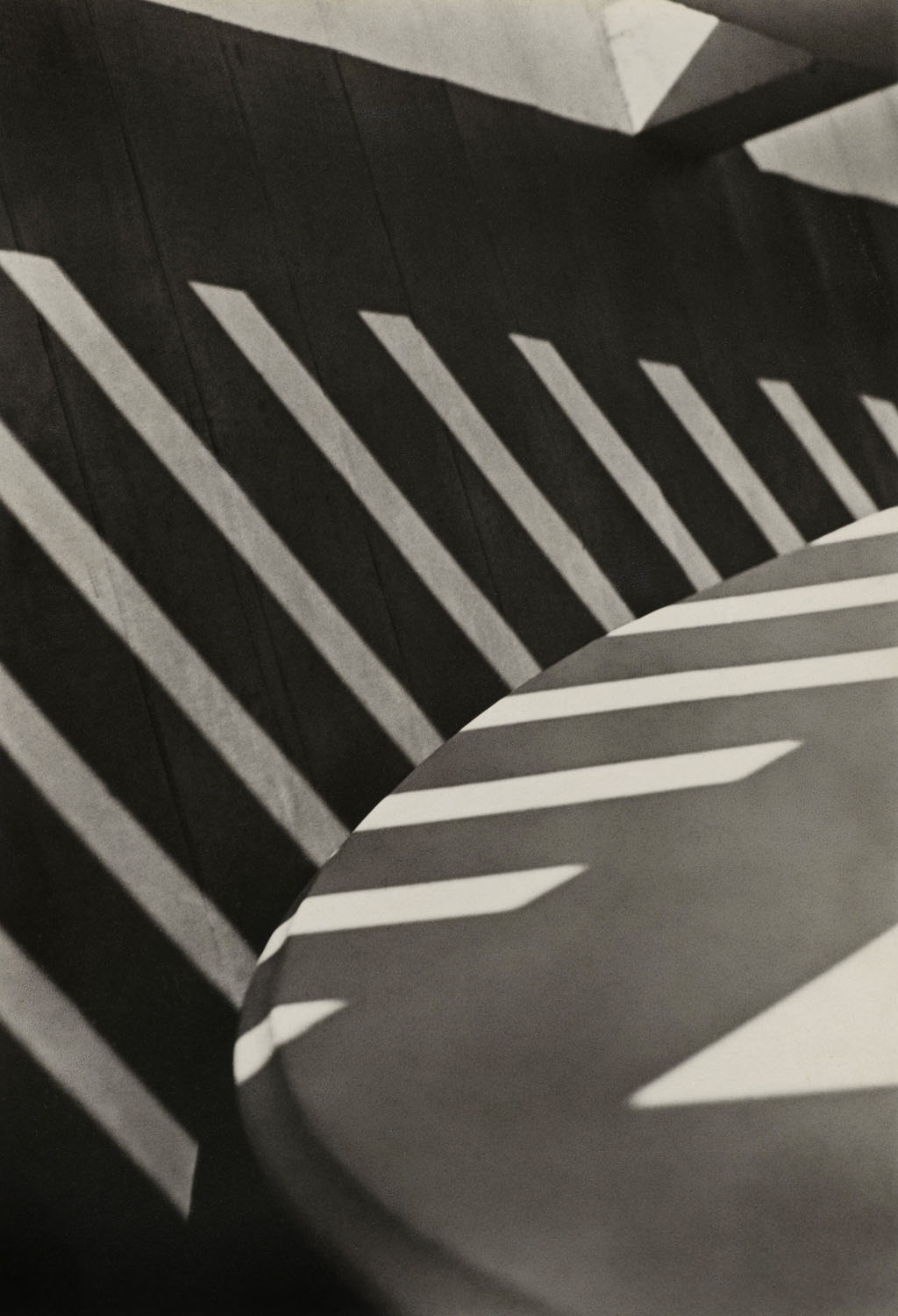



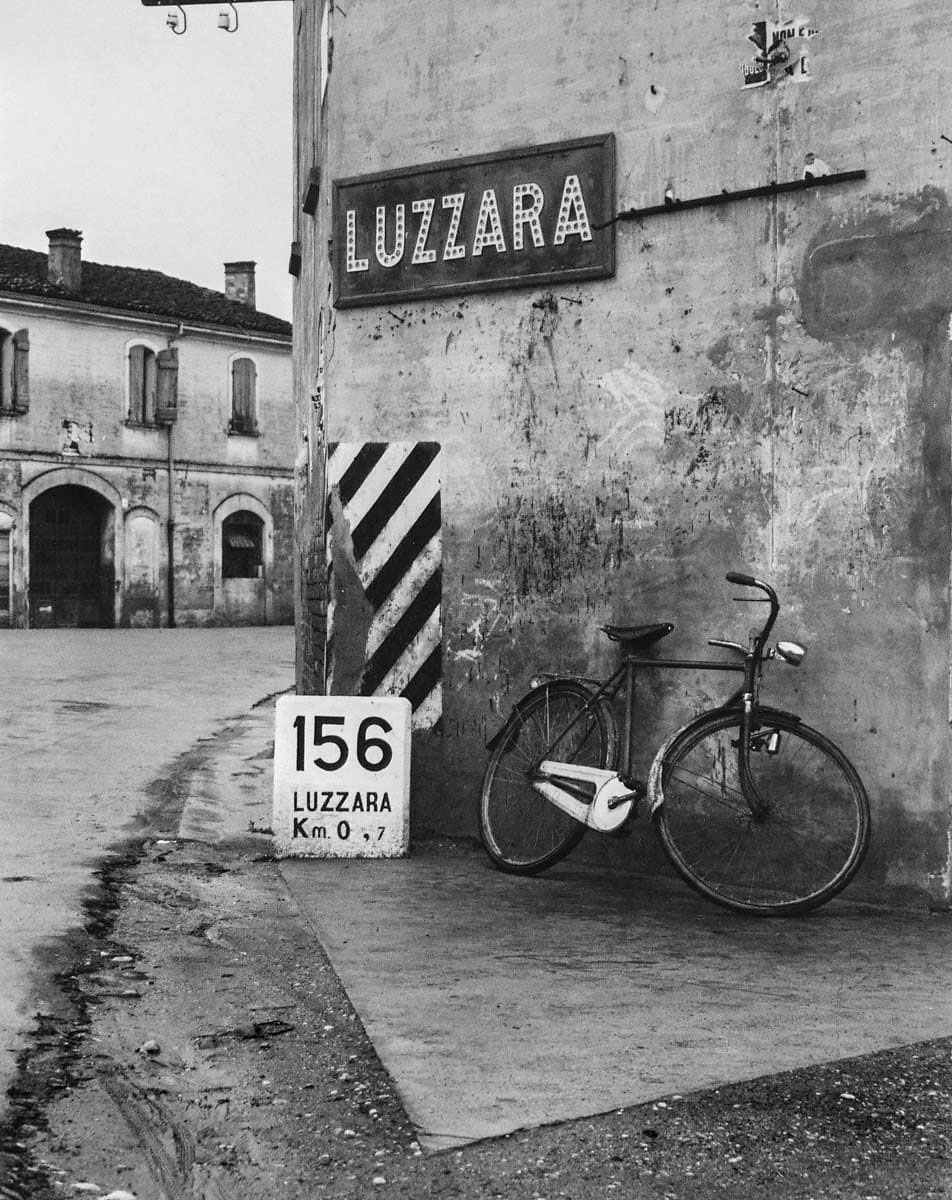
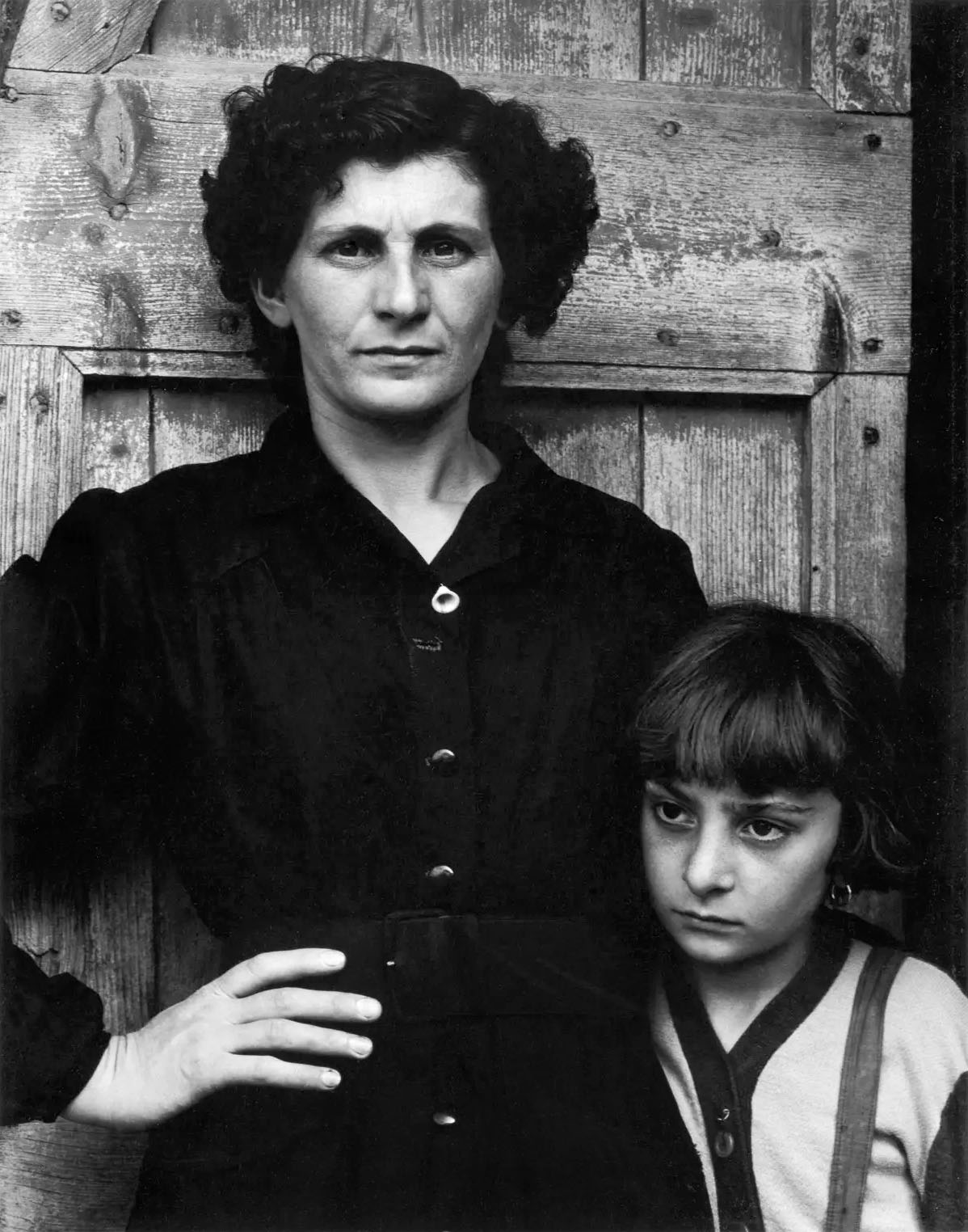
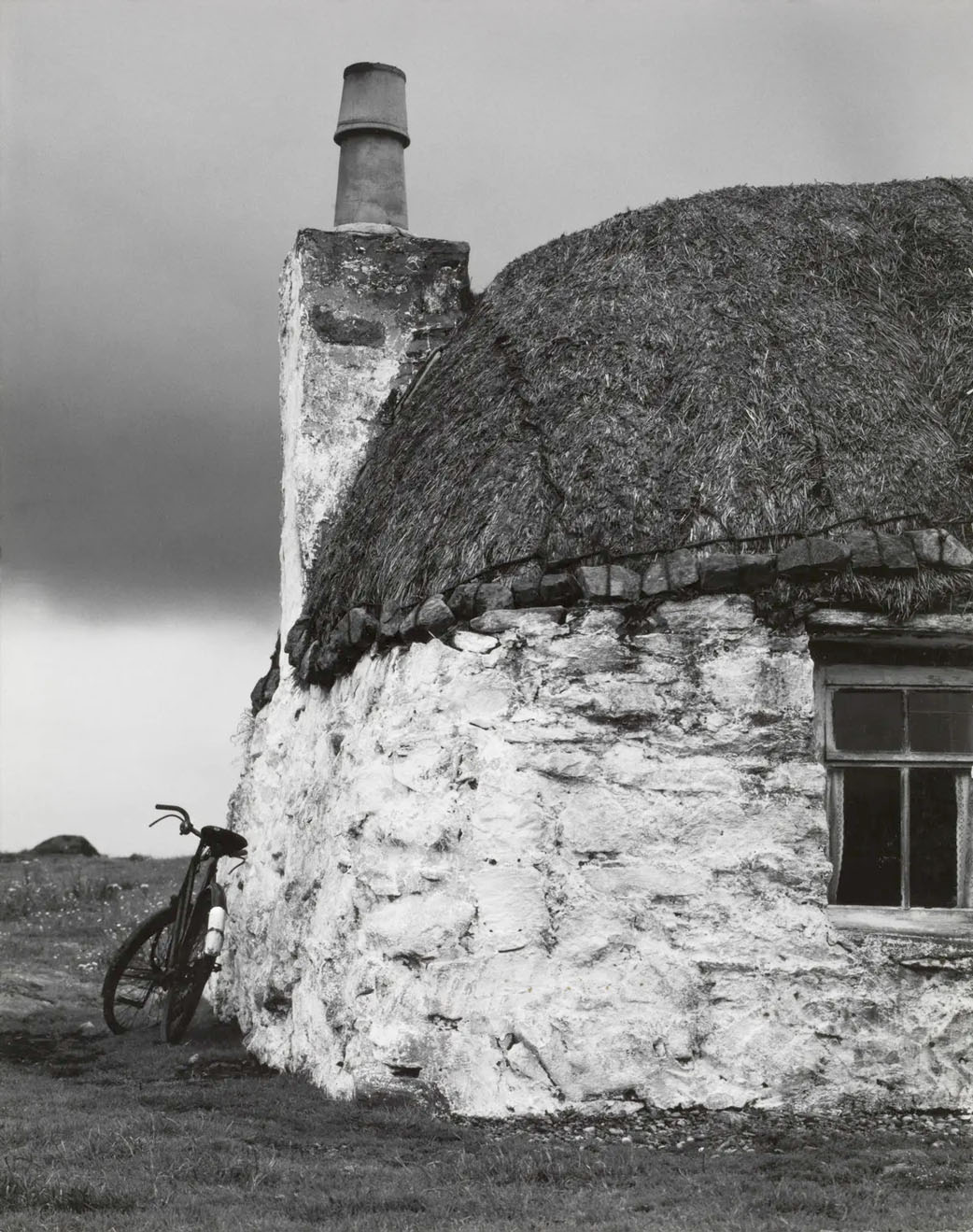
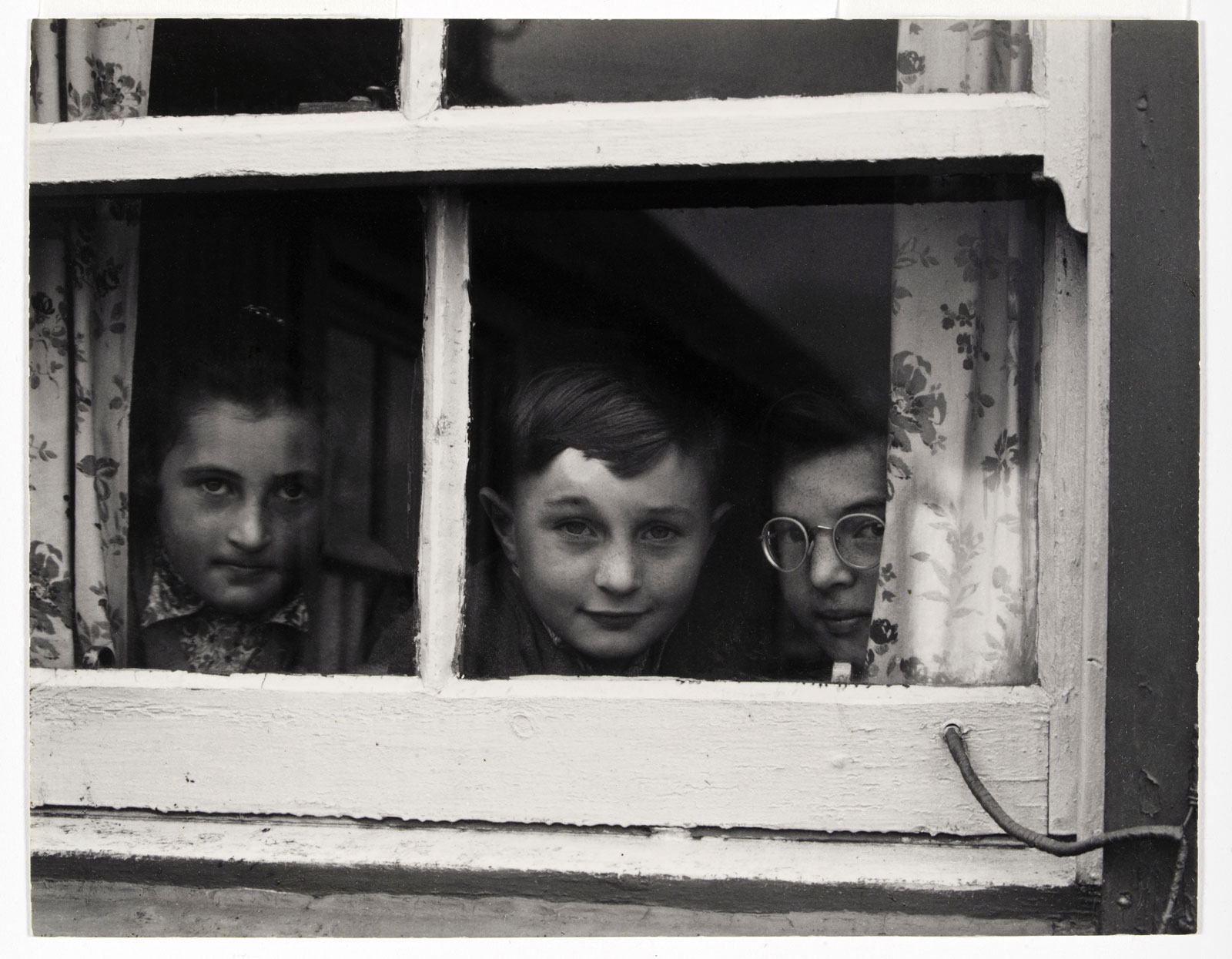


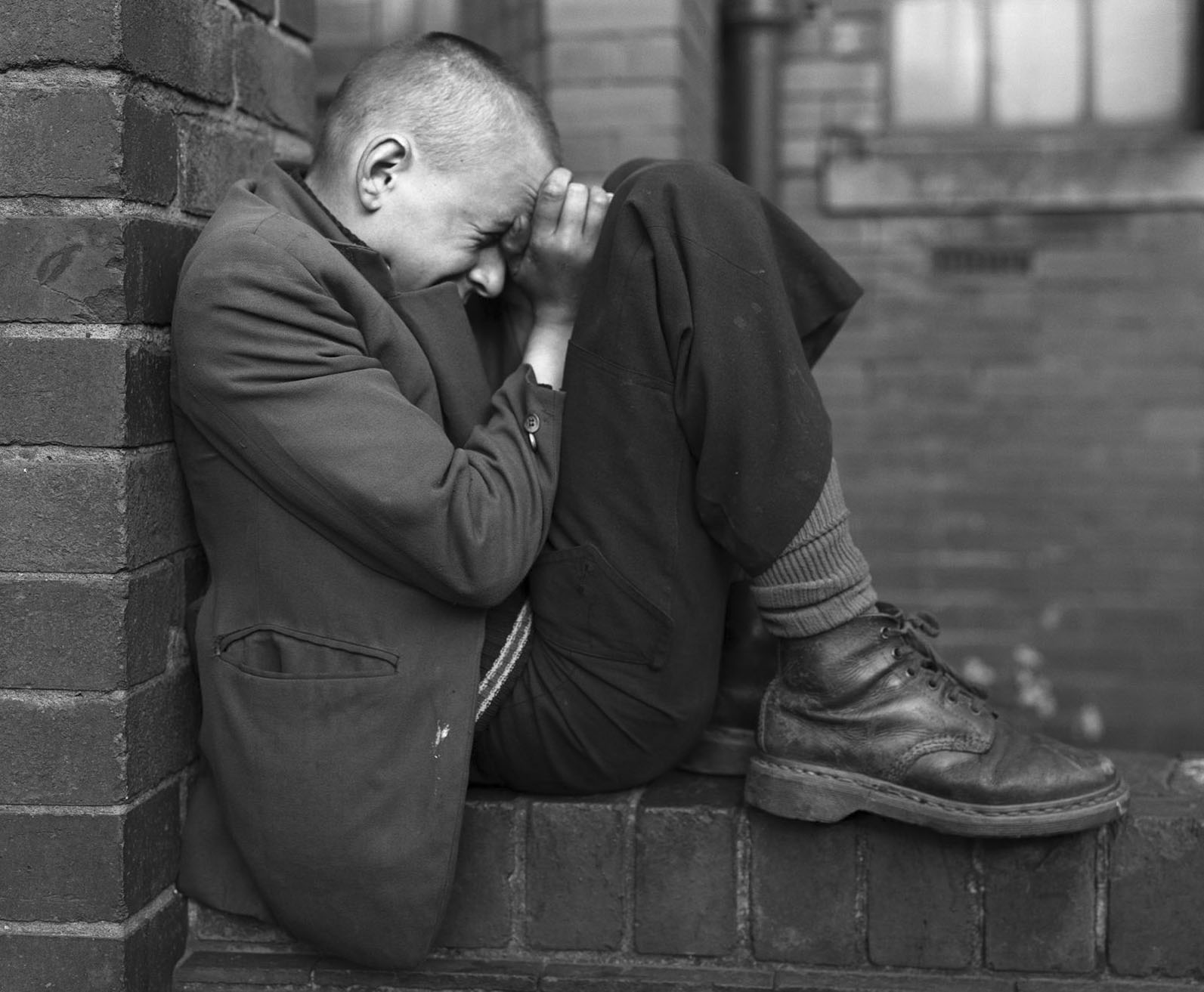


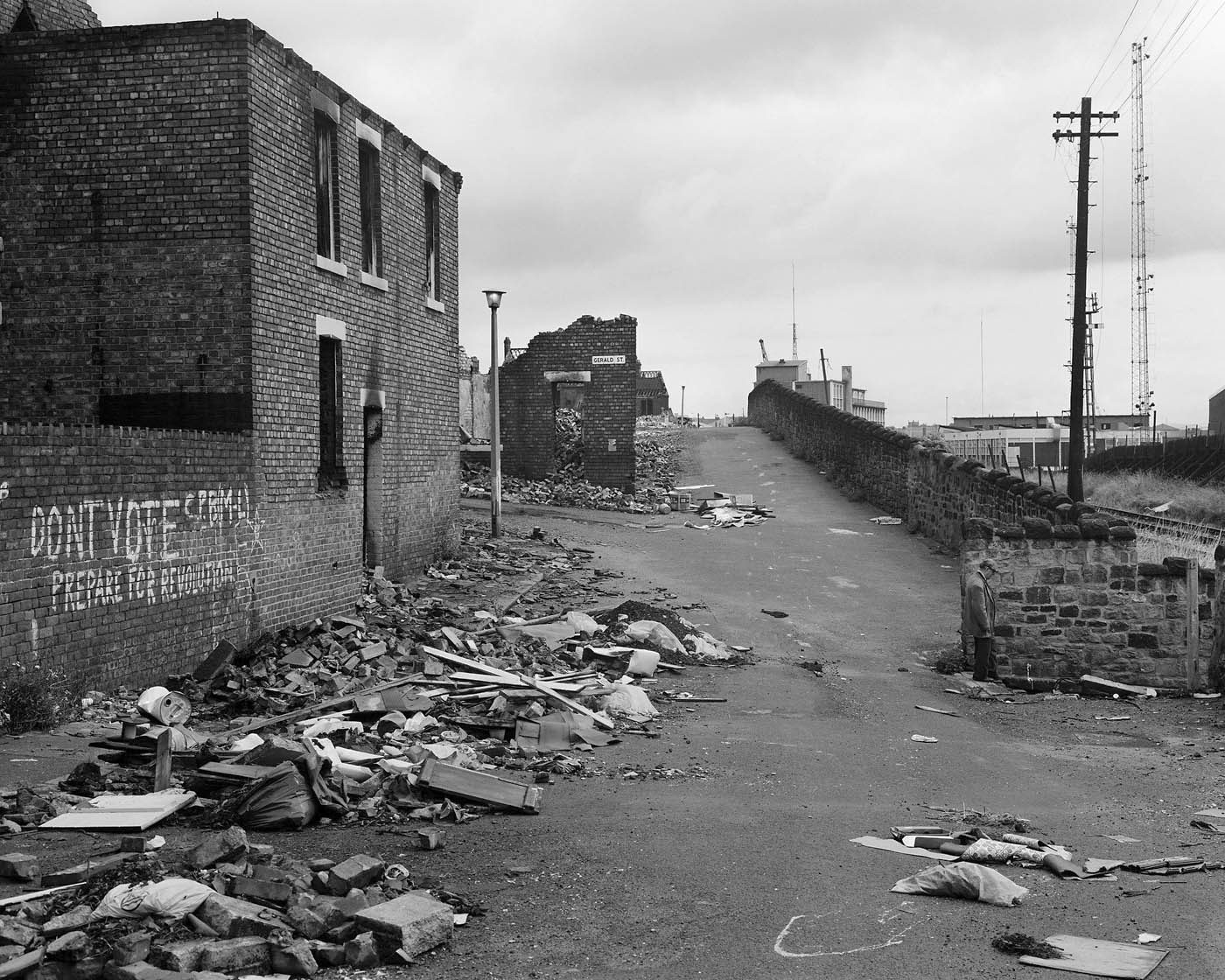


![Chris Killip (British, 1946-2020) 'Untitled? [Shipbuilding on Tyneside]' 1975-1977](https://artblart.com/wp-content/uploads/2023/01/killip-shipbuilding-on-tyneside.jpg "Chris Killip (British, 1946-2020) 'Untitled? [Shipbuilding on Tyneside]' 1975-1977")


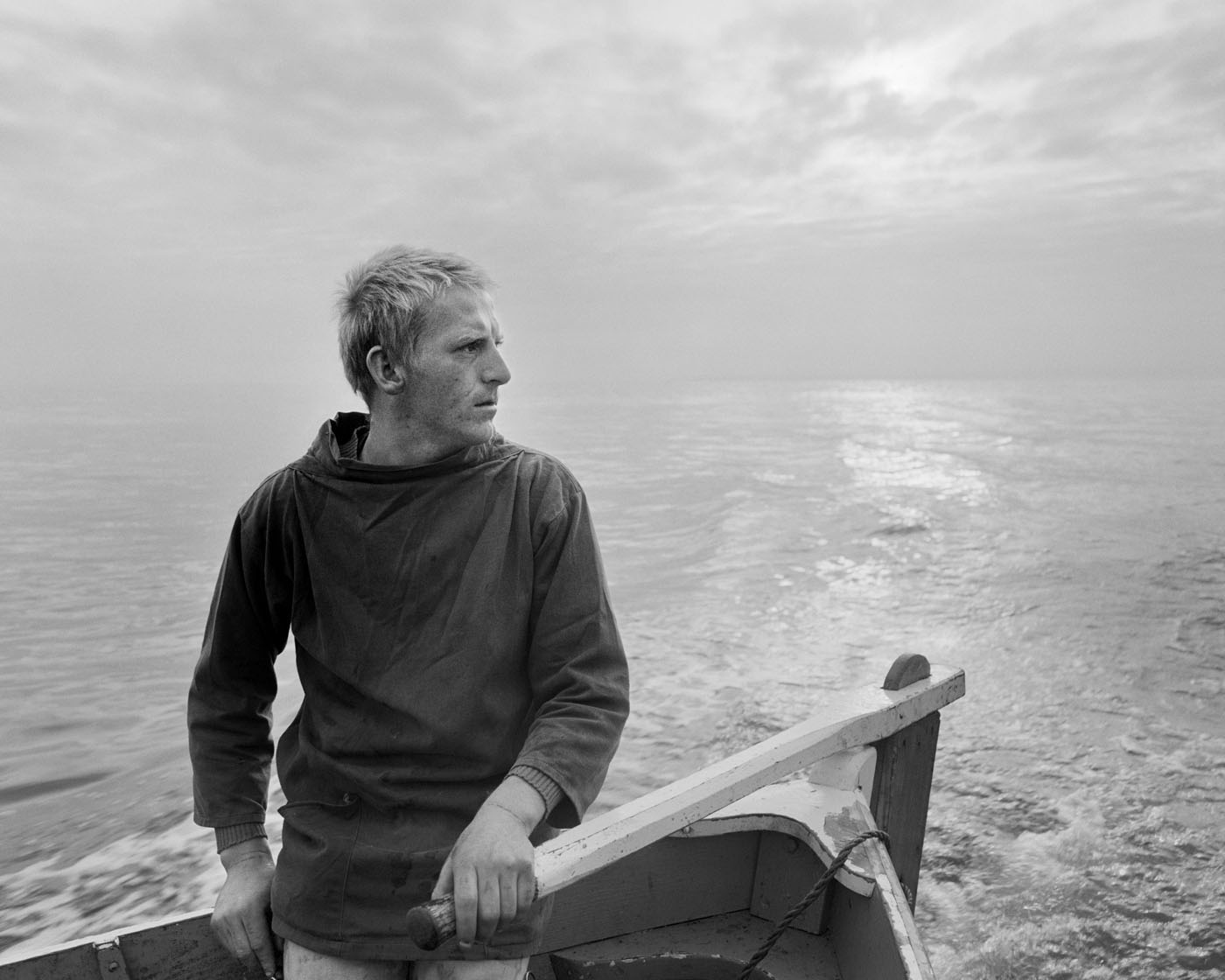


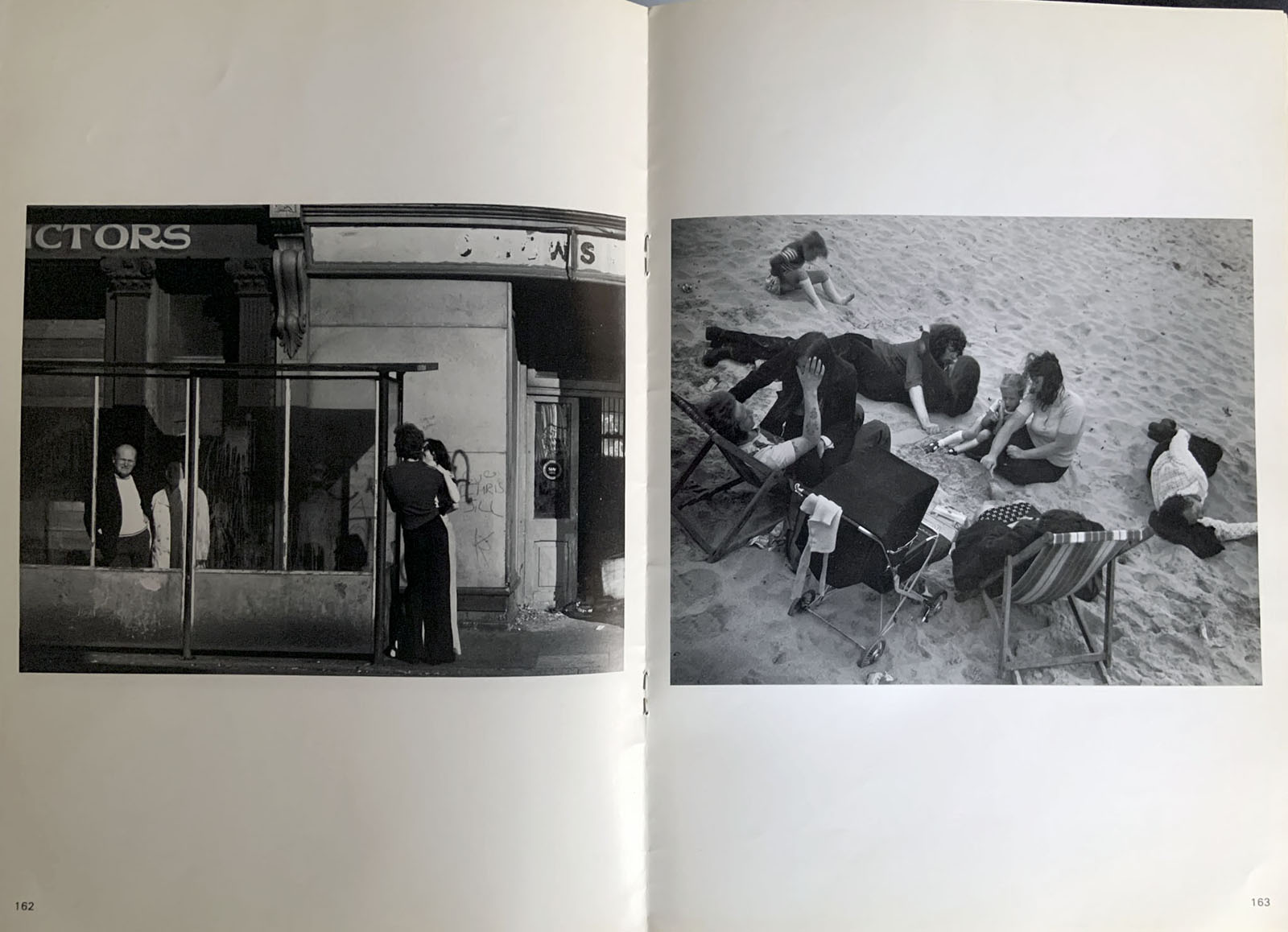


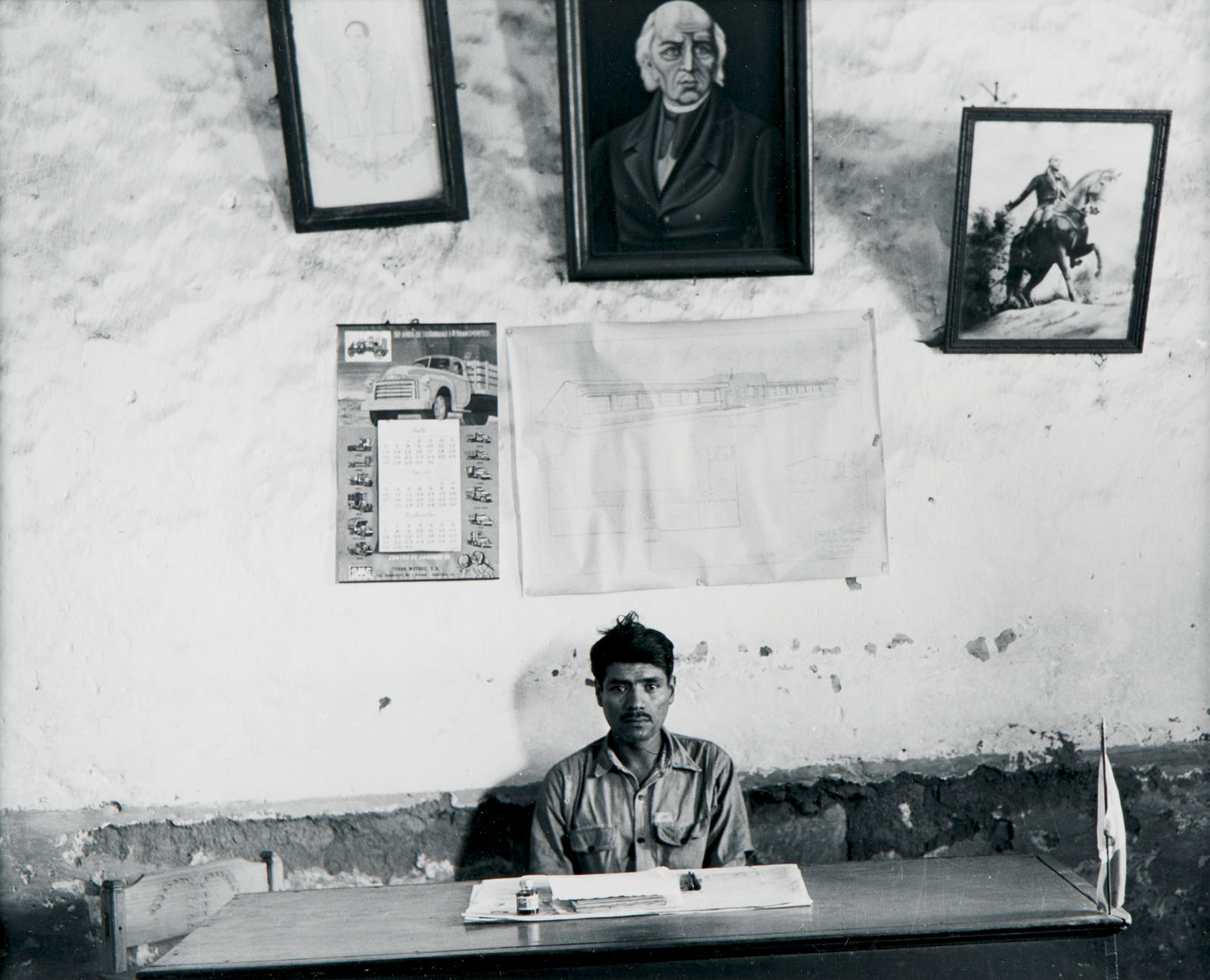


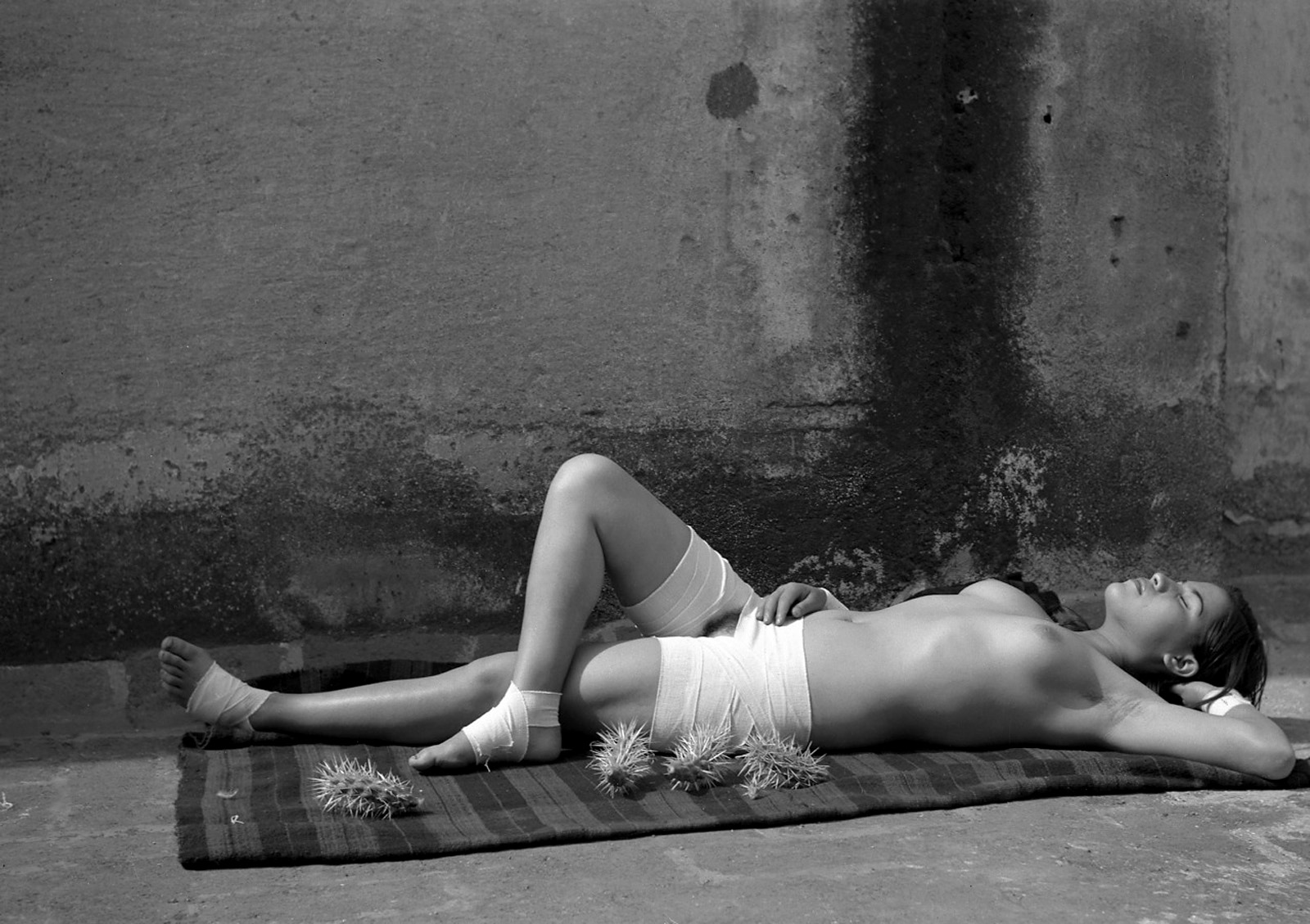
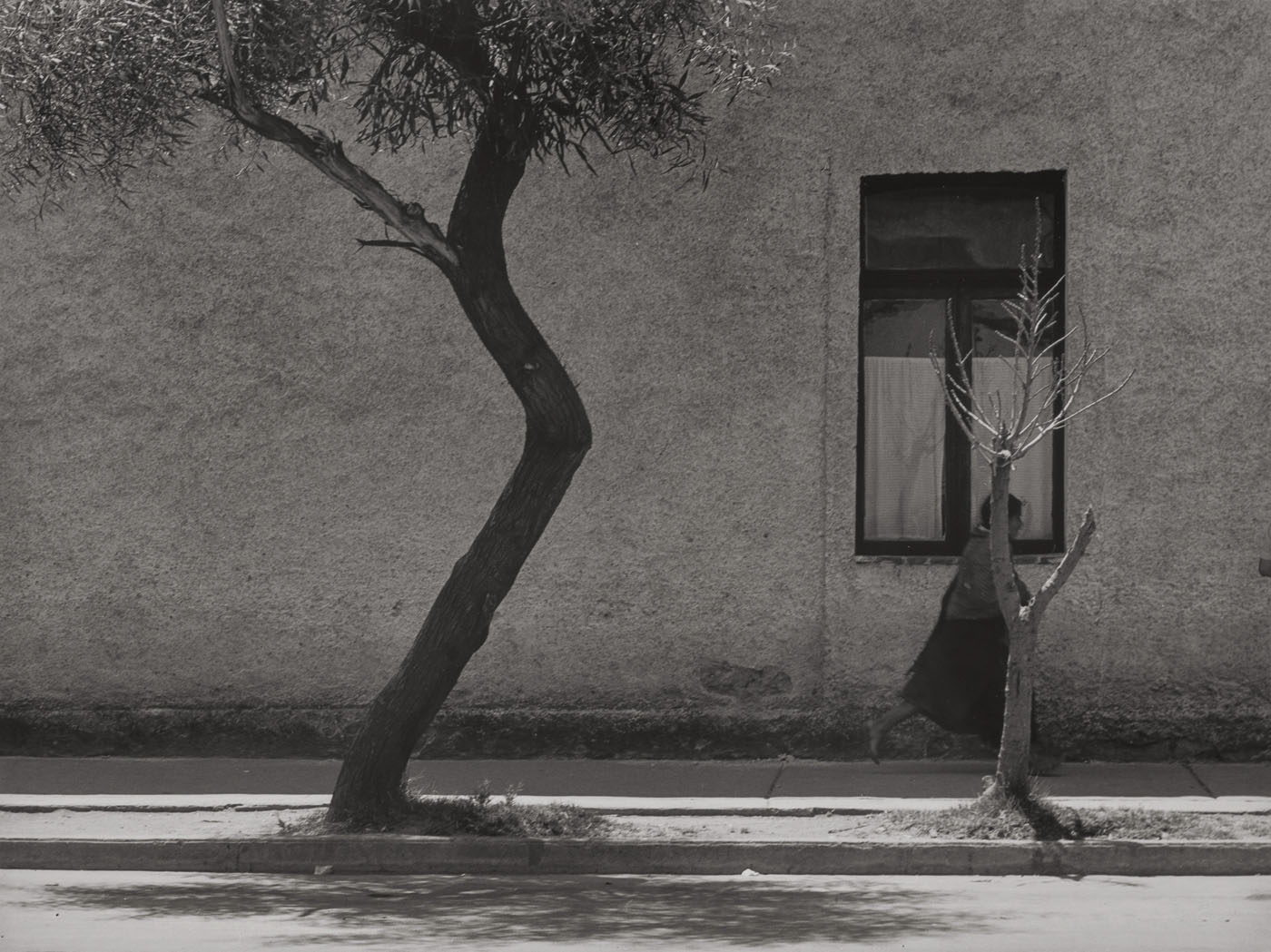





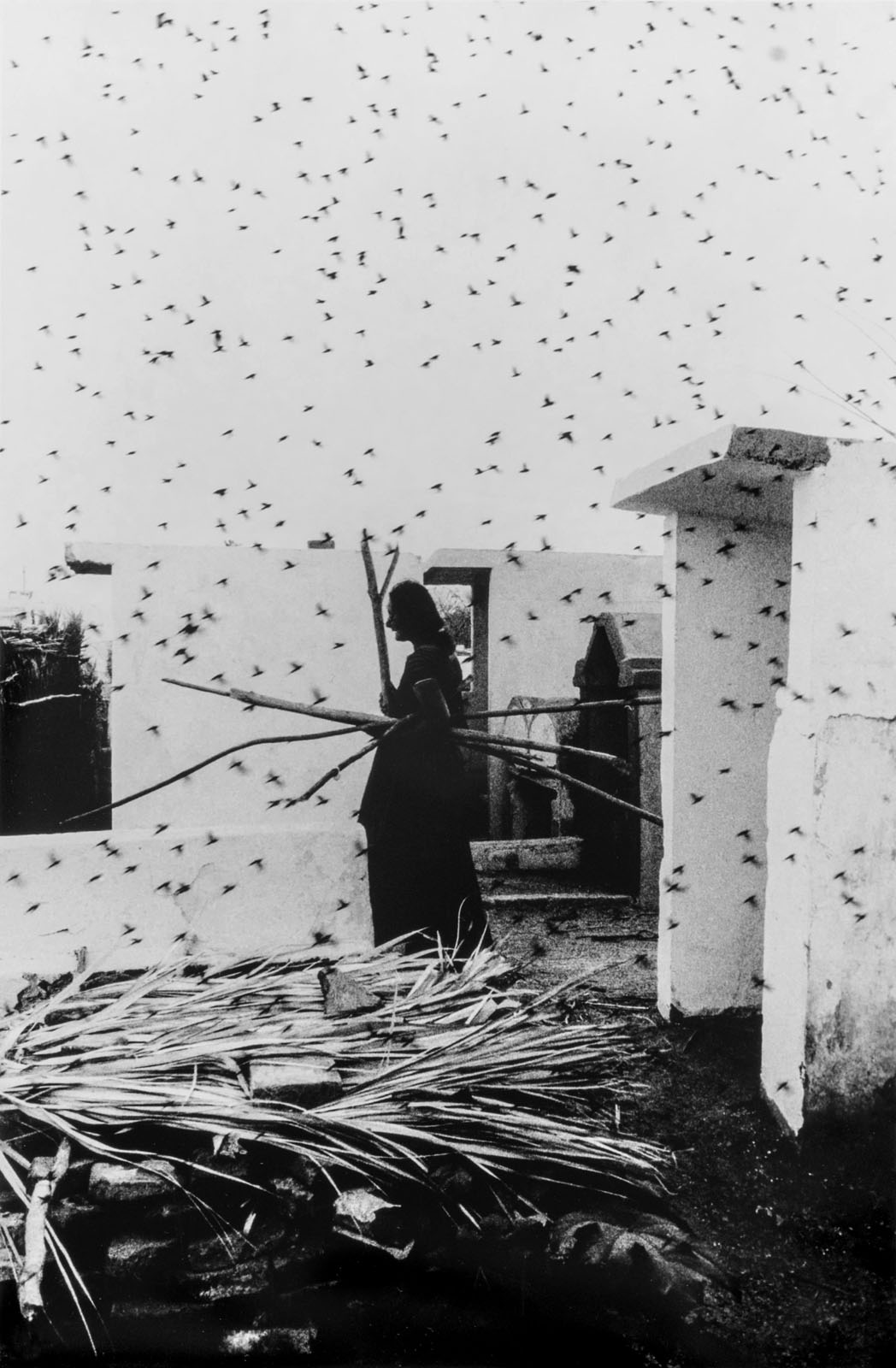


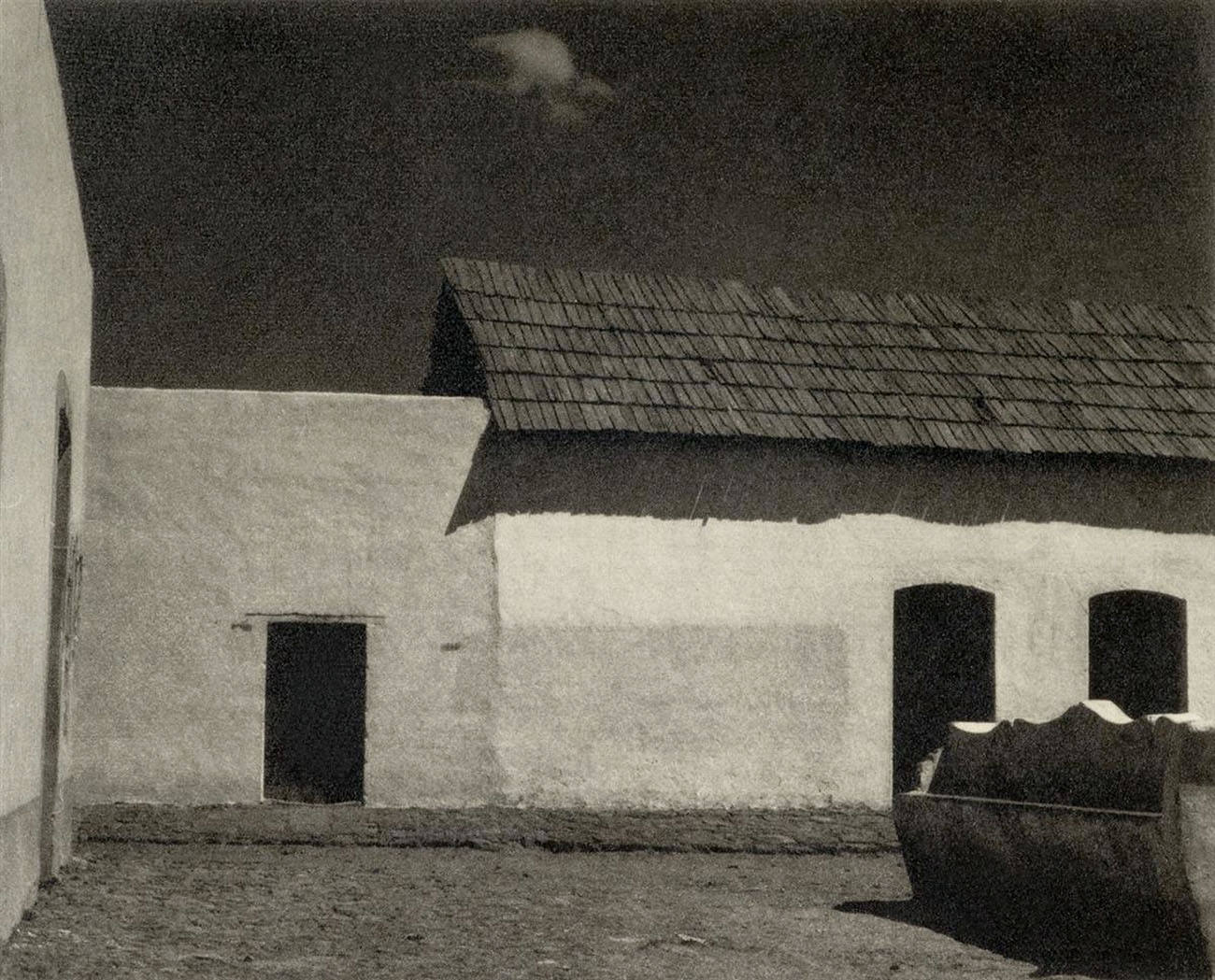




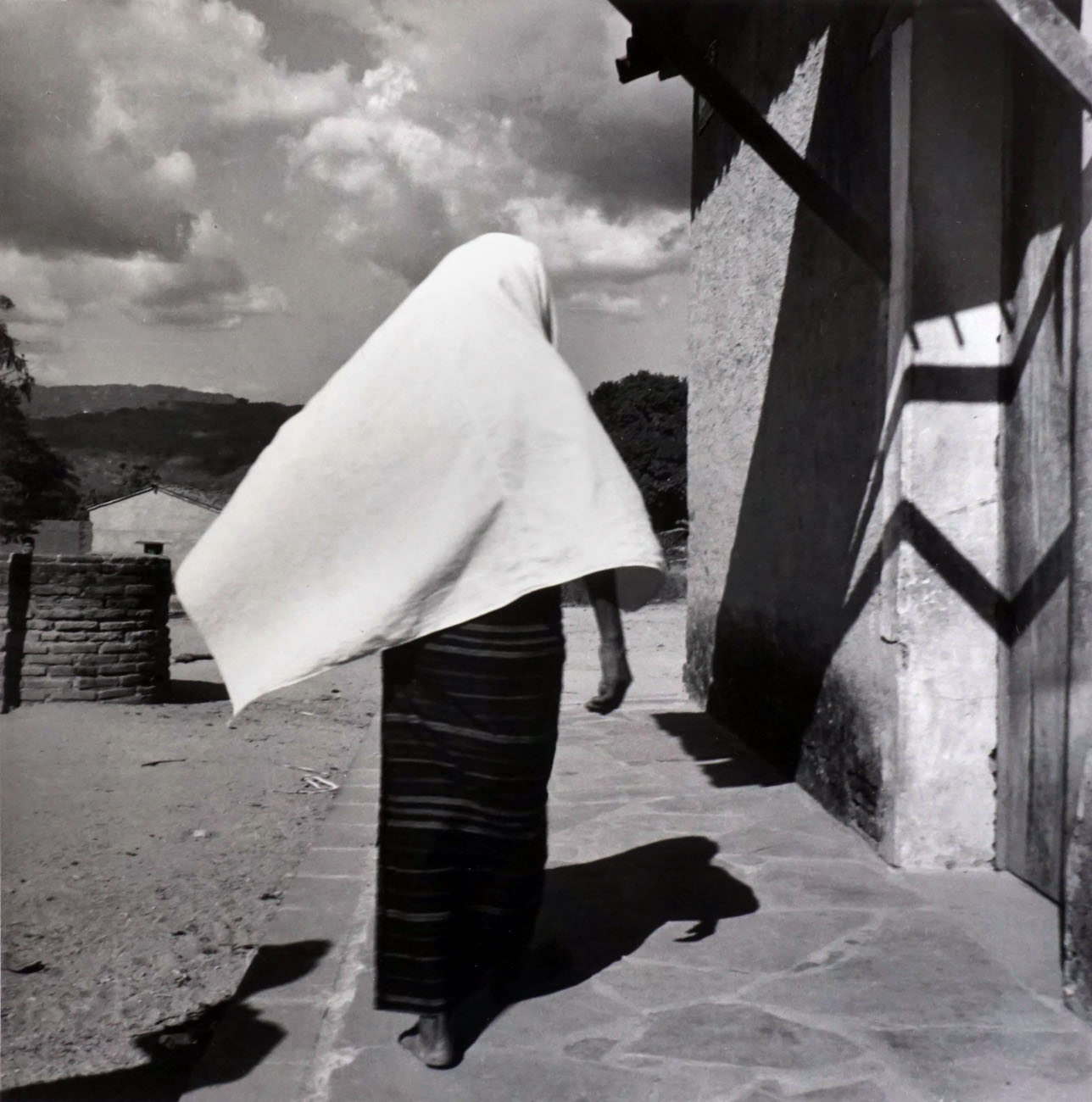









































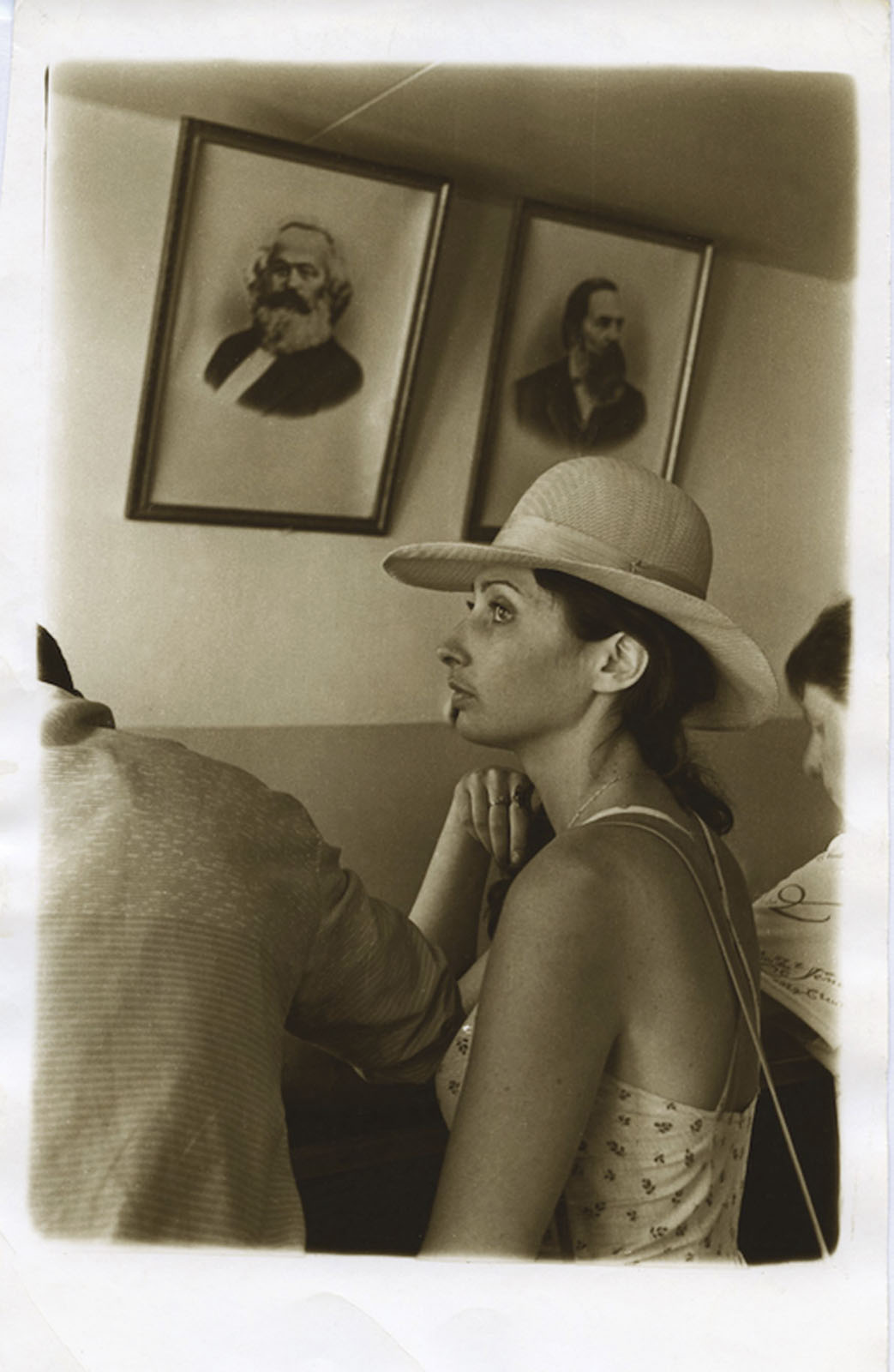


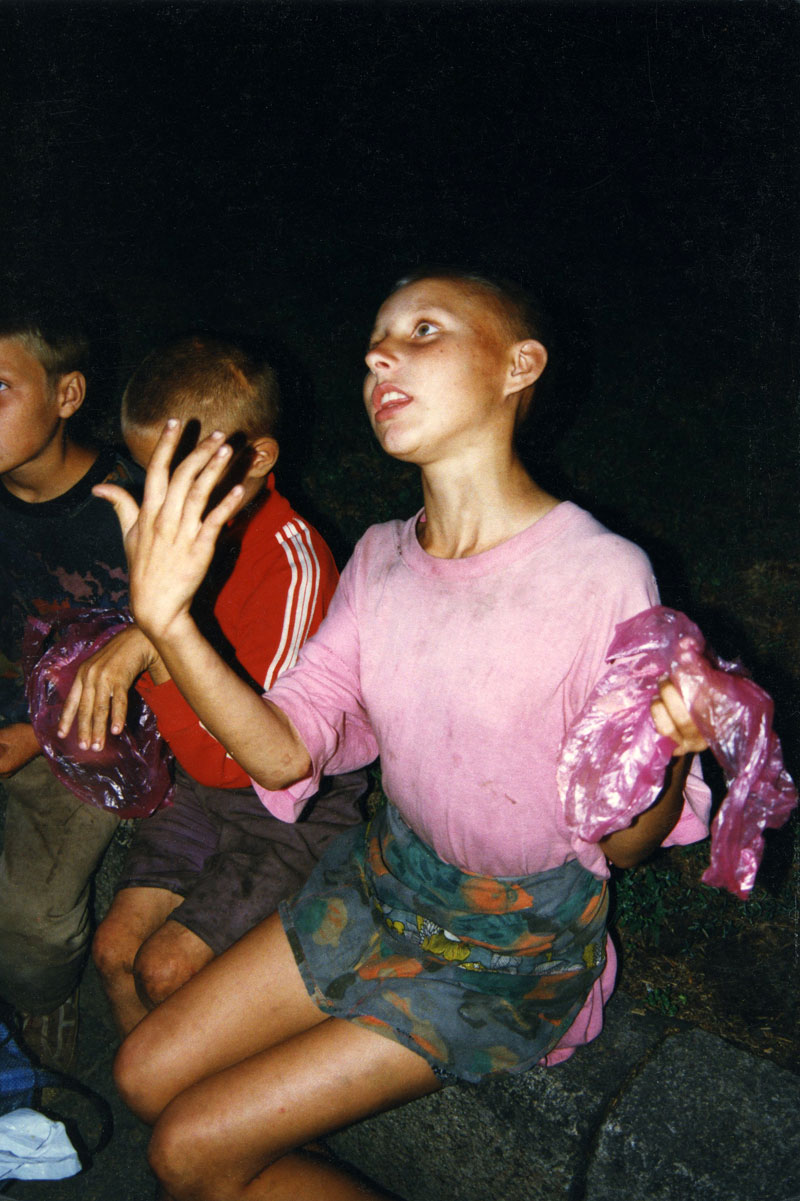


You must be logged in to post a comment.