John Berger once said, “The Renaissance artist imitated nature. The Mannerist and Classic artist reconstructed examples from nature in order to transcend nature. The Cubist realised that his awareness of nature was part of nature.”
And the postmodernist?
The postmodern artist regarded nature as a series of multiplicities that were impossibly complex to define, so were at once irrelevant but also beyond any new mythologizing. Nature was the green screen background used to mask (and transform) lives into any new series of narratives.
Thinking about the sculpture of Bronwyn Oliver in this magnificent retrospective of her work, I was struck by the classical beauty of form, attention to detail and delicacy of their construction. I noted their monochromatic palette and the self contained nature of all the works (with one word titles such as Wrap, Husk, Flare and Siren), as though they could not exist outside of themselves. And yet they do.
I thought long and hard about how Oliver’s biomorphic sculptures transcend time and space, how intractable metal becomes mutable object, metal into cosmos, nature. How they become a “form” (in energy terms) of transmitted, transmuted reality. And how you access that energy through their punctum, the shadows that they cast on the wall. And I had this feeling, of a lump in the throat, of a most visceral experience which made me have a tear in my eye for most of the time I was walking around the gallery.
For Oliver has created a new mythology through her imagination and in her nature through a series of multiplicities which is anything but irrelevant.
These objects from another time have an ancient feeling, slipping and slithering through the mud of evolution, nursing their young in enclosed spirals, or waiting for prey – open mouthed like pitcher plants – waiting for prey to drop into their interior. There is a darker side to these sculptures that is usually unacknowledged. Order and chaos, a formal, sculptural logic and poetic logic, always go hand in hand. In both dark light (ying yang), the complexity and simplicity of everything presented here vibrates and hums with energy. I imagine much like the artist herself.
When work is inspired like this, the sculptures seem to attain another temporal dimension. They take the viewer out of themselves and into another world. How does the artist make this happen?
Oliver makes this happen through reading either side of the sign. While there are obvious references to shell, heart, calligraphy, text, wrap, cloak, cell, flower, comet, spiral, sphere, ring and more in her work, she never didactically forces these signs on the viewer. She invites them to reimagine, to see the world and its land / marks in unfamiliar ways by shaping, twisting, and reinterpreting the sign. Individually and collectively, the nexus of the work (the series of connections linking two or more things) creates, “A presence, energy in my objects that a human being can respond to on the level of soul or spirit.”
This is the strength and beauty and energy of her work.
While the works look absolutely stunning in TarraWarra Museum of Art galleries, not everything is sunshine and light. Some of the shadows cast on the wall were unfocussed and lacked definition, inhibiting access to the appearance and disappearance of form and the multiplying physicality of the works. Stronger and more focused lighting was needed in these instances. Perhaps another curatorial opportunity was lost in not bringing together the numerous forms of sculpture such as Eddy 1993 and Swathe 1997 in one grouping within the gallery. On their own the forms became slightly repetitious; together, as Oliver notes of her circular works being in a series, “They each have the same format, but very different energies. Different lives.” I would have liked to have had the opportunity to compare and feel those different energies in a group, side by side. These are minor quibbles, however, as this is one of the most memorable exhibitions I have seen in years.
I cannot recommend this exhibition highly enough: not to be missed!
“I am trying to create life. Not in the sense of beings, or animals, or plants, or machines, but ‘life’ in the sense of a kind of force. A presence, energy in my objects that a human being can respond to on the level of soul or spirit.”
“I am quite please about the circular works being in a series. I have not worked through an idea like this before. I think they will look quite strong together. They each have the same format, but very different energies. Different lives.”
Bronwyn Oliver (1959-2006) was one of the most significant Australian sculptors of recent decades. This first comprehensive survey of 50 key works, from the mid-1980s to the final solo exhibition in 2006, includes early works made in paper, major sculptures from public collections, and maquettes for many of her much-loved public sculptures.
Emerging in the early 1980s when many artists were turning to installation, video and other ephemeral art forms, Oliver resolutely pursued making complex and substantial works in a variety of materials, eventually exclusively in metal. Studying in the UK and working in Europe, Oliver came to artistic maturity at the time of an international resurgence of sculpture; having attained a Masters degree at Chelsea School of Art in 1982-83, she witnessed the nascent years of the ‘New British Sculpture’.
This exhibition reveals Bronwyn Oliver’s lyrical sensibility and inventiveness. She developed an original, distinctive and enduring vocabulary that expressed her fascination with the inner life and language of form, and she tenaciously followed the beguiling demands of her chosen materials.
‘My work is about structure and order. It is a pursuit of a kind of logic: a formal, sculptural logic and poetic logic. It is a conceptual and physical process of building and taking away at the same time. I set out to strip the ideas and associations down to (physically and metaphorically) just the bones, exposing the life still held inside.’1
Oliver brought poetic brevity and decision to her sculpture. Many works suggest aspects of the natural world and its metaphorical potential, and a number of the public works are located in gardens. Yet works such as Home of a Curling Bird and Eddy evoke associations with shelter or natural movement or, as with Curlicue,conjure human mark-making with studied panache. Oliver’s work encompasses what appear to be archetypal forms, like shells, spirals, circles, and spheres; their delicate shapes trace shadows that become spectral drawings on the gallery wall, multiplying the physicality of the works.
Between 1986 and her death in 2006, Oliver presented 18 solo exhibitions and from 1983 participated in numerous group exhibitions in Australia and in Japan, the United Kingdom, France, Spain, Germany, New Zealand, Korea and China. At the same time, she undertook many commissions where she worked closely with clients and stakeholders, and for 19 years taught art to primary school students at Sydney’s Cranbrook School. Prodigiously hardworking, Oliver devised exquisite sculptures for the public domain, in locations as various as the Royal Botanic Gardens, Hilton Hotel and Quay Restaurant in inner-city Sydney, and at the University of New South Wales, as well as in Brisbane, Adelaide and Orange in regional NSW. Her work is held in most major Australian public collections, and in numerous collections in New Zealand, the United Kingdom, Europe and the USA.
As writer Hannah Fink memorably observed in 2006, ‘Bronwyn Oliver had that rarest of all skills: she knew how to create beauty.’ This exhibition is a tribute to that power.
Text from the TarraWarra Museum of Art website
1/ Bronwyn Oliver quoted in Hannah Fink, ‘Strange things: on Bronwyn Oliver’, in Burnt Ground, (ed. Ivor Indyk), Heat 4. New series, Newcastle: Giramondo Publishing Co, 2002, pp. 177-187.
“‘… the act of fabrication’ [is essential] … A couple of pairs of pliers, a wire-cutter, hand-drill, rivet gun and a Stanley knife is my usual kit. That’s what I’ll be taking to France. I’m compulsive. I’ll start work within 24 hours.” ~ Bronwyn Oliver, 1994
“All in this series have a ‘ruched’ copper surface in common, and the idea of a swelling / breathing form beneath the surface. (Idea began with a (dreadful) sculpture seen in the Musée d’Orsay in 1990-91. Sculpture of a gladiator, in bronze, wearing ‘ruched’ leggings, with musculature taut beneath the surface of the cloth). Final work completed in Hautvillers studio.”
Oliver developed an original, distinctive and enduring vocabulary that expressed her fascination with the inner life and language of form and the strict but beguiling demands of her chosen materials.
Above all, she brought an almost poetic brevity and decision to her sculpture. Many works suggest aspects of the natural world and its metaphorical potential, and some of the most successful public works are located in gardens. Yet Oliver always tenaciously followed the logic of her material, making works such as Eyrie or Eddy that evoke associations with shelter or natural movement or, as with Curlicue, conjure human mark-making with deliberate panache.
TarraWarra Director, Victoria Lynn, described the exhibition as a testament to the short but poignant contribution made by Oliver to Australian sculpture – a vision that remains exceptional in the history of Australian contemporary art.
“Oliver’s unique and labour-intensive approach involved joining threads of copper wire to create what appear to be woven forms that allow light to pass through their surface and cast shadows on the walls and floors. Her works resonate with the force of archetypes, and their green and brown patinas suggest an enduring presence that remains as relevant now as when they were first created. Some appear to be rescued from an archaeological past, while others resemble the quintessential forms found in nature: spirals, spheres, rings and loops,” Ms Lynn said.
Oliver was renowned for sensitive and inventive sculptures placed in the public domain, and she worked closely with clients, stakeholders and architects in their installation. This exhibition will include maquettes of some of Oliver’s much-loved public works, accompanied by working documents and images. Exhibition curator Julie Ewington said the exhibition, located within the museum building in TarraWarra’s magnificent grounds, will be the perfect setting for appreciating Oliver’s work.
Bronwyn Oliver (1959-2006)
Bronwyn Oliver was one of the outstanding Australian artists of her generation, and perhaps its leading sculptor. Originally working in cane and paper, by 1988 Oliver began working in metal, especially copper, and in the next two decades achieved a distinctive and enduring body of work. As writer Hannah Fink memorably observed in 2006, ‘Bronwyn Oliver had that rarest of all skills: she knew how to create beauty’.
Raised near Inverell in country New South Wales, in 1959, Bronwyn Oliver first studied sculpture in Sydney at Alexander Mackie College of Advanced Education from 1977-80. She said of her arrival at the College sculpture department, ‘I knew straight away I was in the right place’. After gaining the NSW Travelling Art Scholarship, Oliver completed a Masters’ degree in London at the Chelsea School of Arts in 1982-3. The recipient of numerous awards and fellowships, in 1988 Oliver was artist-in-residence in the French coastal city of Brest, where she studied Celtic metalworking; in 1994 she won the prestigious Moët & Chandon Award, which allowed her to spend a year living and working in France.
Oliver emerged in the 1980s at the same time as an international resurgence of contemporary sculpture. In response to the Conceptual and Minimal art of the prior decade, artists returned to the fabrication of sculptural form. Having attained a Masters of Sculpture at Chelsea School of Art in 1982-83, Oliver was witness to the nascent years of this celebration of form in British art, where it was known as ‘New British Sculpture’.
Between 1986, with her first solo show at Sydney’s Roslyn Oxley9 Gallery, and her death in 2006, Oliver presented 19 solo exhibitions, including a number at Christine Abrahams Gallery, Melbourne; in 2005-6, McClelland Gallery, at Langwarrin in Victoria, presented a selected survey of her work; and from 1983 onwards Oliver participated in numerous group exhibitions in Australia and internationally, including in Japan, the United Kingdom, France, Spain, Germany, New Zealand, Korea and China (her final solo exhibition was posthumous). At the same time, she undertook many commissions where she worked closely with clients and stakeholders, and for 19 years taught art to primary school students at Sydney’s Cranbrook School.
Prodigiously hardworking, Oliver was renowned for devising exquisite sculptures for the public domain, installed in locations as various as the Royal Botanic Gardens, the Hilton Hotel and Quay Restaurant in inner-city Sydney, and on the Kensington campus of the University of New South Wales. Other noted public works are in the Queen Street Mall, Brisbane, Hyatt Hotel, Adelaide and Orange Regional Gallery in regional NSW. Her work is also held in most major Australian public collections, and in numerous important public and private collections in New Zealand, the United Kingdom, Europe and the USA.
The Estate of Bronwyn Oliver is represented by Roslyn Oxley9 Gallery, Sydney.
Curators: Margaret Andera, adjunct curator of contemporary art at the Milwaukee Art Museum, Milwaukee and Britt Salvesen, Los Angeles County Museum of Art’s curator of the department of prints and drawings and the department of photography
Unknown photographer(s) Set photograph from Fritz Lang’s “The Nibelungen: The Death of Siegfried (Die Nibelungen: Siegfrieds Tod)” 1923 Gelatin silver print BiFi, Collection of La Cinémathèque française, Paris Photo Collection of La Cinémathèque française, Paris
The interwar years of the European avant-garde are some of the most creative years in the history of the human race.
Whether because of political and social instability – the aftershocks of the First World War, the hardships, the looming fight between Communism and Fascism, the Great Depression – or the felt compression and compaction of time and space taking place all over Europe (as artists fled Russia, as artists fled Germany for anywhere but Germany, as though time was literally running out… as it indeed was), these years produced a frenzy of creativity in writing, film, design, architecture and all the arts.
The “avant-garde” produced new and experimental ideas and methods in art, music, and literature, the avant-garde literally being the “vanguard” of an army of change, producing for so very brief an instant, a bright flowering of camp, cabaret, and kitsch paralleled? intertwined with a highly charged emotionalism which, in German Expressionist film, “employed geometrically skewed set designs, dramatic lighting, off-kilter framing, strong shadows and distorted perspectives to express a sense of uneasiness and discomfort.”
Here we find the catalyst for subsequent film genres, most notably science fiction, horror and film noir. Here we find dark fantasies, desire, love and redemption. All to be swept away with the rushing rushing rushing tide of prejudice and persecution, of death and destruction that was to envelop the world during the Second World War.
The creative legacy of this period, however, is still powerful and unforgettable. I just have to look at the photographic stills of Metropolis to recognise what a visionary period it was, and how that film and others have stood the test of passing time (as the hands of the workers move the clock hands to their different positions in Metropolis). The feeling and aesthetic of the art remains as fresh as the day it was created.
Dr Marcus Bunyan
Many thankx to the Milwaukee Art Museum for allowing me to publish the photographs in the posting. Please click on the photographs for a larger version of the image.
Siegfried’s Dragon
Unknown photographer(s) Set photograph from Fritz Lang’s “The Nibelungen: The Death of Siegfried (Die Nibelungen: Siegfrieds Tod)” 1923 Gelatin silver print BiFi, Collection of La Cinémathèque française, Paris Photo courtesy Collection of La Cinémathèque française, Paris
Unknown photographer(s) Set photograph from Fritz Lang’s “The Nibelungen: The Death of Siegfried (Die Nibelungen: Siegfrieds Tod)” 1923 Gelatin silver print BiFi, Collection of La Cinémathèque française, Paris Photo Collection of La Cinémathèque française, Paris
Fritz Lang (Austrian, 1890-1976)
… In this first phase of his career, Lang alternated between films such as Der Müde Tod (“The Weary Death”) and popular thrillers such as Die Spinnen (“The Spiders”), combining popular genres with Expressionist techniques to create an unprecedented synthesis of popular entertainment with art cinema.
In 1920, he met his future wife, the writer and actress Thea von Harbou. She and Lang co-wrote all of his movies from 1921 through 1933, including Dr. Mabuse, der Spieler (Dr. Mabuse the Gambler; 1922), which ran for over four hours in two parts in the original version and was the first in the Dr. Mabuse trilogy, the five-hour Die Nibelungen (1924), the famous 1927 film Metropolis, the science fiction film Woman in the Moon (1929), and the 1931 classic, M, his first “talking” picture.
Considered by many film scholars to be his masterpiece, M is a disturbing story of a child murderer (Peter Lorre in his first starring role) who is hunted down and brought to rough justice by Berlin’s criminal underworld. M remains a powerful work; it was remade in 1951 by Joseph Losey, but this version had little impact on audiences, and has become harder to see than the original film. During the climactic final scene in M, Lang allegedly threw Peter Lorre down a flight of stairs in order to give more authenticity to Lorre’s battered look. Lang, who was known for being hard to work with, epitomised the stereotype of the tyrannical German film director, a type embodied also by Erich von Stroheim and Otto Preminger. His wearing a monocle added to the stereotype.
In the films of his German period, Lang produced a coherent oeuvre that established the characteristics later attributed to film noir, with its recurring themes of psychological conflict, paranoia, fate and moral ambiguity. At the end of 1932, Lang started filming The Testament of Dr. Mabuse. Adolf Hitler came to power in January 1933, and by March 30, the new regime banned it as an incitement to public disorder. Testament is sometimes deemed an anti-Nazi film as Lang had put phrases used by the Nazis into the mouth of the title character.
Lang was worried about the advent of the Nazi regime, partly because of his Jewish heritage,whereas his wife and screenwriter Thea von Harbou had started to sympathise with the Nazis in the early 1930s and joined the NSDAP in 1940. They soon divorced. Lang’s fears would be realised following his departure from Austria, as under the Nuremberg Laws he would be identified as a Jew even though his mother was a converted Roman Catholic, and he was raised as such.
Shortly afterwards, Lang left Germany. According to Lang, propaganda minister Joseph Goebbels called Lang to his offices to inform him that The Testament of Dr Mabuse was being banned but that he was nevertheless so impressed by Lang’s abilities as a filmmaker (especially Metropolis), he was offering Lang a position as the head of German film studio UFA. Lang had stated that it was during this meeting that he had decided to leave for Paris – but that the banks had closed by the time the meeting was over. Lang has stated that he fled that very evening. …
In Hollywood, Lang signed first with MGM Studios. His first American film was the crime drama Fury, which starred Spencer Tracy as a man who is wrongly accused of a crime and nearly killed when a lynch mob sets fire to the jail where he is awaiting trial. Lang became a naturalised citizen of the United States in 1939. He made twenty-three features in his 20-year American career, working in a variety of genres at every major studio in Hollywood, and occasionally producing his films as an independent. Lang’s American films were often compared unfavourably to his earlier works by contemporary critics, but the restrained Expressionism of these films is now seen as integral to the emergence and evolution of American genre cinema, film noir in particular. Lang’s film titled in 1945 as Scarlet Street is considered a central film in the genre.
One of his most famous films noir is the police drama The Big Heat (1953), noted for its uncompromising brutality, especially for a scene in which Lee Marvin throws scalding coffee on Gloria Grahame’s face. As Lang’s visual style simplified, in part due to the constraints of the Hollywood studio system, his worldview became increasingly pessimistic, culminating in the cold, geometric style of his last American films, While the City Sleeps (1956) and Beyond a Reasonable Doubt (1956).
Otto Hunte (German, 1881-1950) and Fritz Lang (German, 1890-1976) Set design drawing for “The Nibelungen: The Death of Siegfried (Die Nibelungen: Siegfrieds Tod)” 1923 BiFi, Collection of La Cinémathèque française, Paris Photo Collection of La Cinémathèque française, Paris
Otto Hunte (German, 1881-1950) and Fritz Lang (German, 1890-1976) Set design drawing for “The Nibelungen: The Death of Siegfried (Die Nibelungen: Siegfrieds Tod)” 1923 BiFi, Collection of La Cinémathèque française, Paris Photo Collection of La Cinémathèque française, Paris
Caspar David Friedrich (German, 1774-1840) Two Men Contemplating the Moon c. 1825-1830 The Metropolitan Museum of Art, Wrightsman Fund, 2000 Photo: courtesy The Metropolitan Museum of Art
Erich Kettelhut (German, 1893-1979) and Fritz Lang (German, 1890-1976) Set design drawing for “The Nibelungen: The Death of Siegfried (Die Nibelungen: Siegfrieds Tod)” 1923 BiFi, Collection of La Cinémathèque française, Paris Photo courtesy Collection of La Cinémathèque française, Paris
In the wake of WWI, while Hollywood and the rest of Western cinema were focused mostly on adventure, romance and comedy, German filmmakers explored the anxiety and emotional turbulence that dominated life in Germany. They took their inspiration from Expressionist art and employed geometrically skewed sets, dramatic lighting, off-kilter framing, strong shadows and distorted perspectives.
The impact of this aesthetic has lasted nearly a century, inspiring directors from Alfred Hitchcock to Tim Burton. Its influence is reflected to this day in the dark, brooding styles of film noir, the unsettling themes of horror, and the fantastic imagery of sci-fi. From Blade Runner to The Godfather, from Star Wars to The Hunger Games – our modern blockbusters owe much to these German masters and the visions they created.
Haunted Screens: German Cinema in the 1920s explores masterworks of German Expressionist cinema, from the stylized fantasy of The Cabinet of Dr. Caligari to the chilling murder mystery M. Featured are production design drawings, photographs, posters, documents, equipment and film clips from more than 20 films. The exhibition ends with a contemporary 3-channel projection work – Kino Ektoplamsa, 2012 – by filmmaker Guy Maddin, which was inspired by German Expressionist cinema.
Text from the Milwaukee Art Museum website
Designed by USC architecture professor Amy Murphy and architect Michael Maltzan, “Haunted Screens” has been grouped by theme: “Madness and Magic,” “Myths and Legends,” “Cities and Streets” and “Machines and Murderers.” The latter contains a subsection, “Stairs,” that includes drawings from films that feature stairs as both a visual and psychological theme. Two darkened tunnels will feature excerpts from the movies highlighted in the exhibit.
“The core of the show is the collection from La Cinémathèque française,” said Britt Salvesen, LACMA’s curator of both the department of prints and drawings and the department of photography.
The 140 drawings from the Cinémathèque were acquired by noted German film historian Lotte Eisner, who wrote the 1952 book “The Haunted Screen.”
Josef Fenneker (Germany, 1895-1956) Reissue of original poster for The Burning Soil (Der brennende acker) c. 1922 Director: Friedrich Wilhelm Murnau (German, 1888-1931) Offset lithograph Collection of La Cinémathèque française, Paris
Friedrich Wilhelm Murnau (German, 1888-1931)
Friedrich Wilhelm “F. W.” Murnau (born Friedrich Wilhelm Plumpe; December 28, 1888 – March 11, 1931) was a German film director. Murnau was greatly influenced by Schopenhauer, Nietzsche, Shakespeare and Ibsen plays he had seen at the age of 12, and became a friend of director Max Reinhardt. During World War I he served as a company commander at the eastern front and was in the German air force, surviving several crashes without any severe injuries.
One of Murnau’s acclaimed works is the 1922 film Nosferatu, an adaptation of Bram Stoker’s Dracula. Although not a commercial success due to copyright issues with Stoker’s novel, the film is considered a masterpiece of Expressionist film. He later directed the 1924 film The Last Laugh, as well as a 1926 interpretation of Goethe’s Faust. He later emigrated to Hollywood in 1926, where he joined the Fox Studio and made three films: Sunrise (1927), 4 Devils (1928) and City Girl (1930). The first of these three is widely regarded as one of the greatest films ever made.
In 1931 Murnau travelled to Bora Bora to make the film Tabu (1931) with documentary film pioneer Robert J. Flaherty, who left after artistic disputes with Murnau, who had to finish the movie on his own. A week prior to the opening of the film Tabu, Murnau died in a Santa Barbara hospital from injuries he had received in an automobile accident that occurred along the Pacific Coast Highway near Rincon Beach, southeast of Santa Barbara.
Of the 21 films Murnau directed, eight are considered to be completely lost. One reel of his feature Marizza, genannt die Schmuggler-Madonna survives. This leaves only 12 films surviving in their entirety.
Hermann Warm (German, 1889-1976) and Henrik Galeen (Austrian, 1881-1949) Drawing for “Der Student von Prag” (The Student of Prague) 1926 Pastel Collection of La Cinémathèque française, Paris/LACMA
Andrei Andrejew (Russia, 1887-1966) Set design drawing for Crime and Punishment (Raskolnikow) 1923 Director: Robert Wiene (Germany, 1873-1938) Ink and ink wash Collection of La Cinémathèque française, Paris
Raskolnikow is a 1923 German silent drama film directed by Robert Wiene.The film is based on the novel Crime and Punishment by Fyodor Dostoyevsky, whose protagonist is Rodion Raskolnikov. The film’s art direction is by André Andrejew. The film is characterised by Jason Buchanan of Allmovie as a German expressionist view of the story: a “nightmarish” avante-garde or experimental psychological drama.
Robert Wiene(German, 1873-1938)
Robert Wiene (German, 27 April 1873 – 17 July 1938) was a film director of the German silent cinema. He is particularly known for directing the German silent film The Cabinet of Dr. Caligari and a succession of other expressionist films. Wiene also directed a variety of other films of varying styles and genres. Following the Nazi rise to power in Germany, Wiene fled into exile.
Four months after the Nazis took power Wiene’s latest film, “Taifun,” was banned on May 3, 1933. A Hungarian film company had been inviting German directors to come to Budapest to make films in simultaneous German/Hungarian versions, and given his uncertain career prospects under the new German regime Wiene took up that offer in September to direct “One Night in Venice” (1934).Wiene went later to London, and finally to Paris where together with Jean Cocteau he tried to produce a sound remake of The Cabinet of Dr. Caligari. …
Wiene died in Paris ten days before the end of production of a spy film, Ultimatum, after having suffered from cancer. The film was finished by Wiene’s friend Robert Siodmak.
Otto Erdmann (German, 1834-1905) and Georg Wilhelm Pabst (Austrian, 1885-1967) Die Freudlose Gasse (The Joyless Street) 1923 Gouache and watercolour Photo courtesy Collection of La Cinémathèque française, Paris/LACMA
Otto Erdmann (German, 1834-1905) and Georg Wilhelm Pabst (Austrian, 1885-1967) Die Freudlose Gasse (The Joyless Street) 1923 Director: Georg Wilhelm Pabst Gouache and watercolor Photo courtesy Collection of La Cinémathèque française, Paris/LACMA
Boris Bilinsky (Russia, 1900-1948) Poster for The Joyless Street (Die freudlose Gasse) c. 1925 Director: Georg Wilhelm Pabst (Austria, 1885-1967) Lithograph Collection of La Cinémathèque française, Paris
Robert Herlth (German, 1893-1962) and Friedrich Wilhelm Murnau (German, 1888-1931) Faust 1926 Director: Friedrich Wilhelm Murnau BiFi, Collection of La Cinémathèque française, Paris Photo courtesy Collection of La Cinémathèque française, Paris
Robert Herlth (German, 1893-1962) and Friedrich Wilhelm Murnau (German, 1888-1931) Faust 1926 BiFi, Collection of La Cinémathèque française, Paris Photo courtesy Collection of La Cinémathèque française, Paris
Robert Herlth (German, 1893-1962) and Friedrich Wilhelm Murnau (German, 1888-1931) Faust 1926 BiFi, Collection of La Cinémathèque française, Paris Photo courtesy Collection of La Cinémathèque française, Paris
Robert Herlth (German, 1893-1962) and Friedrich Wilhelm Murnau (German, 1888-1931) Drawing for “Faust” 1926 Collection of La Cinémathèque française, Paris
Unknown photographer Set photograph from The Cabinet of Dr. Caligari (Das Kabinett des Dr. Caligari) 1919 Director: Robert Wiene (German, 1873-1938) Los Angeles County Museum of Art, Robert Gore Rifkind Center for German Expressionist Studies
Hermann Warm (German, 1889-1976) Robert Wiene’s “Das Kabinett des Dr Caligari” 1919 Watercolour and ink BiFi, Collection of La Cinémathèque française, Paris
Set drawing for the”Das Kabinett des Dr Caligari” (The Cabinet of Dr Caligari) 1920 Collection of La Cinémathèque française, Paris
Ernst Stern (Romanian-German, 1876-1954) Paul Leni’s “Das Wachfigurenkabinett (Le cabinet des figures de cire)” (Wax Works) 1924 Director: Paul Leni Watercolour and charcoal Collection of La Cinémathèque française, Paris/LACMA
Ernst Stern (Romanian-German, 1876-1954) and Paul Leni (German, 1885-1929) “Das Wachfigurenkabinett (Le cabinet des figures de cire)” (Wax Works) 1924 Watercolour, gouache, and graphite 34.6 x 24.8cm Collection of La Cinémathèque française, Paris/LACMA
Unknown photographer Set photograph from “The Blue Angel” (Der blaue Engel) 1930 Director: Josef von Sternberg (Austria, 1894-1969) Gelatin silver print Collection of La Cinémathèque française, Paris
Karl Struss (American, 1886-1981) Set photograph from “Sunrise: A Song of Two Humans” (Sonnenaufgang: Ein Lied zweier Menschen) (detail) 1927, printed 2014 Directed by Friedrich Wilhelm Murnau Courtesy of Academy of Motion Picture Arts and Sciences’ Margaret Herrick Library
Emil Hasler (German, 1901-1986) Drawing for Fritz Lang’s “Das Testament des Dr Mabuse” (The Testament of Dr Mabuse) 1932 Pastel, graphite, and gouache Collection of La Cinémathèque française, Paris/LACMA
Paul Scheurich (German, 1883-1945) Poster design for Fritz Lang’s “Das Testament des Dr Mabuse” (The Testament of Dr Mabuse) 1932 Ink, gouache, and graphite BiFi, Collection of La Cinémathèque française, Paris
Emil Hasler (German, 1901-1986) Drawing for Fritz Lang’s “M,” le Maudit (Cursed) 1931 Charcoal, gouache, and coloured pencil Collection of La Cinémathèque française, Paris/LACMA
Unknown artist Poster for “M” 1931 Director: Fritz Lang (Austria, 1890-1976) Collection of La Cinémathèque française
Unknown artist Poster for “M” 1933 Made for Paramount release in Los Angeles Director: Fritz Lang (Austria, 1890-1976) Courtesy of Academy of Motion Picture Arts and Sciences’ Margaret Herrick Library
The Milwaukee Art Museum is excited for visitors to experience its newest exhibition, Haunted Screens: German Cinema in the 1920s on view from Oct. 21 through Jan. 22. Organised by La Cinémathèque française, Paris, the exhibition examines the groundbreaking period in film history that occurred in Germany during the Weimar era after World War I, through more than 150 objects, including set design drawings, photographs, posters, documents, equipment, cameras and film clips from more than 20 films.
The Expressionist movement introduced a highly charged emotionalism to the artistic disciplines of painting, photography, theater, literature and architecture, as well as film, in the early part of the 20th century. German filmmakers employed geometrically skewed set designs, dramatic lighting, off-kilter framing, strong shadows and distorted perspectives to express a sense of uneasiness and discomfort. These films reflected the mood of Germany during this time, when Germans were reeling from the death and destruction of WWI and were enduring hyperinflation and other hardships.
“We’re thrilled to present Haunted Screens at the Milwaukee Art Museum this fall, and to offer our visitors a glimpse into a unique and revolutionary time in film and art history,” said Margaret Andera, the Museum’s adjunct curator of contemporary art. “This exhibition represents a tremendous period of creativity, and allows visitors a fascinating look at the nuanced aesthetics of German Expressionist cinema through a wealth of diverse objects.”
The exhibition is grouped into five sections by theme: Nature, Interiors, The Street, Staircases and The Expressionist Body. From the dark fantasy of The Cabinet of Dr. Caligari to the chilling murder mystery M, the exhibition explores masterworks of German Expressionist cinema in aesthetic, psychological and technical terms. More than 140 drawings are complemented by some 40 photographs, eight projected film clip sequences, numerous film posters, three cameras, one projector, and a resin-coated, life-size reproduction of the Maria robot from Metropolis.
German Expressionist cinema was the first self-conscious art cinema, influencing filmmakers throughout the world at the time and continuing to inspire artists today. It served as a catalyst for subsequent film genres, most notably science fiction and horror. The conflicting attitudes about technology and the future that are the cornerstones of science fiction, and the monsters and villains that form the basis of horror, appear often in Expressionist films. The influence of Expressionist cinema undoubtedly extends to the work of contemporary filmmakers, including Tim Burton, Martin Scorsese and Guy Maddin, whose 3-channel projection work, Kino Ektoplamsa, appears at the end of the exhibition.
The Museum is taking a unique approach to the exhibition’s installation design, one that mirrors the mood of the time and the objects on display. Walls intersecting at unexpected angles and even breaking through the exhibition space into Windhover Hall give visitors an engaging experience.
The Milwaukee Art Museum’s permanent collection includes extensive holdings in the German Expressionist area, including a significant collection of paintings from the period, as well as one of the most important collections of German Expressionist prints in the nation, the Marcia and Granvil Specks Collection. This collection includes more than 450 prints by German masters. Visitors are encouraged to stroll through the collection galleries after seeing Haunted Screens.”
Press release from the Milwaukee Art Museum
Metropolis (1927) full movie
Synopsis of Metropolis
Metropolis is ruled by the powerful industrialist Joh Fredersen. He looks out from his office in the Tower of Babel at a modern, highly technicised world. Together with the children of the workers, a young woman named Maria reaches the Eternal Gardens where the sons of the city’s elite amuse themselves and where she meets Freder, Joh Fredersen’s son. When the young man later goes on a search for the girl, he witnesses an explosion in a machine hall, where numerous workers lose their lives. He then realises that the luxury of the upper class is based on the exploitation of the proletariat. In the Catacombs under the Workers’ City Freder finally finds Maria, who gives the workers hope with her prophecies for a better future. His father also knows about Maria’s influence on the proletariat and fears for his power. In the house of the inventor Rotwang, Joh Fredersen learns about his experiments to create a cyborg based on the likeness of Hel, their mutual love and Freder’s mother. Fredersen orders Rotwang to give Maria’s face to the robot in order to send it to the underground city to deceive and stir up its inhabitants.
After the robot Maria has succeeded, a catastrophe ensues. The riotous workers destroy the Heart Machine and as a result the Workers’ City, where only the children have remained, is terribly flooded. The real Maria brings the children to safety along with Freder. When they learn about the disaster, the rebelling masses stop. Their rage is now aimed at the robot Maria, who is captured and burned at the stake. At the same time Rotwang, driven by madness, pursues the genuine Maria across the Cathedral’s rooftop, where he ultimately falls to his death. Freder and Maria find each other again. The son devotes himself to his father, mediating between him and the workers. As a consequence, Maria’s prophecy of reconciliation between the ruler and those who are mastered (head and hands) triumphs – through the help of the mediating heart.
Horst von Harbou (Germany, 1879-1953) Set photograph from “Metropolis” 1927 Director: Fritz Lang (Austria, 1890-1976) Gelatin silver print Collection of La Cinémathèque française
Horst von Harbou (Germany, 1879-1953) Set photograph from “Metropolis” 1927 Director: Fritz Lang (Austria, 1890-1976) Gelatin silver print Collection of La Cinémathèque française
Horst von Harbou (Germany, 1879-1953) Set photograph from “Metropolis” 1927 Director: Fritz Lang (Austria, 1890-1976) Gelatin silver print Collection of La Cinémathèque française
Horst von Harbou (Germany, 1879-1953) Set photograph from “Metropolis” 1927 Director: Fritz Lang (Austria, 1890-1976) Gelatin silver print Collection of La Cinémathèque française
Horst von Harbou (Germany, 1879-1953) Set photograph from “Metropolis” 1927 Director: Fritz Lang (Austria, 1890-1976) Gelatin silver print Collection of La Cinémathèque française
Horst von Harbou (Germany, 1879-1953) Set photograph from “Metropolis” 1927 Director: Fritz Lang (Austria, 1890-1976) Gelatin silver print Collection of La Cinémathèque française
Horst von Harbou (Germany, 1879-1953) Set photograph from “Metropolis” 1927 Director: Fritz Lang (Austria, 1890-1976) Gelatin silver print Collection of La Cinémathèque française
Fritz Lang’s Metropolis (1927) is a defining film of the silent era and science fiction genre. But the work of the film’s still photographer Horst von Harbou has remained obscure. Von Harbou, brother of Thea von Harbou, Lang’s then wife and co-screenwriter of Metropolis, photographed filmed scenes as well as off-camera action, and made an album of thirty-five photographs which he gave to the film’s young star Brigitte Helm. The book Metropolis is a careful reconstruction of this album, showing the photographs and some of their backsides which feature hand-written notes. Von Harbou’s photographs not only offer a rare insight into Lang’s film, but have been crucial in reconstructing missing scenes from it.
Horst von Harbou was born in 1879 in Hutta, Posen, and died in 1953 in Potsdam-Babelsberg. Very little is known about von Harbou, except for the films on which he worked as a still photographer: these include Mensch ohne Namen (1932), Starke Herzen im Sturm (1937) and Augen der Liebe (1951).
Horst von Harbou (Germany, 1879-1953) Set photograph from “Metropolis” (detail) 1927 Director: Fritz Lang (Austria, 1890-1976) Gelatin silver print Collection of La Cinémathèque française
Otto Hunte (German, 1881-1960) Set design drawing for “Metropolis” 1923 Director: Fritz Lang Collection of La Cinémathèque française, Paris
Otto Hunte(German, 1881-1960)
Otto Hunte (9 January 1881 – 28 December 1960) was a German production designer, art director and set decorator. Hunte is considered as one of the most important artists in the history of early German cinema, mainly for his set designs on the early silent movies of Fritz Lang. His early career was defined by a working relationship with fellow designers Karl Vollbrecht and Erich Kettelhut. Hunte’s architectural designs are found in many of the most important films of the period including Dr. Mabuse the Gambler, Die Nibelungen (1924), Metropolis (1927) and Der blaue Engel. Hunte subsequently worked as one of the leading set designers during the Nazi era. Post-Second World War he was employed by the East German studio DEFA.
Paramount Trade advertisement for “Metropolis” 1927 Lithograph
Milwaukee Art Museum 700 N Art Museum Dr, Milwaukee WI 53202
Now this is how you tell a tale using contemporary photography!
Succinct, psychological sound bites that are commentaries on cultural production, that leave the viewer troubled by the enigma of their pronunciation. They are focused around the construct of the viewer and the subject of representation while also probing matters of identity in contemporary culture.
“They present Kruger’s distinctive direct-address texts (using active verbs and personal pronouns) which confront the viewer head-on and contrast with the underlying images of (often passive, often female) figures looking off the picture plane, and receiving the viewer’s attention. This tension creates conceptual works of great visual power.”
Many thankx to the National Gallery of Art for allowing me to publish the photographs in the posting. Please click on the photographs for a larger version of the image.
The striking works of Barbara Kruger (American, b. 1945) will be featured in a focused exhibition at the National Gallery of Art, Washington, timed to celebrate the newly renovated East Building galleries. On view September 30, 2016 through January 22, 2017, In the Tower: Barbara Kruger is the first exhibition in the Tower Gallery in three years, renewing the series devoted to the presentation of works by leading contemporary artists. The exhibition presents 15 of Kruger’s profile works – images of the figure in profile over which the artist has layered her attention-grabbing phrases and figures of speech – from the early 1980s to the present, varying in scale from magazine-size to monumental.
Inspired by the Gallery’s recent acquisition of Kruger’s Untitled (Know nothing, Believe anything, Forget everything) (1987-2014), the exhibition centres on the artist’s profile works, among her strongest commentaries on cultural production. They present Kruger’s distinctive direct-address texts (using active verbs and personal pronouns) which confront the viewer head-on and contrast with the underlying images of (often passive, often female) figures looking off the picture plane, and receiving the viewer’s attention. This tension creates conceptual works of great visual power.
Kruger’s works are by turns so strong, shocking, or humorous that they grab the viewer’s attention. This is due to her signature style which includes pronouncements printed in white Futura Bold typeface across red bands reminiscent of the Life and Look magazine banners from the golden age of picture magazines. Kruger’s text slashes the black-and-white images beneath, effectively shattering the clichés represented in both words and images. Using the language, colour, image, and scale derived from the media-saturated world she queries, Kruger’s work illuminates and interrupts media tropes to encourage an active visual readership.
“Barbara Kruger’s profile works count among her most iconic images,” said Earl A. Powell III, director, National Gallery of Art, Washington. “We are delighted to present to our visitors from around the world this exhibition featuring such an outstanding artist.”
Exhibition highlights
Among the key works on view will be Kruger’s Untitled (Your gaze hits the side of my face), (1983), that served as inspiration for Craig Owens’s 1983 essay, “The Medusa Effect, or The Specular Ruse.” At the time they were made, Kruger’s 1980s works powerfully engaged and promoted theoretical discussion of “the gaze” around the construct of the viewer and the subject of representation. More broadly, these works resound with the use of the profile in the genre of portraiture in the long arc of history, while also probing matters of identity in contemporary philosophy. For this work and others, the exhibition will present Kruger’s original paste-ups to illuminate the artist’s process.
Untitled (Know nothing, Believe anything, Forget everything) (1987-2014), acquired for the Gallery by the Collectors Committee and a group of generous patrons, offers an image of a woman in profile, lying prostrate and receiving medical treatment to her eye through a large, funnel-like device. Over the image are three red bands with the artist’s admonitions emblazoned in white text that warn against the pleasures and perils of our “truthy” photography-based mass media and the knowledge, beliefs, and memories that it imparts.
A new five-minute film will feature excerpts from an interview with the artist discussing works in the exhibition. Made possible by the H.R.H. Foundation, the film will play continuously in the anteroom of the Tower Gallery.
Barbara Kruger (b. 1945) short biography
Kruger’s higher education began at Syracuse University and continued at Parson’s School of Art and Design in New York, where she studied with Diane Arbus and Marvin Israel in 1966. Beginning in 1967 Kruger worked as a layout editor at Condé Nast for twelve years, including posts at Mademoiselle, House and Garden, and Aperture. In 1969 Kruger began to make her own art while also writing poetry and film and television reviews. A decade later she had developed her “picture practice” with photographs repurposed from 1940s-1970s manuals and magazines that she overlaid with her own texts or those repurposed from the media. The completed works alter her found materials, inscribing her admonitions and questions over the images to stimulate and rouse the viewer from the passivity of acceptance.
Kruger’s background in design is evident in these works, for which she is internationally renowned. Owing to her interest in the public arena and the vernacular, Kruger’s work has appeared on billboards, bus cards, posters, T-shirts, matchbook covers, in public parks, and on train station platforms. Recent work has included immersive installations of room-wrapping images and text, and multiple-channel videos.
Prior to teaching at UCLA, Kruger taught at California Institute of the Arts, the School of the Art Institute of Chicago, and the University of California, Berkeley. In 2005 Kruger received the Golden Lion for Lifetime Achievement at the Venice Biennale. Her work was featured in the Whitney Biennial in 1973, 1983, 1985, and 1987; the Venice Biennale in 1982, 1993, and 2005; and Documenta 8 in 1987. Notable solo exhibitions include P.S. 1, Long Island City, New York (1980); Institute of Contemporary Art, London (1983); Los Angeles County Museum of Art (1985); Museum of Contemporary Art, Los Angeles (1999, traveled to Whitney Museum of American Art in 2000); South London Gallery (2001); Gallery of Modern Art, Glasgow (2005); the Moderna Museet, Stockholm (2008); the Museum Of Modern Art, Oxford (2014), and the Hirshhorn Museum and Sculpture Garden (2012–2016). Kruger lives and works in Los Angeles and New York City.”
1/ the act of raising, the act of lifting up 2/ revolt, uprising
I believe this to be one of the most complex, original and important exhibitions of 2016. Conceptually, intellectually, ethically and artistically, the exhibition “Soulèvements / Uprisings” seems to stand head and shoulders above most others I posted on during 2016.
Through the profound curatorship of philosopher and art historian Georges Didi-Huberman (a man whose writing I admire), Soulèvements e/merges as a “trans-disciplinary exhibition on the theme of human gestures that raise up the world or rise up against it: collective or individual gestures, actions or passions, works or thoughts” actioned through five themes: Elements (Unleashed); Gestures (Intense); Words (Exclaimed); Conflicts (Flared up); and Desires (Indestructibles), evidenced across mediums: paintings, drawings, prints, video installations, photographs, fiction films, documentary images, writers’ manuscripts, tracts, posters, etc., without hierarchies. Unlike the earlier posting, Intersections: Photographs and Videos from the National Gallery of Art and the Corcoran Gallery of Art at the National Gallery of Art, Washington, where I noted that the self-contained themes of that exhibition seemed purely illusory, here the themes are active and engaging, fluid in meaning and representation (the choice of laterally aligned art works to the themes – dust breeding, waves, sea concertos, banners and capes, red tape, montages, posters etc…), which emphasis resistance, the raising up, the uprising as a desirous and joyful act, one that is performative (hence the wonderful video elements in the exhibition) and transgressive.
As one of the most important mediums of the twentieth century in terms of documenting, promoting, obscuring and forgetting “uprisings” – gestures of resistance and joy of any kind – photography is capable of concealing, denying and sustaining the social context in which we are living … obscuring the ethics and morals of dubious political positions; reinforcing or obscuring the issues behind revolution, rebellion, and revolt; or, through collective amnesia and inertia, through the millions of forgettable images produced each day, overwhelming the authenticity of living that leads to “uprisings” in the first place. Photographs, as people do, cross borders: they are transnational and multidisciplinary. They are global thought patterns that can, in skilled hands, document and sustain alternative ways of seeing the world through a “rising up” of feeling – the “soul” of soulèvement – the act of raising up, the act of lifting ones eyes and one’s spirit from the dire circumstances of oblivion to the hope of a future redemption.
Through photographs, we witness Insurgents killed during bloody week of the Commune (1871, below), where “the exposure of these bodies is transformed by the photographic act. The latter confers on the rebels a particular aura, passing thus from figures of guilty to those of martyrs.” The political act, although a failure in reality in this case, is sustained through time and space by the performance of the documentary image. Their monstration [the act of demonstrating; proof] – the insurgents act of demonstrating; the photograph as an act of demonstrating their death for judicial purposes; and also a certain monstration (proof) that these mostly young, skinny men died for a belief in a better world – is an evidentiary act of transubstantiation. Is the camera looking down on these bodies in cheap coffins from above, or are the coffins propped up against a wall? How do we feel about these people we do not know, who existed in past time now made present, without being that person who tucked a wreath into the hands of the man at bottom right, someone’s brother, father or son.
In “uprisings” (as the hands raise the camera to the face), there is also an acknowledgment of a certain despair at the death of an innocent. In Manuel Álvarez Bravo’s Striking worker, assassinated (1934, below) the young, handsome youth has been killed with a blow to the head. He lies prostrate on the ground, arm outstretched, hand curled, his body and clothes spattered with his own blood his eyes, open, staring at the now invisible sky. A flow of dried blood has discharged from his mouth and nose, coating and matting his thick long hair and running away in rivulets, soaking into the parched d/earth. Bits of dust and earth are still stuck to his arm through the viscosity of his blood. Earlier, he had dressed for the day in a white singlet, put on his trousers and fastened them with an embossed belt, then put on a crisp, stripped shirt and neatly rolled up the sleeves to his elbows. He might have had breakfast before heading of to a meeting outside where he worked. This day he died, protesting his rights – striking worker, assassinated! Assassinated – executed, eliminated, liquidated (to which the congealing blood attests) … slaughtered. For his right to strike, to protest, the conditions of his being. Any human “being”.
And, mortally, I comment on that one photograph, that one evidence of human beings transcending their own lives (knowing they were going to die) for the greater good – the anonymous photograph taken by members of the Sonderkommando of Auschwitz-Birkenau death camp that documents AS PROOF of the reality of the Final Solution: Women pushed towards the gas chamber of crematorium V of Birkenau (1944, below). The risks that these people took to capture this photograph speaks to the power of photography to transcend even the most barbaric of circumstances, to prove to the world what was happening in this place. As Georges Didi-Huberman affirms, “in the depths of this fundamental despair, the “solicitation to resist” has probably detached itself from the beings themselves, who have been promised to disappear, to fix themselves on signals to be emitted beyond the boundaries of the camp.” Among others, the image, this “eye of history”, is then invested with the only hope still possible: to make the hell of Auschwitz visible and therefore imaginable.”
In other words, the solicitation to resist is not singular or human, but collective and eternal, embodied and embedded in cultural thoughts and actions. Even though they knew they were going to die (almost none of the 2,000 prisoners placed in these Sonderkommando units survived to the camp’s liberation), because they have been “promised to disappear”, their spirit flowed beyond the boundaries of the camp into the ether of history, into the elemental upper air, the raising up of spirits: as an observation and representation of the difference between right and wrong. As the world enters a renewed period of right wing promulgation we must resist the rump of bigotry and oppression. Not just for ourselves but for all those that have passed before.
This is why this exhibition is so important. It speaks to the need for vigilance and protest against discrimination and dictatorship, against the persecution of the less fortunate in society. It also speaks to our desire as human beings that our actions and the actions of others be held to account. Intrinsically uprisings are all about desire, the desire to be stand up and be counted, to put your reputation (as Oscar Wilde did) or your life on the line for what you believe in. The courage of your convictions. As Edmund Burke said, “The only thing necessary for the triumph of evil is for good men to do nothing.”
Dr Marcus Bunyan
Addendum
Thank goodness for Google translate because otherwise I would have had no text to put under most of these images. This becomes problematic for weak images such as Dennis Adams’ Patriot (2002, below). Without text to support the image you would have absolutely no idea what this image is about… it’s just a plastic bag floating in the air against the azure sky.
The text states: “… considering the serenity that emanates from the photographs of this series, to imagine that they refer to a dramatic event: the attack of the World Trade Center. Located in Lower Manhattan, Dennis Adams’ studio is very close to the twin towers that were destroyed on September 11, 2001. However, rather than rushing to witness the catastrophe, Dennis Adams photographed for three months the roof of his building, the newspapers and the rubbish that fly away from the ruins.”
Who would have thunk it! From a plastic bag floating in the sky!
Such insight proffered months after the event by any plastic bag floating in the air. The image does not invite reverie and meditation because there is nothing to meditate on. It is an example of contemporary photography as graphic art THAT MEANS ABSOLUTELY NOTHING! If an image cannot stand on its own two feet, without the help of reams of text to support its substance, its contention, then no wonder there are millions of vacillating images in this world. Including contemporary art.
Out, damned spot! the stain of thy blood cannot be exacted from your feeble representation.
Many thankx to Jeu de Paume for allowing me to publish the photographs in the posting. Please click on the photographs for a larger version of the image.
Uprisings at Jeu de Paume – Concorde, Paris / Teaser
Uprisings is a trans-disciplinary exhibition on the theme of human gestures that raise up the world or rise up against it: collective or individual gestures, actions or passions, works or thoughts. They are gestures which say no to a state of history that is considered too “heavy” and that therefore needs to be “lifted” or even sent packing. They are also gestures that say yes to something else: to a desired better world, an imagined or adumbrated world, a world that could be inhabited and conceived differently.
Foreword
“For almost a decade, the Jeu de Paume’s exhibition program has been conceived with the conviction that twenty-first century museums and cultural institutions cannot be detached from the social and political challenges of the society of which they are part. To us, this approach is a matter of simple common sense.
The program it has shaped does not monitor market trends or seek complacent legitimacy within the field of contemporary art. Rather, we have chosen to work with artists whose poetic and political concerns are attuned to the need to critically explore the models of governance and practices of power that mold much of our perceptual and emotional experience, and thus, the social and political world we live in.
Because the Jeu de Paume is a centre for images, we are aware of the urgent necessity – in line with our societal responsibilities – to revise the analysis of the historical conditions in which photography and the moving image developed in modernity and, subsequently, in postmodernity, with all its alternatives, provocations, and challenges.
Thankfully, the history of images and our ways of seeing and understanding the world through them is neither linear nor unidirectional. These are the sources of our fascination with images that don’t tell everything they show and with images affected by the vicissitudes of the human condition.
Photography, and images in general, represent not only reality, but things that the human eye cannot see; like us, photography is capable of concealing, denying and sustaining. It is only waiting for someone to listen to its joys and its sorrows.
The Jeu de Paume’s programming sites its oblique look at history and contemporaneity in this oscillation between the visible and the invisible in the life of images, creating a space for encounter and the clashing of ideas, emotions, and knowledge, accepting that the coexistence of conflict and antagonism are an essential part of community building.
For these reasons, and from this position, in the superb proposal by the philosopher and art historian Georges Didi-Huberman to form an exhibition from his research on the theme of “uprisings,” we found the ideal intellectual, artistic, and museological challenge.
While the notion of revolution, rebellion, and revolt isn’t alien in contemporary society’s vocabulary, the object of its action is replete with collective amnesia and inertia. That is why analysing the representations of “uprisings” – from the etchings Goya, to contemporary installations, paintings photographs, documents, videos, and films – demonstrates an unequivocal relevance to the social context in which we are living in 2016. […]
Marta Gili, “Foreword,” in Uprisings, catalogue of the exhibition, p. 7-10.
Enrique Ramirez (Chile, b. 1979) Cruzar un muro [Franchir un mur] (Crossing a wall) 2013 Vidéo HD couleur, son, 5’15” Courtesy de l’artiste et galerie Michel Rein, Paris/Brussels
A series of images of people in a waiting room is in an unusual place, perhaps in our imagination, or perhaps anywhere. The short by Enrique Ramirez addresses article number 13 of the Universal Declaration of Human Rights: “Everyone has the right to leave any country, including his own, and to return to his country”.
Known for his wartime photo-reports, fascinated by liberating acts and the figure of the insurgent, photographer Gilles Caron carried throughout the 1960s an interest in the social conflicts that marked his time. At first he is led to cover is a peasant revolt which takes place in Redon in 1967. Anxious to produce an image which appears to him as a formal translation of the anger of these peasants, he seizes the gesture of a demonstrator sending a projectile in the direction of the forces of order. Photogenic, this suspended gesture gives the insurrections a choreographic dimension and testifies to the violence of the social demands that animate the demonstrators. The “figure of the pitcher” then reappears on the occasion of the events of May 1968 and then of the conflicts that took place in Northern Ireland in 1969. This archetype is part of the tradition of the representation of David against Goliath: the symbol of the power carried by the faith of one who is thought weak in the face of brute force. If there is no question of faith in the images of Caron, it is nonetheless an irrepressible form of desire that animates those bodies which revolt: no matter the imbalance of forces, the insurgents are carried by a feeling of invulnerability and of power in the face of the forces of order objectively much more armed.
Text from the Jeu de Paume website translated by Google translate
One of Duchamp’s close friends and a member of the New York Dada scene, the American photographer and painter Man Ray (1890-1976) was also one of Duchamp’s collaborators. His photograph Dust Breeding (Duchamp’s Large Glass with Dust Motes) from 1920 is a document of The Large Glass after it had collected a year’s worth of dust while Duchamp was in New York. The photograph was taken with a two-hour-long exposure that beautifully captures the complex texture and diversity of materials that lay atop the glass surface. Dust Breeding marks a pivotal phase in the development of Duchamp’s masterpiece. After the photograph was taken, Duchamp wiped The Large Glass almost entirely clean, leaving a section of the cones covered with dust, which he permanently affixed to the glass plate with a diluted cement.
Text from The Met website
Introduction
by Georges Didi-Huberman, curator of the exhibition
What makes us rise up? It is forces: mental, physical, and social forces. Through these forces we transform immobility into movement, burden into energy, submission into revolt, renunciation into expansive joy. Uprisings occur as gestures: arms rise up, hearts beat more strongly, bodies unfold, mouths are unbound. Uprisings are never without thoughts, which often become sentences: we think, express ourselves, discuss, sing, scribble a message, create a poster, distribute a tract, or write a work of resistance.
It is also forms: forms through which all of this will be able to appear and become visible in the public space. Images, therefore; images to which this exhibition is devoted. Images of all times, from Goya to today, and of all kinds: paintings, drawings, sculptures, films, photographs, videos, installations, documents, etc. They interact in dialogue beyond the differences of their times. They are presented according to a narrative in which there will appear, in succession, unleashed elements, when the energy of the refusal makes an entire space rise up; intense gestures, when bodies can say “No!”; exclaimed words, when barricades are erected and when violence becomes inevitable; and indestructible desires, when the power of uprisings manages to survive beyond their repression or their disappearance.
In any case, whenever a wall is erected, there will always be “people arisen” to “jump the wall”, that is, to cross over borders. If only by imagining. As though inventing images contributed – a little here, powerfully there – to reinventing our political hopes.
The exhibition
“Soulèvements / Uprisings” is a trans-disciplinary exhibition on the theme of human gestures that raise up the world or rise up against it: collective or individual gestures, actions or passions, works or thoughts.
They are gestures which say no to a state of history that is considered too “heavy” and that therefore needs to be “lifted” or even sent packing. They are also gestures that say yes to something else: to a desired better world, an imagined or adumbrated world, a world that could be inhabited and conceived differently.
These figures of uprising and up-raising will range freely across mediums: paintings, drawings, prints, video installations, photographs, fiction films, documentary images, writers’ manuscripts, tracts, posters, etc., without hierarchies.
The exhibition sequence will follow a sensitive, intuitive path along which the gaze can focus on exemplary “cases” treated with a precision that prevents any kind of generalisation. We will be mindful not to conclude, not to dogmatically foreclose anything. The sequence will comprise five main parts:
ELEMENTS (UNLEASHED) GESTURES (INTENSE) WORDS (EXCLAIMED) CONFLICTS (FLARED UP) DESIRES (INDESTRUCTIBLES)
“All the uprisings failed, but taken together, they succeeded.”
“They rise, but they do not simply stand up – they rise up.”
Judith Butler, “Uprisings” catalogue of the exhibition Uprisings
ELEMENTS (UNLEASHED)
The elements become unleashed, time falls out of joint. – And if the imagination made mountains rise up?
To rise up, as when we say “a storm is rising.” To reverse the weight that nailed us to the ground. So it is the laws of the atmosphere itself that will be contradicted. Surfaces – sheets, draperies, flags – fly in the wind. Lights that explode into fireworks. Dust that rises up from nooks and crannies. Time that falls out of joint. The world upside down. From Victor Hugo to Eisenstein and beyond, uprisings are often compared to hurricanes or to great, surging waves. Because then the elements (of history) become unleashed.
We rise up first of all by exercising our imagination, albeit through our “caprichos” (whims or fantasies) or “disparates” (follies) as Goya said. The imagination makes mountains rise up. And when we rise up from a real “disaster,” it means that we meet what oppresses us, and those who seek to make it impossible for us to move, with the resistance of forces that are desires and imaginations first of all, that is to say psychical forces of unleashing and of reopening possibilities.
Dennis Adams, Francis Alÿs, Léon Cogniet, Marcel Duchamp, Francisco de Goya, William Hogarth, Victor Hugo, Leandro Katz, Eustachy Kossakowski, Man Ray, Jasmina Metwaly, Henri Michaux, Tina Modotti, Robert Morris, Saburô Murakami, Hélio Oiticica, Roman Signer, Tsubasa Kato, Jean Veber, French anonymous.
Francisco de Goya (Spanish, 1746-1828) Los Caprichos 1799 Eau-forte, aquatinte et burin, 2e édition de 1855. Collection Sylvie et Georges Helft Photo: Jean de Calan
Between 1797 and 1799, Francisco de Goya composed a collection of engravings, Los Caprichos [Les Caprices], in which he portrayed in a satirical way the behaviour of his Spanish fellow citizens. “Y aun no se van!” (“And yet they do not go away!”) is the 59th engraving of a set of 80. Each time the title constitutes an ironic commentary on the image. This one refers to the group of people represented on the engraving, with the bodies emaciated, folded on themselves, praying, looking scared. One of them tries to prevent the tombstone from falling on them, but all seem helpless, destitute of strength, unable to resist this final ordeal. The use of chiaroscuro, which produces a dramatic effect, as well as the thick slice of the slab that forms the diagonal of the composition, accentuates the desperate character of the scene. Finally, the massive aspect and the weight of the stone, opposed to fragile and denuded bodies, complete their inexorable destiny. This engraving thus seems to illustrate the absolute dejection felt by individuals under certain circumstances. For Georges Didi-Huberman, degradation is one of the conditions conducive to the uprising. The imagination and the critical eye of the artist – a fervent supporter of the Enlightenment – can constitute a force of resistance and struggle for the oppressed.
Text from the Jeu de Paume website translated by Google translate
Léon Cogniet (French, 1794-1880) Les Drapeaux (The flags) 1830 Huile sur toile Musée des Beaux-Arts, Orléans Photo: François Lauginie
The Revolution of 1830 led to the overthrow of the government of King Charles X. After the publication of several ordinances, including a restriction on freedom of the press, this episode, which failed to restore the Republic, The tricolour flag, abandoned by the Restoration for the benefit of the white flag, symbol of royalty. This is evidenced by Leon Cogniet’s study of a painting that will never see the light of day.
These revolutionary days, also called the Three Glorious Days, are symbolically represented by three flags caught in the turmoil. The first, white, overhung by a menacing sky, is hoisted on a mast adorned with a fleur-de-lis. The second tears apart and reveals the blue sky as a promise of freedom. Finally, the third, torn and covered with blood, allows the reconstruction of the tricolour emblem created during the Revolution of 1789. Thus the blood poured during these days allows the people to reconnect with the revolutionary ideals. The unleashing of elements, a metaphor for the tempestuous popular revolt, accompanies the transformation of the banished flag of royalty to the national flag. This sketch is repeated and widely circulated at the time, accompanied by an anonymous poem: “To the darkness finally succeeds the clarity / And pale shreds of the flag of the slaves / And of the azure sky and the blood of our brave / The brilliant standard of our freedom is born.”
Text from the Jeu de Paume website translated by Google translate
This drawing is the witness of Victor Hugo’s fascination with the sea. His pen marries the movements of the ocean, which then becomes the symbol of his exile: “It is the image of my current destiny stranded in abandonment and solitude,” he says. On the drawing he calls ‘My destiny’, it is not known whether the ship, alone in front of the monster of the sea, enveloped by its foam, is carried or precipitated by the immense wave. It is a figure of his destiny, but also of the human condition.
An active member of the Dada group in New York with Marcel Duchamp, Man Ray joined the surrealists in Paris in 1921. He was interested in questioning the conventions of the world of art and considered photography as a means of expression. It explores all potentialities: experiments, diversions, portraits, advertising applications … The fixation of an element in movement constitutes one of the specificities of photography that fascinates the surrealists because the object thus grasped by the apparatus appears in an unexpected light: the linen which dries, inflated under the effect of the wind, becomes a moving sculpture as the title of the work suggests. This way the title can guide the reception of the passionate photography of Man Ray. This image is also published on the cover of the sixth issue of La Révolution Surréaliste in 1926, accompanied by the legend “La France”. This enigmatic title, rather than helping to understand photography, multiplies the possible interpretations and attests to Man Ray’s desire to subvert the use and meaning of the images. Thus this wind which “transforms” linen into sculpture, appears as a metaphor for the surrealist project, which makes the photographic medium the operator of a true conversion of the gaze. By this image of the “uprising”, Man Ray thus gives a visual form to the aesthetic and political revolution that the members of the Surrealist group called for.
Text from the Jeu de Paume website translated by Google translate
In 1967 Tadeusz Kantor with a group of other Polish avant-garde artists delivered Panoramic Sea Happening. They were working in frames of artistic plain-air in Osieki (near Koszalin) organised there every year since 1963. This complex action was in a way a preface to Kantor’s theatre. But it was also parallel to actions of Western artists, which led to the birth of performance art. In this important moment Kantor formulated a category of impossible. It derived from the night dream but as this one was compromised Kantor wanted to use a new word: ‘impossible’. At the same time the very essence of the happening, as he was saying, was to make impossible real. How did he do it? By reenactment, repetition and documentation.
Dorota Sosnowska. From the abstract for “Impossible is Real: Tadeusz Kantor at the seashore” 2016
“At the time when he was producing his first Penetrables, Oticica started to design Parangolés, banners and capes printed in a great variety of colors and designs, and occasionally inscribed with mottoes, advertisement lines, or found phrases. Oiticica premiered his (anti)fashion statements in 1965 in what he called a Parangolé Coletivo, in which he distributed his creations among friends and members of the Mangueira samba school – he had joined in 1964 – who paraded wearing them while dancing to samba… He would continue making Parangolés and staging Parangolé events throughout the rest of his life, at times through friends who acted as intermediaries, as in the Pamplona encounters of 1972 in Spain when Argentinean artist Leandro Katz ran a Parangolé event on Oiticica’s behalf.”
Juan A. Suárez. “Jack Smith, Hélio Oiticica, Tropicalism,” in Criticism Vol. 56, No. 2, Jack Smith: Beyond the Rented World (Spring 2014) pp. 310-311.
A plastic bag stands out on the azure sky and floats in the air. Difficult, considering the serenity that emanates from the photographs of this series, to imagine that they refer to a dramatic event: the attack of the World Trade Center. Located in Lower Manhattan, Dennis Adams’ studio is very close to the twin towers that were destroyed on September 11, 2001. However, rather than rushing to witness the catastrophe, Dennis Adams photographed for three months the roof of his building, the newspapers and the rubbish that fly away from the ruins. These images, although directly related to this highly publicised event have nothing of the “shock” images that then invade the press.
They carry neither sensationalism nor exaggerated patriotism, but rather invite reverie and meditation. By adopting this attitude to the antipodes of the media and political enthusiasm that follows September 11, Dennis Adams questions the relationship to temporality in the face of this type of event. He denounces the “greed of politicians and military men who have a definite opinion on moments of history”* and questions the imperative of hyper-reactivity not conducive to the analysis and the constitution of a historical consciousness.
Text from the Jeu de Paume website translated by Google translate
*Dennis Adams quoted by Michel Guerrin, “In Madrid, photographers face history”, in Le Monde, June 15, 2004, p. 30.
Roman Signer (Swiss, b. 1938) Rotes Band / Red Tape 2005 Vidéo couleur, son, 2’07′” Caméra: Aleksandra Signer Courtesy de l’artiste et d’Art: Concept, Paris
On March 11, 2011, a tsunami struck the Japanese coast and caused a nuclear accident at the Fukushima Daiichi plant. The disastrous environmental and social consequences are still impossible to evaluate and the inhabitants, partly neglected by the public authorities, have to face an unprecedented crisis. Many of them have been displaced and most of their income from fishing is reduced to nothing because of the contamination of the ocean. Tsubasa Kato then decides to get involved with them by accompanying them daily in this difficult period. In addition to this support, he decided on November 3rd (03/11) – the day of the celebration of culture in Japan (Bunka no Hi) and date whose numerical writing is the inverse of that of the tsunami (11/03) – to achieve a strongly symbolic performance.
Entitled Break it before it’s broken, the video of this action shows residents of the region invited to overthrow the structure of a house washed away by the tsunami and destroy it definitively. Becoming actors of destruction and no longer passive observers, participants can then transform the event undergone into action. This festival of culture, for Tsubasa Kato, is an opportunity to initiate a unifying artistic moment that testifies to the strength of collective movements and the mobilisation necessary to reverse the course of events. He will then reiterate this performance in other parts of the world, which are often subject to delicate social situations.
Text from the Jeu de Paume website translated by Google translate
“Body, mind and soul are uplifted by the divine energy of desire”
Marie-José Mondzain, “To those who sail the sea…” catalogue of the exhibition Uprisings
“To make the world rise up we need gestures, desires, and depths.”
Georges Didi-Huberman, “By the desires (Fragments on What Makes Us Rise Up)” catalogue of the exhibition Uprisings
GESTURES (INTENSE)
From burden to uprising. – With hammer blows. – Arms rise up. – The pasión. – When bodies say no. – Mouths for exclaiming.
Rising up is a gesture. Before even attempting to carry out a voluntary and shared “action,” we rise up with a simple gesture that suddenly overturns the burden that submission had, until then, placed on us (be it through cowardice, cynicism, or despair). To rise up means to throw off the burden weighing down on our shoulders, keeping us from moving. It is to break a certain present – be it with hammer blows as Friedrich Nietzsche and Antonin Artaud sought to do – and to raise your arms towards the future that is opening up. It is a sign of hope and of resistance.
It is a gesture and it is an emotion. The Spanish Republicans – whose visual culture was shaped by Goya and Picasso, but also by all the photographers on the field who collected, the gestures of freed prisoners, of voluntary combatants, of children and of the famous La Pasionaria, Dolores Ibárruri – fully assumed this. In the gesture of rising up, each body protests with all of its limbs, each mouth opens and exclaims its no-refusal and its yes-desire.
Paulo Abreu, Art & Language, Antonin Artaud, Taysir Batniji, Joseph Beuys, Désiré-Magloire Bourneville, Gilles Caron, Claude Cattelain, Agustí Centelles, Chim, Pascal Convert, Gustave Courbet, Élie Faure, Michel Foucault, Leonard Freed, Gisèle Freund, Marcel Gautherot, Agnès Geoffray, Jochen Gerz, Jack Goldstein, Käthe Kollwitz, Alberto Korda, Germaine Krull, Hiroji Kubota, Annette Messager, Lisette Model, Tina Modotti, Friedric Nietzsche, Willy Römer, Willy Ronis, Graciela Sacco, Lorna Simpson, Wolf Vostell, anonymes catalans, français, italiens.
Pioneer and adventurous, Germaine Krull is one of those women photographers of the inter-war period who contributed largely to the emergence of a nervous and dynamic photographic approach, in step with a modern world in constant acceleration. In photographing Jo Mihaly, she portrays a dancer who shares this avant-garde sensibility. Indeed, a pupil of Mary Wigman, this singular figure of dance participates in the German expressionist movement and contributes to the development of a modern choreographic art: the unconstrained body emancipates itself from the conventions of classical dance, the gesture of the dancer is released and regains its vitality. The movement then becomes the result of the personal expression of the dancer whose photographer has the burden of seizing the fulgurance [dazzling speed]. Stretched arm, smoky eyes and feverish eyes, Jo Mihaly – who has always claimed her commitment to the Communist Party – realises a gesture that resonates with her time but also with the youth of Germaine Krull, marked by its proximity to the Republic of the Soviets of Berlin in 1919. Thus, it is as much for these artists to participate in an aesthetic revolution in their respective artistic fields as to echo the social and political uprisings that have taken place throughout Europe since the the advent of the industrial era.
Text from the Jeu de Paume website translated by Google translate
With a manifesto both aesthetic and philosophical, the Japanese publication Provoke proposed a radical break in only three issues, published in 1968 and 1969. Provoke (photographers Takuma Nakahira, Yutaka Takanashi and Daidō Moriyama, critic Kōji Taki and poet Takahiko Okada) proposes a new visual language – rough, grainy and blurred – that captures the complexity of the experience and the paradoxes of modernity suffered by all.
From the early 1980s, Patrick Zachmann carried out an in-depth investigation into the Chinese diaspora. Present in China at the time of the events in Tiananmen Square, he photographed particularly symbolic episodes. This picture, taken on 20 May, is located just after the beginning of the hunger strikes, and before the massive repression known as the Tiananmen massacre. The nocturnal atmosphere and the gestures of the orator confer on this “moment before” a dramatic theatricality.
This series of photographs of open mouths was immediately considered by Graciela Sacco as being intended to circulate in the public space on various supports (stamps, spoons, stickers, posters …). It is however in the form of a wild display that the artist has most often given to see this set. The first of these displays took place in 1993, during a strike, in public school canteens in the town of Rosario. It was then a question of questioning the impossibility of the municipal staff to make their claims heard and the consequences of this movement knowing that for the majority of the children, this meal was the only one of the day. Graciela Sacco then continues to post these posters in cities like Buenos Aires, São Paulo or New York, often during election campaigns or close to advertising images. Are they hungry mouths? Cries of claims? Of suffering? Or even breathing as the title suggests? Be that as it may, this repeated but inaudible message tends to become oppressive. By exposing them in public space, the artist seems to give visibility to those anonymous calls that we do not want or can not hear.
Text from the Jeu de Paume website translated by Google translate
WORDS (EXCLAIMED)
Poetic insurrections. – The message of the butterflies. – Newspapers. – Making a book of resistance. – The walls speak up.
Arms have been raised, mouths have exclaimed. Now, what are needed are words, sentences to say, sing, think, discuss, print, transmit. That is why poets place themselves “at the forefront” of the action itself, as Rimbaud said at the time of the Paris Commune. Upstream the Romantics, downstream the Dadaists, Surrealists, Lettrists, Situationists, etc., all undertook poetic insurrections.
“Poetic” does not mean “far from history,” quite the contrary. There is a poetry of tracts, from the protest leaflet written by Georg Büchner in 1834 to the digital resistance of today, through René Char in 1943 and the “cine-tracts,” from 1968. There is a poetry particular to the use of newspapers and social networks. There is a particular intelligence – attentive to the form – inherent in the books of resistance or of uprising. Until the walls themselves begin to speak and occupy the public space, the sensible space in its entirety.
Antonin Artaud, Ever Astudillo, Ismaïl Bahri, Artur Barrio, Georges Bataille, Charles Baudelaire, Joseph Beuys, Enrique Bostelmann, André Breton, Marcel Broodthaers, Cornelius Castoriadis, Champfleury, Dada, Armand Dayot, Guy Debord, Carl Einstein, Jean-Luc Fromanger, Federico García Lorca, Jean-Luc Godard, Groupe Dziga Vertov, Raymond Hains, Raoul Hausmann, John Heartfield, Bernard Heidsieck, Victor Hugo, Asger Jorn, Jérôme Lindon, Rosa Luxemburg, Man Ray, Germán Marín, Chris Marker, Cildo Meireles, Henri Michaux, Tina Modotti, Pier Paolo Pasolini, Pablo Picasso, Sigmar Polke, Jacques Rancière, Alain Resnais, Armando Salgado, Álvaro Sarmiento, Philippe Soupault, Félix Vallotton, Gil Joseph Wolman, German, Chilean, Cuban, Spanish, French, Italian, Mexican, Russian unknowns.
Herwarth Walden (actual name Georg Lewin, 16 September 1879 in Berlin – 31 October 1941 in Saratov, Russia) was a German Expressionist artist and art expert in many disciplines. He is broadly acknowledged as one of the most important discoverers and promoters of German avant-garde art in the early twentieth century (Expressionism, Futurism, Dadaism, Magic Realism).
From 1901 to 1911 Walden was married to Else Lasker-Schüler, the leading female representative of German Expressionist poetry. She invented for him the pseudonym “Herwarth Walden”, inspired by Henry Thoreau’s novel Walden, or Life in the Woods (1854). In 1912 he married Swedish painter Nell Roslund. In 1919 he became a member of the Communist Party. In 1924 he was divorced from his second wife.
With the economic depression of the 1930s and the subsequent rise of National Socialism, his activities were compromised. In 1932 he married again and left Germany shortly later because of the threat of the Gestapo. He went to Moscow, where he worked as a teacher and publisher. His sympathies for the avant-garde soon aroused the suspicion of the Stalinist Soviet government, and he had to repeatedly defend against the equation of avant-garde and fascism. Walden died in October 1941 in a Soviet prison in Saratov.
In the late 1910s, members of the Dada movement practiced the first collages using images from cheap publications. The iconoclastic dimension of these heterogeneous juxtapositions allows them to open up the critical potential of images. Then, in the 1920s in Berlin, the Dada movement became politicised and the idea that the affiliated artists of the Communist Party were to serve the proletarian cause was strengthened. Few artists felt as committed to this mission as John Heartfield (his real name was Helmut Herzfeld). From the end of the 1920s, he developed a practice of satirical photomontage for the press, and in particular of the Communist journal AIZ (Arbeiter Illustrierte Zeitung) for which he worked until 1938. He then produced 237 photomontages denouncing Fascist ideology, the financing of the Nazi party by the industrialists and the extreme violence of the national socialist program. Invited to the Film und Foto exhibition in 1929 in Stuttgart, he had inscribed above the section devoted to him the slogan found in AIZ the same year: “Use photography as a weapon!”. Through the massive dissemination of his photomontages, he wants to mobilise public opinion and incite him to rise up against the rise of the fascisms that threaten Europe.
Text from the Jeu de Paume website translated by Google translate
Heartfield lived in Berlin until April 1933, when the National Socialists took power. On Good Friday, the SS broke into his apartment, and the 5’2″ Heartfield escaped by jumping from his balcony and hiding in a trash bin. He left Germany by walking over the Sudeten Mountains to Czechoslovakia. In Czechoslovakia, John Heartfield rose to number-five on the Gestapo’s most-wanted list.
Réseau Buckmaster (Buckmaster Network) Tract clandestin (Clandestine Tract) 1942 Papier 17 x 25cm Collection particulière Courtesy des éditions de L’échappée
This satirical tract was realised and distributed in 1942 by the network of the Resistance Buckmaster, during the German occupation in France. The flying leaflet, given from hand to hand or slipped into a mailbox, the leaflet or the butterfly (smaller) is at the same time the expression of a refusal – that of yielding – and of an imperious desire to act and call for a start. Intended to mark the minds and to attract adhesion, they can be formed of short and poetic texts, slogans or images. Open, it presents a caricature drawing of four pigs and, in the centre, an inscription in capital letters which apostrophes the reader and invites him to look for the fifth … Indeed, if the recipient folds the sheet according to the dotted lines, he makes Hitler’s acrimonious face! Thus, like any clandestine message, the meaning of the leaflet is not given immediately. The system of folding conceals and intrigues before revealing, but also accentuates the critical and percussive nature of the subject. Opening and closing like two wings, this butterfly is an anonymous, ephemeral and fragile missive ready to fly in the air to carry its message of rising. Like a firefly gleaming in the night of war, “an indication of a desire that flies, goes where it wants, insists, persists, resists in spite of everything”*, in the words of Georges Didi-Huberman, this image constitutes a weapon at the same time frail and powerful.
Text from the Jeu de Paume website translated by Google translate
*Georges Didi-Huberman, “Through desires (fragments on what raises us)”, in Soulèvements, Paris, Jeu de Paume, 2016, p. 372.
By the end of the 1940s, Raymond Hains paced the streets of Paris and sought out surprising agglomerates of torn posters that he picked up before painting them on canvas. The artist, flâneur, is the catalyst of a new form of urban poetry that gives rise to impromptu entanglements of words and images. This practice of hijacking posters largely echoed the world of art and French society after the Second World War. These torn posters formally evoke the canvases of “action painting” in vogue at the time, which Hains enjoys by calling himself “inaction painter”. The proliferation of these posters accompanies the rise of consumption but also the many political debates that agitate France. Thus futile advertisements co-exist promoting an eternally joyful world and political posters whose subjects are sometimes dramatic. In 1961, Raymond Hains realised an exhibition entitled “La déchirée France” [The Torn France] which presents itself as a sounding board of contemporary French history, marked by the decomposition of the Fourth Republic and what is not yet called the war of Algeria. The work OAS. Shoot the bombers testifies to the violence of the positions taken with regard to this organisation favourable to the maintenance of French Algeria, but also to the reality of the attacks they commit.
Text from the Jeu de Paume website translated by Google translate
The poet Henri Michaux has endeavoured to combine writing and drawing. Already in his invention of a new graphic alphabet in 1927, and then in his hallucinogenic experiments by absorption of mescaline from 1955, Henri Michaux sought to liberate, unbind language and drawing and thus to explore “the space within”. This ink on paper presents an entanglement of disorderly spots more or less energetic or impregnated. Just as his poems try to lift the tongue, this drawing seems to express what he calls “trembling in images”. Traces of liberating gestures, this expressive “new language”, noisy, made of floods of forms and collisions of signs, becomes the image of the disorderly world and the claimed insubordination of its author. In 1971, Michaux always seems to be looking for what he calls in the turbulent infinity “a confidence of a child, a confidence that goes ahead, hopes, raises you, confidence which, entering into the tumultuous universe … becomes a greater upheaval, a prodigiously great uprising, an extraordinary uprising, an uprising never known, a rising above itself, above all, a miraculous uprising which is at the same time an acquiescence, an unbounded, calming and exciting acquiescence, an overflow and a liberation.” Thus Michaux considered drawing as a movement, the very rise of thought and bodies.
Text from the Jeu de Paume website translated by Google translate
“Uprising transforms consciousness and in this movement it reconstitutes it. It gathers needs together and turns them into demands, it turns affects into desires and wills, it positions them in a tension towards liberty.”
Antonio Negri, “Uprisings” catalogue of the exhibition Uprisings
CONFLICTS (FLARED UP)
To go on strike is not to do nothing. – Demonstrating, showing oneself. – Vandal joys. – Building barricades. – Dying from injustice.
And so everything flares up. Some see only pure chaos. Others witness the sudden appearance of the forms of a desire to be free. During strikes, ways of living together are invented. To say that we “demonstrate,” is to affirm – albeit to be surprised by it or even not to understand it – that something appeared that was decisive. But this demanded a conflict. Conflict: an important motif of modern historical painting (from Manet to Polke), and of the visual arts in general (photography, cinema, video, digital arts).
It happens sometimes that uprisings produce merely the image of broken images: vandalism, those kinds of celebrations in negative format. But on these ruins will be built the temporary architecture of uprisings: paradoxical, moving, makeshift things that are barricades. Then, the police suppress the demonstration, when those who rise up had only the potency of their desire (potency: not power). And this is why there are so many people in history who have died from having risen up.
Manuel Álvarez Bravo, Hugo Aveta, Ruth Berlau, Malcolm Browne, Henri Cartier-Bresson, Agustí Centelles, Chen Chieh-Jen, Armand Dayot, Honoré Daumier, Adolphe-Eugène Disdéri, Robert Filliou, Jules Girardet, Arpad Hazafi, John Heartfield, Dmitri Kessel, Herbert Kirchhorff, Héctor López, Édouard Manet, Ernesto Molina, Jean-Luc Moulène, Voula Papaioannou, Sigmar Polke, Willy Römer, Pedro G. Romero, Jésus Ruiz Durand, Armando Salgado, Allan Sekula, Thibault, Félix Vallotton, Jean Veber, German, Catalan, French, Mexican, South African unknowns.
This daguerreotype is part of a series of two exceptional views of the barricades taken during the popular insurrection of June 1848. Disseminated in the form of woodcuts in the newspaper L’Illustration at the beginning of the following July, these photographs were realised by an amateur named Thibault, from a point of view overlooking the Rue Saint-Maur-Popincourt, June 25 and 26, before and after the assault. The first photographs reproduced in the press, they show the value of proof given to the medium in the processing of information since the middle of the nineteenth century, well before the development of photomechanical reproduction techniques. The inaccuracies and ghostly traces caused by a long exposure time limit the accuracy lent to the medium. Also the engraver allowed himself to “rectify” the views for the newspaper, adding clouds here and there and specifying the posture or the detail of the silhouettes. The remarkable interest of these daguerreotypes, however, resides in their indeterminate aspect. In fact, they reveal the singular temporality of these events: both short (since each second counts during the confrontations) and at the same time extended (in the moments of preparation and waiting). The temporalities proper to events and photography are thus combined in order to offer the perennial image of an invisible uprising and therefore always in potentiality.
Text from the Jeu de Paume website translated by Google translate
The first photo of an insurrectionary barricade
This photo was taken by a young photographer, by the name of Charles-François Thibault, at the level of no. 92 of the current rue du Faubourg-du-Temple on the morning of Sunday June 25, 1848. The insurrection is coming to an end, and only the last defences of the working-class districts of eastern Paris resist.
Thibault used twice, probably between 7 am and 8 am, his daguerreotype, a primitive process of photography which fixed the image on a metal plate. These two pictures are visible in Parisian museums, the first at the Carnavalet museum, the second (featured image) at the Musée d’Orsay. One distinguishes there in particular a flag planted in the axle of a wheel on the first barricade (which according to the researches of Olivier Ilh [La Barricade reversed, history of a photograph, Paris 1848, Editions du Croquant, 2016] carried the inscription “Democratic and social Republic”) as well as silhouettes of back.
Anonymous text. “The first photo of a barricade,” on the Un Jour de Plus a Paris website [Online] Cited 11/11/2021.
This photograph was taken at the end of the tragic Bloody Week which concluded the Commune of Paris in May 1871. It shows the corpses of Communards shot by the Versailles troops, presented in their coffins at the public exhibition of their bodies. This image is imprinted with brutality: that of the authors of the massacre of these young men struggling for the independence of Paris, that of the monstration [The act of demonstrating; proof] and, that of photography, in its realisation, its frontality and its precision. Why did one of the most famous portraitists of the Second Empire record the image of these inanimate bodies? We know today that photography has played an important role in anti-communard propaganda, the aim of which was to show the “exactions” of the insurgents (barricades, vandalism, assassinations …) and to present this event not as a revolution but as a civil war. It was also used for identification purposes, used for judicial proceedings and repression. The value of this image, however, is due to the fact that the exposure of these bodies is transformed by the photographic act. The latter confers on the rebels a particular aura, passing thus from figures of guilty to those of martyrs. Gathered for the occasion and set up facing us, they form, through photography, the image of an inseparable community. Even if the revolution has failed and power has failed, its power remains and continues to nourish the memory of political uprisings.
Text from the Jeu de Paume website translated by Google translate
Allan Hughan (British, 1834-1883) Installations de la colonie pénitentiaire (Installations of the penal colony) May 1874 Albumen print 14.7 x 19.6cm Musée du quai Branly – Jacques Chirac
The legend of the image, written in the thirties, states: “In the foreground the tribe of rebels of 1878”, while that handwritten on the original negative says “tribe of Atai revolted.” These elements drag the meaning of this image realised by the first photographer present in New Caledonia. The photographs he takes of kanaks, villages, but also of the prison and mining facilities in 1874, take on a new retrospective significance after the great Kanak revolt of 1878.
Felix Vallotton made this engraving on wood in 1893 as part of his critical contributions to social violence for newspapers and magazines of his time. Composed with great economy of means, La Charge represents the brutal repression of a demonstration by the forces of the order. The diving point of view testifies to the influence of photography on his work and reinforces the voyeur character of the viewer as well as his feeling of helplessness. The formal repetition of the uniform of the “guardians of the peace” and the resemblance of their faces, all wedged between their moustache and their kepi, translates well the impression of mechanical unleashing of a blind violence. By contrasting black and white, Vallotton refers to the physical confrontation between civilians and policemen. The centrifugal force which animates the composition gives the impression that the wounded bodies shatter like an explosion. By distorting the characteristic perspective of the Nabi aesthetic, the victims’ bodies seem to be abandoned. Through the eyes of man in the foreground, the artist denounces the abuse of force but also takes the spectator to witness and invites him to rise up against this injustice. The artist, known for his anarchist positions, broke as much with the traditional principles of composition as with the established order. At the charge against the protesters, he responds by his own charge against the authorities.
Text from the Jeu de Paume website translated by Google translate
Joseph Marie Ernest Prud’Homme Submission of Rabezavana and Rainibetsimisaraka 1897 Print on aristotype paper 12 x 17 cm Musée du quai Branly – Jacques Chirac
On July 29, 1897, Rabezavana and Rainibetsimisaraka, two of the greatest leaders of the Menalamba insurrection, which began after the abdication of Queen Ranavalona III and the establishment of the protectorate in October 1895, publicly knelt before Governor General Joseph Gallieni to signify their submission. This ceremony is the theatrical acme of the policy of “pacification” carried out in Madagascar by Gallieni, since his arrival in September 1896.
Anonymous photographer Les Habés envoient un parlementaire pour faire leur soumission au commandant Pognio The Habés send a parliamentarian to make their submission to Major Pognio 17 March 1910 Print on baryta paper 10.9 x 16.7cm Musée du quai Branly – Jacques Chirac
The French colonial conquest of West Africa, begun in 1854, stops with the unification of its possessions within French West Africa in 1895. It was mainly carried out by the infantry which had to face populations hostile to colonization. The Habés (Dogons) of the Bandiagara region (present-day Mali) resisted the French soldiers from 1894 to 1910.
The Mexican Revolution profoundly changed the structure of society: since men had gone to war or to search for work and livelihoods, women took on new tasks, first in armed struggle and then in rebuilding culture and education within society. Thus, the image of the soldiaderas, those women who followed the revolutionary troops, acquired a special significance and was symbolically compared to the “strong women” of the Bible. In the artistic field, women also played a decisive role, sometimes called “proto-feminism”: patrons of valuable artists or artists themselves, they participated in the quest for an aesthetic language capable of expressing their doubts and questioning.
Text from the Jeu de Paume website translated by Google translate
Concha Michel (1899-1990) was a singer-songwriter, political activist, playwright,and a researcher who published several projects on the culture of Indigenous communities.She was one of the few women who performed in the corrido style.She created the Institute of Folklore in Michoacan and was one of the first collectors of folklore and preservers of the traditions of the Mexican people.She was a cultural icon having relationships with two presidents, and a broad range of Mexico’s most prominent artists including Diego Rivera, Frida Kahlo, Guadalupe Marín, Tina Modotti, Elena Poniatowska,Anita Brenner and others.
Ruth Berlau, actress, director and photographer of Danish origin realises this photograph shortly after his arrival in the United States. She fled Nazi Germany with the writer and playwright Bertolt Brecht and accompanied him during much of his exile. In line with her commitment to the Spanish war and her communist ideas, she photographed American social movements and showed the actors of the struggle and the victims of oppression. This series on strikes highlights the workforce of the workers, with the desire to get their faces out of anonymity. It is in keeping with the documentary use of photography undertaken by social programs such as the New Deal and in particular the path traced by Walker Evans, initiator of the “documentary style”. It chooses a frontal point of view, apt to reveal with precision and clarity the faces of the strikers. In doing so, it applies itself to restoring their dignity while producing the documents of a social history. The counter-drive gives the strikers a particular scope and strength, just as the framing, which ostensibly divides the group, suggests that they belong to a powerful and determined group. The photographic practice of Ruth Berlau seems to embody a democratic ideal, revealing both the unity and the singularity of each and a common political commitment, which is reflected here through the exchange of views.
Text from the Jeu de Paume website translated by Google translate
In parallel with the dazzling rise of a consumer society on the Western model, for ten years (from 1960 to 1970) Japan went through a major identity crisis that unfolded on multiple fronts: American military bases in Okinawa, construction of Narita airport, occupation of universities by students …
“To rise up is to break a history that everyone believed to have been heard. It is to break the foreseeability of history, to refute the rule that presided, as we thought, over its development or its preservation.”
Georges Didi-Huberman, “By the desires (Fragments of What Makes Us Rise Up)” catalogue of the exhibition Uprisings
DESIRES (INDESTRUCTIBLES)
The hope of one condemned to death. – Mothers rise up. – They are your own children. – They who go through walls.
But potency outlives power. Freud said that desire was indestructible. Even those who knew they were condemned – in the camps, in the prisons – seek every means to transmit a testimony or call out. As Joan Miró evoked in a series of works titled “The Hope of a Condemned Man,” in homage to the student anarchist Salvador Puig i Antich, executed by Franco’s regime in 1974.
An uprising can end with mothers’ tears over the bodies of their dead children. But these tears are merely a burden: they can still provide the potencies of uprising, like in the “resistance marches” of mothers and grandmothers in Buenos Aires. It is our own children who rise up: “Zero for Conduct!” was Antigone not almost a child herself? Whether in the Chiapas forests or on the Greece – Macedonia border, somewhere in China, in Egypt, in Gaza, or in the jungle of computerised networks considered as a vox populi, there will always be children to jump the wall.
Francisca Benitez, Ruth Berlau, Bruno Boudjelal, Agustí Centelles, Eduardo Gil, Mat Jacob, Ken Hamblin, Maria Kourkouta, Joan Miró, Pedro Motta, Voula Papaioannou, Estefania Peñafiel Loaiza, Enrique Ramirez, Argentinian, Greek, Mexican unknowns.
While in exile in Jersey, Victor Hugo is deeply moved by the death sentence in Guernsey of John Charles Tapner, a condemnation against which he protests and asks for a pardon that he will not get. Hugo then makes four drawings depicting a gaunt hanged man at his gallows. The museum preserves two (Ecce and Ecce Lex). Hugo had hung them in his room in Marine Terrace in Jersey, and in his study under the roof of Hauteville House in Guernsey.
Voula Papaioannou (Greek, 1898-1990) Graffitis de prisonniers sur les murs de la prison allemande de la rue Merlin à Athènes Graffiti of prisoners on the walls of the German prison in Merlin Street, Athens 1944 Gelatin-silver print, modern print 24 x 30cm Benaki Museum Photographic Archive, Athènes
Voula Papaioannou is a major figure in Greek documentary photography. Born in 1898, she made numerous photographs of landscapes, monuments and archaeological sites in the 1930s. The Second World War led her to wonder about her practice and she was committed to covering the realities of the conflict. Her apparatus then becomes a tool to testify and publicise the misery and suffering of the Greek population during the German occupation. It reflects the difficulties of everyday life, the departure of the military in combat and the famines that strike civilians. During the liberation, she made a few shots of street fights as well as these images of the walls of the prison of Athens held until then by the Germans. It shows the graffiti (inscriptions and drawings) left by the detainees, most of them awaiting execution. Many say their names and send a message to their families (“I want my relatives to be proud of me”) or claim their political convictions (“Vive le KKE”, Greek Communist Party) for the sake of transmitting until the day before their deaths the reasons for their struggle and the conditions of their disappearance. These photographic recordings are similar to archaeological documents bearing the traces of the imprisonment of the Greek Resistance fighters and their hope that these messages will one day be read in a Greece freed from the Nazi occupation.
Text from the Jeu de Paume website translated by Google translate
Photographe Anonyme (membre du Sonderkommando d’Auschwitz-Birkenau) Anonymous photographer (member of the Auschwitz-Birkenau Sonderkommando) Femmes poussées vers la chambre à gaz du crématoire V de Birkenau Women pushed towards the gas chamber of crematorium V of Birkenau 1944 Contact plate with two images 12 x 6cm Archival collection of the State Museum Auschwitz-Birkrenau, Oświęcim Photo: Archival collection of the State Museum Auschwitz-Birkrenau, Oświęcim
This photograph was taken by a member of the Sonderkommando Auschwitz-Birkenau, a special unit of Jewish inmates commissioned by the SS to carry out the final solution. It belongs to a set of four photographs carried out clandestinely on a piece of film, using a photographic camera infiltrated in the camp and then concealed at the bottom of a bucket. Hidden near crematory furnace V, the author of these photographs was assisted by other members of the Sonderkommando. To do such an act was indeed extremely dangerous. The sloping framing and the blur reflect the perilous conditions in which the photographer was then placed. This picture, however, clearly shows a convoy of naked women pushed by the special unit to the gas chamber, located off-field. The film was then filtered from the camp into a tube of toothpaste to join the Polish Resistance, accompanied by an explanatory letter. These photographs therefore have an informative aim and constitute the only photographic documents on the gas chambers. As Georges Didi-Huberman affirms, “in the depths of this fundamental despair, the “solicitation to resist” has probably detached itself from the beings themselves, who have been promised to disappear, to fix themselves on signals to be emitted beyond the boundaries of the camp.*” Among others, the image, this “eye of history”, is then invested with the only hope still possible: to make the hell of Auschwitz visible and therefore imaginable.
*Georges Didi-Huberman, Images malgré tout, (Images despite everything), Paris, Les Editions de Minuit, 2003, p. 14.
Sonderkommandos were work units made up of German Nazi death camp prisoners. They were composed of prisoners, usually Jews, who were forced, on threat of their own deaths, to aid with the disposal of gas chamber victims during the Holocaust.The death-camp Sonderkommandos, who were always inmates, should not be confused with the SS-Sonderkommandos which were ad hoc units formed from various SS offices between 1938 and 1945. The term itself in German means “special unit”, and was part of the vague and euphemistic language which the Nazis used to refer to aspects of the Final Solution (cf. Einsatzkommando units of the Einsatzgruppen death squads).
About 120 SS personnel were assigned to the gas chambers and lived on site at the crematoria.Several SS personnel oversaw the killings at each gas chamber, while the bulk of the work was done by the mostly Jewish prisoners known as Sonderkommandos (special squads) Sonderkommando responsibilities included guiding victims to the gas chambers and removing, looting, and cremating the corpses.
The Sonderkommado were housed separately from other prisoners, in somewhat better conditions. Their quality of life was further improved by access to the goods taken from murdered prisoners, which Sonderkommandos were sometimes able to steal for themselves and to trade on Auschwitz’s black market.Hungarian doctor Miklós Nyiszli reported that the Sonderkommando numbered around 860 prisoners when the Hungarian Jews were being killed in 1944.Many Sonderkommandos committed suicide due to the horrors of their work; those who did not generally were shot by the SS in a matter of weeks, and new Sonderkommando units were then formed from incoming transports. Almost none of the 2,000 prisoners placed in these units survived to the camp’s liberation.
Ken Hamblin (American, b. 1940) Beaubien Street 1971 Modern gelatin silver print Fifth Estate photo Joseph A. Labadie Collection, Special Collections Library, University of Michigan
This sketch is part of a series of preparatory studies for a triptych entitled The Hope of the Condemned to Death, completed in March 1974. It is already possible to guess the overall design (three horizontal compositions of primary colours formed of sinuous lines) and the title seems to be clarified with the addition of these words: “the hope of the prisoner”. Sensitive to the death sentence of the anarchist and anti-fascist militant Salvador Puig i Antich, a member of the Movimiento Ibérico de Liberación, Joan Miró claims that he completed his triptych on the day of his execution on 2 March 1974. Thus the artwork – initially imagined in an abstract and metaphorical way – then encounters history. This triptych executed in very large format so as to address the greatest number, as Miró wished that the painting would be, thus constitutes a real monument to the memory of one of the last victims of Francoism. Judged “prophetic” by the artist, he presents a series of black lines that he interpreted as an image of the tourniquet used for execution. Struggling or playing as much with the void as with the spots of vivid colours, these dark lines on a light background also seem to be distended and open like a permitted hope. From his first studies, Joan Miró managed to preserve intact, by the energy of the gesture and the vivacity of the keys, the “indestructible desire” to hope and resist, which culminated the following year in the fall of the Franco regime.
Text from the Jeu de Paume website translated by Google translate
Eduardo Gil was born in 1948 in Buenos Aires, Argentina. After studying sociology, he became a photographer. Self-taught and sensitive to social struggles, his commitment was linked to the establishment of the military dictatorship following the coup d’état of 24 March 1976. Working for the press and as an independent author, he made a series of reports on the political situation and social life of his country. He photographed in particular the second March for the Resistance in Buenos Aires on 9 and 10 December 1982. Organised at the call of the Mothers of the Place de Mai in tribute to the missing children during the dictatorship, the First march of the Resistance in 1981 ‘Is then reproduced every year until 2006, involving the entire society, including after the end of the dictatorship. Faced with the march, Eduardo Gil records the determined faces of the women, mothers and grandmothers of the children of Argentina, demonstrating to obtain answers on the fate of the disappeared. The use of black and white flattened the composition and accentuated the juxtaposition of the women’s faces with the banners and placards. The photographs of the children brandished by the demonstrators thus seem to merge in the procession. All appear in this sense more united than ever, stretched out towards us, as towards politics. Eduardo Gil seems to prove here that by recording the image of the missing among the living, photography itself is a force of uprising.
Text from the Jeu de Paume website translated by Google translate
Gohar Dashti (Iranian, b. 1980) From the series Today’s Life and War 2008 Institut des Cultures d’Islam
The photographs of the Iranian artist Gohar Dashti’s Today’s Life and War show the daily life of a young couple against a background of war. Surrounded by tanks, bunkers and armed soldiers, the spouses live in the middle of the fields of ruins and continue to go about their occupations. Between impassivity and disillusionment, their attitudes show perseverance and unwavering determination to simply continue living. With these surreal scenes, the artist is witnessing a generation caught between the memories of ten years of war against Iraq and the permanent threat of conflict.
Pedro Motta (Brazilian, b. 1977) Natureza das coisas #024, (The nature of things #024) From the “Natureza das coisas” series 2013 Mineral print on cotton paper Private collection Courtesy of the artist and gallery Bendana Pinel
Marcus Bunyan (Australian, b. 1958) Self-portrait with gryphon and Joan Miró (Head of a Catalan Peasant) tattoo, both by Alex Binnie, London 1998
I have the five elements in tattoos. In the Head of a Catalan Peasant by Joan Miró featured in the posting, the red hat – in the form of a triangle – signifies ‘fire’ in Western occult mythology.
“Surrealism is not a movement. It is a latent state of mind perceivable through the powers of dream and nightmare.”
~ Salvador Dalí
“As beautiful as the chance encounter of a sewing machine and an umbrella on an operating table.”
~ Comte de Lautréamont
“A constant human error: to believe in an end to one’s fantasies. Our daydreams are the measure of our unreachable truth. The secret of all things lies in the emptiness of the formula that guard them.”
~ Floriano Martins
Many thankx to the Scottish National Gallery of Modern Art for allowing me to publish the art work in the posting. Please click on the photographs for a larger version of the image.
Joan Miró (Spanish, 1893-1983) Tête de Paysan Catalan [Head of a Catalan Peasant] 1925 Oil on canvas 92.4 x 73cm Collection: Scottish National Gallery of Modern Art Purchased jointly with Tate, with the assistance of the Art Fund 1999
Francis Picabia (French, 1879-1953) Fille née sans mère [Girl Born without a Mother] c. 1916-1917 Gouache and metallic paint on printed paper 50 x 65cm Collection: Scottish National Gallery of Modern Art, purchased 1990
René Magritte (Belgian, 1898-1967) Au seuil de la liberté (On the Threshold of Liberty) 1930 Oil on canvas 114 x 146cm Collection: Museum Boijmans Van Beuningen, Rotterdam (Formerly collection of E. James), purchased 1966
André Masson (French, 1896-1987) Massacre 1931 Oil on canvas Collection: Hamburger Kunsthalle, Hamburg/ Pietzsche Collection
Max Ernst (German, 1891-1976) La Joie de vivre [The Joy of Life] 1936 Oil on canvas 73.5 x 92.5cm Collection: National Galleries of Scotland Purchased with the assistance of the Heritage Lottery Fund and the Art Fund 1995
Max Ernst (German, 1891-1976) The Fireside Angel (The Triumph of Surrealism) L’ange du foyer (Le triomphe du surréalisme) 1937 Oil on canvas 114 cm x 146cm
Dorothea Tanning (American, 1910-2012) Eine Kleine Nachtmusik [A Little Night Music] 1943 Oil on canvas 40.7 x 61cm Collection: Tate (formerly collection of R. Penrose) Purchased with assistance from the Art Fund and the American Fund for the Tate Gallery 1997
Apart from three weeks she spent at the Chicago Academy of Fine Art in 1930, Tanning was a self-taught artist. The surreal imagery of her paintings from the 1940s and her close friendships with artists and writers of the Surrealist Movement have led many to regard Tanning as a Surrealist painter, yet she developed her own individual style over the course of an artistic career that spanned six decades.
Tanning’s early works – paintings such as Birthday and Eine kleine Nachtmusik (1943, Tate Modern, London) – were precise figurative renderings of dream-like situations. Like other Surrealist painters, she was meticulous in her attention to details and in building up surfaces with carefully muted brushstrokes. Through the late 1940s, she continued to paint depictions of unreal scenes, some of which combined erotic subjects with enigmatic symbols and desolate space. During this period she formed enduring friendships with, among others, Marcel Duchamp, Joseph Cornell, and John Cage; designed sets and costumes for several of George Balanchine’s ballets, including The Night Shadow (1945) at the Metropolitan Opera House; and appeared in two of Hans Richter’s avant-garde films.
Over the next decade, Tanning’s painting evolved, becoming less explicit and more suggestive. Now working in Paris and Huismes, France, she began to move away from Surrealism and develop her own style. During the mid-1950s, her work radically changed and her images became increasingly fragmented and prismatic, exemplified in works such as Insomnias (1957, Moderna Museet, Stockholm). As she explains, “Around 1955 my canvases literally splintered… I broke the mirror, you might say.”
Marcel Duchamp (French, 1887-1968) La Boîte-en-valise (Box in a Suitcase) 1935-1941 Sculpture, leather-covered case containing miniature replicas and photographs of Duchamp’s works 10 x 38 x 40.5cm Collection: Scottish National Gallery of Modern Art, presented anonymously 1989
Paul Delvaux (Belgian, 1897-1994) L’Appel de la Nuit (The Call of the Night) 1938 Oil on canvas 110 x 145cm Collection: Scottish National Gallery of Modern Art Purchased with the support of the Heritage Lottery Fund and the Art Fund 1995
Delvaux’s paintings of the late 1920s and early 1930s, which feature nudes in landscapes, are strongly influenced by such Flemish Expressionists as Constant Permeke and Gustave De Smet. A change of style around 1933 reflects the influence of the metaphysical art of Giorgio de Chirico, which he had first encountered in 1926 or 1927. In the early 1930s Delvaux found further inspiration in visits to the Brussels Fair, where the Spitzner Museum, a museum of medical curiosities, maintained a booth in which skeletons and a mechanical Venus figure were displayed in a window with red velvet curtains. This spectacle captivated Delvaux, supplying him with motifs that would appear throughout his subsequent work. In the mid-1930s he also began to adopt some of the motifs of his fellow Belgian René Magritte, as well as that painter’s deadpan style in rendering the most unexpected juxtapositions of otherwise ordinary objects.
Delvaux acknowledged his influences, saying of de Chirico, “with him I realised what was possible, the climate that had to be developed, the climate of silent streets with shadows of people who can’t be seen, I’ve never asked myself if it’s surrealist or not.” Although Delvaux associated for a period with the Belgian surrealist group, he did not consider himself “a Surrealist in the scholastic sense of the word.” As Marc Rombaut has written of the artist: “Delvaux … always maintained an intimate and privileged relationship to his childhood, which is the underlying motivation for his work and always manages to surface there. This ‘childhood,’ existing within him, led him to the poetic dimension in art.”
The paintings Delvaux became famous for usually feature numbers of nude women who stare as if hypnotised, gesturing mysteriously, sometimes reclining incongruously in a train station or wandering through classical buildings. Sometimes they are accompanied by skeletons, men in bowler hats, or puzzled scientists drawn from the stories of Jules Verne. Delvaux would repeat variations on these themes for the rest of his long life…
Photograph album: International Surrealist Exhibition, London 1936 Made 1936-1939 Images taken by Chancery. Images titled by Roland Penrose 32.00 x 26.00cm Collection: Scottish National Gallery of Modern Art Photo: Antonio Reeve
Leonora Carrington (Mexican born Britain, 1917-2011) The House Opposite 1945 Tempera on board 33 x 82cm West Dean College, part of the Edward James Foundation
“I painted for myself… I never believed anyone would exhibit or buy my work.”
Leonora Carrington was not interested in the writings of Sigmund Freud, as were other Surrealists in the movement. She instead focused on magical realism and alchemy and used autobiographical detail and symbolism as the subjects of her paintings. Carrington was interested in presenting female sexuality as she experienced it, rather than as that of male surrealists’ characterisation of female sexuality. Carrington’s work of the 1940s is focused on the underlying theme of women’s role in the creative process.
Masterpieces from four of the finest collections of Dada and Surrealist art ever assembled will be brought together in this summer’s major exhibition at the Scottish National Gallery of Modern Art (SNGMA). Surreal Encounters: Collecting the Marvellous will explore the passions and obsessions that led to the creation of four very different collections, which are bound together by a web of fascinating links and connections, and united by the extraordinary quality of the works they comprise.
Surrealism was one of the most radical movements of the twentieth century, which challenged conventions through the exploration of the subconscious mind, the world of dreams and the laws of chance. Emerging from the chaotic creativity of Dada (itself a powerful rejection of traditional values triggered by the horrors of the First World War) its influence on our wider culture remains potent almost a century after it first appeared in Paris in the 1920s. World-famous works by Salvador Dalí, Joan Miró, René Magritte, Leonora Carrington, Giorgio de Chirico, André Breton, Man Ray, Pablo Picasso, Max Ernst, Dorothea Tanning, Yves Tanguy, Leonor Fini, Marcel Duchamp and Paul Delvaux will be among the 400 paintings, sculptures, prints, drawings, artist books and archival materials, to feature in Surreal Encounters. The exhibition has been jointly organised by the SNGMA, the Museum Boijmans Van Beuningen, Rotterdam and the Hamburger Kunsthalle, where it will be shown following its only UK showing in Edinburgh.
Dalí’s The Great Paranoiac (1936), Lobster Telephone (1938) and Impressions of Africa (1938); de Chirico’s Two Sisters (1915); Ernst’s Pietà or Revolution by Night (1923) and Dark Forest and Bird (1927), and Magritte’s The Magician’s Accomplice (1926) and Not to be Reproduced (1937) will be among the highlights of this exceptional overview of Surrealist art. The exhibition will also tell the personal stories of the fascinating individuals who pursued these works with such dedication and discernment.
The first of these – the poet, publisher and patron of the arts, Edward James (1907-84) and the artist, biographer and exhibition organiser, Roland Penrose (1900-84) – acquired the majority of the works in their collections while the Surrealist movement was at its height in the interwar years, their choices informed by close associations and friendships with many of the artists. James was an important supporter of Salvador Dalí and René Magritte in particular, while Penrose was first introduced to Surrealism through a friendship with Max Ernst. The stories behind James’s commissioning of works such as Dalí’s famous Mae West Lips Sofa (1938) and Magritte’s The Red Model III (1937) and the role of Penrose in the production of Ernst’s seminal collage novel Une Semaine de Bonté (1934) will demonstrate how significant these relationships were for both the artists and the collectors. Other celebrated works on show that formed part of these two profoundly important collections include Tanning’s Eine Kleine Nachtmusik (1943); Magritte’s On the Threshold of Liberty (1937); Miró’s Head of a Catalan Peasant (1925); and The House Opposite (c. 1945) by Leonora Carrington.
While the Penrose and James collections are now largely dispersed, the extraordinary collection of Dada and Surrealist art put together by Gabrielle Keiller (1908-95), was bequeathed in its entirety to the SNGMA on her death in 1995, the largest benefaction in the institution’s history. Keiller devoted herself to this area following a visit to the Venice home of the celebrated American art lover Peggy Guggenheim in 1960, which proved to be a pivotal moment in her life. She went on to acquire outstanding works such as Marcel Duchamp’s La Boîte-en-Valise (1935-41), Alberto Giacometti’s Disagreeable Object, to be Thrown Away (1931) and Girl Born without a Mother (c. 1916-17) by Francis Picabia. Recognizing the fundamental significance of Surrealism’s literary aspect, Keiller also worked assiduously to create a magnificent library and archive, full of rare books, periodicals, manifestos and manuscripts, which makes the SNGMA one of the world’s foremost centres for the study of the movement.
The exhibition will be brought up to date by the inclusion of works from the collection of Ulla and Heiner Pietzsch, who have spent more than 40 years in their quest to build up an historically balanced collection of Surrealism, which they have recently presented to the city of Berlin, where they still live. The collection features many outstanding paintings by Francis Picabia, Pablo Picasso, André Masson, Leonor Fini, Ernst, Tanguy, Magritte and Miró; sculptures by Hans Arp and Hans Bellmer; and works by André Breton, the leader of the Surrealists. Highlights include Masson’s Massacre (1931), Ernst’s Head of ‘The Fireside Angel’ (c. 1937), Picasso’s Arabesques Woman (1931) and Arp’s sculpture Assis (Seated) (1937).
The exhibition’s curator in Edinburgh, Keith Hartley, who is Deputy Director of the SNGMA, has said, “Surrealist art has captured the public imagination like perhaps no other movement of modern art. The very word ‘surreal’ has become a by-word to describe anything that is wonderfully strange, akin to what André Breton, the chief theorist of Surrealism, called ‘the marvellous’. This exhibition offers an exceptional opportunity to enjoy art that is full of ‘the marvellous’. It brings together many important works which have rarely been seen in public, by a wide range of Surrealist artists, and creates some very exciting new juxtapositions.”
Max Ernst (German, 1891-1976) Pieta or Revolution by Night 1923 Oil on canvas
René Magritte (Belgian, 1898-1967) The Magician’s Accomplice 1926 Oil on canvas
René Magritte (Belgian, 1898-1967) L’Esprit comique (The Comic Spirit) 1928 Oil on canvas 75 x 60cm Collection: Hamburger Kunsthalle, Hamburg/ Pietzsche Collection
Pablo Picasso (Spanish, 1881-1973) Femme aux arabesques (Arabesque Woman) 1931 Oil on canvas, 100 x 81cm Hamburger Kunsthalle, Hamburg/ Pietzsche Collection
Max Ernst (German, 1891-1976) Jeune homme intrigué par le vol d’une mouche non-euclidienne [Young Man Intrigued by the Flight of a Non-Euclidean Fly] 1942-1947 Oil and paint on canvas 82 x 66cm Collection: Hamburger Kunsthalle, Hamburg/ Pietzsche Collection
Max Ernst (German, 1891-1976) Une semaine de bonté [A Week of Kindness] 1934 Collage graphic novel
Une semaine de bonté [A Week of Kindness] is a graphic novel and artist’s book by Max Ernst, first published in 1934. It comprises 182 images created by cutting up and re-organising illustrations from Victorian encyclopaedias and novels.
The 184 collages of Une semaine de bonté [A Week of Kindness] were created during the summer of 1933 while Max Ernst was staying at Vigoleno, in northern Italy. The artist took his inspiration from wood engravings, published in popular illustrated novels, natural science journals or 19th century sales catalogues. With infinite care, he cut out the images that interested him and assembled them with such precision as to bring his collage technique to a level of incomparable perfection. Without seeing the original illustrations, it is difficult to work out where Max Ernst intervened. In the end, each collage forms a series of interlinked images to produce extraordinary creatures which evolve in fascinating scenarios and create visionary worlds defying comprehension and any sense of reality.
After La Femme 100 têtes [The Woman with one Hundred Heads] (1929) and Rêve d’une petite fille qui voulut entrer au Carmel [A Little Girl dreams of taking the Veil] (1930), Une semaine de bonté was Max Ernst’s third collage-novel. Ernst had originally intended to publish it in seven volumes associating each book with a day of the week. Moreover, the title referred to the seven days in Genesis. Yet it was also an allusion to the mutual aid association ‘La semaine de la bonté’ [The Week of Kindness], founded in 1927 to promote social welfare. Paris was flooded with posters from the organisation seeking support from everyone. Like the elements making up the collages, the title was also “borrowed” by Max Ernst.
The first four publication deliveries did not, however, achieve the success that had been anticipated. The three remaining ‘days’ were therefore put together into a fifth and final book. The books came out between April and December 1934, each having been bound in a different colour: purple, green, red, blue and yellow. In the final version, two works were taken out. The edition therefore consists of only 182 collages.
Anonymous text from the Musée D’Orsay website [Online] Cited 07/09/2016. No longer available online
Yves Tanguy (French, 1900-1955) Sans titre, ou Composition surréaliste (Untitled, or Surrealist Composition) 1927 Oil on canvas 54.5 x 38cm Hamburger Kunsthalle, Hamburg/ Pietzsche Collection
Tanguy’s paintings have a unique, immediately recognisable style of nonrepresentational surrealism. They show vast, abstract landscapes, mostly in a tightly limited palette of colours, only occasionally showing flashes of contrasting colour accents. Typically, these alien landscapes are populated with various abstract shapes, sometimes angular and sharp as shards of glass, sometimes with an intriguingly organic look to them, like giant amoebae suddenly turned to stone.
Jean (Hans) Arp (French-German, 1886-1996) Assis (Seated) 1937 Limestone 29.5 x 44.5 x 16cm Collection: Hamburger Kunsthalle, Hamburg/ Pietzsche Collection
Joan Miró (Spanish, 1893-1983) Peinture (Painting) 1925 Oil on canvas 130 x 97cm Hamburger Kunsthalle, Hamburg/ Pietzsche Collection
Joan Miró (Spanish, 1893-1983) Peinture [Painting] 1927 Oil on canvas 33 x 24.1 cm Collection: National Galleries of Scotland Bequeathed by Gabrielle Keiller 1995
René Magritte (Belgian, 1898-1967) Le Modèle rouge III (The Red Model III) 1937 Oil on canvas 206 x 158 x 5cm Collection: Museum Boijmans Van Beuningen, Rotterdam (Formerly collection of E. James) Purchased with the support of The Rembrandt Association (Vereniging Rembrandt), Prins Bernhard Fonds, Erasmusstichting, Stichting Bevordering van Volkskracht Rotterdam Museum Boymans-van Beuningen Foundation 1979
Exhibition dates: 25th March – 4th September, 2016
Curator: Christine Macel
Artists include: Pawel Althamer/ Maja Bajević / Yto Barrada / Jean-Michel Basquiat / Taysir Batniji / Christian Boltanski / Erik Boulatov / Mohammed Bourouissa / Frédéric Bruly Bouabré / Sophie Calle and Greg Shephard / Mircea Cantor / Chen Zhen / Hassan Darsi / Destroy All Monsters / Atul Dodiya / Marlene Dumas / Ayşe Erkmen / Fang Lijun / Harun Farocki and Andrei Ujica / Samuel Fosso / Michel François / Coco Fusco und Paula Heredia / Regina José Galindo / Kendell Geers / Liam Gillick / Fernanda Gomes / Dominique Gonzalez-Foerster / Felix Gonzalez-Torres / Renée Green / Subodh Gupta / Andreas Gursky / Hans Haacke / Petrit Halilaj / Edi Hila / Gregor Hildebrandt / Thomas Hirschhorn / Nicholas Hlobo / Carsten Höller / Pierre Huyghe / Fabrice Hyber / Isaac Julien / Oleg Kulik / Glenn Ligon / Robert Longo / Sarah Lucas / Gonçalo Mabunda / David Maljković / Chris Marker / Ahmed Mater / Mike Kelley and Paul McCarthy / Annette Messager / Rabih Mroué / Zanele Muholi / Jun Nguyen-Hatsushiba / Roman Ondák / Gabriel Orozco / Damián Ortega / Philippe Parreno / Nira Pereg / Dan Perjovschi / Wilfredo Prieto / Tobias Putrih / Walid Raad / Sara Rahbar / Tobias Rehberger / Nick Relph und Oliver Payne / Pipilotti Rist / Chéri Samba / Anne-Marie Schneider / Santiago Sierra / Mladen Stilinović / Georges Tony Stoll / Wolfgang Tillmans / Rirkrit Tiravanija / Danh Vo / Marie Voignier / Akram Zaatari / Zhang Huan
Take your pick: some interesting, some not. My favourite: Annette Messager Mes voeux (1989, below) … such a strong, creative and inspiring artist.
I’m not writing so much as I have bad RSI in my left wrist at the moment.
Dr Marcus Bunyan
Many thankx to Haus der Kunst for allowing me to publish the art work in the posting. Please click on the photographs for a larger version of the image.
In 2016, two prominent exhibition projects explore the pressing question of which factors remain relevant to the writing of art history. While “Postwar – Art between the Pacific and Atlantic, 1945-1965” concentrates on the time immediately after World War II, “A History: Contemporary Art from the Centre Pompidou” provides an overview of contemporary art since the 1980s with 160 works by more than 100 artists.
The year 1989 marked a break with the past and the start of a new era. The fall of the Berlin Wall toppled divisions in the world of European art, while the events of Tiananmen Square focused attention on a new China. The ongoing globalisation allows for an unprecedented mobility. The static understanding of identity, once based on origin and nationality, has since given way to a more transnational and variable narrative. Contemporary artistic proposals, which arise from the new “decolonised subjectivity”, are also based on a new understanding of site-specificity. For example, in the 1960s and 1970s the protagonists of Land Art still understood landscapes primarily as post-industrial ruins. In contemporary artistic practice, however, space is defined above all socially and politically – by traumatic historical events, home country, exile, diaspora and hybrid identities, such as African-American, Latino, Turkish-German, African-Brazilian, and so forth. The new presentation of the Centre Pompidou contemporary collections at Haus der Kunst focuses particularly on this altered geography, notably the former Eastern Europe, China, Lebanon, and various Middle Eastern countries, India, Africa, and Latin America. This is the first time such a large-scale view of the Centre Pompidou collection has been presented outside France.
Lijun Fang (Chinese, b. 1963) Sans titre 2003 Woodcut on paper 400 x 854cm Each panel: 400 x 120cm Achat en 2004, Ankauf / Purchase Collection Centre Pompidou, Paris Musée national d’art moderne – Centre de création industrielle
Haus der Kunst is pleased to present A History: Contemporary Art from Centre Pompidou, an exhibition originally curated by Christine Macel at the Centre Pompidou, Paris. With approximately 160 works by more than 100 artists from across the world, “A History: Contemporary Art from the Centre Pompidou” provides an incisive overview of artistic positions since the 1980s in painting, sculpture, installation, video, photography, and performance.
The Centre Pompidou’s collection of contemporary art has rarely been presented so comprehensively outside France. The selected works on view date from the 1980s to the present raising two significant questions: What factors are relevant for ensuring that art history is written in a specific way, and what does an ever changing understanding of the term ‘contemporary’ mean for public museums and their collections? Still, the concentration on Euro- American domains, which many museums formerly pursued in the acquisition of works for their collections, can hardly be sustained today and is no longer the aspiration of most museums. Globalisation, with its expanded narratives, has recently become too determining for the position of contemporary art to ignore. Curator Christine Macel defines her intention accordingly: to present ‘one’ among many possible histories of contemporary art.
With the progression of globalisation – understood here as the consolidation of economic, technological and financial systems, but also the questioning of linear history, and hegemonic cultural narratives – our perception of identity has changed. Since the first globally-oriented biennial in Havana in 1986, exhibition organisers and larger museums in Europe and North America have strived to display art created beyond the Western artistic circuit. The static understanding of identity as something based in origins and a “home base” has largely given way to a transnational and variable one.
The turning point for Centre Pompidou was its 1989 exhibition “Les Magiciens de la Terre”, in which curator Jean-Hubert Martin aimed to confront the problematic phenomenon of “one hundred percent of exhibitions that ignore eighty percent of the world.” Half the participating artists came from non-Western countries, while the other half came from the West. In addition, all exhibiting artists were – without exception – still active, making the presentation truly contemporary. Since then, the Centre Pompidou, like many large museums, has had to confront the reality of the expanded circuits of contemporary art. Over the years the museum gradually changed its acquisition practices and has increasingly opened its focus toward Eastern Europe, China, Lebanon, the Middle East, India, Congo, Nigeria, South Africa, Cameroon, Mexico and Brazil.
Meanwhile, our understanding of the term “origins” has continued to evolve. Consequently, the definition of “site-specific” has also changed. In the 1960s and 70s, artists of the Land Art movement still essentially regarded landscapes as post-industrial ruins. By contrast, Okwui Enwezor, director of Haus der Kunst believes that, in today’s artistic practice, space is defined by impermanence, by the mutability of politically and socially grounded positions, by aesthetic pluralism, and by cultural differences. Furthermore, colonial and postcolonial experiences shaped by traumatic historical events, home, exile, diaspora produced hybrid identities – such as African-American, Euro- American, Latino, Turkish-German, French-Arabic, African-Brazilian, etc. Consequently new forms of cosmopolitanism and provincialism jostle next to one another. It is no coincidence that the exhibition practice of today can already look back on a number of shows that focused on borders and issues of migration.
Against this backdrop of dynamism and permanent transition the exhibition is divided into seven chapters:
The Artist as Historian
An interest in the historical document and a more general obsession with the past, have led to the nostalgic excavation and re-enactments of existing works of art. Artists from the Arab speaking world are increasingly present in the art world; having borne witness to the Gulf War in 1991, these artists have developed new practices around the examination of history.
The Artist as Archivist
A passion for the archive initially led to a demand for completeness and later to an acceptance of the fragmentary, resulting on the one hand in concurrence of taxonomic efforts and endless accumulation, and, on the other, in an insight into the accelerated loss of memory. On a higher level, both coincide: Archives are especially useful in helping to identify and address wounds in the collective memory.
Sonic Boom
Trying to capture the sensation of listening to music in an image has a long tradition. Yet, even for artists who take their works to the edge of physical dissolution, listening often moves to the fore. Further, changes in the music industry and music production have reinforced the permeability of art and composition.
The Artist as Producer: The “Traffic” Generation
The concept of artwork is transformed through its dematerialisation. An awareness of temporality, volatility, and process shifts to the foreground. Artists develop new forms of collaboration and collective creation, and make aesthetic use of clips, sampling, and film narrative (which is also regarded as an exhibition platform). As a result, copyright as an object of reflection has come into focus.
The Artist as Documentarist: As Close as Possible to the Real
The proliferation of the Internet in the context of a market economy and consumer society has led to a greater interest in the real, in the status quo of the observer and the reporter and generally in an engagement with all areas of human life. The artist takes on the role of a witness who accepts the subjectivity of his observations.
Artist and Object
Between 1980 and 1990, artists turned to an exploration of the everyday and the object; the 1990’s can be considered as the ultimate epoch of the aesthetic of the mundane. The now-famous video, “The Way Things Go” by Fischli and Weiss (1986-87) sings this song of songs to the everyday. No less iconic is Gabriel Orozco’s modified Citroën (La DS, 1993). The confrontation with consumer society is manifested in photography in detailed and richly coloured compositions like Gursky’s 99 Cent (1999), and in sculpture with the integration of found objects. The common denominator is the attention artists pay to excessive consumption – as an opportunity or as a fact.
The Artist and the Body
Video and photography seem to be particularly fitting mediums for artists whose works include a performative element. The theme of the human body – wounded or damaged by oppression – returns as a theme with a vengeance. Many works with erotic and sexual overtones emerge. New technical possibilities, either through plastic surgery or image manipulation, bring the grotesque into the fold.
GERDA WEGENER: The unusual story of a love between painter and muse that transcends gender boundaries
Gerda Wegener (Danish, 1885-1940) Lili with a Feather Fan 1920 Photo: Morten Pors
Just a small comment on this posting as I am still recovering from a root canal operation at the dentist.
A fascinating, historically significant, love affair. Beautiful, stylish art painted with panache and flare. The two intertwined as, “The depictions of Lili are quite central to Gerda Wegener’s oeuvre.”
Much admiration and love to both.
Marcus
Many thankx to ARKEN for allowing me to publish the art work and texts in the posting. Please click on the photographs for a larger version of the image. Read an extract from the catalogue on ISSU.
“Woman must unleash her womanly instincts and qualities, play on her feminine charm, and win the competition with man by virtue of her womanliness – never by trying to imitate him.”
Gerda Wegener, 1934
“Einar Wegener felt like a person who was forced to go around in a costume that stifled him and in which he felt ridiculous.”
Lili Elbe, 1931
“Once one has found Paris, one cannot imagine living anywhere else. Although I love Italy, when I return and smell Paris, then I am happy.”
Gerda Wegener, 1924
Gerda Wegener (1885-1940) is an outstanding figure in Danish art. As a woman artist she uniquely depicts the beauty of women with equal proportions of empathy and desire. Flirting girls, glamorous divas and sensual women are among Gerda Wegener’s favourite subjects. And to these we can add the pictures of her transgender spouse, Lili Elbe, who developed her female identity as a model in Gerda Wegener’s art. Gerda Wegener’s ambivalent sexuality and the story of her spouse were too difficult for people to relate to in her time. On the whole, she broke down the boundaries of gender and sexual identity.
Today the themes of her works are highly topical. Transgender people have loomed large in the mass media, and trans icons like Laverne Cox and Caitlyn Jenner give the transgendered a voice in popular culture. Hollywood has seized on the story of Lili and Gerda, and the film The Danish Girl will have its Danish premiere in February 2016. In the biggest exhibition so far of the work of this pioneering artist we meet an experimental zest for life from the colourful, abandoned 1920s which hits a nerve in our own time.
Gerda Wegener (Danish, 1885-1940) Lady in a large hat 1909
Painter and muse
In 1904 Gerda Wegener, born Gottlieb, married the landscape painter Einar Wegener (1882-1931), who is known today as the trans woman Lili Elbe. Lili was Gerda Wegener’s favourite model, and together they created a place of freedom in art where Lili could live out her female identity. In 1930 Gerda Wegener supported her spouse when Lili became one of the first in history to undergo a series of gender-modifying operations in order to become a woman both physically and legally. She died the next year as a result of complications after a last operation.
In her art Gerda Wegener is profoundly fascinated by people’s games with identity through dressing-up, masks and theatre. In the depictions of Lili, Lili poses as a woman in make-up, a succession of wigs, dresses, shoes and exotic fans. We come close to the couple’s friendship and love as each other’s painter and muse across the normal gender boundaries.
Gerda Wegener (Danish, 1885-1940) Portrait of Ellen von Kohl 1906
A controversial work rediscovered
“After many years in the wilderness a harbinger of spring has once more appeared in Danish art.”
The artist Gudmund Hentze on Gerda Wegener’s Portrait of Ellen von Kohl in Politiken in 1907.
One of the biggest disputes in the history of Danish art followed from the rejection of Gerda Wegener’s Portrait of Ellen von Kohl (above) by both the Charlottenborg Exhibition and Den Frie Udstilling in 1907. It led to a storm of contributions to the newspaper Politiken for and against the spiritualised, refined Symbolism that the picture was taken to represent. The opponents were given the name “the Peasant Painters”. Wegener herself remained outside the “Peasant Painter Feud” but organised her own exhibition of the picture at an art dealer’s. Afterwards the work has never been shown, but now it has been rediscovered and hangs at ARKEN so everyone can see it for themselves and think about how the portrait could divide opinion so much on the Danish art scene in 1907.
Ever since the work has been known from an old black-and-white photograph, but in 2015 it has been found for ARKEN’s exhibition and photographed in colour, and it is now being exhibited again for the first time since 1907. This provides a suitable occasion to note that there is nothing wrong with the technical execution. Ellen von Kohl sits like a Renaissance woman in a 16th-century portrait, viewed obliquely from the side with her face turned towards us. The dress, the background and the hair are in the darker colour, while the face, the skin in the neck opening of the dress and the beautiful hands are in lighter shades. The long, slender fingers are typical of Gerda Wegener’s visual idiom, elegant and mannered. To these we can add the strangest thing in the picture, the only thing that our eyes tell us may have seemed objectionable – the eyes and the woman’s gaze. The eyes are not clearly open. Ellen von Kohl both sees and does not see. She appears to be half in a trance, present not only in this world, but also in the one she sees with her mind’s eye. The model is not a worn-out old women “with mittens and a back bent by work”, but a well-dressed, highly cultivated and sensitive being, so sensitive that for better or worse she seems sensual and erotic to the viewers of the time…
The portrait has several resemblances to a number of other portraits by Gerda Wegener in these early years in Copenhagen, which typically show women who were themselves active in various arts such as literature, dance, or theatre. Many have a similar gaze, and they are all shown with the greatest possible beauty.
Andrea Rygg Karberg. “When a woman paints women,” in Gerda Wegener (exhibition catalogue). Arken, 2015, p. 17
Gerda and Einar Wegener in front of Gerda’s painting Sur la route d’Anacapri during the exhibition in Ole Haslunds Hus, 1924 Photo: The Royal Library, Denmark
Gerda Wegener (Danish, 1885-1940) Sur la route d’Anacapri (On the Way to Anacapri) 1922
Gerda Wegener also drew and painted several pictures of Gerda and Lili together. In 1922 she painted one of the finest examples on one of the couple’s many journeys to Italy, including several to Capri – the double portrait On the Way to Anacapri (above). Gera and Lili are seen standing in profile in front of a magnificent view of a sea bay in moonlight surrounded by mountains and with the town below. Lili turns her head and looks directly at the viewer, holding her arm fondly and protectively around Gerda. Gerda looks forward dreamily with an apple in her hand. Both women wear make-up as well as jewellery and dresses in red shades. Lili is tallest and brownest; their rings are identical. The picture is painted in delicate colours and has an almost ethereal, dreamlike lightness as if the moment is timeless. Again there is a certain Renaissance atmosphere, especially in the strict profile of the self-portrait…
It is as if this particular borrowing of the formal language of of a bygone time elevates the scenario beyond time and space and gives it the character of the eternal. The works take on a special meaning, showing both Gerda’s and the couple’s love of Italy, art, beauty and each other.
Andrea Rygg Karberg. “When a woman paints women,” in Gerda Wegener (exhibition catalogue). Arken, 2015, p. 21
Gerda Wegener (Danish, 1885-1940) Two Cocottes with Hats c. 1925 Photo: Morten Pors
In Gerda Wegener’s Two Cocottes with Hats, 1920s, it is presumably Lili in the light-coloured wig with flowers and feathers in her hair, who looks at us with seductive bedroom eyes. In her hands she holds the symbol of the female sex, a rose whose scent permeates the atmosphere of the picture and probably helps to attract the other woman’s attention. The two stand close to each other and are further united by the compositions close cropping of the subject.
Andrea Rygg Karberg. “When a woman paints women,” in Gerda Wegener (exhibition catalogue). Arken, 2015, p. 26
Gerda Wegener (Danish, 1885-1940) On the banks of the Loire (the artists’ colony at Beaugency) Paris, 1926
The female gender role in transition
In Gerda Wegener’s On the banks of the Loire, 1926, we see innumerable Bohemians from the artists’ colony on a summer’s day in swimsuits far from the city of Paris…
For female artists just a generation before Gerda Wegener’s it was not possible at all for a woman to move around freely in the spaces of the city without being accosted and misunderstood. The definition of the Impressionists as ‘the painters of modern life’, for example, is therefor problematic in the case of an artist like Berthe Morisot. Gerda Wegener on the other hand romped freely through city life, whether this was well received or not. At any rate it became normal – not least during the First World War, when the french men were at the front, and the women had to take over many of the men’s former tasks. The women grew stronger… After World War One, Europe was traumatised, and the survivors lived wilder lives than before – quite simply so they could feel alive. The 1920 were thus typified by festivities and amusements and by gender roles in transition. Everything was permitted, much more so than before.
Andrea Rygg Karberg. “When a woman paints women,” in Gerda Wegener (exhibition catalogue). Arken, 2015, p. 28
The painter and illustrator Gerda Wegener aroused a furore in Denmark, but was fêted in Paris because of her sophisticated line and her elegant portraits of women. In November ARKEN presents the biggest exhibition so far of works by the pioneering artist whose life and works strike a chord in our own time.
Gerda Wegener (1885-1940) was a woman ahead of her time. It was not in the cards that this minister’s daughter from eastern Jutland would become Denmark’s foremost exponent of Art Deco and one of the most colourful personalities of her time. In 1904, she married the landscape painter Einar Wegener (1882-1931) who today is better known as the trans woman Lili Elbe. Paris was to be the city where they unfolded their artistic careers. There the couple lived a fashionable life, enabled to a great extent by Gerda’s success as a portrait painter and an illustrator for the leading fashion magazines. Decadent, frivolous Paris also made it possible for them to live out their controversial love affair in which playing with gender and identity became the central focus.
A tale of metamorphosis
La Vie Parisienne, La Baïonnette and Le Rire – Gerda Wegener’s technically superb and sometimes daring drawings could be found in the leading French periodicals of the time, and often it was her spouse who posed for her. The depictions of Lili are quite central to Gerda Wegener’s oeuvre. Gerda Wegener idealised Lili’s tall, elegant figure, the gloved hands and the wistful face crowned by a succession of wigs. But outside the canvas too Einar dreamed of merging with his wife’s depictions of Lili. He was unhappy in his male body and Gerda supported her husband in having the operations done that were to effect the physical transformation from man to woman, but ended in Lili’s early death.
Renewed topicality
ARKEN’s exhibition is a tribute to a strong artist whose works and extraordinary life strike a chord in our own time. With 178 works the exhibition will be the biggest ever of her work – and one of the first at any art museum. While in Paris Gerda Wegener won great recognition and fame – among other things three of her works were incorporated in the Louvre’s collection and are today at the Centre Pompidou – she never achieved the same status here in Denmark, because she was a woman, because she also expressed herself in commercial mass culture, and because her ambivalent sexuality and the story of her marriage were too difficult to relate to.
Press release from ARKEN
Gerda Wegener (Danish, 1885-1940) Advertisement for powder in the French magazine La Vie Parisienne, 5 June 1920
Gerda Wegener (Danish, 1885-1940) Illustration for the erotic book Les Délassements de l’Éros 1925 Photo: Morten Pors
Gerda Wegener (Danish, 1885-1940) Illustration for the erotic book Les Délassements de l’Éros 1925
Gerda Wegener (Danish, 1885-1940) Front page illustration for the Danish magazine Vore Damer, 19 October, 1927
Gerda Wegener (Danish, 1885-1940) Girl and pug in an Automobile (sketch for front page illustration in Vore Damer, 1927) c. 1927
Gerda Wegener (Danish, 1885-1940) The Carnival c. 1925 Photo: Morten Pors
A Danish Parisienne
Gerda Wegener divided opinion in Copenhagen, but enjoyed great success in Paris, where she and Lili lived for two decades from 1912. They participated enthusiastically in the Parisian entertainment world, as is evident from Gerda Wegener’s many depictions of festivities and carnivals. Gerda quickly became a popular portrait painter and exhibited at the most important annual art exhibitions in Paris, and even in the French Pavilion at the World Exposition in 1925, where she won two gold medals. She provided illustrations, especially of erotic literature, and designed glass mosaics for Parisian shops and prosperous homes.
None of the major Danish art museums bought any of Gerda Wegener’s works, but the French State bought three. Today these are in the Centre Pompidou’s collection – and two of them can be seen at ARKEN’s major exhibition.
Artist, illustrator and cartoonist
Throughout her artistic life Gerda Wegener worked with both art in the traditional sense and popular mass culture. She alternated between participating in important art exhibitions, primarily in Paris, and supplying huge numbers of advertisements, newspaper and magazine drawings and book illustrations in the fields of fashion, satire, humour and the erotic.
Gerda Wegener had her breakthrough as an illustrator in 1908 when she won a drawing competition in Politiken with the set task of portraying ‘Copenhagen Woman’ and again in 1909 with ‘Figures of the Street’. After this she had a regular association with Politiken as an artist. At the same time Gerda Wegener supplied drawings to several other magazines such as Klods Hans, Tik-Tak and Vore Damer, and in France her drawings for leading French magazines were her primary source of income until the middle of the 1920s.
Gerda Wegener (Danish, 1885-1940) Lili Elbe c. 1928 Watercolour
Gerda Wegener was a curious observer in this whole period as she participated in life in the metropolis of Paris. In her innumerable pictures of women she accordingly revealed very different female types, just as the pictures of Lili send out a wide variety of signals. Lili who is often sweet and innocent looks rather like a provocative sinner in Queen of Hearts from 1928. Here she is playing cards, which in the history of art has always been symbolic of a life of sin, and in the sixteenth century was regarded as ungodly. An ashtray, a bottle and a glass are on the table, and Lili has a cigarette in her mouth. She has her feet up on two different chairs and is wearing snakeskin shoes and a red dress that has slipped slightly down along her legs, revealing the petticoat. The room in which Lili sits is more well-defined than in most other Lili portraits and is full of realistic details. The picture is no longer detached from time and place or ethereal. The hands are not long and graceful. It is the real Lili of flesh and blood that we see here, an emancipated and erotically self-assured woman. And so it is naturally the Queen of Hearts that she holds in her hand.
Andrea Rygg Karberg. “When a woman paints women,” in Gerda Wegener (exhibition catalogue). Arken, 2015, p. 28
Gerda Wegener (Danish, 1885-1940) The Ballerina Ulla Poulsen in the Ballet Chopiniana Paris, 1927 Photo: The Theatre Museum at The Court Theatre
In Poulsen, Gerda Wegener cultivated the perfect classical ideal of beauty for a woman. Ulla Poulsen was well known for her pure, oval face and could have posed from the most beautiful Madonnas of the Italian Renaissance. She met the Wegeners during a tour of Paris in 1927 and ever afterwards appeared in many of Wegener’s works, both when she has posed and when Gerda depicted her from memory.
In the best known and most monumental portrait of Ulla Poulsen the ballerina takes her bow after a performance of the ballet Chopiniana. A typical Wegener bouquet lies on the edge of the stage, and in Toulouse-Lautrec fashion a little piece of a bass or cello projects from the orchestral pit. Again the light beams shine down over the main figure in a fan pattern, and the ballet skirt spreads around her in a circle. The ballerina is set up as the most beautiful imaginable object for the viewer’s gaze, as is the point of ballet and theatre, for the delectation of everyone. The awareness that someone is looking is so to speak a condition of all theatre, and for that matter of the existence of the phenomenon of fashion – another of Gerda Wegener’s favourite fields.
Andrea Rygg Karberg. “When a woman paints women,” in Gerda Wegener (exhibition catalogue). Arken, 2015, p. 32
Gerda Wegener (Danish, 1885-1940) Eva Heramb 1934 Photo: Photo: The Theatre Museum at The Court Theatre
Eva Betty Koefoed Heramb (24th November 1899 in Aarhus – 9th January 1957 in Copenhagen ) was a Danish actress. She made her debut in 1921 at Odense Theatre, at which theatre she was employed the following six years. From 1927-1935 she was engaged to the People’s Theatre, where she received a variety of roles, including appearances in this period with several other Copenhagen theatres. She also recorded a few films.
Gerda Wegener (Danish, 1885-1940) Young Man, Bare Chested 1938
Gerda Wegener (Danish, 1885-1940) Adrienne Sipska Paris 1925
The mixture of sources of inspiration and materials is yet another characteristic of Art Deco – and in the portrait of the short-haired, long-necked Adrienne Sipska from 1925 Gerda Wegener has painted the hard with gold. The young man she paints with a bare chest in 1938, on the other hand, has soft locks on his brow and marked, almost feminine facial features. Men and women cross over imperceptibly in many of Gerda Wegener’s pictures as the boundaries between the normal gender roles are gradually erased more and more.
Andrea Rygg Karberg. “When a woman paints women,” in Gerda Wegener (exhibition catalogue). Arken, 2015, p. 30
Gerda Wegener (Danish, 1885-1940) At the mirror 1931-1936
In Gerda Wegener’s At the mirror, 1931-1936 (above), the directions of the gazes are more complicated. A woman sits in front of the mirror and forms a beautiful S-shape with the low-cut back and neck of her dress and the turning of her head. She looks herself deep in the eyes. We see he both from the back in front of the mirror and her face from the front in the mirror. In the mirror we also see an elegantly dressed man, presumably standing more or less where we are conceived as standing, looking at the woman’s beautiful neck with a slightly worried expression. For she is not looking at him, although she is well aware that he is there. Nor is it certain that it is only for him that she is putting on make-up. He is like a perplexed voyeur who has been discovered. He seems a little superfluous as a moment of profound solidarity arises between the woman and her ‘sister’ in the mirror.
Gerda Wegener does not only depict empty decorative dolls, but also strong personalities who stage themselves as beautiful women and exercise much of the power at play in their relations with other people. ‘Girl Power’, quite simply.
As mentioned, a viewer is always latently present in Wegener’s works, as the figures are so aware of the signals they are sending out. The women display themselves with a clear exhibitionistic tendency which is taken to extremes in the pictures of theatre, masquerade and disguise. At the same time the very act of looking at themselves in the mirror is associated with narcissism. This beautiful woman in front of the mirror and in the mirror exhibits and enjoys herself at one and the same time. As always the work is charged with an intense eroticism. This woman is attracted by herself and is also ready to attract others. And these others could be of either sex depending on who is looking at the picture.
Andrea Rygg Karberg. “When a woman paints women,” in Gerda Wegener (exhibition catalogue). Arken, 2015, pp. 32-34
Arken Museum for Moderne Kunst Skovvej 100, 2635 Ishøj, Denmark
This mega-exhibition has been a popular success for the National Gallery of Victoria, Melbourne, with over 300,000 visitors during its run. But does that make it an interesting, or even memorable, exhibition? Personally, I think this is an exhibition based on a curatorial concept, an interesting concept, that does not then lead to a memorable exhibition. I will explain why.
The idea behind the exhibition, to compare and contrast the work of Andy Warhol (one of the most influential artists of the twentieth century) and the work of Ai Weiewei (that denizen and superstar of contemporary art and free speech, in China and around the world) is sound but in reality, on actual viewing, the relationship between the ideas of both artists seems rather forced.
While the synergy of ideas between both artists is present – “a vocabulary which celebrates freedom of speech and, at the same time, the wisdom of pop culture” – evidenced through the symbology of popular culture and the specificity and uniqueness of the original, the installation of the work does neither of the artist’s work justice.
In this game of comparisons (where Andy Warhol’s photographs of New York sit opposite those of Ai Weiwei’s, where Andy Warhol’s portraits of Chairman Mao sit diagonally opposite Ai Weiwei’s) neither artist’s work can be contemplated as a whole… and it is Warhol’s work that comes out a poor second best in this artistic exchange.
Why?
Mainly because both artist’s are talking about completely different things from completely different eras and it is Ai who dominates the conversation. As Monica Tan observes in an article on the Guardian website, “In their art, Ai aggressively engages with politics and current affairs… while Warhol was forever occupied with consumerism, pop culture iconography and celebrity.”1
With regard to the work of Ai Weiwei there is the key word, aggressively. His brazen installations simply overwhelm the sophistication of the work of Andy Warhol, and this should never have happened, should never have been allowed to happen. The exhibition does not do Warhol’s work justice.
Ai Weiwei comments, “We’re dealing with different societies, Andy Warhol and I. We are involved with very different social and political circumstances. But we’re both trying to face out reality honestly and to give a better illustration of our time.”2
While the last sentence is true, facing out reality honestly does not mean that both mens work can be understood or compared in the same breath, which is what happens in this exhibition. For each artist’s work I felt there was no space to breathe in the whole eight galleries. The visitor needs at least three hours, and a couple of visits, to get through all of the work and at the end of it all you feel is rather exhausted and only a little enlightened.
After the forced curatorial concept of the whole exhibition, this is my second major criticism of the show: the unnecessary “noise” of the installation. Everything and the art kitchen sink (preferably teamed with an ancient Chinese sink with ceramic flowers growing out of it) has been thrown at the installation of the exhibition, not necessarily to its benefit.
Susan Sontag despairs of the “ambience of distraction” that pervades contemporary museums – less room to contemplate, more rooms for noise.
The NGV seems particularly adept at this distraction and this exhibition is just another example of the phenomenon. Room after room is filled to the brim with artefacts which are then placed on more noise – busy, repetitious wallpaper!
Andy Warhol’s silkscreen portraits of Mao (1972) are hung on his Mao Wallpaper (1974, reprint 2015), on the exterior of Ai Weiwei’s Letgo room (2015) meaning that you can’t really “read” the colours of the silkscreens properly as they are subsumed amongst this mass of wallpaper noise. A similar thing happens with Warhol’s Electric Chairs (1971) silkscreens and his Electric Chair (1967) painting which are hung on Warhol’s Washington Monument Wallpaper (1974, reprint 2015). This means that the luminosity of the colours of the silkscreens and painting completely loose their impact if you were viewing the works against a plain wall. They just blend into the gallery wall.
It’s as though the curators at the NGV are frightened of empty wall space, both in the number of objects in a room and the lack of negative space (plain coloured walls) behind the art works. And this is not a singular occurrence of this phenomenon at the NGV… the exhibition David McDiarmid: When This You See Remember Me featured this installation technique while the exhibition Masterpieces from the Hermitage: The Legacy of Catherine the Greatwas nearly ruined by garish wall colourings and patterned floors. Less is more.
Speaking of which, some of superstar of the contemporary art world Ai Weiwei’s work was, dare I say it, woeful. When he hits the mark, such as in bodies of work like the photographic series Study of Perspective (1995-2011, below), his incisive commentary on freedom and surveillance With Flowers(2013-2015) or his installation of S.A.C.R.E.D. Maquettes(2011), which depicts scenes from the detention cell where he was held without charge by the Chinese government for eighty-one days – he is masterful as an artist, in complete control of his visual and symbolic language.
But then you have pieces of work such as the dire Letgo (2015) (focusing on Australian activists, advocates and champions of human rights and freedom of speech) made of pseudo-LEGO which is just a hideous and ugly art work that has very few redeeming features. There also seems no logical reason to remake the famous photographic triptych Dropping a Han Dynasty Urn (1995, below) in children’s building bricks. To no particularly good effect, why is this statement, this re-imagining being made?
Similarly, when Ai remakes a pair of handcuffs in jade and wood, Handcuffs (2015), other than the historic qualities of the materials in relation to the history of China and issues of freedom of speech, where does the work actually take you? Not very far. Noise, noise and more noise, just a symptom and comment on our social media society.
The third major criticism of this exhibition and the most crucial to its failure to be a memorable exhibition: is its lack of TIME.
Lumping both Warhol and Ai Weiwei side by side, cheek by jowl, gives neither artist’s work the time to breathe and the viewer no time to contemplate, to IMAGINE, the relationship between the two artists. Two artist’s from different eras separated by time. Here, time (and space) is conflated as though the intervening period between them never existed. My idea was this: first, have the first four gallery rooms full of Warhol’s work so that you could understand the ambience of his colour and subtlety, yes subtlety, of his visual language. Then a dark passageway before emerging into four galleries of Ai Weiwei’s work. In this way, you could have understood each artist’s work independently of each other in a holistic way, and then made you own linkages between the two artist’s works… instead of, oh look, here’s Warhol’s photographs of NY and, oh, there’s Ai Weiwei’s photographs of NY!
This simplistic, popularist, comparative curatorial strategy never allows these major artists work room to breathe or the time and space to exist in the sphere and realm of each other. Warhol’s work is denuded by Ai’s aggressive, contemporary take on politics and freedom of speech. Warhol did not deserve that. A sense of TIME and SPACE is what this exhibition needed in its installation in order for the viewer to be able to fully contemplate and IMAGINE the relationship between the two artists. To trust the intelligence of the viewer to make the connections, not treat them as some number walking through the door. Less noise and more imagination.
2/ “Max Delany in conversation with Ai Weiwei,” in Gallery magazine, January-February 2016. National Gallery of Victoria, 2016, p. 29.
Many thankx to the National Gallery of Victoria for allowing me to publish the art work in the posting. Please click on the photographs for a larger version of the image.
“Marilyn Monroe, the electric chair, Mickey Mouse, Mao Zedong, wallpaper, disasters, comic books, the Empire State Building, dollar bills, Coca-Cola, Einstein – no one knows how many works he left behind; they are varied and miscellaneous, touching upon almost all the important personalities and things of his time, and encompassing almost any possible means of expression: design, painting, sculpture, installation, recordings, photography, video, texts, advertising … Andy Warhol’s creations have rebelled against traditional, commercial, consumerist, plebeian, capitalist and globalised art… no matter when or where he was he was always taking photographs and recording; he was several decades ahead of his time. …
Andy Warhol was a self-created product, and the transmission of that product was a characteristic of his identity, including all of his activities and his life itself. He was a complicated composite of interests and actions; he practiced the passions, desires, ambitions and imaginations of his era. He shaped a broad perception of the world, an experimental world, a popular world, and a non-traditional, anti-elitist world. This is the true significance of Andy Warhol that people aren’t willing to accept, and the reason that he is still not recognised as a true artist by everyone.”
Ai Weiwei. “Ai Weiwei: A tribute to Andy Warhol,” in Gallery magazine, January-February 2016. National Gallery of Victoria, 2016, pp. 31-32.
“Warhol is someone I think of as a unique treasure from the past century, which I call the ‘American Century’. His work has all the qualities of that time and reflects all its mythologies. Warhol’s value has always been underrated. He was many evades ahead of his time. I think, even today, he is still one of the most important figures in contemporary art.”
Ai Weiwei quoted in “Max Delany in conversation with Ai Weiwei,” in Gallery magazine, January-February 2016. National Gallery of Victoria, 2016, p. 27.
Gao Yuan Ai Weiwei 2012 Image courtesy Ai Weiwei Studio
This major international exhibition features two of the most significant artists of the twentieth and twenty-first centuries: Andy Warhol and Ai Weiwei.
Andy Warhol | Ai Weiwei, developed by the NGV and The Andy Warhol Museum, with the participation of Ai Weiwei, explores the significant influence of these two exemplary artists on modern art and contemporary life, focusing on the parallels, intersections and points of difference between the two artists’ practices. Surveying the scope of both artists’ careers, the exhibition at the NGV presents more than 300 works, including major new commissions, immersive installations and a wide representation of paintings, sculpture, film, photography, publishing and social media.
Presenting the work of both artists, the exhibition explores modern and contemporary art, life and cultural politics through the activities of two exemplary figures – one of whom represents twentieth century modernity and the ‘American century’; and the other contemporary life in the twenty-first century and what has been heralded as the ‘Chinese century’ to come.
Andy Warhol | Ai Weiwei premieres a suite of major new commissions from Ai Weiwei, including an installation from the Forever Bicycles series, composed from almost 1500 bicycles; a major five-metre-tall work from Ai’s Chandelier series of crystal and light; Blossom 2015, a spectacular installation in the form of a large bed of thousands of delicate, intricately designed white porcelain flowers; and a room-scale installation featuring portraits of Australian advocates for human rights and freedom of speech and information.
Text from the National Gallery of Victoria website
Ai Weiwei in conversation with Virginia Trioli
Icons and iconoclasm
Andy Warhol is among the most influential artists of the twentieth century. He was a leading figure in the development of Pop Art, and his influence extended to the worlds of film, music, television and popular culture. Warhol created some of the most defining iconography of the late twentieth century through his exploration of consumer society, fame and celebrity, media and advertising, politics and capital.
Ai Weiwei is a Chinese artist, social activist and one of today’s most renowned contemporary artists. His provocative work encompasses diverse fields, including visual art, architecture, curatorial practice, cultural criticism, social media and activism. Ai’s practice addresses some of the most critical global issues of the early twenty-first century, such as the relationship between tradition and modernity, the role of the individual and the state, questions of human rights and the value of freedom of expression.
In this gallery we are introduced to the artists through their engagement with self-portraiture and self-representation, and through some of their most iconic, performative and iconoclastic works. These works not only attest to both artists’ transformation of aesthetic value through artistic innovation and experimentation, but also reference their shared interest in cultural heritage and vernacular expression in the United States and China, respectively.
The source image for Warhol’s numerous portraits of Mao Zedong is the frontispiece to the Chairman’s famous Little Red Book of quotations. Mao’s image was in the media spotlight in 1972, the year US President Richard Nixon travelled to China, and his official portrait could be seen on the walls of homes, businesses and government buildings throughout the country. It was also extremely popular among literary and intellectual circles in the West. Warhol’s repetition of the image as pop-cultural icon underlines the cult of celebrity surrounding Mao, and the ways in which the proliferation of images in media and advertising promotes consumer desire and identification.
Text from exhibition wall panel
Cultural revolutions
Andy Warhol’s Mao paintings, based on a photograph of Mao Zedong taken from his famous Little Red Book of quotations (1964-1976), adopt the subject matter of totalitarian propaganda to create pop portraits of the communist leader. Created in 1972, the year US President Richard Nixon travelled to China – signalling a thawing of relations between the two nations after almost three decades of intense political rivalry – Warhol’s paintings address the cult of personality surrounding Mao. Warhol’s Mao paintings, prints and wallpaper highlight not only the status and influence of the Chinese leader at the height of the Cold War, but also the instrumental role the repetition of images played in establishing his fame.
In the aftermath of the Cultural Revolution, avant-garde artists in China embraced a wide range of aesthetic positions, including Pop and postmodern critiques of Socialist Realism, sometimes known as cynical realism, to recalibrate historical Chinese images and propaganda. These deadpan critiques of official state imagery are apparent in Ai Weiwei’s large-scale, hand-painted images of Mao produced in the mid 1980s in New York. Ai’s representations of Mao subject the communist leader to various distortions familiar from television signals and screens and painterly gestural abstraction.
This self-portrait was shot by Ai in an elevator while being taken into police custody in 2009. On the night before the trial of a fellow political activist in Chengdu Ai was preparing for, Chinese police officers forced their way into his hotel room around 3 am and arrested him. This candid, documentary-style snap plays on the tradition of the ‘selfie’ in contemporary social media, transforming the form into a political tool. Illumination is a defiant expression of personal autonomy.
Images of death and disaster were a recurrent theme for Warhol from the early 1960s onwards – a preoccupation fatefully realised at a personal level in 1968 when he was shot and seriously injured by the radical feminist writer Valerie Solanas. The gun in the painting is similar to the .22 pistol that Solanas used. While it may be read as autobiographical, Warhol’s Gun series can also be considered in the tradition of still life. It reflects on the ubiquity of violence in popular culture and the media, as well as the role of guns in US culture.
Andy Warhol’s and Ai Weiwei’s practices, like those of many artists, began with a strong interest in drawing. Following art school at the Carnegie Institute of Technology, Pittsburgh, Warhol relocated to New York and worked as a commercial illustrator throughout the 1950s. His professional success was largely due to a simple yet sophisticated style and his ability to create art quickly using the ‘blotted line’ technique – a signature style which combined drawing with very basic printmaking. One of his best known advertising campaigns in the 1950s was for I. Miller Shoes; other clients included book publishers, record companies and fashion magazines. These early drawings are of a more personal nature and reveal Warhol’s interest in themes explored in later paintings, screen-prints and films, such as beauty, celebrity, commodities and urban life.
Ai’s early drawings display the poetic sensibility of a young artist whose childhood was largely spent in western Xinjiang Province, a remote desert area where his father, the eminent poet and intellectual Ai Qing had been sent for manual labour and ‘re-education’ during the Cultural Revolution. Made in the late 1970s, when Ai became involved in burgeoning democracy movements and the avant-garde artists’ collective the Stars group, the drawings – while classical in appearance – are marked by an individualistic world view and artistic experimentation at odds with the officially sanctioned aesthetics of Socialist Realism.
Warhol’s paintings of Marilyn Monroe were made from a production still from the 1953 film Niagara, and are among his first photo-silkscreen works. Warhol recalls that he began using this process in August 1962: ‘When Marilyn Monroe happened to die that month, I got the idea to make silkscreens of her beautiful face – the first Marilyns’. The repetition of Monroe’s image can be read as a memorial for the deceased American icon as well as a reflection of the media’s insatiable appetite for celebrity and tragedy.
It is perhaps surprising, in view of his self-consciousness and fondness for the anonymity of silkscreen printing, that Warhol produced many self-portraits over a twenty-year period. In Self-Portrait No. 9 his gaunt, disembodied image floats against a starry black background, partially concealed by a fluorescent camouflage pattern – an eloquent reflection on the nature of fame and privacy in an age of mass media. Produced only months before Warhol’s death from surgical complications, this haunting self-portrait is sometimes interpreted as a postmodern death mask.
Nine months before his untimely death due to complications after gall bladder surgery, Warhol undertook a large series of iconic self-portrait paintings. Many viewers and critics alike regard these gaunt staring faces as memento mori, or reminders of human mortality. Each work centres on a levitating head surrounded by a halo of spiky hair. Monumental in scale, the works have a melancholic, haunting quality created in part by the use of dark tones and a dense black ground, and in part by variations across the series in the ghostlike negative photographic reproduction.
The first series of Warhol paintings on a silver background – the Electric Chairs and Tunafish Disasters of 1963 – suggest that the artist’s silver paintings are related to death. Even in the Liz paintings, which appear to highlight Elizabeth Taylor’s Hollywood career, there is an underlying theme of mortality. Warhol created this portrait when Taylor was at the height of stardom, but also very ill with pneumonia. He later recalled: ‘I started those a long time ago, when she was so sick and everyone said she was going to die. Now I’m doing them all over, putting bright colours on her lips and eyes’.
Warhol returned to the Statue of Liberty image many times during his career, repeatedly adapting the iconic form from different stylistic angles. In this work, Warhol focused on Lady Liberty’s face to produce a heroic celebrity portrait. The painting was created in 1986 – 100 years after the statue arrived in New York as a gift from France. The Fabis logo in the painting’s left corner is that of a French cookie company. Warhol played with all sorts of brands and logos in large-scale paintings of this period, often juxtaposing brands on top of images in contradictory and humorous ways.
The Study of Perspective series of photographs depicts Ai defiantly raising his middle finger to architectural monuments symbolic of state and cultural power. Measuring the distance between the artist and his subject, the composition of these works invokes the spatial relationship between the individual and the state while also echoing the unforgettable image of a lone demonstrator blocking the path of a military tank at Tiananmen Square in 1989.
Andy Warhol | Ai Weiwei at the NGV maps out where the two artists intersect. Works such as Ai’s neolithic urn defaced with a Coca-Cola logo seem to echo Warhol’s Campbell’s Soup Cans. But it would be reductive to call Ai “the Andy Warhol of 2015”. He says the show is interesting because it simultaneously highlights how close but also “so far away, so far apart” the artists are in their respective cultural backgrounds.
In their art, Ai aggressively engages with politics and current affairs (such as his moving roll call of the more than 5,000 students that died in the 2008 Sichuan earthquake) while Warhol was forever occupied with consumerism, pop culture iconography and celebrity.
A frisson is created by their respective portrayals of Mao Zedong hung in tandem. Ai says Warhol was a “very keen and very sensitive” artist, but portrayed the chairman as “no different to Marilyn Monroe or a Coca-Cola sign – purely a sign or signature of that time.”
The Chinese artist has a very different relationship to the ruthless political leader who he says was “very responsible” for damaging the nation, the destruction of so much Chinese tradition and so much personal, family crisis (Ai’s father, the notable poet Ai Qing, was exiled to Xinjiang as part of the late 1950s anti-rightist campaign).
In another room Warhol’s photographic impressions of China during a 1982 visit face Ai’s photos of his life in New York. Ai finds it strange Warhol visited the country since it was “every bit” the opposite of what he believed. “He said China was not beautiful because it didn’t have McDonald’s yet.”
AW: Contemporary art always changes its own form; it is always questioning its own condition. Social media is a way to connect and, for me as an artist, it is also a way to connect to reality and search for new expressions and ways to communicate. This has become essential because contemporary art is not a series but a practice. It is connected to our inherent human need to express our inner world, and to make that association possible with others. Social media is the best for this purpose.
MD: Warhol’s Polaroids and portrait paintings not only document his social milieu but also constitute a form of history painting. You recently embarked upon two major portrait projects, including Trace, 2014, and Letgo, 2015, focusing on Australian activists, advocates and champions of human rights and freedom of speech. Can you expand on the relationship between portraiture, celebrity, dissidence and political authority?
AW: These things differ a lot and they form different sections of human expression. As humans, our feelings relate to our desires, fears, anxieties or inner needs for justice and fairness. Above all, we have the idea of right or wrong, but we also make aesthetic judgements about proportion, light, colour, shape and sound. All these aspects have to work together to express ourselves.
Our values are not abstract. They are really about out wellbeing as humanity. We’re dealing with different societies, Andy Warhol and I. We are involved with very different social and political circumstances. But we’re both trying to face out reality honestly and to give a better illustration of our time.
Ai Weiwei quoted in “Max Delany in conversation with Ai Weiwei,” in Gallery magazine, January-February 2016. National Gallery of Victoria, 2016, p. 29.
A major international exhibition featuring two of the most significant artists of the twentieth and twenty-first centuries – Andy Warhol and Ai Weiwei – will open at the National Gallery of Victoria (NGV), Melbourne, in December 2015, and The Andy Warhol Museum, Pittsburgh, in June 2016.
Andy Warhol | Ai Weiwei, developed by the NGV and The Warhol, with the participation of Ai Weiwei, will explore the significant influence of these two exemplary artists on modern and contemporary life, focussing on the parallels, intersections and points of difference between the two artists’ practices. Surveying the scope of both artists’ careers, the exhibition at the NGV will present over 300 works, including major new commissions, immersive installations and a wide representation of paintings, sculpture, film, photography, publishing and social media.
Presenting the work of both artists’ in dialogue and correspondence, the exhibition will explore modern and contemporary art, life and cultural politics through the activities of two exemplary figures – one of whom represents twentieth century modernity and the ‘American century’; and the other contemporary life in the twenty-first century and what has been heralded as the ‘Chinese century’ to come.
Ai Weiwei commented, “I believe this is a very interesting and important exhibition and an honour for me to have the opportunity to be exhibited alongside Andy Warhol. This is a great privilege for me as an artist.”
Ai Weiwei lived in the United States from 1981 until 1993, where he experienced the works of Marcel Duchamp, Andy Warhol and Jasper Johns, among others. The Philosophy of Andy Warhol (From A to B & Back Again) was the first book that Ai Weiwei purchased in New York, and was a significant influence upon his conceptual approach. Ai Weiwei’s relationship to Warhol is explicitly apparent in a photographic self-portrait (taken in New York in 1987) in which Ai Weiwei poses in front of Warhol’s multiple self-portrait, adopting the same gesture.
Each artist is also recognised for his unique approach to notions of artistic value and studio production. Warhol’s Factory was legendary for its bringing together of artists and poets, film-makers and musicians, bohemians and intellectuals, drag queens, superstars and socialites, and for the serial-production of silkscreen paintings, films, television, music and publishing.
The studio of Ai Weiwei is renowned for its interdisciplinary approach, post-industrial modes of production, engagement with teams of assistants and collaborators, and strategic use of communications technology and social media. Both artists have been equally critical in redefining the role of ‘the artist’ – as impresario, cultural producer, activist, and brand – and both are known for their keen observation and documentation of contemporary society and everyday life.
Andy Warhol (born Pittsburgh 1928 – died New York 1987) was a leading protagonist in the development of Pop Art, and his influence extended beyond the world of fine art to music, film, television, celebrity and popular culture. Warhol created some of the most defining iconography of the late twentieth century, through his exploration of consumer society, fame and celebrity, media, advertising, politics and capital.
The NGV will present over 200 of Warhol’s most celebrated works including portraits, paintings and silkscreens such as Campbell’s Soup, Mao, Elvis, Three Marilyns, Flowers, Electric Chairs, Skulls and Myths series; early drawings and commercial illustrations from the 1950s; sculpture and installation, including Brillo Boxes 1964, Heinz Tomato Ketchup Boxes 1964, and Silver Clouds 1968; films such as Empire 1964, Blow job 1964, and Screen Tests 1965, among others from Warhol’s extensive filmography; music and publishing; alongside a selection of previously unseen work. The exhibition will also bring together a wide range of photography including over 500 Polaroids documenting Warhol’s friends, colleagues, artistic and social milieux.
Ai Weiwei (born Beijing 1957) is an artist and social activist who is among the most renowned contemporary artists practicing today. One of China’s most provocative artists, his work encompasses diverse fields including visual art, architecture, publishing and curatorial practice, cultural criticism, social media and activism. Ai Weiwei’s work addresses some of the most critical global issues of the early twenty-first century, including the relationship between tradition and modernity, the role of the individual and the state, questions of human rights, and the value of freedom of expression.
For the NGV exhibition, a suite of major commissions will be premiered, including a new installation from the Forever bicycles series and a new monumental work from his Chandelier series, among others. These will be presented alongside key works by Ai Weiwei from his early drawings in the 1970s, readymades of the 1980s, and painting, sculpture and photography of the 1990s and 2000s. New and recent installations, including new configurations of major works such as S.A.C.R.E.D. 2013 and Trace 2014, will sit alongside a wide range of photography, film and social media from over the past four decades. It will be the most comprehensive representation of the artist’s work in Australia to date.
Three major illustrated publications
The Andy Warhol | Ai Weiwei exhibition will be accompanied by a suite of three dynamic and visually-led publication formats: a deluxe collectors’ book in a presentation case, including an original limited-edition print by Ai Weiwei; a prestigious hardback edition; and sumptuous paperback volume. The major publications will explore the conceptual, formal, strategic and historical resonances between both artists’ work.
Press release from the National Gallery of Victoria
Andy Warhol’s expanded cinema and multimedia performance the Exploding Plastic Inevitable (EPI), featuring legendary rock group The Velvet Underground and Nico, debuted in April 1966 at The Dom, a Polish meeting hall in New York City. In the context of Warhol’s own practice, the EPI evolved from his work as a filmmaker, the social environment of his studio and earlier performances known as Andy Warhol, Up-Tight, in which members of Warhol’s entourage antagonistically confronted the audience while The Velvet Underground played onstage.
The EPI was a sensory assault – an immersive sound-and-light environment involving numerous collaborators. Warhol shot new footage that was projected simultaneously with older films as part of the show. Danny Williams helped orchestrate light effects, including strobes, spotlights and assorted coloured gels and mattes; Jackie Cassen created psychedelic slides; Gerard Malanga, Mary Woronov, and Ingrid Superstar staged dance routines with sadomasochistic theatrics; and The Velvet Underground performed their proto-punk songs and avant-garde rock improvisations at ear-splitting volume.
This evocation of the EPI is the result of detailed research by The Andy Warhol Museum into the original performances. It includes films that were projected during the shows, digitised copies of the slides, mattes that were used and live recordings of the Velvet Underground and Nico.
In Ai’s series of Coloured Vases, ongoing since 2006, Neolithic and Han dynasty urns are plunged into tubs of industrial paint to create an uneasy confrontation between tradition and modernity. In what might be considered an iconoclastic form of action painting, Ai gives ancient vessels a new glaze and painterly glow, appealing to new beginnings and cultural change through transformative acts of obliteration, renovation and renewal.
Warhol’s paintings of Campbell’s Soup Cans were first exhibited at the Ferus Gallery, Los Angeles, in 1962, and he returned to the subject repeatedly throughout his career. The works’ readymade commercial imagery, mechanical manufacture and serial production ran counter to prevailing artistic tendencies, offering a comment on notions of artistic originality, uniqueness and authenticity. The familiar red-and-white label of a Campbell’s Soup can was immediately recognisable to most Americans, regardless of their social or economic status, and eating Campbell’s Soup was a widely shared experience. This quintessential American product represented modern ideals: it was inexpensive, easily prepared and available in any supermarket.
First created in late 1963, Warhol’s Brillo Soap Pads Box recasts the Duchampian readymade through the lens of American popular culture. Warhol produced approximately 100 of these boxes for his exhibition at Stable Gallery, New York, in March 1964, where they were tightly packed and piled high in a display reminiscent of a grocery warehouse. Unlike Duchamp’s use of real objects as readymade works of art, Warhol’s Brillo Soap Pads Boxes are carefully painted and silkscreened to resemble everyday consumer items. For philosopher Arthur C. Danto, Warhol’s Brillo boxes marked the end of an art-historical epoch and represented a new model of how art could be produced, displayed and perceived.
The assembly and replication of readymade bicycles in Ai’s Forever Bicycles series, ongoing since 2003, promotes an intensely spectacular effect. ‘Forever’ is a popular brand of mass-produced bicycles manufactured in China since the 1940s and desired by Ai as a child. Composed from almost 1500 bicycles, this installation suggests both the individual and the multitude, with the collective energy of social progress signalled in the assemblage and perspectival rush of multiple forms.
Forever Bicycles disconnects the bicycles from their everyday function – reconfiguring them as an immense labyrinth-like network. The multi-tiered installation also achieves an architectural presence, much like a traditional arch or gateway to the exhibition.
Experimenting with decoration – one of modernist painting’s most controversial subjects – Warhol’s Flowers prints were exhibited in tight grids at his first show at Leo Castelli Gallery, New York City, in 1964. A subsequent series was exhibited in Paris, where more than 100 works were hung almost edge to edge, mimicking the decorative effect of wallpaper. The source photograph, taken by Patricia Caulfield, appeared in the June 1964 issue of Modern Photography magazine. Caulfield sued to maintain ownership of the image, and while the suit was settled out of court, the issues of authorship and copyright it raised remain relevant to contemporary art debates.
Text from exhibition wall panel
Flowers
Flowers in Western art history have symbolised love, death, sexuality, nobility, sleep and transience. In Chinese culture flowers also carry rich and auspicious symbolic meanings; from wealth and social status to beauty, reflection and enlightenment. The flower is a repeated motif in Andy Warhol’s work, from his earliest drawings and commercial illustrations to his Pop paintings and prints, first shown at the Leo Castelli Gallery, New York, in 1964. While the production of Warhol’s Flower paintings and silkscreens through the 1960s and early 1970s coincided with the burgeoning Flower Power movement, their bold plasticity, mechanical reproduction and seriality also suggested a more commercial undercurrent to the counterculture.
Flowers feature repeatedly in the work of Ai Weiwei, from his celebrated Sunflower Seeds, 2010, to a new installation, Blossom, 2015, composed of thousands of delicate white flowers created in the finest traditions of Chinese porcelain production. Along with poetic ideals of beauty, remembrance and renewal Ai directs the symbolism of flowers towards political ends in projects such as With Flowers, 2013-15, a daily act of placing fresh flowers in the basket of a bicycle outside Ai’s studio, for the benefit of surveillance cameras trained upon it. The act was a form of protest against the Chinese authorities’ confiscation of the artist’s passport and restriction of his right to travel freely.
Andy Warhol fanatically recorded his everyday life on audiotape, celluloid and photographic film. He moved effortlessly between underground, avant-garde and glamorous social circles and his photographs of the 1970s and 1980s provide an intimate insight into his social world. They also show his keen observation of the urban life, architecture, advertising, popular culture and personalities of his adopted New York City. When Warhol visited China in 1982, he turned his photographic gaze to the people and significant sites of a culture in transition.
Ai Weiwei lived in New York for a decade from 1983 onwards, and his New York Photographs document the young artist’s social context as part of the city’s Chinese artistic and intellectual diaspora community. The images also show his participation on the margins of the New York art world; his commitment to social activism; his involvement with influential poets, such as Allen Ginsberg; and his identification with the work of Marcel Duchamp, Jasper Johns and Warhol.
In one photograph, taken at the Museum of Modern Art in 1987 – the year of Warhol’s death – Ai, in his late twenties, identifies himself explicitly with Warhol by adopting a Warholian pose in front of the Pop artist’s multiple Self-Portrait of 1966.
This stark, singular image of an empty electric chair is one of Warhol’s most austere works. It is based on a 1953 death chamber photograph taken at New York’s notorious Sing Sing Prison, where the convicted Soviet spies Julius and Ethel Rosenberg had been executed in January 1953 at the height of the Cold War. Warhol used this image for all of his Electric Chair paintings and prints, varying the cropping and background colours. As Warhol noted: ‘You’d be surprised how many people want to hang an electric chair on their living-room wall. Specially if the background colour matches the drapes’.
The Electric Chairs series of prints from 1971 employ imagery first developed in Warhol’s paintings of 1967. The repeated single image derives from a photograph of the electric chair in New York’s Sing Sing Penitentiary released by the press service Wide World Photo on the day two Soviet spies were executed in 1953, at the height of the Cold War. Warhol’s treatment, using pastel decorator colours applied in a painterly manner, contrasts with the macabre scene devoid of human presence.
Ai’s major installation S.A.C.R.E.D., [is] a series of architecturally scaled dioramas depicting scenes from the detention cell where he was held without charge by the Chinese government for eighty-one days in 2011. The work consists of six parts to which its acronymic title refers: Supper, Accusers, Cleansing, Ritual, Entropy and Doubt. The maquettes serve as archaeological evidence of the denial of personal freedom and dignity that Ai and many other dissidents have experienced, and cast him in the dual roles of rebel and victim of oppression.
Text from exhibition wall panel
The individual and the state
The relationship between individual freedom and state power is a relevant subject for both Andy Warhol and Ai Weiwei. Warhol began exploring the electric chair as a motif in 1963, and the image remains a potent symbol of state disciplinary power. The artist’s celebrated Death and Disaster series – including representations of political assassinations, guns and knives, the hammer and sickle and most-wanted men – also explores the glamorisation of violence in the United States. These works, as well as the spectacular images of capital itself in Warhol’s Dollar Signs series, might be seen as a grand narrative of his time.
As an artist and human rights activist committed to freedom of expression, Ai Weiwei has been a longstanding advocate of individual acts of resistance against state, political or corporate power. Ai’s irrepressible impulse to defy the authority of the state is illustrated through his art and political activism. Vocal criticisms of Chinese government policy made by Ai on his blog led to its shutdown by authorities in 2009, and he was detained without charge for eighty-one days in 2011. Ai regained the right to travel only recently, in July 2015, when his passport was reinstated.
Warhol’s full-length portraits of Elvis Presley were first shown in 1963, accompanied by a series of portraits of film star Elizabeth Taylor. These large-scale screen-printed paintings show Warhol’s innovative painterly approach in the early 1960s. The image of popular American singer and actor Elvis Presley – derived from a publicity still for the film Flaming Star (1960) – captures him at the height of his acting career. The painting references the power and transience of fame while also highlighting violence in the cultural mythology of America.
This is another solid thematic group exhibition at the Mornington Peninsula Regional Art Gallery (curator Wendy Garden), following on from their recent success, Storm in a teacup.
The exhibition is not as successful as Storm in a teacup, mainly because most of the works are based on the monolithic, monosyllabic representation of beach culture, and its figuration, during the early decades of the twentieth century (White Australia policy, Australian stereotypes of the interwar period) and the re-staging of these ideas in the contemporary art presented through a diachronic (through/time), performative discourse.
There is so much re-staging in this exhibition I was left to wonder whether there was any original art work being produced that does not quote sources of history, memory, identity, representation and art from past generations. Daniel Boyd re-stages Captain Cook’s landing at Botany Bay with said hero as a pirate. Stephen Bowers replicates the Minton willow pattern motif and early paintings of kangaroos. Leanne Tobin re-stages Bungaree’s disrobing on the beach during his journey with Matthew Flinders. Diane Jones re-stages Max Dupain’s Sunbaker replacing the anonymous prostrate man with her head looking into the camera, or Dupain’s Form at Bondi with her head turned towards the camera. Worst offender is Anne Zahalka who re-states Dupain’s Sunbaker (again!) as a red-headed white women on the beach; or re-presents Charles Meere’s Australian beach pattern (1940, below) not once but twice – the first time in The bathers (1989) broadening the racial background of people to depict multicultural Australia in the 1980s, the second time in The new bathers (2013) broadening the mix even further. Most successful of these re-stagings is Michael Cook’s series of photographs Undiscovered in which the artist subverts deeply ingrained understandings of settlement, that of terra nullius, by depicting Captain Cook as black and positioning him in high-key, grey photographs of impressive beauty and power, surveying the land he has ‘discovered’ while perched upon an invisibly balanced ladder.
But with all of the works that quote from the past there is a sense that, even as the artists are critiquing the culture, they are also buying into the system of patriarchy, racism and control that they seek to comment on. They do not subvert the situation, merely (and locally) extrapolate from it. The idealised, iconic representation of early 20th century Australia culture in the paintings from the 1920-30s and the photographs from the 1940s-70s – specimens of perfect physical beauty – are simply shifted to a new demographic – that of iconic, individual figures in the same poses as the 1940s but of a different ethnicity. The colour of the figure and the clothing might have changed, but the underlying structure remains the same. And if you disturb one of the foundation elements, such as the base figure in one of George Caddy’s balancing beachobatics photographs, the whole rotten edifice of a racism free, multicultural Australia will come tumbling down, just as it did during the Cronulla Riot.
What I would have liked to have seen in this exhibition was a greater breadth of subject matter. Where are the homeless people living near the beach, the sex (for example, as portrayed in Tracey Moffat’s voyeuristic home video Heavenwhich shows footage of male surfers changing out of their wetsuits in car parks – “shot by Moffatt and a number of other women as if they were making a birdwatching documentary” – which challenges the masculinity of Australian surf culture and the ability of women to stare at men, instead of the other way around), death (drownings on beaches, the heartbreak of loss), and debauchery (the fluxus of Schoolies, that Neo-Dada performance of noise and movement), the abstract nature of Pictorialist photographs of the beach, not to mention erosion and environmental loss due to global warming. The works presented seem to have a too narrowly defined conceptual base, and a present narrative constructed on a coterie of earlier works representing what it is to be Australian at the beach. The contemporary narrative does not address the fluidity of the landscape in present time (in works such as Narelle Autio’s series Watercolours or The place in between).
The dark underside of the beach, its abstract fluidity, its constant movement is least well represented in this exhibition. Although I felt engaged as a viewer the constant re-quoting and rehashing of familiar forms left me a little bored. I wanted more inventiveness, more insight into the conditions and phenomena of beach culture in contemporary Australia. An interesting exhibition but an opportunity missed.
“The landing of Captain Cook in Botany Bay, 1770 by E. Phillips Fox is such an iconic and important image relating to the birth of Australia. Shifting the proposed view of Fox’s painting to something that was an indigenous person’s perspective allowed for me to challenge the subjective history that has been created.”
Daniel Boyd, 2008
In this painting Daniel Boyd parodies E. Phillips Fox’s celebrated painting which was commissioned in 1902 by the Trustees of the National Gallery of Victoria to commemorate federation. No longer an image valorising colonial achievement, Boyd recasts the scene as one of theft and invasion. Captain Cook is depicted as a pirate to contest his heroic status in Australia’s foundation narratives. Smoke in the distance is evidence of human occupation and is a direct retort to the declaration that Australia was ‘terra nullius’ – land belonging to no-one, which was used to justify British possession.
In these works Bowers combines the willow pattern motif, a ready-made metaphor of hybridity, with an image of a kangaroo as envisioned by George Stubbs in 1772. The willow pattern as an English invention, created by Thomas Minton in 1790. It is an imaginative geography and, like the first known European painting of a kangaroo, considers other lands as strange, exotic places. In this work the imagery of colonial occupation is visualised as a fusion of cultures underpinned by half-truths, fantasy and desire.
Installation views of Leanne Tobin’s Clothes don’t always maketh the man (2012)
Bungaree (c. 1755-1830) was a Garigal man who circumnavigated the continent of Australia with Matthew Flinders on the H.M.S. Investigator between 1802-1803. Unlike Bennelong, who attempted to assimilate with British ways and Pemulwuy, who resisted, Bungaree made the decision to navigate a relationship with the British while still maintaining his cultural traditions. He played an important role as an envoy on Flinder’s voyages, negotiating with the different Aboriginal groups they encountered. A skilled mediator, Bungaree was adept at living between both worlds. When coming ashore he would shed his white man’s clothes so that he could conduct protocol relevant to the local elders. In this respect the beach became a zone of transformation and exchange.
Michael Cook (Australian, b. 1968) Undiscovered 4 2010 inkjet print on Hahnemuhle paper 124.0 x 100.0cm Australian National Maritime Museum
A selection of works from a series of ten photographs in which Michael Cook contests the idea of ‘discovery’ that underpins narratives of the British settlement of Australia… Cook depicts the historic Cook as an Aboriginal man replete in his British naval officers attire. His ship, the famed Endeavour, is anchored in the sea behind him. By mimicking the moment of first discovery Cook subverts deeply ingrained understandings of settlement and asks us to consider what type of national Australia would be if the British had acknowledged Aboriginal people’s prior ownership.
Max Dupain (Australian, 1911-1992) At Newport 1952, Sydney Silver gelatin photograph
George Caddy (Australian, 1914-1983) Chest strength and breathing exercise, 20 February 1937 1937 Digital print on paper Paul Caddy collection Courtesy of Paul Caddy
Like Max Dupain, who was three years his senior, Caddy was interested in the new modernist approach to photography. During 1936 he read magazines such as Popular Photography from New York and US Camera rather than Australasian Photo-Review which continued to champion soft-focus pictorialism. This photograph was taken the same year as Dupain’s famous Sunbather photograph. The framing and angle is similar reflecting their common interest in sharp focus, unusual vantage points and cold composition.
George Caddy (Australian, 1914-1983) Freshwater Surf Life Saving Club reel team march past, 3 April 1938 1938 Digital print Collection of the Mitchell Library, State Library of New South Wales Purchased from Paul Caddy, 2008
This photograph was taken only months after an infamous rescue at Bondi. On 6 February 1938 a sand bar collapsed sweeping two hundred people out to sea. 80 lifesavers rescued all but 5 people in a day subsequently described as Black Sunday. By 1938 the Surf Life Saving Association, which incorporated clubs from around Australia, had rescued 39,149 lives in its 30 year history. In 1938 alone there were 3,442 rescues. Up until the events of Black Sunday no one had drowned while lifesavers were on duty at Australian beaches. In comparison 2,000 people drowned in England each year.1
1/ Alan Davies, Bondi Jitterbug: George Caddy and his amera, Sydney: State Library of New South Wales, p. 13.
Zahalka restates Charles Meere’s painting in order to subvert the narrow stereotype of the Australian ideal… In this work Zahalka broadens the racial background of people depicted to create a more representative image of multicultural Australia in the 1980s
A now iconic representation of early 20th century Australia culture… The scene is dominated by a mass of suntanned bodies: muscular, square-jawed white Australians – specimens of perfect physical beauty – enjoying the strenuous physical activities of the beach. A glorification of the strong, healthy, racially pure Australian ideal of the 1930s, it is eerily reminiscent of Nazi German Aryan propaganda between the wars.
Notably, the figures themselves all appear anonymous and disconnected, with indistinct facial features that show no acknowledgement of their fellow beach-goers. Their identities are overwhelmed by Meere’s obsession with arrangement. Rather than reflect real life, the figures are placed to create an idealised work of perfect balance. It is fascinating to consider that this iconic representation of Australian beach culture actually came from the imagination of an Englishman, who had only lived in Australia since the mid-1930s and who, according to his apprentice, ‘never went to the beach’ and ‘made up most of the figures’.1
1/ Freda Robertshaw quoted in Linda Slutzkin, Charles Meere 1890-1961. Sydney: S. H. Ervin Gallery, 1987, p. 6.
When bans on daylight bathing were lifted in 1902, the beach became a prime leisure destination. The beach became not only as a public space of recreation but also as a place where the Australian identity was developing, for many epitomising the liberties of Australia’s society. On the beach brings together 76 outstanding and iconic paintings, photographs and installations to consider the defining relationship we have to the shore.
Works by artists including Vernon Ah Kee, Arthur Boyd, Gordon Bennett, Daniel Boyd, Max Dupain, Charles Meere, Tracey Moffatt, David Moore, Sidney Nolan, Polixeni Papapetrou, John Perceval, Scott Redford, Jeffrey Smart, Albert Tucker, Guan Wei and Anne Zahalka, as well as outstanding recently discovered works by George Caddy (see above). A champion jitterbug dancer, Caddy’s photographs of ‘beachobatics’ were kept undisturbed in a shoebox for 60 years until they were ‘discovered’ by his son after his death. They capture the exuberance and optimism of Australian society between the wars.
The beach first became a prime leisure destination in the early decades of the twentieth century. Up to Federation many artists had looked to the bush to galvanise a fledging nationalism, but during the interwar years this shifted and increasingly the beach became the site of Australian identity. Already by 1908 one Melbourne newspaper commented upon the ‘vast throng of holidaymakers all along the coast.’ In the years following the First World War, against a backdrop of a growing interest in physical fitness, the beach was seen as a place for creating ‘a fine healthy race of men.’ Understandings of the beach as an Australian way of life emerged during this period and increasingly the Australian type was associated with bronzed athletic bodies on the beach.
On the beach looks at artists’ responses to the stereotype of the interwar period and juxtaposes modernist works with contemporary artists’ responses to include a more culturally diverse mix of people. Other artists in the exhibition challenge understandings of the beach as a benign space and consider the history of violence that is latent.
Press release from the Mornington Peninsula Regional Art Gallery
Rennie Ellis (Australian, 1940-2003) Union Jack, Lorne c. 1968 Silver gelatin selenium toned fibre-based print Rennie Ellis Photographic Archive
Rennie Ellis (Australian, 1940-2003) Four Sunbathers, Lorne c. 1968 Type C photograph (ed. AP) Rennie Ellis Photographic Archive
Rennie Ellis (Australian, 1940-2003) Bondi, New South Wales 1997
“On the beach we chuck away our clothes, our status and our inhibitions and engage in rituals of sun worship and baptism. It’s a retreat to our primal needs.”
Rennie Ellis
Installation views of Vernon Ah Kee’s cantchant 2007-09
Vernon Ah Kee’s response to the events at Cronulla (the Cronulla Riot) us a powerful retort to the racists and their mantra ‘we grew here, you flew here’ chanted on the beach during the riots. Ah Kee takes issue pointing out the hypocrisy in their statement.
“We grew here, you flew here is an insincere statement and they were chanting it over and over again. It’s a way to exercise racism. I’m like ‘WE’ grew here, say what you want, but we’re the fellas that grew here.”
The surfboards are printed with Yidinji shield designs and the portraits are members of the artists family. The work was exhibited in the Australian Pavilion at the 2009 Venice Biennale.
This is one of a number of paintings and drawings made in response to Blackman’s observations of life on Melbourne’s beaches. Blackman moved from Sydney to Melbourne in 1945 to be part of Melbourne’s burgeoning art scene, making friends with John Perceval, Joy Hester and John and Sunday Reed amongst others.
During this period Blackman regularly took the tram to St Kilda beach to swim and paint. Although he enjoyed spending time on the beach, there is a sinister overtone to this painting of a prostrate figure lying on the sand. A bleak, grey palette articulates the pallid lifeless flesh amplifying a sense of death. The hollow slits that substitute for eyes further accentuate the corpse-like appearance. It is a stark contrast to many paintings of the era that emphasise physical vitality and wellbeing. Rather the sense of isolation and heavy treatment of shadows and water creates a painting that is psychologically disturbing. This painting can be seen as a response to his wife, Barbara’s developing blindness. It has been noted that as the ‘darkness grew in her life, his pictures got darker.’1 Blackman stated many years later ‘I was trying to paint pictures which were unseeable.’2
1/ Barry Humphries quoted in Peter Wilmoth. “An artist in wonderland,” in The Age, 21 May 2006 2/ Charles Blackman interviewed by James Gleeson, 28 April 1979
Nancy Kilgour (Australian, 1904-1954) Figures on Manly Beach c. 1930 Oil on canvas 76 x 117cm Manly Art Gallery and Museum, Sydney Purchase with the assistance of the NSW Ministry for the Arts, 1986
Nancy Kilgour’s artificial arrangement of figures is believed to have been painted in the 1930s before Charles Meere painted his highly contrived composition Australian Beach Pattern, 1940. The staged poses create a tableau of Australians enjoying the freedoms of life on the beach. What is interesting about Kilgour’s painting is that a number of people are depicted fully clothed. so the emphasis is not so much on toned physiques but rather the pleasures of relaxing on the beach. The painting is also unusual because, whereas most beach scenes are cast in brilliant sunshine, the figures in the foreground in this painting are rendered in shadow suggesting the presence of the towering Norfolk Island Pine trees which form a crescent along the Manly foreshore.
Norma Bull (Australian, 1906-1980) Bathing Beach c. 1950s-60s Oil on aluminium 30.5 x 40cm Collection of the Warrnambool Art Gallery, Victoria
Norma Bull began her career at the National Gallery School in 1929, Receiving acclaim for her portraits she won the Sir John Longstaff Scholarship in 1937 and travelled to London where she worked as a war artist during the Second World War. After nine years in Europe, Bull returned to Australia and spent the next year following Wirth’s Circus, painting acrobats, clowns and scenes from circus life. She settled in the Melbourne suburb of Surrey Hills and spent her summer holidays at Anglesea which provided the opportunity to paint seascapes and beach scenes.
George Lambert, Australia’s official war artist, travelled to Gallipoli where he created detailed studies of large battle scenes. He also painted a number of smaller, more intimate works which were execute rapidly on the spot such as this scene of men bathing in the sea. Lambert’s focus is the musculature of their bodies. They are depicted as exemplars of heroic Australian masculinity. Historian C.E.W. Bean reflected in the 1920s that it was through the events on Anzac Cove on 25th April 1915 ‘that the consciousness of Australian nationhood was born.’1 In this respect the painting can be seen to have baptismal overtures.
1/ C.E.W. Bean, Official history of Australia in the War of 1914-1918 Volume 2, Sydney: Angus and Robertson, 1934, p. 346.
Anne Zahalka (Australian, b. 1957) The girls #2, Cronulla Beach 2007 From the series Scenes from the Shire 2007 Type C photograph 73.3 x 89.2cm Mornington Peninsula Regional Art Gallery Gift of the artist, 2012
John Hopkins (Australian, b. 1943) The crowd 1970 Synthetic polymer paint on canvas 172.7 x 245.2cm Mornington Peninsula Regional Art Gallery Gift of the artist, 1974
Polixeni Papaetrou (Australian, 1960-2018) Ocean Man 2013 From the series The Ghillies 2012-13 National Gallery of Victoria, Melbourne Purchased NGV Foundation, 2013
The ghillie suit is a form of camouflage originally used by hunters and the military. Recently popularised in the video game, Call of duty, the ghillie suit is worn by Papapetrou’s son, Solomon, who poses on the beach at Queenscliff. Appearing neither man nor nature, his indistinct form speaks of transformation and becoming – of prison and absence. By depicting the figure as some sort of monster emerging from the depths of the ocean, Papapetrou creates an image that draws upon Jungian understanding of the sea as a symbol of the collective unconscious – both a source of life and return.
Mornington Peninsula Regional Art Gallery Civic Reserve, Dunns Road, Mornington
Co-curators: Rock Hushka, Chief Curator, Tacoma Art Museum and Dr. Jonathan D. Katz
Living and breathing
This is the biggest exhibition on art relating to HIV/AIDS since the seminal exhibition Art in the Age of AIDSat the National Gallery of Australia, Canberra in 1995, which I was a part of.
I was lucky to survive the initial wave of HIV/AIDS infections. The Centers for Disease Control issued its first statement about a cluster of 19 cases of Kaposi’s sarcoma (a rare skin cancer most common in elderly men from southern Italy) and Pneumocystis carinii pneumonia in young, gay men in New York, Los Angeles, and San Francisco in July 1981… and I had my first HIV test in London in 1983. In those days, as the wall text from the exhibition spells out above, you had to wait 16 days to get the result of a blood test. I vividly remember sitting outside a doctor’s office knowing that when I went in, if he said yes you have it, it was a death sentence. In those early days, there was no treatment. You were going to die. I only survived by luck. Many of my friends and lovers didn’t.
“Art reflects and reacts to social, cultural, and political climates, and in the past 30 years, HIV and AIDS has been a constant presence,” says exhibition co-curator Rock Hushka. “So many of us recall friends, family, and partners we have lost and the terror of the early years of the crisis, while younger people are just learning this story. We seek to create a deeper understanding of the legacy of HIV / AIDS in contemporary American art, and encourage our visitors to see their experiences in these works.” (Press release)
This deep understanding can be supplemented by this posting. I spent many hours securing more images than were sent to me in the press pack, because I think it is really important to have as great a cross-section as possible of work online from this exhibition, as a record of this time and space in the ongoing HIV / AIDS story.
In terms of the art, I find the earlier narratives are much more powerful and focused than the contemporary work. One of the most moving of these, and one that I have never seen before, is Keith Haring’s Altar Piece (1990, cast 1996, below). Can you imagine being an artist, being Haring, working on the wax mould in hospital being treated for AIDS-related illness, thinking that this could possibly be the last art work that you would ever complete. That you would never see it produced. And then to make something that is so compassionate, so beautiful that it is almost beyond belief… my heart is full of admiration and, like the crowd in the triptych, I am washed with tears.
By comparison, some of the contemporary works seem to have become mere graphic symbolism (leaves, milk and flowers) rather than engaging activism. For example, Tino Rodriguez’s Eternal Lovers (2010, below) – while referencing his Mexican heritage through skull imagery from Dia de los Muertos, the Day of the Dead – is not about loss with presence but loss without presence: a febrile graphic activity that is pure decoration. Other works such as Derek Jackson’s Perfect Kiss (2007, below) or LADZ’s Eden #31 (2012, below) enact only the most tenuous link to HIV/AIDS and only when it is spelled out in text. Again, while not denying the pain of the death of her mother, her persecution when growing up or the problems with living with HIV, Kia Labeija’s 24 (Mourning Sickness; Kia and Mommy; In my room) (2014, below) propositions us with a women photographed in deadpan photography style as glamorous mother with vivid pink lipstick or a Beyonce music star in sequin dress and 6 inch heels. Only in the last photograph is there any hint of vulnerability and, funnily enough, it is the only photograph that I care about and engage with.
In all of these works the key word is enact, for these works are performances of gender and sexuality conceptualised for the viewer, where living with HIV/AIDS is shown to us at a distance. Instead of ACTing up, unleashing the power of the oppressed, artists are now acting out in this (supposed) post-death HIV/AIDS climate. Look at me, I can be whoever I want to be (and still have HIV). Nothing wrong with that I hear you say, and you would be completely right… if only the art commenting on this post-death resurrection of the author, was memorable.
While 1,218,400 persons aged 13 years and older are living with HIV infection in the USA and an estimated 47, 352 people were diagnosed with the disease in 2013, people are still dying by the thousands in America (an estimated 13,712 people died in 2012 of an AIDS related disease – source Centers for Disease Control and Prevention website).
This is not pretty pink lipstick and sequin dresses, this is 13 thousand people a year still DYING from this disease.
Just think about that for a while.
Dr Marcus Bunyan
Many thankx to the Tacoma Art Museum, Mark I. Chester and Steven Miller for allowing me to publish the photographs in the posting. Please click on the photographs for a larger version of the image.
ACT UP NY/Gran Fury (active New York, New York, 1987-1995) Let the Record Show… 1987/recreated 2015 Mixed media installation, dimensions variable Courtesy of Gran Fury and the New Museum, New York Photo courtesy of the artists
In 1987, the New Museum’s curator William Olander invited ACT UP (the AIDS Coalition to Unleash Power) to create a work about AIDS. ACT UP, a diverse, nonpartisan, grassroots organisation, responded with Let the Record Show… providing information about the crisis.
At the time, the only visual presence of AIDS activism was the Silence=Death stickers. Let the Record Show… recreated here in full for the first time, included an LED reader board with statistics about the unfolding medical and political crisis, the neon pink triangle with “Silence=Death,” a photomural from the Nuremberg trials, and photographs of contemporary public figures with their statements about AIDS.
Using the 1986 graphics from the Silence=Death Project, ACT UP appropriated the pink triangle from the badges assigned to gay prisoners in Nazi Germany during World War II. The artists combined this historic symbol of powerlessness along with the photomural of the Nuremberg courtroom to make an explicit comparison between the severity of the AIDS crisis and government inaction and the Holocaust.
The complicated installation asked whether simple silence in a crisis is as culpable as actively encouraging one. The anonymous collective Gran Fury formed as a committee of ACT UP, as a result of Olander’s invitation. Gran Fury continued to make provocative and important works about the AIDS crisis.
For the installation of Let the Record Show… at the New Museum, quotes were cast in concrete under the photograph of the irresponsible speaker:
“The logical outcome of testing is a quarantine of those infected.” Jesse Helms, U.S. Senator
“It is patriotic to have the AIDS test and be negative.” Cory Servass, Presidential AIDS Commission
“We used to hate faggots on an emotional basis. Now we have a good reason.” Anonymous Surgeon
“AIDS is God’s judgment of a society that does not live by His rules.” Jerry Falwell, Televangelist
“Everyone detected with AIDS should be tattooed in the upper forearm to protect common needle users, and on the buttocks to prevent the victimization of other homosexuals.” William F. Buckley, Columnist
” …” Ronald Reagan, President of the United States
ACT UP NY/Gran Fury (active New York, New York, 1987-1995) Let the Record Show… (detail) 1987/recreated 2015 Mixed media installation, dimensions variable Courtesy of Gran Fury and the New Museum, New York Photo courtesy of the artists
Carrie Yamaoka (American, born Glen Cove, New York, 1957) Steal This Book #2 1991 Unique chemically altered gelatin silver print Courtesy of the artist
Carrie Yamaoka takes inspiration from Abbie Hoffman’s iconic Steal This Book, a counterculture manual for social revolution. By photographing a page spread and then obliterating all of the words except “slaughter” and “history,” Yamaoka rejects any passive understanding of history. As an activist and artist, Yamaoka will use any means necessary to affect change. Steal This Book #2 may be considered as referring to Yamaoka’s experience as an AIDS activist and her desire to reshape our understanding of our relations with HIV.
Jerome Caja (American, 1958-1995) Bozo Fucks Death 1988 Nail polish on plastic tray Collection of Ed Frank and Sarah Ratchye
One of Jerome Caja’s alter egos was the clown Bozo. Here Caja aggressively turns the tables on death and seeks to gain some control and power over the inevitable, even if only a transgressive, psychological fantasy.
Working with collaborator Professor Silvio Barandun, Niki de Saint Phalle wrote and illustrated AIDS: You Can’t Catch It Holding Hands for young adults. Using her characteristically colourful and joyous style, de Saint Phalle offers unusually straightforward information about the transmission of HIV from unprotected sex and unclean needles in intravenous drug use. She also uses the same frank approach to assuring her readers that casual contact from flowers, doorknobs, and toilet seats does not transmit AIDS, notions that were not widely understood in the early years of the AIDS crisis.
Jenny Holzer (American, born Gallipolis, Ohio, 1950) Untitled (In a Dream You Saw a Way To Survive and You Were Full of Joy) 1983-1985 Packaged latex condoms with printed text, each is 2 x 2 inches Mildred Lane Kemper Art Museum, Washington University in St. Louis, Anonymous gift, 2001
Jenny Holzer (American, born Gallipolis, Ohio, 1950) Untitled (Expiring for Love Is Beautiful but Stupid) 1983-1985 Packaged latex condoms with printed text, each is 2 x 2 inches Mildred Lane Kemper Art Museum, Washington University in St. Louis, Anonymous gift, 2001
Art AIDS America aims to abolish the silence about the pervasive presence of HIV / AIDS in American art and open meaningful and respectful dialogues about our experiences with the ongoing epidemic. For too long, we have considered art about AIDS as a tragic, closed chapter in the history of American art. This exhibition demonstrates the deep and continued impact of the AIDS crisis on American art from the early 1980s and continuing to today.
For more than thirty years, artists have actively responded with exquisite sensitivity to HIV / AIDS. They have adopted a broad spectrum of styles and messages from politically activist to quietly mournful art that nonetheless thrums with political content. Through poignant portraits, some artists brought much needed attention to personal suffering and loss from the AIDS crisis. Others employed abstraction and coded imagery to reveal the social and political factors that exacerbated the spread of HIV / AIDS. Artists also widely appropriated various art historical traditions to speak about the devastating impact of the epidemic. Art AIDS America offers an overview of how these various approaches redirected the course of American art from postmodern “art for art’s sake” formulas to art practice that highlights the personal experience and expertise of the artist.
Since the first reports of mysterious illnesses in the early 1980s, HIV and AIDS have touched nearly every American in some way, and operated as an undeniable (though often unacknowledged) force in shaping politics, medicine, and culture. Art AIDS America presents the full spectrum of artistic responses to AIDS, from the politically outspoken to the quietly mournful. HIV and AIDS are not just past-tense problems. As we persist in the struggle with HIV/AIDS, these artworks remind us of humanity’s resilience, responsibility, and history. The legacy of the AIDS crisis and our new relationships with the virus continue to inform contemporary art and American culture.
Text from the Tacoma Art Museum website
Keith Haring (American, 1958-1990) Apocalypse I 1988 From the series Apocalypse, 1988 Silkscreen, Edition of 90 Courtesy of the Keith Haring Foundation
In their first collaboration, Keith Haring illustrated William S. Burroughs’ dystopic poem Apocalypse by mixing references to advertising, art history, and Catholic theology. Haring included his “devil sperm,” the black, horned symbol he created to give shape to HIV and its reign of death and terror.
Burroughs introduced the chaos unfolding:
“The final Apocalypse is when every man sees what he sees, feels what he feels, and hears what he hears. The creatures of all your dreams and nightmares are right here, right now, solid as they ever were or ever will be, electric vitality of careening subways faster faster faster stations flash by in a blur.”
Keith Haring (American, 1958-1990) Apocalypse III 1988 From the series Apocalypse, 1988 Silkscreen, Edition of 90 Courtesy of the Keith Haring Foundation
Grassroots Activism
Artists provided the early warnings of the AIDS crisis with their artworks deployed at the street level. Posters, stickers, T-shirts and other projects made it impossible to ignore messages about AIDS. These activist artists were informed by earlier precedents of feminist art and artists working on issues of identity politics. Communities coalesced around the calls to action.
The most prominent group to address the AIDS crisis was the anonymous artist collective Gran Fury in New York, a committee of ACT UP (the AIDS Coalition to Unleash Power). The collective used techniques and ideas from advertising, marketing, and the art world to raise awareness and affect political change. Their bold graphic style and refined text continues to influence politically-themed art.
Gran Fury and other activists changed how Americans thought about AIDS. The political and social pressure instigated by their actions and artworks played important roles in changing the approval process for AIDS drugs and treatment protocols. Women’s health issues were brought to the forefront. As a result, American society positively changed their opinions about HIV / AIDS when they had correct information.
Memento Mori
The AIDS crisis compelled contemporary American artists to address death with urgency. Artists witnessed a plague sweep through their communities and wipe out their friends, colleagues, and lovers. They used art to express their rage and terror when AIDS had no effective treatment. Their artwork provided a vitally important way to mourn their losses and share their sorrow.
Artists looked back to European and American artistic traditions of memento mori, Latin for “Remember that you must die,” to share their experiences, feelings, and stories. They adapted symbols like skulls and flowers to depict the fragility and fleeting nature of life.
Artists in this section shifted the intent of memento mori away from concepts of death and the afterlife. They refocused on the preciousness and precariousness of life, without forgetting the political and social realities behind the massive wave of death. Nayland Blake’s clock marks the passing of so many individuals with a call to action. David Wojnarowicz rages against the senseless death of Peter Hujar. Bill Jacobson and Karen Finley give form to the fragility of memory. Latino folk traditions connect the living and the dead in the paintings of Tino Rodriguez and Thomas Woodruff.
Poetic Postmodernism
In the early 1980s, American art was dominated by a new, postmodern theory. It held that meaning belongs not to the artist who made the work but to their audiences who interpret the works. Called “the death of the author,” the theory was named after a 1967 essay by the French postmodernist thinker Roland Barthes.
As AIDS actually caused the death of thousands of authors and artists by the late 1980s, this metaphor became a terrifying reality. At the same time, a powerful Christian conservative movement aggressively politicised AIDS. Using homophobia and fear of the disease, these politicians passed Federal laws that made it illegal to “promote, encourage, or condone homosexual sexual activities or the intravenous use of illegal drugs” in an AIDS awareness and education bill.
The ramifications for artists and art exhibitions were equally prohibitive. Federal laws were passed that made it impossible for museums to receive government support if an exhibition included obscene content, which was understood to mean gay themes among others, including AIDS-specific art. In this climate, artists knew that overt political content would result in censorship. So they developed a new way to smuggle political meaning into art.
In his research for Art AIDS America, Jonathan David Katz named this new approach “poetic postmodernism.” Artists used the postmodern theory “death of the author” to camouflage their own personal, expressive meanings. Many of the works in this exhibition have the same title format, the word “untitled” followed by a more specific description in parentheses such as in “Untitled” (Water), Untitled (Hujar Dead), or Untitled (Corrupt HIV Activism). The first term, “untitled,” signals the prevailing postmodernist idea that all meanings come from the audience. But the phrase inside the parentheses reveals clues to the artist’s associations and intentions. Because recognition of AIDS content was a product of the viewer’s thought and not the artist’s explicit claim, such works could be shown in museums without fear of being censored under the new laws.
Andres Serrano (American, b. 1950) Milk/Blood 1989, printed 2015 Chromogenic colour print Exhibition print Courtesy of the artist
Milk/Blood recall the pure, flat colour of hard edged abstract painters such as Ellsworth Kelly. But the simple saturated colour fields in Serrano’s photograph bear the evocative title Milk / Blood, the two main body fluids that transmit HIV. Serrano appropriates the formal language of modernism for political purposes, a means of potentially slipping AIDS consciousness into a museum context without fear of exclusion or censure. As with HIV infection itself, the photograph underscores how our key sense, vision, is unreliable in the face of AIDS.
Andres Serrano (American, b. 1950) Blood and Semen III 1990 Chromogenic colour print, edition 1 of 4 40 × 60 inches Courtesy of the artist Photo courtesy of the artist
Like his Milk/Blood in this exhibition, Blood and Semen III also appears to be a rigorously formal composition, this time evoking the gestural appearance of an abstract expressionist painting. Again, the title references two body fluids that transmit HIV. As examples of poetic postmodernism, Serrano activates meaning in Blood and Semen III and Milk / Blood using formal arrangements and references to earlier artistic styles to inform his photographs with personal and potentially political content.
After an extensive period working in Europe memorialising the Holocaust, Shimon Attie returned to San Francisco in 1996 and began his series Untitled Memory. Attie projected old photographs of his friends and lovers onto places with special meaning to him, including this room of a former apartment. His photographs of these projections became personal studies of loss and melancholy.
David Wojnarowicz (American, 1954-1992) Untitled (Hujar Dead) 1988-89 Black and white photograph, acrylic, text and collage on Massonite Collect of Steven Johnson and Walter Sudol Courtesy Second Ward Foundation
Wojnarowicz was briefly lovers with and then became a close friend of the famous photographer Peter Hujar, who died of AIDS-related causes in 1987. Untitled (Hujar Dead) incorporates still images from a film by Wojnarowicz of Hujar’s lifeless body on his hospital bed. Wojnarowicz then overprinted the text of one of his famous “rants.” In these politically-charged performances and texts, he laid blame for the AIDS crisis squarely on the conservative right-wing demagogues who politicised the disease and continually spewed homophobic rhetoric which only exacerbated the crisis.
Tino Rodriguez (Mexican-American born Guadalajara, Mexico, b. 1965) Eternal Lovers 2010 Oil on wood Private collection
Tino Rodriguez (Mexican-American, born Guadalajara, Mexico, b. 1965) Eternal Lovers (detail) 2010 Oil on wood Private collection
Tino Rodriguez’s Eternal Lovers incorporates aspects of his Mexican heritage, and especially the tradition of skull imagery from Dia de los Muertos, the Day of the Dead. This family-oriented celebration of ancestors brings the living and dead into affectionate proximity. Rodriguez here exuberantly conflates familiar American oppositions such as death and life, growth and decay, and even good and evil. Inherently androgynous, the gender of the skulls remains unknown as does their cause of death. But as in the Dia de los Muertos celebration itself, Rodriguez’s image supplants horror with humour and loss with presence, offering the triumph of love and memory over death in the age of AIDS.
David Wojnarowicz (American, 1954-1992) Untitled (Buffalo) 1988-1989 Vintage gelatin silver print, signed on verso Collection of Michael Sodomick
For Untitled (Buffalo), David Wojnarowicz simply photographed a diorama in a museum in Washington, DC. This image of buffalo being herded off a cliff served as a chilling metaphor of the politics of AIDS in the US in the late 1980s. Rather than an illustration of traditional Native American hunting techniques, Wojnarowicz eloquently expressed his rage, desperation, and helplessness through the great symbol of American identity. His shifting and layering of meaning onto this symbol is a classic example of poetic postmodernism.
One example of how artists hid their message is David Wojnarowicz’s Untitled (Buffalo). It’s a diorama of a buffalo fall, a traditional method of harvesting large numbers of buffalo by chasing herds off cliffs. The buffalo are made from plastic. Wojnarowicz photographed the diorama and cropped it. “This is appropriation,” Hushka said. “He used it as this extraordinarily eloquent cry about the state of American politics at the time.” Katz added, “It’s telling that even an artist of Wojnarowicz’s activist fervour engaged in a metaphor that only cohered in the mind’s eye. You needed to be attentive to what it might be saying to read it. There’s nothing specifically AIDS about it.”
Spiritual Forces
Because of the overwhelming number of deaths, the unspeakable losses, and the constant presence of disease, it should not be surprising that artists also turned to issues of spirituality. Yet, the art history of AIDS often neglects this important aspect. Across the United States, faith communities tended to the spiritual needs of people with AIDS and provided critical services for them. These communities continue to support people living with HIV.
The AIDS crisis exposed deep division within many spiritual traditions. Artists such as Jerome Caja, Robert Gober, and Barbara Kruger expressed discomfort and displeasure in how some religious ideologies oppressed gays and lesbians and worsened the AIDS crisis. Others made inspiring works within long-established traditions like Keith Haring’s altar piece. In other artworks, artists created symbols for the dignity of people suffering from AIDS, ranging from Christian saints and Biblical texts to imagery inspired by Buddhism and healing traditions from India.
This altar piece by Keith Haring is the last work the artist completed. He worked on the wax mould while he was hospitalised for AIDS-related illnesses. The triptych format echoes traditional Roman Catholic altar pieces. The image of the crying mother holding an infant speaks to the inconsolable losses from AIDS. The mother’s tears fall on the crowds, seeking solace and mercy from the AIDS epidemic.
Barbara Kruger (American, born Newark, New Jersey, 1945) Untitled (It’s our pleasure to disgust you) 1991 Photographic silkscreen on vinyl The Museum of Contemporary Art, Los Angeles, Gift of Eric and Nannette Brill
Despite provocative imagery and text, Barbara Kruger intends no specific meaning to her artworks. Rather, Kruger wants to demonstrate how the reader generates meaning each time the text is read. She activates ambiguity and political charge with the phrase “It’s our pleasure to disgust you.” Kruger underscores the gulf between and image and its possible meanings, an issue brought into high relief in the culture wars promoted by religious conservatives, during the period when this work was made.
The work may be interpreted as evidence that artists like Kruger were deliberately insensitive to cultural norms. Alternatively, it could be read as proof that artworks were deliberately manipulated for political purpose by others. Because AIDS was framed in political terms from its earliest moment, Kruger’s Untitled (It’s our pleasure to disgust you) reflects the complexity and deliberate uses of language about AIDS.
Robert Gober (American, born Wallingford, Connecticut, 1954) Drains 1990 Cast pewter Edition of 8, with 2 artist’s proofs, artist’s proof 1 of 2 Collection of the artist
Robert Gober’s Drains is meticulously handcrafted to resemble a mass-produced consumer good. Because we think about drains primarily as a tool to remove waste often associated with personal hygiene and cleaning, connections to HIV/AIDS are obvious. By placing the sculpture in an unexpected position on a gallery wall, Gober seeks to generate unanswerable, metaphorical questions about the functions of a drain and the unknown space behind it. The cruciform shape at the back of the drain recalls his childhood and his complicated relationship with Catholicism.
Izhar Patkin (American born Israel, b. 1955) Unveiling of a Modern Chastity 1981 Rubber paste, latex theatrical wounds, and printing ink on a stretched linen canvas Courtesy of the artist
Izhar Patkin painted Unveiling of a Modern Chastity one year before there was any public announcement about a new disease striking formerly healthy young men. This is the earliest work in the exhibition, and, in retrospect, one of the earliest AIDS paintings ever. Troubled by the sight of a group of such young men with similar dark purple skin lesions waiting in his dermatologist’s office, he presciently titled the work to reflect what he felt might be a forthcoming change in sexual culture. The painting’s skin-like surface erupts in what looks like Kaposi’s sarcoma lesions.
Patkin’s heavily textured surface and use of artificial wounds was his effort to destroy minimalism and other traditions of pure abstraction. He wanted to expose the inability of modernist art to contain pressing social and contextual significance.
DID YOU KNOW? The Centers for Disease Control issued its first statement about a cluster of 19 cases of Kaposi’s sarcoma (a rare skin cancer most common in elderly men from southern Italy) and Pneumocystis carinii pneumonia in young, gay men in New York, Los Angeles, and San Francisco in July 1981.
Albert J. Winn (American, 1947-2014) Akedah 1995 Gelatin silver print 171/2 × 21 3/4 inches Courtesy of Scott R. Portnoff Photo courtesy of the Estate of Albert J. Winn
In the artist’s own words: “Every month, because of my illness, I need to undergo a blood test. During the process, a tourniquet is bound tightly about my upper arm. At times when I’ve been on a study protocol for an experimental medicine, I’ve had my blood drawn every day. Having my blood drawn has become a ritual in what sometimes seems is a new religious practice, an AIDS ritual.
“Over time, I’ve transformed this ritual in relation to my Judaism. I wonder if like Isaac, I am being sacrificed. This time to science. I pray that an angel will intercede and spare my life. When my arm is bound with a tourniquet and the veins bulge, I am reminded that I am bound to my illness. I look at the rubber strap and see tefillin. Sometimes the impression of the leather straps from the tefillin are still visible on my skin by the time the tourniquet is wrapped around my arm. The binding of the tefillin is a reminder of being bound to my heritage. The straps also make my veins bulge. Except for the needle stick the binding feels the same.”
Art AIDS America at the Tacoma Art Museum
Politics, sex, religion, loss, and beauty – all of the topics that you can’t talk about over dinner but can at a museum – are open for discussion in Art AIDS America, an exhibition that reveals for the first time how the AIDS crisis forever changed American art. Since the first reports of mysterious illnesses in the early 1980s, HIV and AIDS have touched nearly every American in some way, and operated as an undeniable (though often unacknowledged) force in shaping politics, medicine, and culture. Art AIDS America presents the full spectrum of artistic responses to AIDS, from the politically outspoken to the quietly mournful.
Art AIDS America is a story of resilience and beauty revealed through art, and the community that gathered to bring hope and change. While recognising and honouring loss and grief, it refutes the narrative that AIDS is only a tragic tangent in American art, exploring how artists’ responses to the crisis and its legacy continue to inform contemporary American art. These artworks offer a vibrant representation of community, caring, creativity and activism. And, Art AIDS America will serve as a vivid reminder that the crisis is not over; HIV infections are increasing. According to the Centers for Disease Control and Prevention (CDC), more than 1.2 million Americans are living with HIV.
A decade in the making, this exhibition is co-curated by TAM’s Chief Curator, Rock Hushka, and Jonathan D. Katz, PhD, Director, Visual Studies Doctoral Program, University at Buffalo.
“AIDS fundamentally changed American art, remaking its communicative strategies, its market, its emotional pitch and – not least – its political possibilities. But we’ve repressed the role of AIDS in the making of contemporary American culture, as we’ve repressed the role of AIDS in every other aspect of our lives. This exhibition underscores how powerfully a plague that is still with us has changed us,” says Katz. “Art AIDS America creates spaces for mourning and loss, yes, but also for anger and for joy, for political resistance and for humor, for horror, and for eroticism.”
The exhibition assembles 125 significant works in a wide range of media. The artists are diverse, including the internationally acclaimed such as Robert Gober, Felix Gonzalez-Torres, Keith Haring, Jenny Holzer, Annie Leibovitz, Robert Mapplethorpe, and Martin Wong, and those not yet as widely celebrated such as Luis Cruz Azaceta, Chloe Dzubilo, Derek Jackson, Kia Labeija, and Joey Terrill. The works date from 1981 to today, and some, like Catherine Opie’s photographs of the 1986 AIDS / ARC vigil in San Francisco, will be on public view for the first time.
“Art reflects and reacts to social, cultural, and political climates, and in the past 30 years, HIV and AIDS has been a constant presence,” says Hushka. “So many of us recall friends, family, and partners we have lost and the terror of the early years of the crisis, while younger people are just learning this story. We seek to create a deeper understanding of the legacy of HIV / AIDS in contemporary American art, and encourage our visitors to see their experiences in these works.”
Works in the exhibition will generally fall into two categories: art with a clear tie to AIDS, and art that requires the viewer to look beyond the surface to understand its connection to HIV / AIDS. Some artists addressed the AIDS crisis through activist works, community projects, graphics, and direct political statements. For example, the collective ACT UP NY / Gran Fury’s installation Let the Record Show… sears the words of public officials whose actions inflamed the crisis, including the silence of President Ronald Reagan, who would not speak publicly about AIDS until 1987. Other artists use camouflage, coding, misdirection, symbols, or other covert strategies to address the social, political, and physical impacts of HIV. An example is Robert Sherer’s beautifully rendered Sweet Williams, a basket of cut flowers, painted in HIV-negative and HIV-positive blood, about the untimely deaths of so many young men. The exhibition will be organised roughly by works created pre- and post-cocktail (in this case, ‘cocktail’ refers to the combination of drugs and therapies used to manage HIV and prevent the development of AIDS).
“Tacoma Art Museum is a safe space where people are able to address important and challenging issues. We are proud to present Art AIDS America. It is fitting that the exhibition debuts in Tacoma, the city that established the nation’s first government-sanctioned needle exchange program in a proactive approach toward controlling the spread of AIDS,” said Stephanie Stebich, TAM’s Executive Director. “TAM also has the scholarship to support this exhibition through our chief curator Rock Hushka and the exhibition’s co-curator Dr. Jonathan D. Katz, who also co-curated the award-winning Hide/Seek: Difference and Desire in American Portraiture, which we brought to TAM in 2012.”
The Art AIDS America catalogue is a significant component of the exhibition, with 15 contributors, nearly 300 pages, and more than 200 illustrations. It is published in association with the University of Washington Press of Seattle and London and designed by Marquand Books, Seattle. Art AIDS America is organised by TAM in partnership with the Bronx Museum of the Arts and will tour nationally. See it first at TAM, on view October 3, 2015 through January 10, 2016. The exhibition will then travel to Zuckerman Museum of Art, Kennesaw State University, GA; and The Bronx Museum of the Arts, NY.
Press release from the Tacoma Art Museum website
Bill Jacobson (American, b. 1955) Interim Portrait #373 1992 Chromogenic colour print 24 × 20 inches Courtesy of the artist Photo courtesy of the artist
Alon Reininger (American born Tel Aviv, Israel, b. 1947) Ken Meeks, PWA 1985 Archival pigment print Courtesy of Contact Press Images, New York
Mark I. Chester (American, born Milwaukee, Wisconsin, 1950) Robert Chesley – ks portraits with harddick & superman spandex, #1-#6 from the series Diary of a Thought Criminal 1989, printed 2015 Pigment print Courtesy of the artist
Mark I. Chester gives us the first portrait of a sexually active person with AIDS. Robert Chesley (1943-1990) was a playwright, theatre critic for the San Francisco Bay Guardian, and music composer. Perhaps his most celebrated play was Jerker, or The Helping Hand: A Pornographic Elegy with Redeeming Social Value and a Hymn to the Queer Men of San Francisco in Twenty Telephone Calls, Many of Them Dirty. At a time when many gay men had come to associate their own sexuality with death, the artist showed Chesley as a vibrant, active person with AIDS, intended as a rebuke to the routine AIDS portraits of mortally ill people. With this series, Chester rewrote the late-1980s codes for representing gay male sexuality from sexlessness and death towards a renewed embrace of life and its pleasure.
Steven Miller (American, b. 1968) Robert from the series Milky 2004 Inkjet print Edition 2 of 10 Tacoma Art Museum, Museum purchase with funds from Curtis Man
For his series Milky, photographer Steven Miller asked his friends if he could photograph them as he poured milk over their heads. These portraits capture the different reactions to the sensation and convey a sense of discomfort from being drenched by fluids like milk. Miller likens these two aspects to a symbolic infection of HIV. For many gay artists of his generation, HIV looms as a constant presence, and body fluids remain deeply ingrained as transmitters of the virus.
Portraiture
Artists used portraits to directly convey the devastating effects of the crisis on individuals. Even if we do not know the subject, portraits remind us that someone we know was likely affected by AIDS. Because the science about the retrovirus was new and extremely complicated and frightening, such portraits humanised the disease so it could be understood through personal stories.
Early portraits brought attention to the physical symptoms of AIDS such as the deep purple lesions of the skin cancer Kaposi’s sarcoma and the devastating weakness caused by AIDS-related wasting syndrome. Artists soon refocused on portraits of defiant individuals living with HIV. Refusing to show people as victims of an incurable disease, these portraits depicted fighters and survivors.
From pure abstract representations to straightforward photographic likenesses, portraits continue to illuminate how individuals respond to and overcome even the most complex aspects of HIV/AIDS such as stigma, racism, sexism, and poverty.
The Legacy of the AIDS Crisis
HIV is no longer an immediate life-or-death issue facing American artists, but one that quietly and continually persists in intriguing ways. The legacy of the AIDS crisis can be traced either through the motifs and influences of earlier artists or by understanding the psychological trauma and challenges that result from living in a world with HIV.
Artworks made after antiretroviral medicines became available in the mid-1990s beg the questions: If HIV is undetectable in a body and all but invisible in society, why should visibility in art be any different? How do you identify HIV if an artist is unwilling to speak about it but doesn’t live a moment of his or her intimate life without being aware of its near-certain presence?
Artists such as John Arsenault, Kalup Linzy, Patte Loper, and Donald Moffett bring their personal histories as activists and care givers into their artwork. They also use their art to express the discomfort and complexities of living in a world with the constant presence of HIV.
Works of art should be read with empathy and compassion to understand the fullness and richness of the artist’s experience. We need to remind ourselves of the stresses, anxieties, fears, and realities caused by the burden of HIV. To honor these artists’ experiences, we must insist that HIV inform at least part of the meaning of their work. This will ensure an understanding of their art as part of an art history of deep social engagement and connection.
Julie Tolentino (American, b. 1964) THE SKY REMAINS THE SAME: Tolentino Archives Ron Athey’s Self-Obliteration #1 2008 Chromogenic colour print Edition 1 of 5 Documentation courtesy of Leon Mostovoy Courtesy of the artist and Commonwealth & Council, Los Angeles
Section 1 (left): The work begins with Athey’s solo performance of Self-Obliteration #1 while Tolentino, from a nearby platform, aims to capture his performance movements and affect (a reading of tones, gestures, and movements) as an archival action.
This work involves a long blond wig pierced onto the scalp with hidden needles. The needles are removed, causing blood to stream and pool onto two panes of glass. Ultimately, these glass pieces are positioned to encase the individual body.
Section 2 (center and right): Tolentino and Athey “repeat” his performance, a true impossibility in the live form – displaying a disrupted mirroring of the other.
Like a low current running throughout the work, THE SKY REMAINS THE SAME‘s tension opens to the spectator’s subjectivity. A range of issues are activated: Athey’s openly HIV positive status; the actions performed on a differently-gendered person of colour; and the intimate act of bleeding. This becomes entangled with Tolentino’s practice, history of activism and advocacy, caregiving and artist-to-artist relations as a living archive.
Catherine Opie (American, b. 1961) Ron Athey/The Sick Man (from Deliverance) 2000 Polaroid Private collection
This work by Catherine Opie, taken with the world’s largest polaroid camera, was made in collaboration with the performance artist Ron Athey. Athey achieved both fame and censure as an HIV positive performance artist whose work involved physical and psychic trials, along with, on occasion, blood.
Clearly a response to AIDS, the pose of Ron Athey/The Sick Man recalls the traditional iconography of the Pieta, in which the Virgin Mary supports the body of the dead Christ. Athey is held by his performance partner Darryl Carlton (a.k.a. Divinity Fudge), two heavily tattooed men in place of the holy family. The implications of self-sacrifice and transcendence through pain and suffering animate both the original scene and this more contemporary incarnation. Opie situated the figures in a beautiful, richly saturated black space. She offers a contemporary allegory of the excluded sufferer whose exile and death can be laid at the feet of those who consider themselves pious.
Eric Rhein (American, b. 1961) Life Altering Spencer from Leaves 2013 Wire and paper Addison Gallery of American Art, Phillips Academy, Andover, Massachusetts Purchased as the gift of Louis Wiley, Jr. (PA 1963) in Memory of Paul Monette (PA 1963) and his partner Roger Horwitz
Eric Rhein began The Leaf Project in 1996 to raise awareness around HIV/AIDS and chose to memorialise his friends who had died of AIDS-related causes. He selected the leaf motif to honour the individuality of each person, while also evoking the countless leaves shed by trees in autumn. Life Altering Spencer honours AIDS activist Spencer Cox (1968-2012), a member of ACT UP, Treatment Action Group, and the Food and Drug Administration’s Anti-Viral Advisory Committee. In this capacity, Cox and others became experts on drug trials and approval, successfully lobbying to hasten the approval time for new HIV medications. Cox and his group thus changed the course of medicine in America – the first non-physicians to do so – and, not coincidentally, these new treatments saved the life of artist Eric Rhein.
fierce pussy (formed New York, New York, 1991) For the Record 2013 Two offset prints on newsprint, two panels, installed: 22⅝ x 70 inches Courtesy of the artists Photo courtesy of the artists
The collaborative group fierce pussy created this work for the organisation Visual AIDS in New York City. Playing off Gran Fury’s 1987 Let the Record Show… and evoking postmodern text based art, fierce pussy asks that we remember the thousands of people who died of HIV-related causes before antiretroviral drugs became available to control the virus. They insist that we continue the work to end HIV/AIDS despite these new drugs.
The horse with no rider at the centre of the composition represents individuals on the reservation who have died of AIDS-related causes. Using the 19th-century tradition of ledger drawing, with a riderless horse as symbolic of a warrior who fell in battle, Haukaas weaves together the complicated issues of stigma surrounding HIV / AIDS and the Native American experience with the disease.
Robert Sherer (American, b. 1957) Sweet Williams 2013 HIV- and HIV+ blood on paper Courtesy of the artist
The title Sweet Williams comes from Robert Sherer’s childhood. His grandmother, an avid gardener, often asked him to help gather flowers from her garden and instructed, “Now, honey, cut down the most beautiful ones first.” Upon reflection, Sherer realised that AIDS was deeply correlated to beauty and sexual attraction. He remembers his many handsome friends and acquaintances who died too early – the Williams, the Billys, the Wills, the Willies – memorialising them in an image drawn in HIV negative and positive blood. Of all his colleague friends, two of whom were named William, only Sherer is still alive.
Joey Terrill (American, b. 1955) Still-Life with Forget-Me-Nots and One Week’s Dose of Truvada 2012 Mixed media on canvas Leslie-Lohman Museum of Gay and Lesbian Art, Foundation purchase
Long-time Latino queer rights and AIDS activist Joey Terrill makes paintings that resemble the work of such well-known pop artists as Tom Wesselmann. Departing from Wesselmann’s 1960s pop still-life paintings, Terrill subverts the genre through his many queer references, not least the regular inclusion of the HIV medication Truvada. In these his appropriations of the American dream, Terrill shows himself to be a political activist – a role he has inhabited since the 1970s.
Terrill’s addition of the forget-me-nots at the centre of the composition pays homage to his artistic hero David Wojnarowicz. He also alludes to the daily routine of the antiviral medicine Truvada and pointedly questions why changes in the social and political realms have allowed this to be a normal part of so many people’s lives.
Derek Jackson (American, b. 1972) Perfect Kiss 2007 Slideshow with found music and original still imagery Courtesy of the artist
Derek Jackson enacts a series of “hookups” in which his sexual activity should necessarily raise issues of HIV. Although not explicitly mentioned, HIV is evoked by the lyrics of his soundtrack. Jackson relies on New Order’s 1987 hit Perfect Kiss to equate unsafe sex with a suicide. The lyrics of the chorus plead with a suicidal friend, “I know, you know, you believe in a land of love.” Jackson’s hookups demonstrate how self-esteem, mutual respect, and communication are necessary to avoid becoming HIV positive.
LADZ (John Arsenault and Adrian Gilliland) John Arsenault, b. 1971 Adrian Gilliland, b. 1980 Eden #31 2012 Chromogenic colour print Courtesy of the artists
LADZ coined their name after a humorous autocorrect of “ladies” while texting on their smart phones. The artist group finds virtually abandoned industrial spaces where they enact elaborate scenarios reflecting the complexities of life in Los Angeles. The heightened sexual tension combined with the boxing gloves provides a glimpse into the daily navigation of sexual activity and HIV.
Kalup Linzy (American, born Stuckey, Florida, 1977) Lollypop 2006 Single-channel video 3 minutes, 24 seconds Collection of Driek and Michael Zirinsky
Kalup Linzy and his friend, artist Shaun Leonardo, lip sync the 1933 Hunter & Jenkins tune. Laden with the sexual innuendo of the song’s lyrics, Linzy attempts to coax treats from Leonardo. The artist playfully raises issues of gender and performance.
Given the high rates of HIV infection of men of colour who have sex with men particularly in urban centres, a viewer should keep in mind that individuals like Linzy continually navigate HIV in all their sexual encounters. Unlike a generation ago, young men and women have come to have a different relationship with HIV and no longer fear the virus as a death sentence. Empathy toward their experiences is key to understanding how they cope and survive.
Deborah Kass painted Still Here as part of a group of paintings called Feel Good Paintings for Feel Bad Times, beginning in 2006. A response to the ongoing foreign wars and domestic political issues after the second election of George W. Bush, Kass underscored the gulf between the literal and metaphorical significance of the phrases she painted. Still Here comes from the Stephen Sondheim musical Follies in which a faded film star recalls how she persevered. The song opens “Good times and bum times, I’ve seen them all, and, my dear, I’m still here.”
The sentiment of the song speaks to the resilience of the many people who lived through the AIDS crisis and those who continue the struggle against the virus and social injustice. Kass’s title may also recall Still/Here, a dance about perseverance, dying, and HIV by the HIV positive choreographer Bill T. Jones.
Kia Labeija (American, b. 1990) 24 (Mourning Sickness; Kia and Mommy; In my room) 2014 Inkjet prints 13 × 19 inches Courtesy of the artist
Artist and performer Kia Labeija was born HIV positive. She struggled with HIV throughout her childhood, including the side effects of the medications, the stigma associated with the disease, and the death of her mother. In her three photographs titled 24, she celebrates coming to terms with the disease and her new-found role as advocate and spokesperson for AIDS awareness. The title also commemorates her 24th birthday and her home on the 24th floor of a Manhattan apartment building.
Tacoma Art Museum 1701 Pacific Avenue Tacoma, WA 98402


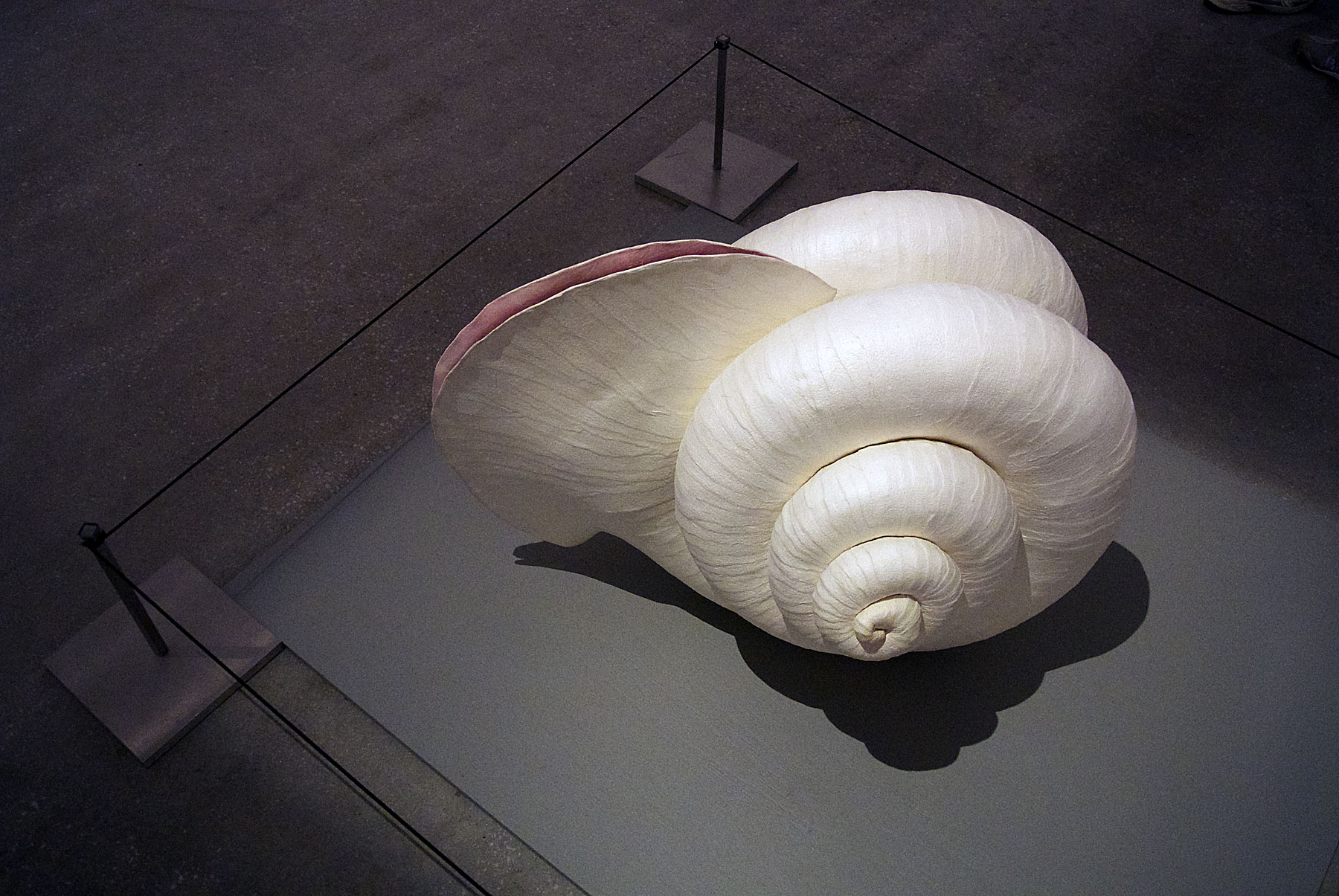
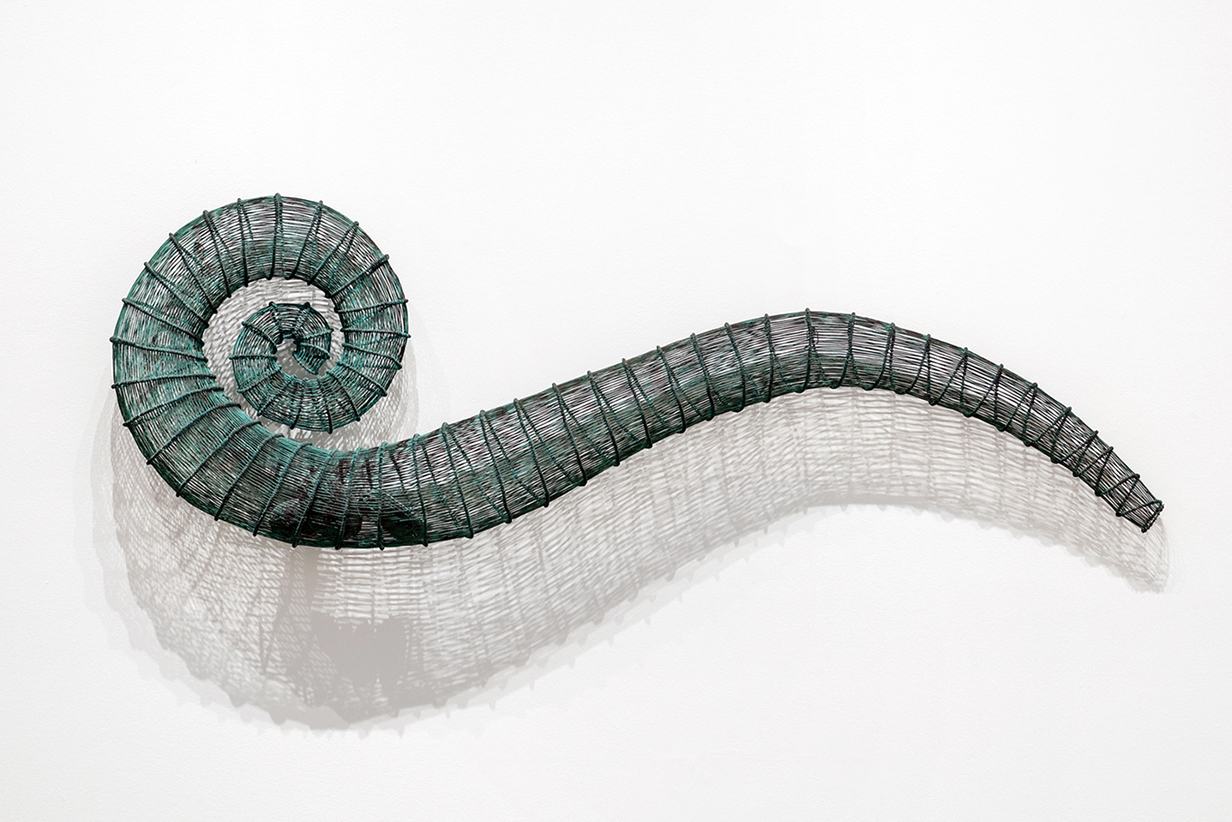
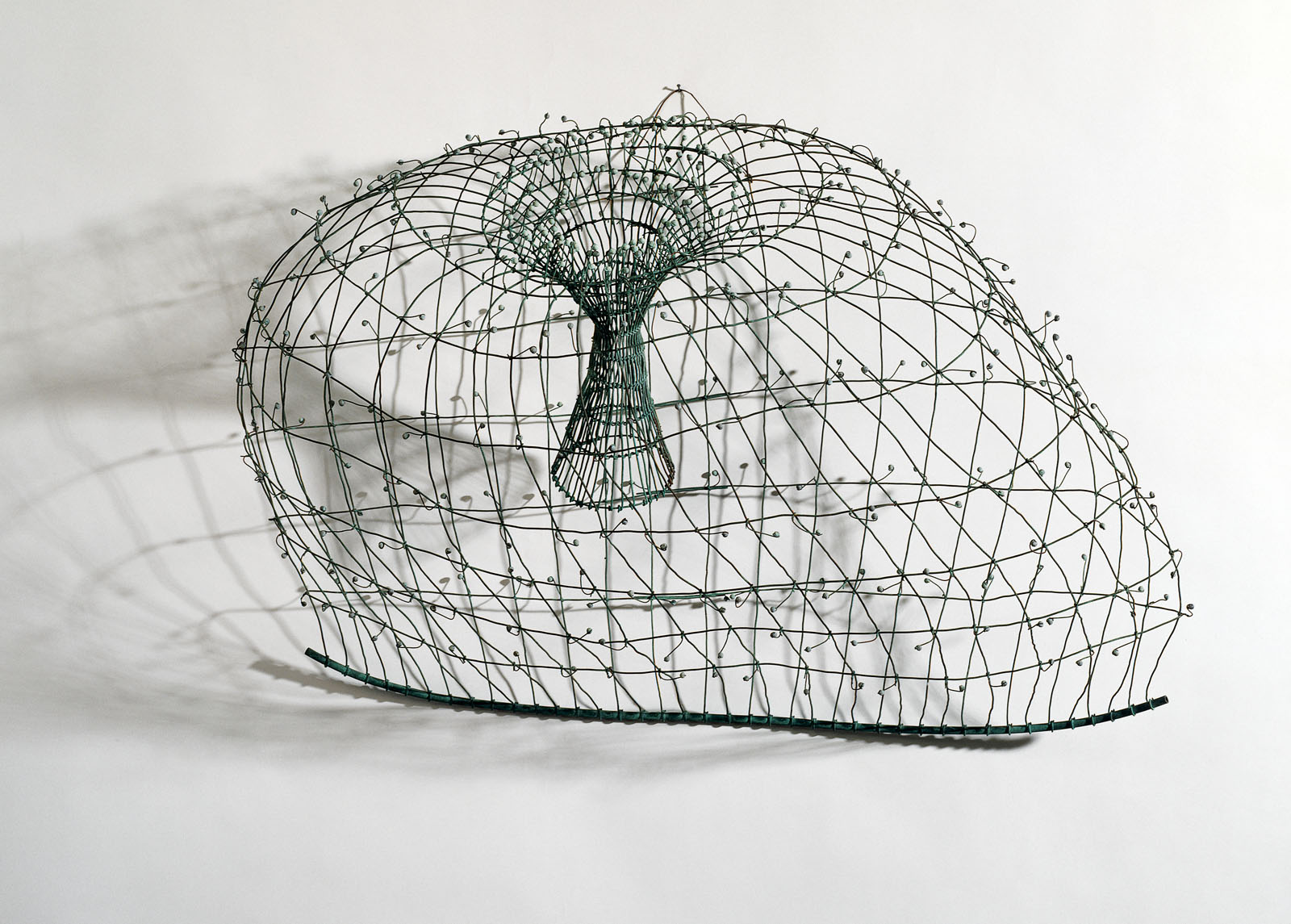

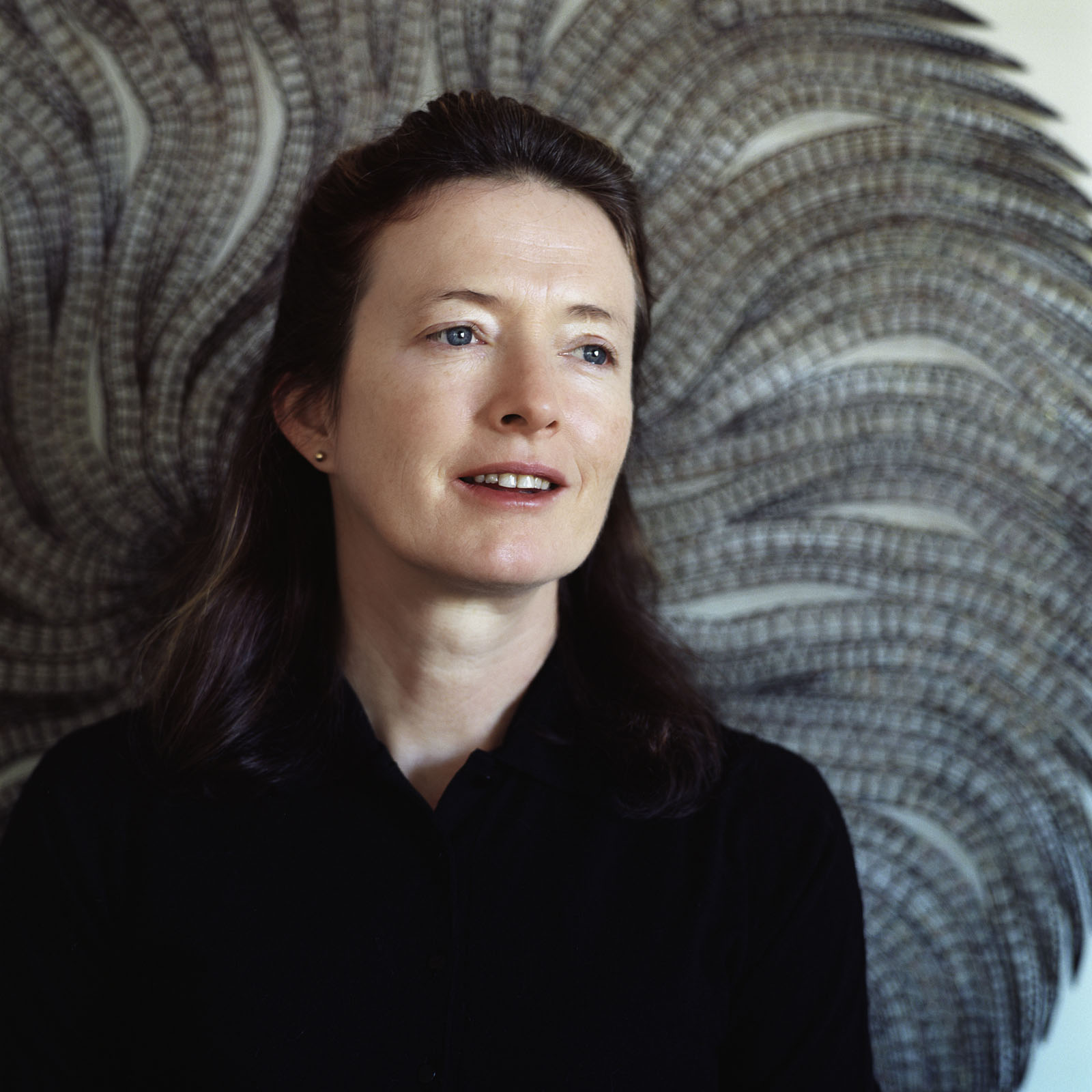

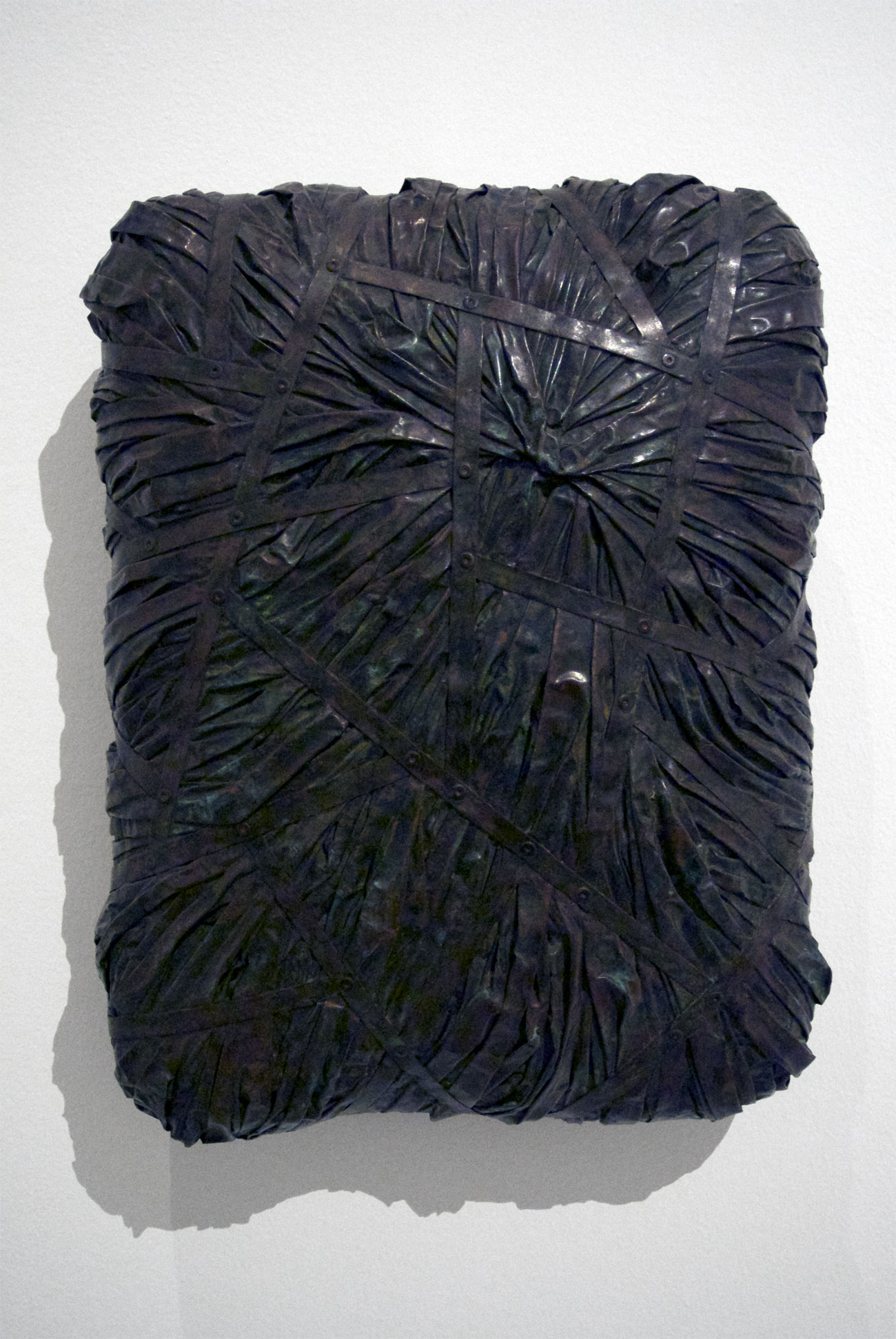


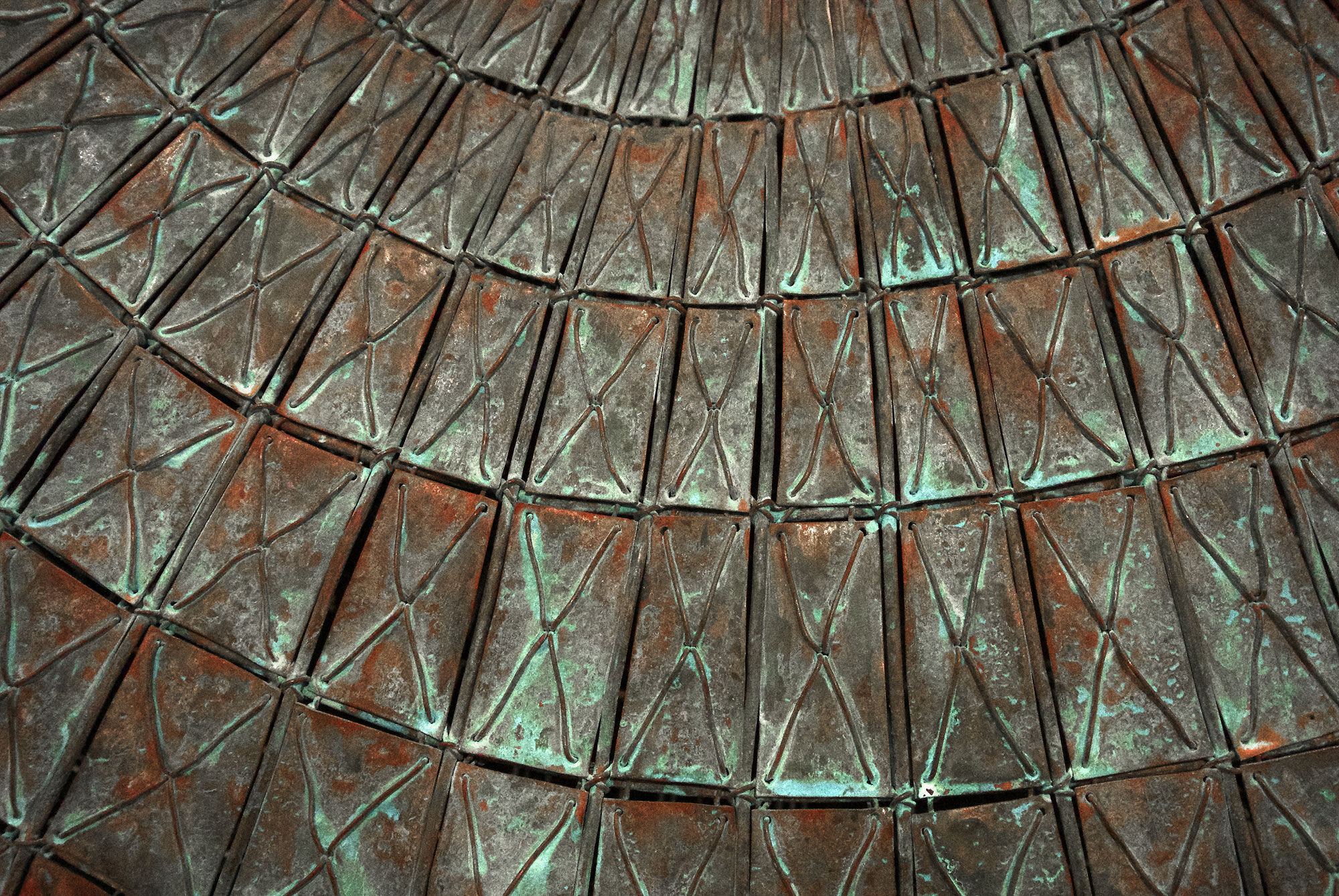

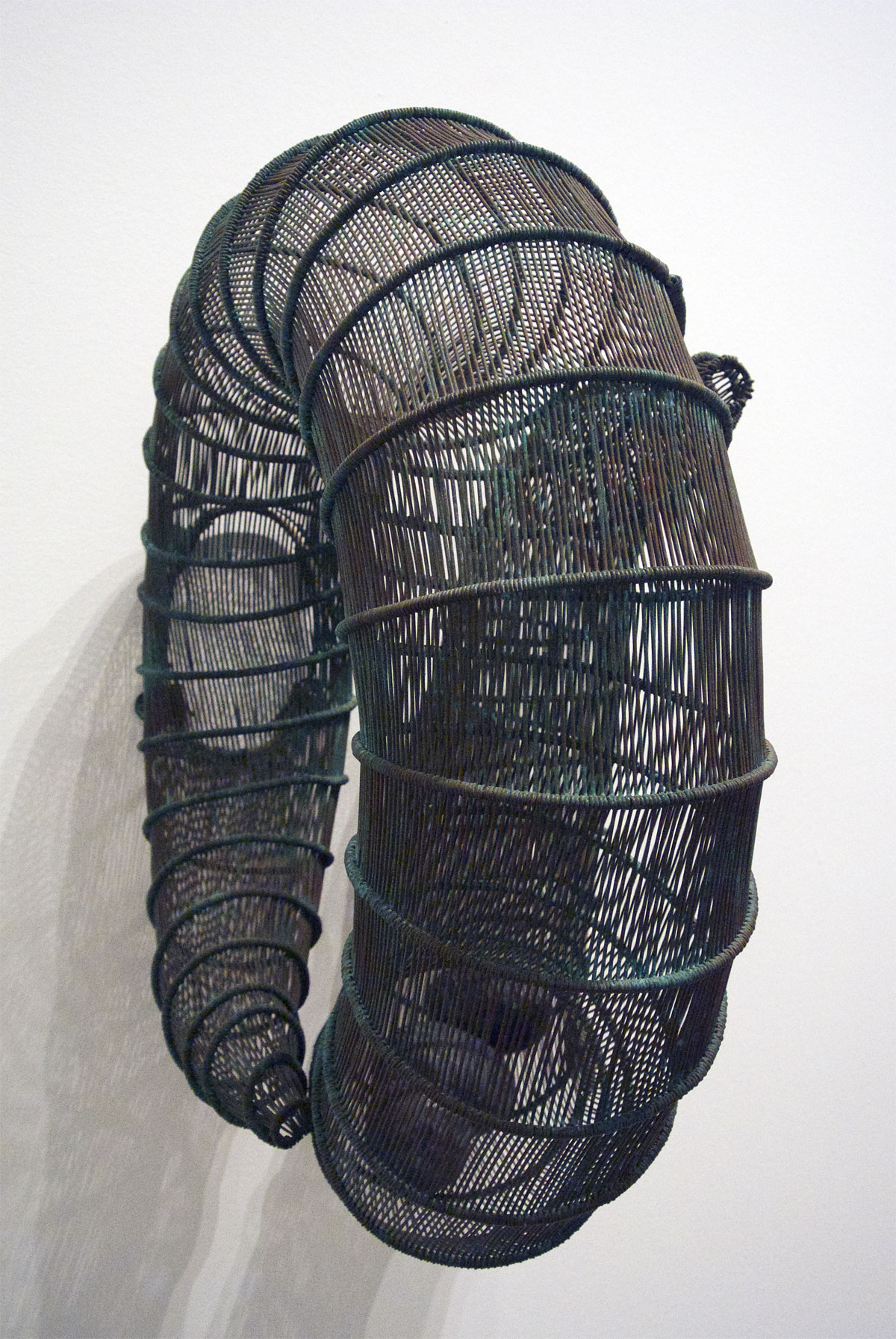


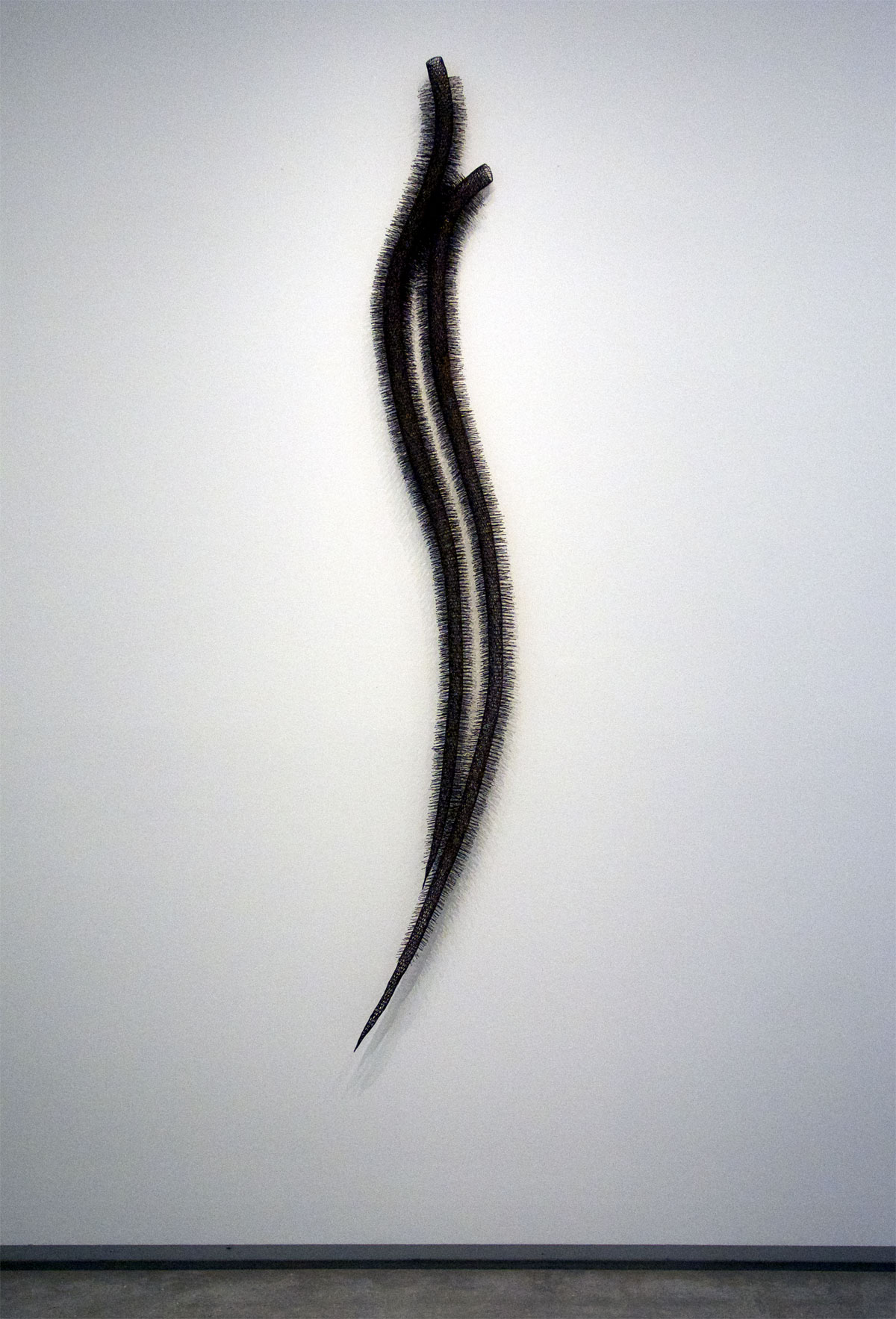

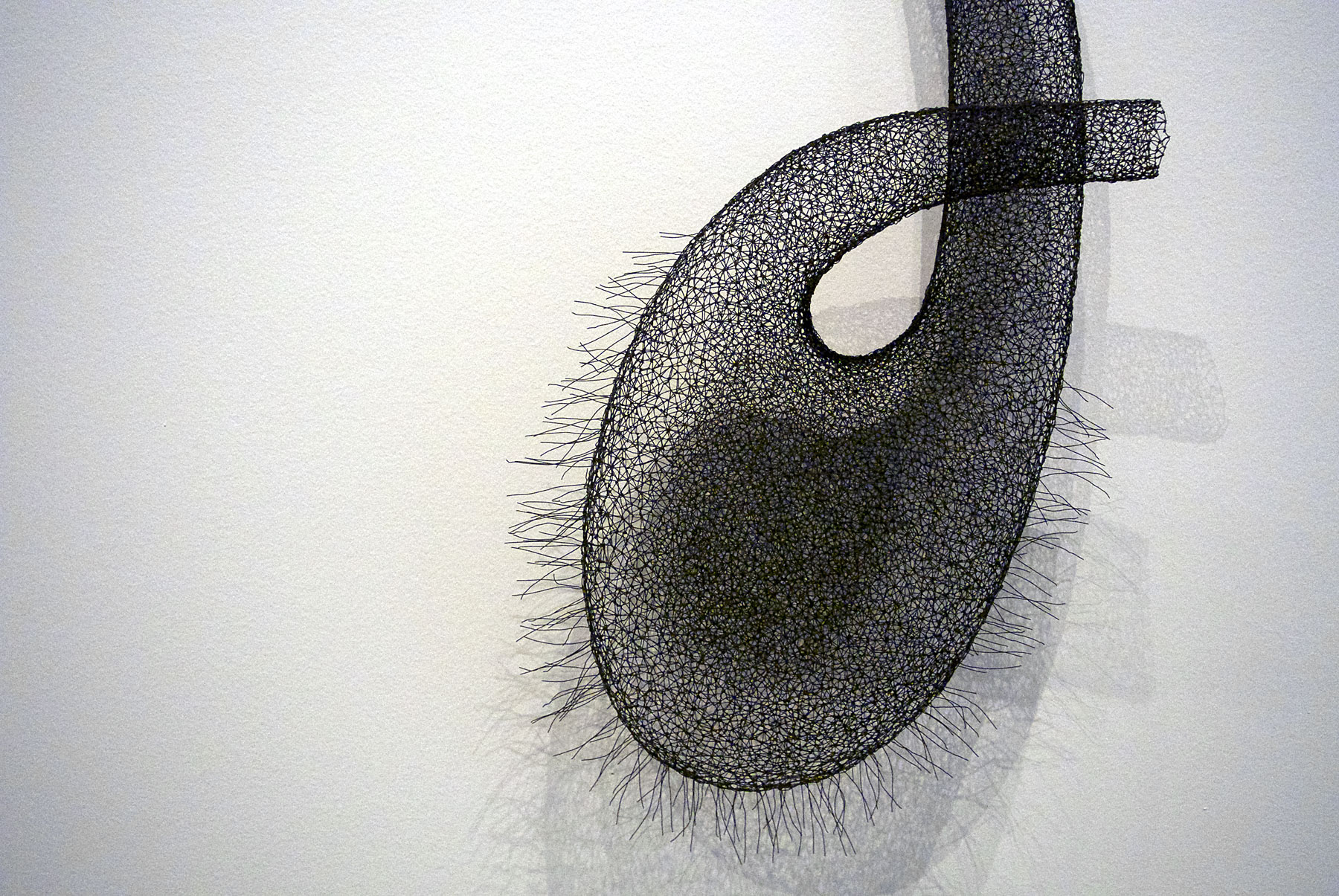
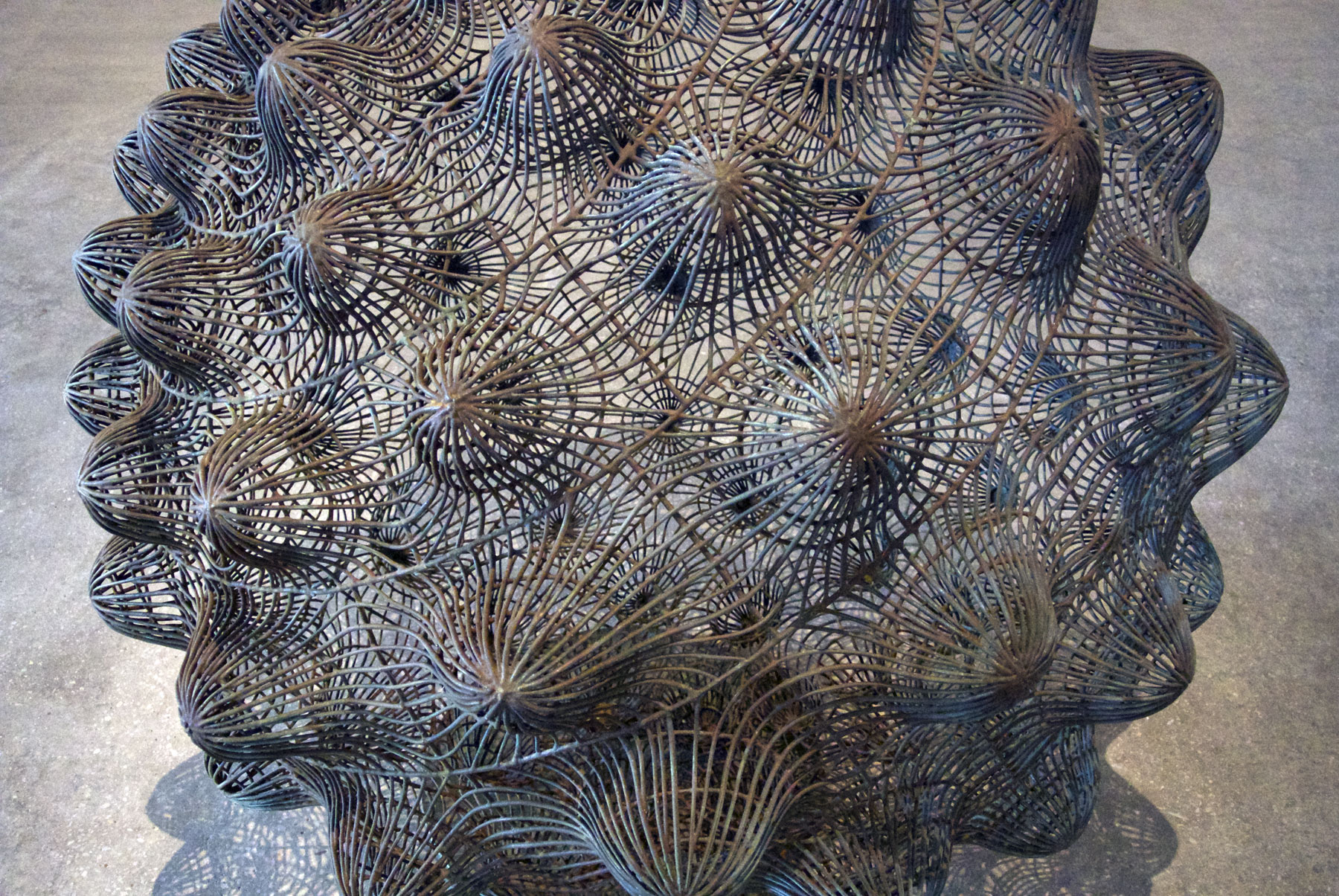
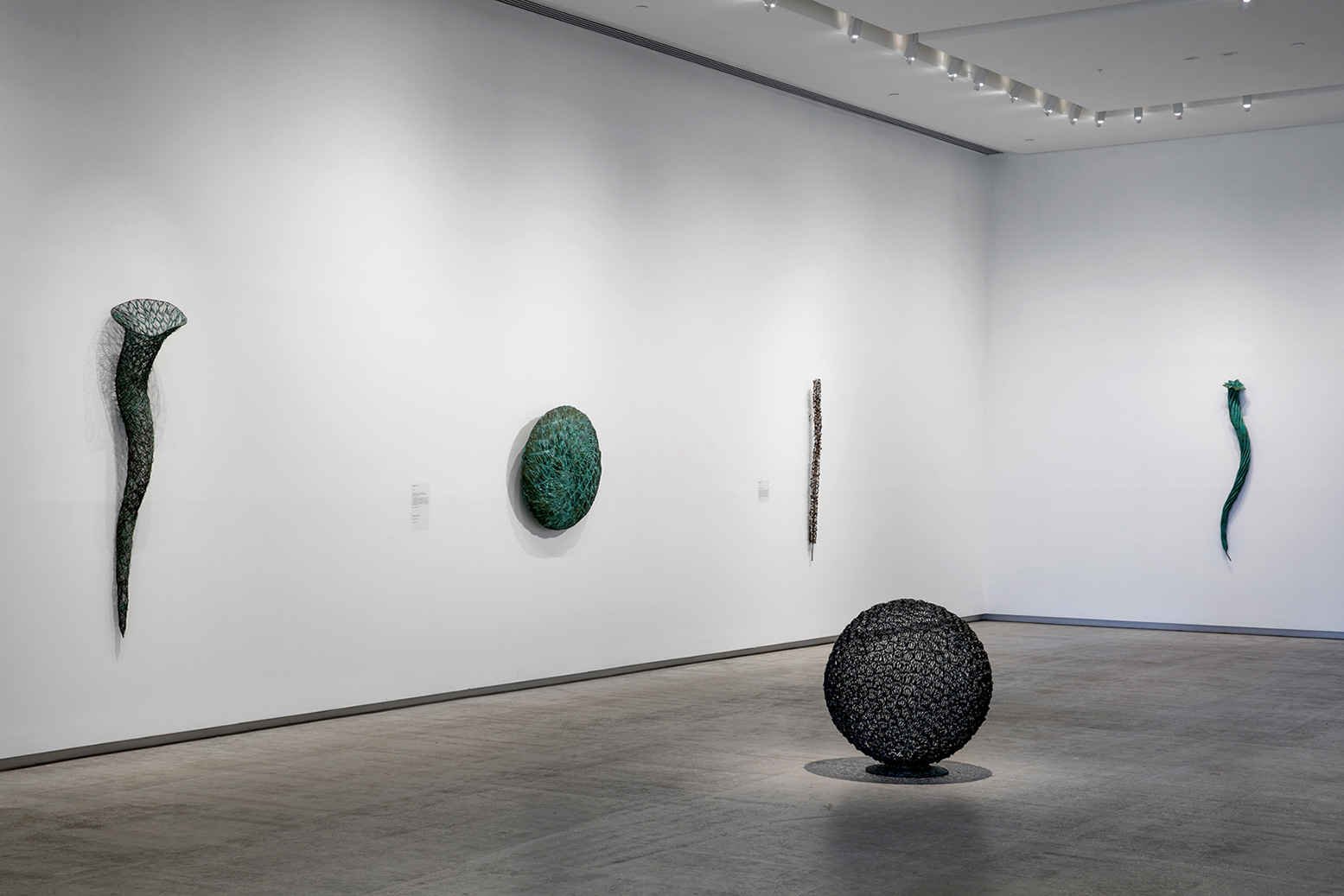
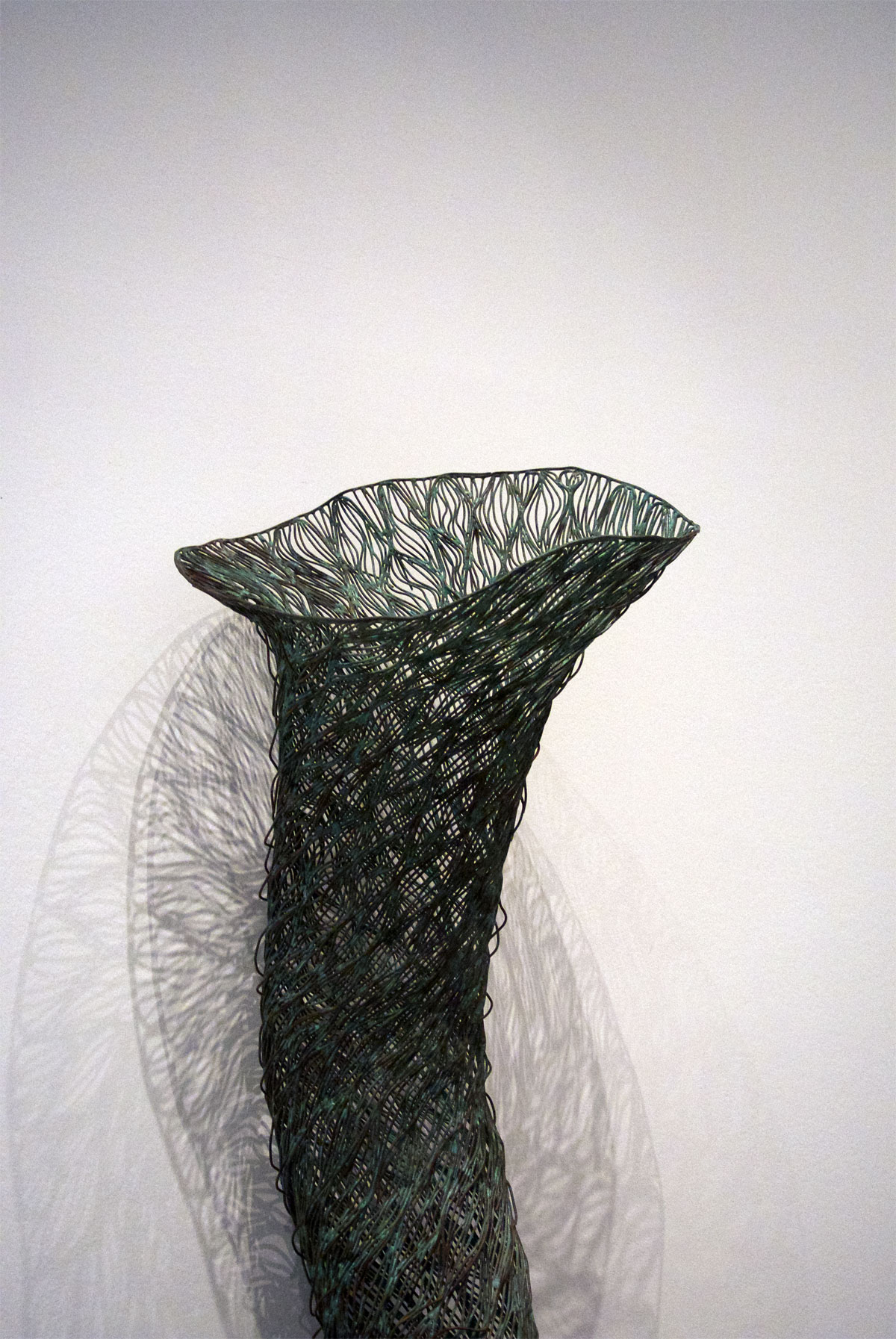
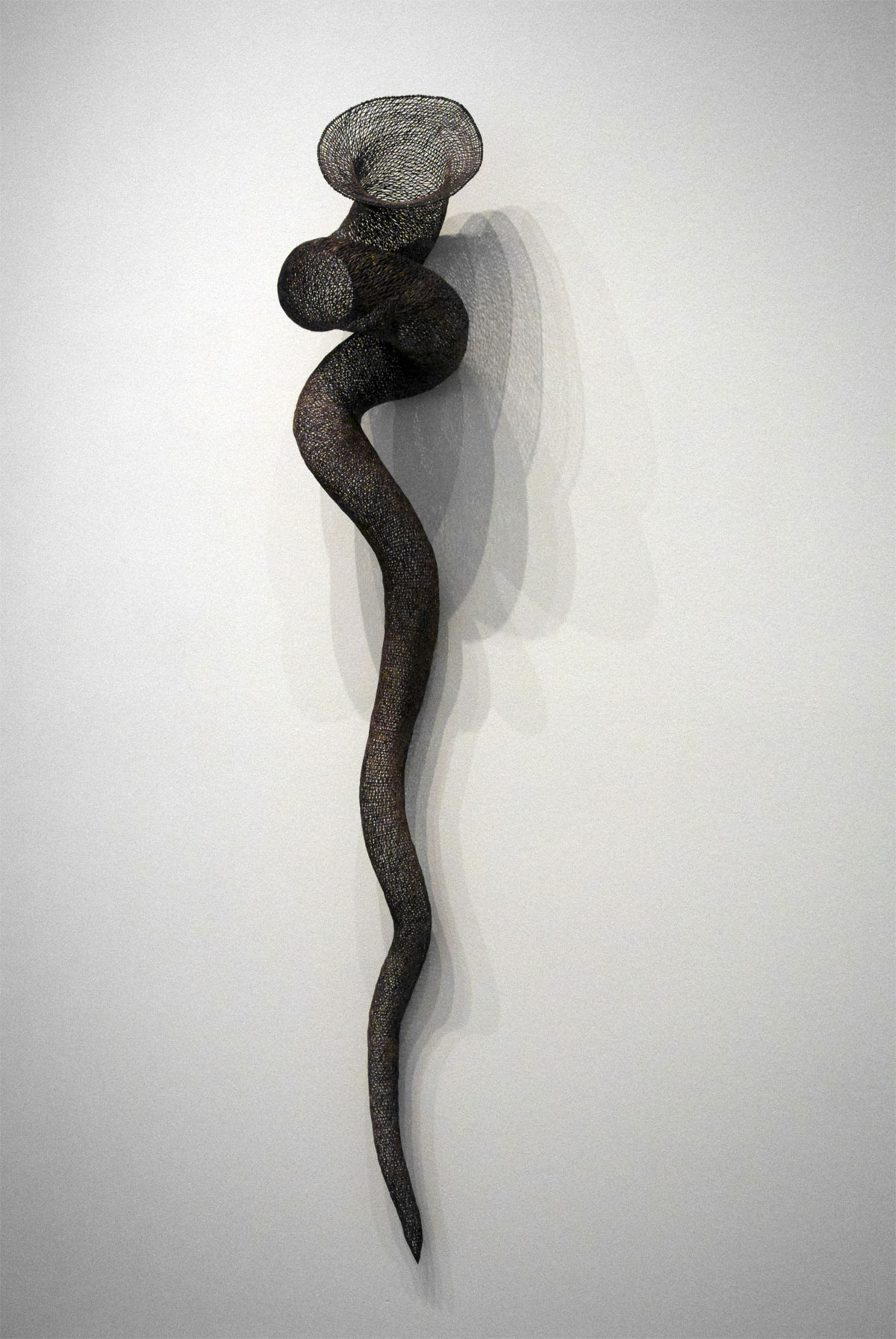
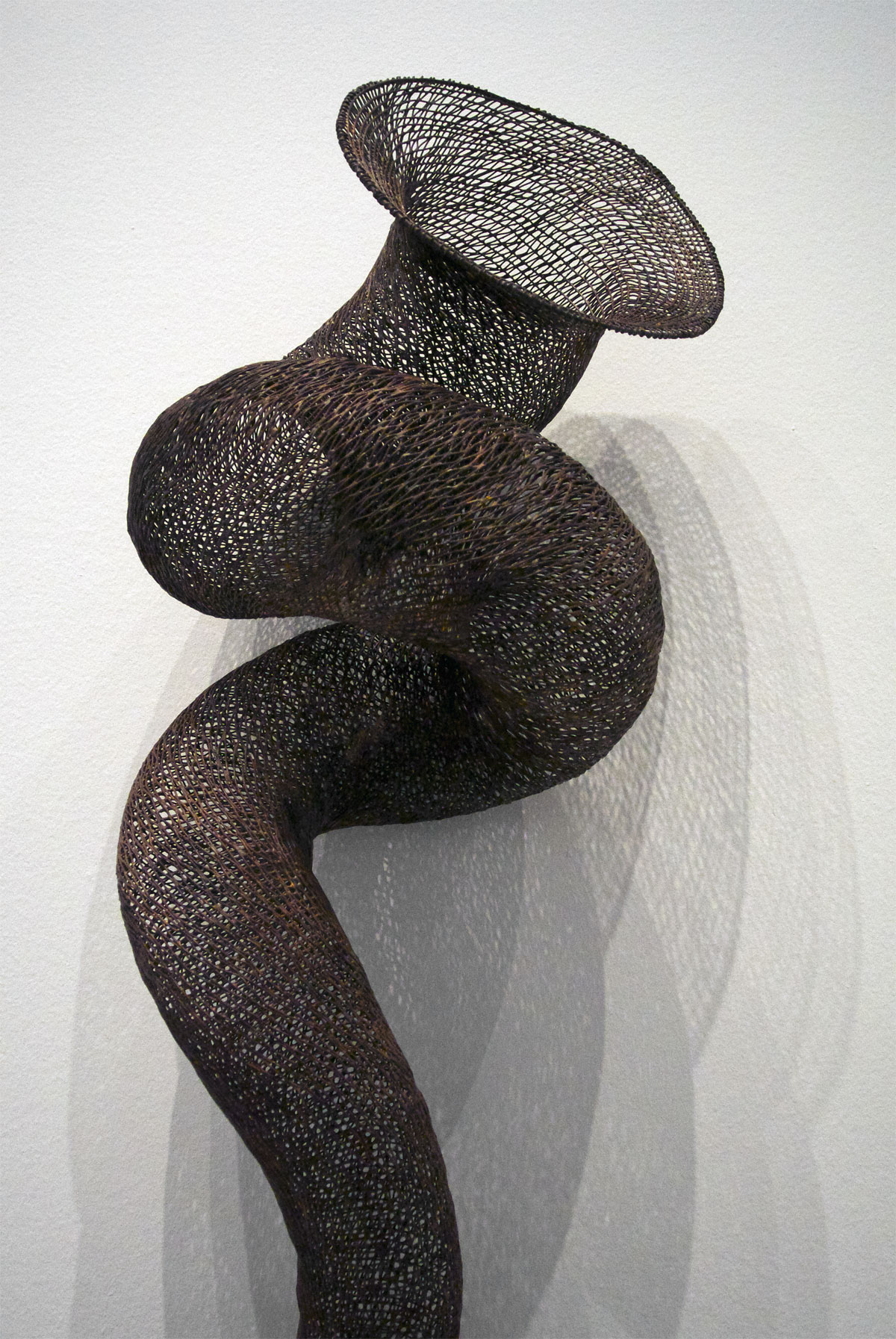

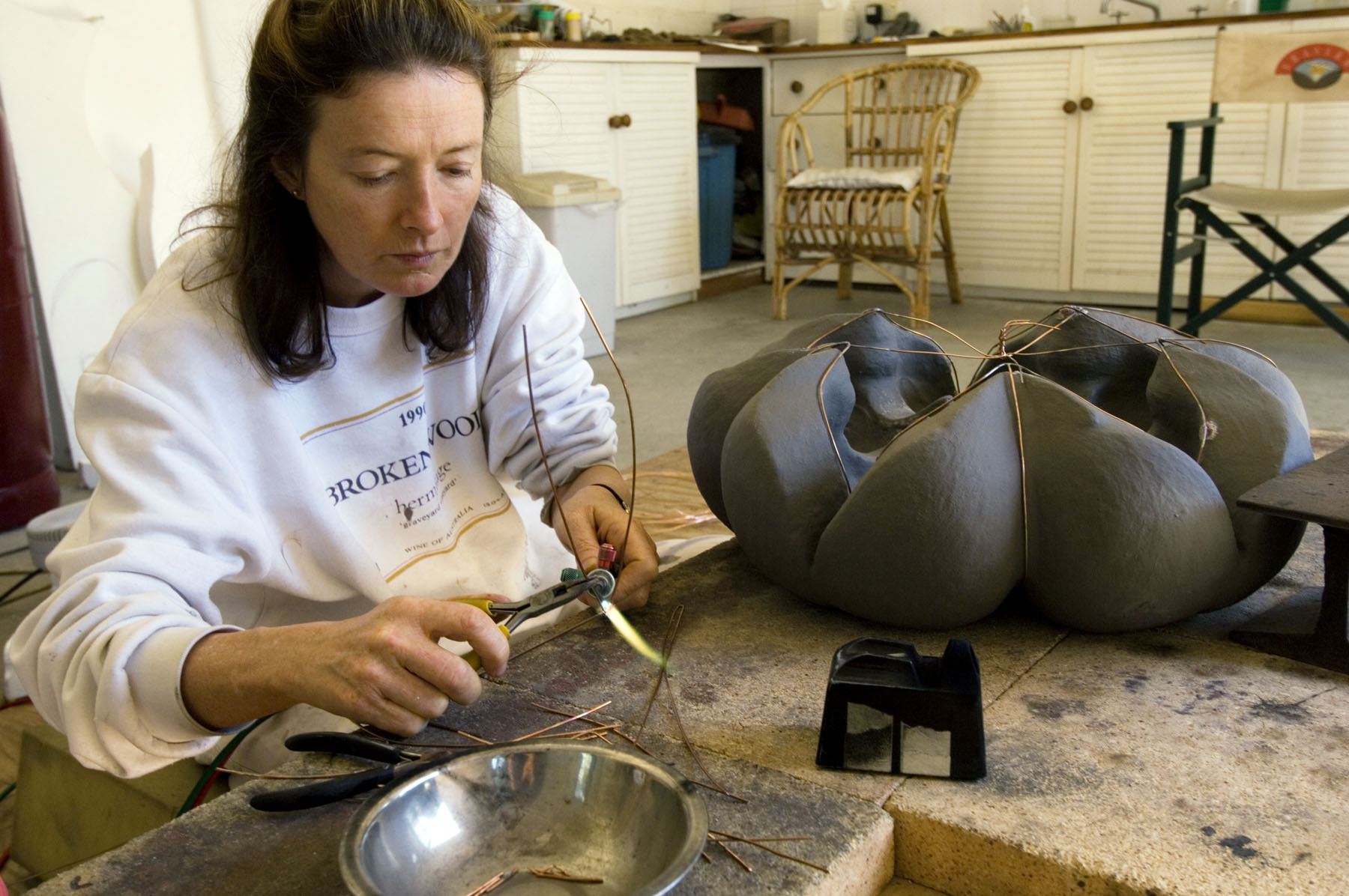

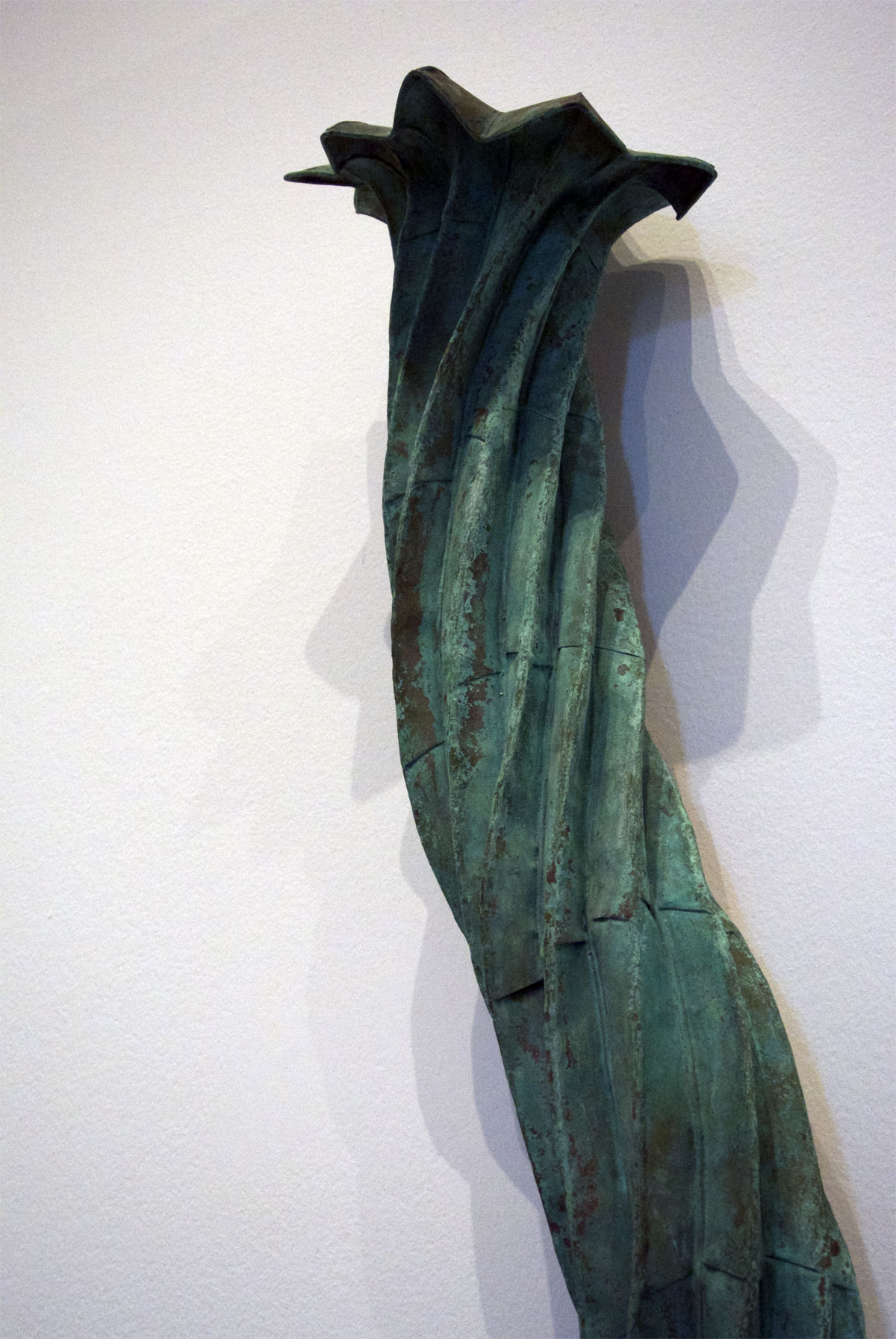
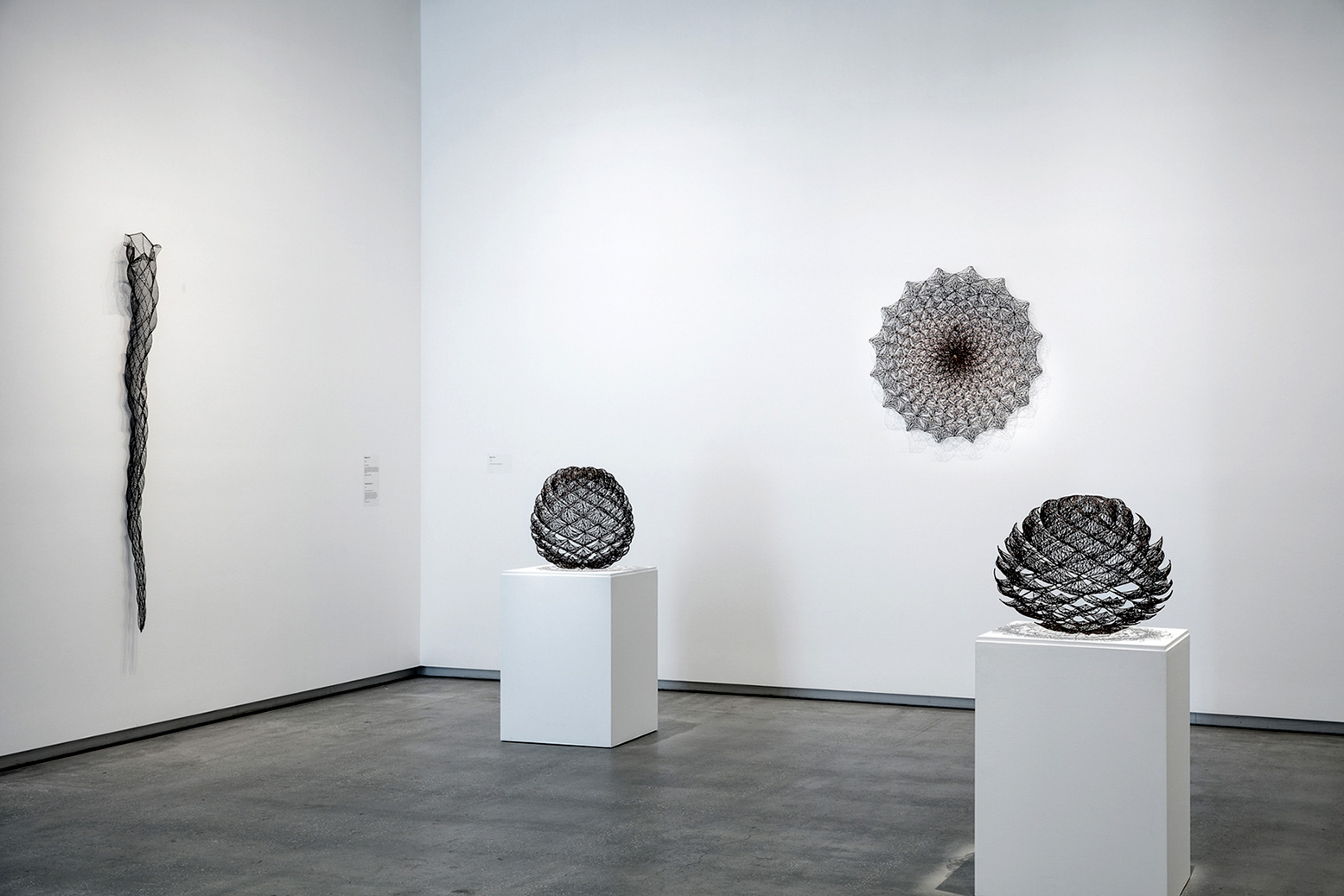
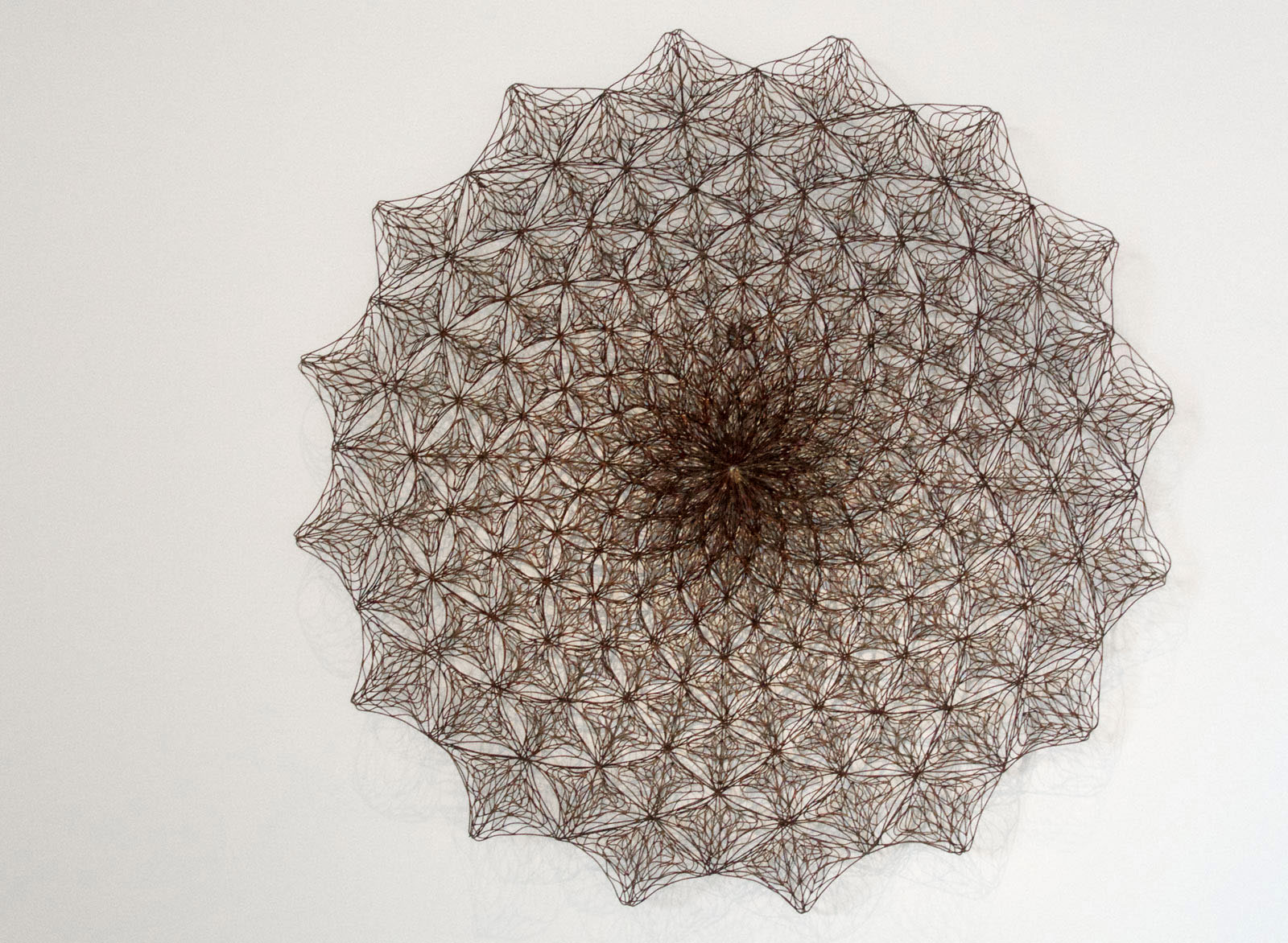


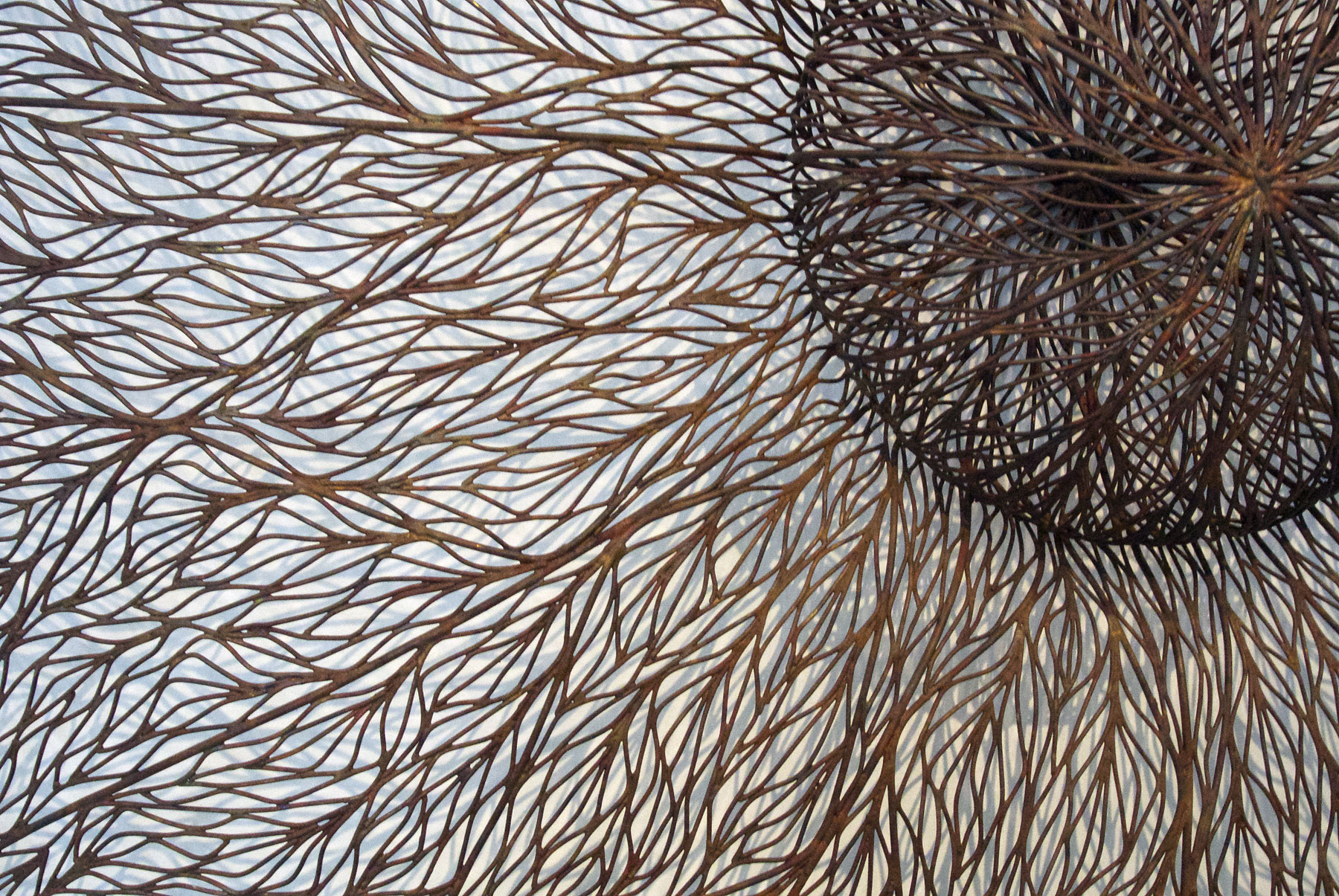

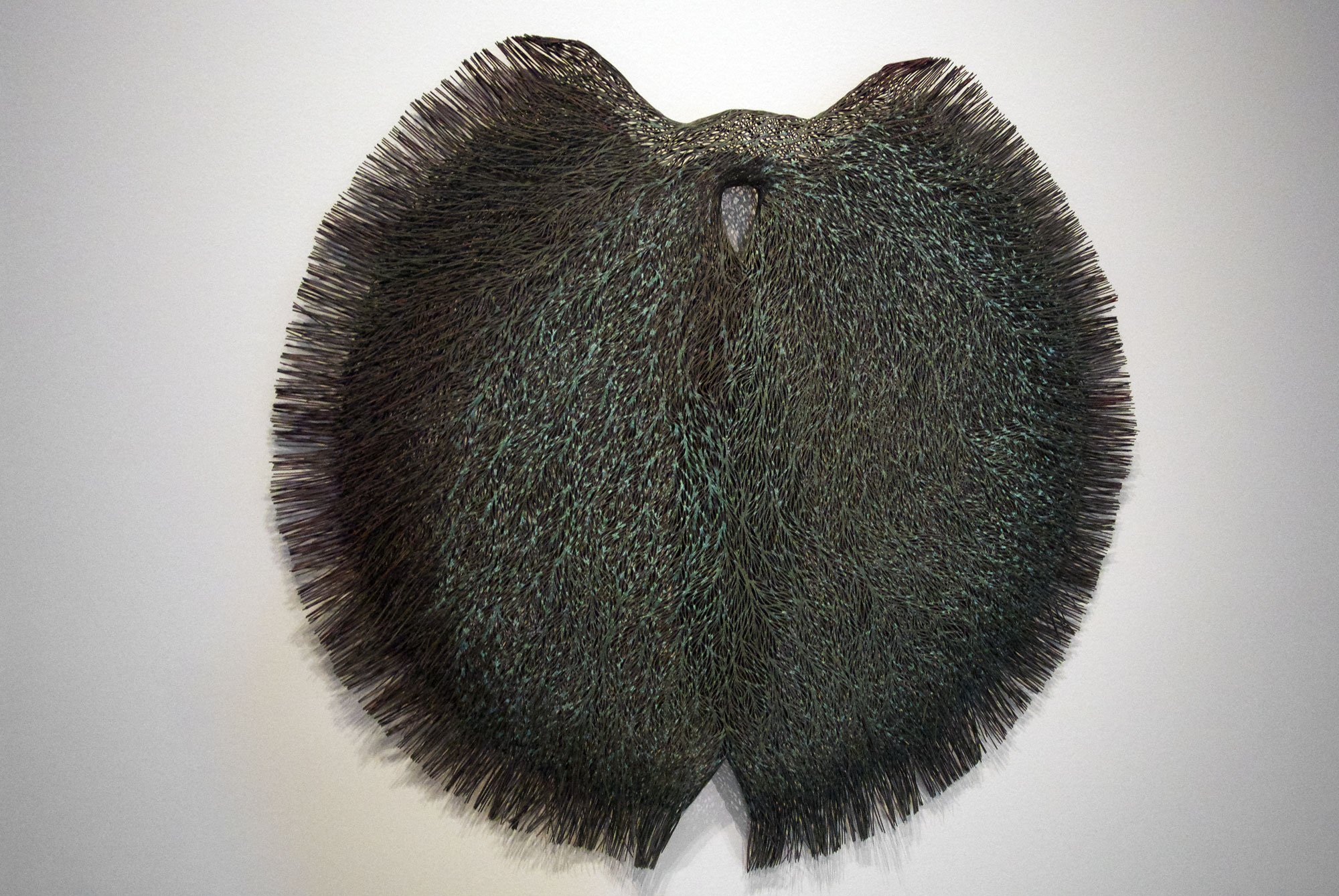

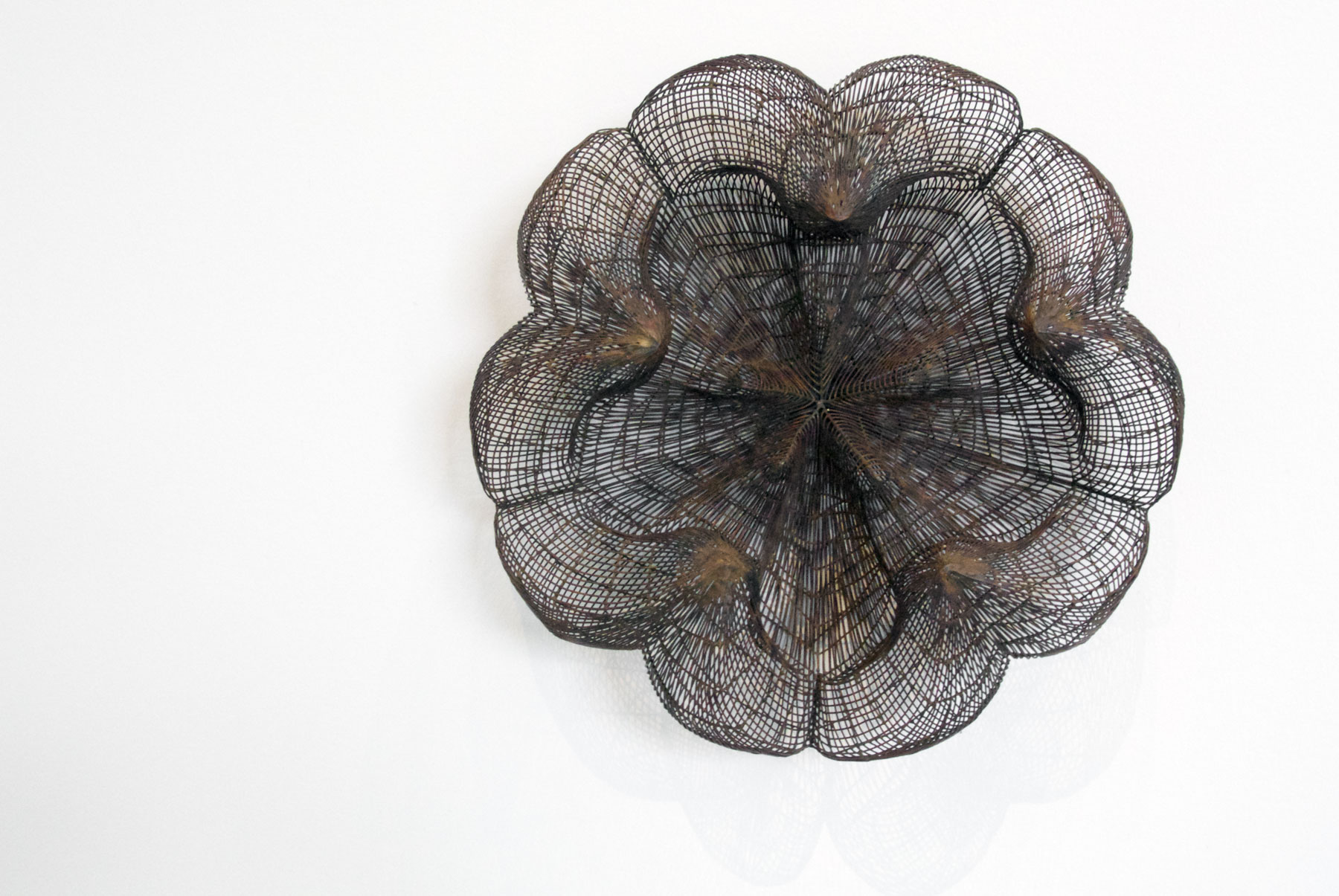
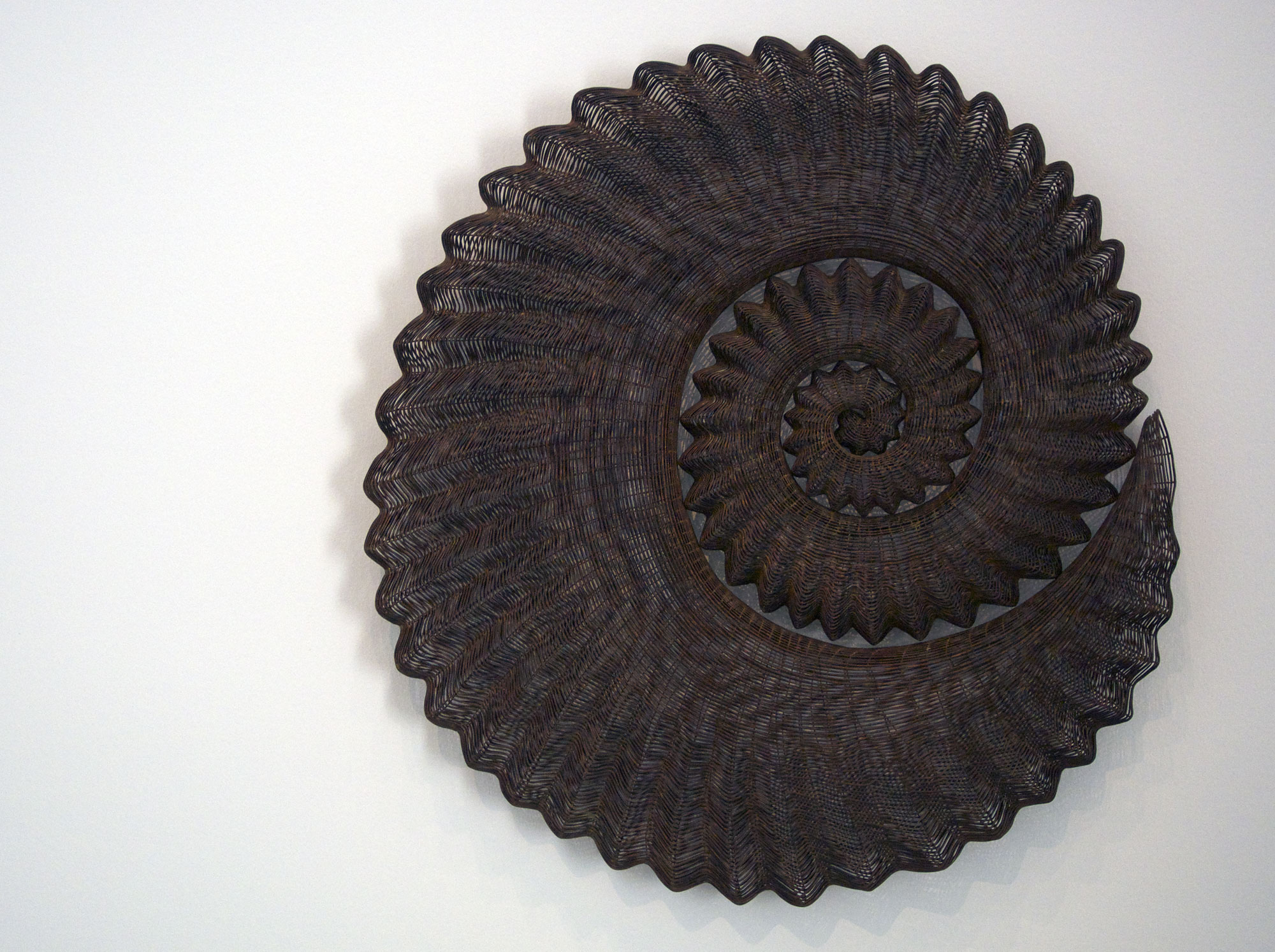

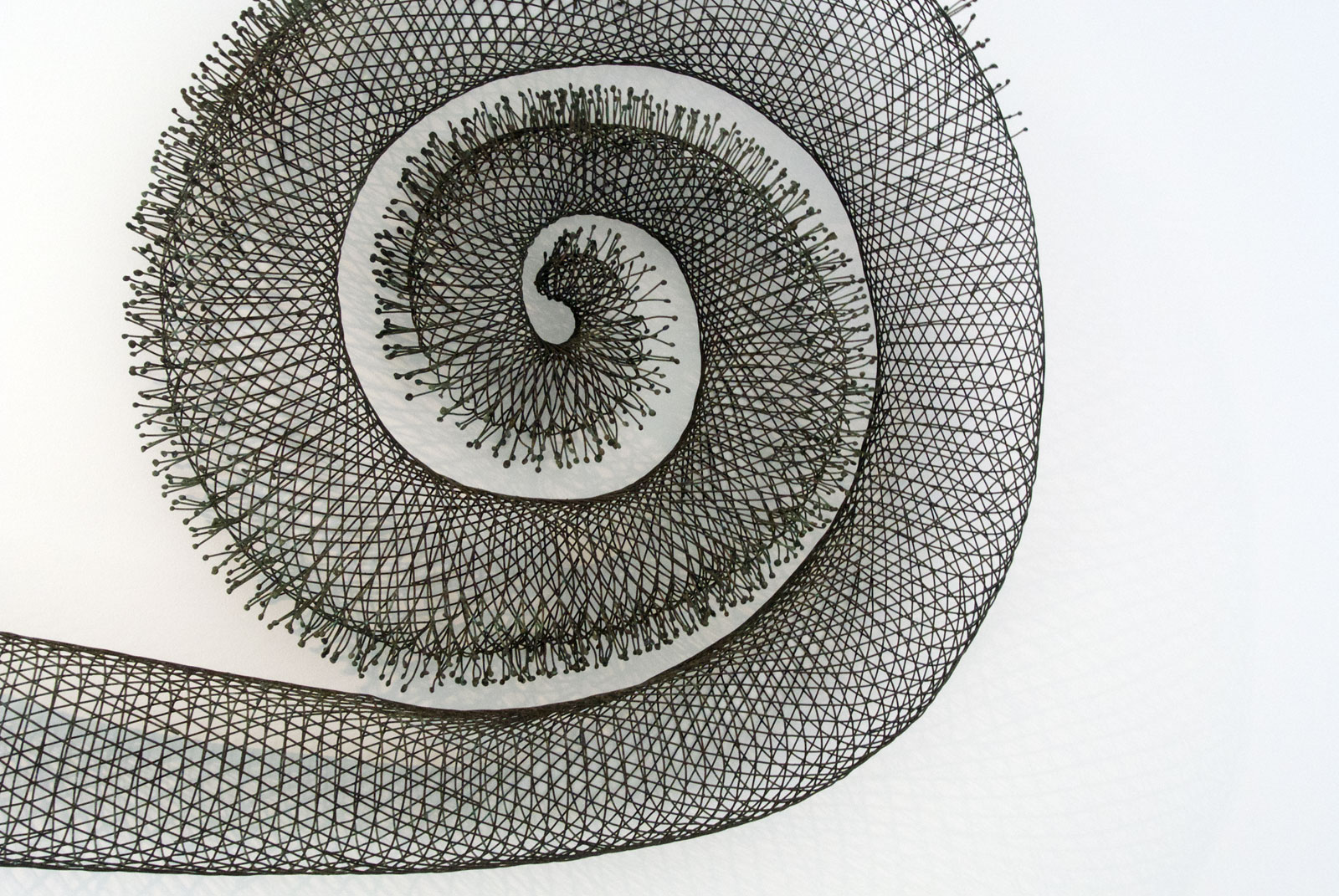

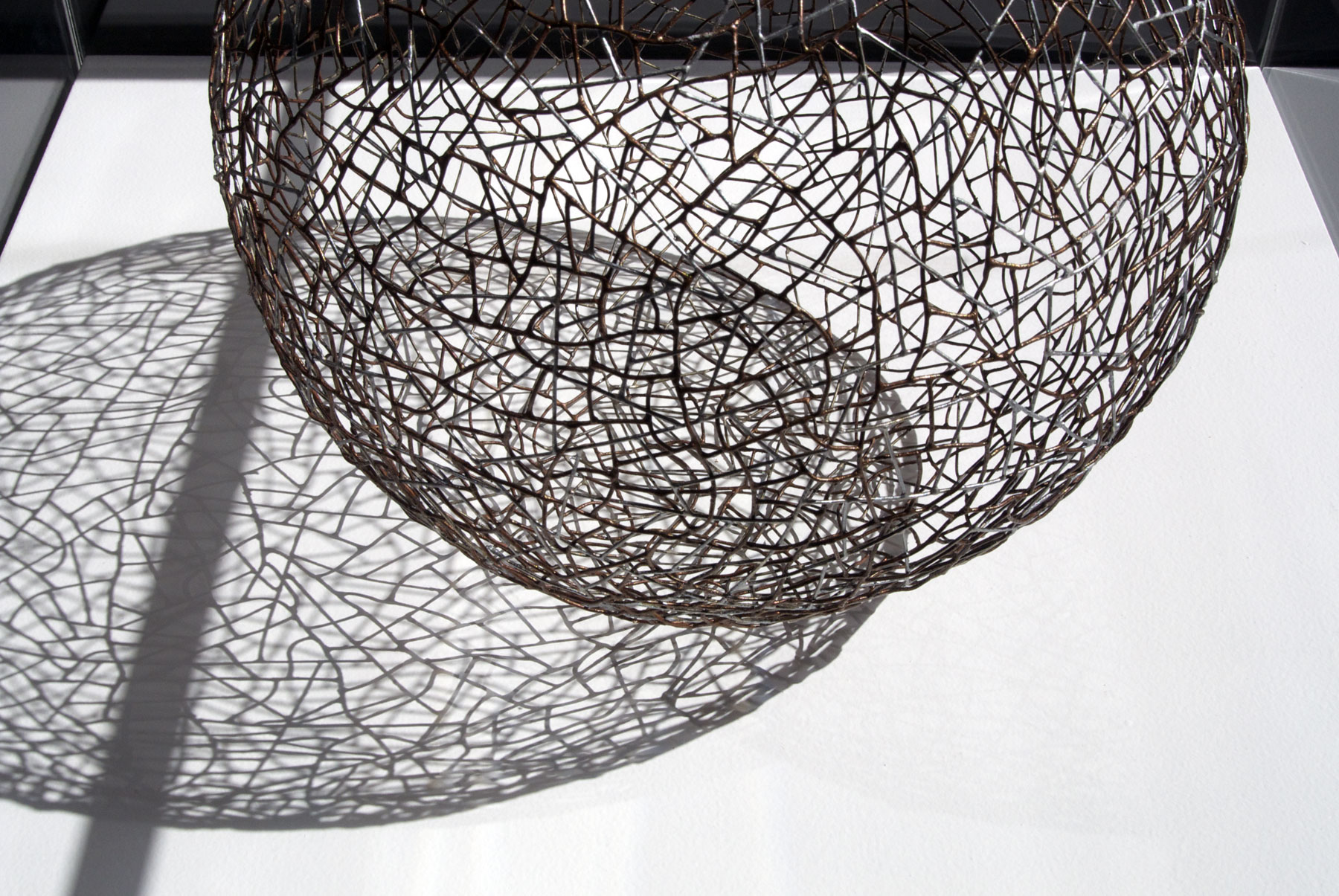
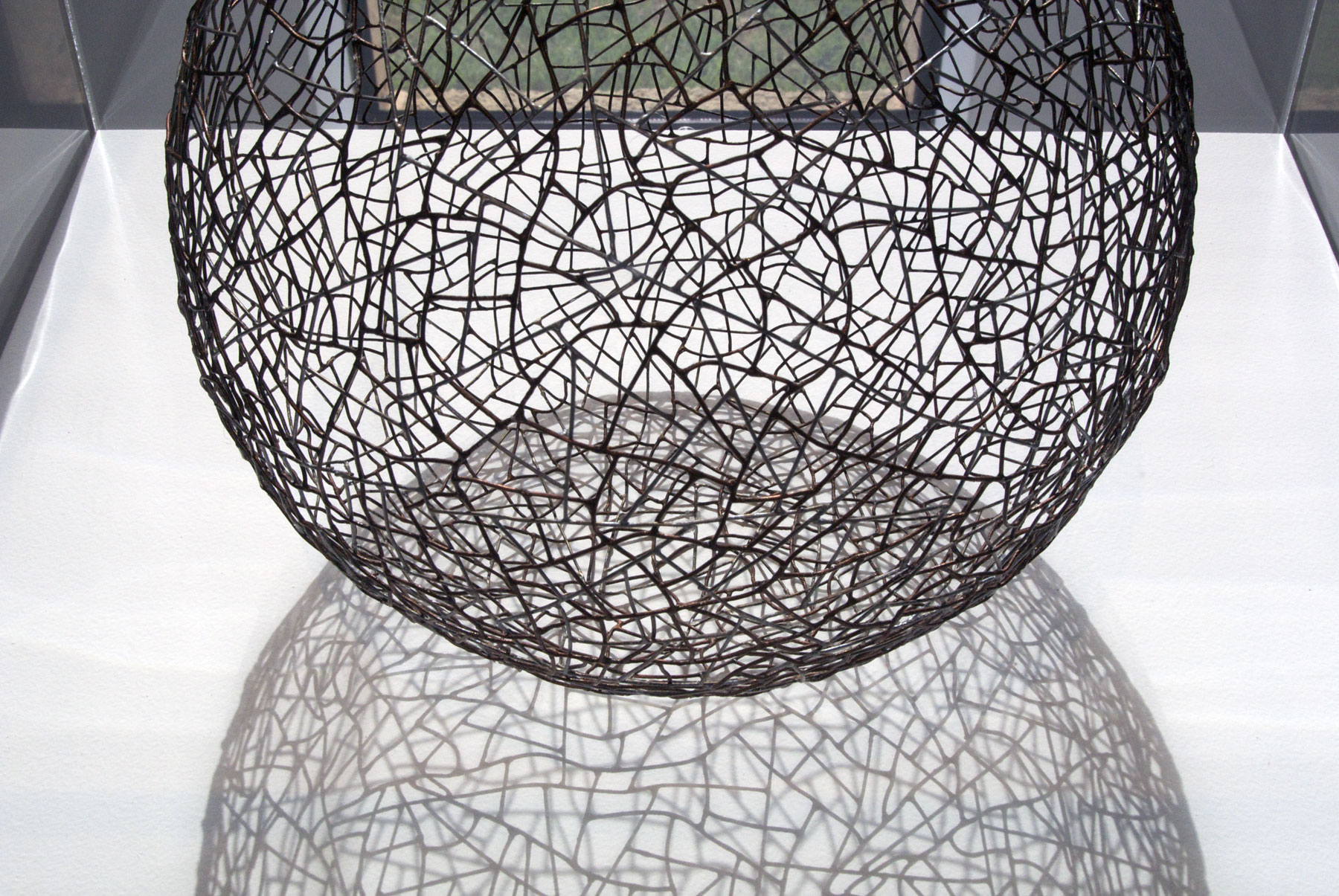


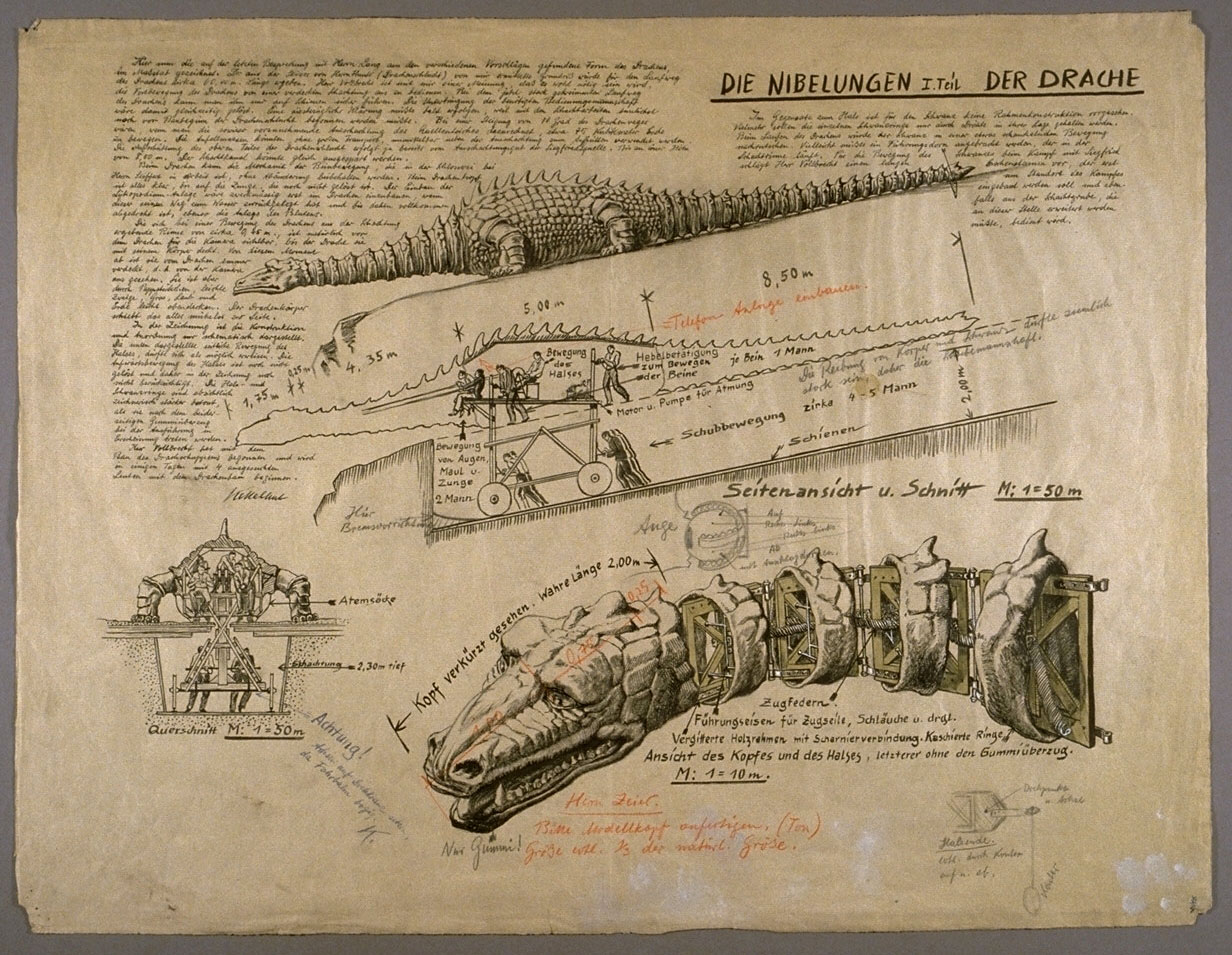

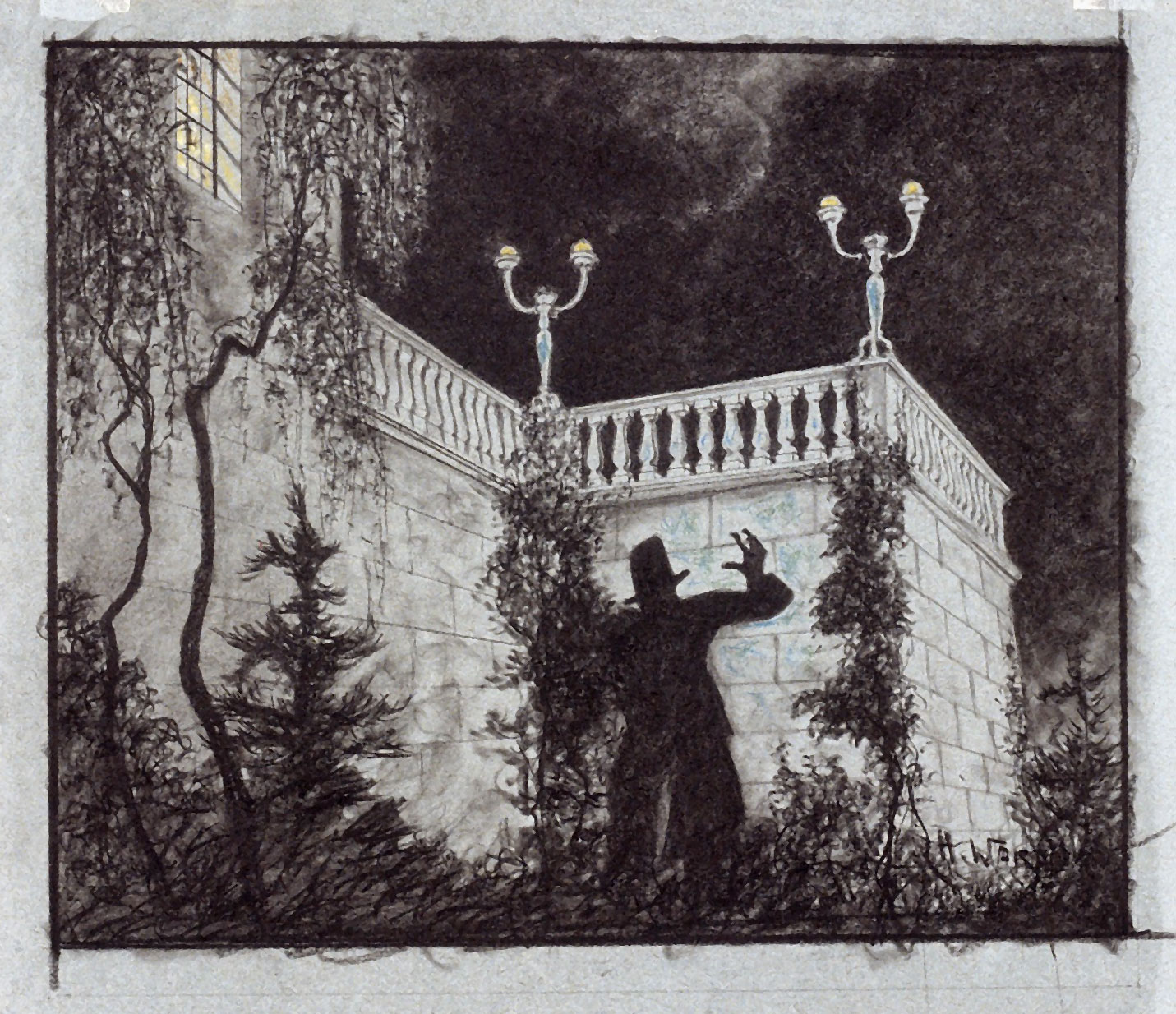

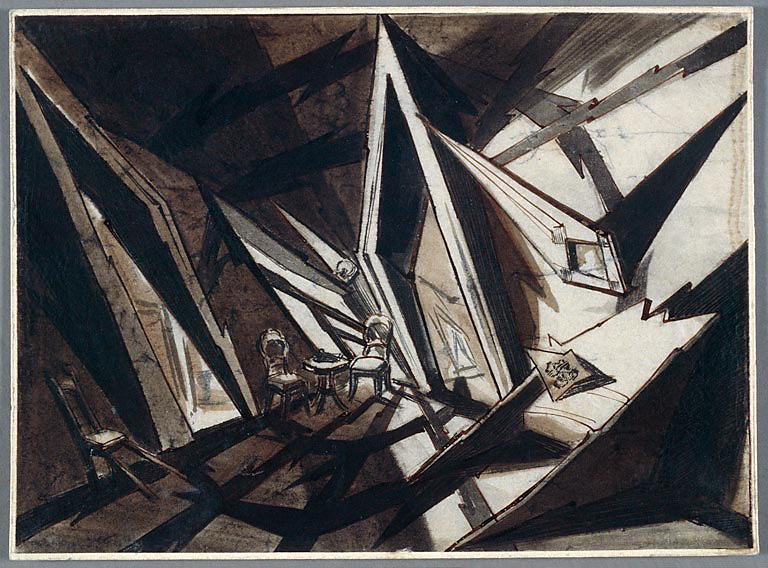


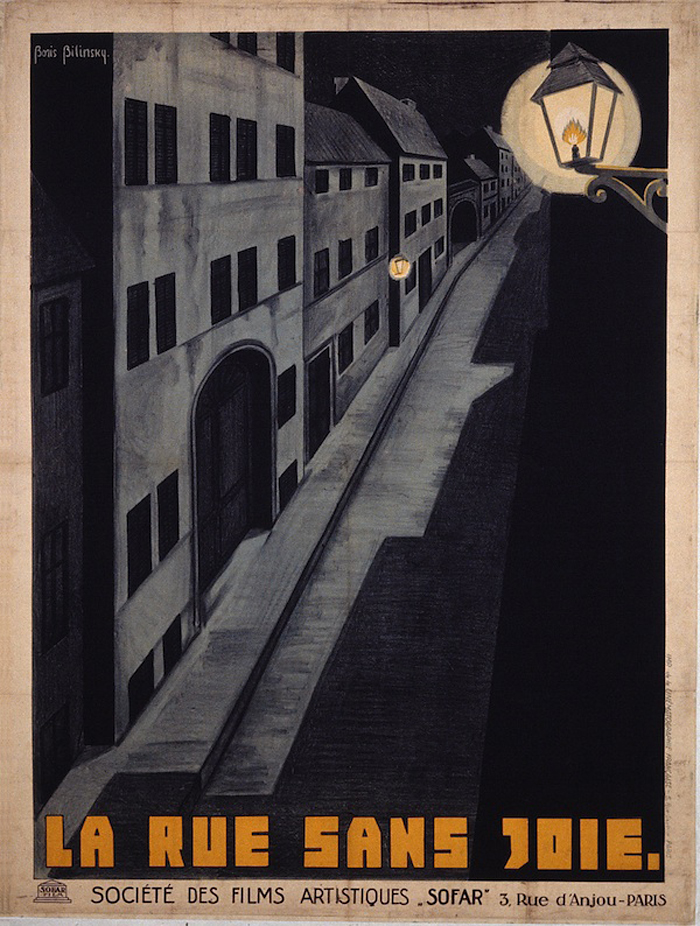
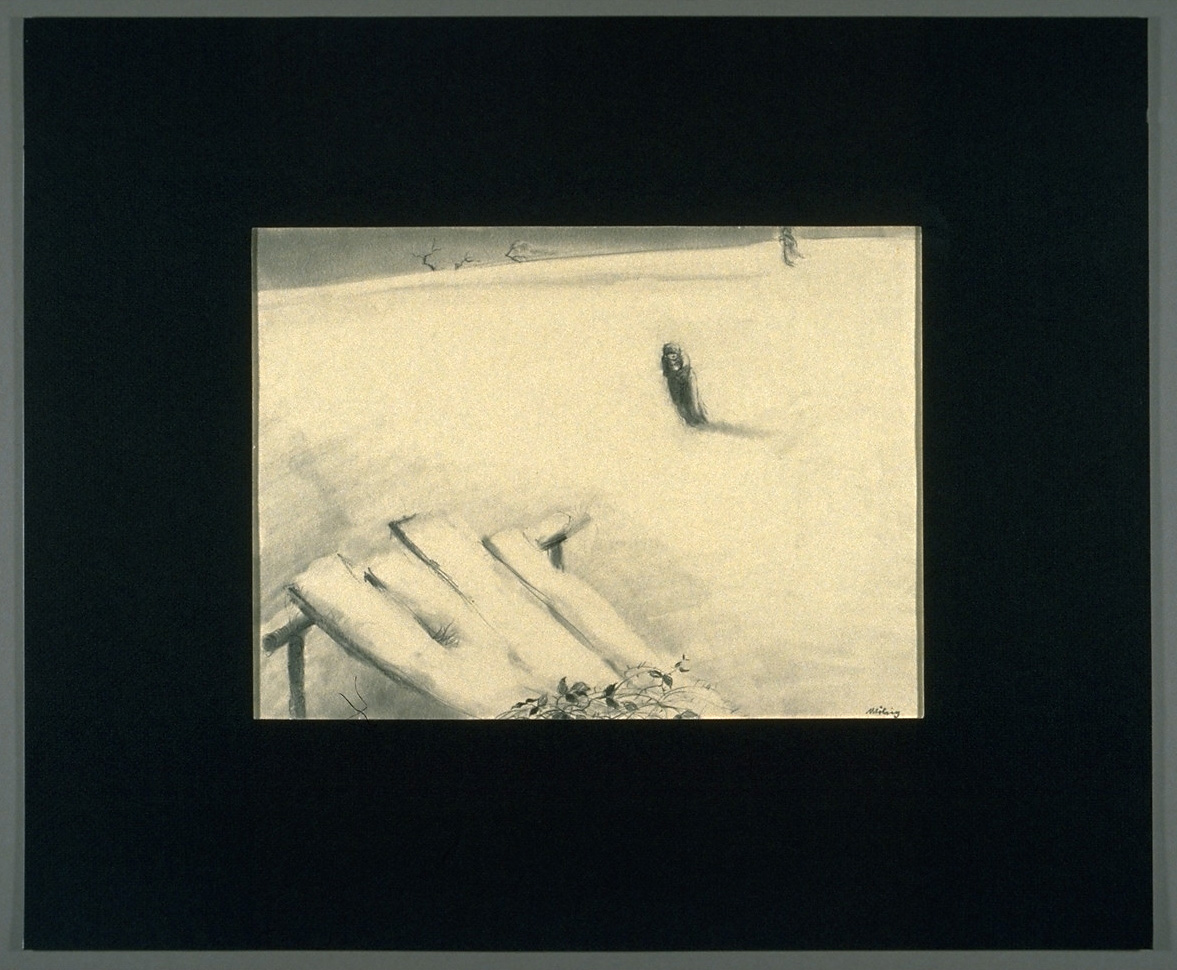


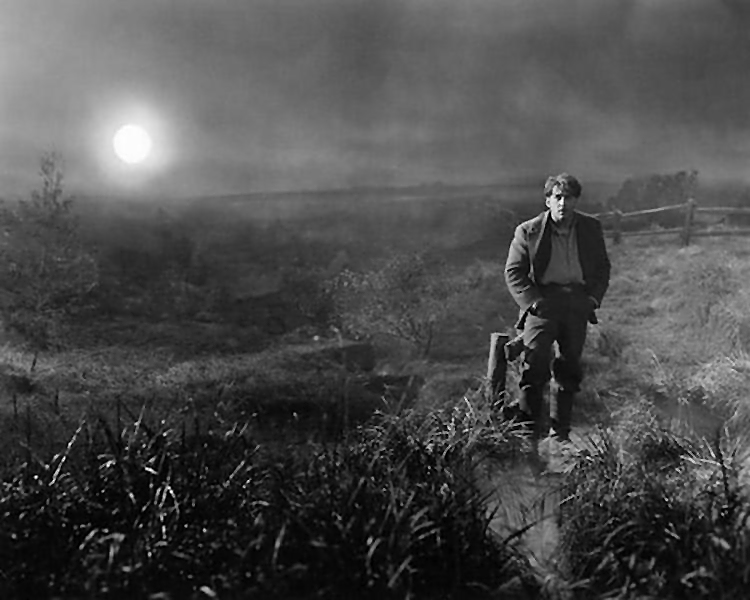
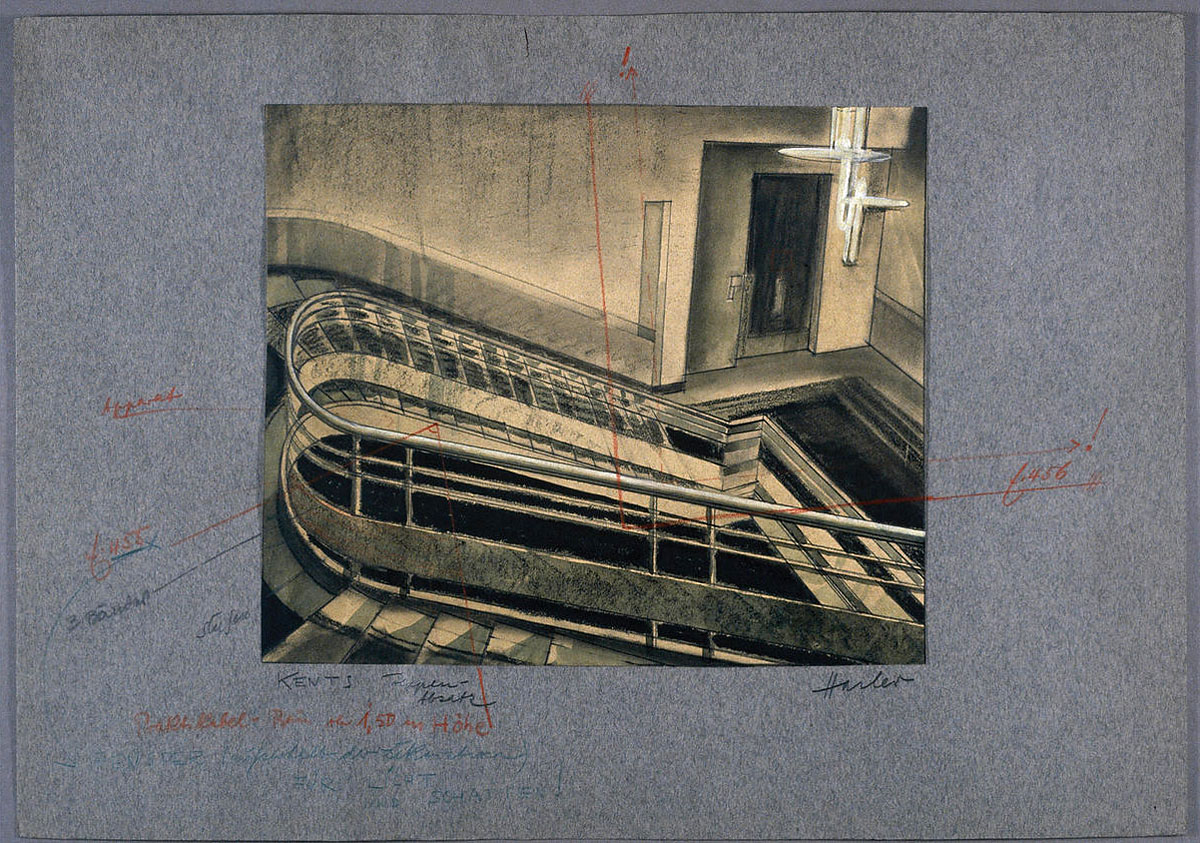


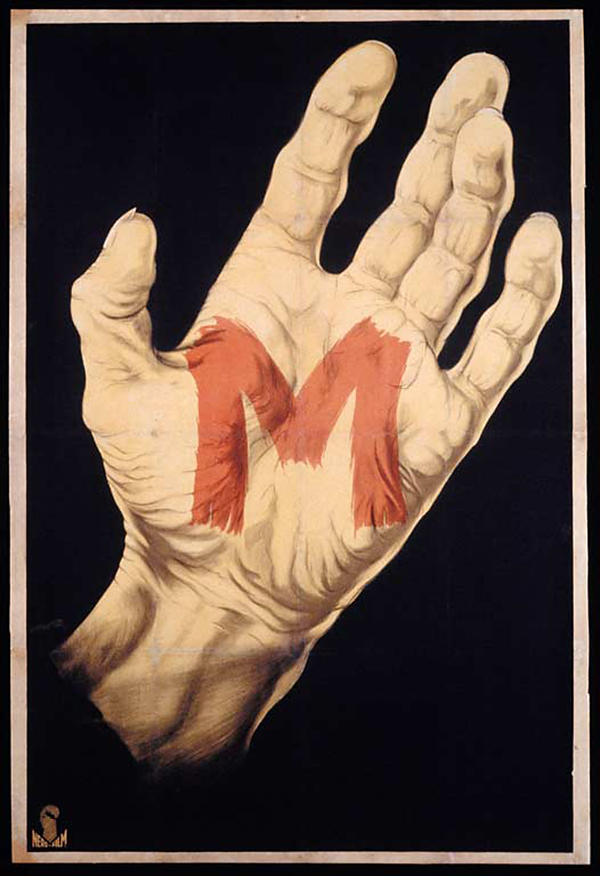
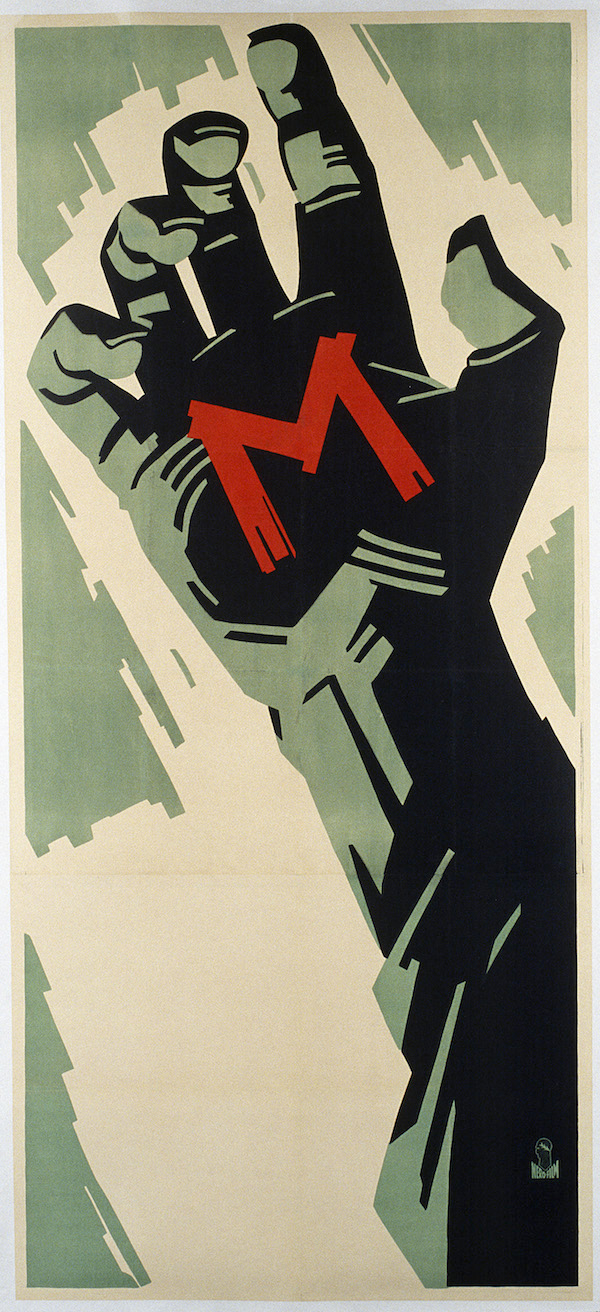

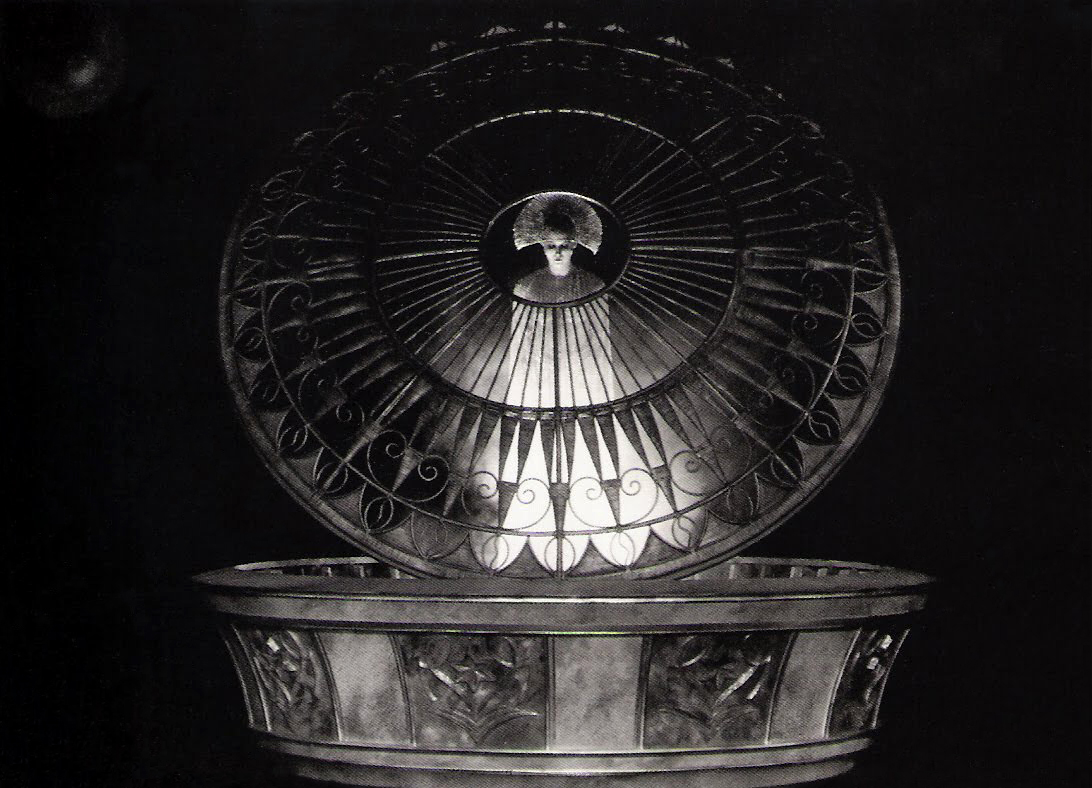
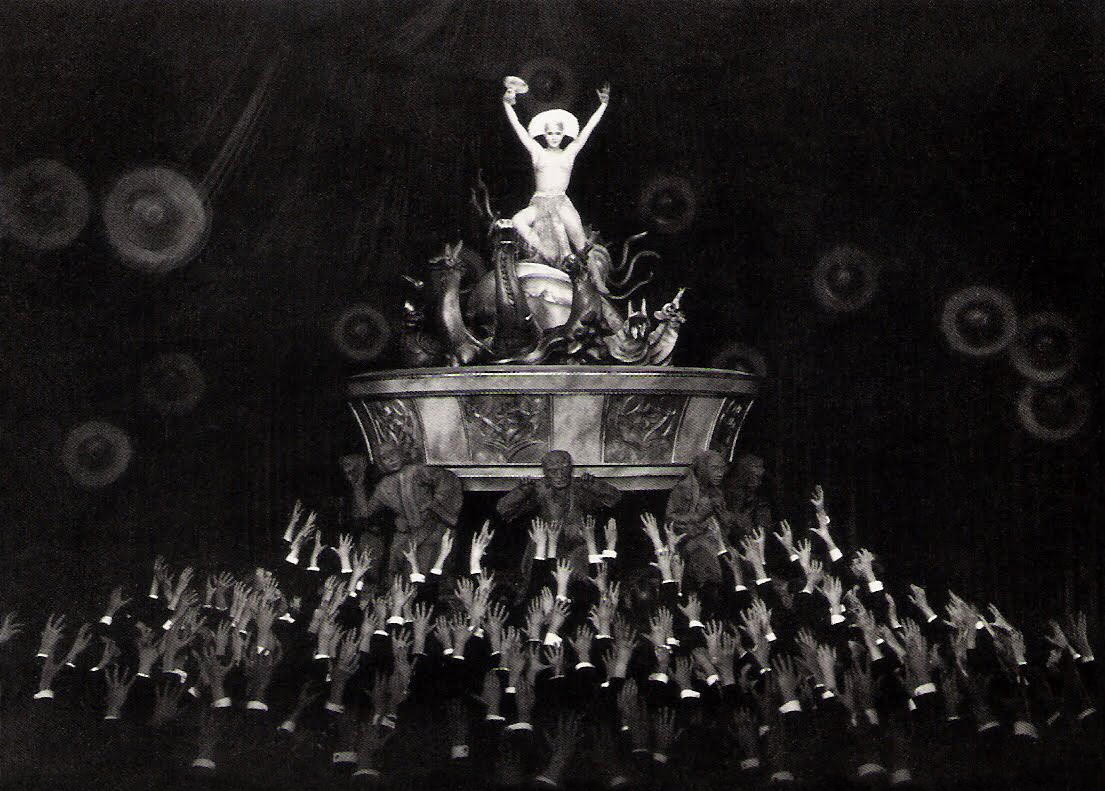
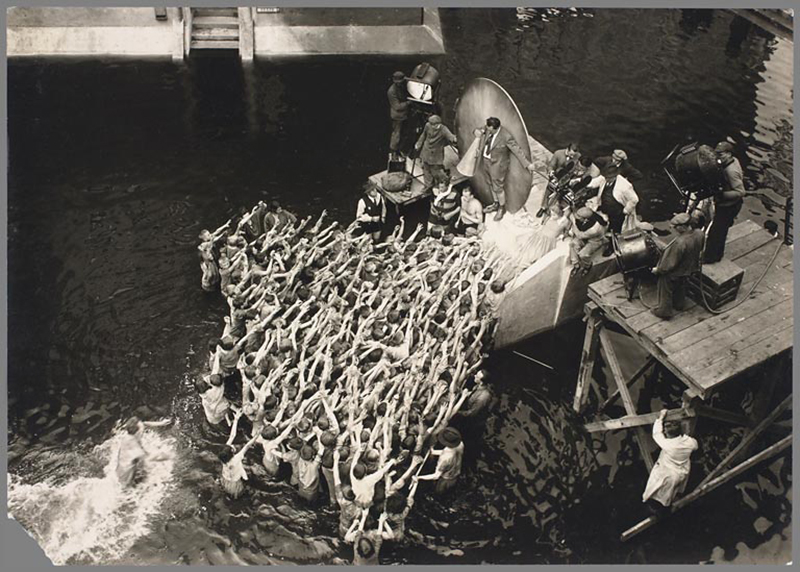

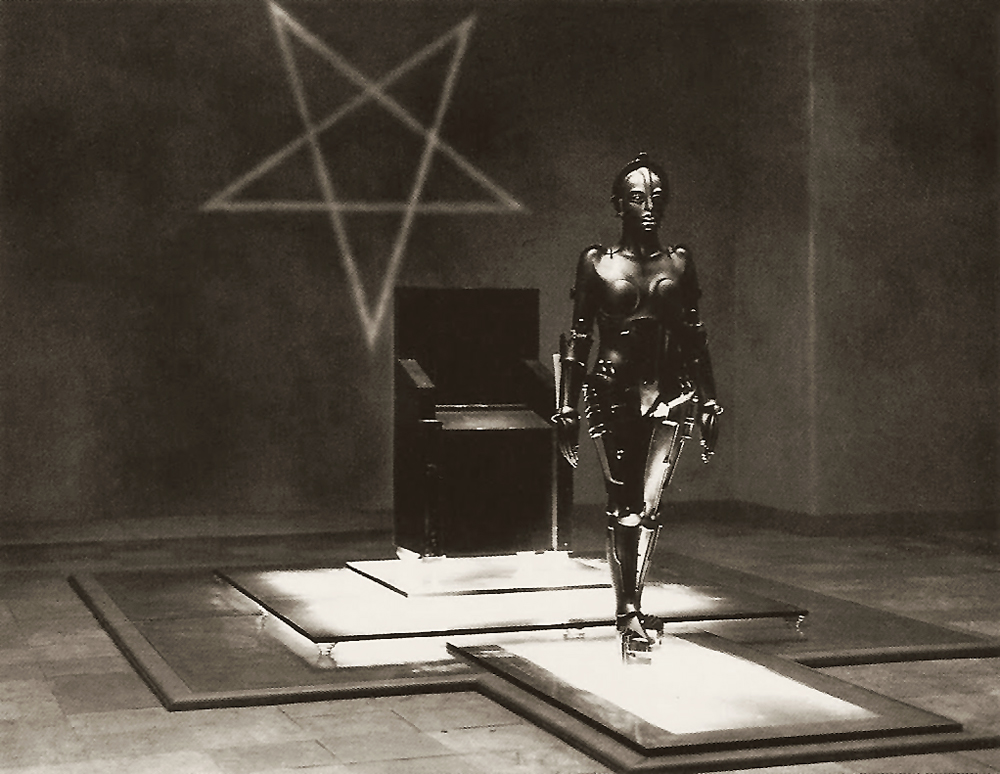


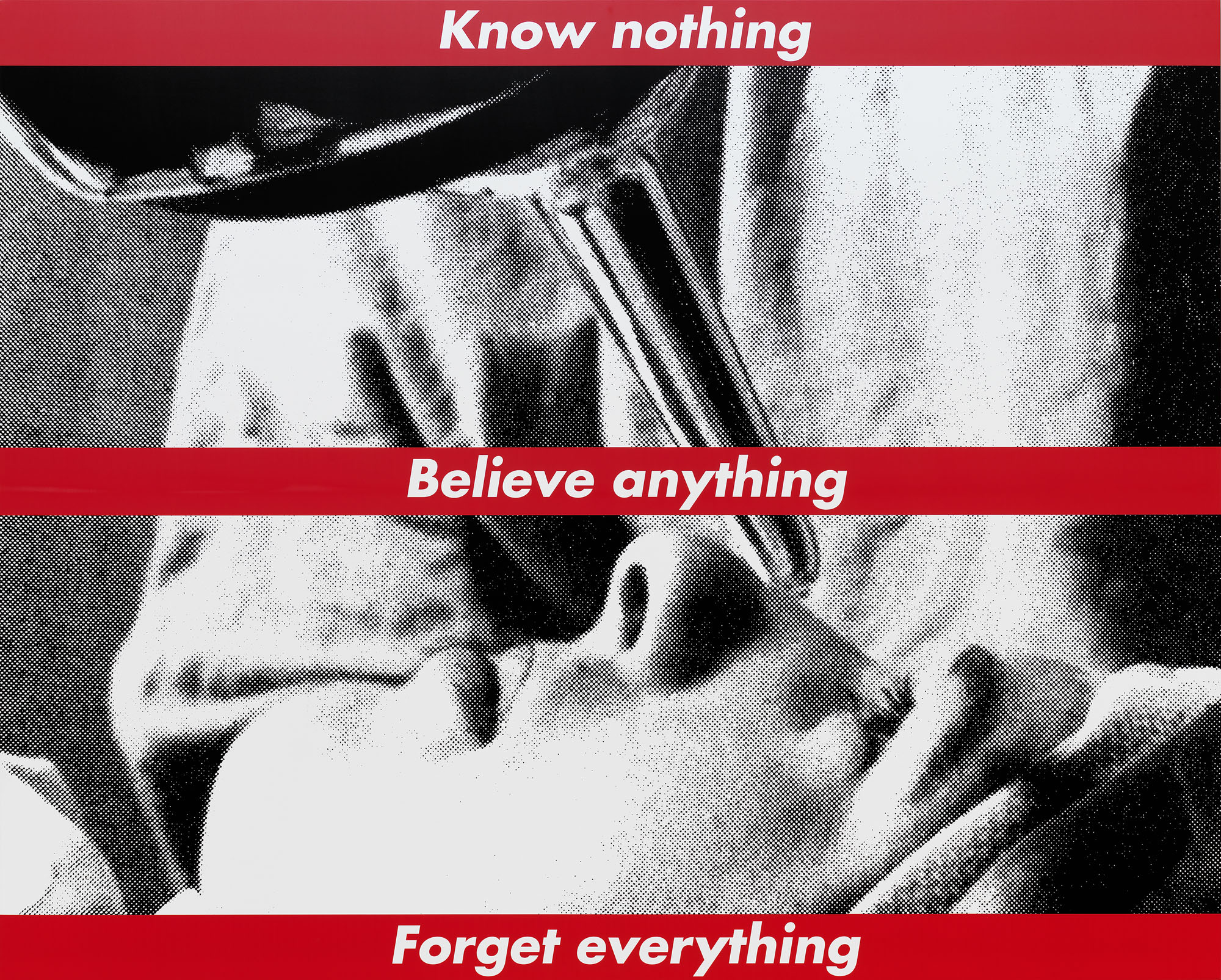


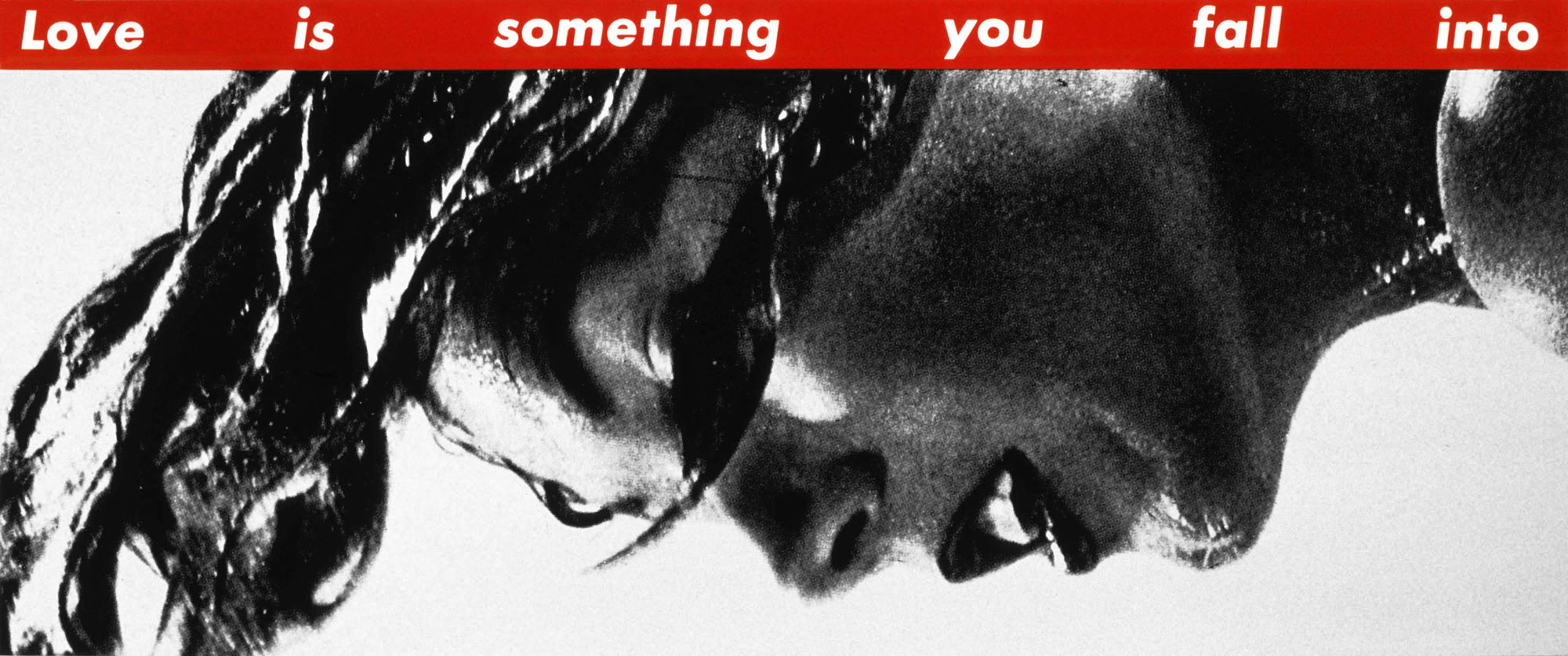
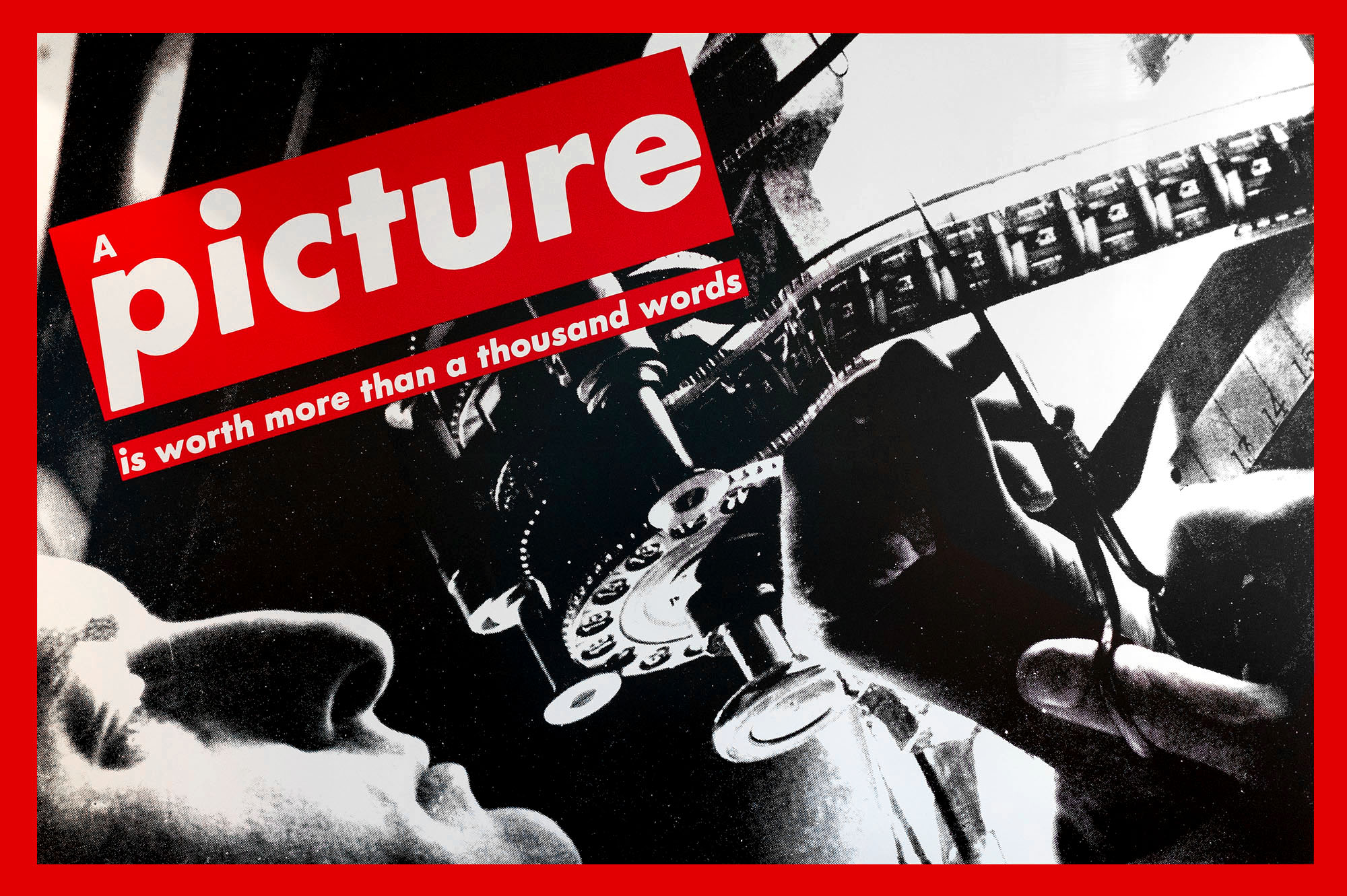
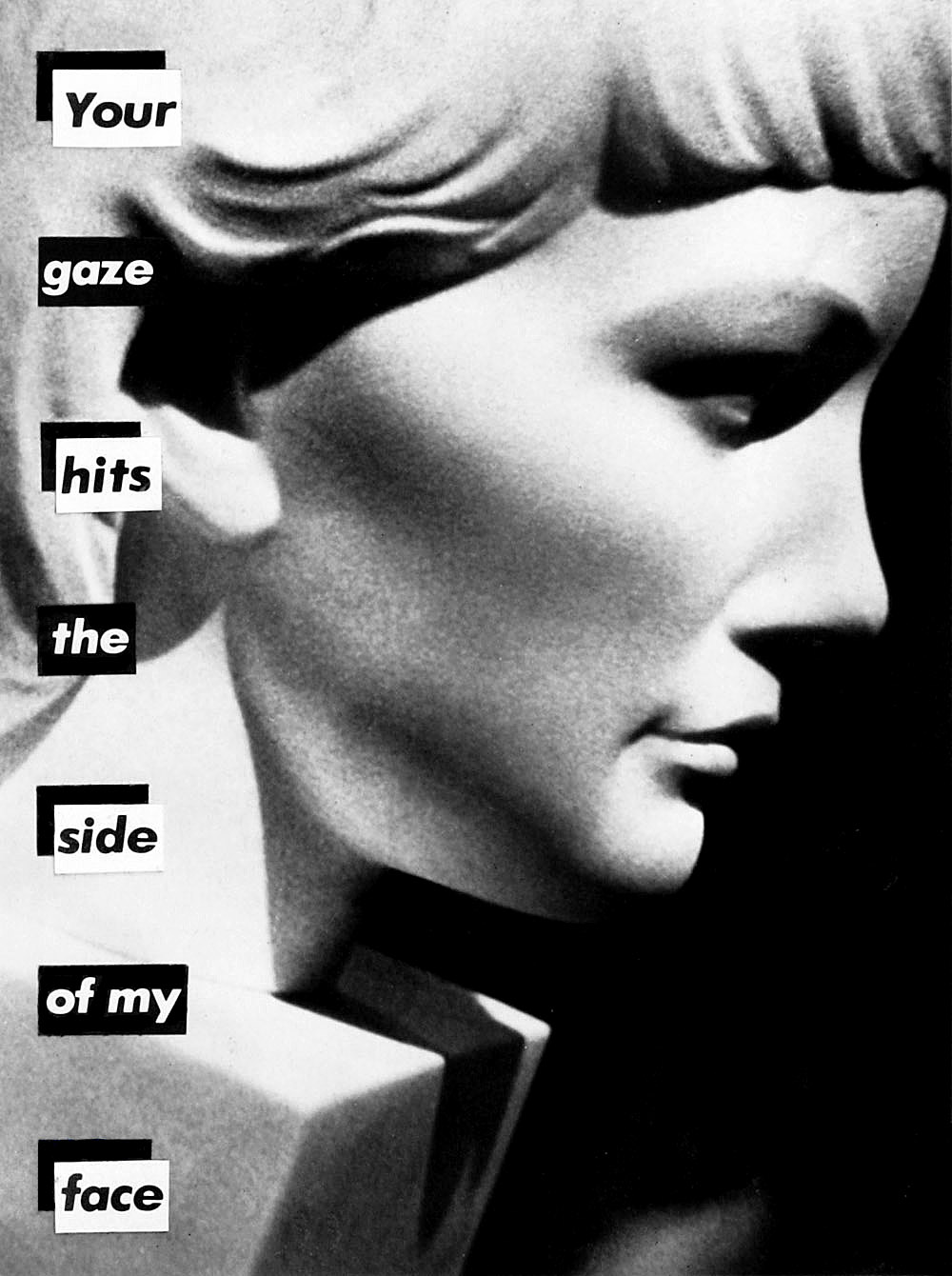
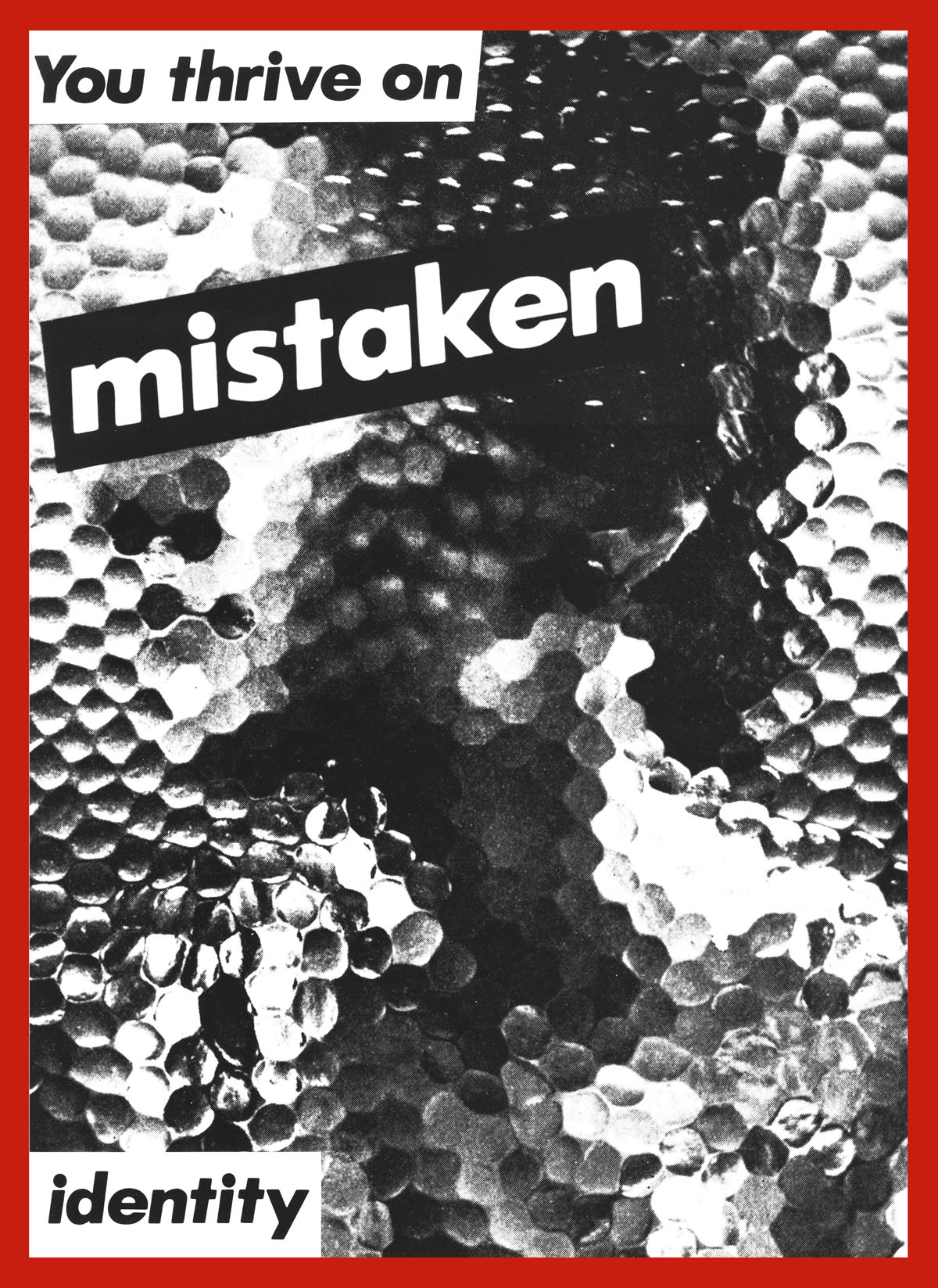
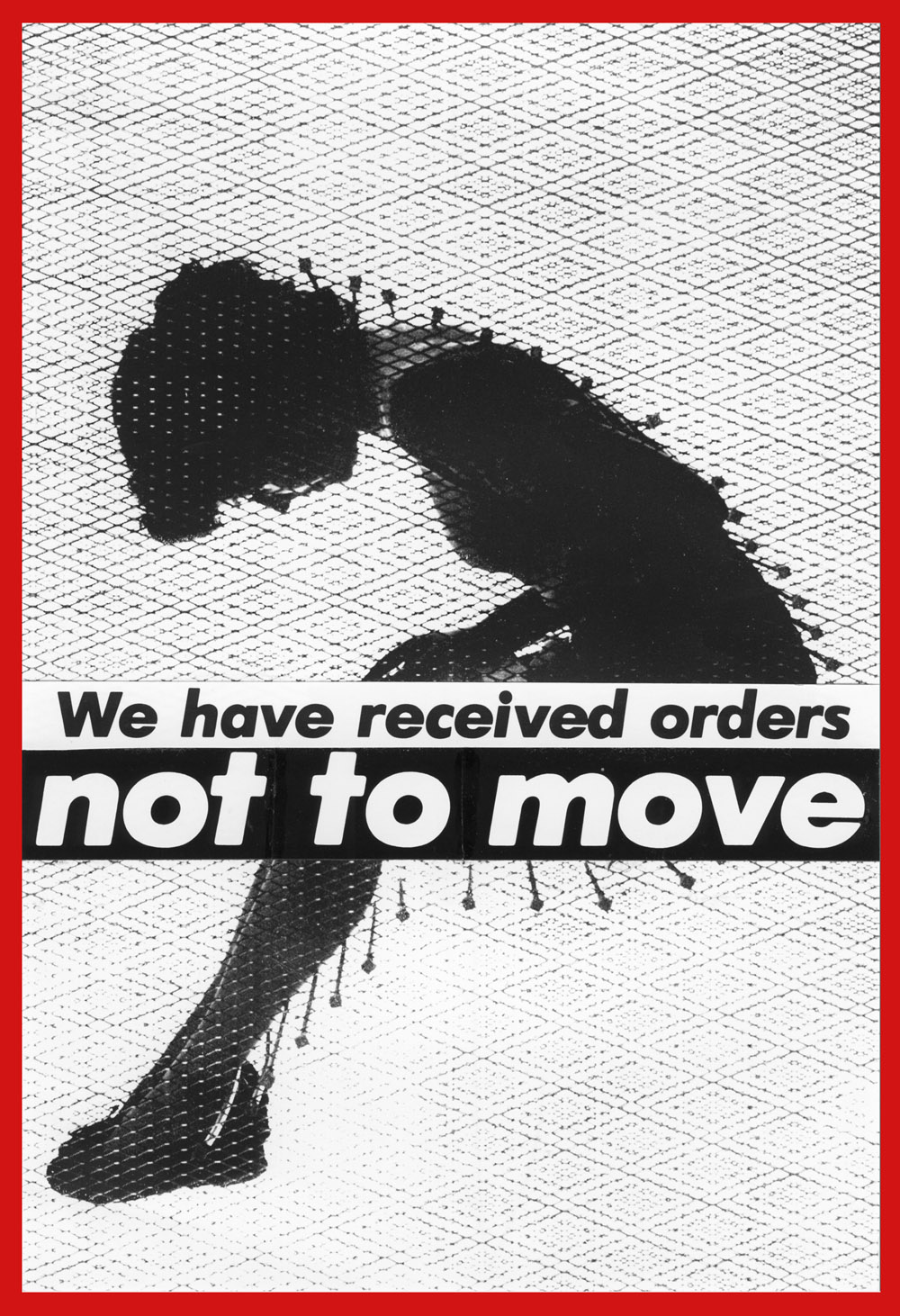
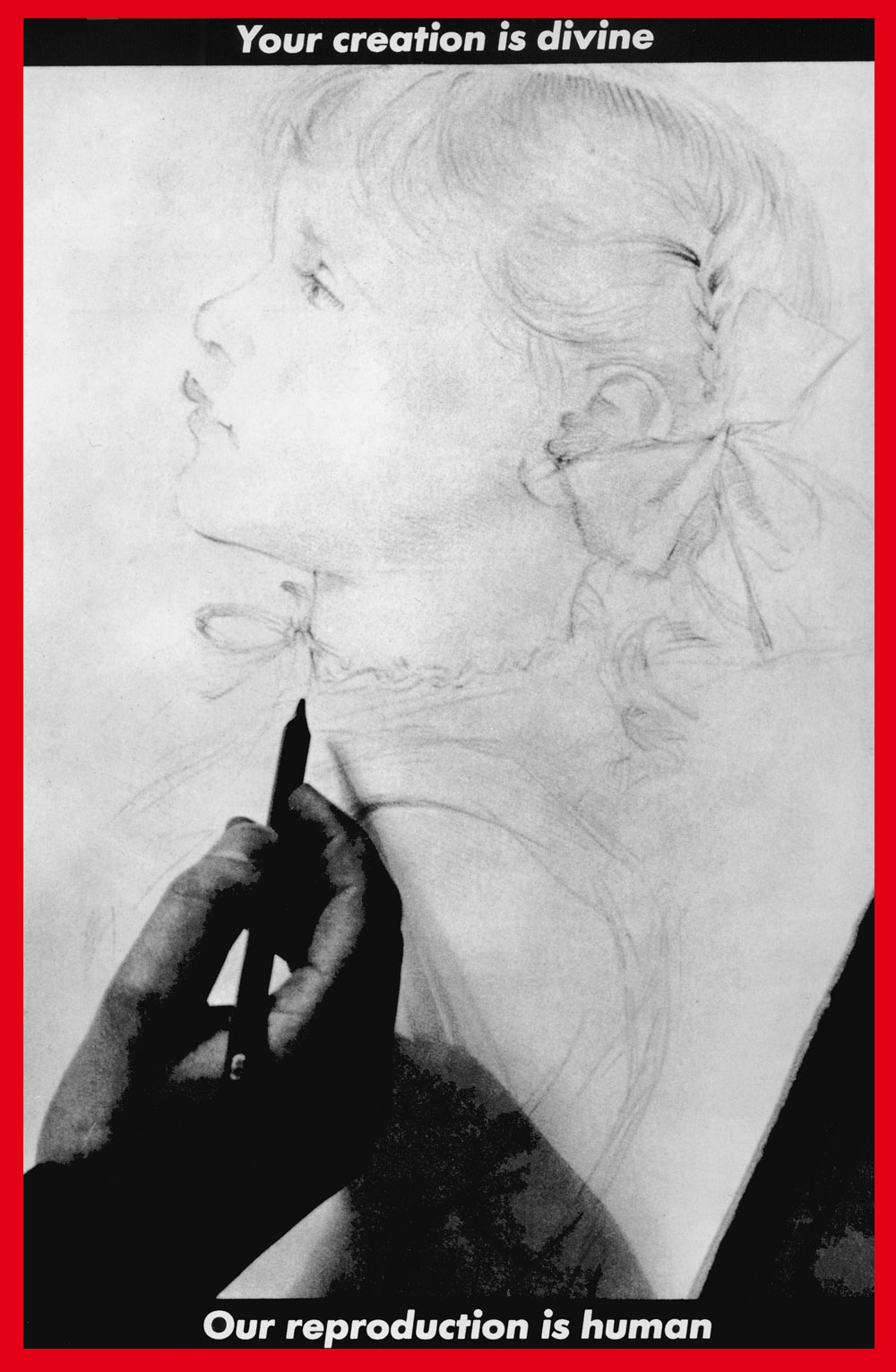
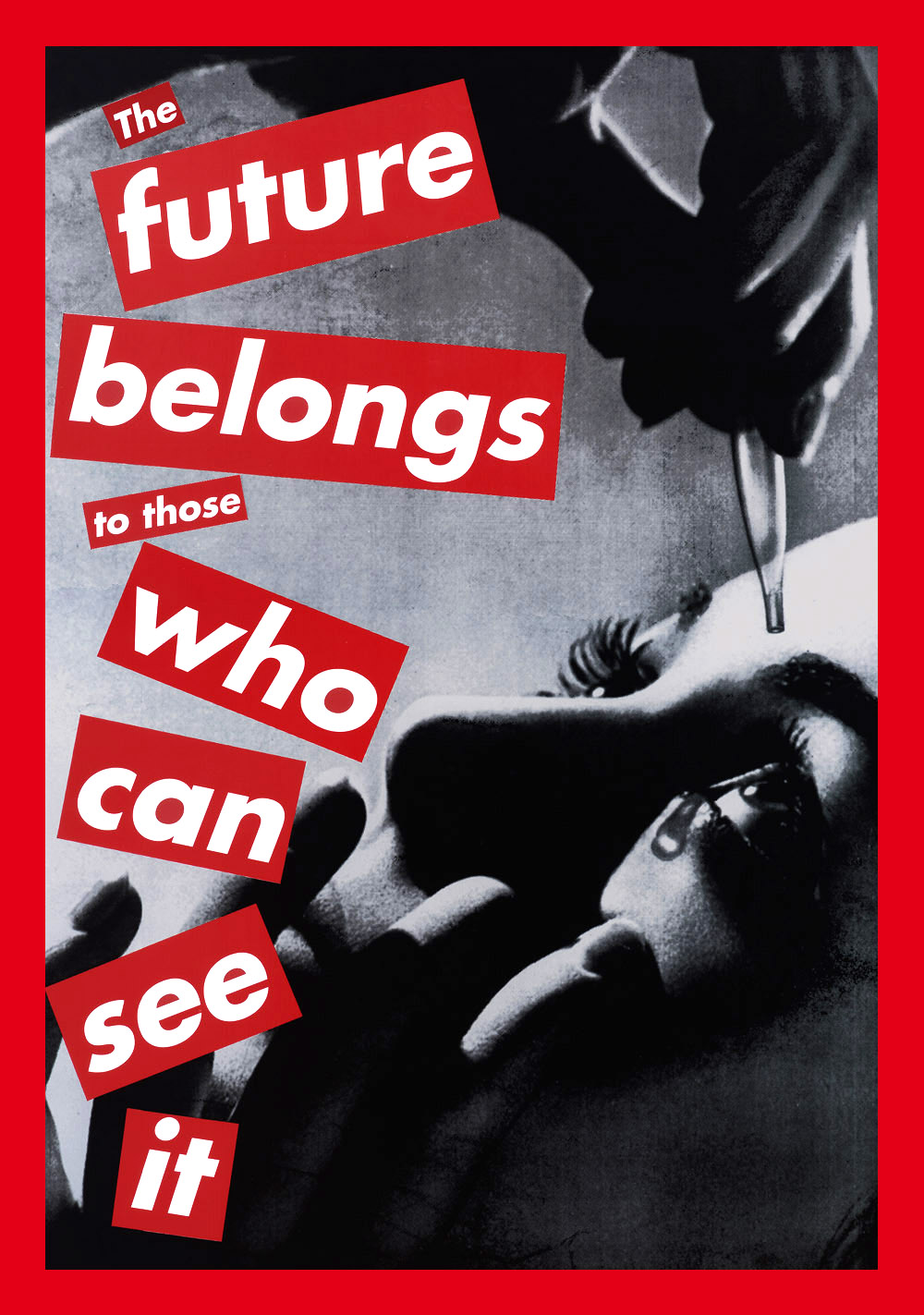
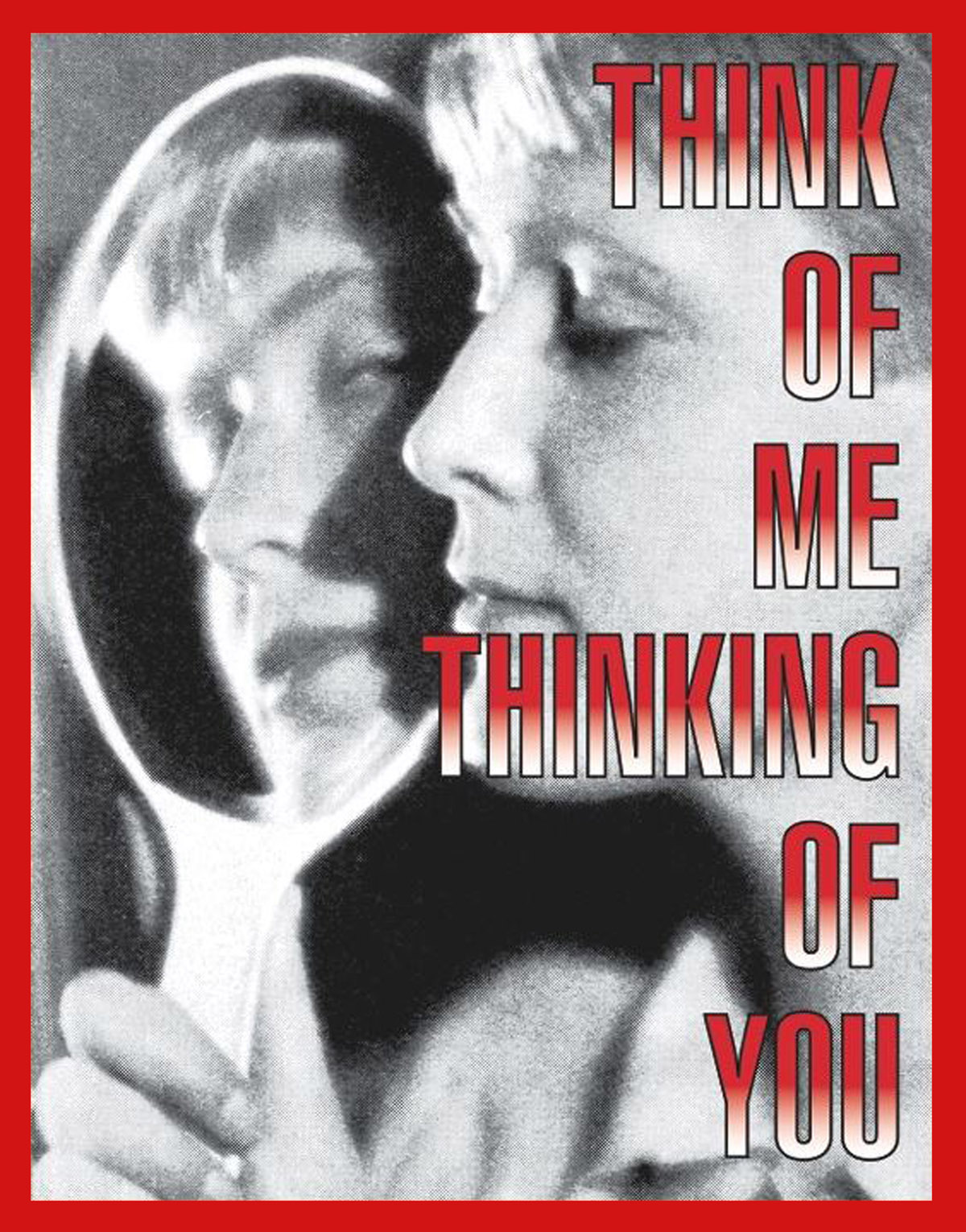
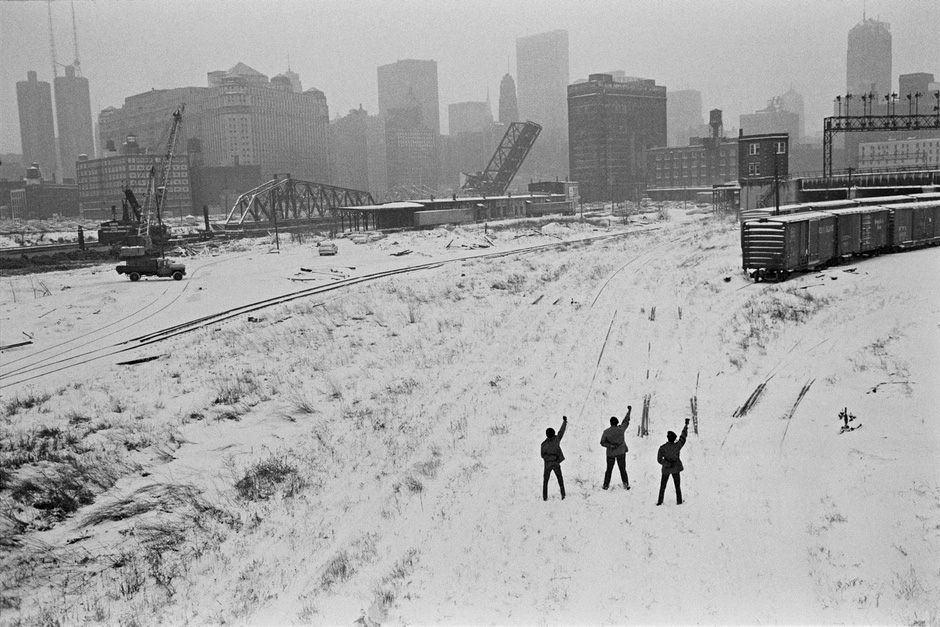
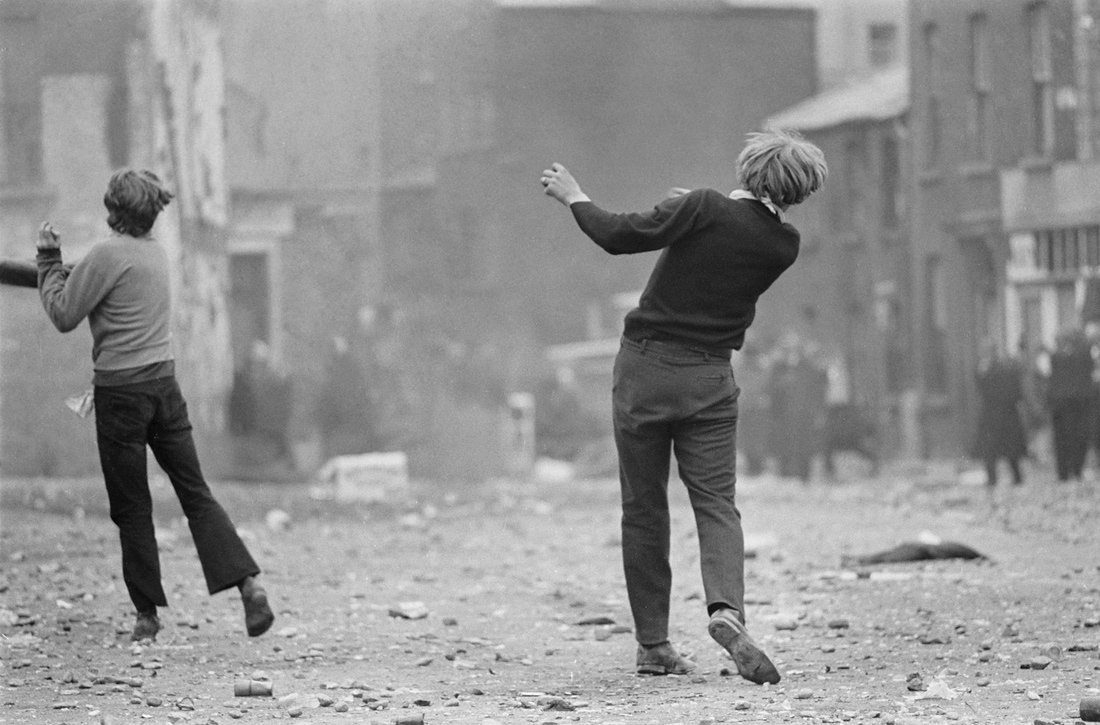

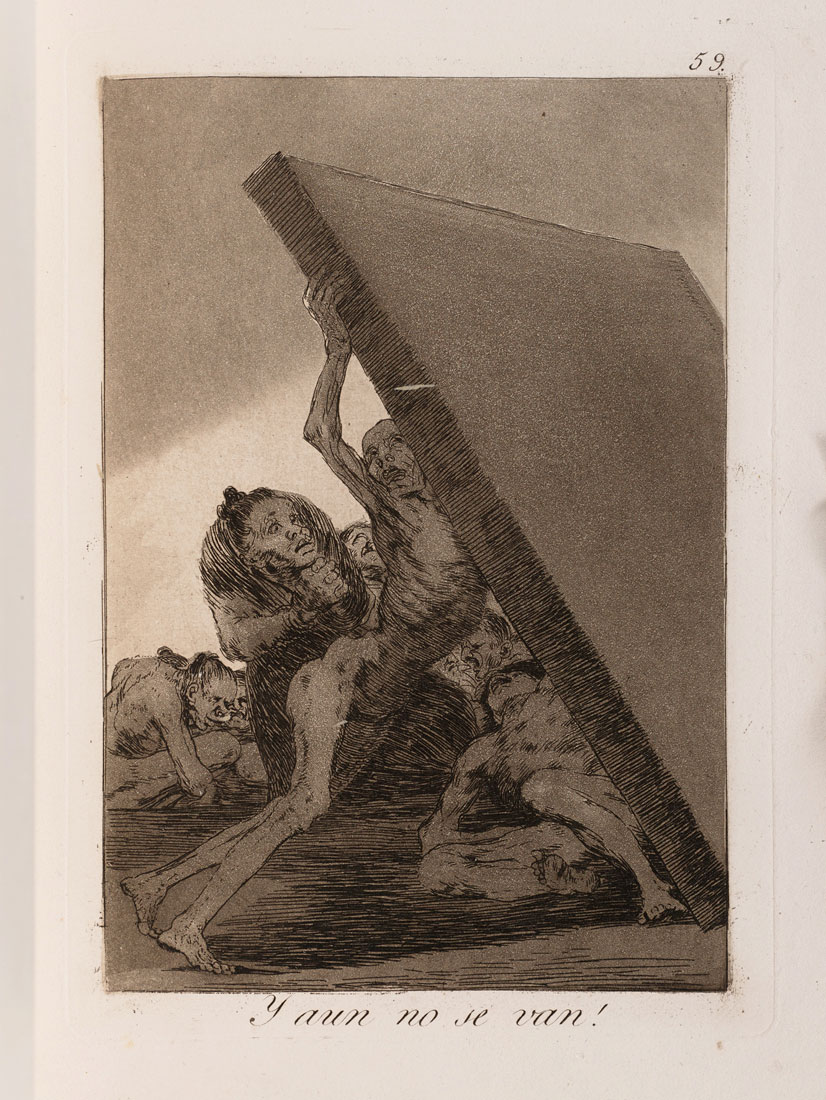
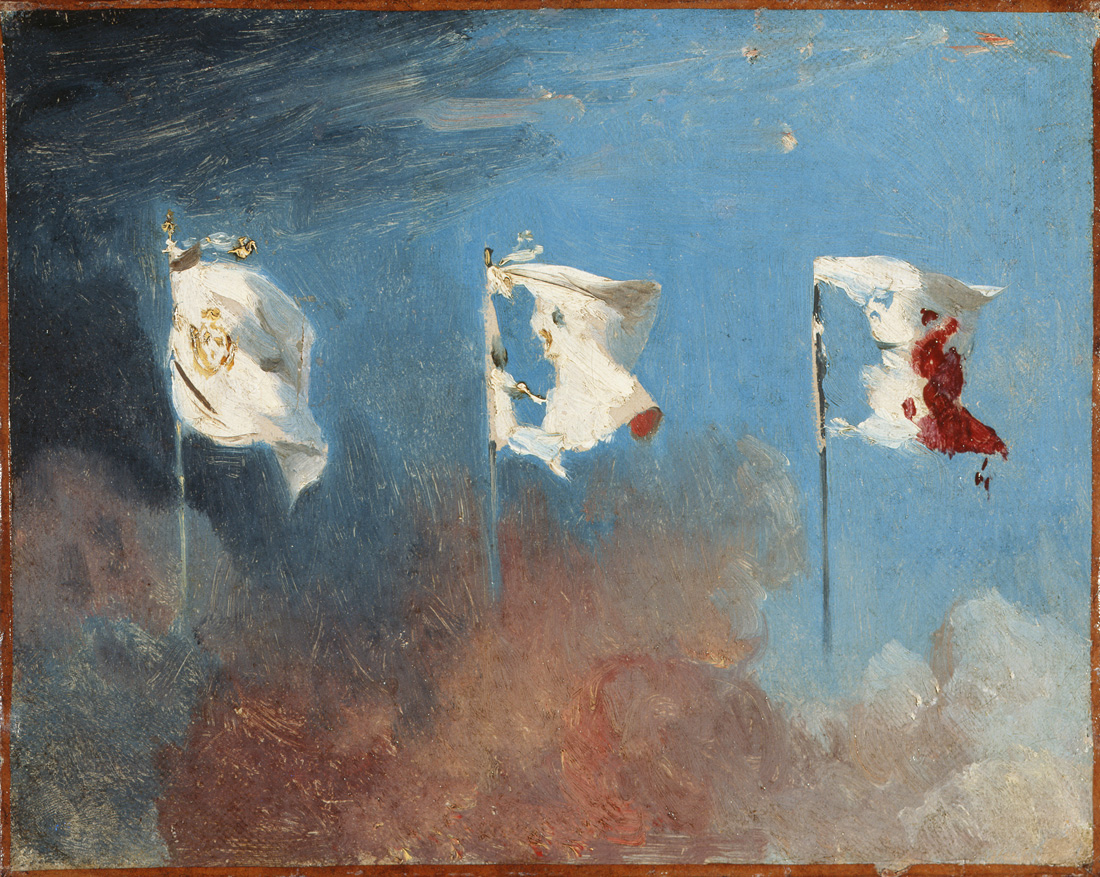
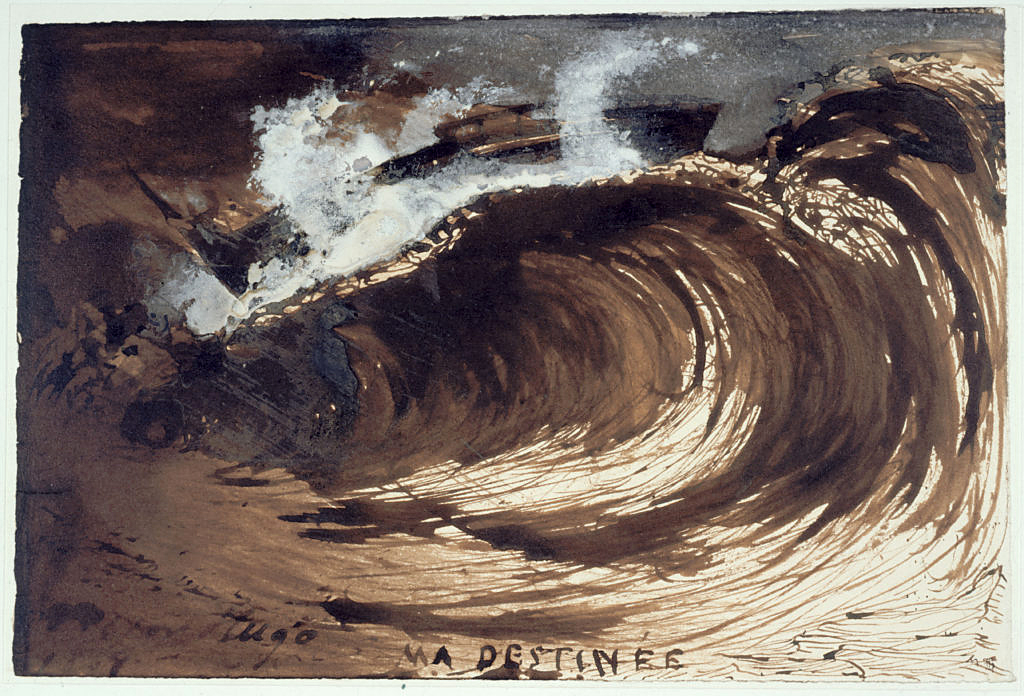
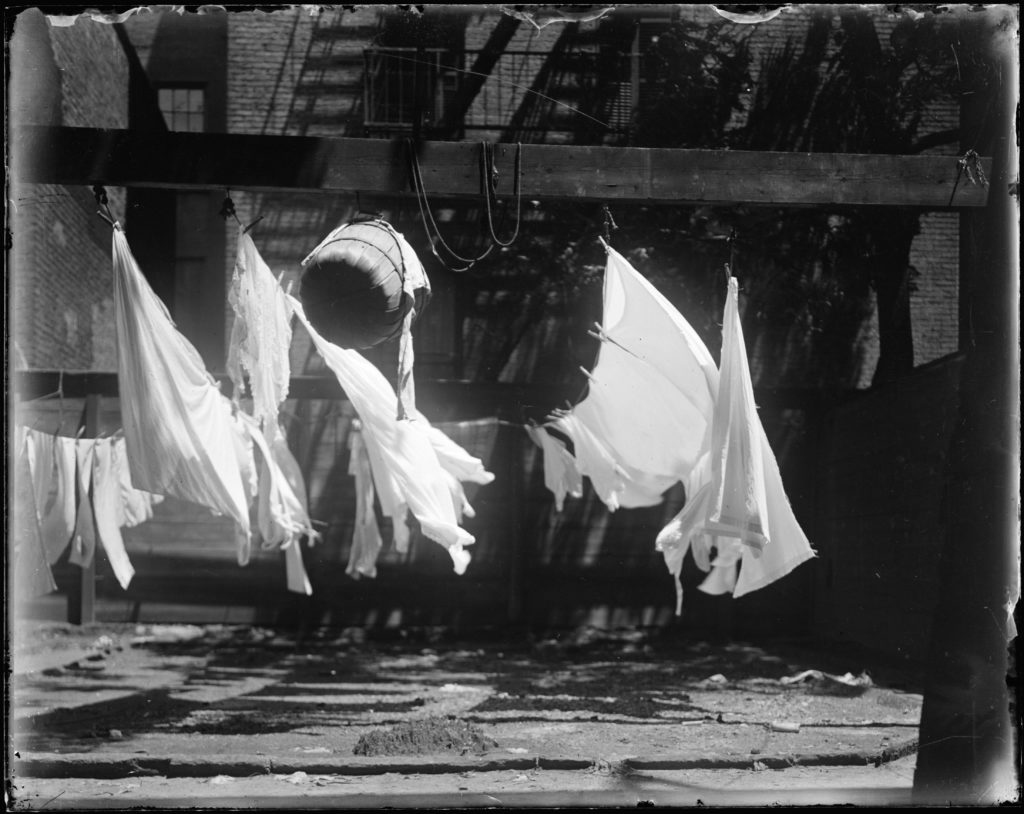
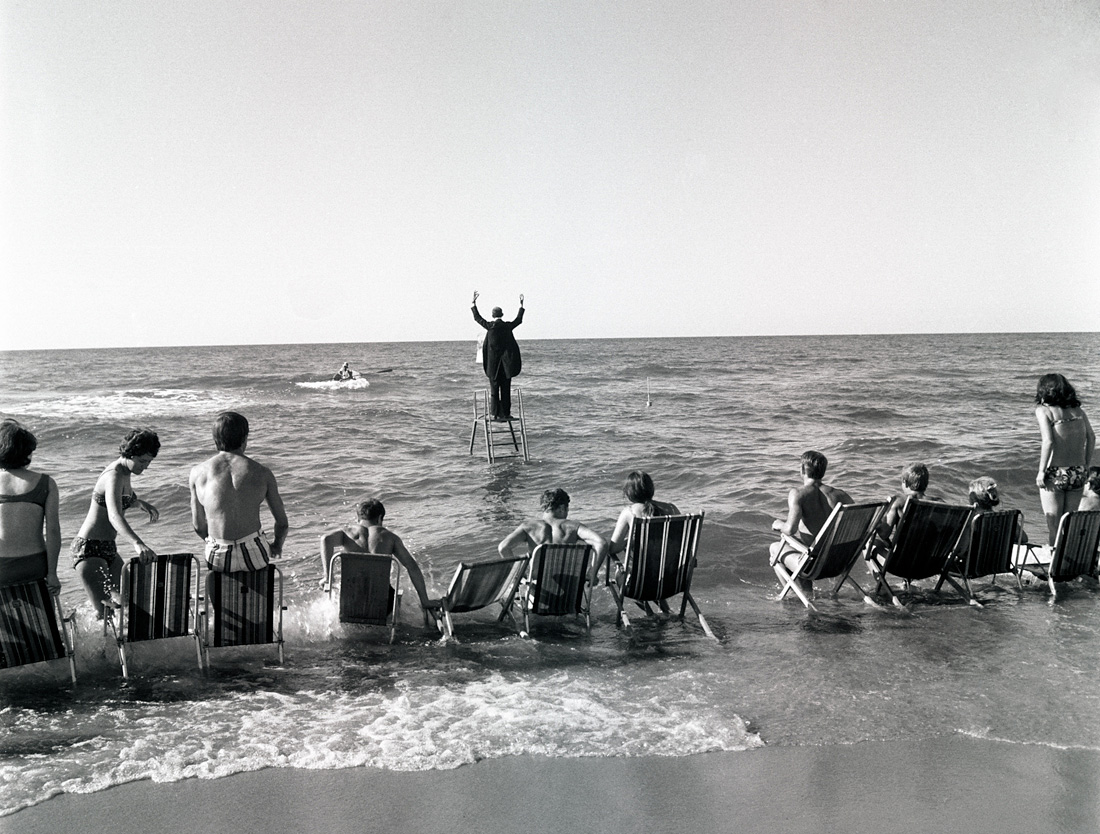



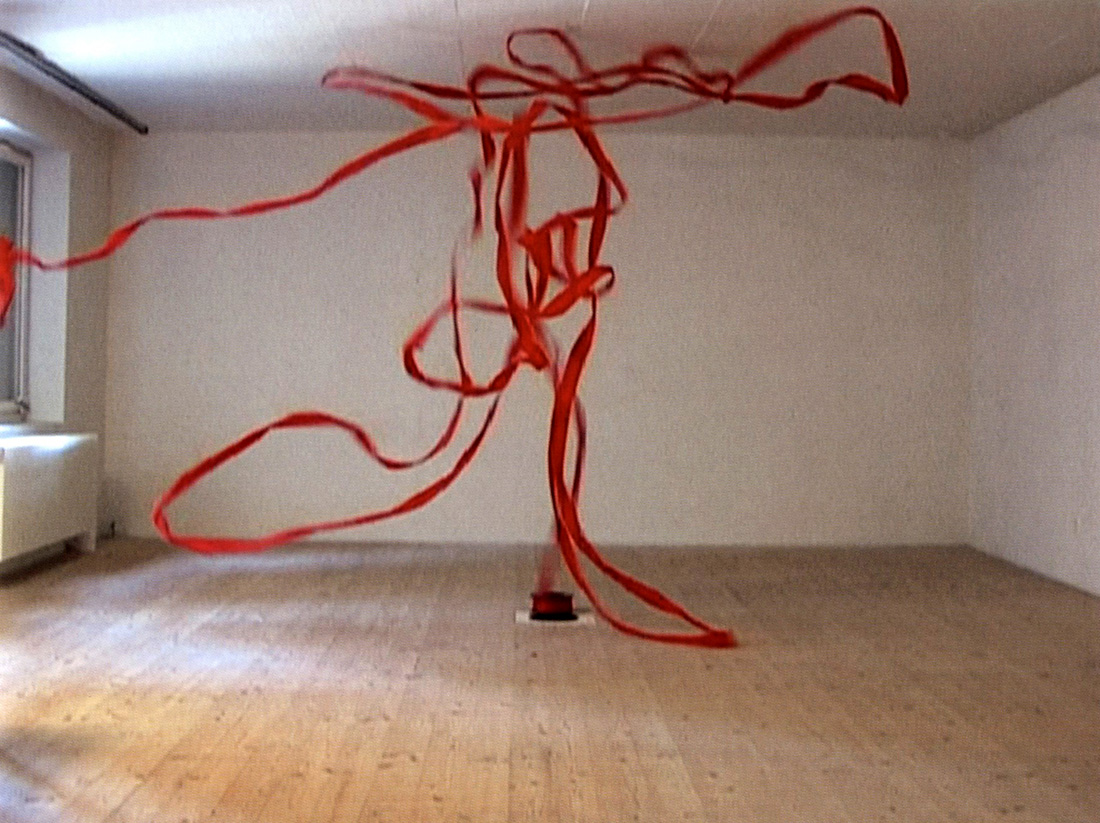
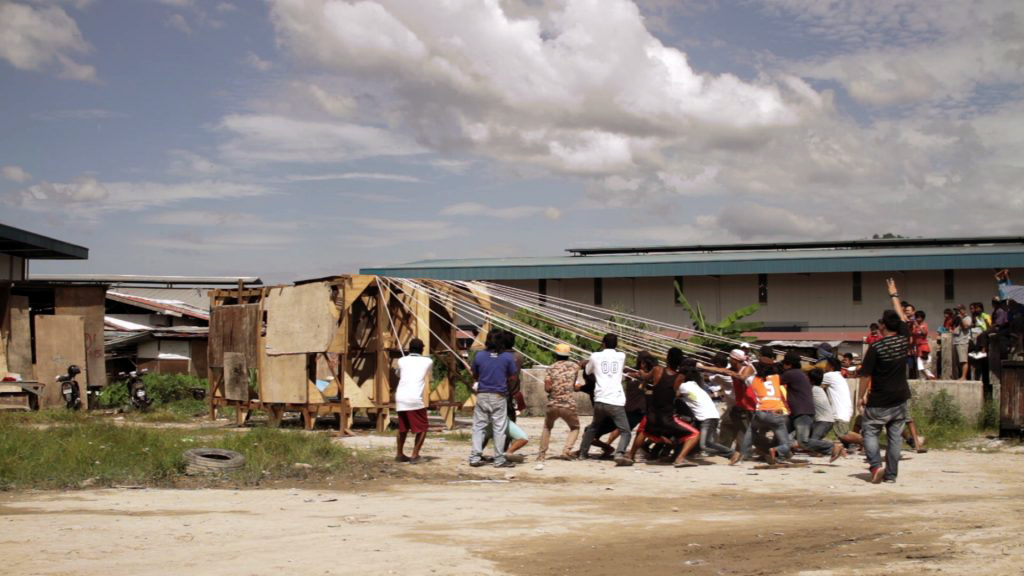


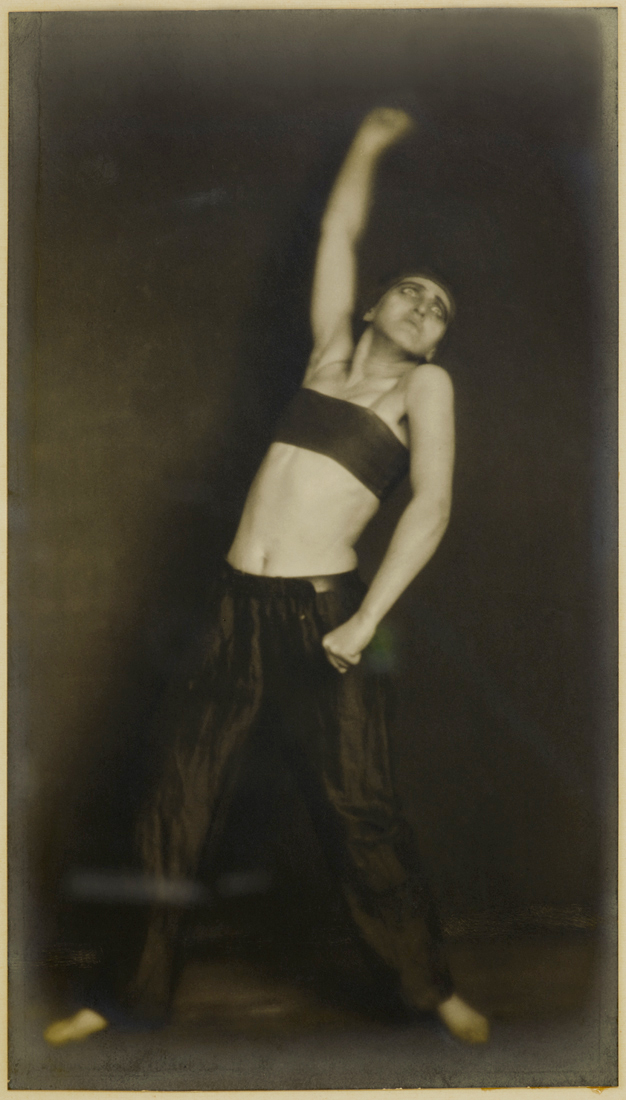
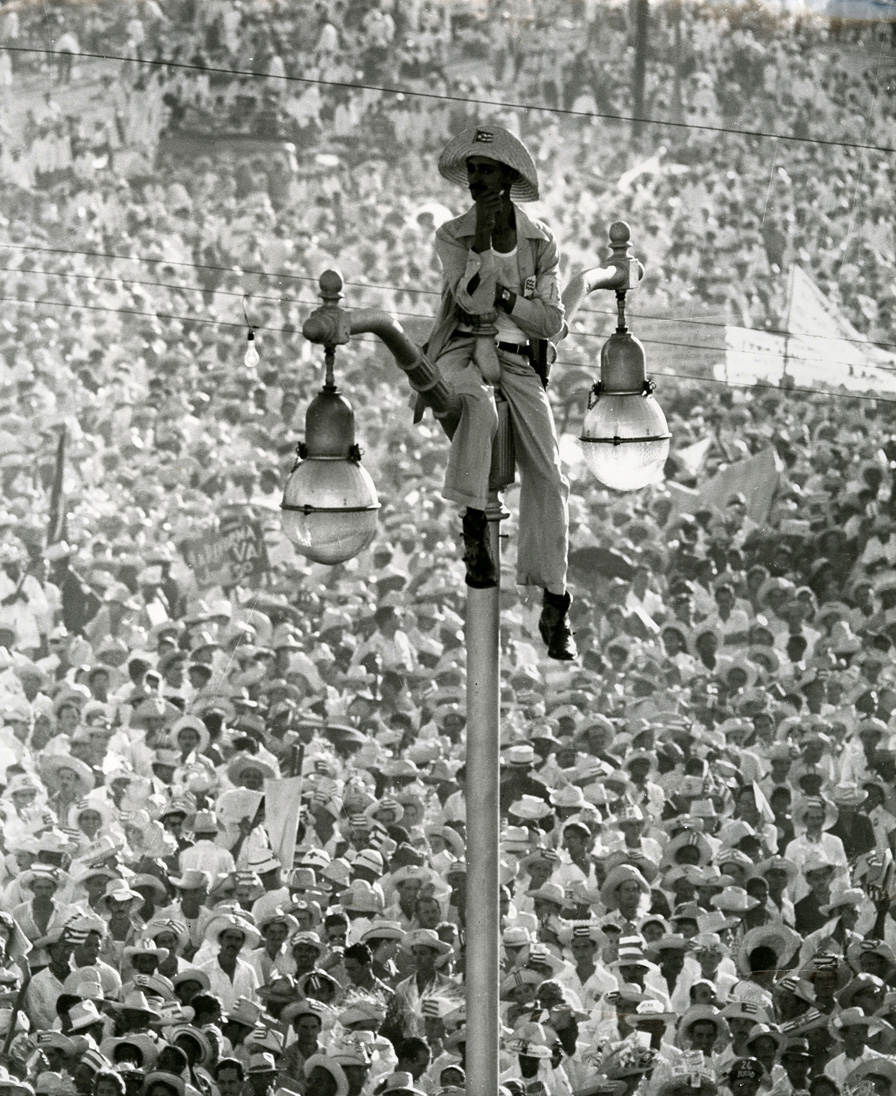
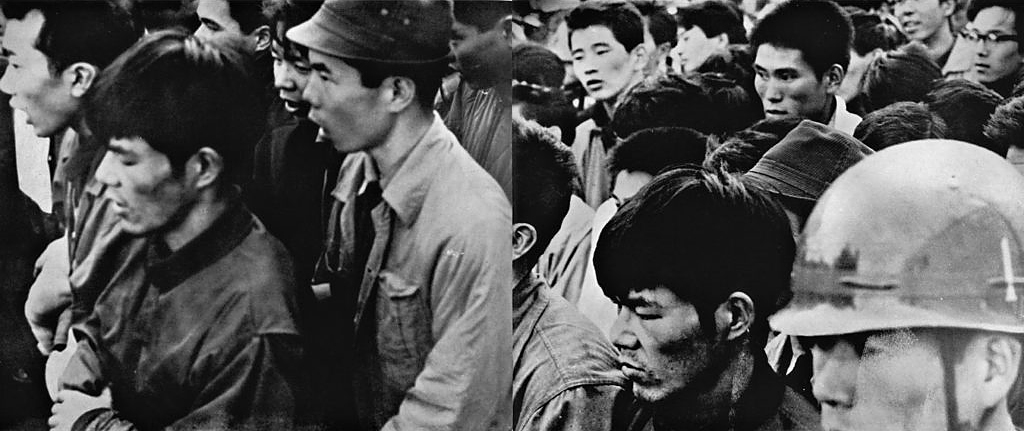

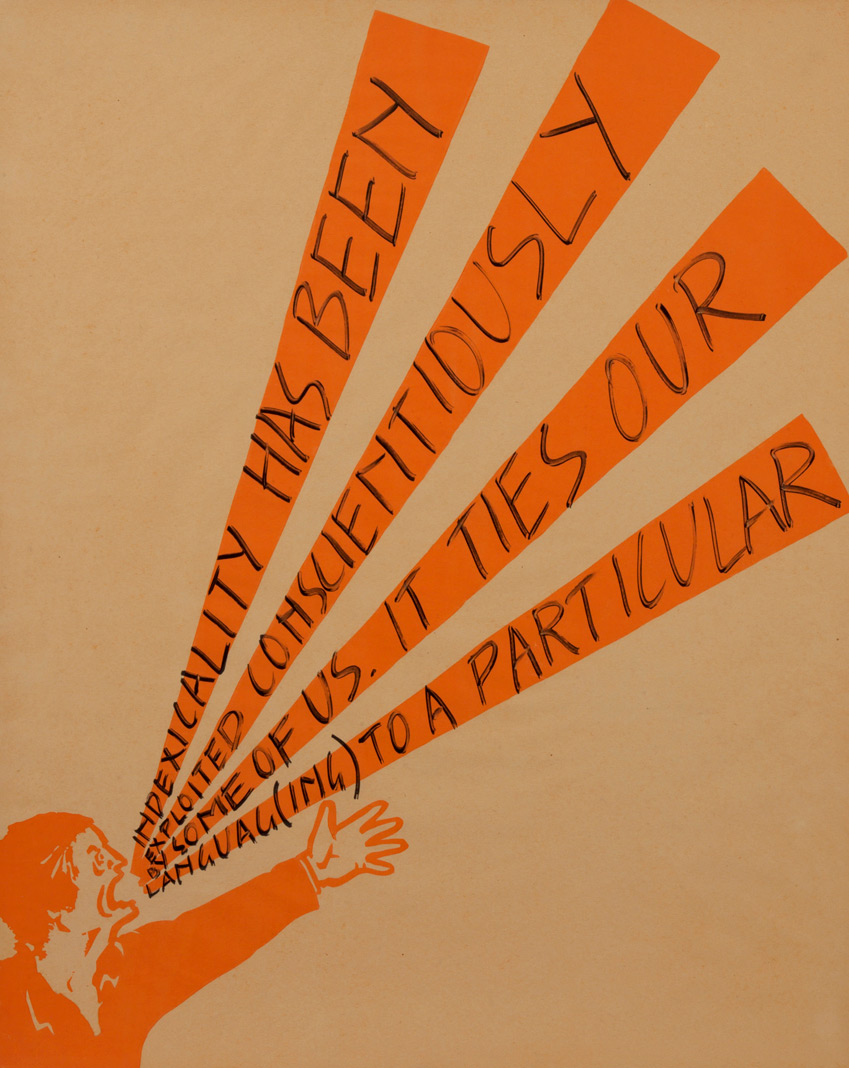

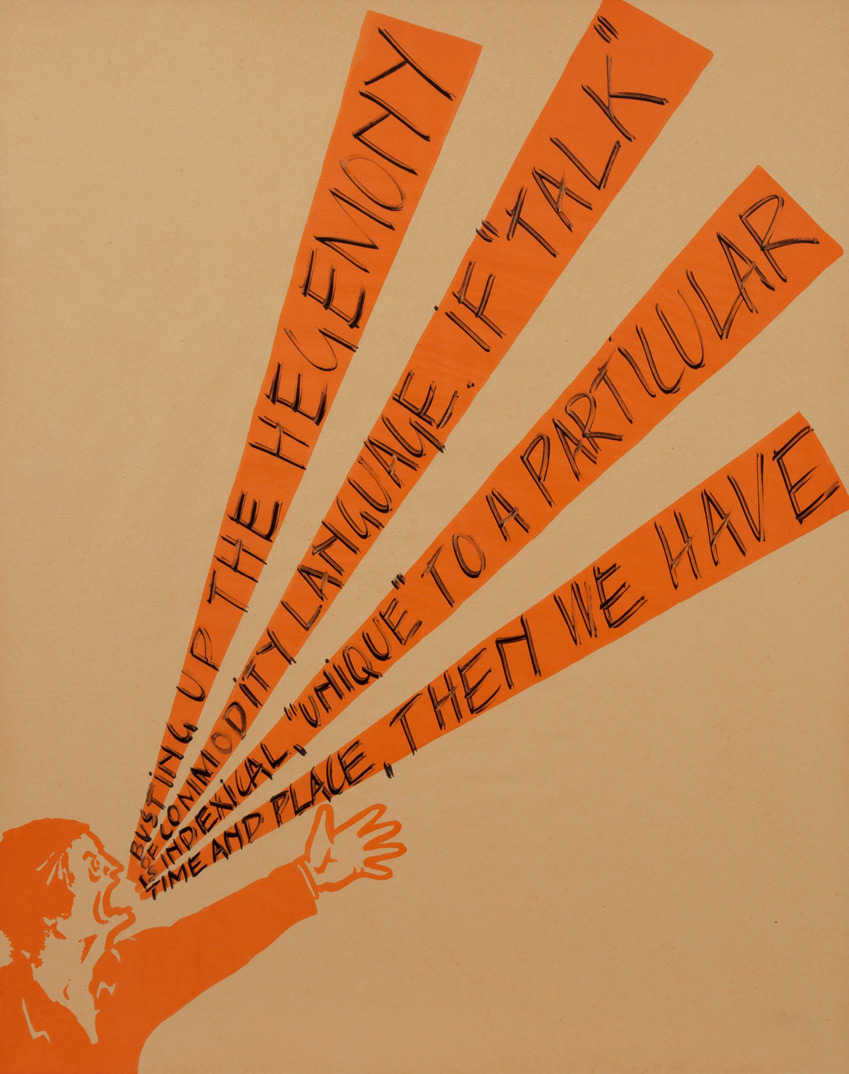
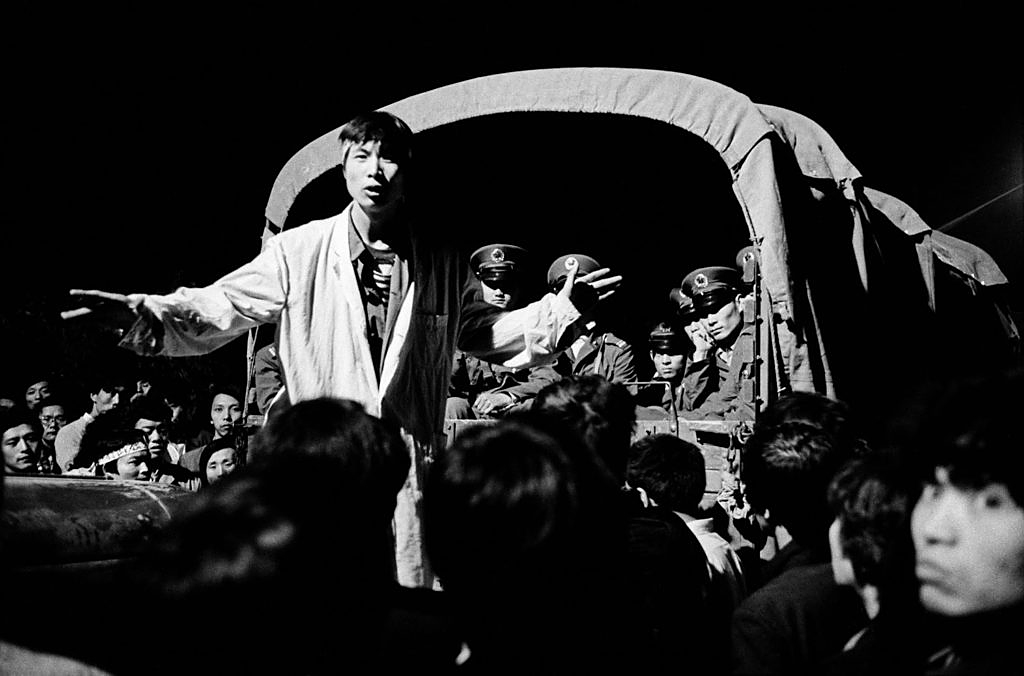
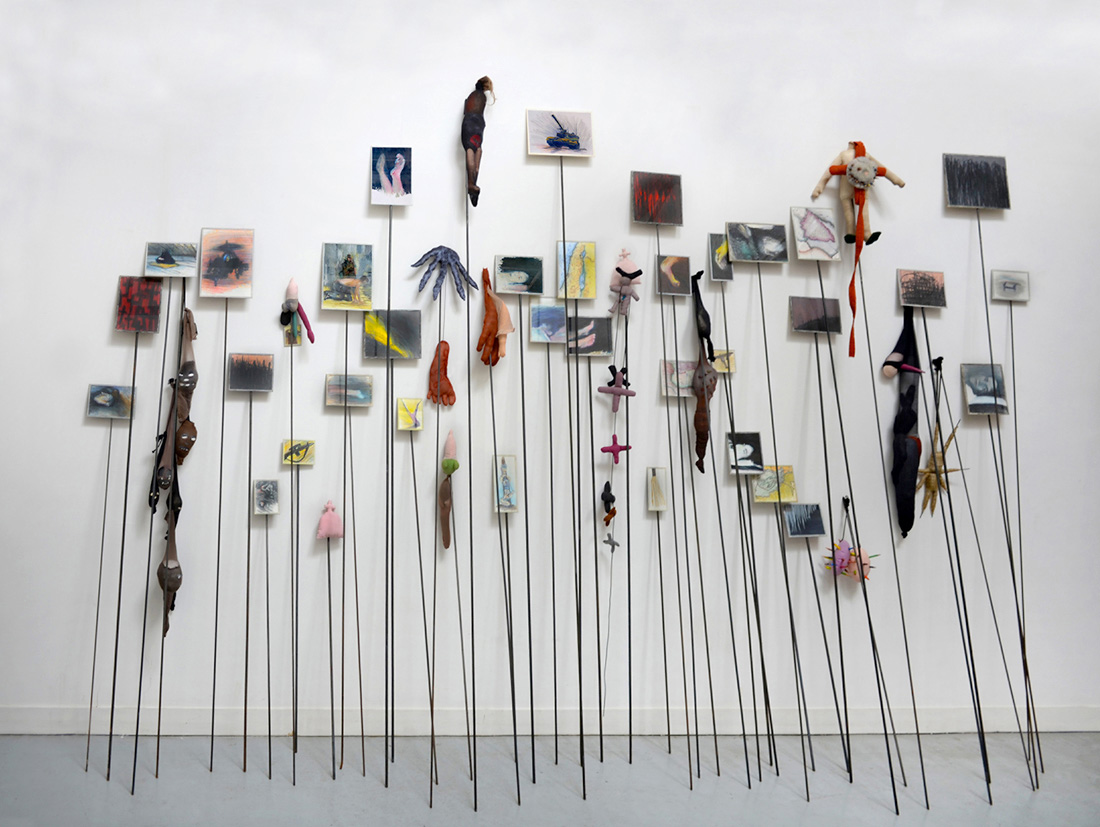
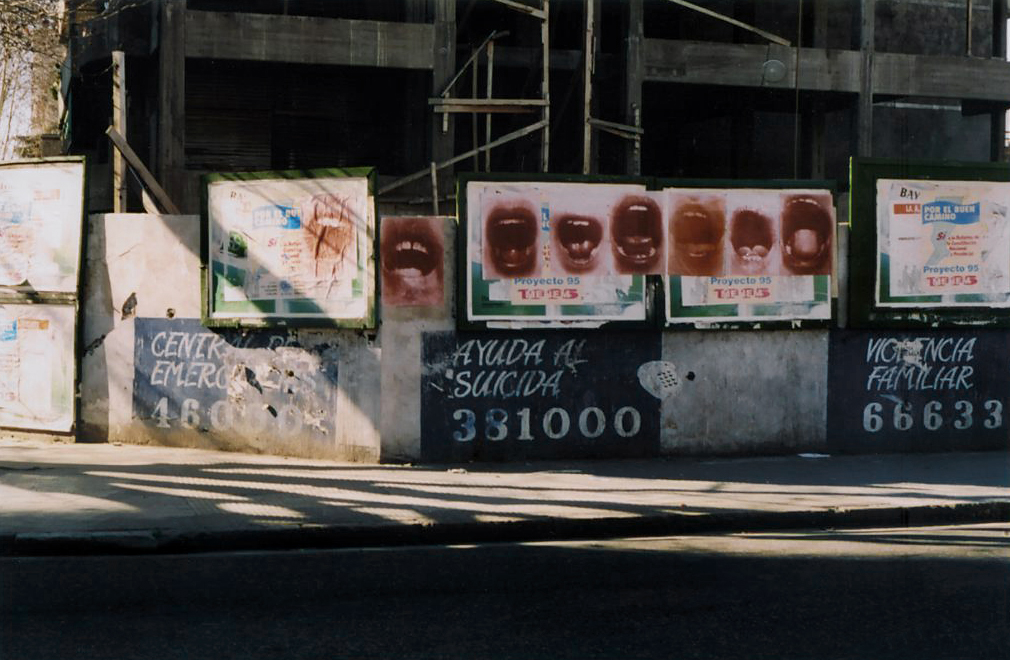



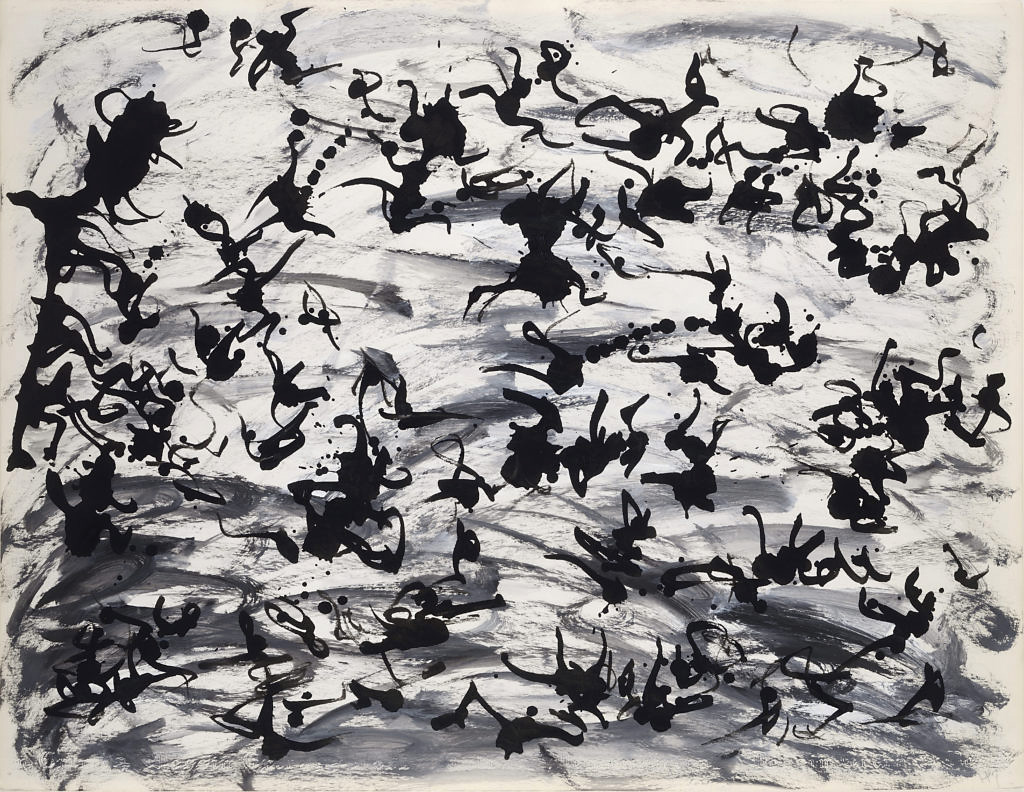
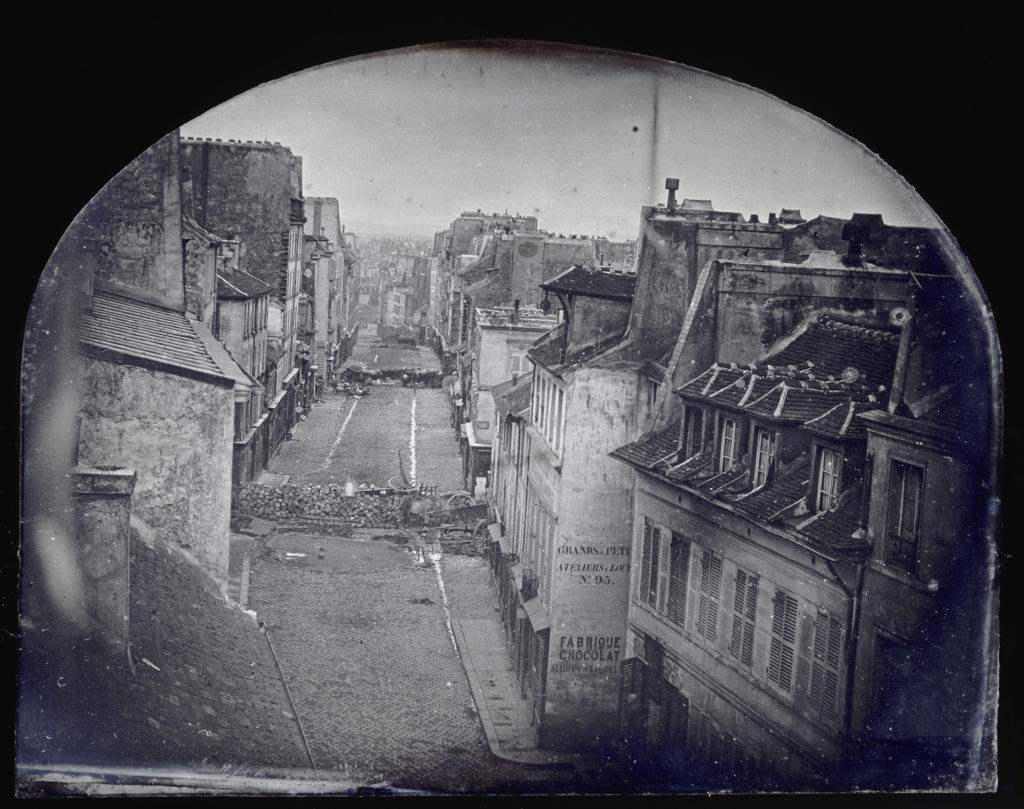
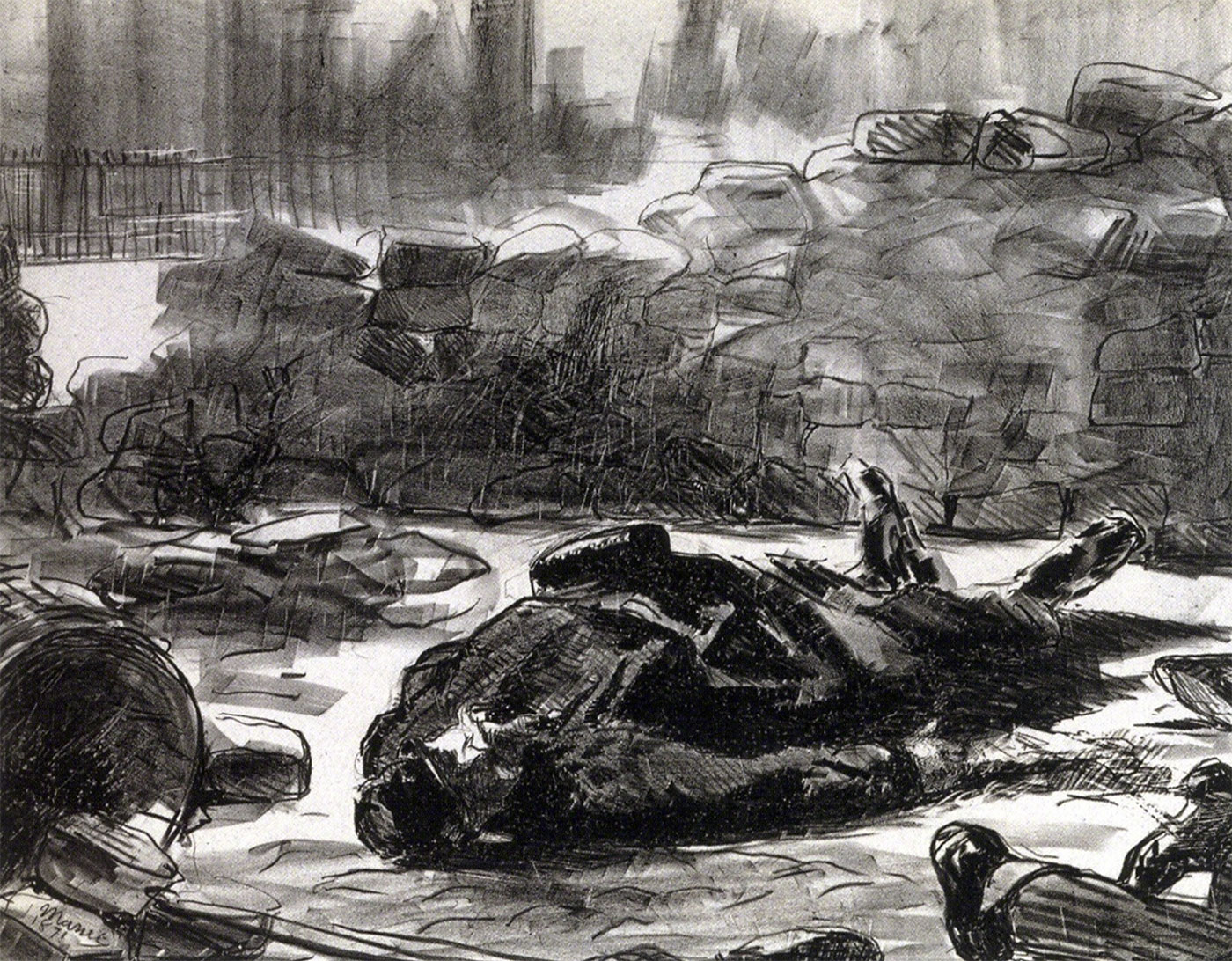
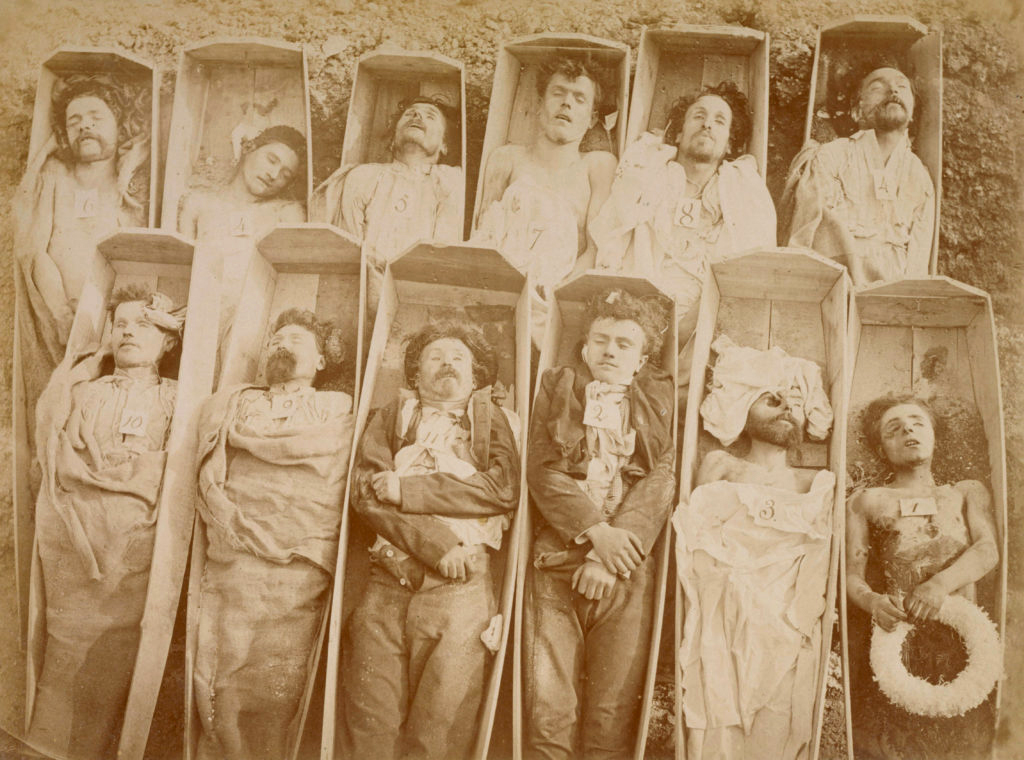
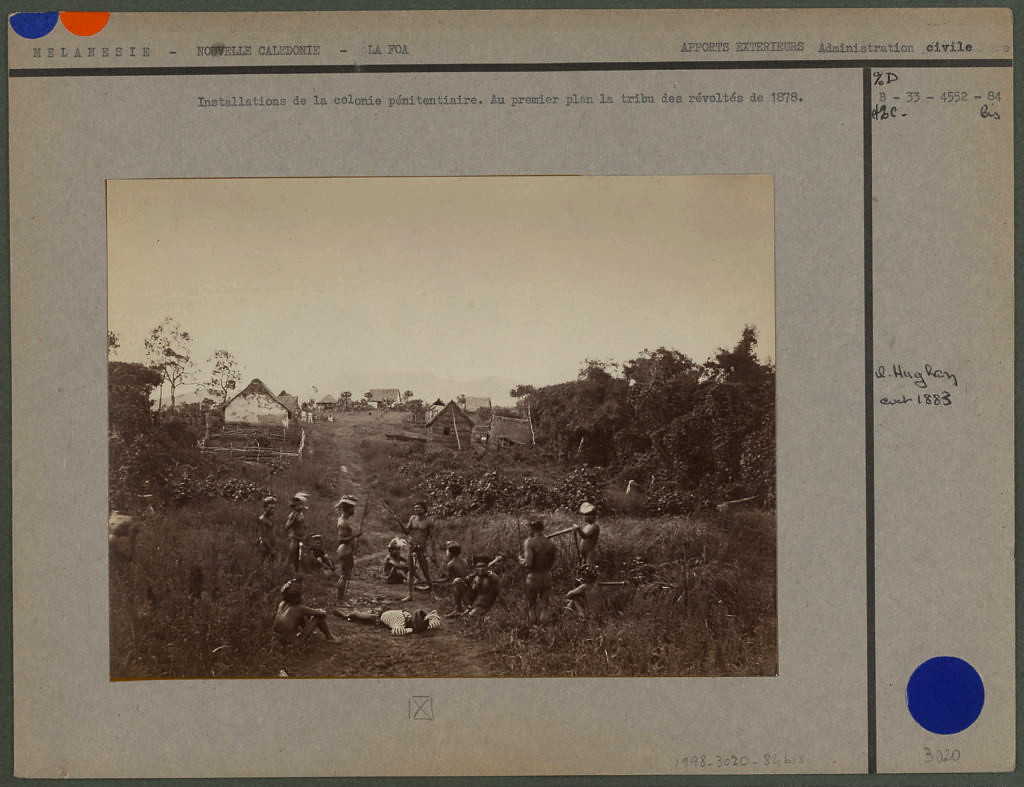

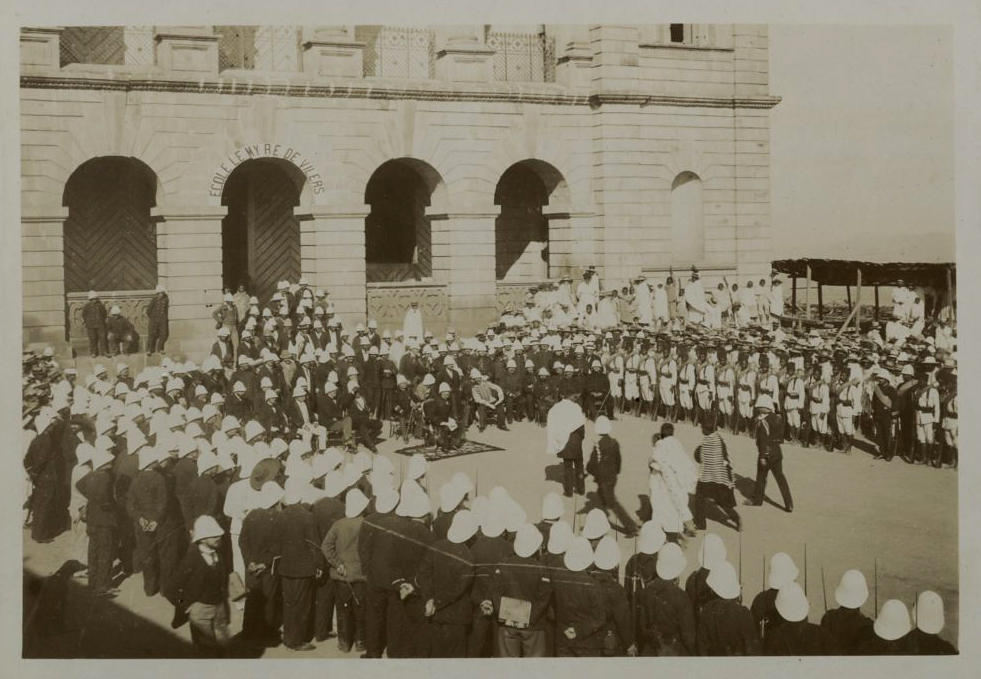
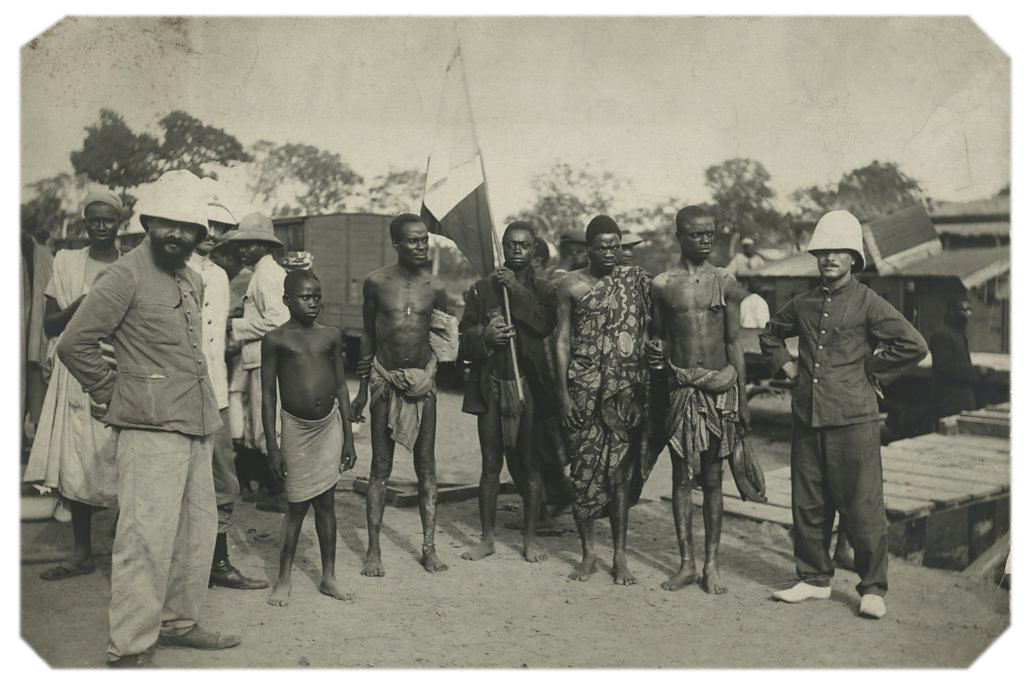

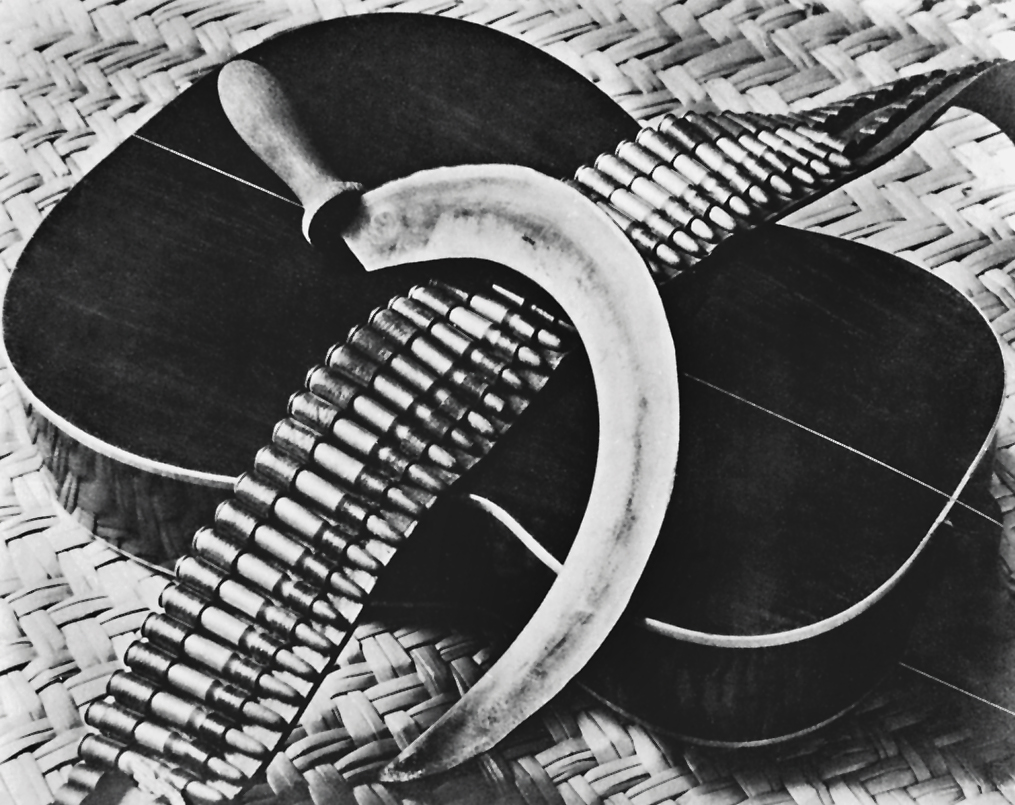


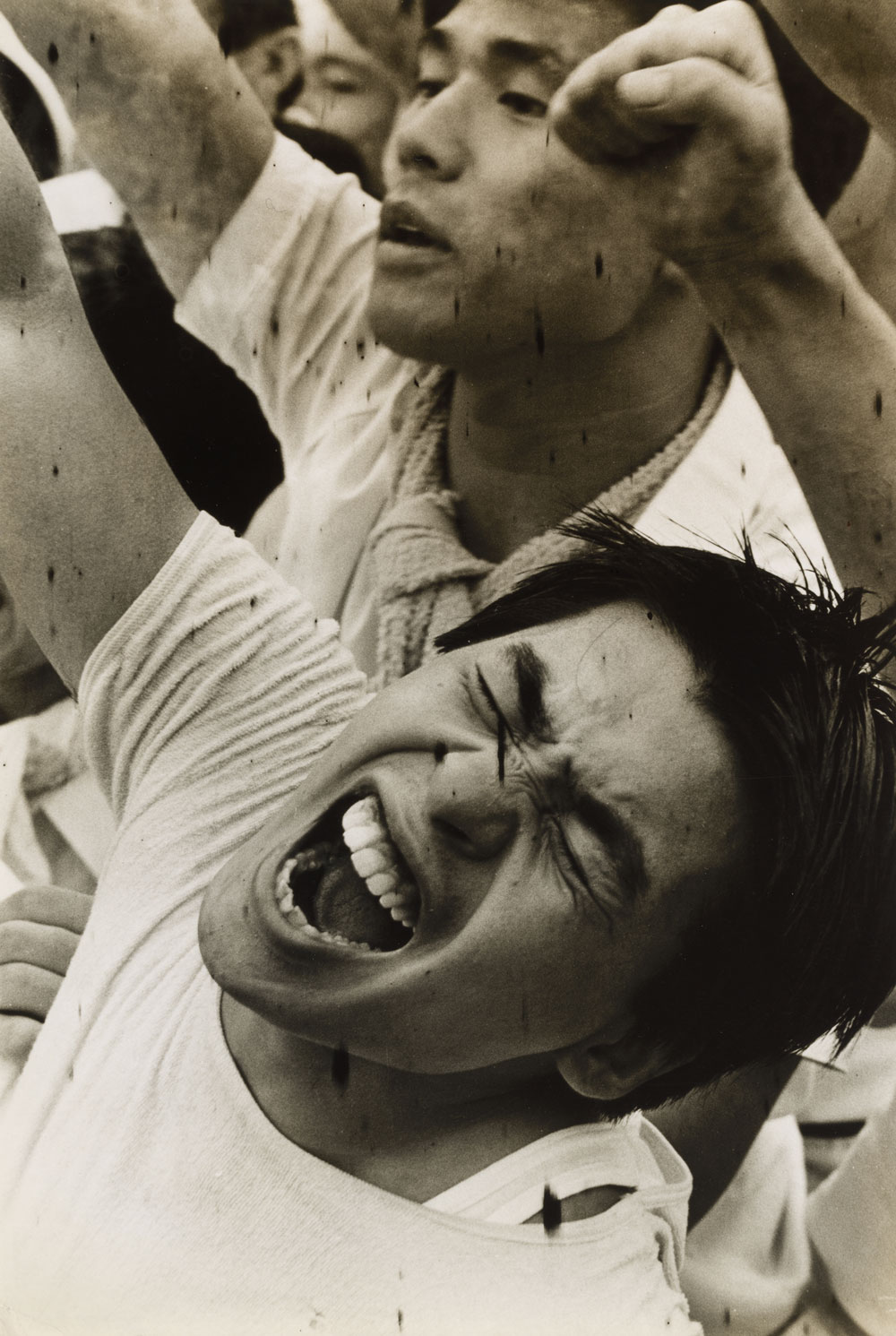
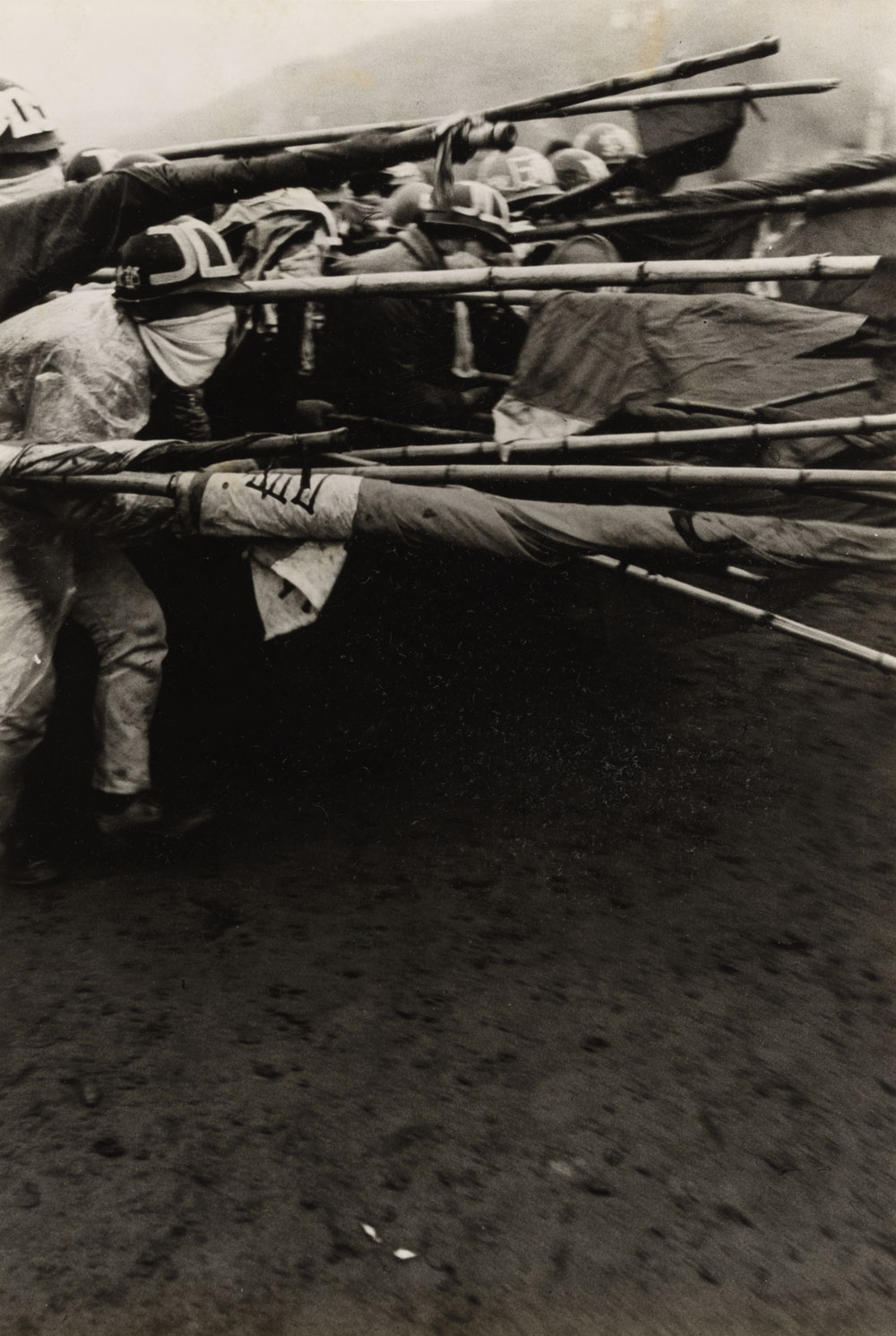

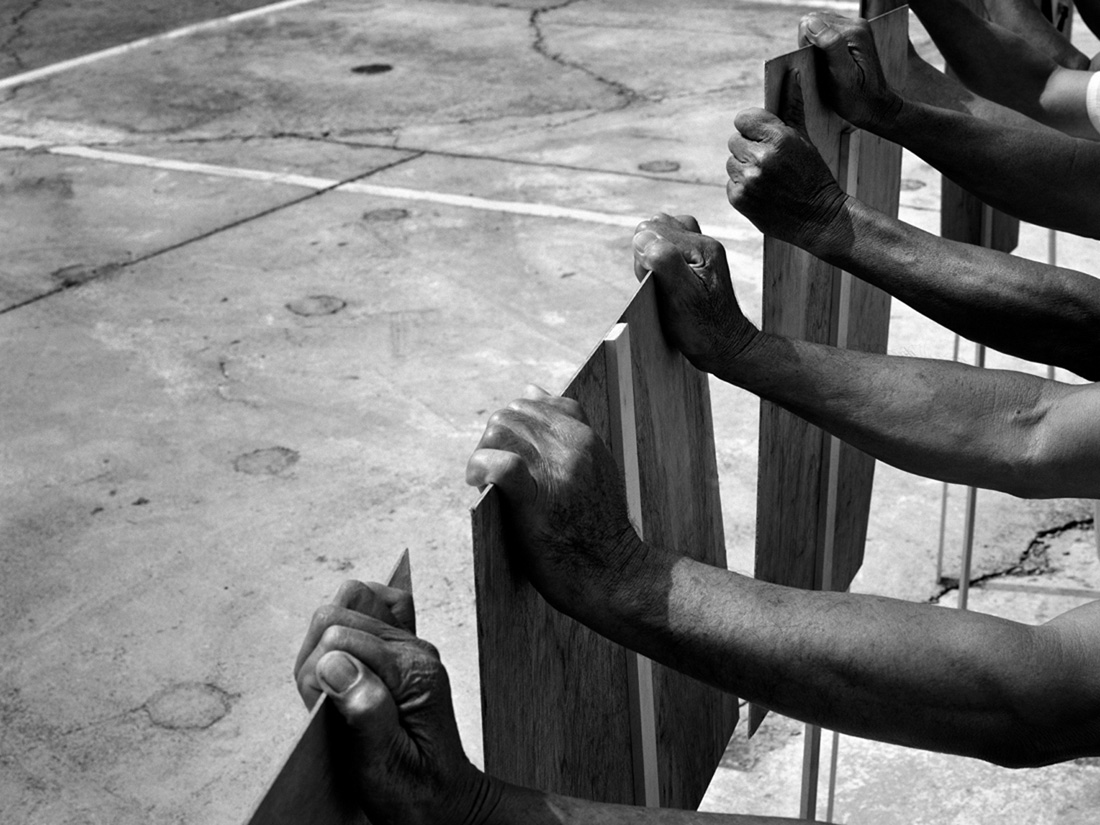


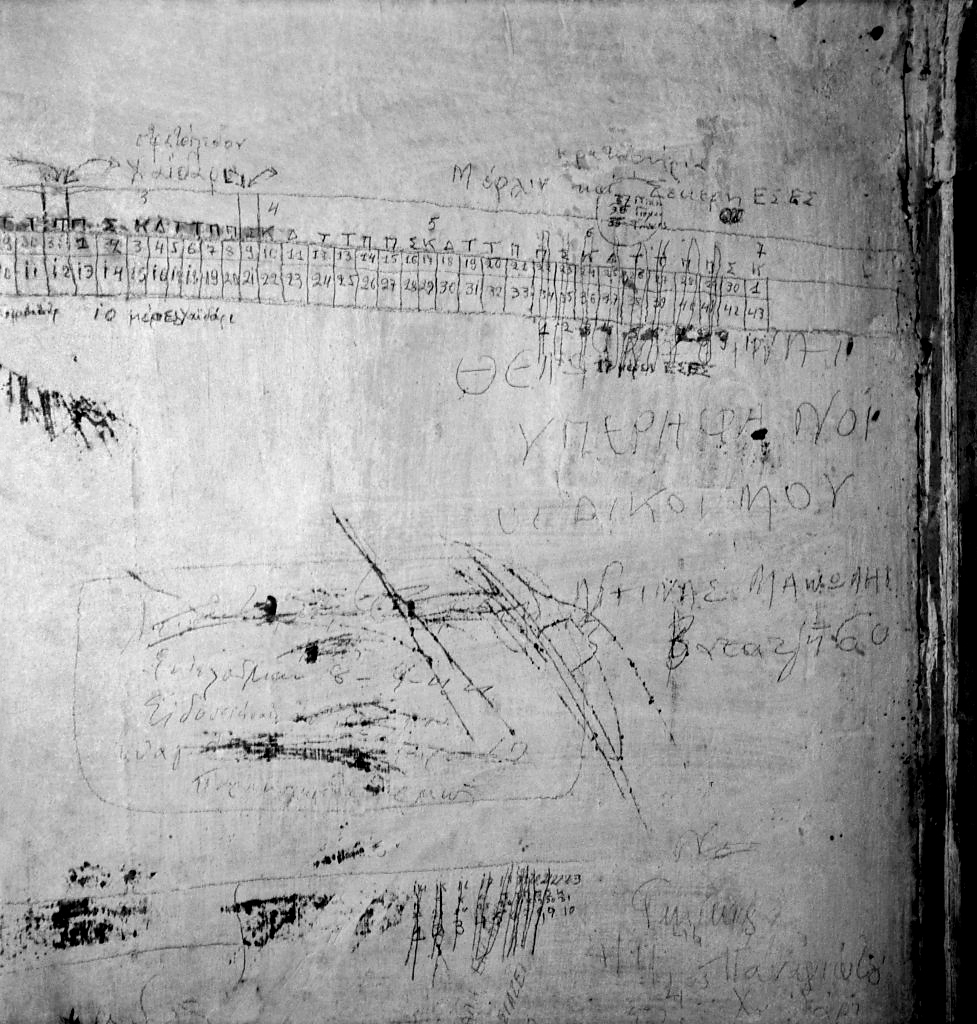
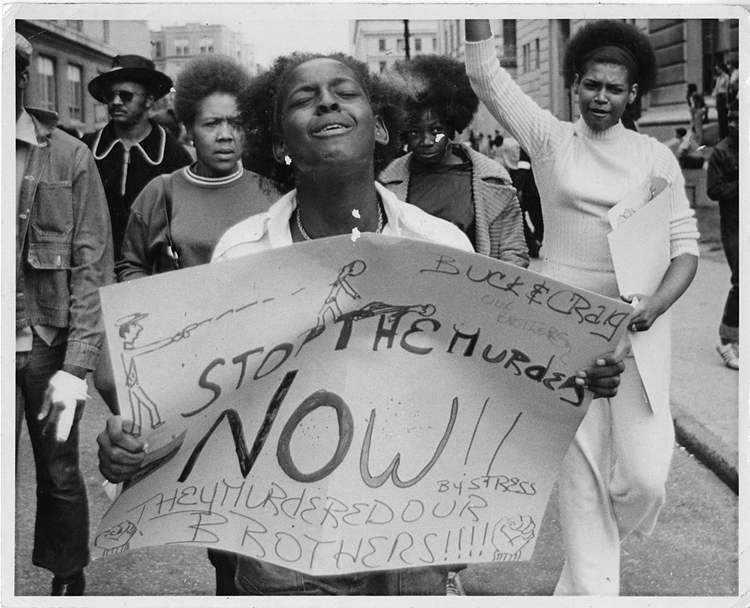
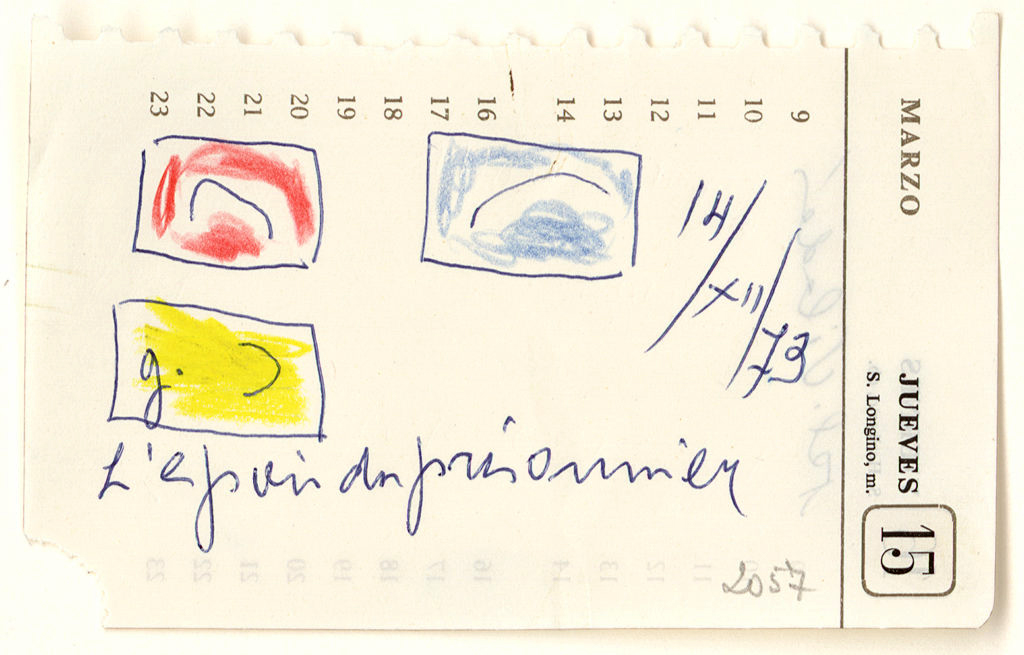
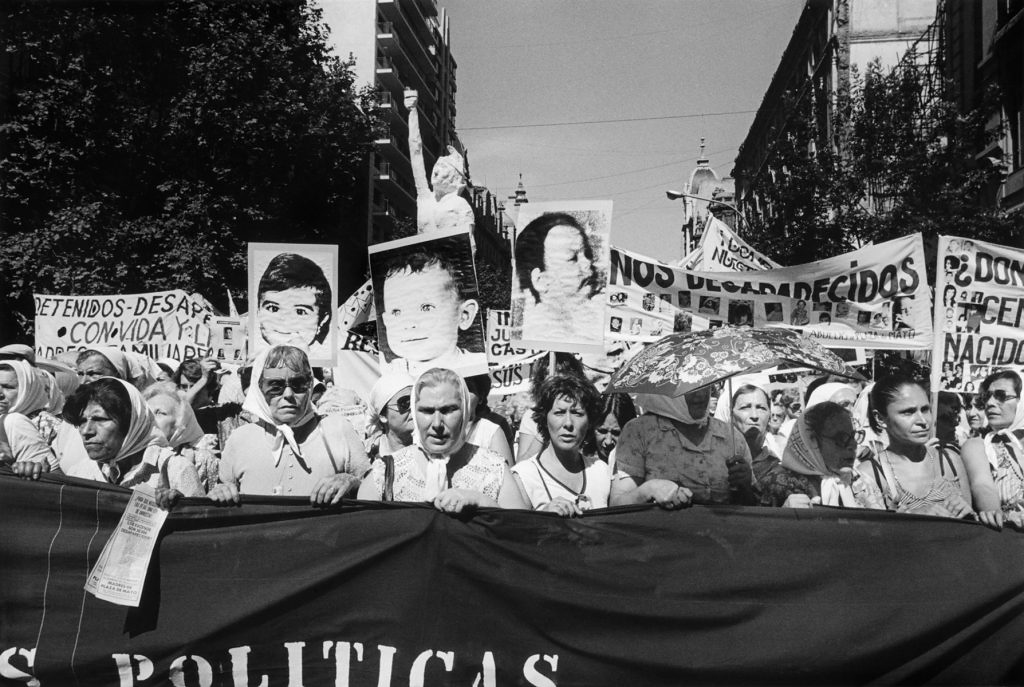

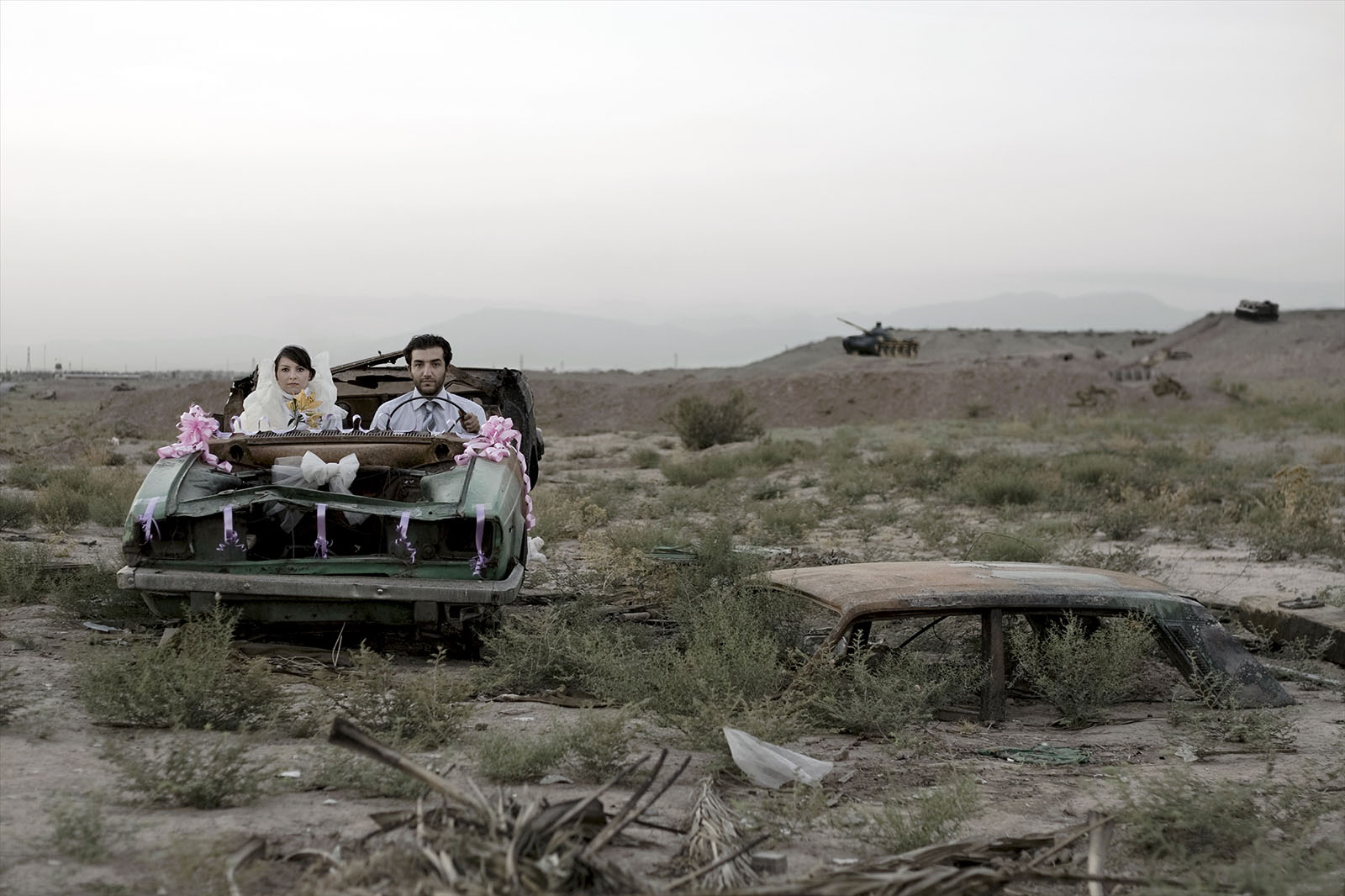

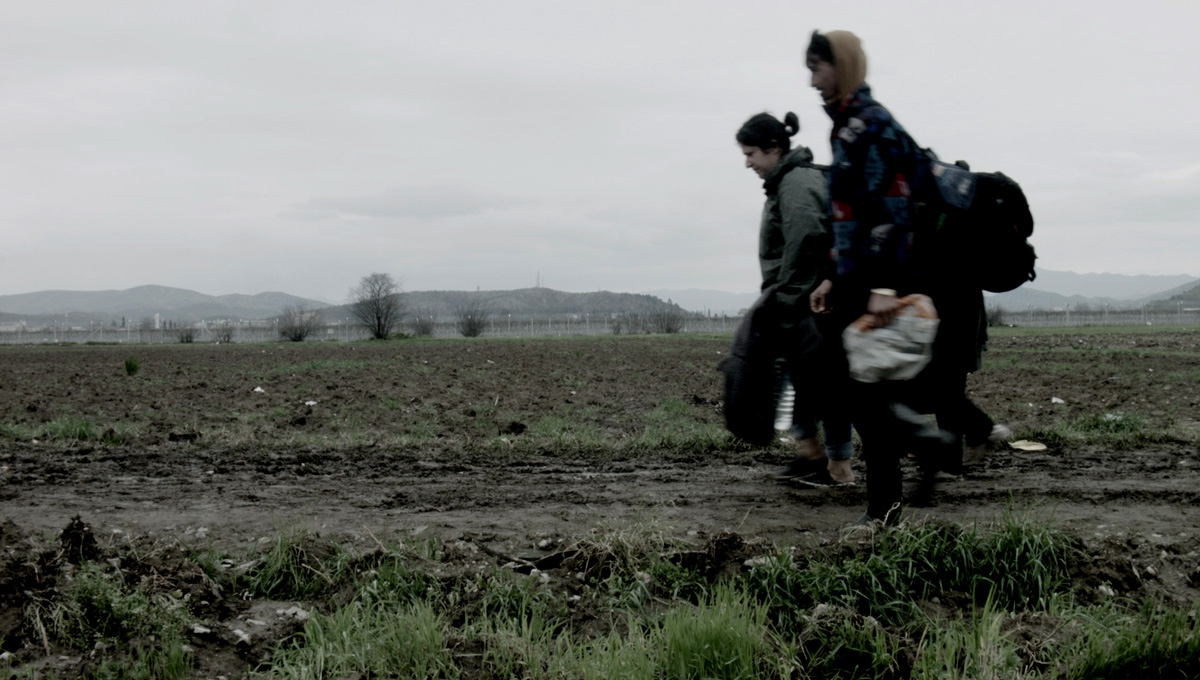

![Joan Miró (Spanish, 1893-1983) 'Tête de Paysan Catalan' [Head of a Catalan Peasant] 1925 from the exhibition 'Surreal Encounters: Collecting the Marvellous: Works from the Collections of Roland Penrose, Edward James, Gabrielle Keiller and Ulla and Heiner Pietzsch' at the Scottish National Gallery of Modern Art, Edinburgh, June- Sept, 2016](https://artblart.com/wp-content/uploads/2016/08/joan-mirc3b3-tc3aate-de-paysan-catalan-web.jpg "Joan Miró (Spanish, 1893-1983) 'Tête de Paysan Catalan' [Head of a Catalan Peasant] 1925 from the Collections of Roland Penrose, Edward James, Gabrielle Keiller and Ulla and Heiner Pietzsch' at the Scottish National Gallery of Modern Art, Edinburgh, June- Sept, 2016")
![Francis Picabia (French, 1879-1953) 'Fille née sans mère' [Girl Born without a Mother] c. 1916-1917 from the Collections of Roland Penrose, Edward James, Gabrielle Keiller and Ulla and Heiner Pietzsch' at the Scottish National Gallery of Modern Art, Edinburgh, June- Sept, 2016](https://artblart.com/wp-content/uploads/2016/08/francis-picabia-fille-nc3a9e-sans-mc3a8re-web.jpg "Francis Picabia (French, 1879-1953) 'Fille née sans mère' [Girl Born without a Mother] c. 1916-1917 from the Collections of Roland Penrose, Edward James, Gabrielle Keiller and Ulla and Heiner Pietzsch' at the Scottish National Gallery of Modern Art, Edinburgh, June- Sept, 2016")


![Max Ernst (German, 1891-1976) 'La Joie de vivre' [The Joy of Life] 1936](https://artblart.com/wp-content/uploads/2016/08/max-ernst-la-joie-de-vivre-1936-web.jpg "Max Ernst (German, 1891-1976) 'La Joie de vivre' [The Joy of Life] 1936")

![Dorothea Tanning (American, 1910-2012) 'Eine Kleine Nachtmusik' [A Little Night Music] 1943](https://artblart.com/wp-content/uploads/2016/08/dorothea-tanning-eine-kleine-nachtmusik-1943-web.jpg "Dorothea Tanning (American, 1910-2012) 'Eine Kleine Nachtmusik' [A Little Night Music] 1943")


![Salvador Dalí (Spanish, 1904-1989) 'Couple aux têtes pleines de nuages' [Couple with their Heads Full of Clouds] 1936](https://artblart.com/wp-content/uploads/2016/08/salvador-dalc3ad-couple-aux-tc3aates-pleines-de-nuages-web.jpg "Salvador Dalí (Spanish, 1904-1989) 'Couple aux têtes pleines de nuages' [Couple with their Heads Full of Clouds] 1936")


![Pablo Picasso (Spanish, 1881-1973) 'Tête' [Head] 1913](https://artblart.com/wp-content/uploads/2016/08/tc3aate-head-1913-by-pablo-picasso-web.jpg "Pablo Picasso (Spanish, 1881-1973) 'Tête' [Head] 1913")


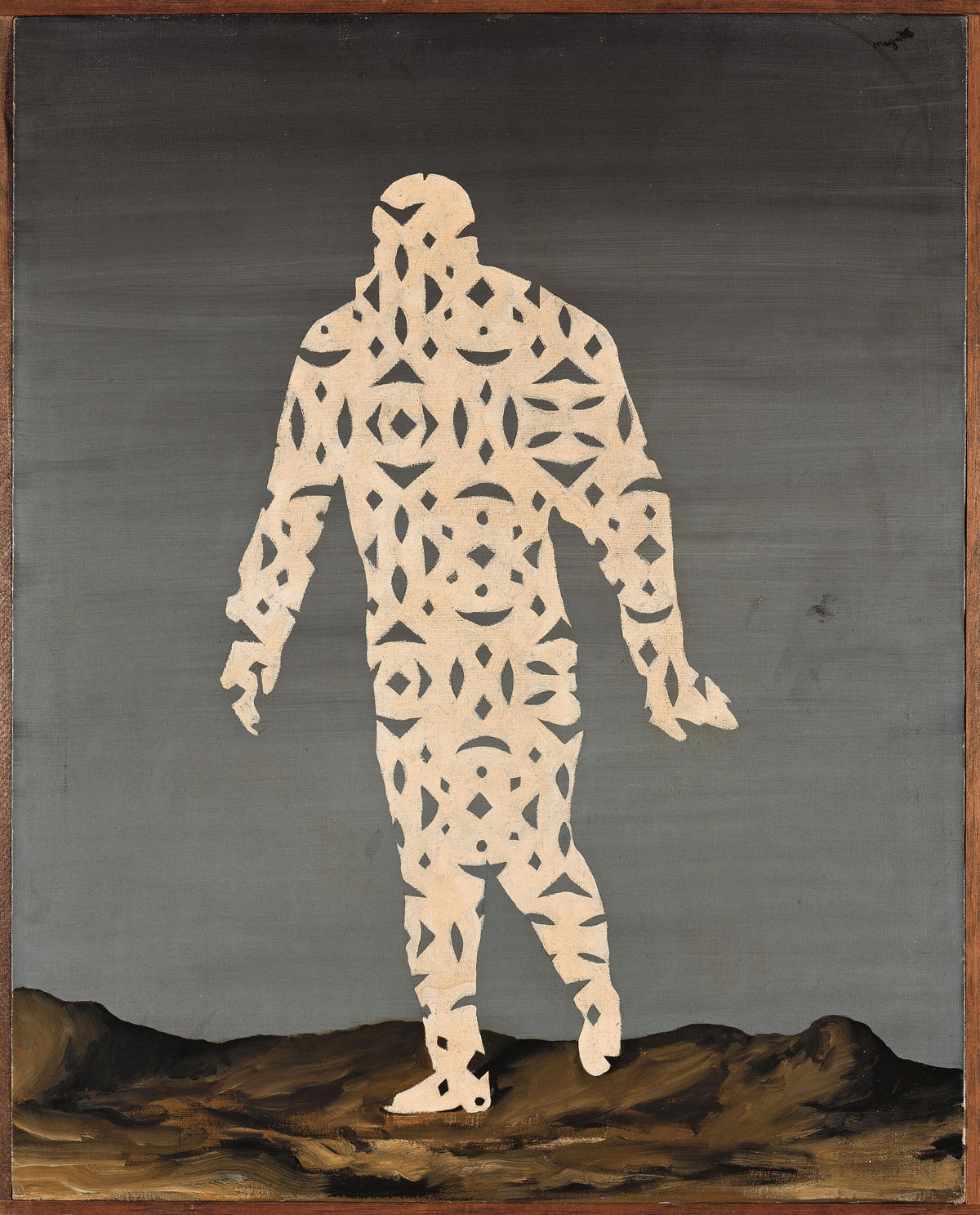
![Max Ernst (German, 1891-1976) 'Jeune homme intrigué par le vol d’une mouche non-euclidienne' [Young Man Intrigued by the Flight of a Non-Euclidean Fly] 1942–1947](https://artblart.com/wp-content/uploads/2016/08/32_ernst-max_jeune-homme-intriguc3a9-1942-47-web.jpg "Max Ernst (German, 1891-1976) 'Jeune homme intrigué par le vol d’une mouche non-euclidienne' [Young Man Intrigued by the Flight of a Non-Euclidean Fly] 1942–1947")
![Max Ernst (German, 1891-1976) 'Une semaine de bonté' [A Week of Kindness] 1934](https://artblart.com/wp-content/uploads/2016/08/ernst-une-semaine-de-bontc3a9-web.jpg "Max Ernst (German, 1891-1976) 'Une semaine de bonté' [A Week of Kindness] 1934")
![Max Ernst (German, 1891-1976) 'Une semaine de bonté' [A Week of Kindness] 1934](https://artblart.com/wp-content/uploads/2016/08/ernst-une-semaine-de-bontc3a9-web2.jpg "Max Ernst (German, 1891-1976) 'Une semaine de bonté' [A Week of Kindness] 1934")


![Alberto Giacometti (Italian, 1901-1966) 'Objet désagréable, à jeter' [Disagreeable Object, to be Thrown away] 1931](https://artblart.com/wp-content/uploads/2016/08/alberto-giacometti-objet-dc3a9sagrc3a9able-web.jpg "Alberto Giacometti (Italian, 1901-1966) 'Objet désagréable, à jeter' [Disagreeable Object, to be Thrown away] 1931")




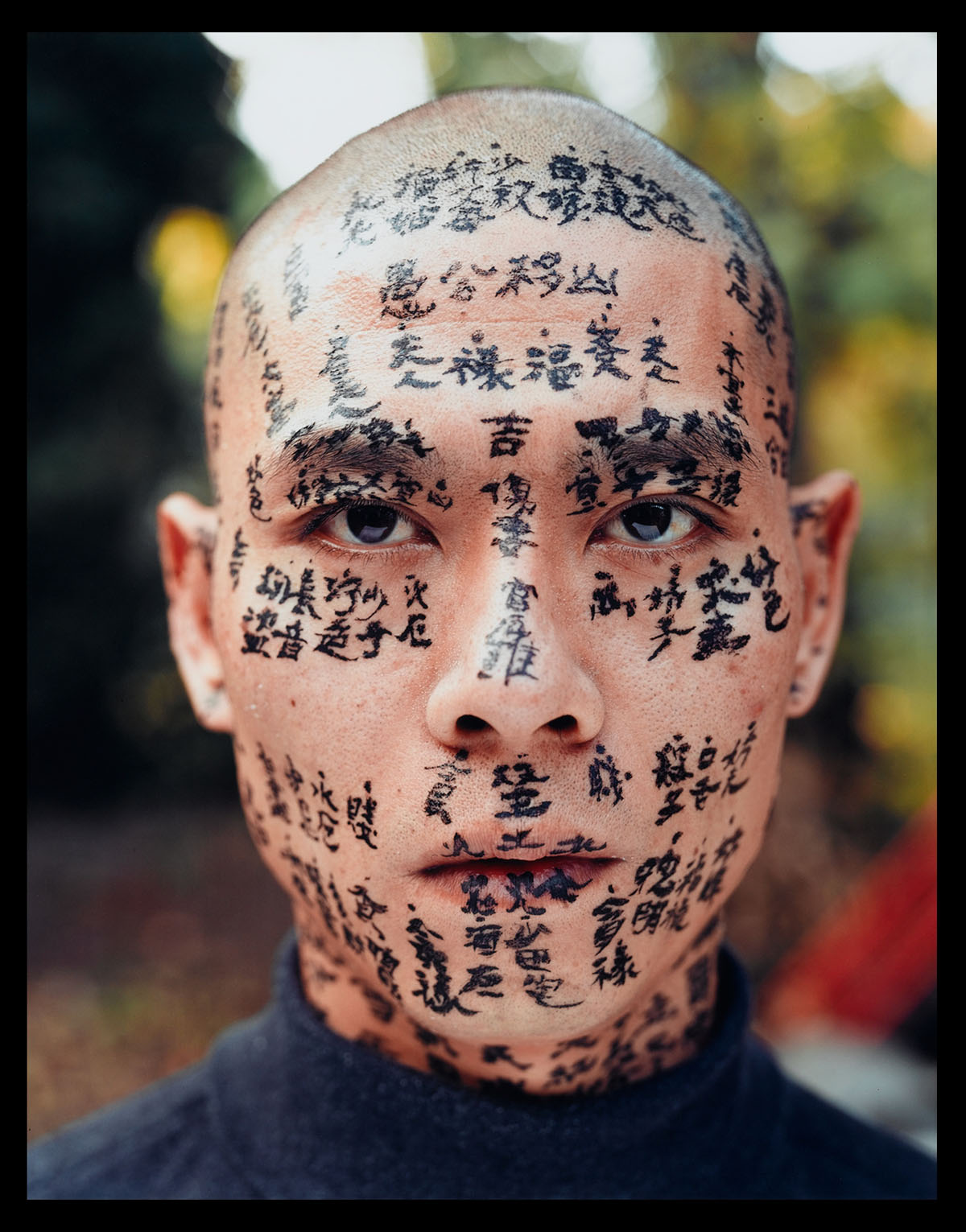
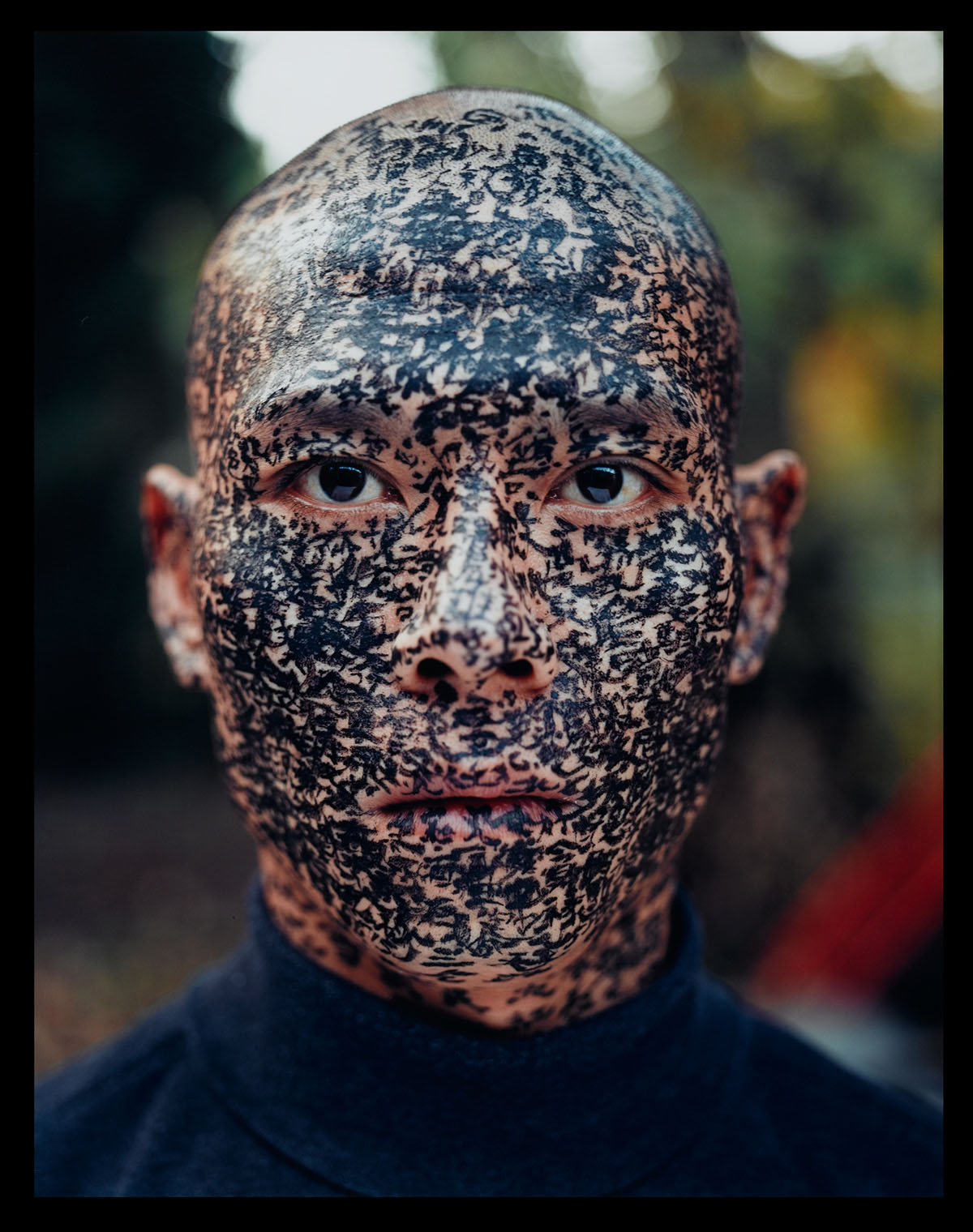
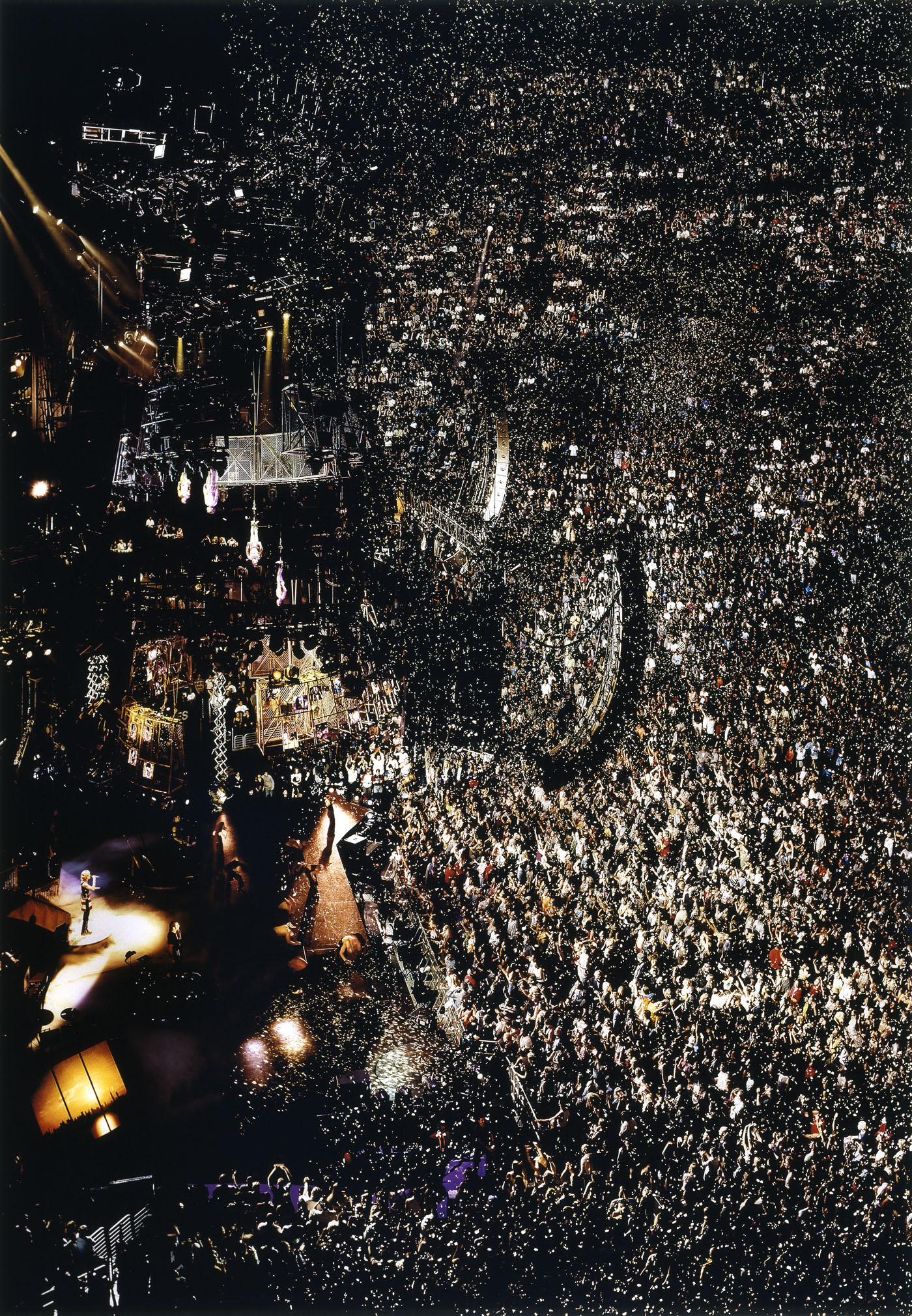
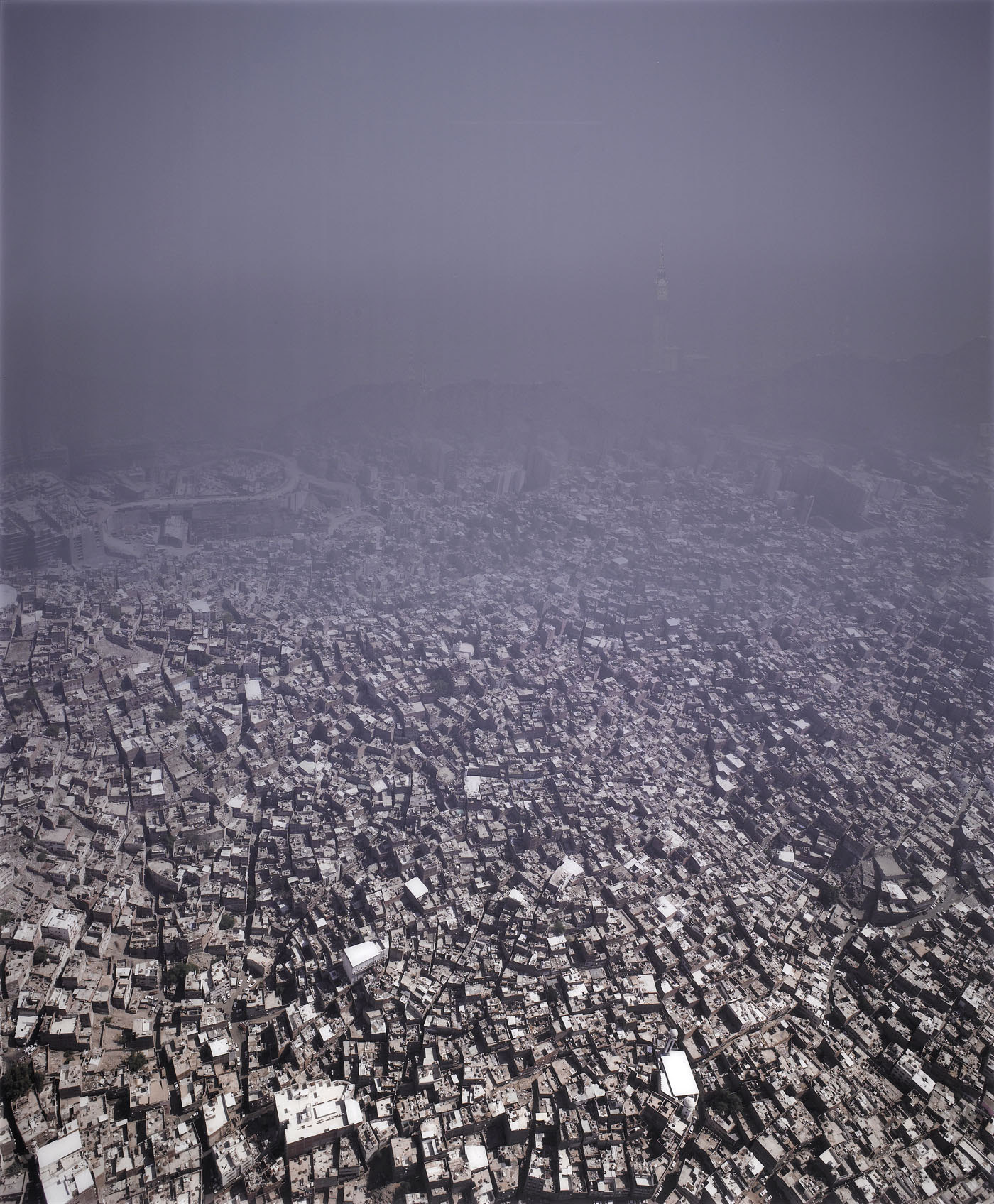


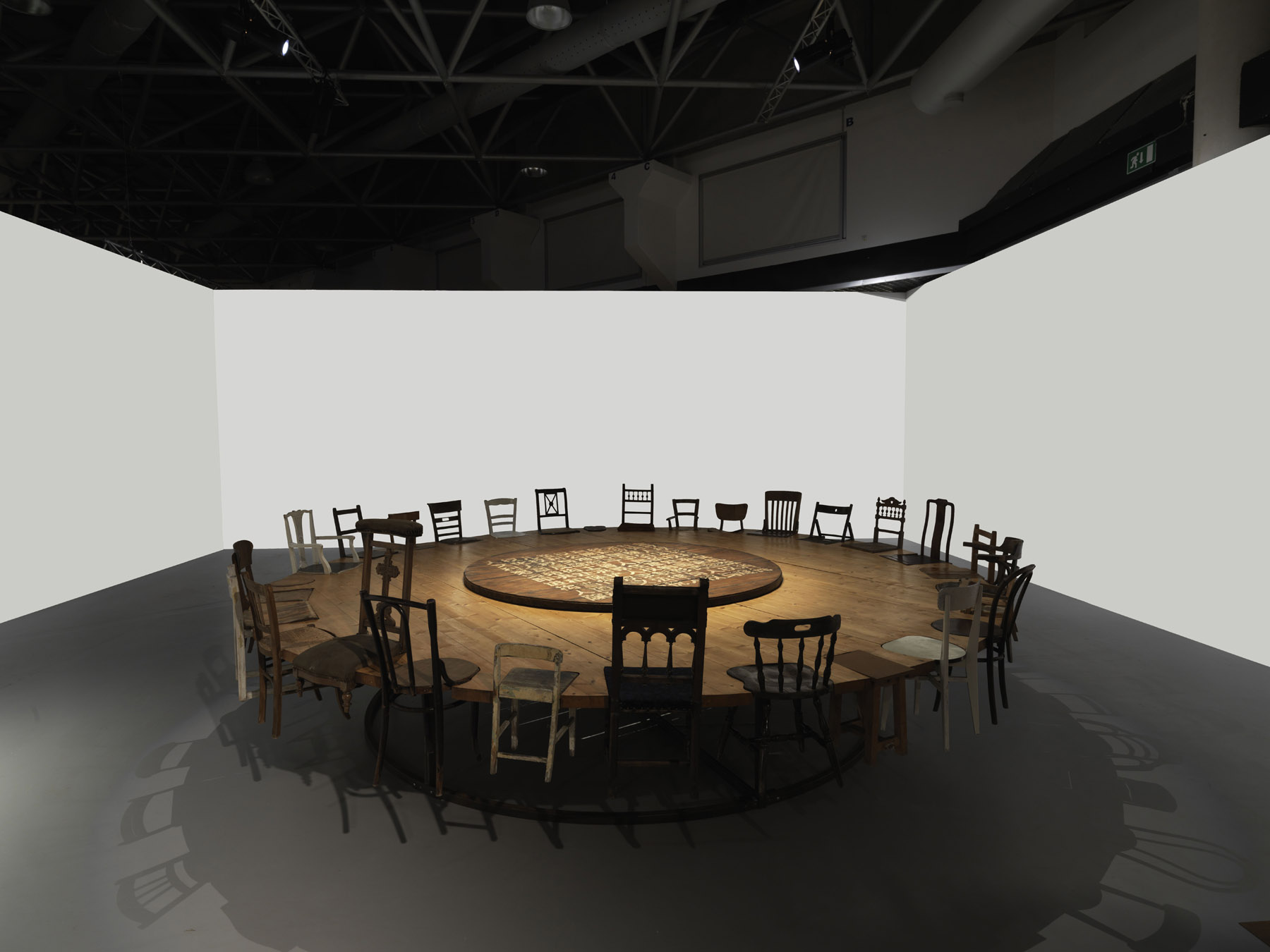
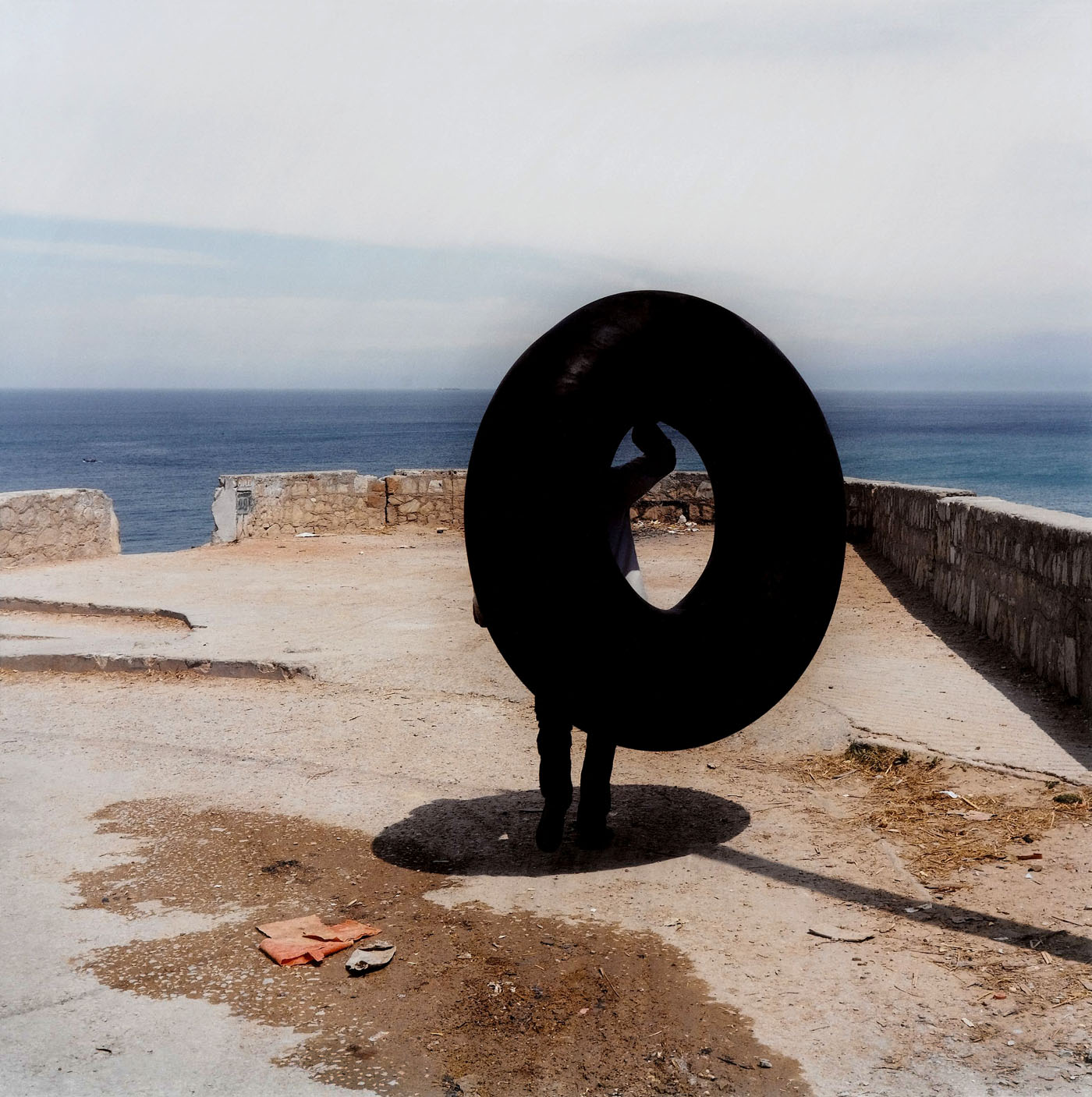


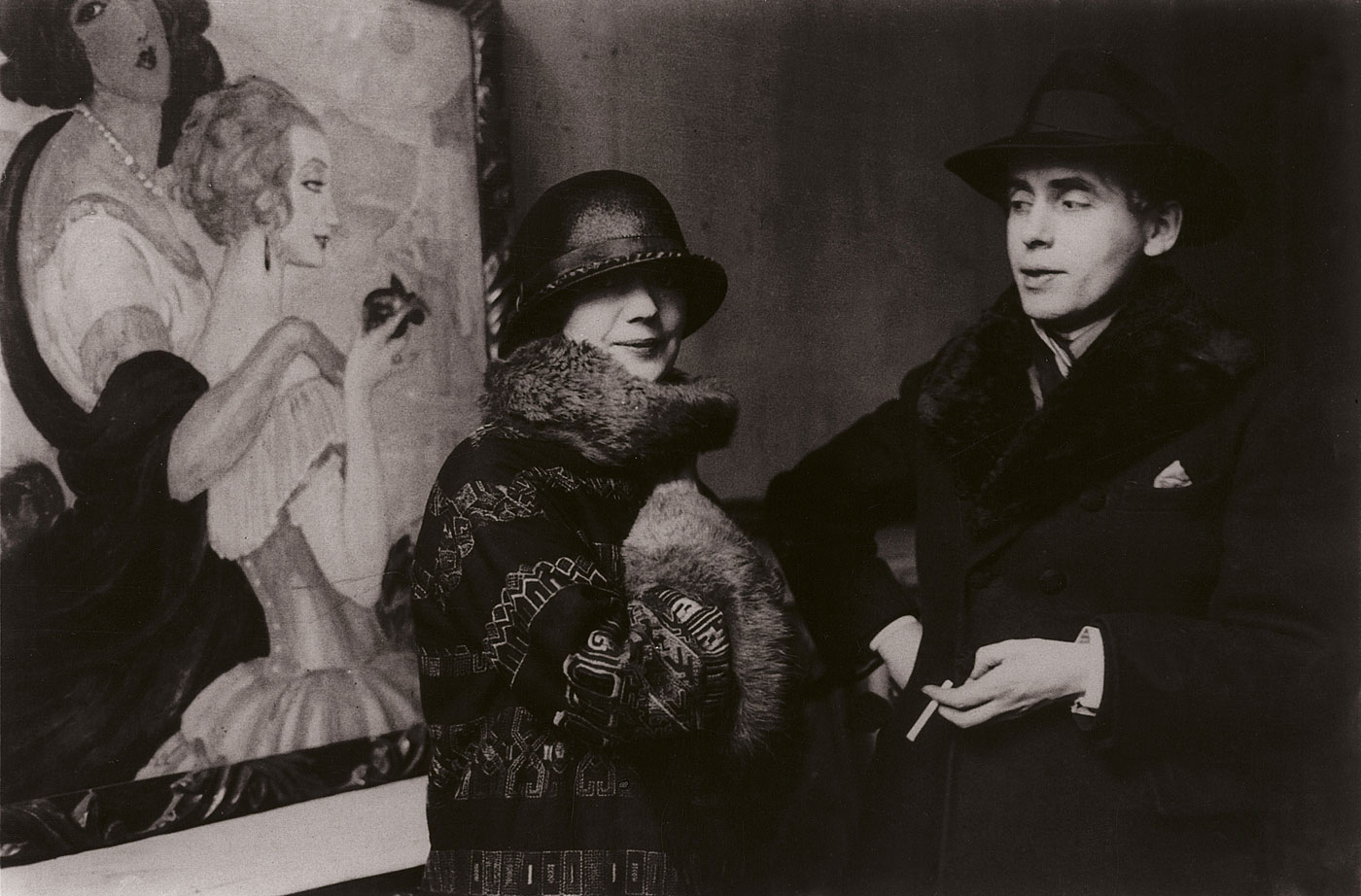
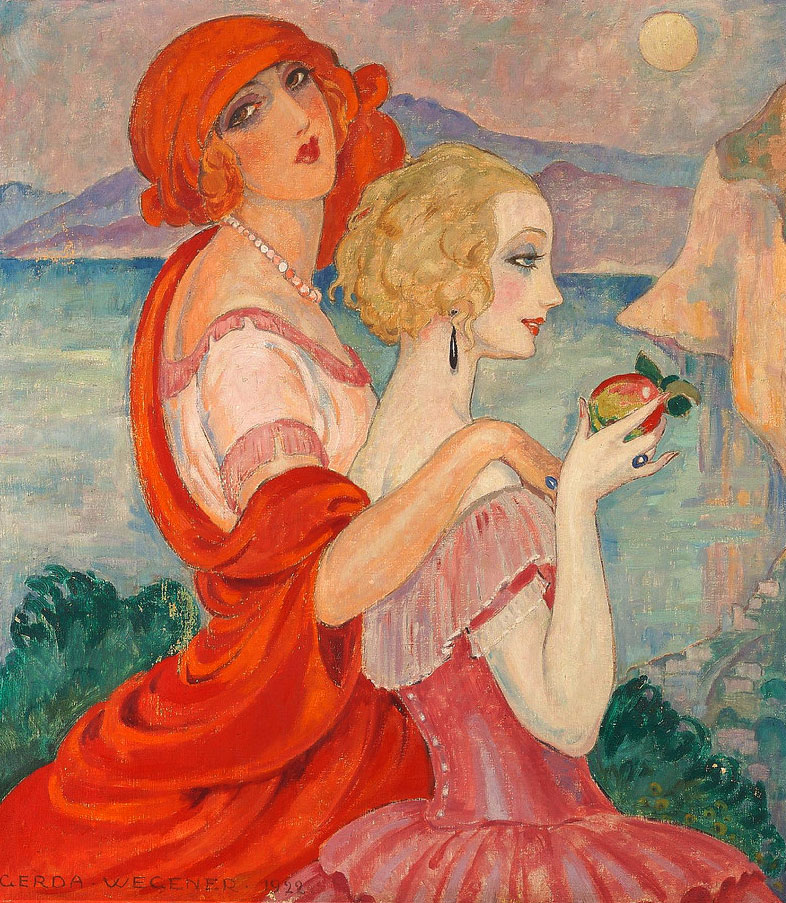












![Andy Warhol (American, 1928-1987) 'Silver Liz [Ferus Type]' 1963](https://artblart.com/wp-content/uploads/2016/03/exhi032777-web.jpg "Andy Warhol (American, 1928-1987) 'Silver Liz [Ferus Type]' 1963")


![Andy Warhol (American, 1928-1987) 'Screen Test: Edie Sedgwick [ST308]' 1965](https://artblart.com/wp-content/uploads/2016/03/exhi037605-web.jpg "Andy Warhol (American, 1928-1987) 'Screen Test: Edie Sedgwick [ST308]' 1965")













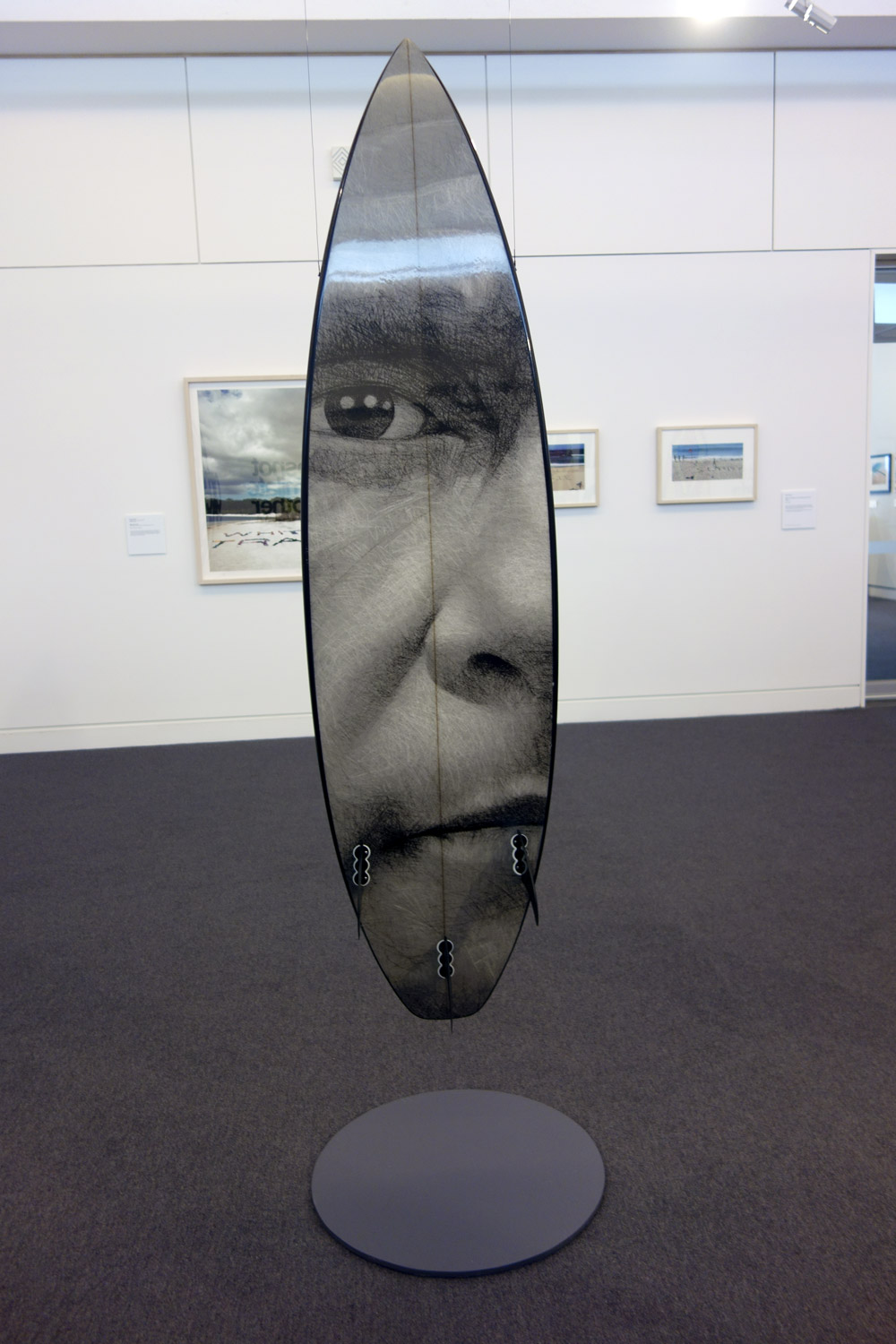
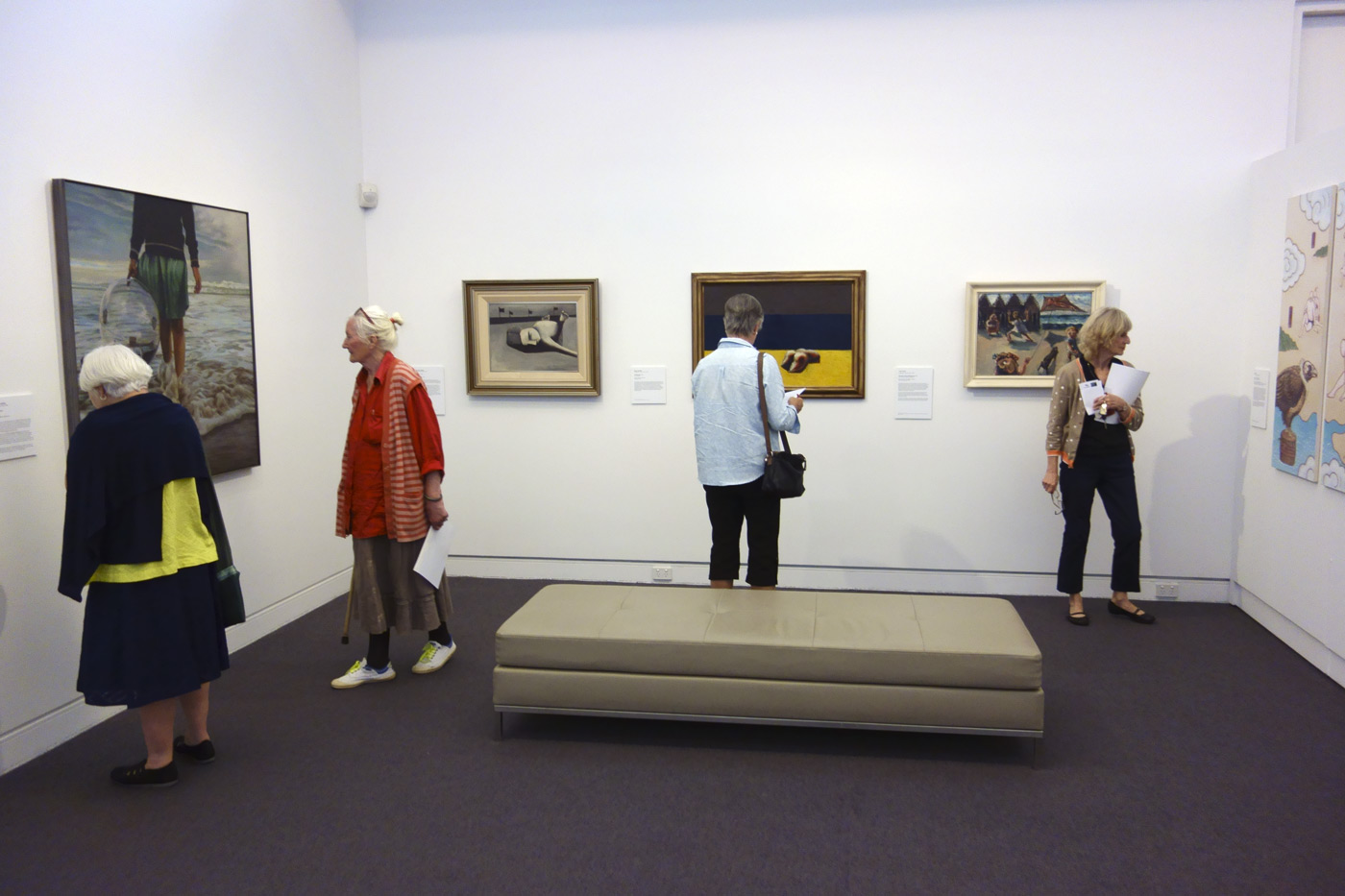

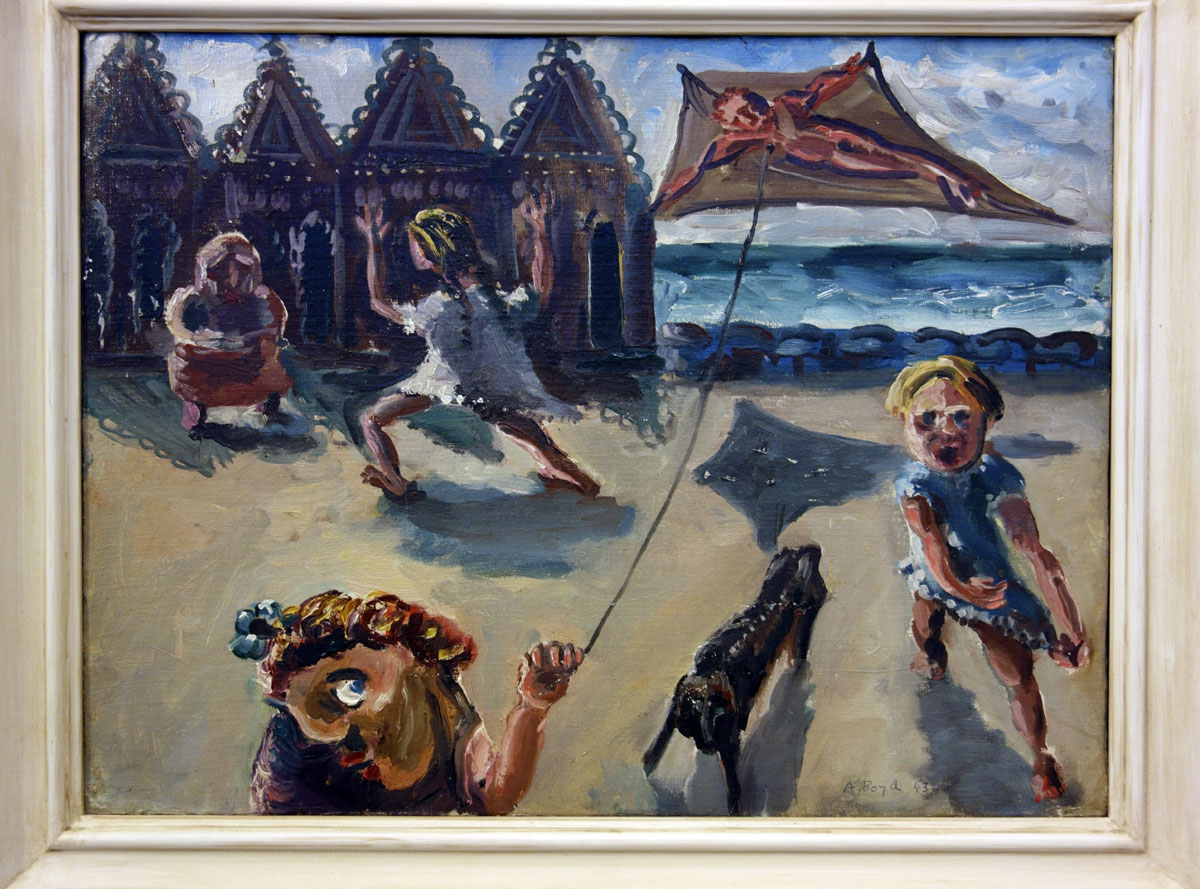
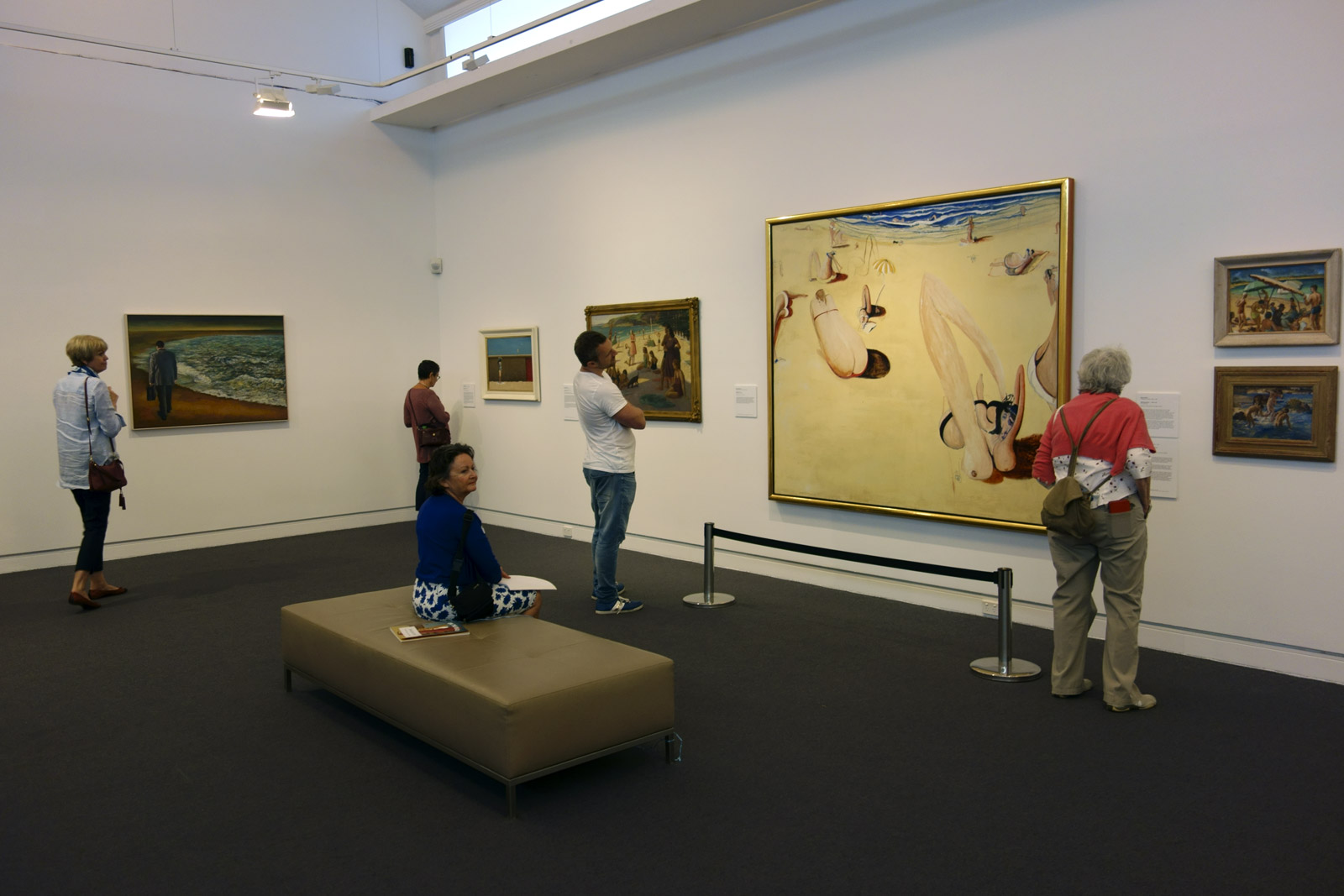








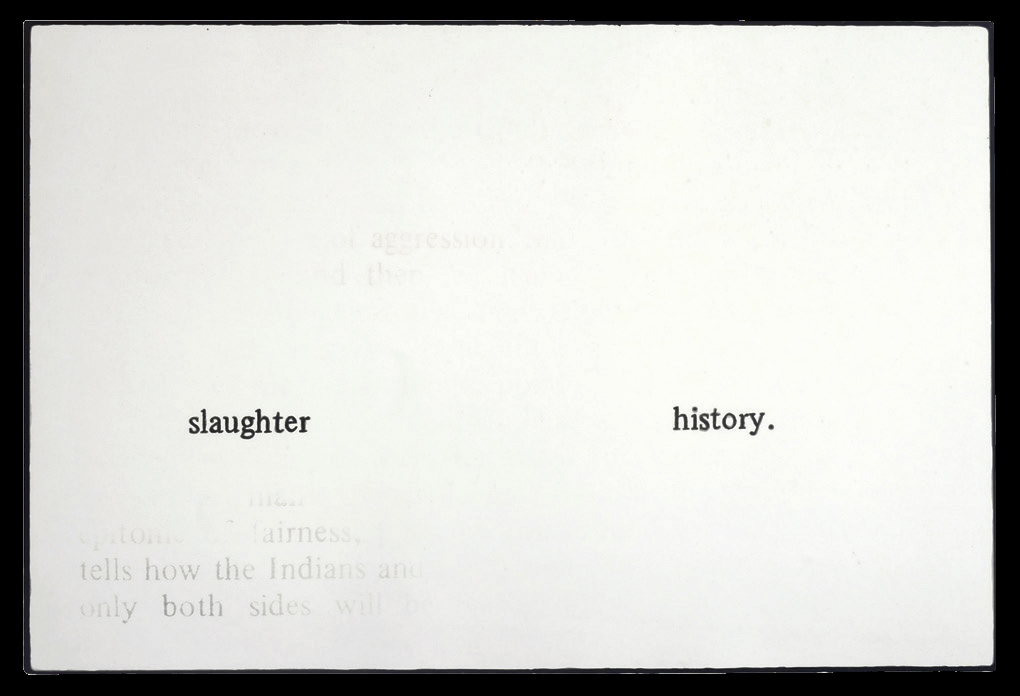





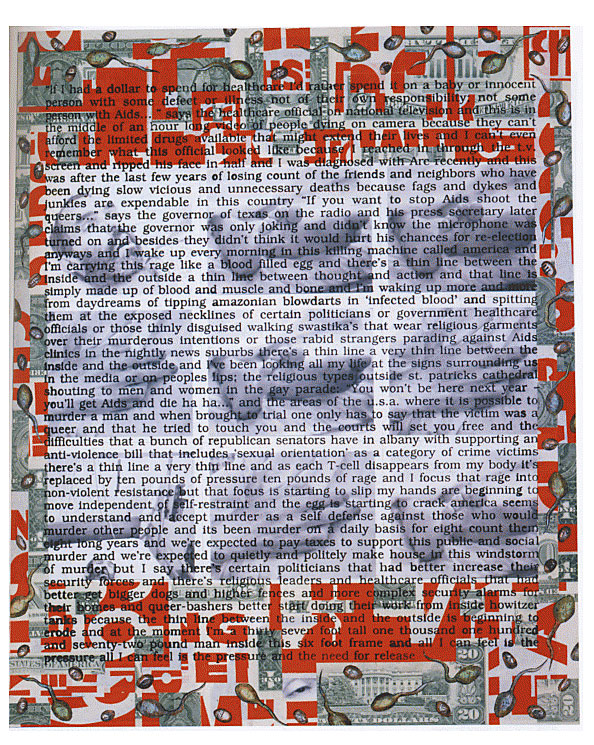

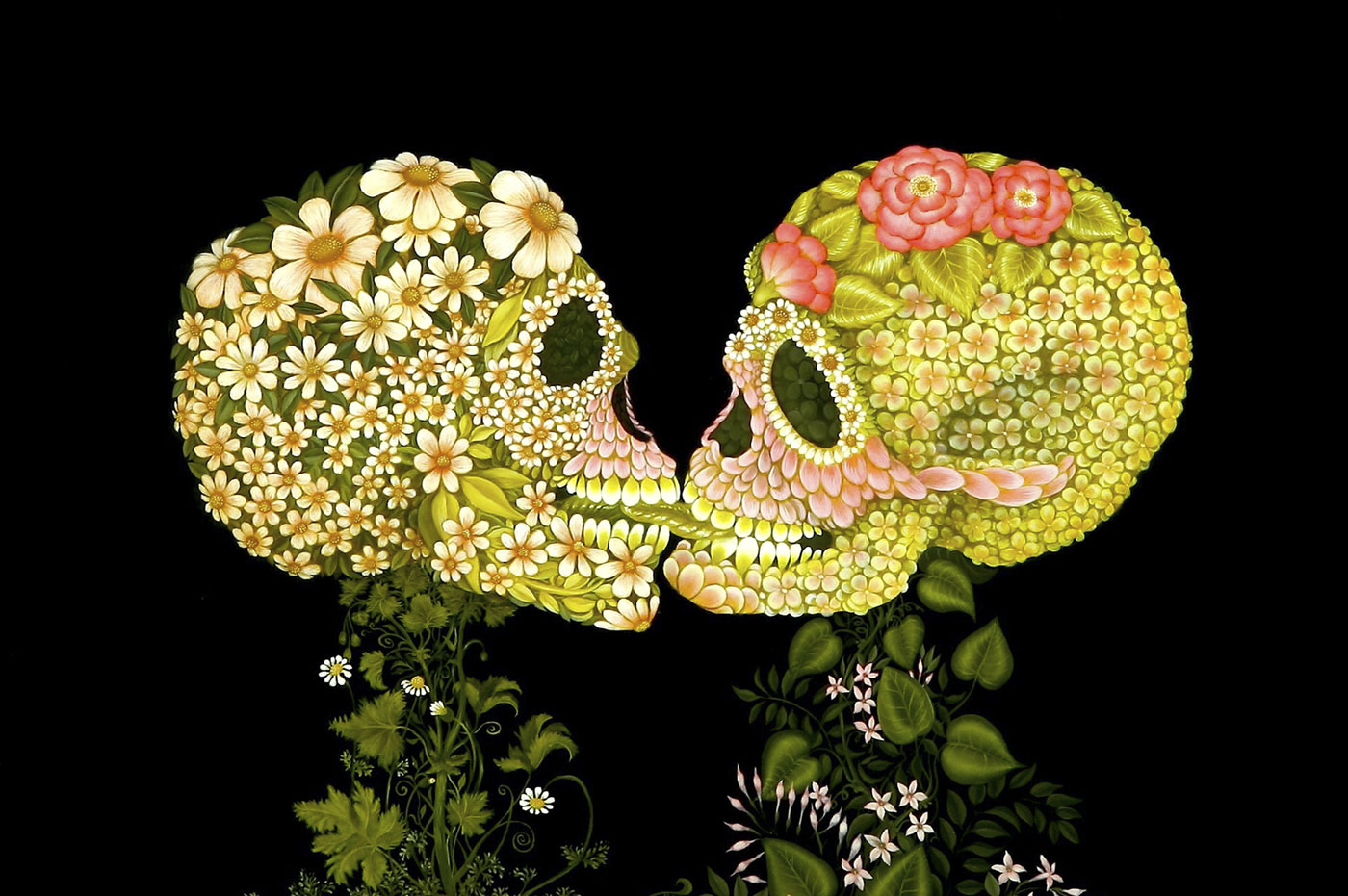
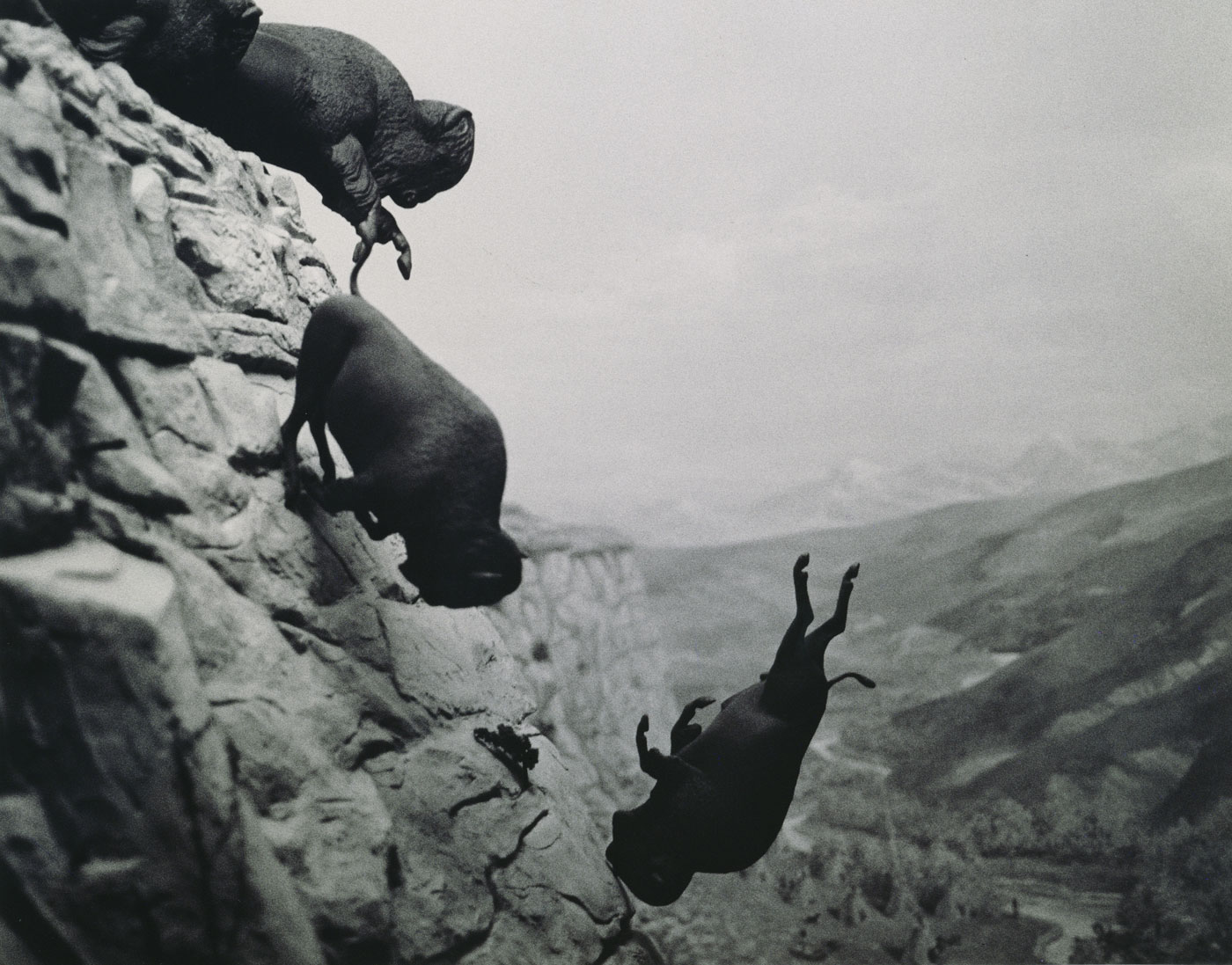
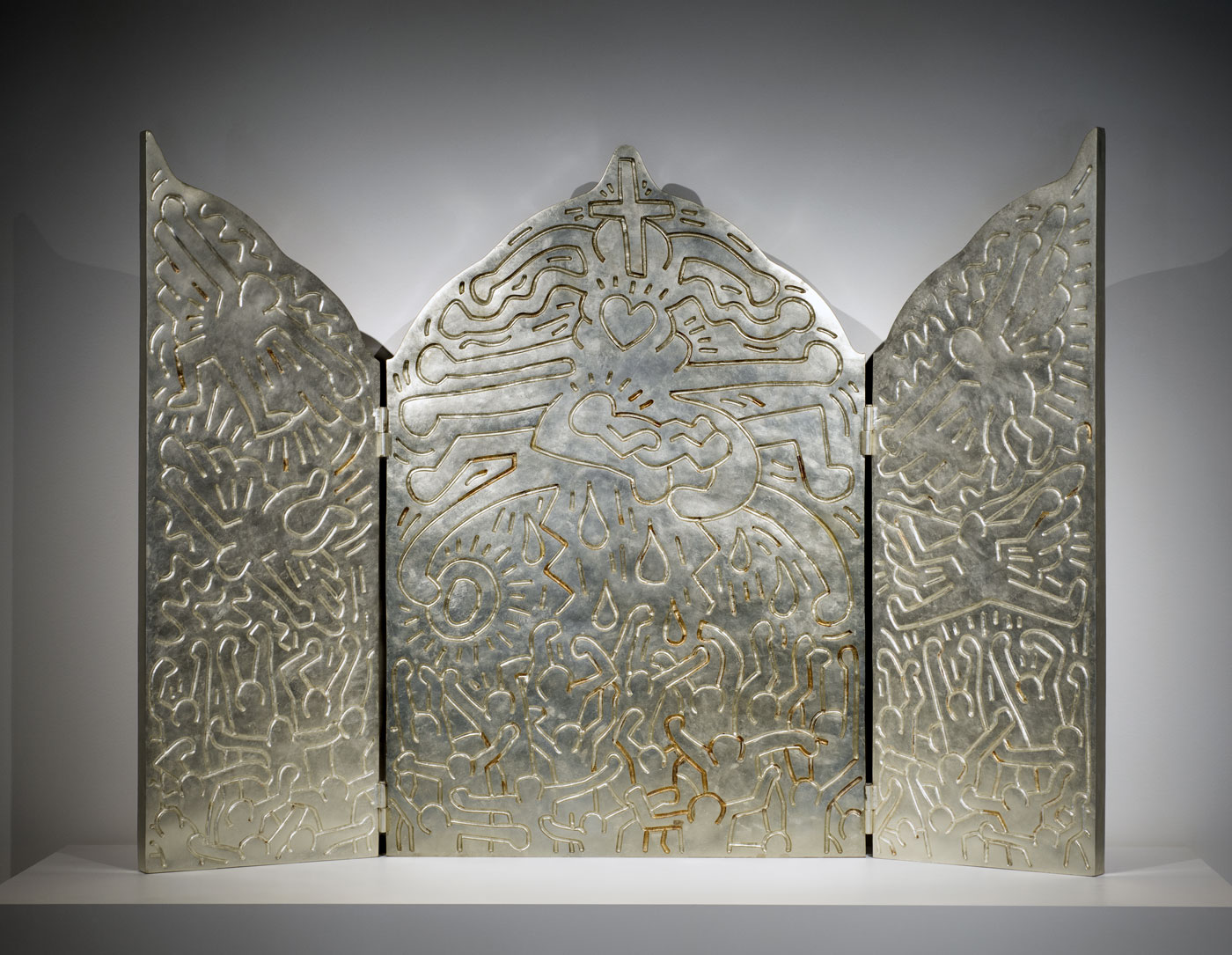


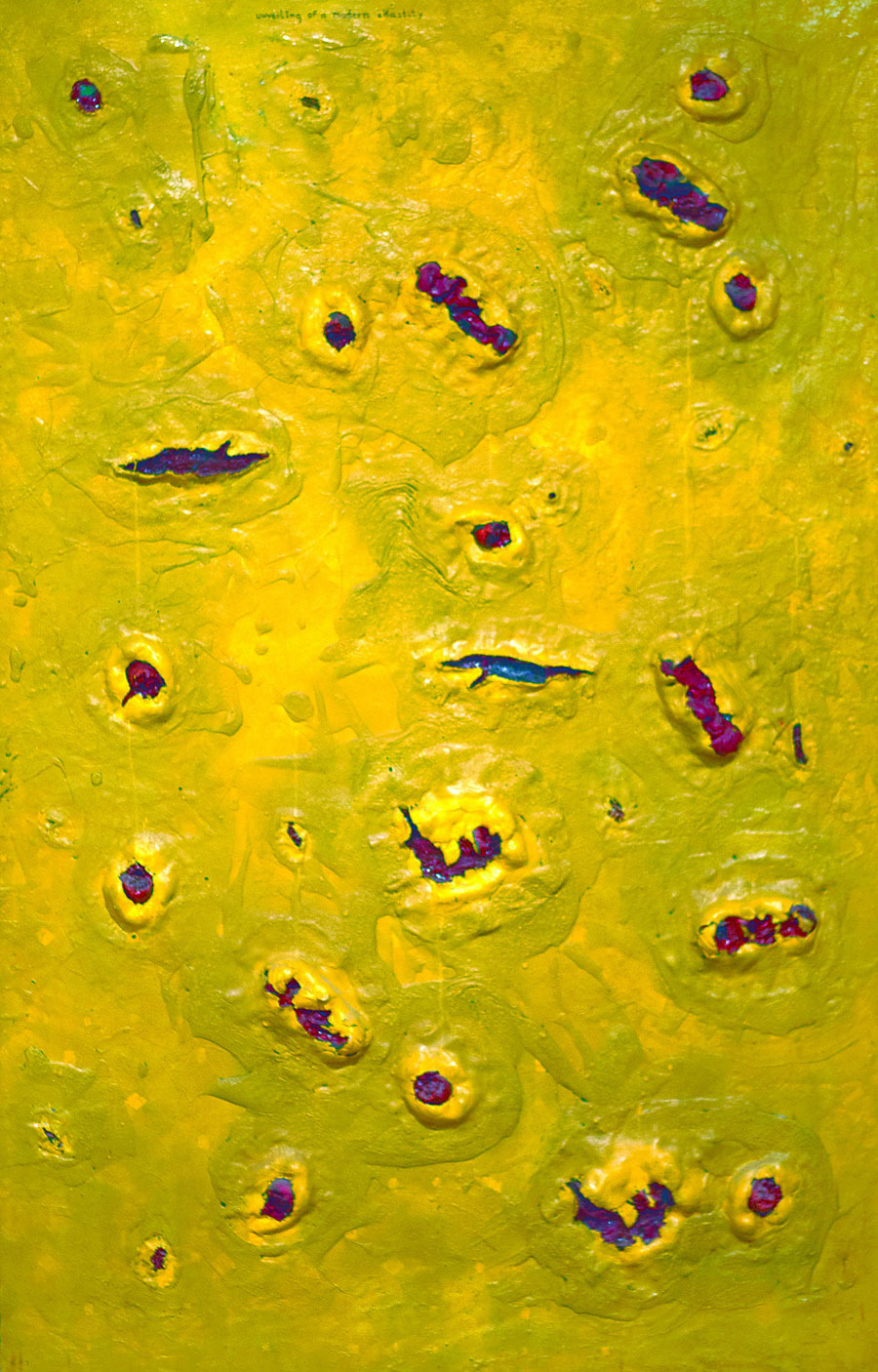


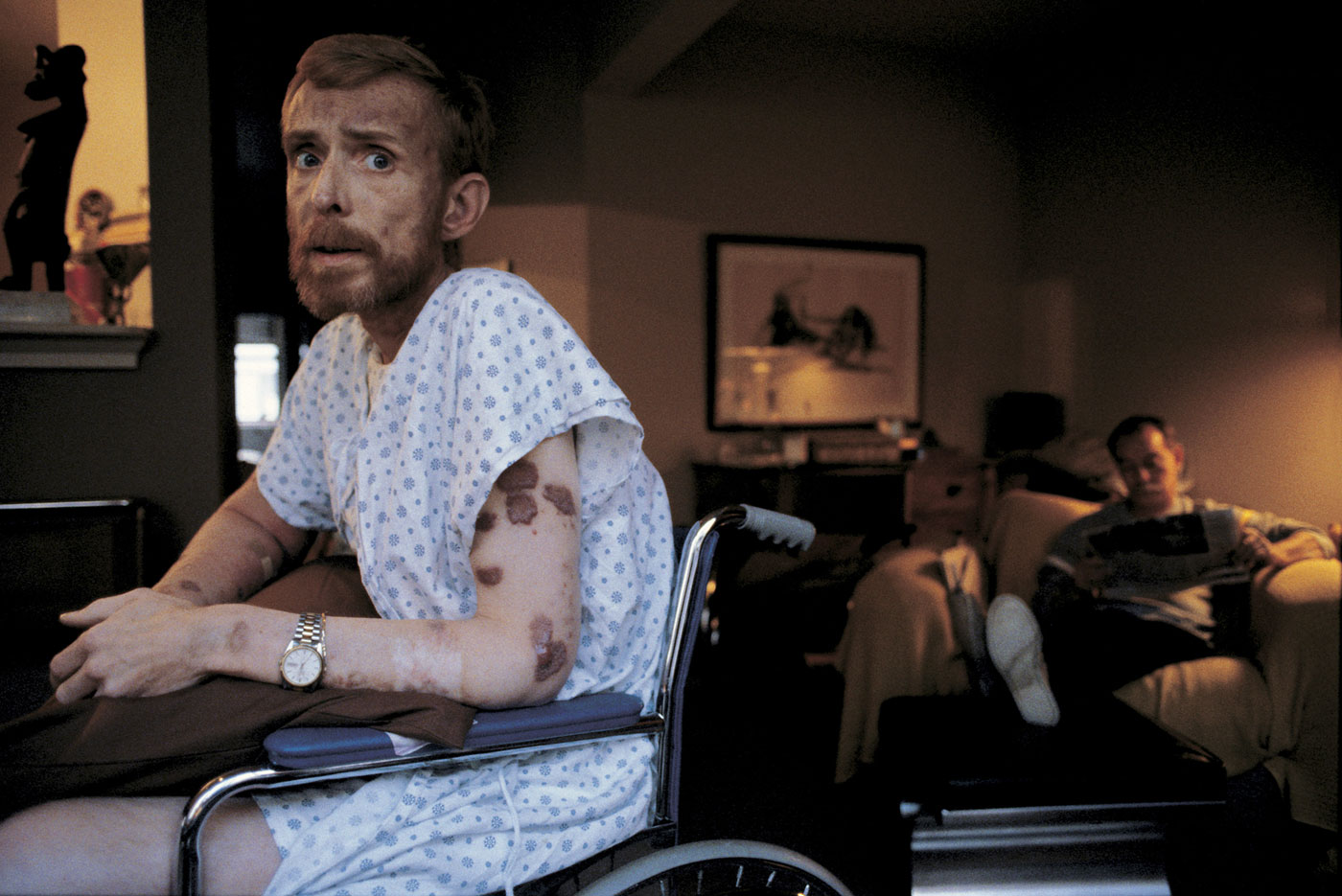

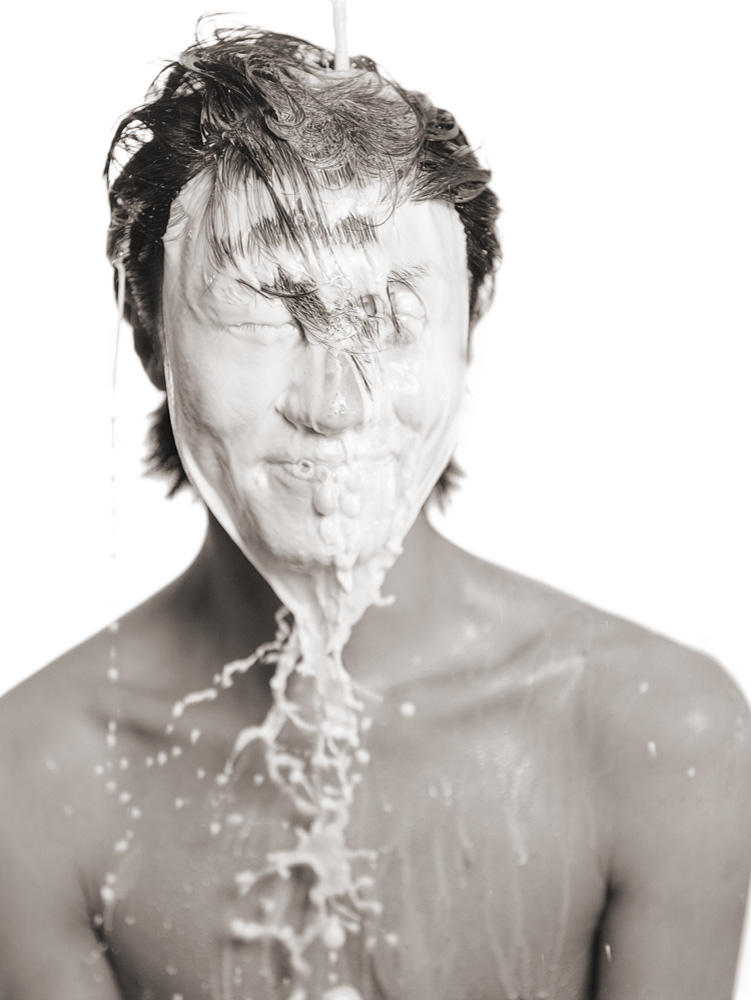


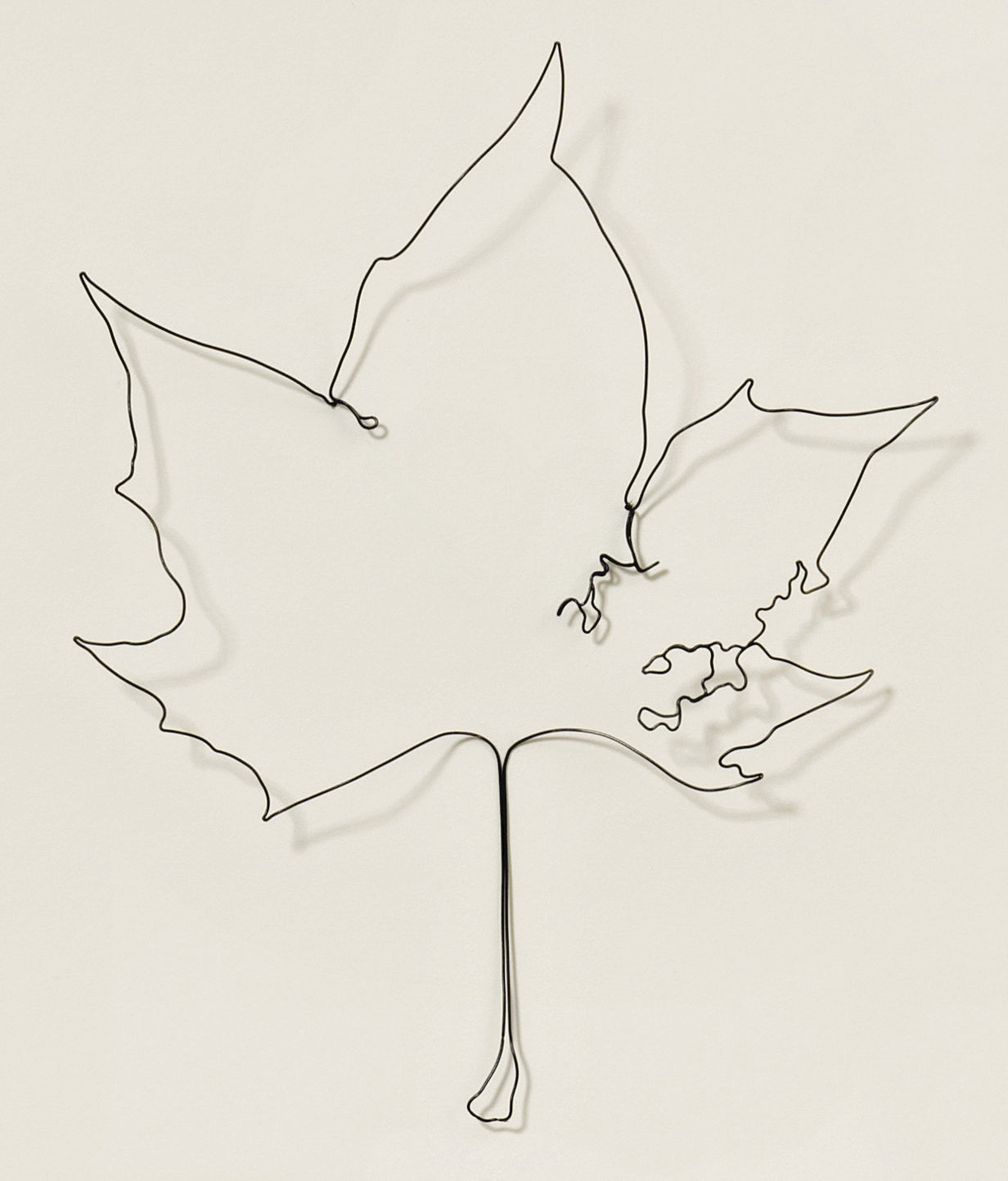
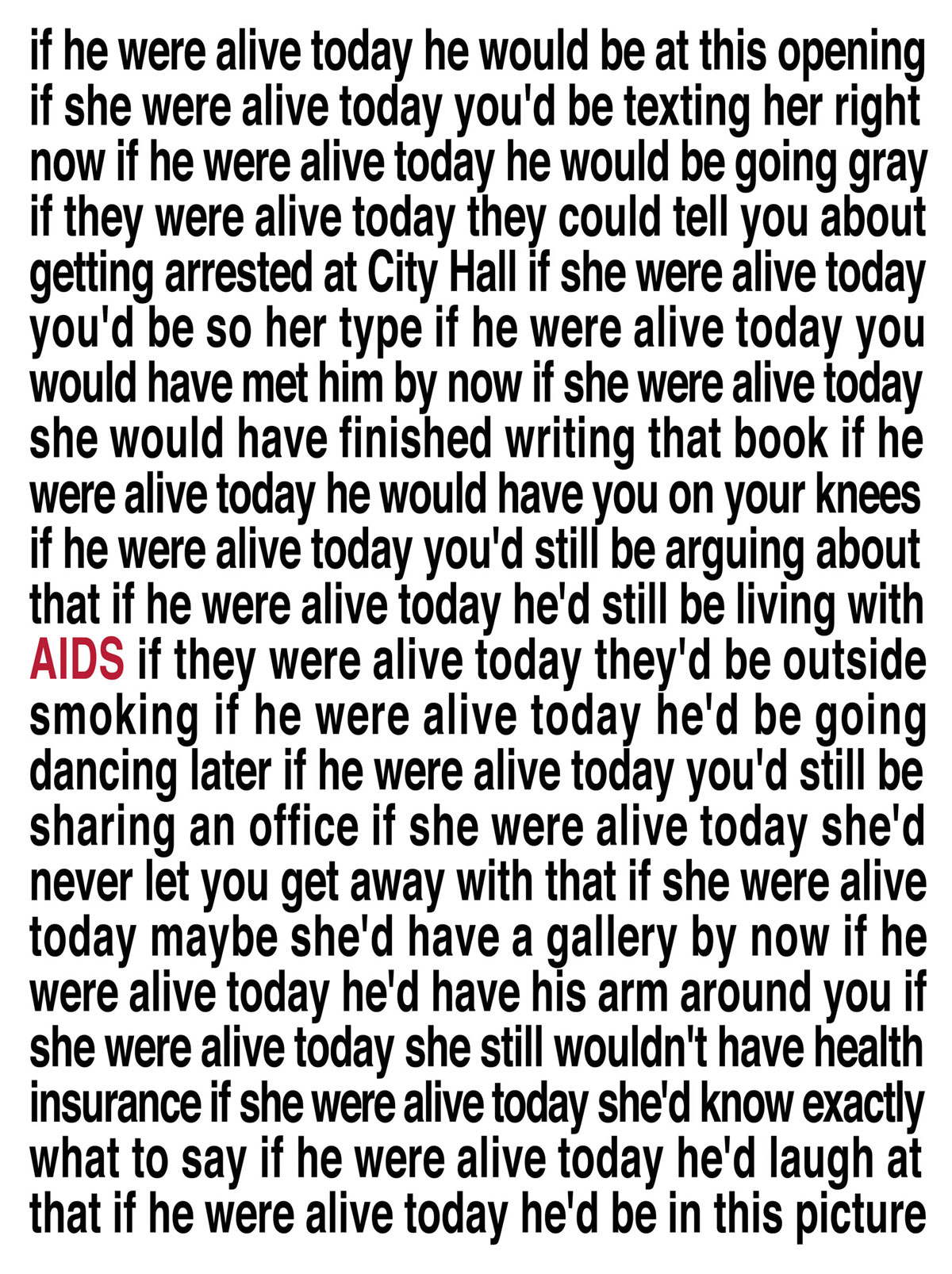
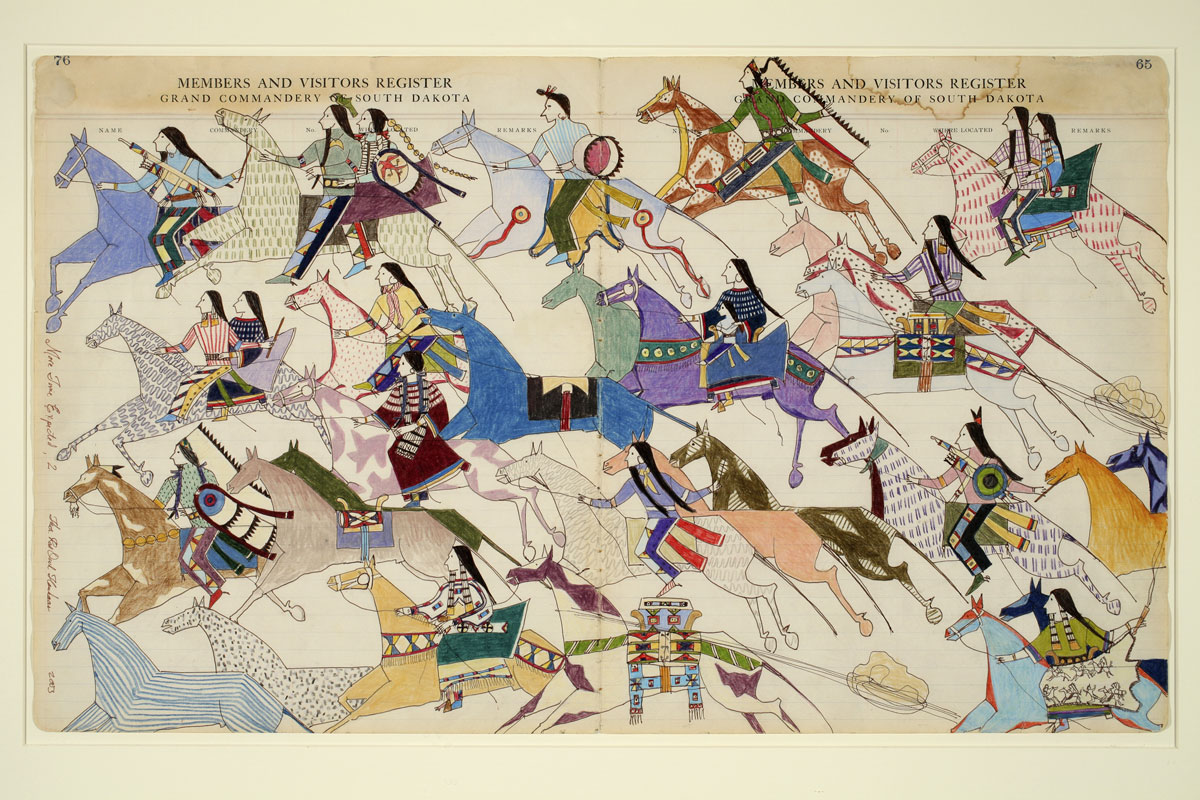

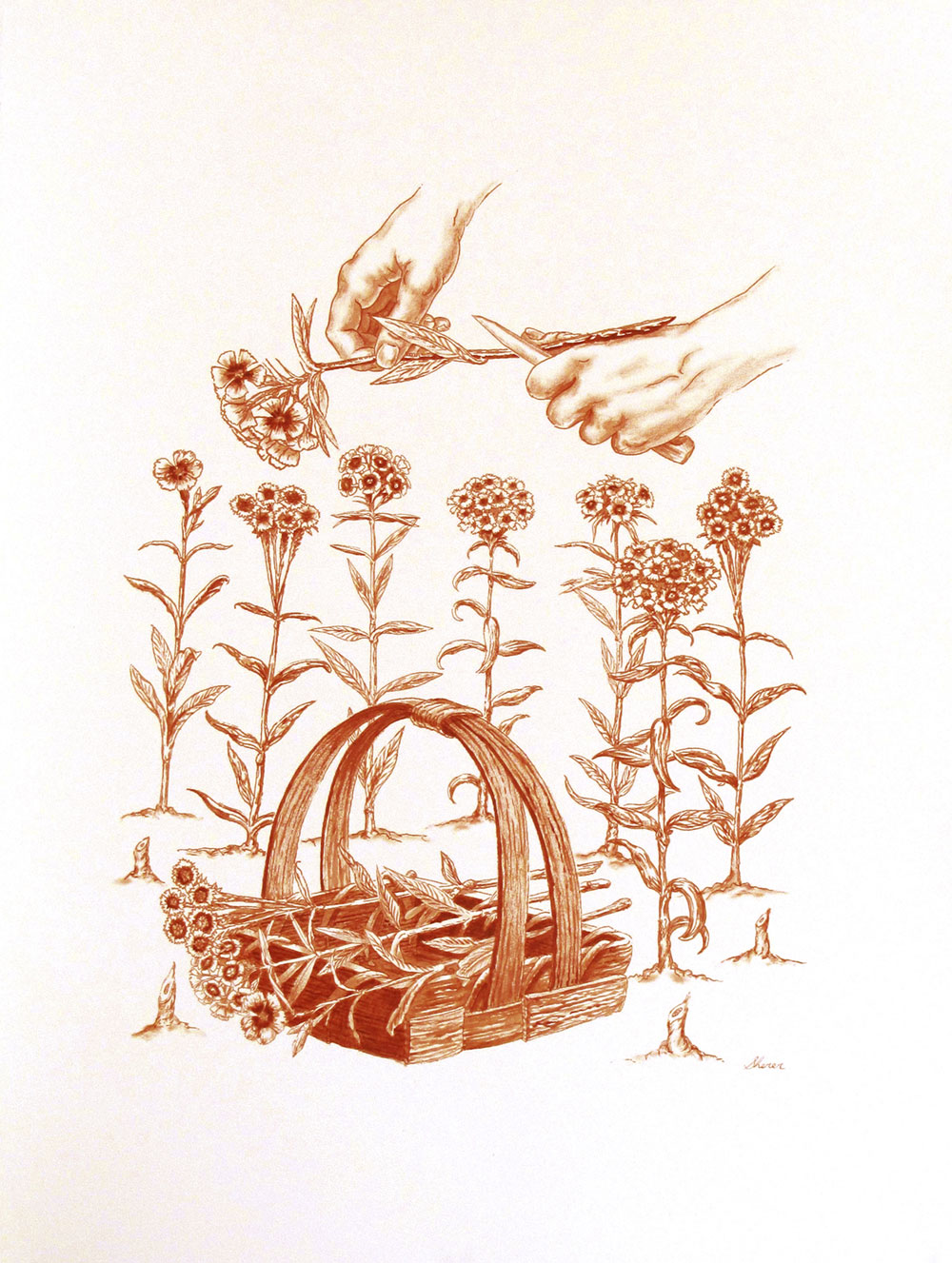
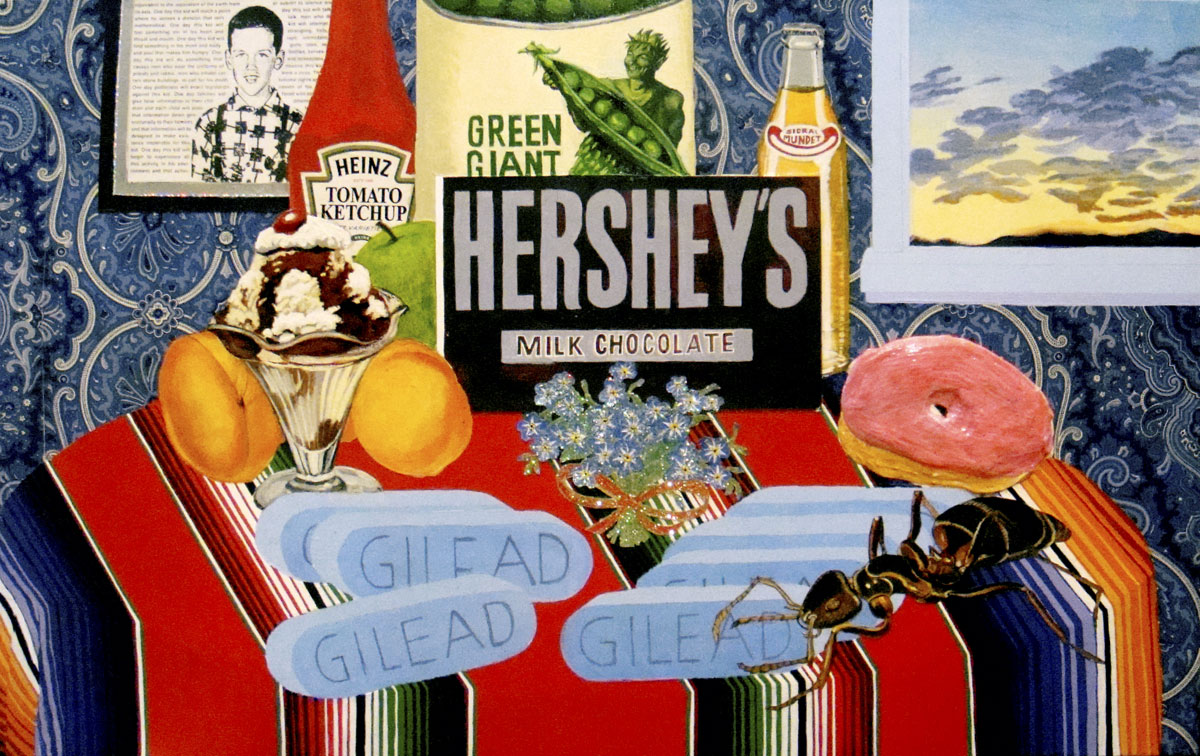
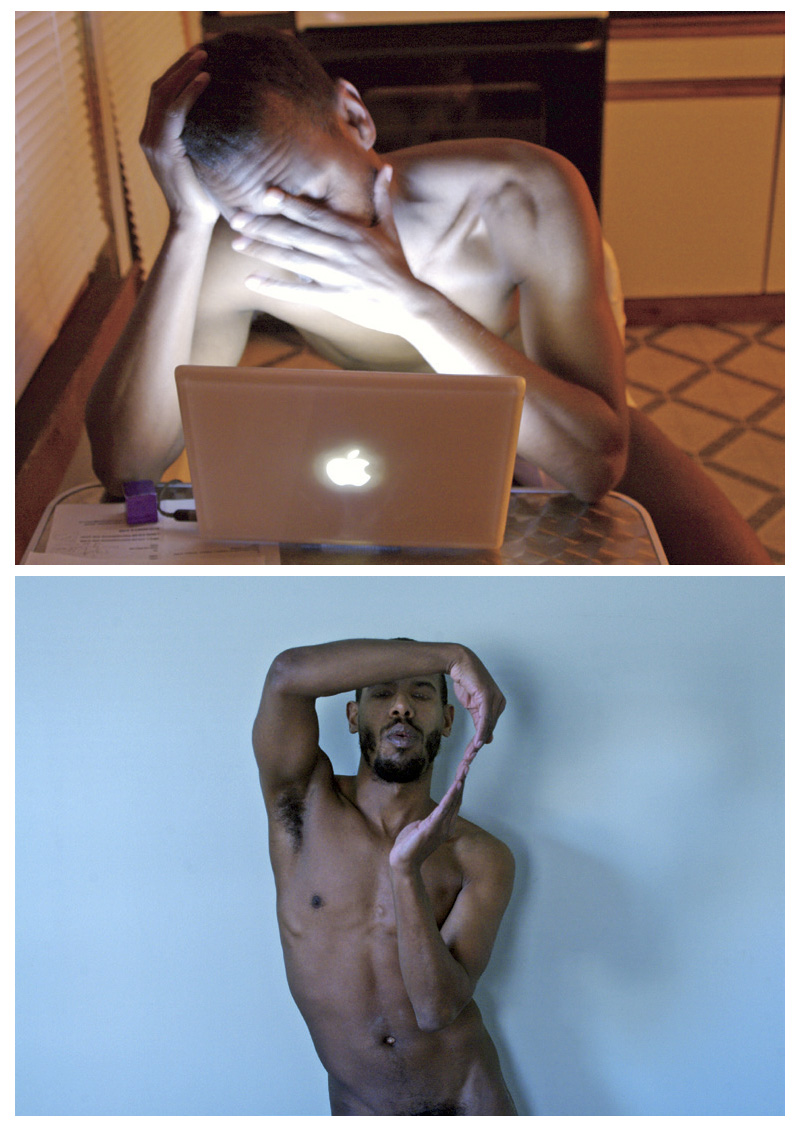

 Art Blart _ art and cultural memory archive
You must be logged in to post a comment.