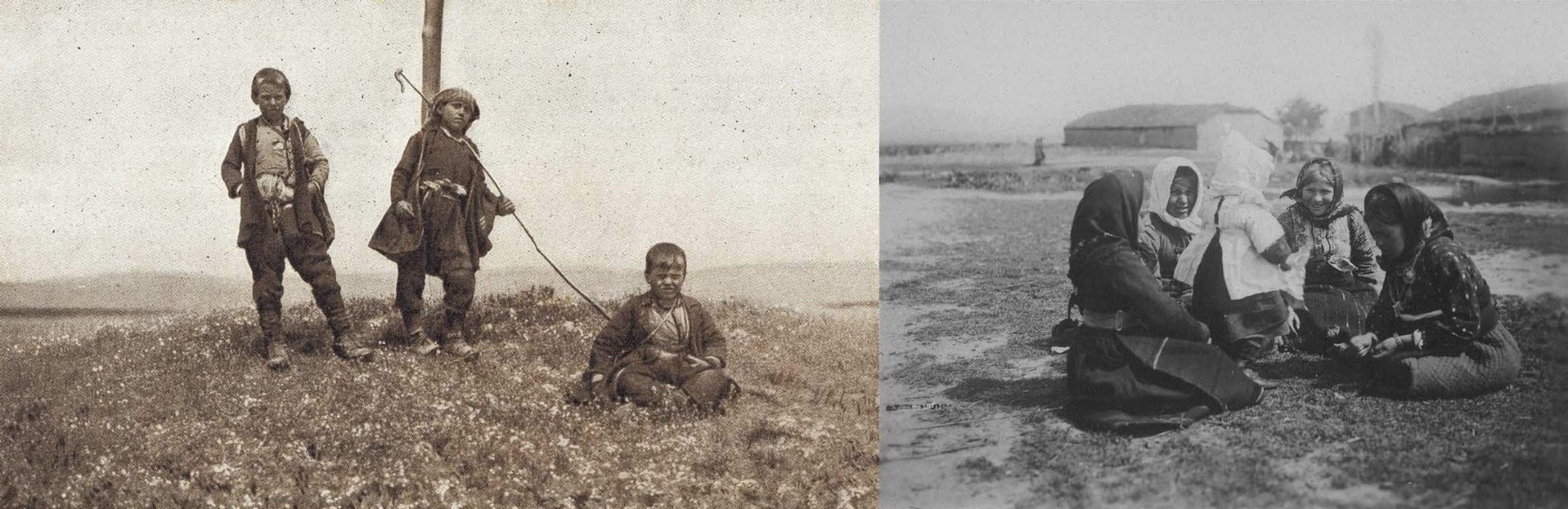
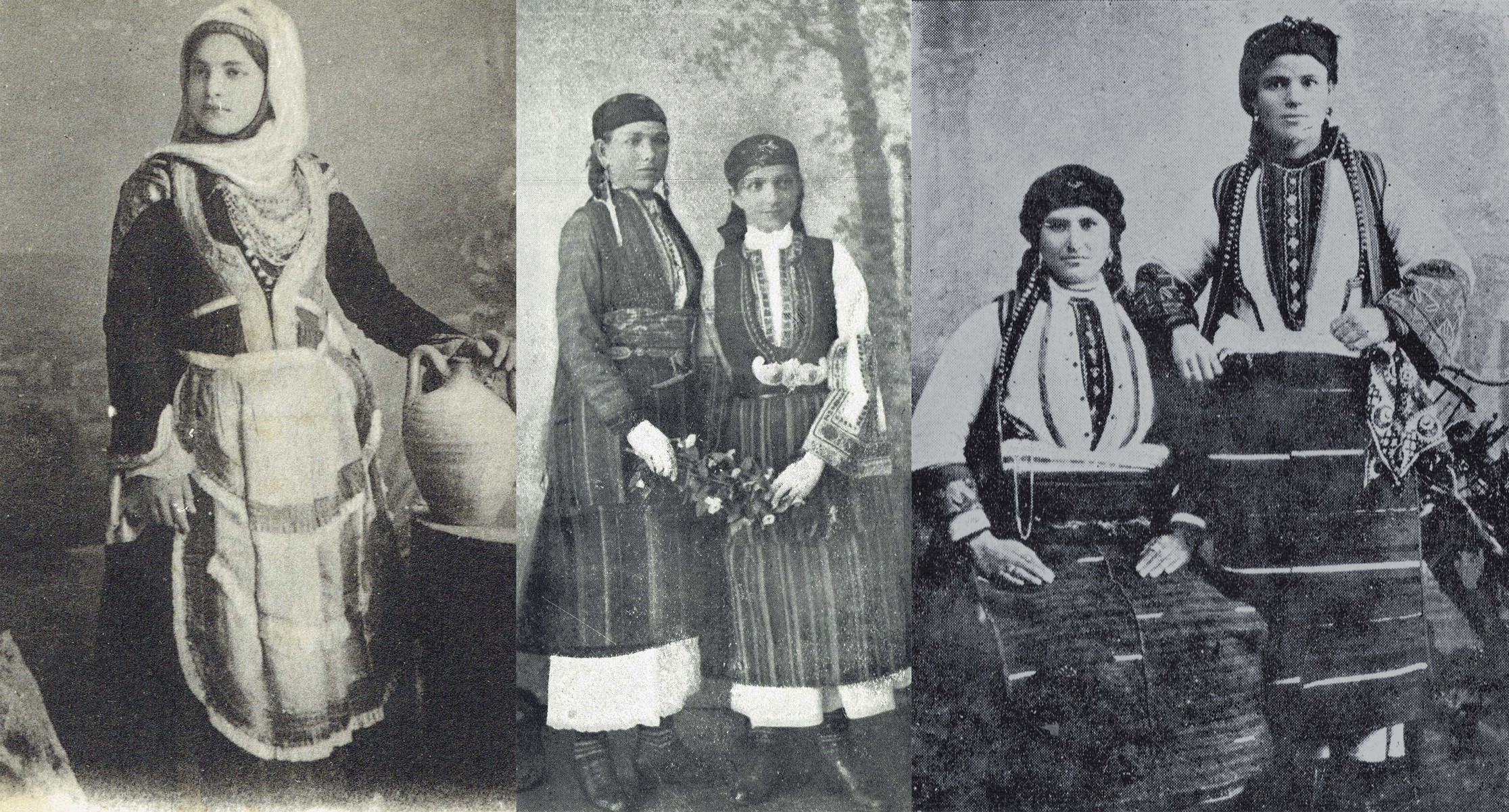
Elizabeth Gertsakis (Australian, b. 1954) Children Playing (detail) 2017 Digital prints on metallic silver acrylic 39 x 163cm
Conquering Orientalism
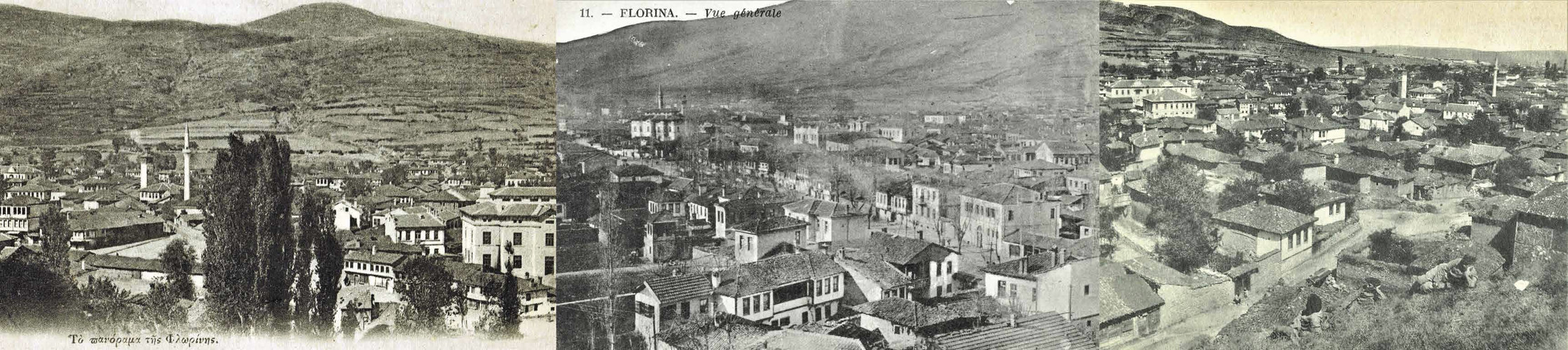
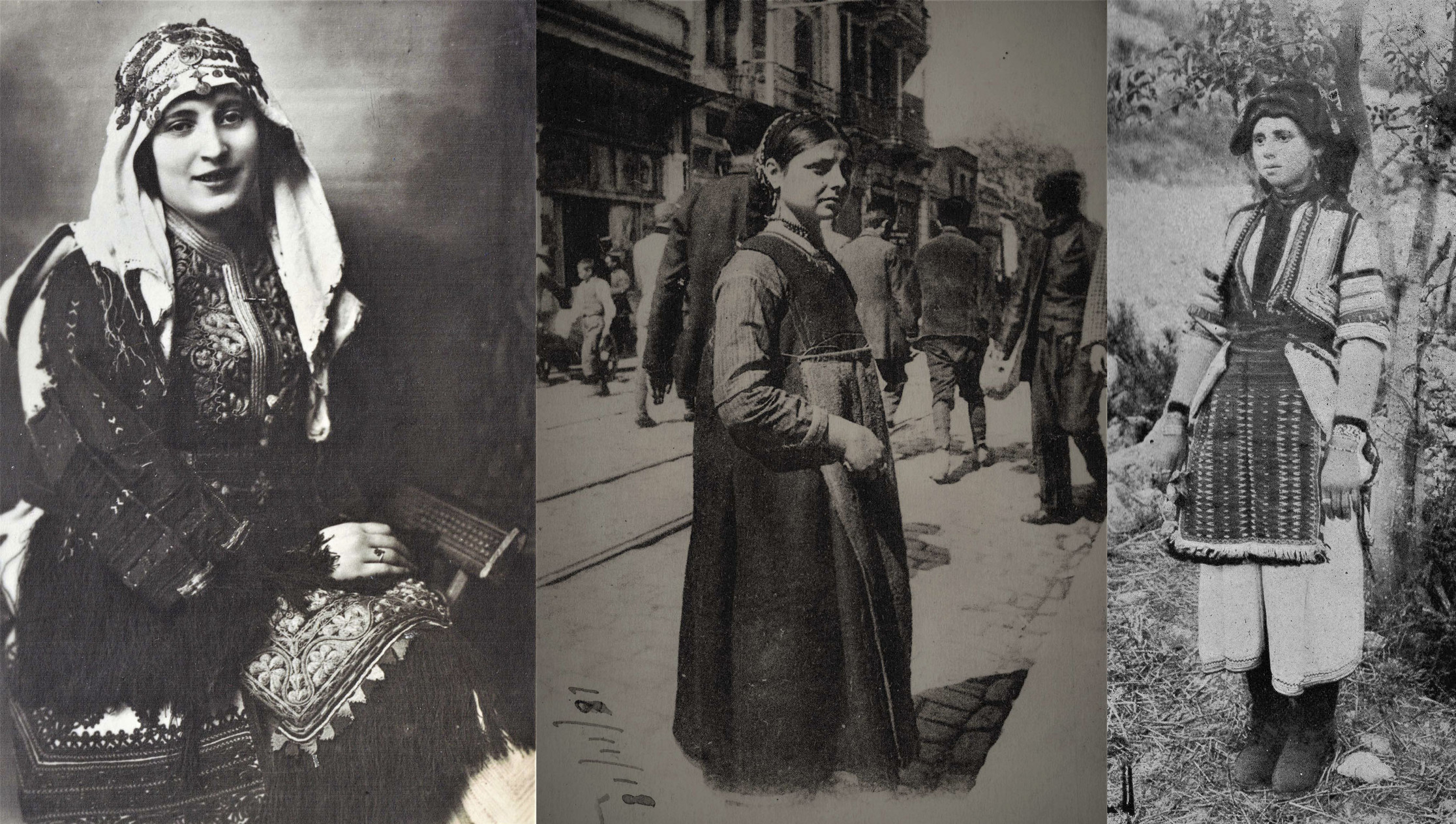
A beautiful, sensitive, sensual even, exhibition by the wonderful Elizabeth Gertsakis at William Mora Galleries. The artist forms a living relationship with early images of women and children from the Prefecture of Florina – mostly taken from that most vernacular form of photograph, the postcard – something that was sold as souvenir to the tourist trade, or posted to loved ones overseas.
Gertsakis identifies with their ethnicities and beliefs and physical appearances, transmuting their identities and narratives by printing these ephemeral objects on steel, that most durable of substances, which makes them shine under the gallery lights. The photographs both transcend time and transcend the physicality of the actual photograph… making their hidden histories a precious, and contemporary, thing. Like their protagonists, the steel makes the images and the people in them hardy enough to survive the vicissitudes thrust upon these communal people.
Gertsakis observes, “My voice is in placing myself between the present and the past as it has been generated by the cameras of others.” Beautifully enunciated. With her deep familial roots in the area – one that endured nearly five hundred years of Islamic rule and culture, as well as multiple ethnic communities and religions; Christian Greeks, Slavs, Bulgarians, Jews, Turkic and Albanian Moslems, Vlachs and Gypsies – Gertsakis creates witness and testament to her own communal familial past.
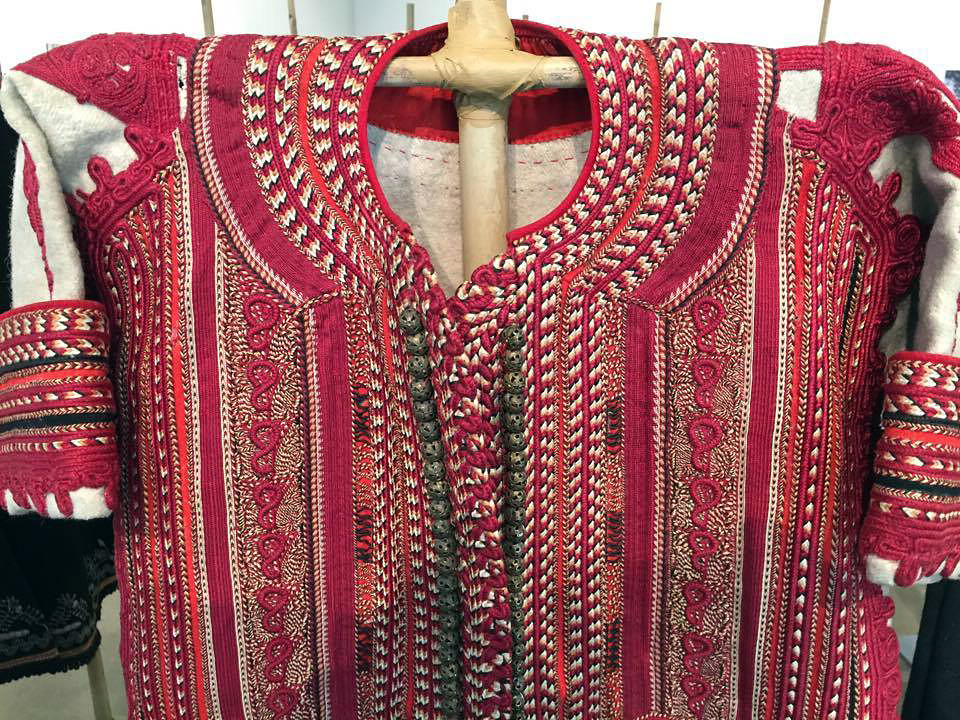
The rare and unique costumes come from the artists personal collection and when I was in the gallery space there seemed to be this electricity flowing between the images and the cloth. It was almost as though the people in the photographs were dancing again, were speaking to us today of their trials and tribulations, of their energy to survive the turmoil of the first decades of the 20th century.
Elizabeth is first generation… her father and grandfather and grandmothers… were those people…. exactly as they appear. They survived the yoke of the oppressor and conquered Orientalism. These are their valuable, inspiring stories, beautifully told.
Installation view of the exhibition Girls In Our Town: Women in the Shadow of ‘The Magnificent Empire’ Florina Prefecture & Region, Macedonia Greece 1900-1917, 2017 by Elizabeth Gertsakis at William Mora Galleries, Richmond Photo: Marcus Bunyan
Elizabeth Gertsakis (Australian, b. 1954) Florina 2017 Digital prints on metallic silver acrylic 39 x 174cm
Elizabeth Gertsakis (Australian, b. 1954) Dancing Macedonian Girls 2017 Digital prints on metallic silver acrylic 39 x 136cm
Installation view of the exhibition Girls In Our Town: Women in the Shadow of ‘The Magnificent Empire’ Florina Prefecture & Region, Macedonia Greece 1900-1917, 2017 by Elizabeth Gertsakis at William Mora Galleries, Richmond Photo: Marcus Bunyan
Installation view of the exhibition Girls In Our Town: Women in the Shadow of ‘The Magnificent Empire’ Florina Prefecture & Region, Macedonia Greece 1900-1917, 2017 by Elizabeth Gertsakis at William Mora Galleries, Richmond Photo: Marcus Bunyan
I was born in the town of Florina, Macedonia, Greece. This town is in the top north western part of Greece adjacent to Albania, FYROM and Bulgaria. My family migrated to Australia in 1954 and I was educated in Australia
Florina was an oriental (ανατολικό) town belonging to the Ottoman Empire which controlled Greece from 1453 to 1922; the people of Florina were a mesh of multiple ethnic communities and religions; Christian Greeks, Slavs, Bulgarians, Jews, Turkic and Albanian Moslems, Vlachs and Gypsies. These religious groups lived and worked together in close proximity. Florina was a typical Balkan town in the later stages of the decline of Ottoman rule in the Balkans.
From 1903-1918, and including World War One (1914) and the Greco-Turkish War of 1919-1922 the entire northern territories of the Graeco-Balkan Peninsula (including Serbia) suffered great population losses through wars, cataclysmic population displacements (ethnic cleansing) and population exchanges. Refugee diaspora was moving in all directions, across from east to west in both directions. This vast political re-construction of Europe and the Balkans may have initially started from wars of revolutionary independence from the Ottomans, and subsequent internal Balkan expansionist claims to new territory, but it was the conflagration of the First World War that irreversibly rocked its cultural foundations for the future, beyond any political value in the creation of new national states in the Balkans and Asia Minor.
This history of diaspora and displacement laid down a new pattern for the twentieth century and into the twenty first century; a set of historical problems that had and continue to have irreversible impact on the function of community memory in relation to identity experienced by each succeeding wave of refugees and migrants who abandon everything in the simple need to escape and to survive.
I have chosen to highlight the consequences of cultural uprooting on memory and identity through the images of women from Florina, taken by various known and unknown photographers in the period from 1900-1918. These photographs were taken by people who may have had commercial or political intentions in the first instance but the resulting image does not always remain in the control of its original maker. Gender is important in this exhibition because it has been traditionally the female that carries the symbolic function of ritual and memory in relation to culture and identity, and ultimately, the idea and meaning of where belonging and home is. In other words the responsibility falls on the refugee and migrant woman if there is any question or ambivalence or sense of lack. This responsibility remains a constant memorial and cognitive challenge to the psyche of the female survivor, refugee and migrant.
I have used archival photographic images and reconfigured them to create a narrative representing difference. They have been extracted from their solitary sources from commercial photography, press photography and the archives of the Photographic Section of the French Army (Campaign d’Orient 1916-1918).
The installations invite entry into unknown individual histories and emphasis shared past communal lives even though there were multiple political differences and historical consequences. The original images were the result of various kinds of personal and spatial exploitation, both desired and undesired. Photography as a commercial technology played a profound role in the identification and changing of the global meaning of identity that resulted from death during war, disruption and the re-allocation of populations.
Today this usage of images of diaspora continues in the same way via 24/7 news and the internet. I feel it is important to examine female representation during times of crisis and trauma. My desire is that this exhibition encourages multiple narratives and a focus on recognition and justice for minorities internationally and in Australia, as well as the recognition and diversity of individual authenticity. Within the stereotype I look for authenticity, not for any kind of ethnic purity; and I know this is the case both within multicultural as well as the liberal concerns for justice and human rights issues in regard to minorities in contemporary art. As a woman it is the moment when, through my life in art, history and photography, that I accepted the bequest of my own historically difficult position as being the reality of my own identity.
Elizabeth Gertsakis, July 2017
Elizabeth Gertsakis (Australian, b. 1954) Lerinki 2017 Digital prints on metallic silver acrylic 39 x 72cm
Elizabeth Gertsakis (Australian, b. 1954) Beautiful Macedonians 2017 Digital prints on metallic silver acrylic 39 x 68cm
Elizabeth Gertsakis (Australian, b. 1954) Noli Me Tangere (Don’t Touch Me) 2017 Digital prints on metallic silver acrylic 60 x 91cm
William Mora Galleries 60 Tanner St, Richmond VIC 3121, Australia Phone: +61 3 9429 1199
Opening hours: Wednesday – Friday 10am – 4pm or by appointment
Exhibition dates: 25th March – 4th September, 2016
Curator: Christine Macel
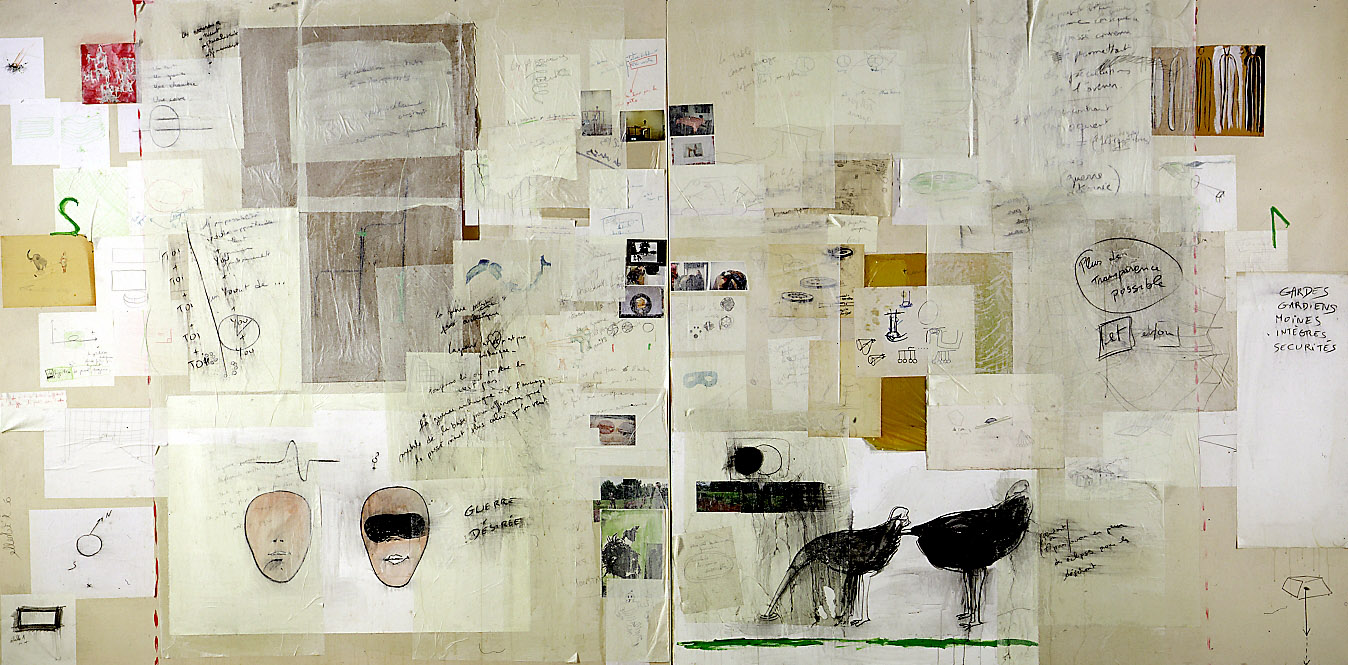
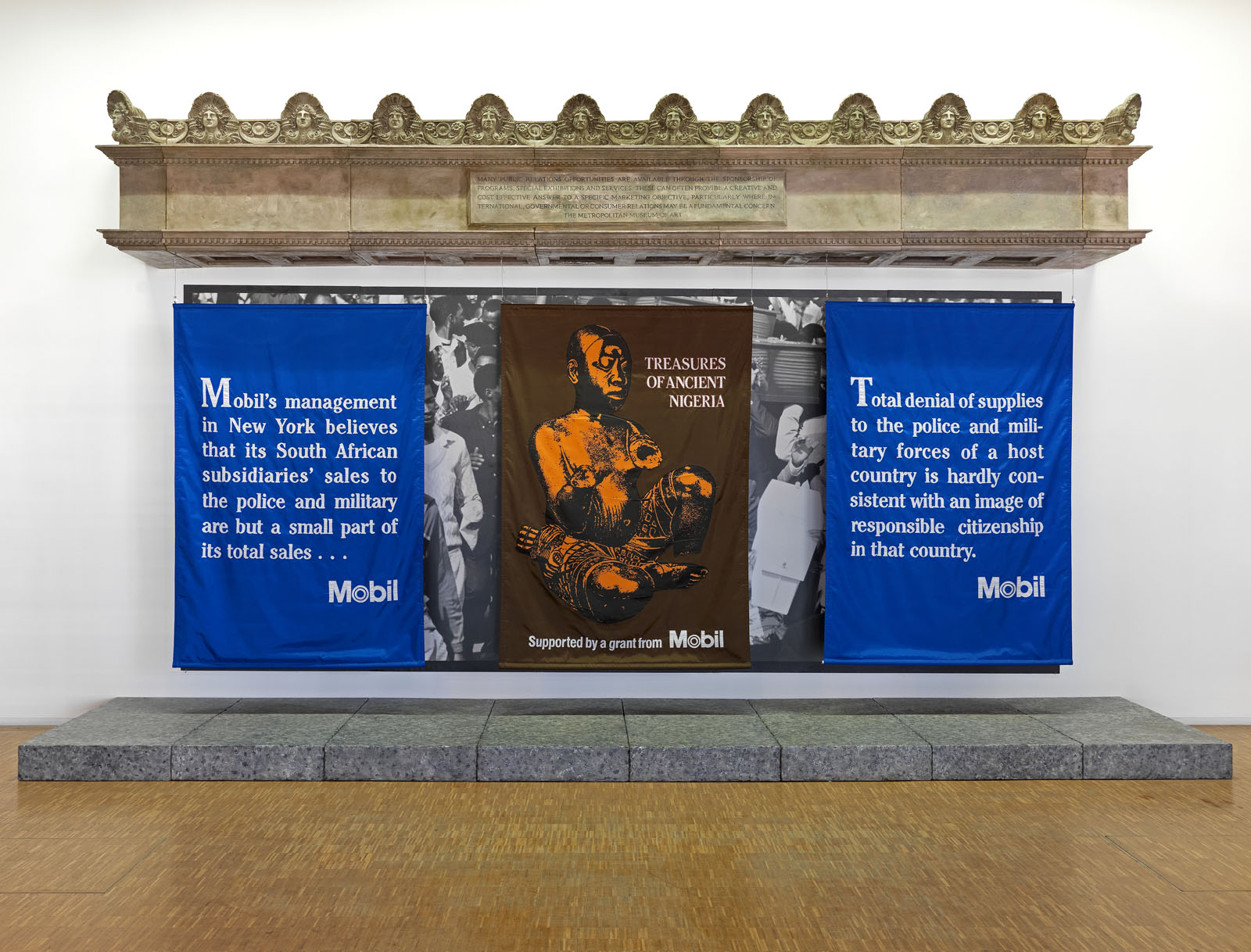
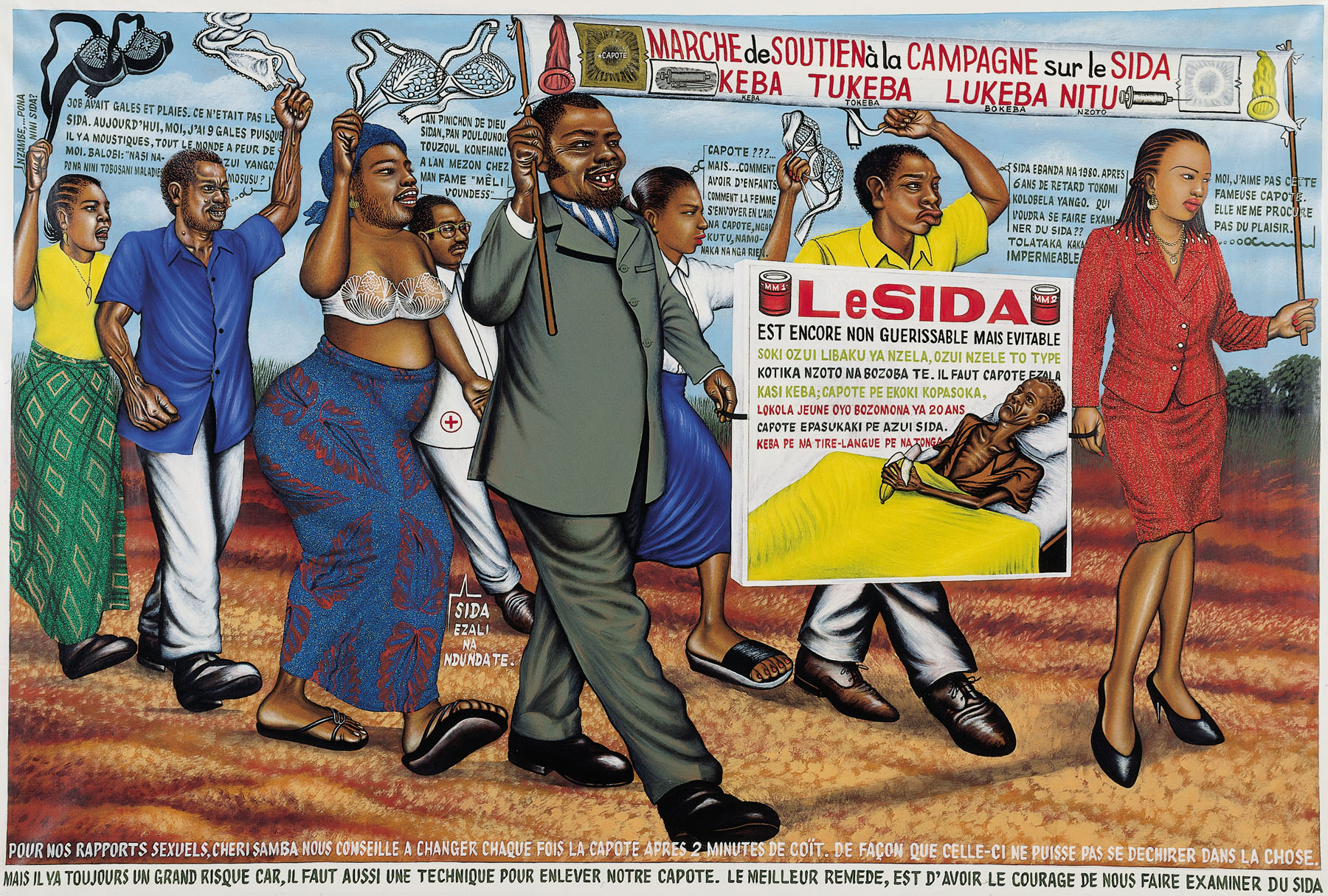
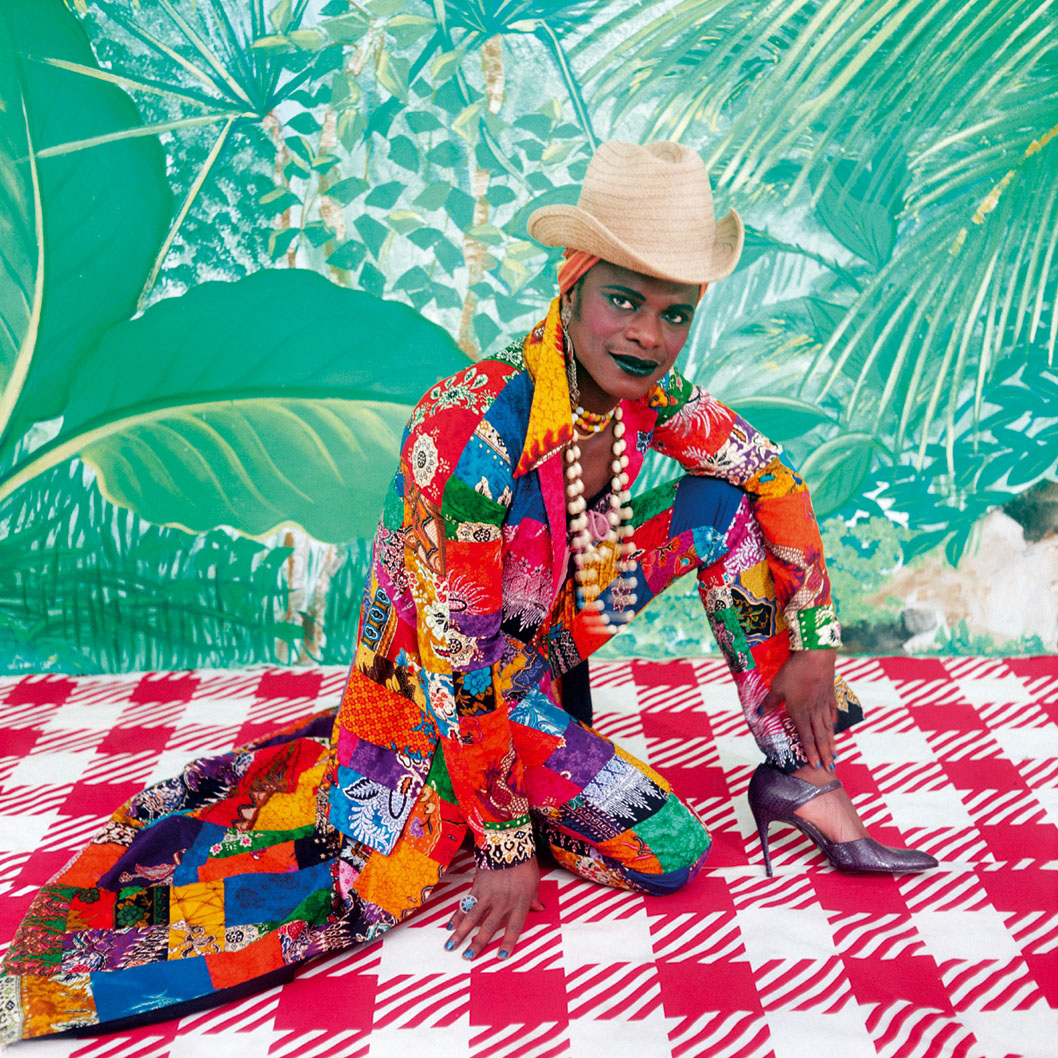
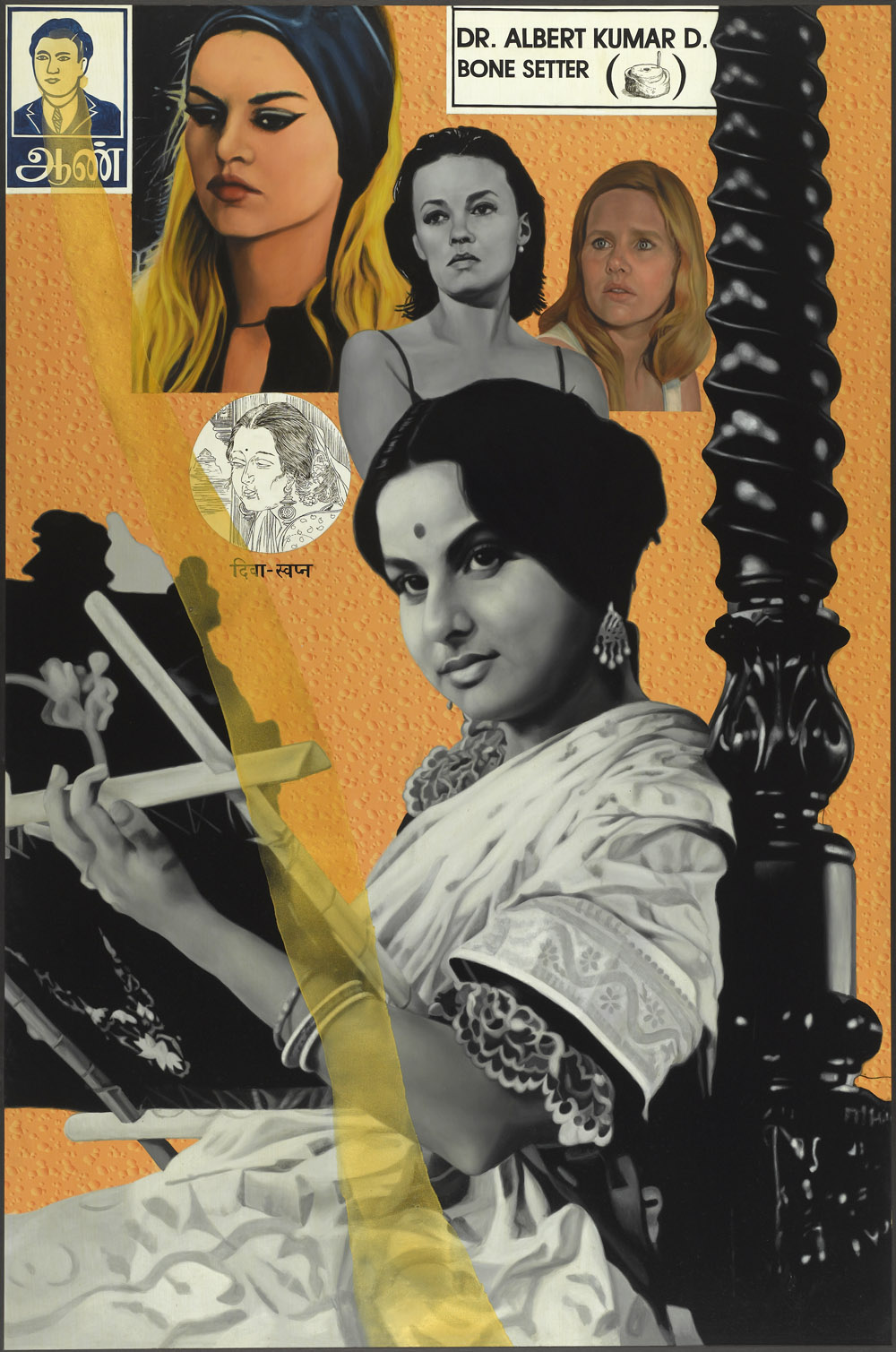
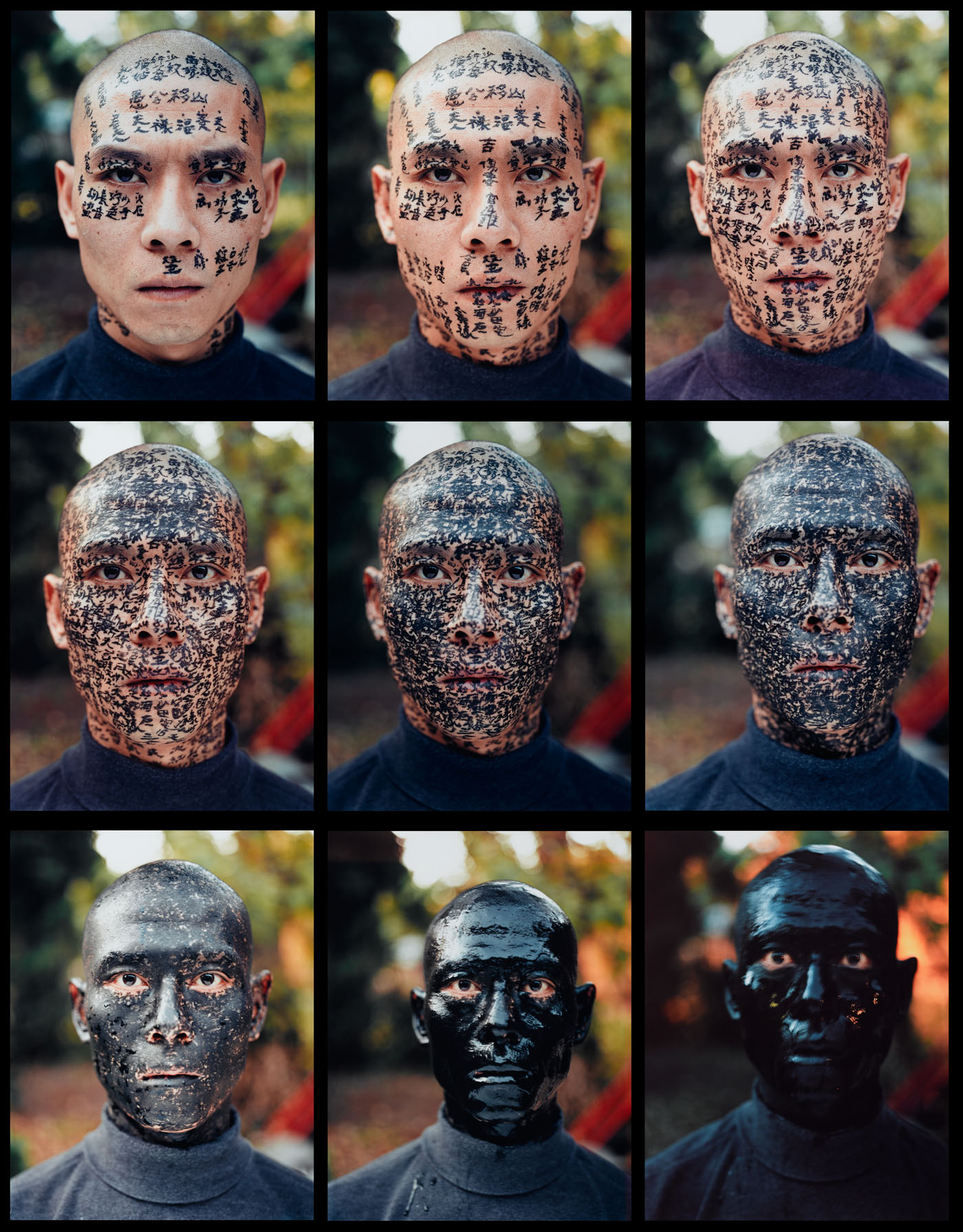
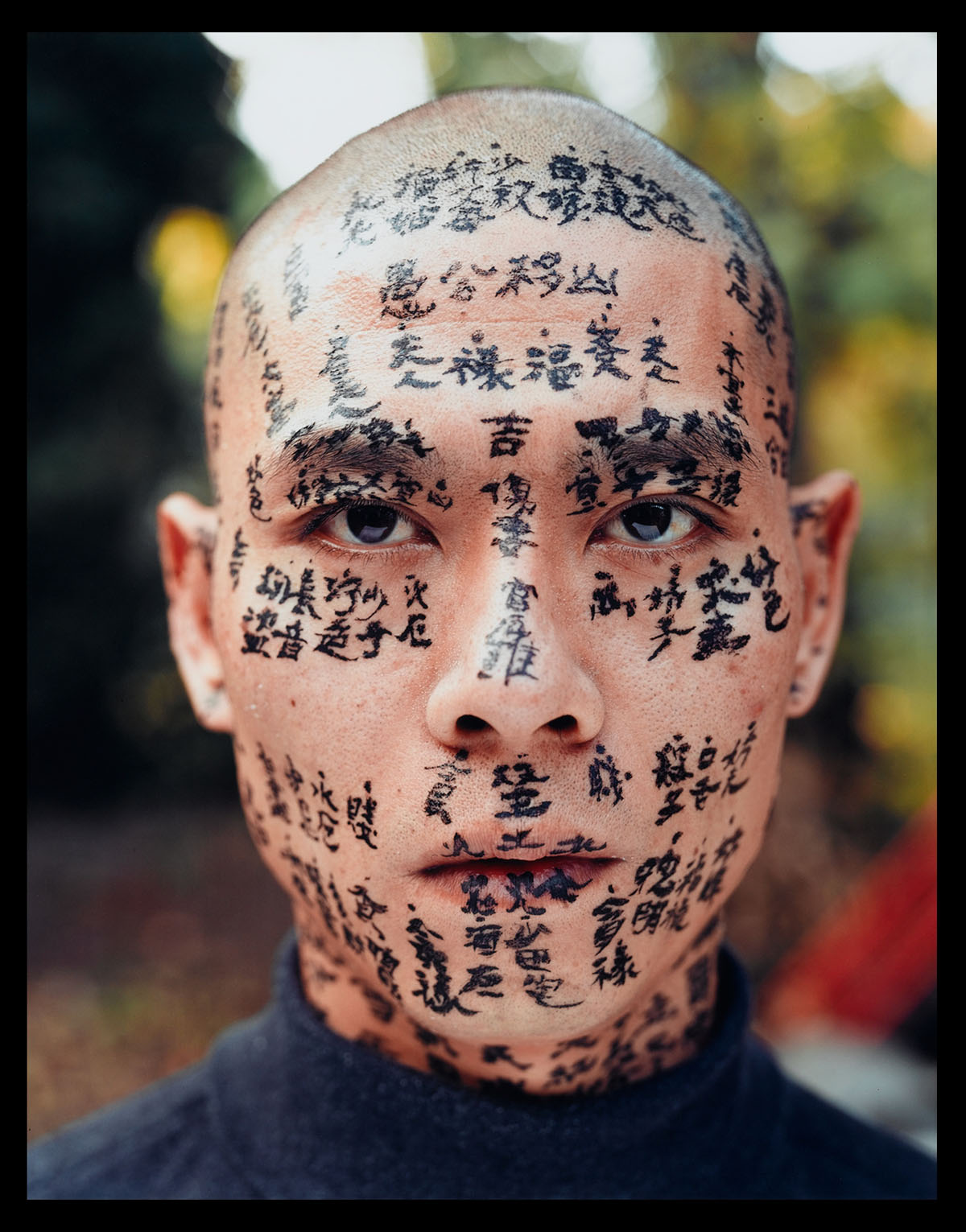
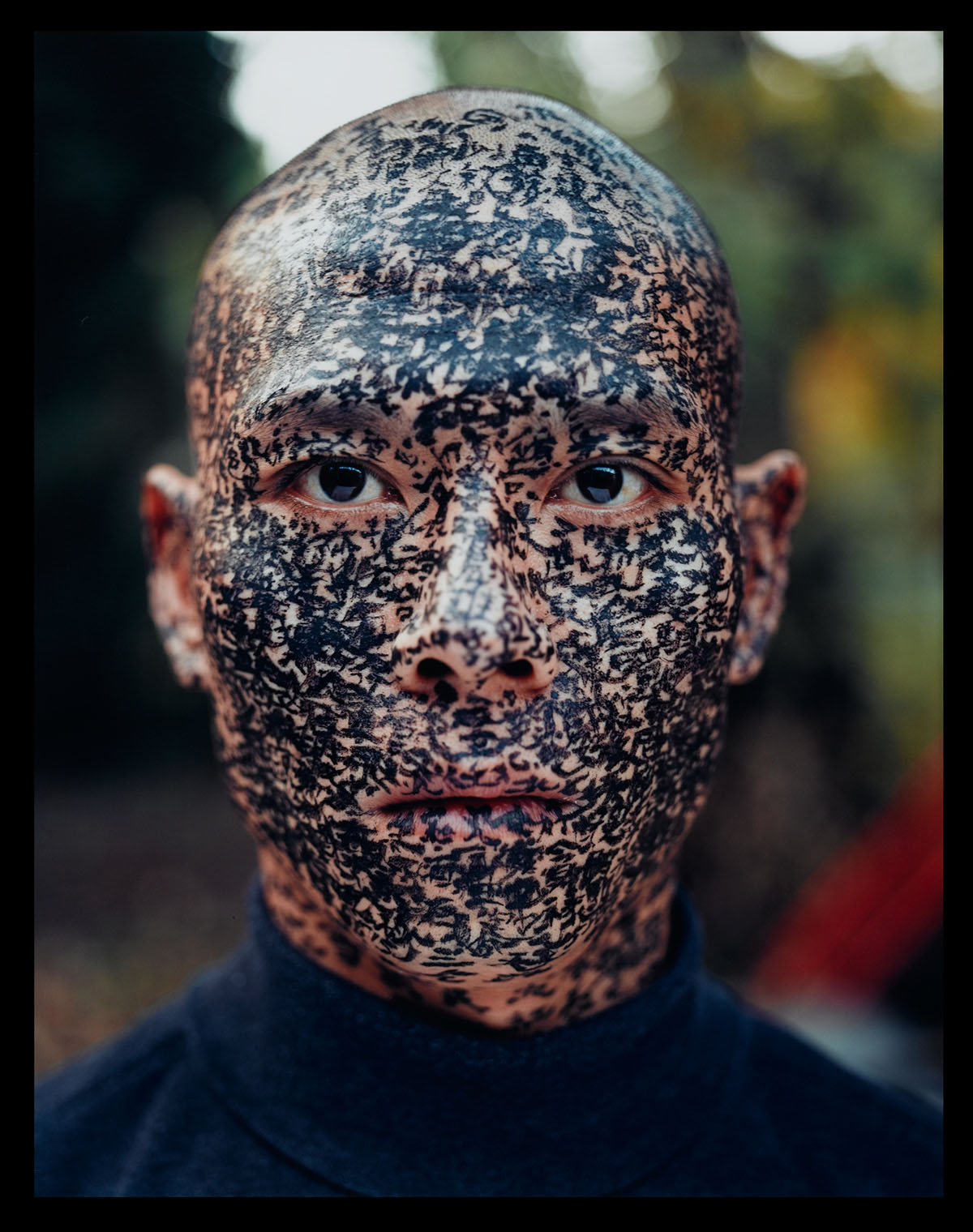
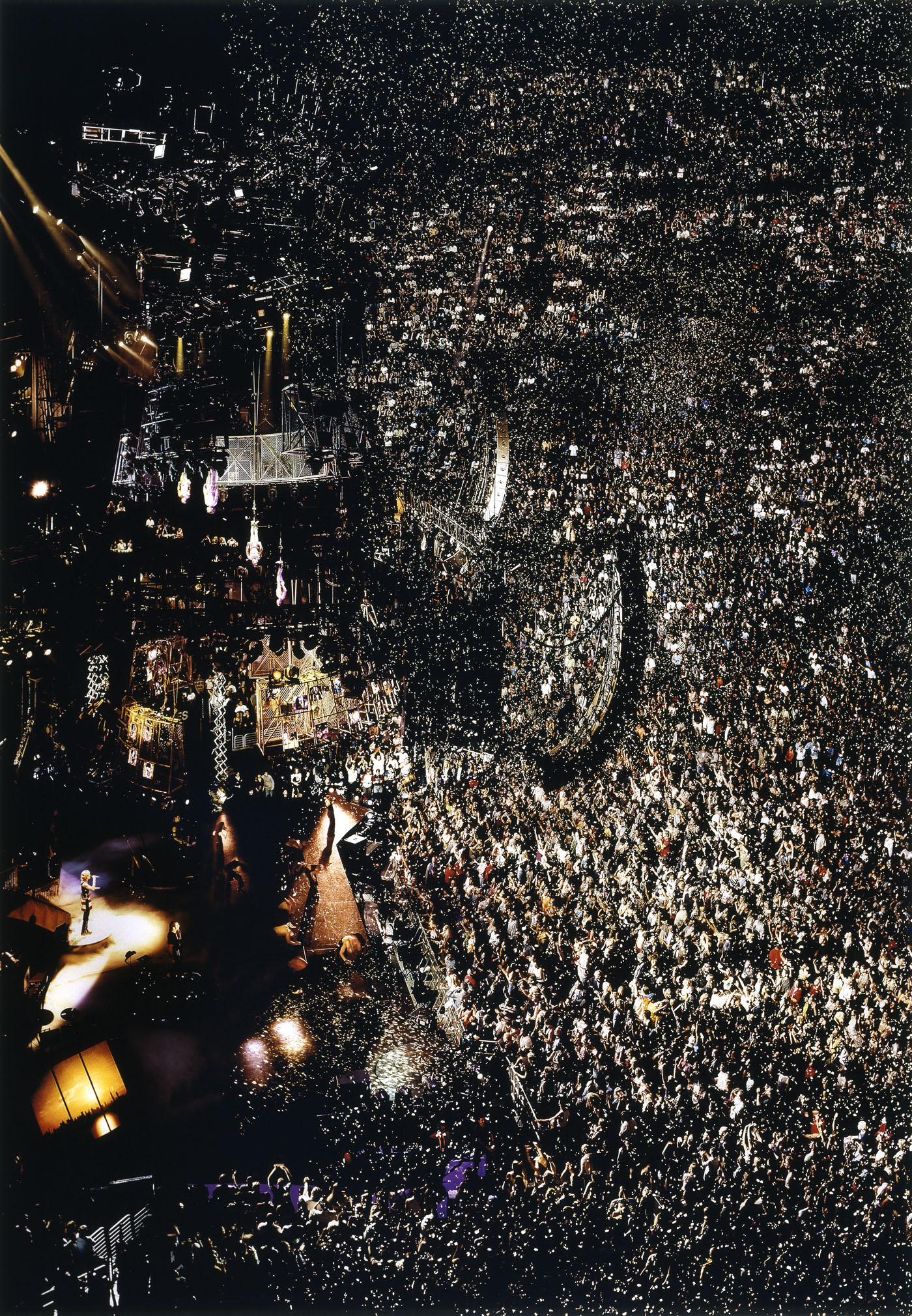
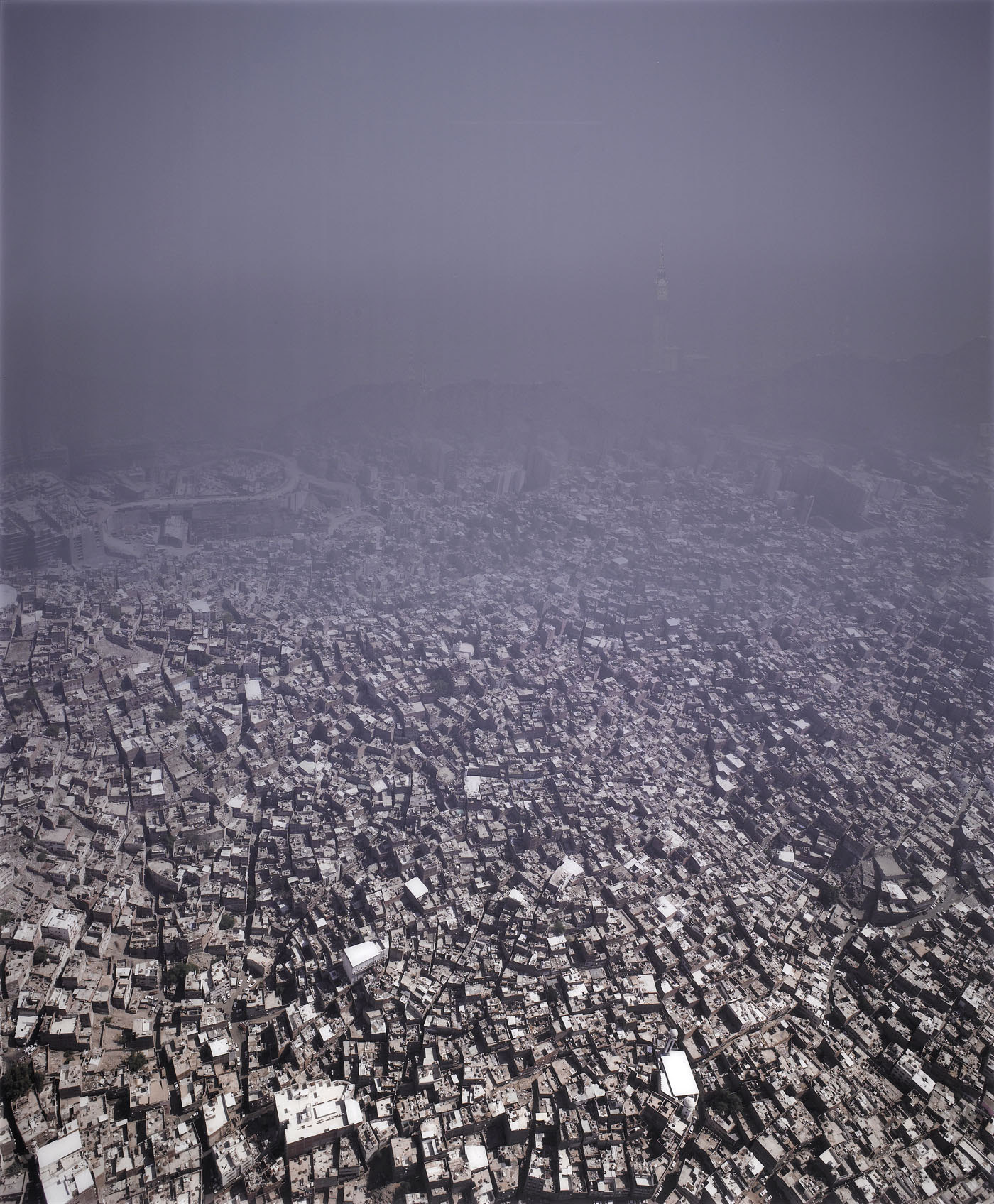
Artists include: Pawel Althamer/ Maja Bajević / Yto Barrada / Jean-Michel Basquiat / Taysir Batniji / Christian Boltanski / Erik Boulatov / Mohammed Bourouissa / Frédéric Bruly Bouabré / Sophie Calle and Greg Shephard / Mircea Cantor / Chen Zhen / Hassan Darsi / Destroy All Monsters / Atul Dodiya / Marlene Dumas / Ayşe Erkmen / Fang Lijun / Harun Farocki and Andrei Ujica / Samuel Fosso / Michel François / Coco Fusco und Paula Heredia / Regina José Galindo / Kendell Geers / Liam Gillick / Fernanda Gomes / Dominique Gonzalez-Foerster / Felix Gonzalez-Torres / Renée Green / Subodh Gupta / Andreas Gursky / Hans Haacke / Petrit Halilaj / Edi Hila / Gregor Hildebrandt / Thomas Hirschhorn / Nicholas Hlobo / Carsten Höller / Pierre Huyghe / Fabrice Hyber / Isaac Julien / Oleg Kulik / Glenn Ligon / Robert Longo / Sarah Lucas / Gonçalo Mabunda / David Maljković / Chris Marker / Ahmed Mater / Mike Kelley and Paul McCarthy / Annette Messager / Rabih Mroué / Zanele Muholi / Jun Nguyen-Hatsushiba / Roman Ondák / Gabriel Orozco / Damián Ortega / Philippe Parreno / Nira Pereg / Dan Perjovschi / Wilfredo Prieto / Tobias Putrih / Walid Raad / Sara Rahbar / Tobias Rehberger / Nick Relph und Oliver Payne / Pipilotti Rist / Chéri Samba / Anne-Marie Schneider / Santiago Sierra / Mladen Stilinović / Georges Tony Stoll / Wolfgang Tillmans / Rirkrit Tiravanija / Danh Vo / Marie Voignier / Akram Zaatari / Zhang Huan
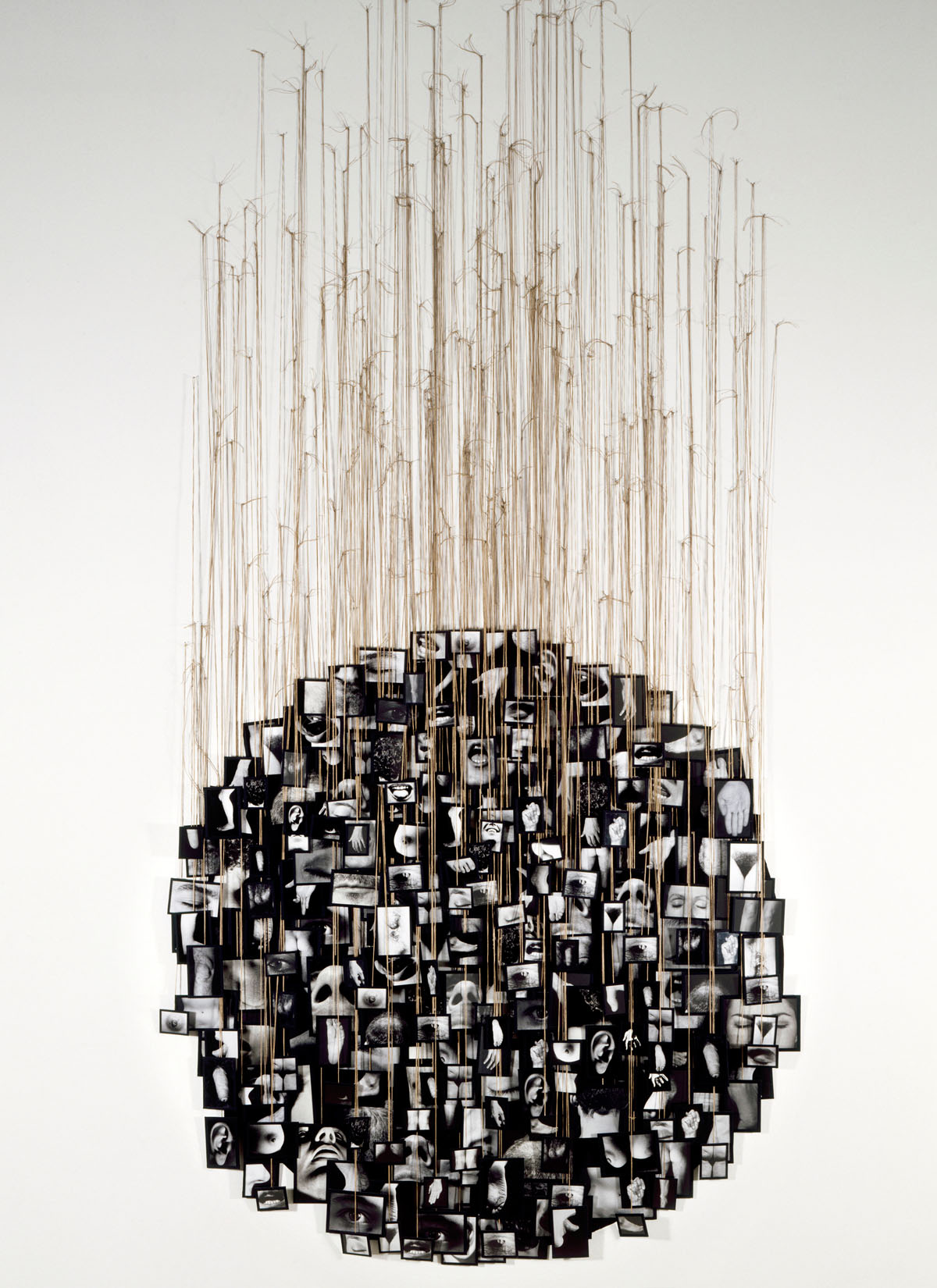
Take your pick: some interesting, some not. My favourite: Annette Messager Mes voeux (1989, below) … such a strong, creative and inspiring artist.
I’m not writing so much as I have bad RSI in my left wrist at the moment.
Dr Marcus Bunyan
Many thankx to Haus der Kunst for allowing me to publish the art work in the posting. Please click on the photographs for a larger version of the image.
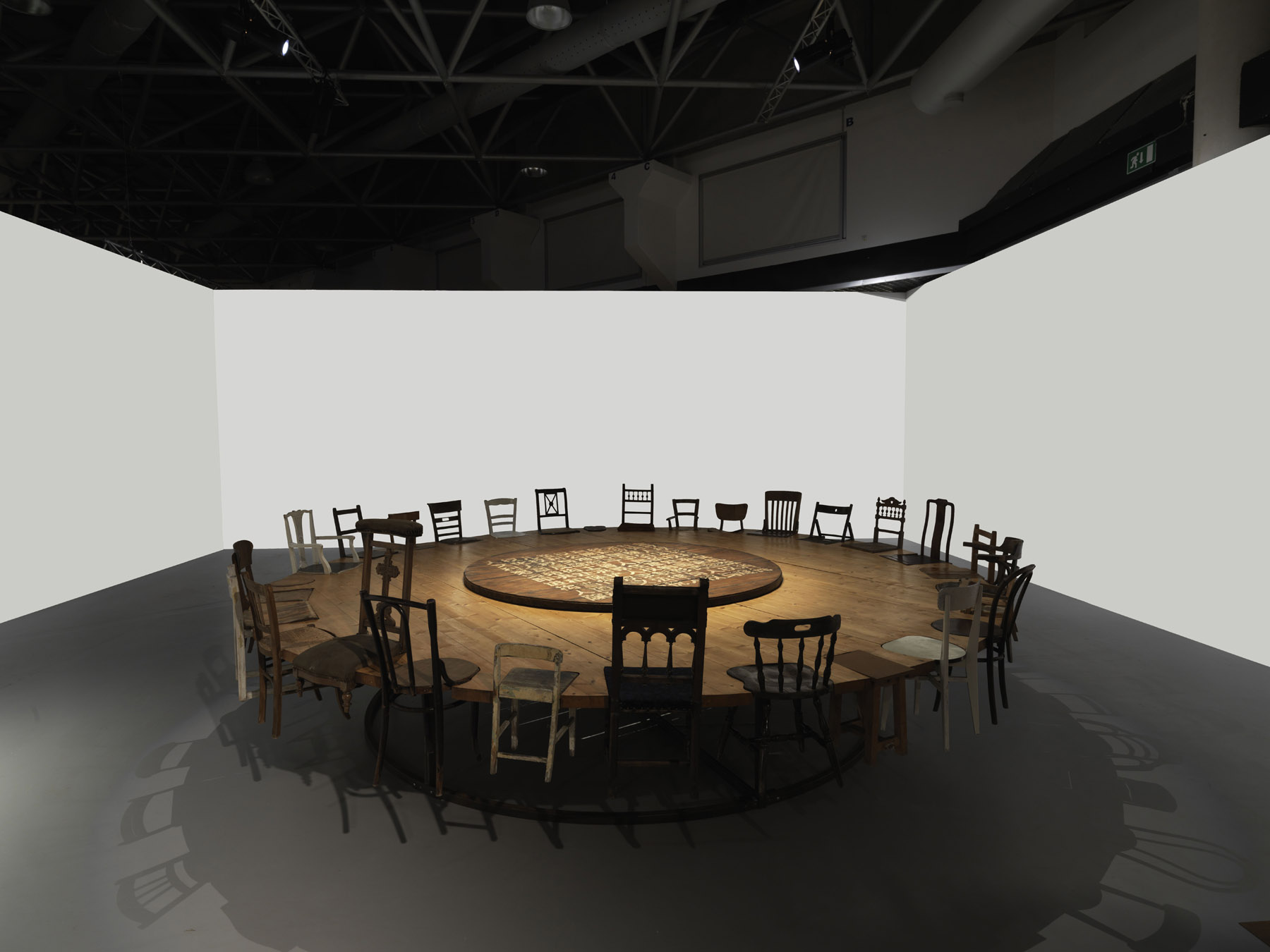
In 2016, two prominent exhibition projects explore the pressing question of which factors remain relevant to the writing of art history. While “Postwar – Art between the Pacific and Atlantic, 1945-1965” concentrates on the time immediately after World War II, “A History: Contemporary Art from the Centre Pompidou” provides an overview of contemporary art since the 1980s with 160 works by more than 100 artists.
The year 1989 marked a break with the past and the start of a new era. The fall of the Berlin Wall toppled divisions in the world of European art, while the events of Tiananmen Square focused attention on a new China. The ongoing globalisation allows for an unprecedented mobility. The static understanding of identity, once based on origin and nationality, has since given way to a more transnational and variable narrative. Contemporary artistic proposals, which arise from the new “decolonised subjectivity”, are also based on a new understanding of site-specificity. For example, in the 1960s and 1970s the protagonists of Land Art still understood landscapes primarily as post-industrial ruins. In contemporary artistic practice, however, space is defined above all socially and politically – by traumatic historical events, home country, exile, diaspora and hybrid identities, such as African-American, Latino, Turkish-German, African-Brazilian, and so forth. The new presentation of the Centre Pompidou contemporary collections at Haus der Kunst focuses particularly on this altered geography, notably the former Eastern Europe, China, Lebanon, and various Middle Eastern countries, India, Africa, and Latin America. This is the first time such a large-scale view of the Centre Pompidou collection has been presented outside France.
Lijun Fang (Chinese, b. 1963) Sans titre 2003 Woodcut on paper 400 x 854cm Each panel: 400 x 120cm Achat en 2004, Ankauf / Purchase Collection Centre Pompidou, Paris Musée national d’art moderne – Centre de création industrielle
Haus der Kunst is pleased to present A History: Contemporary Art from Centre Pompidou, an exhibition originally curated by Christine Macel at the Centre Pompidou, Paris. With approximately 160 works by more than 100 artists from across the world, “A History: Contemporary Art from the Centre Pompidou” provides an incisive overview of artistic positions since the 1980s in painting, sculpture, installation, video, photography, and performance.
The Centre Pompidou’s collection of contemporary art has rarely been presented so comprehensively outside France. The selected works on view date from the 1980s to the present raising two significant questions: What factors are relevant for ensuring that art history is written in a specific way, and what does an ever changing understanding of the term ‘contemporary’ mean for public museums and their collections? Still, the concentration on Euro- American domains, which many museums formerly pursued in the acquisition of works for their collections, can hardly be sustained today and is no longer the aspiration of most museums. Globalisation, with its expanded narratives, has recently become too determining for the position of contemporary art to ignore. Curator Christine Macel defines her intention accordingly: to present ‘one’ among many possible histories of contemporary art.
With the progression of globalisation – understood here as the consolidation of economic, technological and financial systems, but also the questioning of linear history, and hegemonic cultural narratives – our perception of identity has changed. Since the first globally-oriented biennial in Havana in 1986, exhibition organisers and larger museums in Europe and North America have strived to display art created beyond the Western artistic circuit. The static understanding of identity as something based in origins and a “home base” has largely given way to a transnational and variable one.
The turning point for Centre Pompidou was its 1989 exhibition “Les Magiciens de la Terre”, in which curator Jean-Hubert Martin aimed to confront the problematic phenomenon of “one hundred percent of exhibitions that ignore eighty percent of the world.” Half the participating artists came from non-Western countries, while the other half came from the West. In addition, all exhibiting artists were – without exception – still active, making the presentation truly contemporary. Since then, the Centre Pompidou, like many large museums, has had to confront the reality of the expanded circuits of contemporary art. Over the years the museum gradually changed its acquisition practices and has increasingly opened its focus toward Eastern Europe, China, Lebanon, the Middle East, India, Congo, Nigeria, South Africa, Cameroon, Mexico and Brazil.
Meanwhile, our understanding of the term “origins” has continued to evolve. Consequently, the definition of “site-specific” has also changed. In the 1960s and 70s, artists of the Land Art movement still essentially regarded landscapes as post-industrial ruins. By contrast, Okwui Enwezor, director of Haus der Kunst believes that, in today’s artistic practice, space is defined by impermanence, by the mutability of politically and socially grounded positions, by aesthetic pluralism, and by cultural differences. Furthermore, colonial and postcolonial experiences shaped by traumatic historical events, home, exile, diaspora produced hybrid identities – such as African-American, Euro- American, Latino, Turkish-German, French-Arabic, African-Brazilian, etc. Consequently new forms of cosmopolitanism and provincialism jostle next to one another. It is no coincidence that the exhibition practice of today can already look back on a number of shows that focused on borders and issues of migration.
Against this backdrop of dynamism and permanent transition the exhibition is divided into seven chapters:
The Artist as Historian
An interest in the historical document and a more general obsession with the past, have led to the nostalgic excavation and re-enactments of existing works of art. Artists from the Arab speaking world are increasingly present in the art world; having borne witness to the Gulf War in 1991, these artists have developed new practices around the examination of history.
The Artist as Archivist
A passion for the archive initially led to a demand for completeness and later to an acceptance of the fragmentary, resulting on the one hand in concurrence of taxonomic efforts and endless accumulation, and, on the other, in an insight into the accelerated loss of memory. On a higher level, both coincide: Archives are especially useful in helping to identify and address wounds in the collective memory.
Sonic Boom
Trying to capture the sensation of listening to music in an image has a long tradition. Yet, even for artists who take their works to the edge of physical dissolution, listening often moves to the fore. Further, changes in the music industry and music production have reinforced the permeability of art and composition.
The Artist as Producer: The “Traffic” Generation
The concept of artwork is transformed through its dematerialisation. An awareness of temporality, volatility, and process shifts to the foreground. Artists develop new forms of collaboration and collective creation, and make aesthetic use of clips, sampling, and film narrative (which is also regarded as an exhibition platform). As a result, copyright as an object of reflection has come into focus.
The Artist as Documentarist: As Close as Possible to the Real
The proliferation of the Internet in the context of a market economy and consumer society has led to a greater interest in the real, in the status quo of the observer and the reporter and generally in an engagement with all areas of human life. The artist takes on the role of a witness who accepts the subjectivity of his observations.
Artist and Object
Between 1980 and 1990, artists turned to an exploration of the everyday and the object; the 1990’s can be considered as the ultimate epoch of the aesthetic of the mundane. The now-famous video, “The Way Things Go” by Fischli and Weiss (1986-87) sings this song of songs to the everyday. No less iconic is Gabriel Orozco’s modified Citroën (La DS, 1993). The confrontation with consumer society is manifested in photography in detailed and richly coloured compositions like Gursky’s 99 Cent (1999), and in sculpture with the integration of found objects. The common denominator is the attention artists pay to excessive consumption – as an opportunity or as a fact.
The Artist and the Body
Video and photography seem to be particularly fitting mediums for artists whose works include a performative element. The theme of the human body – wounded or damaged by oppression – returns as a theme with a vengeance. Many works with erotic and sexual overtones emerge. New technical possibilities, either through plastic surgery or image manipulation, bring the grotesque into the fold.
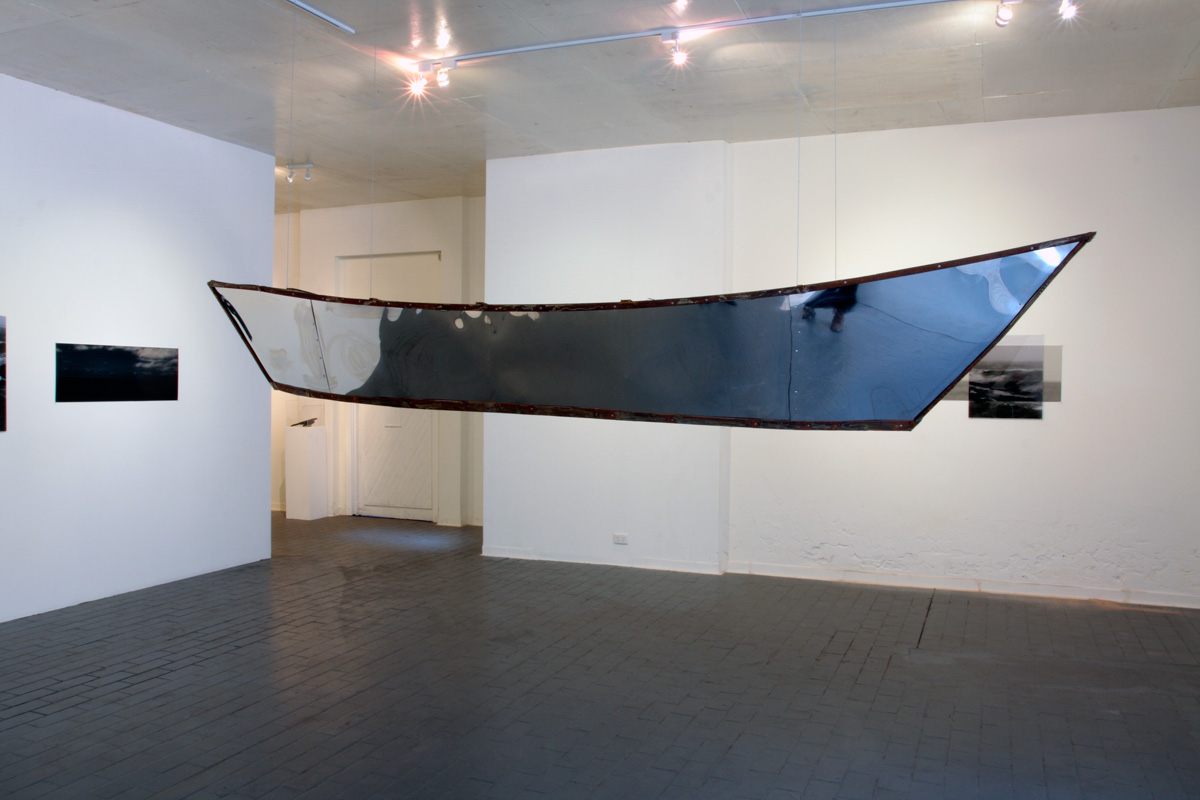
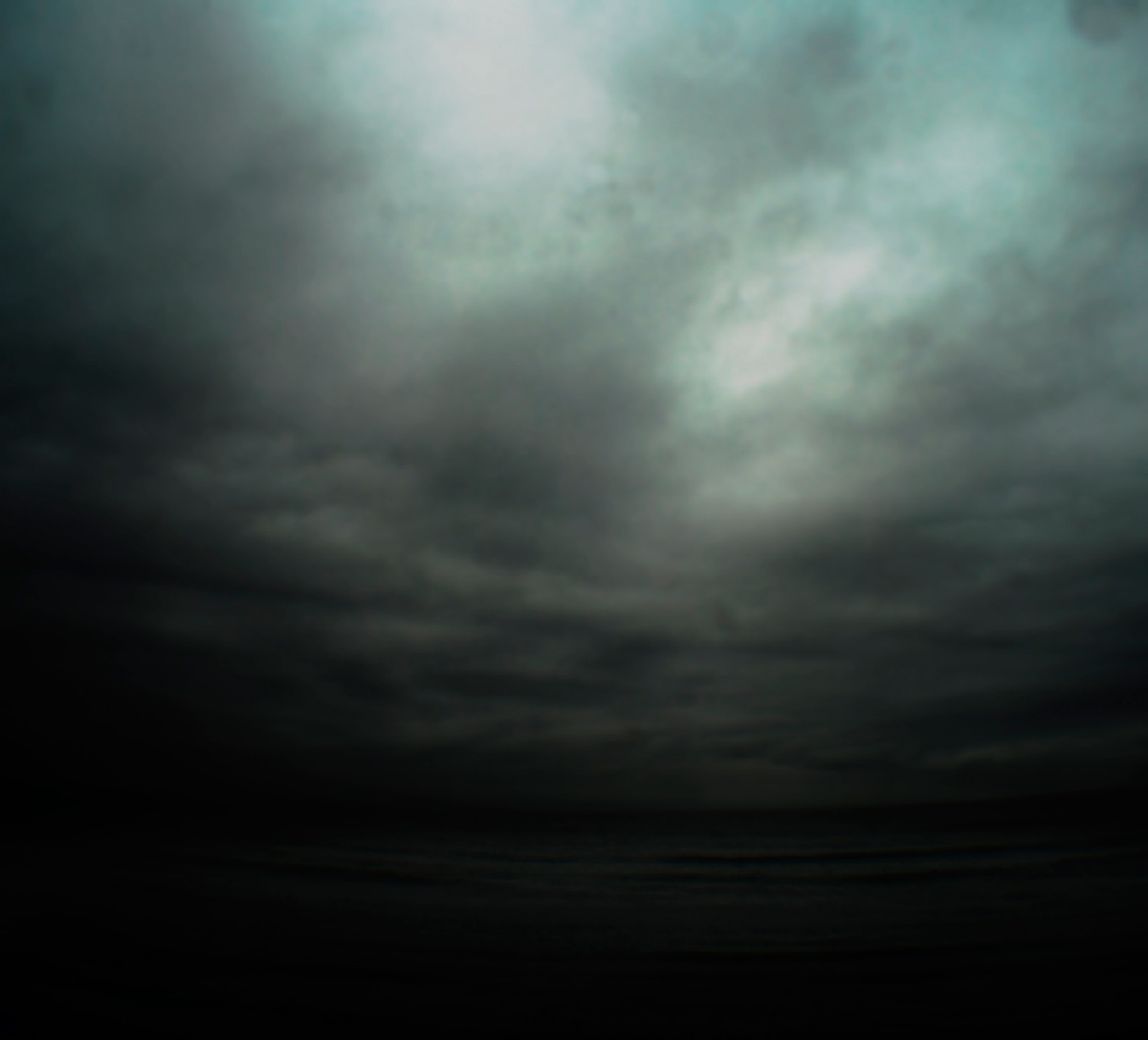
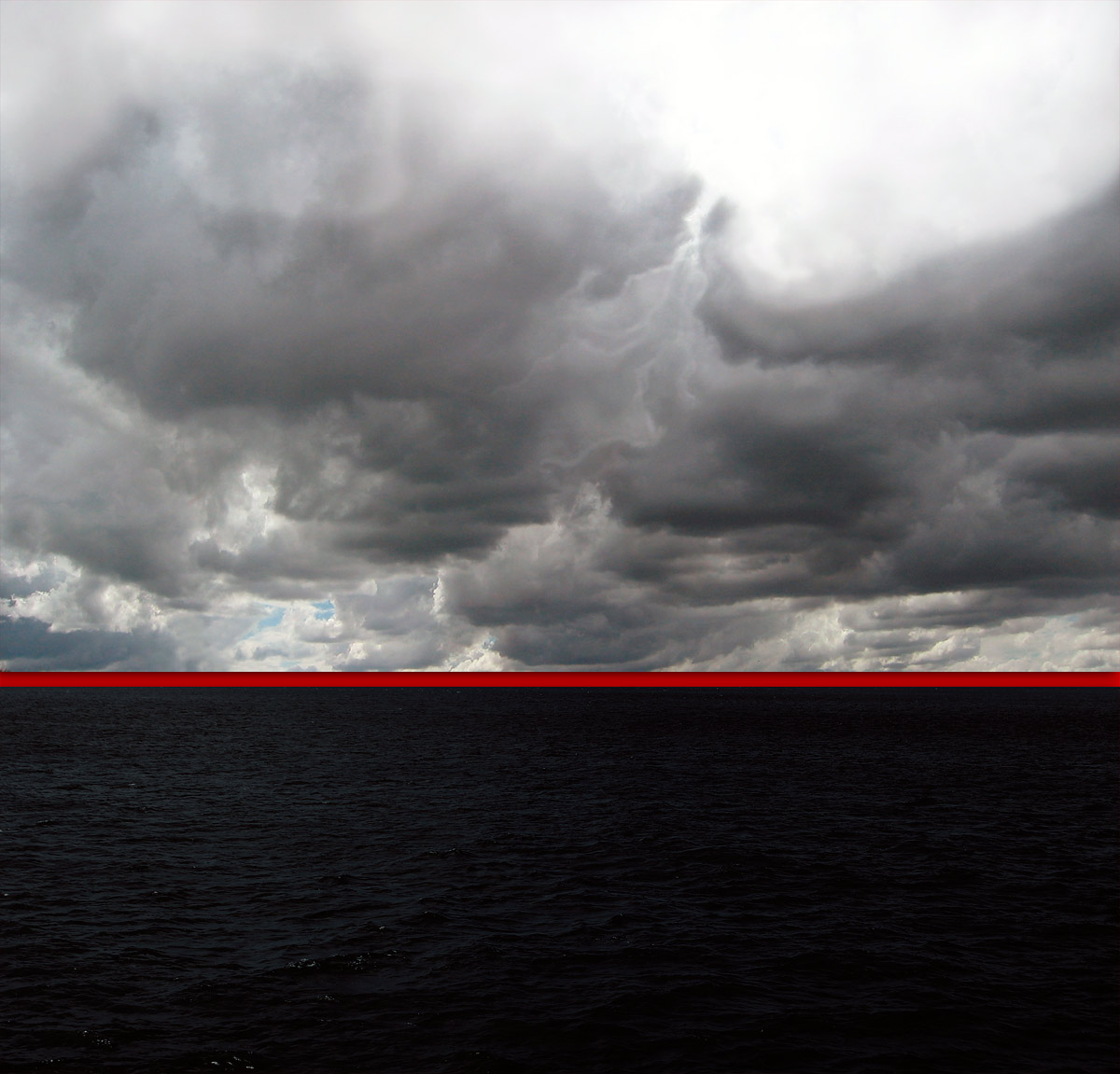
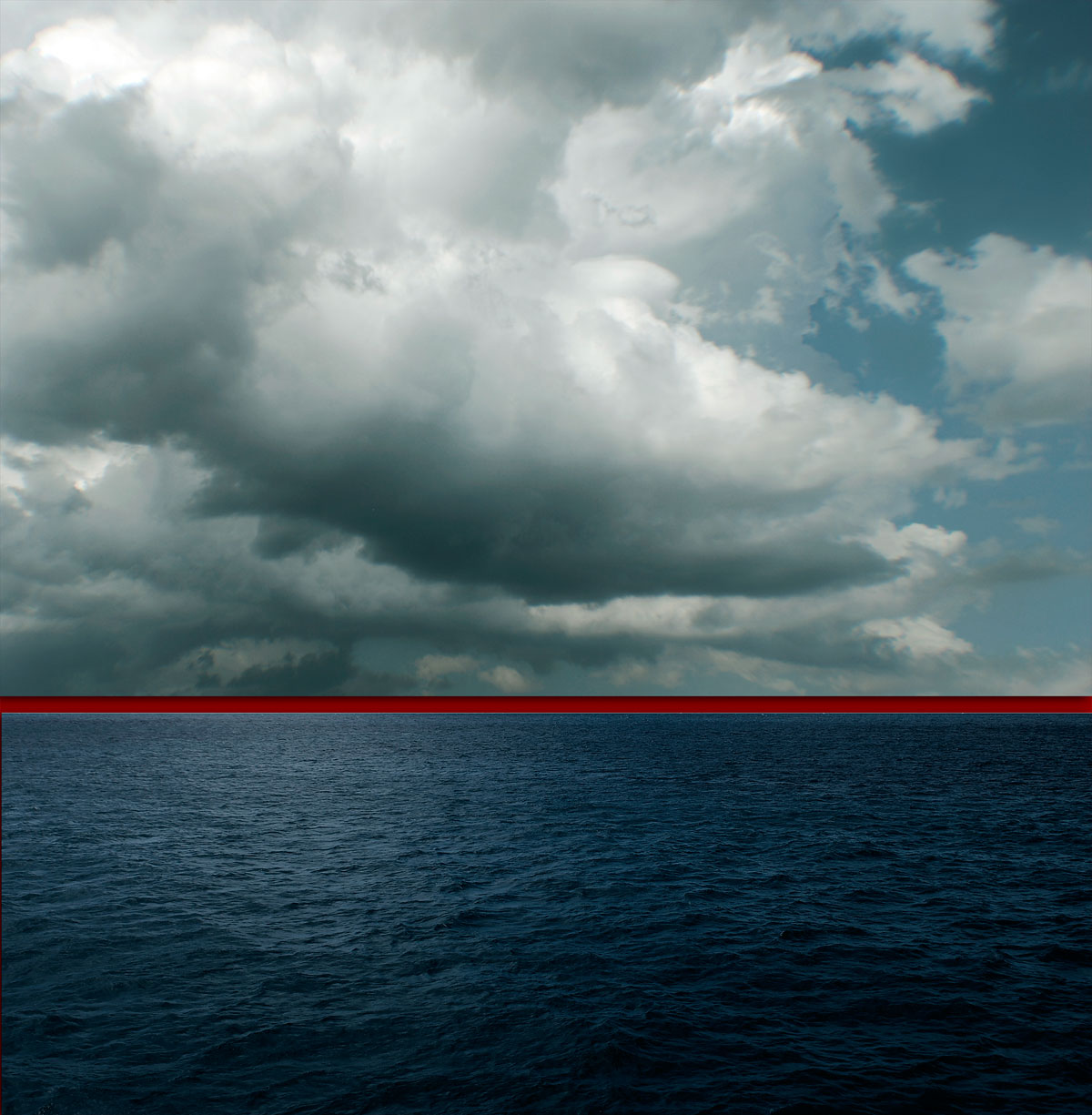
Installation photographs of the exhibition Traverseby Kim Percy at Stockroom, Kyneton, 10th March – 8th April 2012.
Please click on the photographs for a larger version of the image.
Keywords: refugees, asylum seekers, boat people, spaces of mobility, travel, early colonial photography, cartes de visite, cabinet cards, Second Fleet, John Dell, aborigine, Australia, white Australia, immigration, photography, early Australian photography, Foucault, non-place, Panopticon, inverted Panopticon, (in)visibility, visual parentheses, axis of visibility, symbolic capital, context of reason.
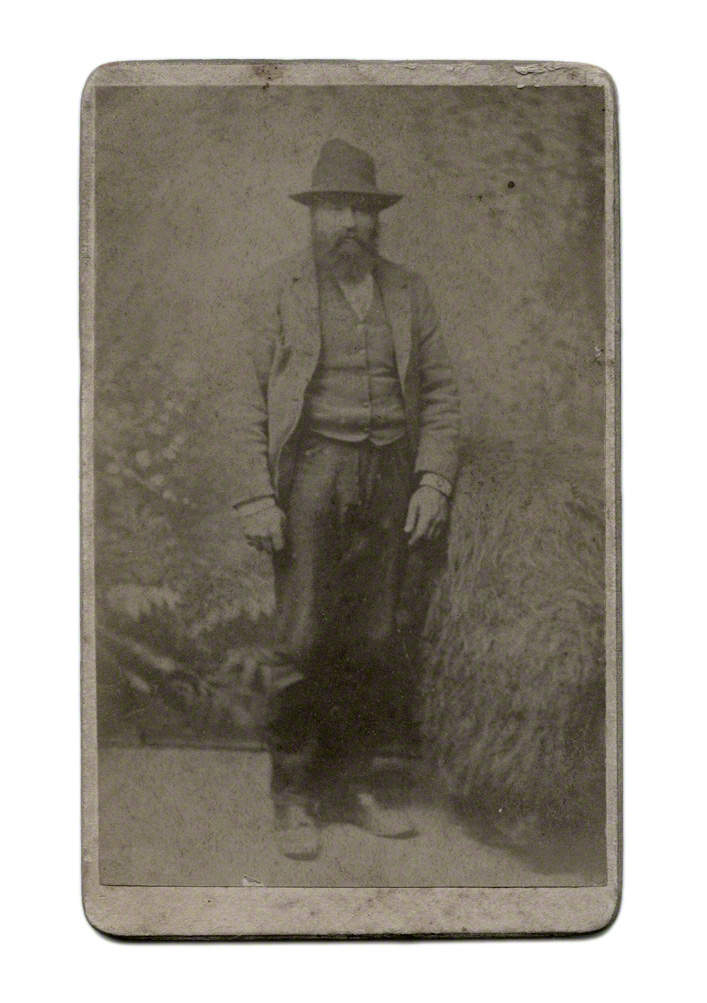
What I am about to say, my musings if you like, are inspired by Kim Percy’s exhibition which took place at Stockroom gallery in Kyenton in March – April 2012. The work is the basis of my inquiry. The images that illustrate the paper are installation shots from the exhibition and Victorian cartes de visite, photographic portraits of an emerging nation taken from the 1850s-1890s.
Unlike the business cards of today (where identity is represented by the name of the business owner and the printer of the card remains anonymous), in cartes de visite the name of the people or place being photographed is usually unknown and the name of the photographer is (sometimes) recorded. In other words the inverse of contemporary practice.
Another point to note is that most of the photographers were immigrants to this country. I use these cards to illustrate the point that the construction of national identity has always been multifarious and, in terms of the representation of identity, unknown and unknowable.
I would like to take you on a journey, at first personal and then physical, metaphorical and maybe even philosophical. I want to asks questions of the world, questions about the journey we all take as human beings. I would like to tell you two personal things.
First, I have nearly drowned three times in my life. Once, aged 12 years, my mother dove into the swimming pool and pulled my out as I was going under for the third time. The second time was in Australia at Squeaky Beach on Wilsons Prom and the third up at Byron Bay. All three times there was shear blind panic as the water tried to consume me, as my feet scrabbled to touch the bottom, seeking any purchase, the minutest toe hold so that I could pull myself to safety, so that I could save myself. Panic. Fear. Nothingness.
Second, I still vividly remember being dumped by my parents at boarding school in England at the age of twelve years. I watched disconsolately as they drove away and promptly burst into tears, terrified of being alone in an alien environment, with a different accent than everyone else (having grown up on a rural farm) and being different from other boys (just discovering that I was gay). Those were horrible years, suffering from depression that crept up on me, isolated with few friends and struggling with my nascent sexuality. Thoughts of suicide and self-harm were constant companions. Fast forward, arriving in Australia in 1986, again with no friends, living in a foreign culture. Even though I was white I felt alienated, isolated, alone. I hated my first years in Australia.
Now imagine being an asylum seeker arriving here.
Imagine being an asylum seeker living in an (in)between space, living in a refugee camp over there. Marc Augé coined the phrase “non-place” to refer to places of transience that do not hold enough significance to be regarded as “places”.1 These camps are such places. Put yourself in that predicament, seeking a better life, seeking to escape persecution, war, prejudice and death, deliberately placing yourself and your family in a fragile boat, like a seed pod floating upon the waters, taking the dangerous journey to reach Australia. Imagine the emotional and intellectual turmoil that must surround such a decision, the decision to place your life in the hands of the ocean. Important decisions affecting the entire course of one’s life are rarely made without some form of mental distress.
Nurtured in water, some baptised in it, water is the life-blood of the world and the asylum seeker must trust to its benevolence. Marc Auge “argues that we are in transit through non-place for more and more of our time, as if between immense parentheses.”2 This is the journey that the asylum seeker takes over water, a journey through an interstitial space that has no beginning and no end caught between a set of parentheses [insert life here / or not]. And now let us move our line of sight. What about a visual parentheses?
Asylum seekers are almost invisible from Australia living over there. They are over the horizon, out of sight and out of mind. When they journey across the sea – an open ended journey passing through a liminal space, a forgotten space – they suddenly appear as if by magic washed up on the shore, unseen despite surveillance planes, ships and other forms of tracking and reconnaissance. Think, for example, of the sudden and surprising arrival of the boat SIEV-221 when it was washed onto the rocks of Christmas Island in December 2010. The invisible made visible caught in a non-place.
This (in)visibility can be evidenced in other ways. The specks of humanity waving from the deck of the Tampa, the asylum seekers being escorted from arriving boats, seen for a few brief seconds on the evening news and then disappearing from view, almost like being sucked into the depths of the sea. Here and not here; here and there. Halfway between nothingness and being: they walk between one state and another, forward and backward, backward and forward.
Displacement Diaspora Disruption
There is much discussion in political circles in relation to the retrieval, processing and housing of detainees, that is, the control of the artefact within space (of Australia) and, consequently, the impact on the citizens of Australia and that of public sentiment. The axis of visibility3 that operates in relation to subject, object, and space is not interrogated as to the representations that are constructed. This is what I am interested in here.
The spectacle of the asylum seekers is despectacularised by and for the viewer. We remove ourselves from the emotion of these people, the presence of these images. They become ordinary as if seen from far away – glimpsed every so often as though viewing the world of another. They become Other. The movement of the ship, the movement of the sky, the movement of vision is a constant decentering through a push/pull with something else – some other order of the world. The journey into the unknown is a journey to submit to the ordering of another: the socially constructed system of classification: “refugee,” “asylum seeker.”
These vital, alive human beings come from one taxonomic system (of ordered death, persecution, injustice), become visible from a brief instance, and are then fed into another taxonomic system of order – that of the detention centre. Through the journey and in the detention centres there is an effacement of specific religious, political or personal symbolic features as the refugees become part of a disciplinary system whereby they can be viewed as symbolic capital (both political and economic tools). This process of effacement and simultaneous self-negation, this neutralisation of original context and content is hidden in the forgotten spaces, of the sea and of the processing centres.
And then the seekers are naturalised, becoming one with the body of Australia, as though they were unnatural before.
Taking the metaphor of the horizon line further, I would argue that the detention centres are like that of an inverted Panopticon. The Panopticon is a type of institutional building, a prison, designed by English philosopher and social theorist Jeremy Bentham in the late eighteenth century. The concept of the design is to allow an observer to observe all inmates of an institution without them being able to tell whether or not they are being watched.4 The guard sits in a central tower and can observe and inspect all prisoners on the outer 360 degree circle, while the prisoners cannot see the guard and can only presume he is there (an omnipresent God) and hence they behave. Let us invert this concept. Now the asylum seekers sit in the tower looking outwards, seeing the promised land but unable to touch it and the guards (prison officers, government, the Australian people) are all around but most are blind. They look inwards but cannot see / they look outwards and most go about their daily business. The perimeter fence of the detention centre becomes the horizon line of the sea. Over the horizon is out of sight and out of mind.
This regime of acceptability, the common-sense world within which we all live and usually take for granted, this form of rationality has a historical specificity. Think convict for example: such branding appeared at a time of historic specificity. What we take to be rational, the bearer of truth, is rooted in domination and subjugation, and is constituted by the relationship of forces and powers. But, as Foucault observes “what counts as a rational act at one time will not so count at another time, and this is dependent on the context of reason that prevails.”5
Hence no more convicts, in the future one hopes no more refugees.
What Kim’s eloquent, minimal, brooding installation does is hold our attention and ask certain questions of us as human beings. If photography is a mode of visually addressing a certain order in the world – be it horror, war, peace, human tragedy, public, private – and then destabilising it, then Kim’s images destabilise the binary sea/sky through fragmentation and isolation. She redlines our experience and asks us to inhabit the non-space, the non-place of the gallery, allowing us to hover between boat and image, between sea and sky, between seeing and sky. Through her work she asks us to become more aware. She asks us to see things more clearly. Above all she asks us to have faith in the compassion of human beings. The asylum seekers have faith: faith to get into a fragile boat to venture upon the sea in search of a better life.
I will finish with a quote from Jeff Brown
“Sometimes we have to surrender to the not knowing. At other times, it is helpful to adventure outward and explore new possibilities. Like swashbucklers of the spirit, we bravely seek out any experience that might inform our path. When we are afraid of something, we live it fully and see what floats to the surface in the doing. We participate in our own revealing. We have faith in the shaping of what we cannot see.”6
The seekers surrender to the not knowing and have faith in the shaping of what they cannot see. These risk takers are the strong ones that are going to make a difference in a new society by the very fact of their strength and determination to survive and live in a free society, for the very fact of the risks undertaken. This exhibition and this paper informs their path as it informs our path.
Be aware of the doing, be bold and forthright in the being.
Dr Marcus Bunyan, July 2012
Endnotes
1/ Augé, Marc (trans. John Howe). Non-Places: Introduction to an Anthropology of Supermodernity. London: Verso, 1995
2/ Ibid.,
3/ Hooper-Grenhill, Eilean. Museums and the Shaping of Knowledge. London: Routledge, 2000, p. 7
4/ Anon. “Panopticon,” on Wikipedia. [Online] Cited 09/03/2012
Addendum – Australia from settlement to subjugation
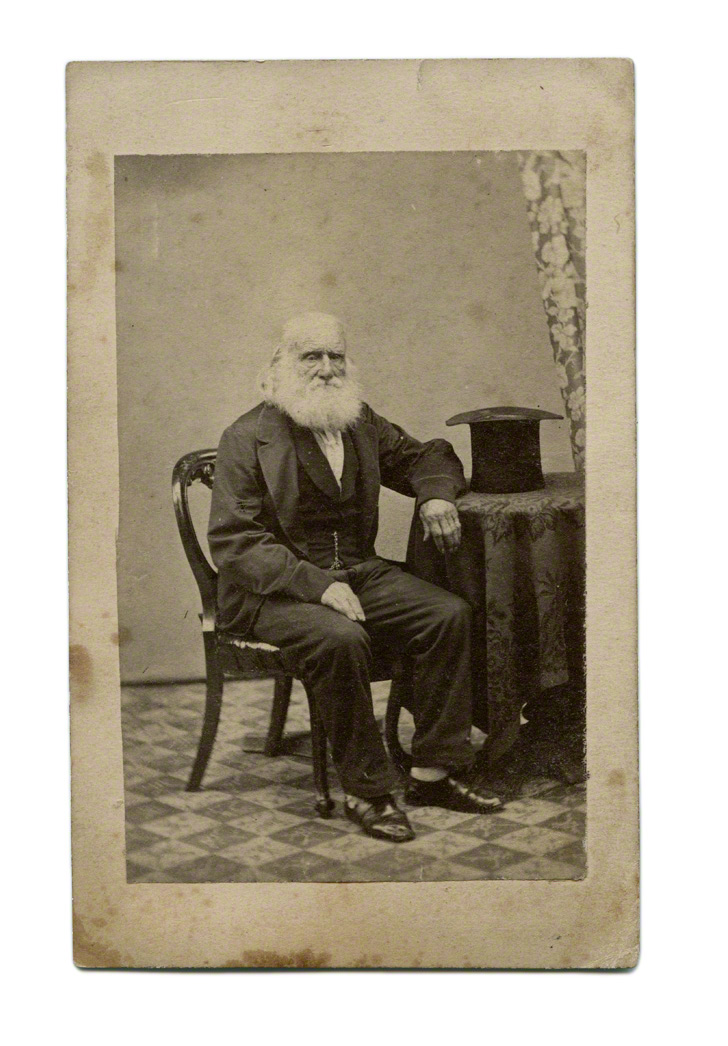
The cartes de visite below is one of the most important cards that I have ever held.
Private John Dell (1763-1866) of The New South Wales Corps. (Rum Corps.) “Renamed 1st /102nd Regiment of Foot” arrived on the ship Surprize of the Second Fleet on the 26 June 1790 (not, as stated in pencil on the verso of the card, in 1788). The Second Fleet has been regarded as being the three convict ships which arrived together at Sydney Cove in June 1790: these ships were the Surprize , Neptune, and Scarborough.
The Surprize weighed 400 tons, she was the smallest ship of the fleet, she proved an unsuitable vessel as for her size and she was a wet vessel even in clam waters. Sailing from England on January 19th 1790 with 254 male convicts. Her master was Nicholas Antis, formerly chief mate on the Lady Penrhyn in the First Fleet. The surgeon was William Waters. 36 convicts died on the voyage. Soldiers of the New South Wales Corps on board may have stayed. Some where convicts who later enlisted.
Private John Dell served in 102nd Foot Regiment. He was discharged aged 42 after 21 years 10 months of service. Covering dates give year of enlistment to year of discharge: 1789-1811. He enlisted on 3rd July 1789 and was discharged in May 1810. He married three times and had numerous children, dying in Tasmania on the 2nd March 1866. He was born on 5th of November 1763 so this would make him over the age of 87 when this photograph could have first been taken or, if later, between the age of 96-103. We can date this photograph from the time that W. Paul Dowling worked in Launceston (1851-1852 / 1859-1866).
We are looking at one of the first English migrants to ever settle in Australia during the invasion of the supposed terra nullius. This is an important photograph. The photographer obviously thought it was important to document the appearance of this person, present in the first two years of colonial settlement and later injured by an aborigine spear. For us, the photograph traverses the history of white Australia, from settlement to subjugation, from 1790 to 1866. One can only imagine the agony, the death and destruction that occurred during this man’s lifetime.
THE LATE MR. JOHN DELL (From the Melbourne Spectator)
The following reminiscences of the olden times were furnished to us by a gentleman who took them down as they fell from the lips of John Dell, the Greenwich pensioner, a few months before his, death, which happened at Launceston, in the early part of the present year: He was born, he said, at Reading, in Berkshire, on the 5th of November, 1763. He was one of a family of twenty four children. He remembered the excitement occasioned by the Gordon riots, and how the people gathered round the London coach which brought down the tidings of the tumult, incendiarism, and bloodshed. He was apprenticed with another Reading lad, to a veneer cutter in London; and as he and his fellow-apprentice were one day staring in at a shop window in Fleet-street, and observing to each other that there was nothing like that in Reading, they were accosted by a respectably dressed man, who said his wife was from Reading, and would so like to have a chat with them about the dear old place; would they go home to tea with him? They cheerfully assented; and were taken to a house in an obscure neighbourhood, at the back of the Fleet Prison…
“THE LATE MR. JOHN DELL,” in Launceston Examiner (Tas.: 1842-1899), 25 July 1866, p. 2. [Online] Cited 15 July, 2012 on the Trove website. nla.gov.au/nla.news-article36636642
DEATH OF MR JOHN DELL (From the The Cornwall Chronicle)
It is with feelings of sincere regret that we record tbe death of Mr. John Dell, at the patriarchal age of 102 years and four months. He had been ailing but a very short time, and had the use of his faculties to the last hour of his life. He was reading as usual without the use of spectacles, and out of bed on Thursday night, but be breathed his last yesterday, at the residence of his son-in-law, Mr. William Brean, of Brisbane Street, and his remains are to be interred on Monday.
Mr. Dell was born at Reading, in Berkshire, in 1763, and arrived in New South Wales with the 102nd Regiment of Foot, in 1790, in the ship ‘Surprize,’ the first of the fleet which brought convicts to Botany Bay, and he was present in Sydney during the whole of the period of the government of Governor Phillip, and at the arrest of Governor Bligh, who it will be remembered by those who have read the early history of New South Wales, was arrested by Colonel Johnson, the Colonel of the regiment in which Dell served, the 102nd. This corps was raised specially for service in New South Wales, and Mr. Dell returned with in 1808, and on board the vessel in which Governor Bligh died on the passage to England. He was pensioned in 1815, and has been in life receipt of a pension for more than half a century.
He arrived in this colony in 1818, and was for some time Chief Constable of Launceston, but retired many years ago from office, to a large farm at Norfolk Plains. Mr. Dell was the owner of very valuable property in this colony, though be did not die wealthy, the Court House Square belonged to him at one time, and he fenced it in, but subsequently he returned it to the Government in exchange for a grant of six hundred and forty acres of land in the country. Mr. Dell was a temperate man but not a teetotaller. It is strange that throughout his eventful career, be never learned to smoke, but this may account for the steadiness of his nerves to the latest day of his long life. He had encountered great hardships in New South Wales, having been in the bush there for three day disabled by a spear wound inflicted by an aborigine. He was in a very exhausted state when discovered, but his iron constitution enabled him to rally, and he was soon in as sound a state of health as ever.
For some years past his sight keener and his hair of a darker colour than they had been twenty years previous. He was rather eccentric of late, but no one from his hale appearance would suppose him to be much above seventy years of age. His voice was a good strong firm bass without a quaver in it. Very few men have ever been blessed with such a long period of interrupted sound health as Mr Dell. He will be missed and his death lamented by a wide circle of relatives and friends.
“DEATH OF MR JOHN DELL,” in The Cornwall Chronicle (Launceston, Tas.: 1835-1880) Saturday 3rd March 1866. [Online] Cited 15 July, 2012 on the Trove website. trove.nla.gov.au/ndp/del/article/72358170
John Dell Born at Reading, Berkshire 5 Nov 1763 came out with his regiment (the 102nd) to Sydney in 1788 Nov 5th 1763
In pencil on verso
William Paul Dowling was a painter, engraver and photographer. In 1849 he was transported to Hobart Town as a political prisoner. Dowling worked in partnership with his photographer brother, Matthew Patrick Dowling until the latter accused William of selling his photographs as his own.
Many thanx to Jason, Magali and Kent for inviting me to the gallery, and Kim for asking me to open the exhibition – it was fun!
I have known Kim since the early 1990s when we both did our Bachelor of Arts in photography at RMIT University so it was wonderful to have opened her show yesterday. Reprinted below is the speech I gave at the opening with its musings on the (in)visibility of asylum seekers arriving by boat in Australia.
I hope you enjoy reading the text.
Marcus
Opening speech by Dr Marcus Bunyan, 10th March 2012
Out of Sight, Out of Mind __________________
“What I am about to say, my musings if you like, are inspired by Kim’s wonderful installation. The work before you is the basis of my inquiry. The issues involved are difficult and not to be dealt with lightly but I hope you will follow my drift, my traverse if you like.
I would like to take you on a journey – physical, metaphorical and maybe even philosophical. I want to ask questions of the world, questions about the journey we all take as human beings. These questions are prompted by my personal response to two elements of Kim’s work – water and the journey, specifically the image of asylum seekers arriving here in Australia. Imagine being an asylum seeker making that journey.
Imagine living in an (in)between space, living in a refugee camp over there. Marc Augé coined the phrase “non-place” to refer to places of transience that do not hold enough significance to be regarded as “places.”1 These camps are such places. Put yourself in that predicament, seeking a better life, seeking to escape persecution, war (of which we as a nation are often part), prejudice and death, deliberately placing yourself and your family in a fragile boat, like a seed pod floating upon the waters, taking the dangerous journey to reach Australia. Imagine the emotional and intellectual turmoil that must surround such a decision, the decision to place your life in the hands of the ocean. Important decisions affecting the entire course of one’s life are rarely made without some form of mental distress.
Nurtured in water, some baptised in it, water is the life-blood of the world and the asylum seeker must trust to its benevolence. Marc Augé “argues that we are in transit through non-place for more and more of our time, as if between immense parentheses.”2 This is the journey that the asylum seeker takes over water, a journey through an interstitial space that has no beginning and no end caught between a set of parentheses [insert life here / or not].
Now let us move our line of sight. What about a visual parentheses?
Asylum seekers are almost invisible from Australia living over there. They are over the horizon, out of sight and out of mind. When they journey across the sea – an open ended journey passing through a liminal space, a forgotten space – they suddenly appear as if by magic washed up on the shore, unseen despite surveillance planes, ships and other forms of tracking and reconnaissance. Think, for example, of the sudden and surprising arrival of the boat SIEV-221 when it was washed onto the rocks of Christmas Island in December 2010. The invisible made visible caught in a non-place.
This (in)visibility can be evidenced in other ways. The specks of humanity waving from the deck of the Tampa, the asylum seekers being escorted from arriving boats, seen for a few brief seconds on the evening news and then disappearing from view, almost like being sucked into the depths of the sea. Here and not here; here and there. Halfway between nothingness and being: they walk between one state and another, forward and backward, backward and forward.
Displacement Diaspora Disruption
The spectacle of the asylum seekers is despectacularised by and for the viewer. We remove ourselves from the emotion of these people, the presence of these images. They become ordinary as if seen from far away – glimpsed every so often as though viewing the world of another. They become Other.
The movement of the ship, the movement of the sky, the movement of vision is a constant decentering through a push / pull with something else – some other order of the world. Their journey into the unknown is a journey to submit to the ordering of another: the socially constructed system of classification: “refugee,” “asylum seeker.” The axis of visibility3 that operates in relation to subject, object, and space is not interrogated as to the representations that are constructed. This is what I am interested in here. These vital, alive human beings come from one taxonomic system (of ordered death, persecution, injustice), become visible from a brief instance, and are then fed into another taxonomic system of order – that of the detention centre.
Taking the metaphor of the horizon line further, I would argue that detention centres are like an inverted Panopticon. The Panopticon “is a type of institutional building, a prison, designed by English philosopher and social theorist Jeremy Bentham in the late eighteenth century. The concept of the design is to allow an observer to observe all inmates of an institution without them being able to tell whether or not they are being watched.”4 The guard sits in a central tower and can observe and inspect all prisoners on the outer 360 degree circle, while the prisoners cannot see the guard and can only presume he is there (an omnipresent God) and hence they behave.
Let us invert this concept.
Now the asylum seekers sit in the tower looking outwards, seeing the promised land but unable to touch it and the guards (prison officers, government, the Australian people) are all around but most are blind. They look inwards but cannot see / they look outwards and most go about their daily business. The perimeter fence of the detention centre becomes the horizon line of the sea. As in Kim’s red lined horizons, over the horizon is out of sight, out of mind ___________________________________
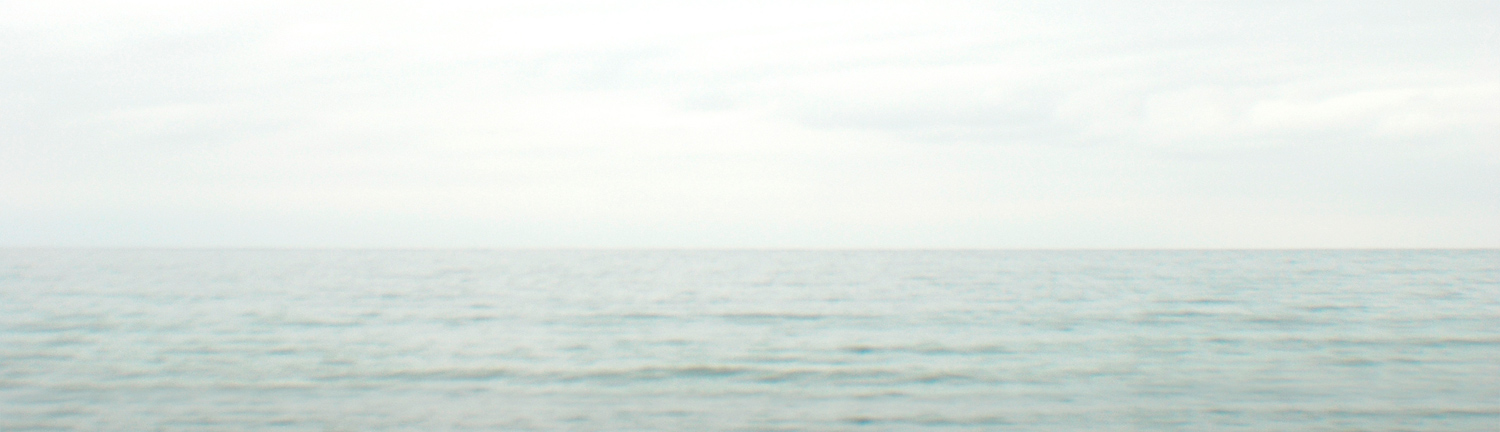
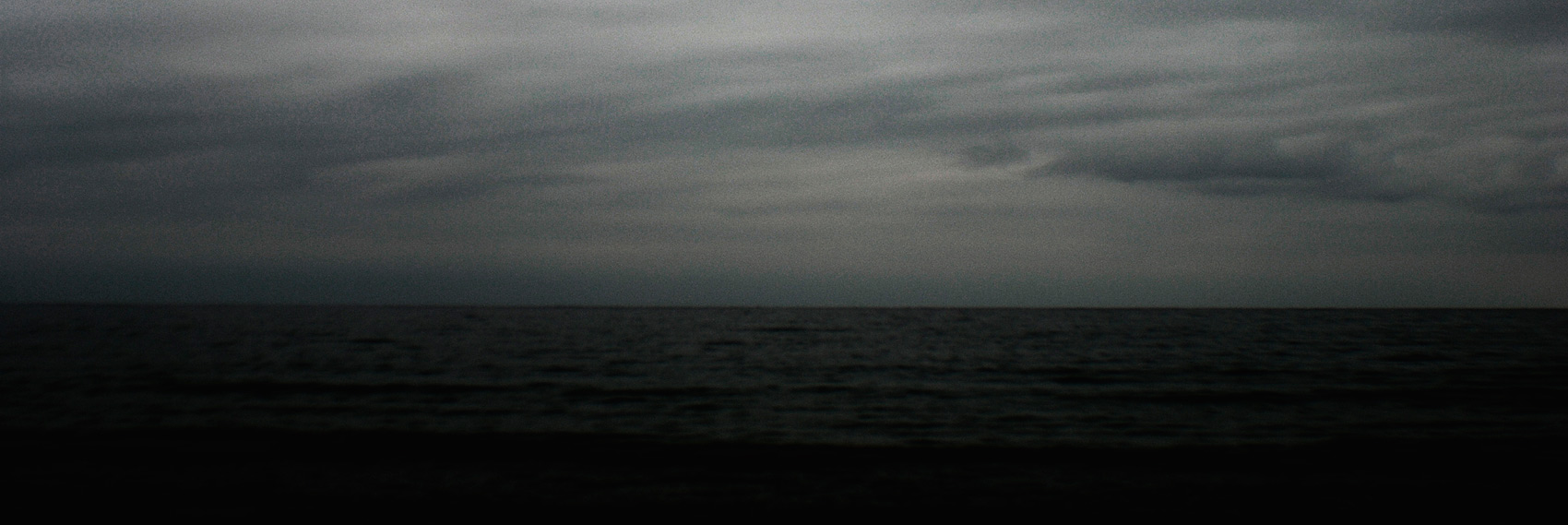
What Kim’s eloquent, minimal, brooding installation does is hold our attention and ask certain questions of us as human beings. If photography is a mode of visually addressing a certain order in the world – be it horror, war, peace, human tragedy, public, private – and then destabilising it, then Kim destabilises the binary sea / sky through fragmentation and isolation. She redlines our experience and asks us to inhabit the non-space, the non-place of the gallery, allowing us to hover between boat and image, between sea and sky, between seeing and feeling. Through her work she asks us to become more aware. She asks us to see things more clearly. Above all she asks us to have faith in the compassion of human beings.
The asylum seekers have faith: faith to get into a fragile boat to venture upon the sea in search of a better life. If we had more faith in ourselves then we would have less need to rely on the images of the past, a white colonial past.
I will finish with a quote from Jeff Brown.
“Sometimes we have to surrender to the not knowing. At other times, it is helpful to adventure outward and explore new possibilities. Like swashbucklers of the spirit, we bravely seek out any experience that might inform our path. When we are afraid of something, we live it fully and see what floats to the surface in the doing. We participate in our own revealing. We have faith in the shaping of what we cannot see.”5
The seekers surrender to the not knowing and have faith in the shaping of what they cannot see. These risk takers are the strong ones that are going to make a difference in a new society by the very fact of their strength and determination to survive and live in a free society, for the very fact of the risks undertaken. This exhibition informs their path as it informs our path. Be aware of the doing, be bold and forthright in the being. Enjoy.
Thank you
Dr Marcus Bunyan
Footnotes
1/ Augé, Marc (trans. John Howe). Non-Places: Introduction to an Anthropology of Supermodernity. London: Verso, 1995
2/ Ibid.,
3/ Hooper-Grenhill, Eilean. Museums and the Shaping of Knowledge. London: Routledge, 2000, p. 7
4/ Anon. “Panopticon,” on Wikipedia [Online] Cited 09/03/2012
5/ Brown, Jeff. Soulshaping. Berkeley, CA: North Atlantic Books, 2009, np quoted on Stroud, Jeff. The reluctant blogger website. [Online] Cited 09/03/2012












![Anonymous photographer. 'Untitled [Borough of Clunes Notice Strike ..rm Rate]' Nd](https://artblart.com/wp-content/uploads/2012/10/anon-borough-of-clunes-notice-strike-rm-rate-front-no-back3.jpg "Anonymous photographer. 'Untitled [Borough of Clunes Notice Strike ..rm Rate]' Nd")

![National Photo Company. 'Untitled [Group of bricklayers holding their tools and a baby]' Nd](https://artblart.com/wp-content/uploads/2012/10/national-photo-company-nd-front1.jpg "National Photo Company. 'Untitled [Group of bricklayers holding their tools and a baby]' Nd")

![E. B. Pike. 'Untitled [Older man with moustache and parted beard]' Nd](https://artblart.com/wp-content/uploads/2012/10/e-b-pike-back2.jpg "E. B. Pike. 'Untitled [Older man with moustache and parted beard]' Nd")
![Otto von Hartitzsch (Australian born Germany. 1838-1910) 'Untitled [Man with quaffed hair and very thin tie]' 1867-1883](https://artblart.com/wp-content/uploads/2012/10/otto-von-hartitzsch-adelaide-1867-back2.jpg "Otto von Hartitzsch (Australian born Germany. 1838-1910) 'Untitled [Man with quaffed hair and very thin tie]' 1867-1883")
![Profesor Hawkins (Australian, active 1861-1875) 'Untitled [Chinese women with handkerchief]' c. 1858-1875](https://artblart.com/wp-content/uploads/2012/10/professor-hawkins-melbourne-front3.jpg "Profesor Hawkins (Australian, active 1861-1875) 'Untitled [Chinese women with handkerchief]' c. 1858-1875")
![J. R. Tanner (Australian, active 1866-1899) 'Untitled [Two woman wearing elaborate hats]' 1875](https://artblart.com/wp-content/uploads/2012/10/j-r-tanner-1875-front1.jpg "J. R. Tanner (Australian, active 1866-1899) 'Untitled [Two woman wearing elaborate hats]' 1875")

 Art Blart _ art and cultural memory archive
You must be logged in to post a comment.