Exhibition dates: 27th August – 21st September, 2013
Curator: Marcus Bunyan
Andrew Follows (Australian, d. 2019) Number 31, Eltham 2013 Digital photograph on archival cotton rag 130 cm x 86.5cm
Only 2 days to go before the ending of Andrew Follows’ exhibition Density at Anita Traverso Gallery, 7 Albert Street Richmond.
You have to see these images in person, they are impressively immersive!
Dr Marcus Bunyan
PS. Preview all the images in the exhibition and read the catalogue essay at this previous posting. Please click on the photographs for a larger version of the image.
Many thankx to the Delaware Art Museum for allowing me to publish the photographs in the posting. Please click on the photographs for a larger version of the image.
In the early 20th century, between the two world wars, Paris saw a fervour of change. From 1910 to 1940, the city became a creative epicentre for artistic exploration, attracting international avant-garde artists – including photographers experimenting with Surrealism, Modernism, and the new reportage. French Twist: Masterworks of Photography from Atget to Man Ray, on view at the Delaware Art Museum from June 29, 2013 through September 15, 2013, features 100 vintage prints from this golden age of French photography and explores the variety and inventiveness of native and immigrant photographers working in France in the early 20th century.
This exhibition presents a number of themes that capture the flavour and nightlife of Paris at this exciting moment. “Life of the Streets,” “Diversions,” and “Paris by Night” are just some of the topics that these masterful photographs explore. Visitors will experience Eugène Atget‘s lyrical views of Paris streets and gardens, Man Ray‘s surrealist experiments, and Henri Cartier-Bresson‘s pioneering photojournalism, as well as works by Ilse Bing, Brassaï, Jacques-Henri Lartigue, André Kertész, and Dora Maar. Many of these artists settled in France for life, while others, fleeing the Nazis, brought their Paris‐trained sensibilities and influences to America.
Eugène Atget
The exhibition opens with one of the most significant figures in the history of photography, Eugène Atget, whose work influenced a range of artists from Surrealists to documentary photographers. This selection encompasses pictures of city streets, architectural details, and the gardens at Versailles and includes one of his most famous photographs, Boulevard de Strasbourg, Corsets (1912).
La vie de la rue (Life of the Street)
This section includes images of the streets and buildings of Paris – of the bustling Champ-de-Mars and the deserted Avenue du Maine – and features a large selection of photographs by Ilse Bing. In her modernist views of urban architecture, Bing provides a modern take on the old city through unexpected angles and dramatic cropping.
Divertissement (Diversions)
Divertissement focuses on the myriad amusements available in the City of Lights. Lartigue provides an insider’s view of upper-class life in the Belle Epoque, while Bing and Brassaï chronicle the attractions of the dance hall, the theatre, and the street.
Henri Cartier-Bresson
The master of the “decisive moment” and one of the most significant photojournalists of the 20th century, Henri Cartier-Bresson is featured along with 17 famous photographs from his travels around the world. This section includes his stellar images of the Spanish Second Republic and his iconic view of the coronation of George VI in London.
Les basses classes (The Lower Classes)
Between the wars, photographers from Ilse Bing to Andre Kertész to Brassaï chronicled lives of poor Parisians, often bringing a Modernist sensibility, rather than a reformer’s eye, to scenes of urban poverty.
Paris de nuit (Paris by Night)
In 1933 Brassaï released his photo book Paris by Night, which chronicled the city’s streets and amusements after dark. The book became an immediate success and Brassaï became famous as the foremost photographer of the city’s bars and brothels, performers, and prostitutes.
L’art pour l’art (Art for Art’s Sake)
This section focuses on the technical experimentation and virtuoso technique of photographers including Pierre Dubreuil, Edward Steichen, and Pal Funk Angelo. It features examples of unusual techniques like cliché-verre, solarisation, and oil printing.
Cliché verre is a combination of art and photography. In brief, it is a method of either etching, painting or drawing on a transparent surface, such as glass, thin paper or film and printing the resulting image on a light sensitive paper in a photographic darkroom. It is a process first practiced by a number of French painters during the early 19th century. The French landscape painter Jean-Baptiste-Camille Corot was the best known of these. Some contemporary artists have developed techniques for achieving a variety of line, tone, texture and colour by experimenting with film, frosted Mylar, paint and inks and a wide assortment of tools for painting, etching, scratching, rubbing and daubing.
Andre Kertész, Dora Maar, Man Ray
These three important photographers – all immigrants to Paris between the Wars and all involved in Surrealist movement – are featured in individual sections that highlight their most famous works. Kertész is represented by his photographs of the painter Piet Mondrian’s studio. Maar’s Surrealist street photographs capture her dark humor, and a full complement of Man Ray’s experimental and psychologically charged images summarize his photographic interests.
La figure (Portraits and Nudes)
La Figure showcases experimental approaches to the classic subject of the female nude, including a cameraless photograph and a solarisation by Man Ray and a distortion created with fun-house-type mirrors by Kertész.
Ilse Bing (German, 1899-1998), nicknamed the “Queen of the Leica” after her camera of choice, moved to Paris in 1930 and immersed herself in its cultural milieu, interacting with painters like Pavel Tchelitchev and fashionistas Elsa Schiaparelli and Carmel Snow. The decade she spent in France is considered the high point of her artistic career.
Dora Maar (French, 1907-1997) created startlingly imaginative Surrealist photographs under the tutelage of Man Ray. However, she is best known as Picasso’s lover, muse, and “Weeping Woman” from 1936 to 1943. Her photographs documenting Picasso’s creation of Guernicahang alongside the painting in the Reina Sofía museum in Madrid.
Jacques‐Henri Lartigue (French, 1894-1986), considered by many to be a child prodigy, received his first camera as a gift when he was six years old and immediately set to work documenting the activities of his energetic family and circle of friends. Lartigue’s light‐hearted snapshots capture the essence of France’s Belle Époque, the halcyon period before World War I when it seemed that modernity would bring nothing but progress and delight.
Text from the Delaware Art Museum
Eugène Atget (French, 1857-1927) Boulevard de Strasbourg Corsets 1912 Printing-out paper 8 3/4 x 7 inches Collection of Michael Mattis and Judith Hochberg
Eugène Atget (French, 1857-1927) Rue Egynard 1901 Albumen print 8 1/4 × 7 in. (21 × 17.8cm) Collection of Michael Mattis and Judith Hochberg
Edward Steichen (American, 1879-1973) Three Pears and an Apple, Voulangis, France 1921 Gelatin silver print 14 x 11 inches Collection of Michael Mattis and Judith Hochberg
Some of these cars are just ravishing (my favourite is the Hispano-Suiza H6B Dubonnet “Xenia” Coupe, 1938) and the elegant photographs, including some wonderfully framed detail shots, highlight the sensuousness of these objects of desire.
Notice the almost negligible rear view windows in most of the cars.
What happened to this kind of style detail in today’s cars?
Dr Marcus Bunyan
Many thankx to The Frist Center for the Visual Arts for allowing me to publish the photographs in the posting. Please click on the photographs for a larger version of the image.
Ettore Bugatti lived on a baronial estate in Alsace-Lorraine in eastern France. His father Carlo created elegant, Art Deco style furniture. His younger brother Rembrandt was an accomplished sculptor of animals. Although he was trained as an apprentice engineer, Ettore possessed the dreamy soul of an artist. From 1911 to 1939, he built hand-crafted automobiles of sporting competence, which, thanks to the styling talents of Ettore’s young son Jean, were also hauntingly beautiful.
Working with factory designer Joseph Walter, Jean Bugatti initially designed an Art Deco Superprofile coupe with rakish, valance-free fenders, a steeply canted windscreen, a roof with a perfect radius, and dramatic sweep panels. This has been called by Paul Kestler, author of Bugatti: Evolution of Style, “one of the landmarks in coach building history, made at the moment when classic lines were yielding to something more aerodynamic.” Only a few Superprofile coupes were built. One original survives in the Louwman Collection, Netherlands.
Inspired by the earlier Superprofile design, Walter and Bugatti’s Semi-profile coupes like the one in this exhibition had a more practical and equally attractive notchback rear treatment and twin exposed spare wheels. The chassis of this Bugatti Type 46 was made in 1929 and bodied in 1934 in Czechoslovakia by coach builder Oldřich Ulik. Originally a two-door sedan, it was re-bodied by Barry Price, with period-perfect coachwork in the exact style of Jean Bugatti’s Semi-profile coupe. The interior is elephant hide leather. In Bugatti circles, a magnificent re-creation like this one is welcomed, when it is done so beautifully.
valance-free fenders: this type of motor vehicle wheel covering did not make use of the then popular valance, a piece of metal added to the side of the fender that prevented splashing along the body
Errett Lobban Cord rose to national prominence after rescuing the Auburn Automobile Company of Auburn, Indiana, in 1928. Seeing an opportunity for a uniquely engineered luxury automotive brand, Cord encouraged Fred and August Duesenberg to build what he envisioned as America’s finest motorcar.
Noted race car constructor Harry A. Miller and his associates were retained by Cord to engineer a radical front-drive chassis. The innovative and luxurious L-29 Cord, unfortunately introduced just as the New York Stock Market crashed, combined its engine, transaxle, and clutch into one co-located assembly, eliminating a conventional driveshaft. This permitted a 10-inch lower chassis and necessitated a lengthy hood that appeared even longer because the designer, Al Leamy, surrounded the radiator with an integrated sheet-metal assembly, finished to match the car’s colour.
The lowslung Cord’s bodylines were exquisite. Features include an Art Deco styled transaxle cover, an elegant streamlined grille that evoked the styling of Harry Miller’s racing cars, sweeping clamshell fenders, sleek body side reveals which accentuated the car’s length, and a low roofline. These are embellished by myriad Art Deco styled details ranging from accented fender trim, tapered headlamp shapes, etched door-handle detailing and tiny, but exquisite instrument panel dials.
The L-29 Cord’s art moderne styling and engineering prowess attracted buyers of taste and style who were not afraid to try something different. Owners included the era’s most prominent and controversial architect, Frank Lloyd Wright, who bought a new L-29 Convertible Phaeton in 1929 and drove it for many years. This stunning cabriolet, was purchased in the 1950s by the Frank Lloyd Wright Foundation, Wright’s legal caretaker until his death in 1959. Wright had many of his cars painted in a bright hue called Taliesin orange. The finish of this Cord is a close approximation.
With its 1,200-cc, 40-brake horsepower, in-line four-cylinder engine, the 1930 Henderson Model KJ Streamline could exceed 100 mph. In an era when streamlining was used sparingly in motorcycle design, American Orley Ray Courtney’s enclosed bodywork was virtually unknown on production two-wheelers (except for a few racing machines), making the KJ an unusual and beautiful example of Art Deco design.
Courtney believed that the motorcycle industry failed to provide weather protection and luxury for its riders. His radically streamlined KJ body shell was unlike anything ever done on two wheels. The sleek vehicle had a curved, vertical-bar grille, reminiscent of the Chrysler Airflow, and the rear resembled an Auburn boat-tail speedster. The panels were hand-formed of steel with a power hammer.
Stunningly beautiful but impractical and hard to ride, the Streamline’s complex curved body was heavy and was difficult to make. In 1941, Courtney filed for a patent for a second motorcycle design with fully enclosed fenders. Perhaps he was influenced by the fact that the Indian Motocycle Company had introduced its partially skirted fenders in 1940, and that motorcyclists were becoming more accepting of this trend.*
* In 1923, Indian Motorcycle Company became Indian Motocycle Company and retained that name until the company closed in 1953.
Edsel B. Ford, President of Ford Motor Company of Dearborn, Michigan, asked his styling chief, Eugene T. “Bob” Gregorie, to build a “continental” roadster that could have limited production potential. Gregorie sketched alternatives and then built a 1/25th scale model that he tested in a small wind tunnel. Because of its 1934 Ford (also known as Model 40) origins, the roadster became known as the Model 40 Special Speedster.
Assisted by Ford Aircraft personnel, Gregorie’s team fabricated a taper-tailed aluminium body, mounted over a custom welded tubular structural framework. This car resembles the 1935 Miller-Ford Indianapolis 500 two-man race cars, but it was designed and built prior to their construction. This car’s long, low proportions were unlike anything Ford Motor Company had ever built. The Speedster weighs about 2,100 pounds. Its engine is now a 100-brake horsepower Mercury flathead V-8.
This Model 40 was one of Edsel Ford’s personal vehicles. After his death in 1943, the Speedster passed through several owners. Bill Warner, founder of Florida’s Amelia Island Concours d’Elegance, read an article that mentioned that the Model 40 Special Speedster was owned by a fellow Floridian. Warner tracked the Speedster down, bought it, and later sold it to Texas mega-collector John O’Quinn. After O’Quinn died in 2009, Edsel Ford II arranged for the speedster’s purchase. In August 2010, this car was restored by RM Restorations, Blenheim, Ontario, Canada.
Sensuous Steel: Art Deco Automobiles is an exhibition of Art Deco automobiles from some of the most renowned car collections in the United States. Inspired by the Frist Center’s historic Art Deco building, this exhibition features spectacular automobiles and motorcycles from the 1930s and ’40s that exemplify the classic elegance, luxurious materials, and iconography of motion that characterises vehicles influenced by the Art Deco style.
Fascination with automobiles transcends age, gender, and environment. While today automotive manufacturers often strive for economy and efficiency, there was a time when elegance reigned. Influenced by the Art Deco movement that began in Paris in the early 1920s and propelled to prominence with the success of the International Exposition of Modern Decorative and Industrial Arts in 1925, automakers embraced the sleek new streamlined forms and aircraft-inspired materials, creating memorable automobiles that still thrill all who see them. The exhibition features 18 automobiles and two motorcycles from some of the most important collectors and collections in the United States.
While today automotive manufacturers often strive for economy and efficiency, there was a time when elegance reigned. Like the Frist Center’s historic building, the automobiles included in Sensuous Steel display the classic grace and modern luxury of Art Deco design. An eclectic, machine-inspired decorative style that thrived between the two World Wars, Art Deco combined craft motifs with industrial materials and lavish embellishments. The movement began in Paris in the early 1920s and was propelled to prominence in with the success of the International Exhibition of Modern Decorative and Industrial Arts in 1925. Automakers embraced the sleek iconography of motion and aircraft-inspired materials connotative of Art Deco, creating memorable automobiles that still thrill all who see them.
“Sensuous Steel is the first major museum auto exhibition devoted entirely to Art Deco automobiles, and there could be no more fitting a venue than the Frist Center’s landmark historic Art Deco building, which was completed in 1934,” notes Frist Center Executive Director Dr. Susan H. Edwards. “Art Deco styling influenced everything from architecture to sleek passenger trains and luxury liners, furniture, appliances, jewellery, objets d’art, signage, fashionable clothing and, of course, automobiles. The works in this exhibition convey the breadth, diversity, and stunning artistry of cars designed in the Art Deco style.”
“Rapidly changing and ever-evolving, the automobile became the perfect metal canvas upon which industrial designers expressed the vital spirit of the interwar period,” explains Guest Curator Ken Gross. “To give the illusion of dramatic movement and forward thrust, cars of the 1930s and ’40s merged gentle curves with angular edges. These automobiles were made from the finest materials and sported beautifully crafted ornamentation, geometric grillwork, and the elegant miniature statuary of hood ornaments. The classic cars of the Art Deco age remain today as among the most visually exciting, iconic and refined designs of the twentieth century.”
Press release from The Frist Center for the Visual Arts website
Pioneer French aeronautical expert Gabriel Voisin was an eccentric visionary whose aircraft greatly benefited his country during World War I. He later became an automobile manufacturer, achieving, in the words of designer Robert Cumberford, “sometimes… amazing results.”
Voisin’s chief designer, André “Noël-Noël” Telmont, who was trained as an architect, based the style of this Type C27 Aérosport after the earlier Voisin Aérodyne’s radical new look. Telmont was inspired by aviation and architecture, whereas other French coach builders such as Joseph Figoni turned to the female form and imitated its soft curves. Gabriel Voisin unveiled the Aérosport at the 1935 Madrid Auto Salon. With the Aérosport, Telmont presented wonderfully balanced Art Deco coachwork that featured new, modern, and aerodynamic themes. The Aérosport’s profile outlined the cross-section of an imaginary wing. The semi-circular roof line traced the contours of a cockpit, and the larger surfaces simulated a fuselage.
A lack of funds meant the factory was unable to fully develop this model. Telmont sold the car to Moïse Kisling, a leading European artist. After a front-end crash, the coupe was kept in a disassembled state at the Saliot garage near Paris for years. With the information provided by period photos of the Type C27, this renovated body was built in France to match the original in every detail. The car has its original chassis, a correct Voisin engine and transmission parts, and accessories from one of the two original Type C27s.
With its dignified advertising, elegant styling, and respectable dealers, Buffalo, New York-based Pierce-Arrow rivalled Packard for prestige. The staunchly conservative Pierce-Arrow clung to six-cylinders long after Packard and Cadillac introduced V-8s. Facing tough competition, sales slumped and Pierce merged with Studebaker in 1926.
In 1932, Phillip O. Wright designed a streamlined fastback coupe on the Pierce-Arrow V-12 chassis. He moved to Studebaker headquarters in South Bend, Indiana, where his rakish design evolved into a sporty sedan with a low roofline, envelope front and skirted rear fenders, and faired-in headlamp nacelles. With its 175-brake horsepower V-12, a Silver Arrow could top 115 mph. In a sea of boxy sedans, the sleek Pierce-Arrow show car was the height of modernity. Five hand-built Silver Arrows toured 1933 auto shows, where they caused a sensation. At the Chicago Century of Progress, the Silver Arrow upstaged Cadillac’s Aero-Dynamic coupe, Duesenberg’s “Twenty Grand,” and Packard’s “Car of the Dome,” with its audacious, aircraft-like shape.
Priced at a then-expensive $10,000, the Silver Arrow was one of thirty-eight different 1933 Pierce-Arrow models. Sales slipped to just 2,152 units in total. After succumbing in mid-1938, Pierce-Arrow is best remembered for its magnificent Silver Arrow. This is one of three survivors.
faired-in headlamp nacelles: a fairing, primarily found on aircraft, is a streamlined structure used to create a more aerodynamic outline; a nacelle refers to any streamlined housing or enclosure; in this instance, the forward facing headlamps are enclosed within a housing and placed with a fairing that does not extend beyond the curvilinear profile of the overall design
This stunning Delahaye was one of French coach builders Joseph Figoni and Ovidio Falaschi’s first aerodynamic coupe designs. With its dramatic enclosed fenders and hand-crafted aluminium body, it was built on one of the fifty short chassis designed by the Delahaye Company for sporty two-seater models. It was equipped with a four-speed competition-style manual transmission, appropriate to a sporty coupe intended for rally competition. The dashboard included a Jaeger rally clock, and the trunk had only enough room to carry a spare tire. The engine was a highly reliable 4-litre Delahaye six with three downdraft Solex carburettors.
The coupe’s striking design emphasised flowing lines with teardrop-shaped chrome accents on the hood and the front and rear fenders. The door handles and headlights were flush with the body. The dashboard was made of rich, golden wood, a Figoni & Falaschi signature. A sliding metal sunroof and a windshield that opened outward at the bottom afforded ventilation.
A French racing driver named Albert Perrot commissioned this coupe. The Comtesse de la Saint Amour de Chanaz displayed it at a concours d’elegance in Cannes. It was successfully hidden from the Germans during World War II. After the war, it reportedly belonged to actress Dolores del Rio, a well-known owner of exotic cars who lived in Mexico City and Los Angeles.
After several more owners, Don Williams, of the Blackhawk Collection, purchased the coupe in the late 1990s. Some time earlier, the Delahaye’s original engine had broken down; it was replaced with a postwar model, and the old engine was retained. In 2004, the Delahaye became the property of Mr. James Patterson, who re-installed the original engine and had the car beautifully restored.
American aeronautical designer William Bushnell Stout modelled this sturdy Ford Tri-Motor after his own 3-AT aircraft. The futuristic Scarab (named for the Egyptian symbol based on a beetle) has a smooth and startling shape, with a tubular frame covered with aluminium panels surrounding a rear-mounted Ford flathead V-8. The Scarab’s passenger compartment is positioned within the car’s wheelbase. Access to the interior is through a central door on the right side, and there is a narrow front door on the left for the driver. This unusual configuration anticipated the first minivan.
The “turtle-shell” styling celebrated the Art Deco influence, beginning with decorative “moustaches” below the split windshield. It continues to be evident in the headlamps covered with thin grilles, and culminates in fan-shaped vertical fluting, framing the elegant cooling grilles. The Scarab’s design was even more radically different than other cars of the era like the ill-fated Chrysler Airflow. At $5,000, it was very expensive, and the Depression-wracked buying public did not recognise its many advantages.
Stout’s investors, like William K. Wrigley, the chewing gum magnate, and Willard Dow of Dow Chemical, purchased Scarabs, as did tire company owner Harvey Firestone and Robert Stranahan of Champion Spark Plug. At least six cars were built; some sources say nine. Scarab number five was shipped to France for the editor of Le Temps, a Paris newspaper. In the early 1950s, this Scarab was offered for sale on a Parisian used car lot and returned to America.
Parisian coach builders Joseph Figoni and Ovidio Falaschi produced this very special Delahaye 135MS Roadster for the 1937 Paris Auto Salon. Instead of conventional pontoon fenders that protruded from the car’s body, Figoni incorporated them into the body, heightening the impression of a singular, flowing form. Using Art Deco ornamentation, he punctuated the car’s hood with scalloped chrome trim that accentuated the curves of the fenders. Its all-aluminium body is built on a short 2.70-meter competition chassis. The dark red leather interior and matching carpets were provided by Hermès, a French company begun in the eighteenth century and known for its fine carriage building.
This low, sleek car appears to be moving when it is standing still. The avant-garde design caused a sensation at the Paris Auto Salon, and its completion provided Figoni & Falaschi with the opportunity to file four new patents: for the aerodynamic design that stabilised the front fenders; for the disappearing front windshield; for the special lightweight competition tubular seats; and for the disappearing convertible top. The original design also featured a central light mounted in the front grille. The door handles were mounted flush to the body surface, augmenting the roadster’s modern, clean look. In early 1938, this roadster returned to the Figoni & Falaschi shop, where the central headlight was removed, and front and rear bumpers were installed to protect the car from daily driving hazards.
André Dubonnet was France’s aperitif baron as well as an amateur racing driver and inventor. Dubonnet worked with engineer Antoine-Marie Chedru to develop and patent an independent front-suspension system in 1927 that was used by General Motors and Alfa Romeo. Following the 1932 Paris Auto Salon, Dubonnet acquired a French built Hispano-Suiza chassis, which he used to create a rolling showcase for his ideas. This car was designed by Jean Andreau, known for avant-garde streamlined aircraft and automotive creations, and hand-built in the coach building shop of Jacques Saoutchik.
The body resembled an airplane fuselage. Curved glass was used, including a panoramic windscreen (not seen again until General Motors cars of the 1950s), and Plexiglas side windows that opened upward in gullwing fashion. The side doors, suspended on large hinges, opened rearward in “suicide” fashion. A tapered fastback was crowned with a triangular rear window. The car featured Dubonnet’s hyperflex independent front suspension system.
The original Hispano-Suiza chassis sat high off the ground, and the “Xenia” – named for Dubonnet’s deceased wife, Xenia Johnson – was built atop the frame, so while its overall appearance is sleek and elegant, it is a comparatively tall and heavy car. Dramatically different from its contemporaries, the “Xenia” appears far more modern than almost any other 1930s-era automotive design.
The sporting Talbot-Lago T-150-C chassis inspired the design of many open roadsters and closed cars, most notably a series of curvaceous custom coupes. Sensational in their heyday, the French-produced Talbot-Lagos remain highly valued today. Streamlined, sleek, and light enough to race competitively, they were called Goutte d’Eau (drop of water), and, in English, they quickly became known as the Teardrop Talbots. Famed Parisian coach builders Joseph Figoni and Ovidio Falaschi patented the car’s distinctive aerodynamic shape.
Figoni & Falaschi built twelve “New York-style” Talbot-Lago coupes between 1937 and 1939, so-called because the first was introduced at the 1937 New York Auto Show at the Grand Central Palace. Five more cars, built in a notchback Teardrop style, were named “Jeancart” after a wealthy French patron. It took Figoni & Falaschi craftsmen 2,100 hours to complete a body. No two Teardrop coupes were exactly alike.
Talbot’s president, Antony Lago, offered a top-of-the-line SS (Super Sport) version with independent front suspension. The competition engine, a 4-litre six cylinder topped with a hemi head, could be fitted with three carburettors for 170-brake horsepower. Some cars were equipped with an innovative Wilson pre-selector gearbox, with a fingertip actuated lever that permitted instant shifts without the driver having to take his hand off the steering wheel. In 1938, a racing model T-150C-SS Coupe finished third at the 24 Hours of Le Mans.
This car was the first “New York-style” Teardrop coupe. Its first owner was Freddie McEvoy, an Australian member of the 1936 British Olympic bobsled team. A prominent player on the Hollywood scene, McEvoy’s ready access to celebrities made him an ideal concessionaire for luxurious automobiles.
hemi head: an internal combustion engine that is designed with hemispherically shaped chambers that optimised combustion and permitted larger valves for more efficiency
pre-selector gearbox: a type of manual gearbox or transmission that allows a driver to use levers to “pre-select” the next gear to be used, and with a separate foot pedal control, engage the gear in one single operation
One of the most advanced designs of the pre-World War II era came from Czechoslovakia. Czech-based Koprivnicka vozovka evolved into Nesseldorfer Waggonfabrik and was renamed Tatra in 1927 after the country’s prominent mountain range. Tatra vehicles became known for innovative engineering and high quality. The engineer largely responsible was Hans Ledwinka, who had worked under automotive and aircraft pioneer Edmund Rumpler. Ledwinka was an early proponent of air-cooled engines, a rigid backbone chassis, and independent suspension.
The Tatra was a perfect platform for the new emphasis on streamlining being pioneered by aircraft and Zeppelin designer Paul Jaray. A short front end flowed to a curved roofline that gracefully sloped into a long fastback tail. When integrated fenders and a full undertray were added, wind resistance was dramatically reduced. A prominent rear dorsal fin ensured high-speed stability.
Tatra was arguably the first production car to take advantage of effective streamlining. The T97 used a horizontally opposed, rear-mounted, four cylinder engine with a rigid backbone chassis, four-wheel independent suspension and hydraulic drum brakes. Four were built in 1937, followed by 237 in 1938, and 269 in 1939. Top speed was 80.78 mph, which was truly remarkable for a 40-hp car at the time.
According to automobile designer Raffi Minasian, “The Tatra T97 was one of the most interesting and well-developed engineering and design intersections of the Deco period.” It may have lacked the usual flamboyance of the traditional French coach builders of the period, but it manifested the expression of Art Deco design as a merger of science and industry where form was dictated by function.
The Great Depression was slow to impact France, due to that country’s high tariffs and restricted trade, but by the early 1930s, sales of luxury automobiles dwindled. Ettore Bugatti and his brilliant son Jean understood that a special model was imperative to help their company survive. The resulting new Type 57’s styling was at once contemporary and affordable, with custom coachwork available for the very wealthy.
For racing, a normally-aspirated, 3.3-litre straight 8-powered Type 57, on an ultra-low “S” chassis, was fitted with streamlined open coachwork. The factory successes included averaging 135.45 mph for one hour, 123.8 mph for 2,000 miles, and 124.6 mph for 4,000 kilometres. An avid horseman, “Le Patron,” as Bugatti was known, was convinced automobile competition improved the breed, as it did with thoroughbred racing.
The greatest coach builders of France: Gangloff, Saoutchik, Letourneur & Marchand, and Vanvooren, as well as Britain’s Corsica, and Graber of Switzerland, all built custom coachwork on the Type 57 chassis. This special Type 57C was the property of Mohammed Reza Pahlavi, Prince of Persia and future Shah of Iran.
When Pahlavi married Egypt’s Princess Fawzia, many nations sent extravagant wedding presents. A gift from France, this cabriolet’s drophead coachwork – a study in sweeping lines and fluid Art Deco ornamentation – was constructed by coach builder Vanvooren of Paris, in the style of Figoni & Falaschi. The windscreen can be lowered into the cowl for an even racier appearance.
La Belle Voiture Francaise: The Beautiful French Car. Coined by the French public to describe the automobiles created by Louis Delage, these words became the slogan for one of France’s oldest and most renowned automobile companies. Coach builders favoured the Delage chassis to showcase their designs, winning numerous concours d’legance.
The Delage D8-120S, a new model for 1938, offered a lowered chassis, (“S” stood for Surbaisse) and the 3.5-litre straight 8’s output was increased. The bare chassis could be purchased for 105,000 French francs. The custom coachwork is estimated to have cost an additional 45,000 French francs, making the D8-120S one of France’s most expensive luxury cars. This car was commissioned for the 1939 Paris Auto Salon by the French government, which was promoting French cars in Europe and the United States. Jacques Saoutchik, one of France’s premier coach builders, created its coachwork, which includes patented sliding parallel doors that opened outward with a pantograph mechanism, then slid rearward, permitting easy access.
The completed cabriolet was hidden away by the workshop prior to the German invasion of France. After World War II, the D8-120S was used by the Provisional Government of the French Republic for official duties. It was sold in 1949 and the buyer installed faired-in headlights and a postwar Delage grille. The D8-120S passed through several more owners before it was restored to its original condition, with the exception of its modern faired-in headlights.
Detroit-based carmaker Chrysler touted the Thunderbolt and its companion, the Newport Phaeton, as cars of the future. With its aerodynamic body shell, hidden headlights, enclosed wheels, and a retractable one-piece metal hardtop, the sensational Thunderbolt conveyed the message that tomorrow’s Chryslers would leave more prosaic rivals in the dust.
Following the design of Chief Designer Ralph Roberts, both the Thunderbolt and the Phaeton models were built by LeBaron, an American coach building company. Associate designer Alex Tremulis suggested these cars be promoted as “new milestones in Airflow design,” hinting that without the 1934 Airflows, Chrysler styling might not have evolved so far. The Thunderbolt’s full-width hood, which flowed uninterrupted from the base of the windshield to the slender front bumper, and its broad decklid, were made of steel, as was the folding top, a feature designed and patented by Roberts not previously seen on an American car. Fluted, anodised aluminium lower body side trim ran continuously from front to rear. Removable fender skirts covered the wheels, which were inset in front, so they could turn.
Priced at $8,250, eight Thunderbolts were planned, but only five were built, of which four survive. World War II’s interruption meant that while a few features found their way onto production Chryslers, these unique cars were not replicated when hostilities ceased.
There are some very poignant and disturbing photographs in this posting.
The youth of some of the combatants (Private Wood sits against a blank wall in a photographer’s studio. He is sixteen years old and will not see seventeen. An orphan, he joined Company H in Social Circle, Georgia, on July 3, 1861, and before the end of the year died of pneumonia in a Richmond hospital). The sheer brutality and pointlessness of war. Bloated and twisted bodies, inflated like balloons. Starved and beaten human beings.
And yet, you look at the photograph “Slave Pen” – the office of those ‘Dealers in Slaves’ now guarded by Union soldiers (above) – or the photograph of Wilson, Branded Slave from New Orleans and the photograph of the anonymous African American soldier fighting for the Union cause directly below and you understand just one of the reasons that this was such a bloody conflict: it was about the right of all men to be free, to throw off the bonds of servitude.
To be replaced all these years later by another institutional power – the power of government, the power of government to surveil its people at any and all times.
Praise be the land of the free.
Dr Marcus Bunyan
Many thankx to the Metropolitan Museum of Art for allowing me to publish the photographs in the posting. Please click on the photographs for a larger version of the image.
“It was, indeed, a ‘harvest of death.’ … Such a picture conveys a useful moral: It shows the blank horror and reality of war, in opposition to its pageantry. Here are the dreadful details! Let them aid in preventing such another calamity falling upon the nation.”
“Before the war, a child three years old, would sell in Alexandria, for about fifty dollars, and an able-bodied man at from one thousand to eighteen hundred dollars. A woman would bring from five hundred to fifteen hundred dollars, according to her age and personal attractions.”
Alexander Gardner
“In your hands, my dissatisfied fellow-countrymen, and not in mine, is the momentous issue of civil war. The Government will not assail you. You can have no conflict without being yourselves the aggressors. You have no oath registered in heaven to destroy the Government, while I shall have the most solemn one to ‘preserve, protect, and defend it’.”
“We are not enemies, but friends. We must not be enemies. Though passion may have strained it must not break our bonds of affection. The mystic chords of memory, stretching from every battlefield and patriot grave to every living heart and hearthstone all over this broad land, will yet swell the chorus of the Union, when again touched, as surely they will be, by the better angels of our nature.”
“The dogmas of the quiet past, are inadequate to the stormy present. The occasion is piled high with difficulty, and we must rise – with the occasion. As our case is new, so we must think anew, and act anew.”
In 1861, at the outset of the Civil War, the Confederate government moved its capital from Montgomery, Alabama, to Richmond, Virginia, to be closer to the front and to protect Richmond’s ironworks and flour mills. On April 2, 1865, as the Union army advanced on Richmond, General Robert E. Lee gave the orders to evacuate the city. A massive fire broke out the following day, the result of a Confederate attempt to destroy anything that could be of use to the invading Union army. In addition to consuming twenty square blocks, including nearly every building in Richmond’s commercial district, it destroyed the massive Gallego Flour Mills, situated on the James River and seen here. Alexander Gardner, Mathew B. Brady’s former gallery manager, then his rival, made numerous photographs of the “Burnt District” as well as this dramatic panorama from two glass negatives. The charred remains have become over time an iconic image of the fall of the Confederacy and the utter devastation of war.
A display of three photographs of American Civil War soldiers in the exhibition, “Photography and the American Civil War” April 1, 2013 at The Metropolitan Museum of Art in New York. The three albumen silver prints are all by Gayford & Speidel, “Private Christopher Anderson, Company F, 108th Regiment, U.S. Colored Infantry, January-May 1865” (L), “Private Louis Troutman, Company F, 108th Regiment, U.S. Colored Infantry, January-May 1865”, (C) and “Private Gid White, Company F, 108th Regiment, U.S. Colored Infantry, January-May 1865”, (R). AFP PHOTO/Stan HONDA
This melancholy young volunteer was a member of the Eleventh New York Infantry, an early war regiment organised in New York City in May 1861. Primarily composed of volunteers from the city’s many fire companies, the men were also known as the First Fire Zouaves. Along with other volunteer units, the Eleventh helped capture Alexandria, Virginia on May 24, 1861, just a day after the state formally seceded from the Union.
Timothy H. O’Sullivan (American, born Ireland, 1840-1882) A Harvest of Death, Gettysburg, Pennsylvania July 1863 Printer: Alexander Gardner (American, Glasgow, Scotland 1821-1882 Washington, D.C.) Publisher: Alexander Gardner (American, Glasgow, Scotland 1821-1882 Washington, D.C.) Albumen silver print from glass negative 17.8 × 22.5cm (7 × 8 7/8 in.) Gilman Collection, Museum Purchase, 2005
This photograph of the rotting dead awaiting burial after the Battle of Gettysburg is perhaps the best-known Civil War landscape. It was published in Gardner’s Photographic Sketch Book of the War (1866), the nation’s first anthology of photographs. The Sketch Book features ten photographic plates of Gettysburg – eight by Timothy H. O’Sullivan, who served as a field operator for Alexander Gardner, and two by Gardner himself. The extended caption that accompanies this photograph is among Gardner’s most poetic: “It was, indeed, a ‘harvest of death.’ … Such a picture conveys a useful moral: It shows the blank horror and reality of war, in opposition to its pageantry. Here are the dreadful details! Let them aid in preventing such another calamity falling upon the nation.”
This photograph of the aftermath of the Battle of Gettysburg appears in the two-volume opus Gardner’s Photographic Sketch Book of the War (1865-1866). Gardner’s publication is egalitarian. Offended by Brady’s habit of obscuring the names of his field operators behind the deceptive credit “Brady,” Gardner specifically identified each of the eleven photographers in the publication; forty-four of the one hundred photographs are credited to Timothy O’Sullivan. Gardner titled the plate Field Where General Reynolds Fell, Battlefield of Gettysburg. But the photograph, its commemorative title notwithstanding, relates a far more common story: six Union soldiers lie dead, face up, stomachs bloated, their pockets picked and boots stolen. As Gardner described the previous plate, aptly titled The Harvest of Death, this photograph conveys “the blank horror and reality of war, in opposition to its pageantry.”
Unknown artist Captain Charles A. and Sergeant John M. Hawkins, Company E, “Tom Cobb Infantry,” Thirty-eighth Regiment, Georgia Volunteer Infantry 1861-1862 Quarter-plate ambrotype with applied colour David Wynn Vaughan Collection Photo: Jack Melton
The vast majority of war portraits, either cased images or cartes de visite, are of individual soldiers. Group portraits in smaller formats are more rare and challenged the field photographer (as well as the studio gallerist) to conceive and execute an image that would honour the occasion and be desirable – saleable – to multiple sitters. For the patient photographer, this created interesting compositional problems and an excellent opportunity to make memorable group portraits of brothers, friends, and even members of different regiments.
In this quarter-plate ambrotype, Confederate Captain Charles Hawkins of the Thirty-eighth Regiment, Georgia Volunteer Infantry, on the left, sits for his portrait with his brother John, a sergeant in the same regiment. They address the camera and draw their fighting knives from scabbards. Charles would die on June 13, 1863, in the Shenandoah Valley during General Robert E. Lee’s second invasion of the North. John, wounded at the Battle of Gaines’s Mill in June 1862, would survive the war, fighting with his company until its surrender at Appomattox.
Reed Brockway Bontecou (American, 1824-1907) Union Private John Parmenter, Company G, Sixty-seventh Pennsylvania Volunteers (Union Private John Parmenter Under Anesthesia on an Operating Table with His Amputated Foot) June 21, 1865 Carte de visite format albumen silver print from glass negative 5.7 x 9.1 cm (2 1/4 x 3 9/16 in.) Collection Stanley B. Burns, M.D.
In this remarkable carte de visite, Private Parmenter lies unconscious from anaesthesia on an operating table at Harewood Hospital in Washington, D.C. To save his patient’s life, Doctor Bontecou amputated the soldier’s wounded, ulcerous foot. Before the discovery of antibiotics, gangrene was a dreaded and deadly infection that greatly contributed to the high mortality rate of soldiers during the Civil War.
Better known for his later views commissioned by the Union Pacific Railroad, A. J. Russell, a captain in the 141st New York Infantry Volunteers, was one of the few Civil War photographers who was also a soldier. As a photographer-engineer for the U.S. Military Railroad Con struction Corps, Russell’s duty was to make a historical record of both the technical accomplishments of General Herman Haupt’s engineers and the battlefields and camp sites in Virginia. This view of a slave pen in Alexandria guarded, ironically, by Union officers shows Russell at his most insightful; the pen had been converted by the Union Army into a prison for captured Confederate soldiers.
Between 1830 and 1836, at the height of the American cotton market, the District of Columbia, which at that time included Alexandria, Virginia, was considered the seat of the slave trade. The most infamous and successful firm in the capital was Franklin & Armfield, whose slave pen is shown here under a later owner’s name. Three to four hundred slaves were regularly kept on the premises in large, heavily locked cells for sale to Southern plantation owners. According to a note by Alexander Gardner, who published a similar view, “Before the war, a child three years old, would sell in Alexandria, for about fifty dollars, and an able-bodied man at from one thousand to eighteen hundred dollars. A woman would bring from five hundred to fifteen hundred dollars, according to her age and personal attractions.”
Late in the 1830s Franklin and Armfield, already millionaires from the profits they had made, sold out to George Kephart, one of their former agents. Although slavery was outlawed in the District in 1850, it flourished across the Potomac in Alexandria. In 1859, Kephart joined William Birch, J. C. Cook, and C. M. Price and conducted business under the name of Price, Birch & Co. The partnership was dissolved in 1859, but Kephart continued operating his slave pen until Union troops seized the city in the spring of 1861.
More than 200 of the finest and most poignant photographs of the American Civil War have been brought together for the landmark exhibition Photography and the American Civil War, opening April 2 at The Metropolitan Museum of Art. Through examples drawn from the Metropolitan’s celebrated holdings of this material, complemented by exceptional loans from public and private collections, the exhibition will examine the evolving role of the camera during the nation’s bloodiest war. The “War between the States” was the great test of the young Republic’s commitment to its founding precepts; it was also a watershed in photographic history. The camera recorded from beginning to end the heartbreaking narrative of the epic four-year war (1861-1865) in which 750,000 lives were lost. This traveling exhibition will explore, through photography, the full pathos of the brutal conflict that, after 150 years, still looms large in the American public’s imagination.
At the start of the Civil War, the nation’s photography galleries and image purveyors were overflowing with a variety of photographs of all kinds and sizes, many examples of which will be featured in the exhibition: portraits made on thin sheets of copper (daguerreotypes), glass (ambrotypes), or iron (tintypes), each housed in a small decorative case; and larger, “painting-sized” likenesses on paper, often embellished with India ink, watercolour, and oils. On sale in bookshops and stationers were thousands of photographic portraits on paper of America’s leading statesmen, artists, and actors, as well as stereographs of notable scenery from New York’s Broadway to Niagara Falls to the canals of Venice. Viewed in a stereopticon, the paired images provided the public with seeming three-dimensionality and the charming pleasure of traveling the world in one’s armchair.
Photography and the Civil War will include: intimate studio portraits of armed Union and Confederate soldiers preparing to meet their destiny; battlefield landscapes strewn with human remains; rare multi-panel panoramas of the killing fields of Gettysburg and destruction of Richmond; diagnostic medical studies of wounded soldiers who survived the war’s last bloody battles; and portraits of Abraham Lincoln as well as his assassin John Wilkes Booth. The exhibition features groundbreaking works by Mathew B. Brady, George N. Barnard, Alexander Gardner, and Timothy O’Sullivan, among many others. It also examines in-depth the important, if generally misunderstood, role played by Brady, perhaps the most famous of all wartime photographers, in conceiving the first extended photographic coverage of any war. The exhibition addresses the widely held, but inaccurate, belief that Brady produced most of the surviving Civil War images, although he actually made very few field photographs during the conflict. Instead, he commissioned and published, over his own name and imprint, negatives made by an ever-expanding team of field operators, including Gardner, O’Sullivan, and Barnard.
The exhibition will feature Gardner’s haunting views of the dead at Antietam in September 1862, which are believed to be the first photographs of the Civil War seen in a public exhibition. A reporter for the New York Times wrote on October 20, 1862, about the images shown at Brady’s New York City gallery: “Mr. Brady has done something to bring home to us the terrible reality and earnestness of war. If he has not brought bodies and laid them in our dooryards and along the streets, he has done something very like it… Here lie men who have not hesitated to seal and stamp their convictions with their blood – men who have flung themselves into the great gulf of the unknown to teach the world that there are truths dearer than life, wrongs and shames more to be dreaded than death.”
Approximately 1,000 photographers worked separately and in teams to produce hundreds of thousands of photographs – portraits and views – that were actively collected during the period (and over the past century and a half) by Americans of all ages and social classes. In a direct expression of the nation’s changing vision of itself, the camera documented the war and also mediated it by memorialising the events of the battlefield as well as the consequent toll on the home front.
Among the many highlights of the exhibition will be a superb selection of early wartime portraits of soldiers and officers who sat for their likenesses before leaving their homes for the war front. In these one-of-a-kind images, a picture of American society emerges. The rarest are ambrotypes and tintypes of Confederates, drawn from the renowned collection of David Wynn Vaughan, who has assembled the country’s premier archive of Southern portraits. These seldom-seen photographs, and those by their Northern counterparts, will balance the well-known and often-reproduced views of bloody battlefields, defensive works, and the specialised equipment of 19th-century war.
The show will focus special attention on the remarkable images included in the two great wartime albums of original photographs: Gardner’s Photographic Sketch Book of War and George N. Barnard’s Photographic Views of Sherman’s Campaign, both released in 1866. The former publication includes 100 views commissioned, sequenced, and annotated by Alexander Gardner. This two-volume opus provides an epic documentation of the war seen through the photographs of 11 artists, including Gardner himself. It features 10 plates of Gettysburg, including Timothy O’Sullivan’s A Harvest of Death, Gettysburg, and Gardner’s Home of a Rebel Sharpshooter, Gettysburg, both of which are among the most well-known and important images from the early history of photography. The second publication includes 61 large-format views by a single artist, George N. Barnard, who followed the army campaign of one general, William Tecumseh Sherman, in the final months of the war – the “March to the Sea” from Tennessee to Georgia in 1864 and 1865. The exhibition explores how different Barnard’s photographs are from those in Gardner’s Sketch Book, and how distinctly Barnard used the camera to serve a nation trying to heal itself after four long years of war and brother-versus-brother bitterness.
Among the most extraordinary, if shocking, photographs in the exhibition are the portraits by Dr. Reed Brockway Bontecou of wounded and sick soldiers from the war’s last battles. Drawn from a private medical teaching album put together by this Civil War surgeon and head of Harewood Hospital in Washington, D.C., and on loan from the celebrated Burns Archive, the photographs are notable for their humanity and their aesthetics. They recall Walt Whitman’s words from 1865, that war “was not a quadrille in a ball-room. Its interior history will not only never be written, its practicality, minutia of deeds and passions, will never be suggested.” Bontecou’s medical portraits offer a glimpse of what the poet thought was not possible.
In addition to providing a thorough analysis of the camera’s incisive documentation of military activity and its innovative use as a teaching tool for medical doctors, the exhibition explores other roles that photography played during the war. It investigates the relationship between politics and photography during the tumultuous period and presents exceptional political ephemera from the private collection of Brian Caplan, including: a rare set of campaign buttons from 1860 featuring original tintype portraits of the competing candidates; a carved tagua nut necklace featuring photographic portraits of Confederate President Jefferson Davis and two members of his cabinet; and an extraordinary folding game board composed of photographic likenesses of President Lincoln and his generals. The show also includes an inspiring carte de visite portrait of the abolitionist and human rights activist Sojourner Truth. A former slave from New York State, she sold photographs of herself to raise money to educate emancipated slaves, and to support widows, orphans, and the wounded. And finally the exhibition includes the first photographically illustrated “wanted” poster, a printed broadside with affixed photographic portraits that led to the capture John Wilkes Booth and his fellow conspirators after the assassination of President Lincoln in April 1865.
Press release from the Metropolitan Museum of Art website
Unknown (American) [Broadside for the Capture of John Wilkes Booth, John Surratt, and David Herold] Artist: Alexander Gardner (American, Glasgow, Scotland 1821-1882 Washington, D.C.) Photography Studio: Silsbee, Case & Company (American, active Boston) Photography Studio: Unknown April 20, 1865 Ink on paper with three albumen silver prints from glass negatives Sheet: 60.5 x 31.3cm (23 13/16 x 12 5/16 in.) Each photograph: 8.6 x 5.4cm (3 3/8 x 2 1/8 in.) Collages Gilman Collection, Purchase, The Horace W. Goldsmith Foundation Gift, through Joyce and Robert Menschel, 2005
On the night of April 14, 1865, just five days after Lee’s surrender to Grant at Appomattox, John Wilkes Booth shot Lincoln at the Ford Theatre in Washington, D.C. Within twenty-four hours, Secret Service director Colonel Lafayette Baker had already acquired photographs of Booth and two of his accomplices. Booth’s photograph was secured by a standard police search of the actor’s room at the National Hotel; a photograph of John Surratt, a suspect in the plot to kill Secretary of State William Seward, was obtained from his mother, Mary (soon to be indicted as a fellow conspirator), and David Herold’s photograph was found in a search of his mother’s carte-de-visite album. The three photographs were taken to Alexander Gardner’s studio for immediate reproduction. This bill was issued on April 20, the first such broadside in America illustrated with photographs tipped onto the sheet. The descriptions of the alleged conspirators combined with their photographic portraits proved invaluable to the militia. Six days after the poster was released Booth and Herold were recognised by a division of the 16th New York Cavalry. The commanding officer, Lieutenant Edward Doherty, demanded their unconditional surrender when he cornered the two men in a barn near Port Royal, Virginia. Herold complied; Booth refused. Two Secret Service detectives accompanying the cavalry, then set fire to the barn. Booth was shot as he attempted to escape; he died three hours later. After a military trial Herold was hanged on July 7 at the Old Arsenal Prison in Washington, D.C. Surratt escaped to England via Canada, eventually settling in Rome. Two years later a former schoolmate from Maryland recognised Surratt, then a member of the Papal Guard, and he was returned to Washington to stand trial. In September 1868 the charges against him were nol-prossed after the trial ended in a hung jury. Surratt retired to Maryland, worked as a clerk, and lived until 1916.
Attributed to McPherson & Oliver (American, active New Orleans and Baton Rouge, Louisiana, 1860s) The Scourged Back April 1863 Albumen silver print from glass negative 8.7 x 5.5cm (3 7/16 x 2 3/16 in.) International Center of Photography, Purchase, with funds provided by the ICP Acquisitions Committee, 2003
Gordon, a runaway slave seen with severe whipping scars in this haunting carte-de-visite portrait, is one of the many African Americans whose lives Sojourner Truth endeavoured to better. Perhaps the most famous of all known Civil War-era portraits of slaves, the photograph dates from March or April 1863 and was made in a camp of Union soldiers along the Mississippi River, where the subject took refuge after escaping his bondage on a nearby Mississippi plantation.
On Saturday, July 4, 1863, this portrait and two others of Gordon appeared as wood engravings in a special Independence Day feature in Harper’s Weekly. McPherson & Oliver’s portrait and Gordon’s narrative in the newspaper were extremely popular, and photography studios throughout the North (including Mathew B. Brady’s) duplicated and sold prints of The Scourged Back. Within months, the carte de visite had secured its place as an early example of the wide dissemination of ideologically abolitionist photographs.
J. W. Jones (American, active Orange, Massachusetts, 1860s) Emaciated Union Soldier Liberated from Andersonville Prison 1865 Albumen silver print from glass negative Image: 9 x 5.5cm (3 9/16 x 2 3/16 in.) Brian D. Caplan Collection
Most soldiers who survived Andersonville Prison were marked for life. This portrait of an unidentified former prisoner is one of many that document the intense cruelty of prison life during the Civil War. It would be another eighty years, at the end of World War II, before anyone would see comparable pictures of man’s inhumanity to man.
George Wertz (American, active Kansas City, Missouri, 1860s) Private William Henry Lord, Company I, Eleventh Kansas Volunteer Cavalry 1863-1865 Albumen silver print from glass negative 8.4 x 5.6cm (3 5/16 x 2 3/16 in.) W. Bruce and Delaney H. Lundberg Collection
Private William Henry Lord, a cavalryman, sits alert and ready for the next ride. A yet unmuddied enlistee from “Bleeding Kansas,” the last state to enter the Union before Fort Sumter, Lord was in the Eleventh Kansas Volunteer Cavalry; he was wounded in the shoulder in October 1864 but rejoined his company and was mustered out in September 1865.
Unknown photographer March from Annapolis to Washington, Robert C. Rathbone, Sergeant Major, Seventh Regiment, New York Militia April 24, 1861 Albumen silver print from glass negative 8.9 x 5.4cm (3 1/2 x 2 1/8 in.) Michael J. McAfee Collection
The Seventh Regiment, New York Militia was among the first military groups to leave for Washington, D.C., after Lincoln’s call to arms in April 1861. In or near Annapolis, en route to the nation’s capital, Sergeant Major Rathbone posed for his portrait. He annotated his likeness with enough information to suggest that this image might be the first (identifiable) photograph of a soldier made after the fall of Fort Sumter. Representative of thousands of similar portraits, this study of an officer seen against a blank wall with just a hint of a studio column is typical of the simplicity of the earliest war pictures.
Note the stand just visible behind Sergeant Major Rathbone’s feet to brace the sitter for the long exposures necessary.
Mathew B. Brady (American, near Lake George, New York 1823? – 1896 New York) General Robert E. Lee 1865 Albumen silver print from glass negative 14 x 9.3cm (5 1/2 × 3 11/16 in.) Gilman Collection, Museum Purchase, 2005
Confederate General Robert E. Lee surrendered his army to Union General Ulysses S. Grant at Appomattox Court House, Virginia, on April 9, 1865. The Civil War was over. If not whole, the nation was at least reunited, and the slow recovery of Reconstruction could begin. As soon as he heard that Lee had left Appomattox and returned to Richmond, Mathew B. Brady headed there with his camera equipment. The Lees’ Franklin Street residence had survived the fires that had devastated many of the commercial sections of the city. Through the kindness of Mrs. Lee and a Confederate colonel, Brady received permission to photograph the general on April 16, 1865, just two days after President Lincoln’s assassination. Brady’s portrait of General Lee holding his hat, on his own back porch, is one of the most reflective and thoughtful wartime likenesses. The fifty-eight-year-old Confederate hero poses in the uniform he had worn at the surrender. It would be Brady’s last wartime photograph.
Charles Paxson (American, active New York, 1860s) Wilson, Branded Slave from New Orleans 1863 Albumen silver print from glass negative 8.4 x 5.3cm (3 5/16 x 2 1/16 in.) Private Collection, Courtesy of William L. Schaeffer
On January 30, 1864, to fan the anti-slavery cause and promote the sale of abolitionist photographs, Harper’s Weekly published this carte de visite and three others as wood engravings. The newspaper also included stirring bibliographies of the emancipated slaves. The editors noted that Wilson Chinn was about sixty years old. His former master, Volsey B. Marmillion, a sugar planter near New Orleans, “was accustomed to brand his negroes, and Wilson has on his forehead the letters ‘V.B.M.'”
Gayford & Speidel (Active Rock Island, Illinois, 1860s) Private Louis Troutman, Company F, 108th Regiment, U.S. Colored Infantry January – May 1865 Albumen silver print from glass negative 8.8 x 5.4cm (3 7/16 x 2 1/8 in.) Thomas Harris Collection
Samuel Masury (American, 1818-1874) Frances Clalin Clayton 1864-1866 Albumen silver print from glass negative 9.4 x 5.6cm (3 11/16 x 2 3/16 in.) Buck Zaidel Collection
Frances Clayton is an exception – a woman who served in the Union army by disguising herself as a man. In a popular carte de visite collected by soldiers at the end of the war, she poses here as Jack Williams and suggestively holds the handle of a cavalry sword between her crossed legs. The facts of her life story and military service are difficult to confirm, but it is believed that she served in the Missouri cavalry (or infantry) beside her husband, who died at the Battle of Stones River in late December 1862.
Reed Brockway Bontecou (American, 1824-1907) Private Samuel Shoop, Company F, 200th Pennsylvania Infantry April-May 1865 Albumen silver print from glass negative 18.9 x 13.1cm (7 7/16 × 5 3/16 in.) Gift of Stanley B. Burns, M.D. and The Burns Archive, 1992
The last great battle of the Civil War was the siege of Petersburg, Virginia – a brutal campaign that led to Confederate General Robert E. Lee’s surrender on April 9, 1865. Samuel Shoop, a twenty-five-year-old private in Company F of the 200th Pennsylvania Volunteers, received a gunshot wound in the thigh at Fort Steadman on the first day of the campaign (March 25) and was evacuated to Harewood Hospital in Washington, D.C. His leg was amputated by Dr. Reed Brockway Bontecou, surgeon in charge, who also made this clinical photograph. It was intended, in part, to serve as a tool for teaching fellow army surgeons and is an extremely rare example of the early professional use of photography in America.
George N. Barnard (American, 1819-1902) Bonaventure Cemetery, Four Miles from Savannah 1866 Albumen silver print from glass negative 34 x 26.4cm (13 3/8 x 10 3/8 in.) Gilman Collection, Purchase, Ann Tenenbaum and Thomas H. Lee Gift, 2005
Sojourner Truth (c. 1797 – November 26, 1883) was the self-given name, from 1843 onward, of Isabella Baumfree, an African-American abolitionist and women’s rights activist. Truth was born into slavery in Swartekill, Ulster County, New York, but escaped with her infant daughter to freedom in 1826. After going to court to recover her son, she became the first black woman to win such a case against a white man. Her best-known extemporaneous speech on gender inequalities, “Ain’t I a Woman?”, was delivered in 1851 at the Ohio Women’s Rights Convention in Akron, Ohio. During the Civil War, Truth helped recruit black troops for the Union Army; after the war, she tried unsuccessfully to secure land grants from the federal government for former slaves.
Text from the Wikipedia website
Mathew B. Brady (American born Ireland, 1823/1824-1896 New York) Edward Anthony (American, 1818-1888) Abraham Lincoln February 27, 1860 Albumen silver print from glass negative Carte-de-visite The Meserve-Kunhardt Foundation
Three months before his nomination as the Republican Party candidate for president, Abraham Lincoln went East, stopping in New York City on February 27, 1860, to give a speech at the Cooper Institute (now the Cooper Union for the Advancement of Science and Art). Many considered Lincoln’s powerful antislavery lecture as his most important to date. The closing words spurred his audience and the country at large: “Let us have faith that right makes might, and in that faith, let us, to the end, dare to do our duty as we understand it.”
Earlier in the day he sat for this portrait at Mathew B. Brady’s gallery on Broadway and Tenth Street, just a few blocks from the lecture hall. Although his visit to the studio could not have lasted long, the result of this first of many portrait sessions with Brady was a simple but powerful image that would alter the visual landscape during the upcoming election. In a single exposure on a silver-coated sheet of glass, Brady captured the odd physiognomy of the man who would change the course of American history.
Unknown photographer (American) [Private James House with Fighting Knife, Sixteenth Georgia Cavalry Battalion, Army of Tennessee] 1861-1862? Ambrotype Sixth-plate; ruby glass David Wynn Vaughan Collection Image: Jack Melton
This portrait of a cavalryman is an excellent example of a well-armed Confederate soldier. Private House wears a slouch hat and a checked battle shirt seen through the gaps in a modified woollen shell jacket with tabbed button closures. He brandishes his fighting knife and for quick use has half removed a pocket revolver from its belted holster. Perhaps the most frightening weapons in House’s personal arsenal may be his focused stare and his set jaw.
16th Cavalry Battalion was assembled in May, 1862, at Big Shanty, Georgia, and was composed of six companies. It served in East Tennessee and Southwest Virginia and took part in the engagements at Blue Springs, Bean’s Station, Cloyd’s Mountain, and Marion. In January, 1865, the battalion merged into the 13th Georgia Cavalry Regiment. Lieutenant Colonels F.M. Nix and Samuel J. Winn, and Major Edward Y. Clarke were its commanding officers.
Unknown photographer (American) [Private James House with Fighting Knife, Sixteenth Georgia Cavalry Battalion, Army of Tennessee] (detail) 1861-1862? Ambrotype Sixth-plate; ruby glass David Wynn Vaughan Collection Image: Jack Melton
Unknown photographer (American) Union Sergent John Emery 1861-1865 Tintype Plate: 8.9 x 6.4cm (3 1/2 x 2 1/2 in.) Case: 10 × 8.9cm (3 15/16 × 3 1/2 in.) The Horace W. Goldsmith Foundation Fund, through Joyce and Robert Menschel, 2012
The only details presently known about this handsome, young Union sergeant wearing a striped bowtie and an imported English snake belt buckle derive from a small paper note found behind the portrait inside the thermoplastic case: “Uncle John Emery / brother of / Lucy King / buried at E. Concord / died in 1876 / buried at back in right corner.”
Unknown photographer (American) [Private Thomas Gaston Wood, Drummer, Company H, “Walton Infantry,” Eleventh Regiment Georgia Volunteer Infantry] 1861 Tintype Plate: 6.4 x 5.1cm (2 1/2 x 2 in.) David Wynn Vaughan Collection
Private Wood sits against a blank wall in a photographer’s studio. He is sixteen years old and will not see seventeen. An orphan, he joined Company H in Social Circle, Georgia, on July 3, 1861, and before the end of the year died of pneumonia in a Richmond hospital. Wood seems proud of his shell jacket and especially his kepi, which he marked under the brim with his initials. The photographer tipped up the cap to reveal the sitter’s handiwork, but the letters are laterally reversed in the tintype. As a musician, he poses without any prop other than his uniform, the buttons touched with gold.
The Metropolitan Museum of Art 1000 Fifth Avenue at 82nd Street New York, New York 10028-0198 Phone: 212-535-7710
Opening hours: Sunday – Tuesday and Thursday: 10am – 5pm Friday and Saturday: 10am – 9pm Closed Wednesday
Power: it will corrupt you, but if you don’t want it, it will be used against you.
PS. Some, if not all, of these people seem like marionettes!
Dr Marcus Bunyan
Many thankx to The Musée de l’Elysée for allowing me to publish the photographs in the posting. Please click on the photographs for a larger version of the image.
New York, 2003: spectacular security frenzy around the President of the Swiss Confederation Pascal Couchepin – a striking image to the eye of the photographer who was present at the scene. Christian Lutz thus invited himself in the suitcases of the ministerial delegation and documented its various official activities during three years. The first volume of what will become a trilogy on the issue of power is published in 2007: Protokoll. Tropical Gift, dealing with the oil and gas trading in Nigeria, is released in 2010. After portraying the rigorously codified and staged political sphere, the photographer’s cutting eye unveils the malodorous traps of a deadly economic power, with troubling visual poetry. In his viewfinder, reality unnoticeably shifts into a heady thriller. The first two parts of his trilogy have been exhibited worldwide, establishing Christian Lutz as an eminent photographer.
The fate of his yet unreleased third series, In Jesus’ Name, is quite different. Christian Lutz spent a year within a Zurich-based evangelical community. Celebrations and rock concerts, summer camps and blood donation rallies, he photographed all the events he was invited to attend. However, a Zurich Court of Justice banned the book immediately upon its release in November 2012 as 21 people appearing in the volume filed complaints to protect their image; complaints that were carefully orchestrated by the Church’s managers. With these provisional measures, the Court nonetheless ruled against the freedoms of expression and information.
The exhibition Trilogy is a three-fold investigation. Tropical Gift will be shown as a projection accompanied by the original score by Franz Treichler of the Young Gods. As for the latest series, In Jesus’ Name, it carries the marks of a new power, with which it is now inseparable: the judiciary. Troubling and destabilising, this fourth power questions democracy and artistic freedom. But as it pushes art into a corner, it seems to compel it to reconnect itself with its political dimension, to test established systems, by triggering debate.
Censorship of the book In Jesus’ Name
The photography book In Jesus’ Name, Christian Lutz’s third part of the series on the issue of power, was launched during Paris Photo on 17 November 2012, before disappearing from the bookstore shelves a couple of days later. The legal proceedings that followed this project raise issues about the artistic freedom as well as the freedom of expression.
The photographical project In Jesus’ Name
The Zurich-based evangelical community ICF (International Christian Fellowship) is one of the most important free churches in Switzerland. Its success and rapid expansion are a matter of public interest. Created according to the American model of mega-churches, it was initiated in Zurich at the end of the 90s, and has now spread throughout Roman Switzerland thanks to a solid establishment in Lausanne and Geneva. It manages a considerable budget and is characterised by the use of sophisticated and performing marketing and communication methods.
Christian Lutz met the pastor and founder of the Evangelical movement ICF, Leo Bigger, in May 2011. He then introduced him to the other church managers to whom the photographer also presented his project, his former books, his approach and the stakes involved in his Trilogy. He was subsequently granted express consent from the managers who welcomed him in the community.
The photographer nonetheless systematically kept on requesting specific authorisations to the organisers for each ICF’s activity which he wished to photograph. He joined several trips and summer camps organised by the church, and took part in all sorts of events: celebrations, baptisms, ladies lounge, blood donation, theatre show, workshop on the addiction to pornography, etc. He met members of the church, exchanged constantly with them, and freely discussed his reportage.
As for each of his series, Christian Lutz entirely immersed himself, photographing faces and individuals up close while fully respecting a rigorous deontology. He was given an ICF photo-reporter badge, and affiliates or organisers of activities regularly ordered images from him. He photographed openly, each one being aware of the project and accepting to be part of it.
Interview of Christian Lutz by Sam Stourdzé, Director of the Musée de l’Elysée
SYS:Protokoll, the first series in the project, started in 2003 when you started photographing the apparatus of federal politics. Ten years later, how would you assess your itinerary?
CL: Actually, I am the kind of person who prefers to look forward rather than backward. And I’ve come to realise that my work on the issue of power is not quite yet finished. It was initiated in 2003 by coincidence, without any real initial intention; I didn’t tell myself “well, how about working on the notion of power”! It is only with time, as my work asserted itself, that I realised why I was doing it and why I wanted to carry on. Power operates everywhere, in the private sphere, in human relations, between nations, among peoples; it is at the heart of countless processes in society. This is an issue that obsesses me and which is in fact an excuse to talk about our world and the interactions between individuals and systems. I thought I would come to terms with it through this trilogy, but I still have some way to go, as the issue of power opens up new fields of exploration.
SYS: All three components of the Trilogy – political, economic, and religious powers, are exhibited for the first time at the Musée de l’Elysée. What tensions or reflections do you intend to create by juxtaposing the series?
CL: My assumption is that power is always staged, as if power needed some form of theatricality to exist: protocol, representational codes, uniforms and role play, decorum, the forms of power that I have observed in the three series presented today all express themselves through external signs. But they are so obvious that they allow for breaches and give a glimpse of details, urging you to take a closer look, to reach beyond appearances. In all three series, there is this permanent tension between what is being observed and the grey areas, the hidden, the unspoken.
SYS: Several images in the series In Jesus’ Name have been censored. How do you intend to show the void of censorship?
CL: From my point of view, censorship did not create a void, it created a surplus. In other words, I consistently refuse to explain my images or to caption them, in order to avoid imposing a unique interpretation and a manipulation of the imagination. Captions freeze the poetical and suggestive space carried within a photograph; which does not mean that photographs can be made to say anything and everything, especially when we’re talking about a series or a book, as in this case. But an image must breathe, and leave some space to the beholder.
Yet, in order to achieve the ban on the book, the lawyer of the plaintiffs wrote out his own interpretation of my images. In doing so, he kills them in a way. So I had two options: either to let go and admit the defeat, or give a new impetus to the series In Jesus’ Name by foiling the situation, exploiting the new power that is being imposed on me, that is, the power of the judiciary.
SYS: You discovered the judiciary power through your appearance in court. Could this constitute a fourth component to your project?
CL: Yes, but I would not say that it would be a fourth component. It would rather be an outlet project, stemming from a situation I didn’t chose. This sequel will link together the three previous series and will probably shed a different light on them. It is likely to be a narrative rather than a photographic project. To tell the truth, I still don’t really precisely know; the legal proceedings are pending and I still have some difficulties figuring out what I could do with this. But what is certain is that as an artist, I cannot let things happen without finding an artistic outcome to this restriction on the freedom of speech.
What an impression (on the sentient mind) this artist makes!
Dr Marcus Bunyan
Many thankx to the WestLicht Gallery for allowing me to publish the photographs in the posting. Please click on the photographs for a larger version of the image.
“The modern city with its multi-storey buildings, plants, factories […], all this […] has changed the psychology of the traditional perception to a great extent. It seems as if only a camera is able to illustrate modern life.”
“Photography – the new, fast and real reflection of the world – should make it possible to map the world from all points of view […]. In order to educate man to a new vision, everyday familiar objects must be shown to him with totally unexpected perspectives and in unexpected situations. New objects should be depicted from different sides in order to provide a complete impression of the object.”
“We must revolutionise our optical perception. We must remove the veil from our eyes.”
“Contradictions of perspective. Contrasts of light. Contrasts of form. Points of view impossible to achieve in drawing and painting. Foreshortenings with a strong distortion of the objects, with a crude handling of matter. Moments altogether new, never seen before… compositions whose boldness outstrips the imagination of painters… Then the creation of those instants which do not exist, contrived by means of photomontage. The negative transmits altogether new stimuli to the sentient mind and eye.”
Alexander Rodchenko (1891-1956) was a driving force in the Russian avant-garde and is considered one of the great innovators of photography in the first half of the 20th century. In 1924, already well-known as a painter, sculptor and graphic artist, he conquered traditional photography with the slogan “Our duty is to experiment!” Dynamic compositions, stark contrasts, unconventional angles and the use of photomontage are the defining characteristics of his photographic language.
Rodchenko’s visual compositions and constructivist manifestos have been highly influential in the development of modern photography. With more than 200 photographs on display, the exhibition explores Rodchenko’s dynamic vision and the extraordinary range of his work. Alongside renowned, iconic images like Portrait of the Artist’s Mother (1924), Steps (1929) or Girl with a Leica (1934) WestLicht presents many rare vintage prints, which are complemented by a selection of Rodchenko’s posters, publications and typographic works.
As a prominent figure of constructivism, Rodchenko significantly shaped the development of Russian art in the early years of the Revolution. He was also a catalyst of a photography movement, similar to the New Objectivity pioneered by Albert Renger-Patzsch in Germany and the Group f/64 in the USA. “New, unexpected foreshortenings, unusual perspectives, bold light and shadow combinations reproduce fragments of the social reality that are as sharp and clear as possible” (Catalogue for Film and Photo Exhibition, Stuttgart, 1929).
The development of this new reality involved a radical departure from traditional perspectives. As Rodchenko pointed out in an essay on Ways of Contemporary Photography, in 1928: “The modern city with its multi-storey buildings, plants, factories […], all this […] has changed the psychology of the traditional perception to a great extent. It seems as if only a camera is able to illustrate modern life.” Central to Rodenchko’s argumentation was the belief that the camera could act as an active eye of contemporaries, destroying the primacy of the normal view – the navel perspective – established by painting. For Rodchenko the camera lens was “the pupil of the educated person in socialist society.”
Just as the revolution created the new socialist man and swept away the old order, photography should overcome the outdated perception and allow a modern outlook. “Photography – the new, fast and real reflection of the world – should make it possible to map the world from all points of view […]. In order to educate man to a new vision, everyday familiar objects must be shown to him with totally unexpected perspectives and in unexpected situations. New objects should be depicted from different sides in order to provide a complete impression of the object.” According to Rodchenko’s significant and much-quoted claim: “We must revolutionise our optical perception. We must remove the veil from our eyes.”
Curated by Olga Sviblova, Director of the Moscow House of Photography Museum.”
“While human truth may be ephemeral qualities like justice are not; the struggle is to define justice and to live it. And for artists to display it.” Dr Marcus Bunyan
Exhibition dates: 8th June – 25th August, 2013
Curator: Alison Nordström, with the presentation at the Fotomuseum Winterthur specifically adapted for the venue by then-director Nadine Wietlisbach
“While human truth may be ephemeral qualities like justice are not; the struggle is to define justice and to live it. And for artists to display it.”
Dr Marcus Bunyan
Here is one artist who certainly used photography for social good. Hine “represents the beginning of a long tradition of politically engaged, social documentary photography, so called “concerned photography”… He firmly believed that every person, every individual, was worthy of respect, and he believed photography to be the best tool for clearly and visibly expressing this view.” Bravo to him.
Unfortunately, like so many of these visionary and revolutionary artists, Hine died in 1940, completely impoverished. As a society, why is it that we don’t value these brave human beings until years after they have passed? Is it because of petty jealousies, the rush of life, people in positions of power too long or a lack of understanding of the visionary nature of their work? Or is it just that time passes them by.
I would like to pose this question.
Dr Marcus Bunyan
Many thankx to Fotomuseum Winterthur for allowing me to publish the photographs in the posting. Please click on the photographs for a larger version of the image.
To what extent can images effectively combat injustice and social inequity? The American photographer Lewis Hine (1874-1940) offered an early answer to this question through his work. Trained as a teacher and sociologist, he ardently wished that Americans would become conscious of the injustice of American labor laws. He also firmly believed that every person, every individual, was worthy of respect, and he believed photography to be the best tool for clearly and visibly expressing this view.
His work represents the beginning of a long tradition of politically engaged, social documentary photography, so called “concerned photography.” His photographs of immigrants from Ellis Island, child labor in American factories, and the construction of the Empire State Building high above Manhattan have become major icons of the 20th century. Simultaneously, the photographs also point to the fact, that the documented problems have not lost their currency, even one hundred years later. Today, even in Europe, we are experiencing intensive migrations, which will continue to increase in the future. Here we are not confronted with child labor, because we have transferred the kinds of industrial production that used child labor to distant countries. Accidents in non-European factories indicate the risky conditions under which our consumer goods are still produced today. Hine’s photographic eye and his black and white images form a trajectory that leads directly to the present.
Lewis Hine grew up in a family that owned a simple restaurant in the small town of Oshkosh, Wisconsin. He lost his father at age 18 due to an accident. He provided for himself and his family first as a factory worker in a furniture production company and then as a doorman, salesman, and bookkeeper. After training as a teacher and studying sociology at the University of Chicago, Hine moved to New York, where he first came in contact with photography while teaching at the Ethical Culture School. Using the camera in his lessons, he made portraits of immigrants on Ellis Island in conjunction with a research project. From then on Hine viewed his camera as a weapon for revealing social injustice and effecting change through the power of images. With this motivation he traveled some 75,000 km through the United States for the National Child Labor Committee (NCLC) and photographed children at work in the fields, mines, factories, mills, and on the streets. His photographs played no small part in raising awareness for child labor and instigating initial reforms. They also represented some of the earliest and most significant contributions to the social documentary genre of photography. During the construction of the Empire State Building Hine was commissioned with documenting the phases of construction over the course of six months in 1930/1931. In over one thousand photographs he recorded the perspective of the construction workers and their hard work on the ultimately 381 m high building. Despite his early success and the use of his images by many governmental agencies, Hine died in 1940, completely impoverished, after an operation.
Fotomuseum Winterthur presents this comprehensive retrospective including 170 images and extensive documentation material in cooperation with the Fundación MAPFRE (Madrid), the Fondation Henri Cartier-Bresson (Paris) and the Nederlands Fotomuseum (Rotterdam). All works come from the George Eastman House, International Museum of Photography and Film in Rochester, USA.
Press release from the Fotomuseum Winterthur website
“Diettes opens a space before the camera where the terrors are written on the countenance of the women, their mouths silently singing their song of mourning. ” Dr Marcus Bunyan
Exhibition dates: 17th August – 15th September, 2013
This exhibition is one of the core programs for this year’s Ballarat International Foto Biennale and I had the privilege of writing the catalogue essay for the Colombian artist Erika Diettes. I met the delightful Erika and her husband today at the opening of BiFB on their first trip to Australia and I must say the art hangs very well in the Mining Exchange building.
This was one of the most difficult but rewarding pieces that I have ever had to write. In reading, I hope you gather the full import of the text.
Intimations of Mor(t)ality: Sudarios (Shrouds) by Erika Diettes
Dr Marcus Bunyan
“There is now a vast repository of images that make it harder to maintain [a] kind of moral defectiveness. Let the atrocious images haunt us. Even if they are only tokens, and cannot possibly encompass most of the reality to which they refer, they still perform a vital function. The images say: This is what human beings are capable of doing – may volunteer to do, enthusiastically, self-righteously. Don’t forget.”
Susan Sontag Regarding the Pain of Others 2003 1
When I was asked to write the catalogue essay on Colombian artist Erika Diettes’ work Sudarios (Shrouds) by editor Esther Gyorki for the Ballarat International Foto Biennale the work gave me pause. What could I say about it that was relevant, insightful and spoke from the heart? I wrote back to Esther saying I needed to do some background research: “This is difficult subject matter and I want to make sure I can do it justice before I commit to writing about it.”2 In a synchronous way that often happens in the world, that is ultimately what this text is about – justice.
The basics are easily told. Artist and anthropologist Erika Diettes travelled to different cities in the department of Antioquia to interview women who had been present at the torture and murder of their loved ones.3 Diettes photographed the women, closely cropped in black and white, at a moment of great vulnerability – all but one with their eyes closed. The resultant twenty photographs were printed on seven feet tall silk panels and form the work Sudarios (shrouds are a burial cloak, a cloth that shrouds the body of the deceased). The artist always intended for these images to be printed on silk and had the installation in mind before she took the photographs: in other words previsualisation was strong. The work is usually displayed in sacred spaces such as churches and convents with a sound track of a barely audible, sighing female voice; here in Ballarat the work is hung in the former Mining Exchange building, a seat of colonial power and wealth which can be read as appropriate for the presentation of this work, for torture is always about the power of one person over another. The viewer can walk through these floating realities and be enfolded in the aggrieved women’s sorrow as if part of a ceremonial procession, perhaps a funeral cortege.
In her creation of an allegorical space for mourning, Diettes work acts as a funeral rite for both living and dead, acts of mourning placed in a context of splendour. The images evoke the representation of the death of Saint Sebastian, the faces recalling “the exquisite suffering of the Catholic saints and martyrs, but also of refugees and victims of contemporary traumas,”4 while the atrocities perpetrated on the body are hidden by the close cropping of the images. As Diettes observes, “You can’t help being a little pierced by their exhalations,”5 an indirect reference by Diettes to the arrows that pierce Saint Sebastian’s body. Diettes opens a space before the camera for the human ‘being’ in context, a terrain (of) or becoming, where the terrors are written on the countenance of the women, their mouths silently singing their song of mourning. Look at their mouths, each one contorted in agony, each one giving voice to the memory of terror.
These are confronting images about trauma and grief, documenting the ongoing effects of atrocity on the mind of the observer for they are portrayals of the effect of intim(id)ation, where intimations of mortality are evidenced by the removal of an identity, the beloved id, which reveals the intimate – expressed in the adoration/adornment of the women with jewellery which signifies the women’s dignity, comfort, and continuing engagement with the world as an extension of personal self/belief.
The signs of erasure of these murders are rearticulated through Diettes work. The bodies are held in suspended animation, in endless agony, through an act of re-terror-itorialisation. Through the evacuation of loved ones, their discontinuity and deterritorialisation, and the reterritorialisation / re-terroring of that space through memory – portrayed on the faces of the women – the images recast and represent issues of power, domination and abuse. Through suspended sorrow, suspended mourning, the disappearance of some bodies and the speaking of others, the images become a representation of a doubled absence, a doubled momenti mori – for the photographs picture the women (making them dead) as they themselves remember the violence perpetrated before them from behind closed eyes (as the dead have their eyes closed), remembering in their mind’s eye the death of the beloved. The image of the victim has become a ghost, a trace etched upon the face of the relative, a trace of that which “persists and gives testimony of a vanished state” in art, for if art is linked to memory and to what survives, it is from the perspective of its own corpse-oreality, its own ghostly and fragile materiality that these images emerge: the hanged man, the hung woman. Remaking but always recording the past through interaction with the present, the shrouds are a palimpsest in which “personal memories are always interwoven with historical consciousness”6 and are constantly being rewritten.
Of course the photographs elicit our empathy but more than that they make us feel their terrible vulnerability while drawing us into uncomfortable complicity as subsidiary witnesses to the event.7 Normally when looking at a photograph the viewer is a secondary witness but here the viewer becomes a tertiary witness – the actual event, the memory of that event etched on the face of the women captured by the camera and now observed by the viewer. There is an osmotic effect taking place as one as one image is super imposed on another. Even after an event is over, “there’s an after image or an echo that exists… a spirit or a residue, a trace.”8 These visions are like images of the Holocaust. As soon as we see them we are implicated in a narrative – and we are helpless in this process – which is an essential part of history.
Diettes work reframes the subject because there is no traditional frame of reference for the viewer, only a memory of that reference in the form of a ghost-like shroud. The normal definition of a shroud no longer pertains to these images for the cloth is no longer around a dead body but represents / holds a trace of what was once dead.
As spirit photographs in the Victorian era solidified a fractured, unknown reality, so these apparitions of the departed are brought forth and solidified, just for a moment, in the faces of the suffering women. The viewer of these images does not see the (dead) carrier of messages, but only their shadows carried by the grief of their loved ones, shrouded as they are in remembrances of the past. We feel that the women are not looking at us but that the aura of their invisible seeing is directed toward us from outside of its normative context – from behind their eyes. It is this imprint on the Shrouds; the imprint of their memories that travels great distances towards us, that enfolds us in sorrow and shadow.
“It is the special feeling of the ‘presence’ of a work produced not by its remaining where it is but by its moving across boundaries where it reaches us from a distance, looking at us even when it appears not to. It is where the work seems peculiarly meant for us even in its indifference to or difference from us.”9
If photographs really are “experience captured” then Diettes explores this arm of consciousness in its acquisitive mood,10 probing the limitation of the medium, shaping the space within the available conditions. Her images become images of sentience that enable the viewer to live in the world with open eyes (while the victims eyes are closed) – to be made aware of the injustices of this world and not remain silent. Diettes work is not about remembering, it’s about an answerable “not forgetting” for hers… is to remind us of the responsibility to make art in response to mor(t)ality.
As human beings, we must fight for the right to be heard and use art as a visual language to textualise our experience and thereby make it available for interpretation and closure. Powerful, simple questions (and I believe) undeniable questions have to be asked; and in response to those questions (power: it will corrupt you, but if you don’t want it, it will be used against you), intelligence, justice and integrity must be used in the service of art. While human truth may be ephemeral qualities like justice are not; the struggle is to define justice and to live it. And for artists to display it.
You place innocence at the heart of human depravity – and hope it survives.
Dr Marcus Bunyan Melbourne 2013
Endnotes
1/ Sontag, Susan. Regarding the Pain of Others. London: Hamish Hamilton, 2003, p. 102.
2/ Email to Esther Gyorki. Tue, March 26, 2013
3/ The capital of the department of Antioquia is Medellin. The city is a 35-minute flight from the Colombian capital Bogota and has one of the highest rates of violence concerning drugs in Colombia. Most of the crimes were committed between 2001 and 2008.
4/ Anon. “Berlinde De Bruyckere Into One-Another To P.P.P.” on the Hauser and Wirth website [Online] Cited May 5, 2013. No longer available online
5/ Diettes, Erika quoted in Tobón, Paola Cardona. “The exhalation of sorrow,” in El Colombiano, November 4, 2012 [Online] Cited Cited May 5, 2013. No longer available online
6/ Garb, Tamar. “A Land of Signs,” in Journal of Contemporary African Art 26, Spring 2010, p. 11.
7/ Op. cit. “Berlinde De Bruyckere Into One-Another To P.P.P.”
Curators: organised by Keith F. Davis, Senior Curator of Photography at The Nelson-Atkins Museum of Art and Tamera Muente (Tamera Lenz Muente) installing/local curator
I love the word “occupationals” to describe portraits of individuals with the hallmarks of their trade.
Dr Marcus Bunyan
Many thankx to the Taft Museum of Art for allowing me to publish the photographs in the posting. Please click on the photographs for a larger version of the image.
A sometime calligrapher and writing teacher, Vermont-born Thomas Martin Easterly (b. 1809 Guilford, Vermont, d. 1882) learned the daguerreotype process in New York between 1841 and 1844, possibly from Charles and Richard Meade. In 1844 Easterly sailed from New York City to New Orleans, where he made photographs before returning to Vermont the following year. He did not remain for long: by October, he had entered into a daguerreotype studio partnership in Iowa. He and his partner operated as traveling photographers working throughout Iowa and Missouri for several years. Some scholars have credited Easterly with making the first photographs of Plains Indians.
After the dissolution of the partnership, Easterly moved to Saint Louis and took over a studio in 1848. He had a successful career for ten years, but his loyalty to the daguerreotype process after the introduction of the ambrotype, tintype, and paper photograph processes caused his business to falter. By 1860 Easterly had begun to sell farm implements in addition to continuing his daguerreotype practice.
This daguerreotype of the side-wheel packet Jacob Strader was taken at the Cincinnati boatyard where she was built in 1853. Owned by the U.S. Mail Line Co., this steamboat was named to honour Jacob Strader, the company’s first president. The Jacob Strader ran regularly between Cincinnati and Louisville, however during the Civil War, because her large cabin contained 310 berths, she was frequently used to transport sick and wounded soldiers. This boat was dismantled in 1866.
As steamboats replaced flatboats and keelboats as the major mode of river transportation, travel along the Ohio River became faster and easier. By the middle of the nineteenth century, more than 3,000 steamboats arrived each year at the port of Cincinnati. The city’s prominent location along the river contributed to its rapid growth, and by 1850 Cincinnati became the sixth largest city in the country. The development of railroads slowly led to the decline of steamboats. They continued to operate on the Ohio River, but their numbers dwindled.
American Daguerreotypes from The Nelson-Atkins Museum of Art, on display May 17 – Aug. 25, features 82 astonishing images of life in 19th-century America. The exhibition includes rare images of such well-known Americans as Harriet Beecher Stowe, Frederick Douglass, and Tom Thumb.
By the middle of the 19th century, Cincinnati was the Queen City of the West. A transportation hub, the city was home to industry, art, and even a professional baseball team. Though there are numerous written accounts of life in the big city at this time, we are also fortunate to have images of this era because of the earliest “photographic” works, known as daguerreotypes. In 1839 the American public first encountered this exciting new invention. By 1843, daguerreotypists had set up shop in every major city in the United States. Visitors to the Taft will have the opportunity to view these remarkable works. This exhibition features about 90 daguerreotypes of exceptional quality and variety, with the high degree of resolution typical of these rare, one-of-a-kind photographs. Works by both famed and anonymous makers provide a window into mid-19th-century America: its occupations, trades, urban and rural scenery, and racial and ethnic diversity.
In 1839 the American public encountered the exciting new invention of photography in its earliest form, the daguerreotype. Together, these two Taft exhibitions present an in-depth look at the art of early photography, as well as candid, touching, and sometimes humorous image of life in mid-19th century America and Cincinnati. A daguerreotype is a unique image crafted on a silvered copper plate, a surface that acts like a mirror. While sometimes hard to view, this exhibition presents the works under perfect lighting conditions. The earliest daguerreotypes required exposures of up to thirty minutes. Within a few years, however, portraits could be made in about ten to twenty seconds.
Among the exceptional daguerreotypes in Photographic Wonders are post-mortem images (portraits taken after death) that tell sorrowful stories, while The Comic Dentist and other humorous subjects still amuse today’s audiences. Portraits of individuals with the hallmarks of their trade (called occupationals), including a blacksmith with his tools, a woman ironing, and a clown in costume, show Americans’ pride in their work. Outdoor scenes reveal quaint towns and growing cities, while landscapes feature popular tourist destinations. The wide range of subjects offers something for every interest. The exhibited works in Photographic Wonders are part of an acclaimed collection that Hallmark Cards, Inc., donated in 2005 to The Nelson-Atkins Museum of Art.
The choice examples selected for the Taft date from about 1840 to about 1860, while Nicholas Longworth and his family lived in the historic house that is now the Taft Museum of Art. Local Exposures, a captivating “snapshot” of life in Cincinnati in the 1800s, will delight Cincinnati history enthusiasts. A rarely exhibited Cincinnati streetscape reveals what the city looked like in 1848, while business cards and advertisements for daguerreotype studios show the prominence of the industry in Cincinnati.
“These were the first photographs. Prior to this the only way you could preserve your image was through a painting or sketch. Imagine seeing yourself in a photograph for the first time – it would seem like magic, and that’s exactly the first reaction people had,” says installing curator, Tamera Muente. Taft Museum of Art Director/CEO, Deborah Emont Scott, says, “It’s an amazing experience to view these precious, one-of-a-kind photographs. The images are small and the viewing experience is an intimate one – you step back in time and share a rare mid-19th-century moment with the sitter.”
General Tom Thumb was the stage name of Charles Sherwood Stratton (January 4, 1838 – July 15, 1883), a little person who achieved great fame under circus pioneer P.T. Barnum.
Frederick Douglass (born Frederick Augustus Washington Bailey, c. February 1818 – February 20, 1895) was an African American social reformer, orator, writer and statesman. After escaping from slavery, he became a leader of the abolitionist movement, gaining note for his dazzling oratory and incisive antislavery writing. He stood as a living counter-example to slaveholders’ arguments that slaves did not have the intellectual capacity to function as independent American citizens. Many Northerners also found it hard to believe that such a great orator had been a slave.
Douglass wrote several autobiographies, eloquently describing his experiences in slavery in his 1845 autobiography, Narrative of the Life of Frederick Douglass, an American Slave, which became influential in its support for abolition. He wrote two more autobiographies, with his last, Life and Times of Frederick Douglass, published in 1881 and covering events through and after the Civil War. After the Civil War, Douglass remained active in the United States’ struggle to reach its potential as a “land of the free”. Douglass actively supported women’s suffrage. Without his approval, he became the first African American nominated for Vice President of the United States as the running mate of Victoria Woodhull on the impracticable and small Equal Rights Party ticket. Douglass held multiple public offices.
Douglass was a firm believer in the equality of all people, whether black, female, Native American, or recent immigrant, famously quoted as saying, “I would unite with anybody to do right and with nobody to do wrong.”
Text from the Wikipedia website
“I have often been asked, how I felt when first I found myself on free soil. And my readers may share the same curiosity. There is scarcely anything in my experience about which I could not give a more satisfactory answer. A new world had opened upon me. If life is more than breath, and the ‘quick round of blood,’ I lived more in one day than in a year of my slave life. It was a time of joyous excitement which words can but tamely describe. In a letter written to a friend soon after reaching New York, I said: ‘I felt as one might feel upon escape from a den of hungry lions.’ Anguish and grief, like darkness and rain, may be depicted; but gladness and joy, like the rainbow, defy the skill of pen or pencil.”
Frederick Douglass. Life and Times of Frederick Douglass. 1882, p. 170.
Taft Museum of Art 316 Pike Street at the east end of Fourth Street across from Lytle Park, in downtown Cincinnati
According to the press release, “Hamaya focused inward toward rural life on the back coast of Japan, [while] Yamamoto found inspiration in the art of European Surrealists,” the two artists responding differently to upheaval in their country in two different ways.
While Yamamoto is more obviously influenced by the Surrealists, almost becoming the Japanese version of Man Ray, for me Hamaya’s photographs are equally if more subtly influenced by the cultural movement. Observe Woman Planting Rice, Toyama Prefecture (1955, below). I relate this image to the atomisation of bodies during the conflagration of Hiroshima, however subconsciously the artist is expressing this feeling.
Similarly, the faceless humans in Rice Harvesting, Yamagata Prefecture (1955, below), blind musicians, disembodied man in a raincoat or poet thinking the void all have an essential quality, that of a disturbing psychological undertow which juxtaposes two more or less distant realities – reality and dream – to form images of great emotional and poetic power.
Dr Marcus Bunyan
Many thankx to the J. Paul Getty Museum, Getty Center for allowing me to publish the photographs in the posting. Please click on the photographs for a larger version of the image.
“Knowledge of the back coast, along the Sea of Japan, is somewhat vague to those not living there, and in the minds of most people it is a country obscured by snow. In Japan, the back coast is where the old era still lingers on… The supporting industries of this back coast are primitive – agriculture, forestry, and fishing. The work involved is backbreaking physical labor. A narrow land, a heavy population, and climatic drawbacks invite a vicious circle of poverty. The basic Japanese foods are fish and rice. And they are obtained by these people only through hard labor.”
Hiroshi Hamaya, Ura Nihon (Japan’s Back Coast), 1957
A Chronicle of Grief and Anger
In 1959 the proposed ten-year renewal of the United States-Japan Security Treaty of 1952 meant the continuation of the presence of U.S. troops and the persistence of U.S. political and cultural influence. When Prime Minister Nobusuke Kishi, with the aid of the police, forced the Japanese parliament to ratify the treaty in May 1960, the public upheaval was immense. Hamaya, a pacifist living outside Tokyo, entered the fray with his camera, chronicling the demonstrations. His pictures were published both individually and in the form of a quickly assembled paperback under the title Ikari to kanashimi no kiroku (A Chronicle of Grief and Anger).
Portraiture
Japanese society had a pronounced respect for artists, authors, craftsmen, and scholars. As a freelance photographer, Hamaya was often enlisted to make portraits of them for publication. He compiled a selection of these portraits made since the 1940s for the 1983 book Japanese Scholars and Artists, which included the renowned poet, art historian, and calligrapher Yaichi Aizu. Hamaya also produced a series of genre studies that featured his wife, Asa Hamaya, who was a skilled master of the tea ceremony. After her death in 1985 Hamaya prepared a memorial to her in the form of a portfolio of prints, titled Calendar Days of Asa Hamaya, following the earlier ukiyo-e tradition of woodblock series such as bijin-ga (pictures of beautiful women).
Observing Nature
“I spent three years and four months on an extended walking tour to observe nature in Japan, from the drifting ice packs off the Shiretoko Peninsula to the coral reefs of Okinawa … Nature breathed, sometimes deeply and sometimes violently, with the climatic changes of the seasons, and with the changing face of daily weather, humidity, seasonal winds, and typhoons. In particular, the distribution of plants from the subarctic to the subtropical zones, and of lichen and mosses, was both complex and varied… I came to realise that natural features in Japan, like the nature of its people, were extremely diversified and complex. I intended to investigate this conclusion with my own eyes.”
Hiroshi Hamaya, My Fifty Years of Photography, 1982
The Taishō era (1912-1926) was a brief but dynamic period in Japan’s history that ushered in a modern state with increased industrialisation, shifting political parties, radical fashions, and liberal thinking in many areas. However, this era of heightened experimentation ended with the arrival of an international depression, the promotion of ultranationalism, and the country’s entry into what would become the Greater East Asia War.
Reflecting both sides of this dramatic transition, two disparate representations of modern Japan will be displayed together in Japan’s Modern Divide: The Photographs of Hiroshi Hamaya and Kansuke Yamamoto, on view March 26 – August 25, 2013, at the J. Paul Getty Museum, Getty Center. Curated by Judith Keller, senior curator of photographs, and Amanda Maddox, assistant curator of photographs, the exhibition includes photographs from the Getty Museum’s permanent collection, the Toyko Metropolitan Museum of Photography, the estate of Hiroshi Hamaya, the Nagoya City Art Museum, and other public and private lenders.
Born during the Taishō era, photographers Hiroshi Hamaya (1915-1999) and Kansuke Yamamoto (1914-1987) responded to Japan’s rapidly-changing sociopolitical climate in very different ways. While Hamaya focused inward toward rural life on the back coast of Japan, Yamamoto found inspiration in the art of European Surrealists. As the ebb and flow of Japan’s political, economic, and social structures persisted across the 20th century, Hamaya and Yamamoto continued to pursue divergent paths, thus embodying both sides of modern Japanese life: the traditional and the Western, the rural and the urban, the oriental and the occidental.
“Much is known about the Surrealists living and working in Europe, as well as the celebrated documentary tradition of 20th-century photography, but the Japanese artists who embraced these movements remain relatively unknown in the West,” says Timothy Potts, director of the J. Paul Getty Museum. “This exhibition illuminates the extraordinary work of two artists who responded to upheaval in their country in two different, but equally powerful ways.”
Hiroshi Hamaya
The son of a detective, Hamaya grew up in Tokyo’s Ueno neighbourhood during the rise and decline of the Taishō era. After attending Kanto Junior College, he began his photographic career by taking aerial images for the Practical Aeronautical Institute. He later photographed downtown Tokyo from street level, and provided images of daily city life and local events to a number of magazines. In 1939, an assignment that took him to Ura Nihon, or the rural back coast of the Sea of Japan, changed his view of photography and society.
Known for its unforgiving winter snowstorms and the difficult lives of its impoverished inhabitants, Ura Nihon was a mystery to most of Japan and the world. Moved by the customs and lifestyles of a much older era, Hamaya shifted from journalism toward a more humanistic and ethnographic approach to photography, capturing the everyday life of the region’s residents. This included documenting labourers in fields and at sea, as fish and rice were the primary sources of nourishment throughout the year.
From 1940 to 1955 Hamaya pursued a long-term personal interest in the region of Echigo (now known as Niigata Prefecture). He recorded the people, traditions, and landscape of a district that was, at the time, Japan’s chief rice-producing region in spite of a four-month long snow season. Among his many subjects, Hamaya focused on the winter in Kuwatoridani, a small agricultural village that practiced elaborate, long-standing New Year’s Eve rituals. In New Year’s Ritual, Niigata Prefecture (1940-1946), boys in the village are seated with their hands clasped and their eyes closed in prayer. The close-up of the boys’ faces in deep concentration emphasises the respect for customs of the region.
In late 1959, the proposed ten-year renewal of the United States-Japan Security Treaty of 1952 raised doubts about Japan’s sovereignty and its future prosperity. When Prime Minister Nobusuke Kishi, with the aid of police, forced the Japanese parliament to ratify the treaty in May 1960, the political upheaval was immense. While Hamaya was a pacifist, he felt obligated to return to his journalistic roots and entered the fray with his camera. He chronicled the demonstrations day by day, sometimes hour by hour.
“These demonstrations profoundly affected Hamaya, causing him, in the 1960s, to turn from the social landscape to an investigation of nature,” explains Judith Keller. “His disillusionment with Japan’s political apparatus provoked a rejection of the human subject. Much of the work he created in his late career depicts the volcanoes, seas, mountains, forests, and other natural wonders of Japan and other small island nations.”
Hamaya’s career also included portraiture of noted artists and scholars. As a freelance photographer, he was often enlisted to make portraits of well-known men and women, and in 1983 published Japanese Scholars and Artists, a book that included prominent novelist Junichiro Tanizaki, woodcut artist Shiko Manakata, literary critic Kenichi Yoshida, and renowned poet, art historian, and calligrapher Yaichi Aizu. He also documented the daily life of his beloved wife, Asa, and upon her death in 1985 created a portfolio of these sensitive photographs, Calendar Days of Asa Hamaya.
Kansuke Yamamoto
Kansuke Yamamoto (1914-1987) learned about photography from his father, an amateur pictorialist photographer and owner of the first photo supply store in the city of Nagoya. His interest in photography developed at a time when two movements based on experimentation and new modes of expression – Shinkō Shashin (New Photography) and Zen’ei Shashin (avant-garde photography) – were dominant. However, it was Surrealism – particularly Surrealist artists and writers such as René Magritte, Paul Éluard, Yves Tanguy, and Man Ray that appears to have made the most profound impact on his work.
Yamamoto was an influential figure in the avant-garde photography movement in Japan in the 1930s, helping to establish the group Nagoya Foto Avant-Garde by the end of that decade. In 1938 he created a journal, Yoru no Funsui (The Night’s Fountain), which promoted Surrealist poems, literature, ideas, and art in Japanese.
His first photographs date to the early 1930s and reveal an interest in myriad techniques and subjects, including abstract architectural studies, still life, and collage. From the outset, he created work suffused with mystery, provocation, and humour. He often utilised photography as a means to address controversial issues or express avant-garde ideas. For example, in Buddhist Temple’s Birdcage (1940), the telephone enclosed in the cage is possibly a metaphor for the control exercised by the Japanese government during the Showa Era (1926-1989), a theme that reappears in work produced throughout his career. The experience of being interrogated by the Tokkō (Thought Police) in 1939 for his journal, Yoru no Funsui, and its potentially subversive content made a profound impact on Yamamoto, but never deterred his avant-garde spirit.
Yamamoto remained part of the artistic vanguard in Japan during the 1940s and 1950s. He was a member of VOU, a club founded by poet Katue Kitasono that organised exhibitions and published a journal promoting visual “plastic” poetry, photography, literature, and other arts. In 1947 Yamamoto founded VIVI, a collective in Nagoya that allowed further dissemination and promotion of avant-garde ideologies. Yamamoto continued to produce innovative work during this period, experimenting with colour photography, combination printing, photograms, and sculpture.
“At the end of his career in the 1970s, Yamamoto maintained his ardent nonconformist spirit, employing art as a means of criticism, dialogue, and rebellion,” explains Amanda Maddox. “He never failed to generate provocative imagery in an effort to represent his convictions concerning war, liberty, and avant-garde ideologies.”
Press release from the J. Paul Getty Museum website



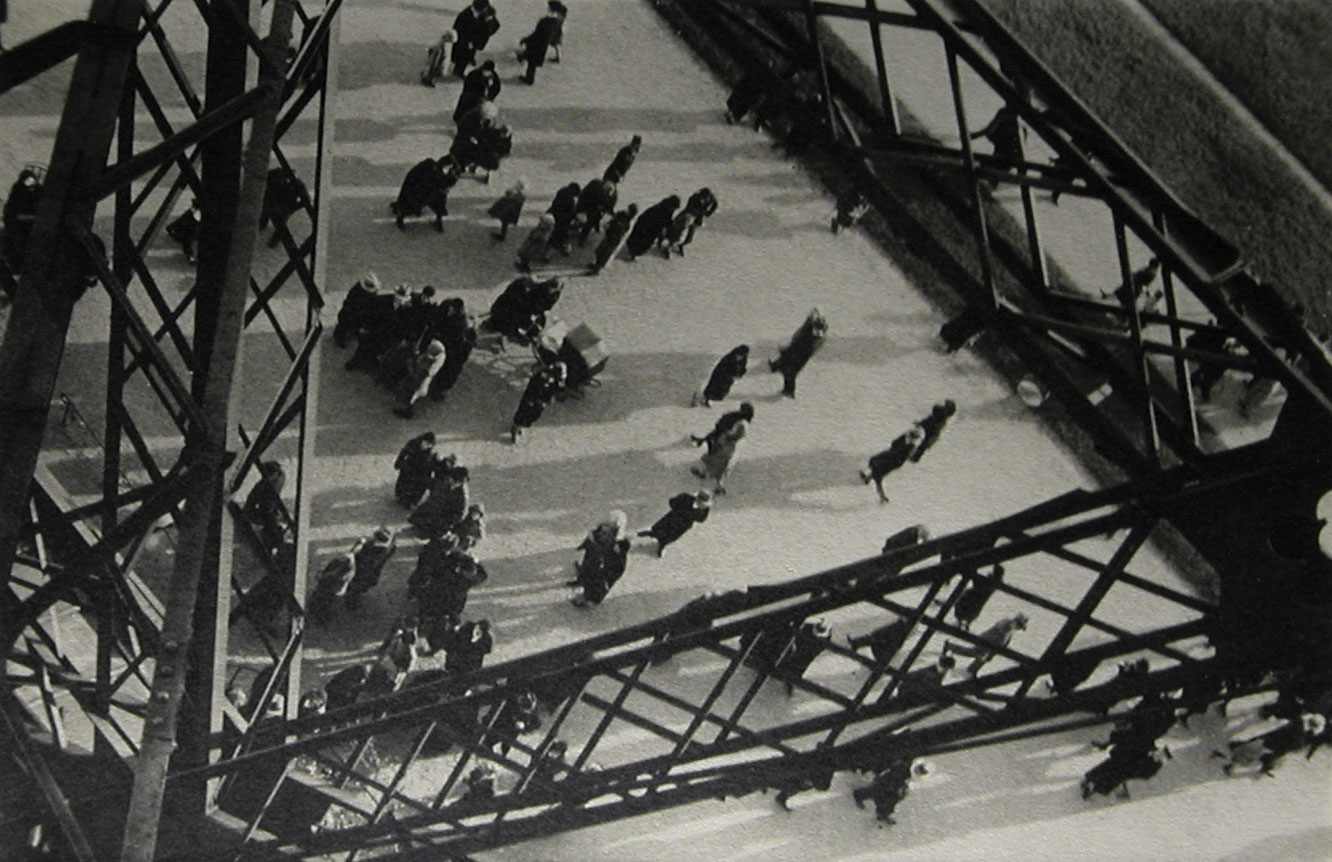
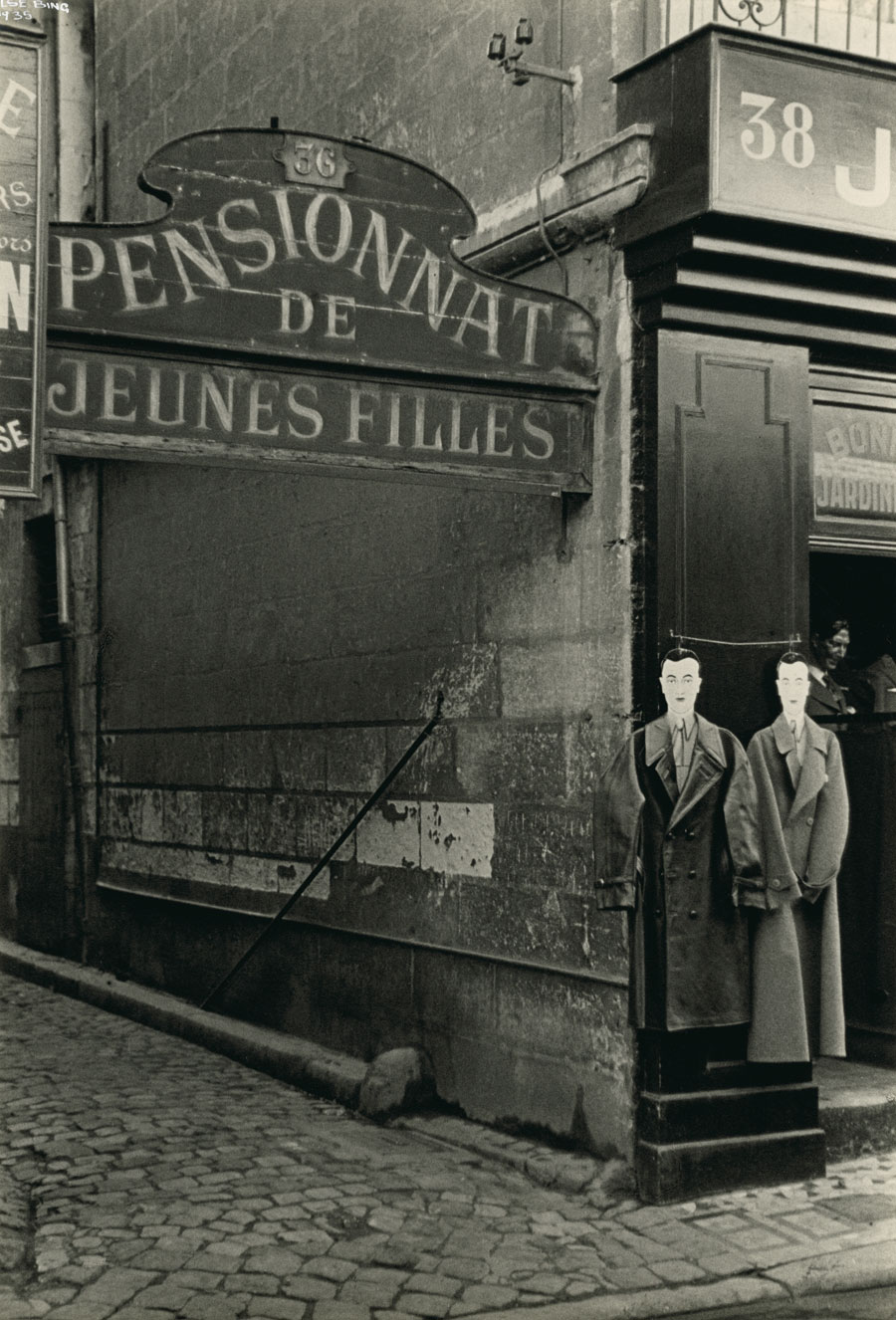
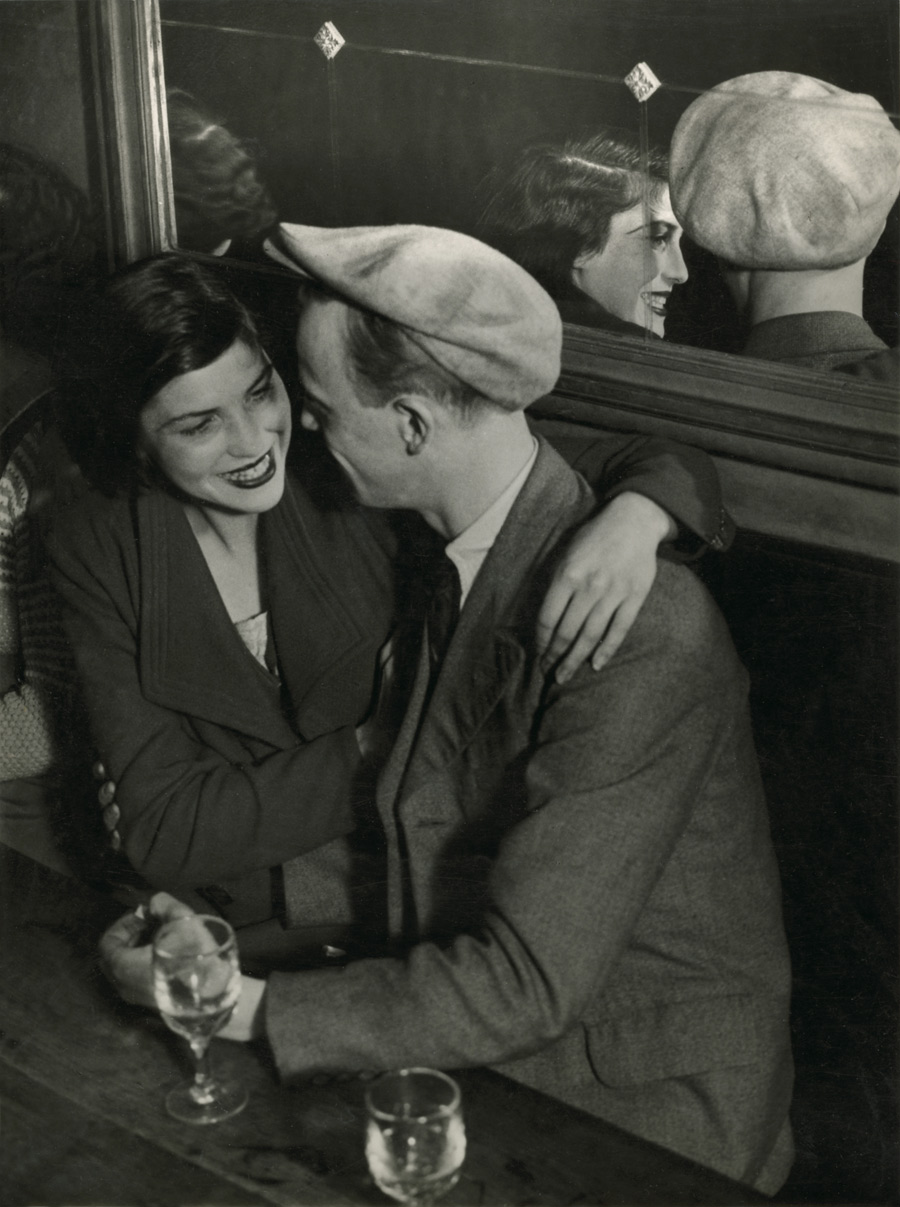
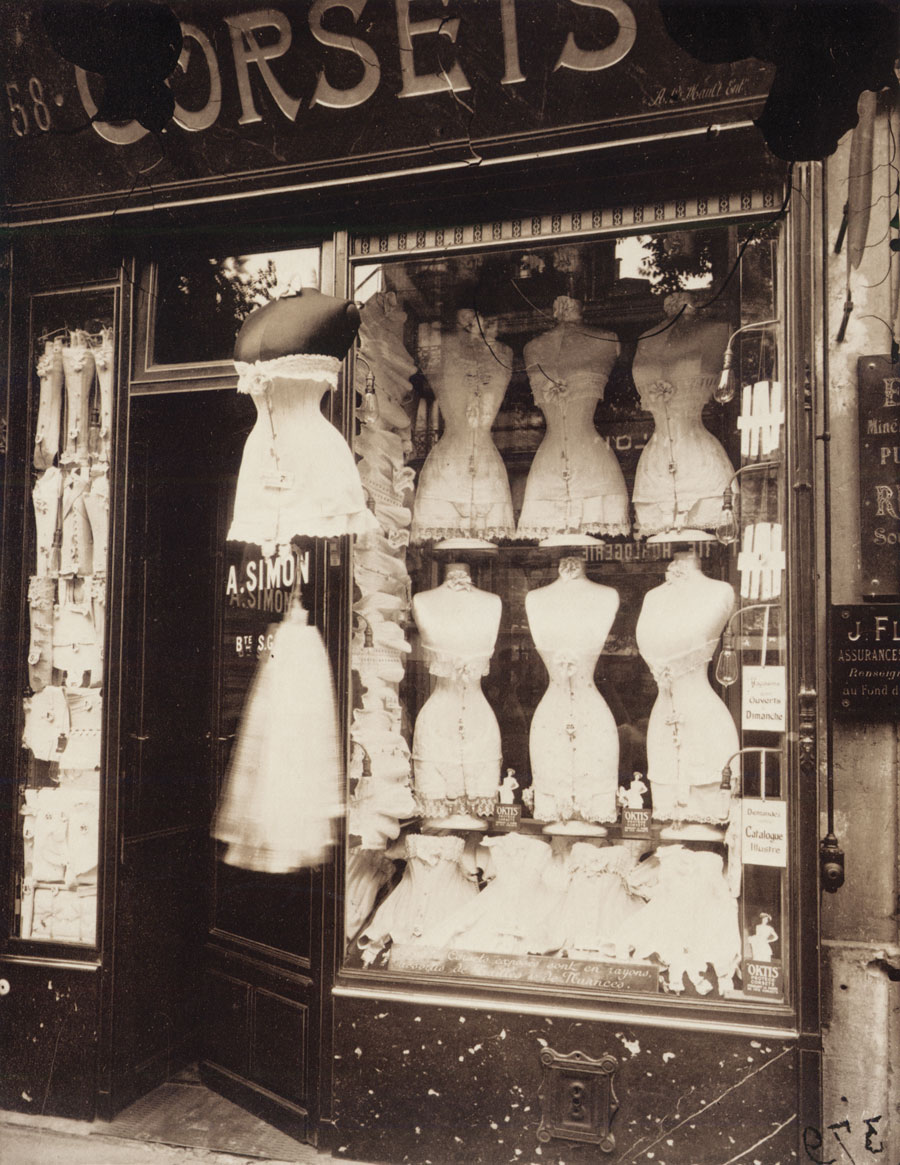
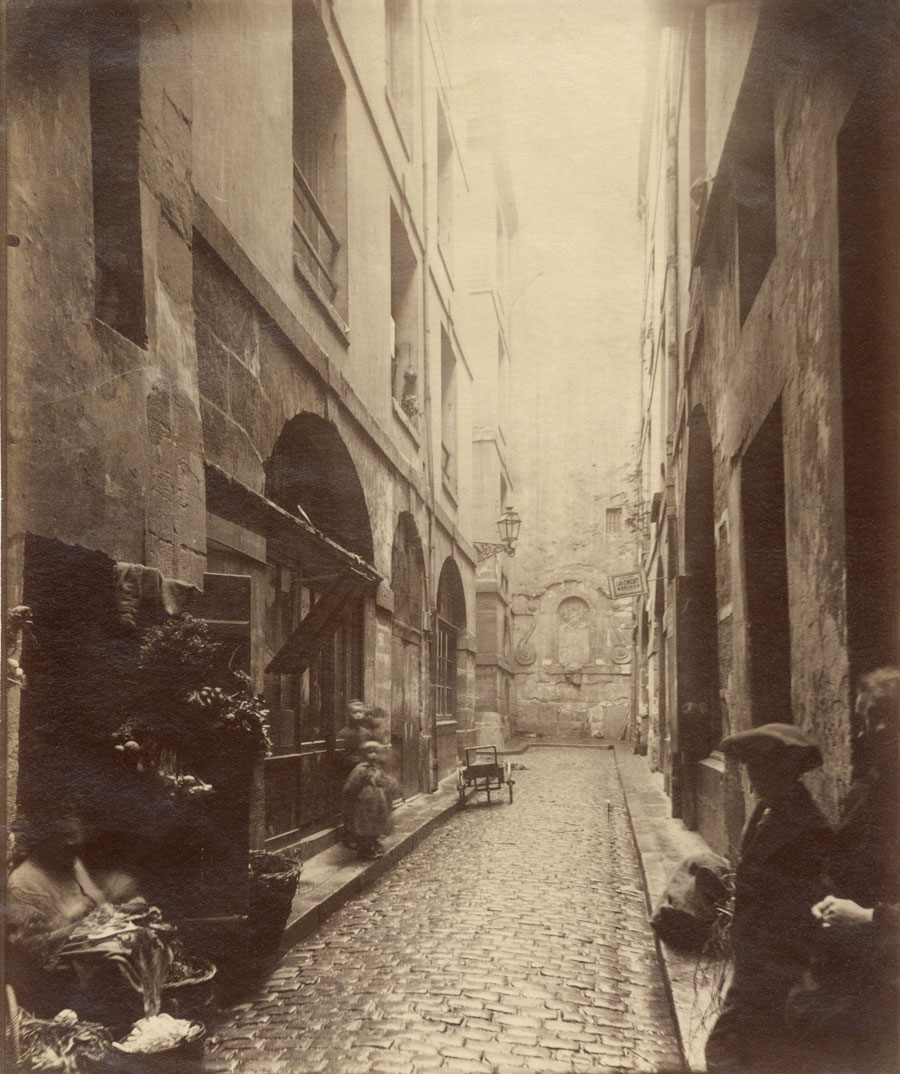


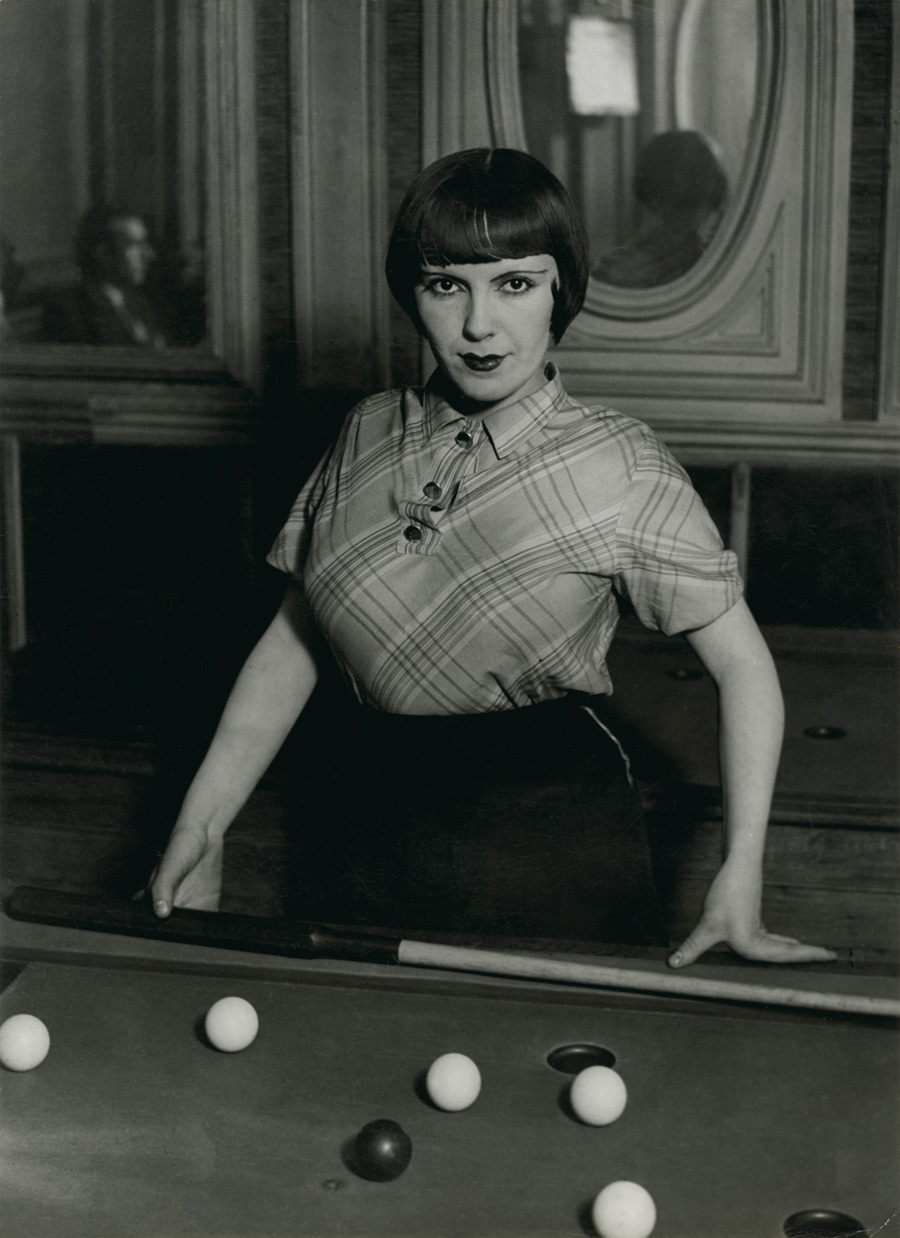
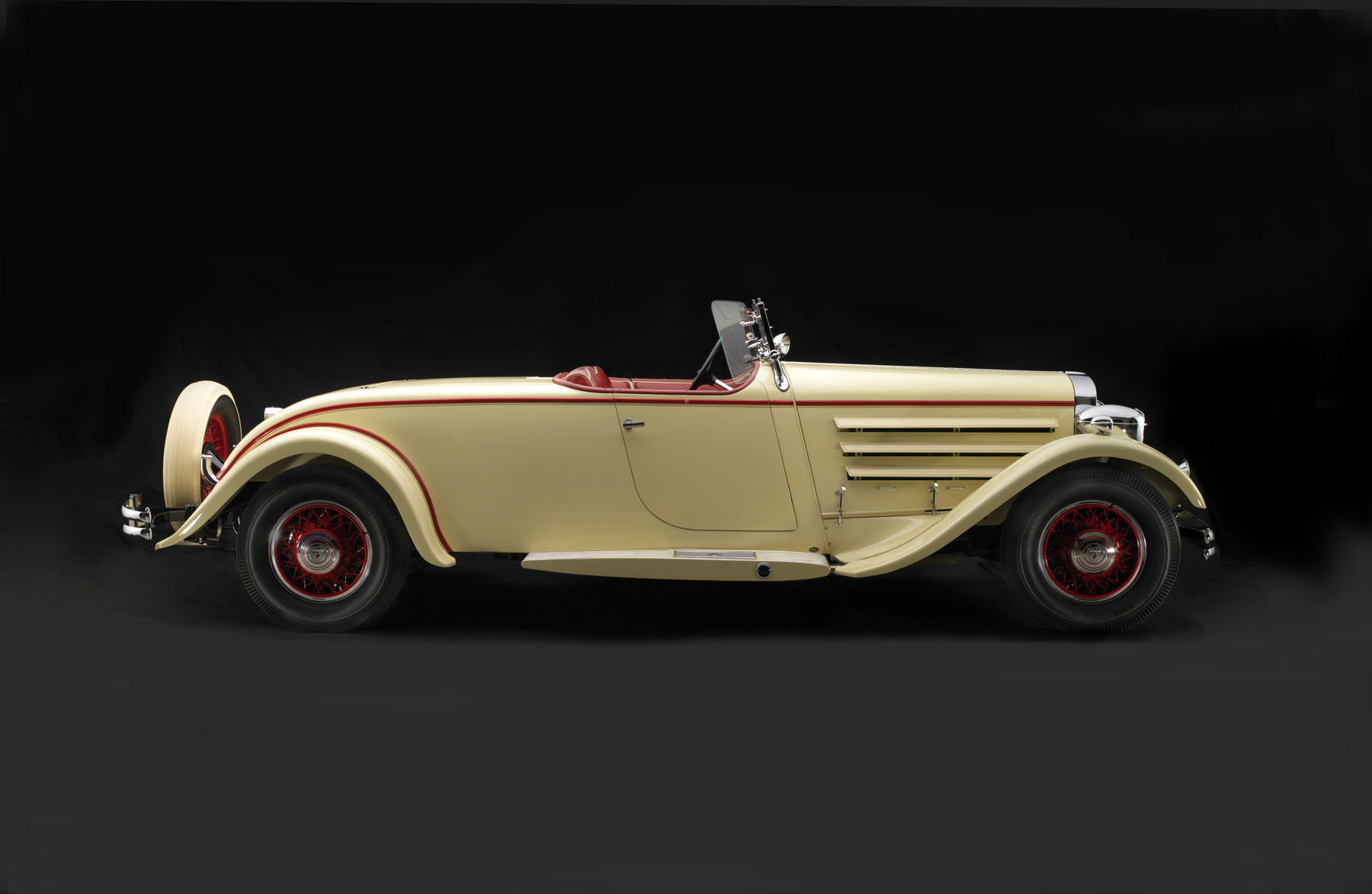

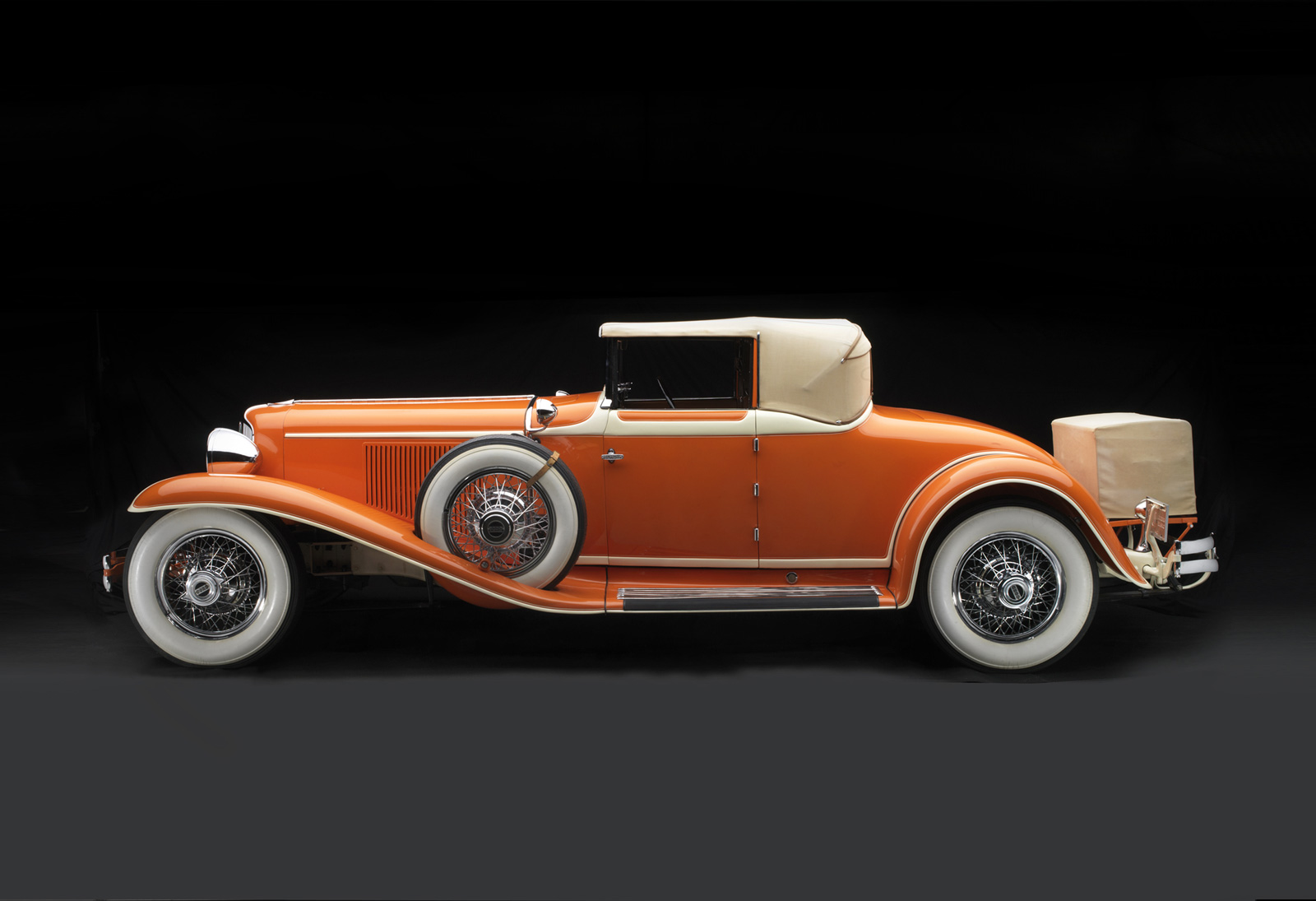

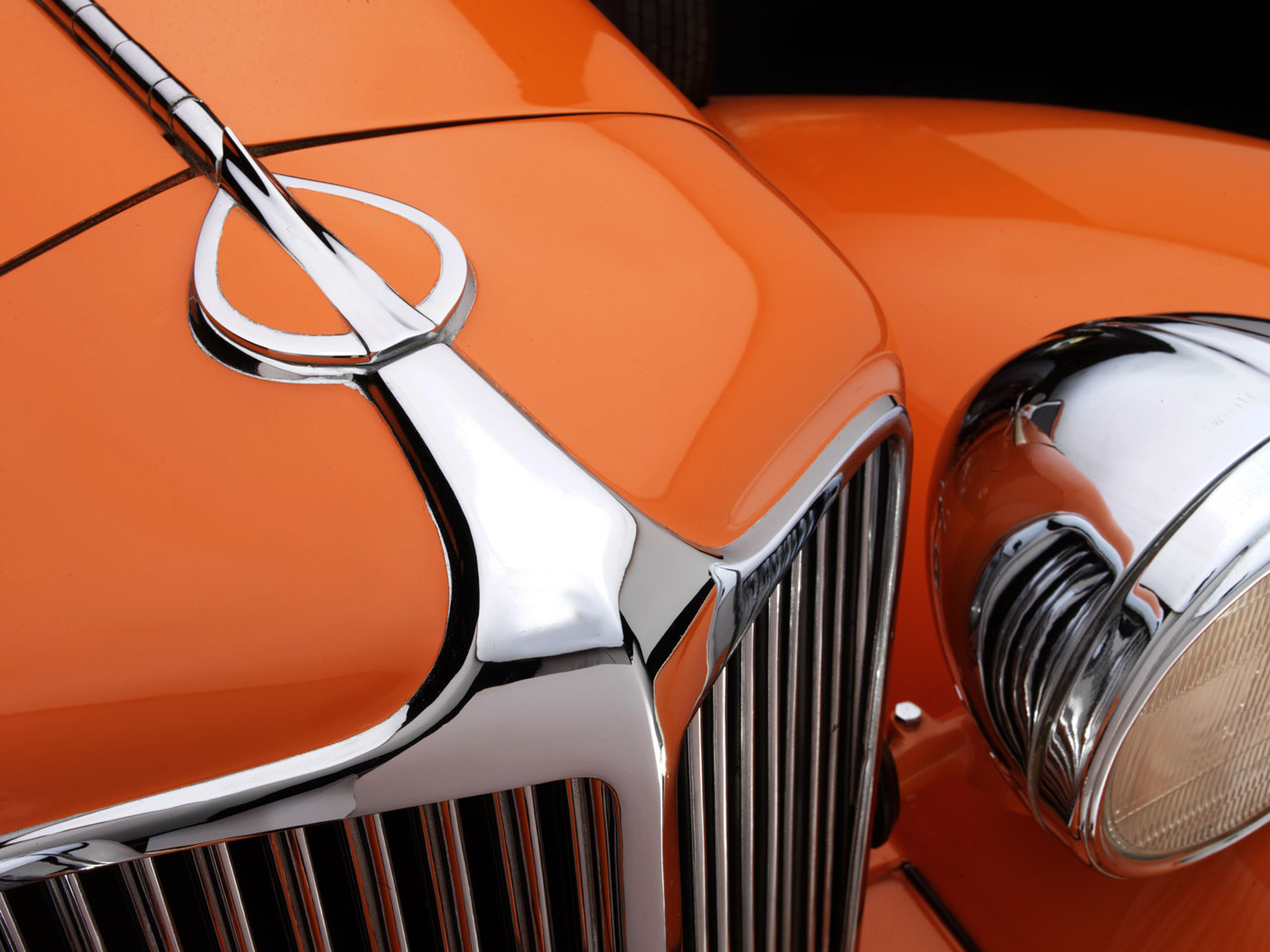
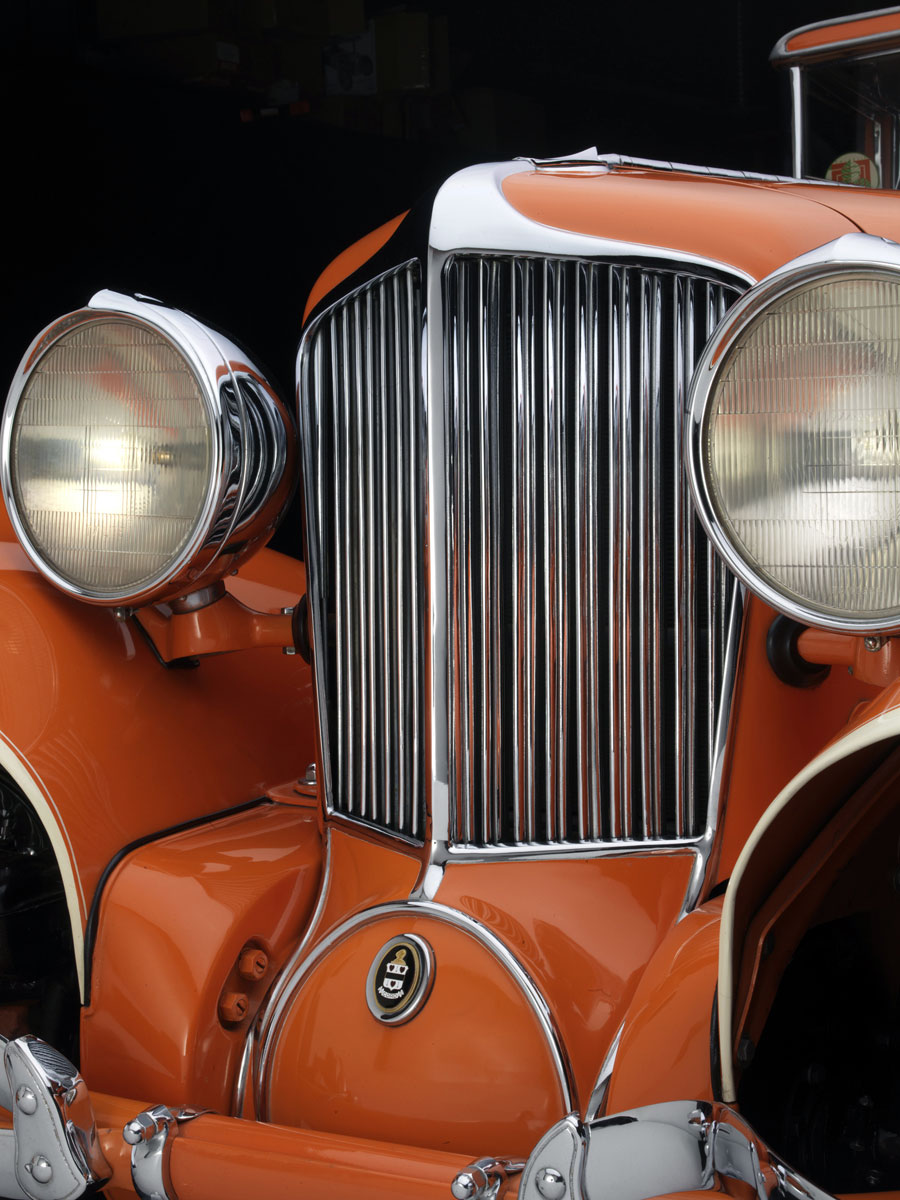
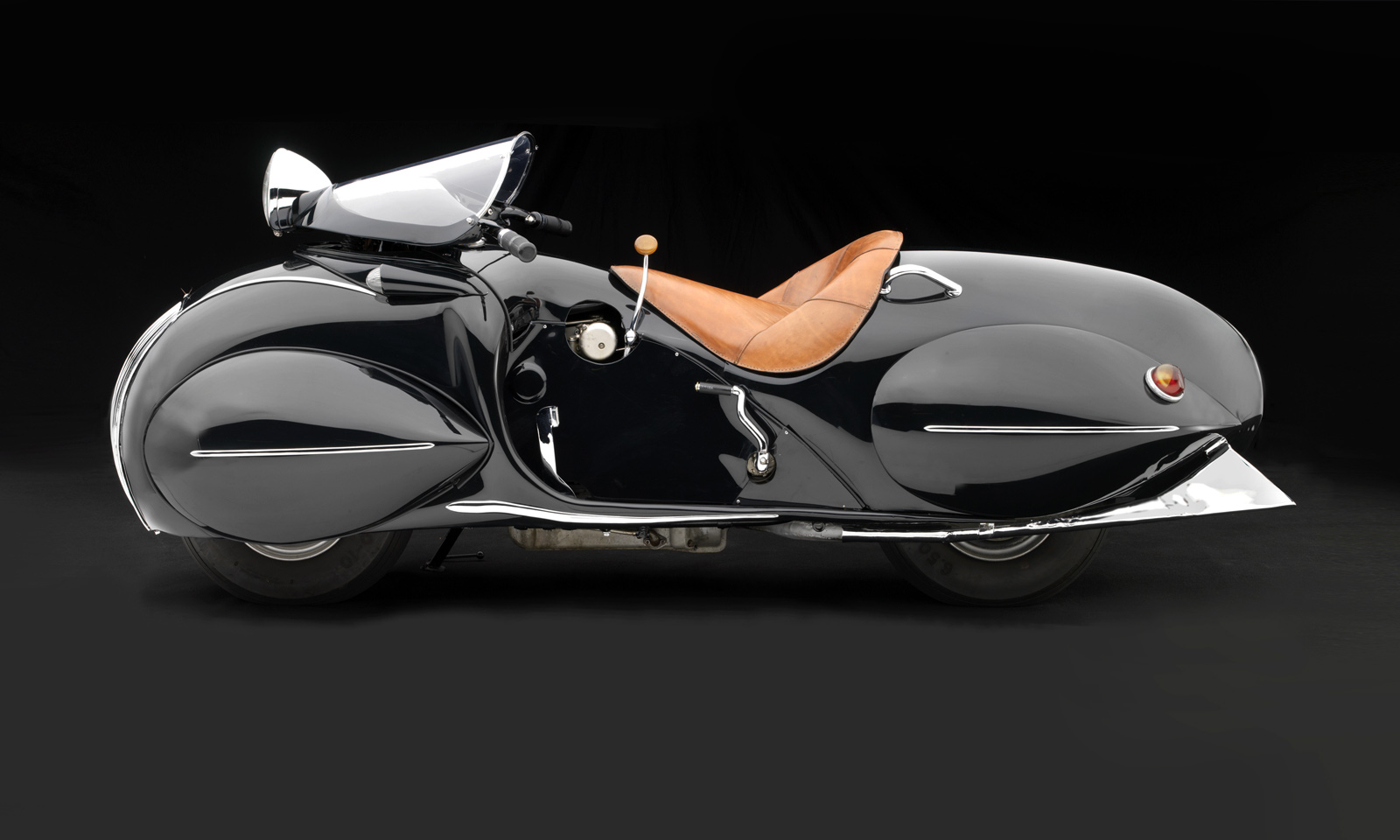
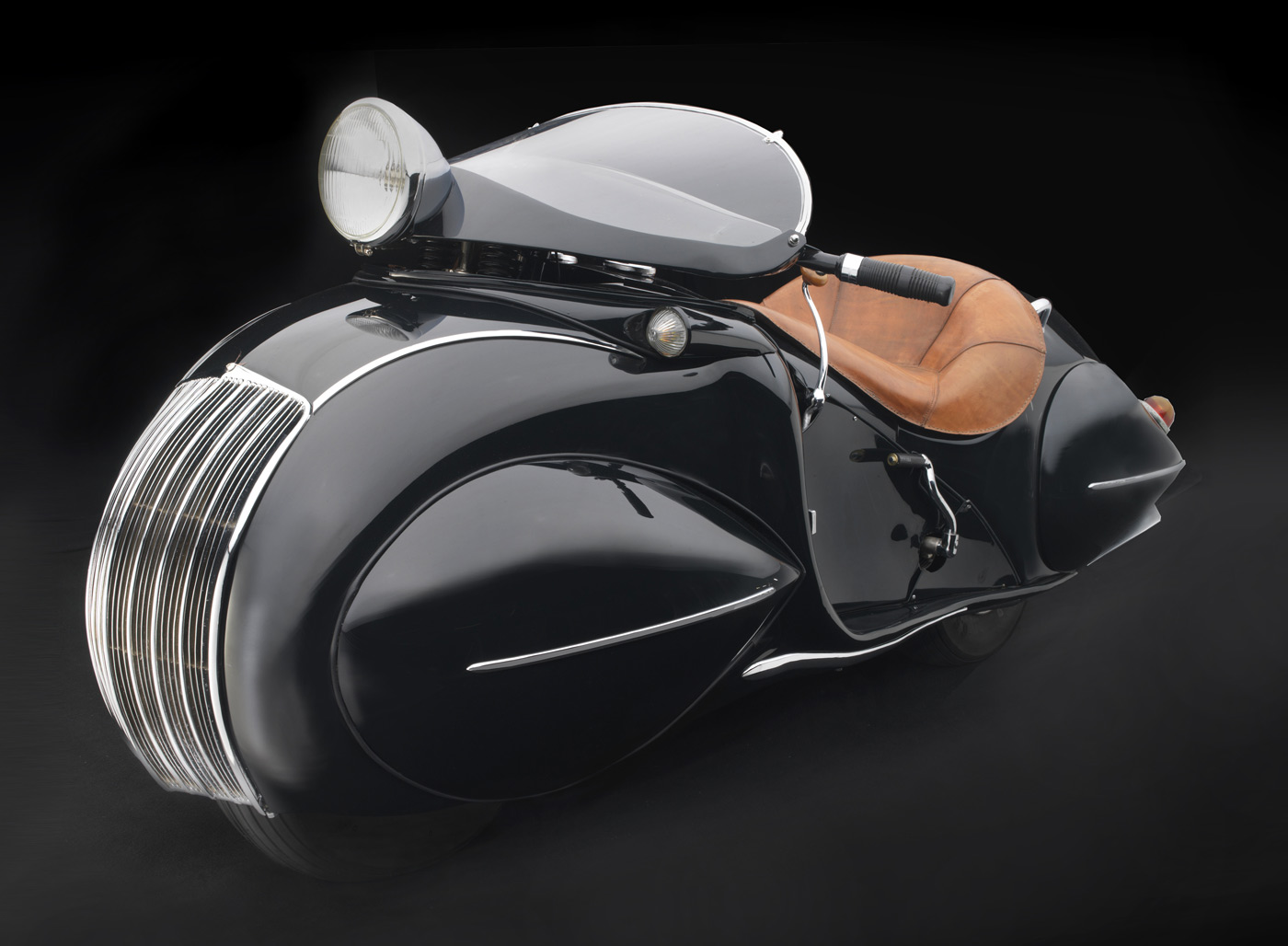
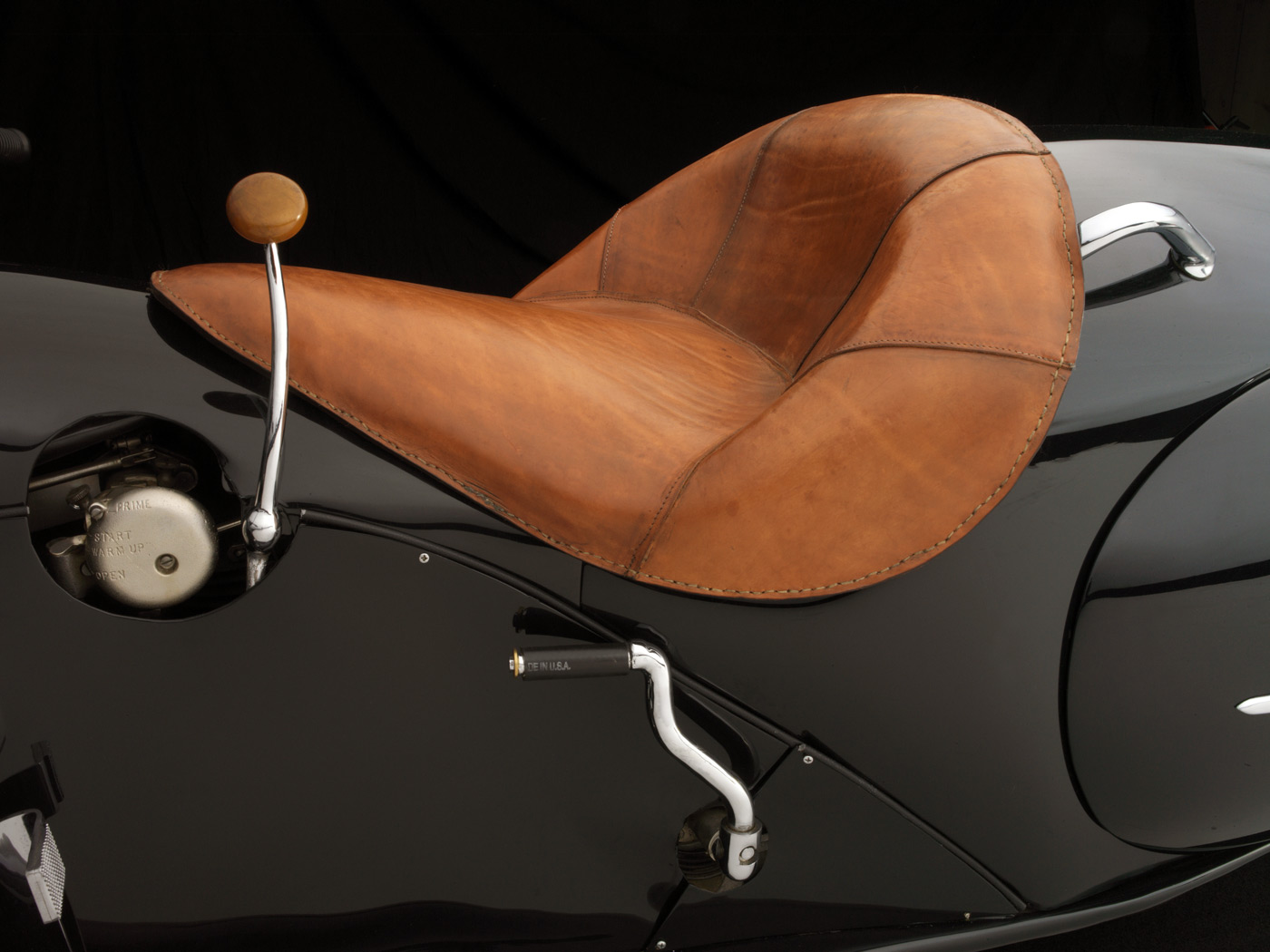
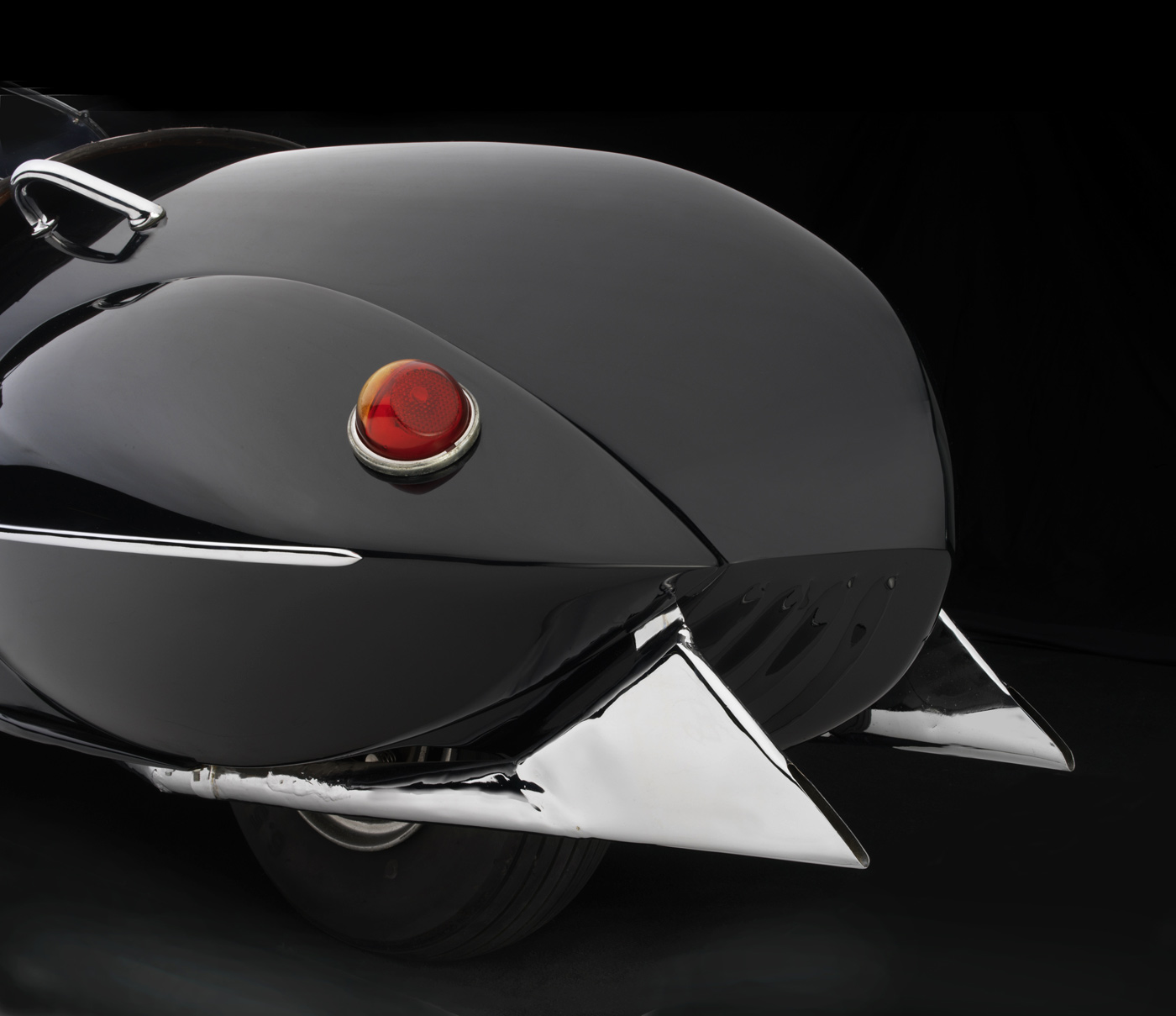

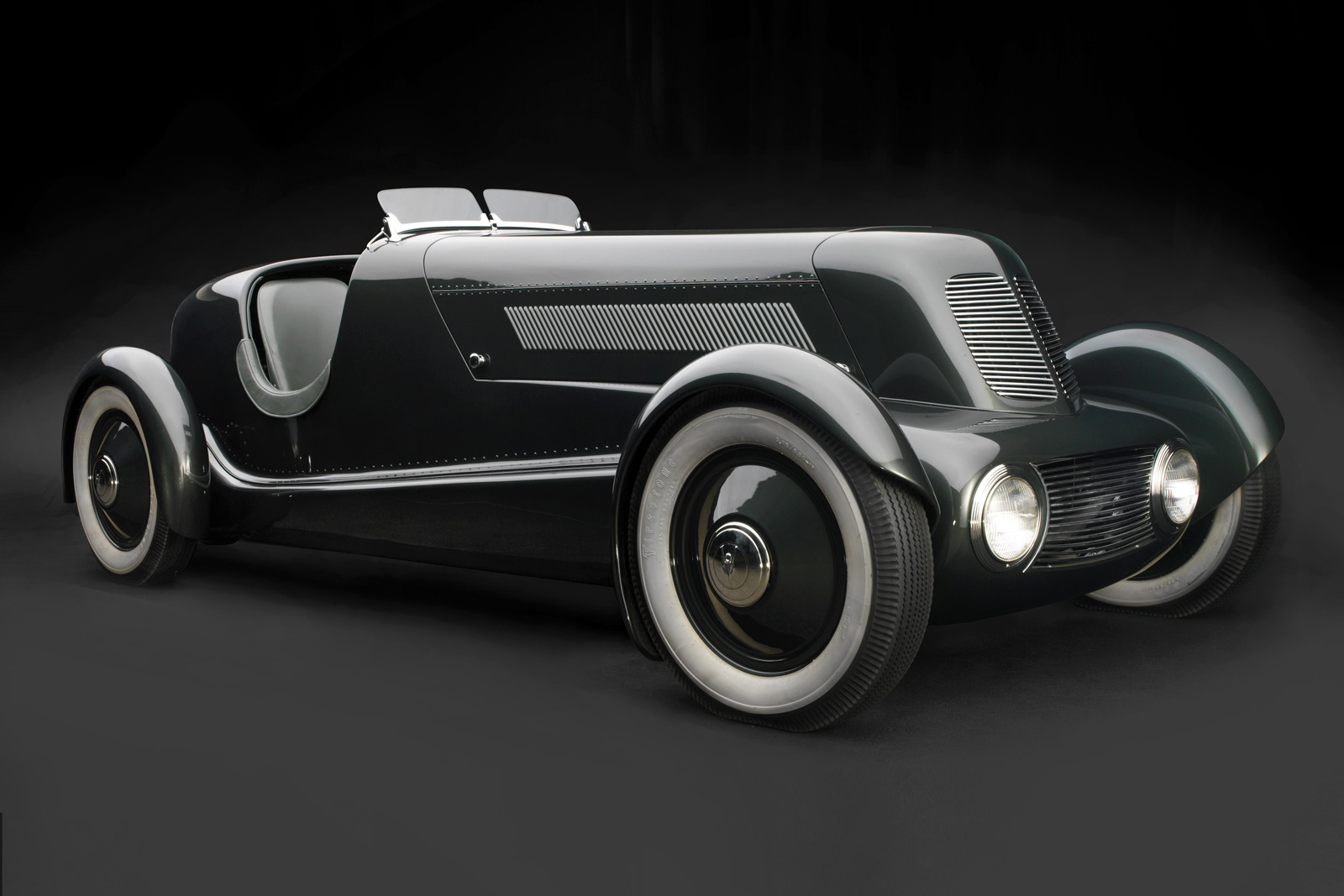
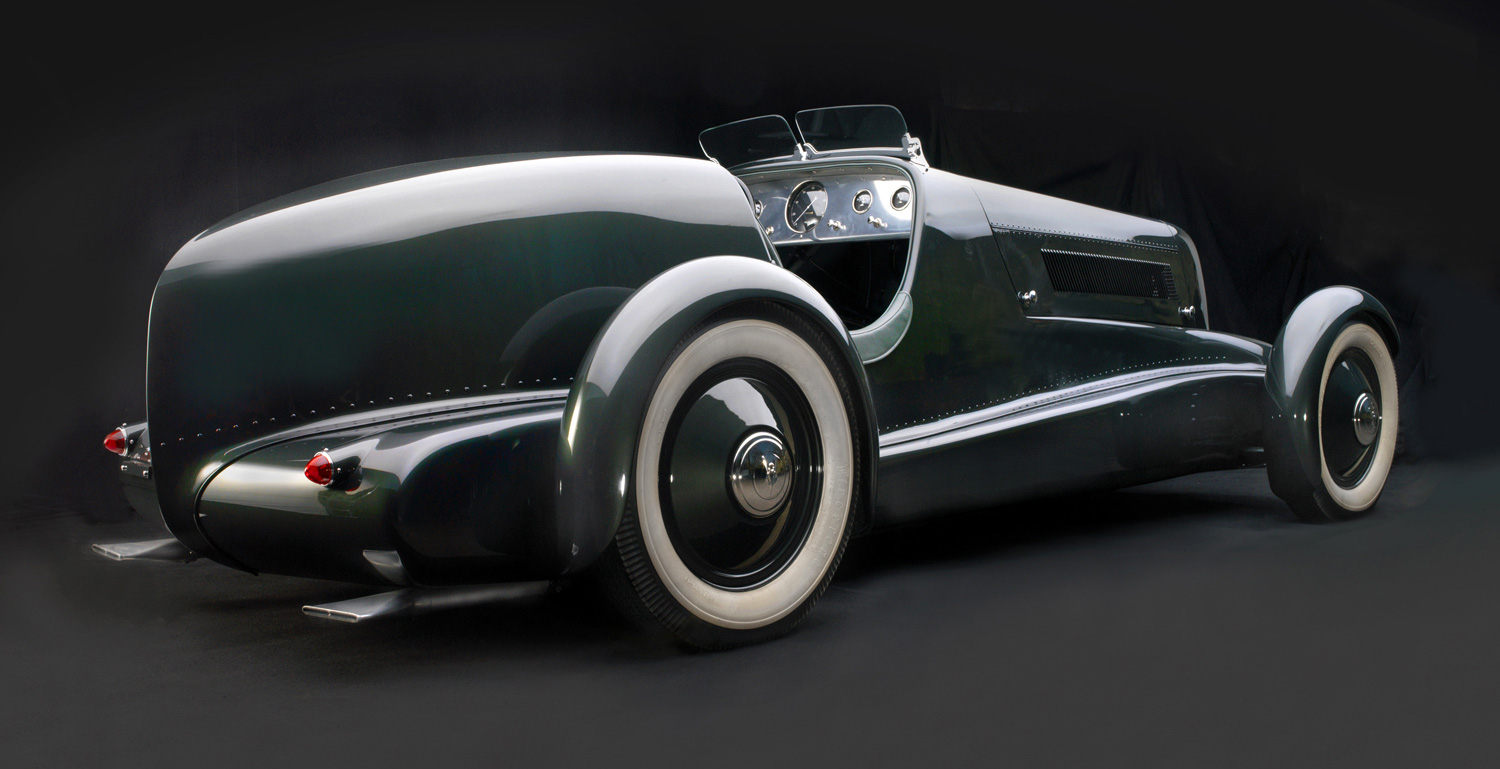


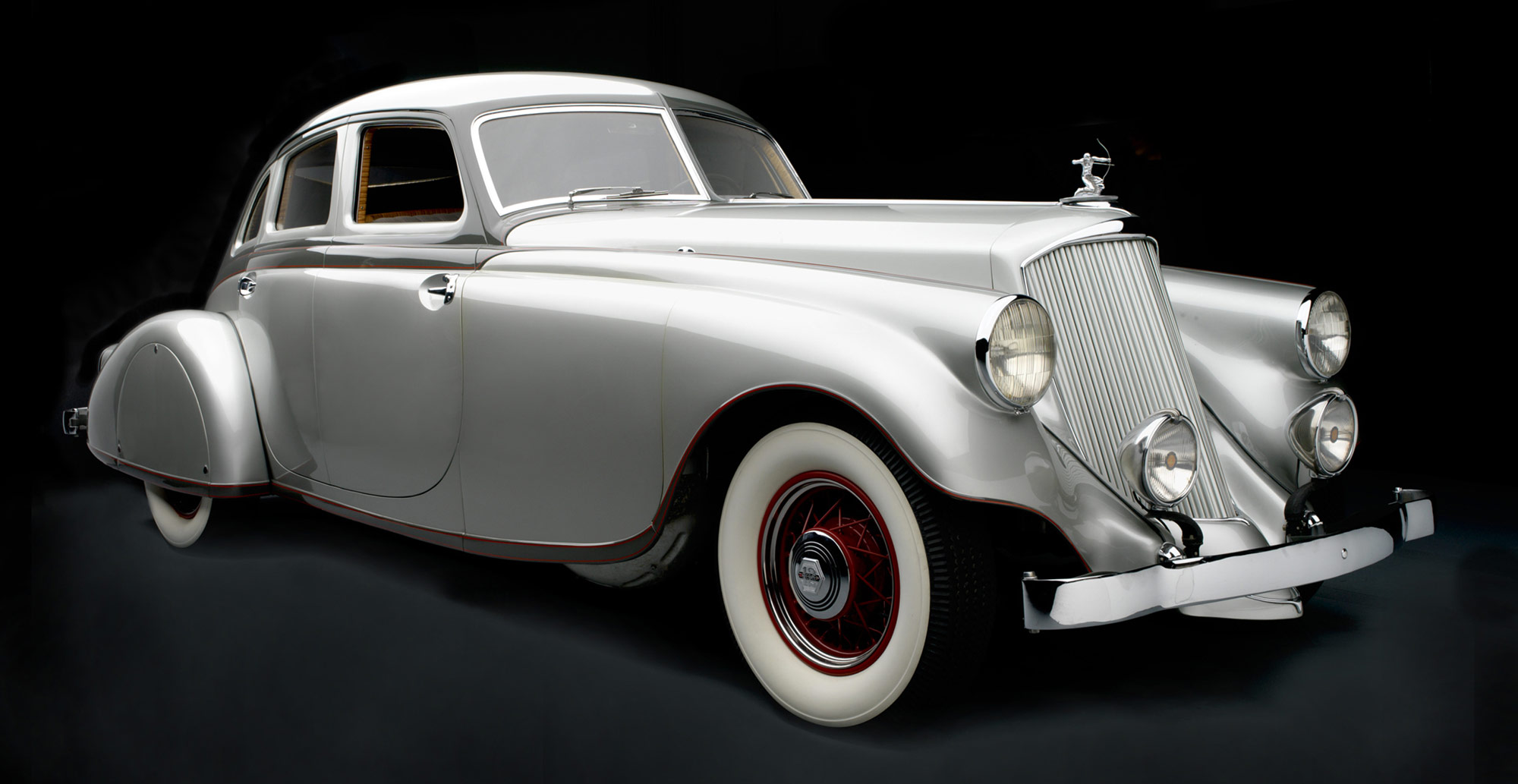
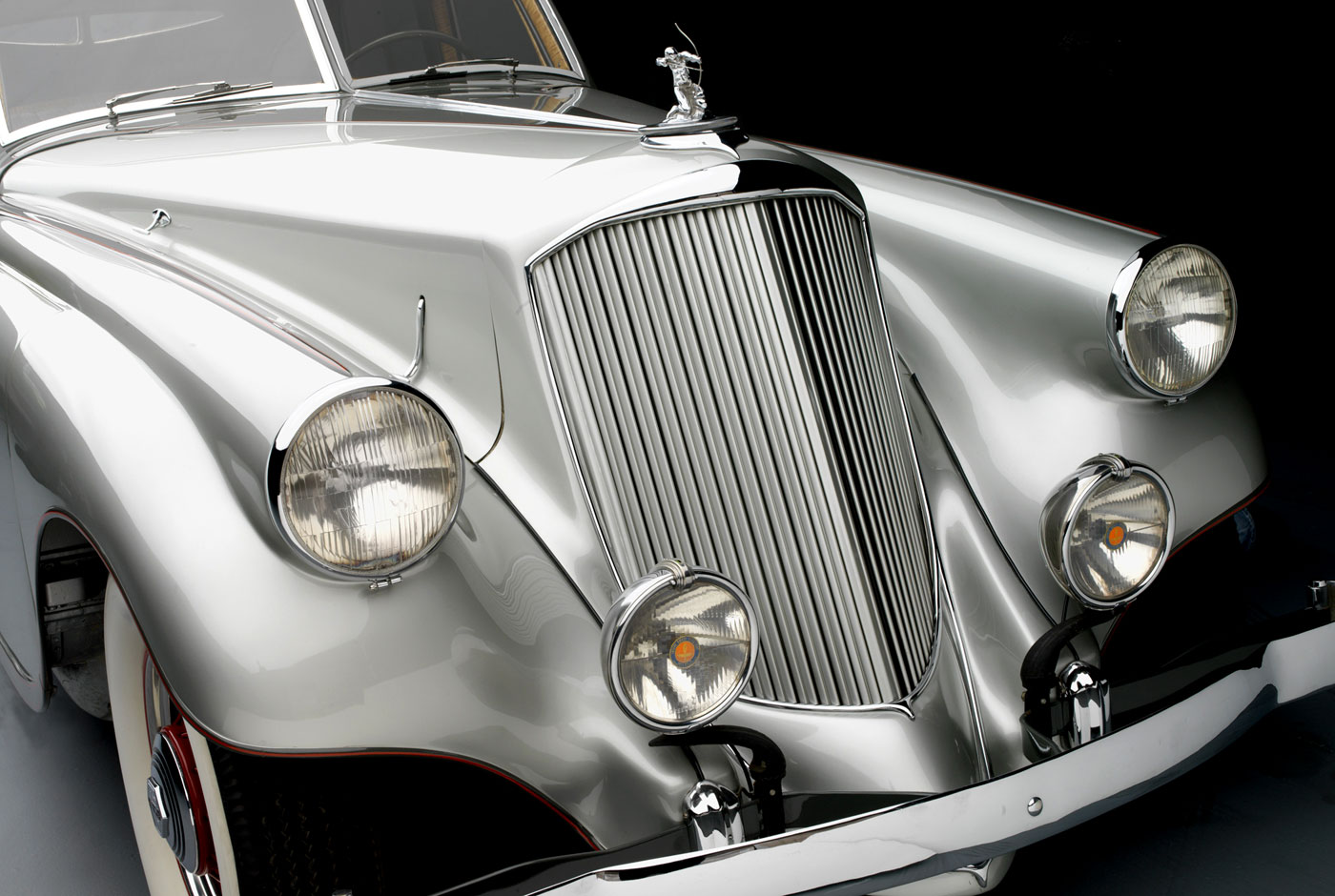


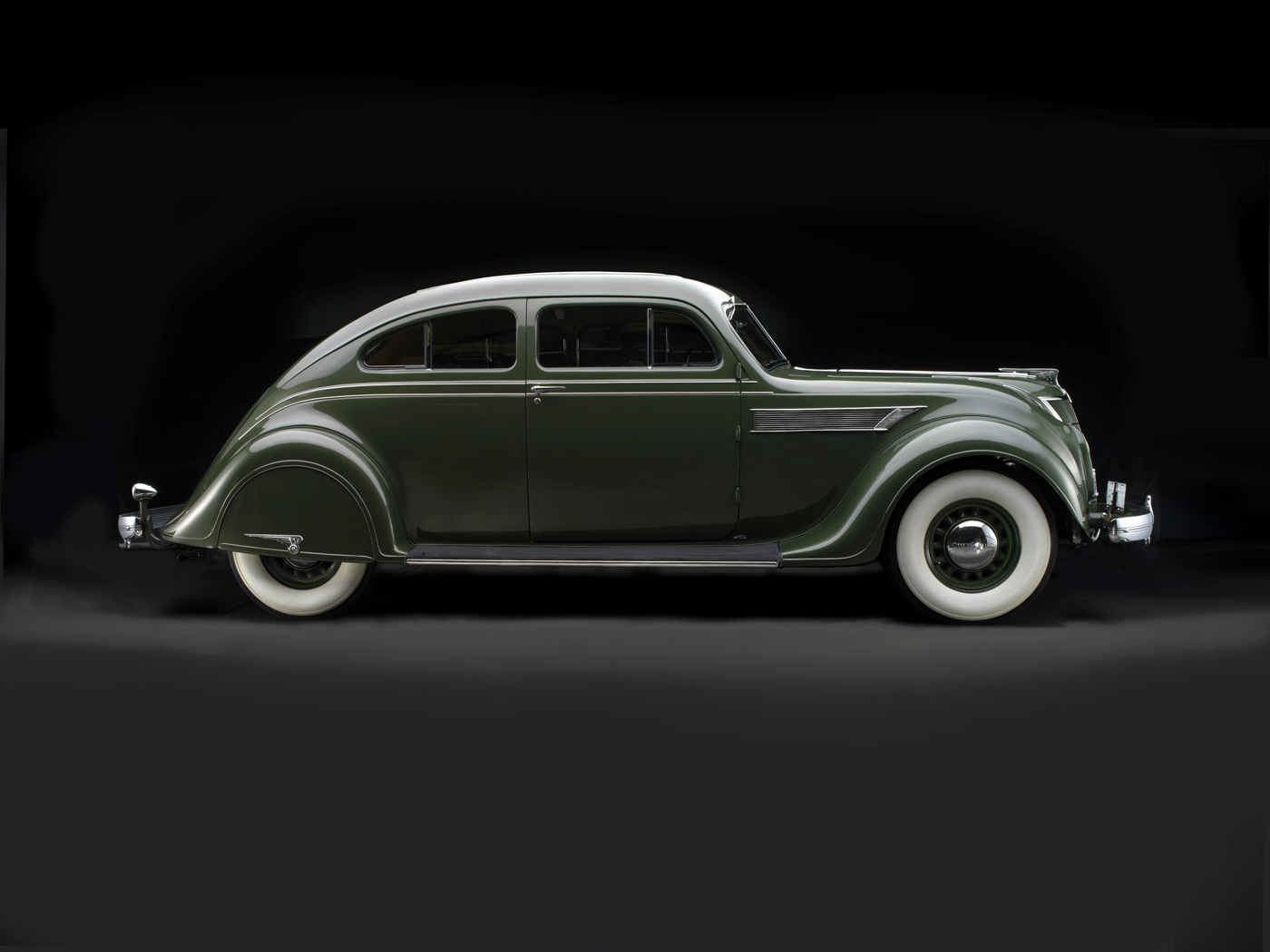


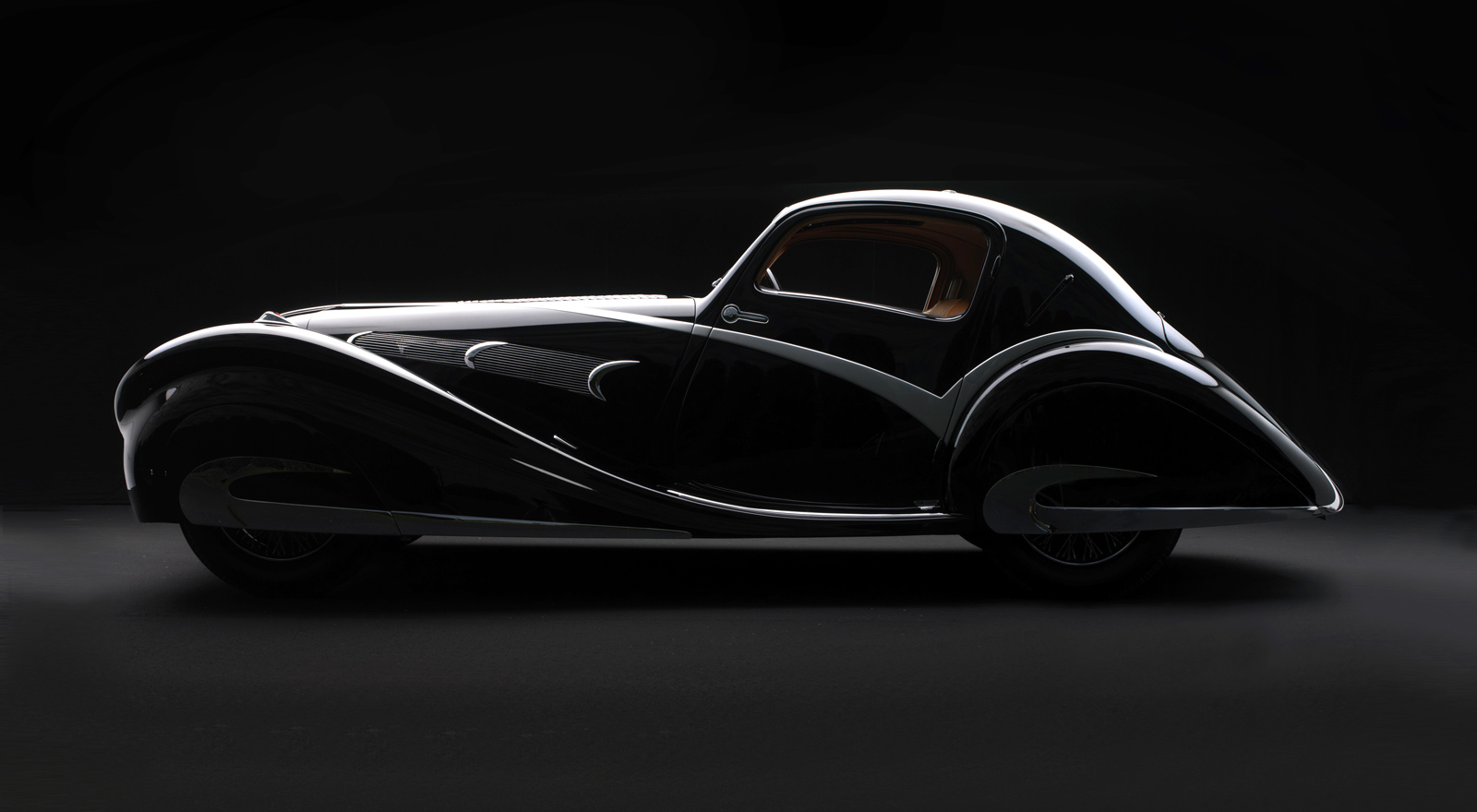


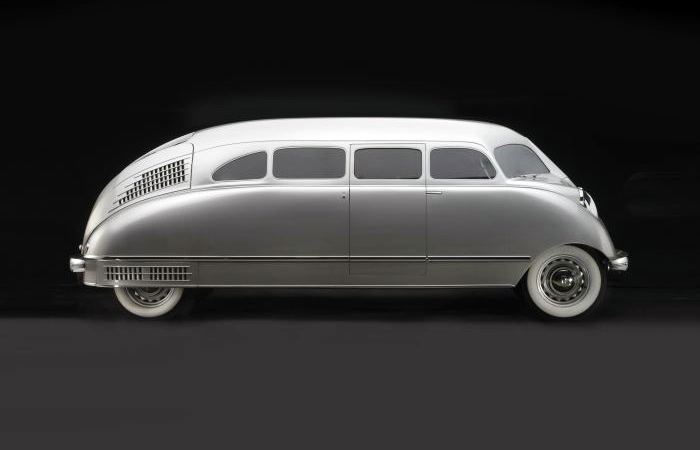
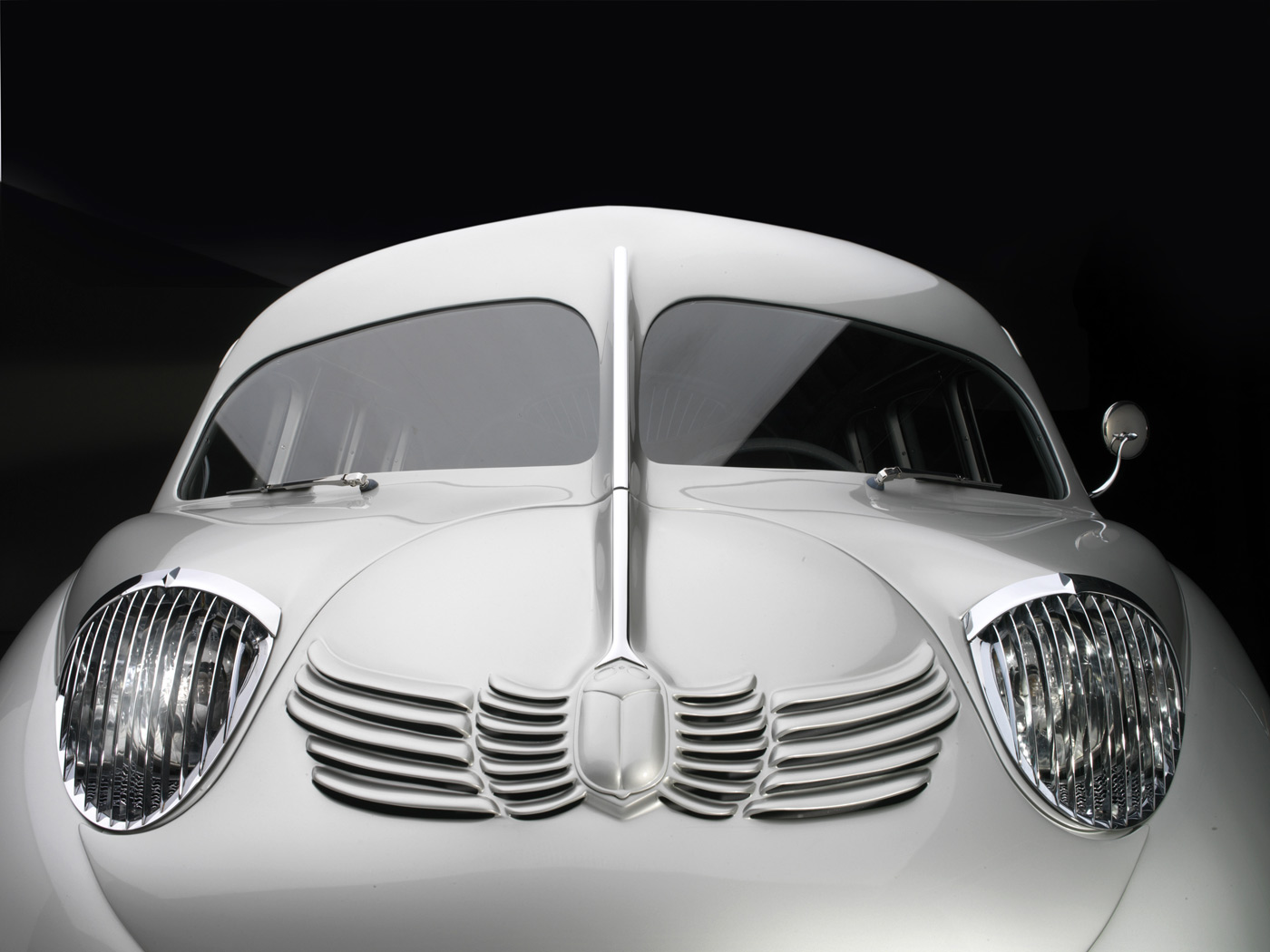


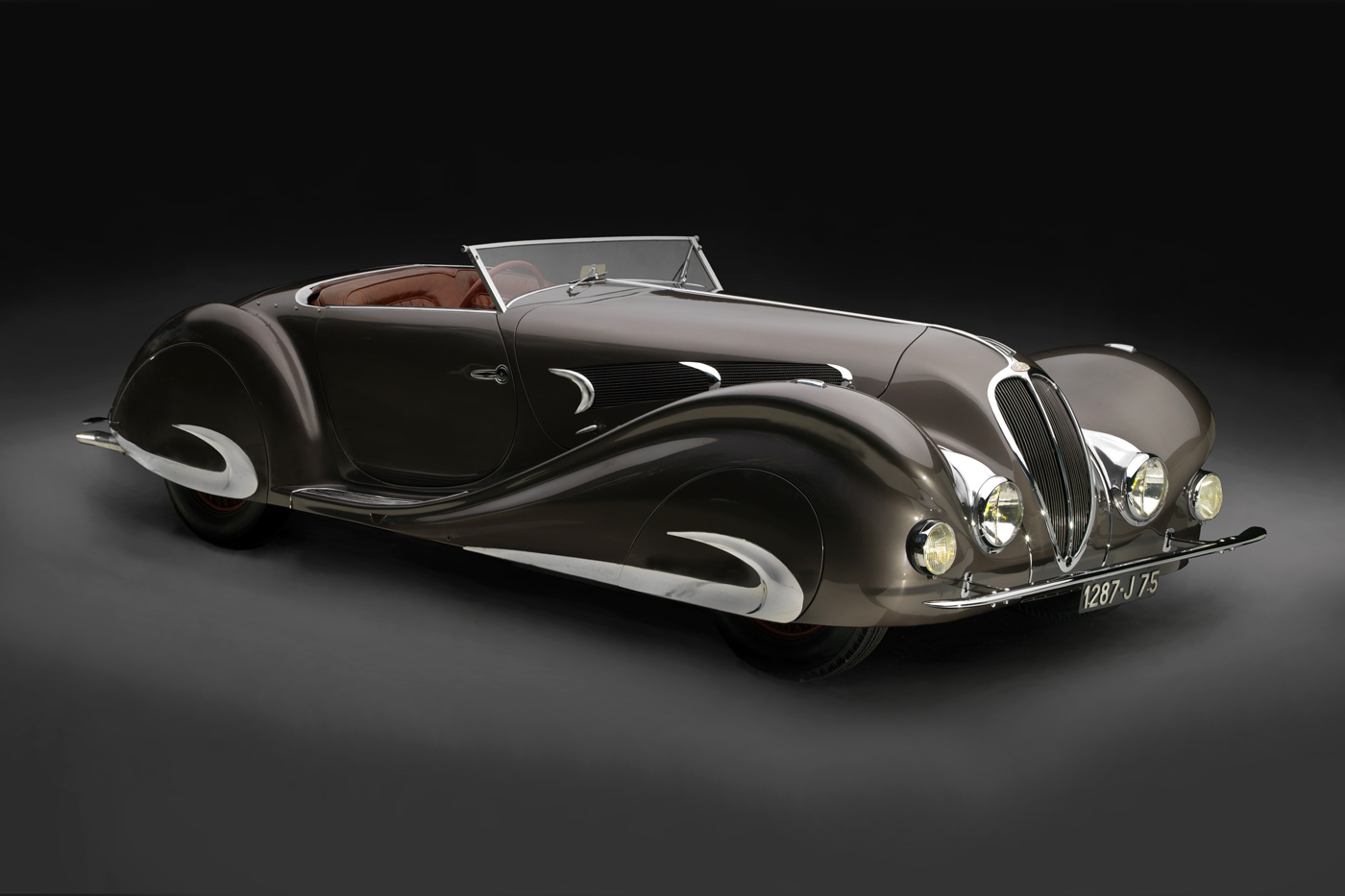

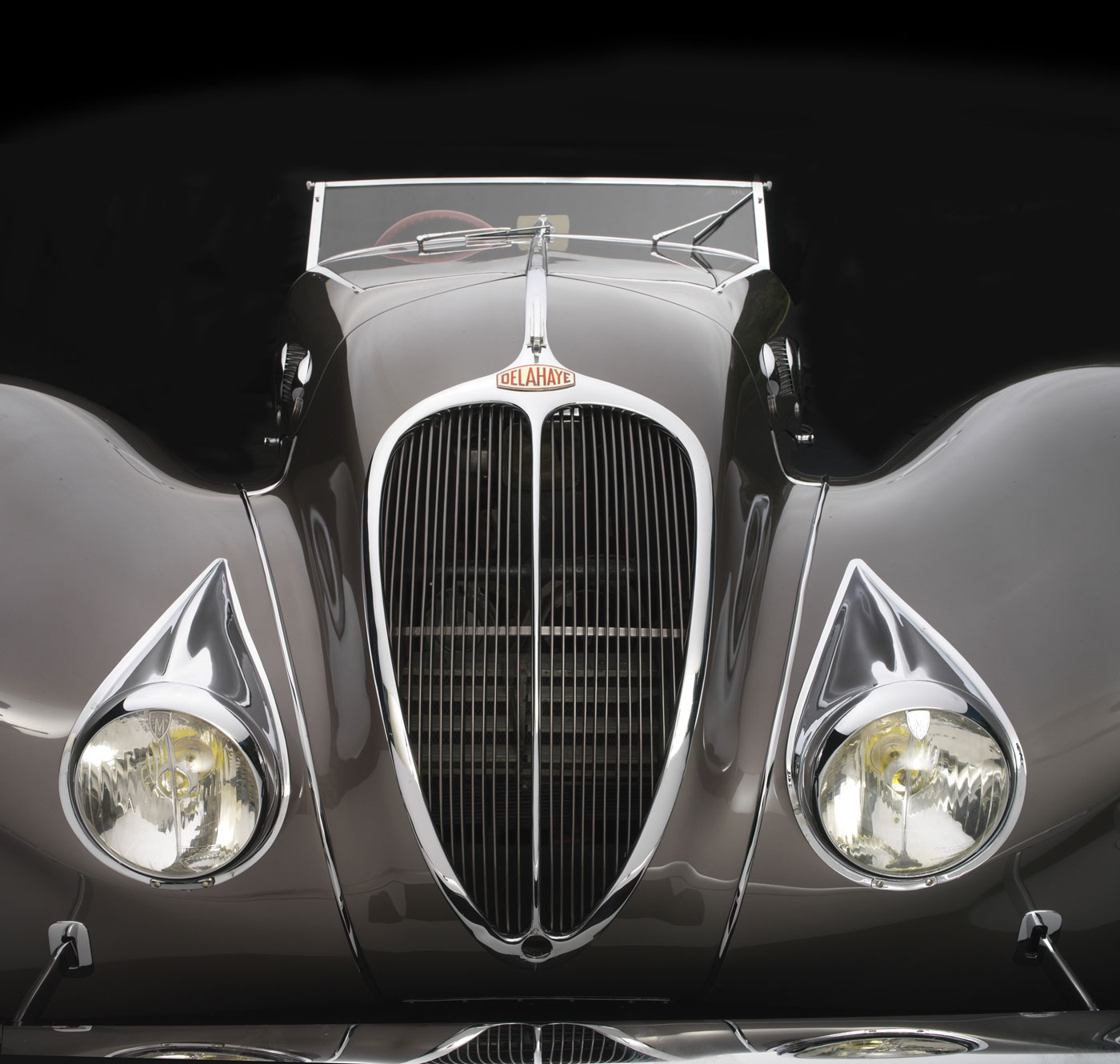
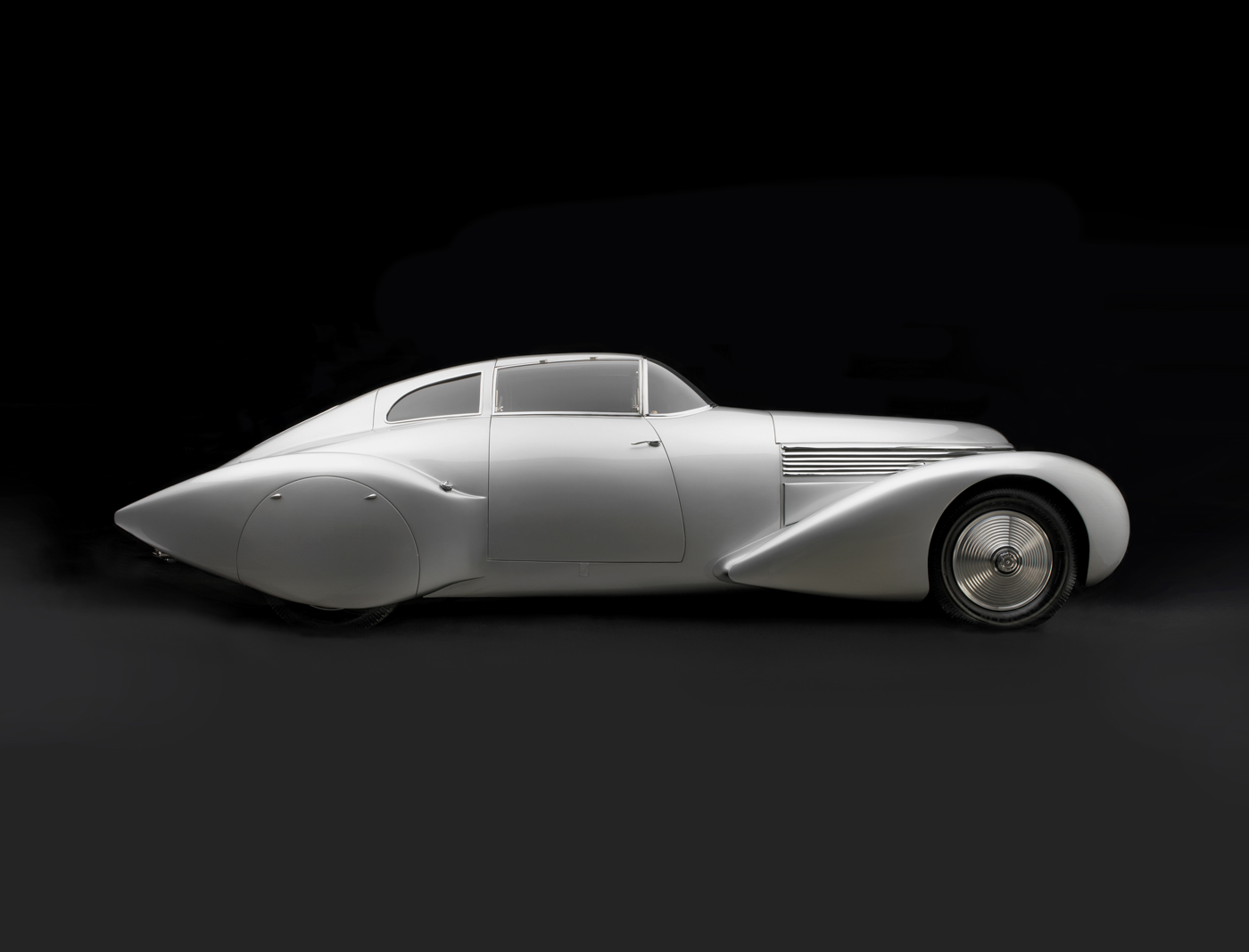

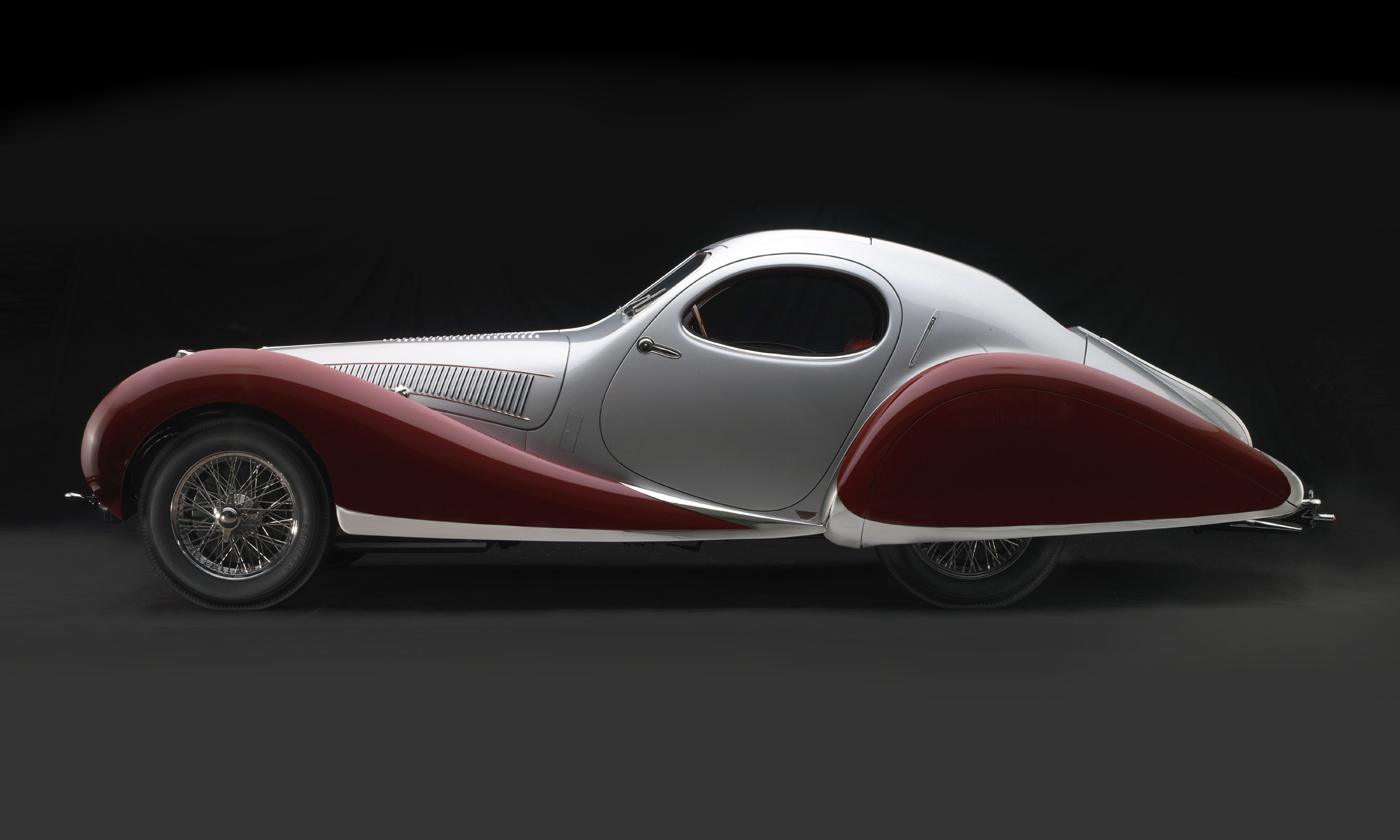

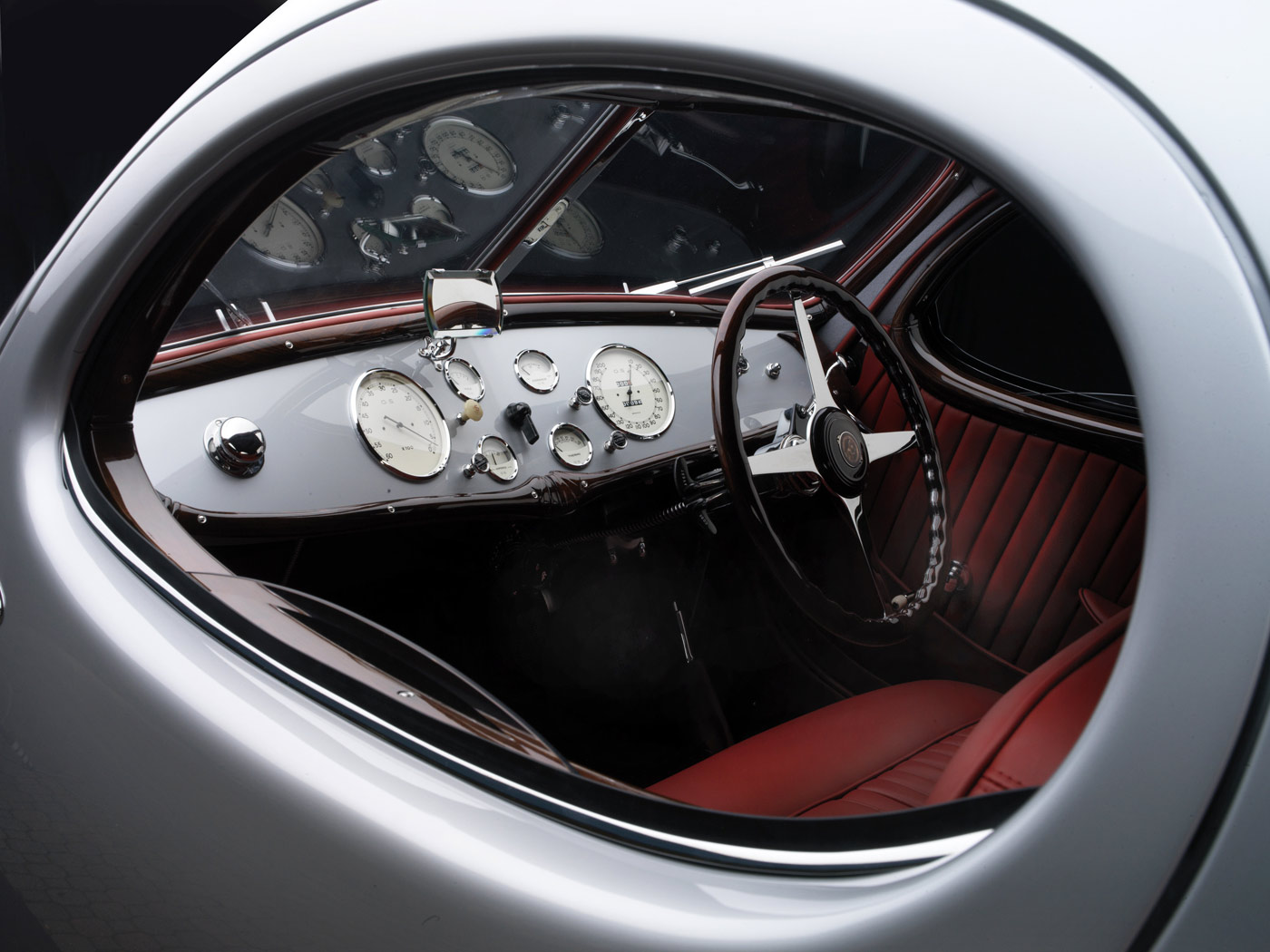
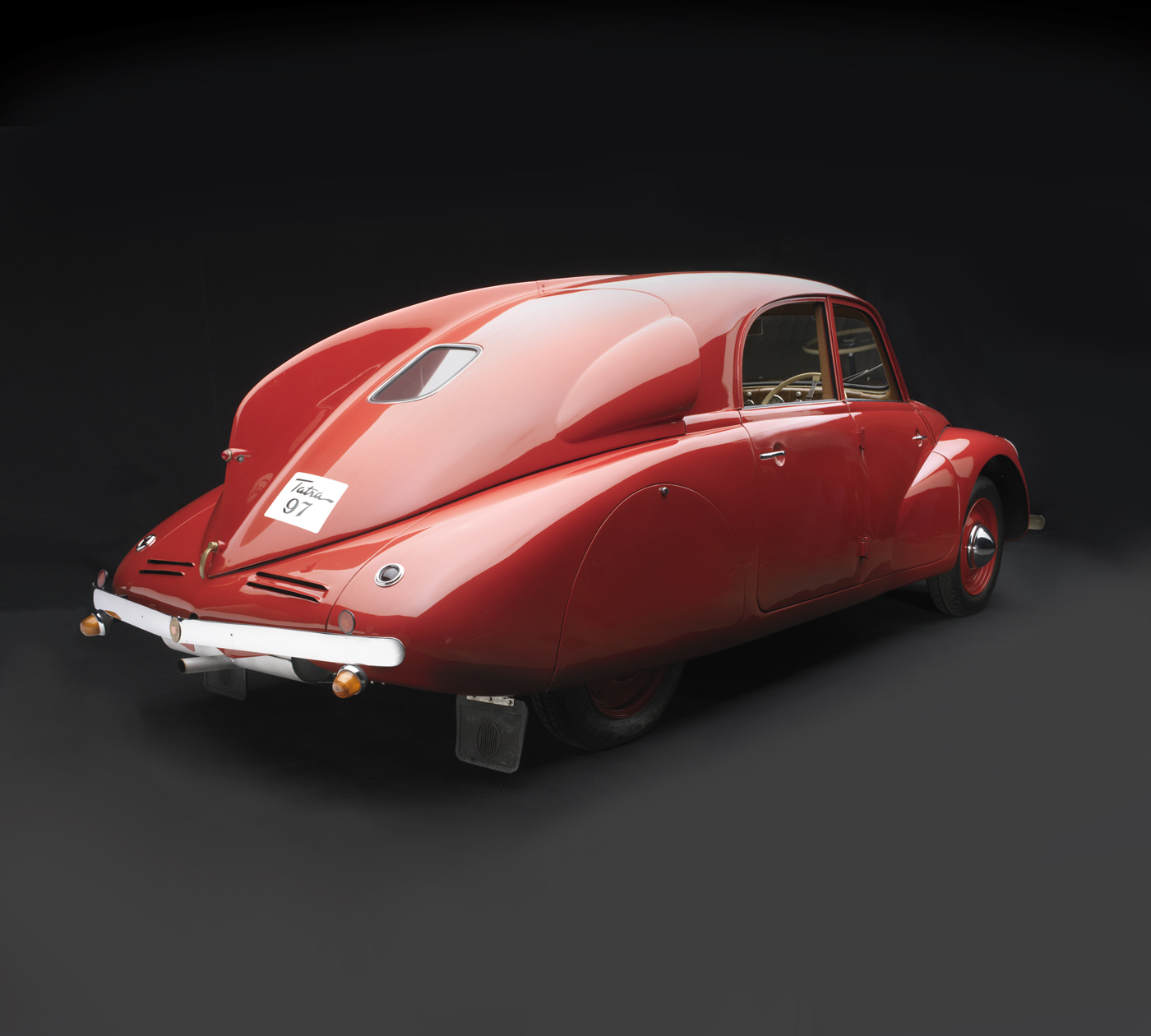

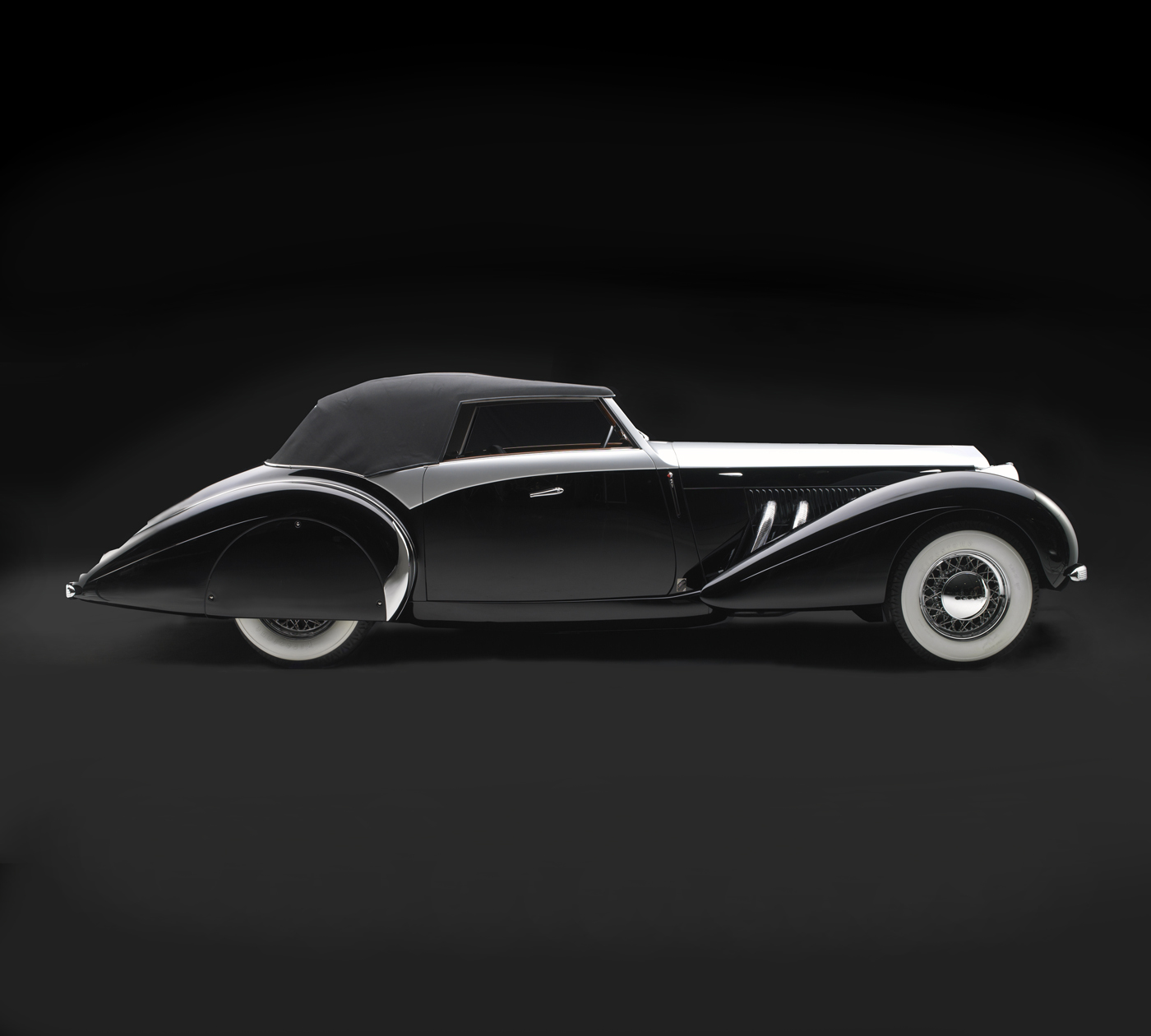
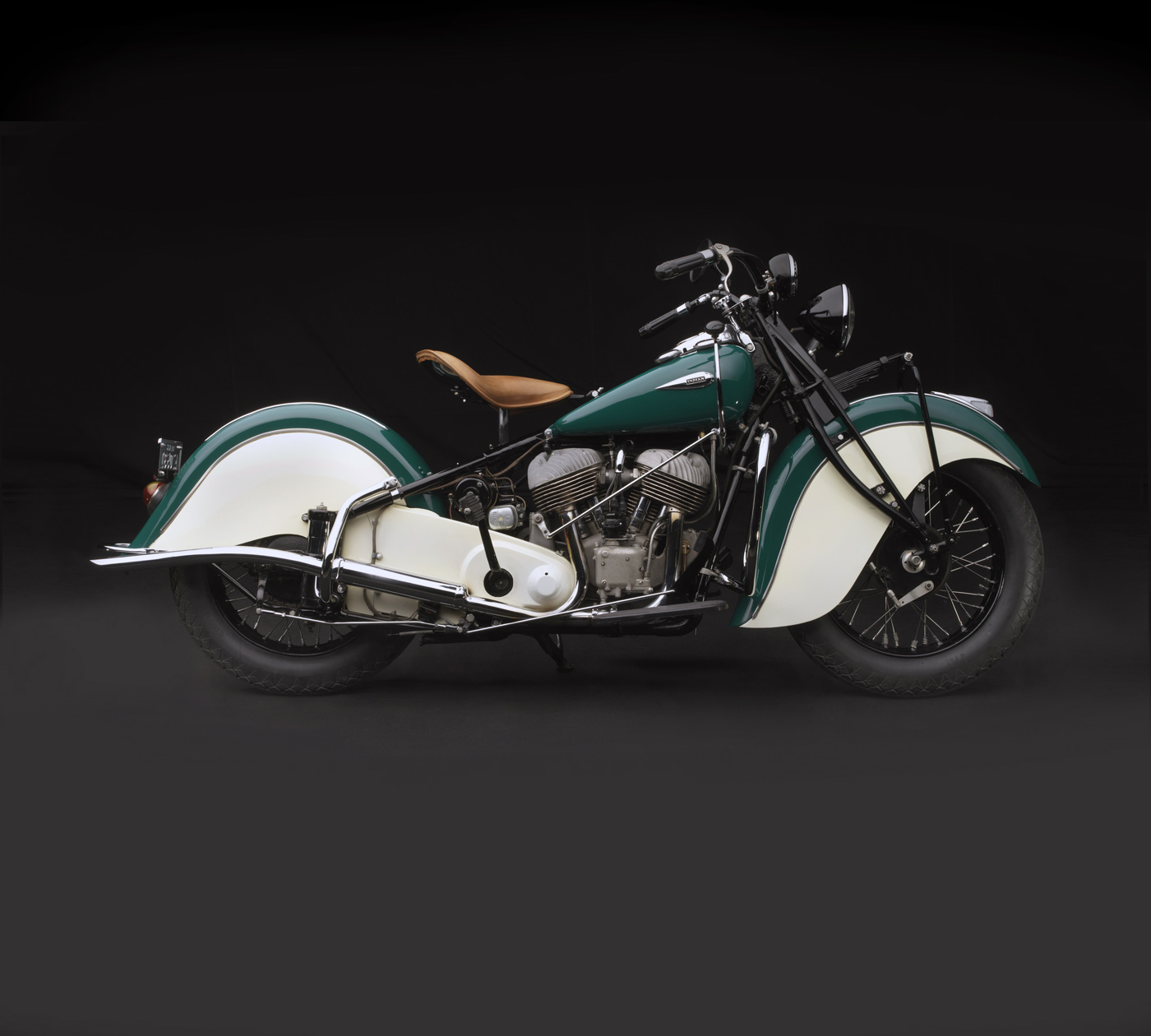

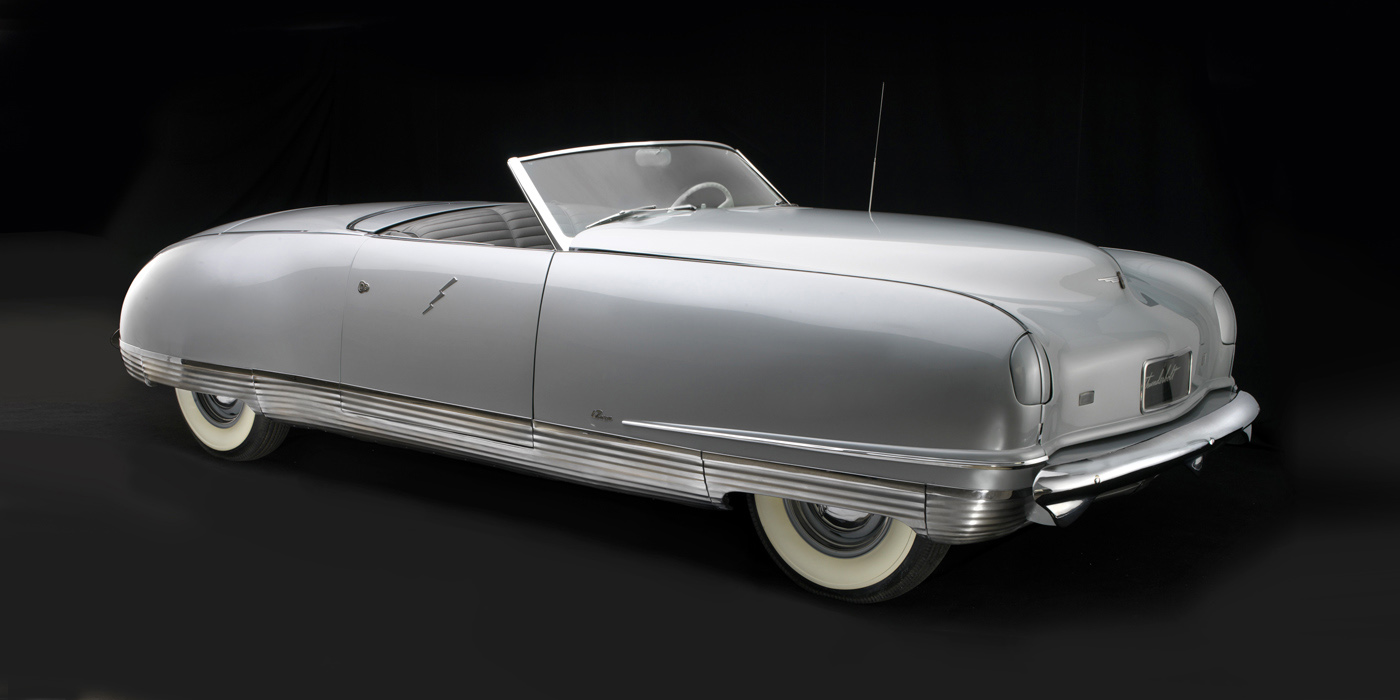

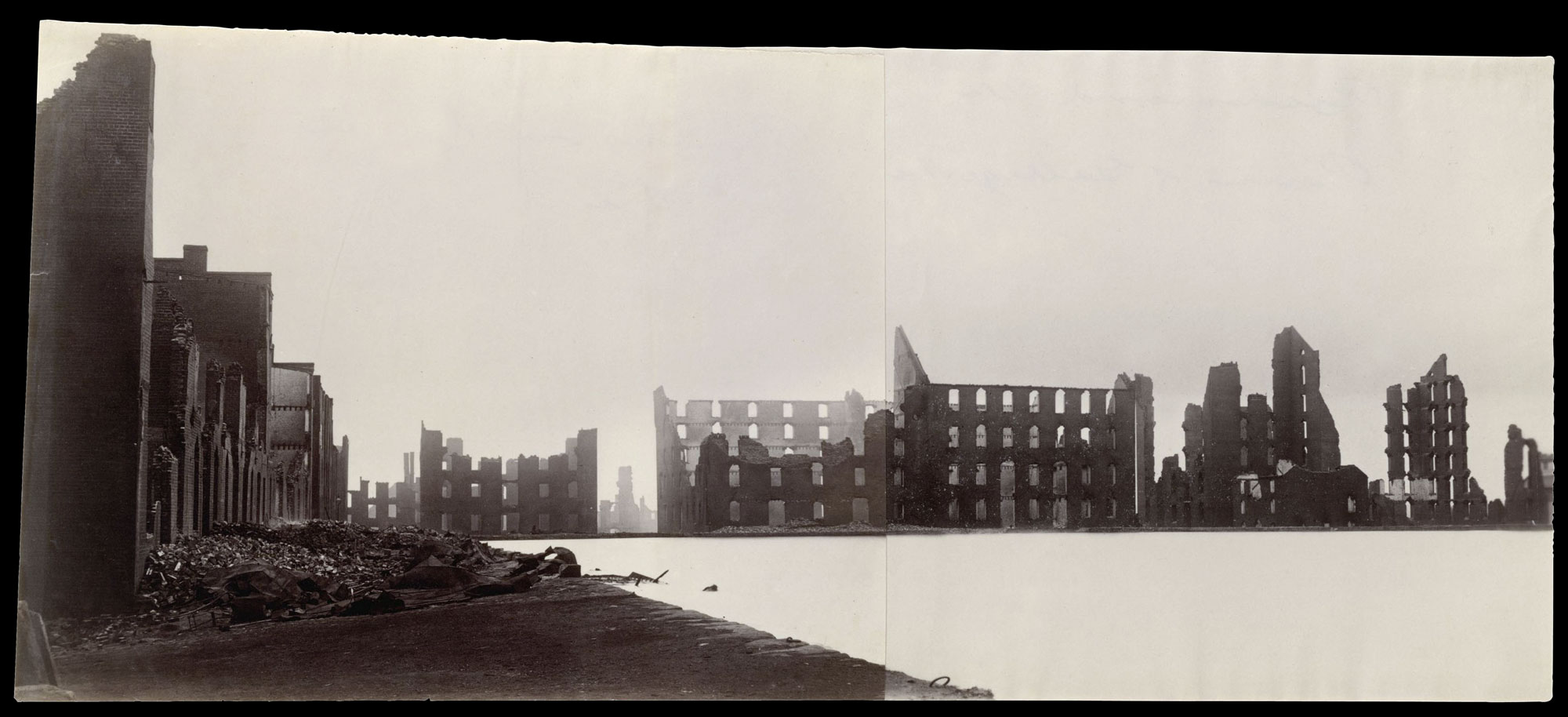
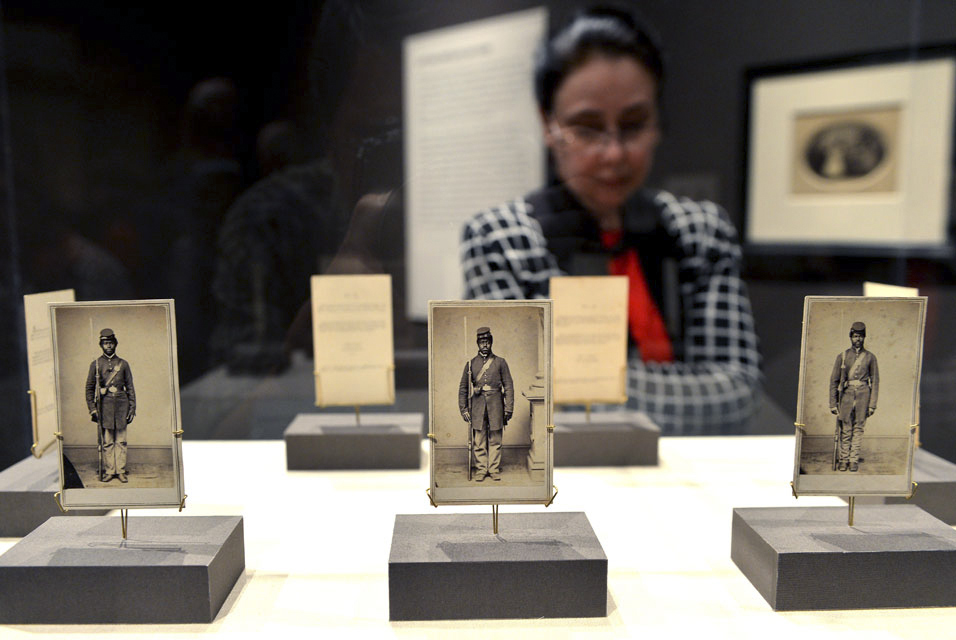


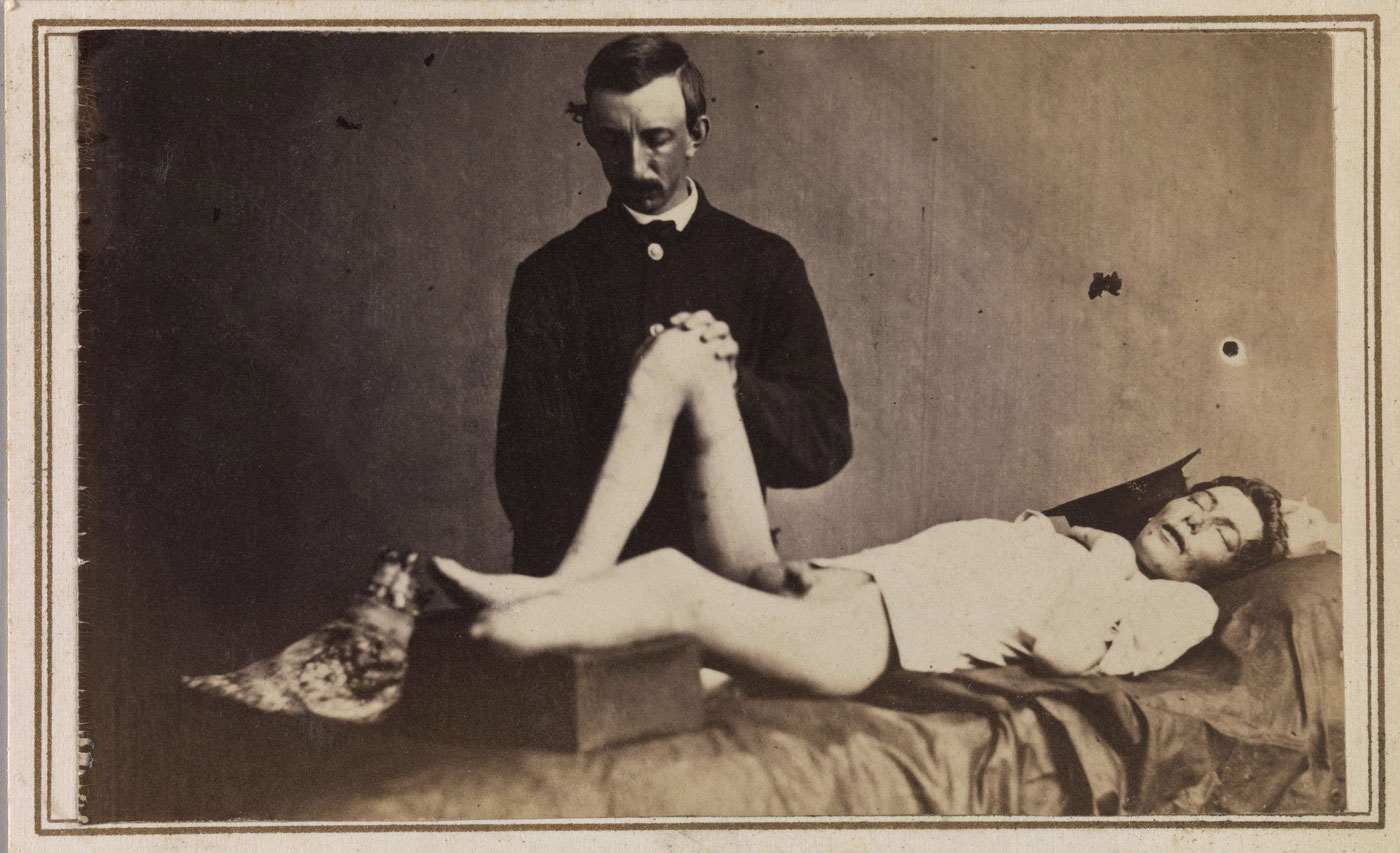


![Unknown (American) '[Broadside for the Capture of John Wilkes Booth, John Surratt, and David Herold]' April 20, 1865](https://artblart.com/wp-content/uploads/2013/08/broadside-for-the-capture-of-john-wilkes-booth-web.jpg "Unknown (American) '[Broadside for the Capture of John Wilkes Booth, John Surratt, and David Herold]' April 20, 1865")


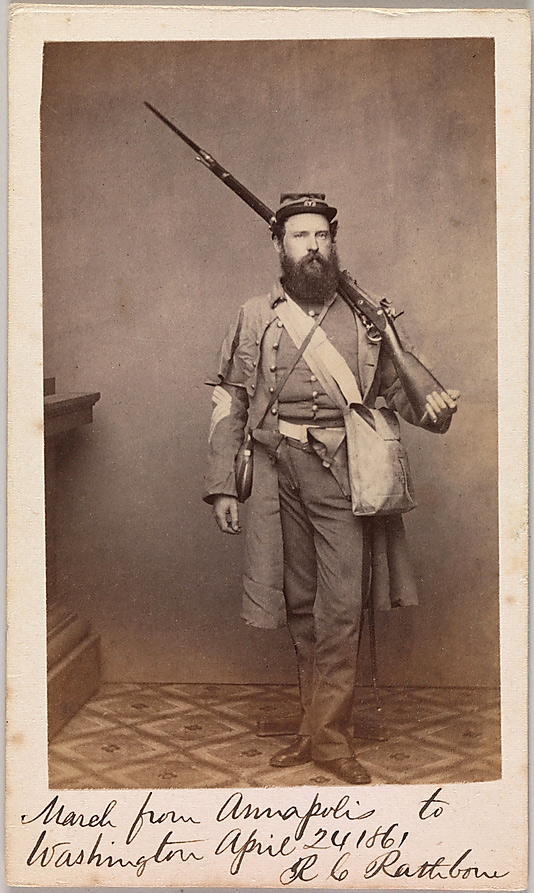


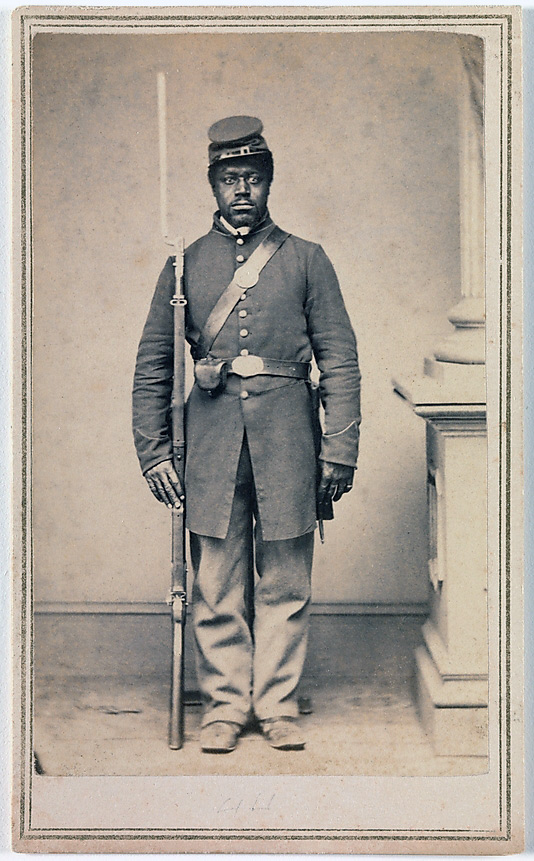


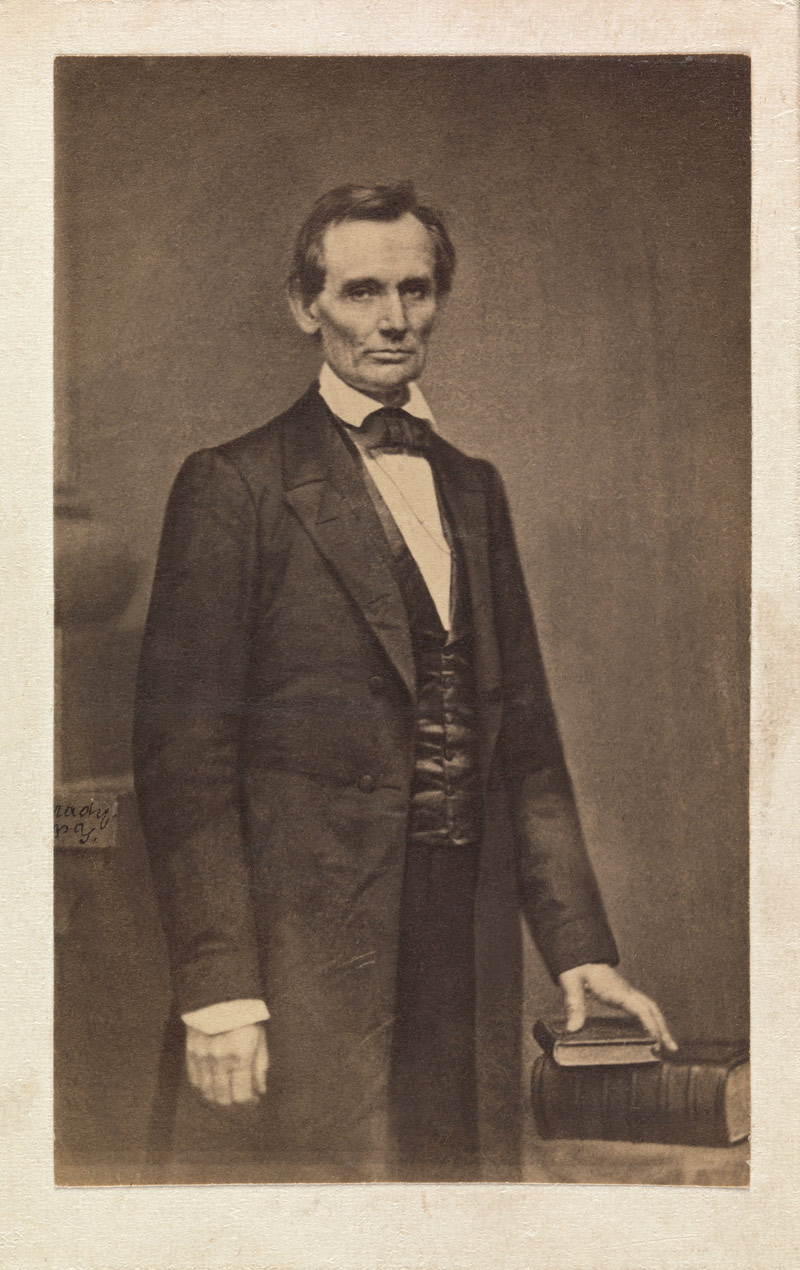
![Unknown photographer (American) '[Private James House with Fighting Knife, Sixteenth Georgia Cavalry Battalion, Army of Tennessee]' 1861-1862?](https://artblart.com/wp-content/uploads/2013/08/39-james-house-web.jpg "Unknown photographer (American) '[Private James House with Fighting Knife, Sixteenth Georgia Cavalry Battalion, Army of Tennessee]' 1861-1862?")
![Unknown photographer (American) '[Private James House with Fighting Knife, Sixteenth Georgia Cavalry Battalion, Army of Tennessee]' 1861-1862? (detail)](https://artblart.com/wp-content/uploads/2013/08/39-james-house-detail.jpg "Unknown photographer (American) '[Private James House with Fighting Knife, Sixteenth Georgia Cavalry Battalion, Army of Tennessee]' 1861-1862? (detail)")

![Unknown photographer (American) '[Private Thomas Gaston Wood, Drummer, Company H, "Walton Infantry," Eleventh Regiment Georgia Volunteer Infantry]' 1861](https://artblart.com/wp-content/uploads/2013/08/private-thomas-gaston-wood-web.jpg "Unknown photographer (American) '[Private Thomas Gaston Wood, Drummer, Company H, \"Walton Infantry,\" Eleventh Regiment Georgia Volunteer Infantry]' 1861")

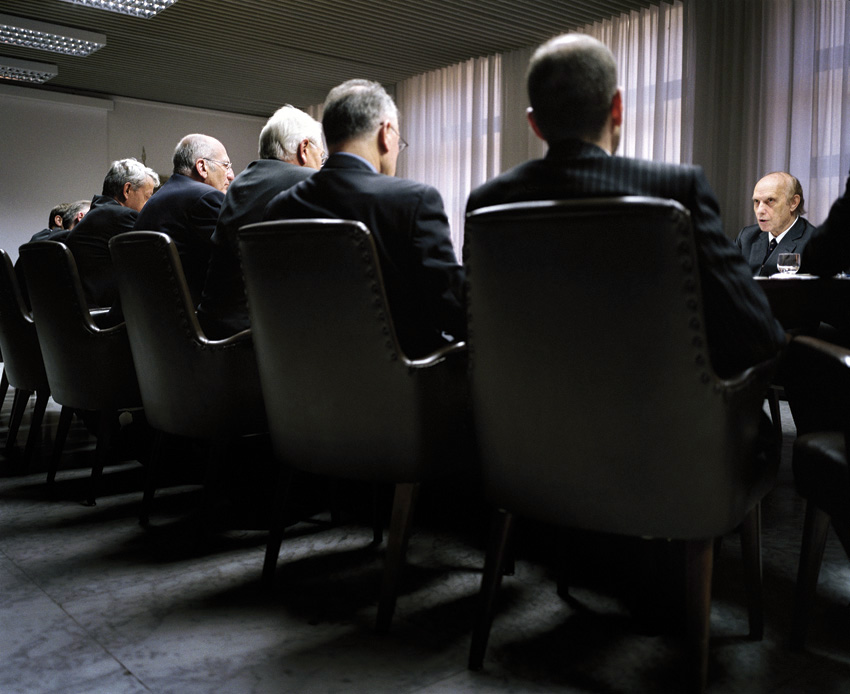
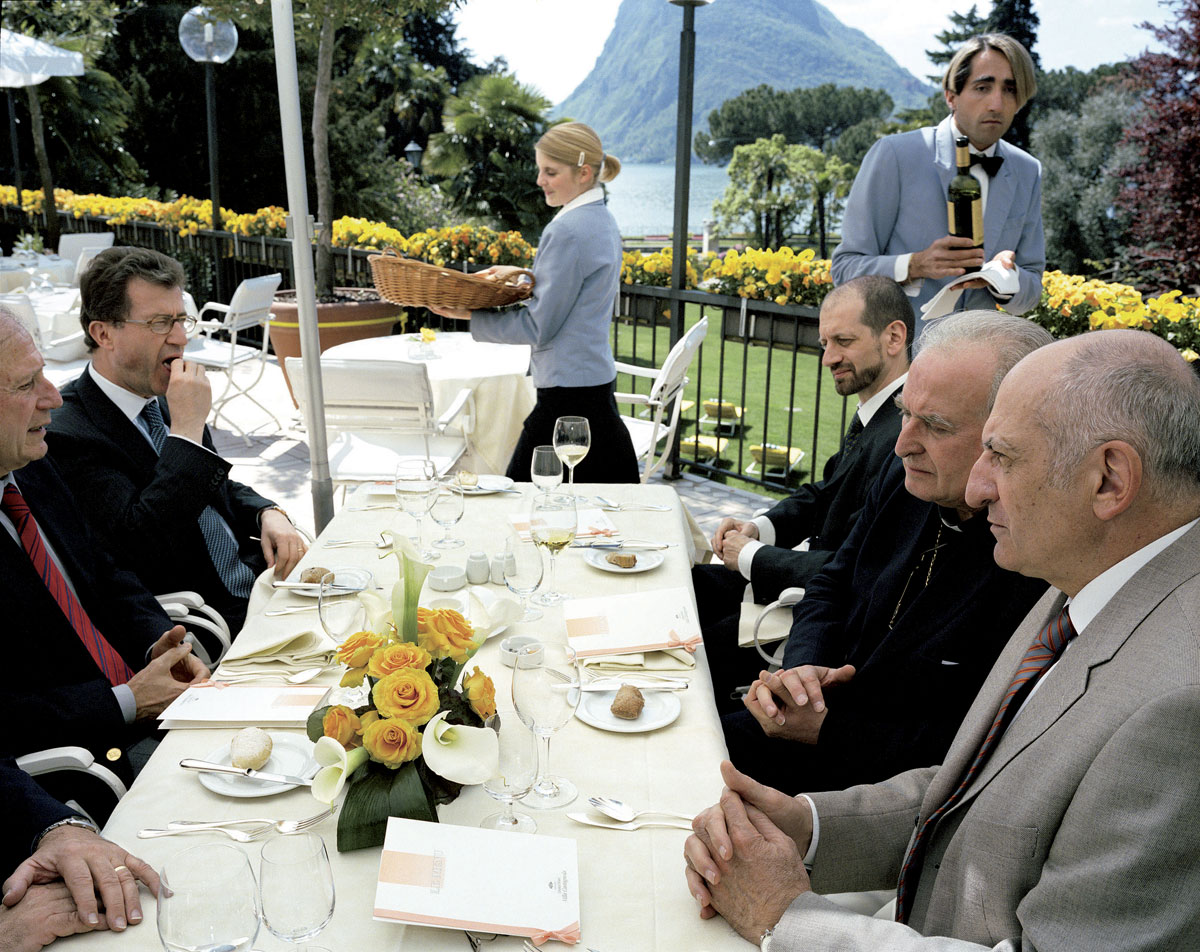
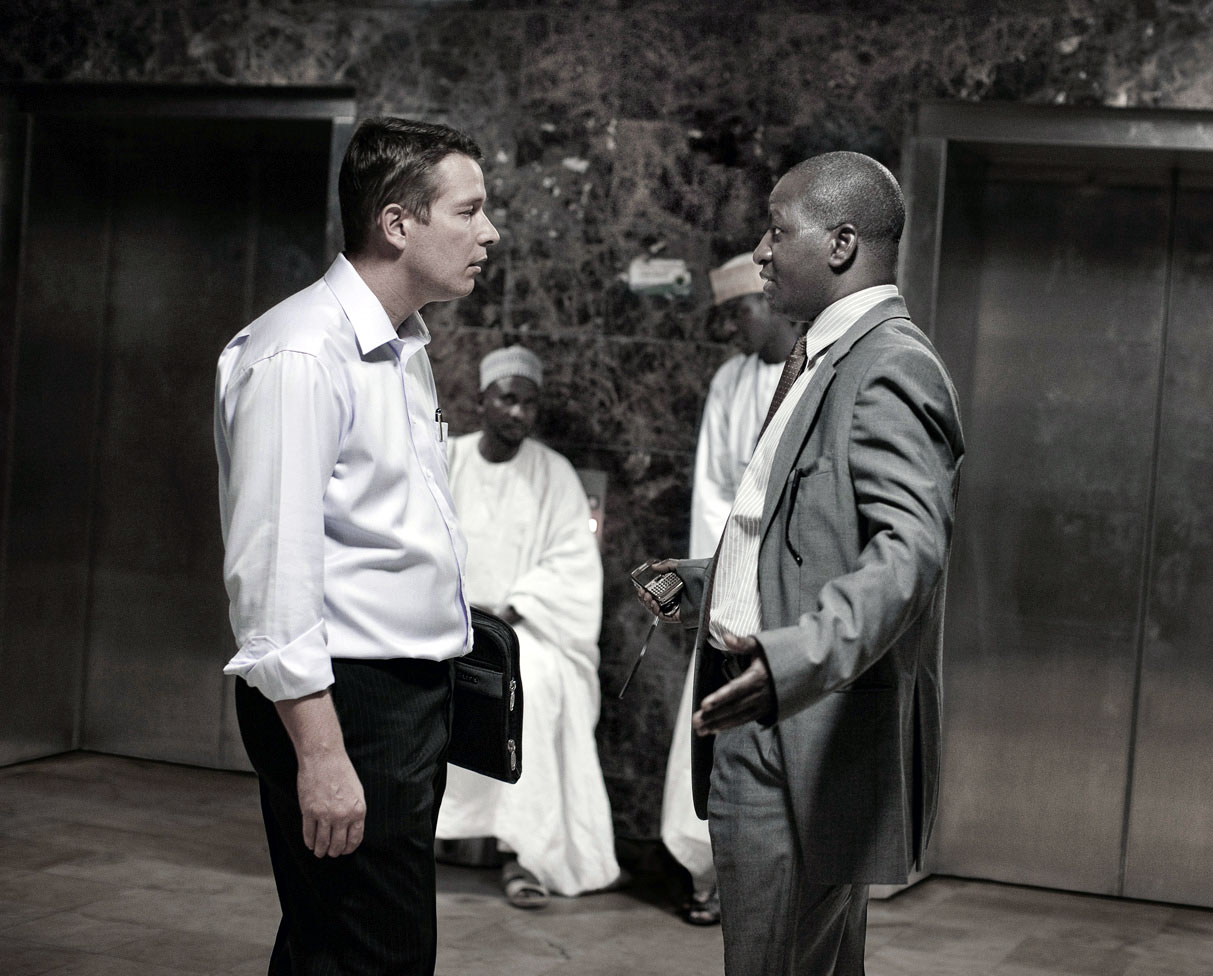


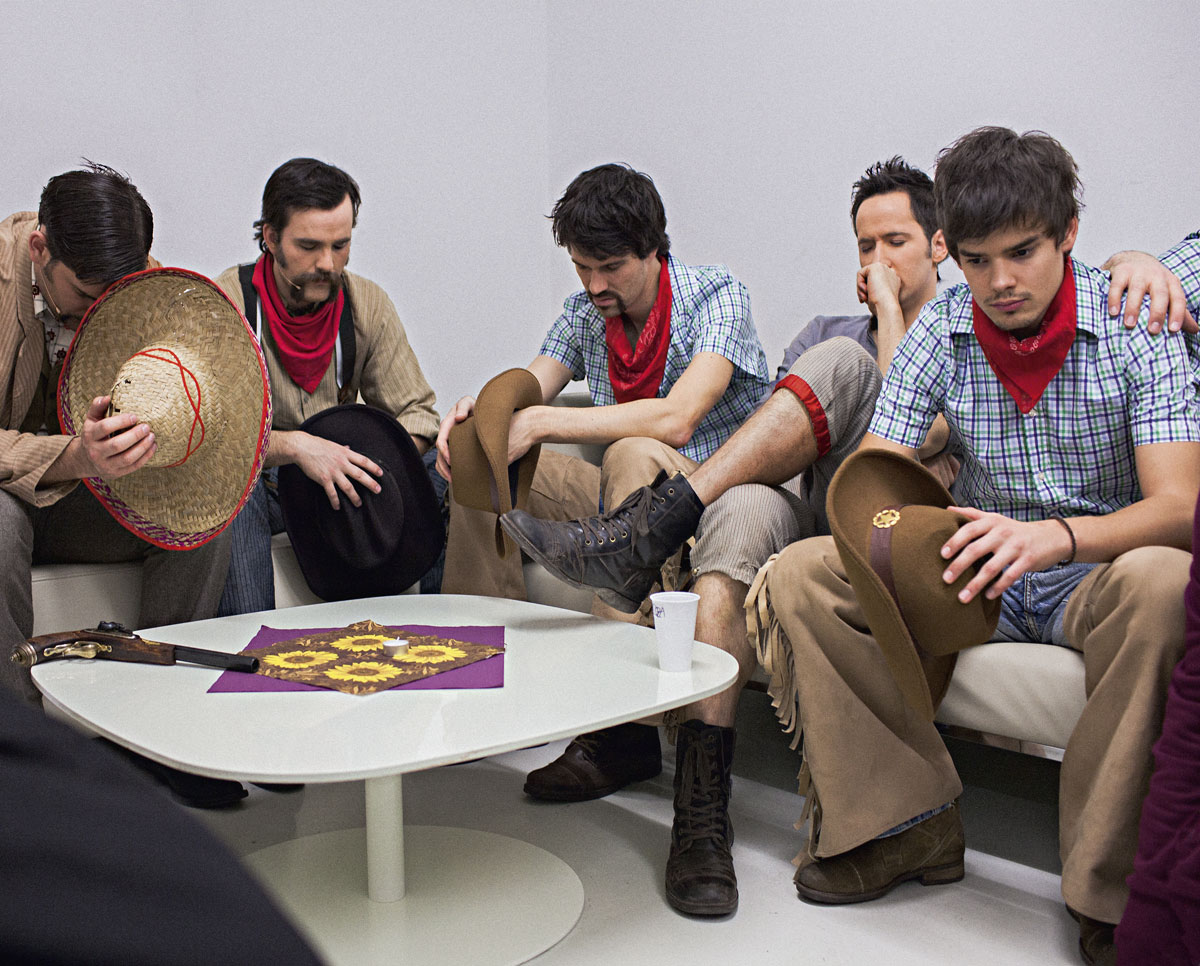
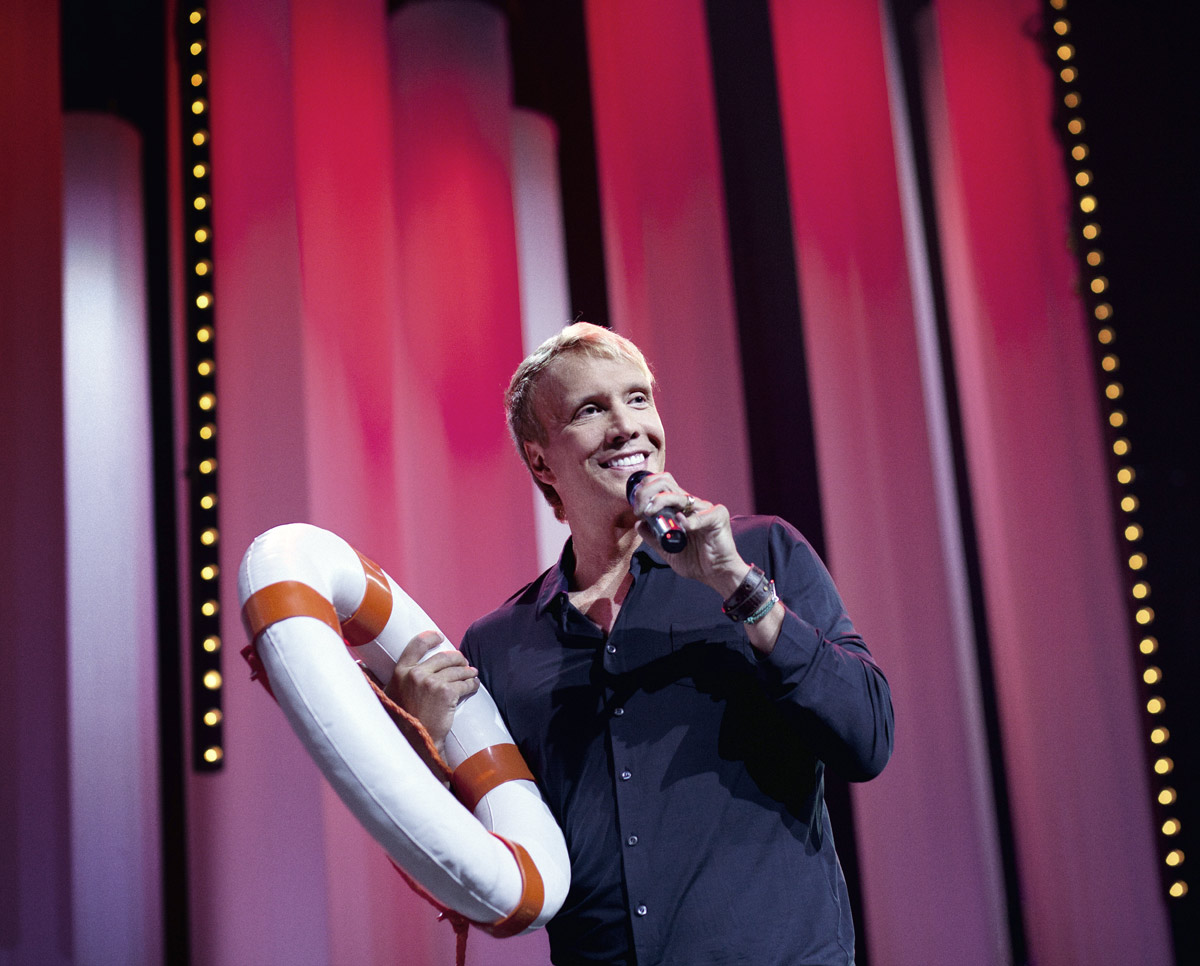
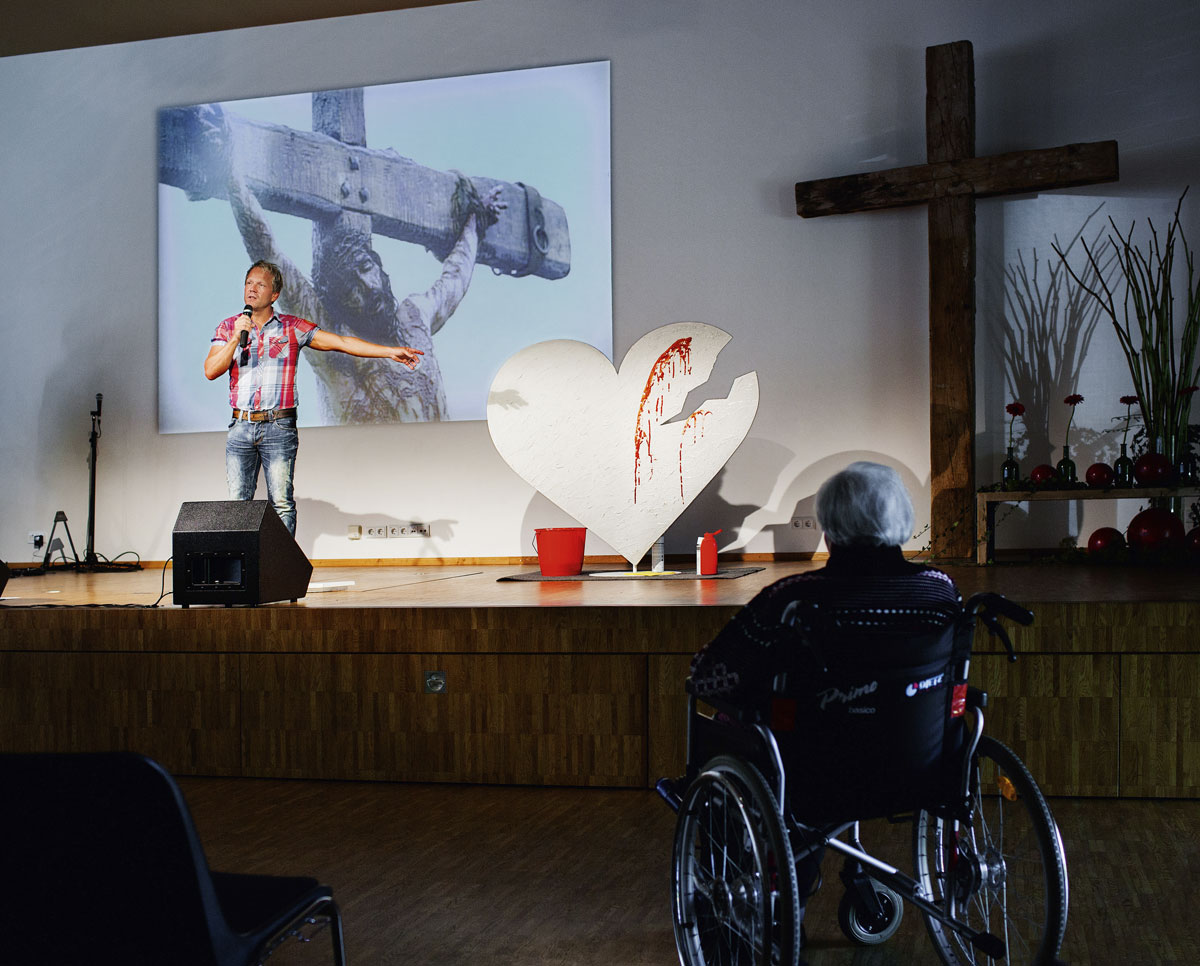


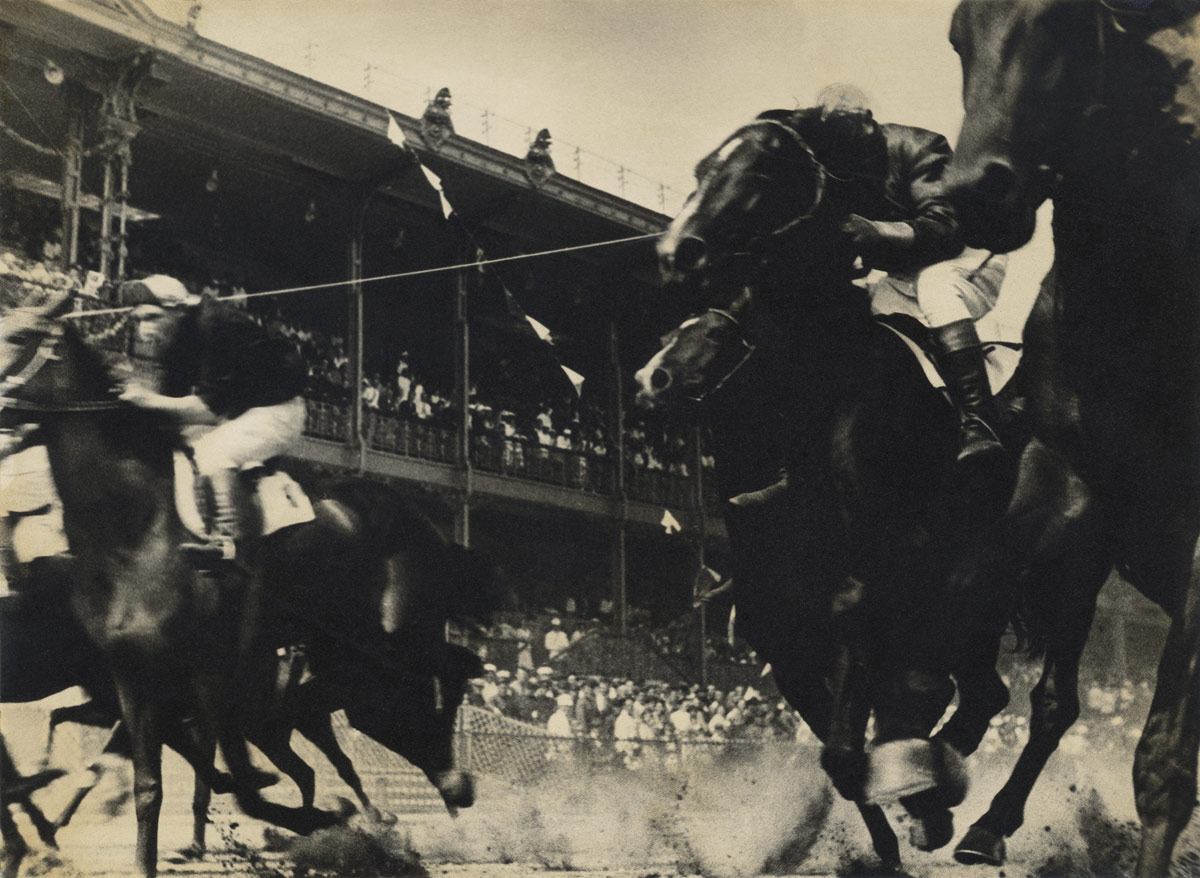


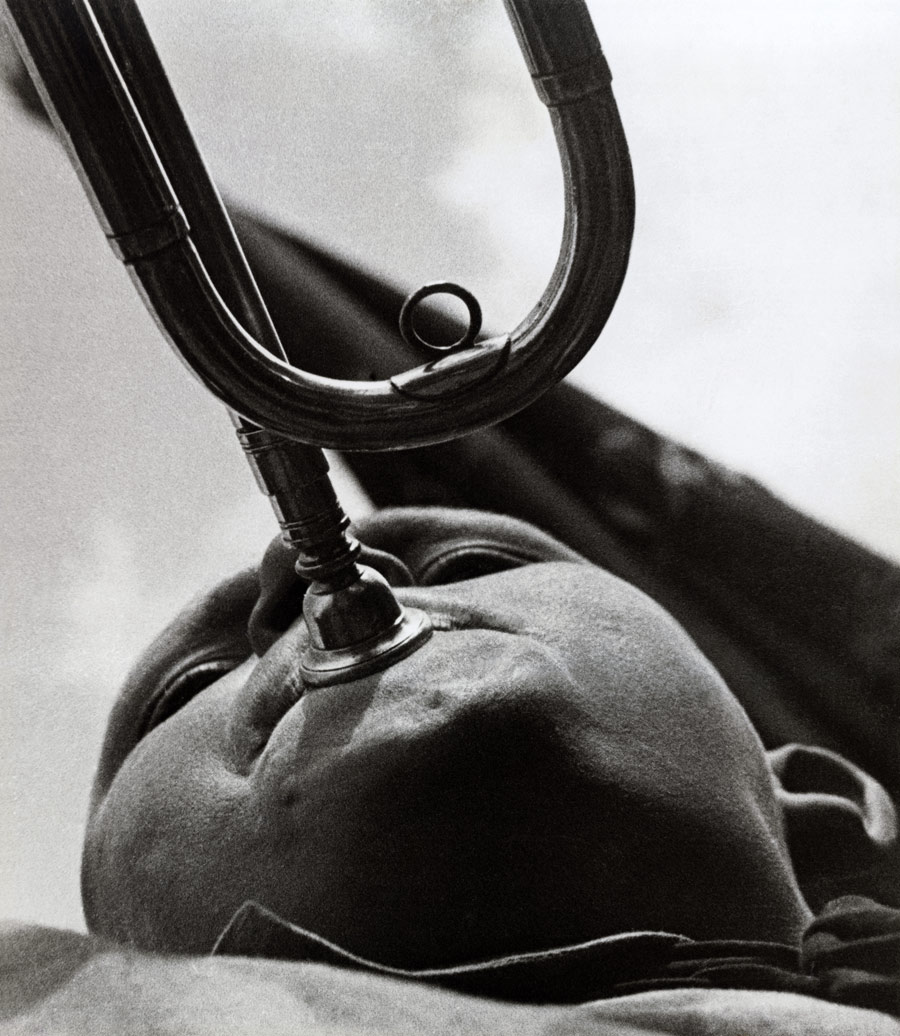


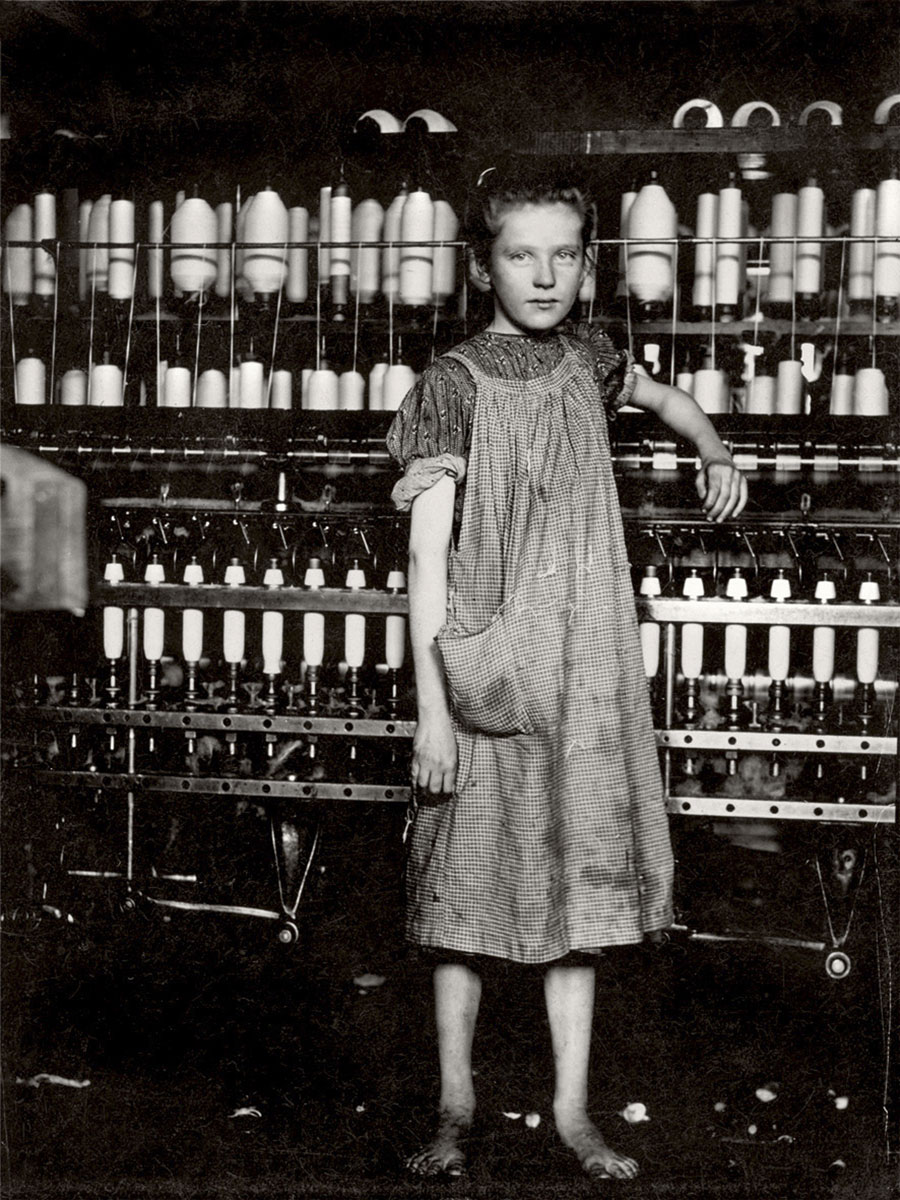


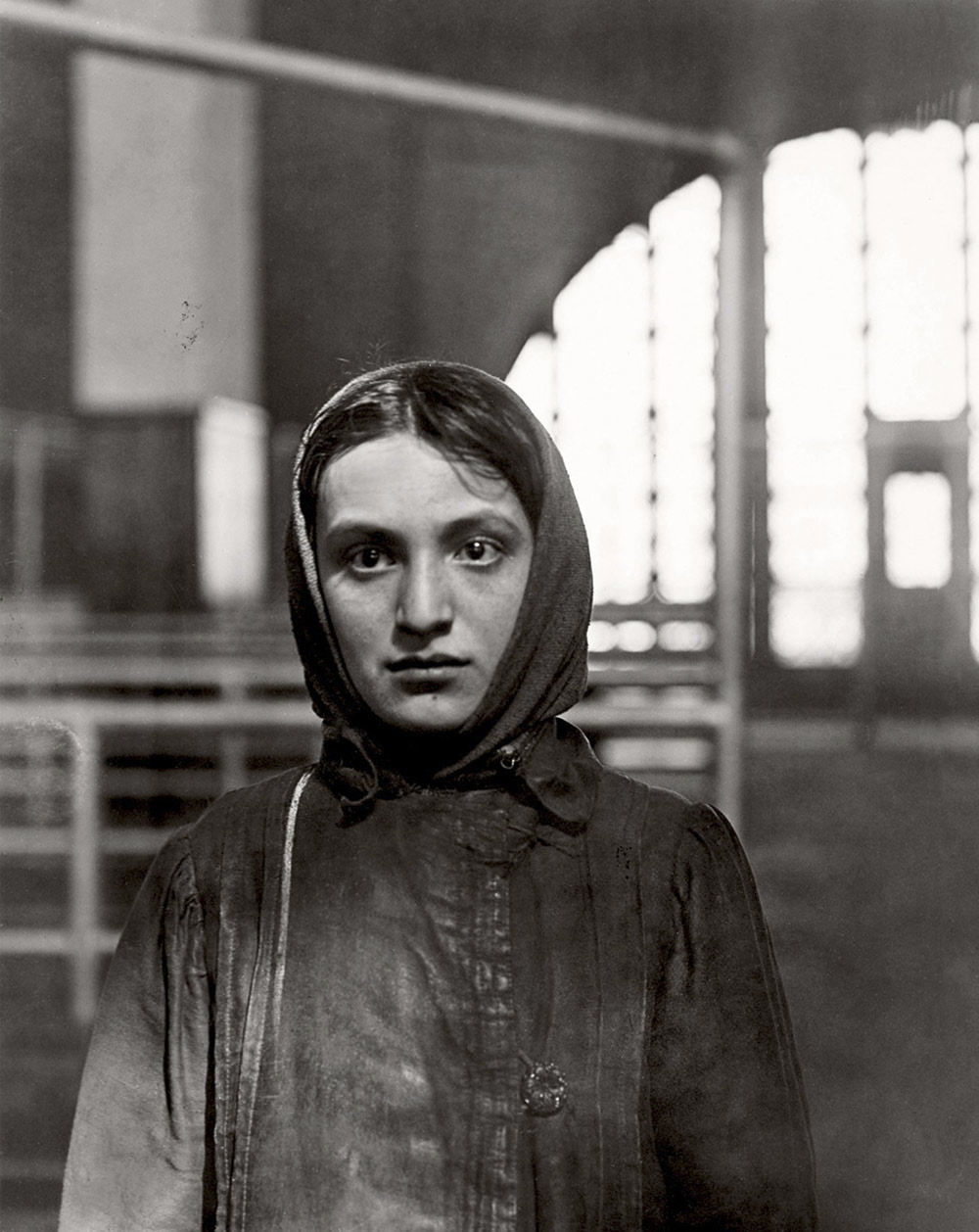
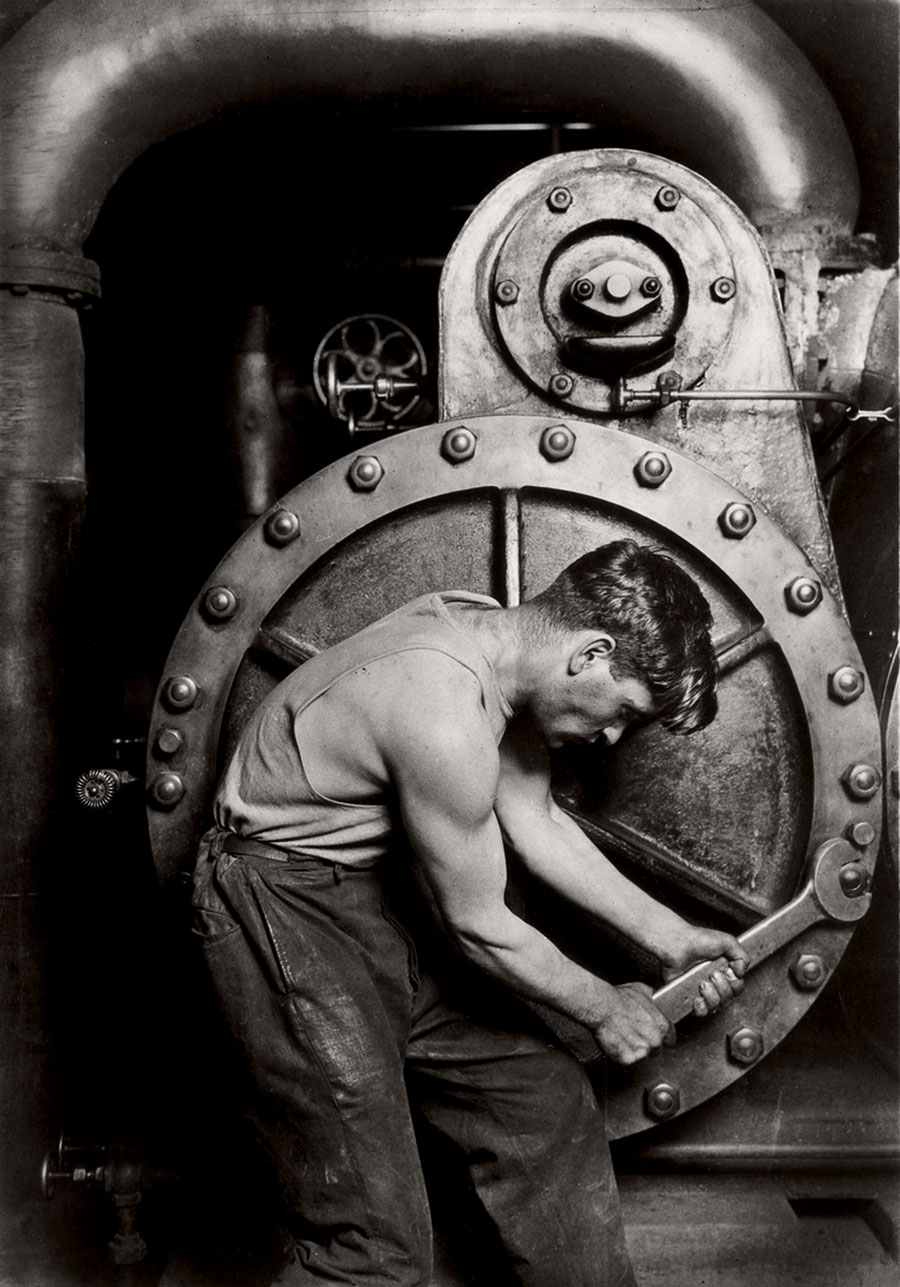
![Lewis Hine (American, 1874-1940) '[Man on girders, Empire State Building]' c. 1931](https://artblart.com/wp-content/uploads/2013/08/man-on-girders-web.jpg "Lewis Hine (American, 1874-1940) '[Man on girders, Empire State Building]' c. 1931")
![Lewis Hine (American, 1874-1940) '[Steelworker touching the tip of the Chrysler Building]' c. 1931](https://artblart.com/wp-content/uploads/2013/08/steelworker-touching-the-tip-web.jpg "Lewis Hine (American, 1874-1940) '[Steelworker touching the tip of the Chrysler Building]' c. 1931")

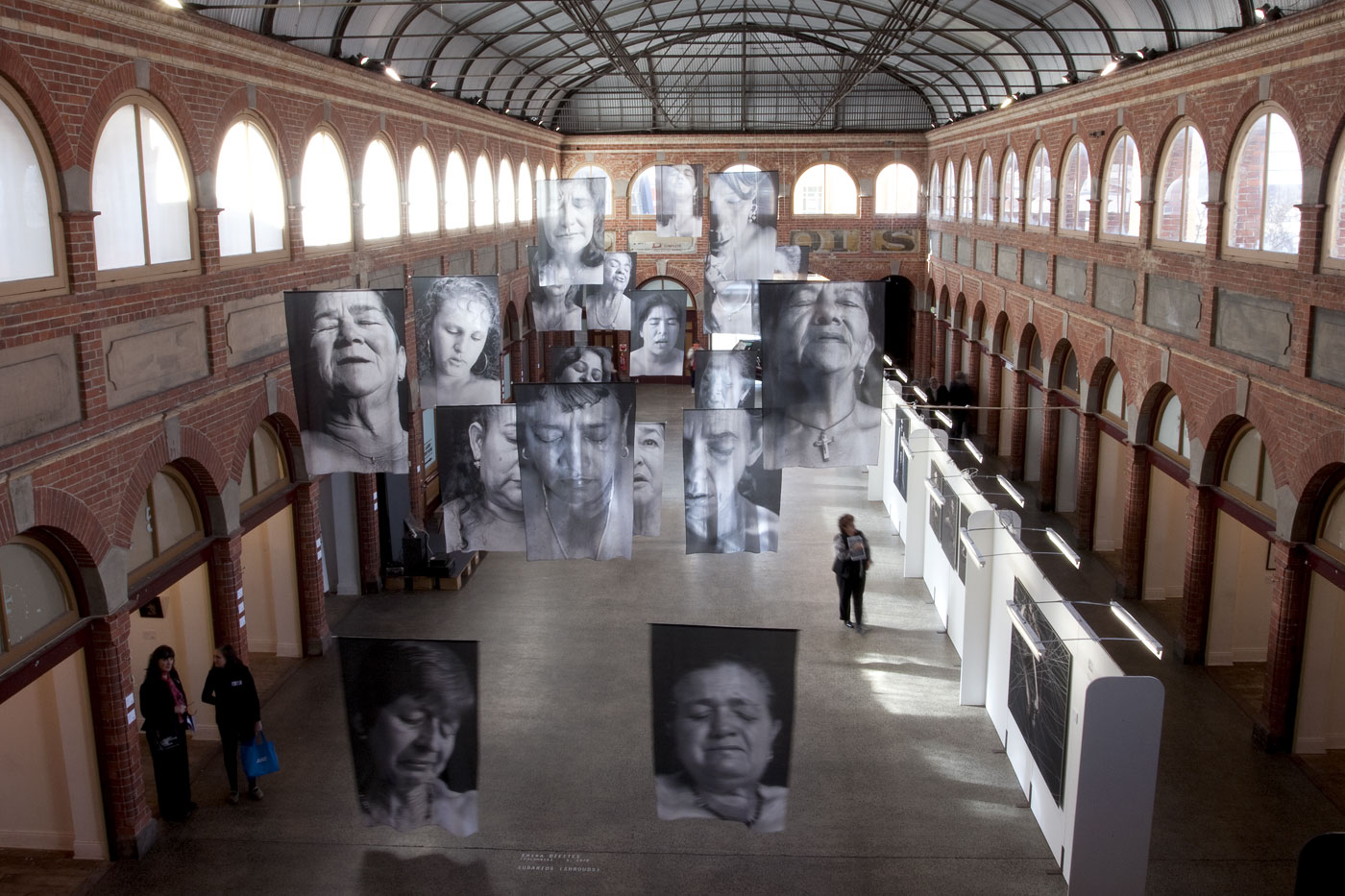
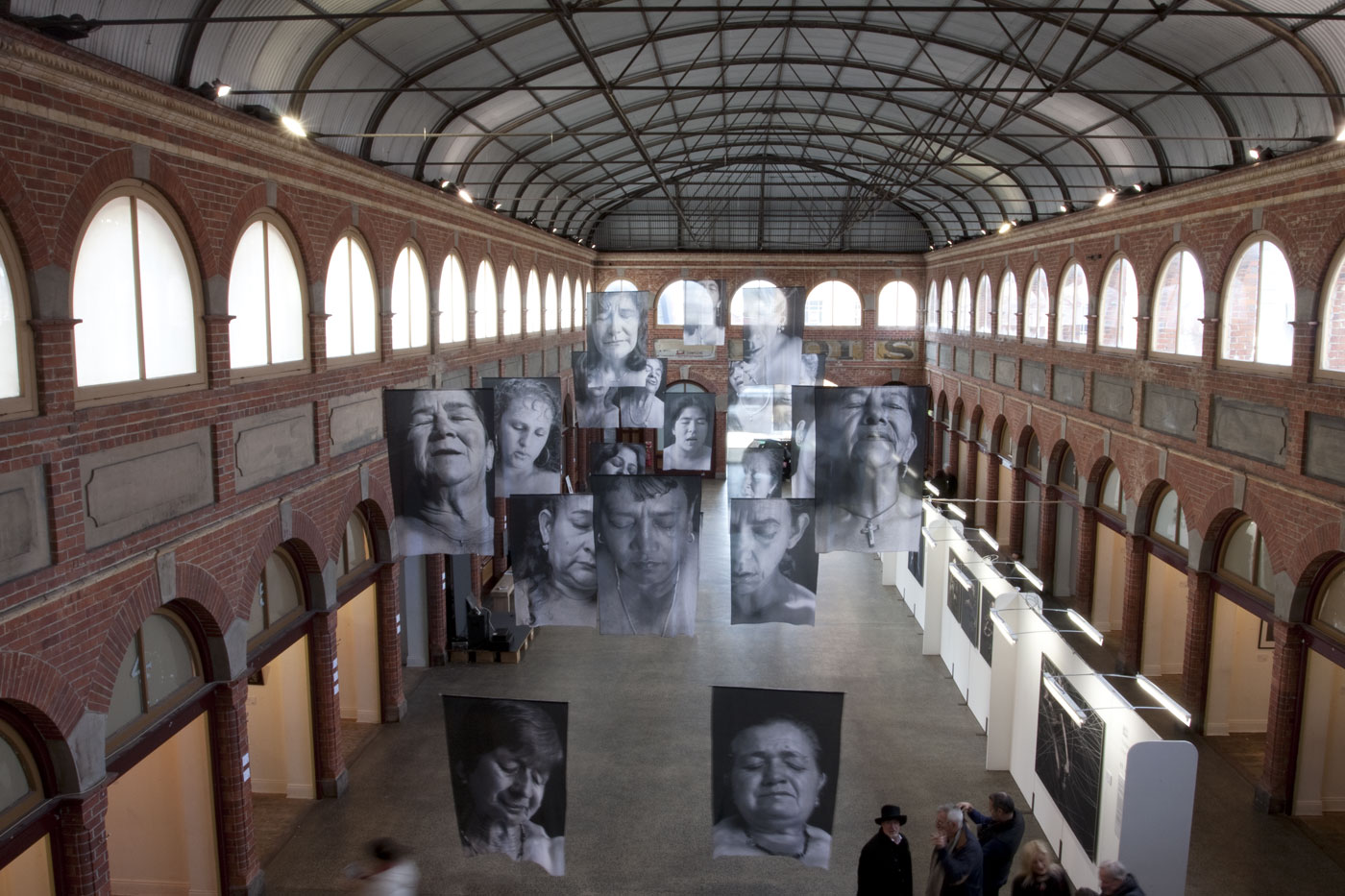
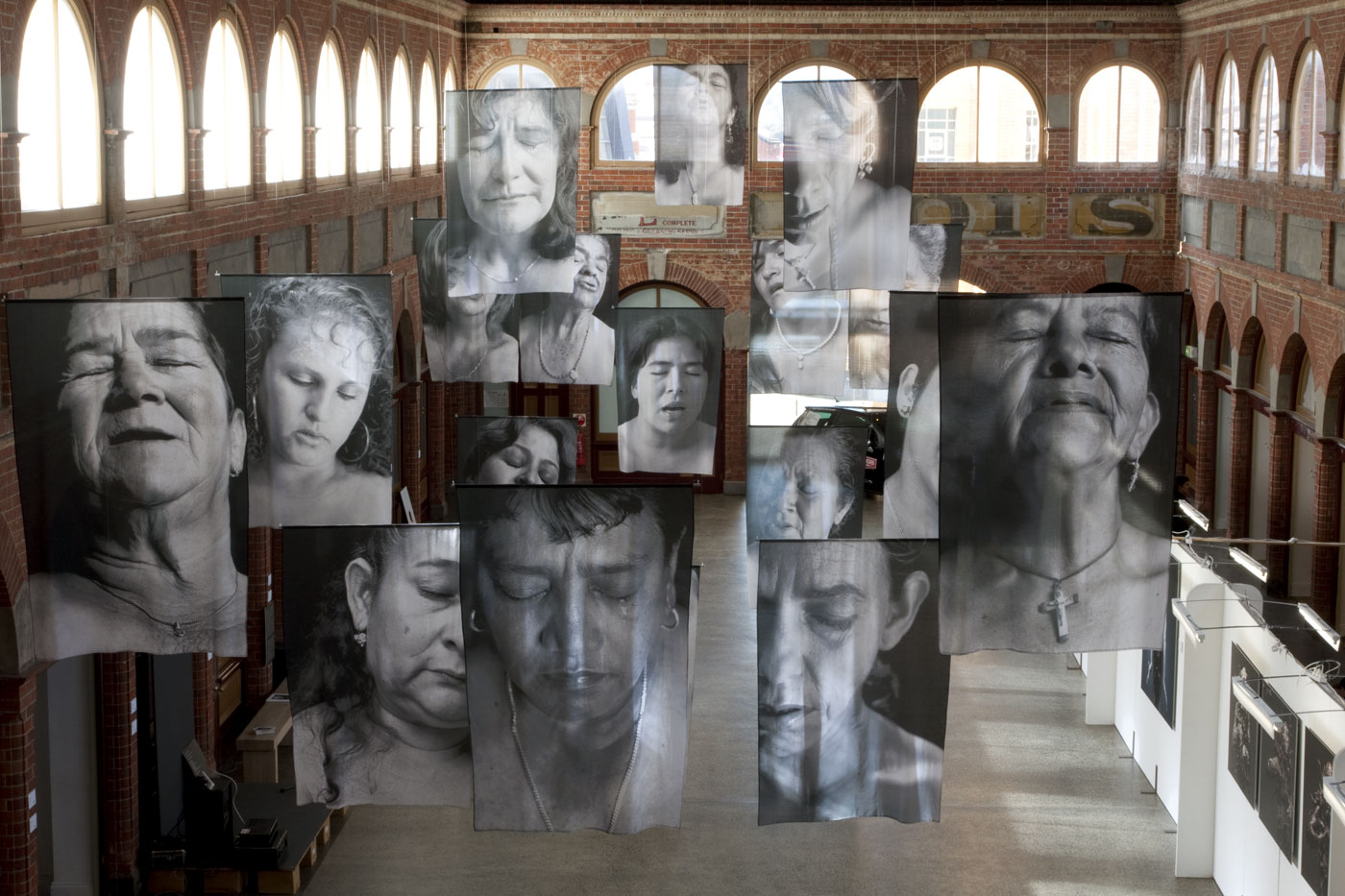
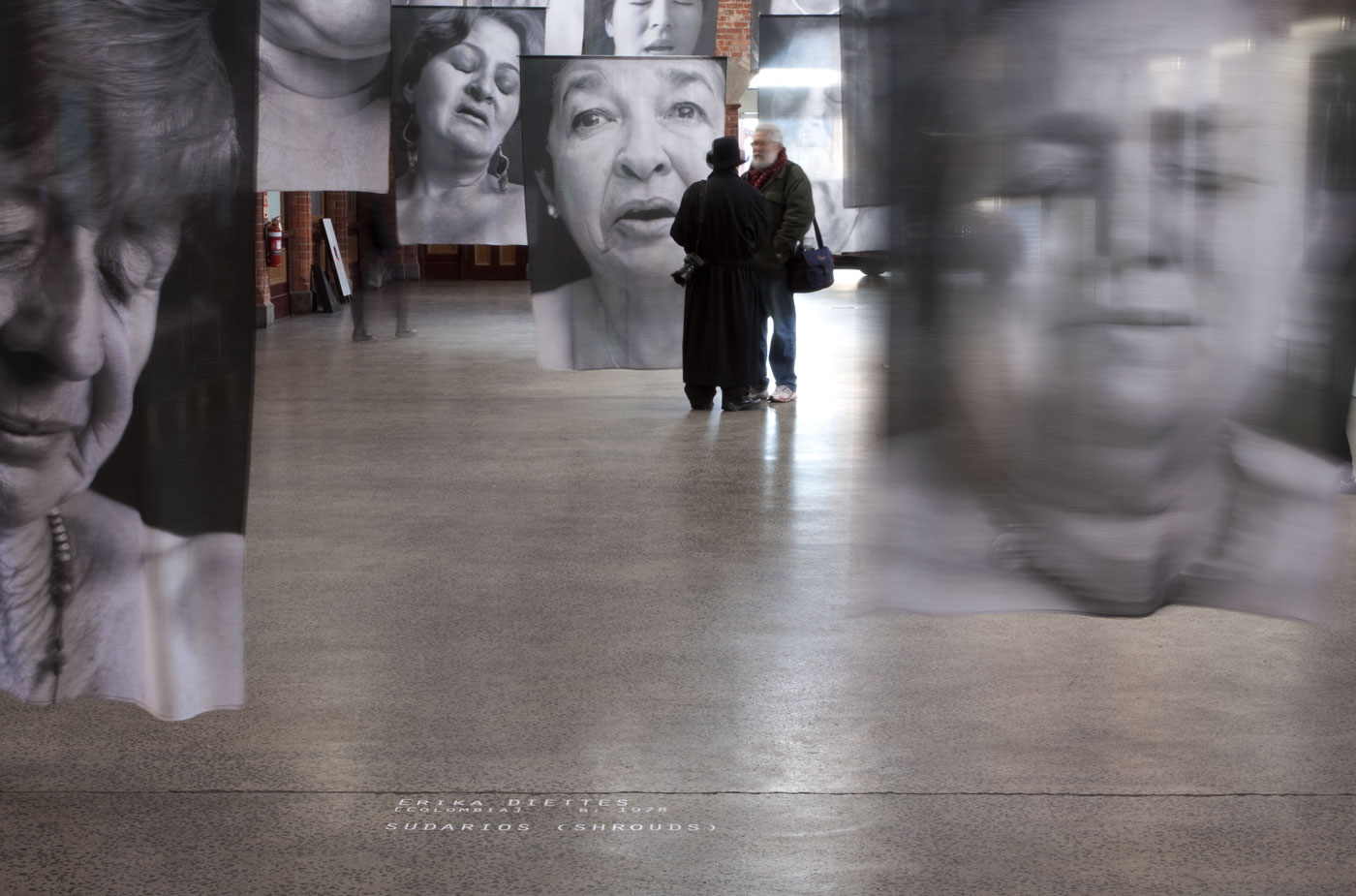
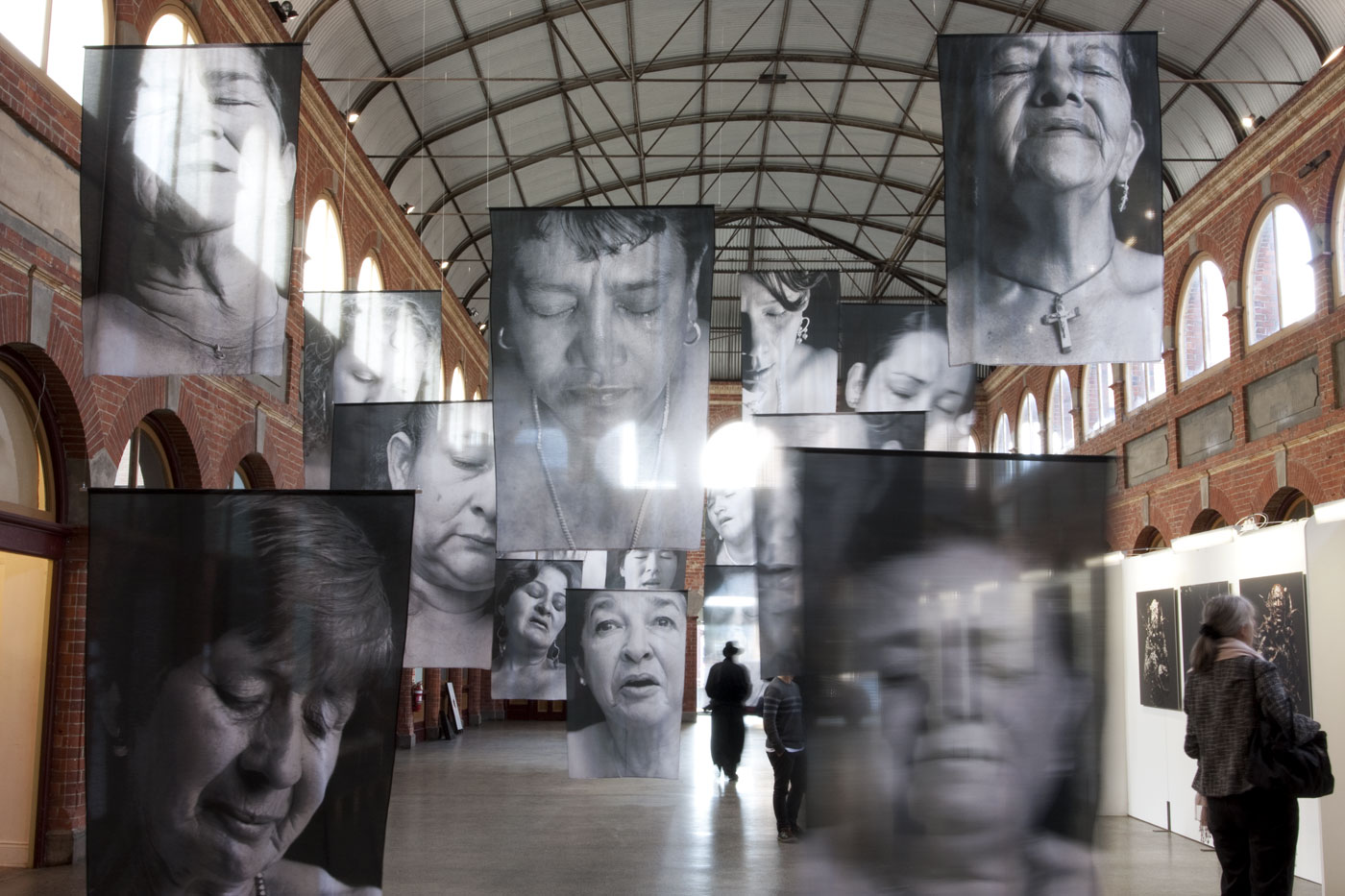
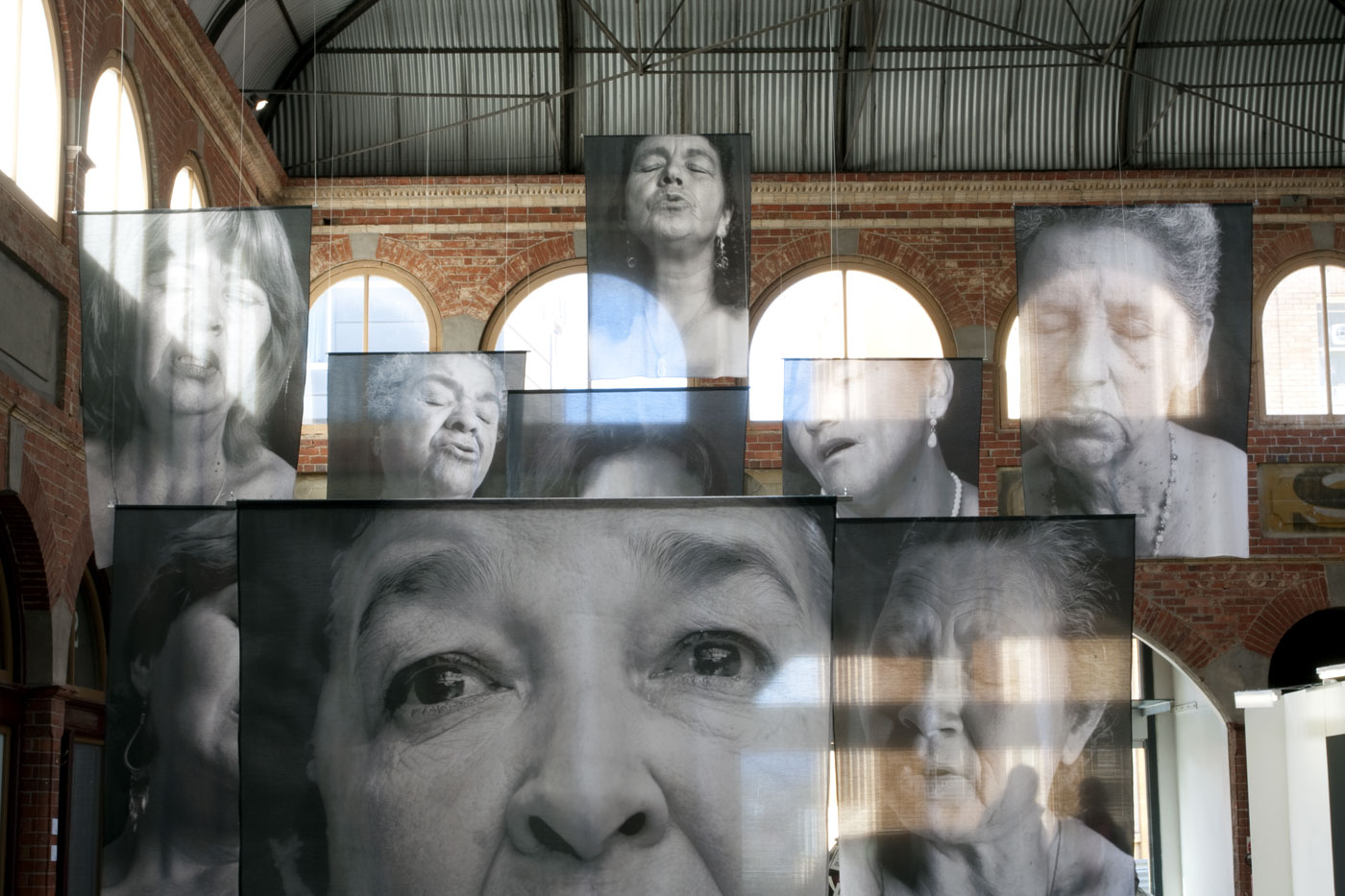
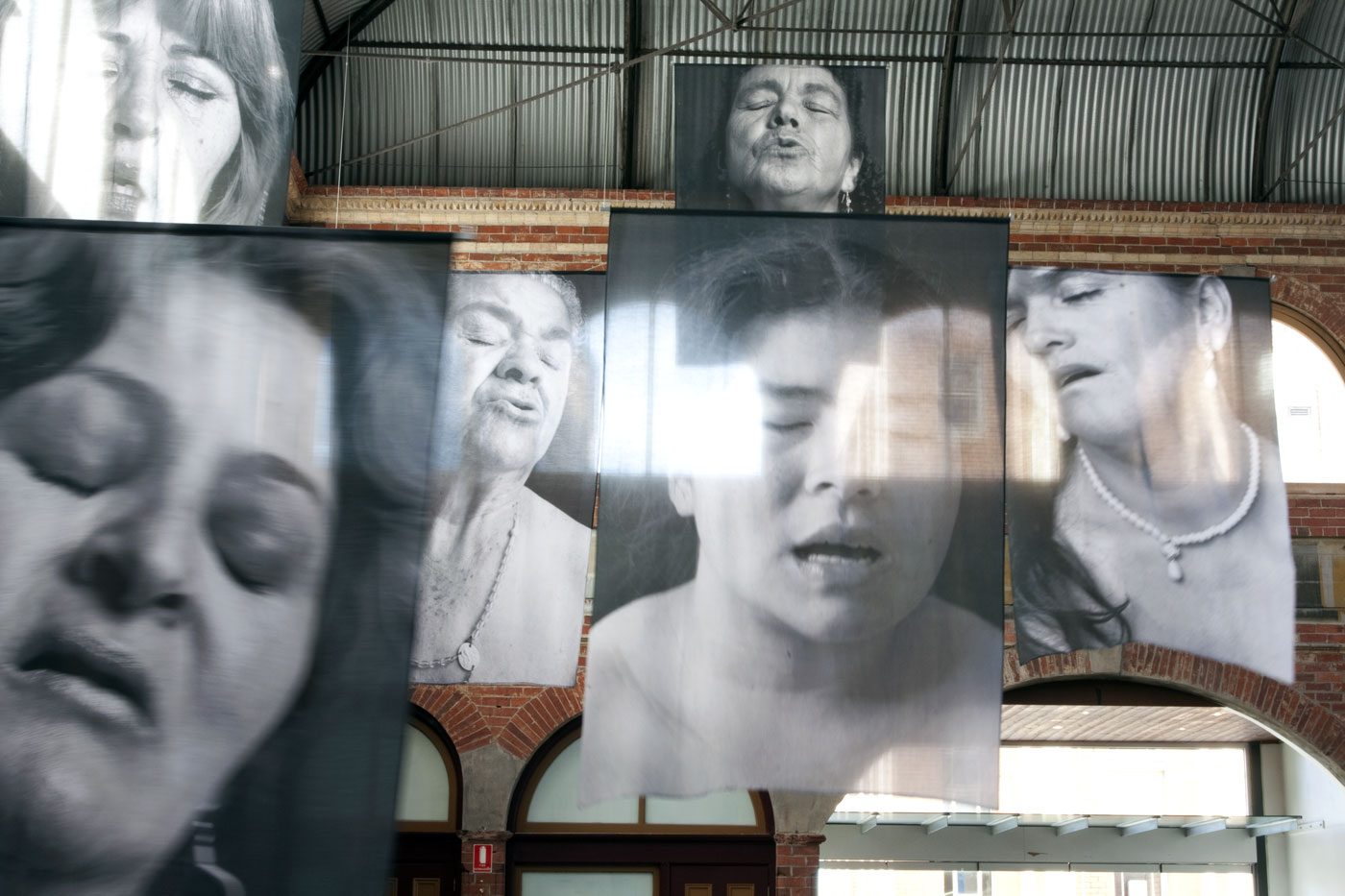
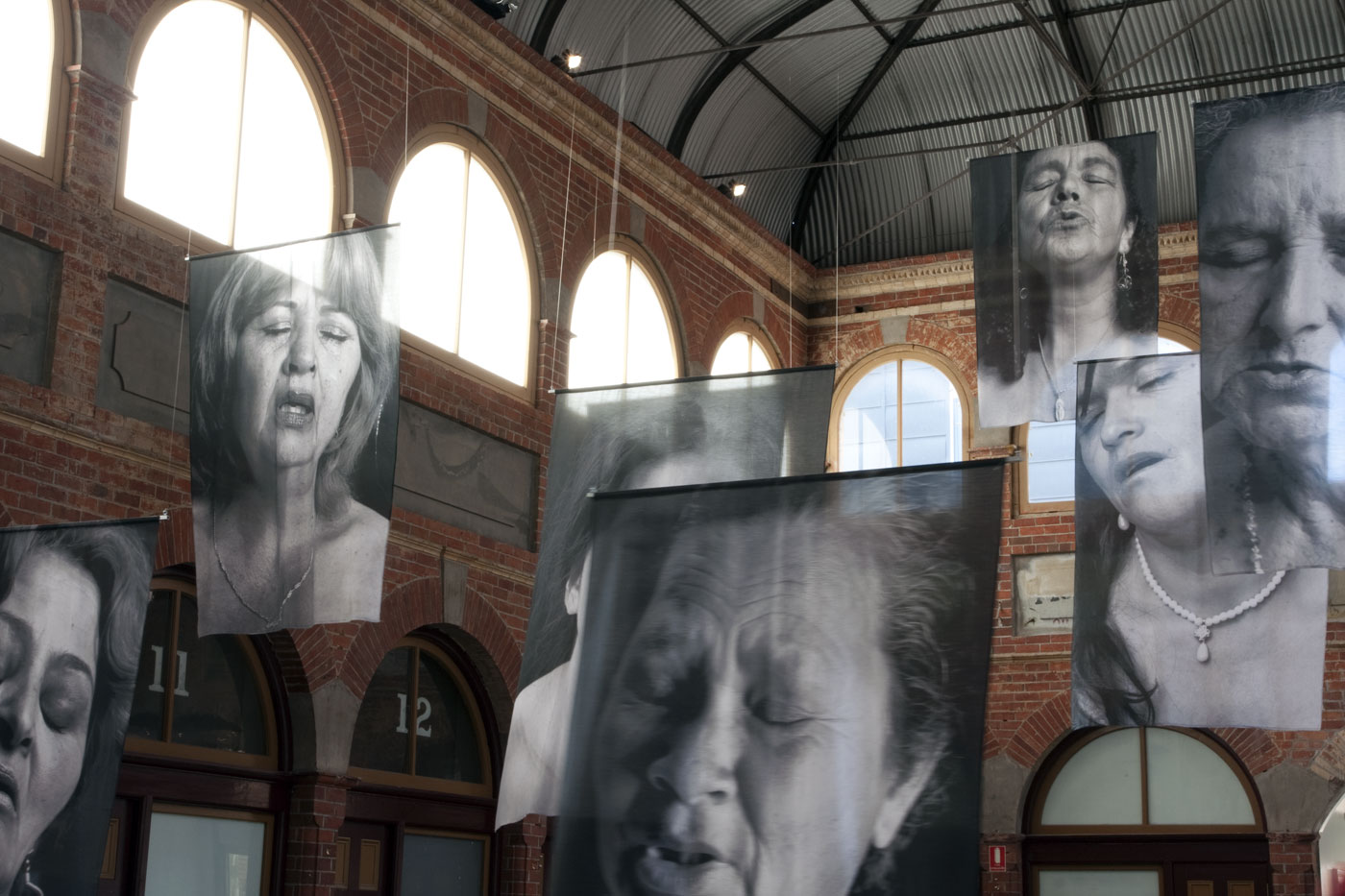
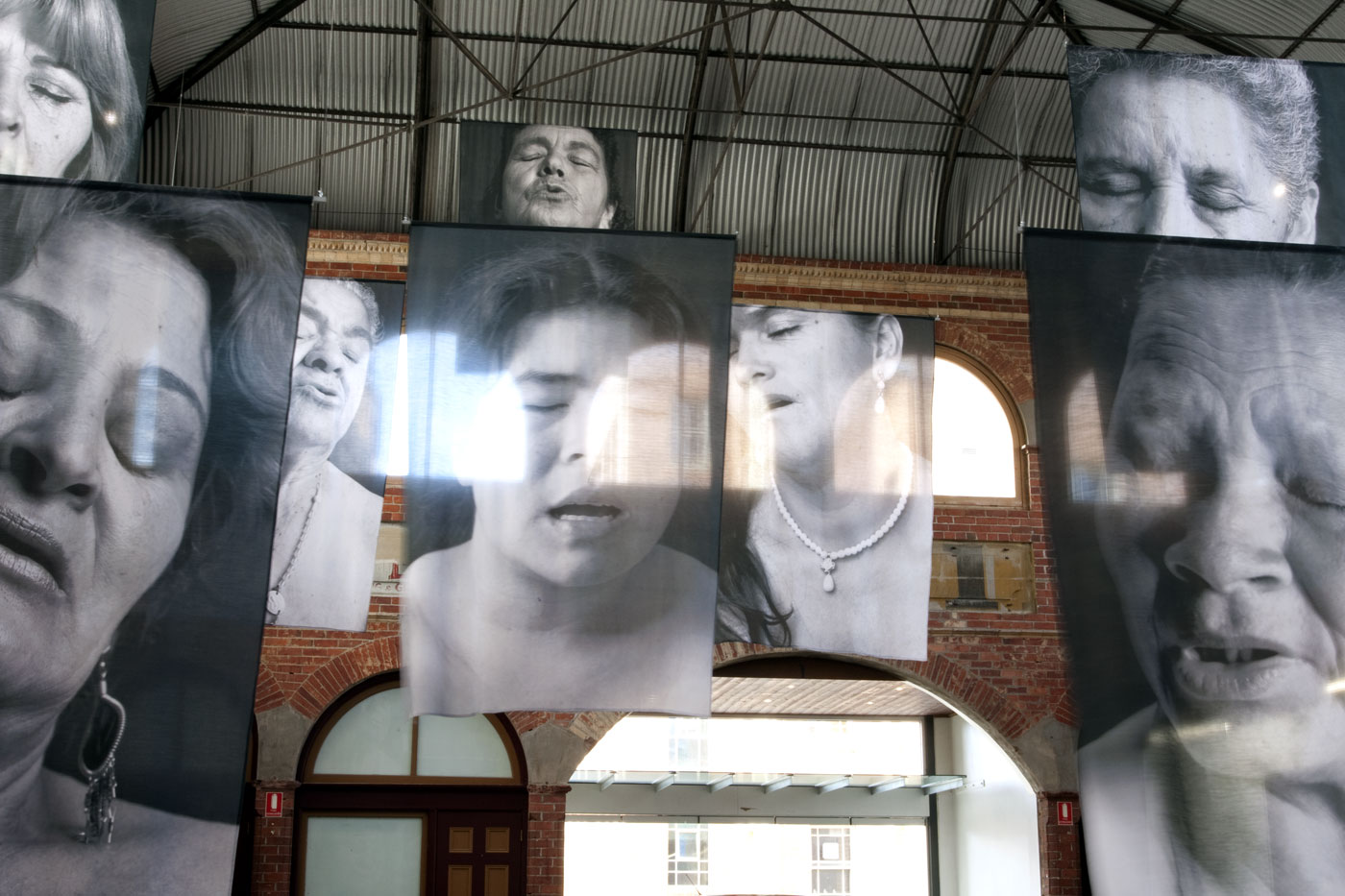
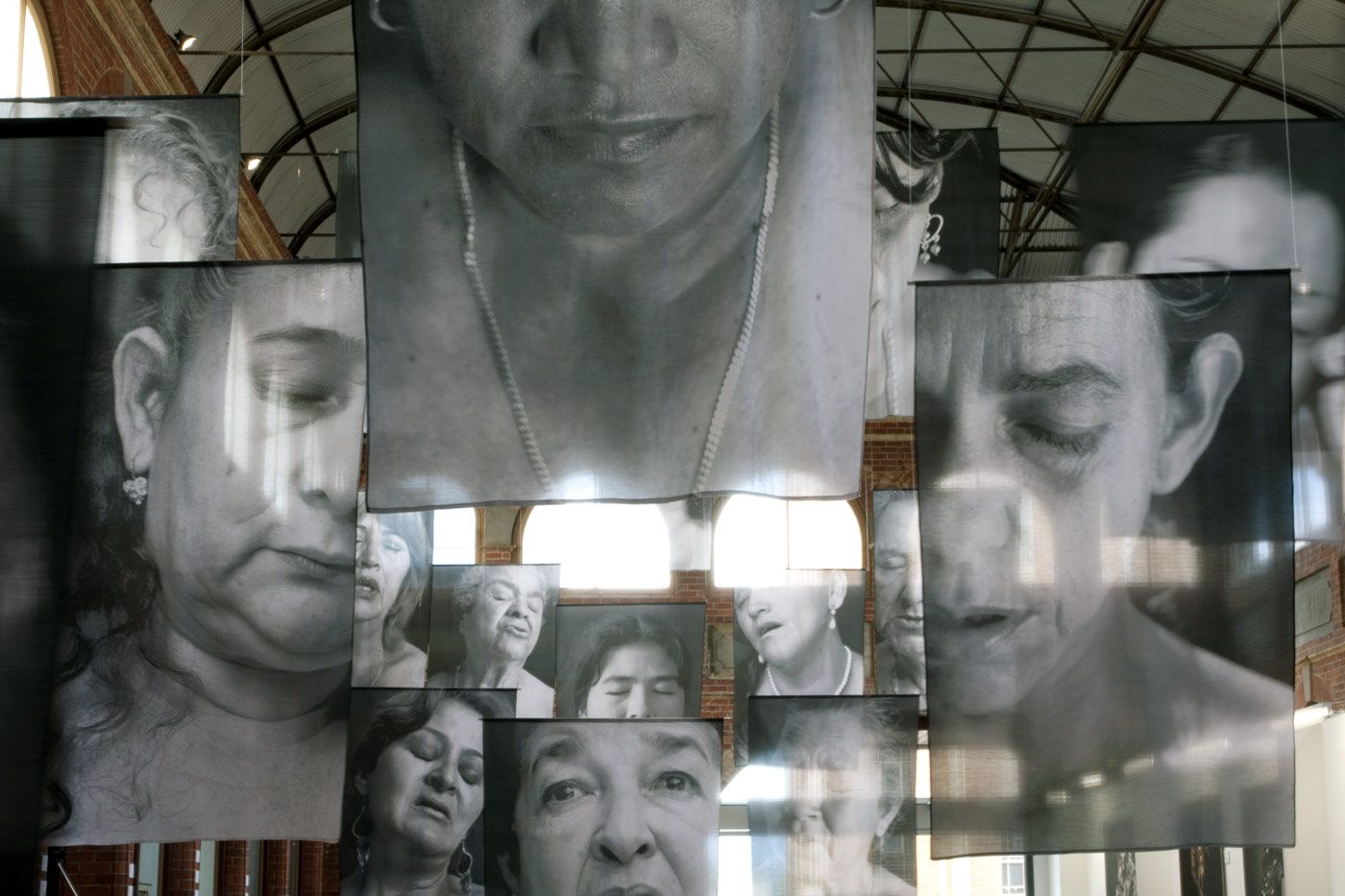
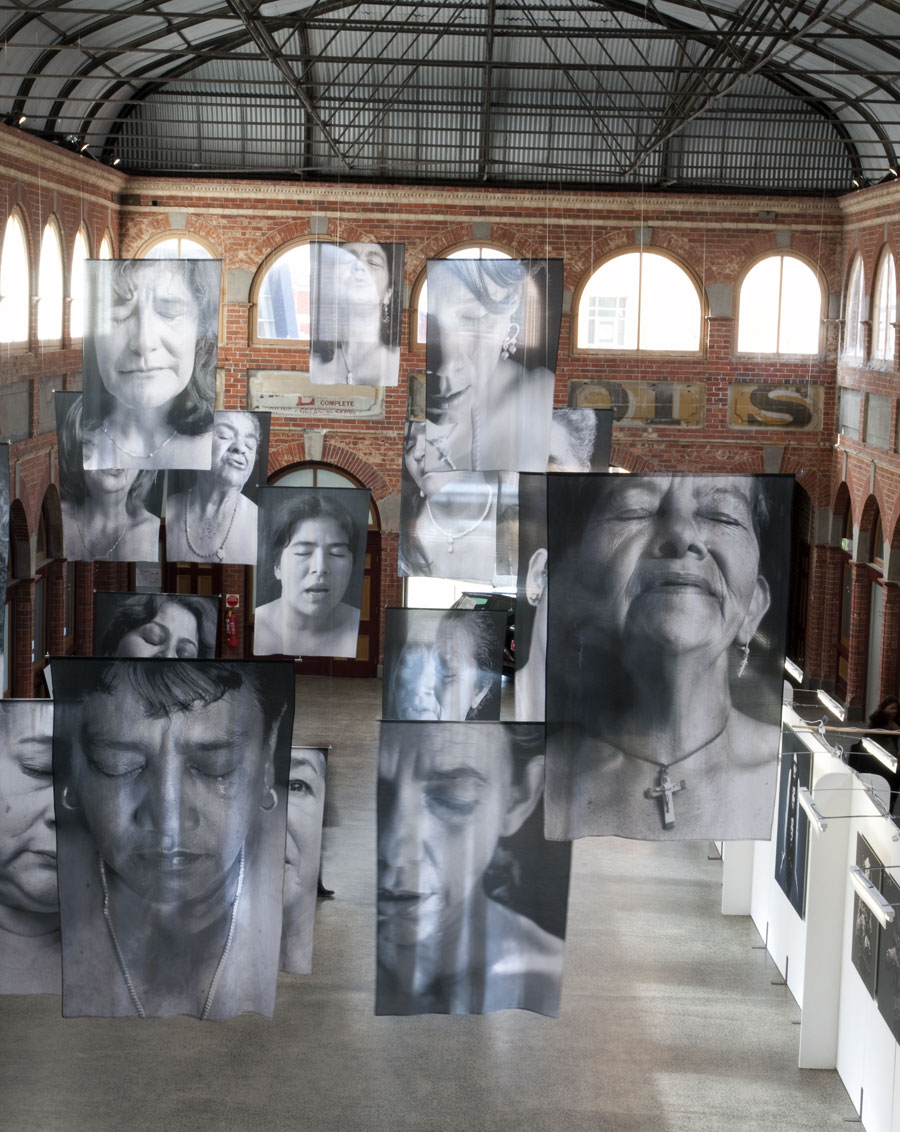
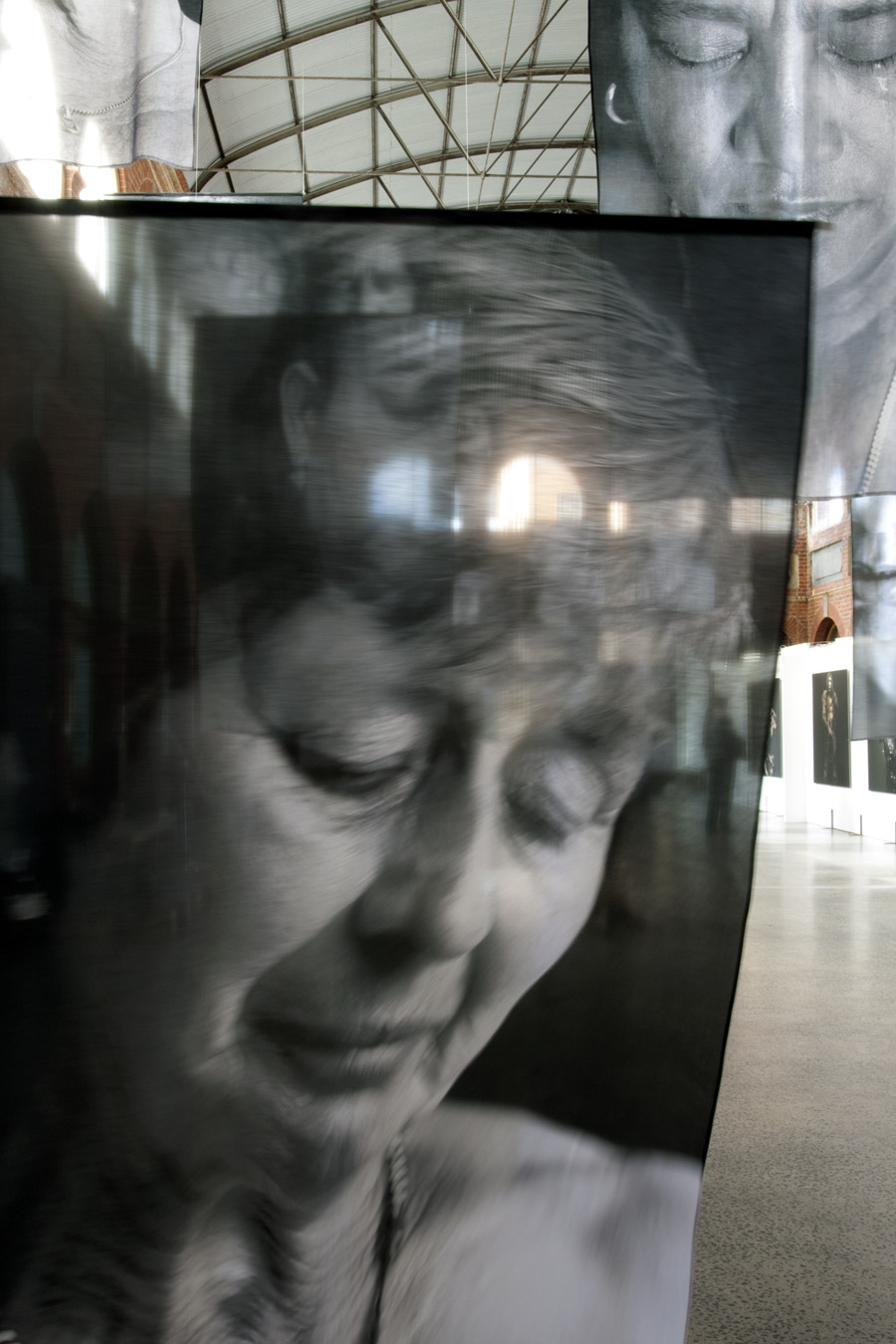
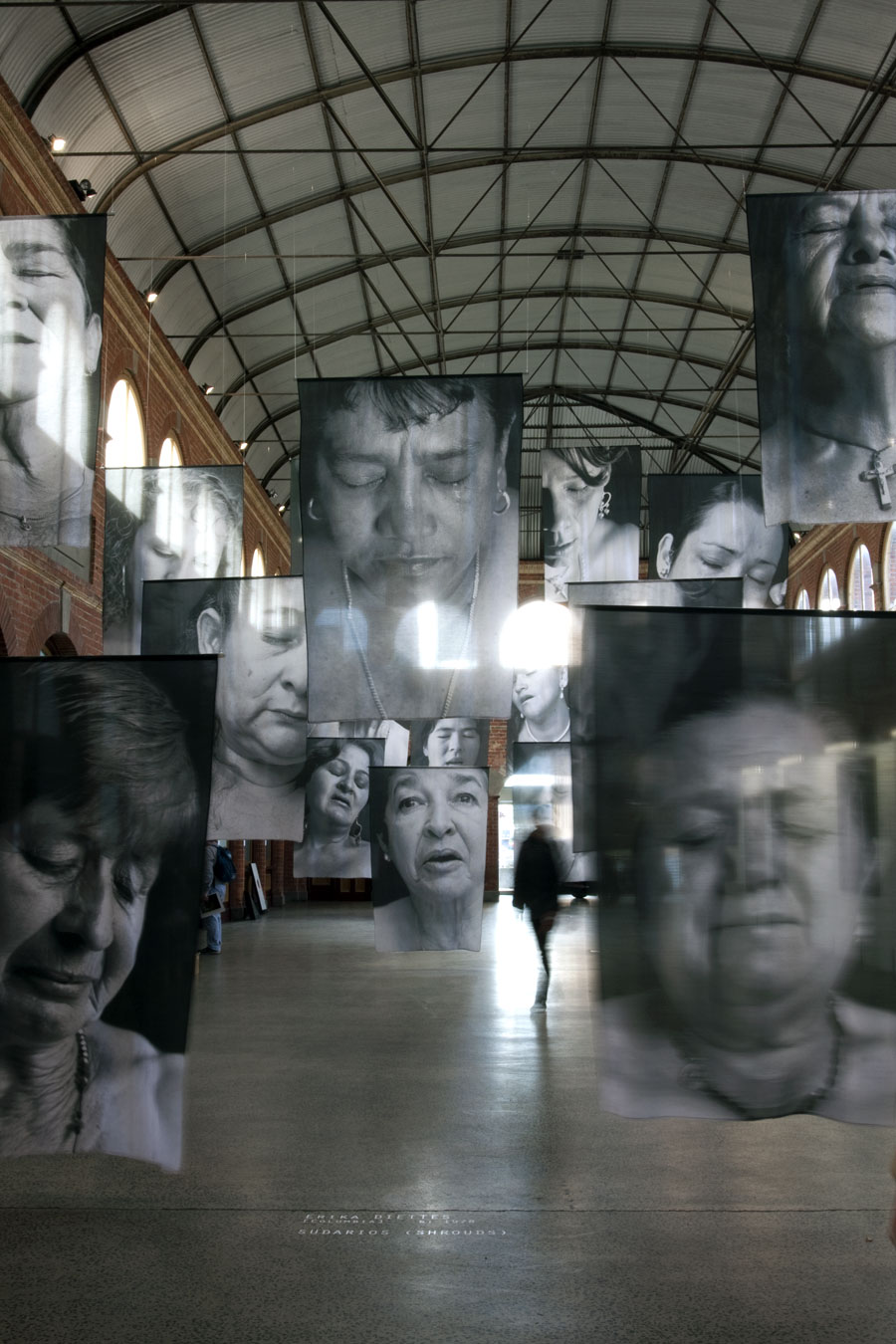
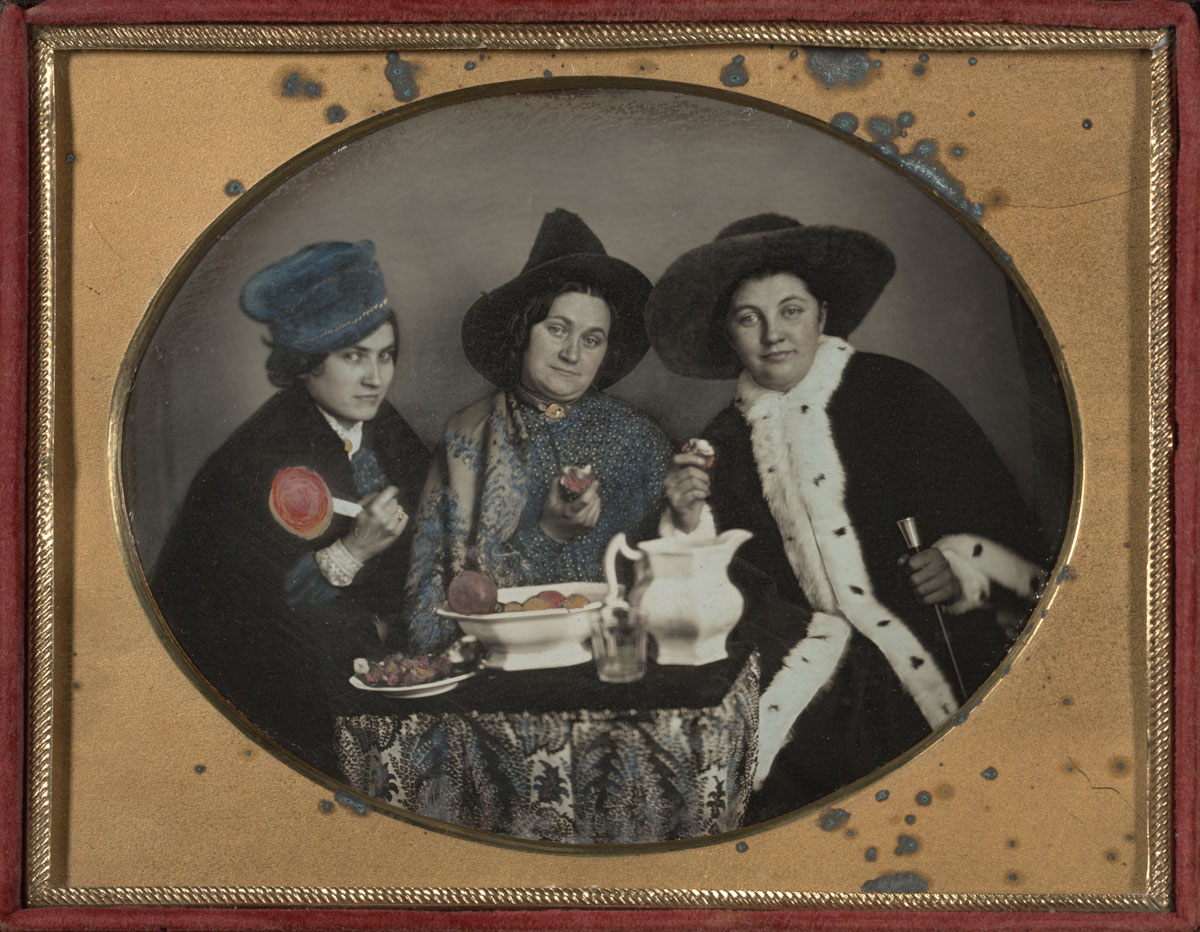
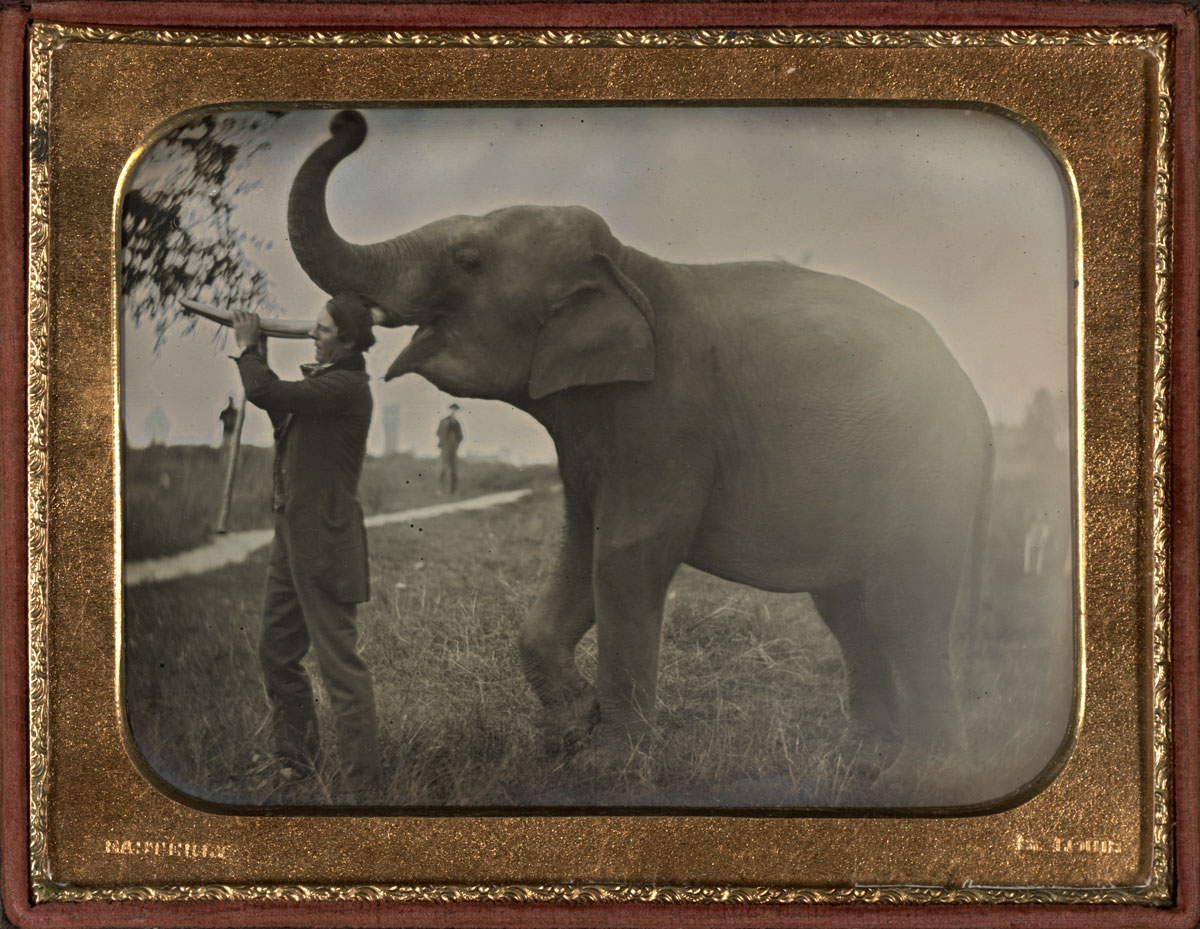
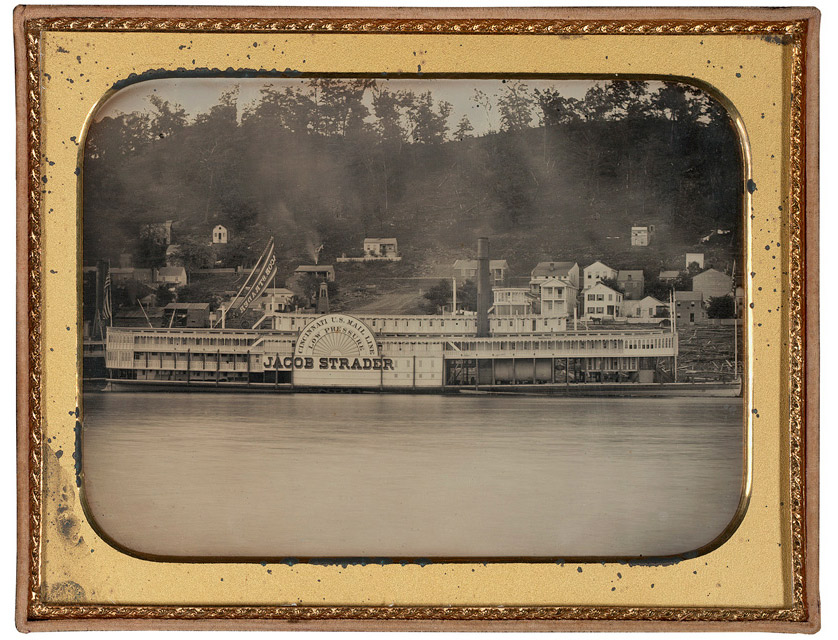
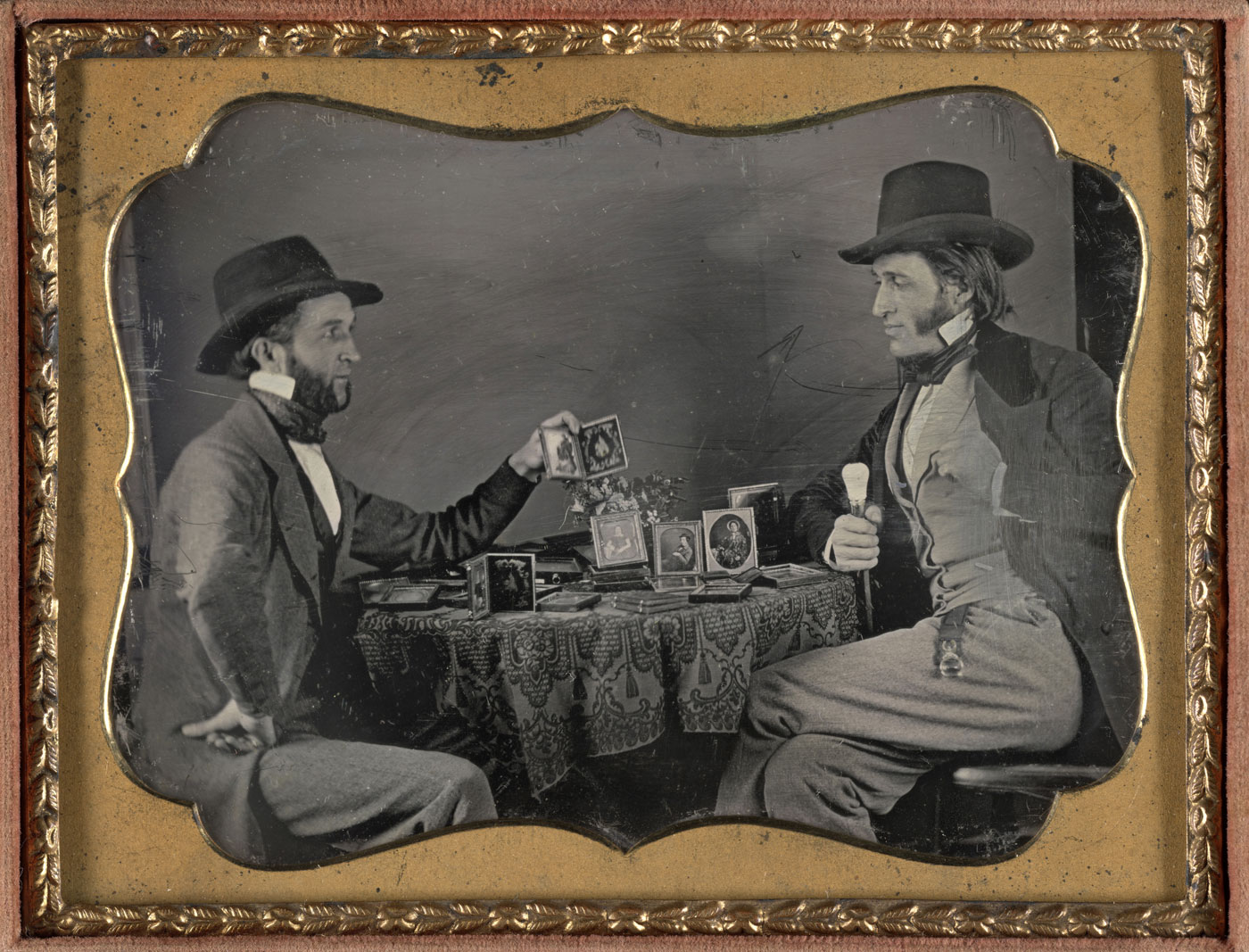
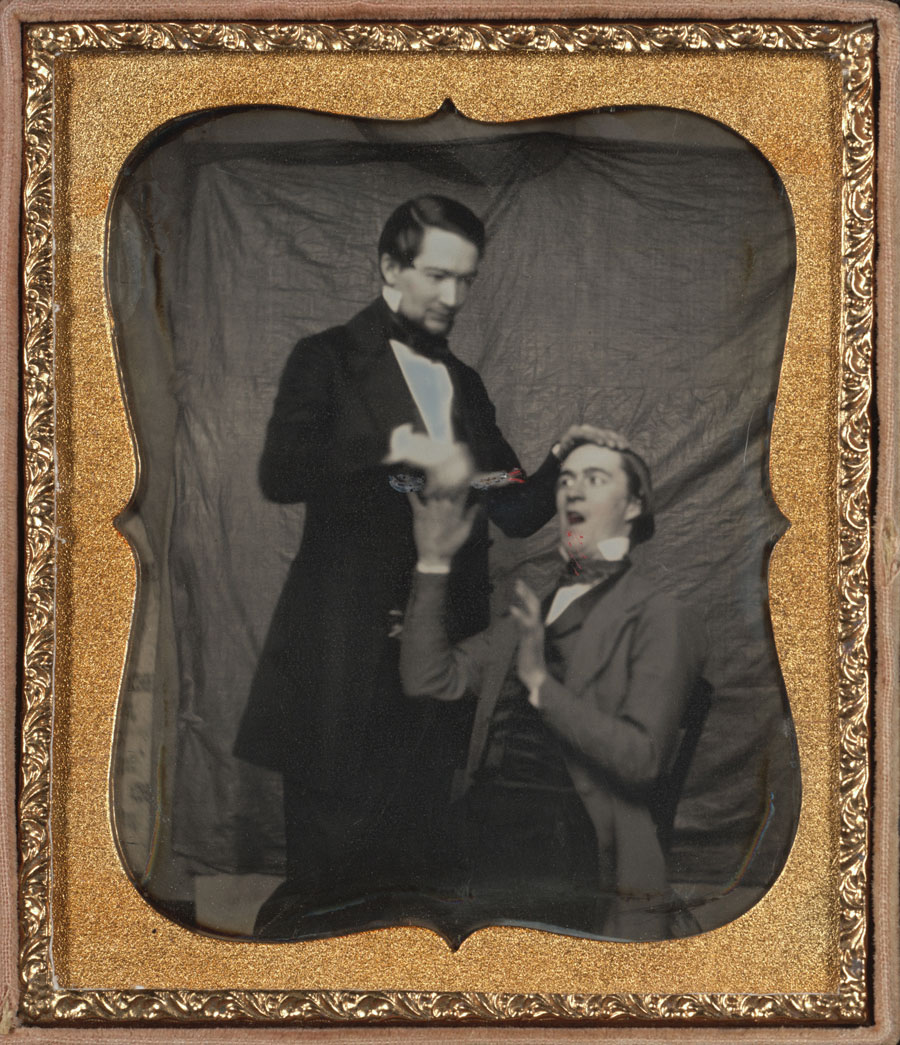
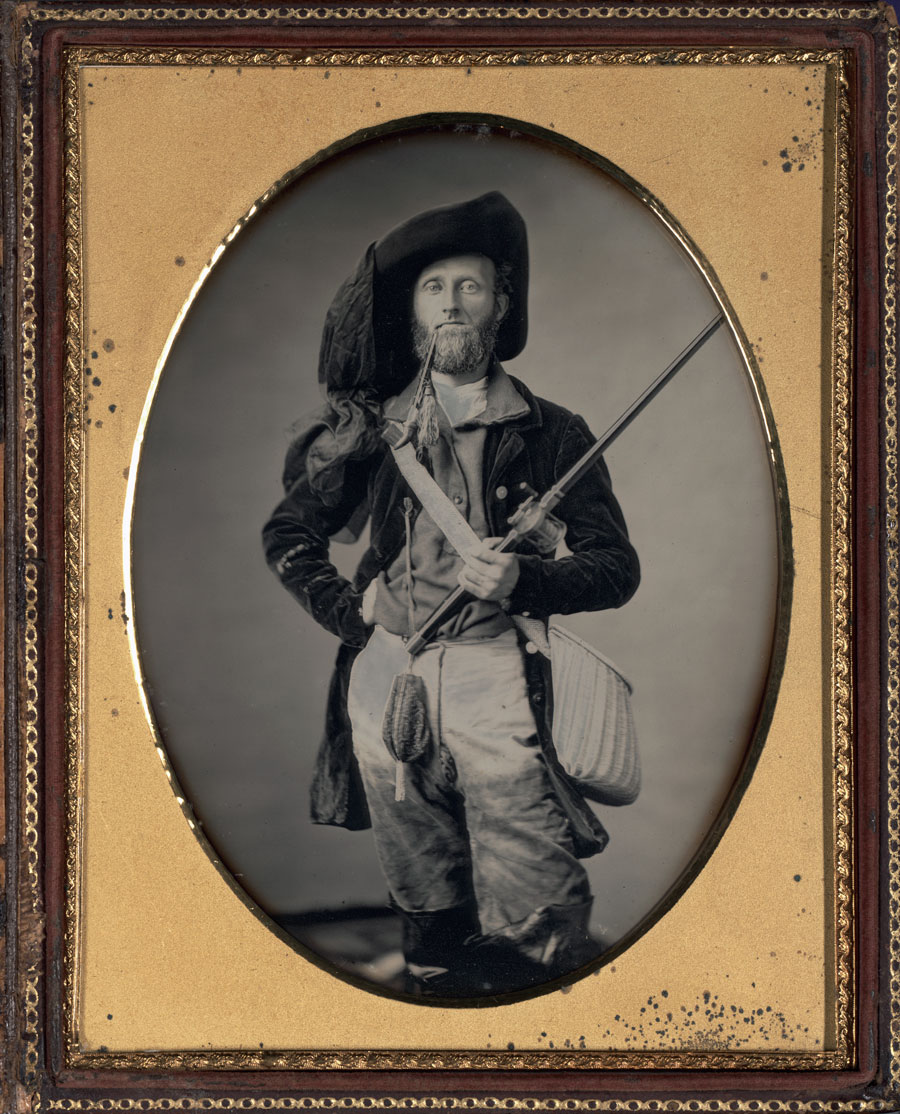
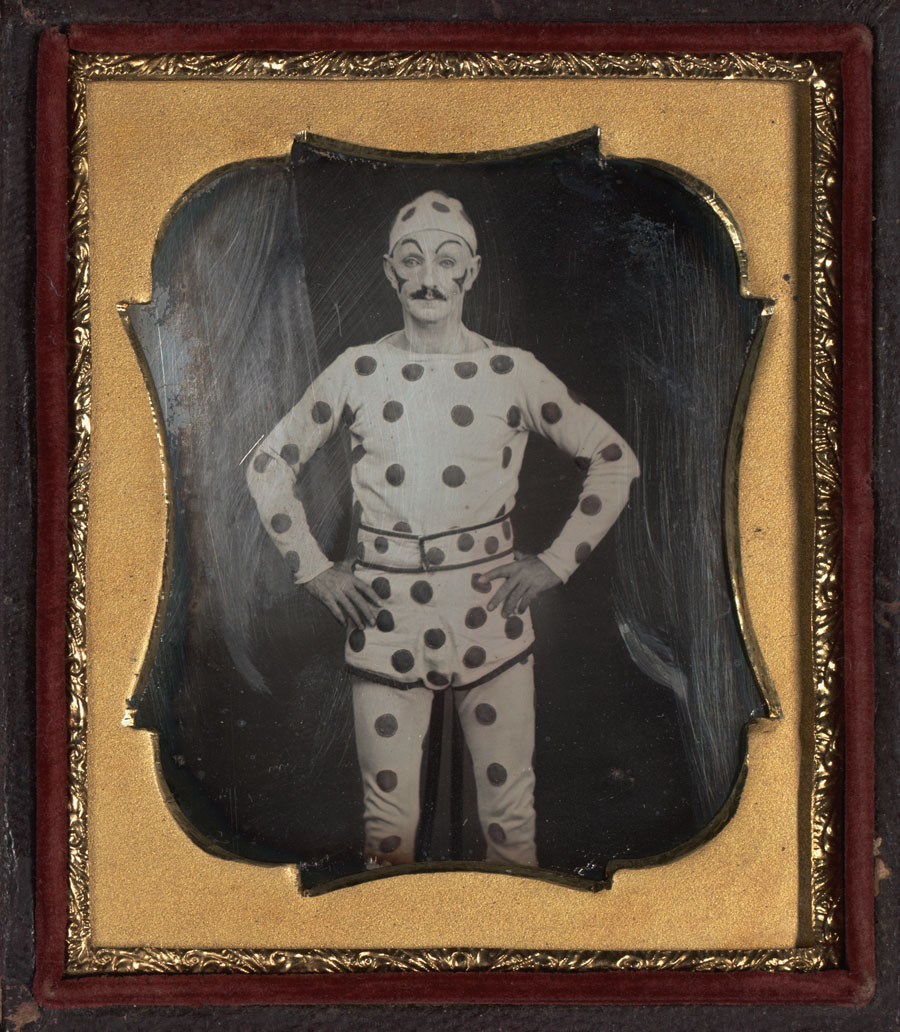
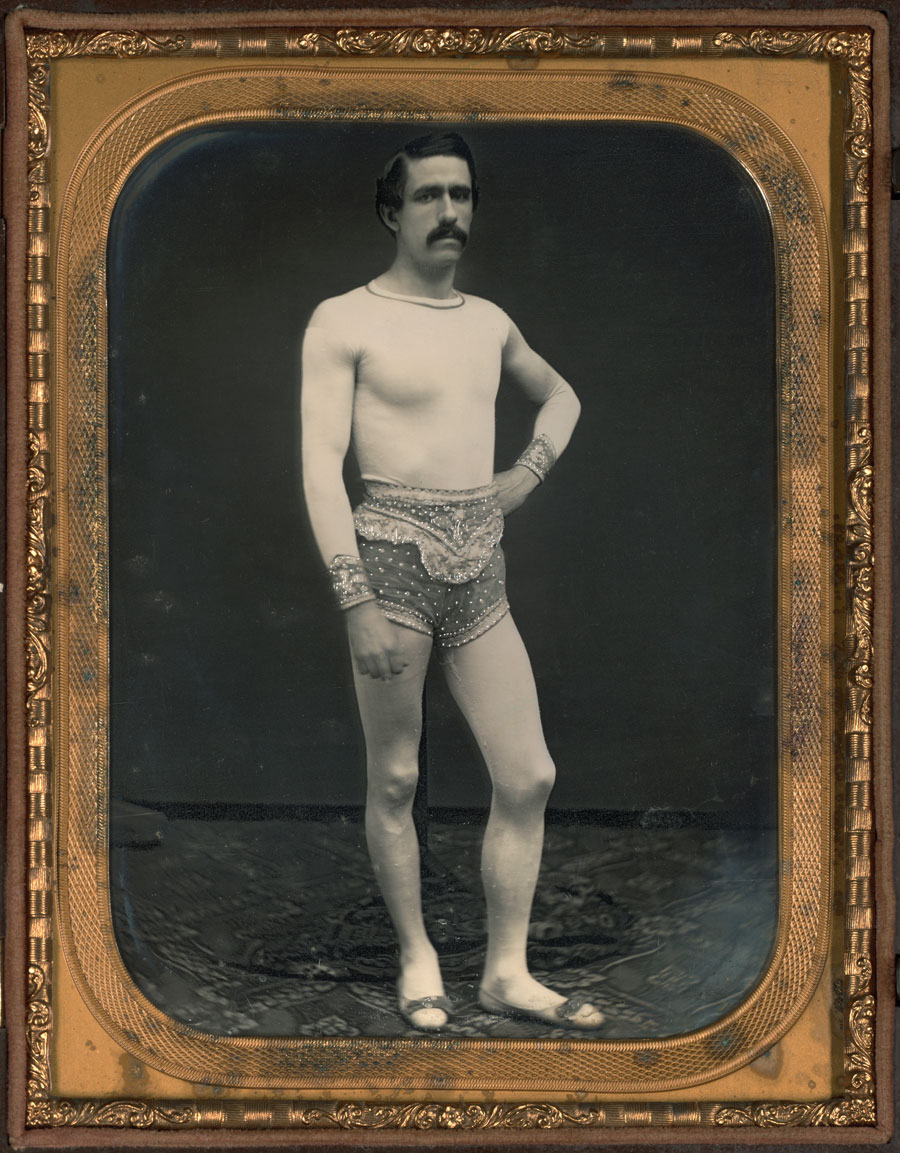
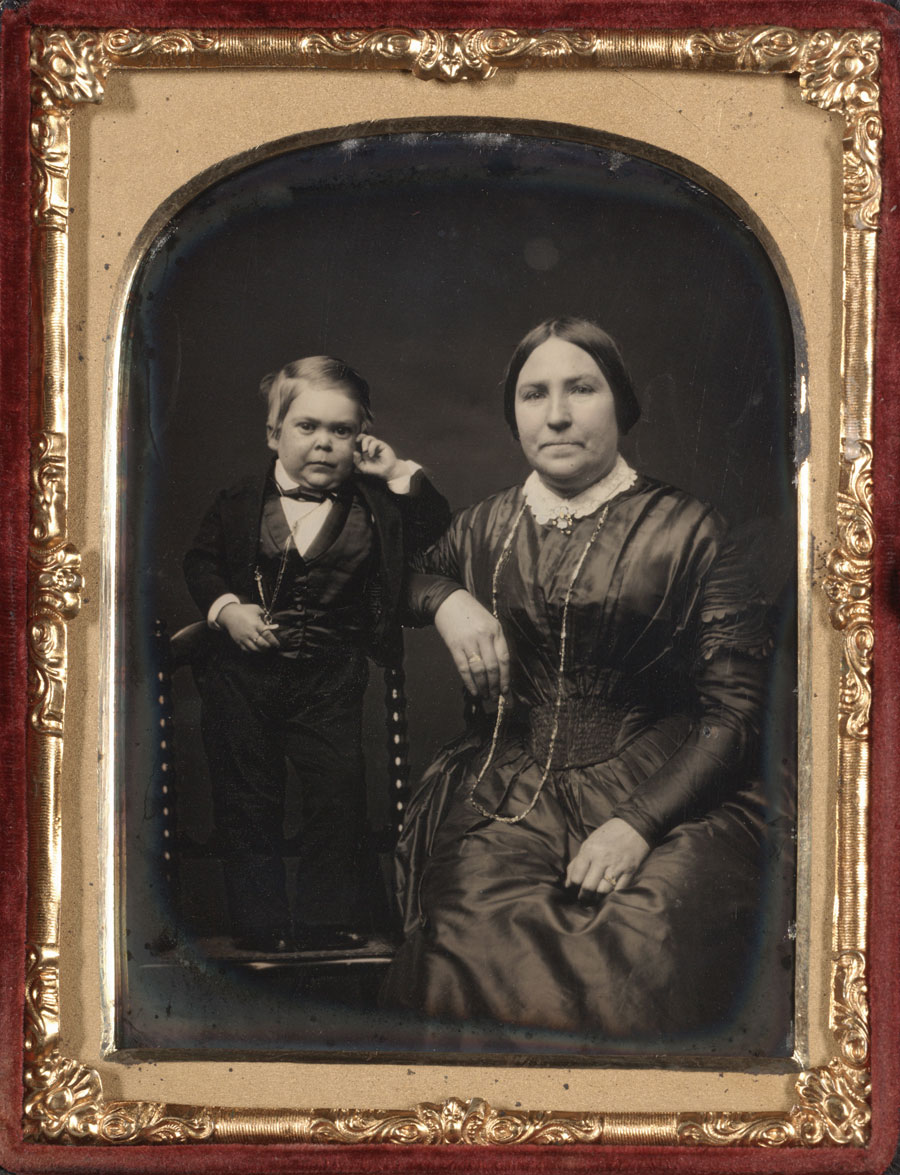
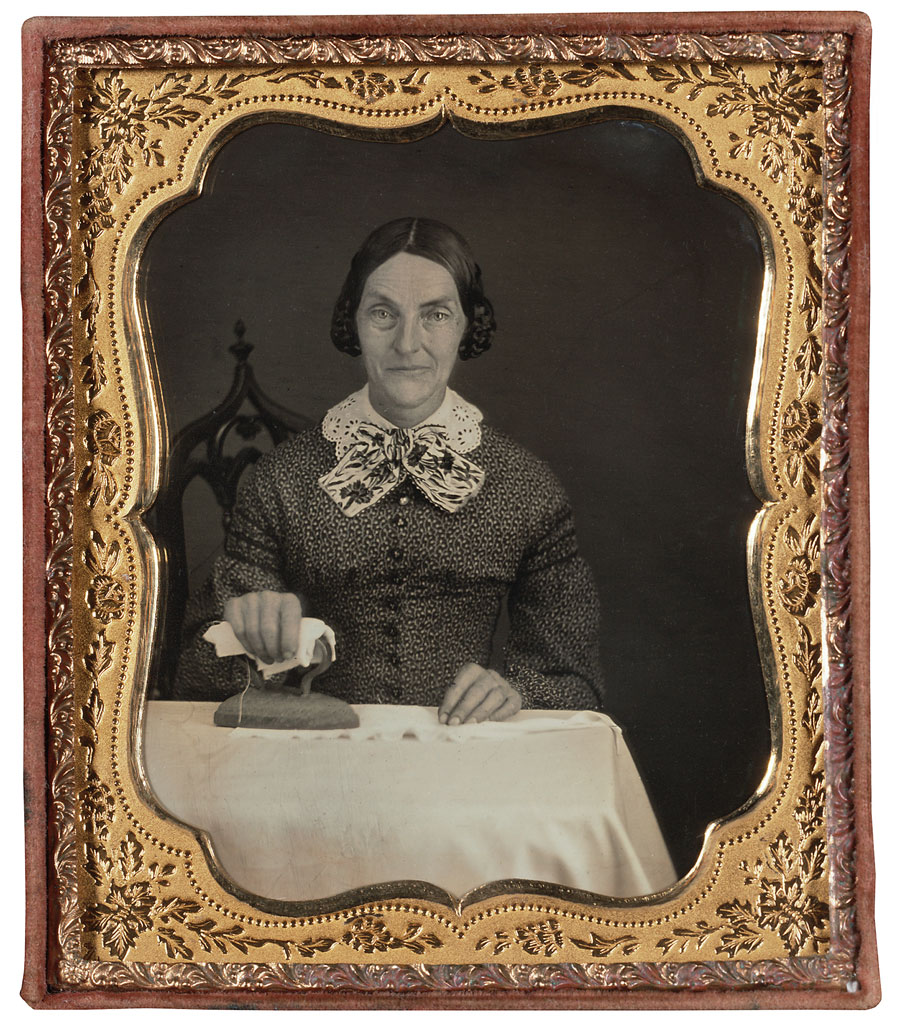
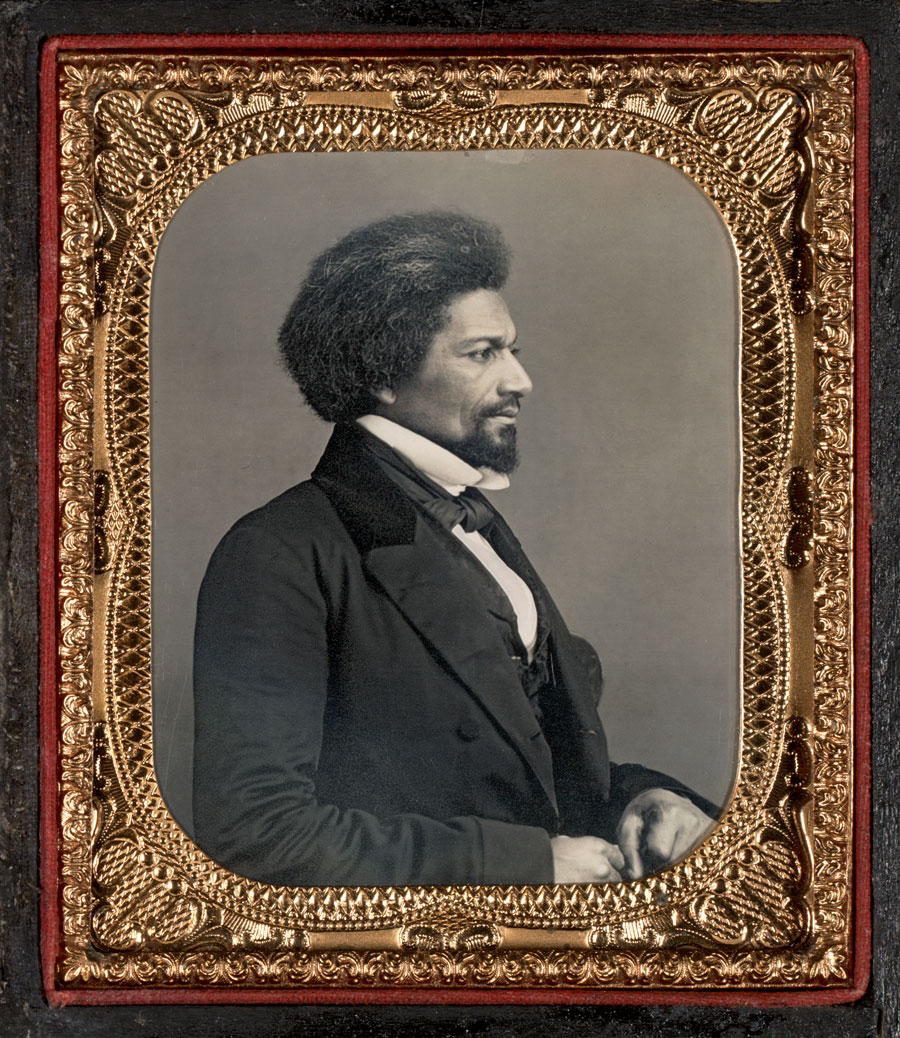
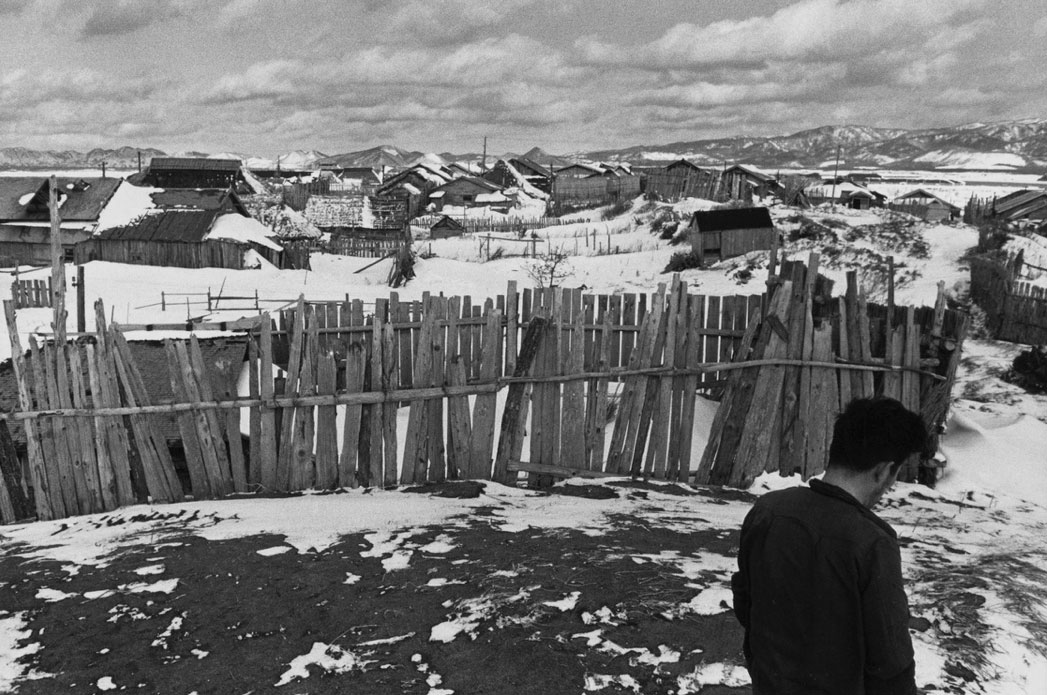

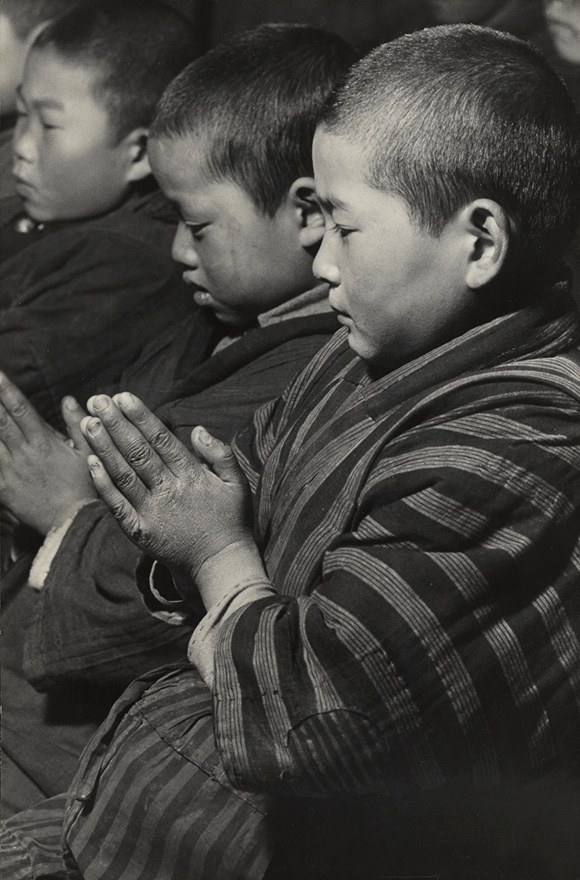


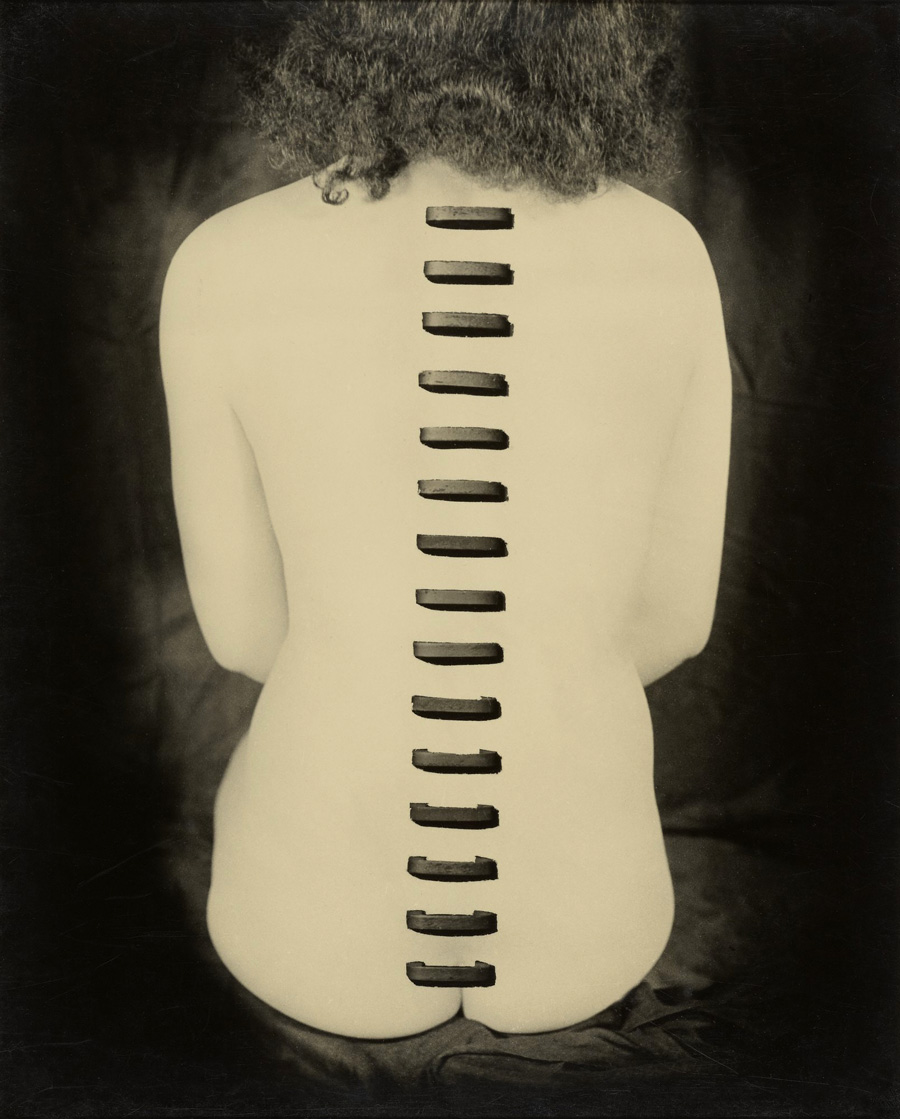

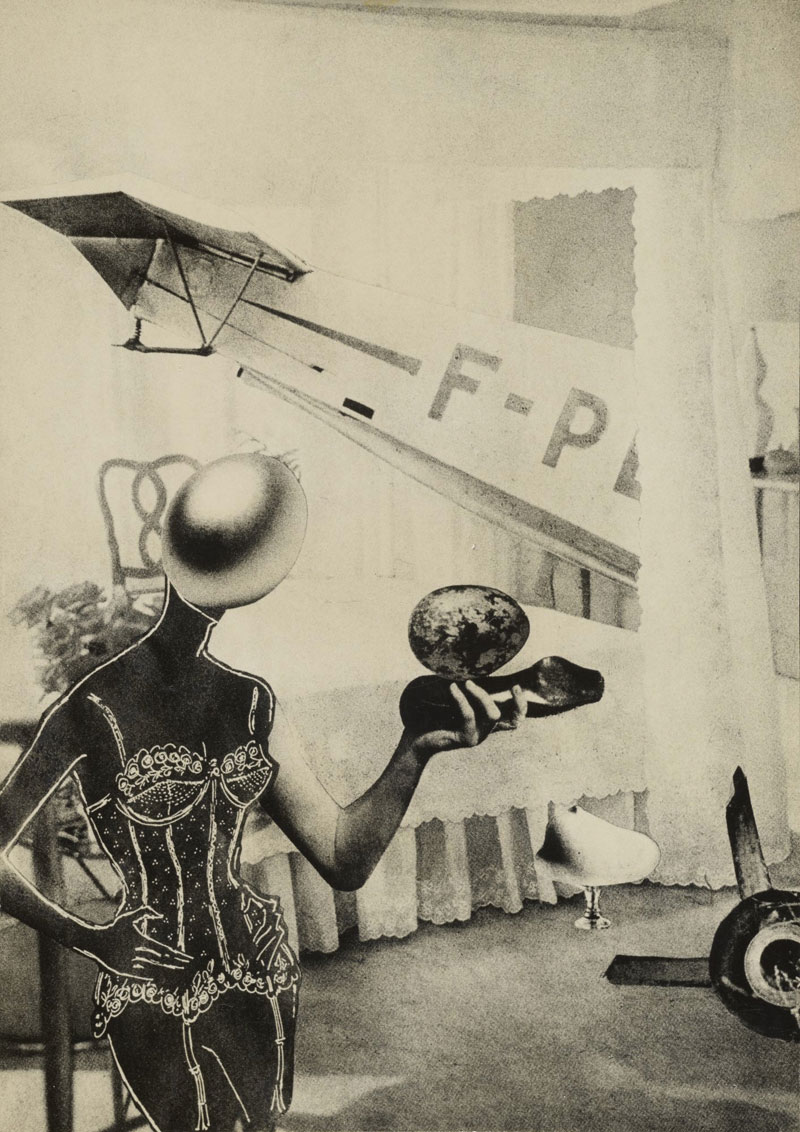


You must be logged in to post a comment.