Exhibition dates: 15th February – 12th April, 2019
Arnold Kramer (American, 1944-2017) Interior view 1977 Gelatin silver print 11 x 14 inches
I really like these.
While I disagree with some of the statements in the press release – I don’t see much Minor White in these photographs except for the occasional door / window, some small whiteness in these photographs, and his negatives aren’t that good – these photographs evidence Arnold Kramer’s unique way of seeing the world.
A dash of Walker Evans, a little Lewis Baltz (with the added smooth high values and distinct cool drama of a cold light head enlarger), a bit of Diane Arbus and her settings, and very much New Topographics for the interior space, they capture an original vision of these domestic scenes.
It’s the concept, high key, light, use of flash, wide angle lens and clinical presence that gets me in. As the press release correctly observes, “Kramer has a unique way of creating a three dimensional scene within the sheet of a two dimensional photographic paper: In his photographs of rooms, objects and patterns that can appear to look haphazard and random are flattened out and pieced together to create a marvellous kind of collage effect.”
This piecing together can be seen in the last photograph in the posting, where I analyse Kramer’s construction of pictorial space. He loves shapes thrusting in from the bottom of the image, or falling from the top, creating this complex assemblage flattened on the page. Very frontal, formal, banal as beauty (or the other way round), structured.
Ralph Gibson says: “I’m lucky to have a subconscious really” – Weston, Evans, and White can join in on that. But not Kramer. He doesn’t need the subconscious… for these images, with their paired back aesthetic, are almost scientific in their analytical probing. It’s as though the subconscious has been banished to be replaced by the cerebral.
A gesture of denial and concern at one and the same time – denial of the actual human inhabitants, and concern for their in/habitation – their habits and habitats.
Dr Marcus Bunyan
Many thankx to Joseph Bellows Gallery for allowing me to publish the photographs in the posting. Please click on the photographs for a larger version of the image.
Arnold Kramer (American, 1944-2017) Interior view 1977 Gelatin silver print 11 x 14 inches
Arnold Kramer (American, 1944-2017) Interior view 1977 Gelatin silver print 11 x 14 inches
Arnold Kramer (American, 1944-2017) Interior view 1977 Gelatin silver print 11 x 14 inches
Arnold Kramer (American, 1944-2017) Interior view 1977 Gelatin silver print 11 x 14 inches
Arnold Kramer (American, 1944-2017) Interior view 1977 Gelatin silver print 11 x 14 inches
Arnold Kramer (American, 1944-2017) Interior view 1977 Gelatin silver print 11 x 14 inches
These black and white photographs, with their sharp eye for the pattern and details of domestic settings, established Kramer as a distinct talent whose avoidance of “romantic bombast” and “emphasis on formal clarity,” made his pictures particularly fresh, when they were exhibited by Jane Livingston at the Corcoran Gallery of Art in 1978. In their emphasis on emotionally restrained, frontal views of rooms they look back and reference the work of Walker Evans, especially Evans’ Message From the Interior. In their attention to pattern and line as visual motifs within everyday spaces, he reveals his bond with another 20th century photographic master, his mentor Minor White.
Kramer has a unique way of creating a three dimensional scene within the sheet of a two dimensional photographic paper: In his photographs of rooms, objects and patterns that can appear to look haphazard and random are flattened out and pieced together to create a marvellous kind of collage effect. “I try to strike a balance between commitment to craft and commitment to seeing,” Kramer once explained.
The impact of this thinking is evident in his seductive series of interiors, which began with pictures made in the Baltimore home of his wife’s parents. The range of interiors expanded to include settings in homes of friends, family and others that spanned Baltimore, Washington and his hometown of Boston/Cambridge.
“These places transcend their own banality to become rather fabulously beautiful,” Kramer aptly asserted. For Kramer, meeting Minor White was pivotal. He enrolled in one of White’s classes while earning a Master’s Degree in Electric Engineering at the Massachusetts Institute of Technology (completed in 1968). On the basis of some pictures he had made for his high school yearbook, White allowed him to enter his advanced class in photography at M.I.T. and ultimately became Kramer’s mentor. He studied with White for five years beginning in 1967 and it was White’s insistence that his students strive for original vision in their work as much as excellent technique that was crucial to Kramer’s development as an artist.
He was the recipient of fellowships from the National Endowment for the Arts in both 1975 and 1979. From 1970 until 1981, Kramer was on the faculty of the School of Architecture at the University of Maryland, teaching undergraduate and graduate courses in still photography. During the 1980s, he also had a flourishing practice as an architectural and commercial photographer in Washington, D.C. He has served on the staff of the United States Holocaust Memorial Museum since 1987, heading up its Information Office and overseeing its technological initiatives for exhibitions and national outreach, as well as creating photographs for its archives and exhibits. Among collections in which Arnold Kramer is represented include: Birmingham Museum of Art, Corcoran Gallery of Art, National Museum of American Art, Addison Gallery of American Art and The Baltimore Museum of Art.
Press release from the Joseph Bellows Gallery Cited 04/03/2019
Arnold Kramer (American, 1944-2017) Interior view 1977 Gelatin silver print 11 x 14 inches
Arnold Kramer (American, 1944-2017) Interior view 1977 Gelatin silver print 11 x 14 inches
Arnold Kramer (American, 1944-2017) Interior view 1977 Gelatin silver print 11 x 14 inches
Arnold Kramer (American, 1944-2017) Interior view 1977 Gelatin silver print 11 x 14 inches
Arnold Kramer (American, 1944-2017) Interior view 1977 Gelatin silver print 11 x 14 inches
Arnold Kramer (American, 1944-2017) Interior view 1977 Gelatin silver print 11 x 14 inches
Arnold Kramer (American, 1944-2017) Interior view 1977 Gelatin silver print 11 x 14 inches
Arnold Kramer (American, 1944-2017) Interior view 1977 Gelatin silver print 11 x 14 inches
Arnold Kramer (American, 1944-2017) Interior view 1977 Gelatin silver print 11 x 14 inches
Arnold Kramer (American, 1944-2017) Interior view 1977 Gelatin silver print 11 x 14 inches
Arnold Kramer (American, 1944-2017) Interior view 1977 Gelatin silver print 11 x 14 inches
Arnold Kramer picture construction graphic
Joseph Bellows Gallery 7661 Girrard Avenue La Jolla, California Phone: 858 456 5620
Opening hours: Tuesday – Saturday 11am – 5pm and by appointment
Artists: Eero Aarnio | Jefferson Airplane | Michelangelo Antonioni | Richard Avedon | Günter Beltzig | Wolf Biermann | Big Brother and the Holding Company | Roman Brodmann | Pierre Cardin | Joe Colombo | Gerd Conradt | André Courrèges | Harun Farocki | Rainer Werner Fassbinder | Peter Handke | Haus-Rucker-Co | Jimi Hendrix | Helmut Herbst | Dennis Hopper | Theo Gallehr | Rudi Gernreich | Jean-Luc Godard | Gerhard von Graevenitz | F.C. Gundlach | Jasper Johns | Günther Kieser | Alexander Kluge | Yves Saint Laurent | Scott McKenzie | Egon Monk | Werner Nekes & Dore O. | Verner Panton | D.A. Pennebaker | Gaetano Pesce | Rosa von Praunheim | Paco Rabanne | Otis Redding | Kurt Rosenthal | Helke Sander | Ettore Sottsass | The Mamas & the Papas | The Who | Thomas Struck | Bernd Upnmoor | Roger Vadim | VALIE EXPORT | Agnès Varda | Wolf Vostell | Andy Warhol | Peter Weiss | Hans-Jürgen Wendt | Charles Wilp et al.
Ronald Traeger (American, 1936-1968) ‘Twiggy’ June 1966
Animation of Ronald Traeger’s photographs of Twiggy taken in June 1966 from the exhibition 68. Pop and Protest at the Museum für Kunst und Gewerbe Hamburg (MKG) 18th October 2018 – 17th March 2019
1968: the year that changed the world through radical action
From a posting about one revolutionary year in the 20th century (1918/19), we move 50 years in time to a another revolutionary year in that century: 1968.
I had wanted to do a posting on this exhibition and the 1968: Changing Times exhibition at the National Library of Australia (1st March 2018 – 12th August 2018) to compare and contrast what was happening in Australia and around the world in this most revolutionary year. But the six crappy press images that the National Library of Australia supplied were not worthy of a posting. Australian galleries in general and those in Canberra more particularly (I’m talking about you National Gallery of Australia!), really need to lift their game supplying media images. They are way behind the times in terms of understanding the importance of good media images to independent writers and critics.
In Australia, Prime Minister Harold Holt disappeared in the surf at Cheviot Beach, Victoria, presumed drowned in December 1967. A new prime minister, John Gorton, was sworn in in January 1968. Australians were dying in greater numbers in Vietnam; Aboriginal land rights issues vexed the Australian cabinet; and the White Australia policy of Old Australia, soon to be swept away in 1973, was still in full force. “Billy Snedden, the Minister for Immigration, said that Australians, and certainly the government, did not want a multiracial society. Sir Horace Petty, the Victorian Agent-General in London, explained that ‘the trouble comes when a black man marries a white woman. No one worries if a white man is silly enough to marry a black woman’.” (Text from the National Archives of Australia website [Online] Cited 01/03/2019. No longer available online)
Around the world, 1968 seemed to be the year where all the stars aligned in terms of protest against hegemonic masculinity, racism, war and social inequality.
1/ The assassinations of Martin Luther King Jr (civil rights movement) and Robert F. Kennedy (engagement with youth, social change, civil rights) shocked the world. Race riots rock America including the Orangeburg massacre, and riots in Baltimore, Washington, New York City, Chicago, Detroit, Louisville, Pittsburgh and Miami. U.S. President Lyndon B. Johnson signs the Civil Rights Act of 1968
2/ The frustrations of youth boiled over in the Paris student riots of 1968 (protests against capitalism, consumerism, American imperialism and traditional institutions, values and order), leading to a “volatile period of civil unrest in France during May 1968 was punctuated by demonstrations and major general strikes as well as the occupation of universities and factories across France”
3/ The Chinese Cultural Revolution of 1968 called for revolutionary committees to be established to help preserve the ideological purity of the Chinese Revolution
4/ Muhammad Ali toured American student campuses giving hundreds of anti-Vietnam war speeches; protestors massed outside the White House at all hours. Eventually 4 students were killed at the Kent State Shootings by the U.S. National Guard during a demonstration on 4 May 1970
6/ The Polish 1968 political crisis, also known in Poland as March 1968 or March events pertains to a series of major student, intellectual and other protests against the government of the Polish People’s Republic. Student protests also start in Belgrade, Yugoslavia
7/ The Prague Spring was a period of political liberalisation and mass protest in Czechoslovakia as a Communist state after World War II. It began on 5 January 1968, when reformist Alexander Dubček was elected First Secretary of the Communist Party of Czechoslovakia (KSČ), and continued until 21 August 1968, when the Soviet Union and other members of the Warsaw Pact invaded the country to suppress the reforms during the Warsaw Pact invasion of Czechoslovakia
8/ In the following year, the Stonewall riots took place, a series of spontaneous, violent demonstrations by members of the gay (LGBT) community against a police raid that took place in the early morning hours of June 28, 1969, at the Stonewall Inn in the Greenwich Village neighbourhood of Manhattan, New York City. They are widely considered to constitute the most important event leading to the gay liberation movement and the modern fight for LGBT rights in the United States, the official starting point of gay liberation, a movement that had been building momentum since the 1950s
(R)evolution was in the air.
Dr Marcus Bunyan
Many thankx to Museum für Kunst und Gewerbe Hamburg for allowing me to publish the photographs in the posting. Please click on the photographs for a larger version of the image.
Katzelmacher is a 1969 West German film directed by Rainer Werner Fassbinder. The film centres on an aimless group of friends whose lives are shaken up by the arrival of an immigrant Greek worker, Jorgos (played by Fassbinder himself, in an uncredited role).
In this unflinching German drama by Rainer Werner Fassbinder, a group of young slackers, including the couple Erich (Hans Hirschmuller) and Marie (Hanna Schygulla), spend most of their time hanging out in front of a Munich apartment building. When a Greek immigrant named Jorgos (played by Fassbinder), moves in, however, their aimless lives are shaken up. Soon new tensions arise both within the group and with Jorgos, particularly when Marie threatens to leave Erich for the outsider.
Katzelmacher | A Greek from Greece | 1969 | Dir. R. W. Fassbinder
Katzelmacher is a 1969 West German film directed by Rainer Werner Fassbinder. The film centres on an aimless group of friends whose lives are shaken up by the arrival of an immigrant Greek worker, Jorgos played by Fassbinder himself, in an uncredited role.
Rainer Werner Fassbinder directs and stars in this film, impersonating Jorgos, a Greek man who immigrated to a small German town to work. However, when he arrives, he is faced with the local residents, who find his status as a foreigner strange, as well as his communist conviction. Jorgos tries to please his new neighbours, thereby arousing the interest of some women in the city and achieving relative success with the beauties. Consequently, he provokes more hostile behaviour in the men of the city. Greeted and reviled in Germany upon its release, Katzelmacher helped the controversial Fassbinder gain international prominence with a strong, provocative and controversial film.
What is a “Katzelmacher”?
“Katzelmacher” is a Bavarian slang term, meaning vaguely “troublemaker,” though a monograph from New York’s Museum of Modern Art insists on a more literal meaning: “cat-screwer”.
The exhibition 68. Pop and Protest brings together all the defining pictures, movies, texts and sounds of this era forming a complex atmospheric picture. The Museum für Kunst und Gewerbe Hamburg (MKG) will display about 200 objects including music installations, fashion, movies, photos, posters, design objects, historical documents and spatial ensembles such as Verner Panton’s Spiegel canteen, which show what moved and motivated people in 1968 – in Hamburg, Germany and the rest of the world: awareness of their own rights, and the possibility to advocate their opinions publically through protest and revolt.
The year 1968 is shaken by dramatic events which lead to protests, and promote revolutionary ideas. At the same time, a global cultural revolution is initiated that imaginatively revolts against conservative authoritarian structures, propagates sexual freedom, and demands equality for all people. Various avant-garde forms of expression in all artistic departments are the non-violent weapons of the time: progressive music, unconventional styles, bold designs, contentious theatre, and socio-critical cinema d’auteur.
Furthermore, there is an unprecedented desire for critical discourse, public discussion, and civil disobedience. A common thread is hope; hope that the world will turn into a fairer place, that society will get more just, and that people will become better; hope that political suppression will stop, that borders will be overcome, walls will get torn down, and that sexuality will be non-exploitative.
It is more important than ever to once again consolidate these ideas of freedom and self-determination in our collective memory. Current events show that central aspects of a free and democratic way of life are at stake (again): individual development of the self, fundamental rights such as freedom of speech and freedom of the press, democratic participation, and first and foremost open-mindedness towards what and whom we don’t know.
Text from the Museum für Kunst und Gewerbe Hamburg [Online] Cited 11/02/2019
When maladjusted outfits become consumer society, materialism and conventionality are put to the test. After short time, the looks can be found in the department stores: the protest mode is moving from subculture to mainstream. In haute couture, designs are related to the changing society set, in which gender assignments stumble and a relaxed handling of physicality and sexuality is propagated.
Installation views of the exhibition 68. Pop and Protest at the Museum für Kunst und Gewerbe Hamburg (MKG) Photos: Michaela Hille
The exhibition 68. Pop and Protest brings together all the defining pictures, movies, texts and sounds of this era forming a complex atmospheric picture. The Museum für Kunst und Gewerbe Hamburg (MKG) will display about 200 objects including music installations, fashion, movies, photos, posters, design objects, historical documents and spatial ensembles such as Verner Panton’s Spiegel canteen, which show what moved and motivated people in 1968 – in Hamburg, Germany and the rest of the world: awareness of their own rights, and the possibility to advocate their opinions publically through protest and revolt.
The year 1968 is shaken by dramatic events which lead to protests, and promote revolutionary ideas. At the same time, a global cultural revolution is initiated that imaginatively revolts against conservative authoritarian structures, propagates sexual freedom, and demands equality for all people. Various avant-garde forms of expression in all artistic departments are the non-violent weapons of the time: progressive music, unconventional styles, bold designs, contentious theatre, and socio-critical cinema d’auteur.
Furthermore, there is an unprecedented desire for critical discourse, public discussion, and civil disobedience. A common thread is hope; hope that the world will turn into a fairer place, that society will get more just, and that people will become better; hope that political suppression will stop, that borders will be overcome, walls will get torn down, and that sexuality will be non-exploitative.
It is more important than ever to once again consolidate these ideas of freedom and self-determination in our collective memory. Current events show that central aspects of a free and democratic way of life are at stake (again): individual development of the self, fundamental rights such as freedom of speech and freedom of the press, democratic participation, and first and foremost open-mindedness towards what and whom we don’t know.
Atelier Populaire La base continue le combat 1968 Silk screen 65.4 x 50cm Museum für Kunst und Gewerbe Hamburg
La révolution est dans la rue – The revolution is on the street
In 1968, France is experiencing serious unrest, with a general strike. In the democratically organised Atelier Populaire, rehearsing artists and workers have productive co-operation: hundreds of protest motifs are printed in their thousands as posters, which create and shape the Parisian cityscape. La beauté est dans la rue – not only the revolution, but also the beauty of the road reached.
Public space becomes a central place of expression, the protesters getting their messages to the mass media and conveyed to the general public. But strong pictures are needed: the political actions offer in their skilful staging, great visual attraction potential. All means of expression unites an understanding of democracy, the current rules and power structures in the (media) public, performatively questioned.
Street as Mass Medium
In May 1968, France experiences severe riots. Students and workers take a stand for mutual political demands for reforms as well as for cries for international solidarity which leads to a “wild general strike”: They occupy factories and public facilities such as faculties of Paris’ art college Ecole des Beaux-Arts. The printing workshop is opened as an Atelier Populaire to give everyone the chance to publically express their own views by creating posters. Artists and workers productively collaborate in this democratically structured space: the community collectively consults about how the protest messages should look like, and everyone can be a printer. Within a few weeks, hundreds of protest pictures – printed thousand fold – are spread across the city and can be seen everywhere. Universities are breeding grounds for protests; this is also true for the Federal Republic of Germany. Here, students discuss controversial opinions in an academic discourse, and organise resistance. In the light of global protests against the Vietnam War and Western economic colonialism, they express basic criticism of the political landscape. Their criticism also addresses education policy, elitist structures, emergency laws, and the German media landscape. The street is the place for the non-parliamentary opposition to utter their opinions. In the fight for political recognition and public attention, performative actions are more and more successful. Sit-ins, teach-ins, rallies, happenings and demonstrations offer creative provocation, and civil disobedience in combination with well-known forms of protest such as flyers and posters, all of which arouses high visual sensations and great media response. These different forms of action range from giving out paper bags with caricatures depicting the ruling Persian couple, which Kommune 1 does in 1967 at a demonstration against their visit in Berlin, to the famous banner saying “Unter den Talaren – Muff von 1000 Jahren” (“underneath their robes – fustiness of a thousand years”), with which undergraduates demand university reforms on the 9th November in 1967 at the University of Hamburg; these protests also include knocking down the monument of colonial civil servant Hermann von Wissmann in Hamburg as a statement against the “ongoing exploitation of the Third World.”
The universities are the germ cells of the protest: right and left groups claim the opinion of (academic) youth and the interests of society for themselves. Each as truth, propagated views are sometimes radically represented. In the fight for attention and political perception, actions are used that are between creation and provocation and cause civil disobedience.
Rainer Hachfeld (German, b. 1939) Distribution: Kommune 1 Karikatur / caricature: Schah-Masken (Mohammad Reza Pahlavi, Farah Pahlavi) / Shah masks 1967 Paper Hamburger Institut für Sozialforschung Photo: MKG
The social discourse is characterised by civil rights movements, including feminist groups, the gay movement and the Civil Rights Movement of the African American population in the US. Racism, intolerance and discrimination are systematically and openly denounced. The means of protest range from demonstrations and information campaigns about civil disobedience to partly artistic, partly militant actions up to armed resistance.
Talking ’bout my Generation
In the 1960s, a pop revolution conquers the Western hemisphere, starting in Great Britain and the USA which conclusively establishes rock music as a generation-defining phenomenon and expression of an international way of life. This marks a paradigm shift in entertainment music that defines rock and pop as an essential part of youth and subculture with an existential identity-establishing function. For adolescents, English music also means separating themselves from the generation of their parents and the (fake) bourgeois Schlager music idyll. In only a short time, bands rise from playing in underground clubs to performing on big stages. One of the reasons is the growing festival scene that starts in 1967 with the Monterey Pop Festival and peaks in 1969 with Woodstock. The exhibition will feature the concert movie Monterey Pop that shows ground breaking performances by Jimi Hendrix, as he sets his guitar on fire, Jefferson Airplane, The Who, The Mamas & the Papas and more, which will give visitors the chance to dive into the festival atmosphere of the time. Concert posters, record covers and audio stations with the most famous songs bring the world of 68 to life. Already established musical genres are mixed, psychedelic rock captures the hippies‘ drug influenced style of life, experimental arrangements and instrumentation produce completely new electronically amplified and distorted sounds. Records are conceptualised as complete art works. As a consequence, a visual cross-media language evolves that includes psychedelic poster or album cover designs and extravagant style presentations of the rock stars themselves. Pop culture becomes the international language of an entire generation.
Rock music finally establishes itself as generation-determining phenomenon and an expression of an international lifestyle. This is accompanied by a cross-media visual language, from psychedelic poster and cover design to extravagant fashion staging of the rock stars. Pop Culture becomes the international language of a whole generation, that is in turn incorporated by the cultural industry.
Monterey Pop Official Trailer
The Monterey Pop Festival ran for three days in June 1967. For most of the five shows, the arena was jammed to bursting with perhaps as many as 10,000 people. The live performances were spectacularly successful. Janis Joplin, who was singing with Big Brother and the Holding Company, pulled out all the stops with a raw, powerful performance that helped establish her as the preeminent female rock singer of her day.
The Who climaxed a brilliant set by smashing their equipment at the conclusion of “My Generation”. Jimi Hendrix (in the American debut of the Jimi Hendrix Experience) offered an awesome display of his virtuosity as a guitarist and as a showman, humping his Marshall amplifiers and then setting his Stratocaster ablaze. Another highlight was Ravi Shankar’s meditative afternoon of Indian ragas. And then there was Otis Redding, the dynamic soul man turned in what many present believe was the festival’s best performance. ABC offered $400,000 for network rights to Pennebaker’s film (which was released in theatres after ABC decided it was too far out for the TV audience).
Karl Georg Günther Kieser (born March 24, 1930 in Kronberg im Taunus; † March 22 , 2023 in Offenbach) was a German graphic designer and sculptor.
Since the 1960s, he has been particularly well-known for his poster design for the German Jazz Festival in Frankfurt and his posters for events organised by the Lippmann + Rau concert agency, and is considered one of the most important German designers of jazz and rock posters. He also worked for the jazz label Blue Note.
Stages of Revolt
The performing arts are said to have a great political clout, and the stage becomes the place for social debates. Classical plays are reviewed regarding its political messages, and newly written plays accuse the bourgeois establishment. The shrine-like status of museums is challenged by wearing jeans to openings, no evening dresses, no champagne. The theatre leaves established institutions behind; companies are formed that take their messages to the streets. They no longer respect the division between actor/actress and spectator, exaggerated in Peter Handke’s Publikumsbeschimpfung (1966, Offending the Audience), or in Hans Werner Henze’s oratory Floß der Medusa (The raft of the Medusa) in which he criticises “the authority of humans over humans”. For its premiere with the NDR radio symphony orchestra, Henze puts a portrait of Che Guevara and a red flag on stage. Actors / actresses exit erratically, there is tumult, cries for Ho Chi Minh, an overwhelming police presence, and arrests – the show is stopped eventually. Art and life merge into each other, as can be seen in collectives like Rainer Werner Fassbinder’s antiteater in Munich. Such creative communities see themselves as antitheses to the middle-class, which could never give birth to any relevant art, because of its saturated complacency.
Filmstill from Publikumsbeschimpfung, premiere in Frankfurt am Main, 1966 Director: Claus Peymann , Aufzeichnung des HR
Bühnen der Revolte – Stages of revolt
The performing arts have major political clout and the stage becomes more about sociable Debates. The theatre leaves the institution, new pieces emerge and bring charges against the educated middle class Establishment. The border between actor and spectator is no longer respected, the audience is called to action. Art and life merge into collectives like Fassbinders antiteater and Steins Schaubühne.
Publikumsbeschimpfung (Offending the Audience) A speech piece by Peter Handke World premiere in the Frankfurt Theater am Turm 1966 Director: Claus Peymann Sprecher: Michael Gruner, Ulrich Hase, Claus-Dieter Reents, Rüdiger Vogler
Hans Werner Henze (1926-2012) Das Floß der Medusa (1968) The Raft of the Frigate “Medusa”
Abschied von gestern (Yesterday Girl), Alexander Kluge, 1966
The Old Film is Dead
In 1962, a young generation of filmmakers demands the aesthetic, thematic and economical reorientation of the German cinematic landscape, as expressed in their Oberhausener Manifest. The economic crisis of the film industry in the 1960s and international innovative movements like the Nouvelle Vague, lead them to clearly distance themselves from both the NS history and sentimental films with regional background (Heimatfilm) as well as the Karl May and Edgar Wallace franchise and the like. The 26 signers seek intellectual liberation through radically turning to film d’auteur and to independent productions apart from already established studio business. These filmmakers reject the conventional uplifting entertainment conventions of the time, and like to provoke the audience – impressively shown in Alexander Kluge’s Abschied von gestern (Yesterday Girl). Thus, the critical avant-garde of the Neuer Deutscher Film, including the works of Rainer Werner Fassbinder and others, is internationally successful. In 1967, in the wake of the American experimental and underground cinema, the Hamburger Filmmacher Cooperative is founded. Without any state funding or need to submit to corporate profit values, the partly autodidactic filmmakers realize unconventional projects, distribute them through their independent network, and establish their own public sphere of the Andere Kino (Other Cinema) with their several days long film-ins. Inexpensive substandard films and super 8 cameras forward a vital underground scene, which primarily produces short films that fathom the dividing lines between visual arts and filmic experiments.
Alexander Kluge (German, b. 1932) Abschied von gestern (Yesterday Girl) (videostill) 1966 Black and White film, 88 min. Courtesy/Copyright: Alexander Kluge
Der alte Film ist tot – The old film is dead
1962 calls a young generation of filmmakers with the Oberhausen Manifesto the aesthetic, content and economic realignment of German film. The collective project borders on the Nazi-film-burdened past and the presence marked by Heimatfilm. Many of the films refuse entertainment conventions, but provoke the emotional and sociopolitical reflection in the audience.
Gerd Conradt (born May 14, 1941 in Schwiebus) is a German cameraman, director, author and lecturer in video practice. His films and video programs are mostly portraits – conceptually designed time pictures, often as long-term documentaries.
Dore O. was born on 9 August 1946 in Mülheim an der Ruhr, Germany. She was a director and actress, known for Kaskara (1974), Blonde Barbarei (1972) and Alaska (1969).
Born Dore Oberloskammp in 1946, Dore O. was a painter before turning to film in the late ’60s, a not uncommon shift for young West German artists at the time, swept up as many of them were by the anti-imperialist and anti-fascist ideals of the New Left. The medium’s powers of documentation were considered key in the struggle against the prevailing social order, inspiring a rethinking of the means of artistic production and distribution that resulted in the proliferation of film collectives across the country. …
Dore often collaborated with her husband, the artist Werner Nekes; the two codirected Dore’s first film, the 1968 short Jüm-Jüm – a percussive concatenation of stationary shots that show a woman swinging in front of a large painting of a phallus – and they shared an affinity for vintage optical devices (Nekes was a collector). Their work both relied on an inventive manipulation of celluloid film, though Dore in particular used techniques like double exposure, rear projections, and superimposition to get at a new kind of language, a way of seeing whose logic was related more to the intuitively expressive powers of music than any rational principle. Dore’s fascination with the parameters of perception – how film can disrupt and expand them – is perhaps most obviously apparent in Kaskara (1974), composed almost entirely of the passageways (doors, windows, mirrors) that recur throughout Dore’s oeuvre, and which are here multiplied and dense with reflective layers. Shot in the couple’s summer cottage in Sweden, the film finds a man, Nekes, floating in and around the house, with superimpositions dissolving the boundaries between the landscape and the rooms, collapsing exterior and interior into one unified reality.
“As usual, the film is ‘shown’ in the dark. But the cinema has shrunk somewhat – only two hands fit inside it. To see (i.e. feel, touch) the film, the viewer (user) has to stretch his hands through the entrance to the cinema. At last, the curtain which formerly rose only for the eyes now rises for both hands. The tactile reception is the opposite of the deceit of voyeurism. For as long as the citizen is satisfied with the reproduced copy of sexual freedom, the state is spared the sexual revolution. Tap and Touch Cinema is an example of how re-interpretation can activate the public.”
VALIE EXPORT
This outdoor action on Munich’s Stachus square translates the concept of expanded cinema and the cinema’s fairground roots into the ‘first immediate women’s film’, as the artist describes her ‘Tap and Touch Cinema’. ‘Public’ accessibility – restricted to 30 seconds per person – is noisily proclaimed by Peter Weibel. A direct demonstration of cinema as a projection space for male fantasies, this still ironic transgression of the border between art and life is an early indication of VALIE EXPORT’s often risky, but always resolute, deployment of her own body in later works.
Text by Martina Boero from the YouTube website [Online] Cited 01/03/2019. No longer available online
At age twenty-eight, Waltraud Hollinger changed her name to VALIE EXPORT, in all uppercase letters, to announce her presence in the Viennese art scene. Eager to counter the male-dominated group of artists known as the Vienna Actionists including Günter Brus, Otto Mühl, Hermann Nitsch, and Rudolf Schwarzkogler she sought a new identity that was not bound by her father’s name (Lehner) or her former husband’s name (Hollinger). Export was the name of a popular cigarette brand. This act of provocation would characterise her future performances, especially TAPP und TASTKINO (TOUCH and TAP Cinema) and Aktionhose: Genitalpanik (Action Pants: Genital Panic). Challenging the public to engage with a real woman instead of with images on a screen, in these works she illustrated her notion of “expanded cinema,” in which film is produced without celluloid; instead the artist’s body activates the live context of watching. Born of the 1968 revolt against modern consumer and technical society, her defiant feminist action was memorialised in a picture taken the following year by the photographer Peter Hassmann in Vienna. VALIE EXPORT had the image screen printed in a large edition and fly-posted it in public spaces.
Text from the MoMA website, gallery label from Transmissions: Art in Eastern Europe and Latin America, 1960-1980, September 5, 2015 – January 3, 2016 [Online] Cited 12/02/2019. Used under fair use conditions for the purposes of education and research
The design scene responds to the urge for freedom with a colourful drive during 1968. Right angles, hard edges and solid colour do not fit the modern attitude to life. Individual home accessories solve the interior design problem, from the assembly line. Furniture is no longer made for eternity; uncomplicated and practical is the new design ethos and above all, it is mobile. Design is no longer used for status determination; this also applies to fashion. Originality is more important than noble material and refined cuts.
Fashion as a Statement
The different clothing styles of the generation of 1968 express more than a mere taste of fashion. Fashion becomes a political statement. Elements of hippie and ethnic looks, pieces of uniforms, or uncommon revealing styles challenge society’s conventions. In many families, the generation conflict shows itself in arguments about the mini skirt, ascribed to fashion designer Mary Quant. While parents are worried about indecent provocation and for their daughters to carelessly sexualise themselves, for adolescents, the mini skirt expresses their desire for autonomy and a form-fitting style of clothes. Soon, these outfits can also be found in the shop windows of department stores: Protest fashion finds its way from subculture into mainstream. Originally designed as a promotional tool for the paper industry, the paper dress achieves an enthusiastic success in 1966 in the USA and Europe. Women’s magazines distribute these inexpensive A-line mini dresses which are used as a vehicle for advertising in electoral campaigns throughout the USA in 1968. Designed as Poster Dresses by graphic designer Harry Gordon, they represent the new and fast-paced fashion world showing the growing impact of pop art and pop culture. All-over prints range from everyday motifs to poems by leftist writer Allen Ginsberg, and even the portrait of Bob Dylan – the voice of a young critically thinking generation. The fashion avant-garde is interested in the social function of fashion and its normative effects. Designs such as the business pants suit for women by Yves Saint Laurent and Rudi Gernreich’s unisex bathing suit reflect a changing society, question gender norms, and propagate a free approach to body and sexuality.
Paper Dress “Campaign Dress” 1966-1968 Cellulose/Nylon non-woven Acquired with funds of the Campe’schen Historischen Stiftung Museum für Kunst und Gewerbe Hamburg
Paper Dress “Big Ones for 68” 1966-1968 Cellulose/Nylon non-woven Acquired with funds of the Campe’schen Historischen Stiftung Museum für Kunst und Gewerbe Hamburg
Paper Dress 1966-1968 Cellulose/Nylon non-woven Acquired with funds of the Campe’schen Historischen Stiftung Museum für Kunst und Gewerbe Hamburg
Art: Up against the Wall!
Global mass protests also mobilise visual artists. Andy Warhol, Wolf Vostell, Jasper Johns and others use posters, the artistic mass medium of the time, to criticise world events. Their poster aesthetics reflect contemporary artistic trends such as pop art and Fluxus, drawing on an unlimited repertoire of forms of expression: They use montages, collages, photography and xylography; a multifacetedness that matches their diverse voices and their political agendas.
The political trouble spots find global resonance and motivate prominent artists to political opinions. Posters, the artistic mass medium of the time, articulate a critical attitude. The aesthetics includes different expressions: from montages and collages via photographic cut-up to woodcut techniques. This multifariousness, artistic practice corresponds to the polyphony of the actors and their political concerns.
Wolf Vostell
Wolf Vostell (14 October 1932 – 3 April 1998) was a German painter and sculptor, considered one of the early adopters of video art and installation art and pioneer of Happening and Fluxus. Techniques such as blurring and Dé-coll/age are characteristic of his work, as is embedding objects in concrete and the use of television sets in his works.
Wolf Vostell was born in Leverkusen, Germany, and put his artistic ideas into practice from 1950 onwards. In 1953, he began an apprenticeship as a lithographer and studied at the Academy of Applied Art in Wuppertal. Vostell created his first Dé-collage in 1954. In 1955-1956, he studied at the École Nationale Superieur des Beaux Arts in Paris and in 1957 he attended the Düsseldorf Academy of Arts. Vostell’s philosophy was built around the idea that destruction is all around us and it runs through all of the twentieth century. He used the term Dé-coll/age, (in connection with a plane crash) in 1954 to refer to the process of tearing down posters, and for the use of mobile fragments of reality. Vostell’s working concept of décollage is as a visual force that breaks down outworn values and replaces them with thinking as a function distanced from media.
His first Happening, Theater is in the Street, took place in Paris in 1958, and incorporated auto parts and a TV. In 1958, he took part in the first European Happening in Paris and he produced his first objects with television sets and car parts. He was impressed by the work of Karlheinz Stockhausen, which he encountered in 1964 in the electronic studios of the German radio station WDR, and in 1959 he created his electronic TV Dé-coll/age. It marked the beginning of his dedication to the Fluxus Movement, which he co-founded in the early 1960s. Vostell was behind many Happenings in New York, Berlin, Cologne, Wuppertal and Ulm among others. In 1962, he participated in the Festum Fluxorum, an international event in Wiesbaden together with Nam June Paik, George Maciunas. In 1963 Wolf Vostell became a pioneer of Video art and Installation with his work 6 TV Dé-coll/age shown at the Smolin Gallery in New York, and now in the collection of the Museo Reina Sofía in Madrid. The Smolin Gallery sponsored two innovative Wolf Vostell events on TV; the first, Wolf Vostell and Television Decollage, featured visitors to the gallery who were encouraged to create poster art on the walls. In 1967 his Happening Miss Vietnam dealt with the subject of the Vietnam war. In 1968, he founded Labor e.V., a group that was to investigate acoustic and visual events, together with Mauricio Kagel, and others.
Wolf Vostell was the first artist in art history to integrate a television set into a work of art. This installation was created in 1958 under the title The black room is now part of the collection of the art museum Berlinische Galerie in Berlin. Early works with television sets are Transmigracion I-III from 1958 and Elektronischer Dé-coll/age Happening Raum (Electronic Dé-coll/age Happening Room) an Installation from 1968.
Robert Wesley Wilson (July 15, 1937 – January 24, 2020) was an American artist and one of the leading designers of psychedelic posters. Best known for designing posters for Bill Graham of The Fillmore in San Francisco, he invented a style that is now synonymous with the peace movement, the psychedelic era and the 1960s. In particular, he was known for inventing and popularizing a “psychedelic” font around 1966 that made the letters look like they were moving or melting.
His style was heavily influenced by the Art Nouveau movement. Wilson was considered to be one of “The Big Five” San Francisco poster artists, along with Alton Kelley, Victor Moscoso, Rick Griffin, and Stanley Mouse.
Günter Beltzig (German designer, 1941-2022) Brüder Beltzig, Wuppertal (manufacturer) Floris 1967 Polyester Photo: Museum für Kunst und Gewerbe Hamburg
The international design avant-garde aspires to revolutionise the established Bauhaus guiding principle “form follows function”. The spirit of departure and the desire for creative innovation characterise the new generation of designers, often in artistic collective works. Nothing is more wrong than a standstill. Some seating furniture almost appears as socio-political statement and proverbially shows a new attitude. Form now follows the idea.
Form follows idea
In the 1960s, the international design avant-garde strives towards an opposition to the so far prevalent Bauhaus dogma “form follows function”. This new generation oftentimes works in artistic collectives with passion for creative innovation. Objects to sit on should no longer mean that people are forced into an unnatural posture, it is rather the furniture such as the slack beanbag chair Sacco by Piero Gatti, Cesare Paolini and Franco Teodoro, or the unconventional chair Floris by Günter Beltzig that should adapt to forms and needs of people. These new approaches in product design show ideas and a new attitude towards life of a nonconformist, dynamic and critical generation. Some seating furniture seems to be a downright socio-political statement that proverbially presents a new stance. Now, form follows idea. In 1968, the publishing house Spiegel entrusts Danish architect and designer Verner Panton with the design of the interior of their new building in Hamburg. For every story, he uses a different colour of the rainbow, consistently designing everything in one tone – from the colour of the wall to the ashtray – and creates a pop art icon. In the course of the years, the colours of the offices get whitewashed. Only the red-orange-purple Spiegel canteen has survived unaltered, since 2011 it is located in the MKG as a Period Room.
Joe Colombo (Italian, 1930-1971) (designer) Elda 1963/1964 Museum of Arts and Crafts Hamburg
Günter F. Ris (German, 1928-2005) (designer) and Herbert Selldorf (German, 1929-2012) (designer) Rosenthal Möbel (manufacturer) Armchair “Sunball” 1969-1971 Polyester, Aluminium, polyurethane foam, cotton cord, synthetics Property of the Stiftung Hamburger Kunstsammlungen Photo: Hersteller
Gaetano Pesce (Italian, 1939-2024) (designer) Fa. Cassina and Busnelli (manufacturer) Armchair Donna UP5 with Bambino UP6 1969 Polyurethane foam and Nylon-jersey Photo: Hersteller
Gaetano Pesce is an Italian architect and a design pioneer of the 20th century. Pesce was born in La Spezia in 1939, and he grew up in Padua and Florence. During his 50-year career, Pesce has worked as an architect, urban planner, and industrial designer. His outlook is considered broad and humanistic, and his work is characterised by an inventive use of color and materials, asserting connections between the individual and society, through art, architecture, and design to reappraise mid-twentieth-century modern life.
Piero Gatti (Italian, 1940-2017), Cesare Paolini (Italian, 1937-1983) and Franco Teodoro (Italian, 1939-2005) (designers) Fa. Zanotta, Milan (manufacturer) Italien Sacco 1968 PVC and Polystyrene Photo: Museum für Kunst und Gewerbe Hamburg
Between Consumption Binge and Space Age
While in the 1950s in the beginning of the Miracle on the Rhine, it was most important for the population to cover the basic needs, the following decades are characterised by a consumption binge. Growing prosperity and a rapidly expanding choice of goods increases the desire for more and more consumer items and luxuries. Changing life styles challenge the commodity producing and the advertising industry. Zeitgeist aspects such as mobility, belief in progress, emancipation, individualism, and cult of the body gain in importance, also in terms of consumer behaviour. Desires are pre-formulated by an advertising industry which has a broad audience across all media with its TV ads, press advertising, and poster campaigns. They draw a picture of a hedonistic society between materialism and alleged expansion of consciousness that ultimately combines lifestyle aspects of youth culture with contemporary product design. Advertisements for items such as Afri-Cola or the Astro-Lavalampe (Astro lava lamp) by Edward Craven-Walker promise ecstatic sensory impressions without the use of drugs. The lava lamp, inspired by the science fiction movie Barbarella, becomes a popular accessory in clubs and living rooms; and to this day, it is representative for the psychedelic look of the time.
The 1960s are characterised by technophilia and optimistic belief in progress. The “Race to the Moon” is a battle between the political system of the United States of America and communist Russia. The era of space travel influences futuristic aesthetics, produces innovative materials, thus, inspiring new consumerist ideas. Furniture, electronic devices, everyday objects and fashion use the Space Age look, and define a creative Zeitgeist. Paco Rabanne is the futuristic designer of the 1960s. The trained architect frees himself of the traditions of haute couture and uses unusual materials. His martial mini dress (1966) has no threads at all: metal rings link aluminium plates and only allow minimal flexibility for the wearer. André Courrèges’ space collection from 1964 to 1965 shows girls from the moon in angular clothes with helmet-like hats and glasses made out of plastic with curved eye-slits as a stylish protection against space radiation.
In 1968 on Christmas Eve, NASA’s snapshot of the earth forever changes the way we see her. For the first time, a world audience views an “Earthrise” over the horizon of the moon through the eyes of the Apollo 8 astronauts. The iconic picture is henceforth symbolic of the preciousness of planet earth and the uniqueness of earthly life; and it makes people think about how to responsibly treat this world that seems to be so small and fragile from a distance.
Press release from the Museum für Kunst und Gewerbe Hamburg Cited 11/02/2019
Paco Rabanne (Spanish, 1934-2023) Minidress 1966 Aluminium, metal rings, metal studs L 74cm Museum für Kunst und Gewerbe Photo: Maria Thrun/MKG
Francisco Rabaneda Cuervo (18 February 1934 – 3 February 2023), more commonly known under the pseudonym of Paco Rabanne (French: [pako ʁaban]; Spanish: [ˈpako raˈβan]), was a Spanish fashion designer.
Rabanne rose to prominence as an enfant terrible of the fashion world in the 1960s with his use of unconventional materials such as metal and plastic in his clothing, and for his incorporation of futuristic elements in his designs, gaining notoriety for his space-age style. He collaborated with a range of iconic fashion houses and designed costumes for films, such as Barbarella. Rabanne was also the recipient of several awards, including the Legion of Honour, which recognised his contributions to the arts and fashion.
In addition to his fashion work, Rabanne was known for his fragrances. He created a number of highly successful scents, including 1 Million and Lady Million.
Von “Rauschhülle” bis Filmkulisse – From “noise cover” to film set
In 1968, Spiegel-Verlag commissioned the Danish architect and designer Verner Panton with the interior design of the new publishing house in Hamburg. He declines the colour gamut of the rainbow – consistently he designs everything uniformly in one tone. But taste changes and the rooms are painted white. The canteen alone remains spared and is now a listed building. Since the move the publisher is in the Museum of Arts and Crafts Hamburg.
Verner Panton (13 February 1926 – 5 September 1998) is considered one of Denmark’s most influential 20th-century furniture and interior designers. During his career, he created innovative and futuristic designs in a variety of materials, especially plastics, and in vibrant and exotic colours. His style was very “1960s” but regained popularity at the end of the 20th century; as of 2004, Panton’s most well-known furniture models are still in production (at Vitra, among others).
Museum für Kunst und Gewerbe Hamburg Steintorplatz, 20099 Hamburg
What an absolute privilege it is to be able to publish these magnificent photographs by George Platt Lynes from the Kinsey Institute. It’s a pity there aren’t more of his stunning male nude photographs in the posting, but we are happy for small mercies.
I studied GPL’s photographs at The Kinsey as part of my PhD research Pressing the Flesh: Sex, Body Image and the Gay Male, research which examined, in part, the history of photographic images of the muscular male body, starting with the formation of ‘The Cult of Muscularity’ in the last decade of the 19th century which was a reaction to the perceived effeminisation of heterosexual masculinity. Intertwined with this stream of photographs of masculine men are photographs of youthful male bodies (ephebes) such as appear in the works of Fredrick Holland Day and Baron von Gloeden, later to be followed by the photographs of Horst P. Horst and Herbert List.
Frederick Holland Day’s photographs of the male body concentrated on mythological and religious subject matter. In these photographs he tried to reveal a transcendence of spirit through an aesthetic vision of androgynous physical perfection. He revelled in the sensuous hedonistic beauty of what he saw as the perfection of the youthful male body. In Europe Wilhelm von Gloeden’s photographs of young ephebes (males between boy and man) have a much more open and confronting sexual presence. Using heavily set Sicilian peasant youths with rough hands and feet von Gloeden turned these bodies into heroic images of Grecian legend, usually photographing his nude figures in their entirety.
In the early male nude photographs of GPL the form of the male is usually that of the ephebe, while in the latter stages of his life the male figure is, as a general rule, heavier set, the lighting more brooding, the sexuality more open. This can be seen in the photographs in this posting, the chaste photograph from the 1930s (above) relying on light and form, whereas in the photographs from the 1950s the sexual frisson is much in evidence – the opened fly on the trousers of the sailor (1954, below) and the pubic hair and jocks in the male in profile (1955), the year GPL died of cancer.
“As Lynes became more despondent with his career as a fashion photographer his private photographs of male nudes tended to take on a darker and sharper edge. After a period of residence in Hollywood he returned to New York nearly penniless. His style of photographing the male nude underwent a revision. While the photographs of his European colleagues still relied on the sun drenched bodies of young adolescent males evoking memories of classical beauty and the mythology of Ancient Greece the later nudes of Platt Lynes feature a mixture of youthful ephebes and heavier set bodies which appear to be more sexually knowing. The compositional style of dramatically lit photographs of muscular torsos of older men shot in close up … were possibly influenced by a number of things – his time in Hollywood with its images of handsome, swash-buckling movie stars with broad chests and magnificent physiques; the images of bodybuilders by physique photographers that George Platt Lynes visited; the fact that his lover George Tichenor had been killed during WWII; and the knowledge that he was penniless and had cancer. There is, I believe, a certain sadness but much inner strength in his later photographs of the male nude that harnesses the inherent sexual power embedded within their subject matter.
The monumentality of body and form was matched by a new openness in the representation of sexuality. There are intimate photographs of men in what seem to be post-coital revere, in unmade beds, genitalia showing or face down showing their butts off. Some of the faces in these later photographs remain hidden, as though disclosure of identity would be detrimental for fear of persecution. The above photograph is very ‘in your face’ for the conservative time from which it emerges, remembering it was the era of witch hunts against communists and subversives (including homosexuals). This photograph is quite restrained compared to one of the most striking series of GPL’s photographs that I saw at The Kinsey Institute which involves an exploration the male anal area. A photograph from the 1951 series can be found in the book titled George Platt Lynes: Photographs from The Kinsey Institute (1993). This image is far less explicit than other images of the same model from the same series that I saw during my research into GPL’s photographs at The Kinsey Institute, in particular one which depicts the model with his buttocks in the air pulling his arse cheeks apart. After Lynes found out he had cancer he started to send his photographs to the German homoerotic magazine Der Kries under the pseudonym Roberto Rolf, and in the last years of his life he experimented with paper negatives, which made his images of the male body even more grainy and mysterious.
Personally I believe that Lynes understood, intimately, the different physical body types that gay men find desirable and used them in his photographs. He visited Lon of New York (a photographer of beefcake men) in his studio and purchased photographs of bodybuilders for himself, as did the German photographer George Hoyningen-Huene. It is likely that these images of bodybuilders did influence his later compositional style of images of men; it is also possible that he detected the emergence of this iconic male body type as a potent sexual symbol, one that that was becoming more visible and sexually available to gay men.”
Marcus Bunyan. “Historical Pressings: George Platt Lynes II,” from Pressing the Flesh: Sex, Body Image and the Gay Male. Melbourne: RMIT University PhD thesis publication, 2001 [Online] Cited 22/02/2019. No longer available online
Some of the more openly erotic GPL photographs can be seen in my posting from 2014, Photographs and text: George Platt Lynes and the male nude. Here you can see the photographs of butts and cocks, men looking down on other men on a bed, legs spread, his use of paper negatives, and photographs of beautiful men George Tooker and Tex Smutney.
Whether this current exhibition of GPL’s photographs from the Kinsey covers this territory is unknown to me, because I have not seen the exhibition and the media images give little clue. I sent a request to the media representative at Newfields with these questions but got no reply. There are no mythological photographs in the media images, nor any of his more overt sexual images, photographs that were never exhibited or published during his lifetime for obvious reasons. It just depends how “liberal” a view has been taken as to what can be displayed publicly, especially in the United States of America. That these photographs cannot be published and exhibited does the photographer a great injustice, for it is part of his strongest body of work. ALL his work on the male nude deserves to be more widely known, accepted and praised. Here is a sensual counterpoint to the later classical coldness of the person known as Mapplethorpe. If GPL only knew how these photographs of his private world now give great pleasure to many around the world.
Dr Marcus Bunyan
Many thankx to the Indianapolis Museum of Art at Newfields for allowing me to publish the photographs in the posting. Please click on the photographs for a larger version of the image.
Explore the artistic legacy of renowned American photographer George Platt Lynes through this exhibition of photographs from the collection of the Kinsey Institute, Indiana University. Lynes’ visionary work catapulted him to notoriety as a New York-based commercial fashion and ballet photographer, but resulted in his drift from the spotlight when it was revealed that he photographed male nudes as well. Lynes also turned his lens on his social circle – the artistic and literary minds of the mid-20th century – who accepted him as a gay man during a period of harsh anti-LGBT laws in America. Learn about Lynes’ groundbreaking work with lighting and darkroom manipulation and his personal passion, the male nude, considered taboo and illegal in the 1930s and ’40s.
Organised by the Indianapolis Museum of Art at Newfields and the Kinsey Institute, Indiana University.
Explore the artistic legacy of renowned American photographer George Platt Lynes through this exhibition of photographs from the collection of the Kinsey Institute, Indiana University. Sensual/Sexual/Social: The Photography of George Platt Lynes runs from September 30 through February 24, 2019 at the Indianapolis Museum of Art at Newfields.
Lynes’ visionary work catapulted him to notoriety as a New York-based commercial fashion and ballet photographer, but he drifted from the spotlight when it was revealed that he also photographed male nudes. Lynes also turned his lens on his social circle, many of the artistic and literary minds of the mid-20th century, who accepted him as a gay man during a period of harsh anti-LGBT oppression in America.
“This timely exhibition explores the life of an artist who was marginalised by society for being gay and places him where he should be, at the forefront of the history of photography, alongside his more famous peers,” said Dr. Charles L. Venable, The Melvin & Bren Simon Director and CEO. “We at Newfields are passionately driven by efforts like this that add context and depth to art and the world we live in today.”
George Platt Lynes (1907-1955) grew up in New Jersey and attended boarding school in western Massachusetts where he first met Lincoln Kirstein, who later co-founded the New York City Ballet. In the early 1920s, Lynes travelled to Paris where he connected with members of the Parisian avant-garde, including the couple Gertrude Stein and Alice B. Toklas, who welcomed him into their social circle. During this time Lynes started to photograph his new friends and their shared life experiences.
After returning to the United States in the late 1920s, Lynes inherited a friend’s photographic equipment, which inspired him to spend more time photographing. Many important figures in the art world, several of whom were his close friends, agreed to sit for portraits including artists Paul Cadmus, Pavel Tchelitchew and Marc Chagall.
In 1935, Lynes became the first photographer for the American Ballet, later renamed the New York City Ballet, and remained their primary photographer for 20 years. The photographs that resulted from the personal and professional relationship between Lynes and Lincoln Kirstein are considered some of the finest ballet photographs ever made. Lynes was passionate about beauty and refinement and proved to be incredibly skillful at documenting dancers’ bodies in light and space.
The following year, Lynes was invited to participate in the Museum of Modern Art’s exhibition, Fantastic Art, Dada, and Surrealism. His surrealist photograph, The Sleepwalker, was exhibited alongside his peers and fellow modern masters, such as Salvador Dali, Max Ernst and René Magritte.
Lynes was a rising star in New York City’s photography scene, celebrated for both his fine art and commercial work. He photographed for renowned fashion magazines such as Vogue and Harper’s Bazaar and created ad campaigns for Barneys and Henri Bendel. As a Vogue photographer, Lynes had the opportunity to create portraits of numerous writers and performers, including author / entertainer Kay Thompson (creator of the Eloise children’s books) and playwright Tennessee Williams.
During a time of restricted societal norms and repression of homosexuality, Lynes and his gay friends created a tight-knit community where they could express themselves. Support from this community allowed Lynes to explore his interest in the male nude as a photographic subject, something that was considered radical, as the female body was generally the only acceptable subject in the nude at this time. When Lynes began photographing nudes in the 1930s, he understood how the male form had historically been represented in fine art. His interest in Greek classical representations of the male body grounded these photographs and presented the male form as beautiful and desirable.
Lynes was fully aware of the personal risk he took during this time and took measures to protect the identity of his subjects and body of work. Outside of the relative safety of his social circle in New York City, the country was not a safe place to live life as a gay man or to be a male nude model. Lynes and the men who modelled for him took considerable risks to produce these photographs during a period when those who engaged in perceived gay activities, like male nude photography, risked imprisonment and rejection from mainstream society.
In the late 1940s, Dr. Alfred Kinsey was working on his 1948 book Sexual Behavior in the Human Male at Indiana University, in Bloomington, Indiana. Kinsey was in the process of building his research institute and its art collection and wanted examples of the male nude, particularly photographs that illuminated gay lifestyles. It was Lynes’ nuanced photographs of the male form that brought the artist and Kinsey together. Kinsey was a crucial supporter of Lynes and the two men coordinated the donation of many of Lynes’ photographs and negatives to the Kinsey Institute.
The simple act of sending the photographs and negatives to Indiana from New York City was extremely risky. At this time, the law prohibited sending materials deemed obscene through the United States Postal Service. Kinsey and Lynes took extreme measures to ensure that his male nude photographs in particular were not transferred through the USPS by arranging numerous cross-country trips. The transfer of photographs to Indiana was successful and Lynes’ legacy and work has been preserved at the Kinsey Institute for nearly 70 years.
“We are excited to be working with an esteemed institution like Newfields to share the work of this wonderful artist, George Platt Lynes,” said Sue Carter, Kinsey Institute Director. “The Kinsey Institute Special Collections preserve art and artefacts that document the richness and variation of human sexual expression and relationships. Collaborations like this allow us to bring wider visibility to those artistic voices and life experiences that might otherwise be lost to history.”
In the exhibition guests are invited to explore Lynes’ personal and professional life through a multi-layered timeline. Midway through the experience, guests can learn about the large format printing process by viewing a 200 sq. ft. studio recreation, play a photo negative game, watch a step-by-step video and touch vintage darkroom tools. Guests will also have the opportunity to listen to a narration of the letters Alfred Kinsey and George Platt Lynes exchanged and craft their own letter using a typewriter.
Sensual/Sexual/Social: The Photography of George Platt Lynes is curated by Rebecca Fasman, of the Kinsey Institute, and Robin Lawrence and Anne M. Young of Newfields. Prior to Newfields, Young was the photographic archivist at the Kinsey Institute and worked on digitising and condition reporting their collection of more than 2,300 George Platt Lynes vintage negatives.
Press release from the Indianapolis Museum of Art at Newfields
Jean Babilée (real name Jean Gutman(n); 3 February 1923 – 30 January 2014) was a prominent French dancer and choreographer of the latter half of the 20th century. He is considered to have been one of modern ballet’s greatest performers, and the first French dancer to gain international acclaim. Babilée has been called the “enfant terrible of dance.”
Tamara Toumanova (Georgian: თამარა თუმანოვა; 2 March 1919 – 29 May 1996) was a Russian-born Georgian-American[1][2] prima ballerina and actress. A child of exiles in Paris after the Russian Revolution of 1917, she made her debut at the age of 10 at the children’s ballet of the Paris Opera.
She became known internationally as one of the Baby Ballerinas of the Ballet Russe de Monte Carlo after being discovered by her fellow émigré, balletmaster and choreographer George Balanchine. She was featured in numerous ballets in Europe. Balanchine featured her in his productions at Ballet Theatre, New York, making her the star of his performances in the United States. While most of Toumanova’s career was dedicated to ballet, she appeared as a ballet dancer in several films, beginning in 1944. She became a naturalised United States citizen in 1943 in Los Angeles, California.
Ansel Adams (American, 1902-1984) The Golden Gate Before the Bridge, San Francisco 1932 Gelatin silver print 49.5 x 69.9cm (19 1/2 x 27 1/2 in.) Gift of Saundra B. Lane The Lane Collection Museum of Fine Arts, Boston
Ansel Adams is a wonderful classical, (clinical?), formal photographer… but a photographer of people, Native Indians, Indian dances and the urban landscape, he ain’t. Simply put, he’s not much good at these subjects. In this posting, best stick with what he’s really good at – beautifully balanced art and environmental activist photographs. Oh, the light and form! Images that teeter towards the sublime held in check by F64, perspective and objectivity.
Interesting to have the historical work to riff off, and “contemporary artists whose modern-day concerns centred on the environment, land rights, and the use and misuse of natural resources point directly to Adams’ legacy” … but as with so many exhibitions that try to place an artist within a historical and contemporary context, their work is not necessary. In fact, it probably diminishes the utopian vision of one of the world’s best known photographers.
Dr Marcus Bunyan
Many thankx to the Museum of Fine Arts Boston for allowing me to publish the photographs in the posting. Please click on the photographs for a larger version of the image.
Ansel Adams (American, 1902-1984) Lone Pine Peak, Sierra Nevada, California 1948 Gelatin silver print 38.8 x 49.1cm (15 1/4 x 19 5/16 in.) Gift of Saundra B. Lane The Lane Collection Museum of Fine Arts, Boston
Ansel Adams in Our Time traces the iconic visual legacy of Ansel Adams (1902-1984), presenting some of his most celebrated prints, from a symphonic view of snow-dusted peaks in The Tetons and Snake River, Grand Teton National Park, Wyoming (1942) to an aerial shot of a knotted roadway in Freeway Interchange, Los Angeles (1967). The exhibition looks both backward and forward in time: his black-and-white photographs are displayed alongside prints by several of the 19th-century government survey photographers who greatly influenced Adams, as well as work by contemporary artists whose modern-day concerns centred on the environment, land rights, and the use and misuse of natural resources point directly to Adams’ legacy.
While crafting his own modernist vision, Adams was inspired by precursors in government survey and expedition photography such as Carleton Watkins (1829-1916), Eadweard Muybridge (1830-1904), Timothy O’Sullivan (1840-1882) and Frank Jay Haynes (1853-1921), who worked with large bulky cameras and glass-plate negatives and set off into the wilderness carrying their equipment on mules. In some cases, Adams replicated their exact views of the Yosemite Valley, Canyon de Chelly, and Yellowstone, producing images that would become emblematic of the country’s national parks. In Clearing Winter Storm, Yosemite National Park (about 1937), the granite crags of the Yosemite Valley are wreathed in clouds after a sudden storm. Executed with unrivalled sensitivity and rigorous exactitude, the artist’s photographs popularised the notion that the American West was a pristine, and largely uninhabited, wilderness.
Ansel Adams in Our Time also brings Adams forward in time, juxtaposing his work with that of contemporary artists such as Mark Klett (born 1962), Trevor Paglen (born 1974), Catherine Opie (born 1961), Abelardo Morell (born 1948), Victoria Sambunaris (born 1964), and Binh Danh (born 1977). The more than 20 present-day photographers in the exhibition have not only been drawn to some of the same locations, but also engaged with many of the themes central to Adams’ legacy: desert and wilderness spaces, Native Americans and the Southwest, and broader issues affecting the environment: logging, mining, drought and fire, booms and busts, development, and urban sprawl.
Adams’ stunning images were last on view at the MFA in a major exhibition in 2005; this new, even larger presentation places his work in the context of the 21st century, with all that implies about the role photography has played – and continues to play – in our changing perceptions of the land. The Adams photographs in the exhibition are drawn from the Lane Collection, one of the largest and most significant gifts in MFA history.
Text from the MFA website
Ansel Adams (American, 1902-1984) Marion Lake, Kings River Canyon, California (from Parmelian Prints of the High Sierras) c. 1925; print date: 1927 Gelatin silver print 14.6 x 19.8cm (5 3/4 x 7 13/16 in.) Gift of Saundra B. Lane The Lane Collection Museum of Fine Arts, Boston
Ansel Adams (American, 1902-1984) Early Morning, Merced River Canyon, Yosemite National Park c. 1950 Gelatin silver print Image/Sheet: 39.4 x 49.7cm (15 1/2 x 19 9/16 in.) Gift of Saundra B. Lane The Lane Collection Museum of Fine Arts, Boston
Ansel Adams (American, 1902-1984) Cliff Palace, Mesa Verde National Park, Colorado 1941 Gelatin silver print Image/Sheet: 19.1 x 23.8cm (7 1/2 x 9 3/8 in.) Gift of Saundra B. Lane The Lane Collection Museum of Fine Arts, Boston
Ansel Adams (American, 1902-1984) Thunderstorm, Ghost Ranch, Chama River Valley, Northern New Mexico 1937; print date: about 1948 Gelatin silver print 16.6 x 22.9cm (6 9/16 x 9 in.) Gift of Saundra B. Lane The Lane Collection Museum of Fine Arts, Boston
Ansel Adams (American, 1902-1984) Freeway Interchange, Los Angeles 1967 Gelatin silver print 37.2 x 34.8cm (14 5/8 x 13 11/16 in.) Gift of Saundra B. Lane The Lane Collection Museum of Fine Arts, Boston
Ansel Adams (1902-1984) is the rare artist whose works have helped to define a genre. Over the last half-century, his black-and-white photographs have become, for many viewers, visual embodiments of the sites he captured: Yosemite and Yellowstone National Parks, the Sierra Nevada, the American Southwest and more. These images constitute an iconic visual legacy – one that continues to inspire and provoke. Organised by the Museum of Fine Arts, Boston (MFA), Ansel Adams in Our Time offers a new perspective on one of the best-known and most beloved American photographers by placing him into a dual conversation with his predecessors and contemporary artists. While crafting his own modernist vision, Adams followed in the footsteps of 19th-century forerunners in government survey and expedition photography such as Carleton Watkins, Eadweard Muybridge, Timothy O’Sullivan and Frank Jay Haynes. Today, photographers including Mark Klett, Trevor Paglen, Catherine Opie, Abelardo Morell, Victoria Sambunaris and Binh Danh are engaging anew with the sites and subjects that occupied Adams, as well as broader environmental issues such as drought and fire, mining and energy, economic booms and busts, protected places and urban sprawl. Approximately half of the nearly 200 works in the exhibition are photographs by Adams, drawn from the Lane Collection – one of the largest and most significant gifts in the MFA’s history, which made the Museum one of the major holders of the artist’s work. The photographs by 19th-century and contemporary artists are on loan from public institutions, galleries and private collectors. Ansel Adams in Our Time is on view in the Ann and Graham Gund Gallery from December 13, 2018 through February 24, 2019. Visitors are encouraged to use #AnselAdamsInOurTime to share their exhibition experiences on social media, as well as submit Adams-inspired landscape photos on Instagram for a chance to win an MFA membership, Ansel Adams publication and a private curatorial tour. Ansel Adams in Our Time is presented with proud recognition of The Wilderness Society and the League of Conservation Voters, made possible by Scott Nathan and Laura DeBonis. Sponsored by Northern Trust. Additional support from the Robert and Jane Burke Fund for Exhibitions, and Peter and Catherine Creighton. With gratitude to the Phillip Leonian and Edith Rosenbaum Leonian Charitable Trust for its generous support of Photography at the MFA.
“Ansel Adams is a larger-than-life figure in the field of photography, and the generous gift of more than 450 of his prints from the Lane Collection has inspired me to revisit his work. With this exhibition, I hope to open up new conversations around this seminal artist, by looking both backward and forward in time,” said Karen Haas, Lane Curator of Photographs. “I invite our visitors to explore the role that photography has historically played in our changing perceptions of the American West, as well as to consider Adams’ legacy of environmental activism – one that still speaks to us today.”
Exhibition overview
Capturing the View
Organised both thematically and chronologically into eight sections, the exhibition begins where Adams’ own photographic life began. Perhaps no place had a more lasting influence on him than Yosemite National Park, in his native California. Adams first visited Yosemite at age 14, bringing along a Kodak Box Brownie camera given to him by his father, and returned almost every year for the rest of his life. It was not only where he honed his skills, but also where he came to recognise the power of photographs to express emotion and meaning. Showcasing its spectacular granite peaks, lakes, rivers and waterfalls, Adams’ photographs of Yosemite have become virtually synonymous with the park itself. Adams, however, was not the first to take a camera into the mountains of California. He acknowledged his debt to the earliest photographers to arrive in the Yosemite Valley, including Carleton Watkins, who in the 1860s began to record scenic views with a cumbersome large-format camera and fragile glass plate negatives processed in the field. Watkins’ 19th-century photographs helped to introduce Americans “back east” to the nation’s dramatic western landscapes, while Adams’ 20th-century images made famous the notion of their “untouched wilderness.” Today, photographers such as Mark Klett are grappling with these legacies. Klett and his longtime collaborator Byron Wolfe have studied canonical views of Yosemite Valley by Adams and Watkins, using the latest technology to produce composite panoramas that document changes made to the landscape over more than a century, as well as the ever-growing presence of human activity.
Marketing the View
As a member of the Sierra Club, which he joined in 1919 at age 17, Adams regularly embarked on the environmental organisation’s annual, month-long “High Trips” to the Sierra Nevada mountains. He produced albums of photographs from these treks, inviting club members to select and order prints. This precocious ingenuity ultimately led to the Parmelian Prints of the High Sierras (1927) – one of the earliest experiments in custom printing, sequencing and distributing fine photographs. Sixteen of the 18 prints from the portfolio, including the iconic Monolith – The Face of Half Dome, are on view in the second gallery of the exhibition, which connects Adams’ innovations in marketing his views of the western U.S. to those of his predecessors. In the 19th century, an entire industry of mass-marketing and distributing images of “the frontier” emerged, catering to a burgeoning tourist trade. In addition to engravings and halftones published in books, magazines and newspapers, photographs such as Valley of the Yosemite from Union Point, No. 33 (1872) by Eadweard Muybridge were circulated through stereo cards, which allowed armchair travellers to experience remote places in three dimensions when viewed through a stereoscope. Today, photography remains closely linked with scenic vistas of the American West. Creating works in extended series or grids, artists including Matthew Brandt, Sharon Harper and Mark Rudewel seem to be responding to the earlier tradition of mass-marketing western views, using photography as a medium to call attention to the passage of time and the changing nature of landscapes.
San Francisco – Becoming a Modernist
The third section of the exhibition focuses on Adams’ hometown of San Francisco, which has long captured photographers’ imaginations with its rolling hills and dramatic orientation toward the water. The city’s transformation over more than a century – including changes made to the urban landscape following the devastating earthquake and fire in 1906 and the rise of skyscrapers in the later 20th century – can be observed in the juxtaposition of panoramas by Eadweard Muybridge and Mark Klett, taken from the same spot 113 years apart. Adams’ images of San Francisco from the 1920s and 1930s trace his development into a modernist photographer, as he experimented with a large-format camera to produce maximum depth of field and extremely sharp-focused images. During the Great Depression, Adams also took on a wider range of subjects, including the challenging reality of urban life in his hometown. He photographed the demolition of abandoned buildings, toppled cemetery headstones, political signs and the patina of a city struggling during difficult times. One sign of hope for the future at the time was the construction of the Golden Gate Bridge, which began in 1933. Adams’ The Golden Gate before the Bridge (1932), taken near his family home five years before the bridge’s opening in 1937, is displayed alongside four contemporary prints from the Golden Gate Bridge project (Private Collection, Cambridge) by Richard Misrach, taken from his own porch in Berkeley Hills. Placing his large-format camera in exactly the same position on each occasion, Misrach recorded hundreds of views of the distant span, at different times of the day and in every season. The series, photographed over three years from 1997 to 2000, was reissued in 2012 to mark the 75th anniversary of the Golden Gate’s landmark opening. The vast expanses of sky in Misrach’s works echo the focus on the massive cumulus cloud in the earlier photograph by Adams, who was fascinated with changing weather and landscapes with seemingly infinite space.
Adams in the American Southwest
Adams produced some of his most memorable images – among them, Moonrise, Hernandez, New Mexico (1941; print date: 1965-1975) – during his frequent travels to the American Southwest. He was intrigued by the region’s distinctive landscape, brilliant sunlight and sudden dramatic storms, as well as its rich mix of cultures. Shortly after his first trip to New Mexico in 1927, Adams collaborated with author Mary Hunter Austin on the illustrated book Taos Pueblo (1930, Harvard Art Museums), for which he contributed 12 photographs that reflect his interest in Taos Pueblo’s architecture and activities. Adams shared Austin’s concern that the artistic and religious traditions of the Pueblo peoples were under threat from the increasing numbers of people traveling through or settling in the region. In contrast to the indigenous peoples of Yosemite, who had been forced out of their native lands many years earlier, Pueblo peoples were still living in their ancestral villages. On his return visits to the American Southwest, Adams often photographed the native communities, their dwellings and their ancient ruins. He also photographed Indian dances, which had become popular among tourists who came by train and automobile to be entertained and to buy pottery, jewellery and other souvenirs. Adams’ images of dancers, which emphasise their costumes, postures and expressions, therefore have a complex legacy, as he was one of the onlookers – though he carefully cropped out any evidence of the gathered crowds. Today, indigenous artists including Diné photographer Will Wilson, are creating work that responds to and confronts past depictions of Native Americans by white artists who travelled west to “document” the people who were viewed as a “vanishing race” in the late 19th and early 20th centuries.
Picturing the National Parks
The largest section of the exhibition examines the critical role that photography has played in the history of the national parks. In the 19th century, dramatic views captured by Carleton Watkins and other photographers ultimately helped convince government officials to take action to protect Yosemite and Yellowstone from private development. Adams, too, was aware of the power of the image to sway opinions on land preservation. In 1941 Harold Ickes, Secretary of the Interior, hired Adams to make a series of mural-sized photographs of the national parks for the capital’s new Interior Building. Although his government funding was cut short by America’s entry into World War II and the murals were never realised, Adams felt so strongly about the value of the project that he sought financial assistance on his own. He secured Guggenheim Foundation grants in 1946 and 1948, which allowed him to travel to national parks from Alaska to Texas, Hawaii to Maine. Marked by a potent combination of art and environmental activism, the photographs he made spread his belief in the transformative power of the parks to a wide audience. Many contemporary artists working in the national parks acknowledge, as Adams did, the work of the photographers who came before them. But the complicated legacies of these protected lands have led some – including Catherine Opie, Arno Rafael Minkkinen, Binh Danh and Abelardo Morell – to take more personal and political approaches to the work they are making in these spaces.
The Other Side of the Mountains
Adams made his reputation mainly through spectacular images of “unspoiled” nature. Less well known are the photographs he produced of the more forbidding, arid landscapes in California’s Death Valley and Owens Valley, just southeast of Yosemite. Here, on the other side of the Sierra Nevada, Adams’ work took a dramatic detour. Fellow photographer Edward Weston introduced Adams to Death Valley, where he captured images of sand dunes, salt flats and sandstones canyons. Owens Valley, located to the west, was once verdant farmland, but was suffering by the 1940s, its water siphoned off to supply the growing city of Los Angeles. In 1943, Adams also traveled to nearby Manzanar, where he photographed Japanese Americans forcibly relocated to internment camps shortly after the U.S. entered World War II. Trevor Paglen, Stephen Tourlentes and David Benjamin Sherry are among the contemporary photographers who continue to find compelling subjects in these remote landscapes. Some are drawn to them as “blank slates” upon which to leave their mark, while others explore the raw beauty of the desolate terrain and the many, sometimes unsettling ways it used today – including as a site for maximum-security prisons and clandestine military projects.
The Changing Landscape
Adams’ photographs are appreciated for their imagery and formal qualities, but they also carry a message of advocacy. The last two sections of the exhibition examine the continually changing landscapes of the sites once captured by Adams. In his own time, the photographer was well aware of the environmental concerns facing California and the nation – thanks, in part, to his involvement with the Sierra Club and Wilderness Society. As his career progressed, Adams began to move away from symphonic and pristine wilderness landscapes in favour of images that showed a more nuanced vision. He photographed urban sprawl, freeways, graffiti, oil drilling, ghost towns, rural cemeteries and mining towns, as well as quieter, less romantic views of nature, such as the aftermath of forest fires – subjects that resonate in new ways today. For contemporary photographers working in the American West, the spirit of advocacy takes on an ever-increasing urgency, as they confront a terrain continually altered by human activity and global warming. Works by artists including Laura McPhee, Victoria Sambunaris, Mitch Epstein, Meghann Riepenhoff, Bryan Schutmaat and Lucas Foglia bear witness to these changes, countering notions that natural resources are somehow limitless and not in need of attention and protection.
Press release from the MFA
Carleton E. Watkins (American, 1829-1916) Printed by Taber & Co. (American, active in 1850-1860) The Yosemite Falls 1861, printed 1880-1890 Albumen print Image/Sheet: 39.8 x 51.2cm (15 11/16 x 20 3/16 in.) A. Shuman Collection – Abraham Shuman Fund
Eadweard J. Muybridge (American, 1830-1904) Valley of the Yosemite from Union Point, No. 33 1872 Albumen print Image/Sheet: 42.5 x 54.2cm (16 3/4 x 21 5/16 in.) Gift of Charles T. and Alma A. Isaacs Museum of Fine Arts, Boston
Abelardo Morell (American born Cuba, b. 1948) Tent‑Camera Image on Ground: View of Mount Moran and the Snake River from Oxbow Bend, Grand Teton National Park, Wyoming 2011 Inkjet print Museum of Fine Arts, Boston
Adam Clark Vroman (American, 1856-1916) Publisher Lazarus and Melzer (American) Four of Hearts (Bashful) c. 1894 Playing card with halftone print 8.9 x 6.4cm (3 1/2 x 2 1/2 in.) Gift of Lewis A. Shepard Museum of Fine Arts, Boston
Trevor Paglen (American, b. 1974) Untitled (Reaper Drone) 2015 Pigment print Museum of Fine Arts, Boston Courtesy of the artist and Metro Pictures, New York
Exhibition dates: 26th October, 2018 – 7th April, 2019
Curator: Keith F. Davis, Senior Curator, Photography
Ralston Crawford (American, 1906-1978) Unloading the Cargo c. 1942 Gelatin silver print 4 1/2 × 7 inches Gift of Neelon Crawford
Fascinated as he was “by the purified geometry of man-made things,” the best of these photographs from Ralston Crawford evidence a disciplined eye in the quest to portray a structured vision of the industrial world. While photographically there is nothing ground breaking here, these are strong images of abstract spaces – “precise and geometric, emphasising bold, simple forms.” What is of more interest is how “he applied a painter’s eye to the challenge of making interesting photographs.”
It is still amazing to me to think that anyone can just pick up a camera and call themselves a photographer, especially in today’s media saturated environment where everyone has a camera attached to their phone. You wouldn’t think of calling yourself a painter without years of experimentation and exploration of the medium and it’s abilities. And the same applies to being a photographic artist. To me, being an image maker takes years of looking, of understanding the medium, its history and its abilities, the construction of the picture plane, the light, the physicality of the print, the aura of the object.
Are these photographs well seen, framed and printed? Yes.
Are they memorable? Do they impinge on the consciousness like great photographs do and take you to a different plane of existence? No they don’t.
These are experiments, sketches, in light and form, static in their painting, immobile in their resilience.
Dr Marcus Bunyan
Many thankx to The Nelson-Atkins Museum of Art for allowing me to publish the photographs in the posting. Please click on the photographs for a larger version of the image.
Structured Vision: The Photographs of Ralston Crawford
Fascinated by the purified geometry of man-made things, Ralston Crawford (1906-1978) worked in a consistently formal, or abstract, manner across a variety of mediums. His photographs provide an essential look at a vital era of abstraction in American art, and at the cultural scenes and subjects from which that creative sensibility arose.
Crawford used the camera as a tool of both documentary and artistic expression. Some photographs served as studies for later paintings or prints. Most, however, were created and appreciated purely as photographs. His subjects ranged from urban and industrial themes to ships and sailing, jazz, the people and culture of New Orleans, bullfighting and religious processions in Spain, and the destructive power of the atomic bomb.
Ralston Crawford (American, 1906-1978) Dock Workers 1938 Gelatin silver print 6 1/2 × 8 15/16 inches Gift of Hallmark Cards, Inc.,
Ralston Crawford (American, 1906-1978) Grain Elevators, Buffalo c. 1942 Gelatin silver print 6 5/16 × 9 1/2 inches Gift of Neelon Crawford
Ralston Crawford (American, 1906-1978) Staging Area, Coulee Dam 1972 Gelatin silver print 13 × 19 1/8 inches Gift of Hallmark Cards, Inc.,
Ralston Crawford (American, 1906-1978) Grain Elevators with Shadows c. 1942 Gelatin silver print 9 1/8 × 7 3/16 inches Gift of the Hall Family Foundation
Ralston Crawford (American, 1906-1978) Flower Vases on Tomb, New Orleans c. 1959 Gelatin silver print 9 11/16 × 7 13/16 inches Gift of Neelon Crawford
Ralston Crawford (American, 1906-1978) Third Avenue Elevated 1948 Gelatin silver print 13 7/16 × 9 1/16 inches Gift of Hallmark Cards, Inc.,
Ralston Crawford (American, 1906-1978) Door with Striped Pole and Striped Wall, New Orleans 1967 Gelatin silver print 13 5/16 × 8 15/16 inches Gift of Neelon Crawford
Ralston Crawford, who celebrated the modern American industrial landscape in a precisionist style and captured the vitality of New Orleans jazz culture, is the subject of a photography exhibition opening at The Nelson-Atkins Museum of Art in Kansas City Oct. 26 through April 7, 2019. Structured Vision: The Photographs of Ralston Crawford, showcases the museum’s deep holdings of his work.
“Ralston Crawford’s photographs have a profound energy,” said Julián Zugazagoitia, Menefee D. and Mary Louise Blackwell CEO and Director of the Nelson-Atkins. “Throughout his career he juxtaposed creation and destruction, form and chaos. His body of work is wonderfully varied and reflects how complicated and rich one artistic sensibility can be.”
George Ralston Crawford (1906-1978) was born in Canada but grew up in Buffalo, New York, where his interest in docks, shipyards, bridges, and grain elevators blossomed. He was a sailor as a young adult and began studying art in the late 1920s, painting characteristically American subjects such as highways, bridges, and machines. His work was precise and geometric, emphasising bold, simple forms.
“Ralston Crawford is an important artist in the Nelson-Atkins collection because he applied a painter’s eye to the challenge of making interesting photographs,” said Keith F. Davis, Senior Curator, Photography. “There is enormous variety in his work, from industrial subjects to street life and cemeteries of New Orleans. Some of his pictures are about pure geometry; others celebrate the improvisational vitality of everyday life. Ultimately, all of Crawford’s work is about the interrelationship of structure and change.”
Crawford worked actively from the 1930s through the 1970s. He absorbed and expressed the basic energies of the mid-twentieth century, from the era’s industrial might to the destructive power of war and the atomic bomb. He celebrated the most basic of forces: creation, decay, time, and change. He travelled extensively throughout his life to paint, produce lithographs, take photographs, and teach. In addition to key gifts from the Hall Family Foundation, the artist’s son, Neelon Crawford, was instrumental in increasing the Nelson-Atkins’s holdings of his father’s photographs.
The exhibition is accompanied by a new book, The Photographs of Ralston Crawford, written by Davis, providing a fresh, comprehensive look at Crawford’s photographs from 1938 through the mid-1970s, including both well-known works and previously unpublished images. This volume, published by Yale University Press, is distributed for the Hall Family Foundation in association with the Nelson-Atkins.
Press release from The Nelson-Atkins Museum of Art
Ralston Crawford (American, 1906-1978) John “Papa” Joseph, Outside Barbershop, New Orleans 1958 Gelatin silver print 7 11/16 × 9 9/16 inches Gift of Neelon Crawford
Ralston Crawford (American, 1906-1978) Dancer and Meyer Kennedy at the Caravan Club, New Orleans 1953 Gelatin silver print, 9 1/2 × 7 9/16 inches Gift of Neelon Crawford
Ralston Crawford (American, 1906-1978) Tuxedo Brass Band, New Orleans 1959 Gelatin silver print 6 7/16 × 9 1/2 inches Gift of Neelon Crawford
Ralston Crawford (American, 1906-1978) Women in Sunday School Parade, New Orleans 1958 Gelatin silver print 6 3/16 × 9 9/16 inches Gift of Neelon Crawford
Ralston Crawford (American, 1906-1978) Bow and Rope 1972 Gelatin silver print 11 3/16 × 16 5/8 inches Gift of Neelon Crawford
A further posting on this exhibition, now showing at Jeu de Paume in Paris.
Eleven new media images, two videos, a selection of quotes from Dorothea Lange, and text from the exhibition curator Pia Viewing.
The most interesting of the images is the wide shot Migrant Mother, Nipomo, California (1936, above), part of a series of six that Lange took of Florence Owens Thompson and her children, the last image of which was to become the iconic image (see text below). The story of that image is fascinating and is told in detail in text from Wikipedia and other sources below.
It would seem that Lange was mistaken or made up the story to fill in the blanks; and that the image was at first a curse (ashamed that the world could see how poor they were) and now a source of pride, to the Thompson family. As the text pertinently notes, “The photograph’s fame caused distress for Thompson and her children and raised ethical concerns about turning individuals into symbols.”
Dr Marcus Bunyan
Many thankx to Jeu de Paume for allowing me to publish the photographs in the posting. Please click on the photographs for a larger version of the image.
Dorothea Lange (American, 1895-1966) Destitute pea pickers in California. Mother of seven children. Age thirty-two. Nipomo, California [original title, thumb removed; digital file, post-conservation] 1936 Gelatin silver print Library of Congress
Digital file was made from the original nitrate negative for “Migrant Mother” (LC-USF34-009058-C). The negative was retouched in the 1930s to erase the thumb holding a tent pole in lower right hand corner.
Title from caption card for negative. Title on print: “Destitute pea pickers in California. A 32 year old mother of seven children.”
Destitute pea pickers in California. Mother of seven children. Age thirty-two. Nipomo, California. In the 1930s, the FSA employed several photographers to document the effects of the Great Depression on Americans. Many of the photographs can also be seen as propaganda images to support the U.S. government’s policy distributing support to the worst affected, poorer areas of the country. Dorothea Lange’s image of a migrant pea picker, Florence Owens Thompson, and her family has become an icon of resilience in the face of adversity. Lange actually took six images that day, the last being the famous “Migrant Mother”. This is a montage of the other five pictures. Persons in picture (left to right) are: Viola (Pete) in rocker, age 14, standing inside tent; Ruby, age 5; Katherine, age 4, seated on box; Florence, age 32, and infant Norma, age 1 year, being held by Florence. Pete has moved inside the tent, and away from Lange, in hopes her photo can not be taken. Katherine stands next to her mother. Florence is talking to Ruby, who is hiding behind her mother, as Lange took the picture. Florence is nursing Norma. Katherine has moved back from her mother as Lange approached to take this shot. Ruby is still hiding behind her mother. Left to right are Florence, Ruby and baby Norma. Florence stopped nursing Norma and Ruby has come out from behind her. This photograph was the one used by the newspapers the following day to report the story of the migrants. Portrait shows Florence Owens Thompson with several of her children in a photograph known as “Migrant Mother”.
1/ Persons in picture (left to right) are: Viola (Pete) in rocker, age 14; standing inside tent, Ruby, age 5; Katherine, age 4; seated on box, Florence, age 32, and infant Norma, age 1 year, being held by Florence
2/ Viola has moved inside the tent. Katherine stands next to her mother. Florence is talking to Ruby, who is behind her mother
3/ Florence is nursing Norma. Katherine has moved back from her mother. Ruby is still behind her mother
4/ Left to right are Florence, Ruby and baby Norma
5/ Florence stopped nursing Norma. Ruby is still next to her mother. This photograph was the one used by the newspapers the following day to report the story of the starving migrants
“We do not know the order in which these photographs were taken, since they are 4″ x 5” individual negatives rather than 35mm film strips, which provide a record of the sequence of continuous exposures. However, Lange indicates in the above statement she moved closer as she continued to photograph. If that is true, then we have a good idea of the general order. We do know that one was selected, likely as a joint decision between Lange and representatives of the Resettlement Administration.
While “Migrant Mother” is well known, what is far less known is that Lange took six or seven pictures, five of which still exist. Lange posed Ms. Florence Thompson in different positions and used some of her seven children to create a series of compelling images. She asked Thompson to shift the position of the child in her arms to get the greatest emotional effect. Linda Gordon’s biography of Lange describes this as follows:
Lange asked the mother and children to move into several different positions. She began with a mid-distance shot. Then she backed up for one shot, then came closer for others. She moved aside a pile of dirty clothes (she would never embarrass her subjects). She then moved closer yet, focusing on three younger children and sidelining the teenage daughter out of the later pictures altogether… she offered the photographs to the press. The San Francisco News published two of them on March 10, 1936. In response, contributions of $200,000 poured in for the destitute farmworkers stuck in Nipomo. (Gordon, 2009, p. 237)
One was eventually selected to represent this scene to the nation.”
Anonymous. “The Great Depression, the Dust Bowl, and the New Deal,” on the Annenberg Learner website [Online] Cited 16/12/2018. No longer available online
Iconic photo
In March 1936, after picking beets in the Imperial Valley, Florence and her family were traveling on U.S. Highway 101 towards Watsonville “where they had hoped to find work in the lettuce fields of the Pajaro Valley.” On the road, the car’s timing chain snapped and they coasted to a stop just inside a pea-pickers‘ camp on Nipomo Mesa. They were shocked to find so many people camping there – as many as 2,500 to 3,500. A notice had been sent out for pickers, but the crops had been destroyed by freezing rain, leaving them without work or pay. Years later Florence told an interviewer that when she cooked food for her children that day little children appeared from the pea pickers’ camp asking, “Can I have a bite?”
While Jim Hill, her husband, and two of Florence’s sons went into town to get the car’s damaged radiator repaired, Florence and some of the children set up a temporary camp. As Florence waited, photographer Dorothea Lange, working for the Resettlement Administration, drove up and started taking photos of Florence and her family. She took six images in the course of ten minutes.
Lange’s field notes of the images read:
“Seven hungry children. Father is native Californian. Destitute in pea pickers’ camp … because of failure of the early pea crop. These people had just sold their tires to buy food.”
Lange later wrote of the encounter with Thompson:
“I did not ask her name or her history. She told me her age, that she was 32. She said that they had been living on frozen vegetables from the surrounding fields and birds that the children killed. She had just sold the tires from her car to buy food.”
Thompson claimed that Lange never asked her any questions and got many of the details incorrect. Troy Owens recounted:
“There’s no way we sold our tires, because we didn’t have any to sell. The only ones we had were on the Hudson and we drove off in them. I don’t believe Dorothea Lange was lying, I just think she had one story mixed up with another. Or she was borrowing to fill in what she didn’t have.”
In many ways, Migrant Mother is not typical of Lange’s careful method of interacting with her subject. Exhausted after a long road-trip, she did not talk much to the migrant woman, Florence Thompson, and didn’t record her information accurately. Although Thompson became a famous symbol of White motherhood, her heritage is Native American. The photograph’s fame caused distress for Thompson and her children and raised ethical concerns about turning individuals into symbols.
According to Thompson, Lange promised the photos would never be published, but Lange sent them to the San Francisco News as well as to the Resettlement Administration in Washington, D.C. The News ran the pictures almost immediately and reported that 2,500 to 3,500 migrant workers were starving in Nipomo, California. Within days, the pea-picker camp received 20,000 pounds (9,100 kg) of food from the federal government. Thompson and her family had moved on by the time the food arrived and were working near Watsonville, California.
While Thompson’s identity was not known for over 40 years after the photos were taken, the images became famous. The sixth image, especially, which later became known as Migrant Mother, “has achieved near mythical status, symbolising, if not defining, an entire era in United States history.” Roy Stryker called Migrant Mother the “ultimate” photo of the Depression Era: “[Lange] never surpassed it. To me, it was the picture … . The others were marvellous, but that was special … . She is immortal.” As a whole, the photographs taken for the Resettlement Administration “have been widely heralded as the epitome of documentary photography.” Edward Steichen described them as “the most remarkable human documents ever rendered in pictures.”
Thompson’s identity was discovered in the late 1970s. In 1978, acting on a tip, Modesto Bee reporter Emmett Corrigan located Thompson at her mobile home in Space 24 of the Modesto Mobile Village and recognised her from the 40-year-old photograph. A letter Thompson wrote was published in The Modesto Bee and the Associated Press distributed a story headlined “Woman Fighting Mad Over Famous Depression Photo.” Florence was quoted as saying “I wish she [Lange] hadn’t taken my picture. I can’t get a penny out of it. She didn’t ask my name. She said she wouldn’t sell the pictures. She said she’d send me a copy. She never did.”
Lange was funded by the federal government when she took the picture, so the image was in the public domain and Lange never directly received any royalties. However, the picture did help make Lange a celebrity and earned her “respect from her colleagues.”
In a 2008 interview with CNN, Thompson’s daughter Katherine McIntosh recalled how her mother was a “very strong lady”, and “the backbone of our family”. She said: “We never had a lot, but she always made sure we had something. She didn’t eat sometimes, but she made sure us children ate. That’s one thing she did do.”
Later life, death, and aftermath
Though Thompson’s 10 children bought her a house in Modesto, California, in the 1970s, Thompson found she preferred living in a mobile home and moved back into one.
Thompson was hospitalised and her family appealed for financial help in late August 1983. By September, the family had collected $35,000 in donations to pay for her medical care. Florence died of “stroke, cancer and heart problems” at Scotts Valley, California, on September 16, 1983. She was buried in Lakewood Memorial Park, in Hughson, California, and her gravestone reads: “FLORENCE LEONA THOMPSON Migrant Mother – A Legend of the Strength of American Motherhood.”
Daughter Katherine McIntosh told CNN that the photo’s fame had made the family feel both ashamed and determined never to be as poor again. Son Troy Owens said that more than 2,000 letters received along with donations for his mother’s medical fund led to a re-appraisal of the photo: “For Mama and us, the photo had always been a bit of [a] curse. After all those letters came in, I think it gave us a sense of pride.”
“One should really use the camera as though tomorrow you’d be stricken blind. To live a visual life is an enormous undertaking, practically unattainable, but when the great photographs are produced, it will be down that road. I have only touched it, just touched it.”
“On the Bowery I knew how to step over drunken men … I knew how to keep an expression of face that would draw no attention, so no one would look at me. I have used that my whole life in photographing.”
Interview with Lange, in Dorothea Lange, Part II : The Closer For Me, film produced by KQED for National Educational Television (NET), USA, 1965
“I never steal a photograph. Never. All photographs are made in collaboration, as part of their thinking as well as mine.”
“Often it’s just sticking around and being there, remaining there, not swopping in and swopping out in a cloud of dust; sitting down on the ground with people, letting the children look at your camera with their dirty, grimy little hands, and putting their fingers on the lens, and you let them, because you know that if you will behave in a generous manner, you’re very apt to receive it.”
Anne Whiston, Spirn, Daring to Look, p. 23-24
“My own approach is based upon three considerations. First – hands off! Whatever I photograph I do not molest or tamper with or arrange. Second – a sense of place. Whatever I photograph, I try to picture as part of its surroundings, as having roots. Third – a sense of time. Whatever I photograph, I try to show as having its position in the past or in the present.”
Beaumont and Nancy Newhall, Masters Of Photography, New York Castle Books, 1958, p. 140
“The good photograph is not the object, the consequences of the photograph are the objects.”
“I believe that the camera is a powerful medium for communication and I believe that the camera is a valuable tool for social research which has not been developed to its capacity.”
Dorothea Lange, quoted in Karen Tsujimoto, Dorothea Lange : Archive of an Artist, Oakland, Oakland Museum, 1995, p. 23
“Everything is propaganda for what you believe in, actually, isn’t it? … I don’t see that it could be otherwise. The harder and the more deeply you believe in anything, the more in a sense you’re a propagandist. Conviction, propaganda, faith. I don’t know, I never have been able to come to the conclusion that that’s a bad word […] But at any rate, that’s what the Office of War Information work was.”
“There is a sharp difference, a gulf. The woman’s position is immeasurably more complicated. There are not very many first class woman producers, not many. That is, producers of outside things. They produce in other ways. Where they can do both, it’s a conflict. I would like to try. I would like to have one year. I’d like to take one year, almost ask it of myself, ‘Could I have one year?’ Just one, when I would not have to take into account anything but my own inner demands. Maybe everybody would like that … but I can’t.”
Suzanne Riess, “Dorothea Lange: The Making of a documentary Photographer,” October 1960-August 1961, p. 181; 219-220
The Politics of Seeing features major works by the world famous American photographer Dorothea Lange (1895, Hoboken, New Jersey-1966, San Francisco, California), some of which have never before been exhibited in France. The exhibition focuses on the extraordinary emotional power of Dorothea Lange’s work and on the context of her documentary practice. It features five specific series: the Depression period (1933-1934), a selection of works from the Farm Security Administration (1935-1939), the Japanese American internment (1942), the Richmond shipyards (1942-1944) and a series on a Public defender (1955-1957). Over one hundred splendid vintage prints taken between 1933 and 1957 are enhanced by the presence of documents and screenings broadening the scope of an oeuvre often familiar to the public through images such as White Angel Breadline (1933) and Migrant Mother (1936), which are icons of photographic history. The majority of prints in this exhibition belong to the Oakland Museum of California, where Lange’s considerable archive, donated to the museum after her death by her husband Paul Shuster Taylor, is conserved.
Like John Steinbeck’s famous novel The Grapes of Wrath, Dorothea Lange’s oeuvre has helped shape our conception of the interwar years in America and contributed to our knowledge of this period. However, this exhibition also introduces other aspects of Dorothea Lange’s practice, which she herself considered archival. By placing the photographic work in the context of her anthropological approach, it enables viewers to appreciate how its power also lies in her capacity to interact with her subjects, evident in her captions to the images. She thereby considerably enriched the informative quality of the visual archive and produced a form of oral history for future generations.
In 1932, during the Great Depression that began in 1929, Lange observed the unemployed homeless people in the streets of San Francisco and decided to drop her studio portrait work because she felt that it was no longer adequate. During a two-year period that marked a turning point in her life, she took photographs of urban situations that portrayed the social impact of the recession. This new work became known in artistic circles and attracted the attention of Paul Schuster Taylor, professor of economics at the University of California, Berkeley. Taylor was a specialist in agricultural conflicts of the 1930s, and in particular Mexican migrant workers. He began using Lange’s photographs to illustrate his articles and in 1935 they started working together for the government agencies of the New Deal. Their collaboration lasted for over thirty years.
During the Second World War, Lange continued to practise photography and to document the major issues of the day, including the internment of Japanese-American families during the war; the economic and social development due to industries engaged in the war effort; and the criminal justice system through the work of a county public defence lawyer.
Dorothea Lange’s iconic images of the Great Depression are well known, but her photographs of Japanese-Americans interned during the Second World War were only published in 2006. Shown here for the first time in France, they illustrate perfectly how Dorothea Lange created intimate and poignant images throughout her career in order to denounce injustices and change public opinion. In addition to the prints, a selection of personal items, including contact sheets, field notes and publications allow the public to situate her work within the context of this troubled period.
The exhibition at the Jeu de Paume offers a new perspective on the work of this renowned American artist, whose legacy continues to be felt today. Highlighting the artistic qualities and the strength of the artist’s political convictions, this exhibition encourages the public to rediscover the importance of Dorothea Lange’s work as a landmark in the history of documentary photography.
A large sign reading “I am an American” placed in the window of a store, at 401-403 Eight and Franklin streets, on December 8, the day after Pearl Harbor. The store was closed following orders to persons of Japanese descent to evacuate from certain West Coast areas. The owner, a University of California graduate, will be housed with hundreds of evacuees in War Relocation Authority centers for the duration of the war.
Dorothea Nutzhorn (1895-1965), who took up photography at the age of eighteen, was born in Hoboken, New Jersey. The daughter of second-generation German immigrants, she adopted her mother’s maiden name, Lange, when she opened a portrait studio in San Francisco in 1918. In 1932, during the Great Depression, Lange shifted her focus from studio portraits to scenes showing the impact of the recession and the social unrest in the streets of San Francisco. This two-year period marked a turning point in her life. Paul Schuster Taylor, professor of economics at the University of California, and a specialist in agricultural conflicts, who later became her second husband, began using her photographs to illustrate his articles in 1934. They worked together for over thirty years. Co-authors of the famous book An American Exodus (1939), they were active in circulating images about social conditions in rural states.
Lange created some of the iconic images of the Great Depression, but this exhibition presents other aspects of her practice, which she herself considered archival. By placing her photographic work in the context of her anthropological approach, it reveals how her images were also rooted in her ability to connect with her subjects, evident in her captions to the images. She thus considerably enriched the informative quality of the visual archive and produced a form of oral history for future generations. Her work for government institutions and the publication of her images in the illustrated press enabled her to denounce injustice and change public opinion.
Her efforts to connect with her subjects can be seen in the five specific series featured in this exhibition: the Depression period (1932-1934), a selection of works from the Farm Security Administration (1935-1941), the Richmond shipyards (1942-1944), the Japanese American internment (1942) and a series on a public defender (1955-1957). By introducing contextual information and important archive material, the Jeu de Paume’s exhibition Dorothea Lange: Politics of Seeing endeavours to situate her majestic works within the social documentary context specific to the 1930s and 1940s, highlighting the artistic qualities of her work and the strength of her political convictions.
1. “The people that my life touched”, 1932-1934
In 1929 America’s urban and rural populations were hard hit by the Great Depression. Leading up to the stock market crash there had been a boom in agricultural production. However, by the late 1920s production was exceeding consumption, causing a drop in prices that had severe consequences for farmers. The textile and coal industries suffered sharp declines in wages and employment. In the 1930s, the oil, transportation and construction sectors declined at an even faster rate than agriculture, causing urban unemployment to rise above that of the rural states. In March 1933, in the midst of this crisis, Franklin D. Roosevelt was elected president.
This context of considerable social unrest prompted a change in direction in Lange’s engagement with photography. From 1932 to 1934, she captured demonstrations and homeless people in the streets of San Francisco. Urban portraits like White Angel Breadline (1933) later became iconic images of the period. Her work from this period was recognised in artistic circles and Paul Shuster Taylor used one of her photographs of the May Day demonstrations to illustrate his article about the longest, largest maritime strike in the history of the USA, which was published in the progressive social welfare journal Survey Graphic in September 1934.
2. The documentary survey – the narration of migration, 1935-1941
In 1935, Lange accompanied Taylor on several field trips to study people migrating to rural California from the Midwest. Taylor used Lange’s images to illustrate the articles as well as his federal reports. Such was the impact of Lange’s powerful images that the authorities built the first migrant camps for agricultural workers as part of Roosevelt’s New Deal policy. The latter consisted of numerous programmes intended to combat the devastating effects of the Depression in all areas of life across the country. One such programme was the Farm Security Administration (FSA), which led to the creation of the largest American photographic archive ever, containing over 130,000 negatives documenting how the New Deal helped to relieve poverty in rural areas.
Lange, who worked in twenty-two different states, was given two contracts, one running from 1935 to 1937 and the other from 1938 to the closure of the programme in January 1941. Her photographs highlighted the plight of people who were caught up in the complex economic web of industrial farming, victims of the failure of the American dream. The images and the transcriptions of oral testimonies that Lange made were personal and intimate recollections of a history that became a cause of significant public concern in the late 1930s.
3. “A two-ocean war” – Kaiser Shipyards, Richmond, 1942-1944
During the early 1940s, Lange was interested in a new form of internal migration caused by the rapid expansion of industries, naval training programmes and military defence organisations in the Bay Area, California. Here part of the once scorned and rejected “Okie” population (migrant farm workers) moved to urban districts, where they proudly contributed to the war effort. In 1944, Lange was commissioned by Fortune magazine to photograph the Kaiser Shipyard in Richmond. This young corporation, established to help with the war effort, employed nearly 100,000 unskilled workers thanks to new techniques of manufacture and assembly. Lange captured the changing of shifts and the intensity of the shipyard’s activity, the diversity of the workforce, intimate details of their living conditions, and the isolation and loneliness of the newcomers, and in particular African Americans, who were excluded from the local community. She was also interested in the unions’ unsuccessful efforts to cope with this large, diverse workforce and in women’s new status in the industrial sector.
4. The internment of American citizens of Japanese descent, 1942
Lange’s various series reflect many aspects of America’s cultural geography. Her desire to portray the dignity of people enduring hardship and the complexity of their situations, coupled with the need to produce a historical document, enabled Lange to produce work of universal scope.
In March 1942, in the wake of the Japanese attack on the American naval base at Pearl Harbor, Hawaii, on 7 December 1941, the US government ordered the internment of over 110,000 Americans of Japanese descent from the Pacific Coast military zones, crowning a century of racism against Asian immigrants. Executive Order 9066 targeted three generations of Japanese Americans, who were “relocated” to ten remote and intemperate camps in California, Arizona, Utah, Idaho, Colorado, Arkansas and Wyoming.
Lange was commissioned by the War Relocation Authority to cover the procedure from March to July 1942. Her sensitivity to the identity of cultural minorities was already evident in her photographs for the FSA commission. A decade later she captured the evacuation and incarceration of Japanese Americans, which lasted for over 18 months. These images belonged to a “military record” and were only released for publication in 2006.
5. The public defender, 1955-1957
A system of public defence for persons in need of legal support in court cases began in California in 1914 and by the 1950s had been introduced in many states throughout the country. Lange supported the idea of justice for all and was given an assignment by Life magazine to cover the subject at the Alameda County Court house, Oakland, to be published in May 1956 to mark Law Day. Lange was given permission to photograph in prison cells, as well as in and around the law court, taking over 450 images. She worked in conjunction with Martin Pulich, an American lawyer of Yugoslav descent, who recognised in Lange’s approach a social and political stance that mirrored his own commitment as a public defender. In this photographic essay she was able to pinpoint issues concerning racial prejudice that were omnipresent in the Bay Area at the time. The assignment did not appear in Life, but it was published in many newspapers, even internationally, and was also used by the national Legal Aid Society of New York to develop public services in the legal system.
Curator: Ann Shumard, Senior Curator of Photographs at the Smithsonian National Portrait Gallery, Washington, DC
Bishop & Gray Studio (American, active c. 1843) Dr. Rufus Priest c. 1843 Sixth-plate daguerreotype 8.3cm x 7cm (3 1/4″ x 2 3/4″) National Portrait Gallery, Smithsonian Institution; gift of David Becker
What strong faces these people have, especially in the three-quarter or slightly oblique profile view with the subject not staring at the camera.
There is something incredibly powerful about these one off, cased mausoleum portraits that today’s throwaway representations struggle to match. As Montgomery P. Simons opines, “The delicacy, durability and wonderful minutiae of the daguerreotype has never been approached by any of the improved pictures recently introduced.” The contemporary Philadelphia daguerreotypist Marcus Aurelius Root paid them this praise: “Their style, indeed, is peculiar to themselves; presenting beautiful effects of light and shade, and giving depth and roundness together with a wonderful softness or mellowness. These traits have achieved for them a high reputation with all true artists and connoisseurs.” Indeed, their jewel-like aura seems to emanate from within.
I have added bibliographic details about the sitters and the photographers where possible to the posting, as well as artwork – paintings, illustrations, writing, postcards and drawings – and enlarged details of the daguerreotypes. Pictured are the great and good of the land. Surgeon, cardinal, poet, artist, actress, entrepreneur, president, social reformer, general, commodore, nurse and advocate for the mentally ill with minimal acknowledgement of Native American people (Seneca Chief Governor Blacksnake). This “man of rare intellectual and moral power” died on a reservation in December 1859.
Dr Marcus Bunyan
Many thankx to the Smithsonian National Portrait Gallery for allowing me to publish the photographs in the posting. Please click on the photographs for a larger version of the image.
Marcus Aurelius Root (American, 1808-1888) Thomas Buchanan Read (March 12, 1822 – May 11, 1872) c. 1850 Half-plate daguerreotype National Portrait Gallery, Smithsonian Institution; gift of Miss Eunice Chambers
Thomas Buchanan Read (American, 1822-1872)
Thomas Buchanan Read (March 12, 1822 – May 11, 1872), was an American poet and portrait painter. Read was born in Corner Ketch, a hamlet close to Downingtown, in Chester County, Pennsylvania on March 12, 1822.
Beside painting, Read wrote a prose romance, The Pilgrims of the Great St. Bernard, and several books of poetry, including The New Pastoral, The House by the Sea, Sylvia, and A Summer Story. Some of the shorter pieces included in these, e.g., Sheridan’s Ride, Drifting, The Angler, The Oath, and The Closing Scene, have great merit. Read was briefly associated with the Pre-Raphaelite Brotherhood. His greatest artistic popularity took place in Florence. Among portraits he painted were Abraham Lincoln, Henry Wadsworth Longfellow, Alfred Tennyson, Elizabeth Barrett Browning, Robert Browning and William Henry Harrison. Read died from injuries sustained in a carriage accident, which weakened him and led him to contract pneumonia while on shipboard returning to America.
Marcus Aurelius Root (1808-1888) was a writing teacher and photographer. He was born in Granville, Ohio and died in Philadelphia, Pennsylvania.
On 20 June 1846, he bought John Jabez Edwin Mayall’s Chestnut Street photography studio that was in the same building as Root’s residence in Philadelphia, Pennsylvania. Root had success as a daguerreotypist working with his brother, Samuel Root. The Root Brothers had a gallery in New York City from 1849 to 1857. Marcus Aurelius Root authored an important book on photography entitled The Camera and the Pencil.
Beckers and Piard (American) Alexander Beckers (American born Germany, 1815-1905, active 1842-1869) Victor Piard (American born France, 1825-1901) Matthew Calbraith Perry (April 10, 1794 – March 4, 1858) c. 1855 Half-plate daguerreotype National Portrait Gallery, Smithsonian Institution
Alexander Beckers (American born German, 1815-1905)
Alexander Beckers first saw a daguerreotype in Philadelphia, and subsequently went to work there for photographer Frederick David Langenheim in 1843. The following year he moved to New York, where he is credited with the first whole-plate daguerreotypes made in that city. Within months Beckers opened the Langenheim & Beckers studio in New York, which became Beckers & Piard in 1849. In 1857 he patented a revolving stereograph viewer and shortly thereafter sold his daguerreotype business in order to concentrate his attention on the manufacture of stereograph viewers.
Anonymous text. “Alexander Beckers,” on the J. Paul Getty Museum website [Online] Cited 15/03/2022
Matthew Calbraith Perry (American, 1794-1858)
Matthew Calbraith Perry (April 10, 1794 – March 4, 1858) was a Commodore of the United States Navy who commanded ships in several wars, including the War of 1812 and the Mexican-American War (1846-1848). He played a leading role in the opening of Japan to the West with the Convention of Kanagawa in 1854.
Perry was interested in the education of naval officers, and assisted in the development of an apprentice system that helped establish the curriculum at the United States Naval Academy. With the advent of the steam engine, he became a leading advocate of modernising the U.S. Navy and came to be considered “The Father of the Steam Navy” in the United States.
[Several] daguerreotypes of Matthew Calbraith Perry (1794-1858) [were] made in New York City, in the months following Commodore Perry’s triumphant return from Japan in January of 1855. The seminal achievement of his long naval career, Perry’s shrewd and persistent negotiations with Japan opened that isolated nation to the West for the first time in its history.
[These] portraits can be dated to 1855-1856, based on the date of Perry’s return to the United States and the years the Beckers & Piard studio operated at 264 Broadway. A variant, more conventional, portrait from this same sitting, previously unattributed, exists in three identical half-plates, one in the National Portrait Gallery (above), one in the New-York Historical Society, and one sold at Swann Galleries, New York, in 1988 (Sale 1468, Lot 186). In addition, there is a half-plate profile study of Perry in the U. S. Naval Academy Museum in Annapolis, also made by Beckers & Piard, that was the model for a commemorative medal struck in Perry’s honour in 1856; and a half-plate seated portrait of Perry in his full uniform and regalia, also owned by the New-York Historical Society.
The portraits can be dated to 1855 or 1856 based upon Perry’s arrival in New York, from Japan, in 1855, and by the address of the daguerreotypists stamped on the portrait’s mat. Alexander Beckers and Victor Piard were active at 264 Broadway, the address on the mat, from 1853 to 1856. At some point in 1856, the studio moved across the street to 261 Broadway. This portrait would, therefore, have to have been made in 1855 or 1856.
Anonymous text. “Catalogue note,” on the Sotheby’s website 2012 [Online] Cited 28/11/2018.
Unknown artist (Japanese) Gasshukoku suishi teitoku kōjōgaki (Oral statement by the American Navy admiral) c. 1854 Library of Congress Public domain
A Japanese print showing three men, believed to be Commander Anan, age 54; Perry, age 49; and Captain Henry Adams, age 59, who opened up Japan to the west. The text being read may be President Fillmore’s letter to Emperor of Japan. This is a somewhat extensive restoration, meant to keep focus on the artwork, instead of the damage.
Unidentified artist (American) Dorothea Lynde Dix c. 1849 Half-plate daguerreotype National Portrait Gallery, Smithsonian Institution
Dorothea Lynde Dix (American, 1802-1887)
Dorothea Lynde Dix (April 4, 1802 – July 17, 1887) was an American advocate on behalf of the indigent mentally ill who, through a vigorous and sustained program of lobbying state legislatures and the United States Congress, created the first generation of American mental asylums. During the Civil War, she served as a Superintendent of Army Nurses. (Wikipedia)
What a human being… read her full Wikipedia entry. A champion of the poor and mentally ill, Dix and her nurses cared for the wounded from both sides of the American Civil War.
Unidentified artist (American) Dorothea Lynde Dix (detail) c. 1849 Half-plate daguerreotype National Portrait Gallery, Smithsonian Institution
Unidentified artist (American) Charlotte Cushman c. 1850 Half-plate daguerreotype National Portrait Gallery, Smithsonian Institution
Charlotte Saunders Cushman (July 23, 1816 – February 18, 1876) was an American stage actress. Her voice was noted for its full contralto register, and she was able to play both male and female parts. She lived intermittently in Rome, in an expatriate colony of prominent artists and sculptors, some of whom became part of her tempestuous private life.
Unidentified artist (American) Charlotte Cushman (detail) c. 1850 Half-plate daguerreotype National Portrait Gallery, Smithsonian Institution
Mathew Brady (American, 1822-1896) Charlotte Saunders Cushman between 1855 and 1865 Wet collodion glass negative Library of Congress Prints and Photographs Division. Brady-Handy Photograph Collection Public domain
Library of Congress description: “Charlotte Cushman as Meg Merriles”
Henry B. Hull (American, active c. 1855) Stonewall Jackson (Thomas Jonathan Jackson, 21 Jan 1824 – 10 May 1863) 1855 Sixth-plate daguerreotype Image: 8.4 x 7.2cm (3 5/16 x 2 13/16″) Case Open: 9.4 x 16.5 x 1.1cm (3 11/16 x 6 1/2 x 7/16″) National Portrait Gallery, Smithsonian Institution
Born Clarksburg, West Virginia
When future Confederate general Stonewall Jackson sat for this likeness in 1855, his emergence as one of the South’s most brilliant military tacticians lay six years away. A West Point graduate, Jackson had served with distinction in the Mexican American War, earning more citations for valour than any other American officer. He joined Virginia Military Institute as a professor of artillery tactics and natural philosophy in 1851, and later commanded the corps of VMI cadets that guarded the gallows at John Brown’s execution. Jackson had this daguerreotype made as a memento for his aunt and uncle while visiting them in the summer of 1855.
Text from the Smithsonian National Portrait Gallery website
Unidentified artist (American) Robert Dale Owen c. 1847 Sixth-plate daguerreotype National Portrait Gallery, Smithsonian Institution; gift of Andrew Oliver
Robert Owen Dale (American, 1801-1877)
Robert Dale Owen (November 7, 1801 – June 24, 1877) was a Scottish-born social reformer who immigrated to the United States in 1825, became a U.S. citizen, and was active in Indiana politics as member of the Democratic Party in the Indiana House of Representatives (1835-1839 and 1851-1853) and represented Indiana in the U.S. House of Representatives (1843-1847). As a member of Congress, Owen successfully pushed through the bill that established Smithsonian Institution and served on the Institution’s first Board of Regents. Owen also served as a delegate to the Indiana Constitutional Convention in 1850 and was appointed as U.S. chargé d’affaires (1853-1858) to Naples.
Owen was a knowledgeable exponent of the socialist doctrines of his father, Robert Owen, and managed the day-to-day operation of New Harmony, Indiana, the socialistic utopian community he helped establish with his father in 1825. Throughout his adult life, Robert Dale Owen wrote and published numerous pamphlets, speeches, books, and articles that described his personal and political views, including his belief in spiritualism. Owen co-edited the New-Harmony Gazette with Frances Wright in the late 1820s in Indiana and the Free Enquirer in the 1830s in New York City. Owen was an advocate of married women’s property and divorce rights, secured inclusion of an article in the Indiana Constitution of 1851 that provided tax-supported funding for a uniform system of free public schools, and established the position of Indiana Superintendent of Public Instruction. Owen is also noted for a series of open letters he wrote in 1862 that favoured the abolition of slavery and supported general emancipation, as well as a suggestion that the federal government should provide assistance to freedmen.
Unidentified artist (American) Robert Dale Owen (detail) c. 1847 Sixth-plate daguerreotype National Portrait Gallery, Smithsonian Institution; gift of Andrew Oliver
Southworth & Hawes (American, active 1843-1862) Albert Sands Southworth (12 Mar 1811 – 3 Mar 1894) Josiah Johnson Hawes (20 Feb 1808 – 7 Aug 1901) Franklin Pierce (23 Nov 1804 – 8 Oct 1869) c. 1852 Quarter-plate daguerreotype Image: 8.8 x 6.8cm (3 7/16 x 2 11/16″) Case Closed: 11.9 x 9.4cm (4 11/16 x 3 11/16″) Case Open: 11.9 x 18.7 x 1.2cm (4 11/16 x 7 3/8 x 1/2″) National Portrait Gallery, Smithsonian Institution
Franklin Pierce (American, 1804-1869)
Franklin Pierce (November 23, 1804 – October 8, 1869) was the 14th President of the United States (1853-1857), a northern Democrat who saw the abolitionist movement as a fundamental threat to the unity of the nation. He alienated anti-slavery groups by championing and signing the Kansas-Nebraska Act and enforcing the Fugitive Slave Act; yet he failed to stem conflict between North and South, setting the stage for Southern secession and the American Civil War.
Pierce was born in New Hampshire, and served in the U.S. House of Representatives and the Senate until he resigned from the Senate in 1842. His private law practice in New Hampshire was a success, and he was appointed U.S. Attorney for his state in 1845. He took part in the Mexican-American War as a brigadier general in the Army. He was seen by Democrats as a compromise candidate uniting northern and southern interests and was nominated as the party’s candidate for president on the 49th ballot at the 1852 Democratic National Convention. He and running mate William R. King easily defeated the Whig Party ticket of Winfield Scott and William A. Graham in the 1852 presidential election.
Southworth & Hawes was an early photographic firm in Boston, 1843-1863. Its partners, Albert Sands Southworth (1811-1894) and Josiah Johnson Hawes (1808-1901), have been hailed as the first great American masters of photography, whose work elevated photographic portraits to the level of fine art. Their images are prominent in every major book and collection of early American photography.
Southworth & Hawes worked almost exclusively in the daguerreotype process. Working in the 8 1/2 x 6 1/2 inch whole plate format, their images are brilliant, mirror-like, and finely detailed. Writing in the Photographic and Fine Art Journal, August 1855, the contemporary Philadelphia daguerreotypist Marcus Aurelius Root paid them this praise: “Their style, indeed, is peculiar to themselves; presenting beautiful effects of light and shade, and giving depth and roundness together with a wonderful softness or mellowness. These traits have achieved for them a high reputation with all true artists and connoisseurs.” He further noted that the firm had devoted their time chiefly to daguerreotypes, with little attention to photography on paper. …
During their 20 years of collaboration, Southworth & Hawes catered to Boston society and the famous. Their advertisements drew a distinction between the appropriate styles for personal versus public portraiture. “A likeness for an intimate acquaintance or one’s own family should be marked by that amiability and cheerfulness, so appropriate to the social circle and the home fireside. Those for the public, of official dignitaries and celebrated characters admit of more firmness, sternness and soberness.” Among their sitters were Louisa May Alcott, Lyman Beecher, Benjamin Butler, William Ellery Channing, Rufus Choate, Cassius Marcellus Clay, Charlotte Cushman, Richard Henry Dana, Jr., Dorothea Dix, Ralph Waldo Emerson, Edward Everett, William Lloyd Garrison, Grace Greenwood, Oliver Wendell Holmes, Sam Houston, Thomas Starr King, Louis Kossuth, Jenny Lind, Henry Wadsworth Longfellow, Horace Mann, Donald McKay, Lola Montez, George Peabody, William H. Prescott, Lemuel Shaw, Harriet Beecher Stowe, Charles Sumner, Daniel Webster, John Greenleaf Whittier, and Robert C. Winthrop.
Unidentified artist (American) Brady’s New Daguerreotype Saloon, New York Jun 11, 1853 Wood engraving on paper 36.6 × 24cm (14 7/16 × 9 7/16″) National Portrait Gallery, Smithsonian Institution
During the 1850s, Manhattan continued to extend north, and Mathew Brady followed suit with the opening of a new gallery, elegantly furnished, at number 359 Broadway. On June 11, 1853, the New York newspaper Illustrated News published a view of the interior of the gallery with the following comment: “The reception room is furnished with richness and artistic taste. Adorning its walls an extensive collection of daguerreotypes of remarkable figures, excellently executed, which is well worth a visit by anyone who wishes to contemplate American and European celebrities. Residents and foreigners alike will enjoy observing the great progress of the art exhibited here, and we convey to Mr. Brady our cordial wishes for success in his new venture.”
Text from the Smithsonian National Portrait Gallery website
Mathew B. Brady (American, 1823? – 15 Jan 1896) Thomas Cole (1 Feb 1801 – 11 Feb 1848) c. 1845 Half-plate daguerreotype on silver-coated copper plate Plate: 13.7 x 10.2cm (5 3/8 x 4″) Case Open: 15.8 × 24.4 × 1cm (6 1/4 × 9 5/8 × 3/8″) Case Closed: 15.8 × 12.3 × 2.7cm (6 1/4 × 4 13/16 × 1 1/16″) National Portrait Gallery, Smithsonian Institution; gift of Edith Cole Silberstein
Born Bolton-le-Moors, Lancashire, England
Artist Thomas Cole was a founding member of the Hudson River School of American painting, which sought to capture the sublime grandeur of the nation’s natural landscape. Believing that the best art also conveyed a moral lesson, Cole achieved his greatest fame with two series of allegorical paintings entitled The Course of Empire (1836) and The Voyage of Life (1841).
From the outset of his career, Mathew Brady courted major artists and welcomed the opportunity to daguerreotype them. This portrait is one of two known copies Brady made of his original daguerreotype of Cole, which is now in the collection of the Library of Congress.
Text from the Smithsonian National Portrait Gallery website
The Course of Empire is a series of five paintings created by Thomas Cole in the years 1833-1836. It is notable in part for reflecting popular American sentiments of the times, when many saw pastoralism as the ideal phase of human civilisation, fearing that empire would lead to gluttony and inevitable decay. The theme of cycles is one that Cole returned to frequently, such as in his The Voyage of Life series. The Course of Empire comprises the following works: The Course of Empire – The Savage State; The Arcadian or Pastoral State; The Consummation of Empire; Destruction; and Desolation. All the paintings are 39.5 inches by 63.5 inches (100cm by 161cm) except The Consummation of Empire which is 51″ by 76″ (130cm by 193cm).
The series of paintings depicts the growth and fall of an imaginary city, situated on the lower end of a river valley, near its meeting with a bay of the sea. The valley is distinctly identifiable in each of the paintings, in part because of an unusual landmark: a large boulder is situated atop a crag overlooking the valley. Some critics believe this is meant to contrast the immutability of the earth with the transience of man.
Thomas Cole (American, 1801-1848) The Savage State 1834 From The Course of Empire Oil on canvas Height: 39.5 in (100.3cm) Width: 63.5 in (161.2cm) New-York Historical Society
Thomas Cole (American, 1801-1848) The Consummation of Empire 1836 From The Course of the Empire Oil on canvas Height: 51 in (129.5cm) Width: 76 in (193cm) New-York Historical Society
The Voyage of Life is a series of paintings created by Thomas Cole in 1842, representing an allegory of the four stages of human life: childhood, youth, manhood, and old age. The paintings depict a voyager who travels in a boat on a river through the mid-19th-century American wilderness. In each painting the voyager rides the boat on the River of Life accompanied by a guardian angel. The landscape, each reflecting one of the four seasons of the year, plays a major role in conveying the story. With each instalment the boat’s direction of travel is reversed from the previous picture. In childhood, the infant glides from a dark cave into a rich, green landscape. As a youth, the boy takes control of the boat and aims for a shining castle in the sky. In manhood, the adult relies on prayer and religious faith to sustain him through rough waters and a threatening landscape. Finally, the man becomes old and the angel guides him to heaven across the waters of eternity.
Cole’s renowned four-part series traces the journey of an archetypal hero along the “River of Life.” Confidently assuming control of his destiny and oblivious to the dangers that await him, the voyager boldly strives to reach an aerial castle, emblematic of the daydreams of “Youth” and its aspirations for glory and fame. As the traveler approaches his goal, the ever more turbulent stream deviates from its course and relentlessly carries him toward the next picture in the series, where nature’s fury, evil demons, and self-doubt will threaten his very existence. Only prayer, Cole suggests, can save the voyager from a dark and tragic fate.
From the innocence of childhood, to the flush of youthful overconfidence, through the trials and tribulations of middle age, to the hero’s triumphant salvation, The Voyage of Life seems intrinsically linked to the Christian doctrine of death and resurrection. Cole’s intrepid voyager also may be read as a personification of America, itself at an adolescent stage of development. The artist may have been issuing a dire warning to those caught up in the feverish quest for Manifest Destiny: that unbridled westward expansion and industrialisation would have tragic consequences for both man and the land itself.
Thomas Cole (American, 1801-1848) The Voyage of Life: Youth 1842 Oil on canvas 134 × 194cm (53 in × 76 in) National Gallery of Art
Thomas Cole (American, 1801-1848) The Voyage of Life: Manhood 1842 Oil on canvas 132.8 × 198.1cm (52.3 in × 78.0 in) National Gallery of Art
Unidentified artist (American) Julia Catherine Seymour Conkling 1848 Sixth-plate daguerreotype Plate: 8.2 x 6.8cm (3 1/4″ x 2 11/16″) National Portrait Gallery, Smithsonian Institution
In addition to being the wife of Senator Roscoe Conkling, Julia Seymour was the sister of New York Governor and 1868 Democratic presidential nominee Horatio Seymour. In 1893 Julia Conkling founded the Oneida Chapter of the Daughters of the American Revolution, the fourth chapter formed after the 1890 founding of the national D.A.R.
A linen postcard of Conkling House, #3 Rutger Park, Rutger Street, Utica NY (The Landmarks Society of Greater Utica)
The first commercially viable form of photography, daguerreotypes brought portraiture within reach of average Americans in the mid-1800s. Today, they are an essential part of the museum’s collection. Daguerreotypes: Five Decades of Collecting celebrates the Portrait Gallery’s tradition of collecting with this intimate exhibition of 13 small-scale, one-of-a-kind portraits of early American influencers. The exhibition opens June 15 and will be on display on the museum’s first floor through June 2, 2019.
The presentation, organised by Ann Shumard, senior curator of photographs, celebrates the museum’s golden anniversary and highlights its extraordinary collection. With more than 23,000 objects, the Portrait Gallery holds some of the most important photographic portraits, including prized glass-plate negatives by Mathew Brady and the acclaimed 2017 acquisition of an 1843 daguerreotype likeness of President John Quincy Adams by artist Philip Haas, on permanent view in the museum’s America’s Presidents gallery.
The Portrait Gallery’s first photographic acquisition was a daguerreotype, which arrived as a gift in 1965 – three years before the museum opened its doors to the public. The image was a portrait by Marcus Aurelius Root of poet, painter and sculptor Thomas Buchanan Read, whose equestrian portrait of Union army general Philip Sheridan is on exhibit in the museum’s Civil War galleries.
When an Act of Congress established the National Portrait Gallery in 1962, the new museum was not initially authorised to collect photographs. An exception was made to accommodate gifts to its Support Collection. This enabled the Portrait Gallery to accept several significant daguerreotype portraits before 1976, when its charter was amended to allow for the acquisition of photographs. The museum’s collection now includes more than 150 daguerreotypes representing individuals as diverse in their achievements as showman P.T. Barnum, Seneca Nation leader Blacksnake, actress Charlotte Cushman, humanitarian Dorothea Dix, surgeon Thomas D. Mütter, U.S. Navy Commodore Matthew C. Perry and writer Henry David Thoreau.
“These daguerreotypes are remarkable artefacts from the dawn of American photography,” Shumard said. “Each is truly, as Oliver Wendell Holmes Sr. said, a ‘mirror with a memory.'”
A daguerreotype is a one-of-a-kind, direct-positive image produced on a sensitised plate of silver-clad copper. The process was introduced by French artist Louis-Jacques-Mandé Daguerre, but American practitioners were the ones who recognised the daguerreotype’s potential as a portrait medium. Through technical innovations, they transformed it from an experimental process into a commercially viable one within months of its introduction in August 1839. For nearly 20 years, the daguerreotype flourished in the United States as Americans flocked to studios in communities large and small to pose for their portraits.
Press release from the Smithsonian National Portrait Gallery
Alfred R. Waud (Alfred Rudolph) (American, 1828-1891) Kennesaw’s Bombardment, 64 June 27, 1864 Drawing on light gray paper: pencil, Chinese white, and black ink wash Digitised from original Library of Congress Public domain
Jeremiah Gurney (American, 17 October 1812 – 21 April 1895) Alfred R. Waud c. 1852 Half-plate daguerreotype National Portrait Gallery, Smithsonian Institution
Alfred Rudolph Waud (wōd) (October 2, 1828 – April 6, 1891) was an American artist and illustrator, born in London, England. He is most notable for the sketches he made as an artist correspondent during the American Civil War.
Jeremiah Gurney (American, 1812-1895)
Jeremiah Gurney (October 17, 1812 – April 21, 1895), was an American daguerreotype photographer operating in New York.
Gurney worked in the jewellery trade in Little Falls, New York, but soon moved his business to New York City and shortly after turned to photography, having been instructed and inspired by Samuel Morse. He was one of the pioneering practitioners of the daguerreotype process, opening the first American photo gallery at 189 Broadway in 1840, and charging $5 for a portrait.
He created remarkably detailed portraits, using to the full the remarkable tonal rendition of the process. He selected his clients from New York’s society elite, calling them “Distinguished Persons of the Age” and eschewing the political and entertainment figures favoured by his rival, Mathew Brady. The quality of Gurney’s portraits soon ensconced him as the finest daguerreotypist in Gotham.
Gurney’s photographic skills received numerous accolades, including a write-up in the Scientific American of 5 December 1846. The New York Illustrated News, in an 1853 article, wrote that his establishment at 349 Broadway “consisted of nine spacious rooms, devoted exclusively to this art.” In the 1840s Gurney showed his images at numerous exhibitions such as the American Institute Fair and later at the Crystal Palace in London, achieving international renown. His business flourished and in 1858 he built a three-story white marble studio at 707 Broadway to house his pictures, and it was the first building built for the sole purpose of photography in the United States.
Gurney played a leading role in the training of the first wave of pioneering photographers such as Mathew Brady, who made a name for himself as a civil war photographer. Brady had been employed as a journeyman making jewellery cases for E. Anthony & Co., and also made display cases for Gurney’s daguerreotypes. One of the things Gurney is best known for is having taken the only known photograph of Abraham Lincoln in death.
Jeremiah Gurney (American, 17 October 1812 – 21 April 1895) Alfred R. Waud (detail) c. 1852 Half-plate daguerreotype National Portrait Gallery, Smithsonian Institution
Leslie & Hooper (engravers) Gurney’s Daguerreian Saloon at 349 Broadway, NYC 12 November, 1853 From Frank Leslie’s Illustrated Newspaper Public domain
Samuel Root and Marcus Aurelius Root (American) Samuel Root (American, c. 1820-1889) Marcus Aurelius Root (American, 1808-1888) P.T. Barnum and General Tom Thumb c. 1850 Half-plate daguerreotype National Portrait Gallery, Smithsonian Institution
Samuel Root (American, c. 1820-1889) Marcus Aurelius Root (American, 1808-1888)
Samuel Root, was born circa 1820. Marcus spent his childhood in Ohio and briefly attended Ohio University before contracting pleurisy forced him to drop out. After working briefly as a portrait artist, Marcus began teaching penmanship at the encouragement of painter Thomas Sully, and opened his own school in Philadelphia in 1835. During this period, he wrote several books on penmanship, including Philosophical Theory and Practice of Penmanship (1842).
Marcus Root‘s interest in daguerreian art began when Louis Daguerre’s process was introduced in Philadelphia in 1839. He studied under famed daguerreian Robert Cornelius. For him, daguerreotype was more than just a new art form; it was an expression of nationalist ideals. After opening a series of galleries in various locations, he returned to Philadelphia, where he was joined by his younger brother Samuel, to whom he taught the daguerreian art. Together, the siblings opened a gallery at 363 Broadway in New York City in 1849, which Samuel managed. Marcus eventually sold his interest in the gallery to Josiah W. Thompson so that he could concentrate on the Philadelphia gallery.
By the 1850s, Marcus Root had become one of America’s most respected daguerreians, and Samuel Root’s artistry was also receiving national attention. He completed the first daguerreotype of Swedish opera singer Jenny Lind and such prominent political officials as Henry Clay and George M. Dallas. When major daguerreotype dealer Edward Anthony held the first national photographic contest, Samuel Root received the second prize, a pair of goblets.
After selling the Philadelphia gallery in 1856, Marcus Root heavily invested in the Mount Vernon Hotel in Cape May, New Jersey. However, shortly thereafter, the uninsured structure was destroyed in a fire. His misfortunes continued when he was seriously injured in a train accident while preparing for a New York City gallery opening. His one leg was crushed, and despite undergoing a lengthy and arduous recovery, Marcus Root remained crippled for the rest of his life. Samuel Root was also enduring his share of hardship. His first wife died, leaving him with a young son. He married Harriet Furman in 1856, and the couple settled in Dubuque, Iowa, where Samuel opened a gallery at 166 Main Street. He became a respected member of the community, and published several photographic texts on Dubuque, including Views of Dubuque and Stereoscopic Views of Dubuque and Surrounding Scenery.
During his long recovery, Marcus Root worked on an exhaustive history of American photography, which was later published as The Camera and the Pencil; Or the Heliographic Art. He was well enough to exhibit his daguerreotype portraits of famous people at the 1876 Centennial Celebration, but a serious fall from a streetcar in 1885 ended his active life, which was spent in relative seclusion until his death on April 12, 1888 at the age of 79. Samuel Root was not one to let adversity get him down, and after a hailstorm destroyed his gallery’s skylight, he photographed and sold the four-inch hailstones. He sold his Dubuque gallery on May 27, 1887, and while on a visit to his sister-in-law in New York, Samuel Root died suddenly of a cerebral haemorrhage on March 11, 1889. The Root brothers were two of America’s earliest and most commercially successful photographic pioneers.
Anonymous text. “Marcus and Samuel Root,” on the Historic Camera website 07/11/2013 [Online] Cited 15/03/2022
Charles Sherwood Stratton “General Tom Thumb” (American, 1838-1883)
Charles Sherwood Stratton (January 4, 1838 – July 15, 1883), better known by his stage name “General Tom Thumb”, was a dwarf who achieved great fame as a performer under circus pioneer P.T. Barnum. …
Phineas T. Barnum, a distant relative (half fifth cousin, twice removed), heard about Stratton and after contacting his parents, taught the boy how to sing, dance, mime, and impersonate famous people. Barnum also went into business with Stratton’s father, who died in 1855. Stratton made his first tour of America at the age of five, with routines that included impersonating characters such as Cupid and Napoleon Bonaparte as well as singing, dancing and comical banter with another performer who acted as a straight man. It was a huge success and the tour expanded.
A year later, Barnum took young Stratton on a tour of Europe, making him an international celebrity. Stratton appeared twice before Victoria of the United Kingdom of Great Britain and Ireland. He also met the three-year-old Prince of Wales, who would become King Edward VII. In 1845, he triumphed at the Théâtre du Vaudeville (France) in the play Le petit Poucet of Dumanoir and Clairville. The tour was a huge success, with crowds mobbing him wherever he went. After his three-year tour in Europe, Stratton began his rise to stardom in the United States. Stratton’s fame grew at an astonishing rate, and his popularity and celebrity surpassed that of any actor within his lifetime. …
Stratton’s first performances in New York marked a turning point in the history of freak show entertainment. Prior to Stratton’s debut, the presentation of ‘human curiosities’ for the purpose of entertainment was deemed dishonourable and seen as an unpleasing carnival attraction. However, after viewers were introduced to Stratton and performances, he was able to change the perception people held toward freak shows. Stratton’s lively and entertaining performances made these types of carnival shows one of the most favoured forms of theatrical entertainment in the United States.
Southworth & Hawes (American, active 1843-1862) Albert Sands Southworth (12 Mar 1811 – 3 Mar 1894) Josiah Johnson Hawes (20 Feb 1808 – 7 Aug 1901) Jonas Chickering (April 5, 1798 – December 8, 1853) 1853 Whole-plate daguerreotype National Portrait Gallery, Smithsonian Institution
Jonas Chickering (April 5, 1798 – December 8, 1853) was a piano manufacturer in Boston, Massachusetts.
Southworth & Hawes (American, active 1843-1862) Albert Sands Southworth (12 Mar 1811 – 3 Mar 1894) Josiah Johnson Hawes (20 Feb 1808 – 7 Aug 1901) Gaetano Bedini 1853 Whole-plate daguerreotype National Portrait Gallery, Smithsonian Institution
Gaetano Bedini (Italian, 1806-1864)
Gaetano Bedini (15 May 1806 – 6 September 1864) was an Italian ecclesiastic, Cardinal and diplomat of the Catholic Church.
On 15 March 1852 he was named titular Archbishop of Thebes, and, three days after, Apostolic Nuncio in Brazil. Once he received the archiepiscopal order on 4 July 1852 from cardinal Luigi Lambruschini, he decided to leave for Brazil, but he could not enter the country because of a plague epidemic, so he went to the United States. He was the first Papal Nuncio in the United States.
He arrived in New York on 30 June 1853. He became the target of attacks by non-Catholics because of his role in overthrowing the Anti-Papal Roman Republic in 1849, and his visit triggered the Cincinnati Riot of 1853 in which several hundred men marched in protest against his visit.
While travelling, Bedini met the president of the United States, Franklin Pierce, to whom he delivered a letter from the Pope, and the American Secretary of State, William L. Marcy. He ordained some new bishops, amongst whom were James Roosevelt Bayley, archbishop of the Archdiocese of Newark, John Loughlin, bishop of the Diocese of Brooklyn, and Louis De Goesbriand, bishop of the Diocese of Burlington. After visiting New York, Pittsburgh, Louisville, Baltimore and Philadelphia, he returned to Rome from New Orleans in January 1854.
F. C. Flint (American) Seneca Chief Governor Blacksnake c. 1850 Quarter-plate daguerreotype National Portrait Gallery, Smithsonian Institution
Governor Blacksnake (Tah-won-ne-ahs, born c. 1737-1760 – died 1859)
Tah-won-ne-ahs or Thaonawyuthe “The Nephew” (born between 1737 and 1760, died 1859), known in English as either Governor Blacksnake or Chainbreaker, was a Seneca war chief and leader. Along with other Iroquois war chiefs (most notably Mohawk leader Joseph Brant), he led warriors to fight on the side of the British during the American Revolutionary War from 1777 to 1783. He was prominent for his role at the Battle of Oriskany, in which the Loyalist and allied forces ambushed a force of rebels (now called Patriots). After the war he supported his maternal uncle Handsome Lake, as a prominent religious leader. Governor Blacksnake allied with the United States in the War of 1812 and later encouraged some accommodation to European-American settlers, allowing missionaries and teachers on the Seneca reservation.
Importantly, he also led a successful postwar struggle in New York in the 1850s after white men illegally bought reservation land. He helped gain a New York State Appeals Court ruling in 1861 that restored the Oil Springs Reservation to the Seneca. …
Blacksnake died on the Allegany Reservation in Cattaraugus County, New York in late December 1859. He is remembered by the Seneca Nation as “a man of rare intellectual and moral power.”
Montgomery P. Simons (American, 1817-1877, active Philadelphia, Pennsylvania 1840s-1870s) Dr. Thomas Dent Mutter (1811-1858) 1846 Half-plate daguerreotype National Portrait Gallery, Smithsonian Institution; purchased through the Marc Pachter Acquisitions Fund, Jon and Lillian Lovelace; partial gift of Stanley B. Burns, MD and The Burns Archive
Thomas Dent Mutter (American, 1811-1858)
Born in Richmond Virginia in 1811, Thomas Dent Mutter lost his brother, mother, father, and guardian grandmother to illness by the time he was seven. As a sickly orphan, Mutter developed an interest in medicine, enrolling in the University of Pennsylvania medical school at age 17.
Then as now, Philadelphia was the leading city in the nation for medical education. Founded in 1765, Mutter’s alma mater was the first hospital and medical school in North America. Today, Penn is one of five med schools in the city educating nearly 20% of all doctors in America. Visitors to Philadelphia can still see the stately Pennsylvania Hospital building at 8th and Spruce streets.
After graduating from Penn, young Mutter followed the path of many American doctors of the time and continued his education among the surgeons of Paris, France. There he learnt the innovative techniques of les operations plastiques (plastic surgery): cosmetic procedures to repair skin and tissue damaged by burns, tumors, or congenital defects.
In Paris, Mutter obtained an item since seen by thousands of museum-goers: a wax head-cast of a “horned” lady, a young woman with a thick brown protrusion extending from her forehead to below her chin. It was the first of many wax models, skeletons, and preserved body parts he would collect over the next few decades.
On returning to Philadelphia, Mütter (as he now styled himself, adding an umlaut to appear more European) became a prominent plastic surgeon. He was soon named chair of surgery at Jefferson Medical College, the city’s second-oldest medical school (now Thomas Jefferson University). There, he used his growing collection of one-of-a-kind medical specimens as a teaching tool to demonstrate the varied maladies which could affect the human body. “He wanted a well-rounded collection,” says Robert Hicks, director of the Mütter Museum. “One that reflected what a physician might see in practice.”
At Jefferson, Mütter built a reputation as a flamboyant and popular lecturer, a precocious young doctor at the forefront of a wave of new surgical techniques. He was an early adopter of anaesthesia and sterilisation, developments which made operations significantly less painful and risky. Tickets to his public surgeries were a hot commodity, and aspiring students praised his teaching skills and the specimens from his growing collection, which he wove into his lectures “so as to impress yet not confuse,” as he wrote at the time.
The later years of Mütter’s life were plagued by illness, including painful attacks of gout – a swelling of the joints often caused by poor nutrition – which made it impossible for the doctor to perform surgeries. Seeing that his days were numbered, the physician sought a permanent home for his extensive holdings of pathological specimens, waxworks, and diagrams so that they would be useful to future generations of doctors.
Extract from Christopher Munden. “A Weird History: Dr. Thomas Dent Mütter and his peculiar museum,” on the Phindie website May 23, 2016 [Online] Cited 01 November 2018
Montgomery P. Simons (American, 1817-1877) Photography in a nut shell; or, The experience of an artist in photography, on paper, glass and silver : with illustrations 1858 King & Baird, printer
Benjamin D. Maxham (American, 1821-1899, active 1848-1858) Henry David Thoreau (July 12, 1817 – May 6, 1862) 1856 Ninth-plate daguerreotype Height: 63mm (2.48 in) Width: 47mm (1.85 in) National Portrait Gallery, Smithsonian Institution; gift of anonymous donor
Calvin R. Greene was a Thoreau “disciple” who lived in Rochester, Michigan, and who first began corresponding with Thoreau in January 1856. When Greene asked for a photographic image of the author, Thoreau initially replied: “You may rely on it that you have the best of me in my books, and that I am not worth seeing personally – the stuttering, blundering, clodhopper that I am.” Yet Greene repeated his request and sent money for the sitting. Thoreau must have kept this commitment to his fan in the back of his mind for the next several months. On June 18, 1856, during a trip to Worcester, Massachusetts, Henry Thoreau visited the Daguerrean Palace of Benjamin D. Maxham at 16 Huntington Street and had three daguerreotypes taken for fifty cents each. He gave two of the prints to his Worcester friends and hosts, H.G.O. Blake and Theophilius Brown. The third he sent to Calvin Greene in Michigan. “While in Worcester this week I obtained the accompanying daguerreotype – which my friends think is pretty good – though better looking than I,” Thoreau wrote.
Benjamin D. Maxham (American, 1821-1899, active 1848-1858) Henry David Thoreau (July 12, 1817 – May 6, 1862) (detail, restored) 1856 Ninth-plate daguerreotype National Portrait Gallery, Smithsonian Institution; gift of anonymous donor
Henry David Thoreau (American, 1817-1862)
Henry David Thoreau (July 12, 1817 – May 6, 1862) was an American essayist, poet, philosopher, abolitionist, naturalist, tax resister, development critic, surveyor, and historian. A leading transcendentalist, Thoreau is best known for his book Walden, a reflection upon simple living in natural surroundings, and his essay “Civil Disobedience” (originally published as “Resistance to Civil Government”), an argument for disobedience to an unjust state.
Thoreau’s books, articles, essays, journals, and poetry amount to more than 20 volumes. Among his lasting contributions are his writings on natural history and philosophy, in which he anticipated the methods and findings of ecology and environmental history, two sources of modern-day environmentalism. His literary style interweaves close observation of nature, personal experience, pointed rhetoric, symbolic meanings, and historical lore, while displaying a poetic sensibility, philosophical austerity, and Yankee attention to practical detail. He was also deeply interested in the idea of survival in the face of hostile elements, historical change, and natural decay; at the same time he advocated abandoning waste and illusion in order to discover life’s true essential needs.
He was a lifelong abolitionist, delivering lectures that attacked the Fugitive Slave Law while praising the writings of Wendell Phillips and defending the abolitionist John Brown. Thoreau’s philosophy of civil disobedience later influenced the political thoughts and actions of such notable figures as Leo Tolstoy, Mahatma Gandhi, and Martin Luther King Jr.
Thoreau is sometimes referred to as an anarchist. Though “Civil Disobedience” seems to call for improving rather than abolishing government – “I ask for, not at once no government, but at once a better government” – the direction of this improvement contrarily points toward anarchism: “‘That government is best which governs not at all;’ and when men are prepared for it, that will be the kind of government which they will have.”
Transcendentalism
A core belief of transcendentalism is in the inherent goodness of people and nature. Adherents believe that society and its institutions have corrupted the purity of the individual, and they have faith that people are at their best when truly “self-reliant” and independent.
Transcendentalism emphasises subjective intuition over objective empiricism. Adherents believe that individuals are capable of generating completely original insights with little attention and deference to past masters.
Edward J. Kelty (American, 1888-1967) Century Photographers Ringling Brothers and Barnum & Bailey (Combined) Circus [clowns behind Madison Square Garden] c. 1925 Cyanotype 7 3/8 × 9 1/4 inches (23.8 × 23.5cm)
There’s a quality of legend about freaks… I mean, if you’ve ever spoken to someone with two heads, you know they know something you don’t. Most people go through life dreading they’ll have a traumatic experience – freaks were born with their trauma. They’ve already passed their test in life. They’re aristocrats.
Diane Arbus
The aristocrats
During my research for this posting, someone, somewhere, said that Kelty was “not a very adventurous photographer.” What a load of rubbish.
If they meant “adventurous” by being avant-garde to that you can only answer: imagine the passion and dedication, and the skill of the photographer to compose these panoramic images for 15 years, from the mid-1920s to 1940, using a specially made “banquet” camera that produced 12-by-20-inch images.
Just imagine loading up your car with such a monster camera and travelling the roads to the site of these circus encampments, sometimes two or three different circuses a day, to record a veritable feast of difference and diversity. To give equal weight to each and every person. And to then develop the negatives in the back of your car. If this is not adventurous I don’t know what is.
And Kelty had to pay for the privilege. “Kelty was under contract to that circus, meaning he had to pay Ringling Brothers a commission for every circus picture he took. But he was not a circus employee, which had several of its own photographers who specialized in behind-the-scenes candids.”1 The photographs, these grand assemblages of multiculturalism, were not staged for free.
Kelty’s stylised images of sideshow freaks, clowns and other circus exotics are highly idiosyncratic in the world of art photography because, of course, he would not have thought of himself as an artist. Much as Eugène Atget never thought of himself as an artist, hanging a sign on his studio door saying, “Documents pour artistes” (Documents for artists), the sign declaring, “… his modest ambition of providing other artists with images to use as source material in their own work” (MoMA), so Kelty would have only thought he was recording these mise-en-scène for his own benefit, his passion, and to possibly sell a few photographs on the side.
Kelty’s day job was that of professional banquet photographer photographing weddings and the corporate world. The freedom he must have felt going to the circus and engaging with all these wonderful people would have been incredible. And he didn’t discriminate: his egalitarian photographs document the archetypes of the travelling circus, from “group portraits of clowns, sideshow attractions, bands, elephants, menageries, aerialists, equestrians, tractor and train crews, candy butchers (seen with their backs turned to show the “Baby Ruth Candy” logo on their smocks), and even everybody in the Ringling-Barnum cookhouse tent on July 4, 1935.” (Amazon)
Ellen Warren in her article “The mysterious Mr. Kelty”2 observes that Kelty’s photographs are “hopelessly politically incorrect by today’s standards”. In one sense this is true, with the camera documenting and objectifying the “Other”, with the literal naming of difference – “congress of freaks”, “colored review” – but is this objectification little different to the later, more intimate photographs of Diane Arbus documenting a dwarf in his bedroom, a Jewish giant at home with his parents, or an Albino sword swallower at a carnival? Only the archetypal scale is different. In another and perhaps a more generous sense of spirit, Kelty’s images of circus life document a “family” that lived, breathed, ate and travelled together, who looked after each other during fires and vicissitudes, who had a job and food on the table during The Great Depression … people who Kelty imaged as equal and important as each other by placing them in row after row.
Two photographs are instructive in this regard, the earlier Congress of Freaks with Ringling Brothers and Barnum & Bailey Combined Circus(1931, below) and the later “Doll Family of Midgets”, Celebrating “Ringling Golden Jubilee”, Ringling Brothers and Barnum & Bailey Combined Circus Side Show(1933, below) in which Kelty returns two years later to document more or less the same group of people in the same setting. In the first image, one of the most famous of Kelty’s photographs, two lines of people rise from the outside and then fall (using the height of the subjects) towards the woman seated centrally in the bottom row who grounds the giant, Christ-like figure in the row above, his outstretched arms offering the display to the viewer. In the elegance and placement of figures this is a masterful construction of the image plane. In the later photograph Kelty doubles down, bookending both rows with symmetrical characters (giant women with headdresses, men in black tie) instead of just the one row in the first photograph – the rows again rising and falling towards the central characters, the giants framing the composition with outstretched arms. It might seem simple but it is not.
This is not some hack at work, not some unadventurous photographer with limited imagination, but a man composing a fugue like J.S.Bach, a veritable banquet for the eyes. To suggest otherwise is to not understand the history of photography, the history of representation, and the passion needed to represent life in all its forms.
Dr Marcus Bunyan
1/ Ellen Warren. “The mysterious Mr. Kelty,” on the Chicago Tribune website February 7, 2003 [Online] Cited 23/11/2018
2/ Ibid.,
All of the photographs in this posting are published under “fair use” conditions for the purpose of educational research and academic comment. Please click on the photographs for a larger version of the image.
Going by the evidence of the photographs, Kelty seems to have had three studio addresses close to each other in Midtown New York during his 15 years photographing the circus: first 144 West 46th (1925-1930), 74 W 47th (1931-1934) and finally 110 W 46th (1935-1940). As can be seen from the map above (with one exception of a photograph in St. Louis MO), Kelty usually travelled close to home to document the circus wherever they set up camp.
Edward J. Kelty (American, 1888-1967) Century Photographers 144 W 46 N.Y.C. Ringling Brothers and Barnum & Bailey Concert Band, Merle Evans – Bandmaster 1927 Gelatin silver print
Merle Slease Evans (American, 1891-1987)
Merle Slease Evans (December 26, 1891 – December 31, 1987) was a cornet player and circus band conductor who conducted the Ringling Bros. and Barnum & Bailey Circus for fifty years. He was known as the “Toscanini of the Big Top.” Evans was inducted into the American Bandmasters Association in 1947 and the International Circus Hall of Fame in 1975. …
Evans was hired as the band director for the newly merged Ringling Bros. and Barnum & Bailey Circus in 1919. Evans held this job for fifty years, until his retirement in 1969. He only missed performances due to a musicians union strike in 1942 and the death of his first wife. He wrote eight circus marches, including Symphonia and Fredella.
Edward J. Kelty (American, 1888-1967) Century Photographers 144 W 46 N.Y.C. Ringling Brothers and Barnum & Bailey Combined Circus Jersey City, N.J. – May 27th 1929 Gelatin silver print
Edward J. Kelty (American, 1888-1967) Century Photographers 74 W 47 N.Y.C. George Denman and His Staff, Ringling Brothers and Barnum & Bailey Combined Shows Irvington, N.J. – June 9th, 1931 Gelatin silver print 11 1/4 × 19 5/8 inches (28.6 × 49.9cm)
Edward J. Kelty (American, 1888-1967) Century Photographers 74 W 47 N.Y.C. Ringling Brothers and Barnum & Bailey Circus – Greatest Show on Earth – 1931 Gelatin silver print
Ringling Bros. and Barnum & Bailey Circus, also known as the Ringling Bros. Circus, Ringling Bros. or simply Ringling was an American traveling circus company billed as The Greatest Show on Earth. It and its predecessor shows ran from 1871 to 2017. Known as Ringling Bros. and Barnum & Bailey Combined Shows, the circus started in 1919 when the Barnum & Bailey’s Greatest Show on Earth, a circus created by P. T. Barnum and James Anthony Bailey, was merged with the Ringling Bros. World’s Greatest Shows. The Ringling brothers had purchased Barnum & Bailey Ltd. following Bailey’s death in 1906, but ran the circuses separately until they were merged in 1919. …
In 1871, Dan Castello and William Cameron Coup persuaded Barnum to come out of retirement as to lend his name, know-how and financial backing to the circus they had already created in Delavan, Wisconsin. The combined show was named “P.T. Barnum’s Great Traveling Museum, Menagerie, Caravan, and Hippodrome”. As described by Barnum, Castello and Coup “had a show that was truly immense, and combined all the elements of museum, menagerie, variety performance, concert hall, and circus”, and considered it to potentially be “the Greatest Show on Earth”, which subsequently became part of the circus’s name.
Independently of Castello and Coup, James Anthony Bailey had teamed up with James E. Cooper to create the Cooper and Bailey Circus in the 1860s. The Cooper and Bailey Circus became the chief competitor to Barnum’s circus. As Bailey’s circus was outperforming his, Barnum sought to merge the circuses. The two groups agreed to combine their shows on March 28, 1881. Initially named “P.T. Barnum’s Greatest Show On Earth, And The Great London Circus, Sanger’s Royal British Menagerie and The Grand International Allied Shows United”, it was eventually shortened to “Barnum and Bailey’s Circus”. Bailey was instrumental in acquiring Jumbo, advertised as the world’s largest elephant, for the show. Barnum died in 1891 and Bailey then purchased the circus from his widow. Bailey continued touring the eastern United States until he took his circus to Europe. That tour started on December 27, 1897, and lasted until 1902.
Separately, in 1884, five of the seven Ringling brothers had started a small circus in Baraboo, Wisconsin. This was about the same time that Barnum & Bailey were at the peak of their popularity. Similar to dozens of small circuses that toured the Midwest and the Northeast at the time, the brothers moved their circus from town to town in small animal-drawn caravans. Their circus rapidly grew and they were soon able to move their circus by train, which allowed them to have the largest traveling amusement enterprise of that time. Bailey’s European tour gave the Ringling brothers an opportunity to move their show from the Midwest to the eastern seaboard. Faced with the new competition, Bailey took his show west of the Rocky Mountains for the first time in 1905. He died the next year, and the circus was sold to the Ringling Brothers.
Ringling Bros. and Barnum & Bailey Circus
The Ringlings purchased the Barnum & Bailey Greatest Show on Earth in 1907 and ran the circuses separately until 1919. By that time, Charles Edward Ringling and John Nicholas Ringling were the only remaining brothers of the five who founded the circus. They decided that it was too difficult to run the two circuses independently, and on March 29, 1919, “Ringling Bros. and Barnum & Bailey Combined Shows” debuted in New York City. The posters declared, “The Ringling Bros. World’s Greatest Shows and the Barnum & Bailey Greatest Show on Earth are now combined into one record-breaking giant of all exhibitions.” Charles E. Ringling died in 1926, but the circus flourished through the Roaring Twenties.
John Ringling had the circus move its headquarters to Sarasota, Florida in 1927. In 1929, the American Circus Corporation signed a contract to perform in New York City. John Ringling purchased American Circus, owner of five circuses, for $1.7 million…
The circus suffered during the 1930s due to the Great Depression, but managed to stay in business. After John Nicholas Ringling’s death, his nephew, John Ringling North, managed the indebted circus twice, the first from 1937 to 1943. Special dispensation was given to the circus by President Roosevelt to use the rails to operate in 1942, in spite of travel restrictions imposed as a result of World War II. Many of the most famous images from the circus that were published in magazine and posters were captured by American photographer Maxwell Frederic Coplan, who traveled the world with the circus, capturing its beauty as well as its harsh realities.
Edward J. Kelty (American, 1888-1967) Century Photographers 74 W 47 N.Y.C. Congress of the World’s Rough Riders – Celebrating Ringling Golden Jubilee, Ringling Brothers and Barnum & Bailey Combined Circus Brooklyn, N.Y. May 19th 1933 Gelatin silver print
“In the late nineteenth century, America displayed a new imperialistic mood and a heightened desire to impress her independence upon Europe when she embarked upon a number of military adventures in the Caribbean and Pacific. During the same period, there appeared a new popular hero – the “Rough Rider” – who derived from the Western frontier but expanded the field of heroic action well beyond the shores of America. The creation of this hero and the scene in which he was set demonstrates how popular culture of the period not only embodied but facilitated crucial developments in the nation’s growth.”
Christine Bold. “The Rough Riders at Home and Abroad: Cody, Roosevelt, Remington and the Imperialist hero,” in Canadian Review of American Studies Volume 18 Issue 3, September 1987, pp. 321-350
Edward J. Kelty (American, 1888-1967) Century Photographers 74 W 47 N.Y.C. Celebrating “Ringling Golden Jubilee”, Ringling Brothers and Barnum & Bailey Combined Circus Brooklyn, N.Y. May 19th 1933 Gelatin silver print 11 1/4 × 19 5/8 inches (28.6 × 49.9cm)
Edward J. Kelty (American, 1888-1967) Century Photographers 74 W 47 N.Y.C. Ringling Brothers and Barnum & Bailey Combined Menagerie Brooklyn, N.Y. May 19th 1933 Gelatin silver print
In mid-20th century America, a typical circus traveled from town to town by train, performing under a huge canvas tent commonly called a “big top”. The Ringling Brothers and Barnum & Bailey Circus was no exception: what made it stand out was that it was the largest circus in the country. Its big top could seat 9,000 spectators around its three rings; the tent’s canvas had been coated with 1,800 pounds (820 kg) of paraffin wax dissolved in 6,000 US gallons (23,000 l) of gasoline, a common waterproofing method of the time.
A menagerie is a collection of captive animals, frequently exotic, kept for display; or the place where such a collection is kept, a precursor to the modern zoological garden. The term was first used in seventeenth century France in reference to the management of household or domestic stock. Later, it came to be used primarily in reference to aristocratic or royal animal collections. The French-language Methodical Encyclopaedia of 1782 defines a menagerie as an “establishment of luxury and curiosity.” Later on, the term referred also to travelling animal collections that exhibited wild animals at fairs across Europe and the Americas.
Texts from the Wikipedia website
Edward J. Kelty (American, 1888-1967) Century Photographers 74 W 47 N.Y.C. Ringling Golden Jubilee – Ringling Brothers and Barnum & Bailey Combined Circus Newark, N.Y. June ? 1933 Gelatin silver print
Edward J. Kelty (American, 1888-1967) Century Photographers 74 W 47 N.Y.C. Congress of Freaks with Ringling Brothers and Barnum & Bailey Combined Circus 1931 Gelatin silver print
Edward J. Kelty (American, 1888-1967) Century Photographers 74 W 47 N.Y.C. “Doll Family of Midgets”, Celebrating “Ringling Golden Jubilee”, Ringling Brothers and Barnum & Bailey Combined Circus Side Show 1933 Gelatin silver print 11 1/8 × 19 1/2 inches (28.3 × 49.5cm)
Edward J. Kelty (American, 1888-1967) Century Photographers 110 W 46 NYC Col. Tim McCoy and his Congress of Rough Riders of the World Featured on the Ringling Brothers and Barnum & Bailey Circus Newark. N.J. June 11th 1935 Gelatin silver print
Timothy John Fitzgerald McCoy (American, 1891-1978)
Timothy John Fitzgerald McCoy (April 10, 1891 – January 29, 1978) was an American actor, military officer, and expert on American Indian life and customs. He was also known Colonel T.J. McCoy.
McCoy worked steadily in movies until 1936, when he left Hollywood, first to tour with the Ringling Brothers Circus and then with his own “wild west” show. The show was not a success and is reported to have lost $300,000, of which $100,000 was McCoy’s own money. It folded in Washington, D.C. and the cowboy performers were each given $5 and McCoy’s thanks. The Indians on the show were returned to their respective reservations by the Bureau of Indian Affairs. …
For his contribution to the film industry, Col. Tim McCoy was honoured with a star on the Hollywood Walk of Fame. In 1973, McCoy was inducted into the Hall of Great Western Performers of the National Cowboy and Western Heritage Museum. McCoy was inducted into the Cowboy Hall of Fame in 1974.
Edward J. Kelty (American, 1888-1967) Century Photographers 110 W 46 NYC Ringling Brothers and Barnum & Bailey Circus Jersey City, N.J. June 12, 1935 Gelatin silver print
Edward J. Kelty (American, 1888-1967) Century Photographers 110 W 46 NYC Congress of Clowns, Ringling Brothers and Barnum & Bailey Combined Circus Patterson, N. J. June 13, 1935 Gelatin silver print 11 1/8 × 19 5/8inches (28.3 × 49.9cm)
Edward J. Kelty (American, 1888-1967) Century Photographers 110 W 46 NYC World Renowned Acrobats, Ringling Brothers and Barnum & Bailey Combined Circus Patterson, N. J. June 13, 1935 Gelatin silver print
Edward J. Kelty (American, 1888-1967) Century Photographers 110 W 46 NYC “Queens of the Air”, Ringling Brothers and Barnum & Bailey Combined Circus Patterson, N. J. June 13, 1935 Gelatin silver print 11 1/4 × 19 5/8 inches (28.6 × 49.9cm)
Edward J. Kelty (American, 1888-1967) Century Photographers 110 W 46 NYC Tommy Atkins Military Riding Maids featured with Ringling Brothers and Barnum & Bailey Circus Poughkeepsie, N.Y. – June 15th 1935 Gelatin silver print
Dorothy Herbert (American, 1910-1994)
Dorothy Herbert (1910-1994) joined Ringling Bros and Barnum & Bailey in 1930 when she was only 20 years old. Over the next decade she truly became a headliner – appearing on a variety of posters, including several seen here. Like Lillian Leitzel, May Wirth and Tim McCoy, and later Lou Jacobs and Gunther Gebel-Williams – her star status led to the creation of a number of posters featuring her image.
Herbert was only 24 years old when a portrait lithograph was added to the Ringling-Barnum billposter hod during the 1934 season. Starting that spring, and for several seasons following, an image of Miss Herbert and her horse Satan appeared in hundreds of store windows as both a one-sheet and a window card, and in a much larger format on the sides of walls and barns. The same portrait was also featured on the cover of the 1934 program book, the first time an individual circus star was featured on the Ringling-Barnum “Program and Daily Review”. …
[Herbert] features in a display that she starred in titled “Miss Tommy Atkins and Her Military Maids” The depiction is of a group of girls on horses, dressed in British red-coat dress uniforms. The act consisted of military equestrian manoeuvres and the reason it carried the name “Miss Tommy Atkins” is that a British soldier of the era was often referred to as a “Tommy Atkins” much in the way that American soldiers have been known as “G.I. Joe”.
Edward J. Kelty (American, 1888-1967) Century Photographers 74 W 47 N.Y.C. Hagenbeck-Wallace Circus Executive Staff New Brunswick, N.J. – June 17th 1931 Gelatin silver print
The Hagenbeck-Wallace Circus was a circus that traveled across America in the early part of the 20th century. At its peak, it was the second-largest circus in America next to Ringling Brothers and Barnum and Bailey Circus. It was based in Peru, Indiana.
The circus began as the “Carl Hagenbeck Circus” by Carl Hagenbeck (1844-1913). Hagenbeck was an animal trainer who pioneered the use of rewards-based animal training as opposed to fear-based training.
Meanwhile, Benjamin Wallace, a livery stable owner from Peru, Indiana, and his business partner, James Anderson, bought a circus in 1884 and created “The Great Wallace Show”. The show gained some prominence when their copyright for advertising posters was upheld by the Supreme Court in Bleistein v. Donaldson Lithographing Company. Wallace bought out his partner in 1890 and formed the “B. E. Wallace Circus”.
In 1907, Wallace purchased the Carl Hagenbeck Circus and merged it with his circus. The circus became known as the Hagenbeck-Wallace circus at that time, even though Carl Hagenbeck protested. He sued to prohibit the use of his name but lost in court. …
The circus spent its winters just outside Baldwin Park, California. There, on 35 acres of land, the circus stayed with its huge parade wagons parked alongside a railroad spur. The elephants spent time hauling refuse wagons, shunting railroad cars and piling baled hay. A tent at the eastern edge of the grounds was used by aerialists to practice trapeze and high-wire acts. The circus usually remained there from late November to early spring.
The Great Depression and Ringling’s ill health caused the Ringling empire to falter. In 1935, the circus split from Ringling Brothers and Barnum & Bailey and became the Hagenbeck-Wallace and Forepaugh-Sells Bros. Circus. It finally ceased operations in 1938.
The complex near Peru that formerly housed the winter home of Hagenbeck-Wallace now serves as the home of the Circus Hall of Fame.
Edward J. Kelty (American, 1888-1967) Century Photographers 74 W 47 N.Y.C. Hagenbeck-Wallace Circus 1931 Gelatin silver print 11 1/4 × 19 5/8 inches (28.6 × 49.9 cm.)
Edward J. Kelty (American, 1888-1967)
Edward J. Kelty (1888-1967) moved to New York City following his service in the Navy during World War I, and opened up his first studio, Flashlight Photographers. Kelty was drawn to the circus and visited Coney Island often. In the summer of 1922, he transformed his truck into a mini studio, darkroom and living quarters, and traveled across America. His panoramic views captured the performers – human and animal – associated with Ringling Bros. and Barnum & Bailey, Hagenbeck-Wallace, Sells-Floto, Clyde Beatty, Cole Bros. and other train, wagon and truck shows.
A typical day for Kelty would have him waking at dawn to set up cameras and tripods, gathering bearded ladies and sword swallowers, snake charmers and giants and shooting all morning. At times he had as many as 1,000 people in a picture. Afternoons were spent processing film and making proofs, taking orders and printing well into the night. The following day, he distributed prints, most often to circus staff and performers, before returning to his New York studio to work on his wedding and banquet photography business.
Kelty was hit hard by the Depression, and by 1942 had cashed in his glass plate negatives to settle a hefty bar tab. He moved to Chicago and, as legend has it, never took another photograph. His extant negatives eventually made their way into a Tennessee collection of circus memorabilia. Since Kelty used Nitrate-based film, which is unstable when improperly housed, the negatives self-destructed and were disposed of.
After Kelty died in 1967, his estranged family found no photographs, cameras or negatives among his belongings – just one old lens and a union concession employee ID card identifying him as a vendor at Chicago’s Wrigley Field. There was no evidence of the man who, along with his custom mammoth-size banquet camera and portable studio, documented America’s greatest traveling circuses.
Anonymous. “Edward J. Kelty,” on the Swann Galleries website Nd [Online] Cited 21/11/2018. No longer available online
Edward J. Kelty (American, 1888-1967) Century Photographers 74 W 47 N.Y.C. Hagenbeck-Wallace Circus, Jess Adkins, Manager – Rex De Rosselli, Producer of Spectacle – Harry McFarlan, Equestrienne Director Brooklyn, N.J. June 11th 1932 Gelatin silver print
Edward J. Kelty (American, 1888-1967) Century Photographers 74 W 47 N.Y.C. Hagenbeck-Wallace Circus, Jess Adkins, Manager – Rex De Rosselli, Producer of Spectacle – Harry McFarlan, Equestrienne Director St. Louis, MO. – May 11th 1934 Gelatin silver print
Banquet photography
Banquet photography is the photography of large groups of people, typically in a banquet setting such as a hotel or club banquet room, with the objective of commemorating an event. Clubs, associations, unions, circuses and debutante balls have all been captured by banquet photographers.
A banquet photograph is usually taken in black and white with a large format camera, with a wide angle lens, from a high angle to ensure that each person is in focus while seated at their table. Large cameras such as a 12 × 20 view camera or a panoramic camera were used. The defining characteristic of a banquet photograph is the depth of focus and detail and clarity of the image.
Banquet photography was most popular in the 1890s, and had mostly waned by the 1970s. In part its decline is owed to the difficult technical aspects of producing quality banquet photos, the difficulty of printing such large negatives, and the expense and size of the equipment needed. Today, though hard to find, there are a handful of photographers still shooting banquet photos with flashbulbs and large format film cameras. View cameras use large format sheet film – one sheet per photograph.
Edward J. Kelty (American, 1888-1967) Century Photographers 144 W 46 N.Y.C. Christy Brothers Circus Side Show, H. Emgard – Manager 1927 Gelatin silver print
George Washington Christy was born February 22 1889 in Pottstown, Pennsylvania to parents John and Ida Christy.
The circus opened in 1919 under the title of “Christy Hippodrome Shows” (later changed to Christy Bros. Circus). The show opened as a two car show, Christy purchased many of his parade wagons from the Ringling Bros. after they discontinued their downtown parades. The circus wintered first in Galveston, Texas and then in South Houston, where Christy had built a home.
On May 25, the show’s trained wrecked just outside of Cardston Alberta, Canada.. G.W. Christy, being the showman that he was set up in a cornfield near the wreck and gave a performance while the rails were being cleared. In 1925 and 1926, Christy operated a second unit named “Lee Bros.”, but closed it after the the 1926 season.
The “Great Depression” beginning in 1929, was a difficult time for all shows on the road. The Christy Bros. Circus was no exception, not only was the economy in bad shape but weather was also a major factor. Christy and his loyal employees struggled to keep the circus on the road. On July 7, 1930 the Christy Brothers Circus gave it’s last performance in Greeley, Colorado.
After the close of the show, most of the equipment was sold in 1935 to Jess Adkins and Zack Terrell, who were framing their Cole Bros. Circus, some of the parade wagons went to the “Ken Mayner Circus”. Christy kept his elephants and horses, the elephants were used to help build Spencer Highway in South Houston, Texas.
After leaving the circus world George Christy became mayor of the City of South Houston serving from 1949 to 1951 and again from 1960 to 1964. George Washington Christy died August 07, 1975 in Houston Texas.
Anonymous text. “Christy Bros Circus,” on the Circuses and Sideshows website Nd [Online] Cited 13/03/2022
Edward J. Kelty (American, 1888-1967) Century Photographers 144 W 46 N.Y.C. Walter L. Main Circus 1927 Gelatin silver print
The Walter L. Main Circus was founded by Walter L. Main in 1886. Walter’s father “William” was a horse farmer, trainer and trader in Trumbull, Ohio. William began supplying horses to circuses, which led to him joining the “Hilliard & Skinner’s Variety and Indian show”. William toured with several shows and in the 1870s began his own, very small circus. …
1904 was the last year that the “Walter L. Main Circus” operated under Walters ownership, the circus was sold that year to William P. Hall. In 1918 Walter leased the Main title to Andrew Downie who made a small fortune operating his circus under the Main name until he sold the show to the Miller Bros. of the 101 Ranch Wild West Show in 1924. In 1925 until 1928 the Main title was used by Floyd King and his brother Howard. The Main title was used by various operators 1930-1937.
Anonymous text. “Walter L. Main Circus,” on the Circuses and Sideshows website Nd [Online] Cited 13/03/2022
Edward J. Kelty (American, 1888-1967) Century Photographers 74 W 47 N.Y.C. Sells-Floto Big Double Side Show, Jersey City, N.J. – June 19th 1931, Lew. C. Edelmore – Manager 1931 Gelatin silver print
Edward J. Kelty (American, 1888-1967) Century Photographers 74 W 47 N.Y.C. Sam B. Dill’s Circus Mineola, L.I., N.Y. – June 19th 1933 Gelatin silver print
Early Wednesday morning, July 19, 1933, a long train arrived in York and stopped near the fairgrounds. The Sam B. Dill Circus had arrived.
“Young America, having caught the infectious circus spirit is likely to be in ahead of both morning orb and circus and be on the lot along with enthusiastic adults to greet the show train on its arrival there,” The York Dispatch reported the day before the train’s arrival.
The unloading and setting up of the circus tents and shows worked smoothly. All of the performers knew their jobs. They had been doing it multiple times each week since the circus had opened its season in Dallas on April 9.
Wagons containing the menagerie were rolled down ramps. Trunks were carried off to other areas. Elephants and roustabouts worked to raise the big top as the sun rose. Within a relatively short time, the big top tent was erected, and the performers went to work preparing their equipment inside while the roustabouts set up the bleacher seating.
By the time everything was finished around 9 a.m., the cooks in the circus kitchen had breakfast ready.
The Sam B. Dill Circus was scheduled to play two performances, at 2 p.m. and 8 p.m., for York residents.
“Sam B. Dill’s Circus isn’t the biggest circus in the world, but what it lacks in size it makes up in quality,” the Amarillo Sunday News and Globe wrote about the circus.
Dill had managed the famous John Robinson Circus, but when it was sold to the American Circus Corp., Dill had struck out on his own. Though not a large circus, Dill’s circus was popular and tended to sell out its performances.
After breakfast, everyone had a short rest, and then they began to scurry around getting the menagerie wagons harnessed to horses and in a line. Performers dressed in their bright and flamboyant costumes. At noon, “a long column of red, gold and glitter, with bands playing and banners flying will move sinuously out of the Richland Avenue gate,” The York Dispatch reported.
From Richland Avenue, the parade moved east on Princess Street, then north on George Street to Continental Square. From the square, the circus moved west on Market Street and then back to Richland Avenue. Thousands of spectators lined the route to watch the performers, hear the music and marvel at the wild animals.
The first wagon was the band wagon where Shirley Pitts, the country’s only female calliope player, conducted the band. Then came the wagons pulling tigers, monkeys, seals and more. Other flat wagons featured clowns goofing off and Wild West displays.
When the parade arrived back at the fairgrounds, many of the spectators followed. Although the big top wouldn’t open until 1 p.m., spectators wandered the midway, playing games, getting an up-close look at the menagerie or viewed some of the shows in the smaller tents.
The three-ring show under the big top had dozens of animals such as Oscar the Lion, Buddy the performing sea lion, camels, zebras, horses, elephants, dogs, monkeys and ponies.
Christian Belmont swung on the trapeze, along with aerialist Rene Larue. Mary Miller performed a head-balancing act. The four Bell Brothers showed off their acrobatic skills, and Betha Owen owned the high wire. Among the clowns, young Jimmy Thomas was noted as the “youngest clown in the circus world.” He traveled with his mother, Lorette Jordan, who was also an aerialist with the show.
The circus also liked to feature a western movie star with its Wild West acts. In 1933, that performer was Buck Steel. The following year, Tom Mix joined the circus. He had been a major western movie star who had seen his popularity decline in the 1920s. In 1935, he bought the circus from Dill and renamed it the Tom Mix Circus.
Following the 8 p.m. show, the performers broke down the circus and loaded it back on the train to head out by midnight for the next city.
Edward J. Kelty (American, 1888-1967) Century Photographers 74 W 47 N.Y.C. Hunt’s Three Ring Circus Northport, L.I., N.Y. – June 26th 1931 Gelatin silver print
Edward J. Kelty (American, 1888-1967) Century Photographers 74 W 47 N.Y.C. James Whalen and His Big Top Department – Ringling Brothers and Barnum & Bailey Combined Circus Reading, P.A. – June 1st 1934 Gelatin silver print
Edward J. Kelty (American, 1888-1967) Century Photographers 110 W 46 NYC Cole Brothers – Clyde Beatty Circus Cumberland, MD July 27th 1935 Gelatin silver print 11 1/4 × 19 5/8 inches (28.6 × 49.9 cm)
Clyde Beatty Circus
Clyde Beatty (June 10, 1903 – July 19, 1965) began his circus career working as a cage boy for Louis Roth, he learned his trade quickly and soon had his own animal act. Beatty’s “fighting act” style and his showmanship propelled him to stardom.
Not only was Clyde a star of the center ring but he also starred in numerous movies, radio shows and his adventures were fictionalised in novels. The name “Clyde Beatty” became a very value asset to circus. The name was used on posters and painted on show equipment alongside the circus’ name on whatever show he was working.
In 1935 Clyde Beatty was on Jess Adkins and Zack Terrell’s “Cole Bros. Circus”, Then in 1943 he worked for Art Concello on the “Clyde Beatty-Russell Bros. Circus”. Beatty continued to be active with the show until his death in 1965.
Anonymous text. “Clyde Beatty Circus,” on the Circuses and Sideshows website Nd [Online] Cited 13/03/2022
Cole Bros. Circus
The Cole Title dates back to 1870 when William Washington Cole (1847-1915), started the W. W. Cole Circus. Cole was very successful in in the circus business and when he died in 1915, left an estate of five million dollars. He is considered to be the first circus millionaire.
in 1906 the title was purchased by Canadian showman Martin Downs and his son James and the title was changed to Cole Bros.. The circus was moved from St. Louis, Mo. to it’s new winter quarters in Birmingham, Al..
In the late 1920s the Cole Bros. titled was used by Floyd King and his brother Howard. This version of the Cole Bros. Circus operated mostly in the west, playing mining camps and boomtowns, truly a frontier circus. The new Cole Bros. Circus, 35 railroad car show first took to the road in 1935 with Jess Adkins and Zack Terrell as the circus organisers and owners.
Terrell who had managed the Sells-Floto Circus for the American Circus Corp. from 1921-1932 and in 1934 he managed a circus at the Chicago World’s Fair operated by the Standard Oil Company.
Adkins had managed the Gentry Bros. Circus for Floyd King, the 25 car John Robinson Circus and in 1931 the Hagenbeck-Wallace Circus. Jess Adkins and Zack Terrell were very capable managers however neither had ever owned a circus, however in 1934 each were quietly making plans to take out their own circuses.
Adkins and Terrell went to Lancaster, Mo. and purchased equipment left from the now defunct Robbins Bros. Circus. The purchased included 15 wagons, 6 elephants, 5 camels, school horses, and zebras. The equipment was moved to Rochester, IN where they had bought property to serve as a winter quarters.
Adkins and Terrell hired Floyd King as general agent and Arnold Maley as office manager who both assisted in the organisation of the show.
This was the beginning of the Cole Bros. Circus
Anonymous text. “Cole Bros. Circus,” on the Circuses and Sideshows website Nd [Online] Cited 13/03/2022
Edward J. Kelty (American, 1888-1967) Century Photographers 110 W 46 NYC Col. W.T. Johnson’s World Champion Cowgirls – Madison Square Garden – New York City – 1935 1935 Gelatin silver print 11 1/4 × 19 5/8 inches (28.6 × 49.9cm)
The Great Depression of the 1930s was one of the most traumatic periods in American history. The human suffering caused by the Stock Market crash, and the business failures that followed took a toll which has never been fully calculated. Yet through all of the hardships, some business did thrive… One sport which prospered during the Depression was rodeo, Its big-time circuit grew enormously during the 1930s, and incomes of contestants and producers increased as well.
Much of the credit for this must go to Col. William Taylor Johnson of San Antonio, Texas. Johnson became a rodeo producer in 1928, and by the mid-thirties had taken over the prestigious Madison Square Garden Rodeo and created a viable eastern circuit which ushered in a new era of rodeo history. The eastern contests paid excellent prizes and extended the season, so that many cowboys and cowgirls did exceptionally well for those troubled times. During the Depression, average incomes for rodeo professionals on the big-time circuit averaged from one to three thousand dollars annually, while top champions earned from ten to twelve thousand dollars a year… By 1934, every rodeo which Johnson produced had set attendance records, and the eastern circuit was an integral part of rodeo. (“The Story of The Billboard, and Col. W. T. Johnson’s Rodeos,” The Billboard, 29 October 1934, p. 75). In spite of his many contributions, Johnson is honoured by no rodeo Hall of Fame, and has never been nominated. How could such a major figure be ignored?
Extract from the abstract from Mary Lou LeCompte. “Colonel William Thomas Johnson, Premier Rodeo Producer of the 1930s.” The University of Texas at Austin
Edward J. Kelty (American, 1888-1967) Century Photographers 110 W 46 U.S.W.P.A. Federal Theatre Circus Unit New York City, Sept. 26th 1936 Gelatin silver print
United States Works Progress Administration (U.S.W.P.A.)
The Works Progress Administration (WPA; renamed in 1939 as the Work Projects Administration) was the largest and most ambitious American New Deal agency, employing millions of people (mostly unskilled men) to carry out public works projects, including the construction of public buildings and roads. In a much smaller project, Federal Project Number One, the WPA employed musicians, artists, writers, actors and directors in large arts, drama, media, and literacy projects.
The Federal Theatre Project (FTP; 1935-1939) was a New Deal program to fund theatre and other live artistic performances and entertainment programs in the United States during the Great Depression. It was one of five Federal Project Number One projects sponsored by the Works Progress Administration. It was created not as a cultural activity but as a relief measure to employ artists, writers, directors and theatre workers. It was shaped by national director Hallie Flanagan into a federation of regional theatres that created relevant art, encouraged experimentation in new forms and techniques, and made it possible for millions of Americans to see live theatre for the first time. The Federal Theatre Project ended when its funding was canceled after strong Congressional objections to the left-wing political tone of a small percentage of its productions.
Texts from the Wikipedia website
Edward J. Kelty (American, 1888-1967) Century Photographers 74 W 47 N.Y.C. Marcellus Golden Models 1933 Gelatin silver print 11 1/4 × 8 7/8 inches (28.6 × 22.5cm)
“Fortunately, we aren’t entirely bereft of a visual record of these arcane marvels. A Manhattan banquet photographer name Edward Kelty, whose usual venue was hotel ballrooms and Christmas parties, went out intermittently in the summer from the early 1920s to the mid-1940s, taking panoramic tripod pictures of circus personnel, in what could only have constituted a labor of love. He was expert, anyway, from his bread-and-butter job, at joshing smiles and camaraderie out of disparate collection of people, coaxing them to drape their arms around each other and trust the box’s eye. He had begun close to home, at Coney Island freak shows, when the subway was extended out there, and Times Square flea-circus “museums” and variety halls, and the Harlem Amusement Palace. Later, building upon contact and friendships from those places, he outfitted a truck for darkroom purposes (presumably to sleep in too) and sallied farther to photograph the tented circuses that played on vacant lots in New Jersey, Connecticut, or on Long Island, and gradually beyond. He would pose an ensemble of horse wranglers, canvasmen, ticket takers, candy butchers, teeterboard tumblers, “web-sitters” (the guys who hold the ropes for the ballet girls who climb up them and twirl), and limelight daredevils, or the bosses and moneymen. He took everybody, roustabouts as conscientiously as impresarios, and although he was not artistically very ambitious – and did hawk his prints both to the public and to the troupers, at “six for $5” – in his consuming hobby he surely aspired to document this vivid, disreputable demimonde [a group of people on the fringes of respectable society] obsessively, thoroughly: which is his gift to us.
More of these guys may have been camera-shy than publicity hounds, but Kelty’s rubber-chicken award ceremonies and industrial photo shoots must have taught him how to relax jumpy people for the few minutes required. With his Broadway pinstripes and a news-man’s bent fedora, as proprietor of Century Flashlight Photographers in the West Forties, he must have become a trusted presence in the “Backyard” and “Clown Alley.” He knew show-business and street touts, bookies and scalpers – but also how to flirt with a marquee star. Because his personal life seems to have been a bit of a train wreck, I think of him more as a hatcheck girl’s swain, yet he knew hot to let the sangfroid sing from some of these faces… These zany tribes of showboaters must have amused him, after the wintertime’s chore of recording for posterity some forty-year drudge receiving a gold watch… The ushers, the prop men and riggers, the cookhouse crew, the elephant men and cat men, the show-girls arrayed in white bathing suits in a tightly chaperoned, winsome line, the hoboes who had put the tent up and, in the wee hours, would tear it down, and the bosses whose body language, with arms akimbo and swaggering legs, tells us something of who hey were: these collective images telegraph the complexity of the circus hierarchy, with the starts at the top, winos at the bottom. …
While arranging corporate personnel in the phoney bonhomie of an office get-together, Kelty must have longed for summer, when he would be snapping “Congresses” of mugging clowns, fugue-ing freaks, rodeo sharpshooters, plus the train crews known as “razor-backs” (Raise your backs!), who loaded and unloaded the wagons from railroad flatcars at midnight and dawn… Circuses flouted convention as part of their pitch – flaunted and cashed in on the romance of outlawry, like Old World gypsies. If there hadn’t been a crime wave when the show was in town, everybody sure expected one. And the exotic physiognomies, strangely cut clothes, and oddly focused, disciplined bodies were almost as disturbing – “Near Eastern,” whatever Near Eastern meant (it somehow sounded weirder than “Middle Eastern” or “Far Eastern”), bedouin Arabs, Turks and Persians, or Pygmies, Zulus, people cicatrized, “platter-lipped,” or nose-split. That was the point. They came from all over the known world to parade on gaudy ten-hitch wagons or caparisoned [decked out in rich decorative coverings] elephants down Main Street, and then, like the animals in the cages, you wanted them to leave town.
Edward Hoagland. Sex and the River Styx. Chelsea Green Publishing, 2011, pp. 81-84
Bearing witness – in private, in public, through creative judgement, editing and the selection process
“Bearing witness is a term that, used in psychology, refers to sharing our experiences with others, most notably in the communication to others of traumatic experiences. Bearing witness is a valuable way to process an experience, to obtain empathy and support, to lighten our emotional load via sharing it with the witness, and to obtain catharsis. Most people bear witness daily, and not only in reaction to traumatic events. We bear witness to one another through our writing, through art, and by verbally simply sharing with others.
In legal terms, witness is derived from a root meaning “to bear in mind;” “to remember;” “to be careful.” A witness in this light can be defined as one who has knowledge of something by recollection and experience, and who can tell about it accurately. By this definition, we are all witnesses for one another, whether or not by choice. Some instances of bearing witness, whether legally or psychologically, do not require the permission of the witness. At other times, the witness is a willing and active participant.
Art is a wonderful avenue for us to bear witness…”
Many thankx to Museum für Kunst und Gewerbe Hamburg for allowing me to publish the photographs in the posting. Please click on the photographs for a larger version of the image.
The exhibition DELETE at the Museum für Kunst und Gewerbe Hamburg (MKG) explores the production conditions under which photojournalists work and the selection processes their photographs go through before journals and magazines print them. How do publishers, editors, authors, and graphic designers influence the photographers’ work and the expressive force of their pictures? What requirements do the commissioned reports have to fulfil? What mechanisms determine which photos are shown and which never see the light of day? What then ends up being remembered, and what is forgotten? Guided by these questions, the MKG takes a look at four reportages from 1968 to 1983. On view are some 60 reportage photographs, four photo-spreads from the magazines, Stern, Playboy, Kristall, and Der Bote für die evangelische Frau, and four interview films which the photographers made for the exhibition. By comparing and contrasting the published photo-spreads with the original contact sheets as well as with the pictures selected by the photographers for the museum collection, and based on the photographers’ own accounts, viewers can discover the background behind the selection process, how journalists work, and what scope photographers are given to exercise their own creative judgement. The historical works by Thomas Hoepker, Ryūichi Hirokawa, Günter Hildenhagen, and Hanns-Jörg Anders are supplemented by a contemporary art film by Sirah Foighel Brutmann and Eitan Efrat that illuminates the selectivity of memory from an artistic perspective.
The exhibition DELETE is part of the 7th Triennial of Photography Hamburg, which is taking place from 8 June until 25 November 2018 under the motto Breaking Point.
Text from the Museum für Kunst und Gewerbe Hamburg website
“It was 1963 and I was on the staff of Kristall magazine in Germany when the editor asked me if I would be interested in taking a road trip across America with a writer friend of mine. I said, “Of course, but what do you want us to report on?” He simply answered, “show us the United States outside of the big cities and the well-known tourist spots. Show us what it’s like to live there for ordinary people.”
“This was a typical assignment in that period. It was still post-war Germany; people had not traveled widely, television was in its infancy and the magazine’s readers simply wanted to see and read about foreign countries. So we rented a car and drove it from New York to Los Angeles and back, looking at Middle America. The trip took us three months. My pictures were later printed in Kristall, covering twenty-five pages in five consecutive issues.”
The Sabra and Shatila massacre (also known as the Sabra and Chatila massacre) was the killing of between 460 and 3,500 civilians, mostly Palestinians and Lebanese Shiites, by a militia close to the Kataeb Party, also called Phalange, a predominantly Christian Lebanese right-wing party in the Sabra neighbourhood and the adjacent Shatila refugee camp in Beirut, Lebanon. From approximately 18.00 on 16 September to 08.00 on 18 September 1982, a widespread massacre was carried out by the militia under the eyes of their Israeli allies. The Phalanges, allies to the Israeli Defence Forces (IDF), were ordered by the IDF to clear out Palestine Liberation Organization (PLO) fighters from Sabra and Shatila, as part of the IDF manoeuvring into West Beirut. The IDF received reports of some of the Phalanges atrocities in Sabra and Shatila but failed to stop them.
The massacre was presented as retaliation for the assassination of newly elected Lebanese president Bachir Gemayel, the leader of the Lebanese Kataeb Party. It was wrongly assumed by the Phalangists that Palestinian militants had carried out the assassination. In June 1982, the Israel Defense Forces had invaded Lebanon with the intention of rooting out the PLO. By mid-1982, under the supervision of the Multinational Force, the PLO withdrew from Lebanon following weeks of battles in West Beirut and shortly before the massacre took place. Various forces – Israeli, Phalangists and possibly also the South Lebanon Army (SLA) – were in the vicinity of Sabra and Shatila at the time of the slaughter, taking advantage of the fact that the Multinational Force had removed barracks and mines that had encircled Beirut’s predominantly Muslim neighbourhoods and kept the Israelis at bay during the Beirut siege. The Israeli advance over West Beirut in the wake of the PLO withdrawal, which enabled the Phalangist raid, was considered a violation of the ceasefire agreement between the various forces. The Israeli Army surrounded Sabra and Shatila and stationed troops at the exits of the area to prevent camp residents from leaving and, at the Phalangists’ request, fired illuminating flares at night.
According to Alain Menargues, the direct perpetrators of the killings were the “Young Men”, a gang recruited by Elie Hobeika, a prominent figure in the Phalanges, the Lebanese Forces intelligence chief and liaison officer with Mossad, from men who had been expelled from the Lebanese Forces for insubordination or criminal activities. The killings are widely believed to have taken place under Hobeika’s direct orders. Hobeika’s family and fiancée had been murdered by Palestinian militiamen, and their Lebanese allies, at the Damour massacre of 1976, itself a response to the 1976 Karantina massacre of Palestinians and Lebanese Muslims at the hands of Christian militants. Hobeika later became a long-serving Member of the Parliament of Lebanon and served in several ministerial roles. Other Phalangist commanders involved were Joseph Edde from South Lebanon, Dib Anasta, head of the Phalangist Military Police, Michael Zouein, and Maroun Mischalani from East Beirut. In all 300-400 militiamen were involved, including some from Sa’ad Haddad’s South Lebanon Army.
In 1983, a commission chaired by Seán MacBride, the assistant to the UN Secretary General and President of United Nations General Assembly at the time, concluded that Israel, as the camp’s occupying power, bore responsibility for the violence. The commission also concluded that the massacre was a form of genocide.
In 1983, the Israeli Kahan Commission, appointed to investigate the incident, found that Israeli military personnel, aware that a massacre was in progress, had failed to take serious steps to stop it. The commission deemed Israel indirectly responsible, and Ariel Sharon, then Defense Minister, bore personal responsibility “for ignoring the danger of bloodshed and revenge”, forcing him to resign.
The four historical reportages deal with such diverse themes as the situation of blacks in the USA around 1963, the escalation of the conflict in Northern Ireland in 1969, the Sabra and Shatila massacre in Beirut in 1982, and the relationship of a disabled homosexual couple in a care facility from 1976 to 1999. These topics have lost nothing of their pertinence today – we need only think of the continuing racial conflicts in the USA, the renewed concerns about Northern Ireland with the prospect of the Brexit, or the treatment of the physically and mentally disabled. The exhibition does not aim to delve in depth into the complex historical incidents pictured, however, but rather to shed light on the power structures that determine what we remember about them. According to Michel Foucault, it is the limitations of the speakable that establish and define the discourse on what a society remembers and what is forgotten. The focus of the exhibition is thus on the mechanisms and processes of image selection and exclusion, with the aim of sensitising viewers to just how selective the contents of media reporting really are.
Thomas Hoepker (b. 1936) presents an epoch-making photo report on the USA, which he put together in the autumn of 1963 for the magazine Kristall. Several of his photos show black children growing up in poverty and desolation. Hoepker thus addresses racial segregation, one of the most pressing social problems facing the USA, and yet hardly any space was devoted to this issue in the photo-spreads printed across a total of 56 pages in six issues of Kristall during the year 1964. Although in the interview Hoepker describes selecting photos for the magazine as a collaborative effort between the author, photographer, and picture editors, the editor-in-chief always had the last word. The reportage photos that Hoepker handed over to MKG reflect his consuming interest in the situation of blacks in America. This discrepancy illustrates how events and situations may be evaluated very differently by photographers and editorial departments, and shows that photographers, although working on commission, view themselves as independent authors with their own agenda.
Thomas Hoepker taught himself photography and worked from 1960 alternately freelance and as a staff photographer for magazines, from 1962 for Kristall and from 1964 for Stern. He produced television documentaries in the 1970s. From 1978 to 1981, he was editor-in-chief of Geo magazine and from 1986 to 1989 art director at Stern. Hoepker has been a member of Magnum Photos since 1989.
Hanns-Jörg Anders (b. 1942) documented for Stern magazine the escalation of violence between Catholics and Protestants in Northern Ireland in 1969. He was working as a staff photographer for the magazine and largely left the selection of images for the report up to the picture editors. Anders’s colleague Gilles Caron took the rolls of film he had shot to Paris and sent them from there to the magazine in Hamburg. By the time Anders returned from his trip, the picture editors at Stern had already selected three photos for publication. The report focused on the street fighting in Belfast and Londonderry, showing demonstrators throwing stones, smoke, and heavily armed policemen – visuals that have dominated media coverage from the Prague Spring to the G20 summit. The photos in which Anders documented the social consequences of the civil war were passed over. Among them was the image We Want Peace, which Anders only discovered while subsequently reviewing his contact sheets, submitting it that same year to the World Press Photo Award contest. The picture shows a man wearing a gas mask leaning against a dark wall which is emblazoned with large white letters spelling “We Want Peace.” The photo won the award and is today an iconic image expressing the despair of people caught up in civil wars. In the interview film, Anders looks back on photojournalists’ work process in the days of analogue photography and the pre-eminence of the picture editors. As the exposed film was often not developed until it reached the editorial departments, photographers had no way of reviewing their own shots on site and thus no say in the selection of motifs for publication.
Hanns-Jörg Anders did commercial training and began working as a self-taught photographer in 1967. He was hired by Stern in 1968 and traveled the world doing reports for the magazine until retiring in 2002.
The Japanese journalist Ryūichi Hirokawa (b. 1943) photographed the scenes of the 1982 Sabra and Shatila massacre in Beirut on his own initiative, bringing to light the murder of hundreds of Palestinian refugees during the Lebanese Civil War. Hirokawa portrayed desperate survivors but mainly focused his lens on the numerous corpses strewn across the streets. He confronts the viewer with shocking images of the maimed faces and bodies of the victims. His report thus raises a question that still remains unanswered today: What role should be given in media coverage to photos that are meant to shock, and what should or must one be willing to expose viewers to? Hirokawa attaches great importance to retaining control over his images. He therefore decided against selling these photos to the Associated Press agency so that he could choose for himself how they would be used and published. Hirokawa’s Israel-critical photos were published in Yomiuri Shimbun, one of the most widely read Japanese daily papers at the time, in the magazine Shagaku, and in the Japanese Playboy.
Ryūichi Hirokawa was active in the Japanese student movement and uses the camera to express his political convictions. In 1967, he worked in an Israeli kibbutz and conceived a book about destroyed Palestinian villages, which was published in Japan in 1970. After returning to Japan, Hirokawa was a staff member in the Japanese office of the Palestine Liberation Organization (PLO).
Günter Hildenhagen (b. 1935) has been active as a freelance photojournalist since the mid-1960s, taking photos at hospitals, care facilities, and charitable organisations. He concentrates on portraits of individuals and images showing people relating to one another on equal terms. In 1976, the Wittekindshof, a care facility for the physically and mentally disabled, hired Hildenhagen and the journalist Maria Urbanczyk to portray the institute. Among the residents of the home, the photographer’s attention was drawn especially to a deaf Iranian named Mehri and his partner Karlheinz, who suffered from spastic paralysis. The two men had been living at the Wittekindshof since their youth and had become friends in the late 1950s, and ultimately also lovers. Hildenhagen was fascinated by how the friends had found their own form of communication, which remained incomprehensible to outsiders. He put these strengths and the personal story of his subjects at the centre of his reportage, thus going far beyond what his contemporaries were generally willing to acknowledge about disabled people, their abilities, their needs, and their sexuality. Unable to find a magazine willing to publish his story, Hildenhagen chose the exhibition format as a way to present his pictorial account to the public.
Günter Hildenhagen apprenticed with Pan Walther and then studied photography with Otto Steinert. He has been working as a freelance photojournalist since 1965. Hildenhagen started specialising in social issues early on, working for charitable organisations such as Diakonie and the German Caritas association.
The artist duo Sirah Foighel Brutmann (b. 1983) and Eitan Efrat (b. 1983) explore in their film Printed Matter (2011) the archive of the press photographer André Brutmann (1947-2002), who worked in Israel and Palestine from the early 1980s until 2002. On the basis of contact sheets and negatives that are placed one after the other on a light table, the viewer learns in chronological order of the events of the years 1982 to 2002. The material gives us an in-depth look at the day-to-day work of a photojournalist. The documented events range from politicians’ speeches, to fashion shows, to the battles of the first and second Intifadas in Israel (1987-1993, 2000-2005) and the assassination of Israeli Prime Minister Yitzhak Rabin in 1995. In the film, André Brutmann’s partner Hanna Foighel comments on the contact sheets, which are repeatedly interrupted by pictures of family life. Political history is thus interwoven with the private realm. The film presents the photographer as a chronicler of the times but at the same time questions the notion of the photojournalist as a neutral observer, underlining how he is wrapped up in both his own private life and the events of the day.
Sirah Foighel Brutmann and Eitan Efrat collaborate on audiovisual projects. They deal in their works with the spatial and temporal aspects of reading images. Printed Matter, too, addresses in this way the relationship between spectators and history as well as the time-bound nature of narratives and memories.
Text from the Museum für Kunst und Gewerbe Hamburg website
Curator: Peter Barberie, The Brodsky Curator of Photographs, Alfred Stieglitz Center
Arnold Newman (American, 1918-2006) Isamu Noguchi c. 1941-1945 Gelatin silver print Image: 7 7/16 × 9 1/2 inches Sheet: 7 15/16 × 10 inches Mount (primary): 9 × 11 inches Mount (secondary): 16 15/16 × 13 7/8 inches Philadelphia Museum of Art: Gift of R. Sturgis and Marion B. F. Ingersoll, 1945
Arnold Newman (American, 1918-2006)
Isamu Noguchi (野口 勇 Noguchi Isamu, November 17, 1904-December 30, 1988) was a Japanese American artist and landscape architect whose artistic career spanned six decades, from the 1920s onward. Known for his sculpture and public works, Noguchi also designed stage sets for various Martha Graham productions, and several mass-produced lamps and furniture pieces, some of which are still manufactured and sold.
In 1947, Noguchi began a collaboration with the Herman Miller company, when he joined with George Nelson, Paul László and Charles Eames to produce a catalog containing what is often considered to be the most influential body of modern furniture ever produced, including the iconic Noguchi table which remains in production today. His work lives on around the world and at the Noguchi Museum in New York City. …
Upon his return to New York, Noguchi took a new studio in Greenwich Village. Throughout the 1940s, Noguchi’s sculpture drew from the ongoing surrealist movement; these works include not only various mixed-media constructions and landscape reliefs, but lunars – self-illuminating reliefs – and a series of biomorphic sculptures made of interlocking slabs. The most famous of these assembled-slab works, Kouros, was first shown in a September 1946 exhibition, helping to cement his place in the New York art scene.
No much to see here. A couple of interesting images but other than that the images are stylised and static, offering little insight into the “public personas of their creative subjects.” I have added biographical information to the posting to add some context to the photographs.
Dr Marcus Bunyan
Many thankx to the Philadelphia Museum of Art for allowing me to publish the photographs in the posting. Please click on the photographs for a larger version of the image.
Billie Holiday with her pit bull. Jacob Lawrence in his Coast Guard uniform. Georgia O’Keeffe with her Model A Ford. See how photographers helped craft the public personas of their creative subjects in this stunning collection of rare photographs from the Museum’s collection. The exhibition features works by Dorothy Norman, Man Ray, Richard Avedon, Alice O’Malley, and many others who captured some of the most fascinating artists and performers of the past 150 years.
Arnold Newman (American, 1918-2006) Jacob Lawrence 1944 Gelatin silver print Image and sheet: 9 1/2 × 4 inches Sheet: 16 9/16 × 13 11/16 inches Philadelphia Museum of Art: Gift of R. Sturgis and Marion B. F. Ingersoll, 1945
Jacob Lawrence (American, 1917-2000)
Jacob Lawrence (September 7, 1917 – June 9, 2000) was an African-American painter known for his portrayal of African-American life. As well as a painter, storyteller, and interpreter, he was an educator. Lawrence referred to his style as “dynamic cubism”, though by his own account the primary influence was not so much French art as the shapes and colours of Harlem. He brought the African-American experience to life using blacks and browns juxtaposed with vivid colours. He also taught and spent 15 years as a professor at the University of Washington.
Lawrence is among the best-known 20th-century African-American painters. He was 25 years old when he gained national recognition with his 60-panel Migration Series, painted on cardboard. The series depicted the Great Migration of African-Americans from the rural South to the urban North. A part of this series was featured in a 1941 issue of Fortune. The collection is now held by two museums: the odd-numbered paintings are on exhibit in the Phillips Collection in Washington, D.C., and the even-numbered are on display at MoMA in New York. Lawrence’s works are in the permanent collections of numerous museums, including the Philadelphia Museum of Art, the Museum of Modern Art, the Whitney Museum, the Phillips Collection, Metropolitan Museum of Art, the Brooklyn Museum, and Reynolda House Museum of American Art. He is widely known for his modernist illustrations of everyday life as well as epic narratives of African American history and historical figures
Arnold Newman (American, 1918-2006) Milton Avery 1944 Gelatin silver print Image and sheet: 7 11/16 × 9 11/16 inches Mount: 16 15/16 × 14 inches Philadelphia Museum of Art: Gift of R. Sturgis and Marion B. F. Ingersoll, 1945
Milton Avery (American, 1885-1865)
Milton Clark Avery (March 7, 1885 – January 3, 1965) was an American modern painter. Born in Altmar, New York, he moved to Connecticut in 1898 and later to New York City. According to painter Mark Rothko,
“What was Avery’s repertoire? His living room, Central Park, his wife Sally, his daughter March, the beaches and mountains where they summered; cows, fish heads, the flight of birds; his friends and whatever world strayed through his studio: a domestic, unheroic cast. But from these there have been fashioned great canvases, that far from the casual and transitory implications of the subjects, have always a gripping lyricism, and often achieve the permanence and monumentality of Egypt.”
Art critic Hilton Kramer said, “He was, without question, our greatest colourist… Among his European contemporaries, only Matisse – to whose art he owed much, of course – produced a greater achievement in this respect.”
Arnold Abner Newman (3 March 1918 – June 6, 2006) was an American photographer, noted for his “environmental portraits” of artists and politicians. He was also known for his carefully composed abstract still life images. …
Newman found his vision in the empathy he felt for artists and their work. Although he photographed many personalities – Marlene Dietrich, John F. Kennedy, Harry S. Truman, Piet Mondrian, Pablo Picasso, Arthur Miller, Marilyn Monroe, Ronald Reagan, Mickey Mantle, and Audrey Hepburn – he maintained that even if the subject is not known, or is already forgotten, the photograph itself must still excite and interest the viewer.
Newman is often credited with being the first photographer to use so-called environmental portraiture, in which the photographer places the subject in a carefully controlled setting to capture the essence of the individual’s life and work. Newman normally captured his subjects in their most familiar surroundings with representative visual elements showing their professions and personalities. A musician for instance might be photographed in their recording studio or on stage, a Senator or other politician in their office or a representative building. Using a large-format camera and tripod, he worked to record every detail of a scene.
“I didn’t just want to make a photograph with some things in the background,” Newman told American Photo magazine in an interview. “The surroundings had to add to the composition and the understanding of the person. No matter who the subject was, it had to be an interesting photograph. Just to simply do a portrait of a famous person doesn’t mean a thing.”
This summer, the Philadelphia Museum of Art presents a unique selection of photographic portraits of artists, from the French painter Henri Matisse to American writer Eudora Welty and the great jazz singer Ella Fitzgerald as well as many other figures in the world of the visual, literary, performing arts. Ranging in date from the late nineteenth century to the present, the compelling images in Face to Face reveal the expressive ways in which artists have used photography not only to portray their subjects but also to promote or shape their own celebrity. Many of the photographs in this exhibition represent artists whose work can be seen in Modern Times: American Art 1910-1950, on view concurrently at the Museum. Among these are portraits of Berenice Abbott, George Biddle, Arthur B. Carles, Jacob Lawrence, Georgia O’Keeffe, and Alfred Stieglitz.
Of special note are several groups of pictures of artists, such as Marcel Duchamp, Thomas Eakins, Frida Kahlo, O’Keeffe and Stieglitz, who skilfully crafted their public personae through photography. Stieglitz and O’Keeffe realised the power of photographs to shape their public reputation, and over time were the subjects of many portraits. By contrast, most of the images of Kahlo in the Museum’s collection are from a single session with her art dealer and friend Julien Levy, who produced what appears to be a collaborative and intimate exploration of her artistic identity. Another photograph from this same session, recently discovered, shows Levy’s future wife, Muriel Streeter, wearing some of Kahlo’s clothes, adding another dimension to this intriguing series.
Consisting of over one hundred works, the exhibition is centred around two groups of portraits by Arnold Newman and Carl Van Vechten that are foundational to the Museum’s photography collection. Newman’s portraits were featured in the Museum’s inaugural photography exhibition in 1945, titled Artists Look Like This. Among the subjects depicted are such well-known figures as cartoonist Saul Steinberg and painter Piet Mondrian, as well as illustrator Peggy Bacon and painter Robert Gwathmey. The sitters captured by Van Vechten – a novelist and artistic patron who photographed those he knew well – include Ella Fitzgerald and Zora Neale Hurston, Bessie Smith and Ethel Waters. Writer James Baldwin, sculptor Richmond Barthé and painter Aaron Douglas are also highlights of this group.
Peter Barberie, The Brodsky Curator of Photographs, Alfred Stieglitz Center, said: “We are delighted to share these portraits of some of the most creative people of the past century and to take this opportunity to explore an important aspect of our collection.”
Press release from the Philadelphia Museum of Art website
Carl Van Vechten (American, 1880-1964) Zora Neale Hurston April 3, 1935 Gelatin silver print Image and sheet: 9 5/8 × 7 1/8 inches Philadelphia Museum of Art: Gift of John Mark Lutz, 1965
Zora Neale Hurston (American, 1891-1960)
Zora Neale Hurston (January 7, 1891 – January 28, 1960) was an influential author of African-American literature and anthropologist, who portrayed racial struggles in the early 20th century American South, and published research on Haitian voodoo. Of Hurston’s four novels and more than 50 published short stories, plays, and essays, her most popular is the 1937 novel Their Eyes Were Watching God.
Hurston was born in Notasulga, Alabama, and moved to Eatonville, Florida, with her family in 1894. Eatonville would become the setting for many of her stories and is now the site of the Zora! Festival, held each year in Hurston’s honour. In her early career, Hurston conducted anthropological and ethnographic research while attending Barnard College. While in New York she became a central figure of the Harlem Renaissance. Her short satires, drawing from the African-American experience and racial division, were published in anthologies such as The New Negro and Fire!! After moving back to Florida, Hurston published her literary anthropology on African-American folklore in North Florida, Mules and Men (1935) and her first three novels: Jonah’s Gourd Vine (1934); Their Eyes Were Watching God (1937); and Moses, Man of the Mountain (1939). Also published during this time was Tell My Horse: Voodoo and Life in Haiti and Jamaica (1938), documenting her research on rituals in Jamaica and Haiti.
Hurston’s works touched on the African-American experience and her struggles as an African-American woman. Her novels went relatively unrecognised by the literary world for decades, but interest revived after author Alice Walker published “In Search of Zora Neale Hurston” in the March 1975 issue of Ms. Magazine. Hurston’s manuscript Every Tongue Got to Confess (2001), a collection of folktales gathered in the 1920s, was published posthumously after being discovered in the Smithsonian archives. Her nonfiction book Barracoon was published posthumously in 2018.
Carl Van Vechten (American, 1880-1964) Ella Fitzgerald January 19, 1940 Gelatin silver print Image and sheet: 9 15/16 × 7 15/16 inches Philadelphia Museum of Art: Gift of John Mark Lutz, 1965
Carl Van Vechten (American, 1880-1964)
Carl Van Vechten (June 17, 1880 – December 21, 1964) was an American writer and artistic photographer who was a patron of the Harlem Renaissance and the literary executor of Gertrude Stein. He gained fame as a writer, and notoriety as well, for his novel Nigger Heaven. In his later years, he took up photography and took many portraits of notable people. Although he was married to women for most of his adult life, Van Vechten engaged in numerous homosexual affairs over his lifetime.
By the start of the 1930s and at age 50, Van Vechten was finished with writing and took up photography, using his apartment at 150 West 55th Street as a studio, where he photographed many notable persons.
Alfred Stieglitz (American, 1864-1946) Georgia O’Keeffe – After Return from New Mexico 1929 Gelatin silver print Image/Sheet/Mount: 3 1/16 × 4 11/16 inches Mount (secondary): 13 1/2 × 10 11/16 inches 125th Anniversary Acquisition The Alfred Stieglitz Collection, purchased with the gift (by exchange) of Dr. and Mrs. Paul Todd Makler, the Lynne and Harold Honickman Fund for Photography, the Alice Newton Osborn Fund, and the Lola Downin Peck Fund, with funds contributed by Mr. and Mrs. John J. F. Sherrerd, Lynne and Harold Honickman, John J. Medveckis, and M. Todd Cooke, and gift of The Georgia O’Keeffe Foundation, 1997
Peter A. Juley & Son (American) Diego Rivera and Frida Kahlo with Lucile and Arnold Blanch at Coyoacán c. 1930 Gelatin silver print Image and sheet: 9 1/2 x 7 1/2 inches Philadelphia Museum of Art: Gift of Carl Zigrosser, 1975
Peter A. Juley & Son collection at The Smithsonian
The Juleys photographed the work of turn-of-the-century painters such as Childe Hassam, Thomas Eakins, and Albert Pinkham Ryder; ash can school artists such as Robert Henri and John Sloan; the avant-garde group associated with Alfred Stieglitz; regionalists of the 1930 and 1940s such as Thomas Hart Benton and Grant Wood; abstract expressionists such as Hans Hoffman and Robert Motherwell; and sculptors such as Daniel Chester French and William Zorach.
The Juley collection also holds some 4,700 photographic portraits of artists. These images capture some of the best-known artists of the twentieth century, including Thomas Hart Benton, Alexander Calder, Stuart Davis, Edward Hopper, Frida Kahlo, Jacob Lawrence, Barnett Newman, Diego Rivera, and Grant Wood. Many of the portraits depict artists at work in their studios or at home with their families and offer glimpses into the artistic and social climate of the period.
Group photography by the Juley firm records the histories of the National Academy of Design and Art Students League and documents important summer art colonies at Provincetown, Massachusetts; Woodstock, New York; Old Lyme, Connecticut; and Ogunquit, Maine. In addition to the negatives produced by the Juley’s, the firm also acquired valuable negatives from other fine arts photographers, including Myra Albert, A. B. Bogart, George C. Cox, Walter Russell, A. E. Sproul, and De Witt Ward, to broaden its holdings.
George Biddle (January 24, 1885 – November 6, 1973) was an American painter, muralist and lithographer, best known for his social realism and combat art. A childhood friend of President Franklin D. Roosevelt, he played a major role in establishing the Federal Art Project (1935-1943), which employed artists under the Works Progress Administration. …
Some factors that contributed to Biddle’s artwork are the many art movements that he was involved in. Biddle was involved in “French Impressionism; the American Ashcan School; the School of Paris and Cubism during those early and exciting days when it first exploded on the world; Regionalism, the Mexican Mural Movement, and the New Deal Subsidy of Art”. He also was involved in the “post war currents of contemporary art”. Many of his works of art were contemporary. Another factor that contributed to Biddle’s artwork were his friendships with many great “painters, sculptors, and critics of the past generation and his life-long activity in behalf of fellow artists”. He borrowed many of the other artists’ styles and turned them into his own by using different techniques and images to get a different effect. Biddle believed that everyone’s life should be influenced by every “fact with which one comes in contact, until one ceases to grow or is, actually dead”. This is the reason why Biddle became such a successful American artist; he had his own style, and expressed real actual events.
Irving Penn (American, 1917-2009) Elsa Schiaparelli 1948 (negative), c. 1948 (print) Gelatin silver print Image and sheet: 10 1/8 × 8 1/8 inches Philadelphia Museum of Art: Gift of the artist, 2005
Elsa Schiaparelli (Italian, 1890-1873)
Elsa Schiaparelli (1890-1973) was an Italian fashion designer. Along with Coco Chanel, her greatest rival, she is regarded as one of the most prominent figures in fashion between the two World Wars. Starting with knitwear, Schiaparelli’s designs were heavily influenced by Surrealists like her collaborators Salvador Dalí and Jean Cocteau. Her clients included the heiress Daisy Fellowes and actress Mae West. Schiaparelli did not adapt to the changes in fashion following World War II and her couture house closed in 1954.
Sonia Katchian (American born Lebanon, b. 1947) Muhammed Ali 1974 Gelatin silver print Image: 11 7/8 x 8 inches Sheet: 13 15/16 x 11 inches Philadelphia Museum of Art: 125th Anniversary Acquisition. The Lynne and Harold Honickman Gift of the Julien Levy Collection, 2001
Sonia Katchian immigrated to the U.S. from Beirut, Lebanon, where she was born to Armenian parents. She is a Barnard College graduate. A New Yorker for 23 years, she was the first woman photographer hired by The N.Y. Post, was affiliated with Black Star photo agency, and was a founding member of the Soho Photo Gallery. She worked for W. Eugene Smith. In 1982 she established Photo Shuttle: Japan, moving her photo business to Tokyo, where she shuttled between NY and Tokyo for 12 years. She is currently based outside Chapel Hill, NC, where she produces fine-art portfolios, consults and shoots documentary and commercial projects – both still and video.
Dorothy Norman (American, 1905-1997) John Cage 1970s Gelatin silver print 2 15/16 × 2 3/4 inches (7.4 × 7cm) Philadelphia Museum of Art From the Collection of Dorothy Norman, 1984
Dorothy Norman (American, 1905-1997)
Dorothy Norman (28 March 1905 – 12 April 1997) was an American photographer, writer, editor, arts patron and advocate for social change. …
Norman never worked as a professional photographer, instead capturing images of friends, loved ones and prominent figures in the arts and in politics. People she photographed include Jawaharlal Nehru, Indira Gandhi, Thomas Mann (with his wife Katia, or Katy), John Cage, Marcel Duchamp, Bernard Berenson, Albert Einstein, Theodore Dreiser, Elia Kazan, Lewis Mumford and Sherwood Anderson. She also photographed special sites, special trees, special harbours, special churches and buildings. She detailed the interior of An American Place, Stieglitz’s last gallery. She created an extended portrait study of Stieglitz (he returned the favour by creating a similar study of Norman).
Norman’s photographic work is noted for its clarity of vision, masterful mix of light and shading, and professional-quality printing techniques. Norman chose provocative aphorisms by contemporary and historical writers, male and female, and from various cultures, to accompany the thematic groups of photographs in sections of MoMA’s world-touring exhibition The Family of Man for its curator Edward Steichen, a long-term associate of Alfred Stieglitz.
John Milton Cage Jr. (September 5, 1912 – August 12, 1992) was an American composer and music theorist. A pioneer of indeterminacy in music, electroacoustic music, and non-standard use of musical instruments, Cage was one of the leading figures of the post-war avant-garde. Critics have lauded him as one of the most influential composers of the 20th century. He was also instrumental in the development of modern dance, mostly through his association with choreographer Merce Cunningham, who was also Cage’s romantic partner for most of their lives.
Cage is perhaps best known for his 1952 composition 4’33”, which is performed in the absence of deliberate sound; musicians who present the work do nothing aside from being present for the duration specified by the title. The content of the composition is not “four minutes and 33 seconds of silence,” as is often assumed, but rather the sounds of the environment heard by the audience during performance. The work’s challenge to assumed definitions about musicianship and musical experience made it a popular and controversial topic both in musicology and the broader aesthetics of art and performance. Cage was also a pioneer of the prepared piano (a piano with its sound altered by objects placed between or on its strings or hammers), for which he wrote numerous dance-related works and a few concert pieces. The best known of these is Sonatas and Interludes (1946-1948).
Henry Horenstein (American, b. 1947) Mother Maybelle Carter, Lone Star Ranch, Reeds Ferry, NH 1973 Gelatin silver print 9 × 5 15/16 inches (22.9 × 15.1cm) Philadelphia Museum of Art Purchased with funds contributed in memory of Judith Taylor, 2013
Henry Horenstein (born 1947, New Bedford, Massachusetts) is an American artist / photographer. He studied history at the University of Chicago and earned his BFA and MFA at Rhode Island School of Design (RISD), where he is now professor of photography. He has worked as a professional photographer, teacher, and author since the early 1970s. A student of photographers / teachers Harry Callahan, Aaron Siskind, and Minor White, Horenstein is the author of over 30 books, including a series of instructional textbooks that have been used by hundreds of thousands of photography students over the past 40 years.
“Mother” Maybelle Carter (born Maybelle Addington; May 10, 1909 – October 23, 1978) was an American country musician. She is best known as a member of the historic Carter Family act in the 1920s and 1930s and also as a member of Mother Maybelle and the Carter Sisters.
Texts from the Wikipedia website
Philadelphia Museum of Art 26th Street and the Benjamin Franklin Parkway Philadelphia, PA 19130

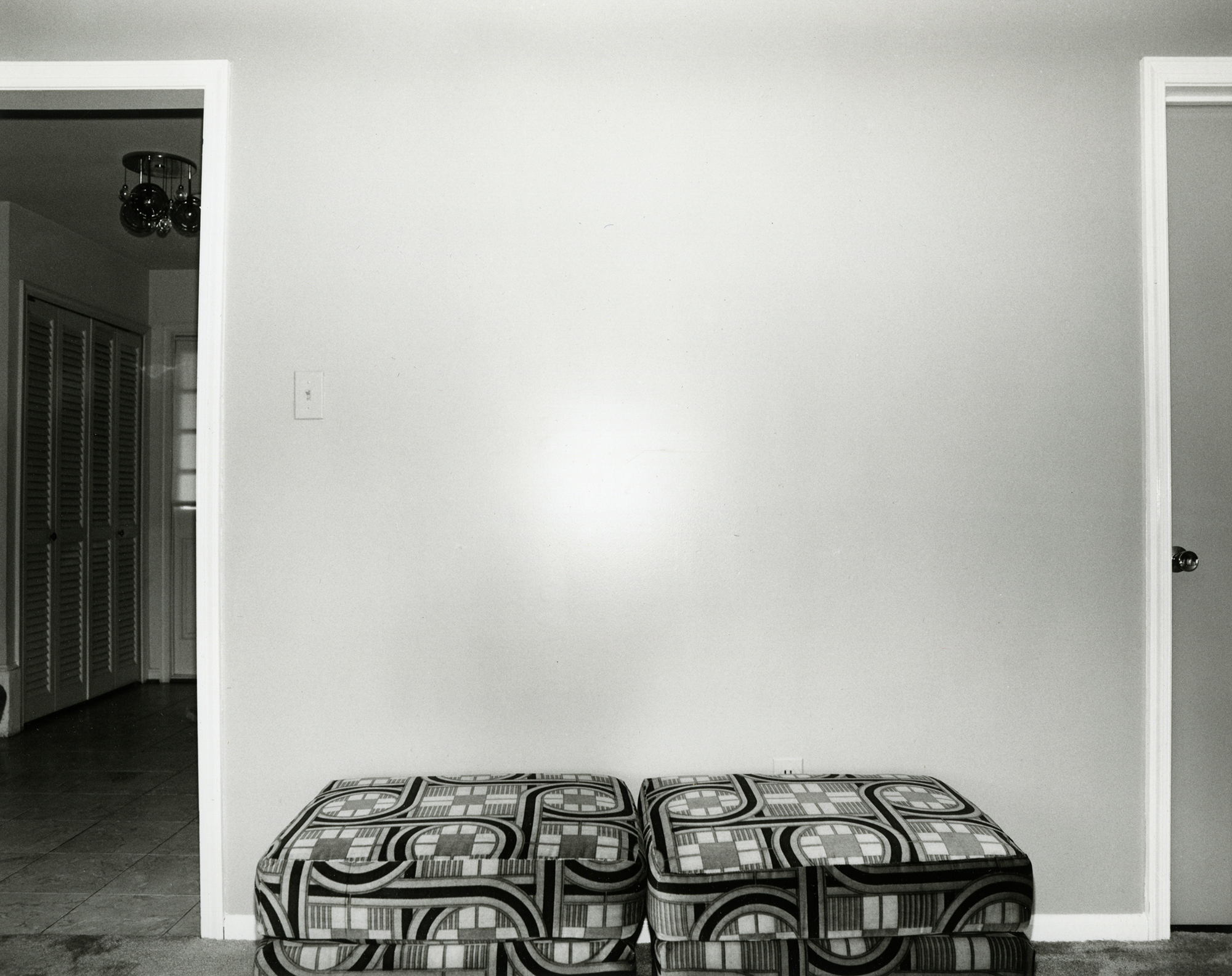
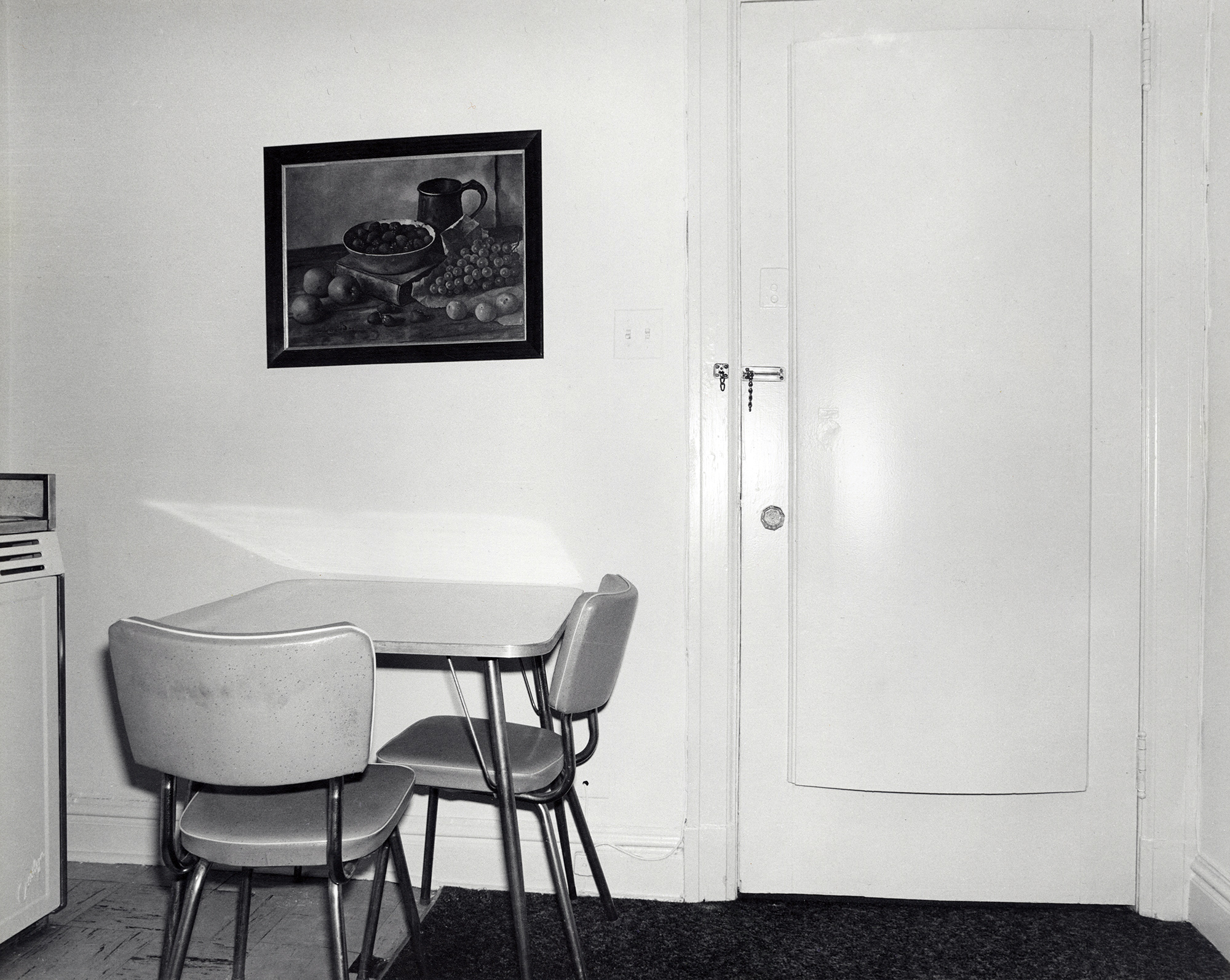
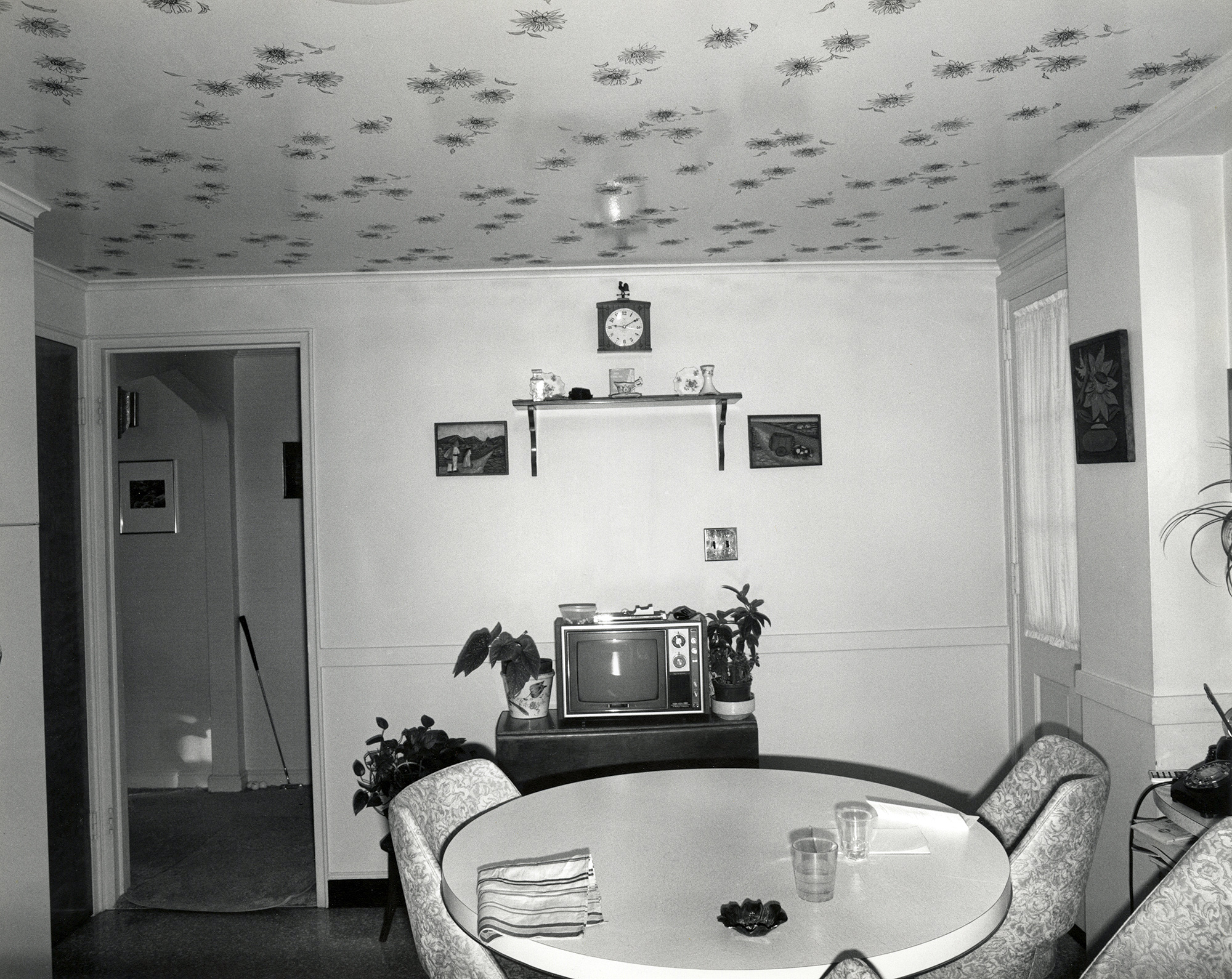
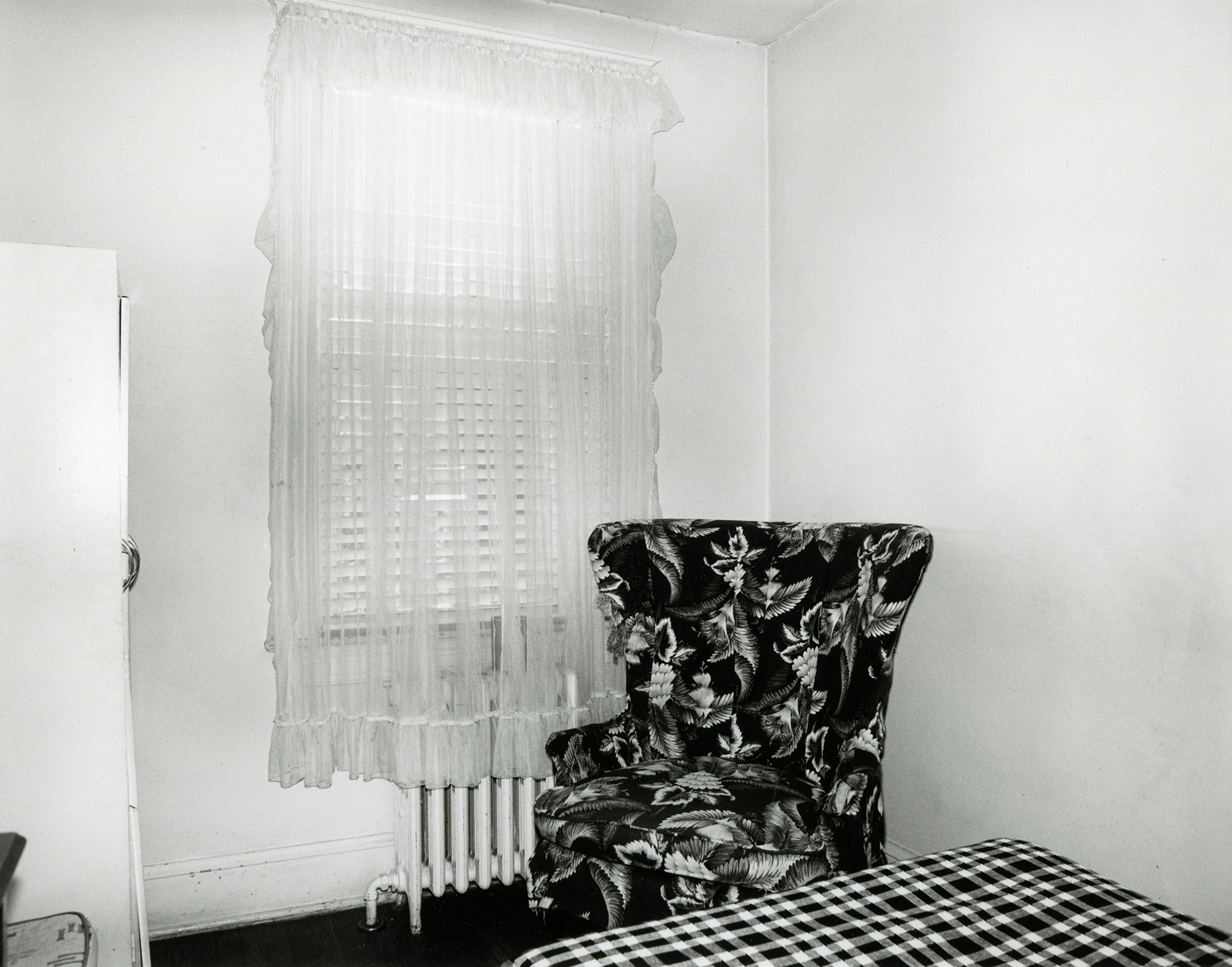
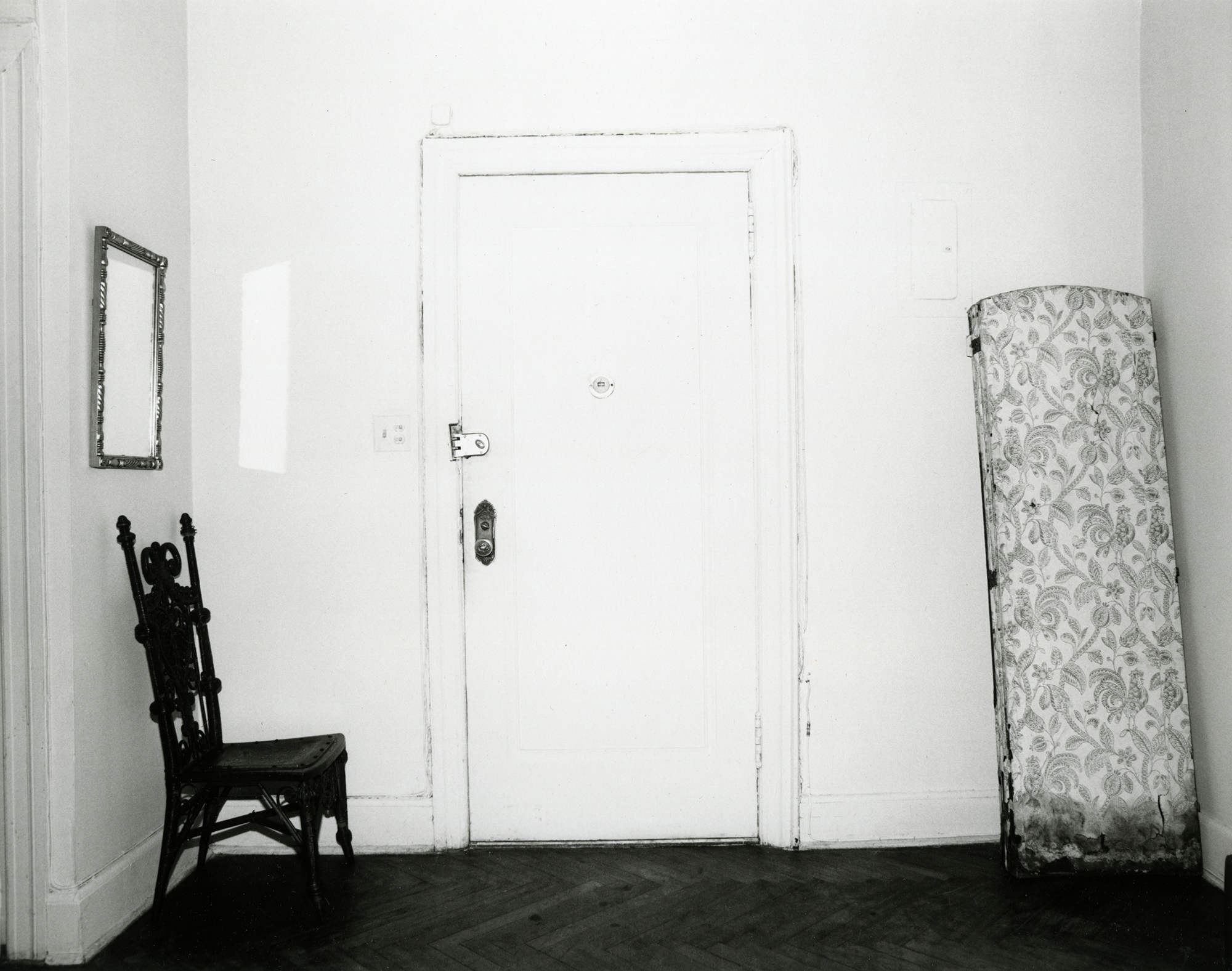
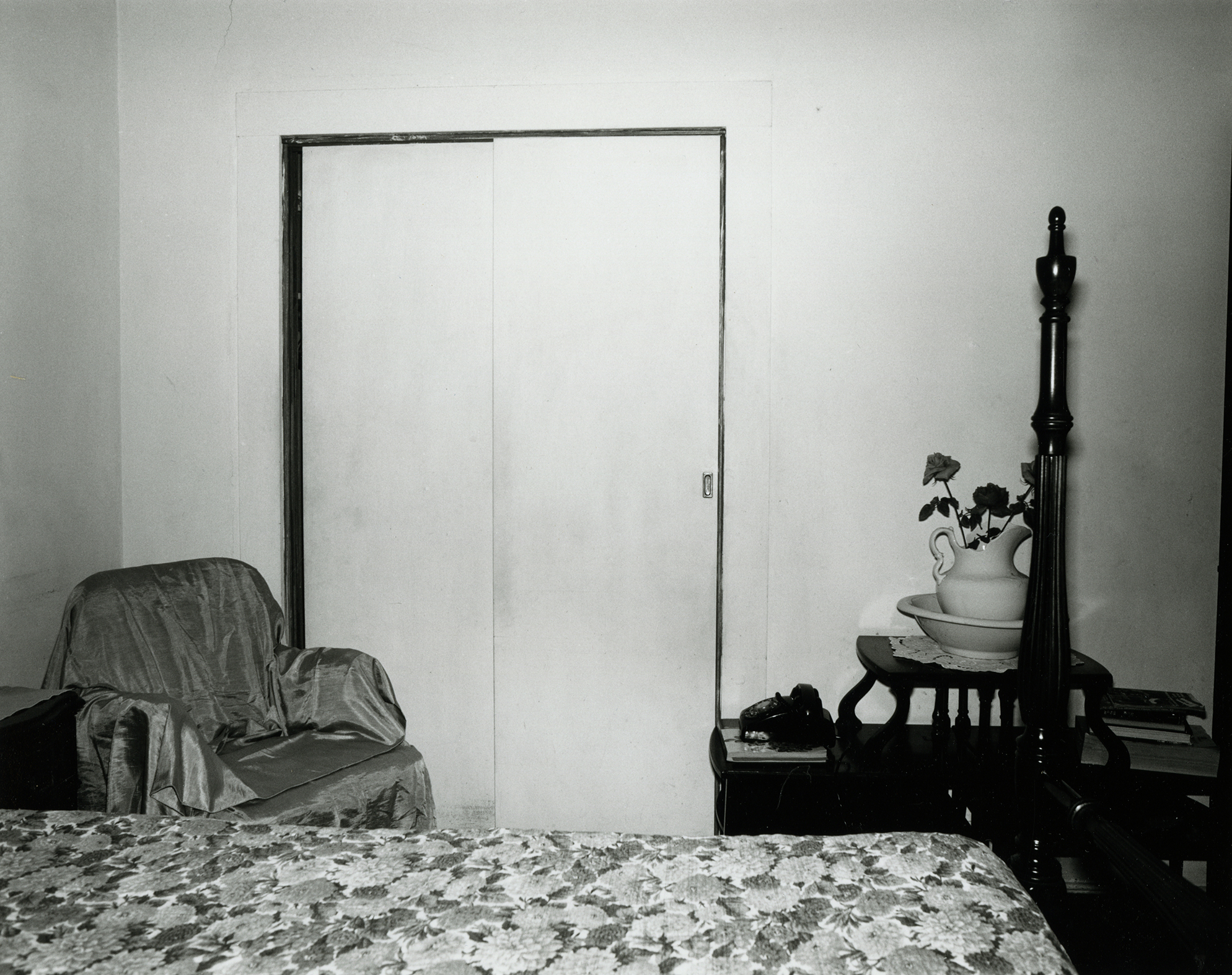
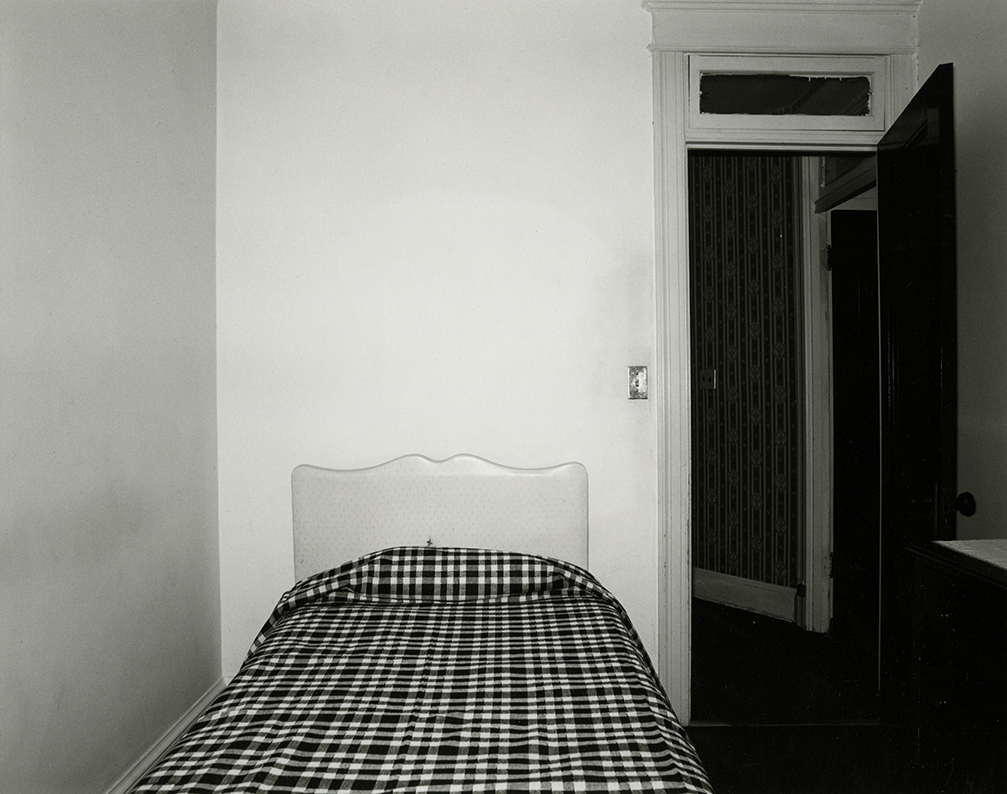
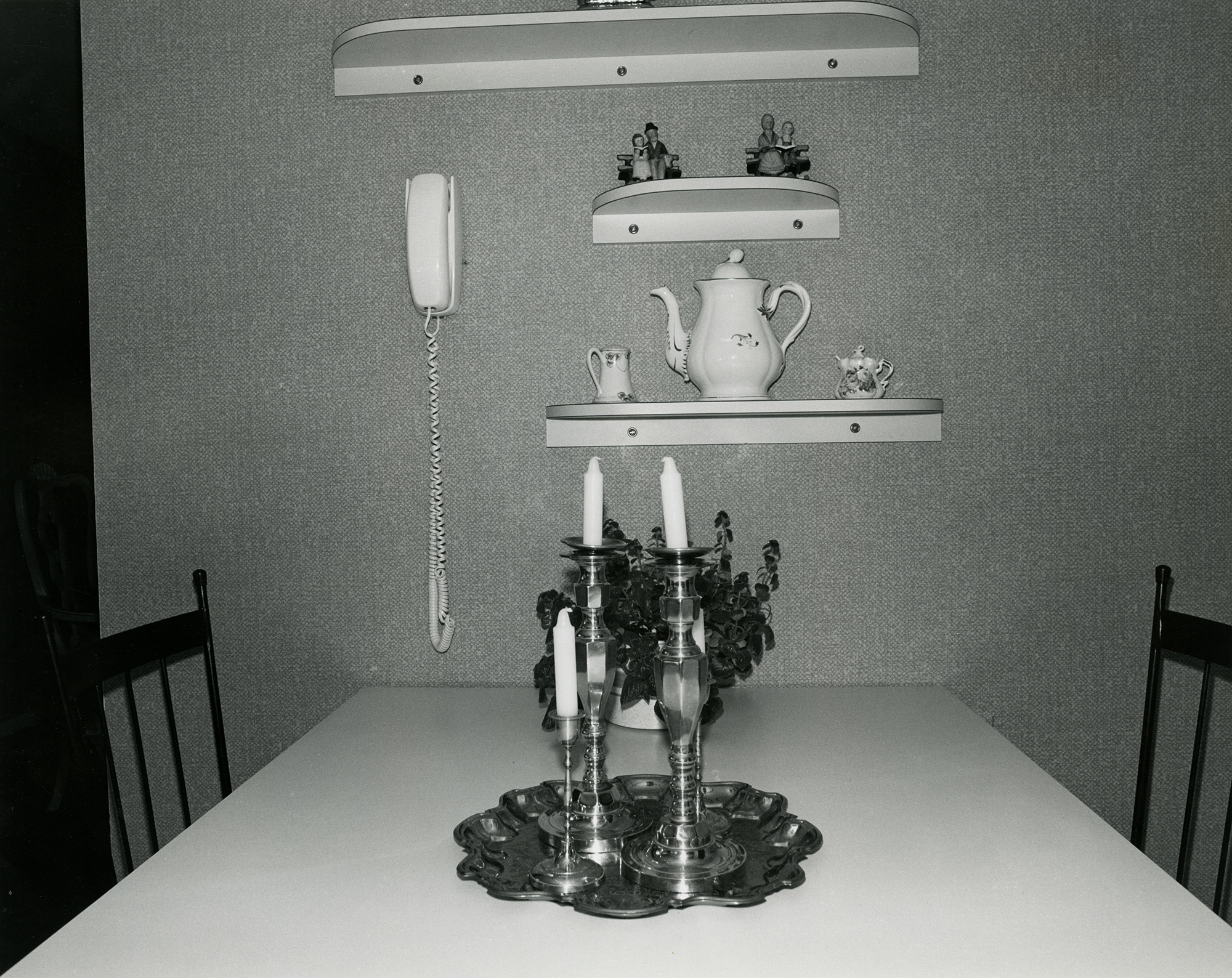
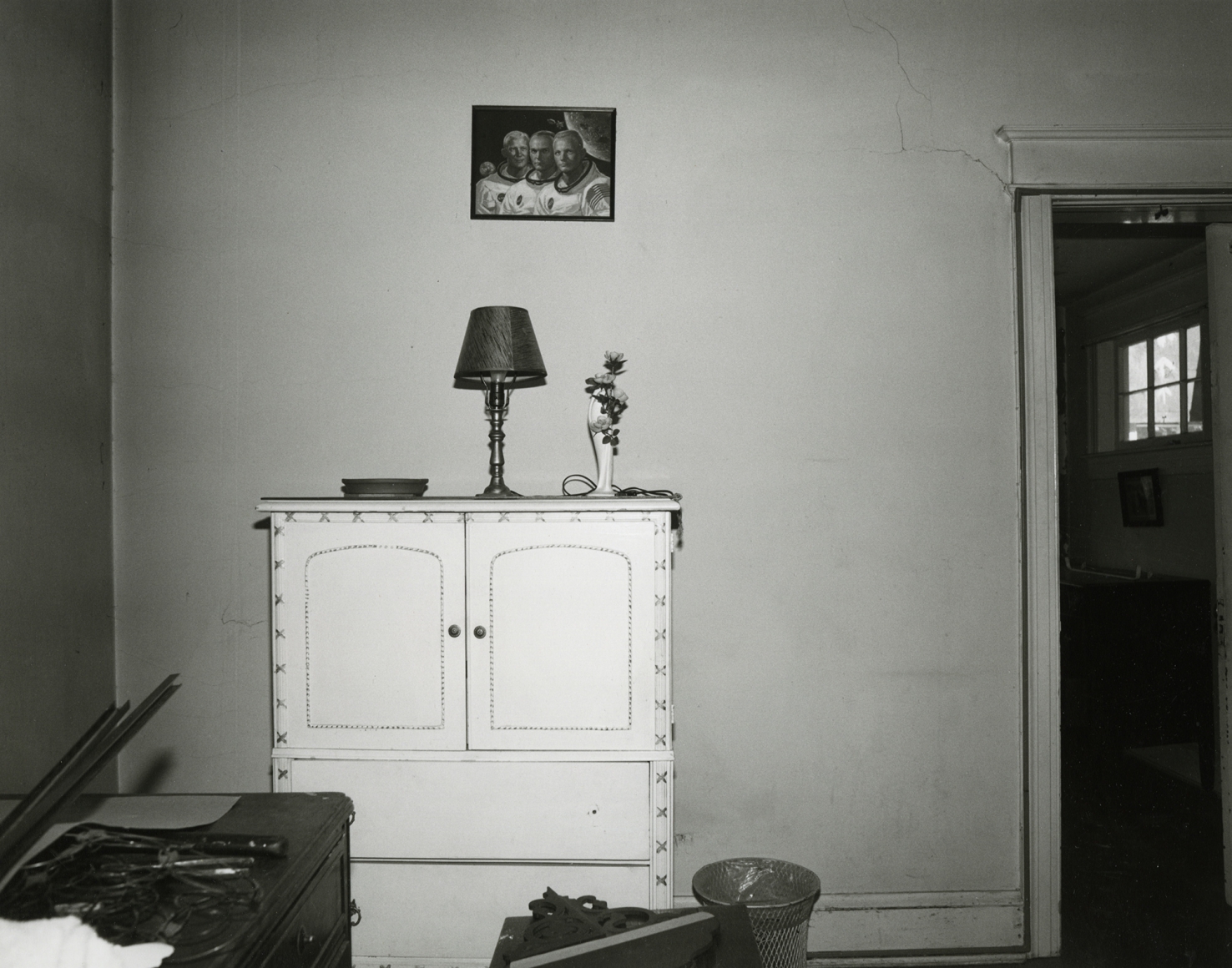
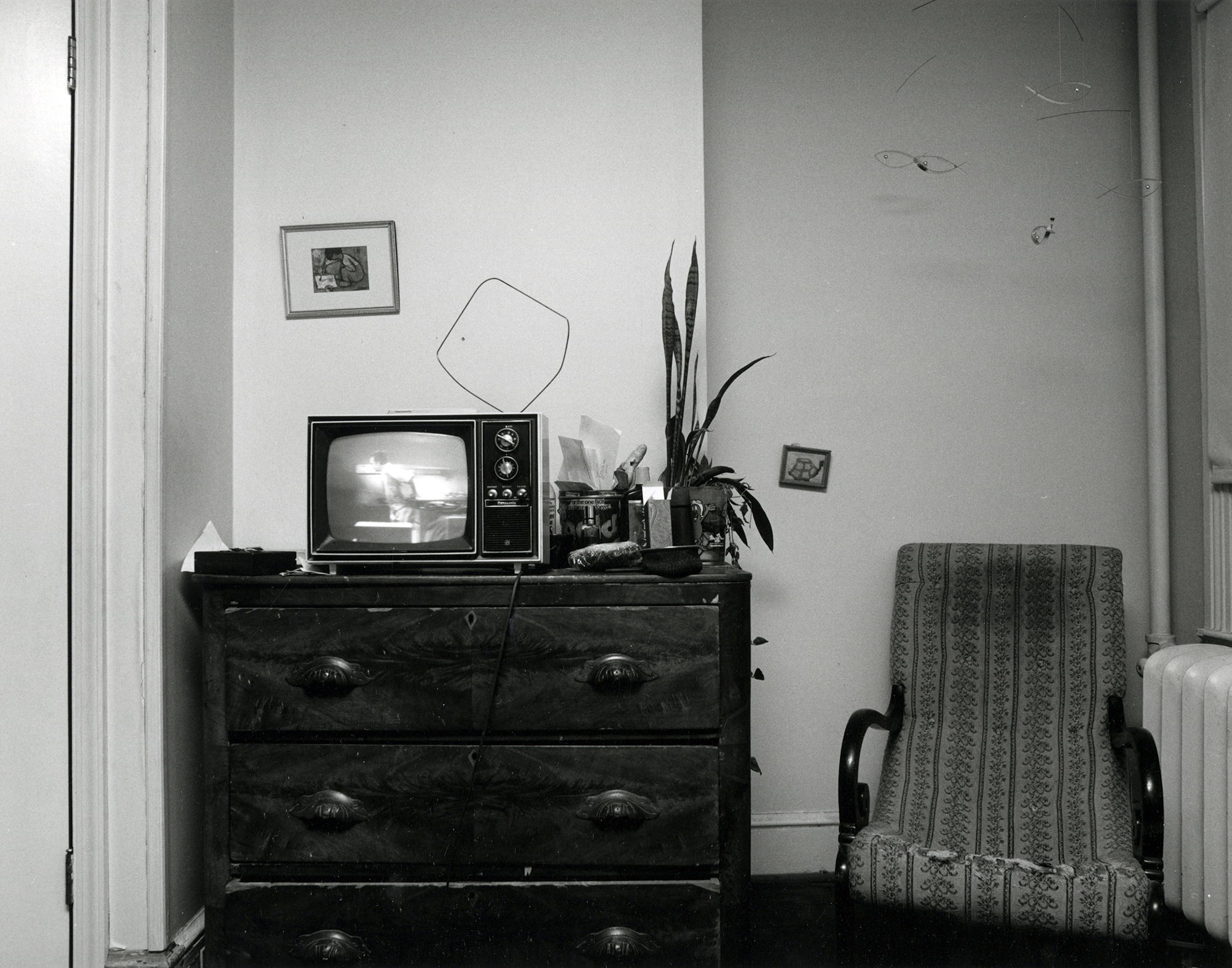
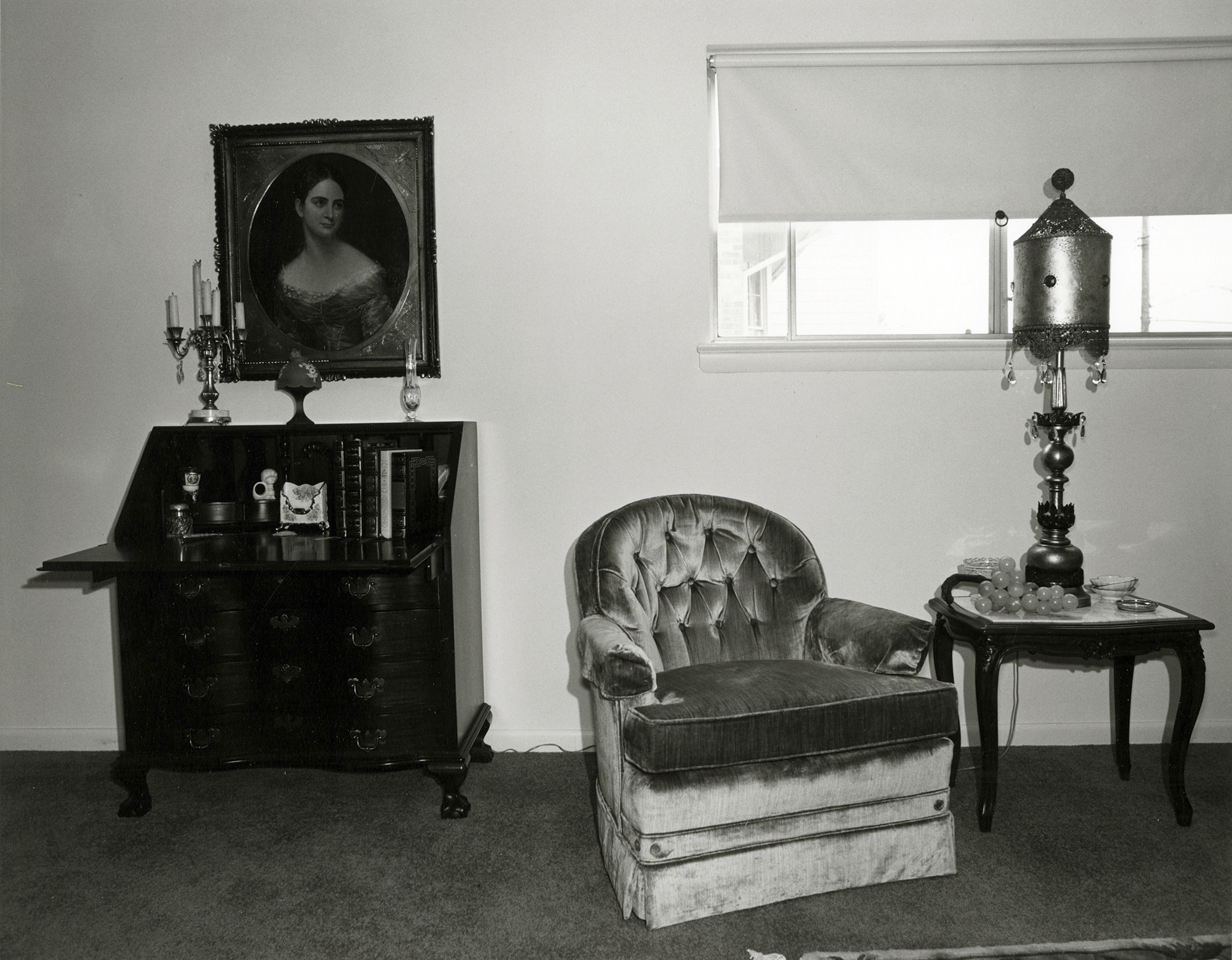
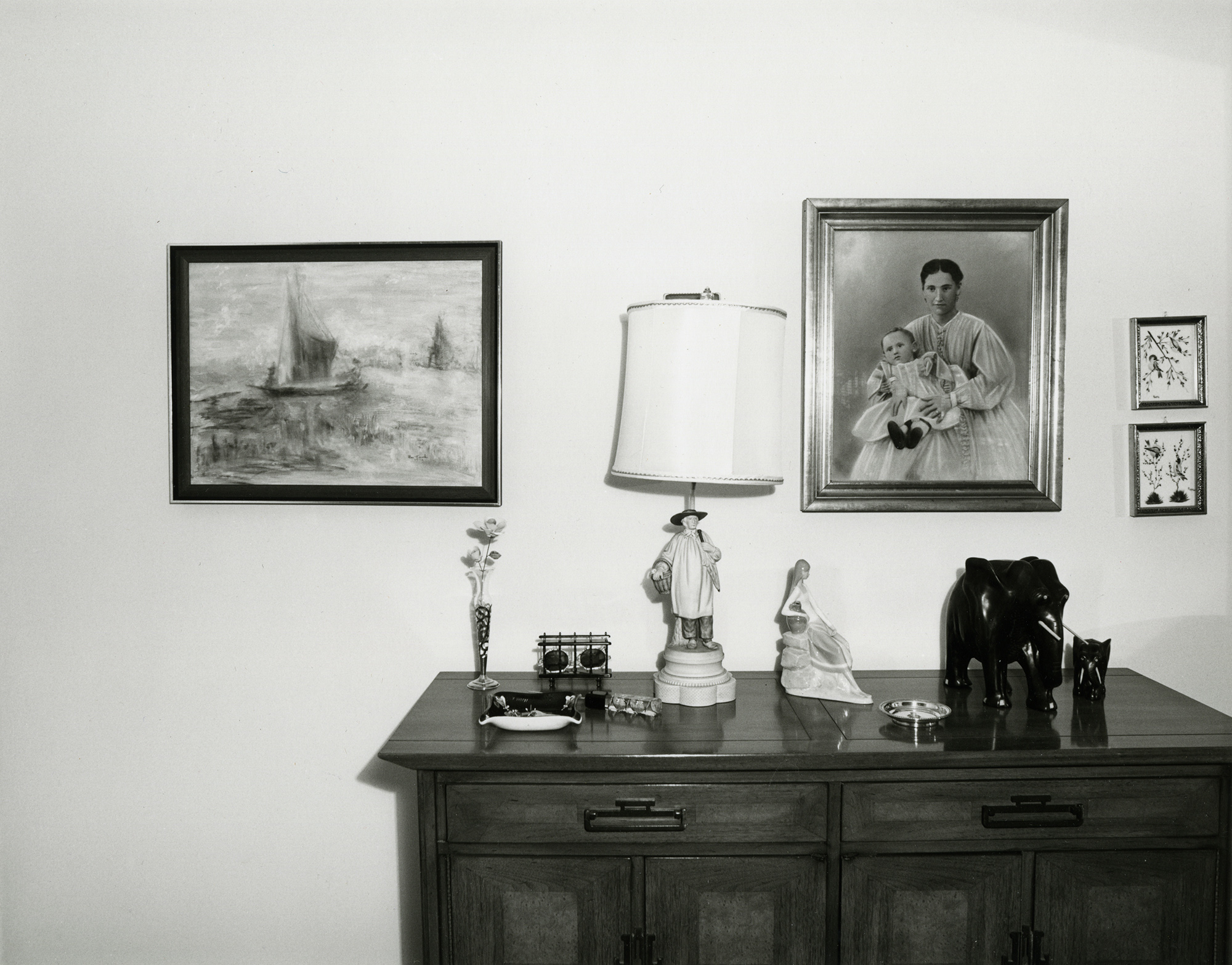
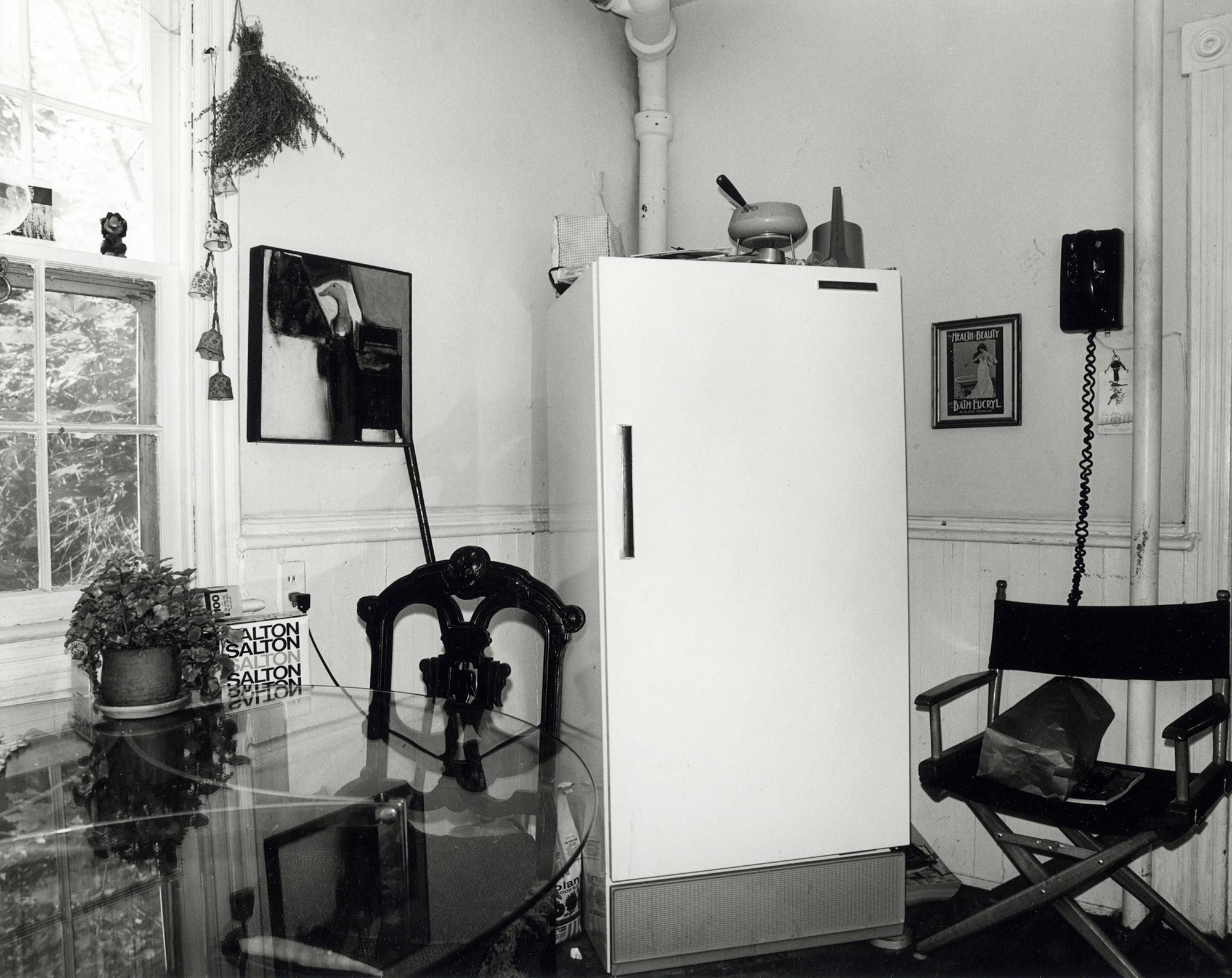
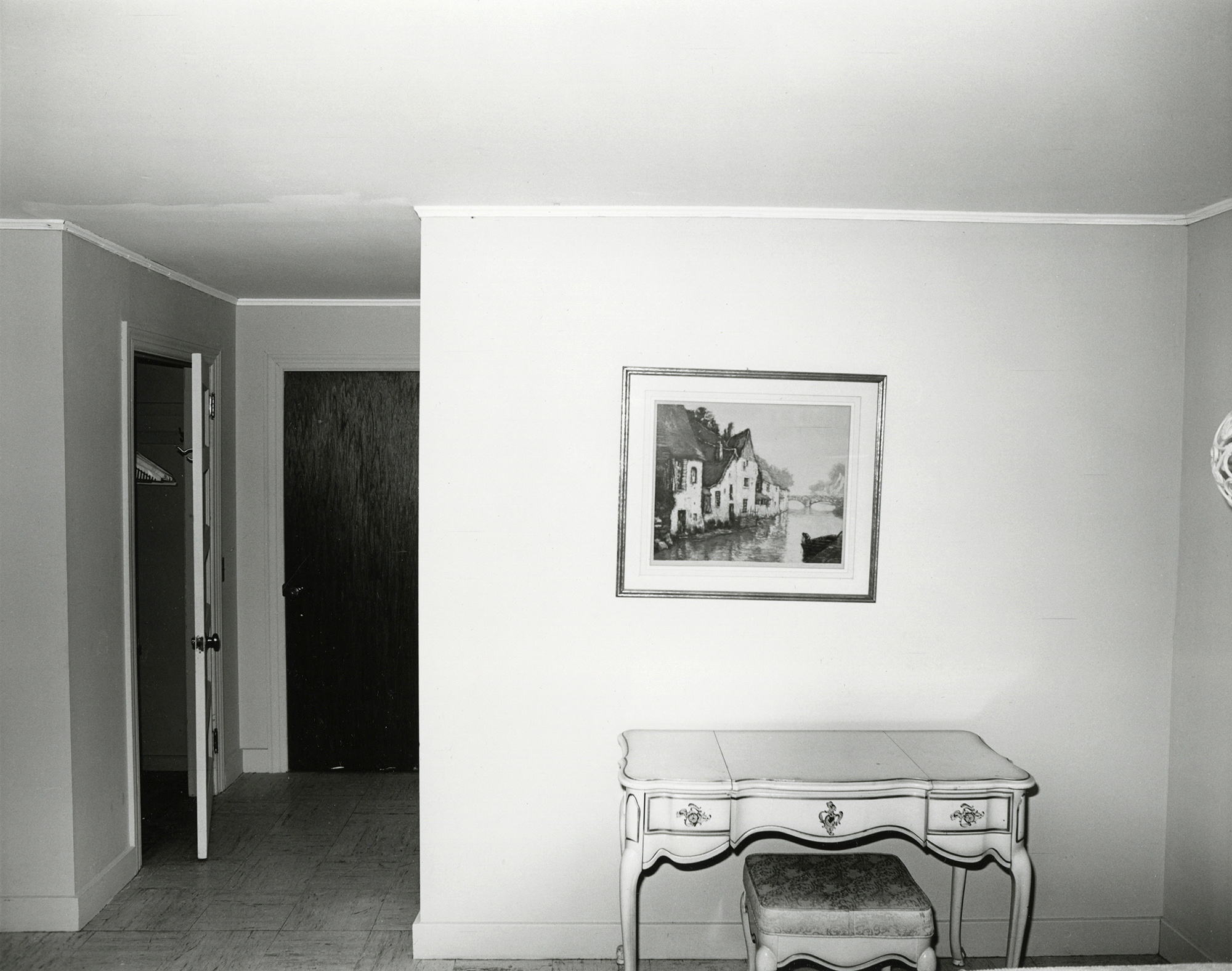
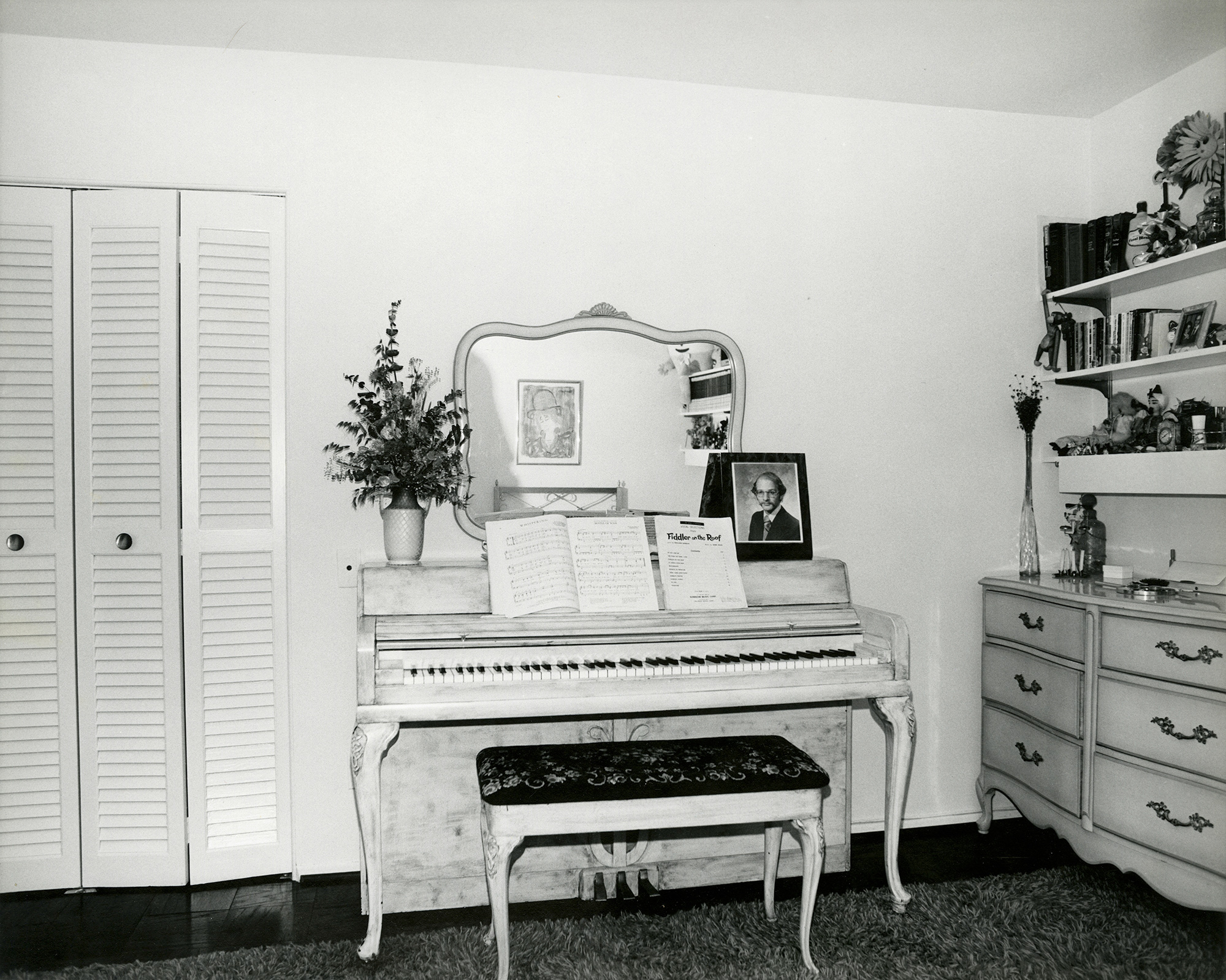
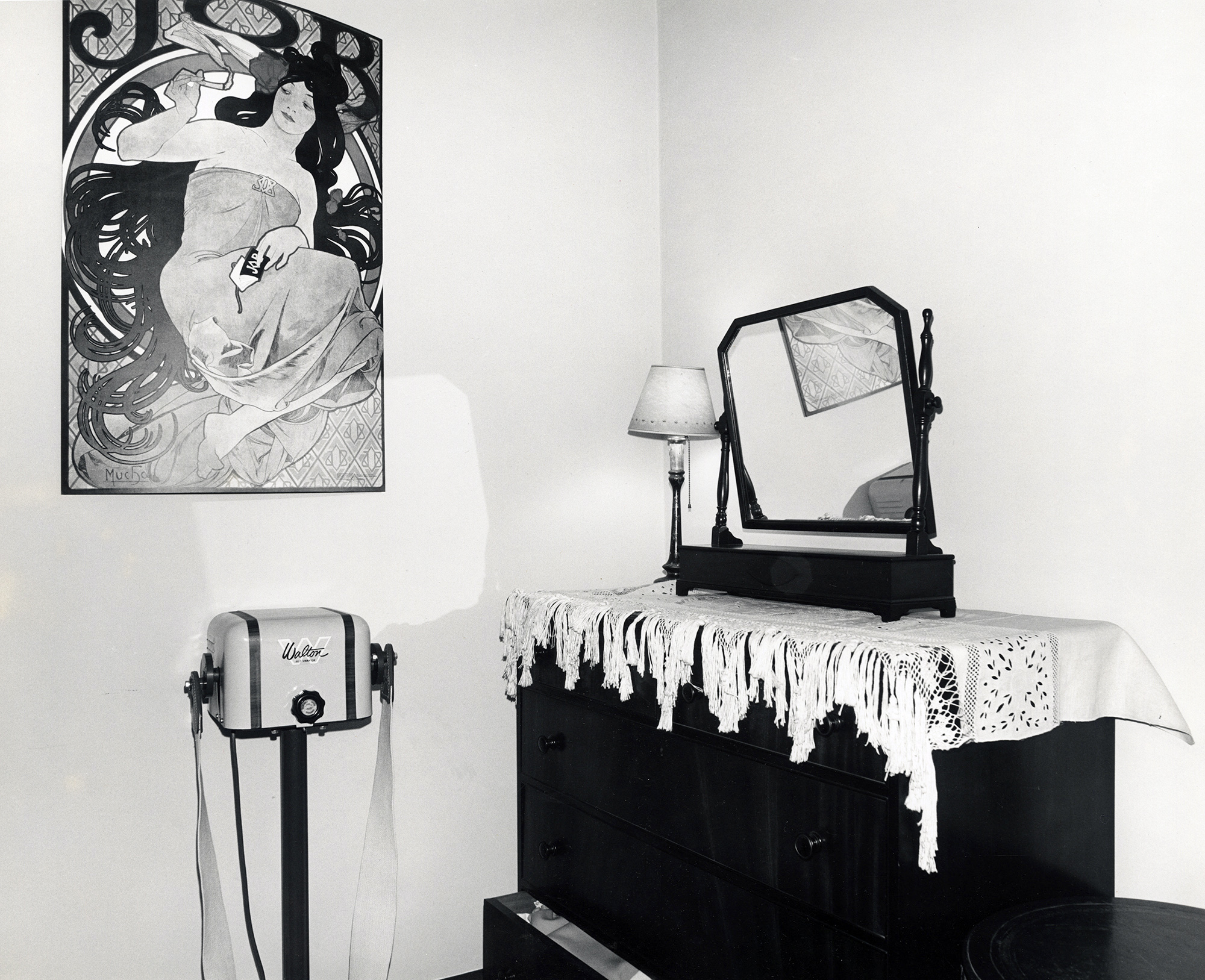
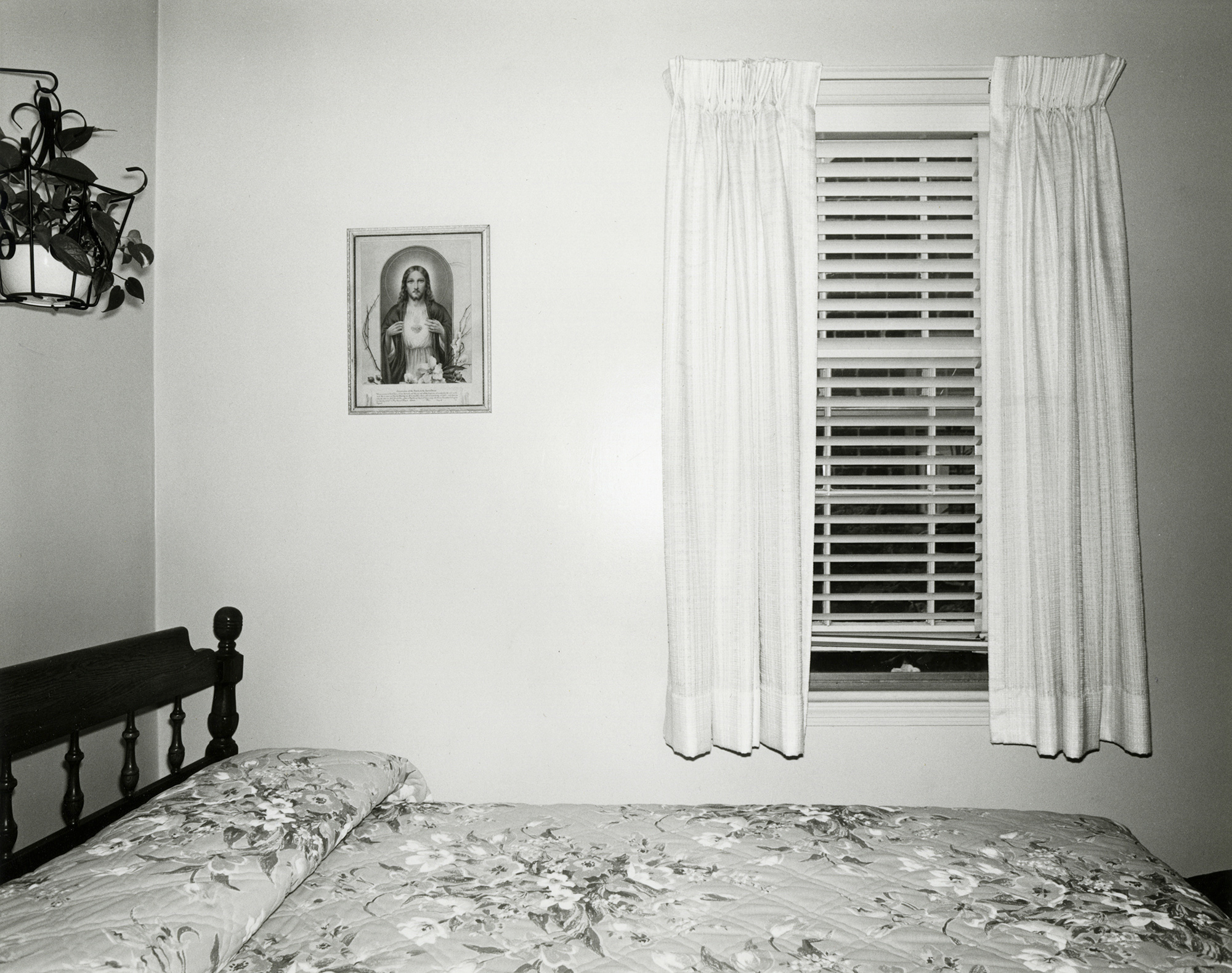
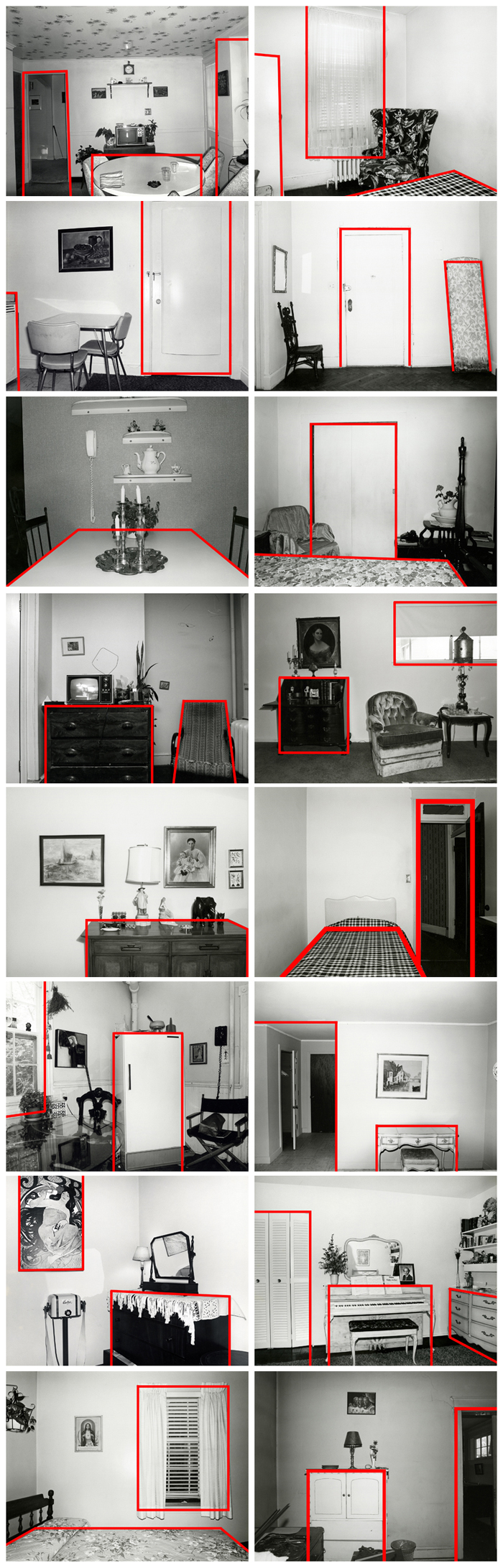
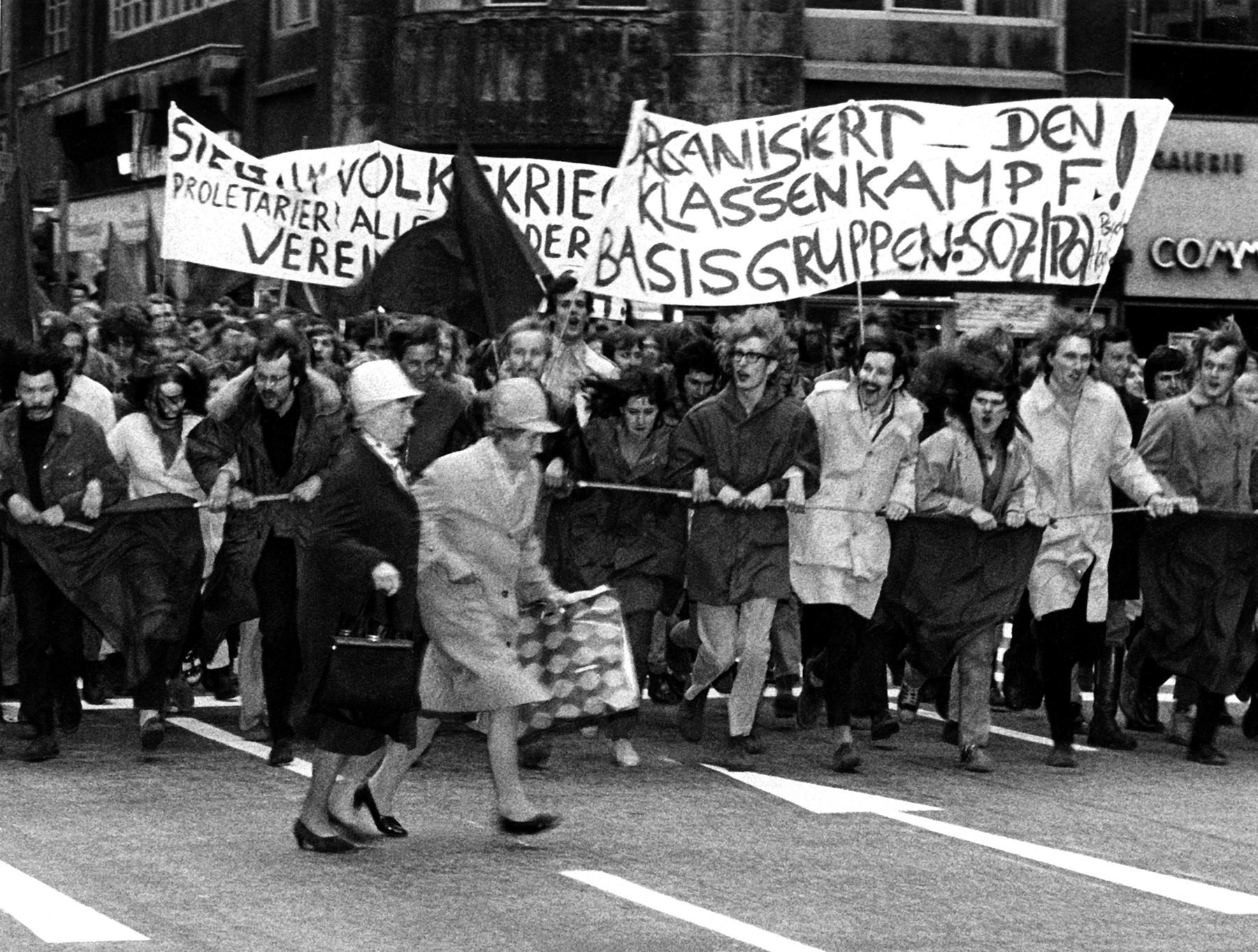
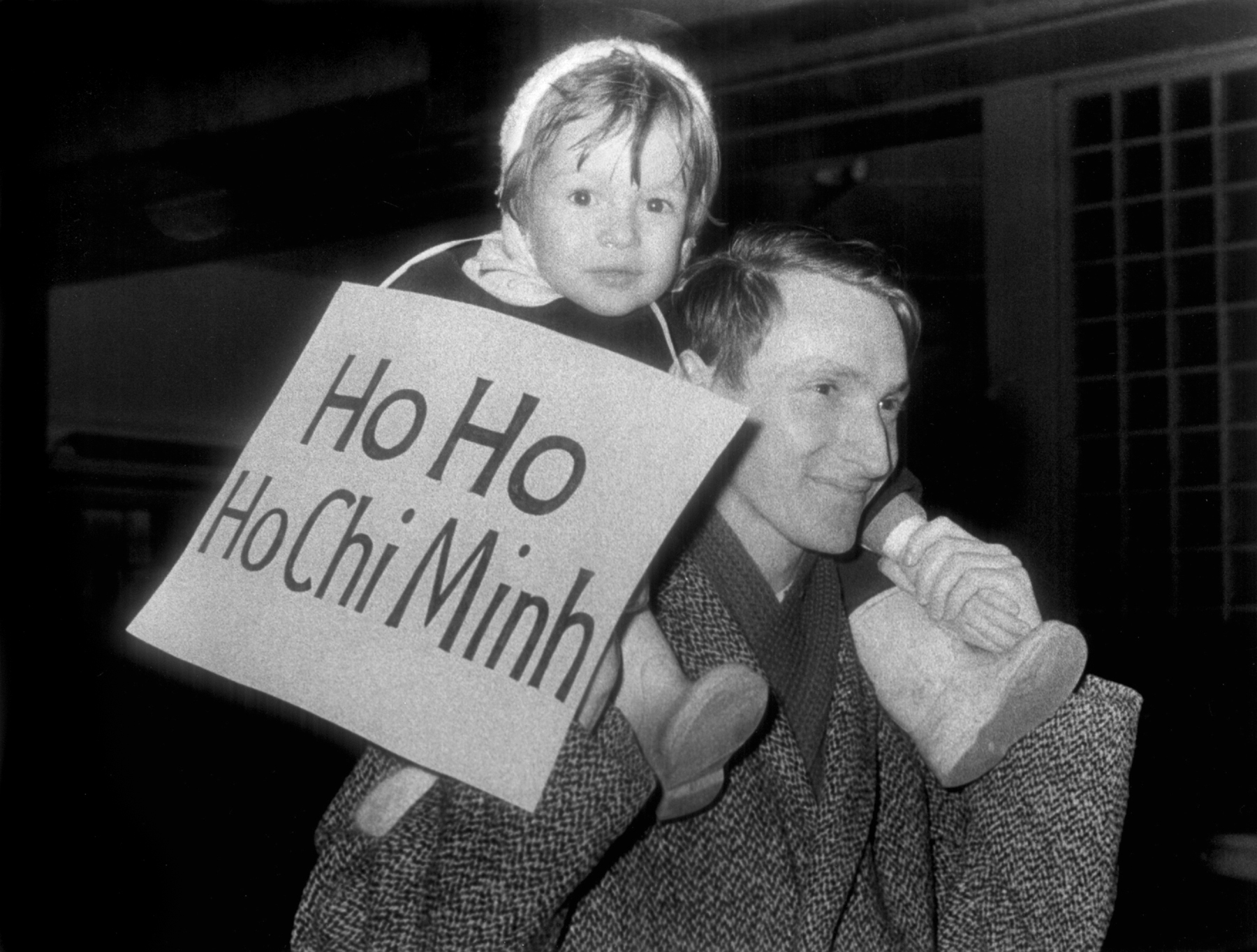
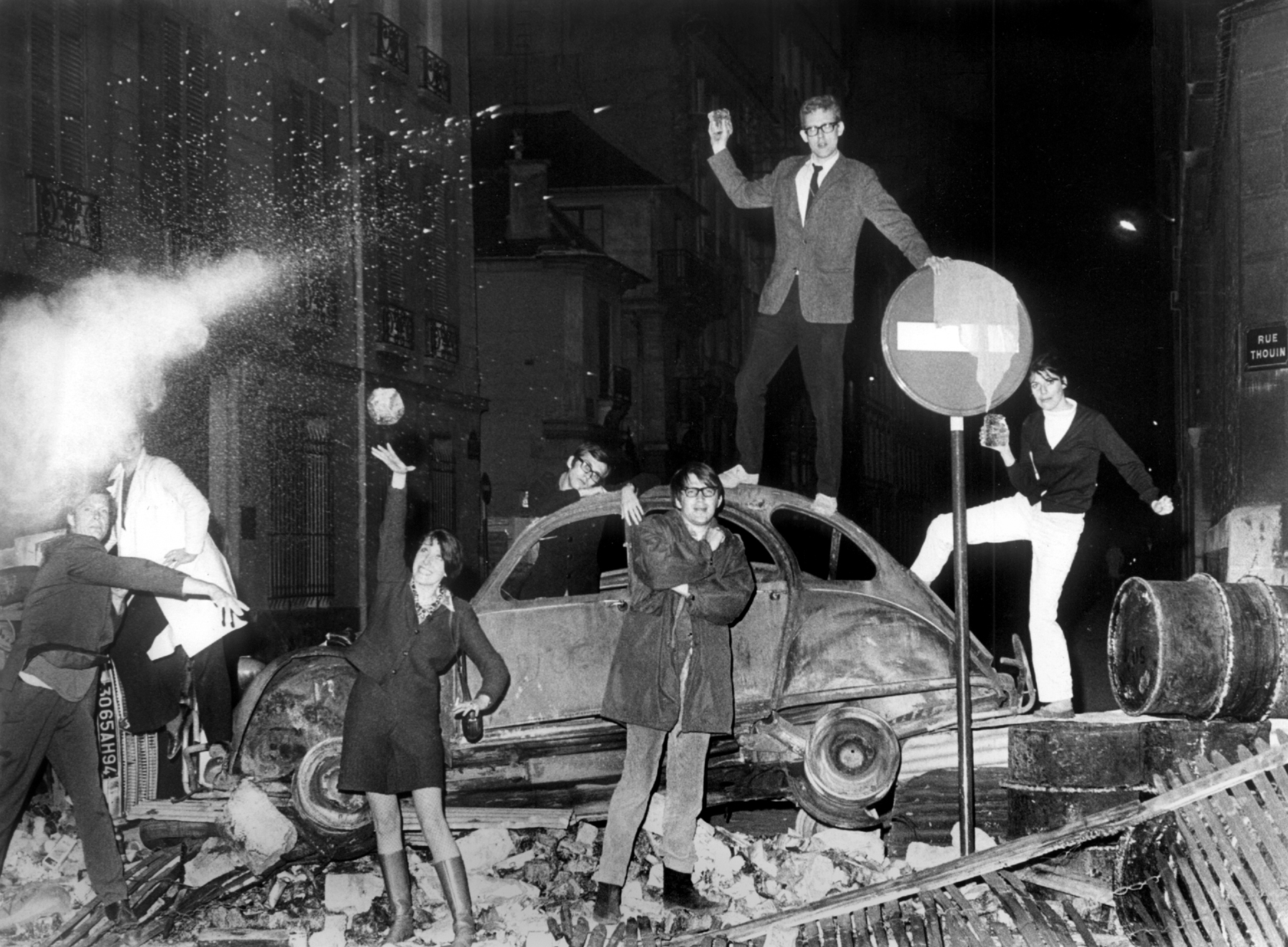
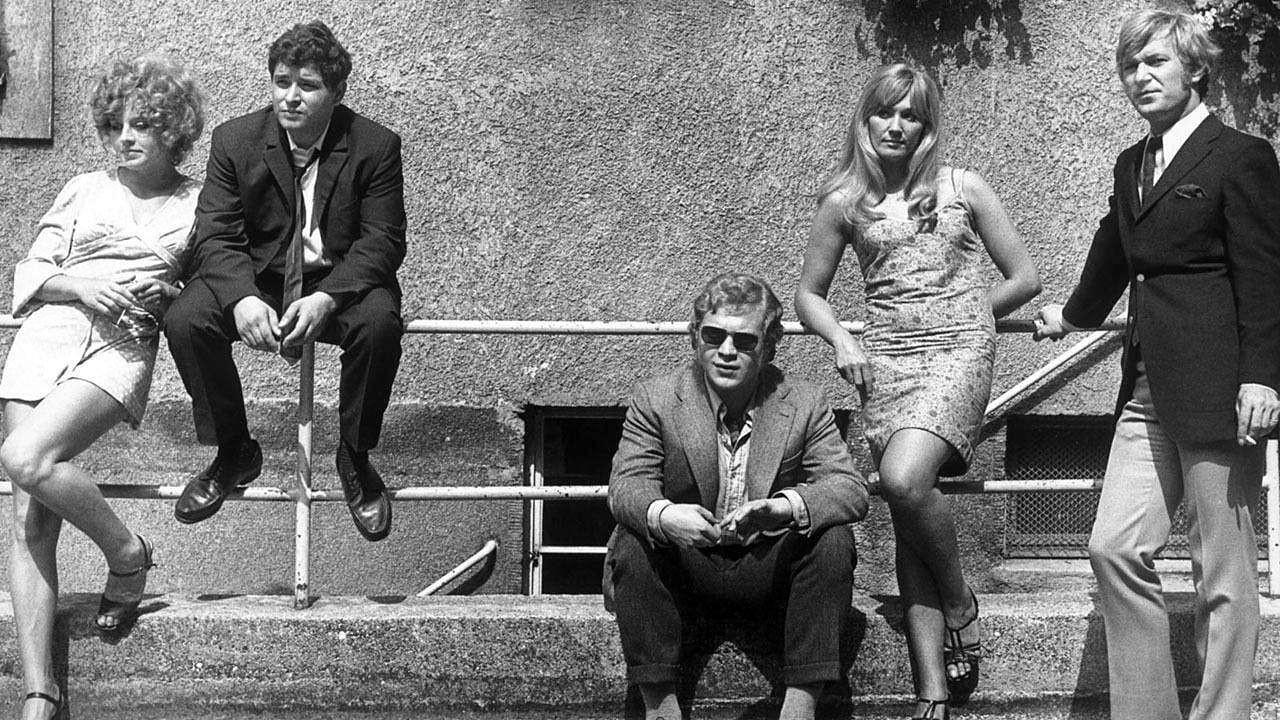
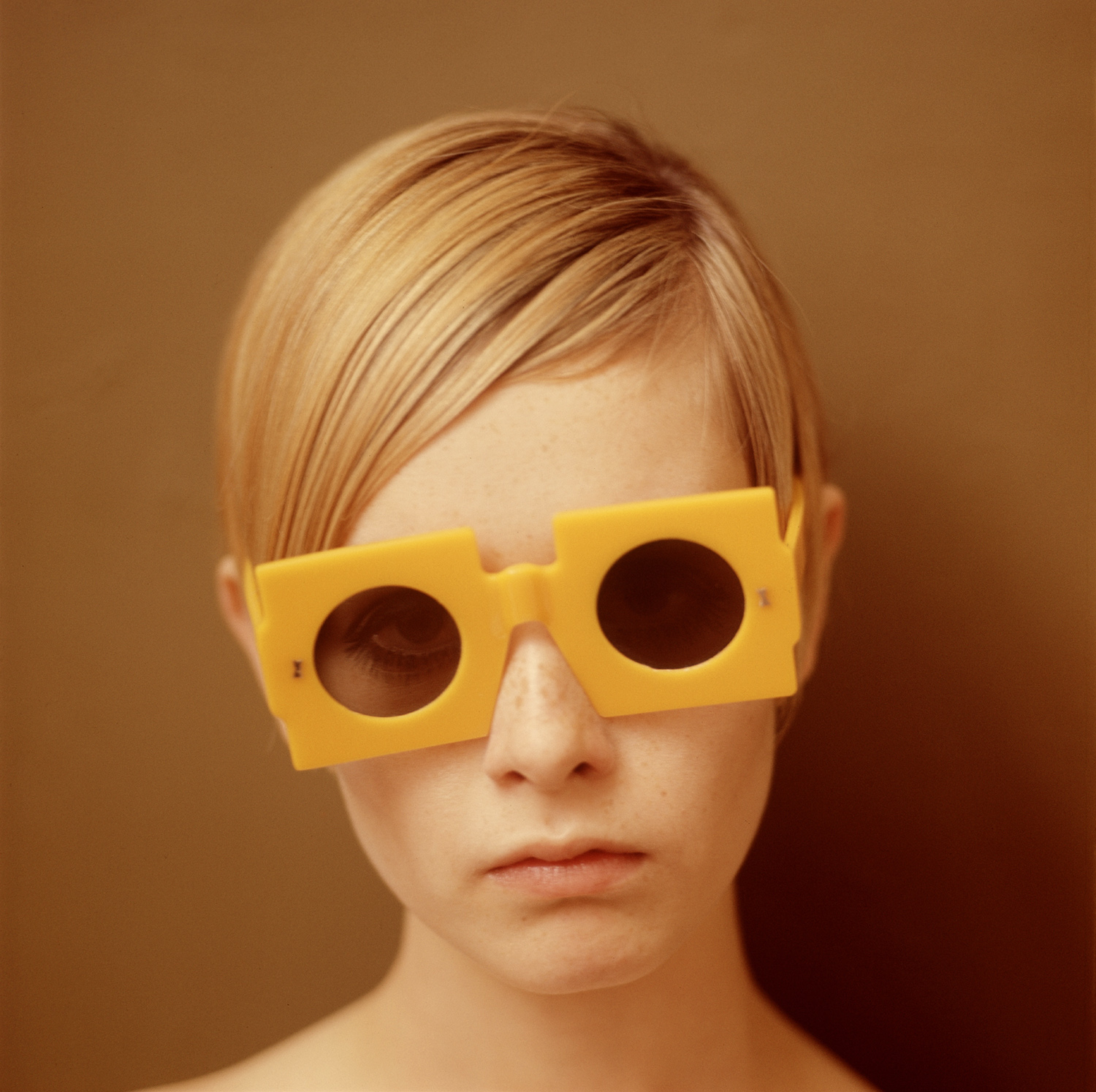
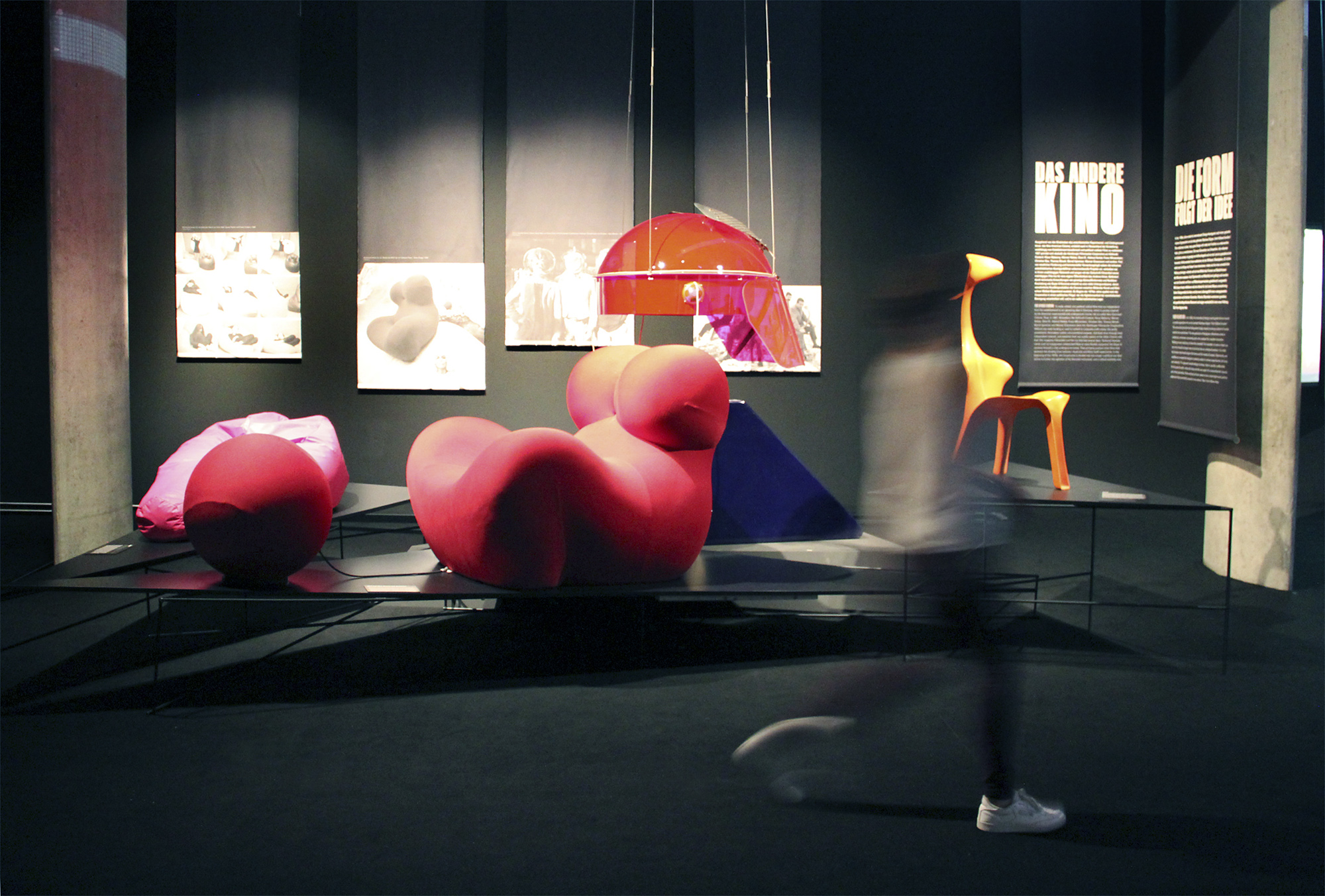
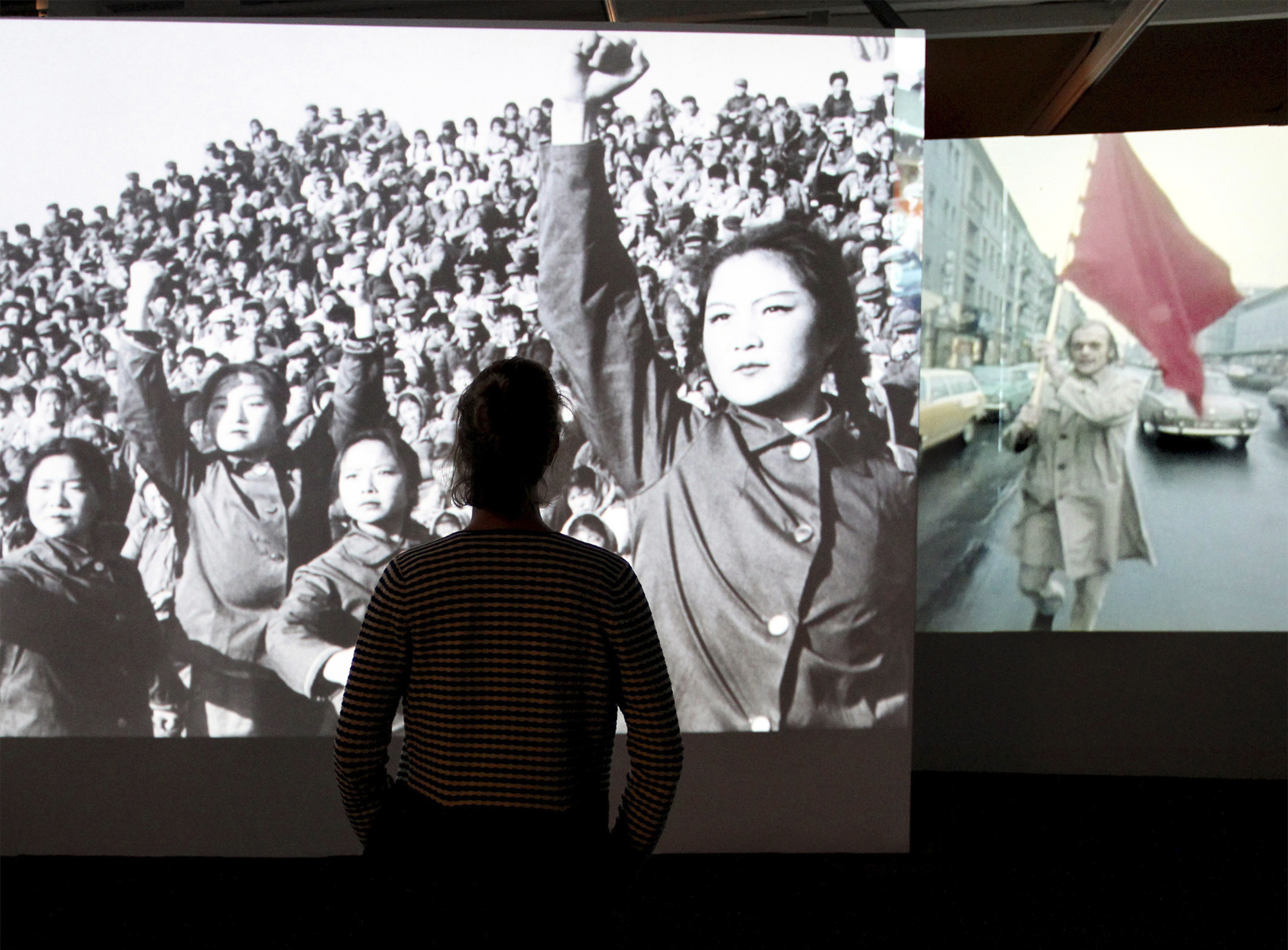
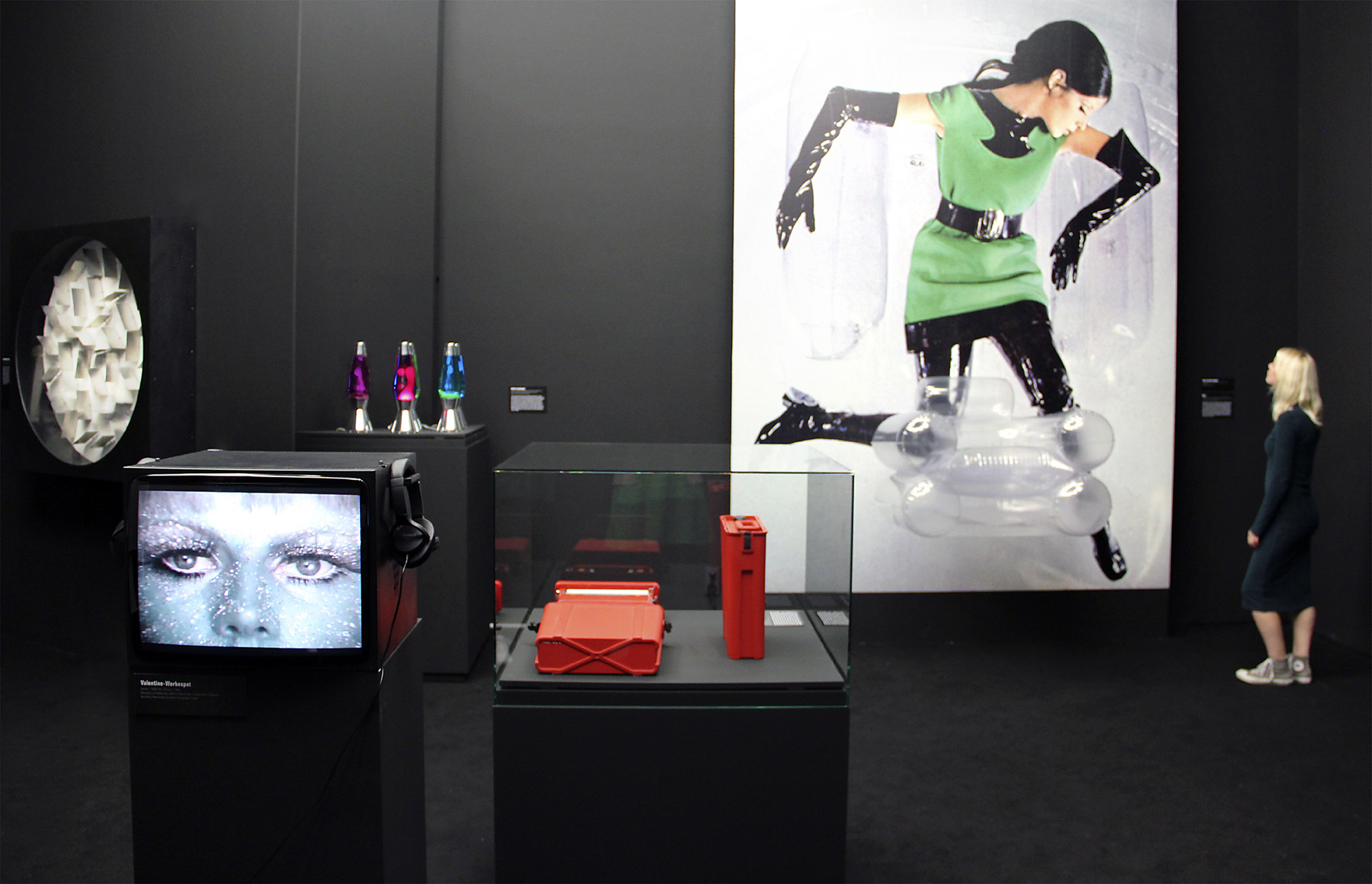
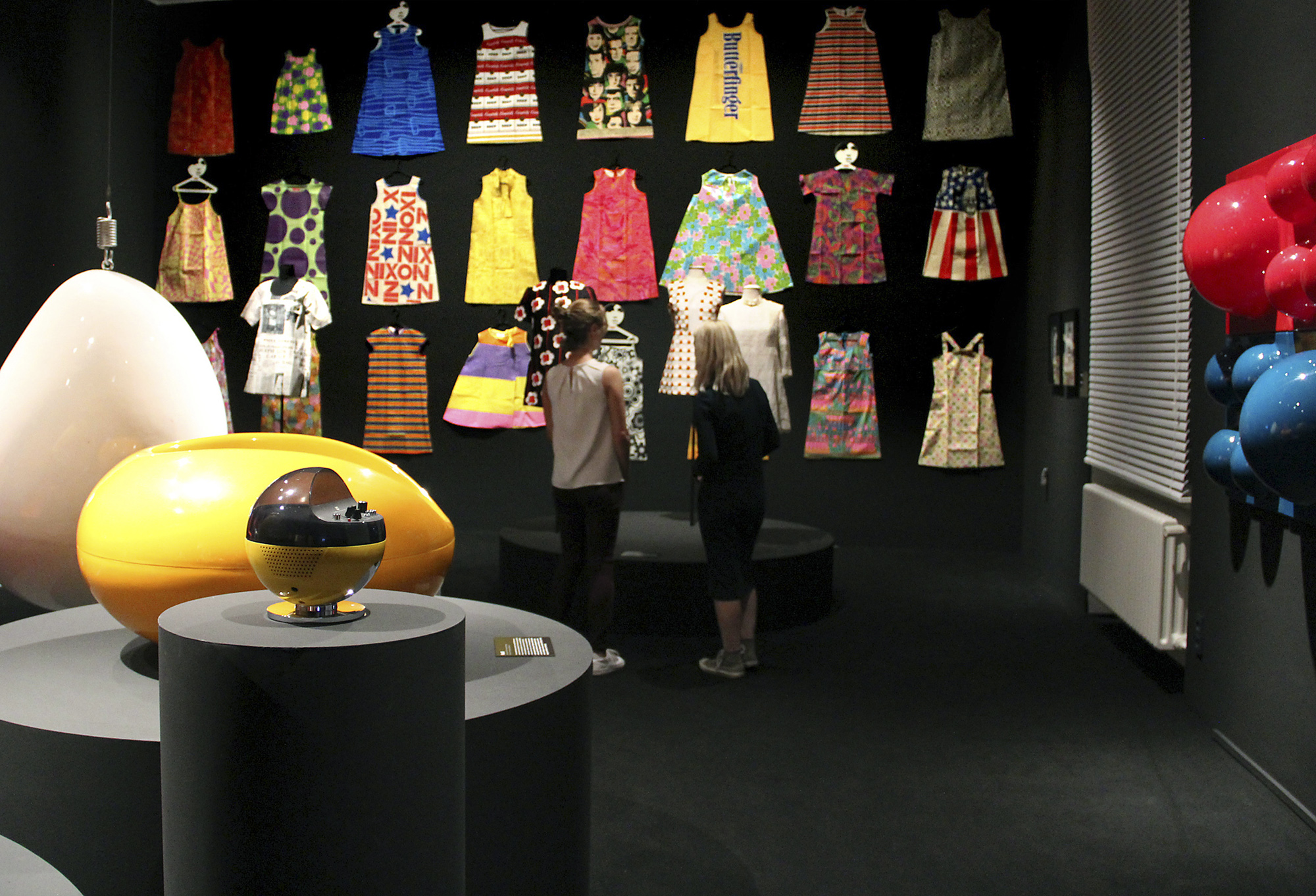
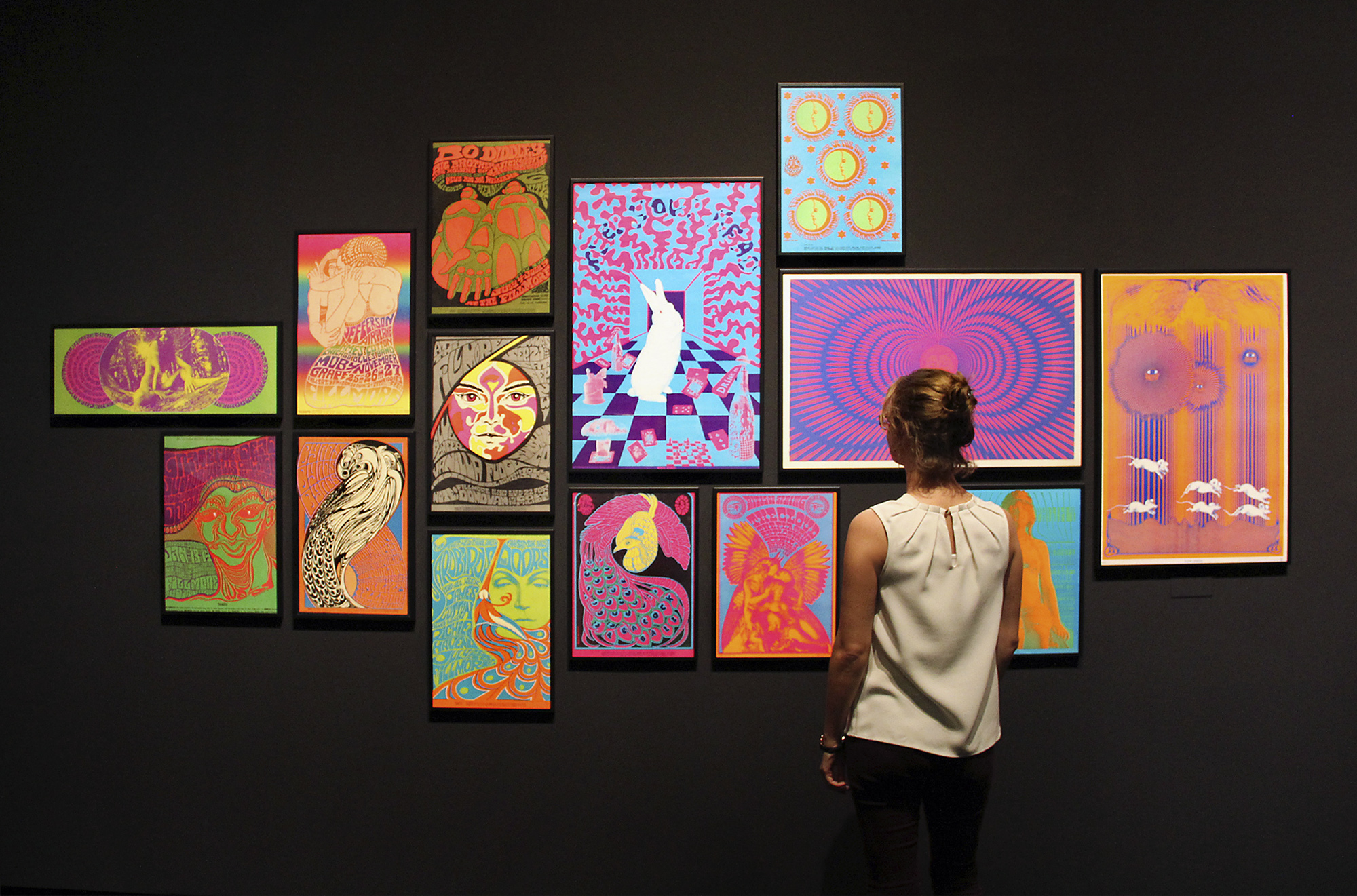
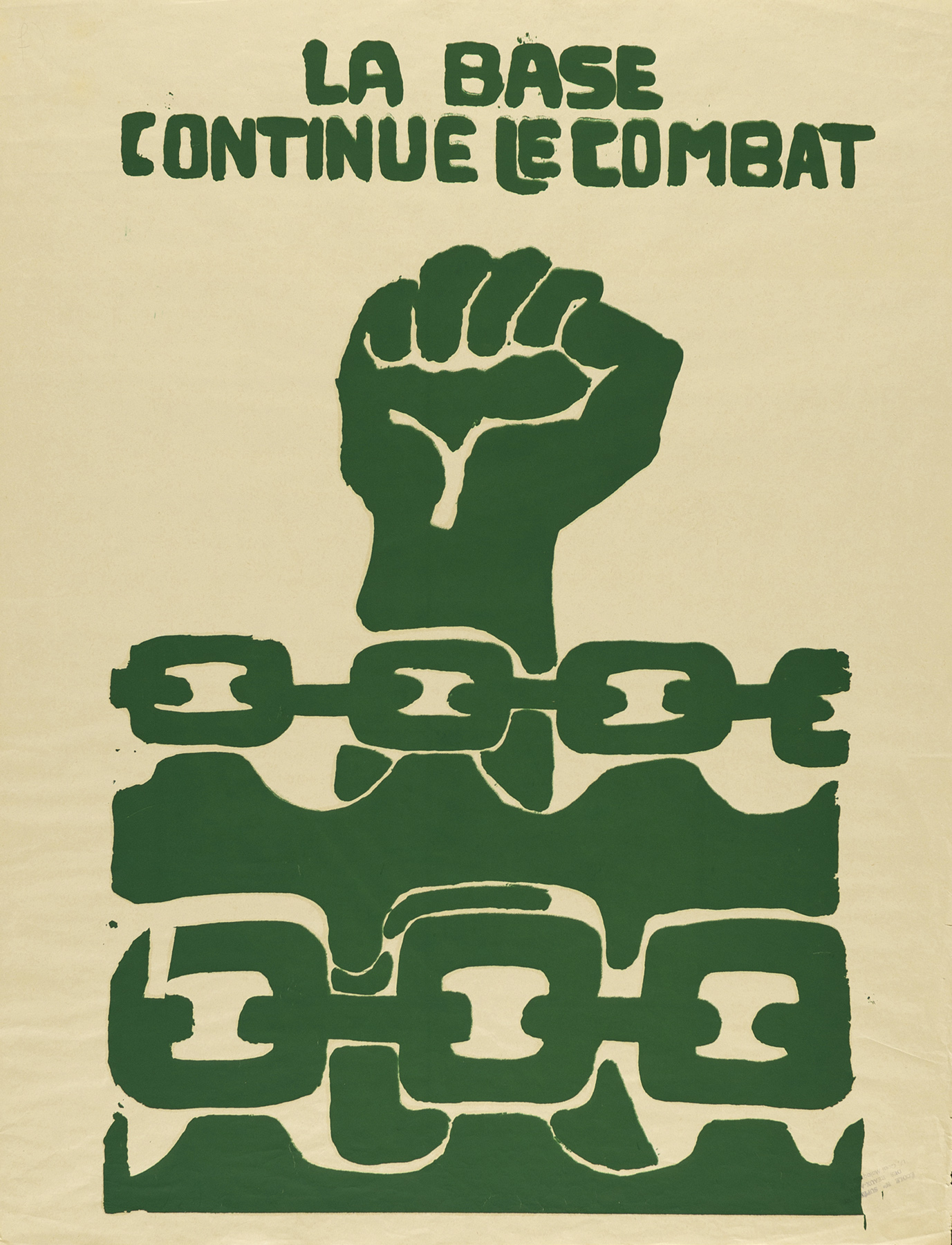
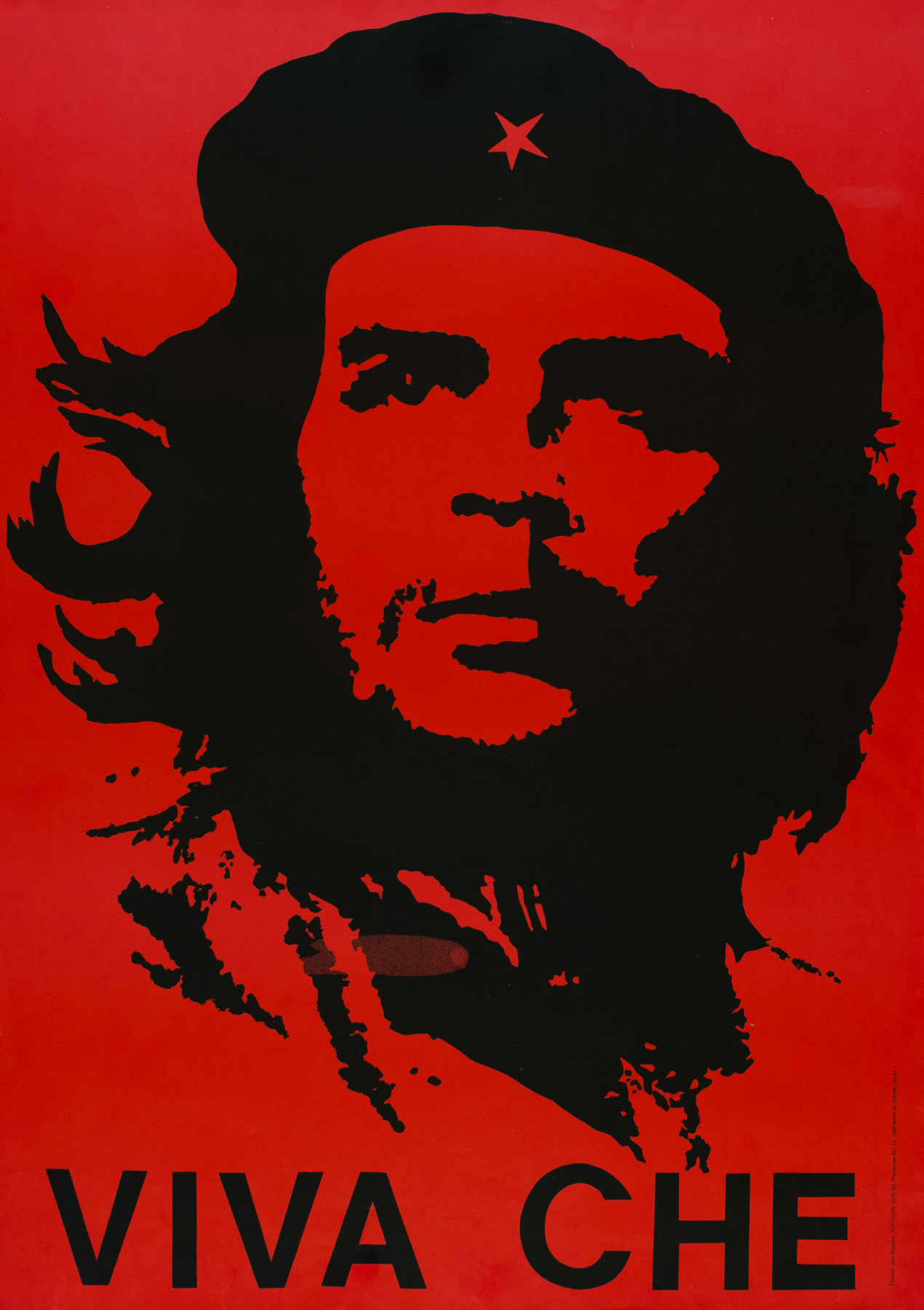
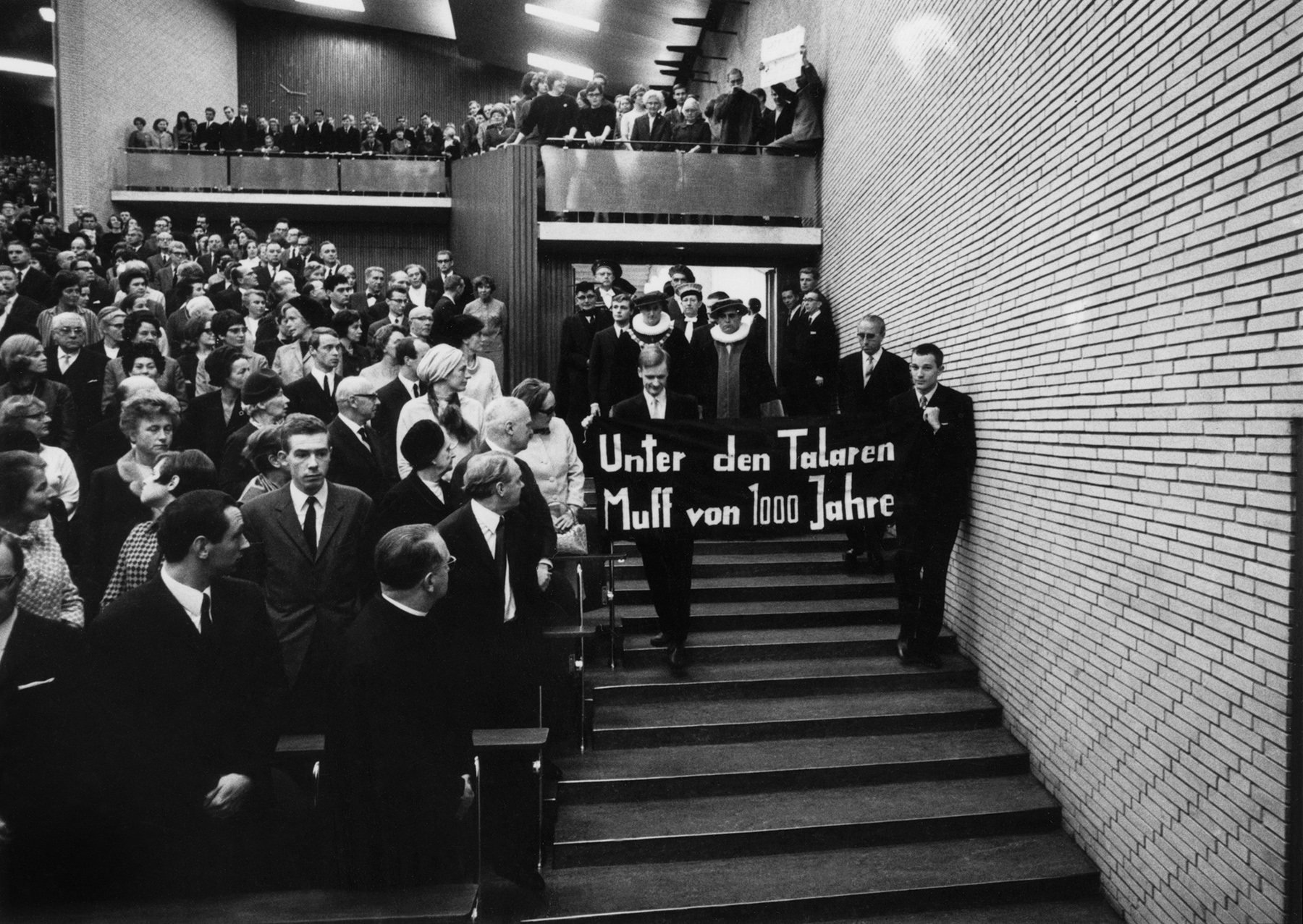
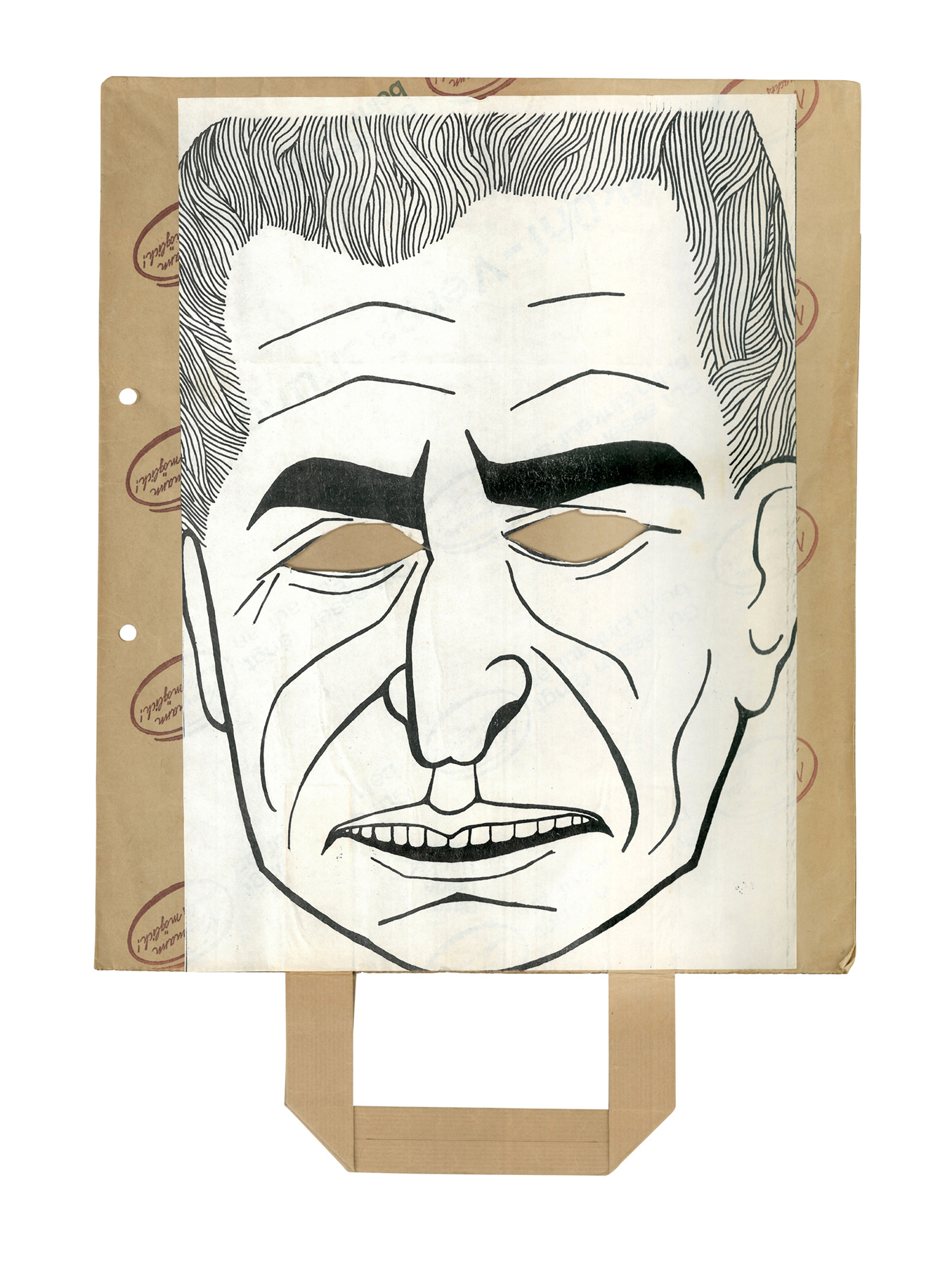
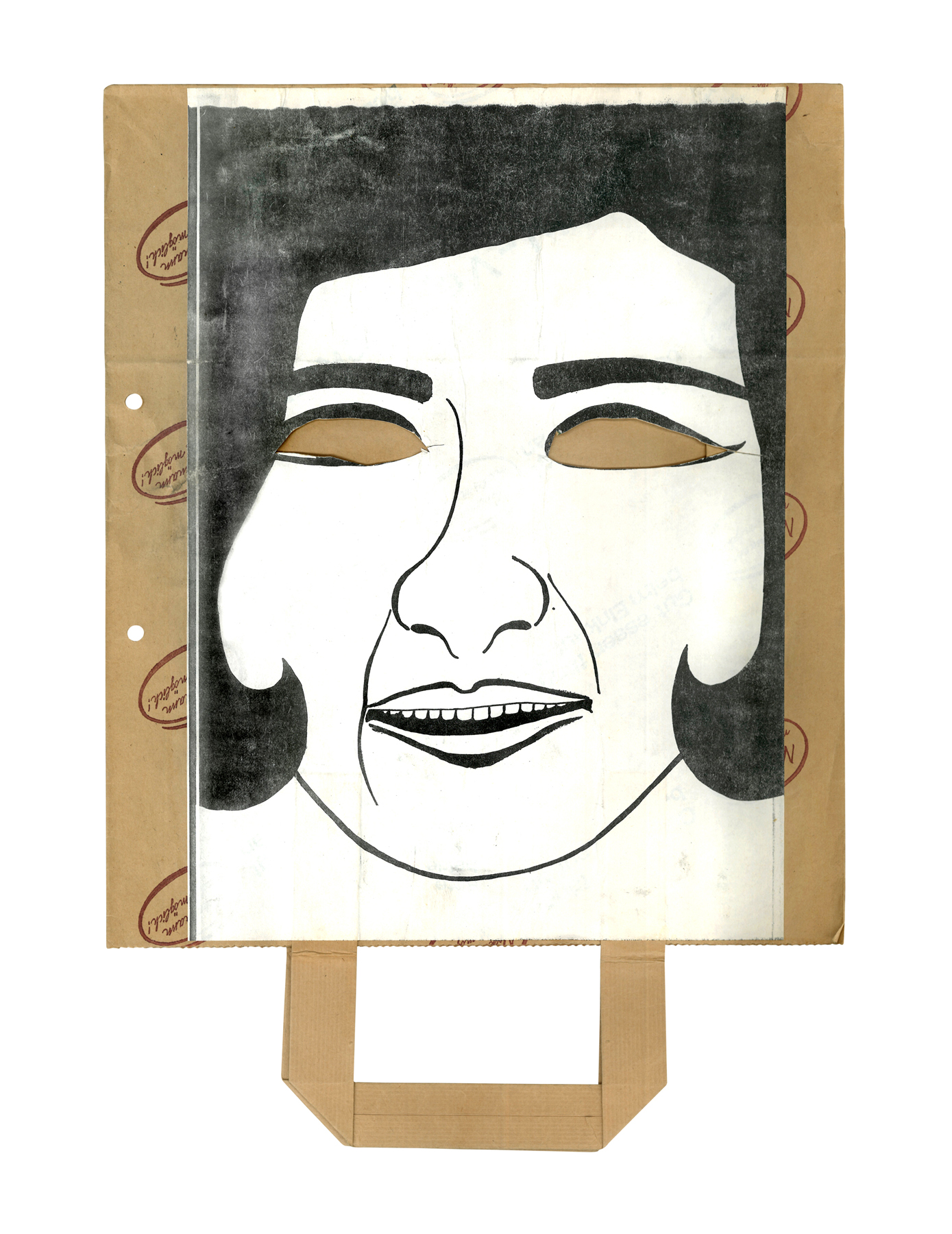
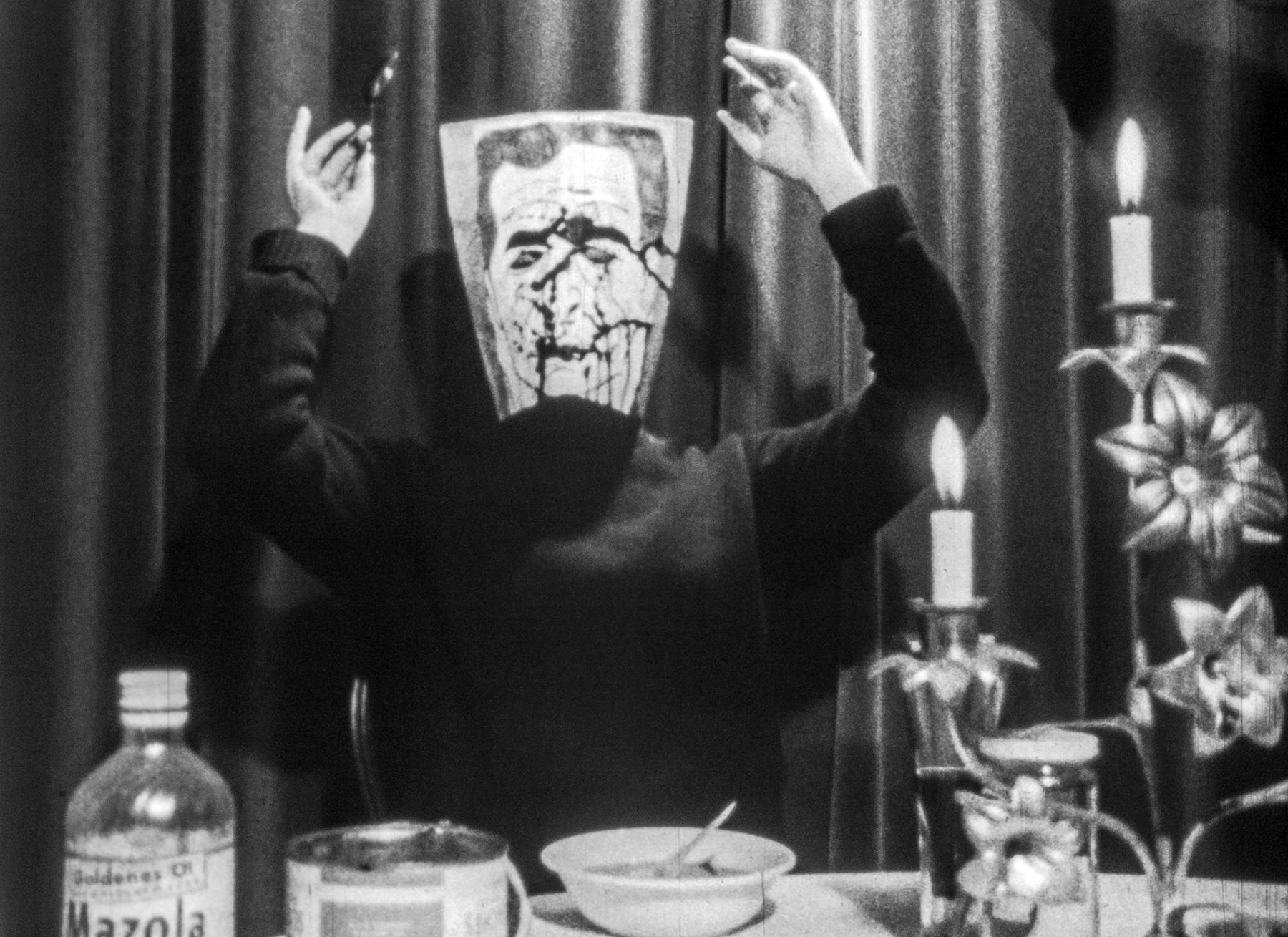
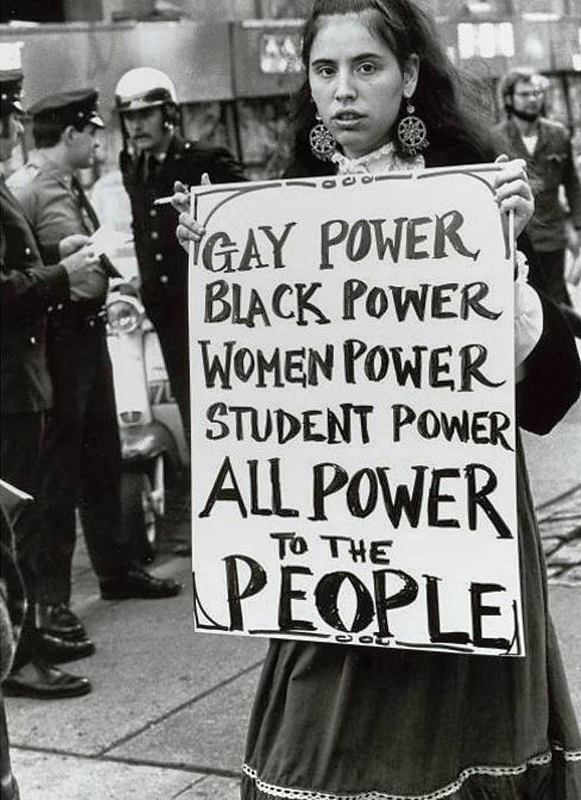
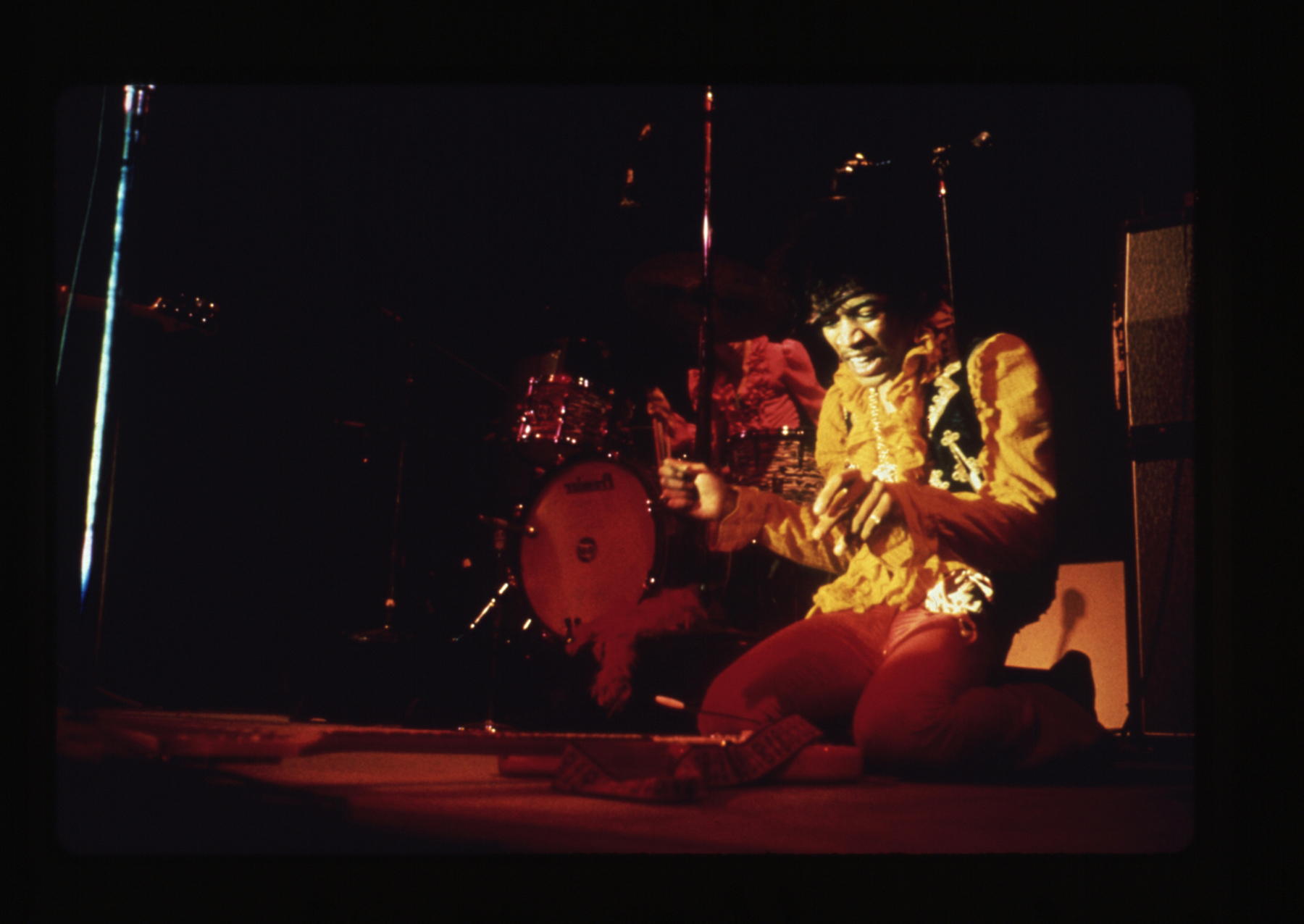
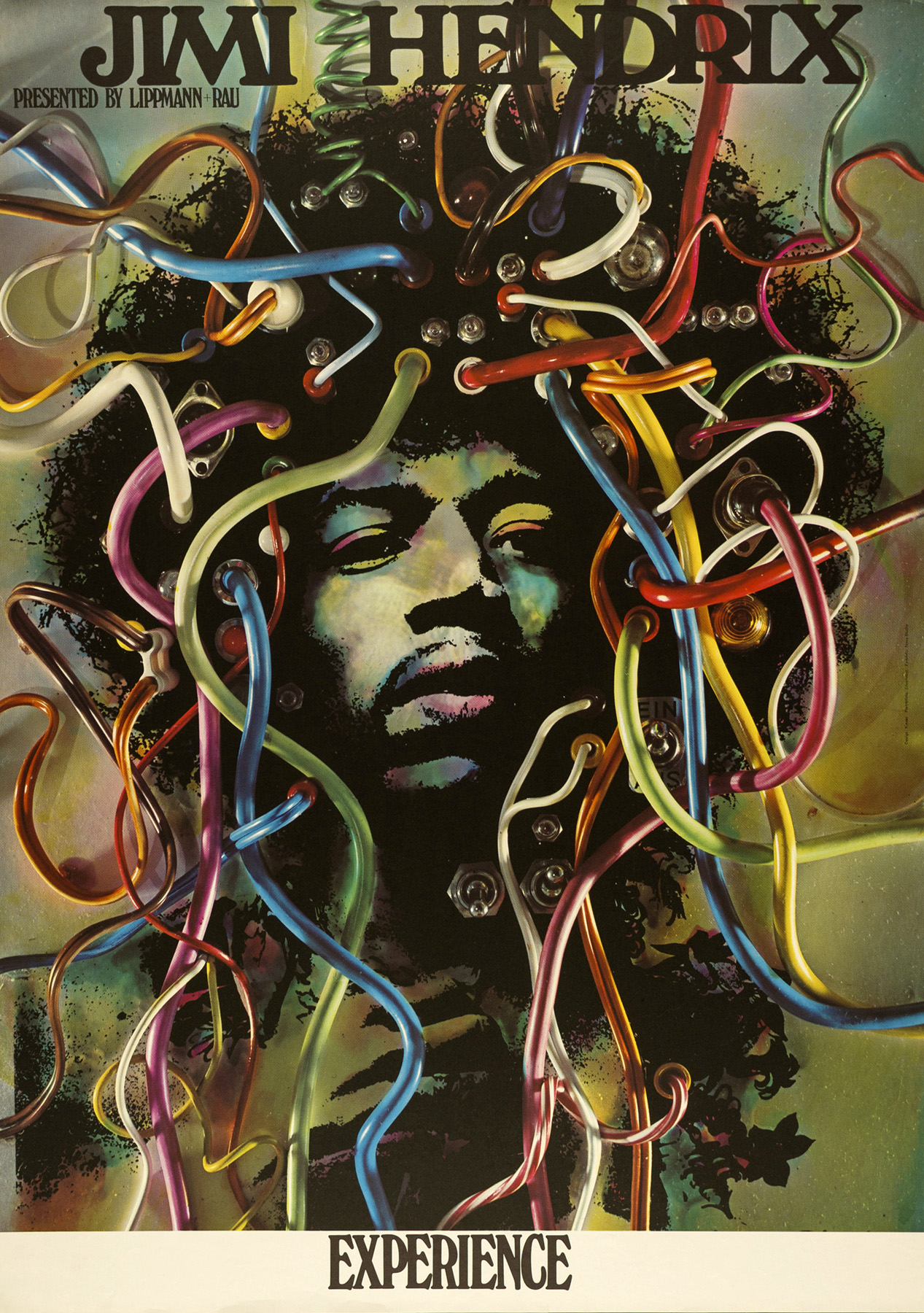
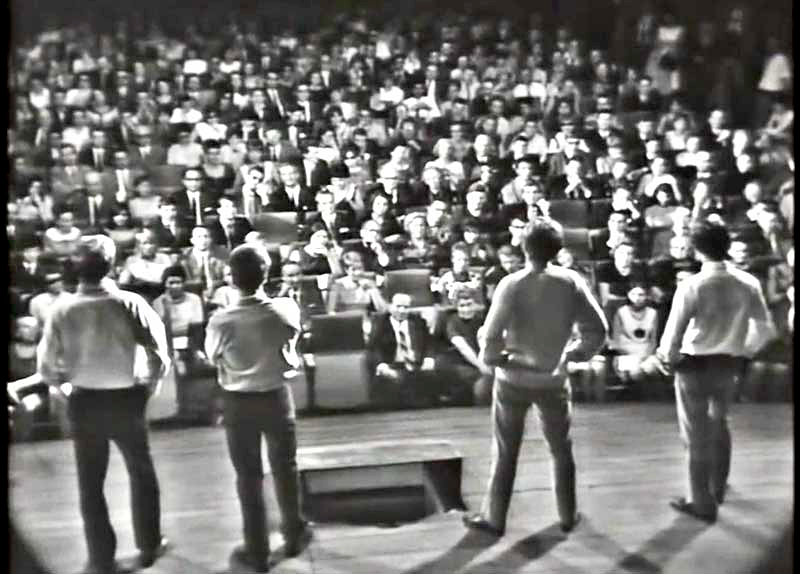
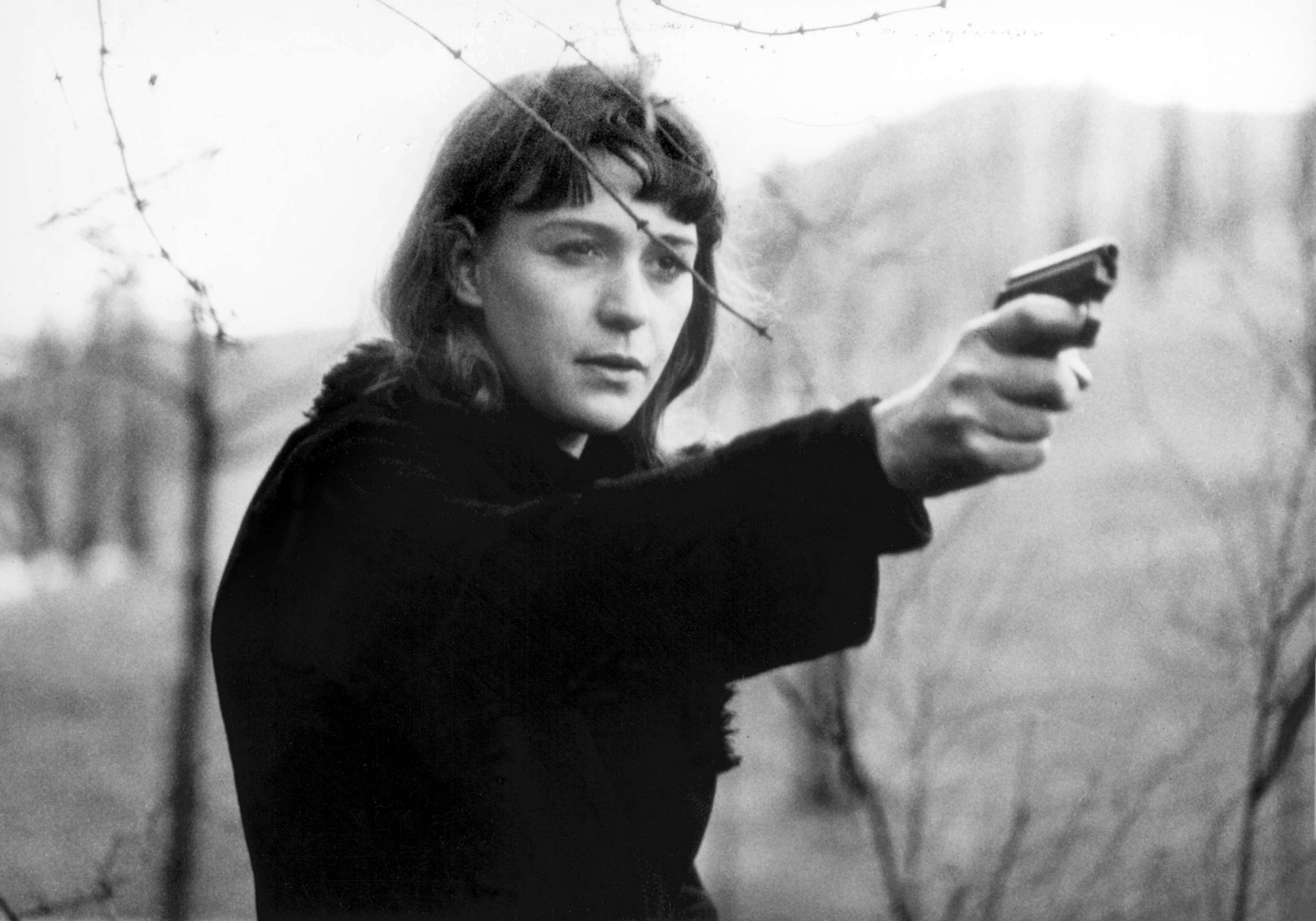
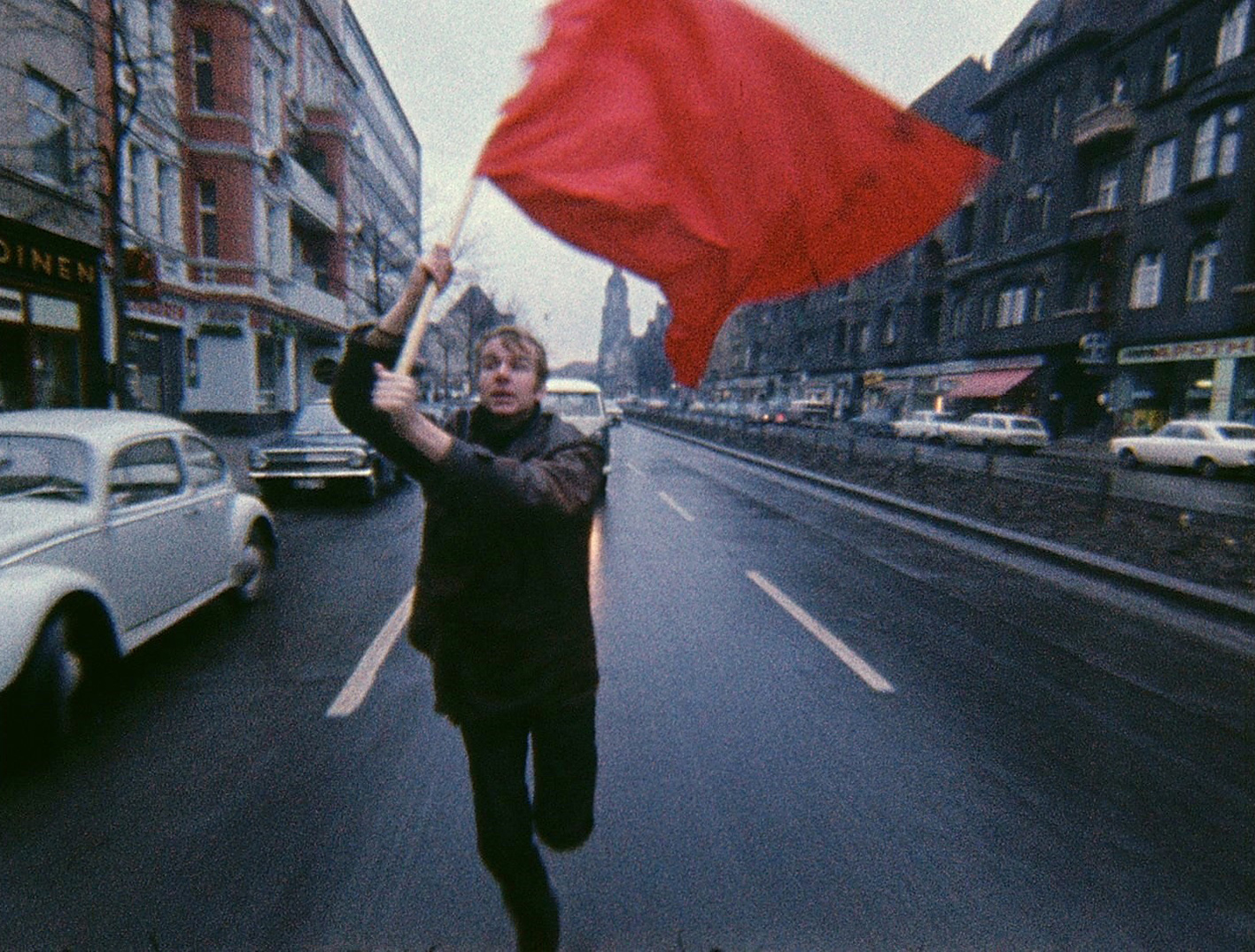
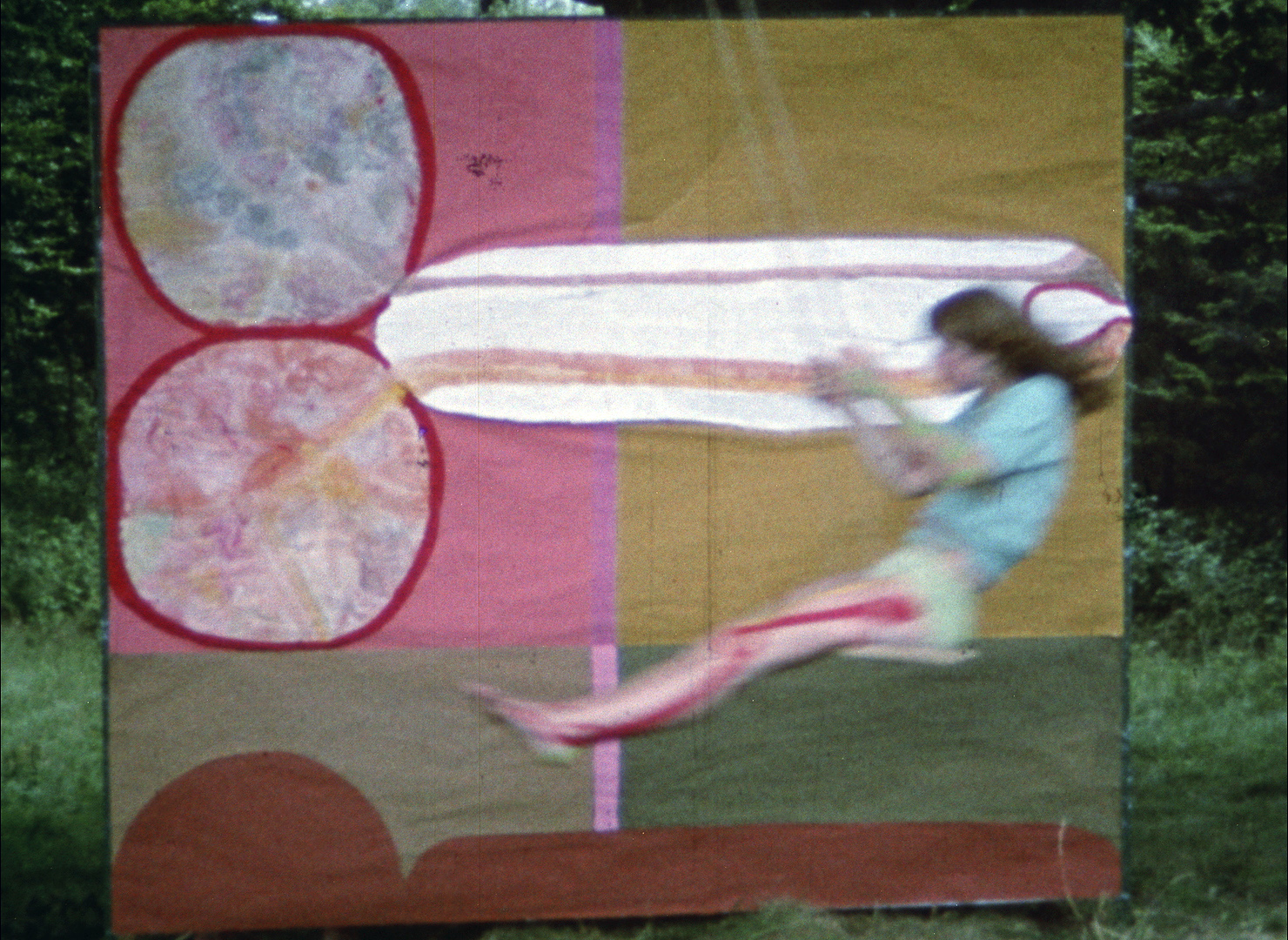
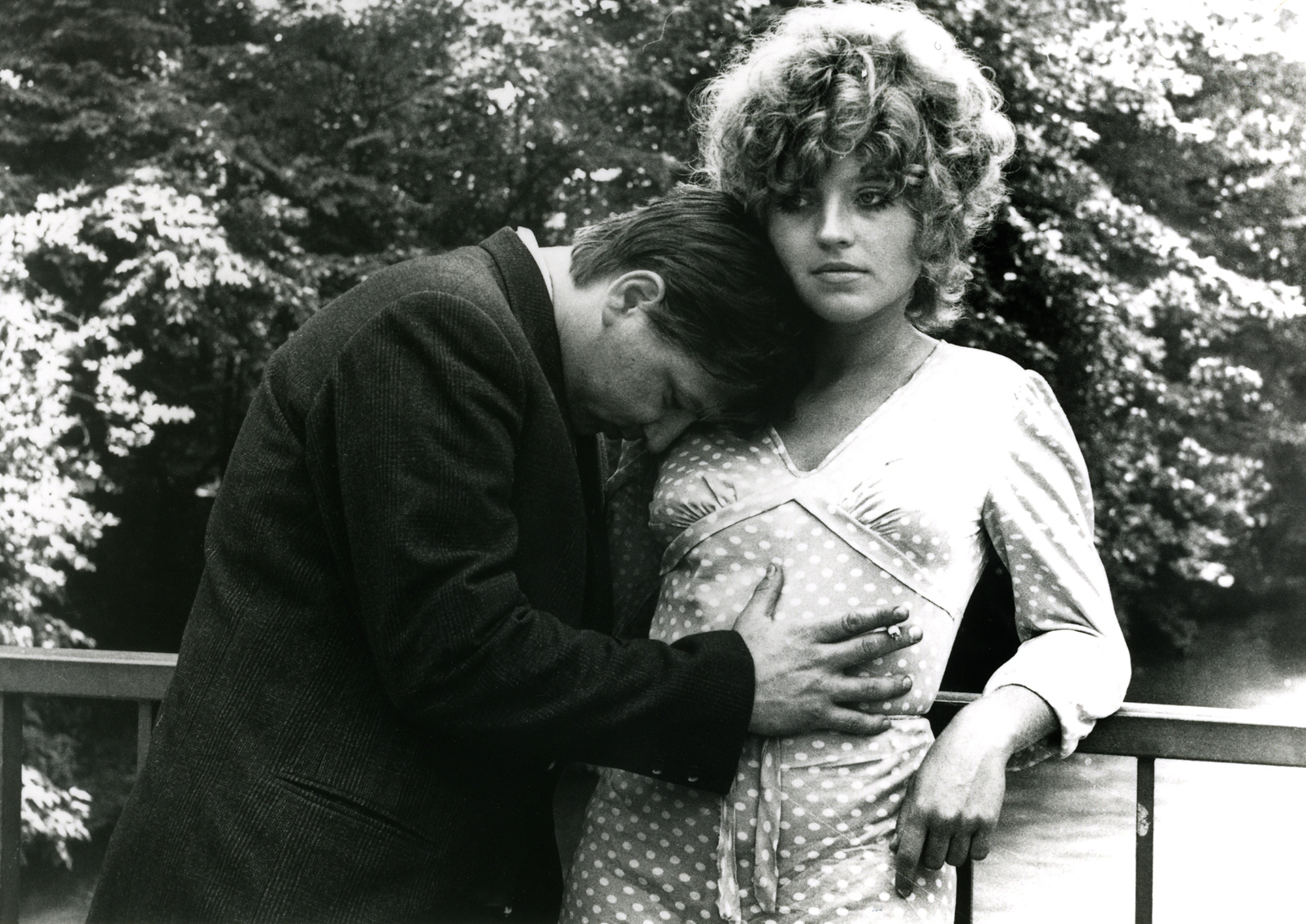

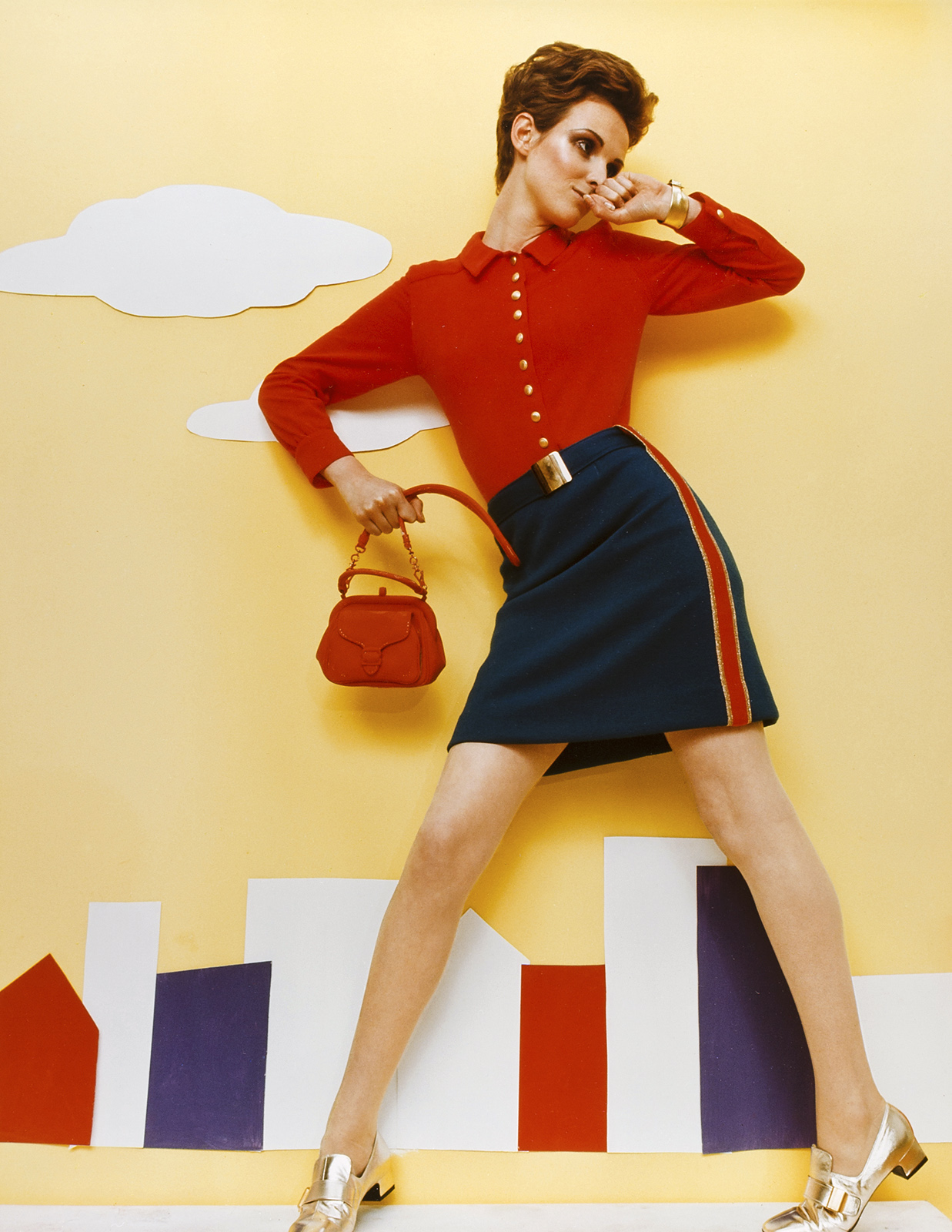
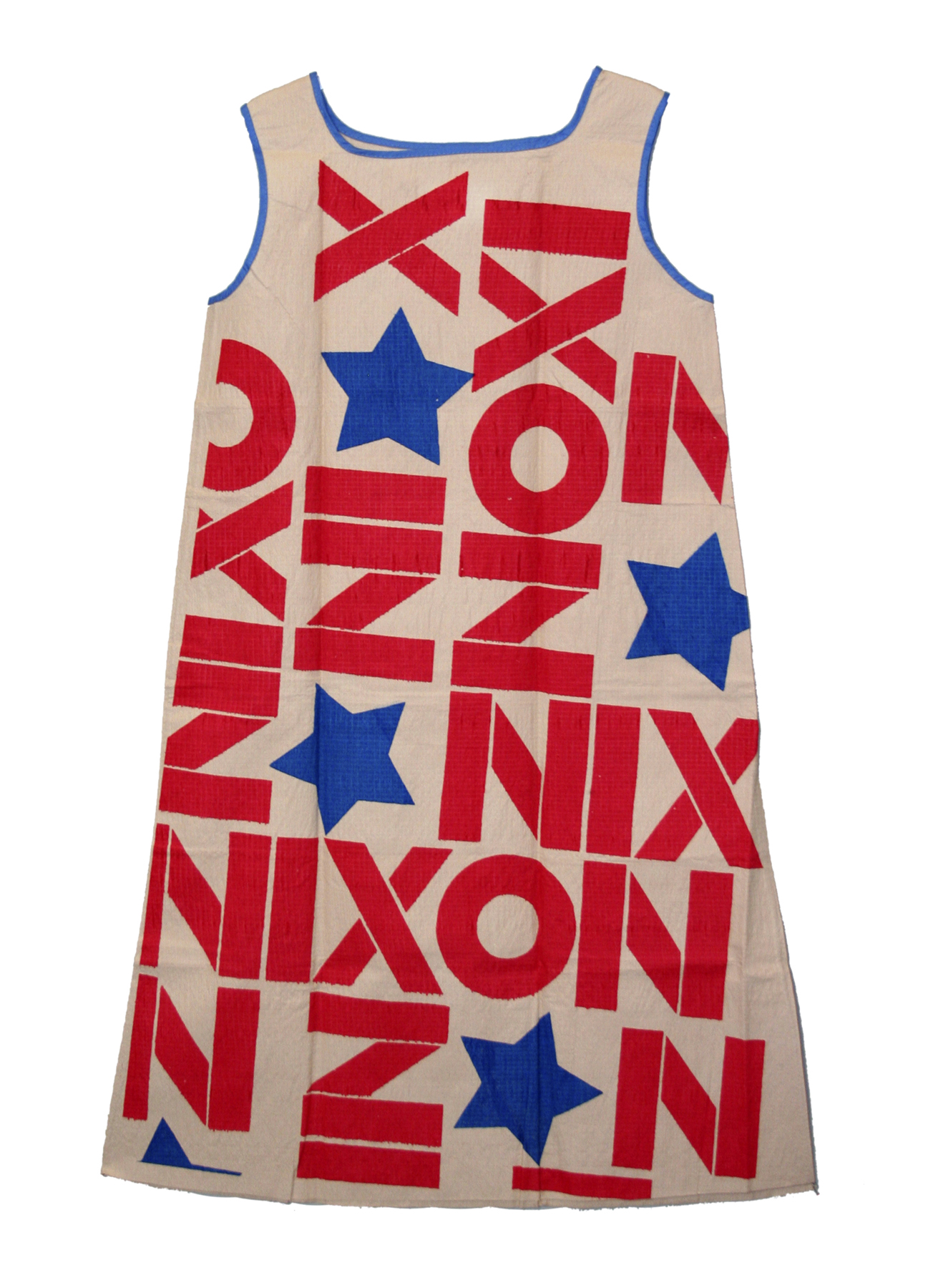
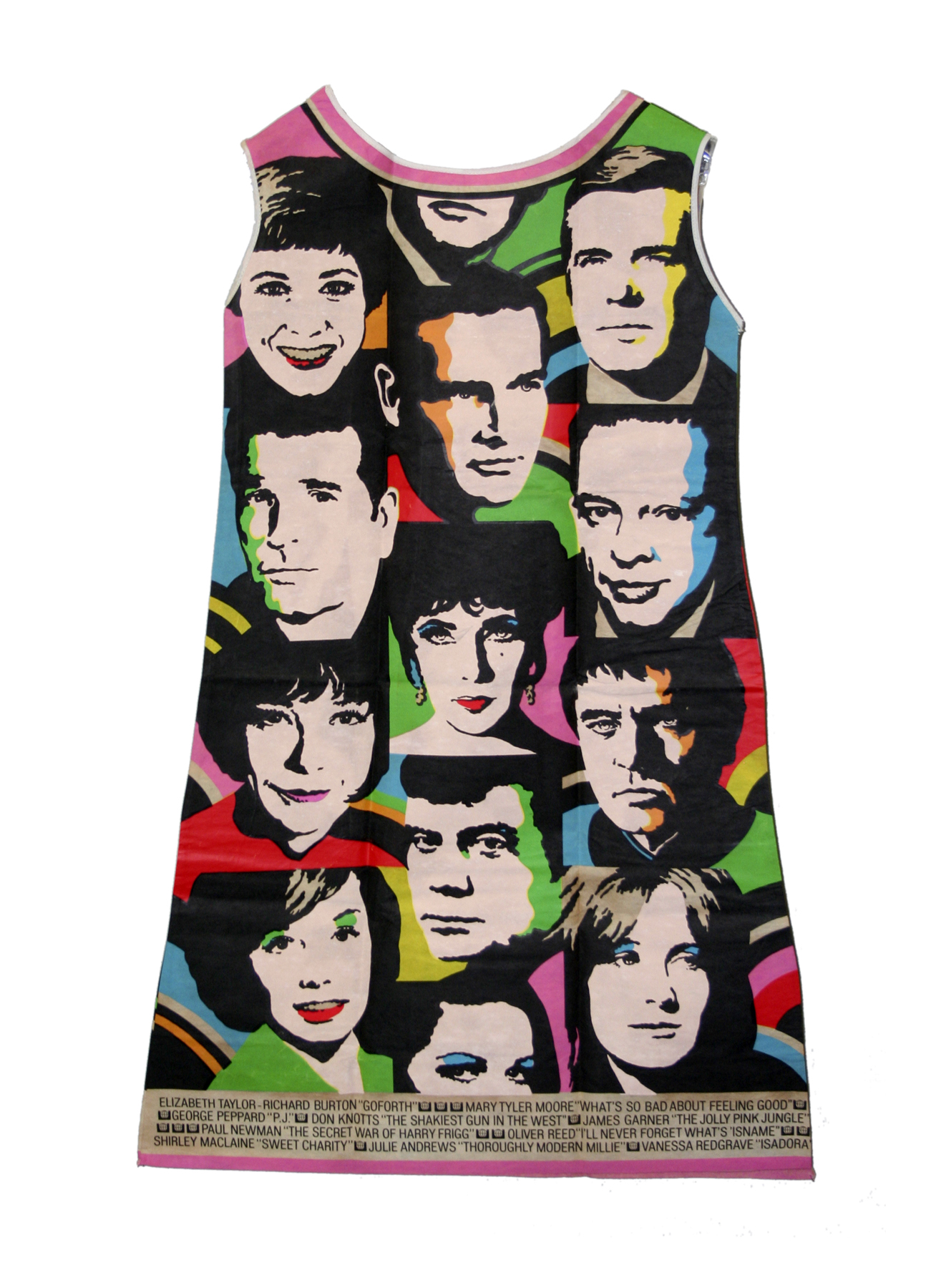
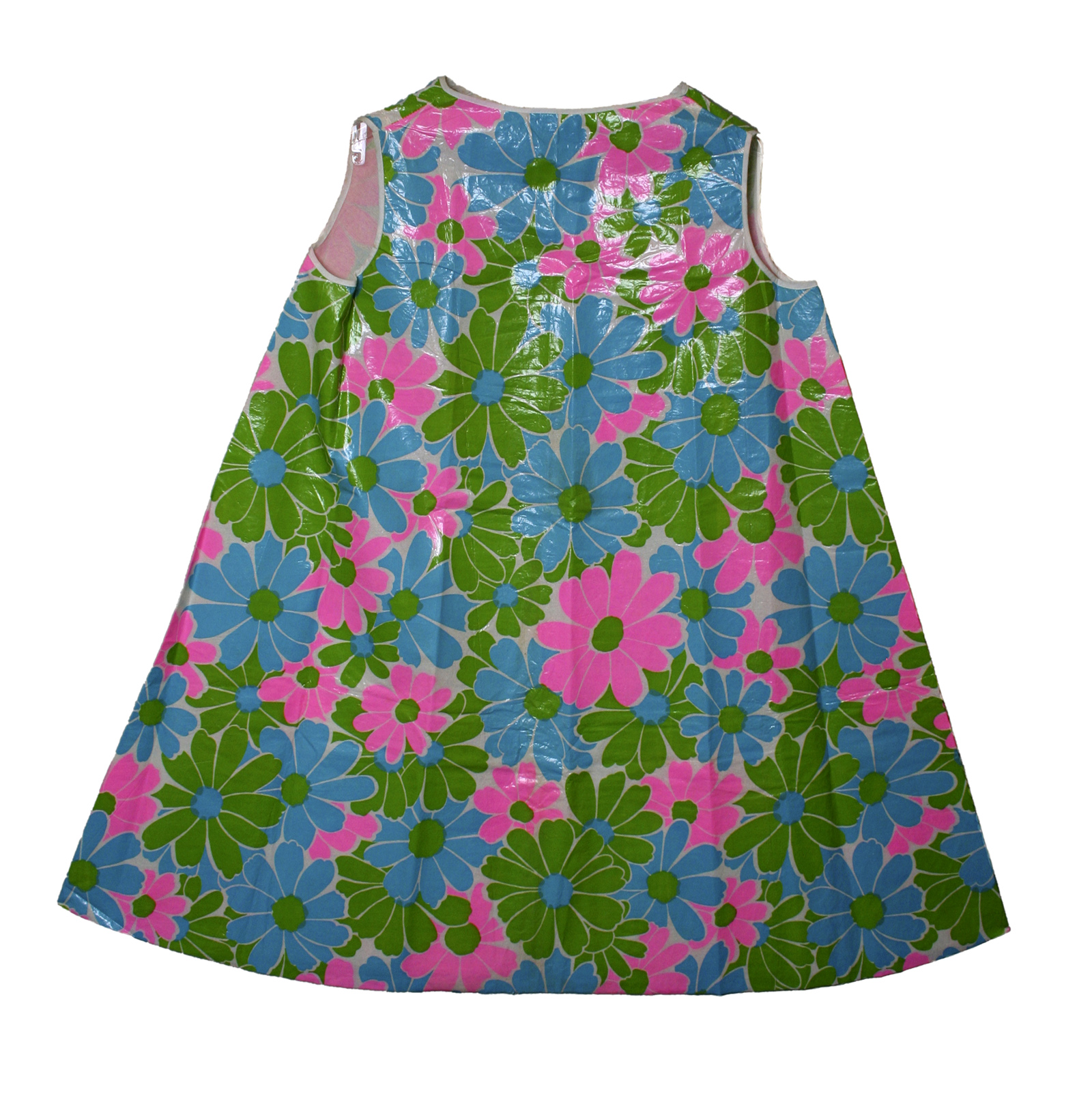
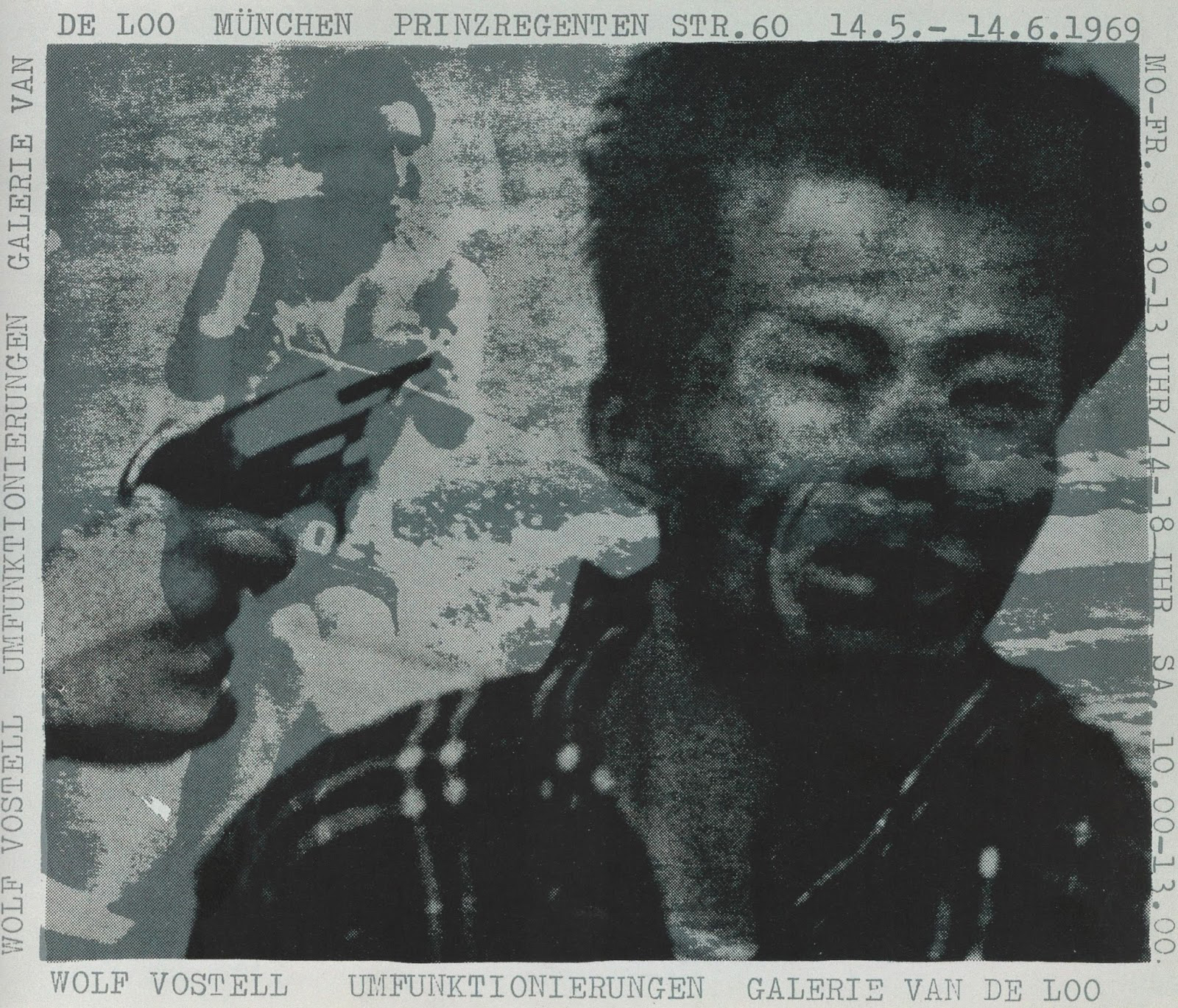
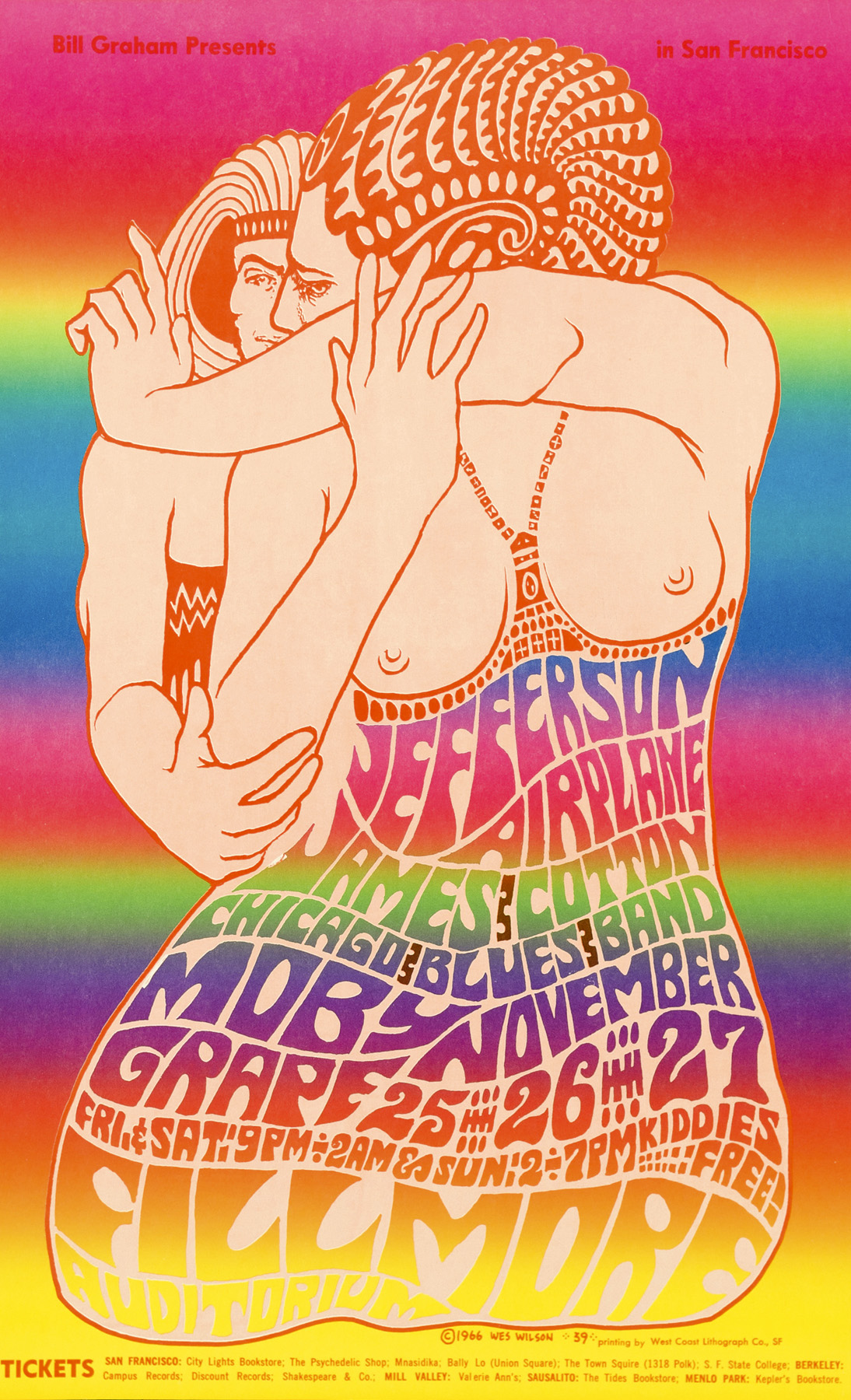
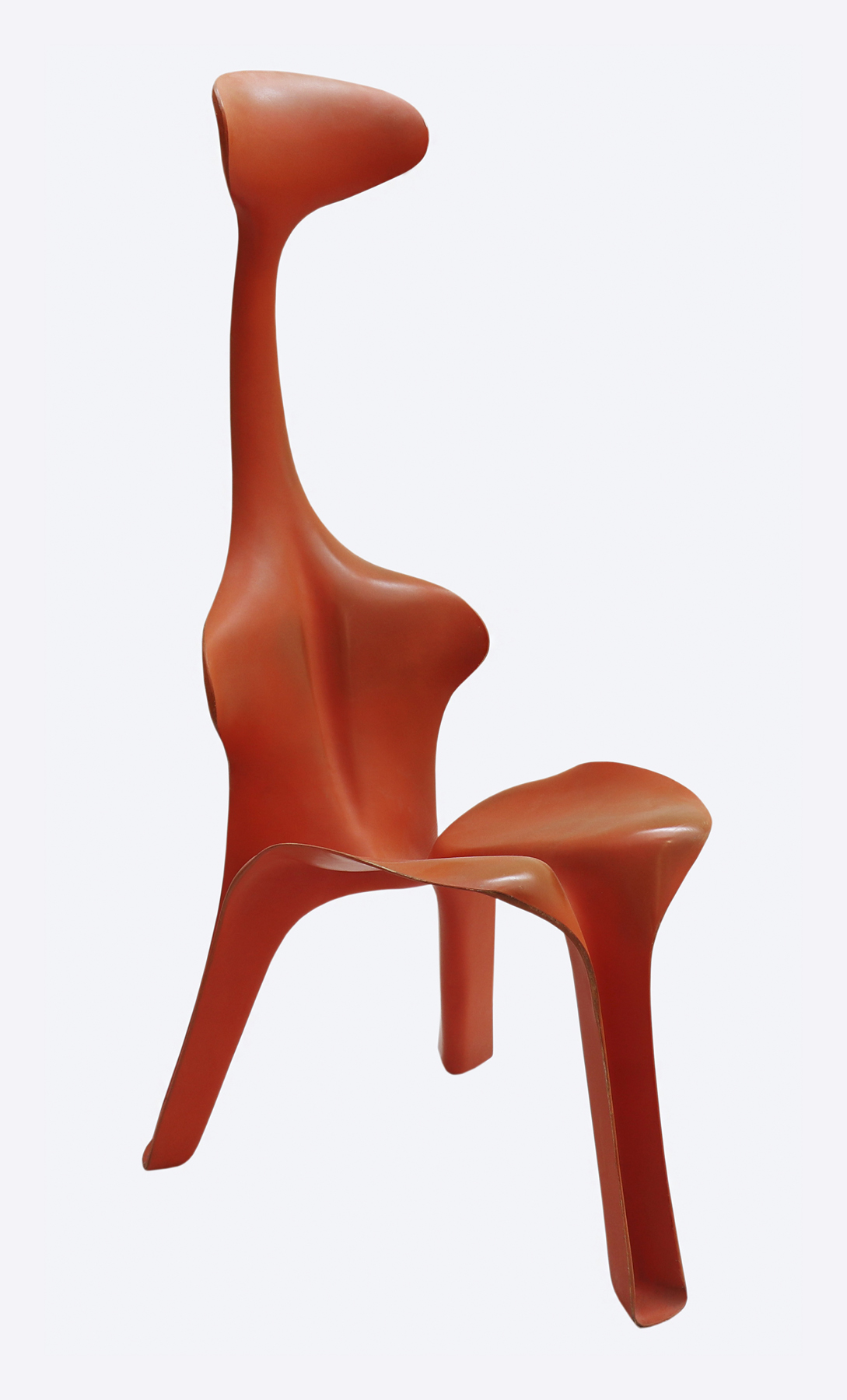
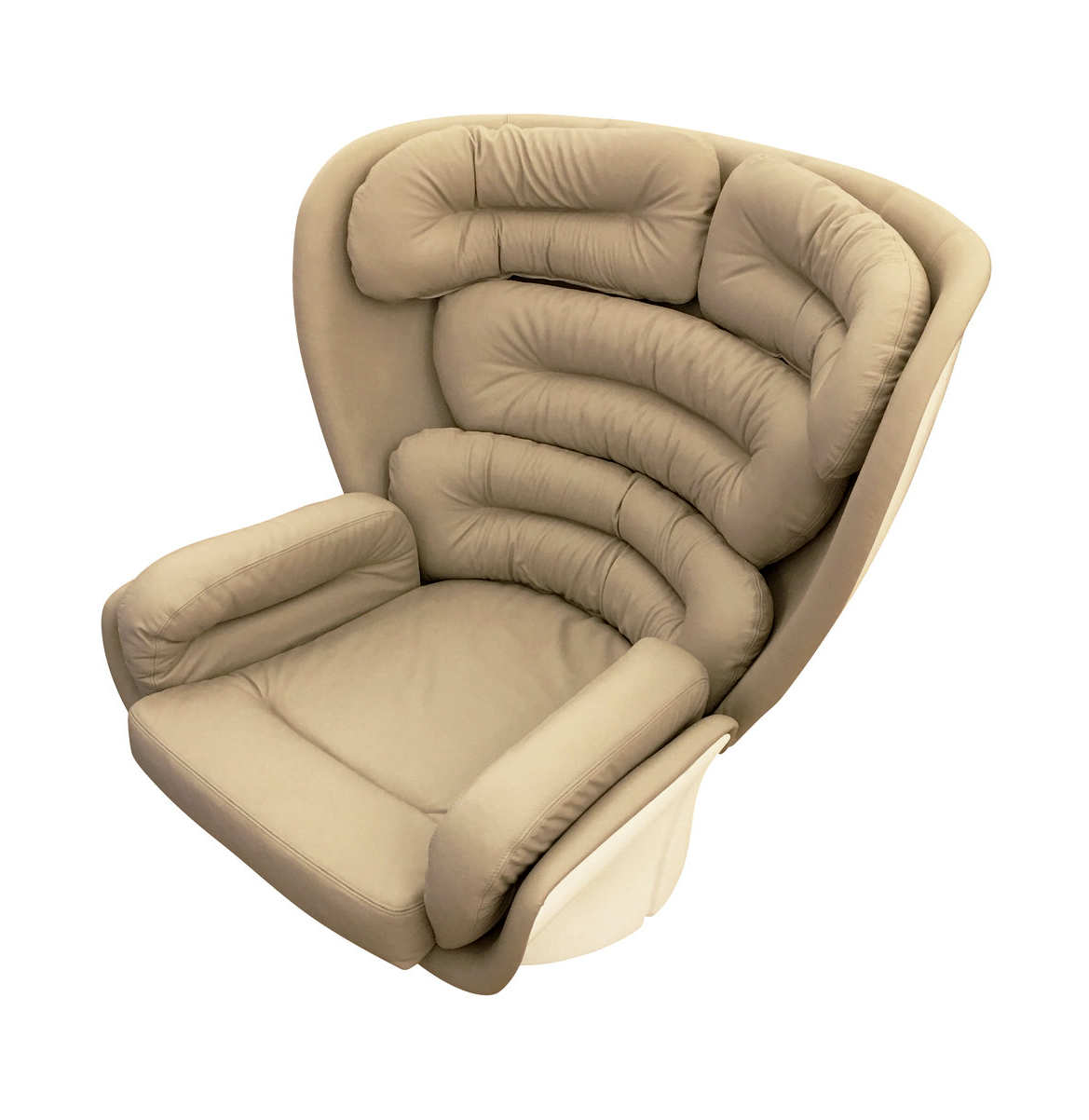
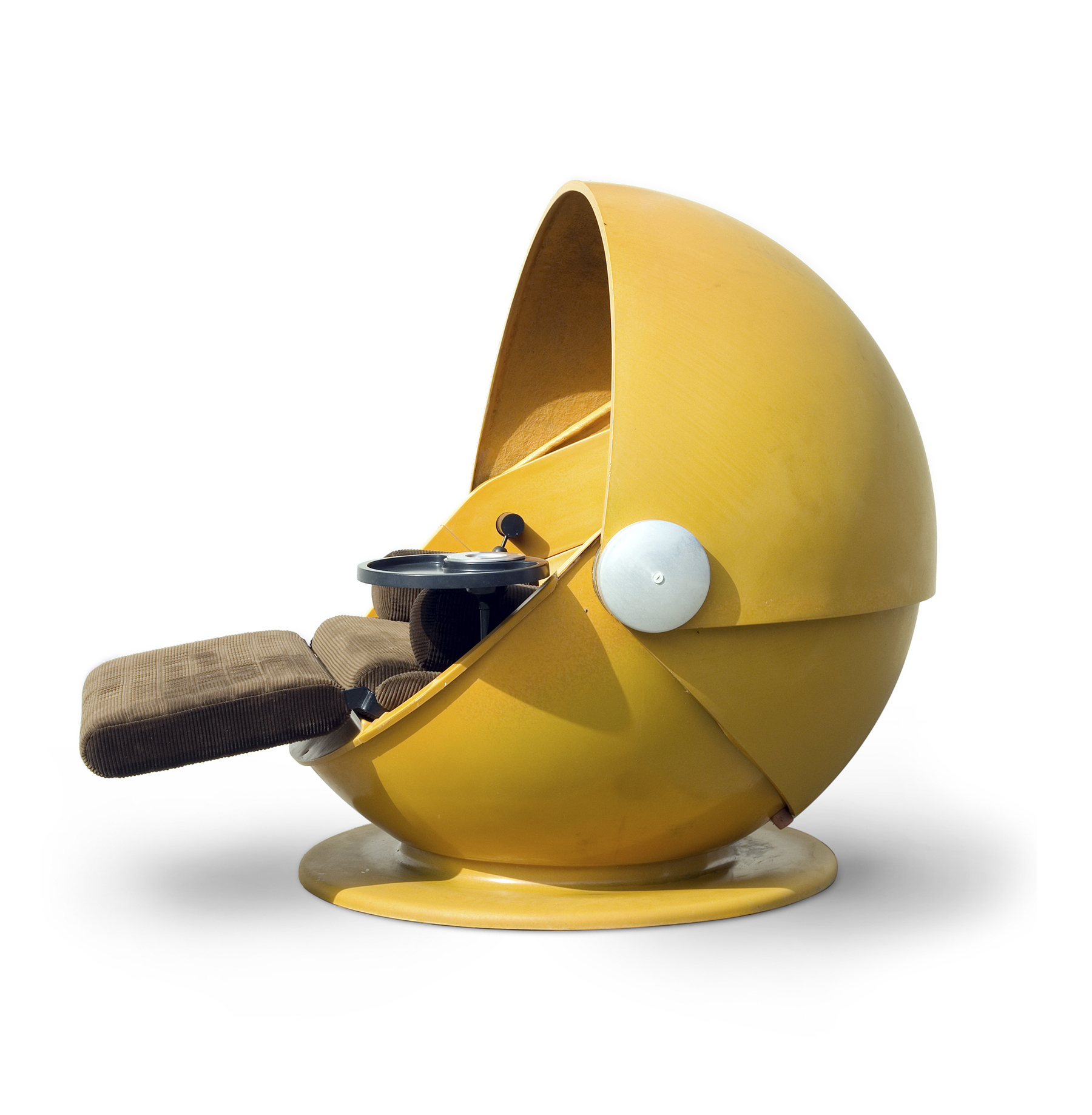

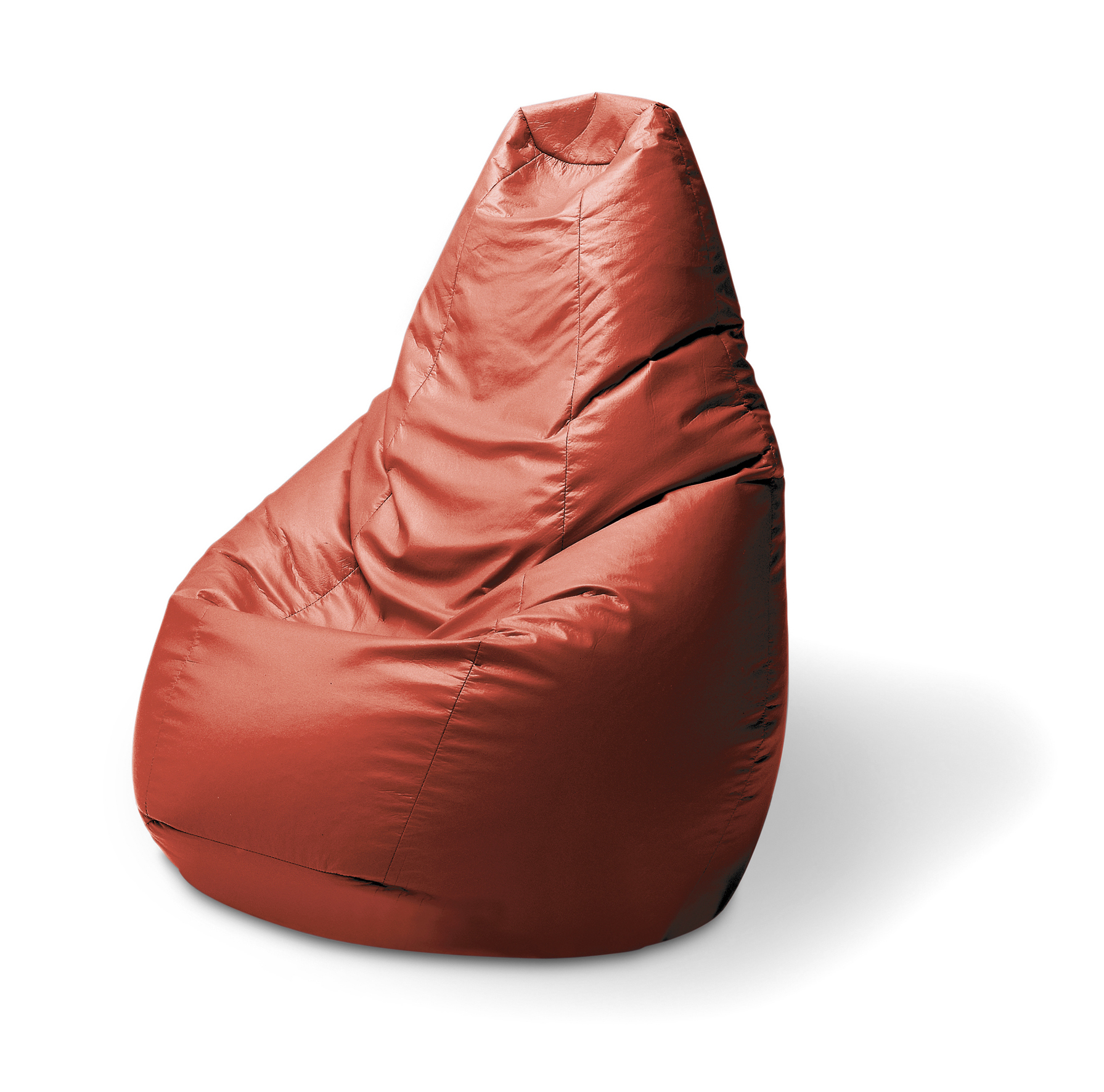
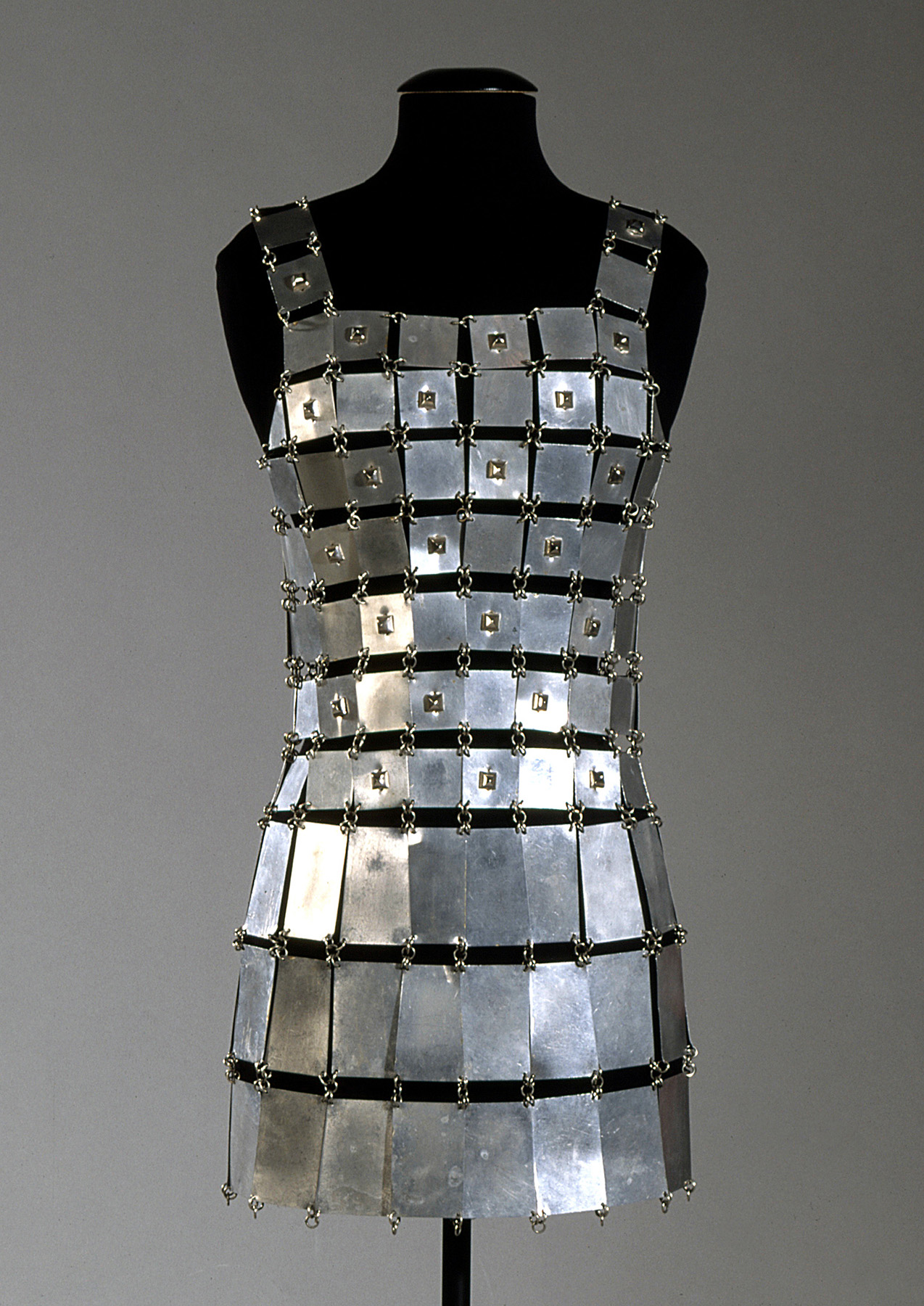
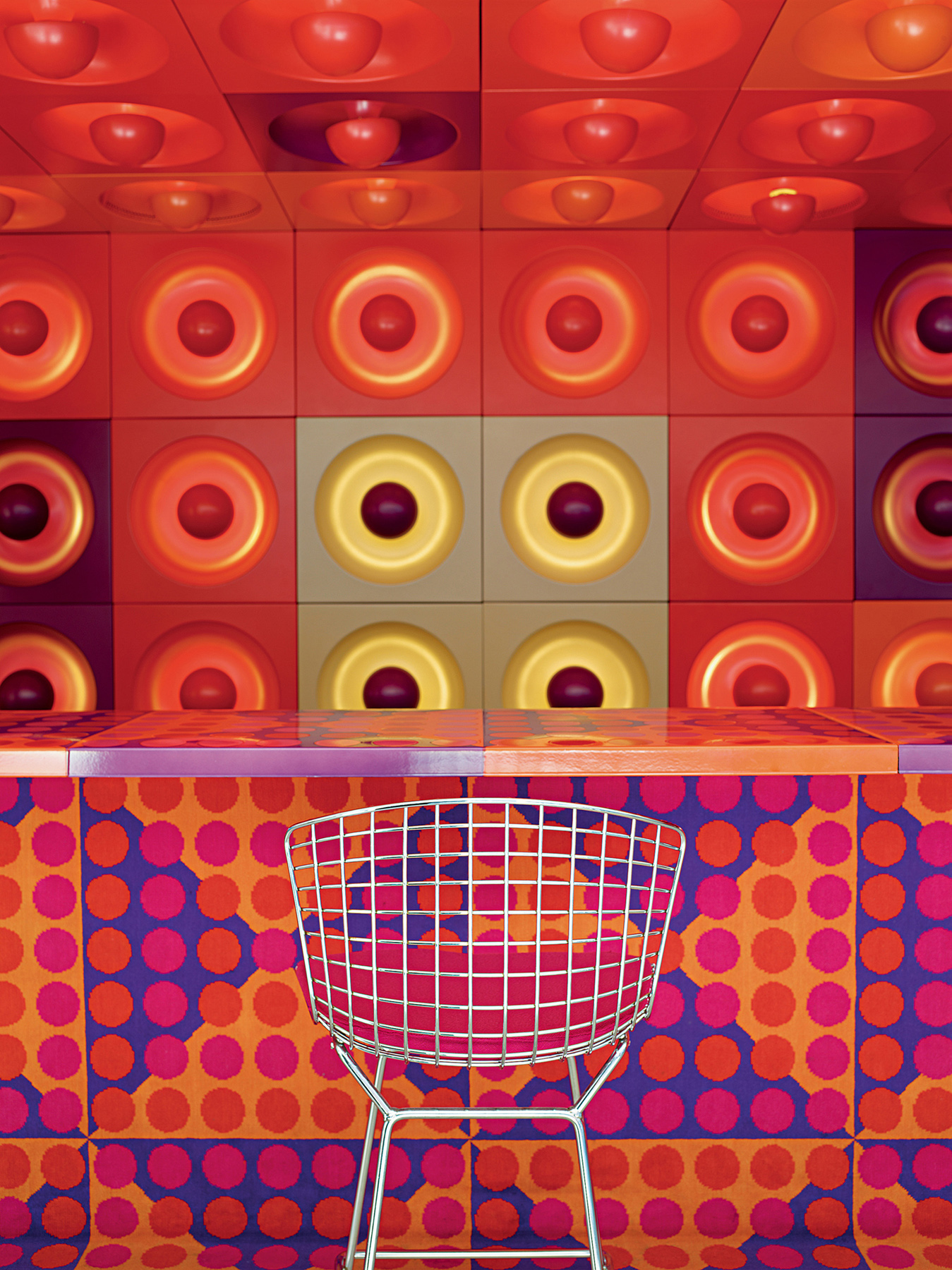
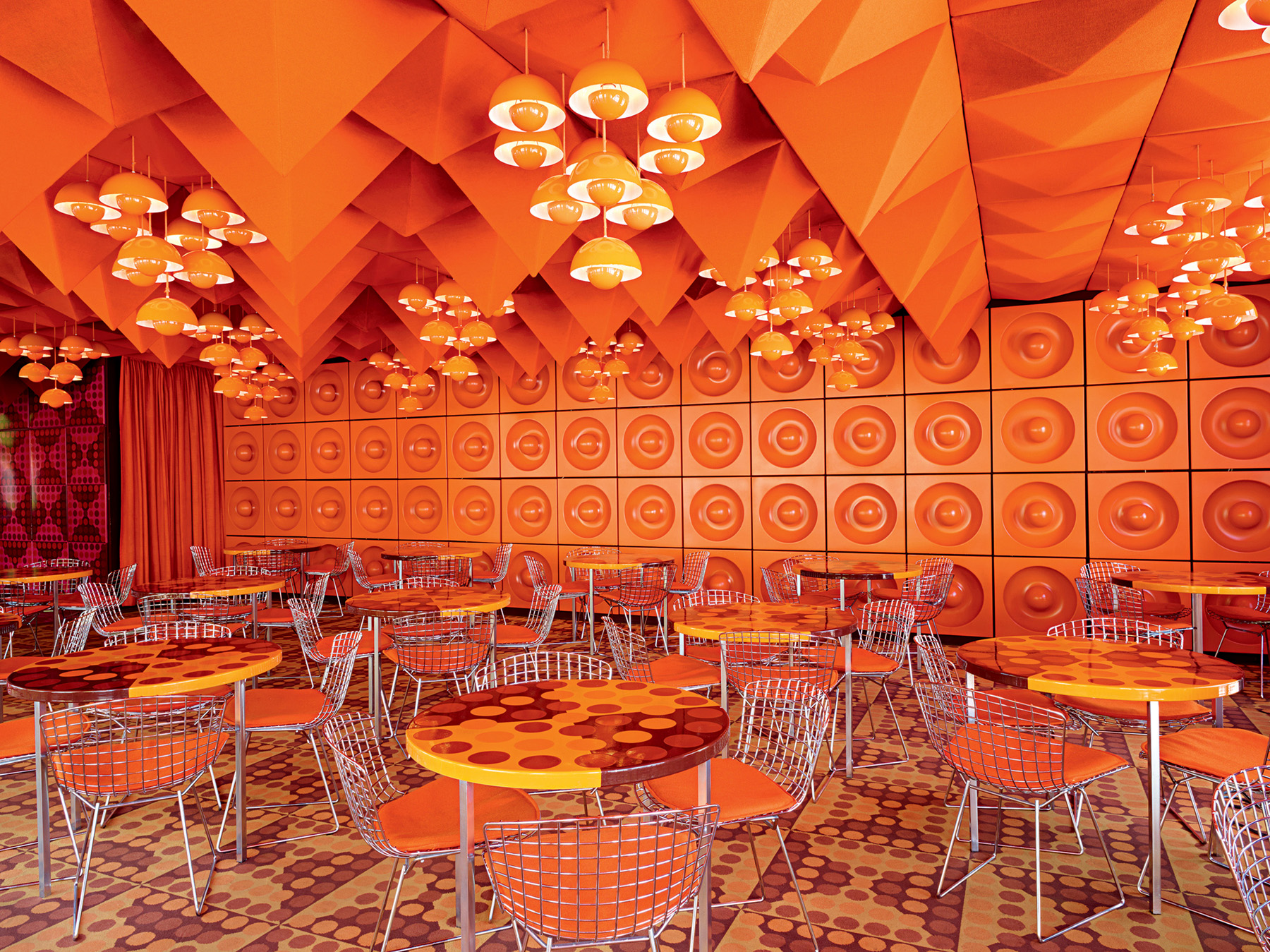

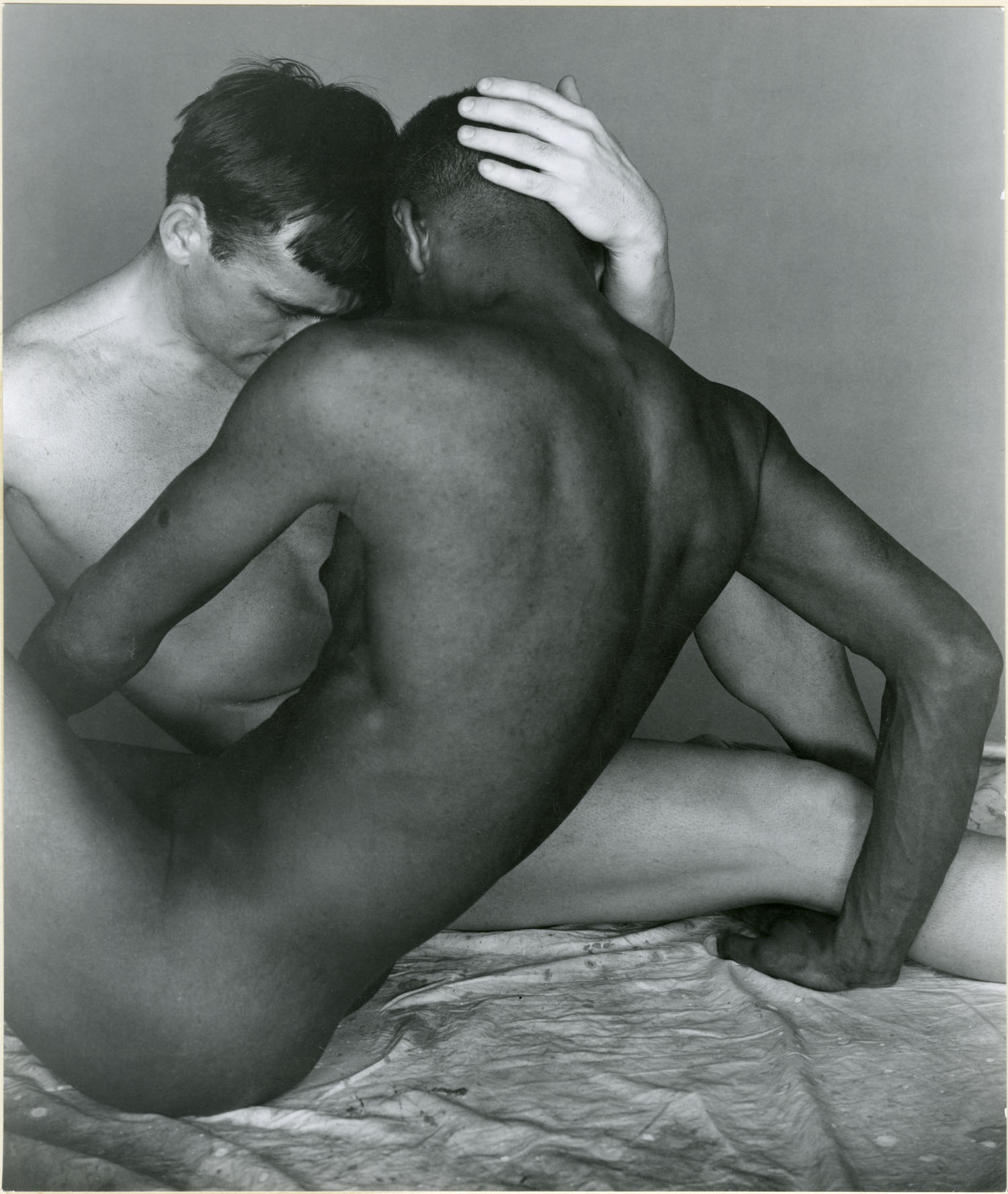


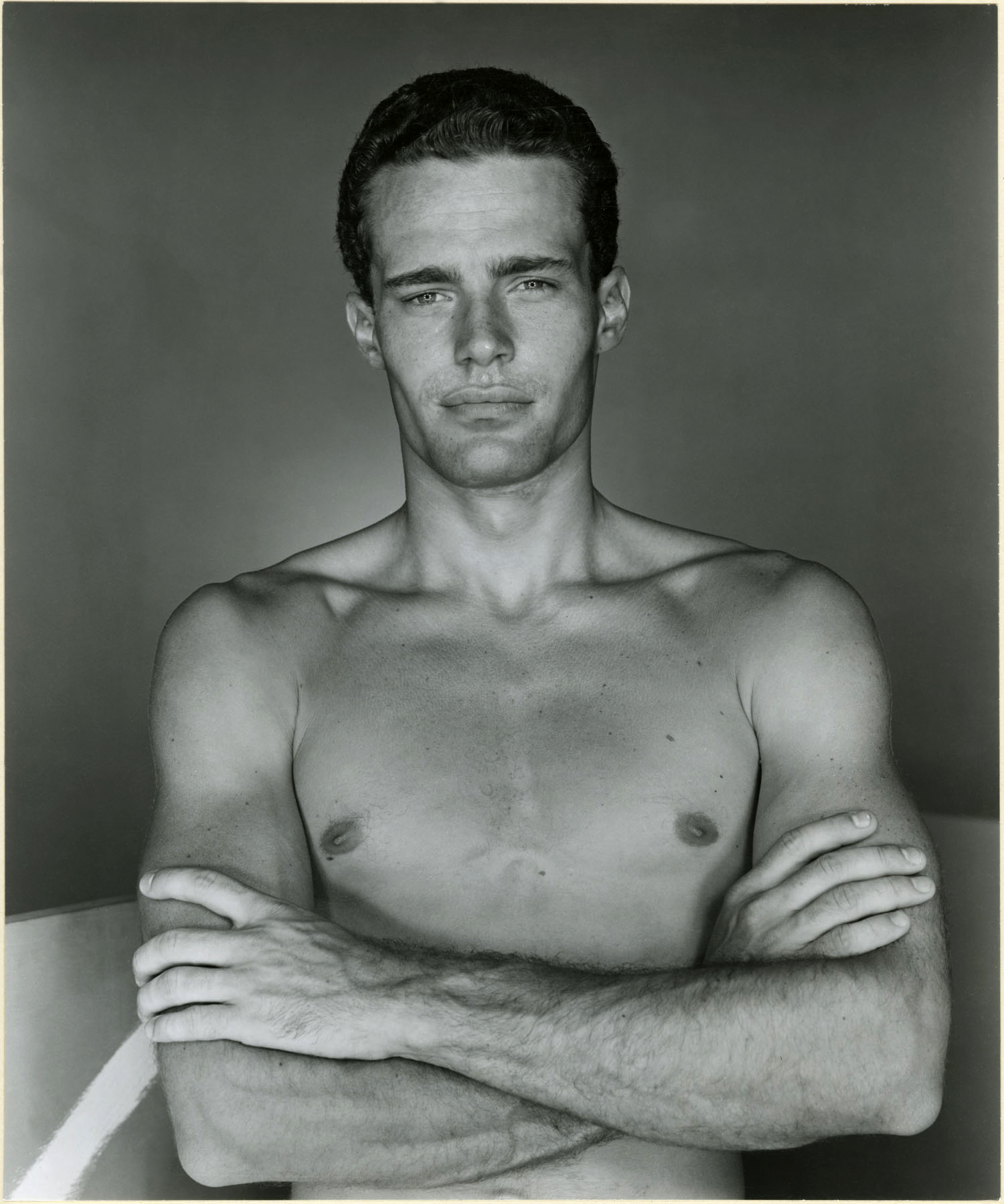


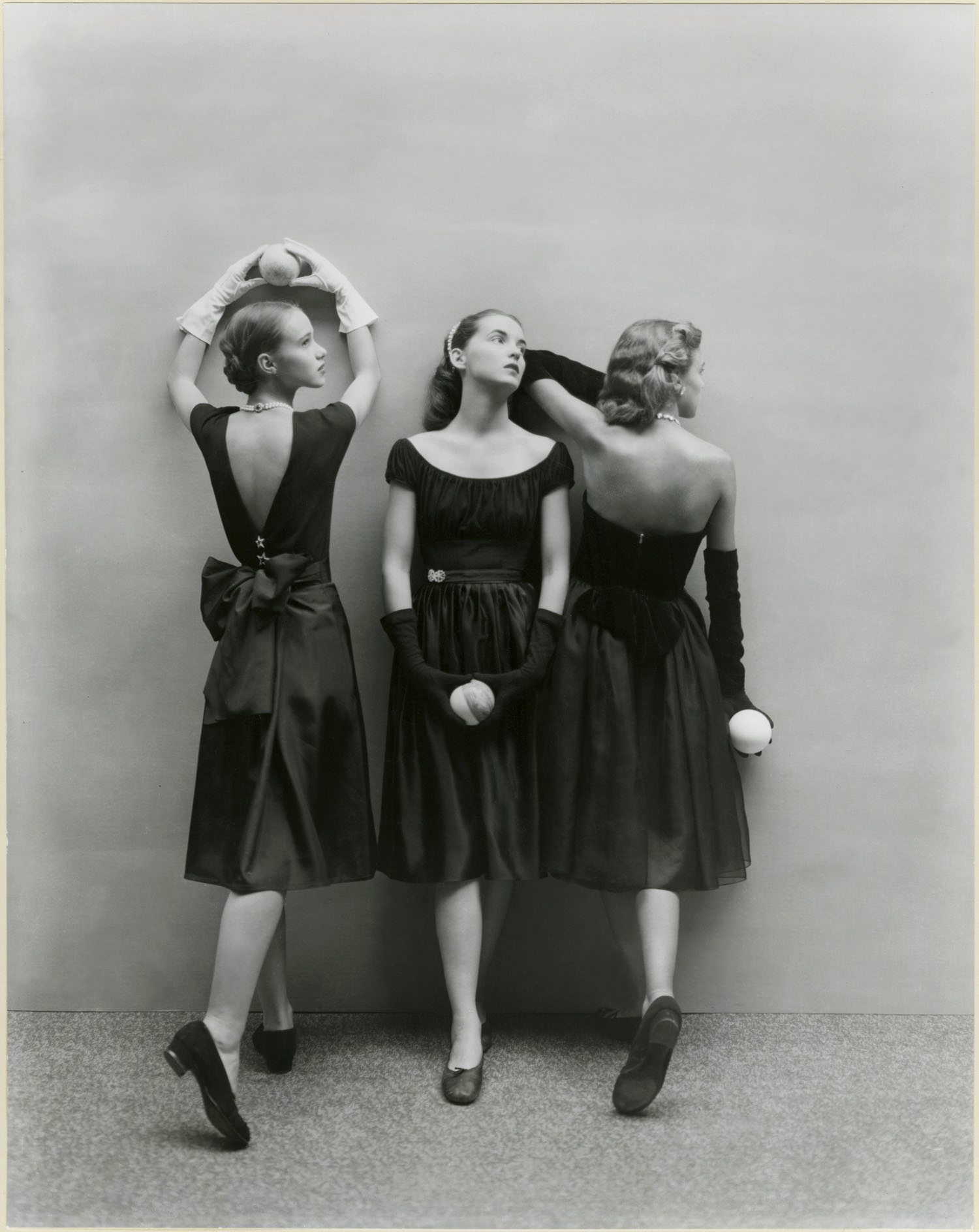


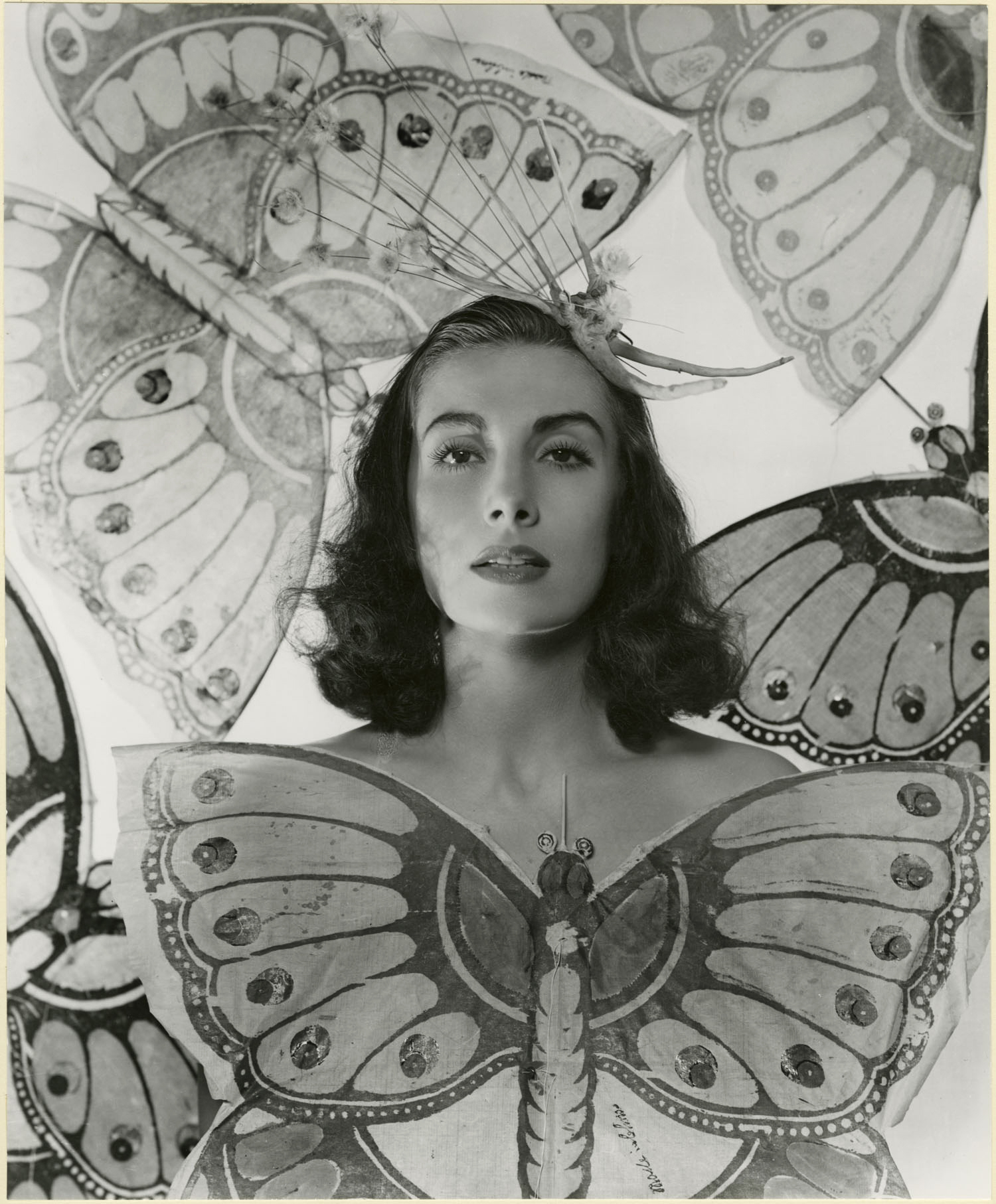
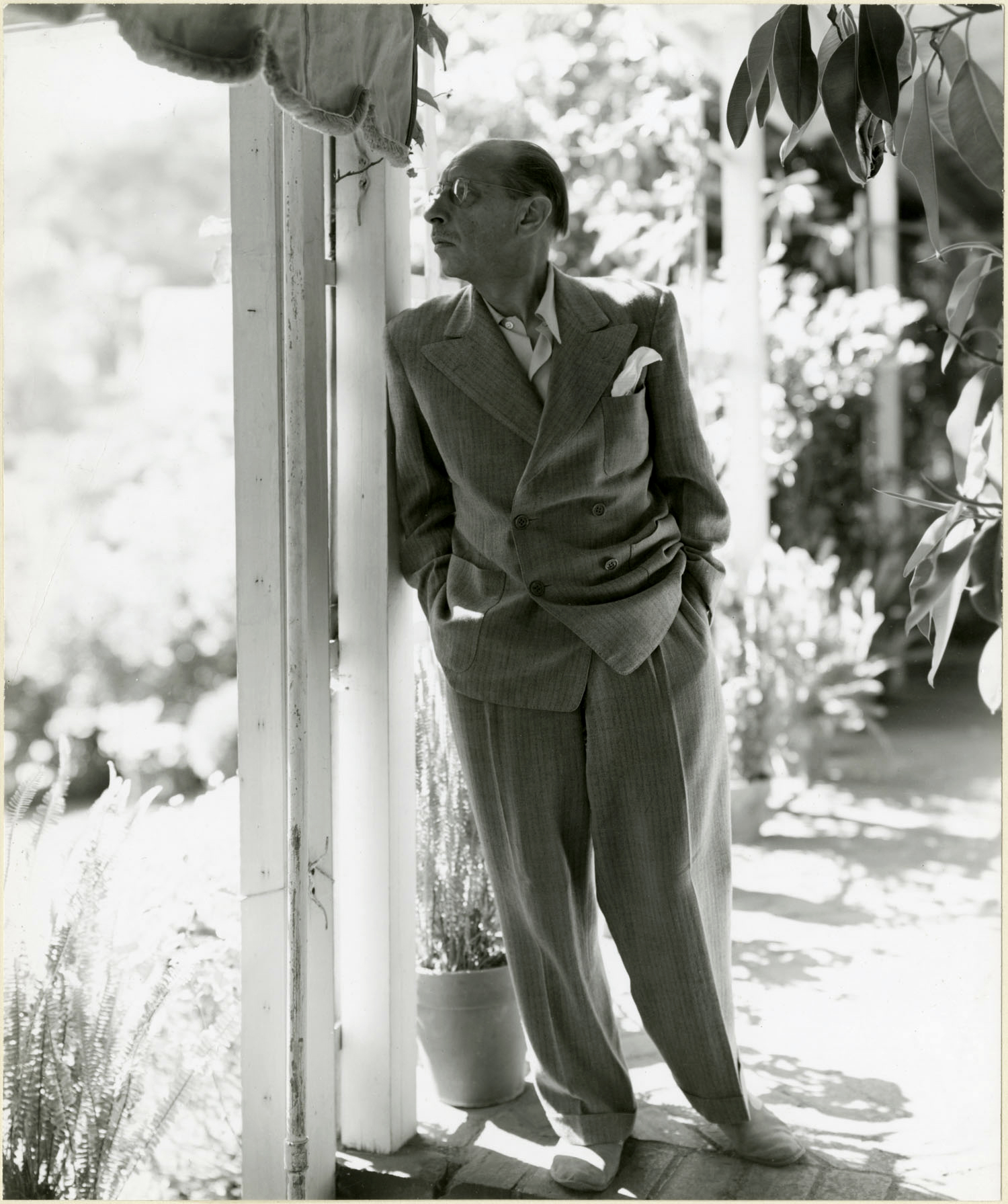
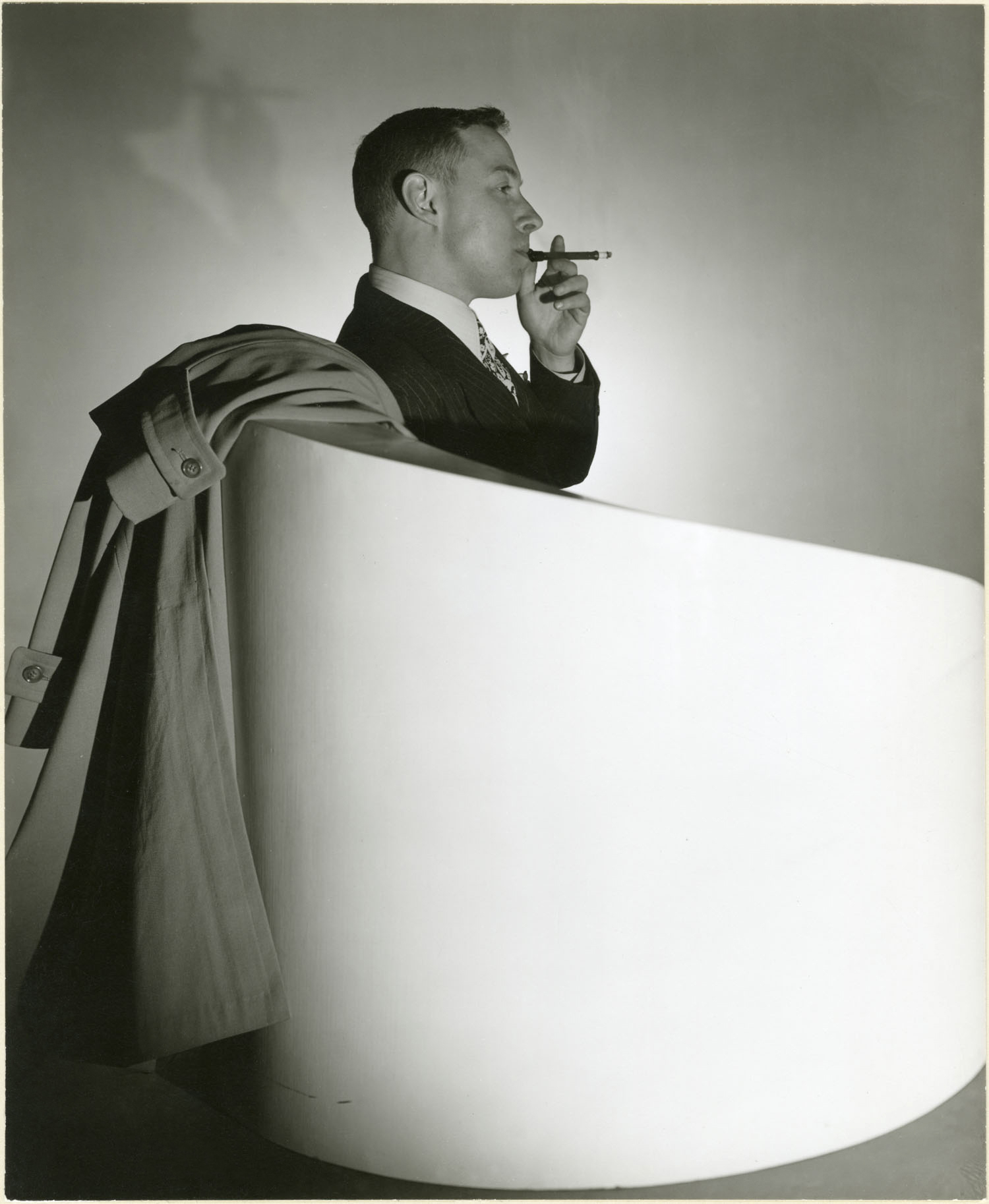


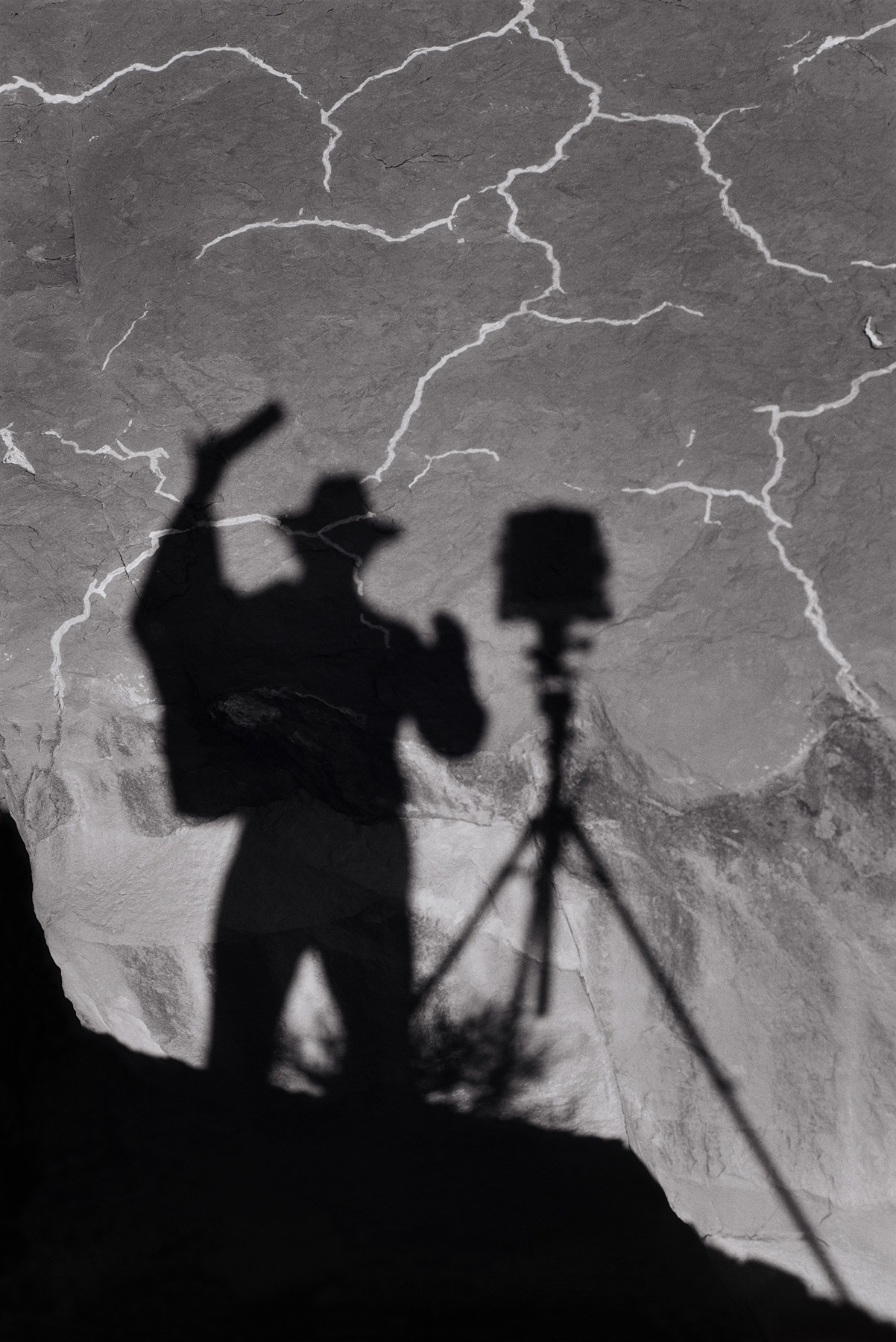
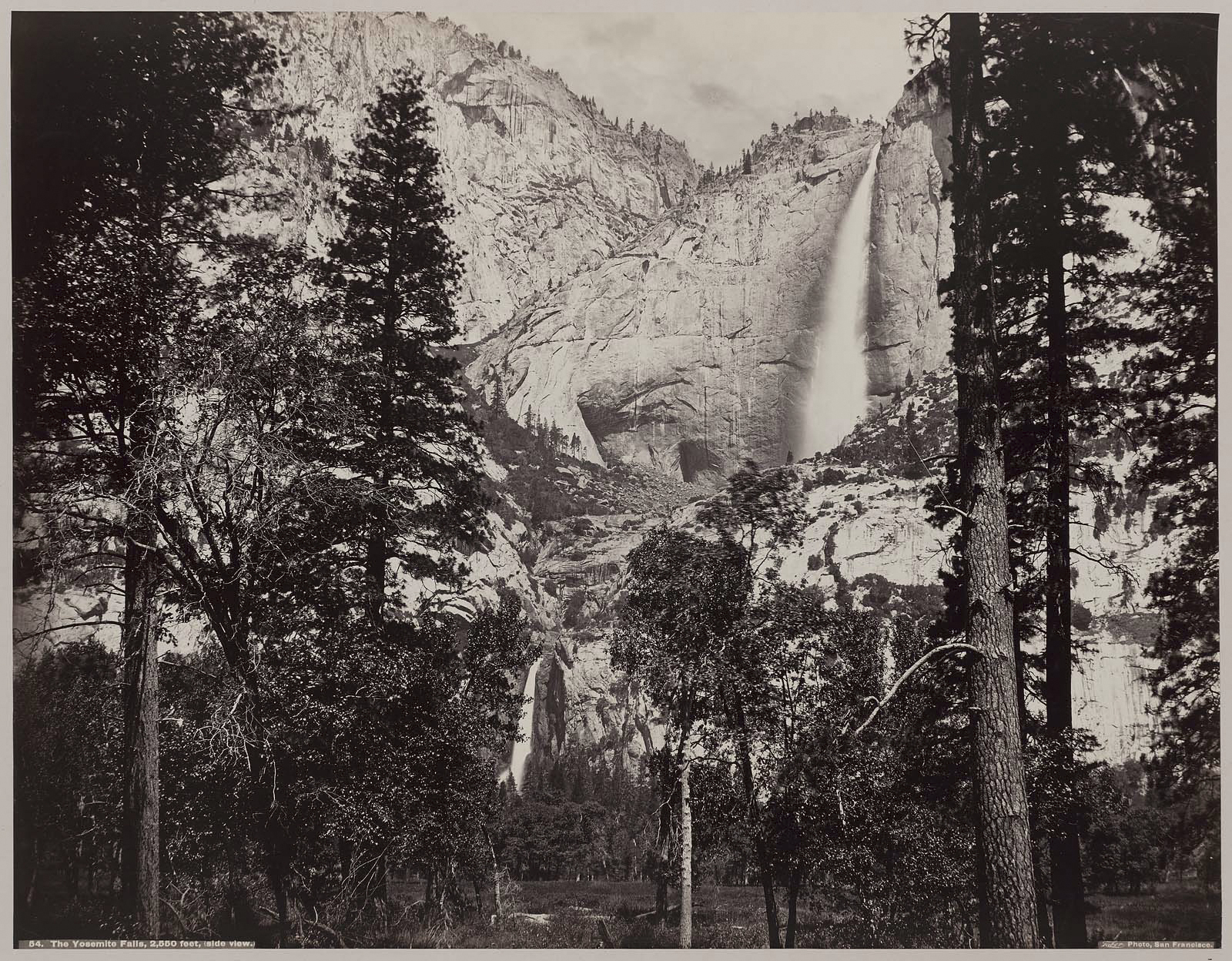

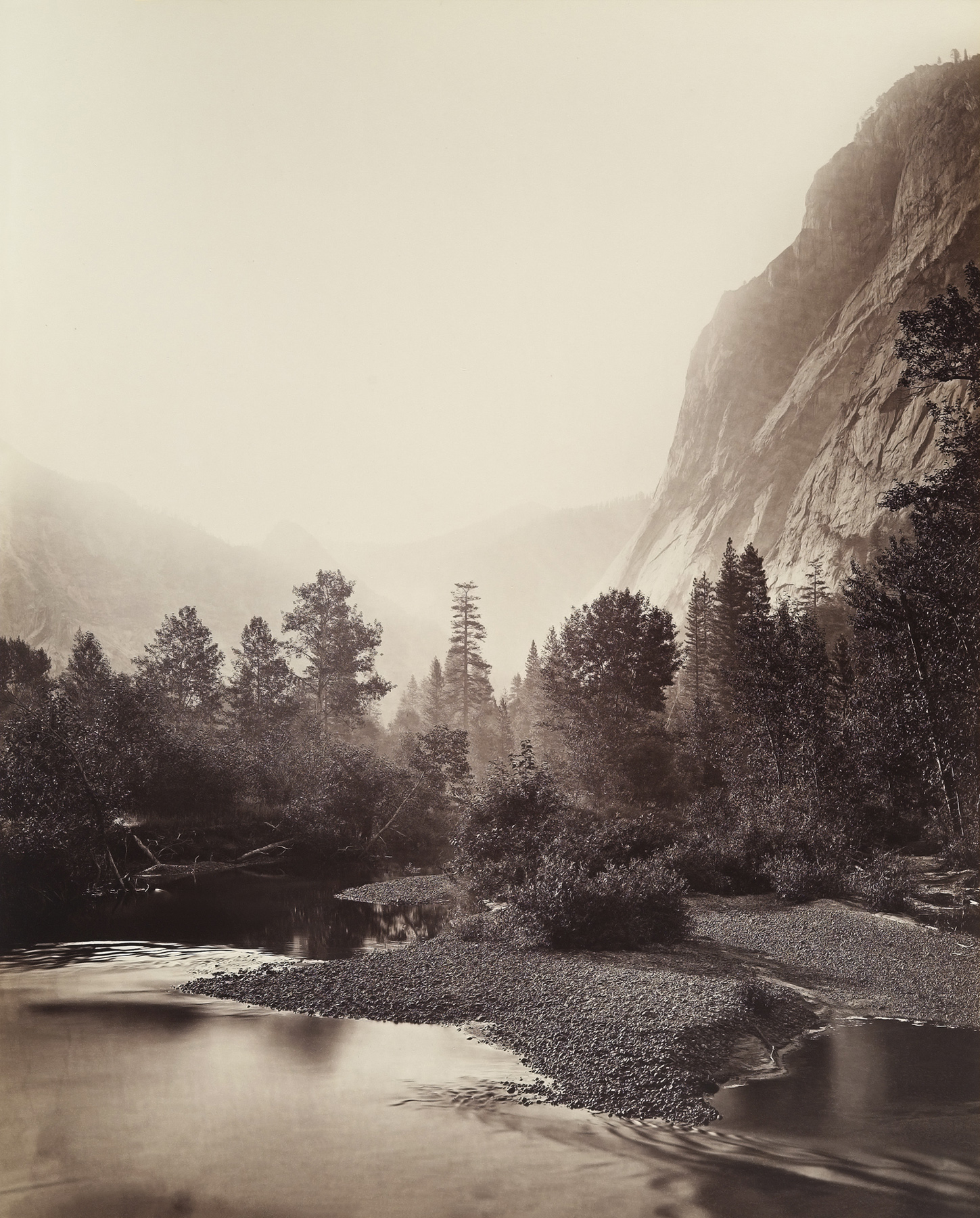
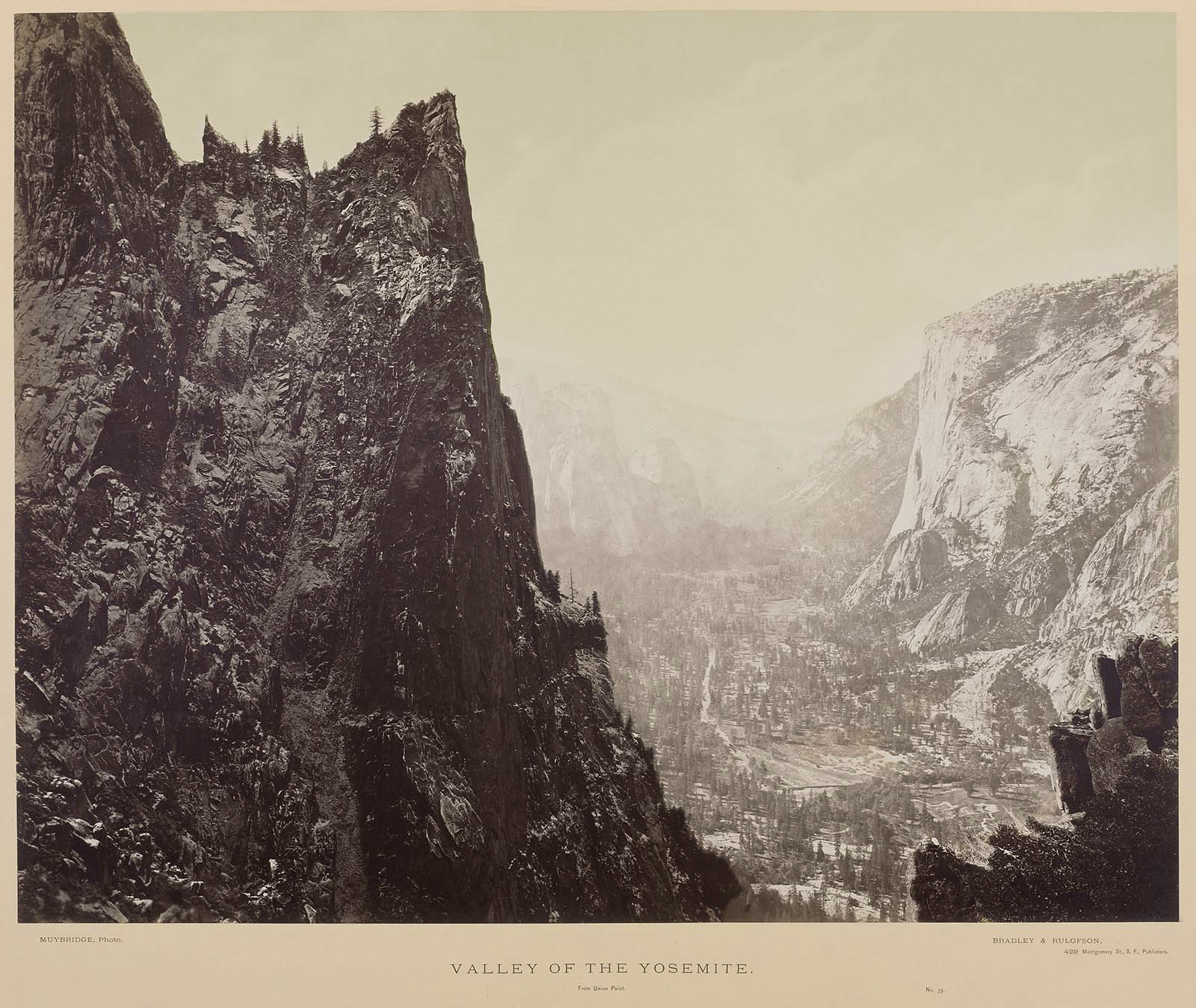


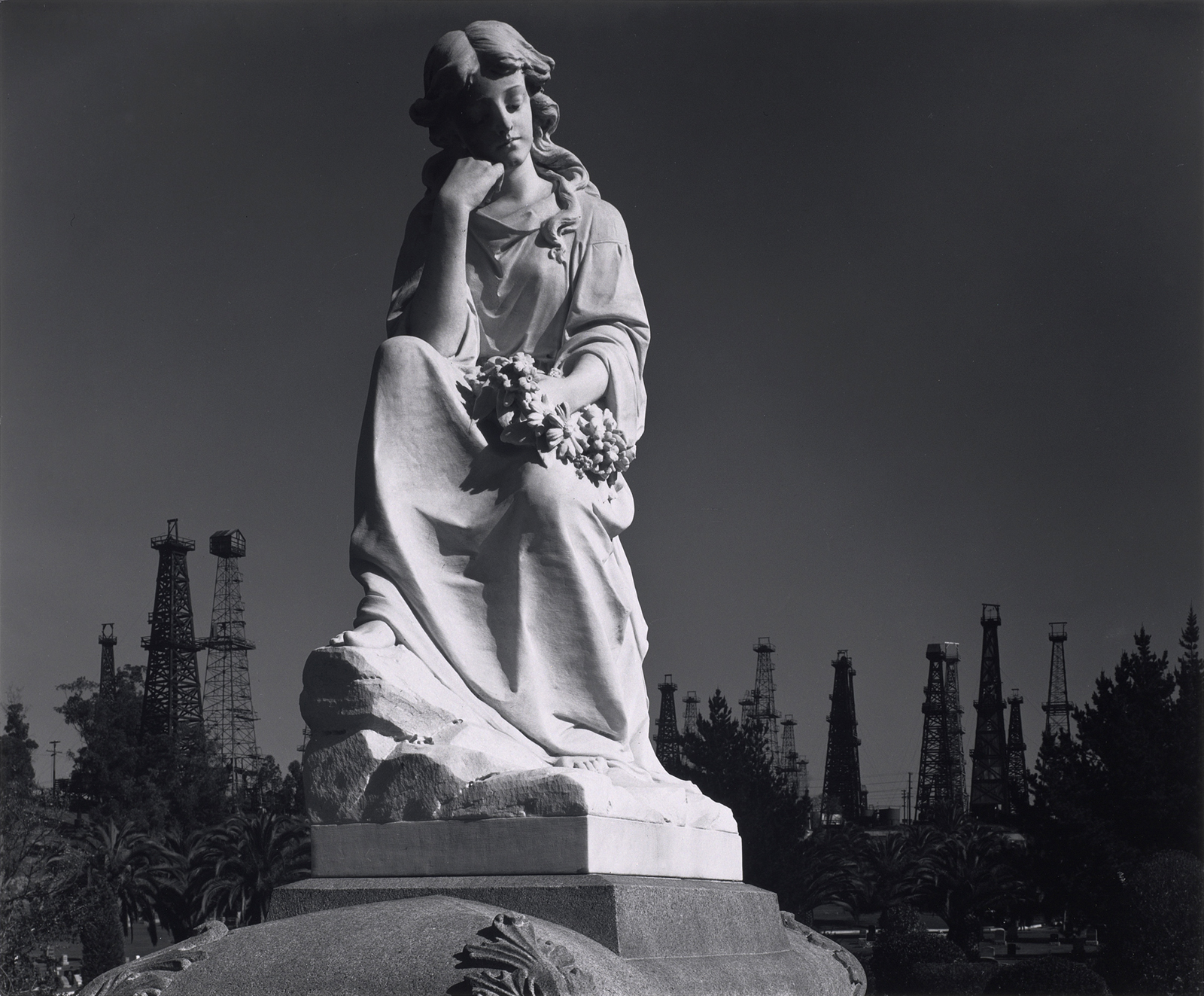


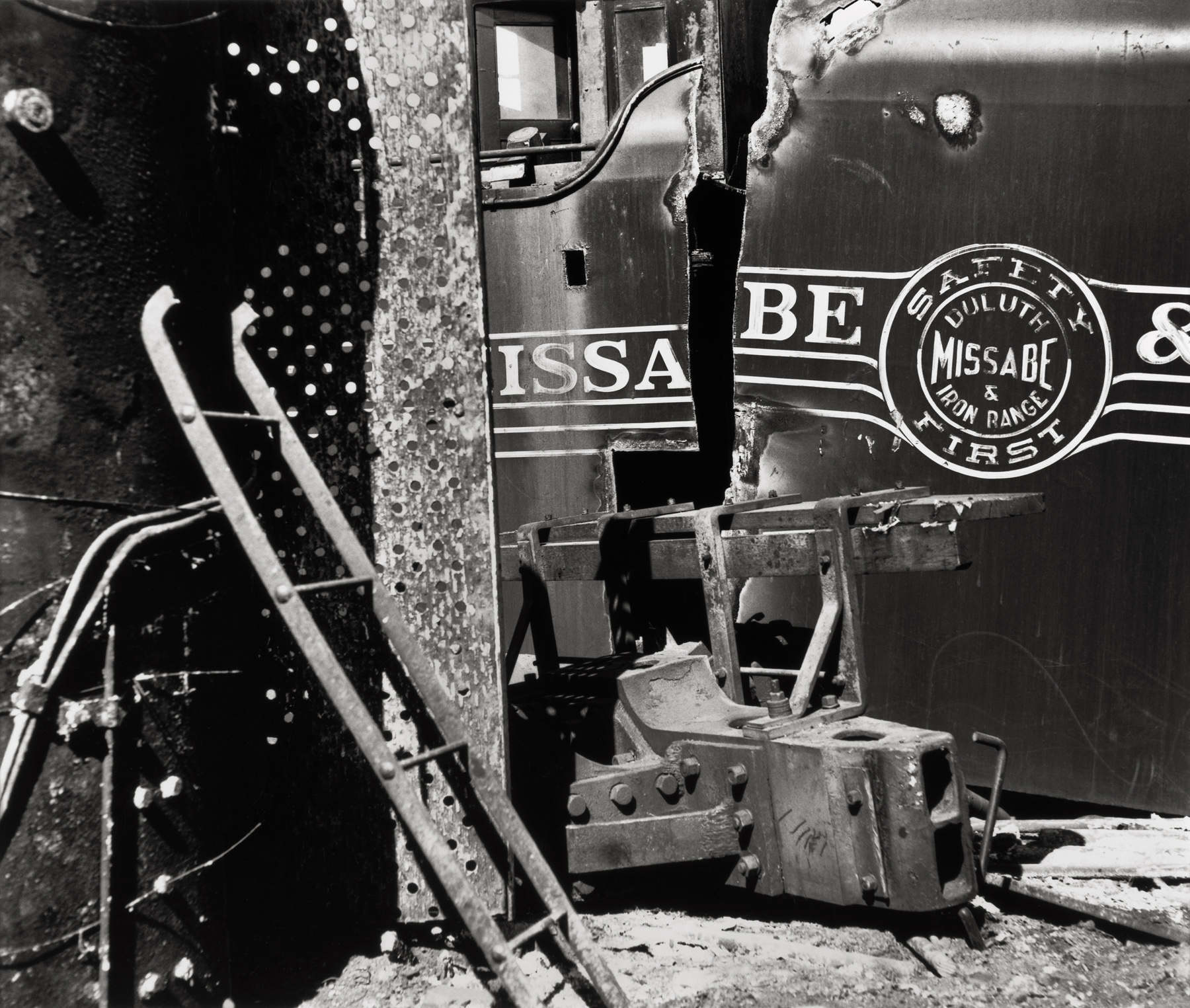




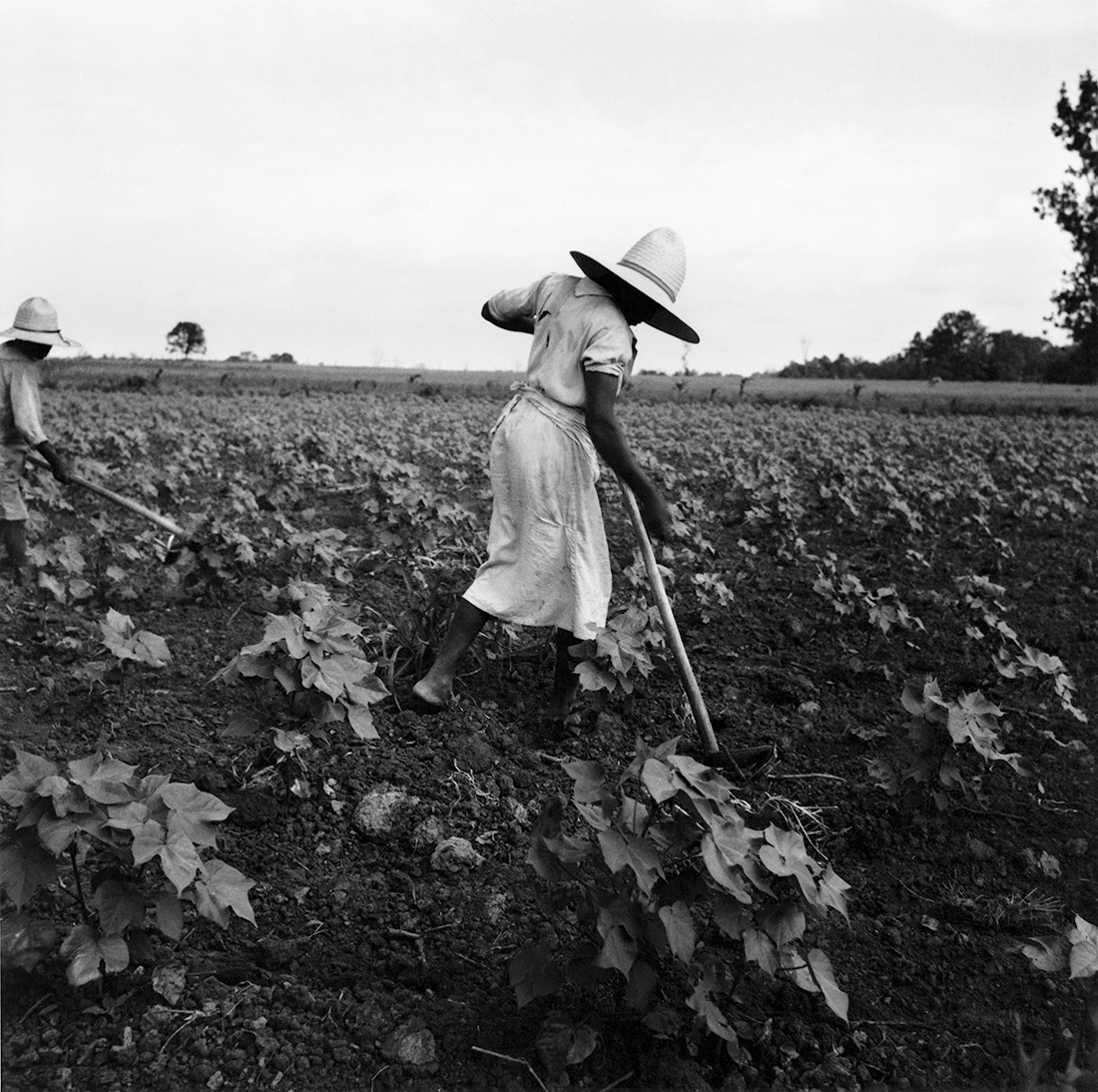


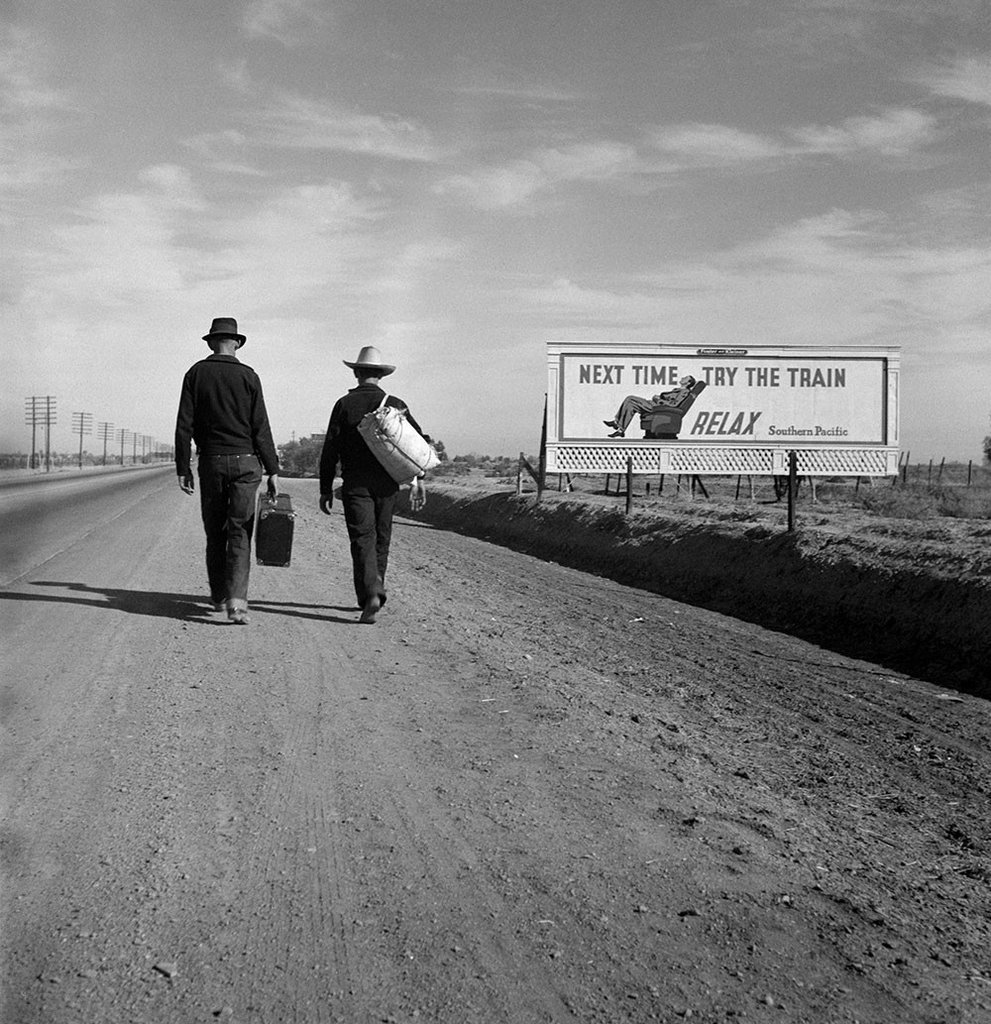


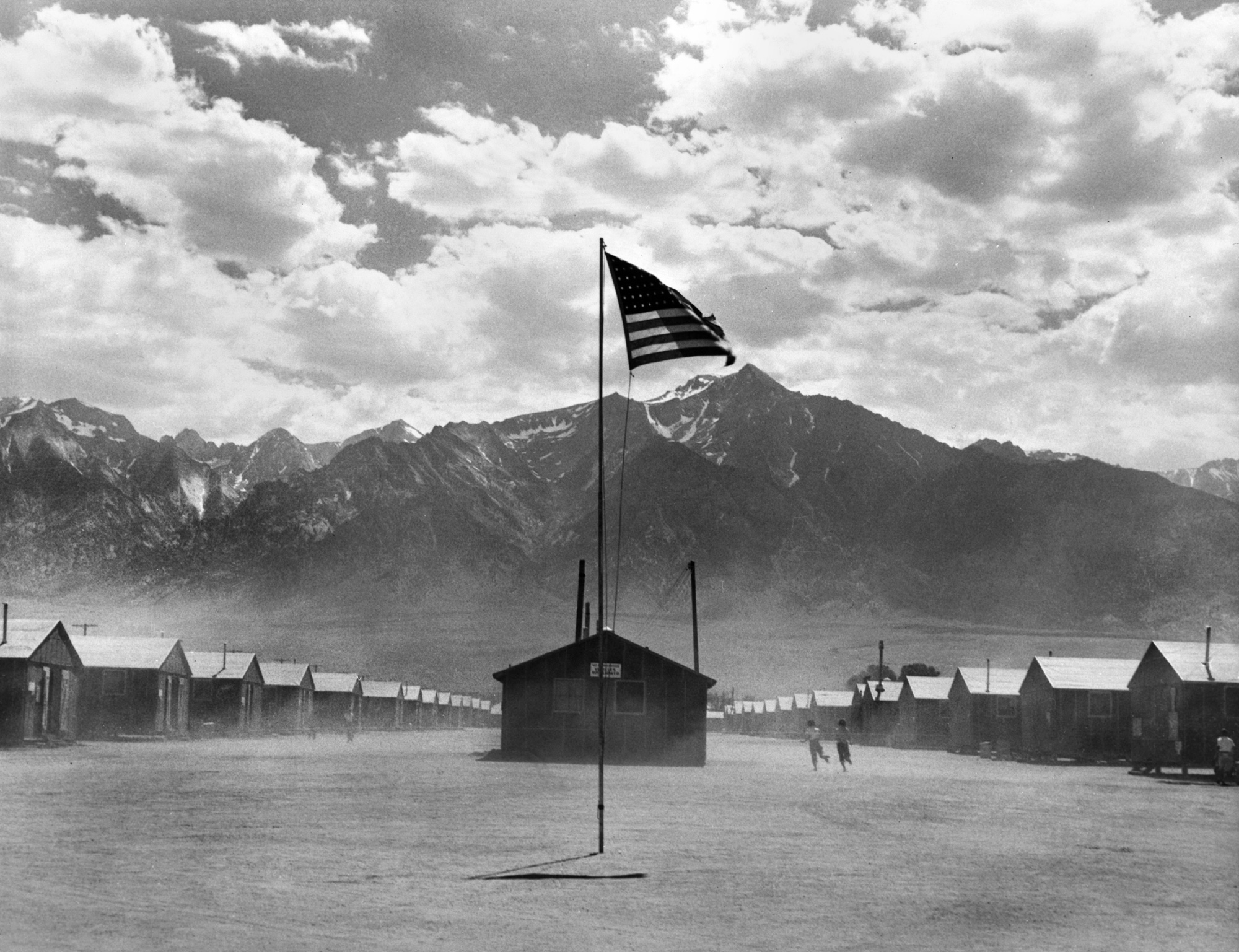


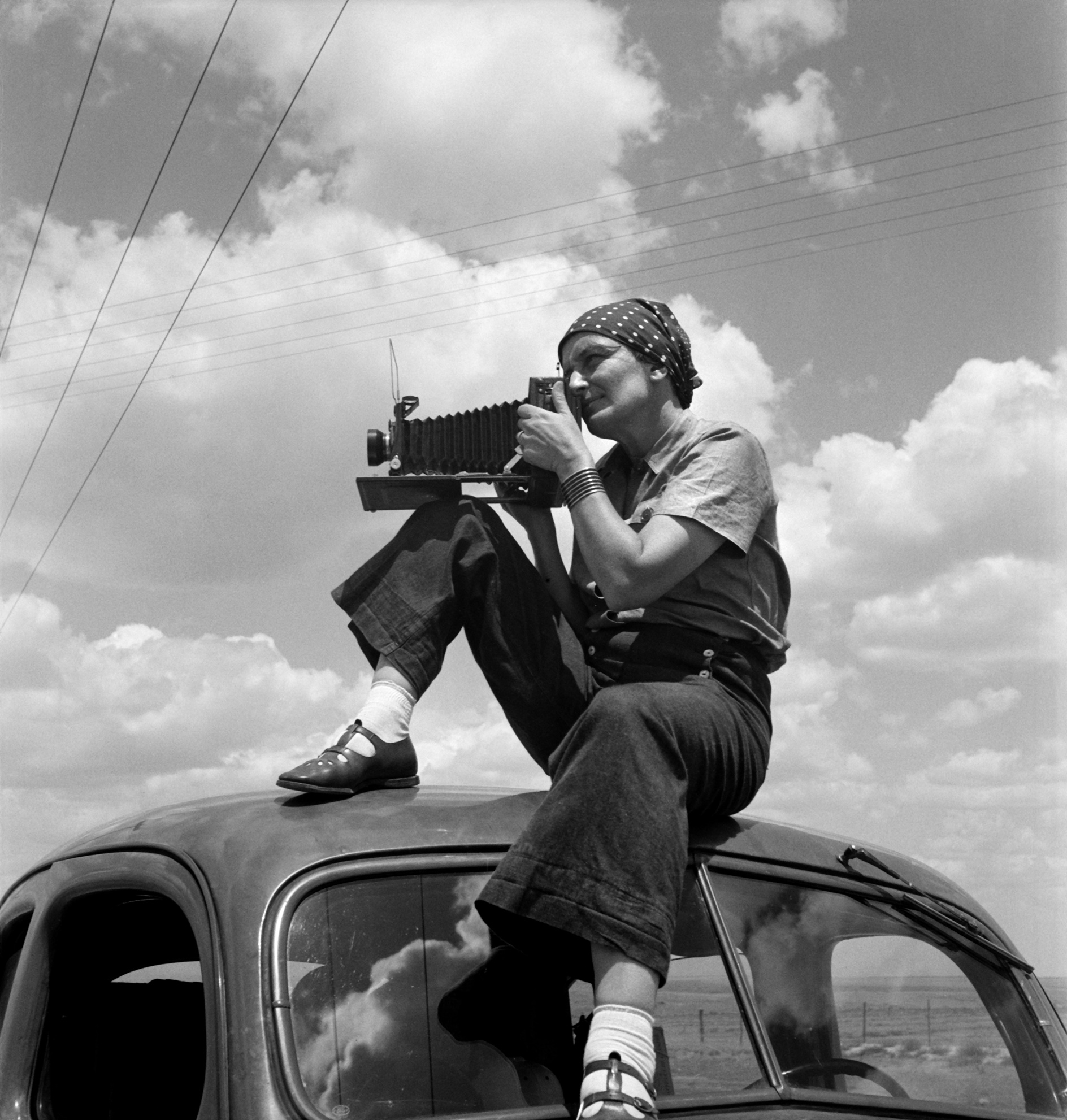


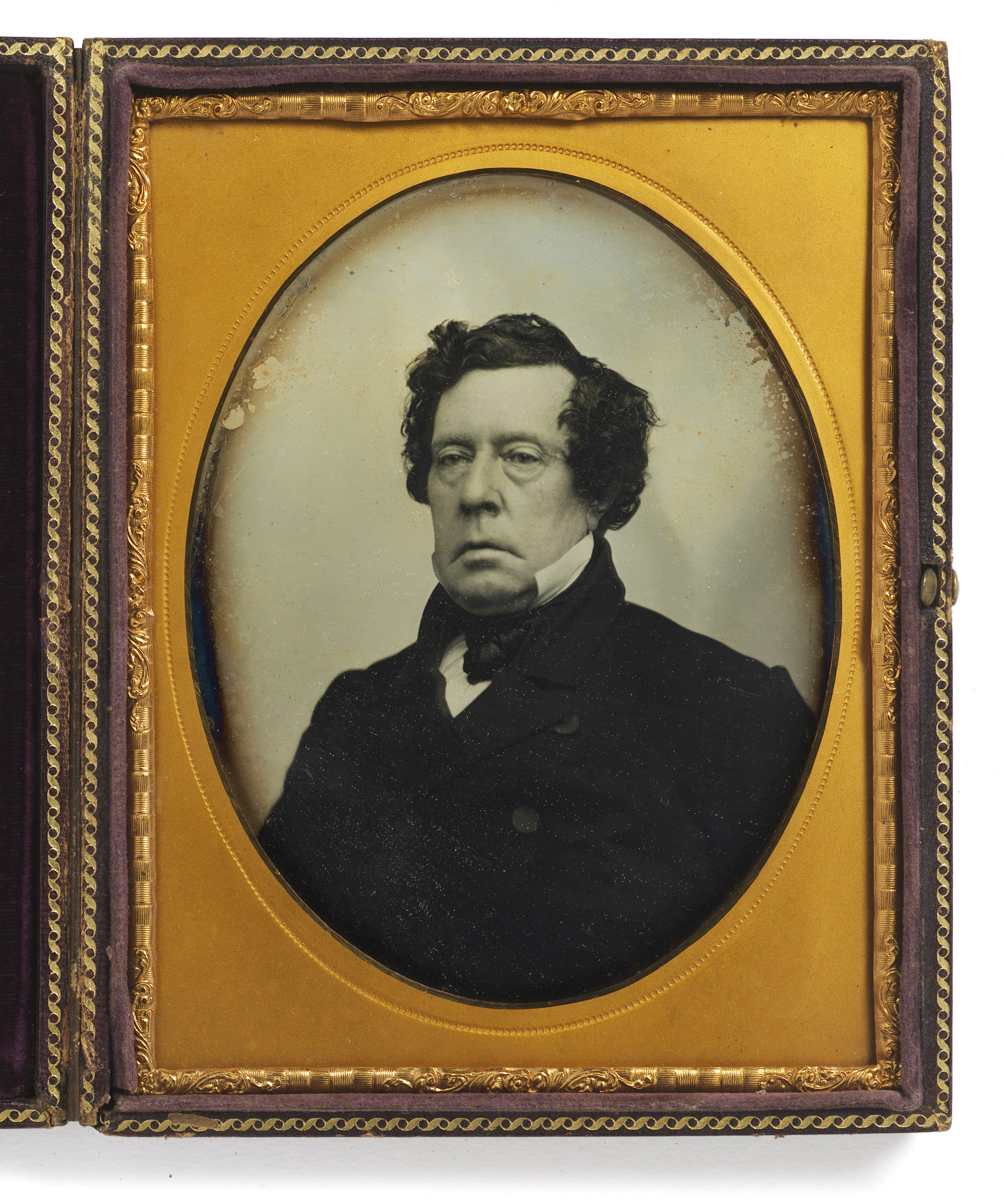
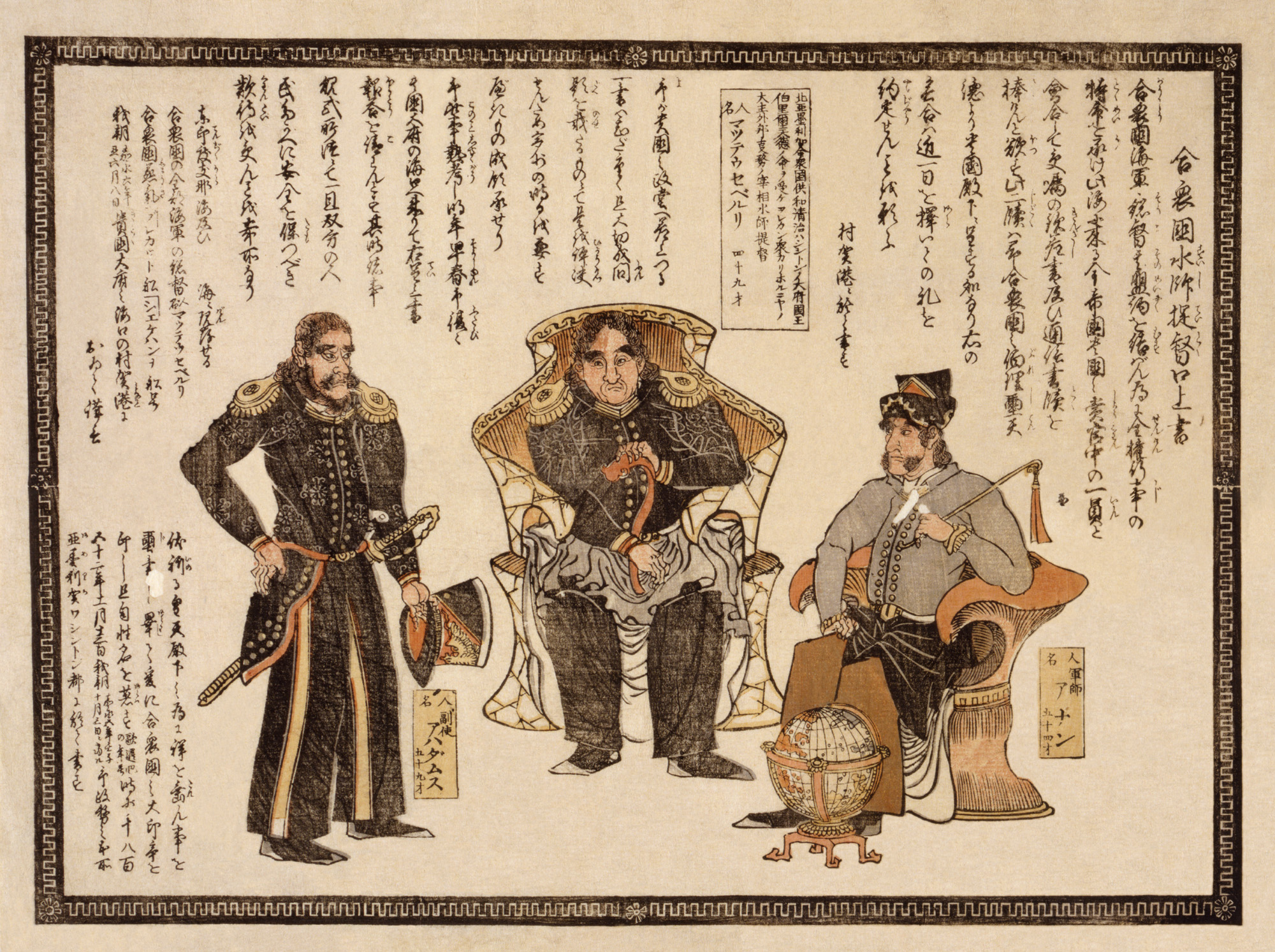

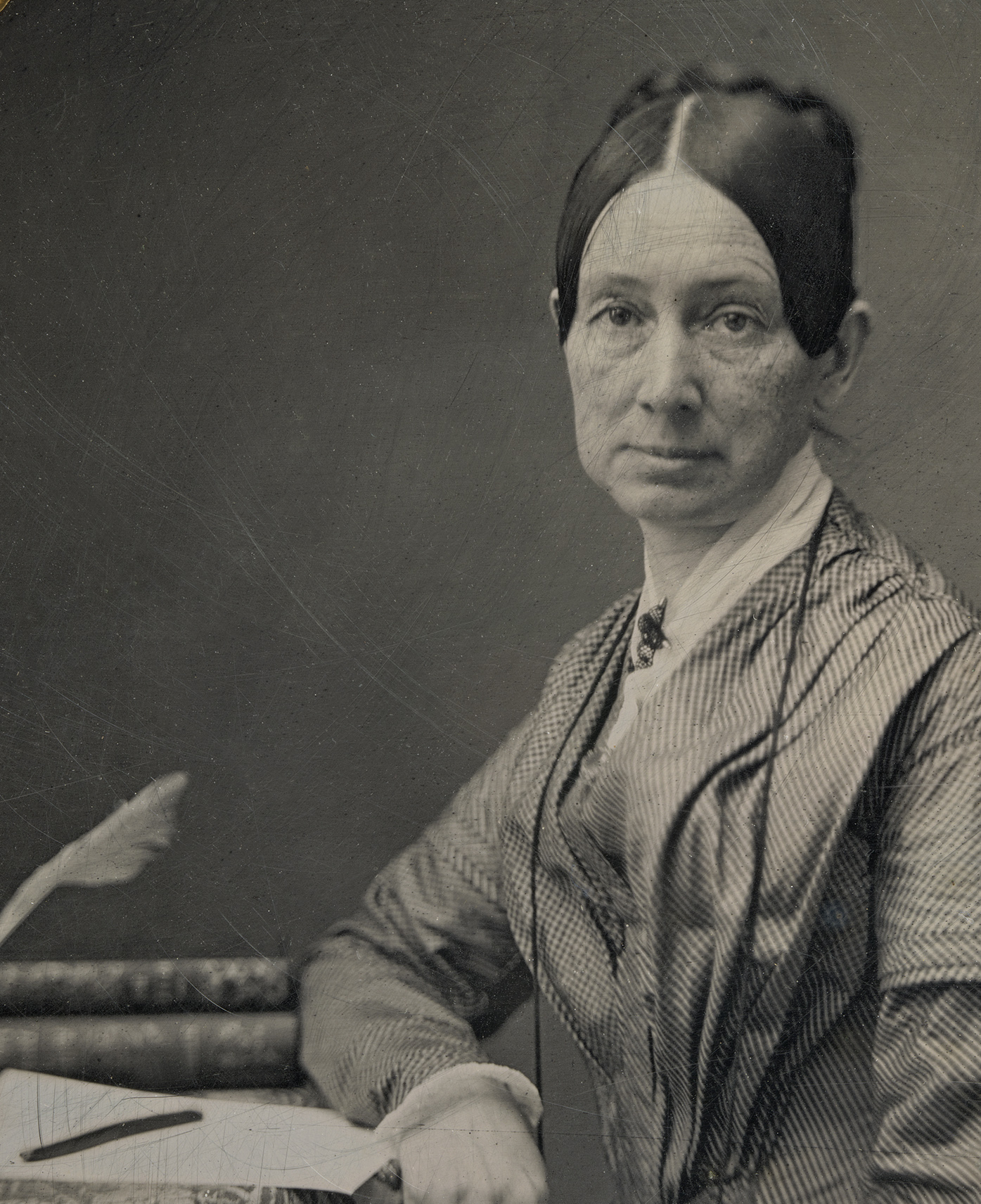
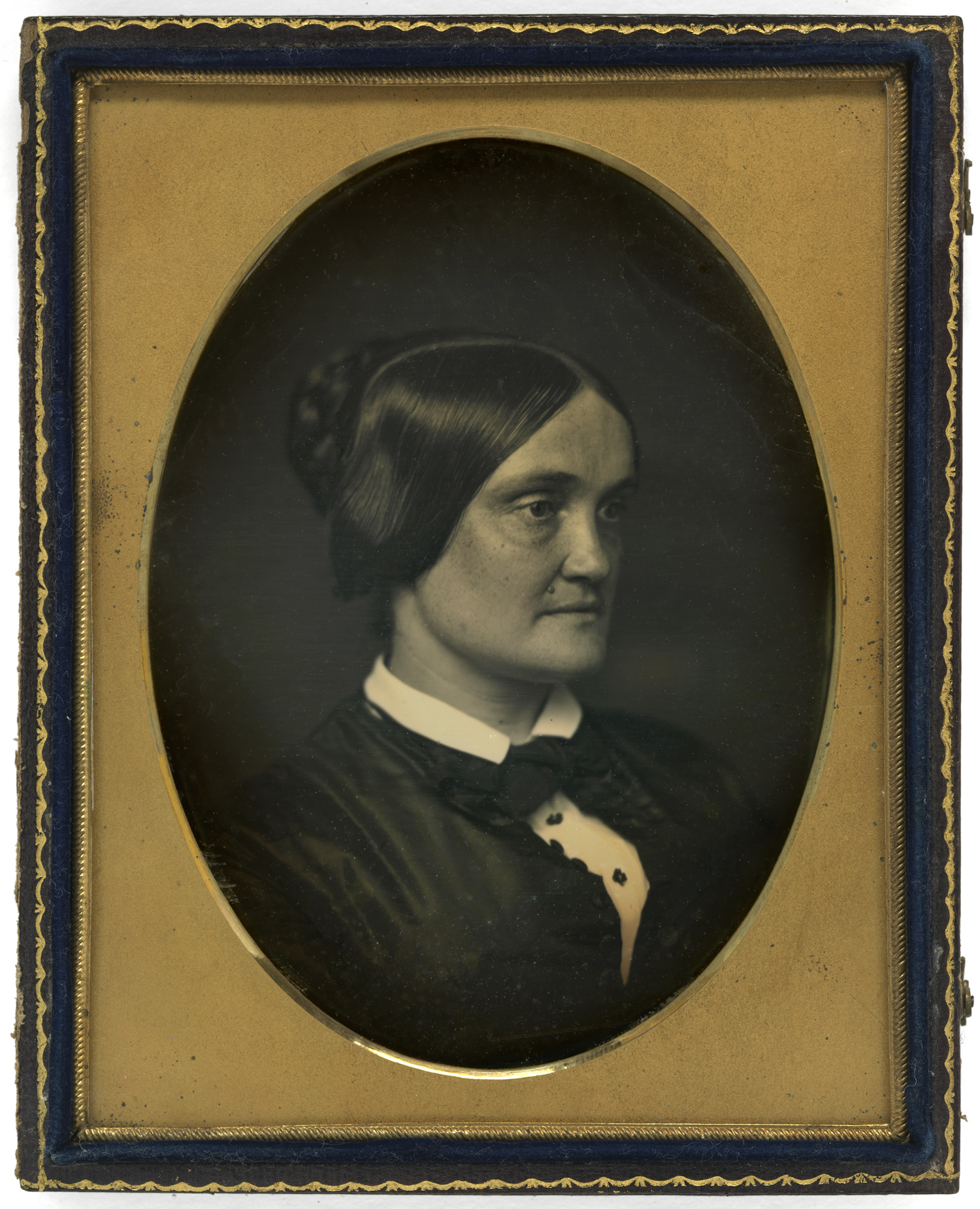
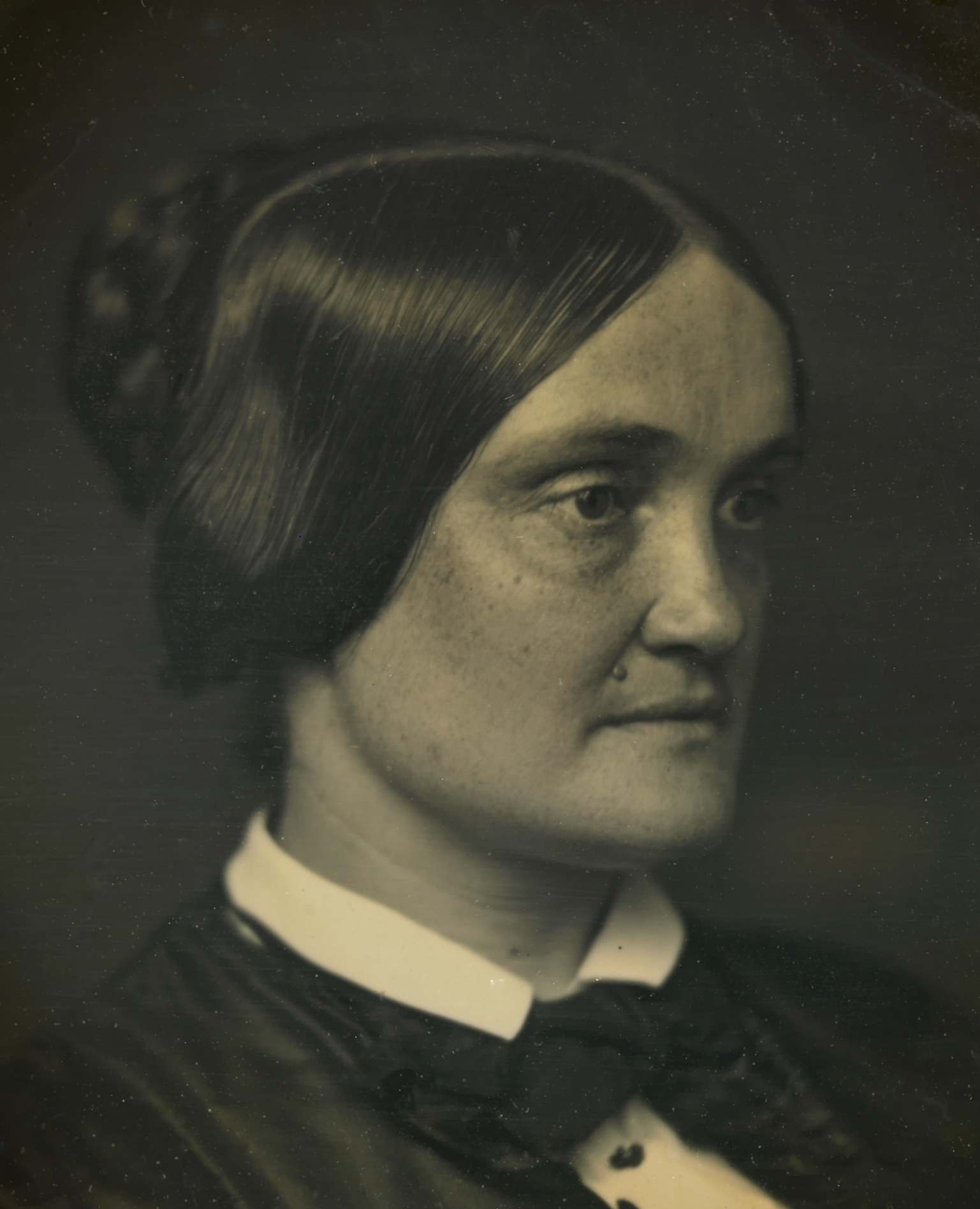

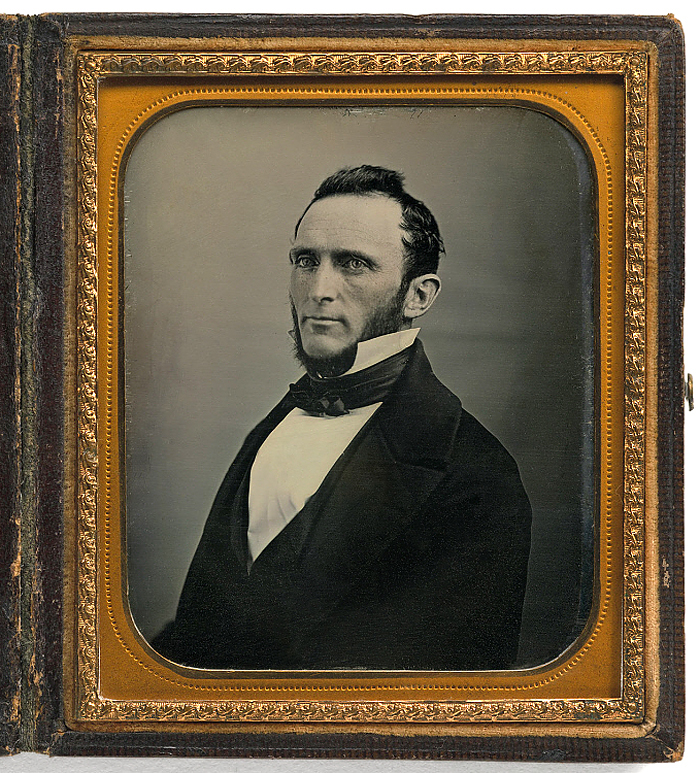


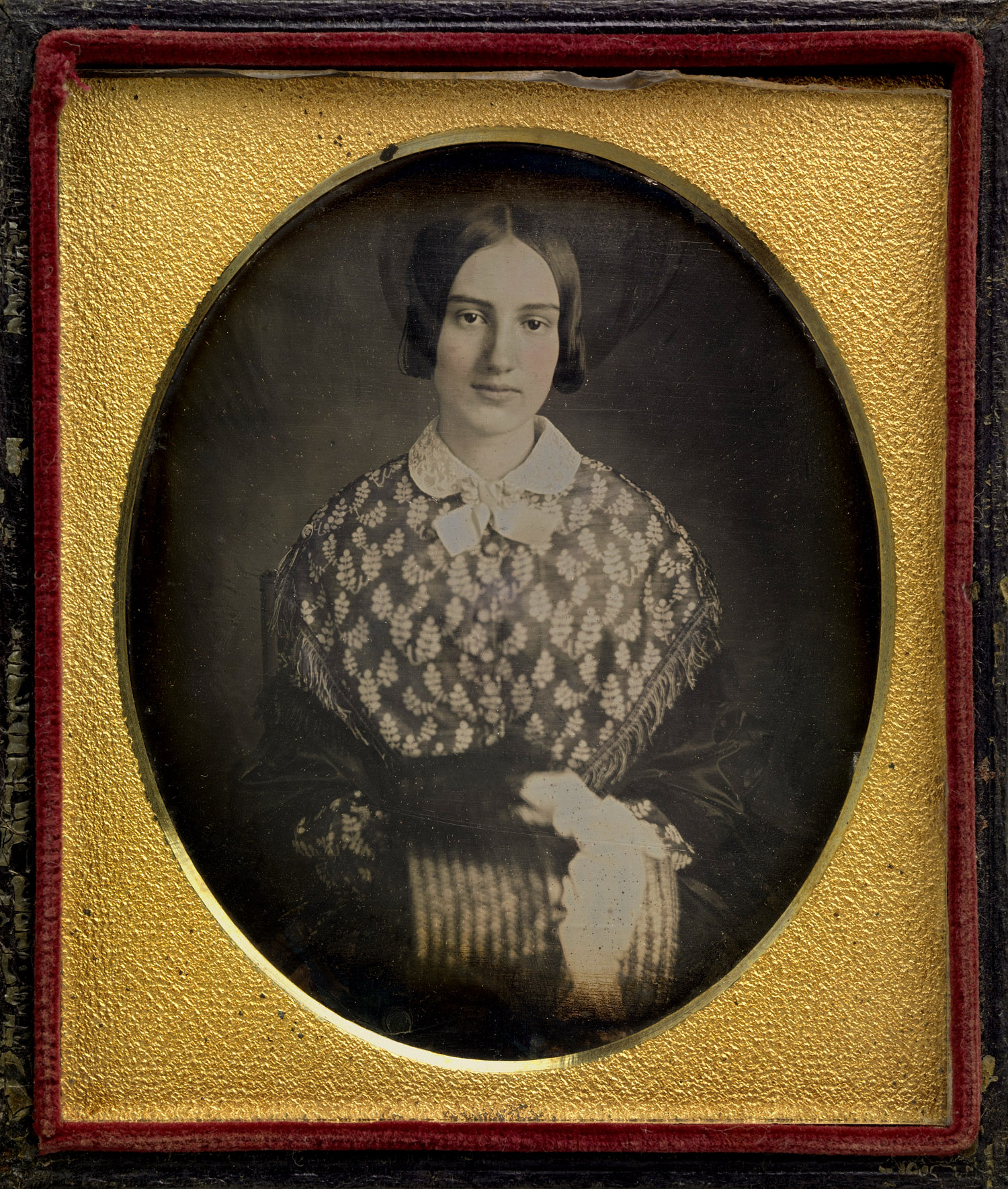
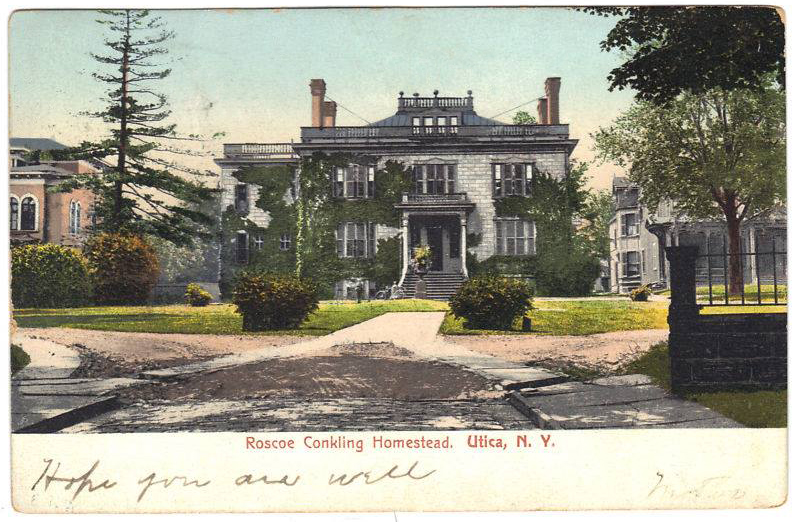


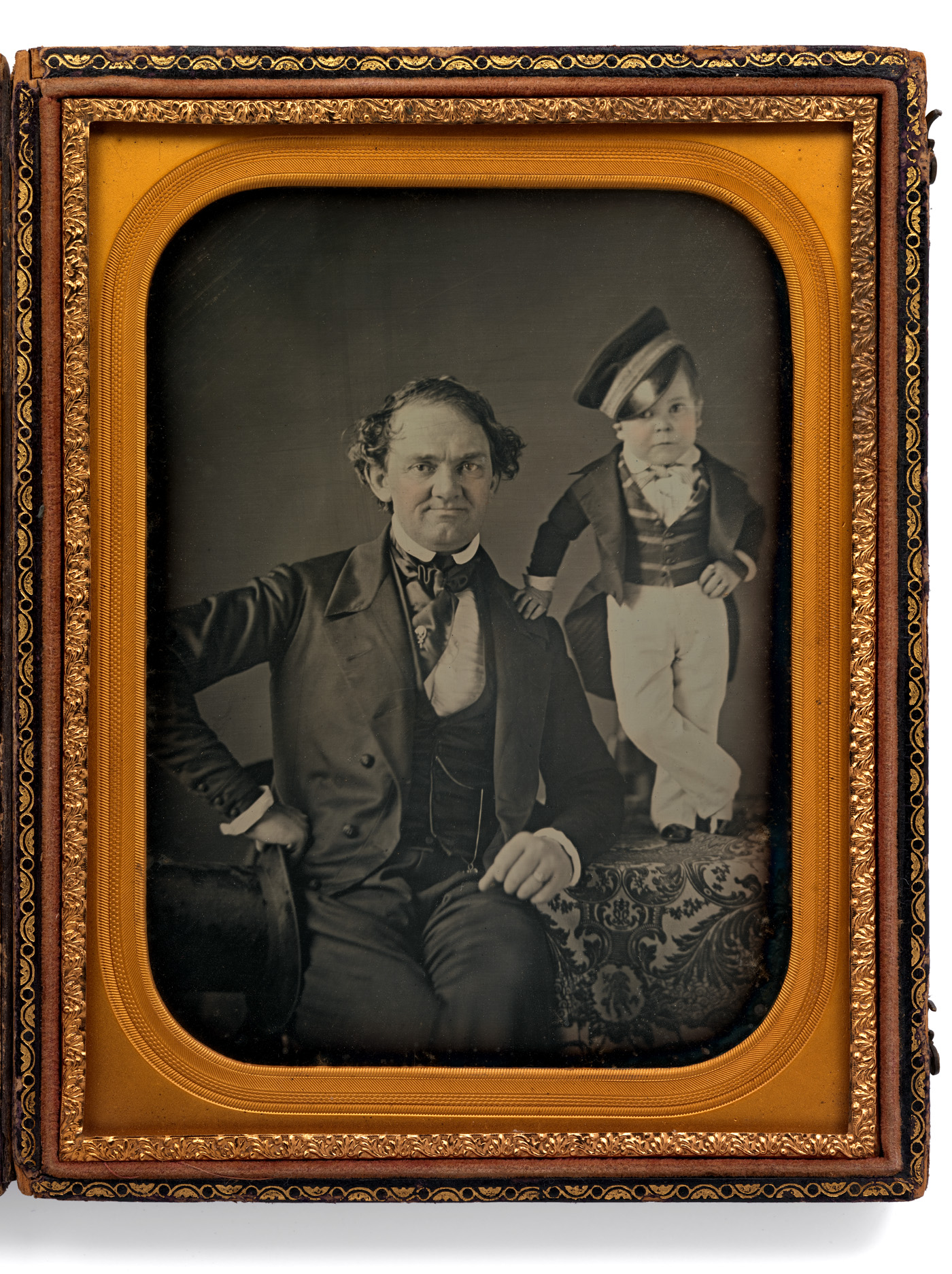









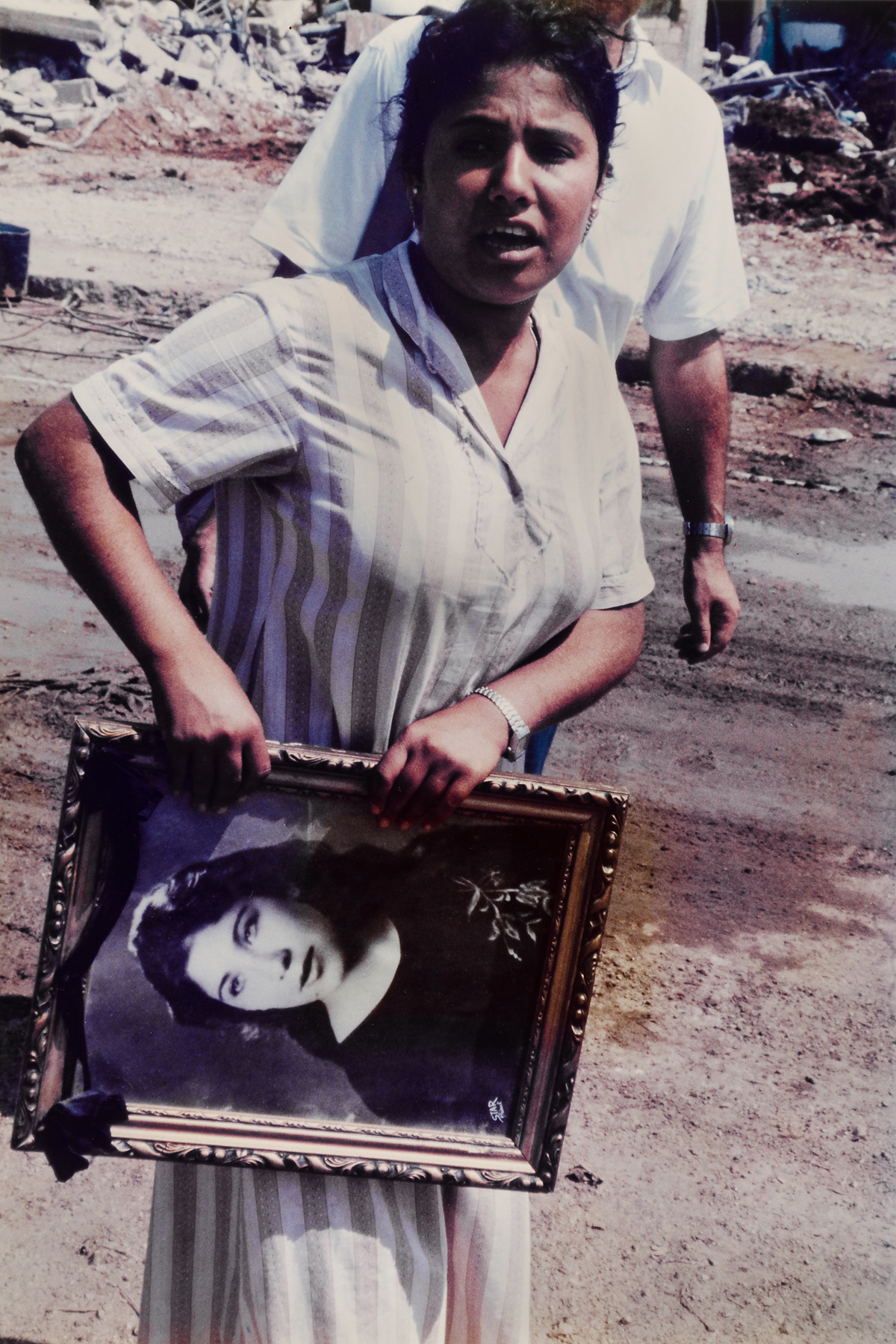
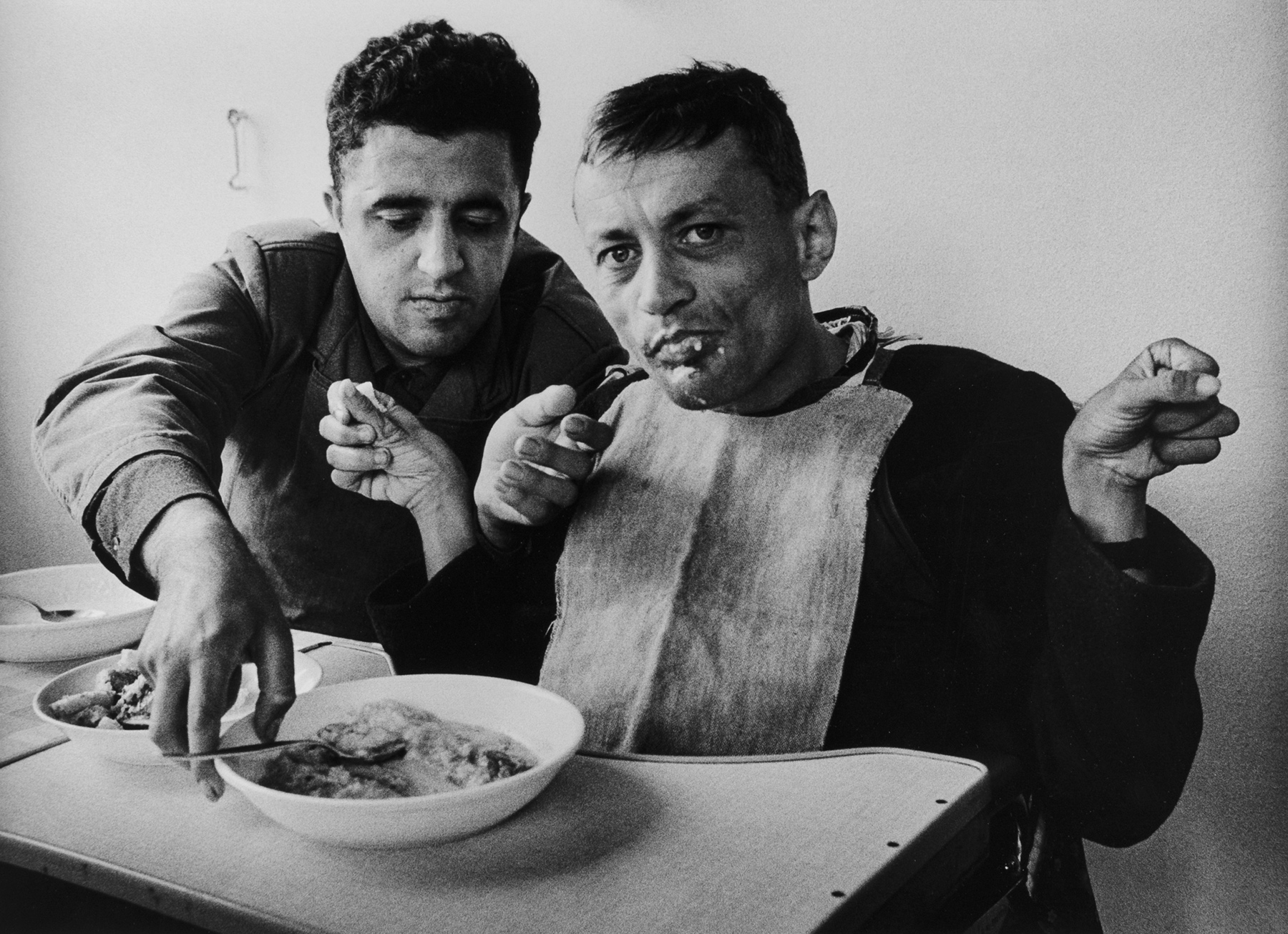
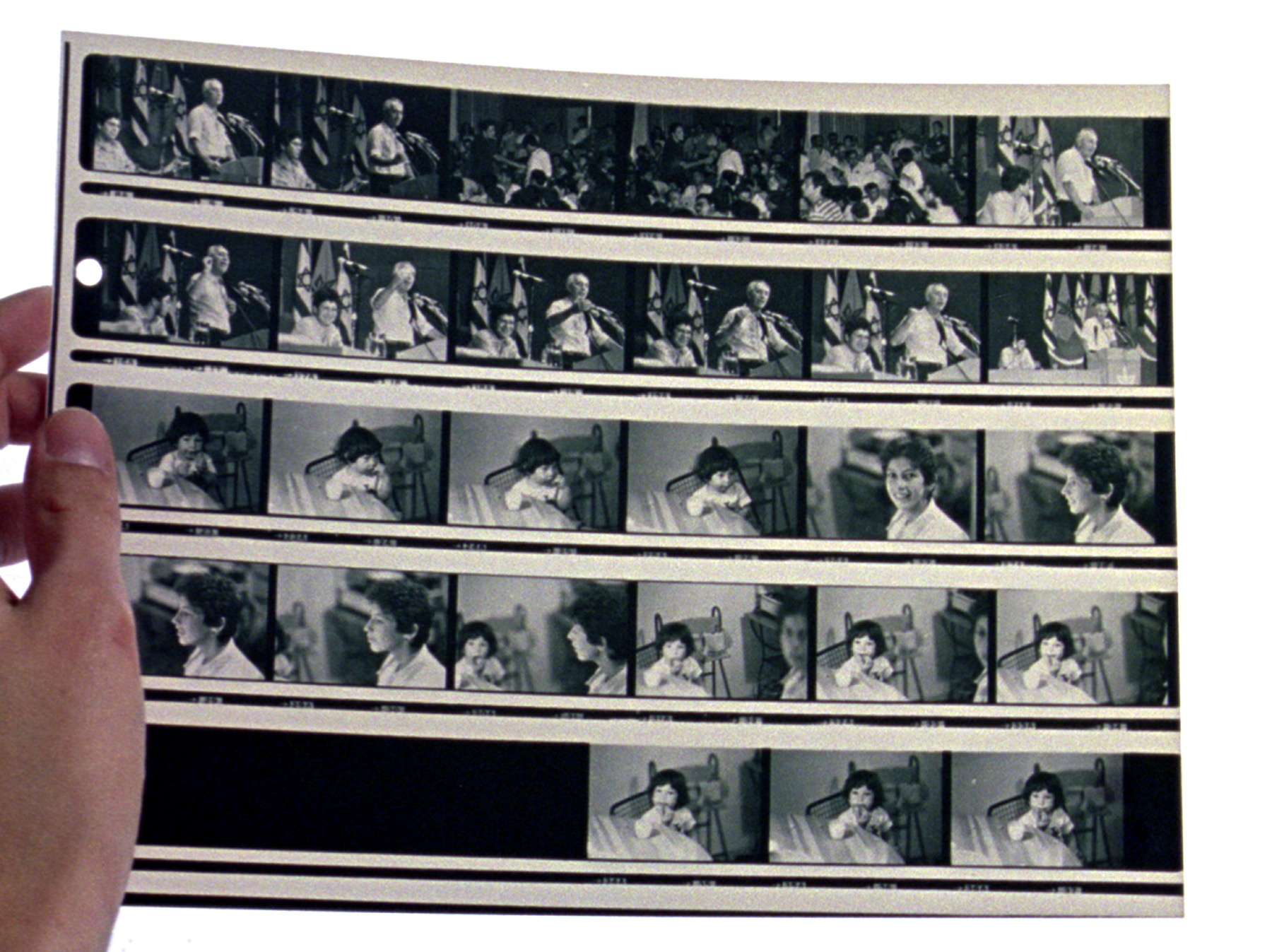
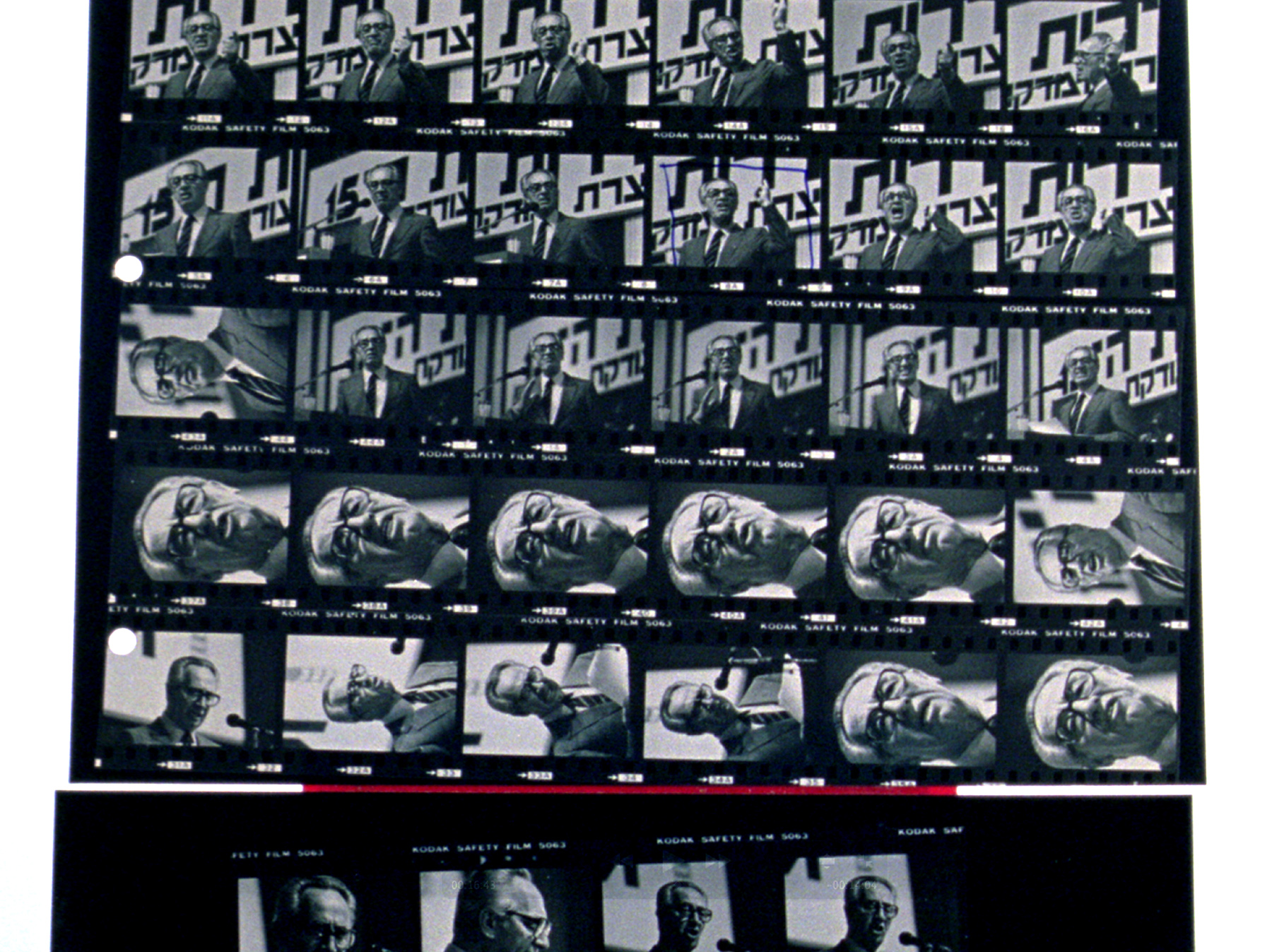

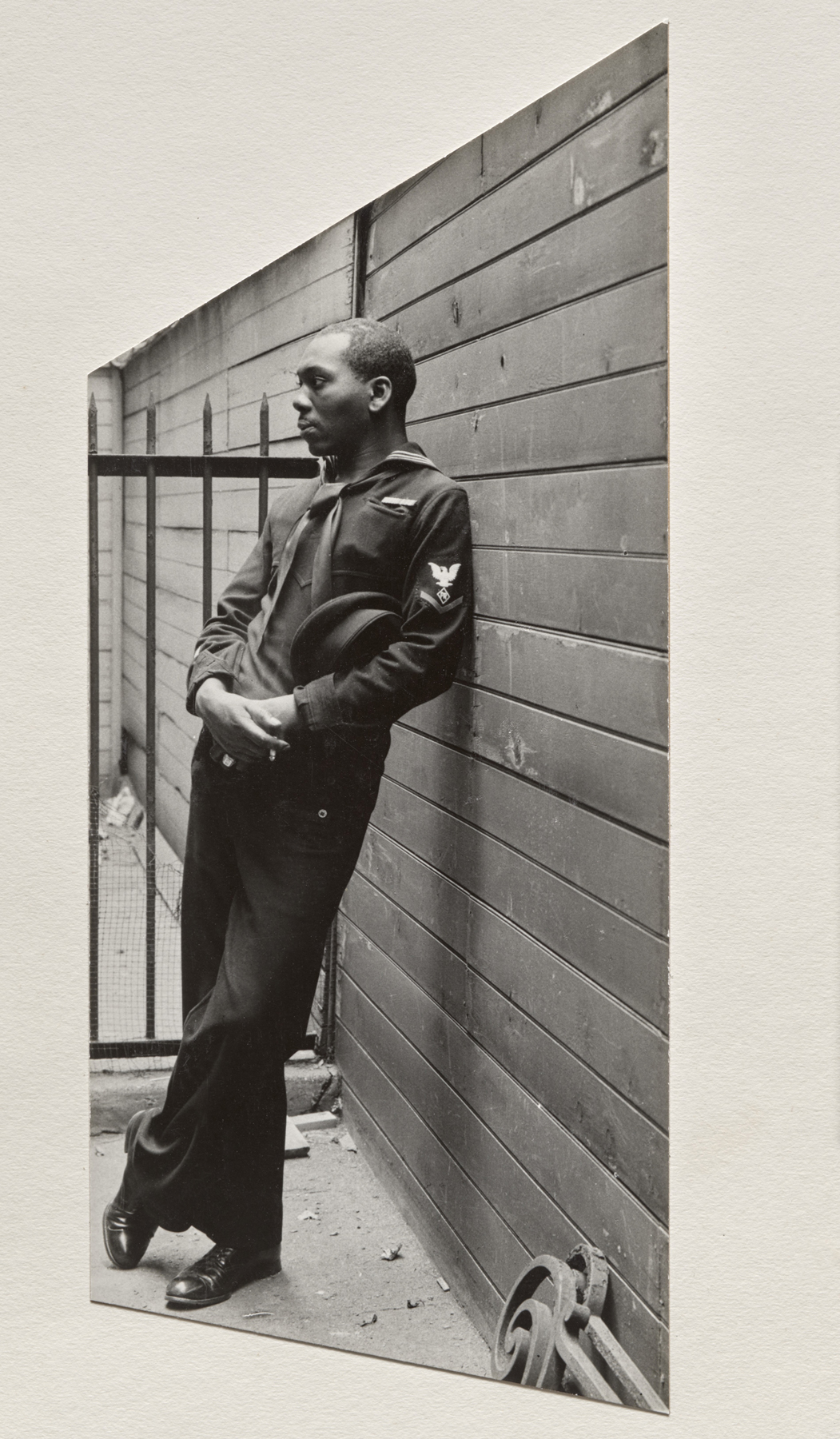
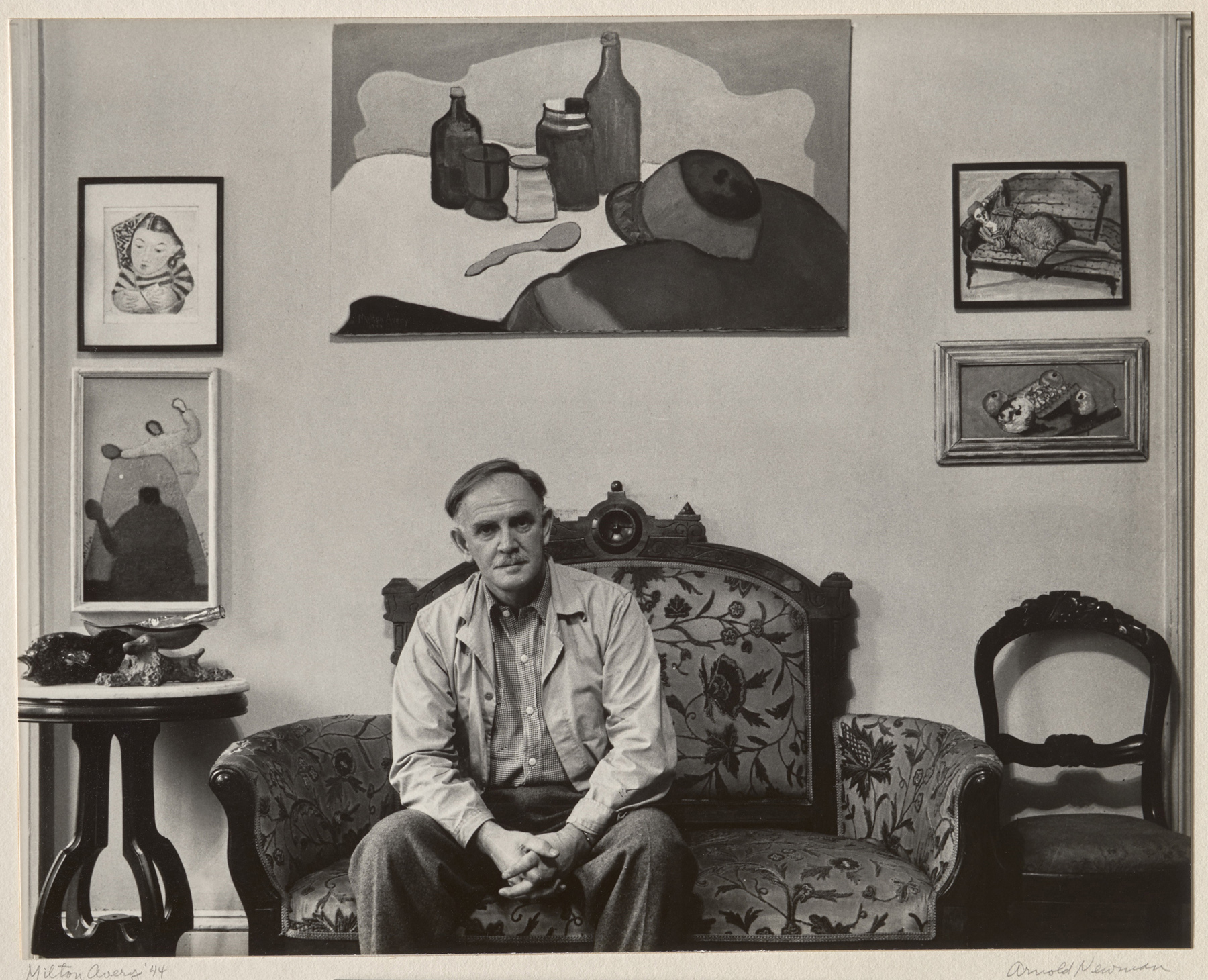
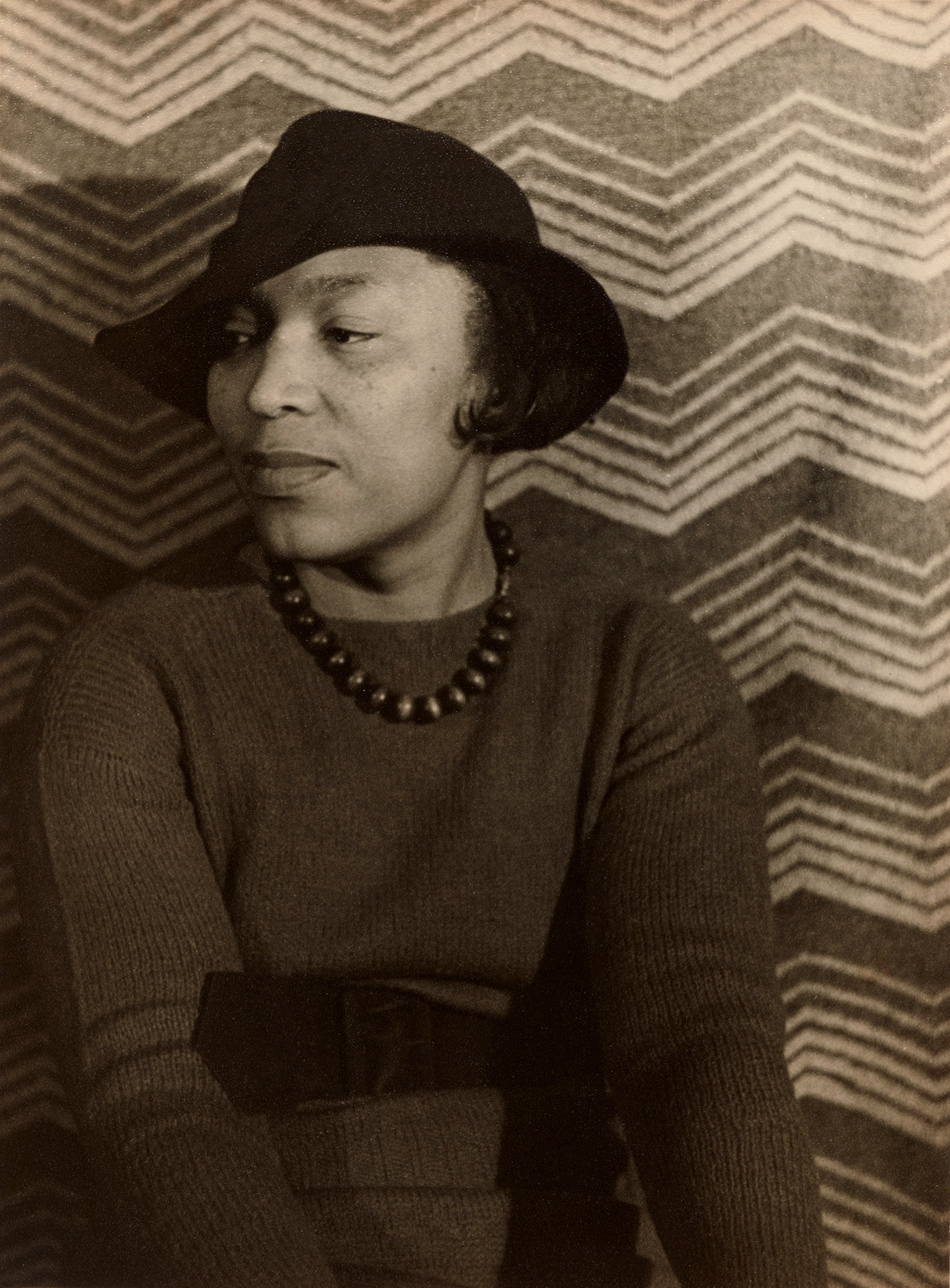


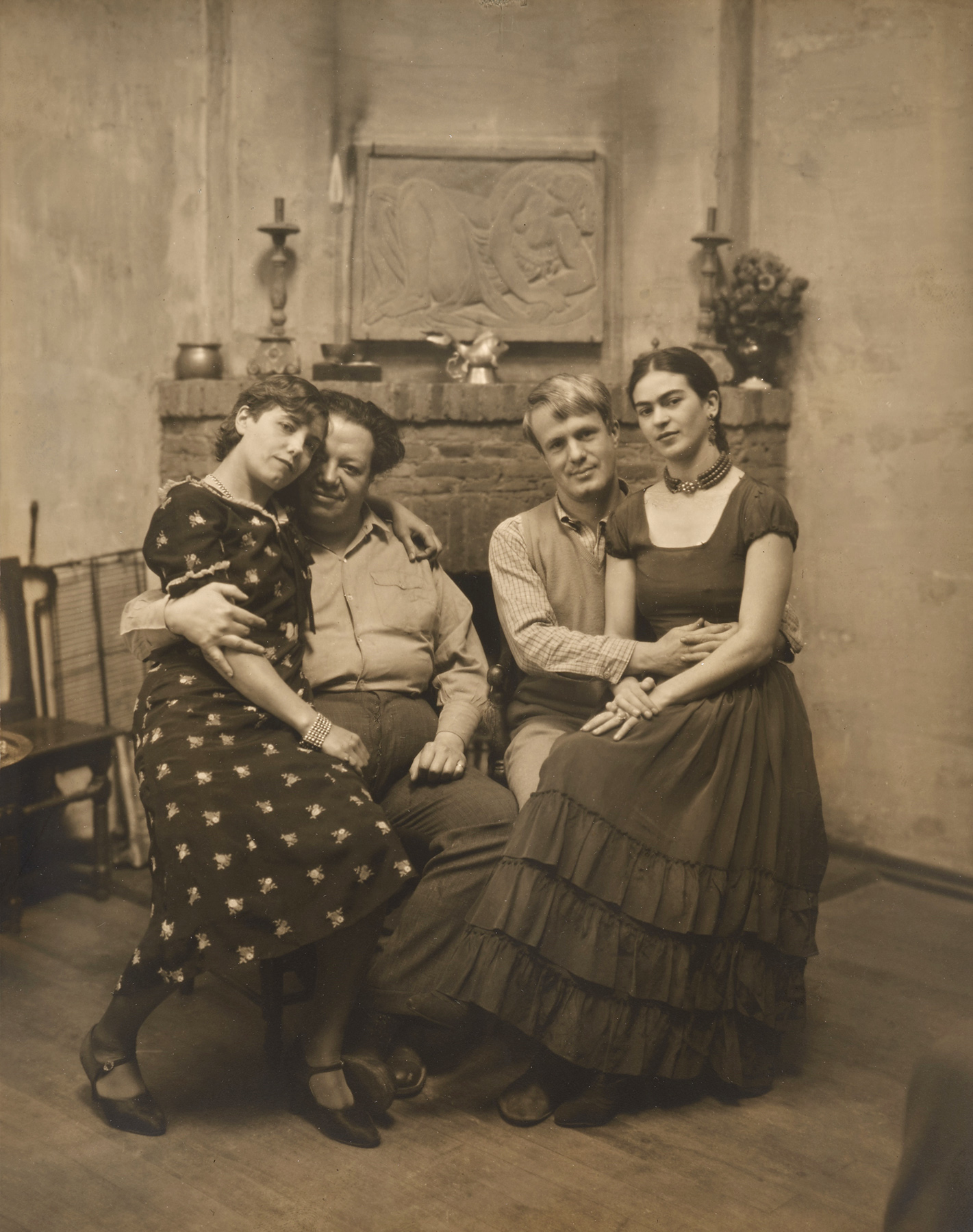




You must be logged in to post a comment.