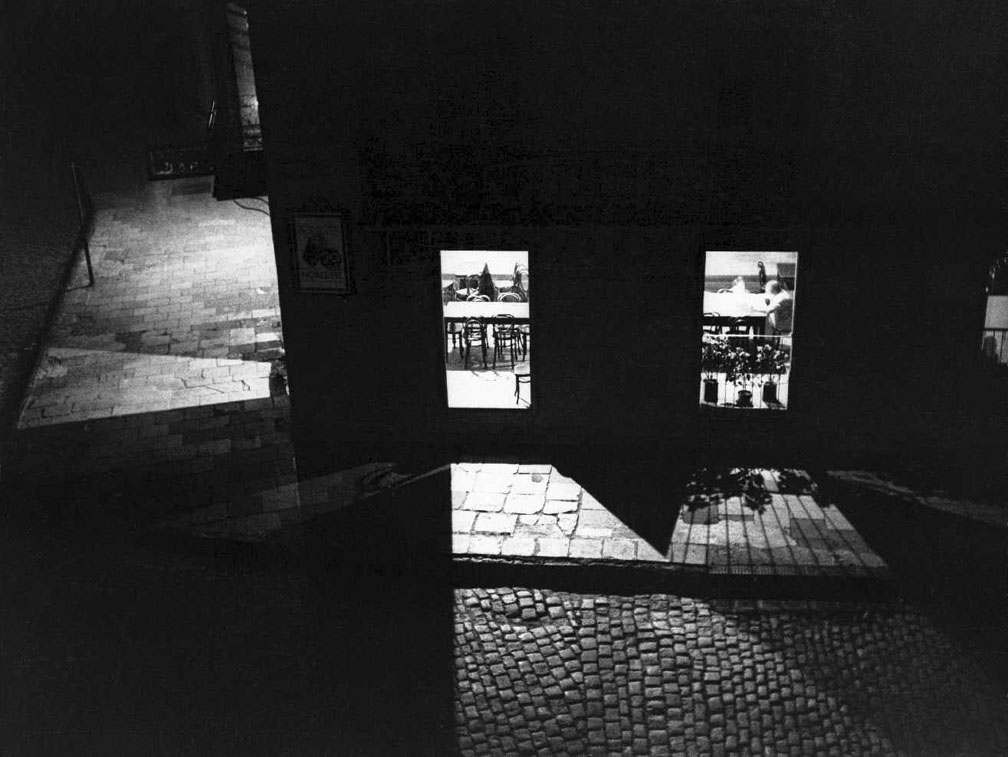
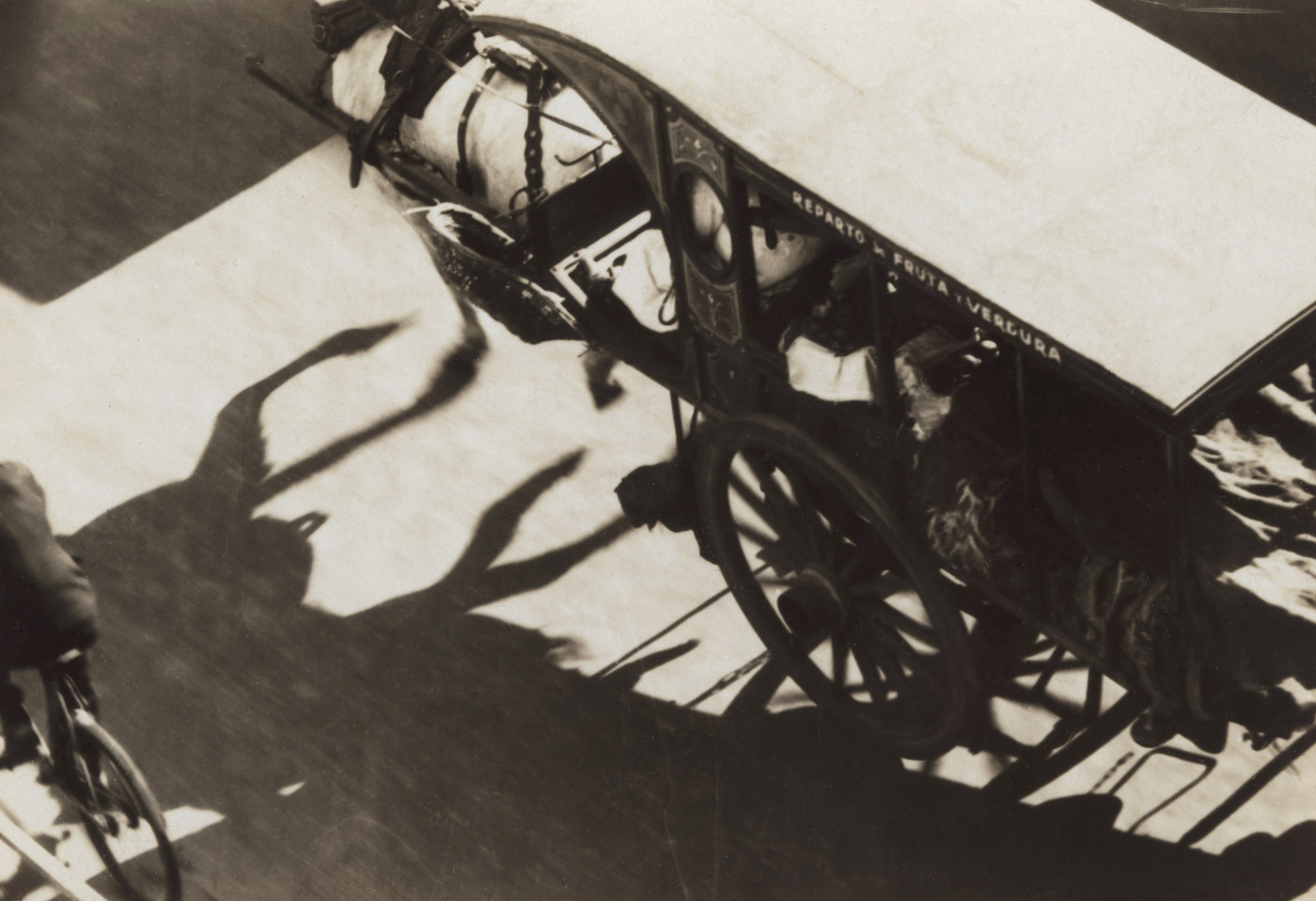
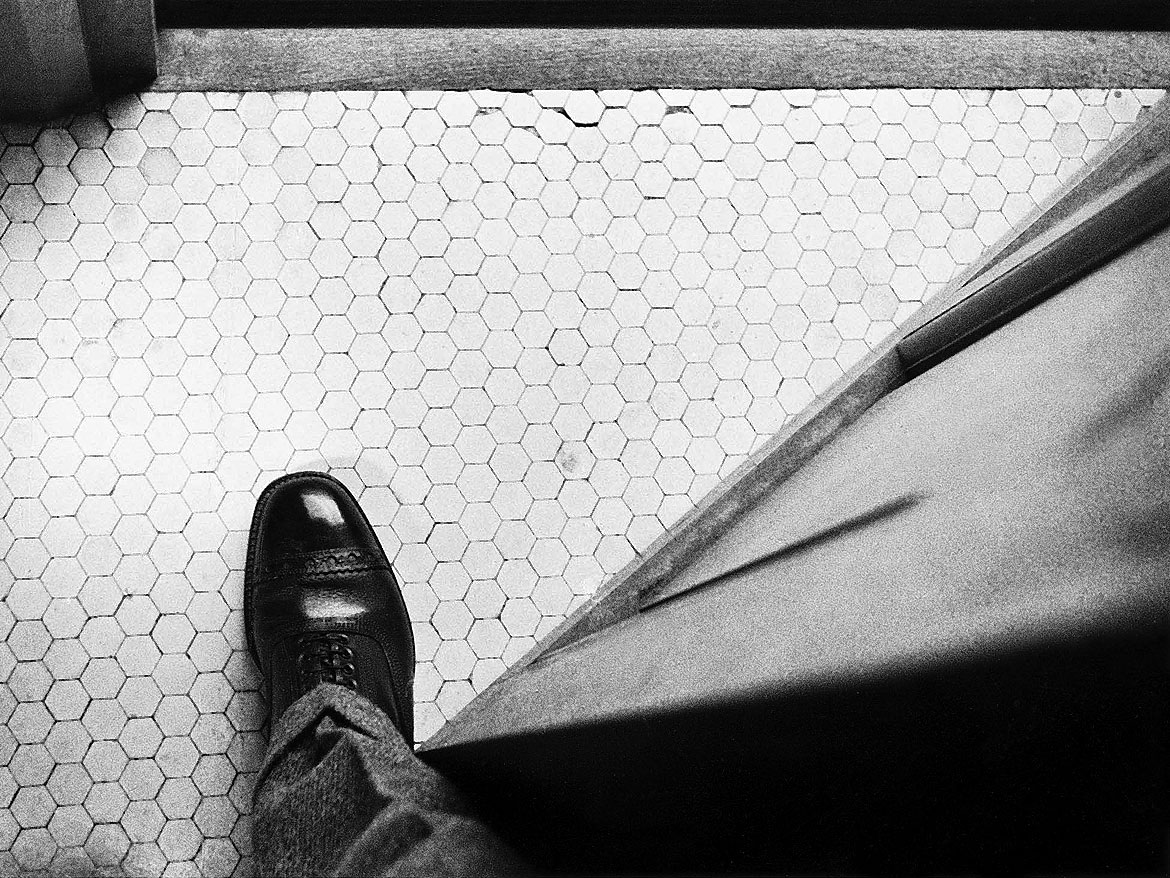
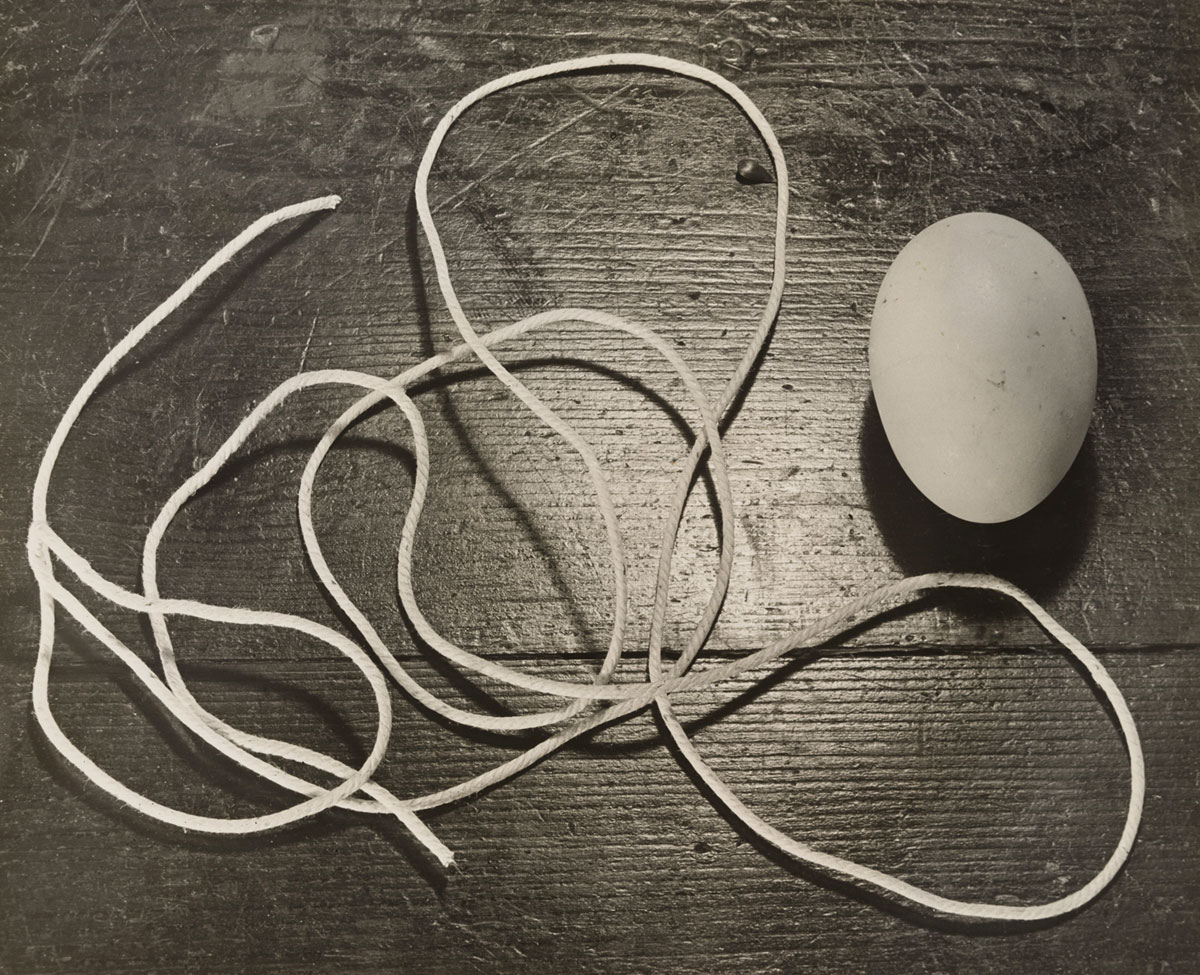
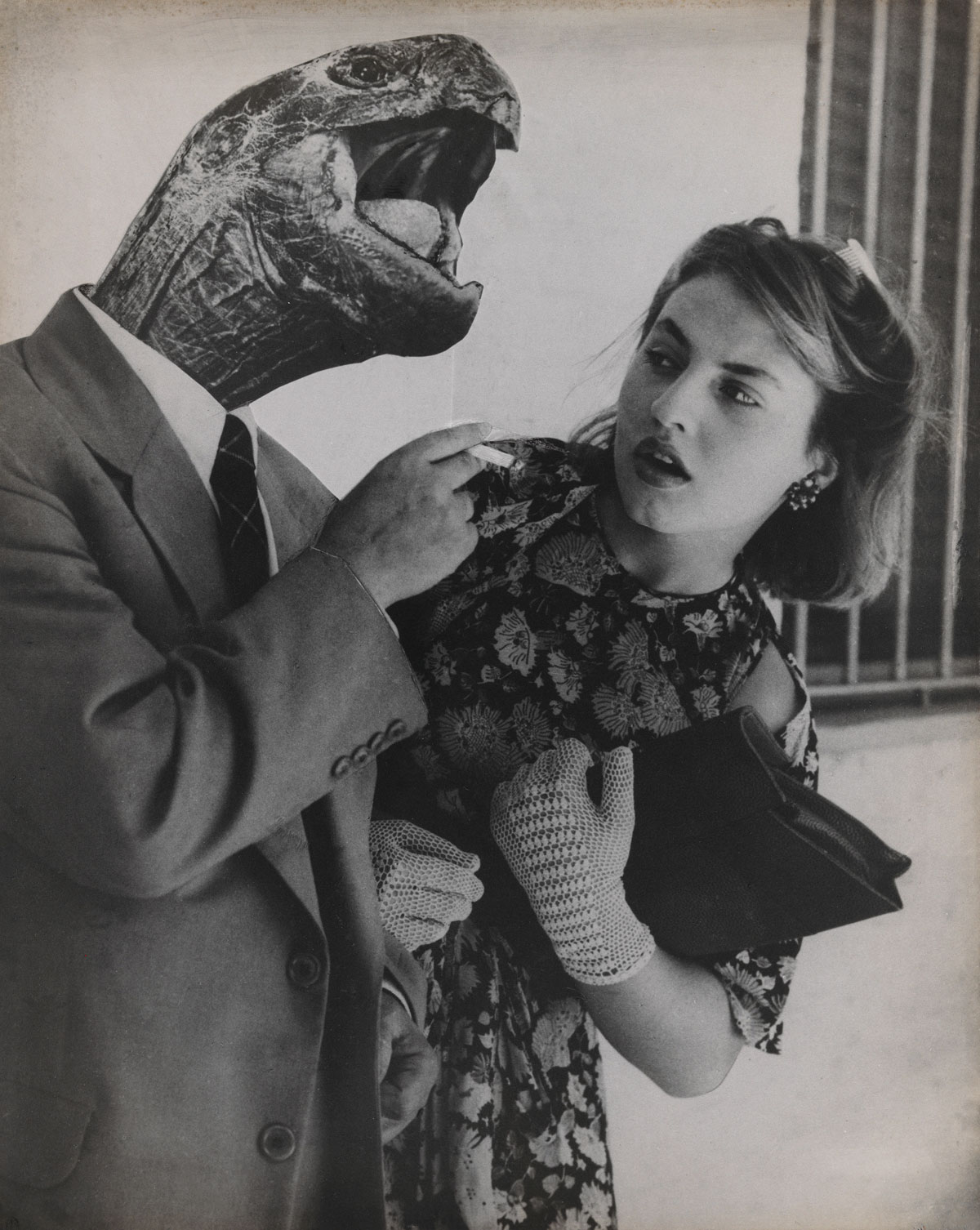
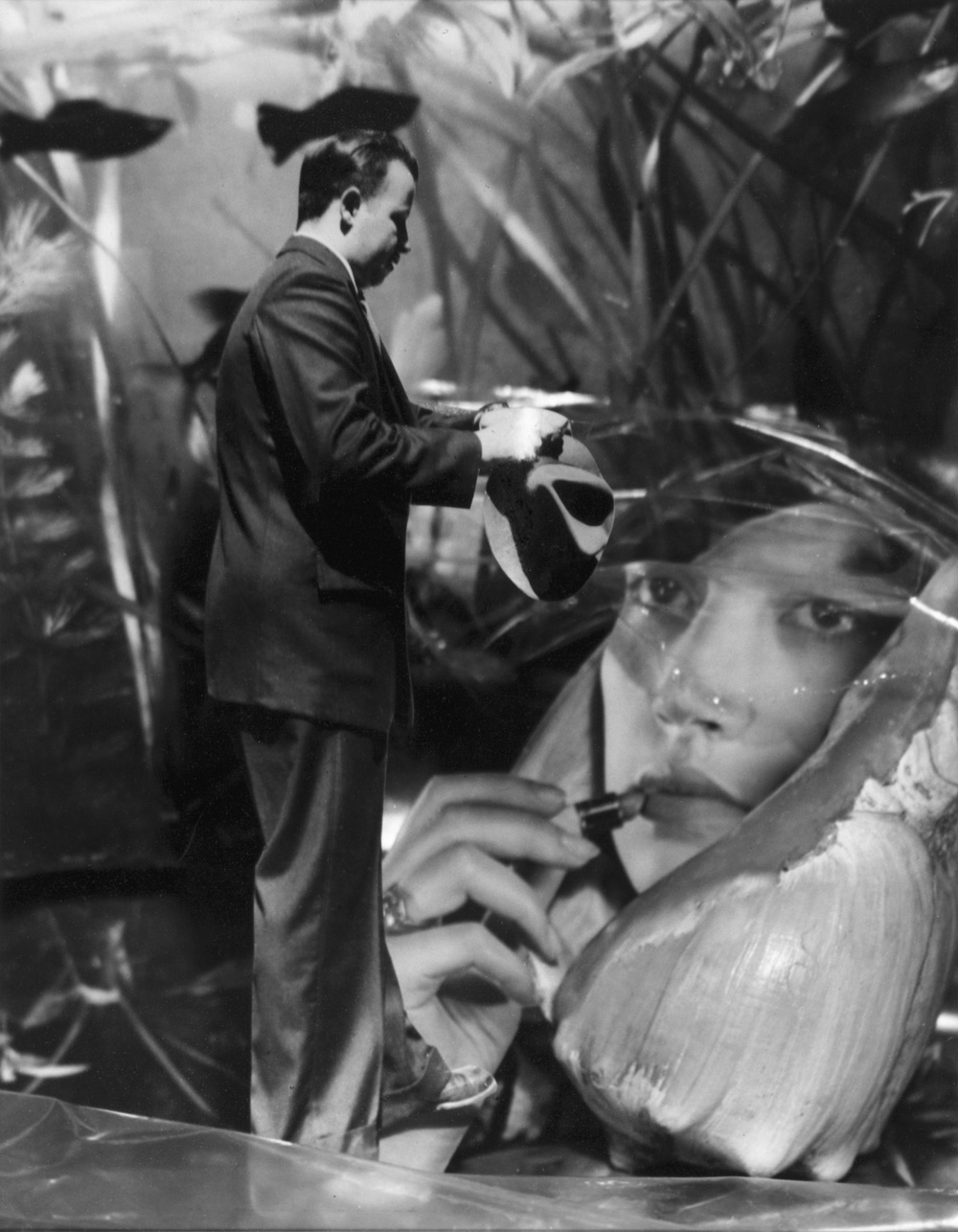
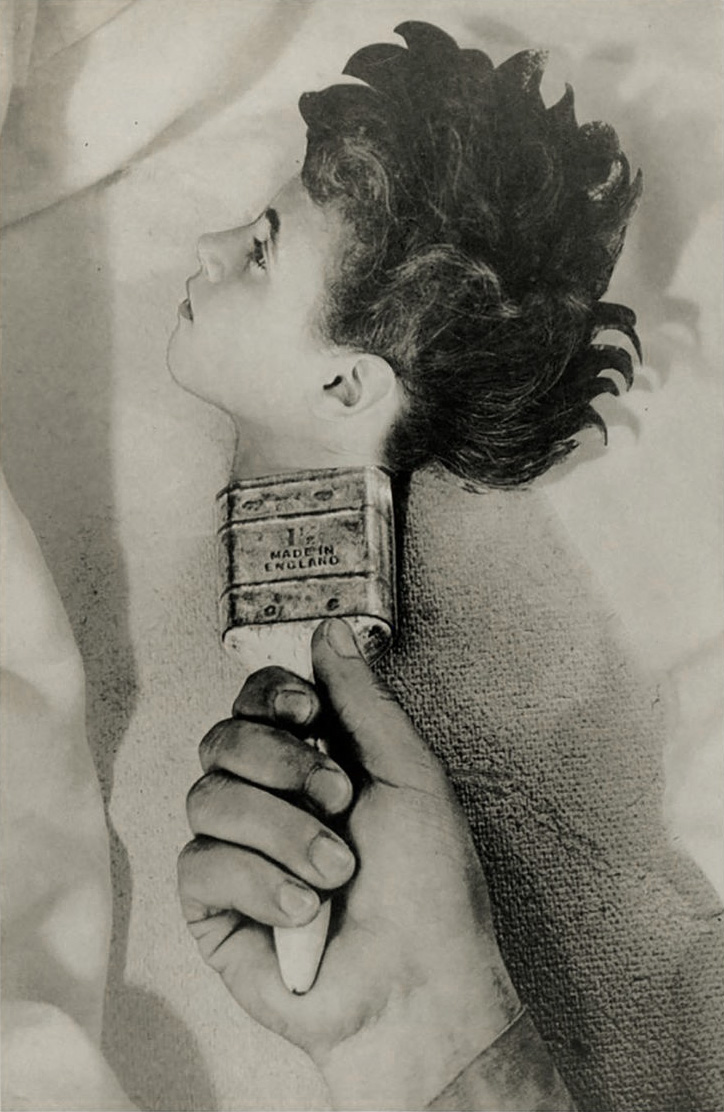
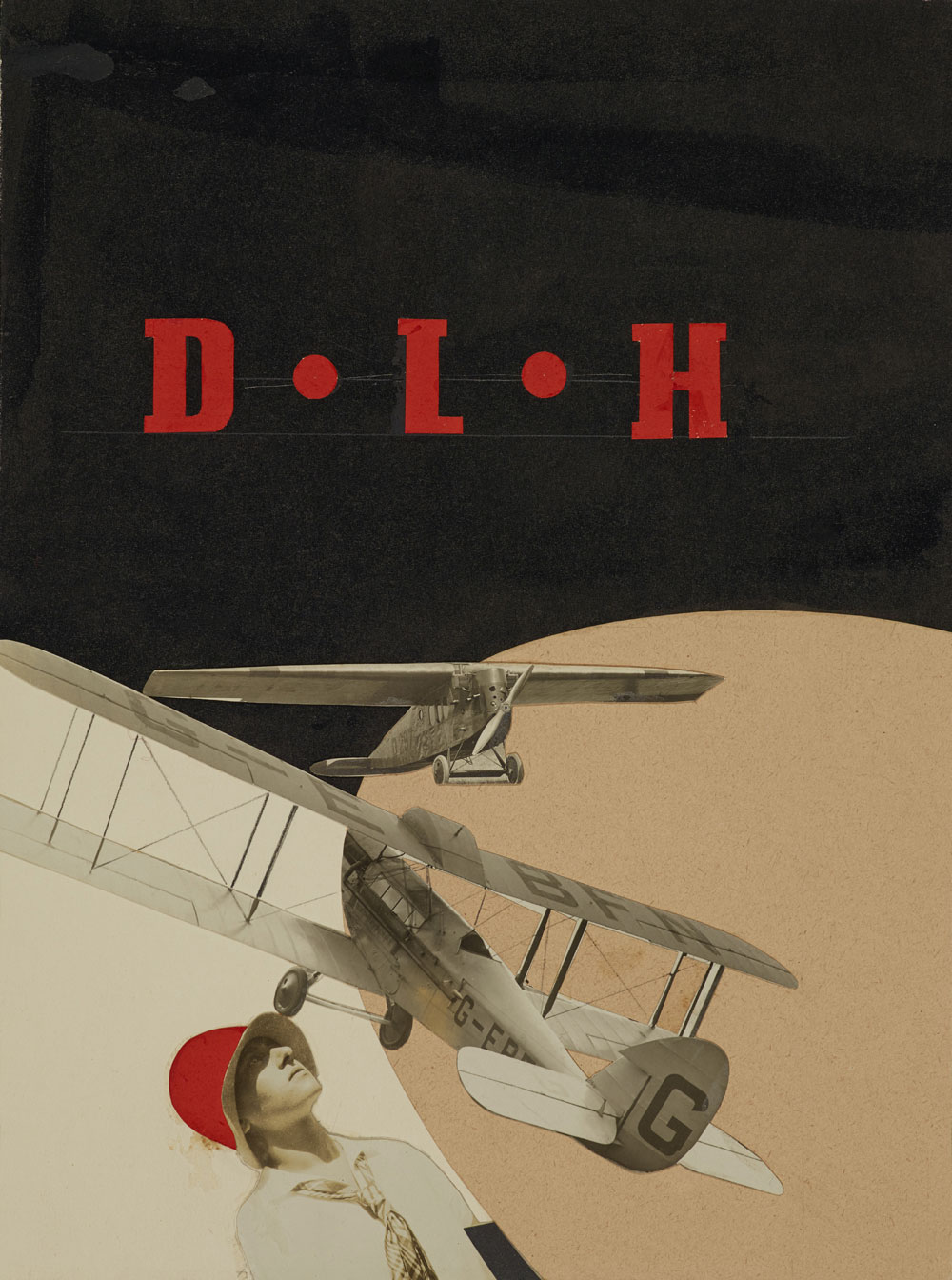
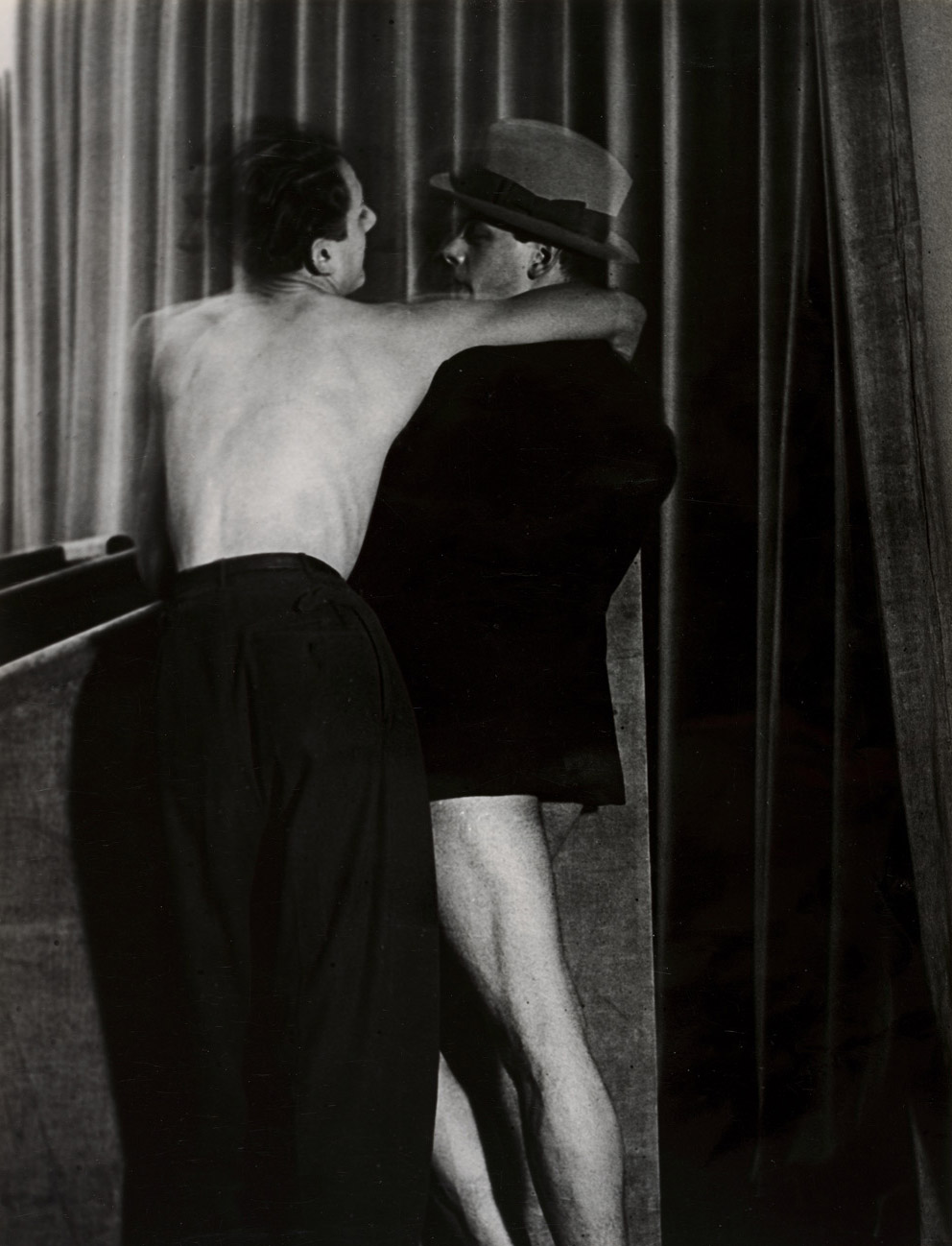
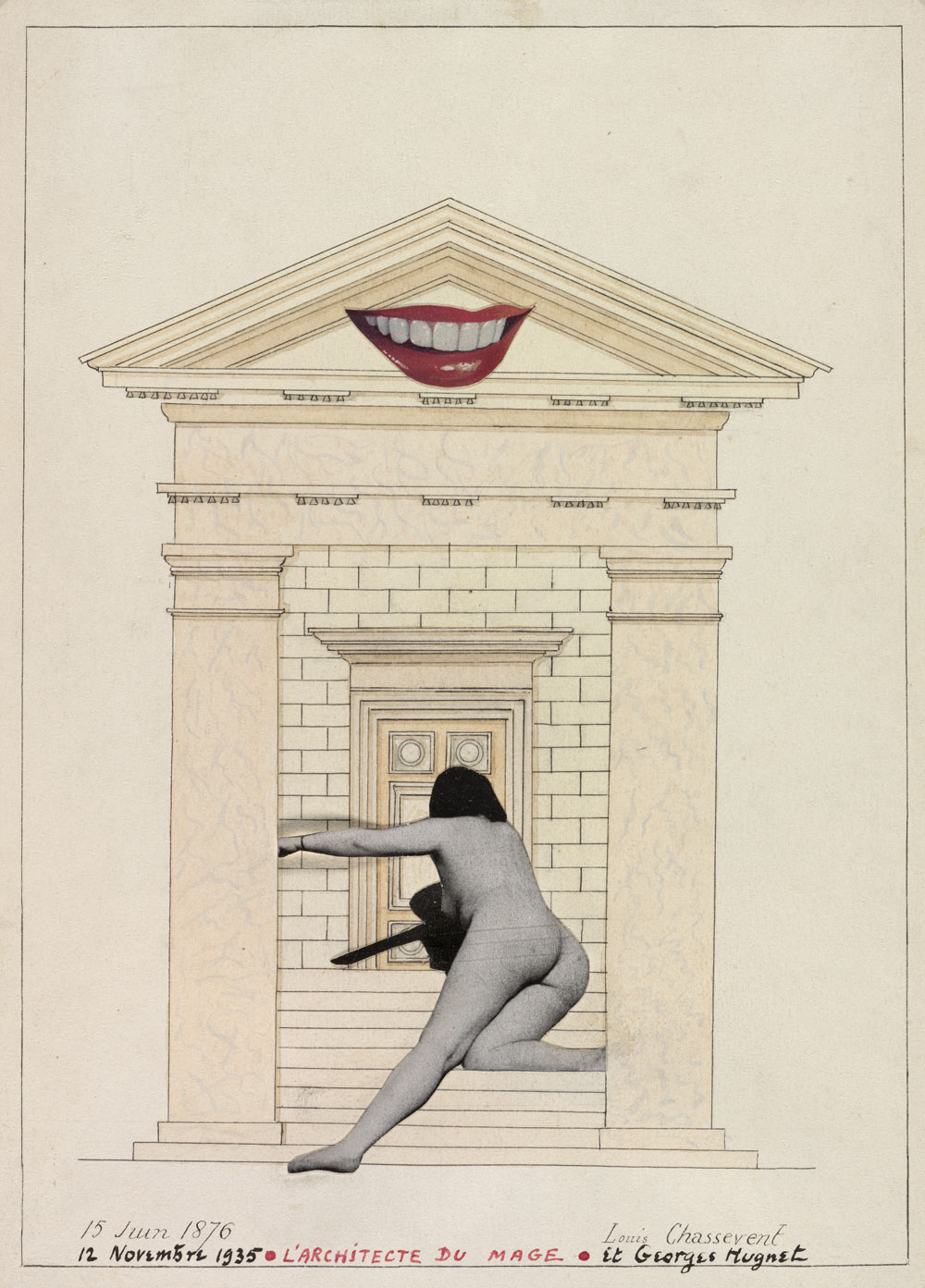
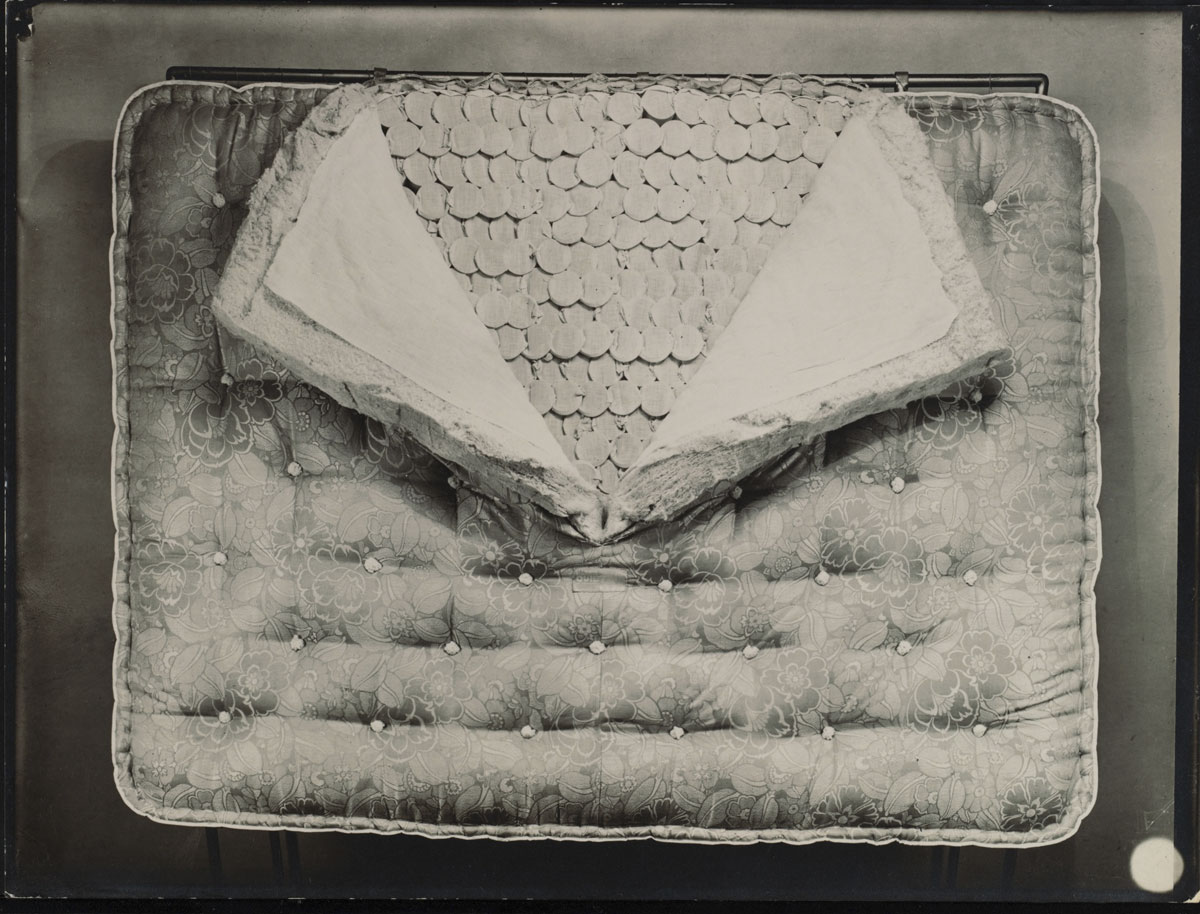
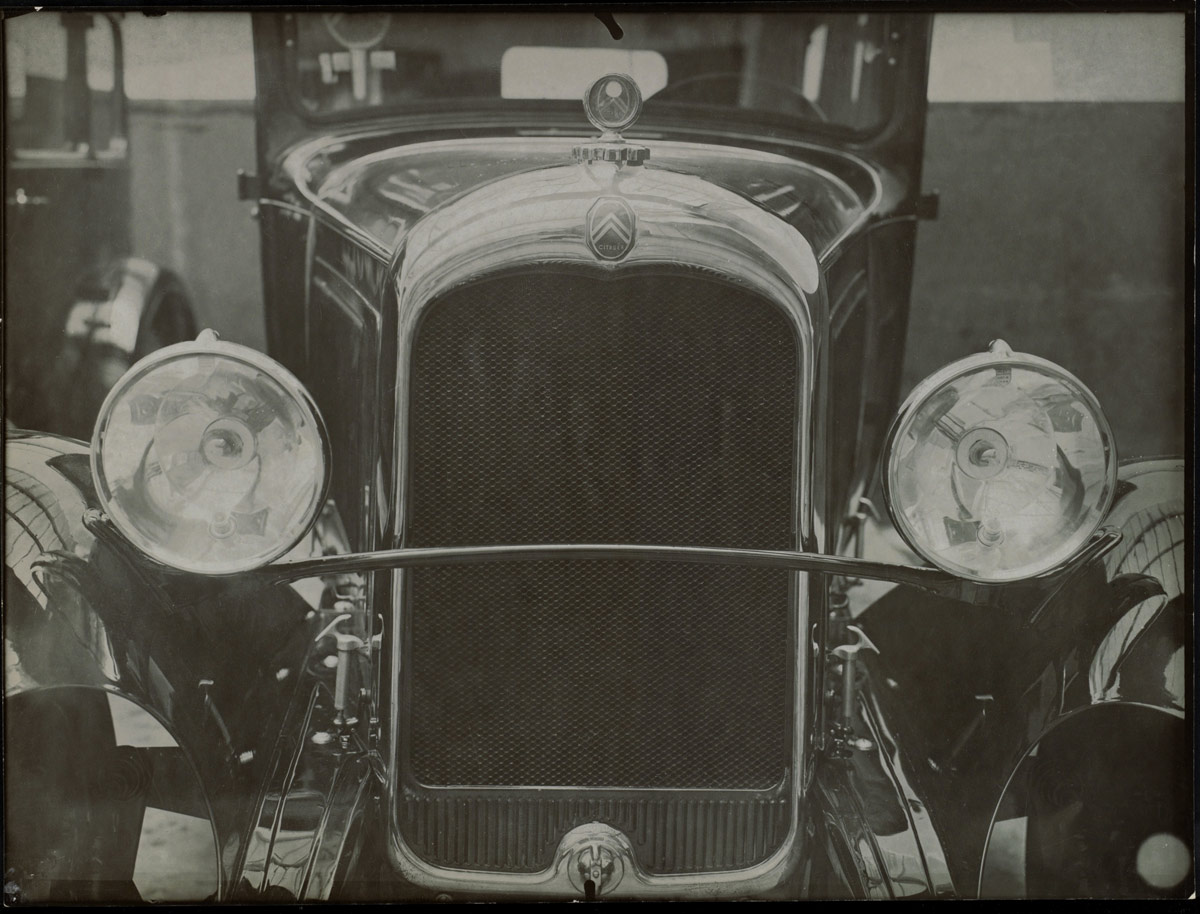
Curator: Karole P. B. Vail, Guggenheim’s exhibition curator, in collaboration with co-organisers Carol S. Eliel (LACMA) and Matthew S. Witkovsky (Art Institute of Chicago)
“To understand the production of art at the end of tradition, which in our lifetime means art at the end of modernism, requires, as the postmodern debate has shown, a careful consideration of the idea of history and the notion of ending. Rather than just thinking ending as the arrival of the finality of a fixed chronological moment, it can also be thought as a slow and indecisive process of internal decomposition that leaves in place numerous deposits of us, in us and with us – all with a considerable and complex afterlife. In this context all figuration is prefigured. This is to say that the design element of the production of a work of art, the compositional, now exists prior to the management of form of, and on, the picture plane. Techniques of assemblage, like montage and collage – which not only juxtaposed different aesthetics but also different historical moments, were the precursors of what is now the general condition of production.”
Fry, Tony. “Art Byting the Dust,” in Hayward, Phillip. Culture, Technology and Creativity in the Late Twentieth Century. London: John Libbey and Company, 1990, pp. 169-170.
Many thankx to the Solomon R. Guggenheim Museum for allowing me to publish the photographs in the posting. Please click on the photographs for a larger version of the image.
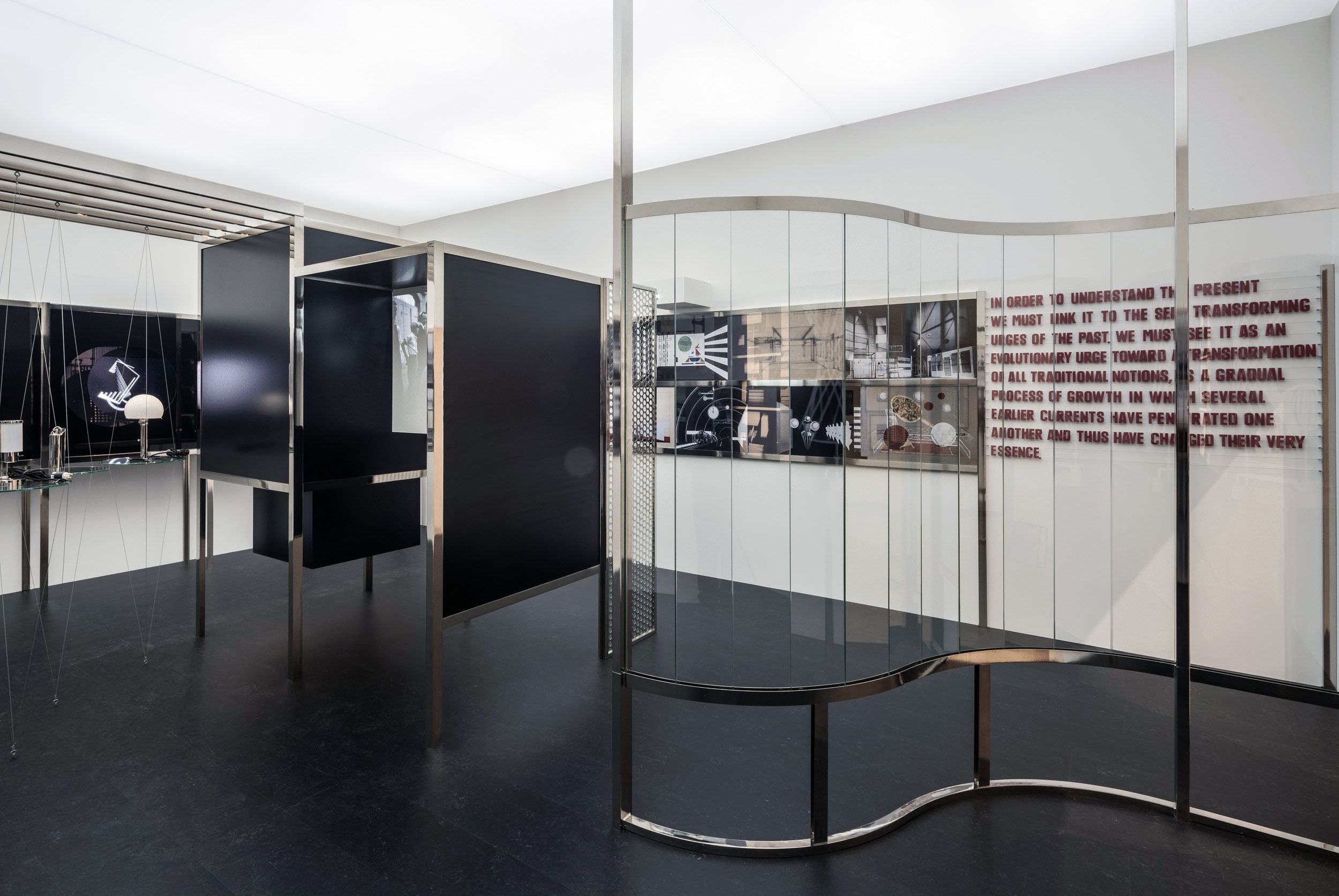
In order to understand the present we must link it to the self transforming urges of the past. We must see it as an evolutionary urge toward a transformation of all traditional notions, as a gradual process of growth in which several earlier currents have penetrated one another and thus have changed their very essence.
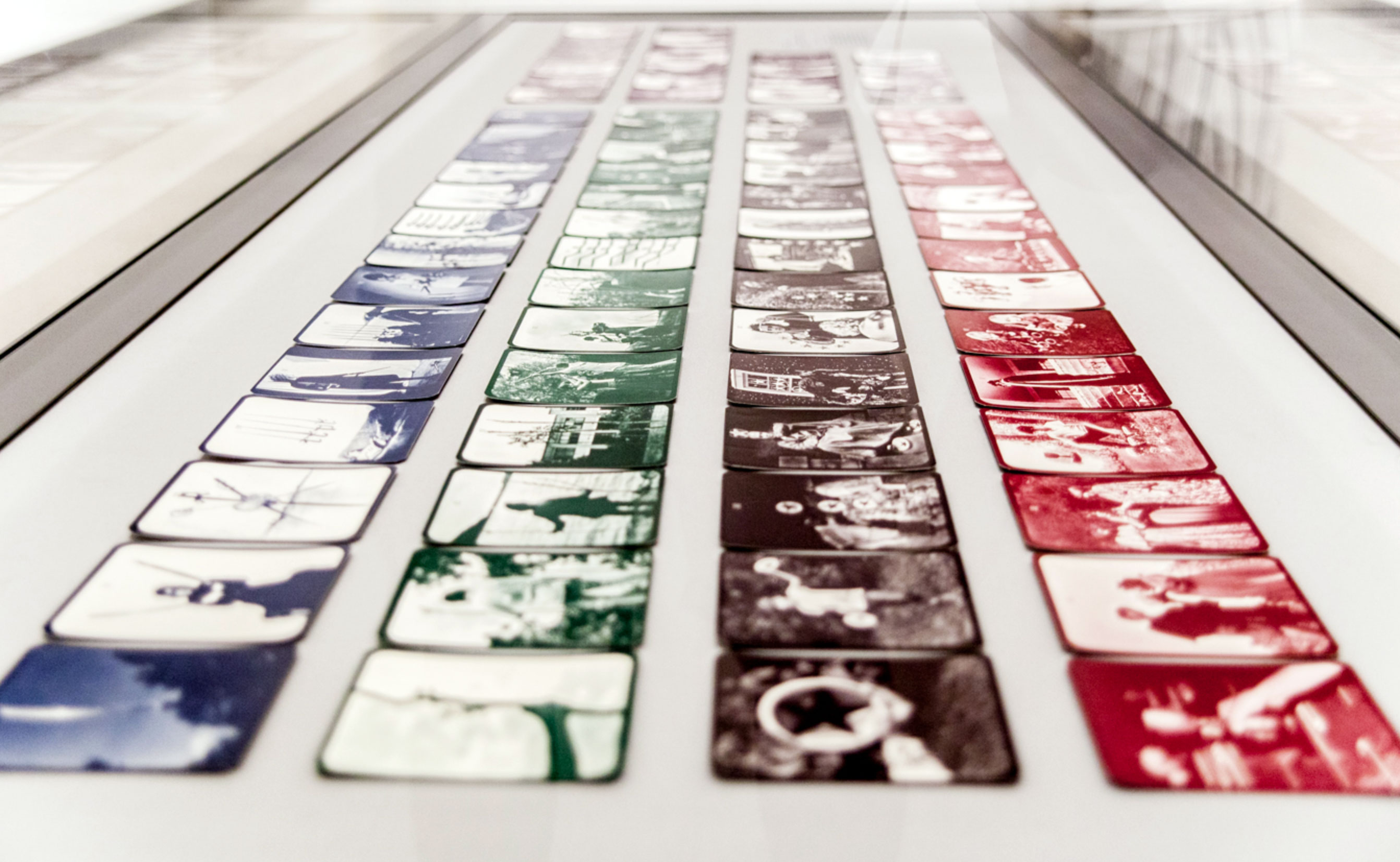
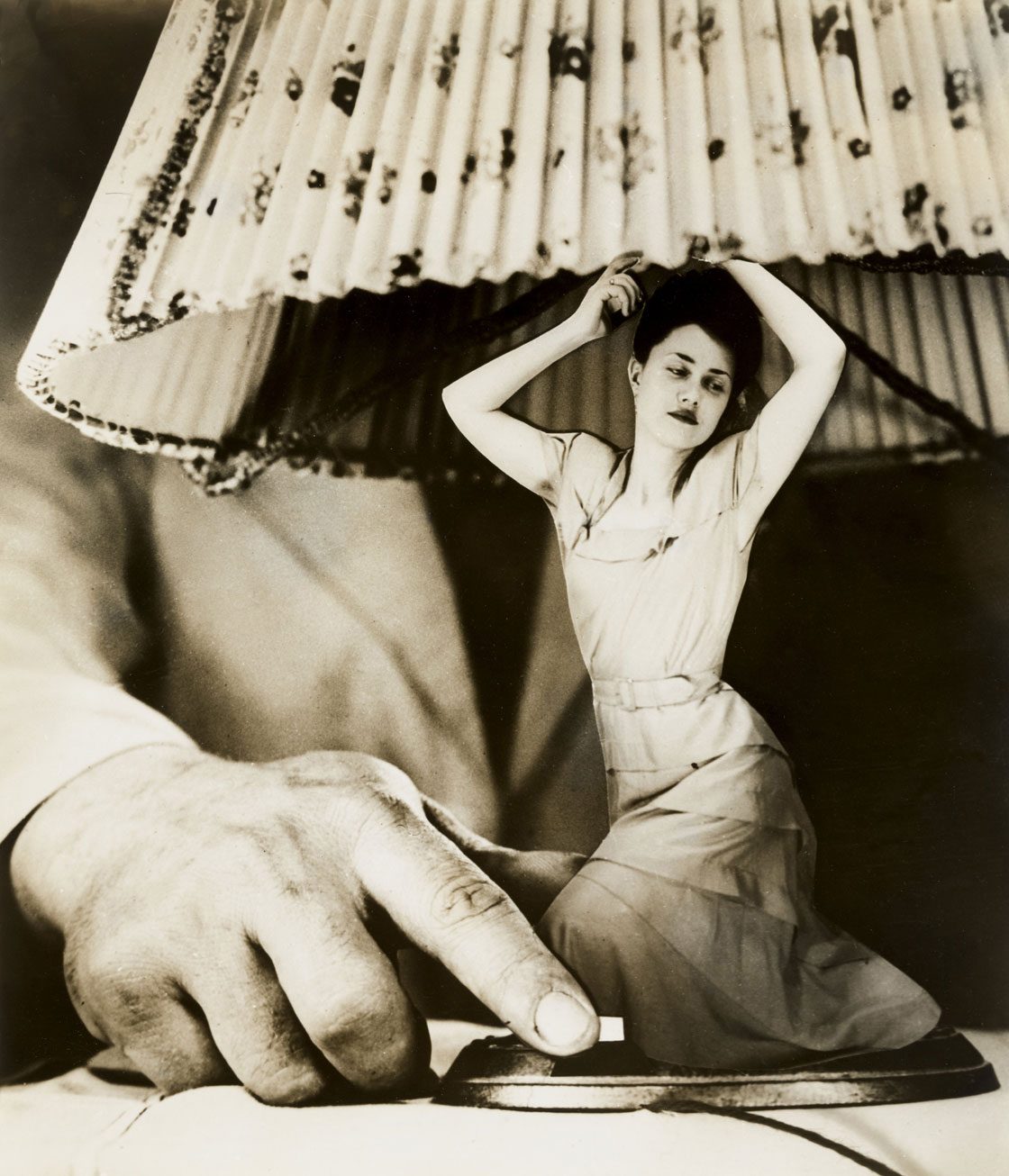
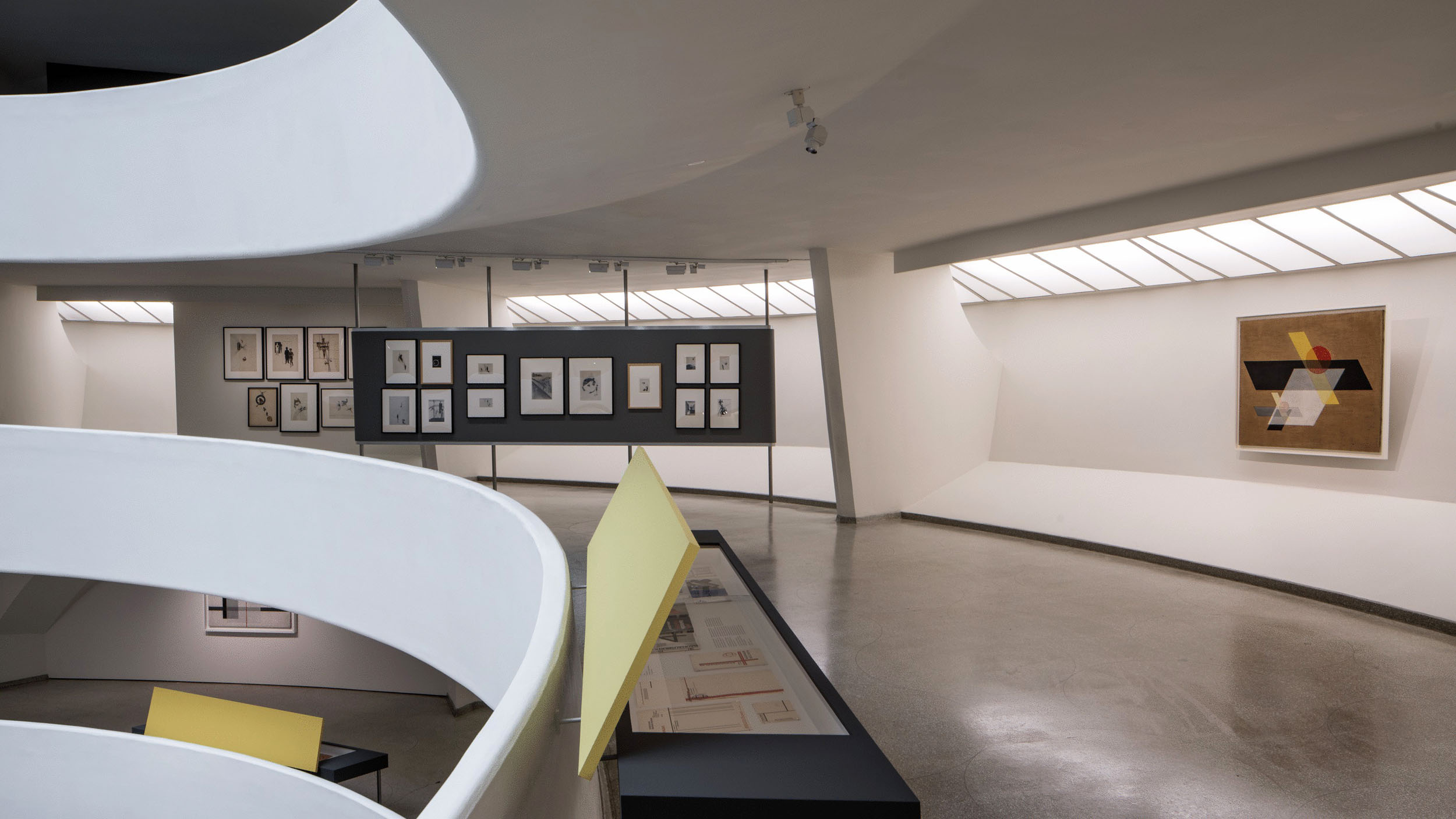
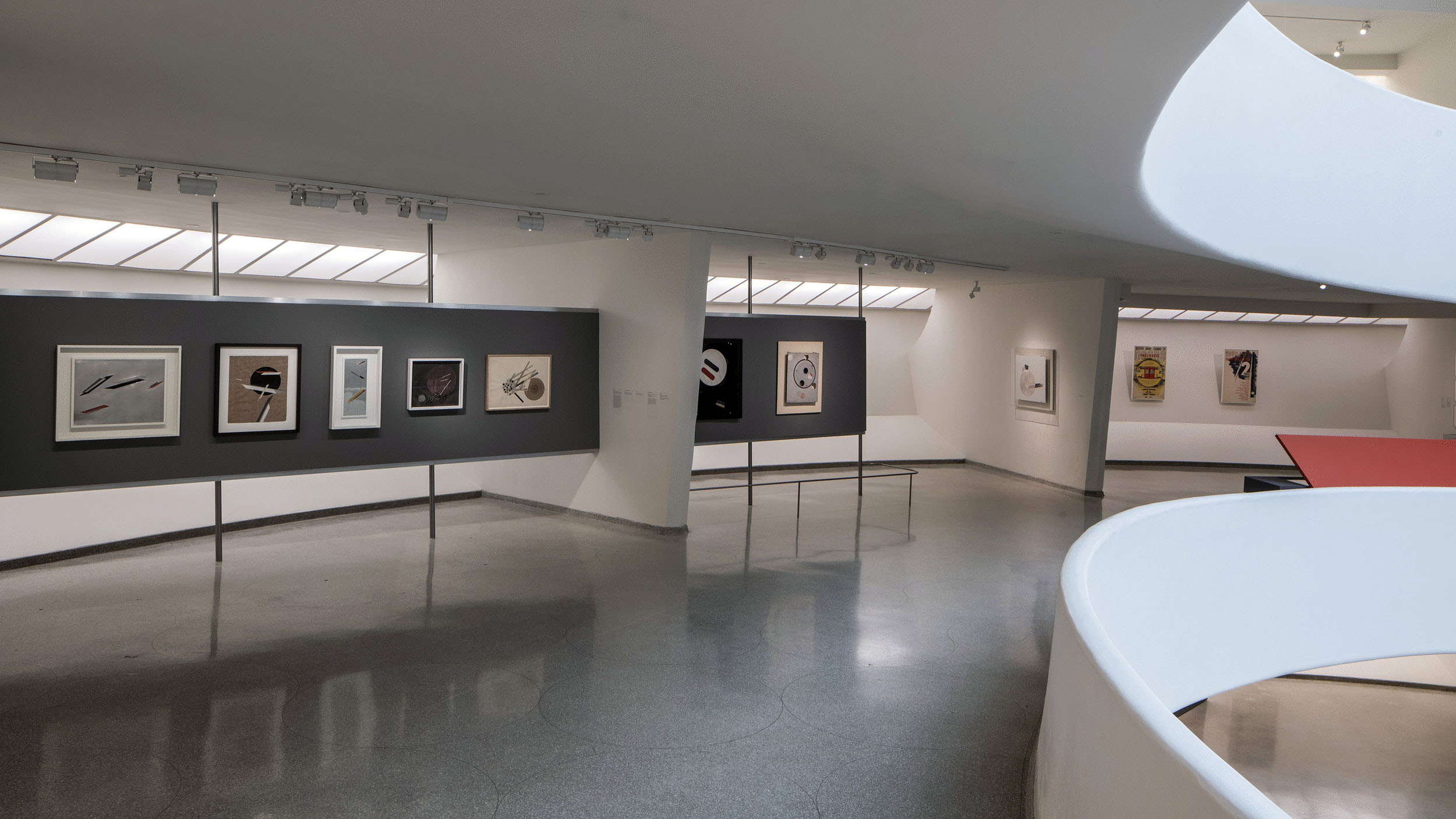
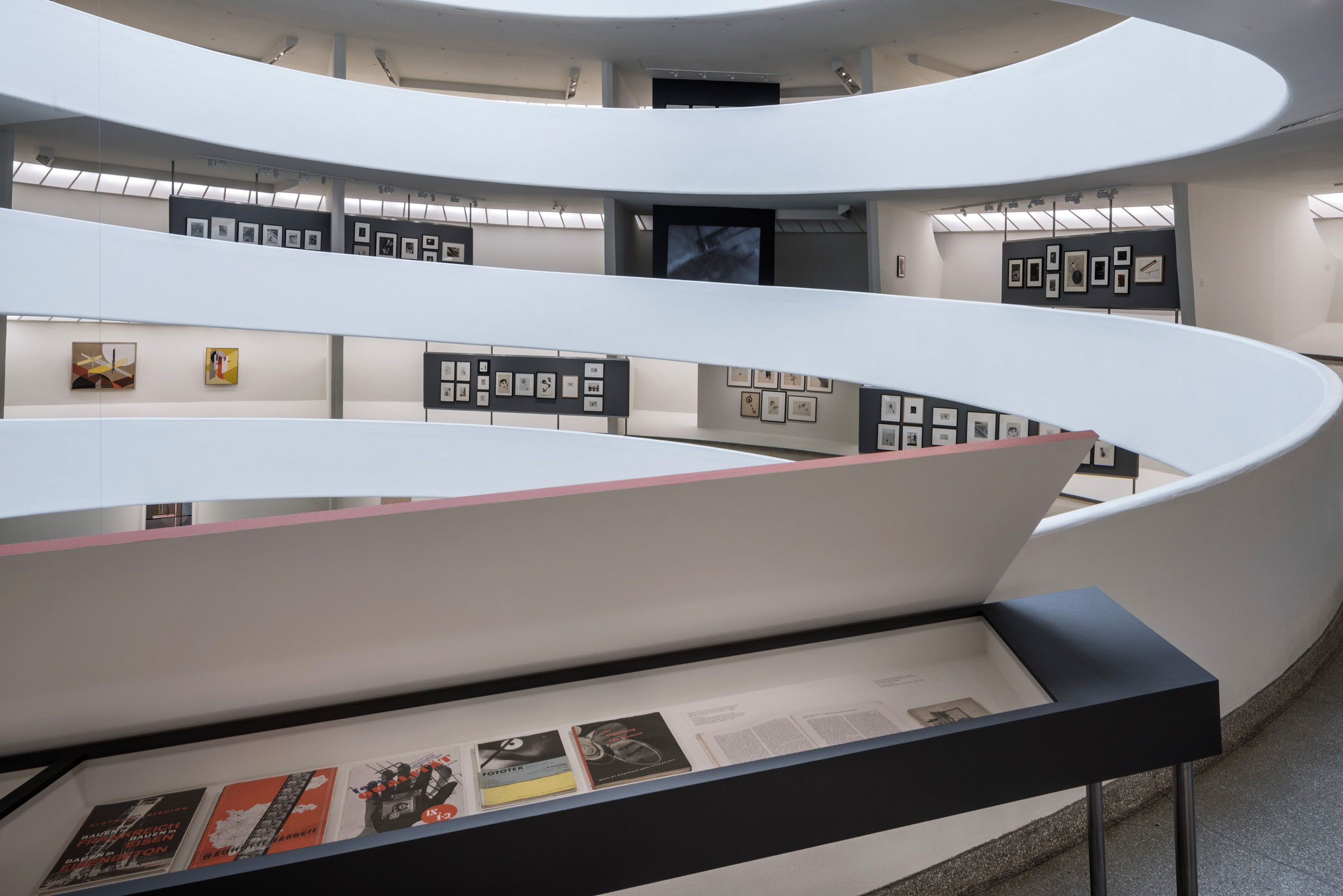
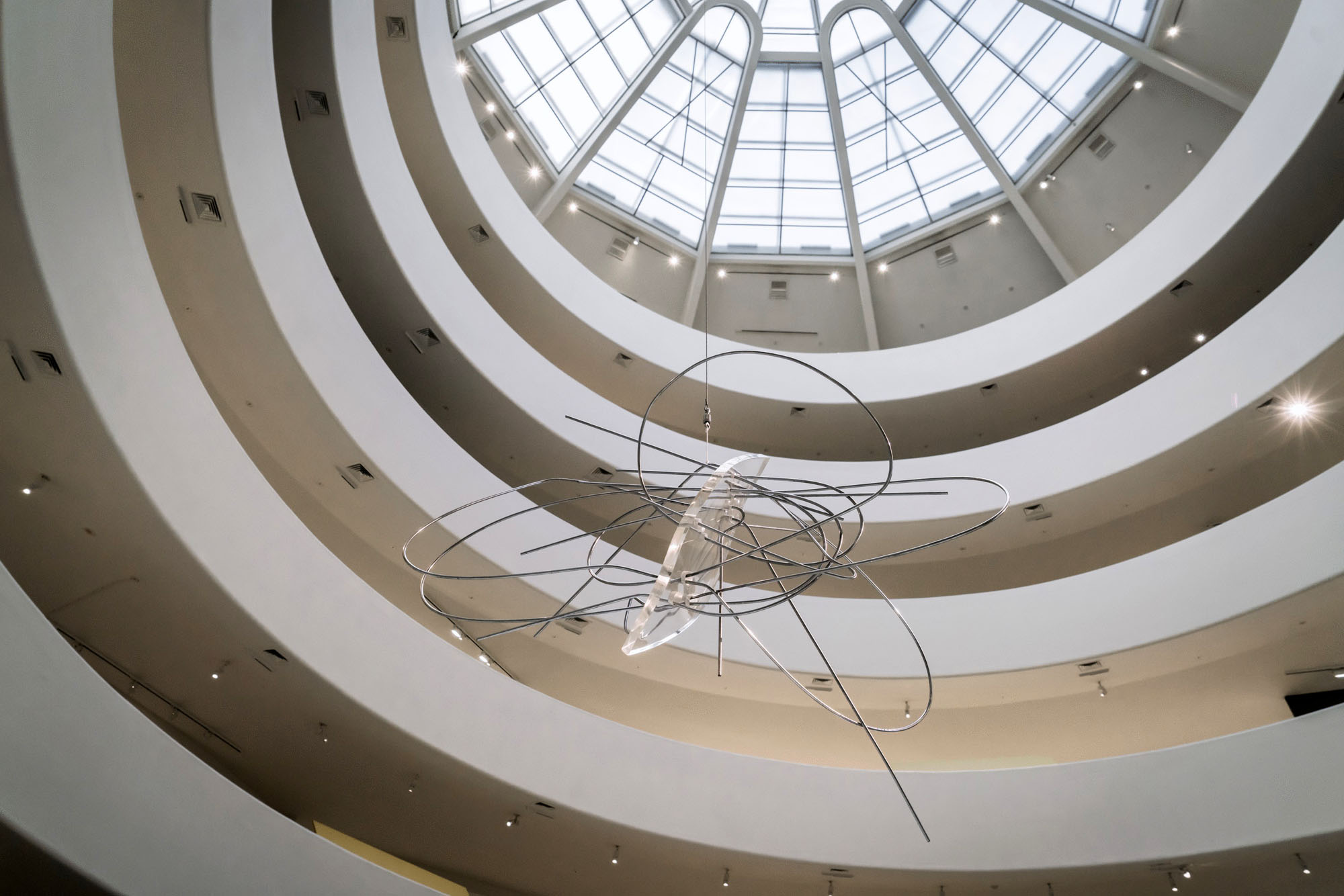
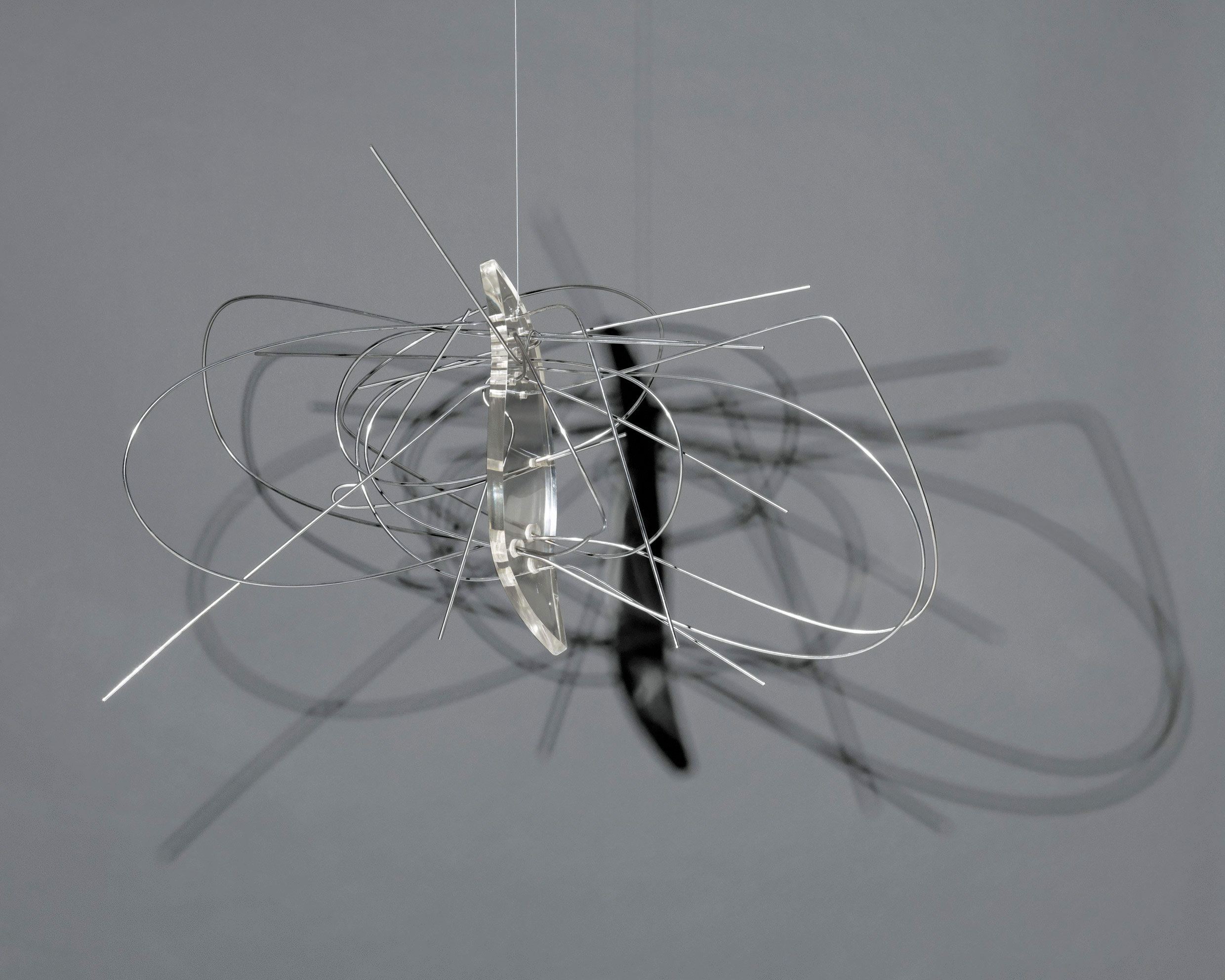
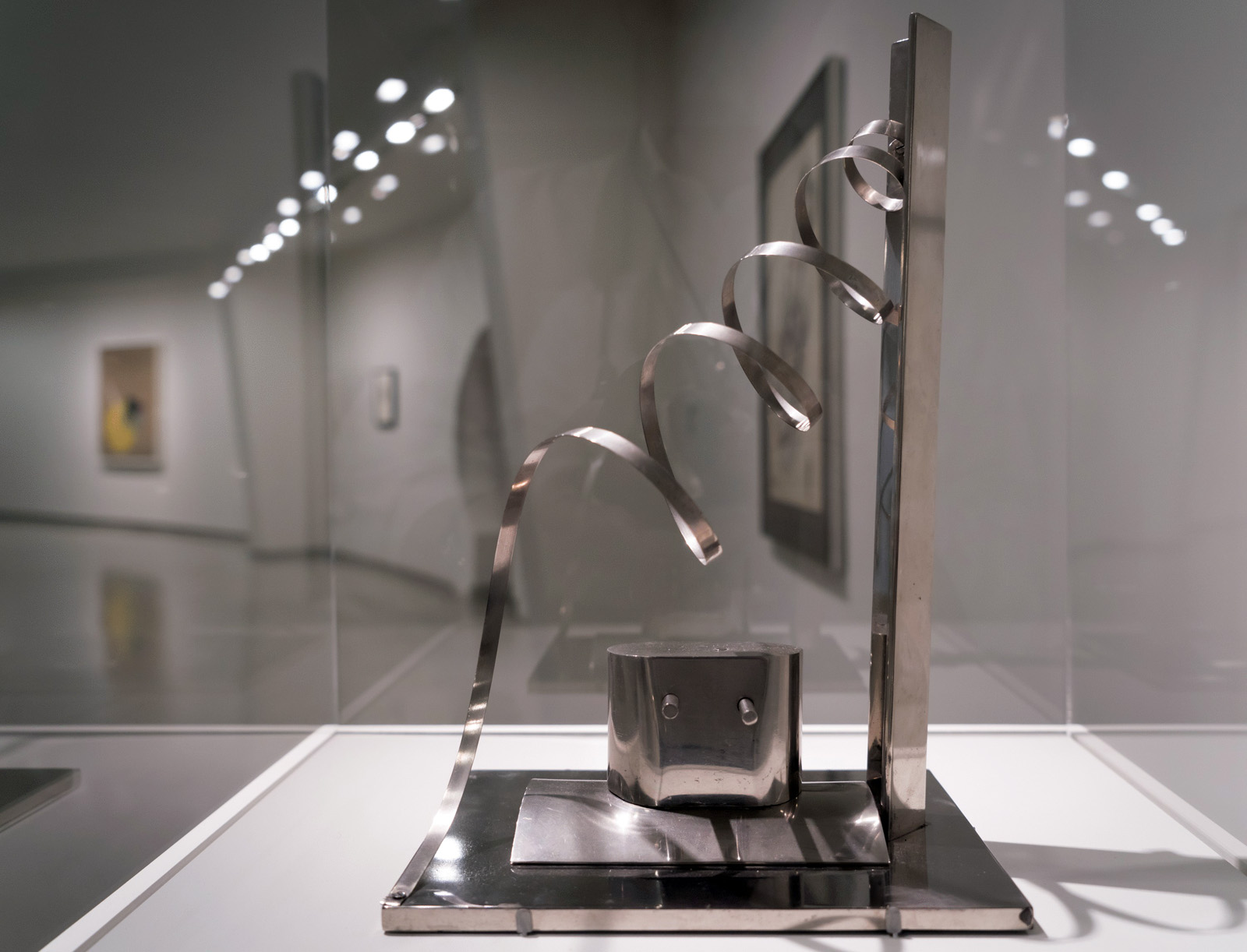
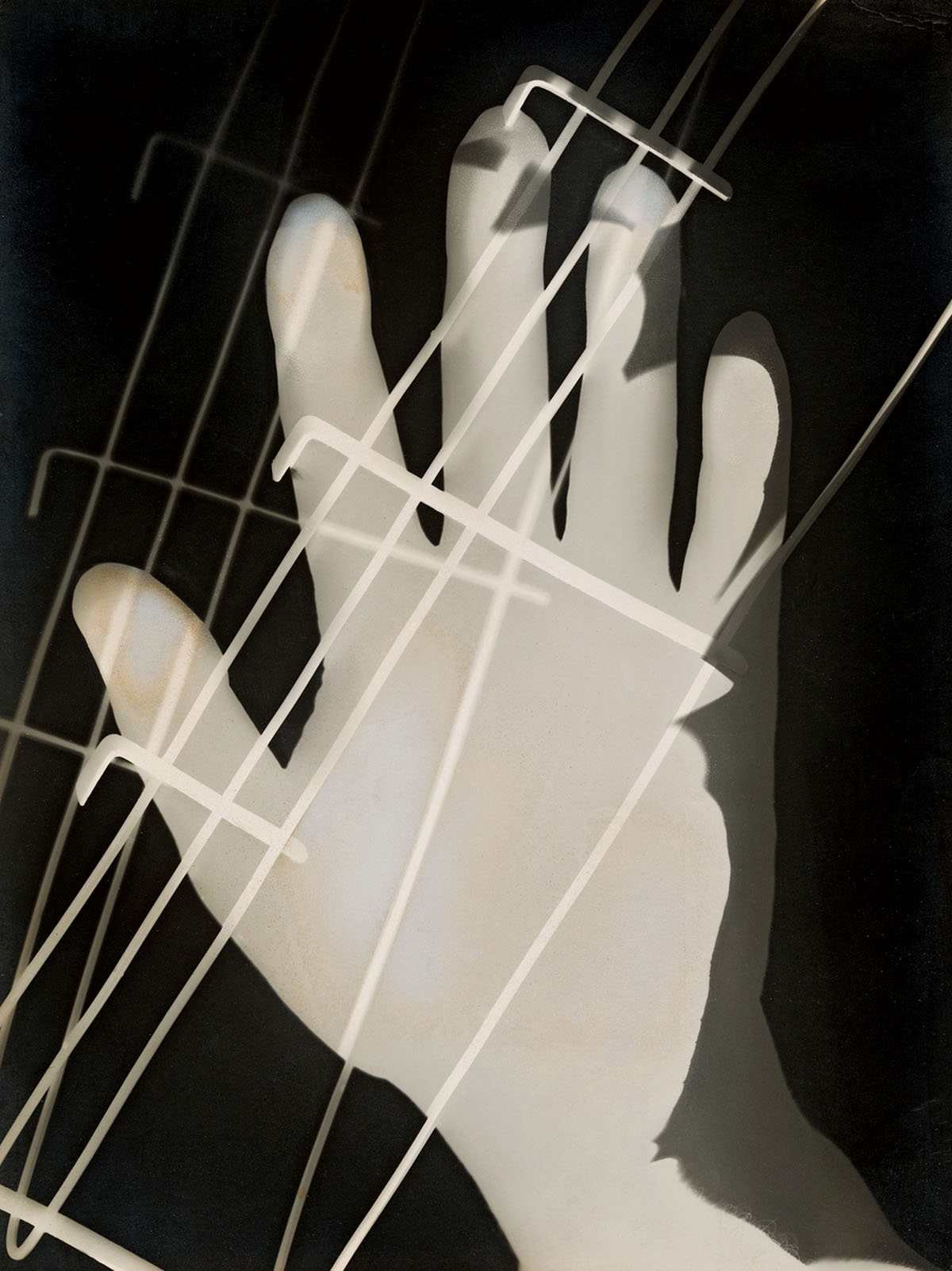
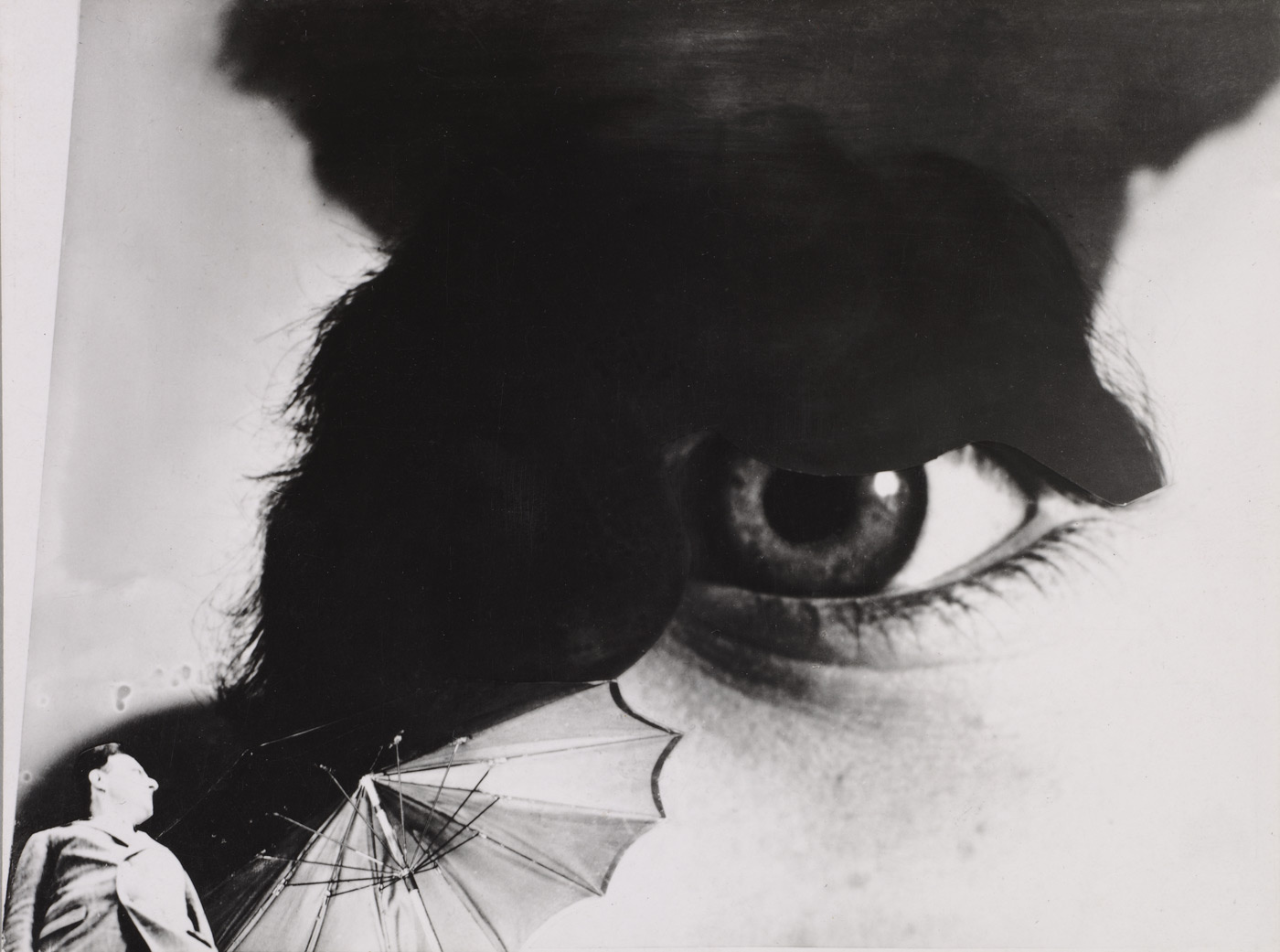
From May 27 to September 7, 2016, the Solomon R. Guggenheim Museum presents the first comprehensive retrospective in the United States in nearly fifty years of the work of pioneering artist and educator László Moholy-Nagy (1895-1946). Organised by the Solomon R. Guggenheim Foundation, the Art Institute of Chicago, and the Los Angeles County Museum of Art, Moholy-Nagy: Future Present examines the full career of the utopian modernist who believed in the potential of art as a vehicle for social transformation, working hand in hand with technology. Despite Moholy-Nagy’s prominence and the visibility of his work during his lifetime, few exhibitions have conveyed the experimental nature of his work, his enthusiasm for industrial materials, and his radical innovations with movement and light. This long overdue presentation, which encompasses his multidisciplinary methodology, brings together more than 300 works drawn from public and private collections across Europe and the United States, some of which have never before been shown publicly in this country. After its debut presentation in New York, the exhibition will travel to the Art Institute of Chicago (October 2, 2016 – January 3, 2017) and the Los Angeles County Museum of Art (February 12 – June 18, 2017).
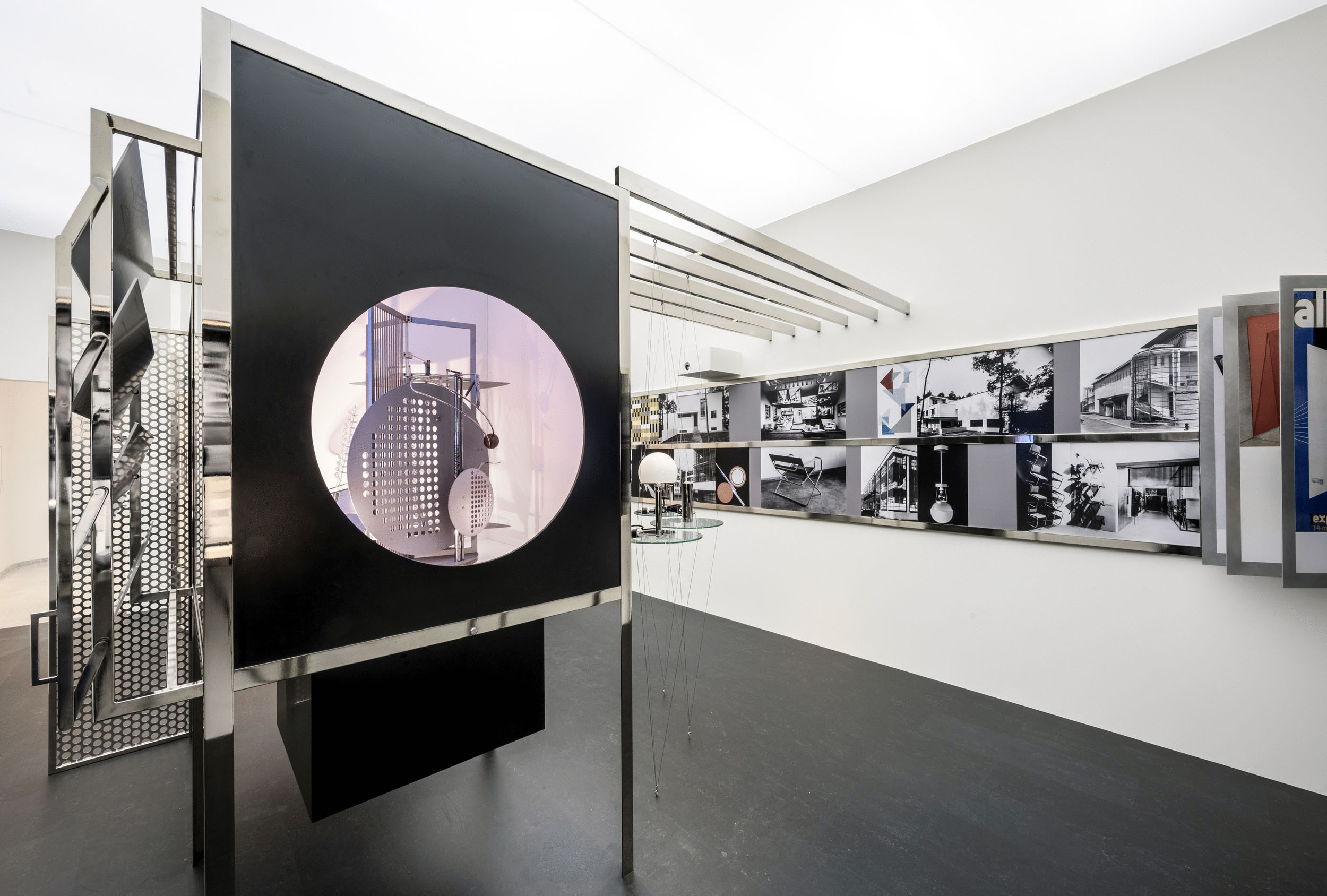
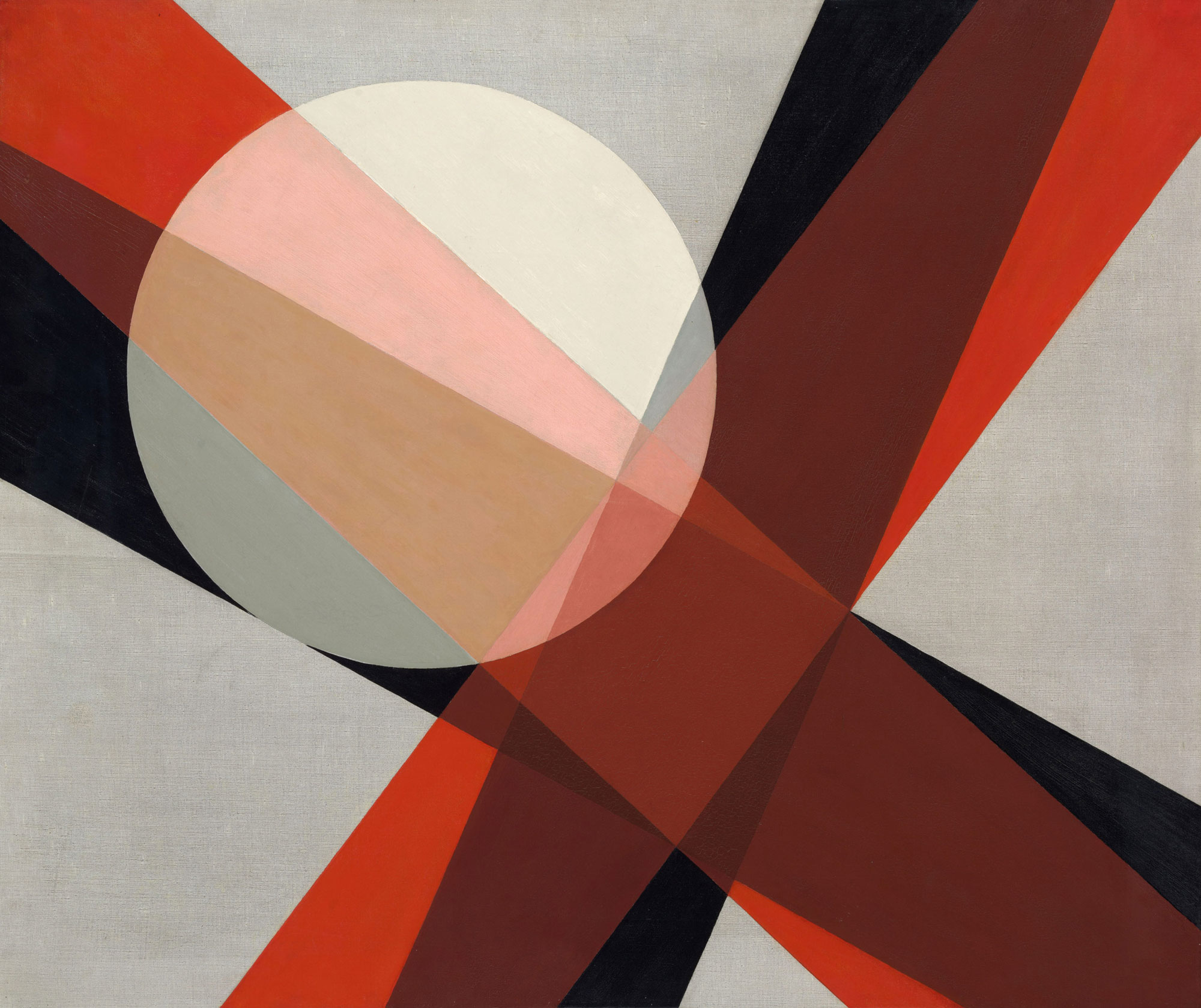
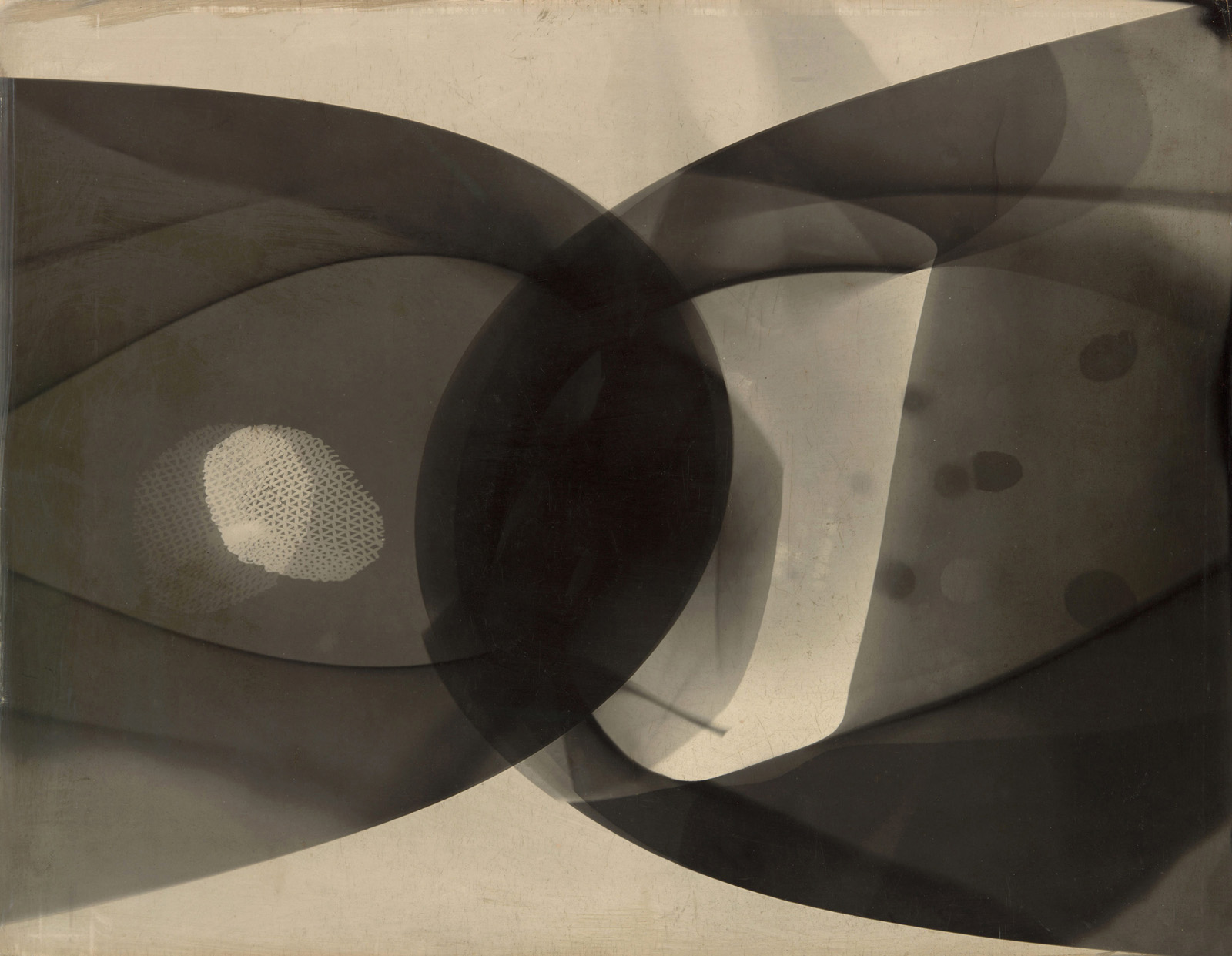
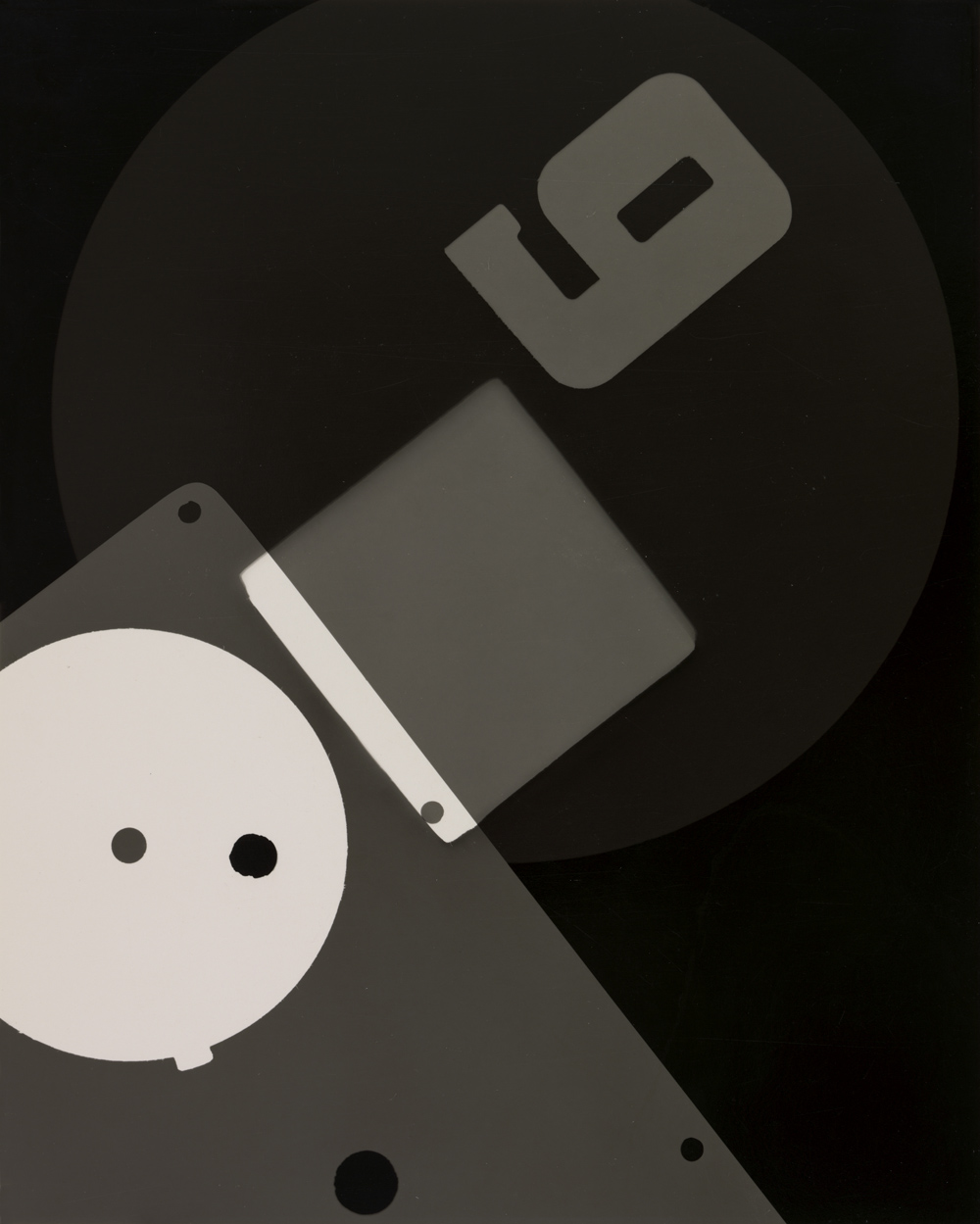
Moholy-Nagy: Future Present provides an opportunity to examine the full career of this influential Bauhaus teacher, founder of Chicago’s Institute of Design, and versatile artist who paved the way for increasingly interdisciplinary and multimedia work and practice. Among his radical innovations were his experiments with cameraless photographs (which he dubbed “photograms”); use of industrial materials in painting and sculpture that was unconventional for his time; researching with light, transparency, and movement; his work at the forefront of abstraction; and his ability to move fluidly between the fine and applied arts. The exhibition is presented chronologically up the Guggenheim’s rotunda and features collages, drawings, ephemera, films, paintings, photograms, photographs, photomontages, and sculptures. The exception to the sequential order is Room of the Present (Raum der Gegenwart) in the High Gallery, a contemporary fabrication of a space originally conceived by Moholy-Nagy in 1930 but never realised in his lifetime. Constructed by designers Kai-Uwe Hemken and Jakob Gebert, the large-scale work contains photographic reproductions, films, slides, documents, and replicas of architecture, theater, and industrial design, including a 2006 replica of his kinetic Light Prop for an Electric Stage (Lichtrequisit einer elektrischen Bühne, 1930). Room of the Present illustrates the artist’s belief in the power of images and his approach to the various means with which to view them – a highly relevant paradigm in today’s constantly shifting and evolving technological world. Room of the Present will be on display at all three exhibition venues and for the first time in the United States. The Guggenheim installation is designed by Kelly Cullinan, Senior Exhibition Designer, and is inspired by Moholy-Nagy’s texts on space and his concept of a “spatial kaleidoscope” as applied to the experience of walking up the ramps.
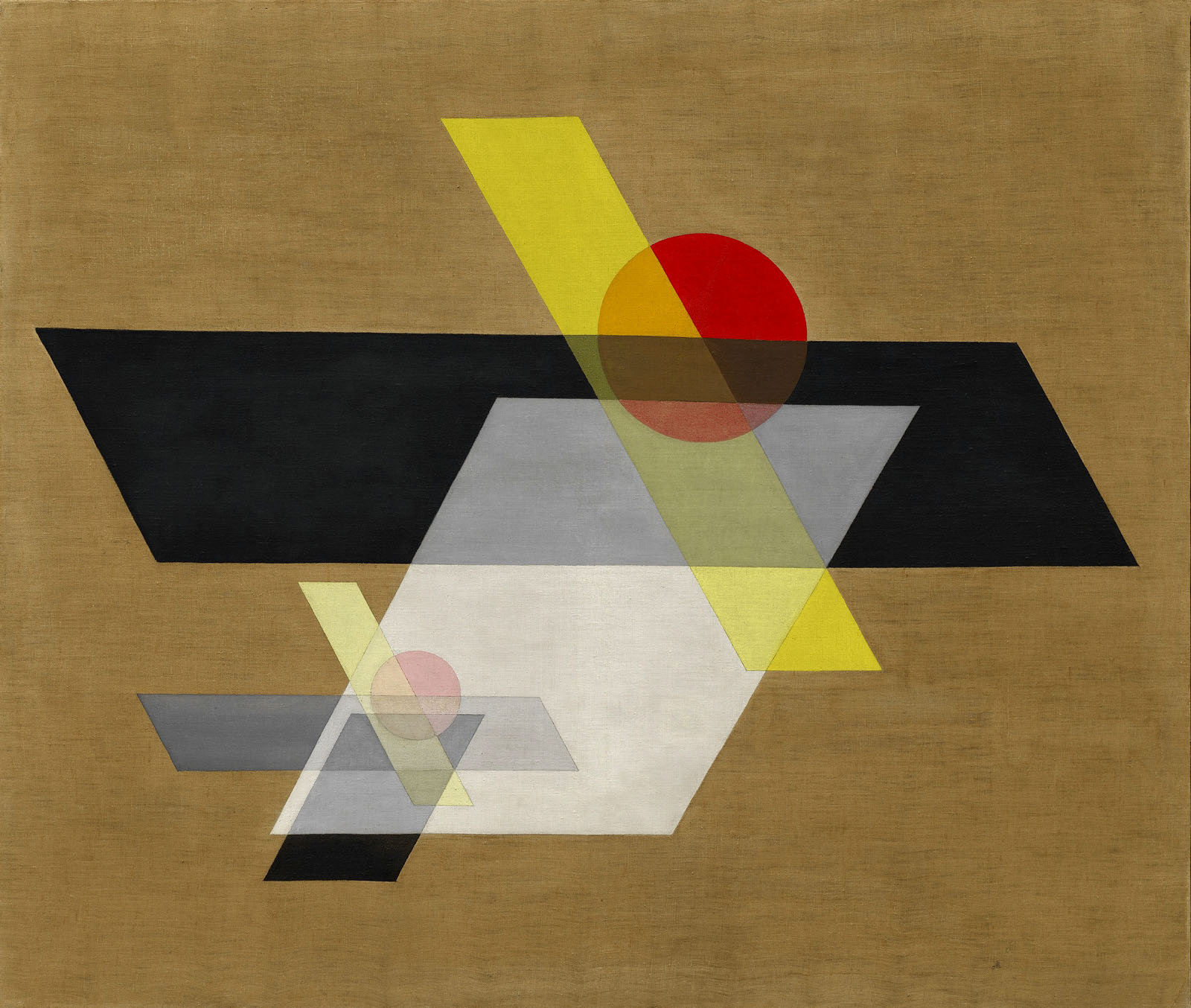
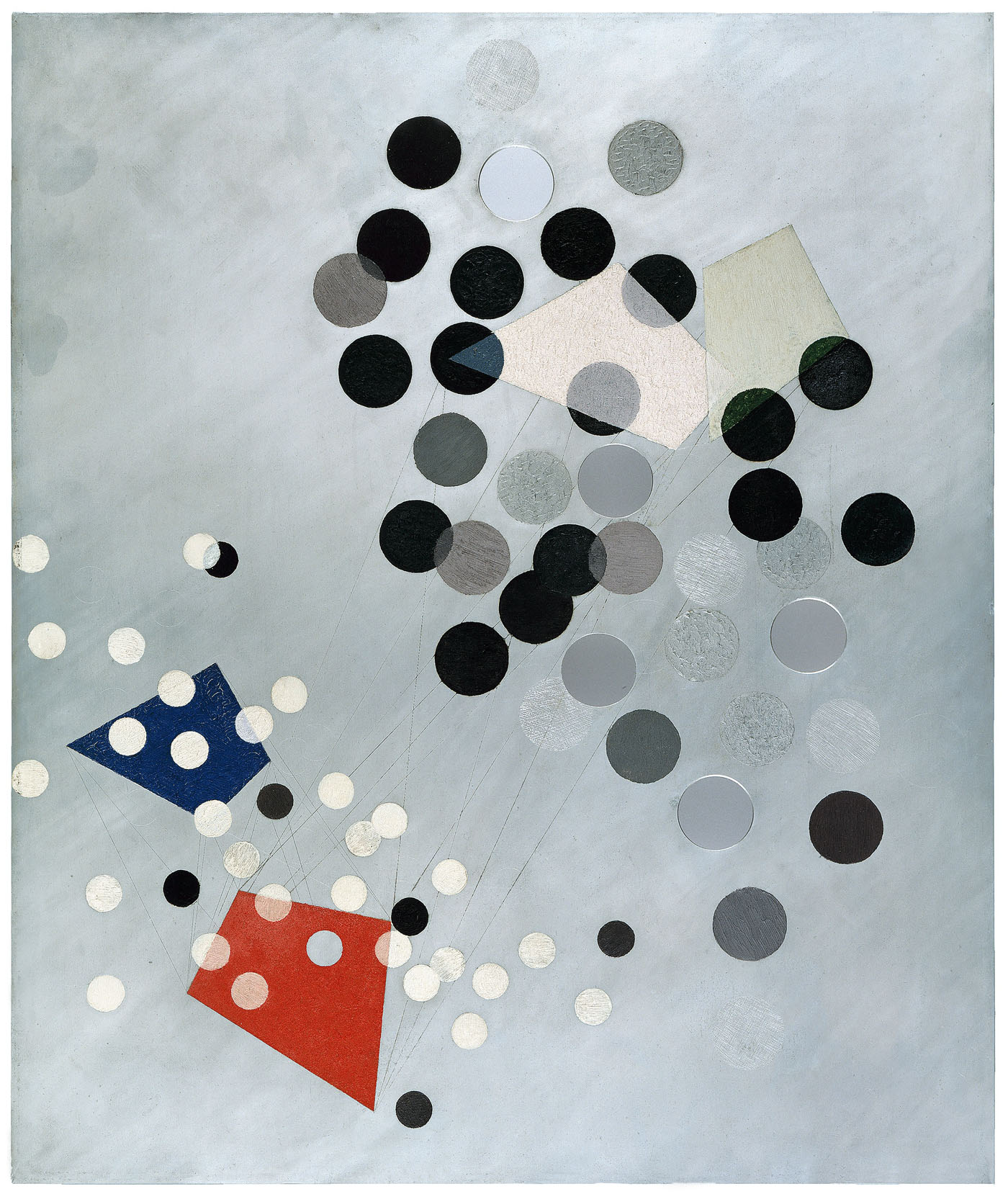
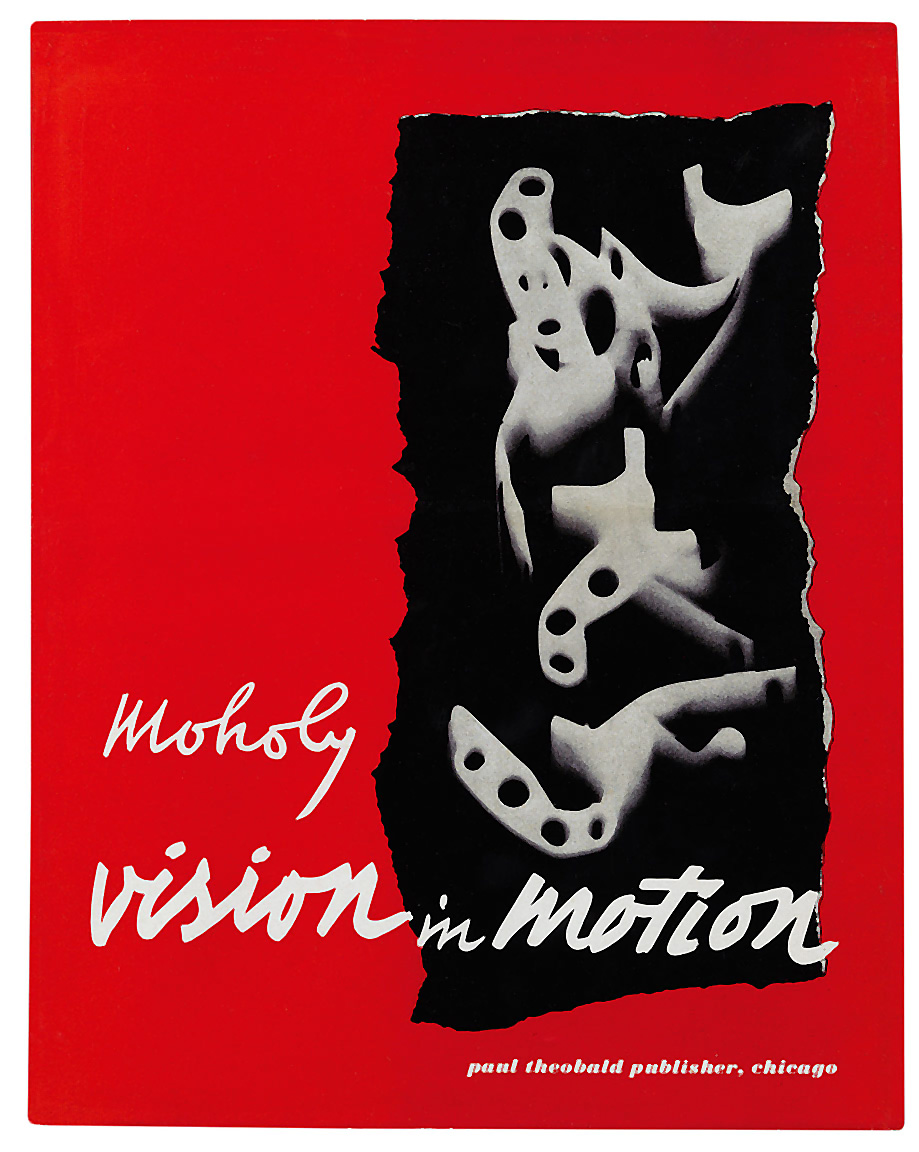
Born in 1895 in Austria-Hungary (now southern Hungary), Moholy-Nagy moved to Vienna briefly and then to Berlin in 1920, where he encountered Dada artists, whose distinctive visual attributes of the urban industrial landscape had already entered his work. He was also influenced by the Constructivists, and exhibited work on several occasions at Berlin’s Der Sturm gallery. During this time, Moholy-Nagy experimented with metal constructions, photograms, and enamel paintings. At the same moment, in his ongoing quest to depict light and transparency, he painted abstract canvases composed of floating geometric shapes. While teaching at the Bauhaus in Weimar and then Dessau, he and Walter Gropius pioneered the Bauhaus Books series, which advanced Moholy-Nagy’s belief that arts education and administration went hand in hand with the practice of art making. Around this period, the artist became temporarily disenchanted with the limitations of traditional painting. Photography took on greater importance for him, and he described the photogram as “a bridge leading to new visual creation for which canvas, paint-brush and pigment cannot serve.” He fashioned photomontages by combining photographs (usually found) and newspaper images into absurd, satirical, or fantastical narratives. When he moved back to Berlin in 1928, he enjoyed success as a commercial artist, exhibition and stage designer, and typographer, examples of which will be on display in Moholy-Nagy: Future Present. Adolf Hitler’s rise to power made life increasingly difficult for the avant-garde in Germany; thus, in 1934 Moholy-Nagy moved with his family to the Netherlands and then to London. Once he moved to Chicago in 1937, he never returned to Europe.
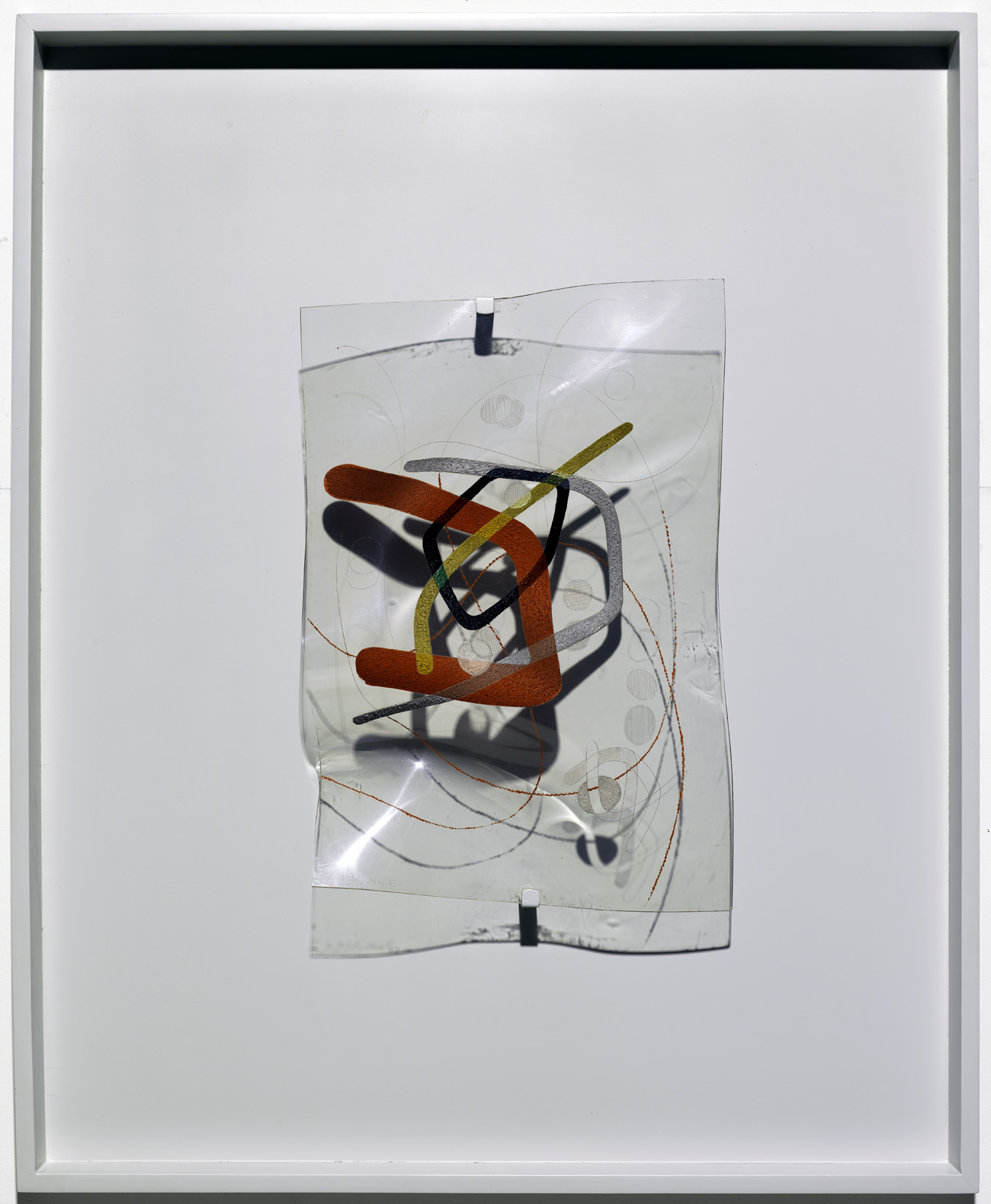
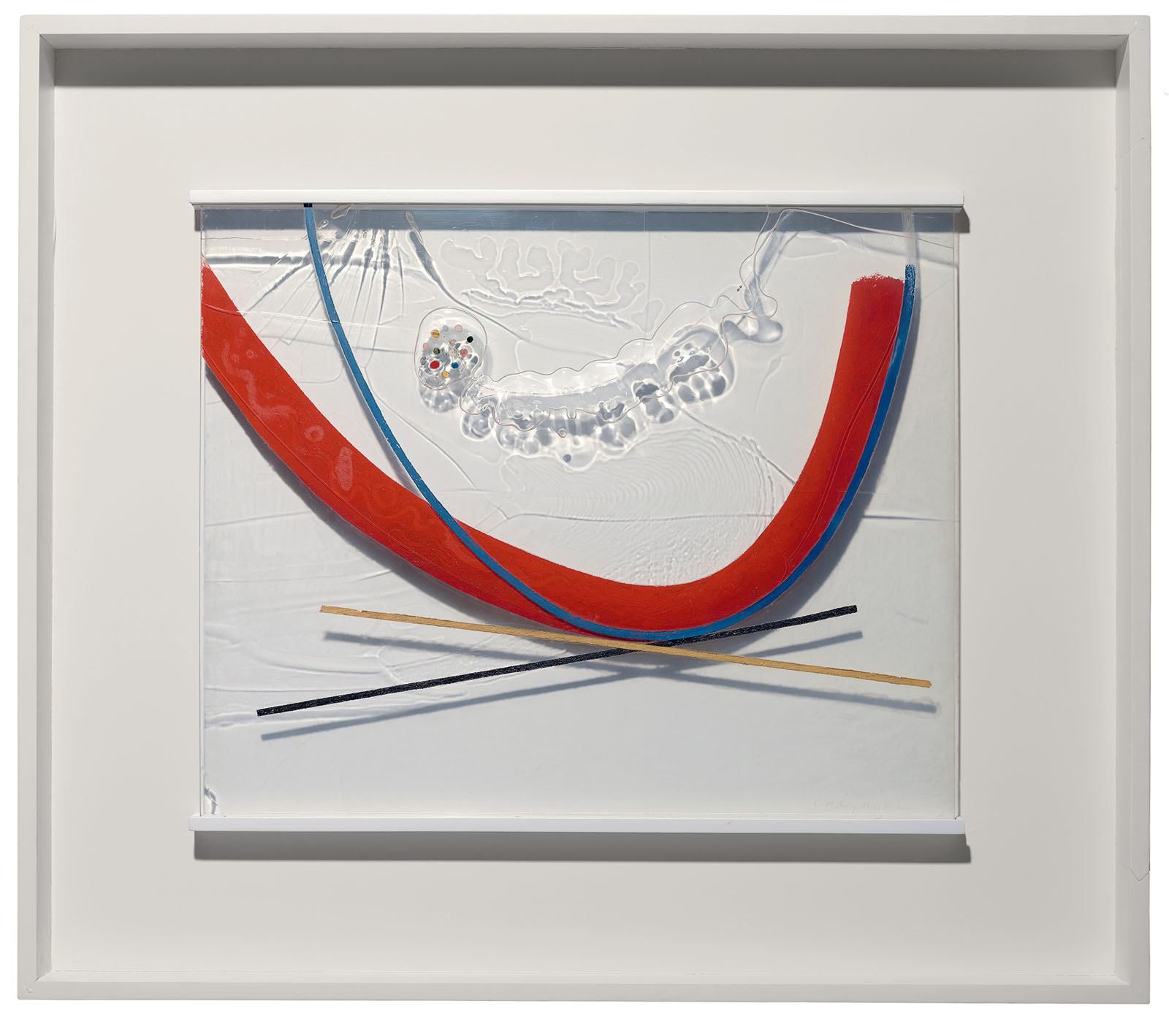
Moholy-Nagy immigrated to Chicago to become founding director of the New Bauhaus, known today as the Institute of Design at the Illinois Institute of Technology. He also made some of his most original and experimental work during this time, pursuing his longtime fascination with light, shadow, transparency, and motion. He continued to make photograms, created his Space Modulators (hybrids of painting and sculpture made from Plexiglas), and pioneered 35 mm colour slide photography, shown as projections in the exhibition. He gave his full attention to American exhibition venues before his untimely death of leukaemia in 1946, showing nearly three dozen times across the United States – including in four solo shows.
Moholy-Nagy was a central figure in the history of the Guggenheim Museum. His work was included in the museum’s founding collection, and he held a special place at the Museum of Non-Objective Painting, the forerunner of the Guggenheim Museum. He was among the first artists director Hilla Rebay exhibited and collected in depth, and the museum presented a memorial exhibition shortly after his death. Moholy-Nagy: Future Present highlights the artist’s interdisciplinary and investigative approach, migrating from the school to the museum or gallery space, consistently pushing toward the Gesamtwerk, the total work, which he sought to achieve throughout his lifetime.
Press release from the Solomon R. Guggenheim Museum
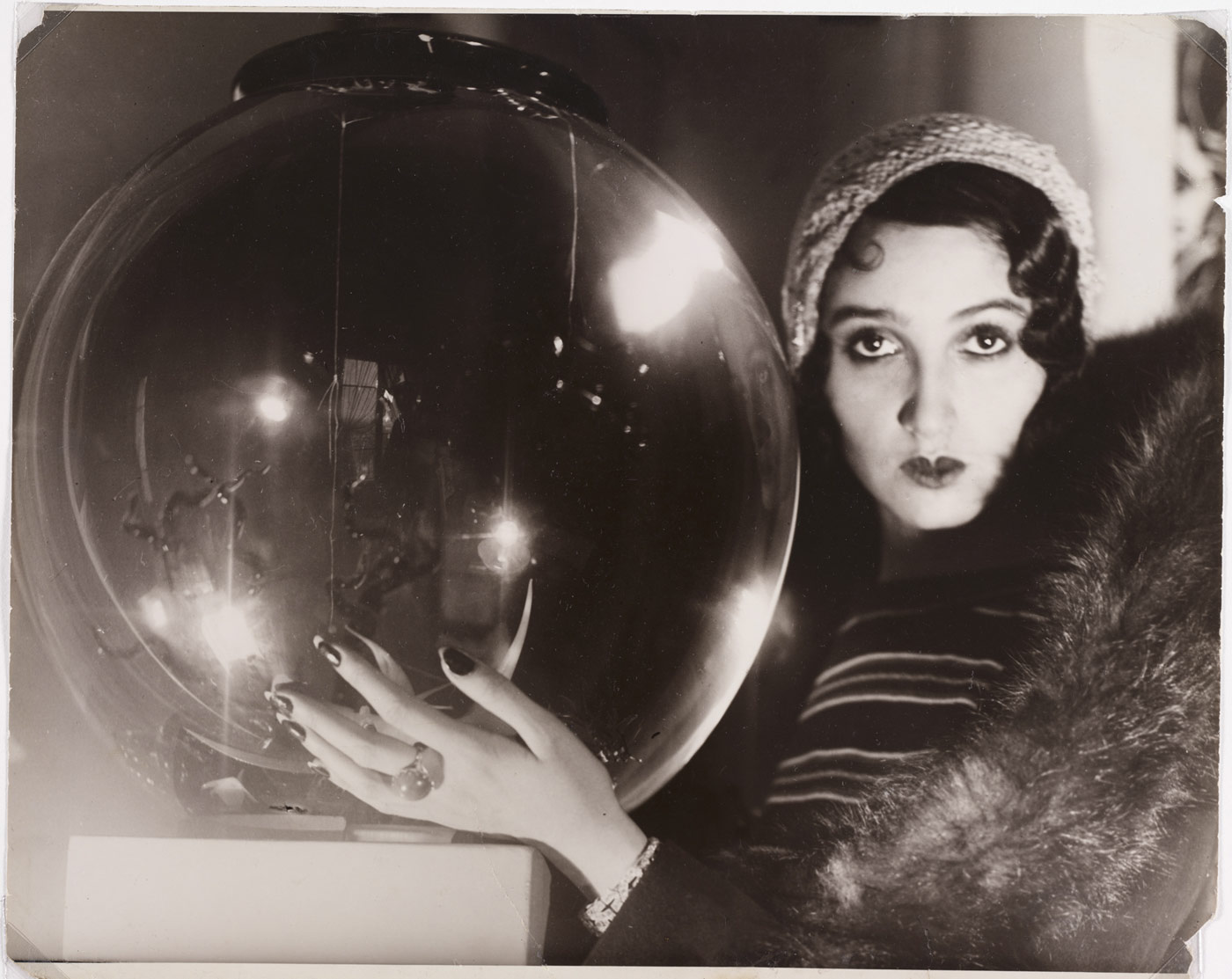
I loved putting the Florence Henri and the skull together. Too exhausted after a long day at work to say much else!
Marcus
Many thankx to Museum Bellerive for allowing me to publish the photographs in the posting. Please click on the photographs for a larger version of the image.
“I believe in the future resolution of these two states, dream and reality, which are seemingly so contradictory, into a kind of absolute reality, a surreality, if one may so speak.”
In 1930 Stern and Ellen Rosenberg Auerbach founded ringl+pit, a critically acclaimed, prize-winning Berlin based photography and design studio. They used equipment purchased from Peterhans and became well known for innovative work in advertising. The name ringl+pit is from their childhood nicknames (Ringl for Grete, Pit for Ellen).
Intermittently between April 1930 and March 1933, Stern continued her studies with Peterhans at the Bauhaus photography workshop in Dessau, where she met the Argentinian photographer Horacio Coppola. In 1933 the political climate of Nazi Germany led her to emigrate with her brother to England, where Stern set up a new studio, soon to resume her collaboration there with Auerbach.
Stern first traveled to Argentina in the company of her new husband, Horacio Coppola in 1935. The newlyweds mounted an exhibition in Buenos Aires at Sur magazine, which according to the magazine, was the first modern photography exhibition in Argentina. In 1958, she became a citizen of Argentina.
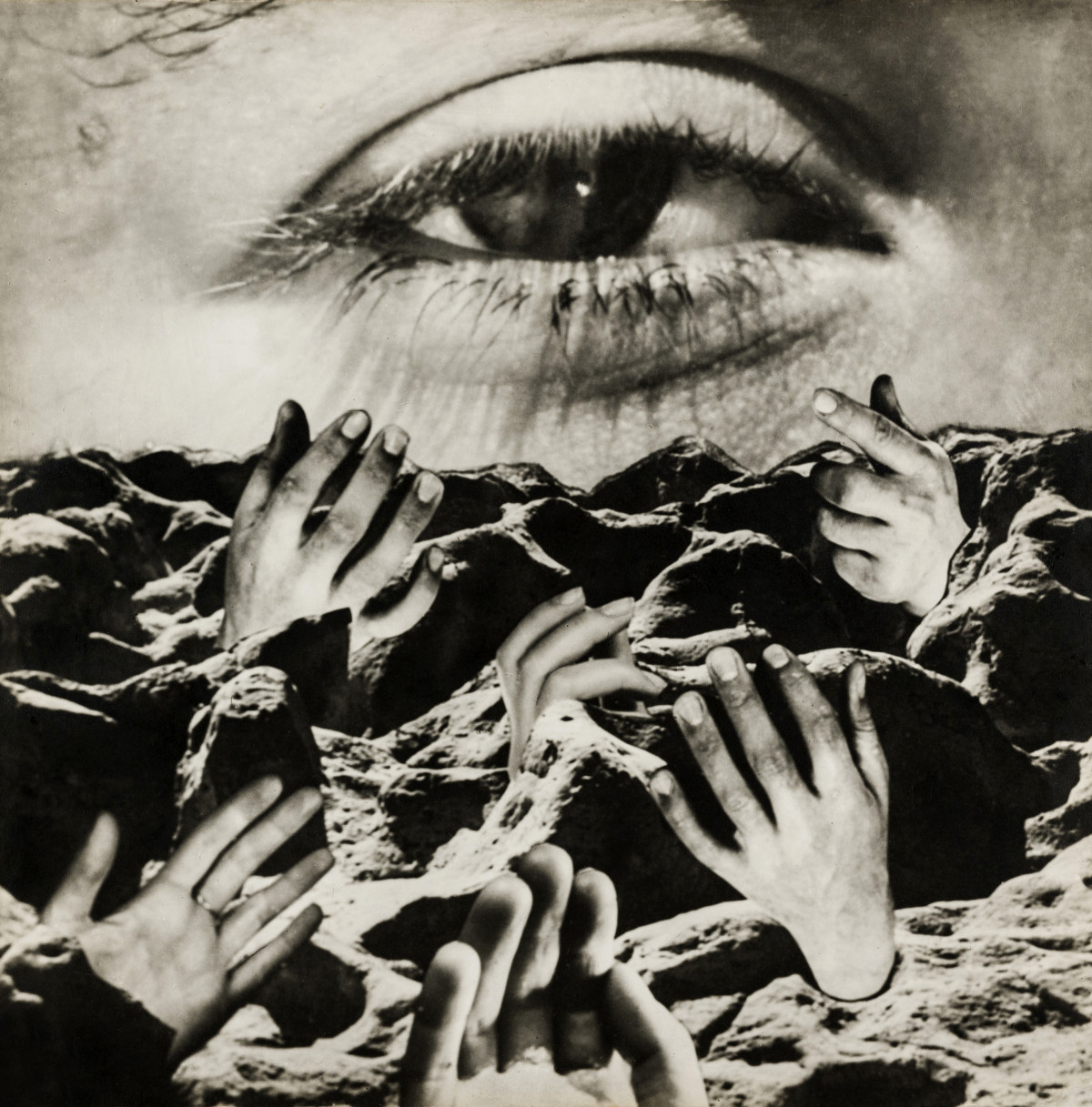
In 1948 Stern began working for Idilio, an illustrated women’s magazine, targeted specifically at lower / lower-middle class women. In the late 1940s and early 1950s, Stern created Los Sueños as illustrations for the woman’s magazine Idilio and its column “El psicoanálisis te ayudará” (Psychoanalysis Will Help You). Readers were encouraged to submit their dreams to be analysed by the ‘experts’ as an aid for its readers to find “self-knowledge and self-aid that would help them succeed in love, family and work”. Each week, one dream would be selected, analysed in depth by the expert, Richard Rest, and then illustrated by Stern through photomontage. Stern created about 150 of these photomontages, of which only 46 survive in negatives. Stern’s photomontages are surreal interpretations of the readers’ dreams that often subtly pushed back on the traditional values and concepts in Idilio magazine by inserting feminist critique of Argentinian gender roles and the psychoanalytic project in her images. The Idilio series has often been compared to Francisco Goya’s Sueños drawings, a series of preliminary drawings for his later body of work, Los Caprichos; they have also been directly compared to Los Caprichos themselves.
Stern provided photographs for the magazine and served for a stint as a photography teacher in Resistencia at the National University of the Northeast in 1959 and continued to teach until 1985.
In 1985, she retired from photography, but lived another 14 years until 1999, dying in Buenos Aires on 24 December at the age of 95.
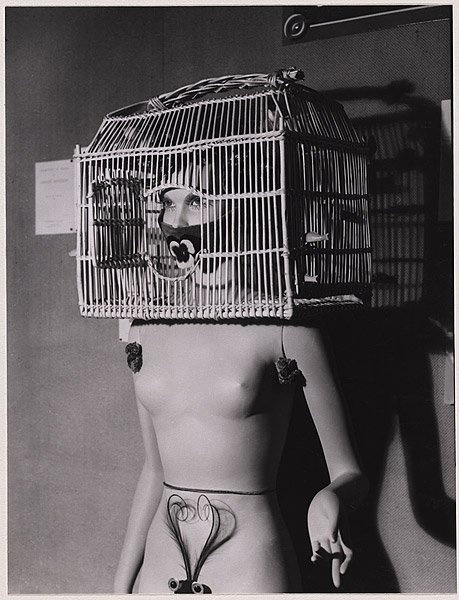
Avant-garde photographs seem like pictures from a dream world. From new kinds of compositions and perspectives to photomontage, technical experiments, and staged scenes, Real Surreal offers a chance to rediscover the range and multifacetedness of photography between the real and the surreal. The exhibition leads the visitor through the Neues Sehen (New Vision) movement in Germany, Surrealism in France, and the avant-garde in Prague. Thanks to rare original prints from renowned photographers between 1920 and 1950, this exhibition offers a chance to see these works in a new light. In addition to some 220 photographs, a selection of historical photography books and magazines as well as rare artists’ books allow visitors to immerse themselves in this new view of the world. Furthermore, examples of films attest to the fruitful exchanges between avant-garde photography and cinema during this time.
An exhibition in cooperation with the Kunstmuseum Wolfsburg
Artistic polymath Herbert Bayer was one of the Bauhaus’s most influential students, teachers, and proponents, advocating the integration of all arts throughout his career. Bayer began his studies as an architect in 1919 in Darmstadt. From 1921 to 1923 he attended the Bauhaus in Weimar, studying mural painting with Vasily Kandinsky and typography, creating the Universal alphabet, a typeface consisting of only lowercase letters that would become the signature font of the Bauhaus. Bayer returned to the Bauhaus from 1925 to 1928 (moving in 1926 to Dessau, its second location), working as a teacher of advertising, design, and typography, integrating photographs into graphic compositions.
He began making his own photographs in 1928, after leaving the Bauhaus; however, in his years as a teacher the school was a fertile ground for the New Vision photography passionately promoted by his close colleague László Moholy-Nagy, Moholy-Nagy’s students, and his Bauhaus publication Malerei, Photographie, Film (Painting, photography, film). Most of Bayer’s photographs come from the decade 1928-38, when he was based in Berlin working as a commercial artist. They represent his broad approach to art, including graphic views of architecture and carefully crafted montages.
In 1938 Bayer emigrated to the United States with an invitation from Alfred H. Barr, Jr., founding director of The Museum of Modern Art, to apply his theories of display to the installation of the exhibition Bauhaus: 1919-28 (1938) at MoMA. Bayer developed this role through close collaboration with Edward Steichen, head of the young Department of Photography, designing the show Road to Victory (1942), which would set the course for Steichen’s influential approach to photography exhibition. Bayer remained in America working as a graphic designer for the remainder of his career.
Introduction by Mitra Abbaspour, Associate Curator, Department of Photography, 2014 on the MoMA website [Online] Cited 01/10/2021.
Genia Rubin (actually Jewgeni Germanowitsch Rubin, 1906-2001) was a Russian fashion and portrait photographer and painter .
Rubin left Russia in 1927 and initially assisted the cameraman Karl Freund in Berlin. He then studied photography at AGFA IG Farben. In 1929 Rubin went to Paris, where he worked as a still photographer in the Pathé film studios and as a portrait photographer. In 1931 he returned to Berlin, met the photographer Rolf Mahrenholz and opened his own photo studio on Berlin’s splendid boulevard, the Kurfürstendamm. It was soon discovered and launched by Franz Wolfgang Koebner, editor-in-chief of the popular magazines Das Magazin and Elegante Welt. In 1935 Rubin moved back to Paris, where he met Harry Ossip Meerson; after his departure for America Meerrson took over his studio. During this time Rubin photographed fashion for “Femina”, Harper’s Bazaar and Australian “The Home”. After the war he met the English court photographer Baron (Stirling Henry Nahum); until 1956 he worked alternately as a “fashion guest photographer” in “Baron’s Studios” in London and as a Parisian photo correspondent for the Daily Express.
Rubin had started to paint in Paris at this time. Through his acquaintance with André Breton, for example, he came into contact with contemporary painting in Paris and was among other things. In 1947 he took part in the international surrealist exhibition at the Maeght Gallery .
In 1957 Rubin stopped photographing fashion and took pictures of parks, gardens, palaces and art objects in France, England and Italy for “Maison et Jardin” (“House and Garden”, Condé-Nast ). From 1959 he devoted himself again to modern painting, also as a collector.
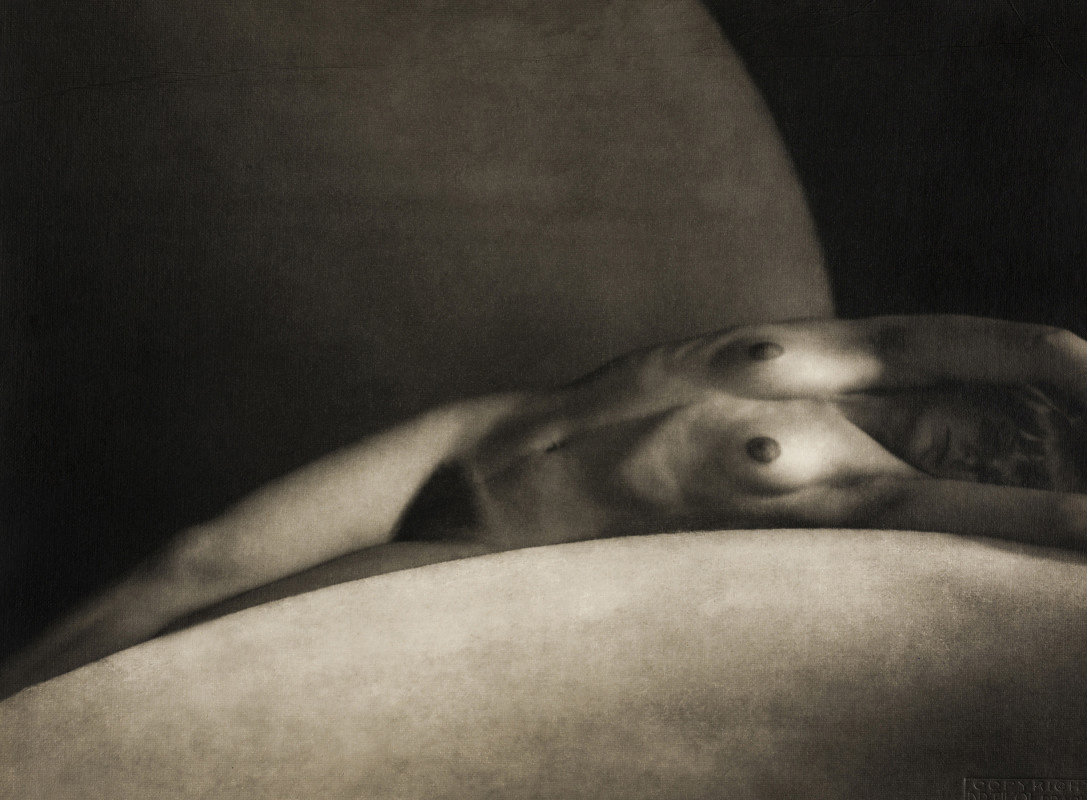
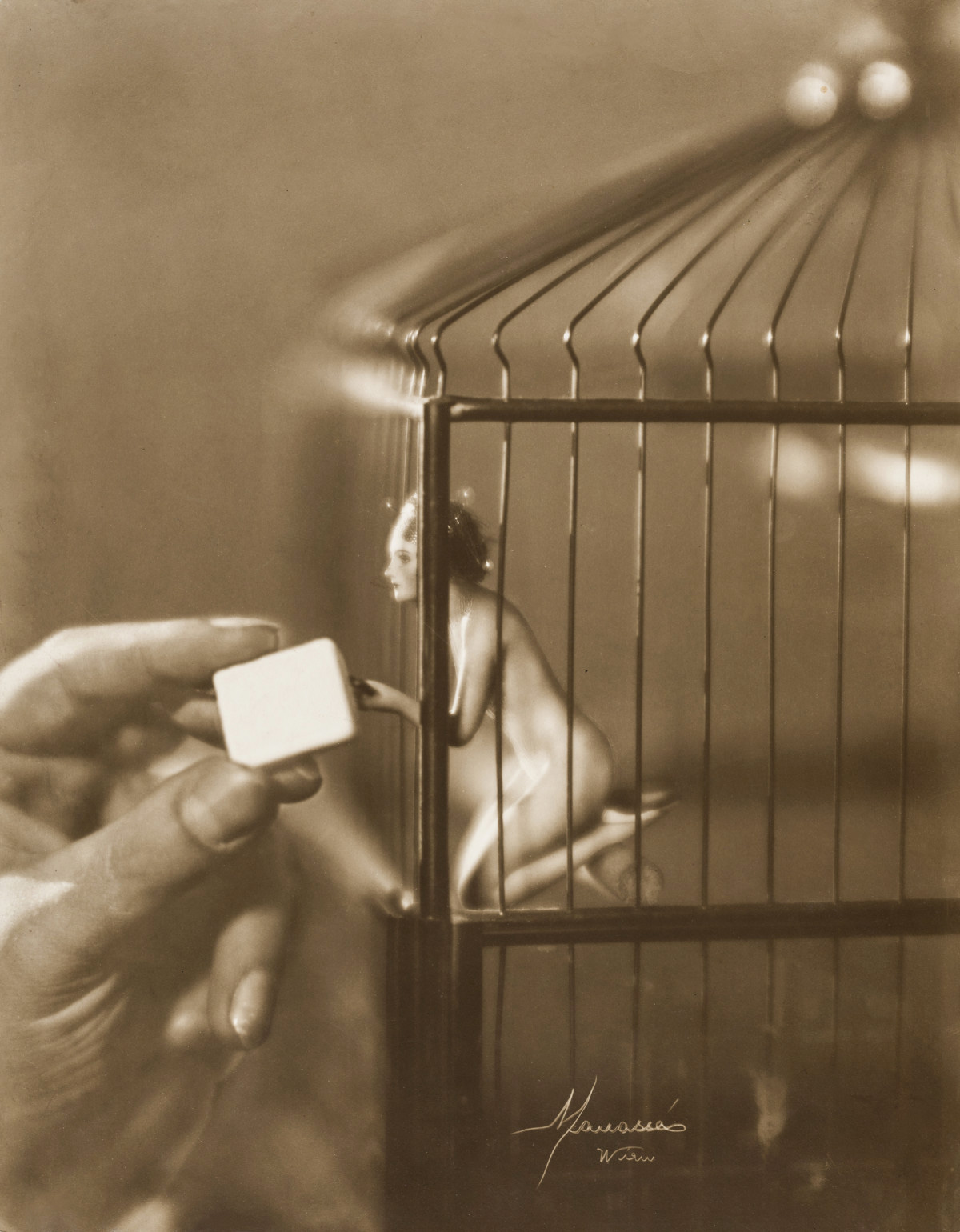
“… Olga Solarics (1896-1969) and her husband Adorjan von Wlassics (1893-1946) ran the Manasse’ Foto-Salon in Vienna from 1922-1938. Olga seems to have been the one interested in the photographic nude. She (or they) exhibited at the 1st International Salon of Nude Photography in Paris in 1933…”
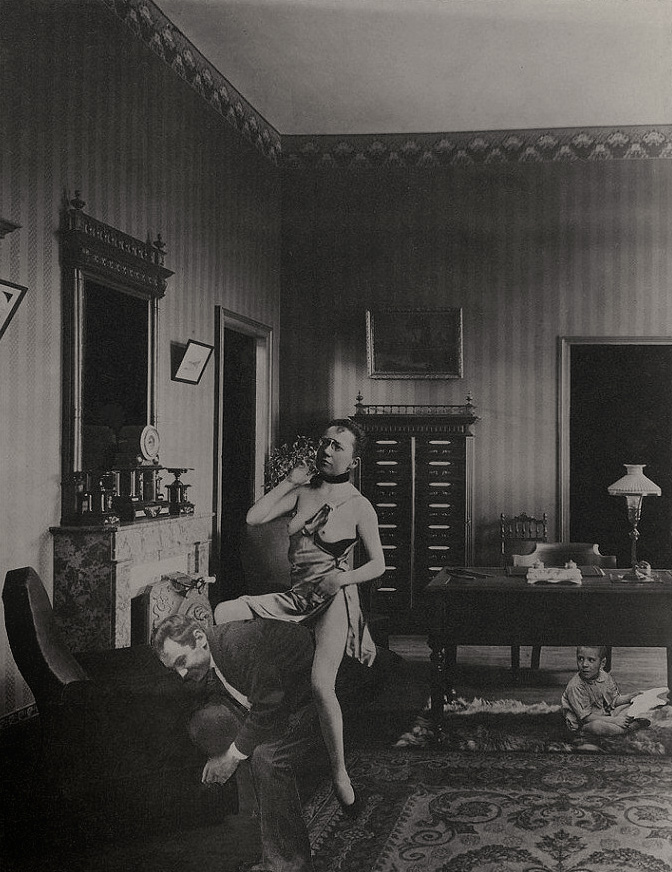
“… Studio Manasse, which flourished in the 1930s in Vienna, captured more than just portrait photography bursting with erotic charge; it immortalised the fluid state of beauty and the ‘new woman’: confident in her own sexuality as she struggled to redefine her position in the modern world. Each picture offers a conflict of concepts, as provocative poses are presented in such traditional roles that the cynicism intended renders them humorously absurd. Adorjan and Olga Wlassics, a husband-and-wife team, founded Studio Manasse in the early 1920s. The first Manasse illustrations appeared in magazines in 1924, a booming industry at the time, as the movie industry skyrocketed and publications aimed to satisfy a public obsessed with glimpses into the world of glamour. Attracting some of the leading ladies of the time from film, theatre, opera, and vaudeville, Studio Manasse created masterpieces, employing all the techniques of makeup, retouching, and overpainting to keep their subjects happy while upholding an uncompromised artistic vision. Moulded bodies were dreams with alabaster or marble-like skin; backgrounds were staged so that the photographer could control each environment. And as their art found a home, the Wlassics found themselves able to afford a style of life similar to those reflected in their photographs. Their clients ran the gamut, from the advertising agencies to private buyers. When the Wlassics opened a new studio in Berlin, their business in Vienna was managed more and more by associates, until 1937, when the firm’s name was sold to another photographer. Adorjan passed away just 10 years later; Olga remarried and died in 1969… “
Text from the Historical Ziegfeld Group website Nd [Online] Cited 20/06/2016, No longer available online
Co-curators: Joel Smith, the Morgan’s Richard L. Menschel Curator and Department Head of Photography, and Lisa Hostetler, Curator in Charge of Photography at the Eastman Museum
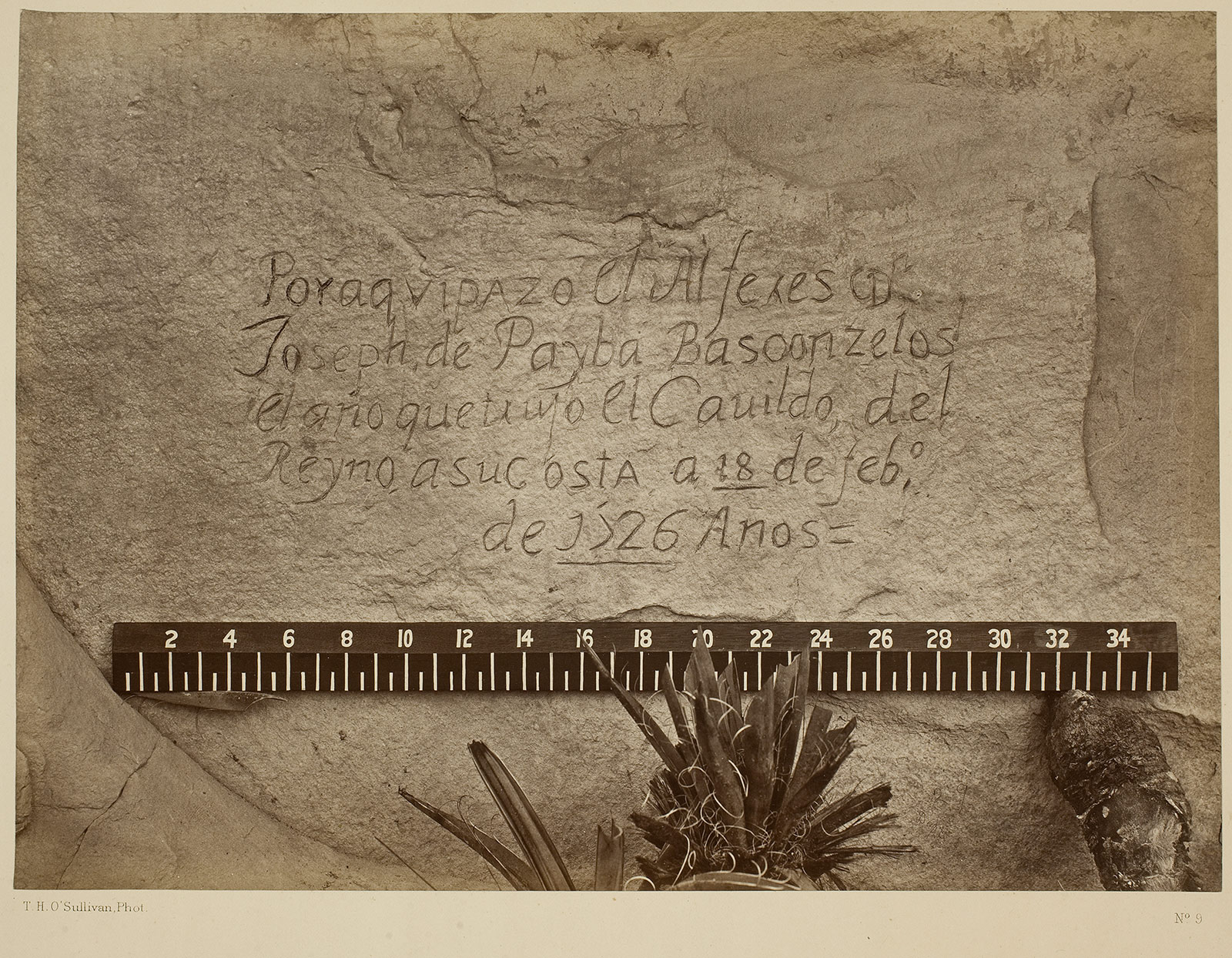
Timothy H. O’Sullivan (American born Ireland, 1840-1882) Historic Spanish Record of the Conquest, South Side of Inscription Rock 1873 From the album Geographical Explorations and Surveys West of the 100th Meridian Albumen silver print George Eastman Museum, purchase
In 1873 O’Sullivan joined Lieutenant George Wheeler’s Geographic Survey in New Mexico and Arizona. At El Morro, a sandstone promontory covered with ancient petroglyphs and historic-era inscriptions, the photographer singled out this handsomely lettered sentence to record and measure. It states: By this place passed Ensign Don Joseph de Payba Basconzelos, in the year in which he held the Council of the Kingdom at his expense, on the 18th of February, in the year 1726. Nearby, the rock record now bears another inscription that reads T. H. O’Sullivan.
This looks to be a fascinating exhibition. I wish I could see it.
While Sight Reading cuts across conventional historical and geographic divisions, with the exhibition being organised into nine “conversations” among diverse sets of works, we must always remember that these “themes” are not exclusory to each other. Photographs do cross nominally defined boundaries and themes (as defined by history and curators) so that they can become truly subversive works of art.
Photographs can form spaces called heterotopia, “a form of concept in human geography elaborated by philosopher Michel Foucault, to describe places and spaces that function in non-hegemonic conditions. These are spaces of otherness, which are neither here nor there, that are simultaneously physical and mental, such as the space of a phone call or the moment when you see yourself in the mirror… Foucault uses the term “heterotopia” (French: hétérotopie) to describe spaces that have more layers of meaning or relationships to other places than immediately meet the eye.”1
In photographs, there is always more than meets the eye. There is the association of the photograph to multiple places and spaces (the histories of that place and space); the imagination of the viewer and the memories they bring to any encounter with a photograph, which may change from time to time, from look to look, from viewing to viewing; and the transcendence of the photograph as it brings past time to present time as an intimation of future time. Past, present and future spacetime are conflated in the act of just looking, just being. Positioning this “‘annihilation of time and space’ as a particular moment in a dynamic cycle of rupture and recuperation enables a deliberate focus on the process of transition.”2 And that transition, Doreen Massey argues, ignores often-invisible contingencies that define spaces those relations that have an effect upon a space but are not visible within it.3
Photographs, then, form what Deleuze and Guattari call assemblages4, where the assemblage is “the processes by which various configurations of linked components function in an intersection with each other, a process that can be both productive and disruptive. Any such process involves a territorialization; there is a double movement where something accumulates meanings (re-territorialization), but does so co-extensively with a de-territorialization where the same thing is disinvested of meanings. The organization of a territory is characterized by such a double movement … An assemblage is an extension of this process, and can be thought of as constituted by an intensification of these processes around a particular site through a multiplicity of intersections of such territorializations.”5 In other words, when looking at a photograph by William Henry Fox Talbot or Timothy H. O’Sullivan today, the meaning and interpretation of the photograph could be completely different to the reading of this photograph in the era it was taken. The photograph is a site of both de-territorialization and re-territorialization – it both gains and looses meaning at one and the same time, depending on who is looking at it, from what time and from what point of view.
Photographs propose that there are many heterotopias in the world, many transitions and intersections, many meanings lost and found, not only as spaces with several places of/for the affirmation of difference, but also as a means of escape from authoritarianism and repression. We must remember these ideas as we looking at the photographs in this exhibition.
2/ McQuire, Scott. The Media City. London: Sage Publications, 2008, p. 14.
3/ Massey, Doreen. Space, Place and Gender. Cambridge: Polity Press, 1994, p. 5 in Wood, Aylish. “Fresh Kill: Information technologies as sites of resistance,” in Munt, Sally (ed.,). Technospaces: Inside the New Media. London: Continuum, 2001, pp. 163-164.
4/ Deleuze, Gilles and Guattari, Felix. A Thousand Plateaus: Capitalism and Schizophrenia. Minneapolisand London: University of Minneapolis Press, 1987.
5/ Wood, Aylish. “Fresh Kill: Information technologies as sites of resistance,” in Munt, Sally (ed.,). Technospaces: Inside the New Media. London: Continuum, 2001, p.166
Many thankx to the Morgan Library & Museum for allowing me to publish the text and photographs in the posting. Please click on the photographs for a larger version of the image.
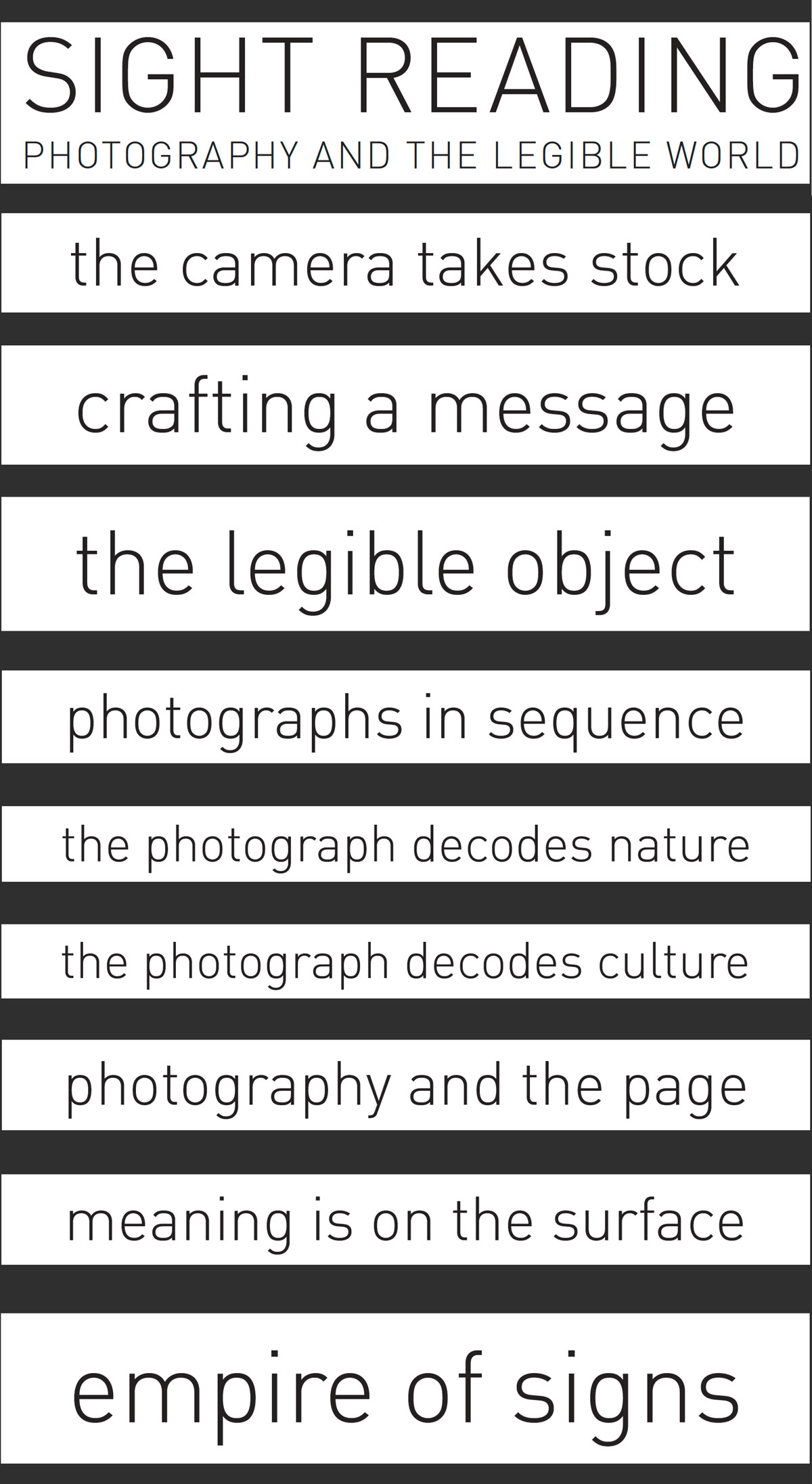
Sight Reading: Photography and the Legible World exhibition sections
As its name declares, photography is a means of writing with light. Photographs both show and tell, and they speak an extraordinary range of dialects.
Beginning February 19 the Morgan Library & Museum explores the history of the medium as a lucid, literate – but not always literal – tool of persuasion in a new exhibition, Sight Reading: Photography and the Legible World. A collaboration with the George Eastman Museum of Film and Photography, the show features more than eighty works from the 1840s to the present and reveals the many ways the camera can transmit not only the outward appearance of its subject but also narratives, arguments, and ideas. The show is on view through May 30.
Over the past 175 years, photography has been adopted by, and adapted to, countless fields of endeavour, from art to zoology and from fashion to warfare. Sight Reading features a broad range of material – pioneering x-rays and aerial views, artefacts of early photojournalism, and recent examples of conceptual art – organised into groupings that accentuate the variety and suppleness of photography as a procedure. In 1936, artist László Moholy-Nagy (1895-1946) defined “the illiterate of the future” as someone “ignorant of the use of the camera as well as the pen.” The JPEG and the “Send” button were decades away, but Moholy-Nagy was not the first observer to argue that photography belonged to the arts of commentary and persuasion. As the modes and motives of camera imagery have multiplied, viewers have continually learned new ways to read the information, and assess the argument, embodied in a photograph.
“Traditional narratives can be found throughout the Morgan’s collections, especially in its literary holdings,” said Colin B. Bailey, director of the Morgan. “Sight Reading encourages us to use a critical eye to read and discover the stories that unfold through the camera lens and photography, a distinctly modern, visual language. We are thrilled to collaborate with the Eastman Museum, and together unravel a rich narrative, which exemplifies photography’s deep involvement in the stories of modern art, science, and the printed page.”
The exhibition
Sight Reading cuts across conventional historical and geographic divisions. Featuring work by William Henry Fox Talbot (1800-1877), Eadweard Muybridge (1830-1904), John Heartfield (1891-1968), Lewis Hine (1874-1940), Harold Edgerton (1903-1990), John Baldessari (1931-2020), Sophie Calle (b. 1953), and Bernd and Hilla Becher (1931-2007; 1934-2015), among many others, the exhibition is organised into nine “conversations” among diverse sets of works.
I. The Camera Takes Stock
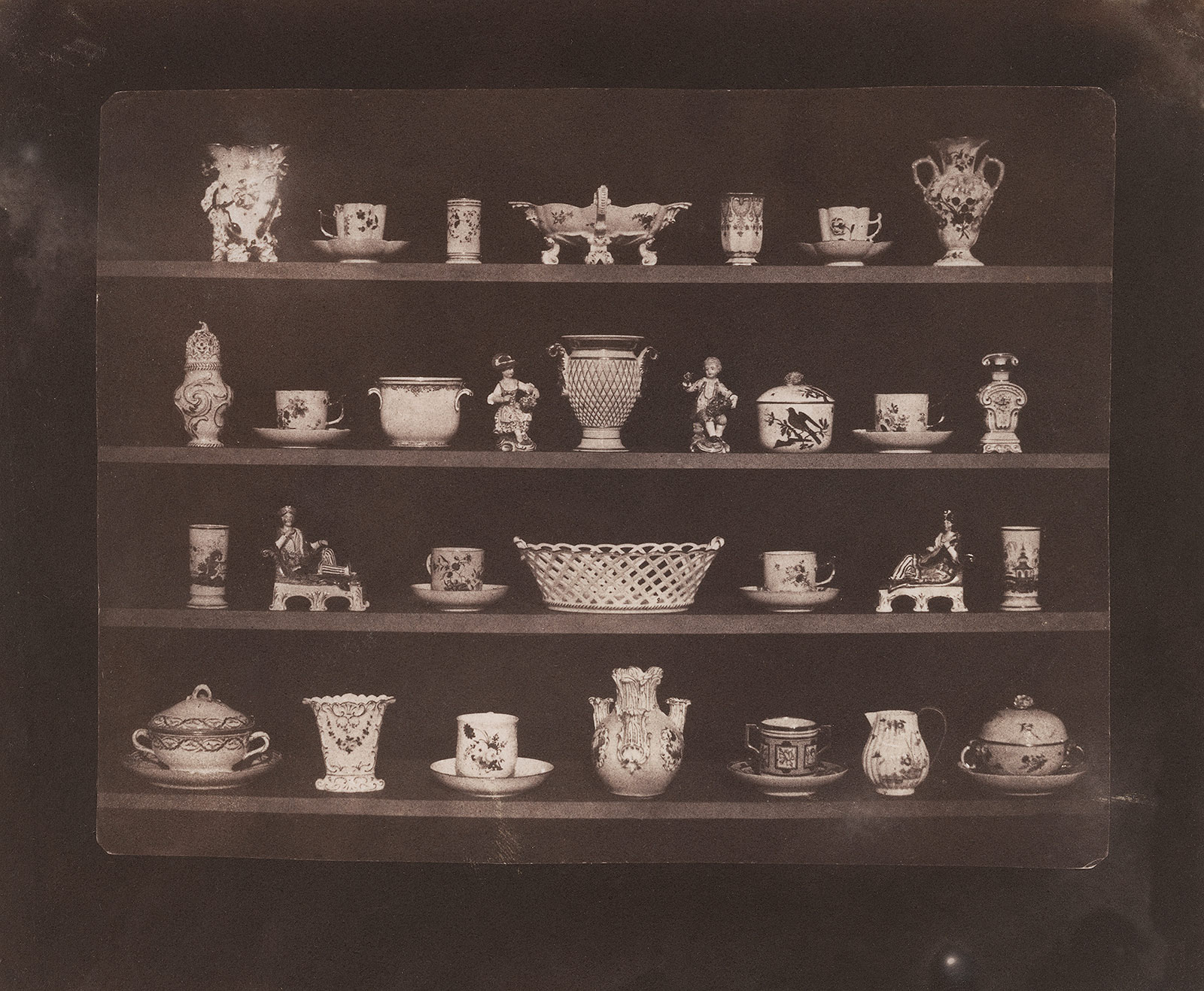
Photography’s practical functions include recording inventory, capturing data imperceptible to the human eye, and documenting historical events. In the first photographically illustrated publication, The Pencil of Nature (1845), William Henry Fox Talbot used his image Articles of China to demonstrate that “the whole cabinet of a … collector … might be depicted on paper in little more time than it would take him to make a written inventory describing it in the usual way.” Should the photographed collection suffer damage or theft, Talbot speculated, “the mute testimony of the picture … would certainly be evidence of a novel kind” before the law.
A century later, Harold Edgerton, an electrical engineer at the Massachusetts Institute of Technology, used the pulsing light of a stroboscope to record states of matter too fleeting for the naked eye. Gun Toss, an undated image of a spinning pistol, is not a multiple exposure: the camera shutter opened and closed just once. But during that fraction of a second, seven bright flashes of light committed to film a seven-episode history of the gun’s trajectory through space.
William Henry Fox Talbot (British, 1800-1877) Articles of China c. 1843, printed c. 1845 Salted paper print from calotype negative Collection of Richard and Ronay Menschel
In The Pencil of Nature (1845), the first photographically illustrated publication, Talbot used Articles of China to demonstrate that “the whole cabinet of a … collector … might be depicted on paper in little more time than it would take him to make a written inventory describing it in the usual way.” Should the collection suffer damage or theft, Talbot added, “the mute testimony of the picture … would certainly be evidence of a novel kind” before the law.
Harold Edgerton (American, 1903-1990) Gun Toss 1936-1950 Gelatin silver print Collection of Richard and Ronay Menschel
Edgerton, an electrical engineer, used the rapidly pulsing light of a stroboscope to record states of matter too fleeting to be perceived by the naked eye. This image of a spinning pistol is not a multiple exposure: the camera shutter opened and closed just once. But during that fraction of a second, seven bright flashes of light committed to film a seven-episode history of the gun’s trajectory through space.
John Pfahl (American, 1939-2020) Wave Theory I-V, Puna Coast, Hawaii, March 1978 1978 From the series Altered Landscapes Chromogenic development (Ektacolor) process prints, 1993 George Eastman Museum, purchase
In this sequence, Pfahl twisted the conventions of photographic narrative into a perceptual puzzle. The numbered views appear to chronicle a single event: a wave breaking on the shore. Close inspection, however, reveals that the numeric caption in each scene is made of string laid on the rock in the foreground. The exposures, then, must have been made over a span of at least several minutes, not seconds – and in what order, one cannot say.
II. Crafting A Message
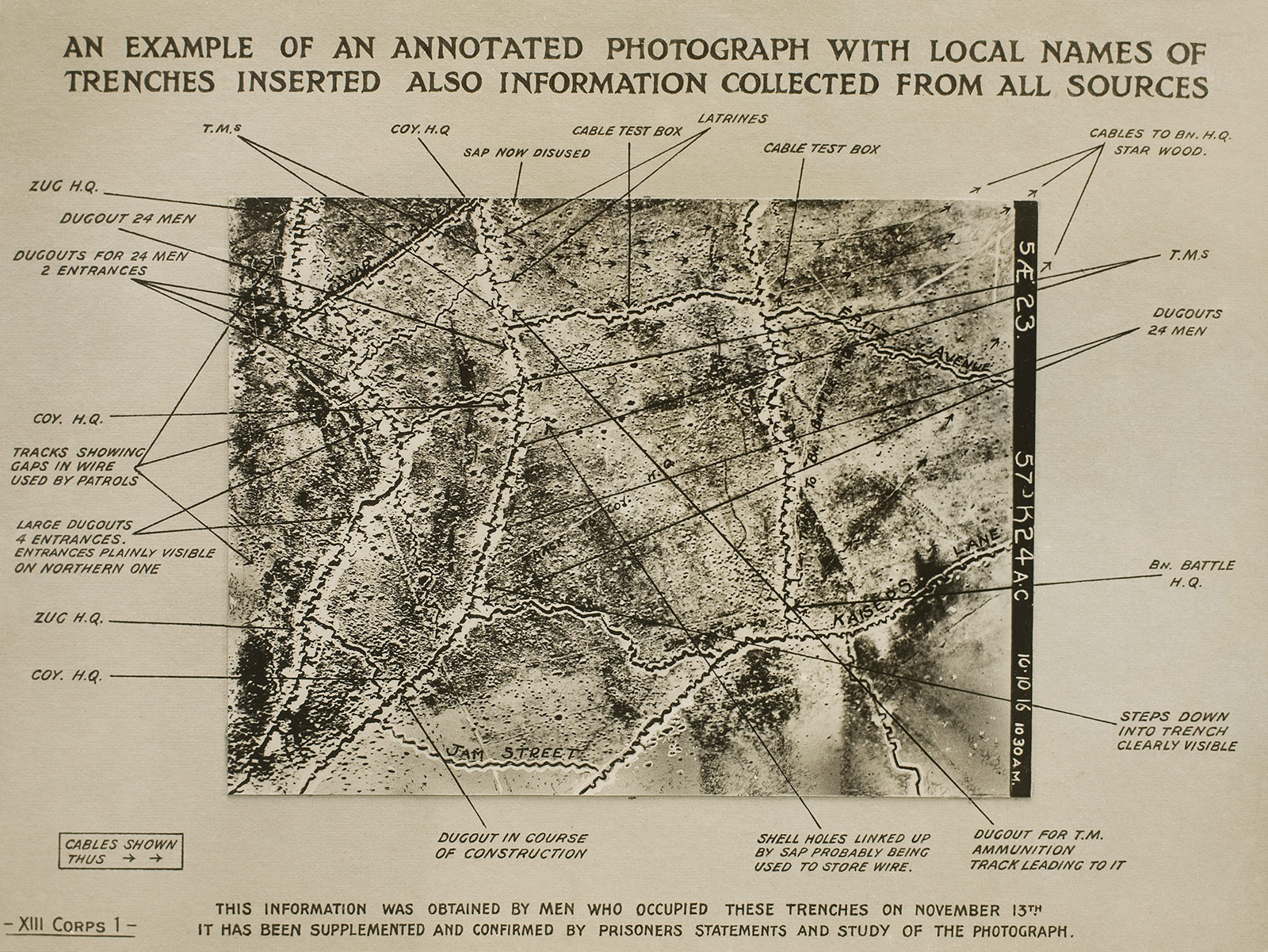
The camera is widely understood to be “truthful,” but what photographs “say” is a product of many procedures that follow the moment of exposure, including page layout, captioning, and cropping of the image. During World War I, military personnel learned to interpret the strange, abstract looking images of enemy territory made from airplanes. Their specialised training fundamentally altered the nature of wartime reconnaissance, even as the unusual perspective unique to aerial photography introduced a new dialect into the expanding corpus of modern visual language. An Example of an Annotated Photograph with Local Names of Trenches Inserted (1916), on view in the exhibition, shows that the tools of ground strategy soon included artificial bunkers and trenches, designed purely to fool eyes in the sky.
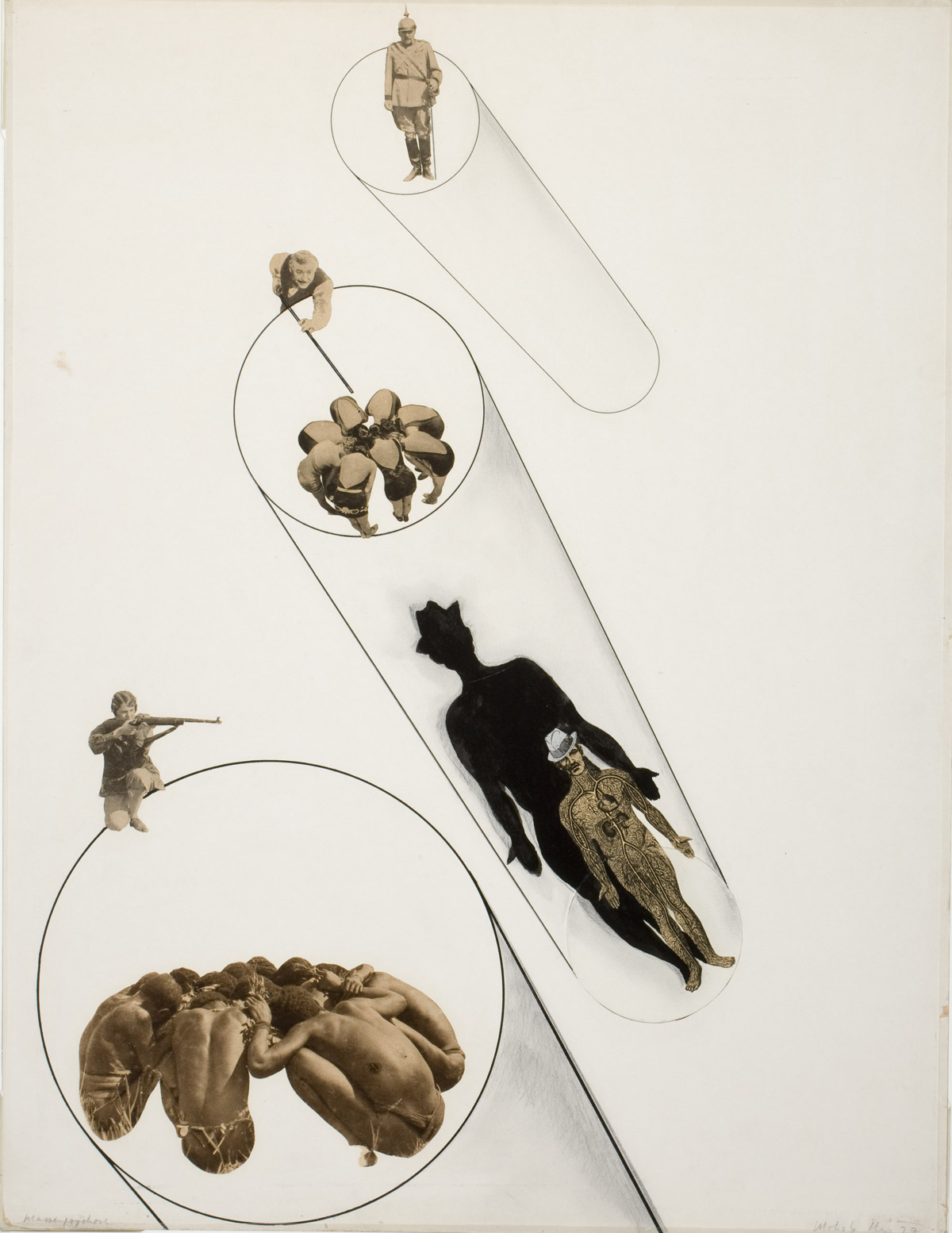
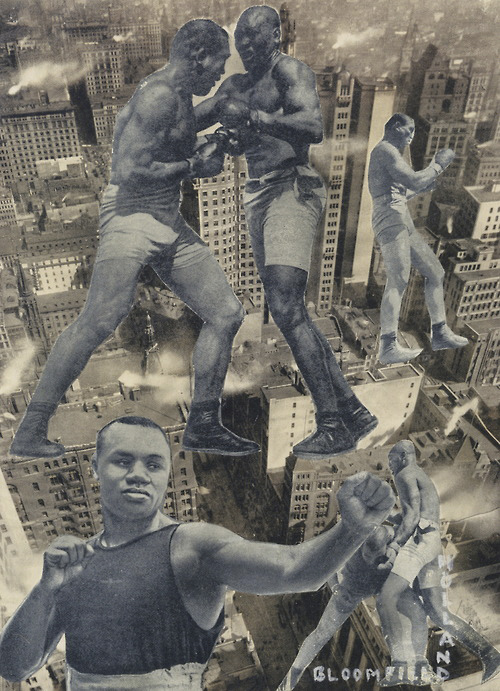
In László Moholy-Nagy’s photocollages of the late 1920s, figures cut out of the plates in mass market magazines appear in new configurations to convey messages of the artist’s devising. Images such as Massenpsychose (Mass Psychosis) (1927) propose a new kind of visual literacy for the machine age. To contemporary eyes, Moholy’s collages seem to foreshadow cut-and-paste strategies that would later characterise the visual culture of cyberspace.
László Moholy-Nagy (American born Hungary, 1895-1946) Massenpsychose (Mass Psychosis) 1927 Collage, pencil, and ink George Eastman Museum, Purchased with funds provided by Eastman Kodak Company
To make his photocollages of the late 1920s, Moholy-Nagy cut figures out of photographs and photomechanical reproductions and arranged them into new configurations that convey messages of his own devising. By extracting the images from their original context and placing them into relationships defined by drawn shapes and volumes, he suggested a new visual literacy for the modern world. In this world – one in which images course through mass culture at a psychotic pace – a two-dimensional anatomical drawing acquires sufficient volume to cast a man’s shadow and a circle of bathing beauties cues up for a pool sharp. To contemporary eyes, the language of Moholy-Nagy’s photo collages seems to foreshadow strategies common to the visual culture of cyberspace.
Unidentified maker An Example of an Annotated Photograph with Local Names of Trenches Inserted c. 1916 Gelatin silver print George Eastman Museum
During World War I, aerial photography progressed from a promising technological experiment to a crucial strategic operation. As advances in optics and engineering improved the capabilities of cameras and aircraft, military personnel learned to identify topographic features and man-made structures in the images recorded from above. Such training fundamentally altered the significance and practice of wartime reconnaissance. At the same time, the unusual perspective unique to aerial photography introduced a new dialect into the expanding corpus of modern visual language.
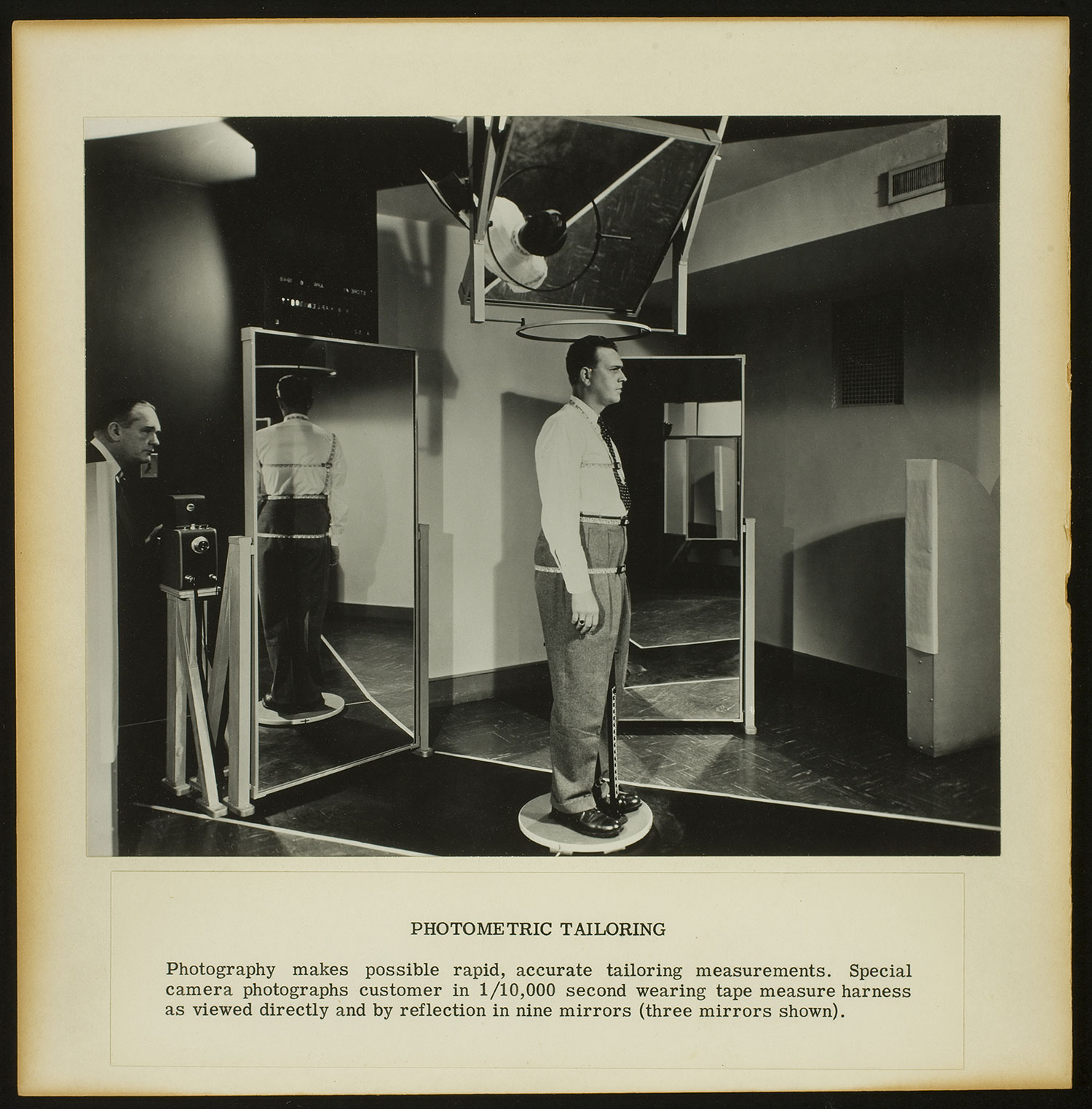
PhotoMetric Corporation, 1942-1974 PhotoMetric Tailoring c. 1942-1948 Gelatin silver prints George Eastman Museum
In an effort to streamline the field of custom tailoring, textile entrepreneur Henry Booth devised a method for obtaining measurements by photographing customers with a special camera and angled mirrors. The system was said to be foolproof, making it possible for any sales clerk to operate it. The resulting slides were sent to the manufacturer along with the customer’s order. A tailor translated the images into physical measurements using a geometric calculator, and the company mailed the finished garment to the customer.
III. Photographs in Sequence
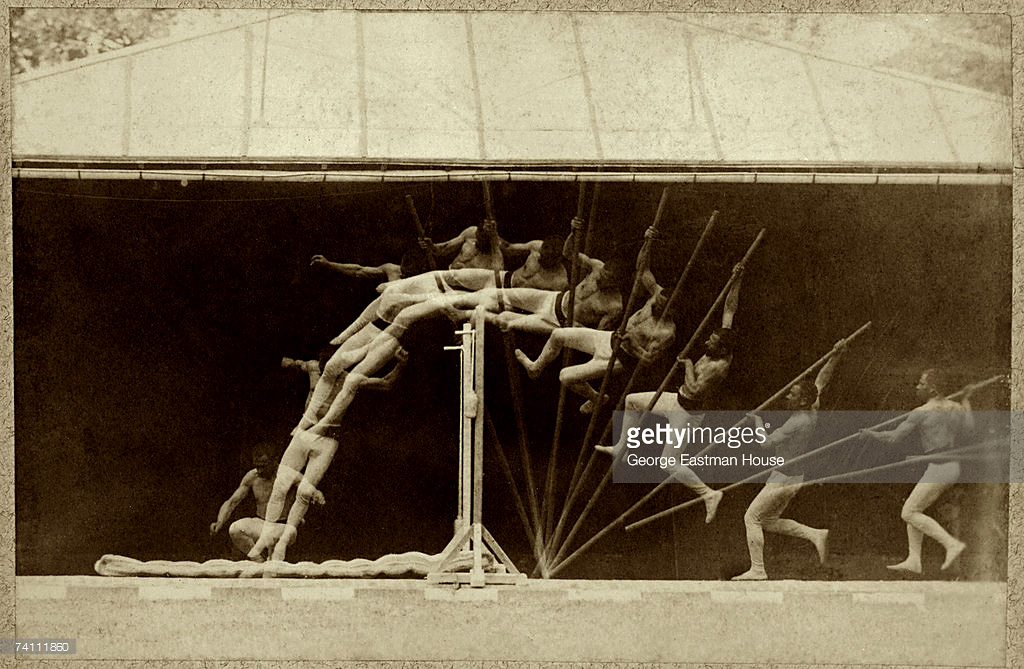
Photography’s debut in the late 1830s happened to coincide with the birth of the modern comic strip. Ultimately the narrative photo sequence would lead to the innovations that gave rise to cinema, another form of storytelling altogether. Exact contemporaries of one another, Eadweard J. Muybridge in the United States and Étienne-Jules Marey (1830-1904) in France both employed cameras to dissect human movement. Muybridge used a bank of cameras positioned to record a subject as it moved, tripping wires attached to the shutters. The result was a sequence of “stop-action” photographs that isolated gestures not otherwise visible in real time. Beginning in 1882, Marey pursued motion studies with a markedly different approach. In the works for which he is best known, he exposed one photographic plate multiple times at fixed intervals, recording the arc of movement in a single image.
Étienne Jules Marey (French, 1830-1904) Chronophotographic study of man pole vaulting c. 1890 Albumen silver print George Eastman Museum, Exchange with Narodni Technical Museum
Exact contemporaries, Muybridge and Marey (the former in the United States, the latter in France) both employed cameras to dissect human movement. Muybridge used a bank of cameras positioned and timed to record a subject as it moved, tripping wires attached to the shutters. The result was a sequence of “stop-action” photographs that isolated gestures not otherwise visible in real time. Beginning in 1882, Marey took a markedly different approach. In the works for which he is best known – such as the image of the man pole-vaulting – he exposed a single photographic plate multiple times at fixed intervals, recording the arc of movement in a single image. In Marey’s chronophotograph of a man on a horse, the action reads from bottom to top. The convention of arranging sequential photographic images from left to right and top to bottom, on the model of written elements on a page, was not yet firmly established.
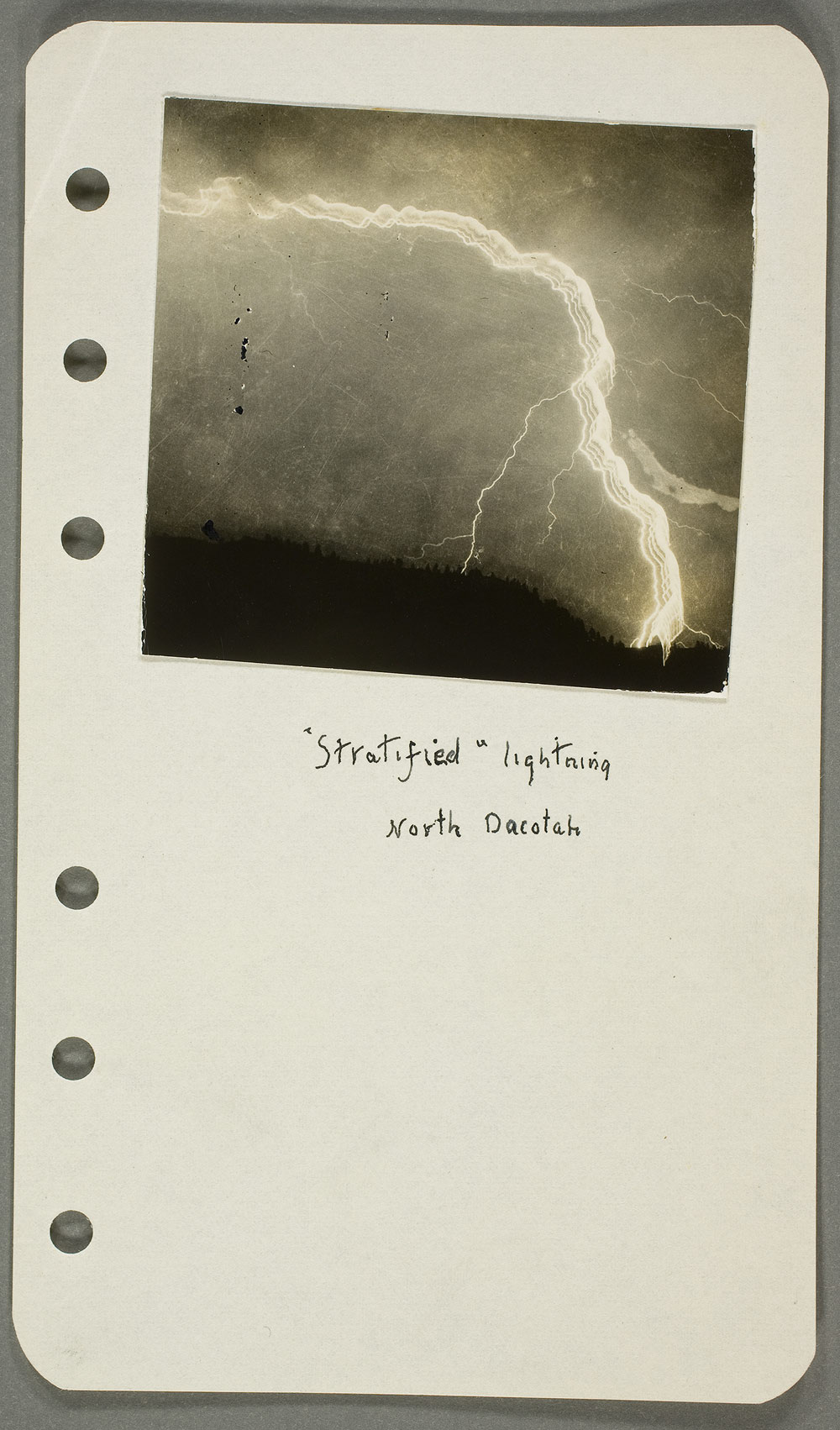
William N. Jennings (American, b. England, 1860-1946) Notebook pages with photographs of lightning c. 1887 Gelatin silver prints mounted onto bound notepad paper George Eastman Museum, Gift of 3M Foundation; Ex-collection of Louis Walton Sipley
With his first successful photograph of a lightning bolt on 2 September 1882, Jennings dispelled the then widely held belief – especially among those in the graphic arts – that lightning traveled toward the earth in a regular zigzag pattern. Instead, his images revealed that lightning not only assumed an astonishing variety of forms but that it never took the shape that had come to define it in art.
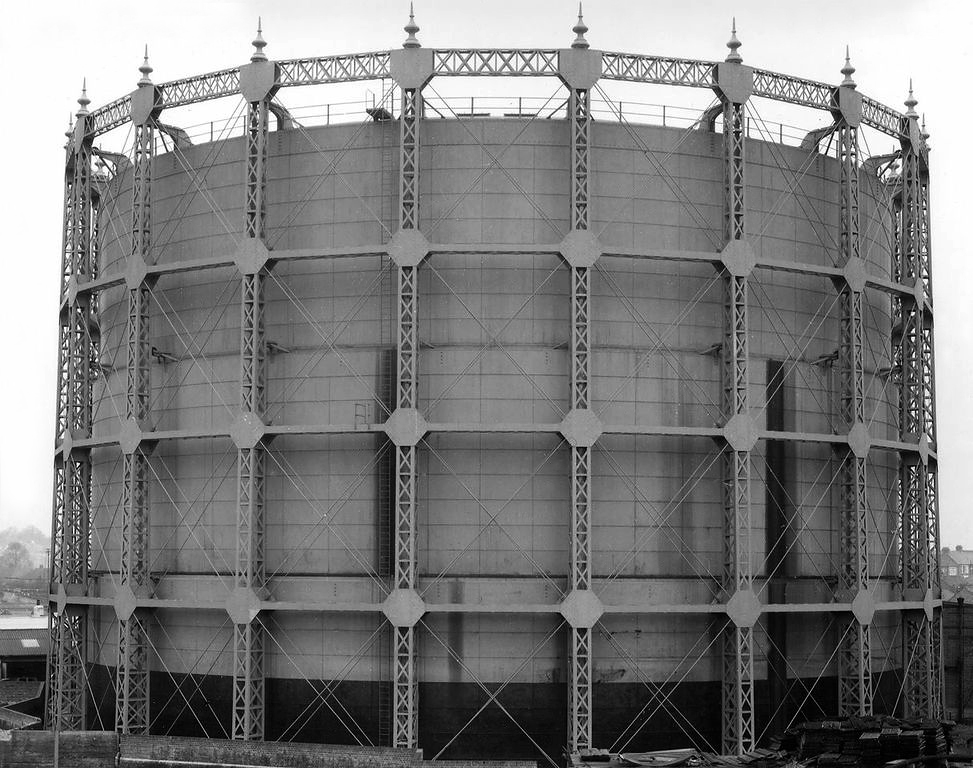
Bernd Becher (German, 1931-2007) Hilla Becher (German, 1934-2015) Industriebauten 1968 Gelatin silver prints in presentation box George Eastman Museum, Purchase
The photographs in this portfolio were made only a few years into what would become the Bechers’ decades-long project of systematically documenting industrial architecture in Europe and the United States. The straightforward and rigidly consistent style of their work facilitates side-by-side comparison, revealing the singularity of structures that are typically understood to be generic.
IV. The Legible Object
Some photographs speak for themselves; others function as the amplifier for objects that can literally be read through the image. In her series Sorted Books, American artist Nina Katchadourian (b. 1968) composes statements by combining the titles of books drawn from the shelves of libraries and collections. Indian History for Young Folks, 2012, shows three books from the turn of the twentieth century that she found in the Delaware Art Museum’s M.G. Sawyer Collection of Decorative Bindings. The viewer’s eye silently provides punctuation: “Indian history for young folks: Our village; your national parks.” Though at first glance it appears merely to arrange words into legible order, Katchadourian’s oblique statement – half verbal, half visual – would be incomplete if divorced from the physical apparatus of the books themselves.
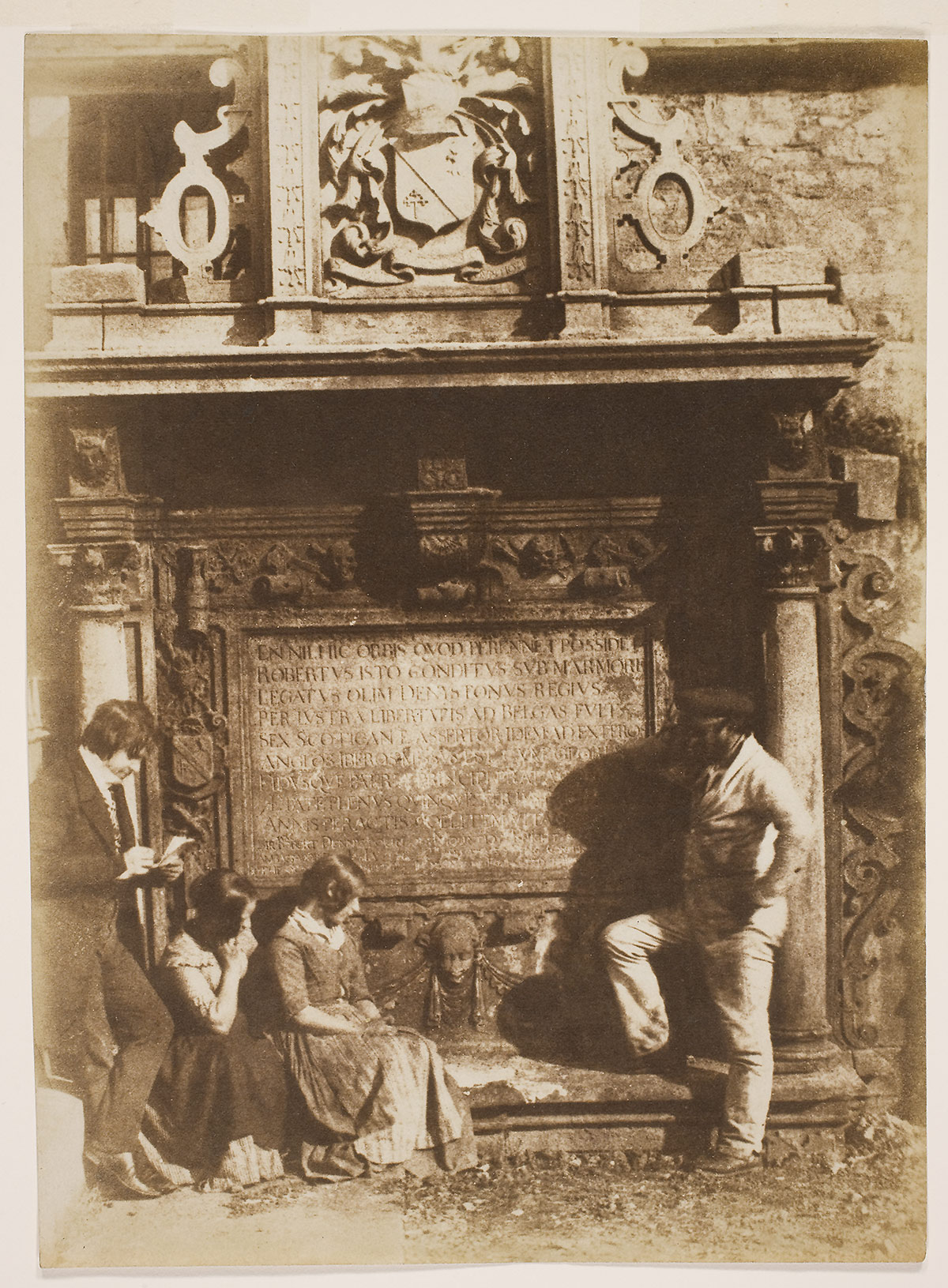
David Octavius Hill (Scottish, 1802-1870) Robert Adamson (Scottish, 1821-1848) The Artist and the Gravedigger (Denistoun Monument, Greyfriars Churchyard, Edinburgh) c. 1845 Salted paper print from calotype negative George Eastman Museum, Gift of Alvin Langdon Coburn
Hill, his two nieces, and an unidentified man pose for the camera at the tomb of Robert Denistoun, a seventeenth-century Scottish ambassador. Contemplative poses helped the sitters hold still during the long exposure, even while turning them into sculptural extensions of the monument. Hill puts pen to paper, perhaps playing the part of a graveyard poet pondering mortality. Above him, the monument’s Latin inscription begins: “Behold, the world possesses nothing permanent!”
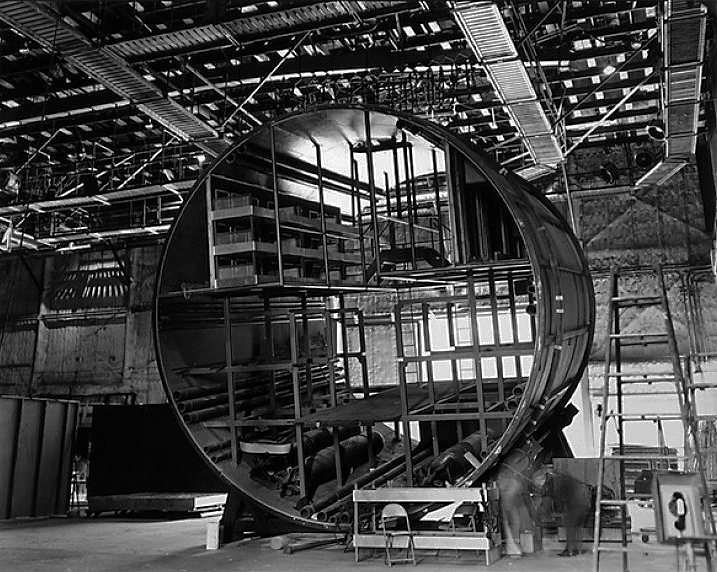
Robert Cumming (American, 1943-2021) Submarine cross-section; feature film, “Gray Lady Down” – Stage #12, March 14, 1977 1977 Inkjet print George Eastman Museum, Gift of Nash Editions
In the Studio Still Lifes he photographed on the backlots of Universal Studios, Cumming sought to portray the mechanisms behind cinema vision “in their real as opposed to their screen contexts.” Admiring yet subversive, his documents use strategies native to the still camera – distance, point of view, and clear-eyed testimony – to translate Hollywood’s familiar illusions into worksites where “marble is plywood, stone is rubber, … rooms seldom have ceilings, and when the sun shines indoors, it casts a dozen shadows.”
Nina Katchadourian (American, b. 1968) Indian History for Young Folks 2012 From Once Upon a Time in Delaware / In Quest of the Perfect Book Chromogenic print The Morgan Library & Museum, Purchase, Photography Collectors Committee
In her ongoing series Sorted Books, Katchadourian composes statements by combining the titles of books from a given library – in this case, the M. G. Sawyer Collection of Decorative Bindings at the Delaware Art Museum. Though her compositions are driven by the need to arrange words in a legible order, Katchadourian’s oblique jokes, poems, and koans would be incomplete if divorced from the cultural information conveyed by the physical books themselves.
V. The Photograph Decodes Nature
As early as 1840, one year after photography’s invention was announced, scientists sought to deploy it in their analysis of the physical world. Combining the camera with the microscope, microphotographs recorded biological minutiae, leading to discoveries that would have been difficult, if not impossible, to obtain by observing subjects in real time. Similarly, the development of X-ray technology in 1895 allowed scientists to see and understand living anatomy to an unprecedented degree. Such innovations not only expanded the boundaries of the visible world but also introduced graphic concepts that would have a profound impact on visual culture. In other ways, too, nature has been transformed in human understanding through the interpretive filter of the lens, as seen in Sight Reading in the telescopic moon views of astronomers Maurice Loewy (1833-1907) and Pierre Henri Puiseux (1855-1928) and in the spellbinding aerial abstractions of William Garnett (1916-2006).
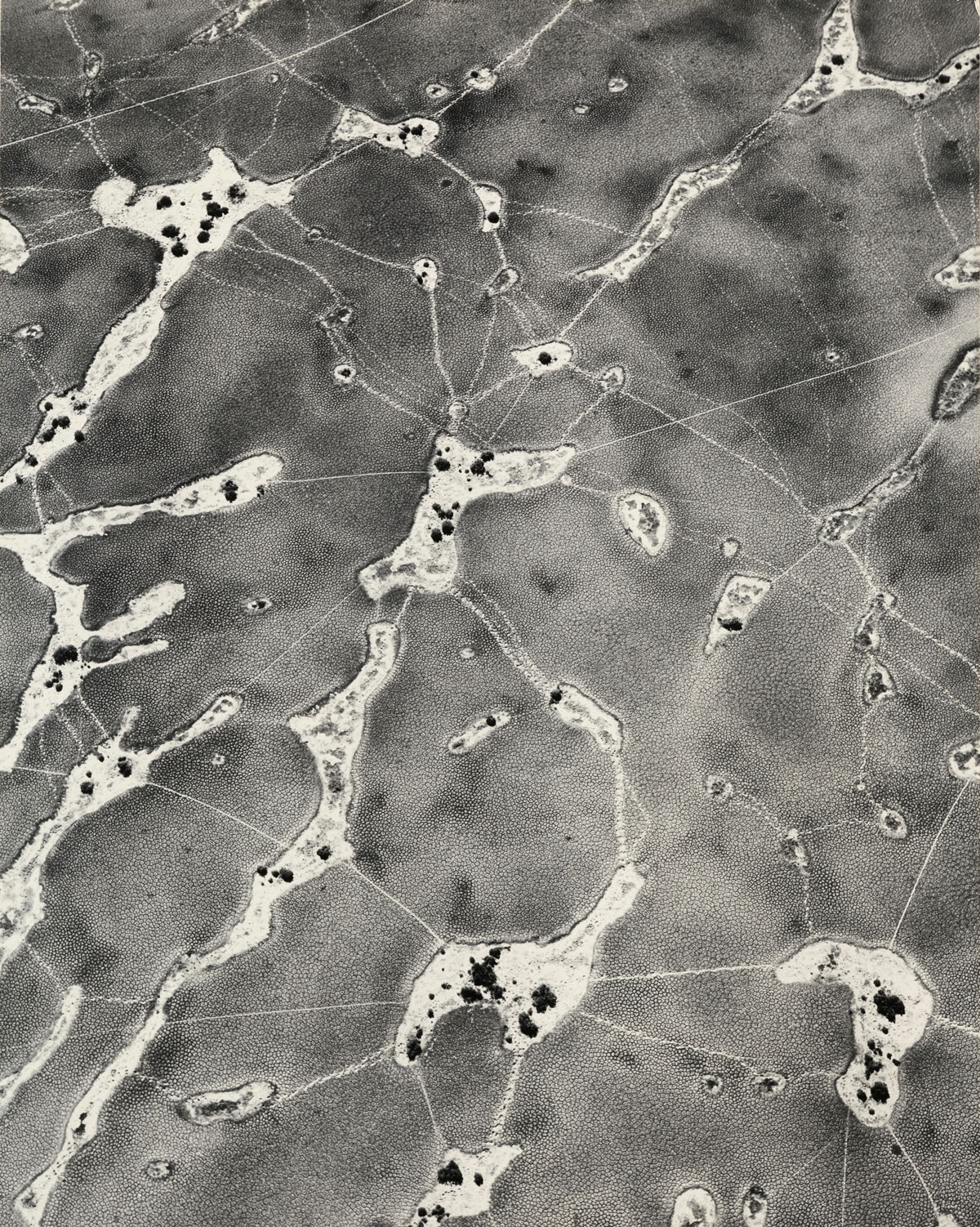
William Garnett (American, 1916-2006) Animal Tracks on Dry Lake 1955 Gelatin silver print The Morgan Library & Museum, Purchased on the Charina Endowment Fund
After making films for the U.S. Signal Corps during World War II, Garnett used GI-Bill funding to earn a pilot’s license. By the early 1950s, he had the field of artistic aerial landscape virtually to himself. This print, showing the ephemeral traces of wildlife movement on a dry lake bed, appeared in Diogenes with a Camera IV (1956), one in a series of exhibitions at the Museum of Modern Art that highlighted the great variety of ways in which artists used photography to invent new forms of visual truth.
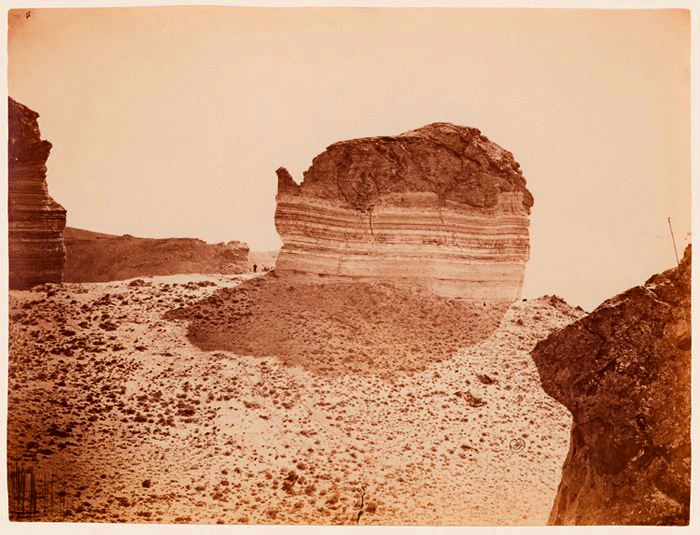
William Henry Jackson (American, 1843-1942) “Tea Pot” Rock 1870 Albumen silver print George Eastman Museum, Purchase
Jackson made this photograph as a member of the survey team formed by Ferdinand V. Hayden to explore and document the territory now known as Yellowstone National Park. Hayden’s primary goal was to gather information about the area’s geological history, and Jackson’s photographs record with precision and clarity the accumulated layers of sediment that allow this natural landmark to be fit into a geological chronology. The human figure standing at the left of the composition provides information about the size of the rock, demonstrating that photographers have long recognised the difficulty of making accurate inferences about scale based on photographic images.
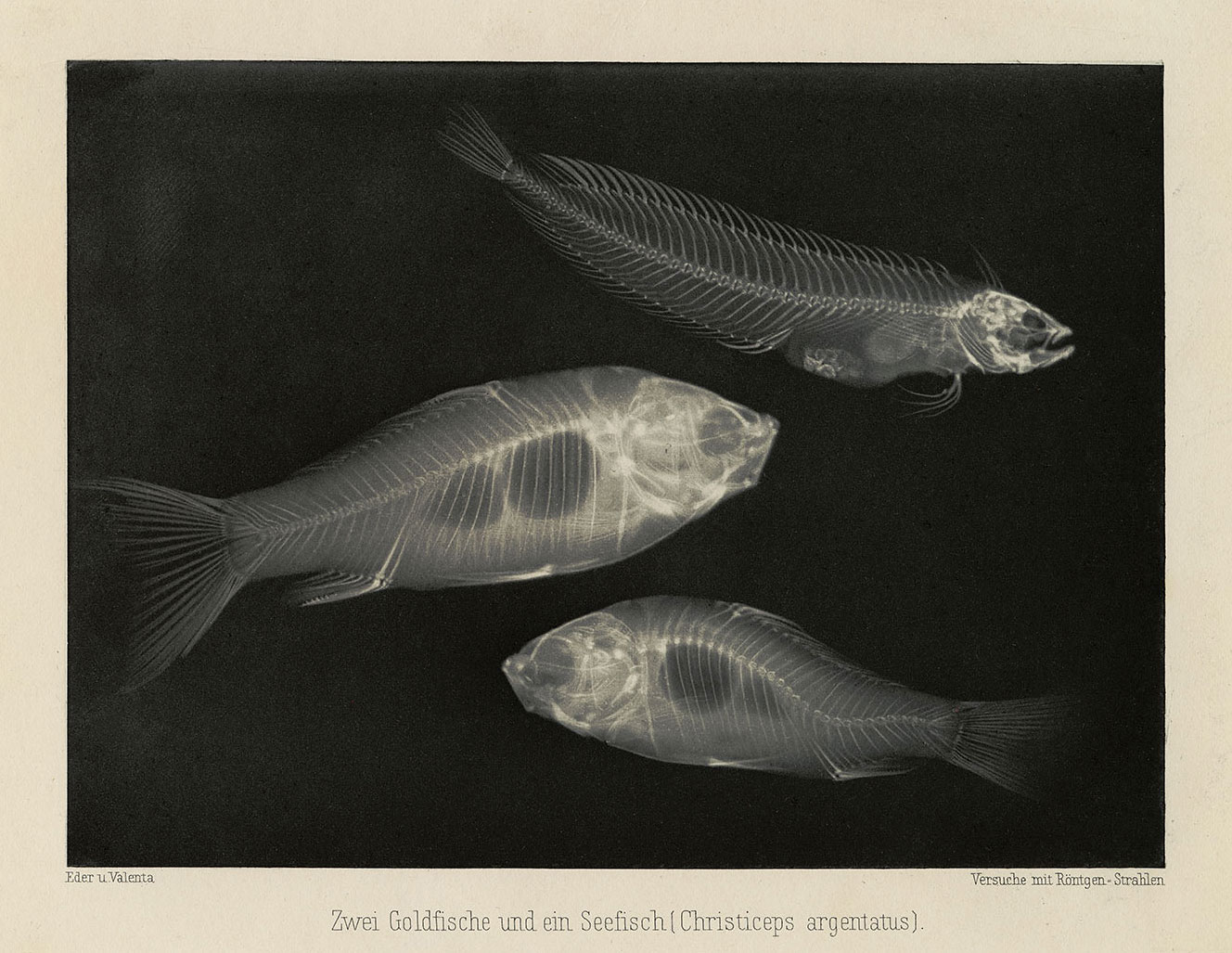
Dr Josef Maria Eder (Austrian, 1855-1944) Eduard Valenta (Austrian, 1857-1937) Zwei Goldfische und ein Seefisch (Christiceps argentatus) Two goldfish and a sea fish (Christiceps argentatus) 1896 From the book Versuche über Photographie mittelst der Röntgen’schen Strahlen (Experiments on photography using X-rays) Photogravure George Eastman Museum, Gift of Eastman Kodak Company; Ex-collection of Josef Maria Eder
As early as 1840 – a year after photography’s invention was announced – scientists sought to deploy it in their analysis of the physical world. Combining the camera with the microscope, microphotographs recorded biological minutiae, leading to discoveries that would have been difficult, if not impossible, to obtain by observing subjects in real time. Similarly, the development of x-ray technology in 1895 allowed doctors to study living anatomy to an unprecedented degree. Such innovations not only expanded the boundaries of the visible world but also introduced graphic concepts that would have a profound impact on visual culture.
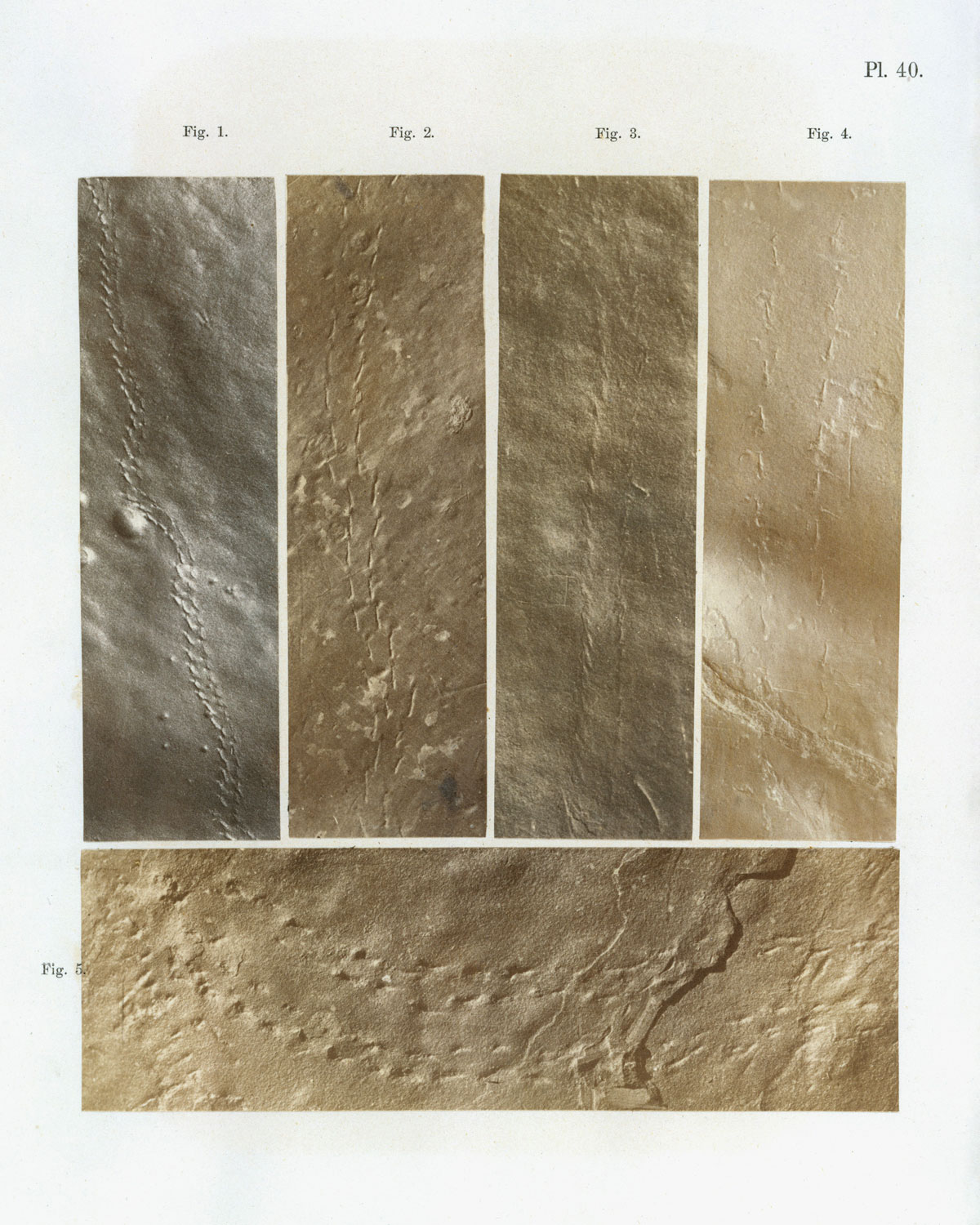
Dr James Deane (American, 1801-1858) Ichnographs from the Sandstone of Connecticut River 1861 Book illustrated with 22 salted paper prints and 37 lithographs George Eastman Museum, Gift of Alden Scott Boyer
These photographs, which depict traces of fossils discovered in a sandstone quarry, illustrate a book written by Massachusetts surgeon James Deane, who was the author of texts on medicine as well as natural history. Published posthumously using his notes and photographs as a guide, the volume is an early demonstration of photography’s potential as a tool of scientific investigation.
VI. The Photograph Decodes Culture
The photograph not only changed but to a great extent invented the modern notion of celebrity. Modern-age celebrities live apart from the general public, but their faces are more familiar than those of the neighbours next door. Since the mid-nineteenth century, viewers have come to “know” the famous through accumulated photographic sightings, which come in formats and contexts that vary as much as real-life encounters do. In four images that would have communicated instantly to their intended viewers in 1966, Jean-Pierre Ducatez (b. 1970) portrayed the Beatles through closeups of their mouths alone. The graphic shorthand employed by Jonathan Lewis in his series The Pixles is of a more recent variety, but he, too, relies on the visual familiarity conferred by tremendous celebrity. Each print in the series reproduces the iconic art of a Beatles album cover at life size (12 x 12 inches) but extremely low resolution (12 x 12 pixels). Like celebrities themselves, perhaps, the images look more familiar to the eye at a distance than close-up.
Unidentified maker U. S. Grant c. 1862 Albumen silver print George Eastman Museum, Purchase
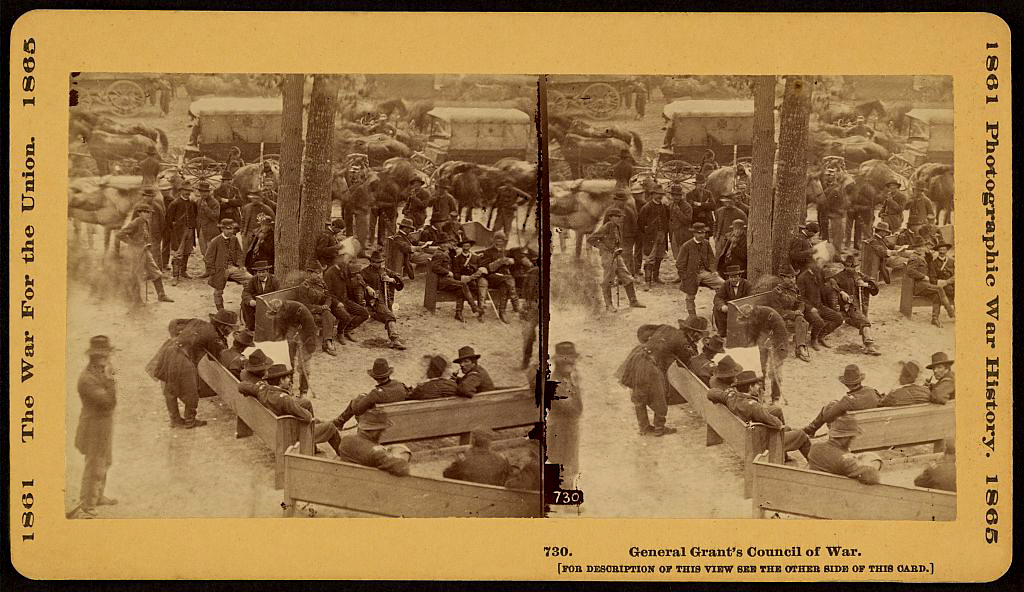
Timothy H. O’Sullivan (American born Ireland, 1840-1882) A Council of War at Massaponax Church, Va. 21st May, 1864. Gens. Grant and Meade, Asst. Sec. of War Dana, and Their Staff Officers 1864 From the series Photographic Incidents of the War Albumen silver print stereograph George Eastman Museum, Gift of Albert Morton Turner
Modern celebrities live apart from the general public, yet their faces are more familiar than those of the neighbors next door. Since the mid-nineteenth century, viewers have come to “know” the famous through accumulated photographic sightings, which come in formats and contexts that vary as much as real-life encounters do. First as a Union hero in the American Civil War and later as president, Ulysses S. Grant (1822-1885) lived in the public imagination through news images, popular stereographs, campaign buttons, and ultimately the (photo-based) face on the $50 bill. Grant was even a subject for Francois Willème’s patented process for generating a sculpted likeness out of photographs made in the round – an early forerunner to the technology of 3-D printing.
Jonathan Lewis (British, b. 1970) Abbey Road 2003 From The Pixles Inkjet print George Eastman Museum, By exchange with the artist
Jonathan Lewis (British, b. 1970) Please Please Me 2003 From The Pixles Inkjet print George Eastman Museum, By exchange with the artist
Jonathan Lewis (British, b. 1970) Rubber Soul 2003 From The Pixles Inkjet print George Eastman Museum, By exchange with the artist
Synecdoche is a poetic device in which a part stands in for the whole. (In the phrase “three sails set forth,” sails mean ships.) In four images that would have communicated instantly to their intended viewers in 1966, Ducatez portrayed the Beatles solely through close-ups of their mouths. The graphic shorthand Lewis employs in his series The Pixles is of a more recent variety, though he, too, relies on the visual familiarity conferred by tremendous celebrity. Each print in the series reproduces a Beatles album cover at life size (12 x 12 inches) but extremely low resolution (12 x 12 pixels).
VII. Meaning is on the Surface
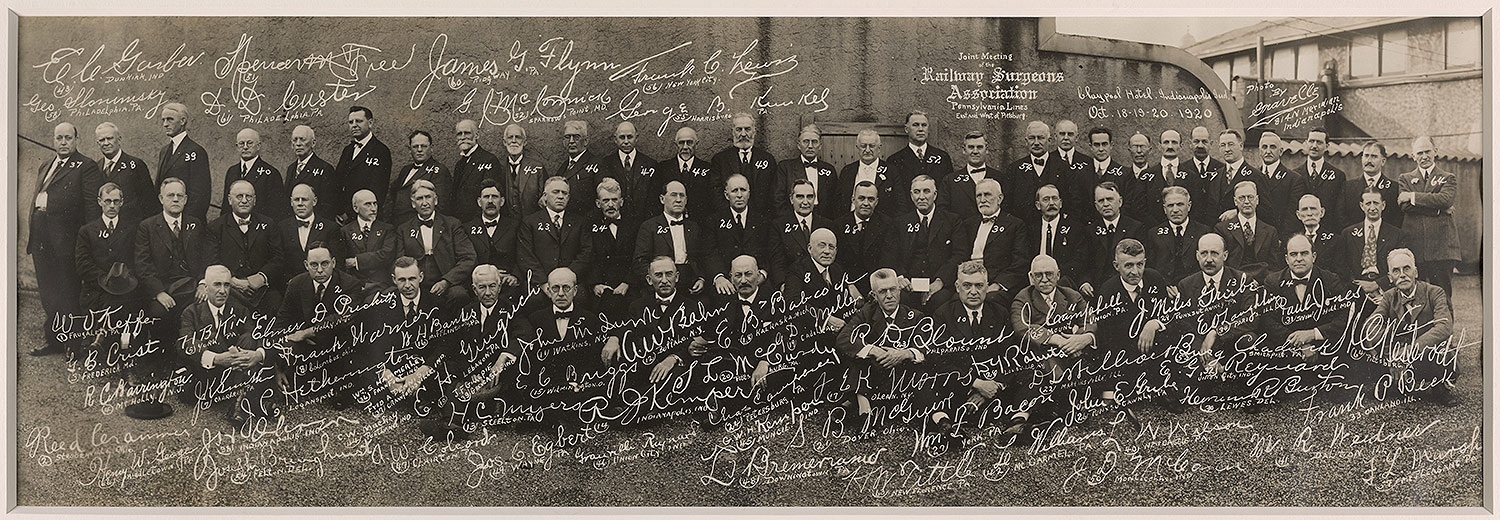
Photographs are not just windows onto the world but pieces of paper, which can themselves be inscribed or otherwise altered in ways that enrich or amend their meaning. The group portrait Joint Meeting of the Railway Surgeons Association, Claypool Hotel, Indianapolis (1920) is contact printed, meaning that the negative was the same size as the print. After the portrait sitting, the photographer appears to have presented the developed film to the sixty-four sitters for signing during the three days they were assembled for their convention. The result is a document that unites two conventional signifiers of character: facial features and the autograph.
Gravelle Studio, Indianapolis (American, active 1920) Joint Meeting of the Railway Surgeons Association, Claypool Hotel, Indianapolis 1920 Gelatin silver print The Morgan Library & Museum, Purchased as the gift of Peter J. Cohen
Panoramic group portraits such as this are made using a banquet camera, which admits light through a narrow vertical slit while rotating on its tripod. This image was contact printed, meaning the negative was the same size as the print. The photographer appears to have presented the developed film to the sixty-four sitters for signing during the three days they were assembled. The result is a document that unites two conventional signifiers of character: facial features and the autograph.
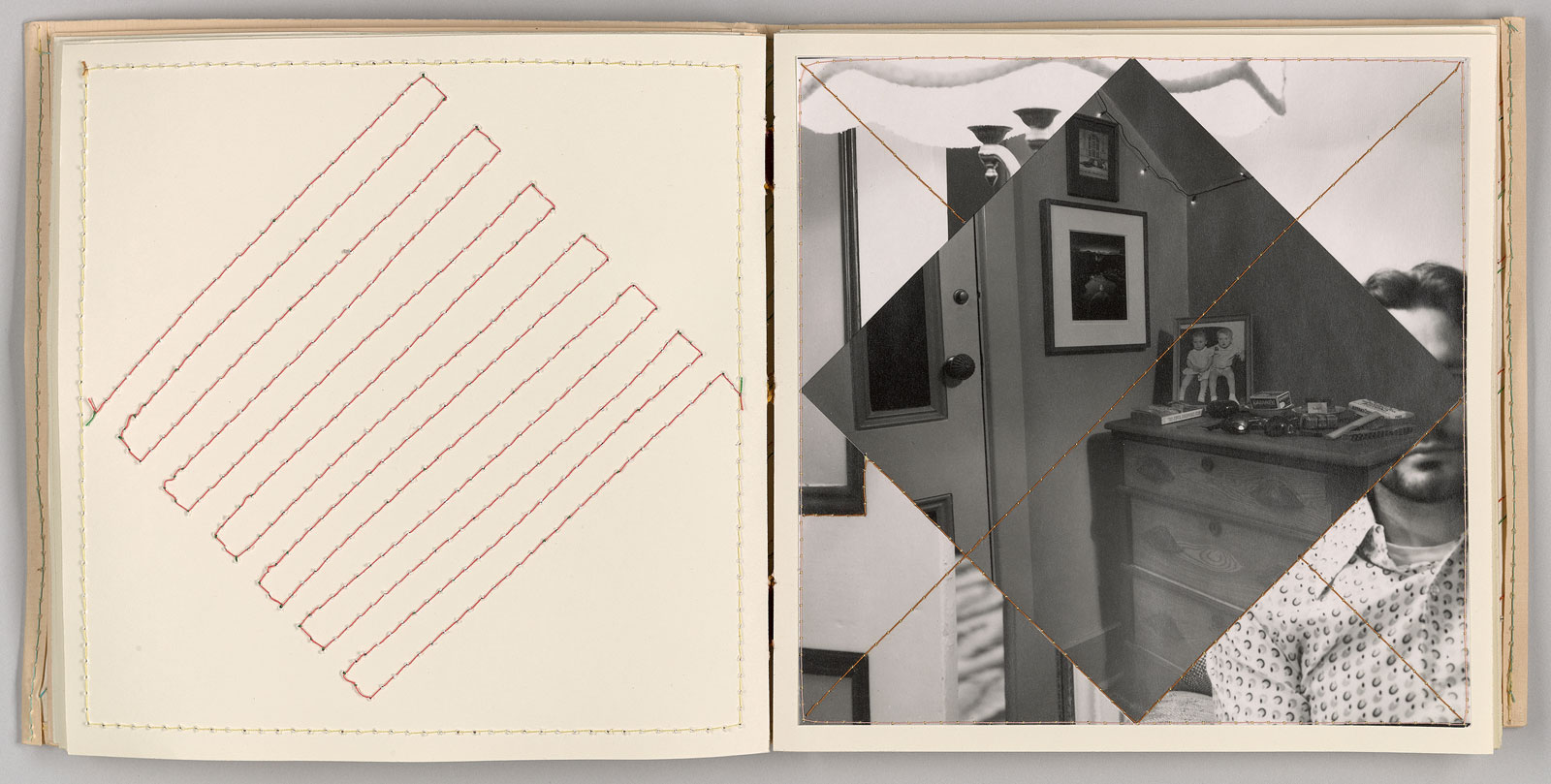
Keith Smith (American, b. 1938) Book 151 1989 Bound book of gelatin silver prints, thread, and leather Collection of Richard and Ronay Menschel
This unique object unites the arts of photography, quilting, and bookmaking. The composite image on each right-hand page appears to be made of prints cut apart and sewn together. In fact, Smith began by printing patchwork-inspired photomontages in the darkroom. He then stitched along many of the borders where abutting images meet, creating the illusion of a photographic crazy quilt.
VIII. Photography and the Page
News of the world took on a newly visual character in the 1880s, when the technology of the halftone screen made it practical, at last, to render photographs in ink on the printed page.
Among the earliest examples of photojournalism is Paul Nadar’s (1820-1910) “photographic interview” with Georges Ernest Boulanger, a once-powerful French politician. The article’s introduction explains that the photographs were printed alongside the text in order to provide evidence of the encounter and to illustrate Boulanger’s dynamic body language during the conversation.
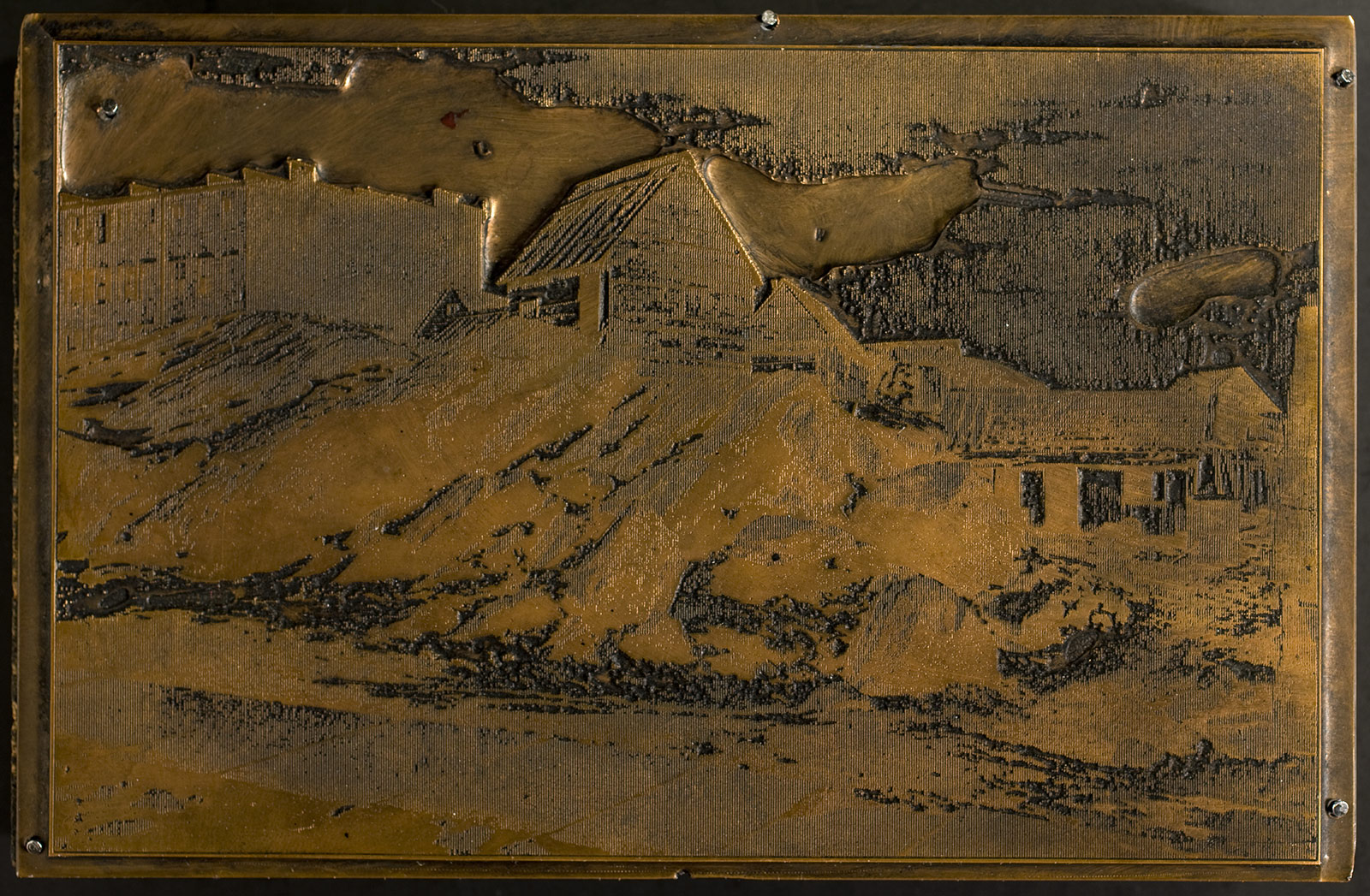
Stephen Henry Horgan (American, 1854-1941) Shanty Town April 1880 Photomechanical printing plate A Scene in Shantytown, New York, c. 1928 Lithograph George Eastman Museum, Gift of 3M Foundation; Ex-collection of Louis Walton Sipley
Paul Nadar (French, 1856-1939) Interview with Georges Ernest Jean Marie Boulanger 1889 Le Figaro, 23 November 1889 Photomechanical reproduction George Eastman Museum, gift of Eastman Kodak Company; ex-collection Gabriel Cromer
Among the earliest examples of photojournalism is Nadar’s “photographic interview” with Georges Ernest Boulanger, a once-powerful French politician who had fallen out of public favour by the time this was published. The article’s introduction explains that the photographs were printed alongside the text in order to provide evidence of the encounter and to illustrate Boulanger’s body language during the conversation.
Lewis W. Hine (American, 1874-1940) Italian Family Looking for Lost Baggage, Ellis Island 1905 Ellis Island Group, 1905 Gelatin silver print George Eastman Museum, Gift of Photo League Lewis Hine Memorial Committee
In an effort to counter American xenophobia in the early years of the twentieth century, Hine photographed immigrants as they arrived at Ellis Island, composing his images to stir sympathy and understanding among viewers. He understood the importance of disseminating his photographs and actively sought to publish them in newspapers, magazines, and pamphlets. The white outline in the photograph on the right instructs the designer and printer where to crop the image for a photomontage featuring figures from multiple portraits.
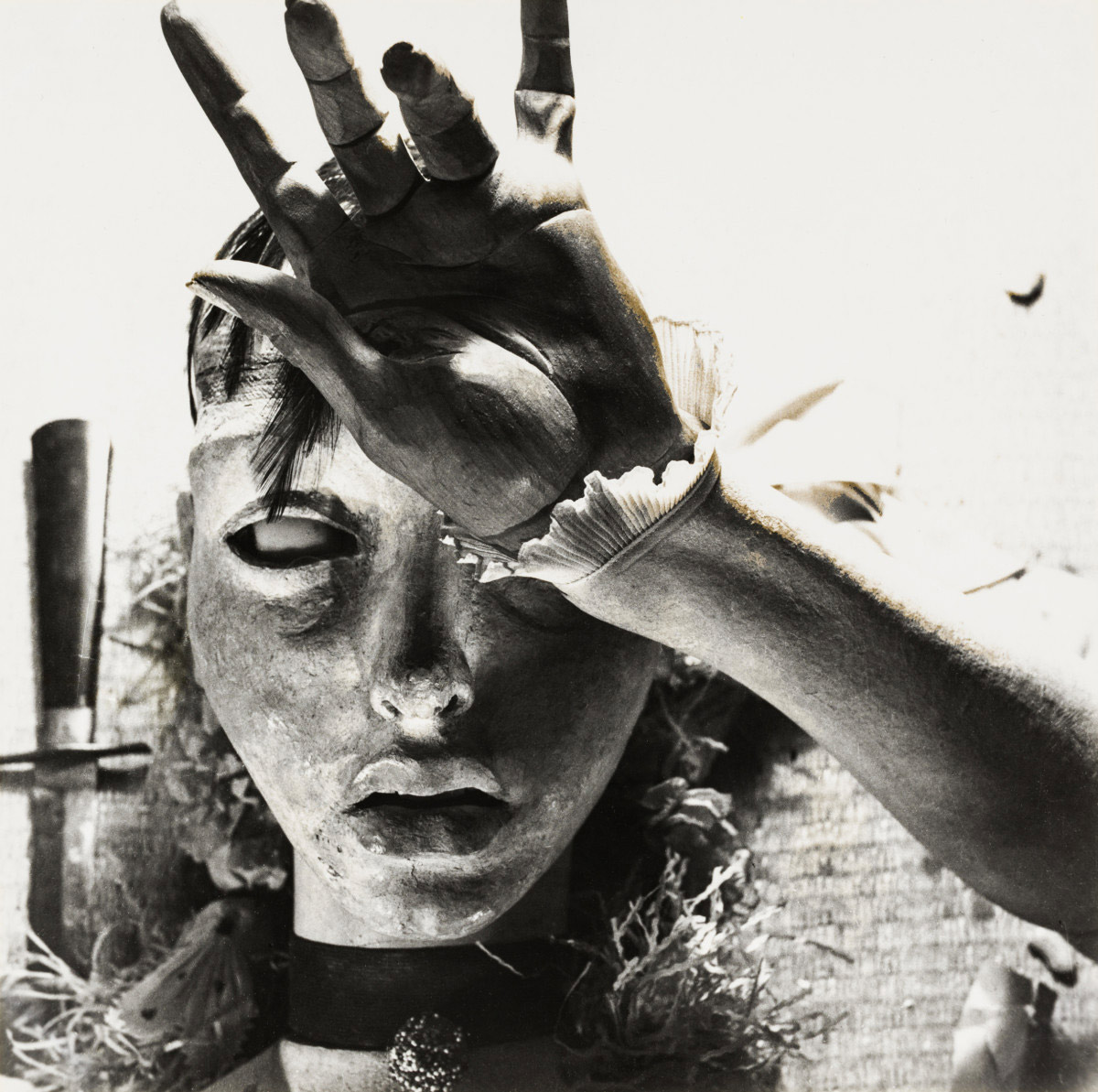
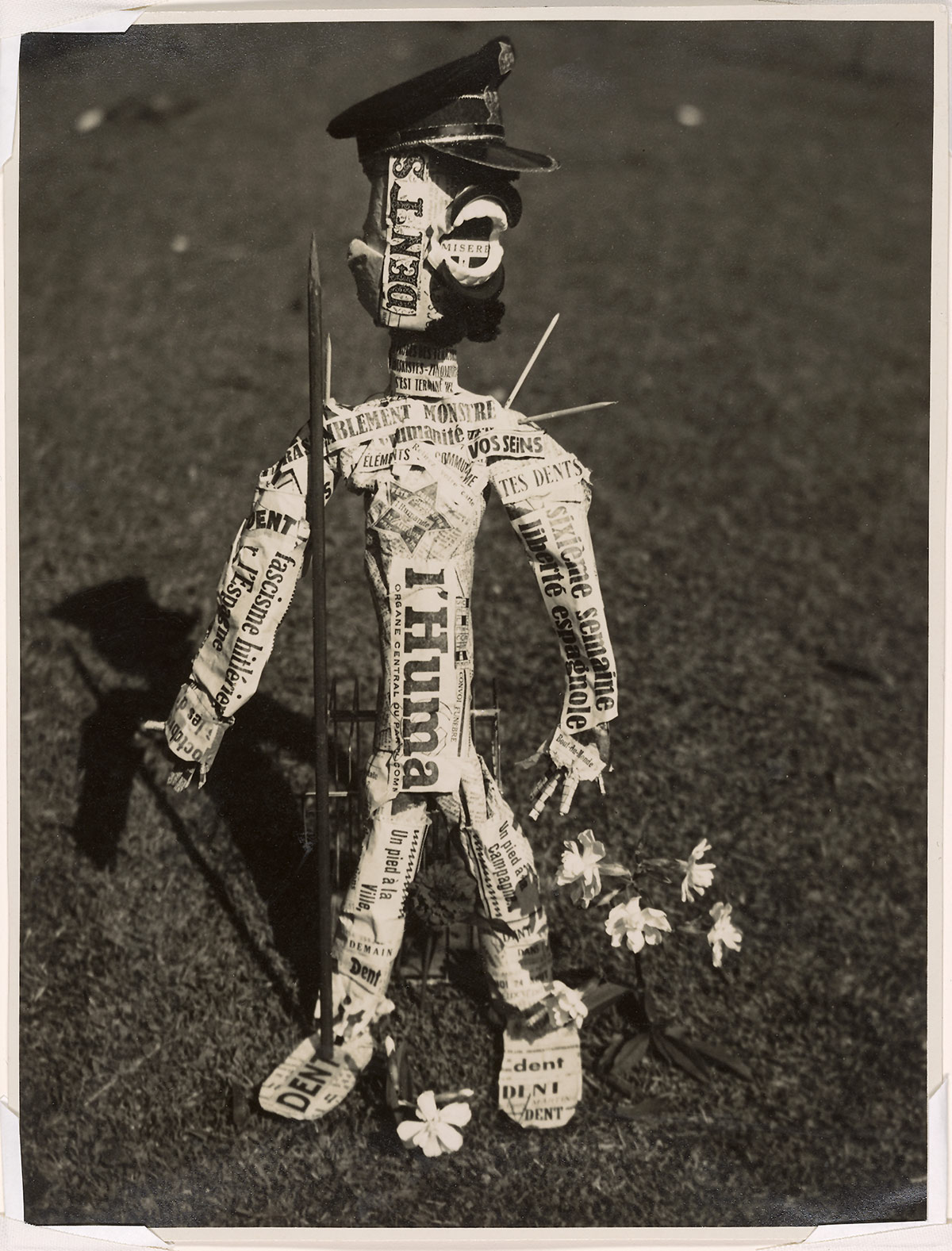
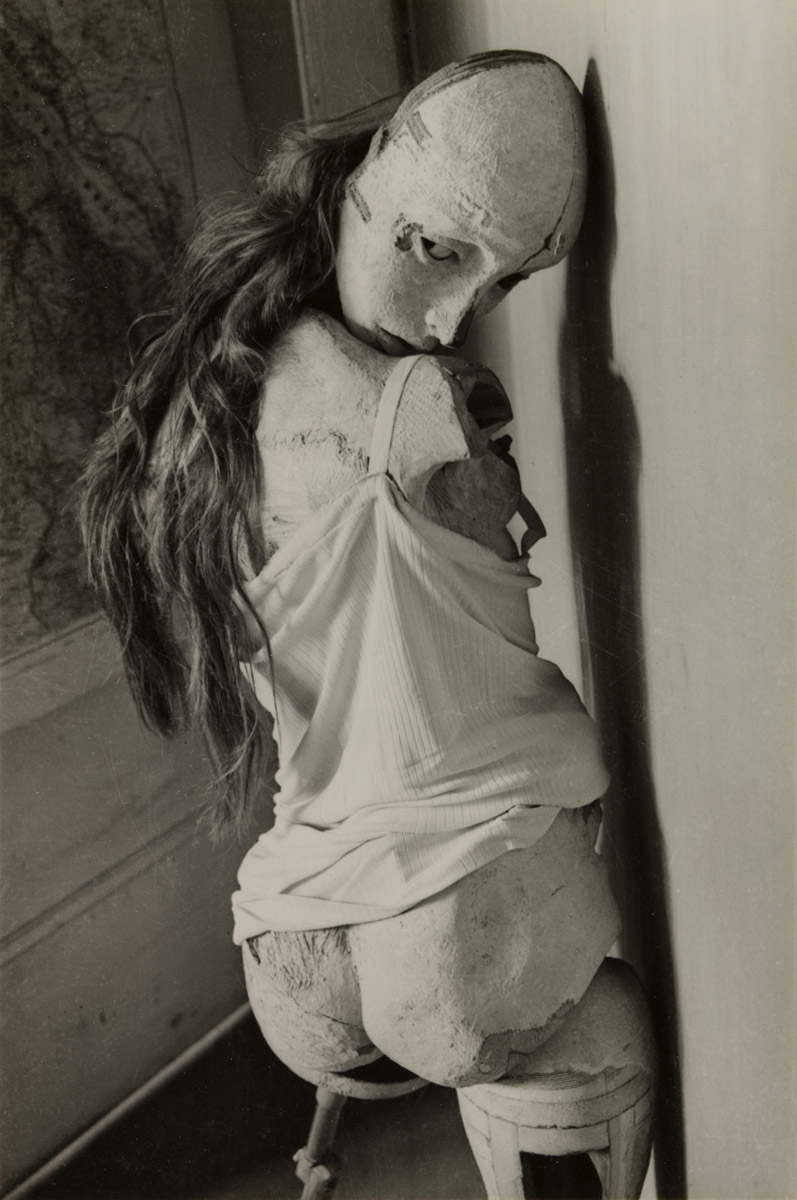
Claude Cahun (French, 1894-1954) La Poupée (Puppet) 1936 Gelatin silver print Collection of Richard and Ronay Menschel
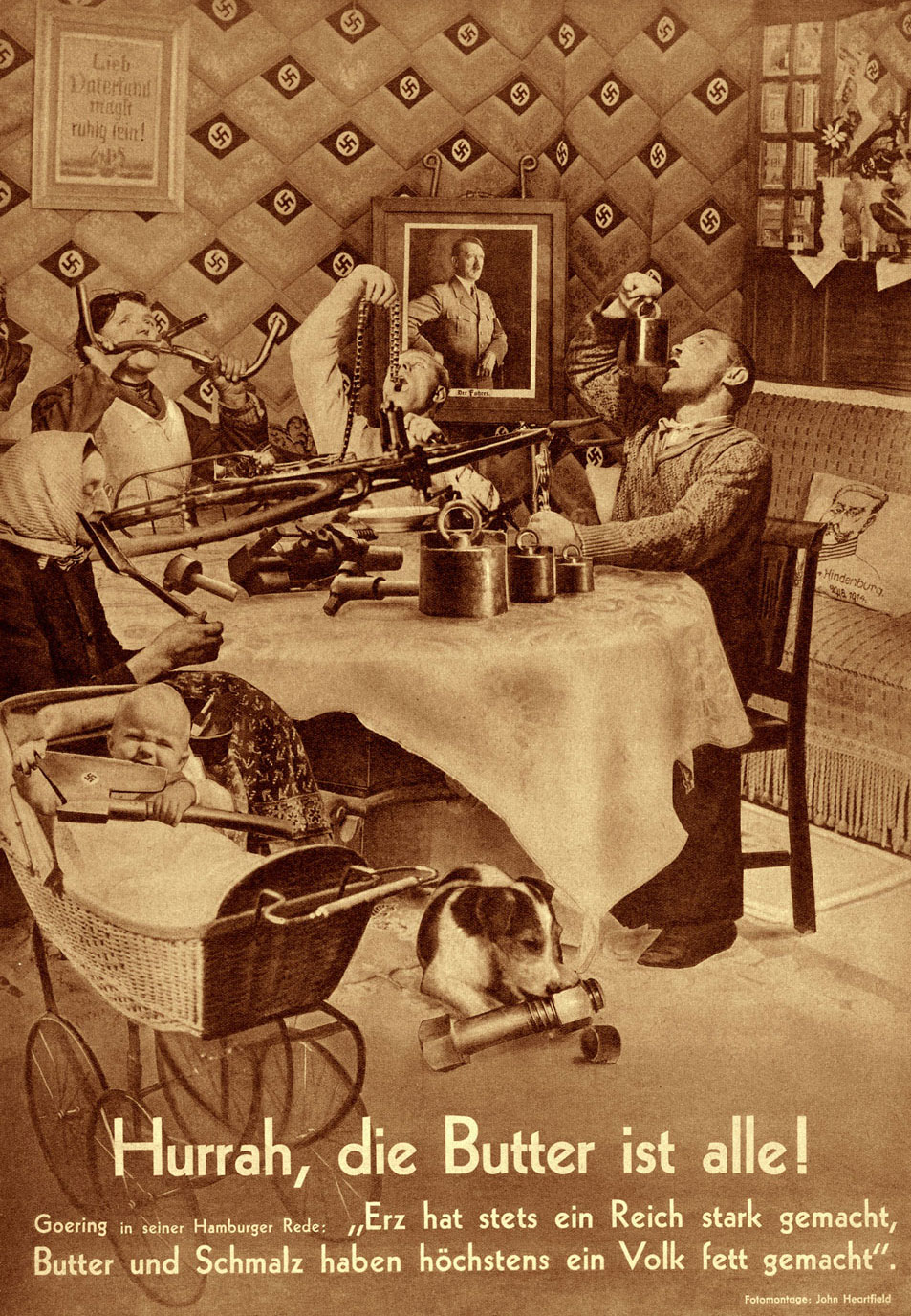
John Heartfield (German, 1891-1968) Hurrah, die Butter ist alle! (Hooray, the Butter Is Finished!) 1935 Rotogravure George Eastman Museum, purchase
This is one of 237 photomontages that Heartfield created between 1930 and 1938 for the antifascist magazine Arbeiter-Illustrierte-Zeitung(Worker’s Pictorial Newspaper). It is a parody of the “Guns Before Butter” speech in which Hermann G.ring exhorted German citizens to sacrifice necessities in order to aid the nation’s rearmament. The text reads: “Iron ore has always made an empire strong; butter and lard have at most made a people fat.” Heartfield combined details from several photographs to conjure the image of a German family feasting on tools, machine parts, and a bicycle in a swastika-laden dining room, complete with a portrait of Hitler, a framed phrase from a popular Franco-Prussian war-era song, and a throw pillow bearing the likeness of recently deceased president Paul von Hindenburg.
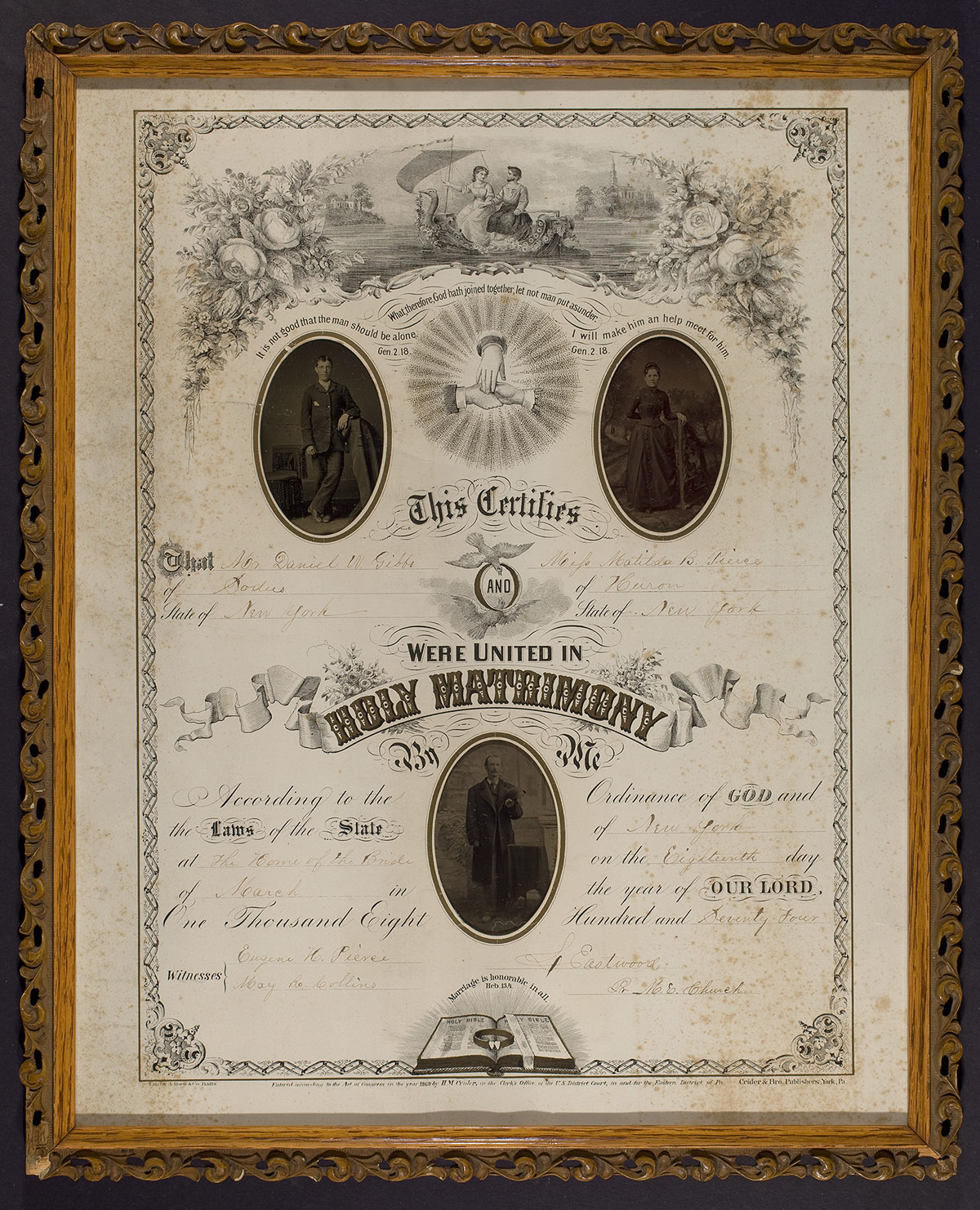
Unidentified maker Certificate of Marriage between Daniel W. Gibbs and Matilda B. Pierce c. 1874 Tintypes in prepared paper mount George Eastman Museum, Purchase
Graphic cousins to one other, these wedding certificates are equipped with precut windows for photographs of the bride, groom, and officiant. The portraits, in partnership with the printed and inscribed text on the forms, contribute both to the documentary specificity of the certificates and to their value as sentimental souvenirs.
IX. Empire of Signs
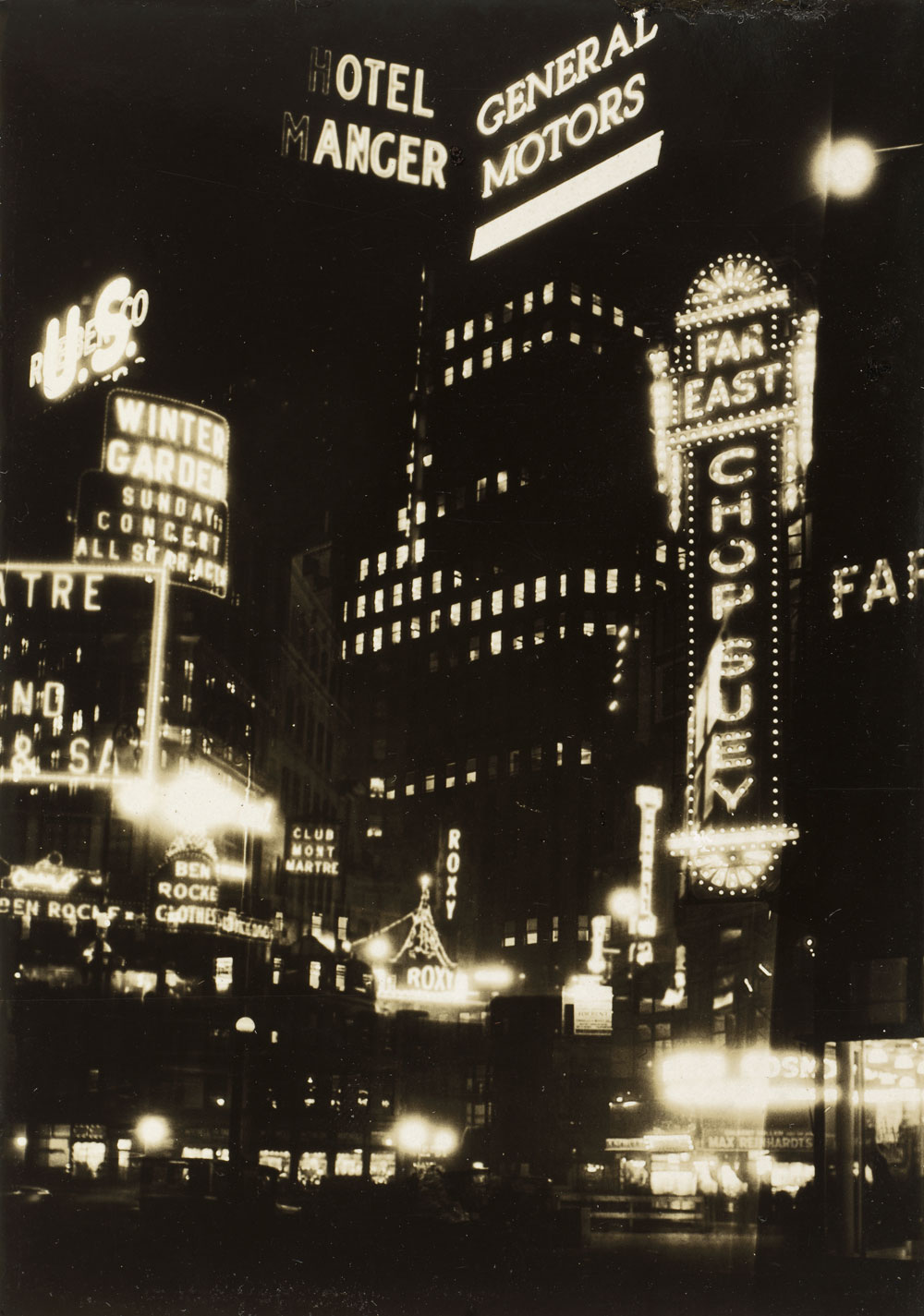
The plethora of signs, symbols, and visual noise endemic to cities has attracted photographers since the medium’s invention. Their records of advertisers’ strident demands for attention, shopkeepers’ alluring displays, and the often dizzying architectural density of metropolitan life chronicle sights that are subject to change without notice. The photographer’s perspective on contemporary social life – whether it is anecdotal, as in John Thompson’s (1837-1921) Street Advertising from Street Life in London (1877), or haunting, as in Eugène Atget’s (1857-1927) Impasse des Bourdonnais (c. 1908) – is embedded in each image.
John Thomson (Scottish, 1837-1921) Street Advertising 1877 From Street Life in London, 1877 Woodburytype George Eastman Museum, Gift of Alden Scott Boyer
Eugène Atget (French, 1857-1927) Impasse des Bourdonnais c. 1908 Albumen silver print George Eastman Museum, Purchase
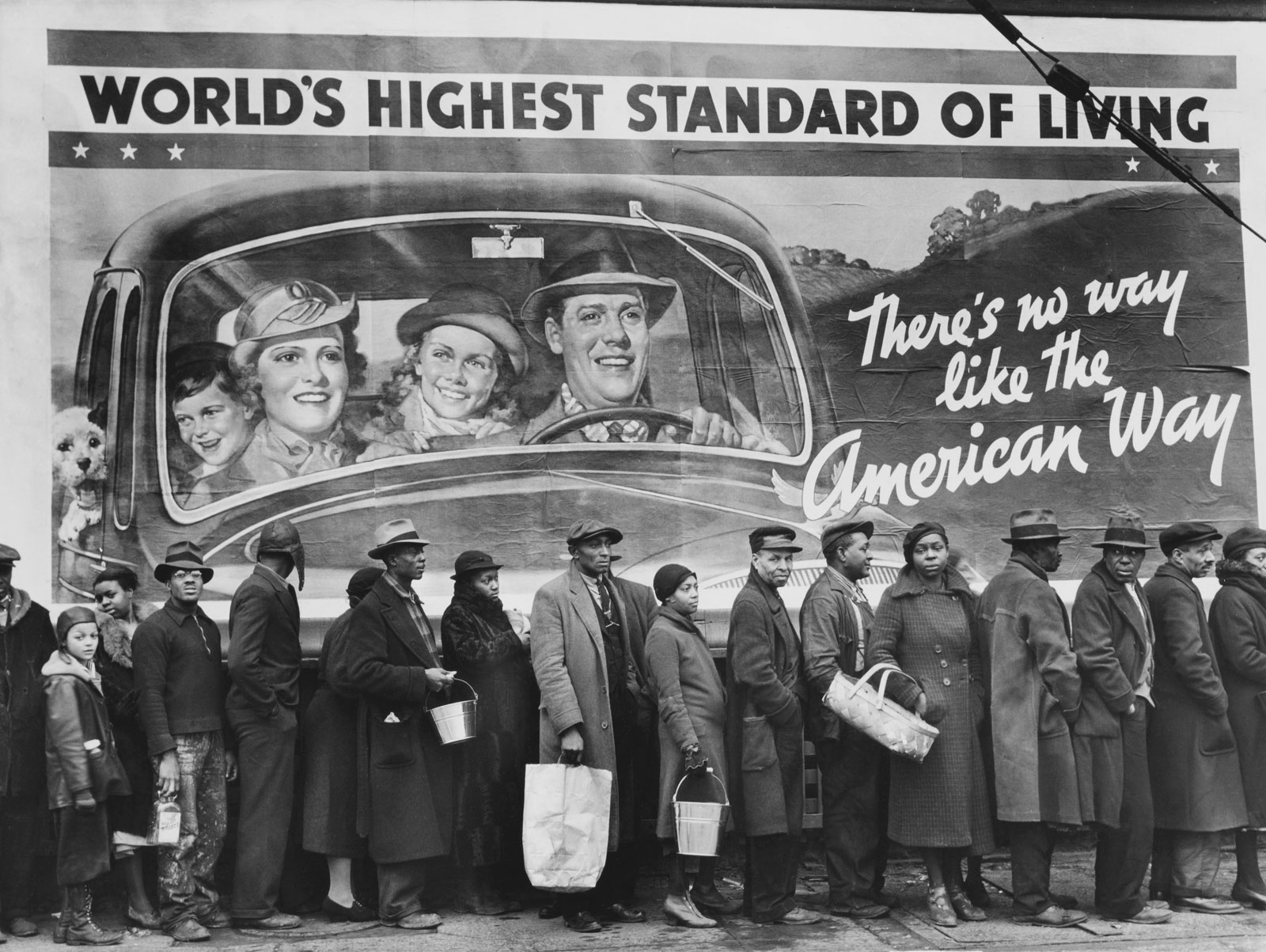
Margaret Bourke-White (American, 1904-1971) At the Time of the Louisville Flood 1937 Gelatin silver print George Eastman Museum
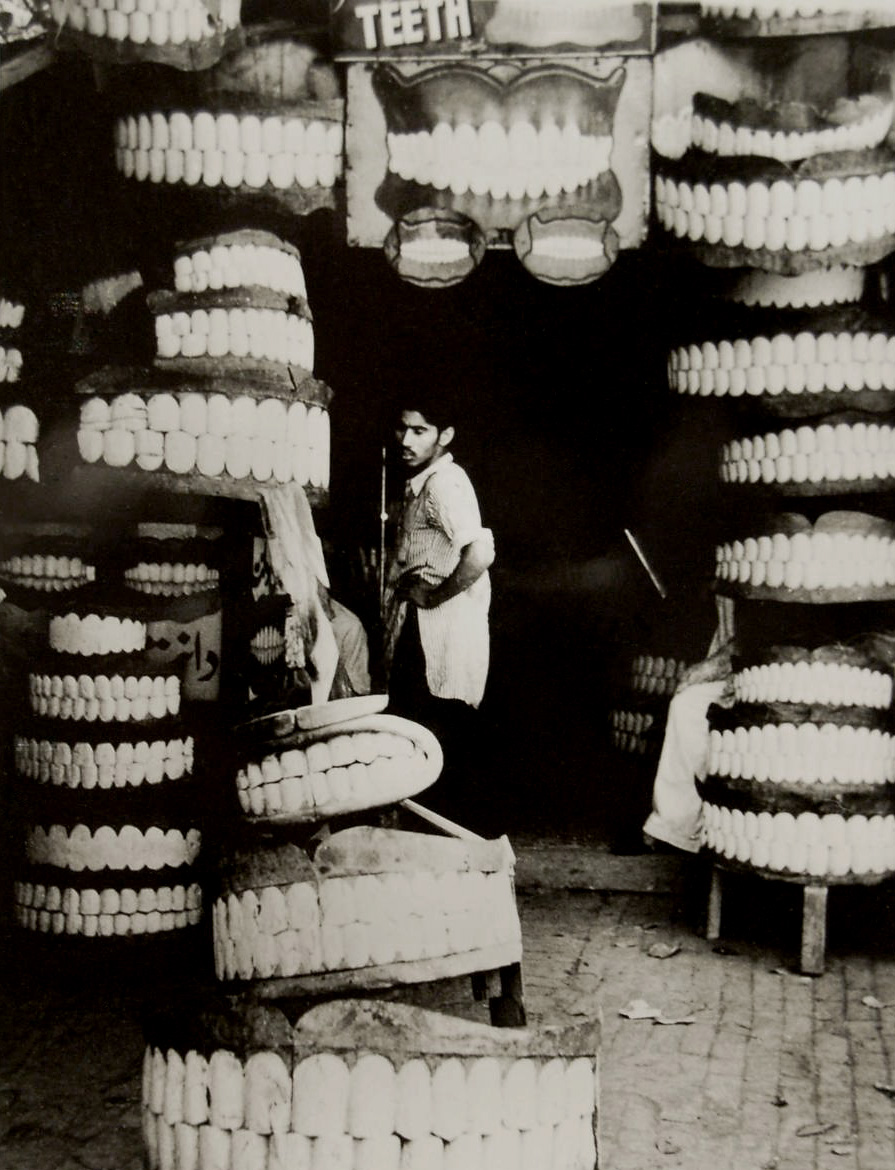
The plethora of signs, symbols, and visual noise endemic to cities has attracted photographers since the medium’s invention. Their records of advertisers’ strident demands for attention, shopkeepers’ alluring displays, and the often dizzying architectural density of metropolitan life chronicle sights that are subject to change without notice. The photographer’s perspective on contemporary social life – whether it is ironic, as in Margaret Bourke-White’s image of a line of flood victims before a billboard advertising middle-class prosperity, or bemused, as in Ferenc Berko’s photograph of columns of oversized artificial teeth on the street – is embedded in each image.
Ferenc Berko (American born Hungary, 1916-2000) Rawalpindi, India 1946 Gelatin silver print George Eastman House, Gift of Katharine Kuh
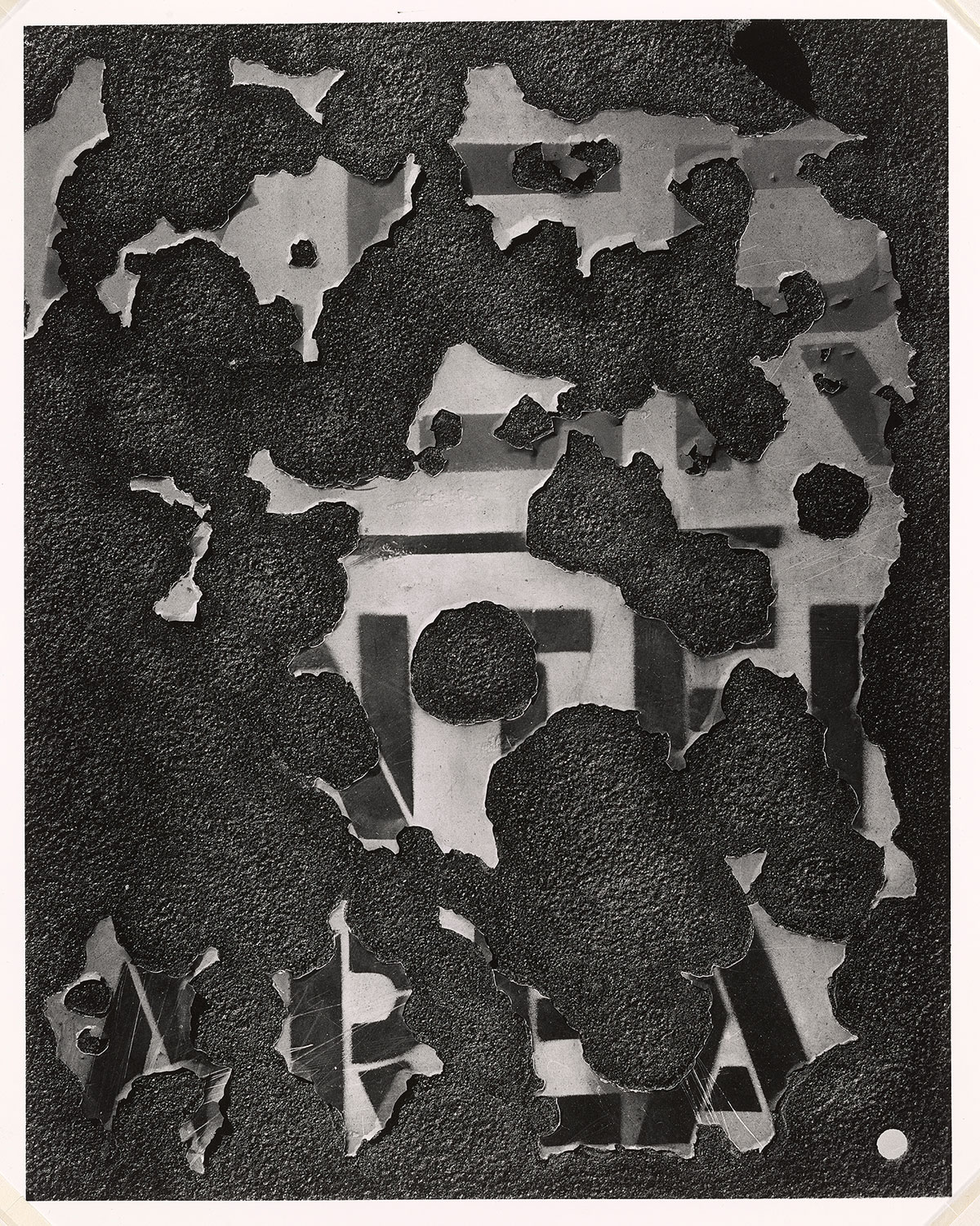
Aaron Siskind (American, 1903-1991) New York 6 1951 Gelatin silver print The Morgan Library & Museum, Gift of Richard and Ronay Menschel
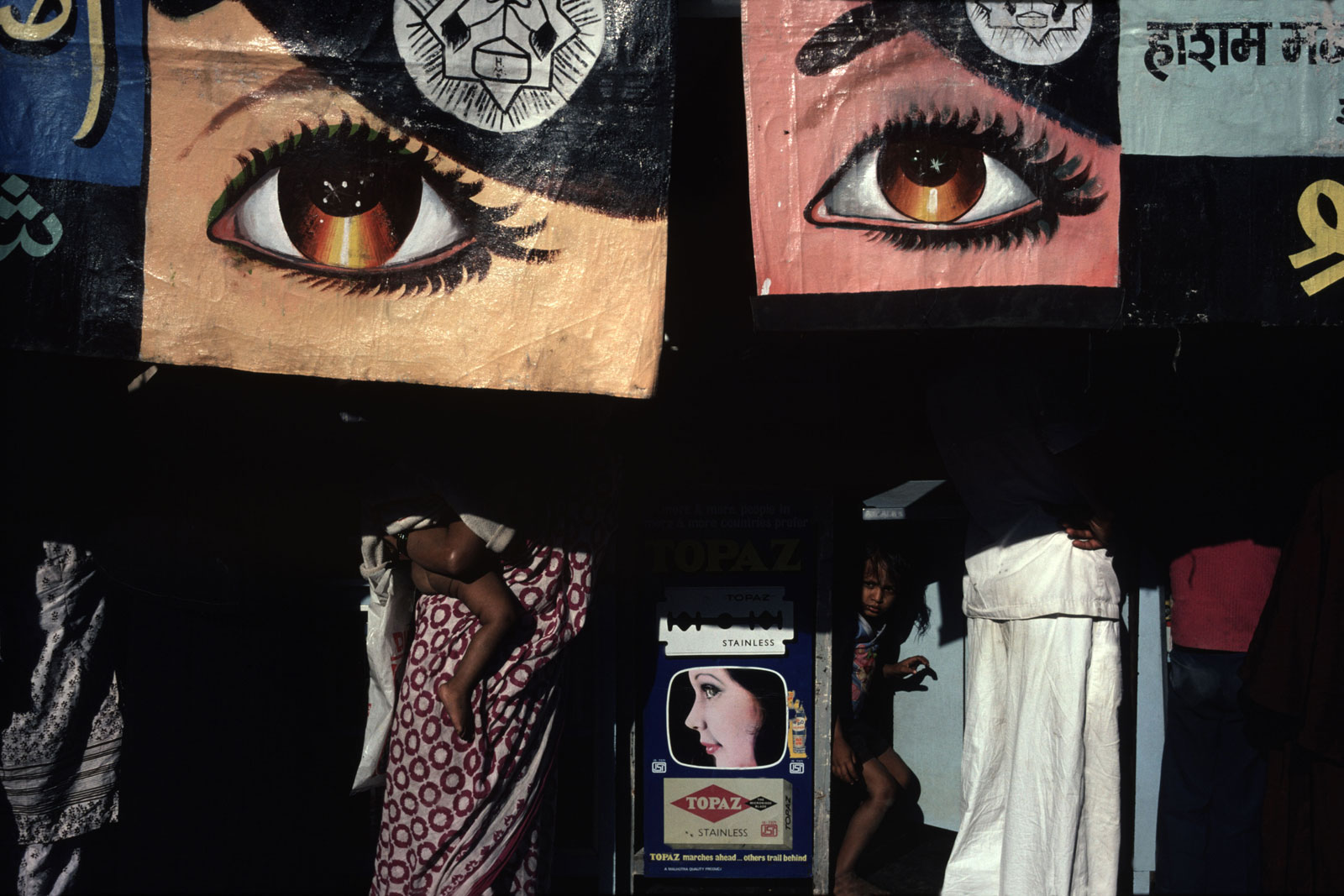
Alex Webb (American, b. 1952) India 1981 Chromogenic development print George Eastman Museum, Purchased with funds from Charina Foundation
The Morgan Library & Museum 225 Madison Avenue, at 36th Street New York, NY 10016-3405 Phone: (212) 685-0008
I have never thought of photography as a “singularity” – the singularity of photography. For me, photography has always been about possibilities, multiplicities rather than singularities.
In Kathrin Yacavone’s text below, the “singularity of photography” is defined as the relationship – the hierarchy – among valuable, perceptual and imaginative relations between the beholder and the image. It is the singularity of the individual and their response at any time to a photograph, but these responses cannot be systematically codified, in the sense that no response can ever be relied upon… certainly, no response to a photograph of a mother could be more singular than the response of a son (as claimed by Barthes Camera Lucida).
In other words, the singularity of photography is how the viewer engages and reads a photograph in a singular way at one point in time, from one “point of view.”
While this point of view is singular, it changes from moment to moment, from context to context, from different points of view. Hence, we have a multiplicity of singularities or, if you like, a multiple singularity of photography. Hasn’t it always seemed false to you in Camera Lucida where Barthes talks about his response to an image (for example, the supposed “lost” image of his mother*), he allows it to freeze in his text? Surely he would feel different later (another singularity). And yet the freezing is necessary for the arguments Barthes makes.
It continues to haunt me – much as photographs haunt our memory – why Barthes stuck with the singularity of a photograph, when at the same time he was pushing the multiplicity of readings in his other texts eg. S/Z (1970). Are we missing something really basic here? Why should a photograph be frozen and a text not?
In this exhibition, Michel Frizot defines a series of classifications (or themes, see below) that seek to organise the ambiguity and perplexity of vernacular and surprising photography. As Frizot himself puts it, “the photograph is not in its essence a transparency through which we gain access to a known reality but, on the contrary, a source of ambiguity and often, perplexity. The photographic image is a constellation of questions for the eye because it offers viewers forms and signs they have never perceived as such and which conflict with their natural vision”.
Frizot suggests questions for the eye offered through forms and signs that are in conflict with natural vision. Barthes pushes further, suggesting that it is not the forms and signs of the photograph that challenge natural vision, but a shift away from a semiology of photography to a phenomenology of photography. From guided message (forms/signs) to emotive response (imagination). Umberto Eco comments that, “Semiology shows us the universe of ideologies, arranged in codes and sub-codes, within the universe of signs, and these ideologies are reflected in our pre-constituted ways of using the language,”1 but Barthes, in works such as S/Z, stresses the multiplicity of a reading (its intertextuality). He contends that there can be no originating anchor of meaning in the possible intentions of the author, and that meaning must be actively created by the reader through a process of textual analysis.
An emotive response to a photograph is an “encounter with the represented other [is] a dialectical relationship between the specific and the general, between the personal and the universal, where the dialectic is seen in the psychologically unsettling potential of photographic images, the status of the photographic referent and the poignancy of the relation between time and image.” Thus the photograph can have a capacity for plurality of meaning which is not restrictive.
This response is based on an individuated, ‘feeling’ viewer whose encounter with the photograph is guided by desire and emotion, grounded in his or her unique experience and life history. It is to engage with the photograph in imaginative, affective, and emotional ways. Here, the codified reading is subsumed? by the emotive reading of an enlightened and fully “conscious” reader in the phenomenology of photography. Phenomenology is the study of structures of consciousness as experienced from the first-person point of view. The central structure of an experience is its intentionality, its being directed toward something, as it is an experience of or about some object – a photograph for example – by the imagination, by thought. Phenomenology requires a bit to grasp – to read a phenomenologial text like Gaston Bachelard’s Poetics of Space as its author intended requires a cultivated mindset – but a prepared reader has many pleasures.
This is one possible response by the viewer to unsettling photographs. But what of the photographer?
Les Walking (my lecturer at RMIT University for many years), used to ask “what are you pointing your camera at?”… so this would permit an imaginative journey on his part as he imagined the subject matter, what he knew of the person, and all possibilities. Sometimes everything happens at once (in photography), and sometimes we recognise the richness of where we are in photography’s ability to generate many singularities within us at rapid fire.
As a photographer we go on an imaginative journey when we take a photograph – we previsualise, snap, extend the “point” of exposure (long time exposure), double expose or do away with the camera altogether. Taking a photograph is a multiplicity before the moment of the pushing of the shutter (decisions, angles, camera, film, light, place etc..), and a multiplicity afterwards… but for that split second it is a singularity, “an encounter with the represented other” as Walter Benjamin puts it… as though time, history and memory are all focused through the lens (of the camera, of the enlarger, of the scanner) at the object – like a funnel – which then expands afterwards. At the point of “exposure” there is only ever one singularity. Multiple contexts before and after, multiple phenomena if you like, but only one outcome when the negative is exposed. Being aware of all that happens around us leads to that one singularity – the negative. That’s what photographers do, they focus that energy into a singularity.
But the resulting negative is NOT singular!
Of course, there are some things that are forever predetermined in the analogue negative, eg the depth of field, the focus, the grain. Even in the digital negative these determinations apply. But then you think, if I push this film or pull it back in development “other” things may appear. Probably the Leica manual is as good as any for what come after that – they say that when shooting a roll of film with a variety of tonal scales the exposure should be more than the meter indicated, and the development time less. In the Zone System this would be N-1. And a negative like this is what gives the greatest options with graded papers. Multiple options for printing, multiple options for interpreting a negative. I feel these multiple options have been more or less forgotten in the era of the digital print. What you see on the screen is what you aim to see in the print, which negates the multiplicity of the (digital) negative, often leading to bland and underwhelming digital prints. The pre-determination of the screen leads to an over-determination of the print.
While Minor White observed that there was a dragon in the negative that could be reached by careful printing, this locks you into looking for the “one road” in the negative. One person who didn’t was the English photographer Bill Brandt who printed first in a straight documentary style before “unlocking” the surrealist elements of his negs with very contrasty work. He was open to the multiple contexts of the point of exposure of the negative, and it is his later reprinting of his earlier work for which he has become famous.
While it comes down to only several elements when talking about the phenomena of the negative, it is our direct experience of it IN OUR IMAGINATION that, perhaps, gives the negative presence and transcendence. It is the direction of our thought towards the object of our being. And that is what makes us truly human.
Dr Marcus Bunyan
* Of course, the photograph of his mother did exist, it was just necessary for his argument that we never see it, and that he said that it did not exist.
Word count: 1,400.
1/ Eco, U. (1970). “Articulations of the Cinematic Code,” in Cinematics, 1(1), pp. 590-605
Many thankx to my mentor for his advice and thoughts on this text. Many thankx to the Fotomuseum Winterthur for allowing me to publish the photographs in the posting. Please click on the photographs for a larger version of the image.
Photographs often seem familiar and understandable, a visual common sense intimately related to our daily lives. But they can also provoke a spark of amazement or generate a more sustained perplexity and inquiry. Curated by the renowned French photo historian, Michel Frizot, Every Photograph is an Enigma interrogates this paradox. Drawing exclusively from photographs in his private collection, many of them anonymous, he presents a selection of photographic moments at once ordinary and marvellous. Frizot develops a system of classification that explores the strangeness generated by the camera lens. Taken by family members, lovers, or unheralded professional and amateur photographers, the assembled images amount to nothing less than a phenomenology of photography.
The exhibition and book are divided into eleven themes, such as:
Ambiguous assemblages
The enigma of relationship
The enigma of context
The enigma of attentiveness
Challenging the figurative order
The aesthetic solution
Original configurations
The photographer’s options
The space of the gaze
The spirit of the place
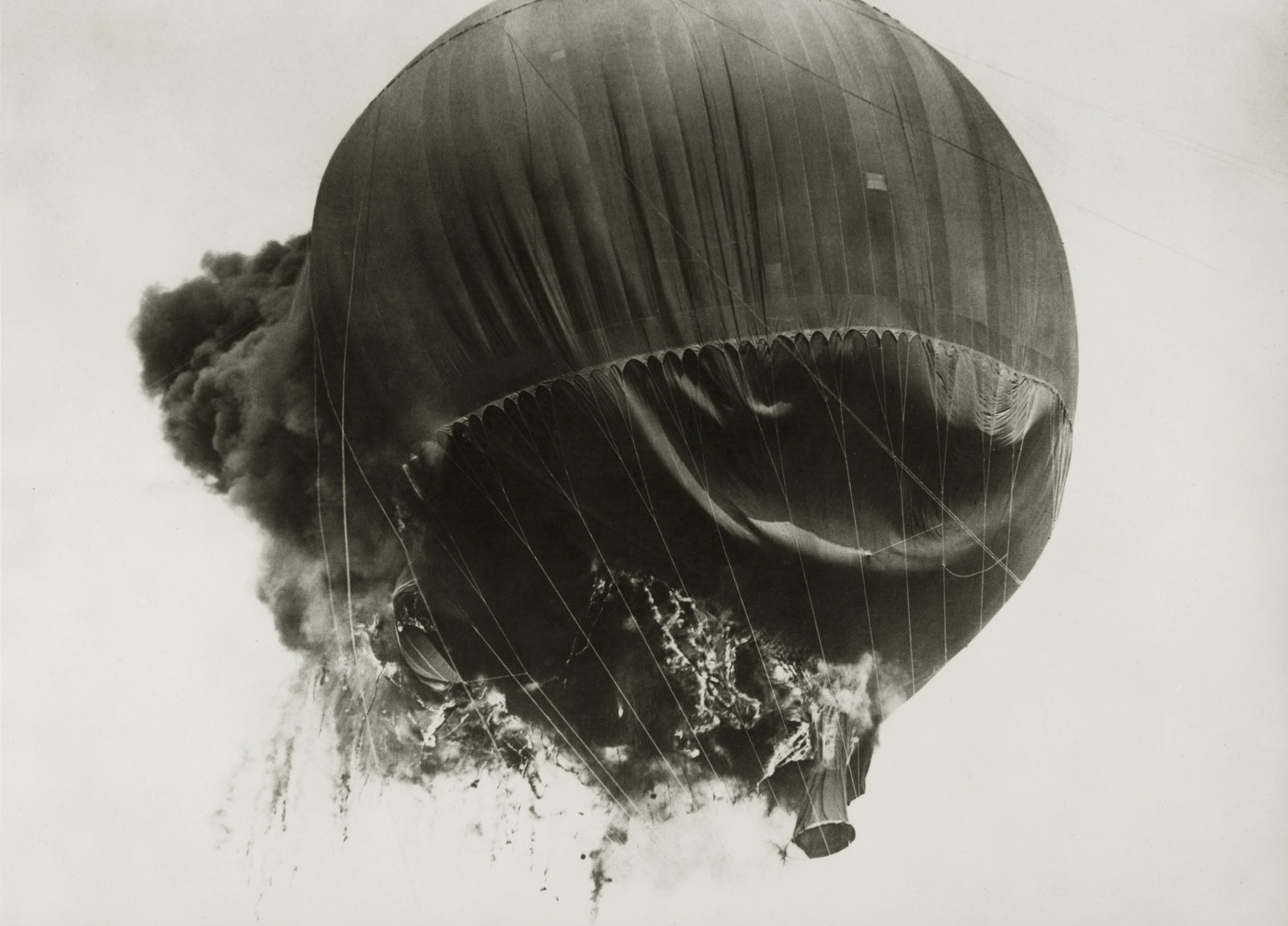
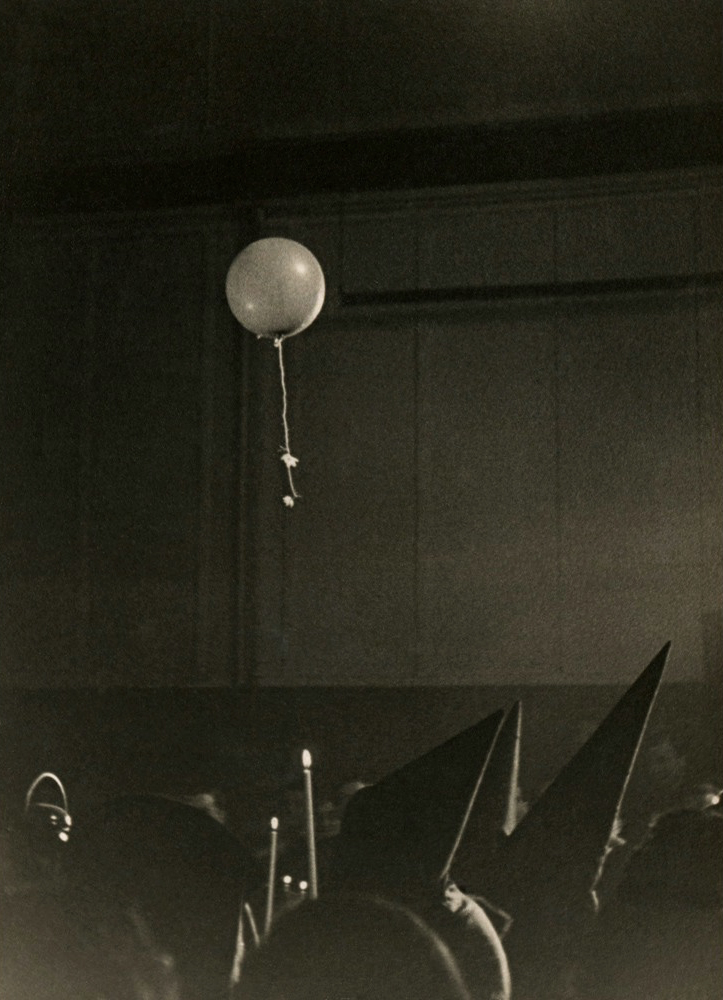
The stratosphere balloon of Professor Piccard catches fire in the moment of ascending over the area of Brussels, Belgium.
Auguste Antoine Piccard (28 January 1884 – 24 March 1962) was a Swiss physicist, inventor and explorer known for his record-breaking helium-filled balloon flights, with which he studied the Earth’s upper atmosphere. Piccard was also known for his invention of the first bathyscaphe, FNRS-2, with which he made a number of unmanned dives in 1948 to explore the ocean’s depths.
“Every photograph is an enigma for the gaze: for the enigma is part of the photographic act itself. It ensues from the distance between the natural vision and the camera’s photosensitive capture process. By widening this gap, the modes of capture, the photographer’s intentions, and the reactions and involvement of the “photographer” together create new forms and perceptual requirements specific to photography. It is a question, above all, of understanding how much photographs, by transcending our visual capacities and going beyond our intuitions, also give rise to empathy and the need to project personal concerns. The element of enigma in photography bears witness, in fact, to what it is to “be human”.”
“The answer to the Sphinx’s riddle, it should be remembered, is humankind. And looking at a photograph means discovering oneself and the human species. Through the disparity and the dissonance between what it shows and what we experience, photography testifies above all, and at every moment, to what “being human” means. And the riddle, the enigma inherent in looking at a photograph is that of our presence in the world.”
Michel Frizot
Kathrin Yacavone. Benjamin, Barthes and the Singularity of Photography. Bloomsbury Academic, 2012, pp. 123-124
Photographs often seem familiar and understandable, a visual common sense intimately related to our daily lives. But they can also provoke a spark of amazement or generate a more sustained perplexity and inquiry. Curated by the renowned French photo historian, Michel Frizot, Every Photograph is an Enigma interrogates this paradox. Drawing exclusively from photographs in his private collection, many of them anonymous, he presents a selection of photographic moments at once ordinary and marvellous. Frizot develops a system of classification that explores the strangeness generated by the camera lens. Taken by family members, lovers, or unheralded professional and amateur photographers, the assembled images amount to nothing less than a phenomenology of photography.
Immediately a photograph is taken it generates a distance between what the image reveals and what we have seen for ourselves only seconds before. This observation of disparity is central to the phenomenon of photography, creating a sense of indeterminacy that we might describe as the singularity of the photographic. As Frizot himself puts it, “the photograph is not in its essence a transparency through which we gain access to a known reality but, on the contrary, a source of ambiguity and often, perplexity. The photographic image is a constellation of questions for the eye because it offers viewers forms and signs they have never perceived as such and which conflict with their natural vision”. Every Photograph is an Enigma draws out the full implications of this disparity, everything which constitutes the singularity of the photographic process. This begins with the selection procedure itself: Frizot has collected the photographs over many years, with no predetermined objective, finding scraps and castoffs at flea markets and jumble sales. Abandoned photographs escape traditional standards of classification and judgement and are often the work of anonymous photographers. For Frizot, this artlessness offers ‘an extra touch of photographic naturalness which is not shrouded in conventions’. It is the work of the exhibition to reveal, and the role of the visitor to discover, this photographic supplement.
The exhibition explores the modalities of photographic capture and the out-distancing of the senses that results, above all in the relationship between photographer, subject photographed and the operations of the camera, a technical device. Recording different intensities of light on a photosensitive surface, photography is an index of states of light rather than the reality perceived by the eye. The formal consequences of photographic technique are considerable, whether determined by exposure time, framing, exhaustive detail, or the projection of three-dimensional space onto a two-dimensional surface. At the same time, what are fundamentally physical processes are also determined by the split-second decisions taken by the camera operator. It is precisely this that gives rise to the puzzle of photography: the contradictions between the precision of a physical world and the decision-making of the photographer.
Every Photograph is an Enigma explores other aspects of the riddle of photography, including the complexity of the exchange with the subject of the photograph, embodied by a reciprocal glance. The ability of the camera to record human form and gesture is what lends it its quasi-magical vocation. However, that act of recording is dependent on a vast array of potentialities and constraints, including perhaps the demeanour of the participants. The photographic act transforms emotionally-charged, interpersonal experience into uncertain, interpretable signs, a distillation of affect. At the same time, those signs are also dependent on the astuteness of the eyes that scrutinise the photograph, igniting, perhaps, an empathy with others. A photograph is a fragmentary capture and the gaze of the viewer operates in similarly fragmentary bursts. A viewer’s optical capacities are decisive, interpreting, for example, the photograph’s excess of data. The enigma of photography also emerges from the inadequacies and impasses of the energetic viewer’s scrutiny. These, and many other riddles, are explored across eleven separate chapters in the exhibition, which together provide a method for specifically photographic viewing. They probe the way the photographic device is used to celebrate the subject, or the way that processes unique to photography and the photographer’s command of his or her equipment help determine the final image. A further theme investigates the way that viewers are involved in a perceptual relationship which ordinary vision has not accustomed them to, including a display of stereo images. We encounter the myriad ways that photography overwhelms our senses and the many puzzles it presents.
Every Photograph is an Enigma brings together a remarkable selection of everyday photographs, selected over many years by one of the sharpest eyes in the history photography. It offers us the opportunity of a liberated escape into a ‘pure’ photographic act stripped of artistic pretension or historical portent. As Frizot proposes, there are no hierarchies in photography – it is the activity of the gaze that reveals the richness of the image. For the eye, every photograph is an enigma.
Catalogue
The exhibition is accompanied by the fully-illustrated catalogue Toute photographie fait énigme/Every photography is an enigma, by Michel Frizot, in collaboration with Cédric de Veigy. Published by Éditions Hazan. English/French with a German translation of the main texts. Price 45 CHF.
Credits
The exhibition is curated by Michel Frizot and organised by the Maison Européenne de la Photographie, Paris and the Musée Nicéphore Niépce, Chalon-sur-Saône in collaboration with Fotomuseum Winterthur.”
For many years, Michel Frizot the historian and theorist has been collecting neglected photographs which have been overlooked because they were taken by anonymous, unknown photographers, unheard-of or non-celebrated artists, throughout the entire history of photography. Avoiding “museumification” and classification, selected first of all for their capacity for surprise, these photographs are no less generous, moving and perhaps “photographic” than others. This exhibition reflects on the element of mystery in all photography.
“Because they are so familiar to us, because they are part of our visual space, photographic images seem to be immediately accessible and understandable. But everyone has experienced that sudden burst of amazement they can set off through suspended movements, the rendering of colours, unexpected coincidences or abruptly frozen expressions. If we pay attention to such features, they provoke the feeling that we are faced at once with something obvious and with a question. When we can look at a photograph as soon as we have “taken” it, we immediately, moreover, sense the distance between what the image tells us and what we have been able to see for ourselves only seconds before. The observation of this disparity, recognisable at every moment, is proper to the photographic phenomenon. We grant each photograph an element of truth but suspect its indeterminacy and sense its contradictions.
The photographic image is a constellation of questions for the eye because it offers viewers forms and signs they have never perceived as such and which conflict with their natural vision.
The enigma, the riddle, the puzzle would thus be fundamental to the photographic act itself.
Inherent in the photographic process, it results from the irreducible distance between the human senses and the camera’s light-sensitive capture: it arises from the split between visual perception and the photographic process.
For the eye, every photograph is an enigma.
Whether they are kept in archives, family albums or agencies, or dumped in the street, photographs are virtual objects which only begin to exist when they find a viewer. The selective collecting process is thus carried out “by eye” and not the eye of the connoisseur or the historian, but the paradoxical eye which goes against the tide of the canonically “good” photograph, it is a slow eye which opens itself to the pleasure of choice. The pursuit of irreplaceable strangeness. A determined eye, in search of what it does not yet know and yet perceives as the baring of the “photographic”, the liberated escape into a “pure” photographic act stripped of its eloquence. By repeating the selections, the eye discovers the unknown properties of the photographic image: it spots the elements of a puzzle to be savoured without anticipation of any solution. As a kind of practical application, when we look closely, these photographs seem more “photographic” than so many other images with more conventional features that quickly lose their interest. They reveal what escapes us in the recognition of the world, what lies beyond its photographic figures repeated over and over again.
The answer to the Sphinx’s riddle, it should be remembered, is humankind. And looking at a photograph means discovering oneself and the human species. Through the disparity and the dissonance between what it shows and what we experience, photography testifies above all, and at every moment, to what “being human” means. And the riddle, the enigma inherent in looking at a photograph is that of our presence in the world.”
Michel Frizot
Extract from the book Toute photographie fait énigme / Every photograph is an enigma, Hazan, 2014
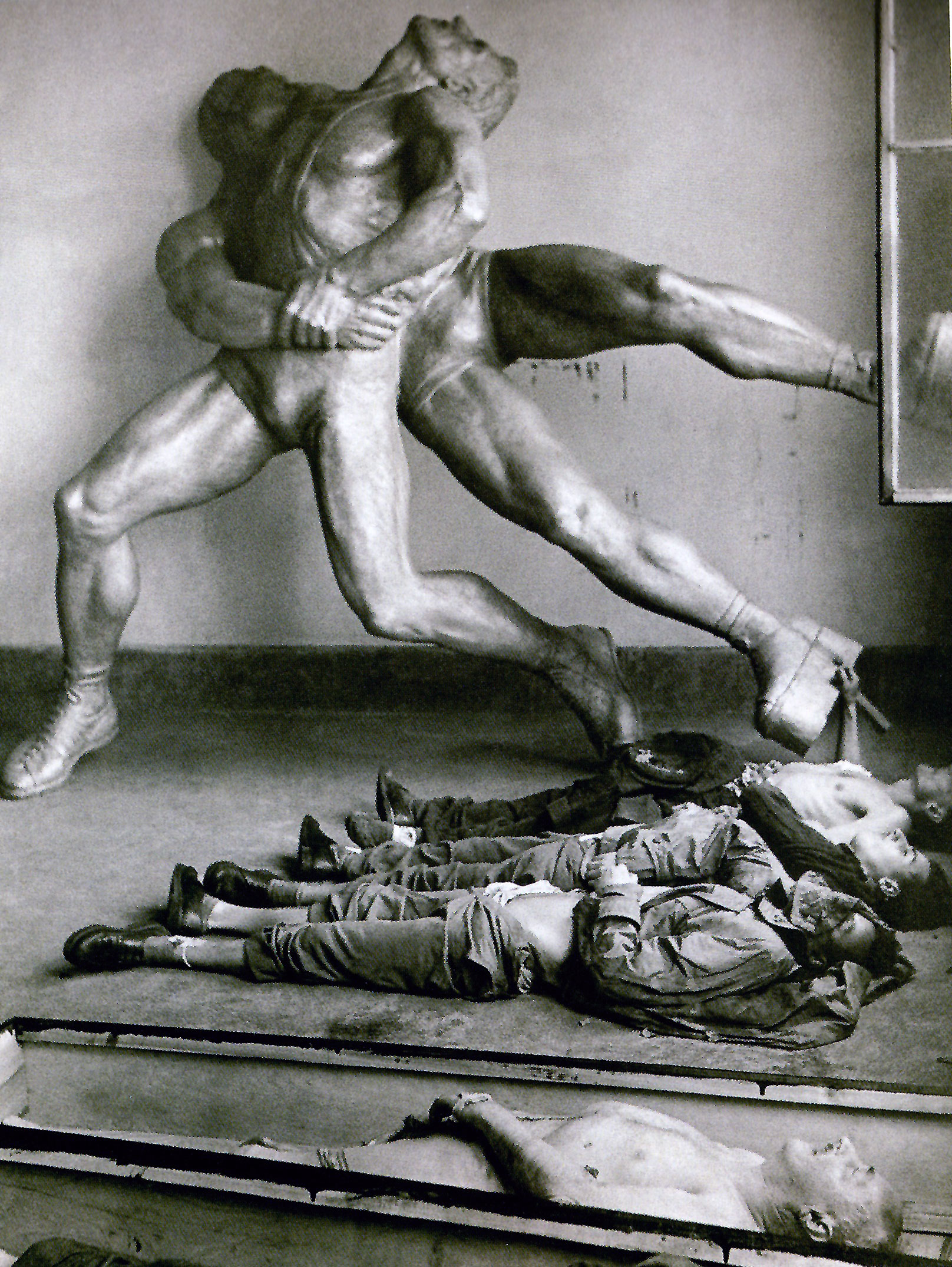
Victims of the Hungarian Revolution of 1956 brutally put down by the Russians.
Addendum
According to the experts at Fortepan, an open access public resource of the Hungarian audio-visual culture, the dead men in the photograph above are very likely (~99%) not patriots, but members of the State Protection Authority, ÁVH- Államvédelmi Hatóság. The State Protection Authority was the secret police of the People’s Republic of Hungary from 1945 until 1956.
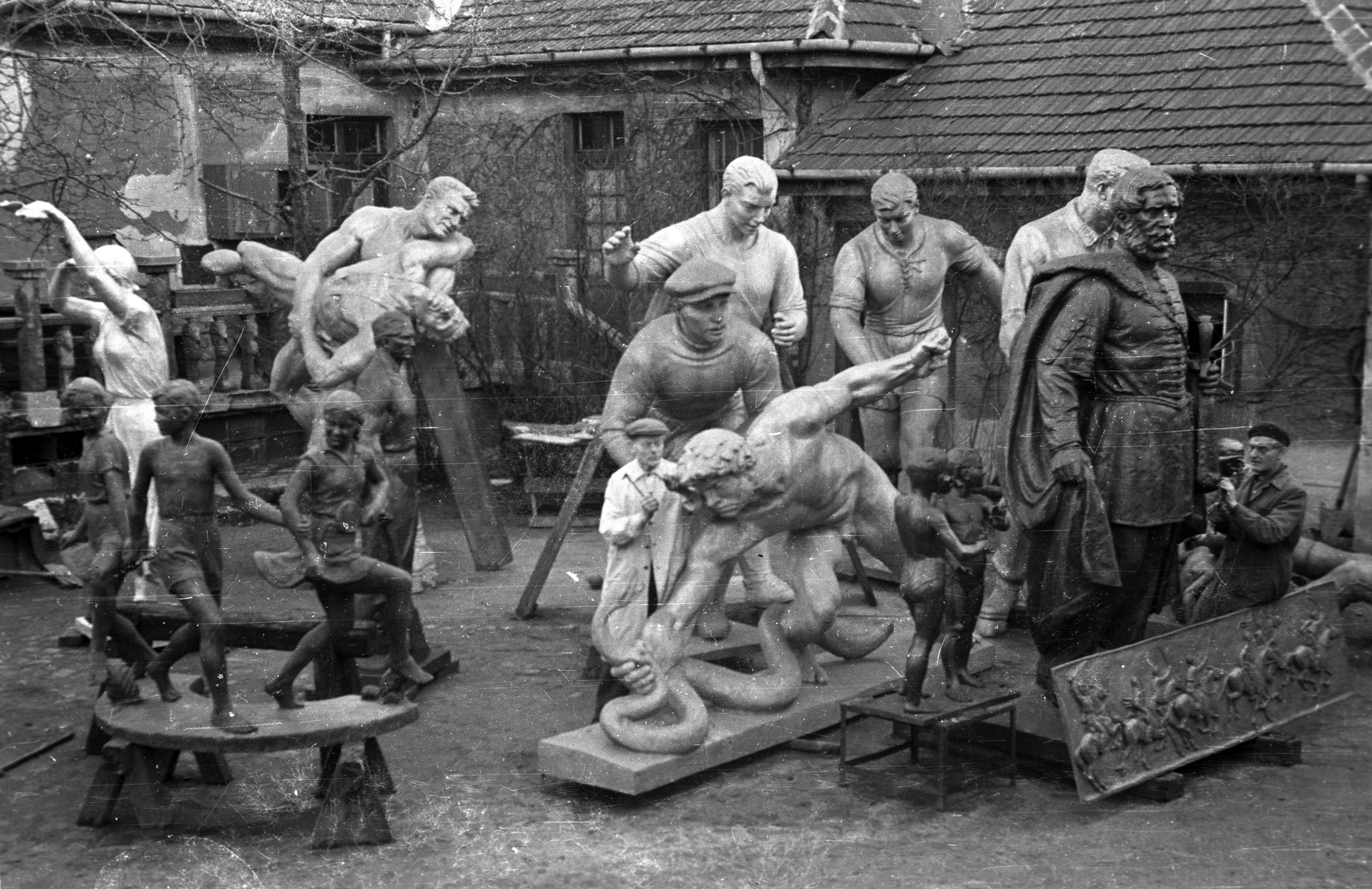
The photograph below recently found on the Fortepan website showing the above sculpture at second back left of the image.
Ismeretlen fotós. 1956. Magyarország, Budapest XIII. Jász utca 74., a Képzőművészeti Kivitelező és Iparvállalat szoboröntödéjének udvara. Sóváry János Táncoló gyerekek alkotása és a mögötte lévő Pátzay Pál Integető című alkotása Budapesten, Antal Károly Birkózók és Mikus Sándor Labdarúgók szobra a Népstadion szoborkertjében, Szomor László Kígyóölő szobra Szolnokon a vérellátónál, Kisfaludi Strobl Zsigmond Kossuth Lajost ábrázoló szobra a Hősök terén került később felállításra.
Unknown photographer. 1956 Hungary, Budapest XIII. Jász utca 74, the yard of the sculptural foundry of the Fine Art Designer and Industrial Company. János Sóváry Creation of Dancing Children and the Pátzay Pál Integető, behind the Antal Károly Birkozók and Mikus Sándor Football Sculpture in the Népstadion Sculpture Garden, The Statue of László Szomor, The Snake Statue in Szolnok, The statue of Kisfaludi Strobl Zsigmond Kossuth Lajost was later erected in the Heroes’ Square.
The Hungarian Revolution of 1956 or the Hungarian Uprising of 1956 (Hungarian: 1956-os forradalom or felkelés) was a nationwide revolt against the government of the Hungarian People’s Republic and its Soviet-imposed policies, lasting from 23 October until 10 November 1956. Though leaderless when it first began, it was the first major threat to Soviet control since the USSR’s forces drove out Nazi Germany from its territory at the end of World War II and broke into Central and Eastern Europe.
The revolt began as a student demonstration, which attracted thousands as they marched through central Budapest to the Parliament building, calling out on the streets using a van with loudspeakers via Radio Free Europe. A student delegation, entering the radio building to try to broadcast the students’ demands, was detained. When the delegation’s release was demanded by the demonstrators outside, they were fired upon by the State Security Police (ÁVH) from within the building. One student died and was wrapped in a flag and held above the crowd. This was the start of the revolution. As the news spread, disorder and violence erupted throughout the capital.
The revolt spread quickly across Hungary and the government collapsed. Thousands organised into militias, battling the ÁVH and Soviet troops. Pro-Soviet communists and ÁVH members were often executed or imprisoned and former political prisoners were released and armed. Radical impromptu workers’ councils wrested municipal control from the ruling Hungarian Working People’s Party and demanded political changes. A new government formally disbanded the ÁVH, declared its intention to withdraw from the Warsaw Pact, and pledged to re-establish free elections. By the end of October, fighting had almost stopped and a sense of normality began to return.
After announcing a willingness to negotiate a withdrawal of Soviet forces, the Politburo changed its mind and moved to crush the revolution. On 4 November, a large Soviet force invaded Budapest and other regions of the country. The Hungarian resistance continued until 10 November. Over 2,500 Hungarians and 700 Soviet troops were killed in the conflict, and 200,000 Hungarians fled as refugees. Mass arrests and denunciations continued for months thereafter. By January 1957, the new Soviet-installed government had suppressed all public opposition. These Soviet actions, while strengthening control over the Eastern Bloc, alienated many Western Marxists, leading to splits and/or considerable losses of membership for Communist Parties in the West.
The Edward Steichen Photography Galleries, third floor
Horacio Coppola (Argentine, 1906-2012) Calle California. Vuelta de Rocha. La Boca 1931
Gelatin silver print, printed 1996
7 5/8 × 11 5/16″ (19.4 × 28.7cm)
IVAM, Institut Valencià d’Art Modern
The work of Greta Stern is the better known of these two artists (Ringl + Pit studio and the surreal, psychoanalytic 1950s work), but I find it is the underrated photographs of Horacio Coppola that are the gems in this posting.
It is a bit rough that Richard B. Woodward, commenting on the exhibition on the Collector Daily website (below), observes that with no production after 1938 it “raises suspicions that he was not an artist who sustained himself at a top level.” I beg to differ. Many illuminati have short, explosive and powerful careers before giving the game away, or changing to a different medium or form.
He also observes that, “Coppola failed to channel the nocturnal otherworldliness of the city found in Brassäi and Brandt, only a few of these photos have the haunted quality they achieved,” after the curators of the exhibition, in the catalogue, compare Coppola’s work to those two esteemed individuals. He cites a “sneaky street picture” from 1936 as evidence and instance of an image where Coppola captured a magical moment. I think both curators and critic are missing the point. Coppola is certainly NOT like Brassäi and Brandt in that his photographs at night are not ROMANTIC photographs of the nocturnal fabric of the city. Coppola’s images do NOT possess the kind of magic that Woodward is looking for (that of Brassai’s Paris at Night for example), that he believes should be there, simply because they are of a different order. But that does not make them any less valuable in terms of their insight and energy.
Coppola’s images, steeped in his training at the Bauhaus, are objective, modernist magic. By that I mean they possess a most uncanny use of form, of space and light. Day or night, he places his camera so carefully, in such a controlled and ego-less way, that the precision of his renditions is exquisite. For example, look at Calle Florida (1936, below). What seems an ordinary street, a photograph that anyone could have taken. But no! look again. That perfect rendition of shadow, darkness, movement and the spaces between the figures, The eye is led down the street to the vanishing point and then is released with all that pent up energy in to the V of the sky. Magnificent.
I wish I had more of his photographs to show you, especially his night shots. Coppola wasn’t a Walker Evans or a Paul Strand, certainly not a Kertész, Brassäi or Brandt because he simply was himself, with his own unique signature. He should NEVER be put down for that. I hope this wonderful artist starts to get the recognition he deserves.
Dr Marcus Bunyan
Many thankx to the Museum of Modern Art for allowing me to publish the photographs in the posting. Please click on the photographs for a larger version of the image.
Horacio Coppola (Argentine, 1906-2012) Buenos Aires 1931
Gelatin silver print
3 1/8 x 4 9/16″ (8 x 11.6cm)
The Museum of Modern Art, New York. Vital Projects Fund, Robert B. Menschel
“The catalog contends that Grete Stern and Horacio Coppola created a stunning body of work, but the show argues, in many ways, for two discrete bodies of work. What might have been accomplished instead of trying to insert two lesser known figures into the canon is to highlight what’s really interesting about their lives and careers: that they – and particularly Stern – were migratory and interdisciplinary, harbingers of the kinds of artistic practice we see today in which commerce, parenthood and politics can no longer be elided, and so they become part of the work. The museum could have showcased their work along with that of their friends and compatriots, from Bauhaus to Buenos Aires, from the literary world to the poets, writers, activists and psychoanalysts with whom they interacted and not just as mute players in this narrative. Now that would have been an extraordinary show.”
“Coppola (1906-2012), on the other hand, has no paper trail of distinction. Outside of his native Argentina, where he was an early convert to Modernism in the late 1920s and later an evangelist for the style, his name draws a blank in most art circles. Parr and Badger cite his Buenos Aires, published in 1937, in volume 2 of their photobook history. But not until 2011 were Coppola’s photographs exhibited in New York, and then only in an imported group show titled Light of Modernity in Buenos Aires (1929-1954) at the Nailya Alexander Gallery. Since then, nothing until now…
The wall of photographs in the next room, done after 1935 when he returned to Argentina – and the basis of the book Buenos Aires – are meant to present Coppola at the height of his powers. Meister puts these views of the Argentine capital – teeming with urban crowds on the streets or at racetracks, shopping at department stores, walking through illuminated streets at night – on a par with Brassäi’s of Paris and Brandt’s of London.
This is a stretch. Perhaps because the prints are hung salon-style, many of them too low for their details to be read, or, more likely, because Coppola failed to channel the nocturnal otherworldliness of the city found in Brassäi and Brandt, only a few these photos have the haunted quality they achieved. If I knew Buenos Aires and had an interior map of these places in my head, I might change my mind. But a sneaky street picture from 1936 of three passersby looking into the front windows of a bridal shop, which are filled with staged, idealised portraits of marriage bliss, is one of the few instances where Coppola captured a magical moment. The absence of anything he did after 1938 raises suspicions that he was not an artist who sustained himself at a top level.”
Richard B. Woodward. “From Bauhaus to Buenos Aires: Grete Stern and Horacio Coppola @MoMA” on the Collector Daily website June 17, 2015 [Online] Cited 01/10/2015. No longer available online
Horacio Coppola (Argentine, 1906-2012) Rivadivia between Salguero and Medrano 1931
Gelatin silver print, printed 1996
7 5/8 × 11 5/16″ (19.4 × 28.7cm)
IVAM, Institut Valencià d’Art Modern
Horacio Coppola (Argentine, 1906-2012) Still Life with Egg and Twine 1932
Gelatin silver print
8 1/8 x 10 1/8″ (20.7 x 25.7cm)
The Museum of Modern Art, New York. Thomas Walther Collection. Acquired through the generosity of Peter Norton
Horacio Coppola (Argentine, 1906-2012) London 1934
Gelatin silver print
6 x 7 5/8″ (15.2 x 19.3cm)
The Museum of Modern Art, New York. Latin American and Caribbean Fund
Horacio Coppola (Argentine, 1906-2012) London 1934
Gelatin silver print
5 11/16 x 7 3/8″ (14.5 x 18.7cm)
The Museum of Modern Art, New York. Committee on Photography Fund
Horacio Coppola (Argentine, 1906-2012) Avenida Diaz Velez al 4800 1936
Gelatin silver print, printed 1952
16 3/4 x 23 1/2″ (42.5 x 59.7cm)
The Museum of Modern Art, New York. Agnes Rindge Claflin Fund
Horacio Coppola (Argentine, 1906-2012) Avenida Diaz Velez al 4800 (detail) 1936
Gelatin silver print, printed 1952
16 3/4 x 23 1/2″ (42.5 x 59.7cm)
The Museum of Modern Art, New York. Agnes Rindge Claflin Fund
Horacio Coppola (Argentine, 1906-2012) Balneario Municipal 1936
Gelatin silver print
8 1/4 x 10 7/16″ (21 x 26.5cm)
Estate of Horacio Coppola; courtesy Galería Jorge Mara – La Ruche, Buenos Aires
Horacio Coppola (Argentine, 1906-2012) Balneario Municipal (detail) 1936
Gelatin silver print
8 1/4 x 10 7/16″ (21 x 26.5cm)
Estate of Horacio Coppola; courtesy Galería Jorge Mara – La Ruche, Buenos Aires
Horacio Coppola (Argentine, 1906-2012) Directorio and J.M. Moreno 1936
Gelatin silver print
6 5/8 × 7 13/16″ (16.8 × 19.8cm)
Museo Nacional Centro de Arte Reina Sofía, Madrid
Horacio Coppola (Argentine, 1906-2012) Plaza San Martín from Kavanagh 1936
Gelatin silver print
7 5/16 x 10 1/2″ (18.5 x 26.7cm)
Private Collection
From Bauhaus to Buenos Aires: Grete Stern and Horacio Coppola is the first major exhibition of the German-born Grete Stern and the Argentinean Horacio Coppola, two leading figures of avant-garde photography who established themselves on both sides of the Atlantic. In Berlin in 1927, Stern began taking private classes with Walter Peterhans, who was soon to become head of photography at the Bauhaus. A year later, in Peterhans’s studio, she met Ellen (Rosenberg) Auerbach, with whom she opened a pioneering studio specialising in portraiture and advertising. Named after their childhood nicknames, the studio ringl + pit embraced both commercial and avant-garde loyalties, creating proto-feminist works.
In Buenos Aires during the same period, Coppola initiated his photographic experimentations, exploring his surroundings and contributing to the discourse on modernist practices across media in local cultural magazines. In 1929 he founded the Buenos Aires Film Club to introduce the most advanced foreign films to Argentine audiences. His early works show a burgeoning interest in new modes of photographic expression that led him to the Bauhaus in 1932, where he met Stern and they began their joint history.
Following the close of the Bauhaus and the rising threat of the Nazi powers in 1933, Stern and Coppola fled Germany. Stern arrived first in London, where her friends included activists affiliated with leftist circles and where she made her now iconic portraits of German exiles. After traveling through Europe, camera in hand, Coppola joined Stern in London, where he pursued a modernist idiom in his photographs of the fabric of the city, tinged alternately with social concern and surrealist strangeness.
In the summer of 1935, Stern and Coppola embarked for Buenos Aires where they mounted an exhibition in the offices of the avant-garde magazine Sur, announcing the arrival of modern photography in Argentina. The unique character of Buenos Aires was captured in Coppola’s photographic encounters from the city’s centre to its outskirts and in Stern’s numerous portraits of the city’s intelligentsia. The exhibition ends in the early 1950s, with Stern’s forward-thinking Sueños (Dreams), a series of photomontages she contributed to the popular women’s magazine Idilio, portraying women’s dreams with urgency and surreal wit.
The exhibition is accompanied by a major publication edited by Roxana Marcoci and Sarah Meister with a selection of original texts by Stern and Coppola translated into English by Rachel Kaplan. The catalogue will consist of three essays on the artists written by the exhibition curators and scholar Jodi Roberts.
Text from the MoMA website
Ringl + Pit (German) Ringlpitis 1931
Artist book with collage
7 7/8 x 7 7/8″ (20 x 20cm)
Estate of Horacio Coppola, Buenos Aires
Ringl + Pit (German) Ringlpitis (detail)
1931
Artist book with collage
7 7/8 x 7 7/8″ (20 x 20cm)
Estate of Horacio Coppola, Buenos Aires
Ringl + Pit (German) Columbus’ Egg 1930
Gelatin silver print
9 1/4 x 7 7/8″ (23.5 x 20cm)
Collection Helen Kornblum
Ringl + Pit (German) Hat and Gloves 1930
Gelatin silver print Image: 14 7/8 x 9 3/4″ (37.8 x 24.8cm) Sheet: 15 11/16 x 10 1/2″ (39.8 x 26.7cm)
The J. Paul Getty Museum, Los Angeles
Ringl + Pit (German) Ellen Auerbach Grete Stern Soapsuds 1930
Gelatin silver print
7 x 6 1/4″ (17.8 x 15.9cm)
The Museum of Modern Art, New York. Acquired through the generosity of Roxann Taylor
Ringl + Pit (German) Komol 1931
Gelatin silver print
14 1/8 x 9 5/8″ (35.9 x 24.4cm)
The Metropolitan Museum of Art. Gift of Ford Motor Company and John C. Waddell
Grete Stern (Argentine born Germany, 1904-1999) Self-Portrait 1943
Gelatin silver print, printed 1958
11 x 8 11/16″ (28 x 22cm)
Estate of Horacio Coppola, Buenos Aires
The Museum of Modern Art has organised the first major exhibition to examine the individual accomplishments and parallel developments of two of the foremost practitioners of avant-garde photography, film, advertising, and graphic design in the first half of the 20th century: Grete Stern (German, 1904-1999) and Horacio Coppola (Argentine, 1906-2012). From Bauhaus to Buenos Aires: Grete Stern and Horacio Coppola will be on view May 17 through October 4, 2015, and features more than 300 works gathered from museums and private collection across Europe and the Americas – many of which have never before been exhibited in the United States. These include more than 250 vintage photographs and photomontages, 40 works of original typographic design and award-winning advertising materials, 26 photobooks and periodicals, and four experimental 16mm films. From Bauhaus to Buenos Aires is organised by Roxana Marcoci, Senior Curator, and Sarah Meister, Curator; with Drew Sawyer, Beaumont and Nancy Newhall Curatorial Fellow, Department of Photography.
Stern and Coppola were united in their exploration of a modernist idiom, yet despite their relationship as husband and wife (from 1935 to 1943) they pursued this goal along remarkably original paths. Having started their artistic careers within the European avant-garde of the late 1920s and early 1930s, Stern and Coppola produced their major body of works in Argentina, where they thrived amid a vibrant milieu of Argentine and émigré artists and intellectuals. As harbingers of New Vision photography in a country caught up in the throes of forging its own modern identity, their distinctly experimental styles led to their recognition as founders of modern Latin American photography.
The earliest works in the exhibition date from the late 1920s to the early 1930s, when both artists began their initial forays into photography and graphic design. After beginning her studies in Berlin with Walter Peterhans, who became head of photography at the Bauhaus, in 1928 Stern met Ellen (Rosenberg) Auerbach and together they opened the pioneering studio ringl + pit, specialising in portraiture and advertising. Named after their childhood nicknames (Stern was ringl; Auerbach was pit), the studio embraced both commercial and avant-garde loyalties, creating proto-feminist works. The exhibition presents a large number of photographs, graphic design materials, and advertisements by the duo that explored alternative models of the feminine. Defying the conventional style of German advertising photography in this period, ringl + pit emerged as a dissident voice that stirred the interest of critics, artists, and consumers.
Coppola’s first photographs, made in Buenos Aires in the late 1920s, reveal an optical curiosity completely out of sync with prevailing trends in Argentina. Instead of using the camera to accurately render the details of the visible world, Coppola instead explored its potential to complicate traditional understandings of pictorial space. Like Man Ray and László Moholy-Nagy, he was interested in the effects of light, prisms, and glass for their visual and metaphoric potential, and he photographed his native city from unexpected perspectives akin to Germaine Krull’s images of Paris from the same decade. These early works show the burgeoning interest in new modes of photographic expression that led him to the Bauhaus in 1932, where he met Stern.
Following the close of the Bauhaus and the rising threat of the Nazi powers in 1933, Stern and Coppola fled Germany. Stern arrived first in London, where her friends included activists affiliated with leftist circles, and the exhibition presents her now iconic portraits of German exiles, including those of playwright Bertolt Brecht, actress Helene Weigel, Marxist philosopher Karl Korsch, and psychoanalyst Paula Heimann. After traveling and photographing throughout Europe, Coppola joined Stern in London, where his modernist photographs depicting the fabric of the city alternate between social concern and surrealist strangeness.
The exhibition’s third gallery includes films that Coppola produced in Berlin, Paris, and London during these years. The first of these films, Der Traum (The Dream), bears the strongest relationship to Surrealist filmmaking, while his next two films, Un Muelle del Sena (A Quai on the Seine) (1934) and A Sunday on Hampstead Heath (1935), are increasingly ambitious, using the film camera alternately as a still camera and for its unique capacity to pan across a scene and to capture action in urban environments.
In 1935, Stern and Coppola married and embarked for Buenos Aires, where they mounted an exhibition in the offices of the avant-garde magazine Sur, announcing the arrival of modern photography in Argentina. Following the exhibition’s successful critical reception, their home became a hub for artists and intellectuals, both those native to Argentina and the exiles continuously arriving from a war-torn Europe. The fourth gallery in From Bauhaus to Buenos Aires presents Coppola’s photographic encounters from the city’s centre to its outskirts and Stern’s numerous portraits of the city’s intelligentsia.
In 1936, Coppola received a career-defining commission to photograph Buenos Aires for a major publication celebrating the 400th anniversary of the city’s founding. Coppola used the opportunity to construct his own modern vision of the city, one that would incorporate the celebration of the local and his appreciation of the city’s structure inspired by the architect Le Corbusier. Concurrently, Coppola made his final film, The Birth of the Obelisk – an ode to Buenos Aires and its newly constructed monument. The film combines dynamic shots of the city with sequences of carefully constructed stills, demonstrating in six-and-a half minutes a vibrant, confident mix of influences, from Moholy-Nagy and Krull to the Concrete art movement in Argentina to films by Walter Ruttmann, Charles Sheeler, and Paul Strand.
Throughout the 1940s, Stern took incisive portraits of artists and writers, many of whom were aligned with the international antifascist cause and the emergence of an emancipatory feminist consciousness. These included playwright Amparo Alvajar; socialist realist painters Antonio Berni, Gertrudis Chale, and Lino Eneas Spilimbergo; poet Mony Hermelo; and graphic designer Clément Moreau. Among Stern’s numerous other subjects were poet-politician Pablo Neruda, abstract painter Manuel Ángeles Ortiz, and writer Jorge Luis Borges.
The exhibition concludes in the mid-1950s, at the end of Juan Domingo Perón’s era, with a large presentation of Stern’s Sueños (Dreams), a series of forward-thinking photomontages that she contributed on a weekly basis to the women’s magazine Idilio (Idyll) from 1948 to 1951. In Dream No. 1: Electrical Appliances for the Home, an elegantly dressed woman is converted into a table lamp that waits to be turned on by a male hand, using electricity as a sexual pun to expose feminine objectification. In Dream No. 24: Surprise, a female protagonist hides her face in shock as she confronts a larger-than-life baby doll advancing toward her. Debunking fantasies about women’s lives, Stern plumbed the depths of her own experience as a mother and artist to negotiate the terms between blissful domesticity and entrapment, privacy and exposure, cultural sexism and intellectual rebellion.
Press release from the MoMA website
Horacio Coppola (Argentine, 1906-2012) Untitled (Staircase at Calle Corrientes) 1928
Gelatin silver print
13 3/4 x 11 3/4″ (34.9 x 29.9cm)
Collection Alexis Fabry, Paris
Horacio Coppola (Argentine, 1906-2012) “¡Esto es Buenos Aires!” (Jorge Luis Borges) “This is Buenos Aires!” (Jorge Luis Borges) 1931
Gelatin silver print
8 11/16 x 5 7/8″ (22 x 15cm)
Estate of Horacio Coppola, Buenos Aires
Horacio Coppola (Argentine, 1906-2012) Avenida Corrientes towards the West 1936
Gelatin silver print
8 1/16 x 5 5/16″ (20.5 x 13.5cm)
Estate of Horacio Coppola; courtesy Galería Jorge Mara – La Ruche, Buenos Aires
Horacio Coppola (Argentine, 1906-2012) Buenos Aires 1936
Gelatin silver print
8 3/16 x 5 15/16″ (20.8 x 15.1cm)
The Museum of Modern Art, New York. Latin American and Caribbean Fund
Horacio Coppola (Argentine, 1906-2012) Calle Corrientes at the Corner of Reconquista 1936
Gelatin silver print
11 × 7 11/16″ (28 × 19.5cm)
IVAM, Institut Valencià d’Art Modern
Horacio Coppola (Argentine, 1906-2012) Calle Florida at 8 pm 1936
Gelatin silver print
14 3/4 x 11 7/16″ (37.5 x 29cm)
Eric Franck Fine Art, London
Grete Stern (Argentine born Germany, 1904-1999) Brecht 1934
Gelatin silver print
10 1/4 x 6 11/16″ (26 x 17cm)
Private Collection, Boston
Grete Stern (Argentine born Germany, 1904-1999) Gyula Kosice 1945
Gelatin silver print
11 7/16 x 9 1/8″ (29.1 x 23.2cm)
Museum Folkwang, Essen, Germany
Gyula Kosice, born Fernando Fallik (April 26, 1924) in Košice (Slovakia) is a naturalised Argentine sculptor, plastic artist, theoretician and poet, one of the most important figures in kinetic and luminal art and luminance vanguard. He used his natal city name as artist name. He was one of the precursors of abstract and non-figurative art in Latin America.
Grete Stern (Argentine born Germany, 1904-1999) Jorge Luis Borges 1951
Gelatin silver print
10 13/16 x 8 1/4″ (27.5 x 21cm)
Estate of Horacio Coppola, Buenos Aires
Grete Stern (Argentine born Germany, 1904-1999) Sueño No. 7: Who Will She Be? 1949
Gelatin silver print
15 1/2 × 19 1/16″ (39.4 × 48.4cm)
Museo Nacional Centro de Arte Reina Sofía, Madrid
Grete Stern (Argentine born Germany, 1904-1999) Sueño No. 1: Electrical Appliances for the Home 1949
Gelatin silver print
10 1/2 x 9″ (26.6 x 22.9cm)
The Museum of Modern Art, New York. Latin American and Caribbean Fund through gift of Marie-Josée and Henry R. Kravis in honor of Adriana Cisneros de Griffin
Grete Stern (Argentine born Germany, 1904-1999) Sueño No. 28: Love without Illusion 1951
Gelatin silver print
19 11/16 × 15 3/4″ (50 × 40cm)
IVAM, Institut Valencià d’ Art Modern
Grete Stern (Argentine born Germany, 1904-1999) Sueño No. 27: Doesn’t Fade with Water 1951
Gelatin silver print, printed 1990s
11 7/16 x 9 1/16″ (29 x 23cm)
Collection Eduardo F. Costantini, Buenos Aires
Grete Stern (Argentine born Germany, 1904-1999) Sueño No. 31: Made in England 1950
Gelatin silver print
19 11/16 × 13 3/16″ (50 × 33.5cm)
IVAM, Institut Valencià d’ Art Modern
Grete Stern (Argentine born Germany, 1904-1999) D.L.H.
1925
Photocollage
8 7/16 x 6 5/16″ (21.5 x 16cm)
Museum Folkwang, Essen, Germany
Grete Stern (Argentine born Germany, 1904-1999) Photomontage for Madí, Ramos Mejía, Argentina 1946-1947
Gelatin silver print
23 9/16 x 19 7/16″ (59.8 x 49.4cm)
The Museum of Modern Art, New York. Latin American and Caribbean Fund and partial gift of Mauro Herlitzka
“She also photographed members of Madí (from the first two letters of the words “materialismo dialéctico”), who were committed to abstraction as an antidote to the propaganda disseminated by Juan Perón. One of Ms. Stern’s best-known works, on view here, is the “Photomontage for Madí, Ramos Mejia, Argentina” (1946-1947), which she made for the second issue of their journal. For the images, she used the “M” from a neon sign advertising Movado watches and superimposed “Madí” over the obelisk designed by Alberto Prebisch to celebrate the 400th anniversary of Buenos Aires. The obelisk symbolized, for her milieu, abstract geometry.”
Exhibition dates: 23rd January – 4th September 2015
Kinsey Institute Gallery, Indiana University
*PLEASE NOTE THIS POSTING CONTAINS ART PHOTOGRAPHS OF HUMAN EROTIC ACTIVITY AND NUDITY – IF YOU DO NOT LIKE PLEASE DO NOT LOOK, FAIR WARNING HAS BEEN GIVEN*
Gallery wall of the exhibition Hold That Pose at the Kinsey Institute
A first for Art Blart – photographs from the world famous Kinsey Institute for Research in Sex, Gender, and Reproduction!
After visiting the Kinsey Institute as part of my PhD in 2001 I was not allowed to publish any photographs from the collection for my research, which was a pity. Things have changed over the last decade and a half I am happy to say. As I observed in an email to Catherine Johnson-Roehr, Curator of Art, Artifacts, and Photographs recently, I understood that they had to be more sensitive than most institutions, especially with some of the material they hold in their collection. In reply, Catherine noted that while the Kinsey still had to be careful with the use of their materials especially when they are made public online, things had improved in the last 15 years. “Although we have collected artworks since the 1940s, we did not exhibit any of the materials until the 1990s and then on a very limited basis until 2002. When I arrived here in 2000, we had only a few tame images on our website, but now we have online galleries for some of our exhibitions (including all the juried art shows).”
Therefore, after some negotiation for online release, it is with great pleasure that I can feature 40 images in this two-part posting. Nobody should be offended by these glorious, historic photographs of the human body and a human action that everyone does, and it is fantastic to see the Kinsey opening up their collection to the world. We must oppose bigoted views such as that of Nazi Germany where they destroyed the library of the Institut für Sexualwissenschaft (Institute for Sexology) headed by Magnus Hirschfeld, in 1933… by making these images visible in the world, not hiding them away behind closed doors. These are joyous photographs of the male and female body, a body in which everyone of us lives, desires, and enjoys pleasure.
Many thankx for the Kinsey Institute for allowing me to publish the photographs in the posting. Please click on the photographs for a larger version of the image.
The Kinsey Institute research collection contains thousands of examples of erotic imagery produced over centuries by artists around the world. When the new technology of photography was announced in France in 1839, it was not long before it became the most popular medium for depictions of the nude figure, as well as erotic imagery. The first photographic process to be widely used was the daguerreotype, which produced a unique image. With the invention of other processes that used negatives to make multiple prints, the mass production of erotic photographs became possible. Hold That Pose features daguerreotypes, tintypes, albumen and gelatin silver prints, stereocards, and other examples of photographic processes that were used by professional photographers in the 19th century to produce and distribute erotic material.
Photo process display case from the exhibition Hold That Pose at the Kinsey Institute
Stanhopes on display from the exhibition Hold That Pose at the Kinsey Institute
Unknown photographers Stanhope lenses and holders
19th or early 20th century
Unknown photographer Stanhope lens and holder (detail)
19th or early 20th century
Stanhope lenses and holders 19th or early 20th century
Stanhopes derive their name from Lord Stanhope, who created the tiny rod-shaped lens before the invention of photography. In 1859, an entrepreneurial French inventor named René Prudent Patrice Dagron patented a process for making “cylindres photomicroscopiques”, and then created a successful business selling them as inexpensive novelty items. A photograph smaller than the head of a pin was mounted on a Stanhope lens, and then both were placed in a holder such as a pen knife, ring, or other small object. Stanhopes were popular souvenir items – many featured photographs of places or famous monuments such as the Eiffel Tower, but images of nude women or explicit sexual activity were also produced.
Gallery wall from the exhibition Hold That Pose at the Kinsey Institute
Stereoscope display case from the exhibition Hold That Pose at the Kinsey Institute
Stereoscope on display in the exhibition Hold That Pose at the Kinsey Institute
Stereo photography
The stereoscope, a device for viewing images in three dimensions, was invented in England in1838, just as the first photographic processes were being developed in France. The first stereo photographs were created using the daguerreotype process, which preserved an image on a highly polished silver plate. Initially a single camera was used to produce two nearly identical images that when viewed through a stereo device gave the illusion of seeing in 3-D, but soon a camera equipped with two lenses came into use for the production of stereo images. Stereoscopes became as popular as televisions are today, as a form of affordable home entertainment that could be enjoyed by children and adults.
Webster & Albee (Publishers, United States) Woman standing on the back of a kneeling man
Late 19th century
Hand-colored stereocard
See the installation photograph above and the card in the Stereoscope
Unknown photographer (France) Two nude women in a room with a mirror
c. 1850-1855
Stereo daguerreotype under glass
Underwood & Underwood (United States) Oh ! you naughty man
1900
Stereocard
Unknown photographer The Entanglement
Mid 19th century
Hand-coloured stereocard
Unknown photographer (France) Nude woman in a room with a mirror
c. 1850-1855
Copy photograph of stereo daguerreotype
Unknown photographer Photomontage of men and women engaged in sexual activity
1895-1900
Gelatin silver print
Unknown photographer Photomontage of men and women engaged in sexual activity (detail)
1895-1900
Gelatin silver print
Unknown photographer Woman penetrating a woman with a dildo
1880-1885
Gelatin silver copy print
Unknown photographer Bathing in a Baetingplace
Japan, 1880-1890
Hand-coloured albumen print
___ and ___ – bathing, attended by their ____ (maid) who is putting charcoal into the fire under the tub
Unknown photographer (United States) Nude woman reclining on a fallen tree
c. 1880
Modern platinum print from glass plate negative
(printed in 2012 by Herbert Ascherman, Jr.)
Unknown photographer (Indiana, United States) Erect penis
19th century
Modern gelatin silver print from glass plate negative
Baron Wilhelm von Gloeden (German, 1856-1931) Man seated beside a tree
Taormina, Sicily, 1899
Albumen print
Baron Wilhelm von Gloeden (German, 1856-1931) Two nude men standing in a forest
Taormina, Sicily, 1899
Albumen print
The Kinsey Institute
Morrison Hall 313, Indiana University
Bloomington, Indiana, USA
Florence Henri is rapidly becoming one of my favourite photographers, an artist who emerged during one of the golden periods of photography, the avant-garde of the 1920s-30s. While we have seen some of these photographs before in a previous posting, there are some new and delightful images to enjoy here.
If you believe the text by Priscilla Frank, “Meet Florence Henri, The Under-Acknowledged Queen Of Surrealist Photography,” on the Huffington Post website [02/20/2015], you could be forgiven for thinking that her photography is based on Surrealist themes. Nothing could be farther from the truth. There is nothing about Henri’s photographs to suggest that they are based on the creative potential of the unconscious mind exemplified by the irrational juxtaposition of images. Henri’s photographs are quite logical and ordered, being an investigation into space, time and object using the “extension of the formal and structural aesthetics of Cubism, Purism and Constructivism.”
Her geometric abstractions “exploited the dialogue between realism and abstraction… and she explored spatial extension and fragmentation in her utter modern vocabulary. Her still life and abstract compositions achieved by balancing abstraction with a pure and essential subject were created in the spirit of the machine age. She viewed space as if it were elastic, distorting figure and ground and altering planes through the use of mirrors and lenses.”
Through attention and attentiveness to subject, Henri achieved her results by using created space to investigate the fragmentation and distortion of the world. Her art is not about the production of phenomena (the spectacle), but about the creation of volumes that are in an of space itself. As Donald Judd’s observes of his created volumes in 1981: “… familiar objects, objects as we habitually perceive them, assume physical neutrality because they and their environment are deactivated: “They are points in space, and space is an empty surround. Instead, what is needed is a created space, space made by someone, space that is formed as a solid, the two the same, with the space and the solid defining each other.” Objects in and of space, the two the same: this was the crux. Judd did more than set new solids into existing voids. He formed solids and their correlative spaces as an integrated operation, as if he were establishing an architecture from the ground up, creating the entire environment, intensifying it, saturating it with its own sensation.”1
In a photographic sense, Henri can be seen as a precursor to Judd’s volumes, creating her own worlds from the ground up, creating the entire environment where the space and the object are one and the same thing… only to then record and flatten that space into the essential nature of the photograph, its physicality. Her sensory affects “remain fixed in the concatenation of materials, structure and placement that generates it. They are the lived equivalent of those conditions, experienced as continuous in time – hence, timeless – remaining wholly the same until interrupted.”2 How appropriate for Henri’s photographs for they do indeed have a timeless “air”, a transcendence of the time and place they were taken, a transcendence of the space which her volumes inhabit. Objects in and of space, the two the same.
As Judd observes, “Time and space don’t exist [as idealised abstractions]; they are made by events and positions. Time and space can be made and don’t have to be found like stars in the sky or rocks on a hillside.” Time and space are grounded in being human: they exist when someone experiences them.”3 Here is the nub of the matter, for it matters that we experience Henri’s photographs each in its definite time and space. Henri’s being is immersed in these volumes and they hold our interest because the created environments are saturated with her own sensations.
Dr Marcus Bunyan
Footnotes
1/ Donald Judd quoted in Richard Shiff. “Sensous Thoughts,” in Marianne Stockebrand (ed.,). Donald Judd. The Multicolored Works. Yale University Press, 2014, p. 106
2/ Ibid.,
3/ Ibid., p. 107.
Many thankx to the Jeu de Paume for allowing me to publish the photographs in the posting. Please click on the photographs for a larger version of the image.
“With photography, what I really want to do is compose the image, as I do in painting. The volumes, lines, shadows and light should submit to my will and say what I would like them to say. All of this under the strict control of the composition, because I do not claim to be able to explain the world or to explain my own thoughts.”
Florence Henri in an interview with Attilio Colombo, “Specchio, essenzialità, geometría,” in ‘Florence Henri’ (Milan: Gruppo Editoriale Fabbri, 1983)
“Henri soon recognised the medium’s capacity as a pictorial language and outlet for creative expression. Upon returning to France [from the Bauhaus], Henri began to develop a large body of photographic work based upon her Bauhaus experience and an extension of the formal and structural aesthetics of Cubism, Purism and Constructivism. These non-objective principles forged an alternative to the then-dominant French art movement Surrealism. Henri transcended the avant-garde of one art form to that of another…
Henri’s greatest experimentation with geometric abstraction occurred during the period between 1929-1930… In the photographic work, Florence Henri exploited the dialogue between realism and abstraction, but always maintained a recognisable subject. She was concerned with transparency and movement, and she explored spatial extension and fragmentation in her utter modern vocabulary.
Her still life and abstract compositions achieved by balancing abstraction with a pure and essential subject were created in the spirit of the machine age. She viewed space as if it were elastic, distorting figure and ground and altering planes through the use of mirrors and lenses.”
Lynne Warren. ‘Encyclopedia of Twentieth-Century Photography’, 3-Volume set. Routledge, 2005, p. 691.
Florence Henri. Mirror of the avantgarde illustrates the desire of the Jeu de Paume to highlight the important role played by women photographers from the 1920s to the 1950s, and follows on from previous exhibitions devoted to Claude Cahun, Kati Horna, Eva Besnyö, Berenice Abbott, Lisette Model, Laure Albin Guillot and indeed, Lee Miller.
The exhibition brings together, for the first time in France, over 130 vintage prints by Florence Henri, as well as rare documents and publications, revealing the artist’s photographic production. Influenced by Constructivism, Cubism and Surrealism, Florence Henri’s work is part of the exciting creative tenor of the period, during which, photography, like cinema or architecture, embodied a spirit of innovation and progress, as well as a certain unconventionality in terms of the dominant visual order.
Familiar with Bauhaus, Florence Henri was one of the figures of the European artistic intelligentsia of the time. Her friendship with Fernand Léger, the Delaunays, Hans Arp, László Moholy-Nagy and Theo van Doesburg would have a profound influence on her work. In 1929, Florence Henri opened a photography studio in Paris. It soon rivalled that of Man Ray’s. Her classes were very well-attended and her talents as a portrait photographer were quickly recognised.
It is not so much the image alone as the constant research that brings Florence Henri’s work to life. Lines and geometric compositions are recurring elements in her photographs. Over the years, she made her compositions increasingly complex through the use of mirrors, industrial and natural objects, or through collage and superposition. The exhibition attempts to both decipher and highlight the work of Florence Henri in terms of reflections, perspective, the depth of field and photomontage – key technical experimentations in the history of modern photography.
“All that I know, and how I know this, is primarily made up of abstract elements: spheres, planes, and grids whose parallel lines provide numerous opportunities, without taking into account the mirrors I use, to present the same object from several different angles within a single photograph, in order to yield, in the same way, different visions that complement and complete each other, and which when taken as a whole, are better able to explain it. Essentially, all of this is much more difficult to explain than to do.”
Florence Henri in an interview with Attilio Colombo, “Specchio, essenzialità, geometría,” in ‘Florence Henri’ (Milan: Gruppo Editoriale Fabbri, 1983)
Florence Henri (New York 1893 – Compiègne (France) 1982) was a multi-faceted artist, who was first known for her paintings before making a name for herself as a major figure in avant-garde photography between the end of the 1920s and the beginning of the 1940s. She lived in Silesia, Munich, Vienna, Rome and above all Berlin, before finally settling in Paris in 1924 and devoting herself to photography. This medium enabled her to experiment new relationships with space, in particular by the use of mirrors and other objects in her compositions.
The Jeu de Paume is presenting a vast panorama of Florence Henri’s photographic production from 1927 to 1940, including her self-portraits, abstract compositions, portraits of artists, nudes, photomontages, photocollages, as well as documentary photos taken in Rome, Paris and Brittany. The exhibition comprises vintage prints, various documents and published material.
When she was young, Florence Henri studied music and painting in England and Germany. In 1919, when she was a student at the Berlin Academy of Arts, she made the acquaintance of writer and art historian Carl Einstein and became friends with several figures of the avant-garde, including Hans Arp, Adrian Ludwig Richter, John Heartfield and Lázló Moholy-Nagy. She took classes with Paul Klee and Vassily Kandinsky at the Bauhaus in Weimar. In 1924 she moved to Paris, where she followed classes at the Académie Montparnasse, whose director was André Lhote, then at the Académie moderne (founded by Fernand Léger and Amédée Ozenfant). In 1927, after a visit to Bauhaus in Dessau, she abandoned painting in favour of photography. It was at this time that she produced her famous self-portraits in mirrors and her still lifes; the result of her first steps in the spatial research that she would carry out through the medium of photography.
Between the end of the 1920s and the beginning of the 1930s, three mythical exhibitions in terms of the history of European photography took place in Germany: “Fotografie der Gegenwart” at the Folkwang Museum in Essen (1929); “Film ind Foto” (Fifo) organised the same year by the Deutscher Werkbund in Stuttgart and “Das Lichtbild” held in Munich (1931). These exhibitions bore witness to the rapid expansion of new photographic concepts and a rupture with tradition. Fifo marked the zenith of the Neues Sehen (New Vision) movement of which László Moholy-Nagy was an exponent and “Das Lichtbild” marked the triumph of Neue Sachlichkeit (New Objectivity), whose leading representative was Albert Renger-Patzsch.
Florence Henri was invited to show an important number of prints at these three exhibitions in recognition of her photographic production during this fundamental period that saw the photography used to free our vision and open out onto new experiences.
Florence Henri’s studio rivalled that of Man Ray, even if she had also opened a school of photography where Lisette Model and Gisèle Freund, amongst others, would enrol. In fact, despite the central position that her oeuvre occupied in avant-garde photography at the end of the 1920s, her reputation as a portraitist in Paris, and the fact that her photos had been published in many of the period’s illustrated magazines such as Arts et Métiers and Lilliput etc, Florence Henri’s body of work remains largely unknown.
László Moholy-Nagy’s* comments are a perfect illustration of Florence Henri’s position: “With Florence Henri’s photos, photographic practice enters a new phase, the scope of which would have been unimaginable before today. Above and beyond the precise and exact documentary composition of these highly defined photos, research into the effects of light is tackled not only through abstract photograms, but also in photos of real-life subjects. The entire problem of manual painting is taken onboard by the photographic process and is manifestly given a whole new depth thanks to this new optical instrument. Reflections and spatial relationships, superposition and intersections are just some of the areas explored from a totally new perspective and viewpoint.”
*László Moholy-Nagy, “Zu den Fotografien von Florence Henri”, i10, No 17-18, Amsterdam, December 20, 1928.
Her most well-known work is a self-portrait, in which Henri sits before a mirror, dolled up almost as if in drag. Two silver balls lay reflected up against the mirror, equivocal symbols of both testicles and breasts. Henri, influential in both her artistic style and personal styles, toyed with gender binaries, using her personal appearance to emphasise the performative nature of gender. The artist was married to a Swiss house servant, but went on to have other relationships with both men and women, including a longtime affair with artist and model Margarete Schall.
Henri established herself as a formidable photographer, and remained consistent in her work up until World War II. Then her work declined considerably, both due to lack of materials and the prohibitions imposed under the Nazi occupation. Henri briefly returned to painting, but her central period of output remained in the 1920s and 1930s. Her compositions, simultaneously warm, playful, clever and inquisitive, set the stage for future explorations into the limits of photography, or lack thereof.
Her earliest compositions introduce an element that would be fundamental for her artistic investigations, namely the mirror. Using a very limited number of elements, Henri created extremely complex images characterised by the fragmentation of space and the use of multiple viewpoints. They include one of her best-known works, the self-portrait looking in the mirror with two metal spheres, which may be said to embody the spirit of freedom typical of that period, conveying the image of a modern and emancipated female artist, one who failed to conform to the societal status traditionally assigned to women.
Multiple exposure
Florence Henri uses methods such as multiple exposures when shooting, or a combination of several negatives, some inverted, to obtain abstract images, in which she manages to bestow static objects with a sense of dynamism. Florence Henri’s output during this early phase can be described as a perfect synthesis between abstract geometrical painting and the innovations of New Vision photography.
“Florence Henri’s work lured me to come to Paris in 1929. I wanted to live in a place where images were made that coincided with my own concepts.”
~ Ilse Bing, quoted in Gisèle Freund’s preface to Ilse Bing 1929/1955: Femmes de l’enfance à la vieillesse
Advertising photography
In the field of professional photography, Florence Henri stands out for her very personal approach to advertising photography. Indeed, her images are the natural extension of her photographic experimentation and investigations using objects and mirrors.
Collages
She quickly substitutes industrial objects with natural elements in her compositions. In addition, she introduces a new tool in her work: collage. She makes them with fragments of prints, and then reproduces them to create the final print. She also introduces a new technique into her work – collage – thereby underlining her interest in autonomous images that move away from a simple reproduction of reality, all the while emphasising the conceptual work of the artist.
Shadows
Her quest for experimentation leads Florence Henri to work on the shadows passing vertically through the frame, creating a dark gap that interrupts and fragments the continuity of the image.
Nu composition
Their aesthetic characteristics clearly place the works grouped under the title Nu composition as part of the formal research Florence Henri carried out from the early 1930s, where the mastery of the composition obviously remains the central concern of her work.
Here, the camera is positioned at a slight distance in order to capture the sensuality of the female form, while natural objects – hyacinths and shells – or other more enigmatic elements, such as a comb or cards, also appear in the frame.
Rome
In late 1931 and early 1932, Florence Henri visits Rome where she takes a series of photographs, notably at the Roman Forum, but also at Saint Peter’s Square, which she uses, upon her return to Paris, as material for numerous collages, developing the technique she had already used in certain of her still lifes.
Portrait composition
The series Portrait Composition, is characterised by the tight framing of the central figurer – though some are models, most are her friends, including Grete Willers, Sonia Delaunay, Woty Werner, Kurt Wilhelm-Kästner, Fernand Léger, and Tulia Kaiser. The artist often makes use of harsh lighting, which marks the traits or make-up of her subjects with a diagonal composition or even distorts the image.
Brittany
The photographs taken in Brittany, which at first glance could be seen as purely documentary, reveal a very carefully considered attention to structure. In some of the more general shots, Florence Henri inserts a blurred, graphic element between the lens and the landscape, thereby going against the idea of photography as merely capturing reality, and once again, reinforcing the notion of composition.
Store windows
When Florence Henri strolls through Paris with her camera, her images reveal a very different preoccupation to that of other photographers. Faithful to her attention to structure, in the reflections of store windows she finds the same spirit that brings life to her studio compositions using mirrors. In 1936, Florence Henri moves to the Rue Saint-Romain in Montparnasse, where she makes use of the terrace to work in natural light, and to pursue her study of the fragmentation of the image through the use of shadows and reflections. She also returns to her self-portrait work.
Love this period in photographic history and this type of work, love them all. Dora Maar your a star!
Marcus
Many thankx to the Cleveland Museum of Art for allowing me to publish the photographs in the posting. Please click on the photographs for a larger version of the image.
“Often wild and recalcitrant, the images presented in Forbidden Games have been somewhat bridled by the curators who present them in broadly structured theme-based spaces. These categories include Advertising and the Picture Magazine, Collage, City, Natural World, Body, Mannequin, Night Life, and Abstraction. The curatorial rubrics guide the visitor through the exhibition and ease the appreciation of “the eye in its wild state” (l’oeil à l’état sauvage), the museum’s declared leitmotif for the show. Three additional spaces highlight the work of individual artists Marcel Lefranq (1916-1974), Georges Hugnet (1906-1974), and Dora Maar (1907-1997) …
It is not difficult to engage in a personal way with a number of photographs in this exhibition. In sharp contrast to the monumental scale of many late twentieth-century and millennial museum photographs, which often seem designed to engulf and visually overwhelm the viewer, these comparatively ‘small scale’ works radiate a quiet integrity often lacking in the former. The photographs on view are powerful, yet neither dominate the room nor repel the viewer. Instead, and refreshingly so, they are the whispered testimonial of artists who practiced unhurried looking and seeing. These images must be approached without haste; only then, do they yield their subtle beauty and secrets.”
Julie Nero, from her excellent review “Forbidden Games: Surrealist and Modern Photography” on the ArtHopper website [Online] Cited 02/01/2015. No longer available online
Photo of collector, David Raymond Photo credit: Elena Dorfman
The Cleveland Museum of Art presents Forbidden Games: Surrealist and Modernist Photography, a fascinatingly varied group of over 160 surrealist and modernist photographs from the 1920s through the 1940s. The exhibition and accompanying catalogue of the extraordinary vintage prints, acquired by the museum in 2007-2008 from the renowned collection of filmmaker David Raymond, represent the collection’s first appearance in print or at a museum. The exhibition will also include six short films and two books. Forbidden Games will be on view at the Cleveland Museum of Art from October 19, 2014, through January 11, 2015.
Through 167 photographs and illustrated books, the Raymond collection tells two stories: one of a radical moment in early twentieth-century art and the other of an impassioned collector whose adventurous spirit and vision harmonised perfectly with his subject. Beginning in the 1990s, art collector and filmmaker David Raymond judiciously sought out vintage prints from the 1920s through the 1940s that reflect “the eye in its wild state” (l’oeil a l’état sauvage), remaining true to the spirit of André Breton, a founder of surrealism. Raymond’s holdings of surrealist and modernist photography were distinguished by their quality, breadth, and rarity of subject matter. In 2007, the Cleveland Museum of Art made a major, transformative acquisition by procuring that collection, one of the most important holdings of twentieth-century surrealist photography that remained in private hands.
Vertiginous camera angles, odd croppings, and exaggerated tones and perspectives are hallmarks of the two principal photographic movements of the period, surrealism and modernism. As with surrealist efforts in other media, artists making photographs also aimed to explore the irrational and the chance encounter – magic and the mundane – filtered through the unconscious defined by Sigmund Freud. Eventually, photography became a preeminent tool of surrealist visual culture.
Artists from fourteen countries, representing diverse artistic pathways and divergent attitudes toward photography, come together in this collection. Many of the photographs reflect Parisian circles, with masterful works by Man Ray, Brassaï, Maurice Tabard, and Roger Parry. Soviet Russia is represented by Alexander Rodchenko and El Lissitzky; Germany by László Moholy-Nagy and Erwin Blumenfeld, among others. In addition to these notable artists, the collection features many photographers whose work is not as well known in the United States, including Horacio Coppola of Argentina, Emiel van Moerkerken of Holland, and Marcel-G. Lefrancq of Belgium. A highlight of the collection is a grouping of 23 works by Dora Maar, a female photographer with a strong voice in surrealist Paris.
“We are proud to celebrate this important acquisition with the first in-depth examination of a segment of our increasingly important collection of photography,” said Dr. William M. Griswold, museum director. “David Raymond is a judicious and passionate collector who assembled his collection with astute judgment and connoisseurship, seeking out works that reflect l’oeil à l’état sauvage – the eye in its wild state, a tenet of surrealism supplied by André Breton, founder of the first surrealist group in Paris.”
“The Cleveland Museum of Art made a major, transformative acquisition by procuring the David Raymond collection, one of the most important holdings of twentieth-century surrealist photography that remained in private hands,” said Barbara Tannenbaum, the museum’s curator of photography. “Forbidden Games offers the public its first chance to view Raymond’s collection and through it, to vicariously experience an exhilarating, sometimes harrowing period of revolutionary social and cultural change.”
Forbidden Games is accompanied by a 240-page catalogue by Tom Hinson, curator emeritus, who tells the story of how the collection came to the museum and discusses the philosophy and the psychology behind Raymond’s collecting style; photo historian Ian Walker of the University of South Wales, who sets the photographs into historical and historiographic contexts; and independent curator Lisa Kurzner, who delves into topics of special interest ranging from examinations of techniques such as photograms and photo collage to explications of the symbolism of the mannequin and biographical studies of Maar and Hugnet. The catalogue, distributed by Yale University Press (Hard cover / $39.95, soft cover / $29.95.)
This exhibition is supported by a grant from the Robert Mapplethorpe Foundation and was developed in part through the generosity of Mark Schwartz and Bettina Katz. The Cleveland Museum of Art is generously funded by Cuyahoga County residents through Cuyahoga Arts and Culture. The Ohio Arts Council helped fund this exhibition with state tax dollars to encourage economic growth, educational excellence, and cultural enrichment for all Ohioans.
Photographed by Raoul Ubac, André Masson’s Mannequin (1938) was one of sixteen artist-decorated dress-shop dummies on view at the 1938 Paris Exposition Internationale du Surréalisme. Probably the most well-known mannequin of the infamous installation, the head of Masson’s dummy is framed in a wicker bird-cage. Nearby, in the same area devoted to the “Mannequin,” a theme addressed ubiquitously in countless surrealist works, Hans Bellmer’s dismembered Poupée (1936, below) is on view. While both works symbolically objectify and victimise the female ‘body,’ Bellmer’s disturbing Poupée, unlike Masson’s somewhat playful Mannequin, darkly insinuates sexual torture and murder.
Erwin Blumenfeld (American, 1897-1969) Boxers over New York 1920
Photomontage
A 1920 photo-collage of boxers fighting over New York, an aerial shot of the city overlaid with silver print cut-outs of Jack Johnson and Jim Jeffries, the Great White Hope, duking it out like gods in the sky. It was made by Erwin Blumenfeld, who signed the work Blumenfeldada. (Many of these artists cut and pasted their names as readily as they cut and pasted images.)
Edward Quigley (American, 1898-1977) Photogram (Number 9) 1931
Gelatin silver print, photogram
20.7 x 16.6cm
The Cleveland Museum of Art, John L. Severance Fund
Thurman Rotan (American, 1903-1991) New York Montage 1928
Gelatin silver print, montage
11.5 x 8.2cm
The Cleveland Museum of Art, John L. Severance Fund
In Double Portrait with Hat (1936-1937), Dora Maar radically altered and reconfigured photographic materials to generate an image. In her quietly gripping self-portrait, Maar cut and scraped directly into two negatives to create a heavy and forbidding halo above a torn and divided self. Works such as these… explore the formal definition and limits of photographic ‘content’ and anticipate the experiments of non-narrative filmmakers Stan Brakhage and Jonas Mekas of the 1960s and 1970s.
Text by Julie Nero
Dora Maar (French, 1907-1997) Mendiant aveugle (Blind Beggar)
1934
Vintage gelatin silver print 30 x 23.9cm
The Second Spanish Republic fascinated many of the photographers active in the international context during the first half of the 20th century, such as Henri Cartier-Bresson, Man Ray and Dora Maar. The latter travelled to Barcelona in the summer of 1933; there, imbued with the spirit of the flâneur (Baudelaire’s stroller looking for chance encounters), she wandered through the city taking photographs of anonymous characters. In Mendiant aveugle (Blind Beggar), Dora Maar felt drawn to blindness, a motif that had been recurrent in photography from its very beginnings, because of the paradox of capturing the image of someone who cannot see. Dora Maar plays a game that is both conceptual and aesthetic, by combining elements that seek symbolic efficacy, in harmony with the interests of Surrealism: the subject’s open eyes, which preserve the gesture of seeing but not the sense of sight, the mysterious wrapped object the beggar is holding in his lap (probably a stringed instrument) and the lowered metallic blinds that serve as a backdrop to the character’s drama. This image is evidence of the affinity that Dora Maar felt with the surrealist group; in the opinion of its early theorists, André Breton and Paul Éluard, artists should “train one’s eyes by closing them” in order to shape their gaze and direct it towards the alternative reality associated with the unconscious mind.
Text by Almudena Cruz Yábar
Dora Maar (French, 1907-1997) Jeux interdits (Forbidden Games)
1935
Photomontage
My god, how can a dryer hood or a pine cone become so sensual?
It should have been Paul-Martial’s World of Extra-Ordinary Things!
Marcus
Many thankx to the Kunstmuseum Basel for allowing me to publish the photographs in the posting. Please click on the photographs for a larger version of the image.
On July 5, 2014, the Kunstmuseum Basel opens a new exhibition presenting a selection of one hundred photographs from the archives of the Paris-based advertising agency Éditions Paul-Martial. The black-and-white pictures formed the basis for posters, newspaper advertisements, and brochures and show ordinary things: buildings, cars, typewriters, radiators, mannequins. What was unusual and novel, however, were the composition, lighting, and exposure of the pictures. In today’s perspective, the collection reflects the multifaceted evolution of photography from the 1920s onward. At the same time, it is an invaluable source for historians, documenting early forms of the carefully designed presentation of commodities and strategies designed to lure the consumer. The photographs are part of a collection newly acquired from the Herzog Collection and have never been on public display.
Cans make it possible to preserve food for the long term; zippers allow bags and pockets to be securely closed; rubber soles protect the walker from slipping; car jacks make it easier to change a tire: the advertising photographs produced by Éditions Paul-Martial tell stories about everyday life and how products like radiators, boilers, and cooking stoves help make it more pleasant. This renders the collection an extraordinarily valuable resource for historians: it illustrates the early history of the staging of consumer goods and the strategies employed to seduce the viewer. Beyond consumer products, the agency’s photographers also captured the new worlds of work in factories and offices and the rise of modern travel and communication technologies. For the time being, most of the photographs’ creators remained anonymous; in the business perspective, individual authorship was obviously a secondary concern, especially since the majority of the pictures were a sort of intermediate product to be used by graphic artists in the design of brochures and posters.
New Objectivity and Neues Sehen
The historic photographs also reflect the multifaceted evolution of photography as an art in its own right from the 1920s onward. Pictures of buildings, machines, and selected products hew to the sober aesthetic of the New Objectivity, which took hold after the Great War. Photographs of transformer stations and bridges point to the Neues Sehen (New Vision) of the Bauhaus photographers and the works of the Russian avant-garde, which emphasised diagonal lines to heighten the dynamic quality of the picture – this influence is also evident in techniques such as photomontage and double exposures. In isolated objects and enigmatic motifs such as a pinecone, the surreal, mysterious, and sometimes also absurd infiltrate the world of ordinary things.
The photographers’ love of experimentation is palpable throughout: they often created small series in which they tried different lighting effects and unusual angles of view. The selection of a hundred photographs is drawn from a larger collection the museum acquired from the collection of Peter and Ruth Herzog, Basel, in 2012 through a combined purchase-and-donation agreement. The exhibition was designed in close collaboration between the curator, Anita Haldemann, and the photography collector and expert Peter Herzog.
The Fonds Paul-Martial – considerable parts of its inventory have also gone to the Musée d’Art Moderne de Saint-Étienne Métropole, the department of prints and photography at the Bibliothèque nationale de France, and the collection of Marc Pagneux, France – is still widely unknown, and the work of exploring this exceptionally rich archive, which promises important insights into the history of photography and especially of contemporary art, has only just begun.
Installation view of the exhibition The Museum of Photography. A Revision at Ludwig Museum of Contemporary Art, Budapest
The ghost of the photography museum. The ghost of the machine.
Marcus
Many thankx to Museum Ludwig for allowing me to publish the photographs in the posting. Please click on the photographs for a larger version of the image.
Installation views of the exhibition The Museum of Photography. A Revision at Ludwig Museum of Contemporary Art, Budapest
Born in Granville, Ohio in 1808, Marcus Aurelius Root moved to Philadelphia, Pennsylvania in the early 1830s to study painting with Thomas Sully. Sully’s lack of enthusiasm for his pupil’s artistic skills led Root to open a penmanship school before he turned to the new medium of daguerreotyping as a way to earn his living. Root seems to have whole heartedly committed to this new endeavour since in 1844 he reportedly had daguerreotype studios in Mobile, AL; New Orleans, LA; St. Louis, MO; and Philadelphia. By 1845 he had resettled back in Philadelphia with a studio at 140 Chestnut Street. Root headed up one of the city’s most esteemed studios attracting well-known patrons including failed presidential candidates Henry Clay and Winfield Scott as well as local Philadelphians. In 1849 in partnership with his brother Samuel, he opened a New York City gallery located on Broadway and remained part of that business for several years.
In 1856 Marcus Root’s life took an unexpected turn when he was severely injured in a train accident. Root began writing a book, The Camera and the Pencil, during the long years spent recuperating from his accident. Published in 1864, The Camera and the Pencil provided a history of photography along with technical information about the medium, but primarily focused on promoting the aesthetics of the practice. Root wanted photographers to be considered equal to painters and argued for the importance of a pleasing studio environment for the sitters and an artistic eye for the operators. Good photography, Root argued, was not merely the successful mechanical operation of a piece of equipment. Root also wrote extensively for photographic journals including Philadelphia Photographer, Humphrey’s Journal of Photography and the Allied Arts and Sciences, and Photographic and Fine Arts Journal.
Anonymous. “Marcus Aurelius Root,” on the Luminous-Lint: History, Evolution and Analysis website [Online] Cited 20/06/2021.
In 1873 Vogel discovered dye sensitisation, a pivotal contribution to the progress of photography. The photographic emulsions in use at that time were sensitive to blue, violet and ultraviolet light, but only slightly sensitive to green and practically insensitive to the rest of the spectrum. While trying out some factory-made collodion bromide dry plates from England, Vogel was amazed to find that they were more sensitive to green than to blue. He sought the cause and his experiments indicated that this sensitivity was due to a yellow substance in the emulsion, apparently included as an anti-halation agent. Rinsing it out with alcohol removed the unusual sensitivity to green. He then tried adding small amounts of various aniline dyes to freshly prepared emulsions and found several dyes which added sensitivity to various parts of the spectrum, closely corresponding to wavelengths of light the dyes absorbed. Vogel was able to add sensitivity to green, yellow, orange and even red.
This made photography much more useful to science, allowed a more satisfactory rendering of coloured subjects into black-and-white, and brought actual colour photography into the realm of the practical.
In the early 1890s, Vogel’s son Ernst assisted German-American photographer William Kurtz in applying dye sensitisation and three-colour photography to halftone printing, so that full-colour prints could be economically mass-produced with a printing press.
“It is my deepest wish that photography, instead of falling within the domain of industry, of commerce, will be included among the arts. That is its sole, true place, and it is in that direction that I shall always endeavour to guide it. It is up to the men devoted to its advancement to set this idea firmly in their minds.”
~ Gustave Le Gray, 1852 edition of his treatise
A ghost has been haunting podiums, periodicals, and arts pages for decades: the ghost of the photography museum. “We need one,” say advocates; “really?” counter opponents. Chemist Erich Stenger (1878-1957), a passionate collector of photographs, viewed them not as art, but as technological evidence. Yet the way he envisaged presenting them was in a museum. At an early date he called for the establishment of a (technology-based) museum of photography, accumulating items for it and drawing up a display plan. Among the first collectors of photography, he amassed holdings of nineteenth-century landscapes, portraits, photographs taken by airmen in World War I, portraits framed as decorative items, prizewinning pictures of animals from the first half of the twentieth century, caricatures about photography, and much else besides. As a scientist, Stenger collected data and represented it in the form of tables and diagrams. That is also how he ordered everything relating to photography that he could lay his hands on. He distinguished some one hundred categories, from architecture photography to trick photography. His museum was to resemble an encyclopedia of photography, and in that sense he was very much a man of the nineteenth century. He showed his collection at most major photography exhibitions held during his lifetime, including Pressa in Cologne in 1928.
Stenger’s collection is now integrated into the Agfa collection, which in turn forms an important part of the photography holdings at the Museum Ludwig. The items amassed by Stenger now therefore constitute a museum within a museum – within an art museum, in fact. How is an art museum to deal with a collection of this kind? Individual items and sections from it have been exhibited since the early years of the twentieth century. At the Museum Ludwig it has been represented in Facts (2006), Silber und Salz (Silver and Salt; 1988), An den süssen Ufern Asiens (On the Sweet Shores of Asia; 1989), and many other shows. Stenger’s ideas about his collection are now being spotlighted and presented under one roof. This seems appropriate at a time when museums and archives are the subject of heated debates and intensive self-examination. As institutions, they shape and regulate cultural memory; and photography in museums, in particular, influences our view of the past and the present. This function of the Stenger collection acquired semi-official status in 2005, when it was named a national cultural treasure. That is reason enough to subject it to a reappraisal, re-examining its contents, the criteria governing its accumulation, and the ways in which an art museum might want to approach it today.
The exhibition comprises approximately 250 photographs and objects.
The Helgoländer Franz Schensky one of the pioneers of black and white photography and has a firm place in the German photo-story. In 2003, 1,400 of his glass negatives, believed to be lost, were found in a cellar on Helgoland and processed and digitised by the Museum Helgoland and the museum’s friends’ association in a special laboratory. The focus of these photographs from the period between 1900 and 1950 are the areas of old Heligoland, aquarium, sea and waves, sailing, destruction and reconstruction, people and time in Schleswig.
Grainer created numerous portraits of the children of the last crown prince of Bavaria, Rupprecht, especially the firstborn Luitpold and the son Albrecht, who was the only one to reach adulthood. In 1919, he was one of the founding members of the Gesellschaft Deutscher Lichtbildner (GDL), the predecessor of the German Academy of Photographs, whose chairmanship he later took over and still held in the power takeover of the National Socialists.
In addition to portrait photographs, more and more nude studies emerged in the 1920s. Works by Grainer are held at the Museum Folkwang in Essen and the Fotomuseum in the Munich Stadtmuseum.
You must be logged in to post a comment.