This is the catalogue essay for the exhibition Hidden Talents, an exhibition of the hidden talents of professional staff at the Faculty of the VCA & MCM, The University of Melbourne, Australia. The exhibition has been postponed until a later date but I did not want the catalogue essay to metaphorically sit under the bed with no one reading it.
The essay was written without seeing any of the art work for the exhibition (which is going to consist of knitting, performance, video, sculpture, painting, etc…). I have used my imagination to write about the subject matter, asking why it is important to reveal hidden aspects of the self.
Curator Tracey Claire observes, “Practicing artists are as likely to be found behind a desk as in front of a class at the VCA & MCM… Be it dancing, cycling, sailing, knitting, painting, writing, film making or performing, all the individuals in this exhibition are creative artists thriving in a melting hot pot of creativity… Professional staff tend to go about their business quietly, excelling in the dark arts of spreadsheet wizardry and effortless administration but in their private lives, conjuring mysterious creations. Toiling endlessly in the hours beyond their professional lives, yet inspired and nurtured by precisely this environment, they distill these experiences and produce magic.
This catalogue essay examines the significance of these activities and is accompanied by 5 of the very first black and white images that I ever took, long before I ever started studying photography in 1989.
Dr Marcus Bunyan
Keywords
Hidden Talents, The Self, Aspects of the Self, self-expression, image man, essence man, actual self, networked society, perfomative self, citational self, cosmopolitanism, hybridity, visibility, bricolage, Goethe, hybrid identities, identity formation, self actualisation, social transparency, The University of Melbourne, Australia, Victorian College of the Arts, Melbourne Conservatorium of Music, VCA.
“In our era of internet ubiquity, the line that separates our selves from the media with which we self-express has dissolved, and the distinction between medium and maker is confused. As we publicise our private stories, and perpetually alter, rebrand, and repaint ourselves to the world, performances of self are status quo and everyone is an artist.”
Josephine Skinner 1
We are all performance artists. And this text is a performance piece, an aspect of myself as I choose to express it in this place and time. An aspect – appearance, look, character, view, interpretation, phase, countenance2 – which, like the word itself, is both stable and fluid, and will change at any time: perhaps even now; or in the future.
Having noted the amorphous nature of the wor(l)d, what I will do in this performance is examine the truths and separate them from the platitudes of Josephine Skinner’s quotation (above) in order to understand not only that the private be made public but also why the hidden should be revealed. Of course, our sense of self changes when the private becomes open, public and possibly universal. I will ask why this is important and how it affects our sense of connection to other human beings. To do this I will examine my own private story, not to rebrand or repaint myself to the world, far from it, but because every life path has important lessons for us all.
In the beginning, I grew up on a farm. My parents were impoverished. It was subsistence living and we were the working poor. We had no running hot water and my mother used to have to boil water on a stove and fill a bathtub on the kitchen floor so that we could be cleaned. I used to explore the remote reaches of the land, out behind the pond at the front of the farmhouse and up the cart path into the forests, creating fantasy worlds to escape what was going on at home. There, fantasies became a form of escapism, for my imagination, for action,3 a place where I could create new worlds of magic, light and freedom.
My mother was a piano teacher and my father was a part-time singer. I started to study piano at the age of 5 years old under my mother’s tutelage. I had a natural gift and became a child prodigy, the youngest person at that time to attain a distinction in Associated Board Grade 8 examination, at age 11. I was sent to boarding school on a music scholarship at the age of 12, leaving all my school friends behind. There, in that upper class boarding school, I was ostracised because they found out I was gay (just as I was discovering it myself), and because I was a music scholar. My parent’s adage to life was what I would come to call Protestant work ethic: ‘you never work hard enough, you’ll never be good enough, you’ll never make anything of yourself.” This damnation has stuck with me and I have struggled against its prophecy, working hard to make something of myself, something I can be proud of. Even now my mother (I don’t see my father) still fails to recognise my achievements, my life path.
At boarding school I developed what I was told was depression but which was actually bipolar disorder, undiagnosed until I was in my forties. At the age of 16, I was one of the youngest people to go to the Royal Academy of Music and at 17 I went to the Royal College of Music full time. I moved away from home, which was a blessing, and started living on my own. It was a tough initiation into adult life but I was determined not to be dependent on anyone else. My parents finally divorced when I was 17 and, at the same age, the stress of my hidden sexuality leading me to have a nervous breakdown. After nearly a year recovering I came out as a gay man. I graduated with my degree at 21 and gave up being a concert pianist the same year. The time to start living my own life had begun.
I worked in pubs around London for years. I hated classical music (a rejection of the past) and was really into the funk scene. I was a dilettante, a person without real commitment or knowledge. Not once did I ever think of myself as intelligent or creative, it just wasn’t in my vocabulary. I enjoyed partying, holidays, friends and motor racing and started taking a few photographs. That was it until I was about 28 when I returned to Year 12 and university to study, study, study, to read Carlos Castaneda, Robert Johnson and Joseph Campbell, to devour Borges, Jung and Foucault – not the usual university curriculum for an artist, but I was searching for a spiritual way in life. These authors offered wisdom and learning, and a network to other authors and artists investigating similar subject matter. The start of a path had been found and an inquiring mind slowly emerged. I tell you all of this simply as a statement of fact – this was my beginning, this is what I went through, and this journey and learning informs my being and relation to other people and to the world.
Today, we need to understand our own paradigm of sharing, what we are prepared to reveal of ourselves now that we live in a networked society. In a networked society the private and the public self are no longer two endpoints of a linear dichotomy for the boundaries have well and truly been breached: mobile technologies, computers and social media bring the outside world into our home and we willingly promote our point of view to others. Our interior thoughts are advertised through our exterior relations and appearance – on videos, on mobile phones, through millions of images and informational flows that surround us everyday. Our performative self, our citational self constantly performs and citationally quotes our relations of our self to others through different nodal points, or contexts of connection. But our interiority is still different from our exteriority, even as we perform the self.
Yet, while it is correct that in our era of internet ubiquity, the line that separates our selves from the media with which we self-express has dissolved – we are still not yet fully immersed in this system. Critically, we still have a choice about what we reveal of ourselves to others. My degree as a concert pianist may appear at the bottom of my CV, and I may not tell many people about it, but how I imagine my art, how I write my words and my worlds, is inherently related to the line and ‘magic’ of music. How I relate to other people is based on my core values (strong moral code, loyalty, love of helping people) developed during childhood, core values that have remained stable but whose context may have changed over the journey from youth to adulthood. And because of our class (our position in the world and our contexts), we inhabit the privilege of that disclosure. In this moment, we can still prioritise what other people know of us. What we should not do is divest this choice from our whole selves, partitioning ourselves off in different contexts. We cannot act within our core values in one situation and not in another – unless we want to deceive ourselves and those around us – AND YET WE DO!
While our fundamental values remain consistent (the actual self) what is rapidly changing is the environment in which our social self operates.4 As Sally Shaw notes, “We are experiencing an important cultural moment: the next generation will not be able to recall a time without smartphones, the internet or other enhanced means of communication.”5 Globalised mass media, technological advances in communications, future generations’ normalising of the constant barrage of information and the endless pursuit of “stuff”6 (materialism gone mad) means that “image man” takes precedence over “essence man.”7 But all is not lost if we are prepared to be open to possibilities, to be brave in our choice of engagement with others, and be accepting in our attitude and perspective on life. As the artist Bill Henson observes, “Of course, we live with each other and get along using “civilisational logic” – go at a green light, stop at a red light. But there is a deeper logic – no less exacting or emphatic.”8
This deeper logic, a logic that opens up spaces of inquiry, has links to creative, moderate cosmopolitanism,9 hybridity,10 bricolage and visibility. It is how creativity is changing how our talents are recognised by our friendship networks, our work colleagues or students, without having to justify or hide their existence. It is how the networked personality extends along a horizontal consciousness (not a vertical hierarchy), in which interior / exterior, self / other, is re/formed. Through respect, authenticity (and not anxiety about it!) and openness, we can embed the self into naturalised flows of increasingly open (media) systems. We have a new freedom to construct social relations across time and space for the horizon of social relationship – my body, the social body, the actual self – can become open constellations. Here there is fluidity in identity representation in which stable dimensions, persistent appearances and secure meanings are disavowed. This is coupled, however, with a paradoxical insecurity of those in power, evidenced by the proliferation of borders, walls, security cameras and protected areas.11
This new process of self actualisation enables a creative context, the context for understanding creativity, intelligence, self and what you bring to an encounter, what you are prepared to reveal of your self during that encounter – whether it be baking cakes, knitting scarves, making a video, documenting the self or creating, as I did in my childhood and still do in my art, imaginative worlds to express inner self. Through the lived practice of social transformation we, as social actors, have to rethink our hybrid identities and the function of our imagination as a world-making process.12 This process is about the exposure of the hidden; it is about social transparency; and it is about the emergence of something new.13
Finally, we can say it is neither about the roles we play nor the destination that many seek, but it is about the journey that we take and about rejoicing in that journey. It’s about the moment before ecstasy, the anticipation: of company, of environment, of friends, places, being human, that joy of being human. It’s an inquiring instability that leads, as in Beethoven, to the resolution of stability, a love of the human being and our existence. It’s about understanding the personality and possibility of being.
Instead of the byte sized tweet (in which we understand everything, in an instant), we understand our hybrid being only by moving mentally and physically through heterogenous spaces via flows, nodes and lexias, accessing different perspectives and viewpoints. If we are attentive and aware of these viewpoints, we can open up lines of inquiry and access spaces of plurality which may allow us to be better informed as to the value of self and others. Through an understanding of difference. Through an understanding of the obligation of all human beings to each other.
This challenge to established rhythms, institutions and boundaries – the polity of the state, the indifference of the masses, and the speed of informational flows – can be accomplished by both stepping back and contemplating but also by moving forward and engaging in acts of informed choice, thinking, believing, and relating to other people. This is where I disagree with Josephine Skinner’s quote at the beginning of this aspect of myself: performances of self should never become just so, status quo – for we must not be afraid to reveal aspects of our self and expose the hidden to light. In the day-to-day world, the roles we play and the masks we wear must never come to define who we really are. As Lou Benson observes, “If people begin to see their roles as their true selves and deny thoughts and feelings that are really present, they become estranged from themselves.”14
By not being secret but secreting wisdom and seeking creation we may ultimately find better paths through life. This journey is about being extra/ordinary, however that may be. It is about the ‘making present’ of our imagination in the moment we are in, being consciously aware of that moment, being happy in that moment without ego. It’s about what you do and who you are, not cowering behind the bulkheads.
“O God, how the world and heaven shrink together when our heart cowers in its barriers.”
~ Appearance to the eye or mind; look: the physical aspect of the country.
~ Nature; quality; character: the superficial aspect of the situation. ~ A way in which a thing may be viewed or regarded; interpretation; view: both aspects of a decision. ~ Part; feature; phase: That is the aspect of the problem that interests me most. ~ Facial expression; countenance: He wore an aspect of gloom. Hers was an aspect of happy optimism.
3/ “The ubiquity of images and the constant enhancement of the modes for public participation have not only disrupted the conventional division between the agency of the artist and collective authorship but also underscore the necessity to rethink the function of the imagination as world-making process. Arjun Appadurai stated it most succinctly: ‘the imagination is today a staging ground for action, and not only escape’.”
Appadurai, Arjun. Modernity at Large. Minneapolis: University of Minnesota Press, 1996, p. 7 quoted in Papastergiadis, Nikos. Cosmopolitanism and Culture. Cambridge: Polity Press, 2012, p. 95.
4/ “A natural extension of social comparison theory is the development of the self-concept. Self-concept is a person’s perceptions and perceptual organization of his/her own characteristics, roles, abilities and appearance. One’s self-concept is based in part on how one compares to other individuals with regards to traits, opinions and abilities … Self concept can have a number of dimensions which evolve from social comparisons and evaluations. The self-concept consists of:
~ the actual self (how a person perceives him/herself),
~ the ideal self (how a person would like to perceive him/herself), and
~ the social self (how a person presents him/herself to others).
Sproles, George and Burns, Leslie Davis. Changing Appearances: Understanding Dress in Contemporary Society. New York: Fairchild Publications, 1994, pp. 208-209.
5/ Shaw, Sally quoted in Beesley, Ruby. “Challenging Normality,” in Aesthetica, Issue 59, June/July 2014, p. 52.
6/ Ibid.,
7/ “Essence man approaches life from the standpoint of being who he is without concern for the way he is perceived by others. Image man, on the other hand, focuses on what he wishes to appear to be. In reality, Buber admits, we are all a combination of both. But the tendency is to develop a life-style that is dominated by one pole of this duality.”
Benson, Lou. Images, Heroes and Self-Perceptions. New Jersey: Prentice-Hall, 1974, pp. 26-29.
8/ Henson, Bill. “Unfinished Symphony,” in the Weekend Australian Review, June 14-15, 2014, p. 5.
9/ “The more moderate [cosmopolitan] alternative “is to say that, in addition one to one’s relationships and affiliations with particular individuals and groups, one also stands in an ethically significant relation to other human beings in general” … This second approach starts with rights rather than obligations, and holds that wherever people are joined in significant social relations they have a collective right to share in control of these.”
Calhoun, Craig. “‘Belonging’ in the cosmopolitan imaginary,” in Ethnicities, 3 (4), 2003, pp. 531-553.
10/ “At the first level, hybridity refers to the visible effects of difference within identity as a consequence of the incorporation of foreign elements… Recognition of the second level refers to the process by which cultural differences are either naturalized or neutralized within the body of the host culture… The third level of hybridity is linked to aesthetic processes and can be thematized through the early modernist techniques of juxtaposition, collage, montage and bricolage.”
Papastergiadis, Op. cit., p. 117.
11/ For these ideas I am indebted to the “Introduction: The Uncanny Home,” in McQuire, Scott. The Media City: Media, Architecture and Urban Space. London: Sage Publications, 2008, pp. 22-24.
12/ Papastergiadis, Op. cit., p. 95.
13/ “Hybridity refers not only to the ambivalent consequences of mixture but also to the shift in the mode of consciousness. By mixing thing that were previously kept apart there is both a stimulus for the emergence of something new and a shift in position that can offer a perspective for seeing newness as it emerges.”
Papastergiadis, Op. cit., p. 131.
14/ “This is not to say that it is possible or even desirable to try to live in the day-to-day world without playing certain roles and wearing certain masks. Societies function through the role play of their inhabitants. But if people begin to see their roles as their true selves and deny thoughts and feelings that are really present, they become estranged from themselves.”
Benson, Lou. Images, Heroes and Self-Perceptions. New Jersey: Prentice-Hall, 1974, pp. 26-29.
Exhibition dates: Tuesday 22nd July – Saturday 26th July, 2014
Artists represented: Philip Potter, John Storey, John Englart, Barbara Creed, Ponch Hawkes, Rennie Ellis
Curators: Dr Marcus Bunyan and Nicholas Henderson
Figure 1 Photographer unknown The original eight hour day banner 1856
This is my catalogue essay that accompanies the exhibition Out of the closets, into the streets: gay liberation photography 1971-73 at Edmund Pearce Gallery, Melbourne. It’s a bit of a read (3,000 words) but stick with it. I hope you like the insights into the background of the images and the people in the exhibition.
Dr Marcus Bunyan
Many thankx to all the artists for allowing me to publish the photographs in the posting. Please click on the photographs for a larger version of the image. Download the Being (t)here catalogue essay (2.2Mb pdf)
Being (t)here: Gay liberation photography in Australia 1971-73
“For the colour and the soundtrack to be part of the politics, even a central part of the politics… meant something new by way of embodiment. Much of the political action was about being there, about putting one’s body on the line. A demonstration, sit-in or blockade is centrally about occupying space. A nonviolent movement tried to occupy space with bodies, not bullets.
It was a key feature of the new left that this embodied politics couldn’t stop in the streets: that is, the public arena as conventionally understood. ‘Being there’ politically also applied to households, classrooms, sexual relations, workplaces and the natural environment.”1
I came out as a gay man in 1975, six years after Stonewall and only a few short years after the photographs in this exhibition were taken. The first open acknowledgement of my nascent sexuality was to walk into a newsagent in Notting Hill Gate, London, head down, red as a beetroot and pick up a copy of Gay Times. I literally flung the money at the person behind the counter and ran out. I was so embarrassed. I was seventeen.
From the gay rag I found the name of the local convenor of the Campaign for Homosexual Equality (CHE) and went to meet him at his home. John was the very first openly gay man that I had ever met. We became lifelong friends. He used to hold coffee evenings a couple of times a week in his flat so that the local gay men had somewhere safe and secure to meet – to chat and laugh, to talk about love and life. Once a month there was a pub that we all went to in the country for a bit of a dance night, but that was it unless you went up to London to a nightclub.
None of us were very active politically, although we kept an eye on the papers and we all understood the discrimination and persecution we faced. But by the very act of being openly gay, as most of us were, we were making a political statement. I was openly gay at college in London and stopped “passing” as something I was not (a straight man) by coming out to my family and friends. I placed my being – there, there and there, in different contexts, so that my family, friends and the community could not ignore my sexuality. I never lived in fear but there was a great deal of self-loathing going on behind the scenes. In those days you were always thought of as “abnormal” and defective if you were a poofter. And there was the guilt of that association. As James Nichols observes, “To be gay or lesbian meant belonging to a genealogy of suffering, to have a dramatic, if not a tragic, destiny. Despite the many battles and certain victories that ensued, the homosexual remained a victim in the collective consciousness; a hidden man.”2 William Leonard continues the theme: “If concealment is a psychic wounding that divides each gay man against himself, it is also a collective division that precludes the forms of public association and political affiliation on which gay liberation depends. As gay men confront their own internalised feelings of self-recrimination, if not disgust, they begin to rattle the closet door and seek out, in public, others of their own kind.”3 And rattle the closet door I did. I flaunted my hi-vis identity for all to see. If the liberation movement meant putting your body on the line – not so much by consciously protesting on the streets but by being visible in whatever setting as a gay man – then I certainly did that.
Photography documented this Gay Liberation thing, the emergence in public and private of gay people. It not only documented this visibility but also represented it in very aesthetic and artistic ways that up until now have not really been recognised as such. This is where the photographs in this exhibition make their presence known. As gay people found their voice in the early 1970s artists, often at the very beginning of their careers, were there to capture meetings in lounge rooms, consciousness raising groups and street protests. The photographer as artist was not just a witness to these events but actively participated in these actions, which they envisioned in a subjective way. Unlike earlier images of protest marches where there is an observational distance between the photographer / event which allowed for the depiction of environment and numbers (for example in the 8 hour day marches, see figures 1-4) – from the mid-1960s onwards there is a seismic shift in how photographs represent social change and observed history. Now the photographer marches with the inmates and becomes an intimate participant in the proceedings (see figures 5-6).
In this revolutionary era, the artist evidences an empathy with the events being photographed, an up close and personal point of view. Whatever meeting or protest they were there to record was important to them, be it anti-Vietnam war, anti-Apartheid, pro abortion, nuclear disarmament, Gay Liberation, Women’s Liberation, Aboriginal rights, anti-fascist marches and student protests from around the world. And it didn’t matter whether the photographers were gay, straight or whatever. People appropriated public and private space as a form of collective activism, using social movement cultures to re-make the world. The ways of imagining life and transformation, of imaging life and transformation were enabled by the photographer actively participating in these events. The photographer’s “second sight” did not consist in “seeing” but in being there.
As Professor Barbara Creed states of her interest in artistically documenting these actions, “I was very keen on the slogan – ‘The personal is political’. I was in favour of political action of all kinds – direct action, demonstrations, marches, meetings, consciousness raising groups, media publicity, television appearances, coming out at work, talks to schools etc. I was also very interested in the possibility of using artistic practices (film, photography, poetry, fiction, art) to build solidarity among gay people and to help change public opinion.”4
While “the early demonstrations illustrated in this exhibition did often include sympathetic “straights” – a term that seems to have disappeared from the language – for whom gay liberation was part of a wider set of cultural issues,”5 for gay men pictured in the photographs these meetings and marches could be seen as a form of “coming out”, or a place to find solidarity, friendship or sex.6 Gay Pride Week in 1973, for example, was seen as a chance to target, “all the institutions of our oppression: the police courts, job discrimination, the bigoted churchmen and politicians, the media, the psychiatrists, the aversion therapists, the military, the schools, the universities, the work-places … It will also seek to change the mind of the prejudiced, the fearful, the conditioned, the sexually repressed, all those who in oppressing us, oppress themselves.”7 It was also intended to say to gay and straight alike, “gay is good, gay is proud, gay is aggressively fighting for liberation. It will say to gays: come out and stand up. Only you can win your own liberation. Come out of the ghettos, the bars and beats, from your closets in suburbia and in your own minds and join the struggle for your own liberation.”8
For photographers it was a chance to picture a changing world. As Sydney photographer Roger Scott has observed, “I knew I could make a point with my camera. It was exciting. The old conservative world was ending and a new Australia was beginning.”9 With the birth of a new Australia came the end of the White Australia policy when the Whitlam Government passed laws to ensure that race would be totally disregarded as a component for immigration to Australia in 1973; with it came the presence of gay people on the streets shouting ‘come out, come out, wherever you are’ – but certainly not in the newspapers or on television for there was, essentially, the suppression of any reference to, or reportage of ‘homosexuals’ in the mainstream press in Australia.10 If they were pictured, gay people still usually turned away from the camera or had their faces blacked out for fear of discrimination and abuse. As artist John Storey notes, “Conservatism flooded the media, government and all the rest. Homophobia was everywhere but was not a term used in public.”11
As for what prompted artists to document organisations and events, Professor Creed remarks, “I loved to film life around me. I had access to good equipment. I thought it was important to have a visual record of the emergence of Gay Liberation. I believed that films and photos would help to create a sense of community for everyone involved in Gay Liberation. Many members of Gay Lib had been ‘closeted’ all of their lives and so it was a new experience for them to join what is best described as an alternative family. In those days, the Gay Lib group was relatively small – perhaps 30-40 members, so we all knew each other. We held regular meetings, joined CR groups, took part in demonstrations, went away for weekend group events, held dances etc. I also wanted to capture the way we looked, couples together, friends, what we wore, our fashions and styles. Some of the guys had a fantastic sense of style – much more than many of the women who were in revolt against ‘feminine’ fashion. I hoped my films and photos would give support to the gay community and to our emerging sense of forming a new identity.”12
By their very embodiment, the art and politics of these photographs awakens what Roland Barthes calls the “intractable reality” of the image 13 – that prick of consciousness (the punctum), that madness that documents activism and freedom from persecution as both aesthetic and ethical, performative and political. Here, the idea of “being there” – being fully present, in mind and body; being there at the marches; being in the images; being in front of the image looking at it; coupled with the physical presence of the photograph, manifests itself most strongly. Even today, the photographs shock the viewer with their intractable reality. You can just feel the passion of these people, the police presence, the fear, and the authenticity of the photographers’ voice – raw, in your face, people really standing up to be counted.
There is also another side to these photographs – the documentation of the more private moments (meetings, consciousness raising groups, friends in the car etc) and the portrayal of gays one on one, close up and personal with the camera in mugshots used in a grid for the cover of CAMP Ink magazine in 1972. Only today can we truly appreciate the intimacy and beauty of these photographs: the photographs of two young gay men in the back of a VW Kombi van that exists only as a 35mm contact print, now scanned and rescued from oblivion; or the presence of gays posing for the camera against a neutral backdrop, every pore of their skin able to be seen (a precursor to the large colour portraits of Thomas Ruff). As Professor Creed states of her desire to capture these intimate moments, “In the 70s film, media and television rarely if ever depicted us at all – let alone our public or private lives. I have always been drawn to the aesthetic power of film and photography to represent the inner world and inner lives of people. The visual image is a great leveller – it reveals the commonality of living things, the need for affection, companionship, community. Contrary to popular myths of the time, gays and lesbians also have a need for intimacy, as does everyone else. When I made my documentary, Homosexuality A Film For Discussion, I included a segment of intimate moments between couples before the commencement of the documentary street interviews, to link the two (private and public together) and to show that many of the negative comments from the general public about loneliness did not match the actual lives of gay people.”14
So where did the photographs that were taken by these artists end up? Often they were collectively passed from hand to hand and used in newsletters, pamphlets and magazines such as CAMP Ink. As Jill Matthews, who compiled the album of Adelaide photographs observes, “The groups and events were very collective enterprises. In those days anyone who had a camera took photos. If people took photos of you, you asked for copies or they gave you prints. There were many prints made and various people had copies. At the time the use of the photos was personal and collective. The newsletters were collective enterprises with everyone chipping in, using whatever was to hand. There was no editor, although some efforts were made to achieve a sense of continuity. Making the newsletters were always fun group events, with a lot of different things you could do, they were basically parties really.”15
Eventually the photographs settled in personal archives and were largely forgotten or were donated to institutions such as the Australian Lesbian and Gay Archives (now the Australian Queer Archives). And then they all but disappeared from view.
A second (but different) “coming out”
With this exhibition these eclectic photographs re-emerge in a kind of second “coming out.” Having been put away for so many years they appear in the clear light of day, in the clear light of new thinking about their artistic merit and how they act as memory aids to feelings and relationships, events and politics.
While analogue photographic images carry Roland Barthes imprint ‘this has been’ – in other words, a photograph is a depiction of something that has already happened, that is already dead – images do not have fixed or settled meanings. As Scott McQuire insightfully observes, meaning in images “is always transactive: it is the result of complex and dynamic processes of interpretation, contestation and translation. Evidence and testimony is always to be actively produced in the complex present… the photograph’s combination of unprecedented visual detail, which seems to anchor the image in a particular time and place, [is] coupled to the endless capacity for images to travel into new times and places.”16 He goes on to say that photographic history is littered with images that have their meaning altered by entry into a new setting. The images in this exhibition are a case in point for I am examining them as artworks as much as they can be seen as documentary evidence of things that have been.
We should not be afraid of this new interpretation for, as McQuire notes, “Too often when we talk about ‘context’ in relation to a photograph, it is as if there is a finite set of connections that might be fully reproduced, if only we had the time or resources. In other words, the polysemy of the image is given a cursory and limited acknowledgement, in the hope that it can be thereby tamed. Rather than this partial, rather defensive acknowledgement of the fragility of meaning, I am arguing that we need to begin with acceptance of the irreducible openness of technological images. This quality is integrally related to the capacity of any image to circulate and appear in new situations.”17 In other words there is no definitive context for any image and we should not be afraid to approach new interpretations of the work or the coexistence of many possible meanings within that work. This process can be seen as analogous in a contextual sense to the construction of what the French philosopher Henri Bergson (1859-1941) called the ‘composite’ in the physical sense, which he defined as, “construction / model where things different in kind are reconciled through our experience over time. Differences are reconciled not unified. The composite embraces ideas of complexity and multiplicity, allowing different conventions, materials and contents to coexist in an artwork. It therefore permits complexities and relationships of readings to coexist. The viewer becomes aware of new and shifting layers of content revealed over the time of viewing, and of our role in constructing, interpreting and experiencing content(s). This is not just theoretical, it is the way we experience and negotiate the world everyday, as complexity in the continuum of time and space.”18 The viewer thus creates a composite view of these images in the here and now.
The images importance, then, lies in the interplay between the historical and the contemporary, between self-representation and imposed representation, and the relationship between subject and photographer. Their residence in the Australian Lesbian and Gay Archives (ALGA) archive (now the Australian Queer Archives (AQuA), which undoubtedly preserves them, marks this institutional passage, this transition of marginalised histories from private to public, “which does not always mean from the secret to the non-secret.” Under the privileged topology of ALGA they are classified and ordered and made available for study and research, but we must also acknowledge that archives give shape to and regulate cultural memory. They influence our perception of the past and present. As Jacques Derrida writes in Archive Fever: “”There is no political power without control of the archive, if not of memory.” He indicates that the stakes are high over the memorialisation and excavation of sites and people’s histories.”19 This does not mean that ALGA does not promote an active engagement with the works it holds in safe keeping, far from it. They encourage the use of the archive by artists and the recontextualisation and renarrativisation of the images in this exhibition, from documentary objects to visual art works and back again, could not have occurred without their forthright help. But as Mathias Danbolt notes in his excellent article Not Not Now: Archival Engagements in Queer Feminist Art, archives will always be sites of contestation: “The conversations on archives in queer and feminist contexts tend to center on ways to break with the strictures and structures of archival logics, in order to give room for alternative forms of historical (and herstorical) transmissions. But even though archival logics tend to be a continual object of critique in feminist and queer work, the desire for archives is still present… If the process of archivisation is fundamentally about conferring historical status upon material, how to avoid that the status as archival disconnect the queer feminist “past” from the “present” – the “then” from the “now”?”20 Danbolt goes on to suggest that this process is a balancing act, “between the desire for having a history, and the anxiety for being historicised, in the sense of being cut off – metaphorically, practically, systemically – from the present.”21
For me, then, this exhibition is as much about freeing these images from the guardianship of the archive, if ever so briefly, to let them live again in the real world, to let them speak for themselves, as those first gay protesters did all those years ago. To free them of the shackles of being seen as “historical” documentary photographs, the official history of gay liberation in Australia and for them to be seen works of art in their own right. It is about the representation of queer identity through the evidence of photography – from that place, in that time, now breathing in a different era, these people fighting for their liberty.
It is about these images and the people in them being (t)here.
In contemporary society, where we are flooded with a maelstrom of images, I believe it is important to contemplate these images for more than just a few seconds in order to understand their history and importance not just for the past, but also for the present and the future. Today, we compose our stories and our histories out of fragments and alterations of spaces. We gather together our sources (in archives, for example) and try and make sense of the past in the present for the future. This process of understanding is about an acknowledgement of the past in the present for the future.
Again I say, it is about being (t)here.
In an era of ubiquitous media images, the photographs in this exhibition deserve our attention and contemplation for they are survivors – images that perceptively visualise the initial stages of Gay Liberation in Australia, images that are still alive in the present. Their contemporary re-emergence may lead the community to finally have some iconographic images of the early stages of gay resistance and visibility – intimate representations of protests, meetings and events that ultimately changed the lives of many GLBTI people. They may also have some damn good art upon which to feast their eyes.
Dr Marcus Bunyan July 2014
Word count: 3,423
Endnotes
1/ Connell, Raewyn. “Ours is in colour: the new left of the 1960s,” in Carolyn D’Cruz and Mark Pendleton (eds.,). After Homosexual: The Legacies of Gay Liberation. Perth: UWA Publishing, 2013, p. 43.
3/ Leonard, William. “Altman on Halperin: politics versus aesthetics in the constitution of the male homosexual,” in Carolyn D’Cruz and Mark Pendleton (eds.,). After Homosexual: The Legacies of Gay Liberation. Perth: UWA Publishing, 2013, p. 197.
4/ Email text in response to the question ‘What were your politics during your involvement with Gay Liberation/events (Gay Pride Week etc)’ to co-curator Nicholas Henderson 01/06/2014.
7/ Anon. “Gay Pride Week,” in Melbourne Gay Liberation Newsletter, 1973 quoted in Ritale, Jo and Willett, Graham. “Rennie Ellis at Gay Pride Week, September 1973,” in The La Trobe Journal No. 87, May 2011, pp. 87-88 [Online] Cited 11/07/2014.
8/ Ibid., p. 88.
9/ Scott, Roger quoted in Scott, Roger; McFarlane, Robert and Hock, Peter. Roger Scott: from the street. Neutral Bay, N.S.W.: Chapter & Verse, 2001, p. 13.
10/ Email text from co-curator Nicholas Henderson 12/03/2014.
11/ Email text from John Storey to co-curator Nicholas Henderson 17/05/2014.
12/ Email text in response to the question ‘What prompted you to document the organisations/events?’ to co-curator Nicholas Henderson 01/06/2014.
13/ Barthes, Roland. Camera lucida: Reflections on photography. Hill and Wang, 1st American edition, 1981.
14/ Email text in response to the question ‘One of the aspects of your photographs that I am quite intrigued by is the documentation of the more private moments (meetings, consciousness raising groups, friends in the car etc), what brought you to photograph these subjects?’ to co-curator Nicholas Henderson 01/06/2014.
15/ Jill Matthews notes from telephone conversation to Nicholas Henderson, Tuesday 22 April 2014.
16/ McQuire, Scott. “Photography’s afterlife: Documentary images and the operational archive,” in Journal of Material Culture 18(3) 2013, p. 227.
17/ Ibid.,
18/ Thomas, David. “Composite Realities Amid Time and Space: Recent Art and Photograph,” on the Centre for Contemporary Photography website [Online] Cited 12/07/2014. No longer available online
19/ Derrida, Jacques. Archive Fever. Chicago: University of Chicago Press, 1996, 4, note 1 quoted in Eckersall, Peter. “The Site is a Stage/The Stage is a Site,” on the Archaeology and Narration blog, Saturday, April 9, 2011 [Online] Cited 05/07/2014.
20/ Danbolt, Mathias. “Not Not Now: Archival Engagements in Queer Feminist Art,” in Imhoff, Aliocha and Quiros, Kantuta (eds.,). Make an effort to remember. Or, failing that, invent. Bétonsalon No. 14, 2013, p. 4. ISSN: 2114-155X.
21/ Ibid., p. 5.
Figure 2 John F. Shale (Australian, 1855-1924) Mounted police assembled in the square during the General Strike, Brisbane 1912
Figure 3 Photographer unknown Eight Hour Day parade in Brisbane 1912
Figure 4 Photographer unknown Women evening students’ float on Park Street in the 1940s Photo, Mitchell Library, State Library of NSW
As Minor White’s artist bookThe Temptation of St. Anthony is Mirrors (1948) is a visual love poem to Tom Murphy, so my artist book The Songs of Eternity (1994) is a visual love poem to my then long-time partner Paul. Both are exceedingly rare books: there are two copies of White’s book and there is one copy of mine.
The prints are even more beautiful in the flesh (so to speak).
Marcus
I am scanning my negatives made during the years 1991-1997 to preserve them in the form of an online archive as a process of active memory, so that the images are not lost forever. These photographs were images of my life and imagination at the time of their making, the ideas I was thinking about and the people and things that surrounded me.
Photographs are available from this series for purchase. As a guide, a vintage 8″ x 10″ silver gelatin print costs $700 plus tracked and insured shipping. For more information please see my store web page.
*PLEASE NOTE THIS POSTING CONTAINS ART PHOTOGRAPHS OF MALE NUDITY – IF YOU DO NOT LIKE PLEASE DO NOT LOOK, FAIR WARNING HAS BEEN GIVEN*
The Songs of Eternity
Images and poetry by M. Bunyan 1994
I stood at the edge of the precipice / and peered in as William Blake would say
The timepiece of eternity / swung hands through all the hours
so how naive I’ve been / not to see its powers
Did I deceive / or was I led
What a rude awakening / throughout my head
Many fabulous things were said /
many a doubt was in silence bled …
Nothing is certainty but the change – I was must be strong to attain
Depth, spirit, integrity and the rest
This affirmation I will confirm – not in conformity but in my own special way
Not this way nor that but my own path / that one day will whisper gently in my ear
Be strong, for we have much to say / when the sea becomes the sky.
Strong in your arms I become your scent
Lying in my bed the sheets of flowers enfold me
Trusting in my heart I know
Today Yesterday Tomorrow
The Songs of Eternity
Marcus Bunyan (Australian, b. 1958) Shroud 1994 From the series The Songs of Eternity Silver gelatin photograph
I stood at the edge of the precipice / and peered in as William Blake would say
Marcus Bunyan (Australian, b. 1958) Paul, shadows 1994 From the series The Songs of Eternity Silver gelatin photograph
The timepiece of eternity / swung hands through all the hours
Marcus Bunyan (Australian, b. 1958) Eternal timepiece 1994 From the series The Songs of Eternity Silver gelatin photograph
so how naive I’ve been / not to see its powers
Marcus Bunyan (Australian, b. 1958) Paul, head covered 1994 From the series The Songs of Eternity Silver gelatin photograph
Did I deceive / or was I led
Marcus Bunyan (Australian, b. 1958) Pendent #1 1994 From the series The Songs of Eternity Silver gelatin photograph
What a rude awakening / throughout my head
Marcus Bunyan (Australian, b. 1958) Untitled 1994 From the series The Songs of Eternity Silver gelatin photograph
Many fabulous things were said /
Marcus Bunyan (Australian, b. 1958) Untitled 1994 From the series The Songs of Eternity Silver gelatin photograph
many a doubt was in silence bled …
Marcus Bunyan (Australian, b. 1958) Suspension #1 1994 From the series The Songs of Eternity Silver gelatin photograph
Nothing is certainty but the change – I was must be strong to attain
Marcus Bunyan (Australian, b. 1958) Chrysalis 1994 From the series The Songs of Eternity Silver gelatin photograph
Depth, spirit, integrity and the rest
Marcus Bunyan (Australian, b. 1958) Décolleté 1994 From the series The Songs of Eternity Silver gelatin photograph
This affirmation I will confirm – not in conformity but in my own special way
Marcus Bunyan (Australian, b. 1958) Paul, doorway (for Georgia O’Keeffe) 1994 From the series The Songs of Eternity Silver gelatin photograph
Not this way nor that but my own path / that one day will whisper gently in my ear
Marcus Bunyan (Australian, b. 1958) Pendent #2 1994 From the series The Songs of Eternity Silver gelatin photograph
Be strong, for we have much to say / when the sea becomes the sky.
Marcus Bunyan (Australian, b. 1958) Shadow, wreath 1994 From the series The Songs of Eternity Silver gelatin photograph
Strong in your arms I become your scent
Marcus Bunyan (Australian, b. 1958) Madonna, male 1994 From the series The Songs of Eternity Silver gelatin photograph
Lying in my bed the sheets of flowers enfold me
Marcus Bunyan (Australian, b. 1958) Suspension #2 1994 From the series The Songs of Eternity Silver gelatin photograph
Trusting in my heart I know
Marcus Bunyan (Australian, b. 1958) Paul, wreath and hands 1994 From the series The Songs of Eternity Silver gelatin photograph
Today Yesterday Tomorrow
Marcus Bunyan (Australian, b. 1958) Untitled 1994 From the series The Songs of Eternity Silver gelatin photograph
Artists include: Marcus Bunyan, Juan Davila, Andrew Foster, Brent Harris, Mathew Jones, Peter Lyssiotis, Lex Middleton, Andi Nellsün, Marcus O’Donnell, Scott Redford, and Ross T Smith.
Opening: Wednesday 16 July 5.30 pm – 7.30 pm
Unknown photographer ACT UP D-Day on the steps of Flinders St. Station, 6 June 1991
1991
Image courtesy of the Australian Queer Archives
Another important exhibition to coincide with the 20th International AIDS Conference to be held in Melbourne this July. The exhibition – which focuses on the seminal exhibition Don’t Leave Me This Way: Art In The Age Of AIDS, curated by Ted Gott at the National Gallery of Australia in Canberra in 1994 – is supported by an extensive program of public events (see below) some of which I hope to get to. The community lost so many good people.
I just want to say ‘good on ya, Andi’, hope your smiling up there somewhere!
Dr Marcus Bunyan
Many thankx to Michael Graf and The George Paton Gallery for allowing me to publish the art work in the posting. Please click on the photographs for a larger version of the image. The exhibition will be open until 9pm on Wednesday 23 July as part of the Nite Art Walk.
Andi Nellsün (Australian) Matr’x 1993
To coincide with the 20th International AIDS Conference to be held in Melbourne in July, TRANSMISSIONS | Archiving HIV/AIDS | Melbourne 1979-2014 is an exhibition of artworks, manuscripts, and other material from private collections and public archives. It will focus on the partnership between government, health professionals, and Melbourne’s gay community, and on relations between activism, art and design.
Australia is recognised for having implemented one the world’s most successful HIV/AIDS prevention campaigns. The exhibition and conference, however, coincide with a twenty-year high in infection rates. To be able to reach a younger generation,current health promotion campaigns have become increasingly sophisticated. TRANSMISSIONS will investigate several of these campaigns in relation to others from the past thirty years.
TRANSMISSIONS will feature artworks by Marcus Bunyan, Juan Davila, Andrew Foster, Brent Harris, Mathew Jones, Peter Lyssiotis, Lex Middleton, Andi Nellsün, Marcus O’Donnell, Scott Redford, and Ross T Smith.
A publication and a comprehensive public program will accompany this two-week exhibition.
Exhibition curated by Michael Graf and Russell Walsh.
~ Thursday 17 July, 5.30 pm – 6.30 pm – Introduction to the archives
Nick Henderson (Australian Queer Archives) and Katie Wood (University of Melbourne Archives) in conversation with Russell Walsh.
~ Friday 18 July, 5.30 pm – 6.30 pm – Activism, archives and history
Graham Willett (Australian Lesbian & Gay Archives) in conversation with Russell Walsh.
~ Saturday 19 July, 3 pm – 4 pm – Curator floor-talk with Michael Graf and Russell Walsh
~ Wednesday 23 July – exhibition open till 9pm for Nite Art Walk
~ Wednesday 23 July 7.00 pm – 8.00 pm – Hares and Hyenas Word is Out presents: Charles Roberts, Infected Queer – 20 years on
Melbourne writer Javant Biarujia will read from the polemical AIDS diary that he helped edit and publish in 1994.
~ Thursday 24 July, 5.30 pm – 6.30 pm – Don’t Leave Me This Way: Art In The Age Of AIDS: 20 years on
Ted Gott, Curator of the seminal exhibition at the National Gallery of Australia in 1994, in conversation with Michael Graf, with several of the exhibition’s artists present for comment.
~ Friday 25 July, 5.30 pm – 6.30 pm – The Face of HIV/AIDS: Photographic Portraiture and HIV/AIDS 1984-1994
Susannah Seaholm-Rolan reflecting on why many of the artists featured in Don’t Leave Me This Way: Art In The Age Of AIDS worked in the medium of photographic portraiture and self-portraiture (includes exhibition closing drinks).
Please note: all events will commence sharply at advertised times owing to the early closure of the Student Union Building
The central theme of the exhibition is the response from Melbourne’s LGBT community to the HIV/AIDS epidemic. It will contain artworks from this period as well as activist, government and other cultural responses – some of the works have never been exhibited before.
Michael Graf is co-curator of Transmissions, along with Russell Walsh. Both Graf and Walsh have spent the past seven months trawling through the Australian Queer Archives (AQuA) and the University of Melbourne Archives, where they have discovered some of the most moving and unique stories in Melbourne’s LGBT history.
“We wanted to focus on some of the cultural responses to the crisis,” Graf says. “The main part of that has been Ted Gott’s exhibition at the National Gallery of Australia in 1994: Don’t leave me this way: art in the age of AIDS. That exhibition became an incredibly important event for a lot of people. The NGA actually thought they would get 10,000 people through the space in four or five months – they got 140,000 people.
“It became a kind of pilgrimage for people from Melbourne and Sydney and other places around Australia. They went to Canberra specifically to see that exhibition. It was the first time a national gallery anywhere in the world put on an exhibition about HIV/AIDS.”
Transmissions includes copies of the visitors books from Don’t leave me this way: art in the age of AIDS. As the exhibition became a place where people remembered those they had lost, they poured their emotions and their experiences of the exhibition into the visitors books.
“There are some extraordinary accounts,” Graf says. “They had this experience in a national gallery to actually grieve.”
Graf and Walsh also tracked down artists from this exhibition. While many concede that Don’t leave me this way has been long forgotten, the milieu surrounding Transmissions is that it is time for this work to be considered again.
“They [the artists] have also said this is the perfect time to remember it,” Graf says. “Sometimes these things have to wait until they have receded enough back into history before they can be looked at again.” …
Graf hopes people visiting Transmissions will take away the richness of these collections. He also hopes they attract a younger audience as well as those who will remember what life was like in the gay community at the height of the HIV/AIDS epidemic.
“We’re hoping people might be inspired to access places such as the Australia Lesbian and Gay Archives and for a younger generation of people in Melbourne to be exposed to this incredible important history.”
Rachel Cook. “Transmissions: Archiving HIV/AIDS – Melbourne 1979 – 2014,” on the Gay News Network website, 2nd July 2014 [Online] Cited 06/07/2014. No longer available online. Used under fair use conditions for the purposes of education and research
Marcus Bunyan (Australian, b. 1958) How will it be when you have changed 1994 Silver gelatin photograph
Marcus Bunyan (Australian, b. 1958) Tell me your face before you were born 1994 Silver gelatin photograph
George Paton Gallery Level 1 Arts and Cultural Building Monash Road, the University of Melbourne
Artists: Marcus Bunyan, Penny Byrne, Ray Cook, Deborah Kelly, Peter Lambropoulos, Salote Tawale Curated by: Angela Bailey and Nick Henderson
Nite Art Melbourne: Wednesday 23rd July 6 – 11pm
Short and sharp – on the hour, every hour – featuring artists and curator talks, music and performance. As part of the Nite Art CBD program Blindside is one of many galleries staying open late.
Queering the Archive panel discussion: Saturday 12th July 2.30 – 4pm
A panel discussion on GLBTQI representation in collections and its interpretations with: Susan Long (Artist and SLV Librarian); Nick Henderson (Archivist, AQuA Committee Member); Peter Lambropoulos (Vital Signs Artist). All welcome.
Penny Byrne (Australian) Badge of Honour (installation view detail) 2014
Vital Signs presents a unique opportunity for contemporary artists to engage with and creatively interpret the collection of the Australian Queer Archives (AQuA). Each of the artists have a rich art practise that considers social justice, activism and GLBTQI cultures and will engage with different aspects of the collection to inform their work.
The Archives (until 2020 the Australian Gay and Lesbian Archives) were established in 1978 and for the last 35 years has actively collected and preserved GLBTQI material from across Australia and actively sought to educate a wider audience about Australian GLBTQI history. The Archives is a community-orientated organisation committed to preserving and sharing the rich and diverse histories of the GLBTQI communities for future generations. The exhibition is presented as part of the Cultural Program of the 2014 20th International AIDS Conference in Melbourne and considers the shared histories of the GLBTQI and HIV communities in a contemporary representation.
Press release from the Blindside website. Please click on the photographs for a larger version of the image.
Peter Lambropoulos (Australian) Side A (video still) 2014 Duration 31 minutes Digital video on iPad (continuous loop)
Peter Lambropoulos (Australian) Side A, Side B and Master (still) 2014 Digital video on iPad (continuous loop)
Salote Tawale (Australian born Fiji) Pocari Sweat (video still) 2014 Video
Ray Cook (Australian, b. 1962) Arm 2009 Photograph 80 x 80cm Image courtesy the artist
Ray Cook (Australian, b. 1962) Untitled from the series Conversations with Ancestors 2014 (Lottie, Melbourne 1960’s from the ALGA collection) Digital photograph
Deborah Kelly (Australian, b. 1962) Acting up (in memory of the Floral Clock action, 1991) 2014 Paper collage on Stonehenge cotton paper with pigment ink 56 x 76.5cm
Marcus Bunyan(Australian, b. 1958) Untitled from the series Deep Water 2014 Digital photograph on archival rag paper 70 x 97cm
Marcus Bunyan (Australian, b. 1958) Untitled from the series Deep Water 2014 Digital photograph on archival rag paper 70 x 97cm
Blindside Level 7, Room 14, Nicholas Building 37 Swanston Street, Melbourne VIC 3000 Australia Phone: (+61 3) 9650 0093
Opening hours: Wednesday to Saturday, 12 – 6pm (during exhibition program) Closed on public holidays
In researching photographs for the upcoming exhibition Out of the closets, onto the streets: Gay Liberation photography 1971-73I came across this photograph taken by Ponch Hawkes of the Gay Liberation march that was part of Gay Pride week in 1973. Ponch had never seen this image before until I scanned the negative. And there, front and centre as always, is Rennie Ellis capturing the action… What a special find and a wonderful photograph by Ponch!
We Are Family
This is FAB, one of the best experiences I have had this year at an exhibition in Melbourne. You know you are having a good time when you laugh out loud at so many photographs, sharing the experience of the artist as though you had been there. As indeed I had, for in many cases the clubs pictured in Rennie Ellis’ photographs are the ones I went to.
I remember: Wednesday nights at Inflation in the late 80s, where to satisfy licensing restrictions you had to be served a “meal” so that you could drink alcohol (Dining Out, Inflation, 1980 below). The famous Razor Club (1986-1992), based at the Light Car Club of Australia’s clubrooms on the corner of Queens Road and Roy Street, opposite the Albert Park Lake and golf course. “It was Melbourne’s version of Studio 54, the hedonistic, off-the-wall New York disco of the late ’70s – both places notoriously hard to get into but once inside a wonderland of celebrities, freaks, transvestites and fantastic music free from the tyranny of genre.” Once on a big party night the gang of us tried to get in but the queue was so long it was impossible – so I went down the side, climbed up the drain pipes past the ladies loo, and up to the first floor balcony where someone pulled me over – completely off my face, just to get my friends in. Zu Zu’s, Cadillac Bar, 397, Commerce Club, Tasty, Freakazoid, Dome, Baseline, Hardware Club, The Peel and so many parties you could poke a stick at – what a time we had!
There to capture it all – affectionately, non-judgementally – was Rennie Ellis. He wasn’t like Diane Arbus, who thrust her camera as an outsider at people, waiting for a reaction. He was always part of the action because he was part of the family. He was a humanist photographer in the true sense of the word, for he loved photographing human beings, their social relations and their habitats, whatever that might be – sunning, partying, boozing, smoking, picking up. He referred to himself as a “people perv.”
Ellis had an eloquently “clumsy” eye, and for the type of baroque photographs he took this is a great thing. No perfect framing, no perfect tension points within the image, no regular alignment of horizontals, verticals or diagonals – just instinctual images taken in a split second, with his own particular brand of humour embedded in them. And always with this slight eccentricity in his vision. Look at the image of Dancing People, Razor Club (1991, below) and notice the odd hand poking in at the left hand side and the attitude of the dancers, or Fully equipped, Albert Park Beach (c. 1981, below), with the angle of the three cigarettes, the drink and the bottle of sun tan lotion strapped to the hip – FIERCE!
But he was not averse to understanding the structure of his images either, as can be seen by my comparison between the tight, formal structure of Paul Strand’s The Family, Luzzara, Italy (1953, below) and the looser, more natural gathering in Ellis’ The Gang, Windsor (1976, below); or the influence of other artists on his work, for example Norman Lindsay in his My Bare Lady, The Ritz, St Kilda (1977, below). Ellis also liked to push and pull at the pictorial plane; he liked to use pairs of people; he was not afraid of out of focus elements in the foreground of his images; he used chiaroscuro; and his use of light is always excellent. Above all, there is a consistency to his vision that never falters – a concatenation of images that is his style?
This is not just nostalgia. These are bloody good images, and Ellis takes these insightful type of images over and over again – the excesses of hedonism, the influences of wealth, the see-and-be-seen syndrome, things erotic and bizarre and, most importantly, enduring friendships. He photographs what he sees with a love and affection for his subject matter. None of this “staged” vernacular photography that I recently featured in an exhibition at the Art Gallery of New South Wales. This is the real deal. A friend said to me recently, “Ah, but you know, he never did in depth photo-essays like Mary Ellen Mark did of the circus, for example.” To which I have a one word reply: BULLSHIT.
His whole oeuvre is a huge photo-essay on the human race, specifically the construction of Australian identity as evidenced in sections like portraits, gangs, sharpies, Aboriginals, Kings Cross, Social Documentary, Decadence, Graffiti, Life’s a Parade, Life’s a Beach etc…
When you look at his photography it would seem to me that his images dissolve the barriers between image / subject / viewer. It’s a strange phenomena to feel so connected to a person’s work. It’s the journey that he takes us on, that we went on too – not so much the destination but the rejoicing in this journey… of company, of environment, friends, places – the joy of being human. He was allowed entry into these public/private spaces because he earned our trust. He lived with the people, and they allowed him to take a bit of their life with him – as a photographic memory, to be retold and relived in the present, allowing us all to relive those times and places. It’s the love, trust, humour and anticipation of the journey that make Ellis’ images truly unique in the history of Australian photography.
Dr Marcus Bunyan
Many thankx to Manuela Furci, Rennie Ellis Photographic Archive and the Monash Gallery of Art for allowing me to publish the photographs in the posting. Please click on the photographs for a larger version of the image.
Rennie Ellis (Australian, 1940-2003) Dancing People, Razor Club 1991 Selenium-toned gelatin silver print 26.7 x 40.7cm Courtesy of the Rennie Ellis Photographic Archive
Robyn Dean (Australian) Marcus dancing at an unknown club, Melbourne c. 1991-1992
Rennie Ellis (Australian, 1940-2003) Dining Out, Inflation 1980 Selenium-toned gelatin silver print 26.7 x 40.7cm Courtesy of the Rennie Ellis Photographic Archive
Sister Sledge – We Are Family (1979) Official Video
Rennie Ellis (Australian, 1940-2003) Fitzroy extrovert 1974 Selenium-toned gelatin silver print 40.5 x 50.8cm Courtesy of the Rennie Ellis Photographic Archive
Rennie Ellis (Australian, 1940-2003) Dino Ferrari, Toorak Road 1976 Selenium-toned gelatin silver print 26.7 x 40.7cm Courtesy of the Rennie Ellis Photographic Archive
Rennie Ellis (Australian, 1940-2003) Bon Scott and Angus Young, Atlanta, Georgia 1978 Selenium-toned gelatin silver print 26.7 x 40.7cm Courtesy of the Rennie Ellis Photographic Archive
Ronald Belford “Bon” Scott (9 July 1946 – 19 February 1980) was a Scottish-born Australian rock musician, best known for being the lead singer and lyricist of Australian hard rock band AC/DC from 1974 until his death in 1980.
Angus McKinnon Young (born 31 March 1955) is a Scottish-born Australian guitarist best known as a co-founder, lead guitarist, and songwriter of the Australian hard rock band, AC/DC. Known for his energetic performances, schoolboy-uniform stage outfits, and popularisation of Chuck Berry’s duckwalk, Rolling Stone magazine ranked Young as the 24th greatest guitarist of all time.
AC/DC’s popularity grew throughout the 1970s, initially in Australia, and then internationally. Their 1979 album Highway to Hell reached the top twenty in the United States, and the band seemed on the verge of a commercial breakthrough. However, on 19 February 1980, Scott died after a night out in London. AC/DC briefly considered disbanding, but the group quickly recruited vocalist Brian Johnsonof the British glam rock band Geordie. AC/DC’s subsequent album, Back in Black, was released only five months later, and was a tribute to Scott.
Rennie Ellis (Australian, 1940-2003) At the Pub, Brisbane 1982 Selenium-toned gelatin silver print 26.7 x 40.7cm Courtesy of the Rennie Ellis Photographic Archive
Rennie Ellis (Australian, 1940-2003) The Gang, Windsor 1976 Selenium-toned gelatin silver print 26.7 x 40.7cm Courtesy of the Rennie Ellis Photographic Archive
Paul Strand (American, 1890-1976) The Family, Luzzara, Italy 1953 Silver gelatin photograph
The photographer Rennie Ellis (1940-2003) is a key figure in Australian visual culture. Ellis is best remembered for his effervescent observations of Australian life during the 1970s-90s, including his now iconic book Life is a beach. Although invariably inflected with his own personality and wit, the thousands of social documentary photographs taken by Ellis during this period now form an important historical record.
The Rennie Ellis Show highlights some of the defining images of Australian life from the 1970s and ’80s. This is the period of Gough Whitlam and Malcolm Fraser, Paul Keating and Bob Hawke; AC/DC and punk rock; cheap petrol and coconut oil; Hare Krishnas and Hookers and Deviant balls.
This exhibition of over 100 photographs provides a personal account of what Ellis termed ‘a great period of change’. Photographs explore the cultures and subcultures of the period, and provide a strong sense of a place that now seems worlds away, a world free of risk, of affordable inner city housing, of social protest, of disco and pub rock, of youth and exuberance.
Text from the MGA website
Rennie Ellis (Australian, 1940-2003) My son Josh learns to swim 1972 Selenium-toned gelatin silver print 26.7 x 40.7cm Courtesy of the Rennie Ellis Photographic Archive
Rennie Ellis (Australian, 1940-2003) My Bare Lady, The Ritz, St Kilda 1977 Digital C Type photograph Fuji Crystal Archive print Courtesy of the Rennie Ellis Photographic Archive
Norman Lindsay (Australian, 1879-1969) The Olympians Nd Oil on canvas Collection of Hamilton Art Gallery
Rennie Ellis (Australian, 1940-2003) Mr Muscleman, Albert Park Beach c. 1986 Chromogenic print 26.7 x 40.7cm Courtesy of the Rennie Ellis Photographic Archive
Rennie Ellis (Australian, 1940-2003) Fully equipped, Albert Park Beach c. 1981 Digital C Type photograph Fuji Crystal Archive print Courtesy of the Rennie Ellis Photographic Archive
Rennie Ellis (Australian, 1940-2003) Don and Patrizia, St Kilda Beach 1985 Chromogenic print 40.5 x 50.8cm Courtesy of the Rennie Ellis Photographic Archive
Rennie Ellis (Australian, 1940-2003) Berlin Party, Inflation, Melbourne 1980 Digital C Type photograph Fuji Crystal Archive print Courtesy of the Rennie Ellis Photographic Archive
Rennie Ellis book covers:Decade: 1970-1980 (left) and Decadent: 1980-2000 (right)
Decade: 1970-1980 is a photography book showcasing Rennie Ellis’ (1940-2003) contribution to photography and social history. With an introduction by film maker and Rennie contemporary Paul Cox and an essay by academic Susan Van Wyk, Decade highlights Ellis as one of Australia’s most important chroniclers of the 1970s. The photographs, predominantly black and white, are drawn from a core selection originally made by Rennie from his own unpublished book, supplemented by other significant and iconic images from 1970 to 1980 drawn from the Rennie Ellis Photographic Archive and the State Library of Victoria Rennie Ellis collection. Many of the photographs are accompanied by extended captions written by Rennie himself, published here for the first time. Decade explores the cultures and sub-cultures of the seventies: the political upheavals, alternative lifestyles and counter culture, the women’s movement, gay liberation, the new religions and cults, pop festivals, Vietnam and other protests, massage parlours, the disco scene, the blossoming of Australia’s film industry, the new sexual freedom, Aboriginal rights, street festivals, the new theatre, fashion, drugs and the emergence of a decadent and hedonistic society that would later characterise the 1980s.
Decadent: 1980-2000 is a photography book showcasing Rennie Ellis’ (1940-2003) contribution to photography and social history. It is a fascinating snapshot of the wild, opulent, sometimes tacky and always decadent 1980s in Australia by a true original. With an introduction by photographer and Rennie contemporary William Yang and an essay by photographer and art critic Robert McFarlane, Decadent highlights Ellis as one of Australia’s most important chroniclers of the 1980s. The photographs, both colour and black and white, are drawn from the Rennie Ellis Photographic Archive and the State Library of Victoria Rennie Ellis collection. Decadent explores the rise of the hedonism that we now associate with the 1980s. Ellis’ boundary-pushing, racy and sometimes voyeuristic works capture a society that seems to be revelling in its abandonment of the politically charged 1970s documented in Decade.
About the Author
No other photographer has documented – in such depth – the life and times in Australia, throughout the 1970s until his death in 2003, with such insight into the human condition as Rennie Ellis. His non-judgmental approach was his ‘access-to-all-areas’ pass. Ellis used his camera as a key to open the doors to the social arenas of the rich and famous and to enter the underbelly of the nightclubs, bearing witness to the indulgences and excesses. In today’s post-[Bill] Henson era, these captured moments offer an intimate access to an Australia tantalisingly, but sadly, now almost out of reach.
Rennie Ellis (Australian, 1940-2003) Richmond fans, Grand Final, MCG 1974 Chromogenic print 40.5 x 50.8 cm Courtesy of the Rennie Ellis Photographic Archive
Interesting to note that Ellis must have been shooting both black and white and colour film during the VFL Grand Final of 1974. He must have had two cameras with him (this is more likely than swapping between films in the same 35mm camera) to shoot the photograph above in colour and the black and white image of Robbie McGhie (1974, below).
Rennie Ellis (Australian, 1940-2003) Robert McGhie, Grand Final, MCG 1974 Selenium-toned gelatin silver print 50.8 x 40.5cm Courtesy of the Rennie Ellis Photographic Archive
Robert ‘Robbie’ McGhie is a former Australian rules football player who played in the VFL between 1969 and 1972 and again in 1979 for the Footscray Football Club, from 1973 to 1978 for the Richmond Football Club and in 1980 and 1981 for the South Melbourne Football Club. His height was 192 cm and he weighed 85.5 kg. He played 46 games for Footscray, 80 games for Richmond and 16 games for South Melbourne. He was a Richmond Premiership Player 1973, 1974 (the year this photograph by Rennie Ellis was taken at the Grand Final).
Rennie Ellis (Australian, 1940-2003) Property of Hells Angels, Kings Cross 1970-1971 Selenium-toned gelatin silver print 50.8 x 40.5cm Courtesy of the Rennie Ellis Photographic Archive
Invitation to The Rennie Ellis Show at the Monash Gallery of Art
Monash Gallery of Art 860 Ferntree Gully Road, Wheelers Hill Victoria 3150 Australia Phone: + 61 3 8544 0500
Exhibition dates: 29th November, 2013 – 21st April, 2014
Curator: Dr. Ulrich Pohlmann, head of the museum’s photography collection, in collaboration with the publisher Andreas Landshoff
Hermann Landshoff (American-German, 1905-1986) The Bicyclers Published in Junior Bazaar August 1946
Another artist who was lucky to escape Europe in the first years of the Second World War.
I would like to see the whole exhibition.
At the moment I can’t make a judgement on his work for I have not seen enough of it, but on the evidence of the images presented in this posting, I am not entirely convinced.
However, the photograph of Lauren Bacall in 1945 is ravishing…
Dr Marcus Bunyan
Many thankx to the Münchner Stadtmuseum for allowing me to publish the photographs in the posting. Please click on the photographs for a larger version of the image.
Hermann Landshoff (American-German, 1905-1986) Model Cora Hemmet on the Grand Versailles Staircase 1934-1938 Gelatin silver print Münchner Stadtmuseum Photography Collection
Hermann Landshoff (American-German, 1905-1986) Max Ernst at Peggy Guggenheim’s home, New York, fall 1942 1942 Gelatin silver print Münchner Stadtmuseum Photography Collection
Hermann Landshoff (American-German, 1905-1986) Max Ernst at Peggy Guggenheim’s home, New York, fall 1942 1942 Gelatin silver print Münchner Stadtmuseum Photography Collection
Hermann Landshoff (American-German, 1905-1986) Photographer Irving Penn 1948 Gelatin silver print Münchner Stadtmuseum Photography Collection
Hermann Landshoff (American-German, 1905-1986) Albert Einstein c. 1950 Gelatin silver print Münchner Stadtmuseum Photography Collection
Hermann Landshoff (American-German, 1905-1986) Robert Frank with his wife Mary and his daughter Andrea, New York 1956 Gelatin silver print Münchner Stadtmuseum Photography Collection
Hermann Landshoff (American-German, 1905-1986) The striped parasol, model Jan Rylander 1957 Gelatin silver print Münchner Stadtmuseum Photography Collection Archiv Hermann Landshoff
Hermann Landshoff (American-German, 1905-1986) Children in a Spanish village 1957 Gelatin silver print Münchner Stadtmuseum Photography Collection
In the spring of 2012, the Münchner Stadtmuseum’s Photography Collection received a sensational addition to its archives. The complete artistic estate of German-American photographer Hermann Landshoff (1905-1986), featuring 3,600 original prints from between 1927 to 1970, were generously donated to the museum on behalf of the family by Andreas Landshoff.
Landshoff grew up in Munich-Solln as the son of a well-to-do Jewish family that was very much involved in the city’s art, literature and music scenes. His father, Ludwig Landshoff, was an internationally acclaimed musicologist and composer who was director and head of Munich’s Bach Society from 1917 to 1928. His mother, Philippine Wiesengrund, was a singer with the Royal Court Opera, while his sister Ruth Landshoff, better known by her married name of Vollmer, would become one of the founders of the conceptual art movement in the United States. In addition, writers such as Thomas Mann, Christian Morgenstern, Joachim Ringelnatz, Rainer Maria Rilke, Karl Wolfskehl and Franziska zu Reventlow were frequent visitors to his parents’ home. Another family member, the author Ruth Landshoff-Yorck, was the muse of Otto Umbehr and Paul Citroen and ran an art salon in Berlin that had a reputation as one of the most exciting meeting places for avant-garde artists in the whole of the Weimar Republic.
Other more distant relations of the family included important figures from the world of publishing such as Samuel Fischer, the founder of the S. Fischer Verlag publishing house, and Fritz H. Landshoff, who, from 1933, ran the Querido publishing house in Amsterdam which would become the most important forum for German exile literature, publishing novels by authors including Heinrich Mann, Klaus Mann, Hermann Kesten, Joseph Roth, Alfred Döblin, Lion Feuchtwanger, Anna Seghers, Ernst Toller and Arnold Zweig.
Even in his early years, Hermann Landshoff attracted attention with his cartoons and a photo reportage on Albert Einstein that was published in the Münchner Illustrierte Zeitung magazine. After training at Munich’s Kunstgewerbeschule (School of Arts and Crafts), he became a member of the circle of well-known typographer and book illustrator Fritz Helmuth Ehmcke. It was here that Landshoff met the Nuremberg illustrator Richard Lindner alongside whom he would subsequently work as part of the creative team at the Knorr & Hirth publishing house. When the Nazis seized power in 1933, Landshoff was forced to emigrate, initially settling in Paris where he worked as a fashion photographer. Between 1936 and 1939, his images were published in the popular Femina magazine and in the French edition of Vogue. He was then forced to flee France and, after an eventful journey spanning 1940 and 1941, he eventually pitched up in New York. Landshoff soon became one of the most fascinating fashion photographers to collaborate with legendary art director Alexey Brodovitch for fashion magazines such as Harper’s Bazaar, Junior Bazaar and latterly also Mademoiselle. He developed his own style as a fashion photographer, portraying the models in life-like everyday situations. American fashion photographer Richard Avedon considered himself to have been profoundly inspired by Landshoff, even being moved to claim that ‘I owe everything to Landshoff’.
There is little doubt that Hermann Landshoff is one of the last great unsung heroes in (the history of) 20th century photography. Having been quite wrongly consigned to oblivion for all these years, the time has now come for him to be rediscovered. His multi-layered works show us various sides to the age in which he lived and the lives of artists who had settled in the United States having been exiled from Europe. The exhibition offers the first chance to see Landshoff’s portraits of European artists such as Max Ernst, Richard Lindner, Leonora Carrington or Frederick Kiessler who found a new artistic home in New York under the auspices of art collector Peggy Guggenheim. It also features a number of stunning group and individual portraits of members of the New York surrealist community centred around André Breton and Marcel Duchamp.
Finally, we also have Hermann Landshoff to thank for a unique cycle of around 70 portraits of different photographers that he created between 1942 and 1960. These striking images feature old masters like Walker Evans, Paul Strand, Alfred Stieglitz, Ansel Adams, Berenice Abbott, Margaret Bourke-White, Alfred Eisenstaedt, Andreas Feininger or WeeGee alongside young, up-and-coming photographers still at the start of their careers, such as Robert Frank, Irving Penn and Richard Avedon. This pantheon of eminent photographers occupies a unique place in the history of the medium.
Other collections of images tackle the urban architecture and people of New York, focusing particularly on those on the fringes of society. The exhibition also includes several portraits of prominent physicists such as Albert Einstein as well as some of the Los Alamos scientists such as Robert Oppenheimer and his cousin Rolf Landshoff involved in building the world’s first nuclear bomb. The exhibition will show a selection of more than 250 of Landshoff’s fascinating photographs for the first time, with subjects drawn from across the entire spectrum of his work, from fashion to portraits and architecture.
Press release from the Münchner Stadtmuseum website
Hermann Landshoff (American-German, 1905-1986) Tennis balls with models Wanda Delafield and Peggy Lloyd c. 1945 Gelatin silver print Münchner Stadtmuseum Photography Collection
Hermann Landshoff (American-German, 1905-1986) Model Beth Wilson at Rip Van Winkle Bridge spanning the Hudson River, New York 1946 1946 Gelatin silver print Münchner Stadtmuseum Photography Collection
Hermann Landshoff (American-German, 1905-1986) Self-portrait, New York c. 1942 Gelatin silver print Münchner Stadtmuseum Photography Collection
Hermann Landshoff (American-German, 1905-1986) Actress Lauren Bacall, New York, 1945 1945 Gelatin silver print Münchner Stadtmuseum Photography Collection
Hermann Landshoff (American-German, 1905-1986) On the roof of Saks Fifth Avenue Building, New York, 1942 1942 Gelatin silver print Münchner Stadtmuseum Photography Collection
Hermann Landshoff (American-German, 1905-1986) Walker Evans, New York 1948 Gelatin silver print Münchner Stadtmuseum Photography Collection
Hermann Landshoff (American-German, 1905-1986) Horst P. Horst, New York 1948 Gelatin silver print Münchner Stadtmuseum Photography Collection
Hermann Landshoff (American-German, 1905-1986) Model in front of “The Large Glass” by Marcel Duchamp, Philadelphia Museum of Art 1954 Gelatin silver print Münchner Stadtmuseum Photography Collection
Münchner Stadtmuseum St. Jakobs Platz 1 80331 München Phone: +49-(0)89-233-22370
Marcus Bunyan (Australian, b. 1958) Untitled 2013 From the series upside, down 2013 Digital photograph
upside, down
Finally, I got my act together for a new series of my own work titled upside, down (2013). The series is now online on my website or you can click on the thumbnails below to go the full image. There are 30 images in the series formed as a sequence. Below is a selection of images from the series. Please click on the photographs for a larger version of the image.
People have asked me what this series is about. It’s about the suspension of belief; it’s about taking an enormous, heavy war machine and floating it in mid air and the impossibility of this; it’s about looking at this structure of destruction as a constructivist object, looking at the mass of this object; it is about the disintegration of this object (for these are poor quality scans that when enlarged will fall apart) – about raising the object up and letting it fall into the world. It is against war.
People have said to me the images look strange, that they look better the right way up. I’m glad that they are inverted for the world is a very strange place, where we make huge machines just to kill ourselves. I’m glad they look strange, I’m glad they make you feel uncomfortable. They are meant that way.
The sculptor Fredrick White has observed that the work is also about the beauty of the object, emphasising its form by inverting the mass of the ship, and also the weight, compression and displacement of space – almost like a time slippage / fracture, a time portal to another world.
This is very perceptive because the work is about all of these things. I love layering the work so it reveals different things!
Dr Marcus Bunyan
Please click on the photographs for a larger version of the image.
Photographs are available from this series for purchase. As a guide, a digital colour 16″ x 20″ costs $1000 plus tracked and insured shipping. For more information please see my Store web page.
“The initial feeling of the series was of a curtain rising – and that strongly draws us into the drama. But the whole series is very witty, very touching and appeals very strongly to the senses. There is an inevitability about the human condition here that is very sobering. In the end the strongest of your gestures are almost ignored by the viewer who becomes aware of this atmosphere.”
Text from my friend Ian Lobb
Marcus Bunyan (Australian, b. 1958) Untitled 2013 From the series upside, down Digital photograph
Marcus Bunyan (Australian, b. 1958) Untitled 2013 From the series upside, down Digital photograph
Marcus Bunyan (Australian, b. 1958) Untitled 2013 From the series upside, down Digital photograph
Marcus Bunyan (Australian, b. 1958) Untitled 2013 From the series upside, down Digital photograph
Marcus Bunyan (Australian, b. 1958) Untitled 2013 From the series upside, down Digital photograph
Marcus Bunyan (Australian, b. 1958) Untitled 2013 From the series upside, down Digital photograph
Marcus Bunyan (Australian, b. 1958) Untitled 2013 From the series upside, down Digital photograph
Marcus Bunyan (Australian, b. 1958) Untitled 2013 From the series upside, down Digital photograph
Marcus Bunyan (Australian, b. 1958) Untitled 2013 From the series upside, down Digital photograph
Marcus Bunyan (Australian, b. 1958) Untitled 2013 From the series upside, down Digital photograph
Marcus Bunyan (Australian, b. 1958) Untitled 2013 From the series upside, down Digital photograph
Marcus Bunyan (Australian, b. 1958) Untitled (family) 2005 From the series Photos my mother sent me, 2005
The Book of Memory. Book Four.
Several blank pages. To be followed by profuse illustrations. Old family photographs, for each person his own family, going back as many generations as possible. To look at these with utmost care.
Afterwards, several sequences of reproductions, beginning with the portraits Rembrandt painted of his son, Titus. To include all of them: from the view of the little boy in 1650 (golden hair, red feathered cap) to the 1655 portrait of Titus ‘puzzling over his lessons’ (pensive, at his desk, compass dangling from his left hand, right thumb pressed against his chin) to Titus in 1658 (seventeen years old, the extraordinary red hat, and, as one commentator has written, ‘The artist has painted his son with the same sense of penetration usually reserved for his own features’) to the last surviving canvas of Titus, from the early 1660s: ‘the face seems that of a weak old man ravaged with disease. Of course, we look at it with hindsight – we know that Titus will predecease his father…’
To be followed by the 1602 portrait of Sir Walter Raleigh and his eight-year-old-son Wat (artist unknown) that hangs in the National Portrait Gallery in London. To note: the uncanny similarity of their poses. Both father and son facing forward, left hands on hips, right feet pointing forward, and the somber determination on the boy’s face to imitate the self-confident, imperious stare of the father. To remember: that when Raleigh was released after a thirteen-year incarceration in the Tower of London (1618) and launched out on a doomed voyage to Guiana to clear his name, Wat was with him. To remember that Wat, leading a reckless military charge against the Spanish, lost his life in the jungle. Raleigh to his wife: ‘I have never known what sorrow meant until now.’ And so went he went back to England, and allowed the King to chop of his head.
To be followed by more photographs, perhaps several dozen: Mallarmé’s son, Anatole; Anne Frank (‘This is a photo that shows me as I should always like to look. Then I would surely have a chance to go to Hollywood. but now, unfortunately, I usually look different’); Mur; the children of Cambodia; the children of Atlanta. The dead children. The children who will vanish, the children who are dead. Himmler: ‘I have made the decision to annihilate every Jewish child from the face of the earth.’ Nothing but pictures. Because, at a certain point, the words lead one to conclude that it is no longer possible to speak. Because these pictures are the unspeakable.
Paul Auster. “The Book of Memory,” from The Invention of Solitude. Faber and Faber, 1982, pp. 102-103.
Please click on the images for a larger version.
Rembrandt van Rijn (Dutch, 1641-1668) Portrait of a Boy in Fancy Dress (Titus) c. 1655 Oil on canvas
Rembrandt van Rijn (Dutch, 1641-1668) Portrait of Titus 1655 Oil on canvas
Rembrandt van Rijn (Dutch, 1641-1668) The Artists Son Titus 1657 Oil on canvas
Rembrandt van Rijn (Dutch, 1641-1668) Portrait of Titus 1663 Oil on canvas
Unknown artist Sir Walter Ralegh and son 1602 Oil on canvas 78 1/2 in. x 50 1/8 in. (1994 mm x 1273mm) Given by Lennard family, 1954 National Portrait Gallery, London
Anonymous photographer Portrait of Anatole Mallarmé c. 1874 Photograph
Unknown photographer Anne Frank 10th October 1942 Hand written note from The Diary of a Young Girl
Photos of child victims on display at the Toul Sleng Genocide museum in Cambodia
Unknown photographer Executions of Kiev Jews by German army mobile killing units (Einsatzgruppen) near Ivangorod Ukraine. A woman protects a child with her body as Einsatzgruppen soldiers aim their rifles 1942
Executions of Kiev Jews by German army mobile killing units (Einsatzgruppen) near Ivangorod Ukraine. The photo was mailed from the Eastern Front to Germany and intercepted at a Warsaw post office by a member of the Polish resistance collecting documentation on Nazi war crimes. The original print was owned by Tadeusz Mazur and Jerzy Tomaszewski and now resides in Historical Archives in Warsaw. The original German inscription on the back of the photograph reads, “Ukraine 1942, Jewish Action [operation], Ivangorod.”
“Only through resistance can transgressive art, including subversive photography, challenge the status quo of a conservative worldview.” Dr Marcus Bunyan
October 2013
Upsetting the court of public opinion…
A very interesting article, Covering their arts by John Elder (Sydney Morning Herald, October 13, 2013), examined the controversy over Bill Henson’s images of children sparked an age of censorship that is still spooking artists and galleries in Australia. At the end of the article Chris McAuliffe, ex-director of the Ian Potter Museum of Art, states that “There’s an assumption that the avant-garde tradition is a natural law as opposed to a constructed space.”
Almost everything (from the landscape to identity) is a constructed space, but that does not mean that the avant-garde cannot be deliberately transgressive, subversive, and break taboos. Artists should make art without fear nor favour, without looking over the shoulder worrying about the court of public opinion. McAuliffe’s statement may be logical but it certainly isn’t pro artist’s standing up to critique things that they see wrong in the world or expose different points of view that challenge traditional hegemonies.
While artists may not stand outside the law, if they believe in something strongly enough to challenge the status quo they must have the courage of their convictions… and just go for it.
The essay below, written in October 2010 and revised in September 2012 and published here for the first time, examines similar topics, investigating the use of photography as subversive image of reality. Download the full paper (2Mb pdf)
Transgressive Topographies, Subversive Photographies, Cultural Policies
Dr Marcus Bunyan
September 2012
Abstract
This research paper investigates the use of photography as subversive image of reality. The paper seeks to understand how photography has been used to destabilise notions of identity, body and place in order to upset normative mores and sensibilities. The paper asks what rules are in place to govern these transgressive potentialities in local, national and international arts policy and argues that prohibitions on the display of such transgressive acts are difficult to enforce.
Keywords
Topography, photography, mapping, transgression, identity, space, time, body, place, arts policy, culture, obscenity, blasphemy, defamation, nudity, shock art, transgressive art, law, censorship, free speech, morality, subversion, freedom of speech, Social Conservatism, taboo, Other.
“Through their power, institutions (such as the Arts Council of Australia) produce rituals of truth and we as artists can and must challenge this perceived truth through the use of transgressive texuality. This texuality “can become a mode of agential resistance capable of fragmenting and releasing the subject, and thereby producing a zone of invisibility where knowledge/power is no longer able ‘find its target’.”44
Only through resistance can transgressive art, including subversive photography, challenge the status quo of a conservative worldview.”
Dr Marcus Bunyan September 2012
Thomas J. Nevin (Australian, 1842-1923) Hugh Cowan, aged 62 yrs 1878 Detail of criminal register, Sheriff’s Office, Hobart Gaol to 1890, page 120, GD6719 TAHO Used for literary criticism under fair use, fair dealing
Thomas J. Nevin produced large numbers of stereographs and cartes within his commercial practice, and prisoner ID photographs on government contract and in civil service. He was one of the first photographers to work with the police in Australia, along with Charles Nettleton (Victoria) and Frazer Crawford (South Australia). His Tasmanian prisoner vignettes (“mugshots”) are the earliest to survive in public collections.
Found guilty of wilful murder in early April 1878, Hugh Cowan’s sentence of death by hanging was commuted to life imprisonment. The negative was taken and printed in the oblong format in late April 1878, and was pasted to the prisoner’s revised criminal sheet after commutation, held at the Hobart Gaol, per notes appearing on the sheet. More information can be found on the “Two mugshots of convict Hugh COHEN or Cowen / Cowan 1878” page on the Thomas J. Nevin: Tasmanian Photographer blog, Wednesday, September 11, 2013.
Andre-Adolphe Eugene Disderi (French, 1819-1889) Communards in Their Coffins c. 1871 Used for literary criticism under fair use, fair dealing
Francis Galton(British, 1822-1911) Composite portraits of Advanced Disease 1883 From Inquiries into Human Faculty and its Development 1883 Used for literary criticism under fair use, fair dealing
Anonymous photographer Crowds lined up to visit Entartete Kunst (Degenerate Art), Schulausstellungsgebaude, Hamburg November – December 1938 Used for literary criticism under fair use, fair dealing
Anonymous photographer Entartete Kunst (Degenerate Art) exhibition 1936 Used for literary criticism under fair use, fair dealing
Introduction
“The artist is also the mainstay of a whole social milieu – called a “scene” – which allows him to exist and which he keeps alive. A very special ecosystem: agents, press attachés, art directors, marketing agents, critics, collectors, patrons, art gallery managers, cultural mediators, consumers… birds of prey sponge off artists in the joyous horror of showbiz. A scene with its codes, norms, outcasts, favourites, ministry, exploiters and exploited, profiteers and admirers. A scene which has the monopoly on good taste, exerting aesthetic terrorism upon all that which is not profitable, or upon all that which doesn’t come from a very specific mentality within which subversion must only be superficial, of course at the risk of subverting. A milieu which is named Culture. Each regime has its official art just as each regime has its Entartete Kuntz (‘Degenerate art’).”1
Throughout its history photography has been used to record and document the world that surrounds us, producing an image of a verifiable truth that visually maps identity, body and place. This is the topography of the essay title: literally, the photographic mapping of the world, whether it be the mapping of the Earth, the mapping of the body or the visualisation of identities as distinct from one person to another, one nation or ethnic group to another. At the very beginning of the history of photography the first photographs astounded viewers by showing the world that surrounded them. This ability of photography to map a visual truth was used in the mid-Victorian period by the law to document the faces of criminals (such as in the “mugshot” by Tasmanian photographer Thomas J. Nevin, above): “Photography became a modern tool of criminal investigation in the late nineteenth century, allowing police to identify repeat offenders,”2 and through the pseudo-science of physiognomy to identify born criminals solely from photographs of their faces (see the “composite” photograph Francis Galton, above), this topography used by the Nazis in their particular form of eugenics.3 In the Victorian era photography was also used by science to document medical conditions4 and by governments to document civil unrest (such as the death of the Communards in Paris, above).5
Paradoxically, photography always lies for the photograph only depicts one version of reality, one version of a truth depending on what the camera is pointed at, what it excludes, who is pointing the camera and for what reasons, the context of the event or person being photographed (which is fluid from moment to moment) and the place and reason for displaying the photograph. In other words all photographs are, by the very nature, transgressive because they have only one visual perspective, only one line of sight – they exclude as much as they document and this exclusion can be seen as a volition (a choice of the photographer) and a violation of a visual ordering of the world (in the sense of the taxonomy of the subject, an upsetting of the normal order or hierarchy of the subject).6 Of course this line of sight may be interpreted in many ways and photography problematises the notion of a definitive reading of the image due to different contexts and the “possibilities of dislocation in time and space.”7 As Brian Wallis has observed, “The notion of an autonomous image is a fiction”8 as the photograph can be displaced from its original context and assimilated into other contexts where they can be exploited to various ends. In a sense this is also a form of autonomy because a photograph can be assimilated into an infinite number of contexts. “This de and re-contextualisation is itself transgressive of any “integrity” the photograph itself may have as a contextualised artefact.”9 As John Schwartz has insightfully noted, “[Photographs] carry important social consequences and that the facts they transmit in visual form must be understood in social space and real time,”10 “facts” that are constructions of reality that are interpreted differently by each viewer in each context of viewing.
Early examples of the break down of the indexical nature of photography (the link between referent and photograph as a form of ‘truth’) – the subversion of the order of photography – are the Victorian photographs of children at the Dr Barnados’ homes (in this case to support the authority of an institution, not to undermine it as in the case of subverting cultural hegemony – see next section). “In the 1870s Dr. Barnardo had photographs taken that showed rough, dirty, and dishevelled children arriving at his homes, and then paired them with photographs of the same children bright as a new pin, happy and working in the homes afterwards. These photographs were used to sell the story of children saved from poverty and oppression and happy in the homes; they appeared on cards which were sold to raise money to support the work of these homes. Dr. Barnardo was taken to court when one such pair of photographs was found to be a fabrication, an ‘artistic fiction’.”11
Here the photographs offered one interpretation of the image (that of the happy child) that supports the authority of Dr Barnardo, the power of his institution in the pantheon of cultural forces. The power of truth that is vested in these photographs is validated because people know the key to interpret the coded ‘sign’ language, the semiotic language through which photographs, and indeed all images, speak. But these photographs only portray one supposed form of ‘truth’ as viewed from one perspective, not the many subjective and objective truths viewed from many positions. Conversely, two examples can be cited of the use of photography to undermine dominant hegemonic cultural power – one while being officially accepted because of references to classical Greek antiquity, the other seemingly innocuous photographic documentary reportage of the genetic makeup of the German people being rejected as subversive by the Nazis because it did not represent their view of what the idealised Aryan race should look like.
Baron von Gloeden’s photographs of nude Sicilian ephebes (males between boy and man) in the late 19th and early 20th century were legitimised by the use of classically inspired props such as statues, columns, vases and togas. “The photographs were collected by some people for their chaste and idyllic nature but for others, such as homosexual men, there is a subtext of latent homo-eroticism present in the positioning and presentation of the youthful male body. The imagery of the penis and the male rump can be seen as totally innocent, but to homosexual men desire can be aroused by the depiction of such erogenous zones within these photographs.”12 Such photographs were distributed through what was known as the “postcard trade” that reached its zenith between the years 1900-1925.13
August Sander’s 1929 photo-book Face of Our Time (part of a larger unpublished project to be called Menschen des 20. Jahrhunderts (People of the Twentieth Century) “included sixty portraits representing a broad cross-section of German classes, generations, and professions. Shot in an un-retouched documentary style and arranged by social groups, the portraits reflected Sander’s desire to categorise society according to social and professional types in an era when class, gender, and social boundaries had become increasingly indistinguishable.”14 Liberal critics such as Walter Benjamin and photographer Walker Evans hailed Sander as a master photographer and a documenter of human types but with the rise of National Socialism in the mid-1930s “the Reichskulturkammer ordered the destruction of Face of Our Time‘s printing plates and all remaining published copies. Various explanations for this action have been offered. Most cast Sander in the flattering role of an outspoken resistor to the regime … While it is certainly plausible that the book’s destruction was a kind of punishment for the photographer’s “subversive” activities, it is more likely that the members of the new regime disagreed with Sander’s inclusion of Jews, communists, and the unemployed.”15 After this time his work and personal life were greatly curtailed under the Nazi regime. In an excellent article by Rose-Carol Washton Long recently, the author argues that Sander’s ‘The Persecuted’ and ‘Political Prisoners’ portfolios from People of the Twentieth Century counter the characterisation that his work was politically neutral.16
Wilhelm von Gloeden (German, 1856-1931) Two Male Youths Holding Palm Fronds c. 1885-1905 Albumen silver 233mm (9.17 in) x 175mm (6.89 in) The J. Paul Getty Museum This work is in the public domain
Wilhelm von Gloeden (German, 1856-1931) Bacchanal c. 1890s Catalogue number: 135 (or 74) Gaetano Saglimbeni, Album Taormina, Flaccovio 2001, p. 18 This work is in the public domain
August Sander (German, 1876-1964) Unemployed Man in Winter Coat, Hat in Hand 1920 Silver gelatin photograph mounted on paper Used for literary criticism under fair use, fair dealing
The conditions of photography leave open spaces of interpretation and transgression, in-between spaces that allow artists to subvert the normative mapping of reality. While the term ‘transgressive art’ may have only been coined in the 1980s it is my belief that photography has, to some extent, always been transgressive because of the conditions of photography: its contexts and half-truths. Photography has always opened up to artists the possibility of offering the viewer images open to interpretation, where the constructed personal narratives of the viewer are mediated through mappings of identity, body and place that challenge how the viewer sees the world and the belief systems that sustain that view. Here photography can subvert, can undertake a more surreptitious eroding of the basis of belief in the status quo. Photography can address the idea of subjective and objective truths, were there is never a single truth but many truths, many different perspectives and lines of sight, never one definitive ‘correct’ interpretation. As David Smail rightly notes of subjective and objective truths,
“Where objective knowing is passive, subjective knowing is active – rather than giving allegiance to a set of methodological rules which are designed to deliver up truth through some kind of automatic process [in this case the image], the subjective knower takes a personal risk in entering into the meaning of the phenomena to be known… Those who have some time for the validity of subjective experience but intellectual qualms about any kind of ‘truth’ which is not ‘objective’, are apt to solve their problem by appealing to some kind of relativity. For example, it might be felt that we all have our own versions of the truth about which we must tolerantly agree to differ. While in some ways this kind of approach represents an advance on the brute domination of ‘objective truth’, it in fact undercuts and betrays the reality of the world given to our subjectivity. Subjective truth has to be actively struggled for: we need the courage to differ until we can agree. Though the truth is not just a matter of personal perspective, neither is it fixed and certain, objectively ‘out there’ and independent of human knowing. ‘The truth’ changes according to, among other things, developments and alterations in our values and understandings… the ‘non-finality’ of truth is not to be confused with a simple relativity of ‘truths’.”17
The truth changes due to alterations of our values and understandings; “truth” is perhaps even constructed by our values and understandings. What an important statement this is with regard to the potential subversive nature of photography.
The Subversion of Cultural Hegemony: Cultural Policy, Photography and Problems of Interpretation
Some of the most common themes that transgressive art may address are the power of institutions (such as governments), the portrayal of sex as art (which may address the notion of when is pornography art and not obscenity),18 issues of faith, religion and belief, of nationalism, war, of death, of gender, of drug use, of culturally suppressed minorities, ‘Others’ that have been socially excluded (see definition of ‘Other’ above). Conversely, art that lies (another form of transgression) can be used to uphold institutions that wish to reinforce the perception of their social position through the verification of truth in reality. An example of this are photographs which purport to tell the ‘truth’ about an event but are in fact constructions of reality, emphasising the link between the referent and the photograph that is the basis of photography while subverting it (through faking it, through manipulation of the image) to the benefit of the ruling social class.19
Transgressive art that subverts cultural hegemony (the philosophical and sociological concept whereby a culturally-diverse society can be ruled or dominated by one of its social classes)20 by upsetting predominant cultural forces such as patriarchy,21 individualism (which promotes individual moral choice),22 family values,23 and resisting social norms24 (institutions, practices, beliefs) that impose universal (if sometimes hidden) public moral25 and ethical26 values, has, seemingly, free rein in terms of local and centralised art policy in Australia because the responsibility for the outcomes of transgression rests in the hands of the artists and the galleries that display this art. This is in itself a cultural policy statement, a statement by abrogation rather than action. The statement below on the Australia Council for the Arts website, the Australian Government’s arts funding and advisory body is, believe it or not, the only statement giving advice to artists about defamation and obscenity laws in Australia. The website then refers artists to the Arts Law Centre of Australia Online for more information, of which there is very little, about issues such as defamation, obscenity, blasphemy, sedition and the morals and ethics of producing and exhibiting art that challenges dominant cultural stereotypes, images and beliefs.
“Defamation and obscenity laws in Australia can be very tough and vary substantially from state to state. If you have any doubts discuss them with others and try and assess the level of risk involved. Unfortunately, these are highly subjective areas and obscenity laws are driven by current community standards that are constantly shifting. Defaming someone in Australia can be a very serious offence. Don’t think that just because your project is small it won’t be noticed. Sometimes controversy can bring a project to public attention. (Not that that’s necessarily a bad thing!) And just because your project is small, this does not protect you from potential prosecution in the courts. Although not advised, if you do take risks in these areas make sure your project team are all equally aware of them and all in favour of doing so.”27
While challenging the dominant paradigm (through the use of shock art28 for example) might raise the profile of the artist and gallery concerned, the risks can be high. Even when artistic work is seemingly innocuous (for example the media and family values furore over the work of Australian artist Bill Henson29 that eventually led the Australia Council for the Arts to issue protocols for working with children in art,)30 – forces opposed to the relaxing of social and political morals and ethics (such as governments, religious authorities and family groups) can ramp up public sentiment against provocative and, what is in their opinion, licentious art (art that lacks moral discipline) because they believe that it is art that is not “in the public interest” or is considered offensive to a “common sense of decency.” The ideology of social conservatism31 is ever present in our society but this ideology is never fixed and is forever changing; the same can be said of what is deemed to be transgressive as the above quotation by the Australia Council notes. For example George Platt Lynes photographs of homosexual men associating together taken in the 1940s were never shown in his lifetime in a gallery for fear of the moral backlash and the damage this would cause his career as a fashion photographer in America. Some of these photographs now reside in The Kinsey Institute (see my research into these images on Art Blart).32 Today these photographs would not even raise a whisper of condemnation such is their chaste imagery.33
During my research I have been unable to find a definition of the theoretical role of arts policy in dealing with transgression in art. Perhaps this is acceptable for surely the purpose of an arts policy is primarily to facilitate artistic activity of any variety, whether is be transgressive or not, as long as that artistic activity challenges people to look at the world in a new light. The various effects, or impacts, of the arts and artistic activities can include, “social impacts, social effects, value, benefits, participation, social cohesion, social capital, social exclusion or inclusion, community development, quality of life, and well-being. There are two main discernable approaches in this research. Some tackle the issues ‘top-down’, by exploring the social impacts of the arts, where ‘social’ means non-economic impacts, or impacts that relate to social policies. Others, and in the USA in particular, approach effects from the ‘bottom up’, by exploring individual motivations for and experiences of arts participation, and evaluating the impacts of particular arts programs.”34
Personally I believe that the purpose of a cultural arts policy is to promote open artistic inquiry into topics that challenge the notion of self and the formation of national and personal identity. Whether this inquiry fits in with the socio-political imperative of nation building or the economic rationalism of arts as a cultural industry and how censorship and free speech fit in with this economic modelling is an interesting topic for research. Berys Gaut questions what role, if any, “ought the state to play in the regulation and promotion of art? The spectre of censorship has cast a long shadow over the debate … And wherever charges of film’s and popular music’s ethically corrupting tendencies are heard, calls for censorship or self-restraint are generally not far behind. Such a position is in a way the converse side of the humanistic tradition’s espousal of state subsidies for art, because of art’s purported powers to enhance the enjoyment of life and promote the spread of civilisation.”35
In terms of art and ethics the immoralist approach, “has as its most enduring motivation the idea of art as transgression. It acknowledges that ethical merits or demerits of works do condition their aesthetic value.”36 Often the definition of the ethical merits or demerits of an artwork come down to the contextualisation of the work of art: who is looking and from what perspective. “When you look at the history of censorship, it becomes clear that what is regarded as obscene in one era is often regarded as culturally valuable in another. Whether something is pornography or art, in other words, depends a lot on who’s looking, and the cultural and historical viewing point from which they’re looking.”37
The ideal political system of arts policy is an arms length policy free from political interference; the reality may be something entirely different for bureaucracy may seek to control an artist’s freedom of expression through censorship and control of economic stimulus while preserving bureaucracy itself as a self-referential self-reproducing system:
“The balance of power between the different systems of rationalities in a given society in a given historical is decisive for which forms of rationality will be dominating. For example, the rationality of the economic market forces, the political media and bureaucracies, the intrinsic values of the aesthetic rationality and of the anthropological conceptualisation of culture are all different rationalities in play in the cultural field … in a broader sense cultural policy, however, is also about the clash of ideas, institutional struggles and power relations in the production, dissemination and reception of arts and symbolic meaning in society.
In democratic societies governed by law, cultural policy according to this argumentation is the outcome of the debate about which values (forms of recognition) are considered important for the individuals and collectives a given society. Is it the instrumental rationality of the economic and political medias or the communicative rationality of art and culture, which shall be dominating in society?”38
This is an ongoing debate. In the United States of America grants from the National Endowment for the Arts (NEA) to artists including Robert Mapplethorpe and Andres Serrano led to the culture wars of the 1990s. Their work was described as indecent and in 1998 the Supreme Court determined that the statute mandating the NEA to consider “general standards of decency and respect for the diverse beliefs and values of the American public” in awarding grants was constitutional.39 In Australia there was the furore over the presentation of the photograph “Piss Christ” by Andres Serrano at the National Gallery of Victoria in 1997 that led to it’s attack by a vandal and the closing of the exhibition of which it was a part, as well as other incidents of cultural vandalism.40 In consideration of these culture wars, it would be an interesting research project to analyse the grants received by artists from the Australia Council for the Arts and Arts Victoria, for example, to see how many artists receive grants for transgressive art projects. My belief would be that, while the ideal is for the “arms length” principle of art funding, very few transgressive art projects that challenge the norm of cultural sensibilities and mores in Australia would achieve a level of funding. Australia is at heart a very conservative country and arts funding policies, while not specifically stating this, still support the status quo and their self-referential position within this system of power and control.
George Platt Lynes (American, 1907-1955) Tex Smutley and Buddy Stanley [no title (two sleeping boys)] 1941 Gelatin silver photograph 19.2 x 24.4cm Collection of the National Gallery of Australia Used for literary criticism under fair use, fair dealing
George Platt Lynes (American, 1907-1955) Untitled Date unknown (probably early 1950s) Vintage gelatin silver print 9 x 7 1/2 in. (22.9 x 19.1cm) Collection of Steven Kasher Gallery Used for literary criticism under fair use, fair dealing
Mapplethorpe’s photos of gay and leather subcultures were at the center of a controversy over NEA funding at the end of the ’80s. Sen. Jesse Helms proposed banning grants for any work treating “homoerotic” or “sado-masochistic” themes. When Helms showed the photos to his colleagues, he asked “all the pages and all the ladies to leave the floor.”
“Policy in Australia aspires to achieve a high-level of consistency – if not to say universality – and so struggles with concepts as amorphous as mores, norms or sensibilities.”41 Hence there is no local or centralised public arts policy with regard to photography, or any art form, that transgresses and violates basic mores and sensibilities, usually associated with social conservatism. Implementing national guidelines for transgressive art would be impossible because of the number of artists producing work, the number of galleries showing that work, the number of exhibitions that take place every week throughout Australia (including artist and gallery online web presences) and the commensurate task of enforcing and policing such guidelines. These guidelines would also be impossible to establish due to a lack of agreement in the definition of what transgressive art is for the meaning of transgressive art, or any art for that matter, depends on who is looking, at what time and place, from what perspective and in what context. Photography opens up to artists the possibility of offering the viewer personal narratives and constructions of worlds that they have never seen before, transgressive text(ur)al mappings of identity, body and place that challenge how the viewer sees the world and the belief systems that sustain that view and that is at it should be. Art should challenge human beings to be more open, to see further up the road without the fear of a cultural arts policy or any institutional policy for that matter dictating what can or cannot be said.
Brain Long has suggested that arts policy is primarily to facilitate artistic activity and questions of public morality are best left to the legal system with its juries, judges, checks and balances42 but I believe that this position is only partially correct. I believe that it is not just the legal system but the hidden agendas of committees that decide grants and the hypocritical workings of the institutions that enforce a prejudiced world view that govern censorship and free speech in Australia. Freedom of expression in Australia is not just governed by the laws of defamation, obscenity and blasphemy that vary from state to state but by hidden disciplinary forces, systems of control that seek to create a reality of their own making.
“To reiterate the point, it should be clear that when Foucault examines power he is not just examining a negative force operating through a series of prohibitions… We must cease once and for all to describe the effects of power in negative terms – as exclusion, censorship, concealment, eradication. In fact,power produces. It produces reality. It produces domains of objects, institutions of language, rituals of truth.”43
Through their power, institutions (such as the Arts Council of Australia) produce rituals of truth and we as artists can and must challenge this perceived truth through the use of transgressive texuality. This texuality “can become a mode of agential resistance capable of fragmenting and releasing the subject, and thereby producing a zone of invisibility where knowledge/power is no longer able ‘find its target’.”44
Only through resistance can transgressive art, including subversive photography, challenge the status quo of a conservative worldview.
Dr Marcus Bunyan
September 2013
Word count: 3,933
Glossary of terms
Transgressive art
Transgressive art refers to art forms that aim to transgress; ie. to outrage or violate basic mores and sensibilities. The term transgressive was first used by American filmmaker Nick Zedd and his Cinema of Transgression in 1985.45
Subversion
Subversion refers to an attempt to overthrow the established order of a society, its structures of power, authority, exploitation, servitude, and hierarchy… The term has taken over from ‘sedition’ as the name for illicit rebellion, though the connotations of the two words are rather different, sedition suggesting overt attacks on institutions, subversion something much more surreptitious, such as eroding the basis of belief in the status quo or setting people against each other.46.
Blasphemy
Blasphemy is irreverence toward holy personages, religious artefacts, customs, and beliefs.47 The Commonwealth of Australia does not recognise blasphemy as an offence although someone who is offended by someone else’s attitude toward religion or toward one religion can seek redress under legislation which prohibits hate speech.48.
Defamation
Defamation – also called calumny, vilification, slander (for transitory statements), and libel (for written, broadcast, or otherwise published words) – is the communication of a statement that makes a claim, expressly stated or implied to be factual, that may give an individual, business, product, group, government, or nation a negative image. In common law jurisdictions, slander refers to a malicious, false and defamatory spoken statement or report, while libel refers to any other form of communication such as written words or images… Defamation laws may come into tension with freedom of speech, leading to censorship.49
Obscenity
An obscenity is any statement or act which strongly offends the prevalent morality of the time, is a profanity, or is otherwise taboo, indecent, abhorrent, or disgusting, or is especially inauspicious. The term is also applied to an object that incorporates such a statement or displays such an act. In a legal context, the term obscenity is most often used to describe expressions (words, images, actions) of an explicitly sexual nature.50
Freedom of speech
Freedom of speech is the freedom to speak freely without censorship or limitation, or both. The synonymous term freedom of expression is sometimes used to indicate not only freedom of verbal speech but any act of seeking, receiving and imparting information or ideas, regardless of the medium used. In practice, the right to freedom of speech is not absolute in any country and the right is commonly subject to limitations, such as on “hate speech”… Freedom of speech is understood as a multi-faceted right that includes not only the right to express, or disseminate, information and ideas, but three further distinct aspects:
~ the right to seek information and ideas
~ the right to receive information and ideas
~ the right to impart information and ideas51
Censorship
Censorship is the suppression of speech or other communication which may be considered objectionable, harmful, sensitive, or inconvenient to the general body of people as determined by a government, media outlet, or other controlling body.
~ Moral censorship is the removal of materials that are obscene or otherwise considered morally questionable52
Taboo
A taboo is a strong social prohibition (or ban) relating to any area of human activity or social custom that is sacred and forbidden based on moral judgment and sometimes even religious beliefs. Breaking the taboo is usually considered objectionable or abhorrent by society… Some taboo activities or customs are prohibited under law and transgressions may lead to severe penalties… Although critics and/or dissenters may oppose taboos, they are put into place to avoid disrespect to any given authority, be it legal, moral and/or religious.53
Topography
Topography as the study of place, distinguished… by focusing not on the physical shape of the surface, but on all details that distinguish a place. It includes both textual and graphic descriptions… New Topography, [is] a movement in photographic art in which the landscape is depicted complete with the alterations of humans54 … New Topographics: Photographs of a Man-Altered Landscape was an exhibition that epitomised a key moment in American landscape photography at the International Museum of Photography at the George Eastman House in January 1975.55
Morality
Morality is a sense of behavioural conduct that differentiates intentions, decisions, and actions between those that are good (or right) and bad (or wrong)… Morality has two principal meanings:
~ In its “descriptive” sense, morality refers to personal or cultural values, codes of conduct or social mores that distinguish between right and wrong in the human society. Describing morality in this way is not making a claim about what is objectively right or wrong, but only referring to what is considered right or wrong by people
~ In its “normative” sense, morality refers directly to what is right and wrong, regardless of what specific individuals think… It is often challenged by a moral skepticism, in which the unchanging existence of a rigid, universal, objective moral “truth” is rejected…”56
Other
A person’s definition of the ‘Other’ is part of what defines or even constitutes the self and other phenomena and cultural units. It has been used in social science to understand the processes by which societies and groups exclude ‘Others’ whom they want to subordinate or who do not fit into their society… Othering is imperative to national identities, where practices of admittance and segregation can form and sustain boundaries and national character. Othering helps distinguish between home and away, the uncertain or certain. It often involves the demonisation and dehumanisation of groups, which further justifies attempts to civilise and exploit these ‘inferior’ others.
De Beauvoir calls the Other the minority, the least favoured one and often a woman, when compared to a man… Edward Said applied the feminist notion of the Other to colonised peoples.57
Endnotes
1/ Anon. “Escapism has its price, The artist has his income,” on Non Fides website. [Online] Cited 28/09/2012. No longer available online
2/ Editors note in Lombroso, Cesare, Gibson, Mary and Rafter, Nicole Hahn. “Photographs of Born Criminals,” chapter in Criminal man. Durham: Duke University Press, 2006, p. 203
3/ See Maxwell, Anne. Picture Imperfect: Photography and Eugenics, 1870-1940. Sussex Academic Press, 2010
“The book looks at eugenics from the standpoint of its most significant cultural data – racial-type photography, investigating the techniques, media forms, and styles of photography used by eugenicists, and relating these to their racial theories and their social policies and goals. It demonstrates how the visual archive was crucially constitutive of eugenic racial science because it helped make many of its concepts appear both intuitive as well as scientifically legitimate.”
4/ See Mifflin, Jeffrey. “Visual Archives in Perspective: Enlarging on Historical Medical Photographs,” in The American Archivist Vol. 70, No. 1 Spring/Summer 2007, pp. 32-69 [Online] 17/09/2012.
5/ See Anon. “Andre Adolphe Eugene Disderi: Dead Communards,” on History of Art: History of Photography website [Online] Cited 17/09/2012. No longer available online
8/ Wallis, Brian. “Black Bodies, White Science,” in American Art 9 (Summer 1995), p. 40 quoted in Mifflin, Jeffrey p. 35. He goes on to explain that photographs that once circulated out of family albums, desk drawers, etc., have often been “displaced” to the “unifying context of the art museum.”
9/ Long, Brian. Notes on marking of short transgressive essay. 31/10/2010
10/ Schwartz, Joan M. “Negotiating the Visual Turn: New Perspectives on Images and Archives,” in American Archivist 67 (Spring/Summer 2004), p. 110 quoted in Mifflin, Jeffrey p. 35
11/ Bunyan, Marcus. “Science, Body and Photography,” in ‘Bench Press’ chapter of Pressing the Flesh: Sex, Body Image and the Gay Male. Melbourne: RMIT University, 2001 [Online] Cited 17/09/2013.
See also Tagg, John. The Burden of Representation: Essays on Photographies and Histories. Basingstoke: Macmillan, 1988, p. 85
12/ Bunyan, Marcus. “Baron von Gloeden,” in ‘Historical Pressings’ chapter of Pressing the Flesh: Sex, Body Image and the Gay Male. Melbourne: RMIT University, 2001 [Online] Cited 02/09/2012.
13/ Smalls, James. The homoerotic photography of Carl Van Vechten: public face, private thoughts. Philadeplhia: Temple University Press, 2006, p.32
14/ Rittelmann, Leesa. “Facing Off: Photography, Physiognomy, and National Identity in the Modern German Photobook,” in Radical History Review Issue 106 (Winter 2010), p. 148
“A historian claims the Nazi Party doctored a photo to drum up support. Allan Hall reports from Berlin.
It is one of the most iconic photographs of all time, the image that showed a monster-in-waiting clamouring with his countrymen for glory in the war meant to end all wars. Adolf Hitler waving his straw boater with the masses in Munich the day before Germany declared war on France in August 1914 is world famous… and now declared to be a fake.
A prominent historian in Germany says the Nazi Party doctored the image shortly before a pivotal election to show the Führer was a patriot. Gerd Krumeich, recognised as Germany’s greatest authority on World War I, says he has spent years studying the photo and has come to the conclusion that the man who took it – Heinrich Hoffmann – was also the man who doctored it. The photograph first appeared on the pages of the German Illustrated Observer on March 12, 1932 – the day before the crucial election of the German president.
“Adolf Hitler, the German patriot is seen in the middle of the crowd. He stands with blazing eyes – Adolf Hitler,” was the breathless caption. Professor Krumeich found different versions of Hitler as he appeared in the Odeonsplatz photo in the Hoffmann archive held by the Bavarian state. He told a German newspaper:
“The lock of hair over his forehead in some looked different. Furthermore, I searched in archives of the same rally and looked at numerous different photos from different angles at the spot where Hitler was supposed to have been. And I cannot find Hitler in any of them. It is my judgement that the photo is a falsification.”
Professor Krumeich’s doubt caused curators at the groundbreaking new exhibition in Berlin about the cult of Hitler to insert a notice by the photo saying they could not verify its authenticity.”
20/ Anon. “Cultural Hegemony,” on Wikipedia website. [Online] Cited 22/09/2012. en.wikipedia.org/wiki/Cultural_hegemony. See the work of Antonio Gramsci and his theory of cultural hegemony.
“Social norms are the behaviours and cues within a society or group. This sociological term has been defined as “the rules that a group uses for appropriate and inappropriate values, beliefs, attitudes and behaviours. These rules may be explicit or implicit. Failure to follow the rules can result in severe punishments, including exclusion from the group.””
29/ Anon. “More harm in sport than nudes: Henson,” on 9 News website. Posted 02/08/2010. [Online] Cited 22/10/2010. No longer available.
See also AAP. “Stars back controversial photographer Bill Henson,” on News.com.au website. Posted 27/05/2008. [Online] Cited 22/09/2012. No longer available online. A good summary of the events can be found at the Slackbastard blog with attendant links to newspaper articles.
Anon. “Bill Henson: Art or pornography?” on Slackbastard blog. Posted 25/08/2010. [Online] Cited 22/09/2012. slackbastard.anarchobase.com/?p=1174
30/ Australia Council for the Arts. “Protocols for working with children in art,” on the Australia Council for the Arts website. [Online] Cited 22/09/2012.
“Social conservatism is a political or moral ideology that believes government and/or society have a role in encouraging or enforcing what they consider traditional values or behaviours… Social conservatives in many countries generally: favor the pro-life position in the abortion controversy; oppose all forms of and wish to ban embryonic stem cell research; oppose both Eugenics (inheritable genetic modification) and human enhancement (Transhumanism) while supporting Bioconservatism; support a traditional definition of marriage as being one man and one woman; view the nuclear family model as society’s foundational unit; oppose expansion of civil marriage and child adoption rights to couples in same-sex relationships; promote public morality and traditional family values; oppose secularism and privatisation of religious belief; support the prohibition of drugs, prostitution, premarital sex, non-marital sex and euthanasia; and support the censorship of pornography and what they consider to be obscenity or indecency.”
33/ “It seems hard to believe now, in 2009, that many of these images were once considered vulgar and obscene, and a violation of common decency. Even more difficult to wrap our heads around is the fact that people went to jail for merely possessing them, rather than producing them. One thinks of the noted critic Newton Arvin, a professor at Smith College, and lover of Truman Capote’s, who was disgraced when a collection of relatively innocent physique photography was found in his apartment. Today he’d be on Charlie Rose talking about the joys of the art form. We’ve come a long way. But perhaps not far enough. I’m not able to post some of the more explicit images from this book here on my blog without risking its being banished to the adult section of Google’s blog services.”
Peters, Brook. “Renaissance Men,” on An Open Book blog, June 19th 2009. [Online] Cited 05/11/2010. No longer available online
34/ International Federation of Arts Councils and Culture Agencies (IFACCA). “Statistical Indicators for Arts Policy,” on the IFACCA website, Sydney, 2005, p. 7 [Online] Cited 05/11/2010. No longer available
35/ Gaut, Berys. Art, emotion and ethics. Oxford: Oxford University Press, Chapter 1 The Long Debate, 2007, p. 7
36/ Ibid., p. 11
37/ Anon. “Is it art or is it porn?” in The Australian. February 23rd 2008 [Online] Cited 07/09/2012.
38/ Duelund, Peter. “The rationalities of cultural policy: Approach to a critical model of analysing cultural policy,” in Nordic Cultural Institute Papers 2005 [Online] Cited 05/09/2012.
39/ Johnson, Denise. “Politics,” on Slide Projector website [Online] Cited 05/11/2010. No longer available
40/ Gilchrist, Kate. “God does not live in Victoria,” on ‘Does Blasphemy Exist?’ web page of the Arts Law Centre of Australia Online website [Online] Cited 06/10/2010. No longer available
41/ Long, Brian. Notes on marking of short transgressive essay. 31/10/2010
42/ Long, Brian. Notes on marking of short transgressive essay. 31/10/2010
43/ Tagg, John. The Burden of Representation: Essays on Photographies and Histories. Basingstoke: Macmillan, 1988, p. 87
44/ Hayles, Katherine. How We Became Posthuman: Virtual Bodies in Cybernetics, Literature, and Informatics. Chicago: University of Chicago Press, 1999, pp. 30-33



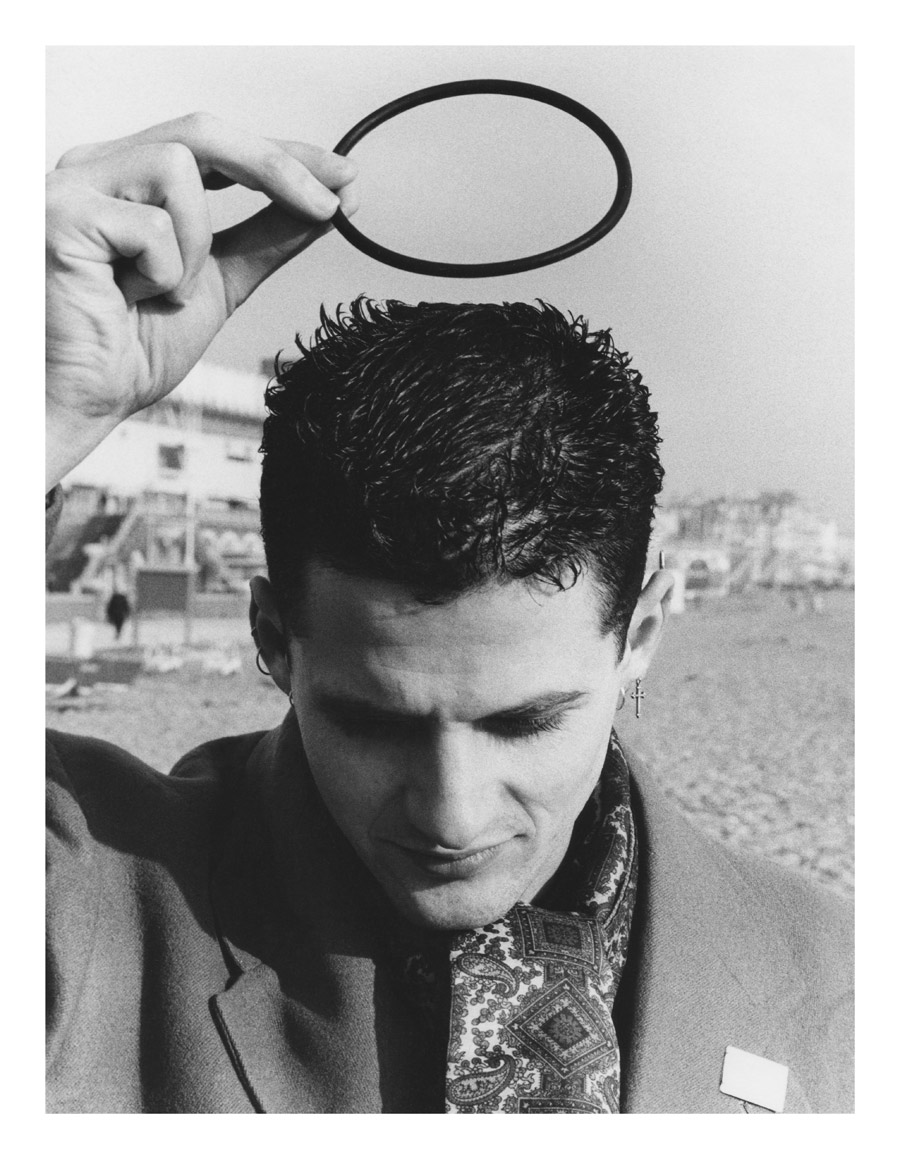


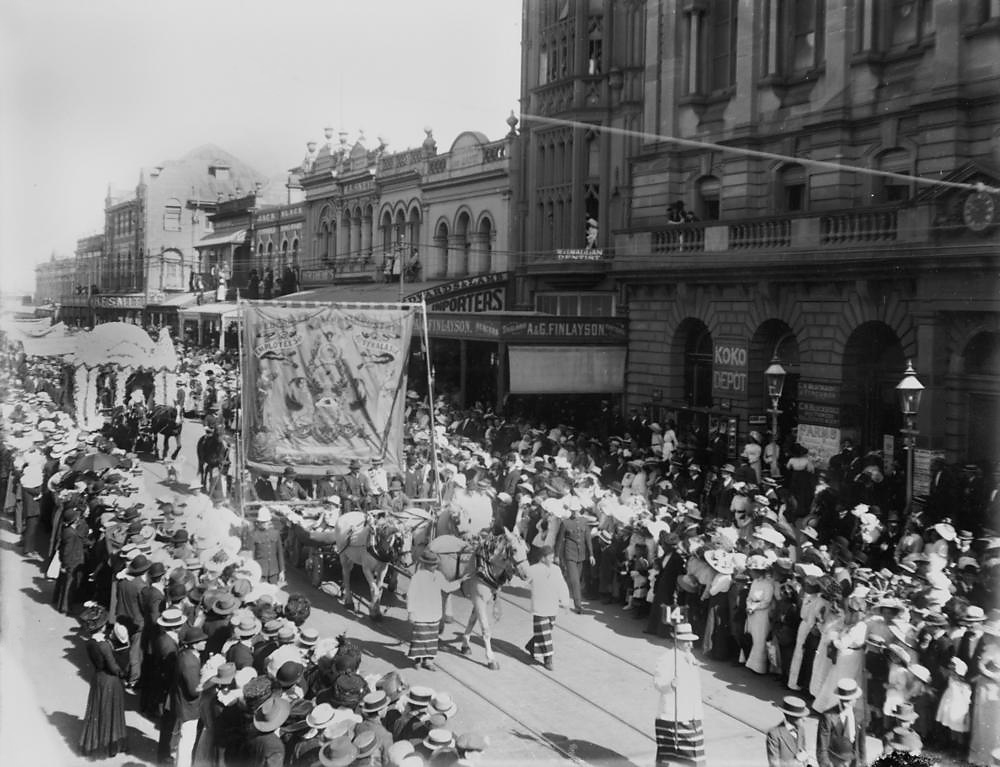


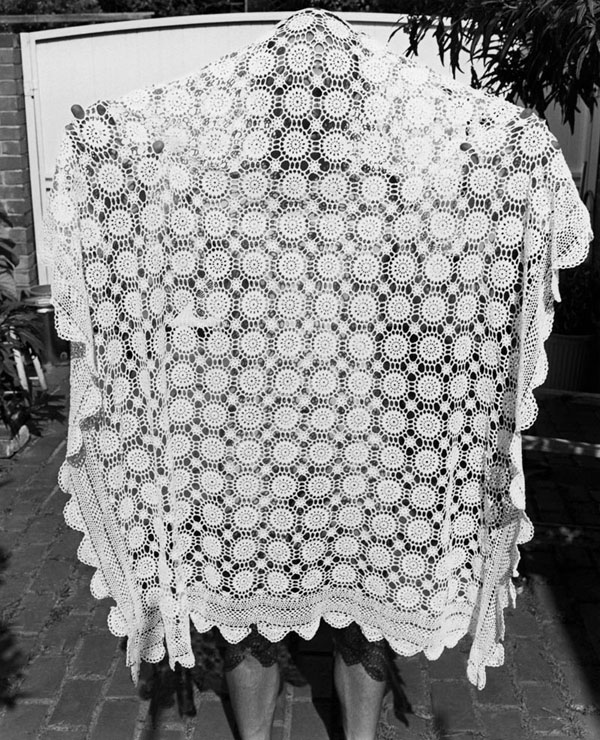
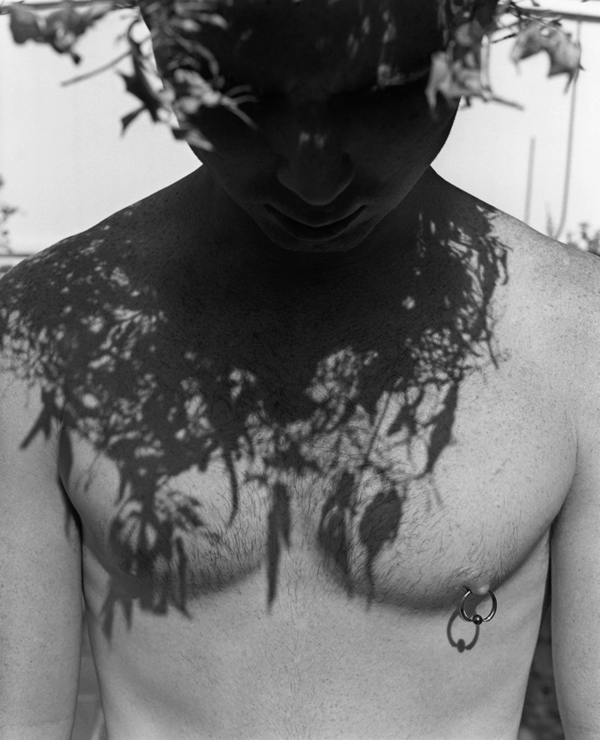
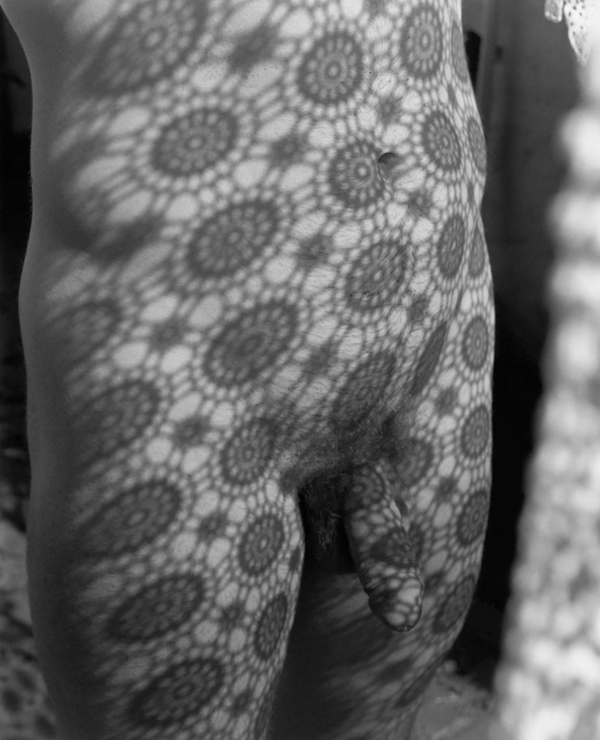
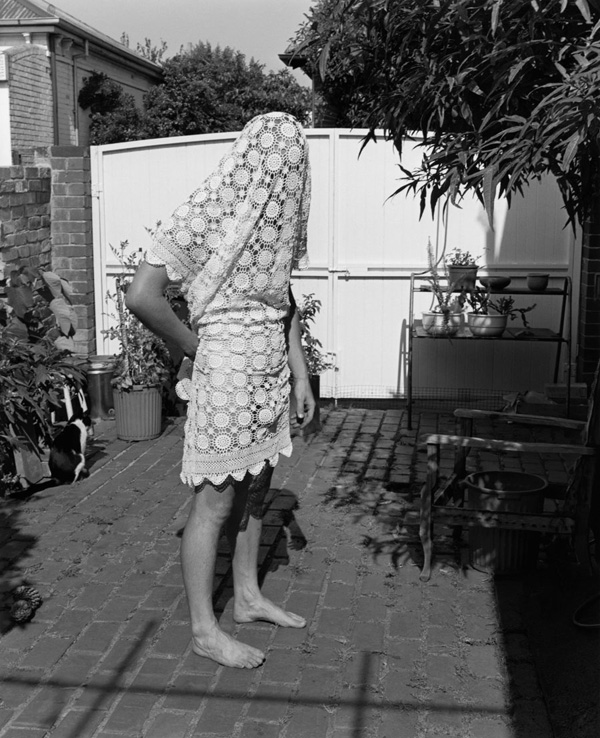
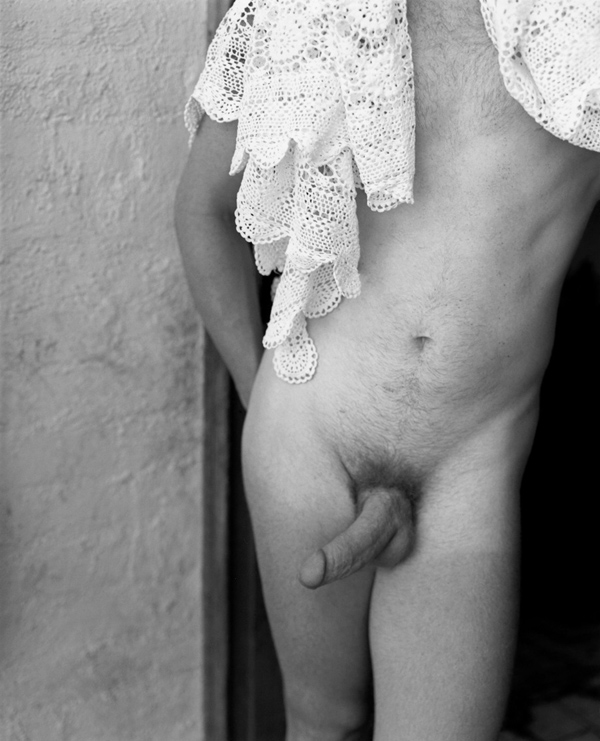
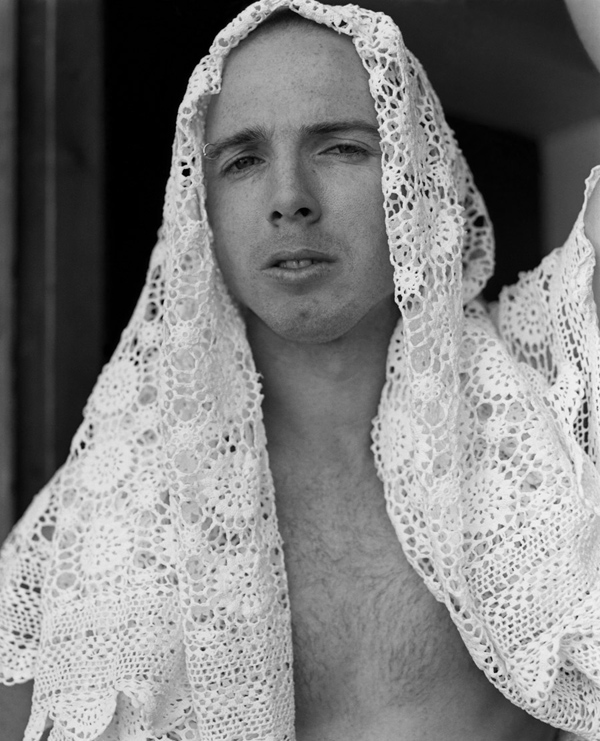
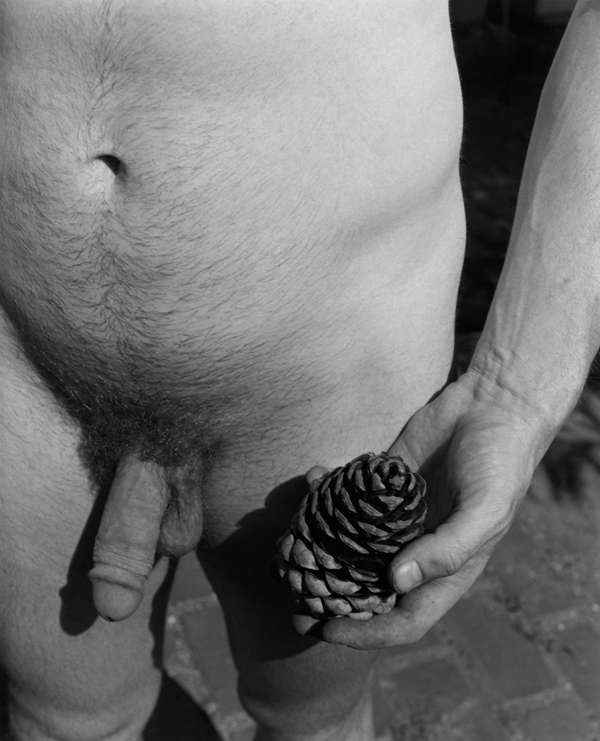
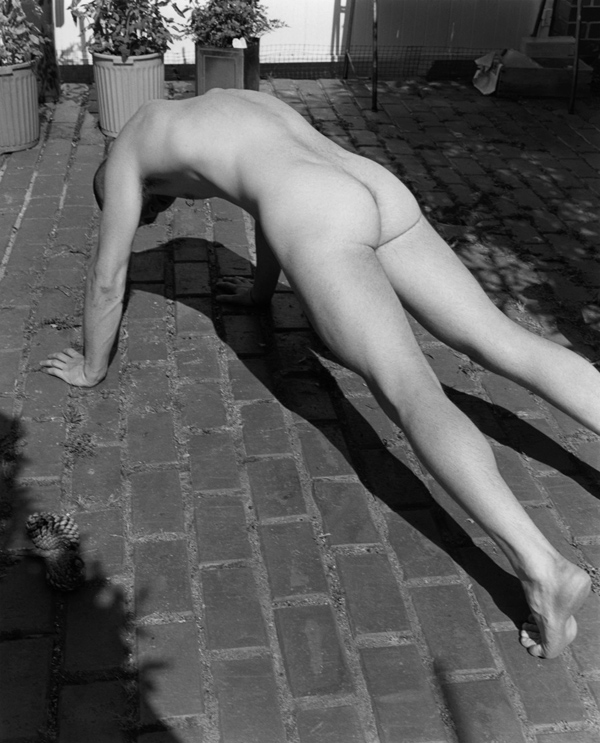
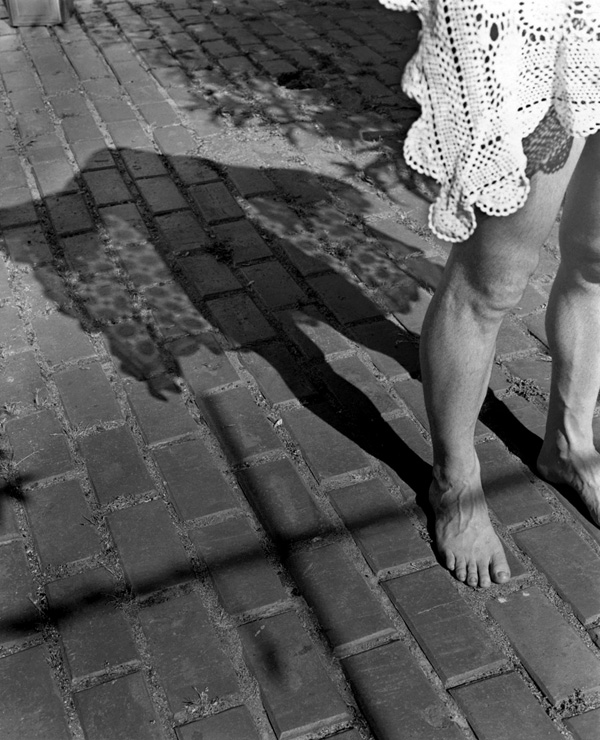
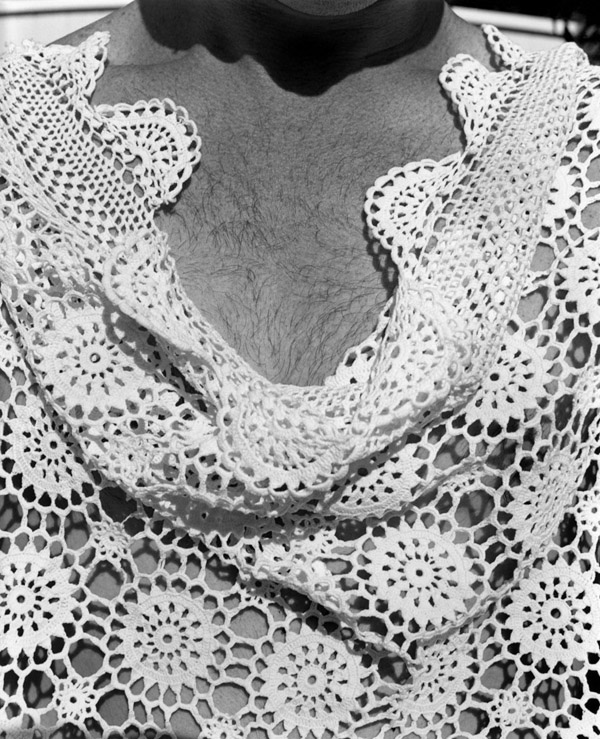
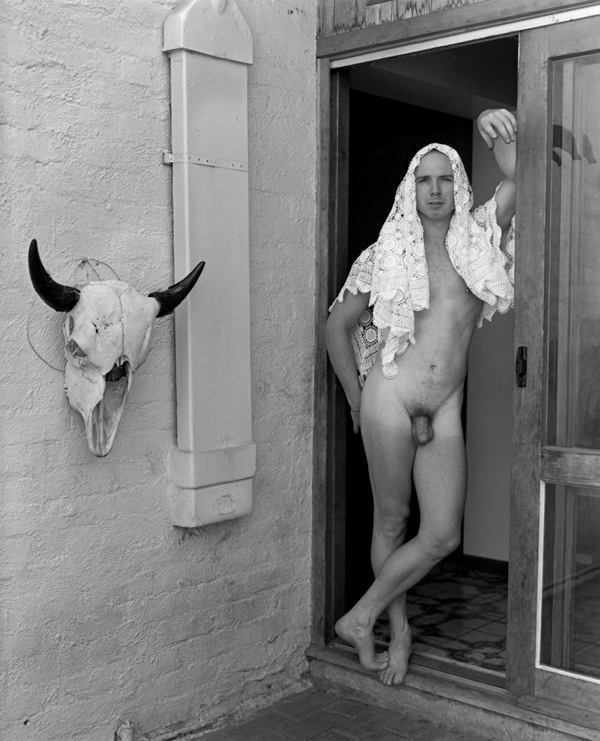
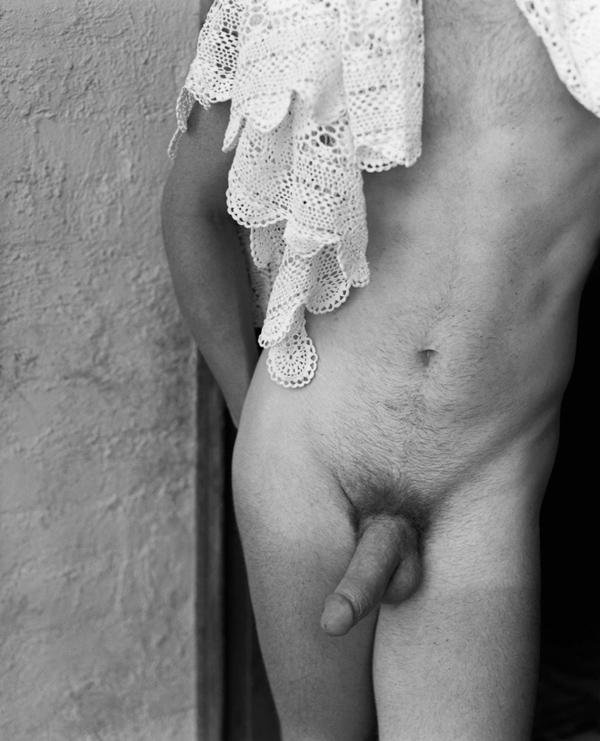
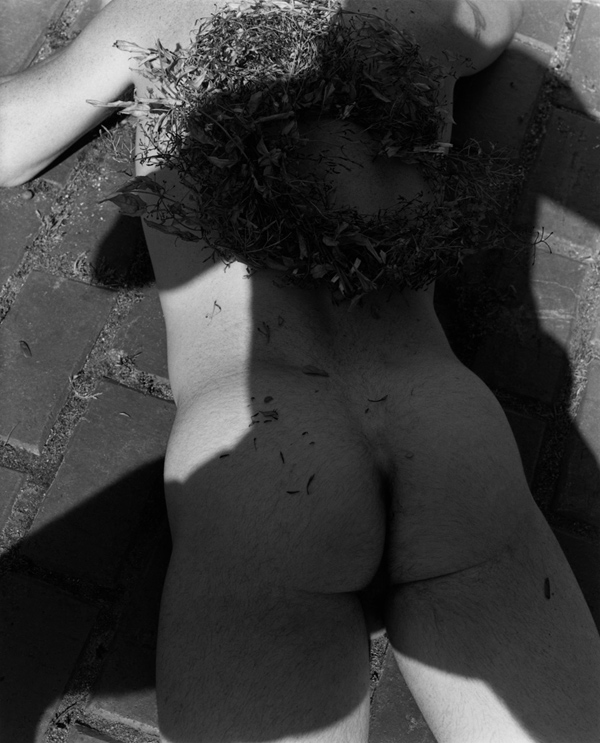
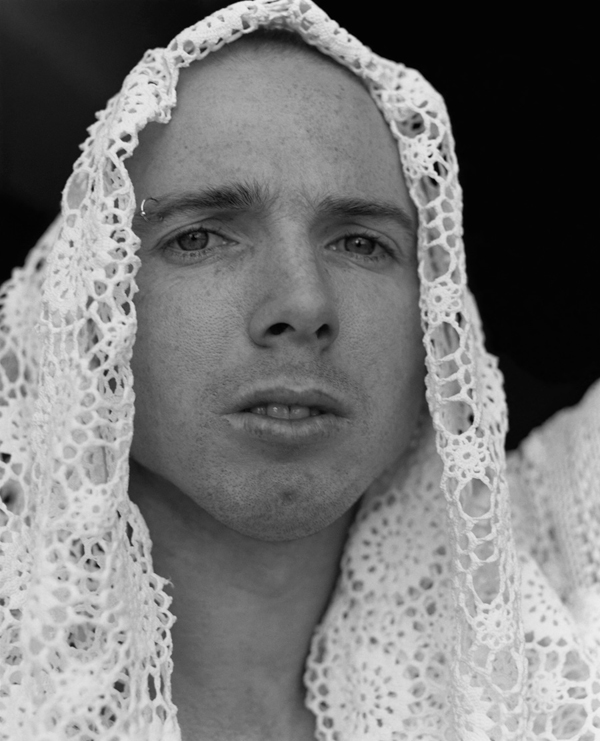
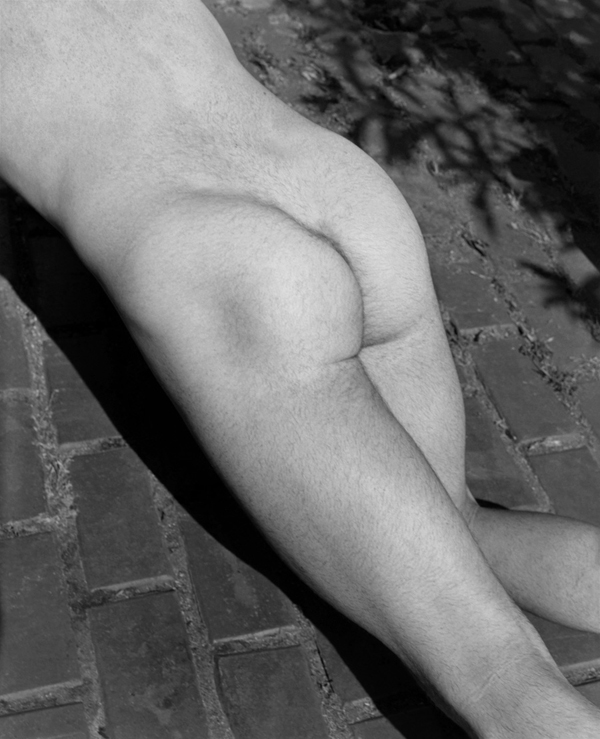
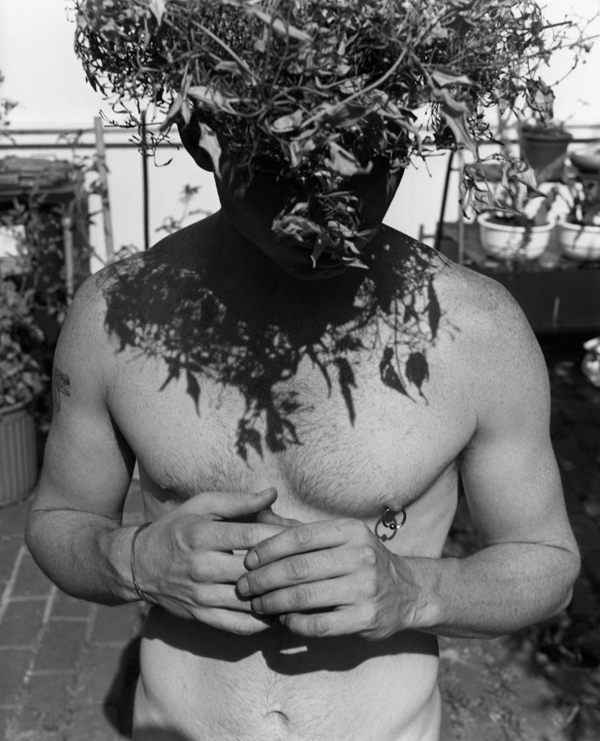
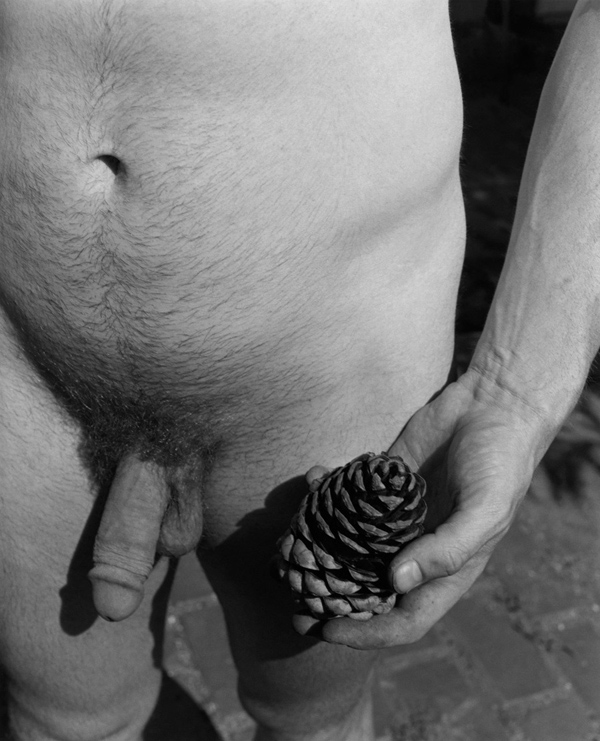
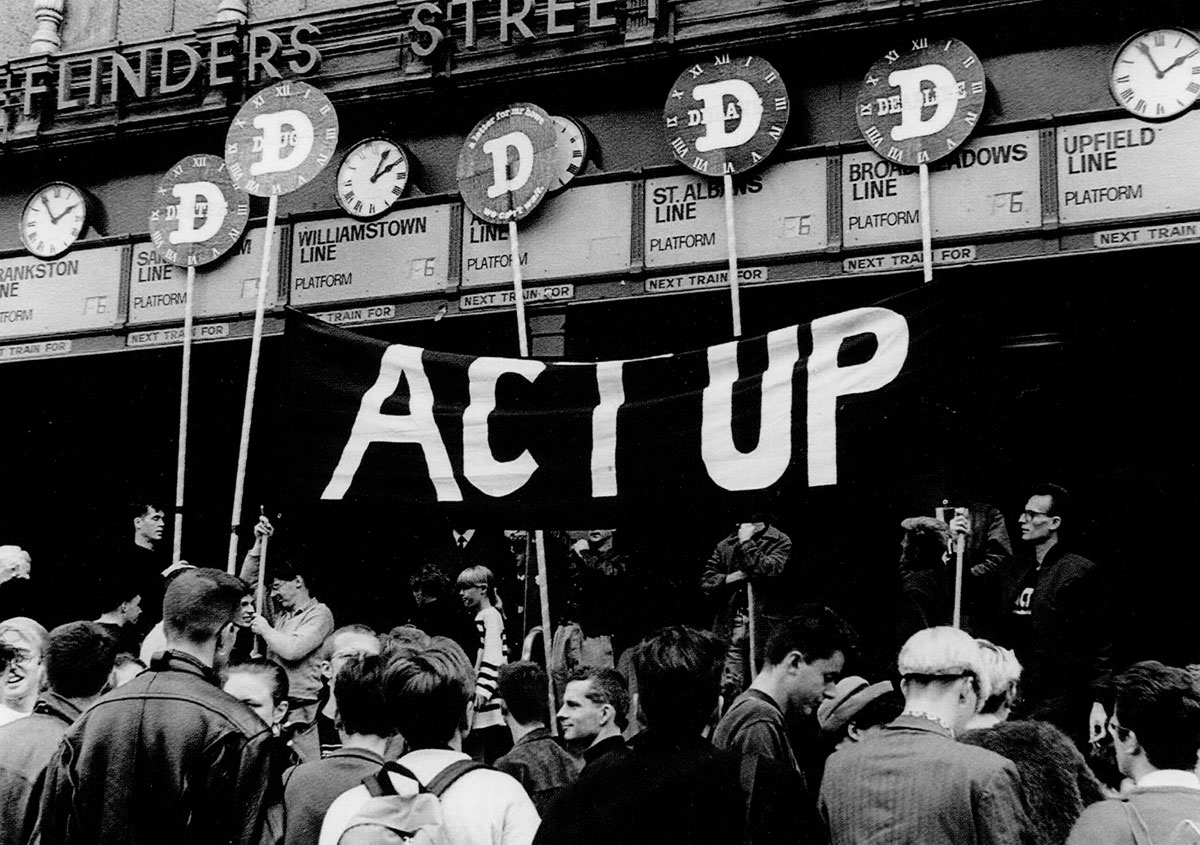
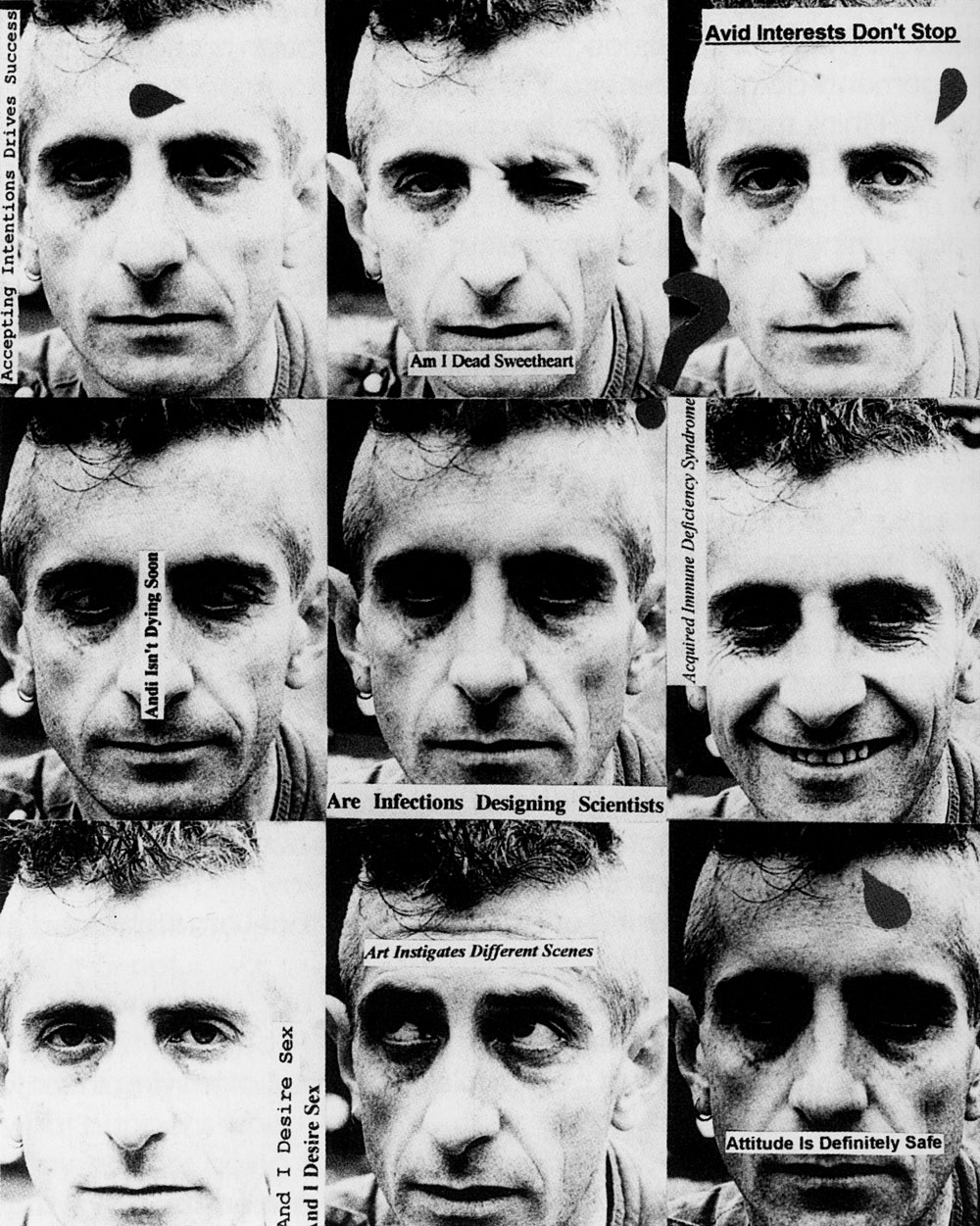
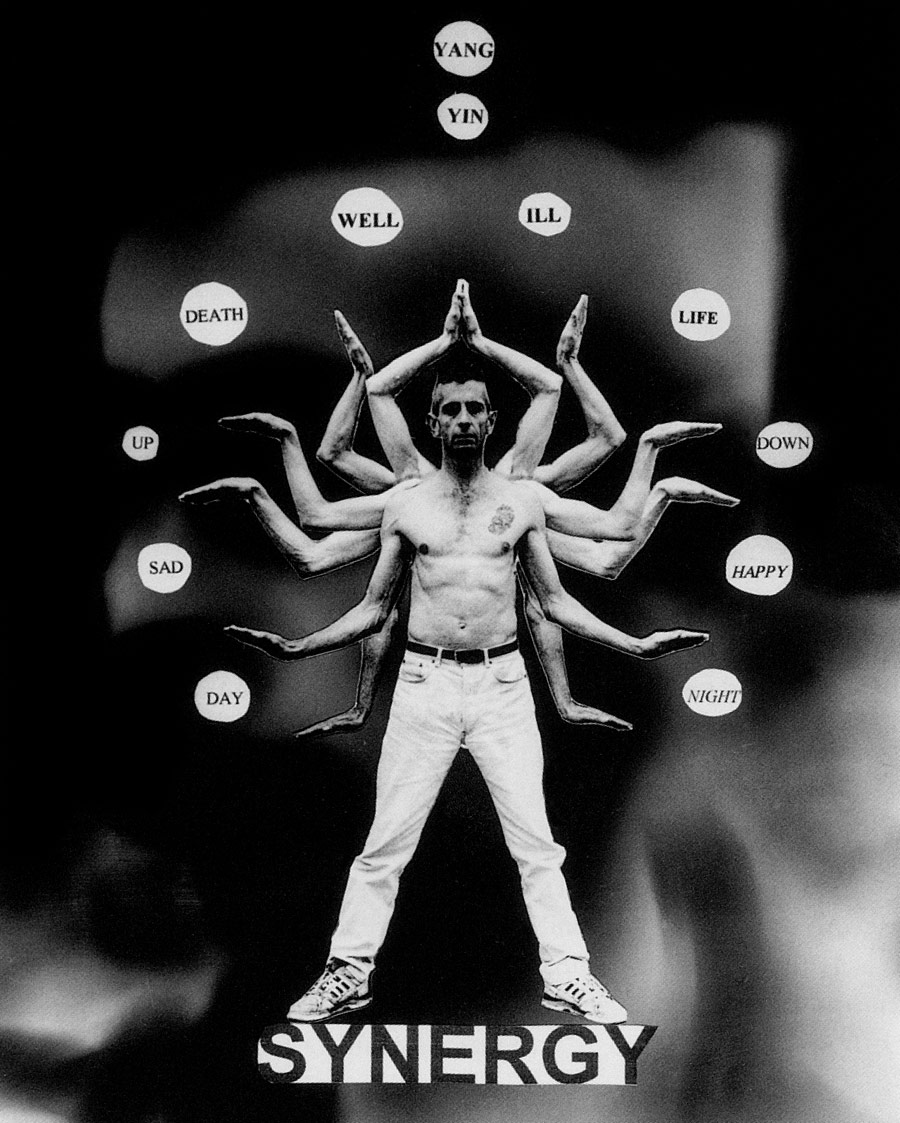
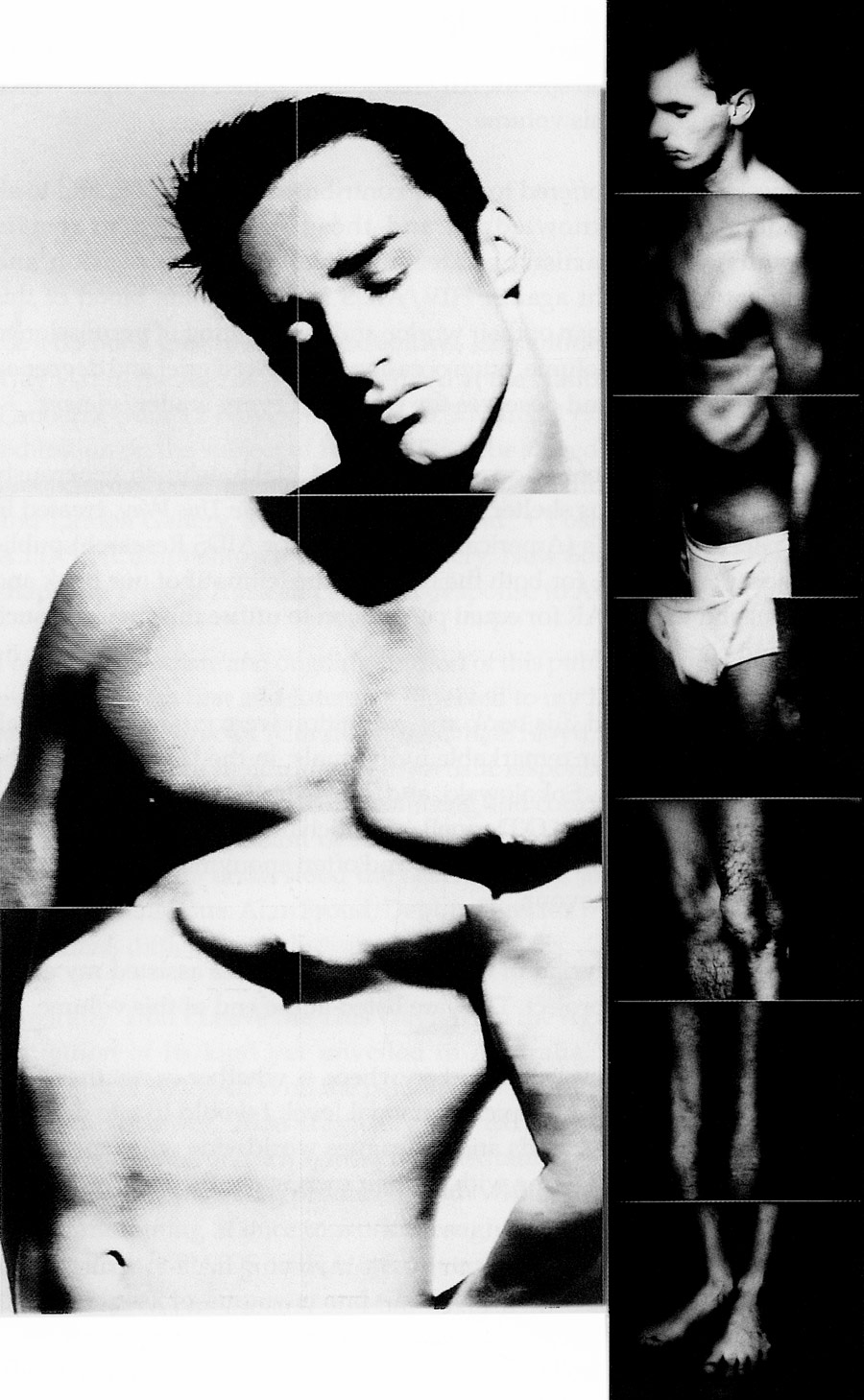
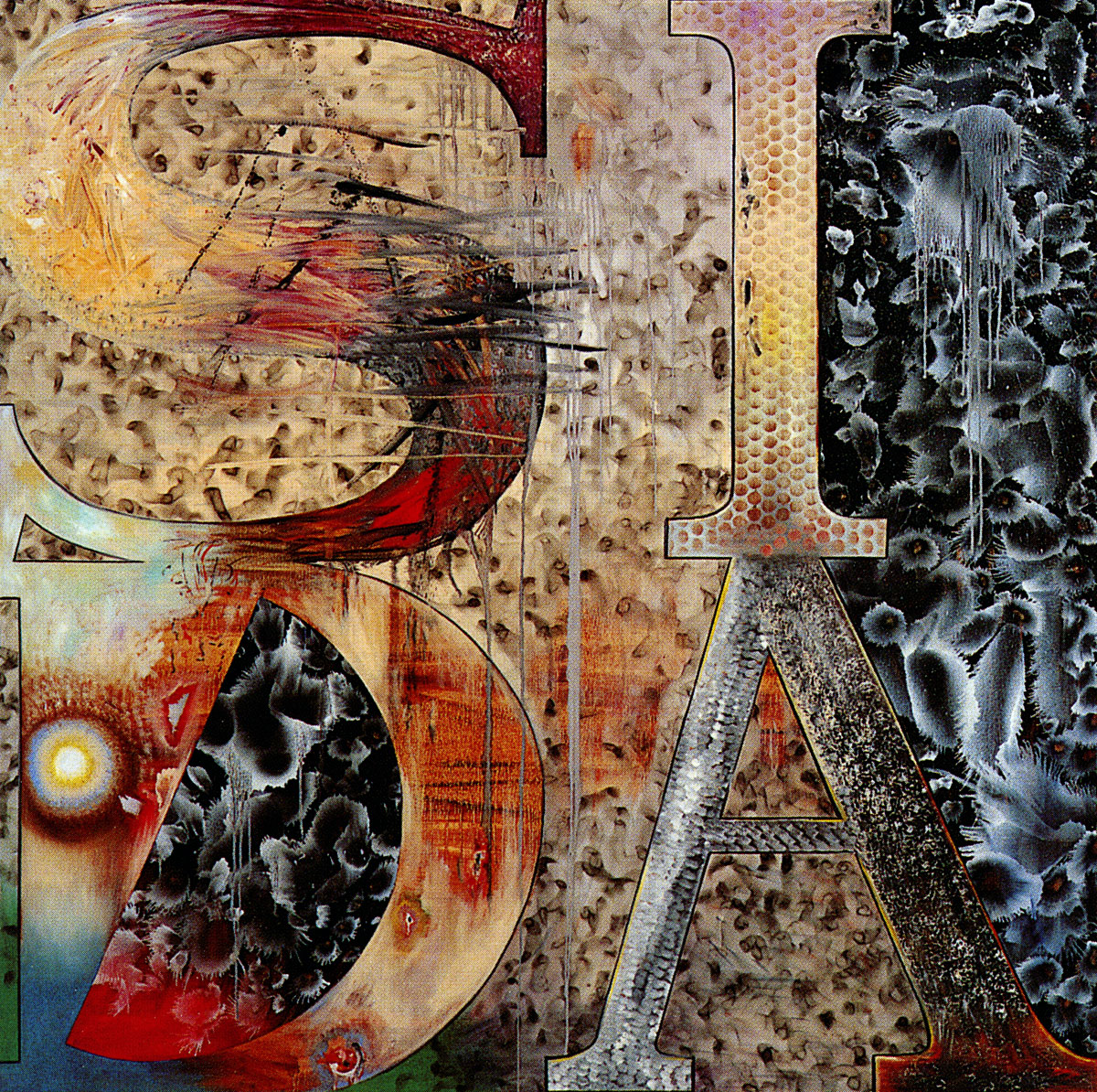







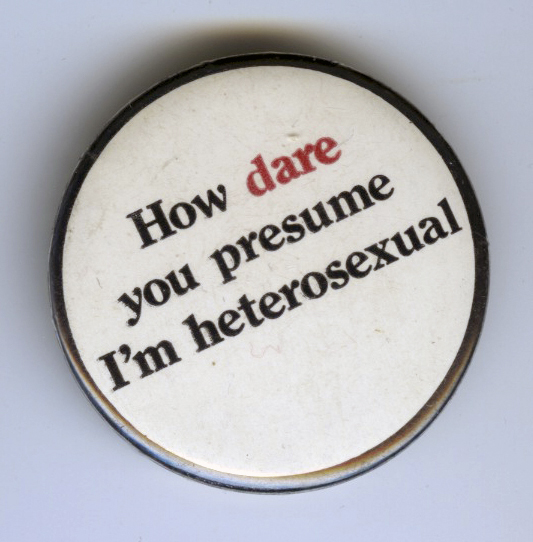

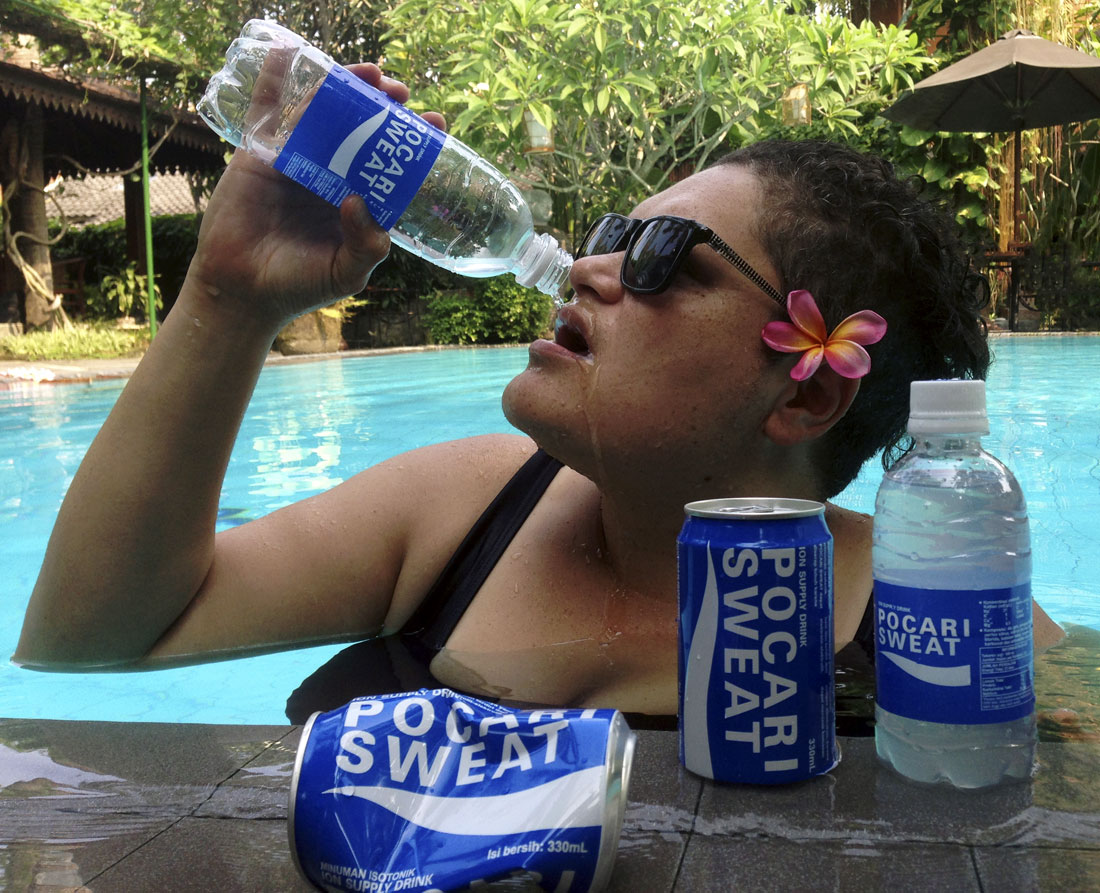
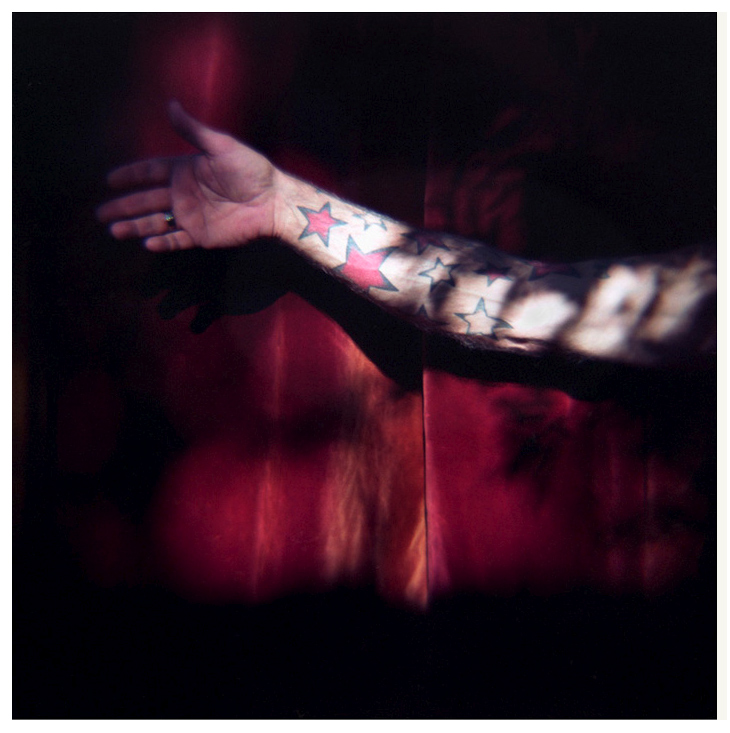
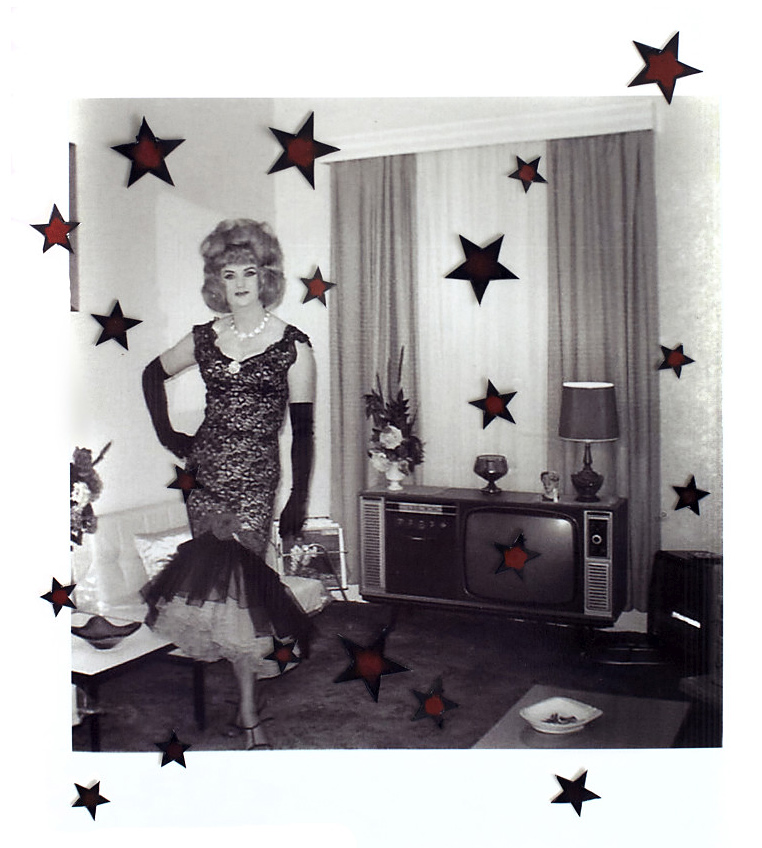
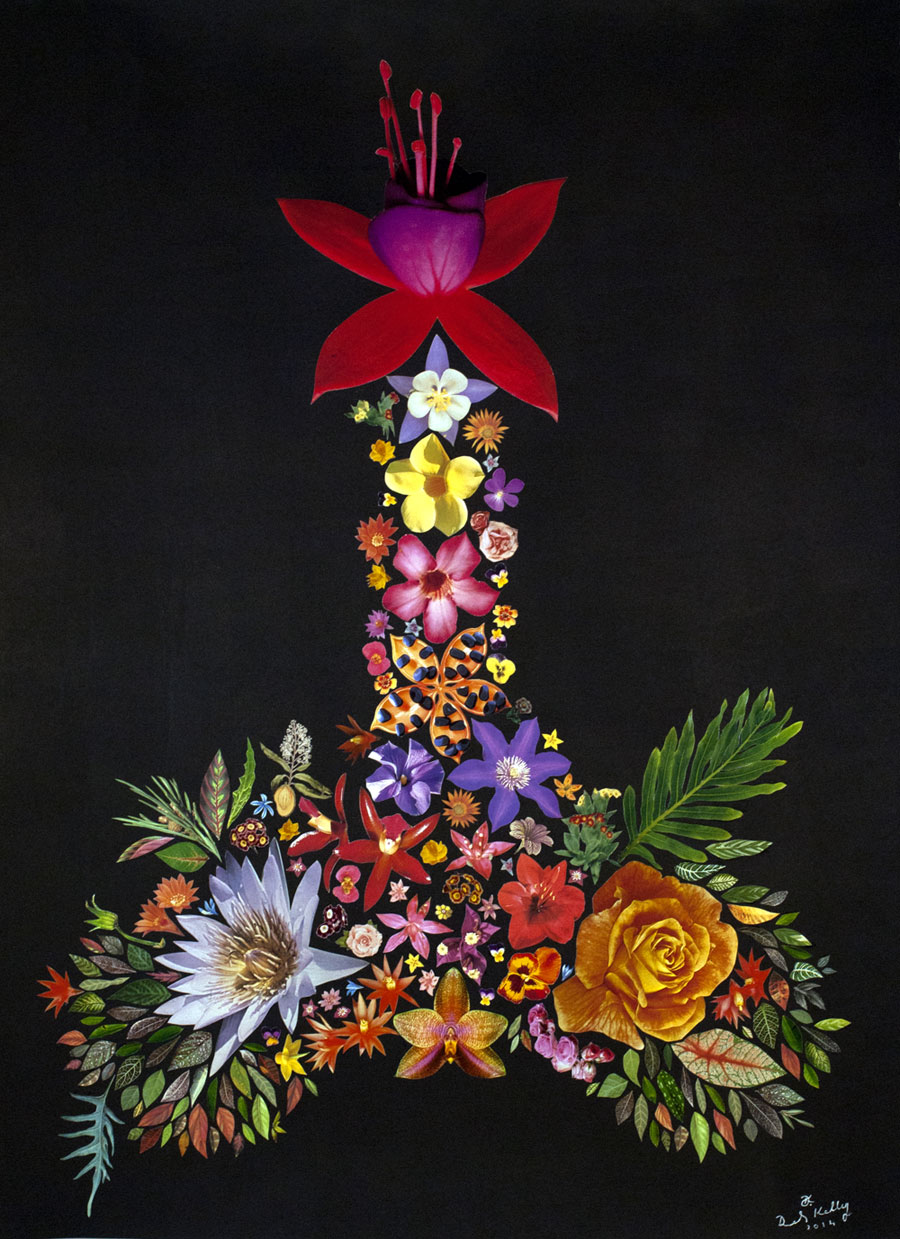
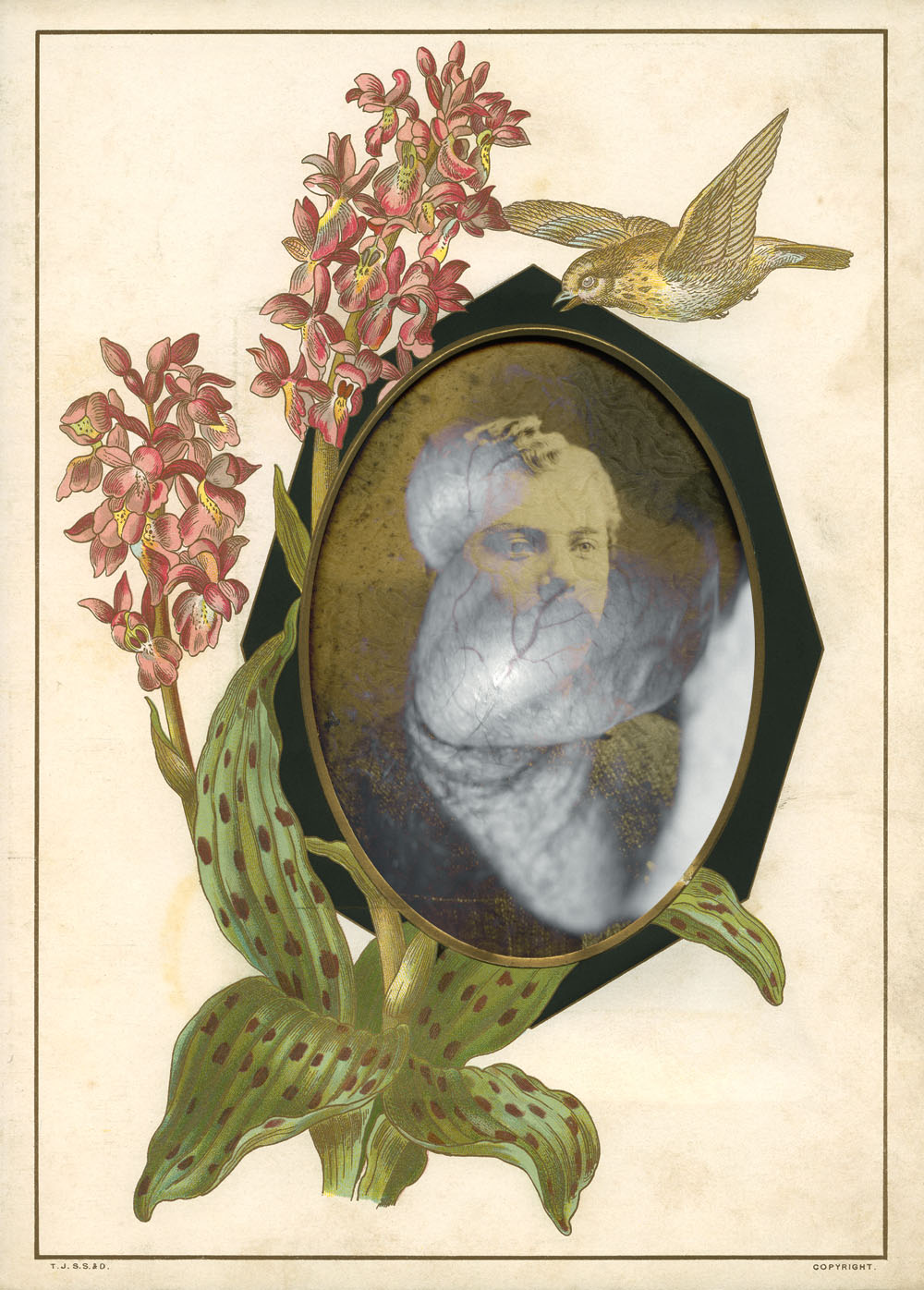
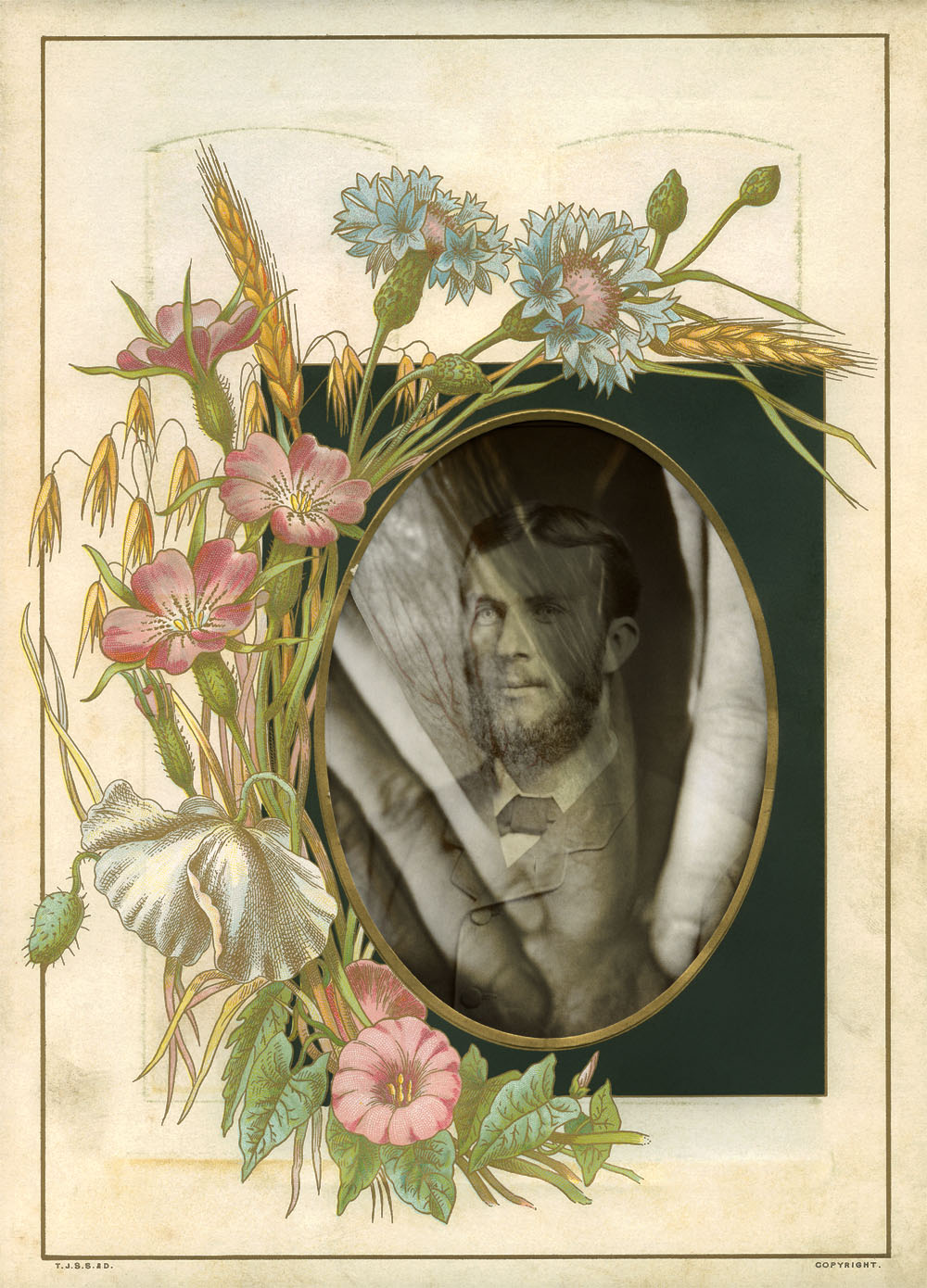


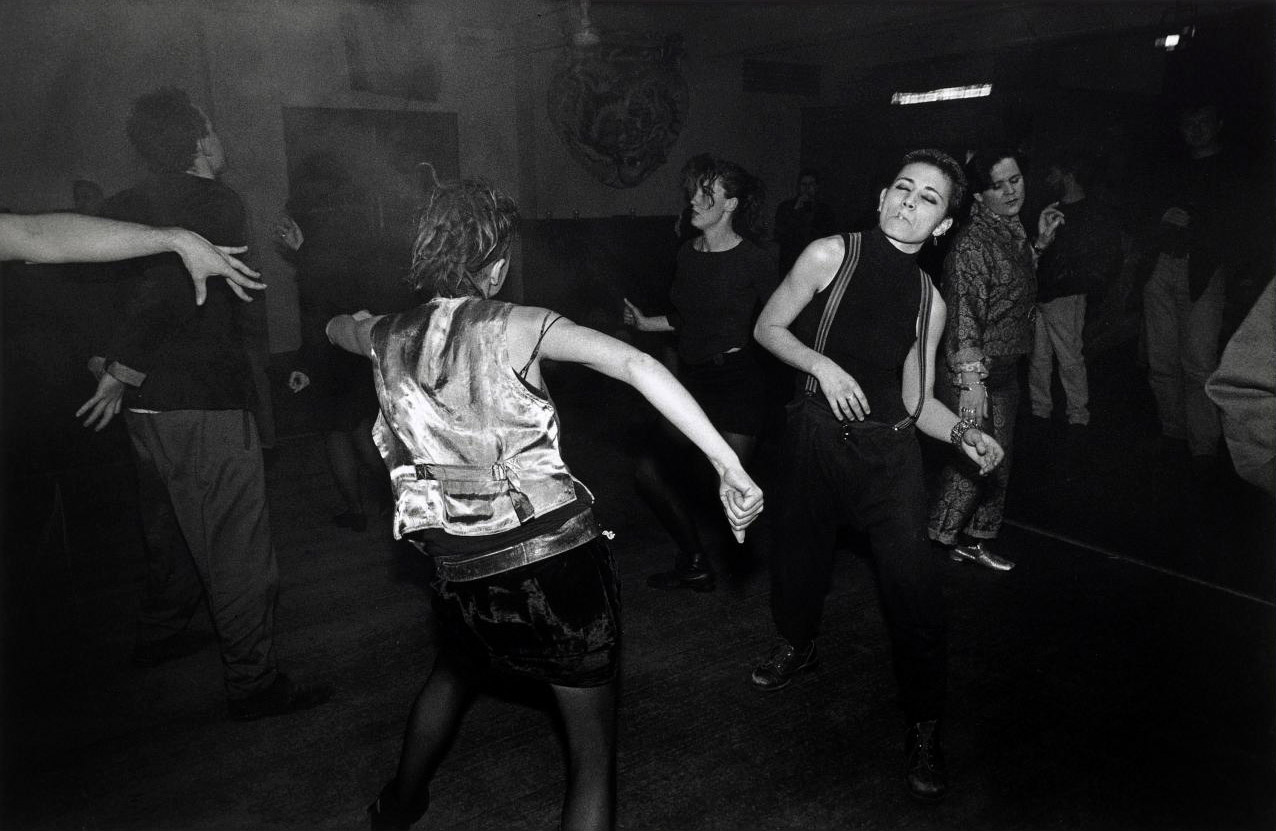


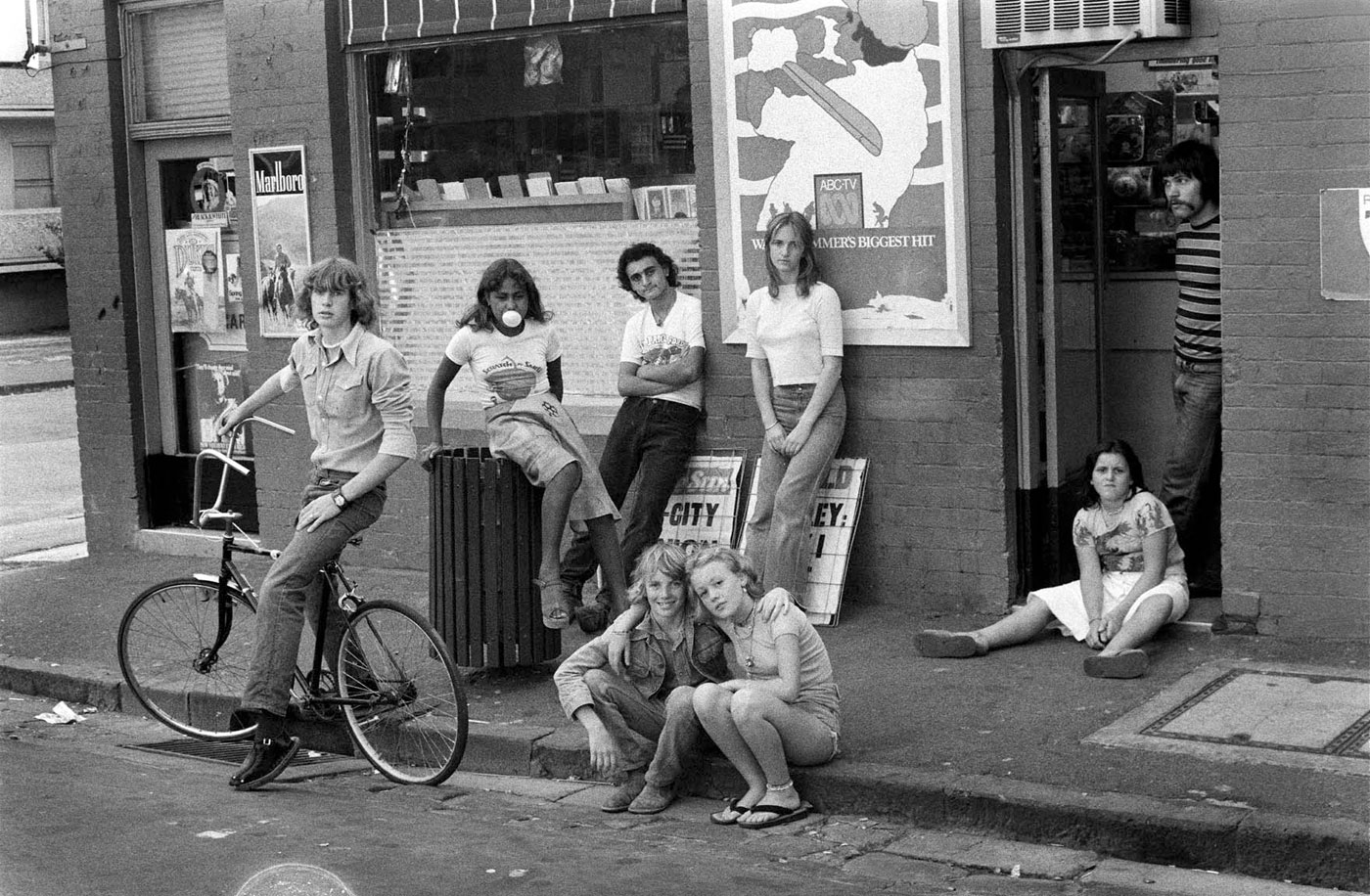
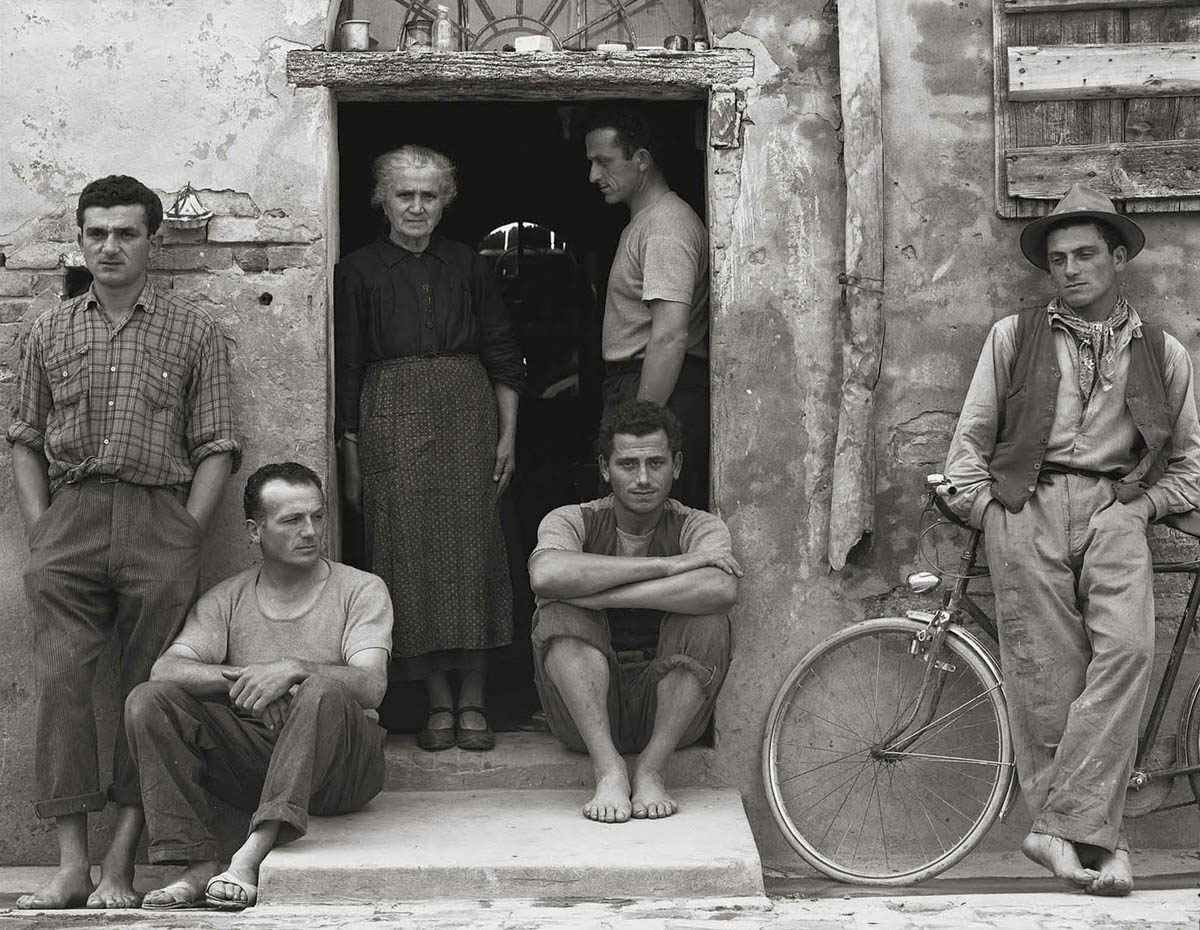
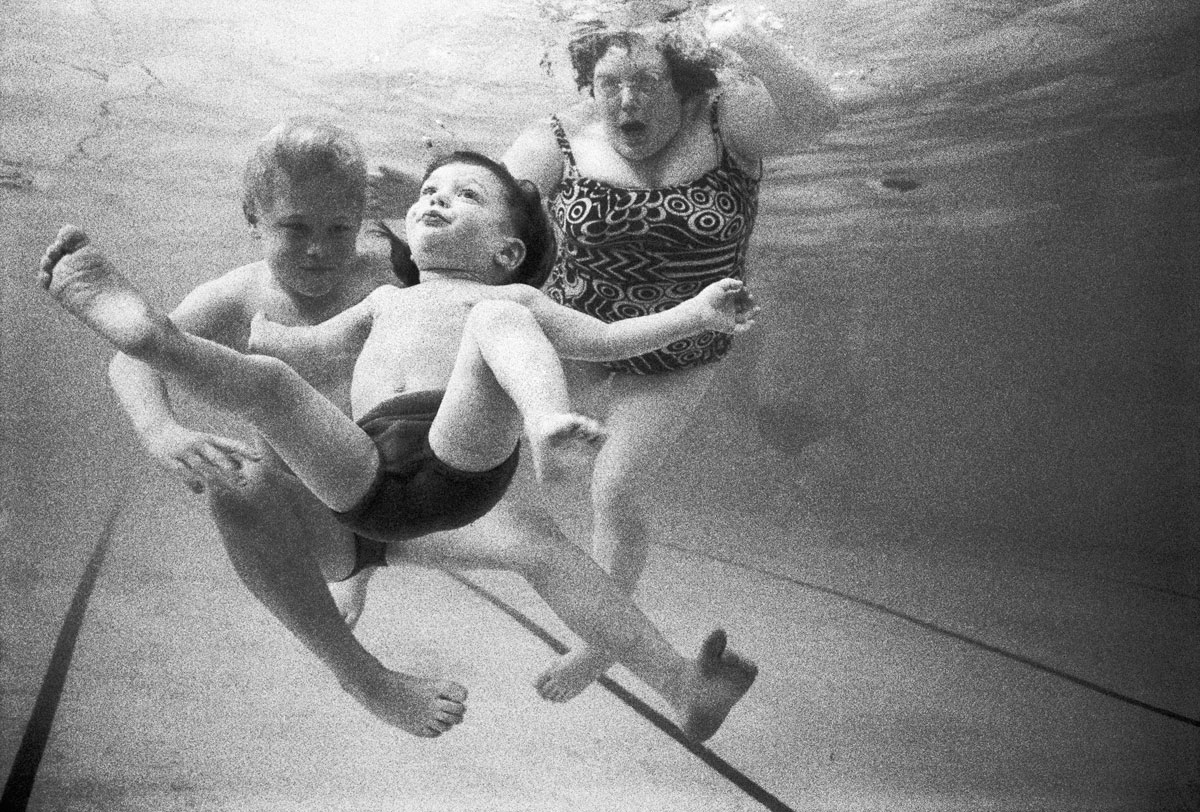
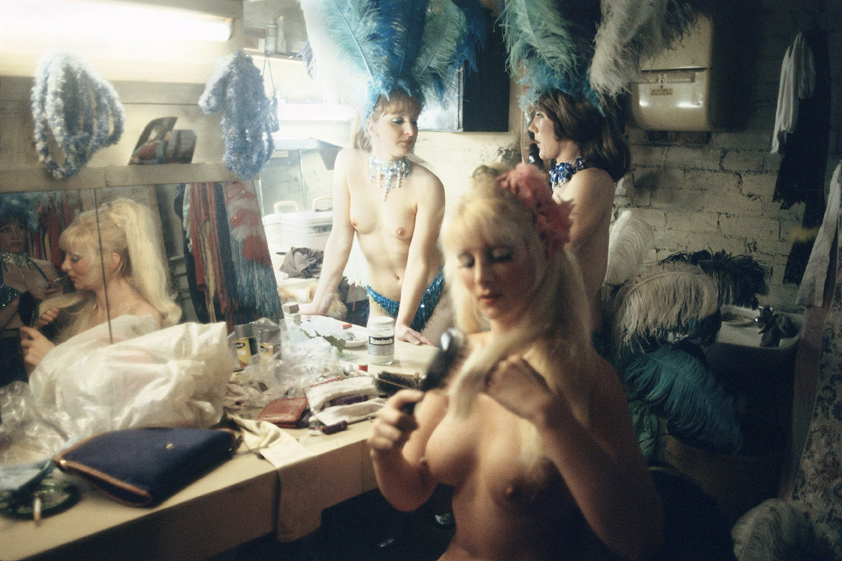
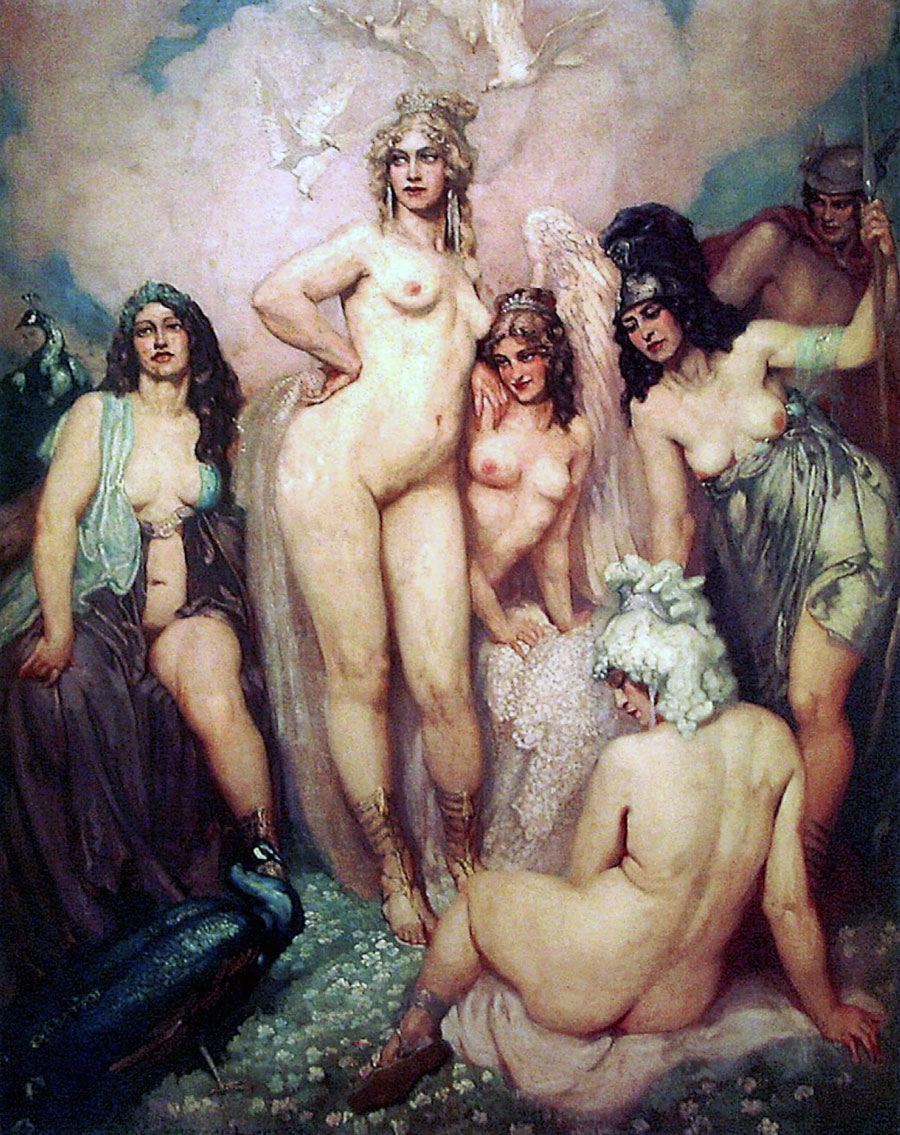


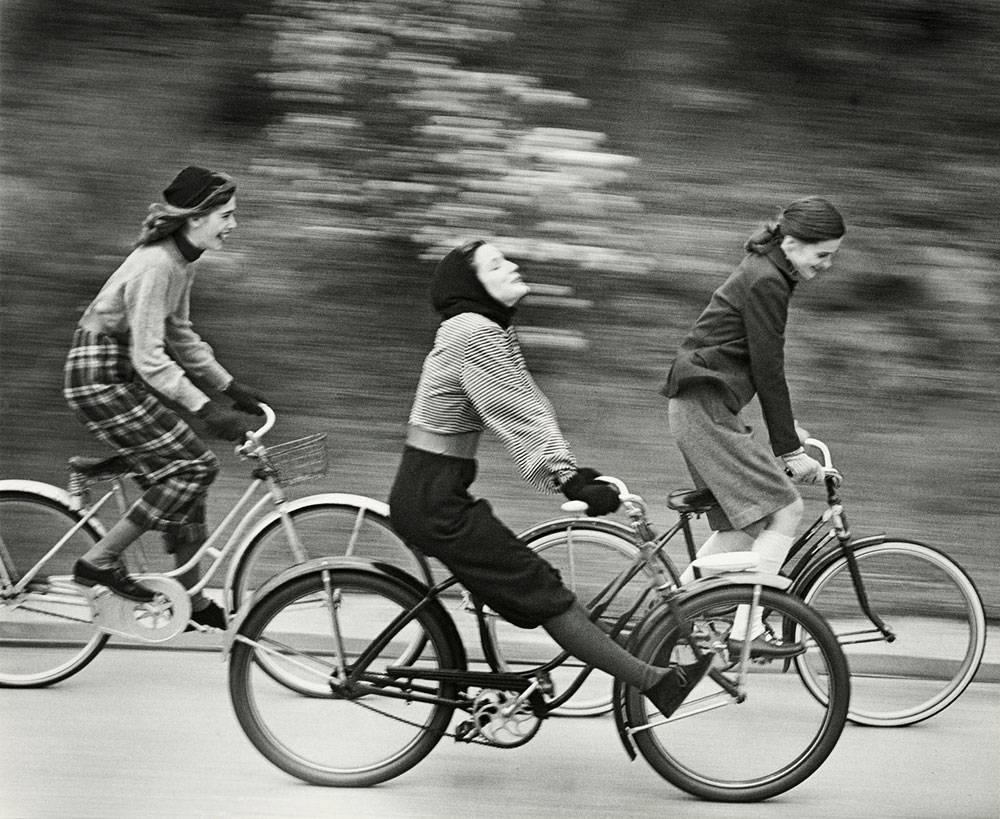
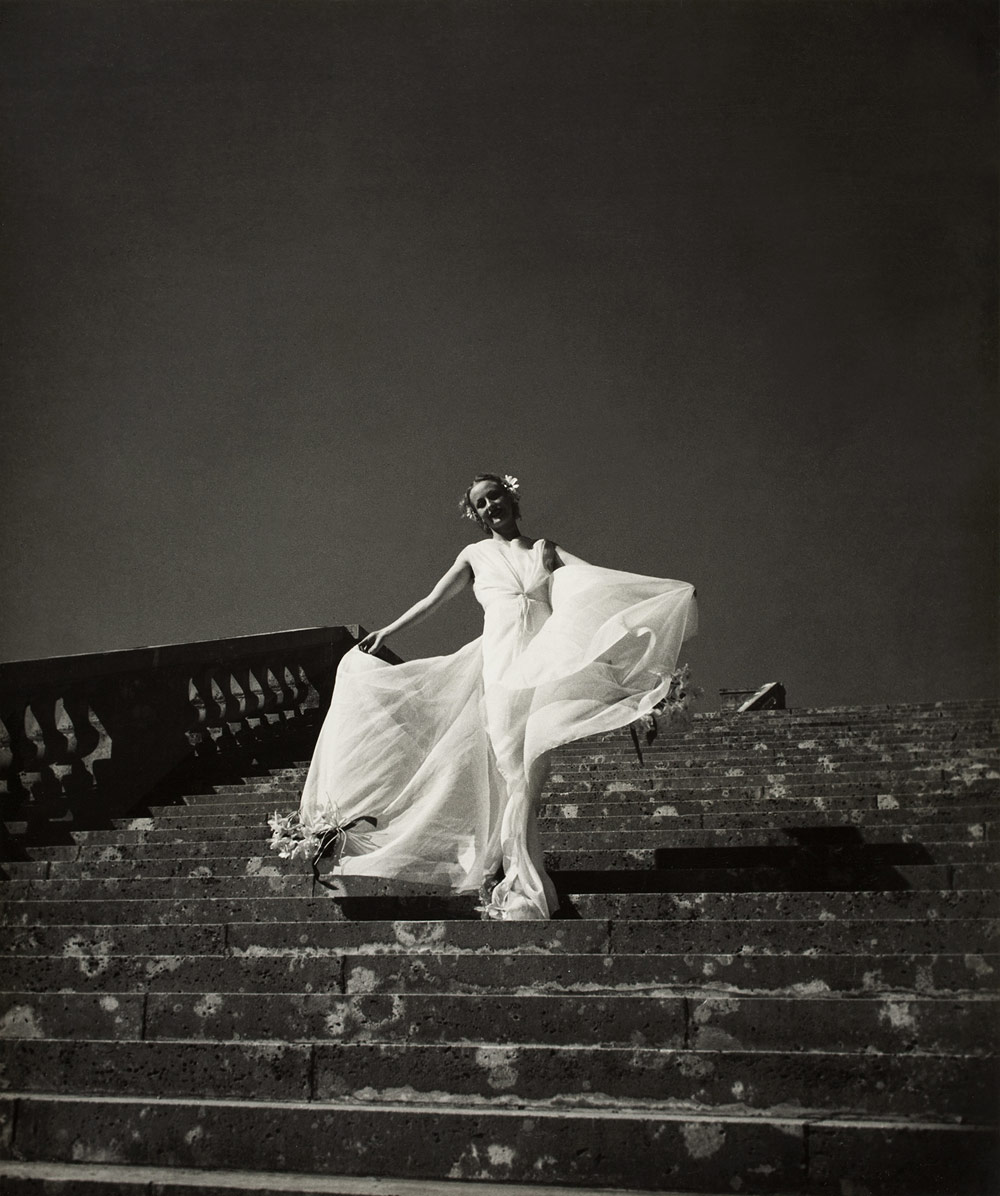
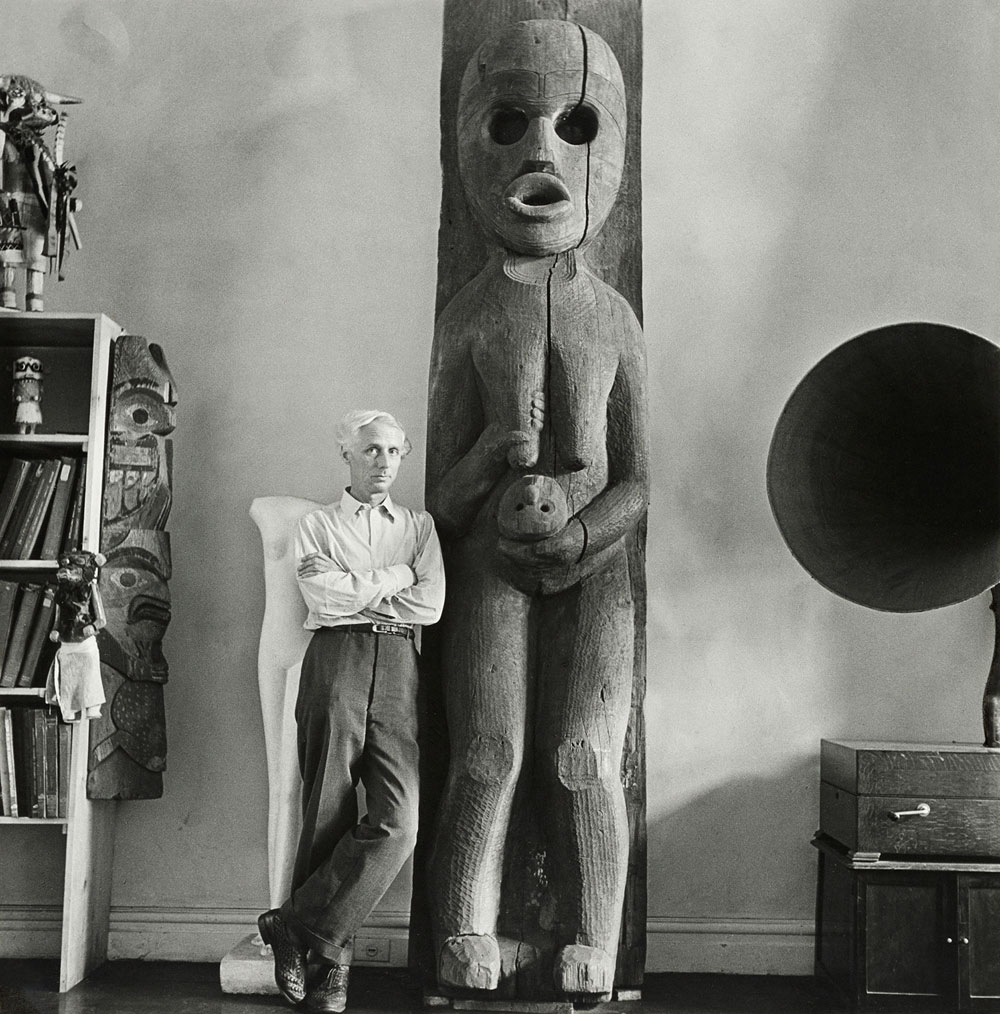
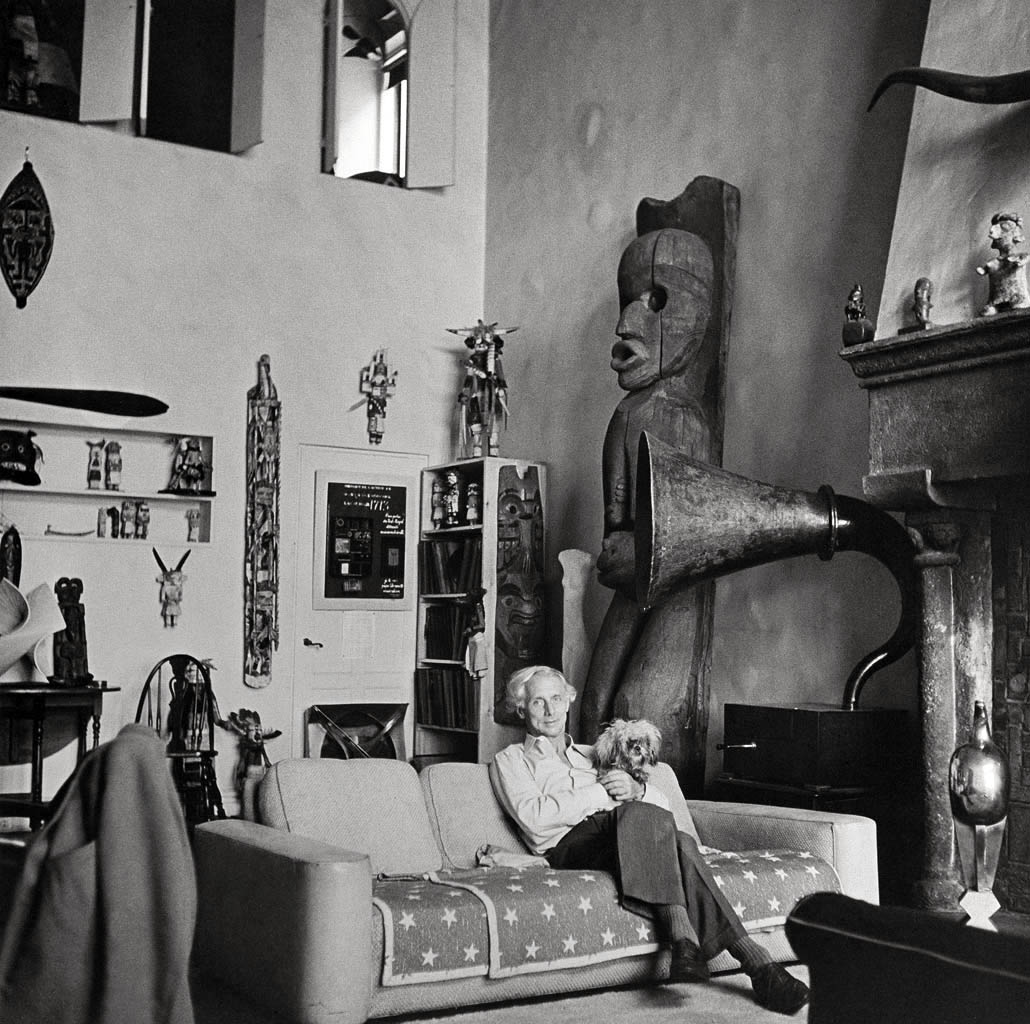
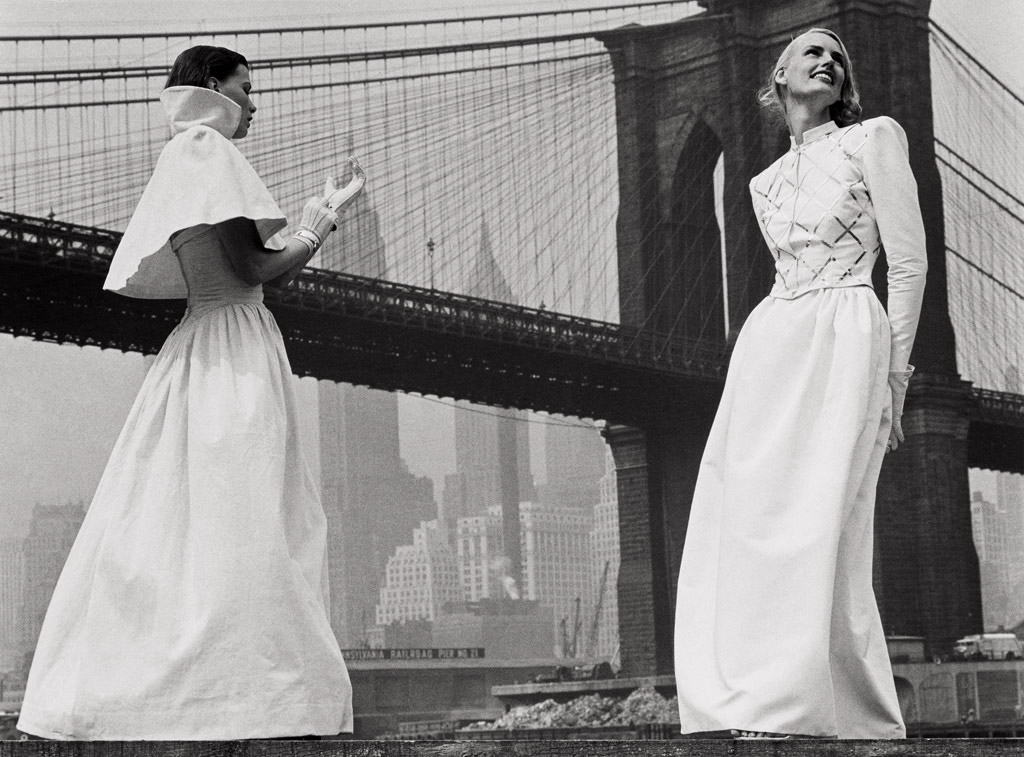
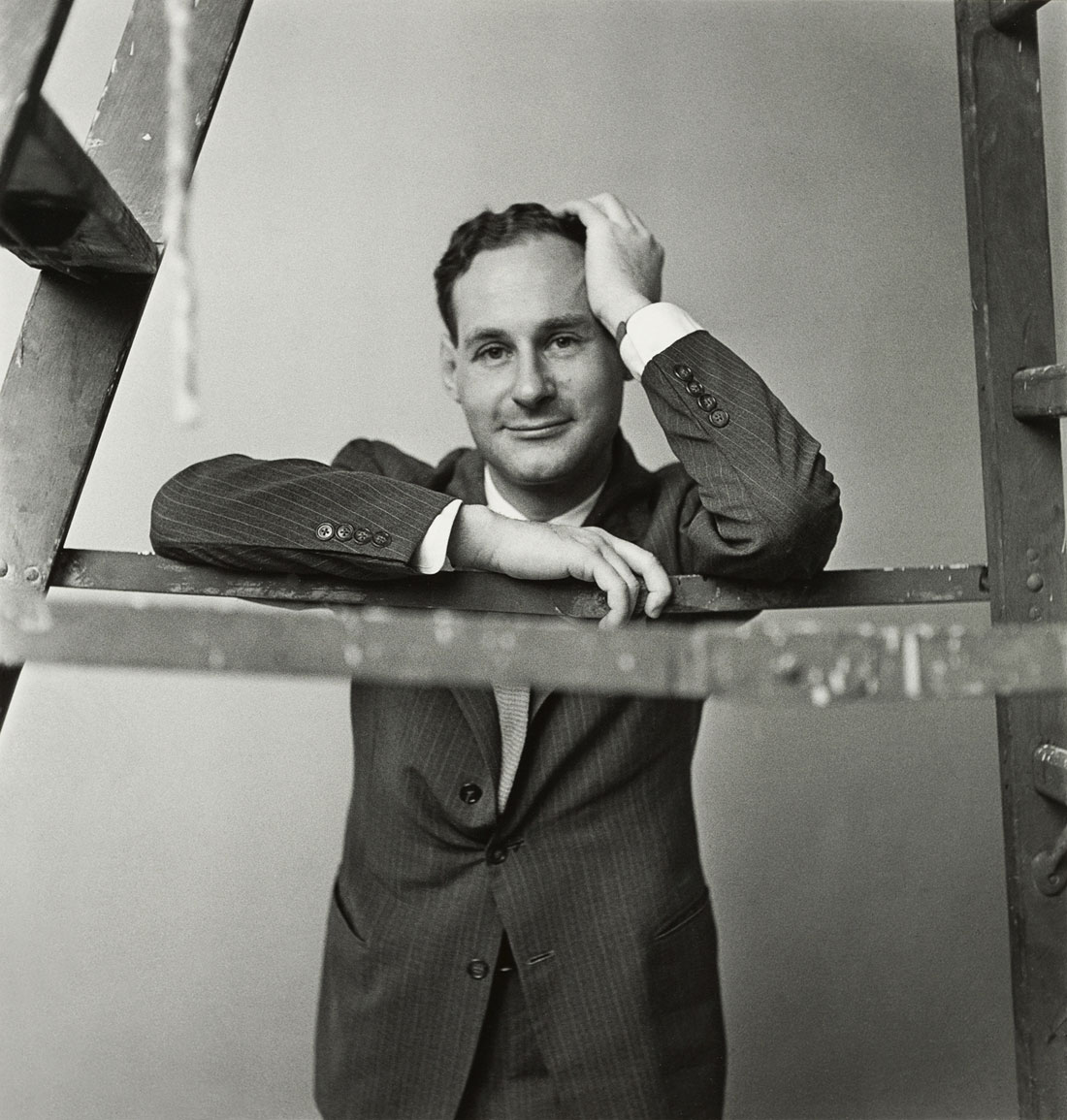
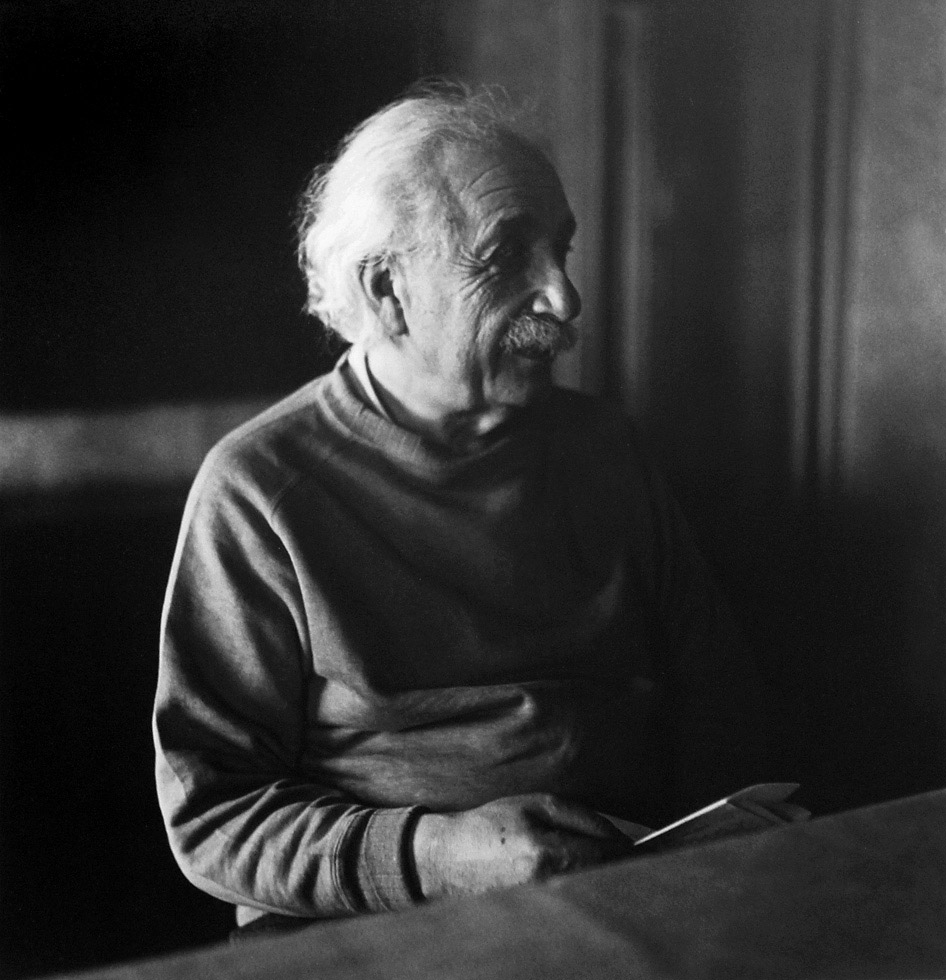
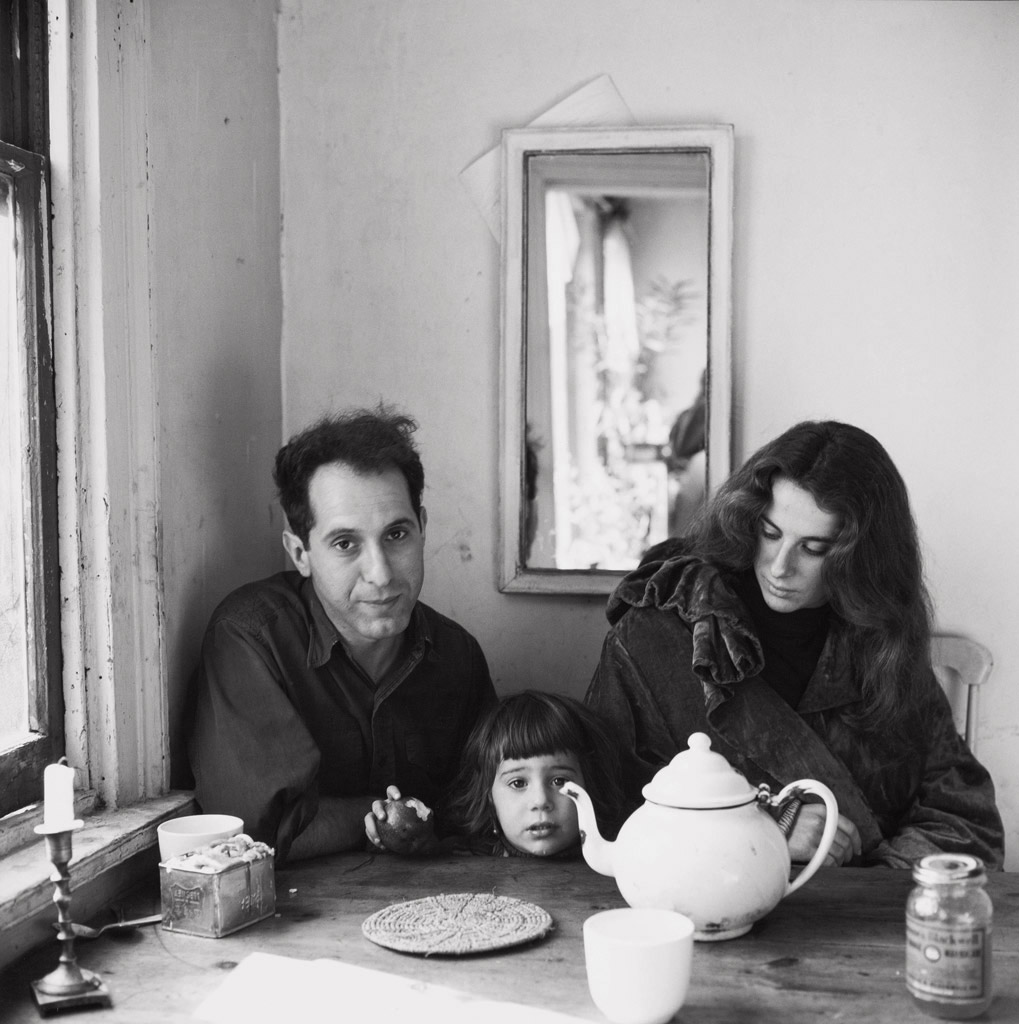
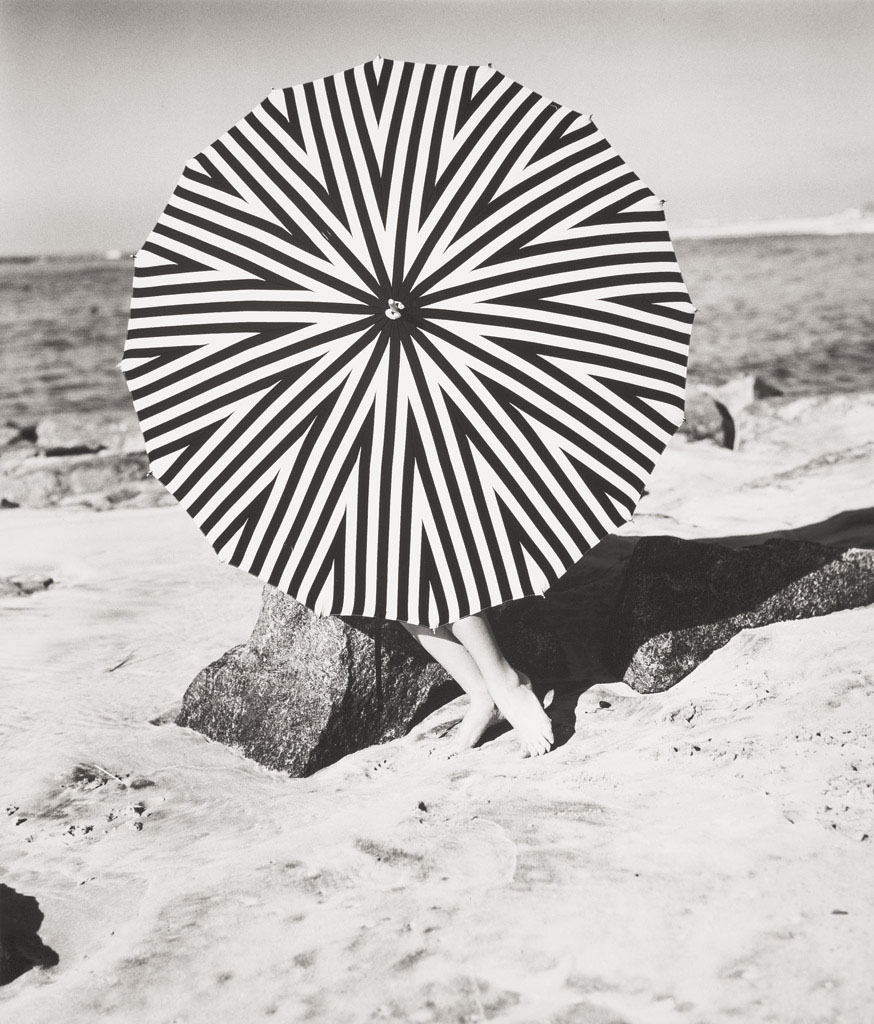
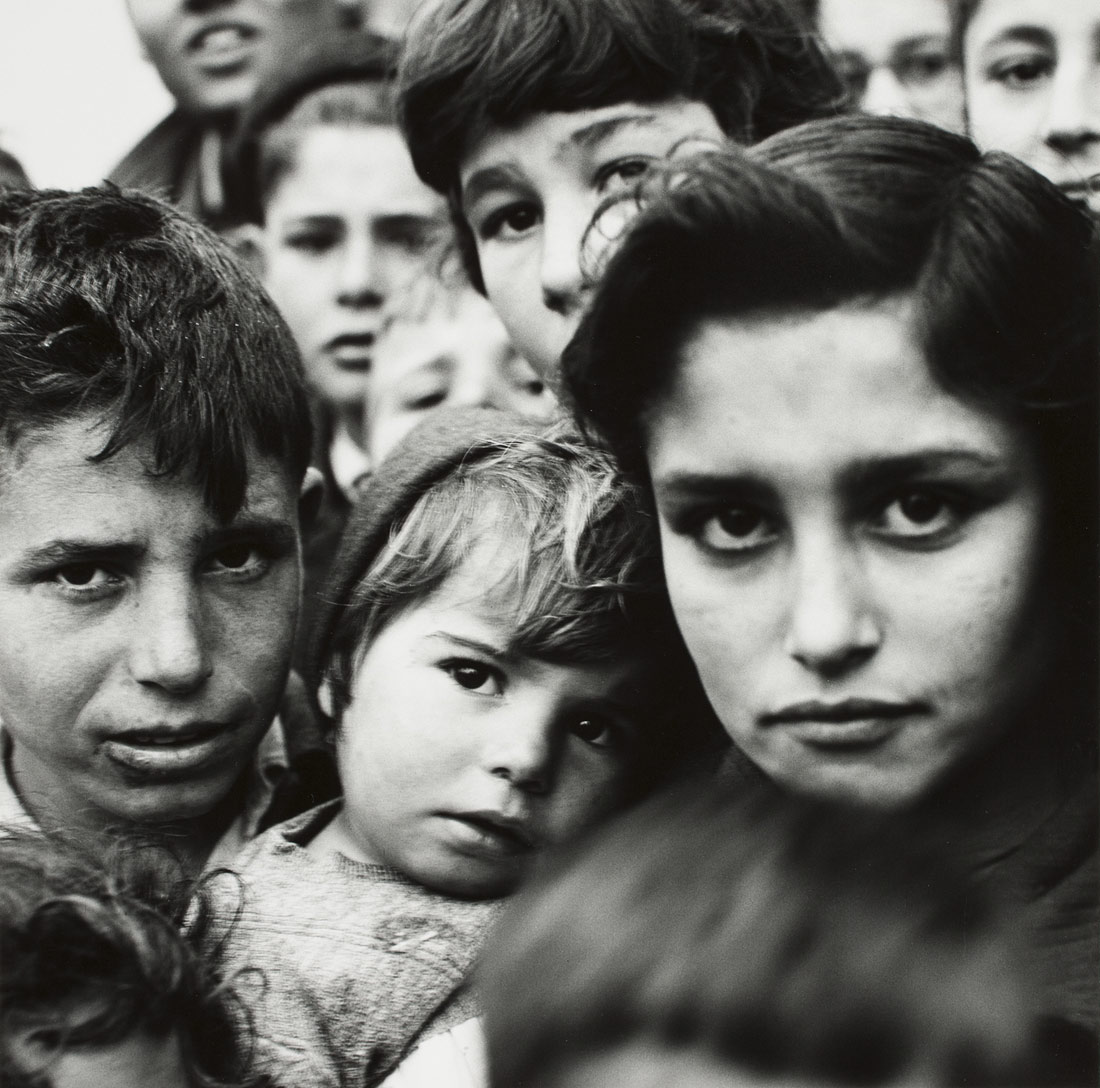
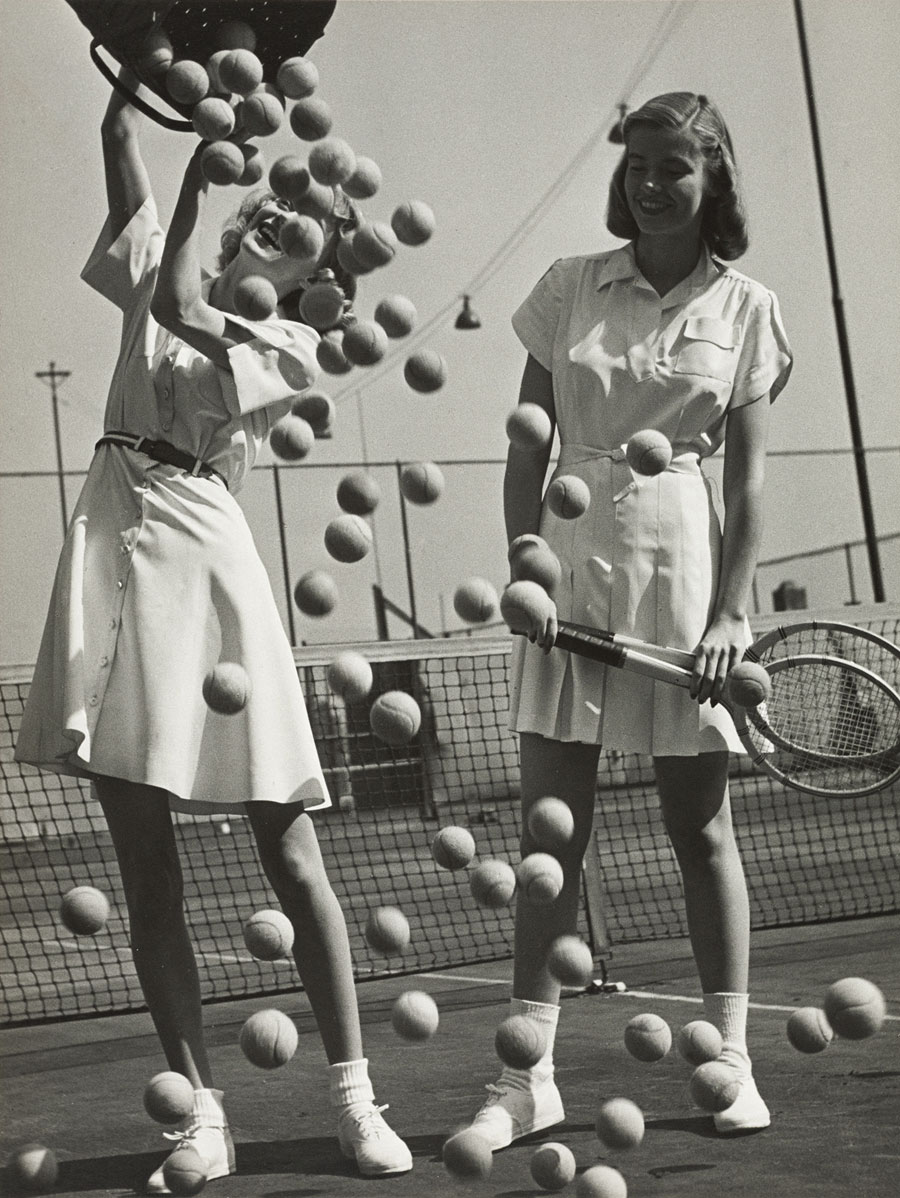
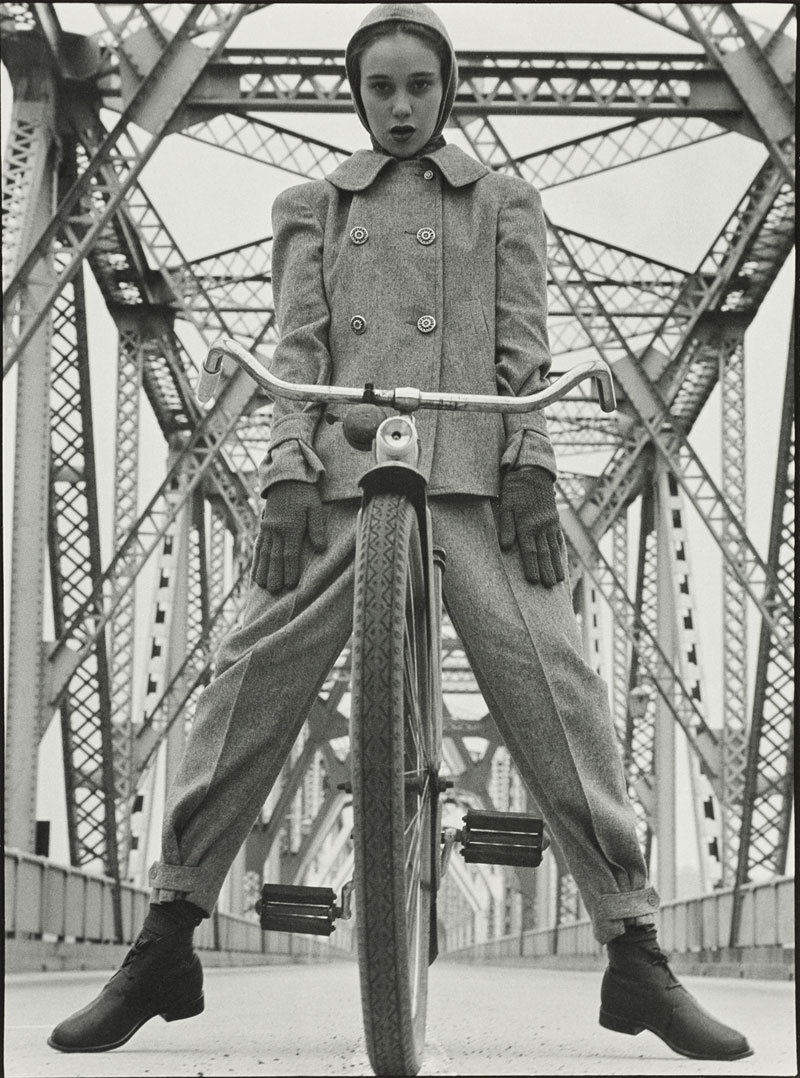
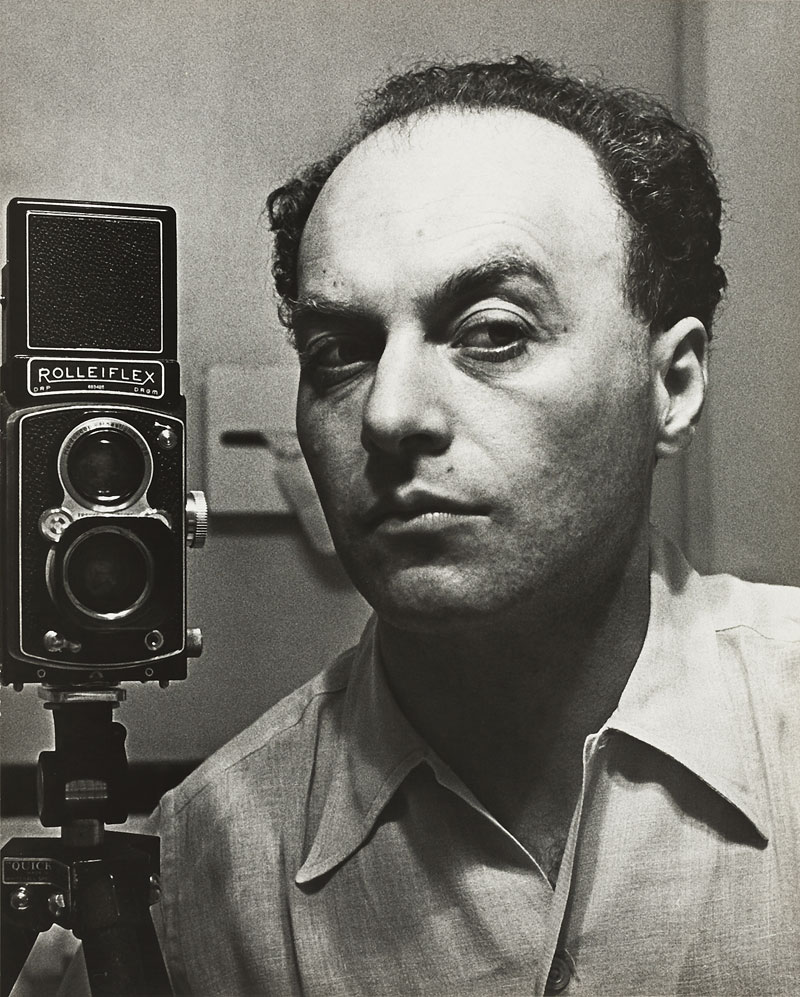
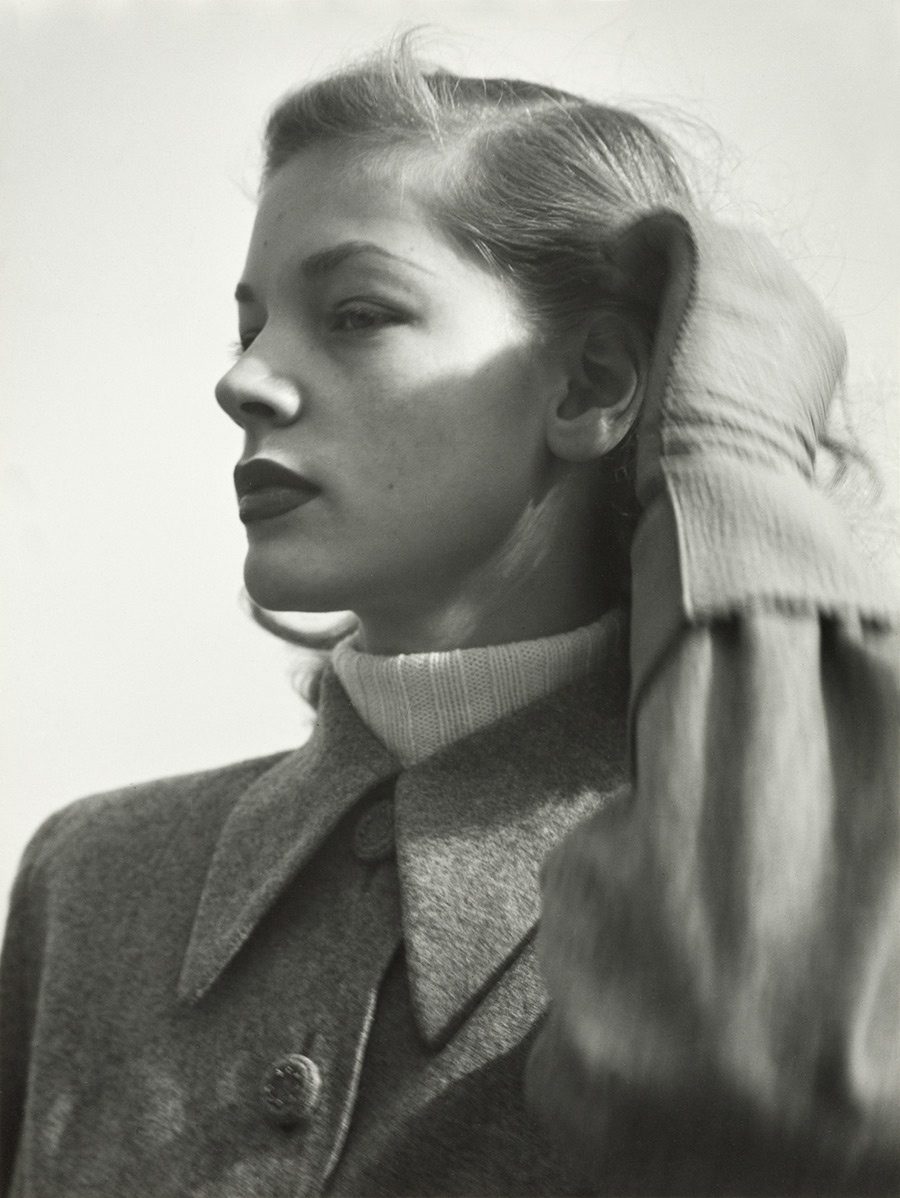
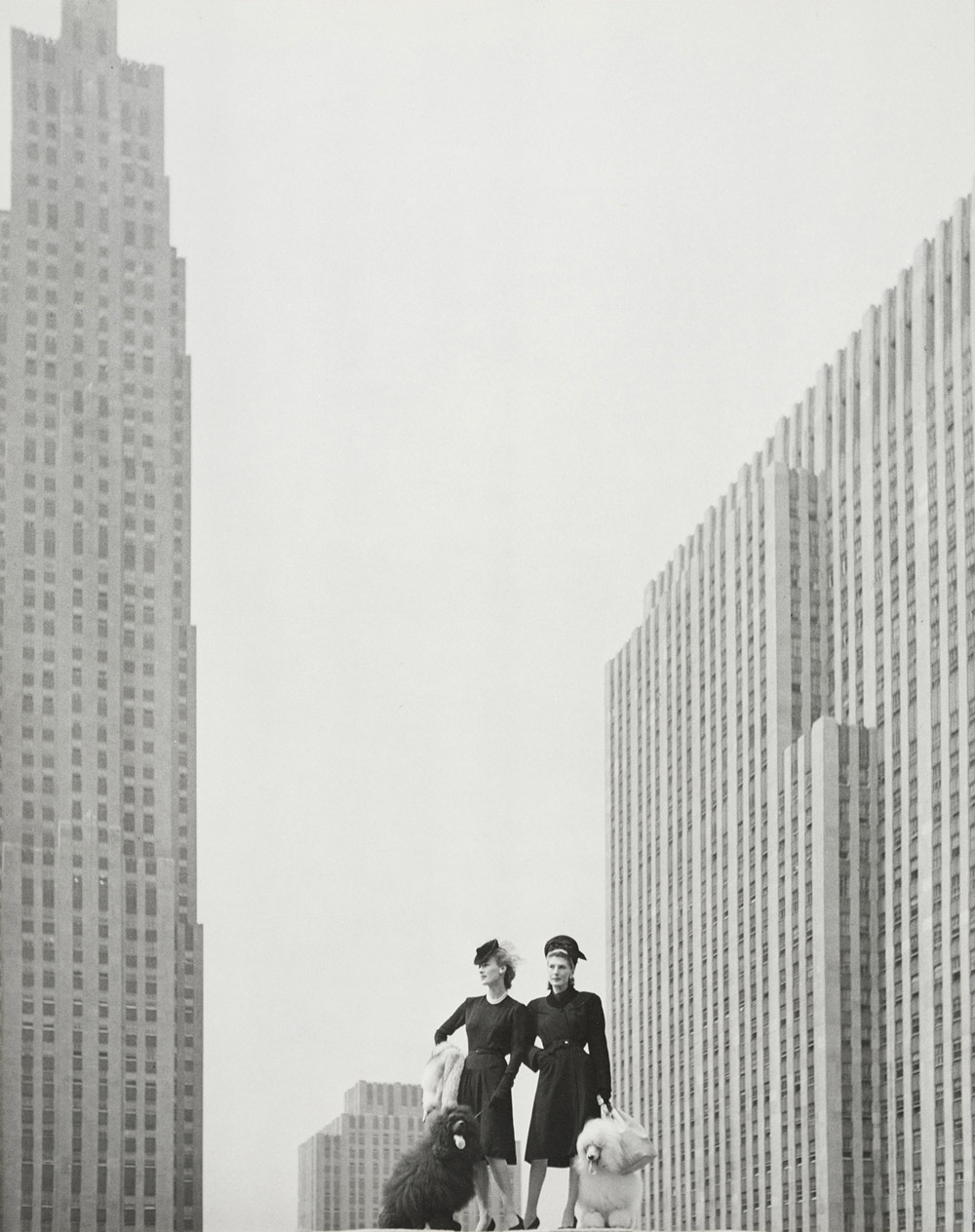
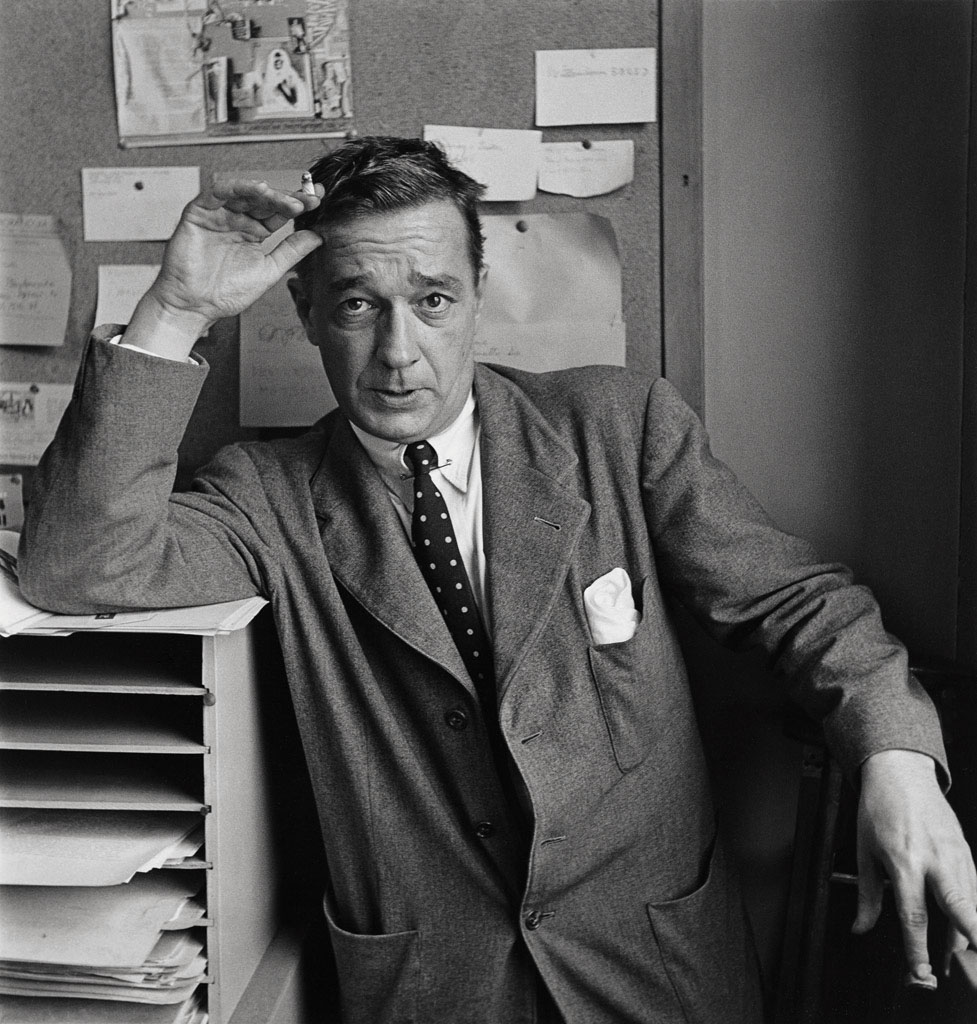
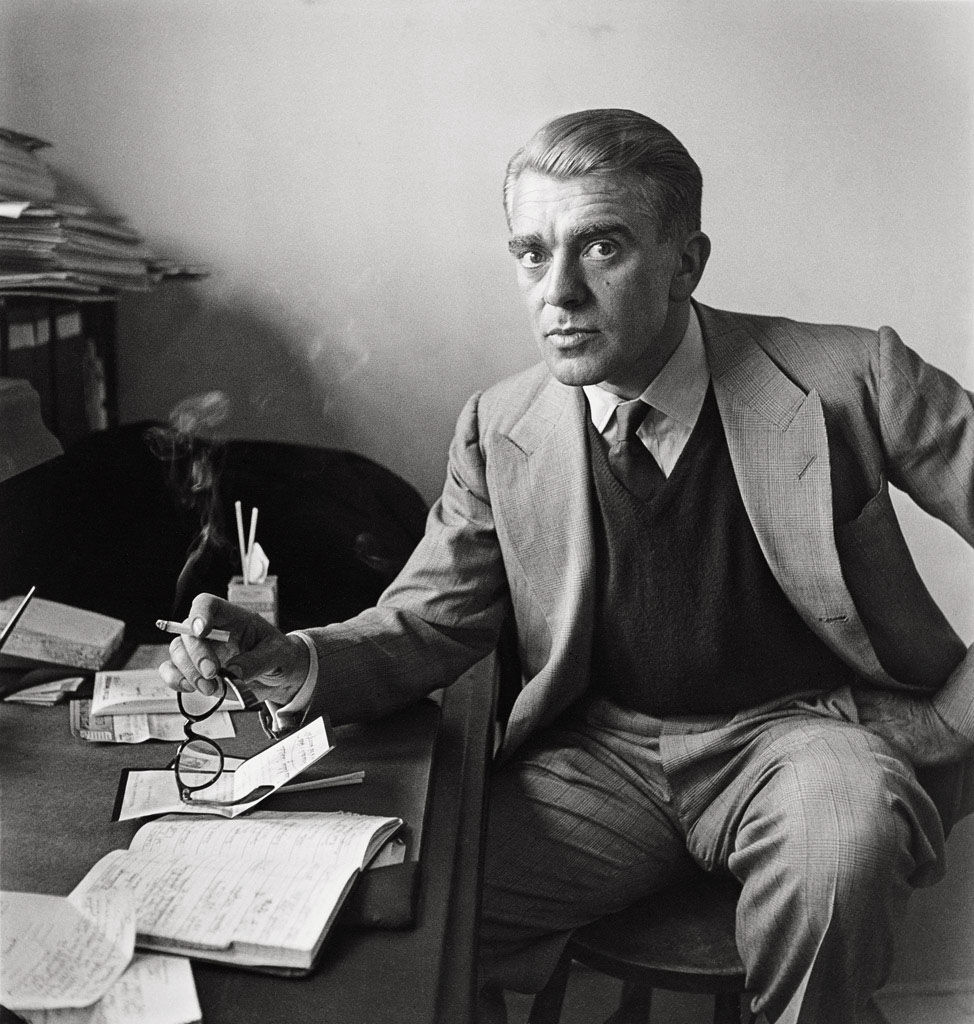
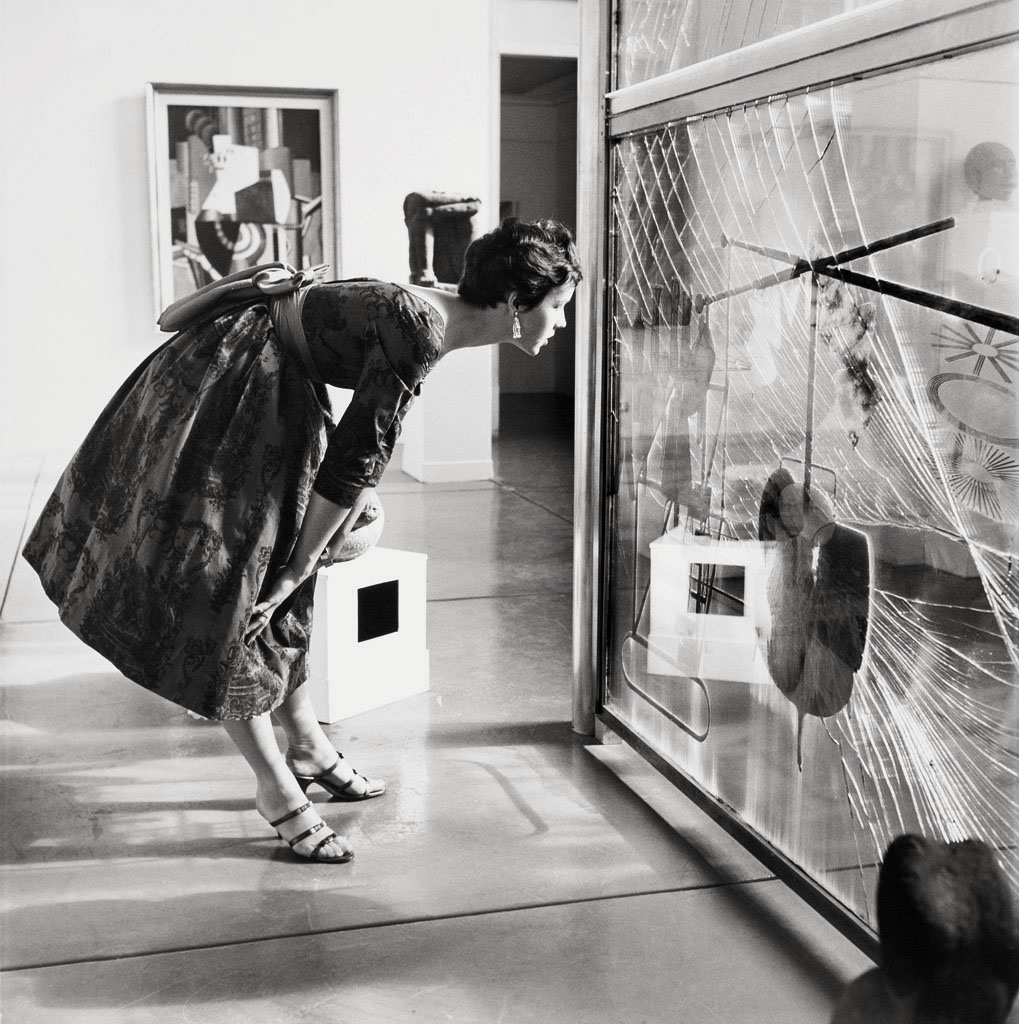


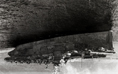
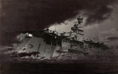

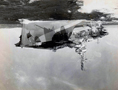

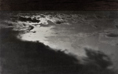


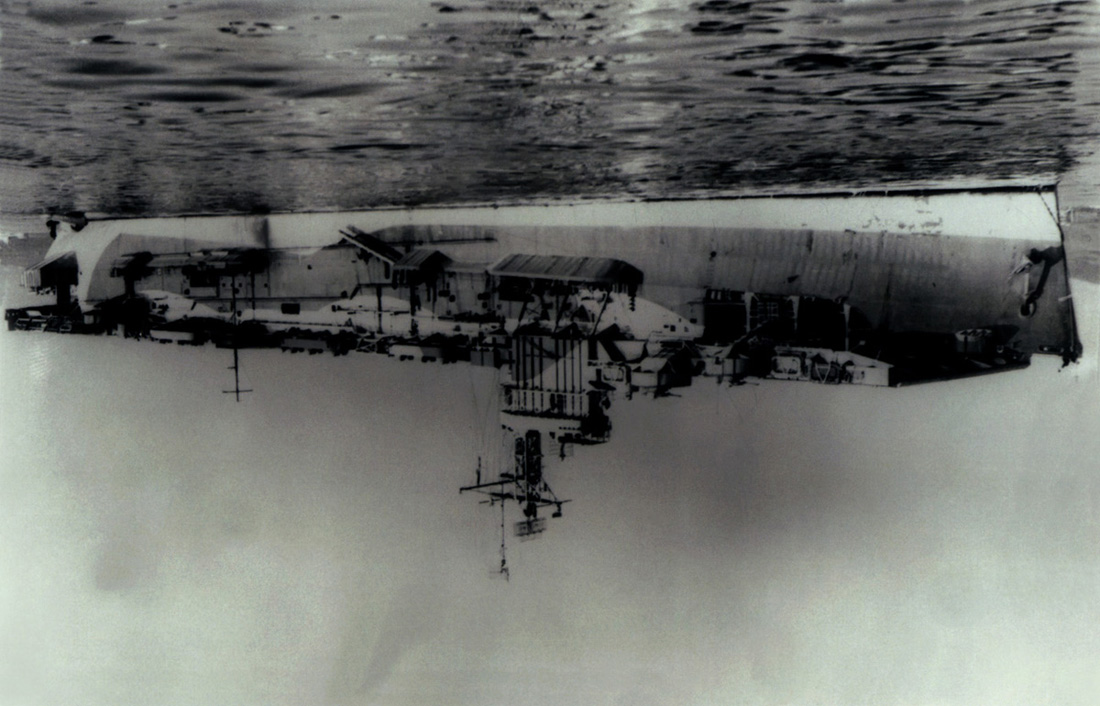






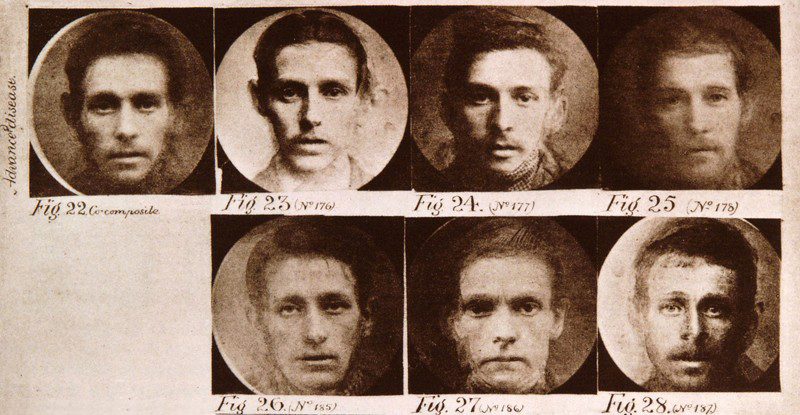


![August Sander (German, 1876-1964) 'Political Prisoner [Erich Sander]' 1943, printed 1990](https://artblart.com/wp-content/uploads/2013/10/august-sander-political-prisoner-erich-sander-1943-photograph-gelatin-silver-print-on-paper-b.jpg "August Sander (German, 1876-1964) 'Political Prisoner [Erich Sander]' 1943, printed 1990")
![George Platt Lynes (American, 1907-1955) 'Tex Smutley and Buddy Stanley [no title (two sleeping boys)]' 1941](https://artblart.com/wp-content/uploads/2013/10/george-platt-lynes-united-states-of-america-1907-e28093-1955-tex-smutley-and-buddy-stanley-no-title-two-sleeping-boys-1941-gelatin-silver-photograph-printed-image-19-2-h-x-24-4-w-cm.jpg "George Platt Lynes (American, 1907-1955) 'Tex Smutley and Buddy Stanley [no title (two sleeping boys)]' 1941")

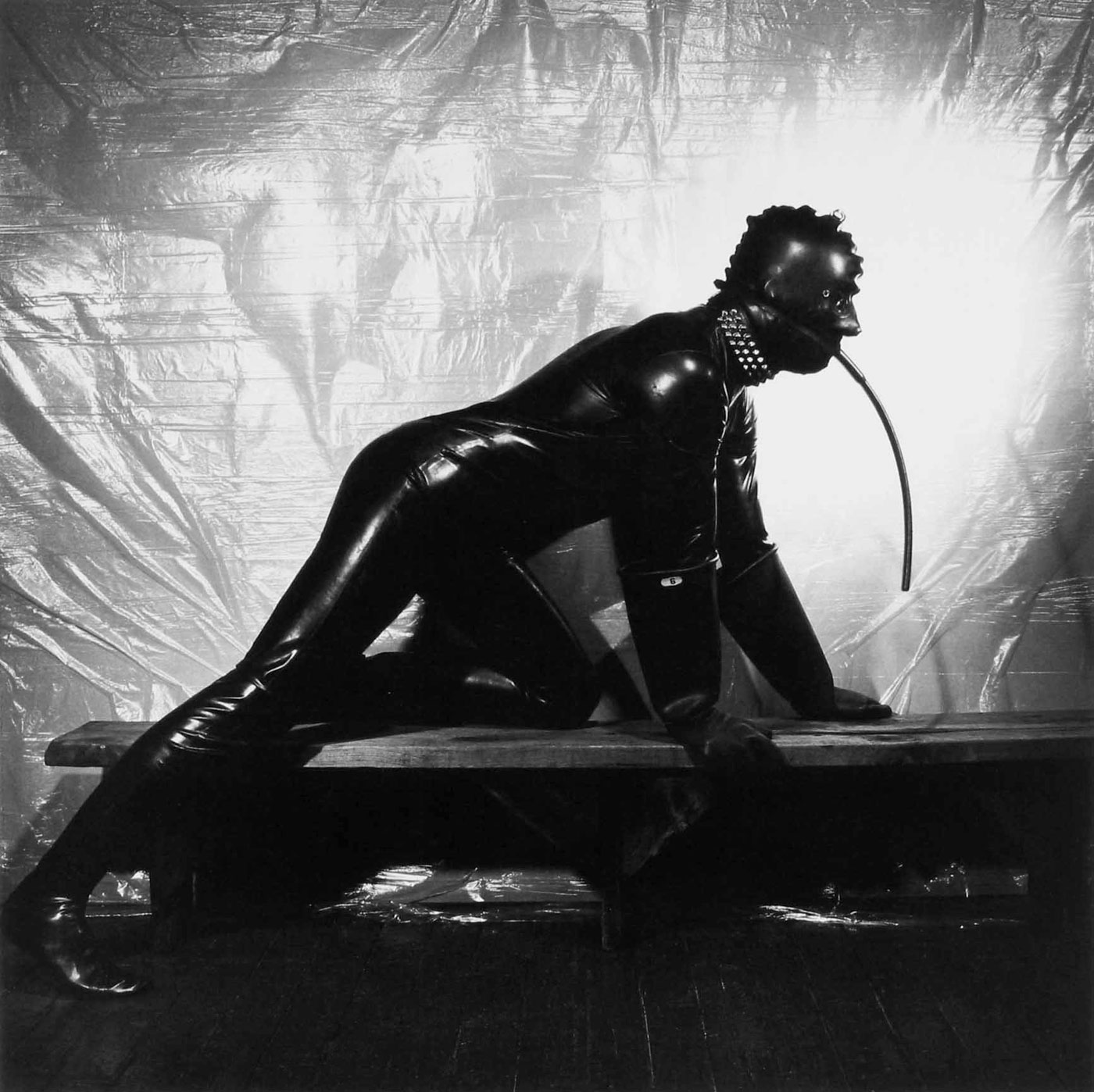


 Art Blart _ art and cultural memory archive
You must be logged in to post a comment.