Exhibition dates: 7th June – 22nd September, 2019 Visited September 2019 posted March 2020
Curator: Barbara Engelbach
Benjamin Katz (Belgian, b. 1939) Untitled 1960-1961 From the series Berlin Havelhöhe (1960/1961) Gelatin silver print
The eye of the law guards
I saw this TERRIFIC exhibition at Museum Ludwig while I was on my European photography research trip. None of the photographs are available online, so I am grateful that I took some iPhone installation images while I was there.
Tight, focused social documentary images that have real presence and power. They feel cooly and directly observed, essential, gritty, a unique take on an in/hospitable institution and the people in it. The word Havelhöhe translates to “hospital”. Katz was there for 18 months for the treatment of tuberculosis.
I admire the light, subject matter and the photographer’s point of view, his frontal and demanding perspective.
Dr Marcus Bunyan
All iPhone installation images taken by Marcus Bunyan. Please click n the photographs for a larger version of the image.
Installation views of the exhibition Benjamin Katz Berlin Havelhöhe, 1960/61 at the Museum Ludwig, Cologne Photos: Marcus Bunyan
Benjamin Katz became known in the 1980s as a fixture of the art scene in West Germany. He took portraits of artists such as Georg Baselitz, James Lee Byars, A.R. Penck, Cindy Sherman, and Rosemarie Trockel, photographed the bustling art scene at openings, and documented the creation of major exhibitions such as Westkunst in Cologne in 1981, documenta 7 in Kassel in 1982, and von hier aus in Düsseldorf in 1984.
On the occasion of the eightieth birthday of Benjamin Katz (born on June 14, 1939, in Antwerp, Belgium), the Museum Ludwig will present his series of photographs Berlin Havelhöhe (1960/1961), which has never before been shown in its entirety. The series was recently acquired directly from the artist’s archive. Even before Katz devoted himself professionally to photography, he captured his surroundings in 1960 and 1961 during an eighteen-month stay at the Havelhöhe hospital. Suffering from tuberculosis, he spent his time there as a patient and photographed everyday life: his fellow patients, the hospital staff, the buildings built during the Nazi era as an air force academy, and the surrounding area. The photographs represent a socio-historical as well as an artistic and personoal document, since they record Katz’s beginnings as a photographer. Berlin Havelhöhe also exemplifies the image of the artist as a young man.
Director Yilmaz Dziewior: “The Museum Ludwig has a large collection of Katz’s portraits of artists spanning several decades. It also includes his extensive documentation of the 1981 exhibition Westkunst as well as photographs from the installation of many exhibitions. I am all the more delighted that we were able to acquire Berlin Havelhöhe, a significant early series by Katz. We would like express our warmest thanks for his trust and for sharing his memories with us.”
The entire series will be shown in the form of forty-one photographs printed in three different sizes and 318 vintage prints mounted on A4 paper. On the first floor, as part of the permanent collection, the Museum Ludwig will also present Katz’s well-known portraits of artists, which he took during his studio visits beginning in the 1980s, including Georg Baselitz, A.R. Penck, Gerhard Richter, and Rosemarie Trockel.
Benjamin Katz: Berlin Havelhöhe, 1960/1961 is the sixth presentation in the photography room, which since 2017 has featured changing selections of the approximately 70,000 works from the Museum Ludwig photography collection. The photography room is located in the permanent collection on the second floor.
Text from the gallery website [Online] Cited 04/03/2020
Wall text from the exhibition Benjamin Katz Berlin Havelhöhe, 1960/61 at the Museum Ludwig, Cologne Photo: Marcus Bunyan
Benjamin Katz (Belgian, b. 1939) Untitled (installation view) 1960-1961 From the series Berlin Havelhöhe (1960/1961) Gelatin silver print Photo: Marcus Bunyan
Benjamin Katz (Belgian, b. 1939) Untitled 1960-1961 From the series Berlin Havelhöhe (1960/1961) Gelatin silver print
Installation view of the exhibition Benjamin Katz Berlin Havelhöhe, 1960/61 at the Museum Ludwig, Cologne Photo: Marcus Bunyan
Benjamin Katz (Belgian, b. 1939) Untitled (installation view) 1960-1961 From the series Berlin Havelhöhe (1960/1961) Gelatin silver print Photo: Marcus Bunyan
Benjamin Katz (Belgian, b. 1939) Untitled 1960-1961 From the series Berlin Havelhöhe (1960/1961) Gelatin silver print
Benjamin Katz (Belgian, b. 1939) Untitled (installation view) 1960-1961 From the series Berlin Havelhöhe (1960/1961) Gelatin silver print Photo: Marcus Bunyan
Installation view of the exhibition Benjamin Katz Berlin Havelhöhe, 1960/61 at the Museum Ludwig, Cologne Photo: Marcus Bunyan
Benjamin Katz (Belgian, b. 1939) Untitled (installation view) 1960-1961 From the series Berlin Havelhöhe (1960/1961) Gelatin silver print Photo: Marcus Bunyan
Benjamin Katz (Belgian, b. 1939) Untitled 1960-1961 From the series Berlin Havelhöhe (1960/1961) Gelatin silver print
Installation view of the exhibition Benjamin Katz Berlin Havelhöhe, 1960/61 at the Museum Ludwig, Cologne Photo: Marcus Bunyan
Benjamin Katz (Belgian, b. 1939) Untitled (installation view) 1960-1961 From the series Berlin Havelhöhe (1960/1961) Gelatin silver print Photo: Marcus Bunyan
Benjamin Katz (Belgian, b. 1939) Untitled 1960-1961 From the series Berlin Havelhöhe (1960/1961) Gelatin silver print
Installation view of the exhibition Benjamin Katz Berlin Havelhöhe, 1960/61 at the Museum Ludwig, Cologne Photo: Marcus Bunyan
Benjamin Katz (Belgian, b. 1939) Untitled (installation view) 1960-1961 From the series Berlin Havelhöhe (1960/1961) Gelatin silver print Photo: Marcus Bunyan
Benjamin Katz (Belgian, b. 1939) Untitled (installation view) 1960-1961 From the series Berlin Havelhöhe (1960/1961) Gelatin silver print Photo: Marcus Bunyan
Benjamin Katz (Belgian, b. 1939) Untitled (installation view) 1960-1961 From the series Berlin Havelhöhe (1960/1961) Gelatin silver print Photo: Marcus Bunyan
Benjamin Katz (Belgian, b. 1939) Untitled (installation view) 1960-1961 From the series Berlin Havelhöhe (1960/1961) Gelatin silver print Photo: Marcus Bunyan
Benjamin Katz (Belgian, b. 1939) Untitled (installation view) 1960-1961 From the series Berlin Havelhöhe (1960/1961) Gelatin silver print Photo: Marcus Bunyan
Benjamin Katz (Belgian, b. 1939) Untitled (installation view) 1960-1961 From the series Berlin Havelhöhe (1960/1961) Gelatin silver print Photo: Marcus Bunyan
Benjamin Katz (Belgian, b. 1939) Untitled (installation view) 1960-1961 From the series Berlin Havelhöhe (1960/1961) Gelatin silver print Photo: Marcus Bunyan
Some of the text translates as: ‘The English finder’ (bottom left) and ‘The eye of the law guards’ (centre)
Benjamin Katz (Belgian, b. 1939) Untitled (installation view) 1960-1961 From the series Berlin Havelhöhe (1960/1961) Gelatin silver print Photo: Marcus Bunyan
Benjamin Katz (Belgian, b. 1939) Untitled (installation view) 1960-1961 From the series Berlin Havelhöhe (1960/1961) Gelatin silver print Photo: Marcus Bunyan
Installation view of the exhibition Benjamin Katz Berlin Havelhöhe, 1960/61 at the Museum Ludwig, Cologne Photo: Marcus Bunyan
Benjamin Katz (Belgian, b. 1939) Untitled (installation view) 1960-1961 From the series Berlin Havelhöhe (1960/1961) Gelatin silver print Photo: Marcus Bunyan
Benjamin Katz (Belgian, b. 1939) Untitled 1960-1961 From the series Berlin Havelhöhe (1960/1961) Gelatin silver print
Benjamin Katz (Belgian, b. 1939) Untitled (installation view) 1960-1961 From the series Berlin Havelhöhe (1960/1961) Gelatin silver print Photo: Marcus Bunyan
Benjamin Katz (Belgian, b. 1939) Untitled (installation view) 1960-1961 From the series Berlin Havelhöhe (1960/1961) Gelatin silver print Photo: Marcus Bunyan
Benjamin Katz (Belgian, b. 1939) Untitled 1960-1961 From the series Berlin Havelhöhe (1960/1961) Gelatin silver print
Museum Ludwig Heinrich-Böll-Platz, 50667 Köln, Germany
Opening hours: Tuesday through Sunday: 10 am – 6 pm
Curators: Jim Ganz, senior curator of photographs at the Getty Museum in collaboration with Getty curators Mazie Harris, Virginia Heckert, Karen Hellman, Arpad Kovacs, Amanda Maddox, and Paul Martineau.
Imagine having these photographs in your collection!
My particular favourite is Hiromu Kira’s The Thinker (about 1930). For me it sums up our singular 1 thoughtful 2 imaginative 3 ephemeral 4 ether/real 5 existence.
“Aether is the fifth element in the series of classical elements thought to make up our experience of the universe… Although the Aether goes by as many names as there are cultures that have referenced it, the general meaning always transcends and includes the same four “material” elements [earth, air, water, fire]. It is sometimes more generally translated simply as “Spirit” when referring to an incorporeal living force behind all things. In Japanese, it is considered to be the void through which all other elements come into existence.” (Adam Amorastreya. “The End of the Aether,” on the Resonance website Feb 16, 2015 [Online] Cited 23/02/2020)
Dr Marcus Bunyan
Many thankx to the J. Paul Getty Museum for allowing me to publish the photographs in the posting. Please click on the photographs for a larger version of the image.
Carleton Watkins (American, 1829-1916) [Guadalupe Mill] 1860 Salted paper print Image (dome-topped): 33.8 × 41.6cm (13 5/16 × 16 3/8 in.) The J. Paul Getty Museum, Los Angeles
Hiromu Kira (1898-1991) was one of the most successful and well-known Japanese American photographers in prewar Los Angeles. He was born in Waipahu, O’ahu, Hawai’i on April 5, 1898, but was sent to Kumamoto, Japan, for his early education. When he was eighteen years old, he returned to the United States and settled in Seattle, Washington, where he first became interested in photography. In 1923, he submitted prints to the Seattle Photography Salon which accepted two of the photographs. In 1923, his work was accepted in the Pittsburg Salon and the Annual Competition of American Photography. He found work at the camera department of a local Seattle pharmacy and began meeting other Issei, Nisei and Kibei photographers such as Kyo Koike and joined the Seattle Camera Club.
In 1926, Kira moved to Los Angeles with his wife and two young children. Although he was never a member of the Japanese Camera Pictorialists of California, a group that was active in Los Angeles at that time, he developed strong friendships with club members associated with the pictorialist movement of the 1920s and ’30s such as K. Asaishi and T. K. Shindo. In 1928, Kira was named an associate of the Royal Photography Society, and the following year he was made a full fellow and began exhibiting both nationally and internationally. In 1929 alone, Kira exhibited ninety-six works in twenty-five different shows. In the late twenties, he worked at T. Iwata’s art store. In 1931, his photograph The Thinker, made while showing a customer how to use his newly purchased camera properly, appeared on the March 1931 issue of Vanity Fair magazine.
On December 5, two days before the attack on Pearl Harbor, Kira was selected to be included in the 25th Annual International Salon of the Camera Pictorialists of Los Angeles. Within a few months, he was forced to store his camera, photography books and prints in the basement of the Nishi Hongwanji Buddhist Temple in Little Tokyo, Los Angeles for the duration of World War II. He and his family were incarcerated at Santa Anita Assembly Center and the Gila River, Arizona concentration camp from 1942-1944, leaving the latter in April 1944.
Following his release, he lived briefly in Chicago before returning to Los Angeles in 1946, where he remained for the rest of his life. In Los Angeles, he worked as a photo retoucher and printer for the Disney, RKO and Columbia Picture studios but never exhibited again as he had before the war.
Text from the Hiromu Kira page on the Densho Encyclopedia website [Online] Cited 23/02/2020
Markéta Luskačová (born 1944) is a Czech photographer known for her series of photographs taken in Slovakia, Britain and elsewhere. Considered one of the best Czech social photographers to date, since the 1990s she has photographed children in the Czech Republic, Slovakia, and also Poland…
In the 1970s and 1980s, the communist censorship attempted to conceal her international reputation. Her works were banned in Czechoslovakia, and the catalogues for the exhibition Pilgrims in the Victoria and Albert Museum were lost on their way to Czechoslovakia.
Luskačová started photographing London’s markets in 1974. In the markets of Portobello Road, Brixton and Spitalfields, she “[found] a vivid Dickensian staging”.
In 2016 she self-published a collection of photographs of street musicians, mostly taken in the markets of east London, under the title To Remember – London Street Musicians 1975-1990, and with an introduction by John Berger.
During the 1960s Nagano observed the period of intense economic growth in Japan, depicting the lives of Tokyo’s sarariman with some humour. The photographs of this period were only published in book form much later, as Dorīmu eiji and 1960 (1978 and 1990 respectively).
Nagano exhibited recent examples of his street photography in 1986, winning the Ina Nobuo Award. He published several books of his works since then, and won a number of awards. Nagano had a major retrospective at the Tokyo Metropolitan Museum of Photography in 2000.
Nagano died two months short of his 94th birthday, on January 30, 2019.
A three-panel silkscreen print on glass, Succulent Screen depicts a detail view of one of the signature miter-cut windows of Frank Lloyd Wright’s Freeman House. The house was built in the Hollywood Hills in 1923, was listed on the National Register of Historic Places in 1971 as a California Historical Landmark and as Los Angeles Historic-Cultural Monument #247 in 1981; it was bequeathed to the USC School of Architecture in 1986.
The Getty Museum holds one of the largest collections of photographs in the United States, with more than 148,000 prints. However, only a small percentage of these have ever been exhibited at the Museum. To celebrate the 35th anniversary of the founding of the Department of Photographs, the Getty Museum is exhibiting 200 of these never-before-seen photographs and pull back the curtain on the work of the many professionals who care for this important collection in Unseen: 35 Years of Collecting Photographs, on view December 17, 2019 – March 8, 2020.
“Rather than showcasing again the best-known highlights of the collection, the time is right to dig deeper into our extraordinary holdings and present a selection of never-before-seen treasures. I have no doubt that visitors will be intrigued and delighted by the diversity and quality of the collection, whose riches will support exhibition and research well into the decades ahead,” says Timothy Potts, director of the J. Paul Getty Museum.
The exhibition includes photographs by dozens of artists from the birth of the medium in the mid-19th century to the present day. The selection also encompasses a variety of photographic processes, including the delicate cyanotypes of Anna Atkins (British, 1799-1871), Polaroids by Carrie Mae Weems (American, born 1953) and Mary Ellen Mark (American, 1940-2015) and an architectural photographic silkscreen on glass by Veronika Kellndorfer (German, born 1962).
Visual associations among photographs from different places and times illuminate the breadth of the Getty’s holdings and underscore a sense of continuity and change within the history of the medium. The curators have also personalised some of the labels in the central galleries to give voice to their individual insights and perspectives.
Growth of the collection
In 1984, as the J. Paul Getty Trust was in the early stages of conceiving what would eventually become the Getty Center, the Getty Museum created its Department of Photographs. It did so with the acquisition of several world-famous private collections, including those of Sam Wagstaff, André Jammes, Arnold Crane, and Volker Kahmen and Georg Heusch. These dramatic acquisitions immediately established the Museum as a leading center for photography.
While the founding collections are particularly strong in 19th and early 20th century European and American work, the department now embraces contemporary photography and, increasingly, work produced around the world. The collection continues to evolve, has been shaped by several generations of curators and benefits from the generosity of patrons and collectors.
Behind the scenes
In addition to the photographs on view, the exhibition spotlights members of Getty staff who care for, handle, and monitor these works of art.
“What the general public may not realise is that before a single photograph is hung on a wall, the object and its related data is managed by teams of professional conservators, registrars, curators, mount-makers, and many others,” says Jim Ganz, senior curator of photographs at the Getty Museum. “In addition to exposing works of art in the collection that are not well known, we wanted to shed light on the largely hidden activity that goes into caring for such a collection.”
Collecting Contemporary Photography
The department’s collecting of contemporary photography has been given strong encouragement by the Getty Museum Photographs Council, and a section of the exhibition will be dedicated to objects purchased with the Council’s funding. Established in 2005, this group supports the department’s curatorial program, especially with the acquisition of works made after 1945 by artists not yet represented or underrepresented in the collection. Since its founding, the Council has contributed over $3 million toward the purchase of nearly five hundred photographs by artists from Argentina, Australia, Canada, Japan, Korea, Malaysia, South Africa, and Taiwan, as well as Europe and the United States.
Looking ahead
The exhibition also looks towards the future of the collection, and includes a gallery of very newly-acquired works by Laura Aguilar (American, 1959-2018), Osamu Shiihara (Japanese, 1905-1974), as well as highlights of the Dennis Reed collection of photographs by Japanese American photographers. The selection represents the department’s strengthening of diversity in front of and behind the camera, the collection of works relevant to Southern California communities, and the acquisition of photographs that expand the understanding of the history of the medium.
“With this exhibition we celebrate the past 35 years of collecting, and look forward to the collection’s continued expansion, encompassing important work by artists all over the world and across three centuries,” adds Potts.
Unseen: 35 Years of Collecting Photographs is on view December 17, 2019 – March 8, 2020 at the Getty Center. The exhibition is organised by Jim Ganz, senior curator of photographs at the Getty Museum in collaboration with Getty curators Mazie Harris, Virginia Heckert, Karen Hellman, Arpad Kovacs, Amanda Maddox, and Paul Martineau.
Press release from the J. Paul Getty Museum [Online] Cited 09/20/2020
Julia Margaret Cameron (British born India, 1815-1879) [Spring] 1873 Albumen silver print 35.4 × 25.7cm (13 15/16 × 10 1/8 in.) The J. Paul Getty Museum, Los Angeles
Reverend William Ellis (British, 1794-1872) and Samuel Smith [Portrait of a Black Couple] about 1873 Albumen silver print 24.1 × 18.6cm (9 1/2 × 7 5/16 in.) The J. Paul Getty Museum, Los Angeles
Prince Roland Napoleon Bonaparte (French, 1858-1924) Jacobus Huch, 26 ans about 1888 Albumen silver print 15.9 × 10.9cm (6 1/4 × 4 5/16 in.) The J. Paul Getty Museum, Los Angeles
Underwood & Underwood (American, founded 1881, dissolved 1940s) Les Chiens du Front, eux-mems, portent des masques contre les gaz May 27, 1917 Rotogravure 22 × 20.4cm (8 11/16 × 8 1/16 in.) The J. Paul Getty Museum, Los Angeles
Munkácsi was a newspaper writer and photographer in Hungary, specialising in sports. At the time, sports action photography could only be done in bright light outdoors. Munkácsi’s innovation was to make sport photographs as meticulously composed action photographs, which required both artistic and technical skill.
Munkácsi’s break was to happen upon a fatal brawl, which he photographed. Those photos affected the outcome of the trial of the accused killer, and gave Munkácsi considerable notoriety. That notoriety helped him get a job in Berlin in 1928, for Berliner Illustrirte Zeitung, where his first published photo was a motorcycle splashing its way through a puddle. He also worked for the fashion magazine Die Dame.
More than just sports and fashion, he photographed Berliners, rich and poor, in all their activities. He traveled to Turkey, Sicily, Egypt, London, New York, and Liberia, for photo spreads in Berliner Illustrirte Zeitung.
The speed of the modern age and the excitement of new photographic viewpoints enthralled him, especially flying. There are aerial photographs; there are air-to-air photographs of a flying school for women; there are photographs from a Zeppelin, including the ones on his trip to Brazil, where he crossed over a boat whose passengers wave to the airship above.
On 21 March 1933, he photographed the fateful Day of Potsdam, when the aged President Paul von Hindenburg handed Germany over to Adolf Hitler. On assignment for Berliner Illustrirte Zeitung, he photographed Hitler’s inner circle, although he was a Jewish foreigner.
Munkácsi left for New York City… Munkácsi died in poverty and controversy. Several universities and museums declined to accept his archives, and they were scattered around the world.
Erwin Blumenfeld (American born Germany, 1897-1969)
Blumenfeld was born in Berlin on 26 January 1897. As a young man he worked in the clothes trade and wrote poetry. In 1918 he went to Amsterdam, where he came into contact with Paul Citroen and Georg Grosz. In 1933 he made a photomontage showing Hitler as a skull with a swastika on its forehead; this image was later used in Allied propaganda material in 1943.
He married Lena Citroen, with whom he had three children, in 1921. In 1922 he started a leather goods shop, which failed in 1935. He moved to Paris, where in 1936 he set up as a photographer and did free-lance work for French Vogue. After the outbreak of the Second World War he was placed in an internment camp; in 1941 he was able to emigrate to the United States. There he soon became a successful and well-paid fashion photographer, and worked as a free-lancer for Harper’s Bazaar, Life and American Vogue. Blumenfeld died in Rome on 4 July 1969.
Barbara Morgan (American, 1900-1992) City Shell 1938 Gelatin silver print 49.2 × 39.4cm (19 3/8 × 15 1/2 in.) Reproduced courtesy of the Barbara and Willard Morgan Photographs and Papers, Library Special Collections, Charles E. Young Research Library, UCLA The J. Paul Getty Museum, Los Angeles
Henry Holmes Smith (1909-1986) was an American photographer and one of the most influential fine art photography teachers of the mid 20th century. He was inspired by the work that had been done at the German Bauhaus and in 1937 was invited to teach photography at the New Bauhaus being founded by Moholy-Nagy in Chicago. After World War II, he spent many years teaching at Indiana University. His students included Jerry Uelsmann, Jack Welpott, Robert W. Fichter, Betty Hahn and Jaromir Stephany.
Smith was often involved in the cutting edge of photographic techniques: in 1931 he started experimenting with high-speed flash photography of action subjects, and started doing colour work in 1936 when few people considered it a serious artistic medium. His later images were nearly all abstract, often made directly (without a camera, i.e. like photograms), for instance images created by refracting light through splashes of water and corn syrup on a glass plate. However, although acclaimed as a photographic teacher, Holmes’ own photographs and other images did not achieve any real recognition from his peers.
Otto Steinert (German, 1915-1978) Schlammweiher 2 Negative 1953, print about 1960s Gelatin silver print 39.6 x 29.1cm (15 9/16 x 11 7/16 in.) The J. Paul Getty Museum, Los Angeles Courtesy Galerie Johannes Faber
Duane Michals is one of the greatest photographic storytellers of the twentieth century. His parables – seemingly simple stories used to illustrate a moral or spiritual lesson – resonate, vibrate, with energy, and insight into, the human condition. They are as profound as the air we breathe but cannot see – expressing the invisible, presencing the spiritual. I feel, I know these stories, intimately. Those things-for-which-there-are-no-words.
“Presencing. In 1885, Van Gogh, wrote a letter to his brother Theo: ‘Rembrandt goes so deep into the mysterious that he says things for which there are no words in any language. It is with justice that they call Rembrandt – [a] magician.’ (Letter from Vincent van Gogh to Theo van Gogh [letter 534], on or about 10 October 1885, in Leo Jansen, Luijten and Nienke Bakker (eds.,). Vincent van Gogh: The Letters. Van Gogh Museum and the Huygens Institute, Amsterdam, 2009 [Online] Cited 11/10/2019)
The things-for-which-there-are-no-words remain hidden when approached with conceptual thought. They need to be experienced to be known. The currency of this experience, as we have seen, is deeply personal, but in allowing it we can touch on truth, perhaps even the truth.”1
There are things here not seen in this photograph. The spirit leaves the body. William Blake and Duane Michals. Enchanted melancholy. The mysterious / music. In swift embrace. In love. In memory. In death. The fluidity of the line of the artist. Things are queer. The world implodes and ravages itself. Paradise is reborn. The letter, and love, from my father that I, also, never did receive. The nature of reality. Truth?
“I’m completely overwhelmed by the nature of our reality,” he is quoted as saying in the exhibition catalog about human evolution. “We’ve been working on this version of man for a thousand years. He lives longer, he’s healthier, but he’s still an unproven product. Still the same greedy little bastard.”
“For Michals, photography is not documentary in nature but theatrical and fictive: the camera is one of many tools humanity uses to construct a comprehensible version of reality. In his imaginative, visually rich photographs, the artist exploits the medium’s storytelling capacity,” says the press release. Isobel Crombie suggests the ‘medium’ of photography has ‘The ability to speak to us across time and to connect to the mind and the heart.’2
When I was young. What was time?
Dr Marcus Bunyan
1/ Kim Devereux. “Me and My Muse,” in the NGV Magazine Issue 19 Nov – Dec 2019, p. 55
2/ Isobel Crombie. “One Suggestive Moment,” in the NGV Magazine Issue 19 Nov – Dec 2019, p. 33
Many thankx to The Morgan Library & Museum for allowing me to publish the photographs in the posting. Please click on the photographs for a larger version of the image.
“I write with this photograph not to tell you what you can see, rather to express what is invisible.”
Duane Michals 1966 in Johnson, B. (ed.,) 2004, ‘Photography speaks: 150 photographers on their art’, Aperture, New York p. 150
“I think photographs should be provocative and not tell you what you already know. It takes no great powers or magic to reproduce somebody’s face in a photograph. The magic is in seeing people in new ways.”
Duane Michals
Duane Michals uses visual narrative, symbolism and metaphysical imagery to interpret the human condition. His photographic sequences have a film-like appearance and represent intangible elements of dreams, imagination, death, time, myth and spirit. A freelance commercial photographer, Michals began experimenting with sequence works in the 1960s, later adding text to illuminate emotion and philosophical ideas and following in the tradition of painters such as René Magritte and Giorgio de Chirico whom he greatly admired. His staged, fictive tableaux vivants are intimate scenes that explore the atmosphere of the invisible and metaphysical…
Robert Wiles Evelyn Francis McHale May 1, 1947 1947 Gelatin silver print Overall: 9 1/2 × 8 in. (24.1 × 20.3cm) Purchased on the Goldsmith Fund for Americana The Morgan Library & Museum
“At the bottom of Empire State Building the body of Evelyn McHale reposes calmly in grotesque bier her falling body punched into the top of a car.”
LIFE Magazine caption
“On May Day, just after leaving her fiancé, 23-year-old Evelyn McHale wrote a note. “He is much better off without me. … I wouldn’t make a good wife for anybody,” she wrote. Then she crossed it out. She went to the observation platform of the Empire State Building. Through the mist she gazed at the street, 86 floors below. Then she jumped. In her desperate determination she leaped clear of the setbacks and hit a United Nations limousine parked at the curb. Across the street photography student Robert Wiles heard an explosive crash. Just four minutes after Evelyn McHale’s death Wiles got this picture of death’s violence and its composure.”
LIFE Magazine description
On 30 April she visited her fiancée in Easton presumably to celebrate his 24th birthday and boarded a train back to NYC at 7 a.m., 1 May 1947. Barry [Rhodes] stated to reporters that “When I kissed her goodbye she was happy and as normal as any girl about to be married.”
Of course we’ll never know what went through Evelyn’s mind on 66 mi train ride home. But after she arrived in New York she went to the Governor Clinton Hotel where she wrote a suicide note and shortly before 10:30 a.m. bought a ticket to the 86th floor observation deck of the Empire State Building.
Around 10:40 am Patrolman John Morrissey, directing traffic at Thirty-fourth Street and Fifth Avenue, noticed a white scarf floating down from the upper floors of the building. Moments later he heard a crash and saw a crowd converge on 34th street. Evelyn had jumped, cleared the setbacks, and landed on the roof of a United Nations Assembly Cadillac limousine parked on 34th street, some 200 ft west of Fifth Ave.
Across the street, Robert C. Wiles, a student photographer, also noticed the commotion and rushed to the scene where he took several photos, including this one, some four minutes after her death. Later, on the observation deck, Detective Frank Murray found her tan (or maybe gray, reports differ) cloth coat neatly folded over the observation deck wall, a brown make-up kit filled with family pictures and a black pocketbook with the note which read:
“I don’t want anyone in or out of my family to see any part of me. Could you destroy my body by cremation? I beg of you and my family – don’t have any service for me or remembrance for me. My fiance asked me to marry him in June. I don’t think I would make a good wife for anybody. He is much better off without me. Tell my father, I have too many of my mother’s tendencies.”
Duane Michals (American, b. 1932) The Spirit Leaves the Body 1968 Gift of Richard and Ronay Menschel The Morgan Library & Museum
Duane Michals (American, b. 1932) I Build a Pyramid 1978 6 (5 x 7 inch) silver gelatin prints with hand-applied text The Morgan Library & Museum
ILLUSION
Francesco Salviati (Italian, 1510-1563) Emblematic Design with Two-Headed Horse and Moth c. 1550-1563 Pen and brown ink, brown wash, on paper; framing lines at upper left and right edges in pen and brown ink Overall: 7 1/2 × 7 3/8 in. (19.1 × 18.7cm) Gift of János Scholz The Morgan Library & Museum
William Blake (British, 1757-1827) Satan Smiting Job with Boils c. 1805-1810 Pen and black and grey ink, grey wash, and watercolour, over faint indications in pencil, on paper Overall: 9 3/16 x 11 inches (233 x 280 mm) Purchased by Pierpont Morgan (1837-1913) in 1909 The Morgan Library & Museum
Jehan Georges Vibert (French, 1840-1902) A Cardinal in Profile 1880 Watercolour on paper Overall: 4 7/8 × 3 3/8 in. (12.4 × 8.6cm) Gift of John M. Thayer The Morgan Library & Museum
Henry Pearson (American, 1914-2006) 128th Psalm (Study for “Five Psalms”) 1968 Chinese ink on heavy paper Overall: 23 1/2 × 18 in. (59.7 × 45.7cm) Gift of Regina and Lawrence Dubin, M.D The Morgan Library & Museum
Duane Michals (American, b. 1932) The Illuminated Man 1968 Gelatin silver print, unique print Image: 15 5/8 x 22 7/8 inches The Morgan Library & Museum
When Michals arrived in New York from Pittsburgh in the early 1950s, the city provided not only freedom from the strict conventions of his Catholic upbringing, but an opening to worlds of ideas and experiences that extended in all directions. By the early 1960s, he was living with his life partner, the architect Frederick Gorree (who passed away in 2017) and experimenting with the photographic image beyond the single frame, often including handwritten texts.
“Duane cut photography’s umbilical cord,” Smith said about the photographer’s contributions to the medium. “He saw there’s no reason to limit the camera to what you find in the world; it should be part of the history of expressing ideas.” Michals’s 1970 one-man show at the Museum of Modern Art confirmed his significance in establishing a new genre.
In the 1960s, he became interested in Buddhism and meditation, further expanding his artistic concerns. At the Morgan, Michals walked over to a large, eye-popping ink drawing by Henry Pearson, an abstract artist loosely associated with the Op Art movement. Pearson’s “128th Psalm (Study for ‘Five Psalms’)” from 1968, is a light-bulb-shaped form with lines emanating from the center like electrified nerve endings and pulsating out beyond the frame.
“This drawing is pure energy,” he said. That same year, Michals – who had not known Pearson’s work – made “The Illuminated Man,” a photograph of a male figure facing the camera, his head emanating light, suggesting enlightenment. “The Illuminated Man” and “128th Psalm” share the theme of spiritual radiance.
Michals cited a 1937 painting by René Magritte not in the Morgan Collection called “The Pleasure Principle.” It is a portrait of the poet Edward James, a patron of Surrealist art, his head a glowing light bulb. “I only discovered the painting later,” he said, after he had made his own photographic homage, in 1965, in which Magritte appears ghostlike in double exposure, against a canvas on an easel, behind an empty chair. “I was very proud to have had a similar idea to one of my deities,” he said.
“The nature of consciousness is always the central question,” he asserted. In The Human Condition, his panel of six photographs from 1969 begins with a man standing on the 14th Street subway platform; the train arrives and he is bathed in a halo of light; the light becomes a swirl and in the last frame he is swept into a white disc the size of a galaxy passing through the night sky. From the immediate to the universal in six frames.
Duane Michals (American, b. 1932) The Bewitched Bee 1986 Gelatin silver print Gift of Duane Michals The Morgan Library & Museum
IMAGE AND WORD
Duane Michals (American, b. 1932) There Are Things Here Not Seen in This Photograph 1977 10 15/16 x 13 7/8 inches The Morgan Library & Museum
Duane Michals (American, b. 1932) I Remember Pittsburgh 8 1982 Gelatin silver print The Morgan Library & Museum
Ciro Ferri (Italian, 1634-1689) Fame Painting a Portrait Held by Religion 17th century Brush and brown and white gouache, pen and and brown ink, over black chalk, on brown toned paper Overall: 11 x 7 9/16 inches (279 x 192 mm) Purchased as the gift of the Fellows The Morgan Library & Museum
Design for a frontispiece engraved by Gérard Audran for a volume of portraits of cardinals published by Giovanni Giacomo de’ Rossi
Irving Penn (American, 1917-2009) Giorgio de Chirico, Rome Rome, 1944 (negative), 1946-1947 (print) Gelatin silver print on paper; mounted to cardstock Image And Sheet: 7 1/16 × 7 3/8 in. Gift of Irving Penn, 2006 The Morgan Library & Museum
Duane Michals (American, b. 1932) Andy Warhol 1958 Gelatin silver print 8 × 10 inches (20.3 × 25.4cm) Collection of Richard and Ronay Menschel The Morgan Library & Museum
Duane Michals (American, b. 1932) René Magritte at His Easel 1965 77/8 × 97/8 inches (20 × 25.1cm) Collection of Richard and Ronay Menschel The Morgan Library & Museum
Florian, Marquis de (1755-1794) Red leather portfolio [realia] – Portefeuille de Monsieur de Voltaire and Donné à Monsieur de Florian “Voltaire’s briefcase” 18th century Leather, gold clasp Stamped on front: “Portefeuille de Monsieur / de Voltaire”; on back: “Donné a Monsieur / de Florian” Overall: 16 15/16 × 12 5/8 in. (43 × 32cm) Purchased by Pierpont Morgan, 1911 Pierpont Morgan Library Dept. of Literary and Historical Manuscripts The Morgan Library & Museum
Voltaire gave this briefcase to the marquis de Florian, the husband of his niece Elisabeth Mignot. Her sister, Marie-Louise Mignot, Mme Denis, was Voltaire’s companion for the last twenty-nine years of his life. With extensive decorative gold tooling. Exhibited numerous times at the Morgan Library as “Voltaire’s briefcase.”
“The things we chose from the collection were so close to what my instincts are,” he said to Joel Smith, the curator of photography at the Morgan, who organised the show with Michals.
The photographer was referring to the kinship between things he chose and the irreverent nature of his own work. “I’m completely overwhelmed by the nature of our reality,” he is quoted as saying in the exhibition catalog about human evolution. “We’ve been working on this version of man for a thousand years. He lives longer, he’s healthier, but he’s still an unproven product. Still the same greedy little bastard.”
To illustrate the point, he reached for Voltaire’s briefcase among the holdings in the Morgan’s collection. It dates from the 1700s and is decorated with gold-leaf filigree on its red leather casing.
Smith recalled that Michals was so “wowed at the thought of Voltaire’s ideas living inside it and amused by the showbiz of its provenance” that he went home and painted a portrait of Candide on an old tintype, adding Voltaire’s bitterly ironic refrain in white block letters: “This Is the Best of All Possible Worlds.” The briefcase and Candide, 2019 are both in the show.
Yet, Michals doesn’t share Voltaire’s bleak view of existence. His own work is often characterised by an iconoclastic wit, imbued with serious metaphysical inquiry – a “curiosity about the nature of reality, in a much more profound sense than just a bunch of atoms.”
Auguste Rodin (French, 1840-1917) Lucifer c. 1900 Pencil and watercolour, on paper Overall: 9 3/8 × 12 7/16 in. (23.8 × 31.6cm) Gift of Alexandre P. Rosenberg The Morgan Library & Museum
Egon Schiele (Austrian, 1890-1918) Embrace 1914 Graphite on wove paper Overall: 19 1/8 × 12 3/4 in. (48.6 × 32.4cm) Bequest of Fred Ebb The Morgan Library & Museum
[Looks at Egon Schiele’s drawing Embrace (p. 22)] There’s so much emotion in this; it’s so immediate. There’s a few things happening: physical entanglement, then you see the look on his face, registering some kind of emotional response. I love the idea: Schiele had no thought that in a hundred years we’d be standing here or how we’d be talking about it. Art is not really about the future.
Duane Michals in Illusions of the Photographer: Duane Michals at the Morgan exhibition catalogue 2019, p. 21
In this depiction of the artist in the arms of an unidentified companion, the jagged, seemingly erratic contours suggest a psychological agitation characteristic of Schiele’s self-portraits. A feeling of tension derives from the position of the artist’s head-turned away from the woman embracing him – as well as from the placement of the couple to the left of the sheet, with the figure of the woman cropped. The resulting asymmetry conveys the artist’s emotional unbalance and emphasises his egocentric character while demonstrating the amazing technical agility he brought to bear to express a wide range of emotions.
Text from The Morgan Library & Museum website
Duane Michals (American, b. 1932) A Letter from My Father 1960 (image), 1975 (text) 15 3/4 × 19 7/8 inches (40 × 50.5cm) Gift of Duane Michals The Morgan Library & Museum
The Morgan Library & Museum proudly presents an exhibition combining a six-decade retrospective of Duane Michals with an artist’s-choice selection of works from all corners of the permanent collection. Michals is known for his picture sequences, inscribed photographs, and, more recently, films that pose emotional, conceptual, and cosmic questions beyond the scope of the lone camera image. Illusions of the Photographer: Duane Michals at the Morgan (October 25, 2019 to February 2, 2020) takes viewers on a tour of the artist’s mind, putting work from his expansive career in conversation with Old Master and modern drawings, books, manuscripts, and historical objects.
The first retrospective on Michals to be mounted by a New York City institution, the exhibition is organised around animating themes in the artist’s work: Theatre, Reflection, Love and Desire, Playtime, Image and Word, Nature, Immortality, Time, Death, and Illusion. It showcases his storytelling instincts, both in stand-alone staged photographs and in sequences. The exhibition also includes screenings of short films, Michals’s preferred medium in recent years.
For Michals, photography is not documentary in nature but theatrical and fictive: the camera is one of many tools humanity uses to construct a comprehensible version of reality. In his imaginative, visually rich photographs, the artist exploits the medium’s storytelling capacity. For example, the six images in I Build a Pyramid (1978) find the artist in Egypt, stacking stones in a modest pile that, from the camera’s perspective, appears to rival the scale of the ancient pharaohs’ monuments. Michals reveals that the scenario echoes his childhood habit of building cities from stones in his backyard in McKeesport, Pennsylvania. In the exhibition, Michals’s staged scenes are juxtaposed with those of his creative heroes, who include William Blake, Edward Lear, and Saul Steinberg. In his dual role as artist and curator he matches wits with writers, stage designers, toy makers, and his fellow portraitists of the past and the present.
Since 2015 Michals has focused his creative efforts on filmmaking, a natural outgrowth of his directorial habits as a photographer. On a screen in the exhibition, three short films are featured amid a cycle of over 200 photographs from the series Empty New York (1964-1965), the project through which the artist first recognised his theatrical vision of reality. Michals will host two special programs of film screenings in the Morgan’s Gilder Lehrman Hall, introducing films that have never been screened publicly before.
Illusions of the Photographer revives the format of the 2015 exhibition Hidden Likeness: Emmet Gowin at the Morgan, which The New York Times said “all but redefined the genre” of the collection dive curated by a contemporary artist. The present project is a personal one for Michals, who explains, “The Morgan literally is my favourite museum in New York. I always learn something at the Morgan. I’m so thrilled about this show, because it’s probably going to be the very last time to see me there, with all my resources and touchstones. I’m … archaic, in a way. I’m eighty-seven! I’m of my generation. My references are not at all to what people are talking about today. I’m comfortable there, that’s where I belong – and that’s what I contribute.”
Joel Smith, the Morgan’s Richard L. Menschel Curator and Department Head, says “Duane Michals’s art is contemplative, confessional, and comedic. It transcends the conventional bounds, and audience, of photography. Through narration and sequencing he reorients the camera towards timeless human dilemmas; he derives poetic effects from technical errors such as double exposure and motion blur. His originality and intimacy as an artist come through in the discoveries he brings to light from the Morgan’s collection.”
Illusions of the Photographer: Duane Michals at the Morgan is accompanied by an 88-page softcover catalogue featuring a wide-ranging interview with the artist and illustrations of seventy works, including his selections from the Morgan’s collection and the previously unpublished 1969 title sequence.
About Duane Michals
Duane Michals (b. February 18, 1932, McKeesport, Pennsylvania) is an American photographer who often combines images with text in a format that recalls cinematic storytelling. Michals received his BA from the University of Denver in 1953. He began photographing for magazines in 1960 and became a prolific portraitist of artists such as Andy Warhol, René Magritte, and Marcel Duchamp. His first solo exhibition was held at the Museum of Modern Art, New York, in 1970. Michals lives and works in New York City.
Press release from The Morgan Library & Museum [Online] Cited 14/11/2019
NATURE
James Jacques Joseph Tissot (French, 1836-1902) God Creating the World c. 1900-1902 Gouache on board 7 3/4 x 5 1/4 inches (201 x 135 mm) Morgan Family Collection
James Jacques Joseph Tissot (French, 1836-1902) God Creates Eve while Adam is Asleep c. 1900-1902 Gouache on board 12 x 9 1/8 inches (305 x 233 mm) Morgan Family Collection
James Jacques Joseph Tissot (French, 1836-1902) Adam and Eve in the Garden of Eden c. 1900-1902 Gouache on board 11 x 8 inches (279 x 203 mm) Morgan Family Collection
James Jacques Joseph Tissot (French, 1836-1902) Adam and Eve Perceive their Nakedness c. 1900-1902 Gouache on board 12 1/8 x 8 3/4 inches (308 x 221 mm) Morgan Family Collection
Duane Michals (American, b. 1932) Paradise Regained 1968 6 silver gelatin prints with hand-applied text
… He picked up a panel of gouache drawings from around 1900 by French illustrator James Jacques Joseph Tissot titled “God Creating the World,” a biblical morality tale in a series of lighthearted scenes depicting the creation of Adam; then Eve; the two of them frolicking; Eve eating the apple; and their banishment from paradise. The Tissot sequence is among nearly 60 works in his final selection for the current exhibition Illusions of the Photographer: Duane Michals at the Morgan, through Feb. 2. His pick of drawings, paintings and artefacts resides in dialogue with 38 of Michals’s photographic works – his narrative sequences as well as stand-alone prints, projected images from a series titled “Empty New York,” and several of his recent short films.
He pointed out a link between the Tissot drawings and his own “Paradise Regained,” from 1968: a suite of six images that begins with a well-dressed young couple sitting and facing the camera in an empty apartment. With each frame they get progressively undressed, and more and more plants fill up the space behind them. In the final image, they are naked amid a lush, domestic Eden.
“I had been looking at a lot of Rousseau paintings when I made the sequence,” Michals said, referring to the jungle scenes of the French Post-Impressionist. While he loves the Tissot panel, he admitted, “I’m a raging atheist,” distancing himself from its religious message. “I was a pretend Catholic and then I stopped pretending.” The spiritual dimension of “Paradise Regained” is balanced by the artist’s tongue-in-cheek view of urban life, where men and women only return to a natural state indoors, where everything is unnatural.
Jacob Hoefnagel (Flemish, 1573 – c. 1632) Orpheus Charming the Animals 1613 Watercolour and gouache, heightened with white gouache, over traces of black chalk, on vellum mounted to panel; bordered in gold Overall: 6 9/16 × 8 5/16 in. (16.7 × 21.1cm) Purchased on the Sunny Crawford von Bülow Fund 1978 Morgan Family Collection
Duane Michals (American, b. 1932) Warren Beatty 1967 Gelatin silver print 8 × 9 15/16 inches (20.3 × 25.2cm) Purchased on the Photography Acquisition Fund The Morgan Library & Museum
PLAYTIME
Duane Michals (American, b. 1932) Things Are Queer 1973 Nine gelatin silver prints Images: 5 × 7 inches (12.7 × 17.8cm) each Gift of Duane Michals The Morgan Library & Museum
REFLECTION
Wallace Studio, Manchester, New Hampshire Untitled (Mirror) c. 1880s Cabinet card with rounded corners Mount: 6 7/16 × 4 3/16 in. (16.4 × 10.6cm) Print: 5 11/16 × 4 in. (14.4 × 10.2cm) Gift of Adam Fuss The Morgan Library & Museum
Carlo Galli Bibiena (1728 – c. 1778) Interior of a Gallery 1750s Pen and black ink and grey and brown wash Sheet is framed by an overmount of paper that leaves around 8 5/8 x 11 7/8 inches visible Overall: 9 1/4 × 12 13/16 in. (23.5 × 32.5cm) Thaw Collection The Morgan Library & Museum
John F. Collins (American, 1888-1990) Multiple Self-Portrait 1935 Gelatin silver print Image: 13 3/4 × 10 9/16 in. (34.9 × 26.8cm) Purchase on the Photography Collectors Committee Fund The Morgan Library & Museum
Duane Michals (American, b. 1932) A Story About a Story 1989 15 7/8 x 19 3/4 inches (40.3 × 50.2cm) Purchased on the Photography Collectors Committee Fund The Morgan Library & Museum
In Michals work, the immediate and the infinite spar. In the show is a single image by a little-known photographer named John F. Collins. The 1935 self-portrait shows Collins looking at us while holding a large photograph of himself; in that photograph he is looking down at the same photograph of himself. In each subsequent picture within a picture, he is looking out, and then into the photograph he is holding, into a spiralling infinity.
It is a striking parallel to Michals’ “A Story Within a Story” of 1989, in which a man leans against a mirror in the corner of the frame and faces a mirror in which his reflection echoes repeatedly as it recedes behind him. “This is a story about a man telling a story about a man. …” starts his text.
N. Institoris (d. 1845) Interior of a Prison c. 1825-1845 Pen and black ink, with grey wash, over pencil, on paper; verso contains slight sketch of a building, in graphite. 13 x 17 1/2 inches (330 x 445 mm) Gift of Mrs. Donald M. Oenslager, 1982 The Morgan Library & Museum
Gabriel Pierre Martin Dumont (French, 1720-1791) Perspective View of the Mechanical Works and Construction of a Theater. Verso: Sketch of an elevation of a colonnade 18th century Pen and black ink, with grey wash, over graphite, on paper; verso: graphite 12 1/4 x 14 9/16 inches (310 x 369 mm) Purchased as the gift of Mrs. Donald M. Oenslager in memory of her husband The Morgan Library & Museum
Eugène Atget (French, 1857-1927) Cour de Rouen 1898 Albumen print Overall: 8 × 6 3/4 in. (20.3 × 17.1cm) Purchased on the Photography Collectors Committee Fund The Morgan Library & Museum
Louis Faurer (American, 1916-2001) Penn Station Lovers 1946-1947, printed c. 1981 Gelatin silver print 14 x 11 in. (sheet) Purchased as the gift of Elaine Goldman The Morgan Library & Museum
Duane Michals (American, b. 1932) Empty New York, Subway Interior c. 1964 Gelatin silver print 8 × 10 inches (20.3 × 25.4cm) Collection of Nancy and Burt Staniar The Morgan Library & Museum
Duane Michals (American, b. 1932) Empty New York, Dry cleaners upper East side c. 1964 Gelatin silver print 8 × 10 inches (20.3 × 25.4cm) Collection of Nancy and Burt Staniar The Morgan Library & Museum
Duane Michals (American, b. 1932) From the series Empty New York c. 1964 Gelatin silver prints 8 × 10 inches (20.3 × 25.4cm) Collection of Nancy and Burt Staniar The Morgan Library & Museum
TIME
Herbert Matter (American born Switzerland, 1907-1984) Alexander Calder hanging mobile in motion 1936 Gelatin silver print with additions by hand 5 9/16 × 6 3/16 in. (14.13 × 15.72cm) Purchased as the gift of Richard and Ronnie Grosbard The Morgan Library & Museum
Herbert Matter (April 25, 1907 – May 8, 1984) was a Swiss-born American photographer and graphic designer known for his pioneering use of photomontage in commercial art. The designer’s innovative and experimental work helped shape the vocabulary of 20th-century graphic design.
Biography
Born in Engelberg, Switzerland, Matter studied painting at the École des Beaux-Arts in Geneva [fr] and at the Académie Moderne in Paris under the tutalge of Fernand Léger and Amédée Ozenfant. He worked with Adolphe Mouron Cassandre, Le Corbusier and Deberny & Peignot. In 1932, he returned to Zurich, where he designed posters for the Swiss National Tourist Office and Swiss resorts. The travel posters won instant international acclaim for his pioneering use of photomontage combined with typeface.
He went to the United States in 1936 and was hired by legendary art director Alexey Brodovitch. Work for Harper’s Bazaar, Vogue and other magazines followed. In the 1940s, photographers, including Irving Penn, at Vogue’s studios at 480 Lexington Avenue often used them for shooting the advertising work commissioned by outside clients. The practice was at first tolerated, but by 1950 it was banned on the grounds that it “has interfered with our own interests and has been a severe handicap to our editorial operations”. In response Matter and three other Condé Nast photographers Serge Balkin, Constantin Joffé and Geoffrey Baker left to establish Studio Enterprises Inc. in the former House & Garden studio on 37th Street (Penn stayed on but also left in 1952).
From 1946 to 1966 Matter was design consultant with Knoll Associates. He worked closely with Charles and Ray Eames. From 1952 to 1976 he was professor of photography at Yale University and from 1958 to 1968 he served as design consultant to the Solomon R. Guggenheim Museum in New York and the Museum of Fine Arts in Houston. He was elected to the New York Art Director’s Club Hall of Fame in 1977, received a Guggenheim Fellowship in photography in 1980 and the AIGA medal in 1983.
As a photographer, Matter won acclaim for his purely visual approach. A master technician, he used every method available to achieve his vision of light, form and texture. Manipulation of the negative, retouching, cropping, enlarging and light drawing are some of the techniques he used to achieve the fresh form he sought in his still lifes, landscapes, nudes and portraits. As a filmmaker, he directed two films on his friend Alexander Calder: “Sculptures and Constructions” in 1944 and “Works of Calder” (with music by John Cage) for the Museum of Modern Art in 1950.
Close friends of Matter and his wife Mercedes were the painters Jackson Pollock, Willem de Kooning, fellow Swiss photographer Robert Frank and Alberto Giacometti. Matter’s wife Mercedes was the daughter of the American modernist painter Arthur Beecher Carles, and was herself the chief founder of the New York Studio School.
“The absence of pomposity was characteristic of this guy”, said another designer, Paul Rand, about Matter. His creative life was devoted to narrowing the gap between so-called fine and applied arts. Matter died on May 8, 1984, in Southampton, New York.
Saul Steinberg (American born Romania, 1914-1999) Untitled (Cat and wheel of time) 1965 Ink (black, blue, red, green, brown) and pencil on laid Strathmore 19 × 25 in. (48.26 × 63.5cm) Gift of the Saul Steinberg Foundation The Morgan Library & Museum
Saul Steinberg defined drawing as “a way of reasoning on paper,” and he remained committed to the act of drawing. Throughout his long career, he used drawing to think about the semantics of art, reconfiguring stylistic signs into a new language suited to the fabricated temper of modern life. Sometimes with affection, sometimes with irony, but always with virtuoso mastery, Saul Steinberg peeled back the carefully wrought masks of 20th-century civilisation.
Text from The Morgan Library & Museum website
Duane Michals (American, b. 1932) When He Was Young 1979 8 x 9 15/16 inches (20.3 × 25.2cm) Purchased on the Photography Collectors Committee Fund The Morgan Library & Museum
Duane Michals (American, b. 1932) What is Time? 1994 Gelatin silver print 16 × 19 7/8 inches (40.6 × 50.5cm) Gift of Duane Michals The Morgan Library & Museum
Included in his selection from the Morgan is an amusing drawing by Saul Steinberg, “Cat and the Wheel of Time,” 1965, in which the months of the year, the days of the week, and the hours of the day are written in circles inside a large wheel following a small cat down a hill. “Time has always been central to so much of my thinking,” Michals said. Smith handed him his text and image piece, What Is Time? from 1994, in which an eternally handsome young man holds an old-fashioned round clock to his ear. The text beneath it begins, “Time is the duration of everything, and life is an event, a fluttering of wings … the moment is the interval between now and then and, then, again.”
Andrew Follows (Australian, d. 2019) Elements of Focus 2019 Photos used: 12
Vale Andrew Follows: A life in focus
It is with great sadness that I found out today that artist Andrew Follows passed away yesterday, December 11th, 2019.
If anybody could say that he lived and breathed photography it was Andrew. It was his passion, his reason for being. And he was good at it, very good at it.
With his Retinitis Pigmentosa (RP) – a condition which rendered one eye completely blind with ever diminishing tunnel vision in the other – he saw the world like nobody else could. Not because of this, but because he was Andrew, he was just born to be the great enabler. There was no dis/abled with Andrew. He got on with life. He got on with being an artist, being the best he could possibly be with a passion and enthusiasm which I was totally in awe of.
I still remember our trips together to photograph for his solo exhibition Density at Anita Traverso Gallery in 2013 with his beloved guide dog Eamon sitting in the footwell of my car. I mentored Andrew for a year before the exhibition and believe me, he knew what he wanted and how to get the shot. I drove him to the locations we had chosen and helped him set up the camera and tripod. He opened the lens and looked at the screen on the back of the digital camera… and saw the world! He saw things that were only blurs to him before on the screen of that digital camera. That line of light that hovers above the judges chair in the courtroom at Beechworth, where Ned Kelly was sentenced to death, lingers long in the memory. Only Andrew could get permission to photograph, at night, in the old Beechworth Courthouse.
As I have written in an earlier piece, “His is not the vision of im(pair)ment as the rest of us see the world, through two eyes, but the holistic vision of a monocular eye that becomes the root of his photography. The lens of the camera becomes an extension of Self, the shutter his very existence and the digital screen on the back of the camera his tabula rasa, a “blank slate” upon which he writes his experience and perception, his knowledge of the world. His experience of vision and the evidence of his photographs become both the beginning and the end of the work, a place in which his fundamental nature resides.”
Andrew speaks truth to photography, for that was his nature. In so doing he speaks truth to life itself.
He had such a passion for photography. Two postings I did for him earlier, Andrew Follows: Carmania (February 2016) and Andrew Follows: Carmania 2 (June 2016) express what I most loved about Andrew as a person and as a photographer… how he just got so much out of life, and how he saw the world with crystal clear focus and clarity – in these two postings combining his two great passions, cars and photography. I still think these are some of the best art car photographs I have ever seen. There is an immediacy and directness to them, a time and space of great perception. Again, in his new exhibition we feel his love in seeing the world through the camera, offering his unique and fragmented perspective to the viewer, which comes together in the final, holistic image.
Above all Andrew brought people together to enable his projects through his charisma, cheekiness and charm, his get up and go for what he was doing and what he wanted to achieve. He brought everyone along for the ride. Andrew Andrew Andrew what a spirit young man… what energy, love, passion, commitment and talent. We had some fabulous times together. I loved how you taught me as much as I taught you. About life, about photography, and looking and seeing the world. I’m so glad I got to see you at the opening on Saturday and give you a kiss and a hug.
Andrew speaks truth to photography, for that was his nature. In so doing he speaks truth to life itself.
With thanks to Dishan Marikar, Magnet Galleries Melbourne, Fiona Cook and everyone who helped with the exhibition and book. Condolences to all family and friends.
Dr Marcus Bunyan xx
Many thankx to Andrew Follows, Magnet Galleries Melbourne and Dishan Marikar for allowing me to publish the photographs in the posting. Please click on the photographs for a larger version of the image. The book from the exhibition is available to buy from the gallery as are prints, and funds raised from this show will benefit artists with disability in the future with a biennial prize to be awarded from the Andrew Follows Trust. For more information about the book please see the Magnet Galleries Melbourne website.
Andrew Follows (Australian, d. 2019) Mercedes-Benz 230SL 2019 Photos used: 11 Year of manufacture: 1964
Elements of Focus exhibition book cover
Elements of Focus exhibition book cover and postcards
Elements of Focus exhibition postcards
Crowd at the opening of Andrew Follows’ Elements of Focus exhibition at Magnet Galleries Melbourne Photo: Michael Silver
Andrew Follows (Australian, d. 2019) Ferrari F12tdf 2019 Photos used: 12 Year of manufacture: 2017
Andrew Follows (Australian, d. 2019) Ferrari F12tdf (details) 2019 Photos used: 12 Year of manufacture: 2017
Andrew Follows (Australian, d. 2019) Lamborghini Murcielago R-GT (unrestored) 2019 Photos used: 5 Year of manufacture: 2004
Andrew Follows (Australian, d. 2019) Lamborghini Murcielago R-GT (restored) 2019 Photos used: 13 Year of manufacture: 2004
Andrew Follows (Australian, d. 2019) Ferrari Enzo 2019 Photos used: 10 Year of manufacture: 2003
Andrew Follows with his guide dog Leo and his mentor Dishan Marikar at the opening of the exhibition Elements of Focus at Magnet Galleries Melbourne
Elements of Focus is a very important project that brings together my two passions – motor cars and photography. The cars in this project range from some of the rarest to even a few more common examples, but they are being photographed and presented in a way that has never been seen before.
Being a legally blind photographer, who has tunnel vision, my images offer the viewer a different perspective through my lens and take them on a visual journey. I have an eye condition called Retinitis Pigmentosa (RP), a condition which has rendered one eye completely blind with ever diminishing tunnel vision in the other. I can see three metres to most people’s seventy metres, and that through a foggy haze.
My tunnel vision means that I can’t see the object as a whole when I’m photographing a car, I take shots of each individual element of the car, and then piece the final image together like a jigsaw puzzle.
For this very exciting photographic project, I have been mentored by Dishan Marikar, one of the best car photographers in Melbourne. I am very honoured and proud to have Dishan teach me new skills in the area of photography he is so well known for.
For those of you may not know, I have been diagnosed with cancer of the oesophagus and Elements of Focus may be the last exhibition that I will be able to celebrate with you as I am not well. I’d love to share this important exhibition with my friends, peers and colleagues. Thank you for being part of my journey in photography and life.
Andrew Follows
Text from the Andrew Follows website November 7, 2019 [Online] Cited Saturday 07/12/2019
Andrew Follows (Australian, d. 2019) Porsche 991 911 GT2 RS 2019 Photos used: 16 Year of manufacture: 2018
Andrew Follows (Australian, d. 2019) Lamborghini Diablo Roadster 2019 Photos used: 21 Year of manufacture: 1999
Andrew Follows (Australian, d. 2019) Frazer Nash TT 2019 Photos used: 11 Year of manufacture: 1932
Elements Of Focus is a very important project that brings together the two passions of Andrew Follows: motor cars and photography. The cars in this project range from some of the rarest in Australia to even a few common examples, but they are being photographed and presented in a way that has never been seen before. Being a legally blind photographer with tunnel vision, Andrew’s images offer viewers a different perspective through his lens as he takes them on a visual journey.
“My tunnel vision means that I can’t see the object as a whole. When I’m photographing a car, I take shots of each individual element of the car, and then piece the final image together like a jigsaw puzzle.”
For this very exciting photographic project, Andrew has been mentored by Dishan Marikar, one of the best car photographers in Melbourne.
The exhibition is being held in December at Magnet Gallery in Docklands, a highly respected photography gallery in Melbourne.
“I am very honoured and proud to have Dishan teach me new skills in the area of photography he is so well known for. The team at Magnet has been great to work with and I am very excited to showcase my Elements Of Focus project there.”
Text from the Magnet Galleries Melbourne website [Online] Cited Saturday 07/12/2019
Andrew Follows (Australian, d. 2019) Citroën DS21 Safari 2019 Photos used: 10 Year of manufacture: 1971
Andrew Follows (Australian, d. 2019) Citroën DS21 Safari (details) 2019 Photos used: 10 Year of manufacture: 1971
Installation views of Andrew Follows Citroën DS21 Safari 2019 at the exhibition Elements of Focus at Magnet Galleries Melbourne
Pages from the Elements of Focus book showing photographic fragmentation and stitching process
Andrew Follows (Australian, d. 2019) Porsche 964 991 Turbo 3.6 2019 Photos used: 9 Year of manufacture: 1994
Andrew Follows (Australian, d. 2019) Maserati Merak SS 2019 Photos used: 9 Year of manufacture: 1978
Marcus Bunyan with his friend Andrew Follows at the opening of his exhibition Elements of Focus at Magnet Galleries Melbourne
Magnet Galleries Melbourne SC G19 Wharf St, The District, Docklands, Victoria, 3008 Australia Phone: +61 (0) 3 8589 0371
Remembering all my lovers, friends, and everyone who has passed or been affected by this disease on World AIDS Day.
To survive the initial wave was just luck of the draw. We lost so many people. Thinking of you all.
Marcus xx
The titles from this period tend to be poetic, pragmatic or composed, like Japanese haiku. The two photographs How will it be when you have changed and Tell me your face before you were born (1994, above) were included in the seminal exhibition Don’t Leave Me This Way: Art in the Age of AIDS at the National Gallery of Australia in 1994. Please click on the photographs for a larger version of the image.
A couple of years ago I was in Paris, searching for French peasant work clothes of the 1950s in the trendy secondhand shops of the Marais. It took me forever but I eventually found one blue shirt that fitted me… only one. Battered, patched up, but still present after all these years – hard wearing, practical, and tough. But also soft and pliable like a second skin, with its own look and feel, its own distinctive aesthetic. I knew what I wanted, I found it… or it found me. A treasure.
The same could be said of the photographs of Helga Paris. Her photographs picture the tough, hard existence of life in postwar East Germany but there is a fond affection for subject matter in the cameras engagement. Paris approaches her subjects, whether city or people, with directness but it is also a dialogue between the artist and her subjects which “give the viewer an insight into a moment of the everyday lives of an East German resident.”
“Paris opened herself to the worker’s world she found in Prenzlauer Berg, and often took photographs in the immediate surroundings – of friends and neighbours, the area’s old and run-down streets, and the melancholic vitality of the regulars in Berlin’s bars and cafés. The people in her photographs look deeply rooted, as if they had moved to the area with the intention of never going away.”
Misty cobbled corners, people in bars, in clubs, at work, on the street. Much as Ara Güler did for Istanbul (in a more romantic way), Paris captures the essence of an ecosystem, the culture and survival that was the living, behind the Iron Curtain. There is melancholy aplenty, the brooding streets with swooping pigeons and ubiquitous Trabant, all dark in their small sulkiness. There are beautiful boys with Anarchy stencilled on their jumper desiring liberated life, and reflective women deep in their own thoughts. Naira! Naira! Smoking a fag, with drunk-eyed pictures of a child on dirty wall, behind. Oh Naira, of what were you thinking! What brought you to this place?
There is sullenness, compassion, bohemians, students and countercultural intellectuals all pictured with her probing mind. If you could say that a subject finds an artist then this is that aphorism in full technicolor. Engaged and engaging, these essential images stand the test of time – as relevant now in an era of neo-liberal fascism as they ever were in the past.
Dr Marcus Bunyan
Many thankx to the Akademie der Künste for allowing me to publish the photographs in the posting. Please click on the photographs for a larger version of the image.
Helga Paris (born in 1938 in Goleniów, Poland) occupies an outstanding position in German photography. Her oeuvre exhibits the poetry of a Henri Cartier-Bresson as well as the austerity of an August Sander or Renger-Patzsch. Paris, who has lived in Prenzlauer Berg in Berlin since 1966, has chronicled the long history of postwar East Germany. For more than three decades she has directed her gentle yet precise gaze toward the people who live it. Her photographs tell of the melancholy vitality of East Berlin corner pubs and the poetic tristesse of the old streetcars of the seventies. We encounter garbage truck drivers, stubbornly furious or calm teenagers, and proud female textile mill workers. We travel through Georgia and Siebenbürgen, and meander through the central German industrial city of Halle, a “diva in gray.” But these photographs also tell of the end of the postwar era, of the search for images of childhood and their retrieval.
Fotografie is a retrospective look at the work of German photographer, Helga Paris. Exhibiting a collection of photos taken in East Germany in the postwar period, Paris’s work is considered to be one of the most revealing and compassionate bodies of work reflecting life in Germany at that time. Going beyond a simple ‘social study’, Paris’s technique was simply to engage with her subjects, rather than take on the role of the distant street photographer. In making this connection, the result has been a collection of photos that give the viewer an insight into a moment of the everyday lives of an East German resident.
Starting in the 60s, Helga Paris took an interest in photography and began teaching herself the basics. Paris came from a fashion and art background, but it was her interest in the everyday lives of the East Berlin people, during the postwar period that made her want to capture that on film.
Since 1966 Helga Paris has lived in Berlin’s Prenzlauer Berg, a traditionally working class district that in the DDR days had become a refuge for bohemians, students and countercultural intellectuals, condoned by the authorities. Here she became a chronicler of post-war East Germany. Paris opened herself to the worker’s world she found in Prenzlauer Berg, and often took photographs in the immediate surroundings – of friends and neighbours, the area’s old and run-down streets, and the melancholic vitality of the regulars in Berlin’s bars and cafés. The people in her photographs look deeply rooted, as if they had moved to the area with the intention of never going away. Their faces express both their exhaustion and their lust for life.
From 8 November 2019 to 12 January 2020 at its exhibition halls at Pariser Platz, the Akademie der Künste will present the photographic work of Helga Paris from 1968 to 2011. Featuring 275 works, including many individual images and series that are to be shown for the first time, this will be her most comprehensive exhibition to date and the first retrospective of the artist in her home city of Berlin in 25 years. Excerpts from the extensive Leipzig, Hauptbahnhof (1981), Moskau (1991/1992) and Mein Alex (2011) series will be seen for the first time, among others.
In addition to the photographer’s special ability to make ever-changing compressed contemporary history tangible in her images and series over the course of decades, it is her tender, graceful and heavily nuanced black-and-white modulations expressing social empathy that make her work unmistakable.
Helga Paris was born in 1938 in Gollnow, Pomerania (today Polish town of Goleniów), and grew up in Zossen near Berlin. She began her work as a self-taught photographer in the 1960s. She became one of the key chroniclers of life in East Berlin with images of her neighbourhood in the Berlin district of Prenzlauer Berg, pictures of pub-goers, sanitation workers, the women from the VEB Treffmodelle clothing factory, artists, punks, children from Hellersdorf and passers-by from Alexanderplatz. Helga Paris also took photographs in Transylvania (1980), Georgia (1982) and the city of Halle (1983-1985), where she produced her Diva in Grau series that was banned from being shown until 1989/1990, as well as in Volgograd (1990), New York (1995) and Poland (1996/1997), among others. Helga Paris has been a member of the Film and Media Art Section of the Akademie der Künste since 1996.
The curator of the exhibition is art historian Inka Schube, who has worked with Helga Paris on numerous occasions. Filmmaker Helke Misselwitz will present an installation involving interviews with Helga Paris on the topics of origin, the changing city and her work as a photographer in East Germany and up into the early 21st century.
On the occasion of the exhibition, the Spector Books publishing house, Leipzig has released the photography book Helga Paris. Leipzig Hauptbahnhof, 1981.
An exhibition by the Akademie der Künste in cooperation with the ifa (Institut für Auslandsbeziehungen), with the kind support of the Alfried Krupp von Bohlen und Halbach-Stiftung that allowed the living legacy to be indexed and new prints of three previously unpublished series to be made, as well as the DEFA-Foundation.
Press release from the Akademie der Künste website [Online] Cited 11/11/2019
In the early 1980s the DDR’s Gesellschaft für Fotografie im Kulturbund gave professional photographers commissions that allowed them to work on projects of their own choosing. These commissions not only gave photographers financial security, but also opened doors to places where, under normal circumstances, only media loyal to the regime had been allowed to work. Helga Paris chose to photograph a clothing factory, Treff-Modelle VEB in Berlin, where she herself had had some work experience during her fashion design studies. There she portrayed the factory’s female workers, eliciting a wide variety of subtle reactions from them: from self-confident and open to confrontational and defensive.
With around 275 photographs from the period of 1968 till 2011 – including numerous single frames and series shown for the first time – the exhibition of Helga Paris at the Akademie der Künste on Pariser Platz is the photographer’s most comprehensive to date. It is the first retrospective of Paris’ work in her home city of Berlin in 25 years.
Having lived in Berlin’s Prenzlauer Berg district since 1966, Helga Paris (born 1938) began taking photos of people in her neighbourhood in the early 1970s. She found her photographic motifs in flats, pubs, break rooms and factory halls, or on the streets and in train stations. With a background in modernist painting, theatre and poetry as well as early Soviet, Italian and French cinema, the autodidact photographer has spent the last four and a half decades developing an extensive oeuvre of delicate, nuanced black-and-white photography.
But she is not only a chronicler of Prenzlauer Berg. Helga Paris also has taken photos in Halle, Leipzig, Transylvania, Georgia, Moscow, Volgograd and New York. There, as in her local neighbourhood, she constantly explores how it feels “to be in history”, and how the respective circumstances are reflected at the most private level. Helga Paris’s imagery has a particular poetic approachability, in part because it forgoes all ideological interpretations; her gaze suggests profound solidarity.
For the exhibition, the director Helke Misselwitz has designed a documentary film triptych, in which she makes it possible to experience how the life and work of Helga Paris are both interwoven and interdependent. Misselwitz traces a wide arc from the photographer’s childhood to the present; from Prenzlauer Berg to sites around the world; and from Paris’ close-ups to her farsighted vision.
Text from the Akademie der Künste website [Online] Cited 11/11/2019
As a result of the Cold War, the remarkable oeuvre of the German photographer Helga Paris (1938) was long almost unknown west of the Iron Curtain. While Paris enjoyed widespread popularity in East Germany, her photographs rarely reached a public in the West. Although her work, with its quite intimate glimpses of daily life in East Germany, is strongly linked to the course of her own life, its expressiveness is universal. The empathy of her gaze makes it easy for us to imagine ourselves in the people and places she photographed.
Resilience
On one hand Helga Paris’ photographs are about life in the German Democratic Republic (DDR), where the Second World War and the country’s communist regime brought restriction, loss, destruction and decline in their wake. On the other they show the gaze of a photographer who had been born in Pommeren (now in Poland), who grew up close to postwar Berlin, and who faced the world with resilience, curiosity and compassion. In 1966 Paris moved for good to Prenzlauer Berg in East Berlin, a traditionally working-class district that had become a refuge for bohemians, students and countercultural intellectuals, closely watched but condoned by the authorities. Here she became a chronicler of postwar East Germany. She often worked in the immediate surroundings – taking photographs of friends and neighbours, on the street, and in bars and cafés.
Hidden tensions
Although in the 1970s and 1980s Helga Paris also photographed in Romania, Poland and Georgia, the accent in the Huis Marseille exhibition is on East Germany before and after the Wende (1989-1990). She created the series Berliner Jugendliche (Berlin Youth) in 1980-1981, when her own children were teenagers, portraying youngsters who believed in an alternative way of life and who went to the concerts given by independent bands – a sort of East German variant of the Western punk scene. Their anarchic lifestyle did not go unnoticed by the regime, and many of those she portrayed also spent some time in prison. Paris subtly but revealingly captures the hidden tensions of the time in the teenagers’ postures, gestures, and facial expressions. She elicited a similar scale of reactions in the workers she photographed for the series Frauen im Bekleidungswerk VEB Treffmodelle Berlin (Women at the textile factory VEB Models, 1984): from self-confident and open to confrontational and defensive.
Run-down
In the same period Helga Paris documented the decline of the old city centre of Halle, interspersing photos of the city’s long-neglected buildings and streets with portraits of its residents – who only allowed themselves to be photographed if they had a say in how their portraits were taken. The impoverishment of Halle was only partly the result of the faltering East German economy; the government was also deliberately allowing the historic centre of Halle and other East German cities to become rundown in order to compel their populations to move into modern flats on urban peripheries. The exhibition Häuser und Gesichter: Halle 1983-85 was banned by the regime in 1987; it was 1990 before the people of Halle could see the photographs for themselves.
Helga Paris was born Helga Steffens in 1938 in Gollnow, Pommeren, now known as Goleniów in Poland. At the end of the war she fled with her family to Zossen, her father’s native city. She first came into contact with photography through an aunt who worked in a photographic laboratory. Between 1956 and 1960 she studied fashion design at the Fachschule für Bekleidung in Berlin. There she met the artist Ronald Paris, to whom she was married between 1961 and 1974, and with whom she had two children.
Via the Arbeiter- und Studententheater in Berlin, for which she made costumes, Paris came into contact with the later documentary maker Peter Voigt, who encouraged her to take more photographs. To improve her techniques, from 1967 to 1968 she worked in the Deutsche Werbeund Anzeigengesellschaft DEWAG photographic laboratory. She took many photographs in the theatre, such as productions of the Volksbühne, as her husband was also its set designer. In later years she would say that this experience had given her a solid foundation for her attitude to space as a street photographer.
Paris’s work was first exhibited in 1978, in the Hochschule für Bildende Künste in Dresden. In 1996 she became a member of the Akademie der Künste in Berlin. Her self-portraits were a great success at the Kunst in der DDR exhibition in the Neue Nationalgalerie in Berlin (2003), and in 2004 Helga Paris was awarded the prestigious Hannah-Höch-Preis for a lifetime of achievement in the arts.
Press release from Huis Marseille for the exhibition Helga Paris / East Germany 1974-1998 Cited 26/11/2019
Exhibition curators: Dr Simone Förster together with Anna Volz
Aenne Biermann (German, 1898-1933) Self-Portrait with Silver Ball 1931 Gelatin silver print Museum für Kunst und Gewerbe, Hamburg
Another strong woman, another inspirational female avant-garde 1930s photographer. Just look at the darkness of the pear in her photograph Fruit Basket (1931, below). The photographer proclaims the beauty and decay of nature. Magnificent.
Marcus
Many thankx to the Pinakothek der Moderne for allowing me to publish the photographs in the posting. Please click on thep hotographs for a larger version of the image.
For the autodidact Aenne Biermann (1898-1933) the camera was a means of closing in on things and situations in her immediate environment. From the mid 1920s onwards she found great pleasure in capturing unfamiliar and unexpected views of everyday experiences and events in her photographs. Although Aenne Biermann worked in relative isolation with regard to the avant-garde developments in larger cities, comprehensive displays of her work were shown at all major modern photographic exhibitions from 1929 onwards. Her oeuvre, created within just a few years – Aenne Biermann died in 1933 following an illness – is now regarded as one of the most important within the Neues Sehen (New Vision) movement in photography and New Objectivity.
The exhibition comprises some 100 original photographs from the holdings of the Ann and Jürgen Wilde Foundation that boasts one of the most extensive collections of Aenne Biermann’s work. Selected works from public and private collections, together with records and archival documents, illuminate the artist’s work and career.
Aenne Biermann (German, 1898-1933) Ficus elastica 1926-1928 Silver gelatine print 46.7 x 35cm Ann and Jürgen Wilde Foundation, Pinakothek der Moderne, Munich Photo: Sibylle Forster
An avid amateur mineralogist, it was through her collection of rocks that in 1926 she met the geologist Rudolf Hundt, who commissioned her to photograph his specimens the following year for his scientific work. Her photographs of minerals transformed her practice from the early personal views of her children to the close-up, direct studies of form that would define her photographs of plants and people that followed and make her a central figure in New Objectivity photography. Thus 1926 began a period of intense productivity for Biermann that lasted until her untimely death, from liver disease, at the age of thirty-five, in 1933.
Mitra Abbaspour on the Museum of Modern Art website Nd [Online] Cited 03/08/2019
Aenne Biermann (German, 1898-1933) Finale before October 1928 Silver gelatine print 47.4 x 34.8cm Ann and Jürgen Wilde Foundation, Pinakothek der Moderne, Munich Photo: Sibylle Forster
Aenne Biermann (German, 1898-1933) A Child’s Hands 1928 Silver gelatine print 12.3 x 16.6cm Ann and Jürgen Wilde Foundation, Pinakothek der Moderne, Munich Photo: Sibylle Forster
Aenne Biermann (German, 1898-1933) Lady with Monocle 1928/1929 Silver gelatine print 17 x 12.6 cm Ann and Jürgen Wilde Foundation, Pinakothek der Moderne, Munich Photo: Sibylle Forster
Aenne Biermann (German, 1898-1933) View from my Studio Window 1929 Silver gelatine print 23.6 x 17.3cm Ann and Jürgen Wilde Foundation, Pinakothek der Moderne, Munich Photo: Sibylle Forster
Today, Aenne Biermann (1898-1933) is considered one of the major proponents of ‘New Photography’. Although she was only active as a photographer for a few years and, unlike her female colleagues Florence Henri, Germaine Krull and Lucia Moholy, for example, had neither an artistic training nor moved within the avant-garde circles of major urban centres, Aenne Biermann developed her own markedly modern pictorial style that established her position as a representative of contemporary avant-garde photography within a very short time. Clear structures, precise compositions with light and shadow, as well as cropped images focussing on specific details are characteristic of Aenne Biermann’s photography. They elicit a unique poetry from the people and objects in her everyday surroundings and establish an ‘intimacy with things’, as Aenne Biermann wrote in 1930.
Growing up in a Jewish factory owner’s family on the Lower Rhine, Aenne Biermann did not move on to higher education; instead, her musical skills were furthered and she was given piano lessons. Following her marriage to the merchant Herbert Biermann in 1920, she moved to Gera / Thuringia and became part of an upper-middle class, intellectual society that was extremely open to modern movements in art and culture and cultivated these within its own local radius. For Aenne Biermann, the starting point for her close involvement with photography was the birth of her children Helga (1920) and Gerd (1923). Initially used merely as a medium to document her children’s progress, from the mid 1920s Aenne Biermann developed her own, creative sphere in her photographic work. She focussed her camera on plants, objects, people and everyday situations and used the medium as an artistic means to access her own personal surroundings.
In 1928 the art critic Franz Roh arranged for the photographer’s first solo exhibition to be held at the Graphisches Kabinett Günther Franke in Munich and presented her work in Das Kunstblatt, a trend-setting monthly magazine for contemporary art in Germany. This led to her participation in numerous major exhibitions of modern photography, such as Film und Foto (1929), and solo exhibitions in Oldenburg, Jena and Gera. Aenne Biermann’s pictures received awards in photographic competitions and were published in books, art magazines and illustrated journals. In 1930 her photographs appeared in Franz Roh’s Fototek series of books: Aenne Biermann. 60 Fotos is one of the rare monographs of a photographer’s work of the time.
As a result of the artist’s early death and the family’s forced emigration in the 1930s, a large part of the photographer’s archive was lost. Its whereabouts remains unknown to this day. In more than forty years of extensive and intense research Ann and Jürgen succeeded in assembling a large number of images that give a representative picture of Aenne Biermann’s œuvre and now form one of the largest collections of the photographer’s work.
The presentation comprises more than 100 original photographs, 73 of which are, in part, large-format exhibition prints from the holdings of the Ann and Jürgen Wilde Foundation. Loans from the Museum Folkwang, Essen, the Museum für Angewandte Kunst Gera, the Museum Ludwig, Cologne, the Staatliche Museen zu Berlin / Kunstbibliothek, the Münchner Stadtmuseum, the Galerie Berinson, Berlin, the Franz Roh Estate and the Dietmar Siegert Collection, Munich, as well as the Ann and Jürgen Wilde Archive, Zülpich, complement the exhibition.
Press release from the Pinakothek der Moderne [Online] Cited 28/07/2019
Aenne Biermann (German, 1898-1933) Contemplation 1930 Silver gelatine print 58 × 42cm Ann and Jürgen Wilde Foundation, Pinakothek der Moderne, Munich Photo: Sibylle Forster
Aenne Biermann (German, 1898-1933) Repair 1930/31 Silver gelatine print 24.8 x 18cm Ann and Jürgen Wilde Foundation, Pinakothek der Moderne, Munich Photo: Sibylle Forster
Aenne Biermann (German, 1898-1933) Rail Tracks 1932 Silver gelatine print 24.1 x 17.5cm Ann and Jürgen Wilde Foundation, Pinakothek der Moderne, Munich Photo: Sibylle Forster
Aenne Biermann (German, 1898-1933) Fruit Basket 1931 Silver gelatin print 16.6 x 23.6 cm Ann and Jürgen Wilde Foundation, Pinakothek der Moderne, Munich Photo: Sibylle Forster
Aenne Biermann (German, 1898-1933) Eggs 1931 Silver gelatin print 17 x 23.9cm Ann and Jürgen Wilde Foundation, Pinakothek der Moderne, Munich Photo: Sibylle Forster
In which the visions (ghosts?) in these haunting photographs live, breathe, and barely exist in a strange closed world. Where the subjects seem so vulnerable.
In which there is little sentimentality. The portraits emit a deep sense of melancholy in their re/pose, in the subjects temporal existence separated out from time. Heath photographs people as they are. He projects himself, not his ego, into this vision of vulnerable humanity.
In which this vision of truth illuminates the complex relationship between human nature and reality through emotional energy.
Dr Marcus Bunyan
Many thankx to The Photographers’ Gallery for allowing me to publish the photographs in the posting. Please click on the photographs for a larger version of the image.
“… the conundrum of the title is a reference about how to navigate the terrain of solitude one wishes to experience (to be alone), but also how to make that extend into a conversation with the subjects in front of you that will eventually become a single body of work for many to view (to be of more than one). This is of course conditional to your position within the world at large and how you view your presence within the greater universal ether. You must carry your solipsism like a rusty bucket of dirty brown well water. In Heath’s case, the solitary monologue and the ramble of the flaneur become something of a mantra – an incessant need to repeat, to be part of the cacophony of the worship of modern life in which the self and the crowd / city are forced to adjust to one another, but at safe distance with impassioned and yearning eyes.”
Extract from Brad Feuerhelm. “David Heath: “Dialogues With Solitudes”,” on the ASX website November 23, 2018 [Online] Cited 26/05/2019
“”A Dialogue with Solitude” is a self-portrait in which the artist himself never really appears, but is revealed and interpreted by every detail. Its revolt is alive with sympathy and acceptance of man’s modern placement in the world, mated with contradictory realization and resistance which deny and combat the absurdities of existence. This is expressed with a sincere poetry which is never shocked out of countenance by reality.”
Edwards, exh. label for A Dialogue of Solitude, 1963, on file in the Photography Department, Art Institute of Chicago quoted in Hugh Edwards. “Dave Heath,” on the Art Institute of Chicago website [Online] Cited 26/05/2019
The first major UK exhibition dedicated to the work of this hugely influential American photographer.
Heath’s psychologically charged images both reflect and respond to the alienation particularly prevalent in post war North American society. He was one of the first of a new generation of artists seeking new ways to try and make sense of the increasing sense of isolation and vulnerability that typified the age.
Predominantly self-taught, Heath was nonetheless extremely informed and versed in the craft, theory and history of photography and taught extensively throughout his life. Although greatly influenced by W. Eugene Smith and the photographers of the Chicago School, including Aaron Siskind and Harry Callahan, Heath cannot be neatly pigeonholed as either a documentary or experimental photographer. His work feels more at home within a narrative or poetic tradition, where an interior reality takes precedence.
Taking his masterwork and first publication, A Dialogue With Solitude, as a point of departure, this exhibition highlights Heath’s preoccupations with solitude and contemplation and further makes explicit the importance of sequencing in his practice. Heath was clear that “the central issue of my work is sequence” and held the belief that the relativity and rhythm of images offered a truer way of conveying a universal psychological state than a single image. He perfected a form of montage, often blending text and image to create visual poems, which captured the mood of the decade in a manner akin to a photographic protest song.
Heath’s photographs are shown in dialogue with cult American films from the 1960s similarly focused on themes of solitude and alienation. These include: Portrait of Jason by Shirley Clarke (1966); Salesman by Albert and David Maysles and Charlotte Mitchell Zwerin (1968); and The Savage Eye by Ben Maddow, Sidney Meyers and Joseph Strick (1960).
“The fact that I never had a family, a place or a story that defined me, inspired a need in me to join the community of mankind. I did so by inventing a poetic form linking this community, at least symbolically, in my imagination, through this form.” ~ Dave Heath
Curated by Diane Dufour, Director of LE BAL. Exhibition conceived by LE BAL with the support of Stephen Bulger Gallery (Toronto), Howard Greenberg Gallery (New York), Archive of Modern Conflict (London) and Les Films du Camélia (Paris).
Text from the Photographers’ Gallery website [Online] Cited 25/05/2019
The Photographers’ Gallery, in collaboration with LE BAL Paris, presents Dave Heath: Dialogues with Solitudes; the first major UK exhibition dedicated to the work of this hugely influential American photographer (b. 1931 USA, d. 2016 Canada).
Heath’s psychologically charged images both reflect and respond to the alienation particularly prevalent in post war North American society. He was one of the first of a new generation of artists seeking new ways to try and make sense of the increasing sense of isolation and vulnerability that typified the age. Predominantly self-taught, Heath was nonetheless extremely informed and versed in the craft, theory and history of photography and taught extensively throughout his life. Although greatly influenced by W. Eugene Smith and the photographers of the Chicago School, including Aaron Siskind and Harry Callahan, Heath cannot be neatly pigeonholed as either a documentary or experimental photographer. His work feels more at home within a narrative or poetic tradition, where an interior reality takes precedence.
Heath was born in Philadelphia in 1931 and had a turbulent childhood, abandoned by his parents at the age of four and consigned to a series of foster homes before being placed in an orphanage. He first became interested in photography as a teenager, and joined an amateur camera club. He was fascinated by the photo essays in Life Magazine and cites one in particular as having a decisive impact on his future. Bad Boy’s Story by Ralph Crane, charted the emotional landscape of a young orphan. Not only did Heath identify with the protagonist, he immediately recognised the power of photography as a means of self expression and as a way of connecting to others. In the following years he trained himself in the craft, taking courses in commercial art, working in a photo processing lab, and studying paintings at the Philadelphia Museum of Art. While stationed in Korea with the US Army, he began to photograph his fellow soldiers, eschewing the drama of the battlefield for quiet and private moments of subdued reflection.
On his return, Heath dedicated himself to photography, continuing his interest with capturing an “inner landscape” and training his lens on anonymous strangers whom he identified as similarly lost or fragile. Although he photographed in mostly public spaces, on the streets of Chicago and New York (where he moved to in 1957), his subjects seem detached from their physical context, shot in close-up, articulated by their isolation. His frames possess an intensity of concentration, showing single figures or close-knit couples entirely wrapped up in their own world. An occasional sidelong glance conveys a momentary awareness of being photographed, but for the most part Heath is an unobserved, unobtrusive witness. By concentrating on the fragility of human connection, focusing on the personal over the political, Heath gave ‘voice’ to those largely unheard and joined a growing community of artists searching for alternative forms of expression. His work was pivotal in depicting the fractured feeling of societal unease just prior to the rise of the civil rights movement and opposition to the Vietnam War and his ground-breaking approaches to narrative and image sequence, his exquisite printing techniques, handmade book maquettes, multimedia slide presentations culminated in his poetic masterwork, A Dialogue with Solitude, 1965. This sensitive exploration of loss, pain, love and hope reveals Heath as one the most original photographers of those decades.
After 1970, Dave Heath devoted much of his time to teaching (in particular at Ryerson University, Toronto) in Canada, where he later became a citizen. He died in 2016.
Press release from The Photographers’ Gallery website [Online] Cited 25/05/2019
There’s something consistently awesome about Mexican photography that is so grounded, so essential, and yet at the same time so spiritual.
One of my favourite photographic artists of all time is Manuel Alvarez Bravo, he of the lyrical narrative, the sensual body, the assassinated worker. Iturbide seems to be cut from the same cloth – she was his assistant for two years; he her teacher about photography and life – and his influence is telling in Iturbide’s imaginative and sometimes incongruous images, such as the skull in Mexico… I want to get to know you! (1975, below) or Our Lady of the Iguanas, Juchitán, Mexico (1979, below).
Life, death, violence, sacrifice, beauty, identity and place, mixed with daubs of Surrealism, are constant themes of Mexican photography and this symbology can be seen in Iturbide’s unusual urban geometries and her eye for the unexpected. She is a visionary ethnographer who paints in black and white a story of magical literary realism… seeing through her camera something different than she sees with her eyes directly. She sees, and then feels, a different world.
Octavio Paz, the great Mexican poet, writing about the great Mexican photographer Manuel Alvarez Bravo, said that, “Reality exists, but it is more real in black and white.” And so here. Iturbide feels that black and white is more real than colour – and that reality is in black and white. It is in this tonal space that Graciela Iturbide’s Mexico pictures a place of beauty and contradiction, a place of transformations and interstitial spaces (intermediate, indeterminate spaces), an amalgamation of Indigenous and Spanish traditions. “I always shoot what surprises me,” she says. “My eyes see them, and my heart shoots them.”
Gracia Graciela, oh Graceful Beauty, for your gift to us.
Dr Marcus Bunyan
Many thankx to the Museum of Fine Arts Boston for allowing me to publish the photographs in the posting. Please click on the photographs for a larger version of the image.
“Photography is also like life, right? … I think in my case, taking photos as therapy has a lot to do with death with everything I do, with Frida Kahlo, because I like to photograph things in therapy, things that are healing, which is powerful, right?”
Pedro Meyer (Spanish, b. 1935) Manuel Álvarez Bravo and Graciela Iturbide, Coyoacán (Mexico) 1983 Gelatin silver print
When I went to study at the university he was teaching at the university as well and I attended one of his courses; that’s how I got to know him. Then, after a couple of weeks I became his assistant. At that time he was not that famous in Mexico, he was very famous in Europe and the United States. He was known in Mexico but he was not really a big star. So, what I really need to make clear is that he was not just a teacher of photography; he was a teacher about life for me. Because he taught me about everything, he talked about literature, cinematography… so he was more of a teacher of life… he never said this picture is good or this picture is bad, he would never say that flat out. Instead, he would always say something to guide you in the right direction. Yet he would never say, “This is good or this is bad”.
With Álvarez I went to certain little towns but I was only his assistant for two years. After that I made the decision to cut the umbilical cord and make my own way.
Extract from Munem Wasif. “An Interview with Graciela Iturbide,” on the Chobi Mela website, November 24, 2014 [Online] Cited 06/04/2019
The photographs of Graciela Iturbide not only bear witness to Mexican society but express an intense personal and poetic lyricism about her native country. One of the most influential photographers active in Latin America today, Iturbide captures everyday life and its cultures, rituals, and religions, while also raising questions about paradoxes and social injustice in Mexican society. Her photographs tell a visual story of Mexico since the late 1970s – a country in constant transition, defined by the coexistence of the historical and modern as a result of the culture’s rich amalgamation of cultures. For Iturbide, photography is a way of life and a way of seeing and understanding Mexico and its beauty, challenges, and contradictions.
This is the first major East Coast presentation of Iturbide’s work, featuring approximately 125 photographs that span her five-decade-long career. Organised into nine sections, the exhibition opens with early photographs, followed by three series focused on three of Mexico’s many indigenous cultures: Juchitán captures the essential role of women in Zapotec culture; Los que viven en la arena (Those Who Live in the Sand) concentrates on the Seri people living in the Sonoran Desert; and La Mixteca documents elaborate goat-slaughtering rituals in Oaxaca, serving as critical commentary on the exploitation of workers. Thematic groupings highlight Iturbide’s explorations of various aspects of Mexican culture, including fiestas, death and mortality, and birds and their symbolism. Her more recent work is presented in two series related to Mexico’s cultural and artistic heritage, featuring plants – mainly cacti – in “intensive care” at the Oaxaca Ethnobotanical Gardens, as well as El baño de Frida (Frida’s Bathroom), depicting personal belongings in Frida Kahlo’s bathroom at the Casa Azul that had been locked away for 50 years after the artist’s death.
Iturbide’s powerful and provocative photographs are anti-picturesque, anti-folkloric. Her work embodies her empathetic approach to photography and her deep connection with her subjects, asking questions through its capacity for imaginary associations. Drawn primarily from Iturbide’s own collection, “Graciela Iturbide’s Mexico” also includes the Museum’s recent acquisition of 37 works by the artist, as well as loans from museums and private collections throughout the US and Mexico. The exhibition is accompanied by an illustrated catalogue produced by MFA Publications.
Text from the Museum of Fine Arts, Boston website [Online] Cited 05/04/2019
Nearly 140 Images in Graciela Iturbide’s Mexico Portray Photographer’s Native Country through Her Eyes
Throughout a five-decade-long career, photographer Graciela Iturbide (born 1942) has focused on capturing and understanding the beauty, rituals, challenges and contradictions of her native Mexico. Graciela Iturbide’s Mexico is the first major East Coast presentation of the artist’s work, featuring nearly 140 photographs that tell the visual story of her country since the late 1970s. Going beyond documentary photography, Iturbide’s work reveals Mexico’s complexities through her personal explorations. Focused on the tensions between urban and rural life, human presence and nature, and indigenous and Spanish cultures, her photographs have contributed to Mexico’s visual identity while calling attention to the rich syncretism, diversity and inequalities of Mexican society. The exhibition is drawn primarily from Iturbide’s own collection and also highlights a recent acquisition of her photographs, the first major group of works by the artist to enter the Museum’s collection – 35 purchased by the MFA and two donated by Iturbide. Loans from museums and private collections throughout the U.S., Mexico and France are also included. On view from January 19 through May 12, 2019 in the Henry and Lois Foster Gallery, the exhibition features interpretation in English and Spanish, as well as a documentary video of the artist, produced by the Museum and shot at Iturbide’s studio in Mexico City. Graciela Iturbide’s Mexico is accompanied by an illustrated catalogue produced by MFA Publications, which features more than 100 striking tritone reproductions of evocative photographs alongside essays that invite readers to share in Iturbide’s personal artistic journey. This beautiful volume with a three-piece cloth and printed binding with foil stamping teases out key ideas and visual relationships across different moments in the photographer’s storied career. The exhibition is supported by the Leigh and Stephen Braude Fund for Latin American Art, The Bruce and Laura Monrad Fund for Exhibitions, and the Diane Krane Family and Jonathan and Gina Krane Family Fund. Generous support for the publication was provided by the Andrew W. Mellon Publications Fund.
“I am thrilled to present Graciela’s groundbreaking images to our global audiences, and it has been a pleasure and honour to work closely with her in preparation for this exhibition,” said Kristen Gresh, Estrellita and Yousuf Karsh Curator of Photographs. “Her work has successfully and beautifully brought to the forefront the many untold stories of Mexican culture and history – from the eyes of an insider.”
The exhibition is organised thematically into nine sections and opens with early photographs. One of her first works, Zihuatanejo, México (1969, Collection of Les and Sandy Nanberg), is a pensive portrait of a young girl that marks the beginning of Iturbide’s forays into photographing the diverse peoples of Mexico. Shot during the same year, Mexico City (1969, Collection of Daniel Greenberg and Susan Steinhauser) portrays a sex worker in what appears to be a cantina or pulquería. In fact, the subject is a figure in a wax museum. The photograph’s graphic background – a mural of a large skull painted on a wall – alludes to both Mexico’s long history of muralism and the country’s fascination with death. Works such as Little Bull / Torito (1982, Collection of Galeria Lopez Quiroga) and Juchitán (1975, MFA) reveal Iturbide’s attraction to unusual urban geometries and her eye for the unexpected. Together, these early images attest to the photographer’s keen observation of Mexican contemporary culture in the 1970s and early 1980s.
The next three sections of the exhibition focus on Iturbide’s deep commitment to photographing different populations throughout Mexico. One of her early projects was to document the way of life of the Seri Indians, a formerly nomadic group of fisherfolk living in the Sonoran Desert in northwestern Mexico. In 1978, Iturbide and anthropologist Luis Barjau immersed themselves within the community, staying for a month and a half on their first trip and another month on the second. The result of their collaboration was the 1981 book Los que viven en la arena ( Those Who Live in the Sand) and a selection of additional photographs that Iturbide printed and exhibited years later. The exhibition features two prints of one of Iturbide’s most well-known works, Angel Woman / Mujer ángel (1979, Collection of Elizabeth and Michael Marcus and Collection of Galeria Lopez Quiroga ), an ethereal image that captures a woman in traditional dress carrying a boom box as she heads down to the empty desert plain. The photograph exemplifies a theme running through the series: the impact of capitalism on the Seri people’s otherwise minimalist culture. This early project confirmed Iturbide’s interests in working thematically, raising her awareness of Mexico’s diversity and building close relationships with her subjects.
Over the course of a decade beginning in 1979, Iturbide traveled regularly to Juchitán, a city in southern Oaxaca. Juchitán is home to the Zapotec culture, in which women are known for their economic, political and sexual independence. Iturbide’s iconic photograph Our Lady of the Iguanas / Nuestra Señora de las Iguanas (1979, Brooklyn Museum) portrays a woman, Zobeida Diaz, wearing a wreath of iguanas on her head as she makes her way to sell them at the market. The iguana has historical importance in Zapotec society, both as a gastronomic delicacy and as an animal believed to have healing properties. Our Lady of the Iguanas, reproduced today on everything from municipal offices to highway signs and murals, has become a symbol for the community of Juchitán and for Zapotec womanhood. Original contact sheets displayed alongside the photograph show a cinematic sequence of Diaz interacting with Iturbide as she poses for the camera. She appears to be overtaken by laughter at certain points – an indication of the artist’s empathetic way of connecting with her subjects. Yellow grease-pencil marks also reveal Iturbide’s working method and creative process, highlighting the image she had chosen to print and how she envisioned cropping it. In her final selection, the iguanas themselves appear to be posing for the camera – an idea that corresponds to Iturbide’s search for the unexpected and the symbolic.
In addition to highlighting the importance of women in Juchitán, Iturbide also captured the society’s openness to muxes – men who dress as women, sometimes referred to as a Zapotec third gender. Her photographs of a muxe named Magnolia – Magnolia with Mirror / Magnolia con espejo (1986, J. Paul Getty Museum) and Magnolia with Sombrero / Magnolia con sombrero (1986, MFA) – demonstrate her ability to connect intimately with the community. Immersing herself in Zapotec culture, Iturbide also recorded the enduring legacy of native traditions – from an annual two-day festival and pilgrimage celebrating an alligator deity to el rapto, a premarital ritual practiced by those in lower and middle classes. Her strong and poetic images of Juchitán not only gained her international recognition, but also became a point of departure for a new vision of Juchitec society that has since been integrated into Mexico’s identity.
Following the Juchitán section are Iturbide’s photographs of the annual goat-slaughtering ritual in the Oaxacan region of La Mixteca, in south-central Mexico. The tradition dates back to colonial times, when Spanish landowners contracted Mixtec workers to butcher animals for sale, and carries on today. Tens of thousands of goats are killed during the month-long festival, which involves ritualistic aspects such as saving a lone animal every year as an act of repentance before the slaughter. Iturbide’s photographs from this series also highlight the exploitation of workers in one of Mexico’s poorest regions, who have created a ritual out of their harsh working conditions as a way of coping with the violence and pain. This experience had a tremendous impact on Iturbide, marking a personal turning point. Her wrenching experience in La Mixteca became the last time she spent extended amounts of time with an indigenous community.
The next three sections focus on themes that recur throughout Iturbide’s oeuvre: fiestas, death and birds. Since the mid-1970s, Iturbide has traveled throughout the country, including Chalma, Oaxaca and Tlaxcala, to observe and record a variety of fiestas – lavish and visually stimulating celebrations, which often include elaborate costumes or disguises. Death is another dominant element of Mexican culture, and Iturbide’s photographs related to the subject reflect both a personal experience and larger cultural manifestations. Her works range from depictions of signs of mortality in everyday life, as seen in the early photograph Mexico… I want to get to know you! / México… Quiero Conocerte! (1975, MFA), to representations of surreal-like funerary rituals and celebrations like the annual Día de los Muertos (Day of the Dead). Iturbide’s fascination with birds is intimately linked to her own emotional journey toward overcoming a personal loss. Her photographs of the subject – ranging from spectacular and sublime skies full of birds to close-up portraits of birds in trees and even self-portraits with birds – show her interest in the rites and cycles of the natural world, while also evoking the spiritual world.
In 1998, Iturbide was invited by Francisco Toledo to photograph the newly opened Ethnobotanical Garden of Oaxaca. By design, the garden tells the story of the relationship between the people of Oaxaca and their native plants, which are arranged by ecological and cultural themes. The next section of the exhibition presents these photographs, particularly of cacti undergoing therapeutic treatment. The images, published in her 2004 book Naturata, reflect the caretaking aspect of the garden. A startling view of the tops of several columnar cacti in Botanical Garden / Jardín Botánico (1998-1999) shows them with bundles of newspaper padding and wooden boards as splints, all bound around the plants with rope. In another photograph, Botanical Garden / Jardín Botánico (2002) a thorny treelike plant receives an intravenous treatment as two bags of a cream-coloured liquid drip into lines connected to its limbs.
The final section features the most recent series in the exhibition, El baño de Frida (Frida’s Bathroom), which will be on view from February 27, 2019 through June 16, 2019 in the Museum’s Art of the Americas Wing, alongside another MFA exhibition, Frida Kahlo and Arte Popular. In 2005, Iturbide was commissioned to photograph personal belongings in Frida Kahlo’s bathroom at the Casa Azul, which had been locked away for 50 years following the artist’s death. Iturbide’s stark images provide an emotional narrative about the intimate space within the “Blue House,” where Kahlo was born and died, and the mystery of the objects. Iturbide’s photographs focus primarily on objects related to Kahlo’s pain – from a box of Demerol, an opioid pain medication, to a prosthetic leg. In one photograph, a hospital gown – stained by blood or paint – hangs ominously against the tiled wall, serving as a reminder of Kahlo’s many operations. In another, a self-portrait that depicts Iturbide’s bare feet in Kahlo’s bathtub, the photographer puts herself in the artist’s place and evokes one of Kahlo’s famous paintings, What the Water Gave Me (1938). Iturbide’s images reveal a side of Kahlo that is dramatically different from the colourful magical realist portrayed by her clothes and paintings. In photographing Kahlo’s private space, Iturbide grapples not only with the cultural and symbolic legacy of the painter, but with her own legacy as well. The series reveals a silent dialogue between the two women, two artists of Mexico, who have seen their art as a form of therapy and escape from everyday life.
About Graciela Iturbide
Iturbide was born in 1942 in Mexico City. In 1969, at the age of 27, she enrolled at the film school Centro de Estudios Cinematográficos at the Universidad Nacional Autónoma de México to become a film director. However, she was soon drawn to the art of still photography as practiced by the Mexican modernist master Manuel Álvarez Bravo, who was teaching at the University. From 1970 to 1971 she worked as Bravo’s assistant, accompanying him on various photographic journeys throughout Mexico. In the early half of the 1970s, Iturbide traveled widely across Latin America – in particular to Cuba and Panama. In 1978, she was commissioned by the Ethnographic Archive of the National Indigenous Institute of Mexico to photograph Mexico’s indigenous population. Iturbide decided to document and record the way of life of the Seri people along the country’s border with Arizona. In 1979, she was invited by the artist Francisco Toledo to photograph the Juchitán people who form part of the Zapotec culture native to Oaxaca in southern Mexico. This series resulted in the publication of her book Juchitán de las Mujeres in 1989. Between 1980 and 2000, Iturbide was invited to work in Cuba, Germany, India, Madagascar, Hungary, France and the U.S., producing a number of important projects. She has enjoyed solo exhibitions at the Centre Pompidou (1982), San Francisco Museum of Modern Art (1990), J. Paul Getty Museum (2007), MAPFRE Foudation, Madrid (2009), Photography Museum Winterthur (2009) and Barbican Art Gallery (2012), among others. Iturbide is the recipient of the W. Eugene Smith Memorial Foundation Award (1987); the Grand Prize Mois de la Photo, Paris (1988); a Guggenheim Fellowship for the project Fiesta y Muerte (1988); the Hugo Erfurth Award, Leverkusen, Germany (1989); the International Grand Prize, Hokkaido, Japan (1990); the Rencontres Internationales de la Photographie Award, Arles (1991); the Hasselblad Award (2008); the National Prize of Sciences and Arts in Mexico City (2008); an Honorary Degree in photography from Columbia College Chicago (2008); and an Honorary Doctorate of Arts from the San Francisco Art Institute (2009).
Press release from the Museum of Fine Arts, Boston website [Online] Cited 05/04/2019
“For her, the camera is an instrument of sharing, making visible what, to many, is invisible,” Ms. Gresh said. Ms. Iturbide’s photos, she added, provide “a poetic vision of contemporary culture informed by a sense of life’s surprises and mysteries.”
“The dark ballast of Iturbide’s photography is a deep knowledge of predation: how humans prey on animals; how multinational corporations subsume developing economies; how modern industry exploits a largely indigenous underclass; how artists wrangle life from their subjects in the name of creation. In one haunting early photograph, a young Cuna woman walks through an open field in Panama, Pepsi-Cola’s logo embroidered on her shirt. The pernicious creep of capitalism, yes, but also its corollary: a vivid reminder that indigenous people, often relegated to an imagined antiquity, are full participants in contemporary life. …
In 1979, the painter Francisco Toledo invited Iturbide to visit his native Juchitán, in southeastern Oaxaca, a town known for its fierce independence and long-standing leftist sympathies. She returned frequently over the next decade, chronicling the public and private life of its largely Zapotec population. As a perpetual guest, Iturbide became a master of the threshold, of doorways and frames, storefront windows and cemeteries, masks and carnival, of the moments preceding and following transformation. …
Contact sheets enclosed in glass vitrines accompany select images, often annotated with grease pencil. According to Iturbide, there are – pace Cartier-Bresson – two “decisive moments” in photography: “One, when you take the photo; and two, when you discover it in the contact sheet, because you often think you took one photo, and another comes out.” In the sheet for Magnolia with Mirror (1986, above), a livewire thread of intimacy is palpable in the sense of giddy experimentation between artist and subject. In the proofs for Our Lady of the Iguanas, Zobeida Díaz shakes the hand of a passerby, adjusts her crown of iguanas, suppresses laughter. The sheets underscore the contingency and providence of any image’s origins, how a slightly upturned lip or shifted frame catapults one into the pantheon while another slips into obscurity.”
Extract from Christopher Alessandrini. “Graciela Iturbide, Visionary Ethnographer,” on The New York Review of Books website [Online] Cited 06/04/2019
Iturbide studied photography at universities in Mexico, where she met her mentor, the teacher, cinematographer, and photographer Manuel Álvarez Bravo. Inspired by Bravo, she developed her particular interest in the daily life of Mexico’s indigenous cultures. Iturbide has photographed things and people found in Mexico City, in her native Juchitán, in Oaxaca, and on the Mexico-U.S. border. Her camera lens often traces Mexico’s rich life of religion and rituals. Torito represents an assemblage of a bicycle frame and a cow’s skull and horn, found in Mexico City, and shows the photographer’s exploration of the relationship between the individual and the broader culture.
Museum of Fine Arts, Boston Avenue of the Arts 465 Huntington Avenue Boston, Massachusetts
Where Do We Come From / What Are We / Where Are We Going
I went to see one of my best friends for the last time in hospital today.
Joyce Evans has been like a surrogate mother to me for the last eight years. She has been wise counsel, friend, support, teacher, reconciler, adventurer and philosopher to this sometimes lost man. We had many adventures to exhibitions and openings, to our favourite restaurant Caffe e Cucina to have dinner, or going to see “Our Julia”, an exhibition of her favourite photographer Julia Margaret Cameron at the Art Gallery of New South Wales in Sydney. It is so sad in this life that we have to loose the wisdom of age only for the mistakes of past generations to be repeated over and over again.
Both Joyce and I do not believe in traditional, dogmatic religion. Both of us cannot stand the hypocrisy, baloney and proselytising that religion undertakes in the name of an “imaginary friend.” Religion is a crutch for the dogmatic who then impose their beliefs, and discrimination, on others.
But we both believe in spirit, that ineffable quality of experience where you obtain communion with the energy of the cosmos. A feeling, an emotional energy of connection to body, spirit and soul. Something noumenal, something that we have knowledge of, but that we can’t completely describe.
Strip away the baggage of religion from these photographs and you are left with a man being tortured and his spirit suffering. I wonder what this man was like when he was a baby? Who did he talk to growing up, what did he say, who did he meet. What was his essential journey to get to this place? Imagine Pontius Pilate not washing his hands of him, but sitting down with him and having a philosophical discussion on the nature of existence and being.
I felt immense love and sadness, hope and sorrow when I saw Joyce for the last time on this earth. I wished her a good journey and told her that I would see her soon.
I will miss her strength, intelligence, and beautiful spirit. But above all I will miss her love.
Dr Marcus Bunyan
These photographs are used under fair use conditions for the purpose of education and research. Please click on the photographs for a larger version of the image.
If we can find out what we are… that is the artist.
And then, this goes to the core element of your being:
If the core part of your life is the search for the truth then that becomes a core part of your identity for the rest of your life,
and the core element of your enquiry remains the same.
It becomes embedded in your soul.
Joyce Evans
Father forgive them they know not what they do
Today thou shalt be with me in Paradise
Woman behold thy son: Son thy mother
My God my God why hast thou forsaken me
I thirst
Into thy hands I commend my spirit
It is finished
From 1895 to 1898 Day undertook a project that was without precedent: an extended series – some 250 negatives – showing scenes of the life of Christ, from the Annunciation to the Resurrection, in which he played the title role. In 1890 Day had traveled to Oberammergau to see the famous once-a-decade Passion Plays and may well have seen a similar multimedia presentation that toured the East Coast, including Boston, later in the 1890s. For his own production, Day starved himself, let his beard grow long, and imported cloth and a cross from Syria. Just prior to the reenacted Crucifixion, he made this series of close-up self-portraits – the most powerful images in his entire series – which represent Christ’s seven last words:
FATHER FORGIVE THEM; THEY KNOW NOT WHAT THEY DO.
TODAY THOU SHALT BE WITH ME IN PARADISE.
WOMAN, BEHOLD THY SON; SON, THY MOTHER
MY GOD, MY GOD, WHY HAST THOU FORSAKEN ME?
I THIRST.
INTO THY HANDS I COMMEND MY SPIRIT.
IT IS FINISHED.
For many people, Day’s self-portraits as Christ were – and remain – unsettling, as one tries to reconcile their fact and fiction. Day defended the use of photography for sacred subjects as a matter of artistic freedom, and Steichen wrote, “Few paintings contain as much that is spiritual and sacred in them as do the ‘Seven Words’ of Mr. Day. … If we knew not its origin or its medium how different would be the appreciation of some of us, and if we cannot place our range of vision above this prejudice the fault lies wholly with us. If there are limitations to any of the arts, they are technical; but of the motif to be chosen the limitations are dependent on the man – if he is a master he will give us great art and ever exalt himself.”
Widely considered one of the masterpieces of photographic history, the monumental self portrait depicts Day as Christ in a series of seven platinum prints set in a frame designed by the artist. The work is a high point of Pictorialism – the turn-of-the-century movement advocating the artistic merit of photography. With few prints ever made by the artist and a tragic fire destroying his studio, Day’s photographs are tremendously rare. The Museum also acquired the crown of thorns worn by Day in The Seven Last Words and three important portraits of Day taken by photographers Edward Steichen, James Craig Annan and Clarence H. White. They were kept by the artist as part of his personal archive.
“The Seven Last Words is one of the most significant images in the history of photography, a work that reverberates with iconic importance and one that influenced subsequent artists significantly,” said Anne E. Havinga, Estrellita and Yousuf Karsh Senior Curator of Photographs at the MFA.
Born into an affluent family in Norwood, F. Holland Day was a turn-of-the-century Bostonian with an ultra-refined aesthetic sensibility and a multitude of interests, particularly in art and literature. He was a member of the “Boston Bohemians,” a circle of friends with whom he shared a love for the Arts and Crafts movement, sophisticated wit and Symbolist literature and art. He was also an admirer of old master painting and classical sculpture, and collected Japanese decorative arts and drawings. His interests led him into a career as a fine book publisher and photographer.
Day became interested in photography in the mid 1880s, joining the Pictorialist crusade to prove that photography could be a fine art, and within a decade he had become one of the most important figures in the international movement. While Day championed the same goals promoted by fellow photographers, he also defended religious imagery and the male nude – subjects that had previously been the domain of painting and sculpture. The seriousness of Day’s approach to artistic photography and his heightened sense of symbolism, enhanced by the subtle, low-keyed tonalities of his prints, were an inspiration to other photographers of the time.
In 1898, Day began exploring religious themes in his photographs. His “Sacred Studies,” as he called them, were widely acclaimed for their high-art aspirations – as seen in their relation to old master religious painting – and their unquestionable daring. The Seven Last Words was one of Day’s most expressive and best-known pieces and continues to be admired by many contemporary artists, especially those who explore identity, role play and staged photography in their work. Each of the seven photographs in the work, set in a frame designed by the artist, represents one of the last phrases spoken by Christ:
Father forgive them they know not what they do. Today thou shalt be with me in Paradise. Woman behold thy son: Son thy mother. My God my God why hast thou forsaken me. I thirst. Into thy hands I commend my spirit. It is finished.
Only two other versions of the work exist today: one is in the Metropolitan Museum of Art (without the artist-designed frame) and a third is owned by a private collector (with an altered frame). The MFA’s version is in tremendous condition and is in its original, un-altered frame.


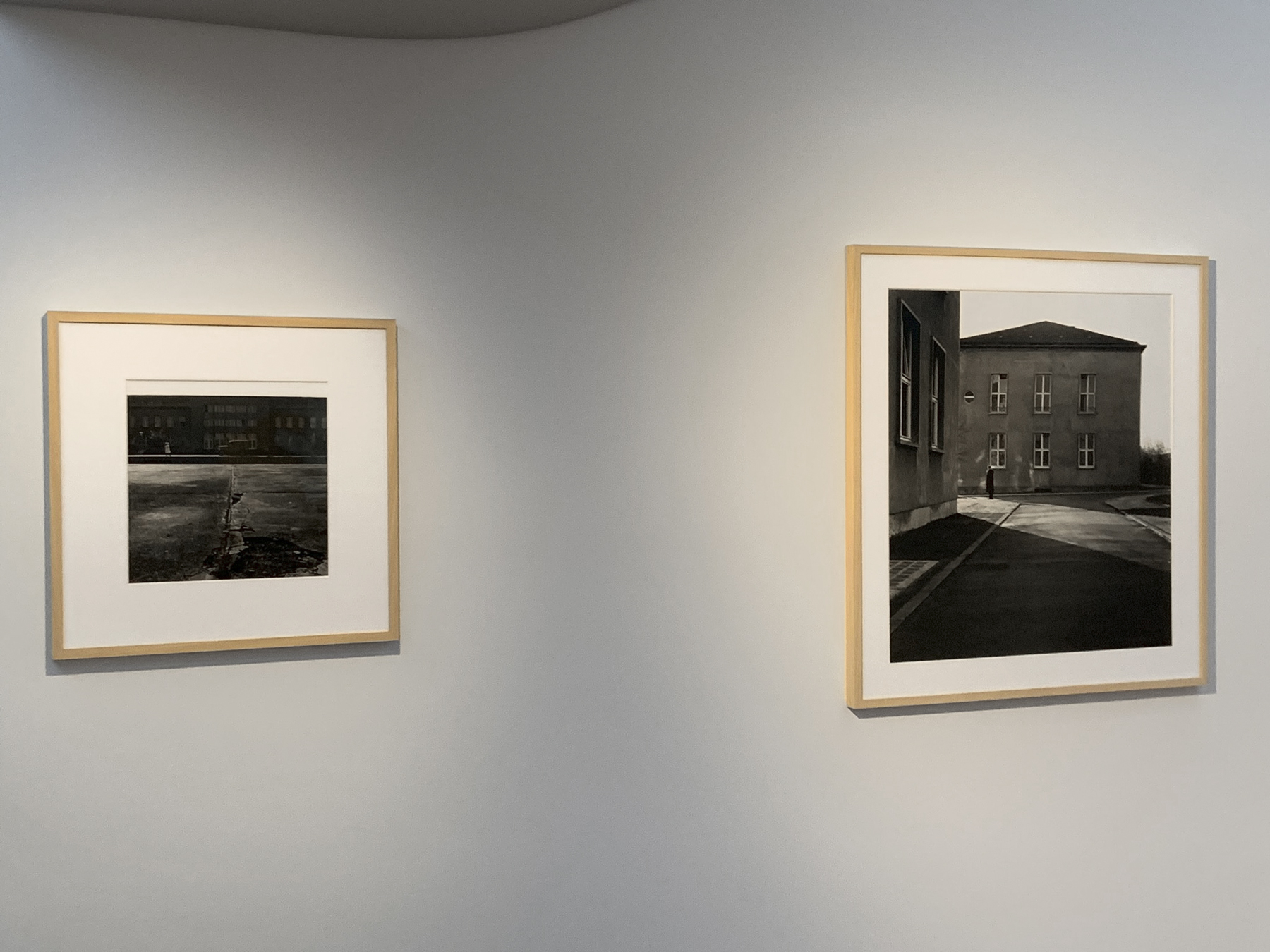

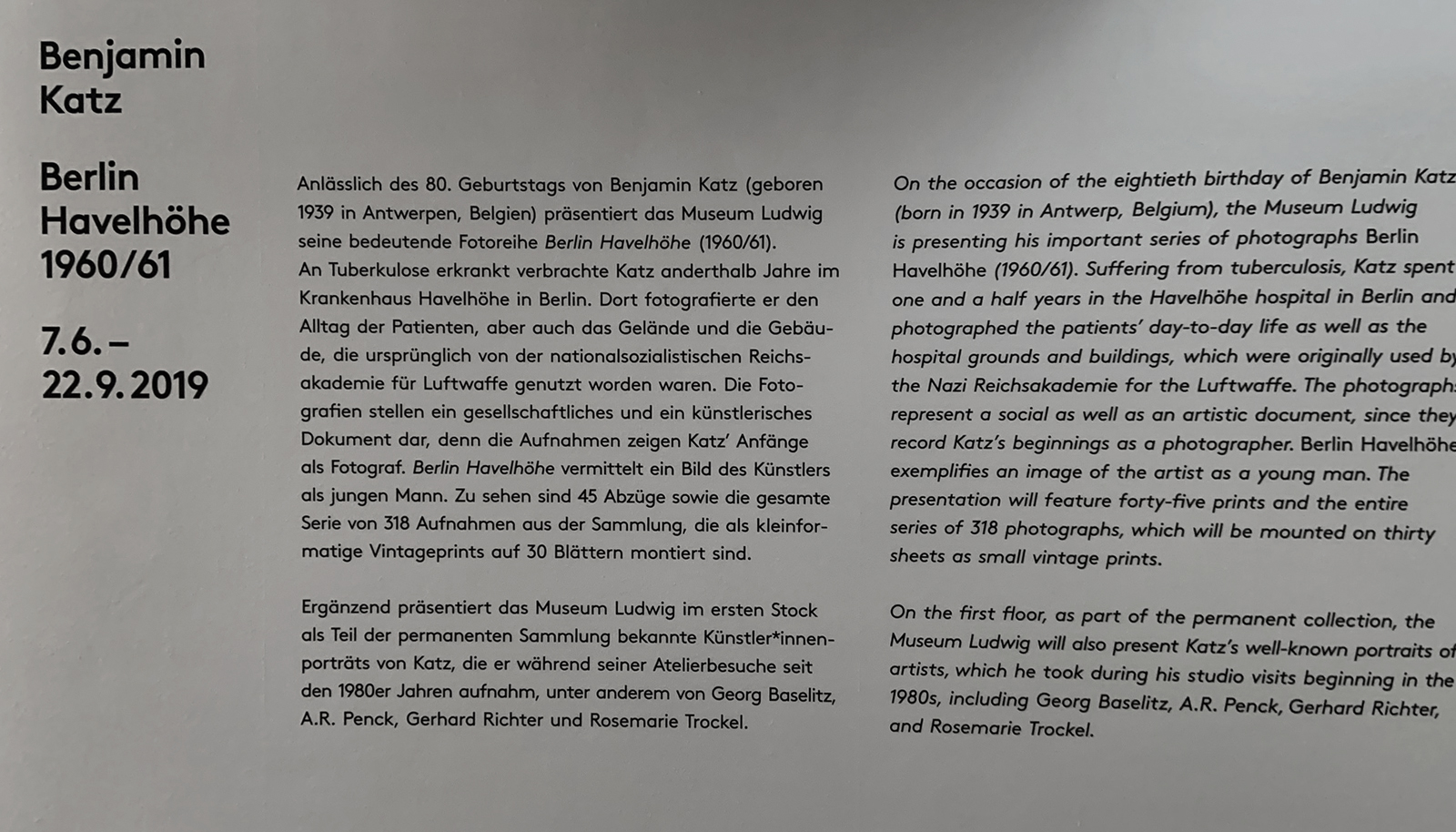


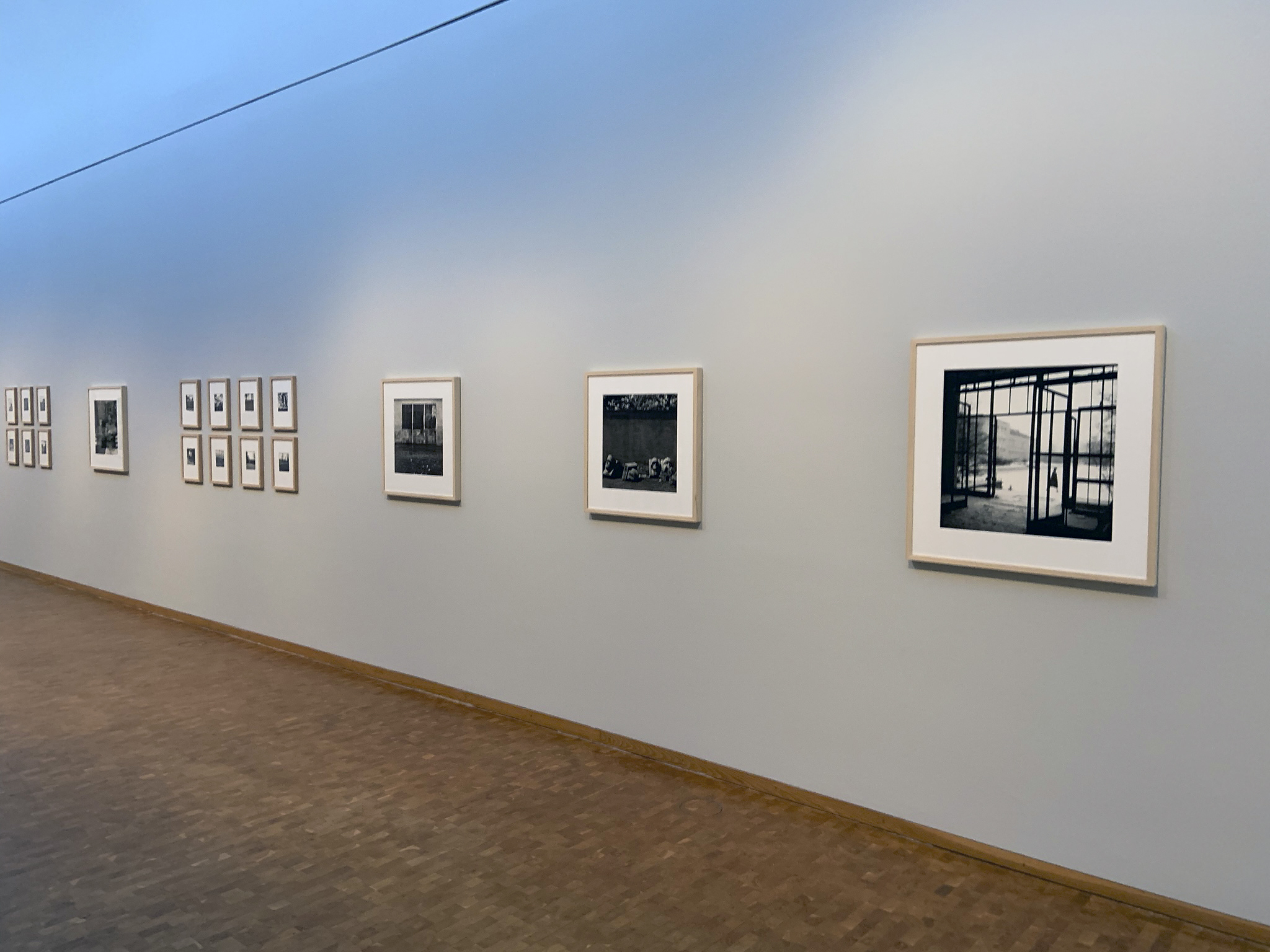


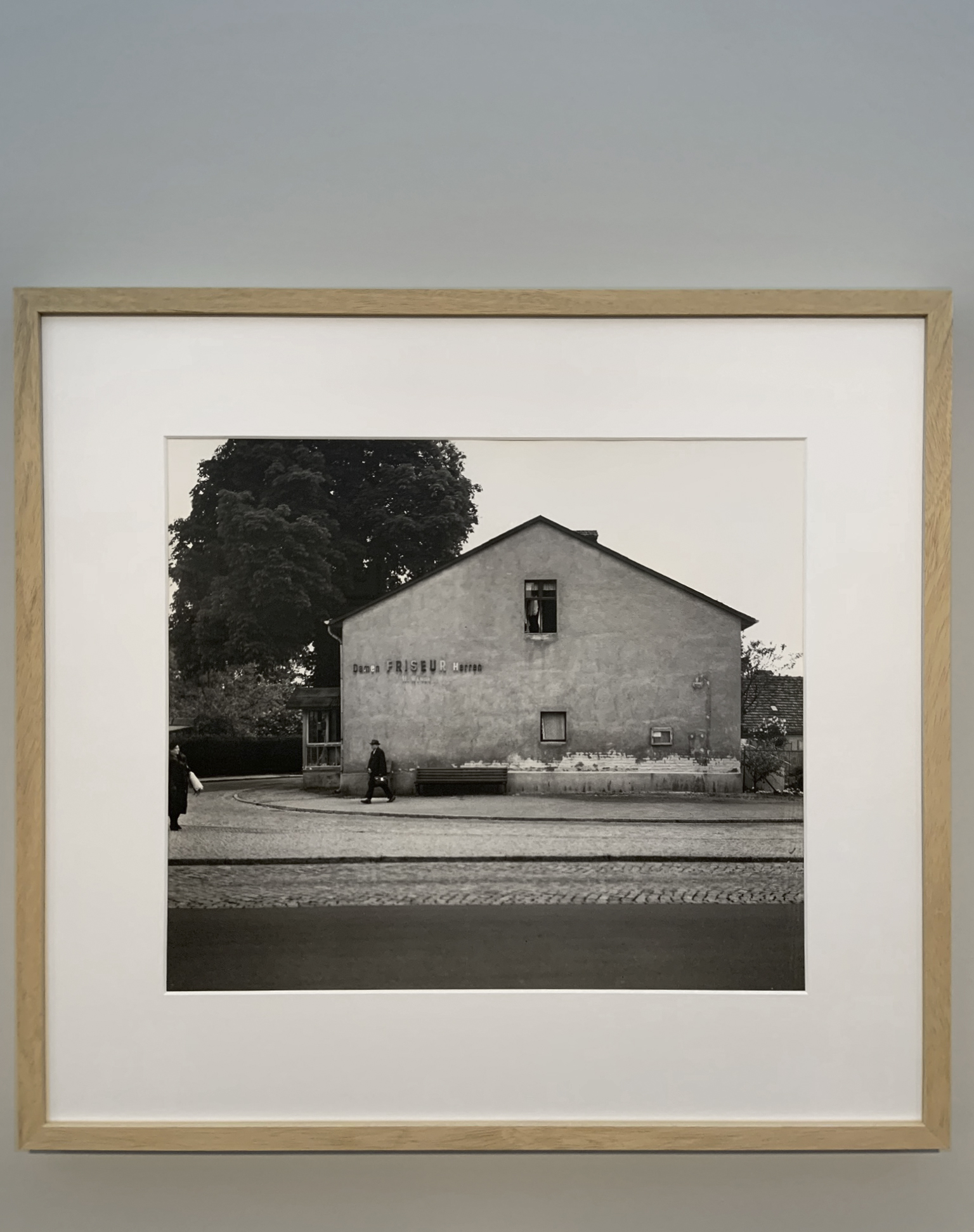

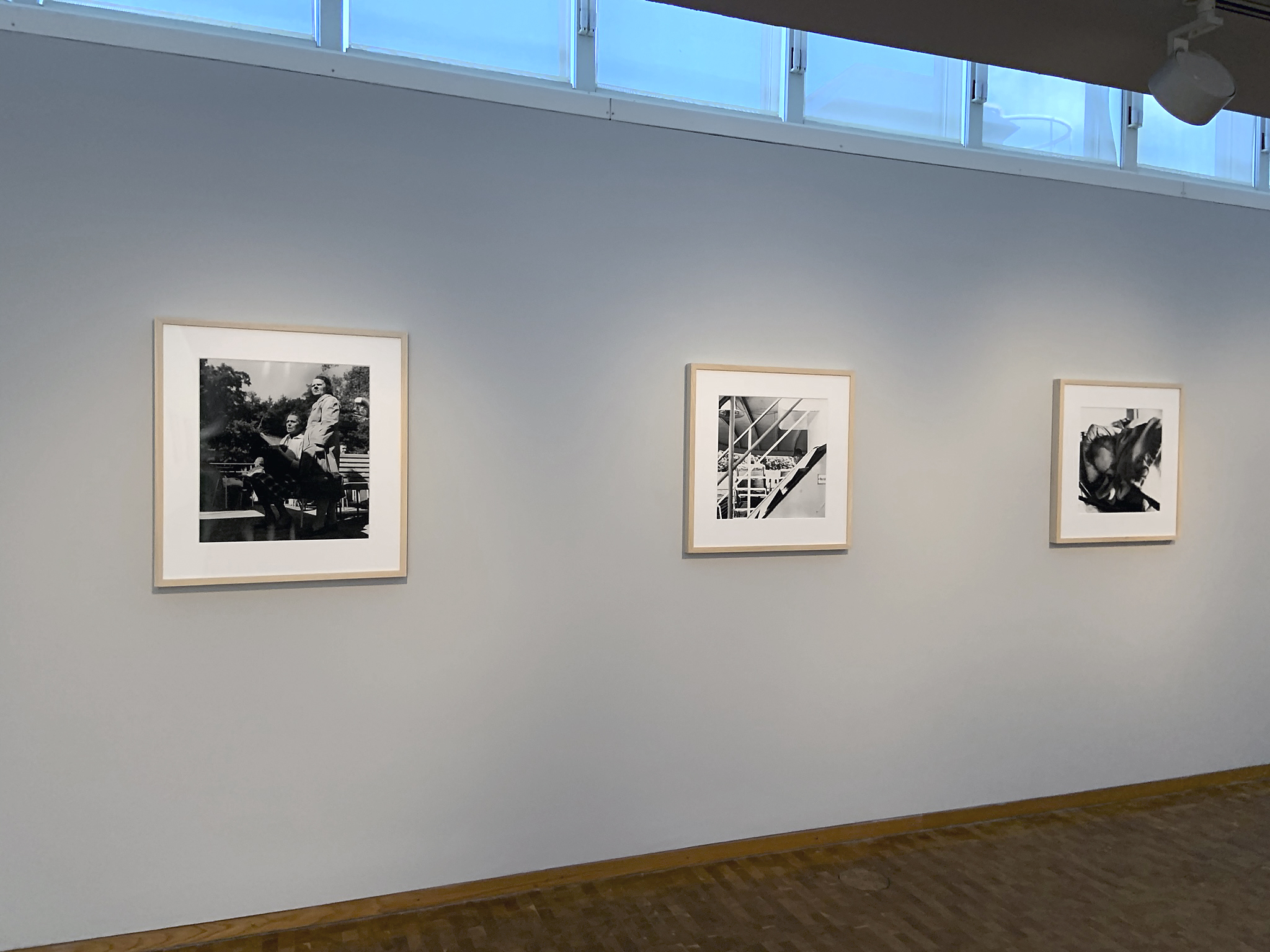


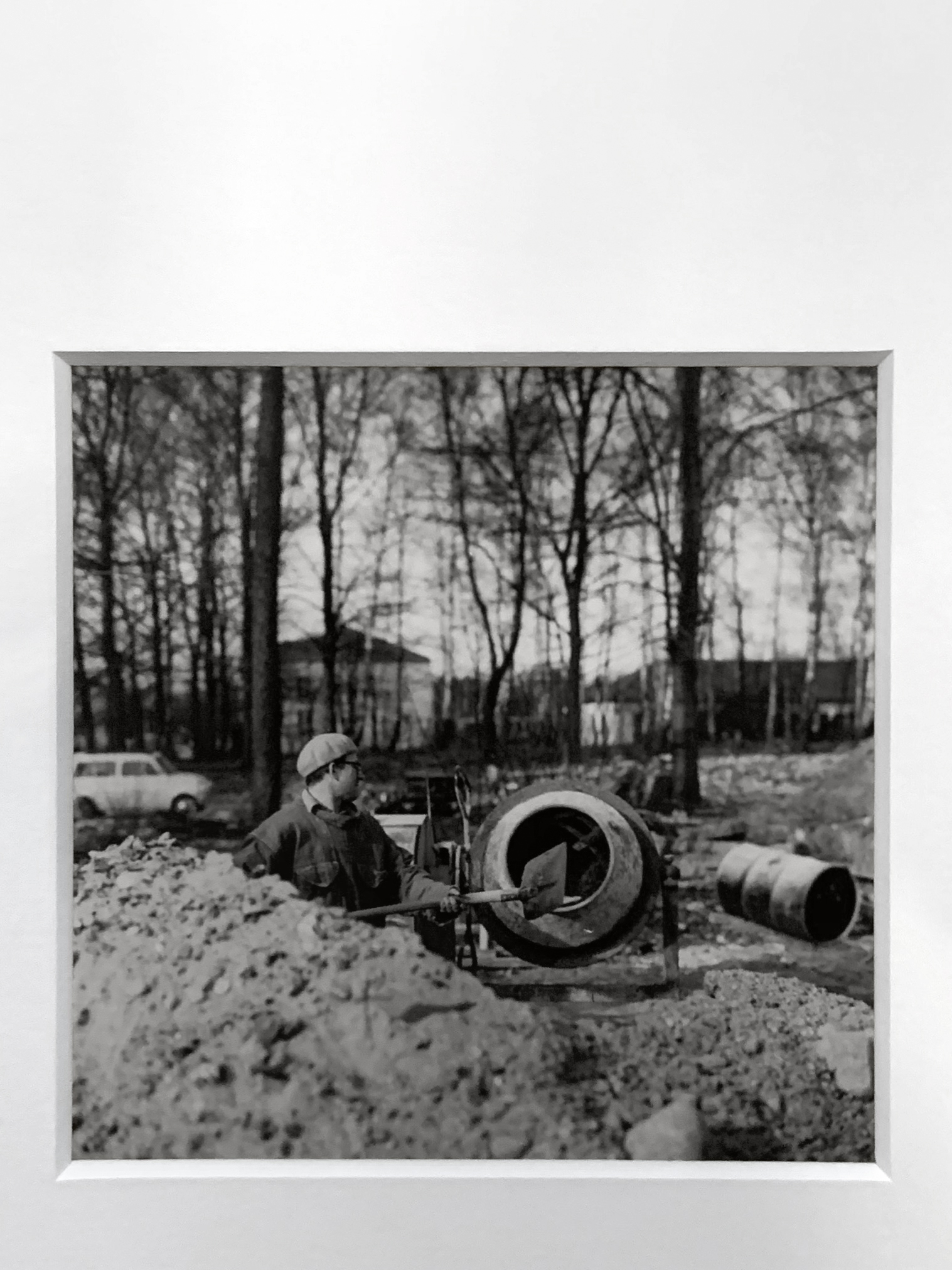


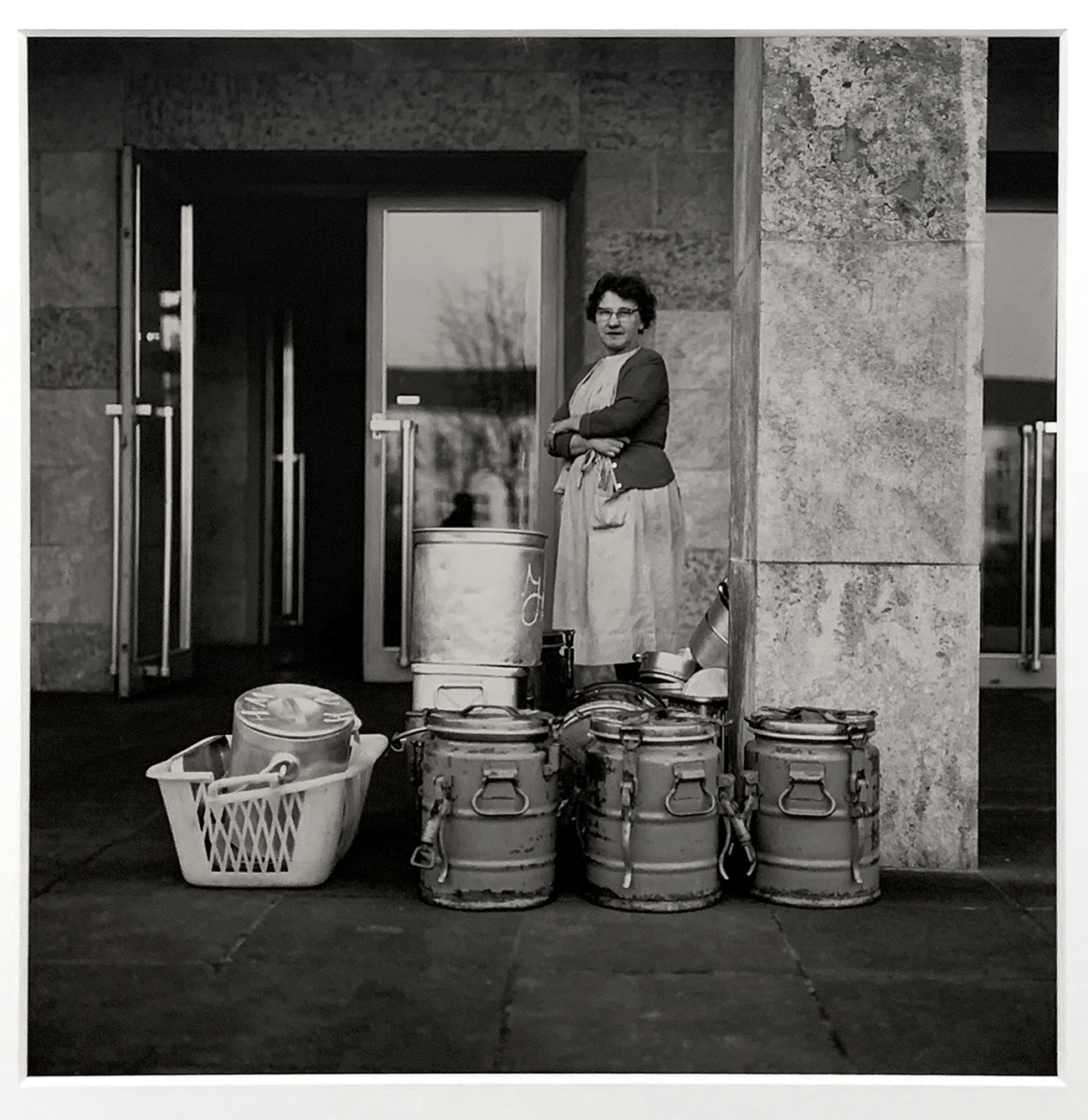


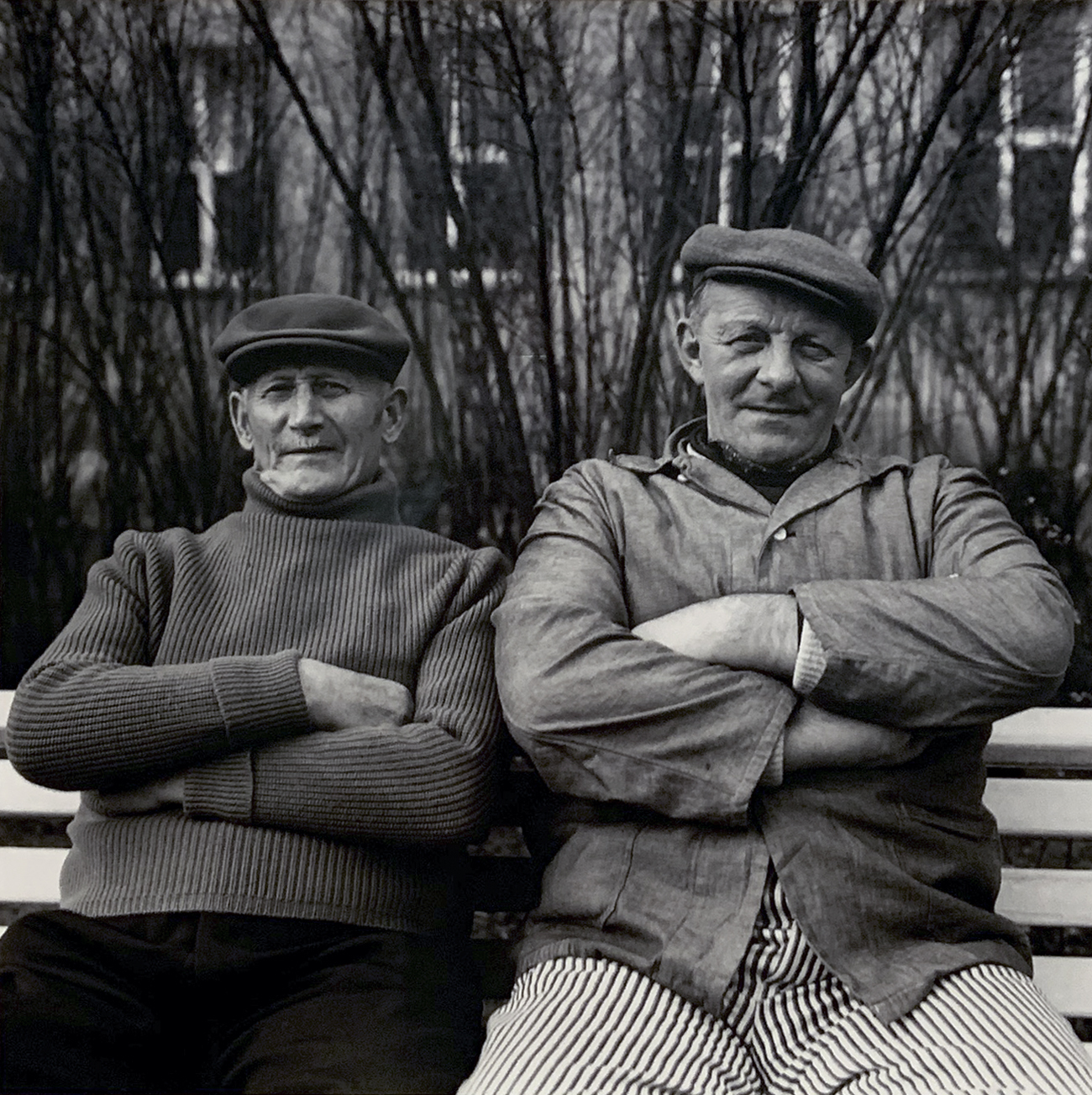


![Weegee (Arthur Fellig) (American born Austria, 1899-1968) '[Calypso]' about 1944; before 1946 from the exhibition Exhibition: 'Unseen: 35 Years of Collecting Photographs' at the J. Paul Getty Museum, Los Angeles, Dec 2019 - March 2020](https://artblart.com/wp-content/uploads/2020/02/gm_04305501_2000x2000.jpg "Weegee (Arthur Fellig) (American born Austria, 1899-1968) '[Calypso]' about 1944; before 1946 from the exhibition Exhibition: 'Unseen: 35 Years of Collecting Photographs' at the J. Paul Getty Museum, Los Angeles, Dec 2019 - March 2020")
![Carleton Watkins (American, 1829-1916) '[Guadalupe Mill]' 1860 from the exhibition Exhibition: 'Unseen: 35 Years of Collecting Photographs' at the J. Paul Getty Museum, Los Angeles, Dec 2019 - March 2020](https://artblart.com/wp-content/uploads/2020/02/gm_06196501_2000x2000.jpg "Carleton Watkins (American, 1829-1916) '[Guadalupe Mill]' 1860 from the exhibition Exhibition: 'Unseen: 35 Years of Collecting Photographs' at the J. Paul Getty Museum, Los Angeles, Dec 2019 - March 2020")


![Marinus Jacob Kjeldgaard (Danish, 1884-1964, active Paris, France late 1930s - late 1940s) '[Collage: Balance of Powers]' about 1939](https://artblart.com/wp-content/uploads/2020/02/gm_05085801_2000x2000.jpg "Marinus Jacob Kjeldgaard (Danish, 1884-1964, active Paris, France late 1930s - late 1940s) '[Collage: Balance of Powers]' about 1939")
![Paul Outerbridge (American, 1896-1958) '[Egg in Spotlight]' 1943](https://artblart.com/wp-content/uploads/2020/02/gm_32105401_2000x2000.jpg "Paul Outerbridge (American, 1896-1958) '[Egg in Spotlight]' 1943")
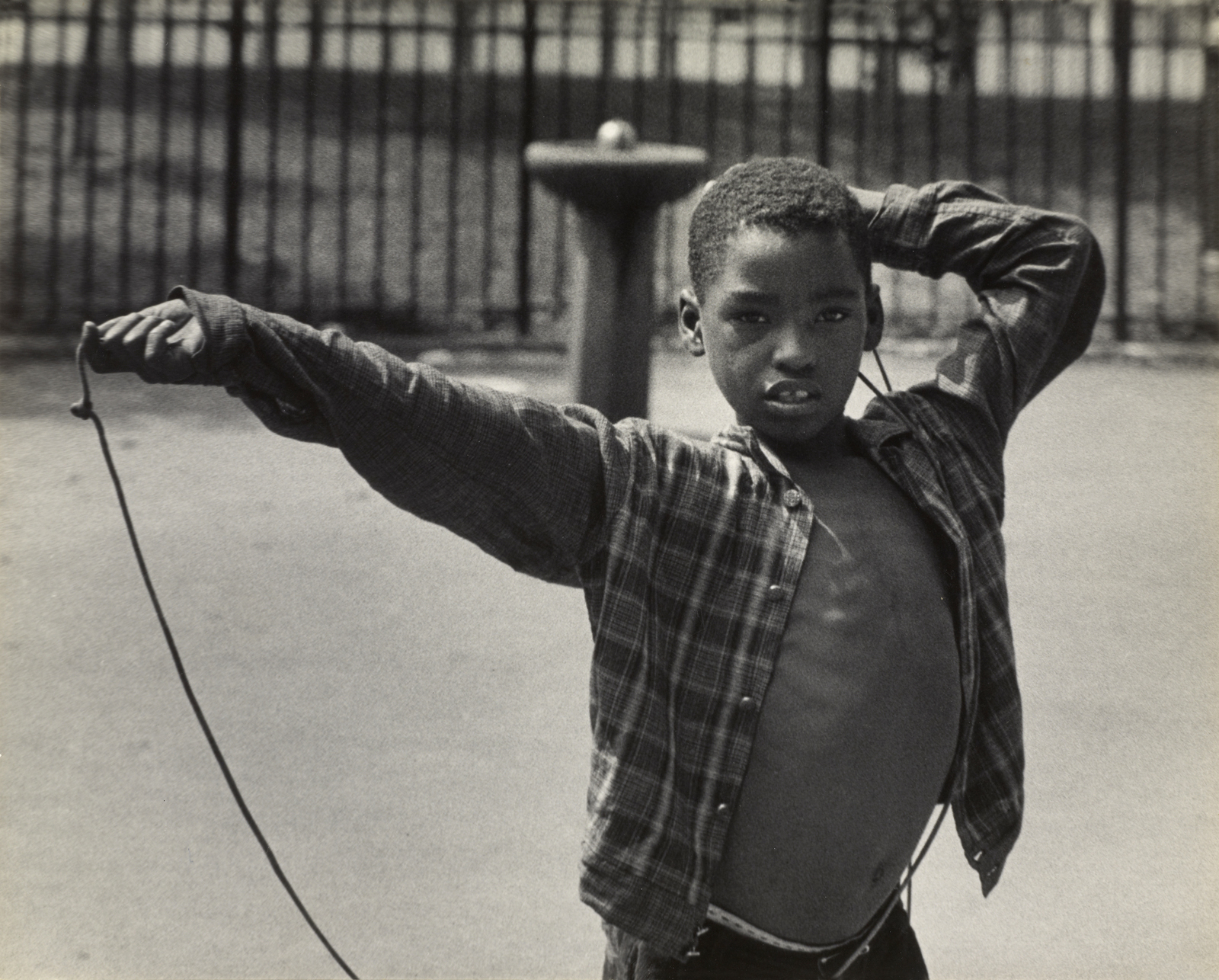
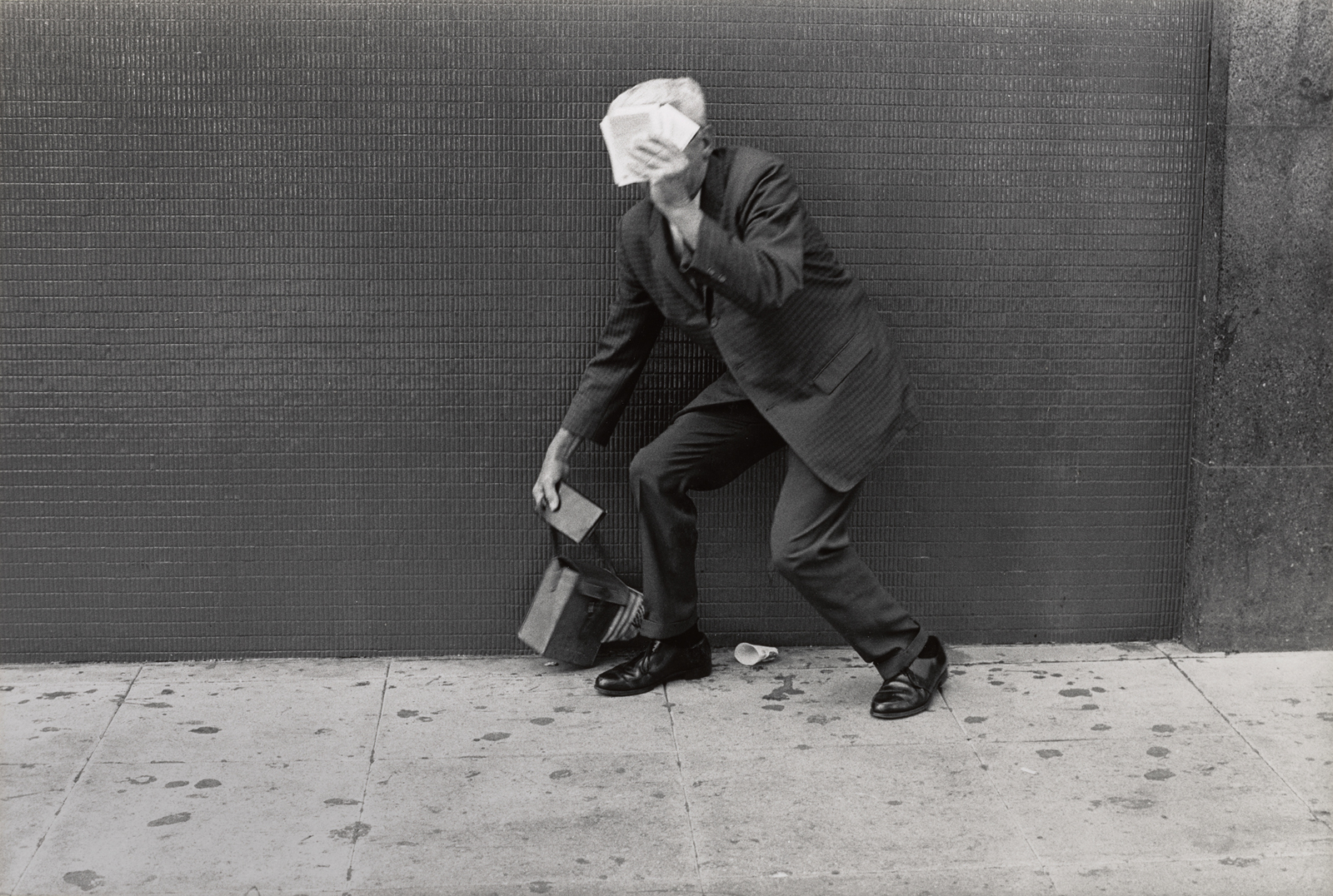


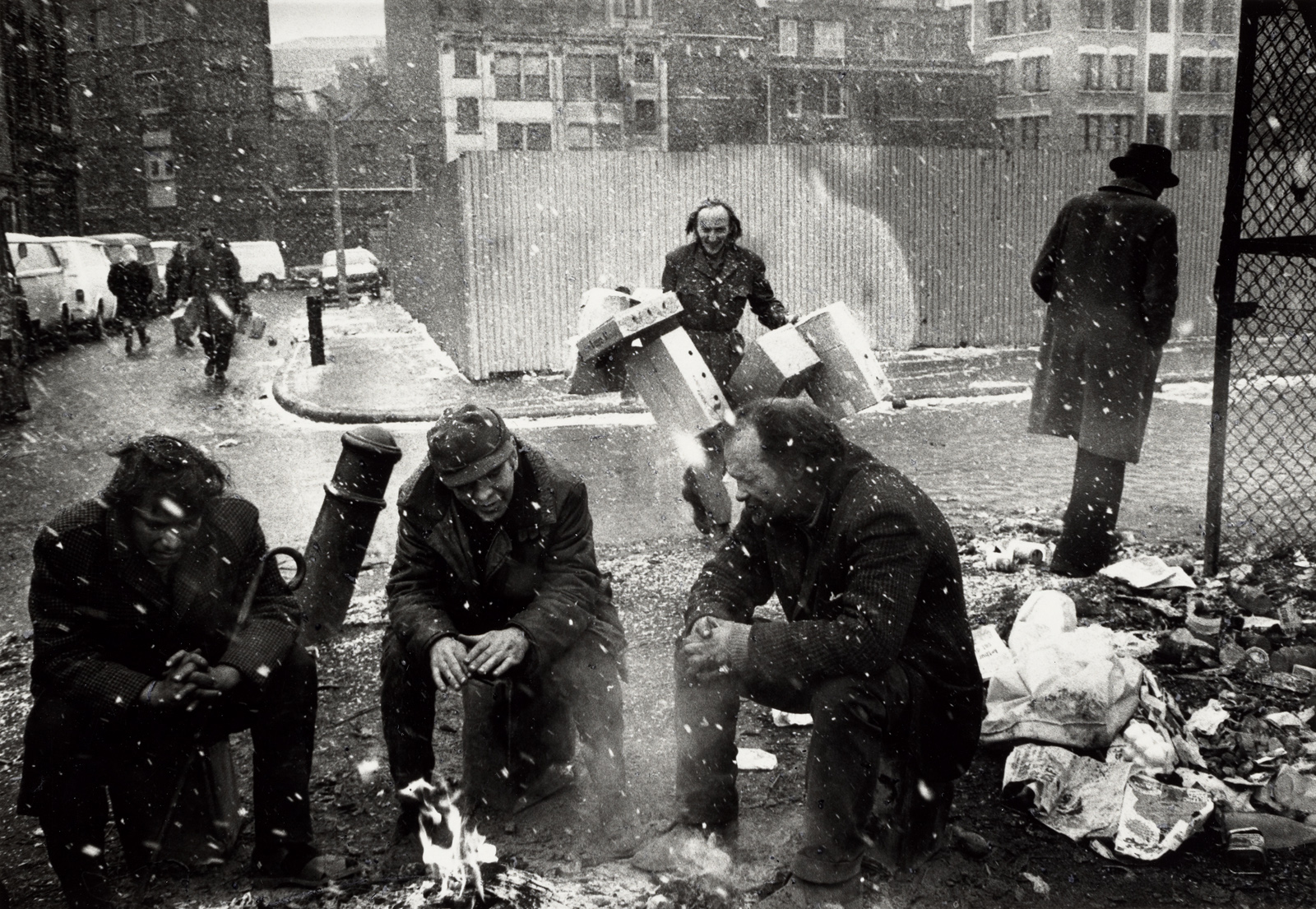
![Shigeichi Nagano (Japanese, 1925-2019, active Tokyo, Japan) '[Tokyo, Aobadai (Nishi Saigoyama Park), Meguro Ward]' 1988](https://artblart.com/wp-content/uploads/2020/02/gm_30687901_2000x2000.jpg "Shigeichi Nagano (Japanese, 1925-2019, active Tokyo, Japan) '[Tokyo, Aobadai (Nishi Saigoyama Park), Meguro Ward]' 1988")
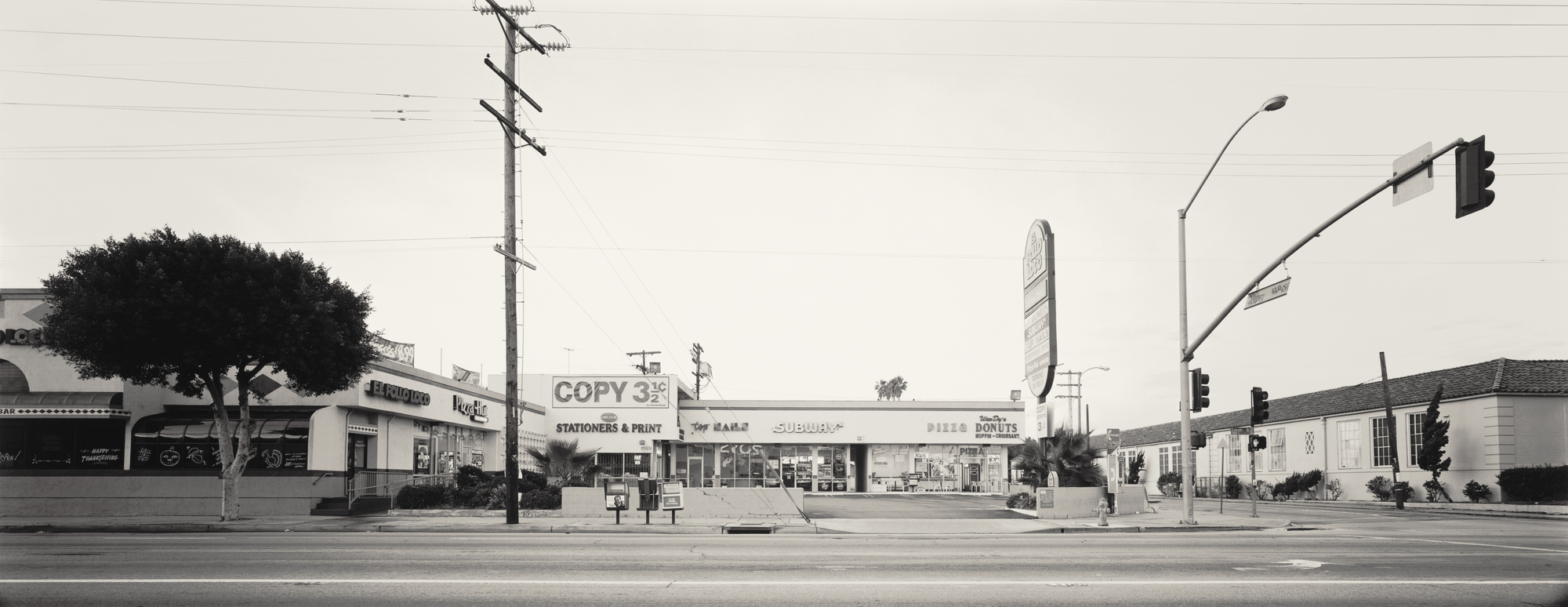


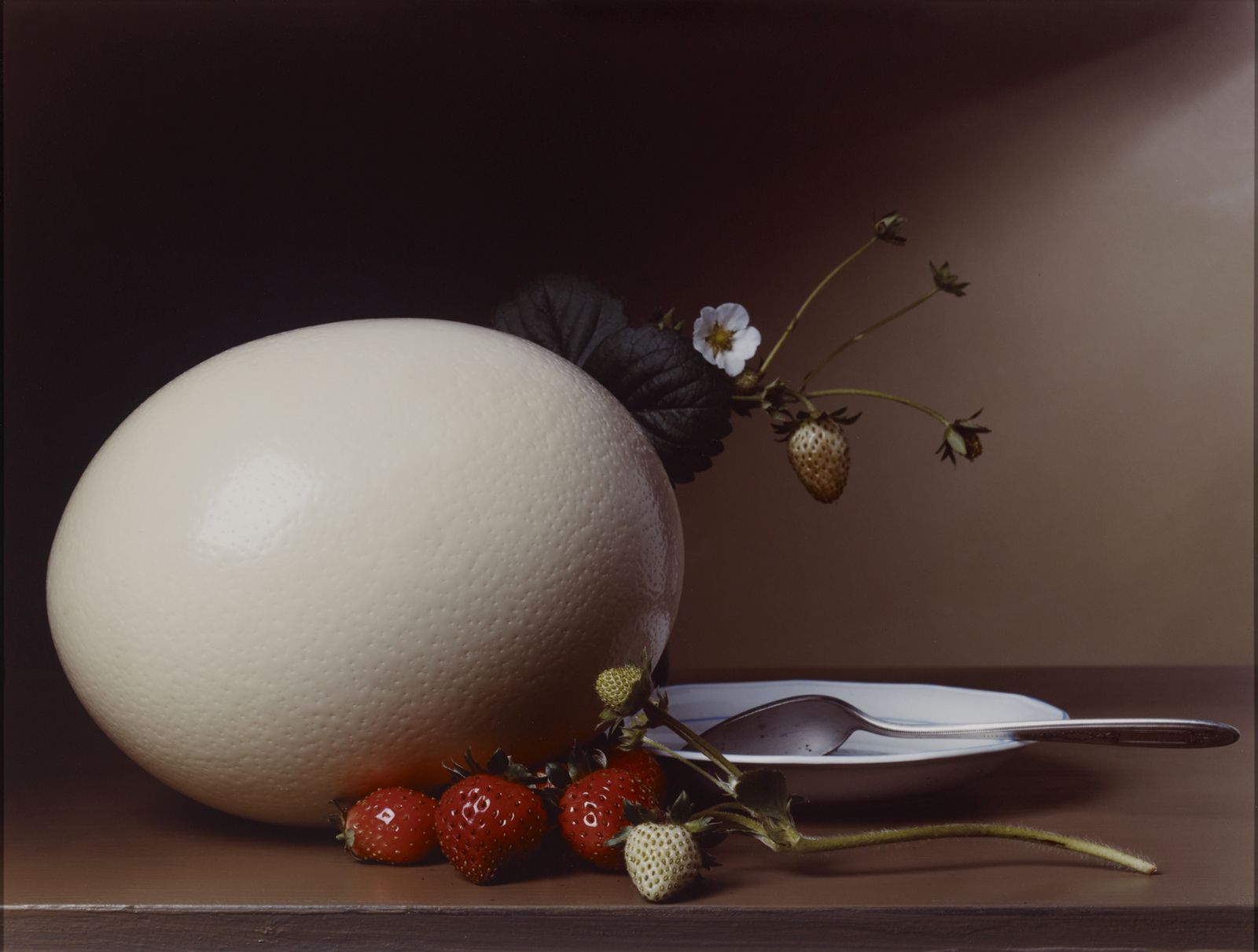

![Julia Margaret Cameron (British born India, 1815-1879) '[Spring]' 1873](https://artblart.com/wp-content/uploads/2020/02/gm_06520801_2000x2000.jpg "Julia Margaret Cameron (British born India, 1815-1879) '[Spring]' 1873")
![Reverend William Ellis (British, 1794-1872) and Samuel Smith. '[Portrait of a Black Couple]' about 1873](https://artblart.com/wp-content/uploads/2020/02/gm_133436t1v1_2000x2000.jpg "Reverend William Ellis (British, 1794-1872) and Samuel Smith. '[Portrait of a Black Couple]' about 1873")

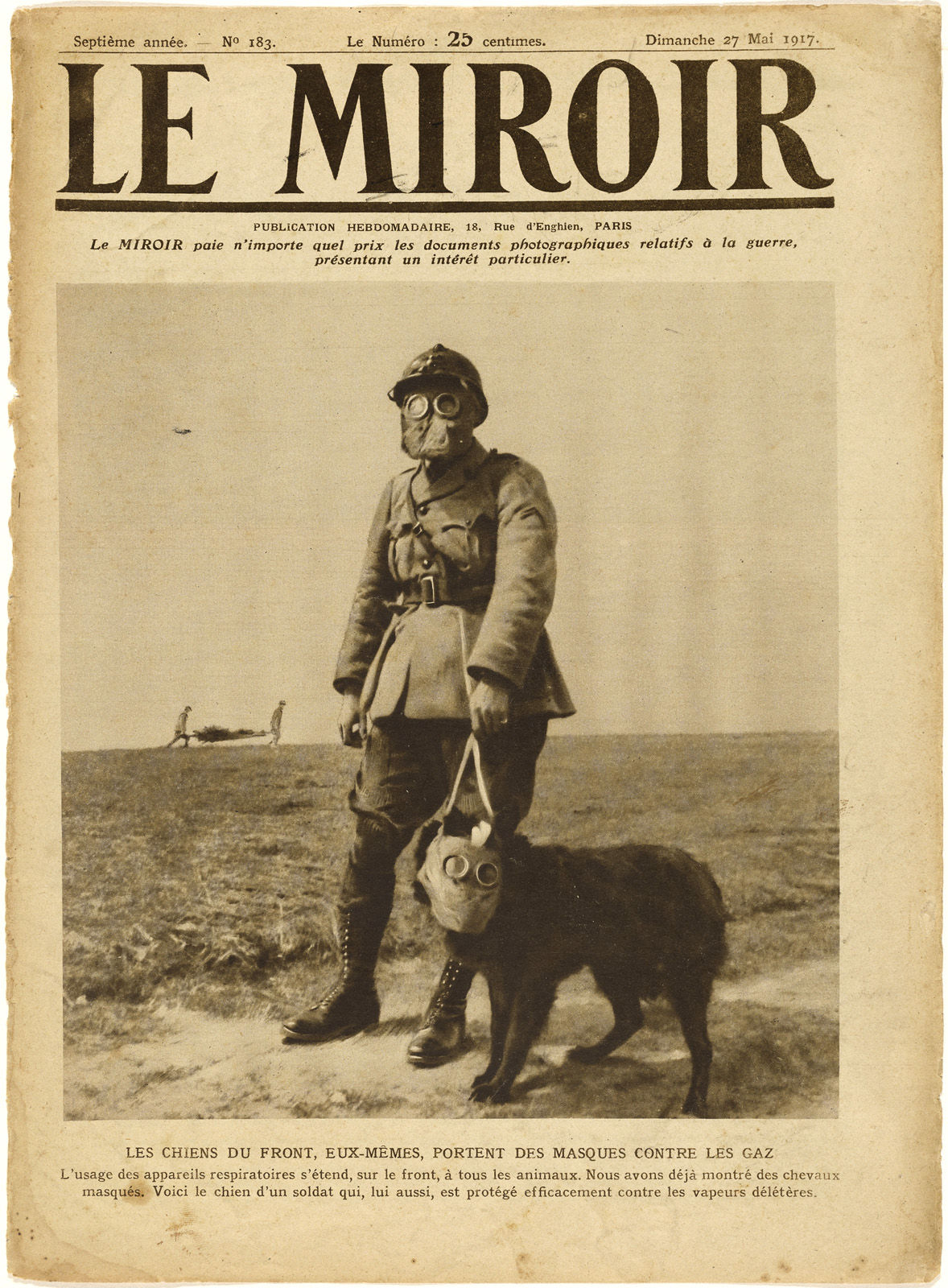
![László Moholy-Nagy (American born Hungary, 1895-1946) '[The Law of the Series]' 1925](https://artblart.com/wp-content/uploads/2020/02/gm_05309301_2000x2000.jpg "László Moholy-Nagy (American born Hungary, 1895-1946) '[The Law of the Series]' 1925")


![Paul Wolff (German, 1887-1951) and Dr Wolff & Tritschler OHG (German, founded 1927, dissolved 1963) '[Dog at the beach]' 1936](https://artblart.com/wp-content/uploads/2020/02/gm_041552t1v1_2000x2000-1.jpg "Paul Wolff (German, 1887-1951) and Dr Wolff & Tritschler OHG (German, founded 1927, dissolved 1963) '[Dog at the beach]' 1936")
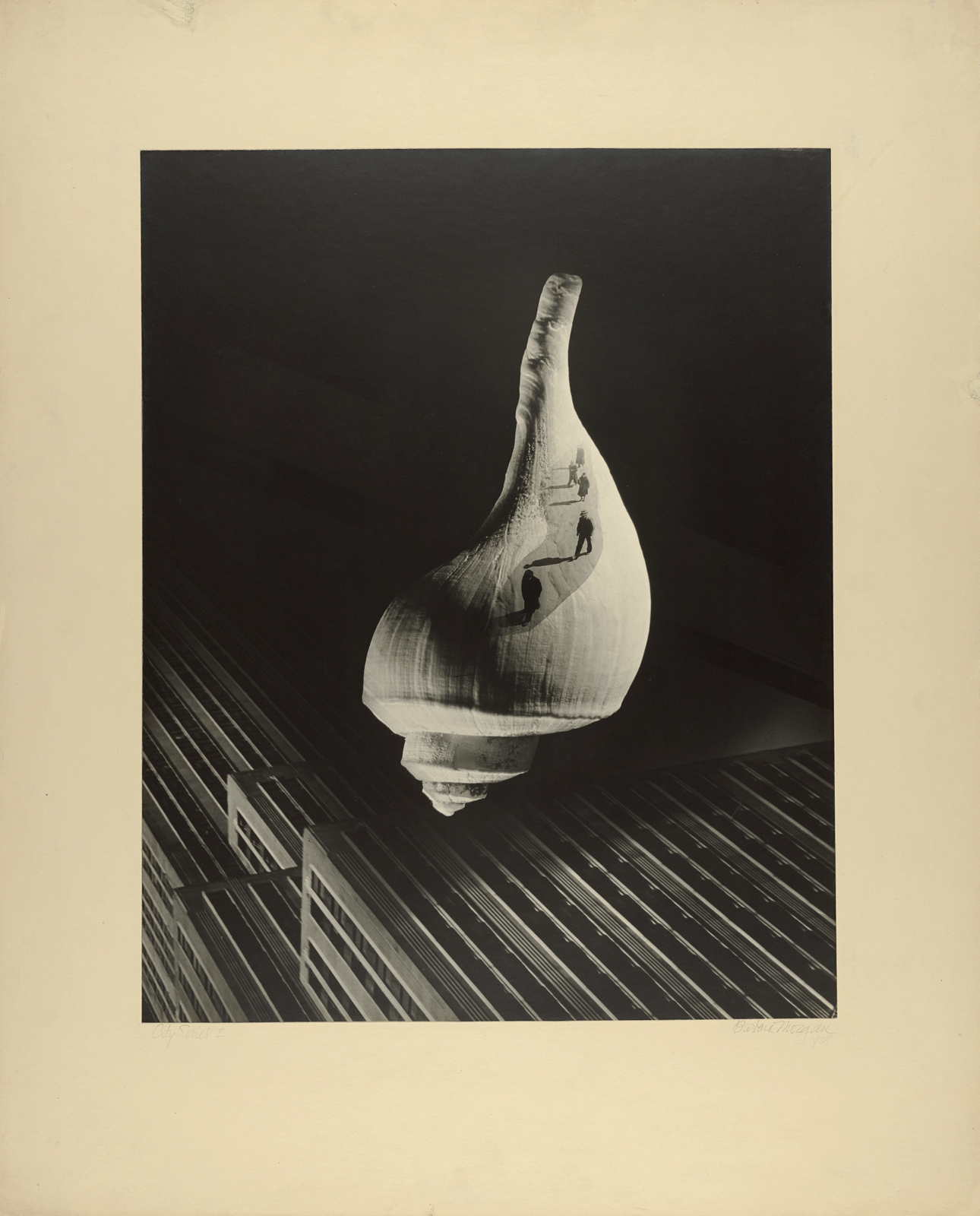
![Walker Evans (American, 1903 - 1975) '[Two Giraffes, Circus Winter Quarters, Sarasota]' 1941](https://artblart.com/wp-content/uploads/2020/02/gm_05269601_2000x2000.jpg "Walker Evans (American, 1903 - 1975) '[Two Giraffes, Circus Winter Quarters, Sarasota]' 1941")
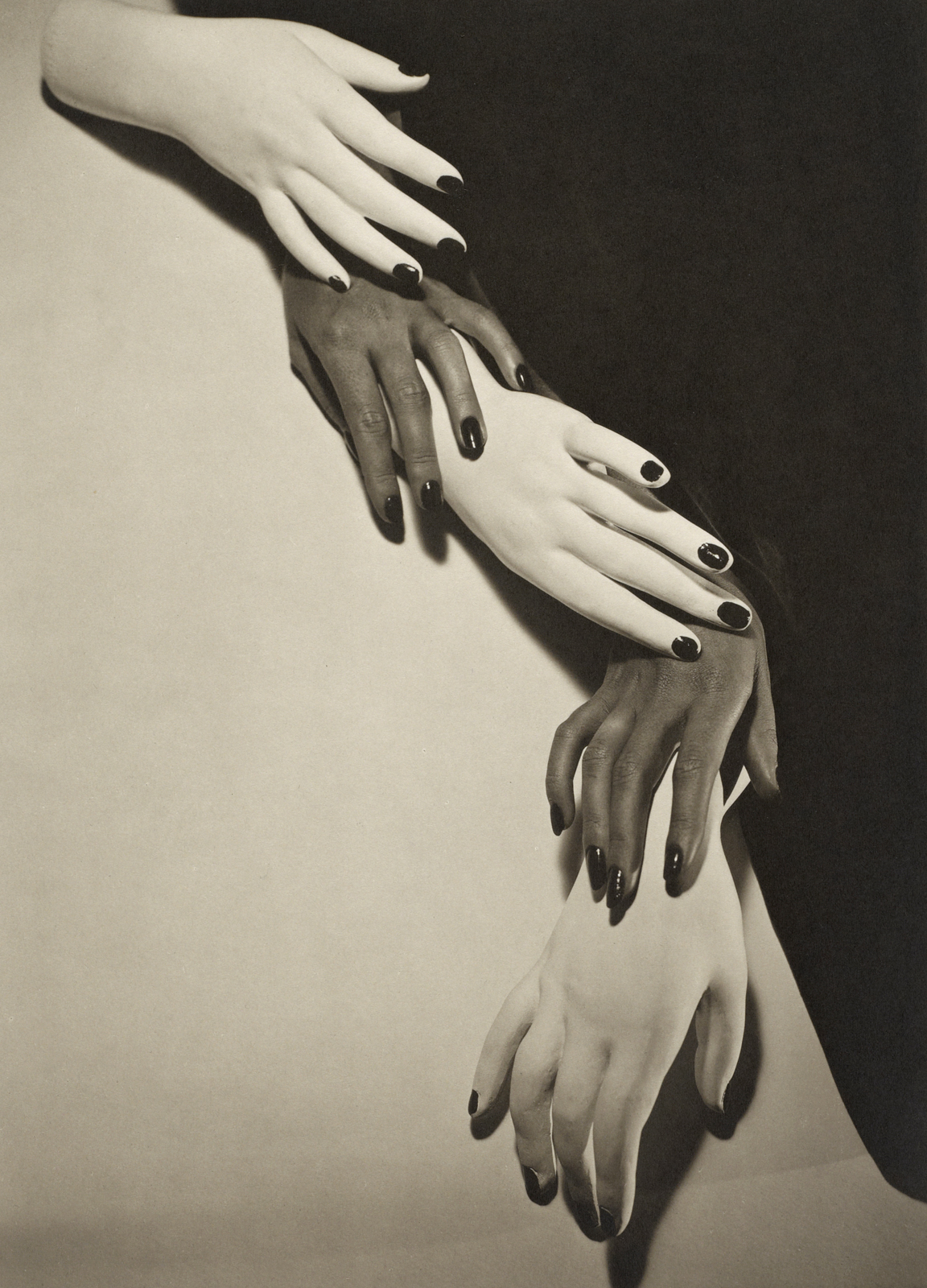


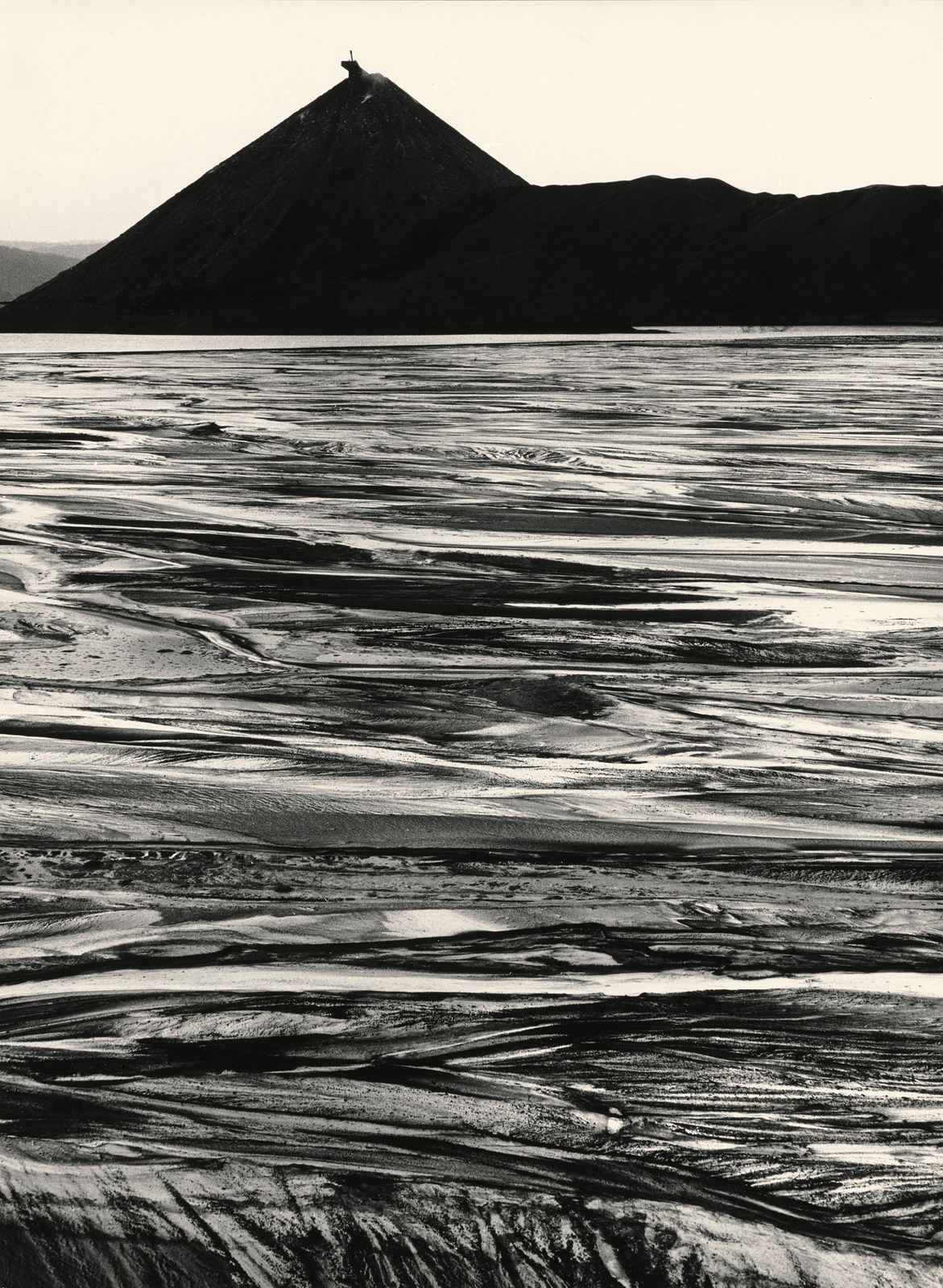

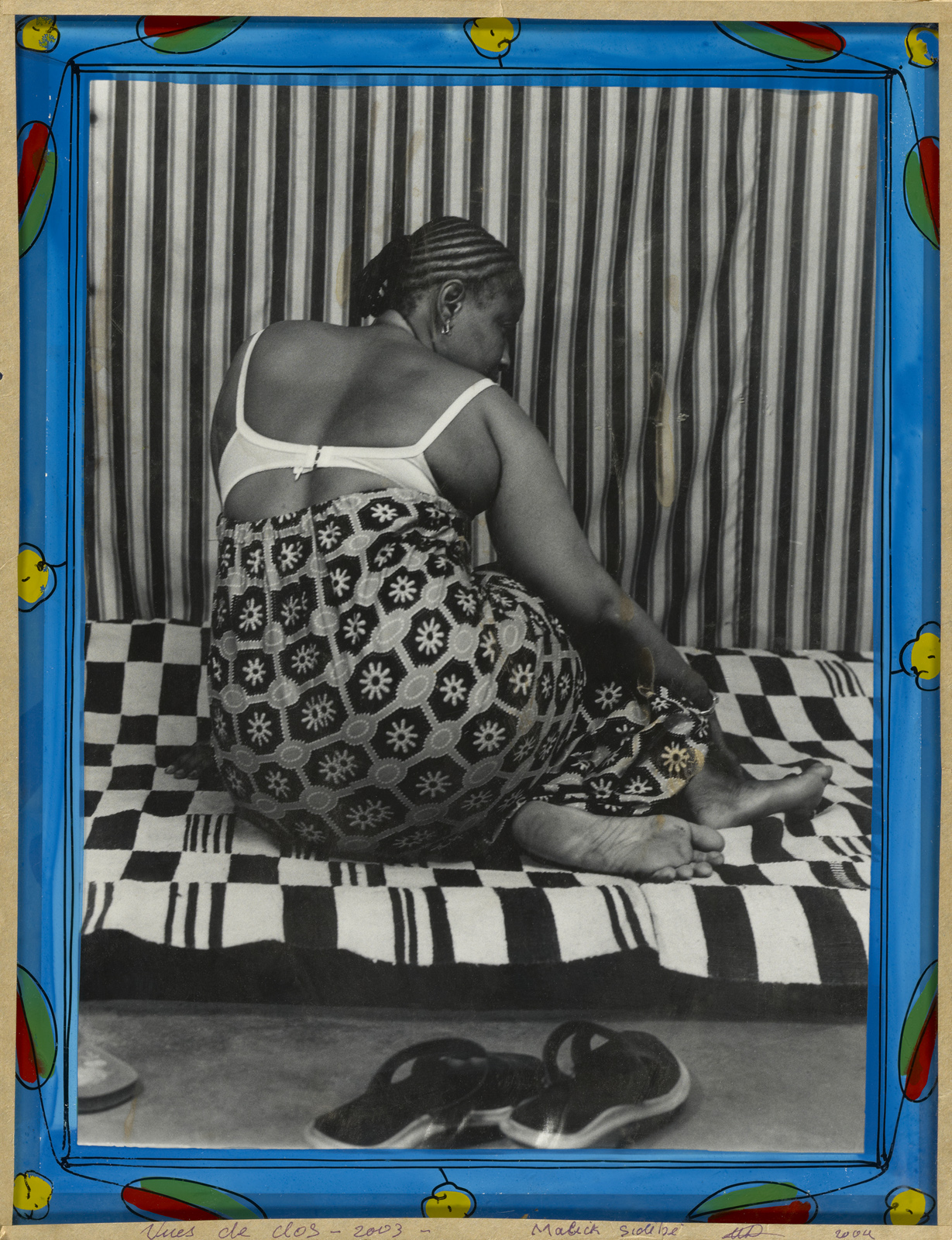

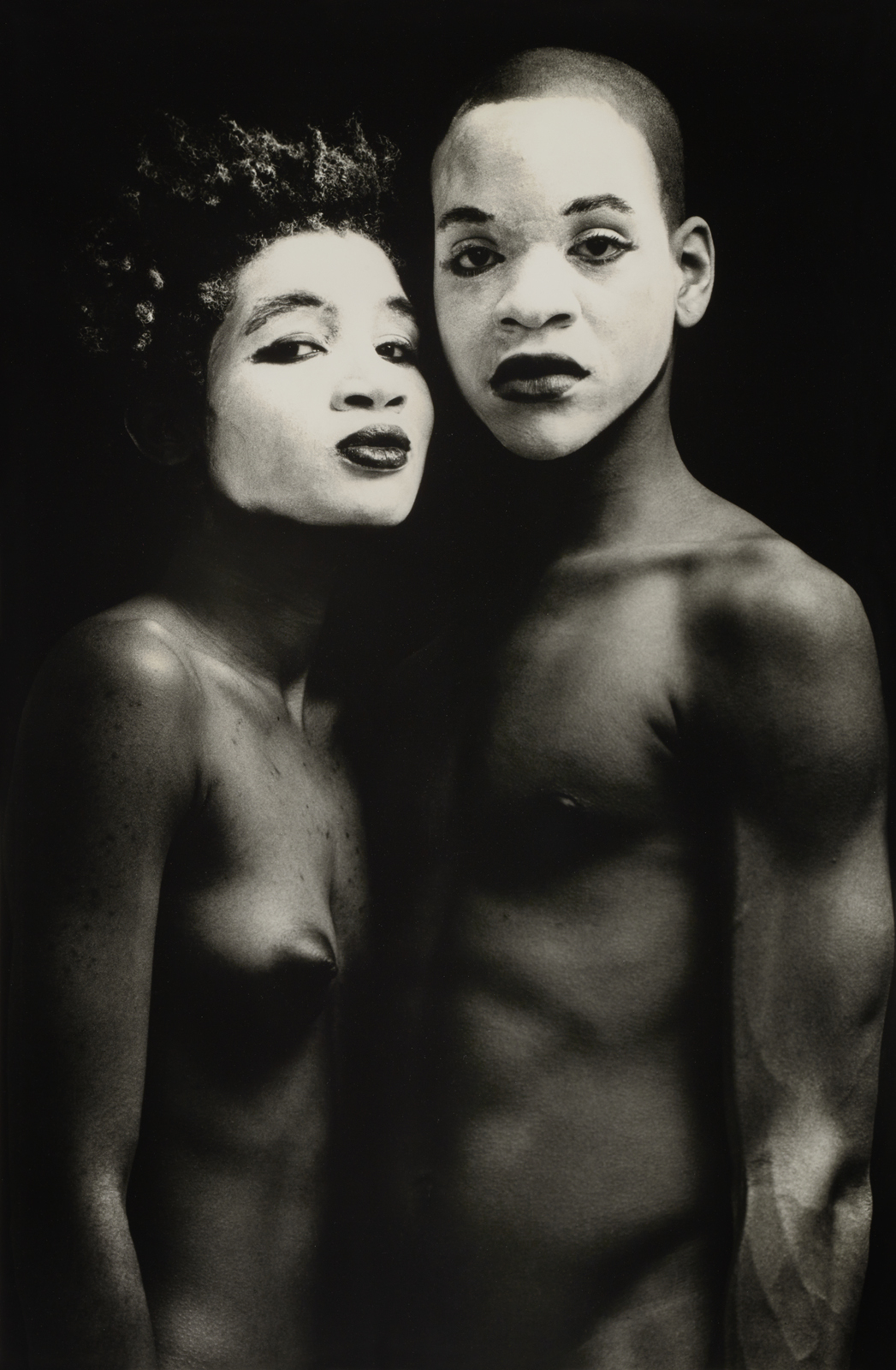

![Myoung Ho Lee (South Korean, b. 1975) '[Tree #2]' 2006](https://artblart.com/wp-content/uploads/2020/02/gm_31977201_2000x2000.jpg "Myoung Ho Lee (South Korean, b. 1975) '[Tree #2]' 2006")
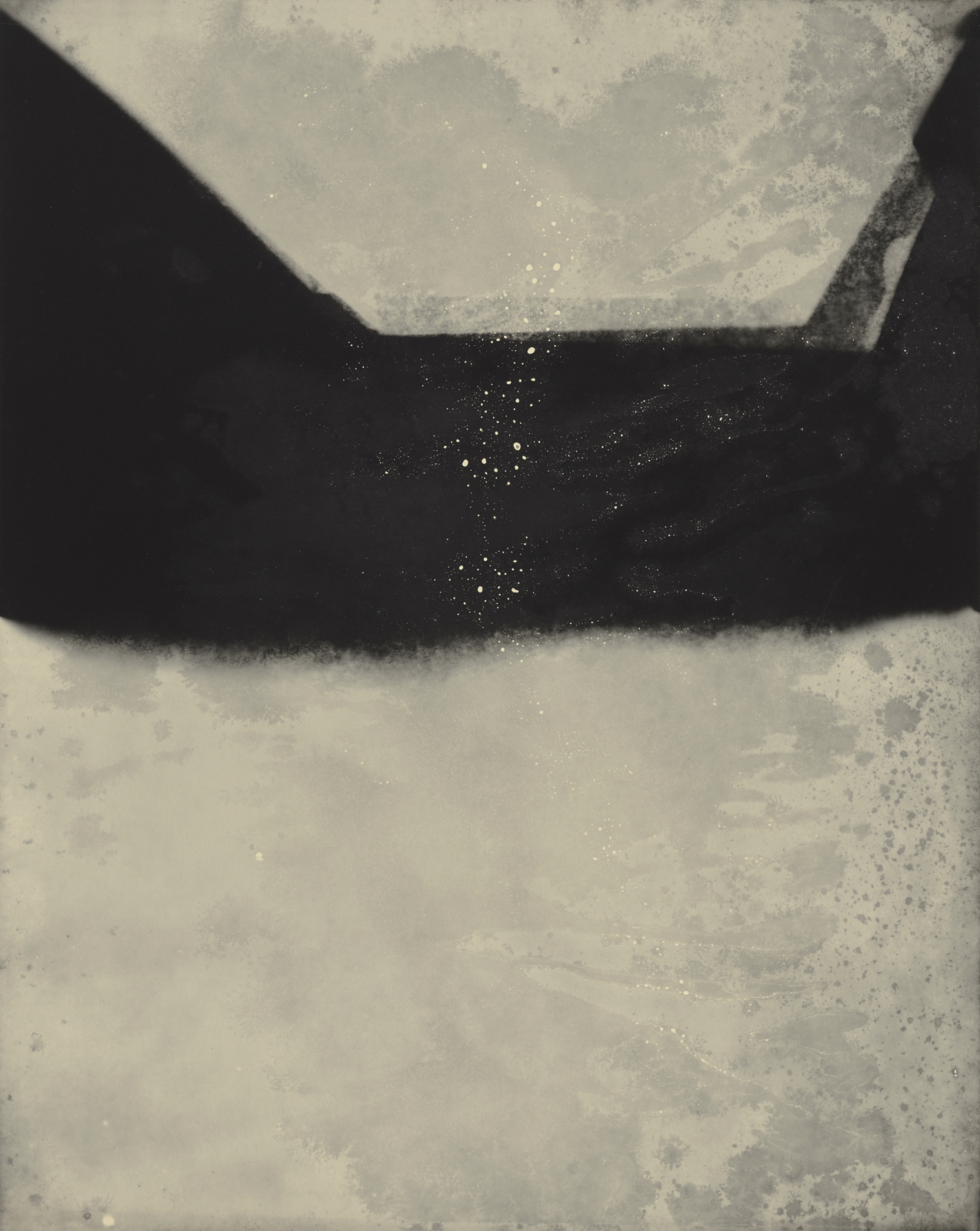
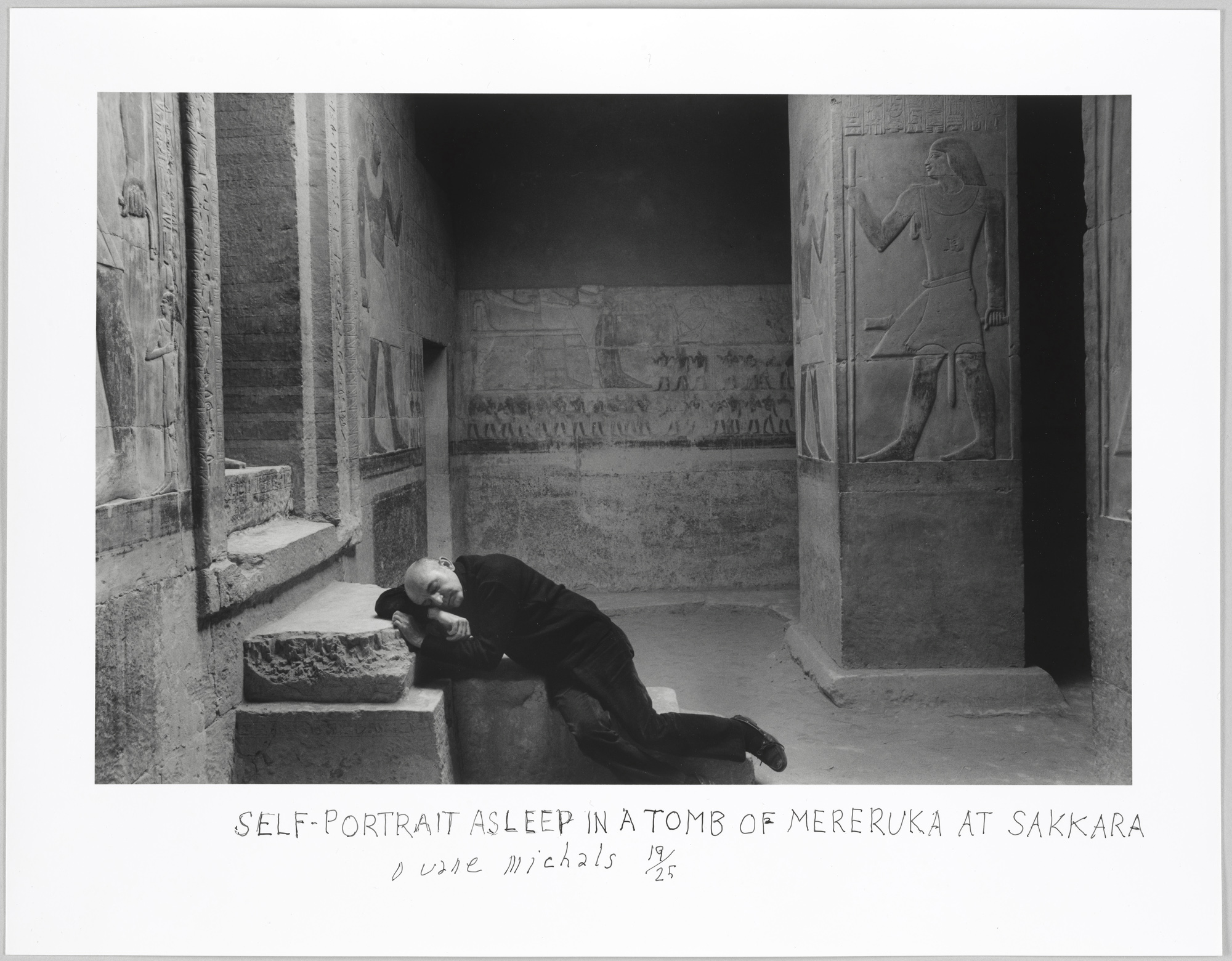


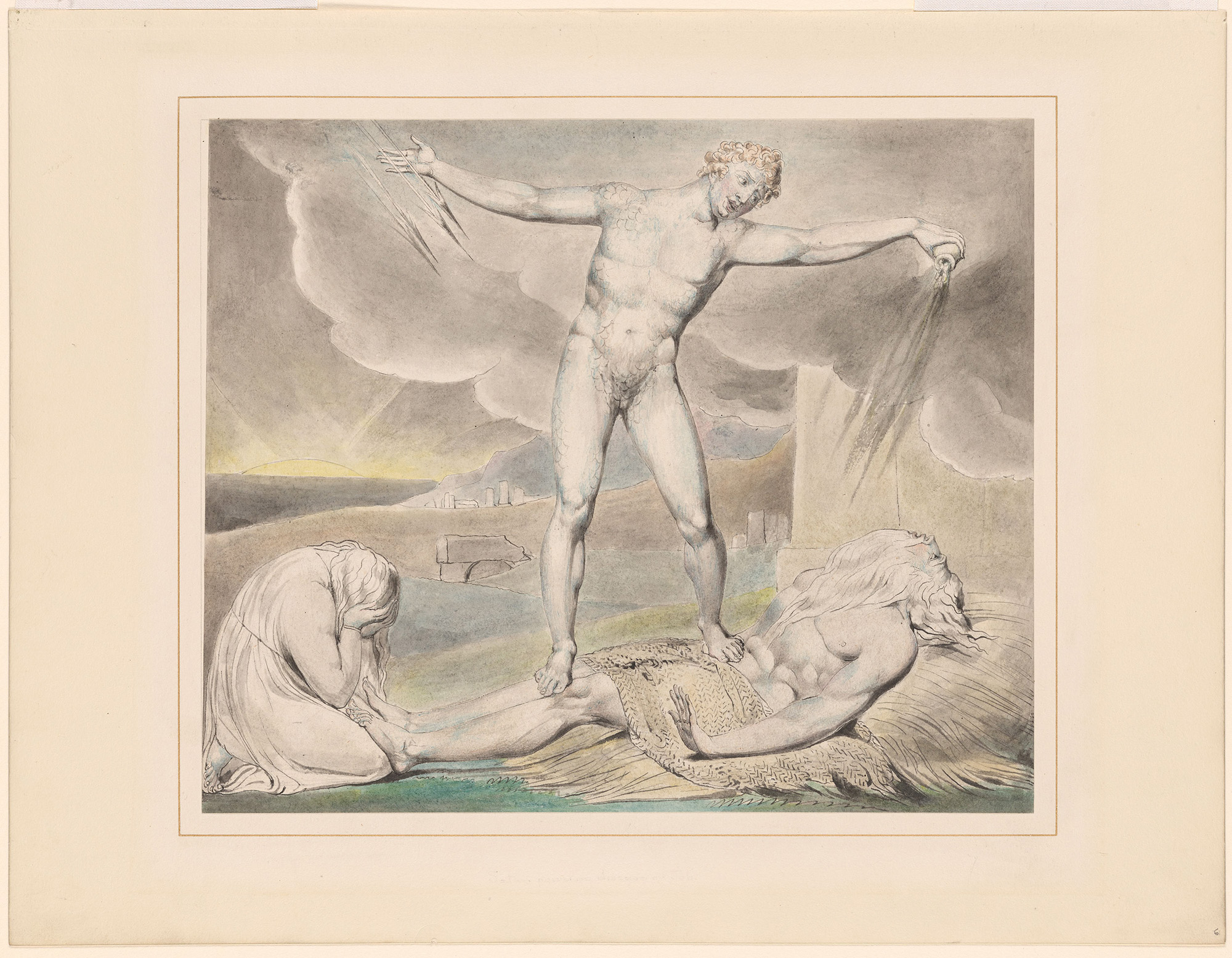


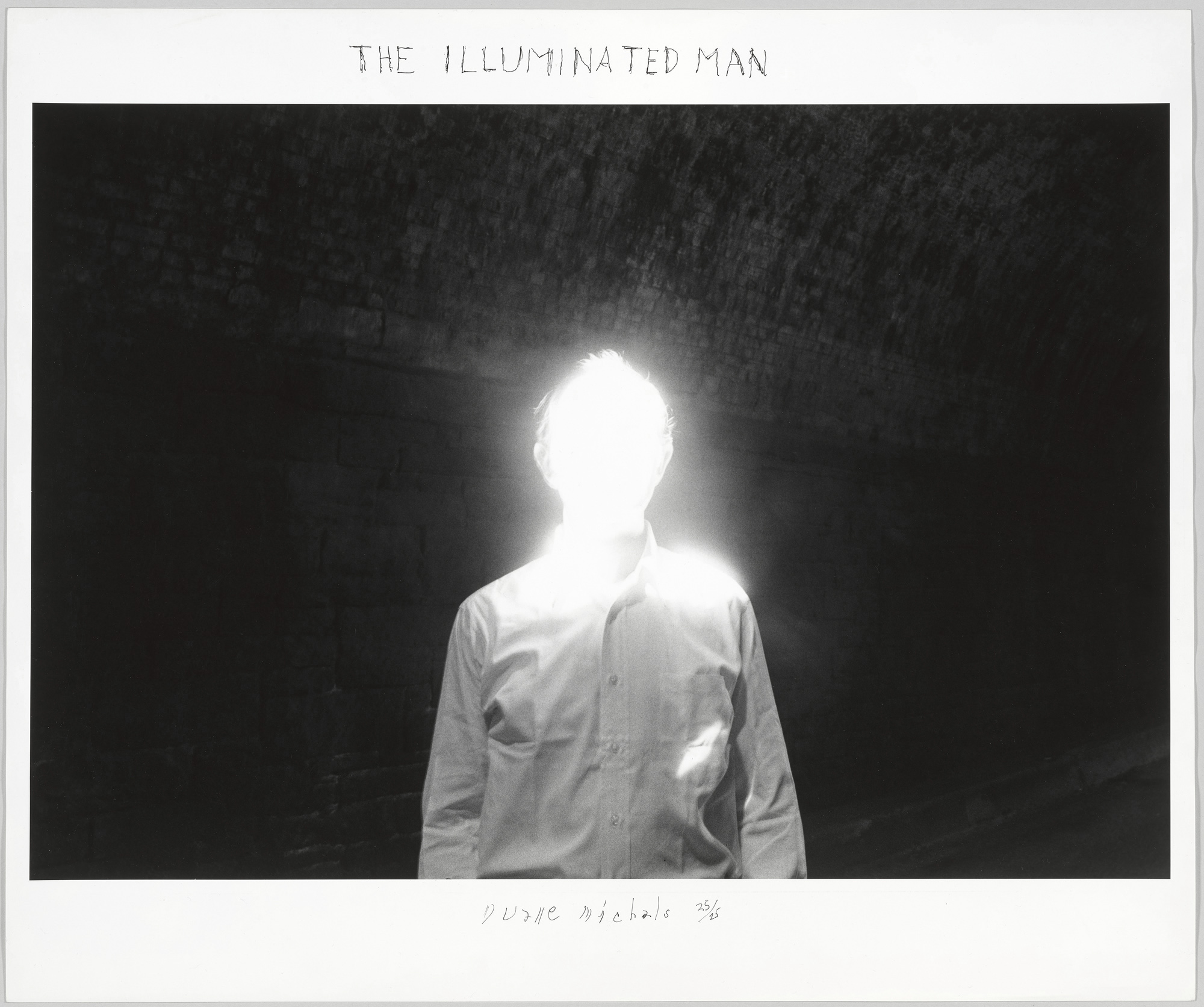


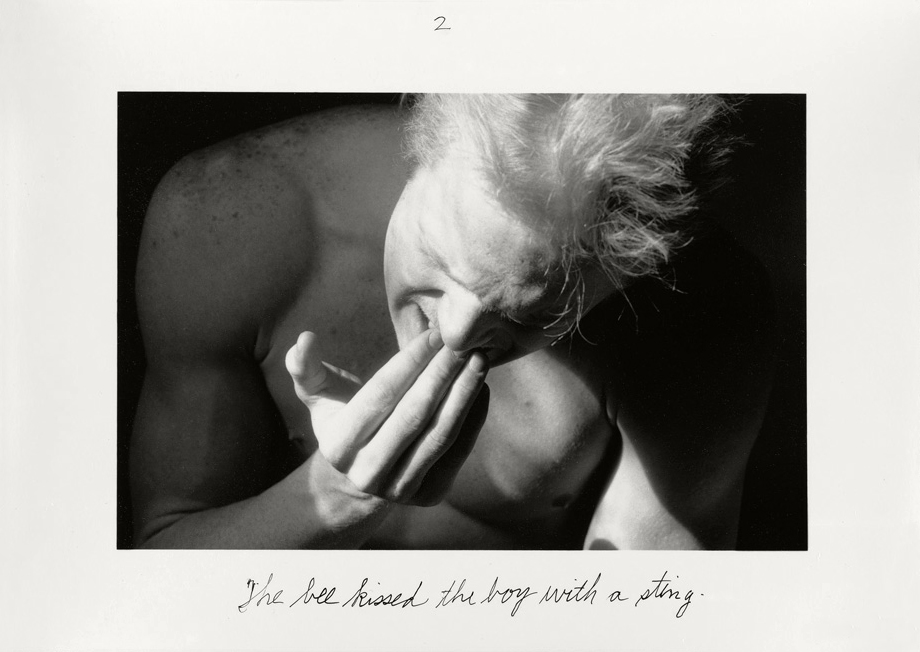


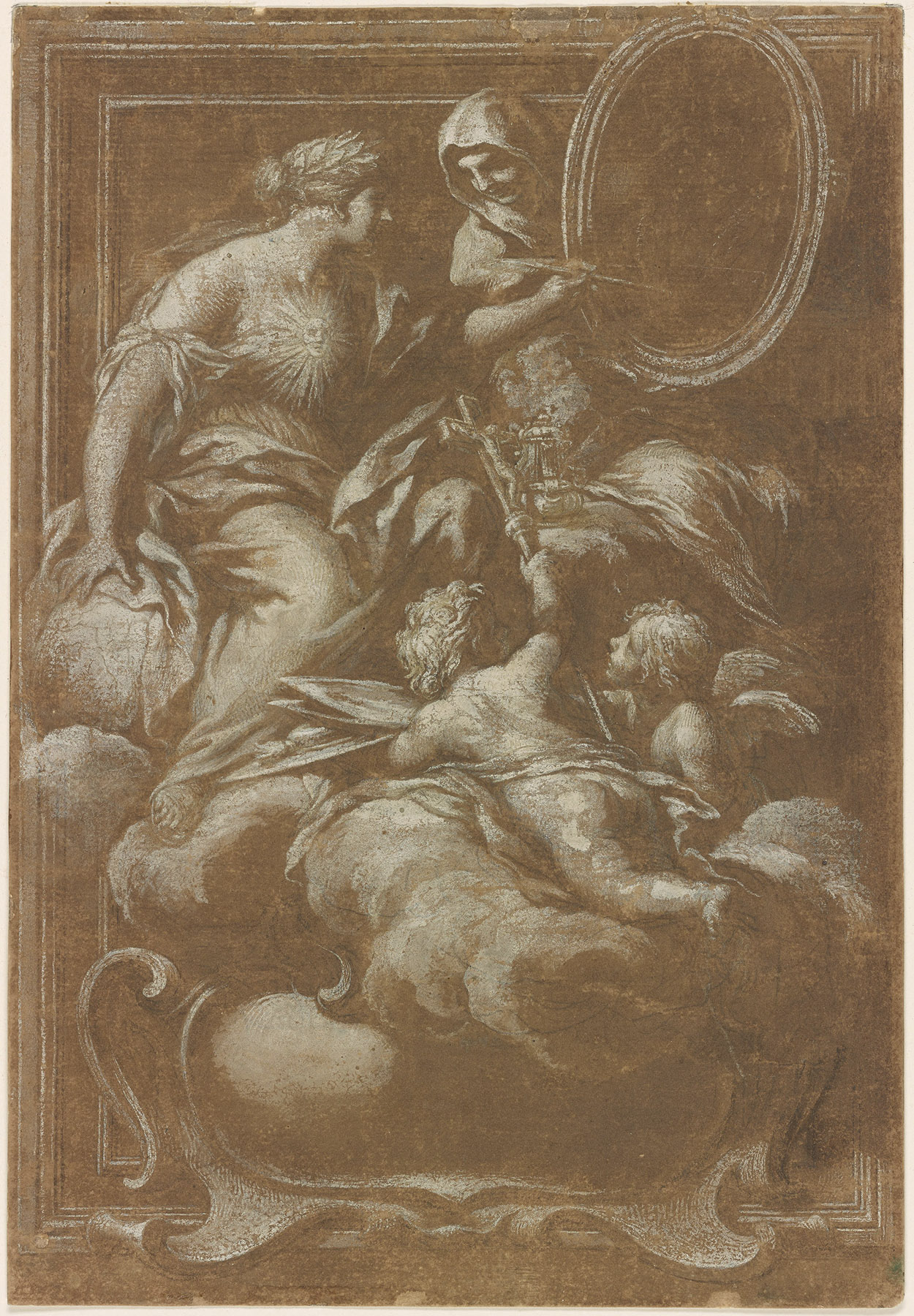


![Florian, Marquis de (1755-1794) 'Red leather portfolio [realia]' 18th century](https://artblart.com/wp-content/uploads/2019/11/voltaire-briefcase.jpg "Florian, Marquis de (1755-1794) 'Red leather portfolio [realia]' 18th century")


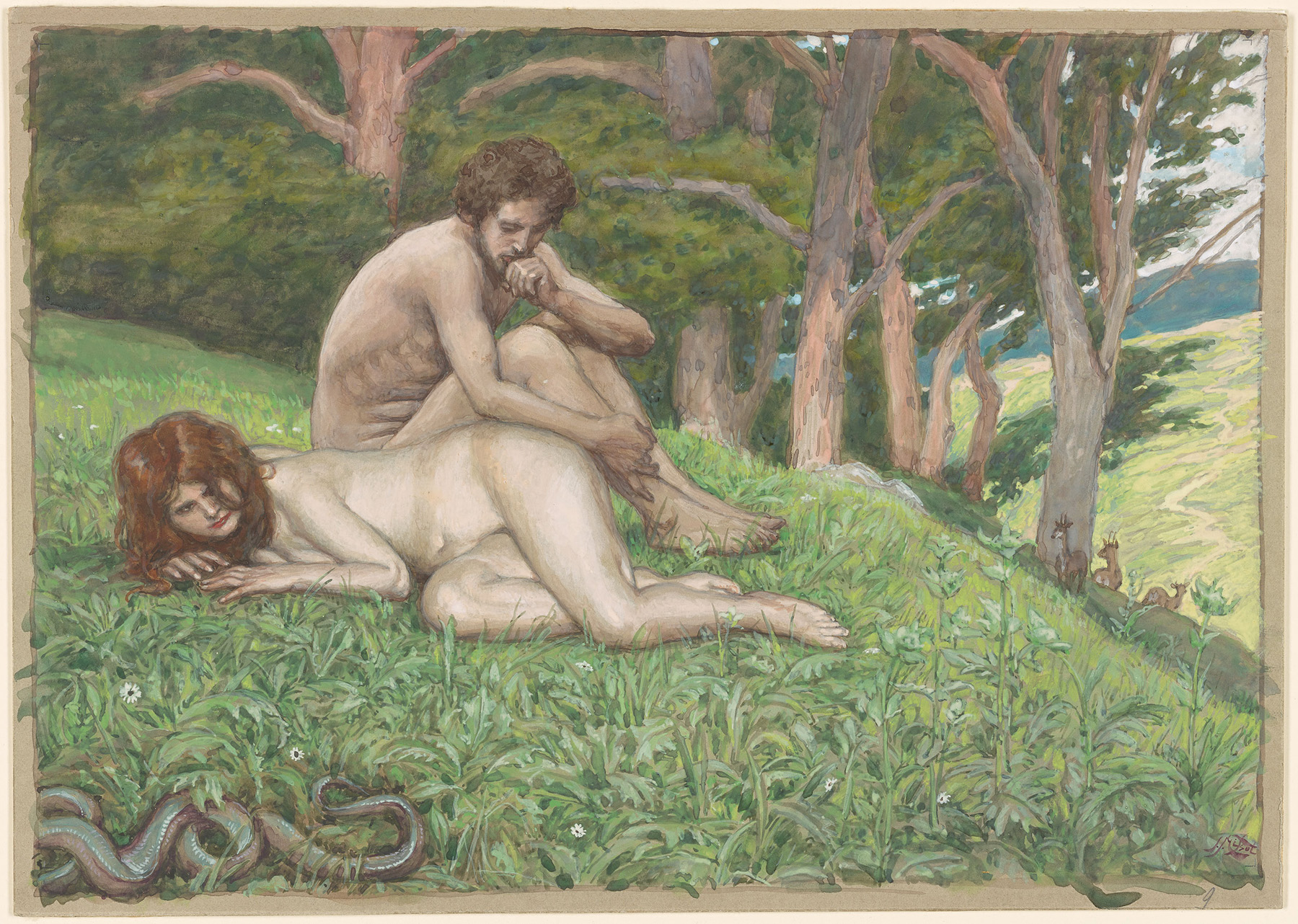


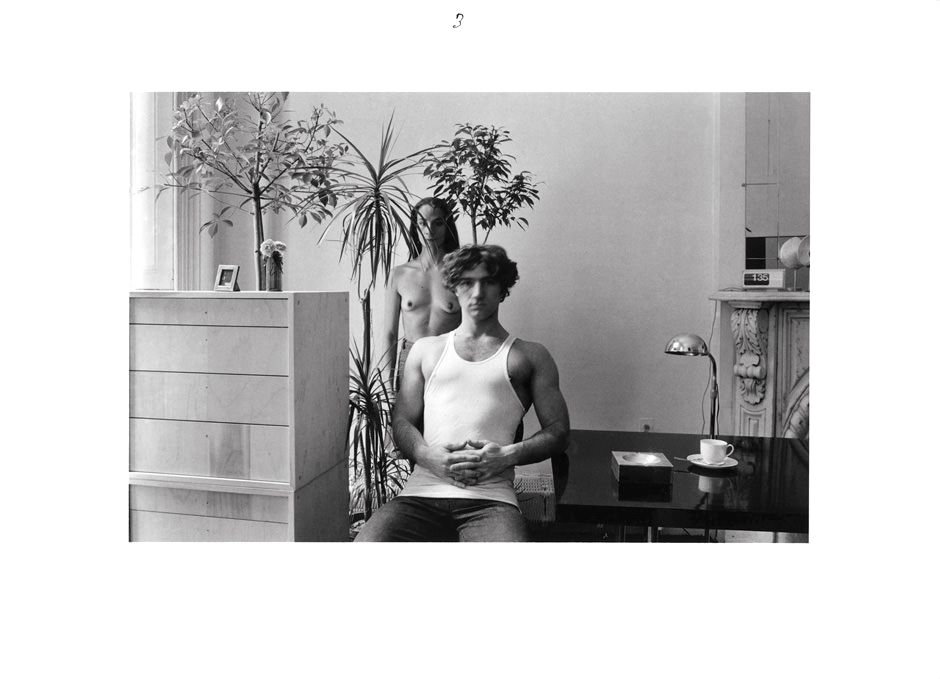


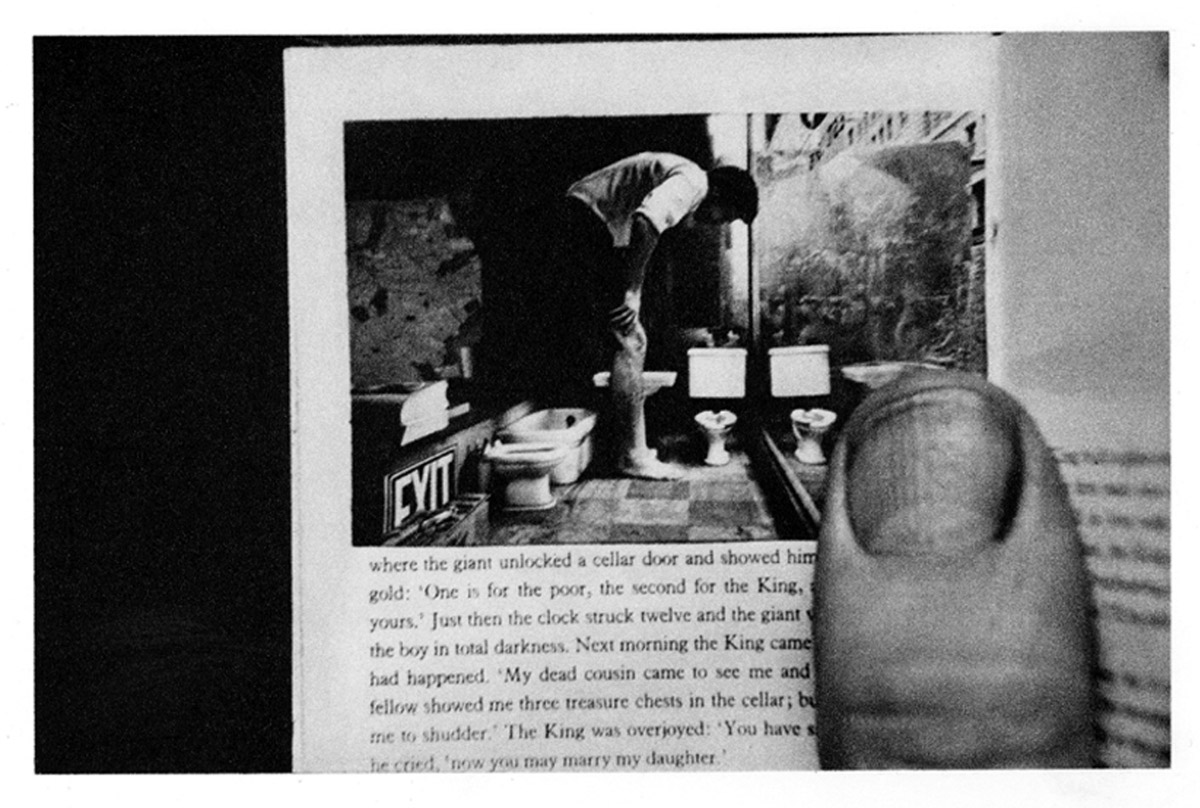


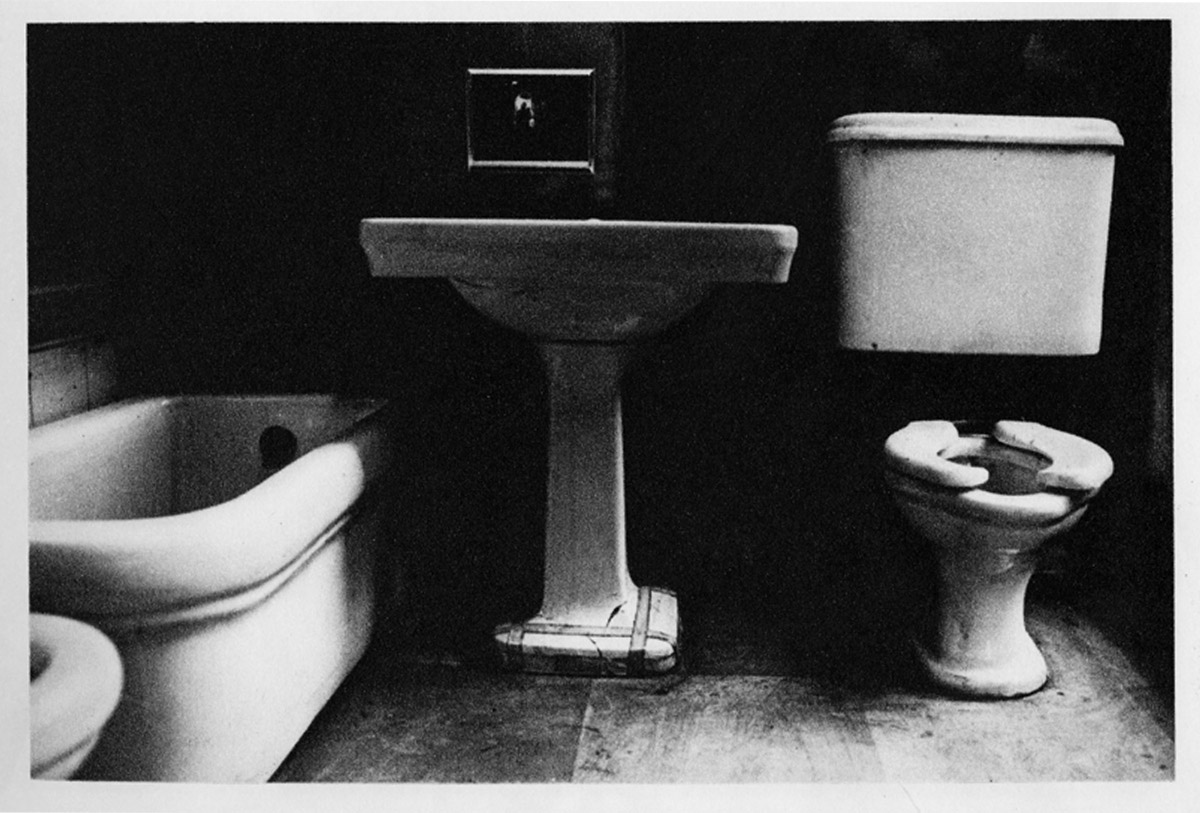
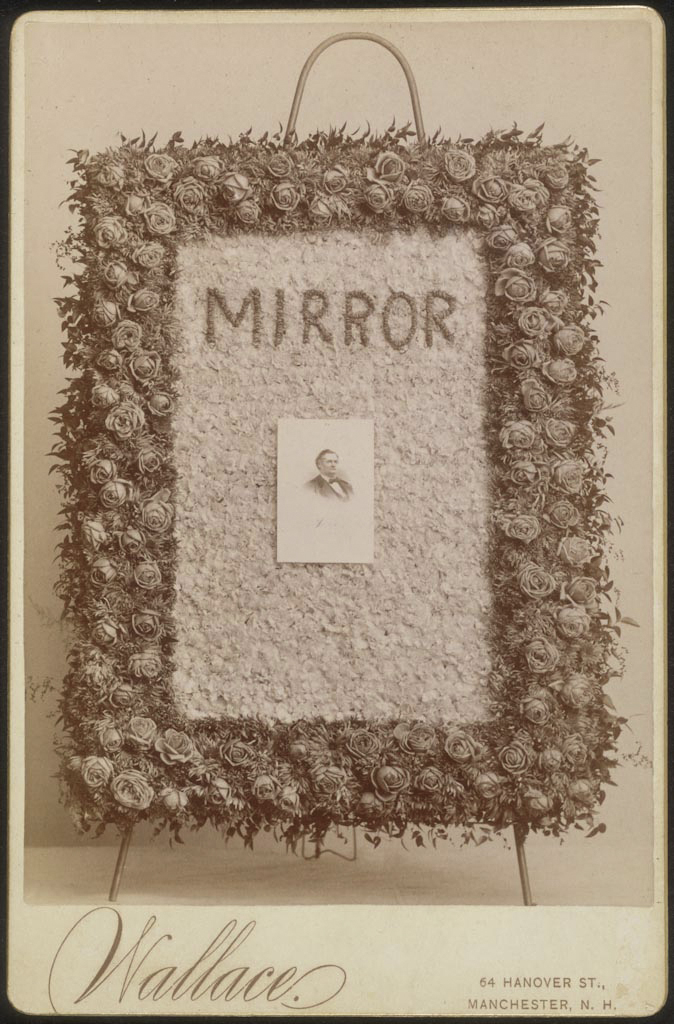


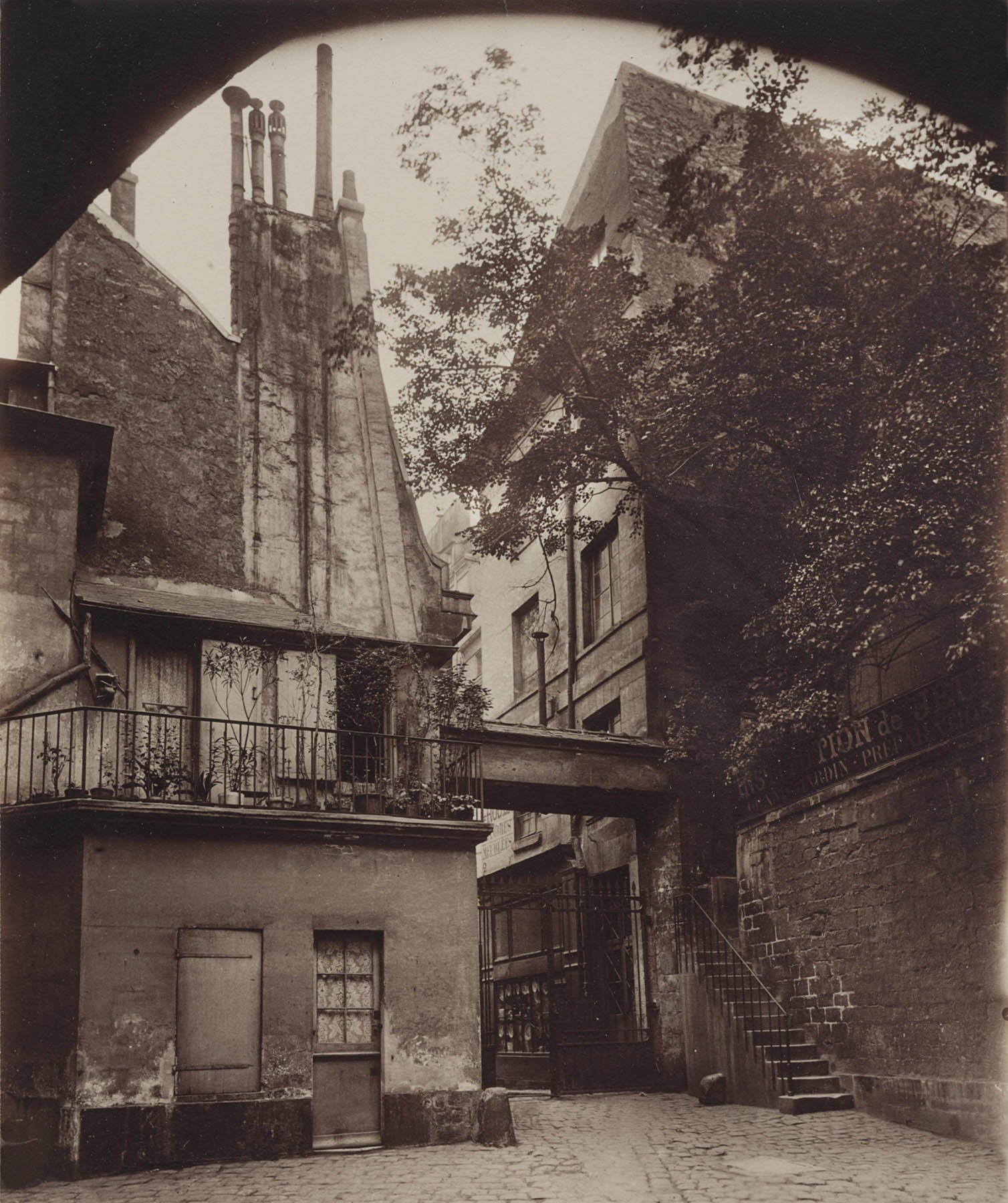

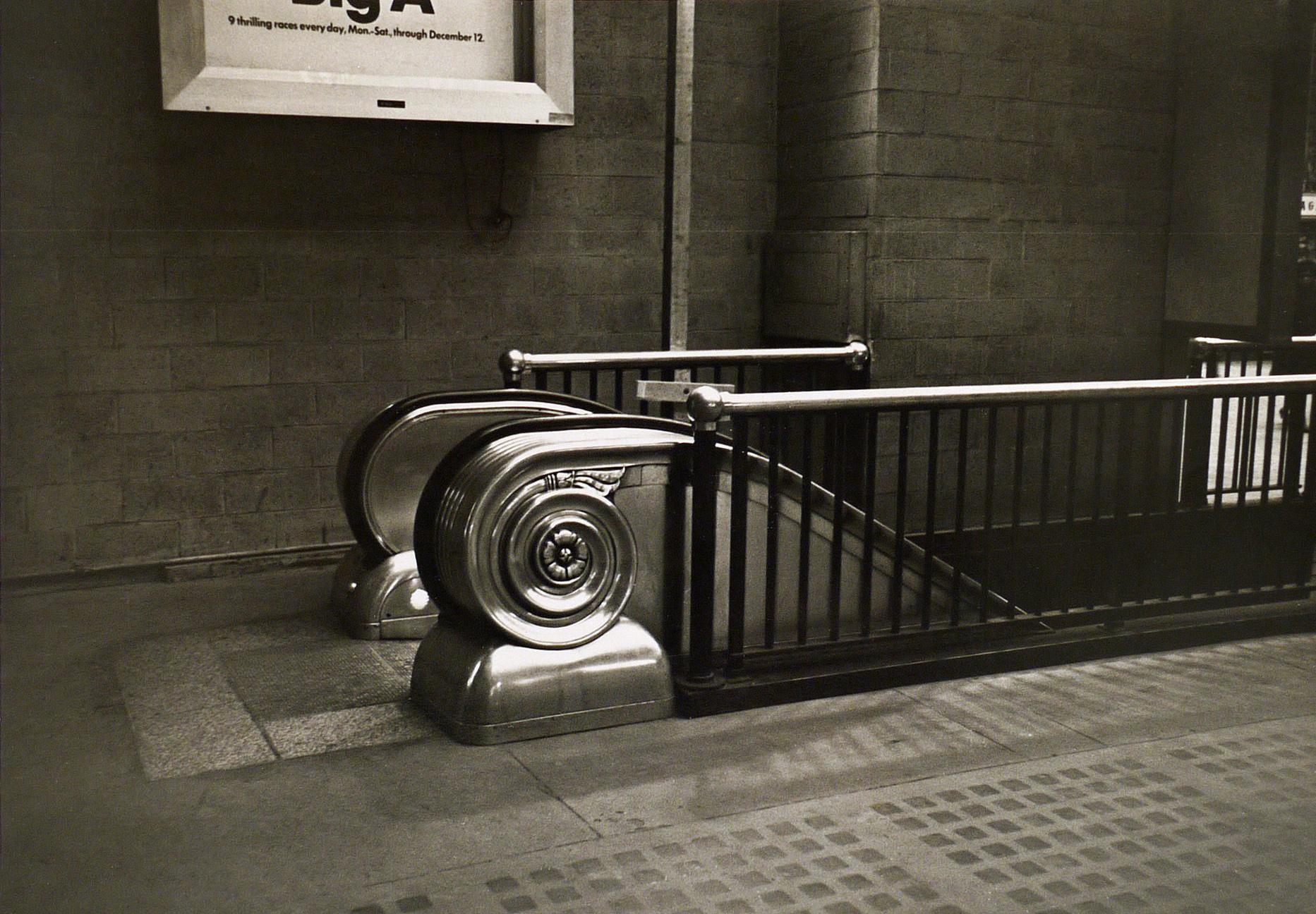


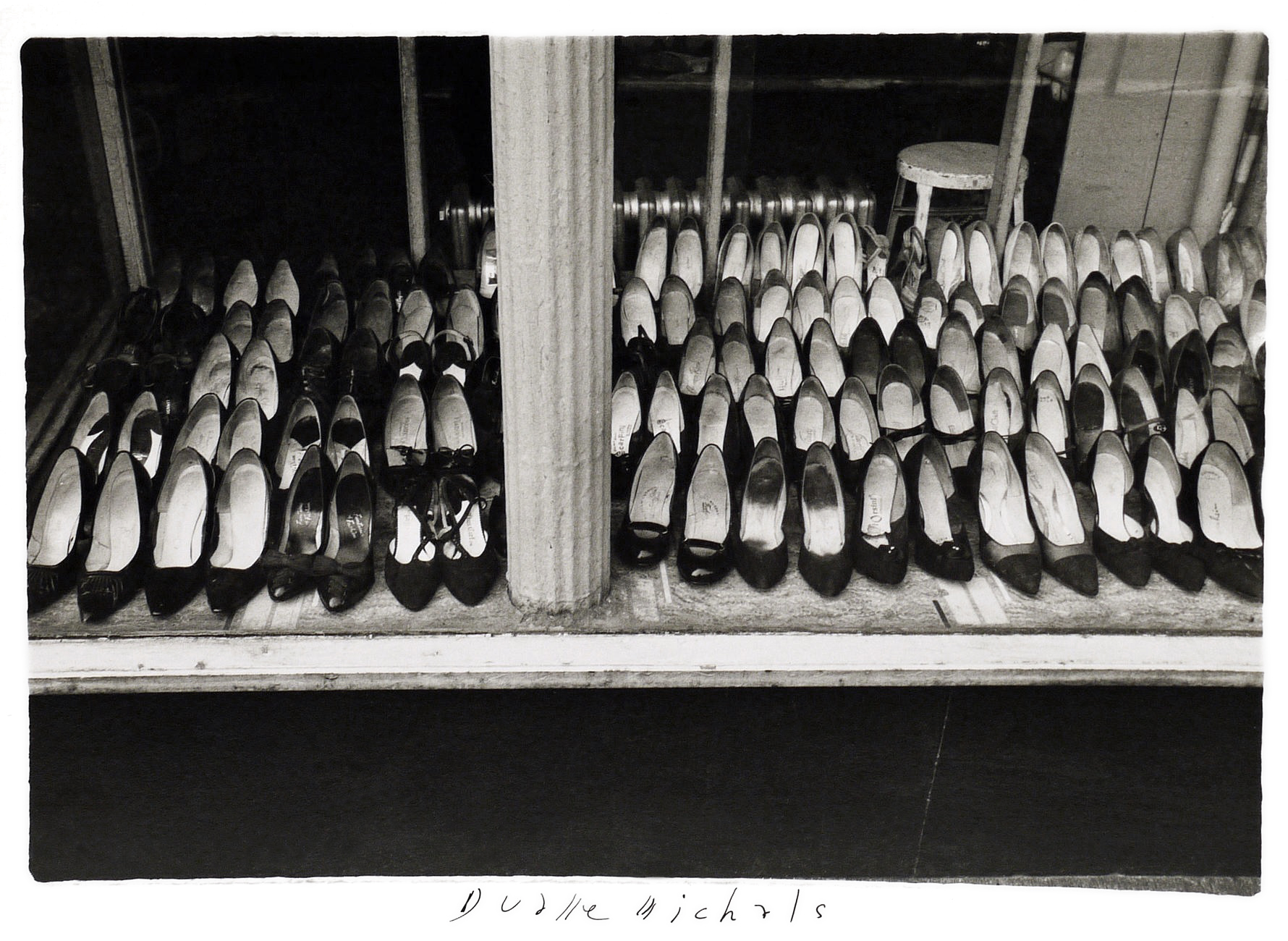


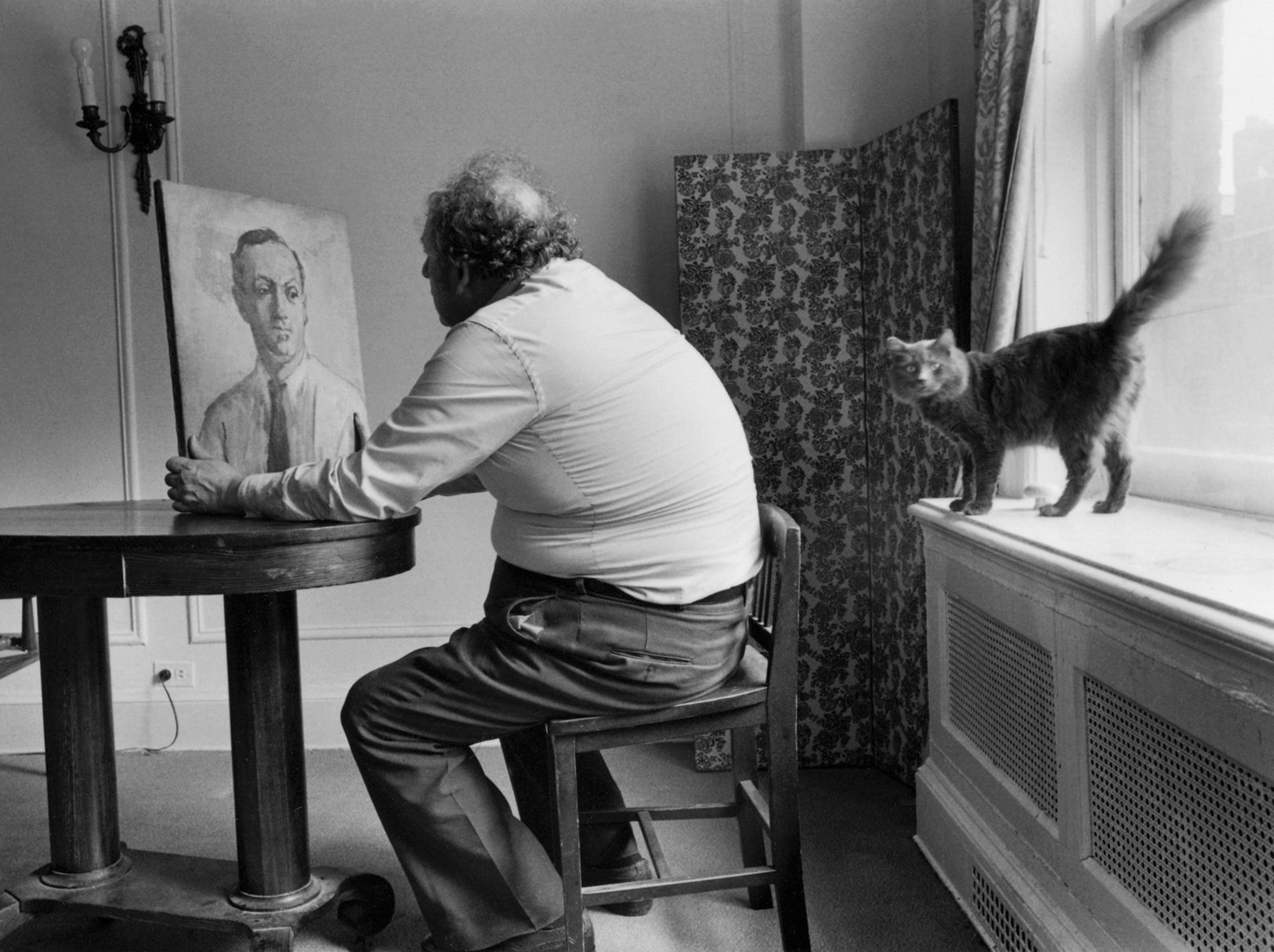

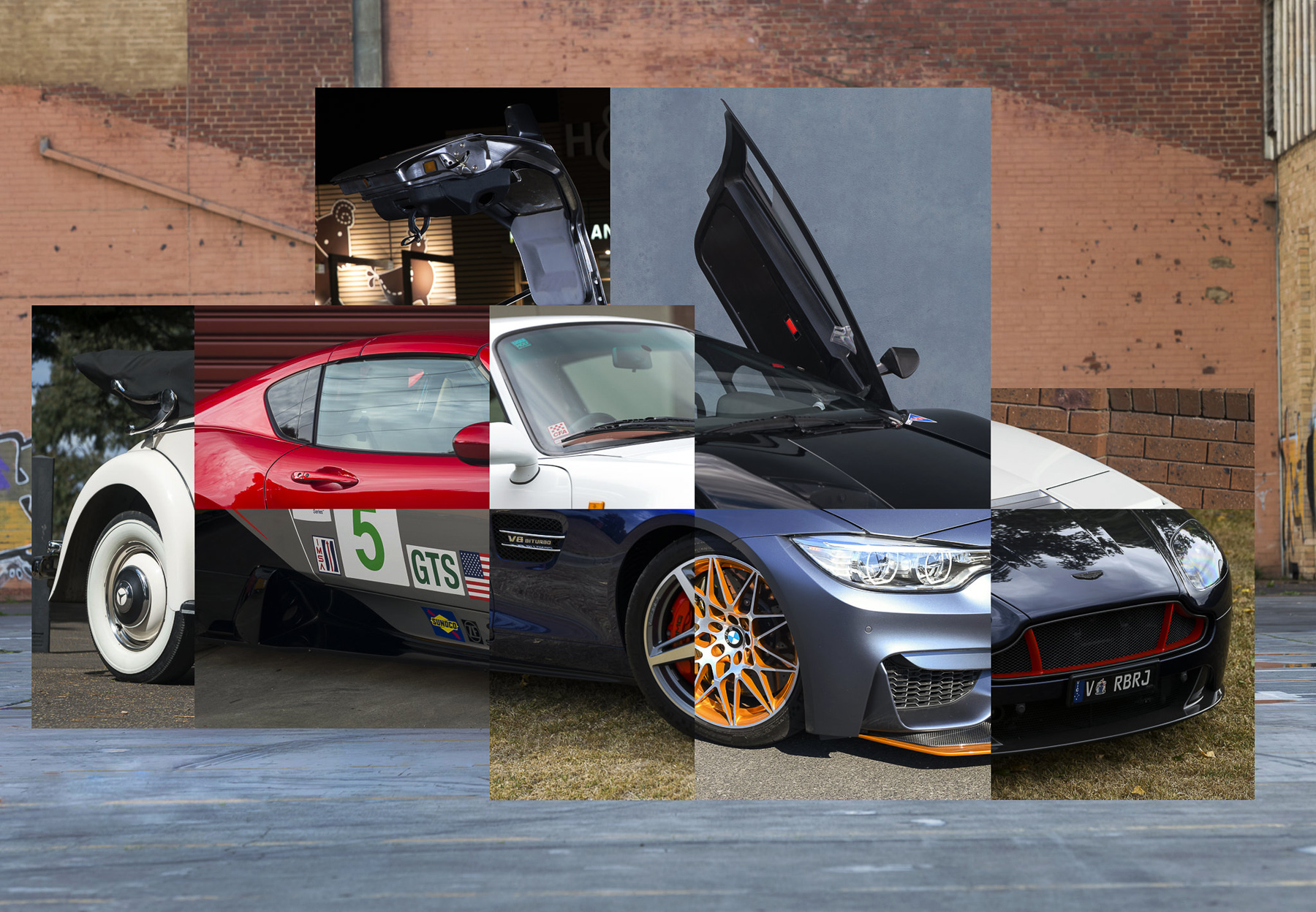
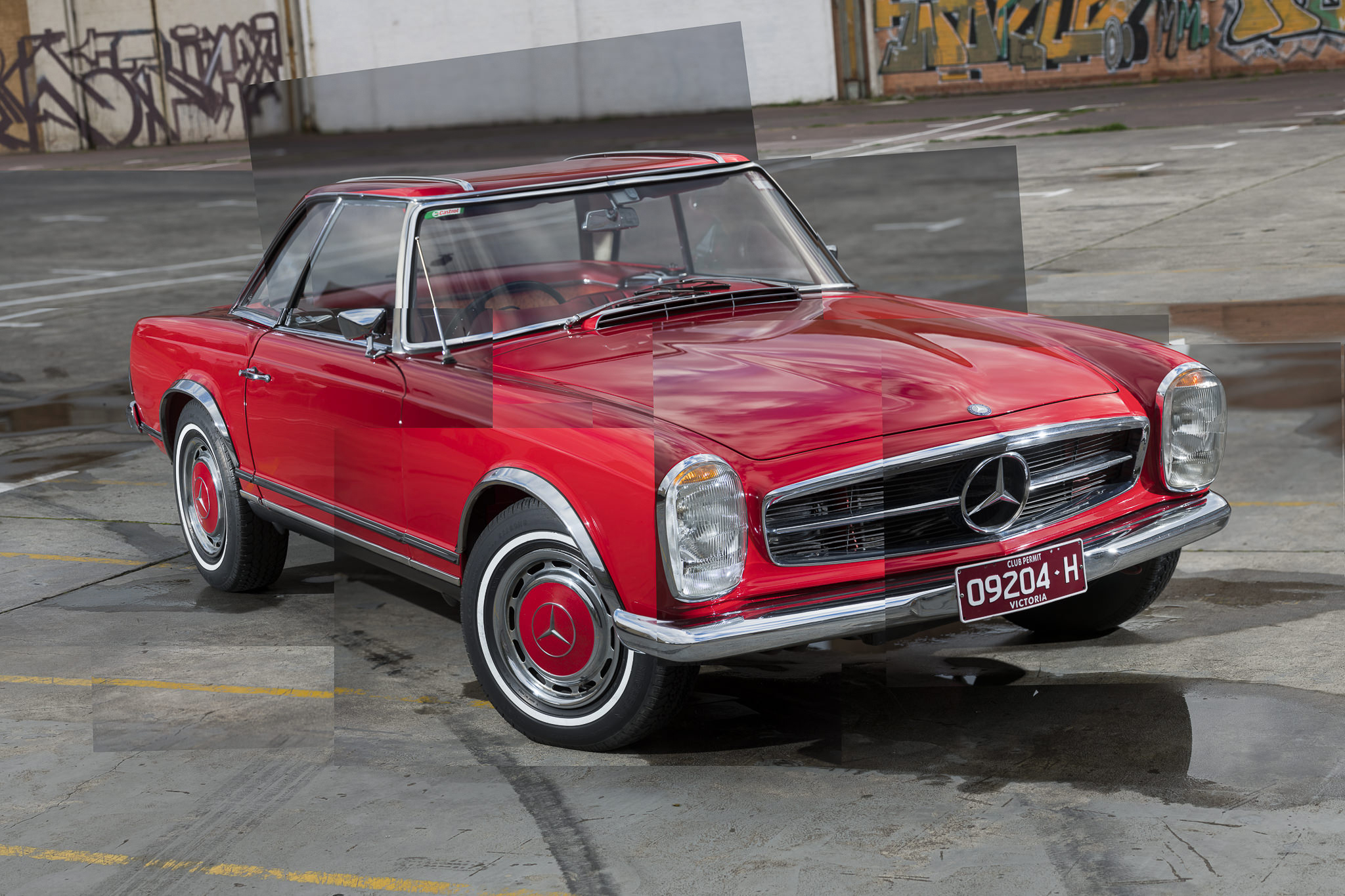
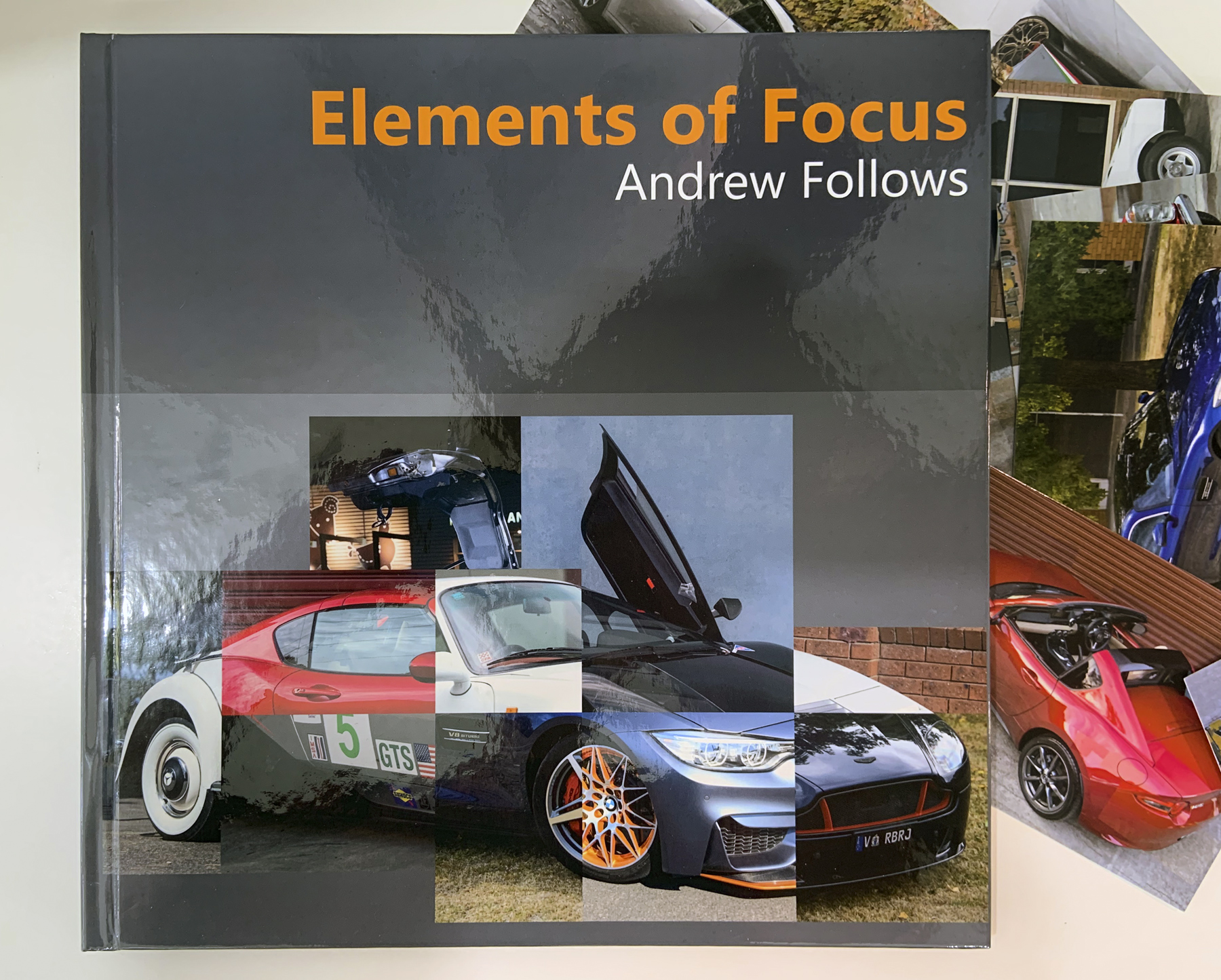
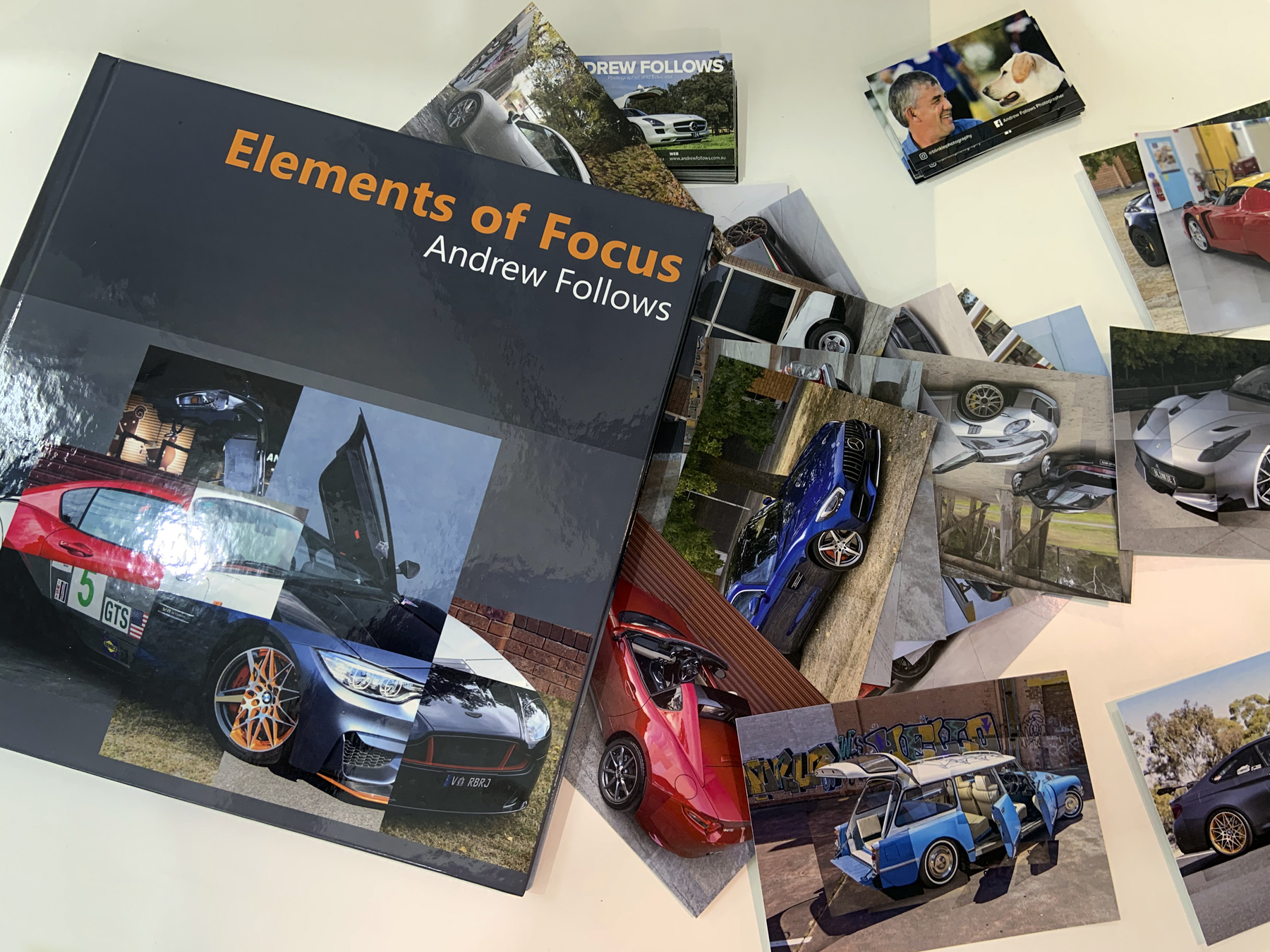
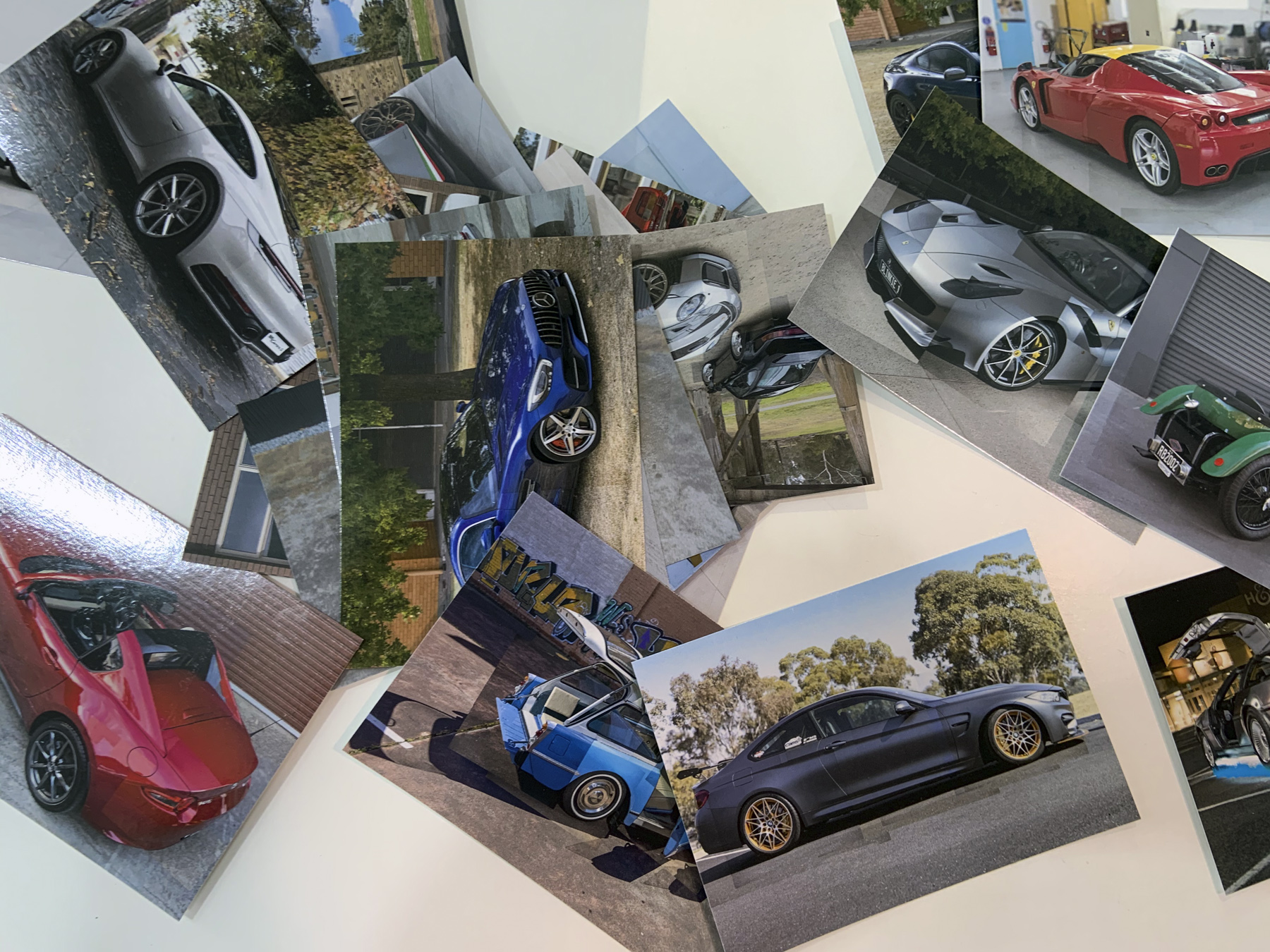
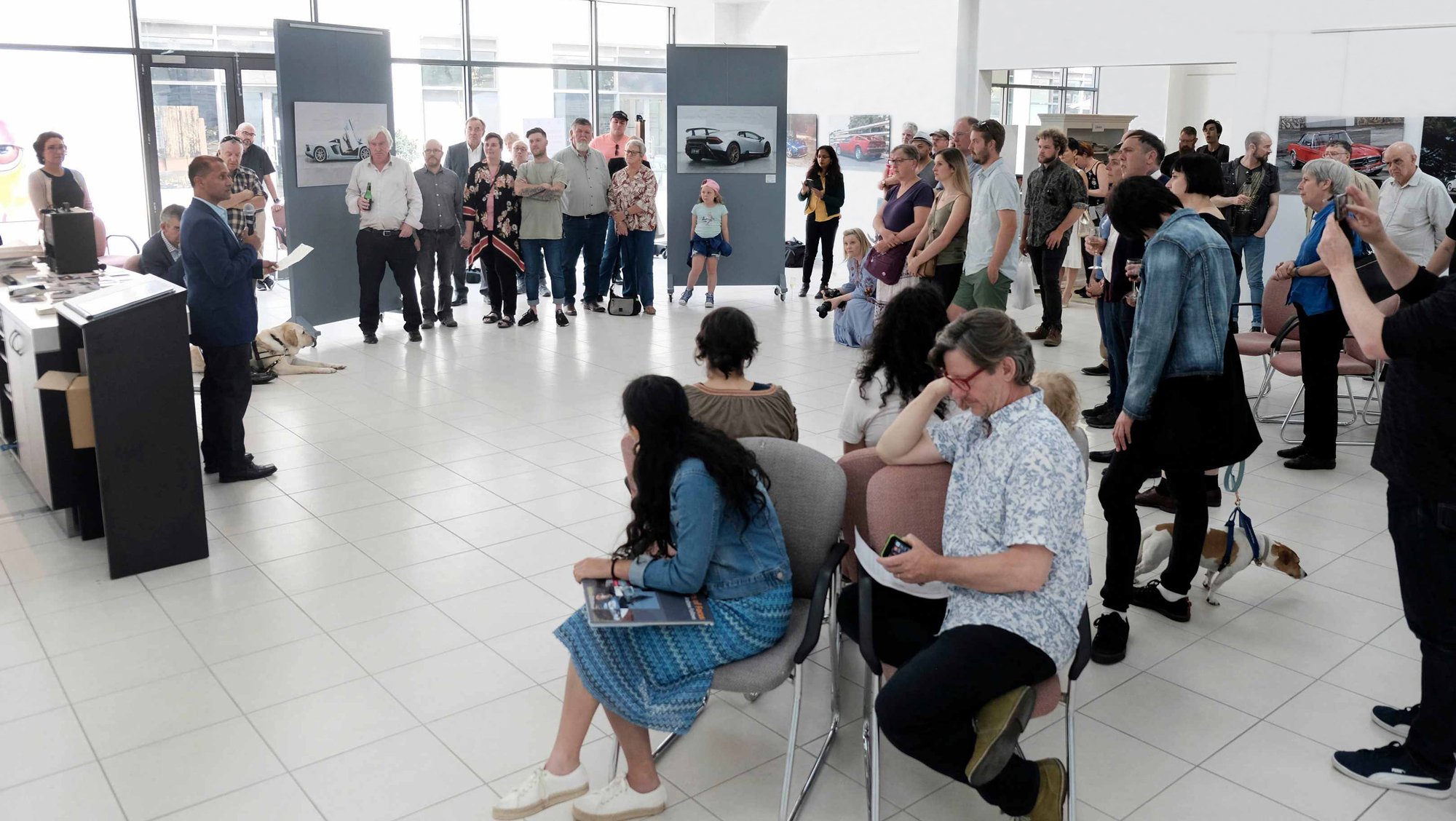
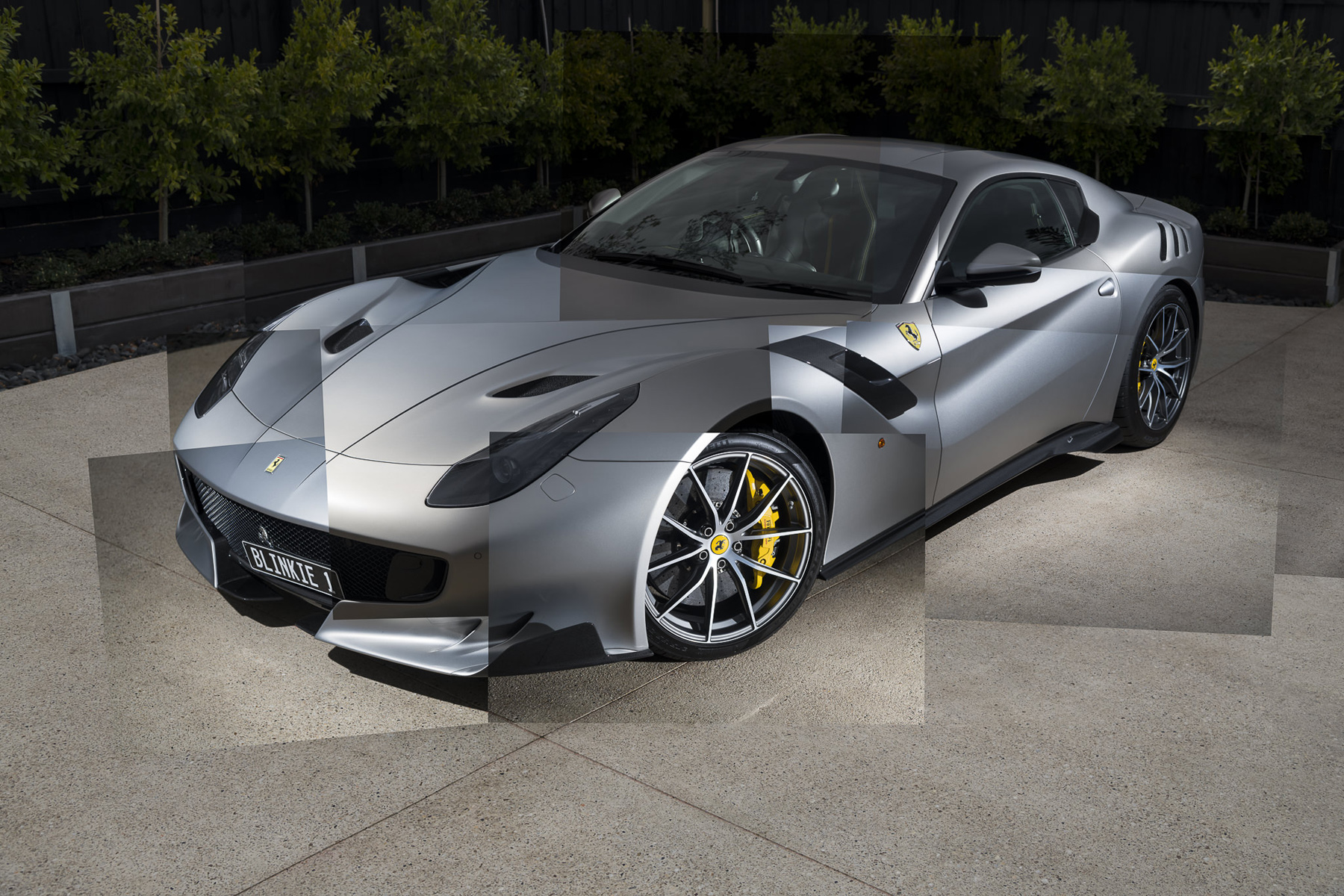
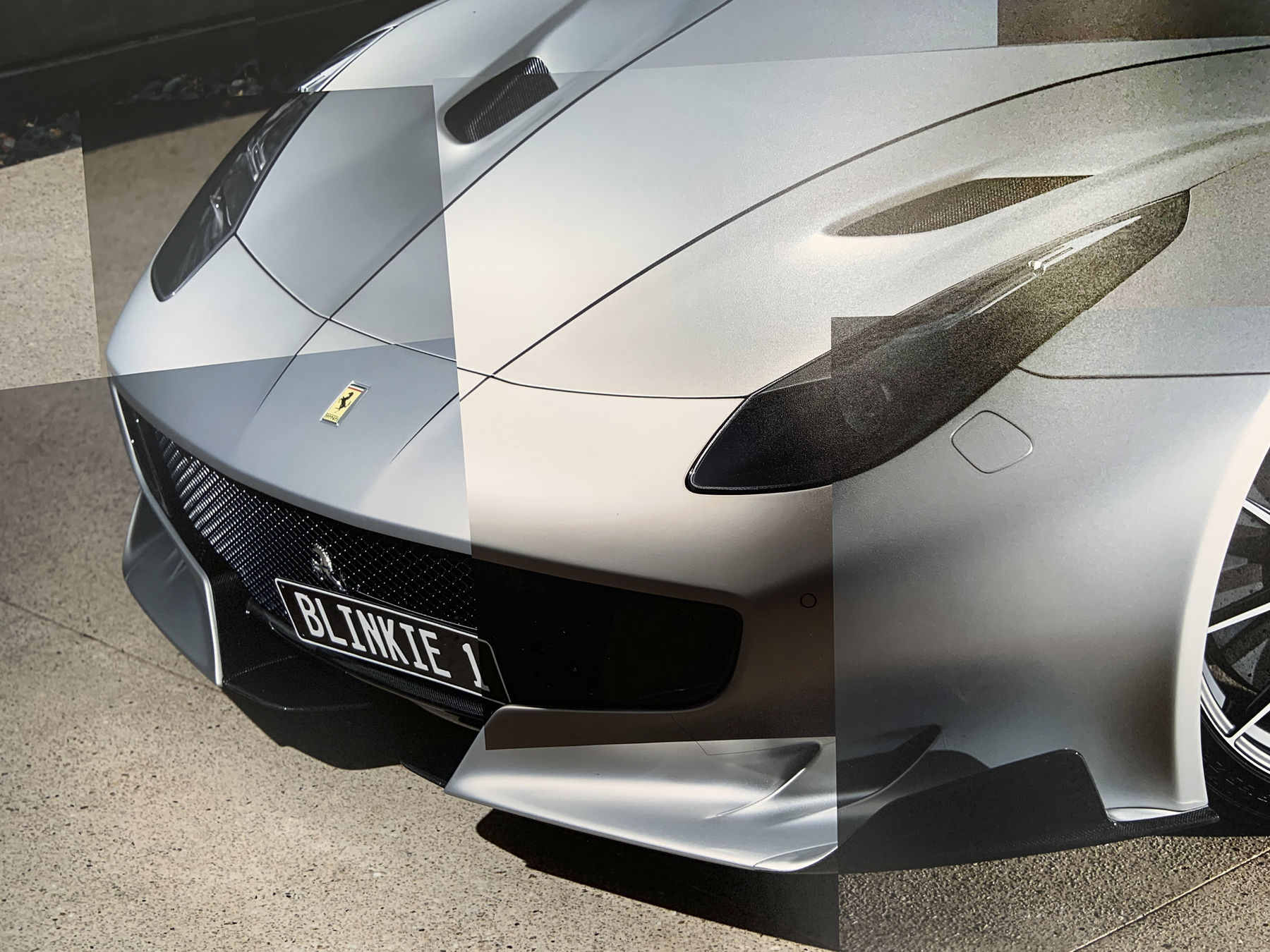
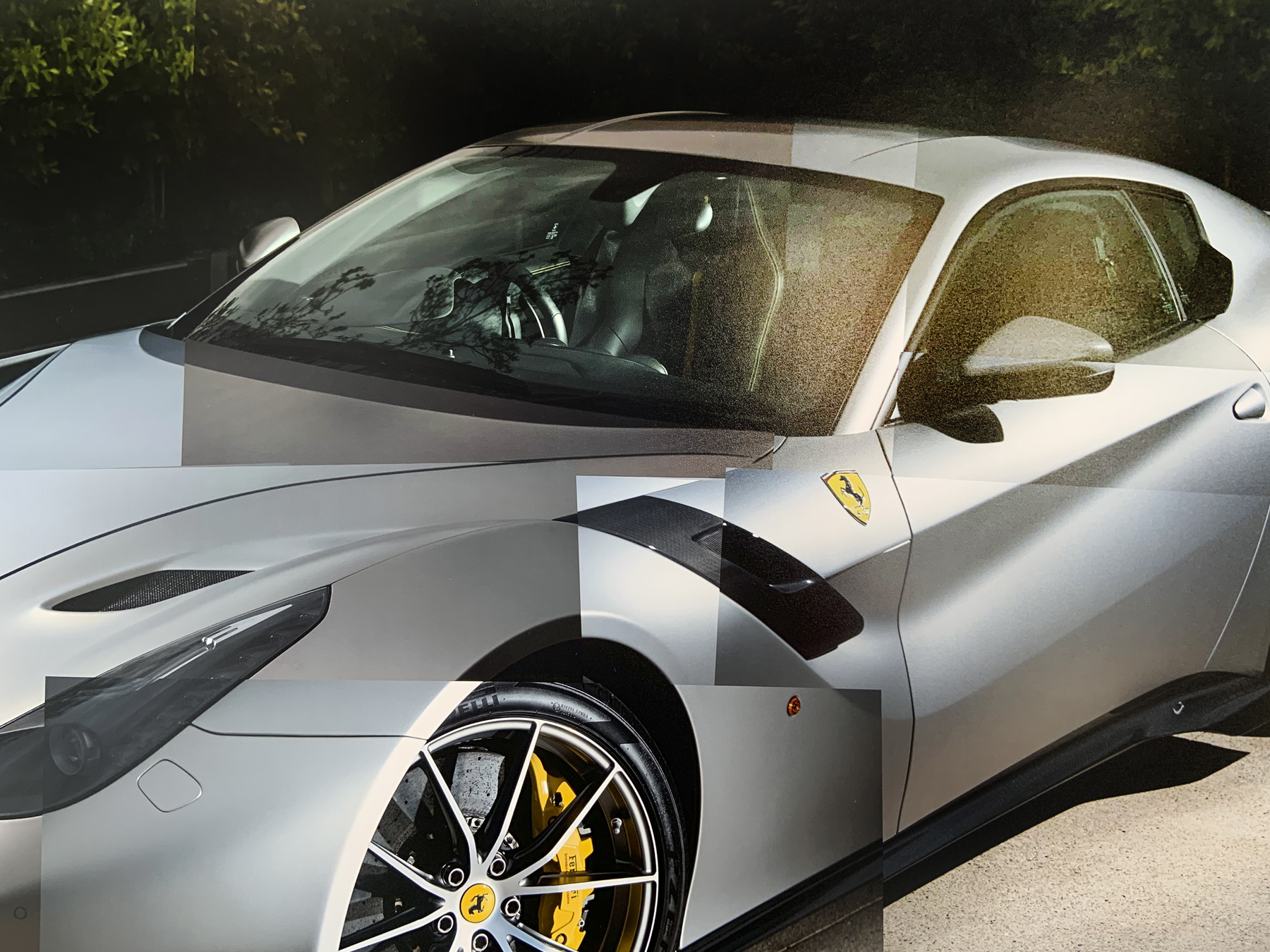
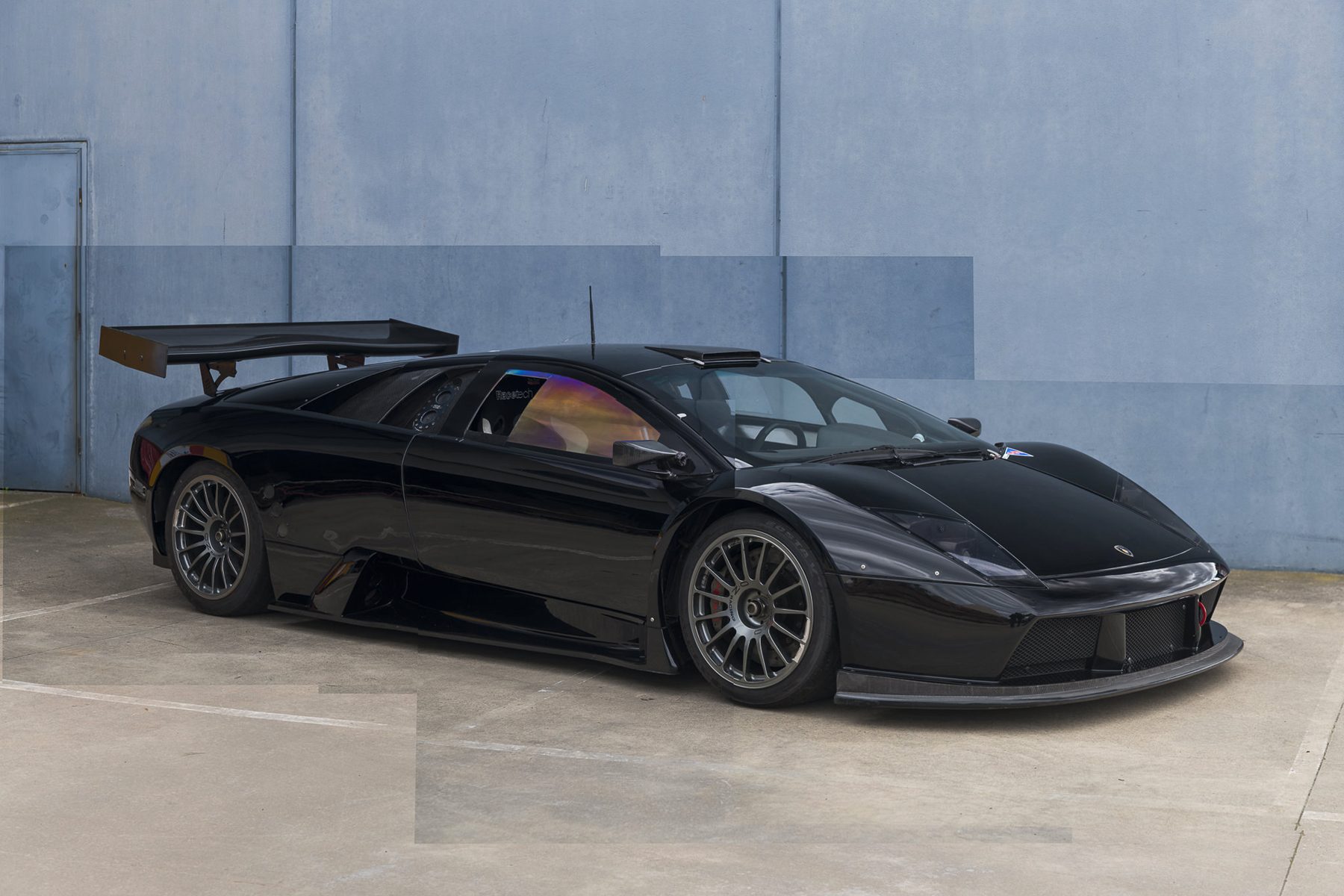

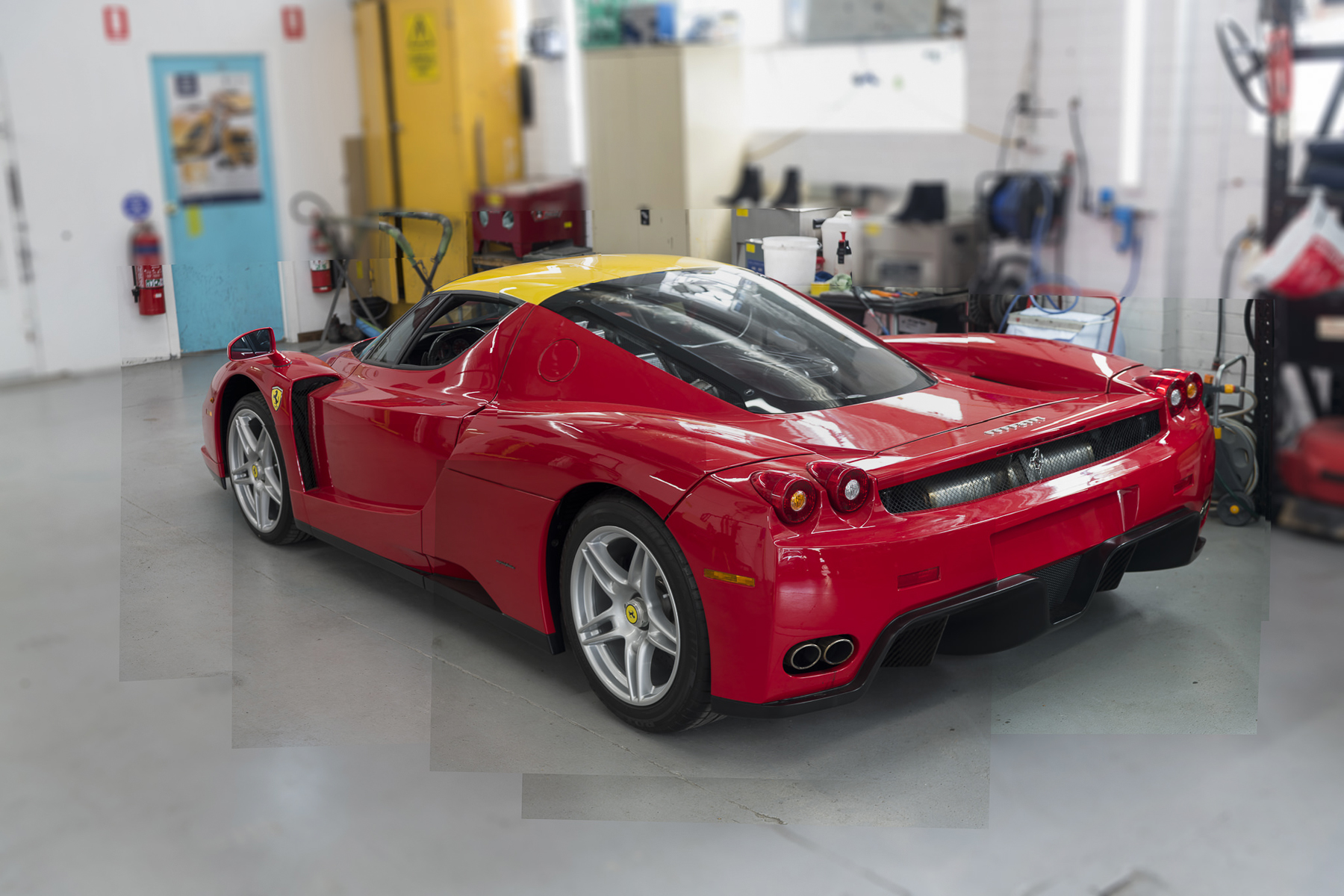
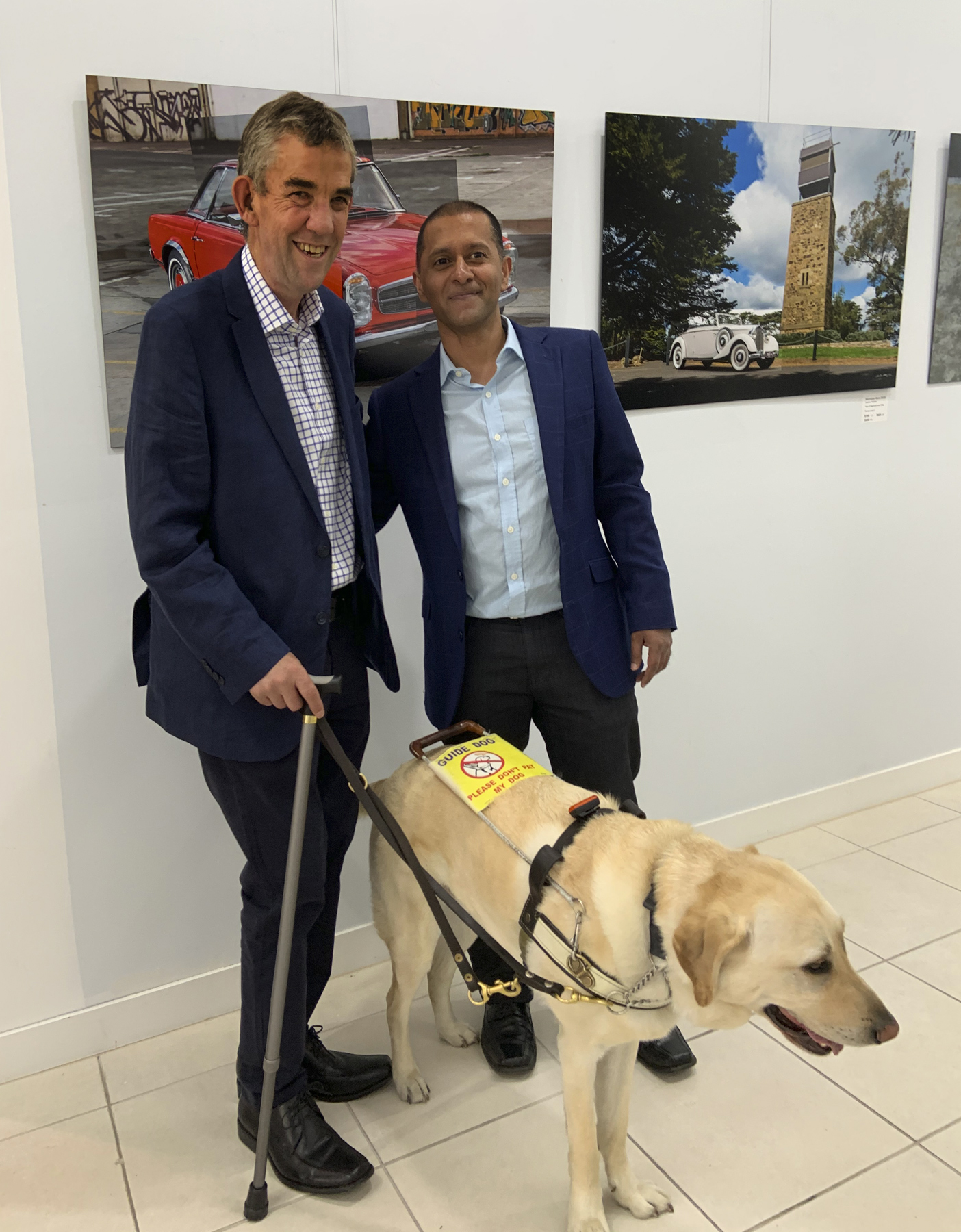
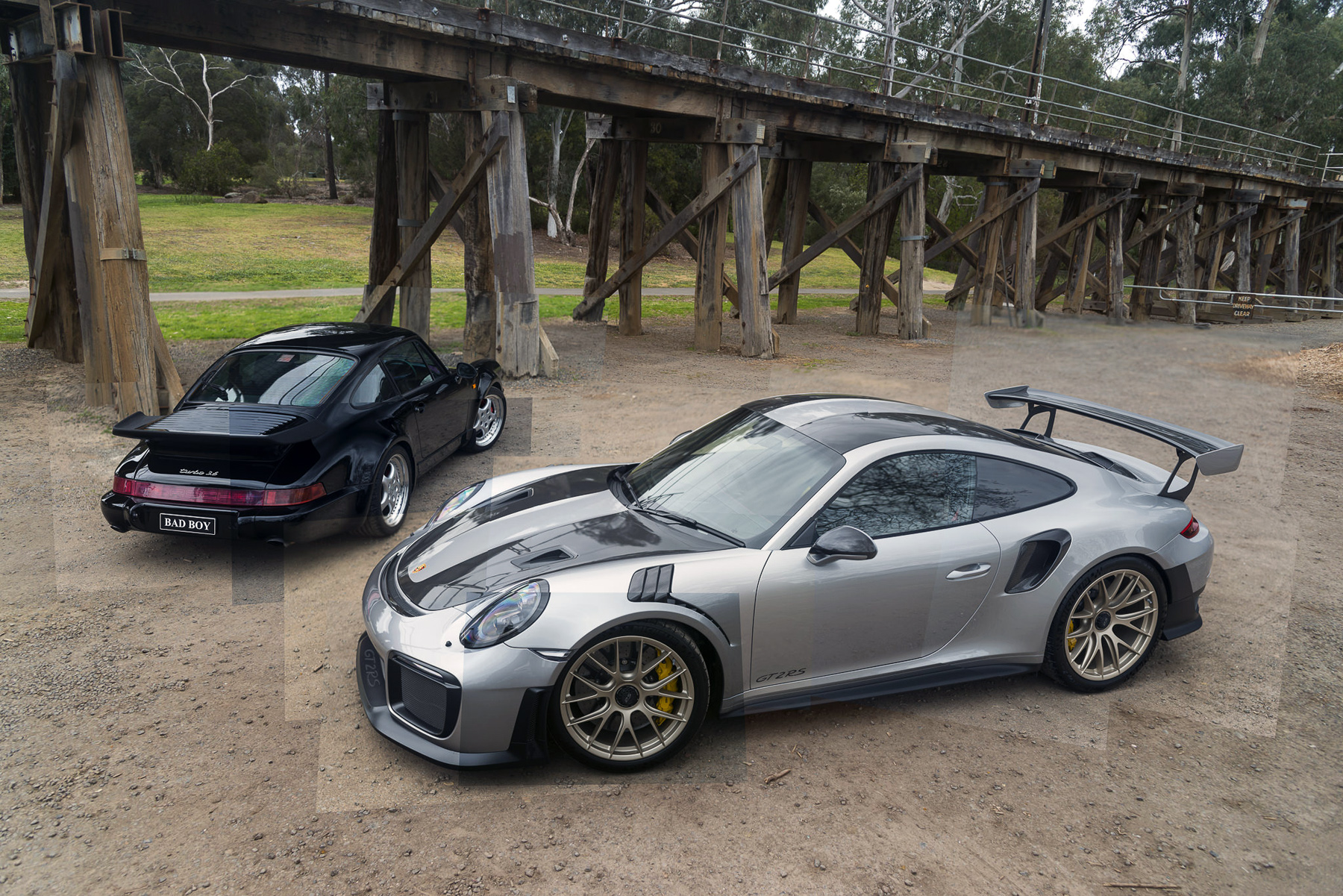
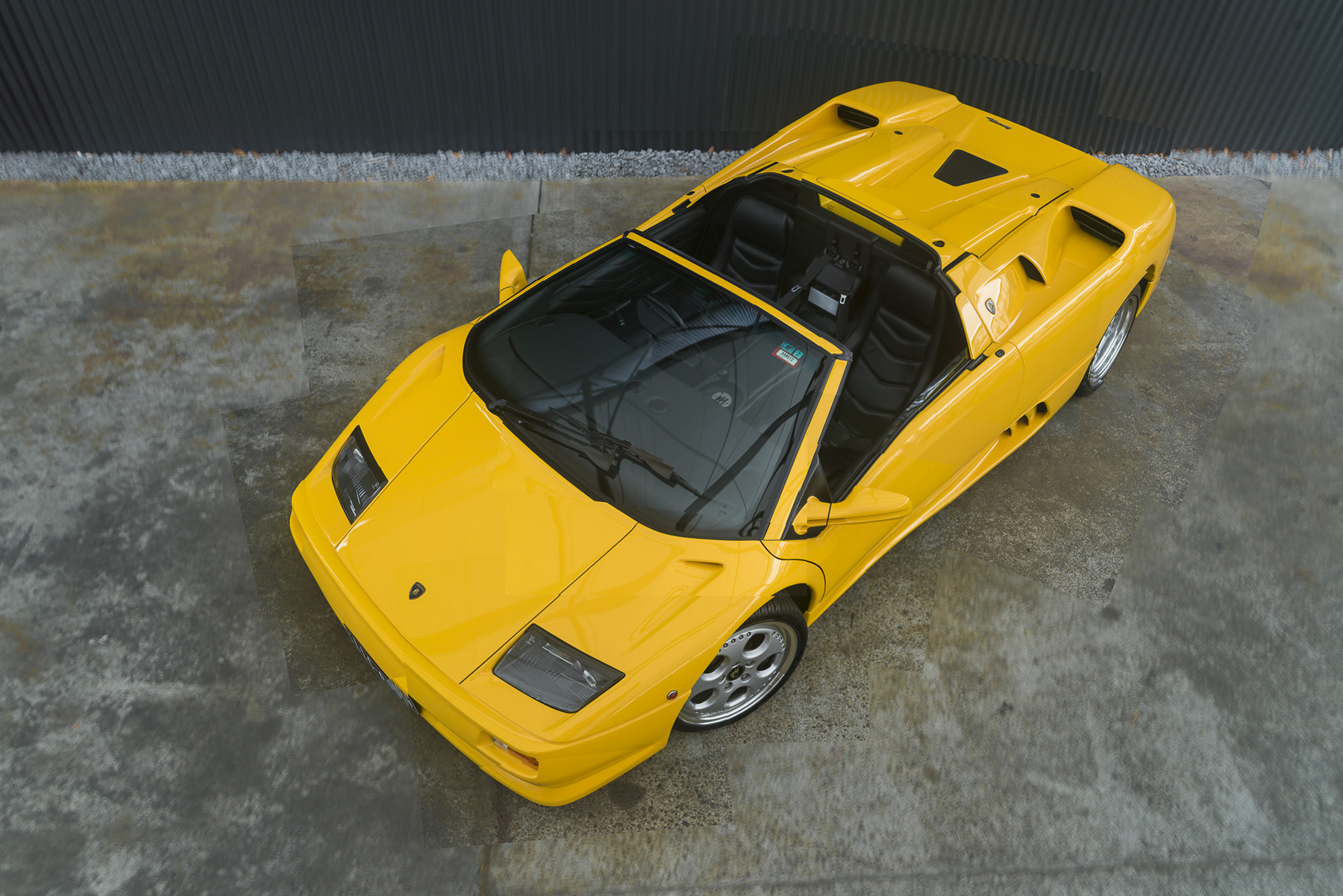
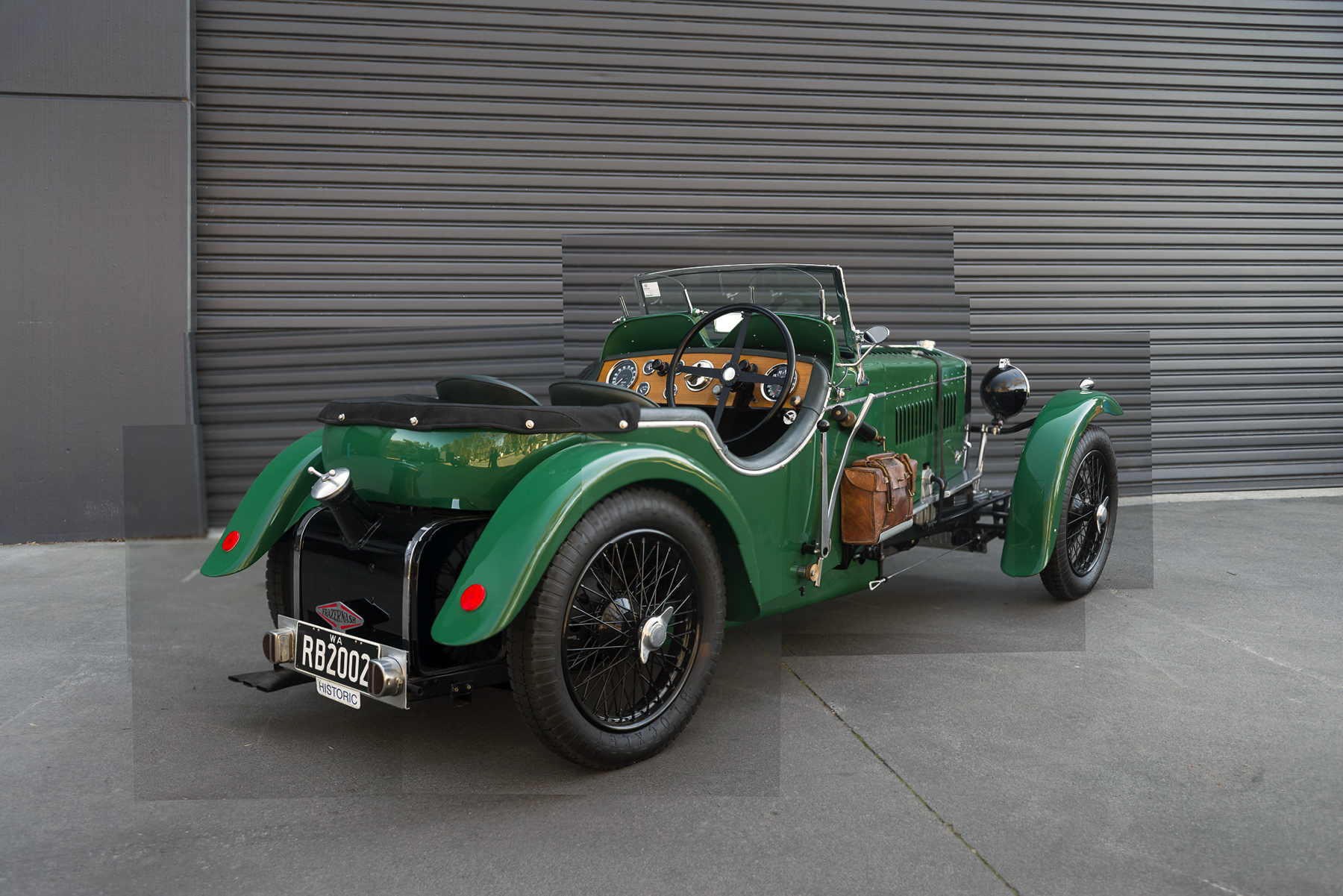
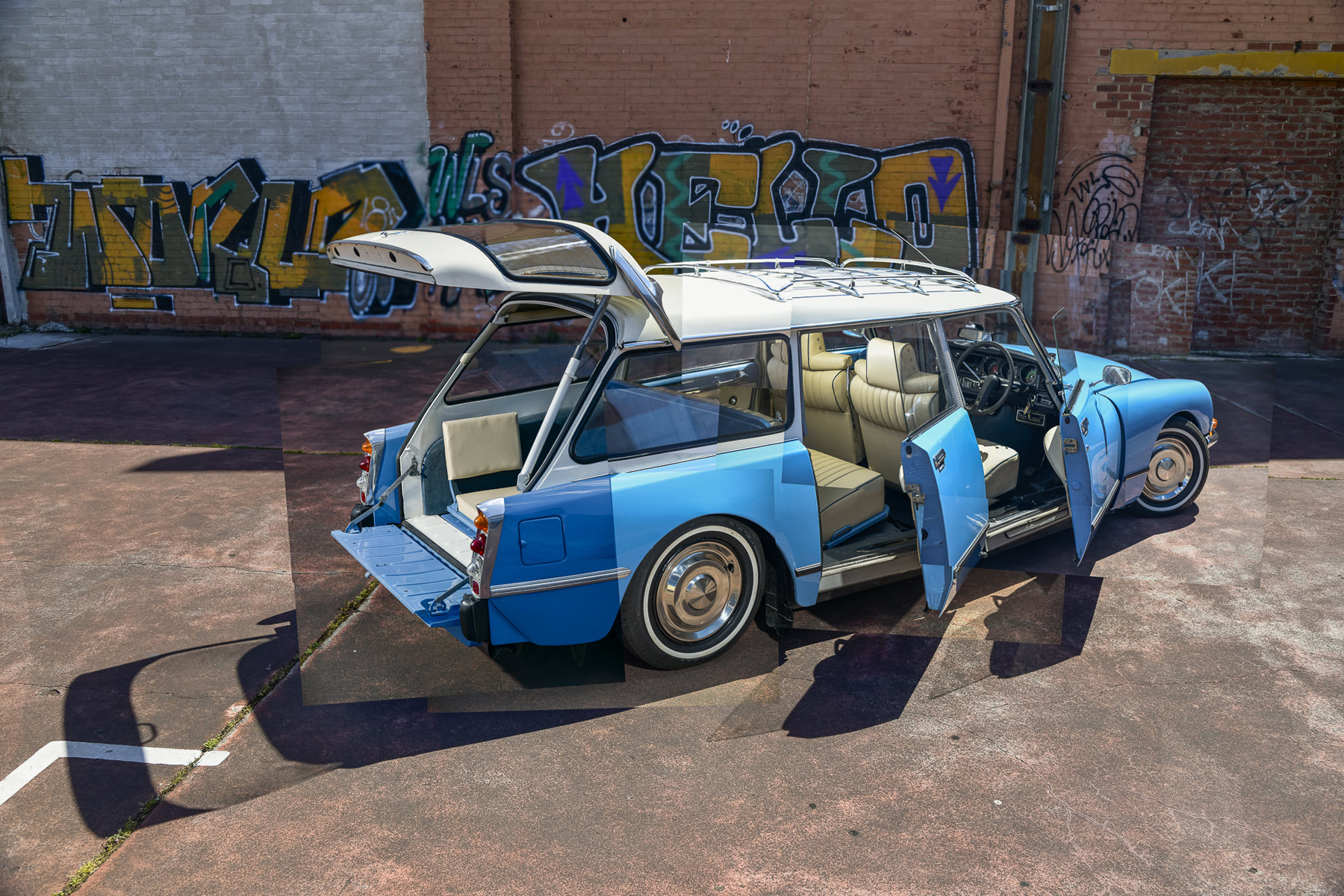
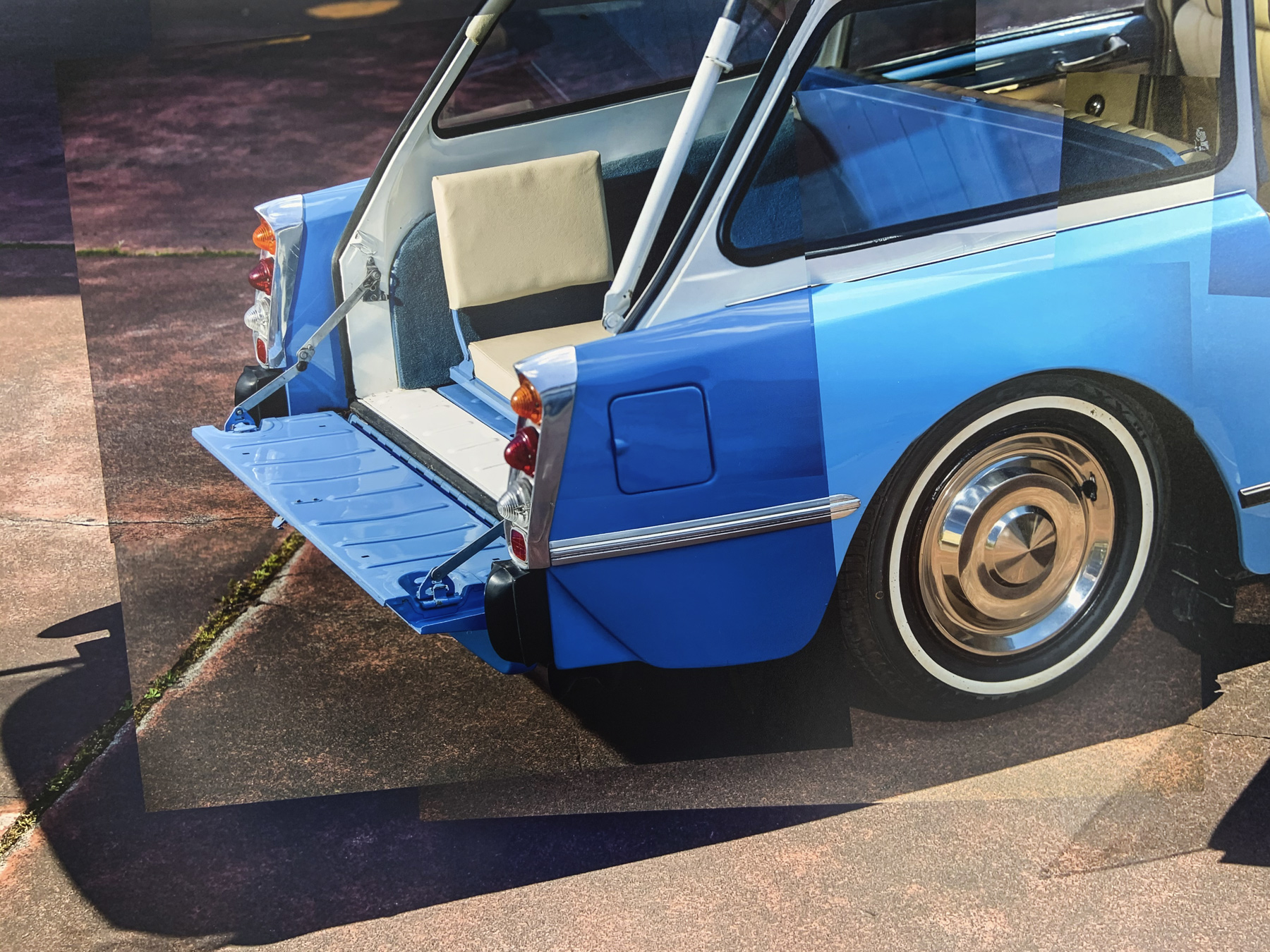
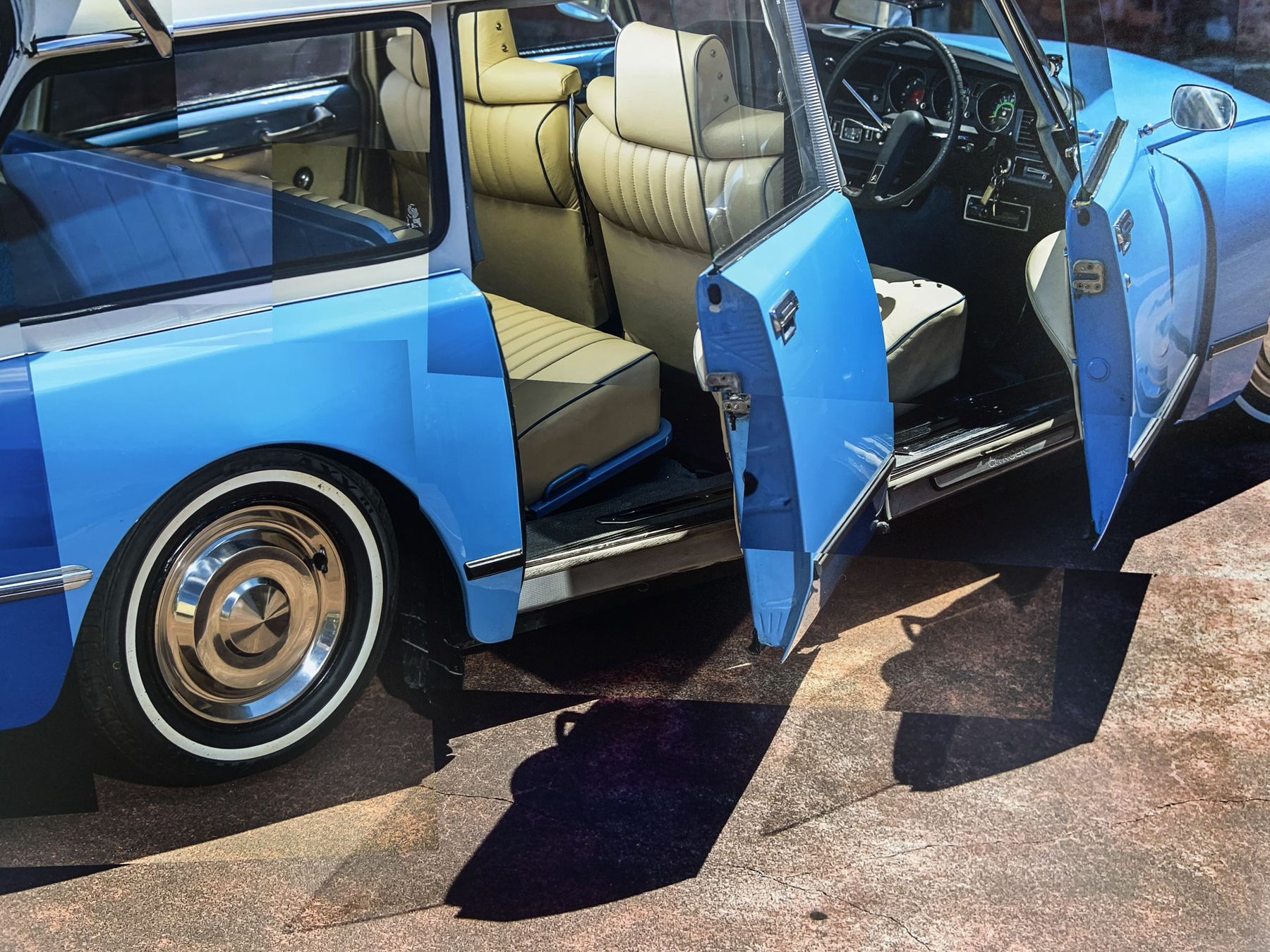
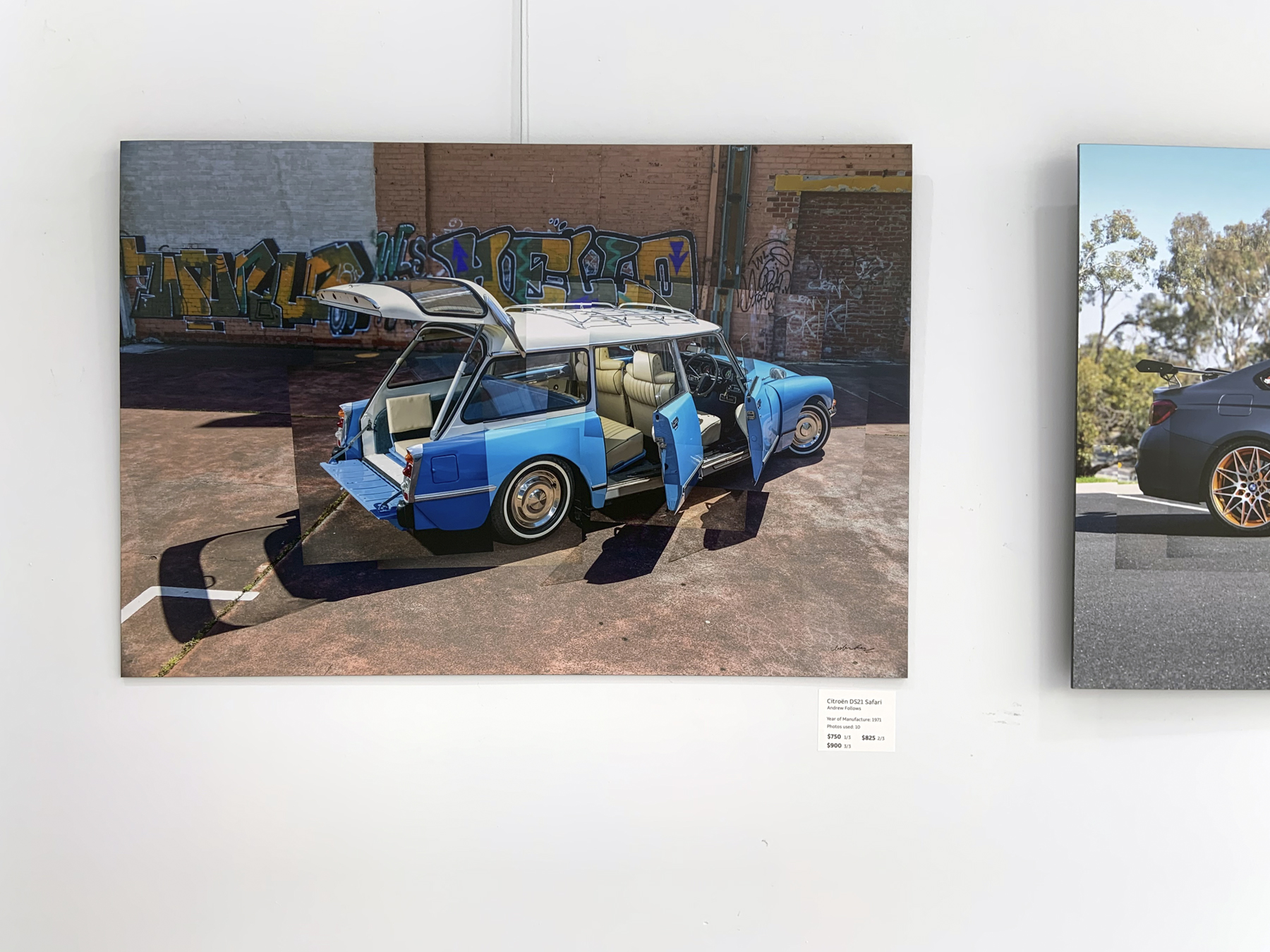
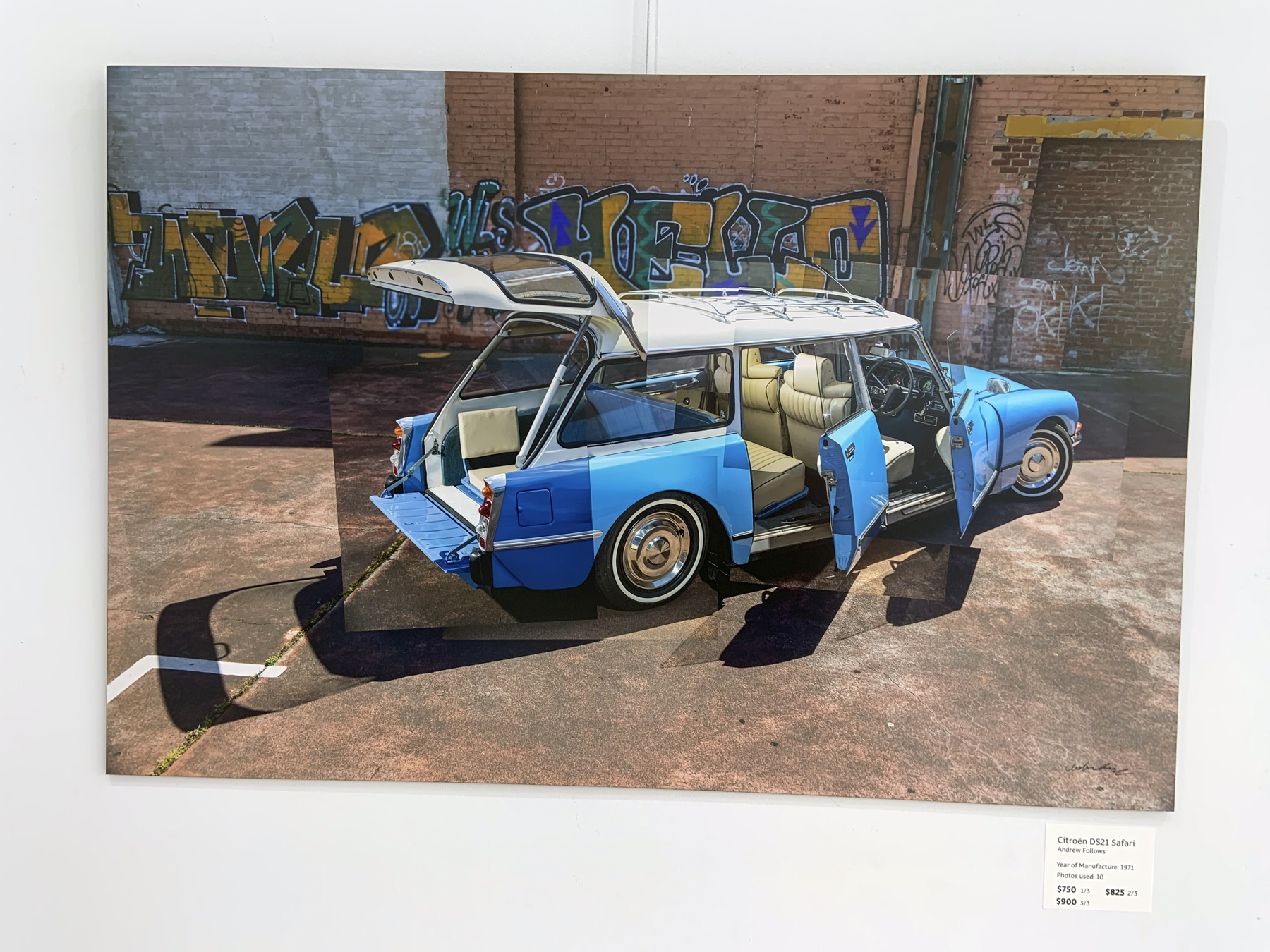
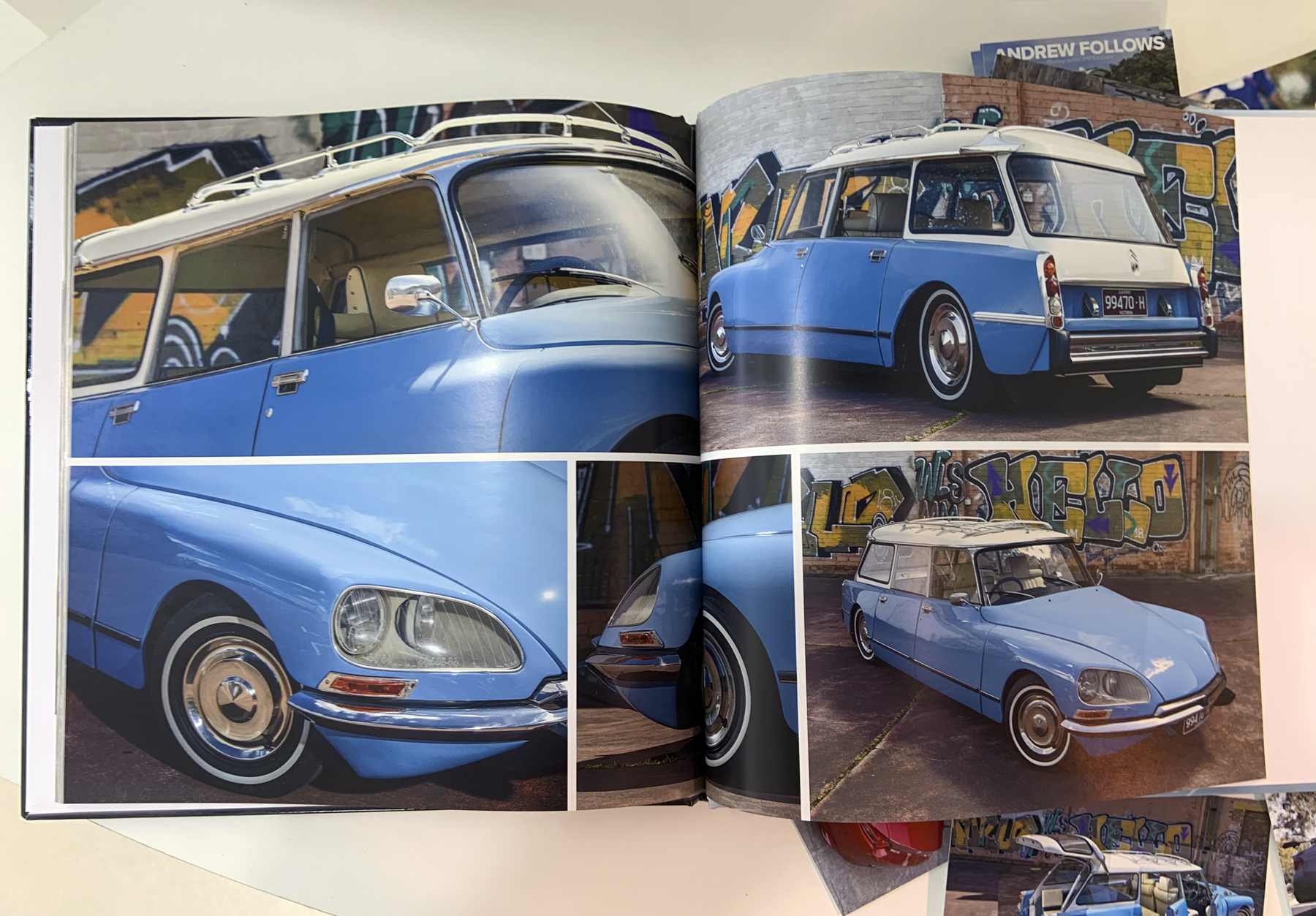
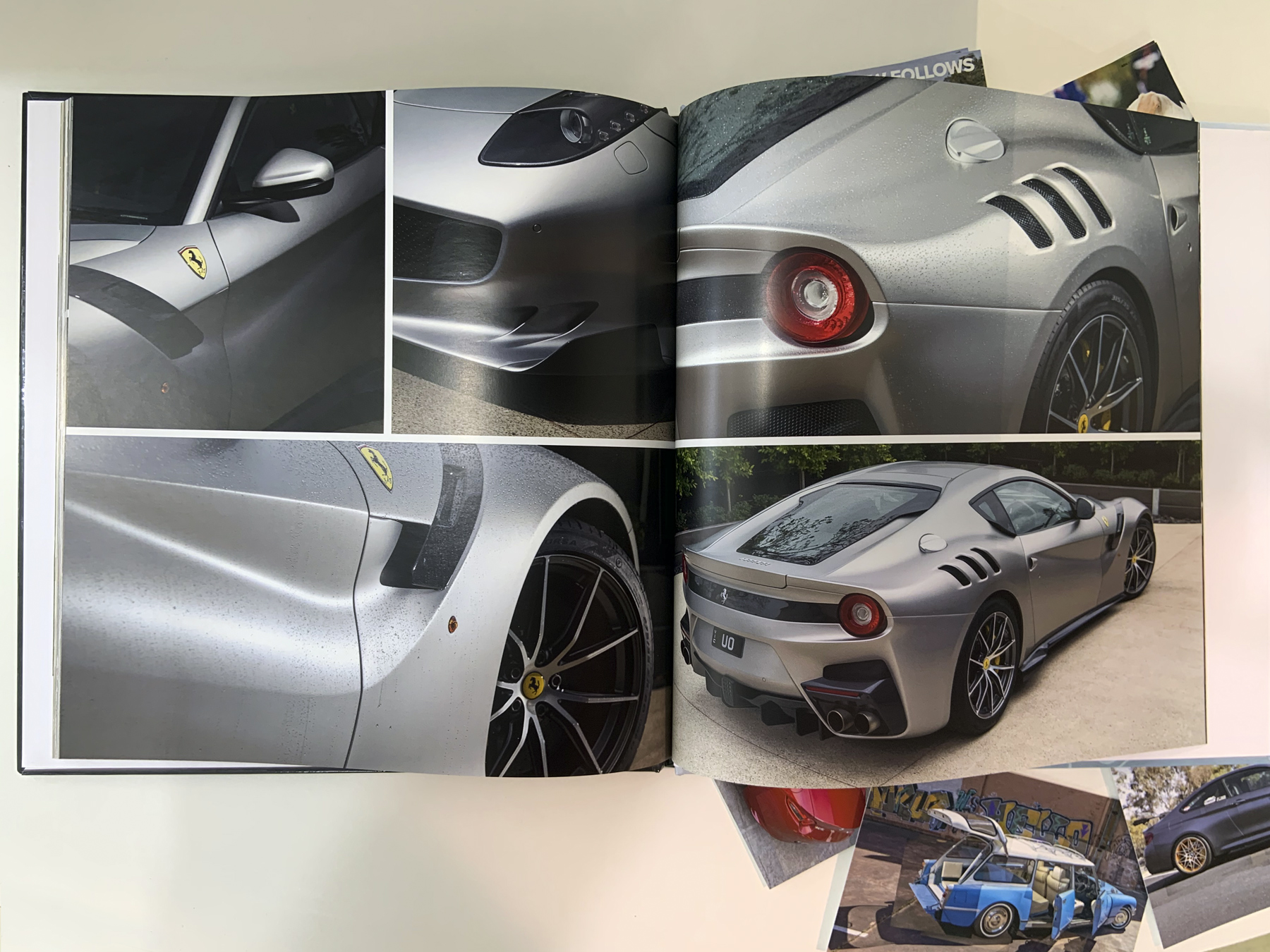
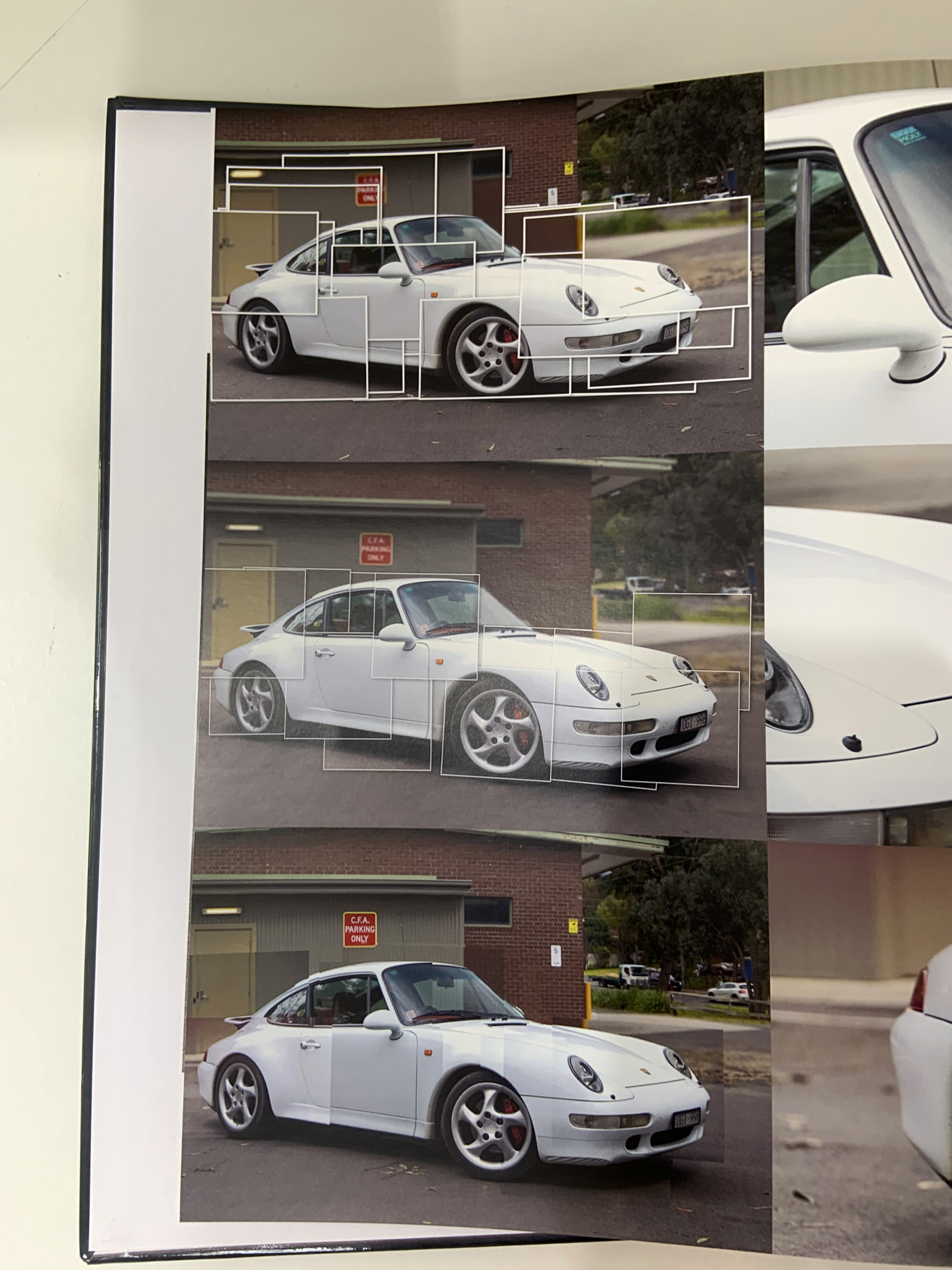
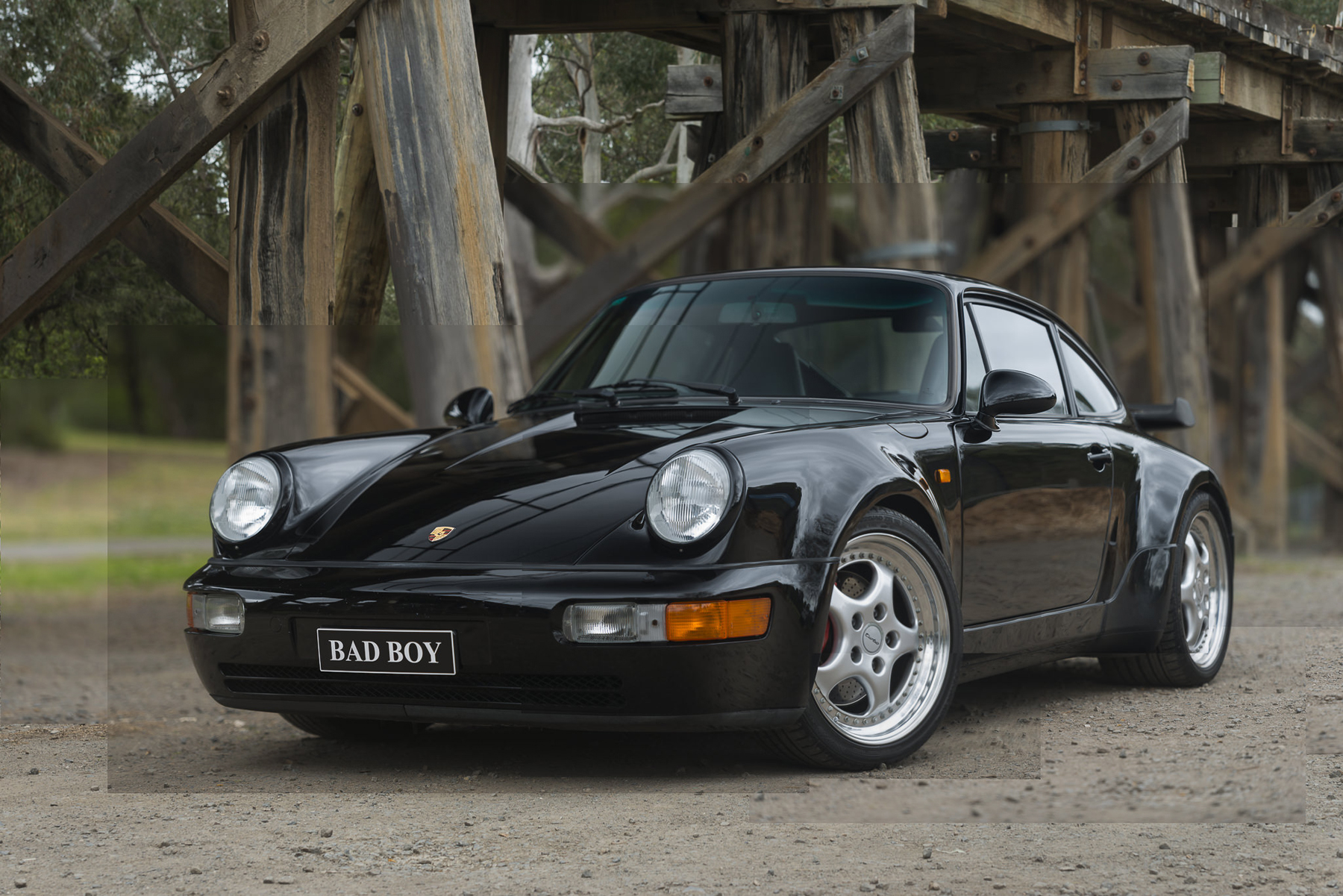
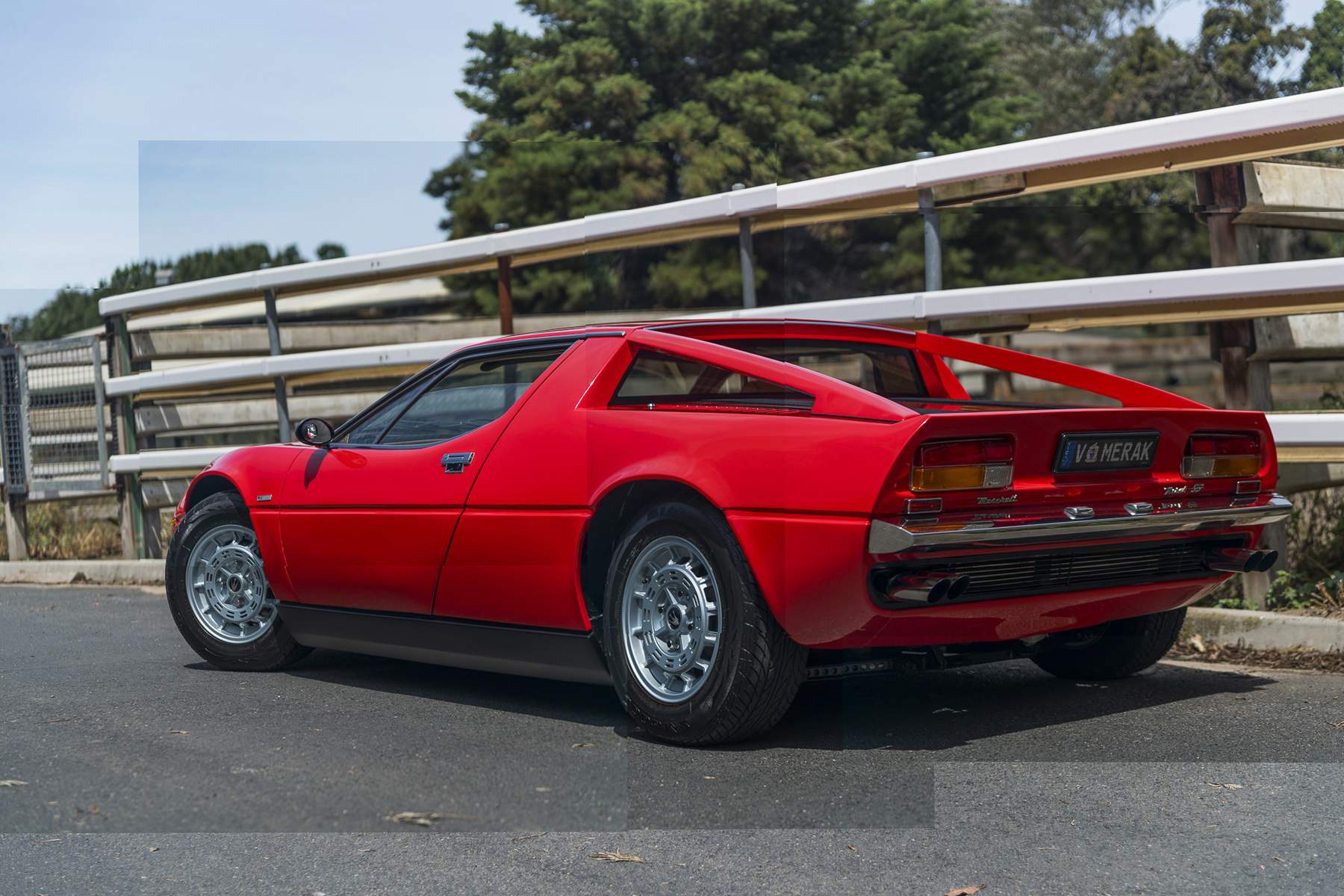
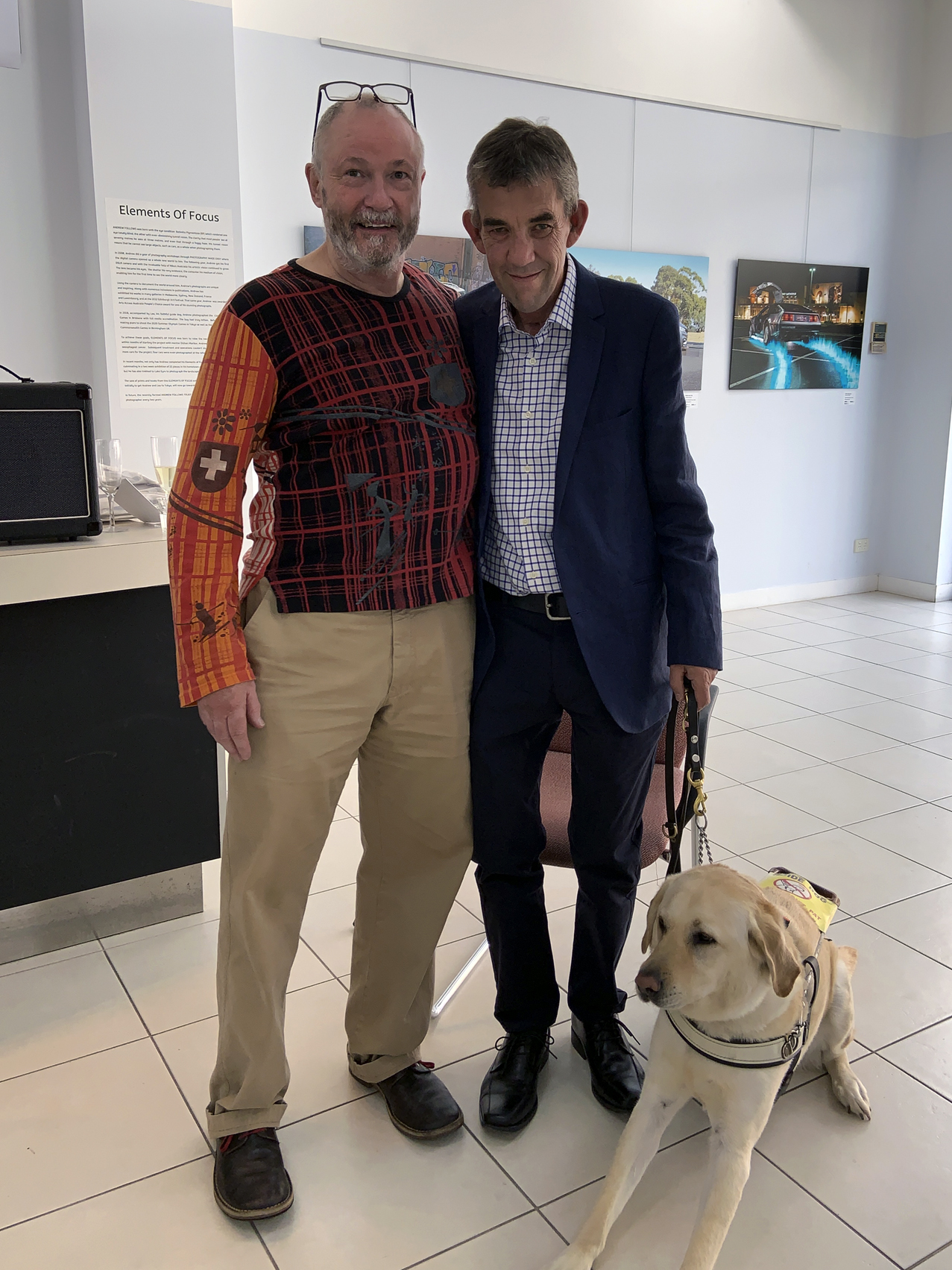
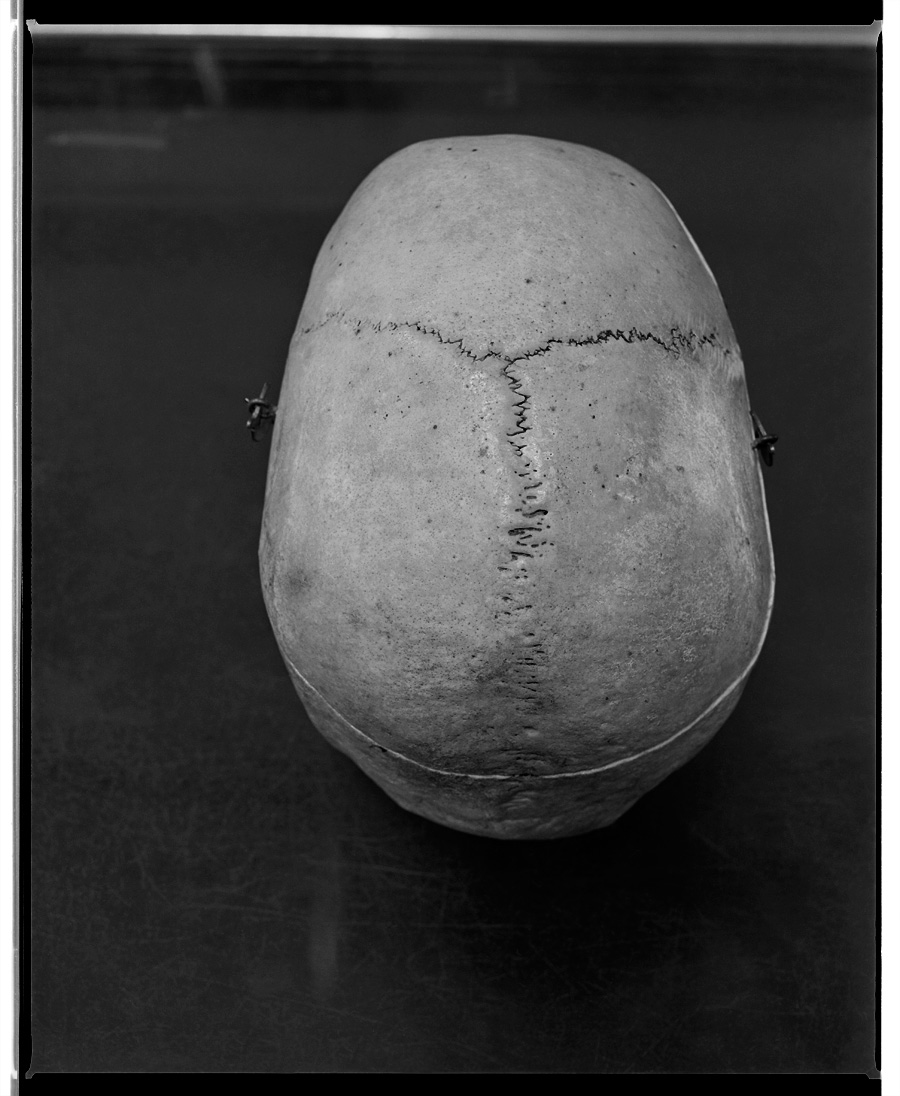
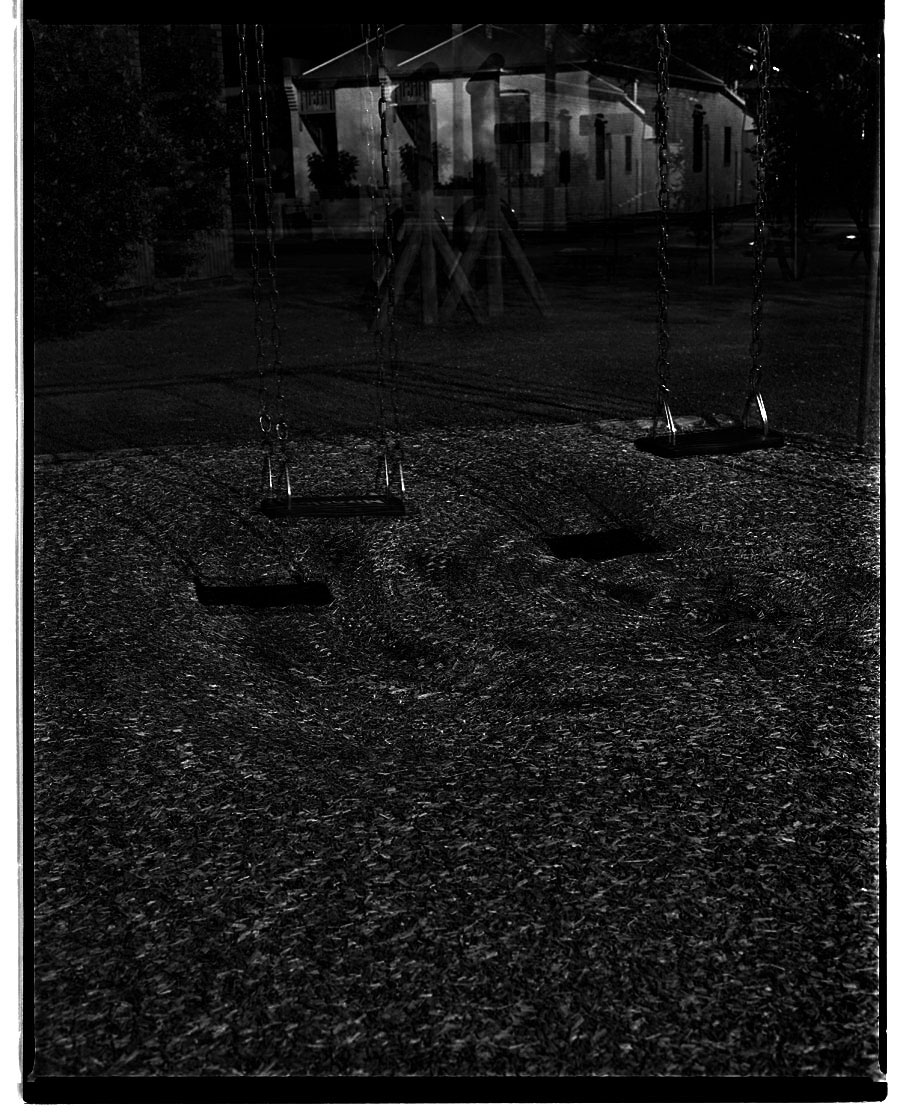


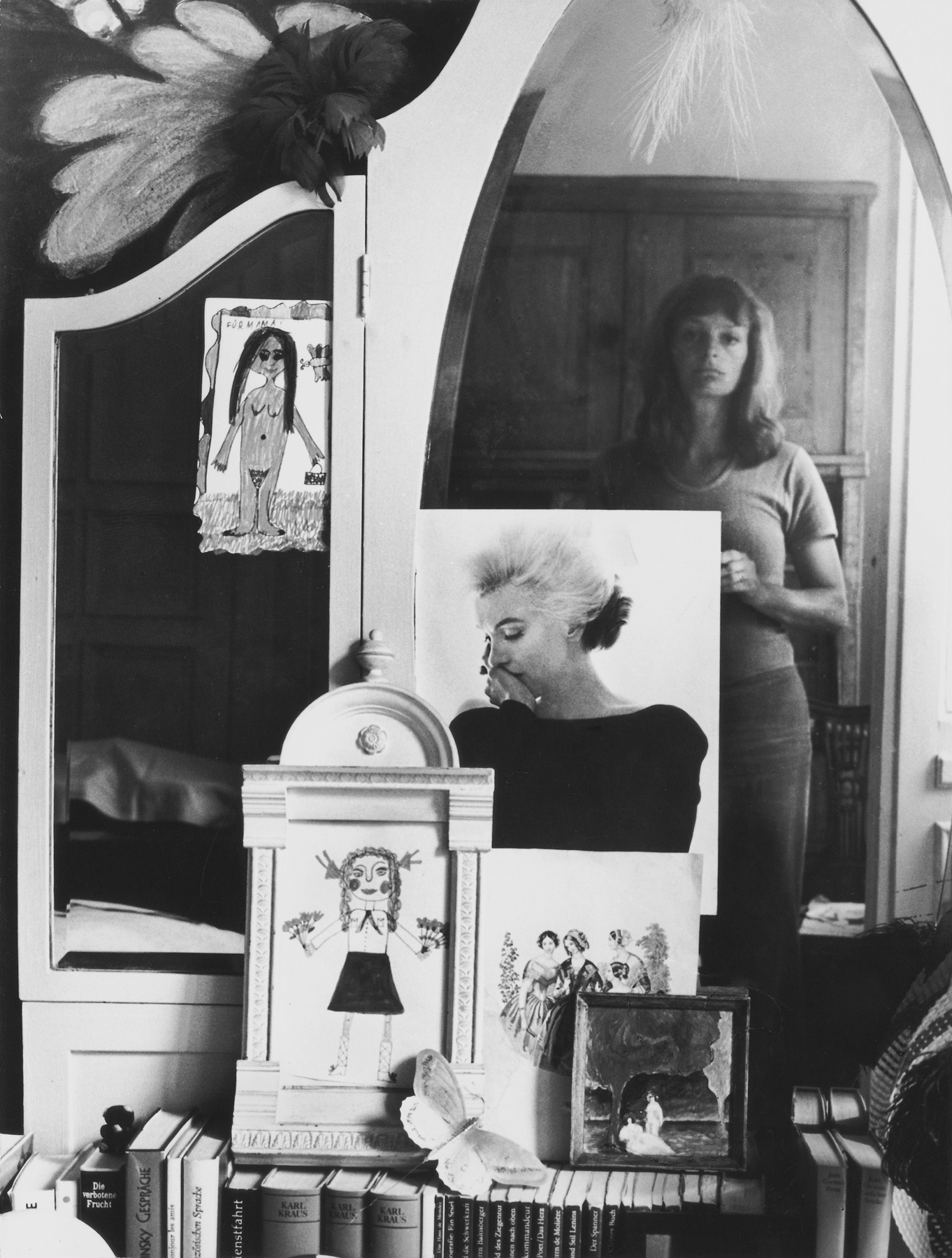
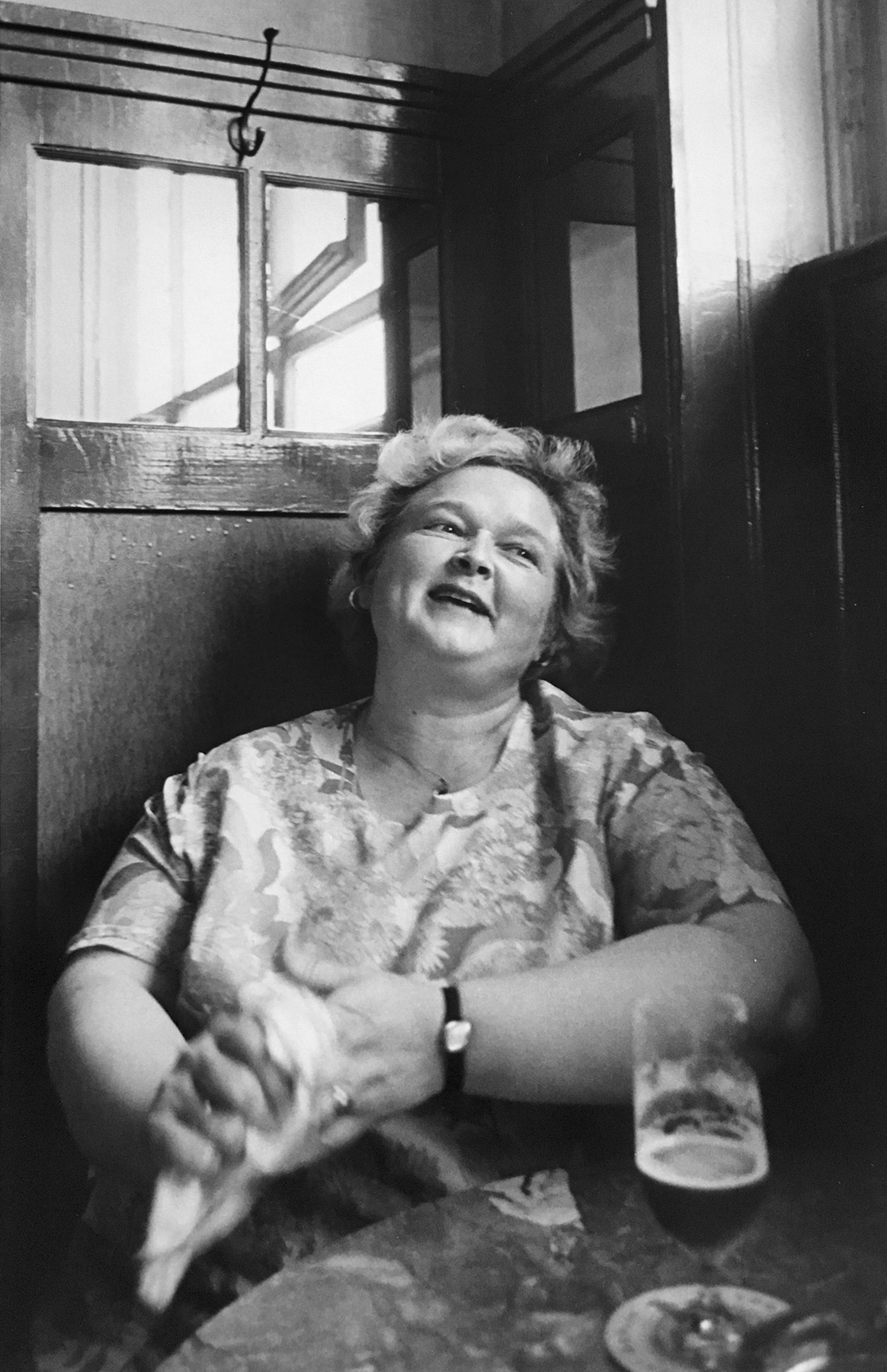
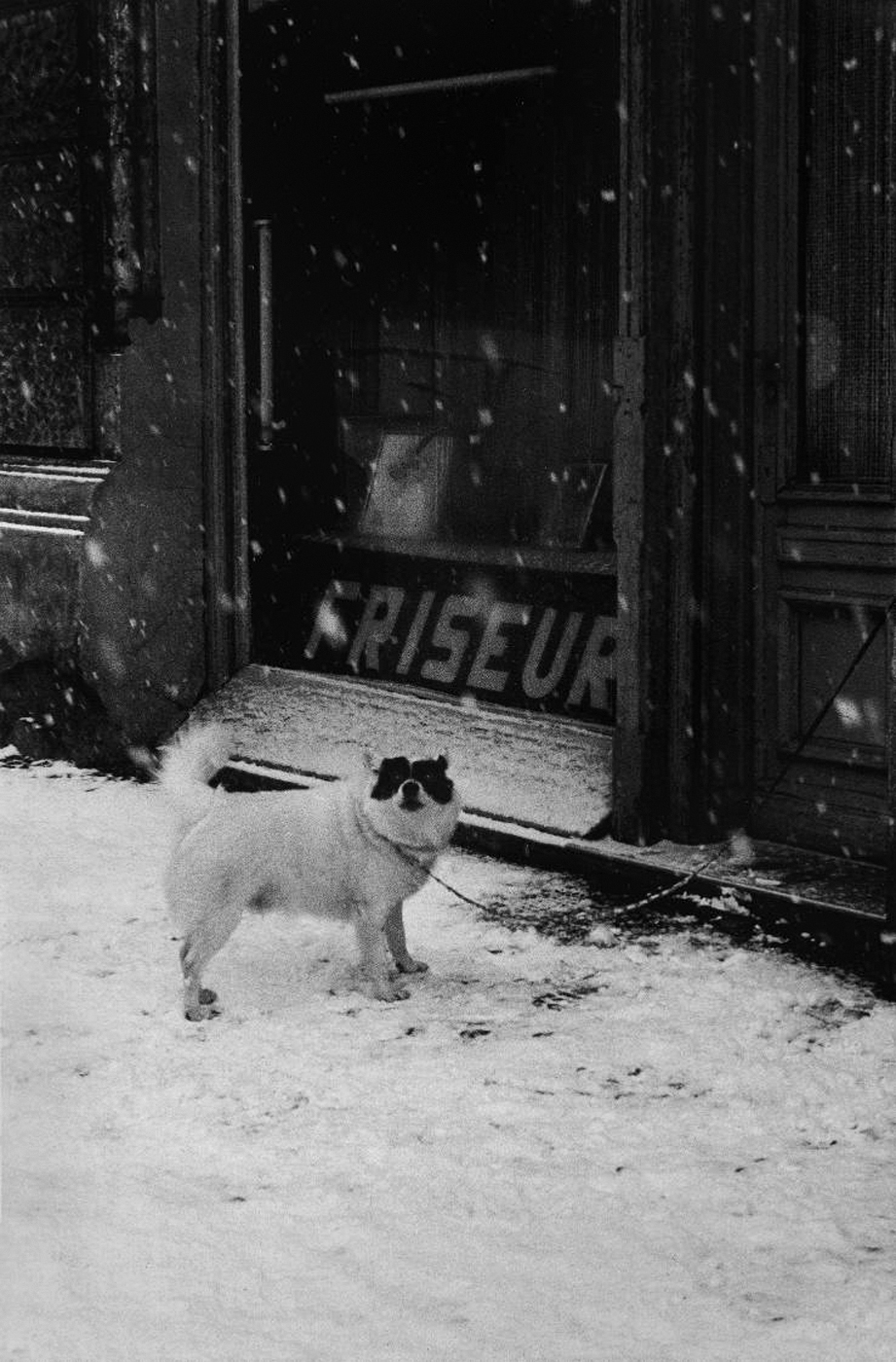


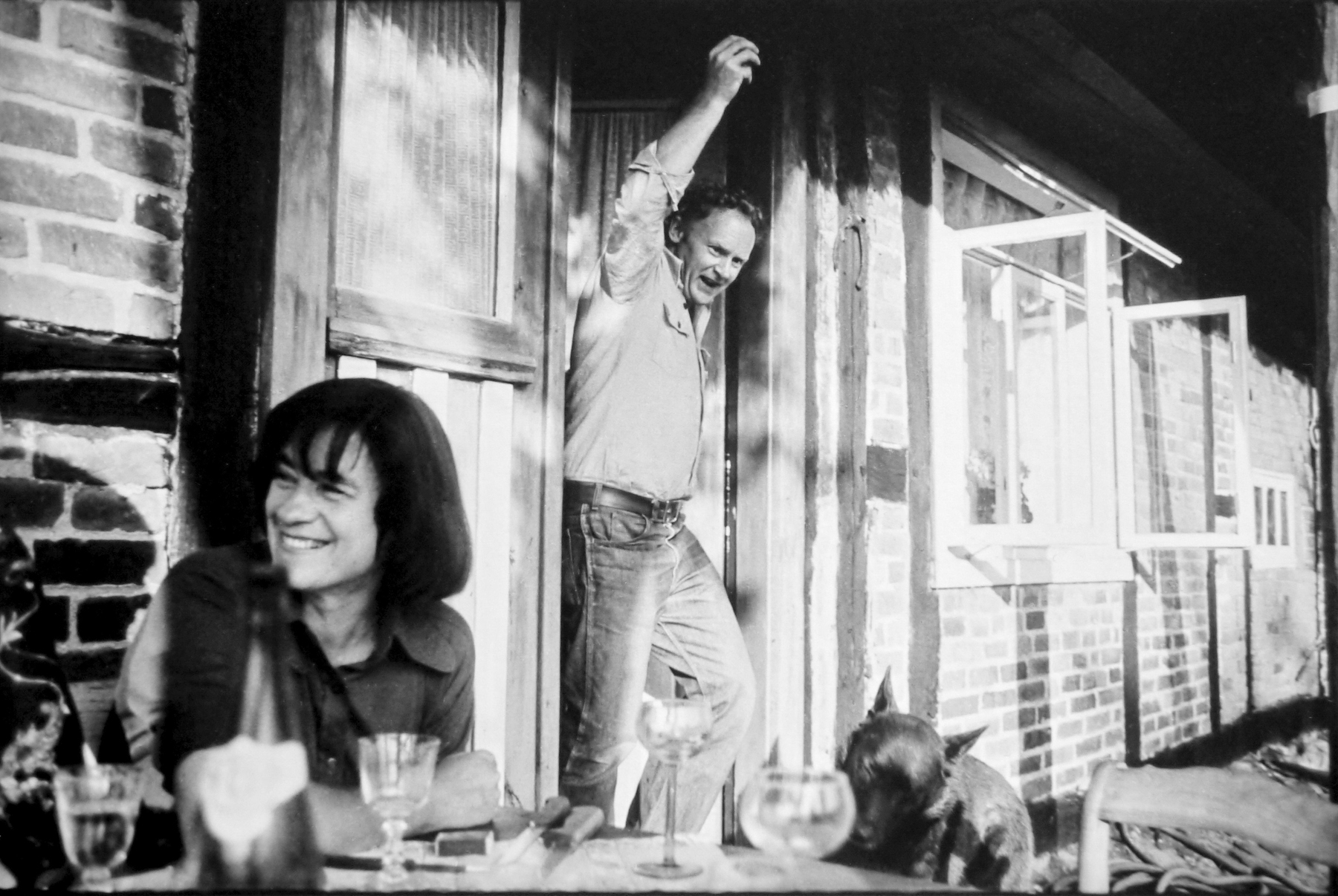
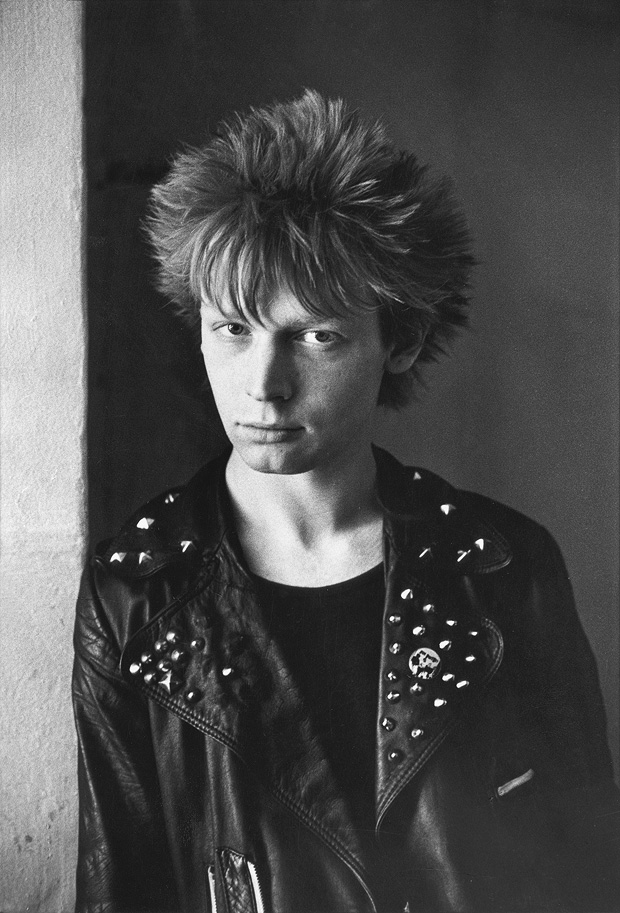
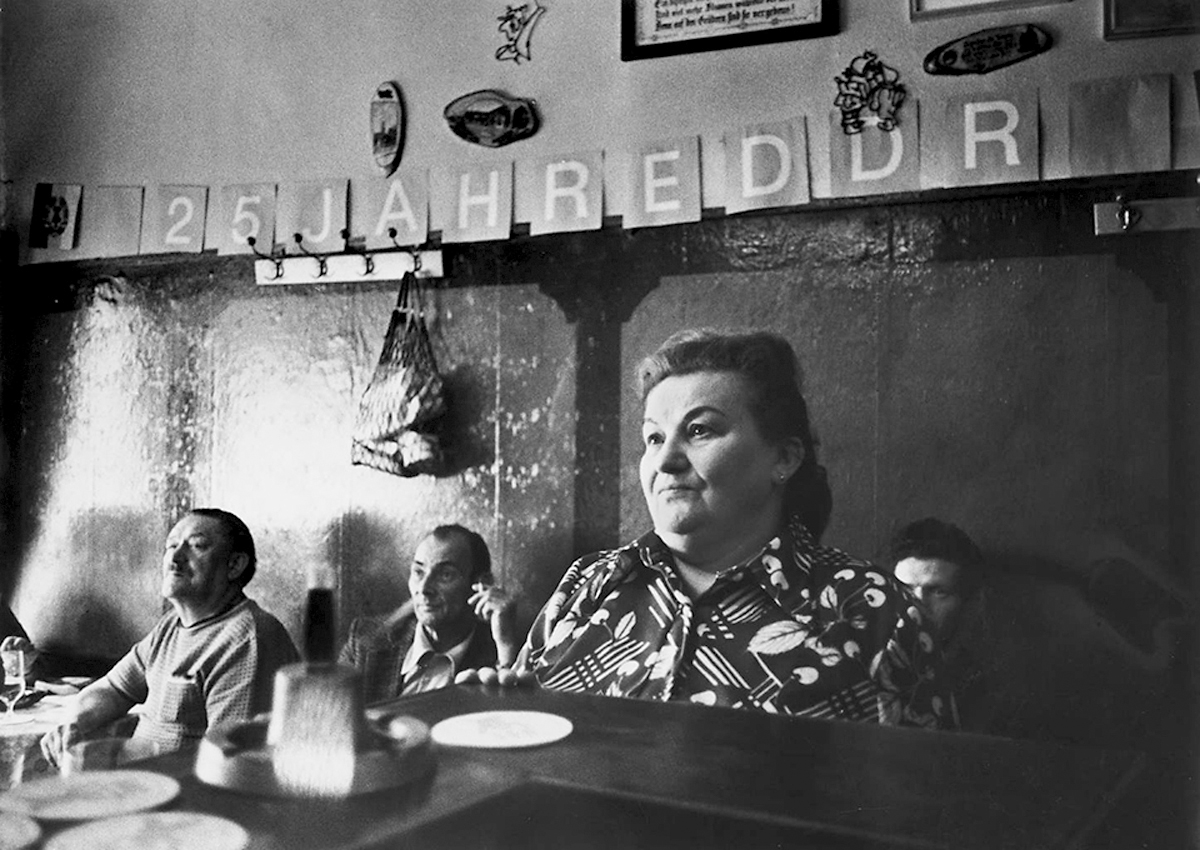

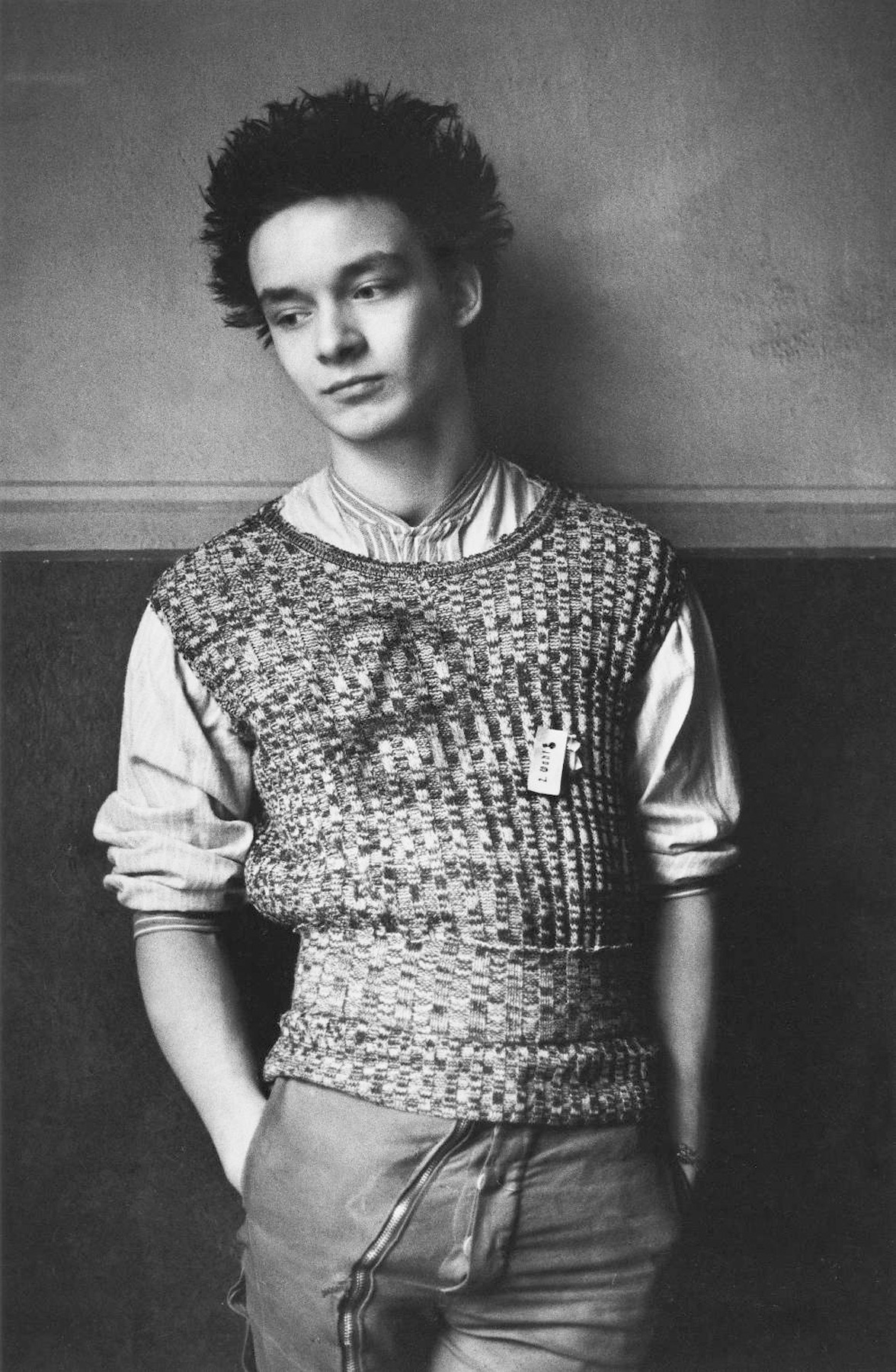
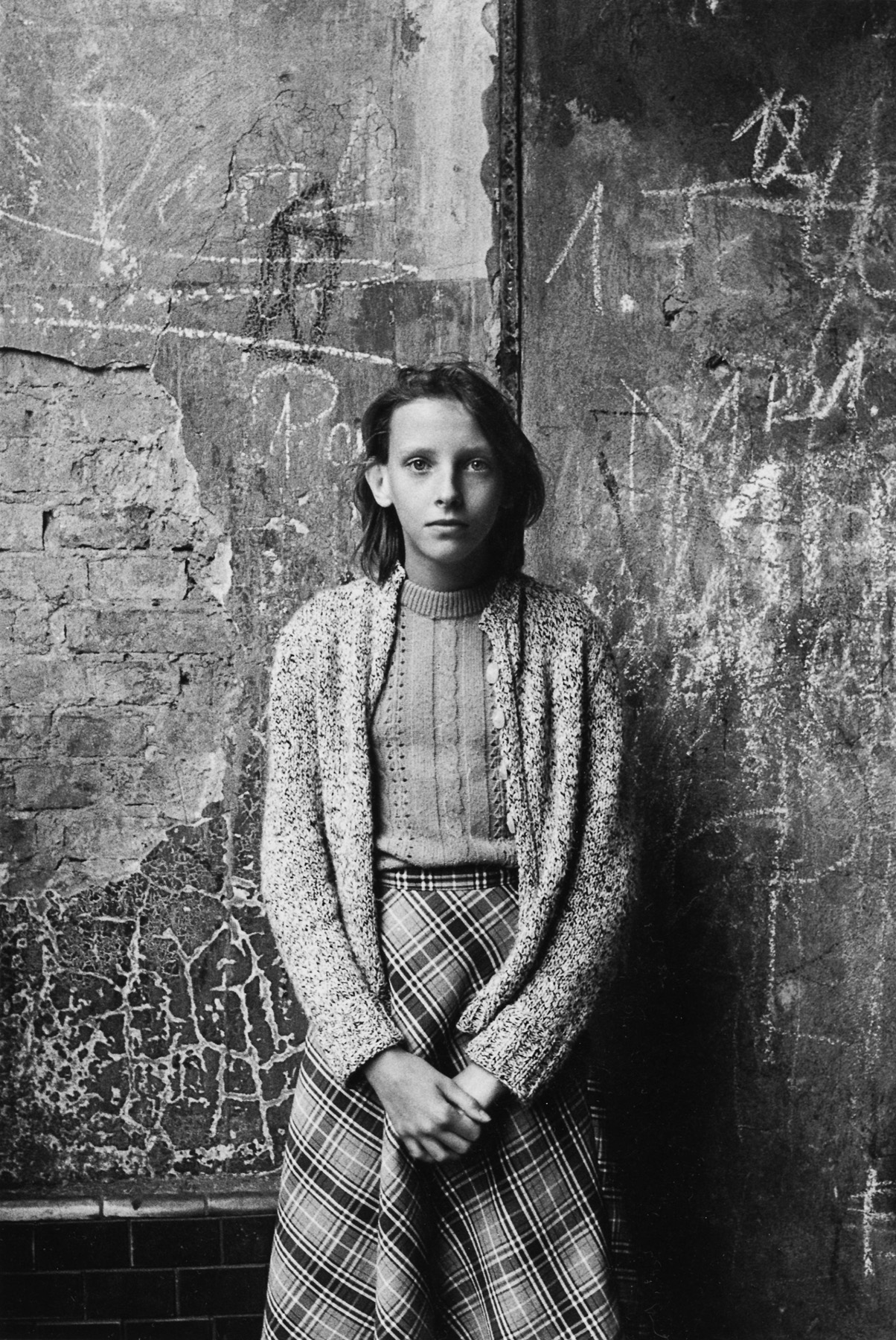
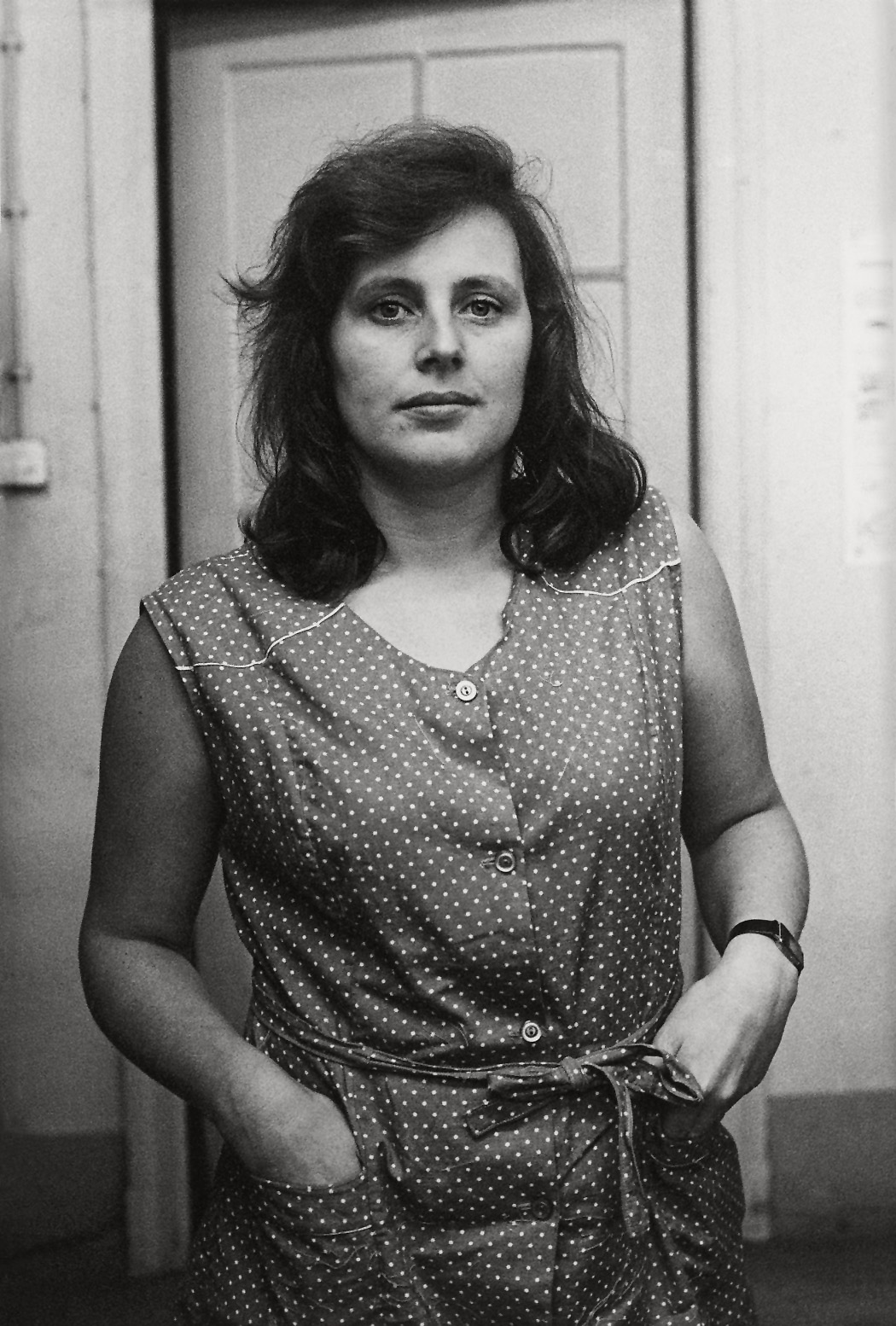
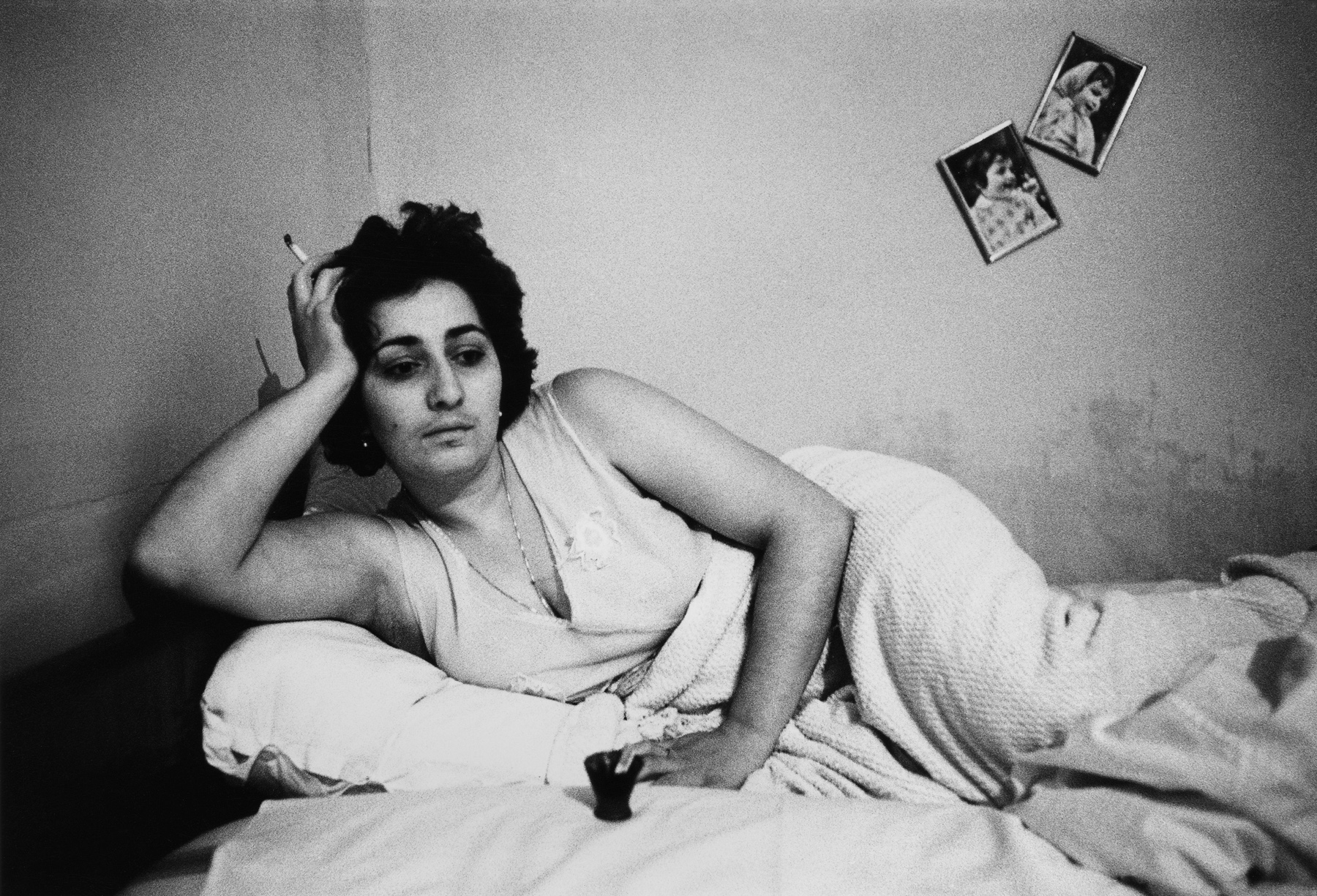

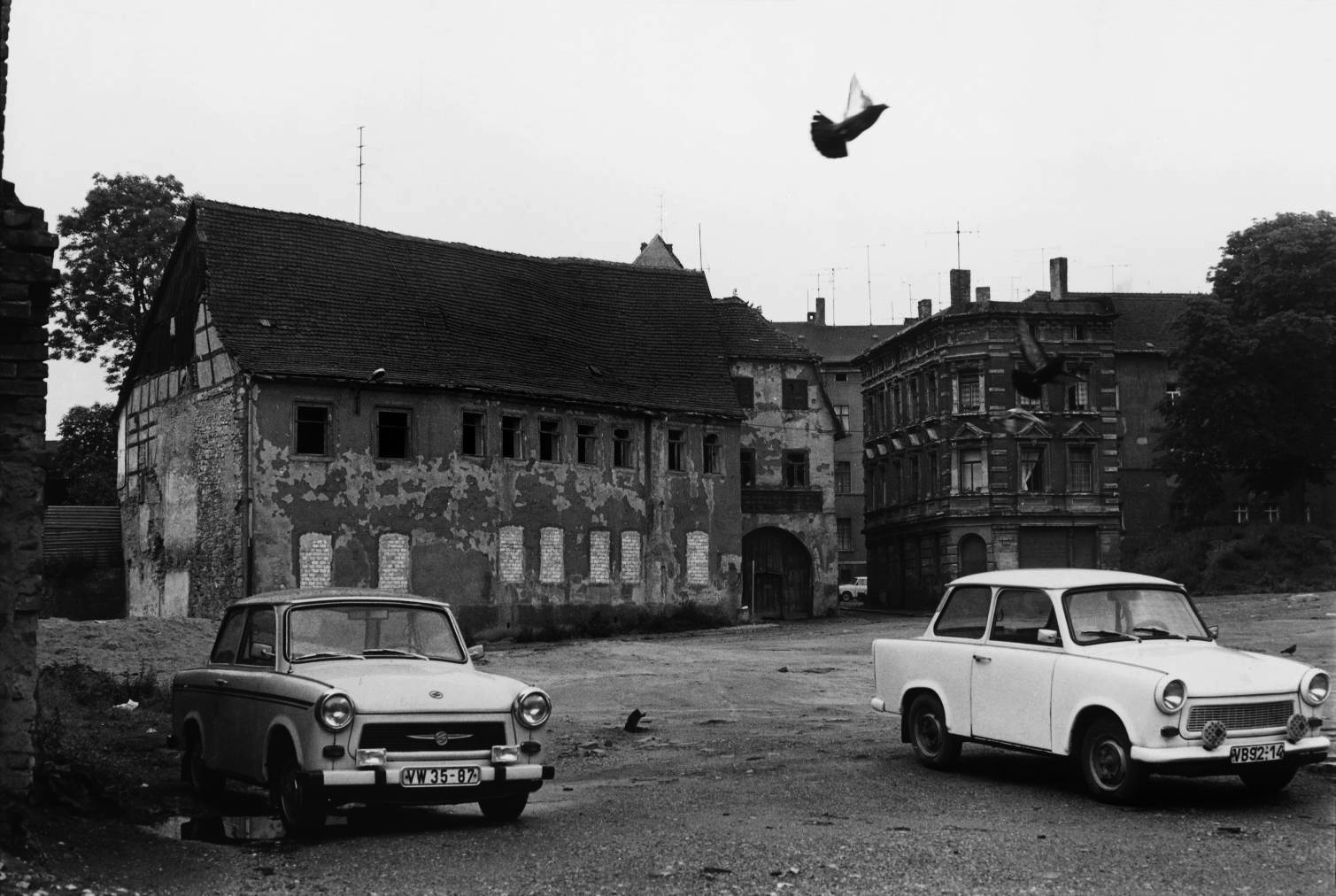


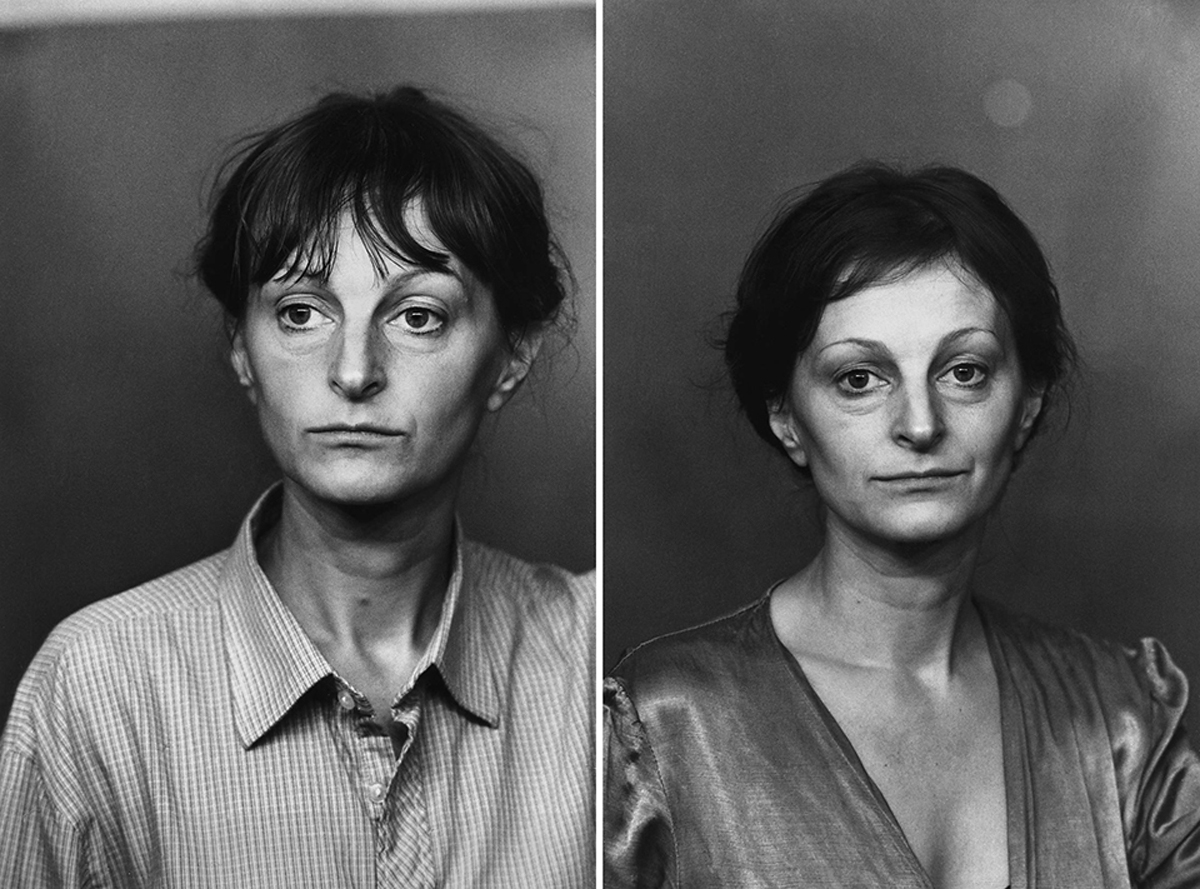
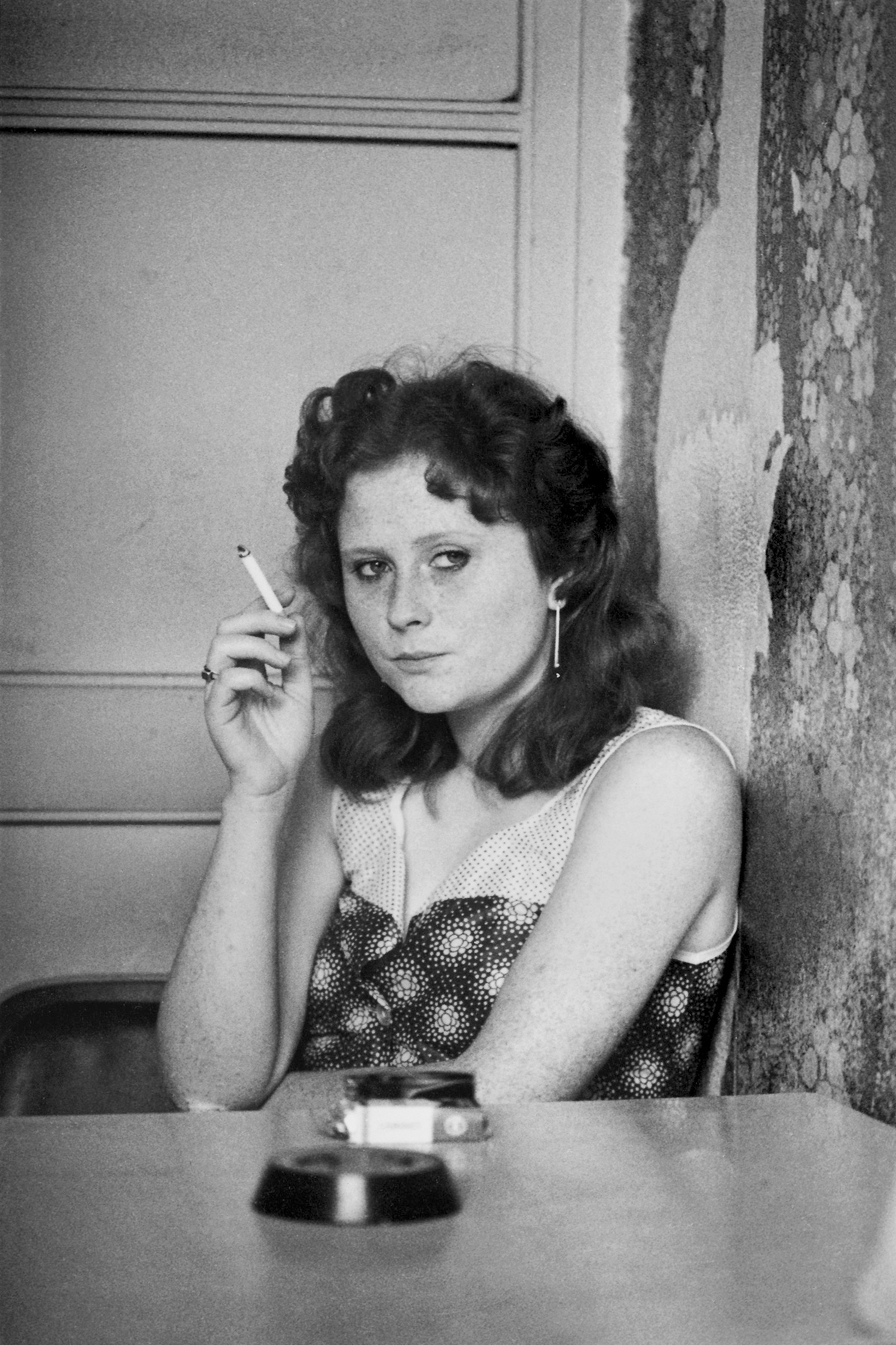
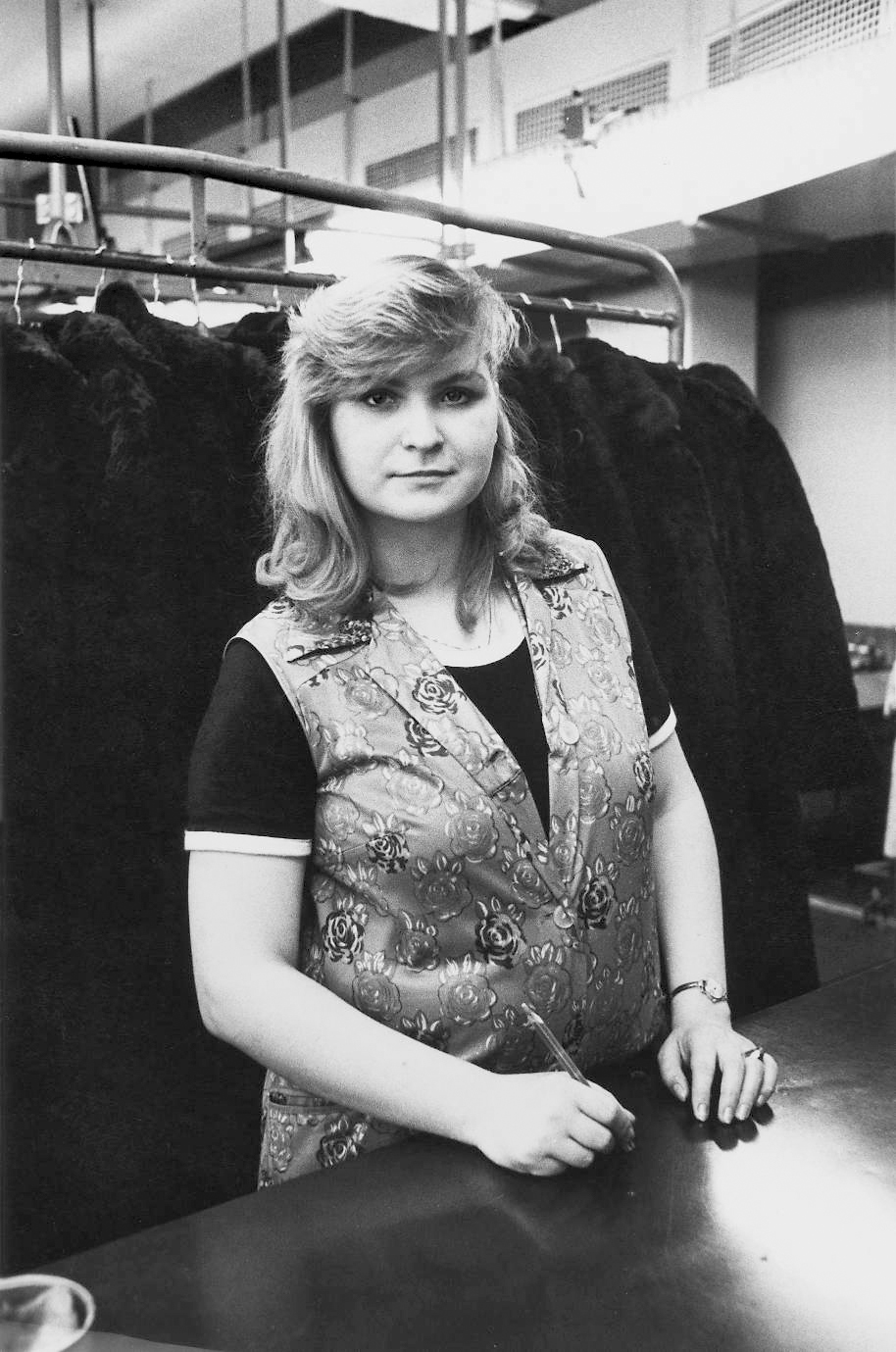
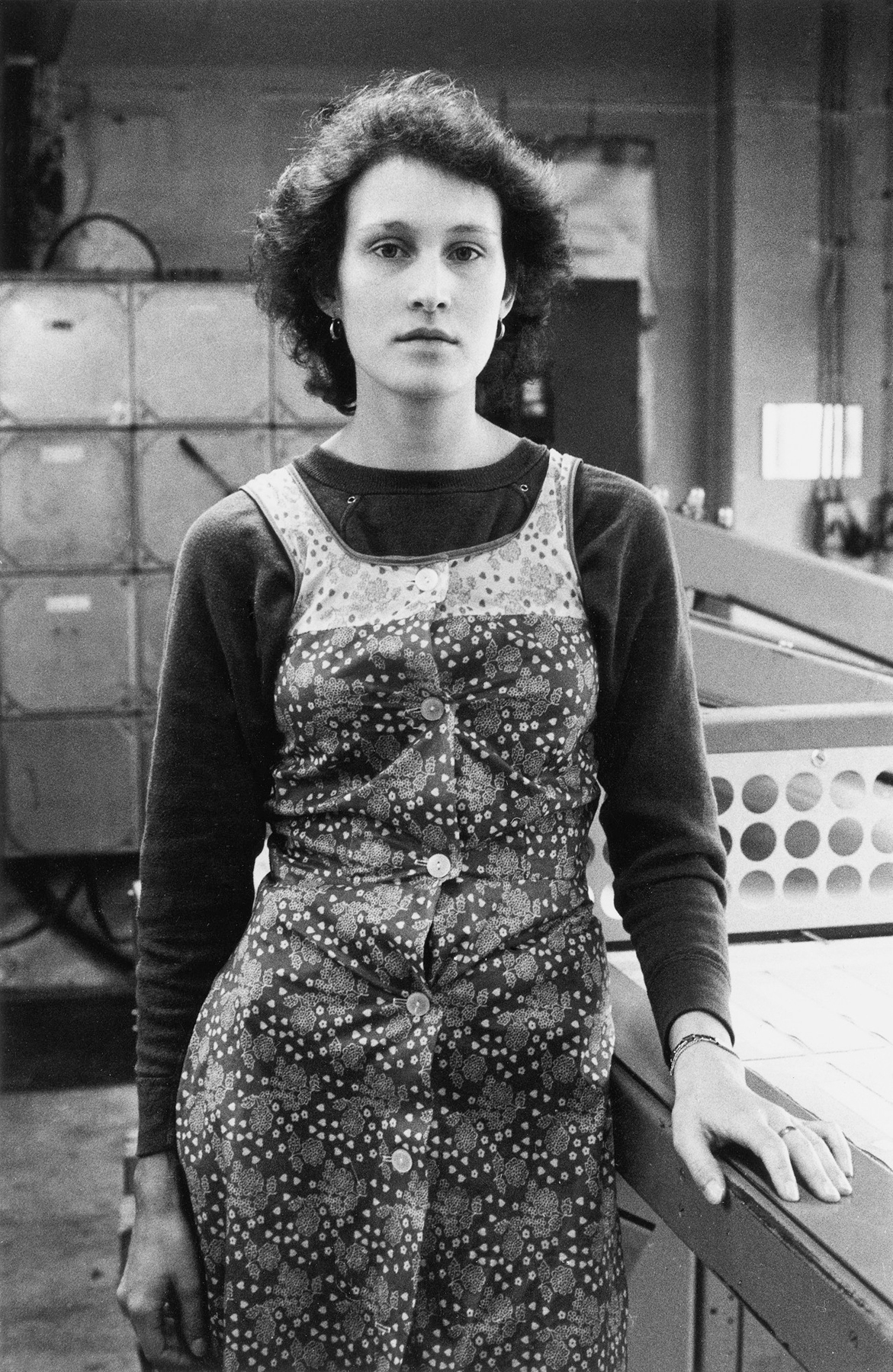

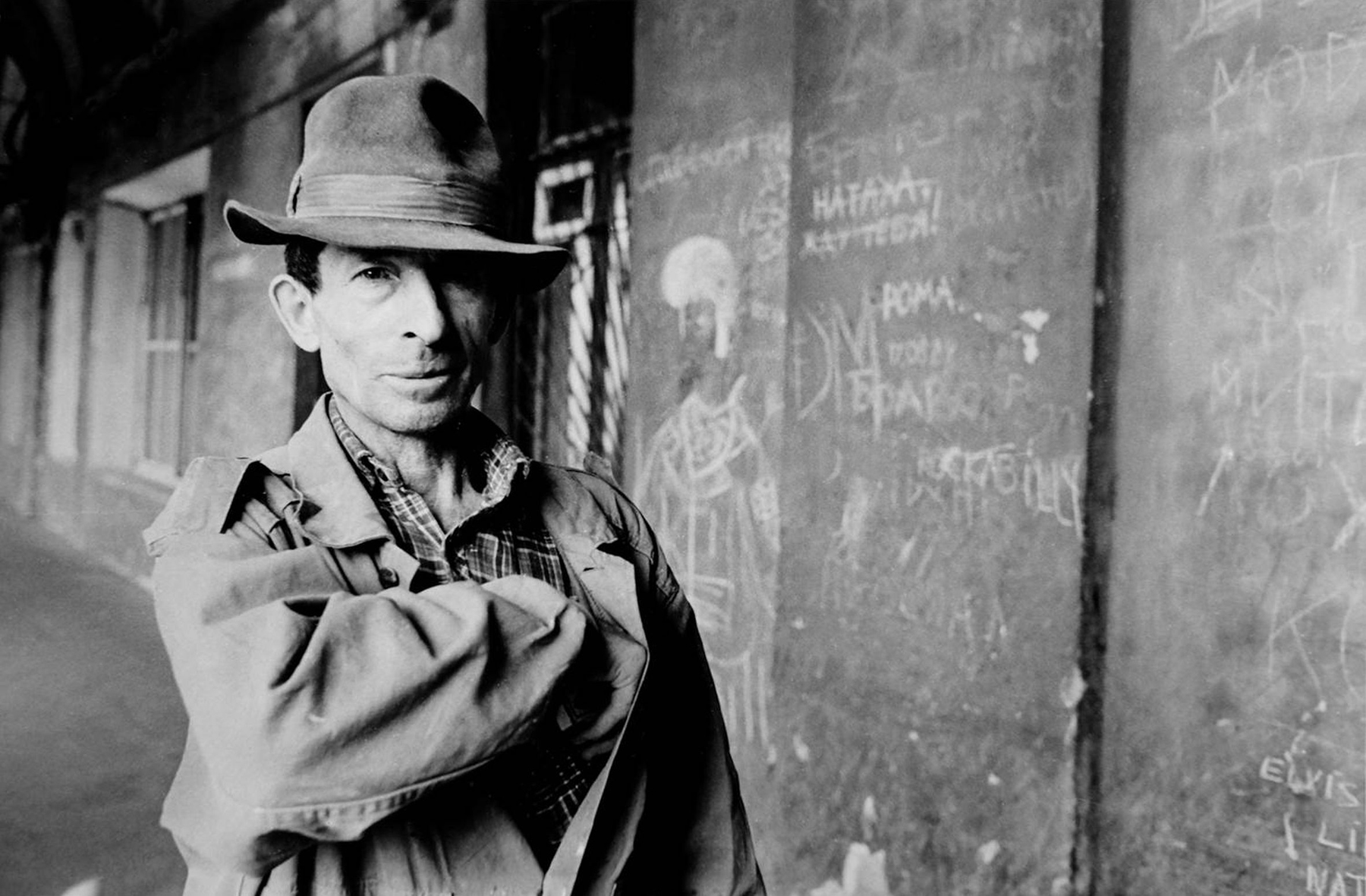


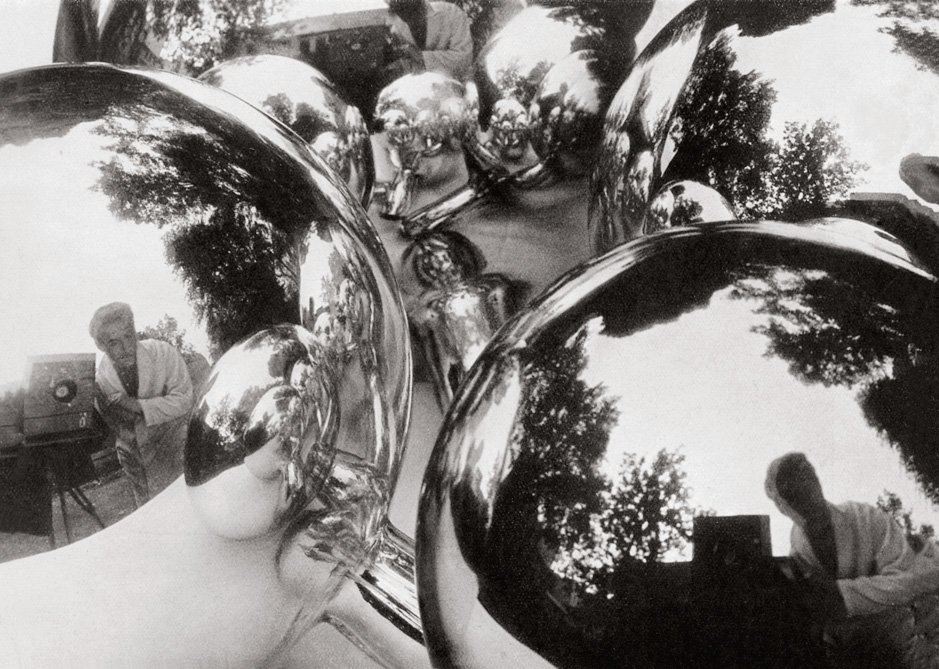




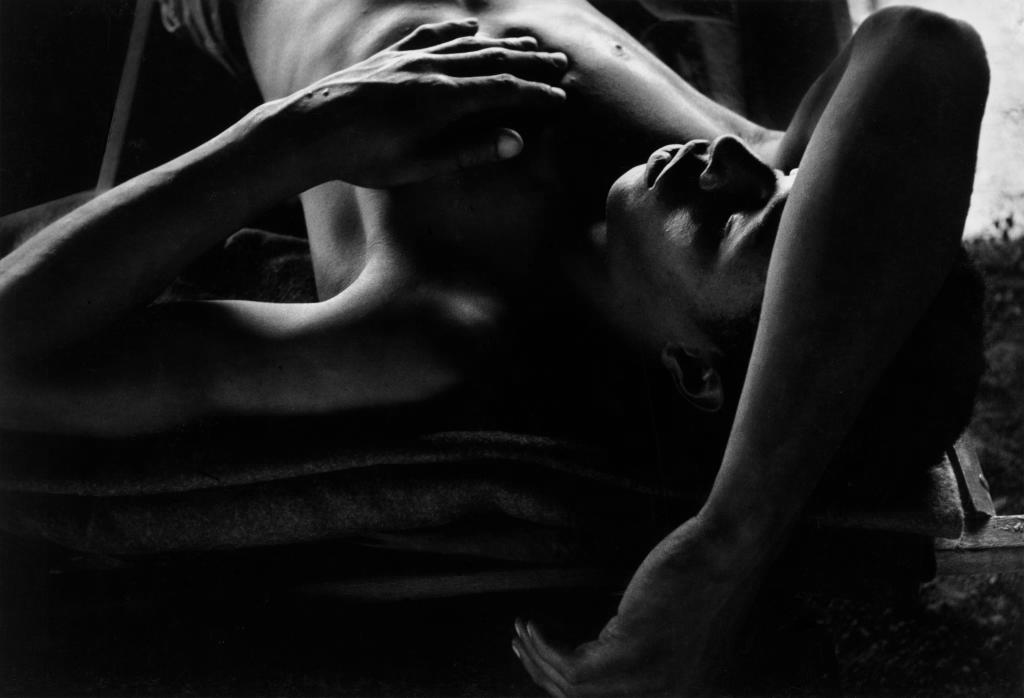
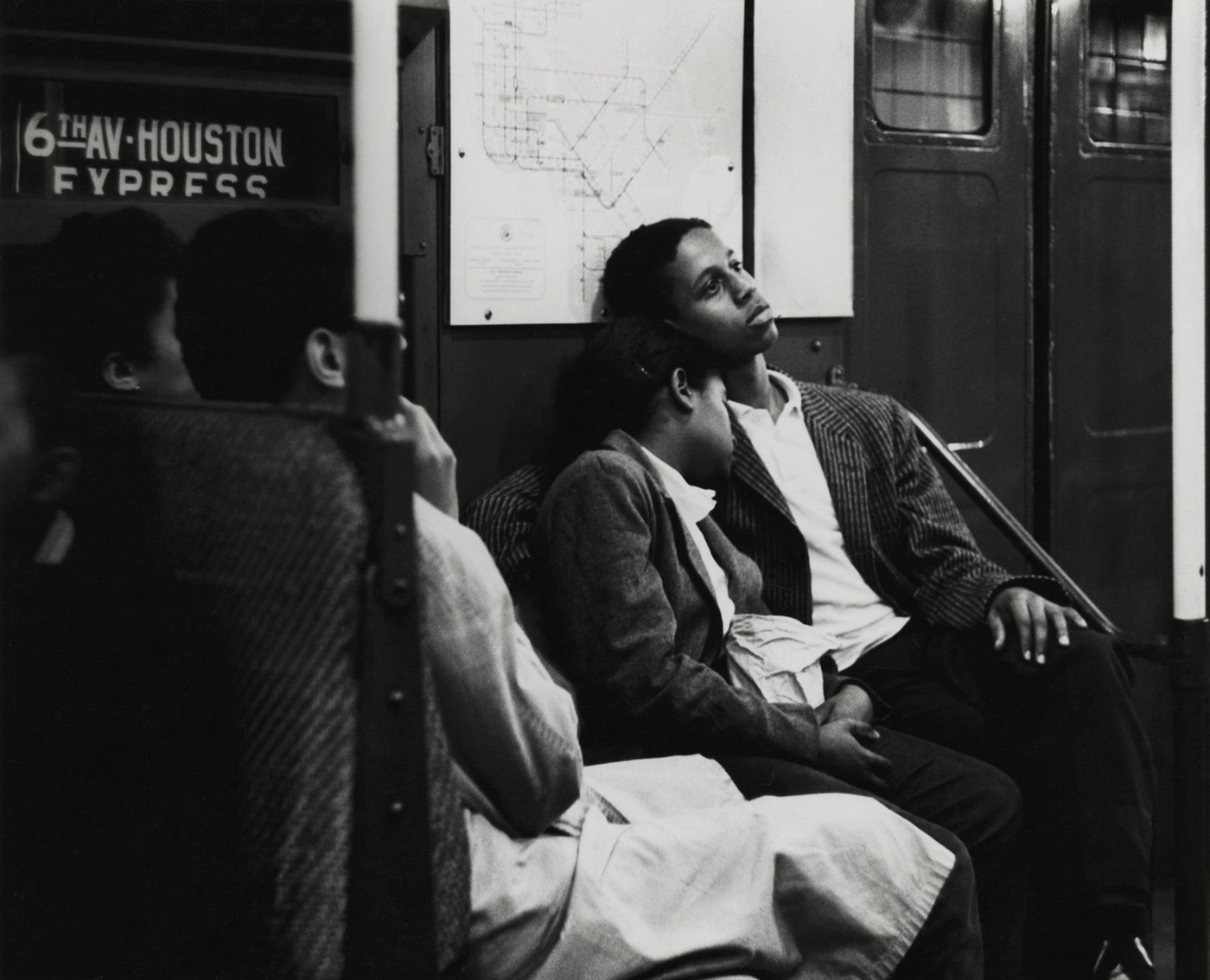
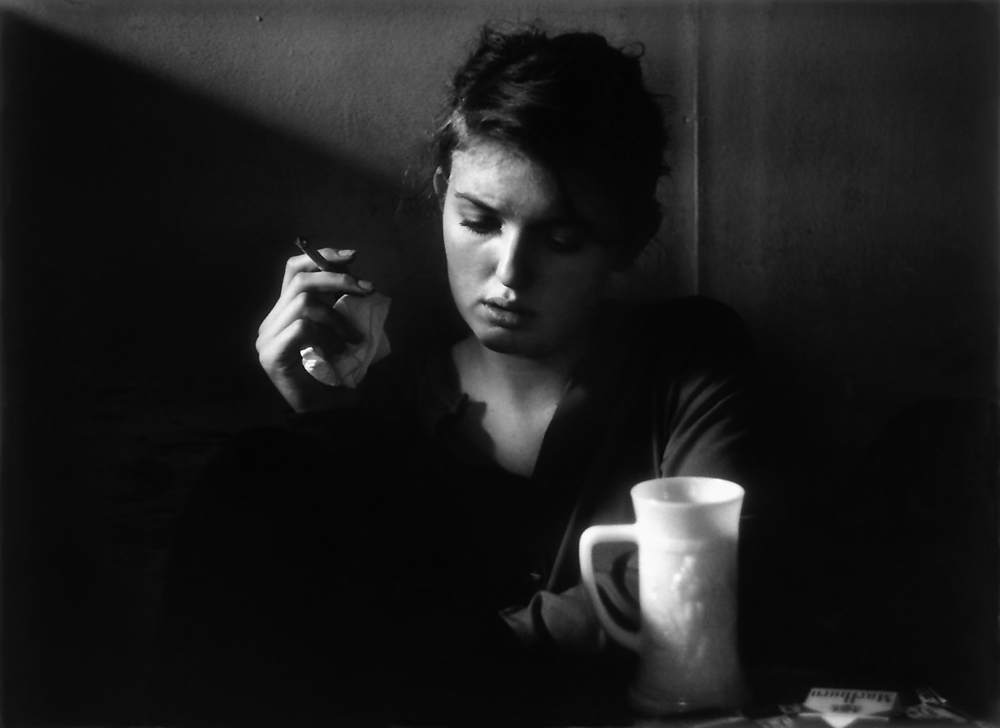
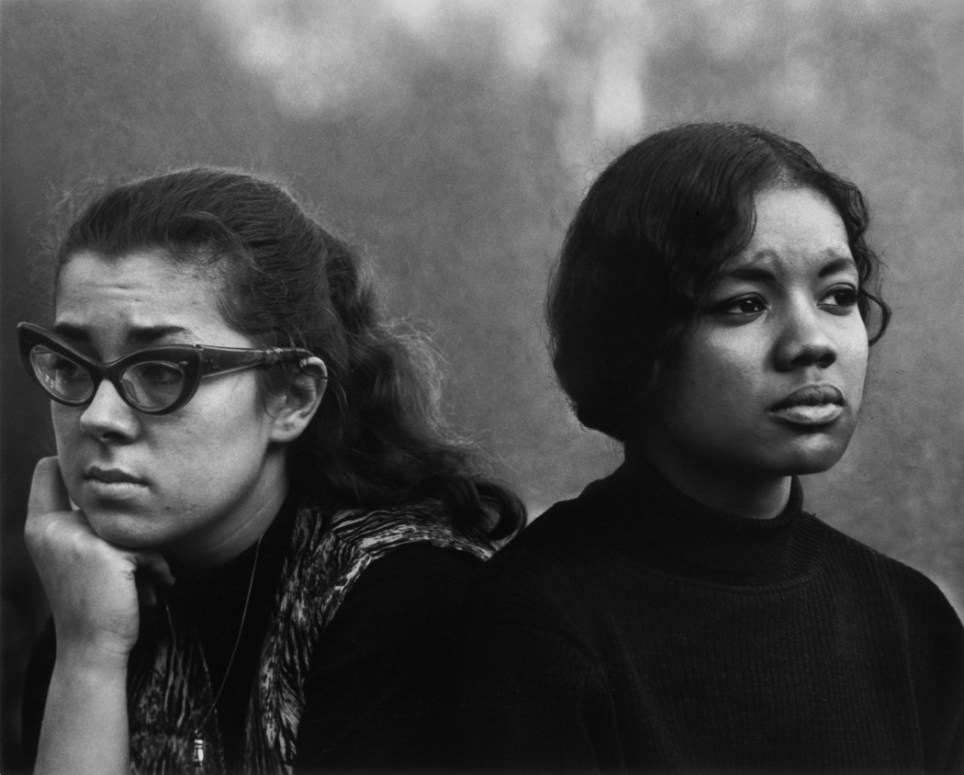
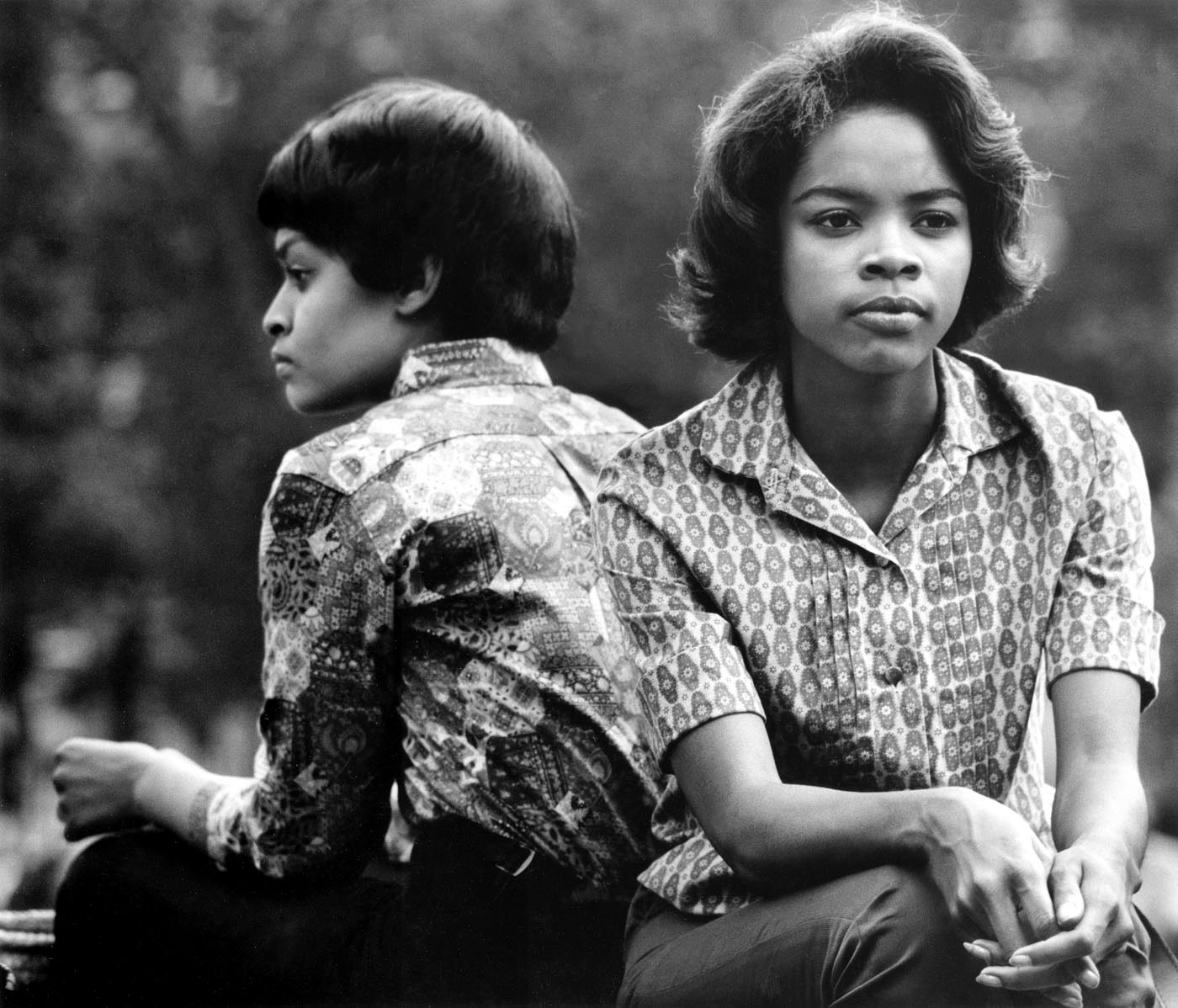
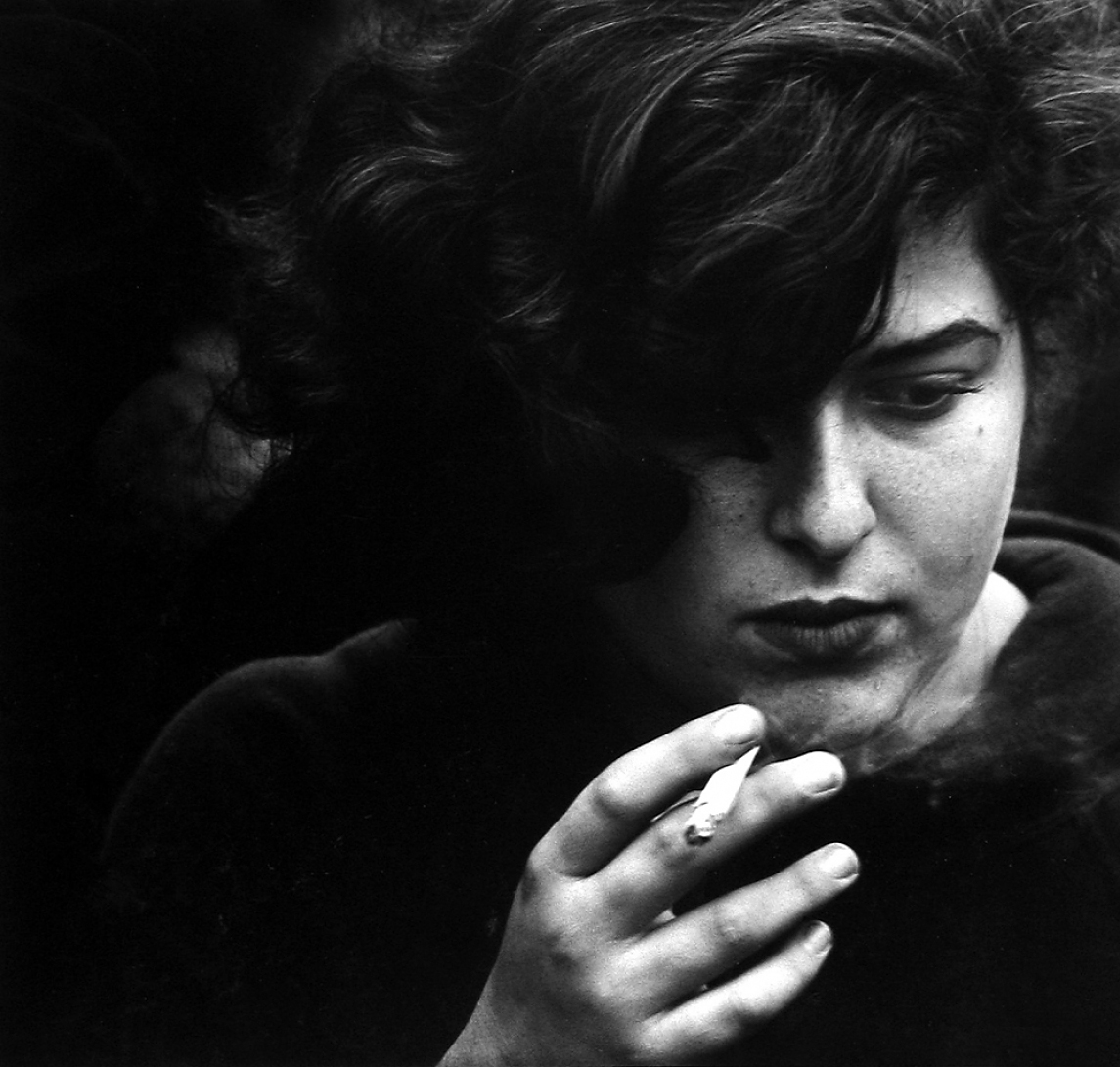
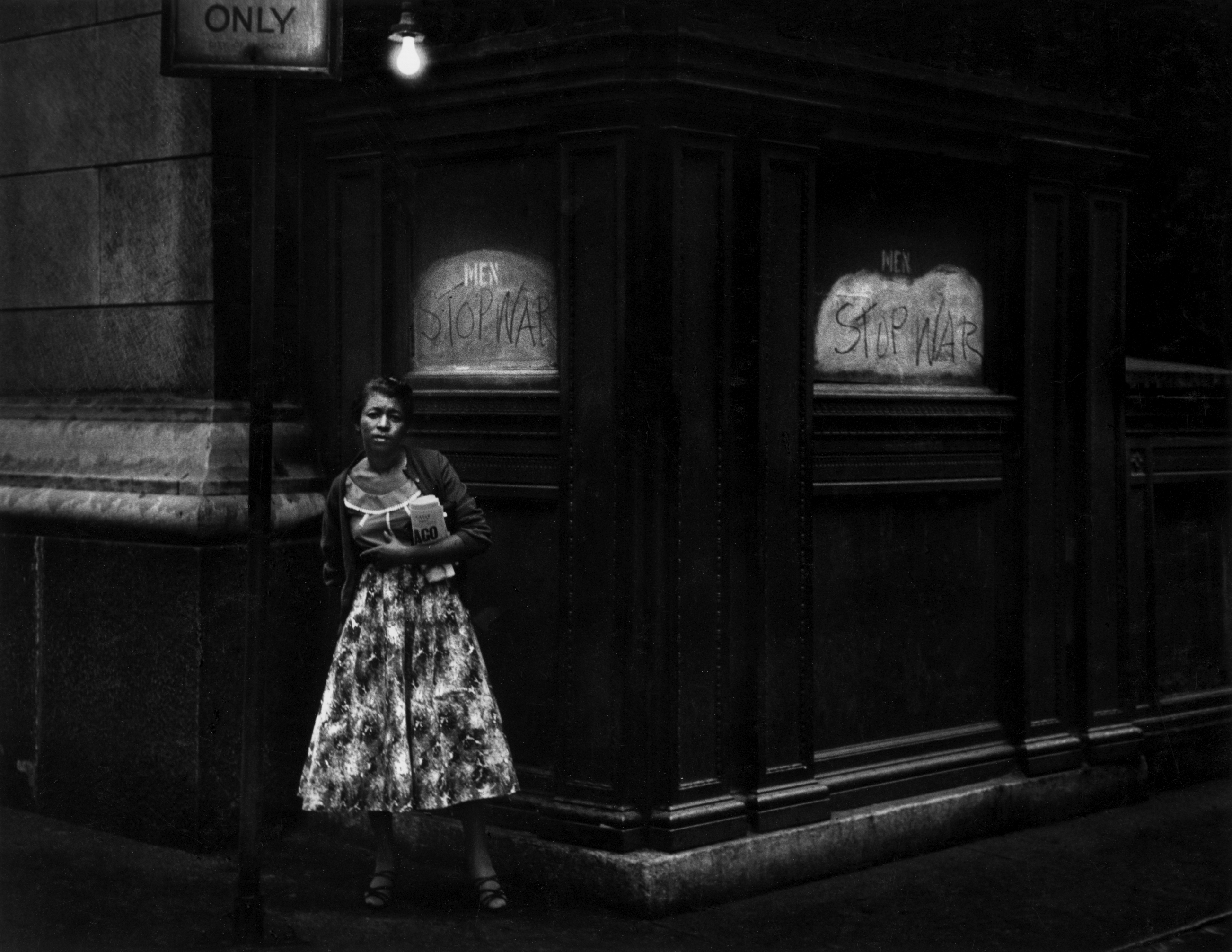
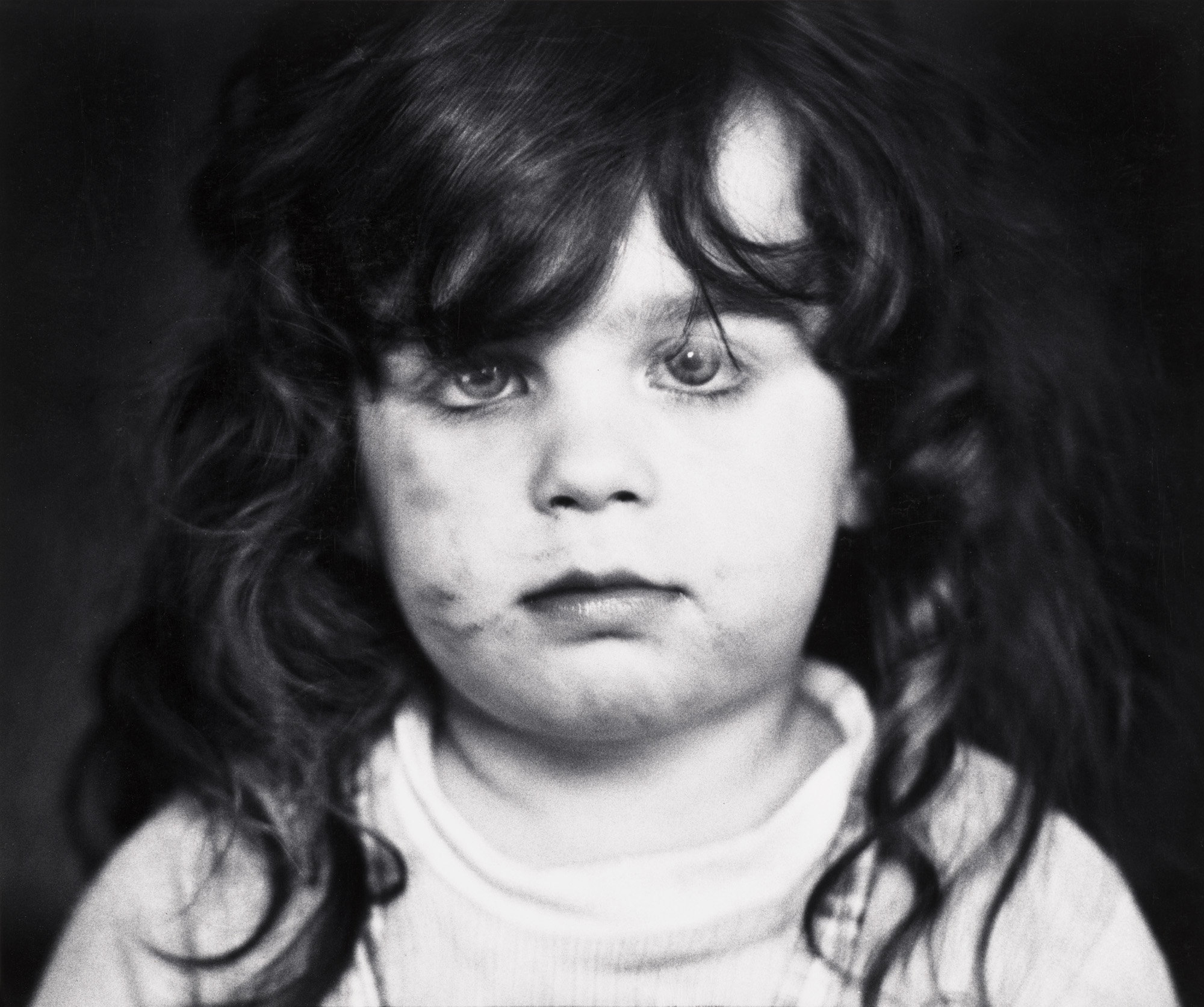
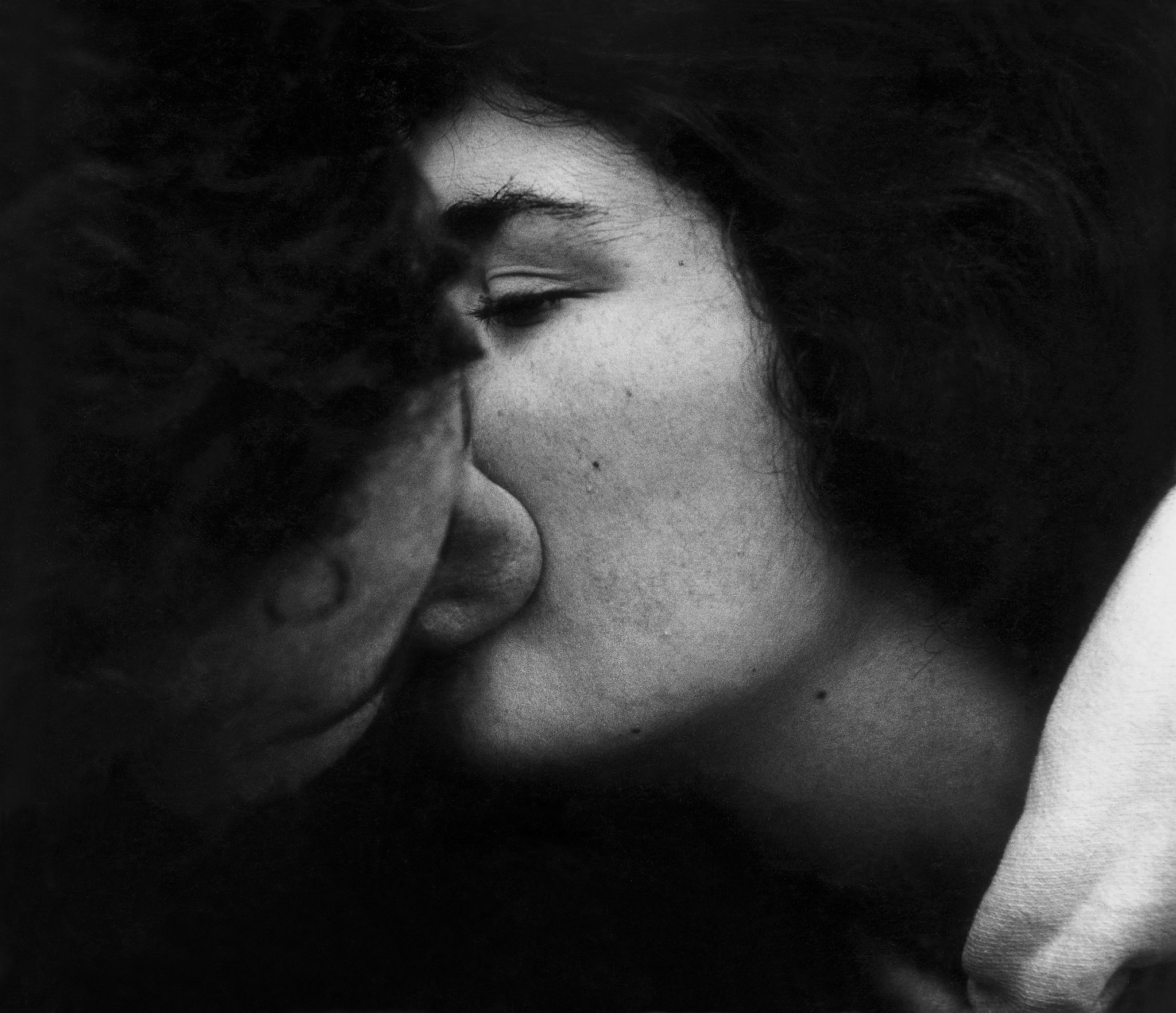
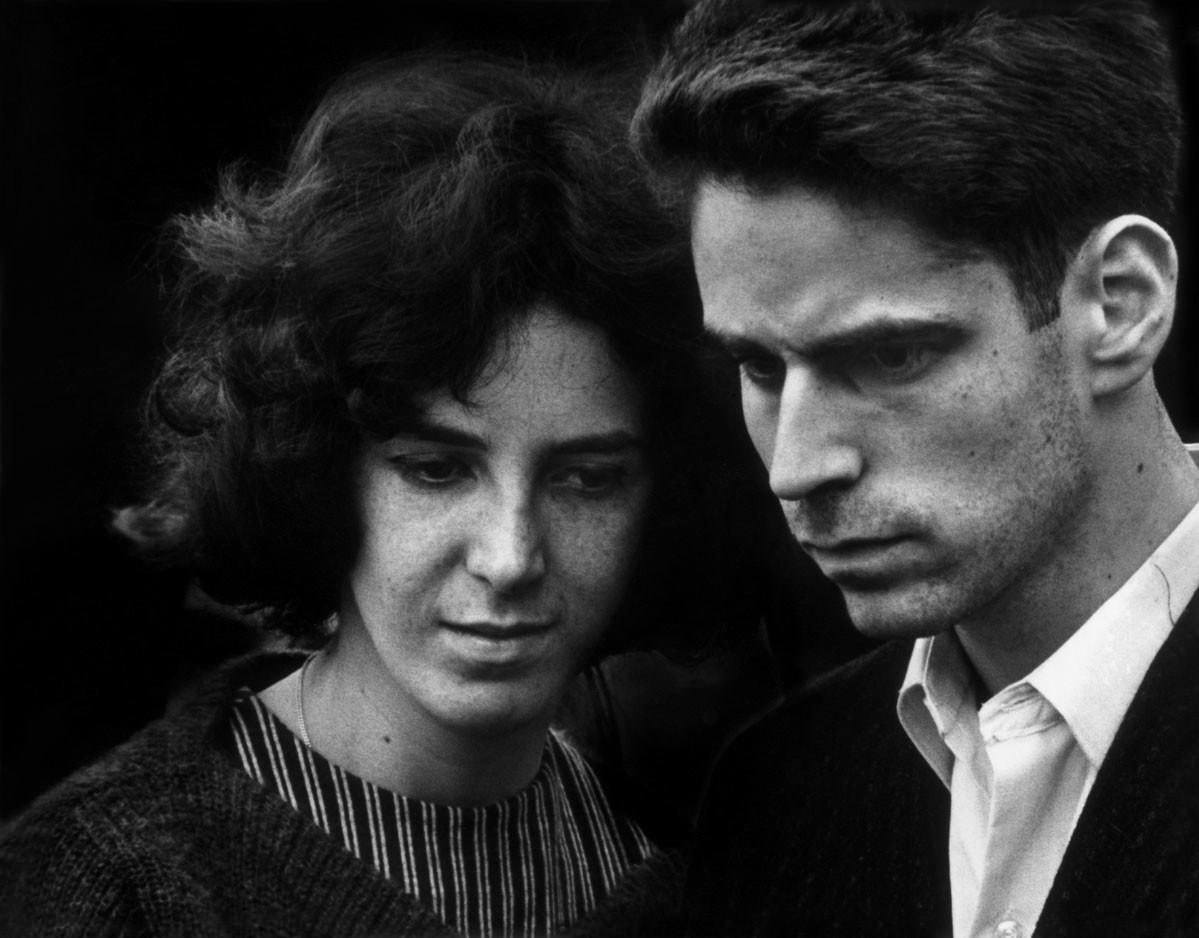
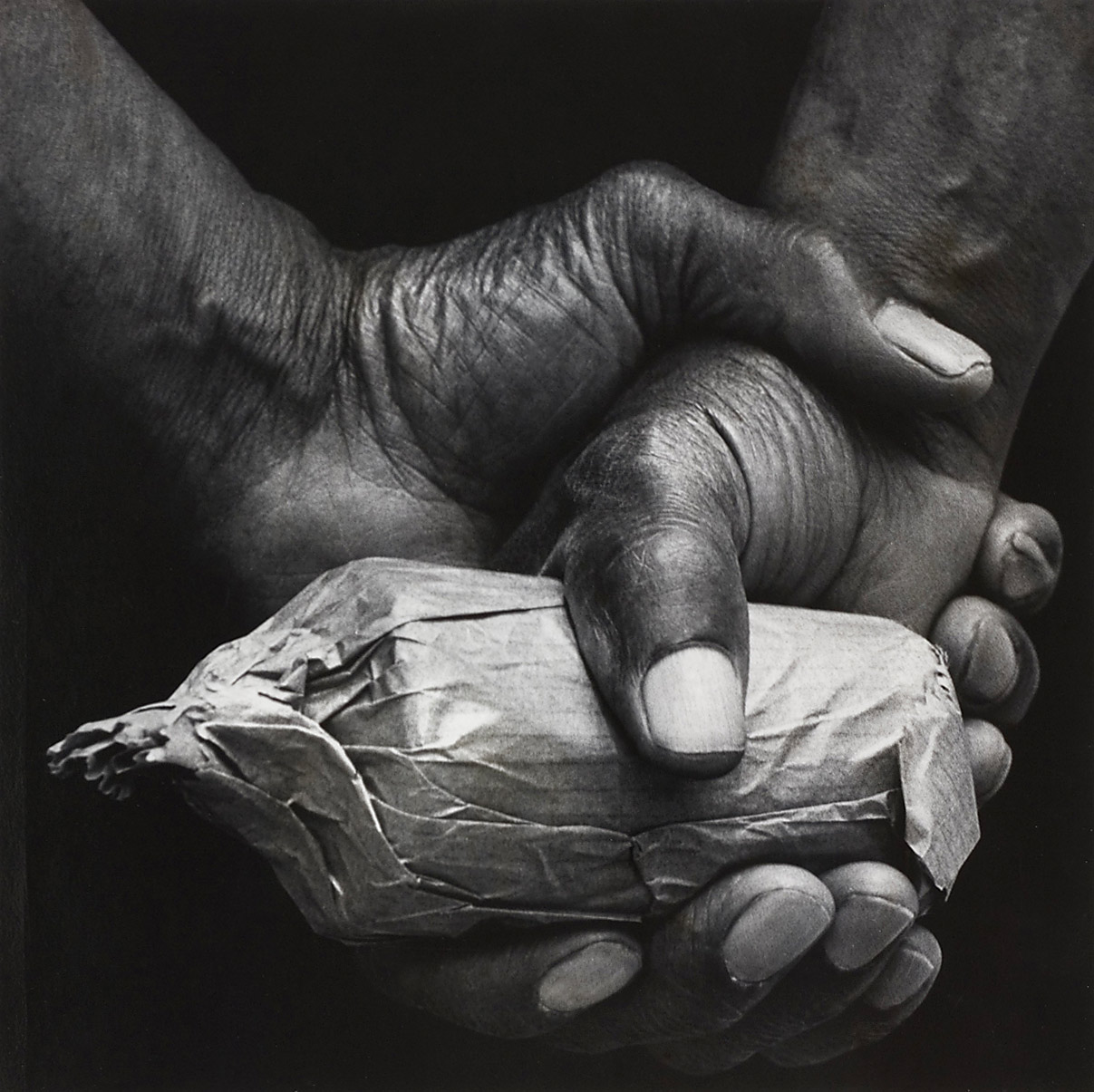
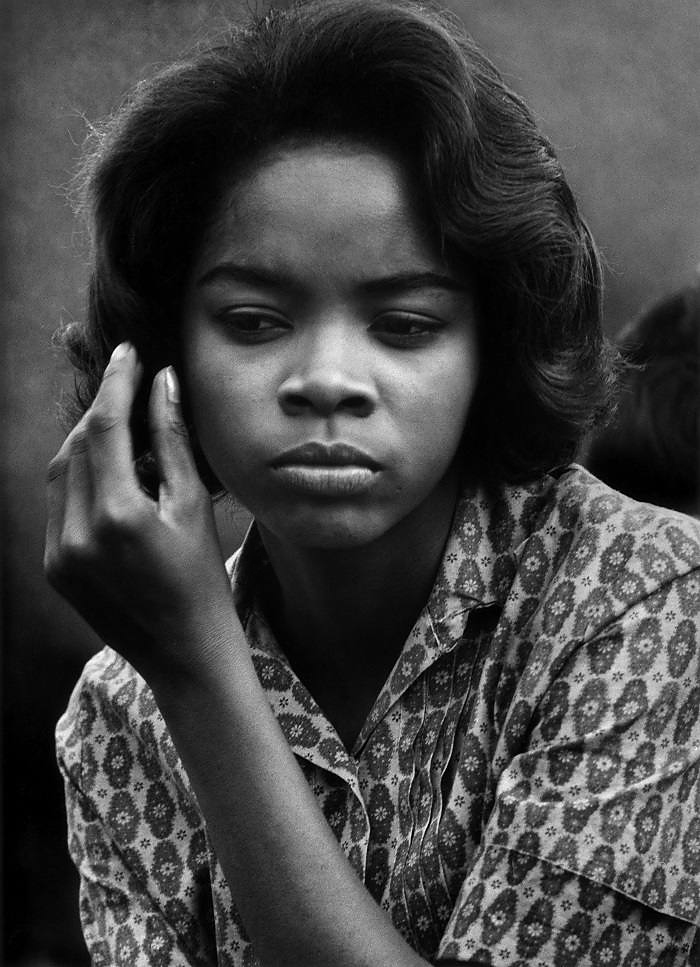
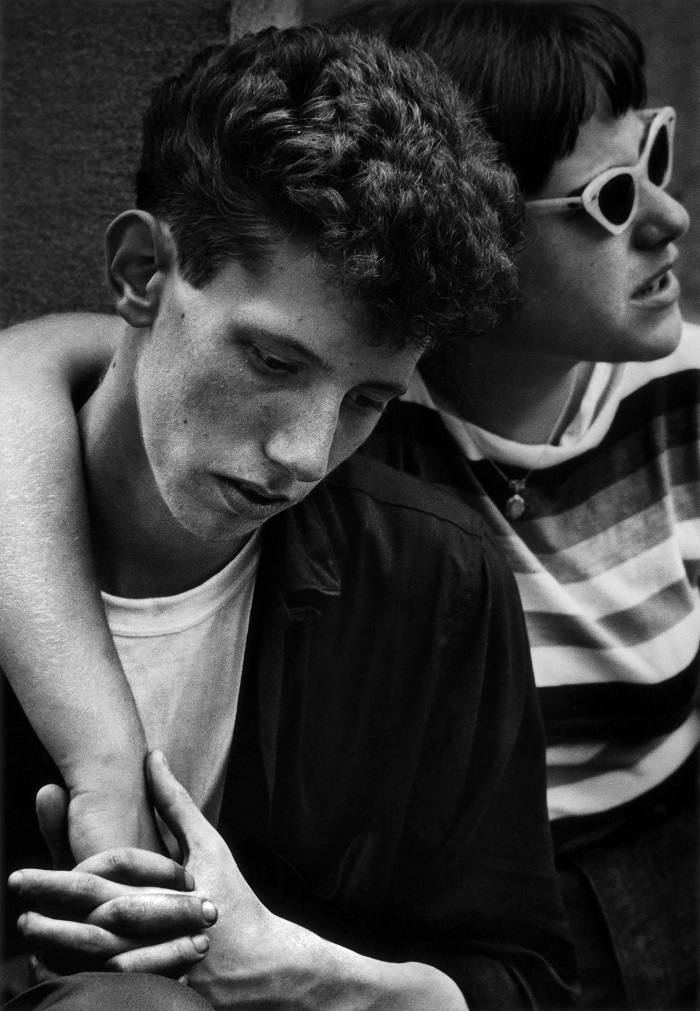
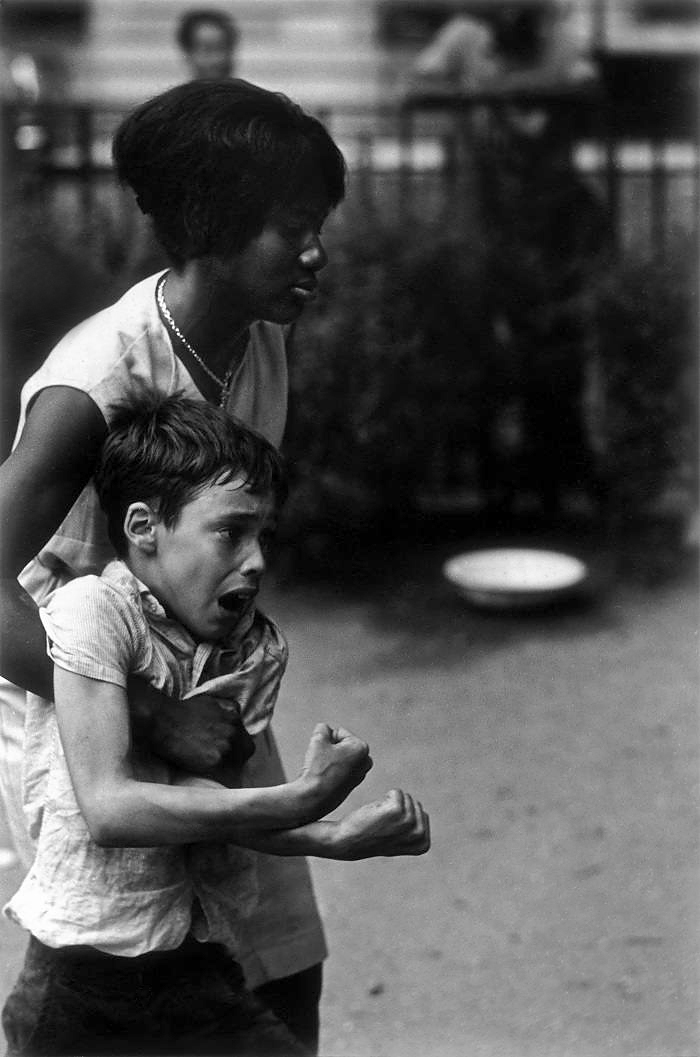
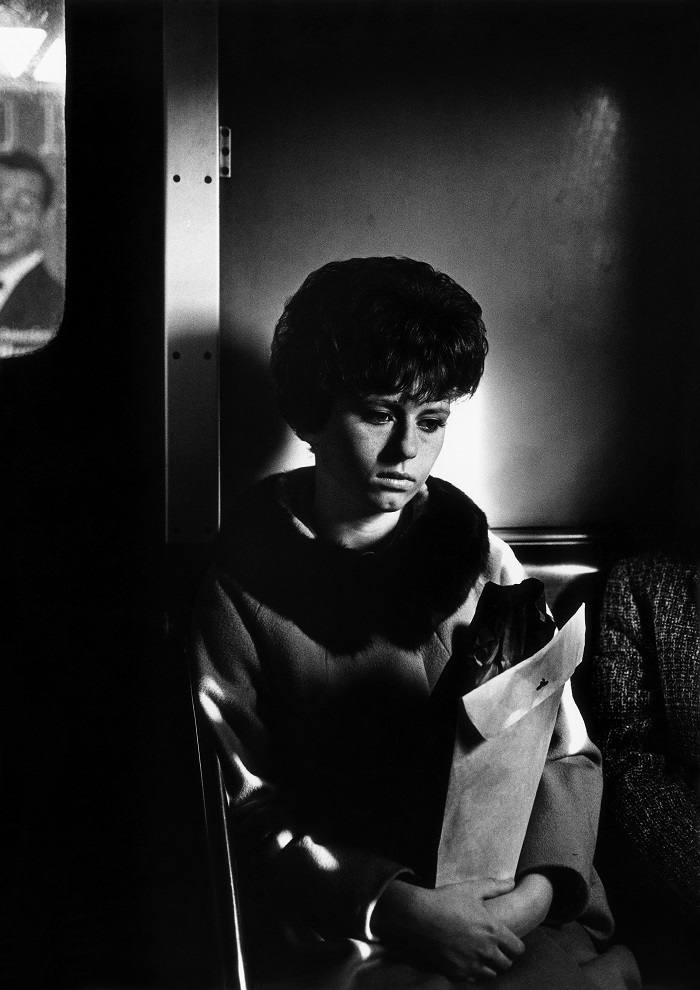
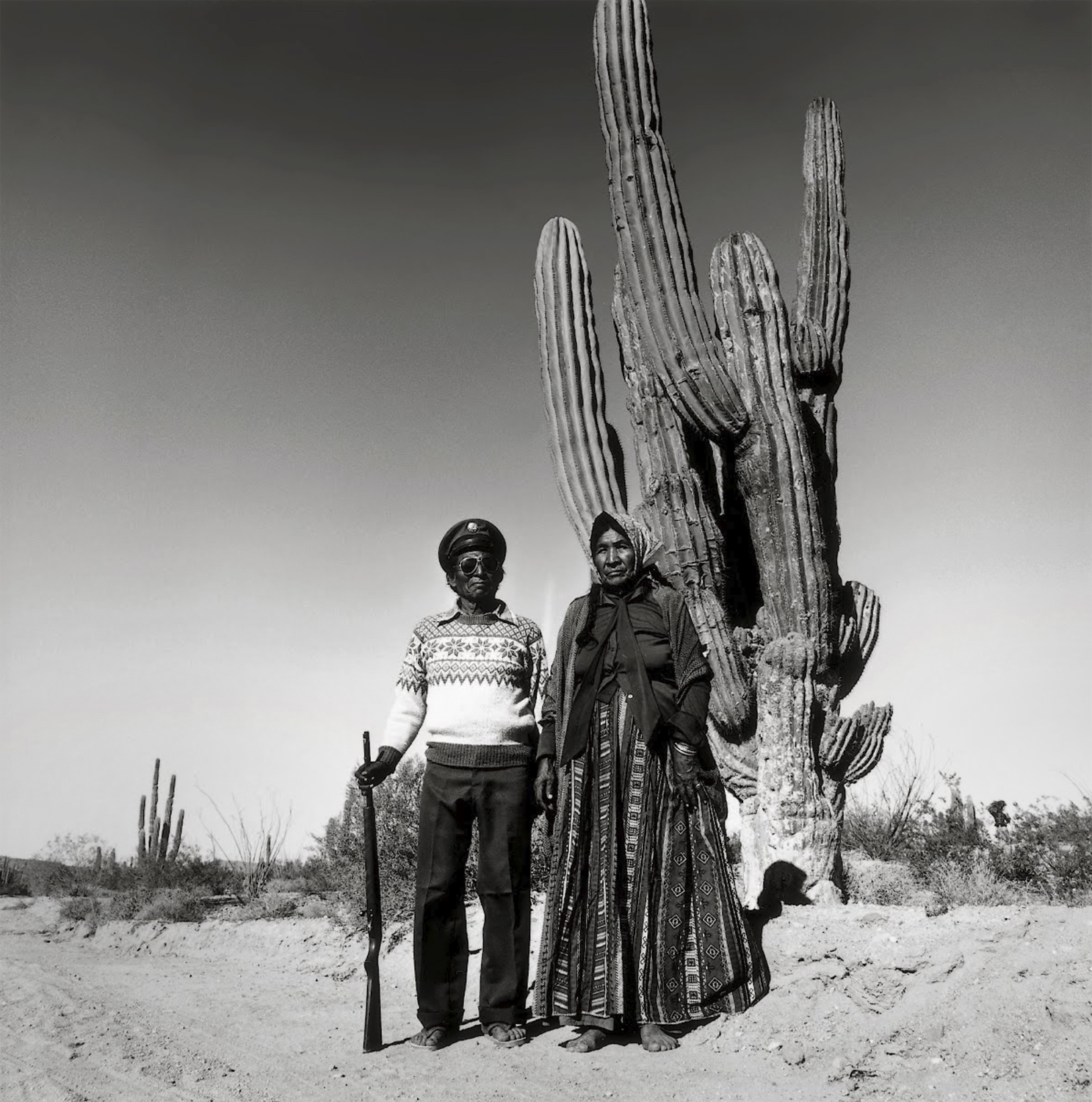






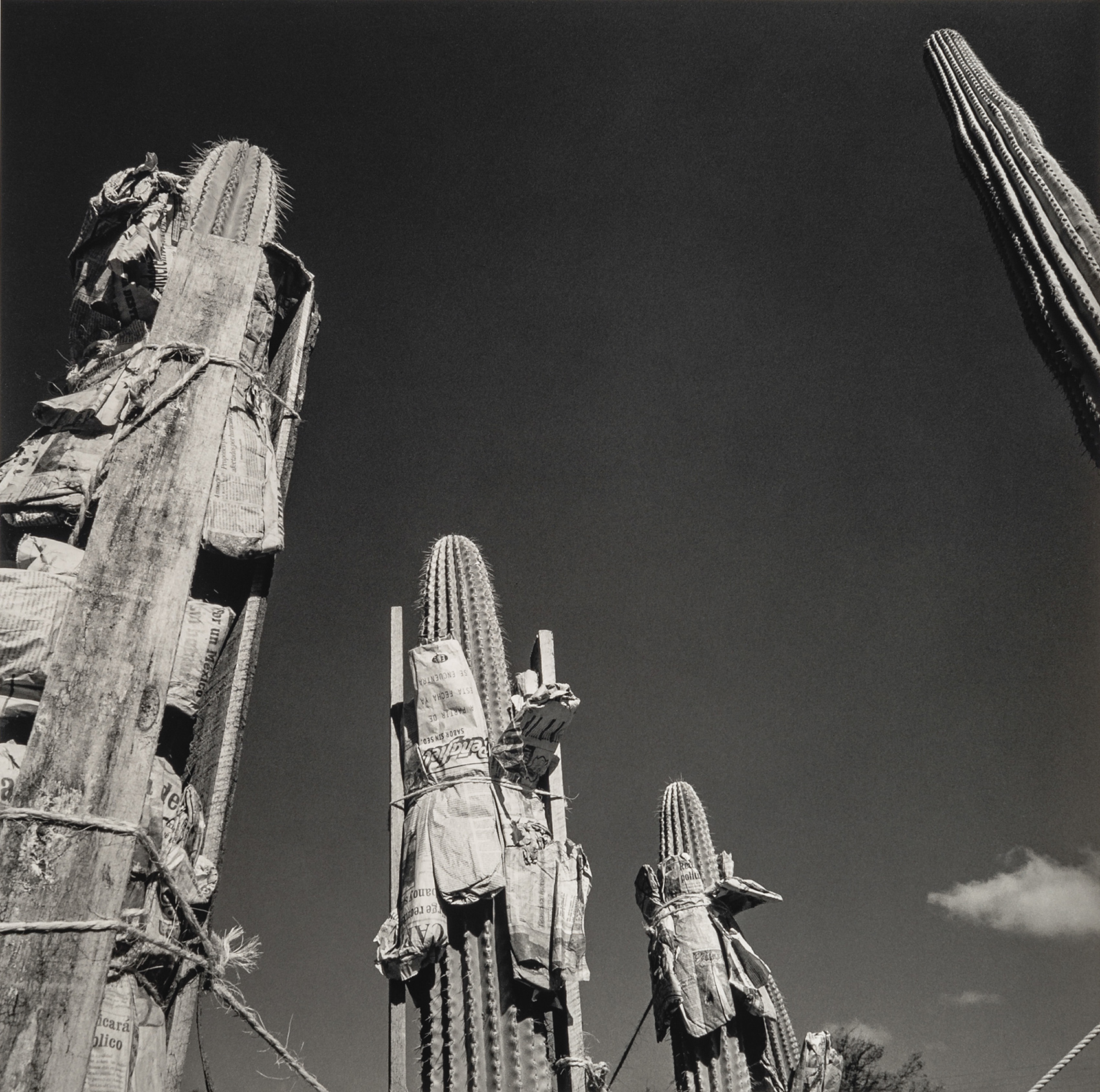






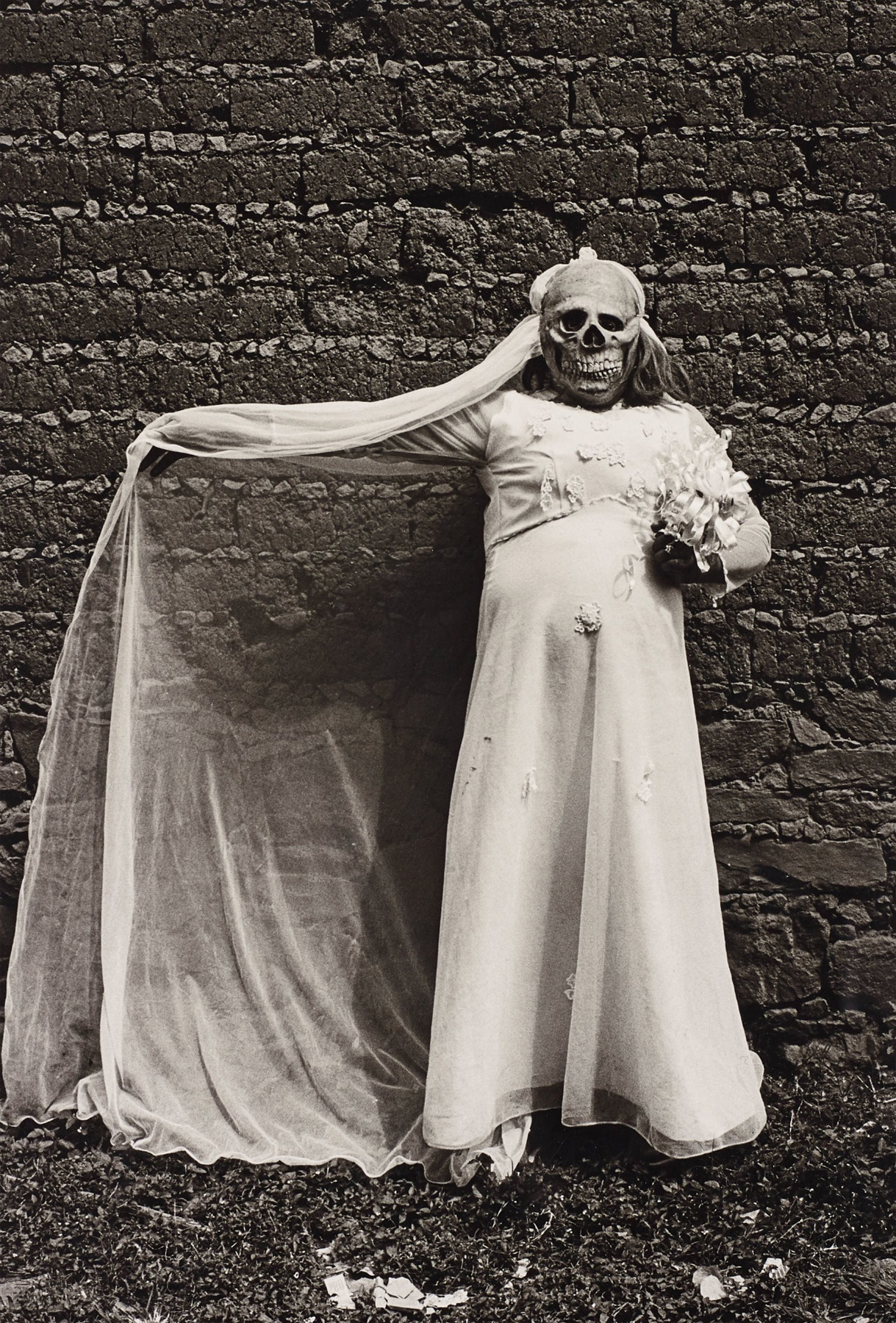


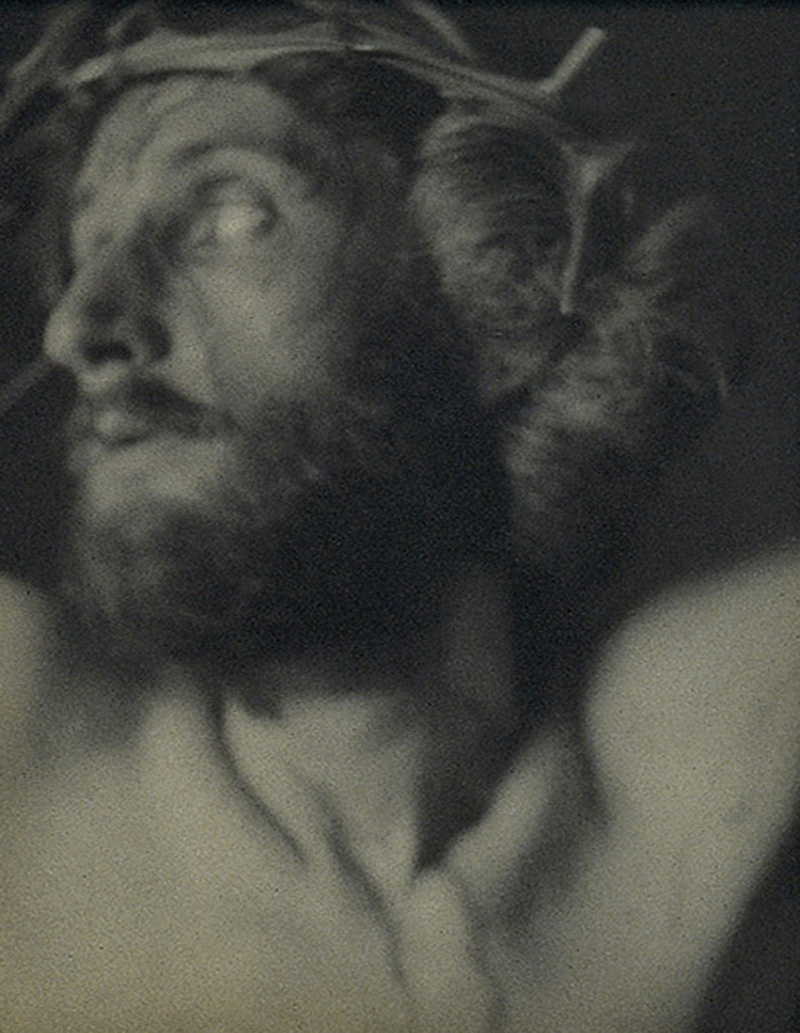


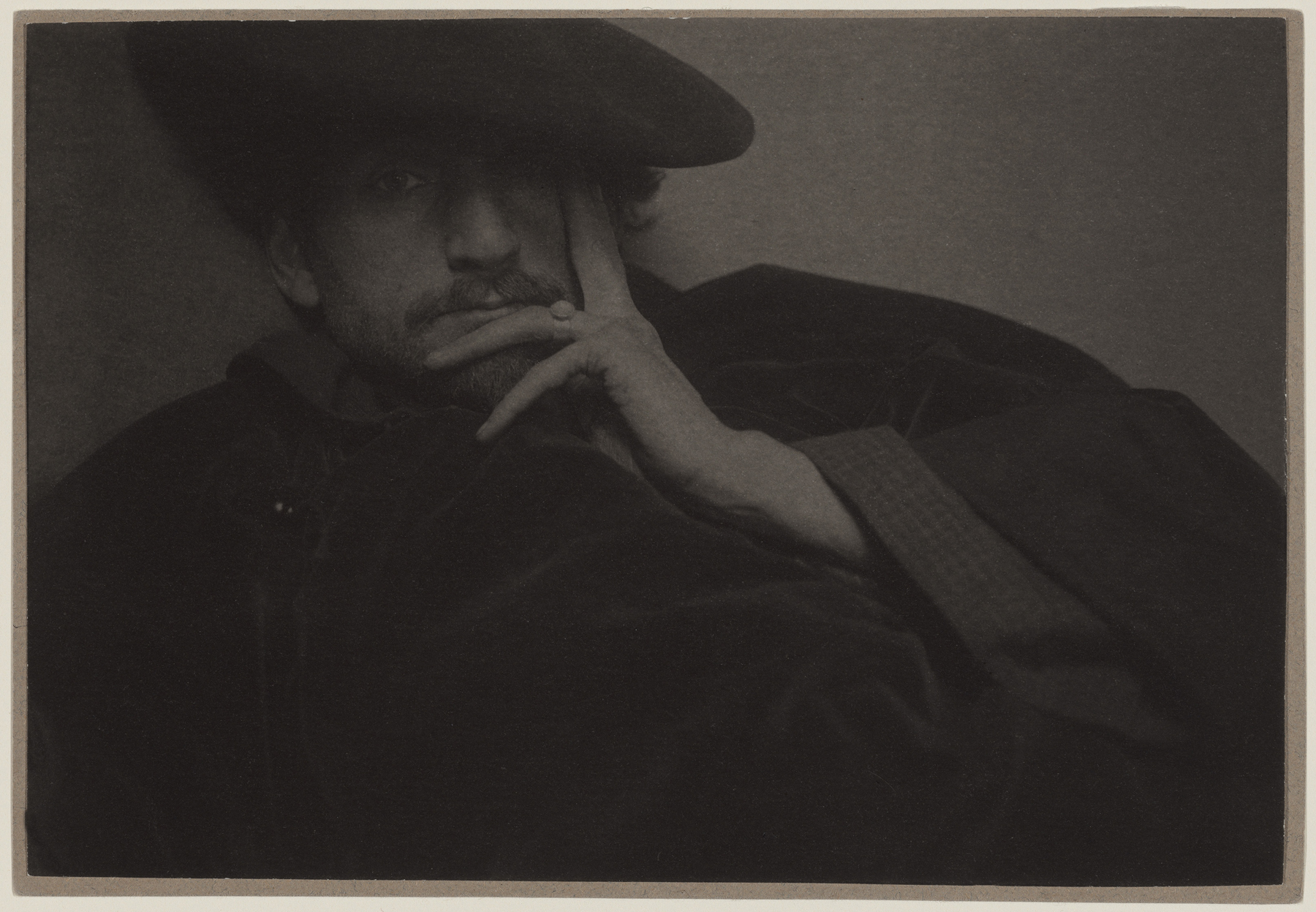
 Art Blart _ art and cultural memory archive
You must be logged in to post a comment.