I love Bauhaus design and photographs of the Bauhaus School and these are excellent photographs of both by Lucia Moholy: powerful, graphic, minimalist, modernist, echoing the ethos of the school itself. The strong portraits are pretty damn good as well…
It’s interesting to note then that Moholy was not particularly enamoured of this new modernist vision: “From her diaries, we know that Moholy didn’t like living in Dessau and her photos of the school, which are very alluring, also hint at her despair and dislike of being there.”
Then to learn that Walter Gropius, founder of the Bauhaus School, “had taken the negatives with him when he emigrated to the USA via London leading to years of negotiation with lawyers to get the negatives back.”
Why would you take the negatives of another artist, use them without credit and then refuse to give them back for many years without lawyers being involved? It’s incredible what human beings especially males will do (power and control), all because Gropius found the images useful for him to use! (see below)
While it is wonderful to be able to publish the first posting on Art Blart on the artist, I wish galleries and museums would stop making claims such as, Moholy “was one of the 20th century’s most internationally recognised and important female photographers.”
Let’s be frank: she wasn’t, not anywhere close.
Even in Europe in the 1930s we think of Florence Henri, Germaine Krull, Claude Cahun and Marcel Moore, Ilse Bing, Edith Tudor-Hart, Dora Maar etc etc… without even considering American female photographers of the era, or indeed the rest of the century. Today, many have more significance in the history of photography than Lucia Moholy ever will have.
This is in no way denigrating her work at all which I like tremendously, but just to assert that statements not thought through by marketing and media departments may come back to bite you on the arse.
Best just to say that Lucia Moholy was an accomplished artist who made focused, thoughtful, beautiful photographs of an era now nearly a century past. What more do you need to say.
Dr Marcus Bunyan
Many thankx to the Fotostiftung Schweiz for allowing me to publish the photographs in the posting. Please click on the photographs for a larger version of the image.
“In 1938, while Moholy lived in London, Walter Gropius used about fifty of Moholy’s images from the Bauhaus years – from her negatives that he still had in his possession – in the Museum of Modern Art (MoMA) exhibition and the accompanying catalogue, without giving her any credit. …
Gropius had been using her photographs without crediting her. She repeatedly reached out to Gropius to reclaim her images and he would continuously protest. Moholy resorted to hiring a lawyer to retrieve her work.
Some relevant letters between Walter Gropius and Lucia Moholy are displayed on the website 99% Invisible. Moholy stated, “These negatives are irreplaceable documents which could be extremely useful, now more than ever” to which Gropius replied, “[…] long years ago in Berlin, you gave all these negatives to me. You will imagine that these photographs are extremely useful to me and that I have continuously made use of them; so I hope you will not deprive me of them.” Lucia Moholy responded, “Surely you did not expect me to delay my departure in order to draw up a formal contract stipulating date and conditions of return? No formal agreement could have carried more weight than our friendship. It is a friendship I have always relied on, and which, also, I am now invoking.“
Moholy did not get physical possession of her original material until 1957, but even then she only could recover a portion of them, 230 out of the 560 Bauhaus-era negatives she took, while 330 negatives, according to Moholy’s own card catalogue, are still missing.”
Anonymous. “Lucia Moholy,” on the Wikipedia website [Onloine] Cited 30/05/2025
Lucia Moholy (1894-1989) was one of the 20th century’s most internationally recognised and important female photographers. Her architectural photographs and portraits from her years at the Bauhaus in Dessau, which have become icons of photographic history, still shape how that institution is perceived today. However, Moholy was not just a photographer, but also an art historian, critic, writer and archivist; she described herself as a ‘documentalist’ and made a name for herself in the field of information science.
The exhibition Lucia Moholy – Exposures is the first to show the broad scope of her work from the 1910s to the 1970s. Her photographic oeuvre is presented together with numerous documents, some of them newly discovered, which shed light on Moholy’s role in the avant-garde during the interwar period, as well as her youth in Prague, her editorial work in Germany, her activity as a portraitist in London, and her involvement with early microfilm technology in England and Turkey.
Finally, the exhibition also invites visitors to encounter Lucia Moholy in the context of Zurich, where she spent the last thirty years of her life. During that time, she also maintained a relationship with the then fledgling Fotostiftung Schweiz, which today is home to a large collection of her photographs.
“This street view of Gropius’s house in Dessau is glimpsed through a line of birch trees that conjures a feeling of entrapment, almost like prison bars. It reinforces this sense of being fenced in or fenced off – a feature of many of Moholy’s images of the Masters’ Houses, which provided accommodation for Bauhaus teachers.
“The photograph really captures the modernist style of Gropius’s buildings, with the rectilinear geometric shapes and the dark windows inserted into the white facades. While living in Dessau, Moholy’s relationship with Gropius and his wife Isa was amiable and continued to be so when the Gropiuses emigrated to the United States.
“It was only in the 1950s, when she learned how the negatives she left behind in Berlin in 1933 had been used to build the legacy of the school without her knowledge, that the relationship turned sour and she engaged a lawyer to help her recover the images.”
“To me, this photograph of Walter Gropius’s Bauhaus building with a muddy, unpaved road in the foreground shows the messier, dirtier aspects of constructing a new modernist vision. From her diaries, we know that Moholy didn’t like living in Dessau and her photos of the school, which are very alluring, also hint at her despair and dislike of being there.
“Moholy’s photographs documenting the Bauhaus buildings and design objects already appeared – with and without credits – in books at the time, as well as in the popular press. In the 1950s, she discovered that at least 40 of her images were used in the catalogue of the seminal 1938 Bauhaus exhibition held at MoMA in New York.
“It kickstarted a life-long campaign of letter-writing to try to obtain both the possession of her glass negatives from the Bauhaus years and appropriate author credit and compensation for the publication of her images.”
In the exhibition Lucia Moholy – Exposures, Fotostiftung Schweiz is honouring the oeuvre of a versatile 20th-century pioneer. The famous Bauhaus photographs taken by Lucia Moholy (1894-1989) still shape how that institution is seen today. She also left a significant legacy via her work as an art historian, critic, writer and microfilm expert. The exhibition shines a spotlight on this long-underestimated figure, who spent the last 30 years of her life in Zollikon, near Zurich.
Lucia Moholy – Exposures presents, for the first time, the full breadth of her work from the 1910s to the 1970s. Photographs, letters, diaries, publications and microfilms are shown, spread across three exhibition rooms. The focus is on key periods of her life: her youth in Prague, her time at the Bauhaus, her exile in London and her pioneering work on microfilm technology. One point of emphasis is her connection with Zurich and with Fotostiftung Schweiz, which holds many of her images. Works by the contemporary Czech artist and curatorJan Tichy will also be on display. The exhibition is realised in cooperation with Kunsthalle Praha.
Photographer of the Bauhaus
Lucia Moholy left Prague in 1915 to work for various German publishers. In Berlin, she met Hungarian artist László Moholy-Nagy, whom she married in 1921. Together, they explored new reproduction technologies and the possibilities of the photogram. When Moholy-Nagy was appointed as a master at the Bauhaus, Moholy accompanied him and began to take photographs: Between 1923 and 1928, she documented Bauhaus design objects and Walter Gropius’s famous Dessau buildings. Her clearly composed shots still characterise the visual legacy of that institution to this day. Moholy’s portraits of Bauhaus figures like Anni Albers, Walter Gropius and Florence Henri are particularly impressive, and have been made central to the exhibition.
Exile and a new beginning
In 1928, Lucia Moholy and László Moholy-Nagy left the Bauhaus and moved to Berlin, where they soon separated. Moholy took charge of the photography class at Johannes Itten’s art school, while simultaneously trying her hand at photojournalism. Her flight from the Nazis in 1933 took her to London. There, she opened a photo studio and wrote the bestseller A Hundred Years of Photography, 1839-1939. After her studio was destroyed by bombing in 1940, she turned to microfilm technology. She founded her own documentation service and set up a microfilm centre in Ankara as a UNESCO expert.
The search for the glass negatives
After the end of the Second World War, Moholy noticed many of her Bauhaus photographs appearing in newly released publications. After extensive research, she eventually learnt that Walter Gropius had taken the negatives with him when he emigrated to the USA via London. It was not until 1957, after years of legal negotiations, that Lucia Moholy was able to get a large number of her negatives back, which are now in the Bauhaus Archive in Berlin.
Late recognition of the photographer
Moholy moved to Zurich in 1959. Here, she wrote about Zurich exhibitions for English magazines and was a prominent figure on the art scene. During the 1970s and 1980s, interest in Moholy’s photographic works finally grew. They were shown in exhibitions and published in magazines. In 1981, a solo exhibition was held in her honour at Gallery Ziegler in Zurich. Four years later, her first monograph was published, with in-depth analysis of her work by art historian Rolf Sachsse. Moreover, two founding members of Fotostiftung Schweiz, Rosellina Burri-Bischof and Walter Binder, maintained contact with Lucia Moholy. Thanks to a purchase and a donation from Moholy’s estate, Fotostiftung Schweiz now holds 146 of her prints, which can be accessed via the Online Image Archive and constitute the largest collection outside the Bauhaus Archive.
Jan Tichy – Weight of Glass
The exhibition at Fotostiftung Schweiz is supplemented with contemporary works by the artist and curator Jan Tichy, who has been engaging with Moholy’s legacy for almost 20 years. His microfilm installation can be seen in the passage leading to the photo library. In addition, contemporary video works, installations and photographs are being shown at oxyd-Kunsträume from the 7th of February to the 2nd of March 2025, including the impressive Installation no. 30 (Lucia), for which Tichy arranges and illuminates 330 glass plates in the size of the original negatives. Set up in a dark room, the installation creates a fleeting and fragile memorial to an important protagonist of the 20th century.
Lucia Moholy – Exposures is a Kunsthalle Praha exhibition project, organised in cooperation with Fotostiftung Schweiz, Winterthur, and the Bauhaus Archive, Berlin.
Press release from Fotostiftung Schweiz, Winterthur
“Marianne Brandt is a really important Bauhaus designer who ended up living in East Germany in relative obscurity, although her work is now also receiving due attention. The somewhat static composition of the two objects side by side is dynamised by the diagonals produced by the larger vessel’s slender spout and the decision to slant in the ashtray’s top, emphasizing the use value.
“It also shows how Moholy played with reflective surfaces when photographing metal objects, evoking the work of Florence Henri who was at the Bauhaus at the same time. Henri was known for capturing her own portrait as she played with glass and metal in her photographs.
“We can also occasionally catch a glimpse of Moholy in some of her metal studies. But in other instances, she focuses on highlighting the lustrous quality of the objects in isolation. These images of metal objects are perhaps the best-known of her Bauhaus product photographs. But she also took pictures of pieces made from ceramics or wood that indicate the evolution of design thinking at the school.”
Lou Scheper-Berkenkamp née Hermine Luise Berkenkamp (German, 1901-1976) was a painter, colour designer, the avant-garde author of children’s books, fairy-tale illustrator and costume designer.
“Henri’s sophisticated, avante-garde, sculptural compositions have an almost ‘being there’ presence: a structured awareness of a way of looking at the world, a world in which the artist questions reality. She confronts the borders of an empirical reality (captured by a machine, the camera) through collage and mirrors, in order to take a leap of faith towards some form of transcendence of the real. Here she confronts the limitless freedom of creativity, of composition, to go beyond objectivity and science, to experience Existenz (Jaspers) – the realm of authentic being.*
These photographs are her experience of being in the world, of Henri observing the breath of being – the breath of herself, the breath of the objects and a meditation on those objects. There is a stillness here, an eloquence of construction and observation that goes beyond the mortal life of the thing itself. That is how these photographs seem to me to live in the world. I may be completely wrong, I probably am completely wrong – but that is how these images feel to me: a view, a perspective, the artist as prospector searching for a new way of authentically living in the world.”
Marcus Bunyan commenting on the exhibition Florence Henri. Compositions at the Pinakothek der Moderne, Munich, March – September 2014
Grant Mudford (Australian, b. 1944) El Paso, Texas 1976 Vintage gelatin silver print 16 x 20 inches Joseph Bellows Gallery
Let There Be Light
For so long I have wanted to do a posting on the Australian photographer Grant Mudford (b. 1944) and finally the time is here. Mudford has lived in the United States of America since his final move to the Los Angeles area in mid-1977 but I still think of him as Australian.
Between 1974 – 1977 he undertook an intensive program of travel and work in the United States before his final move. In 1977 he had major exhibitions at the Australian Centre for Photography, Sydney; The Photographers’ Gallery, London; and Light Gallery, New York and is represented in major collections such as The J. Paul Getty Museum, Los Angeles; Los Angeles County Museum of Art, Los Angeles; International Museum of Photography, George Eastman House; and the National Gallery of Australia, Canberra which holds sixty six of his photographs in their collection.
Mudford’s mature style – capturing in beautiful, minimalist black and white photographs the essence and reality of the built landscape envisioned without people, usually working with common, generally uncelebrated subject-matter – emerged at a time that was parallel to that of the groundbreaking exhibition of contemporary landscape photography New Topographics: Photographs of a Man-Altered Landscape held at the George Eastman House’s International Museum of Photography, October 1975 – February 1976.
This important exhibition proposed a new way of looking at the American landscape, a concept that was historically grounded in the Neue Sachlichkeit (New Objectivity) – new order – movement of Germany in the 1920s, developed further and most importantly by the German artists Bernd and Hiller Becher in the late 1960s – early 1970s.
The New Topographics photographers (including the Bechers) “documented built and natural landscapes in America, often capturing the tension between natural scenery and the mundane structures of post-war America: parking lots, suburban homes, crumbling coal mines. The photographs, stark and documentary, are often devoid of human presence. William Jenkins [curator of the New Topographics exhibition] described the images as “neutral” in style, “reduced to an essentially topographic state, conveying substantial amounts of visual information but eschewing entirely the aspects of beauty, emotion, and opinion”.1
As I have argued elsewhere I believe that the photographs of the Bechers and alike are just as much about the beauty of the subject as they are their topographic state.
“Despite protestations to the contrary (appeals to the objectivity of the image, eschewing entirely the aspects of beauty, emotion and opinion; the rigorous frontality of the individual images giving them the simplicity of diagrams, while their density of detail offers encyclopaedic richness) these are subjective images for all their objective desire. The paradox is the more a photographer strives for objectivity, the more ego drops away, the more the work becomes their own: subjective, beautiful, emotive.”2
At least Mudford is honest enough to own up to desiring beauty. “I am deeply interested in the relationship between man-made structures and the landscape,” says Mudford. “Photography allows me to capture that intersection, where design meets nature, light, and texture. I strive to create images that reflect both beauty and complexity.” (Text from the Joseph Bellows website)
Evidence of the development of his later mature style can be seen in photographs taken in Australia such as Jenolan (1972, below) and Woolloomooloo (Stop sign) (1973, below) which already contain a minimalist, paired back, topographic yet beautiful aesthetic. But it was his move to Los Angeles, and above all the LIGHT and TEXTURE of the new world, that seem to have brought forth the best within this artist.
While, as Foucault observes, texts “are caught up in a system of references to … other texts, other sentences: it is a node within a network … Its unity is variable and relative”3 – in other words there is a close relationship between the work of Mudford and the New Topographics movement – his work is very much his own.
There is a crispiness, frontality and seeming simplicity to Mudford’s photographs and yet also almost a painterly aspect, that belies the complexity of these well resolved and beautiful images. He captures “the emotional resonance of a moment, whether it be the play of light on a building’s surface or the dynamic contrasts found in nature.” (Text from the Joseph Bellows website) And unlike the huge photographs of Dawoud Bey in an upcoming posting – which seem to me completely at odds with the spirit of the subject being captured – Mudford’s 16 x 20 inches photographs allow the viewer to focus on the images inherent qualities of beauty, nature, light and texture.
Finally, it is beyond me why Grant Mudford has not received greater recognition in the country of his birth. Forget that he has lived for years in the United States of America, Mudford is a magnificent photographer par excellence and his worldwide achievement should be celebrated at a national level. Perhaps it is time that a gallery such as the National Gallery of Australia or the Museum of Australian Photography should put on a major retrospective of this artist’s work… before it is too late!
We are loosing too many great photographers from this era already.
Dr Marcus Bunyan
1/ New Topographics: Photographs of a Man-Altered Landscape was a groundbreaking exhibition of contemporary landscape photography held at the George Eastman House’s International Museum of Photography (Rochester, New York) from October 1975 to February 1976. The show, curated by William Jenkins, had a lasting impact on aesthetic and conceptual approaches to American landscape photography. The New Topographics photographers, including Robert Adams, Lewis Baltz, Bernd and Hilla Becher, Frank Gohlke, Nicholas Nixon, and Stephen Shore, documented built and natural landscapes in America, often capturing the tension between natural scenery and the mundane structures of post-war America: parking lots, suburban homes, crumbling coal mines. The photographs, stark and documentary, are often devoid of human presence. Jenkins described the images as “neutral” in style, “reduced to an essentially topographic state, conveying substantial amounts of visual information but eschewing entirely the aspects of beauty, emotion, and opinion”.
3/ Foucault, Michel. The Order of Things: An Archeology of the Human Sciences.New York: Vintage, 1973 quoted in Thumlert, Kurt. Intervisuality, Visual Culture, and Education. [Online] Cited 10/08/2006. www.forkbeds.com/visual-pedagogy.htm (link no longer active)
Many thankx to Joseph Bellows Gallery for allowing me to publish the photographs in the posting. Please click on the photographs for a larger version of the image.
“Photographs reveal unexpected mysteries within the familiarities of our existence. We over familiarise ourselves with our surroundings and after become unaware and insensitive to the forces of the essence or reality before us. It is that essence or reality which I strive to photograph.”
Grant Mudford quoted in Graham Howe (ed.,). New Photography Australia. Paddington, N.S.W.: Australian Centre for Photography, 1974, p. 8
“I think it is incredibly difficult to define a building with photographs. Space and spatial relationships within and around a building are not fully experienced from photographs. The photograph imposes its own sense of these relationships, which to me are abstract representations having little to do with architecture or reality. So what I am interested in are the photographic manifestations of what buildings and structures can present when specifically scrutinised as a photograph. To extend this transformation, I prefer to work with common, generally uncelebrated subject-matter”
Grant Mudford in Archetype Magazine Spring 1981 quoted in Reimund Zunde. Photography: An Approach For Secondary Schools. Education Department of Victoria, Curriculum Services Unite, in association with the Secondary Art/Craft Standing Committee, 1982
Grant Mudford (Australian, b. 1944) Jenolan 1972 Gelatin silver print 34.5 h x 38.8 w cm National Gallery of Australia Gift of the artist, 1985
Grant Mudford (Australian, b. 1944) Woolloomooloo (Stop sign) 1973 Gelatin silver print 34.5 h x 38.4 w cm National Gallery of Australia Gift of the artist, 1985
Grant Mudford (Australian, b. 1944) Houston, Texas 1975 Gelatin silver print 33.8 h x 49.8 w cm National Gallery of Australia Gift of the Phillip Morris Arts Grant 1982
Graham Howe (ed.,). New Photography Australia. Paddington, N.S.W.: Australian Centre for Photography, 1974, p. 8.
Reimund Zunde. Photography: An Approach For Secondary Schools. Education Department of Victoria, Curriculum Services Unite, in association with the Secondary Art/Craft Standing Committee, 1982
Renowned photographer Grant Mudford had made his mark in the art world with a distinctive vision, capturing anonymous structures with a profound sense of space, light, texture and form. With a career spanning several decades, Mudford’s work remains a testament to his unique ability to meld the art of photography with the subtle intricacies of design, nature, and human influence.
Mudford’s photographic style is known for its dramatic compositions and meticulous attention to detail. Whether focusing on the clean lines of modern architecture or the rugged textures of natural landscapes, his work consistently transcends traditional photographic boundaries. His images invite viewers to engage with the built environment and the natural world in new and thought-provoking ways.
His work has been described by Keith Davis in An American Century of Photography as “an appreciation for both the alienations and incongruities of the urban landscape.”
“I am deeply interested in the relationship between man-made structures and the landscape,” says Mudford. “Photography allows me to capture that intersection, where design meets nature, light, and texture. I strive to create images that reflect both beauty and complexity.”
Mudford’s approach to photography is marked by his commitment to capturing the emotional resonance of a moment, whether it be the play of light on a building’s surface or the dynamic contrasts found in nature. His work not only documents his subjects but also engages viewers in a deeper conversation about the spaces they inhabit.
Mudford’s photographs have been exhibited internationally in solo and group exhibitions since the mid 1970’s; beginning this history with a solo show at the notable Light Gallery. His photographs are in numerous private and public collections, including the Los Angeles County Museum of Art, the J. Paul Getty Museum, the Museum of Modern Art, the George Eastman House, the Nelson-Atkins Museum, and the National Museum of American Art. In 2014, Mudford received the Julius Shulman Institute Excellence in Photography Award. His photographs have been featured in publications such as Architectural Digest, The New York Times, and Artforum, solidifying his place as one of the most respected photographers of his generation.
Grant Mudford’s photography is more than just an aesthetic experience; it is an invitation to reconsider how we perceive the world around us. His lens captures what is often overlooked – the powerful simplicity of everyday structures and the quiet majesty of the natural world. Through his work, Mudford encourages viewers to find beauty in both the grand and the subtle, offering a fresh perspective on the environments we encounter.
Text from the Joseph Bellows Gallery website
Grant Mudford (Australian, b. 1944) Los Angeles, CA 1977 Vintage gelatin silver print 16 x 20 inches
Grant Mudford (Australian, b. 1944) Los Angeles, CA 1976 Vintage gelatin silver print 16 x 20 inches
Grant Mudford (Australian, b. 1944) Irvine, CA 1976 Vintage gelatin silver print 16 x 20 inches
Grant Mudford (Australian, b. 1944) Los Angeles, CA 1976 Vintage gelatin silver print 16 x 20 inches
Grant Mudford (Australian, b. 1944) Los Angeles, CA 1977 Vintage gelatin silver print 16 x 20 inches
Grant Mudford
b. 1944
Grant Mudford (b. 1944) is a Sydney-born, Los Angeles-based photographer renowned for his large-format, abstract depictions of the urban landscape and built environment. Mudford developed an interest in photography as a child, and turned the laundry into a darkroom at the age of ten. For several years in his teens he photographed children on Santa Claus’ lap at Christmas. After studying architecture at the University of NSW for two years from 1964-1964, he chose to focus on photography, opening his own studio. In the 1960s and early 1970s he photographed for a range of advertising, fashion and theatre clients, as well as working as a cinematographer on short films. Mudford held his first solo show at Bonython Gallery in Sydney in 1972 and shortly after received funding from the Australia Council for the Arts, enabling him to travel throughout the USA and Mexico between 1975 and 1977. He then settled in Los Angeles, where he worked for various American and international publications including Harper’s Bazaar, Esquire, Architectural Digest, Vanity Fair, the LA Times and the New York Times. The Museum of Contemporary Art in Los Angeles commissioned him as photographer for the exhibition and book, Louis I. Kahn: In the Realm of Architecture (1991). Mudford’s work is in many American and international collections including the Museum of Modern Art, the J. Paul Getty Museum and Los Angeles County Museum of Art, Art Gallery of NSW and National Gallery of Australia.
Fratelli Gajo – Piazza S.Marco 139 – Venezia Castelo canal with a view of the Church of San Geremia 1880s Hand-coloured albumen print mounted on cardboard Image: 20 x 26cm Support: 27 x 36cm
I bought this album of 30 hand-coloured albumen prints by Fratelli Gajo together with numerous other black and white albumen prints at auction. Unfortunately the album had no cover but to save it for prosperity I had it rebound in leather at one of the only bookbinders left in Melbourne: White’s Law Bindery. They did a superb job.
I cannot find out anything about the Venetian photographer Fratelli Gajo except the address of his business. No dates, no bibliographic information.
What I do know is that these hand-coloured photographs are rare and exceptionally beautiful. They add an early chapter to the story of hand-coloured photography, which stretches from daguerreotypes, albumen prints, and silver gelatin prints to hand-coloured digital photographs with an equally varied subject matter – aerial photographs, landscapes, portraits, bodies, social documentary photographs and architectural renderings to name but a few.
The photographs in the posting are in the order they appear in the album. I have interleaved the albumen photographs with historical and contemporary images giving us a vista of Venice through time. Enjoy.
Dr Marcus Bunyan
Please click on the photographs for a larger version of the image.
Fratelli Gajo – Piazza S.Marco 139 – Venezia 153 Rivo delle Maravege 1880s Hand-coloured albumen print mounted on cardboard Image: 20 x 26cm Support: 27 x 36cm
Fratelli Gajo – Piazza S.Marco 139 – Venezia Untitled [The Doges’ Palace and the Piazzetta] 1880s Hand-coloured albumen print mounted on cardboard Image: 20 x 26cm Support: 27 x 36cm
Fratelli Gajo – Piazza S.Marco 139 – Venezia 89 Venezia – Palazzo Ferry, Grand Hotel 1880s Hand-coloured albumen print mounted on cardboard Image: 20 x 26cm Support: 27 x 36cm
Wolfgang Moroder Palazzo Ferro Fini in Venice. Facade on Grand Canal 18 April 2016 CC BY-SA 3.0
Fratelli Gajo – Piazza S.Marco 139 – Venezia 680 Venezia 1880s Hand-coloured albumen print mounted on cardboard Image: 20 x 26cm Support: 27 x 36cm
Fratelli Gajo – Piazza S.Marco 139 – Venezia Untitled [St Mark’s Basilica] 1880s Hand-coloured albumen print mounted on cardboard Image: 20 x 26cm Support: 27 x 36cm
Fratelli Gajo – Piazza S.Marco 139 – Venezia Untitled 1880s Hand-coloured albumen print mounted on cardboard Image: 20 x 26cm Support: 27 x 36cm
Fratelli Gajo – Piazza S.Marco 139 – Venezia Untitled 1880s Hand-coloured albumen print mounted on cardboard Image: 20 x 26cm Support: 27 x 36cm
Fratelli Gajo – Piazza S.Marco 139 – Venezia Canale grande verso Rialto 1880s Hand-coloured albumen print mounted on cardboard Image: 20 x 26cm Support: 27 x 36cm
Canaletto (Italian, 1697-1768) Grand Canal from Palazzo Balbi towards the Rialto Between 1720 and 1723 Oil on canvas Height: 144cm (56.6 in) Width: 207cm (81.4 in) Museum of 18th-century Venice Public domain
Fratelli Gajo – Piazza S.Marco 139 – Venezia Untitled [Bridge of Sighs] 1880s Hand-coloured albumen print mounted on cardboard Image: 20 x 26cm Support: 27 x 36cm
Fratelli Gajo – Piazza S.Marco 139 – Venezia After the painting by A. Paoletti, Venezia 1880s Hand-coloured albumen print mounted on cardboard Image: 20 x 26cm Support: 27 x 36cm
Antonio Ermolao Paoletti (Venezia, 1834-1912) A Venetian ice cream seller Nd Oil on canvas 50.2 x 74.9cm (19.8 x 29.5 in.)
Fratelli Gajo – Piazza S.Marco 139 – Venezia Untitled [The Courtyard of the Doge’s Palace looking towards the Torricella] 1880s Hand-coloured albumen print mounted on cardboard Image: 20 x 26cm Support: 27 x 36cm
Fratelli Gajo – Piazza S.Marco 139 – Venezia No. 5 Piazza S. Marco dai Leoni 1880s Hand-coloured albumen print mounted on cardboard Image: 20 x 26cm Support: 27 x 36cm
Fratelli Gajo – Piazza S.Marco 139 – Venezia 13 Libreria e Loggetto 1880s Hand-coloured albumen print mounted on cardboard Image: 20 x 26cm Support: 27 x 36cm
Fratelli Gajo – Piazza S.Marco 139 – Venezia 35. Venezia – Porta del P. Ducale detta della Carta 1880s Hand-coloured albumen print mounted on cardboard Image: 20 x 26cm Support: 27 x 36cm
Jean-Pol Grandmont The Porta della Carta of the Doges Palace on Piazzetta San Marco in Venice 1 June 2013 CC BY-SA 4.0
Fratelli Gajo – Piazza S.Marco 139 – Venezia 230 [Interior of the Doges Palace] 1880s Hand-coloured albumen print mounted on cardboard Image: 20 x 26cm Support: 27 x 36cm
Torre dell’Orologio, Piazza san Marco, Venice
Fratelli Gajo – Piazza S.Marco 139 – Venezia 101. Torre del Orologio 1880s Hand-coloured albumen print mounted on cardboard Image: 20 x 26cm Support: 27 x 36cm
Fratelli Gajo – Piazza S.Marco 139 – Venezia 141. Venezia Chiesa della Salute 1880s Hand-coloured albumen print mounted on cardboard Image: 20 x 26cm Support: 27 x 36cm
Walter Richard Sickert (British, 1860-1942) Santa Maria della Salute, Venice c. 1901 Oil on canvas 56 x 46cm Royal Academy of Arts
Fratelli Gajo – Piazza S.Marco 139 – Venezia Untitled 1880s Hand-coloured albumen print mounted on cardboard Image: 20 x 26cm Support: 27 x 36cm
Fratelli Gajo – Piazza S.Marco 139 – Venezia 65 Monumento Collooni 1880s Hand-coloured albumen print mounted on cardboard Image: 20 x 26cm Support: 27 x 36cm
Federico Moja (Italian, 1802-1885) Venice, a View of the Campo Santi Giovanni e Paolo, with the Equestrian Monument to Bartolomeo Colleoni and the Scuola Grande di San Marco in the Background 1848 Oil on canvas Unframed: 74.5 by 104.5cm Framed: 89 by 118.5cm
Fratelli Gajo – Piazza S.Marco 139 – Venezia No. 30 Rivo di Canonica 1880s Hand-coloured albumen print mounted on cardboard Image: 20 x 26cm Support: 27 x 36cm
Fratelli Gajo – Piazza S.Marco 139 – Venezia Untitled [Entry to the presbytery of St Mark’s Basilica] 1880s Hand-coloured albumen print mounted on cardboard Image: 20 x 26cm Support: 27 x 36cm
Fratelli Gajo – Piazza S.Marco 139 – Venezia Untitled [Bridge of Sighs] 1880s Hand-coloured albumen print mounted on cardboard Image: 20 x 26cm Support: 27 x 36cm
Fratelli Gajo – Piazza S.Marco 139 – Venezia Untitled 1880s Hand-coloured albumen print mounted on cardboard Image: 20 x 26cm Support: 27 x 36cm
Fratelli Gajo – Piazza S.Marco 139 – Venezia 58. Rio S. Agostino 1880s Hand-coloured albumen print mounted on cardboard Image: 20 x 26cm Support: 27 x 36cm
Didier Descouens Rio di S. Agostino seen from the S. Agostino Bridge in Venice 11 May 2015 CC BY-SA 4.0
Fratelli Gajo – Piazza S.Marco 139 – Venezia Untitled [Torre del Orologio] 1880s Hand-coloured albumen print mounted on cardboard Image: 20 x 26cm Support: 27 x 36cm
Fratelli Gajo – Piazza S.Marco 139 – Venezia Untitled [The Doge’s Palace] 1880s Hand-coloured albumen print mounted on cardboard Image: 20 x 26 cm Support: 27 x 36 cm
Fratelli Gajo – Piazza S.Marco 139 – Venezia 87 Venezia – Palazzo Contarini Fasan 1880s Hand-coloured albumen print mounted on cardboard Image: 20 x 26cm Support: 27 x 36cm
Wolfgang Moroder Palazzo Contarini Fasan in Venice. Facade on Grand Canal 31 July 2010 CC BY-SA 4.0
Fratelli Gajo – Piazza S.Marco 139 – Venezia Venezia – Palazzo Pisaro 1880s Hand-coloured albumen print mounted on cardboard Image: 20 x 26cm Support: 27 x 36cm
Fratelli Gajo – Piazza S.Marco 139 – Venezia 100. Venezia – Palazzo Rezzonico 1880s Hand-coloured albumen print mounted on cardboard Image: 20 x 26cm Support: 27 x 36cm
Didier Descouens Ca ‘Rezzonico, Venice facade of Giorgio Massari on the Grand Canal 7 May 2012 CC BY-SA 4.0
Fratelli Gajo – Piazza S.Marco 139 – Venezia Untitled [Statue of King Vittorio Emanuel II by the sculptor Ettore Ferrari 1887] c. 1887 Hand-coloured albumen print mounted on cardboard Image: 20 x 26cm Support: 27 x 36cm
Didier Descouens The main gate at the Venetian Arsenal 9 May 2012 CC BY-SA 4.0
The so-called “Solid ground entrance” of the Arsenale in Venice was built between 1692 and 1694 on a project by Alessandro Tremignon. Eight standing figures on pedestals on the ground: At the front row: from left to right: La Giustizia by Giovanni Antonio Comino, Marte by Giovanni Antonio Comino, Nettuno by Giovanni Antonio Comino, Bellona by Francesco Cabianca At the the second and the third rows: L’Abbondanza by Francesco Cabianca (last row on the right), La Vigilanza by Francesco Cabianca (second row on the right), Two more Allegorical statues by Giovanni Antonio Comino, (second and third row on the left)
Fratelli Gajo – Piazza S.Marco 139 – Venezia 157 33 Arsenale 1880s Hand-coloured albumen print mounted on cardboard Image: 20 x 26cm Support: 27 x 36cm
Keystone View Company (American, Manufacturers and Publishers) The Rialto Bridge, Venice 1929 Stereograph print on card mount Mount: 9 x 18cm
Fratelli Gajo – Piazza S.Marco 139 – Venezia Untitled [Rialto Bridge] 1880s Hand-coloured albumen print mounted on cardboard Image: 20 x 26cm Support: 27 x 36cm
Fratelli Gajo – Piazza S.Marco 139 – Venezia 211. Bis- Venezia – Chiesa S. Marco – Interno (Interior of the San Marco Church) 1880s Hand-coloured albumen print mounted on cardboard Image: 20 x 26cm Support: 27 x 36cm
Fratelli Gajo – Piazza S.Marco 139 – Venezia Untitled 1880s Hand-coloured albumen print mounted on cardboard Image: 20 x 26cm Support: 27 x 36cm
As is so often the case with an artist, it is the early work that shines brightest in this posting.
The works from On the Alp possess an essential power; the daring capture of actions and performances by the international avant-garde of the day make you wish you had been there; and the installation photograph of ‘The Knie’, Kunsthalle Basel in 1983 (below) makes me want to see more of his 1980s installations, with their shift in scale and repetitive nature. There are no more examples online, but a couple of photographs can be seen in the first installation photograph below.
I can leave the underwhelming aerial, cloud and landscape work well alone. There are many people in the history of photography who have taken better photographs of such subject matter. His life-sized photographs of animals again do nothing for me. They possess a reductive minimalism riffing on the canvas backgrounds of Avedon blown up to enormous size (as in most contemporary photography, as if by making something large the photograph gains aura and importance) but they lead nowhere. Perhaps in their actual presence (the physicality of the print) I might be transported to another place, but in reproduction they are a one-dimensional non sequitur.
From the energy of the earlier work emerges “a beauty contest between animals in a photo-shoot”, scrupulous studio photos that demand to be taken seriously, but mean very little. Here, passion has lost out to rigorous and deathly control.
Dr Marcus Bunyan
Many thankx to Fotomuseum Winterthur and Fotostiftung Schweiz for allowing me to publish the photographs in the posting. Please click on the photographs for a larger version of the image.
Together, Fotomuseum Winterthur and Fotostiftung Schweiz will showcase the oeuvre of Swiss artist Balthasar Burkhard (1944-2010) in a major retrospective. Burkhard’s work spans half a century: from his early days as a trainee photographer with Kurt Blum to his seminal role in chronicling the art of his time, eventually becoming a photographic artist in his own right who brought photography into the realms of contemporary art in the form of the monumental tableau. More than 150 works and groups of works chart not only the progress of his own photographic career, but also the emergence of photography as an art form in the second half of the twentieth century. An exhibition in collaboration with Museum Folkwang, Essen, and Museo d’arte della Svizzera italiana, Lugano.
Urs Lüthi (b. 1947) is a Swiss conceptual artist who attended the School of Applied Arts in Zurich. Noted for using his body and alter ego as the subject of his artworks, he has worked in photography, sculpture, performance, silk-screen, video and painting.
Jean-Frédéric Schnyder (Swiss, b. 1945) began producing experimental objects in the late 1960s within the context of pop art and has since gone on to create a broad oeuvre encompassing photographs, sculptures, paintings, objects, and installations.
Together, Fotomuseum Winterthur and Fotostiftung Schweiz have launched a major retrospective exhibition dedicated to the lifetime achievement of Swiss artist Balthasar Burkhard (1944-2010). His oeuvre is almost unparalleled in the way it reflects not only the self-invention of a photographer but also the emancipation of photography as an artistic medium in its own right during the second half of the twentieth century.
The exhibition charts the many facets of Burkhard’s career, step by step, from his apprenticeship with Kurt Blum – in which he adhered closely to the traditional reportage and illustrative photography of the 1960s, and undertook his first independent photographic projects – to his role alongside legendary curator Harald Szeemann, and his documentation of Bern’s bohemian scene in the 1960s and 1970s. Balthasar Burkhard is the author of many iconic images of such groundbreaking exhibitions as When Attitudes Become Form at Kunsthalle Bern in 1969 and the 1972 documenta 5, capturing radical and frequently ephemeral works, actions and performances by the international avant-garde of the day.
Meanwhile, Burkhard endeavoured to make his mark both as a photographer and as an artist, developing his first large-scale photographic canvases in collaboration with his friend and colleague Markus Raetz, trying out his skills as an actor in the USA, and ultimately being invited to hold his own highly influential exhibitions at Kunsthalle Basel and Musée Rath in Geneva in 1983 and 1984. These enabled him to liberate photography from its purely documentary role by creating monumental tableaux in which he developed the motif of the body into sculptural human landscapes and site-specific architectures.
Throughout the course of his career, Burkhard turned time and again to portraiture. Whereas his early photographs tended to show artists in action within their own setting, his later portraits adopted an increasingly formalised approach. During the 1990s, he transposed this stylistic reduction to a wide-ranging series of animal portraits reminiscent of the encyclopaedic style of nineteenth century photography.
Another milestone of Burkhard’s oeuvre can be found in his vast aerial photographs of major mega cities such as Tokyo and Mexico City. These images, shot from an aircraft, like his images of the earth’s deserts, were destined to become a personal passion. Balthasar Burkhard’s quest for a morphology, for a formula that could encapsulate both nature and culture, is particularly evident in his later work, which ranges from pictures of waves and clouds, Swiss mountains and rivers, to the delicate fragility of plants. His interest was always focused on the materiality of the image. Alongside the highly idosyncratic and somewhat darkly sombre tonality of his prints, Burkhard constantly sought to explore every aspect of photography’s aesthetic and technical potential.
Encompassing half a century of creativity, the joint exhibition by Fotomuseum and Fotostiftung not only shows individual works, but also reflects on Balthasar Burkhard’s own view of how his photographs should be presented, underpinned by a wealth of documents from the archives of the artist. The exhibition is divided in two parts and shown in parallel in the exhibition spaces of Fotomuseum and Fotostiftung.
Richard Serra (1938-2024) was an American artist known for his large-scale sculptures made for site-specific landscape, urban, and architectural settings. Serra’s sculptures are notable for their material quality and exploration of the relationship between the viewer, the work, and the site.
With this major retrospective, Fotomuseum Winterthur and Fotostiftung Schweiz pay homage to the Swiss artist Balthasar Burkhard (1944-2010). His oeuvre is almost unparalleled in the way it reflects not only the self-invention of a photographer, but also the emancipation of photography as an artistic medium in its own right during the second half of the twentieth century.
Together, the two institutions chart the many and varied facets of Burkhard’s career, step by step. Fotostiftung presents early works from the days of his apprenticeship with Kurt Blum and his first independent documentary photographs. The exhibition also traces Burkhard’s role as a photographer alongside the curator Harald Szeemann and capturing images of Bern’s bohemian scene in the 1960s and 1970s. During that time, Burkhard carved his niche as a photographer and artist, developing his first large-scale photographic canvases in collaboration with his friend Markus Raetz and eventually breaking away from the European art world in search of both himself and new inspiration in the USA.
The second part of the exhibition at Fotomuseum shows the work created by Burkhard after his return to Europe, and his exploration of the photographic tableau. It was during this phase that he largely succeeded in emancipating photography from its purely documentary function. Using monumental formats, he translated the motif of the human body into sculptural landscapes and site-specific architectures. He went on to apply his stylistic device of formal reduction to portraits and landscapes. This marked the beginning of a series of experiments in the handling of photographic techniques. From long-distance aerial photographs of mega-cities such as Mexico City and Tokyo to close-up studies of flowers and plants, Burkhard seemed to be constantly seeking a formula that would embrace both nature and culture, encapsulating a sensory and sensual grasp of visible reality.
Encompassing half a century of creativity, the exhibition not only shows individual works, but is also underpinned by applied projects, films and many documents from the archives of the artist. This wealth of material allows a reflection both on Balthasar Burkhard’s own view of how his photographs should be presented in the exhibition space as well as his constant weighing-up of other media.
Part I (Fotostiftung Schweiz)
Early photographs
Balthasar Burkhard was just eight years old when his father gave him a camera to take along on a school excursion. Burkhard himself describes this early experience with the camera as the starting point of his career. It was also his father who suggested an apprenticeship with Kurt Blum, one of Switzerland’s foremost photographers, ranking along-side Paul Senn, Jakob Tuggener and Gotthard Schuh. Blum taught the young Balz, as he was nicknamed, all the finer points of darkroom technique as well as the art of large-format photography. The earliest work from Burkhard’s apprentice years is a reportage of the school, in the form of a book, while his documentation of the Distelzwang Society’s historic guildhall in the old quarter of Bern was clearly a lesson in architectural photography. Yet, no sooner had he completed his apprenticeship than Burkhard was already embarking on his very own independent projects inspired by post-war humanist photography, such as Auf der Alp, a study of rural Alpine life, for which he was awarded the Swiss Federal Grant for Applied Arts in 1964.
Chronicler of Bohemian Life in Bern
Even during his apprenticeship, Burkhard moved in the Bernese art circles to which his teacher Kurt Blum also belonged. In 1962, he created a first portrait, in book form, of painter and writer Urs Dickerhof. Shortly after that, he became friends with his near-contemporary Markus Raetz, and started taking photographs for the charismatic curator Harald Szeemann, who was director of Kunsthalle Bern from 1961 to 1969. Burkhard immersed himself in the vibrantly dynamic Swiss art scene, documenting the often controversial exhibitions of conceptual art at the Kunsthalle, and capturing the lives of Bern’s bohemian set with his 35mm camera. These visual mementos would later be collated in a kind of photographic journal. Initial collaborative projects with artists included a 1966 artists’ book about the village of Curogna (Ticino) and a window display for the Loeb department store in Bern featuring photographic portraits of the Bernese artist Esther Altorfer, devised in collaboration with Markus Raetz and his later wife, fashion designer Monika Raetz-Müller.
Landscapes 1969
Inspired by his friend Raetz, Burkhard photographed bleak and rugged snow-covered landscapes in the Bernese Seeland region. Heaps of earth piled up along the wayside reminded him of Robert Smithson’s Earthworks, which had just emerged in contemporary art. As Burkhard would later explain, “I wanted to leave out everything relating to myself, so that I could truly relate to what remained. I distanced myself from my subject-matter. I succeeded in stepping back both from myself and from my work.”
A close-up of bare agricultural soil, vaguely reminiscent of a lunar landscape, forms the basis for an object with a neon tube created in 1969 for the legendary exhibition When Attitudes Become Form in collaboration with Harald Szeemann, Markus Raetz and Jean-Frédéric Schnyder. In 1969, Burkhard’s brown-toned landscapes were included in the 1969 exhibition photo actuelle suisse in Sion. They were subsequently published as his first independent portfolio by Allan Porter in the May issue of Camera magazine, which was dedicated to avant-garde European photography and its affinity with contemporary art.
The Amsterdam Canvases 1969-1970
When Markus Raetz took a studio in Amsterdam in 1969, he and Burkhard continued to work on joint projects. Photographs of everyday motifs were enlarged, practically life-sized, onto canvas, and caused a sensation in the spring 1970 exhibition Visualisierte Denkprozesse (Visualised thought processes) at Kunstmuseum Luzern, curated by Jean-Christophe Ammann, who wrote: “On huge canvases, they [Raetz and Burkhard] showed, among other things, a spartan studio space, a bedroom, a kitchen, a curtain. They relativised the purely object-like character by hanging the canvases on clips. The resulting folds enriched the images by adding a new dimension.” In other words, the folds in the canvas created a “quasi ironic and disillusioning barrier.” Burkhard’s large-format works foreshadowed the monumental photographic tableaux that would eventually herald the ultimate march of photography into the museum space some ten years later.
Documentarist of the International Art Scene
By the end of the 1960s, Harald Szeemann and his polarising, controversial exhibitions were drawing increasing attention far beyond the boundaries of Switzerland. In particular, his (in)famous 1969 show When Attitudes Become Form unleashed heated debates that ultimately led to Szeemann’s resignation as director of Kunsthalle Bern. Then, in 1970, he shocked the members and visitors of the Kunstverein in Cologne with an exhibition dedicated to Happening & Fluxus. Here, too, Burkhard was on hand with his camera. Jean-Christophe Ammann, with whom Burkhard undertook a research trip to the USA in 1972, photographing many artists’ studios, proved no less controversial a figure. Moreover, Burkhard also photographed artists, actions and installations at the 1972 documenta 5 in Kassel, which was headed by none other than Szeemann himself. Given the expanded concept of art that prevailed at the time, which strengthened the role of performance art and installation works alike, photography, too, gained a newfound core significance. Indeed, it was only through photography that many of these innovative works were preserved for posterity.
Chicago and the Self-Invention of the Artist
Following a relatively unproductive period in the wake of documenta 5, during which he worked, among other things, on an unfinished documentary project about the small Swiss town of Zofingen, Burkhard spent the years between 1975 and 1978 in Chicago, where he taught photography at the University of Illinois. It was while he was there that he once again reprised the series of photo canvases he had been working on in Amsterdam between 1969 and 1970. This led to new large-format works portraying everyday scenes such as the back seat of an automobile or the interior of a home with a TV, as well as three now lost photographs of roller skaters and a very androgynous back-view nude study of a young man. In 1977 the Zolla/Lieberman Gallery in Chicago presented these canvases together with a selection of the Amsterdam works in what was Burkhard’s first solo exhibition. Critics were impressed by his “soft photographs”. The Chicago Tribune, for instance, enthused: “‘European’ grace is wedded to ‘American’ strength in a supreme artistic fiction that suggests the wide-screen format of film.”
Self-Portraits
In Chicago, Burkhard rekindled his friendship with performance and conceptual artist Thomas Kovachevic, whom he had first met at documenta 5 and who now introduced him to the local art scene. At the same time, Burkhard toyed with the notion of trying his chances as a film actor in Hollywood. With Kovachevich’s help, he produced a series of self-portraits, both Polaroids and slides, which he presented in a small snakeskin-covered box as his application portfolio. He approached Alfred Hitchcock and Joshua Shelley of Columbia Pictures, albeit unsuccessfully. His only film role was in Urs Egger’s 1978 Eiskalte Vögel (Icebound; screened in seminar room I). Burkhard later transformed some of his self-portraits into large-scale canvases, through which he asserted his newfound sense of identity as an artist, making himself the subject-matter of his own artistic work. One of these was also shown in the Photo Canvases exhibition at Zolla/Lieberman Gallery.
The 1980s heralded the advent of a particularly productive period for Balthasar Burkhard in which he adopted a more sculptural approach to photography, treating his prints as an integral part of the exhibition architecture. Just as he himself had witnessed how the generation of artists before him had called the classic exhibition space into question, so too did his own latest works now begin to take control of that space. Burkhard became one of the foremost proponents of large-scale photographic tableaux, as evidenced by his groundbreaking exhibitions at Kunsthalle Basel in 1983 and Museé Rath, Geneva, in 1984.
It was in the photo canvases he made in Chicago during the late 1970s that Burkhard first turned towards the motif of the body as a sculptural form with which he would continue to experiment over the coming years. Such an overtly sculptural approach to the body and to the nude as landscape soon began to demand a larger format than Burkhard had previously been using. An arm, almost four metres long, framed by heavy steel, or the multipart installation Das Knie (Knee), reflect the very core of his creative oeuvre in all its many facets: monumentality, fragmentation and the breaking of genre boundaries by transposing two-dimensional images into spatially commanding installations.
Portraits: Types and Individuals
The increasing formal reduction of Balthasar Burkhard’s images continued in the field of portraiture. He invited fellow artists such as Lawrence Weiner and Christian Boltanski to sit for him. With this series, it seemed that he had finally put behind him his days as a chronicler of the art scene, reliant on the techniques of applied photography.
Portraits of a rather different kind are his profiles of animals, in an equally reduced setting, against the backdrop of a tarpaulin. Redolent of Renaissance drawings or nineteenth century animal photography, his images of sheep, wolves and lions come across as representing ideal and typical examples of their species without anthropomorphising them, while at the same time wrenching them out of their natural environment. These images reached a broad audience through the popular 1997 children’s book “Click!”, said the Camera, which was republished in its second edition in 2017.
Architectural Photography
Given his increasing success in the art world, Burkhard could well afford to be selective about his choice of commissioned works. He had already been taking photographs for architects connected with the Bern-based firm Atelier 5 back in the 1960s, and was still accepting commissions in this field in the 1990s. Burkhard’s photographic essay on the Ricola building designed by Swiss architects Herzog & de Meuron indicates just how thoroughly his own distinctive artistic syntax permeates his commissioned and architectural photography, right through to the details of fragments and materials. These photographs were shown in the Swiss Pavilion at the Venice Biennale of Architecture in 1991, having been explicitly designed for this particular exhibition space. As in his artistic oeuvre, Burkhard operates here with spatially commanding installations, skilfully dovetailing the architectural motif with the presentational form.
Aerial Photography
In the 1990s, before the art world had even begun to turn its attention to the subject of megacities, Burkhard was already taking a keen interest in the world’s major conurbations. Following in the footsteps of his father, who had been a Swiss airforce pilot, he took bird’s-eye-view photographs from a plane. His panoramic shots of cities such as London, Mexico City and Los Angeles were preceded by small-format studies of clouds: the so-called Nuages series. Having incorporated a study of rural Switzerland into his formative training in 1963 with the series Auf der Alp (On the Alp), he returned once more to focus on the landscape of his homeland in the early 2000s with an entire series of aerial photographs of the Bernina mountain range.
Landscape and Flora
In the last two decades of his life, Burkhard concentrated primarily on landscape and flora, turning to historical precedents both in his techniques and in his choice of motif. The desert formations of Namibia, in which all sense of proportion is lost amid the remote and untouched wilderness, set a counterpoint to the sprawling urban expanses of Mexico City and London. The diptych Welle (Wave), by contrast, pays homage to the work of French artist Gustave Courbet, with Burkhard making a pilgrimage to the tide swept shores where the father of Realism had painted in 1870.
In another series, Burkhard adapts the aesthetics of botanical plant studies, which were as widely used around the turn of the twentieth century as the complex photographic process of heliography, and transposes these to larger-than-life formats. Whereas Burkhard, as a young photographer, had captured the exuberant art scene of the 1960s and 1970s, snapshot-style, he later went on, as an artist-photographer, to explore the potential of the photographic tableau, diligently researching near-forgotten techniques and the sensual details of the visible world.
Artwork and Commissioned Work
The site-specific installations of his photographs and Burkhard’s own dedicated approach to museum spaces warrant an excursion into the archives of the artist, paying particular attention to four exemplary exhibitions.
One spectacular and iconic show was the Fotowerke (Photo works) exhibition at Kunsthalle Basel in 1983. Curated by artist Rémy Zaugg, the installations can be reconstructed thanks to the catalogue and copious documentation. Contact prints and studies, for instance, help to give an insight into the no longer extant thirteen metre work Körper I (Body I) as well as shedding light on the choice of motif for further body fragments.
A 1984 solo exhibition at the Le Consortium in Dijon, on the other hand, shows how Burkhard responded with his group of works Das Knie (Knee) to an entirely different installation context within the given space. Similarly, at the Musée Rath in Geneva that same year, Burkhard, together with his friend Niele Toroni, instigated a radical juxtaposition of photography and painting based on the pillars of the exhibition venue.
At Grand-Hornu in the Belgian town of Mons, by contrast, his life-sized photographs of animals were mounted at eye level. While Burkhard chose a large format for the exhibition venue, the images in his children’s book “Click!”, said the Camera tell of a beauty contest between animals in a photo-shoot. This apparent discrepancy between artwork and commissioned work never seemed to be relevant to Burkhard. The sheer volume of his studio photos, alone, indicates just how scrupulously precise he was about the way he wanted to be perceived as a serious photographer.
Wall text from the exhibition
Installation views of the exhibition Balthasar Burkhard at Fotomuseum Winterthur and Fotostiftung Schweiz, Winterthur, Zurich February – May 2018
John Gollings (Australian, b. 1944) Berman House (Harry Seidler), Joadja, New South Wales 2007
From ancient to modern; different but same
This is a solid exhibition of the work of architectural photographer John Gollings, which features highly colour saturated photographs of the built environment, from ancient to modern.
The formal, classical images are well seen and photographed, mainly for commercial clients who, at the end of the project, want to document their construction in the most flattering light. And that’s what you get with a Gollings architectural photograph – a known “style” used again and again to document an object devoid of human presence, usually photographed at the bewitching hour for photographers (dawn or dusk) or illuminated, to give the building that special glow. Sounds easy, but it isn’t!
For some people the intention of the photographer is primary… later on comes the successful manifestation of that intention. And of course, there is the public intention stated in the brief directed to a photographer who has accepted that brief. As well, there are the photographer’s private intentions and for these we have to refer to the image(s). I then ask, what happens when the photographer’s private intentions becomes his commercial practice, when his style becomes his trademark?
In these photographs which are about multiplicity / difference (in the sense of a different set of objects) / series and the pursuit of spirit (as compared to the pursuit of ego), Gollings evidences something inherent in man that has shown itself from the start – inhabitation – that has now has become something else. He has put these series together to make sense / no sense / nonsense and through this juxtaposition, he hopes that something transcendent happens when these environments are seen together. The contemporary structures are made by extraordinary people who keep pushing to make an ultimate ideal of their belief, and so they are extraordinary, yet different from each other. Gollings captures this difference.
“What is it that asks a question that cannot be answered” is a question that I believe that Gollings is interested in, and it manifests itself in people and some of their works, e.g. poetry, cinema, photography, music… and this is the scope of that question in architecture. I think that Gollings has just tried to be clear about this question in his work, in the images straightforward yet dramatic way.
In their usually monolithic grounding, the building is always front and centre, even in his views of ancient structures or the landscape. “Gollings will use dramatic lighting and acute points of view to create a moody effect, and draw people into the ambience of the architect’s creation.” (Wall text) That is the key word, effect. While Gollings has stripped everything back to the bare minimum, removed ego, has it got him any closer to that place of magic and noumenality – that place that we can know but never experience (e.g. death). SOME of the images work towards an exploration of this subliminal state of being, the unconscious raised to the surface (images such as Habitat filter (Matt Drysdale, Matt Myers and Tim Dow), Southbank, Victoria, 2017 and The Lotus Building (Studio 505), Changzhou, China, 2013), yet others just sit there, the camera angles too regulated, the monolithic structure too central. How I longed for a more unusual positioning of the camera – something Atget might have done for example – to capture the personality of the building, for I never really “get” the personality of the building in Gollings representational photographs.
Personally, what I love about photography is the magical space of exploration in the image, and that is something that I don’t really get in these photographs, from one image to the next. The same feeling emanates from them time after time. They have little human warmth despite their high colour sheen. But I think that a lot of the absence of the magical that I regret is probably quite intentional. That is not Gollings’ project or his projection, his “effect” if you like, for he is a very intelligent artist, and a very well informed photographer. He has considered all of this, and his photographs come out exactly the way he wants them to come out. They might not be my cup of tea but I can appreciate and understand them on an intellectual and aesthetic, if not a spiritual, level. Gollings’ holistic vision over more than 40 years has stood the test of time, proving that he is, indeed, a damn good photographer.
Installation views of the exhibition John Gollings: The history of the built world at the Monash Gallery of Art featuring the opening title and text Photos: Marcus Bunyan
Installation view of the exhibition John Gollings: The history of the built world at the Monash Gallery of Art showing the rear of opening wall featuring at right, Kay Street housing (Edmond & Corrigan), Carlton, Victoria 1983 Photo: Marcus Bunyan
Installation views of the exhibition John Gollings: The history of the built world at the Monash Gallery of Art showing at left in the bottom image, Melbourne CBD, Melbourne, Victoria 2009; middle, Federation Square, Melbourne, Victoria 2010; and right, Melbourne CBD, Melbourne, Victoria 2010 Photo: Marcus Bunyan
Installation view of the exhibition John Gollings: The history of the built world at the Monash Gallery of Art showing Gollings’ photograph Melbourne CBD, Melbourne, Victoria 2010 Photo: Marcus Bunyan
Installation views of the exhibition John Gollings: The history of the built world at the Monash Gallery of Art showing in the bottom image, Gollings’ photograph Vineyard House (Denton Corker Marshall), Yarra Valley, Victoria 2013 Photo: Marcus Bunyan
Installation view of the exhibition John Gollings: The history of the built world at the Monash Gallery of Art showing Gollings’ photograph Somers House (Kai Chen), Somers, Victoria 1997 Photo: Marcus Bunyan
Installation view of the exhibition John Gollings: The history of the built world at the Monash Gallery of Art Photo: Marcus Bunyan
Main gallery
Installation views of the exhibition John Gollings: The history of the built world at the Monash Gallery of Art showing in the bottom image, Gollings’ photograph Sabratha Theatre, Sabratha, Libya 2005 Photos: Marcus Bunyan
Installation view of the exhibition John Gollings: The history of the built world at the Monash Gallery of Art showing in the bottom image, Gollings’ photograph Underground temple, Kep, Cambodia 2007 Photo: Marcus Bunyan
Installation views of the exhibition John Gollings: The history of the built world at the Monash Gallery of Art Photos: Marcus Bunyan
Installation view of the exhibition John Gollings: The history of the built world at the Monash Gallery of Art showing Gollings’ photograph Jiaohe Old City, Turfan, China 2005 Photo: Marcus Bunyan
Installation view of the exhibition John Gollings: The history of the built world at the Monash Gallery of Art showing at right, Sidney Myer Music Bowl refurbishment (Yuncken Freeman/Greg Burgess), Melbourne, Victoria 2001 Photo: Marcus Bunyan
Installation view of the exhibition John Gollings: The history of the built world at the Monash Gallery of Art showing at second left, The Lotus Building (Studio 505), Changzhou, China 2013; third left, Croft House (James Stockwell), Inverloch, Victoria 2013; second right, Australian Centre for Contemporary Art (Wood Marsh), Southbank, Victoria 2002; and right, Habitat filter (Matt Drysdale, Matt Myers and Tim Dow), Southbank, Victoria 2017 Photo: Marcus Bunyan
Installation view of the exhibition John Gollings: The history of the built world at the Monash Gallery of Art showing Gollings’ photograph Croft House (James Stockwell), Inverloch, Victoria 2013 Photo: Marcus Bunyan
Installation views of the exhibition John Gollings: The history of the built world at the Monash Gallery of Art Photos: Marcus Bunyan
Installation view of the exhibition John Gollings: The history of the built world at the Monash Gallery of Art showing Gollings’ photograph Nawarla Gabarnmang, Arnhem Land, Northern Territory 2015 Photo: Marcus Bunyan
Installation view of the exhibition John Gollings: The history of the built world at the Monash Gallery of Art Photo: Marcus Bunyan
Third gallery
Installation view of the exhibition John Gollings: The history of the built world at the Monash Gallery of Art showing at left, El Dorado Motel, Surfers Paradise, Queensland 1973; second left, Golden Sun Motel, Surfers Paradise, Queensland 1973; second right, Biscayne Apartments, Surfers Paradise, Queensland 1973; and right, Cuba Flats, Surfers Paradise, Queensland 1973 Photo: Marcus Bunyan
Installation view of the exhibition John Gollings: The history of the built world at the Monash Gallery of Art showing at left Mid-century house, Surfers Paradise, Queensland 2017; middle, Mid-century house, Surfers Paradise, Queensland 2017; and right, Mid-century house, Surfers Paradise, Queensland 2017 Photo: Marcus Bunyan
Installation views of the exhibition John Gollings: The history of the built world at the Monash Gallery of Art showing at right in the bottom image, Gollings’ Every building on Surfers Paradise Boulevard west 1973 Photos: Marcus Bunyan
Installation view of the exhibition John Gollings: The history of the built world at the Monash Gallery of Art showing Every building on Surfers Paradise Boulevard west 1973 (detail) Photo: Marcus Bunyan
Installation view of the exhibition John Gollings: The history of the built world at the Monash Gallery of Art showing Every building on Surfers Paradise Boulevard west 1973 (detail) Photo: Marcus Bunyan
John Gollings is Australia’s most pre-eminent and prolific photographer of the built environment. For the past 50 years he has been synthesising his parallel interests in photography and architecture to explore the cultural construction of social spaces. From sacred rock art sites and ancient temples to suburban dream homes and the monuments of corporate architecture, Gollings’s catalogue of images provides a remarkable visual history of human habitats. The history of the built world is the first major survey of Gollings photographic practice, and offers a much anticipated opportunity to appreciate the full breadth of his unique photographic vision.
John Gollings (Australian, b. 1944) Monash Gallery of Art (Harry Seidler), Wheelers Hill, Victoria 1990
Wonderful photograph I love this.
Waverley City Gallery
Gollings photographed Harry Seidler’s Waverley City Gallery before it was extended and renamed as Monash Gallery of Art. Gollings worked under Seidler’s direction to document the building, and the photographs clearly reflect Seidler’s architectural philosophy of organic geometric forms and interlocking planes.
Gollings’s interior view shows a Josef Albers tapestry hanging in the original foyer; an artwork that Seidler donated to the gallery with the intention of it remaining a permanent feature. Seidler once stated that he learnt more about design from Albers than any architectural school, and two of Albers’s design principles are clearly articulated in the architecture of MGA. The first of these is the notion that a high centre of gravity makes visual forms more dynamic, as evidenced in MGA’s top-heavy roofline. And the second – that irregular forms are more interesting to the eye than symmetrical grids – is apparent in the complex geometry of the building.
Wall text from the exhibition
John Gollings (Australian, b. 1944) Webb Bridge (Robert Owen with Denton Corker Marshall), Docklands, Victoria 2003
Melbourne architecture
Gollings’s photographs of Melbourne offer a compelling portrait of the city he knows best. His aerial photographs draw out different features of Melbourne’s character, from the flatness of its suburban sprawl to the resplendent jewel box quality of its central business district. The sequence of images along this wall emphasises Gollings’s ability to metaphorically crawl inside the skin of his home town. Whether he’s photographing temporary architectural interventions or monumental entertainment stadiums, he finds ways to render them as skeletal structures or translucent surfaces. Gollings’s ability to embed the viewer in a scene is apparent across his work, but this is particularly evident in his images of Melbourne, where it seems he wears the built environment like a second skin. Even in his photograph of the Eureka Tower, Gollings uses the reflected light of a sunset to subdue this monolithic form and embed a reflected image of himself in the glass facade.
Wall text from the exhibition
John Gollings (Australian, b. 1944) Federation Square, Melbourne, Victoria 2010
John Gollings (Australian, b. 1944) Hotel Hotel foyer (March Studio), New Acton, Australian Capital Territory 2013
John Gollings (Australian, b. 1944) Karijini Visitor Centre (Woodhead International BDH), West Pilbara, Western Australia 2001
Modern and contemporary architecture
Gollings’s professional practice has always included fashion and advertising projects, and one could argue that his treatment of architecture is invested with a certain dramatic fl air that owes something to these other genres of photography. Rather than using a sequence of photographs to systematically document different aspects of an architect’s design, Gollings often composes a single shot that captures the personality of a building. These are like portrait photographs, which use props and the surrounding backdrop to accentuate a sitter’s identity. A domestic house might be photographed through foliage in order to give it a bucolic character. Or a photograph might include more sky than building in order to evoke the vista that can be enjoyed by the inhabitants. In a similar vein, Gollings will use dramatic lighting and acute points of view to create a moody effect, and draw people into the ambience of the architect’s creation.
Wall text from the exhibition
John Gollings (Australian, b. 1944) Penleigh and Essendon Grammar School (McBride Charles Ryan), Essendon, Victoria 2011
John Gollings (Australian, b. 1944) Featherston House (Robin Boyd), Ivanhoe, Victoria 2011
“Gollings’s photographic practice is driven by a deep enthusiasm and interest in the built environment,” explains MGA Senior Curator, Stephen Zagala. “He loves architecture and he uses photography to share his passion, bringing constructed spaces to life and drawing viewers into sensual encounters with architectural form.”
John Gollings is Australia’s pre-eminent, and most prolific, photographer of the built environment. For the past 50 years he has been synthesising his parallel interests in photography and architecture to explore the cultural construction of social spaces. While Gollings is well known for his documentation of new buildings and cityscapes, this survey exhibition situates these images within the broader context of his photographic practice. Alongside his commercial work, Gollings has always engaged in projects concerned with architectural history and heritage. This includes photographs of iconic modernist buildings, ancient sites of spiritual significance and the ruins of abandoned cities. Gollings’s interest in architectural heritage is also apparent in his documentation of places such as Melbourne and Surfers Paradise, where he has recorded the evolution of the built environment over extended periods of time.
From sacred rock art sites and ancient temples, to suburban dream homes, iconic monuments and architectural interventions, Gollings’s catalogue of images provides a remarkable visual history of how humans have chosen to inhabit their world. Constantly innovating with photographic technologies, and investigating new architectural subjects with a restless enthusiasm, Gollings has developed a distinctive visual style. This style typically conveys a personal or physical connection with the structure being photographed. Rather than documenting buildings in a way that reproduces the impersonal elevation plans of an architectural diagram, Gollings embeds the viewer in face-to-face encounters with built environments. Using a range of compositional techniques and visual effects to invest architecture with personality, he portrays buildings as lively habitats rather than static monuments.
The history of the built world is the first major survey of Gollings’s photographic practice and offers a much anticipated opportunity to appreciate the full breadth of his unique vision. With academic training in the history of architecture, and a professional grounding in photographic practice, Gollings documents and dramatises architecture with an informed artistic flair. Constantly innovating with photographic technologies, and investigating new architectural subjects with a restless enthusiasm, Gollings’s connoisseurship of the built world is unparalleled.
Press release from the Monash Gallery of Art
John Gollings (Australian, b. 1944) Uluru Visitor Centre (Gregory Burgess), Uluru, Northern Territory 1999
John Gollings (Australian, b. 1944) Kabaw Berber Granary, Kabaw, Libya 2005
John Gollings (Australian, b. 1944) Bayon, Angkor Thom, Cambodia 2012
John Gollings (Australian, b. 1944) North face, south gate, Angkor Thom, Cambodia 2007
John Gollings (Australian, b. 1944) Buddha detail, Borobudur, Java, Indonesia 2011
John Gollings (Australian, b. 1944) Mori Tim Stupa, Silk Road, China 2005
John Gollings (Australian, b. 1944) Jiaohe Old City, Turfan, China 2005
John Gollings (Australian, b. 1944) Pushkarani Kund (King’s Bath), Hampi, India 1988
John Gollings (Australian, b. 1944) Ta Prohm Temple, Angkor Thom, Cambodia 2007
John Gollings (Australian, b. 1944) Hanuman Temple, Hampi, India 2006
John Gollings (Australian, b. 1944) Small Ganesh, Hampi, India 2006
John Gollings (Australian, b. 1944) Vittala Dance Mandapa interior, Hampi, India 2005
Ancient architecture
Gollings has embarked on a number of heritage projects that document the evolution of architectural history under various religious and political regimes across Asia. This includes the Chinese city of Jiaohe, which was carved out of the earth 2 000 years ago and then abandoned after Genghis Khan invaded the area in the 13th century; the Khmer temples of the Angkor Empire that once extended across much of mainland south-east Asia; and the architecture of the Hindu Vijayanagara Empire that ruled over southern India for 200 years before being conquered by Muslim sultanates in the 16th century. Further a fi eld, Gollings has documented the grain stores of the nomadic Berbers in Lybia, and the marble theatres that supplanted them when the Roman Empire occupied northern Africa at the dawn of the Common Era. Gollings brings his characteristic style to bear on all these subjects, drawing the viewer into the built environment with embedded perspectives and dramatic lighting.
Wall text from the exhibition
John Gollings (Australian, b. 1944) Nawarla Gabarnmang, Arnhem Land, Northern Territory 2015
The Nawarla Gabarnmang rock shelter is the oldest human construction that Gollings has photographed. Located in southwestern Arnhem Land, on the traditional lands of the Jawoyn people, the architecture of this site was created by tunnelling into a naturally eroding cliff face. The roof is supported by 36 pillars, formed by the natural erosion of fissure lines in the bedrock. Archaeologists have shown that some pre-existing pillars were removed, some were reshaped and others were moved to new positions in order to modify the interior space. The ceiling, walls and pillars feature paintings of fi sh, wallabies, crocodiles, people and spiritual figures. Radiocarbon dating of floor deposits indicates that humans have used the shelter for over 45 000 years, and the rock art itself has been firmly dated back 28 000 years, making it some of the oldest surviving artwork in the world. Gollings’s photographs, with their accentuated perspectives and saturated colours, celebrate Nawarla Gabarnmang as a site of imagination and awe.
Wall text from the exhibition
John Gollings (Australian, b. 1944) Australian Centre for Contemporary Art (Wood Marsh), Southbank, Victoria 2002
John Gollings (Australian, b. 1944) Habitat filter (Matt Drysdale, Matt Myers and Tim Dow), Southbank, Victoria 2017
Wow! What a scintillating photograph…
John Gollings (Australian, b. 1944) Jean-Marie Tjibaou Cultural Centre (Renzo Piano), Nouméa, New Caledonia 1997
John Gollings (Australian, b. 1944) The Lotus Building (Studio 505), Changzhou, China 2013
Illuminated architecture
Photographing an inanimate object in the half light of dusk or dawn tends to invest it with a sense of life. A house with its interior lights on as night falls can seem enlivened with nocturnal possibilities. A building emerging from the shadows at daybreak might appear to be stirring from sleep. Gollings often takes advantage of the half light to give architecture a quiet vitality. He sometimes describes these photographs as ‘efficient images’, when the balance of sunlight and internal lighting allows him to make the interior and exterior of a building simultaneously visible. In effect, these images draw attention to the skin of architecture, rendering buildings as shells or envelopes rather than solid volumes. This approach is a particularly effective way of giving a sense of spiritual lightness to ancient stone temples.
Wall text from the exhibition
John Gollings (Australian, b. 1944) Surfers Paradise aerial, Surfers Paradise, Queensland 2012
Surfers Paradise
Gollings’s relationship with the Gold Coast stretches back to childhood road trips that he made to Queensland with his parents in the late 1950s and 1960s. While he was still a teenager, Gollings took photographs that testify to an early fascination with the fanciful architecture of roadside motels. And in recent years he has continued to record the quaint postwar architecture of Surfers Paradise, along with the high rise developments that now overshadow them.
During 1973 and 1974 Gollings embarked on a major survey of architecture in Surfers Paradise. This project was specifically inspired by a seminal book on postmodern architecture, Learning from Las Vegas, authored by Robert Venturi, Denise Scott Brown and Steven Izenour in 1972. This book turned its back on the formal purism of modernist architecture and argued for an approach to urban design that embraced popular culture, personal narratives and humour. Gollings, along with Mal Horner (urban planner), Julie James (graphic designer) and Tony Styant-Browne (architect), set out to produce a complimentary publication, Learning from Surfers Paradise. The publication was abandoned in 1975, but Gollings’s photographs remain an important record of Surfers Paradise and the postmodern condition in Australian culture.
The ideas associated with postmodern architecture have had a lasting influence on Gollings’s approach to photography. Throughout his work, Gollings subverts pure formalism with humorous juxtapositions and personal affectations.
Wall text from the exhibition
John Gollings (Australian, b. 1944) Every high rise on the Gold Coast, Surfers Paradise, Queensland 2012
John Gollings (Australian, b. 1944) Every high rise on the Gold Coast, Surfers Paradise, Queensland (detail) 2012
Monash Gallery of Art 860 Ferntree Gully Road, Wheelers Hill Victoria 3150 Australia Phone: + 61 3 8544 0500
Pictorialism, Surrealism and Modernism: Light, geometry and atmosphere
This is the quintessential hung “on the line” exhibition from the National Gallery of Australia which features the work of two well respected Australian photographers, Max Dupain and Olive Cotton, showing over three gallery spaces at The Ian Potter Museum of Art, Melbourne. Of its type, it is a superb exhibition which rewards repeated viewing and contemplation of the many superb photographs it contains.
While Dupain may be the more illustrious of the two featured artists – notable for taking the most famous photograph in Australian photographic history (Sunbaker, 1937, below); for being the first Australian photographer to embrace Modernism; and for bringing a distinctly Australian style to photography (sun, sea, sand) – it is the artist Olive Cotton’s work that steals almost every facet of this exhibition through her atmospheric images.
Dupain’s importance in the history of Australian photography cannot be underestimated. He dragged Australian photography from Pictorialism to Modernism in a few short years and met fierce resistance from the conservative camera clubs, stuck in the age of Pictorialism, because of it. He was the first to understand what Modernism meant for the medium in Australia, and how photographers would in future picture the country. He wanted to see the world through ‘modern’ eyes. As he observed, ‘(photography) belongs to the new age … it is part and parcel of the terrific and thrilling panorama opening out before us today – of clean concrete buildings, steel radio masts, and the wings of the air line. But its beauty is only for those who themselves are aware of the ‘zeitgeist’ – who belong consciously and proudly to this age, and have not their eyes forever wistfully fixed on the past.’ Dupain’s awareness of the ‘zeitgeist’ of modernity was coupled with a keen eye for composition, light and form (what Dupain later termed ‘passing movement and changing form’), and an understanding of photography’s expressive potential. Over the next 50 years he captured many memorable images, some of the most famous images ever taken of this sun burnt country.
Dupain started to hit his straps with his early cross-over images which contained elements of both Pictorialism and Modernism. His 1930s series of three photographs of Fire Stairs at Bond Street Studio (one of which is feature in the exhibition), and images such as Design – suburbia (1933, below) and Still life (1935, below) still possess that soft, raking light that was so beloved by Pictorialists, coupled with an implicit understanding of form, geometry and light. As fellow photographer David Moore observes, by the time of photographs such as Pyrmont silos (1935, below) and Through the Windscreen (1935), ‘any return to sentimental Pictorialism was precluded’. That sense of the European avant-garde, the aesthetics of contemporary European photography, the strength of industrial forms, imbues Dupain’s photographs with a crisp, clean decisiveness, that ‘symphony of forms and textures’. Whether it be the monumentalism of silos, or the monumentalism of bodies (such as in the classic Bondi, 1939), Dupain relished the opportunity to merge aesthetics with representation, pushing the boundaries of what was thought possible within the medium, believing that both representation and aesthetics could exist within the same frame. Evidence of this merging of can be seen in photographs such as Untitled [Factory chimney stacks] (1940, below) and Backyard, Forster, New South Wales (1940, below). These images are silent in their formalism… they are very quiet, and still, and rather haunting, beautiful in their tonality (with lots of yellow in the 8 x 10 and perhaps even small prints).
Dupain and Cotton both revel “in photography’s great capacity to make sense of the relations of light, texture and form as they exist in the present,” and evidence “a modernist concern with line, form and space; documentary photography’s interest in realism and ‘the living moment’; and the pictorial and formal attributes of commercial photography.” But as the press release insightfully observes, “Comparisons articulate and make apparent Dupain’s more structured – even abstracted – approach to art and to the world; similarly, comparisons highlight Cotton’s more immersive relationship to place, with a particularly deep and instinctual love of light and its ephemeral effects.” And this is where the photographs of Olive Cotton are so much more engaging, and alive, than those of Max Dupain.
While Dupain was busy running a commercial studio (with Cotton his assistant and for a couple of years his wife), Olive seems to have had more freedom to experiment, to express herself in a less structured way than her erstwhile husband. Walking around this exhibition my initial thoughts were wow, Olive Cotton, you are an absolute star. Photographs such as The way through the trees (1938, below), while not possessing the technical brilliance of a Dupain, possess something inherently more appealing – a sensitivity and feeling for subject that nearly overwhelms the senses. Truly here is a symphony of texture, light and form. The composition is a subtle paean, a song of praise to the natural and modern world – a world of geometry, textures, light and form. The rendition of this image, a performance of interpretation, is simply magnificent in its sensitivity to subject matter. The print is also glorious in its delicacy and colour. For me, this is what is so appealing about the work of Olive Cotton, an innate sensitivity that all of her photographs seem to possess – in composition, in proportion, in printing and in colour. Cotton maintained an independent vision forged out of experimentation, creating spaces for erotic imaginings, spaces for action and spaces for quiet contemplation. Her use of light and shade, of body and shadow, of classical and modernist motifs … is superlative. While Dupain’s photographs are more structured and more dazzling in a technical sense, Cotton’s photographs possess more “atmosphere”, a complex and insightful way of seeing and imaging the world which has few equals in the annals of Australian photography.
Below is a short transcription of a voice memo I made on my phone as I toured around the exhibition for the third time:
“What a great show this is, the photographs of Max Dupain and Olive Cotton. But it is the photographs of Olive Cotton that are the wonder of this exhibition. Photographs such as Orchestration in light (1937, below), Sky submerged (c. 1937) and especially The way through the trees (1938, below) are just masterpieces of complex seeing. A sort of… mmmm … an intimate previsualisation where there are hints of Pictorialism – dappled light, moss on the trees – and yet there is a geometric form to the composition that marks it as definitively Modernist. As the wall text states, “this exceptional landscape appears at first glance like a classic Pictorialist view of the Australian bush but typical of Cotton’s best pictures, this landscape merges Pictorialism’s stylistic and formal codes with those of a cosmopolitan modernist sensibility. Cotton pays particular attention to the similarly angled tree trunks, as well as the all over pattern of the spotted gums and the dapples of light, not bound or hemmed in dogma, Cotton created a view of being completely immersed in the landscape.” The colour of the print, there are hints of pinks and greens and beiges. When was it taken and printed, it must have been an early one, 1938 … and then again the beautiful tonality of it. Wow!
As with all of her best work Cotton is constructing her environment – through music, through geometry, through light. Over the city (1940, below), the light over the city, the shadow of the city, the silhouette of the city in outline, followed by Grass at sundown (1939, below) shooting contre jour, into the light. In Max after surfing (1937, below) there is evidence of Cotton’s understanding of the play of form, of light, of shadow and the composition of the pictorial plane into triangles, horizontals and verticals. This creates a sense of mystery within the four walls of the photograph. As art historian Tim Bonyhady observes, it ‘is not just one of the most erotic Australian photographs, but possibly the first sexually charged Australian photograph by a woman of a man’. The sensuality and atmosphere of the Cotton’s are just gorgeous. Olive Cotton just has such a marvellous grasp of the construction of the picture plane using form, texture and shadow… and feeling. If had a choice I would take away most of the Cotton’s (laughs), because I think they are just amazing…”
There are so many great images in this exhibition, from both Cotton and Dupain, that is hard to know where to start. I haven’t even mentioned images such as Dupain’s sensual but commercial Jean with wire mesh (c. 1935, below), his seminal Street at Central (1939, below) with its raking light and abstraction, or Cotton’s most famous image Teacup ballet (1935, below). I could go on and on. The only disappointment with the exhibition is that, for the uninitiated, there is little to place both photographers works in the context of their time and place, other than a few The Home magazines in a couple of display cases and the wall text. There is little sense of what a tumultuous period this was in Australian history – between two world wars, during a depression, with the advent of modernity, freedom of movement through cars, White Australia policy in full swing, meat and four veg on the table, women’s place in the home, the rise of vitalism and the cult of the bronzed Aussie body and the worship of nature and the outdoors, mateship and the beach as a place of socialisation. But that is the nature of such a classic, hung “on the line” exhibition. It would have been great to see some large photographs, floor to ceiling, of the environment from which all these nearly contextless (as in a particular time and place) images emerged but this is a minor quibble. In the end, I restate that this is a stunning exhibition that is a must see for any aficionado of great Australian photography. Go see it before it closes.
“I like few people … to go into a room of strangers is a chore for me … I can effect a relationship, but afterwards, I think: was it worth it?”
Max Dupain
“Looking at the work of these two great Australian photographers together is enlightening; they were often shooting the same subjects, or pursuing subjects and pictorial effects in similar ways. Rarely do we get to see two great Australian artists working side-by-side in this way. And while Max Dupain’s reputation might now stand well above most other Australian photographers, this exhibition shows that Olive Cotton had a significant role to play in his development as a photographer, and was in many ways his equal.”
Olive Cotton (1911-2003) and Max Dupain OBE (1911-1992) were pioneering modernist photographers. Cotton’s lifelong obsession with photography began at age eleven with the gift of a Kodak Box Brownie. She was a childhood friend of Dupain’s and in 1934 she joined his fledgling photographic studio, where she made her best-known work, Teacup Ballet, in about 1935. Throughout the 1930s, Dupain established his reputation with portraiture and advertising work and gained exposure in the lifestyle magazine The Home. Between 1939 and 1941, Dupain and Cotton were married and she photographed him often; her Max After Surfing is frequently cited as one of the most sensuous Australian portrait photographs. While Dupain was on service during World War II Cotton ran his studio, one of very few professional women photographers in Australia. Cotton remarried in 1944 and moved to her husband’s property near Cowra, New South Wales. Although busy with a farm, a family, and a teaching position at the local high school, Cotton continued to take photographs and opened a studio in Cowra in 1964. In the 1950s, Dupain turned increasingly to architectural photography, collaborating with architects and recording projects such as the construction of the Sydney Opera House. Dupain continued to operate his studio on Sydney’s Lower North Shore until he died at the age of 81. Cotton was in her seventies when her work again became the subject of attention. In 1983, she was awarded a Visual Arts Board grant to reprint negatives that she had taken over a period of forty years or more. The resulting retrospective exhibition in Sydney in 1985 drew critical acclaim and has since assured her reputation.
Olive Cotton (Australian, 1911-2003) Only to taste the warmth, the light, the wind c. 1939 Gelatin silver photograph
PHOTOGRAPH NOT IN EXHIBITION
Only to taste the warmth, the light, the wind appears to have been the only print Cotton made of this image. It was found in the late 1990s and has been shown only once, in an exhibition at the AGNSW in 2000 where it was also used on the catalogue cover. It was unusual for Cotton to print so large, yet it is entirely fitting that this monumental head and shoulder shot of a beautiful young woman should be presented in this way. The subject was a model on a fashion shoot at which Cotton was probably assisting. Cotton often took her own photographs while on such shoots and used them for her private portfolio. The photograph transcends portraiture, fashion and time to become a remarkable image of harmony with the elements.
Cotton took the title for this photograph from an 1895 poem by English poet Laurence Binyon, ‘O summer sun’:
O summer sun, O moving trees! O cheerful human noise, O busy glittering street! What hour shall Fate in all the future find, Or what delights, ever to equal these: Only to taste the warmth, the light, the wind, Only to be alive, and feel that life is sweet?1
A photographer whose work straddles pictorialism, modernism and documentary, Cotton maintained an independent vision throughout her working life, based on the close observation of nature. Her understanding of the medium of photography was not to do with capture, but rather ‘drawing with light’.
1. 1915, ‘Poems of today’, English Association, London p 96
Olive Cotton (Australian, 1911-2003) Max c. 1935 Gelatin silver photograph 14.8 x 14.5cm National Gallery of Australia, Canberra Purchased 1998
In this highly abstracted portrait, Cotton seems to present Dupain as an athlete – perhaps, with his strangely extended arms, a hammer thrower, in an image that predates by at least two years Dupain’s own photographs of athletes outdoors. It is likely that Cotton photographed her friend in this way because of the graphic pictorial effect she wished to achieve. Cotton exploits the shape of the Rolleiflex camera’s square-format film: Dupain’s body cuts across the right-hand corner of the picture, from which his overstretched forearms (the shape and tone of which were the result of much dodging and burning in the darkroom) create a diagonal oblique angle that is classically modernist. A similar conflation of diagonal lines, which was common to the ways that modern life in Australia at the time was represented in advertising and architectural photography, can also be seen in pictures such as Surf’s edge and Teacup ballet.
Max Dupain put his lack of clannishness down to a temperament which inclined to the stoic and an early life as an only child. He relished the solitude of his darkroom, familiar places and routines and the early morning calm of Sydney Harbour, where he rowed his scull until prevented by ill health in the early 1990s. He was not a joiner or follower of teams; he was republican in politics and agnostic. Philosophically, Dupain mixed rationalism and a less defined alliance with the passionate exhortation to live directly in one’s environment, body and heart. This philosophy was espoused by poets and writers such as D.H Lawrence, from the movement known in the 1920s and 1930s as Vitalism.
Although he acknowledged that he was a bit of a loner by temperament, portraiture was a significant part of Max Dupain’s personal and professional work. He included some dozen or so portraits in his selection for his 1948 monograph, fifty plates showing ‘my best work since 1935’. Dupain’s images, including many portraits especially of the 1930s to 1960s, have stamped the public image of this era of rapid progress and increasing cultural sophistication in Australia. Portraiture was at the top stratum of Dupain’s first three decades of work but volume decreased markedly from the 1960s, when Max Dupain and Associates, his business, began to specialise in architectural and industrial commissions.
‘Vintage Max’ by Gael Newton, 1 June 2003
Max Dupain (Australian, 1911-1992) Sunbaker 1937 Gelatin silver photograph 37.7 x 43.2cm National Gallery of Australia, Canberra Gift of the Philip Morris Arts Grant 1982
Olive Cotton (Australian, 1911-2003) The photographer’s shadow (Olive Cotton and Max Dupain) c. 1935 Gelatin silver photograph 16.6 x 15.2cm National Gallery of Australia, Canberra
Olive Cotton (Australian, 1911-2003) The sleeper 1939 Gelatin silver photograph 29.2 x 25.0cm National Gallery of Australia, Canberra Purchased 1987
The sleeper 1939, Olive Cotton’s graceful study of her friend Olga Sharp resting while on a bush picnic, made around the same time as Max Dupain’s Sunbaker, presents a different take upon the enjoyment of life in Australia. The woman is relaxed, nestled within the environment. The mood is one of secluded reverie.
Max Dupain (Australian, 1911-1992) Untitled [Olive Cotton in Wheat Fields] Nd (probably late 1930s) Gelatin silver photograph
PHOTOGRAPH NOT IN EXHIBITION
Olive Cotton (Australian, 1911-2003) Max 1939 Gelatin silver photograph National Gallery of Australia, Canberra
Cotton shot this portrait of fellow Australian photographer, Max Dupain during their brief marriage at their home in Longueville on Sydney’s lower north shore. Dupain is captured affectionately in the portrait, represented as at once casual through pose and, as industrious on account of his rolled up sleeves and the Rolleiflex TLR camera which hangs from his neck. It is indicative of the combination of a working and personal relationship Cotton and Dupain shared during the late 1930s when they operated a commercial studio together. The couple separated in 1941 but Cotton went on to manage the Dupain Studio while Max was away serving as a camouflage officer during the Second World War 1.
1. Ennis H 2005, ‘Olive Cotton: photographer’, National Library of Australia, p. 6
Olive Cotton (Australian, 1911-2003) Max after surfing 1937 Gelatin silver photograph National Gallery of Australia, Canberra Purchased 2006
This intimate study of Dupain, who Cotton was romantically involved with at the time, first appeared in the mid-1990s; Cotton did not include it in her reassessment of her oeuvre in the mid-1980s that involved making prints of her best images. For many commentators, this remains a radical image in the history of Australian photography. For the art historian Tim Bonyhady, it ‘is not just one of the most erotic Australian photographs, but possibly the first sexually charged Australian photograph by a woman of a man’. This is the only known vintage print of the image, which inexplicably carries the signature and a message from the fashion photographer George Hoyningen‑Huene, who visited Sydney in December 1937 and spent time with Dupain. It suggests perhaps that Hoyningen-Huene was present when Cotton made the print.
Max after surfing is a portrait of Dupain taken in 1939, around the time of their brief marriage. While the photograph was taken indoors, the sharply delineated contrast and the dramatic interplay between light and shade evoke harsh sunlight. The work is loaded with suggestion and emotional intimacy. As art historian and curator Helen Ennis noted in 2000, the close vantage point and the tension between visible form and dense shadow ‘creates a space for erotic imaginings’.
A photographer whose work straddles Pictorialism, modernism and documentary, Cotton maintained an independent vision throughout her working life, based on the close observation of nature. Her understanding of the medium of photography was not to do with capture, but rather ‘drawing with light’.
Max Dupain (Australian, 1911-1992) Jean with wire mesh c. 1935 Gelatin silver photograph 46.0 x 34.5cm National Gallery of Australia, Canberra Purchased 2006
This portrait of Jean Lorraine, a close friend of Cotton, was one of many taken of her by Cotton and Dupain. This photograph is notable for its technical virtuosity – Dupain’s control of the variegated light across Jean’s body, beautifully lyrical and sensuous, is masterful. It also reflects Dupain’s active interest in the work of Man Ray, whose earlier Shadow patterns on Lee Miller’s torso (1930) was no doubt an influence. Like Man Ray’s image of his lover, Dupain’s portrait of Jean is also notable for its eroticism. While Dupain might have argued that this photograph was a study of light falling on surfaces, the light and shade take particular pleasure in the form of Jean’s naked torso. This eroticism has been underplayed throughout the history of the picture, not surprising given the nature of the relationships involved: when it was published in The Home in February 1936, Jean with wire mesh was known simply as a Photographic study. Dupain printed at least two versions of this shot, another with Jean’s eyes open.
Olive Cotton (Australian, 1911-2003) Girl with mirror 1938 Gelatin silver photograph Image 31.7 x 29.9cm Sheet 32.6 x 30.6cm Purchased 1987
The photographs Cotton took while attending Dupain’s fashion shoots often focussed on the graphic effects created by light rather than fashion or the dynamics of the shoot itself. Cotton’s role as assistant left her free to explore personal interests, without the imperative of getting a shot for the assignment. This image of a model attending to her make-up, seemingly absorbed in her own image, is primarily concerned with the patterns created by light falling on sand dunes and the way they contrast with the decorative print of her clothing. It is notable that the image we see in the mirror is not the model’s face, but the patterns created by light hitting the sand. As Cotton later remembered, ‘I took it mostly because I really liked the pattern in the sand and the contrasting pattern in the left-hand corner’, which includes a series of diagonal shadows cast by Dupain’s tripod.
Max Dupain (Australian, 1911-1992) The floater 1939 Gelatin silver photograph National Gallery of Australia Purchased 1976
Two versions of this image of a woman floating in water were printed by Dupain, so like Sunbaker it held particular interest for him. It acknowledges one of the great moments in avant-garde photography, André Kertész’s iconic study of underwater distortion Underwater swimmer (1917). As with Kertész, Dupain’s interest was with the visual effects created by light hitting the water and the impact of this on the contours of the swimmer. In his personal copy of the anthology Modern Photography (1931), Dupain highlighted the writer G.H. Saxon Mills’ claim that photography’s value existed in both its capacity to record the world and the optical effects it found or created – ‘its … symphony of forms and textures.’
Wall text
Olive Cotton (Australian, 1911-2003) Fashion shot, Cronulla sandhills (Max Dupain photographing model) 1937 Cronulla, Sydney, New South Wales, Australia Gelatin silver photograph Image 30.4 x 38.5cm Sheet 40.2 x 48.7cm National Gallery of Australia, Canberra Purchased 1988
As the studio assistant, Cotton accompanied Dupain on fashion shoots to attend to models, doing their make-up and helping with costume changes. She often used these opportunities to take her own photographs, including this wonderful image of Dupain photographing the model Noreen Hallard for David Jones. As well as producing a striking image of Dupain and Hallard at work, Cotton was interested in the landscape in which they operated, paying particular attention to the pattern created by their footsteps in the sand.
Olive Cotton and Max Dupain are key figures in Australian visual culture. They shared a long and close personal and professional relationship. This exhibition looks at their work made between 1934 and 1945, the period of their professional association; this was an exciting period of experimentation and growth in Australian photography, and Cotton and Dupain were at the centre of these developments.
This is the first exhibition to look at the work of these two photographers as they shared their lives, studio and professional practice. Looking at their work together is instructive; they were often shooting the same subjects, or pursuing subjects and pictorial effects in similar ways. Comparisons articulate and make apparent Dupain’s more structured – even abstracted – approach to art and to the world; similarly, comparisons highlight Cotton’s more immersive relationship to place, with a particularly deep and instinctual love of light and its ephemeral effects.
This exhibition focuses on the key period in each of their careers, when they made many of their most memorable images. Keenly aware of international developments in photography, Cotton and Dupain experimented with the forms and strategies of modernist photography, especially Surrealism and the Bauhaus, and drew upon the sophisticated lighting and compositions of contemporary advertising and Hollywood glamour photography.
They brought to these influences their own, close association with the rich context of Australian life and culture during the 1930s and ’40s. Their achievement can be characterised, borrowing terms they used in discussions of their work, as the development of a ‘contemporary Australian photography’: a modern photographic practice that reflected their own, very particular relationships to the world and to each other.
Lives
Cotton and Dupain’s friendship stretched back to childhood summers spent at Newport Beach, NSW, where their families spent summer holidays. They were both given their first cameras – Kodak Box Brownies – by relatives as young teenagers, and spent days together wandering around taking photographs. They shared a similar commitment to photography as teenagers and young adults: both made and published or exhibited photographs while at school, and in 1929 they became members of the Photographic Society of New South Wales. But their approach to achieving the ‘professional life’ of a photographer took different paths: Dupain undertook a formal apprenticeship with the Pictorialist master Cecil Bostock between 1930-33, while Cotton studied arts at Sydney University with the idea of becoming a teacher and photographed after hours.
Cotton and Dupain became romantically involved in 1928 and married in 1939; they separated in 1941 and eventually divorced in 1944. In spite of these personal vicissitudes, Cotton and Dupain remained professionally connected. Cotton managed the Dupain studio from late 1941-45, while he worked with the Department of Home Security’s Camouflage Unit during the Second World War. On his return, Cotton left Sydney and spent the rest of her life in relative isolation near Cowra, NSW, where she raised her family of two with husband Ross McInerney and, between 1964 and 1983, operated a small studio. And while Dupain returned from the war to develop his reputation and significance as Australia’s most recognised twentieth-century photographer, his work was deeply affected by his experience of the war and took on a completely different complexion to his work from the previous decade.
Studio
In 1934, Dupain opened a studio in a rented room at 24 Bond Street, Sydney; Cotton joined him as his assistant soon after. By 1936, the Dupain studio’s business had expanded to the extent that it moved into larger premises in the same building, before relocating in early 1941 to a whole floor of a building at 49 Clarence Street.
Their positions at the Dupain studio were clearly defined – he was the photographer, she the studio assistant. Even so, Cotton and Dupain each maintained distinct but in some ways closely aligned practices, both in and out of the studio. Cotton did not tend to take photographs commercially until after she took over the management of the Dupain studio in late 1941, when photographs were circulated in her name. Before then, she made use of the studio’s equipment after hours, including Dupain’s large Thornton Pickard camera; her work was exhibited and published on occasion, both locally and internationally.
At the same time, Dupain’s photographs became increasingly widely-seen and influential. Sydney Ure Smith’s iconic monthly magazine The Home regularly published Dupain’s portraits, documentary work, social photographs (often actually taken by Cotton), and fashion and product photographs made for clients such as David Jones. When Dupain went to war, the studio continued to operate successfully under Cotton’s management. While some long-standing clients such as David Jones took their business elsewhere, Cotton took some of her most important pictures in the early 1940s, and her increasing confidence at this time can be identified across images of the city, industry and labour.
Dialogue
Cotton and Dupain were active members of Sydney’s network of young artists and photographers, of which the Dupain studio was a centre. Along with their contemporaries, including figures like Geoffrey Powell, Damien Parer and Lawrence Le Guay, they staked a claim for photography as a vital part of contemporary culture, exhibiting photographs alongside other artworks at venues like Sydney’s David Jones Gallery.
Their networks included members of Sydney’s progressive architectural, design, publishing and advertising communities, with whom they often collaborated. The threads of influence within this complex network of making, exhibiting, publishing and commissions were intricate. It is possible, for example, to see Dupain’s strong visual style affect those around him. His interest in surrealist style, which really took hold in 1935, can be identified in work by other, often lesser photographers working at the time, and indeed in the design of The Home, which published his work in editorial and advertisements. There were also times when Cotton indicated certain directions for Dupain. For example, her images of bodies outdoors, which cleverly pulled together classical and modernist motifs, predate similar images by Dupain.
It is clear also that Cotton and Dupain were engaging in dialogue within their own work. Their shared interest in photographing form, texture and shadow is seen across many pictures throughout the mid- to late 1930s. Their pictures also engage critically with photography as a medium, in images that draw attention to the photograph as a double of its subject, and in pictures that seem to play with photograph’s stillness. As Dupain later remembered, together they ‘shared the problems of photography’.
Contemporary Australian Photography
What were ‘the problems of photography’ that Dupain and Cotton sought to settle? In the most straightforward sense, they involved the assumption that Australian photographers were yet to completely embrace or realise the medium’s potential, which rested in careful attention to its aesthetic possibilities, recognition of its mechanical origins, and negotiation of the particular way the medium engaged notions of objectivity and subjectivity. Their solution to these problems involved a progressive photographic practice that intended to release photography from the shackles of history and orthodoxy, and to revel in photography’s great capacity to make sense of the relations of light, texture and form as they exist in the present.
Cotton’s and Dupain’s solution to ‘the problems of photography’ was to make work that made a feature of the medium’s modernity, and the strange way that mechanics, physics and aesthetics come together in modern photography to look at the world and to find beauty in it. They did this in a way that remained firmly footed in their own, very particular place in the world and history. In terms of style, their solution integrated legacies of Pictorialism – especially its interest in the atmospheric effects found in landscape – with a range of other, often competing modes and styles: a modernist concern with line, form and space; documentary photography’s interest in realism and ‘the living moment’; and the pictorial and formal attributes of commercial photography.
It is possible that, for the first time, Australian photography found in the work of Cotton and Dupain a contemporary expression: a photographic practice that emerged from, responded to and expressed the mood, ambitions and sensibility of its time.
Press release from The Ian Potter Museum of Art
Max Dupain (Australian, 1911-1992) Street at Central 1939 Gelatin silver photograph 45.6 x 37.5cm National Gallery of Australia, Canberra Purchased 1976
Max Dupain (Australian, 1911-1992) Street at Central 1939 Gelatin silver photograph 45.6 x 37.5cm National Gallery of Australia, Canberra Purchased 1976
Two different versions of this photograph. Notice the different cropping and colour of each image, and how it adds emphasis to the light and to the shadows of the people.
Olive Cotton (Australian, 1911-2003) Teacup ballet 1935 Gelatin silver photograph 37.5 x 29.5cm National Gallery of Australia, Canberra Purchased 1983
‘This picture evolved after I had bought some inexpensive cups and saucers from Woolworths for our studio coffee breaks to replace our rather worn old mugs. The angular handles reminded me of arms akimbo, and that led to the idea of making a photograph to express a dance theme.
When the day’s work was over I tried several arrangements of the cups and saucers to convey this idea, without success, until I used a spotlight and realised how important the shadows were. Using the studio camera, which had a 6 ½ x 4 ½ inch ground glass focusing screen, I moved the cups about until they and their shadows made a ballet-like composition and then photographed them on a cut film negative. The title of the photograph suggested itself.
This was my first photograph to be shown overseas, being exhibited, to my delight, in the London Salon of Photography in 1935.’ Olive Cotton 1995 1
Olive Cotton and Max Dupain were childhood friends and, although she graduated in English and mathematics from the University of Sydney in 1934, her interest in photography led her to work in Dupain’s studio from this year. Cotton was employed as a photographer’s assistant in the studio, however she worked assiduously on her own work and continued to exhibit in photography salon exhibitions. Tea cup ballet is one of Cotton’s most well-known photographs and yet it is somewhat eccentric to her main practice, being at first glance typically modernist with its dramatic lighting and angular shapes. Her longstanding interest in organic forms provides a deeper reading. The abstraction of form by the lighting and the placement of the cups and saucers enables the relationship to dancers on a stage to become clear.
1. Ennis H 1995, ‘Olive Cotton: photographer’, National Library of Australia, Canberra p. 25
Among Cotton’s most famous photographs, Teacup ballet has very humble origins. It was taken after hours in the Dupain studio and used a set of cheap cups and saucers Cotton had earlier bought from a Woolworths store for use around the studio. As she later recounted: ‘Their angular handles suggested to me the position of “arms akimbo” and that led to the idea of a dance pattern’. The picture uses a range of formal devices that became common to Cotton’s work, especially the strong backlighting used to create dramatic tonal contrasts and shadows. The picture achieved instant success, and was selected for exhibition in the London Salon of Photography for 1935.
Olive Cotton (Australian, 1911-2003) Shasta daisies 1937 Gelatin silver photograph National Gallery of Australia, Canberra Purchased 1987
Celebrated Australian photographer Olive Cotton was given her first Box Brownie by her family for her eleventh birthday (1922) and continued to experiment with taking and developing pictures throughout the 1920s. By the early 1930s Cotton had mastered the Pictorialist style so popular at the time and was on her way to establishing her own approach which also incorporated Modernist principles. The recurrent themes of landscape and plant-life are important to the photographer’s approach, which photography scholar Helen Ennis describes as Cotton’s concern for the ‘potential for pattern-making’.
Shasta daisies is an interesting and rare combination of natural form and a highly-constructed scenario, the flowers having been photographed in Cotton’s studio and carefully arranged for the camera. Cotton, in the 1995 book, wrote of the photograph: “I chose to photograph these in the studio because out of doors I would have had less control of the lighting and background. I examined the composition very carefully through the studio camera’s large ground glass focussing screen and – the view from the camera’s position being slightly different to my own – made as many rearrangements to the flowers as seemed necessary. I then used (apart from a background light) one source of light to try and convey a feeling of outdoors.” Shasta daisies is important within Cotton’s oeuvre for uniting her interest in plants in their natural ‘outdoors’ environment with her enquiry into photographic form and space.
Text from the Art Gallery of New South Wales website
Max Dupain (Australian, 1911-1992) Homage to D.H. Lawrence 1937 Gelatin silver photograph 45.8 x 33.9cm National Gallery of Australia, Canberra Purchased 1982
Dupain admired vitalist philosophies, which argued that modern identity had become fragmented and asserted the importance of the integration of body and emotion, of sensual and emotional experience. He was attracted to the work of British writer D.H. Lawrence, especially his insistence on the ‘thingness’ of things as a way of embodying a properly integrated mind and body. This photograph uses surrealist juxtaposition to draw together a copy of Lawrence’s Selected poems, a flywheel (representing the modern world) and a classical bust, recalling the idealised relationship of natural and sensual worlds in ancient Greece and Rome. Other images incorporating classical busts appeared in the pages of the Modern Photography annuals, but Dupain makes them his own, lifted above mere pastiche.
Olive Cotton (Australian, 1911 – 2003) Orchestration in light 1937 Gelatin silver photograph Image 24.1 x 27.4cm Sheet 25.4 x 28.2cm Purchased with assistance from the Helen Ennis Fund National Gallery of Australia, Canberra
Cotton took this landscape early one morning at Wullumbi Gorge in the New England tablelands, during a camping trip with Dupain. It is remarkable for both the way the light transforms the landscape into quivering energy and the way Cotton makes sense of that enigmatic experience in pictorial form. As its title suggests, the photograph recalled for Cotton – who trained as a musician as a girl – a musical composition, particularly ‘the beautiful graduation in tone going from a bass tone to a high treble at the top of the picture’.
Olive Cotton (Australian, 1911-2003) The patterned road 1938 Gelatin silver photograph 24.6 x 28.8cm National Gallery of Australia, Canberra Purchased 1983
Max Dupain (Australian, 1911-1992) Bawley Point landscape 1938 Gelatin silver photograph 29 x 26.6cm National Gallery of Australia, Canberra Purchased 1982
This landscape, one of many taken by Dupain on the south coast of New South Wales, was made in the same year as Cotton’s similar study of shadow and landscape, The patterned road (above). These two landscapes share an interest in what Dupain later termed ‘passing movement and changing form’. Although Dupain rarely published or circulated his landscapes at this time, pictures such as Bawley Point landscape certainly relate to a broad range of other images, perhaps most notably still lifes and nudes, that articulated an Australian modernist photography through the interplay of light passing through openings. These images find monumental stillness in movement and strong shadows, which quite literally ‘double’ their subject.
Olive Cotton (Australian, 1911-2003) Over the city 1940 Gelatin silver photograph 32.2 x 30.3cm National Gallery of Australia, Canberra Purchased 1987
Olive Cotton (Australian, 1911-2003) Grass at sundown 1939 Gelatin silver photograph Primary Insc: Signed and dated l.l. pencil, “Olive Cotton ’39”. Titled l.r. pencil, “Grass at sundown”. Printed image 28.9 x 30.8cm Sheet 30.0 x 31.6cm National Gallery of Australia, Canberra Gift of the artist 1987
Max Dupain (Australia, 1911-1992) Design – suburbia 1933 Gelatin silver photograph 29.4 x 23.6cm National Gallery of Australia, Canberra Purchased 1982
This early image proudly displays the influence of the work of pictorialist photographers that Dupain knew well, most notably the Sydney-based photographer, Harold Cazneaux. At the time Dupain made this image, he was serving an apprenticeship in the commercial studio of Cecil Bostock, a Pictorialist and founding member with Cazneaux of the Sydney Camera Circle in 1916. Dupain’s interest in the pictorial effects created by light passing through apertures (here, the posts and beams of a suburban fence) seems to remember similar images of light streaming through blinds and pergolas by Cazneaux, who Dupain called ‘the father of modern Australian photography’. The fascination with capturing light as it passes through openings will stay with Dupain throughout his life, though the focus will sharpen as he moves away from the diffused effects favoured by art photographers in the early decades of the century.
Max Dupain (Australia, 1911-1992) Still life 1935 Gelatin silver photograph 29.0 x 20.8cm Purchased 1982
While the subject of this photograph seems to be a simple, lidded pail (which featured in a number of Dupain’s still lifes) seen in morning light, it is actually an exercise in abstraction. Of most interest to Dupain is the complex network of diagonal lines created by light, shadow and timber boards. The picture reflects the pleasure Dupain took in the pictorial effects created by light (he was fond of quoting the Belgian photographer Léonard Misonne’s dictum, ‘the subject is nothing, light is everything’), and at the same time expresses the fundamental principle upon which his photographic practice was always based. While the image of light passing through apertures is an analogy for the way the camera operates, the still life also embodies photography’s expressive potential. As Dupain later stated, ‘with still-life you can arrange or rearrange or do what you like, it becomes a very, very personal exercise that you have total control over’.
Max Dupain (Australian, 1911-1992) Pyrmont silos 1935 Gelatin silver photograph Printed image 25.2 x 19.2cm Sheet 31.2 x 26.2cm Mount 42.4 x 32.0 National Gallery of Australia, Canberra Purchased 1976
Max Dupain was the first Australian photographer to embrace Modernism, and took a number of photographs of Pyrmont silos in the 1930s. There were no skyscrapers in Sydney until the late 1930s so the silos, Walter Burley Griffin’s incinerators and the Sydney Harbour Bridge were the major points of reference for those interested in depicting modern expressions of engineering and industrial power. Olive Cotton’s Drainpipes 1937 shows the precisely formed circles and curves of the pipes, interspersed with slivers of light and long shadows.
In almost text-book fashion, this image reflects Dupain’s assimilation of the aesthetics of contemporary European photography, which he encountered in publications such as the Das Deutsche Lichtbild [The German photograph] and Modern Photography annuals, the 1932 edition of which was edited by Man Ray. While Dupain’s relationship to the contemporary world was complicated, he nonetheless advocated for the latest photographic trends out of Europe and America, and for photographing modern, industrial subjects; as he asserted in 1938, ‘great art has always been contemporary in spirit’. Writing in 1975 about this image for Dupain’s retrospective at the Australian Centre for Photography, fellow photographer David Moore, who had worked with Dupain in the late 1940s, saw it as a turning point in Dupain’s career, believing that here ‘his awareness of the strength of industrial forms was confirmed with confident authority … From this moment any return to sentimental Pictorialism was precluded’.
Pyrmont silos is one of a number of photographs that Dupain took of these constructions in the 1930s. In all cases Dupain examined the silos from a modernist perspective, emphasising their monumentality from low viewpoints under a bright cloudless sky. Additionally, his use of strong shadows to emphasise the forms of the silos and the lack of human figures celebrates the built structure as well as providing no sense of scale. Another photograph by Dupain in the AGNSW collection was taken through a car windscreen so that the machinery of transport merges explicitly with industrialisation into a complex hard-edge image of views and mirror reflections. There were no skyscrapers in Sydney until the late 1930s so the silos, Walter Burley Griffin’s incinerators and the Sydney Harbour Bridge were the major points of reference for those interested in depicting modern expressions of engineering and industrial power.
Dupain was the first Australian photographer to embrace modernism. One of his photographs of the silos was roundly criticised when shown to the New South Wales Photographic Society but Dupain forged on regardless with his reading, thinking and experimentation. Some Australian painting and writing had embraced modernist principles in the 1920s, but as late as 1938 Dupain was writing to the Sydney Morning Herald:
“Great art has always been contemporary in spirit. Today we feel the surge of aesthetic exploration along abstract lines, the social economic order impinging itself on art, the repudiation of the ‘truth to nature criterion’ … We sadly need the creative courage of Man Ray, the original thought of Moholy-Nagy, and the dynamic realism of Edouard [sic] Steichen.”1
1. Dupain, M 1938, “Letter to the editor,” in Sydney Morning Herald, 30 March
Max Dupain (Australian, 1911-1992) Backyard, Forster, New South Wales 1940 Gelatin silver photograph 30.5 x 30.5cm National Gallery of Australia, Canberra Purchased 1983
This highly formal view of the backyard of a hotel in the coastal town of Forster embodies Dupain’s sense of Australian modernist photography. The picture’s frontalism and overriding use of horizontals and verticals acknowledge that the camera faced its subject face-to-face and that the view has been consciously framed. But as the title of the photograph makes clear, it is also a record of a particular place. In his personal copy of G.H. Saxon Mills’ essay ‘Modern photography’, which greatly assisted Dupain to conceptualise his own sense of a contemporary photographic practice, Dupain highlighted and annotated with a question mark the following statement: ‘”modern” photography means photography whose aim is partly or wholly aesthetic, as opposed to photography which is merely documentary or representational.’ Dupain believed that both were possible within the same frame.
Max Dupain (Australian, 1911-1992) [Factory chimney stacks] 1940 Gelatin silver photograph 49.0 x 38.4cm National Gallery of Australia, Canberra Purchased 1983
Dupain highlighted the writer G.H. Saxon Mills’ claim that photography’s value existed in both its capacity to record the world and the optical effects it found or created – ‘its … symphony of forms and textures.’
These factory chimney stacks are reduced to their most simple and direct form, which is shown free of any distraction. As Dupain noted, borrowing from the great American architectural historian Lewis Mumford, the ‘mission of the photograph is to clarify the subject’. The choice of subject matter was influenced by an essay by the English journalist, G.H. Saxon Mills, written in 1931 and read by Dupain soon after: ‘(photography) belongs to the new age … it is part and parcel of the terrific and thrilling panorama opening out before us today – of clean concrete buildings, steel radio masts, and the wings of the air line. But its beauty is only for those who themselves are aware of the ‘zeitgeist’ – who belong consciously and proudly to this age, and have not their eyes forever wistfully fixed on the past.’
Olive Cotton (Australian, 1911-2003) The way through the trees 1938 Gelatin silver photograph 29.6 x 29.0cm National Gallery of Australia, Canberra Gift of the artist 1987
Max Dupain (Australian, 1911-1992) An old country homestead, Western Australia 1946 Gelatin silver photograph
PHOTOGRAPH NOT IN EXHIBITION
The Ian Potter Museum of Art The University of Melbourne, Corner Swanston Street and Masson Road Parkville, Victoria 3010
Max Dupain (Australian, 1911-1992) Embassy of Australia, Paris, France 1978 Silver gelatin print
A good friend of mine, Joyce Evans (who should know what she is talking about) observed to me that you cannot look at Dupain’s photographs of Paris without first looking at his commissioned photographs of the then new Embassy of Australia in Paris.
Unfortunately, I could only find one photograph online to show to you, Embassy of Australia, Paris, France (1978, above), but you get the idea.
Dupain’s The Paris ‘private’ series were taken during a couple of days off that he had from the commissioned job. Basically they are tourist photographs, a record of things Dupain wanted to see in Paris on one of his few overseas trips. Most of them are disappointing images, serviceable but disappointing.
Having studied Eugène Atget I expected more from Dupain. In these photographs he tends to shoot obliquely into the object of his attention, directing the lead in and vanishing point(s) within the image. For example, in Untitled (the balustrade of Pont Alexandre III) and Untitled (Pont Alexandre III with sculptural balustrade) (both 1978, below), Dupain allows the bridge parapet to lead the eye into the image, while the vanishing point is positioned at far right. Neither are very successful as formal compositions.
The same can be said of Untitled (statue of Maréchal Joffre, Place Joffre, Champ-de-Mars) (1978, below) with the vanishing point this time at the left of the image. More successful is Dupains’s Untitled (staircase to the park, looking toward Bassin des Serruriers, Domaine de Chantilly) (1978, below) with its foreshortened out of focus entrance, geometric planes and multiple exit points – but then he goes and spoils it with the simplistic Untitled (staircase and statue of Anne de Montmorency 1886 by Paul Dubois, Domaine de Chantilly) (1978, below) taken at the same location.
The best image from the series is undoubtedly Untitled (the statue of Christ at the portal of La Sainte-Chapelle) (1978, below) with its restrained and refined aesthetic. A beautiful image and a wondrous space. The photograph of the people at the Eiffel Tower is also a cracker.
As I said at the beginning, these are tourist art photographs of Paris, but they could have been so much more.
Dr Marcus Bunyan
Many thankx to The Art Gallery of New South Wales for allowing me to publish the photographs in the posting. Please click on the photographs for a larger version of the image.
Max Dupain (Australian, 1911-1992) is one of the leading figures of 20th-century Australian photography. The group of 21 photographs in his Paris ‘private’ series was taken when he travelled to Paris in 1978 with architect Harry Seidler to photograph the Australian Embassy, designed by Seidler. The series consists of transcendent photographs of Paris. Dupain had studied the work of Eugène Atget, and there is a similar enigmatic atmosphere to be found in Dupain’s examination of the city. Primarily depicting 18th- to 19th-century landmarks such as the ornate Alexandre III bridge, the Grand Palais and Chantilly, this compilation offers a view of the city and its environs shaped by layers of history, mythology and art.
Given to the Gallery by Penelope Seidler in memory of her husband and the photographer, this portfolio is shown alongside other photographs of made and natural structures by Dupain from the 1930s to the 1980s.
“I like to involve myself in, maybe, a small area geographically and work it out, as simple as that” said Max Dupain in a 1991 interview.1 During his lifetime the photographer visited only three countries outside of Australia. His 1978 trip to Paris was made together with architect Harry Seidler, whose newly built Australian embassy building Dupain was commissioned to document. The long professional association between the architect and the photographer stretched back to the early 1950s, soon after Seidler’s arrival in Australia. Dupain, through his expressive architectural photographs, was closely involved in popularising the modernist aesthetic espoused by Seidler’s starkly functional buildings.
Conversely, the set of 21 photographs of Paris which Dupain compiled and presented to Seidler as a personal gift, does not contain any images of modern architecture. Primarily depicting 18-19th century landmarks such as the ornate Alexandre III bridge, the Grand Palais and Versailles this compilation offers a view of the city and its environs shaped by layers of history, mythology and art. Dupain was nonetheless well read in modern French culture and aware of photographers such as Eugène Atget and Henri Cartier-Bresson.
The Parisian images vary from pure architectural studies to compositions with an almost literary scope. They demonstrate Dupain’s signature trait of combining the formal and social aspects of photography. In some of the works, Dupain gives classical architecture the same reductive treatment he brought to modern buildings. Stripped of embellishments, these photographs bring to the fore the essence of order, logic and harmony which lies at the core of classicism. The presence of human figures in photographs such as that of Napoleon’s statue on the balcony of Les Invalides adds a dramatic element to the compositions. Dupain wanted “to extract every ounce of content from any exciting form and I want to give life to the inanimate.”2 Time and the built environment converge in this personal ode to Paris, manifesting the incessant flow of life and the connectedness of past with the present.
1/ Max Dupain interviewed by Helen Ennis in Max Dupain: Photographs, National Gallery of Australia, Canberra, 1991, p. 13 2/ Max Dupain, “Max Dupain – modernist”, exhibition catalogue, State library of NSW, Sydney, 2007, p. 9
Text from the Art Gallery of New South Wales website
An exhibition of 36 photographs – 21 of which were taken in Paris in 1978 by one of Australia’s most well-known photographers, Max Dupain (1911-92) – will go on display at the Art Gallery of New South Wales. Donated to the Gallery by Penelope Seidler in 2012, this will be the first time the Paris ‘private’ series portfolio will have ever been seen publicly. Max Dupain had gifted these works to renowned architect Harry Seidler and in a handwritten note he wrote:
I owe you so much. For nearly twenty five years I have dwelt on your philosophy of architecture. We register alike about clear thinking, logic of application, poetry of form etc etc. [sic] I have tremendous regard for architecture as a stabilising force in this turbulent society and I think my best work will ultimately show the significance of this by virtue of the photographed form thrown up by architecture and by engineering.
Dupain made the trip to Paris, his second outside Australia and his first to Europe, to accompany his long-time colleague and friend, Harry Seidler (1923-2006). Dupain’s task was to photograph the Australian Embassy there, which Seidler had designed (completed 1977). The pair were not only friends but shared a deep appreciation for form and light, for the modernist curves in space that can be created both architecturally and photographically.
Dupain explored many monuments around Paris. These impressions of a place he was seeing for the first time reveal his exploration of a new city and its sites, varying from formal compositions of photographic space, such as the image of Napoleon’s statue on the balcony of Les Invalides, to more personal or candid moments, as with the group of people captured beneath the Eiffel Tower. Many photographs depict 18th- and 19th-century landmarks such as the ornate Alexandre III bridge, the Grand Palais and Chantilly; the compilation offers a view of Paris and its environs shaped by layers of history, mythology and art.
Despite the diversity of subject matter across the 21 images, Dupain always maintained his signature poise and rigour, appreciation of the way light interacts with the objects it touches, and attention to the composition of photographic space through a play of scale.
In addition to the Paris ‘private’ series, 15 of Dupain’s photographs of architectural and botanical forms will be on display. Almost all are taken in and around Sydney; some of the flowers are from Dupain’s Castlecrag garden and iconic Sydney buildings such as the Opera House are included. These images cover 50 years of the photographer’s practice from 1933 to 1983, and indicate his enduring appreciation for the order, logic and harmony which lie at the core of classicism, the movement that produced many of the iconic Parisian monuments he saw, and for the modernism which Seidler endorsed through his work.
Press release from the AGNSW website
Max Dupain (Born Australia 1911, died 1992) Pyrmont silos 1933, printed later Gelatin silver photograph Purchased 1976
Pyrmont silos is one of a number of photographs that Dupain took of these constructions in the 1930s. In all cases Dupain examined the silos from a modernist perspective, emphasising their monumentality from low viewpoints under a bright cloudless sky. Additionally, his use of strong shadows to emphasise the forms of the silos and the lack of human figures celebrates the built structure as well as providing no sense of scale. Another photograph by Dupain in the AGNSW collection was taken through a car windscreen so that the machinery of transport merges explicitly with industrialisation into a complex hard-edge image of views and mirror reflections. There were no skyscrapers in Sydney until the late 1930s so the silos, Walter Burley Griffin’s incinerators and the Sydney Harbour Bridge were the major points of reference for those interested in depicting modern expressions of engineering and industrial power.
Dupain was the first Australian photographer to embrace modernism. One of his photographs of the silos was roundly criticised when shown to the New South Wales Photographic Society but Dupain forged on regardless with his reading, thinking and experimentation. Some Australian painting and writing had embraced modernist principles in the 1920s, but as late as 1938 Dupain was writing to the Sydney Morning Herald:
“Great art has always been contemporary in spirit. Today we feel the surge of aesthetic exploration along abstract lines, the social economic order impinging itself on art, the repudiation of the ‘truth to nature criterion’ … We sadly need the creative courage of Man Ray, the original thought of Moholy-Nagy, and the dynamic realism of Edouard [sic] Steichen.”1
Artists: Jane Brown, Cameron Clarke, Zoë Croggon, Therese Keogh, Phuong Ngo, Meredith Turnbull, Wolfgang Sievers
Curators: Naomi Cass and Kyla McFarlane
Jane Brown (Australian, b. 1967) Triptych. The Paper Mill (former Amcor and APM site), Fairfield 2014 3 panels of 9, 6 and 6 selenium toned, fibre-based, gelatin silver prints
Curated by CCP Director Naomi Cass and Kyla McFarlane, this intelligent exhibition features the work of six early career artists who respond in diverse ways to renowned Australian photographer Wolfgang Sievers (1913-2007). It was a joy to see again the large vintage silver gelatin, almost clinically composed photographs by Sievers. The light, tonality and stillness of the images make them seem mythic, modern and monumental.
Each artist offers a unique “take” on Sievers influence on Australian photography and design, including his interest in refugees and human rights issues and the representation of the dignity of labour (although the machine is more often represented in Sievers work with a distinct lack of human presence and the act of work itself).
My personal favourites were Phuong Ngo’s intimate silver gelatin photographs in four groups of sweat shop workers in Vietnam, people on boats coming to Australia, photographs of textile workers in Australia and photographs of his mother. Phuong Ngo’s shared stories of young Vietnamese refugees and the journeys taken by their mothers told through photographs is very moving, but only after you are told what the four bodies of images are about. Positioned in the small Gallery Four it was also difficult to associate this installation with the rest of the exhibition. Initially I thought it was a separate exhibition until the linkages were told, the light dawned, and the connections were made.
While Cameron Clarke’s photographs of Ford factory workers and machinery are meticulously lit and digitally observed, producing a strong body of work, it is Jane Brown’s gridded analogue triptych which steals the show (see photographs above and below). These are superbly rich and textured photographs, beautifully seen and resolved within the shifting mise-en-scène. Brown’s images kinetically flow from one image to another even as they are self contained within a modernist grid. In some instances the artist has used the same photograph within the triptych but cropped in a different manner, which pushes and pulls the viewer into a different perspective on the subject matter. This is highly intelligent art making that observes the self contained nature and monumentality of Sievers work and reworks it, lucidly commenting on the dis/integration of these spaces and industries in the present day.
This series of work is the best sequence of photographs I have seen this year and any institution worthy of their salt should snap up these works for their collection.
Installation photographs of Jane Brown Triptych. The Paper Mill (former Amcor and APM site), Fairfield2014 (details) at the exhibition The Sievers Project at the Centre for Contemporary Photography (CCP)
Jane Brown (Australian, b. 1967) Staircase. The Paper Mill (former Amcor and APM site), Fairfield, 2014 2014 Fibre-based, gelatin silver print
Jane Brown (Australian, b. 1967) Mining machinery, Line of Lode Miners Memorial Complex, Broken Hill 2014-06-10 2014 Brown toned, fibre-based, gelatin silver print Courtesy the artist
Installation photograph of Jane Brown’s work at the exhibition The Sievers Project at the Centre for Contemporary Photography (CCP)
Wolfgang Sievers (Australian born Germany, 1913-2007) Gears for the Mining Industry, Vickers Ruwolt, Burnley, Victoria, 1967 1967 Gelatin silver photograph 49.6 x 39.3cm National Library of Australia, Wolfgang Sievers Photographic Archive
Wolfgang Sievers (Australian born Germany, 1913-2007) Sulphuric Acid Plant Electrolytic Zinc, Risoon, Tasmania, 1959 1959 Gelatin silver photograph
Installation photograph of the work of Meredith Turnbull (foreground) and Zoë Croggon (rear wall) at the exhibition The Sievers Project at the Centre for Contemporary Photography (CCP)
Zoë Croggon (Australian, b. 1989) John Holland Constructions, Ginninderra Bridge (after Wolfgang Sievers) 2014 Photocollage 70 cm x 86cm Courtesy the artist and Daine Singer, Melbourne
Zoë Croggon (Australian, b. 1989) Comalco Aluminium Used in the Construction of the National Gallery of Victoria [7] (after Wolfgang Sievers) 2014 Photocollage Courtesy the artist and Daine Singer, Melbourne
Zoë Croggon (Australian, b. 1989) Comalco Aluminium Used in the Construction of the National Gallery of Victoria [18] (after Wolfgang Sievers) 2014 Photocollage Courtesy the artist and Daine Singer, Melbourne
Zoë Croggon (Australian, b. 1989) Westgate Bridge (after Wolfgang Sievers) 2014 Photocollage Courtesy the artist and Daine Singer, Melbourne
“Six early career artists, working in photography through to installation, have responded in diverse ways to renowned Australian photographer Wolfgang Sievers (1913-2007), icon of 20th century Australian photography. Sievers’ commercial practice exemplifies mid-century positivism and modernity, and the myth-making role of photography. As a German Jewish immigrant, he had a strong interest in refugees and human rights issues as well as an expressed commitment to representing the dignity of labour. The Sievers Project presents key historical works as a context for engaging the past through the present.
Photographers Jane Brown and Cameron Clarke have followed in his footsteps to industrial clients Sievers photographed and valorised, finding sites that are visually dynamic within industries now in decline. Through her intrepid, research-based practice, Therese Keogh has developed a materially-rich work from the starting point of a single, anomalous photograph Sievers took at the Roman Forum in 1953. Meredith Turnbull draws on his connections with Melbourne’s design community in the 1950s and 60s, including Gerard Herbst and Frederick Romberg. In Sievers’ photographs of industrial sewing machines and their machinists, Phuong Ngo finds shared stories of young Vietnamese refugees and the journeys taken by their mothers. Zoë Croggon positions fragments of Sievers’ iconic architectural photographs against found photographs of the human body in movement.”
Text from the CCP website
Foreword to the catalogue
The Sievers Project follows a number of exhibitions over the last five years where CCP has opened up a vista on contemporary practice by exhibiting early work by living artists such as Bill Henson, Kohei Yoshiyuki and Robert Rooney, as well as historical photography, alongside contemporary work. As a commissioning exhibition we have titled this a ‘project’ to point towards the year-long research period integral to the exhibition, capturing the curatorial gesture of inviting early career artists to engage with the past.
The Sievers Project represents a significant curatorial endeavour for CCP, the tale of which is recounted in the Introduction. It would simply not have taken place were it not for the willingness and generosity of Julian Burnside AO QC to participate, through allowing the artists research access to his Wolfgang Sievers collection and lending work from it for the exhibition, as well as contributing an essay for this catalogue.
I acknowledge the artists for setting out on this project and for returning with thoughtful and excellent work. It has been a pleasure to both engage with and exhibit the work of Jane Brown, Cameron Clarke, Zoë Croggon, Therese Keogh, Phuong Ngo and Meredith Turnbull.
The Sievers Project has been dignified by contributions by a number of experts and I wish to acknowledge Professor Helen Ennis, Australian National University School of Art who has also contributed a catalogue essay; Madeleine Say, Picture Librarian, Eve Sainsbury, Exhibitions Curator and Clare Williamson, Senior Exhibitions Curator, State Library of Victoria; Maggie Finch, Curator of Photography, National Gallery of Victoria and Professor Harriet Edquist and Kaye Ashton, Senior Coordinator, RMIT Design Archives, who all took time to speak about Sievers and share his work with the artists.
Opportunities to commission artists are relatively rare and funding through the inaugural Early Career Artist Commissions Grant from the Australia Council has enabled the project. CCP is pleased to acknowledge this recognition and support. We are delighted that Lovell Chen Architects & Heritage Consultants have provided further critical support to realise the project, for which we are grateful. We see a germane link between Lovell Chen and the premise of The Sievers Project.
The Besen Family Foundation are champions for enabling CCP to produce catalogues for selected exhibitions. I acknowledge the Foundation for their long-standing and generous engagement with CCP. We thank the National Library of Australia for providing permission to reproduce Sievers’ work in this catalogue.
The Sievers Project has provided a welcome opportunity for CCP to engage with colleagues in the fi eld of architecture and we are delighted to acknowledge a partnership with the Robin Boyd Foundation to present public programs. We are grateful to Tony Lee from the Foundation for his interest in the project.
Without doubt CCP’s ability to both present contemporary art well and look after artists is greatly enhanced through the longstanding and generous support of Tint Design and Sofi tel Melbourne on Collins. CCP is pleased to present a parallel exhibition of The Sievers Project at the 2014 Melbourne Art Fair and we thank the Melbourne Art Foundation for enabling CCP to bring the exhibition to broad new audiences. For the Art Fair exhibition we are also indebted to Christine Downer, previous CCP Board member and current supporter, for the loan of a major Sievers work.
The Sievers Project has been ably assisted by Philippa Brumby, curatorial intern. Co-curator Dr Kyla McFarlane and I thank Philippa for her wide-ranging skills over a substantial period of time. Lastly, I acknowledge Kyla for her excellent curatorial work and for the pleasure of collaborating with such a playful, dedicated and steely intellect.
Naomi Cass, Director, CCP
And what about his Legacy?
A response to this necessarily combines elements of certitude and speculation. Sievers himself was totally committed to ensuring his legacy as a photographer. He spent years meticulously cataloguing and documenting his work and was assiduous in placing as much of it as he could in major photography collections around the country – art galleries and libraries. The bulk of his archive, a staggering 65,000 negatives and prints, was acquired by the National Library where it has been digitised and is available online to users in perpetuity. But there is another aspect to his preoccupation with legacy that has troubled me over the years – his desire to control the readings of his work, to ensure that he ‘owned’ the contextualisation and interpretation of it. As I see it, some of the framing narratives he constructed were retrospective and are misleading because they are not borne out by the evidence, that is, by the photographs themselves. This is especially apparent in his insistence that the relationship between ‘man and machine’ was central to his industrial photography. In my assessment of his enormous archive, images that extol this interaction are actually relatively few in number. They are outweighed by thousands and thousands of other industrial scenes in which the worker is locked into the dreary, repetitive tasks associated with mass production, or is not present at all having been displaced by machines that are far more efficient than humans will ever be. In other words, the bulk of Sievers’ own photographs contradict his central tenet of the dignity of labour in the modern machine era. The most important aspect of his legacy is undoubtedly his photographs and the astonishingly vast, high quality body of architectural and industrial work he produced between 1938 and the early 1970s. My view is that his black and white photography is the best although he did not agree with me, arguing that his colour photography, with its expressive and dramatic qualities, was equally fine. For me, it is his black and white images that are visionary, their precision, clarity and drama embodying the belief in progress that underpinned modernity. I would also suggest Sievers’ legacy isn’t confined to his photography. As a man he cared deeply about the world and wanted it to be better. He was closely involved in the restoration of Karl Friedrich Schinkel’s buildings in Berlin in the 1990s and in the re-evaluation of his own father’s reputation (Professor Johannes Sievers was an expert on Schinkel and had used his young son’s photographs in his books on the architect in the 1930s). Wolfgang donated his photographs to fund-raising campaigns for human rights and remained a passionate antiwar activist until his death.
What would he have thought about this project?
I suspect that he would have been thrilled to know that his contribution to Australian life and photography is the touchstone for the six photographers involved in the project and that his work continues to be appreciated.
Professor Helen Ennis is Director of the Centre for Art History and Art Theory at ANU School of Art, Canberra.
Installation photographs of the exhibition The Sievers Project at the Centre for Contemporary Photography (CCP)
Installation photograph of the work of Therese Keogh (detail) in the exhibition The Sievers Project at the Centre for Contemporary Photography (CCP)
Installation photograph of the work of Meredith Turnbull (detail) in the exhibition The Sievers Project at the Centre for Contemporary Photography (CCP)
Therese Keogh In the Forum Romanum (after Sievers) (installation view) 2013 Graphite on paper Courtesy the artist
Cameron Clarke Loui Nedeski, Ford Motor Company, Geelong 2014 Archival inkjet print 50 x 63cm Courtesy the artist
Eugène Atget (French, Libourne 1857-1927 Paris) Quai d’Anjou, 6h du matin 1924 Albumen silver print from glass negative 17.7 x 22.8cm (6 15/16 x 8 15/16 in.) Gilman Collection, Purchase, William Talbott Hillman Foundation Gift, 2005
If there is one city in the world in which I would really like to live, it would be Paris. I have loved her since first going there as a teenager and she has never foresaken that love: always romantic, beautiful, intriguing, Paris is my kind of city. As a flâneur there is much to observe, much to digest and assimilate through periods of reflection.
Where do you start? Steichen, Stieglitz, Fox Talbot, Marville, Brassaï, Jeanloup Sieff, Cartier-Bresson, Jacques-Mandé Daguerre, Nadar, any photographer of note but above all Atget – all acquiescent to her charms. Strange as it may seem, it is not that the photographer takes photos of Paris (as though possessing an object of desire), but that the city allows these revelations to occur as a kind of benediction, a kind of divine blessing. Am I making any sense here? Perhaps I am just too much in love, but having photographed in Pere-Lachaise Cemetery for example, there is nothing quite like the feeling I get when in the City of Light.
The photographs in this posting are magnificent. The intimacy of the Brassaï, the tonality of the Steichen; the dankness of the Marville and the informality of the Stieglitz. The first two Atget are cracking images. Note how the auteur éditeur uses the darkness of the tree trunks to divide the picture plane, better than anyone has done before or since. It is a pleasure to be able to show you Atget’s Work Room with Contact Printing Frames (c. 1910, below), an image I have never seen before in all the years I have been looking at his work. Make sure you enlarge the image to see all the details including the simplicity of the trestle table: “On the table are the wooden frames the photographer used to contact print his glass negatives; at right are several bins of negatives stacked vertically; below the table are his chemical trays; on the shelves above are stacks of paper albums – a shelf label reads escaliers et grilles (staircases and grills).”
I am particularly taken by the feather duster, the parcels wrapped in newspapers and tied with string, and intrigued by the print of a moonrise(?) over a bridge high up, tacked to the wall (see detail image below). Obviously this image meant a lot to him because it is the only one in the room and it would have taken a bit of an effort to put it up there. I wonder whose image it is, and what bridge it is of…
Dr Marcus Bunyan
Many thankx to The Metropolitan Museum of Art for allowing me to publish the photographs in the posting. Please click on the photographs for a larger version of the image.
“Oysters and a glass of wine, a corner café, the Sunday bird market on the Île de la Cité, a lover’s stolen kiss: Paris has loomed large in the imagination of artists, writers, and architects for centuries. For 175 years, it has attracted photographers from around the world who have succumbed to its spell and made it their home for part, if not all, of their lives.
Paris as Muse: Photography, 1840s-1930s (January 27 – May 4, 2014) celebrates the first 100 years of photography in Paris and features some 40 photographs, all drawn from the Museum’s collection. Known as the “City of Light” even before the birth of the medium in 1839, Paris has been muse to many of the most celebrated photographers, from Louis-Jacques-Mandé Daguerre (one of the field’s inventors) and Nadar to Charles Marville, Eugène Atget, and Henri Cartier-Bresson. The show focuses primarily on architectural views, street scenes, and interiors. It explores the physical shape and texture of Paris and how artists have found poetic ways to record its essential qualities using the camera.”
Text from The Metropolitan Museum of Art website
Eugène Atget (French, Libourne 1857-1927 Paris) Nôtre Dame 1922 Albumen silver print from glass negative 18.2 x 22.1cm (7 1/8 x 8 11/16 in.) Gilman Collection, Purchase, Joseph M. Cohen Gift, 2005
Atget likely avoided Nôtre Dame during his early career as it was already well documented by other photographers. In his old age, however, he worked more for his own pleasure and during the last five years of his life photographed the cathedral regularly. He always viewed it in an eccentric way – either in the distance, as here, or in detail.
Eugène Atget (French, Libourne 1857-1927 Paris) Untitled [Atget’s Work Room with Contact Printing Frames] c. 1910 Albumen silver print from glass negative 20.9 x 17.3cm (8 1/4 x 6 13/16 in.) Purchase, The Horace W. Goldsmith Foundation Gift, through Joyce and Robert Menschel, 1990
This straightforward study by Atget of his own work room offers a rare glimpse of the inner sanctum of an auteur éditeur, as he described his profession. On the table are the wooden frames the photographer used to contact print his glass negatives; at right are several bins of negatives stacked vertically; below the table are his chemical trays; on the shelves above are stacks of paper albums – a shelf label reads escaliers et grilles (staircases and grills). Atget used these homemade albums to organise his vast picture collection from which he sold views of old Paris to clients.
Eugène Atget (French, Libourne 1857-1927 Paris) Untitled [Atget’s Work Room with Contact Printing Frames] (detail) c. 1910 Albumen silver print from glass negative 20.9 x 17.3cm (8 1/4 x 6 13/16 in.) Purchase, The Horace W. Goldsmith Foundation Gift, through Joyce and Robert Menschel, 1990
Eugène Atget (French, Libourne 1857-1927 Paris) Marchand de Vin, Rue Boyer, Paris 1910-1911 Albumen silver print from glass negative 21.5 x 17.6cm (8 7/16 x 6 15/16 in.) Gilman Collection, Purchase, Joseph M. Cohen Gift, 2005
Eugène Atget (French, Libourne 1857-1927 Paris) Boulevard de Strasbourg, Corsets, Paris 1912 Gelatin silver print from glass negative 22.4 x 17.5cm (8 13/16 x 6 7/8 in.) The Metropolitan Museum of Art, New York, Gilman Collection Purchase, Ann Tenenbaum and Thomas H. Lee Gift, 2005
Atget found his vocation in photography in 1897, at the age of forty, after having been a merchant seaman, a minor actor, and a painter. He became obsessed with making what he termed “documents for artists” of Paris and its environs and compiling a visual compendium of the architecture, landscape, and artefacts that distinguish French culture and history. By the end of his life, Atget had amassed an archive of more than eight thousand negatives, which he organised into such categories as Parisian Interiors, Vehicles in Paris, and Petits Métiers (trades and professions).
In Atget’s inventory of Paris, shop windows figure prominently and the most arresting feature mannequin displays. In the 1920s the Surrealists recognised in Atget a kindred spirit and reproduced a number of his photographs in their journals and reviews. Antiquated mannequins such as the ones depicted here struck them as haunting, dreamlike analogues to the human form.
Marie-Charles-Isidore Choiselat (French, 1815-1858) Stanislas Ratel (French, 1824-1904) Untitled [The Pavillon de Flore and the Tuileries Gardens] 1849 Daguerreotype 15.2 x 18.7cm (6 x 7 3/8 in.) Gilman Collection, Purchase, The Horace W. Goldsmith Foundation Gift, through Joyce and Robert Menschel, 2005
Taken in September 1849 from a window of the École des Beaux-Arts, this daguerreotype exhibits the dazzling exactitude and presence that characterise these mirrors of reality. True to the daguerreotype’s potential, stationary objects are rendered with remarkable precision; under magnification one can clearly discern minute architectural details on the Pavillon de Flore, features of statuary and potted trees in the Tuileries Gardens, even the chimney pots on the buildings in the background along the rue de Rivoli.
Daguerre himself had chosen a nearly identical vantage point in 1839 for one of his earliest demonstration pieces, and it may well have been with that archetypal image in mind that Choiselat and Ratel made this large daguerreotype a decade later. Choiselat and Ratel, among the earliest practitioners to utilise and improve upon Daguerre’s process, first published their methods for enhancing the sensitivity of the daguerreotype plate in 1840 and had achieved exposure times of under two seconds by 1843. Unlike Daguerre’s long exposure, which failed to record the presence of moving figures, this image includes people (albeit slightly blurred) outside the garden gates, on the Pont Royal, and peering over the quai wall above the floating warm-bath establishment moored in the Seine. Still more striking is the dramatic rendering of the cloud-laden sky, achieved by the innovative technique of masking the upper portion of the plate partway through the exposure.
William Henry Fox Talbot (British, 1800-1877) The Boulevards at Paris May-June 1843 Salted paper print from paper negative 15.1 x 19.9cm (5 15/16 x 7 13/16 in. ) Gilman Collection, Purchase, The Horace W. Goldsmith Foundation Gift, through Joyce and Robert Menschel, 2005
Talbot traveled to Paris in May 1843 to negotiate a licensing agreement for the French rights to his patented calotype process and, with Henneman, to give first hand instruction in its use to the licensee, the Marquis of Bassano.
No doubt excited to be traveling on the continent with a photographic camera for the first time, Talbot seized upon the chance to fulfil the fantasy he had first imagined on the shores of Lake Como ten years before. Although his business arrangements ultimately yielded no gain, Talbot’s views of the elegant new boulevards of the French capital are highly successful, a lively balance to the studied pictures made at Lacock Abbey. Filled with the incidental details of urban life, architectural ornamentation, and the play of spring light, this photograph, unlike much of the earlier work, is not a demonstration piece but rather a picture of the real world. The animated roofline punctuated with chimney pots, the deep shopfront awning, the line of waiting horse and carriages, the postered kiosks, and the characteristically French shuttered windows all evoke as vivid a notion of mid-nineteenth-century Paris now as they must have when Talbot first showed the photographs to his friends and family in England.
A variant of this scene, taken from a higher floor in Talbot’s Paris hotel, appeared as plate 2 in The Pencil of Nature.
Alfred Stieglitz (American, Hoboken, New Jersey 1864 – 1946 New York) A Snapshot, Paris 1911, printed 1912 Photogravure 13.8 x 17.4cm (5 7/16 x 6 7/8 in.) Gift of J. B. Neumann, 1958
Born in Hoboken, New Jersey, Stieglitz trained to be an engineer in Germany and moved to New York in 1890. His lifelong ambition as an artist (and advocate for the arts) was to prove that photography was as capable of artistic expression as painting or sculpture. As the editor of Camera Notes, the journal of the Camera Club of New York, and then later Camera Work (1902-1917), Stieglitz espoused his belief in the aesthetic potential of the medium. He published work by photographers who shared his conviction alongside European modernists such as Auguste Rodin, Pablo Picasso, Constantin Brancusi, and Francis Picabia.
The Belgian painter, poet, designer, and art critic Seuphor moved to Paris in 1925 and entered the artistic community of such expatriate artists as Wassily Kandinsky, Piet Mondrian, and Theo van Doesburg. Little is known about his work with the camera except that this photograph was made the year Seuphor founded Cercle et Carré (Circle and Square), a group dedicated to abstraction that would include Kandinsky, Mondrian, Jean Arp, Kurt Schwitters, and Le Corbusier.
Marie-Charles-Isidore Choiselat (French, 1815-1858) Stanislas Ratel (French, 1824-1904) Défilé sur le Pont-Royal May 1, 1844 Daguerreotype Gilman Collection, Gift of The Howard Gilman Foundation, 2005
In January 1839 the Romantic painter and printmaker Louis-Jacques-Mandé Daguerre (1787-1851) showed members of the French Académie des Sciences an invention he believed would forever change visual representation: photography. Each daguerreotype (as Daguerre dubbed his invention) is an image produced on a highly polished, silver-plated sheet of copper.
Using an “accelerating liquid” of their own devising, the daguerreotypists Choiselat and Ratel were able to reduce exposure times from minutes to seconds, which allowed them to capture events as they happened. Here the mounted guards stationed along one of Paris’s most famous bridges registered clearly on the daguerreotype plate, but even with a short exposure time the moving crowds and rolling carriages became a blur of activity.
Charles Marville (French, Paris 1813 – 1879 Paris) Rue Traversine (from the Rue d’Arras) c. 1868 Albumen silver print from glass negative 34.8 x 27.5cm (13 11/16 x 10 13/16 in. ) Gift of Howard Stein, 2010
Born in Transylvania, Gyula Halász studied painting and sculpture in Hungary and moved to Paris in 1924 to work as a journalist. About 1930 he changed his name to Brassaï and took up photography. The camera became a constant companion on his nightly walks through the city’s seamier quarters, where he aimed his lens at showgirls, prostitutes, ragpickers, transvestites, and other inhabitants of the demimonde. His first and most famous book of photographs, Paris de nuit (Paris by Night), published in 1933, includes a variation of this scene of three masked women tempting men into a sideshow.
Edward J. Steichen (American born Luxembourg, Bivange 1879 – 1973 West Redding, Connecticut) Untitled [Brancusi’s Studio] c. 1920 Gelatin silver print 24.4 x 19.4cm (9 5/8 x 7 5/8 in.) Gift of Grace M. Mayer, 1992 Reprinted with permission of Joanna T. Steichen.
Steichen lived in Paris on and off from 1900 to 1924, making paintings and photographs. A cofounder with Alfred Stieglitz of the Photo-Secession, Steichen offered his former New York studio to the fledgling organisation as an exhibition space in 1905. Known first as the Little Galleries of the Photo-Secession and later simply by its address on Fifth Avenue, 291, the gallery introduced modern French art to America through the works of Rodin, Matisse, Cézanne, and, in 1914, Constantin Brancusi.
Steichen and Brancusi, who met at Rodin’s studio, became lifelong friends. This view of a corner of Brancusi’s studio on the impasse Roncin shows several identifiable works, including Cup (1917) and Endless Column (1918). The photograph’s centrepiece is the elegant polished bronze Golden Bird (1919), which soars above the other forms. Distinct from Brancusi’s studio photographs – subjective meditations on his own creations – Steichen’s view is more orchestrated, geometric, and objective. Golden Bird is centred, the light modulated, and the constellation of masses carefully balanced in the space defined by the camera. A respectful acknowledgment of the essential abstraction of the sculpture, the photograph seems decidedly modern and presages the formal studio photographs Steichen made in the service of Vanity Fair and Vogue beginning in 1923.
The Metropolitan Museum of Art 1000 Fifth Avenue at 82nd Street New York, New York 10028-0198 Phone: 212-535-7710
Curator: Amanda Maddox, Assistant Curator of Photographs
William Henry Fox Talbot (English, 1800-1877) Boulevard des Italiens, Paris
1843
Salted paper print from a Calotype negative
16.8 x 17.3cm
The J. Paul Getty Museum, Los Angeles
Another gem of a photography exhibition from the Getty. These In Focus exhibitions are just a treasure: from Making a Scene, Still LifeandThe Sky to Los Angeles, Picturing the Landscape and now Architecture. All fabulous. To have a photography collection such as the Getty possesses, and to use it. To put on these fantastic exhibitions…
I like observing the transition between epochs (or, in more architectural terms, ‘spans’ of time), photographers and their styles. From the directness and frontality of Fox Talbot’s Boulevard des Italiens, Paris (1843, below) to the atmospheric ethereality of Atget’s angular The Panthéon (1924, below) taken just three years before he died; from the lambent light imbued in Frederick Evans’ architectural study of the attic at Kelmscott Manor (1896, below) to the blocked, colour, geometric facade of William Christenberry’s Red Building in Forest, Hale County, Alabama (1964, below).
I love architecture, I love photography. Put the two together and I am in heaven.
Dr Marcus Bunyan
Many thankx to the J. Paul Getty Museum for allowing me to publish the photographs in the posting. Please click on the photographs for a larger version of the image.
Eugéne Atget (French, 1857-1927) The Panthéon 1924 Gelatin silver chloride print on printing-out paper Image: 17.8 x 22.6cm The J. Paul Getty Museum, Los Angeles
Eugène Atget made this atmospheric study across the place Sainte-Geneviève toward the back of the Panthéon, a church boldly designed to combine the splendour of Greece with the lightness of Gothic churches. The church’s powerful colonnaded dome, Atget’s primary point of interest, hovers in the background, truncated by the building in the left foreground.
In order to make the fog-veiled Panthéon visible when printing this negative, Atget had to expose the paper for a long period of time. As a consequence of the long printing, the two buildings in the foreground are overexposed, appearing largely as black silhouettes. Together they frame the Panthéon, rendered entirely in muted greys. This photograph exceeds documentation to become more a study of mood and atmospheric conditions than of architecture.
Frederick Evans’s architectural study of the attic at Kelmscott Manor, a medieval house, part of which dates from 1280, is a visual geometry lesson. The composition is all angles and intersections, formed not only by the actual structure but also by the graphic definition of light within the space. Soft illumination bathes the area near the stairs, while the photograph’s foreground plunges into murky darkness. The sharp angles of intersecting planes are mediated by the rough-hewn craftsmanship of the beams and posts, almost sensuous in their sinewy imperfection and plainly wrought by hand. The platinum print medium favoured by Evans provides softened tonalities that further unify the triangles, squares, and diagonal lines of the dynamic composition.
William Christenberry began photographing this makeshift wooden structure in his native Alabama in 1974. Since that time, he has made nearly annual trips to document the facade of this isolated dwelling, located deep in the Talladega National Forest. Such vernacular structures were uncommon photographic subjects until Walker Evans, Ed Ruscha, William Eggleston, and other twentieth-century photographers elevated their stature. Like the edifices photographed by Eugène Atget, Bernd and HIlla Becher, and others, the buildings Christenberry recorded in the southern United States were often in disrepair and in danger of disappearing altogether.
Soon after its invention in 1839, photography surpassed drawing as the preferred artistic medium for recording and presenting architecture. Novel photographic techniques have kept pace with innovations in architecture, as both media continue to push artistic boundaries. In Focus: Architecture, on view October 15, 2013 – March 2, 2014 at the J. Paul Getty Museum, Getty Center, traces the long, interdependent relationship between architecture and photography through a selection of more than twenty works from the Museum’s permanent collection, including recently acquired photographs by Andreas Feininger, Ryuji Miyamoto, and Peter Wegner.
“Architectural photography was an integral part of the early days of the medium, with the construction of many of the world’s most important and magnificent structures documented from start to finish with the camera,” explains Timothy Potts, director of the J. Paul Getty Museum. “This exhibition demonstrates how architectural photography has grown from straightforward documentary style photographs in its early days to genre-bending works like those of Peter Wegner from 2009.”
Beginnings of Architectural Photography
Recognised for their accuracy and precision, photographs could render architectural details as never before and show the built environment during construction, after completion, or in ruin. Nineteenth-century photographers were eager to utilise the new medium to document historic sites and structures, as well as buildings that rose alongside them, or in their place. In 1859, Gustave Le Gray photographed the Mollien Pavilion, a structure that constituted part of the “New Louvre,” a museum expansion completed during the reign of Napoleon III. Le Gray’s picturesque composition highlighted the Pavilion’s ornamented façade and other intricate details that could inform the work of future architects. Louis-Auguste Bisson, a trained architect, worked with his brother Auguste-Rosalie to photograph grand architectural spaces such as Interior of Saint-Ouen Church in Rouen (1857). The Bisson brothers produced a monumental print, derived from a glass negative of the same size, to feature the nave of the structure in an interior view rarely depicted in 19th century photographs.
A burgeoning commercial market for tourist photographs emerged toward the end of the nineteenth century. Views of architectural landmarks and foreign ruins became popular souvenirs and tokens of the ancient world. Artists such as J.B. Greene, who ventured to exotic destinations, provided visions of historic sites in Egypt, while Louis-Émile Durandelle took a series of photographs that documented the construction of the Eiffel Tower in the years before it became a symbol of the modern era at the World’s Exposition of 1889. Durandelle’s frontal view of the structure underscored its perfect geometric form, and his photographs were the earliest of what became a popular motif for amateur and professional photographers. Other noted photographers of this period included Eugène Atget, who obsessively documented the streets and buildings of Paris before its modernisation, and Frederick H. Evans, who created poetic photographs of Romanesque and Gothic cathedrals.
The Rise of Modern Architectural Photography
As the commercial market for photographs expanded and technologies advanced, representations of architectural forms began to evolve as well. In the twentieth century, images of buildings developed in conjunction with the rise of avant-garde, experimental, documentary, and conceptual modes of photographic expression.
Andreas Feininger, who studied architecture in Weimar, followed what Bauhaus instructor László Moholy-Nagy called a “new vision” of photography as an autonomous artistic practice with its own laws of composition and lighting. In Portal in Greifswald (1928), Feininger created a negative print, or a photograph with reversed tonalities, resulting in a high contrast image that enhanced the mystery of the architectural subject and removed it from its ecclesiastical context.
“The experimental spirit that permeated photography in the first half of the twentieth century inspired new ways to look at architectural forms,” says Amanda Maddox, assistant curator of photographs at the J. Paul Getty Museum and curator of the exhibition. “As photographs could present buildings in abstracted, close-up, or fragmented views, they encouraged viewers to see the built environment around them as never before.”
At the same time the Bauhaus was influencing photographers throughout Europe, Walker Evans was at the forefront of vernacular photography in the United States, which elevated ordinary objects and events to photographic subjects. In keeping with this trend, architectural photography shifted its focus to ordinary domestic and functional buildings. Derelict and isolated dwellings feature prominently in the work of William Christenberry, whose photograph and “building construction” of Red Building in Forest, Hale County, Alabama (1994) will be on display in the exhibition.
Architecture as a photographic subject became more malleable at the end of the twentieth century, as artists continued to explore the symbolism and vitality of the modern cityscape. This transition is exemplified in Peter Wegner’s 32-part Building Made of Sky III (2009), in which the spaces between skyscrapers in New York, San Francisco and Chicago create buildings of their own. Wegner described the series as “the architecture of air, the space defined by the edges of everything else.” When presented as a grid, the works form a new, imaginary city.
Press release from the J. Paul Getty website
Gustave Le Gray (French, 1820-1884) Mollien Pavilion, the Louvre 1859 Albumen silver print Image: 36.7 x 47.9cm The J. Paul Getty Museum, Los Angeles
Standing opposite a newly built pavilion of the Louvre, Gustave Le Gray made this photograph when the sun’s position allowed him to best capture the details of the heavily ornamented facade, from the fluted columns on the ground level to the figurative group on the nearest gable. Paving stones lead the viewer’s eye directly to the corner of the pavilion, where the sunlit facade is further highlighted beside an area blanketed in shadow.
Though the extensive art collections of the Louvre had first been opened to the public in 1793, after the French Revolution, it was not until 1848 that the museum became the property of the state. Le Gray’s image shows the exuberance of the architecture undertaken shortly thereafter, during the reign of Napoléon III, when large sections of the building housed government offices.
The long, interdependent relationship between photography and architecture is the subject of this survey drawn from the Getty Museum’s collection. Spanning the history of the medium, the exhibition features twenty-four works by such diverse practitioners as William Henry Fox Talbot, Eugène Atget, Walker Evans, Bernd and Hilla Becher, and Ryuji Miyamoto. Seen together, the varied photographic representations of secular and sacred structures on display reveal how the medium has impacted our understanding and perception of architecture.
In the nineteenth century, photography surpassed drawing as the preferred artistic medium for recording and presenting architecture. Recognised for their accuracy and precision, photographs could render architectural elements as never before. The intricate ornamented facade, the sprawling sunlit Napoléon Courtyard, and the classical design of the Louvre appear in magnificent detail in Gustave Le Gray’s picturesque image of the Mollien Pavilion, a structure completed in the 1850s during the reign of Napoléon III.
Photographers working in the nineteenth century documented historic structures on the verge of disappearance as well as contemporary buildings erected before their eyes. They also captured the built environment during construction, after completion, and in ruin. This photograph by Louis-Émile Durandelle shows the Eiffel Tower, the centrepiece of the 1889 World Exposition, in November 1888 when only its four columns, piers, and first two platforms were in place.
With the advancement of photographic technologies and the modernisation of the built environment around the turn of the twentieth century came innovative representations of architecture. Compositions and photographic processes began to reflect the avant-garde and modernist sensibilities of the time, and photographs of buildings, churches, homes, and other structures often showcased these developments. Andreas Feininger, who trained as an architect, utilised an experimental printing technique to depict gothic St. Nikolai cathedral in Greifswald in a nontraditional way.
Images of architecture by contemporary photographers Robert Adams, William Christenberry, and others working in the documentary tradition often underscore the temporality of buildings. Vernacular structures found in his native Alabama are among the subjects Christenberry has systematically recorded for the past six decades. By returning year-after-year to photograph the same places, such as the red building shown above, Christenberry chronicles the decay (and sometimes the ultimate disappearance) of stores, tenant houses, churches, juke joints, and other rural buildings.
Experimental and conceptual approaches toward the representation of architecture have been embraced by photographers. Peter Wegner used skyscrapers in New York, San Francisco, and Chicago as his framing devices to feature the spaces between high rises that form buildings of their own. By upending images of these canyons, he created buildings made of sky. When presented as a grid, they form a new, imaginary city.
Text from the J. Paul Getty website
Henri Le Secq (French, 1818-1882) Tour de Rois à Rheims (Tower of the Kings at Rheims Cathedral) 1851 Salted paper print 35.1 x 25.9cm The J. Paul Getty Museum, Los Angeles
Louis-Émille Durandelle (French, 1839-1917) The Eiffel Rower: State of Construction 1888 Albumen silver print 43.2 x 34.6cm The J. Paul Getty Museum, Los Angeles
The Centennial Exposition of 1889 was organised by the French government to commemorate the French Revolution. Bridge engineer Gustave Eiffel’s 984-foot (300-meter) tower of open-lattice wrought iron was selected in a competition to erect a memorial at the exposition. Twice as high as the dome of St. Peter’s in Rome or the Great Pyramid of Giza, nothing like it had ever been built before. This view was made about four months short of the tower’s completion. Louis-Émile Durandelle photographed the tower from a low vantage point to emphasise its monumentality. The massive building barely visible in the far distance is dwarfed under the tower’s arches. Incidentally, the tower’s innovative glass-cage elevators, engineered to ascend on a curve, were designed by the Otis Elevator Company of New York, the same company that designed the Getty Center’s diagonally ascending tram.

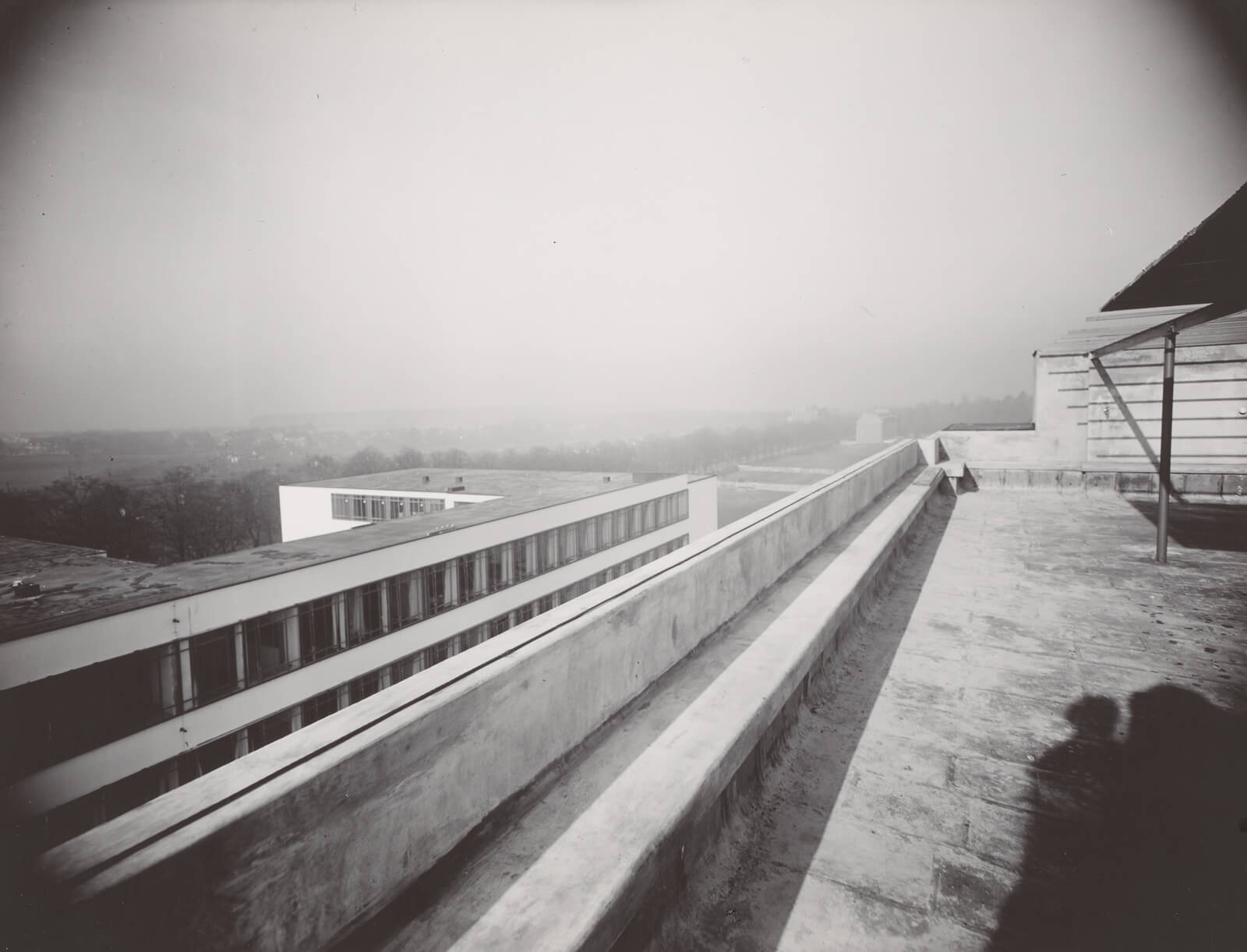

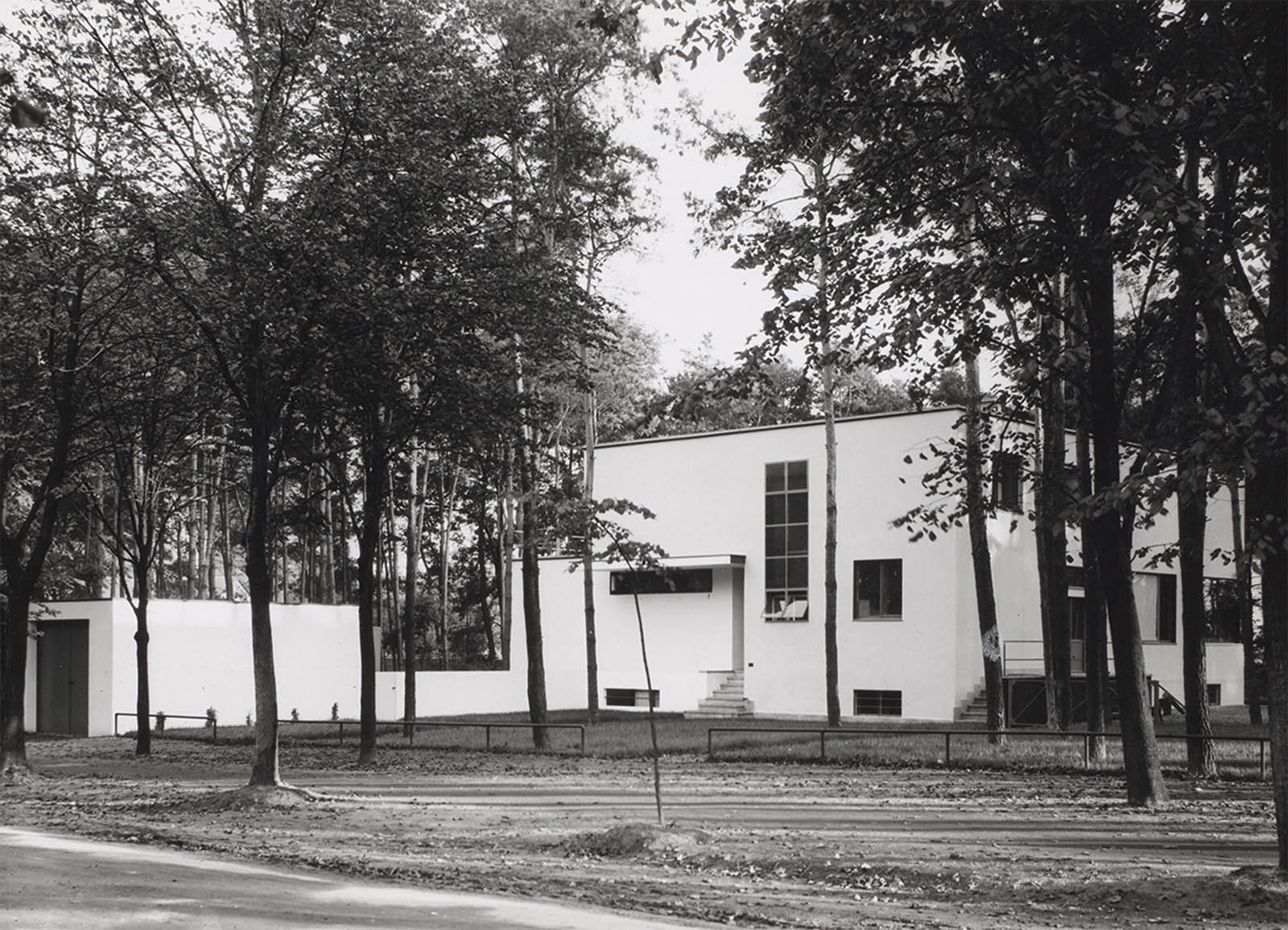

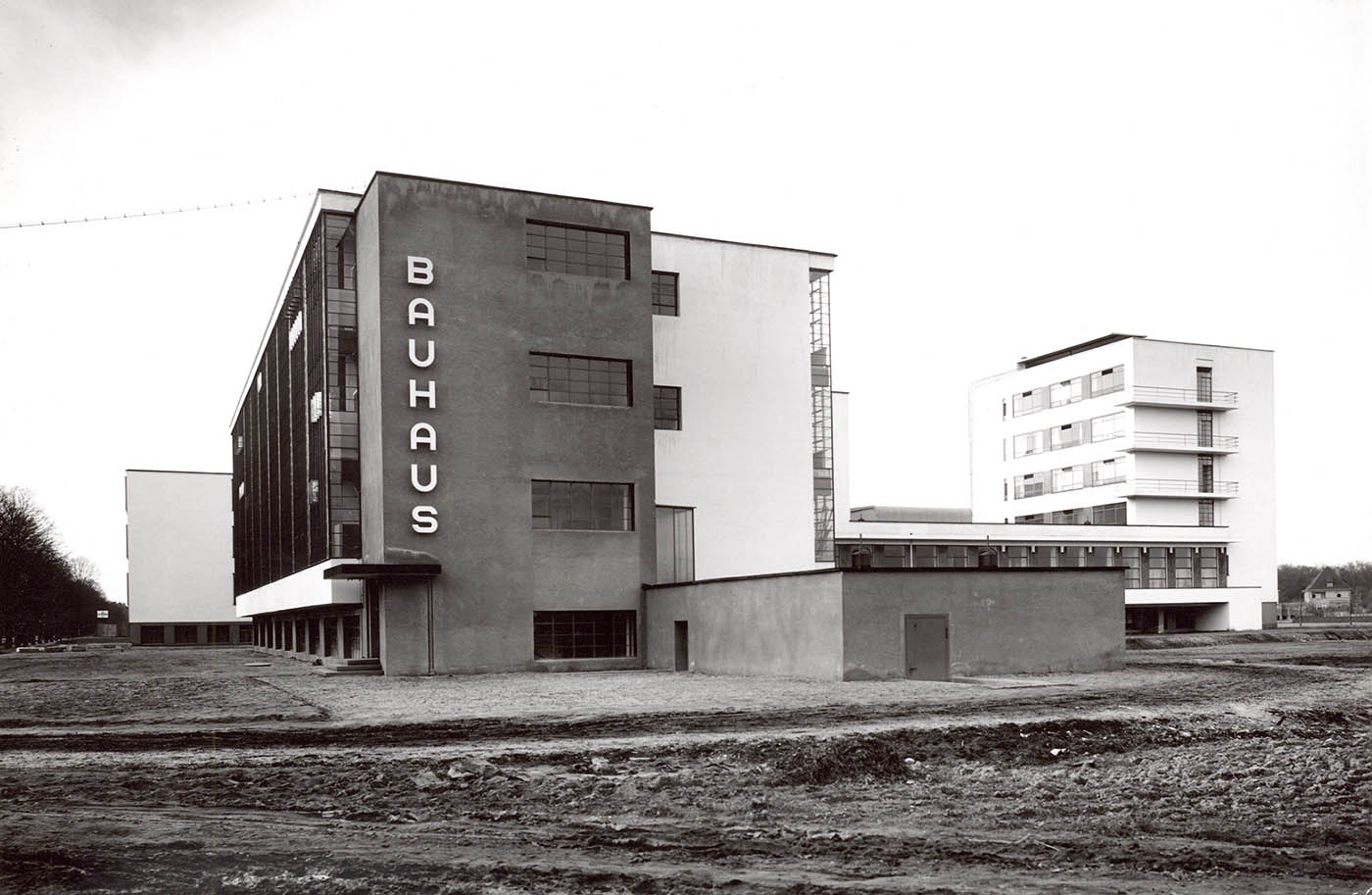
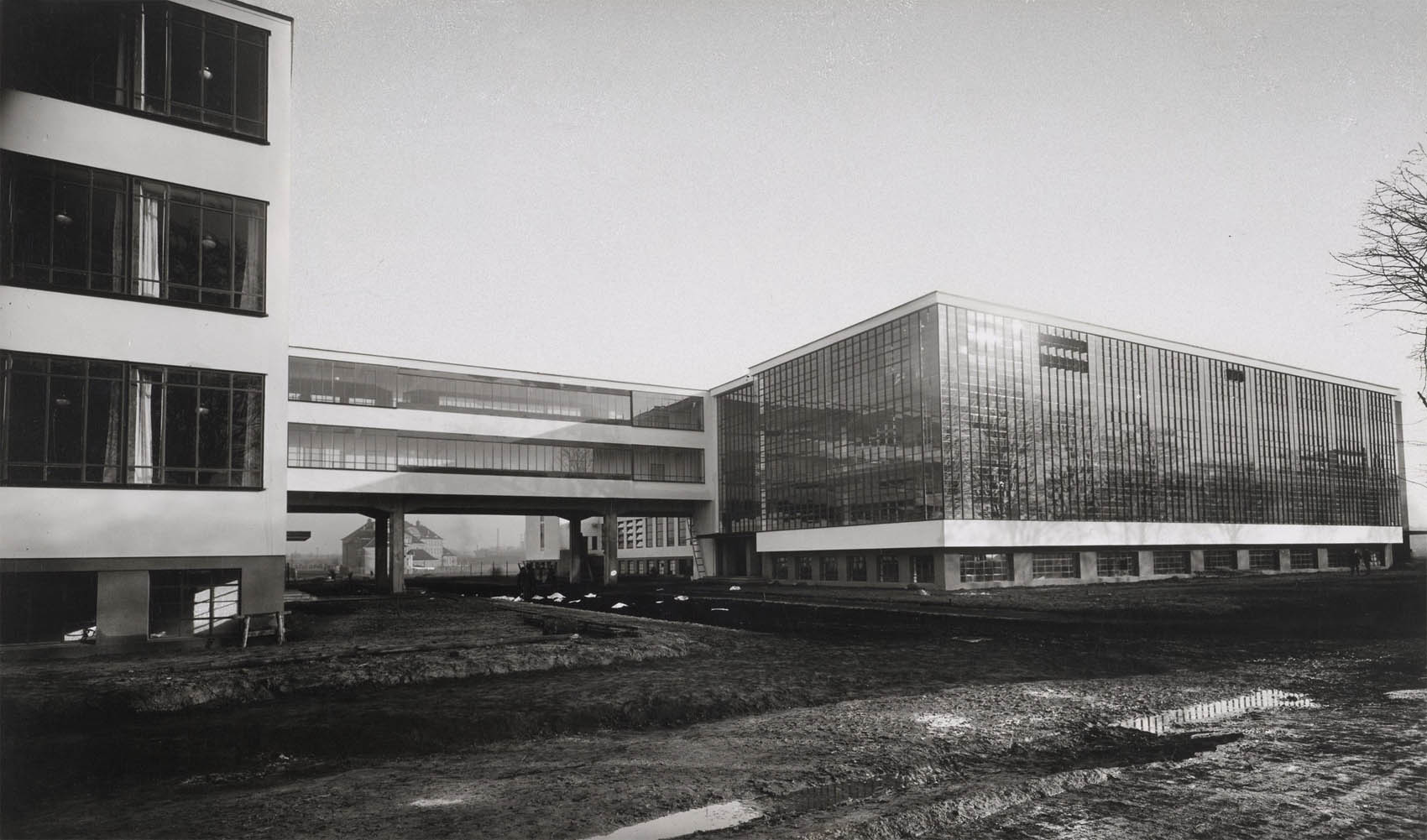

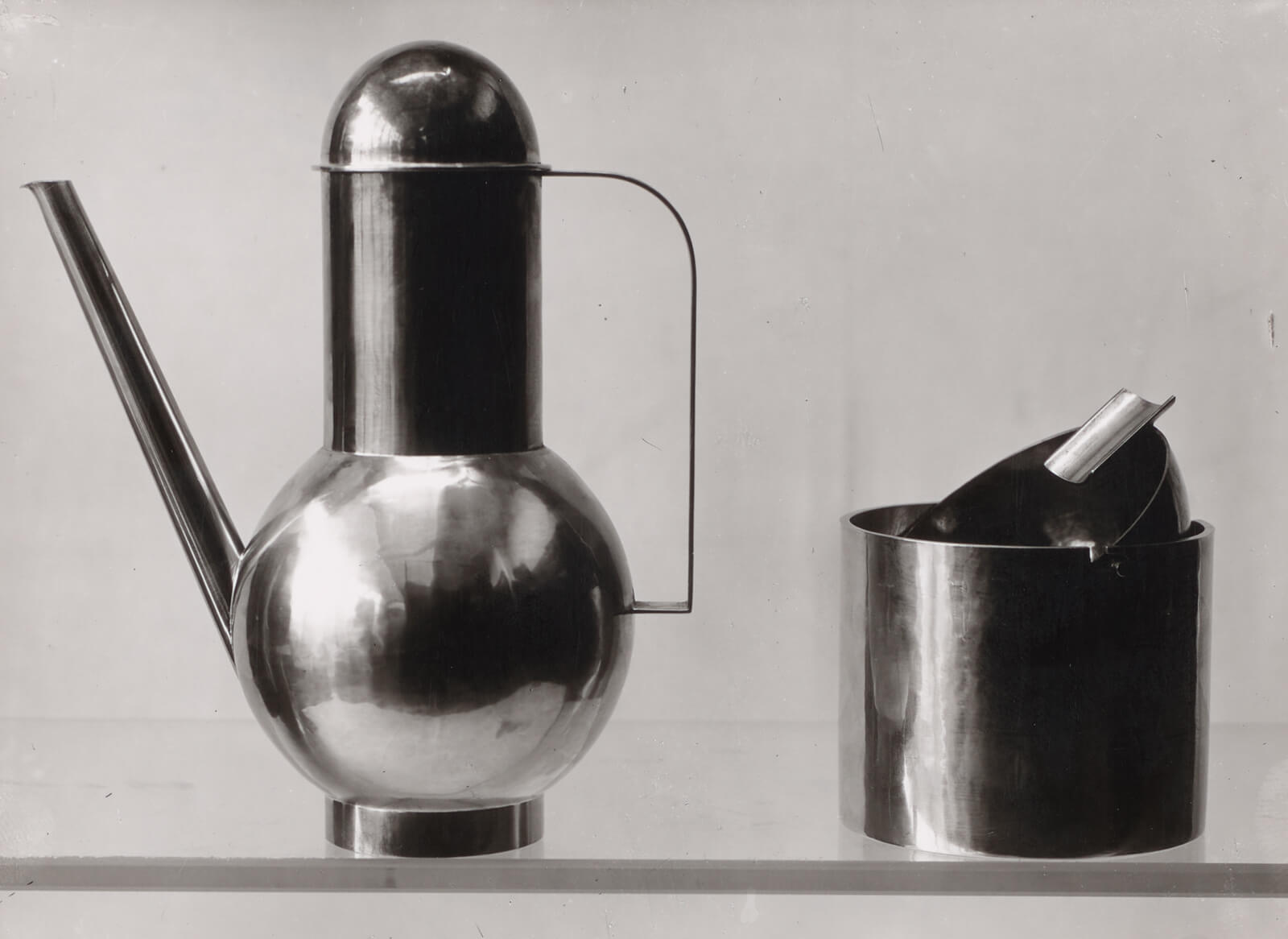


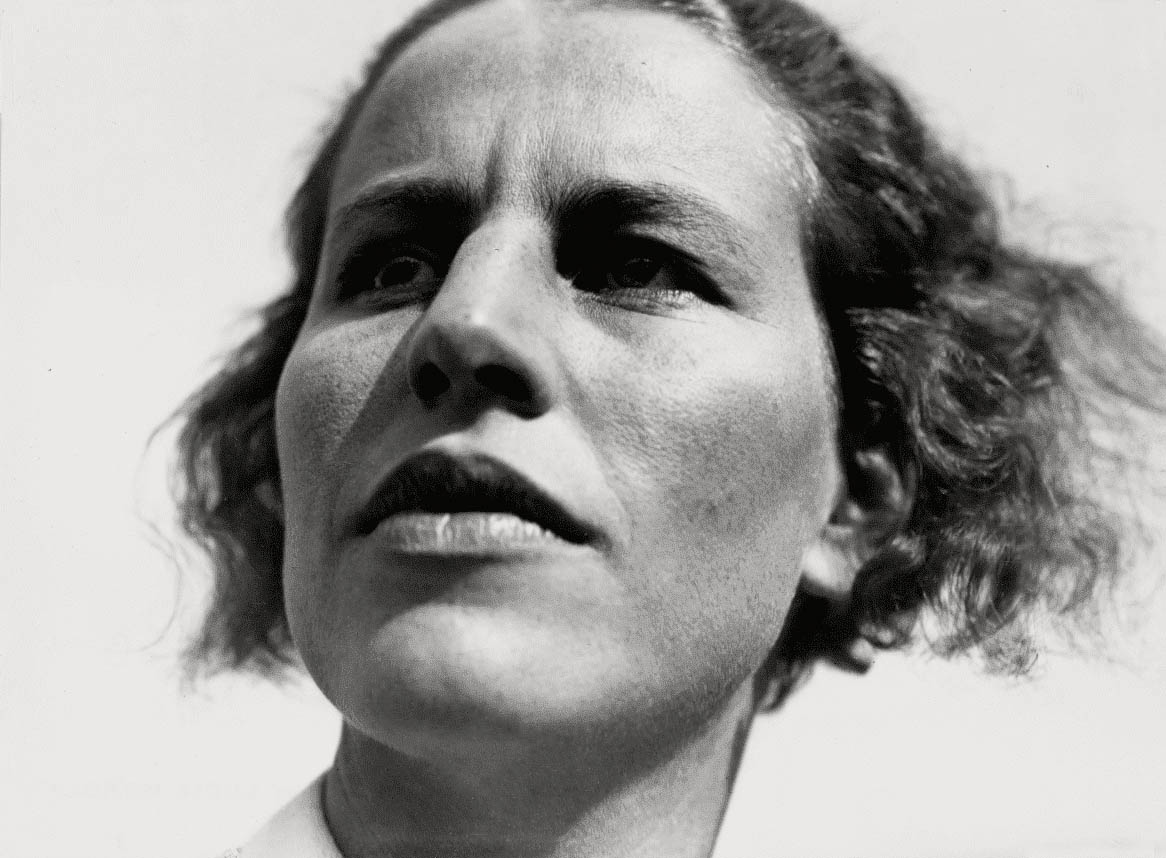


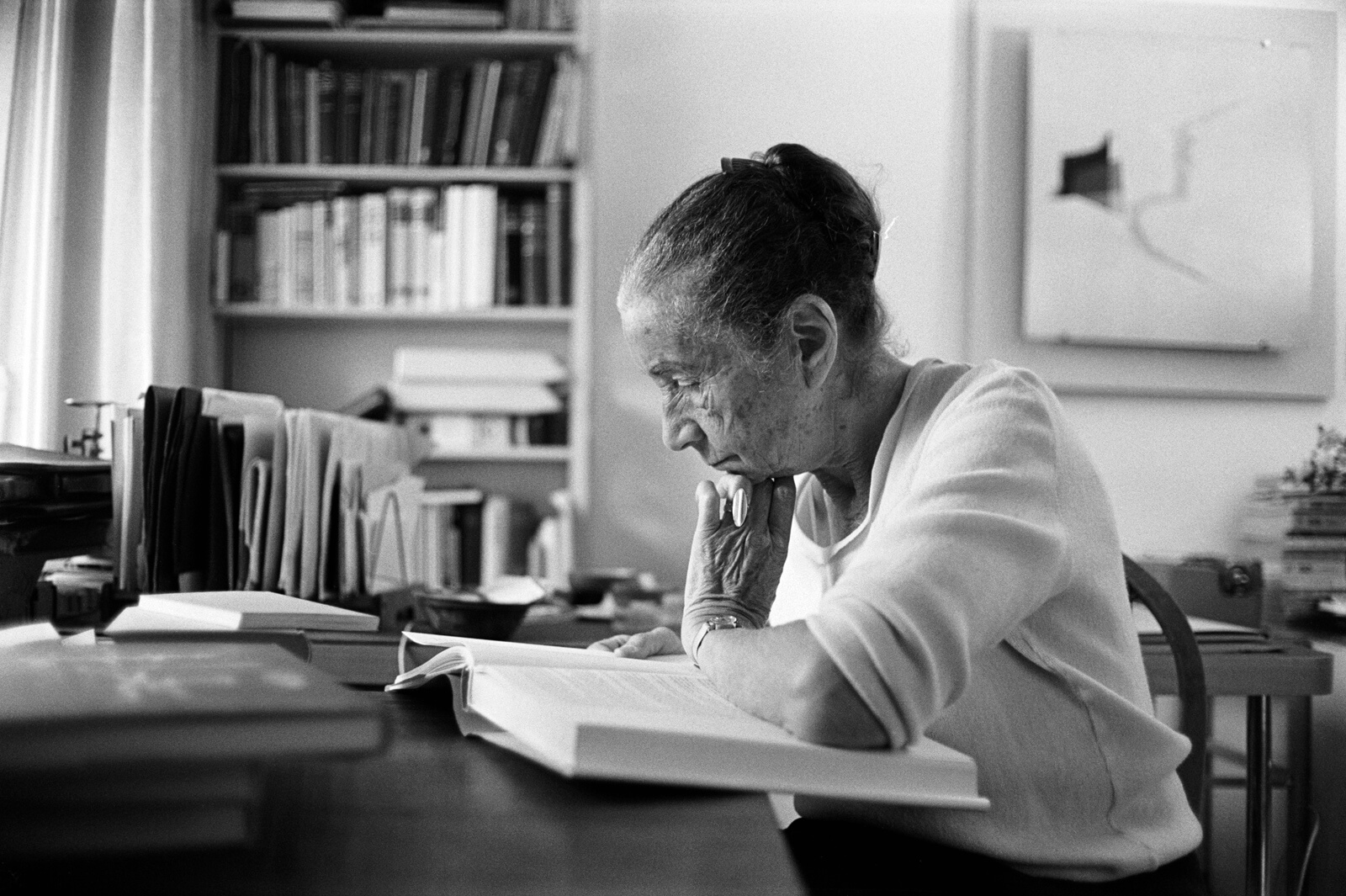


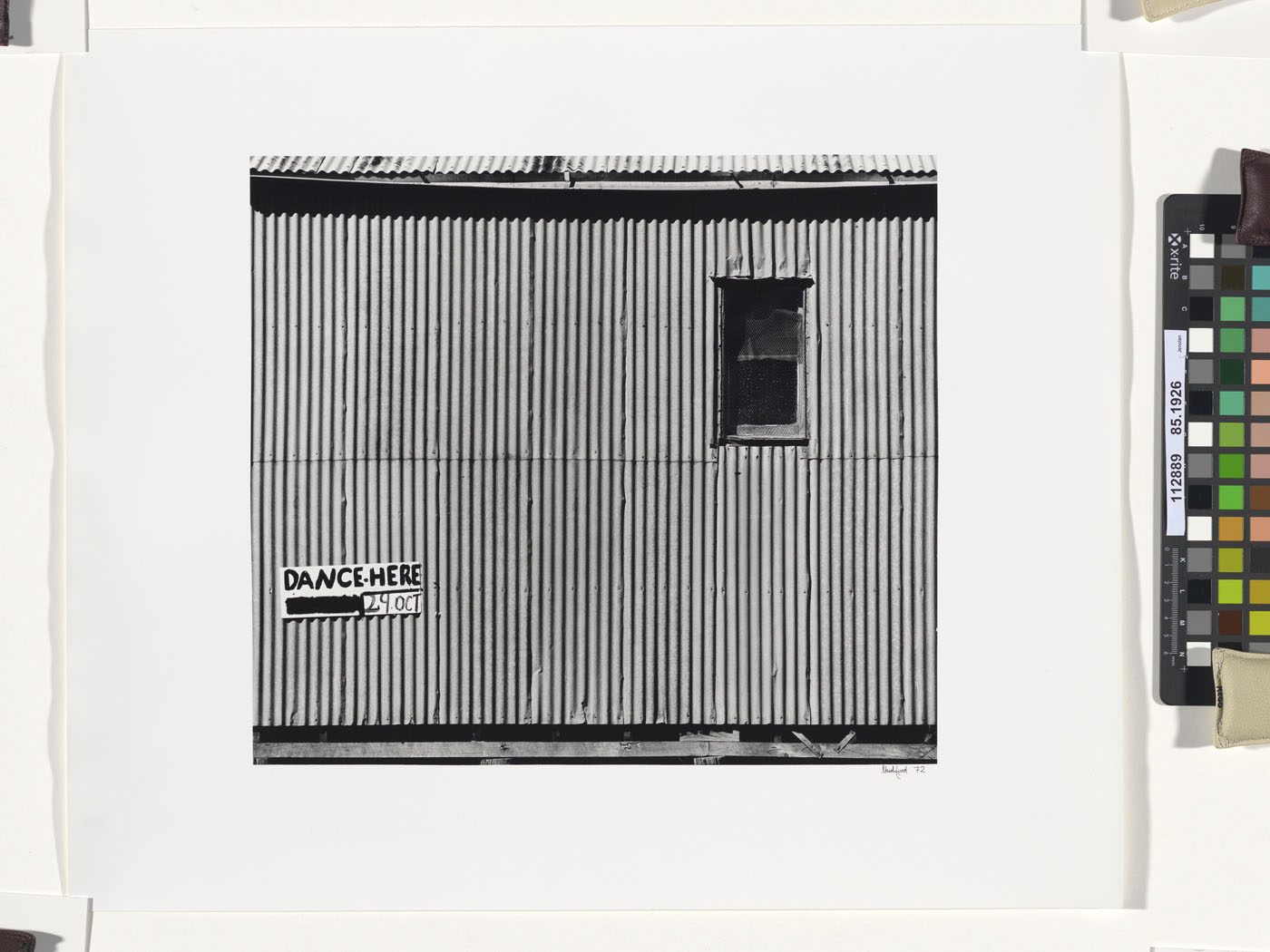
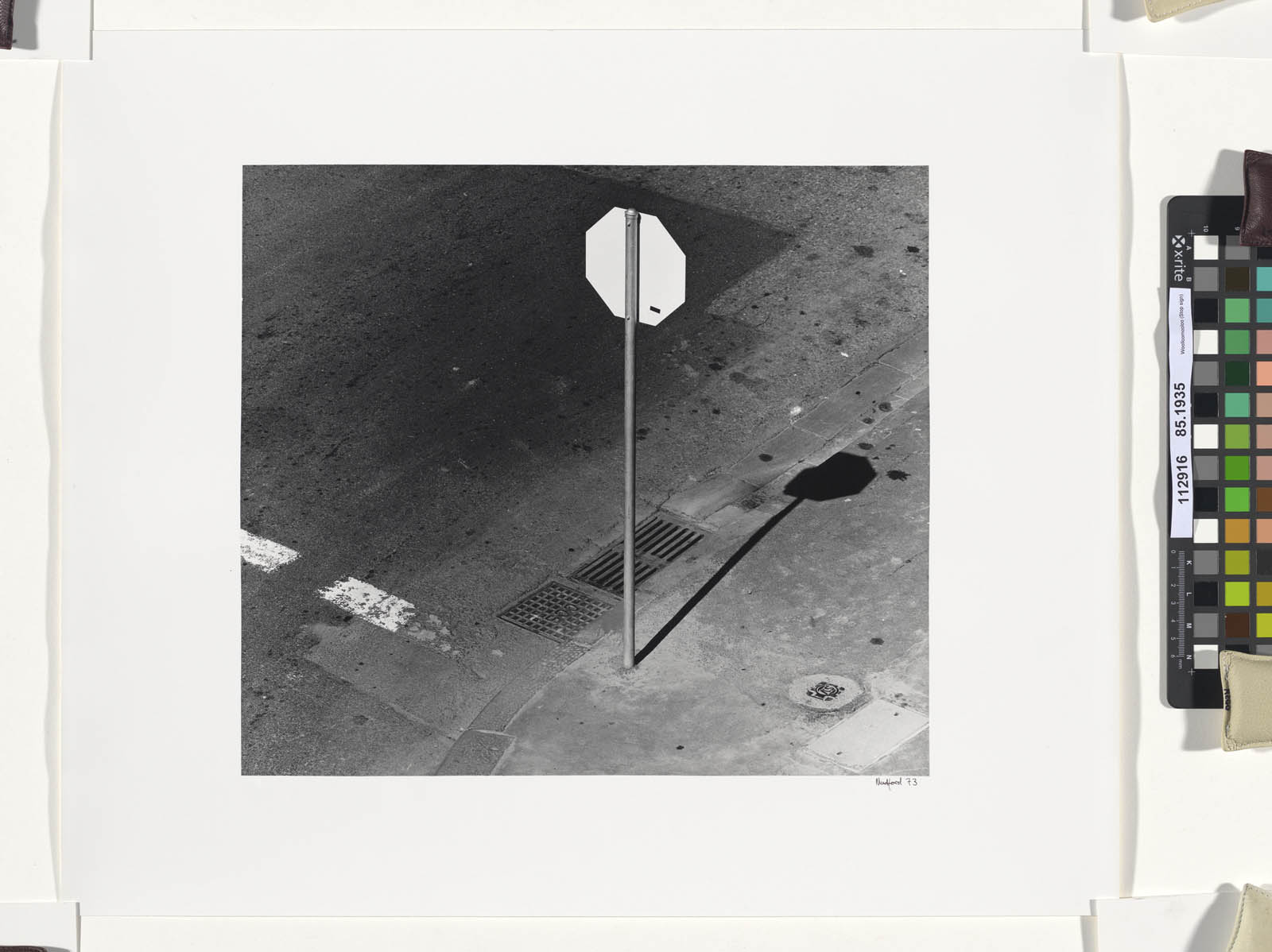
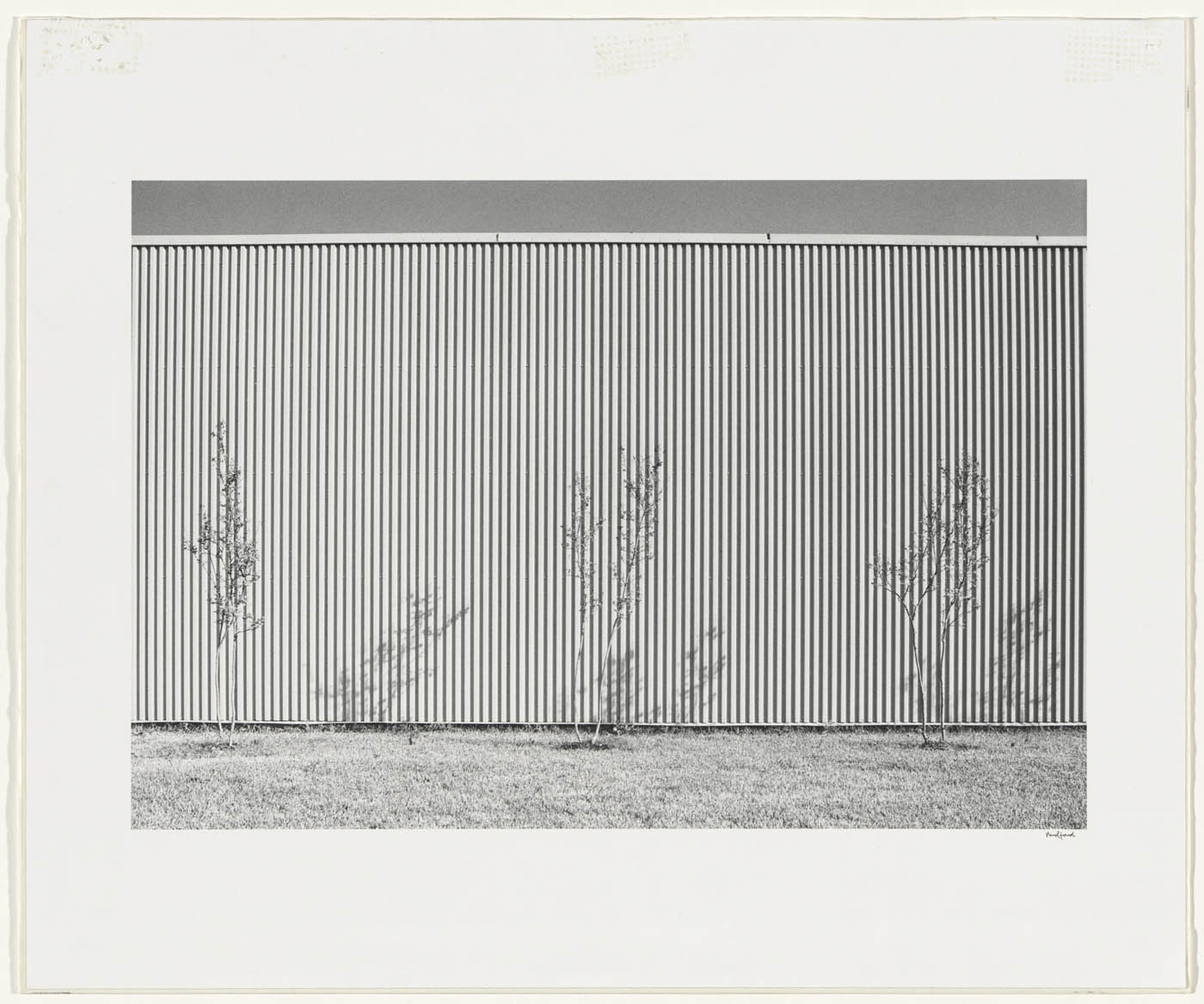
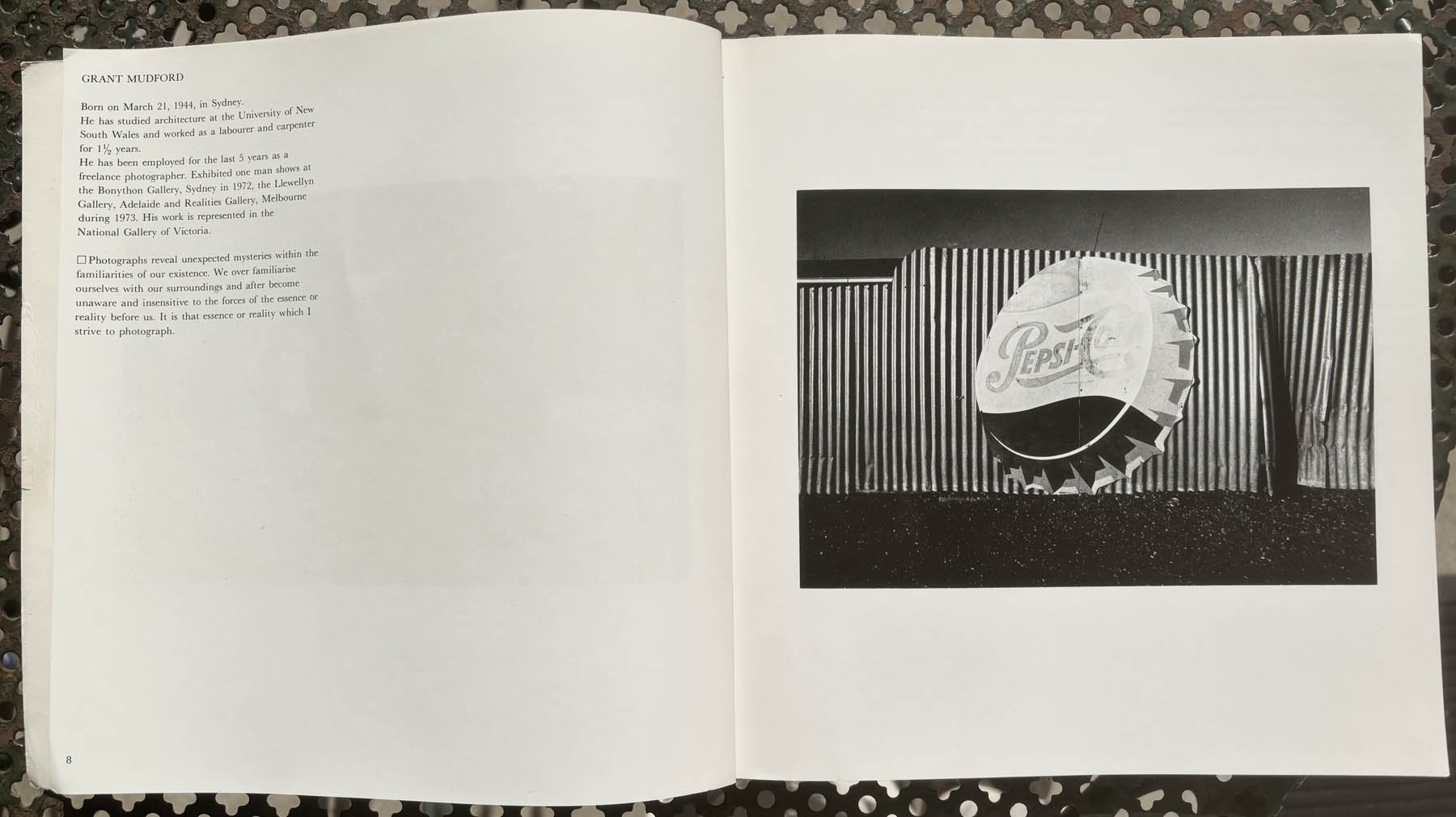
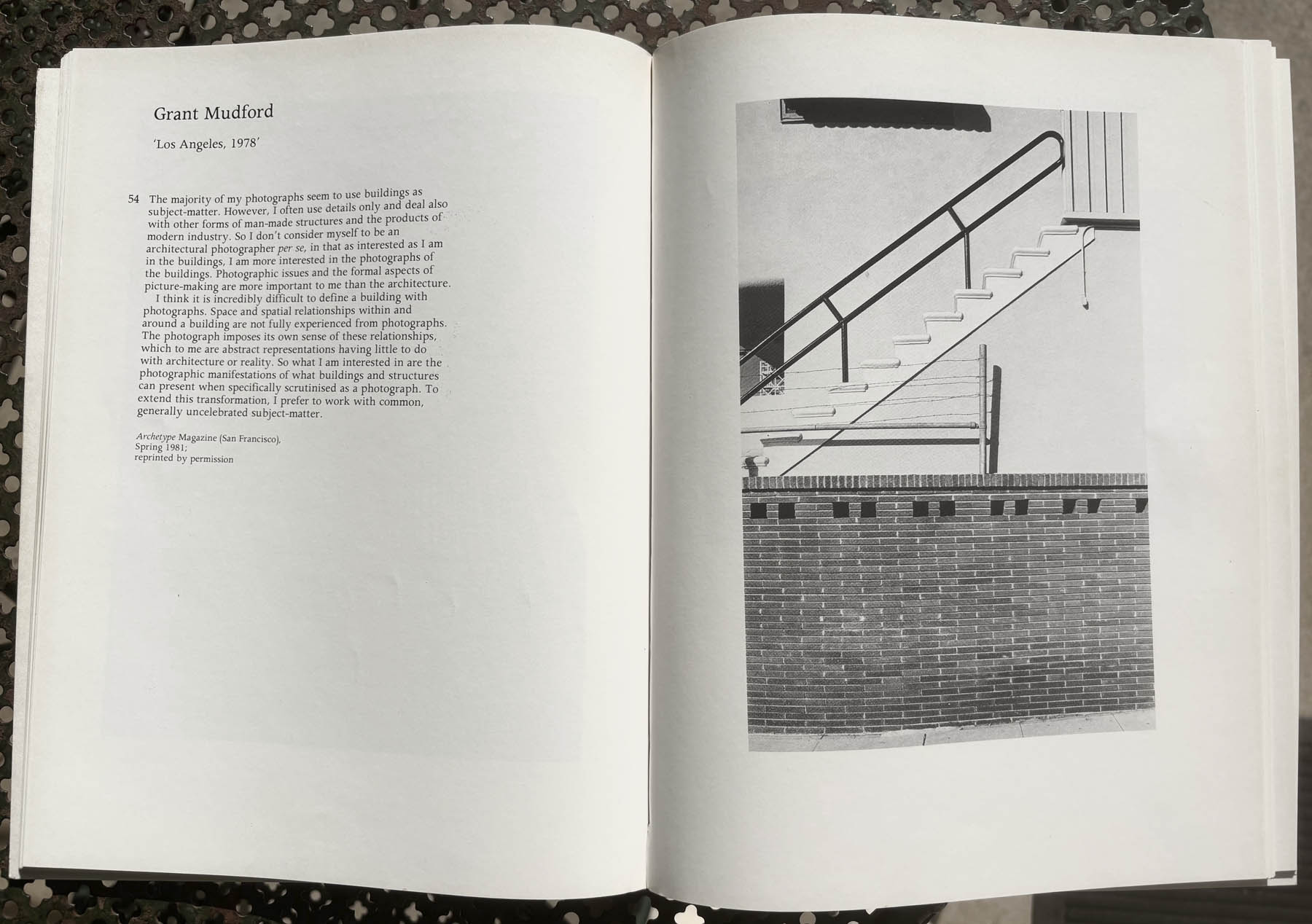
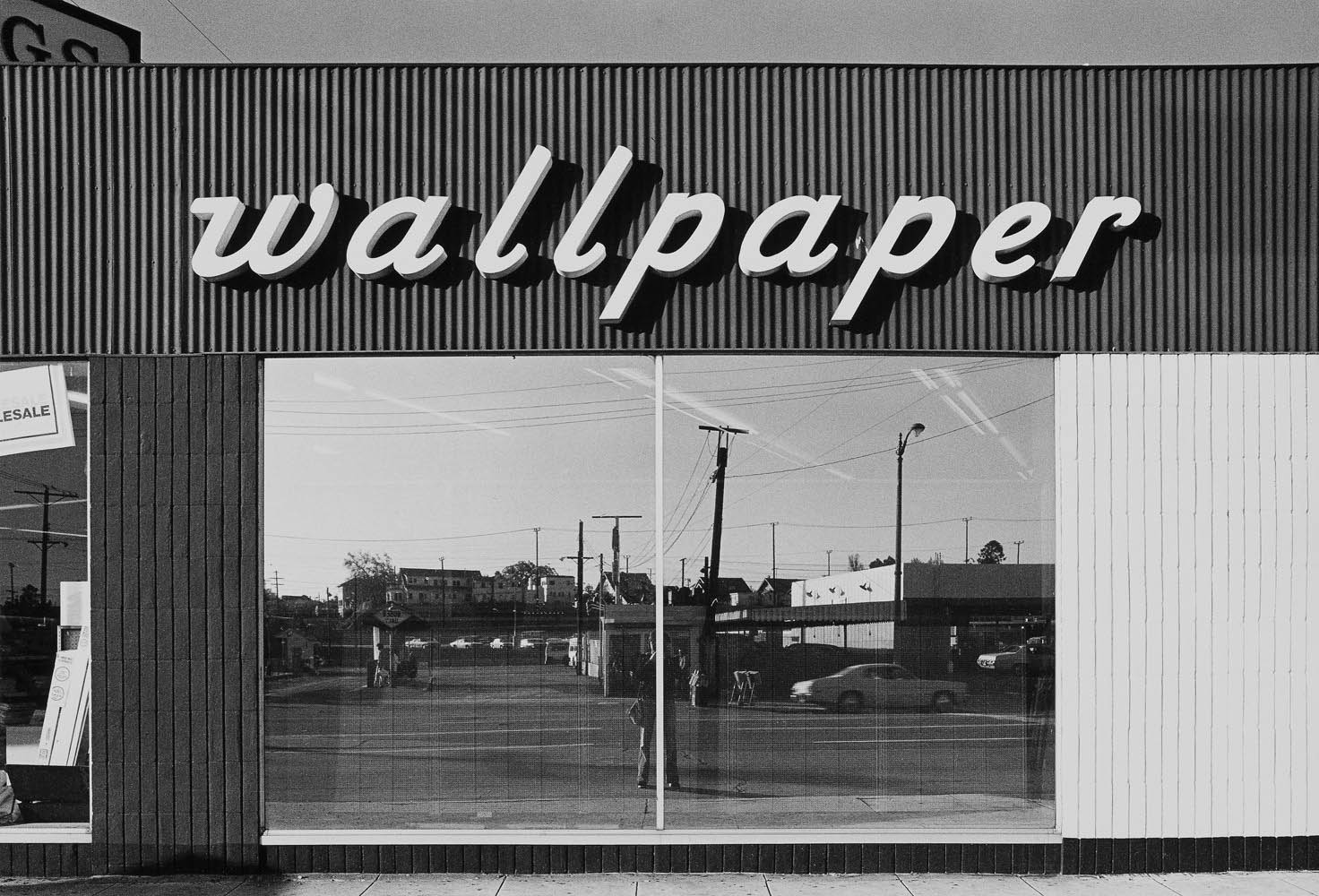
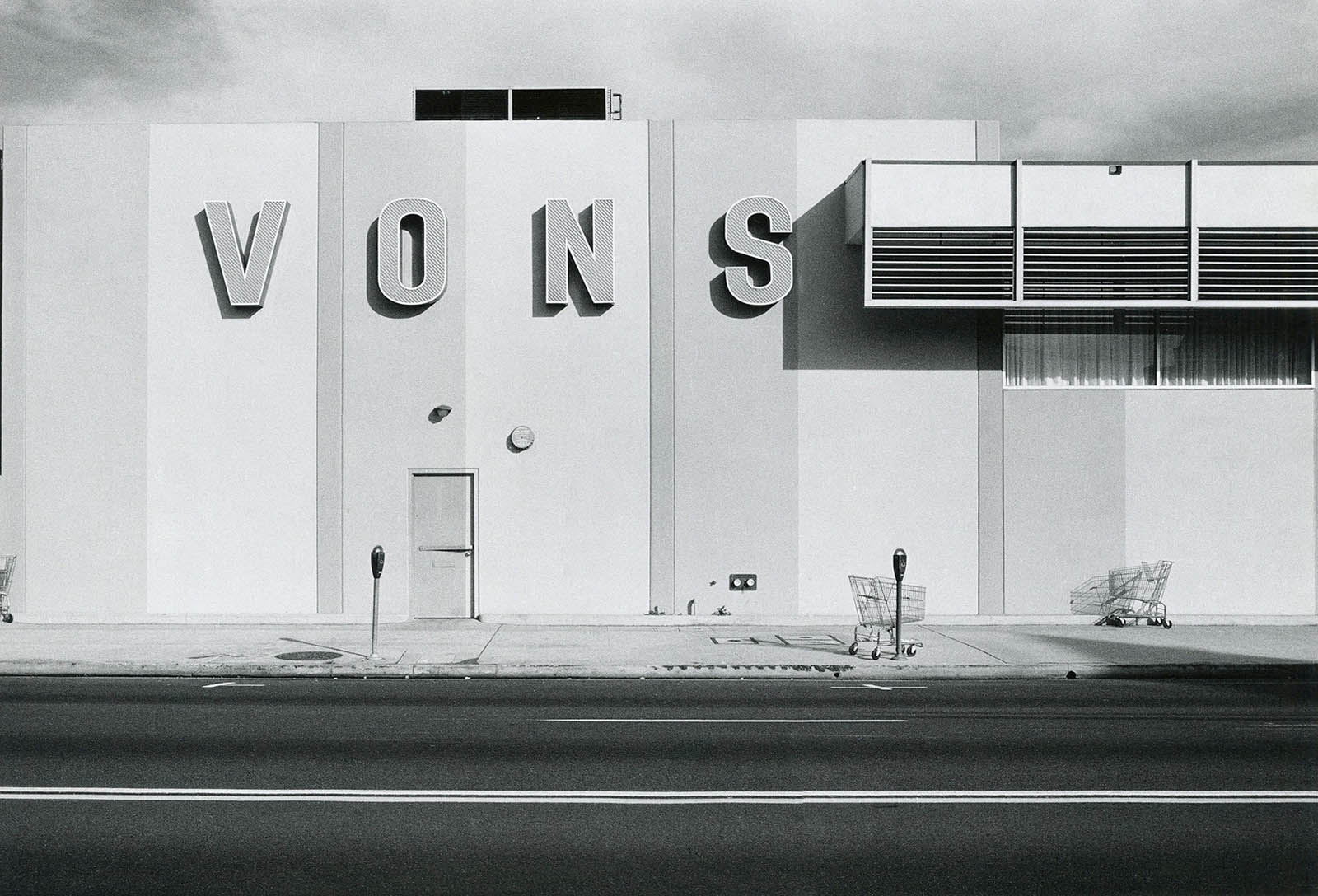
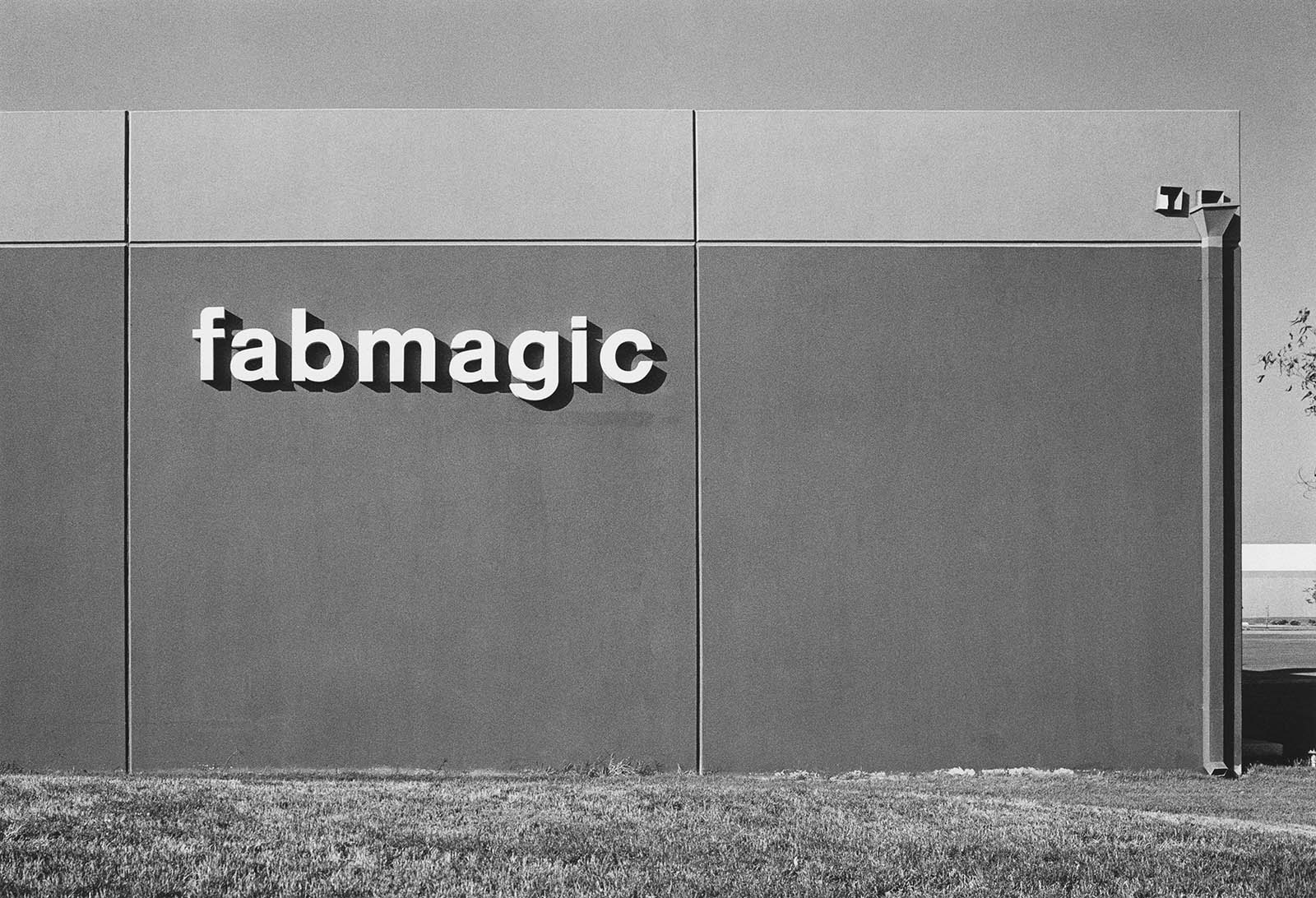
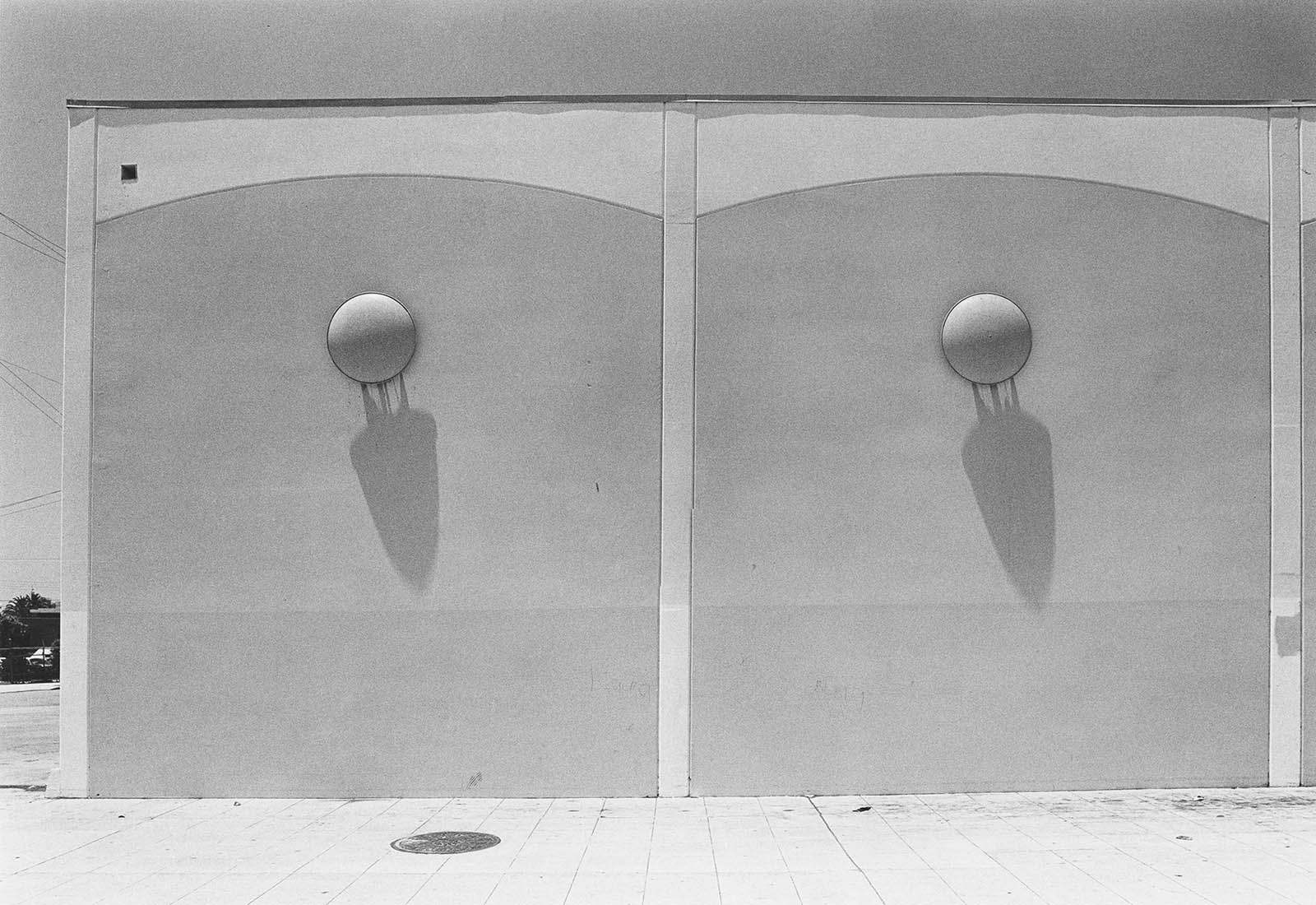
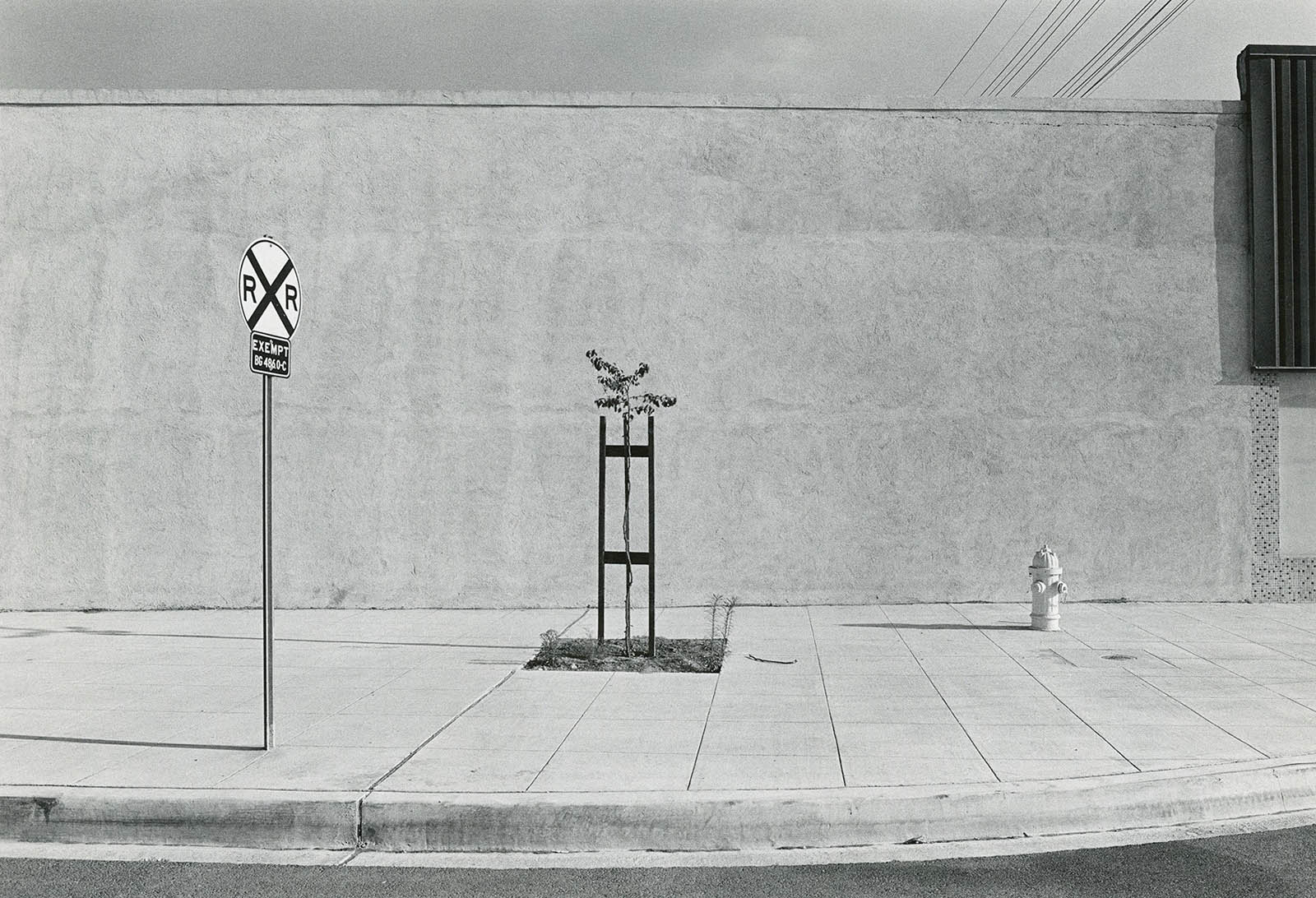
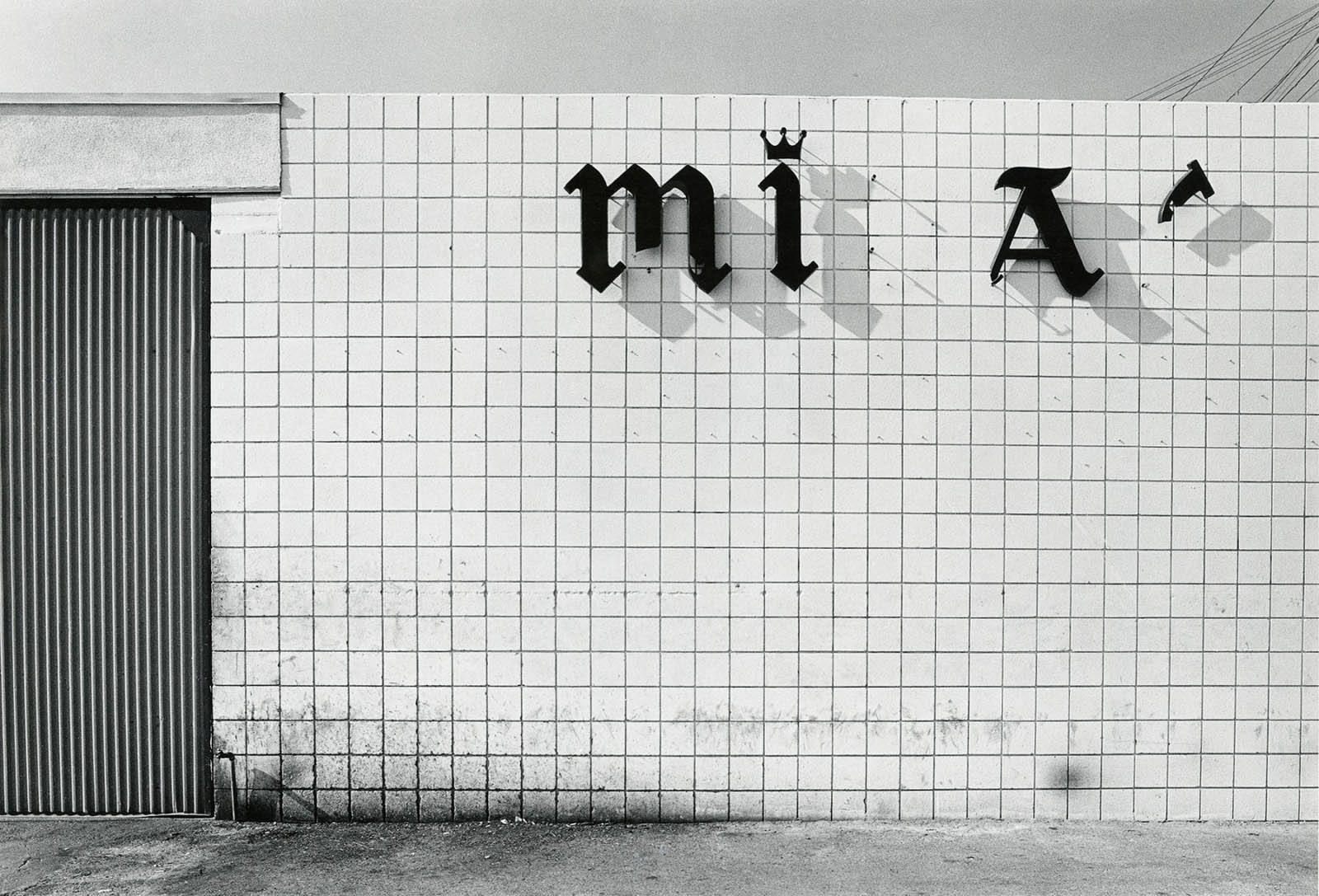
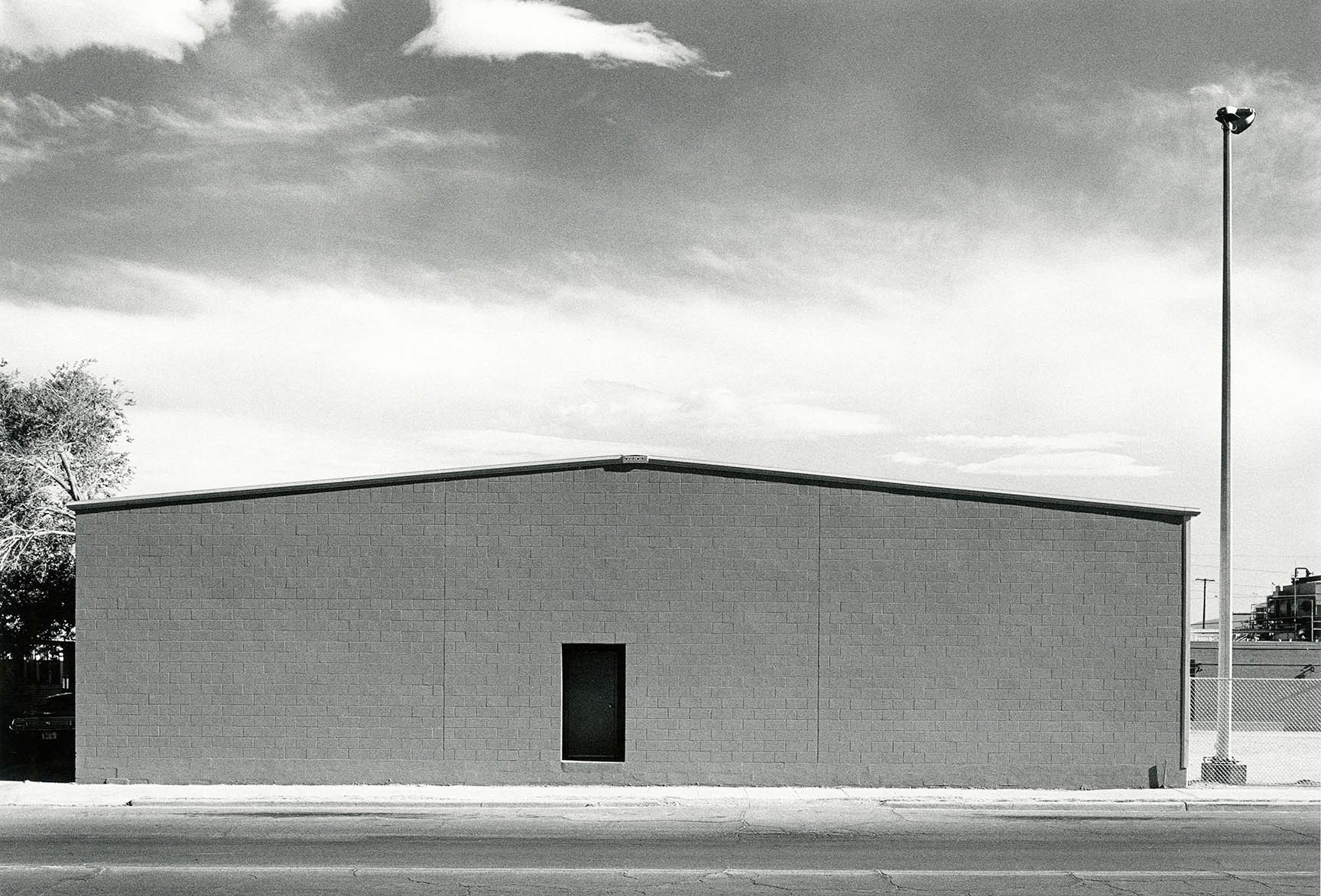
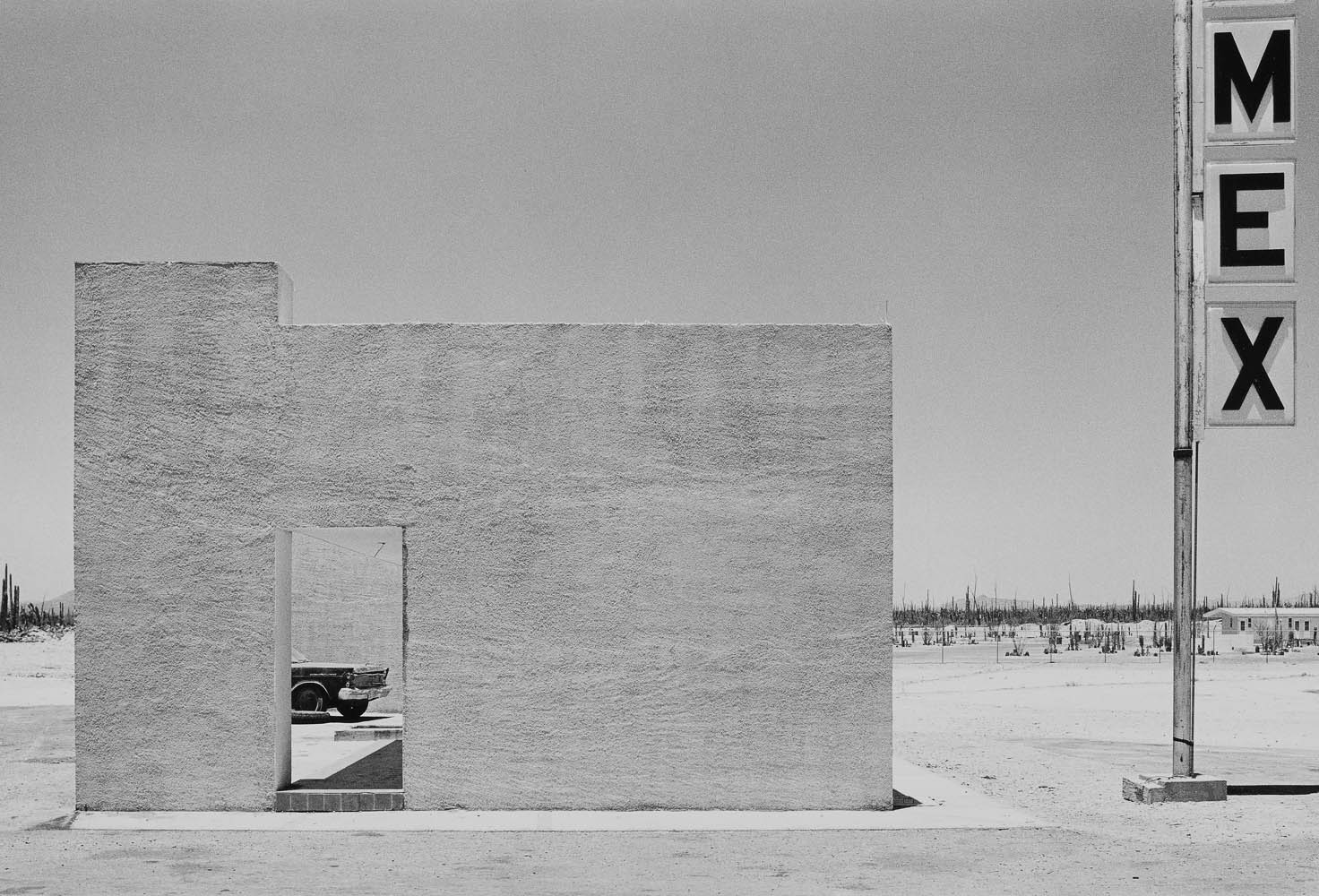
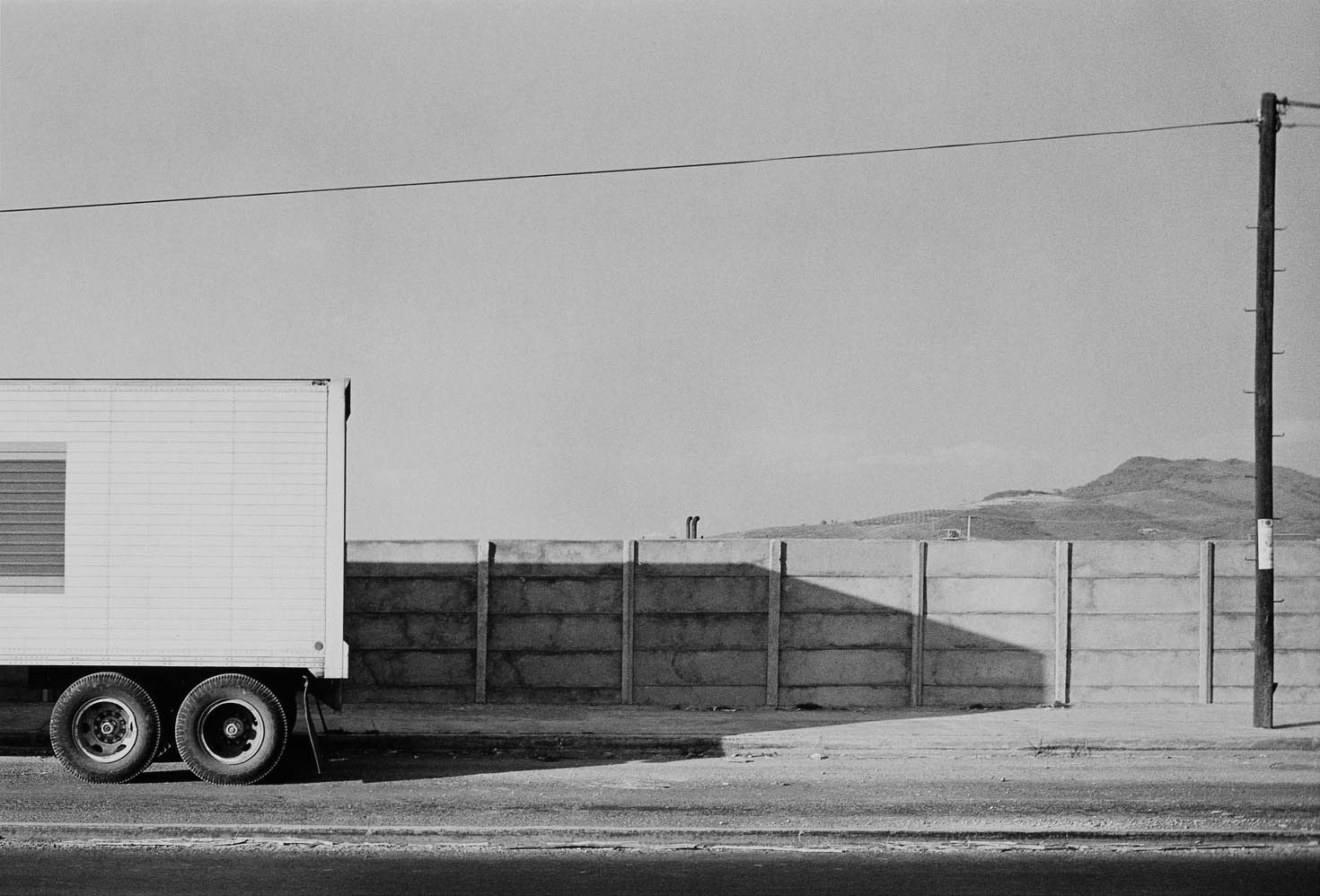
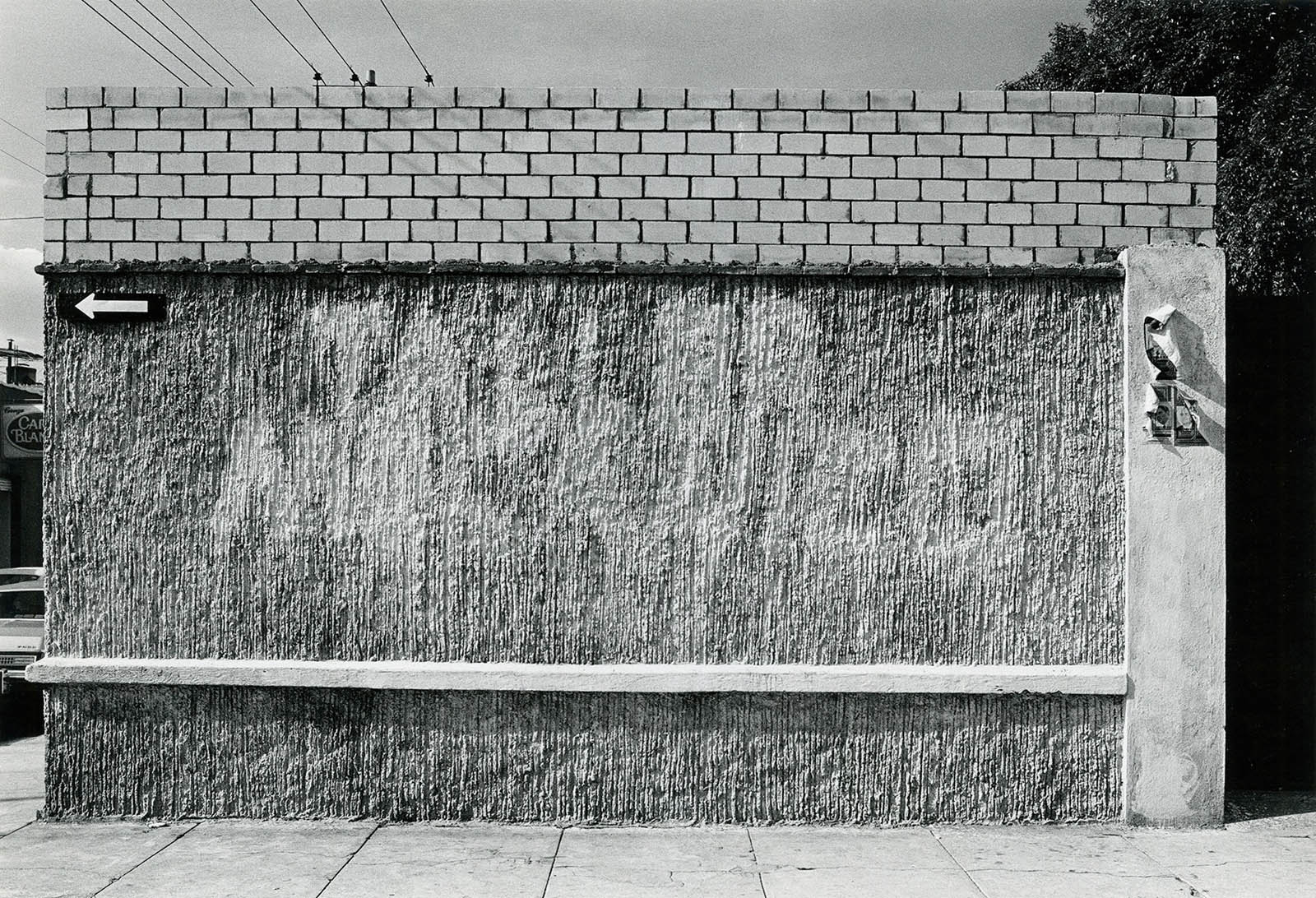
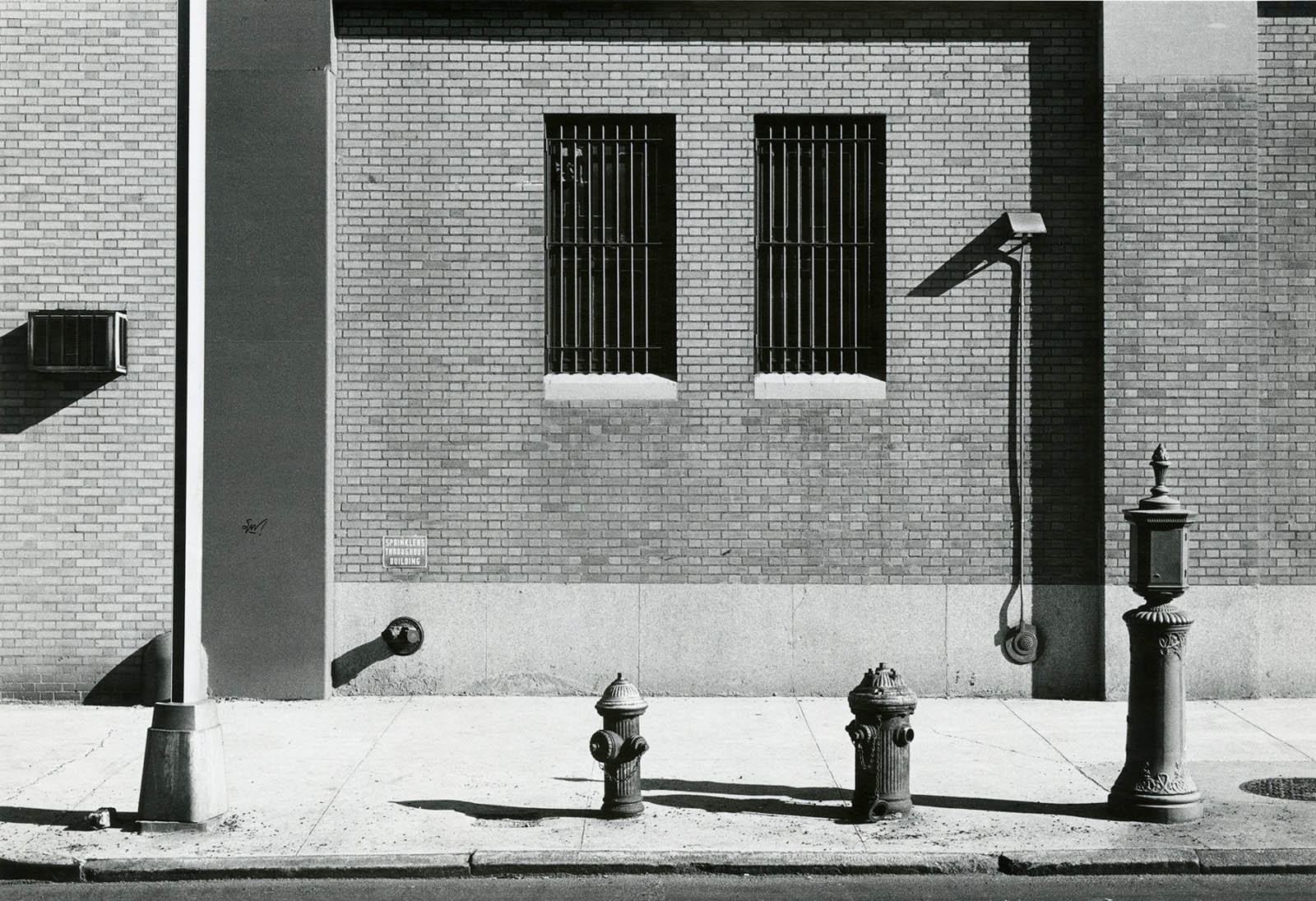
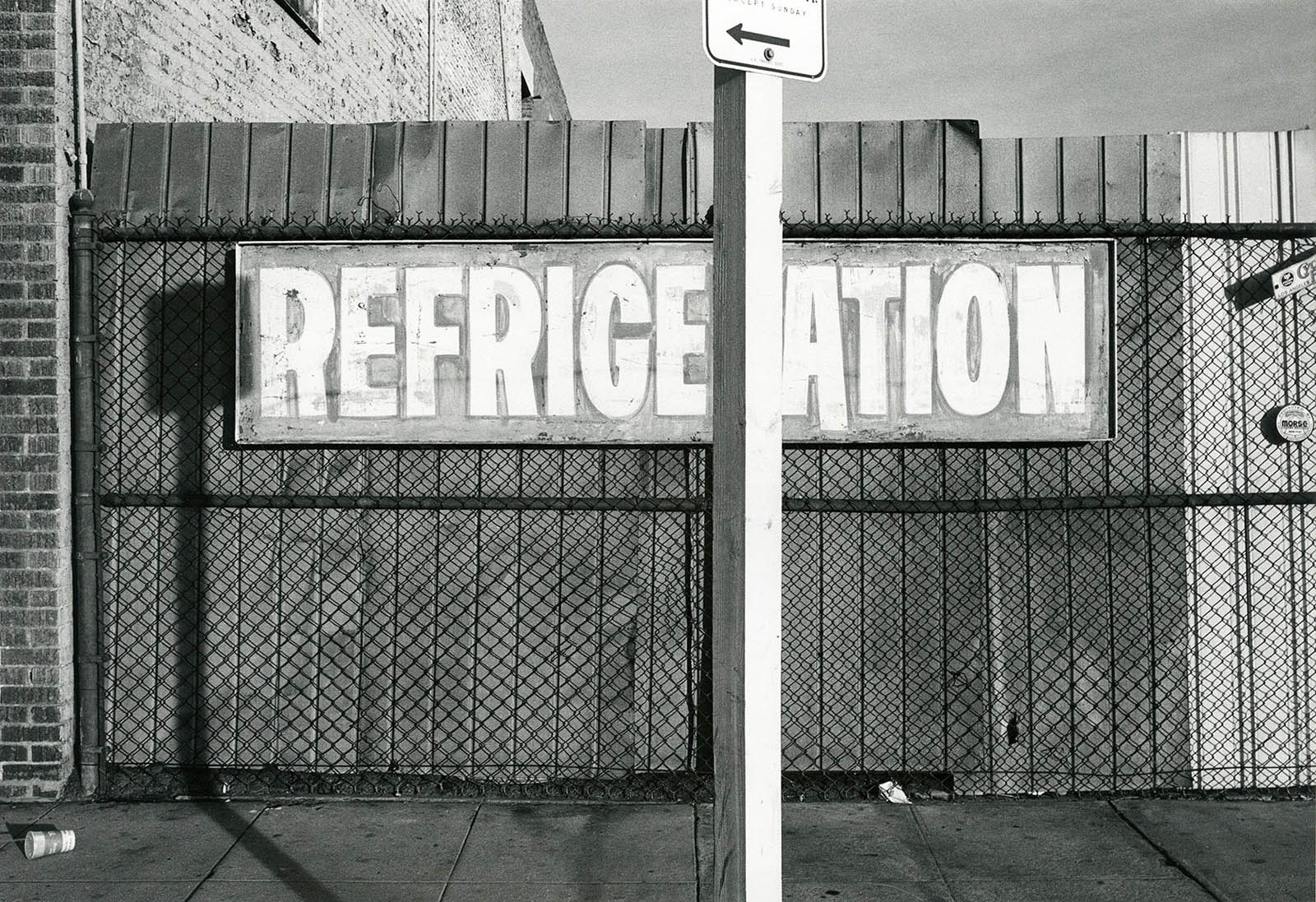
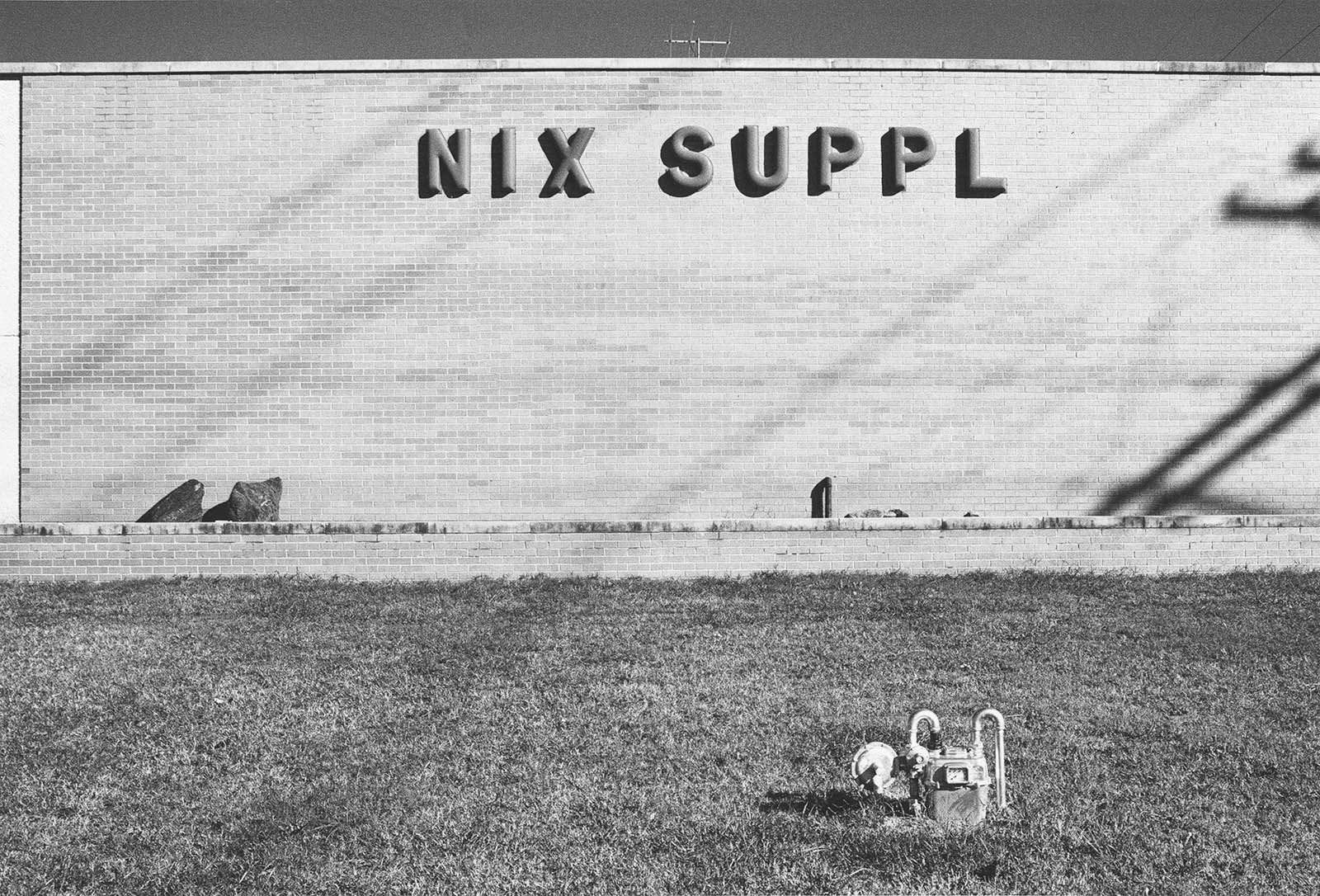
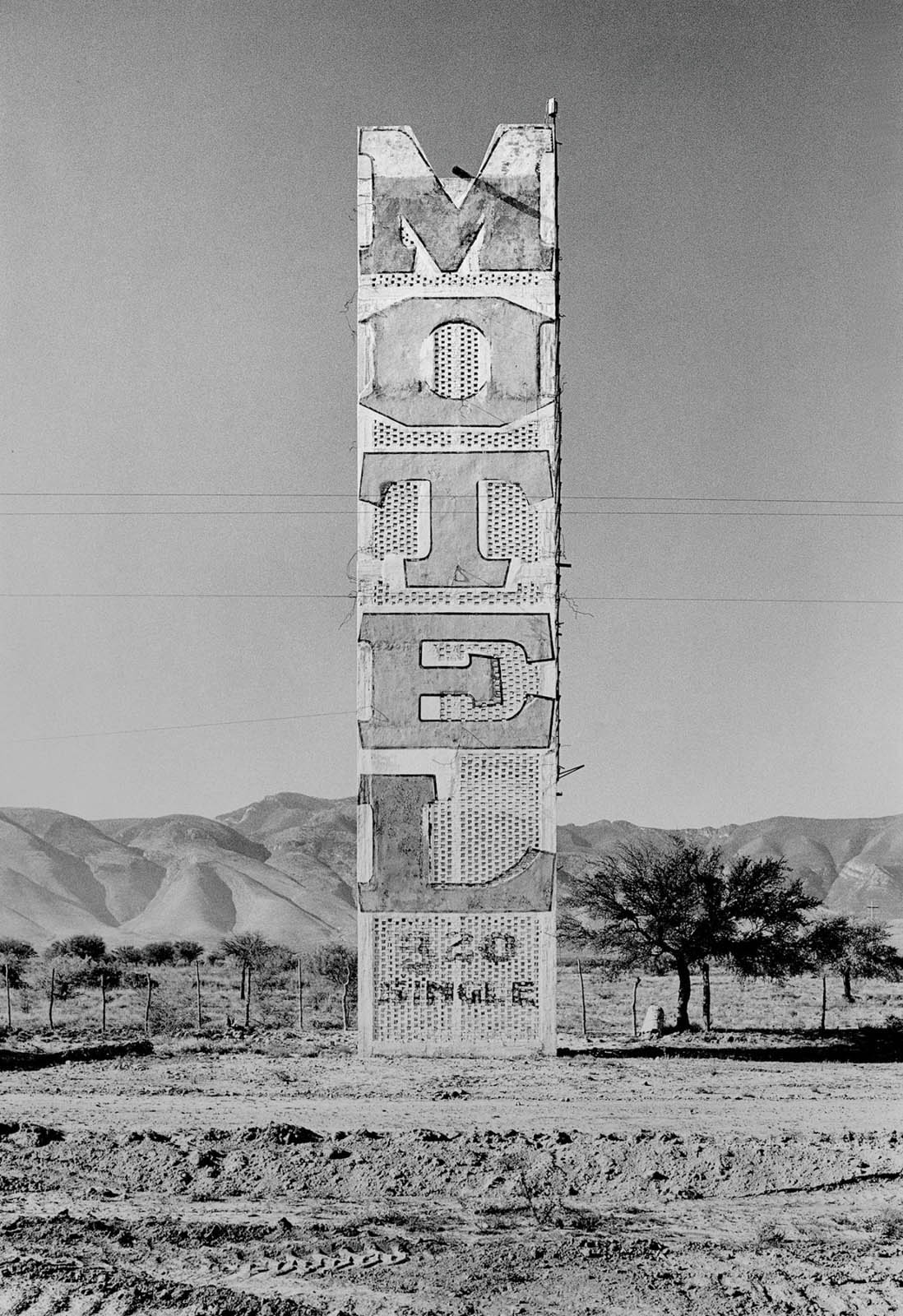
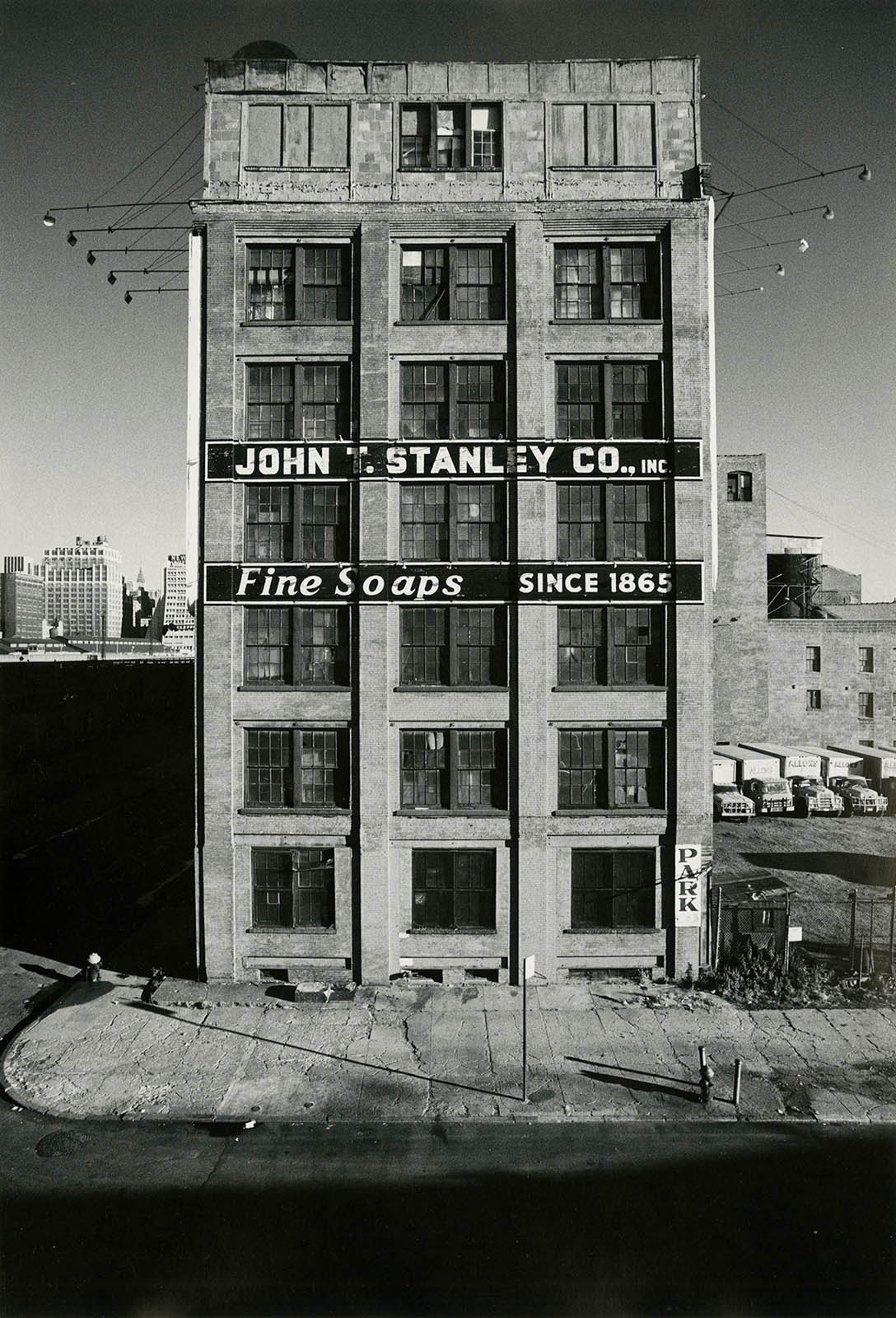
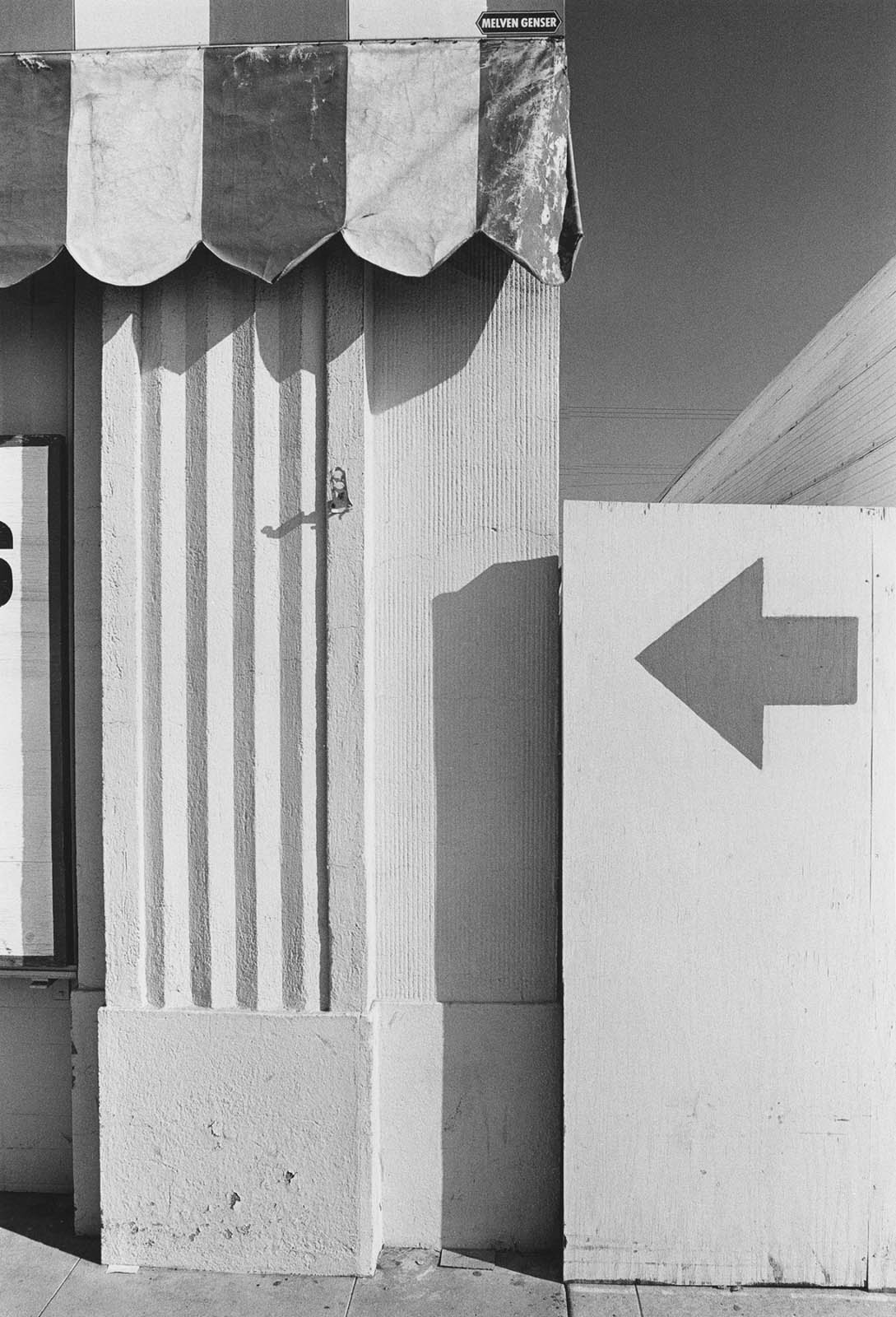
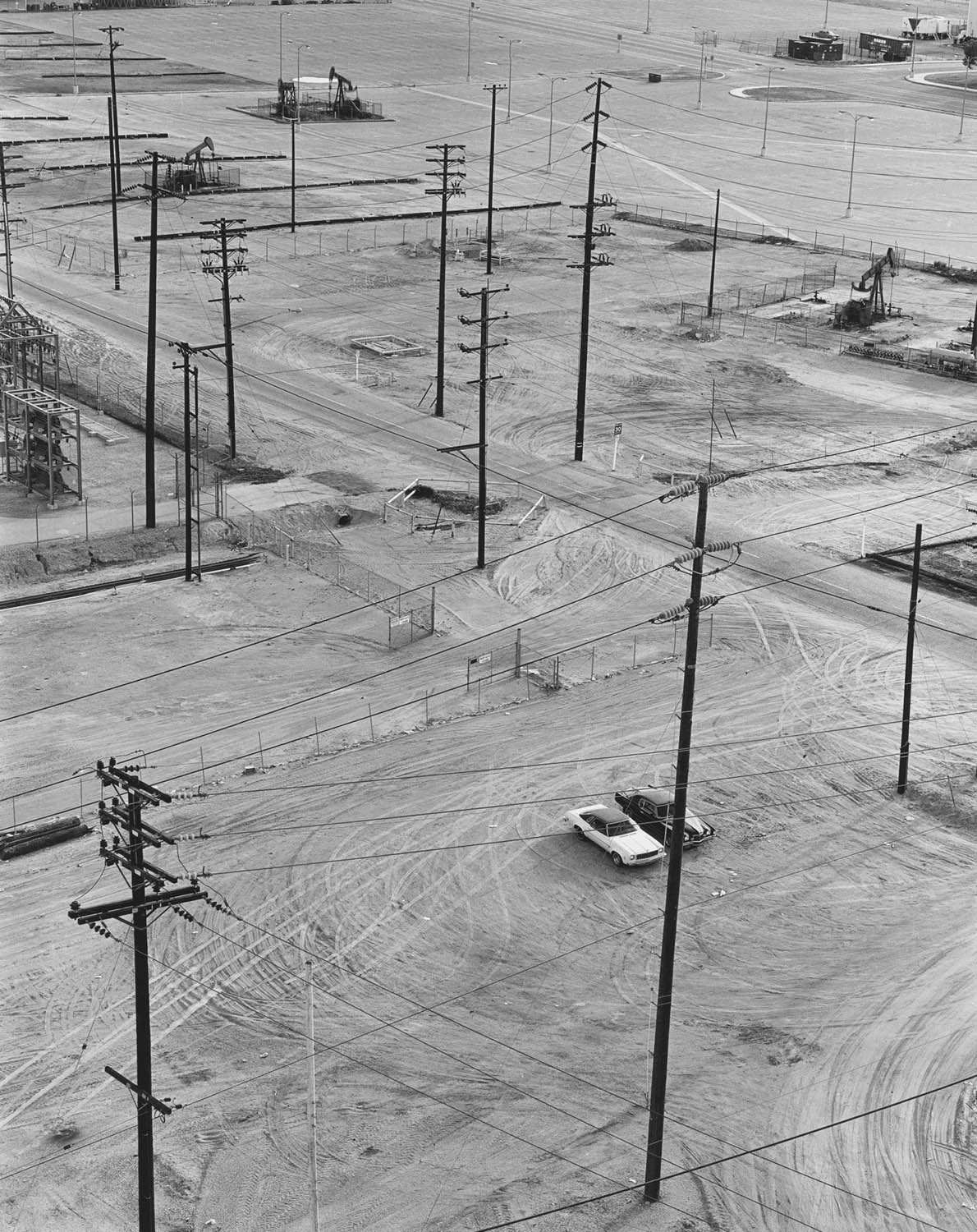


![Fratelli Gajo – Piazza S.Marco 139 – Venezia. 'Untitled [The Doges' Palace and the Piazzetta]' 1880s](https://artblart.com/wp-content/uploads/2022/05/3-untitled.jpg "Fratelli Gajo – Piazza S.Marco 139 – Venezia. 'Untitled [The Doges' Palace and the Piazzetta]' 1880s")
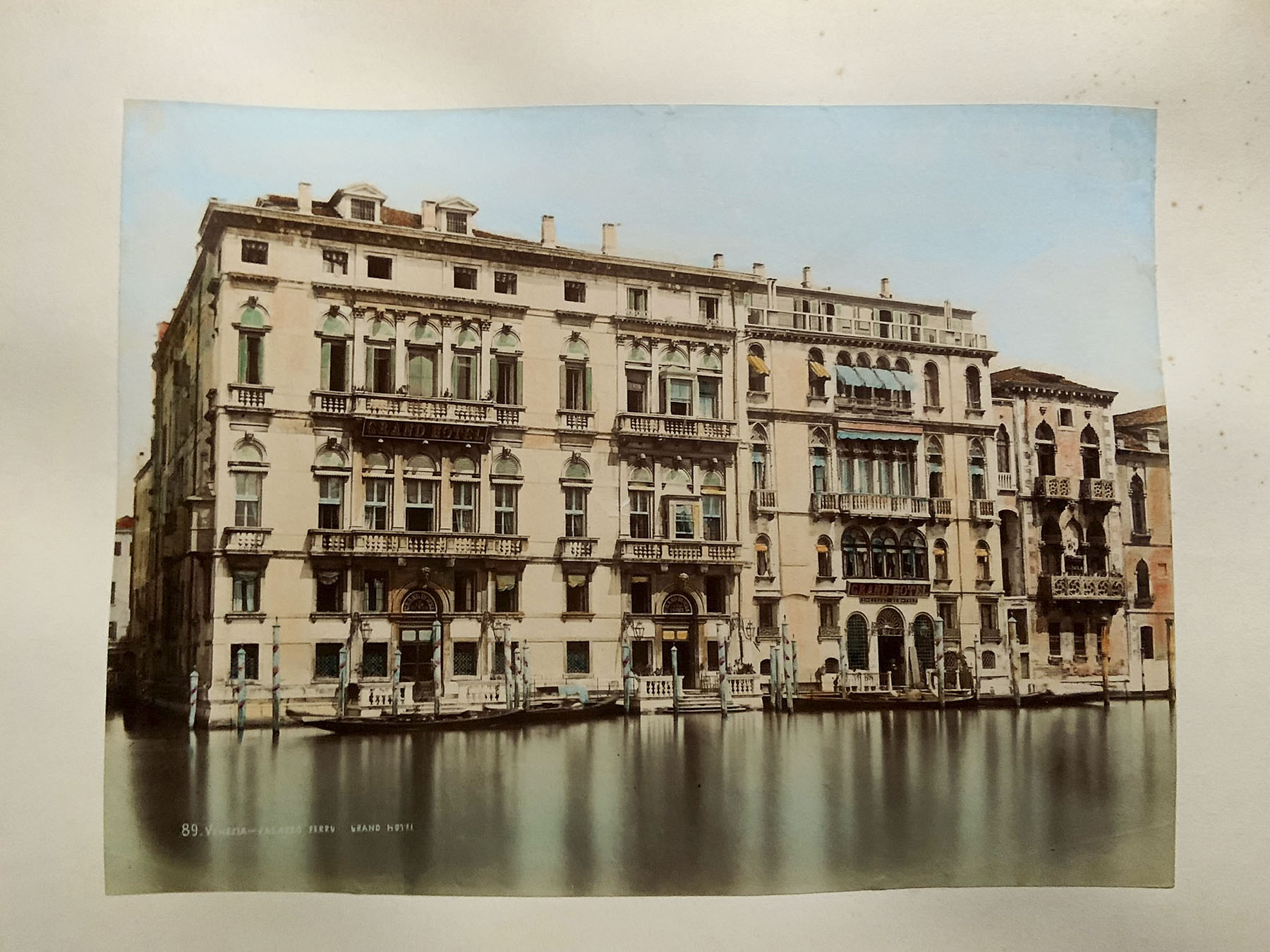


![Fratelli Gajo – Piazza S.Marco 139 – Venezia. 'Untitled [St Mark's Basilica]' 1880s](https://artblart.com/wp-content/uploads/2022/05/5-untitled.jpg "Fratelli Gajo – Piazza S.Marco 139 – Venezia. 'Untitled [St Mark's Basilica]' 1880s")
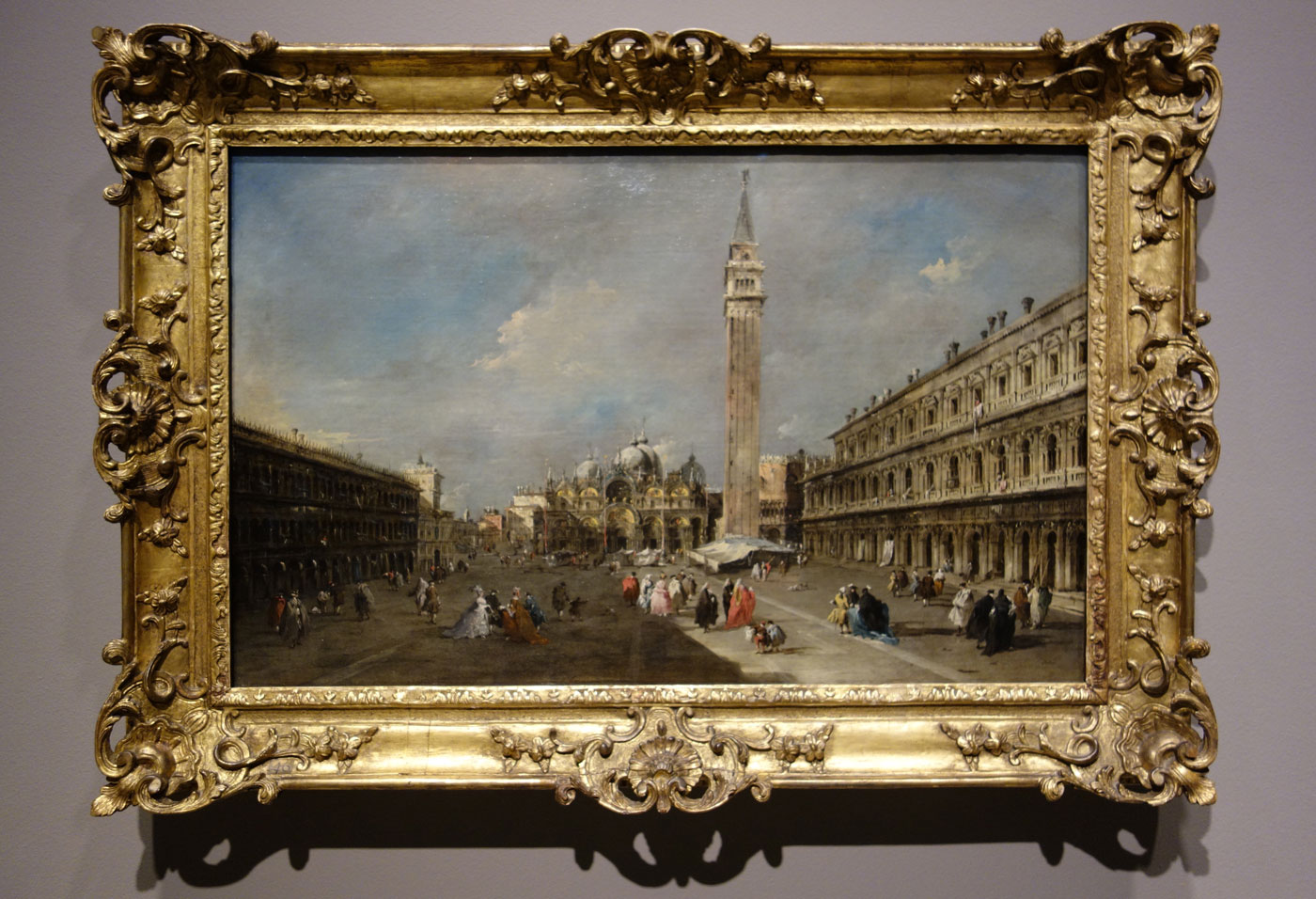


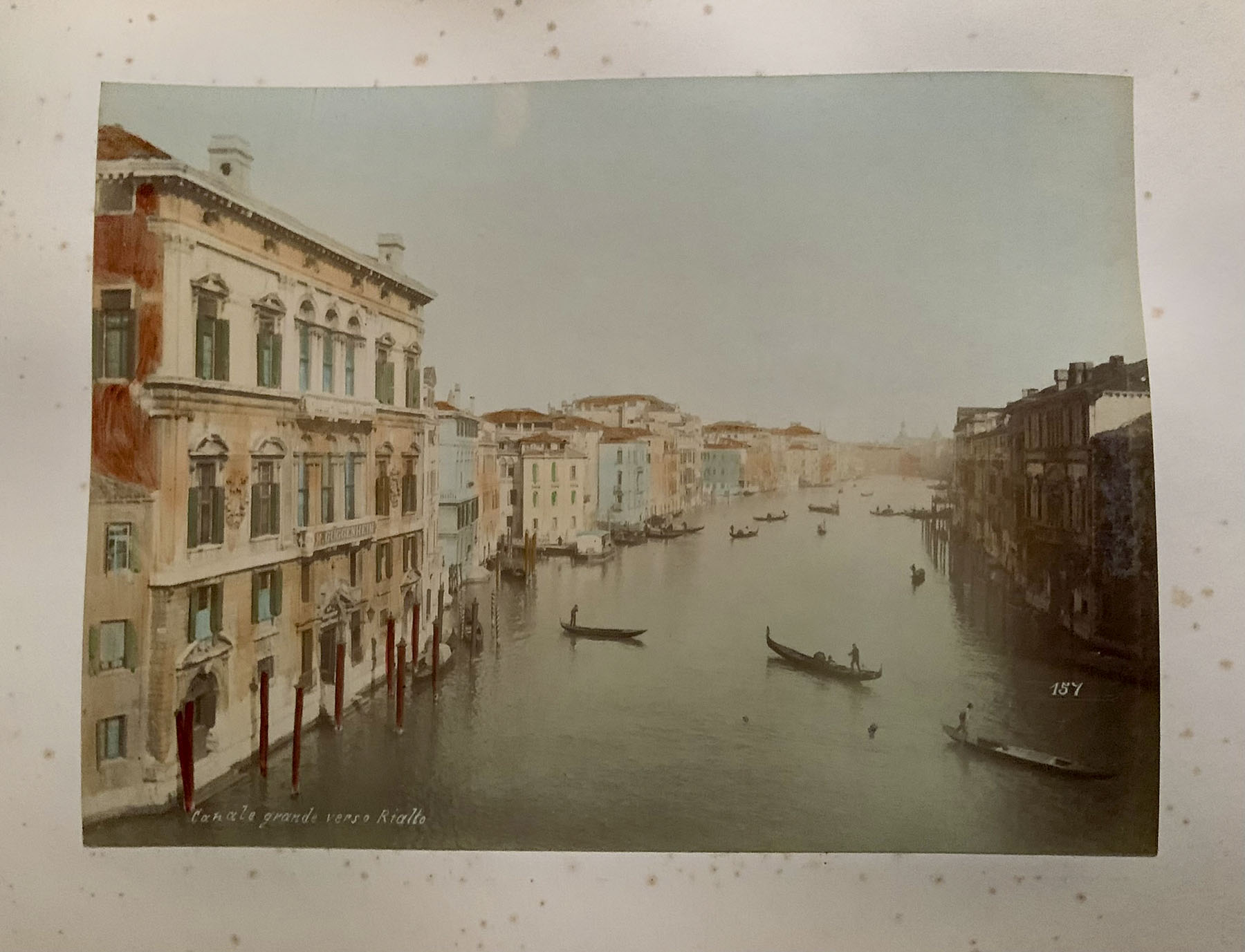

![Fratelli Gajo – Piazza S.Marco 139 – Venezia. 'Untitled [Bridge of Sighs]' 1880s](https://artblart.com/wp-content/uploads/2022/05/9-untitled.jpg "Fratelli Gajo – Piazza S.Marco 139 – Venezia. 'Untitled [Bridge of Sighs]' 1880s")


![Fratelli Gajo – Piazza S.Marco 139 – Venezia. 'Untitled [The Courtyard of the Doge's Palace looking towards the Torricella]' 1880s](https://artblart.com/wp-content/uploads/2022/05/10-untitled.jpg "Fratelli Gajo – Piazza S.Marco 139 – Venezia. 'Untitled [The Courtyard of the Doge's Palace looking towards the Torricella]' 1880s")

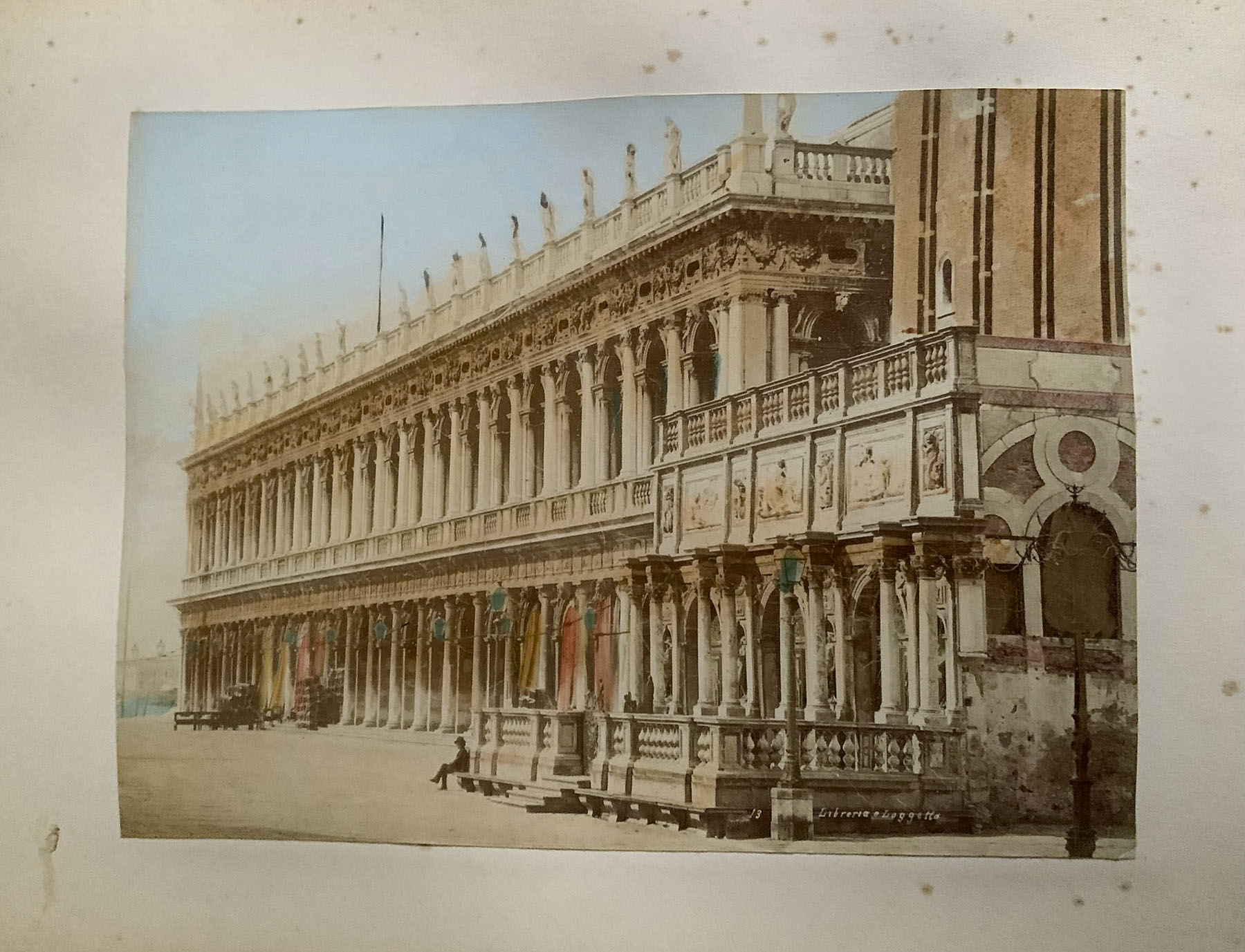
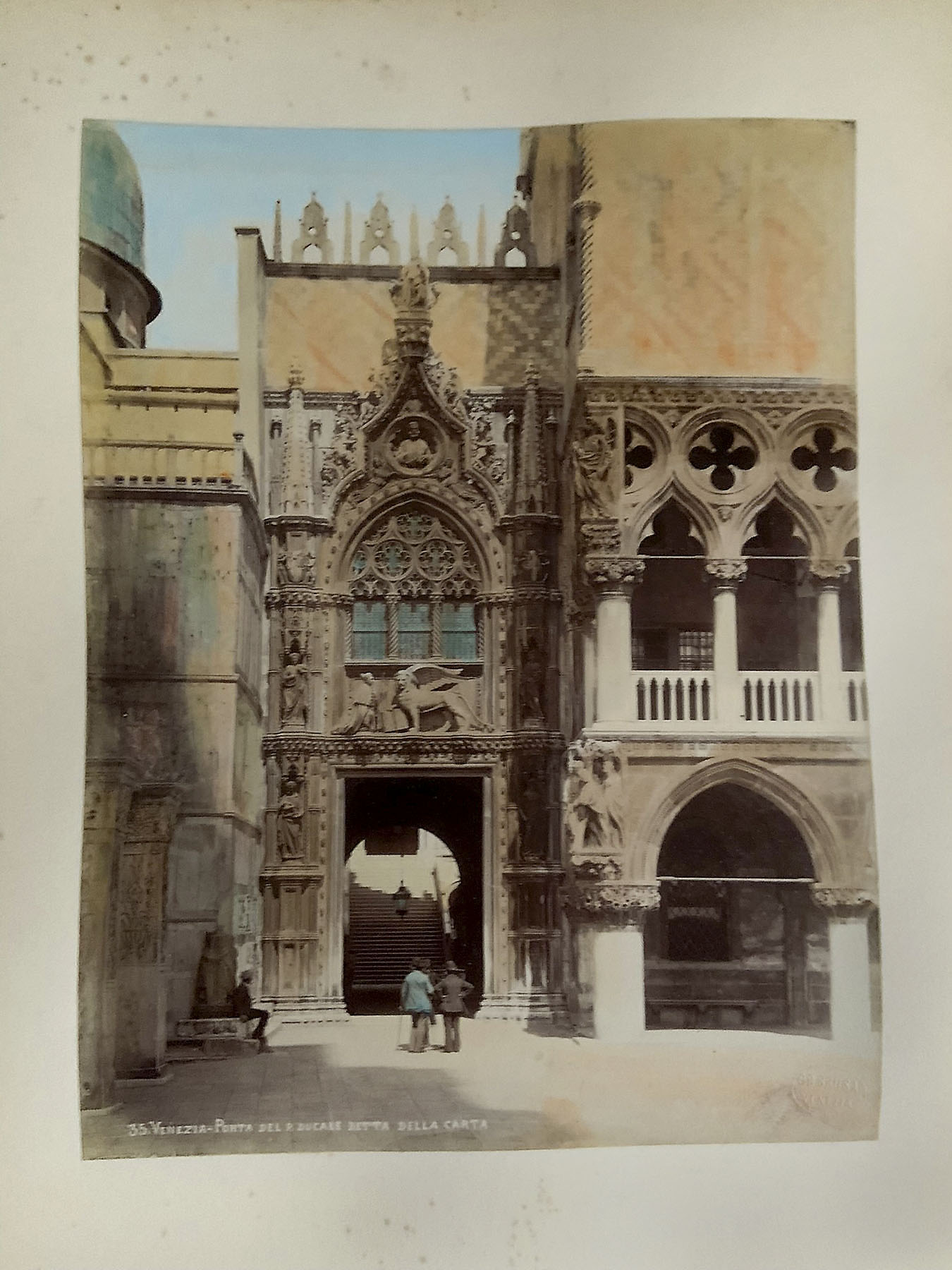

![Fratelli Gajo – Piazza S.Marco 139 – Venezia. '230 [Interior of the Doges Palace]' 1880s](https://artblart.com/wp-content/uploads/2022/05/14-230-untitled.jpg "Fratelli Gajo – Piazza S.Marco 139 – Venezia. '230 [Interior of the Doges Palace]' 1880s")


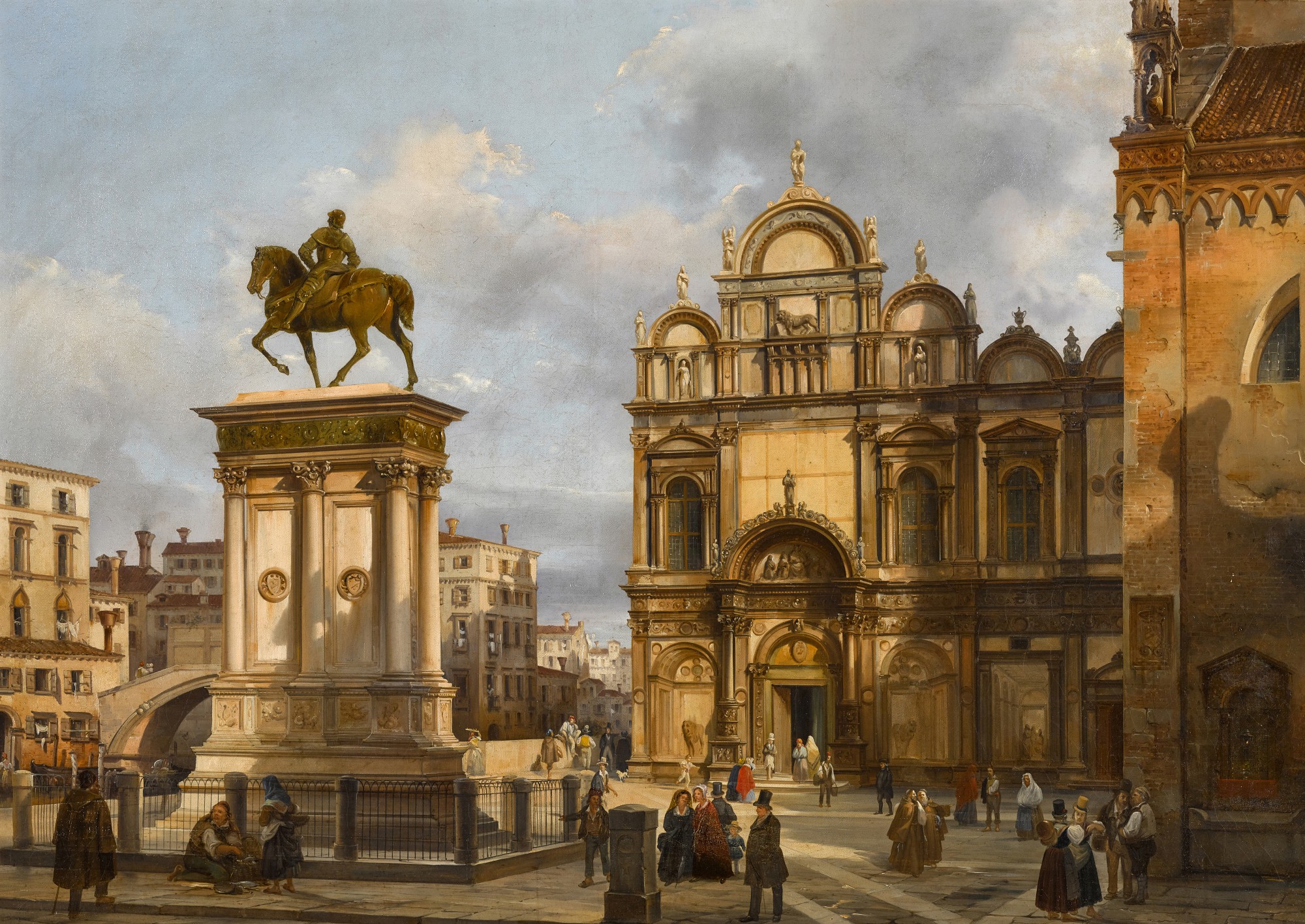

![Fratelli Gajo – Piazza S.Marco 139 – Venezia. 'Untitled [Entry to the presbytery of St Mark's Basilica]' 1880s](https://artblart.com/wp-content/uploads/2022/05/20-untitled.jpg "Fratelli Gajo – Piazza S.Marco 139 – Venezia. 'Untitled [Entry to the presbytery of St Mark's Basilica]' 1880s")
![Fratelli Gajo – Piazza S.Marco 139 – Venezia. 'Untitled [Bridge of Sighs]' 1880s](https://artblart.com/wp-content/uploads/2022/05/21-untitled.jpg "Fratelli Gajo – Piazza S.Marco 139 – Venezia. 'Untitled [Bridge of Sighs]' 1880s")


![Fratelli Gajo – Piazza S.Marco 139 – Venezia. 'Untitled [Torre del Orologio]' 1880s](https://artblart.com/wp-content/uploads/2022/05/24-untitled.jpg "Fratelli Gajo – Piazza S.Marco 139 – Venezia. 'Untitled [Torre del Orologio]' 1880s")
![Fratelli Gajo – Piazza S.Marco 139 – Venezia. 'Untitled [The Doge's Palace]' 1880s](https://artblart.com/wp-content/uploads/2022/05/25-untitled.jpg "Fratelli Gajo – Piazza S.Marco 139 – Venezia. 'Untitled [The Doge's Palace]' 1880s")


![Fratelli Gajo – Piazza S.Marco 139 – Venezia. 'Untitled [Statue of King Vittorio Emanuel II by the sculptor Ettore Ferrari 1887]' c. 1887](https://artblart.com/wp-content/uploads/2022/05/28-untitled.jpg "Fratelli Gajo – Piazza S.Marco 139 – Venezia. 'Untitled [Statue of King Vittorio Emanuel II by the sculptor Ettore Ferrari 1887]' c. 1887")


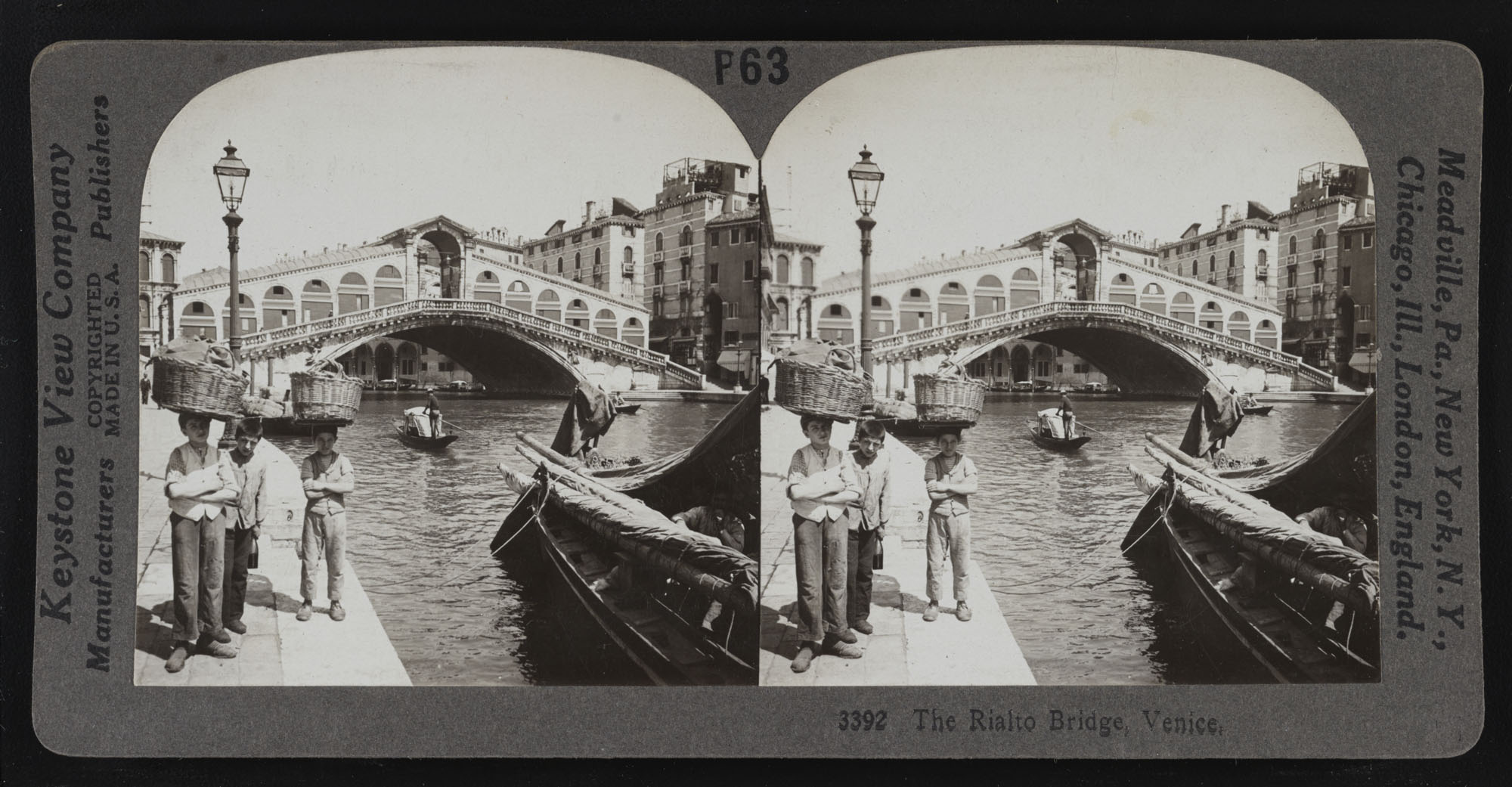
![Fratelli Gajo – Piazza S.Marco 139 – Venezia 'Untitled [Rialto Bridge]' 1880s](https://artblart.com/wp-content/uploads/2022/05/30-untitled.jpg "Fratelli Gajo – Piazza S.Marco 139 – Venezia 'Untitled [Rialto Bridge]' 1880s")


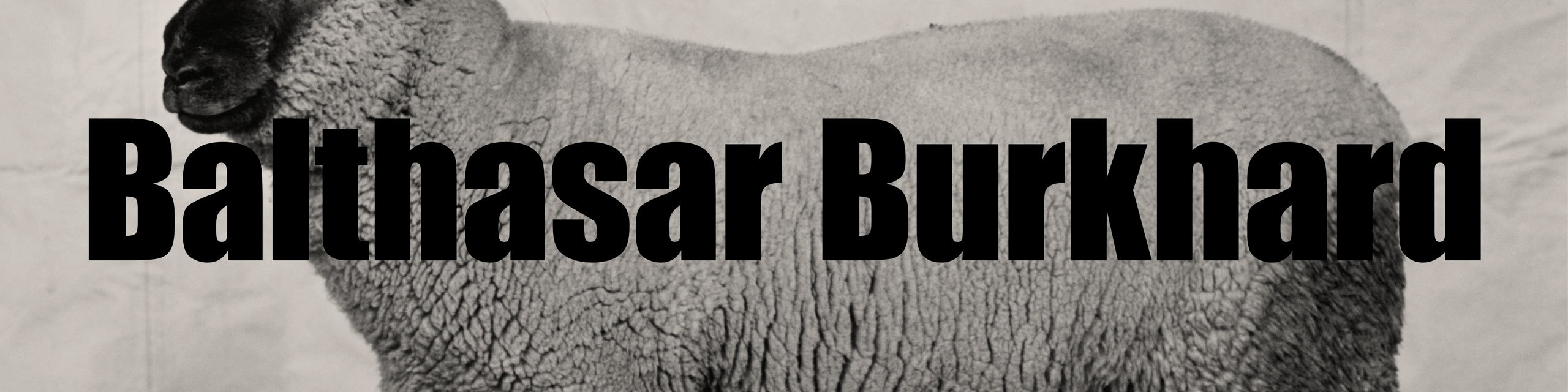
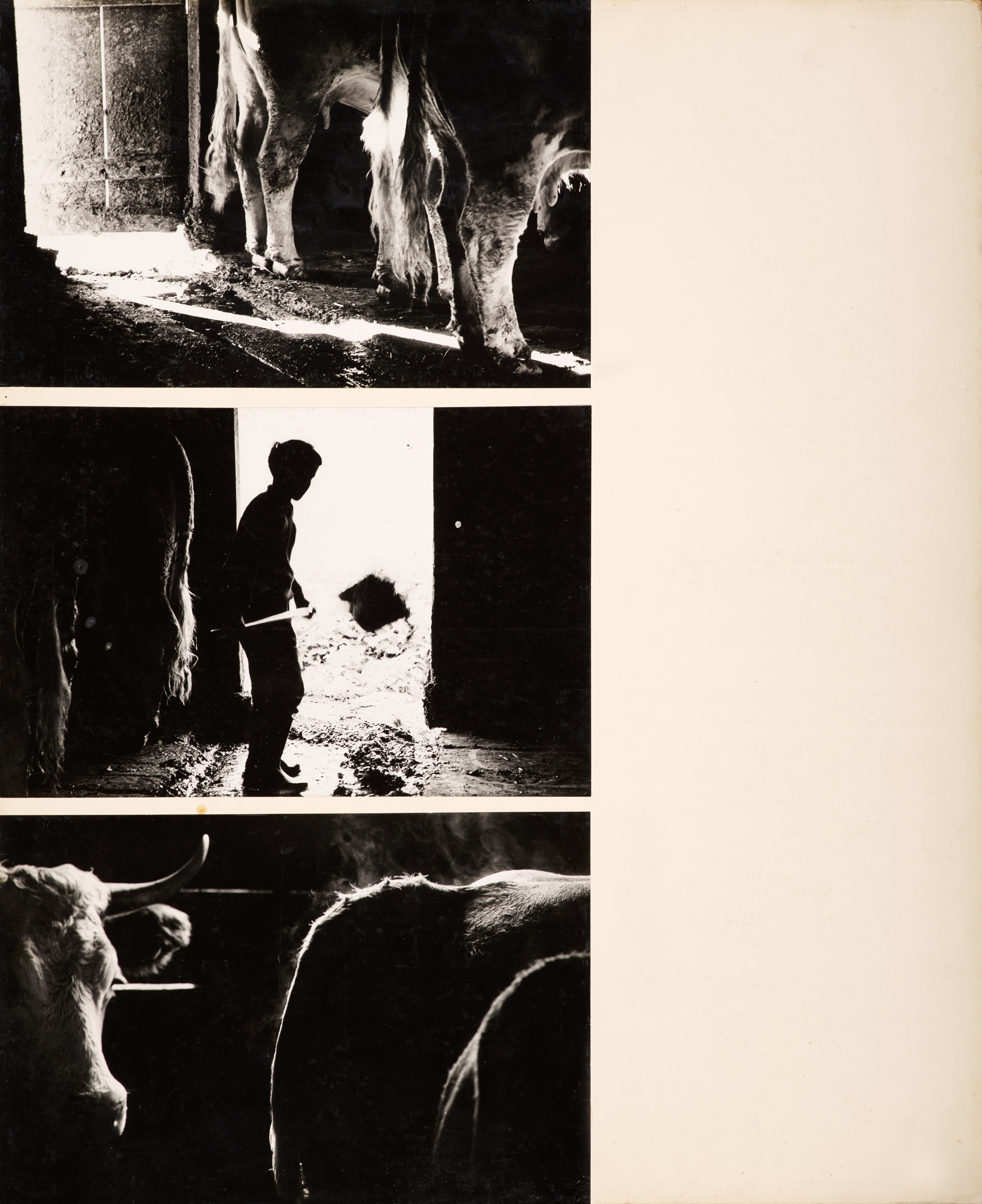
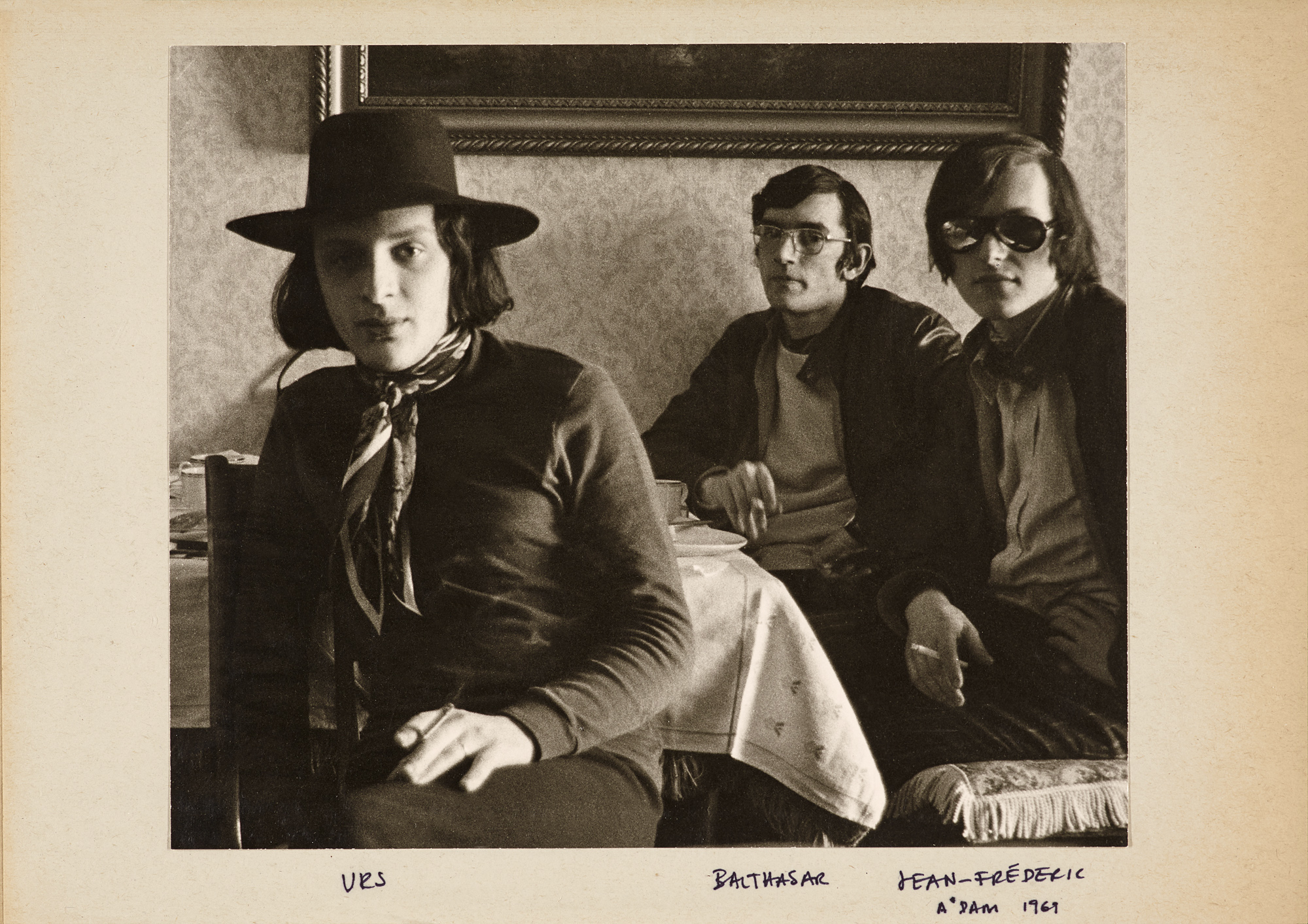

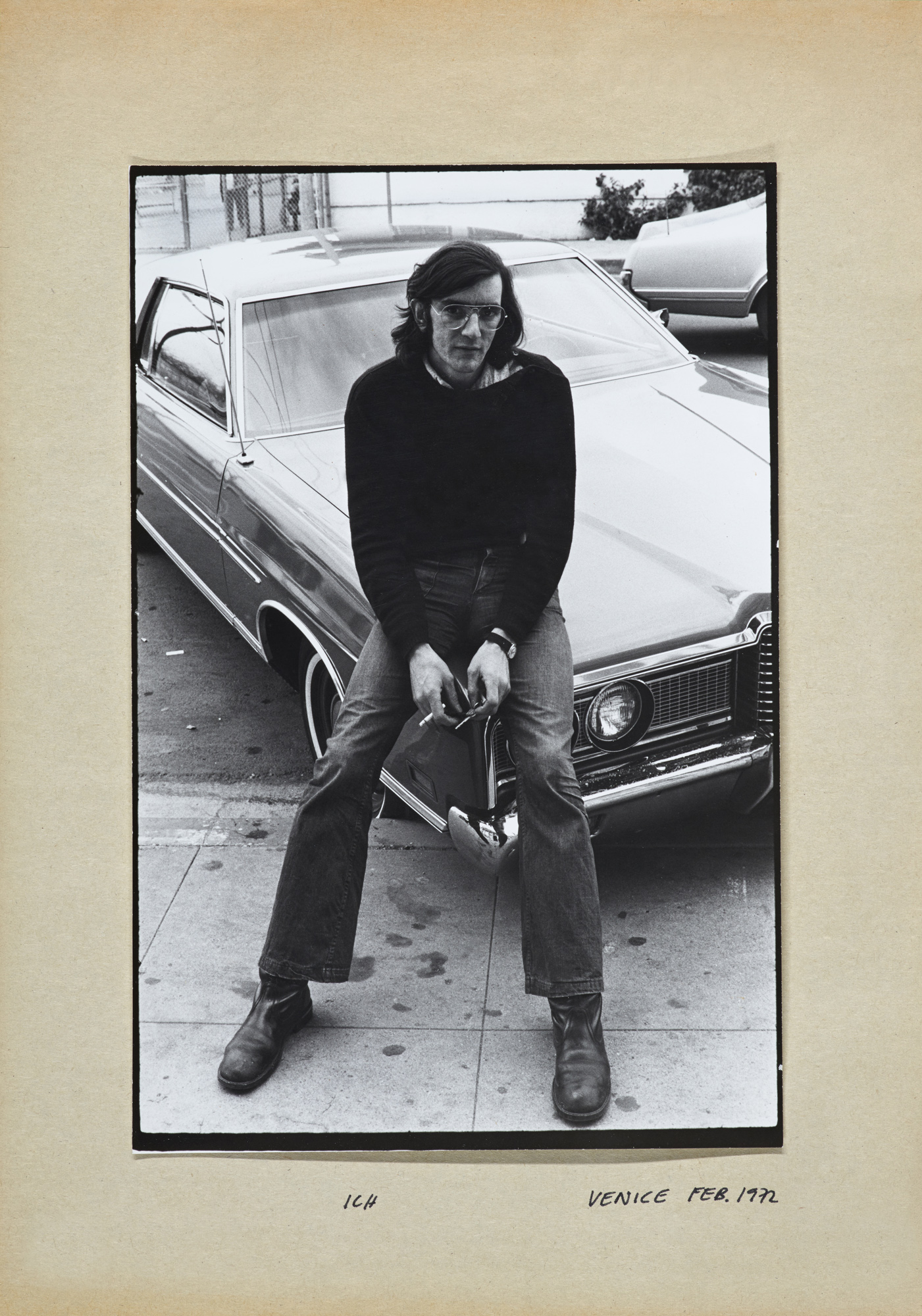

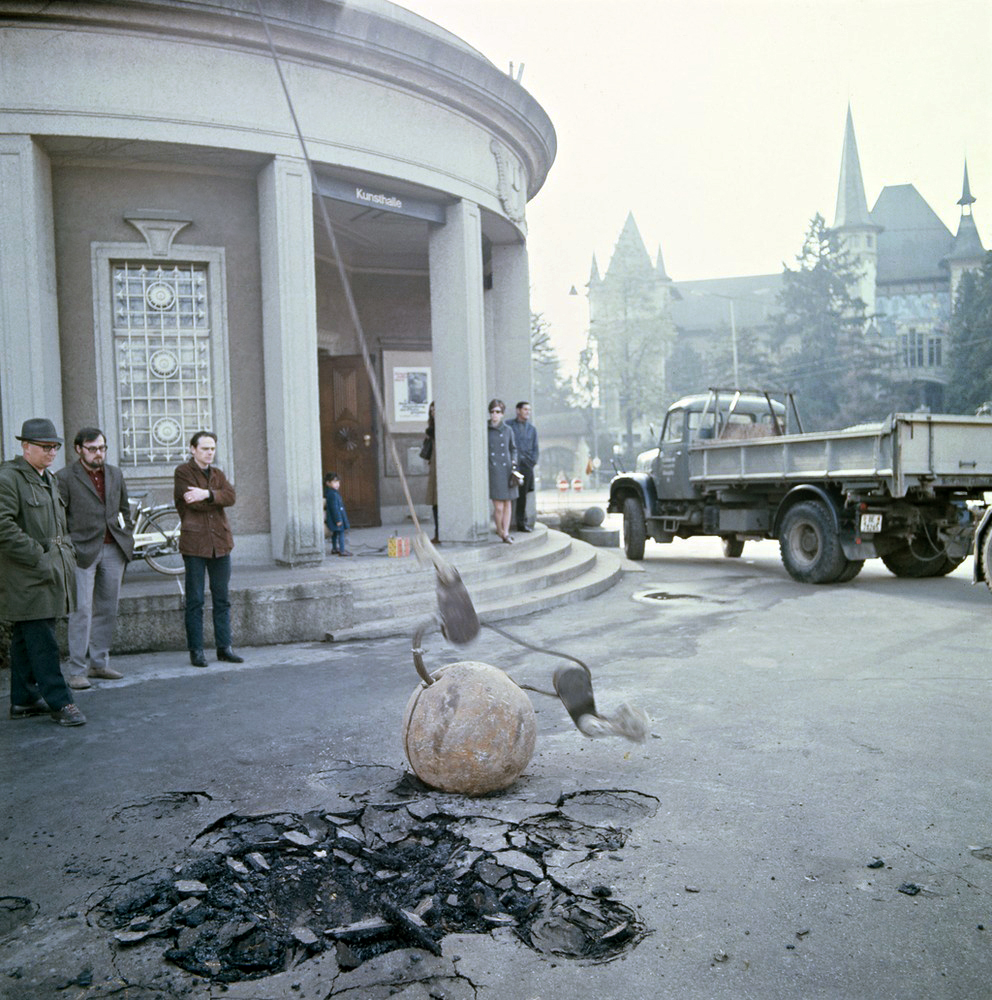
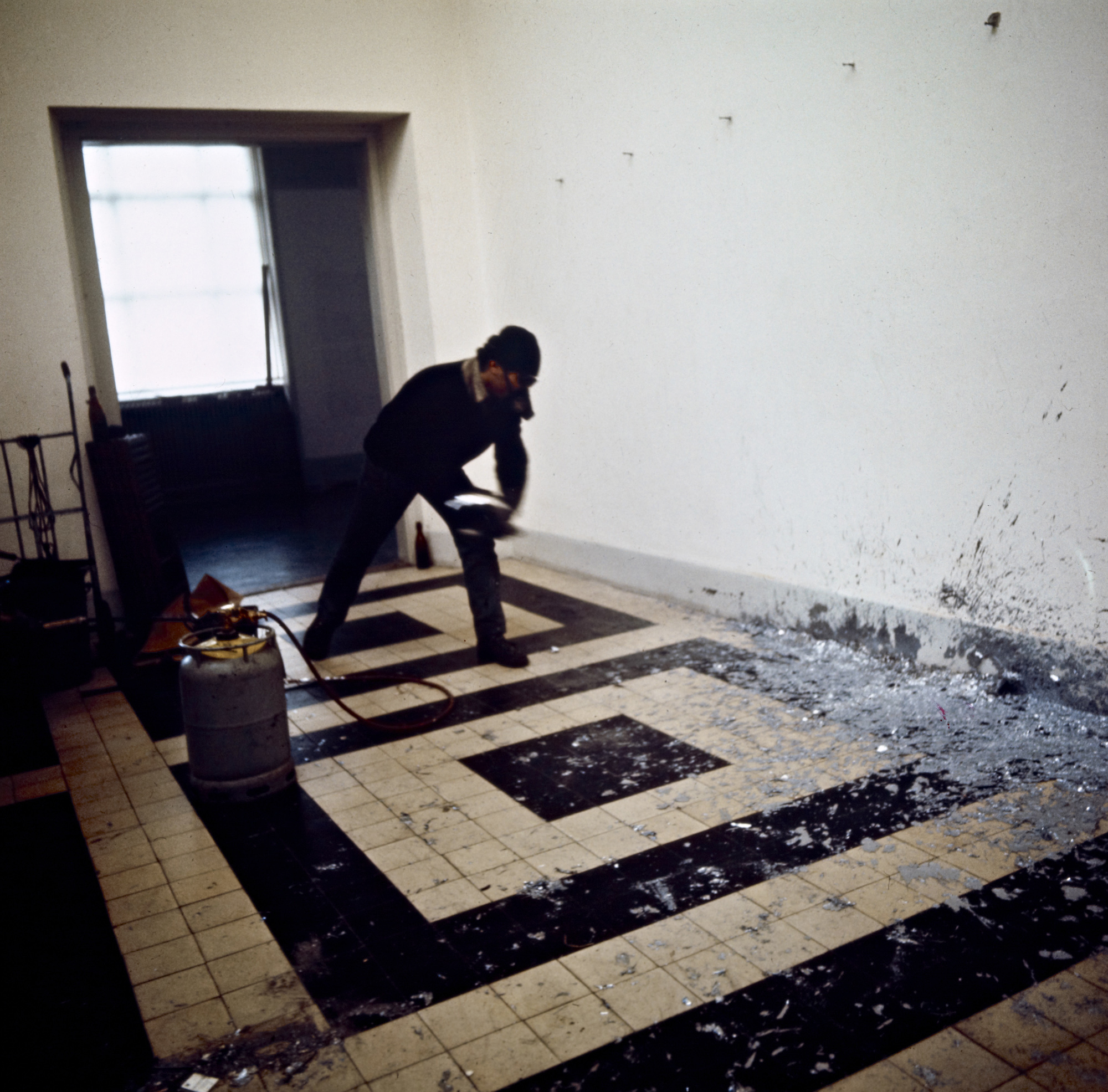


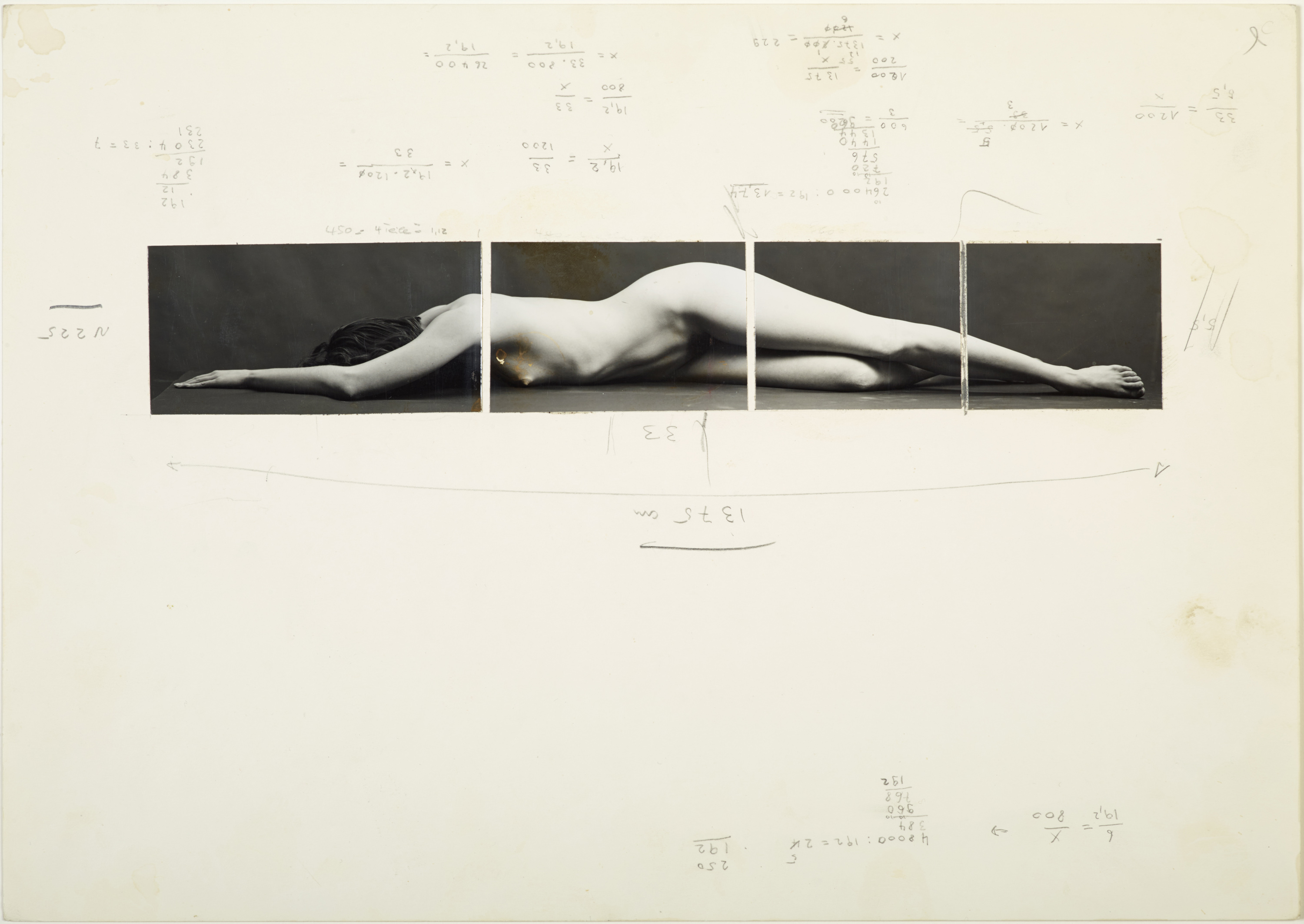
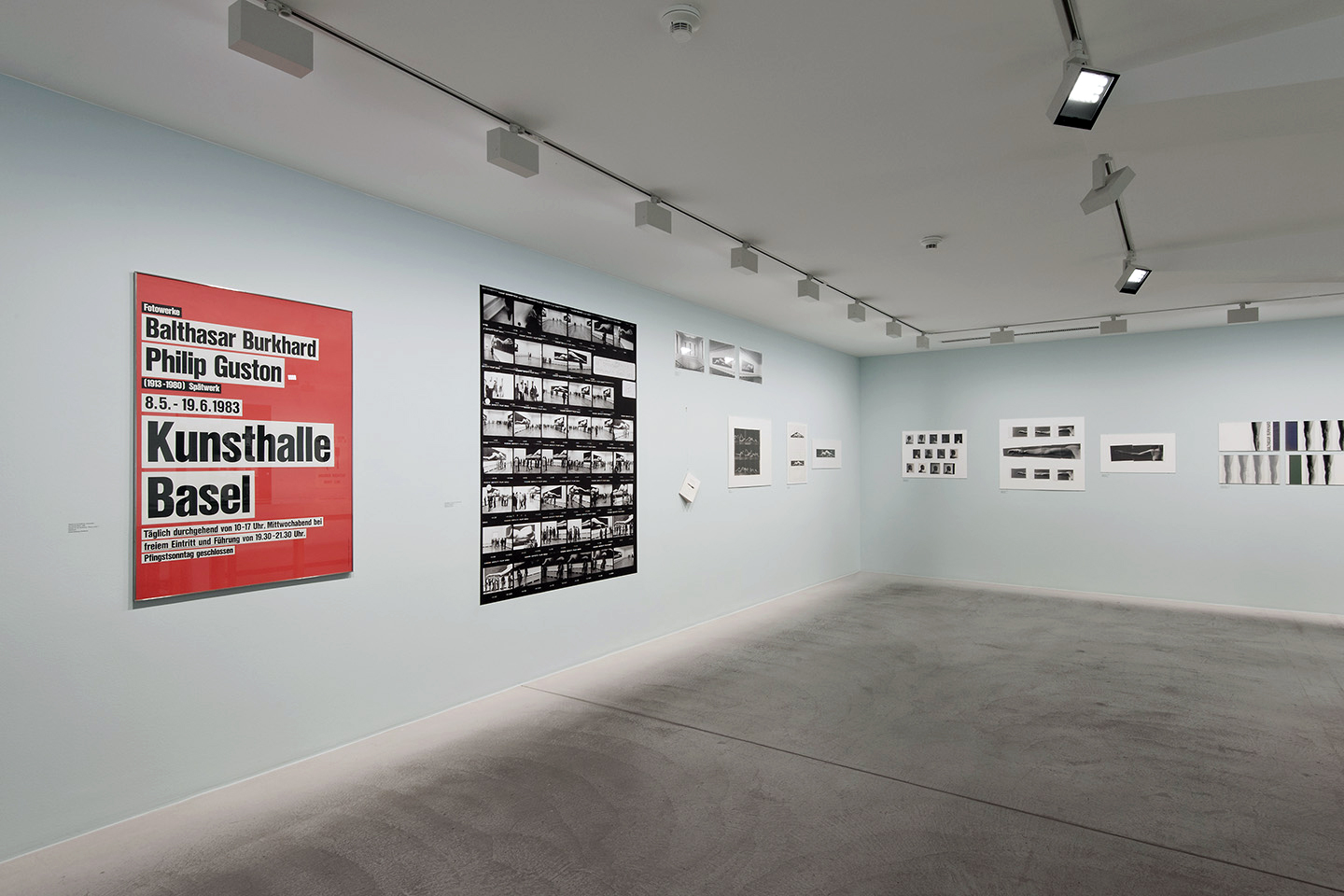

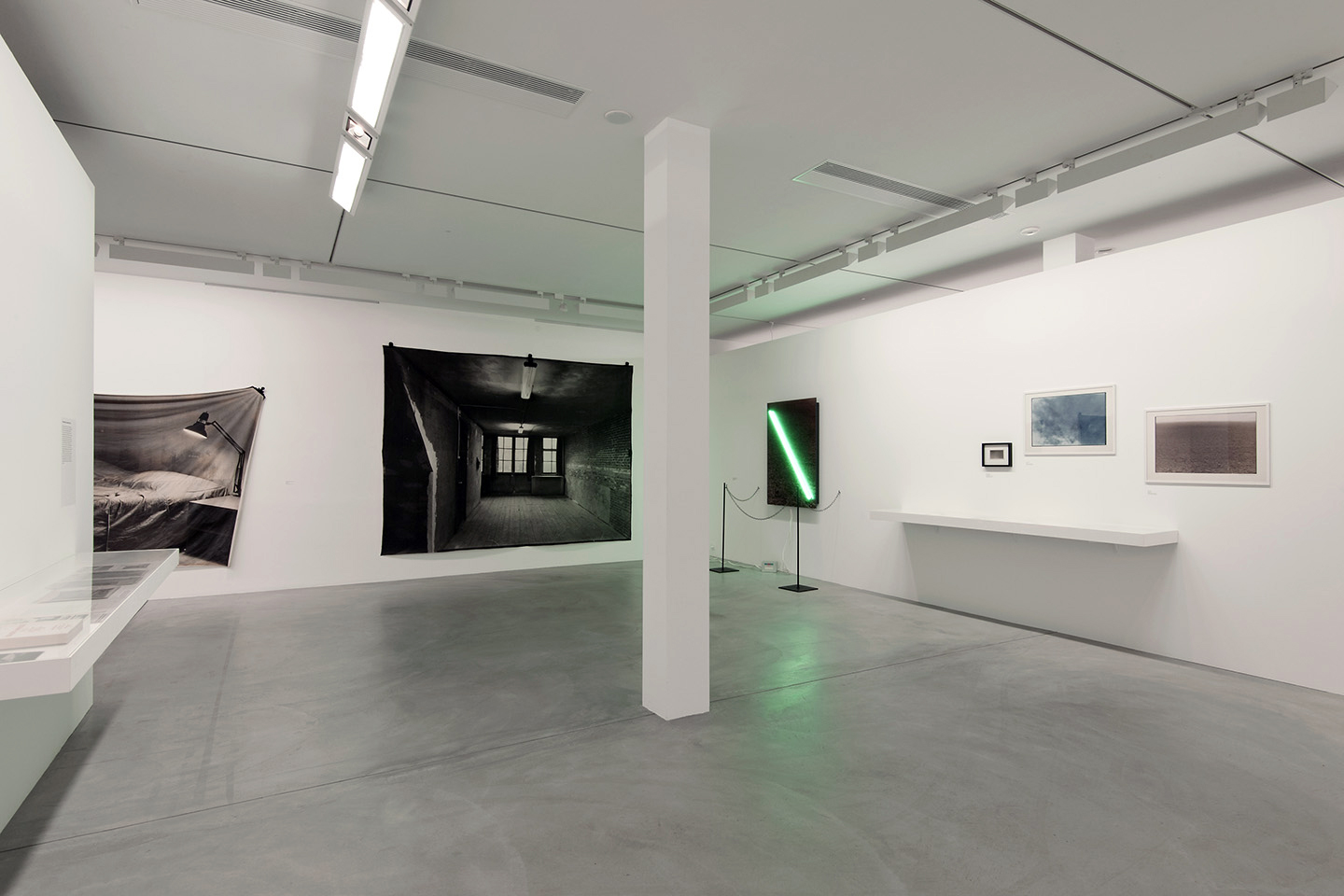


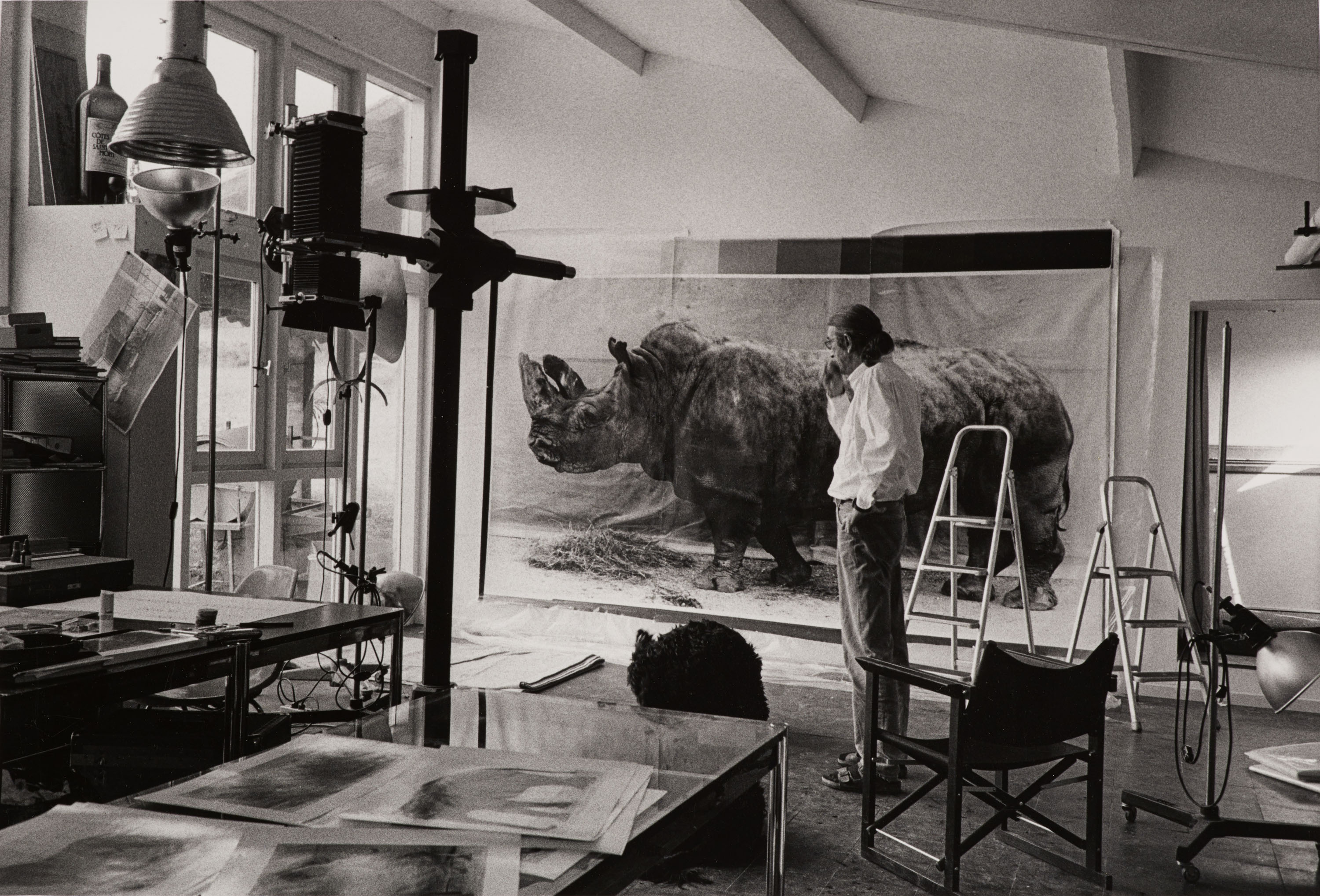


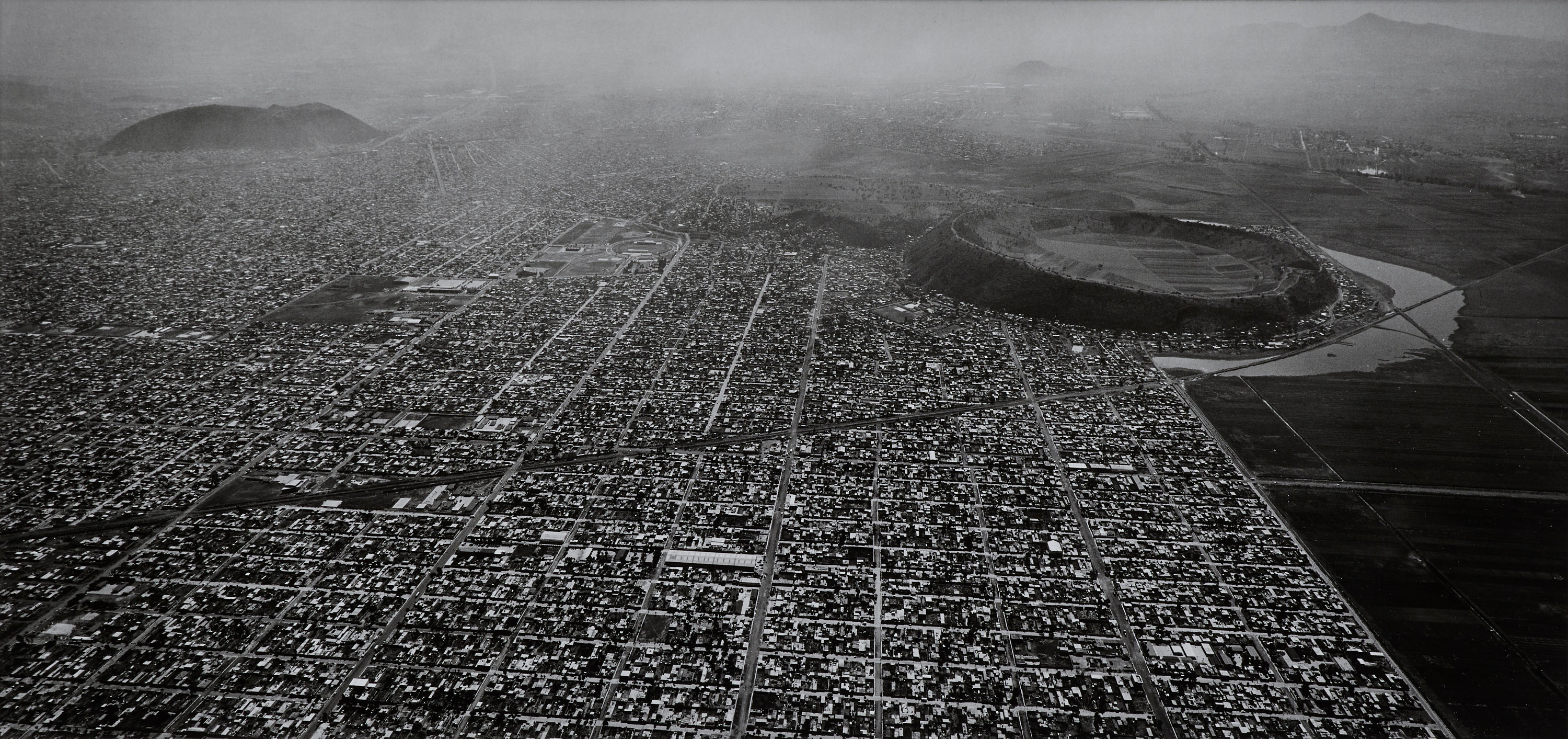


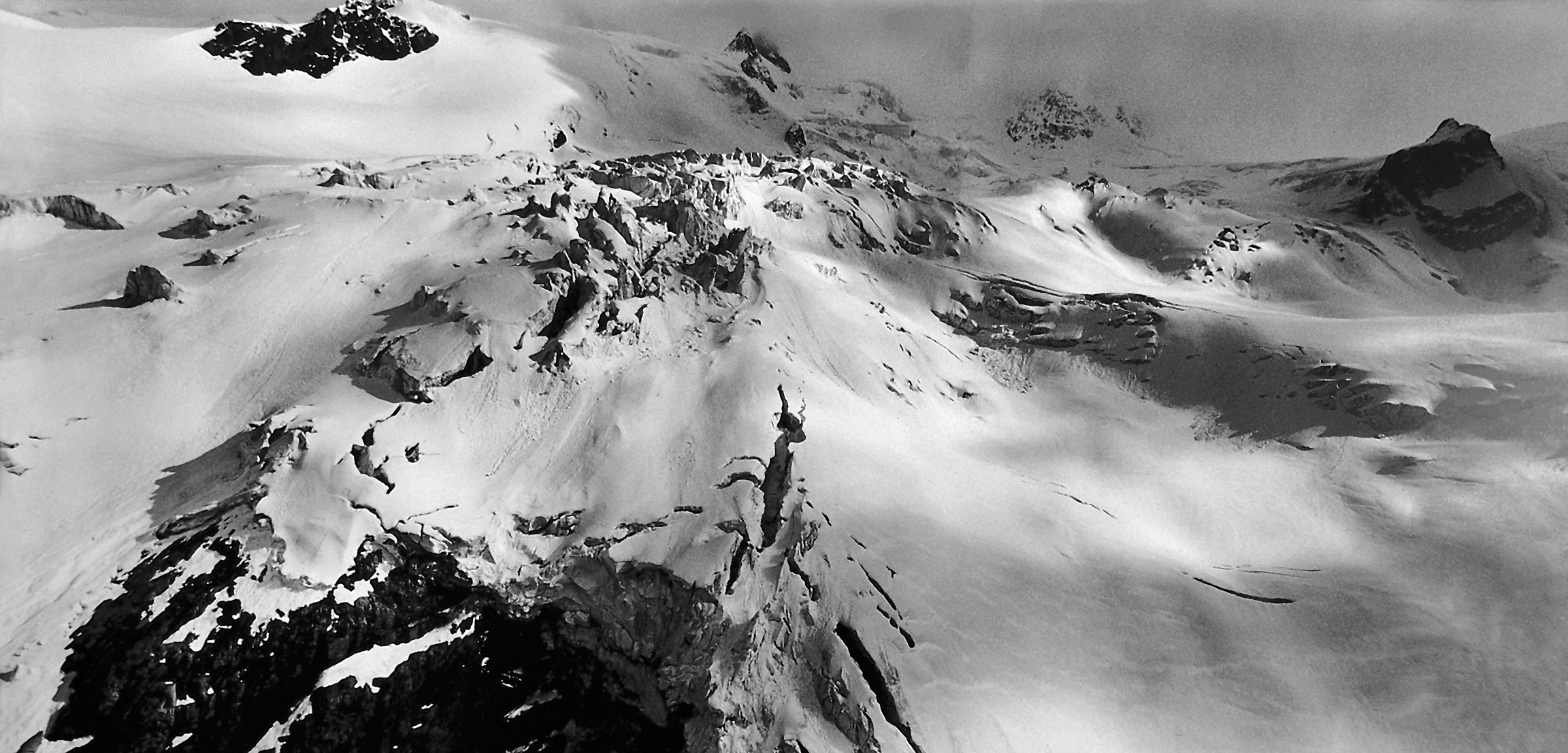


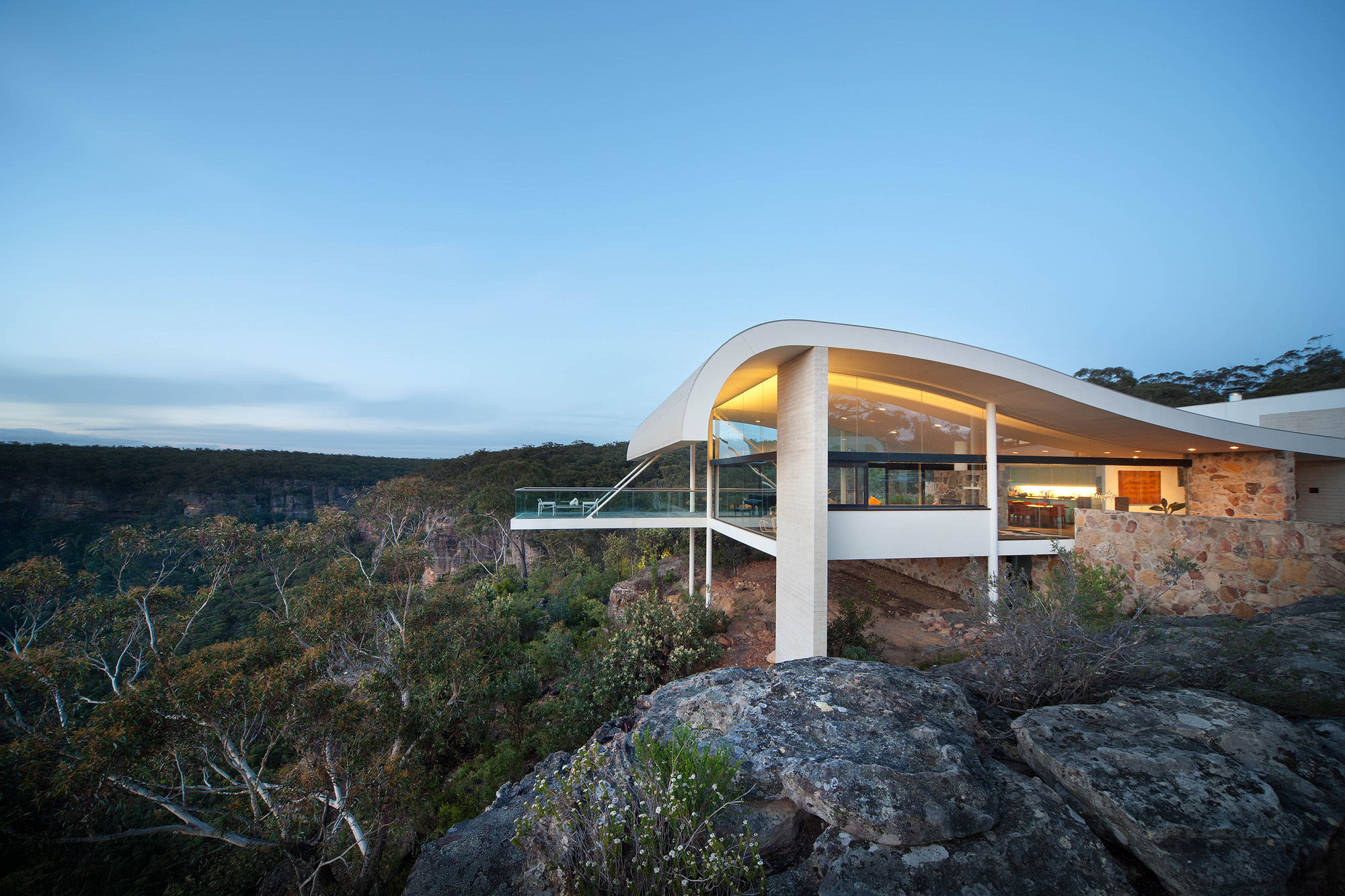


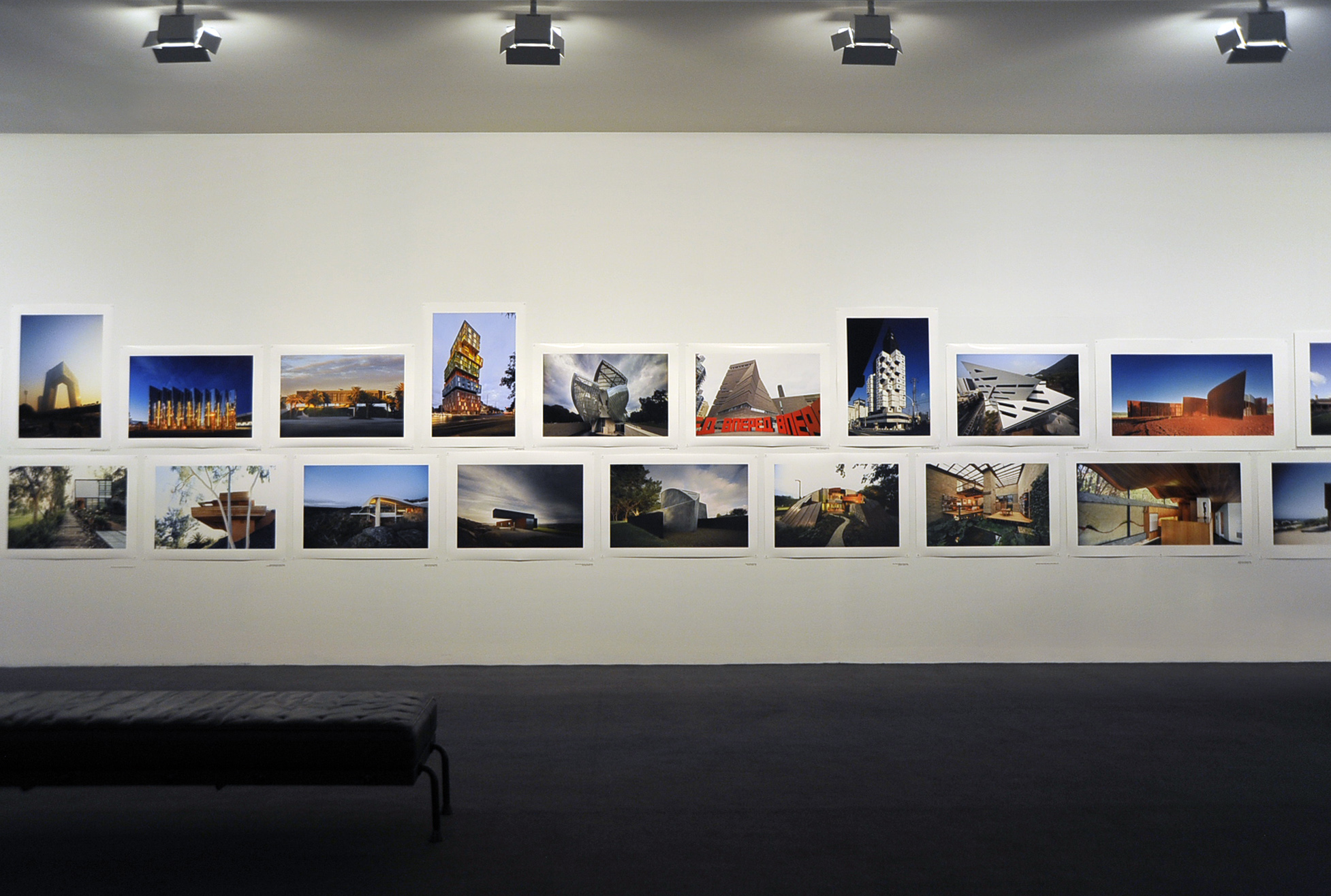


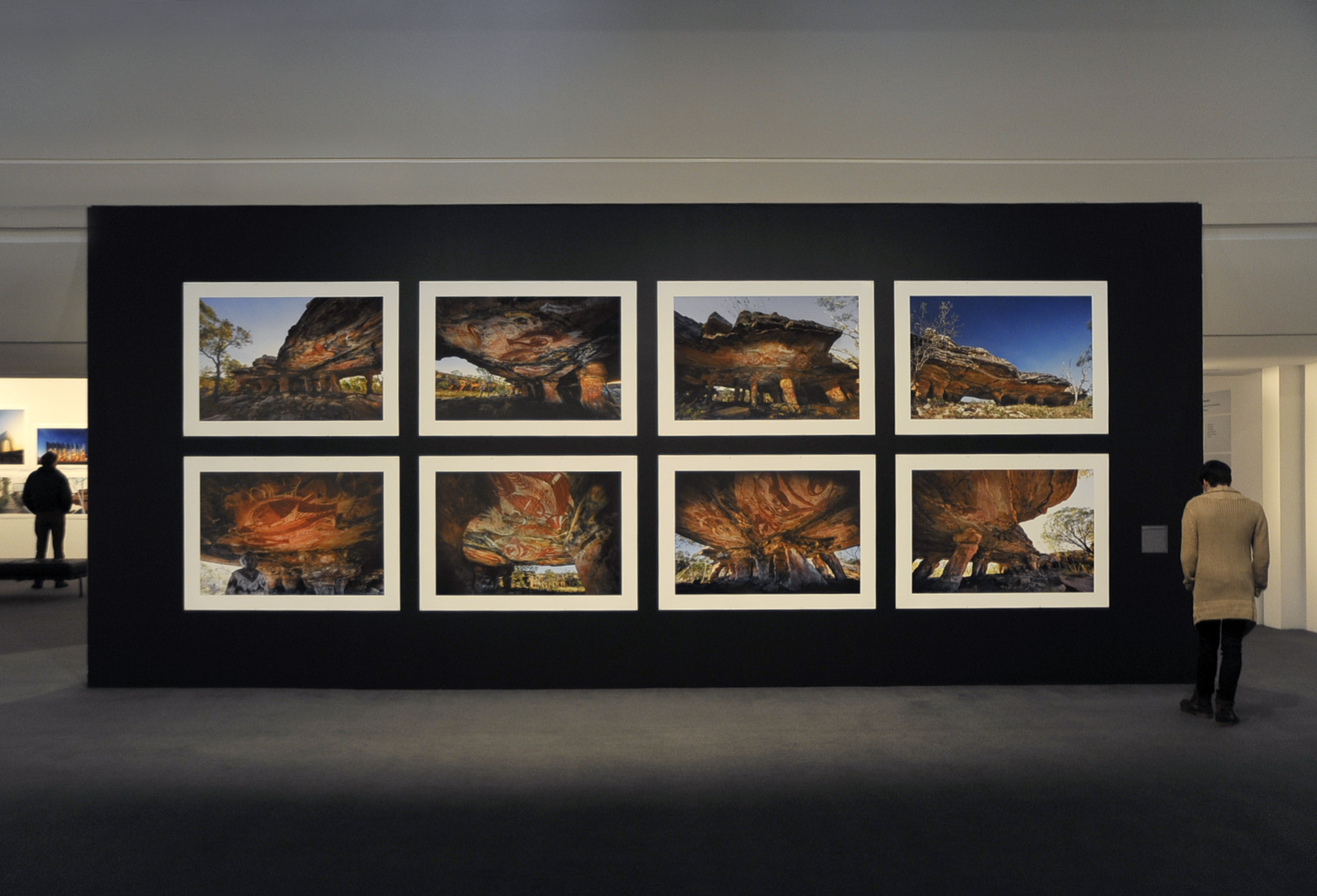


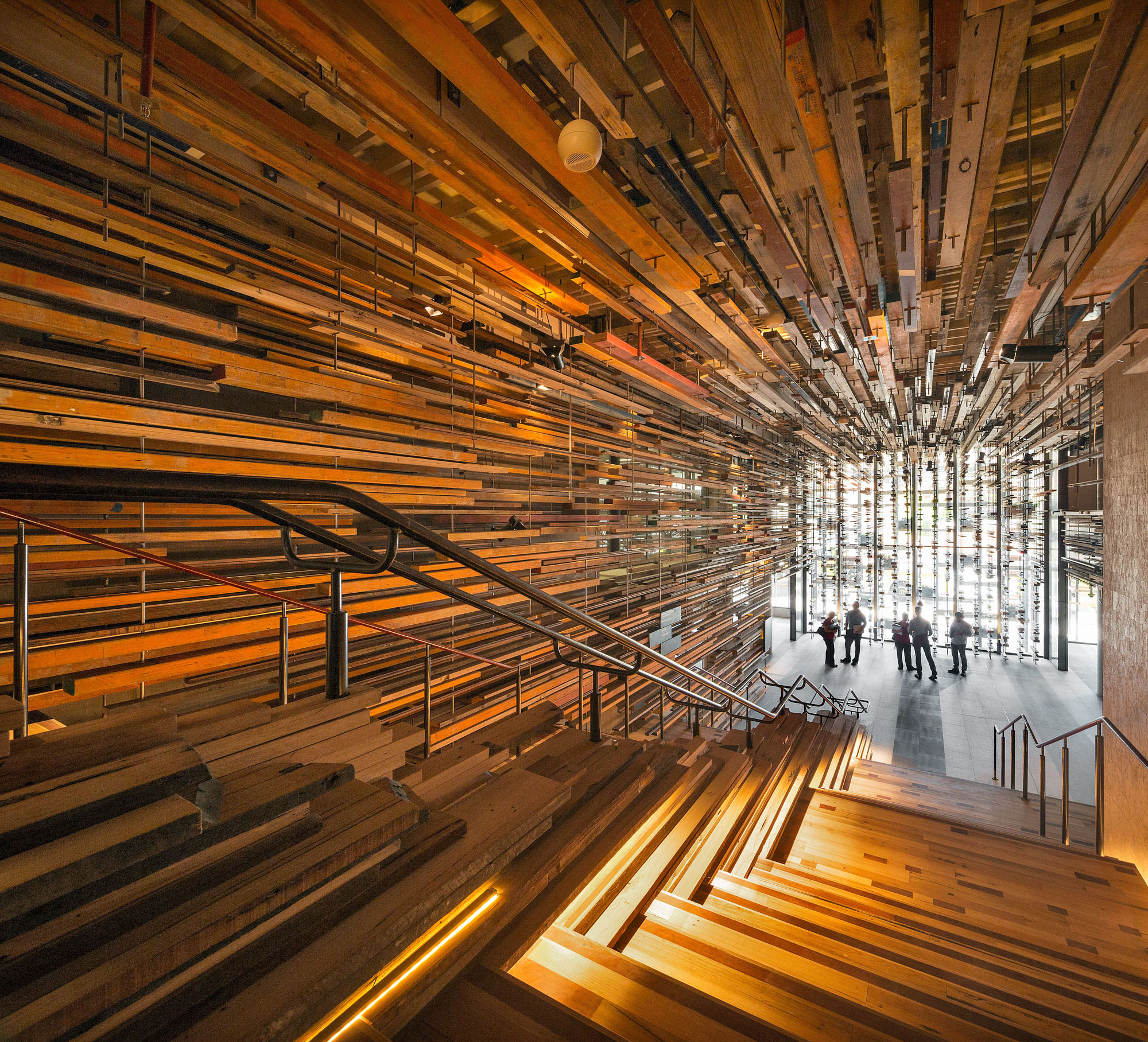


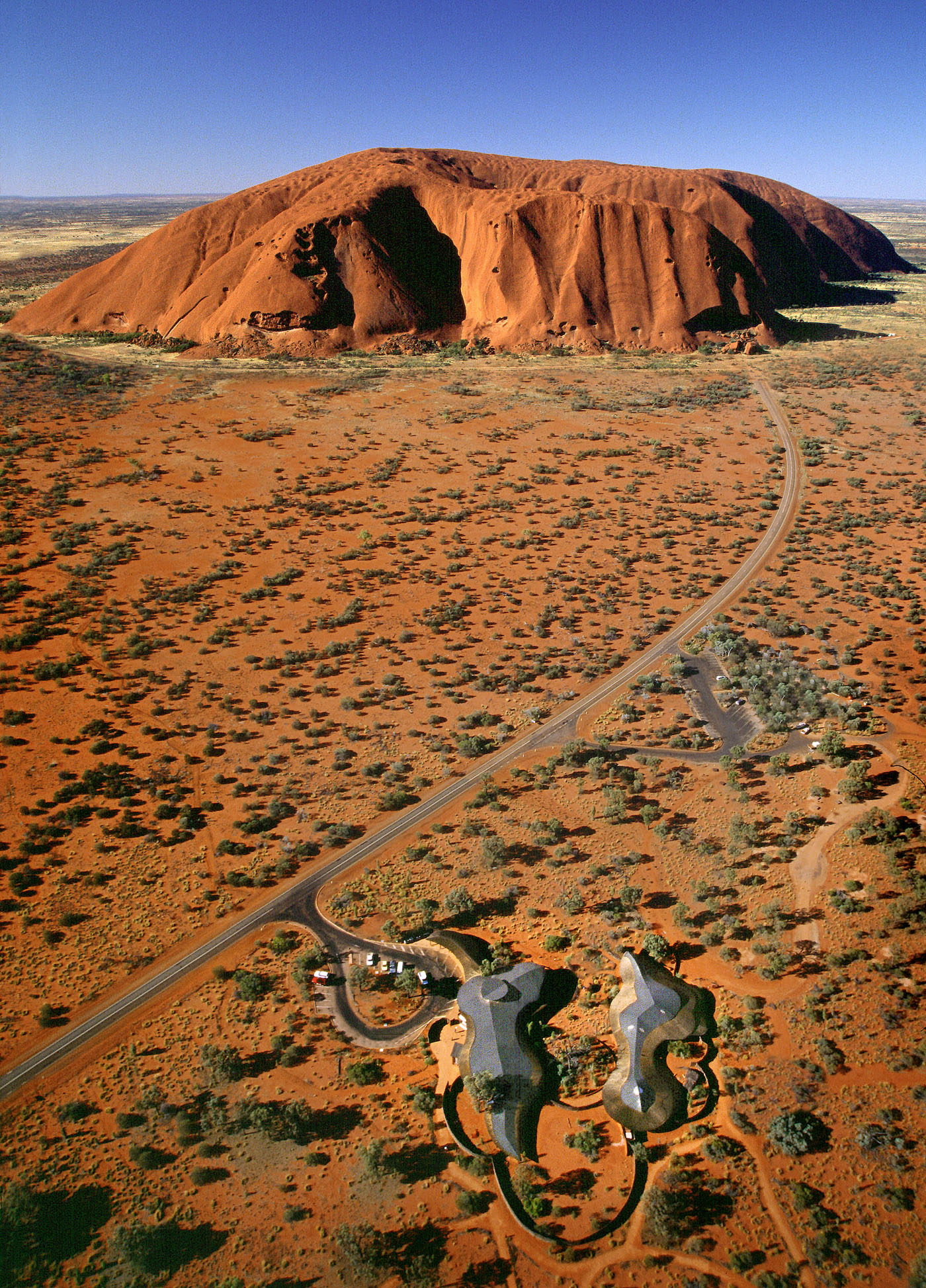


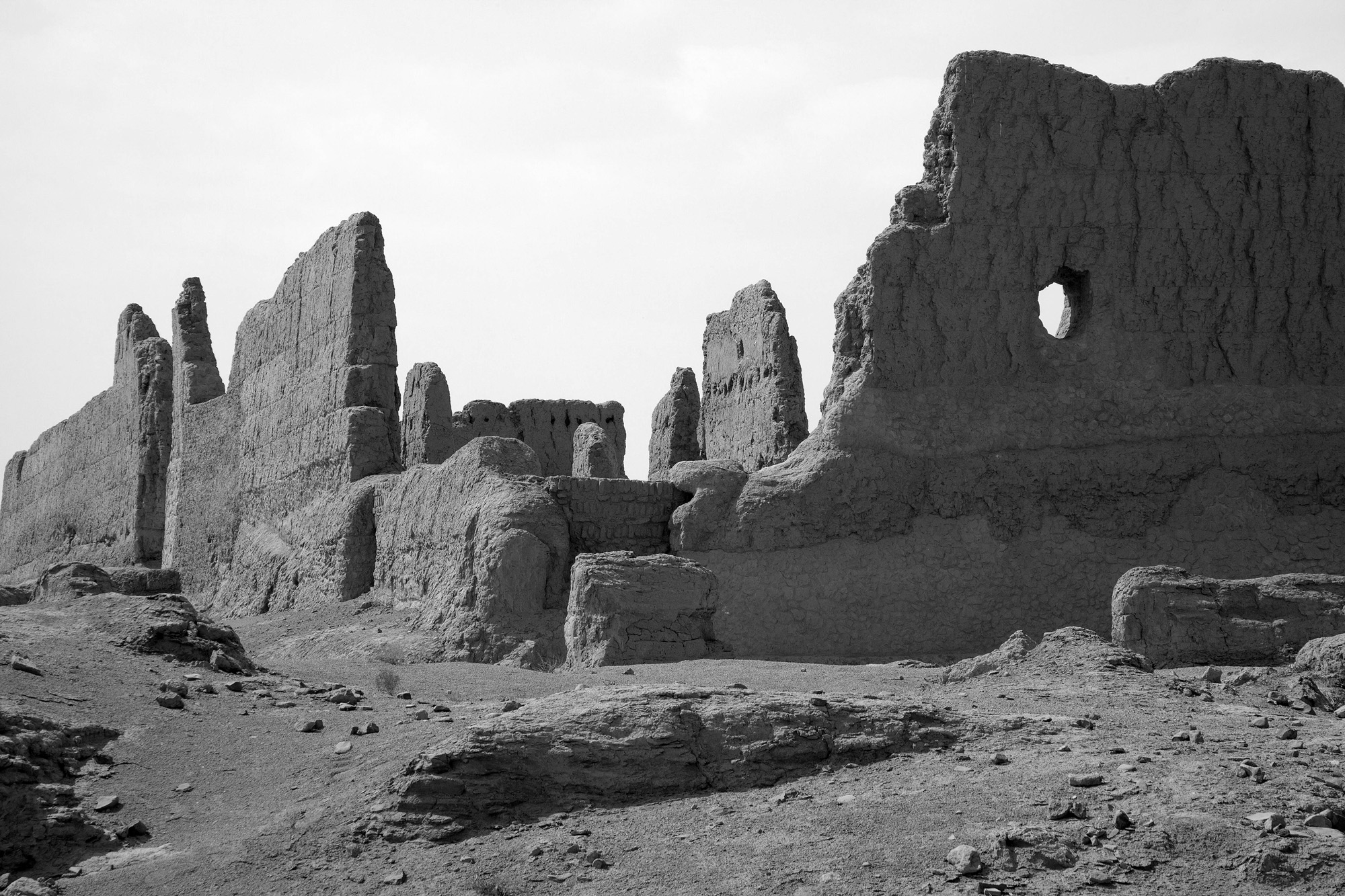


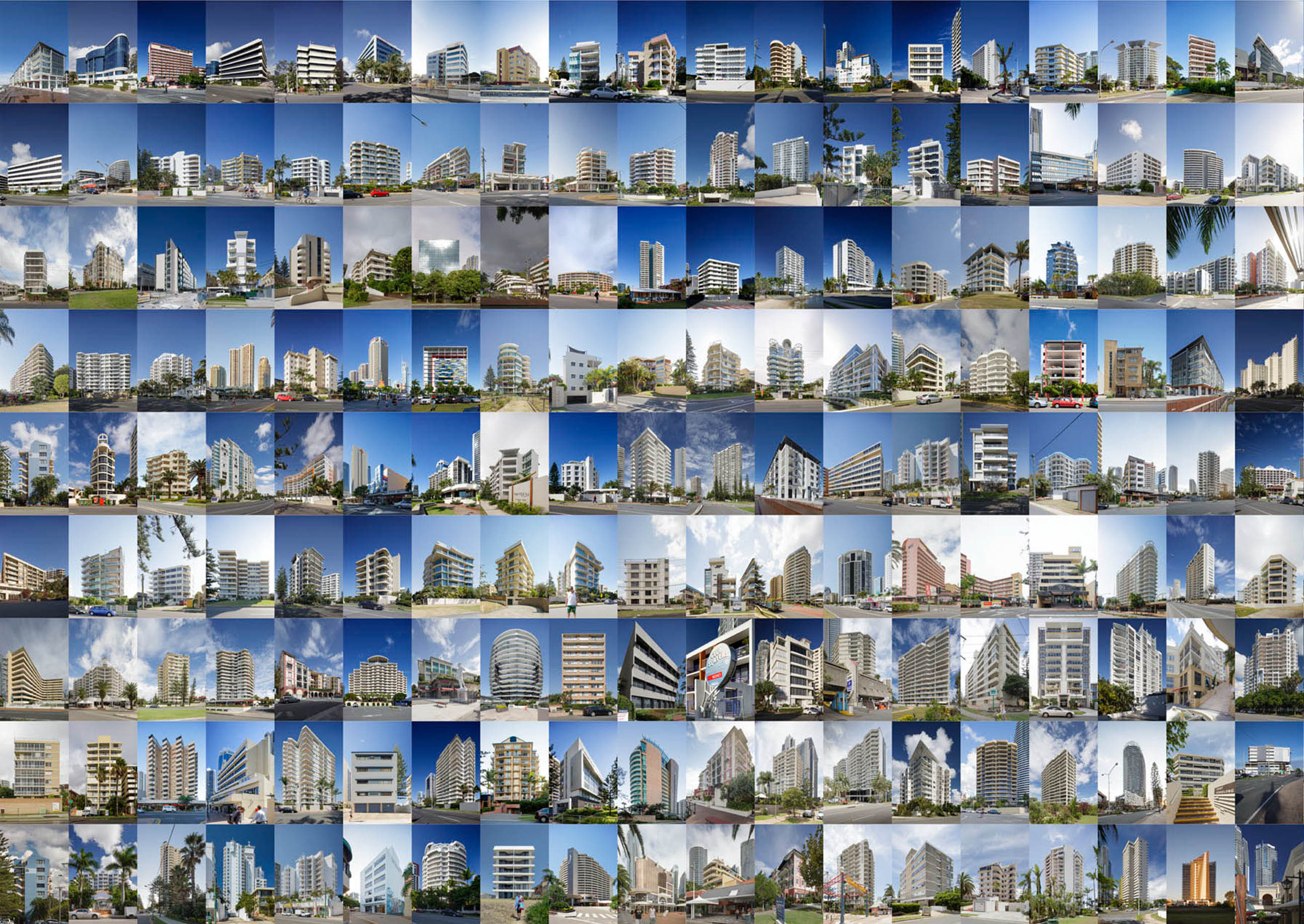


![Installation view of the exhibition 'Max and Olive: The photographic life of Olive Cotton and Max Dupain' at The Ian Potter Museum of Art, Melbourne showing at left, Max Dupain's 'Bawley Point landscape' (1938) and at middle, Dupain's 'Untitled [Factory chimney stacks]', 1940](https://artblart.com/wp-content/uploads/2016/07/installation-h.jpg "Installation view of the exhibition 'Max and Olive: The photographic life of Olive Cotton and Max Dupain' at The Ian Potter Museum of Art, Melbourne showing at left, Max Dupain's 'Bawley Point landscape' (1938) and at middle, Dupain's 'Untitled [Factory chimney stacks]', 1940")


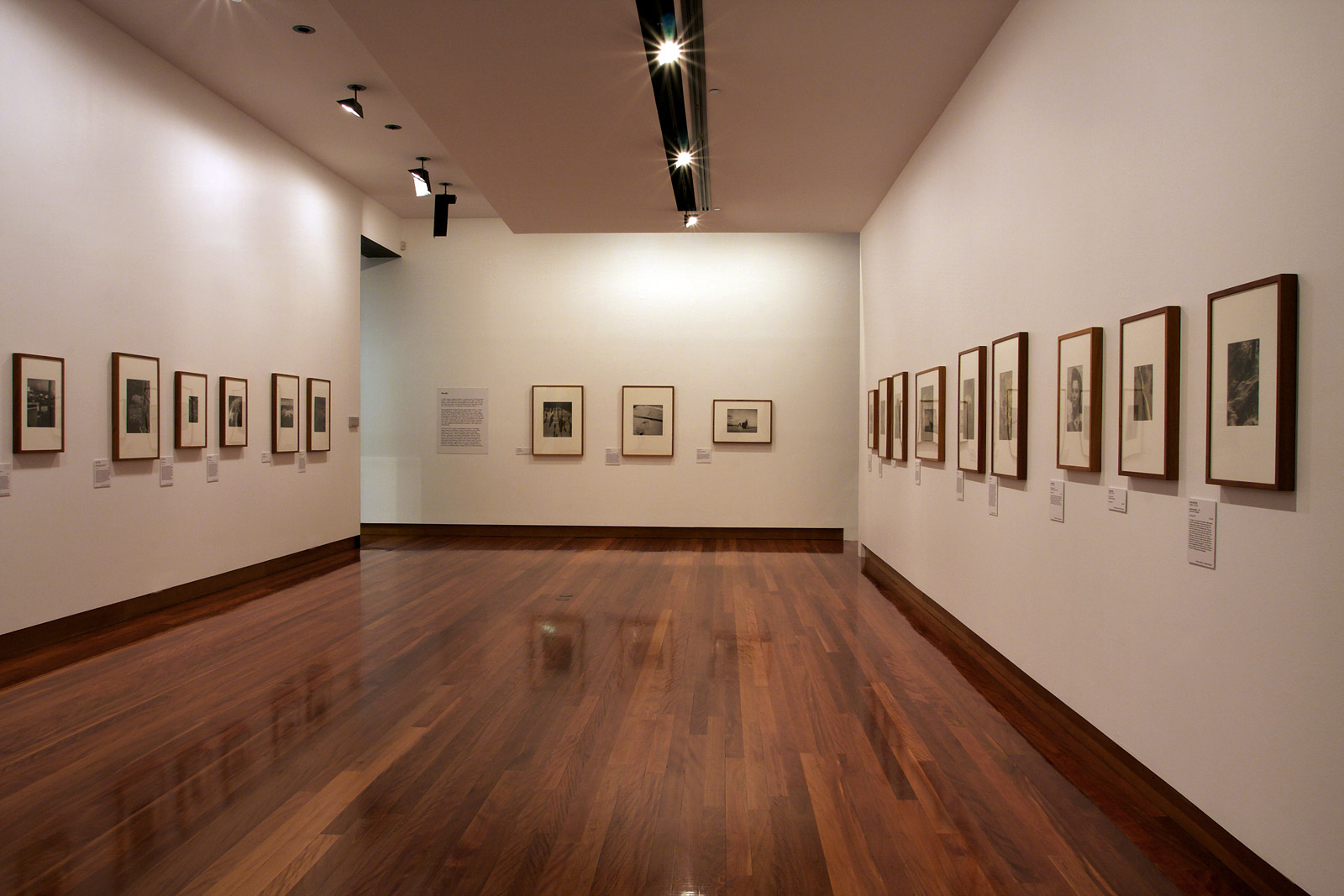


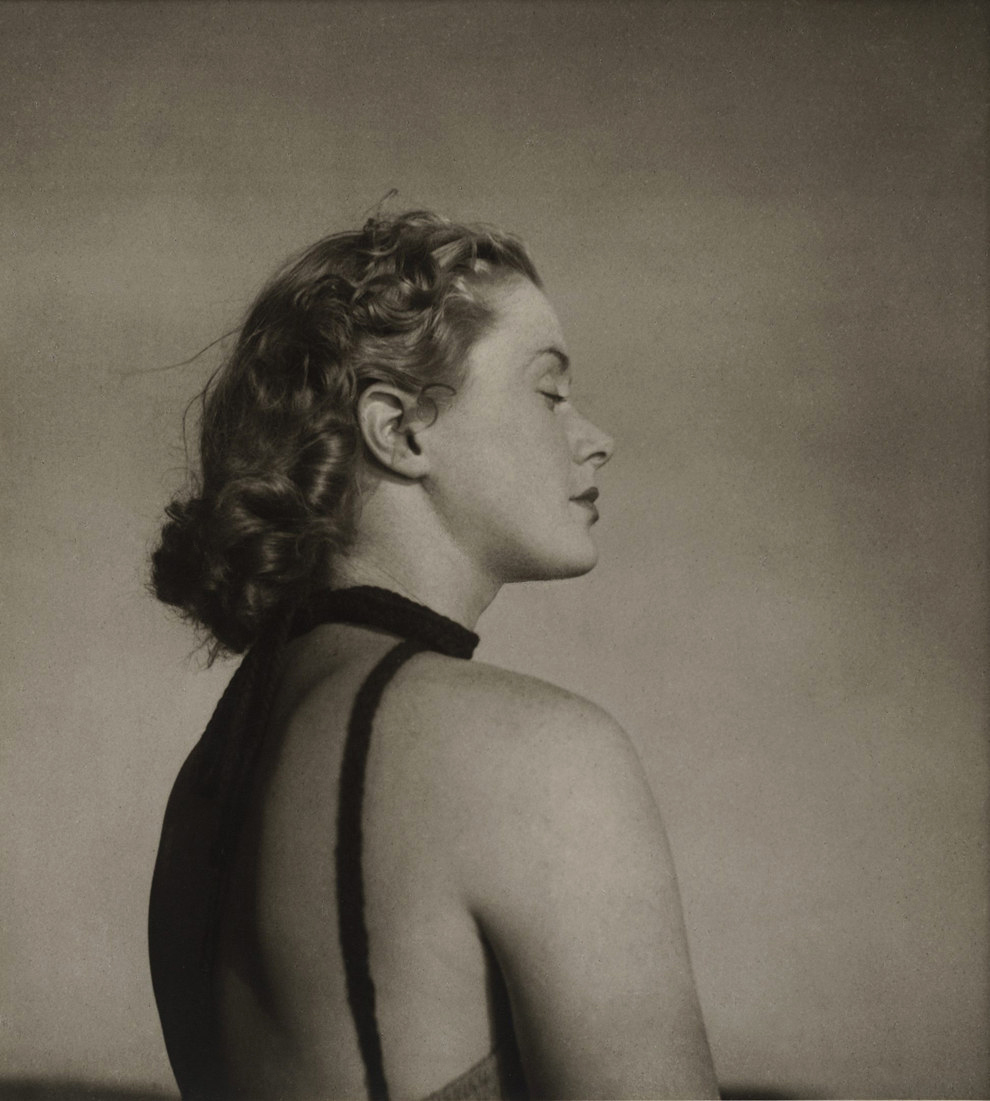
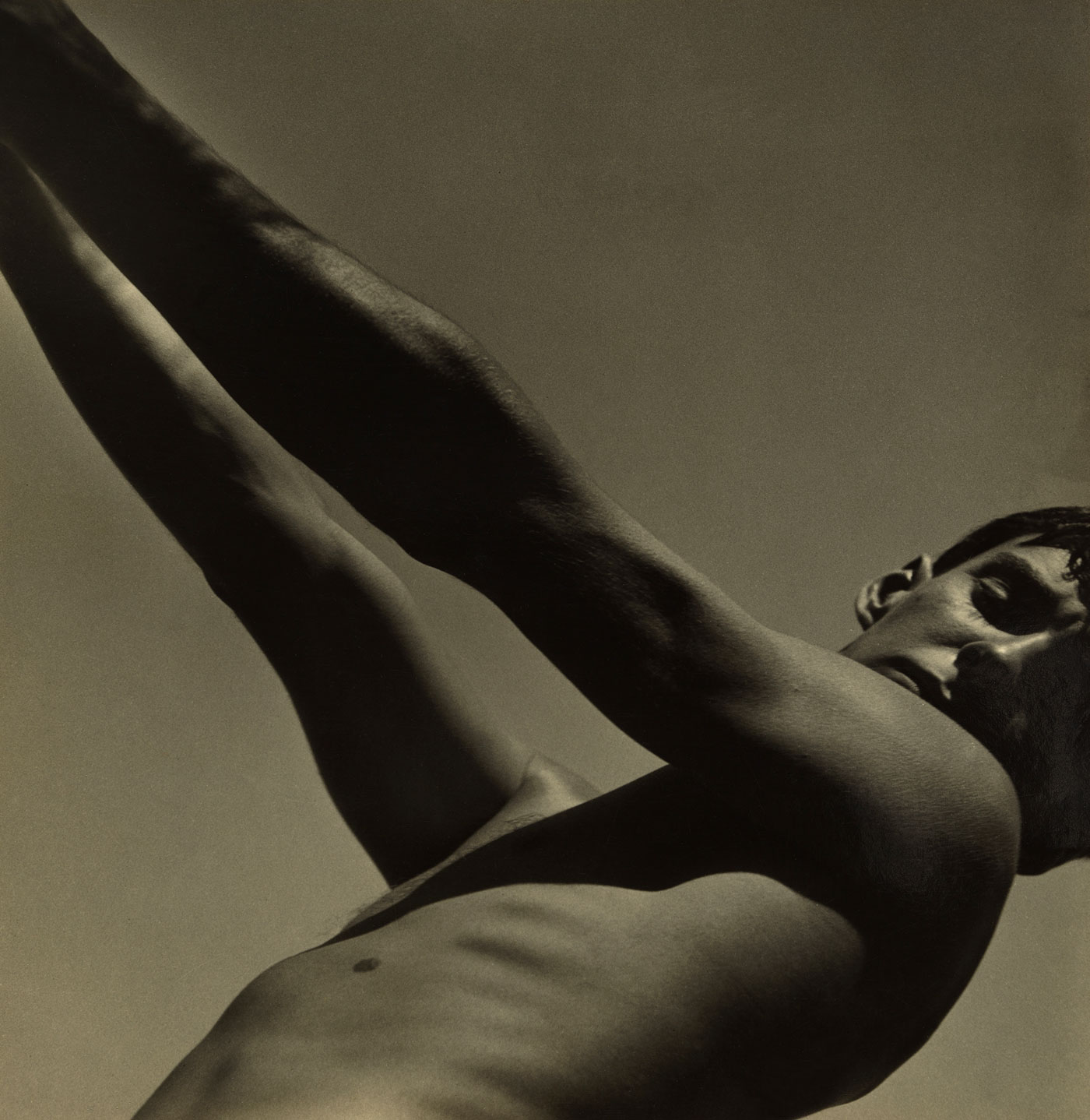
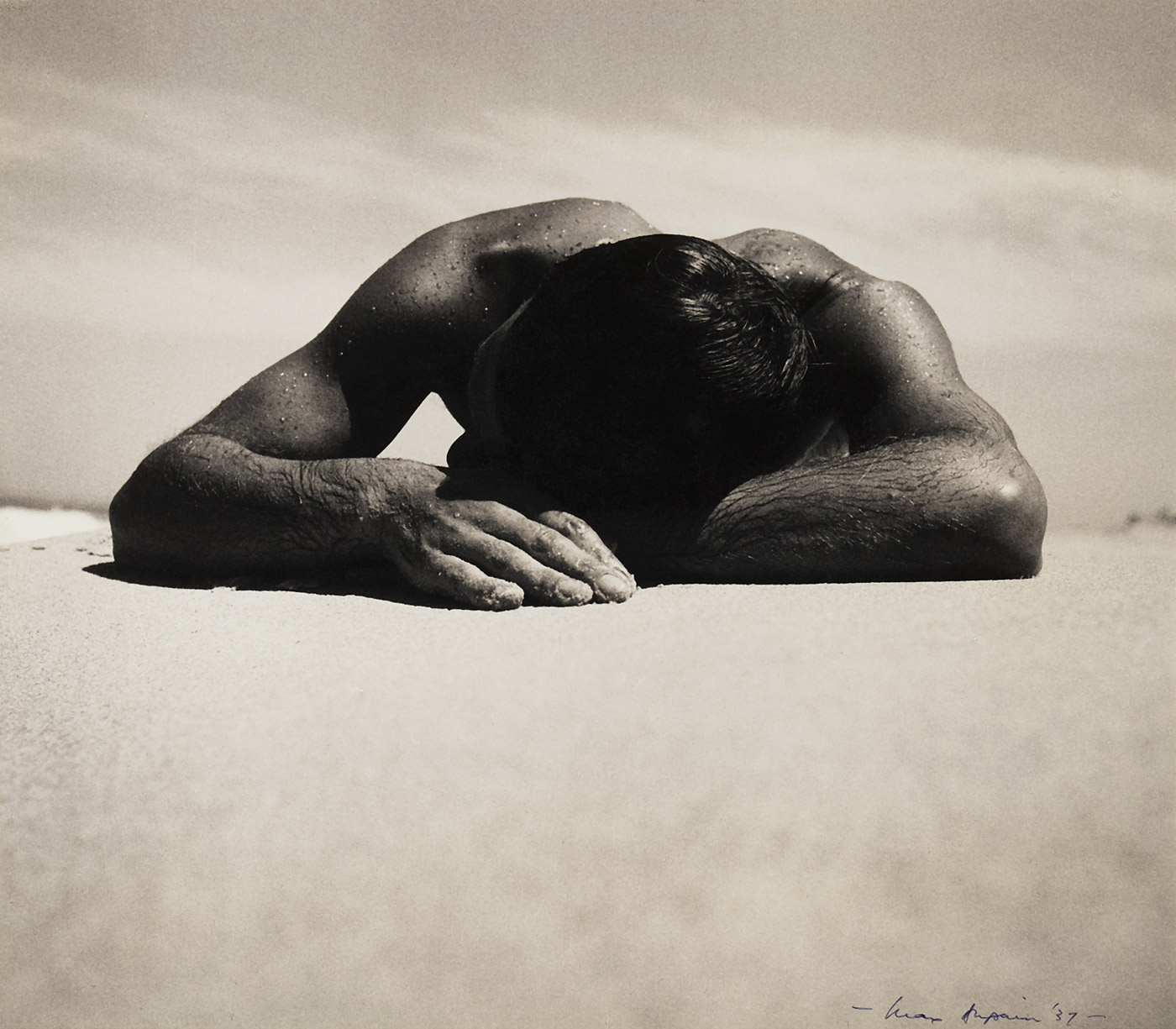

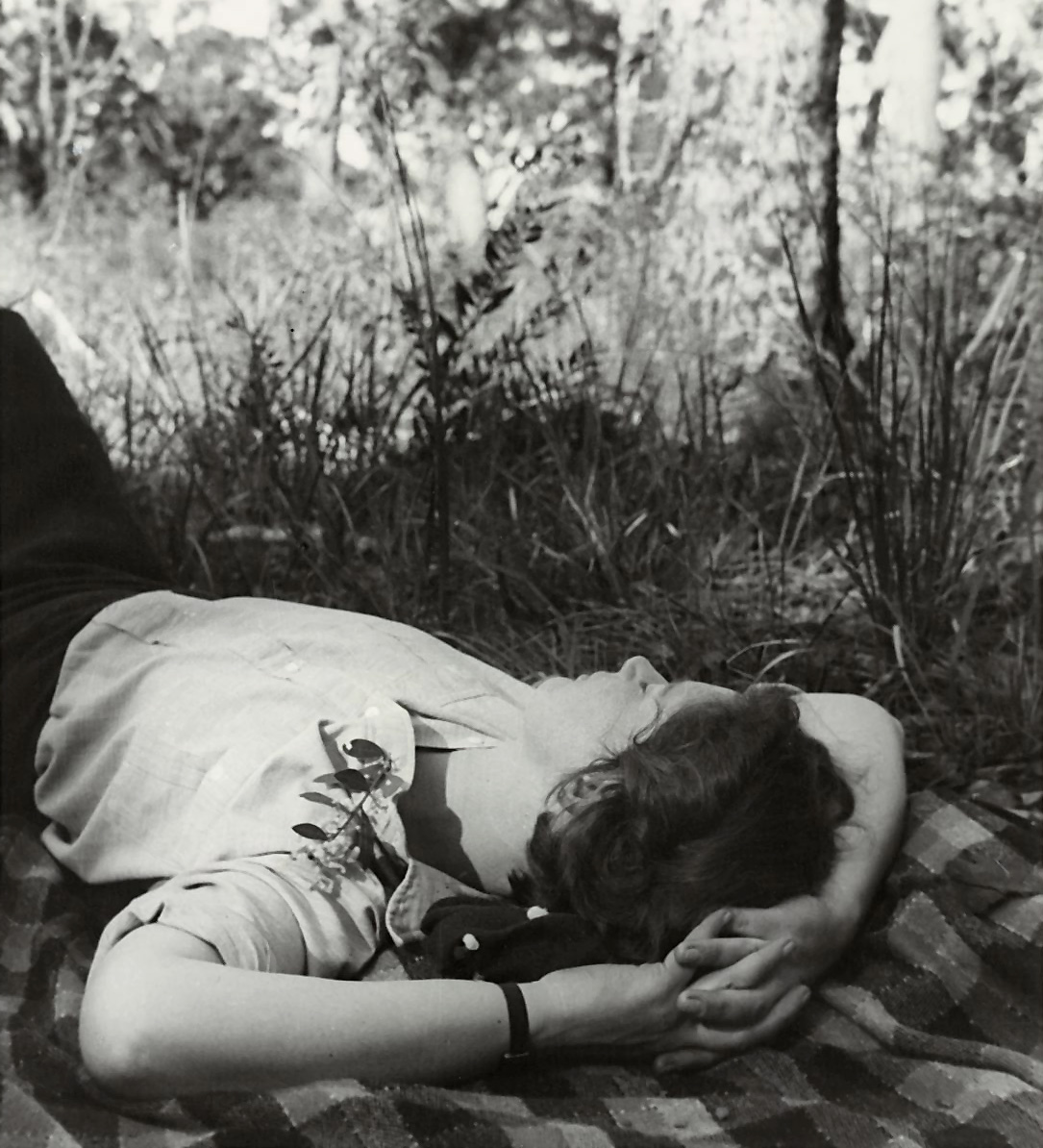
![Max Dupain (Australian, 1911-1992) 'Untitled [Olive Cotton in Wheat Fields]' Nd (probably late 1930s)](https://artblart.com/wp-content/uploads/2016/07/dupain-olive-cotton-in-wheat-fields-nd-web.jpg "Max Dupain (Australian, 1911-1992) 'Untitled [Olive Cotton in Wheat Fields]' Nd (probably late 1930s)")


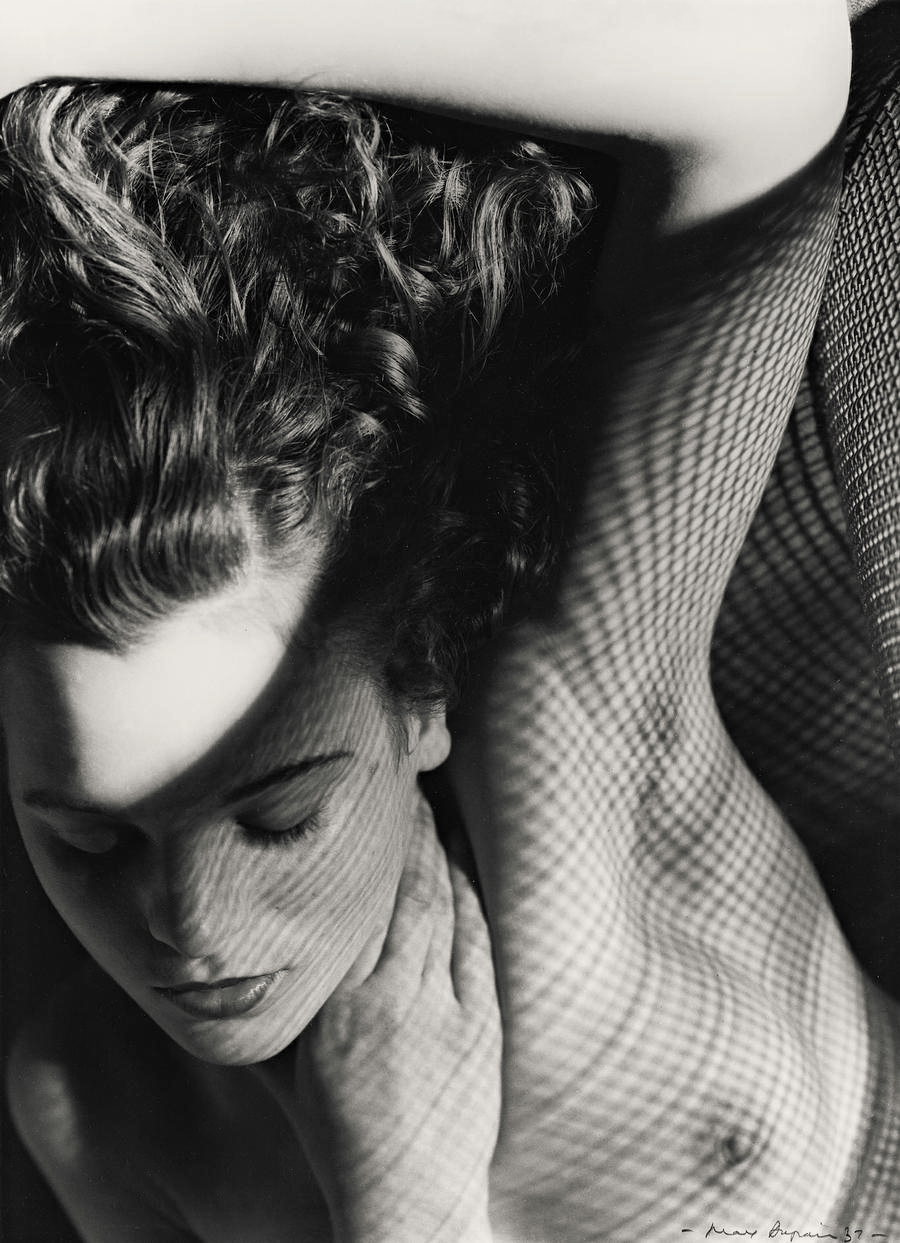
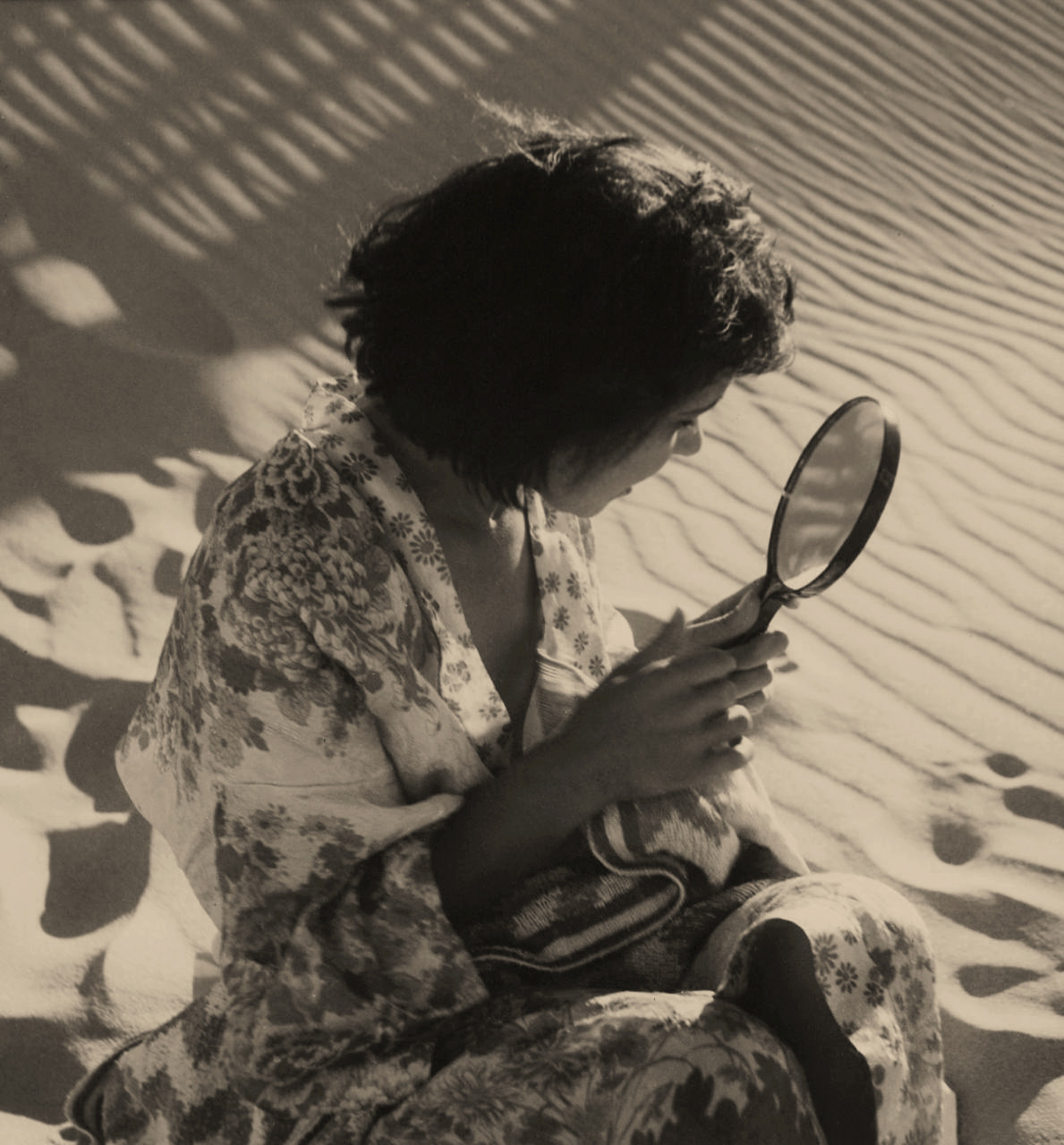

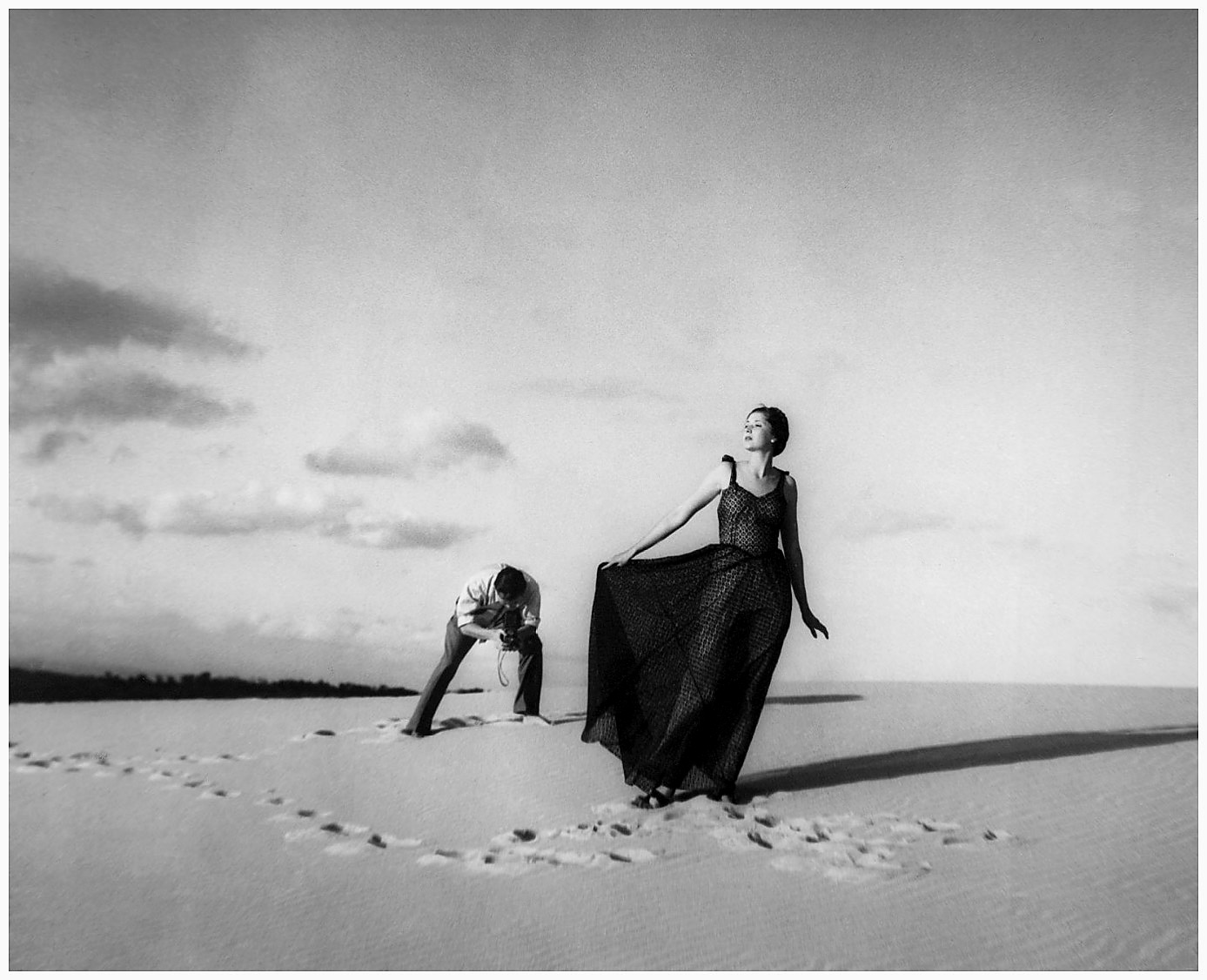
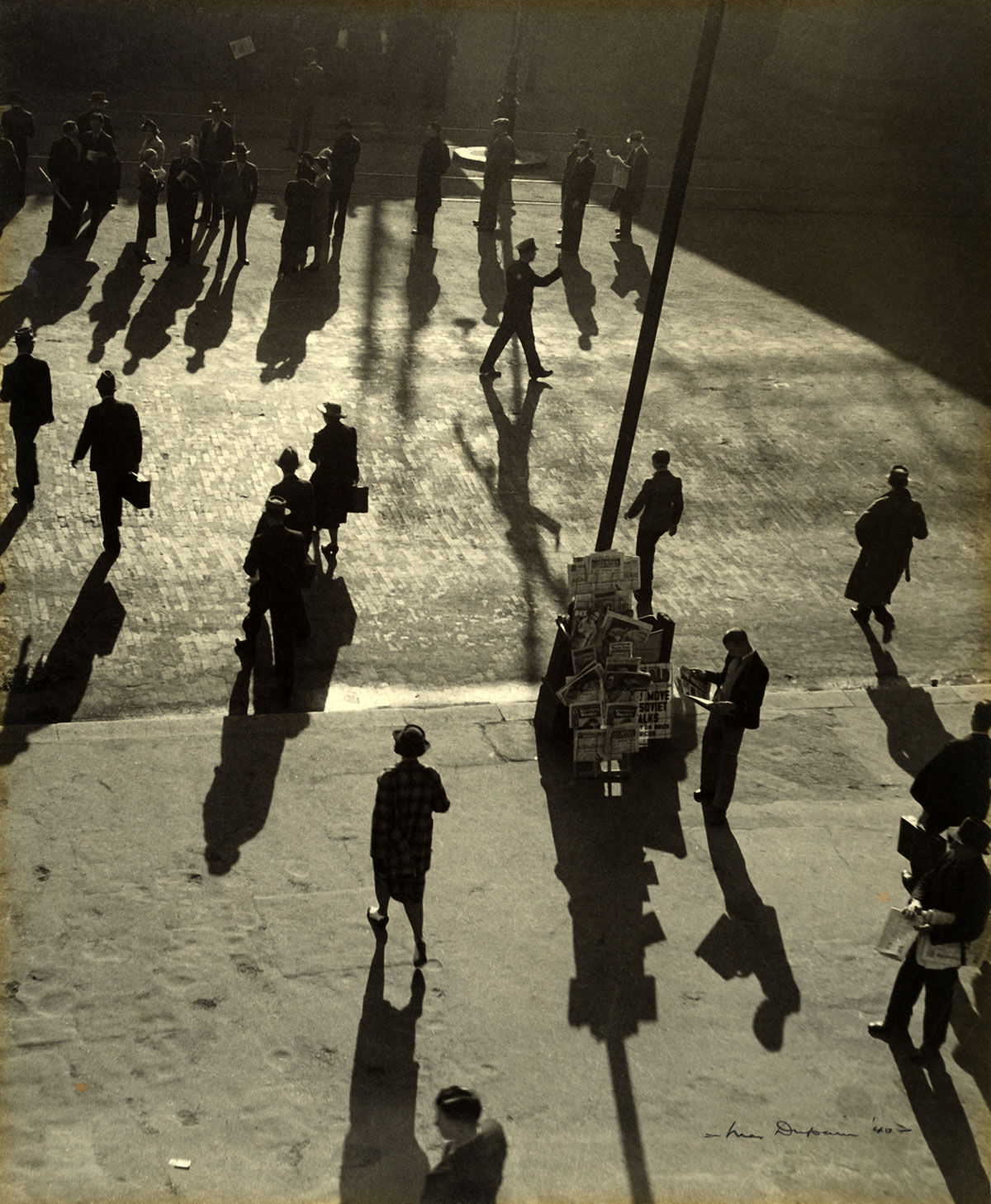


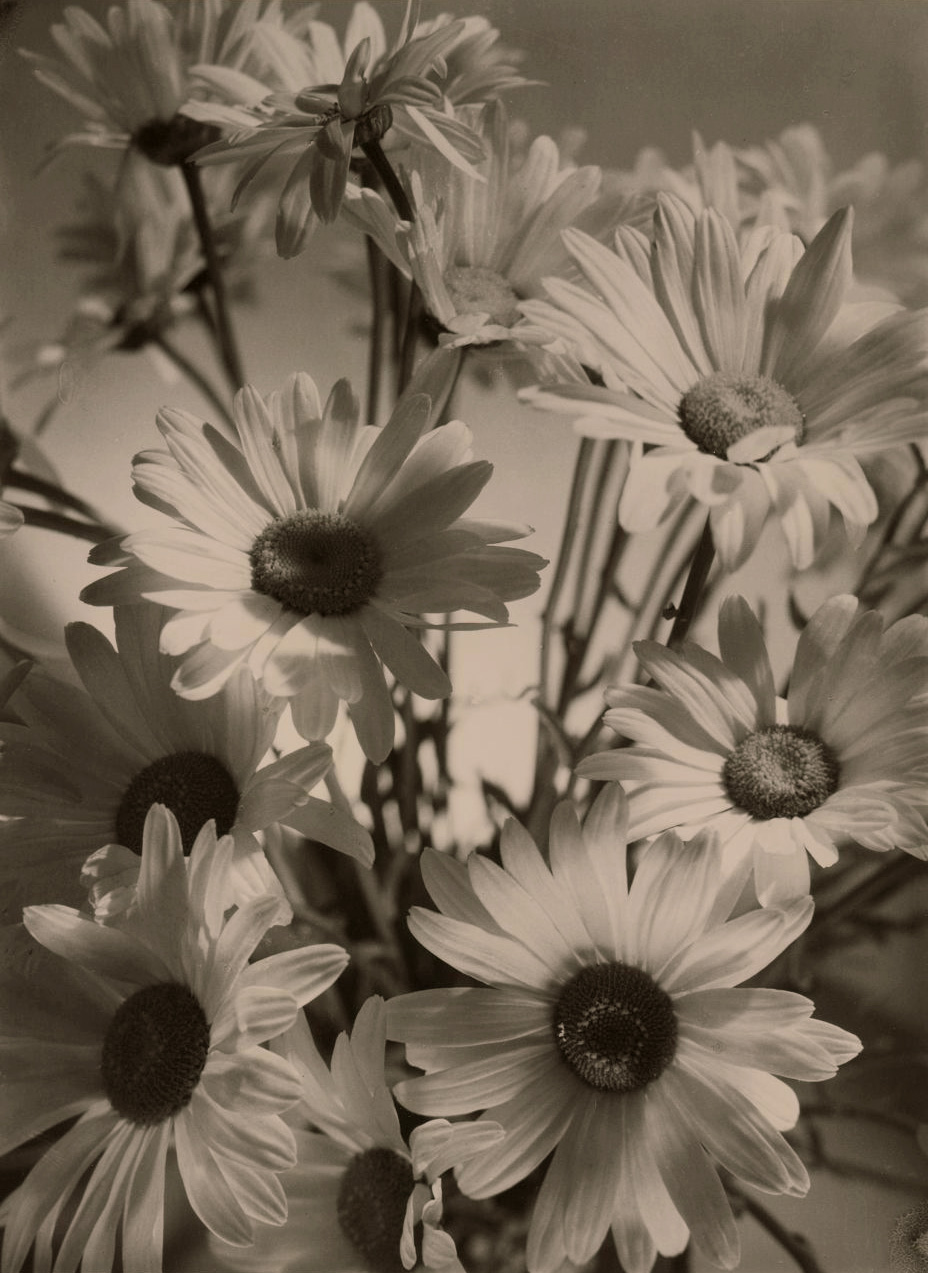
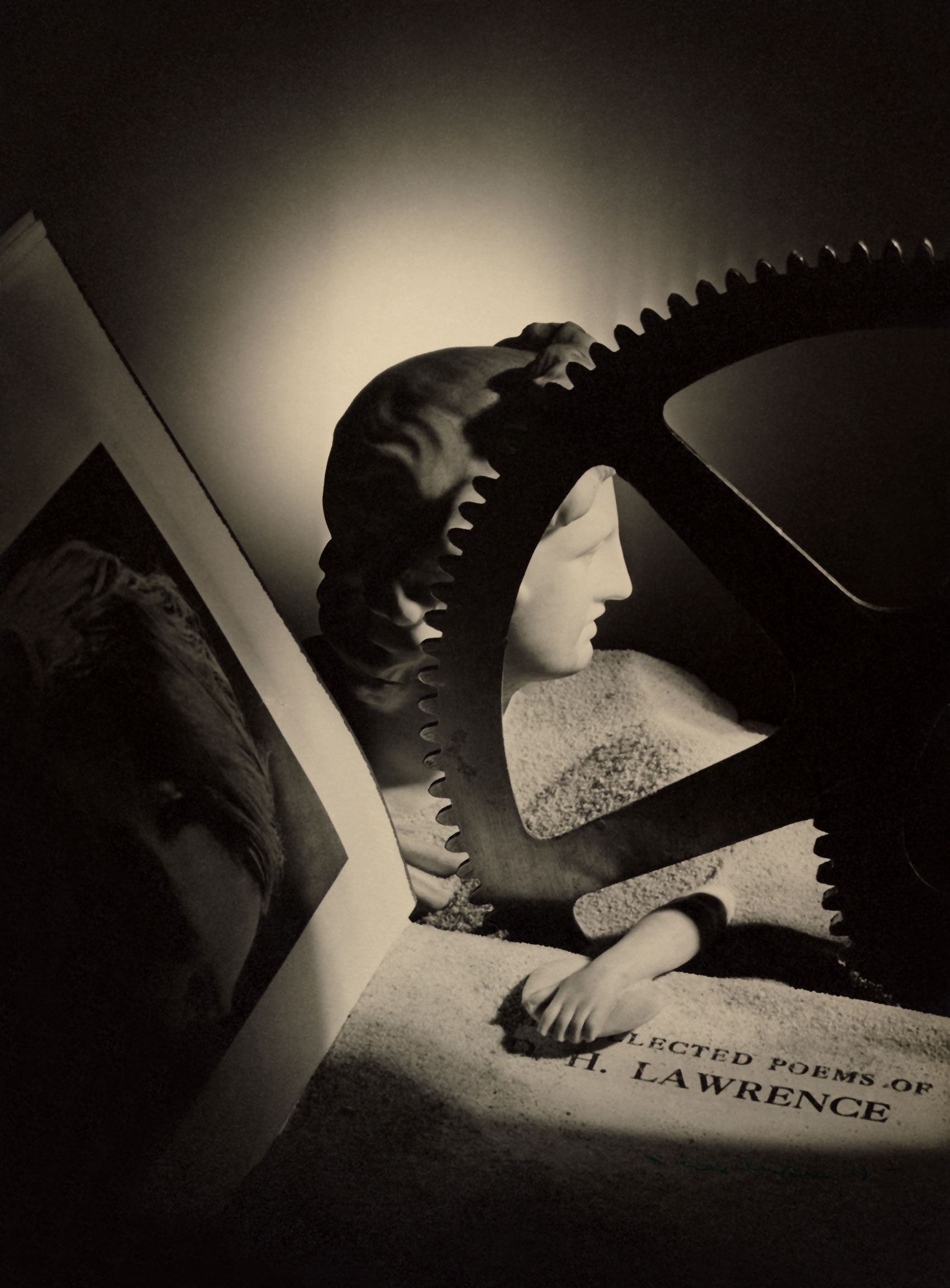

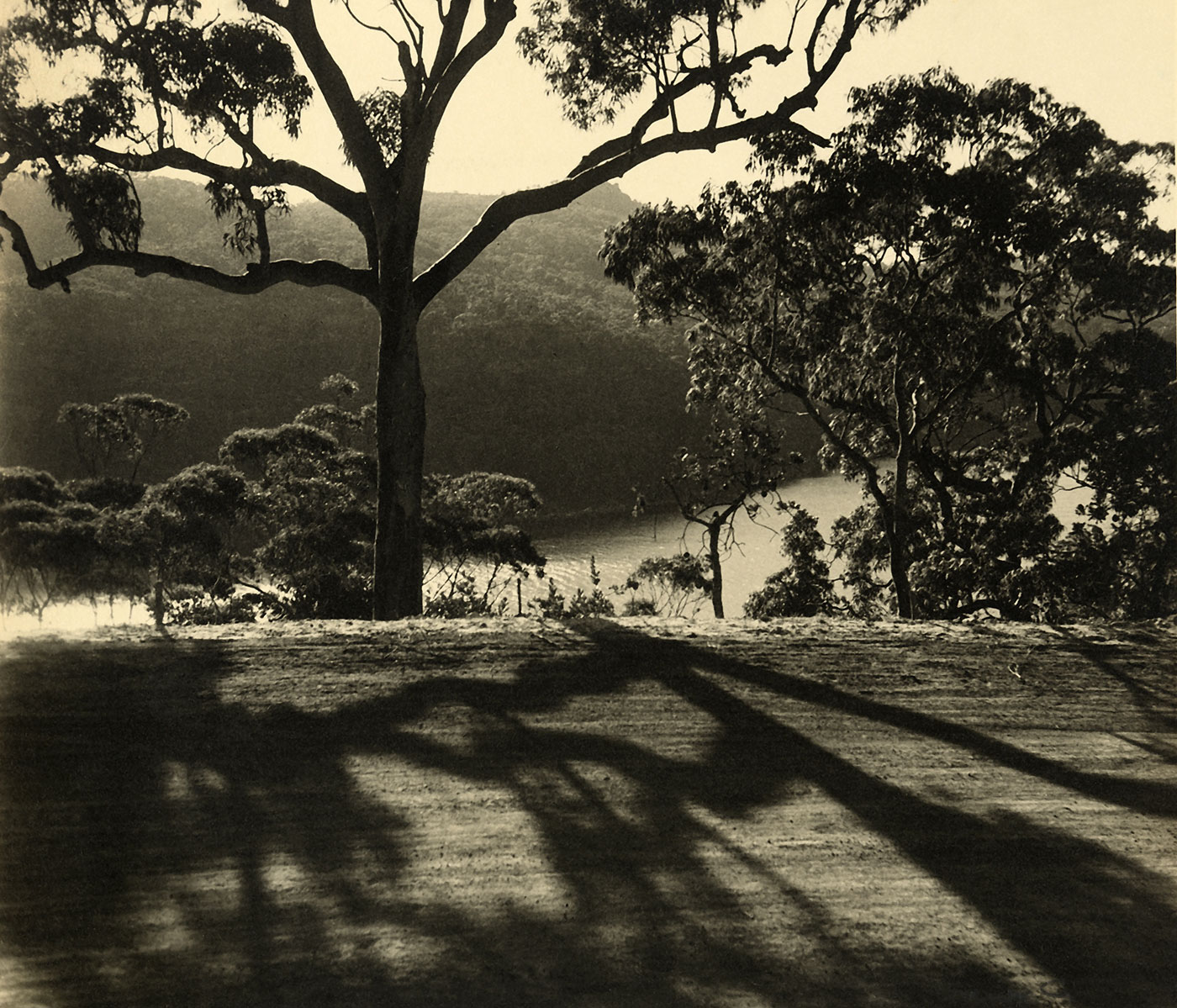
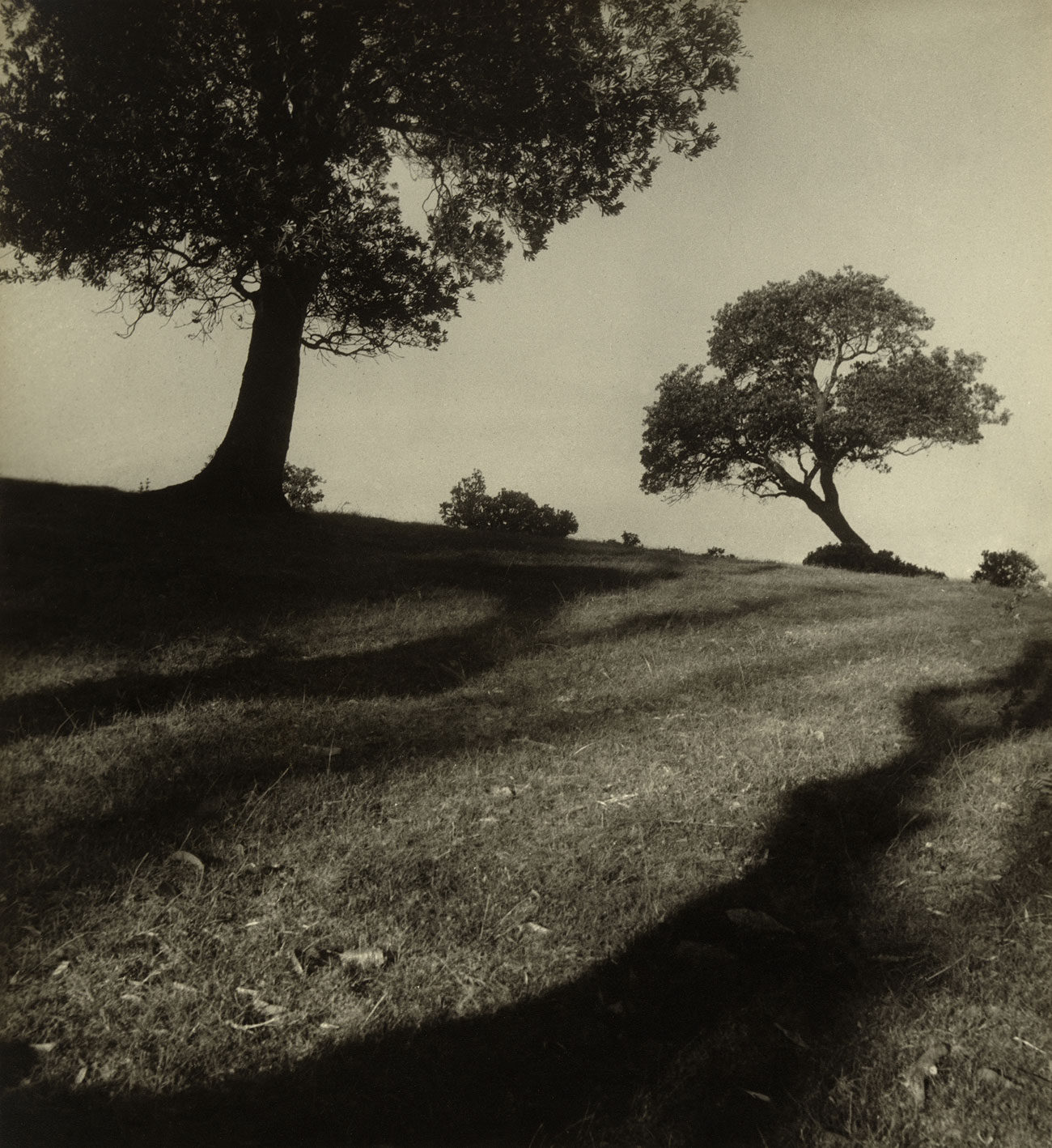


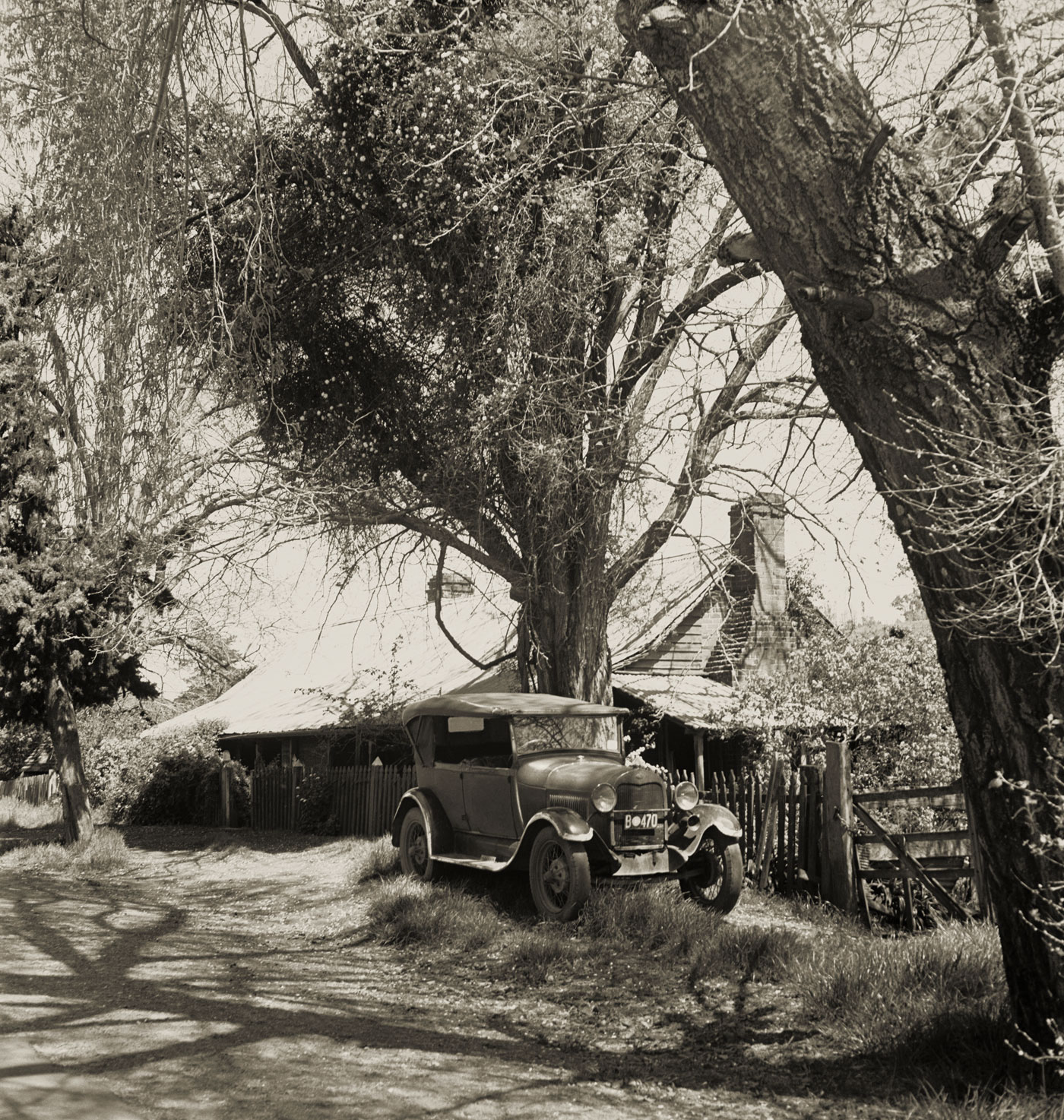

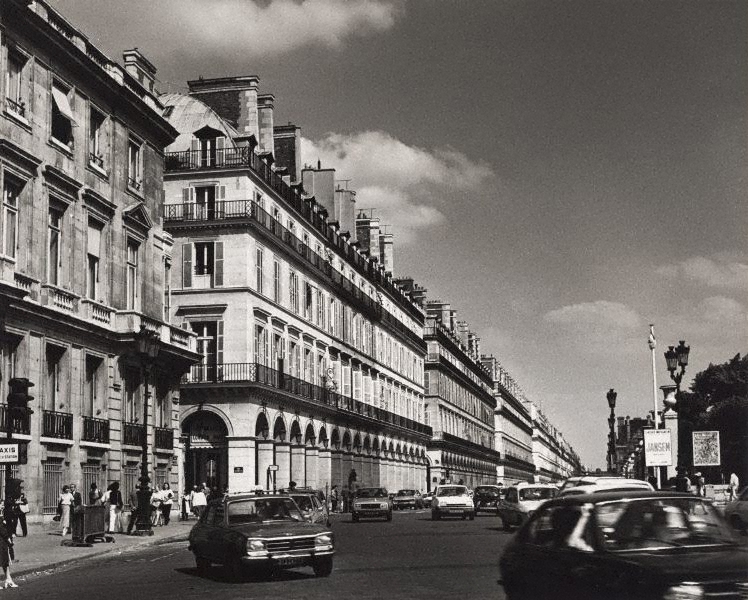


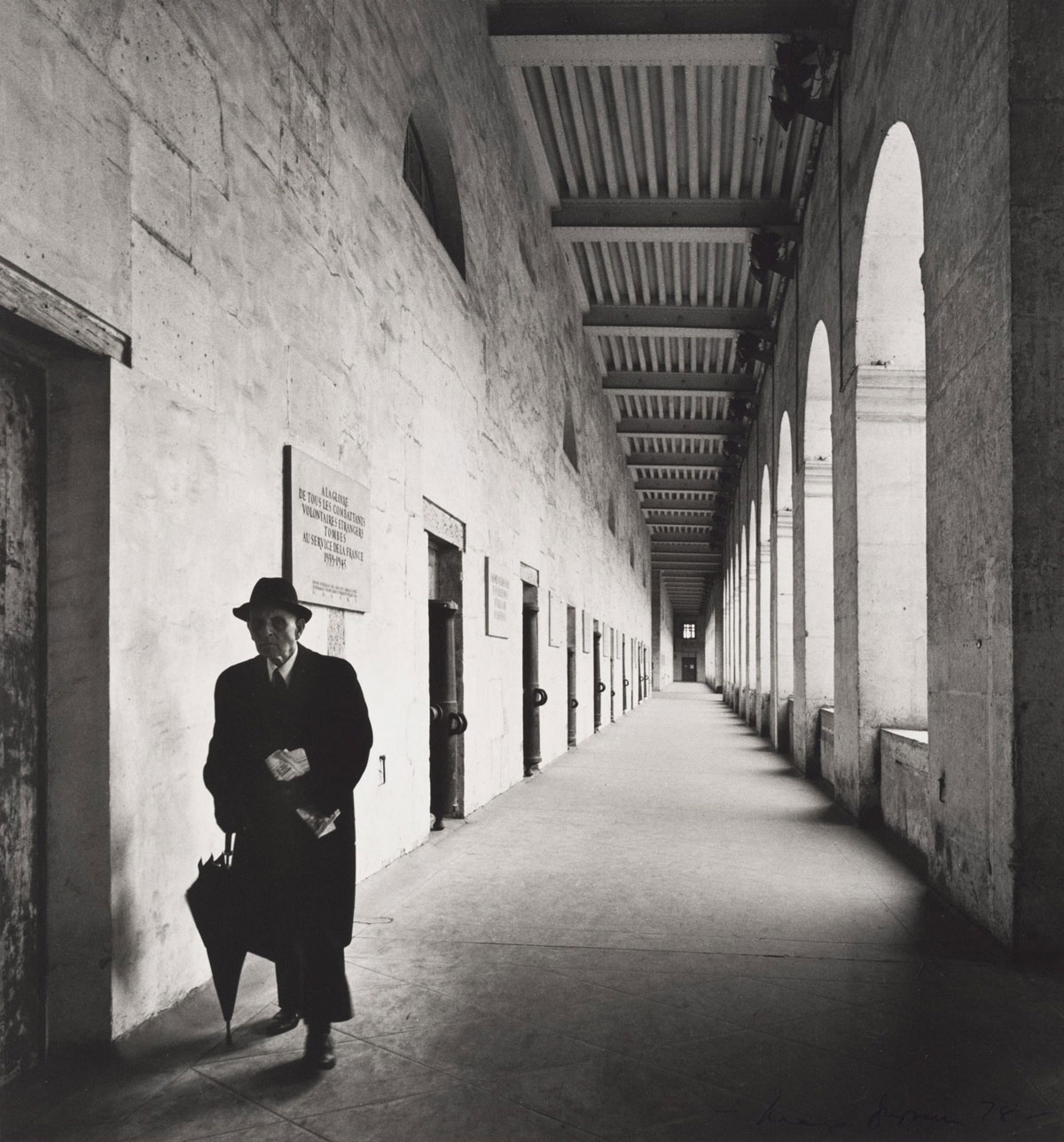
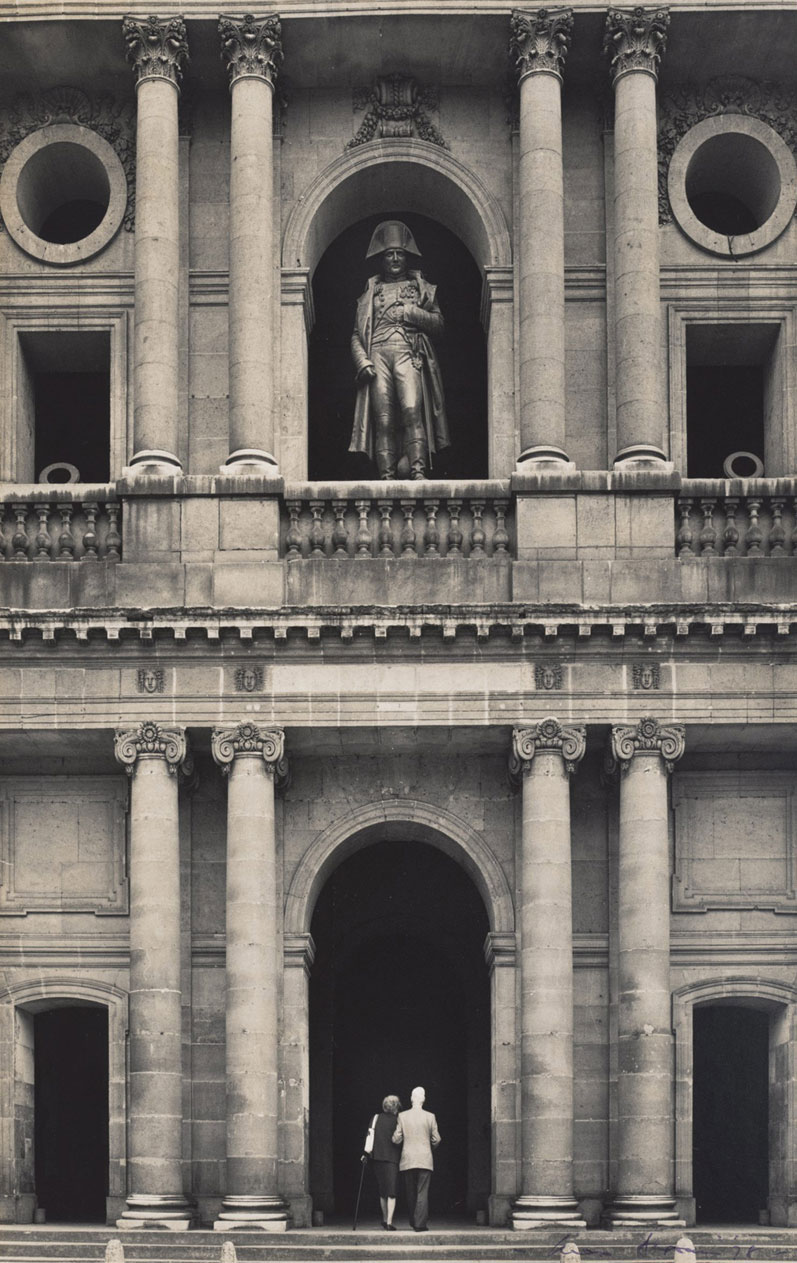
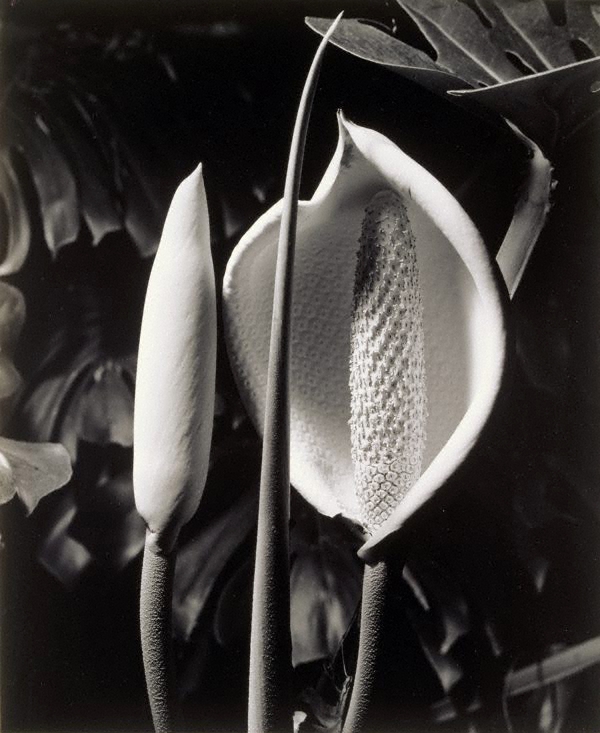


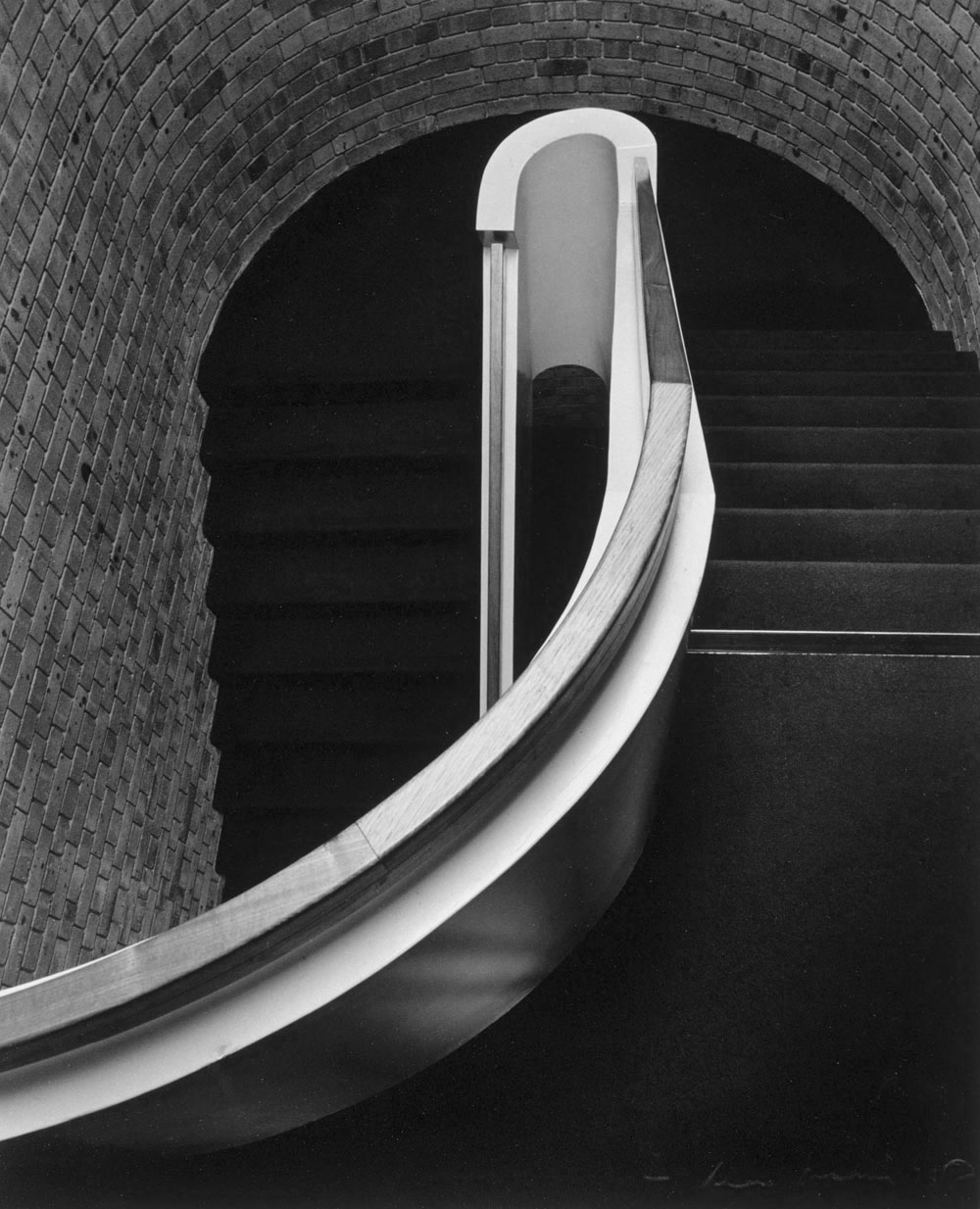


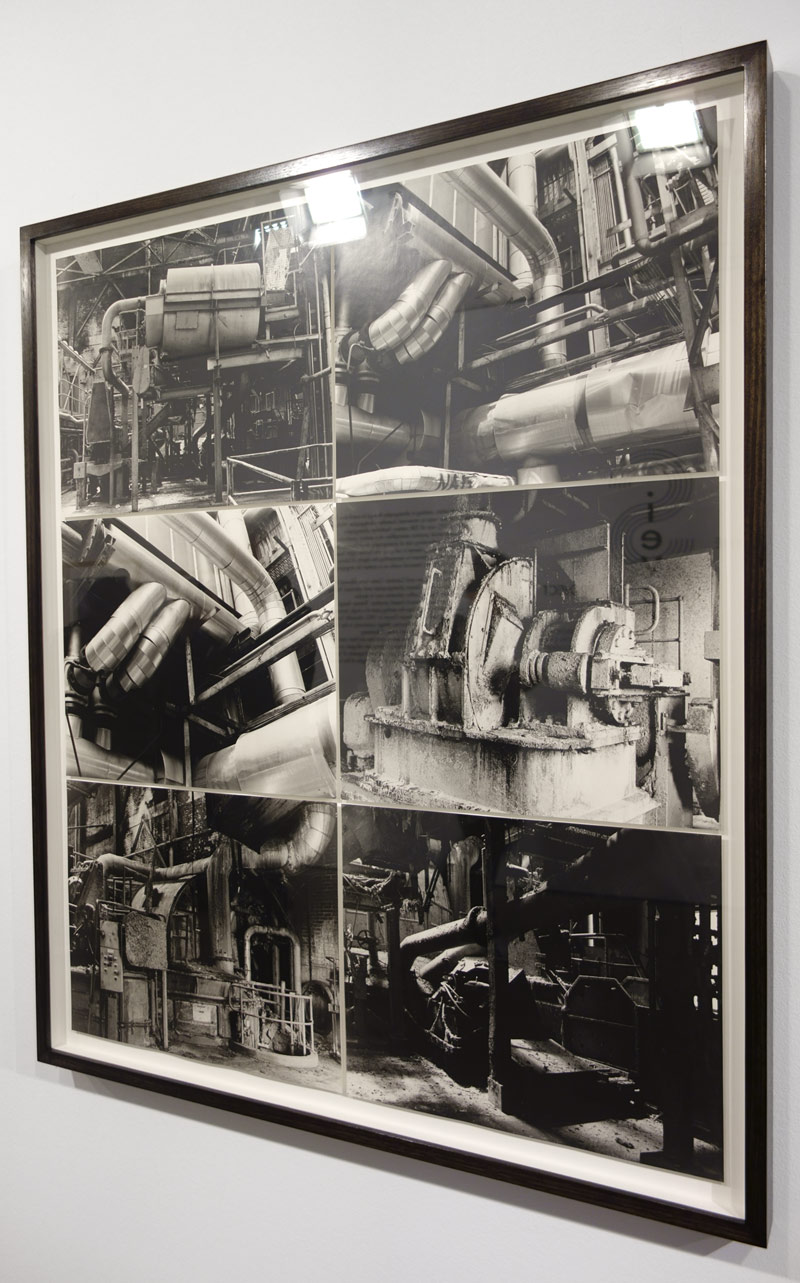


![Zoë Croggon (Australian, b. 1989) 'Comalco Aluminium Used in the Construction of the National Gallery of Victoria [7] (after Wolfgang Sievers)' 2014](https://artblart.com/wp-content/uploads/2014/08/installation-h.jpg "Zoë Croggon (Australian, b. 1989) 'Comalco Aluminium Used in the Construction of the National Gallery of Victoria [7] (after Wolfgang Sievers)' 2014")
![Zoë Croggon (Australian, b. 1989) 'Comalco Aluminium Used in the Construction of the National Gallery of Victoria [18] (after Wolfgang Sievers)' 2014](https://artblart.com/wp-content/uploads/2014/08/installation-i.jpg "Zoë Croggon (Australian, b. 1989) 'Comalco Aluminium Used in the Construction of the National Gallery of Victoria [18] (after Wolfgang Sievers)' 2014")
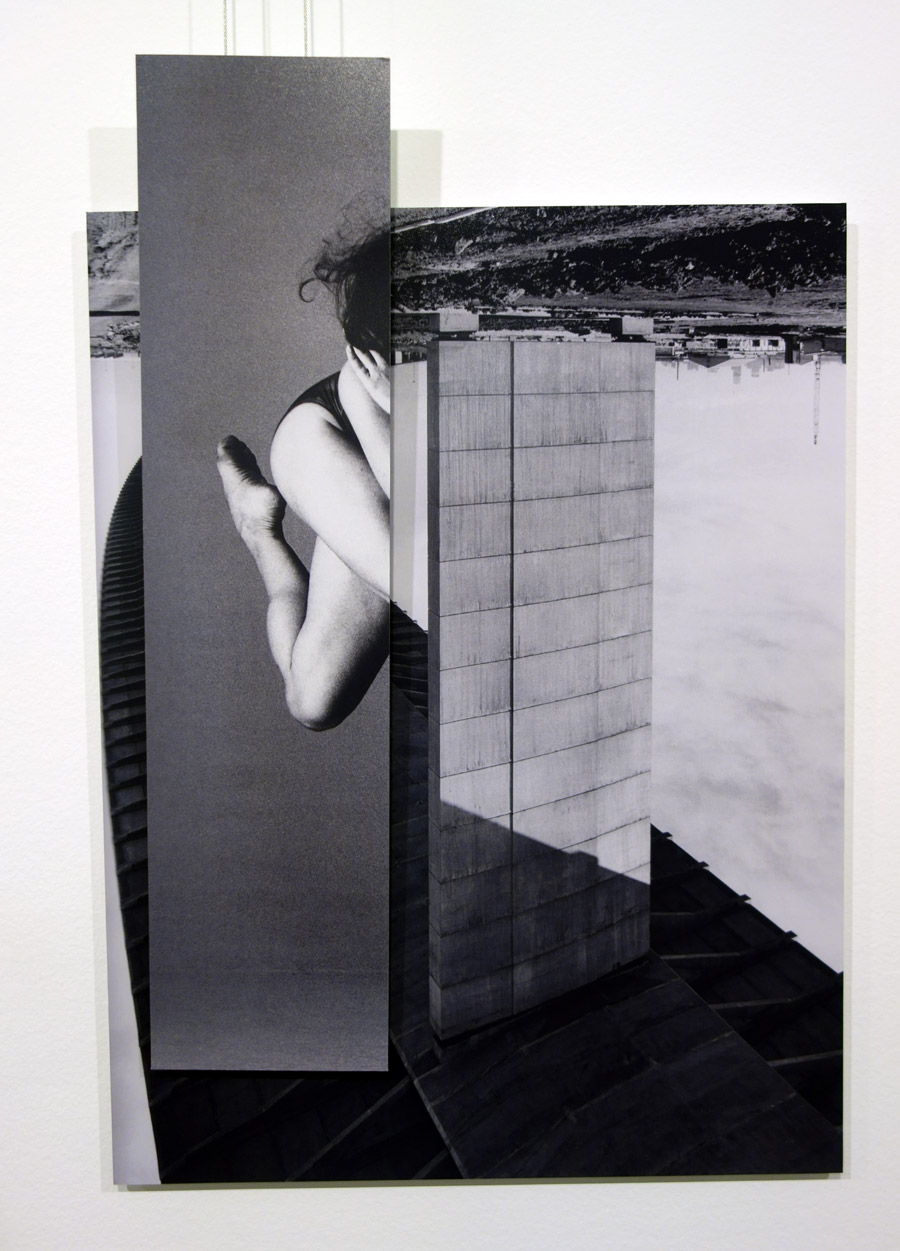


![Eugène Atget (French, Libourne 1857-1927 Paris) 'Untitled [Atget's Work Room with Contact Printing Frames]' c. 1910](https://artblart.com/wp-content/uploads/2014/04/atgets-work-room-web1.jpg "Eugène Atget (French, Libourne 1857-1927 Paris) 'Untitled [Atget's Work Room with Contact Printing Frames]' c. 1910")
![Eugène Atget (French, Libourne 1857–1927 Paris) 'Untitled [Atget's Work Room with Contact Printing Frames]' c. 1910 (detail)](https://artblart.com/wp-content/uploads/2014/04/atget-workroom-detail-web.jpg "Eugène Atget (French, Libourne 1857–1927 Paris) 'Untitled [Atget's Work Room with Contact Printing Frames]' c. 1910 (detail)")

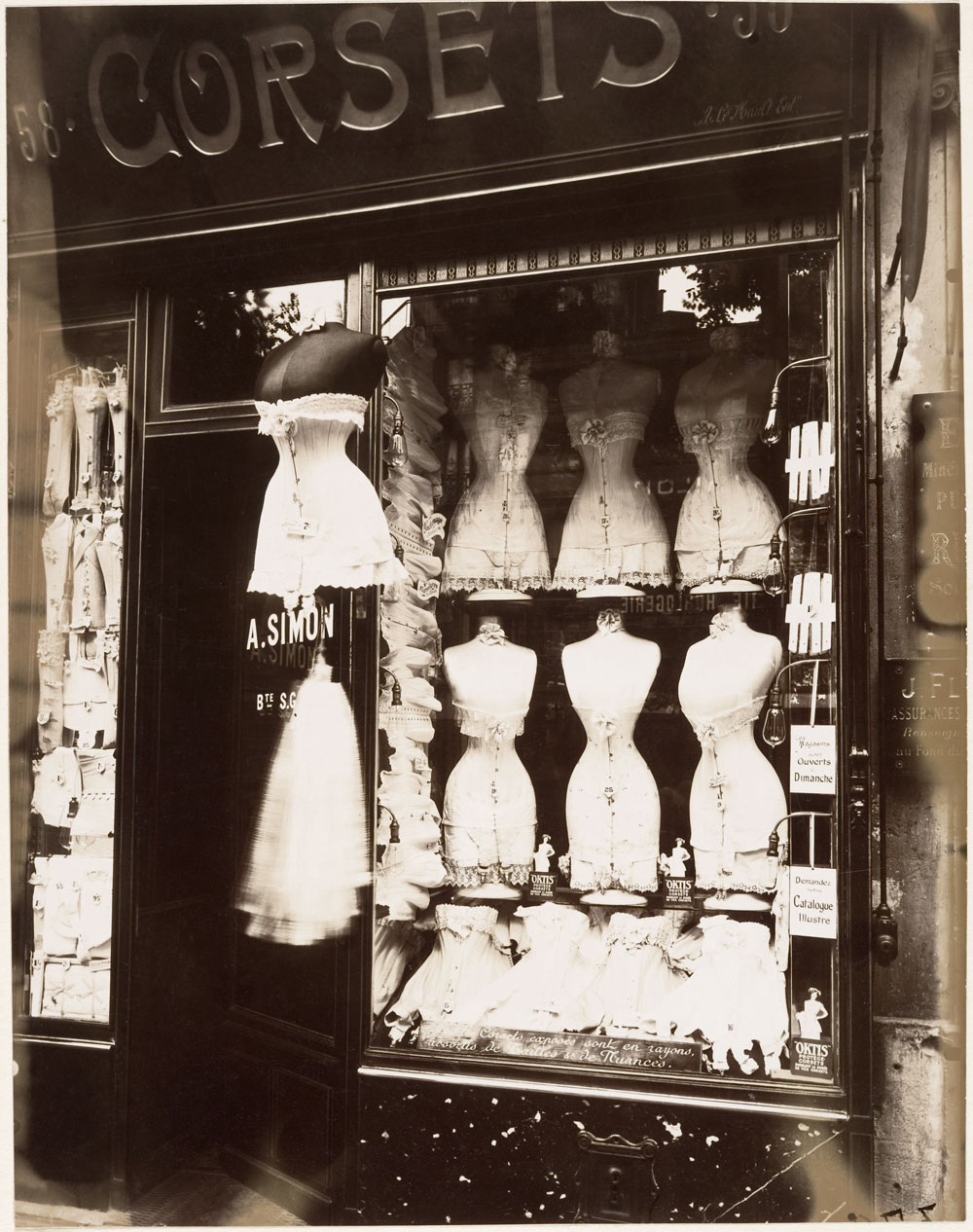
![Marie-Charles-Isidore Choiselat (French, 1815-1858) Stanislas Ratel (French, 1824-1904) 'Untitled [The Pavillon de Flore and the Tuileries Gardens]' 1849](https://artblart.com/wp-content/uploads/2014/04/the-pavillon-de-flore-web.jpg "Marie-Charles-Isidore Choiselat (French, 1815-1858) Stanislas Ratel (French, 1824-1904) 'Untitled [The Pavillon de Flore and the Tuileries Gardens]' 1849")


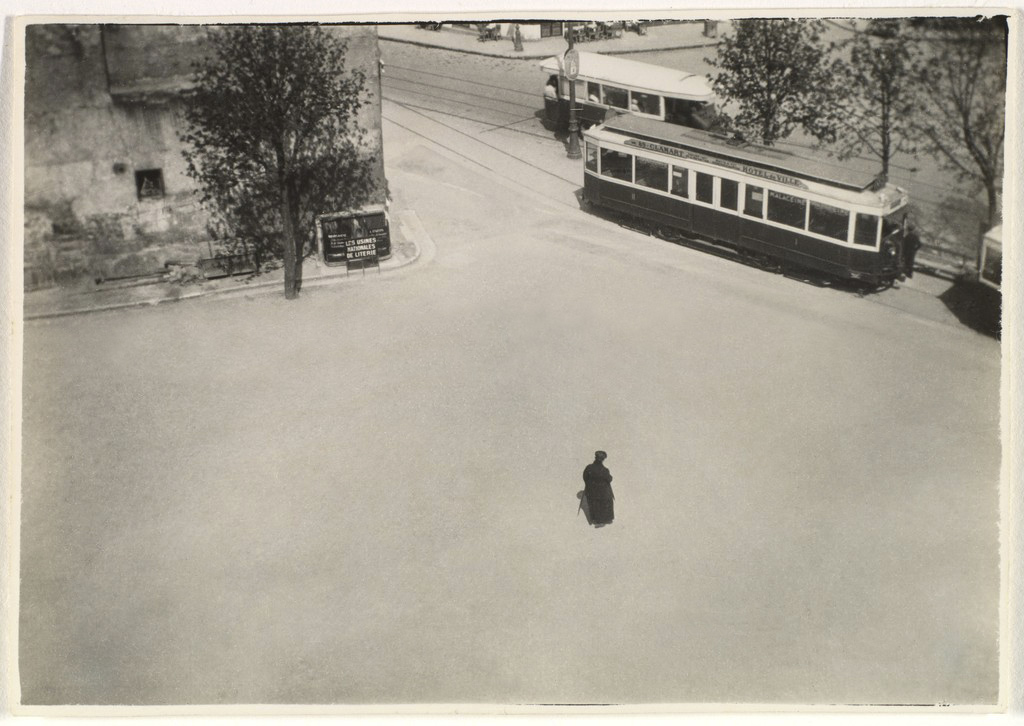


![Edward J. Steichen (American born Luxembourg, Bivange 1879 - 1973 West Redding, Connecticut) 'Untitled [Brancusi's Studio]' c. 1920](https://artblart.com/wp-content/uploads/2014/04/edward_steichen_brancusis_studio_1920-web.jpg "Edward J. Steichen (American born Luxembourg, Bivange 1879 - 1973 West Redding, Connecticut) 'Untitled [Brancusi's Studio]' c. 1920")


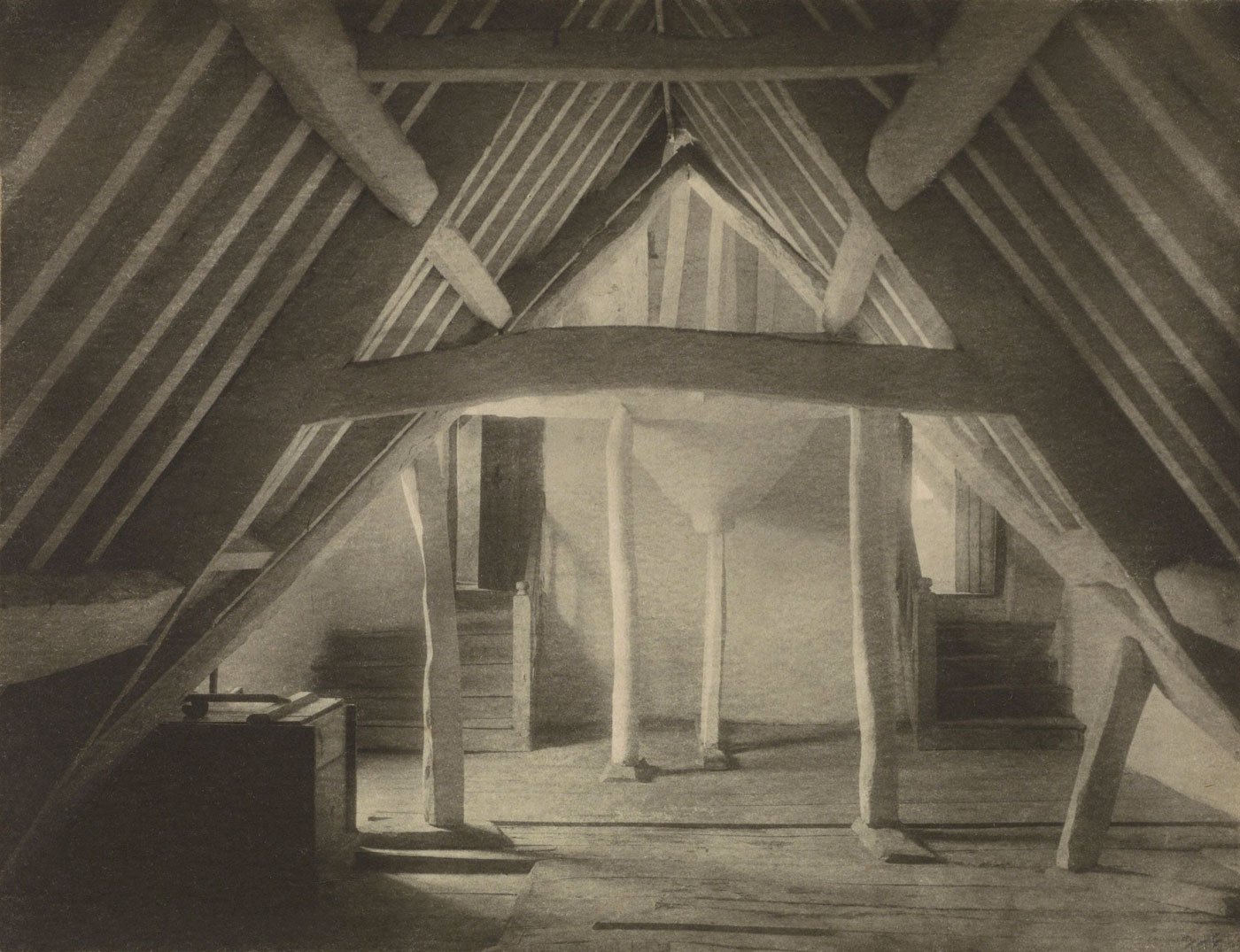


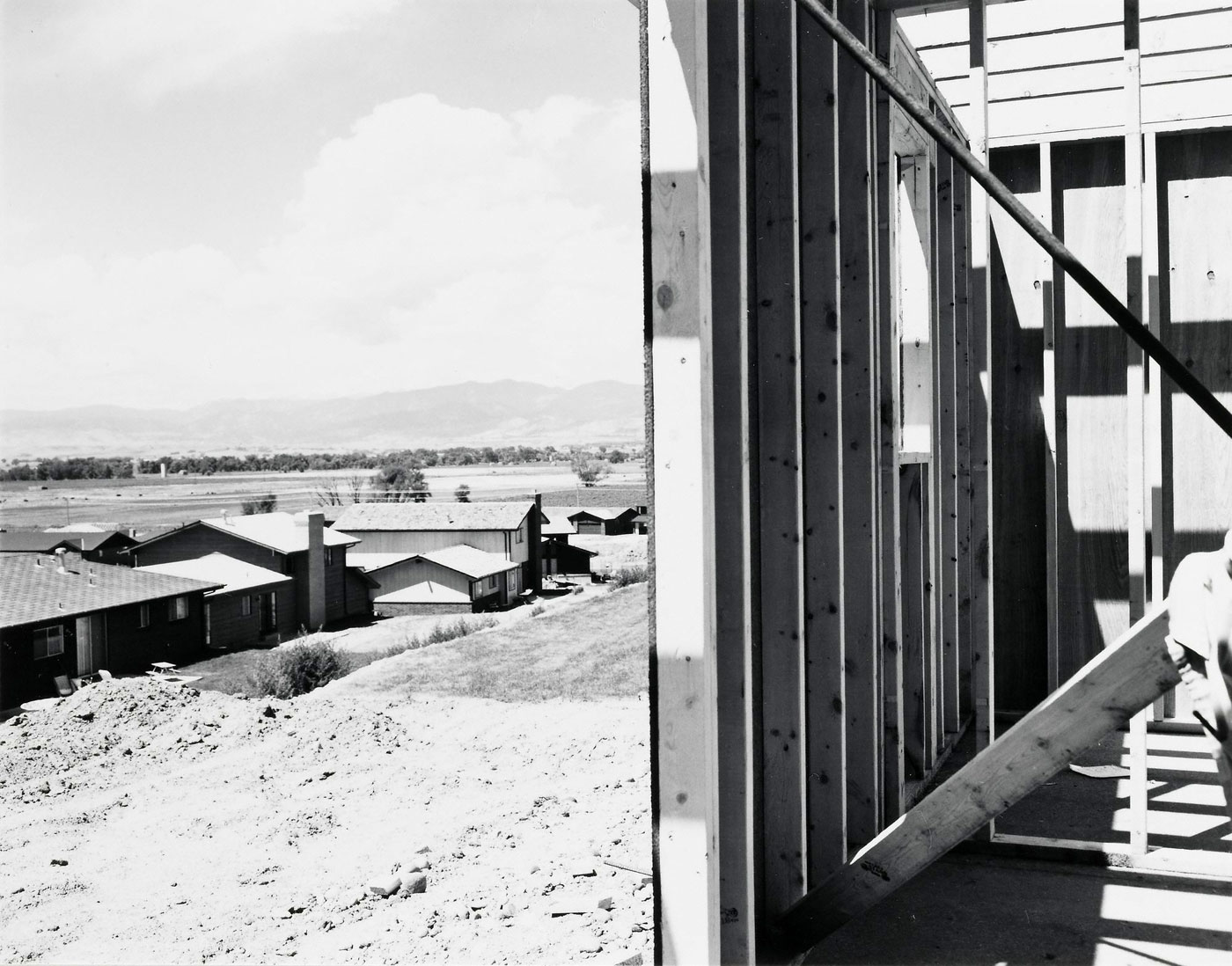


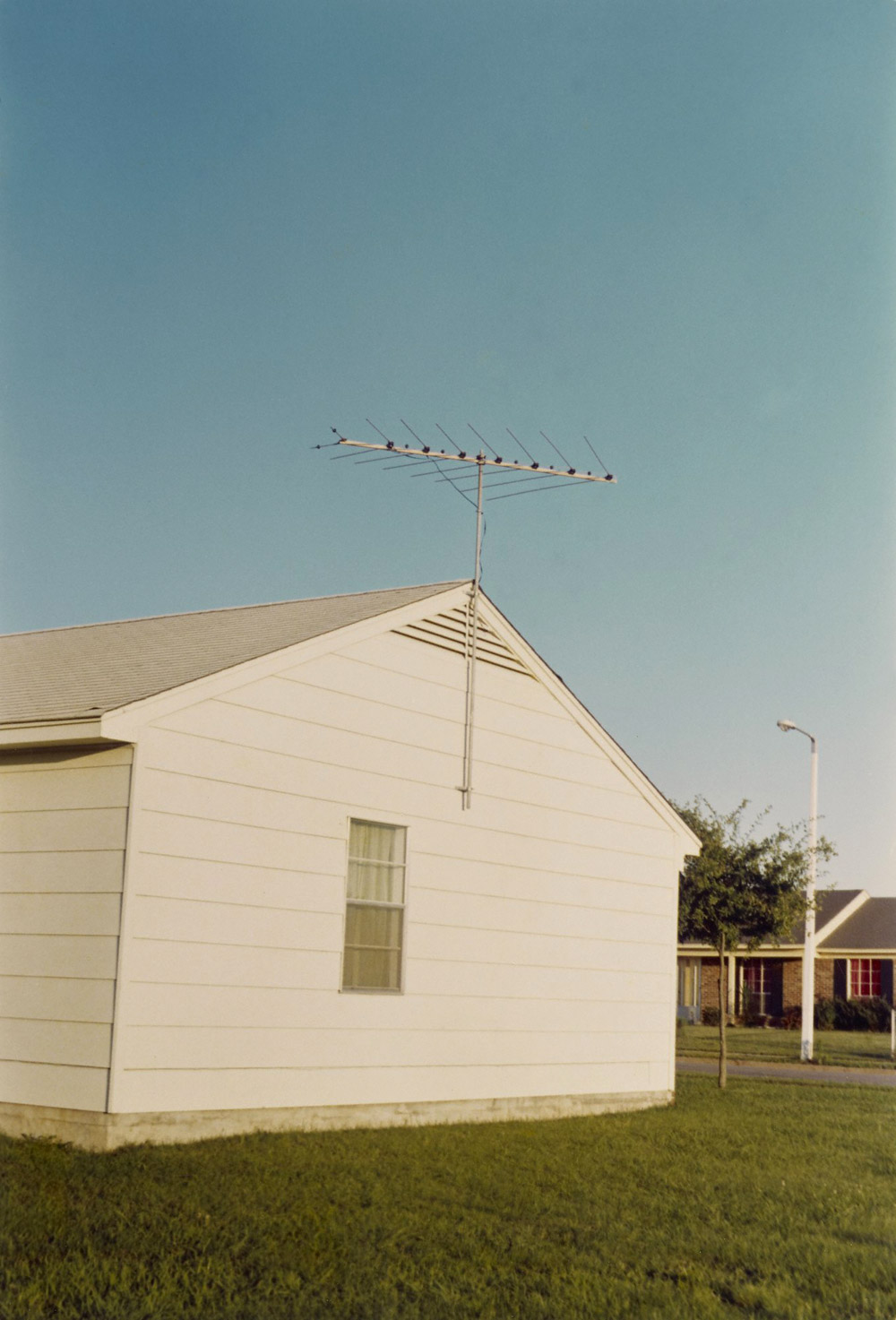
 Art Blart _ art and cultural memory archive
You must be logged in to post a comment.