Curator: Jeff L. Rosenheim, Joyce Frank Menschel Curator in Charge of the Department of Photographs at The Met
Unknown American photographers and Daisy Studio (American, active 1940s) Studio Portraits 1940s-1950s Gelatin silver prints The Metropolitan Museum of Art, New York, Twentieth-Century Photography Fund, 2015, 2017
First of a two-part posting on these mostly 1940s living expressions of past but present people and the African American experience.
In one photograph, I just love the hearts on the pockets of the jeans of one of the young men. Wonderful style and a touching intimacy are evident in many of the images.
“The poignancy of these small photographs lies in the essential respect the camera offers its subjects, who sit for their portraits as an act of self-expression.”
Many thankx to the Metropolitan Museum of Art for allowing me to publish the photographs in the posting. Please click on the photographs for a larger version of the image.
“To the eye and spirit, pictures are just what poetry and music are to the ear and heart.”
“With the clear perception of things as they are, must stand the faithful rendering of things as they seem. The dead fact is nothing without the living expression.”
Frederick Douglass. “Pictures and Progress”
“True art, when it happens to us, challenges the ‘I’ that we are.”
Jeanette Winterson. “Art Objects,” in Art Objects: Essays on Ecstasy and Effrontery, 1996
This exhibition will present more than one hundred and fifty studio portraits of African Americans from the mid-twentieth century, part of an important recent acquisition by The Met. Produced by mostly unidentified makers, the photographs are a poignant, collective self portrait of the African American experience during the 1940s and 1950s – a time of war, middle-class growth, and seismic cultural change.
Unknown American photographer Studio Portrait 1940s-1950s Gelatin silver print with hand colouring The Metropolitan Museum of Art, New York, Twentieth-Century Photography Fund, 2015, 2017 Image courtesy The Metropolitan Museum of Art
Unknown American maker Studio Portrait 1940s-1950s Gelatin silver print The Metropolitan Museum of Art, New York, Twentieth-Century Photography Fund, 2015, 2017 Image courtesy The Metropolitan Museum of Art
Unknown American photographer Studio Portrait 1940s-1950s Gelatin silver print The Metropolitan Museum of Art, New York, Twentieth-Century Photography Fund, 2015, 2017 Image courtesy The Metropolitan Museum of Art
Unknown American photographer Studio Portrait 1940s-1950s Gelatin silver print with hand colouring The Metropolitan Museum of Art, New York, Twentieth-Century Photography Fund, 2015, 2017 Image courtesy The Metropolitan Museum of Art
Unknown American photographer Studio Portrait 1940s-1950s Gelatin silver print with hand colouring The Metropolitan Museum of Art, New York, Twentieth-Century Photography Fund, 2015, 2017 Image courtesy The Metropolitan Museum of Art
Unknown American photographer Studio Portrait 1940s-1950s Gelatin silver print The Metropolitan Museum of Art, New York, Twentieth-Century Photography Fund, 2015, 2017 Image courtesy The Metropolitan Museum of Art
Unknown American photographer Studio Portrait 1940s-1950s Gelatin silver print The Metropolitan Museum of Art, New York, Twentieth-Century Photography Fund, 2015, 2017 Image courtesy The Metropolitan Museum of Art
Unknown American photographer Studio Portrait 1940s-1950s Gelatin silver print The Metropolitan Museum of Art, New York, Twentieth-Century Photography Fund, 2015, 2017 Image courtesy The Metropolitan Museum of Art
Unknown American photographer Studio Portrait 1940s-1950s Gelatin silver print The Metropolitan Museum of Art, New York, Twentieth-Century Photography Fund, 2015, 2017 Image courtesy The Metropolitan Museum of Art
Unknown American photographer Studio Portrait 1940s-1950s Gelatin silver print The Metropolitan Museum of Art, New York, Twentieth-Century Photography Fund, 2015, 2017 Image courtesy The Metropolitan Museum of Art
Unknown American photographer Studio Portrait 1940s-1950s Gelatin silver print The Metropolitan Museum of Art, New York, Twentieth-Century Photography Fund, 2015, 2017 Image courtesy The Metropolitan Museum of Art
Unknown American photographer Studio Portrait 1940s-1950s Gelatin silver print The Metropolitan Museum of Art, New York, Twentieth-Century Photography Fund, 2015, 2017 Image courtesy The Metropolitan Museum of Art
African American Portraits: Photographs from the 1940s and 1950s, on view June 26 through October 8, 2018,will present more than 150 studio portraits from the mid-20th century. The exhibition offers a seldom seen view of the African American experience in the United States during World War II and the following decade – a time of war, middle-class growth, and seismic cultural change. Part of an important acquisition made by The Met in 2015 and 2017, these photographs build on and expand the Museum’s strong holdings in portraiture from the beginning of photography in the 1840s to the present. The exhibition is made possible by the Alfred Stieglitz Society.
The portraits on view generally feature sitters in a frontal pose against a painted backdrop – soldiers and sailors model their uniforms, graduates wear their caps and gowns, lovers embrace, and new parents cradle their infants. Both photographers and subjects remain mostly unidentified.
In the wartime economy, photographic studios became hubs of activity for local and regional communities. Some studios were small and transient, others more established and identifiable, such as the Daisy Studio in Memphis, Tennessee. Using waterproof direct positive paper rather than film, the studios were able to offer their clientele high quality, inexpensive portraits in a matter of minutes. The poignancy of these small photographs lies in the essential respect the camera offers its subjects, who sit for their portraits as an act of self-expression.
African American Portraits: Photographs from the 1940s and 1950s is organised by Jeff L. Rosenheim, Joyce Frank Menschel Curator in Charge of the Department of Photographs at The Met.
Press release from the Metropolitan Museum of Art
The Billboard December 4 , 1948 p. 72
Popular Photography May 1948 p. 99
Direct positive paper is primarily suited for use in pinhole cameras where exposure and processing in conventional black and white photo chemistry achieves a unique positive print – without the need for a film negative or inter-negative. The paper can also be successfully used in other applications such as direct exposure in large format cameras or by cutting small sheets for exposure in LOMO type cameras.
Unknown American photographer Studio Portrait 1940s-1950s Gelatin silver print The Metropolitan Museum of Art, New York, Twentieth-Century Photography Fund, 2015, 2017 Image courtesy The Metropolitan Museum of Art
Unknown American photographer Studio Portrait 1940s-1950s Gelatin silver print The Metropolitan Museum of Art, New York, Twentieth-Century Photography Fund, 2015, 2017 Image courtesy The Metropolitan Museum of Art
Unknown American photographer Studio Portrait 1940s-1950s Gelatin silver print with hand colouring The Metropolitan Museum of Art, New York, Twentieth-Century Photography Fund, 2015, 2017 Image courtesy The Metropolitan Museum of Art
Unknown American photographer Studio Portrait 1940s-1950s Gelatin silver print The Metropolitan Museum of Art, New York, Twentieth-Century Photography Fund, 2015, 2017 Image courtesy The Metropolitan Museum of Art
Unknown American photographer Studio Portrait 1940s-1950s Gelatin silver print The Metropolitan Museum of Art, New York, Twentieth-Century Photography Fund, 2015, 2017 Image courtesy The Metropolitan Museum of Art
Unknown American photographer Studio Portrait 1940s-1950s Gelatin silver print The Metropolitan Museum of Art, New York, Twentieth-Century Photography Fund, 2015, 2017 Image courtesy The Metropolitan Museum of Art
Unknown American photographer Studio Portrait 1940s-1950s Gelatin silver print The Metropolitan Museum of Art, New York, Twentieth-Century Photography Fund, 2015, 2017 Image courtesy The Metropolitan Museum of Art
Unknown American photographer Studio Portrait 1940s-1950s Gelatin silver print The Metropolitan Museum of Art, New York, Twentieth-Century Photography Fund, 2015, 2017 Image courtesy The Metropolitan Museum of Art
Unknown American photographer Studio Portrait 1940s-1950s Gelatin silver print The Metropolitan Museum of Art, New York, Twentieth-Century Photography Fund, 2015, 2017 Image courtesy The Metropolitan Museum of Art
Unknown American photographer Studio Portrait 1940s-1950s Gelatin silver print The Metropolitan Museum of Art, New York, Twentieth-Century Photography Fund, 2015, 2017 Image courtesy The Metropolitan Museum of Art
The Metropolitan Museum of Art 1000 Fifth Avenue at 82nd Street New York, New York 10028-0198 Phone: 212-535-7710
Opening hours: Sunday – Tuesday and Thursday: 10am – 5pm Friday and Saturday: 10am – 9pm Closed Wednesday
Exhibition dates: 13th July – 30th September, 2018
Curators: This exhibition is co-curated by David Kiehl, Curator Emeritus, and David Breslin, DeMartini Family Curator and Director of the Collection.
David Wojnarowicz (American, 1954-1992) with Tom Warren Self-Portrait of David Wojnarowicz 1983-1984 Acrylic and collaged paper on gelatin silver print 60 × 40 in. (152.4 × 101.6cm) Collection of Brooke Garber Neidich and Daniel Neidich Photo: Ron Amstutz
Man on fire
… and two important ones I forgot: earth and spirit!
What an unforgettable, socially aware artist.
His work, and the concepts it investigates, have lost none of their relevance. With the rise of the right, Trump, fake news, discrimination and the ongoing bigotry of religion his thoughts and ideas, his writing, and his imagination are as critical as ever to understanding the dynamics of power and oppression. As Olivia Laing observes, ” …the forces he spoke out against are as lively and malevolent as ever.”
Remember: silence is the voice of complicity.
Although in his lifetime he never achieved the grace he desired, through his art the grace of his spirit lives on. Love and respect.
Dr Marcus Bunyan
Many thankx to the Whitney Museum of American Art for allowing me to publish the photographs in the posting. Please click on the photographs for a larger version of the image.
“I want to throw up because we’re supposed to quietly and politely make house in this killing machine called America and pay taxes to support our own slow murder, and I’m amazed that we’re not running amok in the streets and that we can still be capable of gestures of loving after lifetimes of all this.”
“It is exhausting, living in a population where people don’t speak up if what they witness doesn’t directly threaten them…”
“When I was told that I’d contracted this virus it didn’t take me long to realise that I’d contracted a diseased society, as well.”
“I’ve always painted what I see, and what I experience, and what I perceive, so it naturally has a place in the work. I think not all the work I do is about AIDS or deals with AIDS, but I think the threads of it are in the other work as well.”
“I think what I really fear about death is the silencing of my voice… I feel this incredible pressure to leave something of myself behind.”
“To make the private into something public is an action that has terrific ramifications.”
“I’m beginning to believe that one of the last frontiers for radical gesture is the imagination…”
“Smell the flowers while you can.”
“All I want is some kind of grace.”
David Wojnarowicz
The image of Rimbaud as a loner bad boy – shooting up, masturbating, prowling Times Square – embodied Wojnarowicz’s early view of what an artist should be: a guerrilla infiltrator, disrupter of what he called the “pre-invented world” that we’re all told is normal, a world of fake borders, gated hierarchies and controlling insider laws. …
A salon-like central gallery is lined with large-scale pictures from the mid-1980s that are basically the equivalent of the history paintings produced by Nicolas Poussin and Thomas Cole, big-thinking panoramas that addressed contemporary politics in a classical language of mythology and landscape. …
Wojnarowicz unabashedly turned, as he said, “the private into something public.” He collapsed political, cultural and personal history in a way that he hadn’t before. He took his outsider citizenship as a subject and weaponized it. The move was strategically effective: It got a lot of attention, including a barrage of right-wing attacks that have persisted into the near-present.”
“Wojnarowicz, the writer, painter, photographer, poet, printmaker and activist, was gay himself, and in his work addressed same-sex desire, the Aids crisis, the persecution of sexual minorities and the Reagan administration’s refusal to acknowledge their existence. But his work is really about America, a place he had described in his 1991 essay collection ‘Close to the Knives’ as an “illusion”, a “killing machine”, a “tribal nation of zombies … slowly dying beyond our grasp”.
“Long before the word intersectionality was in common currency, Wojnarowicz was alert to people whose experience was erased by what he called “the pre‑invented world” or “the one-tribe nation”. Politicised by his own sexuality, by the violence and deprivation he had been subjected to, he developed a deep empathy with others, a passionate investment in diversity.”
“AIDS is not history. The AIDS crisis did not die with David Wojnarowicz,” reads a mission statement displayed by protesters at the museum. “We are here tonight to honor David’s art and activism by explicitly connecting them to the present day. When we talk about HIV/AIDS without acknowledging that there’s still an epidemic – including in the United States – the crisis goes quietly on and people continue to die… The danger is when you look right now at young people, they think AIDS is over with. They don’t think anyone is living with HIV. They go to the museum and they see it as art – they don’t see AIDS as an urgent problem…”
This exhibition will be the first major, monographic presentation of the work of David Wojnarowicz (1954-1992) in over a decade. Wojnarowicz came to prominence in the East Village art world of the 1980s, actively embracing all media and forging an expansive range of work both fiercely political and highly personal. Although largely self-taught, he worked as an artist and writer to meld a sophisticated combination of found and discarded materials with an uncanny understanding of literary influences. First displayed in raw storefront galleries, his work achieved national prominence at the same moment that the AIDS epidemic was cutting down a generation of artists, himself included. This presentation will draw upon recently-available scholarly resources and the Whitney’s extensive holdings of Wojnarowicz’s work.
David Wojnarowicz’s Untitled (Buffalo) is one of the artist’s best-known works and perhaps one of the most haunting artistic responses to the AIDS crisis of the 1980s. The work depicts a herd of buffalo falling off a cliff to their deaths. The artist provides very little context for why and how the creatures got there. The work is in reality, a photograph of a diorama from a museum in Washington, DC depicting an early Native American hunting technique. Through appropriation of this graphic image, the artist evokes feelings of doom and hopelessness, making the work extremely powerful and provocative. Made in the wake of the artist’s HIV-positive diagnosis, Wojnarowicz’s image draws a parallel between the AIDS crisis and the mass slaughter of buffalo in America in the nineteenth century, reminding viewers of the neglect and marginalisation that characterised the politics of HIV/AIDS at the time.
Anonymous text from the Paddle 8 website Nd [Online] Cited 26/09/2022. No longer available online
Beginning in the late 1970s, David Wojnarowicz (1954-1992) created a body of work that spanned photography, painting, music, film, sculpture, writing, and activism. Largely self-taught, he came to prominence in New York in the 1980s, a period marked by creative energy, financial precariousness, and profound cultural changes. Intersecting movements – graffiti, new and no wave music, conceptual photography, performance, and neo-expressionist painting – made New York a laboratory for innovation. Wojnarowicz refused a signature style, adopting a wide variety of techniques with an attitude of radical possibility. Distrustful of inherited structures – a feeling amplified by the resurgence of conservative politics – he varied his repertoire to better infiltrate the prevailing culture.
Wojnarowicz saw the outsider as his true subject. Queer and later diagnosed as HIV-positive, he became an impassioned advocate for people with AIDS when an inconceivable number of friends, lovers, and strangers were dying due to government inaction. Wojnarowicz’s work documents and illuminates a desperate period of American history: that of the AIDS crisis and culture wars of the late 1980s and early 1990s. But his rightful place is also among the raging and haunting iconoclastic voices, from Walt Whitman to William S. Burroughs, who explore American myths, their perpetuation, their repercussions, and their violence. Like theirs, his work deals directly with the timeless subjects of sex, spirituality, love, and loss. Wojnarowicz, who was thirty-seven when he died from AIDS-related complications, wrote: “To make the private into something public is an action that has terrific ramifications.”
Text from the Whitney Museum of American Art
David Wojnarowicz in 1988
David Wojnarowicz (History Keeps Me Awake at Night) Whitney Museum of American Art
Beginning in the late 1970s, David Wojnarowicz (1954-1992) created a body of work that spanned photography, painting, music, film, sculpture, writing, and activism. Largely self-taught, he came to prominence in New York in the 1980s, a period marked by creative energy, financial precariousness, and profound cultural changes. Intersecting movements – graffiti, new and no wave music, conceptual photography, performance, and neo-expressionist painting – made New York a laboratory for innovation. Wojnarowicz refused a signature style, adopting a wide variety of techniques with an attitude of radical possibility. He saw the outsider as his true subject. Queer and later diagnosed as HIV-positive, he became an impassioned advocate for people with AIDS when an inconceivable number of friends, lovers, and strangers were dying due to government inaction.
Whitney Museum of American Art
This summer, the most complete presentation to date of the work of artist, writer, and activist David Wojnarowicz will be on view in a full-scale retrospective organised by the Whitney Museum of American Art. David Wojnarowicz: History Keeps Me Awake at Night is the first major re-evaluation since 1999 of one of the most fervent and essential voices of his generation.
Beginning in the late 1970s, David Wojnarowicz (1954-1992) created a body of work that spanned photography, painting, music, film, sculpture, writing, performance, and activism. Joining a lineage of iconoclasts, Wojnarowicz (pronounced Voyna-ROW-vich) saw the outsider as his true subject. His mature period began with a series of photographs and collages that honoured – and placed himself among – consummate countercultural figures like Arthur Rimbaud, William Burroughs, and Jean Genet. Even as he became well-known in the East Village art scene for his mythological paintings, Wojnarowicz remained committed to writing personal essays. Queer and HIV-positive, Wojnarowicz became an impassioned advocate for people with AIDS at a time when an inconceivable number of friends, lovers, and strangers – disproportionately gay men – were dying from the disease and from government inaction.
Scott Rothkopf, Deputy Director for Programs and Nancy and Steve Crown Family Chief Curator, remarked, “Since his death more than twenty-five years ago, David Wojnarowicz has become an almost mythic figure, haunting, inspiring, and calling to arms subsequent generations through his inseparable artistic and political examples. This retrospective will enable so many to confront for the first time, or anew, the groundbreaking multidisciplinary body of work on which his legacy actually stands.”
David Breslin noted, “With rage and beauty, David Wojnarowicz made art that questioned power, particularly why some lives are visible and others are hidden. Wojnarowicz wrote, ‘To make the private into something public is an action that has terrific ramifications.’ Present throughout his work and this exhibition is the will to show the desires, dreams, and politics of outsiders – like him – queer, economically marginalised, sick, vulnerable, and vibrantly idiosyncratic.”
Largely self-taught, Wojnarowicz came to prominence in New York in the 1980s, a period marked by great creative energy and profound cultural changes. Intersecting movements – graffiti, new and no wave music, conceptual photography, performance, neo-expressionist painting – made New York a laboratory for innovation. Unlike many artists, Wojnarowicz refused a signature style, adopting a wide variety of techniques with an attitude of radical possibility. Distrustful of inherited structures, a feeling amplified by the resurgence of conservative politics, Wojnarowicz varied his repertoire to better infiltrate the culture.
Wojnarowicz was a poet before he was a visual artist. His mature period began with Rimbaud in New York (1978-1979), in which he photographed friends wearing a mask of the nineteenth-century French poet’s face and posing throughout New York City. He became, in the 1980s, a figure in the East Village art scene, showing his paintings, photographs, and installations at galleries like Civilian Warfare, Gracie Mansion, and P.P.O.W. During a time when AIDS was ravaging the artistic community of New York, Wojnarowicz emerged as a powerful activist and advocate for the rights of people with AIDS and the queer community, becoming deeply entangled in the culture wars.
His essay for the catalogue accompanying the exhibition Witnesses: Against Our Vanishing (curated by Nan Goldin at Artists Space in 1989-1990) came under fire for its vitriolic attack on politicians and leaders who were preventing AIDS treatment and awareness. The National Endowment for the Arts (NEA) threatened to defund the exhibition, and Wojnarowicz fought against this and for the first amendment rights of artists.
The Whitney retrospective will include an excerpt of footage shot by Phil Zwickler, a filmmaker, fellow activist, and friend of Wojnarowicz who also died of AIDS, in which Wojnarowicz is seen preparing to talk to the press in the wake of the NEA controversy. Important text-photo works from this period, which incorporated writings from Close to the Knives: A Memoir of Disintegration, a collection of essays published a year prior to Wojnarowicz’s death, will also be in the Whitney show, including When I Put My Hands on Your Body (1990), Untitled (One day this kid…) (1989), and the iconic photograph Untitled (Falling Buffalo) (1988-1989).
The Whitney exhibition begins with the artist’s early experiments in collage and photography that were contemporaneous with the Rimbaud in New York series and features three of Wojnarowicz’s original journals that he kept during the time he was living in Paris and conceiving the Rimbaud photographs. Also on view will be the original Rimbaud mask the artist had his friends wear to pose for the photographs.
Wojnarowicz’s early stencil works first appeared on the streets of downtown Manhattan. These show him developing an iconographic language that he also used on the walls of the abandoned piers on the Hudson River and would figure in the more complex studio paintings that characterise his art later in the decade. An important group of spray and collage paintings in 1982 focus on an image of the artist Peter Hujar, his great friend and mentor. A group of Hujar’s photographs of Wojnarowicz will be shown in conversation with these paintings. By the mid-1980s, Wojnarowicz’s paintings combined mythological subject matter with elements that explored urbanism, technology, religion, and industry.
His masterful suite of four paintings from 1987, each named for one of the four elements, will be shown in their own gallery both to emphasise the centrality of painting and image-making during this moment and to mark the beginning of a period of mourning, rage, and action (both aesthetic and activist) marked by the death of Hujar and others to AIDS-related complications. His never-completed film, Fire in My Belly, will be shown among other unfinished film work that later would become the source for much of his photographic work from 1988-89: the Ant Series, The Weight of the World, and Spirituality (for Paul Thek). A gallery will be devoted to a recording of Wojnarowicz reading from his own writings in 1992 at The Drawing Center in Soho.
Installation view of David Wojnarowicz: History Keeps Me Awake at Night (Whitney Museum of American Art, New York, July 13-September 30, 2018). Clockwise, from top left: Andreas Sterzing, Something Possible Everywhere: Pier 34, NYC, 1983-1984; David Wojnarowicz, Fuck You Faggot Fucker, 1984; Peter Hujar, Untitled (Pier), 1983; Peter Hujar, Canal Street Piers: Krazy Kat Comic on Wall (by David Wojnarowicz), 1983; David Wojnarowicz, Untitled, 1982; David Wojnarowicz, Untitled (Slam Click), 1983 Photograph by Ron Amstutz
Installation view of David Wojnarowicz: History Keeps Me Awake at Night (Whitney Museum of American Art, New York, July 13-September 30, 2018) Photograph by Ron Amstutz
Installation view of David Wojnarowicz: History Keeps Me Awake at Night (Whitney Museum of American Art, New York, July 13-September 30, 2018)
Installation view of David Wojnarowicz: History Keeps Me Awake at Night (Whitney Museum of American Art, New York, July 13-September 30, 2018). From left to right: He Kept Following Me, 1990; I Feel A Vague Nausea, 1990; Americans Can’t Deal with Death, 1990; We Are Born into a Preinvented Existence, 1990. Photograph by Ron Amstutz
About the Artist
After hitchhiking across the U.S. and living for several months in San Francisco, and then in Paris, David Wojnarowicz settled in New York in 1978 and soon after began to exhibit his work in East Village galleries. He was included in the 1985 and 1991 Whitney Biennials, and was shown in numerous museum and gallery exhibitions throughout the United States and Europe. Previous exhibitions to focus on Wojnarowicz include “Tongues of Flame” at the University Galleries of Illinois State University (1990) and “Fever: The Art of David Wojnarowicz” at the New Museum (1999). Wojnarowicz was the author of a number of books, including Close to the Knives: A Memoir of Disintegration (1991). His artwork is in numerous private and public collections including the Whitney Museum of American Art; the Metropolitan Museum of Art; The Museum of Modern Art, New York; The Art Institute of Chicago; the Broad Art Foundation, Los Angeles; and Museo Nacional Centro de Arte Reina Sofía, Madrid, Spain.
Press release from the Whitney Museum of American Art
Gallery 1
Wojnarowicz, who aspired to be a writer in the 1970s, immersed himself in the work of William S. Burroughs and Jean Genet – two collages here feature them – but he felt a particular kinship to the iconoclastic nineteenth-century French poet Arthur Rimbaud. In the summer of 1979, just back from a stay in Paris with his sister, the twenty-four-year-old Wojnarowicz photographed three of his friends roaming the streets of New York wearing life-size masks of Rimbaud. Using a borrowed camera, Wojnarowicz staged the images in places important to his own story: the subway, Times Square, Coney Island, all-night diners, the Hudson River piers, and the loading docks in the Meatpacking District, just steps away from the Whitney Museum. Born one hundred years, almost to the month, before Wojnarowicz, Rimbaud rejected established categories and wanted to create new and sensuous ways to participate in the world. He, like Wojnarowicz, was the forsaken son of a sailor father, made his queerness a subject of his work, and knowingly acknowledged his status as an outsider (“Je est un autre” – “I is an other” – is perhaps Rimbaud’s most famous formulation).
David Wojnarowicz (American, 1954-1992) Arthur Rimbaud in New York 1978-1979 (printed 1990) Gelatin silver print 8 × 10 in. (20.3 × 25.4cm) Collection of the Estate of David Wojnarowicz Courtesy P.P.O.W, New York
David Wojnarowicz (American, 1954-1992) Arthur Rimbaud in New York (On Subway) 1978-1979 (printed 1990) Gelatin silver print 8 × 10 in. (20.3 × 25.4cm) Collection of the Estate of David Wojnarowicz Courtesy P.P.O.W, New York
David Wojnarowicz (American, 1954-1992) Arthur Rimbaud in New York (Duchamp, Pier) 1978-1979 (printed 2004) Gelatin silver print 10 × 8 in. (25.4 × 20.3cm) Collection of Philip E. Aarons and Shelley Fox Aarons Image courtesy the Estate of David Wojnarowicz and P.P.O.W., New York
David Wojnarowicz (American, 1954-1992) Untitled (Genet after Brassaï) 1979 Collage of offset-lithographs and coloured pencil 12 × 15 in. (30.5 × 38.1cm) Private collection Photo: Carson Zullinger
At the same time as he conceived the Rimbaud series, Wojnarowicz created homages to other personal heroes, including Jean Genet (1910-1986), the French novelist, poet, and political activist. Genet resonated with Wojnarowicz for his erotic vision of the universe, his embrace of the outsider, and his frank writing on gay sex. For Untitled (Genet after Brassaï), Wojnarowicz transforms the iconoclast writer into a saint; in the background, a Christ figure appears to be shooting up with a syringe. When later criticised by religious conservatives, Wojnarowicz explained that he saw drug addiction as a contemporary struggle that an empathetic Christ would identify with and forgive.
Gallery 2
In the early 1980s Wojnarowicz had no real income. He scavenged materials like supermarket posters and trashcan lids as well as cheap printed materials available in his Lower East Side neighbourhood. Incorporating them in his art, Wojnarowicz found radical possibilities in these discarded, forgotten artefacts and in the city itself. He embraced the abandoned piers on the Hudson River, particularly Pier 34 just off Canal Street, for the freedom they offered. He cruised for sex there, and he also wrote and made art on site. He appreciated their proximity to nature and the solitude he could find there.
Wojnarowicz began using stencils out of necessity. He was a member of the band, 3 Teens Kill 4, whose album, No Motive, can be played on the website. He produced posters for their shows, and to prevent their removal started making templates to spray-paint his designs on buildings, walls, and sidewalks. These images – the burning house, a falling man, a map outline of the continental United States, a dive-bombing aircraft, a dancing figure – became signature elements in his visual vocabulary, creating an iconography of crisis and vulnerability. Wojnarowicz frequently railed against what he called the “pre-invented world”: a world colonised and corporatised to such an extent that it seems to foreclose any alternatives. For him, using found objects, working at the abandoned piers for an audience of friends and strangers, and creating a language of his own were ways to shatter the illusion of the pre-invented world and make his own reality.
David Wojnarowicz (American, 1954-1992) Diptych II 1982 Spray paint with acrylic on composition board 48 × 96 in. (121.9 × 243.8cm) Collection of Raymond J. Learsy Image courtesy Raymond J. Learsy Photo: Brian Wilcox
David Wojnarowicz (American, 1954-1992) Jean Genet Masturbating in Metteray Prison (London Broil) 1983 Screenprint on supermarket poster 34 × 25 in. (86.4 × 63.5cm) Whitney Museum of American Art, New York Purchase, with funds from the Print Committee Photo: Mark-Woods.com
David Wojnarowicz (American, 1954-1992) Fuck You Faggot Fucker 1984 Four black-and-white photographs, acrylic, and collaged paper on Masonite 48 × 48 in. (121.9 × 121.9cm) Collection of Barry Blinderman Image courtesy Barry Blinderman, Normal, Illinois Photo: Jason Judd
This work was one of Wojnarowicz’s first to directly tackle homophobia and gay bashing and to embrace same-sex love. Its title comes from a scrap of paper containing a homophobic slur that Wojnarowicz found and affixed below the central image of two men kissing. Made with one of his stencils, these anonymous men are archetypes, stand-ins for a multitude of personal stories. Using photographs taken at the piers and in an abandoned building on Avenue B, Wojnarowicz also includes himself and his friends John Hall and Brian Butterick in this constellation. Maps like those in the background here often appear in Wojnarowicz’s work; for him, they represented a version of reality that society deemed orderly and acceptable. He often cut and reconfigured the maps to gesture toward the groundlessness, chaos, and arbitrariness of both man-made borders and the divisions between “civilisation” and nature.
David Wojnarowicz (American, 1954-1992) Fuck You Faggot Fucker (details) 1984 Four black-and-white photographs, acrylic, and collaged paper on Masonite 48 × 48 in. (121.9 × 121.9cm) Collection of Barry Blinderman Image courtesy Barry Blinderman, Normal, Illinois
David Wojnarowicz (American, 1954-1992) Prison Rape 1984 Acrylic and spray paint on posters on composition board 48 × 48 in. (121.9 × 121.9cm) Private collection Image courtesy Ted Bonin Photo: Joerg Lohse
Andreas Sterzing Something Possible Everywhere: Pier 34, NYC [Wojnarowicz’s Gagging Cow at the Pier] 1983 Courtesy the artist and Hunter College Art Galleries, New York
“So simple, the appearance of night in a room full of strangers, the maze of hallways wandered as in films, the fracturing of bodies from darkness into light, sounds of plane engines easing into the distance.”
~ David Wojnarowicz
Peter Hujar (American, 1934-1992) Canal Street Piers: Krazy Kat Comic on Wall (by David Wojnarowicz) 1983 Gelatin silver print 8 x 8 inches (20.3 x 20.3cm) Peter Hujar Archive, courtesy Pace/MacGill Gallery, New York, and Fraenkel Gallery, San Francisco
David Wojnarowicz (American, 1954-1992) Untitled (Two Heads) 1984 Acrylic on commercial screenprint poster 41 × 47 1/2 in. (104.1 × 120.7cm) Collection of the Ford Foundation Image courtesy the Fales Library and Special Collections, New York University
David Wojnarowicz (American, 1954-1992) Incident #2 – Government Approved 1984 Acrylic and collaged paper on composition board 51 × 51 × 7/8 in. (129.5 × 129.5 × 2.2cm) framed Collection of Howard Bates Johnson
Gallery 3
For his exhibition at the East Village gallery Civilian Warfare in May 1984, Wojnarowicz created a group of cast-plaster heads that he individualised by applying torn maps and paint. He made twenty-three of them, a reference to the number of chromosome pairs in human DNA, and explained that the series was about “the evolution of consciousness.” At the gallery, he installed these “alien heads” on long shelves on a wall painted with a bull’s-eye. Suggesting a ring line, the installation evoked the conflicts then ravaging Central and South America, from the Contra War in Nicaragua to the Salvadoran Civil War to the Argentine Dirty War. The spectre of torture, disappearance, and human-rights abuses cast a shadow over all of the Americas.
David Wojnarowicz (American, 1954-1992) Untitled 1984 From the Metamorphosis series Collaged paper and acrylic on plaster 9 1/2 × 9 1/2 × 9 1/2 in. (24.1 × 24.1 × 24.1cm) Collection of Beth Rudin DeWoody Image courtesy Beth Rudin DeWoody Photo: Monica McGivern
Gallery 4
Wojnarowicz met Peter Hujar in 1980. They were briefly lovers, but the relationship soon transitioned and intensified into a friendship that defied categorisation. The two frequently made artworks using the other as subject. Twenty years Wojnarowicz’s senior, Hujar was a photographer and a known figure in the New York art world, esteemed for his achingly beautiful, technically flawless portraits. At the time of their meeting, Wojnarowicz was still finding his way. It was Hujar who convinced him that he was an artist and, specifically, encouraged him to paint – something Wojnarowicz had never done. After Hujar’s death in 1987 due to complications from AIDS, Wojnarowicz would claim him as “my brother, my father, my emotional link to the world.”
David Wojnarowicz (American, 1954-1992) Peter Hujar Dreaming/Yukio Mishima: Saint Sebastian 1982 Acrylic and spray paint on Masonite 48 × 48 in. (121.9 × 121.9cm) Collection of Matthijs Erdman Image courtesy the Estate of David Wojnarowicz and P.P.O.W, New York
In this painting from 1982, Wojnarowicz composes a meditation on male desire. His friend and mentor Peter Hujar stretches across the bottom, reclining with his eyes closed, apparently dreaming the scene above. An image of the Japanese author Yukio Mishima (1925-1970) masturbating dominates the centre of the composition; it is inspired by the writer’s description of his first masturbatory experience, initiated by a reproduction of a Renaissance painting of Saint Sebastian. The torso of the Christian martyr – young, statuesque, and pierced with arrows – rises above, a glowing aura linking him to the night sky and offering him up as an icon of queerness.
This photograph of Wojnarowicz with his head bowed appeared on the cover of the June 28, 1983, edition of The Village Voice. It accompanied the article “Heartsick: Fear and Loving in the Gay Community” by Richard Goldstein. At the time of publication, very little was known about HIV and AIDS, including how it spread. Goldstein wrote: “If one were to devise a course of action based on incontrovertible evidence alone, there would be no conclusion to draw. Should I screen out numbers who look like they’ve been around? Should I travel to have sex? Should I look for lesions before I leap? How do I know my partner doesn’t have the illness in its (apparently protracted) dormant stage?” By the end of 1983, there were 2,118 reported AIDS-related deaths in the United States.
Peter Hujar (American, 1934-1992) David Wojnarowicz with Hand Touching Eye 1981 Gelatin silver print 14 3/4 x 14 3/4″ (37.4 x 37.4cm) The Museum of Modern Art, New York The Fellows of Photography Fund
Peter Hujar (American, 1934-1992) David Wojnarowicz Reclining (II) 1981 Gelatin silver print 14 11/16 x 14 13/16 in. (37.3 x 37.6cm) Princeton University Art Museum, Princeton, NJ Gift of Stephen Koch
David Wojnarowicz (American, 1954-1992) Untitled (Green Head) 1982 Acrylic on composition board 48 × 96 in. (121.9 × 243.8cm) Collection of Hal Bromm and Doneley Meris
Gallery 5
In the mid-1980s Wojnarowicz began to incorporate his disparate signs and symbols into complex paintings. A fierce critic of a society he saw degrading the environment and ostracising the outsider, Wojnarowicz made compositions that were dense with markers of industrial and colonised life. These include railroad tracks and highways, sprawling cities and factory buildings, maps and currency, nuclear power diagrams and crumbling monuments. Interspersed among them are symbols that he connected to fragility, such as blood cells, animals and insects, and the natural world. Wojnarowicz used these depictions as metaphors for a culture that devalues the lives of those on the periphery of mainstream culture. He made these paintings at a time when AIDS was ravaging New York, particularly the gay community. Although AIDS was first identified in 1981, President Ronald Reagan did not mention it publicly until 1985. By the end of that year, in New York alone there already had been 3,766 AIDS-related deaths.
David Wojnarowicz (American, 1954-1992) History Keeps Me Awake at Night (For Rilo Chmielorz) 1986 Acrylic, spray paint, and collaged paper on composition board 72 x 84 in. (170.2 x 200cm) Collection of John P. Axelrod Photo: Ron Cowie
In History Keeps Me Awake at Night (for Rilo Chmielorz) Wojnarowicz presents a dystopic vision of American life. Presenting simulated American currency and bureaucratic emblems alongside symbols of crime, monstrosity, and chaos, the painting’s threatening imagery runs counter to the apparently placid sleep of the man below. If the painting is about fear, perhaps the fear of staring down AIDS, Wojnarowicz presents it as an endemic condition in which new fears are built upon historical ones.
A nightmarish allegory of violence and capitalism, Das Reingold: New York Schism makes reference to Richard Wagner’s opera Das Rheingold (1854), in which the holder of a magical ring will gain the power to rule the world should he renounce love. This narrative assumed particular power at a moment when artists were joining the group ACT UP (AIDS Coalition to Unleash Power) to protest the profiteering of pharmaceutical companies and government mismanagement of the AIDS crisis.
The Death of American Spirituality contains a number of Wojnarowicz’s recurring symbols and imagery densely layered in a single composition. With its radically juxtaposed motifs that suggest different temporalities – from geologic landforms to emblems of the American West and the Industrial Revolution – the mythical tableau depicts destruction proliferating alongside technological advancement and geographic conquest.
David Wojnarowicz (American, 1954-1992) I Use Maps Because I Don’t Know How to Paint 1984 Acrylic and collaged paper on composition board 48 x 48 in. (121.9 x 121.9cm) Rubell Family Collection, Miami
David Wojnarowicz (American, 1954-1992) The Birth of Language II 1986 Acrylic, spray paint, and collaged paper on wood 67 x 79 in. (170.2 x 200.7cm) Collection of Matthijs Erdman
David Wojnarowicz (American, 1954-1992) Earth, Wind, Fire, and Water 1986 Acrylic and spray paint on canvas 78 3/4 in. × 157 1/2 in. (200 × 400cm) Private collection Image courtesy Daniel Buchholz and Christopher Müller, Cologne Photo: Nick Ash
Gallery 6
Wojnarowicz filmed constantly during this period, bringing his Super 8 camera with him on his frequent travels. At the end of October 1986, he went to Mexico where he filmed the Day of the Dead festivities and other scenes at Teotihuacán. This footage includes fire ants climbing on objects such as clocks, currency, and a crucifix that Wojnarowicz brought with him. Wojnarowicz, who was raised Roman Catholic, would later speak of Jesus Christ as one who “took on the suffering of all people.” As the AIDS crisis intensified, he sought to find a symbolic language that encapsulated ideas of spirituality, mortality, vulnerability, and violence. He began to edit the Mexican footage into a film entitled A Fire in My Belly, but it was never finished. Ravenous for the world and its offerings, Wojnarowicz used film as form of second sight, a visual notebook, and a record for us to see the world – at least in ashes – as he did.
David Wojnarowicz (American, 1954-1992) Still from an unfinished film Super 8 film, black and white, silent, 3 minutes Courtesy the Fales Library and Special Collections, New York University
David Wojnarowicz (American, 1954-1992) Unfinished Film (A Fire in My Belly) 1986-1987 Super 8 film transferred to digital video, black-and-white and colour, silent; 20:56 min. Fales Library and Special Collections, New York University
Original Silent Version of “A Fire in My Belly” by the late David Wojnarowicz. This film was censored by The National Portrait Gallery in early December, 2010.
Gallery 7
On September 17, 1987, Gracie Mansion Gallery opened an exhibition of Wojnarowicz’s work called The Four Elements. These symbolically and technically dense paintings – allegorical representations of earth, water, fire, and wind – are Wojnarowicz’s take on a theme with a long history in European art. By linking his contemporary moment to a historical subject, he claims a lineage for his work as he suggests the particularity – and particular violence – of his time.
David Wojnarowicz (American, 1954-1992) Water 1987 Acrylic, ink, and collaged paper on composition board 72 × 96 in. (182.9 × 243.8cm) Second Ward Foundation Image courtesy the Estate of David Wojnarowicz and P.P.O.W, New York
David Wojnarowicz (American, 1954-1992) Water (details) 1987 Acrylic, ink, and collaged paper on composition board 72 × 96 in. (182.9 × 243.8cm) Second Ward Foundation Image courtesy the Estate of David Wojnarowicz and P.P.O.W, New York
David Wojnarowicz (American, 1954-1992) Earth 1987 Acrylic and collaged paper on wood, two panels 72 × 96 in. (182.9 × 243.8cm) The Museum of Modern Art, New York Gift of Agnes Gund
David Wojnarowicz (American, 1954-1992) Wind (For Peter Hujar) 1987 Acrylic and collaged paper on composition board, two panels 72 × 96 in. (182.9 × 243.8cm) Collection of the Second Ward Foundation
Wind (For Peter Hujar) is the most personal and self-referential of Wojnarowicz’s Four Elements paintings. A red line running through an open window connects a baby – based on a photograph of his brother Steven’s newborn – to a headless paratrooper. Wojnarowicz, in his only painted self-portrait, stands behind. The bird’s wing dominating the upper left quarter of the painting is a copy of one of Hujar’s favorite works – a 1512 drawing by the German artist Albrecht Dürer. Hujar would die less than two months after this painting was first exhibited and Wojnarowicz later had the wing carved into his friend’s tombstone. Three days after Hujar’s death, Wojnarowicz wrote in his journal after visiting his grave: “He sees me, I know he sees me. He’s in the wind in the air all around me.”
David Wojnarowicz (American, 1954-1992) Fire 1987 Acrylic and collaged paper on wood, two panels 72 x 96 in. (182.9 x 243.8cm) The Museum of Modern Art, New York Gift of Agnes Gund and Barbara Jakobson Fund
Gallery 8: Sound Gallery
Writing and engaging in readings was an important part of David Wojnarowicz’s practice. The transcript on the website is text from audio recordings of Wojnarowicz reading his own work in 1992 at the Drawing Center, New York, at a benefit for Needle Exchange. He read excerpts from his books Close to the Knives: A Memoir of Disintegration (1991) and Memories That Smell Like Gasoline (1992); a short work, “Spiral,” which appeared in Artforum in 1992; and another brief piece that begins with the phrase “When I put my hands on your body,” which also appears in one of his photo-based works.
Gallery 9
Wojnarowicz was in the hospital room when Peter Hujar died from complications related to AIDS. He asked the others who were there to leave so that he could film and photograph his friend for the last time. The three tender images of Hujar’s head, hands, and feet installed here come from this final encounter. While Wojnarowicz would continue to draw and paint after Hujar’s death, photography and writing would preoccupy him until the end of his life. He moved into Hujar’s loft, which had a darkroom, enabling him to reconsider – and experiment with – the vast number of negatives he had accumulated over the years.
Wojnarowicz found himself at the centre of political debates involving the National Endowment for the Arts (NEA). In a newsletter that the American Family Association distributed to criticise NEA funding of exhibitions with gay content, the religious lobby group excerpted Wojnarowicz’s work out of context. He sued for copyright infringement and won. Wojnarowicz’s hand-edited affdavit and related materials are included here. The searing essay he contributed to the catalogue for Witnesses: Against Our Vanishing, an exhibition curated by artist Nan Goldin in 1989, triggered the NEA to withdraw its funding. In it Wojnarowicz strenuously criticised – and personally demonised conservative policy-makers for failing to halt the spread of AIDS by discouraging education about safe sex practices. One of its most memorable passages is the pronouncement: “WHEN I WAS TOLD THAT I’D CONTRACTED THIS VIRUS IT DIDN’T TAKE ME LONG TO REALIZE THAT I’D CONTRACTED A DISEASED SOCIETY AS WELL.”
David Wojnarowicz (American, 1954-1992) Bad Moon Rising 1989 Four gelatin silver prints, acrylic, string, and collage on composition board 36 3/4 x 36 5/8 x 2 1/4 in. (93.3 x 93 x 5.7cm) Collection of Steven Johnson and Walter Sudol Courtesy Second Ward Foundation
Phil Zwickler (b. 1954; Alexandria, VA; d. 1991; New York, NY) Footage of Wojnarowicz speaking about the National Endowment for the Arts controversy (extract) 1989 Video transferred to digital video, color, sound; 7:23 min. Fales Library and Special Collections, New York University; courtesy the Estate of Phil Zwickler
Artist David Wojnarowicz discusses right-wing backlash against the NEA and arts funding (circa 1989).
This 1989 video by Phil Zwickler, a filmmaker, journalist, and AIDS activist, was shot in Wojnarowicz’s apartment days before the opening of Witnesses: Against Our Vanishing, an exhibition that presented artists’ responses to the AIDS crisis. John Frohnmayer, the chairman of the National Endowment for the Arts (NEA), withdrew the NEA’s $10,000 grant to the exhibition in response to the essay that Wojnarowicz wrote for the catalogue. The grant was later partially reinstated, but with the stipulation that no money was to be used to support the catalogue. Zwickler filmed Wojnarowicz while the controversy was unfolding.
David Wojnarowicz (American, 1954-1992) Untitled (Hujar Dead) 1988-1989 Black-and-white photograph, acrylic, screenprint, and collaged paper on Masonite 39 × 32 in. (99.1 × 81.3cm) Whitney Museum of American Art, New York Gift of Steven Johnson and Walter Sudol in memory of David Wojnarowicz Image courtesy the Estate of David Wojnarowicz and P.P.O.W, New York
This painting presents an urgent condemnation of systemic homophobia and government inattention to people with AIDS – including, by that point, Wojnarowicz himself – and expresses the artist’s extreme anger at being at the mercy of those in power. The nine photographs at the centre of the painting are of Peter Hujar, taken shortly after his death. The painting was included in Witnesses: Against Our Vanishing at New York’s Artists Space from November 16, 1989, to January 6, 1990. Curated by Nan Goldin, the exhibition also included work by other artists responding to the AIDS crisis: David Armstrong, Tom Chesley, Dorit Cypris, Jane Dickson, Philip-Lorca DiCorcia, Darrel Ellis, Allen Frame, Peter Hujar, Greer Lankton, Siobhan Liddel, James Nares, Perico Pastor, Margo Pelletier, Clarence Elie Rivera, Vittorio Scarpati, Jo Shane, Kiki Smith, Janet Stein, Stephen Tashjian, Shellburne Thurber, and Ken Tisa.
David Wojnarowicz (American, 1954-1992) Childhood 1988 Acrylic, watercolour, and collaged paper on canvas 42 × 47 1/2 in. (106.7 × 120.7cm) Collection of Eric Ceputis and David W. Williams Photo: Michael Tropea
David Wojnarowicz (American, 1954-1992) Something from Sleep III (For Tom Rauffenbart) 1989 Acrylic and spray paint on canvas 48 1/2 x 39 x 1 5/8 in. (123.2 x 99.1 x 4.1cm) Collection of Tom Rauffenbart
Installation view of David Wojnarowicz: History Keeps Me Awake at Night at the Whitney Museum of American Art, New York showing some of the Ant series
David Wojnarowicz (American, 1954-1992) Untitled (Time and Money) 1988-1989 From the Ant Series Gelatin silver print 16 × 20 in. (40.6 × 50.8cm) Collection of Steve Johnson and Walter Sudol Courtesy Second Ward Foundation Image courtesy the Estate of David Wojnarowicz and P.P.O.W, New York
David Wojnarowicz (American, 1954-1992) Untitled (Desire) 1988-1989 From the Ant Series Gelatin silver print 16 x 20 in. (40.6 x 50.8cm) Collection of Steven Johnson and Walter Sudol Courtesy Second Ward Foundation
David Wojnarowicz (American, 1954-1992) Untitled (Violence) 1988-1989 From the Ant Series Gelatin silver print 16 x 20 in. (40.6 x 50.8cm) Collection of Steven Johnson and Walter Sudol Courtesy Second Ward Foundation
David Wojnarowicz (American, 1954-1992) Spirituality (For Paul Thek) 1988-1989 Gelatin silver prints on museum board 41 × 32 1/2 in. (104.1 × 82.6cm) Collection of Steve Johnson and Walter Sudol Courtesy Second Ward Foundation Image courtesy the Estate of David Wojnarowicz and P.P.O.W, New York
Wojnarowicz often presented a series of photographs as a single composition, as he does with Spirituality (For Paul Thek). This method allows the images to retain their singularity as they merge into one entity, and to serve as potent metaphors for the role – and importance – of the individual in the larger society. The central image of the crucifix was taken while Wojnarwicz was in Teotihuacán, north of Mexico City. He wanted to stage an image that suggested the eternal conflict between nature and man-made culture. Wojnarowicz considered ants to be evolved beings, writing in a 1989 text that they “are the only insects to keep pets, use tools, make war, and capture slaves.” The photograph of the reclining man was taken in 1980 and depicts Wojnarowicz’s friend Iola Carew, then a coworker at the nightclub Danceteria. Carew was the first person Wojnarowicz knew to be diagnosed with AIDS. The work is dedicated to the artist Paul Thek, who died of AIDS-related complications in 1988.
David Wojnarowicz (American, 1954-1992) Spirituality (For Paul Thek) (details) 1988-1989 Gelatin silver prints on museum board 41 × 32 1/2 in. (104.1 × 82.6cm) Collection of Steve Johnson and Walter Sudol Courtesy Second Ward Foundation Image courtesy the Estate of David Wojnarowicz and P.P.O.W, New York
The works in Wojnarowicz’s Sex Series are punctuated with circular insets containing an array of cropped details, including pornographic imagery. For Wojnarowicz, these voyeuristic “peepholes” evoked surveillance photos or objects under a microscope. This was one of his first projects after Hujar’s death and Wojnarowicz’s own diagnosis with HIV. “It came out of loss,” he said. “I mean every time I opened a magazine there was the face of somebody else who died. It was so overwhelming and there was this huge backlash about sex, even within the activist community… And it essentially came out of wanting some sexy images on the wall – for me. To keep me company. To make me feel better.”
The sole survey of Wojnarowicz’s work during his lifetime, David Wojnarowicz: Tongues of Flame, was held in 1990 at Illinois State University in Normal. In the lead-up to the exhibition, he began work on the four large-scale paintings of exotic flowers. Equating the beauty of the body with its very fragility, Wojnarowicz uses the flower as an allusion to the AIDS crisis, his own illness, and a continuum of loss. Importantly, the flower also suggests the possibility and necessity of beauty. The artist Zoe Leonard recalls showing Wojnarowicz, at the height of the AIDS crisis, her small work prints of clouds. Leonard, also an activist, recalls: “I felt guilty and torn. I felt detached – my work was so subtle and abstract, so apolitical on the surface. I remember showing those pictures to David and talking things over with him and he said – I’m paraphrasing – Don’t ever give up beauty. We’re fighting so that we can have things like this, so that we can have beauty again.”
David Wojnarowicz (American, 1954-1992) Weight of the Earth I 1988 Fourteen gelatin silver prints and watercolour on paper on board 39 x 41 1/4 in. (99.1 x 104.8cm) The Museum of Modern Art, New York; The Family of Man Fund
David Wojnarowicz (American, 1954-1992) Weight of the Earth II 1988-1989 Fourteen gelatin silver prints and watercolor on paper on board 39 x 41 1/4 in. (99.1 x 104.8cm) Collection of Dunja Siegel
Through compositions like these Wojnarowicz sought to create a language out of images. To him, the combination of images described something painful but also mysterious about the experience of being alive – “about captivity in all that surrounds us,” in his words, and the “heaviness of the pre-invented experience we are thrust into.”
David Wojnarowicz (American, 1954-1992) Fever 1988-1989 Three gelatin silver prints on museum board 31 × 25 in. (78.7 × 63.5cm) Collection of Michael Hoeh Image courtesy the Estate of David Wojnarowicz and P.P.O.W, New York
David Wojnarowicz (American, 1954-1992) Something from Sleep IV (Dream) 1988-1989 Gelatin silver print, acrylic, and collaged paper on Masonite 16 × 20 1/2 in. (40.6 × 52.1cm) Collection of Luis Cruz Azaceta and Sharon Jacques Image courtesy Luis Cruz Azaceta and Sharon Jacques Photo: by Dylan Cruz Azaceta
David Wojnarowicz (American, 1954-1992) I Feel A Vague Nausea 1990 Five gelatin silver prints, acrylic, string, and screenprint on composition board 62 × 50 × 3 in. (157.5 × 127 × 7.6cm) Collection of Michael Hoeh Image courtesy the Estate of David Wojnarowicz and P.P.O.W, New York
David Wojnarowicz (American, 1954-1992) Americans Can’t Deal with Death 1990 Two black-and-white photographs, acrylic, string, and screenprint on Masonite 60 × 48 in. (152.4 × 121.9cm) Collection of Eric Ceputis and David W. Williams Image courtesy the Estate of David Wojnarowicz and P.P.O.W, New York
“Americans can’t deal with death unless they own it. If they own it they will celebrate it…”
Gallery 11
Wojnarowicz’s work concerns itself with the mechanisms, politics, and manipulations of power that make some lives visible and others not. The will to make bodies present – the compulsion to clear a space for queer representations not commonly seen through language and image – was threaded throughout his work, exacerbated by the AIDS crisis, and crystallised in his work. Untitled (One Day This Kid… ) (1990-1991) is perhaps Wojnarowicz’s best-known work. Black script shapes the boundary of a boy’s body – a boy whom we know, with his high forehead, prominent teeth, and electric eyes, is Wojnarowicz as a child. He sits for what we assume is a school picture, and he’s no older than eight. The text that surrounds him projects the child into a future scarred by abuse and homophobia. This artwork, like many by Wojnarowicz, has rightly come to embody the spirit of protest, struggle, and resistance. Wojnarowicz died on July 22, 1992. By the end of that year, 38,044 others in New York had died from AIDS-related complications. In his essay “Postcards from America: X Rays from Hell,” Wojnarowicz states what is equally true of art and protest: “With enough gestures we can deafen the satellites and lift the curtains surrounding the control room.”
David Wojnarowicz (American, 1954-1992) Sub-Species Helms Senatorius 1990 Silver dye bleach print (Cibachrome) 16 x 20 in. (40.6 x 50.8cm) Whitney Museum of American Art, New York Gift of Steven Johnson and Walter Sudol
In this work, Senator Jesse Helms of North Carolina appears as a spider with a swastika on his back. In 1989, in response to the controversy regarding his essay for the Witnesses: Against Our Vanishing catalogue, Wojnarowicz drafted a press release that included a description of Helms as one of seven particularly bad actors in the fight against AIDS. It read, in part:
‘One of the more dangerous homophobes in the continental United States… Has introduced legislation that denies federal funding for any program that mentions homosexuality… Cut out any and all AIDS education funding that relates to gays and lesbians. Introduced legislation that we must now live with that prevents any HIV-positive people or PWA’s [people with AIDS] from entering any border of the U.S.A. as well as deporting people with green cards forcibly tested and found to be HIV-positive.’
David Wojnarowicz (American, 1954-1992) Bread Sculpture 1988-1989 Bread, string, and needle with newspaper 11 1/2 × 14 1/8 in. × 6 in. (29.2 × 35.9 × 15.2cm) Collection of Gail and Tony Ganz Photo: Ed Glendinning
Wojnarowicz used red string as a material throughout his practice. From his early supermarket posters to the flower paintings, he stitched red string into the surface of his compositions to suggest the seams and irreconcilable breaks in culture. In his unfinished film A Fire in My Belly (1986-1987, see above), Wojnarowicz included footage of the stitching together of a broken loaf of bread. This sculpture is a physical manifestation of that earlier idea. The film also included footage of what appeared to be a man’s lips being sewn together. A version of that image by Andreas Sterzing – picturing Wojnarowicz himself – would become one of the most galvanising images to come out of the AIDS crisis.
David Wojnarowicz (American, 1954-1992) What Is This Little Guy’s Job in the World 1990 Gelatin silver print 13 3/4 × 19 1/8 in. (34.9 × 48.6cm) Collection of Penelope Pilkington Image courtesy the Estate of David Wojnarowicz and P.P.O.W, New York
David Wojnarowicz (American, 1954-1992) Untitled (When I Put My Hands on Your Body) 1990 Gelatin silver print and screenprint on board 26 x 38 in. (66 x 96.5cm) Collection of Eric Ceputis and David W. Williams Promised gift to the Art Institute of Chicago
Wojnarowicz visited Dickson Mounds, a museum on the site of an ancient Indigenous community in Lewistown, Illinois, around the time of his 1989 exhibition at Illinois State University. There, he photographed a burial site displaying skeletons and artefacts that had been excavated in 1927. Wojnarowicz, facing his own mortality and the deaths of many whom he loved, returned to the photograph a few years later and layered it with his own text about loss to create this work. The exhibit at Dickson Mounds closed in 1992 after years of protests by Native American activists and their supporters who objected to the public display of human remains. Activists also were fighting at the national level around this time for legislation affirming Indigenous peoples’ right to protect the graves and remains of their ancestors. Wojnarowicz, who frequently wrote and spoke out in support of those who had been forgotten and disenfranchised due to U.S. policies, including Native Americans, recorded the following in an audio journal from 1989: “If I’m making a painting about the American West and I want to talk about the railroad bringing culture – white culture – across the country and exploiting or destroying Indian culture… I see that there’s a certain amount of information that is totally ignored in this country. That all this is built on blood.”
David Wojnarowicz (American, 1954-1992) Untitled (Face in Dirt) 1991 (printed 1993) Gelatin silver print 19 × 23 in. (48.3 × 58.4cm) Collection of Ted and Maryanne Ellison Simmons Image courtesy the Estate of David Wojnarowicz and P.P.O.W, New York
This photograph was taken in late May 1991 at Chaco Canyon in New Mexico while Wojnarowicz and his friend Marion Scemama took a road trip around the American Southwest. Cynthia Carr, Wojnarowicz’s biographer, describes how the photograph came to be:
‘He had been there before and knew exactly where he wanted to stage this. “We’re going to dig a hole,” he told her, “and I’m going to lie down.” They began digging without saying a word, a hole for his upper body and a bit for the legs. They used their hands. The dirt was loose and dry. He lay down and closed his eyes. Marion put dirt around his face till it was halfway up his cheeks and then stood over him, photographing his half buried face first with his camera and then with hers.’
Whitney Museum of American Art 99 Gansevoort Street New York, NY 10014 Phone: (212) 570-3600
Robert B. Talfor (American born Britain) Nitroglycerine works at station between Raft Nos. 26 and 27. Plate B of the photographic album Photographic Views of Red River Raft (detail) 1873 Hand-coloured albumen print, mounted recto only to pages with a stylised U.S. Corps of Engineers printed border 7 x 9 1/4 inches (17.8 x 23.5cm)
“In May Lieutenant Woodruff’s careful plans for using “tri-nitro-glycerine” to hasten the removal process, were put into operation and proved quite successful. It continued to be used on a half dozen of the rafts the last of May and through the month of June as the main channel of the river was widened.”
Hubert Humphreys. “Photographic Views of the Red River Raft, 1873,” p. 107
One of the great privileges of writing and researching for this website is the ability to pull disparate sources together from all over the world, so that the some of the most valuable information can be stored in one place – a kind of meta-posting, with informed comment, upon the context of place, time, identity and image. This is one such posting.
I had never known of these photographs before, nor of their photographer R.B. Talfor of whom I can find little information. I never knew the story of the Great Raft of the Red River, nor the heroism of Lieutenant Eugene A. Woodruff, in charge of the clearing operations, who sacrificed his life to look after others in the yellow fever epidemic in Shreveport in 1873. These stories deserve to be told, deserve a wider audience, for it is all we have left of this time and place.
The 113 photographic views, hand coloured albumen prints “are remarkable for both their historical narrative and aesthetic integrity.” They document not only the landscape but the lives of the crews working on the river. As Woodruff notes in his report of July 1, 1873, “With the view is a photographic map of the raft region, with location and axis of the camera for each view marked upon it and numbered to correspond with the number on the view. This album full of photographs, affording a complete and truthful panorama of the raft, will give a better idea of the nature of the work performed and of the character of the country than could be obtained form the most elaborate description.”
In other words, the photographs and accompanying map are a scientific and objective ordering of life and nature, “affording a complete and truthful panorama of the raft”, the nature of the work performed and the character of the country. Truth, panorama, nature, character. And yet, when you look at the whole series of photographs, they become something much more than just objective rendition.
Firstly, while Talfor maps out his “points of view” he resists, but for a few occasions, the 19th century axiom of placing a man in the landscape… to give the landscape scale by including a human figure. In their aesthetic integrity he lets the landscape speak for itself. But if you look at the sequencing of the plates in the album you observe that he alternates between photographs of open stretches of river taken in overcast / end of day light, and plates filled with a dark, mysterious, chthonic atmosphere, as though we the viewer are inhabiting a nightmarish underworld. Into this dark romanticism, this American Gothic, he throws great tree stumps being hauled out of the water, wind whipping through the trees (seen in the length of exposure of the images) and men with cable and plunger standing stock still in front of a tent full of NITROGLYCERIN! DANGER! KEEP AWAY!
Secondly, Talfor’s hand colouring of the photographs seems to add to this almost William Blake-esque, melancholy romanticism. While the light of the setting sun and its reflection over water add to the sublime nature of the scene, the clouds, in particular in plates such as XCVL and XXVI (note the tiny man among the logs), seem to roil in the sky, like mysterious wraiths of a shadowy atmosphere. It is as though Talfor was illustrating a poem of extreme complexity, not just an objective, social documentary enterprise of time and place, but a rendition of the light and darkness of nature as seen through the eyes of God. A transcendent liminality inhabits these images, one in which we cross the threshold into a transitional state between one world and the next, where the photographs proffer a ‘releasement toward things’ which, as Heidegger observes, grant us the possibility of dwelling in the world in a totally different way.
Dr Marcus Bunyan
These images are published under fair use on a non-commercial basis for educational and research purposes only. Please click on the photographs for a larger version of the image.
“We stand at once within the realm of that which hides itself from us, and hides itself just in approaching us. That which shows itself and at the same time withdraws is the essential trait of what we call the mystery… Releasement towards things and openness to the mystery belong together. They grant us the possibility of dwelling in the world in a totally different way…”
MartinHeidegger. ‘Discourse on Thinking’. New York: Harper & Row, 1966, pp. 55-56
Photographic Views of the Red River Raft
U.S. Army Corps of Engineers operation to remove obstacles from the Red River in Louisiana, 1873
113 hand coloured photographic views of the Red River made in April and May 1873, under the direction of C. W. Howell, U. S. Capt.; Corps of Engineers, and E. A. Woodruff, 1st Lieut. U. S. Corps of Engineers; to accompany the annual report on operations for the removal of the Raft; during the year ending June 30, 1873. The photographer was Robert B. Talfor. The portion of the Red River affected reached from Natchitoches Parish through north Caddo Parish, Louisiana. Hand-coloured albumen prints, the images measuring 7 x 9 1/4 inches (17.8 x 23.5cm), mounted recto only to pages with a stylised U.S. Corps of Engineers printed border, some with Talfor’s credit and plate number in the negative, and each with his credit again, the series title, and a plate number (I-CVII and A-F) on mount recto.
Only three extant copies are known to exist, with one in the Louisiana State University Libraries (which also, apparently, houses Talfor’s “photographic outfit” and correspondence associated with the Talfor family) and the other at the Library of Congress, Washington, D.C.
An extraordinary photographic record by the British-born Robert B. Talfor, who founded a photography studio in Greenport, New York in 1867. The pictures, which were shot in April and May 1873, are remarkable for both their historical narrative and aesthetic integrity. The photographs depict crews improving waterway navigation. But while these labourers were removing organic matter from the Red River to facilitate riverboat transport, the railroad industry was dominating the commercial landscape, dynamically shrinking geographic distances and improving transportation of goods.
Talfor’s career as a photographer apparently began during the Civil War, when he was a topographic engineer responsible for mapping battlefields. The transition to the Louisiana project is unclear but his prints capture the haunting beauty of the landscape and the pride of labourers.
Text from the Swann Auction Galleries website [Online] Cited 19 September 2018. No longer available online
Cover the photographic album Photographic Views of Red River Raft 1873
Robert B. Talfor U.S. Steamer Aid at work, Raft No. 5, bow view. Plate A of the photographic album Photographic Views of Red River Raft 1873 Hand-coloured albumen print, mounted recto only to pages with a stylised U.S. Corps of Engineers printed border 7 x 9 1/4 inches (17.8 x 23.5cm)
Robert B. Talfor The snagboat U.S. Aid. Plate C of the photographic album Photographic Views of Red River Raft 1873 Hand-coloured albumen print, mounted recto only to pages with a stylised U.S. Corps of Engineers printed border 7 x 9 1/4 inches (17.8 x 23.5cm)
Robert B. Talfor Plate CI of the photographic album Photographic Views of Red River Raft 1873 Hand-coloured albumen print, mounted recto only to pages with a stylised U.S. Corps of Engineers printed border 7 x 9 1/4 inches (17.8 x 23.5cm)
Robert B. Talfor Plate CII of the photographic album Photographic Views of Red River Raft 1873 Hand-coloured albumen print, mounted recto only to pages with a stylised U.S. Corps of Engineers printed border 7 x 9 1/4 inches (17.8 x 23.5cm)
Robert B. Talfor Plate CVII of the photographic album Photographic Views of Red River Raft 1873 Hand-coloured albumen print, mounted recto only to pages with a stylised U.S. Corps of Engineers printed border 7 x 9 1/4 inches (17.8 x 23.5cm)
Plate CVII: Steamer Bryerly entering Red River through Sale & Murphy’s Canal (detail)
On May 16, 1873, R.B. Talfor photographed the R.T. Bryarly as she passed trough the channel opened by Lt. Eugene Woodruff’s crew. The R.T. Bryarly, on that day, became the first steamboat to enter the upper reaches of the Red River unhindered by the Great Raft at any point. For the next several months, until April 1874, the Corps of Engineers continued to work to ensure that the Raft would not re-form. The passage up the river by the the R.T. Bryarly, however, signalled that the work begun by Captain Shreve in 1833 had been successfully completed. The R.T. Bryarly sank at Pecan Point on the Red River on September 19, 1876.
Text from the book Red River Steamboats by Eric J. Brock, Gary Joiner. Charleston, SC: Arcadia Publishing, 1999, p. 22 [Online] Cited 17/09/2018
Robert B. Talfor Plate D of the photographic album Photographic Views of Red River Raft 1873 Hand-coloured albumen print, mounted recto only to pages with a stylised U.S. Corps of Engineers printed border 7 x 9 1/4 inches (17.8 x 23.5cm)
Robert B. Talfor I.N. Kalbaugh on the Red River. Plate E of the photographic album Photographic Views of Red River Raft 1873 Hand-coloured albumen print, mounted recto only to pages with a stylised U.S. Corps of Engineers printed border 7 x 9 1/4 inches (17.8 x 23.5cm)
Plate E: I.N. Kalbaugh on the Red River. Steamer Kalbaugh between Raft Nos. 47 and 48 (detail)
Robert B. Talfor Plate LIV of the photographic album Photographic Views of Red River Raft 1873 Hand-coloured albumen print, mounted recto only to pages with a stylised U.S. Corps of Engineers printed border 7 x 9 1/4 inches (17.8 x 23.5cm)
Robert B. Talfor Plate LXXXVII of the photographic album Photographic Views of Red River Raft 1873 Hand-coloured albumen print, mounted recto only to pages with a stylised U.S. Corps of Engineers printed border 7 x 9 1/4 inches (17.8 x 23.5cm)
Driftwood log jams obstructing the river in Louisiana before their elimination with the aid of nitroglycerine.
Robert B. Talfor Plate LXXXVIII of the photographic album Photographic Views of Red River Raft 1873 Hand-coloured albumen print, mounted recto only to pages with a stylised U.S. Corps of Engineers printed border 7 x 9 1/4 inches (17.8 x 23.5cm)
Robert B. Talfor Plate VII of the photographic album Photographic Views of Red River Raft 1873 Hand-coloured albumen print, mounted recto only to pages with a stylised U.S. Corps of Engineers printed border 7 x 9 1/4 inches (17.8 x 23.5cm)
Foot of Raft No. 2. One of the several shore work parties that were under the direction of the U.S. Corps of Army Engineers.
Robert B. Talfor Plate XCVL of the photographic album Photographic Views of Red River Raft 1873 Hand-coloured albumen print, mounted recto only to pages with a stylised U.S. Corps of Engineers printed border 7 x 9 1/4 inches (17.8 x 23.5cm)
Robert B. Talfor Plate XLV of the photographic album Photographic Views of Red River Raft 1873 Hand-coloured albumen print, mounted recto only to pages with a stylised U.S. Corps of Engineers printed border 7 x 9 1/4 inches (17.8 x 23.5cm)
Plate XLV of the photographic album Photographic Views of Red River Raft 1873 (detail)
Robert B. Talfor U.S. Aid, clearing logjam in the Red River, Louisiana. Plate XV of the photographic album Photographic Views of Red River Raft 1873 Hand-coloured albumen print, mounted recto only to pages with a stylised U.S. Corps of Engineers printed border 7 x 9 1/4 inches (17.8 x 23.5cm)
U.S. Steamer Aid at work. Raft No. 5, side view. Photograph showing the steam snag boat, US Aid, clearing logjam in the Red River, Louisiana
Robert B. Talfor Plate XXIII of the photographic album Photographic Views of Red River Raft 1873 Hand-coloured albumen print, mounted recto only to pages with a stylised U.S. Corps of Engineers printed border 7 x 9 1/4 inches (17.8 x 23.5cm)
Preparation for the work began in August, 1872. On November 25, “the small-pox infection being no longer feared,” the steamboat Aid, with two months provisions and two craneboats in tow, started up Red River. They had been outfitted and supplied in New Orleans. Shore parties had already been organized in Shreveport and work itself begun on December 1, a month before the arrival of the Aid. The details of this work, from the preparation in August to the opening of the upper river in May of the next year, are covered in the report dated July 1, 1873, from Lieutenant Woodruff to Captain Howell. The last page of this report included specific comments on the value of the previously discussed Photographic Views of Red River to Lieutenant Woodruff’s total report. The importance of these photographs in understand in the scope and nature of the raft removal is reflected in the following statement:
To accompany this I have prepared a series of photographic views showing every portion of the raft, parties at work, (etc). With the view is a photographic map of the raft region, with location and axis of the camera for each view marked upon it and numbered to correspond with the number on the view. This album full of photographs, affording a complete and truthful panorama of the raft, will give a better idea of the nature of the work performed and of the character of the country than could be obtained form the most elaborate description. [The map is in the Library of Congress]
Extract from Hubert Humphreys. “Photographic Views of the Red River Raft, 1873,” in Louisiana History: The Journal of the Louisiana Historical Association Vol. 12, No. 2 (Spring, 1971) pp. 101-108 (16 pages with photographs)
Robert B. Talfor Steam saws on flat, foot Raft No. 23. Plate L of the photographic album Photographic Views of Red River Raft (detail) 1873 Hand-coloured albumen print, mounted recto only to pages with a stylised U.S. Corps of Engineers printed border 7 x 9 1/4 inches (17.8 x 23.5cm)
Robert B. Talfor Plate VI of the photographic album Photographic Views of Red River Raft (detail) 1873 Hand-coloured albumen print, mounted recto only to pages with a stylised U.S. Corps of Engineers printed border 7 x 9 1/4 inches (17.8 x 23.5cm)
Robert B. Talfor Raft No. 4 partially removed. Plate X of the photographic album Photographic Views of Red River Raft(detail) 1873 Hand-coloured albumen print, mounted recto only to pages with a stylised U.S. Corps of Engineers printed border 7 x 9 1/4 inches (17.8 x 23.5cm)
Raft No. 4 partially removed. Crane boat at work (removing dead tree)
Robert B. Talfor Plate XVII of the photographic album Photographic Views of Red River Raft (detail) 1873 Hand-coloured albumen print, mounted recto only to pages with a stylised U.S. Corps of Engineers printed border 7 x 9 1/4 inches (17.8 x 23.5cm)
Crane boat at work
Robert B. Talfor Plate XXV of the photographic album Photographic Views of Red River Raft (detail) 1873 Hand-coloured albumen print, mounted recto only to pages with a stylised U.S. Corps of Engineers printed border 7 x 9 1/4 inches (17.8 x 23.5cm)
Robert B. Talfor Plate XXVI of the photographic album Photographic Views of Red River Raft (detail) 1873 Hand-coloured albumen print, mounted recto only to pages with a stylised U.S. Corps of Engineers printed border 7 x 9 1/4 inches (17.8 x 23.5cm)
Robert B. Talfor Plate XXII of the photographic album Photographic Views of Red River Raft (detail) 1873 Hand-coloured albumen print, mounted recto only to pages with a stylised U.S. Corps of Engineers printed border 7 x 9 1/4 inches (17.8 x 23.5cm)
Robert B. Talfor Plate XXVIII of the photographic album Photographic Views of Red River Raft(detail 1873 Hand-coloured albumen print, mounted recto only to pages with a stylised U.S. Corps of Engineers printed border 7 x 9 1/4 inches (17.8 x 23.5 cm)
Red River of the South
Schell and Hogan (illustration) U.S. Snagboat ‘Helliopolis’ Nd Engraving
The Heliopolis raised a one hundred and sixty foot tree in 1829, according to Captain Richard Delafield of the Corps of Engineers. By 1830 Shreve’s Snag Boats, or “Uncle Sam’s Tooth Pullers” as they were called, had improved navigation to the point that only one flatboat was lost on a snag during that year. During the 1830s Shreve set about cutting back trees on the banks of the Mississippi and Ohio Rivers to prevent the recurrence of snags.
“One of Uncle Sam’s Tooth Pullers”
The snag boats operated by the U.S. Army Corps of Engineers were sometimes called “Uncle Sam’s Tooth Pullers,” referring to how the vessels extracted whole trees and logs that hindered navigation. U.S. Snag Boat No. 2 is shown pulling stumps from the river bottom.
From Harper’s Weekly, Nov. 2, 1889
Plan for Henry Shreve’s snag boat. Patent No. 913, September 12, 1838
Shreveport, the Great Raft and Eugene Augustus Woodruff
Shreveport is located on the Red River in northwestern Louisiana, positioned on the first sustainable high ground in the river valley north of the old French settlement of Natchitoches. When the town as incorporated in 1839, it was, for a short period, the westernmost municipality in the United States. Four years prior to this, the settlement began as Shreve Town. Hugging a one-square-mile diamond-shaped bluff and plateau, Shreveport seemed an ideal place for a town. The northern edge of the plateau rested against Cross Bayou. The combined water frontage of the bayou and the Red River afforded the town ample room for commercial growth. However, a major obstacle stood in its way.
Captain Henry Miller Shreve, the man for whom Shreveport is named, received a contract from the U.S. Army to remove a gain logjam known as the “Great Raft.” Shrove was widely acclaimed as the most knowledgeable expert in raft removal… The upstream portion of the raft at times extended in Oklahoma. Since the Red River had many meandering curves, a straight-line mile might have as many as 3 river miles within it. At its largest, the raft closed over 400 miles of river. By the time Shreve examined it, in about 1830, the raft extended about 110 miles.
Shrove bought in large vessels that he modified for the job. Some of these ripped the jam apart with grappling hooks. Others rammed the raft to loosen individual trees. Some of the vessels were built by taking two steamboats and joining them side by side into a catamaran. The captain built a small sawmill on the common deck. The most famous of these hybrid snag boats, as they were called, were the Archimedes and the Heliopolis. His crews consisted of slave labor and Irish immigrants. The work was very difficult and extremely dangerous. …
Shreve’s efforts did not end the problem with the raft. Periodic work was needed to clear the river as the raft formed again. The Civil War interrupted this work, but by 1870, Congress had realised that the rived must be opened. Appropriations were again made, and the U.S. Army Corps of Engineers sent an engineering unit to deal with the issue. The team arrived in late 1871 under the command of First Lieutenant Eugene Augustus Woodruff. Woodruff, his brother, George, and their men set to work. They recorded their actions with maps and photographs. R.B. Talfor was the photographer assigned the duty of recording the work, and this may have been the first instance of an imbedded photographer assigned to a specific unit. Talfor and the Woodruff brothers took over one hundred images of the raft clearing. Today, their records remain the standard chronicle for a project of this type.
The unit’s primary snagboat was the U.S. Aid, a modern version of Henry Shreve’s Archimedes. This elegant stern-wheel vessel was the most advanced of its type in the late nineteenth century. Another technology used as a test bed for river clearing was the newly created explosive nitroglycerin. Because nitroglycerin was extremely dangerous to use and volatile to make, the nitroglycerin lab occasionally blew up – thankfully, with almost no casualties.
The Woodruffs found areas of clear water, appearing as a strong of lakes, and when the broke up the logs around them, the loosened trees and logs would sometimes form snags downstream. One of the unfortunate steamboats was the R.T. Bryarly, photographed by Talfor in 1873. Talker took his photograph from a recently cleared section of the rived. Piles of debris could clearly be seen on both banks as the steam picked its was up the river. The Bryarly plied the rived until September 19, 1876, when it hit a snag and was lost. The use of explosives and the improved snagboats finally conquered the river. …
… In mid-August 1873, an epidemic [of yellow fever] broke out it Shreveport. Everyone who could leave town did, and the population dwindled to about four thousand people before other towns sealed of the roads, railroads and streams to protect their residents. A quarter of the population who remained died within the first two weeks, and another 50 percent contracted yellow fever within the next six weeks. Most of the doctors and nurses died in the first month. …
In early September 1873, the army ordered its raft-clearing engineers out of the city, indicating that they should relocate farther south. Lieutenant Eugene Augustus Woodruff set his men, including his brother, George, to safety. He remained to help care for the residents of Shreveport. With most of the doctors dead or ill, Woodruff and six Roman Catholic priest ministered to the victims. By the end of September, all of these good men had died from yellow fever.
Lt. Eugene A. Woodruff (1843-1873), Red River Hero, died age 31
“He died because too brave to abandon his post even in the face of a fearful pestilence and too humane to let his fellow beings perish without giving all the aid in his power to save them,” wrote Capt. Charles W. Howell, responsible for Corps of Engineers works in Louisiana, in 1873. “His name should be cherished, not only by his many personal friends,” he continued, “but by the Army, as one who lived purely, labored faithfully, and died in the path of duty.”
Captain Howell penned that tribute to his deputy, Lt. Eugene A. Woodruff, a young officer whom Howell sent from New Orleans to the Red River of Louisiana as supervisor of the project to clear the great log raft, a formidable obstruction to navigation. Henry M. Shreve first cleared the Red River raft in the 1830s, but the raft formed again during years of inadequate channel maintenance resulting from meager congressional appropriations and neglect during the Civil War.
Lieutenant Woodruff left his workboats and crew on the Red River in September 1873 to visit Shreveport and recruit a survey party. When he arrived, he found Shreveport in the grip of a yellow-fever epidemic. Fearing he might carry the disease to his workmen if he returned to camp, he elected to stay in Shreveport and tend to the sick. He volunteered his services to the Howard Association, a Louisiana disaster-relief charity, and traveled from house to house in his carriage, delivering food, medicine, and good cheer to the sick and dying. He contracted the disease himself and died in late September, “a martyr,” reported the Shreveport newspaper, “to the blessed cause of charity.”
“His conduct of the great work on which he was engaged at the time of his death,” said the New Orleans District Engineer, “will be a model for all similar undertakings and the completion of the work a monument to his memory.” Captain Howell assigned responsibility for finishing the job on the Red River to Assistant Engineer George Woodruff, brother of the lieutenant.
Woodruff’s selfless actions not only eased the suffering of Shreveport residents, but his decision to remain in the town no doubt lessened the threat to his crew. Spared from the disease, the engineers successfully broke through the raft, clearing the river for navigation on 27 November 1873. An Ohio River snagboat built the following year received the name E. A. Woodruff in recognition of the lieutenant’s sacrifice. The vessel served until 1925. More than a century later the people of Shreveport continue to honor the memory of Lieutenant Woodruff.
Anonymous text and image from “Lt. Eugene A. Woodruff, Red River Hero,” on the U.S. Army Corps of Engineers website 2000 revised July 2021 [Online] Cited 22/02/2022
Unknown photographer Untitled [Members of a Cavalry unit at Fort Grant, A.T. in 1876 showing the variety of both clothing and headgear in use by the Army in the mid-1870s] 1876
Yellow fever
Yellow fever is a viral disease that is transmitted by mosquitoes. Yellow fever can lead to serious illness and even death. It is called ‘yellow fever’ because in serious cases, the skin turns yellow in colour. This is known as ‘jaundice’. Symptoms of yellow fever may take 3 to 6 days to appear. Some infections can be mild but most lead to serious illness characterised by two stages. In the first stage fever, muscle pain, nausea, vomiting, headache and weakness occur. About 15 to 25 per cent of those with yellow fever progress to the second stage also known as the ‘toxic’ stage, of which half die within 10 to 14 days after onset of illness. Visible bleeding, jaundice, kidney and liver failure can occur during the second stage.
Although yellow fever is most prevalent in tropical-like climates, the northern United States were not exempted from the fever. The first outbreak in English-speaking North America occurred in New York City in 1668, and a serious one afflicted Philadelphia in 1793. English colonists in Philadelphia and the French in the Mississippi River Valley recorded major outbreaks in 1669, as well as those occurring later in the 18th and 19th centuries. The southern city of New Orleans was plagued with major epidemics during the 19th century, most notably in 1833 and 1853. Its residents called the disease “yellow jack”…
The yellow fever epidemic of 1793 in Philadelphia, which was then the capital of the United States, resulted in the deaths of several thousand people, more than 9% of the population. The national government fled the city, including President George Washington. Additional yellow fever epidemics struck Philadelphia, Baltimore, and New York City in the 18th and 19th centuries, and traveled along steamboat routes from New Orleans. They caused some 100,000-150,000 deaths in total.
In 1853, Cloutierville, Louisiana, had a late-summer outbreak of yellow fever that quickly killed 68 of the 91 inhabitants. A local doctor concluded that some unspecified infectious agent had arrived in a package from New Orleans. 650 residents of Savannah, Georgia died from yellow fever in 1854. In 1858, St. Matthew’s German Evangelical Lutheran Church in Charleston, South Carolina, suffered 308 yellow fever deaths, reducing the congregation by half. A ship carrying persons infected with the virus arrived in Hampton Roads in southeastern Virginia in June 1855. The disease spread quickly through the community, eventually killing over 3,000 people, mostly residents of Norfolk and Portsmouth. In 1873, Shreveport, Louisiana, lost almost a quarter of its population to yellow fever. In 1878, about 20,000 people died in a widespread epidemic in the Mississippi River Valley. That year, Memphis had an unusually large amount of rain, which led to an increase in the mosquito population. The result was a huge epidemic of yellow fever. The steamship John D. Porter took people fleeing Memphis northward in hopes of escaping the disease, but passengers were not allowed to disembark due to concerns of spreading yellow fever. The ship roamed the Mississippi River for the next two months before unloading her passengers. The last major U.S. outbreak was in 1905 in New Orleans.
In forest ecology, a snag refers to a standing, dead or dying tree, often missing a top or most of the smaller branches. In freshwater ecology it refers to trees, branches, and other pieces of naturally occurring wood found sunken in rivers and streams; it is also known as coarse woody debris. …
Maritime hazard
Also known as deadheads, partially submerged snags posed hazards to early riverboat navigation and commerce. If hit, snags punctured the wooden hulls used in the 19th century and early 20th century. Snags were, in fact, the most commonly encountered hazard, especially in the early years of steamboat travel. In the United States, the U.S. Army Corps of Engineers operated “snagboats” such as the W. T. Preston in the Puget Sound of Washington State and the Montgomery in the rivers of Alabama to pull out and clear snags. Starting in 1824, there were successful efforts to remove snags from the Mississippi and its tributaries. By 1835, a lieutenant reported to the Chief of Engineers that steamboat travel had become much safer, but by the mid-1840s the appropriations for snag removal dried up and snags re-accumulated until after the Civil War.
S.T. (Samuel Tobias) Blessing (American, b. 1830-1897) New Orleans Levee c. 1866-1870 From a stereographic view, on wet or dry plate glass negative
Samuel Tobias Blessing (1830-1897) was a successful daguerreotypist, ambrotypist, photographer, daguerrean, and photographic stock dealer. He was active in La Grange, Texas in 1856, and Galveston, Texas 1856 c.-1861, and in New Orleans 1861-1890s. From 1856, Blessing partnered with Samuel Anderson, operating bi-state studios and stock depots in Trenton Street, Galverston, and at 120 Canal Street, New Orleans, moving to 137 Canal Street in 1856. Their partnership was dissolved in 1863. After the Civil War, Blessing turned his attention to making stereographs, publishing New Orleans in Stereoscope in 1866. Other stereographic series included Views of New Orleans & Vicinity, and Public Buildings in New Orleans.
Text and image from the Steamboat Times website
Unknown photographer New Orleans Levee c. 1867-1868 Wet plate negative on glass, or Tintype positive
Four boats in this New Orleans scene have been positively identified. They are from right to left, B.L. HODGE (No.2), MONSOON, ST. NICHOLAS, and CUBA. The remaining boats, also right to left, are not confirmed but may be the BART ABLE, GEORGE D. PALMER, and the FLICKER.
The B.L. HODGE No.2 was built in 1867, and the MONSOON was lost to a snag on the Red River on Dec. 21, 1868, heavily loaded with cotton. Therefore the photograph was taken sometime during 1867-1868. The PALMER was lost after hitting the Quincy bridge on Oct. 2, 1868, which would further narrow the timeframe for this scene.
Lewis Hine (American, 1874-1940) Jewel and Harold Walker, 6 and 5 years old, pick 20 to 25 pounds of cotton a day. Father said: “I promised em a little wagon if they’d pick steady, and now they have half a bagful in just a little while.” Oct. 1916. Comanche County (Geronimo), Oklahoma Gelatin silver print
Climbing into immortality
In this posting we have a small selection of digitally cleaned images from one of the most influential photographers of the 20th century, Lewis Hine.
Over roughly 30 years Hine, a trained sociologist, used his camera as an educational tool for social reform. He built an incredible body of work focusing mainly on photographs of the poor and underprivileged which captured the lives of immigrants, labourers and child workers in the early 1900’s. After an assignment photographing the building of the Empire State Building in 1930-1931 work dropped off.
“By the late 1930’s he was just about out of work. Roy Stryker, head of the Farm Security Administration, thought he was difficult and past his prime and would not hire him. Assignments were scarce. In Hine’s last couple of years he was so broke that he lost his house, stopped photographing and applied for welfare. He died as destitute as anyone who ever sat for his lens.”1
What a fate for one of the greatest photographers the world have ever known. To add insult to injury, “After his death, the Museum of Modern Art was offered his pictures but did not want them; George Eastman House in Rochester did.”1 More fool MoMa, for in Hine we have the quintessential social documentary modernist photographer, way ahead of his time, taking photographs of child labourers in the first decade of the 20th century. When you think that acknowledged pioneer of modernist photography, Alfred Stieglitz, was still taking Pictorialist photographs such as Excavating, New York (1911), The Ferry Boat (1910) and publishing The Terminal (1892) in Camera Work 36 in 1911… you begin to understand how revolutionary Hine’s stark, perfectly balanced, (sometimes flash) photographs really are, both in terms of their form and their function, that is, the advancement of social change.
In four words we might say: his work is faultless.
Hine’s work emerges out of the American romantic movement with its links to transcendentalism, literary realism and social reform, a movement which included the likes of essayist, lecturer, philosopher, and poet Ralph Waldo Emerson and poet and humanist Walt Whitman. “A core belief of transcendentalism is in the inherent goodness of people and nature, and the belief that society and its institutions have corrupted the purity of the individual, and they have faith that people are at their best when truly “self-reliant” and independent,”2 while “literary realism attempts to represent familiar things as they are. Realist authors chose to depict everyday and banal activities and experiences, instead of using a romanticised or similarly stylised presentation.”3
Hine pictures people and children just as they are, and believes in their innate goodness (as opposed to the hidden power of the body corporate, of industry and the machine). He incorporates both transcendentalism and realism in his works, in an attempt “to represent subject matter truthfully, without artificiality and avoiding artistic conventions…”3 Hine gets down to the subject level of his children. There is no looking down on these people, he gets down to their level, he photographs them as human beings at the level of their incarceration. Whether it be large groups of Breaker Boys or groups of four he photographs at their height, imbuing these portraits with pathos and poignancy. To look into Hine’s photographs is to see into the soul of these human beings, to feel their distress and hurt.
Covered in coal dust the boys rarely smile, and many die in industrial accidents or from Black lung. The image Breaker #9, Hughestown Borough Pa. Coal Co. One of these is James Leonard, another is Stanley Rasmus. Pittston, Pa. (below) subconsciously reminds me of that famous image by Henry Bowers of Scott and his party standing at the South Pole, the party knowing that Roald Amundsen had beaten them to the pole, and that now they had the long, arduous trip back to the Terra Nova pulling heavy sleds. There is a resignation on their faces of their lot, much as Hine’s children stare grimly into the camera knowing that after the photograph has been taken, it will be more of the same. Again and again…
But here in these photographs their spirit is also unbowed. It is almost as though Hine is picturing the relationship between the soul and the surrounding world. They live for eternity in these images which become, as Alexander Nemerov in “Soulmaker: The Times of Lewis Hine” on the Monovisions website (31 May 2016) observes, “A kind of capsule containing the full flow of all we will ever be, and have been. To most, that capsule is almost always invisible, but not to Lewis Hine.” He sees clearly the plight of his people and has left us with photographs which record that plight, photographs which are poignant and profound. They transcend the time in which they were taken and are as relevant today as when they were taken, for we are all still children.
When I think about what photographs represent the first decade of the 20th century, it is Hine’s photographs, amongst others, to which I turn. Personal, objective but sensitive and transcendent, they engage us on an emotional level, human being to human being. These are personal stories – “She had regrets about not getting the education she had desired. She only got as far as the sixth grade. At that point, she started working full time. But she wanted an education, and really valued it, and it was a priority for her that we got a good education – whatever it took to send us to college” – embedded amongst the vast corporations of industry and the might of the machine, the black maw of the industrial revolution. It has taken many years for Hine’s art to ascend to iconic status, a gradual climb into immortality that the destitute condition at the time of his death would have seemingly precluded.
I then think of what photographs represent the first decade of the 21st century and the main event is, of course, the photographs from 9/11. In a century, the personal stories have been subsumed by a universal, industrial ego – the numbers of the dead, the faceless numbers; the velocity of the planes and their thrusting trajectory; the monolithic, corporate, phallic towers with their hidden workers; the war of territory, consumption, oil, power and religion that consumes the world; and the instantaneous “nature” of the transmission of images around the world, where everybody is a photographer, everything is “shot” from as many angles as possible (hoping that one version is the truth? fake news…), where everything is a spectacle to be recorded. There is no slow burn of recognition of the power of individual images, no gradual climb into immortality of the work of artists such as Lewis Hine. You are either dead, or you’re not.
2/ Anonymous. “Transcendentalism,” on the Wikipedia website [Online] Cited 10/09/2018
3/ Anonymous. “Literary realism,” on the Wikipedia website [Oline] Cited 10/09/2018
Please click on the photographs for a larger version of the image.
I Sit and Look Out
I SIT and look out upon all the sorrows of the world, and upon all oppression and shame; I hear secret convulsive sobs from young men at anguish with themselves, remorseful after deeds done; I see in low life the mother misused by her children, dying, neglected, gaunt, desperate; I see the wife misused by her husband – I see the treacherous seducer of young women; I mark the ranklings of jealousy and unrequited love attempted to be hid – I see these sights on the earth; I see the workings of battle, pestilence, tyranny – I see martyrs and prisoners; I observe a famine at sea – I observe the sailors casting lots who shall be kill’d to preserve the lives of the rest; I observe the slights and degradations cast by arrogant persons upon laborers, the poor, and upon negroes, and the like; All these – all the meanness and agony without end I sitting look out upon, See, hear, and am silent.
Walt Whitman. “I Sit and Look Out,” from Leaves of Grass 1892
“What is so amazing about photographs like this one is the particular poignancy of the moment… Two people are encountering one another in this happenstance way, yet the moment is deeply meaningful in how he manages to imagine a subject’s soul. The moment becomes almost metaphysical. A kind of capsule containing the full flow of all we will ever be, and have been. To most, that capsule is almost always invisible, but not to Lewis Hine.”
In the 1930s Hine took on small freelance projects but worried his images had fallen out of fashion. His reputation for difficulty, too, scared off potential employers. One former boss praised his talent but noted he was a “true artist type” who “requires some ‘waiting upon’.” Hine applied multiple times for a Farm Security Administration project documenting the impact of the Great Depression, but the head of the project felt he was too uncompromising. When Hine died in 1940, he was destitute and his home was in foreclosure. The photographer who had made a career of capturing the devastation and majesty of American labor couldn’t find work.
Lewis Hine (American, 1874-1940) Noon hour in the Ewen Breaker, Pennsylvania Coal Co., South Pittston, Pennsylvania January 1911 Gelatin silver print Library of Congress
Lewis Hine (American, 1874-1940) View of the Ewen Breaker of the Pa. Coal Co. The dust was so dense at times as to obscure the view. This dust penetrated the utmost recesses of the boy’s lungs. A kind of slave-driver sometimes stands over the boys, prodding or kicking them into obedience. S. Pittston, Pa. 10 January 1911 Gelatin silver print U.S. National Archives
Lewis Hine (American, 1874-1940) Group of Breaker Boys in #9 Breaker, Hughestown Borough, Pennsylvania Coal Co. Smallest boy is Angelo Ross, Pittston, Pennsylvania January 1911 Gelatin silver print Library of Congress
Lewis Hine (American, 1874-1940) Breaker boys working in Ewen Breaker. S. Pittston, Pa. January 1911 Gelatin silver print U.S. National Archives
Lewis Hine (American, 1874-1940) Breaker boys working in Ewen Breaker. S. Pittston, Pa. January 1911 Gelatin silver print U.S. National Archives
Lewis Hine (American, 1874-1940) Breaker #9, Hughestown Borough Pa. Coal Co. One of these is James Leonard, another is Stanley Rasmus. Pittston, Pa. 16 January 1911 Gelatin silver print U.S. National Archives
Lewis Hine (American, 1874-1940) Breaker boys. Smallest is Angelo Ross. Hughestown Borough Coal Co. Pittston, Pa. 16 January 1911 Gelatin silver print U.S. National Archives
Lewis Hine (American, 1874-1940) Group of breaker boys. Smallest is Sam Belloma. Pittston, Pa. 16 January 1911 Gelatin silver print U.S. National Archives
Lewis Hine (American, 1874-1940) Breaker boys of the Woodward Coal Mines, Kingston, Pa. c. 1911 Gelatin silver print
Breaker boy
A breaker boy was a coal-mining worker in the United States and United Kingdom whose job was to separate impurities from coal by hand in a coal breaker. Although breaker boys were primarily children, elderly coal miners who could no longer work in the mines because of age, disease, or accident were also sometimes employed as breaker boys. The use of breaker boys began in the mid-1860s. Although public disapproval of the employment of children as breaker boys existed by the mid-1880s, the practice did not end until the 1920s. …
Use of breaker boys
Until about 1900, nearly all coal breaking facilities in the United States were labour-intensive. The removal of impurities was done by hand, usually by breaker boys between the ages of eight and 12 years old. The use of breaker boys began around 1866. For 10 hours a day, six days a week, breaker boys would sit on wooden seats, perched over the chutes and conveyor belts, picking slate and other impurities out of the coal. Breaker boys working on top of chutes or conveyor belts would stop the coal by pushing their boots into the stream of fuel flowing beneath them, briefly pick out the impurities, and then let the coal pass on to the next breaker boy for further processing. Others would divert coal into a horizontal chute at which they sat, then pick the coal clean before allowing the fuel to flow into “clean” coal bins.
The work performed by breaker boys was hazardous. Breaker boys were forced to work without gloves so that they could better handle the slick coal. The slate, however, was sharp, and breaker boys would often leave work with their fingers cut and bleeding. Breaker boys sometimes also had their fingers amputated by the rapidly moving conveyor belts. Others lost feet, hands, arms, and legs as they moved among the machinery and became caught under conveyor belts or in gears. Many were crushed to death, their bodies retrieved from the gears of the machinery by supervisors only at the end of the working day. Others were caught in the rush of coal, and crushed to death or smothered. Dry coal would kick up so much dust that breaker boys sometimes wore lamps on their heads to see, and asthma and black lung disease were common. Coal was often washed to remove impurities, which created sulfuric acid. The acid burned the hands of the breaker boys.
Public condemnation
Public condemnation of the use of breaker boys was so widespread that in 1885 Pennsylvania enacted a law forbidding the employment of anyone under the age of 12 from working in a coal breaker, but the law was poorly enforced; many employers forged proof-of-age documentation, and many families forged birth certificates or other documents so their children could support the family. Estimates of the number of breaker boys at work in the anthracite coal fields of Pennsylvania vary widely, and official statistics are generally considered by historians to undercount the numbers significantly. One estimate had 20,000 breaker boys working in the state in 1880, 18,000 working in 1900, 13,133 working in 1902, and 24,000 working in 1907. Technological innovations in the 1890s and 1900s (such as mechanical and water separators designed to remove impurities from coal) dramatically lowered the need for breaker boys, but adoption of the new technology was slow.
By the 1910s, the use of breaker boys was dropping because of improvements in technology, stricter child labor laws, and the enactment of compulsory education laws. The practice of employing children in coal breakers largely ended by 1920 because of the efforts of the National Child Labor Committee, sociologist and photographer Lewis Hine, and the National Consumers League, all of whom educated the public about the practice and succeeded in obtaining passage of national child labor laws.
Coal workers’ pneumoconiosis (CWP), also known as black lung disease or black lung, is caused by long-term exposure to coal dust. It is common in coal miners and others who work with coal. It is similar to both silicosis from inhaling silica dust and to the long-term effects of tobacco smoking. Inhaled coal dust progressively builds up in the lungs and cannot be removed by the body; this leads to inflammation, fibrosis, and in worse cases, necrosis.
Coal workers’ pneumoconiosis, severe state, develops after the initial, milder form of the disease known as anthracosis (anthrac – coal, carbon). This is often asymptomatic and is found to at least some extent in all urban dwellers due to air pollution. Prolonged exposure to large amounts of coal dust can result in more serious forms of the disease, simple coal workers’ pneumoconiosis and complicated coal workers’ pneumoconiosis (or progressive massive fibrosis, or PMF). More commonly, workers exposed to coal dust develop industrial bronchitis, clinically defined as chronic bronchitis (i.e. productive cough for 3 months per year for at least 2 years) associated with workplace dust exposure. The incidence of industrial bronchitis varies with age, job, exposure, and smoking. In nonsmokers (who are less prone to develop bronchitis than smokers), studies of coal miners have shown a 16% to 17% incidence of industrial bronchitis. …
History
Black lung is actually a set of conditions and until the 1950s its dangers were not well understood. The prevailing view was that silicosis was very serious but it was solely caused by silica and not coal dust. The miners’ union, the United Mine Workers of America, realised that rapid mechanisation meant drills that produced much more dust, but under John L. Lewis they decided not to raise the black lung issue because it might impede the mechanisation that was producing higher productivity and higher wages. Union priorities were to maintain the viability of the long-fought-for welfare and retirement fund, which would be sustained by higher outputs of coal. After the death of Lewis, the union dropped its opposition to calling black lung a disease and realised the financial advantages of a fund for its disabled members.
Epidemiology
In 2013 CWP resulted in 25,000 deaths down from 29,000 deaths in 1990. Between 1970-1974, prevalence of CWP among US coal miners who had worked over 25 years was 32%; the same group saw a prevalence of 9% in 2005-2006. In Australia, CWP was considered to be eliminated in the 1970s due to strict hazard control measures. However, there has been a resurgence of CWP in Australia, with the first new cases being detected in May 2015.
Lewis Hine (American, 1874-1940) Sadie Pfeifer, 48 inches high, has worked half a year. One of the many small children at work in Lancaster Cotton Mills November 1908. Lancaster, South Carolina Gelatin silver print Library of Congress
Lewis Hine (American, 1874-1940) Cora Lee Griffin, spinner in cotton mill, 12 years old, Whitnel, North Carolina 1908 Gelatin silver print
“One of the spinners in Whitnel Cotton Mfg. Co. N.C. She was 51 inches high. Had been in mill 1 year. Some at night. Runs 4 sides, 48 cents a day. When asked how old, she hesitated, then said “I don’t remember.” Then confidentially, “I’m not old enough to work, but I do just the same.” Out of 50 employees, ten children about her size.” ~ Hine’s original caption
“She had regrets about not getting the education she had desired. She only got as far as the sixth grade. At that point, she started working full time. But she wanted an education, and really valued it, and it was a priority for her that we got a good education – whatever it took to send us to college.” ~ Daughter of Cora Lee Griffin
Lewis Hine (American, 1874-1940) Noon hour in East Side factory district 1912 Gelatin silver print
Lewis Hine (American, 1874-1940) Newsies, New York 1906 Gelatin silver print
Lewis Hine (American, 1874-1940) Nashville 1912 Gelatin silver print
Lewis Hine (American, 1874-1940) Tenement family, Chicago 1910 Gelatin silver print
Lewis Hine (American, 1874-1940) Artificial flowers, New York City 1912 Gelatin silver print
Lewis Hine (American, 1874-1940) Hot day on East Side, New York c. 1908 Gelatin silver print
Lewis Hine (American, 1874-1940) Hull house beneficiary 1910 Gelatin silver print
Hull House was a settlement house in the United States that was co-founded in 1889 by Jane Addams and Ellen Gates Starr. Located on the Near West Side of Chicago, Illinois, Hull House (named after the original house’s first owner Charles Jerald Hull) opened to recently arrived European immigrants. By 1911, Hull House had grown to 13 buildings. In 1912 the Hull House complex was completed with the addition of a summer camp, the Bowen Country Club. With its innovative social, educational, and artistic programs, Hull House became the standard bearer for the movement that had grown, by 1920, to almost 500 settlement houses nationally…
Most of the Hull House buildings were demolished for the construction of the University of Illinois-Circle Campus in the mid-1960s. The Hull mansion and several subsequent acquisitions were continuously renovated to accommodate the changing demands of the association. The original building and one additional building (which has been moved 200 yards (182.9 m)) survive today.
V.O. Hammon Publishing Co. (publisher) The Hull House, Chicago Early 20th century Postcard
Lewis Hine (American, 1874-1940) Italian steel-worker 1909 Gelatin silver print
Lewis Hine (American, 1874-1940) Printer Ethical Culture School 1905 Gelatin silver print
Ellis Island
Ellis Island, in Upper New York Bay, was the gateway for over 12 million immigrants to the U.S. as the United States’ busiest immigrant inspection station for over 60 years from 1892 until 1954. Ellis Island was opened January 1, 1892. The island was greatly expanded with land reclamation between 1892 and 1934. Before that, the much smaller original island was the site of Fort Gibson and later a naval magazine. The island was made part of the Statue of Liberty National Monument in 1965 and has hosted a museum of immigration since 1990.
Immigrant inspection station
In the 35 years before Ellis Island opened, more than eight million immigrants arriving in New York City had been processed by officials at Castle Garden Immigration Depot in Lower Manhattan, just across the bay. The federal government assumed control of immigration on April 18, 1890, and Congress appropriated $75,000 to construct America’s first federal immigration station on Ellis Island. Artesian wells were dug, and fill material was hauled in from incoming ships’ ballast and from construction of New York City’s subway tunnels, which doubled the size of Ellis Island to over six acres. While the building was under construction, the Barge Office nearby at the Battery was used for immigrant processing…
The present main structure was designed in French Renaissance Revival style and built of red brick with limestone trim. After it opened on December 17, 1900, the facilities proved barely able to handle the flood of immigrants that arrived in the years before World War I. In 1913, writer Louis Adamic came to America from Slovenia, then part of the Austro-Hungarian Empire, and described the night he and many other immigrants slept on bunk beds in a huge hall. Lacking a warm blanket, the young man “shivered, sleepless, all night, listening to snores” and dreams “in perhaps a dozen different languages”. The facility was so large that the dining room could seat 1,000 people. It is reported the island’s first immigrant to be processed through was a teenager named Annie Moore from County Cork in Ireland.
After its opening, Ellis Island was again expanded, and additional structures were built. By the time it closed on November 12, 1954, 12 million immigrants had been processed by the U.S. Bureau of Immigration. It is estimated that 10.5 million immigrants departed for points across the United States from the Central Railroad of New Jersey Terminal, just across a narrow strait. Others would have used one of the other terminals along the North River (Hudson River) at that time. At first, the majority of immigrants arriving through the station were Northern and Western Europeans (Germany, France, Switzerland, Belgium, The Netherlands, Great Britain, and the Scandinavian countries). Eventually, these groups of peoples slowed in the rates that they were coming in, and immigrants came in from Southern and Eastern Europe, including Jews. Many reasons these immigrants came to the United States included escaping political and economic oppression, as well as persecution, destitution, and violence. Other groups of peoples being processed through the station were Poles, Hungarians, Czechs, Serbs, Slovaks, Greeks, Syrians, Turks, and Armenians.
Primary inspection
Between 1905 and 1914, an average of one million immigrants per year arrived in the United States. Immigration officials reviewed about 5,000 immigrants per day during peak times at Ellis Island. Two-thirds of those individuals emigrated from eastern, southern and central Europe. The peak year for immigration at Ellis Island was 1907, with 1,004,756 immigrants processed. The all-time daily high occurred on April 17, 1907, when 11,747 immigrants arrived. After the Immigration Act of 1924 was passed, which greatly restricted immigration and allowed processing at overseas embassies, the only immigrants to pass through the station were those who had problems with their immigration paperwork, displaced persons, and war refugees. Today, over 100 million Americans – about one-third to 40% of the population of the United States – can trace their ancestry to immigrants who arrived in America at Ellis Island before dispersing to points all over the country.
Generally, those immigrants who were approved spent from two to five hours at Ellis Island. Arrivals were asked 29 questions including name, occupation, and the amount of money carried. It was important to the American government the new arrivals could support themselves and have money to get started. The average the government wanted the immigrants to have was between 18 and 25 dollars ($600 in 2015 adjusted for inflation). Those with visible health problems or diseases were sent home or held in the island’s hospital facilities for long periods of time. More than 3,000 would-be immigrants died on Ellis Island while being held in the hospital facilities. Some unskilled workers were rejected because they were considered “likely to become a public charge.” About 2% were denied admission to the U.S. and sent back to their countries of origin for reasons such as having a chronic contagious disease, criminal background, or insanity. Ellis Island was sometimes known as “The Island of Tears” or “Heartbreak Island” because of those 2% who were not admitted after the long transatlantic voyage. The Kissing Post is a wooden column outside the Registry Room, where new arrivals were greeted by their relatives and friends, typically with tears, hugs, and kisses.
Lewis Hine (American, 1874-1940) Italian family on the ferry boat 1905 Gelatin silver print
Lewis Hine (American, 1874-1940) Patriarch at Ellis Island 1905 Gelatin silver print
Lewis Hine (American, 1874-1940) Russian family at Ellis Island 1905 Gelatin silver print
Lewis Hine (American, 1874-1940) Italian family in the baggage room 1905 Gelatin silver print
Lewis Hine (American, 1874-1940) Slavic immigrant at Ellis Island 1907 Gelatin silver print
Lewis Hine (American, 1874-1940) Mother and child Ellis Island c. 1907 Gelatin silver print
Lewis Hine (American, 1874-1940) Climbing into America 1908 Gelatin silver print
Lewis Hine (American, 1874-1940)
Documentary photography
In 1907, Hine became the staff photographer of the Russell Sage Foundation; he photographed life in the steel-making districts and people of Pittsburgh, Pennsylvania, for the influential sociological study called The Pittsburgh Survey.
In 1908 Hine became the photographer for the National Child Labor Committee (NCLC), leaving his teaching position. Over the next decade, Hine documented child labor, with focus on the use of child labor in the Carolina Piedmont, to aid the NCLC’s lobbying efforts to end the practice. In 1913, he documented child labourers among cotton mill workers with a series of Francis Galton’s composite portraits.
Hine’s work for the NCLC was often dangerous. As a photographer, he was frequently threatened with violence or even death by factory police and foremen. At the time, the immorality of child labor was meant to be hidden from the public. Photography was not only prohibited but also posed a serious threat to the industry. To gain entry to the mills, mines and factories, Hine was forced to assume many guises. At times he was a fire inspector, postcard vendor, bible salesman, or even an industrial photographer making a record of factory machinery.
During and after World War I, he photographed American Red Cross relief work in Europe. In the 1920s and early 1930s, Hine made a series of “work portraits,” which emphasised the human contribution to modern industry. In 1930, Hine was commissioned to document the construction of the Empire State Building. He photographed the workers in precarious positions while they secured the steel framework of the structure, taking many of the same risks that the workers endured. In order to obtain the best vantage points, Hine was swung out in a specially-designed basket 1,000 ft above Fifth Avenue.
During the Great Depression Hine again worked for the Red Cross, photographing drought relief in the American South, and for the Tennessee Valley Authority (TVA), documenting life in the mountains of eastern Tennessee. He also served as chief photographer for the Works Progress Administration’s National Research Project, which studied changes in industry and their effect on employment. Hine was also a faculty member of the Ethical Culture Fieldston School.
Later life
In 1936, Hine was selected as the photographer for the National Research Project of the Works Projects Administration, but his work there was not completed.
The last years of his life were filled with professional struggles by loss of government and corporate patronage. Few people were interested in his work, past or present, and Hine lost his house and applied for welfare. He died on November 3, 1940 at Dobbs Ferry Hospital in Dobbs Ferry, New York, after an operation. He was 66 years old.
Lewis Hine (American, 1874-1940) Worker on platform 1930-1931 Gelatin silver print
Lewis Hine (American, 1874-1940) Icarus, Empire State Building 1930-1931 Gelatin silver print
Of the many photographs Hine took of the Empire State Building, this one became the popular favourite. Suspended in graceful sangfroid, the steelworker symbolises daring technical innovation of the sort Daedalus embodied in Greek legend. While Daedulus flew the middle course between sea and sky safely, his son Icarus flew too close to the sun and perished. The optimism of this image suggests that it was not Icarus’s folly but his youth and his ability to fly that prompted Hine’s title.
Text from The Met website
Lewis Hine (American, 1874-1940) Empire State Building 1930-1931 Gelatin silver print
Lewis Hine (American, 1874-1940) Empire State Building 1930-1931 Gelatin silver print
Lewis Hine (American, 1874-1940) Girders and Workers, Empire State Building 1930-1931 Gelatin silver print
Same man second left as in the image below.
Lewis Hine (American, 1874-1940) Laborer on connector 1930-1931 Gelatin silver print
Lewis Hine (American, 1874-1940) Workers on girder 1930-1931 Gelatin silver print
Lewis Hine (American, 1874-1940) Derrick and workers on girder 1930-1931 Gelatin silver print
The Empire State Building is a 102-story Art Deco skyscraper in Midtown Manhattan, New York City. Designed by Shreve, Lamb & Harmon and completed in 1931, the building has a roof height of 1,250 feet (380 m) and stands a total of 1,454 feet (443.2 m) tall, including its antenna. Its name is derived from “Empire State”, the nickname of New York. As of 2017 the building is the 5th-tallest completed skyscraper in the United States and the 28th-tallest in the world. It is also the 6th-tallest freestanding structure in the Americas.
The site of the Empire State Building, located on the west side of Fifth Avenue between West 33rd and 34th Streets, was originally part of an early 18th century farm. In the late 1820s, it came into the possession of the prominent Astor family, with John Jacob Astor’s descendants building the Waldorf-Astoria Hotel on the site in the 1890s. By the 1920s, the family had sold the outdated hotel and the site indirectly ended up under the ownership of Empire State Inc., a business venture that included businessman John J. Raskob and former New York governor Al Smith. The original design of the Empire State Building was for a 50-story office building. However, after fifteen revisions, the final design was for a 86-story 1,250-foot building, with an airship mast on top. This ensured it would be the world’s tallest building, beating the Chrysler Building and 40 Wall Street, two other Manhattan skyscrapers under construction at the time that were also vying for that distinction. …
The project involved more than 3,500 workers at its peak, including 3,439 on a single day, August 14, 1930. Many of the workers were Irish and Italian immigrants, with a sizeable minority of Mohawk ironworkers from the Kahnawake reserve near Montreal. According to official accounts, five workers died during the construction, although the New York Daily News gave reports of 14 deaths and a headline in the socialist magazine The New Masses spread unfounded rumours of up to 42 deaths. The Empire State Building cost $40,948,900 to build, including demolition of the Waldorf-Astoria (equivalent to $533,628,800 in 2016). This was lower than the $60 million budgeted for construction.
Lewis Hine captured many photographs of the construction, documenting not only the work itself but also providing insight into the daily life of workers in that era. Hine’s images were used extensively by the media to publish daily press releases. According to the writer Jim Rasenberger, Hine “climbed out onto the steel with the ironworkers and dangled from a derrick cable hundreds of feet above the city to capture, as no one ever had before (or has since), the dizzy work of building skyscrapers”. In Rasenberger’s words, Hine turned what might have been an assignment of “corporate flak” into “exhilarating art”. These images were later organised into their own collection. Onlookers were enraptured by the sheer height at which the steelworkers operated. New York magazine wrote of the steelworkers: “Like little spiders they toiled, spinning a fabric of steel against the sky”.
A group of 9 crime-scene photographs from the early part of Weegee’s career c. 1930s.
In 1935, Weegee (Arthur Fellig’s nickname, “a phonetic rendering of Ouija, because of his frequent, seemingly prescient arrivals at scenes only minutes after crimes, fires or other emergencies were reported to authorities”) struck out on his own to become a freelance photographer, selling his “hot off the press” images to the tabloid newspapers. His method was to get there fast, get there first, use his 4×5 Speed Graphic camera preset at f/16 at 1/200 of a second (usually using flashbulbs and a set focus distance of ten feet), develop the photos, sell them and move on to the next spectacle… whether that be a murder, a society happening, or people’s reactions to an event.
What is interesting about these early photographs is what we can deduct about his photographic process and glean from the photographs themselves.
Firstly, the skeletal body (above). We can see that the body is resting on a tray in a boat that is tied to a pier (notice the tensioned rope top right). It has obviously been in the river quite a while because all the flesh has withered from the vine. A piece of metal wire is coiled near the hands, proposing that this person met foul play. The photographer stands on the bank and you can just imagine the conversation. You can imagine Weegee saying to the working men who were in the boat (there must have been two for the lid of the container, top left, is parallel to the body), “Do us a favour, lift the lid for a second.” He only had a second, his camera slanted 45 degrees down looking at the body, and he missed his focus point (or is it deliberate?) … the depth of field low, the focus is on the workers shoes and the skeletal body is out of focus. Does it matter? Not one bit.
Secondly, the lady with the shoe (below). In a seedy tenement house (a run-down and often overcrowded apartment house, especially in a poor section of a large city) we observe how Weegee approaches the body, photographing it from above, from opposing directions, using flash to illuminate the scene. In this case he contextualises the body… in a room, against a cheap vinyl patterned floor covering. A single suitcase sits with open locks on a small trestle table. An old cast iron bed (you know the ones, with metal springs) is framed to the right in front of a heavy iron radiator. In this first photograph the definitive focus is on the body, and its attitude at the point of destruction. The out flung arm, the bend of the knee, the ravaging of the breast. And how it is surrounded by a smashed plate and a discarded shoe.
Next he steps over the body and photographs it from the opposite direction. Here, the focus is not so much on the body, but how the body is placed within the space of the living (and the dead). This was a place of inhabitation, of habit, of cups of tea, of sitting at a table, of having sex in a bed. We note the mouldy walls, the knocked over ornament, the single, bleak standard lamp with trailing cord, the tray for tea, the bare, cheap table and chair to the right, and the bloodied pillow on the floor. This was a place of life, now departed.
Thirdly, and most interestingly in terms of Weegee’s photographic process, is the murder in the storeroom (below). It took me a while to work out what was going on here, and I have created a composite photograph of the three images to explain the photographic sequence.
I believe that Weegee took the central images first, using flash, reasonable depth of field, looking down on the victim. The body of a young man lies crammed into a small space, face down in an unnatural pose, table to the left, boxes at back and shelf to right. The flash has blown out the floorboards and objects to the right, but intensifies the bloodstains on the floor. Weegee has then stepped around the table to photograph the lower portion of the man’s body, one leg resting behind a step ladder, the other leg out of sight to the right of the Du Pont box. The curl of the man’s hand is particularly poignant. As in the second photograph of the women in the apartment, it is the placement of the body in the context of life and death that is so important in this photograph. The space of existence.
Finally, and this is where it gets really interesting, Weegee walks to where the foot of the step ladder must have been in the second photograph. He must have removed the ladder and photographed the foreshortened space, where we can just see the man’s head resting on the floor above the darkness of his jacket. The blue line in the composite photograph shows the opposite ends of this box (in the first and third images), with the table out of the picture to the right in the third photograph. This is fascinating stuff, to understand how Weegee intuitively approached a crime scene, how his eye saw so clearly and quickly what he needed to capture. The essence of a scene revealed to the photographer and the viewer in the blink of an eye. A series of decisive moments captured not on the fly, but in the mind.
Dr Marcus Bunyan
These digitally cleaned photographs are published under “fair use” for the purposes of academic research and critical commentary. Please click on the photographs for a larger version of the image.
Weegee was born Usher Fellig in Złoczów (now Zolochiv, Ukraine), near Lemberg in Austrian Galicia. His given name was changed to Arthur when he emigrated with his family to New York in 1909. There he took numerous odd jobs, including working as a street photographer of children on his pony and as an assistant to a commercial photographer. In 1924 he was hired as a darkroom technician by Acme Newspictures (later United Press International Photos). He left, however, in 1935 to become a freelance photographer. Describing his beginnings, Weegee stated:
In my particular case I didn’t wait ’til somebody gave me a job or something, I went and created a job for myself – freelance photographer. And what I did, anybody else can do. What I did simply was this: I went down to Manhattan Police Headquarters and for two years I worked without a police card or any kind of credentials. When a story came over a police teletype, I would go to it. The idea was I sold the pictures to the newspapers. And naturally, I picked a story that meant something.
He worked at night and competed with the police to be first at the scene of a crime, selling his photographs to tabloids and photographic agencies. His photographs, centred around Manhattan police headquarters, were soon published by the Herald Tribune, World-Telegram, Daily News, New York Post, New York Journal American, Sun, and others.
In 1957, after developing diabetes, he moved in with Wilma Wilcox, a Quaker social worker whom he had known since the 1940s, and who cared for him and then cared for his work. He traveled extensively in Europe until 1968, working for the Daily Mirror and on a variety of photography, film, lecture, and book projects. On December 26, 1968, Weegee died in New York at the age of 69. …
Photographic technique
Most of his notable photographs were taken with very basic press photographer equipment and methods of the era, a 4×5 Speed Graphic camera preset at f/16 at 1/200 of a second, with flashbulbs and a set focus distance of ten feet. He was a self-taught photographer with no formal photographic training. Weegee developed his photographs in a homemade darkroom in the rear of his car. This provided an instantaneous result to his work that emphasised the nature of the tabloid industry and gave the images a “hot off the press” feeling. While Fellig would shoot a variety of subjects and individuals, he also had a sense of what sold best:
Names make news. There’s a fight between a drunken couple on Third Avenue or Ninth Avenue in Hell’s Kitchen, nobody cares. It’s just a barroom brawl. But if society has a fight in a Cadillac on Park Avenue and their names are in the Social Register, this makes news and the papers are interested in that.
Weegee is famously credited for answering “f/8 and be there” when asked about his photographic technique. Whether he actually said that or not, the saying has become standard advice in some photographic circles.
Some of Weegee’s photos, like the juxtaposition of society grandes dames in ermines and tiaras and a glowering street woman at the Metropolitan Opera (The Critic, 1943), were later revealed to have been staged.
Late 1930s to mid-1940s
In 1938, Fellig was the only New York newspaper reporter with a permit to have a portable police-band shortwave radio. He maintained a complete darkroom in the trunk of his car, to expedite getting his free-lance product to the newspapers. Weegee worked mostly at nightclubs; he listened closely to broadcasts and often beat authorities to the scene.
I am writing this short text on a laptop in Thailand which keeps jumping lines and misspelling words. The experience is almost as disorienting as the photographs of Dorothea Lange, with their anguished angles and portraits of despair. Her humanist, modernist pictures capture the harsh era of The Great Depression and the 1930s in America, allowing a contemporary audience to imagine what it must have been like to walk along blistering roads with five children, not knowing where your next meal or drink of water is coming from.
Like Lewis Hine and Jacob Riis from an earlier era, Lange’s photographs are about the politics of seeing. They are about human beings in distress and how photography can raise awareness of social injustice and disenfranchisement in the name of cultural change.
Dr Marcus Bunyan
#dorothealange @barbicancentre
Many thankx to the Barbican Art Gallery for allowing me to publish the photographs in the posting. Please click on the photographs for a larger version of the image.
Dorothea Lange took this photograph in 1936, while employed by the U.S. government’s Farm Security Administration (FSA) program, formed during the Great Depression to raise awareness of and provide aid to impoverished farmers. In Nipomo, California, Lange came across Florence Owens Thompson and her children in a camp filled with field workers whose livelihoods were devastated by the failure of the pea crops. Recalling her encounter with Thompson years later, she said, “I saw and approached the hungry and desperate mother, as if drawn by a magnet. I do not remember how I explained my presence or my camera to her, but I do remember she asked me no questions. I made five exposures, working closer and closer from the same direction.”1 One photograph from that shoot, now known as Migrant Mother, was widely circulated to magazines and newspapers and became a symbol of the plight of migrant farm workers during the Great Depression.
As Lange described Thompson’s situation, “She and her children had been living on frozen vegetables from the field and wild birds the children caught. The pea crop had frozen; there was no work. Yet they could not move on, for she had just sold the tires from the car to buy food.”2 However, Thompson later contested Lange’s account. When a reporter interviewed her in the 1970s, she insisted that she and Lange did not speak to each other, nor did she sell the tires of her car. Thompson said that Lange had either confused her for another farmer or embellished what she had understood of her situation in order to make a better story.
1/ Dorothea Lange, “The Assignment I’ll Never Forget,” Popular Photography 46 (February, 1960). Reprinted in Photography, Essays and Images, ed. Beaumont Newhall (New York: The Museum of Modern Art), p. 262-265
2/ Dorothea Lange, paraphrased in Karin Becker Ohm, Dorothea Lange and the Documentary Tradition (Baton Rouge, LA: Louisiana State University Press, 1980), p. 79
Installation views of the exhibition Dorothea Lange: Politics of Seeing at the Barbican Art Gallery, London showing Dorothea Lange’s photograph Migrant Mother, Nipomo, California 1936 Photos: Ian Gavan/Getty Images for Barbican Art Gallery
“I saw and approached the hungry and desperate mother, as if drawn by a magnet. I do not remember how I explained my presence or my camera to her, but I do remember she asked me no questions. I made five exposures, working closer and closer from the same direction. I did not ask her name or her history. She told me her age, that she was thirty-two. She said that they had been living on frozen vegetables from the surrounding fields, and birds that the children killed. She had just sold the tires from her car to buy food. There she sat in that lean- to tent with her children huddled around her, and seemed to know that my pictures might help her, and so she helped me. There was a sort of equality about it.” (From: Popular Photography, Feb. 1960).
The images were made using a Graflex camera. The original negatives are 4 x 5″ film. It is not possible to determine on the basis of the negative numbers (which were assigned later at the Resettlement Administration) the order in which the photographs were taken.
Thompson’s identity was discovered in the late 1970s; in 1978, acting on a tip, Modesto Bee reporter Emmett Corrigan located Thompson at her mobile home in Space 24 of the Modesto Mobile Village and recognised her from the 40-year-old photograph.[10] A letter Thompson wrote was published in The Modesto Bee and the Associated Press distributed a story headlined “Woman Fighting Mad Over Famous Depression Photo.” Florence was quoted as saying “I wish she [Lange] hadn’t taken my picture. I can’t get a penny out of it, she didn’t ask my name. She said she wouldn’t sell the pictures, she said she’d send me a copy. She never did.”
Lange was funded by the federal government when she took the picture, so the image was in the public domain and Lange never directly received any royalties. However, the picture did help make Lange a celebrity and earned her “respect from her colleagues.”
In a 2008 interview with CNN, Thompson’s daughter Katherine McIntosh recalled how her mother was a “very strong lady”, and “the backbone of our family”, she said: “We never had a lot, but she always made sure we had something. She didn’t eat sometimes, but she made sure us children ate. That’s one thing she did do.”
Anonymous text. “Florence Owens Thompson,” on the WikiVisually website Nd [Online] Cited 05/08/2018. No longer available online
“There are moments such as these when time stands still and all you do is hold your breath and hope it will wait for you. And you just hope you will have enough time to get it organised in a fraction of a second on that tiny piece of sensitive film. Sometimes you have an inner sense that you have encompassed the thing generally. You know then that you are not taking anything away from anyone: their privacy, their dignity, their wholeness.” ~ Dorothea Lange 1963
Davis K F 1995, The photographs of Dorothea Lange, Hallmark Cards Inc, Missouri p. 20.
White angel breadline, San Francisco is Lange’s first major image that encapsulates both her sense of compassion and ability to structure a photograph according to modernist principles. The diagonals of the fence posts and the massing of hats do not reduce this work to the purely formal – the figure in the front middle of the image acts as a lightening rod for our emotional engagement.
“I had made some photographs of the state [of] people, in an area of San Francisco which revealed how deep the depression was. It was at that time beginning to cut very deep. This is a long process. It doesn’t happen overnight. Life, for people, begins to crumble on the edges; they don’t realise it…”
Dorothea Lange, interview, 1964
There was a real “White Angel” behind the breadline that served the needy men photographed by Dorothea Lange. She was a widow named Lois Jordan. Mrs. Jordan, who gave herself the name White Angel, established a soup kitchen during the Great Depression to feed those who were unemployed and destitute. Relying solely on donations, she managed to supply meals to more than one million men over a three-year period.
Jordan’s soup kitchen occupied a junk-filled lot in San Francisco located on the Embarcadero near Filbert Street. This area was known as the White Angel Jungle. The Jungle was not far from Lange’s studio. As she began to change direction from portrait to documentary photography, Lange focused her lens on the poignant scenes just beyond her window. White Angel Breadline is the result of her first day’s work to document Depression-era San Francisco. Decades later, Lange recalled: “[White Angel Breadline] is my most famed photograph. I made that on the first day I ever went out in an area where people said, ‘Oh, don’t go there.’ It was the first day that I ever made a photograph on the street.”
Hear Dorothea Lange discuss her photographs and the difficulty of leading a visual life.
Dorothea Lange’s stirring images of migrant farmers and the unemployed have become universally recognised symbols of the Great Depression. Later photographs documenting the internment of Japanese Americans and her travels throughout the world extended her body of work. Watch the video to hear Lange discuss how she began her documentary projects for the Farm Security Administration, and learn how she felt about some of her assignments and subjects.
Dorothea Lange (American, 1895-1965) Family walking on highway – five children. Started from Idabel, Oklahoma, bound for Krebs, Oklahoma June 1938 Silver gelatin print Library of Congress
Dorothea Lange (American, 1895-1965) Cars on the Road August 1936 Silver gelatin print Library of Congress
Dorothea Lange (American, 1895-1965) Dust Bowl, Grain Elevator, Everett, Texas June 1938 Silver gelatin print Library of Congress
This summer, Barbican Art Gallery stages the first ever UK retrospective of one of the most influential female photographers of the 20th century, the American documentary photographer Dorothea Lange (1895-1965). A formidable woman of unparalleled vigour and resilience, the exhibition charts Lange’s outstanding photographic vision from her early studio portraits of San Francisco’s bourgeoisie to her celebrated Farm Security Administration work (1935-1939) that captured the devastating impact of the Great Depression on the American population. Rarely seen photographs of the internment of Japanese-Americans during the Second World War are also presented as well as the later collaborations with fellow photographers Ansel Adams and Pirkle Jones documenting the changing face of the social and physical landscape of 1950s America. Opening 22 June at Barbican Art Gallery, Dorothea Lange: Politics of Seeing is part of the Barbican’s 2018 season, The Art of Change, which explores how the arts respond to, reflect and potentially effect change in the social and political landscape.
Dorothea Lange: Politics of Seeing encompasses over 300 objects from vintage prints and original book publications to ephemera, field notes, letters, and documentary film. Largely chronological, the exhibition presents eight series in Lange’s oeuvre spanning from 1919 to 1957.
Jane Alison, Head of Visual Arts, Barbican, said: “This is an incredible opportunity for our visitors to see the first UK survey of the work of such a significant photographer. Dorothea Lange is undoubtedly one of the great photographers of the twentieth century and the issues raised through her work have powerful resonance with issues we’re facing in society today. Staged alongside contemporary photographer Vanessa Winship as part of The Art of Change, these two shows are unmissable.”
Opening the exhibition are Lange’s little known early portrait photographs taken during her time running a successful portrait studio in San Francisco between 1919 and 1935. Lange was at the heart of San Francisco’s creative community and her studio became a centre in which bohemian and artistic friends gathered after hours, including Edward Weston, Anne Brigman, Alma Lavenson, Imogen Cunningham, and Willard van Dyke. Works from this period include intimate portraits of wealthy West Coast families as well as of Lange’s inner circle, counting amongst others photographer Roi Partridge and painter Maynard Dixon, Lange’s first husband and father of her two sons.
The Great Depression in the early 1930s heralded a shift in her photographic language as she felt increasingly compelled to document the changes visible on the streets of San Francisco. Taking her camera out of the studio, she captured street demonstrations, unemployed workers, and breadline queues. These early explorations of her social documentary work are also on display.
The exhibition charts Lange’s work with the newly established historical division of the Farm Security Administration (FSA), the government agency tasked with the promotion of Roosevelt’s New Deal programme. Alongside Lange, the FSA employed a number of photographers, including Walker Evans, Ben Shahn and Arthur Rothstein, to document living conditions across America during the Great Depression: from urban poverty in San Francisco to tenant farmers driven off the land by dust storms and mechanisation in the states of Oklahoma, Arkansas and Texas; the plight of homeless families on the road in search of better livelihoods in the West; and the tragic conditions of migrant workers and camps across California. Lange used her camera as a political tool to critique themes of injustice, inequality, migration and displacement, and to effect government relief.
Highlights in this section are, among others, a series on sharecroppers in the Deep South that exposes relations of race and power, and the iconic Migrant Mother, a photograph which has become a symbol of the Great Depression, alongside images of vernacular architecture and landscapes, motifs often overlooked within Lange’s oeuvre. Vintage prints in the exhibition are complemented by the display of original publications from the 1930s to foreground the widespread use of Lange’s FSA photographs and her influence on authors including John Steinbeck, whose ground-breaking novel The Grapes of Wrath was informed by Lange’s photographs. Travelling for many months at a time and working in the field, she collaborated extensively with her second husband Paul Schuster Taylor, a prominent social economist and expert in farm labour with whom she published the seminal photo book An American Exodus: A Record of Human Erosion in 1939, also on display in the exhibition.
The exhibition continues with rarely seen photographs of the internment of more than 100,000 American citizens of Japanese descent that Lange produced on commission for the War Relocation Authority following the Japanese attack on the American naval base at Pearl Harbor in 1941. Lange’s critical perspective of this little discussed chapter in US history however meant that her photographs remained unpublished during the war and stored at the National Archives in Washington. It is the first time that this series will be shown comprehensively outside of the US and Canada.
Following her documentation of the Japanese American internment, Lange produced a photographic series of the wartime shipyards of Richmond, California with friend and fellow photographer Ansel Adams (1902-1984). Lange and Adams documented the war effort in the shipyards for Fortune magazine in 1944, recording the explosive increase in population numbers and the endlessly changing shifts of shipyard workers. Capturing the mass recruitment of workers, Lange turned her camera on both female and black workers, for the first time part of the workforce, and their defiance of sexist and racist attitudes.
The exhibition features several of Lange’s post-war series, when she photographed extensively in California. Her series Public Defender (1955-1957) explores the US legal defence system for the poor and disadvantaged through the work of a public defender at the Alameda County Courthouse in Oakland. Death of a Valley (1956-1957), made in collaboration with photographer Pirkle Jones, documents the disappearance of the small rural town of Monticello in California’s Berryessa Valley as a consequence of the damming of the Putah Creek. Capturing the destruction of a landscape and traditional way of life, the photographs testify to Lange’s environmentalist politics and have not been displayed or published since the 1960s.
The exhibition concludes with Lange’s series of Ireland (1954), the first made outside the US. Spending six weeks in County Clare in western Ireland, Lange captured the experience of life in and around the farming town of Ennis in stark and evocative photographs that symbolise Lange’s attraction to the traditional life of rural communities.
An activist, feminist and environmentalist, Lange used her camera as a political tool to critique themes of injustice, inequality, migration and displacement that bear great resonance with today’s world, a prime example of which is her most iconic image the Migrant Mother (1936). Working in urban and rural contexts across America and beyond, she focused her lens on human suffering and hardship to create compassionate and piercing portraits of people as well as place in the hope to forge social and political reform – from the plight of sharecroppers in the Deep South to Dust Bowl refugees trekking along the highways of California in search of better livelihoods.
Dorothea Lange: Politics of Seeing is organised by the Oakland Museum of California. The European presentation has been produced in collaboration with Barbican Art Gallery, London and Jeu de Paume, Paris.
Press release from the Barbican Art Gallery
Installation views of the exhibition Dorothea Lange: Politics of Seeing at the Barbican Art Gallery, London showing in the bottom image at left, Lange’s Displaced Tennant Farmers, Goodlet, Hardeman Co., Texas 1937. ‘All displaced tenant farmers, the oldest 33. None able to vote because of Texas poll tax. They support an average of four persons each on $22.80 a month’; and at second left, Woman of the High Plains, Texas Panhandle June 1938 (below) Photos: Ian Gavan/Getty Images for Barbican Art Gallery
Installation view of the exhibition Dorothea Lange: Politics of Seeing at the Barbican Art Gallery, London showing at second left top, Lange’s Mexican field labourer at station in Sacramento after 5 day trip from Mexico City. Imported by arrangements between Mexican and US governments to work in sugar beets. 6 October 1942; at second left bottom, Filipino Field Worker, Spring Plowing, Cauliflower Fields, Guadalupe, California. March 1937 (below); and at right, Damaged Child, Shacktown, Elm Grove, Oklahoma. 1936 (below) Photos: Ian Gavan/Getty Images for Barbican Art Gallery
Dorothea Lange (American, 1895-1965) San Francisco, California. Flag of allegiance pledge at Raphael Weill Public School, Geary and Buchanan Streets. Children in families of Japanese ancestry were evacuated with their parents and will be housed for the duration in War Relocation Authority centers where facilities will be provided for them to continue their education 1942 Silver gelatin print Courtesy National Archives, photo no. 210-G-C122
Dorothea Lange (American, 1895-1965) Centerville, California. This evacuee stands by her baggage as she waits for evacuation bus. Evacuees of Japanese ancestry will be housed in War Relocation Authority centers for the duration 1942 Silver gelatin print Courtesy National Archives, photo no. 210-G-C241
Dorothea Lange (American, 1895-1965) Manzanar Relocation Center, Manzanar, California. An evacuee is shown in the lath house sorting seedlings for transplanting. These plants are year-old seedlings from the Salinas Experiment Station 1942 Silver gelatin print Courtesy National Archives, photo no. 210-GC737
Dorothea Lange (American, 1895-1965) Sacramento, California. College students of Japanese ancestry who have been evacuated from Sacramento to the Assembly Center 1942 Silver gelatin print Courtesy National Archives, photo no. 210-GC471
Installation views of the exhibition Dorothea Lange: Politics of Seeing at the Barbican Art Gallery, London showing in the bottom image, Lange’s photographs of Japanese Americans Photos: Ian Gavan/Getty Images for Barbican Art Gallery
Installation view of the exhibition Dorothea Lange: Politics of Seeing at the Barbican Art Gallery, London showing Lange’s ‘Shipyards of Richmond’ photographs Photos: Ian Gavan/Getty Images for Barbican Art Gallery
Boom Town: Shipyards of Richmond
In December 1941 the United States entered the Second World War ushering in a period of economic prosperity triggered by an exponential growth in defence spending. Almost overnight, the city of Richmond, located to the north of Oakland, became one of California’s major shipbuilding hubs producing large merchant vessels used to supply Allied troops.
Lured by the promised of work, the population of the San Francisco Bay Area exploded as men and women flocked to the west in vast numbers, prompting the San Francisco Chronicle to claim that the region was in the grips of a ‘second gold rush’. This huge expansion of population and industry also brought new social pressures as housing and other services were extremely limited. For African American community arriving from the rural South however such shortages were further exacerbated by racial discrimination and segregation.
In collaboration with Ansel Adams (1902-1984), Lange secured a commission from Fortune magazine to document 24-hours in the lives of the shipyard workers. Capturing the ever changing shifts of the round-the-clock shipyard population, Lange focused once again on the substandard living conditions of workers and their families, who were often forced to live in cramped temporary shelters, as well as on the lack of social cohesion.
Drawn to images that transgressed accepted attitudes towards gender and race, Lange settled her lens on African American female welders and stylishly dressed women flaunting their newfound independence and spending power. Creating heroic images of women at work, Lange’s photographs contributed to the archetypal image of ‘Rosie the Riveter’.
Wall text from the exhibition
Installation views of the exhibition Dorothea Lange: Politics of Seeing at the Barbican Art Gallery, London showing in the bottom image, Lange’s ‘Ireland’ photographs Photos: Ian Gavan/Getty Images for Barbican Art Gallery
“There is no sense of hurry, and there is no sense of want, or wanting, or urge to buy more and more, and of bombardment of new goods and advertising. Just the name of the family over the store … A contented and relaxed people live on this island.
Dorothea Lange
Ireland
Inspired by a book titled The Irish Countryman (1937) the the eminent anthropologist Conrad M. Arensberg, Lange persuaded the editors of LIFE to commission her and her son Daniel Dixon, a writer, to create an in-depth study of rural life in Ireland. The trip was her first overseas, and Lange spent six weeks in the autumn of 1954 photographing the experience of life around County Clare in western Ireland, a poor farming community whose younger inhabitants were flocking to the US in great numbers in the hope of realising the American Dream.
Lange was perhaps drawn to these tight-knit, rural communities because they symbolised a simpler, more self-sufficient way of life in contrast to the post-industrial thrust of the city that reflected her own Californian reality. Steeped in a romantic socialism, Lange’s evocative photographs depict County Clare’s inhabitants by and large as content and carefree in their rootedness to the land, oblivious to the seismic global changes taking place around them.
Travelling around the countryside from Tubber to Ennis, Lange captured country markets and fairs, pubs, local shops, and church-goers attending mass on the ‘island of the devout’, as LIFE later dubbed the country. The magazine published her story with 21 photographs in the 21 March 1955 issue, but largely omitted Dixon’s text.
Wall text from the exhibition
Barbican Art Gallery Barbican Centre Silk Street, London, EC2Y 8DS
Published in: The North American Indian / Edward S. Curtis. (Seattle, Wash.) : Edward S. Curtis, 1907-1930 suppl., v. 5
The North American Indian: List of Large Plates Supplementing Volume Five
On the one hand, it is a privilege to post the complete large plates supplementing Volume Five of Edward S. Curtis’ The North American Indian, together with the complimentary biographical sketches of the subject as they appear in the volume, and supplementary research that I undertook into Native American customs and dress. There is no doubt that these are beautiful and atmospheric photographs of a supposedly “Vanishing Race”.
From a technical point of view we can observe the close cropping, the contextless backgrounds of the portraits, the low depth of field, the beautiful light, the direct gaze of the sitter, and the profile view; and in the exterior shots, the balance between sky and earth, how the horizon line moves up and down, how Curtis often looks up at his subject, and how he crops the negative to obtain different effects (Arikara Medicine Ceremony – The Ducks; Arikara chief).
On the other hand, these photographs can only be viewed as “constructions”, flights of fancy, imagined by Curtis to depict and capture traditional culture, a way of life that had almost disappeared by the time he took these photographs.
Talking to Executive Director Shannon Keller O’Loughlin (Choctaw) of the Association on American Indian Affairs (AAIA) he observed that,
“There is no one person who can give you one opinion about the Curtis photographs – there is definitely a variety of opinion in Indian Country about them both good and bad. If you find someone in Indian Country that says there is only one way to look at the Curtis photographs, then you have the wrong person!
Personally, I understand those pictures were posed to capture what Curtis and others thought were the vanishing Indian. They do not necessarily represent reality, but a posed amalgamation of pieces of Tribal life and existence at that time. So, like so many cultural items and ancestors that have been stolen and put in museums and in private collections, American society viewed the Indian in that manner too.
Those photos are not who we are but what someone has posed as the story they (Curtis) wanted to tell. On the other hand, they show us today some things that we may no longer have access to and give us a window into eyes of real human beings who were in the process of losing the lives they had known for centuries.” (Email to the author, 1 June 2018)
I thank Shannon very much for his insightful words. His powerful, evocative statement has just as much relevance here in Australia as in America: for these photographs picture ghosts from the past, made manifest as real human beings in the present, together with their commensurate strength and suffering. They give us a window into eyes of real human beings who were in the process of losing the lives they had known for centuries.
Colonisation, and all that it entails – here in Australia, invasion, massacres, religious conversion, Stolen Generation – is so appalling. These “staged” photographs of a “vanishing race” – again, the same photographs taken here in Australia – show the contempt of the invader for centuries of life, culture and tradition even as they document their “existence.” Culture just becomes a circus, a spectacle to be captured, owned and destroyed.
The effects of colonisation are ever present and continuing. The hurt is ongoing.
Dr Marcus Bunyan
These digitally cleaned photographs are published under “fair use” for the purposes of academic research and critical commentary. Please click on the photographs for a larger version of the image.
Edward S. Curtis (American, 1868-1952) Yellow Owl – Mandan c. 1908 Photogravure on vellum The North American Indian / Edward S. Curtis. (Seattle, Wash.): Edward S. Curtis, 1907-1930 suppl., v. 5, pl. 148
A face approaching the type of pure Mandan. The neck ornament consists of beads and cylindrical bones, and from the eagle-feather war-bonnet hang numerous weasel-tails.
Edward S. Curtis (American, 1868-1952) Spotted Bull – Mandan c. 1908 Photogravure on vellum The North American Indian / Edward S. Curtis. (Seattle, Wash.): Edward S. Curtis, 1907-1930 suppl., v. 5, pl. 149
Edward S. Curtis (American, 1868-1952) Bear’s Belly, Arikara Indian half-length portrait, facing front, wearing bearskin c. 1908 Photogravure on vellum The North American Indian / Edward S. Curtis. (Seattle, Wash.): Edward S. Curtis, 1907-1930 suppl., v. 5, pl. 150
A member of the medicine fraternity, wrapped in his sacred bearskin.
Edward S. Curtis (American, 1868-1952) Four Horns – Arikara c. 1908 Photogravure on vellum The North American Indian / Edward S. Curtis. (Seattle, Wash.): Edward S. Curtis, 1907-1930 suppl., v. 5, pl. 151
A biographical sketch of this subject appears in Volume V, page 179 (below)
Born in 1847 near Fort Berthold. At the age of fourteen he accompanied a war-party against the Sioux. Two years later he enlisted as scout at Fort Buford; he served served also at Fort Phil. Kearny, where in a skirmish with Sioux he had a horse shot under him. Returning that summer to the village at Fort Berthold he led a party in pursuit of some Chippewa who had murdered a Hidatsa, and succeeded in killing two of them. Twice he joined in successful pursuit of Sioux horse-raiders. He fasted several times. On the third morning of his first fast three horse-skulls and a buffalo-skull were fastened with rawhide ropes to the muscles of his back. He dragged them a mile to the Hidatsa village, encircled it, and returned to the starting-point, but no vision was experienced. The following summer the Sun Dance was observed, and his father, determined that Four Horns should receive a vision, took him to the burial-ground and fastened him to a post by slits through his back-muscles. From sunset to sunrise he walked around the post, constantly puling on the rope. The next year his father led him to the same place and had another man tie four horse-skulls and a buffalo-skull to his back, and these he dragged some three miles; but the task occupied fully six hours, as the skulls became entangled in the roots of a stump and he had to free them without using his hands. During the Sun Dance of the succeeding year he was fastened, again by his father, to a resilient ash pole, which, springing back when he pulled on the ropes, greatly increased the torture. Thus he remained from mid-afternoon until well after sunset – about six hours – but no vision was vouchsafed him. Four Horns married at the age of fifteen, being eligible by reason of his experience in war gained during the previous year. Portrait, folio plate 151.
Vision Quests
Numerous Native American practiced the rite of Vision Quests, which was often taken by older children before puberty to “find themselves” and their life’s direction. How the rite was taken, its length and intensity, and at what age varied greatly from tribe to tribe. In most cases the vision quest was a “supernatural” experience in which the individual seeks to interact with a guardian spirit, usually an animal, to obtain advice or protection.
Much preparation was often taken before the vision quest was undertaken in order to determine the sincerity and commitment of the person. Sometimes the quest required the individual to go alone into the wilderness for several days, in order to become attuned to the spirit world.
Other tribes required the individual to take a long walk, or were confined to a small room. Often the individual was required to fast prior to the quest, and was not allowed to sleep. During this period of sensory deprivation, the individual was to search for a a guardian spirit’s presence or a sign that would be given to them. Once the presence or sign was “seen,” and the individual had realized his/her direction in life, they would return to the tribe to pursue their life’s journey.
Edward S. Curtis (American, 1868-1952) White Shield – Arikara c. 1908 Photogravure on vellum The North American Indian / Edward S. Curtis. (Seattle, Wash.): Edward S. Curtis, 1907-1930 suppl., v. 5, pl. 152
A mixed-blood member of the medicine fraternity.
Edward S. Curtis (American, 1868-1952) Sitting Bear – Arikara c. 1908 Photogravure on vellum The North American Indian / Edward S. Curtis. (Seattle, Wash.): Edward S. Curtis, 1907-1930 suppl., v. 5, pl. 153
A biographical sketch of this subject will be found in Volume V, page 180 (below)
Born in 1844 on the west side of the Missouri, opposite present Washburn, North Dakota. He was eighteen years of age before making his first trial at war, and even then he took no part in the actual conflict with the Assiniboin whom his party encountered. The following year he engaged in the fight when a hunting party near the Fort Berthold village was surrounded by Sioux, and he even acquired some distinction by being first to strike one of the horses of the enemy. In all the was participant in twelve battles, himself being the leader six times, but only twice did he conduct his warriors into the enemy’s country. On the other occasions the encounters were brought on by Sioux attacking the village. The first expedition of which he was chief was made down the Missouri in bull-boats. After travelling for nine night, concealing themselves by day, they killed a woman that came to the river for water, and then made their escape after a minor engagement with the men of the hostile camp. Sitting Bear was the leader of the Arikara in a combined party of Hidatsa, Mandan, and Arikara into the Sioux country. A camp was raided and Sitting bear captured five horses. The retreat to Fort Berthold consumed six days. Sitting Bear conted a first coup in a fight near Fort Berthold being the first Arikara to strike one of the enemy, although a Hidatsa had already counted coup on him. He married at nineteen, and like his father and grandfather he became the tribal chief. Portrait, folio plate 153.
Edward S. Curtis (American, 1868-1952) Bear’s Teeth – Arikara c. 1908 Photogravure on vellum The North American Indian / Edward S. Curtis. (Seattle, Wash.): Edward S. Curtis, 1907-1930 suppl., v. 5, pl. 154
A member of the Night order of the medicine fraternity.
Edward S. Curtis (American, 1868-1952) Little Sioux – Arikara c. 1908 Photogravure on vellum The North American Indian / Edward S. Curtis. (Seattle, Wash.): Edward S. Curtis, 1907-1930 suppl., v. 5, pl. 155
Edward S. Curtis (American, 1868-1952) Bull Neck – Arikara c. 1908 Photogravure on vellum The North American Indian / Edward S. Curtis. (Seattle, Wash.): Edward S. Curtis, 1907-1930 suppl., v. 5, pl. 156
A member of the Buffalo order of the medicine fraternity. Bull Neck is portrayed wearing his head-dress of buffalo horns and hide. A biographical sketch is given in Volume V, page 178 (below)
Born in 1836. His first experience in war was gained at the age of sixteen, when with a party of six others he floated down the Missouri into what is now South Dakota. They succeeded in running off some horses from a Sioux encampment, and Bull Neck, the youngest of the seven, was charged with the duty of driving them home, while the others retuned afoot on the other side of the river. His second war experience came while on another expedition down the Missouri. Four Sioux horses were captured, and three of the party turned back with the spoils; but the remaining four, of whom Bull Neck was one, went on southward into a region of heavy timber, where more Sioux horses were taken. On another down-river raid, about twenty-five Arikara, camping one night among the trees, heard the neighing of a horse. They prepared to fight, believing the Sioux were upon them. Bull Neck went out to make a reconnoissance and found a stray horse. The party proceeded on its way and came to a camp of wood-cutters providing fuel for the river steamboats. One of the white men, speaking in Arikara, told them of a nearby camp of Sioux, and the war-party, having found the enemy, made an attack. One Sioux and two Arikara were killed. Bull Neck participated in numerous encounters with the same enemy, some of them being engagements of his own seeking, others the result of attacks upon the Fort Berthold village. He counted a first coup in a winter campaign. Bull Neck was a Buffalo medicine-man in the medicine fraternity. Portrait, folio plate 156.
Fort Berthold Indian Reservation is in the upper-left corner on this map.
The Fort Berthold Indian Reservation is a U.S. Indian reservation in western North Dakota that is home for the federally recognised Mandan, Hidatsa, and Arikara Nation, also known as the Three Affiliated Tribes. The reservation includes lands on both sides of the Missouri River.
Created in 1870, the reservation is a small part of the lands originally reserved to the tribes by the Fort Laramie Treaty of 1851, which allocated nearly 12 million acres (49,000 km²) in North Dakota, South Dakota, Montana, Nebraska and Wyoming.
The population of the reservation was 6,341 as of the 2010 census. The Tribe reported a total enrolment of 15,013 registered tribe members in March 2016. Many members live in cities because there are more job opportunities. Unemployment on the reservation was at 42%. The 2000 census reported a reservation population of 5,915 persons living on a land area of 1,318.895 sq mi (3,415.923 km²).
Edward S. Curtis (American, 1868-1952) Arikara medicine fraternity c. 1908 Photogravure on vellum The North American Indian / Edward S. Curtis. (Seattle, Wash.): Edward S. Curtis, 1907-1930 suppl., v. 5, pl. 157
In this group are shown the principal participants in the reenactment of the Arikara medicine ceremony, which was given for the author’s observation and study in July, 1908.
Edward S. Curtis (American, 1868-1952) Arikara medicine ceremony – Dance of the fraternity c. 1908 Photogravure on vellum The North American Indian / Edward S. Curtis. (Seattle, Wash.): Edward S. Curtis, 1907-1930 suppl., v. 5, pl. 158
After each order has performed its dance about the sacred cedar, the entire fraternity, group by group, emerges from the lodge and dances.
Edward S. Curtis (American, 1868-1952) Announcement – Arikara c. 1908 Photogravure on vellum The North American Indian / Edward S. Curtis. (Seattle, Wash.): Edward S. Curtis, 1907-1930 suppl., v. 5, pl. 159
Among the Missouri River Indians of the earthen lodges – the Mandan, Hidatsa, and Arikara – the chiefs and priests made their announcements from the housetops. This picture is of Bear’s Teeth standing on the roof of the ceremonial lodge in which occurred the medicine ceremony described in Volume V, pages 70-76.
Edward S. Curtis (American, 1868-1952) The rush gatherer c. 1908 Photogravure on vellum The North American Indian / Edward S. Curtis. (Seattle, Wash.): Edward S. Curtis, 1907-1930 suppl., v. 5, pl. 160
The Arikaras, as well as their close neighbours, the Mandan and Hidatsa, made many mats of rushes. These were used largely as floor coverings.
Edward S. Curtis (American, 1868-1952) (Arikara medicine ceremony – the Bears) c. 1908 Photogravure on vellum The North American Indian / Edward S. Curtis. (Seattle, Wash.): Edward S. Curtis, 1907-1930 suppl., v. 5, pl. 161
After dancing around the sacred cedar, the members of the Bear order halt and complete their songs before reentering the medicine-lodge.
Edward S. Curtis (American, 1868-1952) Arikara medicine ceremony – Dance of the black-tail deer c. 1908 Photogravure on vellum The North American Indian / Edward S. Curtis. (Seattle, Wash.): Edward S. Curtis, 1907-1930 suppl., v. 5, pl. 162
The two dark figures are painted in a manner suggesting the elk, the others the antelope.
Edward S. Curtis (American, 1868-1952) Arikara Medicine Ceremony – The Ducks c. 1908 Photogravure on vellum The North American Indian / Edward S. Curtis. (Seattle, Wash.): Edward S. Curtis, 1907-1930 suppl., v. 5, pl. 163
Three members of the medicine fraternity, painted to represent ducks and holding the rushes among which waterfowl rest, in their dance around the sacred cedar.
Edward S. Curtis (American, 1868-1952) Arikara Medicine Ceremony – The Ducks c. 1908 LC-DIG-ppmsca-39866 Library of Congress
Edward S. Curtis (American, 1868-1952) Arikara medicine fraternity – The prayer c. 1908 Photogravure on vellum The North American Indian / Edward S. Curtis. (Seattle, Wash.): Edward S. Curtis, 1907-1930 suppl., v. 5, pl. 164
Photograph shows Arikara shamans, without shirts, backs to camera, seated in a semi-circle around a sacred cedar tree, tipis in background. This impressive picture from the Arikara medicine ceremony shows the priests in a semi-circle about the sacred cedar.
Edward S. Curtis (American, 1868-1952) Arikara girl c. 1908 Photogravure on vellum The North American Indian / Edward S. Curtis. (Seattle, Wash.): Edward S. Curtis, 1907-1930 suppl., v. 5, pl. 165
A type produced by several generations of tribal and racial intermarriage. The subject is considered by her tribesmen to be a pure Arikara, but her features point unmistakably to a white ancestor, and there is little doubt that the blood of other tribes than the one which claims her flows in her veins.
Edward S. Curtis (American, 1868-1952) Arikara chief c. 1908 Photogravure on vellum The North American Indian / Edward S. Curtis. (Seattle, Wash.): Edward S. Curtis, 1907-1930 suppl., v. 5, pl. 166
The tribal chief, Sitting Bear, is portrayed in full costume of scalp-shirt, leggings, and moccasins, all of deerskin, and eagle-feather war-bonnet and coup-stick. (Curtis)
Photograph shows Sitting Bear, an Arikara chief, in full regalia, with a medallion around his neck. The medallion appears to bear the image of Millard Fillmore and the words: … President of the United States, 1851(?).
Edward S. Curtis (American, 1868-1952) Arikara chief c. 1908 LC-USZ62-136605 (b&w film copy neg.) Library of Congress
Edward S. Curtis (American, 1868-1952) No Bear – Atsina c. 1908 Photogravure on vellum The North American Indian / Edward S. Curtis. (Seattle, Wash.): Edward S. Curtis, 1907-1930 suppl., v. 5, pl. 167
A biographical sketch of this subject is given in Volume V, page 182 (below)
Born in 1841 near the mouth of Marias river. He counted a third coup when, at the age of fifteen, he first accompanied a war-party. On another raid a solitary Indian was seen. The Atsina charged, and no Bear was the first to reach him. The enemy fired but missed, and No Bear then shot him tomahawked him, took his scalp, medicine bundle, and gun, and counted coup before the rest of the warriors reached the spot. On another occasion, while fighting some Cree who were in the timber, No Bear ran up to one who was pointing an arrow at him and counted first coup. Later another charged him, but he rushed to meet the Cree, who fired and missed, and No Bear then attacked him with his tomahawk, missing the first time, but burying the blade in his opponent’s skull at the next stroke. No Bear tomahawked an enemy during a fight with the Bloods, and counted a second coup. He was in the battle in which the twenty-one Piegan were killed (page 109), and captured a bow and a quiver. In another battle he went back and rescued an unhorsed friend. He married at the age of thirty. Portrait, folio plate 167.
Edward S. Curtis (American, 1868-1952) Eagle Child – Atsina c. 1908 Photogravure on vellum The North American Indian / Edward S. Curtis. (Seattle, Wash.): Edward S. Curtis, 1907-1930 suppl., v. 5, pl. 168
A biographical sketch of this subject will be found in Volume V, page 181 (below)
Born in 1862 east of the Little Rockies. He first followed the war-path when twenty years of age, but gained no honours on this occasion. His next experience was in an expedition against the Piegan. Three of the enemy charged a small party of the Atsina, and one, singling him out, came so close that when the Piegan shot, the powder burned Eagle Child. Another Atsina shot the Piegan, and Eagle Child counted second coup and took the scalp. Portrait, folio plate 168.
Edward S. Curtis (American, 1868-1952) The land of the Atsina c. 1908 Photogravure on vellum The North American Indian / Edward S. Curtis. (Seattle, Wash.): Edward S. Curtis, 1907-1930 suppl., v. 5, pl. 169
Edward S. Curtis (American, 1868-1952) Horse Capture – Atsina c. 1908 Photogravure on vellum The North American Indian / Edward S. Curtis. (Seattle, Wash.): Edward S. Curtis, 1907-1930 suppl., v. 5, pl. 170
A biographical sketch of this subject will be found in Volume V, page 182 (below)
Born near Milk river in 1858. When about fifteen years of age he went with a war-party against the Piegan, but achieved no honour. From their camp at Beaver creek the Atsina sent out a war-party which came upon two Sioux. Remaining hidden in a coulée, the warriors sent an old man out as a decoy. When the Sioux charged him, the rest of the Atsina rushed out and killed them both. During the fight, Horse Capture ran up to one of the enemy, who was wounded, in order to count coup, when one of his companions dashed in ahead of him and was killed by the wounded Sioux. Horse Capture then counted first coup on the enemy and killed him. He married at the age of twenty-five. Portrait, folio plate 170.
Edward S. Curtis (American, 1868-1952) Assiniboin Boy – Atsina c. 1908 Photogravure on vellum The North American Indian / Edward S. Curtis. (Seattle, Wash.): Edward S. Curtis, 1907-1930 suppl., v. 5, pl. 171
The head-band, so commonly used by many tribes of the Southwest, notably the Apache and Navaho, is often worn in the Northwest. A biographical sketch of Assiniboin Boy appears in Volume V, page 180 (below)
Born in 1861 in western Montana. He first went on the war-path at the age of eighteen, but gained no honours. During a fight against the Piegan he counted a second coup. He participated in the battle in which the twenty-one Piegan were killed (page 109), and slew one in the pits with the knife of the enemy. On another expedition he killed two horses of the Piegan, and shot a man through both legs. He married at the age of twenty-two. Portrait, folio plate 171.
Edward S. Curtis (American, 1868-1952) Atsina chiefs c. 1908 Photogravure on vellum The North American Indian / Edward S. Curtis. (Seattle, Wash.): Edward S. Curtis, 1907-1930 suppl., v. 5, pl. 172
Two Atsina chiefs on horseback, one with feathered staff and one with a coup stick.
Edward S. Curtis (American, 1868-1952) On the war path – Atsina c. 1908 Photogravure on vellum The North American Indian / Edward S. Curtis. (Seattle, Wash.): Edward S. Curtis, 1907-1930 suppl., v. 5, pl. 173
These grim-visaged old warriors made a thrilling picture as they rode along, breaking out now and then into a wild song of the chase or the raid. (Curtis)
Small band of Atsina men on horseback, some carrying staffs with feathers, one wearing a war bonnet.
War bonnet
War bonnets (also called warbonnets or headdresses) are feathered headgear traditionally worn by male leaders of the American Plains Indians Nations who have earned a place of great respect in their tribe. Originally they were sometimes worn into battle, but they are now primarily used for ceremonial occasions. They are seen as items of great spiritual and political importance, only to be worn by those who have earned the right and honour through formal recognition by their people.
Native American tribes consider the presentation of an eagle feather to be one of their highest marks of respect. Any honoured person must have earned their feather through selfless acts of courage and honour, or been gifted them in gratitude for their work or service to their tribe. Traditional deeds that brought honour would include acts of valour in battle, but also political and diplomatic gains or acts that helped their community survive and prosper. The esteem attached to eagle feathers was so high that in many cases, such as a warrior (e.g. Dog Soldiers of the Cheyenne), only two or three honour feathers might be awarded in their whole lifetime. Historically, the warrior who was the first to touch an enemy in battle and escape unscathed received an eagle feather. When enough feathers were collected, they might be incorporated into a headdress or some other form of worn regalia. Headdresses were usually reserved exclusively for the tribe’s chosen political and spiritual leaders. …
Plains-style bonnets
Plains Indians normally use eagle feathers as the most significant part of the bonnet to represent honour and respect. Some Plains-style bonnet forms are the “horned” bonnet, “flaring” eagle feather bonnet, and the “fluttering feather” bonnet. The “horned” bonnet can consist of a buckskin skull cap, shaved bison or cow horns, and dyed horsehair with bunches of owl feathers beneath the skull cap. The “flaring” eagle feather bonnet is often made of golden eagle tail feathers connected to a buckskin or felt crown. There are slits at the base of the crown that allow the bonnet to have a “flaring” look. An unusual form of bonnet that is no longer used would be the “fluttering feather” bonnet. This can have golden eagle, hawk, and owl feathers loosely attached to a felt or buckskin cap to make it hang at the sides.
Unknown maker (Native American) Feather headdress from ‘Wolf Chief’, Hidatsa c. 1830 Red-dyed eagle feathers Ethnological Museum, Berlin Copyright free image
Unknown maker (Native American) War bonnet, Plains Indian style c. 1900 Eagle feathers Robbins Museum – Middleborough, Massachusetts Copyright free image
Edward S. Curtis (American, 1868-1952) Atsina Indian, Red Whip, half-length portrait, seated, facing front, wearing feather, beaded buckskin shirt, holding pipe in left hand c. 1908 Photogravure on vellum The North American Indian / Edward S. Curtis. (Seattle, Wash.): Edward S. Curtis, 1907-1930 suppl., v. 5, pl. 174
A biographical sketch of this subject is given in Volume V, page 183 (below)
Born in 1858 near Fort McGinnis, Montana. At the age of seventeen he went out on his first war expedition, going against the Sioux. The enemy was camped at Lodepole creek, and the Atsina attacked them at dawn, capturing several horses. Red Whip was in the lead of the charge and took a few of the animals single-handed. During a battle with the Piegan, he rushed in the enemy’s line and captured a gun, counting first coup on the owner. On another expedition the Atsina met a Sioux scout whom Red Whip charged and killed, then counted first coup and took his scalp. Later, the main body of the Sioux charged the Atsina; one singled out Red Whip and fired at him, but missed, and the young warrior shot him down. Red Whip was scouting on Tongue river with General Miles, when the Sioux charged a small body of soldiers, routing them. Red Whip says he stood firm and stopped the onrushing enemy until the troops escaped. His medicine, given to him by an uncle, is a strip of otter-fur. Portrait, folio plate 174.
Counting coup
Counting coup was the winning of prestige against an enemy by the Plains Indians of North America. Warriors won prestige by acts of bravery in the face of the enemy, which could be recorded in various ways and retold as stories. Any blow struck against the enemy counted as a coup, but the most prestigious acts included touching an enemy warrior with the hand, bow, or coup stick and escaping unharmed. Touching the first enemy to die in battle or touching the enemy’s defensive works also counted as coup. Counting coup could also involve stealing an enemy’s weapons or horses tied up to his lodge in camp. Risk of injury or death was required to count coup.
Escaping unharmed while counting coup was considered a higher honour than being wounded in the attempt. A warrior who won coup was permitted to wear an eagle feather in his hair. If he had been wounded in the attempt, however, he was required to paint the feather red to indicate this.
After a battle or exploit, the people of a tribe would gather together to recount their acts of bravery and “count coup.” Coups were recorded by putting notches in a coup stick. Indians of the Pacific Northwest would tie an eagle feather to their coup stick for each coup counted, but many tribes did not do so. Among the Blackfoot tribe of the upper Missouri River Valley, coup could be recorded by the placement of “coup bars” on the sleeves and shoulders of special shirts that bore paintings of the warrior’s exploits in battle.
Edward S. Curtis (American, 1868-1952) Atsina Camp c. 1908 Photogravure on vellum The North American Indian / Edward S. Curtis. (Seattle, Wash.): Edward S. Curtis, 1907-1930 suppl., v. 5, pl. 175
Edward S. Curtis (American, 1868-1952) The scout – Atsina c. 1908 Photogravure on vellum The North American Indian / Edward S. Curtis. (Seattle, Wash.): Edward S. Curtis, 1907-1930 suppl., v. 5, pl. 176
The scouts of many tribes, among which were the Atsina, carried a wolf-skin which they used in waving signals to their chief. That which is apparently hair-ornamentation, standing high above the head of the subject, is in reality coarse stalks of grass, indicating that the wearer is a scout. The origin of the custom was in the practice of scouts to wear on their head thick masses of grass, which enabled them to peer over hilltops without being discovered by the enemy.
Edward S. Curtis (American, 1868-1952) Head Dress – Atsina c. 1908 Photogravure on vellum The North American Indian / Edward S. Curtis. (Seattle, Wash.): Edward S. Curtis, 1907-1930 suppl., v. 5, pl. 177
A biographical sketch of this subject appears in Volume V, page 181 (below)
Born about 1855, near Marias river, Montana. He first took the war-path when twenty years of age, going against the Assiniboin. One woman was killed by his party, but Head-dress gained no honours. A war-party composed of a few Atsina, Apsaroke, and Assiniboin, went westward and found a Flathead camp, which they charged killing one man; Head-dress was with them, but accomplished nothing. While he and another were scouting in the Piegan country, they found two of the enemy, who took refuge behind a bank. The two Atsina charged and captured both, counting coups on them. While hunting buffalo, the Atsina met a party of Sioux with a band of stolen horses, and, charging them, forced them to abandon their booty. Head-dress captured two horses himself, each with a saddle. He counted a first coup against the Piegan, and while fighting the Sioux he and another struck first coup at the same time. Head-dress has had no visions, nor has he ever fasted, but has the medicine of an eagle down-feather, which was given to him. He married at the age of thirty. Portrait, folio plate 177.
Edward S. Curtis (American, 1868-1952) War party’s farewell – Atsina c. 1908 Photogravure on vellum The North American Indian / Edward S. Curtis. (Seattle, Wash.): Edward S. Curtis, 1907-1930 suppl., v. 5, pl. 178
Edward S. Curtis (American, 1868-1952) Atsina warriors c. 1908 Photogravure on vellum The North American Indian / Edward S. Curtis. (Seattle, Wash.): Edward S. Curtis, 1907-1930 suppl., v. 5, pl. 179
Several Atsina warriors on horseback some with feathered staffs and one with a headdress.
Edward S. Curtis (American, 1868-1952) Lone Flag – Atsina c. 1908 Photogravure on vellum The North American Indian / Edward S. Curtis. (Seattle, Wash.): Edward S. Curtis, 1907-1930 suppl., v. 5, pl. 180
An eagle-wing fan is held in the hand. A biographical sketch of this subject will be found in Volume V, page 182 (below)
Born in 1854 in northwest Montana. His first experience in war was gained in the great battle with the Piegan (page 109), on which occasion he killed one and captured his medicine bundle. In an engagement with the Sioux near what is now St. Paul’s Mission, in the Little Rockies, he saved a comrade in the thick of the fight. Lone Flag married at the age of thirty-four. Portrait, folio plate 180.
Little Rocky Mountains
The Little Rocky Mountains, also known as the Little Rockies, are a group of buttes, roughly 765 km2 in area, located towards the southern end of the Fort Belknap Agency in Blaine County and Phillips County in north-central Montana. Their highest summit is Antoine Butte ~5720 ft (1743 m). The nearest town is Dodson, Montana.
“Many Indian people believe that spirits dwell in north central Montana’s “island” mountains”: the Sweet Grass hills and the Bears Paw and Little Rocky ranges. Their rugged peaks, clustered like tepees in a camp, offer access to the supernatural and provide a nesting place for eagles, the messengers of the spirits who lived there. Generations of Blackfeet, Gros Ventre [the older name for Hidatsas], Assiniboine, and Chippewa-Cree have used these isolated areas for fasting, prayer and vision questing. Here are the precious gifts of water, plants, animals, and solitude from the Great Spirit. Stories describing the supernatural powers of the Little Rocky Mountains abound. One such story, handed down in many variations, tells of a terrible water-monster called Bax’aa that inhabited the spring on Eagle Child Mountain, frightening or even slaying some who attempted to fast there. Another well known site at the western end of the Little Rockies is a battleground remembered among northern Montana tribes for its spiritual significance. The great Gros Ventre warrior Red Whip won victory there over the Sioux against incredible odds. His success is attributed to a powerful war charm and a vision that foretold the battle.”
A Native American medicine bag or medicine bundle is a container for items believed to protect or give spiritual powers to its owner. Varying in size, it could be small enough to wear around the neck or it could be a large bag with a long strap called a “bandolier.” The size of the bag is determined by how many items need to be carried.
In historic times, medicine men and shamans generally carried a large medicine bundle that could hold numerous items such as seeds, herbs, pine cones, grass, animal teeth or claws, horse hair, rocks, tobacco, beads, arrowheads, bones, or anything else of relatively small size that possessed spiritual value to the bundle’s owner. Warriors also carried bundles that included items that were important to him such as rattles, animal furs, special stones, or anything that meant something to the owner.
Because the medicine bag is considered a very precious possession which represents a person’s spiritual life, it and its contents are generally considered holy by the tribal community and its contents are meant to be kept secret by the owner. The bundle should never touch the ground which is why the bundles are to be securely wrapped. Prayers and rituals usually accompany the manufacture and opening of medicine bundles. …
In many cultures some of the items that would be carried in the bag would often be procured through a vision quest, a right of passage that includes personal sacrifice such as fasting and prayer over several days in an isolated location. The purpose is to make contact with natural spiritual forces that will guide the individual in reaching his or her potential and increase his or her understanding of him/herself, community, and the world. During the vision quest a guardian spirit will generally come to the individual in a dream or a vision, which is afterwards interpreted with the help of a Shaman. Some items within the individual’s medicine bag would represent their guardian spirit.
Edward S. Curtis (American, 1868-1952) Awaiting the scouts return, Atsina c. 1908 Photogravure on vellum The North American Indian / Edward S. Curtis. (Seattle, Wash.): Edward S. Curtis, 1907-1930 suppl., v. 5, pl. 181
The war-party sent scouts in advance, who kept a constant lookout for the enemy. From time to time they returned to the main party to report, and when they were sighted the warriors formed in line and chanted a song of welcome.
Edward S. Curtis (American, 1868-1952) Scout’s report – Atsina c. 1908 Photogravure on vellum The North American Indian / Edward S. Curtis. (Seattle, Wash.): Edward S. Curtis, 1907-1930 suppl., v. 5, pl. 182
The Chief of the scouts, returning to the main party, tells in the vigorous and picturesque language so natural to the Indians what he has seen and experienced. While he speaks, the war-leader stands slightly in advance of his men, and carefully listening to the words of the scout, quickly forms his plan of action.
Edward S. Curtis (American, 1868-1952) Otter Robe – Atsina c. 1908 Photogravure on vellum The North American Indian / Edward S. Curtis. (Seattle, Wash.): Edward S. Curtis, 1907-1930 suppl., v. 5, pl. 183
A biographical sketch of this subject is given in Volume V, page 182 (below)
Born in 1851 near Fort Benton. When sixteen years of age he joined a war-party against the Piegan, but on this first expedition he gained no honours. On another raid against the same people he counted a first coup. A party of Atsina, of which he was a member, camped one night near a war-party of Sioux, not knowing of their presence. At dawn the enemy charged, but were driven back, and during the skirmish he counted another first coup. A party of Piegan stole some horses; the Atsina followed, overtaking the enemy and forcing them to abandon their booty; during the fight he killed one Piegan. On another expedition against the same tribe Otter Robe killed one with the stock of his gun and counted a first coup. In another battle with the Piegan, he rushed in, pulled a warrior from his horse, and killed him with his knife. When a young man he fasted two days and two nights by a river, and had a vision in which a tree became transformed to a warrior who told him he was to obtain many honours. The faster was instructed to paint as was the spirit – yellow on the temples, with a streak of red across the forehead – and to wear a strip of otter-fur around his scalp-lock. Otter Robe married at the age of thirty. Portrait, folio plate 183.
It’s hard to get a sense of this exhibition from the media images, therefore difficult to make any constructive comment on the strength of the exhibition.
Apparently,
“The exhibition’s gallery feels very domestic. Groups of photos hang on the walls – different sizes, colours, formats and frames – like you’d see in a living room or hallway. MFA curator Karen Haas confirms that evocation is absolutely intentional.
“Photographers from the very beginning have been fascinated by the way that the camera could capture images of loved ones, freeze them in time,” she says. “They form sort of reliquaries of memory, and these sorts of relationships to the objects – that idea of the photograph as a talisman-like object I think has been somewhat forgotten in our contemporary world.” …
Haas’ goal in creating this show is to illustrate how broad and diverse family configurations can be – without defining them. “The families that we’re born into, generational families,” she describes, “but also romantic unions, couples and chosen families – families we have chosen for ourselves.” And that includes the military and the church, Haas says. “I think the family is such a basic social construct – so basic to so many of our lives – that I hope that these kinds of images will really resonate with people.”1
Outsider family, insider family, single parent family, nuclear family, extended family, reconstituted family, childless family, gay family, step family, “family has always taken diverse forms: affluent and destitute, cohesive and fractured, expected and unexpected. Taken together, the photographs challenge visitors to consider what family means to them.”
But what is most important is this:
“There is no right or wrong answer when it comes to what is the best type of family structure. As long as a family is filled with love and support for one another, it tends to be successful and thrive. Families need to do what is best for each other and themselves, and that can be achieved in almost any unit.”2
Families all have secrets, no matter how perfect they may seem to the outside world. Whether it be domestic violence behind closed doors or skeletons in the closet there is always more than meets the eye. And that’s where these photographs of families fail in their representation of the family. That, and the title of the exhibition – (un)expected families – because in the 21st century, nothing should be unexpected.
By adding emphasis to the (un), the title merely propagates a form of discrimination, of outsider as different and therefore worthy of abuse because of that very difference.
Expected families: we are all human beings and therefore anything is to be expected.
Many thankx to the Museum of Fine Arts Boston for allowing me to publish the photographs in the posting. Please click on the photographs for a larger version of the image.
Lewis W. Hine (American, 1874-1940) Home Workers, New York 1915 Lewis W. Hine/Museum of Fine Arts, Boston
Bringing together more than 80 pictures taken by American photographers from the 19th century to today, (un)expected families explores the definition of the American family – from the families we are born into to the ones we have chosen for ourselves. The works on view depict a wide range of relationships, including multiple generations, romantic unions, and alternative family structures.
Using archival, vernacular, and fine art photographs, (un)expected families offers a variety of perspectives on the American family, from Dorothea Lange’s depiction of a migrant family at the time of the Dust Bowl to Louie Palu’s portraits of US Marines fighting in Afghanistan. The exhibition illustrates that the family has always taken diverse forms: affluent and destitute, cohesive and fractured, expected and unexpected. Taken together, the photographs challenge visitors to consider what family means to them.
(un)expected families features celebrated practitioners like Nan Goldin, Carrie Mae Weems, LaToya Ruby Frazier, and Harry Callahan, as well as a number of renowned Boston-area artists, such as David Hilliard, Nicholas Nixon, Abe Morell, and Sage Sohier.
Text from the Museum of Fine Arts, Boston website
Louis Faurer (American, 1916-2001) Ritz Bar, New York 1947-1948 Estate of Louis Faurer/Museum of Fine Arts, Boston
Duane Michals (American, b. 1932) When he was young, he could not imagine being old. And now that he is old, he cannot imagine ever having been young 1979 Gelatin silver print Duane Michals, courtesy of the DC Moore Gallery, New York, and Osmos, New York
Sage Sohier (American, b. 1954) Mum in her bathtub, Washington, D.C. 2002 Inkjet print Living New England Artists Purchase Fund, created by the Stephen and Sybil Stone Foundation Courtesy Museum of Fine Arts, Boston
David Hilliard (America, b. 1964) Rock Bottom 2008 Panorama Construction
Rock Bottom features, in the left panel, a close up sharp focus portrait of Hilliard’s father standing in a lake, with a severe and harsh facial expression, yet vulnerably placing his hands on his chest between his two sailor swallow’s tattoos. In the right panel, Hilliard himself appears somewhat further from the camera. With a gentler facial expression, the photographer contrasts with his tense patriarchal figure, but features a similar hairy chest and matching tattoos – giving the viewer a hint on the subject’s father-son relationship. The middle panel is exclusive for environmental portraiture and the creation of meaning in the composition: a sunny day at the lake, where the blue skies and soft clouds perfectly reflect on the water and separate the subject matters. The real meaning of the juxtaposition relies on the knowledge of Hilliard’s personal life and the presence of the middle panel: although the father accept his son’s homosexuality, the issue has clearly been a source of tension between them, creating both emotional and physical distance between the subject matters. Represented by the central panel, a stunning view divides the two generations both visually and metaphorically, symbolising the idea of emotional distance in an atypical form.
Like most of Hilliard’s photographs, Rock Bottom exposes how physical distance is often manipulated to represent emotional distance. The presence of the middle panel, exclusively dedicated to environmental portraiture and the emphasis on the importance of our surroundings, also suggests the emotional distance between the subjects. The lack of elements and presence of great depth of field of the center panel insinuates that, regardless of the level of intimacy between the subject matters – distance is always palpable.
Marina Pedrosa. “David Hilliard: Building Meaning Through Composition,” on the medium website [Online] Cited 22/08/2018. No longer available online
Caleb Cole (American, b. 1981) The Big Sister 2012 From the series Odd One Out (2010-Present) Archival pigment print 49 × 68cm (19 5/16 × 26 3/4 in.) Museum purchase with funds donated by James N. Krebs
Bringing together more than 80 pictures taken by photographers from the 19th century to today, (un)expected families at the Museum of Fine Arts, Boston (MFA), explores the definition of the American family – from the families we’re born into to the ones we’ve chosen. The photographs in the exhibition, on view from December 9, 2017 through June 17, 2018, depict a wide range of relationships – multiple generations, romantic unions and alternative family structures – whether connected by DNA, shared life experiences, common interests or even a social media network. Encompassing both carefully staged portraits and serendipitous snapshots, the selection of vernacular, documentary and fine art photographs in (un)expected families illustrates that the concept of family has long taken many forms – a subject that has fascinated photographers since the invention of the camera – and challenges visitors to consider what family means to them. Drawn primarily from the MFA’s holdings, the exhibition includes photographs by celebrated artists such as Nan Goldin, Gordon Parks, Nicholas Nixon, Sally Mann, Diane Arbus, Tina Barney, Emmet Gowin and Bruce Davidson. Loans from private collections include Victorian-era “hidden mother” photographs of children and turn-of-the-century portraits of women in intimate relationships sometimes referred to as “Boston marriages.” Additionally, (un)expected families highlights many New England photographers whose work centers on familial relationships, debuting eight photographs – acquired specifically for the exhibition – by Zoe Perry-Wood, Arno Rafael Minkkinen, Amber Tourlentes, Caleb Cole, Tanja Hollander, David Hilliard and Jeannie Simms. An interactive component of (un)expected families invites visitors to share thoughts about their own families on response cards. A selection will be displayed in the gallery on a rotating basis, and all will be archived as part of the permanent exhibition record. Additionally, a free family guide engages children with close looking and drawing activities. The exhibition is generously supported by an anonymous donor.
“Almost as soon as exposure times became short enough to make portraiture feasible, photographers have been drawn to capture likenesses of loved ones. Perhaps that power to freeze a moment in time is what explains why family photographs are so often described as the first thing one would save from a burning building,” said Karen Haas, Lane Curator of Photographs. “I find it particularly fascinating that there seems to be a growing interest among contemporary photographers to focus on families in their work – even as with the rise of smartphones and social media, our own personal pictures are increasingly relegated to the ether, rarely experienced as tangible objects.”
The images presented in (un)expected families span 150 years. Among the oldest pictures are photographs of “hidden mothers” (1860s-1870s), depicting infants in the laps of concealed adults – a trick to keep the children still during long sittings or exposures. The mothers or nursemaids were draped with scarves or blankets, or hidden behind furniture or painted backdrops. Similarly, the contemporary photograph Nayla, Ted, Alexandra, Nick, March 30, 1995 (1995) by Cambridge-based Elsa Dorfman (born 1937) focuses solely on the children. While names of the parents are among those handwritten on the bottom of the large-scale Polaroid, only their legs are visible in the composition. Another contemporary photograph juxtaposed with the Victorian-era “hidden mothers,” which were made during a period of high infant mortality rates, is Tammy Hindle (2006) by Nicholas Nixon (born 1947). Part of Nixon’s series documenting a family’s heartbreaking loss of a child, the image shows the mother, Tammy, carrying a portrait of the baby, Claire, to the funeral service, their bodies appearing to magically merge in the reflection within the picture frame.
Father-and-son relationships are explored in images by Dawoud Bey (born 1953), Duane Michals (born 1932) and Jim Goldberg (born 1953), all of which incorporate texts that amplify the moving and often painful stories behind the images, as well as recently acquired photographs by David Hilliard (born 1964) and Arno Rafael Minkkinen (born 1945). Hilliard’s triptych Rock Bottom (2008) is one of an extended series of panoramic photographs that trace the shifting narrative of the gay artist’s complicated relationship with his father. The beautifully choreographed self-portrait visually links the two men, unmistakably related to each other and sporting identical swallow tattoos, across a serene expanse of lake. Minkkinen’s 31-12-86, Self-Portrait with Daniel, Andover (1986), recently gifted to the MFA by the artist, is one of a little-known series of portraits that he took of his son Daniel as the boy grew and matured from infancy to adolescence. The photograph shows Daniel sitting on a bed, bathed in raking light and looking directly at his father’s large-format camera. With his head hidden from view, Minkkinen’s outstretched arms perfectly echo the curve of the headboard and create a haunting embrace that speaks to a parent’s deep-seated desire to encircle and protect a child.
Seventeen photographs representing multiple generations of a family are arranged in a salon-style hang, ranging from intimate depictions of parents with children, such as Baby Toss (2009) by Julie Blackmon (born 1966); to pairs of siblings, such as Twins at WDIA, Memphis (about 1948) by Ernest C. Withers (1922–2007); to a 1925 panorama capturing an extended family reunion encompassing about 200 people. The display also features recently acquired photographs by Sage Sohier (born 1954) and Jeannie Simms (born 1967). Sohier’s Mum in her bathtub, D.C. (2002) is from an extended series devoted to her mother, a former fashion model who had posed for Richard Avedon and Irving Penn in the 1940s. Simms’ Arnie, Susan & Elijah, Jamaica Plain, MA (2015) is from a series documenting the lives of couples married in Cambridge after Massachusetts became the first U.S. state to issue same-sex marriage licenses on May 17, 2004.
Recently acquired works by Amber Tourlentes (born 1970), Zoe Perry-Wood (born 1959) and Jess Dugan (born 1986) also document the experience of LGBTQ couples, families and individuals. Tourlentes has regularly made LGBTQ family portraits on the Town Hall stage in Provincetown, Massachusetts, during its annual Family Week, sometimes revisiting the same subjects over the course of several years. Perry-Wood has spent the last decade photographing another annual event, the Boston Alliance of Gay and Lesbian Youth (BAGLY) Prom, which offers a safe and celebratory occasion for young couples – an alternative to more traditional high-school proms. Allowing her subjects to pose in front of the camera in a studio-like setting, as seen in José and Luis (2015), Perry-Wood helps to give them a sense of personal agency and collective pride at a pivotal moment in their lives. Unlike Tourlentes and Perry-Wood, Dugan photographs her subjects – friends within the LGBTQ community – in natural light and the privacy of their own living spaces, exploring issues of gender, identity and social connection through large-format portraits such as Devotion, from the series Every Breath We Drew (2012).
With the invention of the small and affordable Kodak camera in the late 19th century, followed by the instant camera in the 1940s, many Americans no longer felt the need to visit formal portrait studios in order to record their personal lives. Among the casual snapshots featured in (un)expected families are Polaroids of Caroline Kennedy and her cousin Tina Radziwill, taken by Andy Warhol (1928-1987) in the summer of 1972 and exhibited at the MFA for the first time. The artist – along with filmmaker Jonas Mekas and photographer Peter Beard – was hired by Jacqueline Kennedy Onassis to teach the children filmmaking and photography. Also on view are an album of photographs commemorating a fraternity at Baker University in Kansas (1910s) and six snapshots depicting “Boston marriages” (1920s-1930s) – a turn-of-the-century term used to describe two women living together without the support of a man – romantic relationships in some cases and simply platonic partnerships in others.
Several groupings in the exhibition are centered on places of family life. Working roughly 50 years apart, one on New York’s Lower East Side and the other in Harlem, Lewis Hine (1874-1940) and Bruce Davidson (born 1933) both found the kitchen table an ideal site for their documentary photographs of tenement families in New York City. The groundbreaking Kitchen Table series (1990) by Carrie Mae Weems (born 1953) – featuring the photographer herself as the central figure, alongside lovers, children and friends – speaks to all those who have loved, quarrelled and come together around a communal table. Similarly, Tina Barney (born 1945) often acts as both guide and participant in her photographs – including Thanksgiving (1992) – which portray complex family moments in the wealthy East Coast social scene that she grew up in. In another selection of photographs by Julie Mack (born 1982), Mary Ellen Mark (1940-2015) and Dorothea Lange (1895-1965), the car is shown as a setting for a contemporary family self-portrait, a shelter for a homeless family in Los Angeles, and a vehicle for escape for migrant farm workers and their families during the Dust Bowl.
Alongside biologically related families and romantic unions, the exhibition highlights bonds among close-knit communities – “chosen families” – often documented by photographers embedded within the groups. Louie Palu (born 1968) spent several years covering the conflict in Afghanistan, producing portraits of U.S. Marines that capture the terrible toll of war etched on their faces and reflected in their eyes. Danny Lyon (born 1942) was a student at the University of Chicago when he first befriended members of the Chicago Outlaws, a notorious motorcycle club. For a number of years, he documented the individual gang members, their families and friends, as well as races, meetings, social gatherings, rides throughout the Midwest and even their funerals. Nan Goldin (born 1953) uses her camera as a form of diary to record the lives of friends, whom she considers a surrogate family. In Jimmy Paulette and Tabboo! in the bathroom, NYC (1991), Goldin represents two drag queens in New York City’s East Village, working in her characteristically direct, snapshot-like style. For the artist, who has lost many in her circle to HIV-AIDS, such images form tangible records of powerful human connections in fragile times.
Ethel Shariff in Chicago (1963) by Gordon Parks (1912-2006) and Hutterite Classroom, Gilford, MT (2005) by Christopher Churchill (born 1977) are among the photographs depicting religious communities. Ethel Shariff, the eldest daughter of longtime Nation of Islam head Elijah Mohammed, stands at the apex of Parks’ group portrait, surrounded by fellow members of the organisation’s women’s corps. Churchill’s photograph is from a series of pictures on the theme of American faith – a project he undertook in the years just after 9/11. Traveling across the country, he visited various sacred landscapes, places of worship and religious communities including the Hutterites, a branch of the Anabaptists who trace their beginnings back to the Protestant Reformation. For Churchill, the series became an exploration into the very basic human need to be connected to something greater than ourselves. Similarly, Tanja Hollander (born 1972) traveled all over the world – across the U.S. and Europe, but also as far away as Kuala Lumpur and New Zealand – for five years, tracking down all of her hundreds of Facebook friends and making portraits of them set in their own homes. Shot with an iPhone or a simple point-and-shoot camera, these intimate pictures – two of which were acquired for the exhibition – present a fascinating commentary on the role of social media and interpersonal relationships in the 21st century.
Additional highlights of (un)expected families include photographs in a variety of formats. Caleb Cole (born 1981) is a local photographer particularly fascinated by the dynamics of family photographs found at estate sales and flea markets in which one of the subjects – in contrast to the rest of the smiling faces – appears especially sad or downcast. Cole digitally alters these vernacular images to isolate the single, lonely figure, all the while maintaining the shapes of the remaining sitters so that the “odd one out” is set off against the blank, white expanse of the group. In The Big Sister (2012), a recent acquisition, a young girl whose parents have just introduced her to a new baby looks dejectedly off into space as if desperately wishing she could return to her former status as an only child. Digital projections from the series To Majority Minority (2014-2015) by Annu Palakunnathu Matthew (born 1964) are also based on found snapshots, sourced from photo albums of immigrant families that have come to the U.S. from all over the world. Working with the owners of these albums, Matthew digitises the images and then recreates the figures and their poses using contemporary family members in place of the original sitters. By presenting them as projections that seamlessly flow from one generation into another, the artist measures the passage of time through the faces of subsequent generations, and the accompanying texts tell stories inspired by the treasured photographs of their ancestors.
And then there’s Louie Palu’s black and white portraits of Marines. These are some of the few single-person portraits among images of families or groups. Paired with a group photo, there is an initial sense of loneliness. But isolate the image and it’s a different story.
“In the military, you arrive alone and leave the military alone but live on a battlefield as part of a close group of people who will do everything to support you and are willing to risk their life to save yours,” he said. “When you are a soldier, your comrades can define a life-changing experience not a single member of your biological family will ever understand. When you come home, your mother, father, wife, brothers, sisters and children can never connect to that experience like your comrades can. When you are in a group, you are strong, and when you are alone, you are not.”
Elsa Dorfman (April 26, 1937 – May 30, 2020) was an American portrait photographer. She worked in Cambridge, Massachusetts, and was known for her use of a large-format instant Polaroid camera. …
Dorfman’s principal published work, originally published in 1974, was Elsa’s Housebook – A Woman’s Photojournal, a photographic record of family and friends who visited her in Cambridge when she lived there during the late 1960s and early 1970s. Many well known people, especially literary figures associated with the Beat generation, are prominent in the book, including Lawrence Ferlinghetti, Allen Ginsberg, Peter Orlovsky, Gary Snyder, Gregory Corso, and Robert Creeley, in addition to people who would become notable in other fields, such as radical feminist Andrea Dworkin, and civil rights lawyer Harvey Silverglate (who would become Dorfman’s husband). She also photographed staples of the Boston rock scene such as Jonathan Richman, frontman of The Modern Lovers, and Steven Tyler of Aerosmith.
In 1995, she collaborated with graphic artist Marc A. Sawyer to illustrate the booklet 40 Ways to Fight the Fight Against AIDS. She photographed people, both with and without AIDS, each engaged in one of forty activities that might help AIDS victims in their daily life. The photographs were exhibited 1995 at the Lotus Development Corporation in Cambridge, in Provincetown and New York City. The artist donated the costs of producing the photographs for this project.
Dorfman co-starred in the documentary No Hair Day (1999).
She was known for her use of the Polaroid 20 by 24 inch camera (one of only six in existence), from which she created large prints. She photographed famous writers, poets, and musicians including Bob Dylan and Allen Ginsberg. Due to bankruptcy, the Polaroid Corporation entirely ceased production of its unique instant film products in 2008. Dorfman stocked up with a year’s supply of her camera’s last available 20 by 24 instant film.
Dawoud Bey (b. 1953) is a photographer known for his colour portraits of various subjects, perhaps most notably teenagers. This 2005 photograph is of a teen named Kevin and is from Bey’s series Class Pictures, which is a study of high school students across the country
Annu Palakunnathu Matthew (British, b. 1964) To Majority Minority – Thuan 2014-2015
The word immigrant conjures up families passing through Ellis Island or young men climbing across the southwest border fence. The United States of America of yesterday, filled with immigrants of European descent is giving way to a new multi-coloured and multicultural America. By 2050 “minority” populations in the U.S. will become the majority of the population. In this new multi-coloured America, we need to reframe our understanding of our newest immigrants in terms of their cultures, religions and stories.
In this project, I explore the generational transition from immigrant to native within families, starting with portrait photographs from these immigrant’s albums. These old photographs reflect where they have come from, revealing family histories and shared stories of immigration. The final portrait animation helps us empathise with these new Americans beyond the stereotype of the family at Ellis Island or the presumed terrorist.
Museum of Fine Arts, Boston Avenue of the Arts 465 Huntington Avenue Boston, Massachusetts
NICARAGUA. Esteli. 1979. Sandinistas at the walls of the Esteli National Guard headquarters
The second of a double header from Jeu de Paume, Paris.
Whatever you write or say doesn’t matter. It’s the images that matter, the work before you.
Meiselas’ work offers respect, that is the key word, respect for the individuality of the people she photographs. You can feel it in her images; it is what gives them their power. Unlike the previous posting on the work of Raoul Hausmann, where it was all about the photographer, here the work is authored but the photographs are all about the subject: their place in the world, their trials and tribulations.
Meiselas’ photographs are very strong – graphic work (in form and declaration) balanced with an existential, human touch. Meiselas questions the nature of the original photograph and photographic process in order to understand how the photograph and its ongoing testimonies change in specific times and places, by developing multilayered narratives which integrate the participation of her subjects into her works. As such they are as much meditations on the human condition as much as mediations between place, her role as witness, storytelling, and how the meaning of images changes according to the context of their diffusion, which is facilitated by technology.
On the compilation of her visual histories, I can’t put it better than the text below:
“Lauded documentary photographer Susan Meiselas has been working at the nexus of history, politics, ethnography, art, and storytelling throughout her prolific career, producing multi-layered photographic narratives about individuals and societies across the U.S. and the world. Sensitive to both the potential and limitations of images, the 1992 MacArthur Fellow approaches her projects aware of their inevitable impartiality and incompleteness, supplementing her own photographs with texts, interviews, archival images, and other forms of documentation. “My projects are authored but I’d like to think they are not authoritative,” she says.”1
Dr Marcus Bunyan
1/ Anonymous text. “About Susan Meiselas” on the Artsy website Nd [Online] Cited 14/02/2022
Many thankx to Jeu de Paume for allowing me to publish the photographs in the posting. Please click on the photographs for a larger version of the image.
“It is important to me – in fact, it is central to my work – that I do what I can to respect the individuality of the people I photograph, all of whom exist in specific times and places.”
“This photograph is for whom. And so, for a long time that’s been the question motivating almost everything that I do.”
Susan Meiselas
A member of Magnum Photos since 1976, Susan Meiselas questions documentary practice. She became known through her work in conflict zones of Central America in the 1970s and 1980s in particular due to the strength of her colour photographs. Covering many subjects and countries, from war to human rights issues and from cultural identity to the sex industry, Meiselas uses photography, film, video and sometimes archive material, as she relentlessly explores and develops narratives integrating the participation of her subjects in her works. The exhibition highlights Susan Meiselas’ unique personal as well as geopolitical approach, showing how she moves through time and conflict and how she constantly questions the photographic process and her role as witness.
Susan Meiselas: Mediations at Jeu de Paume on Vimeo
USA. Essex Junction, Vermont. 1973. Lena after the show
“Meiselas is known for her searing, visceral photographs of civil unrest and political revolution around the world, from Central America to Kurdistan. However, it is her “Carnival Strippers” that defines her career for many.”
Meiselas’s first major photographic essay focused on the lives of women performing striptease at New England country fairs, whom she photographed during three consecutive summers while teaching photography in New York City public school classrooms. Carnival Strippers was originally published in 1976 with a new edition of the book (which included a CD of the audio recordings) produced by Steidl / Whitney in 2003. In 1976, Meiselas was invited to join the photographic cooperative Magnum Photos. Beginning in 1976, she photographed a group of young girls living in her neighbourhood of Little Italy, New York. Entitled Prince Street Girls, they inspired an on-going relationship.
Meiselas is best known for her coverage of the insurrection in Nicaragua and her documentation of human rights issues in Latin America for over a decade. In 1978 Meiselas made her first trip to Nicaragua, and that year one of her iconic images was published on the cover of the New York Times Magazine. In 1981, she published Nicaragua: June 1978-July 1979, reprinted in 2008 (with a DVD of the film “Pictures from a Revolution”) and in 2016 (with a customise AR app, to trigger film clips from the photographs). Her image of Pablo Jesús Aráuz, the ‘Molotov Man’, made on July 16, 1979 just before the triumph of the Sandinistas, has become an icon of the revolution. The image is shown recontextualised in the installation The Life of an Image: ‘Molotov Man’, 1979-2009. Meiselas served as an editor for two collaborative projects, both of which support and highlight the work of regional photographers. The first, El Salvador: The Work of Thirty Photographers, Writers and Readers, 1983, also features her own images. The second project, Chile from Within, W. W. Norton, 1991, focuses on work by photographers living under the Pinochet regime. Meiselas has also co-directed four films: Living at Risk: The Story of a Nicaraguan Family, 1986 ; Voyages, on her work in Nicaragua produced in collaboration with director M. Karlin, Pictures from a Revolution, 1991, with R. P. Rogers and A. Guzzetti; and Reframing History, 2004.
In 1992, Meiselas produced Kurdistan: In the Shadow of History, Random House, 1997; University of Chicago Press, 2008. The book was produced along with akaKURDISTAN, 1998, an online archive of collective memory, currently shown as a physical map with story books made by contributors from the Kurdish diaspora worldwide. Pandora’s Box, Trebruk/Magnum Editions, 2003, is an exploration of an underground New York S&M club that began in 1995. Both projects are shown as exhibition works.
The retrospective devoted to the American photographer Susan Meiselas (b. 1948, Baltimore) brings together a selection of works from the 1970s to the present day. A member of Magnum Photos since 1976, Susan Meiselas questions documentary practice. She became known through her work in conflict zones of Central America in the 1970s and 1980s in particular due to the strength of her colour photographs. Covering many subjects and countries, from war to human rights issues and from cultural identity to the sex industry, Meiselas uses photography, film, video and sometimes archive material, as she relentlessly explores and develops narratives integrating the participation of her subjects in her works. The exhibition highlights Susan Meiselas’s unique personal as well as geopolitical approach, showing how she moves through time and conflict and how she constantly questions the photographic process and her role as witness.
Her early works already illustrate her interest for documentary photography. Her very first project, 44 Irving Street (1971), was a series of black and white portraits. Here, she used her camera as a means of interacting with the other tenants of the boarding house where she lived during her time as a student. For Carnival Strippers (1972-1975), Meiselas followed strippers working in carnivals in New England over the course of three consecutive summers. The reportage is completed with audio recordings of the women, their clients and managers.
From this period originates also Prince Street Girls (1975-1992), which was shot in the district known as Little Italy, in New York, where Susan Meiselas still lives. She photographed a group of young girls over several years, capturing the changes that took place in their lives as they were growing up, constituting a chronicle of the evolving relationship between the young girls and the photographer.
Three important series represent the center of the exhibition: Nicaragua, El Salvador and Kurdistan. Made between the late 1970s and 2000, the works reveal the way in which the artist challenges and practises photography. During the course of her extensive travels in Latin America, over a number of decades, in times of war and peace, Meiselas returns to the sites where she took the original photographs, using the images to find the people she had met in order to pursue a record of their testimonies. With her project Mediations (1982), Susan Meiselas reveals how the meaning of images changes according to the context of their diffusion. Her novel approach is almost prophetic in a world where the diffusion of the image is facilitated by technology.
As from 1997, Meiselas addresses each conflict in a different way according to the context. Kurdistan: In the Shadow of History (1997) is an archive of the visual history of a people without a nation. Meiselas, who gathered those elements all around the world in collaboration with Kurdish people, constructed her work as an installation composed of a compilation of documents, photographs and videos.
In 1992, Meiselas, asked to contribute to an awareness campaign exposing domestic violence, began by photographing crime scenes, accompanying a team of police investigators, and then selected a number of documents with photographs from the archives of the San Francisco Police Department. This research led her to create Archives of Abuse, collages of police reports and photographs, exhibited in the city’s public spaces as posters on bus shelters.
For the retrospective at the Jeu de Paume, Susan Meiselas has created a new work, begun in 2015, based on her involvement with Multistory, a regional arts organisation based in the United Kingdom. This last series A Room of Their Own was made collaboratively in a refuge for women and focuses on domestic violence. The installation includes five narrative video works, featuring Meiselas’s photographs, first-hand testimonies, collages and drawings.
The exhibition of the Jeu de Paume is the most comprehensive retrospective of her work ever held in France. It retraces her trajectory since the 1970s as a visual artist who associates her subjects to her approach and questions the status of images in relation to the context in which they are perceived.
In the late 1970s, without an assignment of any sort, Susan Meiselas went to Nicaragua to cover the popular insurrection following the assassination of the editor of the opposition newspaper La Prensa. She became one of the most celebrated photojournalists in the world for her colour photographs of the Sandinista Popular Revolution. Some of them became icons of the Nicaraguan revolution. She didn’t see the insurrection as a series of isolated news events as a photojournalist would, but rather a historical process that was unfolding every day. Her approach was specific to the context of the conflict and the terrain.
With Mediations, 1982, the project that lends its title to this retrospective exhibition, Meiselas revealed the effects that the circulation of images produces on their meaning. At a time when, thanks to new technologies, photography has become the object of an all-reaching exchange, Meiselas’s attitude becomes unprecedented, while her archival projects constitute a valuable precedent. Two of them, the ones devoted to Nicaragua and Kurdistan, are widely represented in this exhibition.
NORTHERN IRAQ. Kurdistan. June, 1992. Widow at mass grave found in Koreme
The retrospective emphasises the development of Susan Meiselas’ photographic practice from the 1970s onwards. In most of her early work, she addresses the subjects of her portrait-based images by including them in one way or another in the process of her work. In 44 Irving Street, (1972), she asks the persons portrayed to comment on their representation and in Carnival Strippers (1975), a sound recording of the context in which the photographs are taken gives further perspective on the strippers lives. In addition to this aspect, her interest in archival documentation and the compilation of visual histories can also be traced back to this period (Lando, 1975) and one can see this develop in her research work on Kurdistan. Her treatment of images reveals that, in her artistic practice, she considers the photographic frame as a moment in time complementary to other forms of framing and capturing reality, which may be seen and reviewed over time.
Minor White (American, 1908-1976) Untitled (Dock) c. 1939 Gelatin silver print Courtesy of the Fine Arts Program, Public Buildings Service, U.S. General Services Administration Commissioned through the New Deal art projects Public domain
Catching fire
It is a memorable experience to be able to observe a great artist experimenting with his craft, which is exactly what MW is doing in the photographs in these two postings. Here is an artist at the start of the path, honing his skills as a “creative photographer”: for these are creative, public photographs not expressive, private ones.
The photographs are a strange mix… part modernism, part romanticism, with a large dose of Pictorialism (dare I mention the word!) thrown in for good measure. I can see influences of the night work of Brassaï; the architectural photographs of Charles Sheeler; the photographs of Albert Renger-Patzsch and the German New Objectivity; the urban and urbane photographs of Walker Evans (The Customer, c. 1939 and Joseph, Oregon (Joseph Cemetery) c. 1940 below); the spatiality, surrealism and detail of Eugene Atget’s Paris photographs; and the landscape work of Ansel Adams. Overlay these influences with feelings of spirituality, sexuality and the atmosphere of place and you have a heady mix. And yet these photographs are purely his own.
What a time MW was having when he made these photographs. There were no limits to where he could point his camera.
As I talk to my friend and mentor Ian Lobb about photography, we have brave conversations about artists, vision, looking, previsualisation, representation, the print, and more generally life, words, spirit. He observed of this group of photographs:
“There were things that looked like photographs that other people had made. There were things that were naively interesting to him for what they were. There were things that allowed him to experiment with ideas of metaphor. There was a combination of subject matter and light that enabled him to touch upon a world of symbol and ritual without him ever really being confident in that world (at this time).
There were also affirmations of how he could organise the world through his camera. He knew he was really accomplished with organising the edges of his image (particularly the right hand edge) and how this segued into the centre of his images where he hoped he could also organise subject matter – but he was not as skilled with this. He was still learning his craft.
He also knew that he could escape reality by changing scale, changing the lightness of his subject matter, changing the mood of his images with print colour (cold events printed warm) and then affirming the mood of his images with print colour. He knew there must be more with how he printed – was he beginning to understand that there his knowledge of printing chemistry could also be applied to film chemistry? Maybe there was an inkling of this but he was never extremely skilful with this. And he was not trying to expose and change film development techniques according to the subject matter – but there were emerging confused questions about this that would be exceptionally refined later.
I don’t think he applied labels like modernist or romantic to himself – but he was burningly aware of his authorship – and it excited him to the bone. Sometimes he was aware that he was walking an edge between various worlds and this was starting to take a form where he was both teacher and student – he could sense it starting to appear in his images and this made him secretly full of delight.”
(Ian Lobb in conversation with Marcus Bunyan)
My friend has such a tremendous knowledge of the work of MW and of photography and life in general. I most appreciate the passing on of these observations to me. You really can feel that the artist is walking an edge between various worlds and that the photographs embody a critical shift in consciousness, from “truth in appearances” to a longing for transcendence. The work is full of symbolic and metaphorical allusions/illusions.
That MW’s photographs still offer these affirmations to the viewer nigh on 80 years later show’s the intensity of their visualisation. They are a gift from the cosmos to one human being and back to the cosmos (in the form of an ensō, or Zen circle), and should be accepted as such.
Dr Marcus Bunyan
Many thankx to the Portland Art Museum for allowing me to publish the photographs in the posting. Please click on the photographs for a larger version of the image.
Minor White (American, 1908-1976) Untitled (Propeller) c. 1939 Gelatin silver print Courtesy of the Fine Arts Program, Public Buildings Service, U.S. General Services Administration Commissioned through the New Deal art projects Public domain
“A banquet of frustration”: Minor White penned the phrase in 1939, after reading T. S. Eliot’s 1922 poem The Waste Land. “I perceived that if one could put out the energy to produce a banquet of frustration, then frustration had power,” White commented. “It was worth pursuing.”1
“The duplicity one senses in White’s career, in both his writing and his images, stems certainly from this frustration about sexuality (as Peter Bunnell has written, “White’s sexuality underlies the whole of the autobiographical statement contained in his work”), but it also mirrors a much larger counter tradition found within modernism itself, a romantic tradition that draws from Romanticism, Symbolism, Dada, and Surrealism. More specifically, White’s frustration coincides with the collapse of modernist ideals during the postwar era. This passage in the history of photography, if examined at all, is normally pinned to the arid vision of Robert Frank. Aesthetically, White’s vision was less dark than Frank’s, and in no sense nihilistic. Yet White’s work embodies a critical shift in consciousness, from the heroic modernist notion of “truth in appearances” toward the acknowledgment – and even the cultivation – of illusion, deception, and buried meanings. White’s banquet of frustration would look like a tea setting compared to the theoretical abattoirs of generations of later artists; nevertheless, the historical narrative of photographic modernism’s dissolution owes an early chapter to White and his longing for transcendence, which he seems not to have attained.”
1/ Minor White. “Memorable Fancies,” 1932-1937 quoted in Peter C. Bunnell. Minor White: The Eye That Shapes. Princeton and Boston: The Art Museum, Princeton University; Bulfinch/Little Brown, 1989, p. 19.
Minor White (American, 1908-1976) Freight Depot c. 1939 Gelatin silver print Courtesy of the Fine Arts Program, Public Buildings Service, U.S. General Services Administration Commissioned through the New Deal art projects Public domain
Minor White (American, 1908-1976) Untitled (Girder) c. 1939 Gelatin silver print Courtesy of the Fine Arts Program, Public Buildings Service, U.S. General Services Administration Commissioned through the New Deal art projects Public domain
Minor White (American, 1908-1976) Untitled (Portland Lumber Mills) c. 1939 Gelatin silver print Courtesy of the Fine Arts Program, Public Buildings Service, U.S. General Services Administration Commissioned through the New Deal art projects Public domain
Minor White (American, 1908-1976) Log Boom c. 1940 Gelatin silver print Courtesy of the Fine Arts Program, Public Buildings Service, U.S. General Services Administration Commissioned through the New Deal art projects Public domain
Minor White (American, 1908-1976) Boats at Dock c. 1939 Gelatin silver print Courtesy of the Fine Arts Program, Public Buildings Service, U.S. General Services Administration Commissioned through the New Deal art projects Public domain
Minor White (American, 1908-1976) East Side of Willamette c. 1939 Gelatin silver print Courtesy of the Fine Arts Program, Public Buildings Service, U.S. General Services Administration Commissioned through the New Deal art projects Public domain
Minor White (American, 1908-1976) Boards c. 1939 Gelatin silver print Courtesy of the Fine Arts Program, Public Buildings Service, U.S. General Services Administration Commissioned through the New Deal art projects Public domain
Minor White (American, 1908-1976) Lily Pads and Pike c. 1939 Gelatin silver print Courtesy of the Fine Arts Program, Public Buildings Service, U.S. General Services Administration Commissioned through the New Deal art projects Public domain
Minor White (American, 1908-1976) The Patch c. 1939 Gelatin silver print Courtesy of the Fine Arts Program, Public Buildings Service, U.S. General Services Administration Commissioned through the New Deal art projects Public domain
Minor White (American, 1908-1976) Horsetail and Skunk Cabbage 1940 Gelatin silver print Courtesy of the Fine Arts Program, Public Buildings Service, U.S. General Services Administration Commissioned through the New Deal art projects Public domain
Minor White (American, 1908-1976) Tree Root c. 1939 Gelatin silver print Courtesy of the Fine Arts Program, Public Buildings Service, U.S. General Services Administration Commissioned through the New Deal art projects Public domain
Minor White (American, 1908-1976) Detail (California Foundry) c. 1939 Gelatin silver print Courtesy of the Fine Arts Program, Public Buildings Service, U.S. General Services Administration Commissioned through the New Deal art projects Public domain
Minor White (American, 1908-1976) Detail (227 Southeast Front Street) 1938 Gelatin silver print Courtesy of the Fine Arts Program, Public Buildings Service, U.S. General Services Administration Commissioned through the New Deal art projects Public domain
Minor White (American, 1908-1976) Front and Burnside c. 1939 Gelatin silver print Courtesy of the Fine Arts Program, Public Buildings Service, U.S. General Services Administration Commissioned through the New Deal art projects Public domain
Minor White (American, 1908-1976) Ladd and Tilton Bank (1868 Southwest First and Stark Streets) c. 1939 Gelatin silver print Courtesy of the Fine Arts Program, Public Buildings Service, U.S. General Services Administration Commissioned through the New Deal art projects Public domain
Minor White (American, 1908-1976) Pioneer Post Office and Portland Hotel Gate c. 1939 Gelatin silver print Courtesy of the Fine Arts Program, Public Buildings Service, U.S. General Services Administration Commissioned through the New Deal art projects Public domain
Minor White (American, 1908-1976) Southwest Fourth and Salmon Streets, Courthouse c. 1939 Gelatin silver print Courtesy of the Fine Arts Program, Public Buildings Service, U.S. General Services Administration Commissioned through the New Deal art projects Public domain
Minor White (American, 1908-1976) Kamm Building (Southwest Pine near First Avenue) c. 1939 Gelatin silver print Courtesy of the Fine Arts Program, Public Buildings Service, U.S. General Services Administration Commissioned through the New Deal art projects Public domain
Minor White (American, 1908-1976) Fifth at Yamhill (Public Service Building) c. 1939 Gelatin silver print Courtesy of the Fine Arts Program, Public Buildings Service, U.S. General Services Administration Commissioned through the New Deal art projects Public domain
Minor White (American, 1908-1976) New on Old (Southeast Corner, First and Burnside) c. 1939 Gelatin silver print Courtesy of the Fine Arts Program, Public Buildings Service, U.S. General Services Administration Commissioned through the New Deal art projects Public domain
Minor White (American, 1908-1976) The Iron Fronts c. 1939 Gelatin silver print Courtesy of the Fine Arts Program, Public Buildings Service, U.S. General Services Administration Commissioned through the New Deal art projects Public domain
Minor White (American, 1908-1976) Front Street 1939 Gelatin silver print Courtesy of the Fine Arts Program, Public Buildings Service, U.S. General Services Administration Commissioned through the New Deal art projects Public domain
Minor White (American, 1908-1976) Arches of the Dodd Building (Southwest Front Avenue and Ankeny Street) 1938 Gelatin silver print Courtesy of the Fine Arts Program, Public Buildings Service, U.S. General Services Administration Commissioned through the New Deal art projects No known copyright restrictions
In 1939 White was living at the Portland YMCA, where he had organised a camera club and had built a darkroom and modest gallery for exhibiting pictures. White’s photographs from this period concentrate on the environs of Portland, particularly the area of the commercial waterfront, which was undergoing demolition for redevelopment. Hired by the Oregon Art Project, an arm of the Works Progress Administration (WPA), White trawled the city’s Front Avenue neighbourhood, documenting the nineteenth-century buildings with cast-iron façades that were about to be torn down. White’s photographs are anything but clinical. His street views, many taken at night, have a ghostlike quality, with the occasional lone figure haunting the wet pavement; boarded-up doorways are cast in deep shadow; and mercantile objects, heaped onto the sidewalk before emptied warehouses, take on a forlorn anthropological character.
Among these pictures is a group of five depicting a handsome young man leaning in a doorway on Front Avenue. He is dressed like a labourer in jeans, work shirt, and boots, but there is something of the dandy in the raffish positioning of the man’s newsie cap, the tight cut of his trousers, pulled high and cinched at the waist, and the studied nonchalance of his pose. In one image, his hand is shoved into a pocket, leaving the index finger exposed and pointing downward toward a prominent bulge. Most importantly, he gazes – not at the photographer but down the street – intently and expectantly, as if anticipating something that has not yet come into view. A second photograph shows the man from behind, revealing the nape of his neck, a pair of rounded buttocks, and white stains splashed down the right thigh of his trousers. The pose suggests that he is urinating in this abject doorway with its peeling paint and debris underfoot; he could be taken for a plasterer relieving himself during a break. Another image, taken in a different boarded-up doorway, shows the man leaning with one arm raised and smiling coyly (again, not at the photographer), with his thumbs slipped under his belt and his fingers cupped, calling attention once again to his bulge. An “Air Circus” poster behind him advertises “Tex Rankin and other famous flyers” as well as “stunts” and “thrills.”
The scene is both explicit and coded, even to contemporary eyes. This handsome loitering man might have been taken by certain passersby for an ordinary labourer, on break or looking for work. Others might have recognised him as a man looking for sex (or for another kind of work) with other men. White’s sexual interest in men and his approach to looking at things “for what else they are” stratify the two narratives, establishing layers of meaning on parallel planes. This man is both a labourer and a cruising homosexual. He is, then, just what the photographic image in general would come to signify for White: a common trace from the visible world, transformed into another set of charged meanings.
Minor White (American, 1908-1976) Doorway, Dodd Building c. 1939 Gelatin silver print Courtesy of the Fine Arts Program, Public Buildings Service, U.S. General Services Administration Commissioned through the New Deal art projects Public domain
White’s earlier Portland series, by contrast, is the darker product of a romantic turn of mind and conveys not the affirmative, civic-minded Whitman of poems such as “A Broadway Pageant” but the melancholy, searching Whitman of the “Calamus” poems. In Portland, we see White engaging Front Avenue for its sense of mystery and possibility, an investigation among darkened doorways and in the silhouettes of passing strangers for moments of revelation. More than simply a celebration of the manifold aspects of the city, the desired charge might be specified as the possibility of an erotic connection, however ephemeral, as proposed by Whitman in “City of Orgies”:
City of orgies, walks and joys, City whom that I have lived and sung in your midst will one day make you illustrious, Not the pageants of you, not your shifting tableaus, your spectacles, repay me, Not the interminable rows of your houses, nor the ships at the wharves, Nor the processions in the streets, nor the bright windows with goods in them, Nor to converse with learn’d persons, or bear my share in the soiree or feast; Not those, but as I pass O Manhattan, your frequent and swift flash of eyes offering me love, Offering response to my own – these repay me, Lovers, continual lovers, only repay me.
Minor White (American, 1908-1976) Pilaster and Hood Molding, Dodd Building (Southwest Front and Ankeny) c. 1939 Gelatin silver print Courtesy of the Fine Arts Program, Public Buildings Service, U.S. General Services Administration Commissioned through the New Deal art projects Public domain
Minor White (American, 1908-1976) Door of Iron – First Brick Building in Portland, 1852 (Ladd and Tilton Building) 1939 Gelatin silver print Courtesy of the Fine Arts Program, Public Buildings Service, U.S. General Services Administration Commissioned through the New Deal art projects Public domain
Minor White (American, 1908-1976) China Town c. 1939 Gelatin silver print Courtesy of the Fine Arts Program, Public Buildings Service, U.S. General Services Administration Commissioned through the New Deal art projects Public domain
Minor White (American, 1908-1976) Morrison Bridge – Winter 1938 Gelatin silver print Courtesy of the Fine Arts Program, Public Buildings Service, U.S. General Services Administration Commissioned through the New Deal art projects Public domain
Minor White (American, 1908-1976) St. Johns Bridge c. 1939 Gelatin silver print Courtesy of the Fine Arts Program, Public Buildings Service, U.S. General Services Administration Commissioned through the New Deal art projects Public domain
Minor White (American, 1908-1976) Catherine Creek c. 1941 Gelatin silver print Courtesy of the Fine Arts Program, Public Buildings Service, U.S. General Services Administration Commissioned through the New Deal art projects Public domain
Minor White (American, 1908-1976) Joseph, Oregon (Joseph Cemetery) c. 1940 Gelatin silver print Courtesy of the Fine Arts Program, Public Buildings Service, U.S. General Services Administration Commissioned through the New Deal art projects Public domain
Minor White (American, 1908-1976) Hurricane Creek (Trees and Rock) 1941 Gelatin silver print Courtesy of the Fine Arts Program, Public Buildings Service, U.S. General Services Administration Commissioned through the New Deal art projects Public domain
Minor White (American, 1908-1976) Ice Lake 1940 Gelatin silver print Courtesy of the Fine Arts Program, Public Buildings Service, U.S. General Services Administration Commissioned through the New Deal art projects Public domain
Minor White (American, 1908-1976) The Customer c. 1939 Gelatin silver print Courtesy of the Fine Arts Program, Public Buildings Service, U.S. General Services Administration Commissioned through the New Deal art projects Public domain
Minor White (American, 1908-1976) 1323-29 Southwest First Avenue 1939 Gelatin silver print Courtesy of the Fine Arts Program, Public Buildings Service, U.S. General Services Administration Commissioned through the New Deal art projects Public domain
Minor White (American, 1908-1976) Untitled (Young Man) c. 1939 Gelatin silver print Courtesy of the Fine Arts Program, Public Buildings Service, U.S. General Services Administration Commissioned through the New Deal art projects Public domain
Minor White (American, 1908-1976) Shipmates Visit the Photographer c. 1939 Gelatin silver print Courtesy of the Fine Arts Program, Public Buildings Service, U.S. General Services Administration Commissioned through the New Deal art projects Public domain
Minor White (American, 1908-1976) Untitled (Woman Sitting) c. 1939 Gelatin silver print Courtesy of the Fine Arts Program, Public Buildings Service, U.S. General Services Administration Commissioned through the New Deal art projects Public domain
Minor White (American, 1908-1976) Untitled (Man Praying) c. 1939 Gelatin silver print Courtesy of the Fine Arts Program, Public Buildings Service, U.S. General Services Administration Commissioned through the New Deal art projects Public domain
Portland Art Museum 1219 SW Park Avenue Portland, OR 97205
Opening hours: Thursday – Sun 10am – 6pm Closed Monday, Tuesday and Wednesday



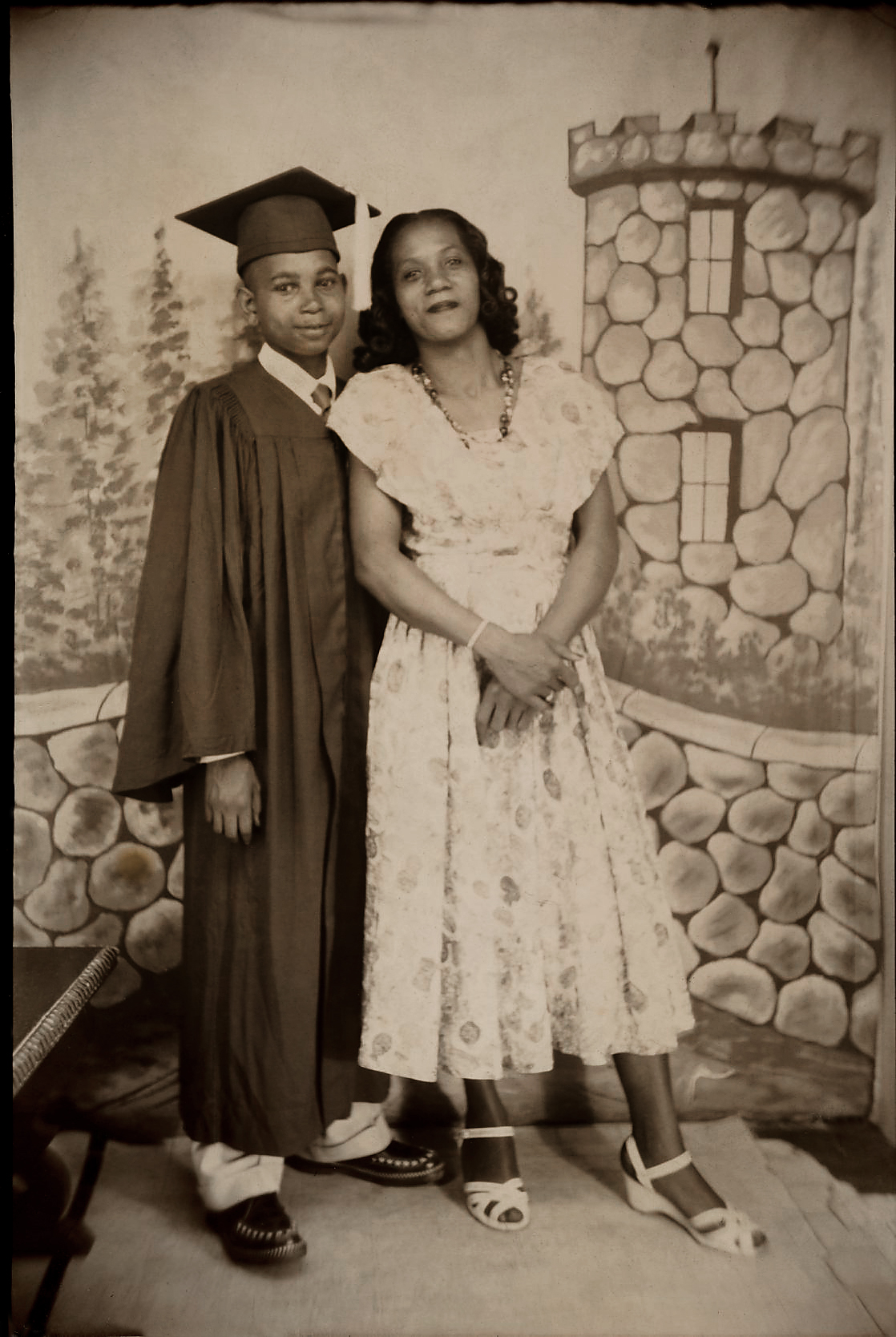

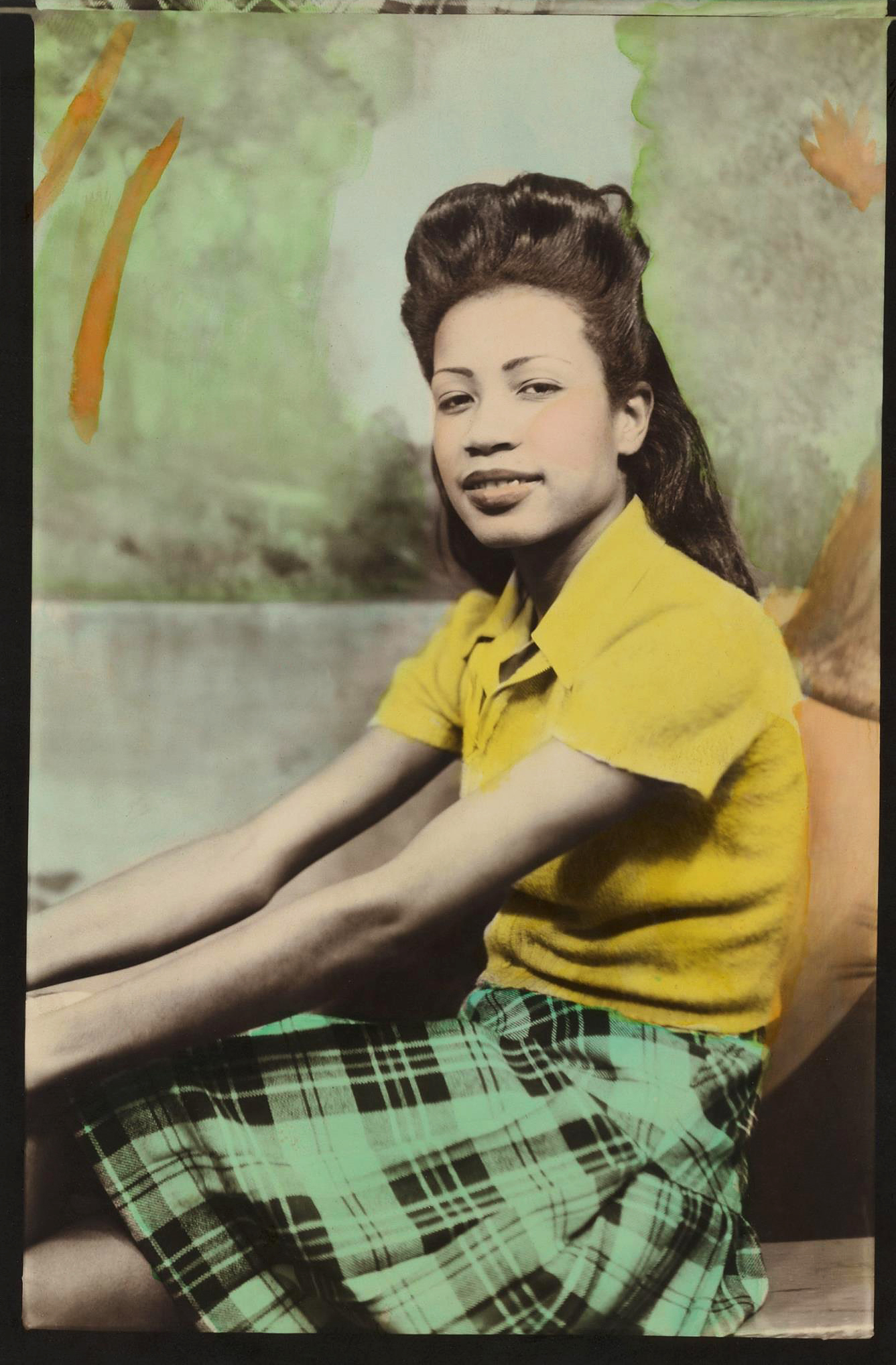
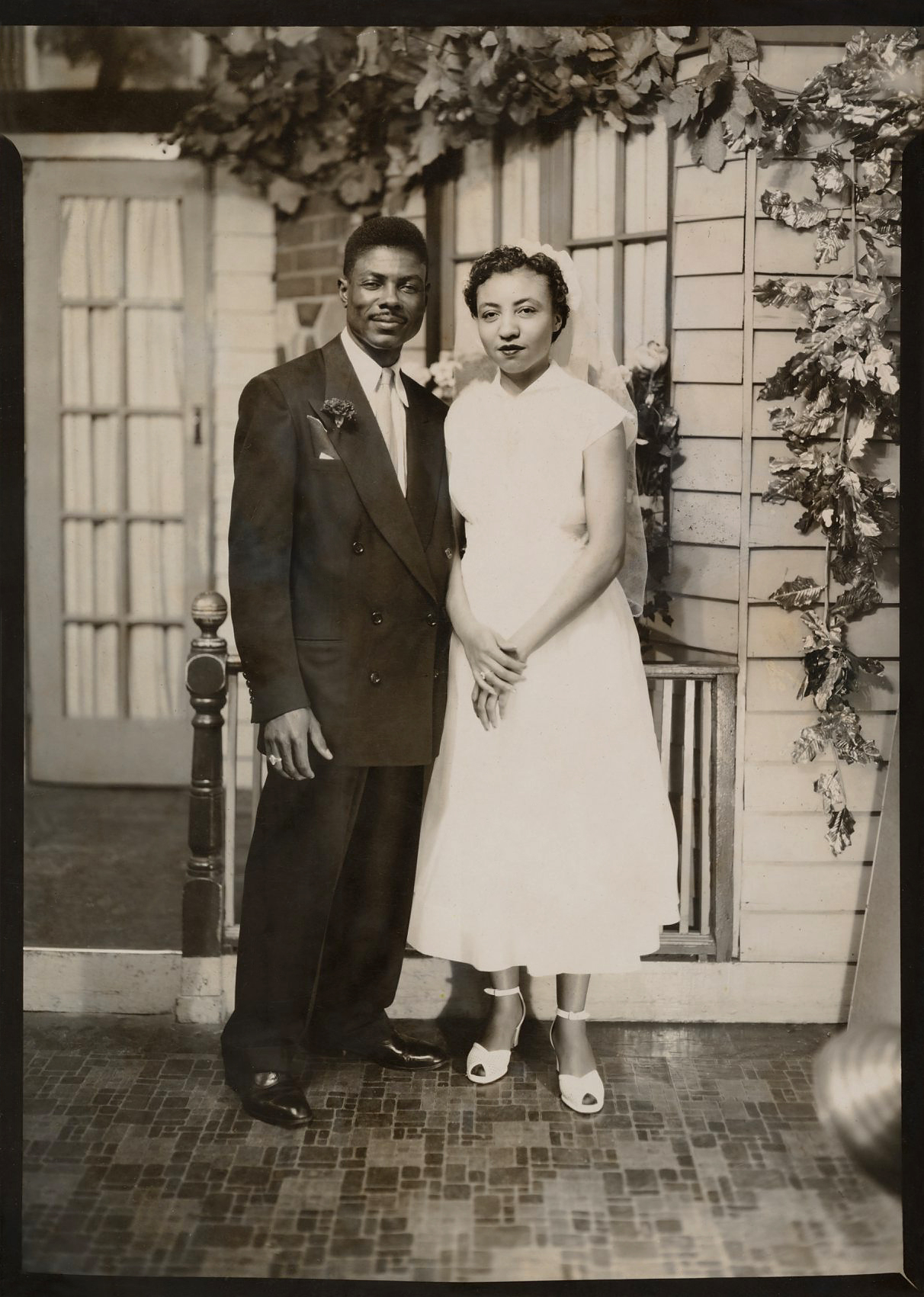

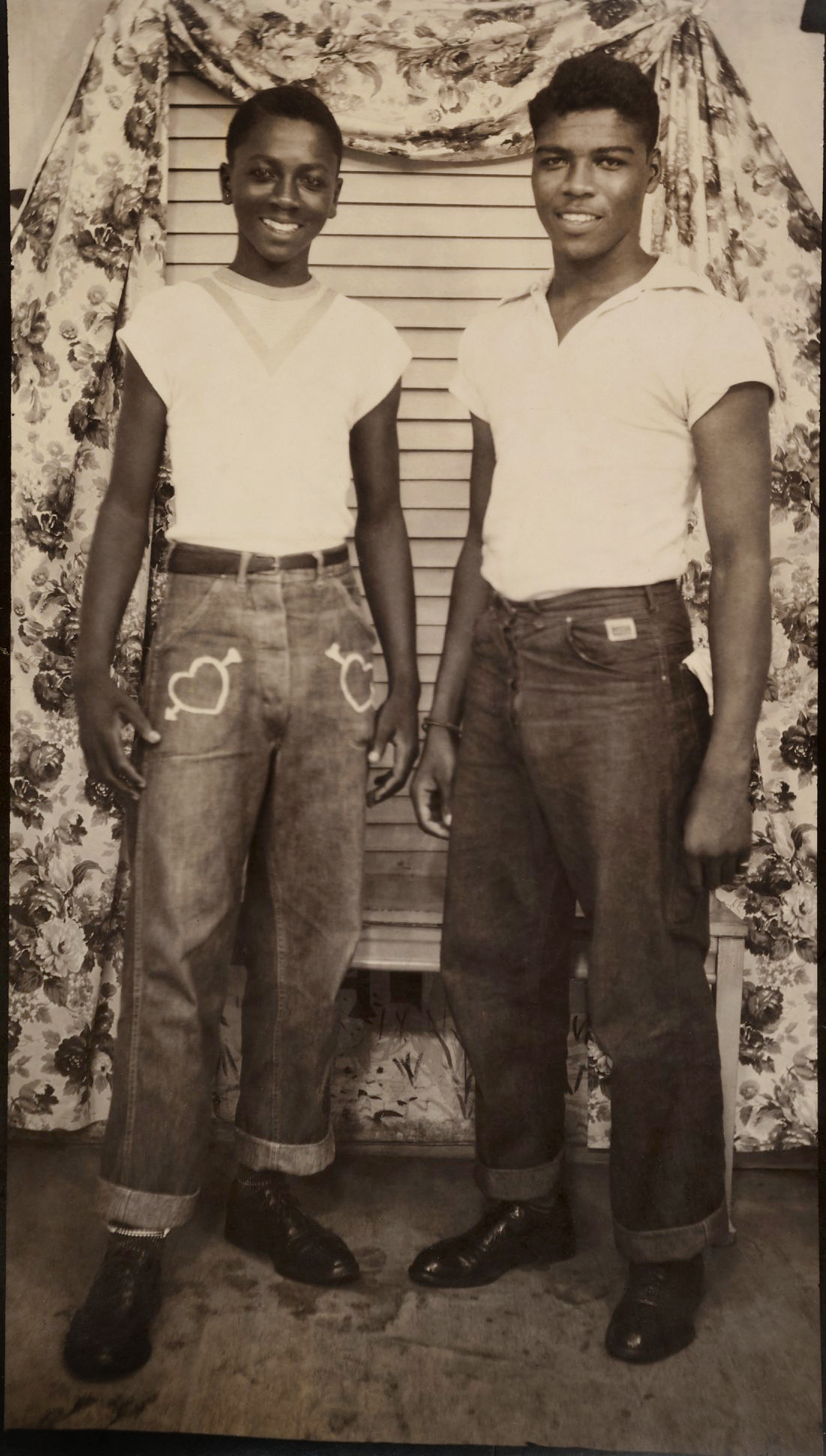
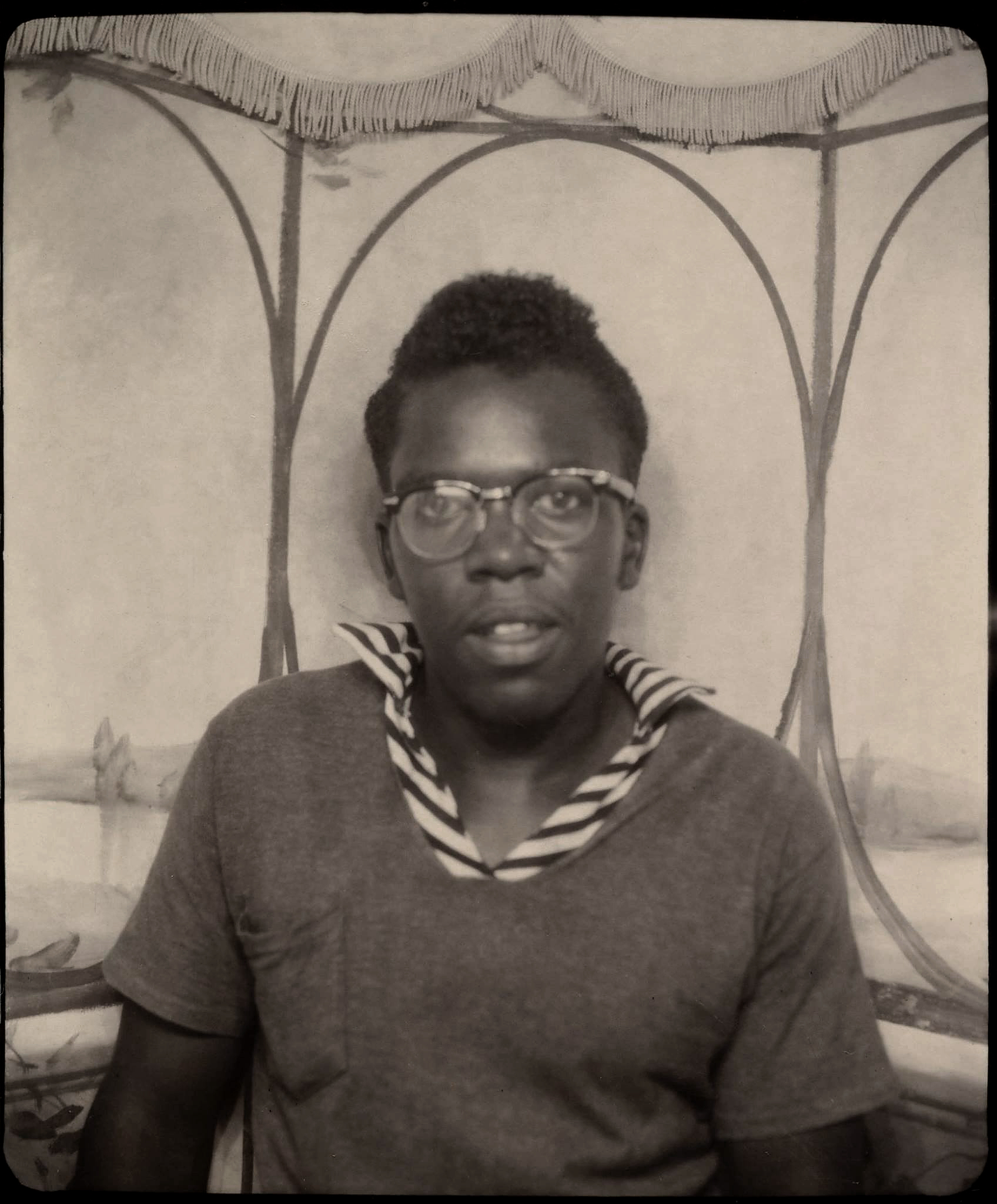
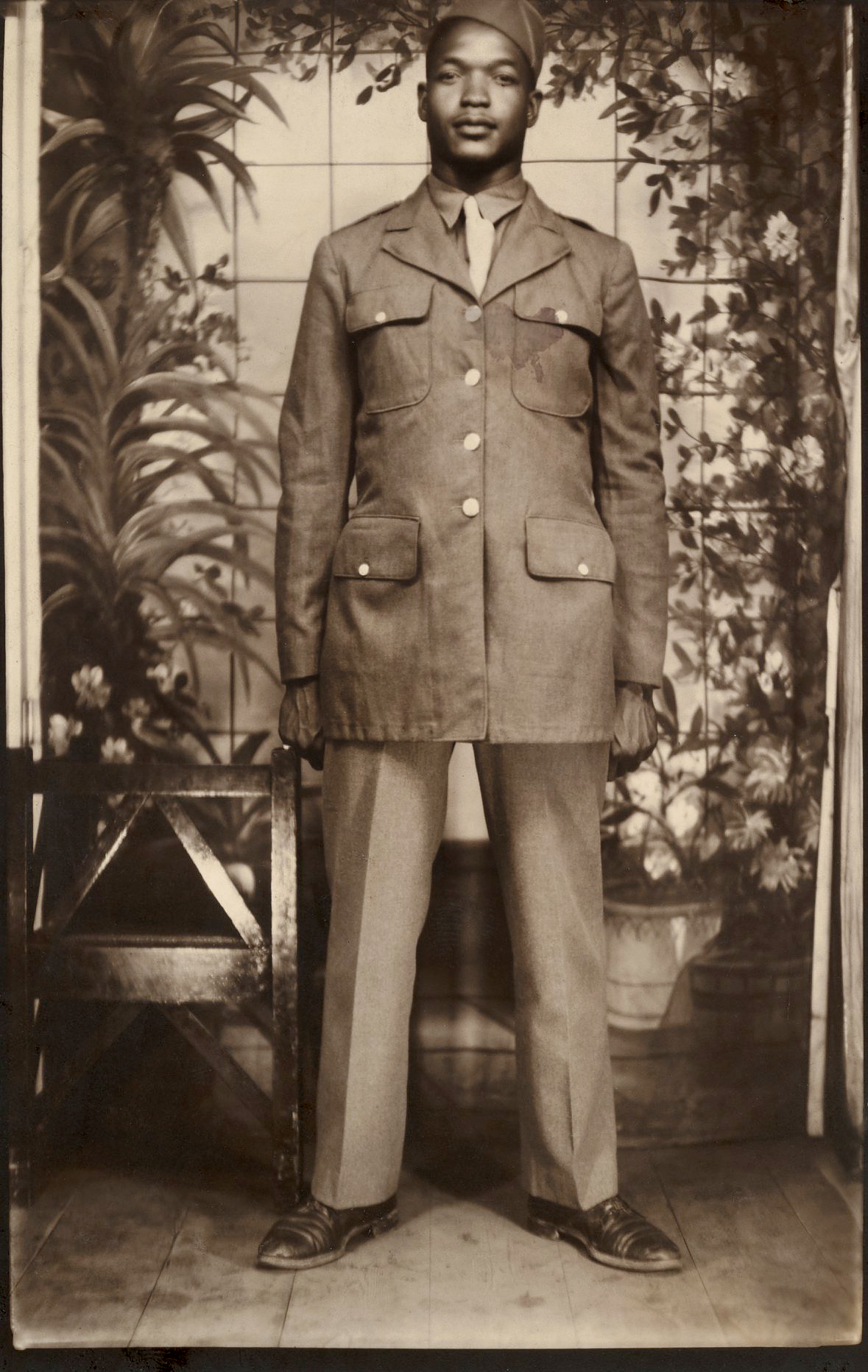
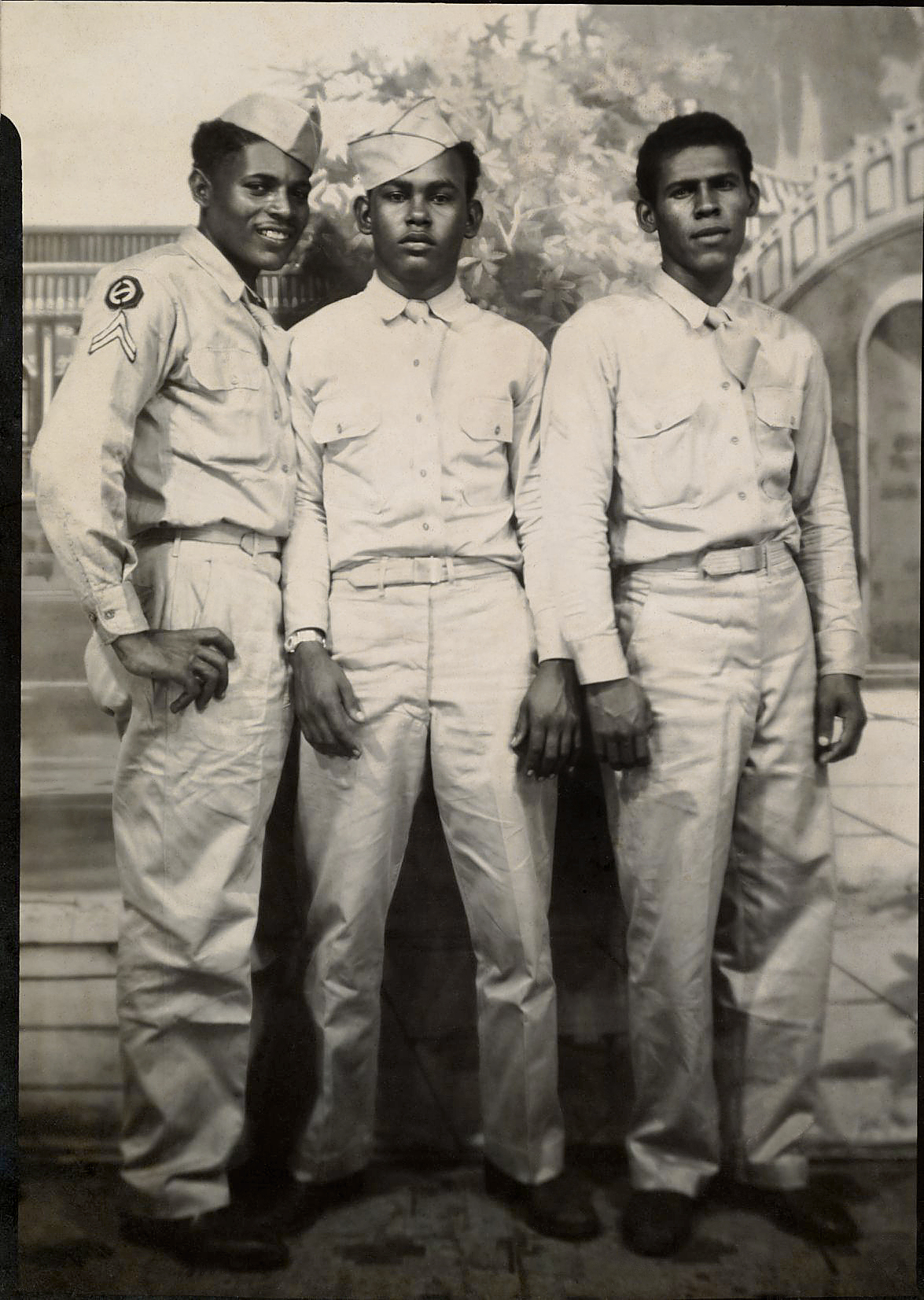


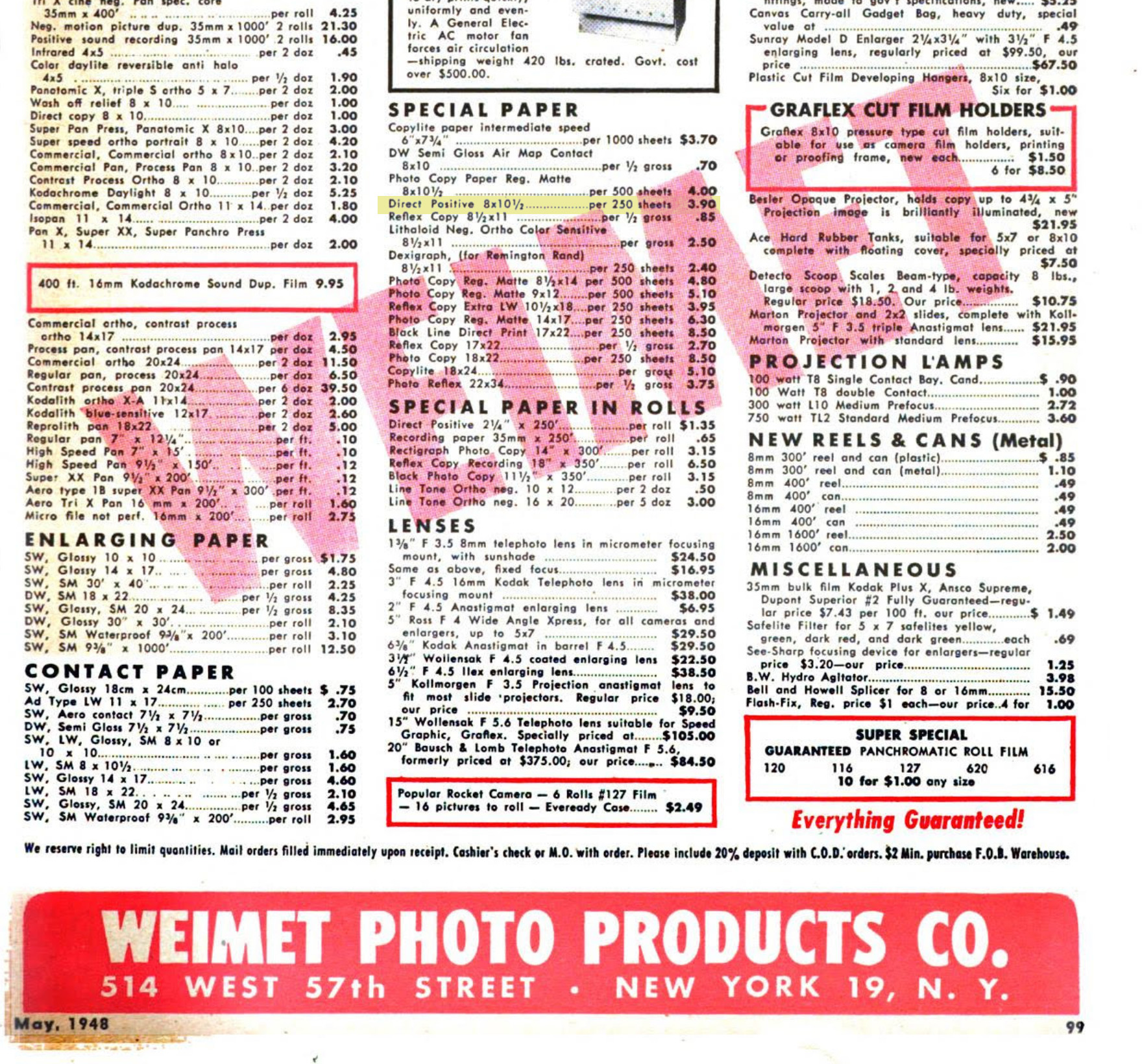
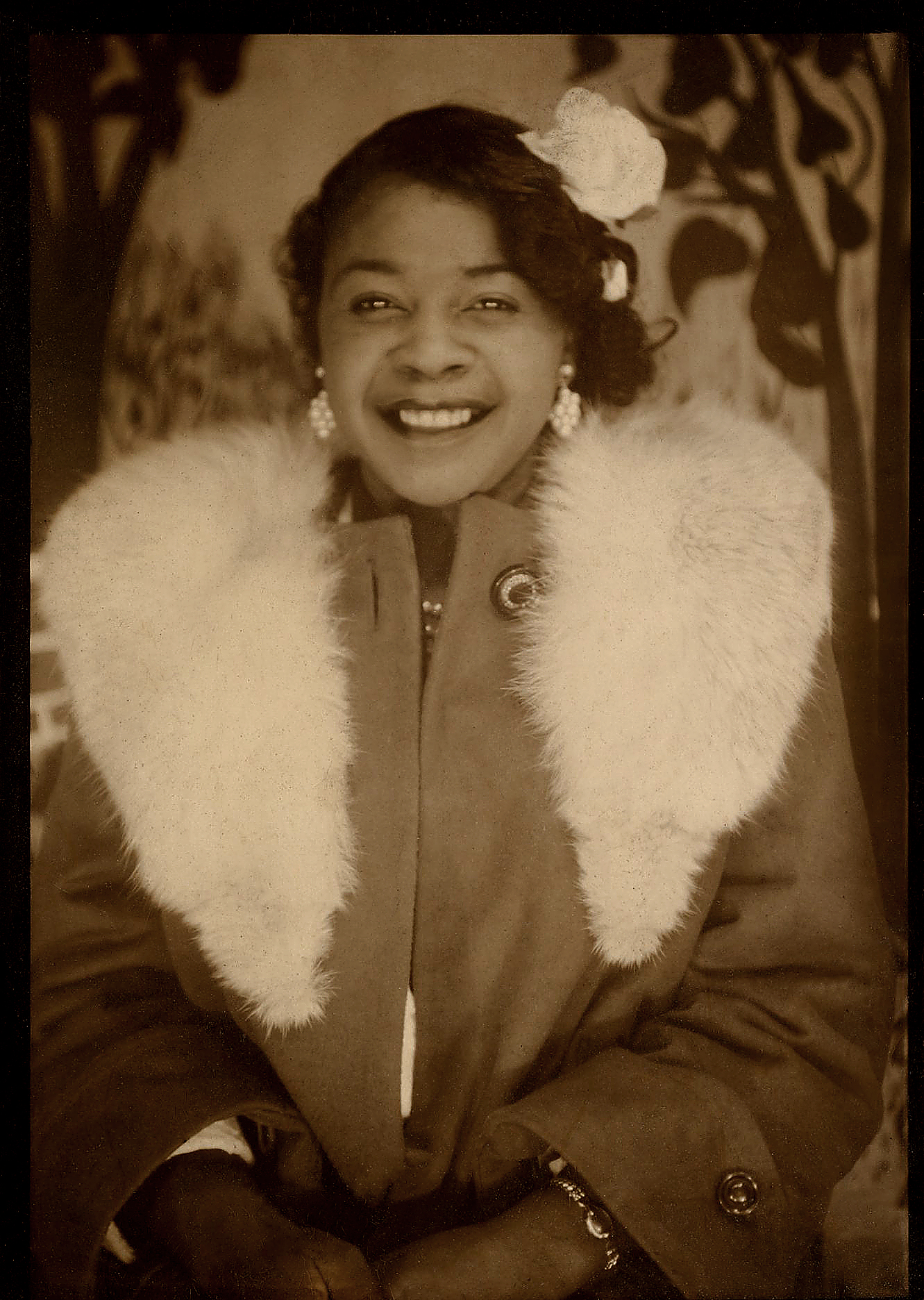
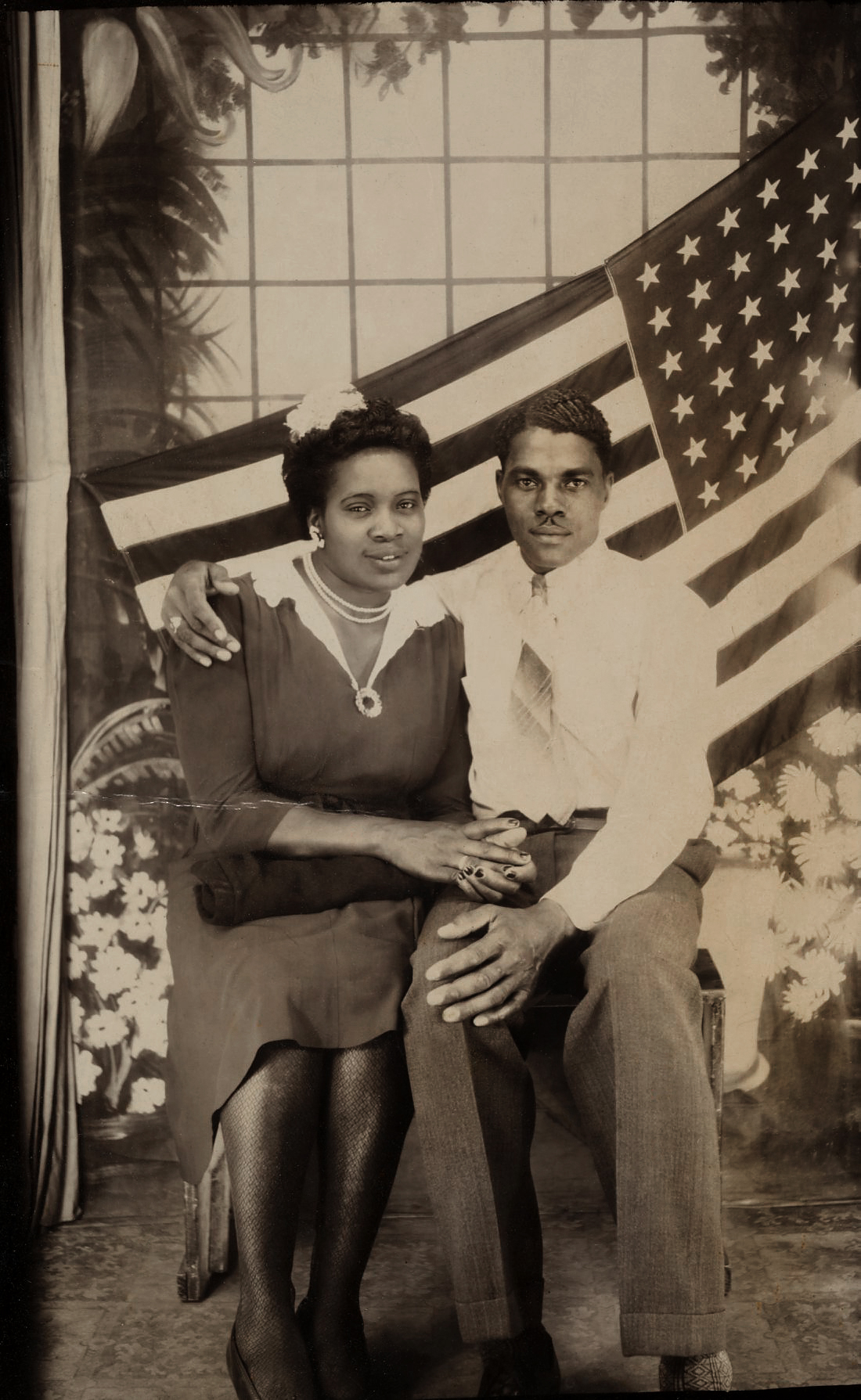

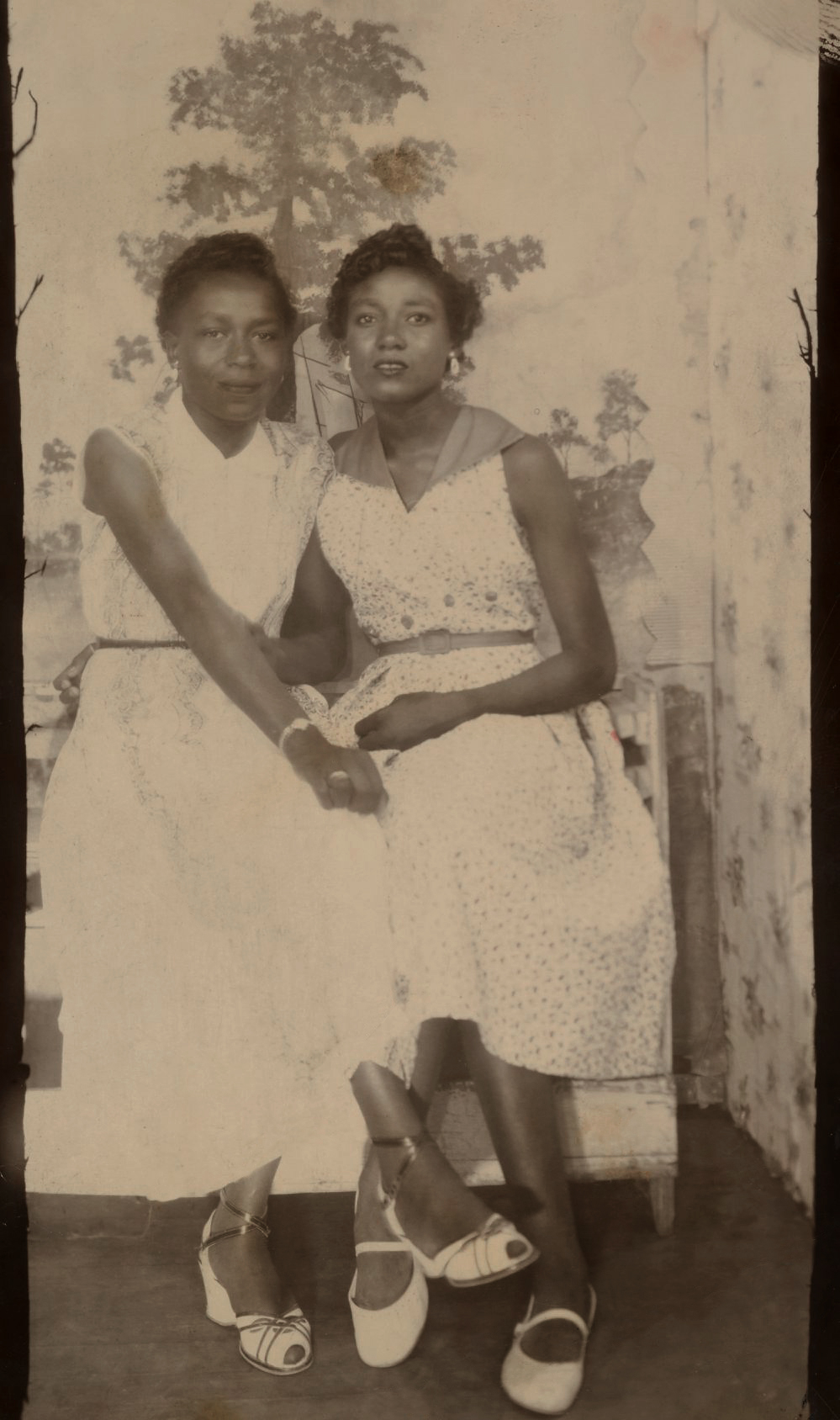
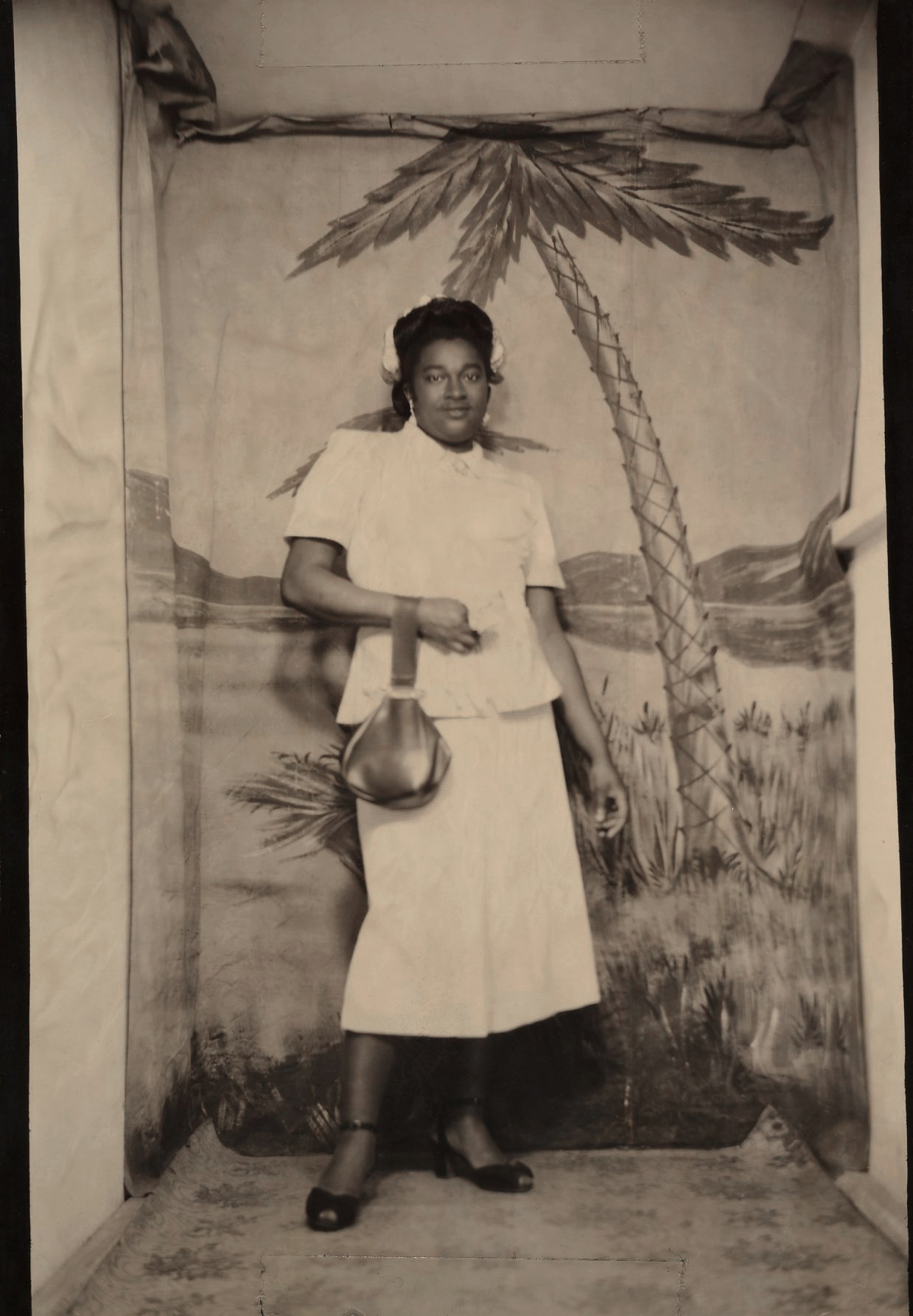
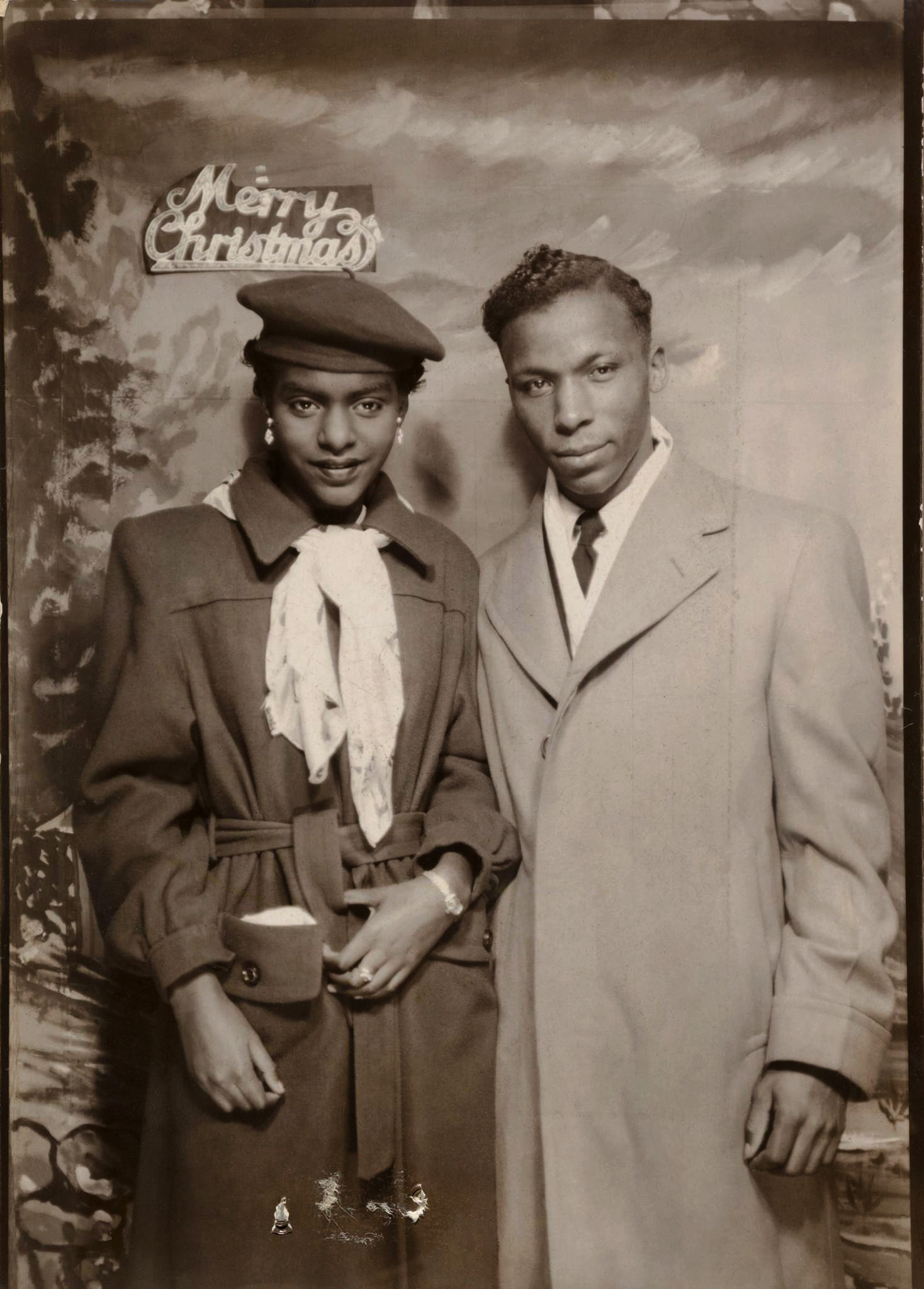


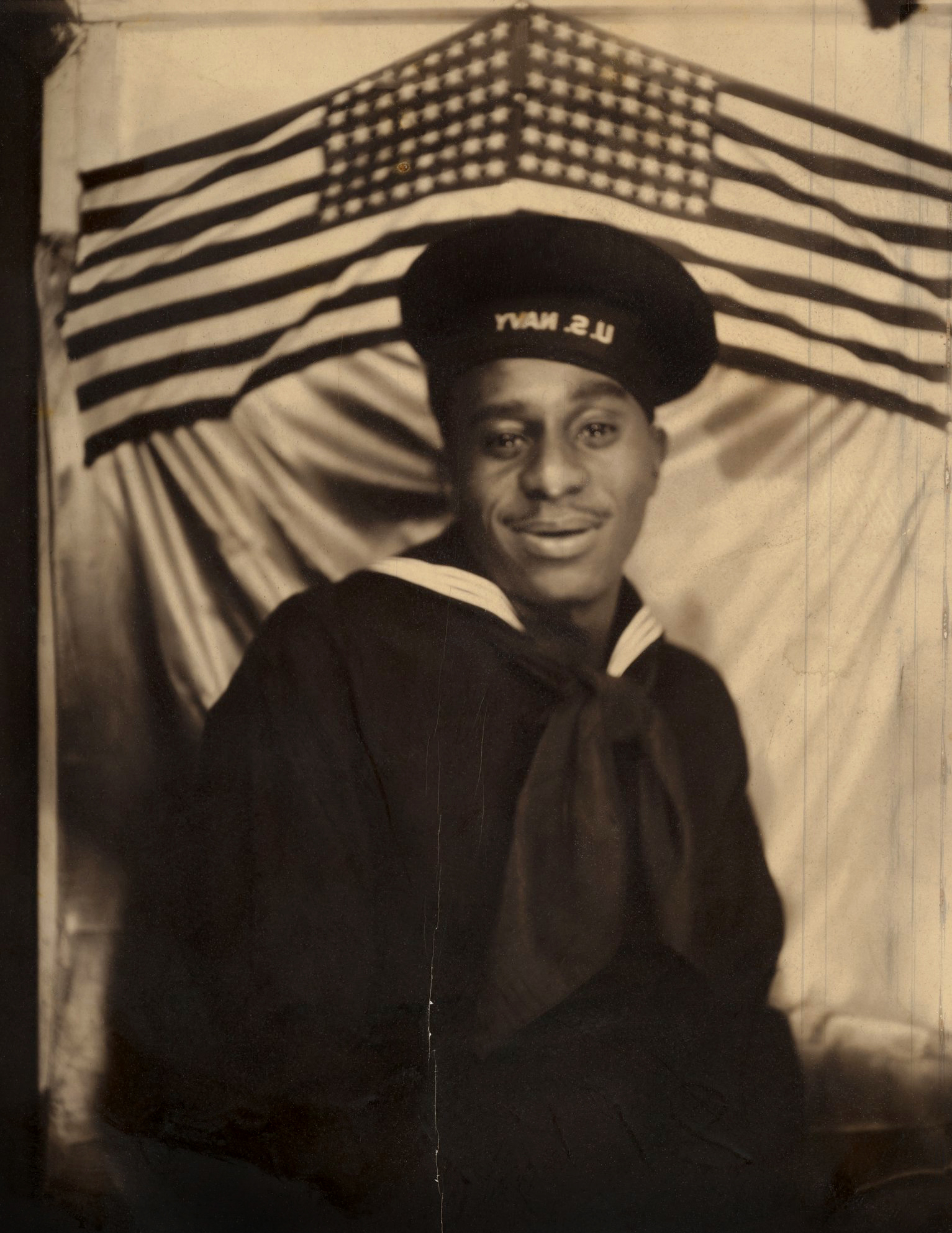
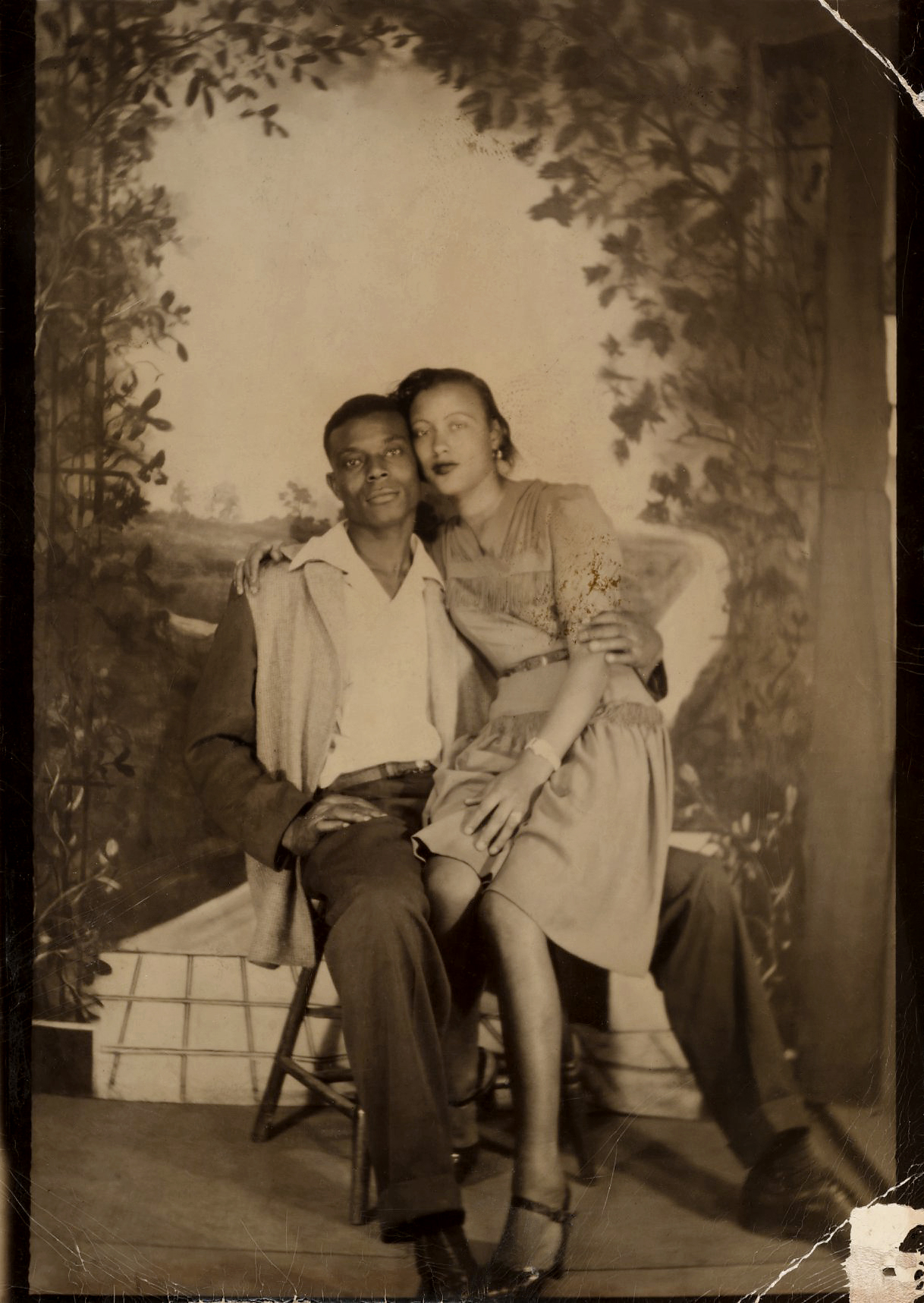
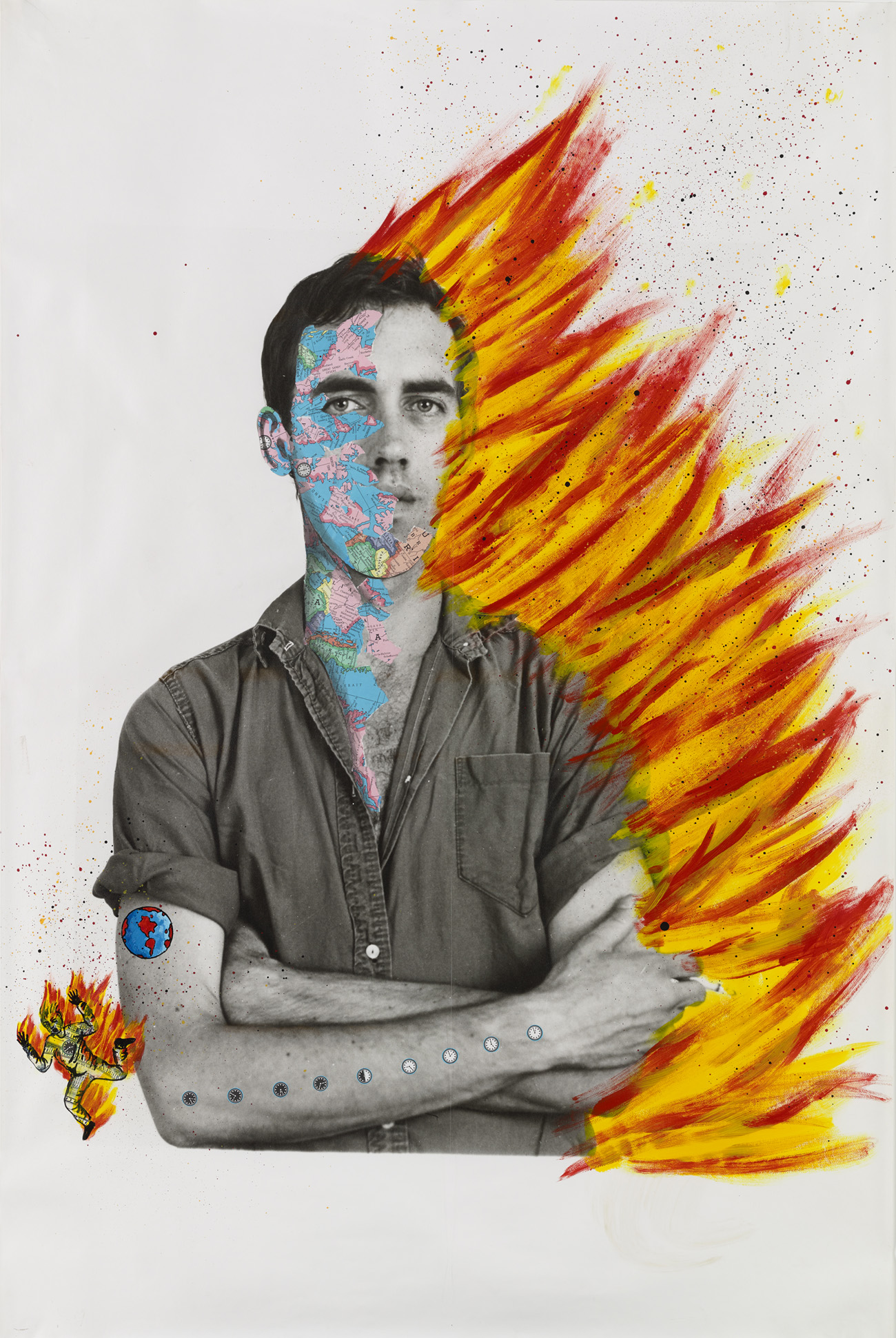



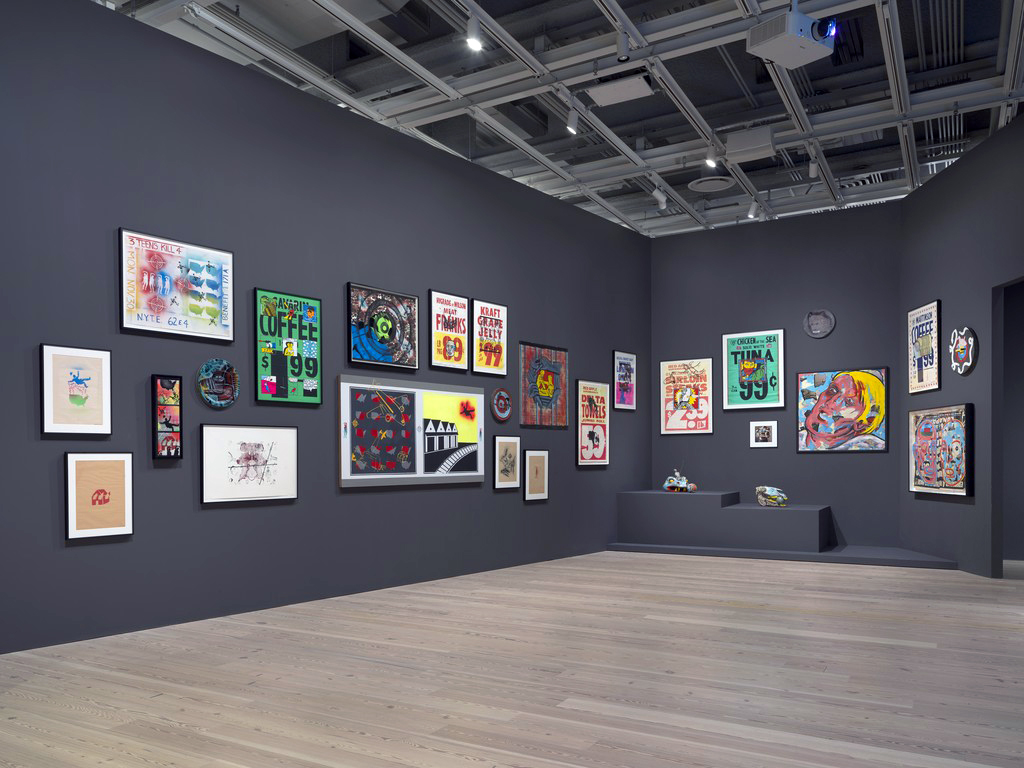


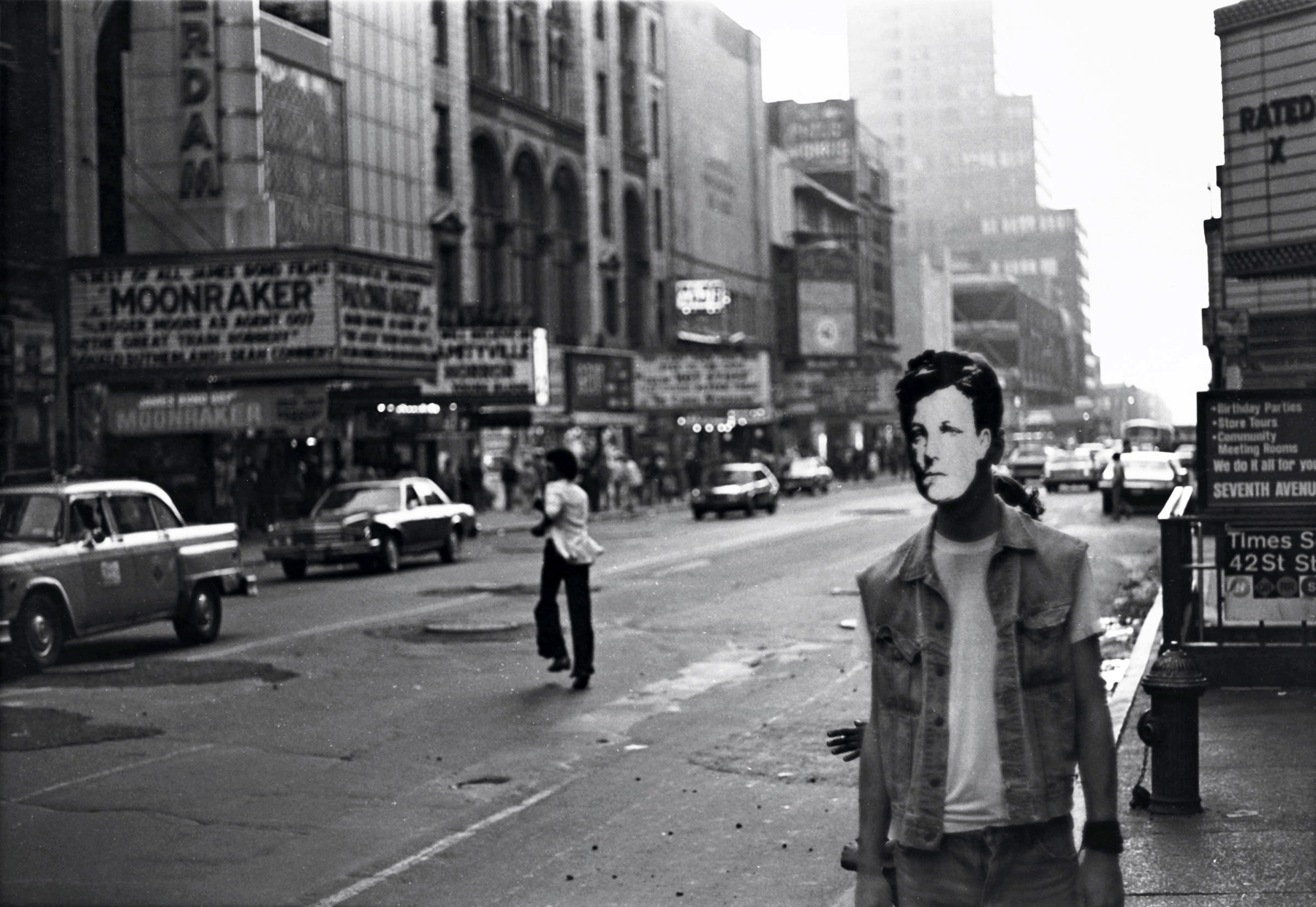

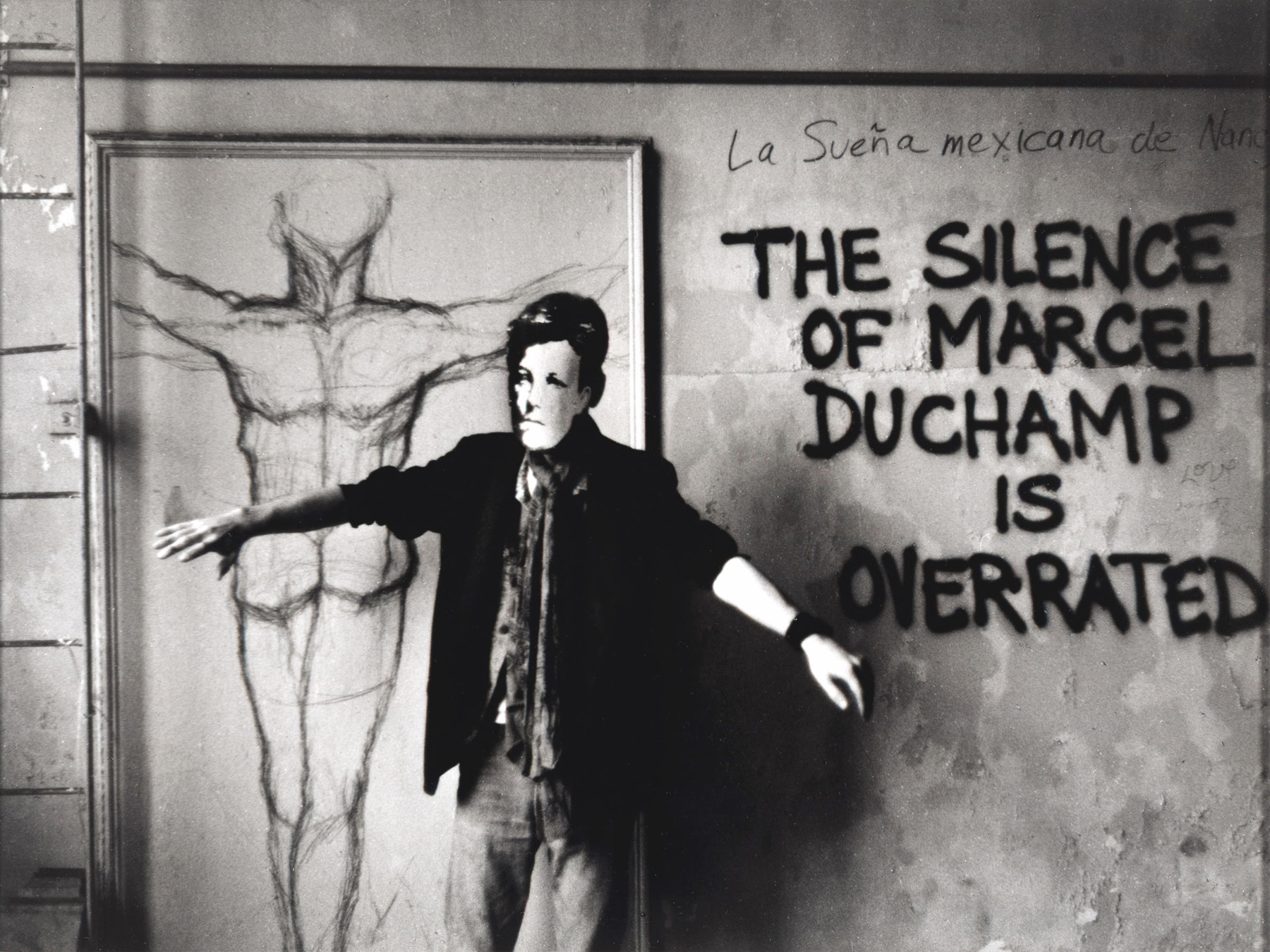
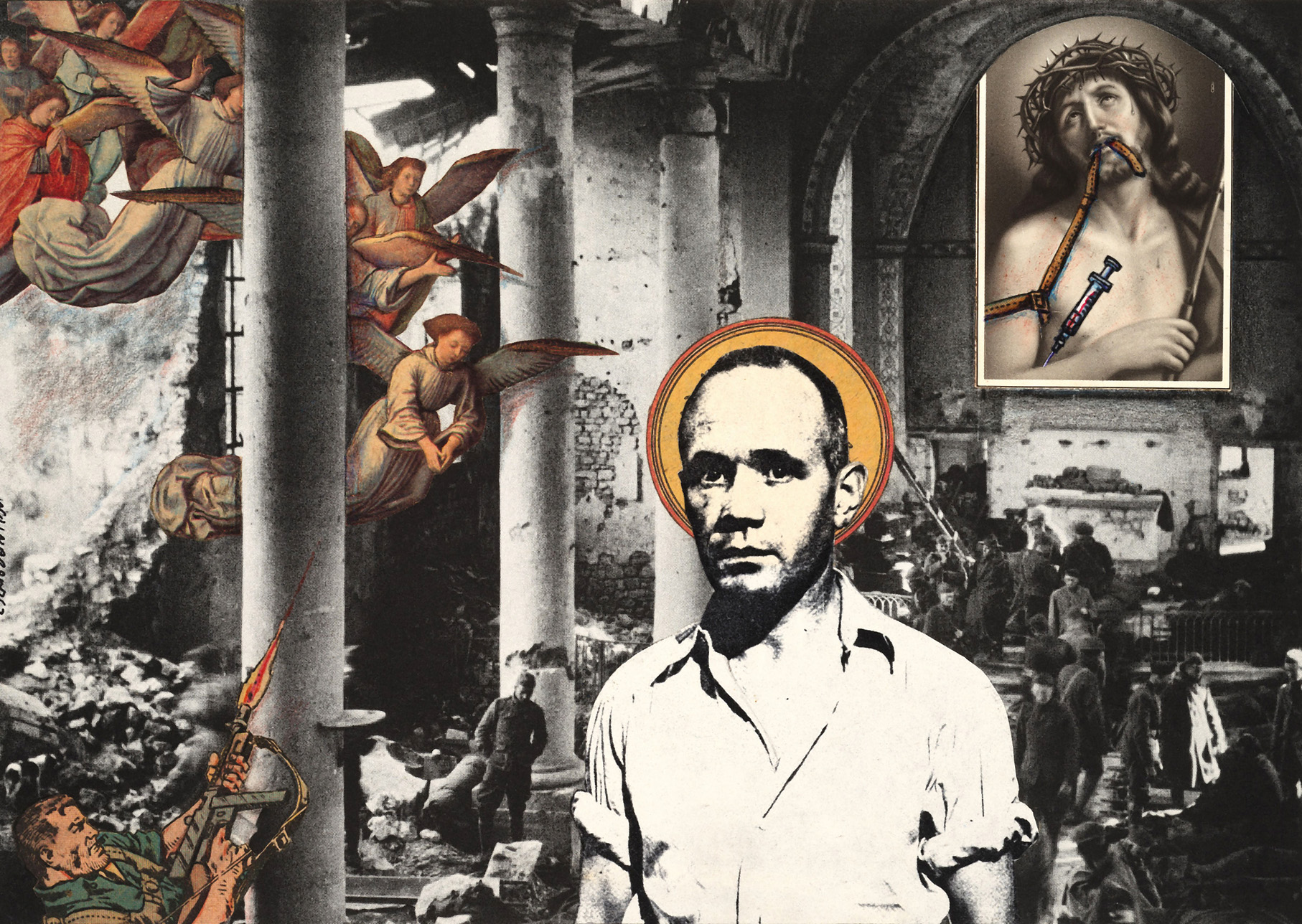
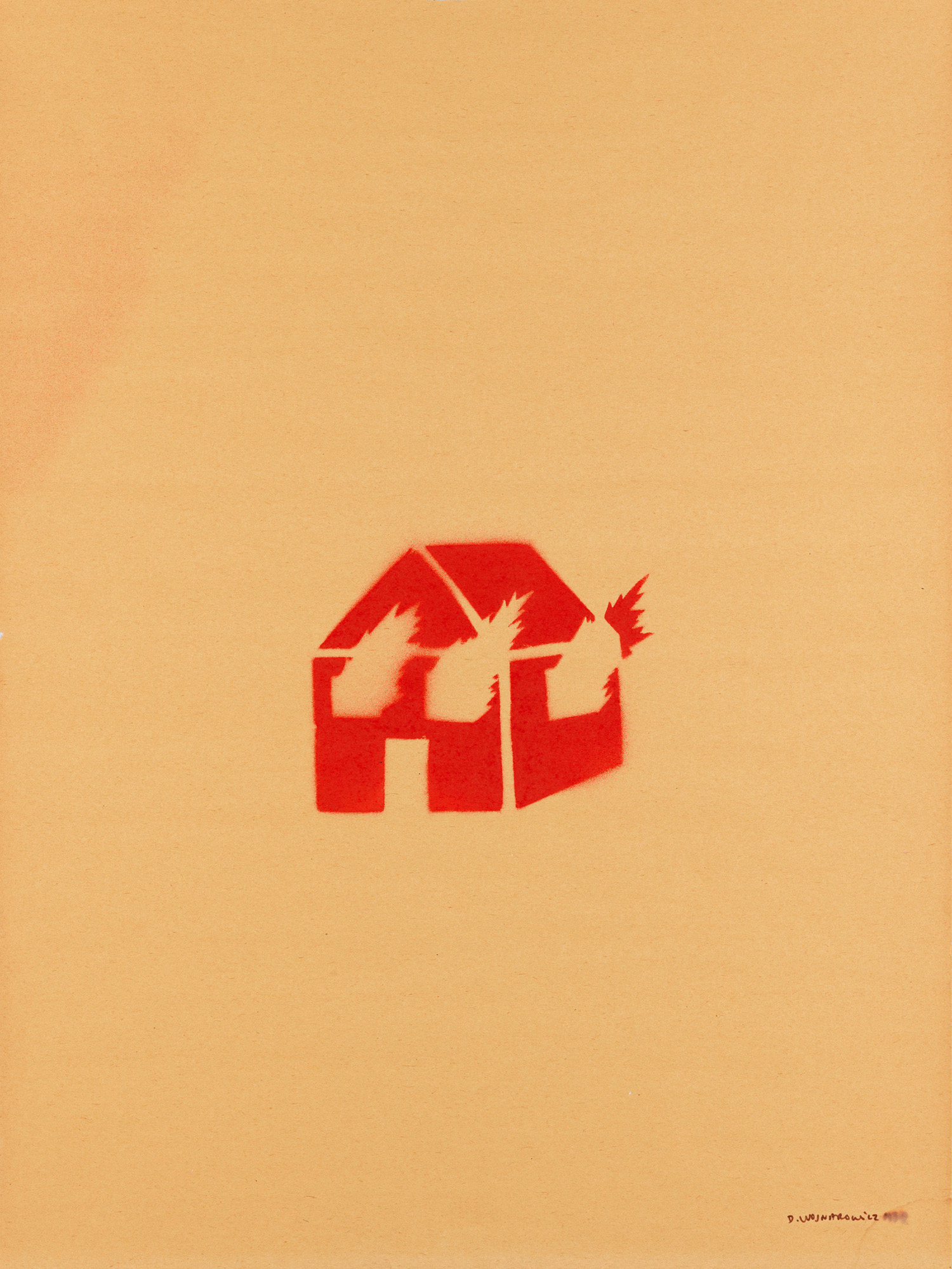
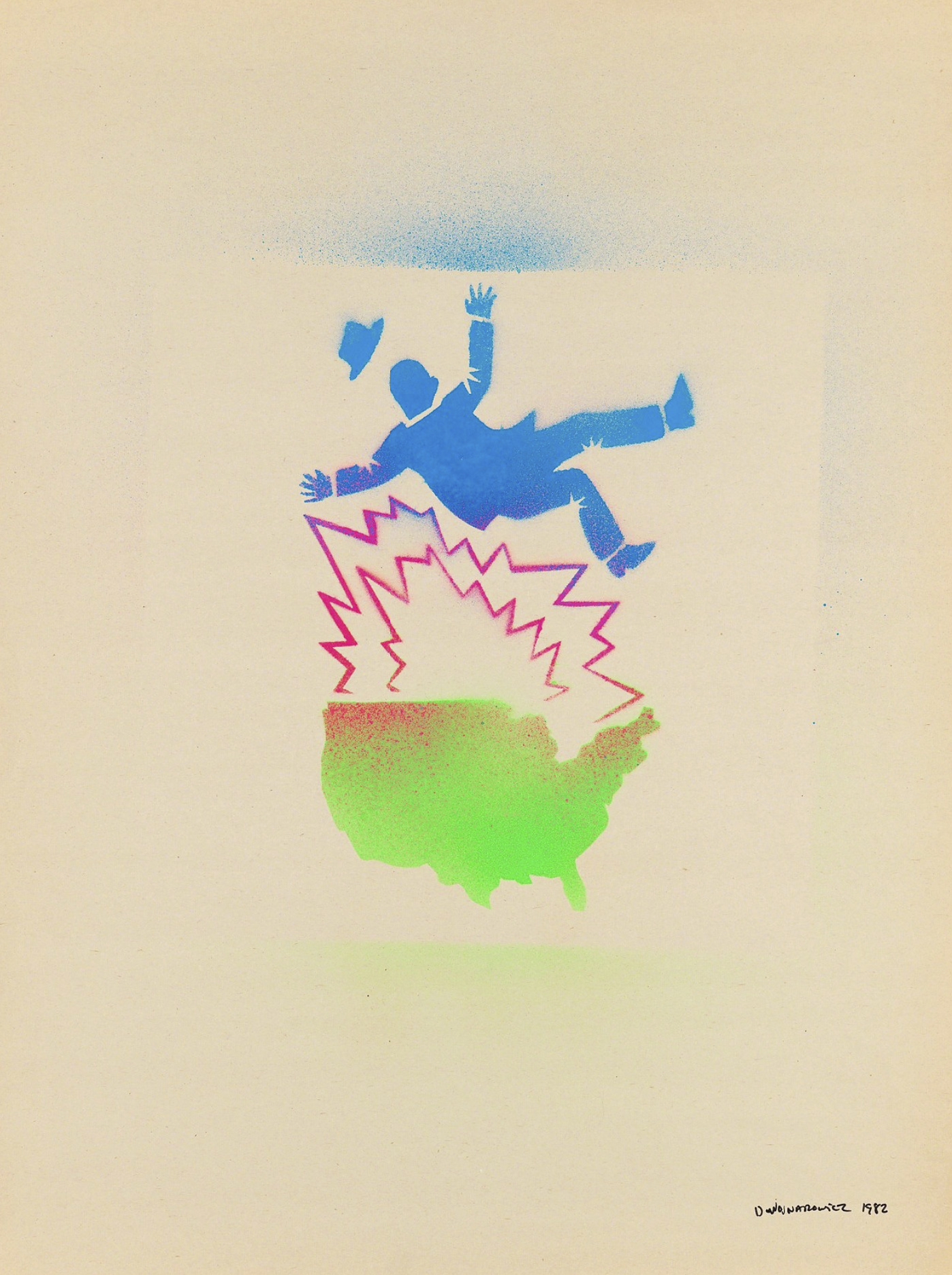
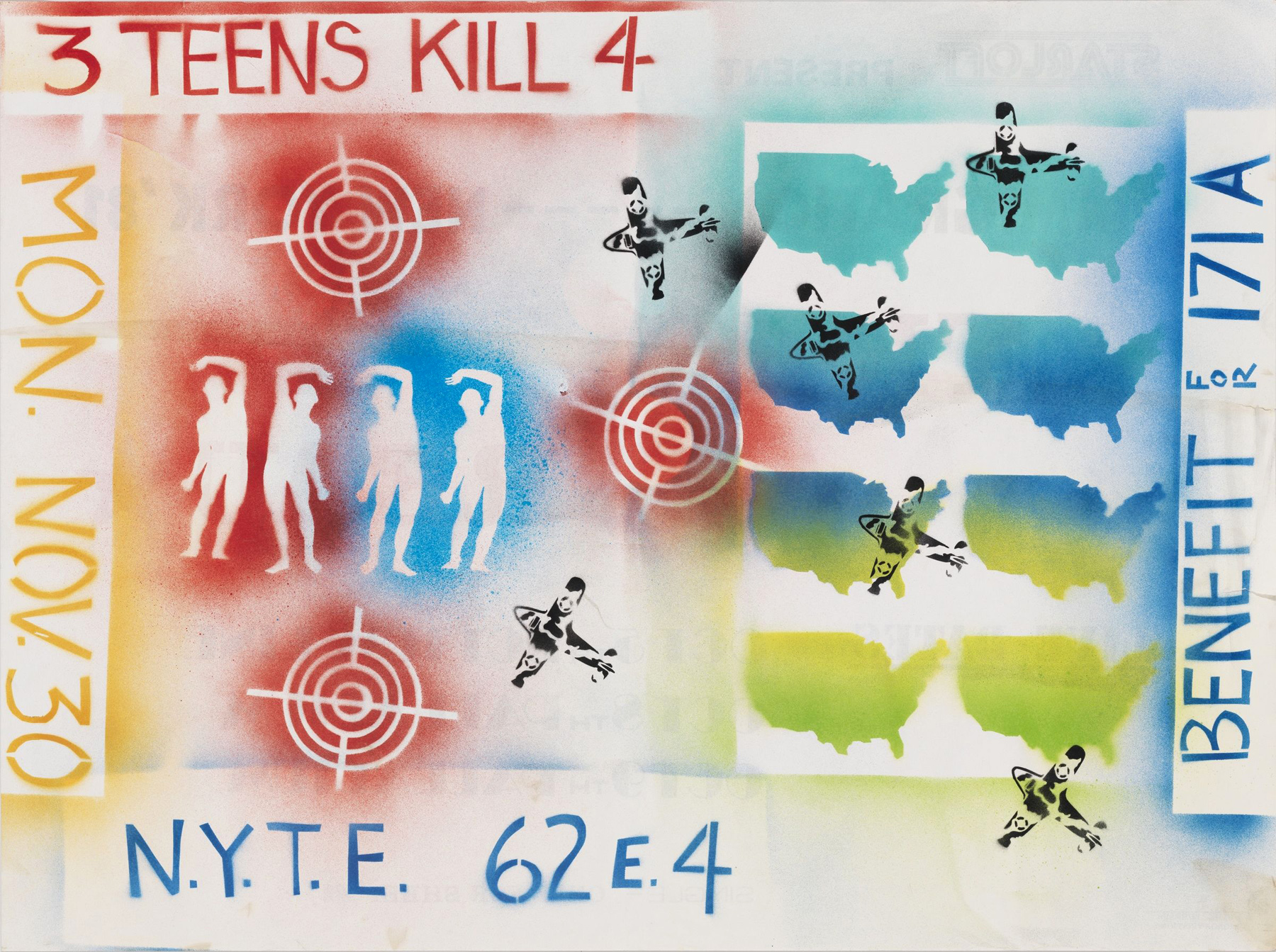


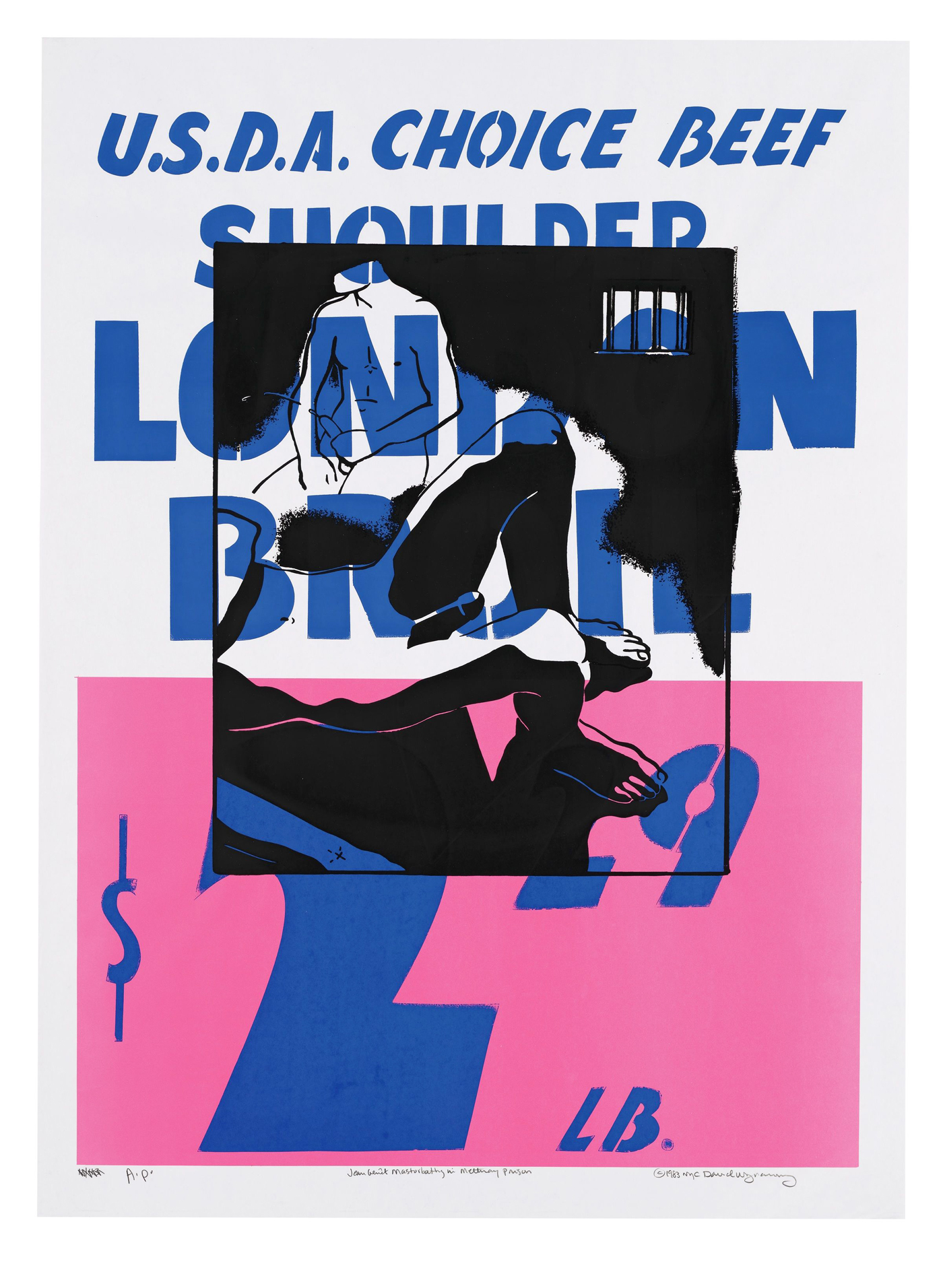
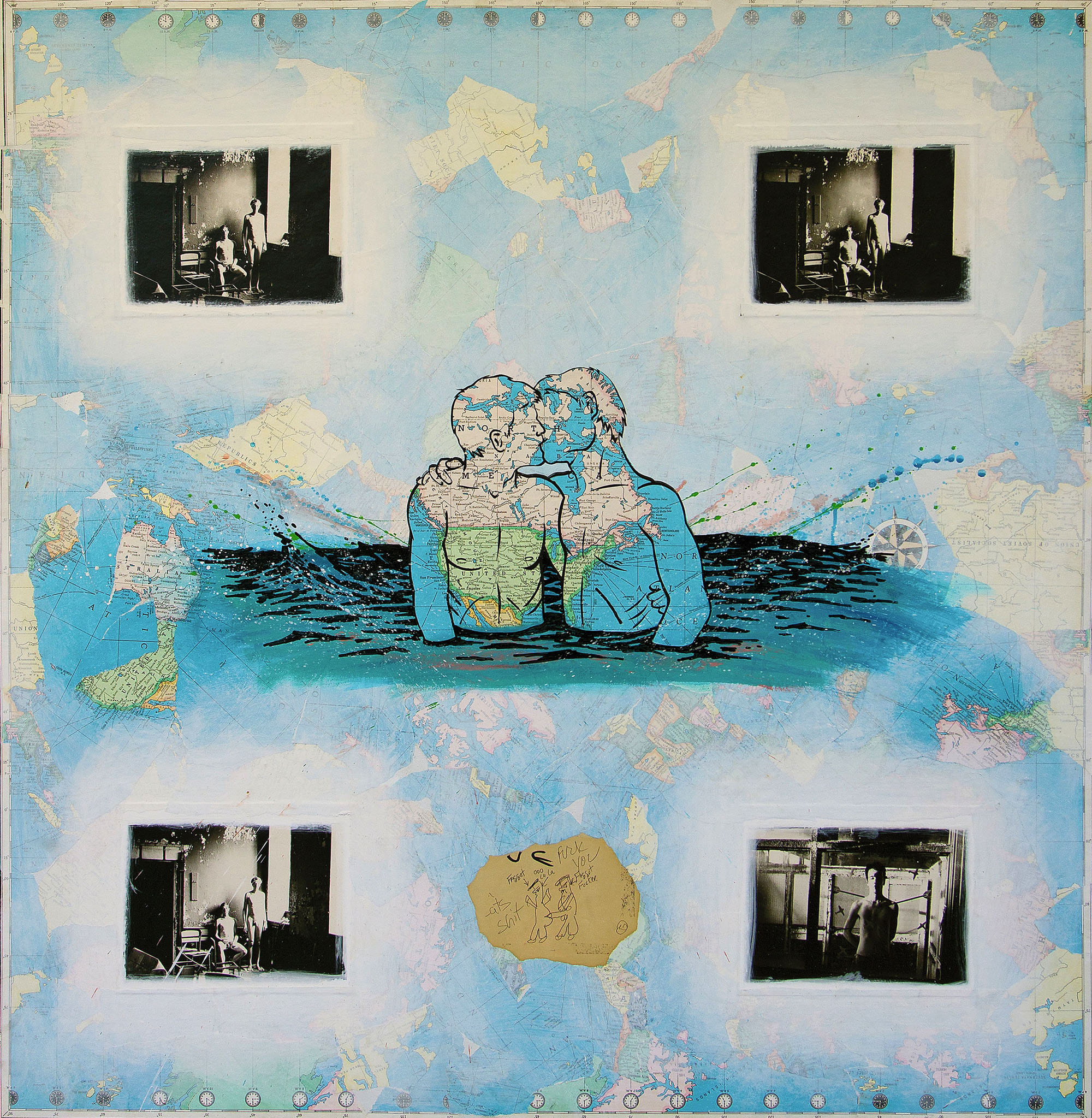
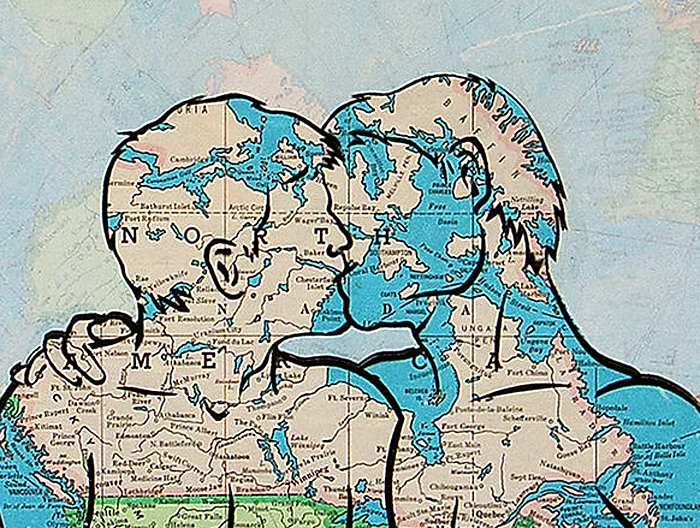
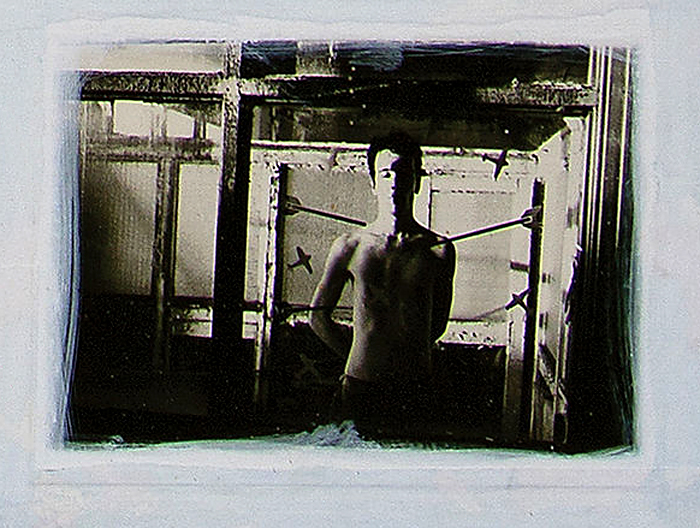
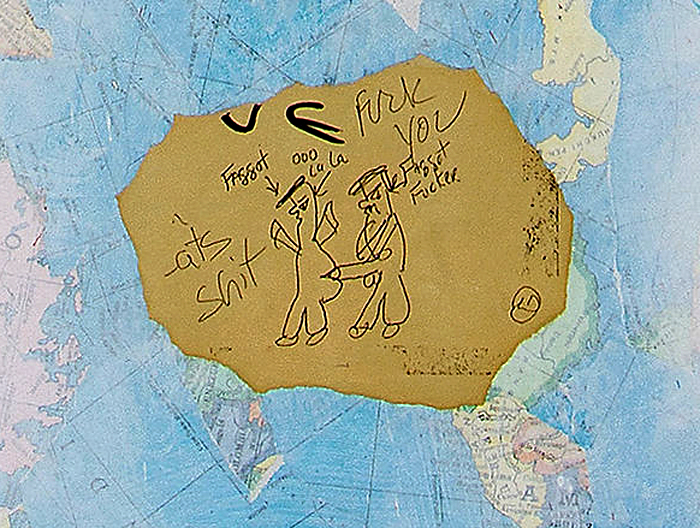
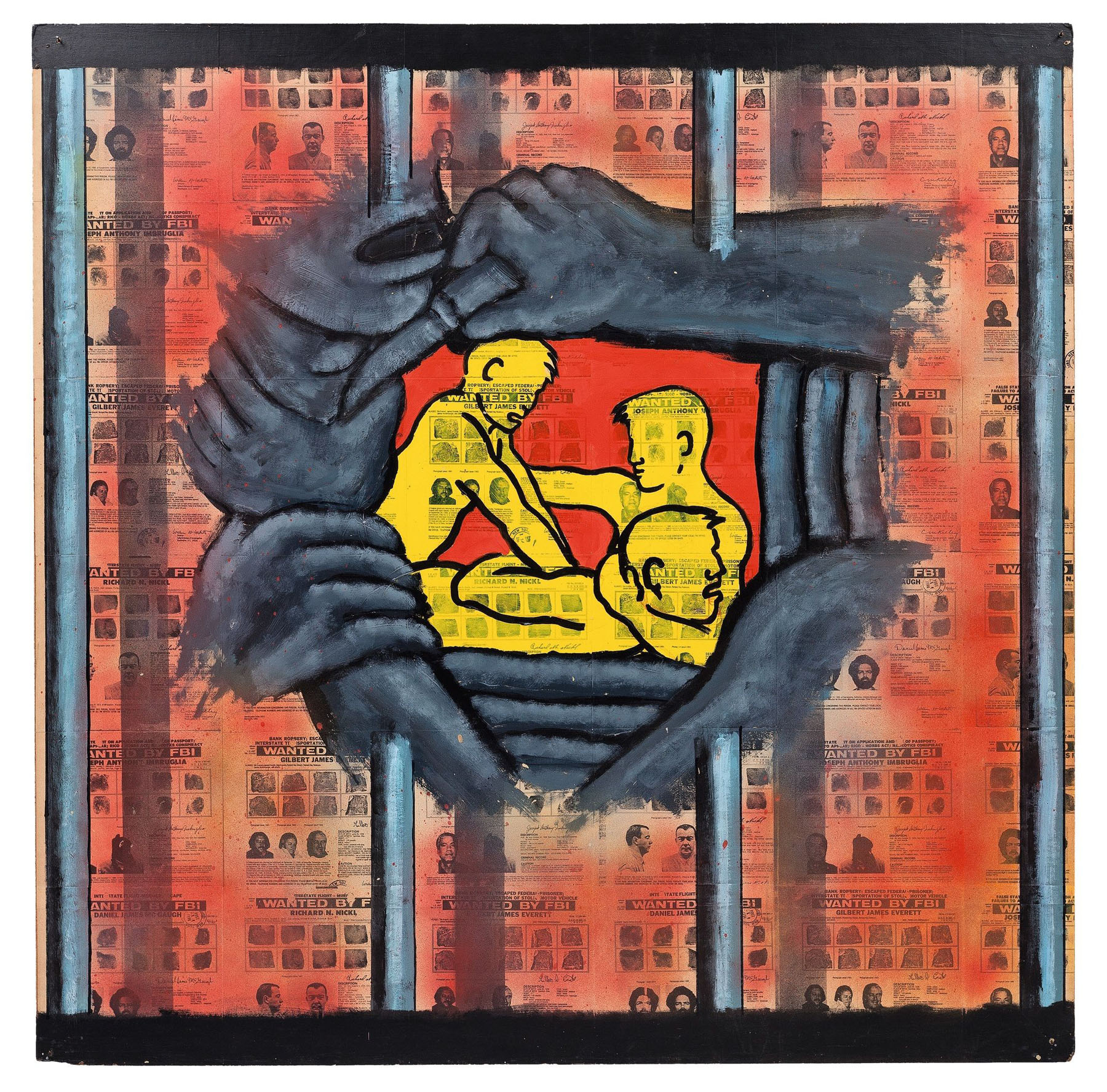

![Peter Hujar (American, 1934-1992) 'Canal Street Piers: Krazy Kat Comic on Wall [by David Wojnarowicz]' 1983](https://artblart.com/wp-content/uploads/2018/07/peter-hujar-canal-street-piers-krazy-kat-comic-on-wall-by-david-wojnarowicz-web.jpg "Peter Hujar (American, 1934-1992) 'Canal Street Piers: Krazy Kat Comic on Wall [by David Wojnarowicz]' 1983")


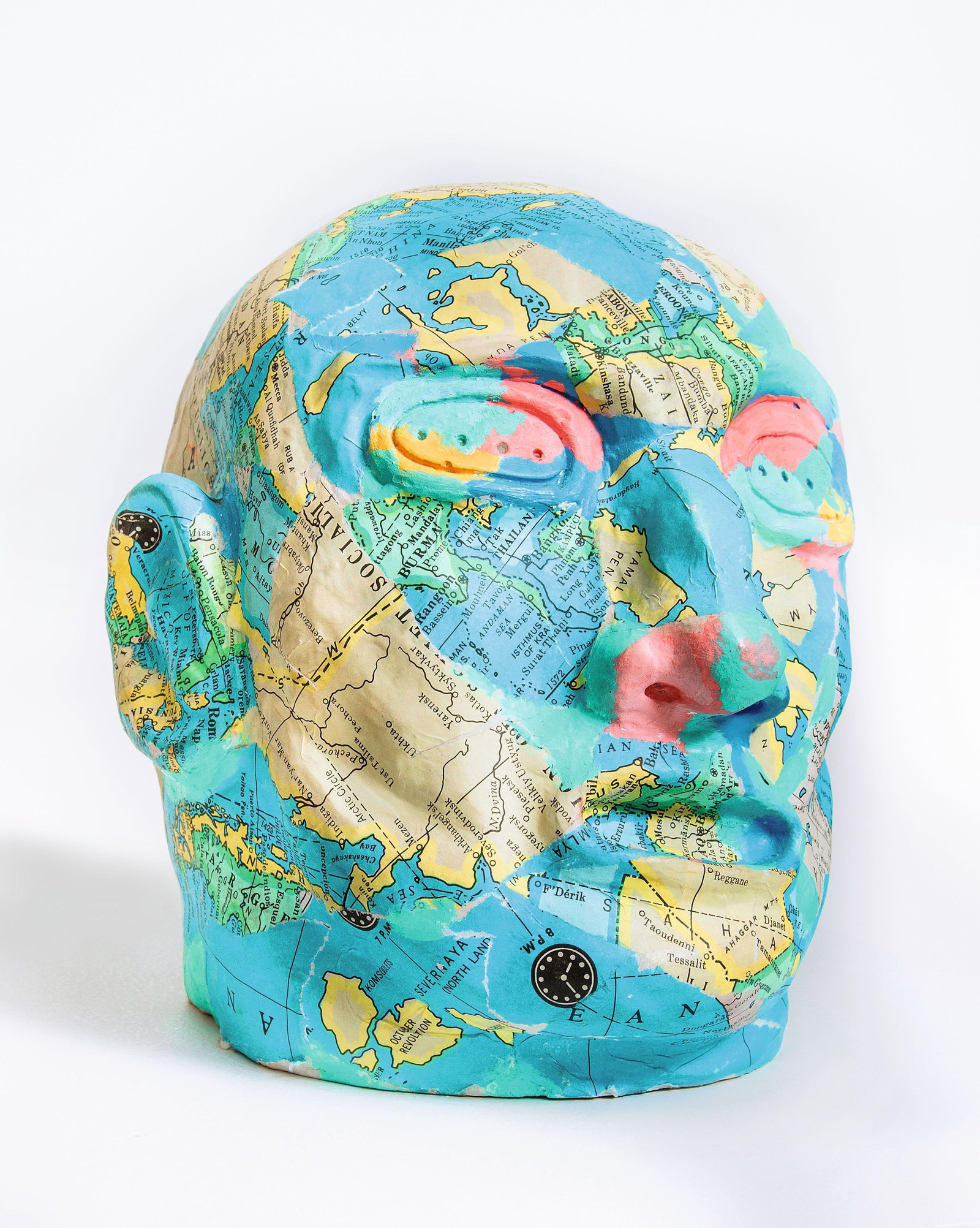
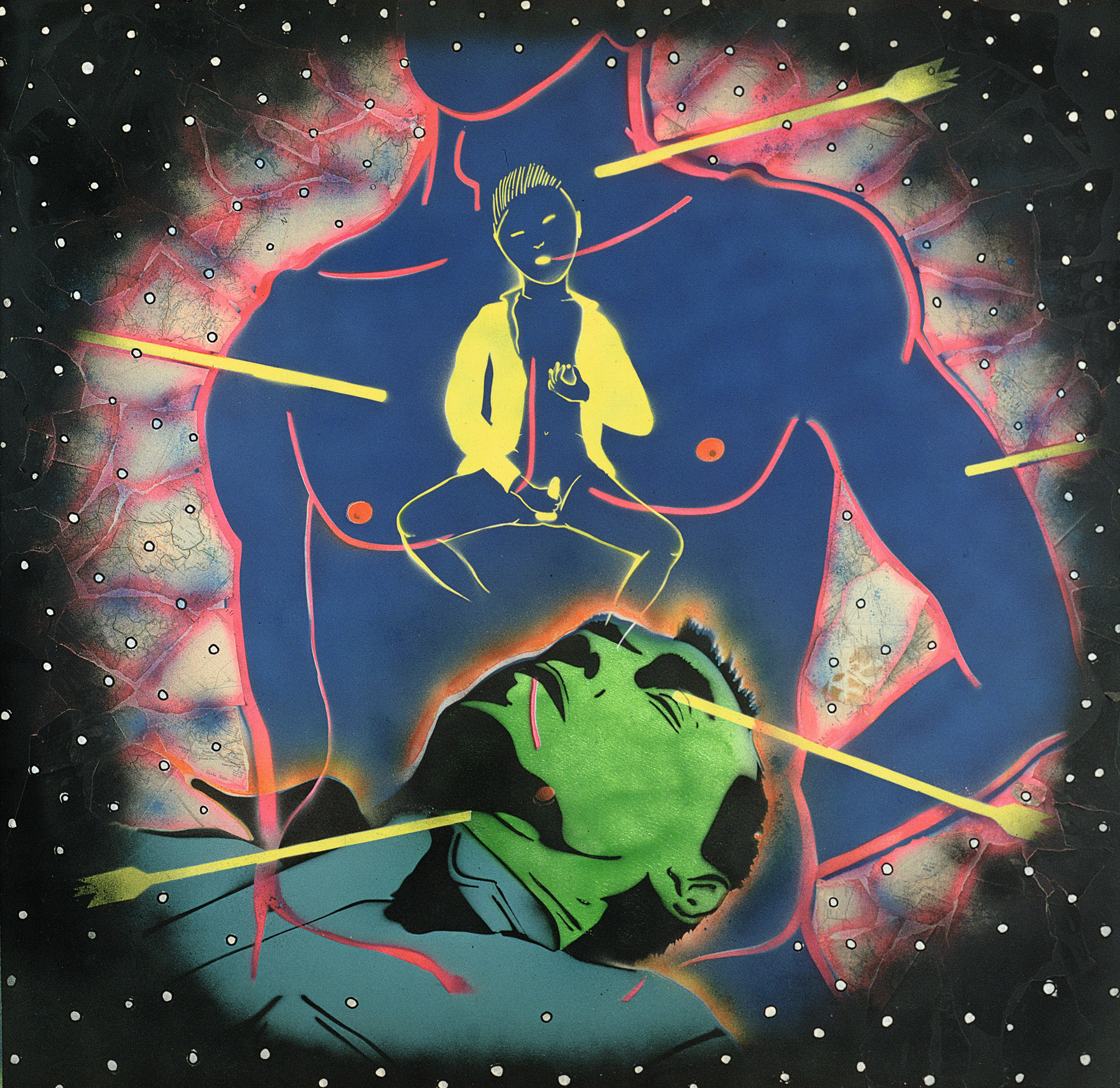
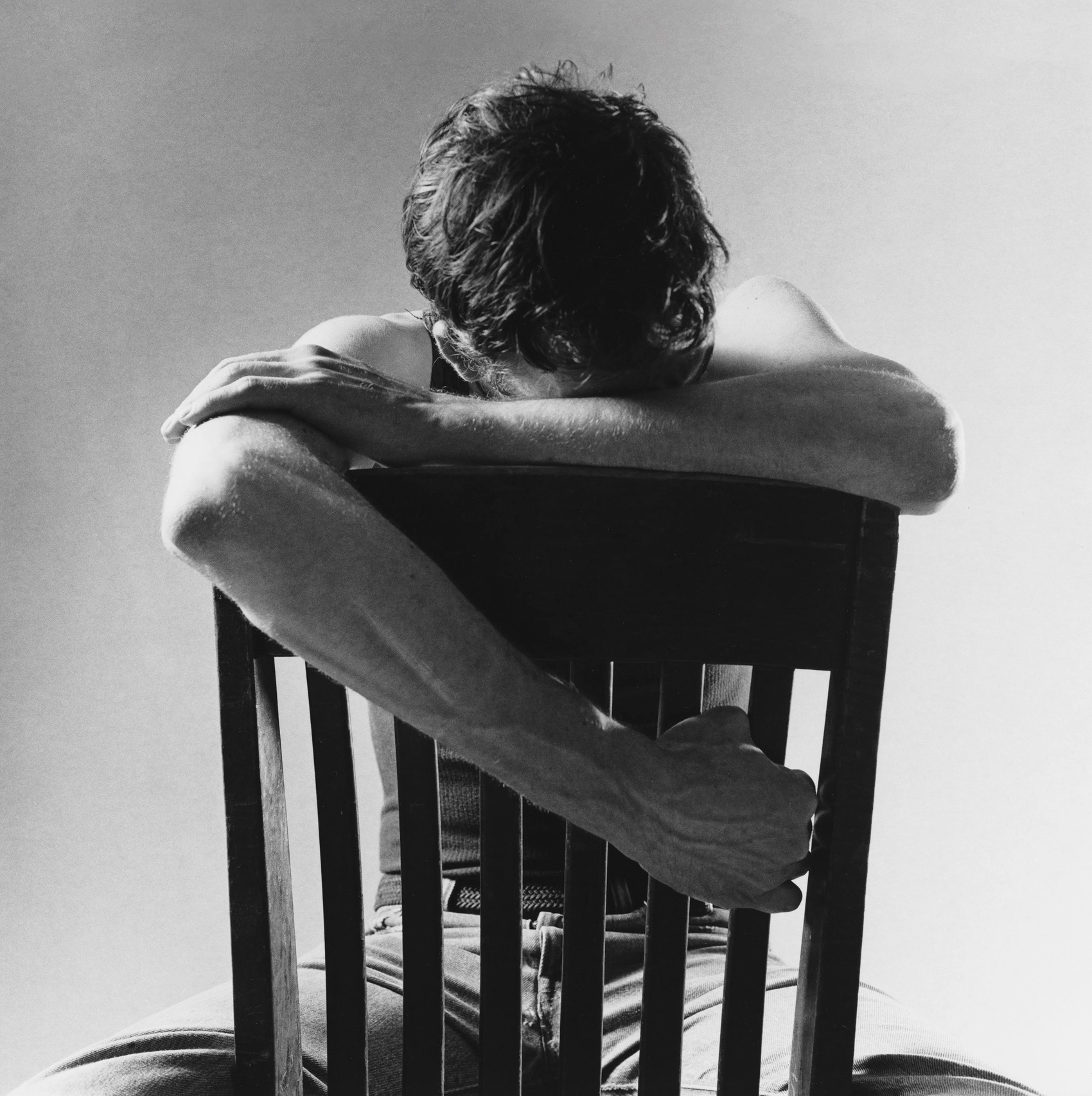

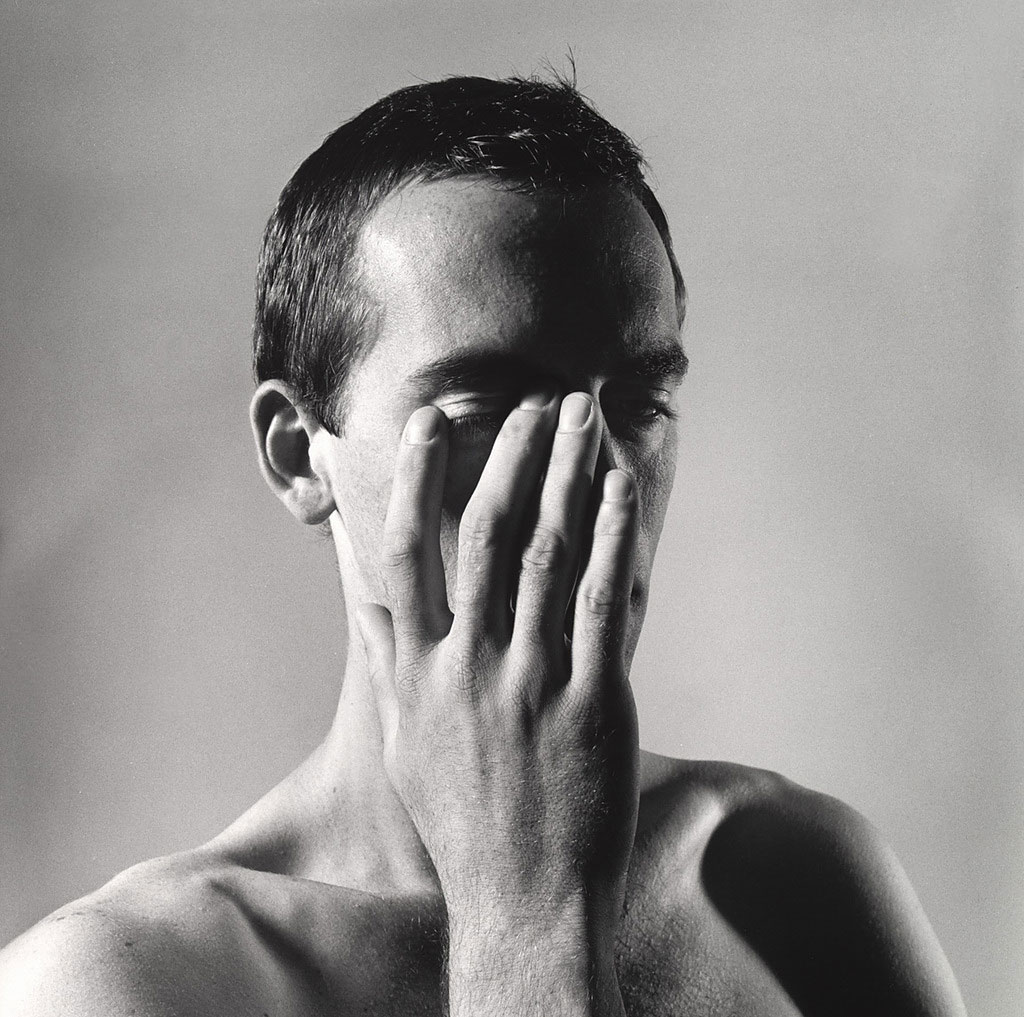

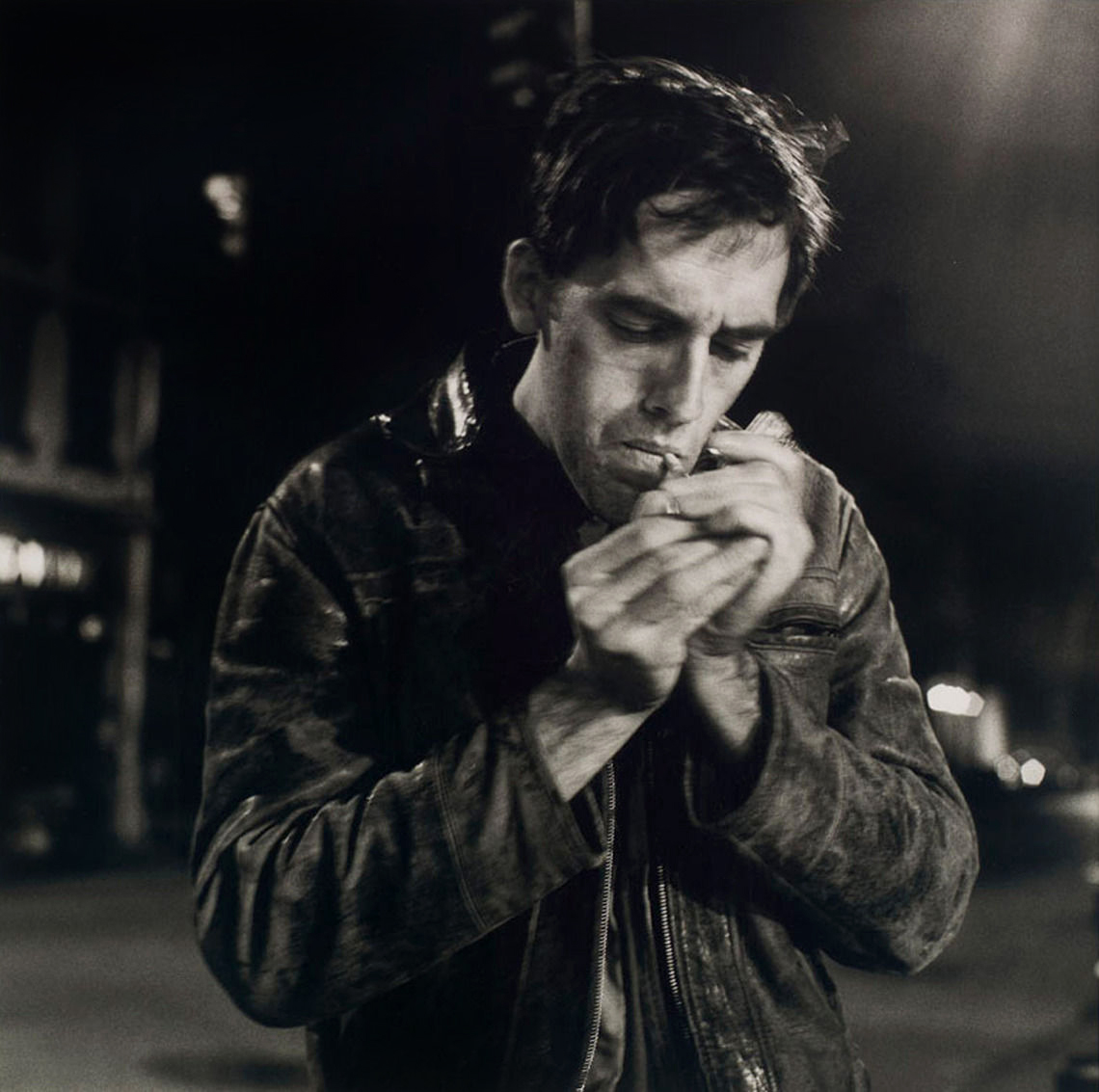

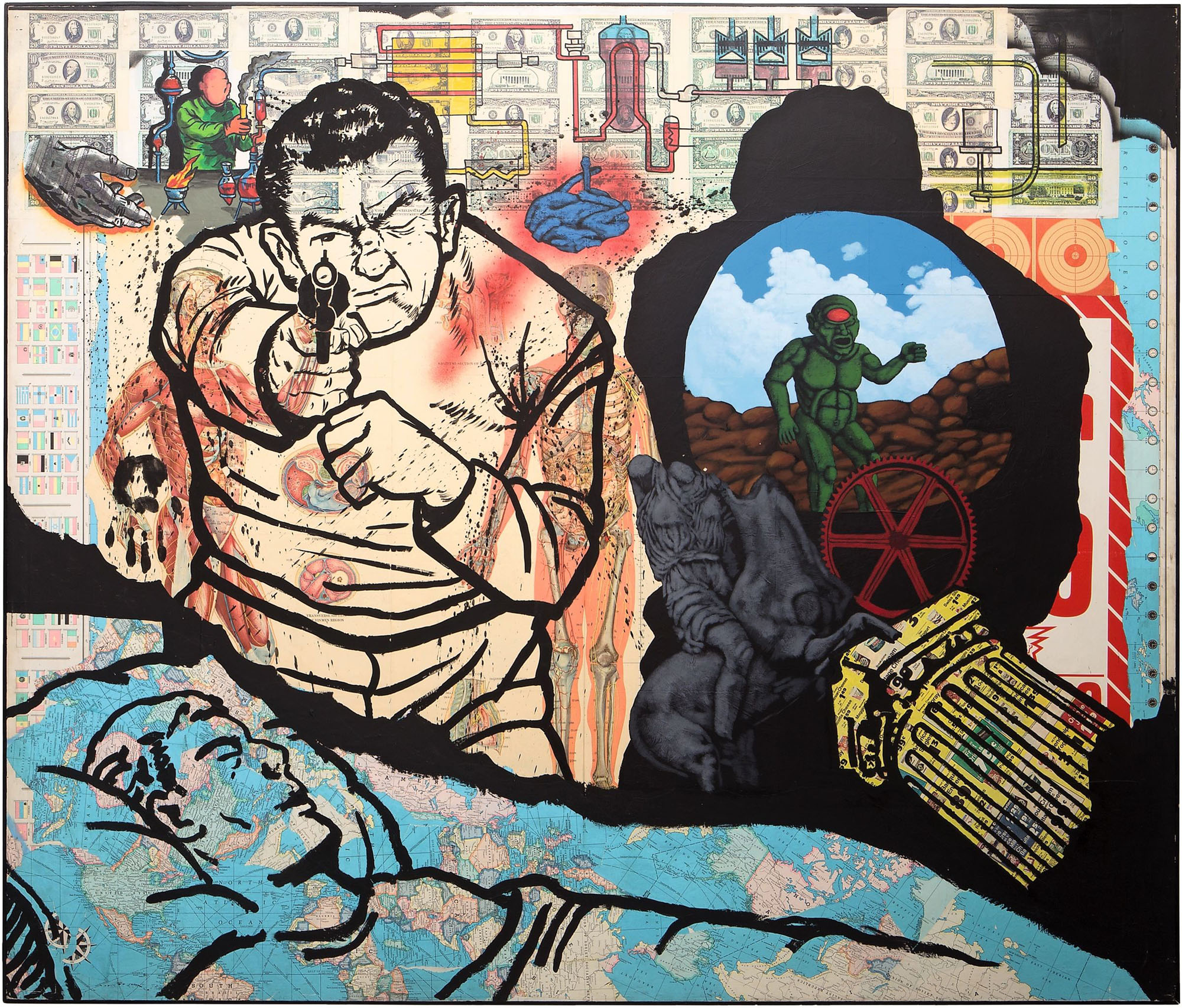
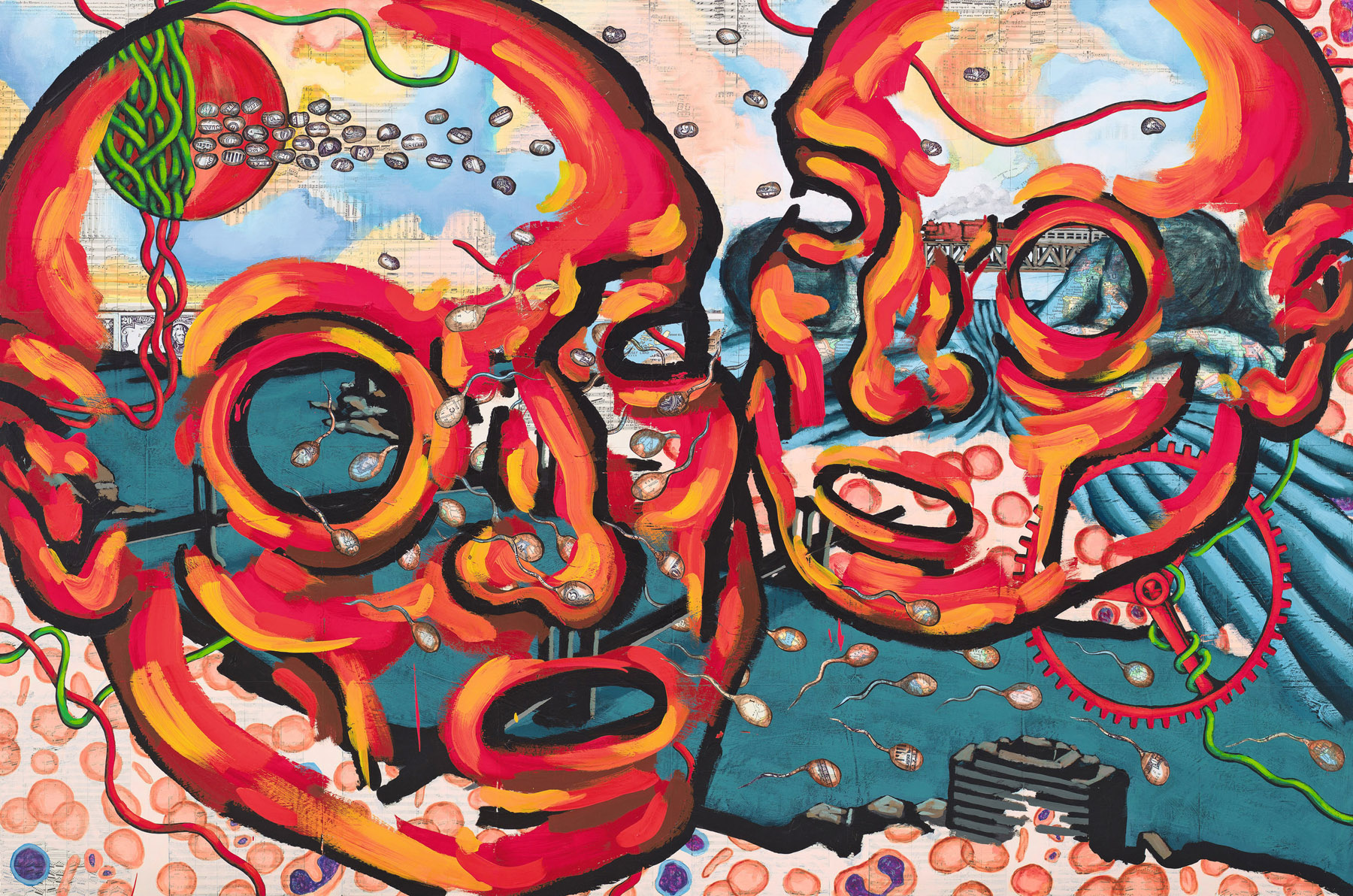
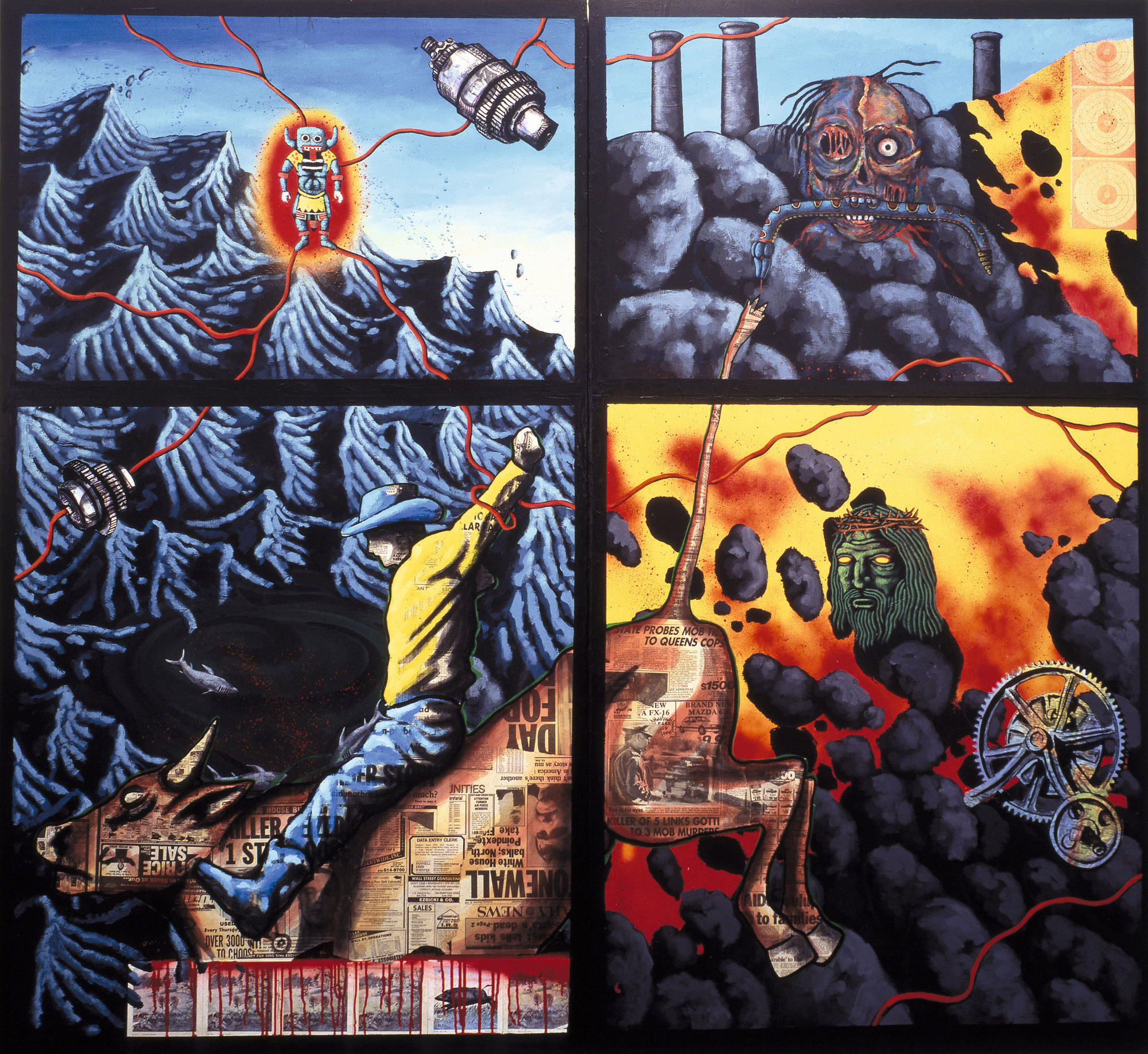


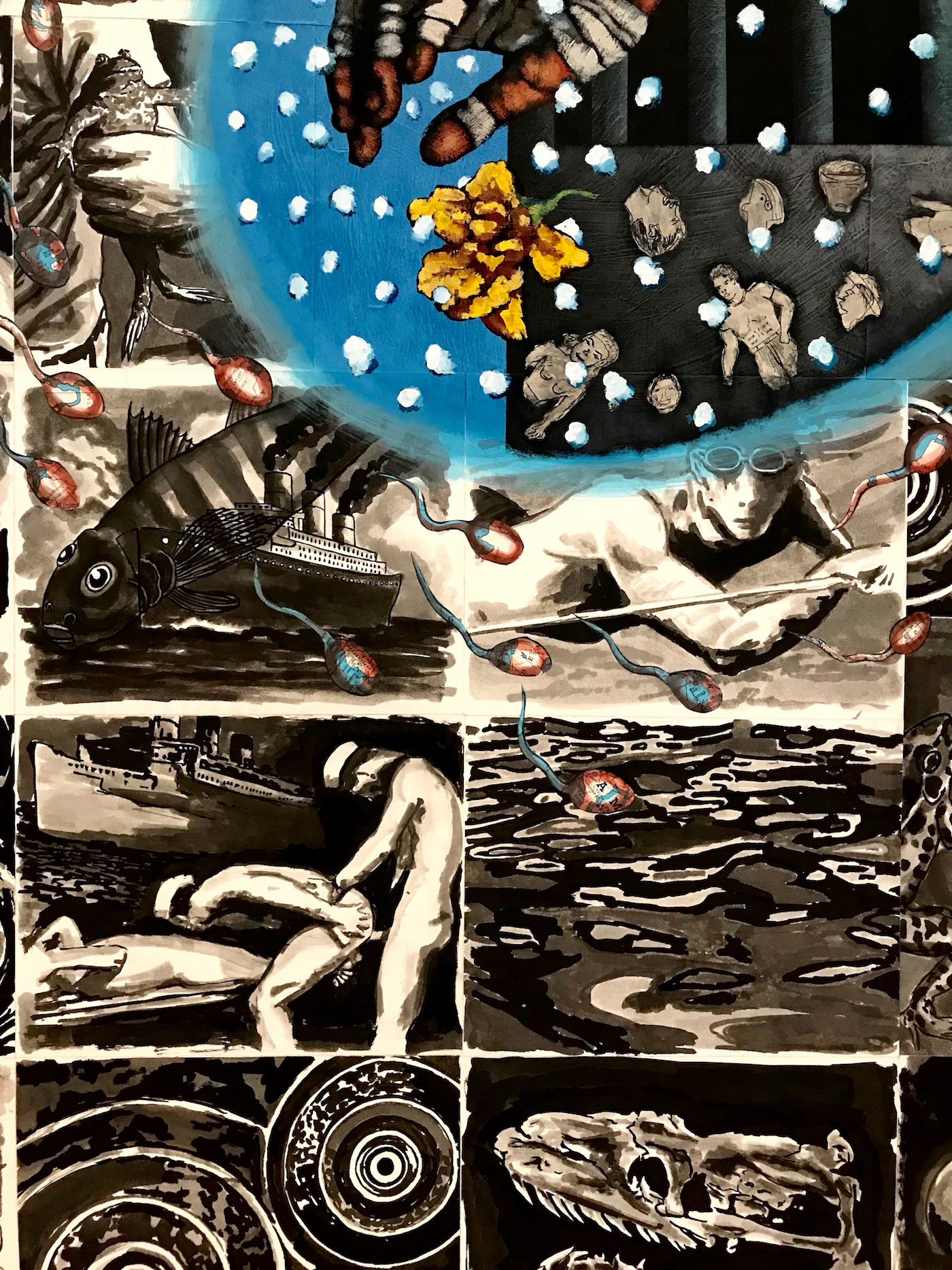
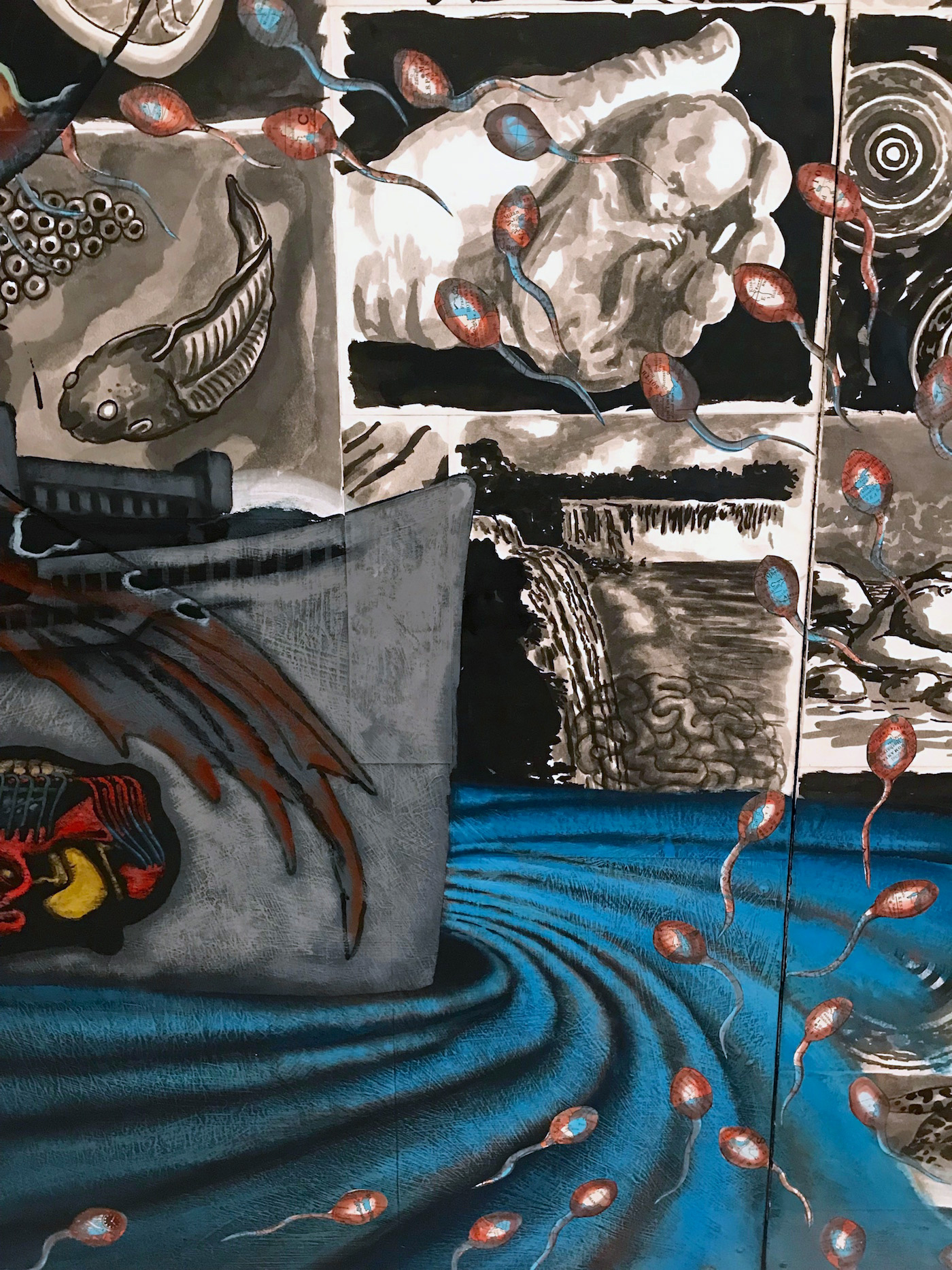

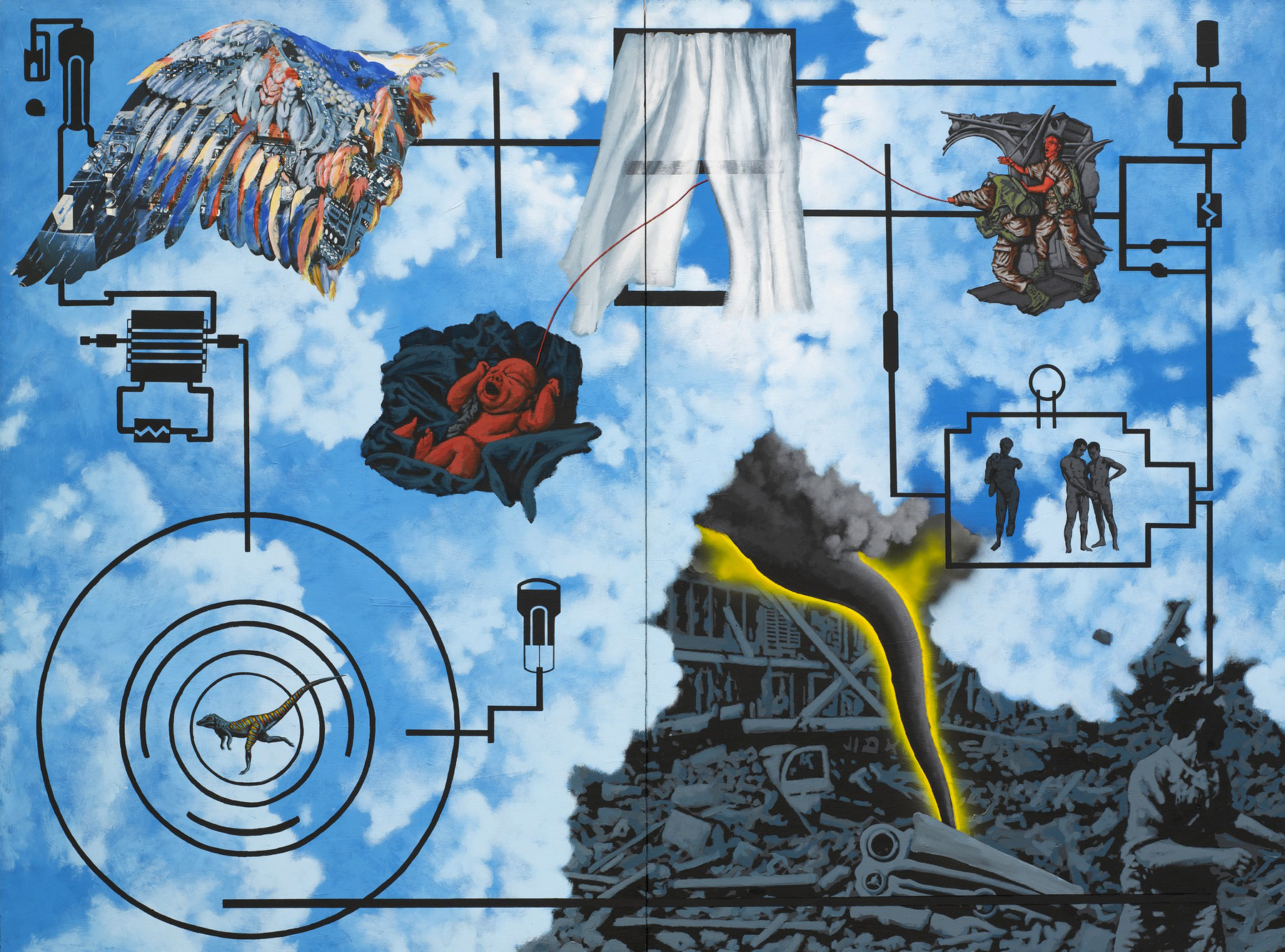

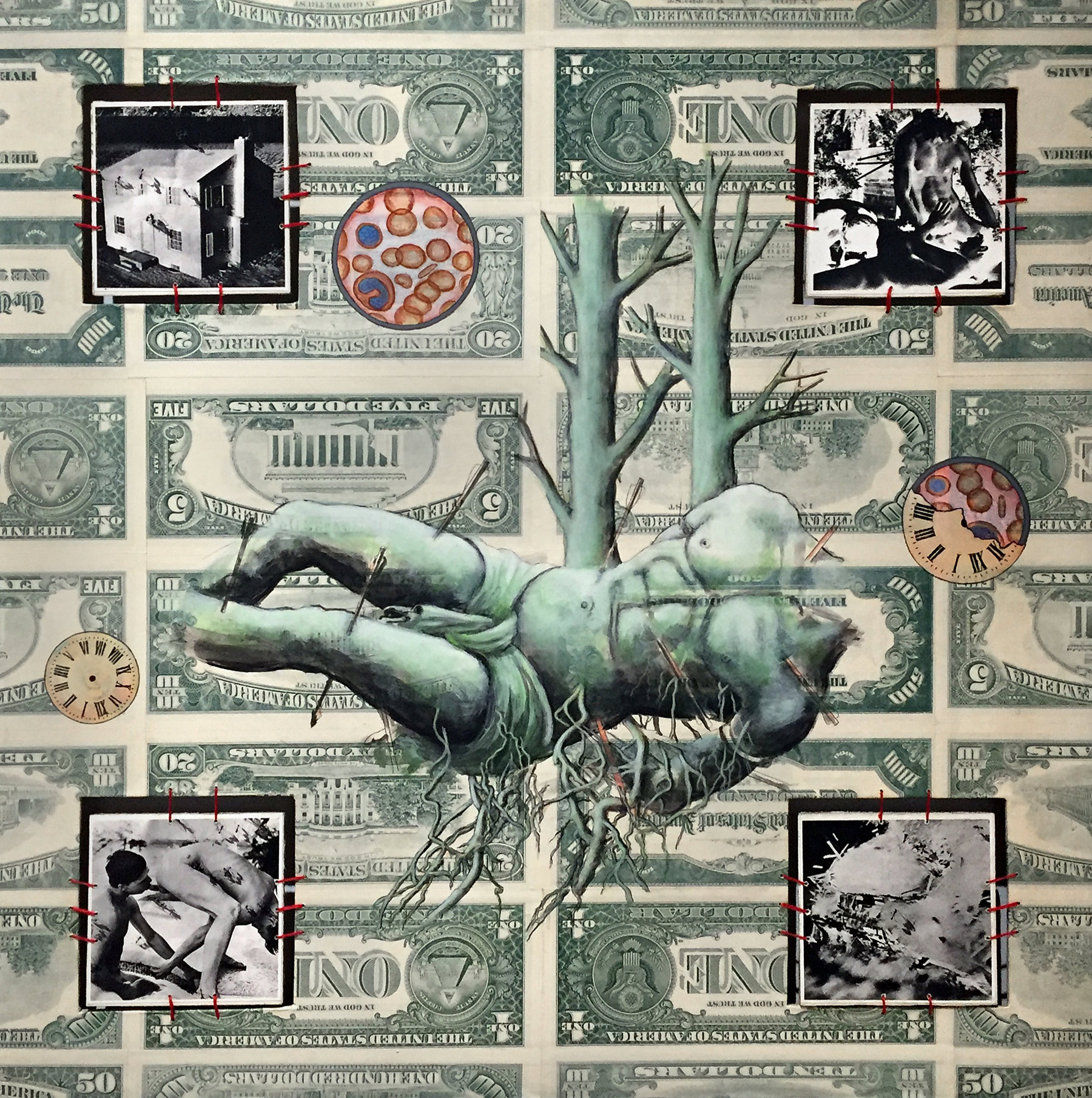
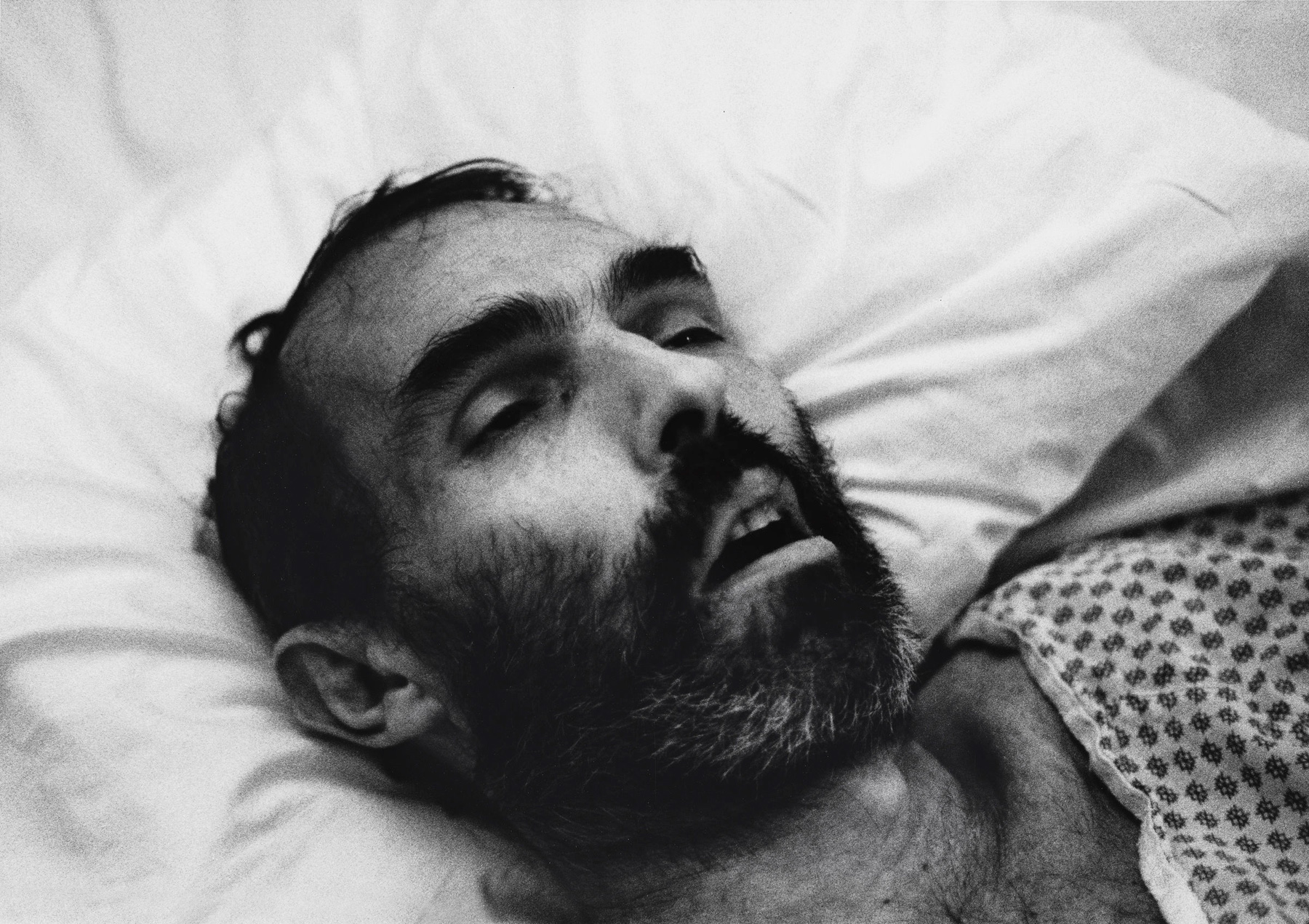
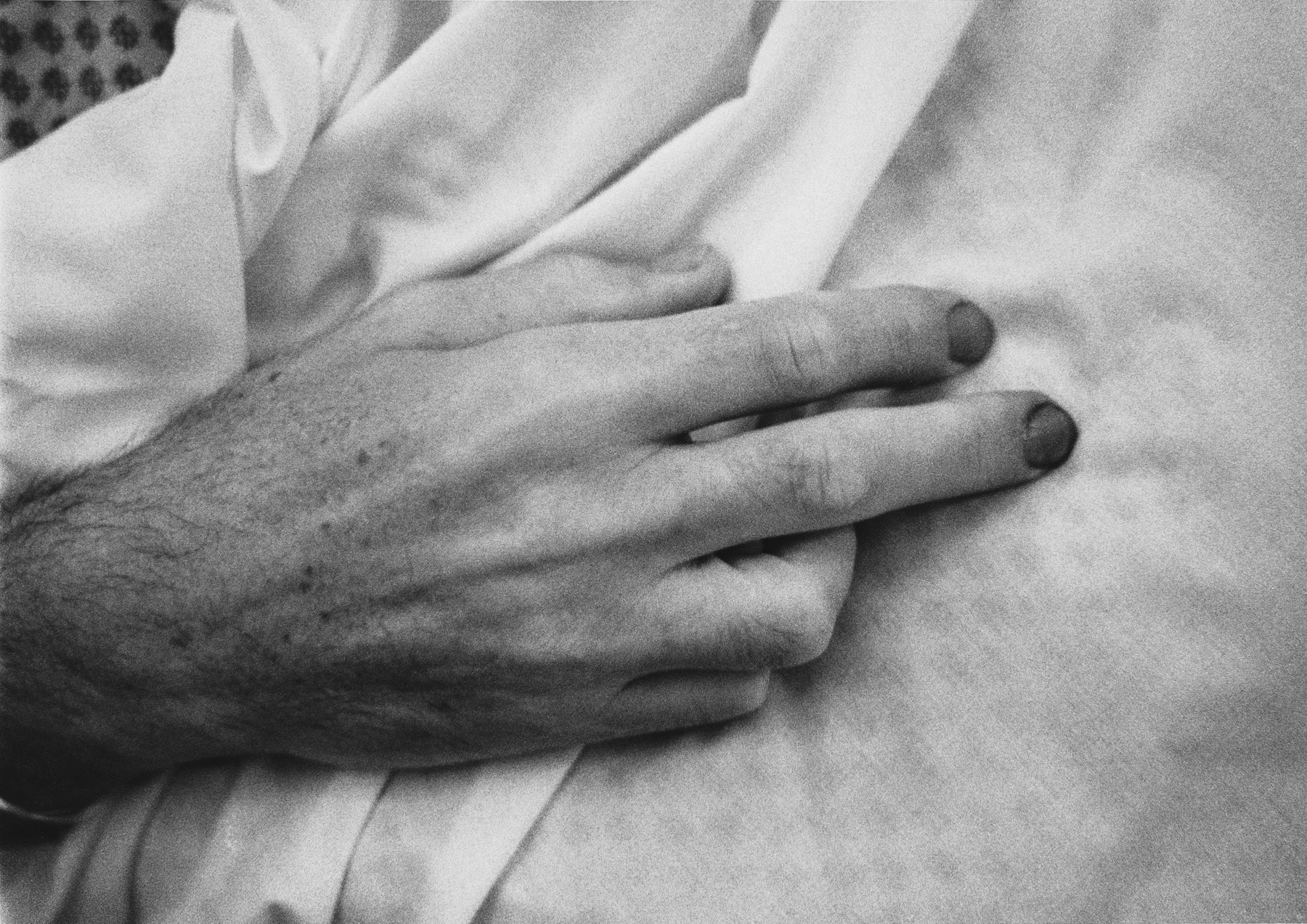
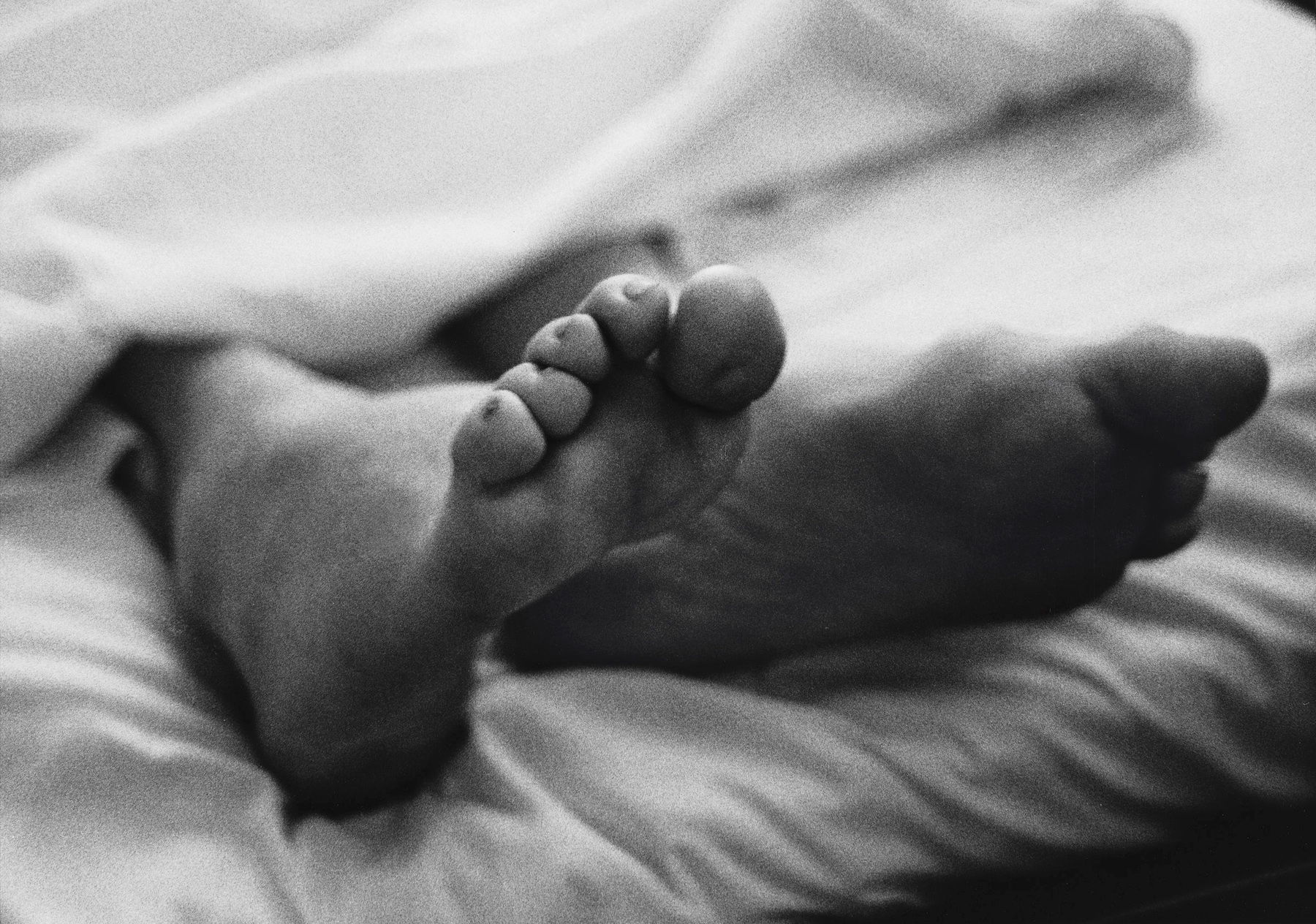
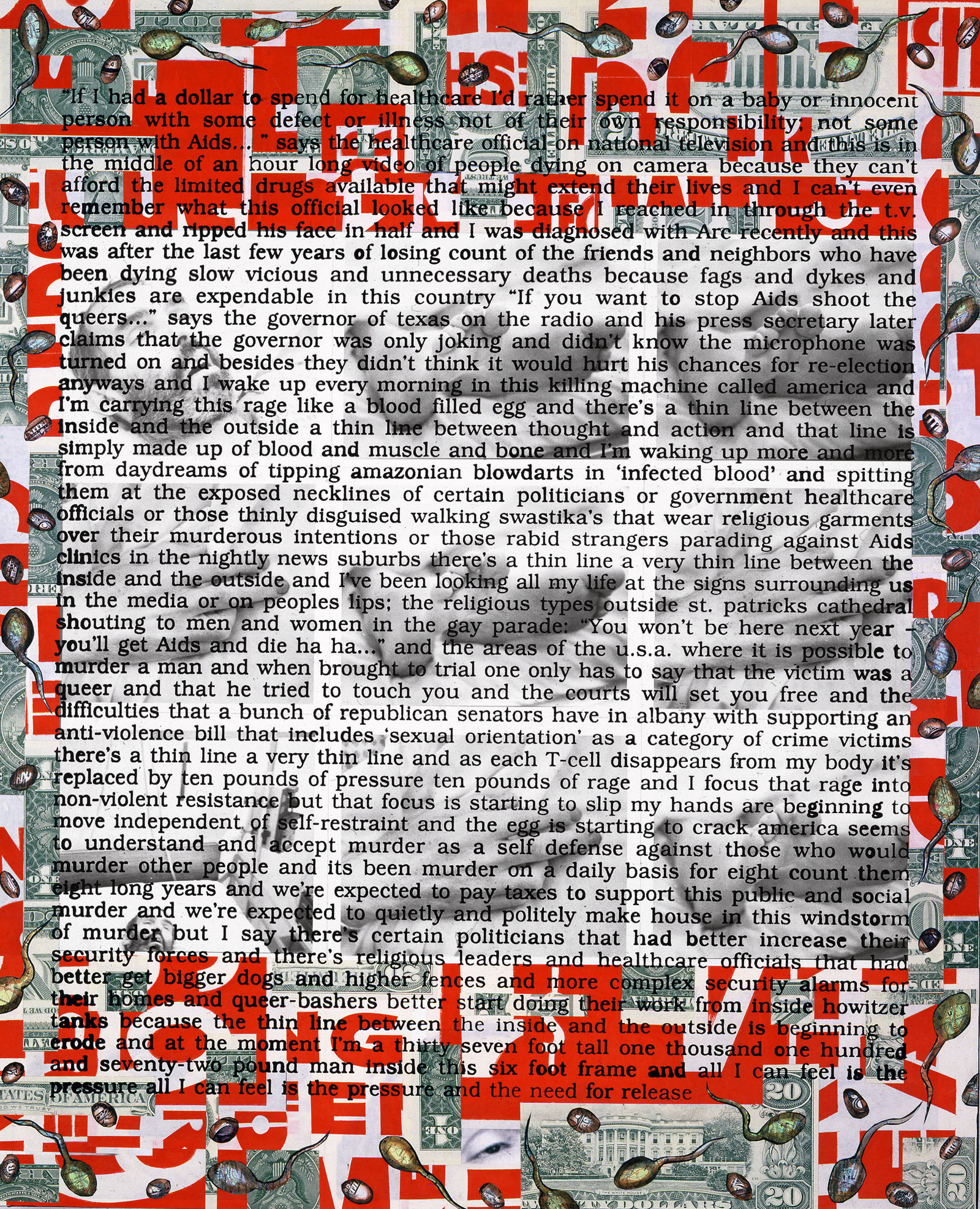
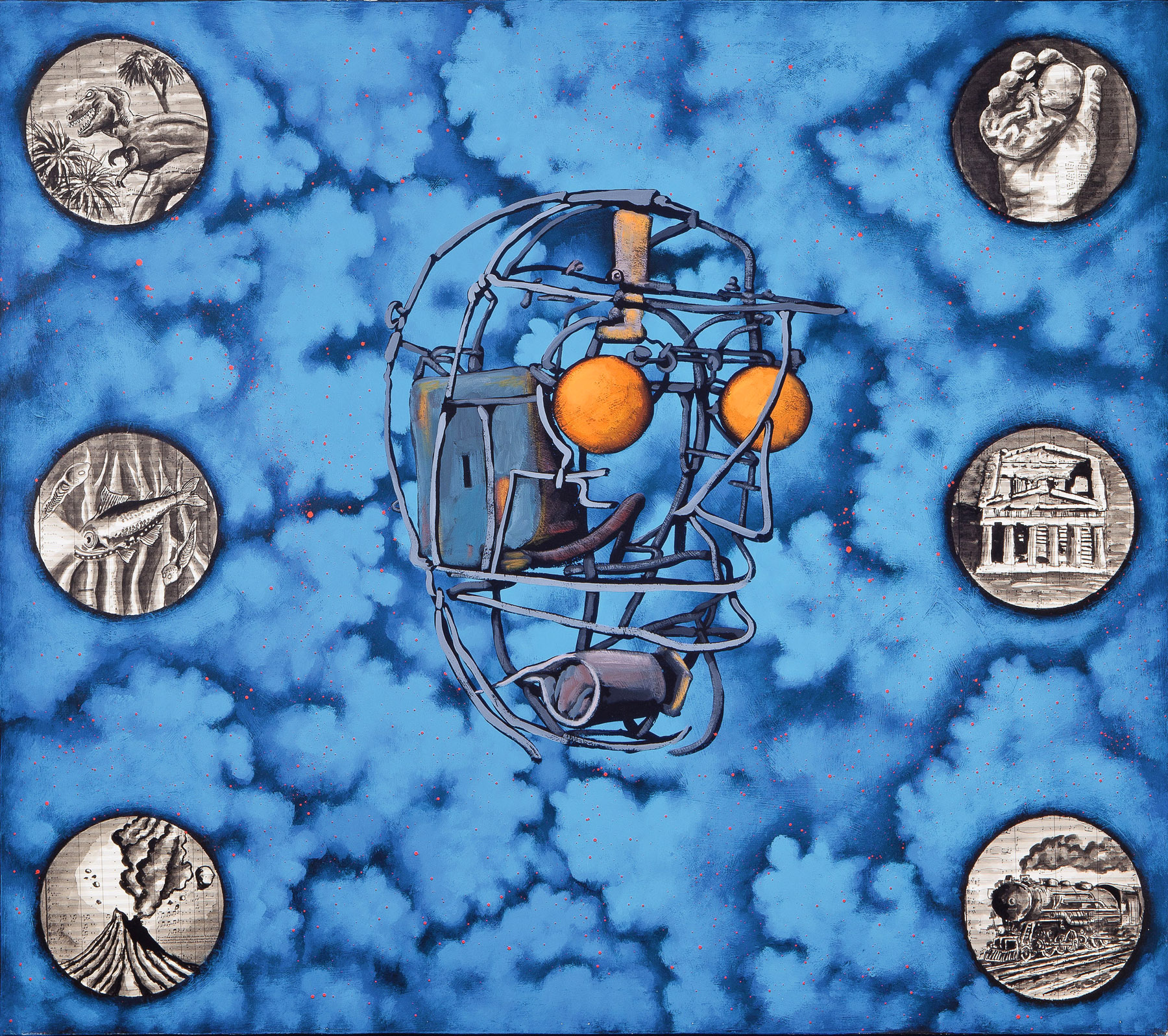

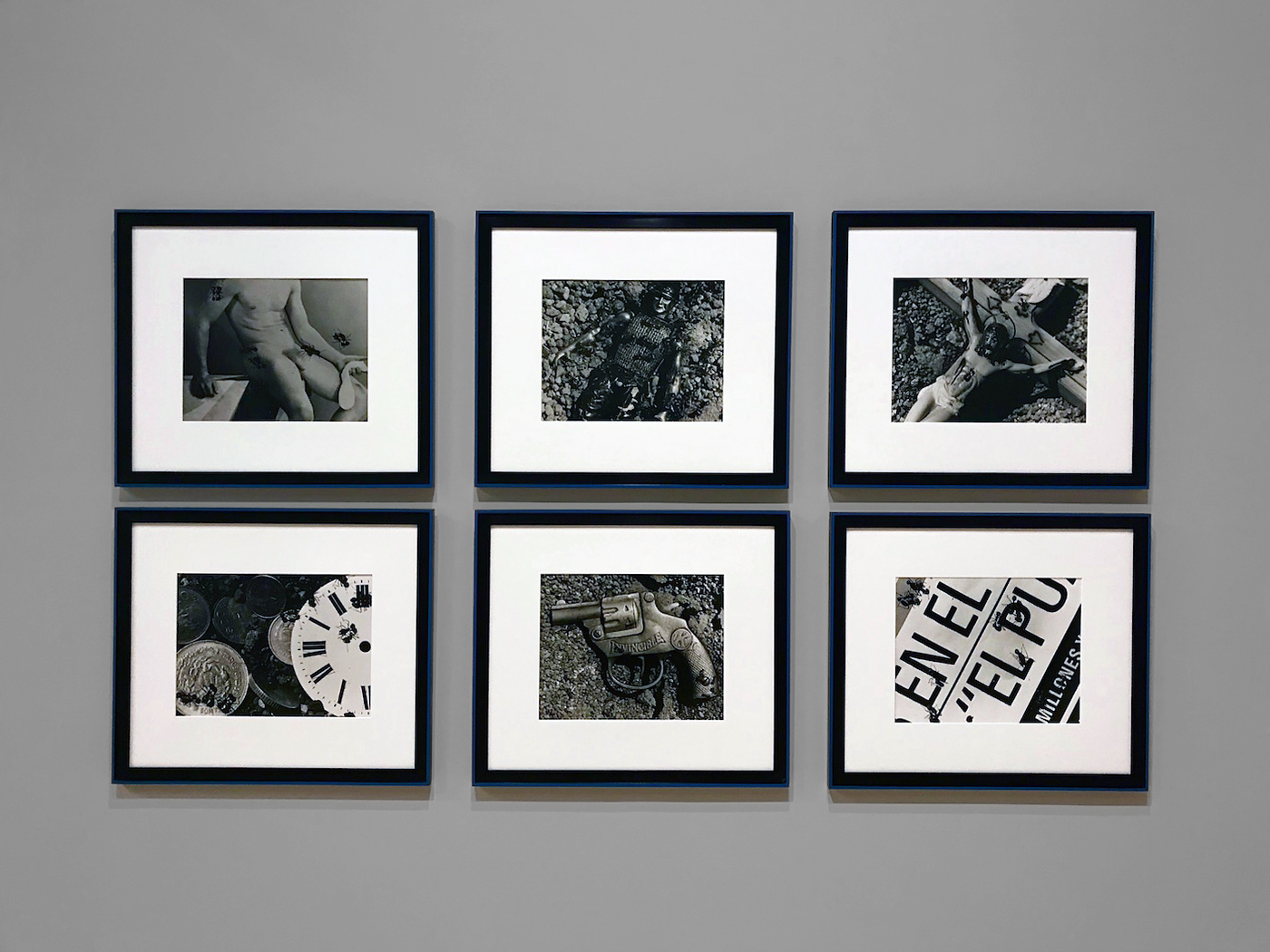
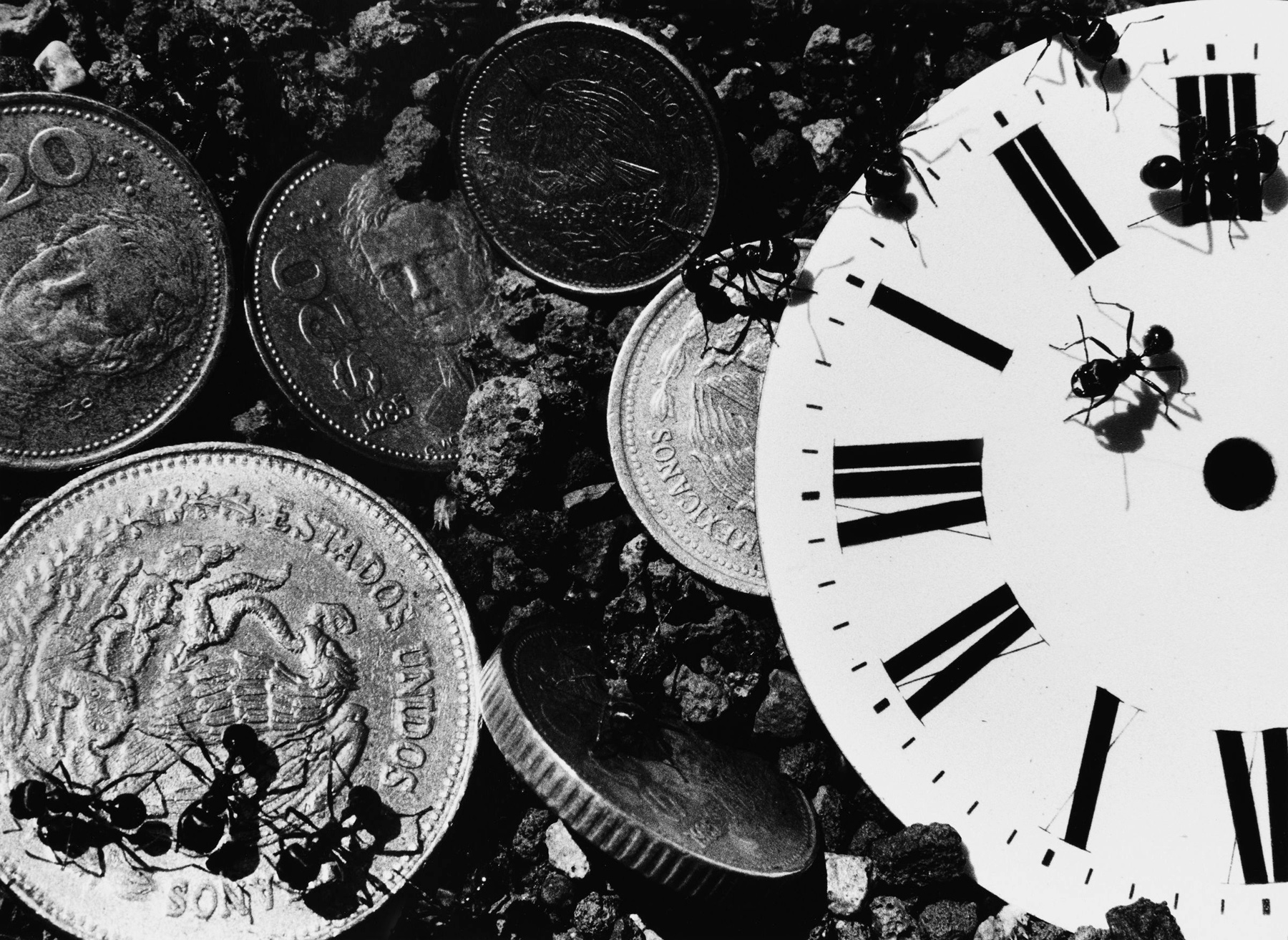

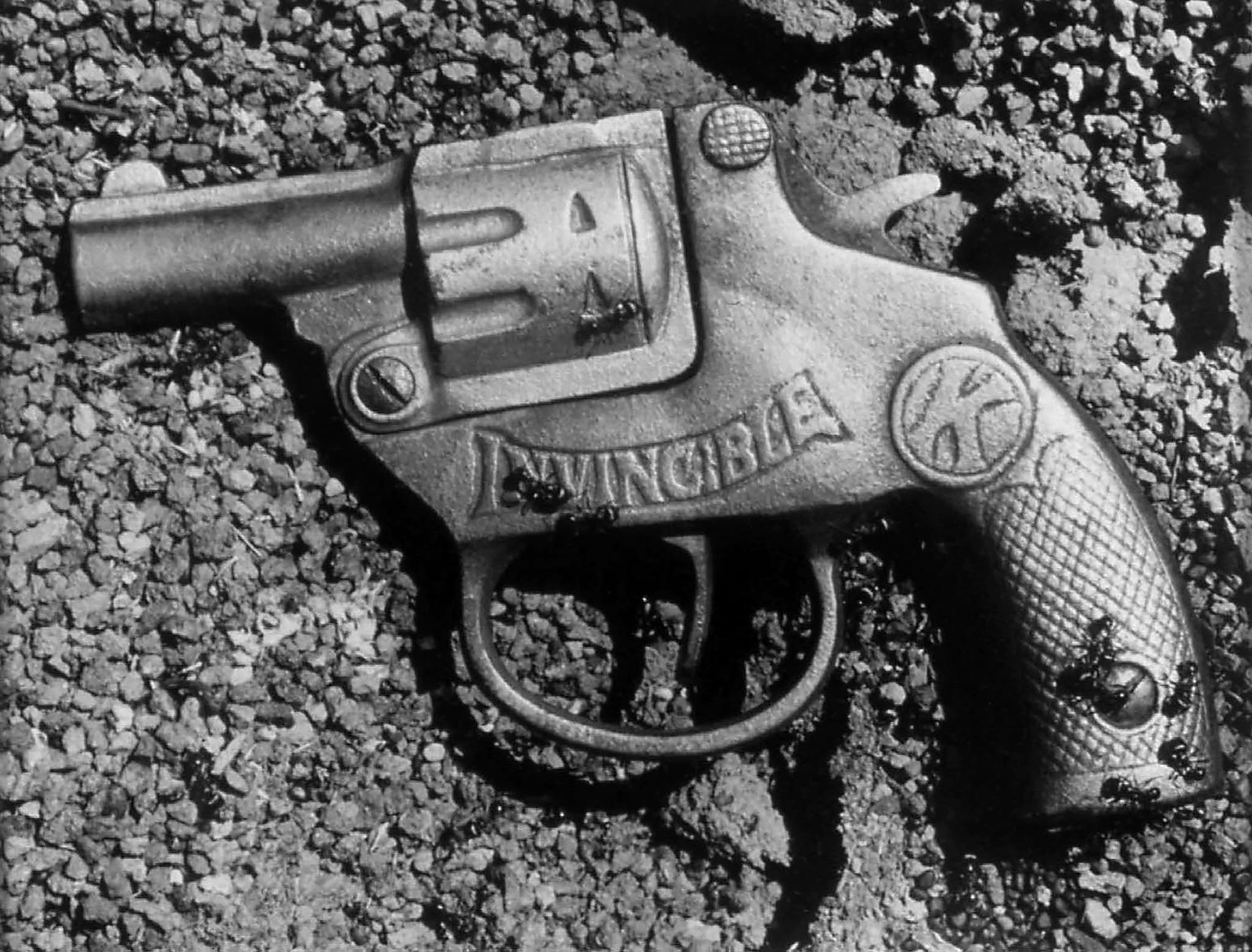
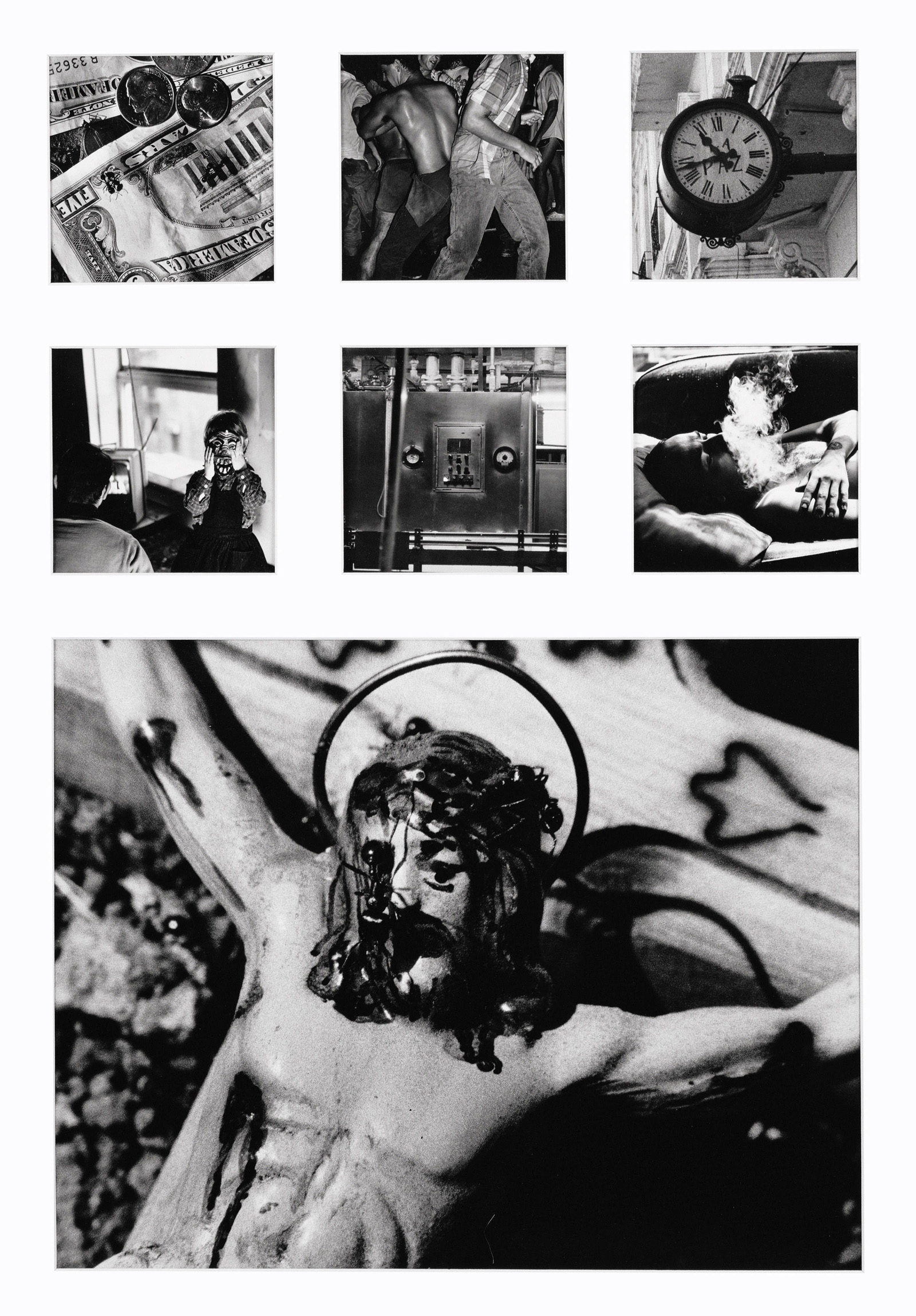


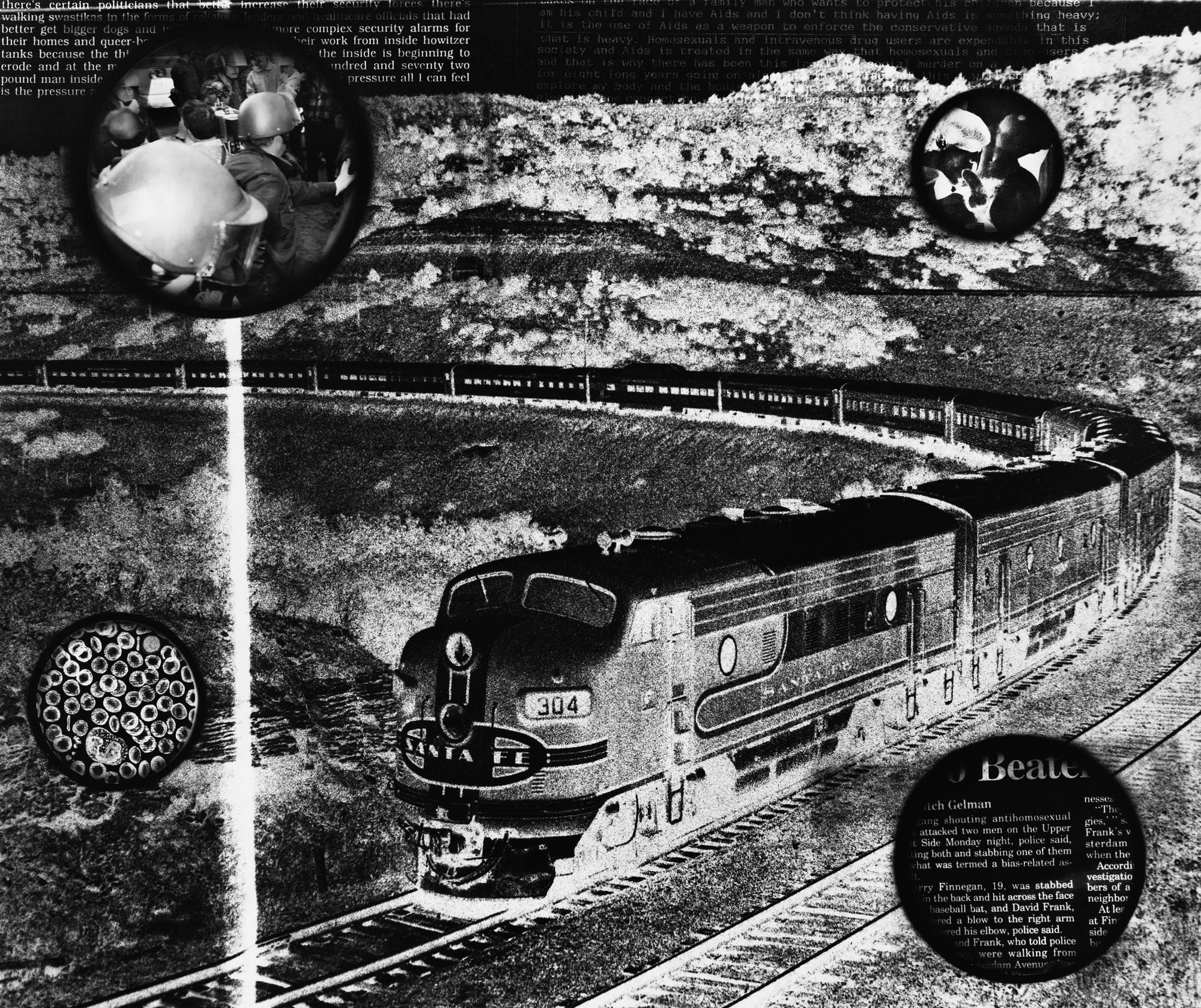


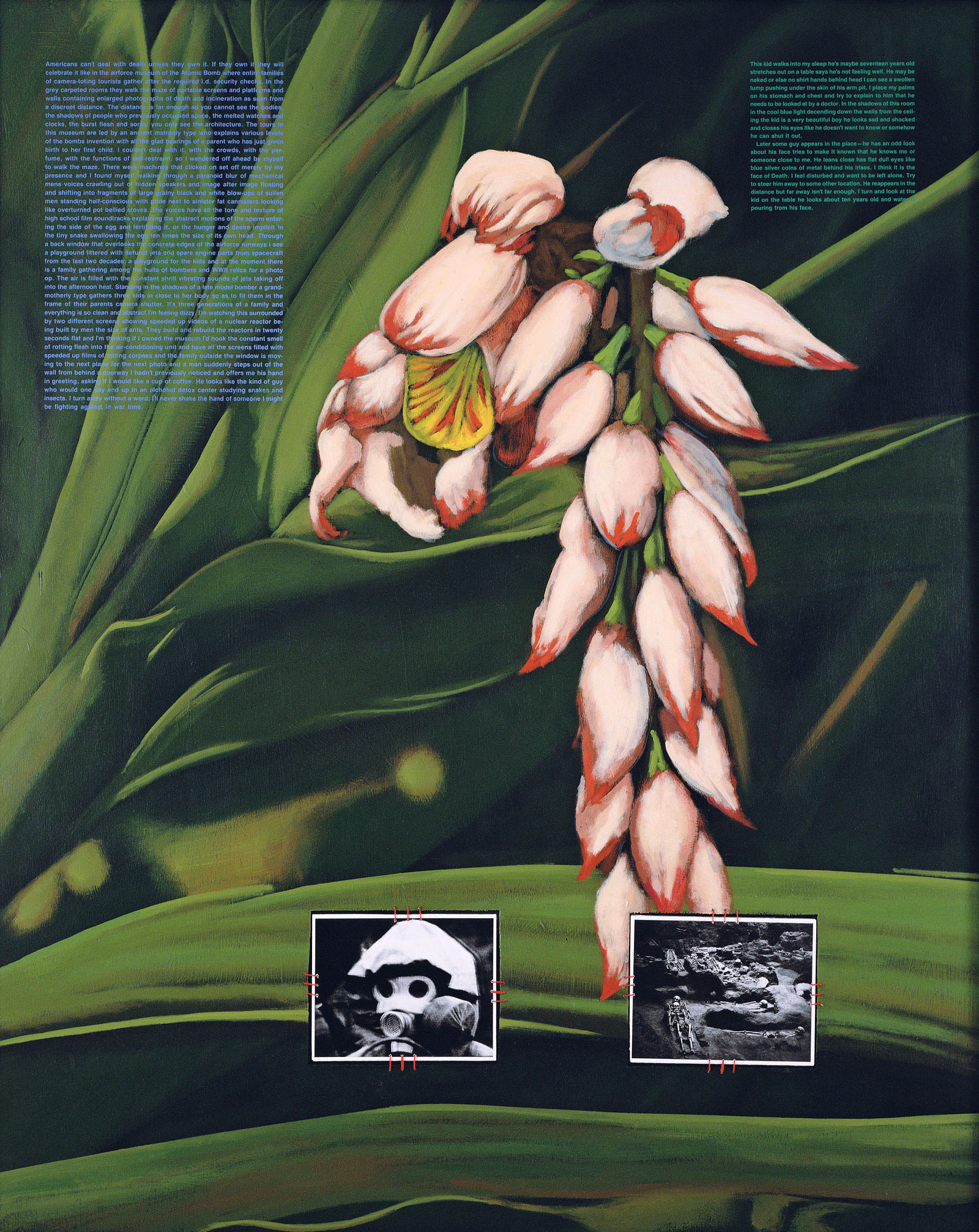
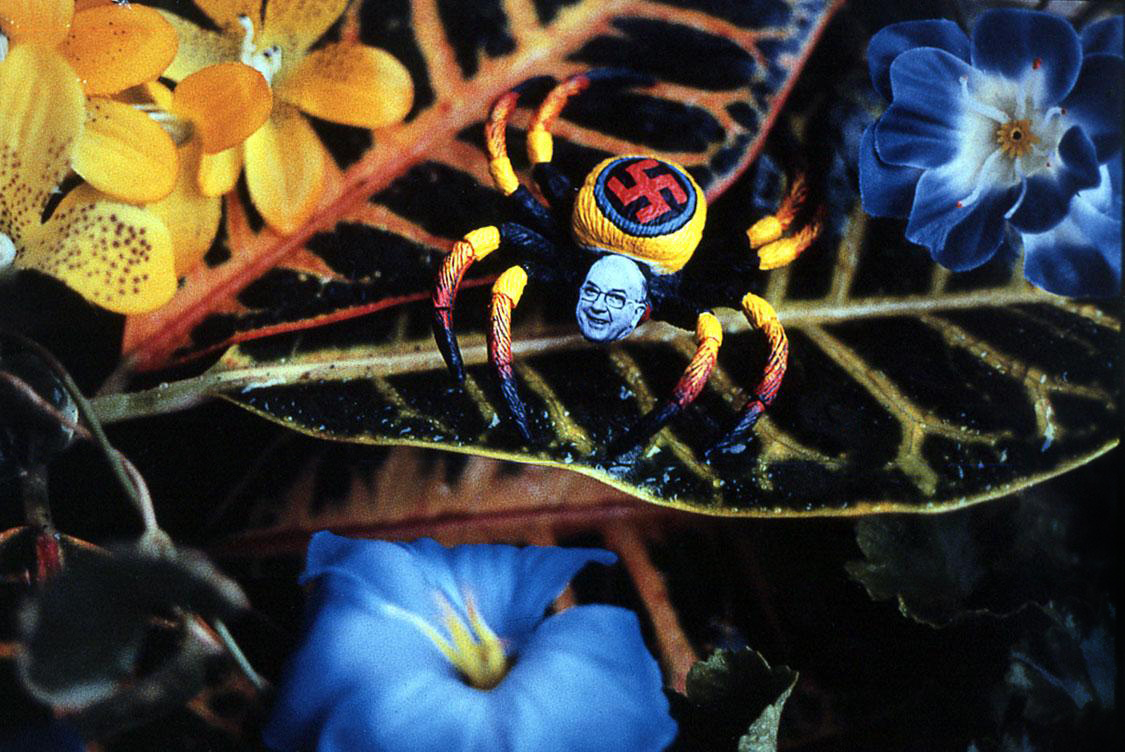

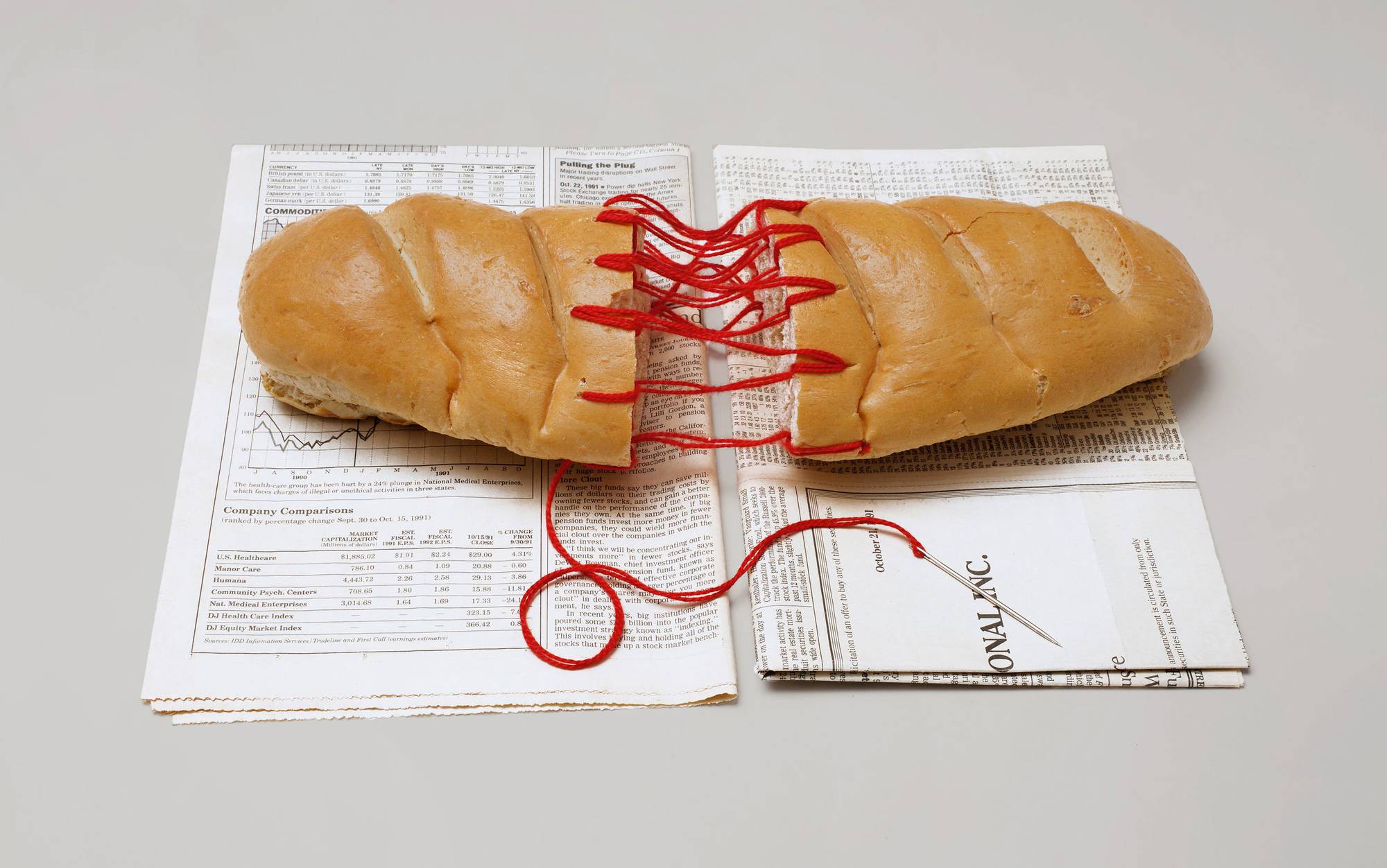


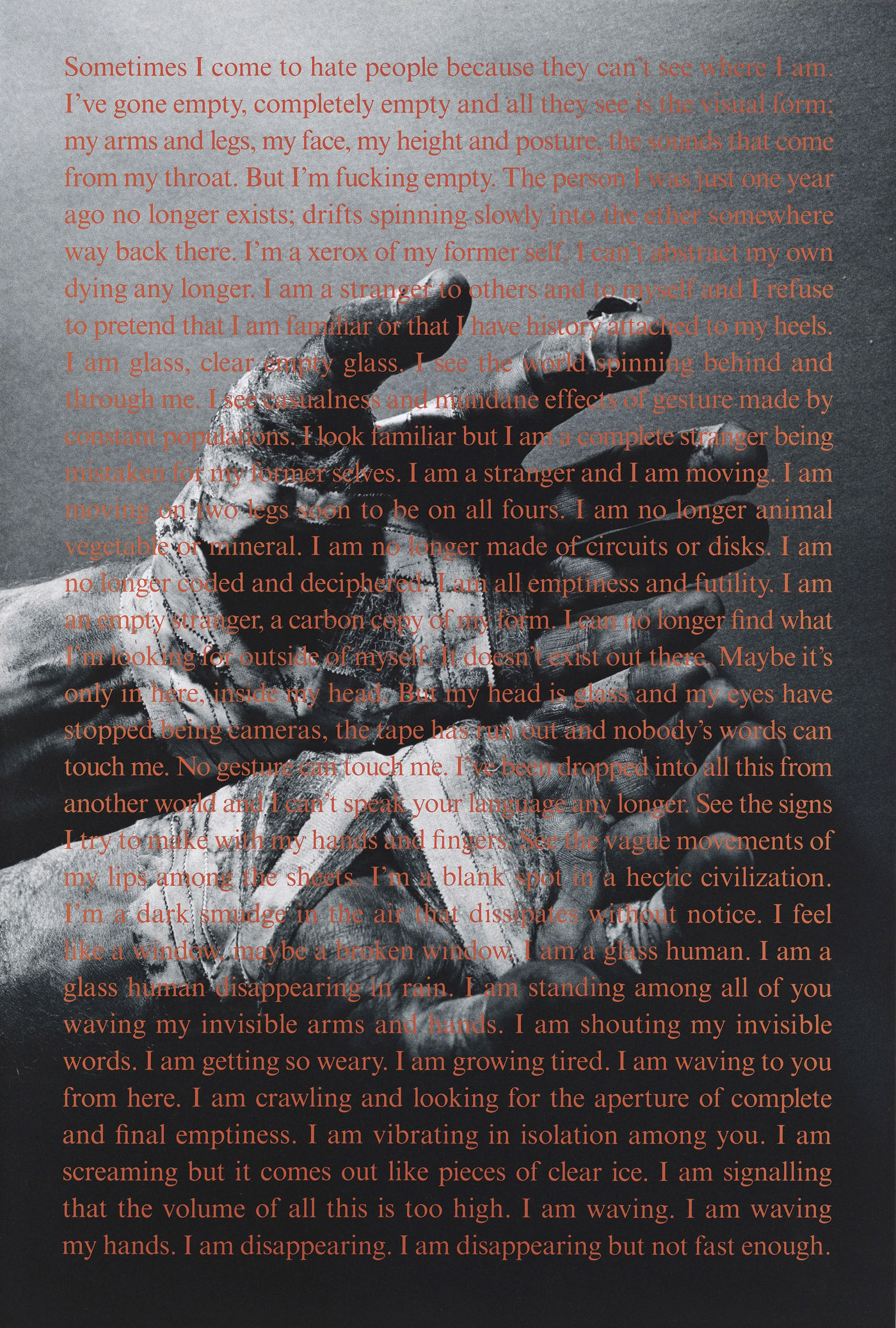
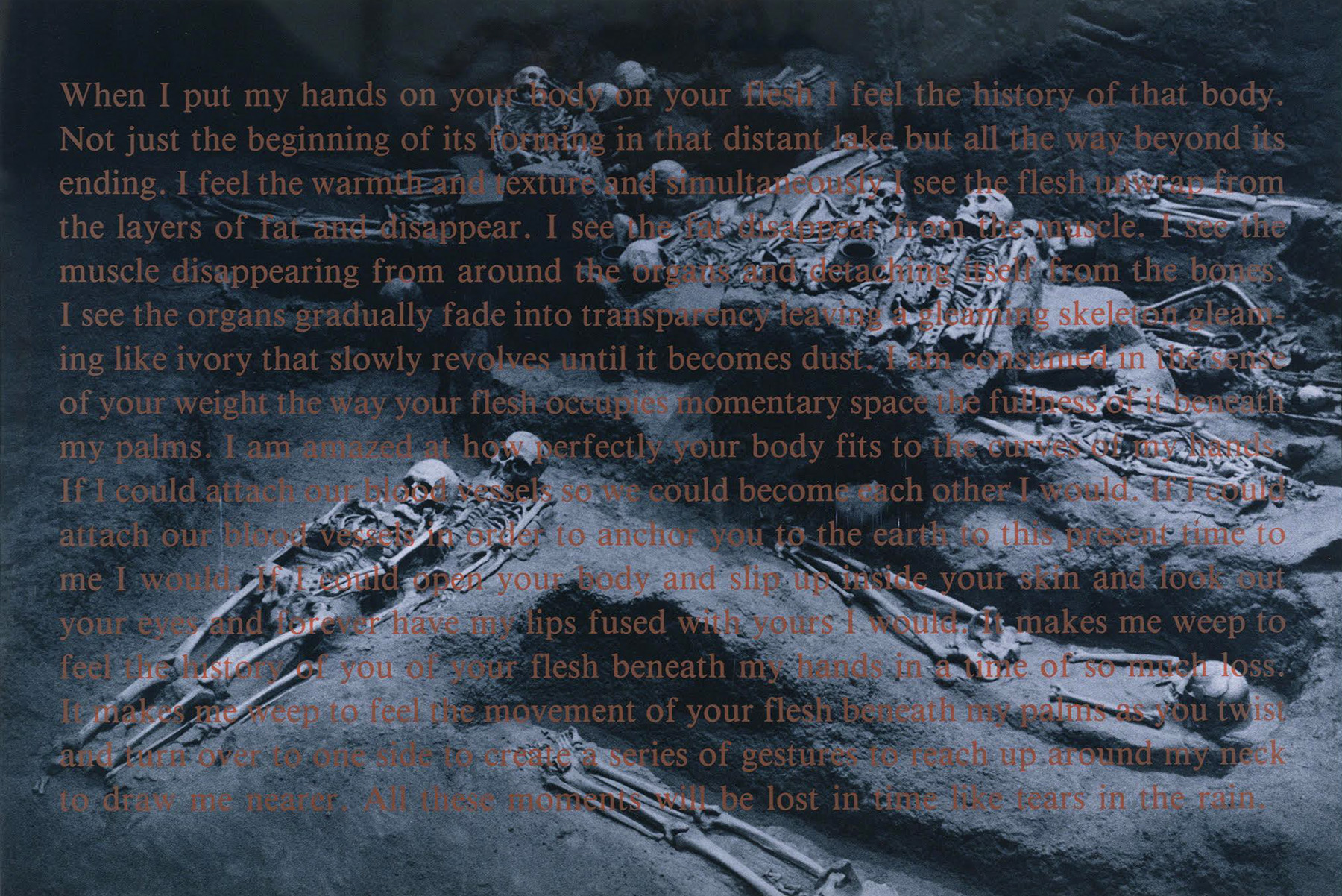
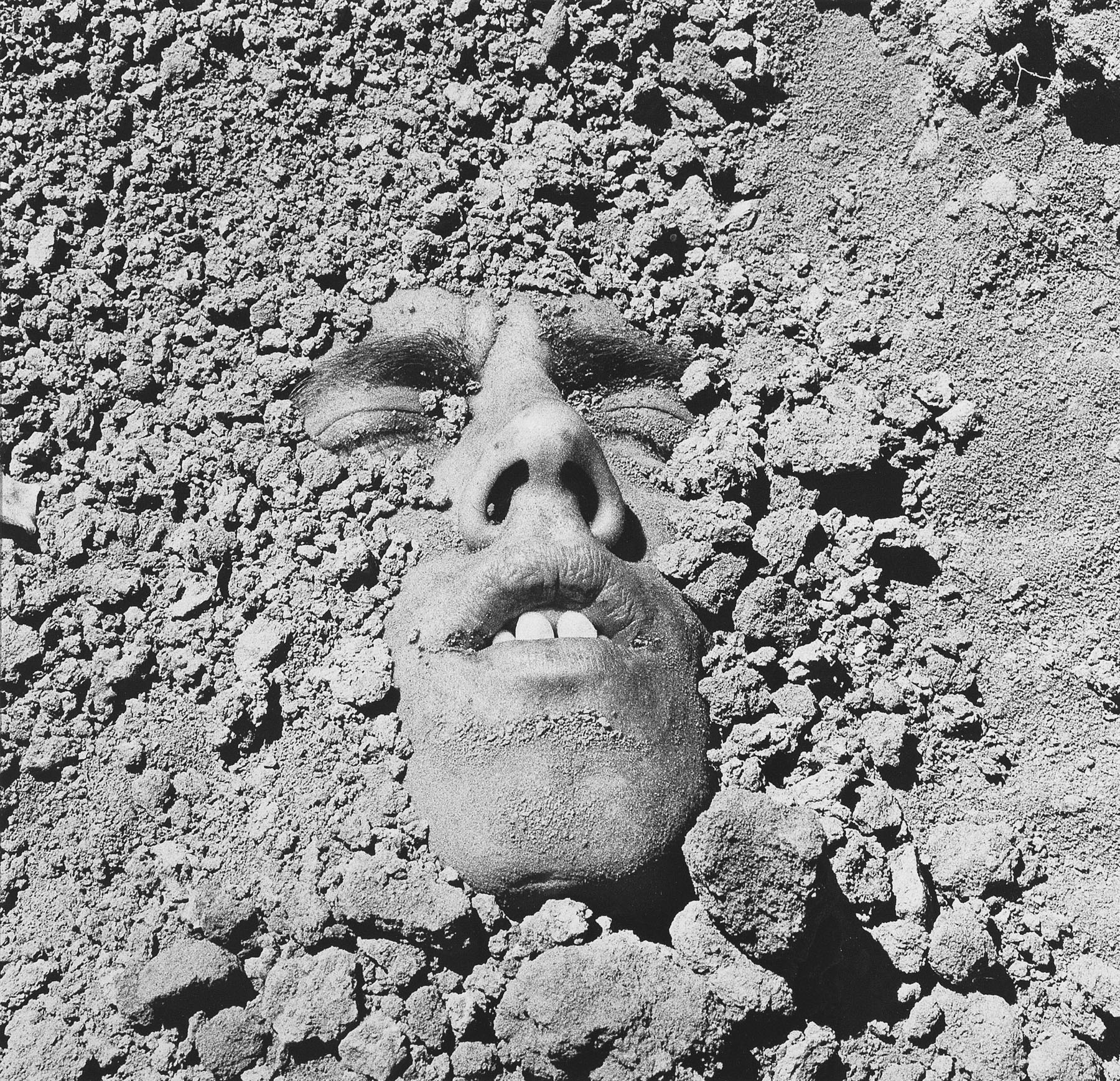


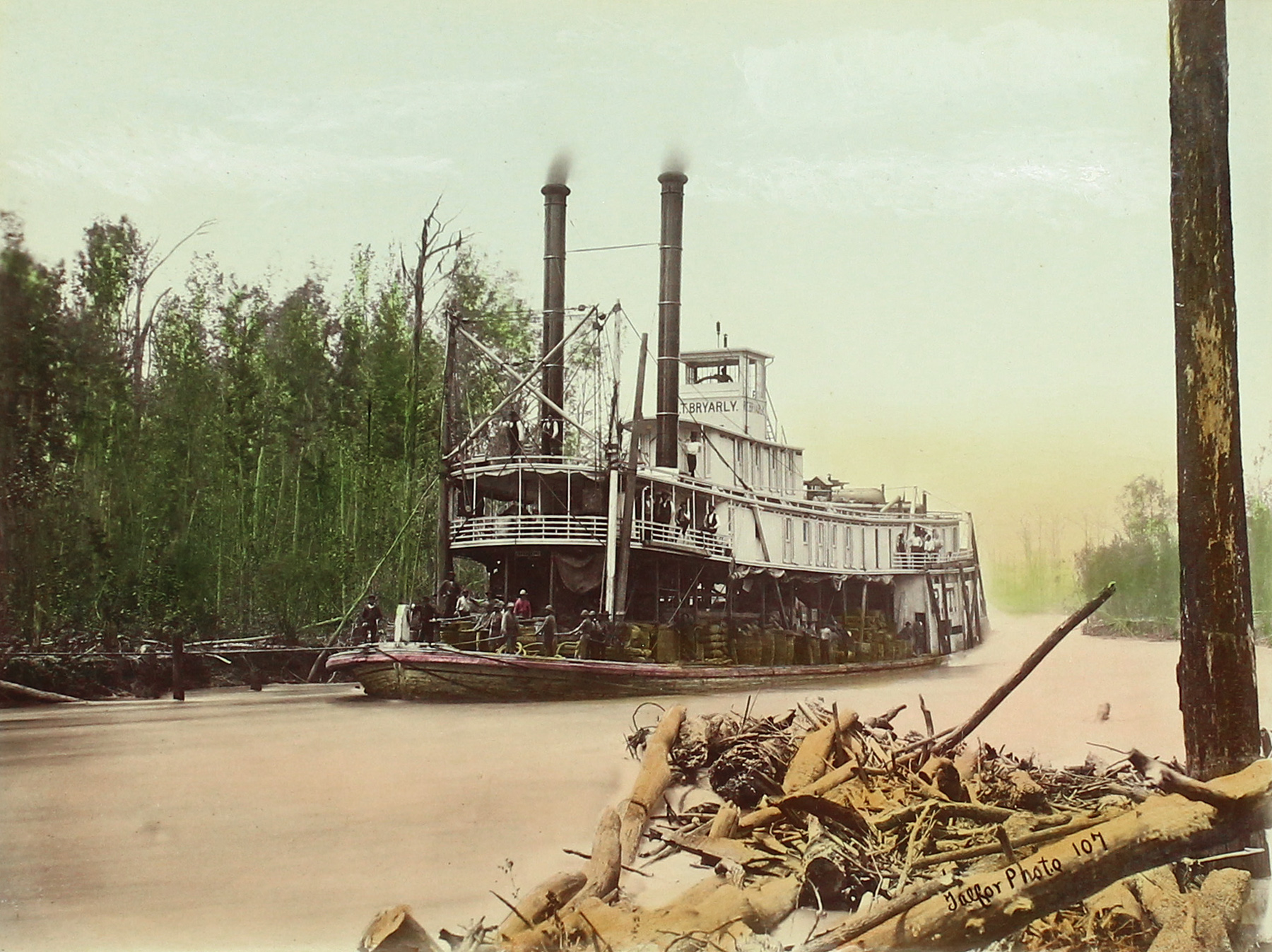

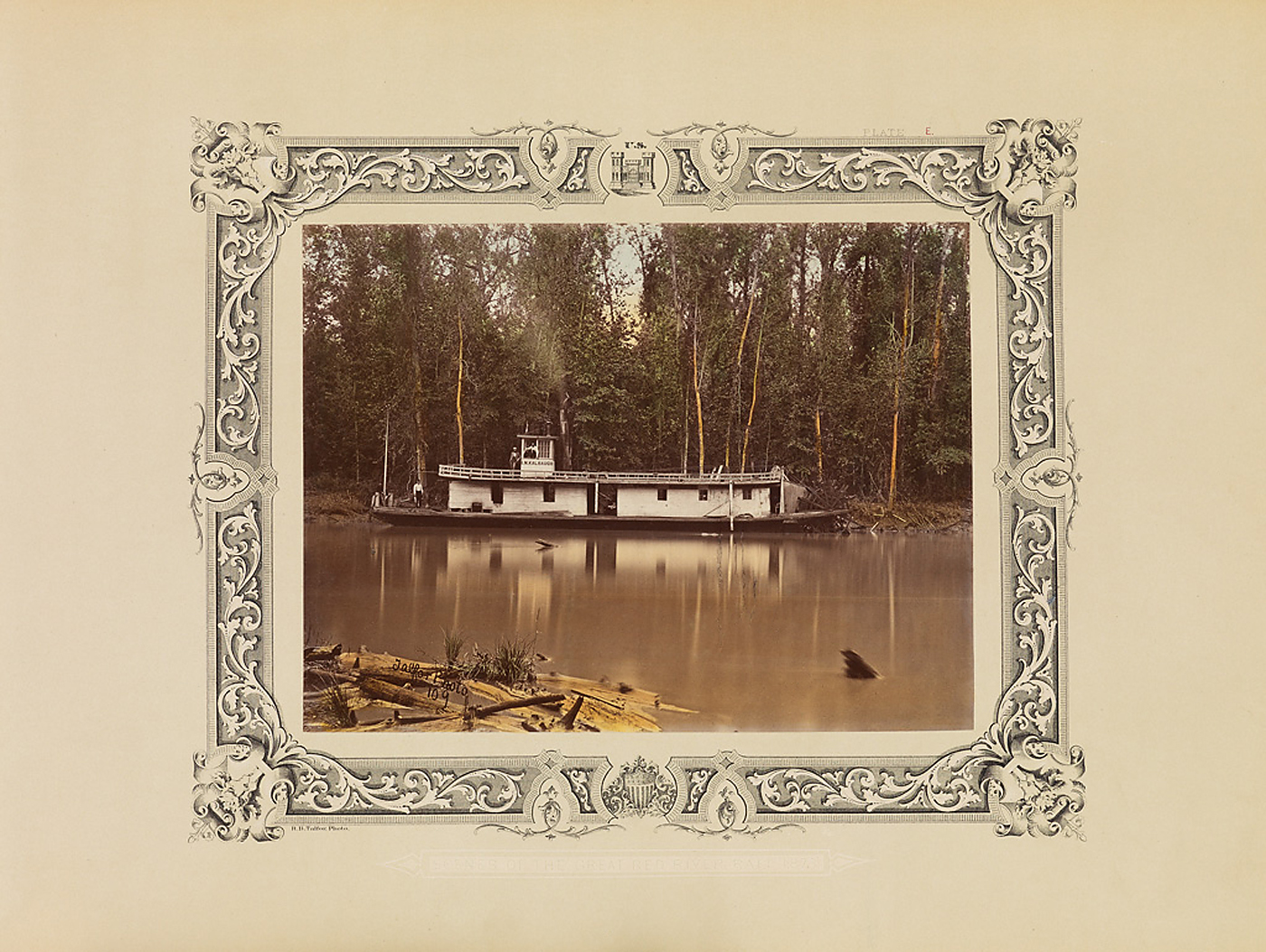


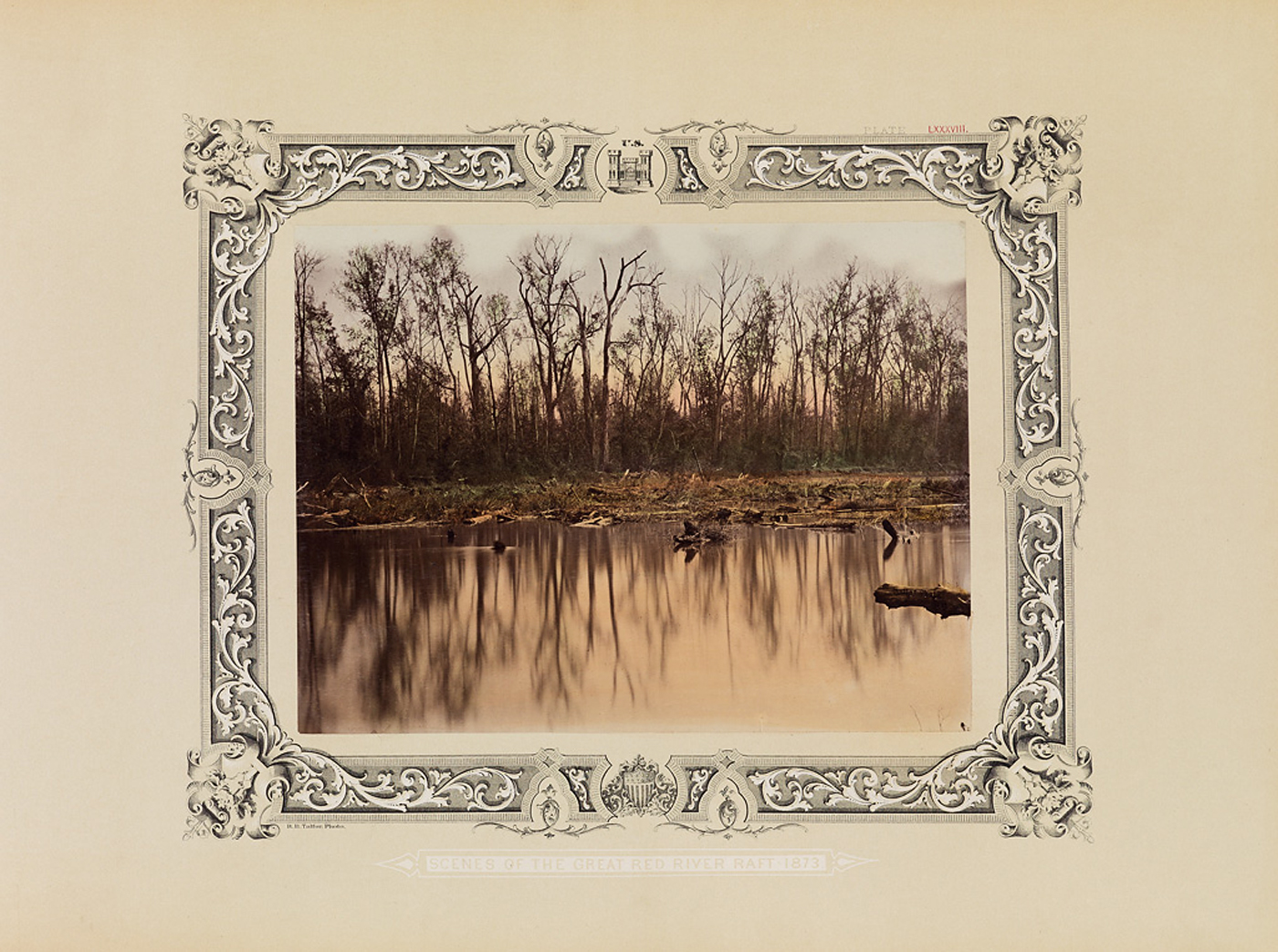
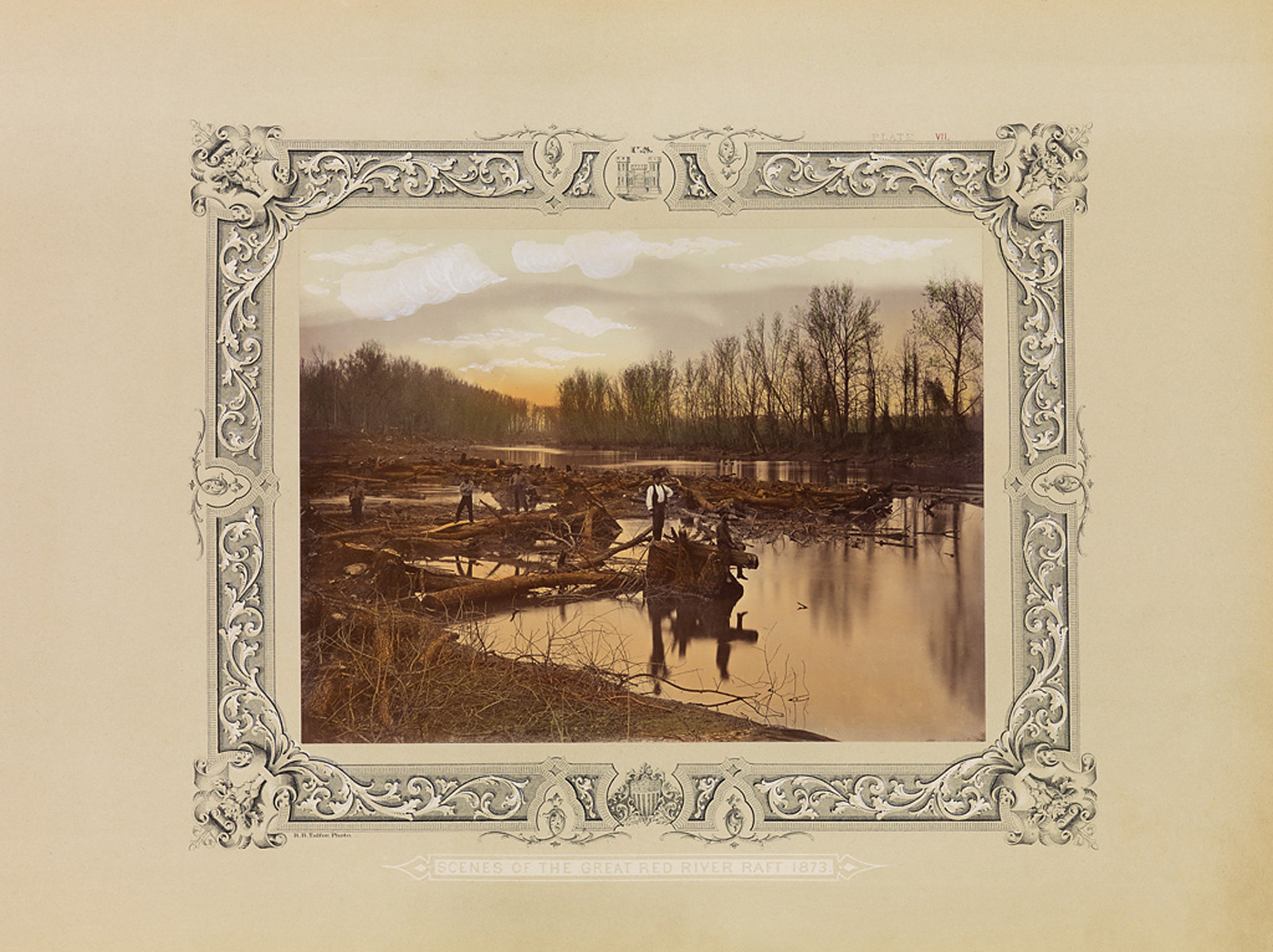


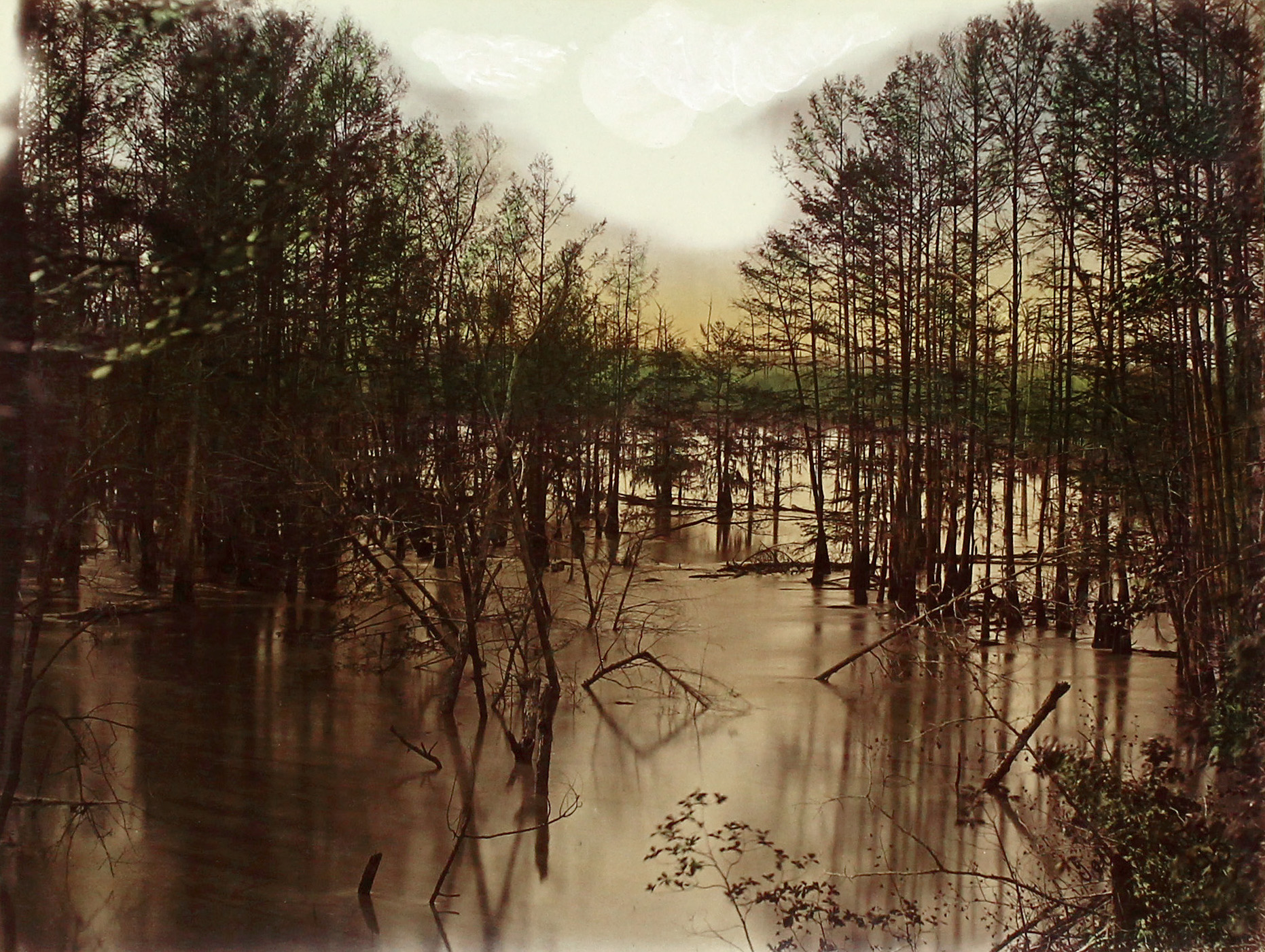

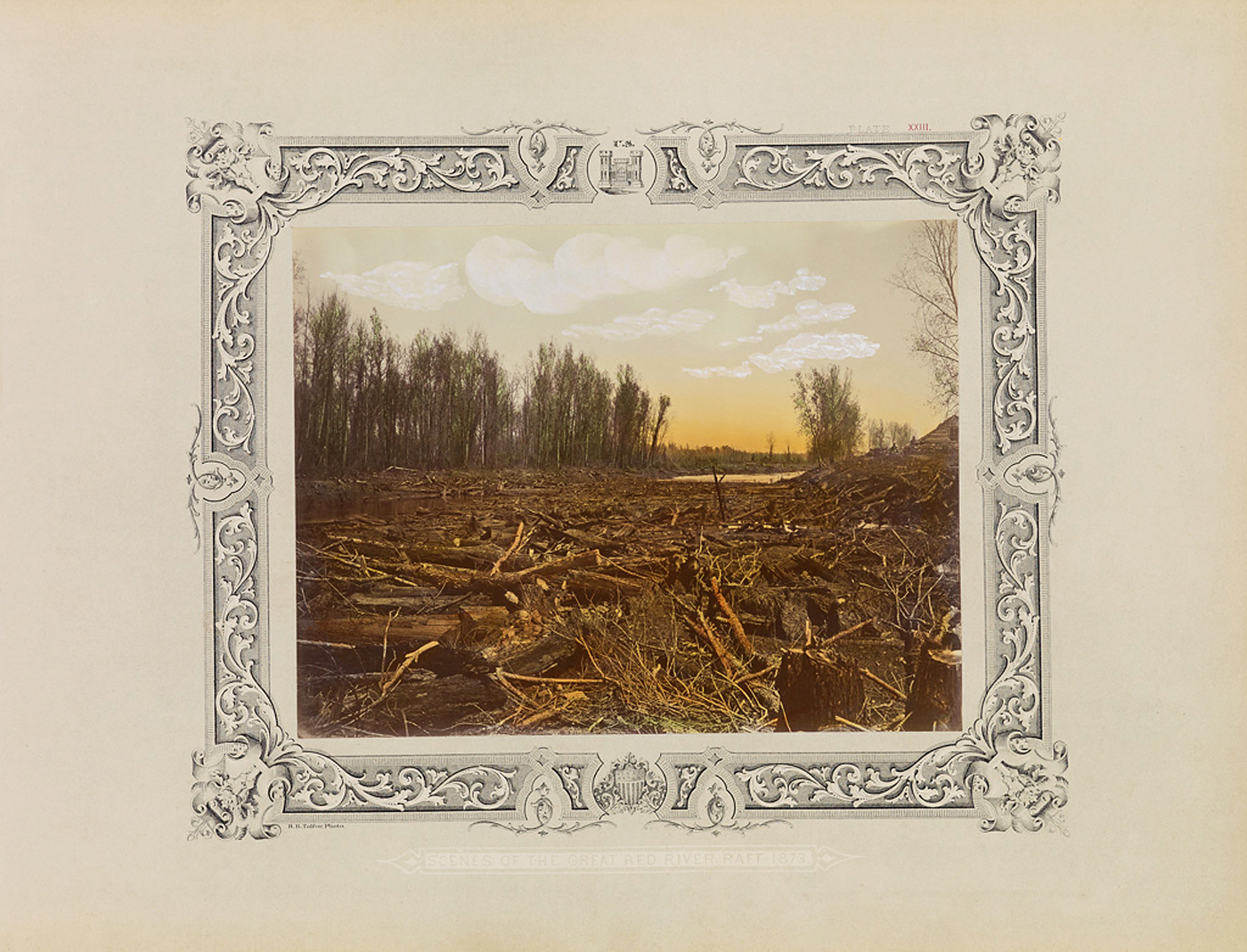


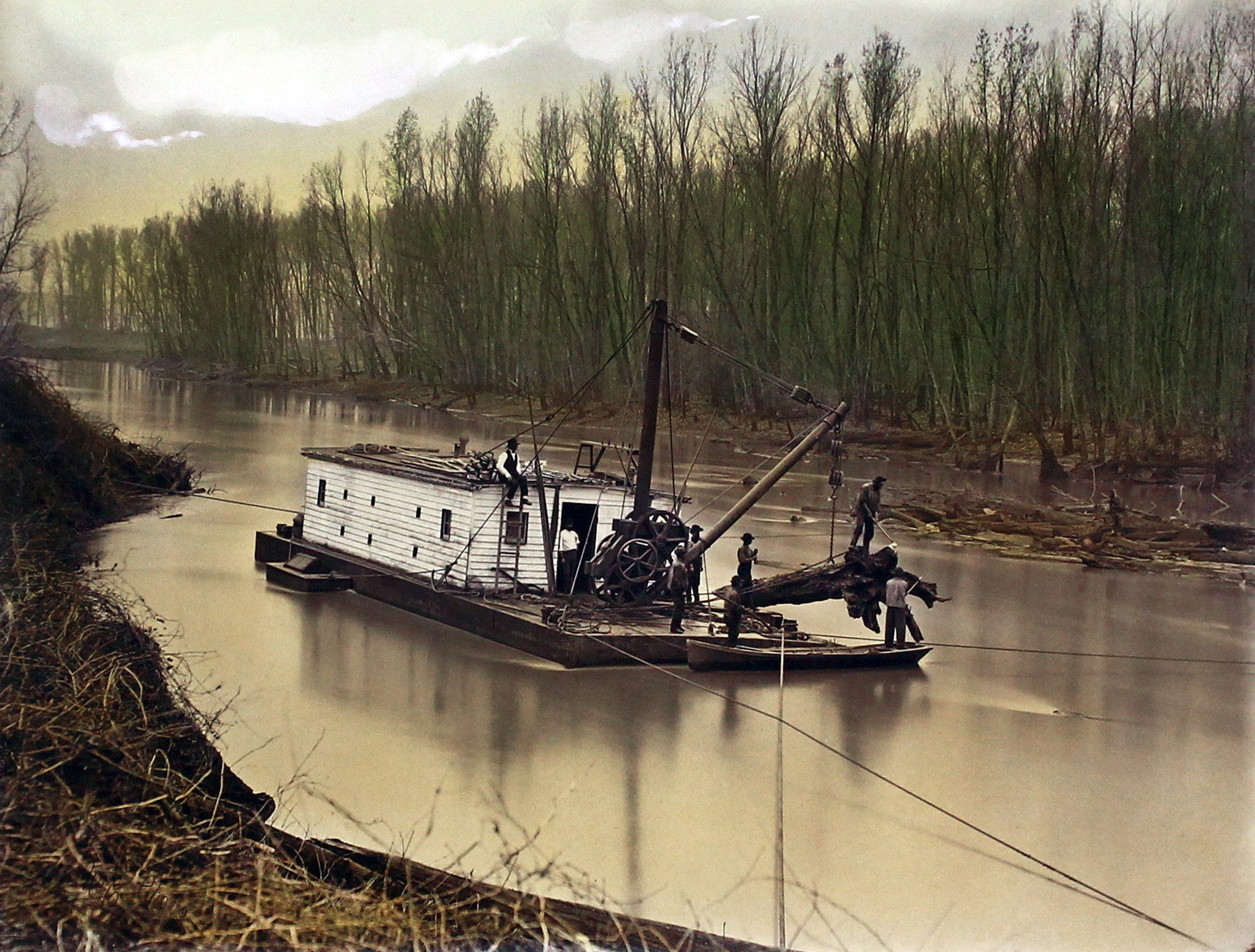


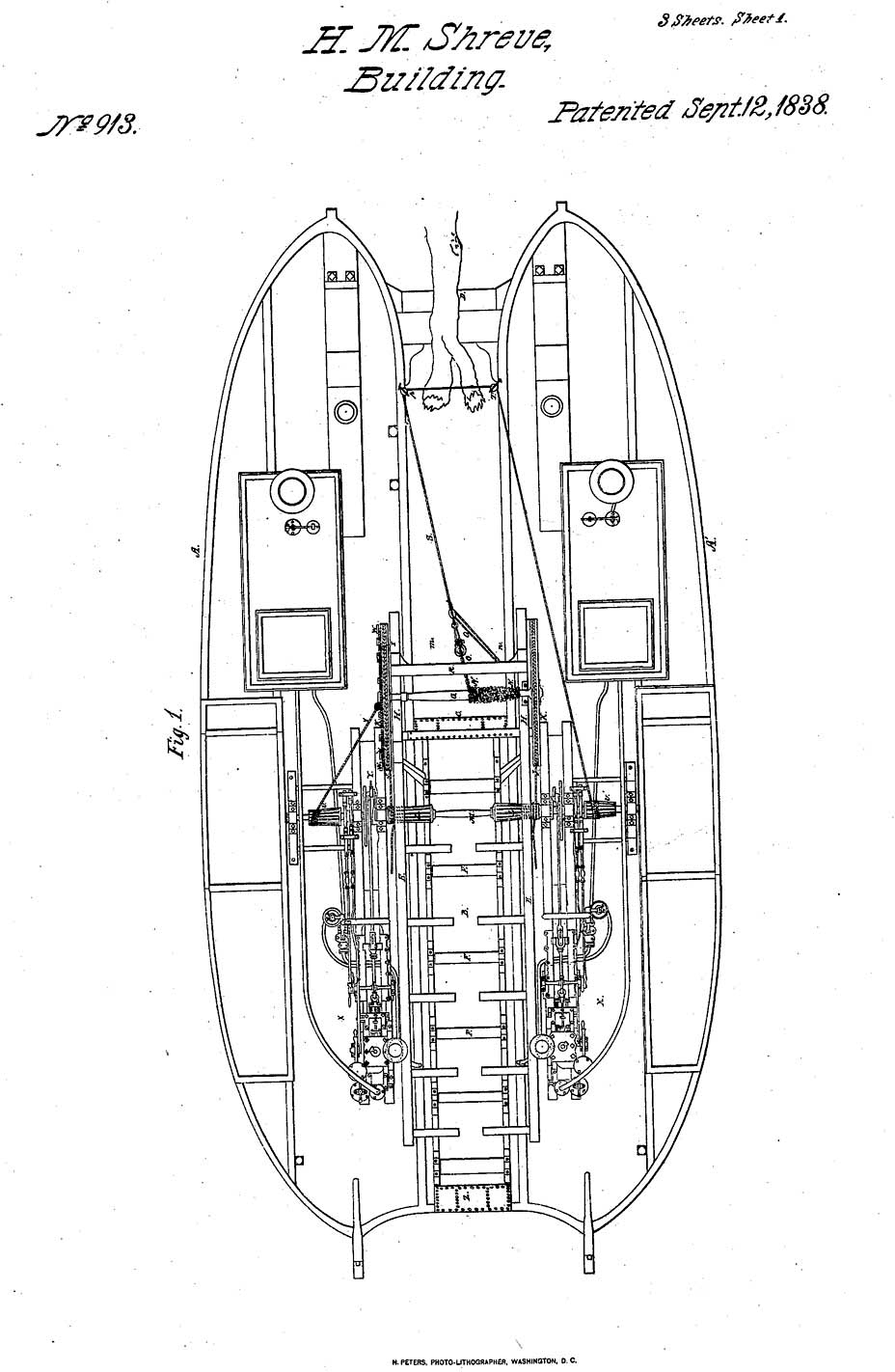

![Unknown photographer. 'Untitled [Members of a Cavalry unit at Fort Grant, A.T. in 1876 showing the variety of both clothing and headgear in use by the Army in the mid-1870s]' 1876](https://artblart.com/wp-content/uploads/2018/09/us-army-uniforms-1870s-web.jpg "Unknown photographer. 'Untitled [Members of a Cavalry unit at Fort Grant, A.T. in 1876 showing the variety of both clothing and headgear in use by the Army in the mid-1870s]' 1876")
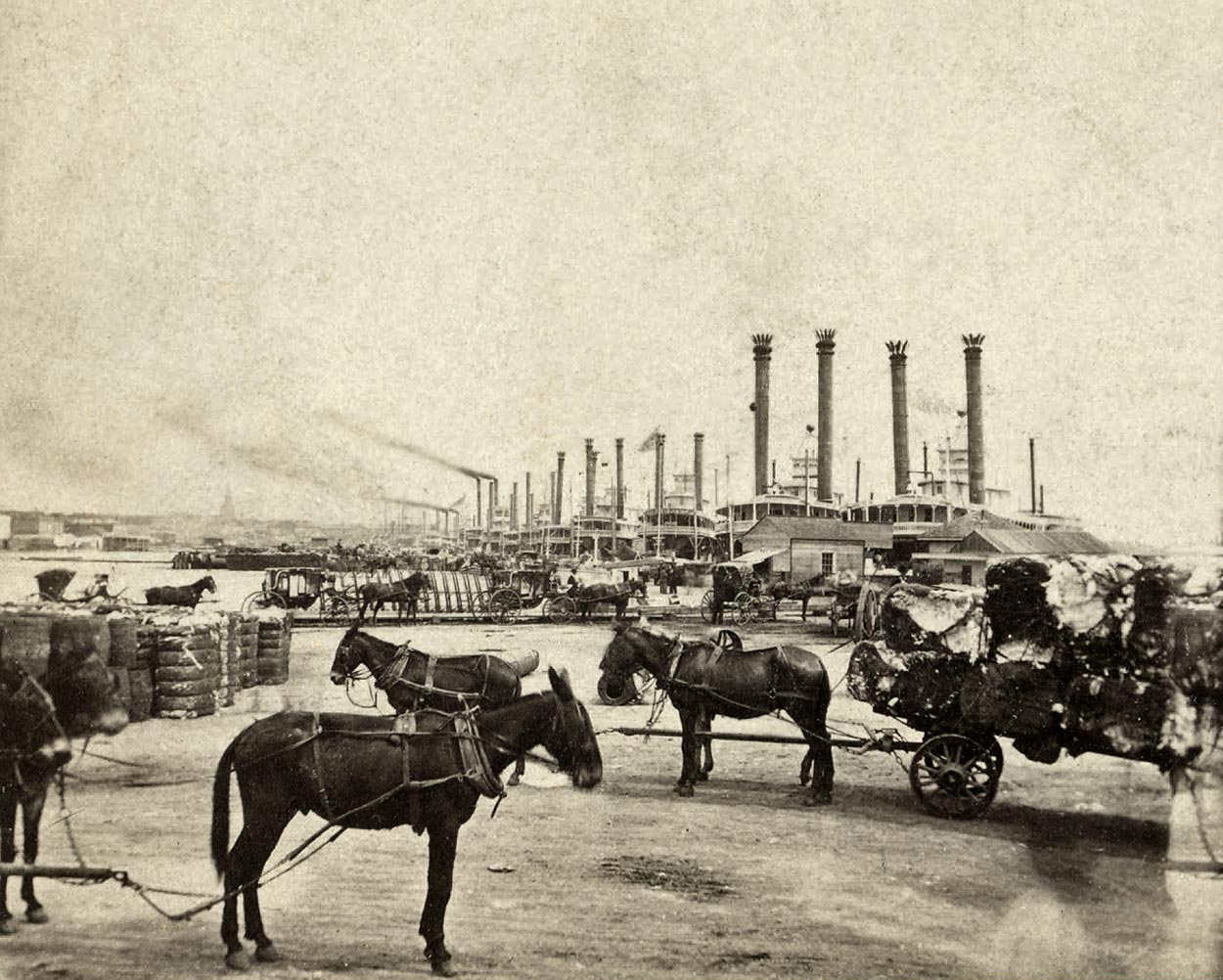


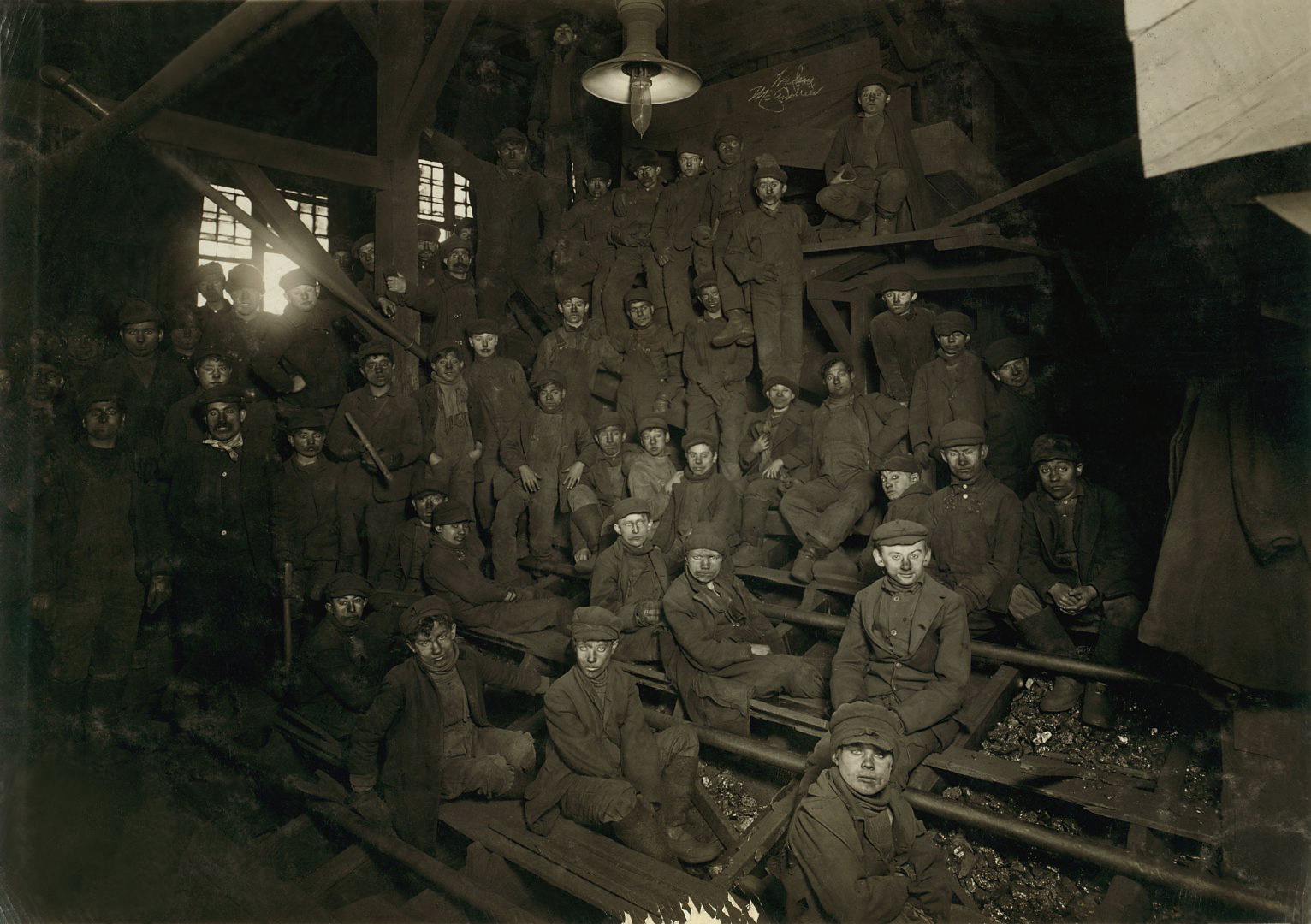
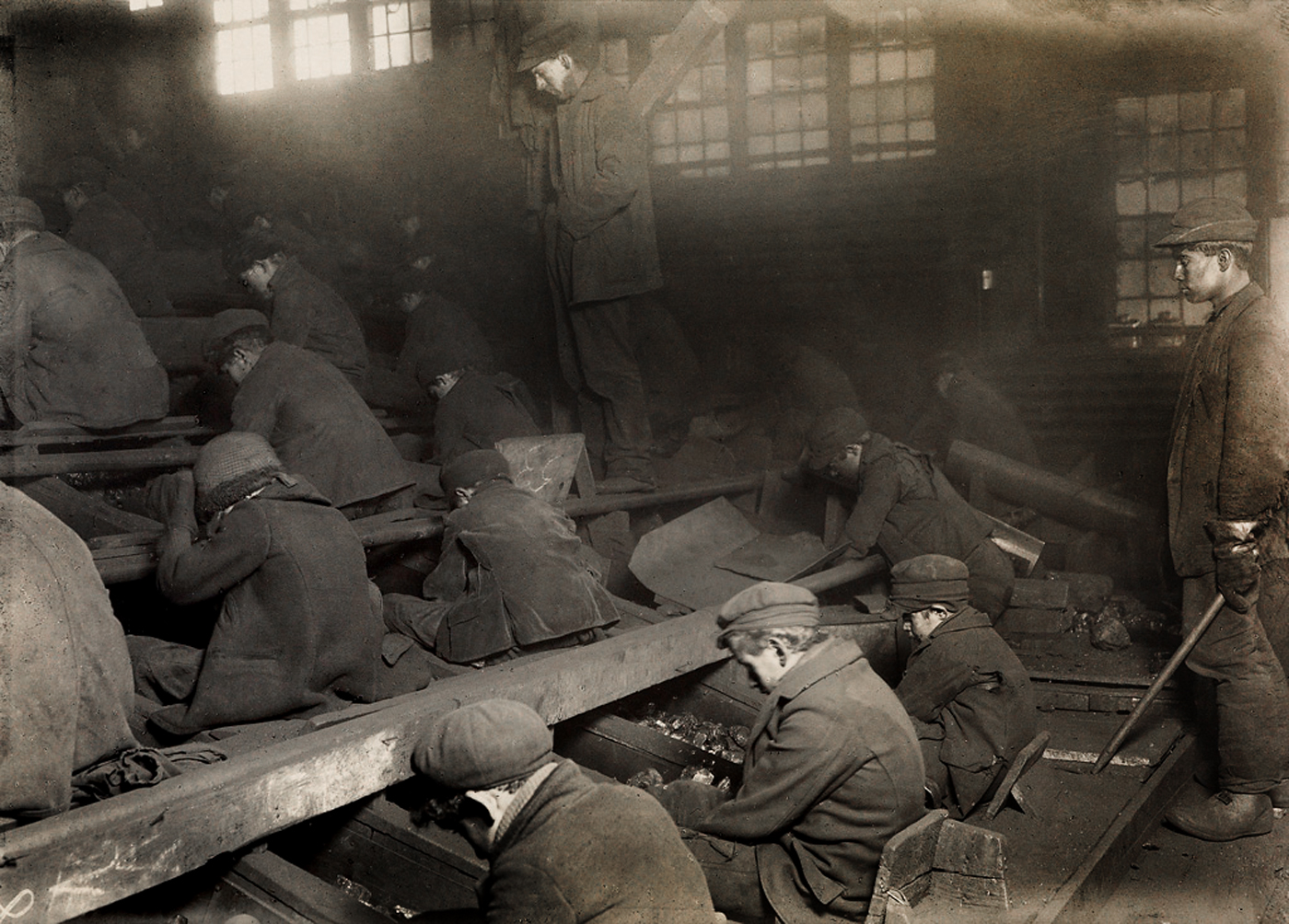


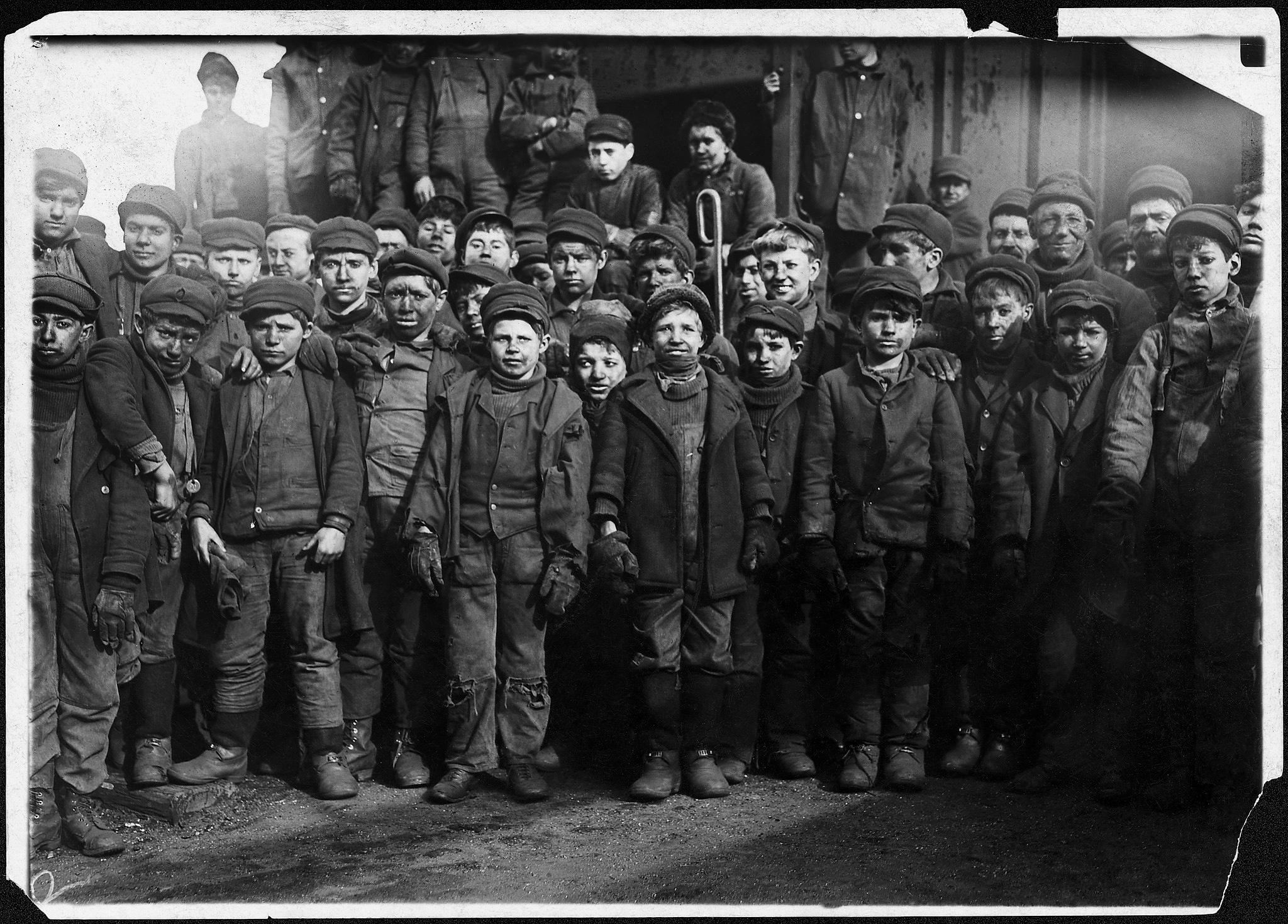
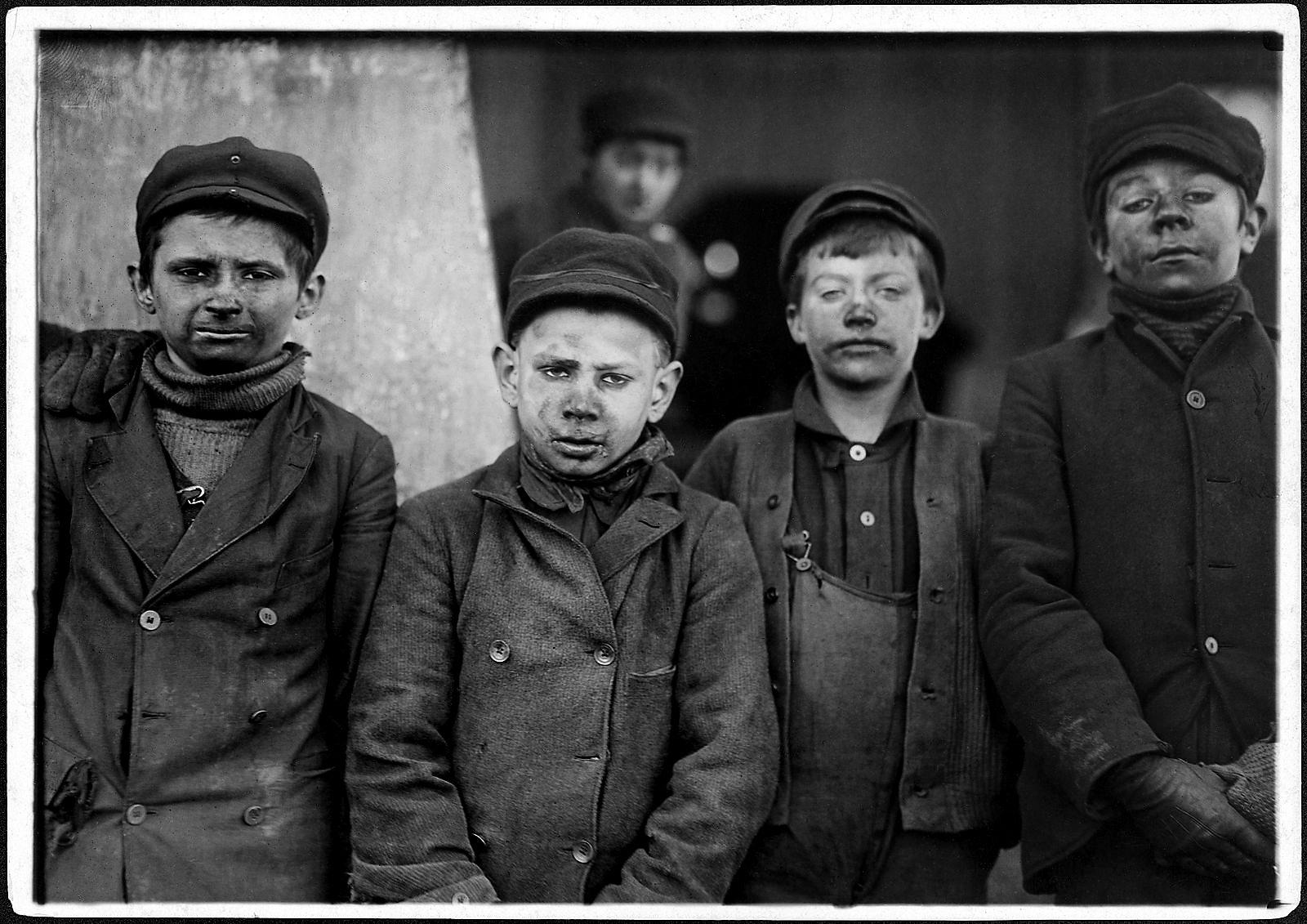
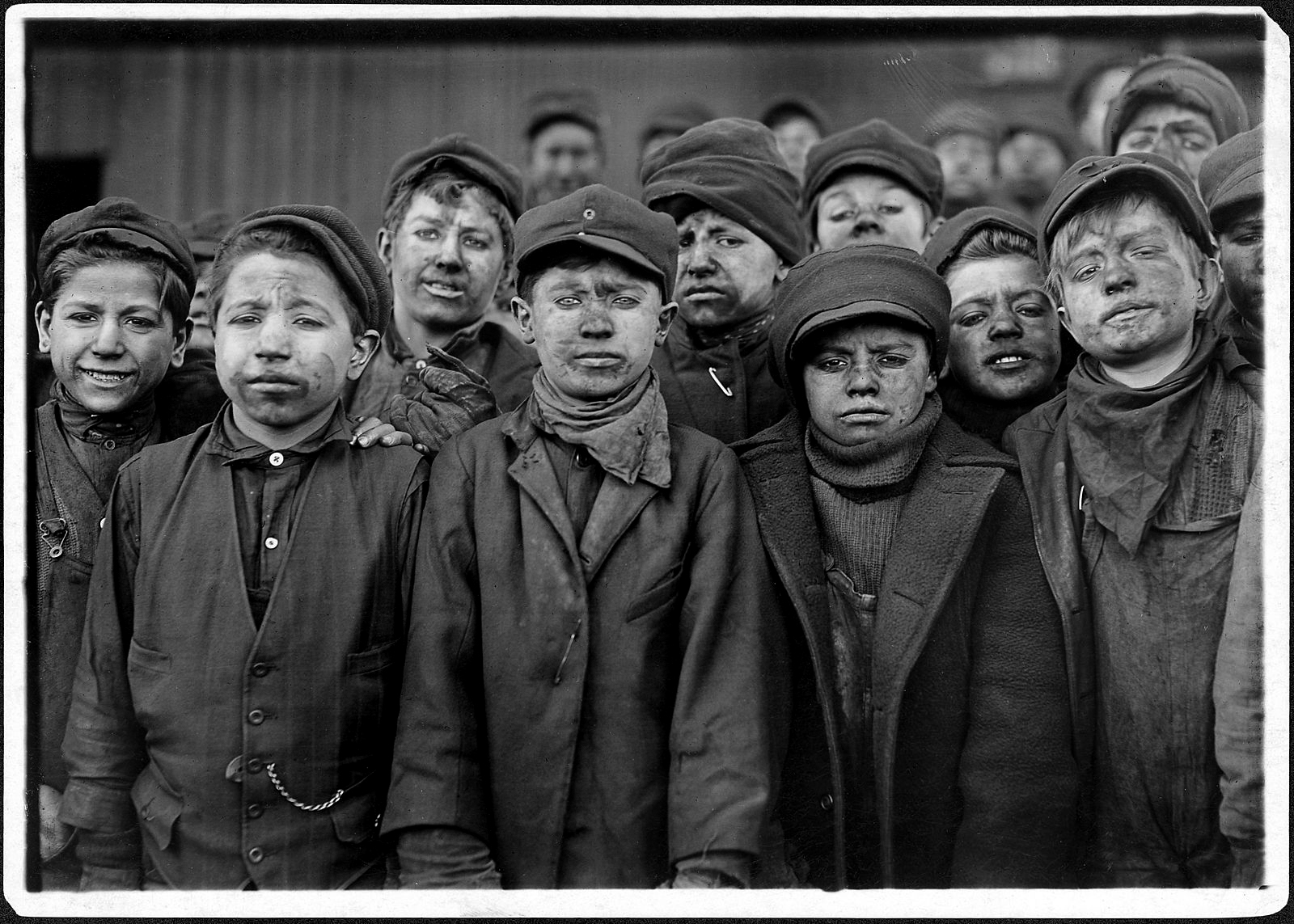

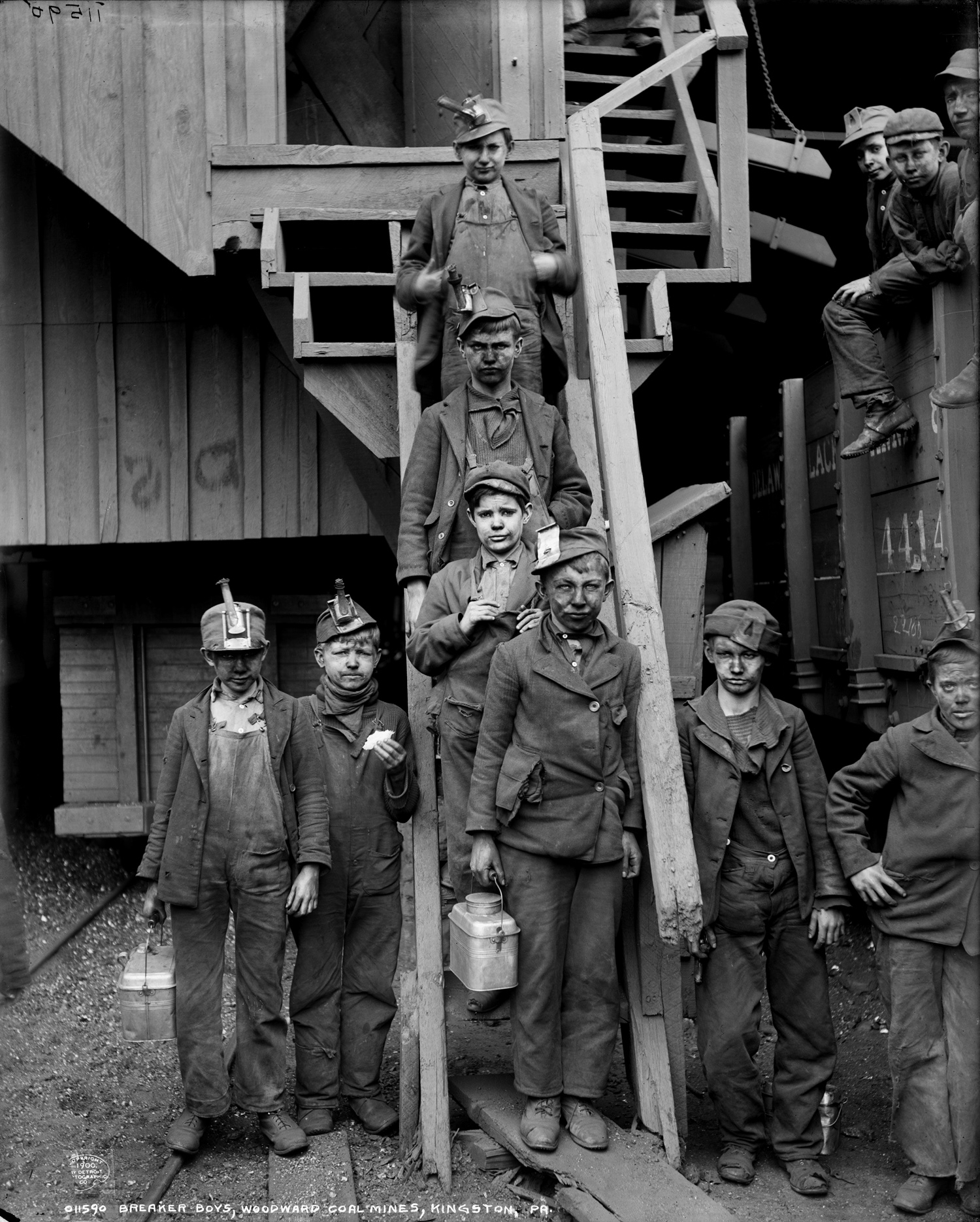
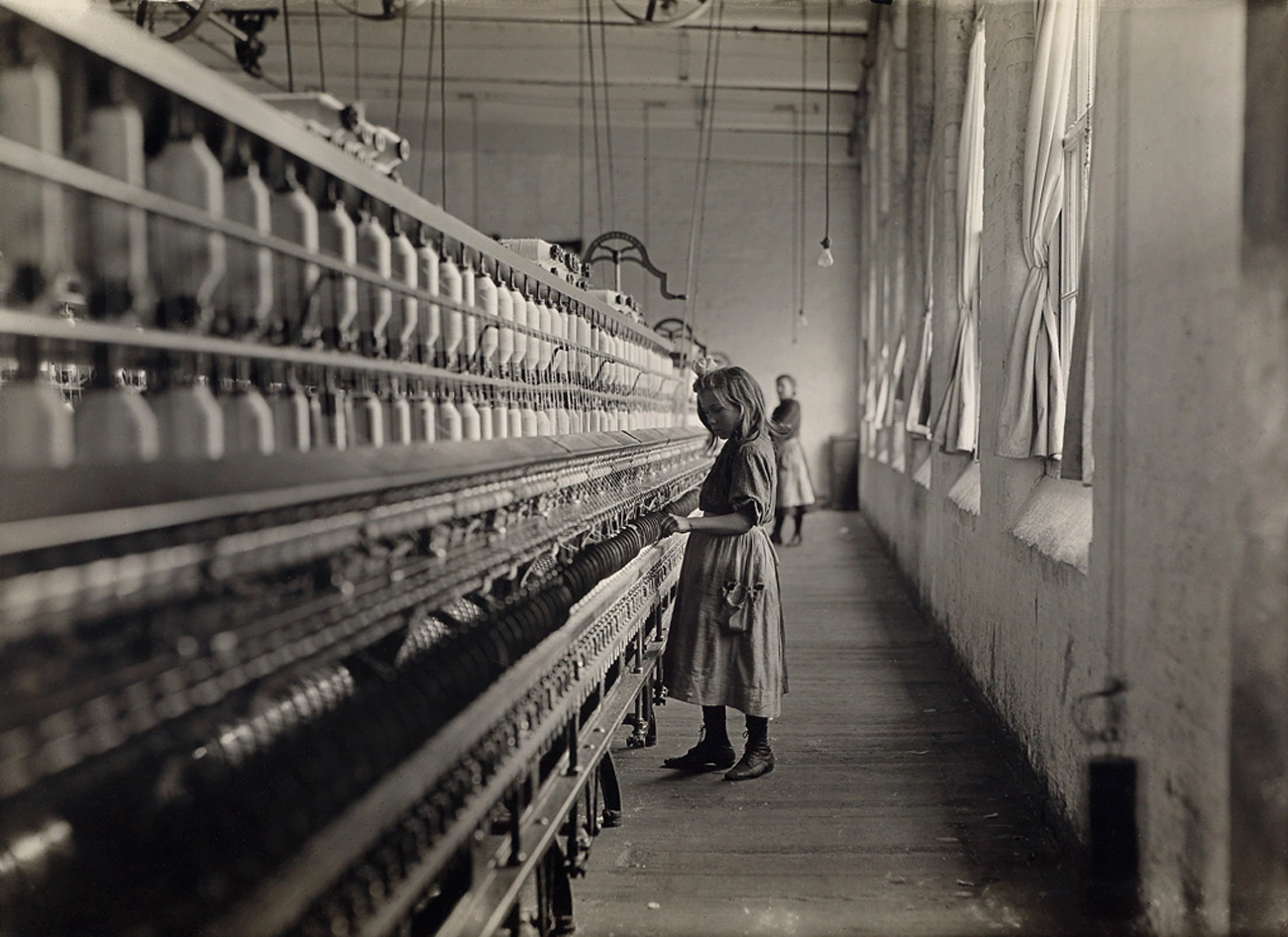

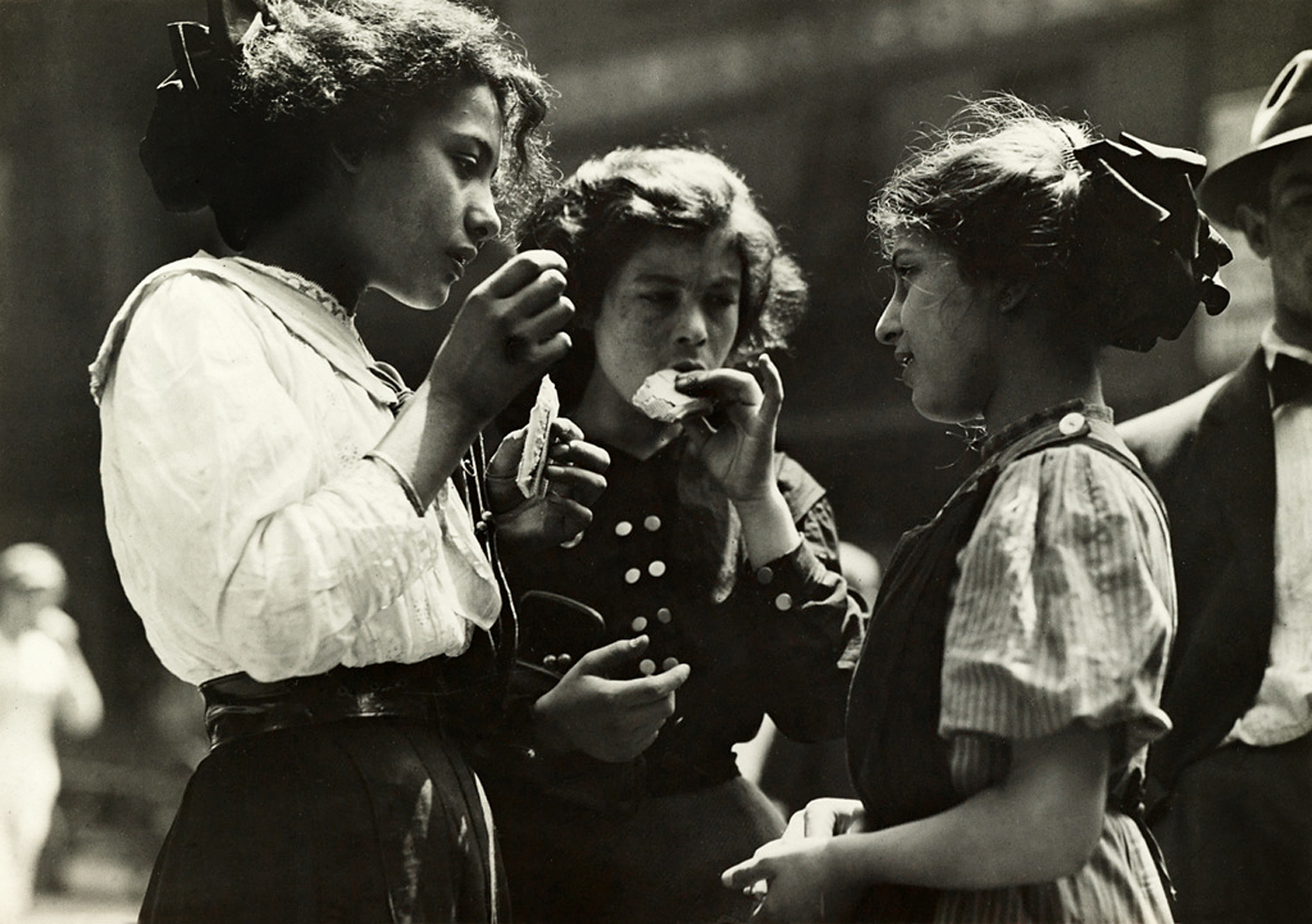
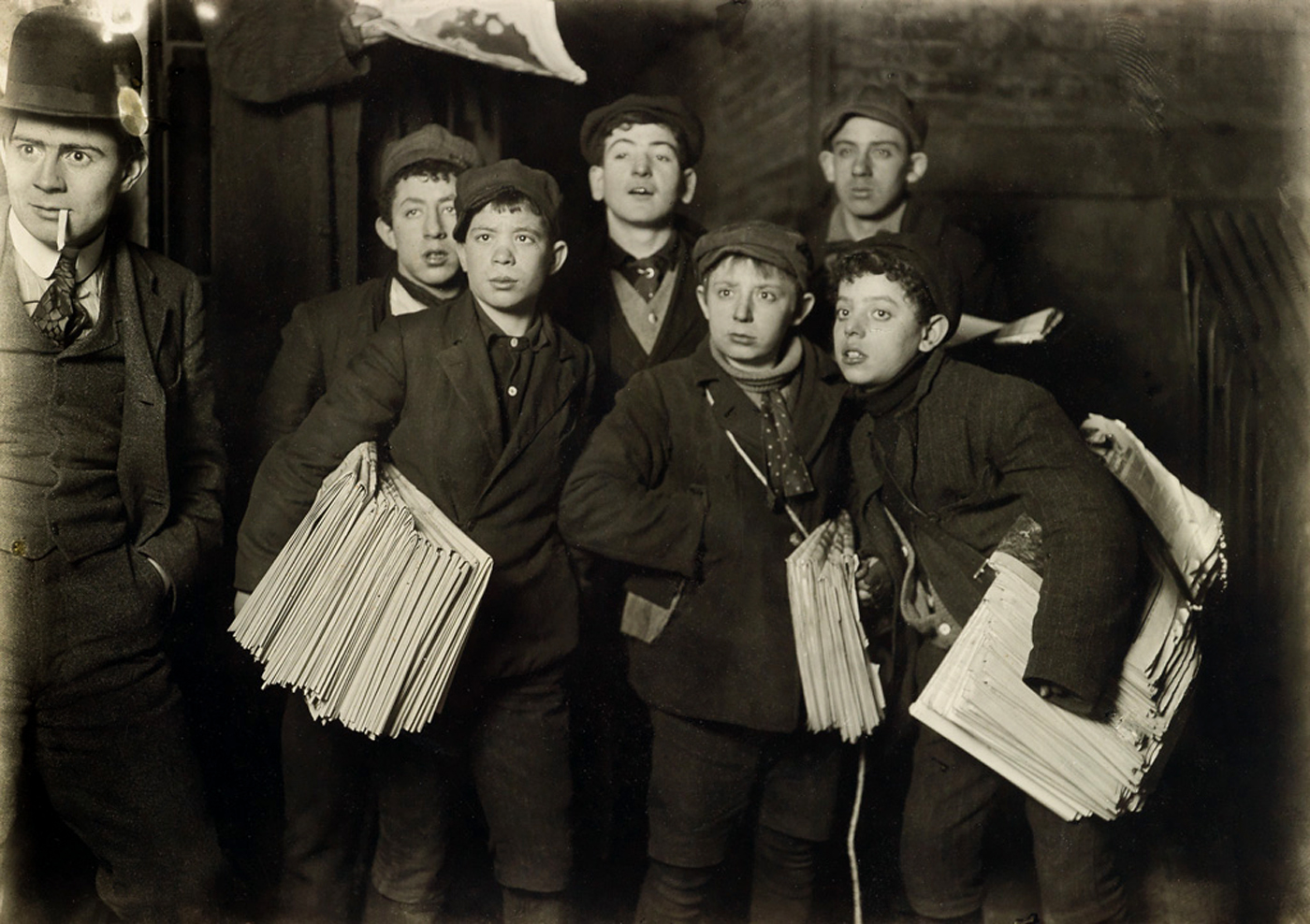
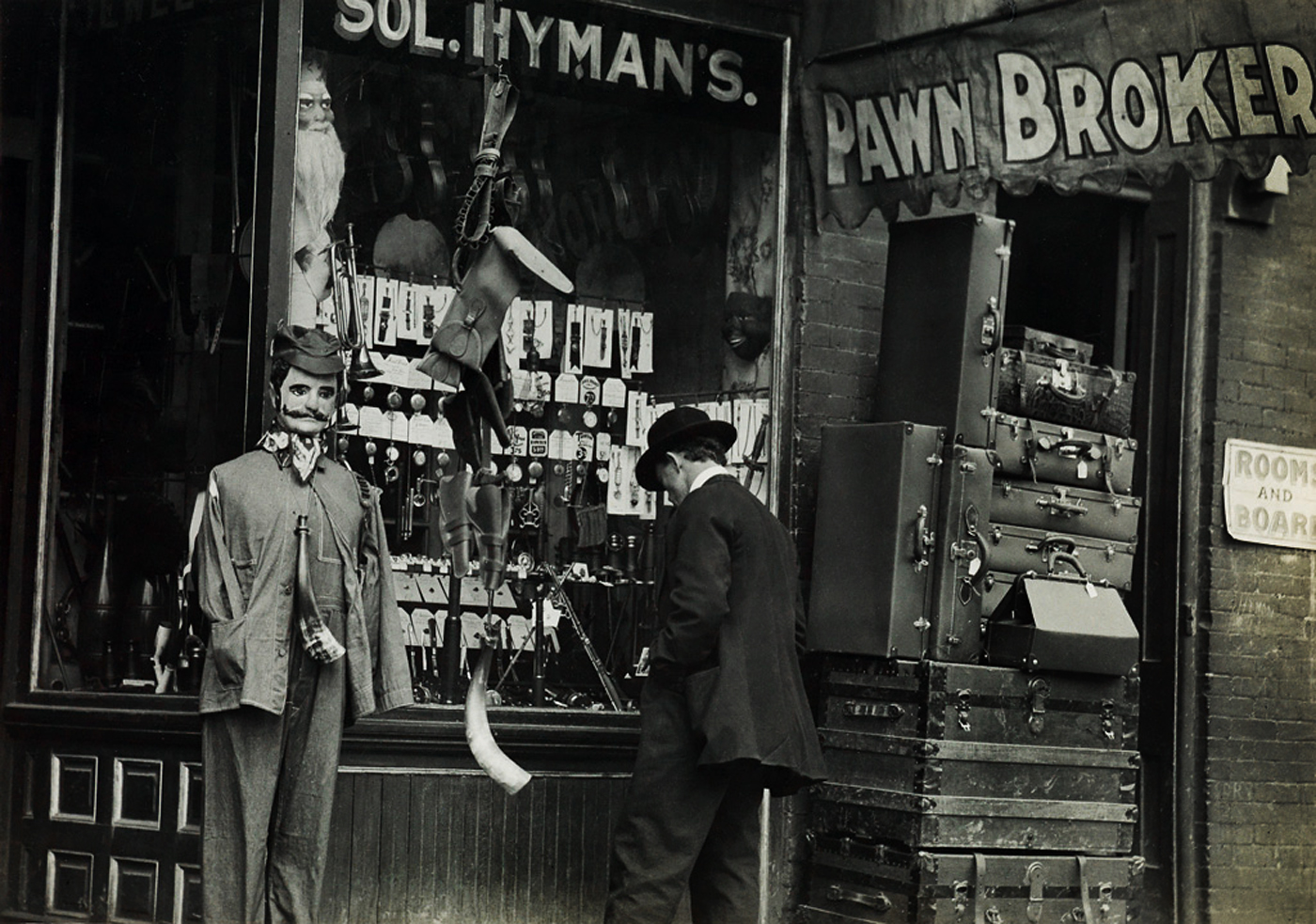

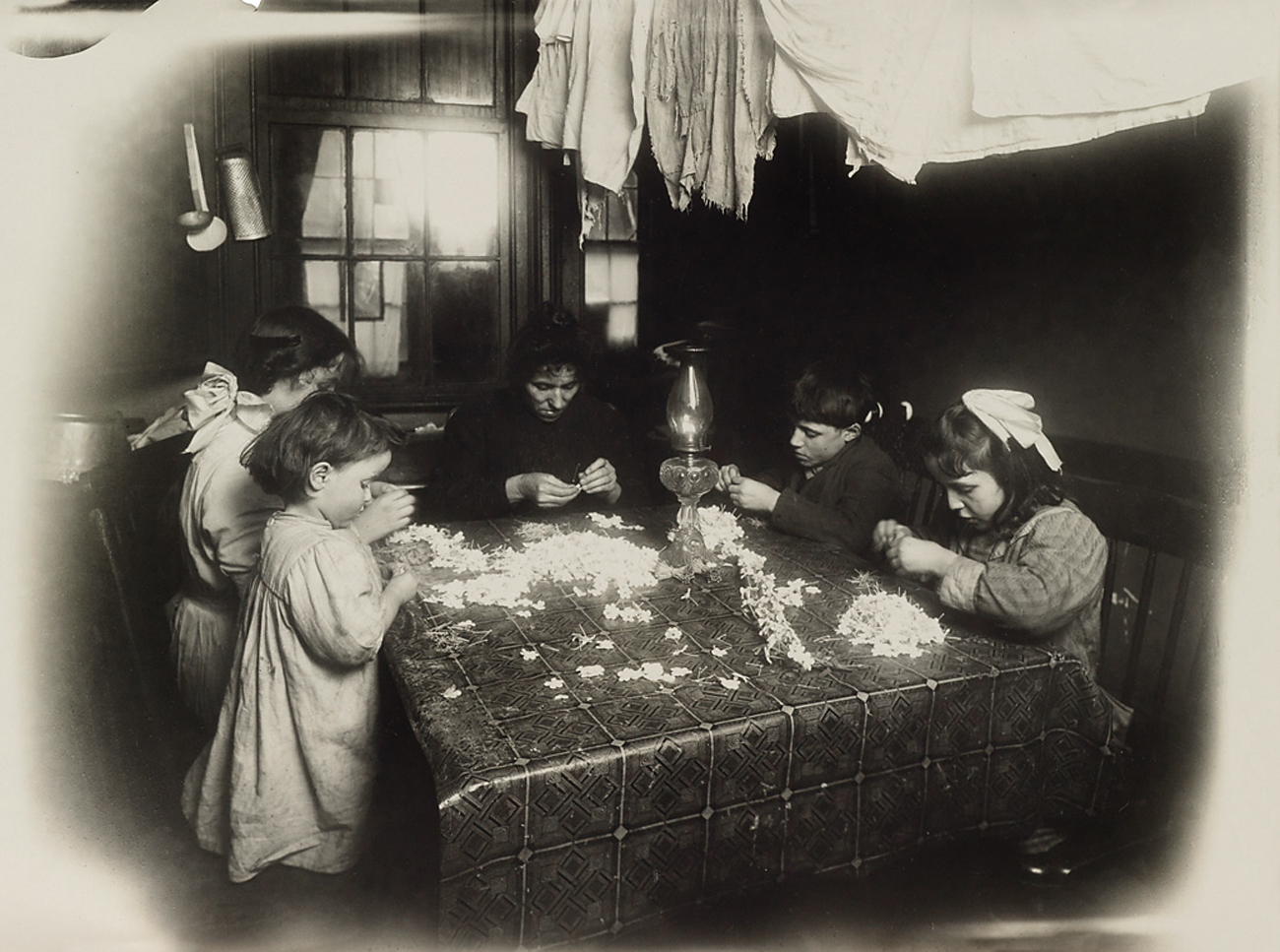
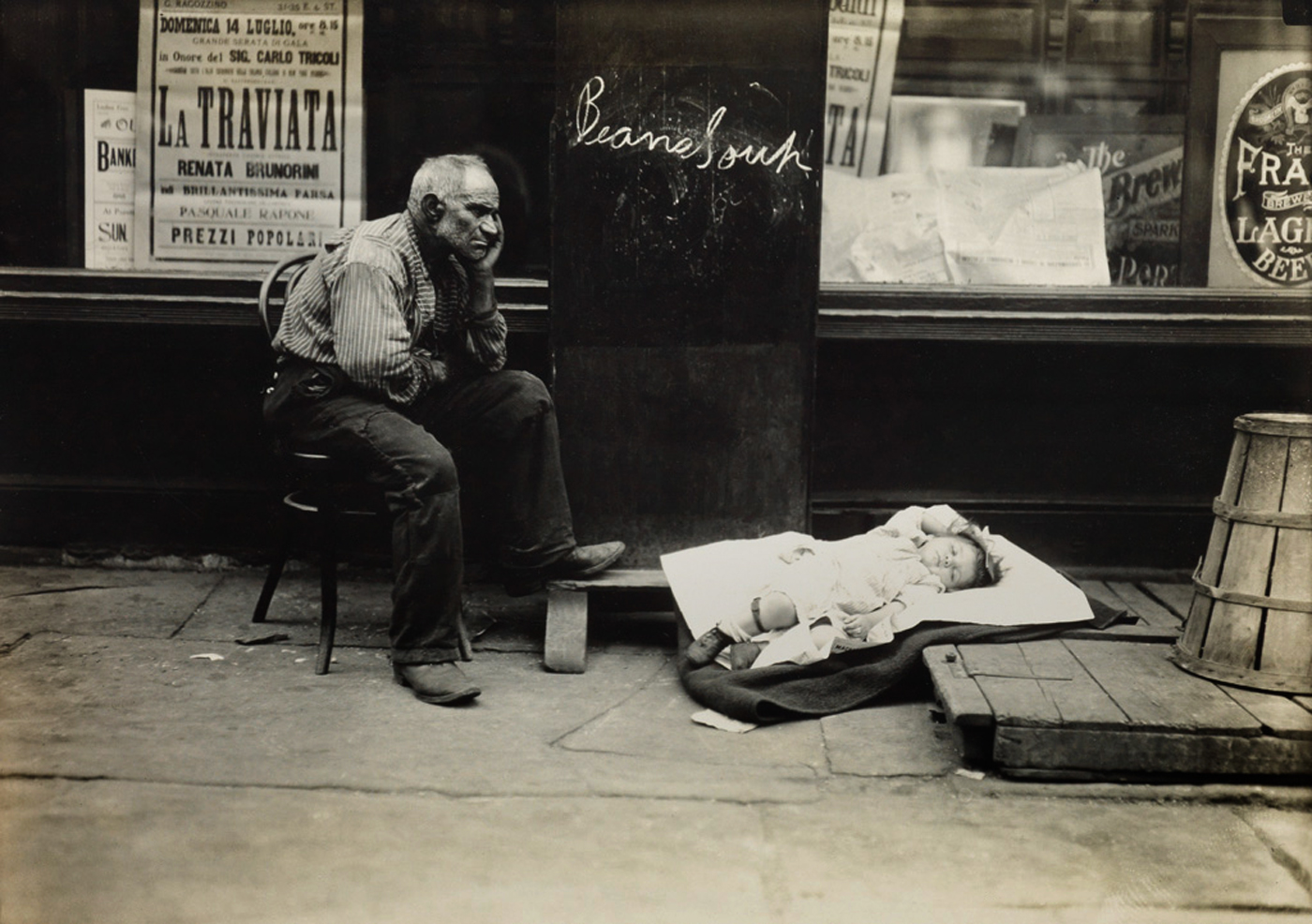


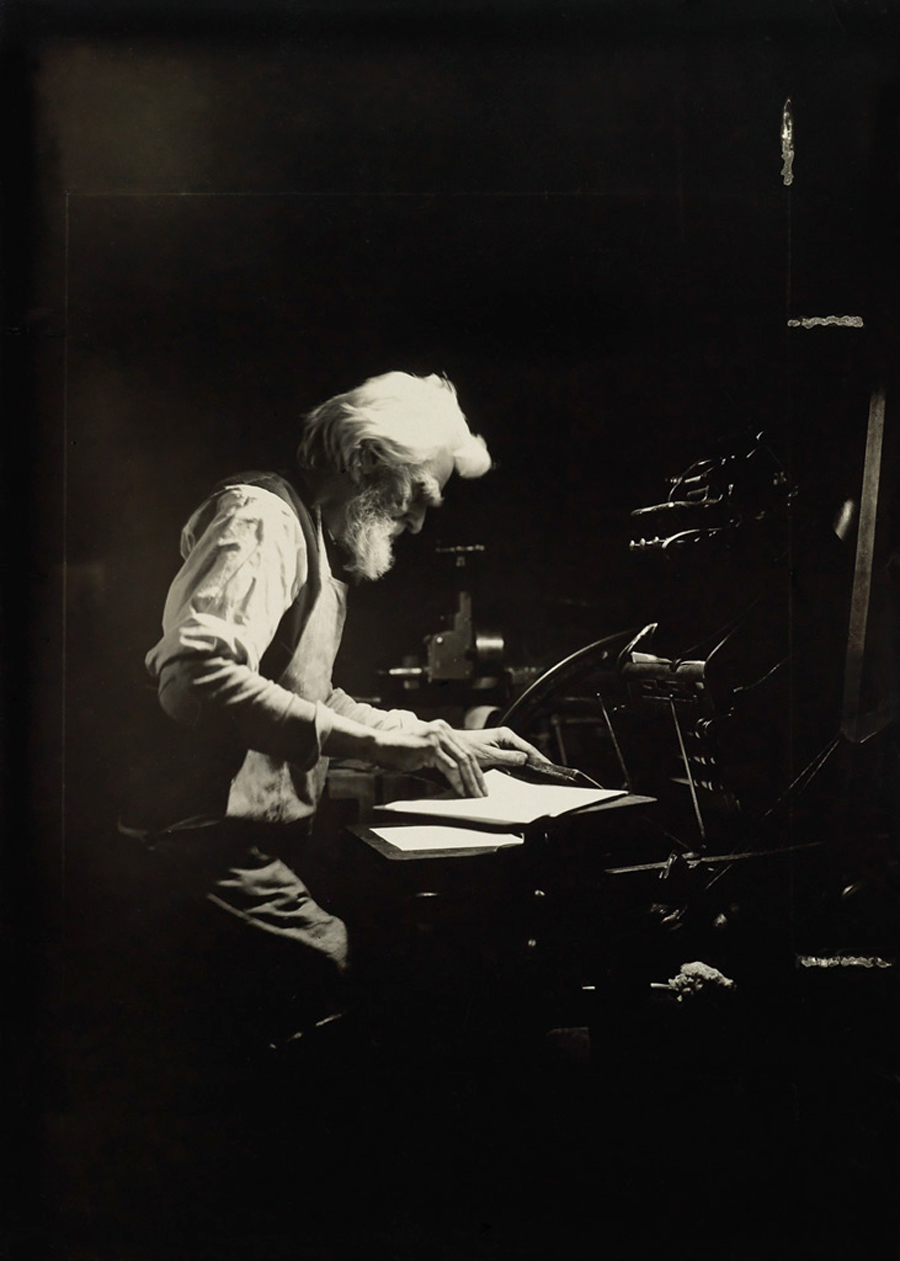
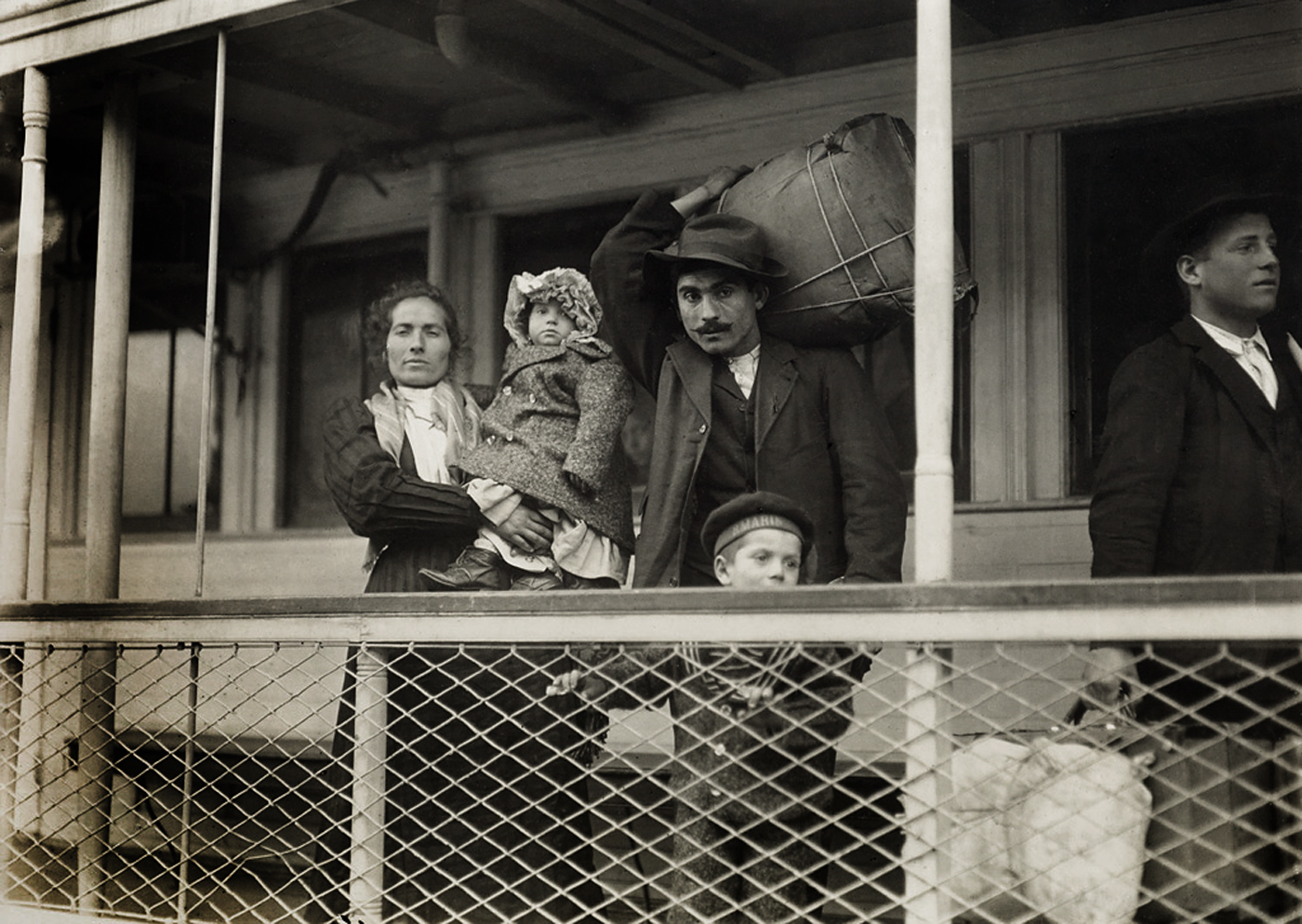
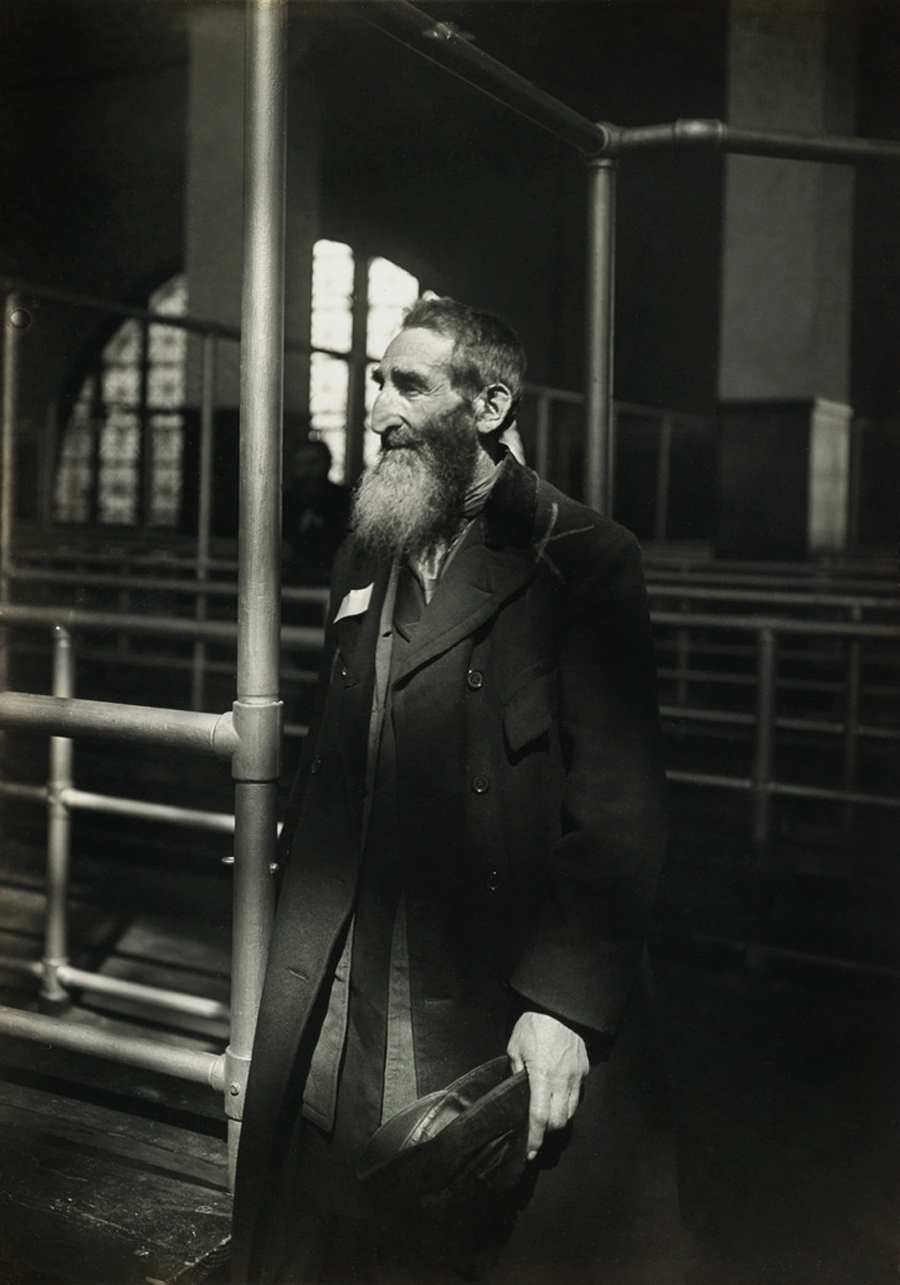


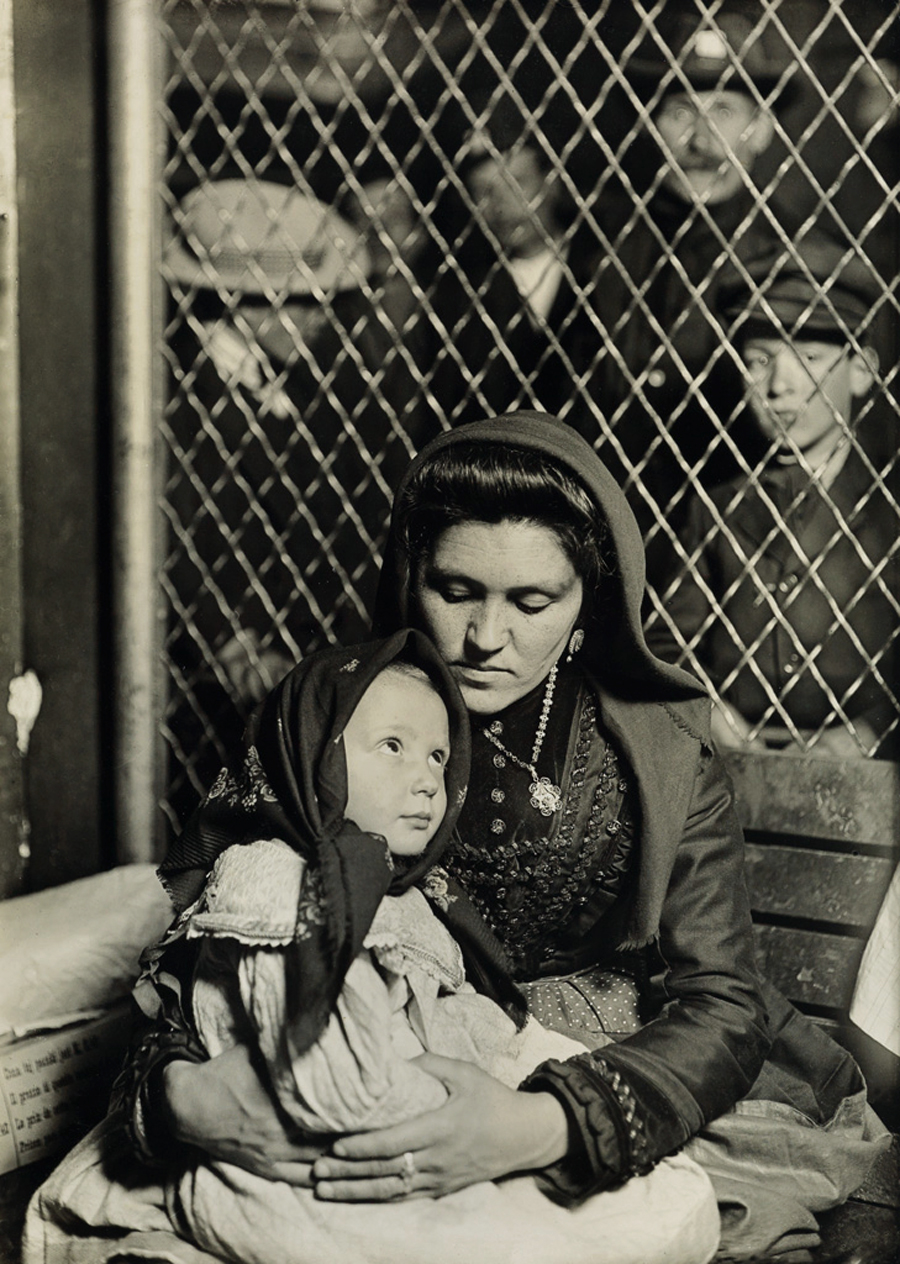


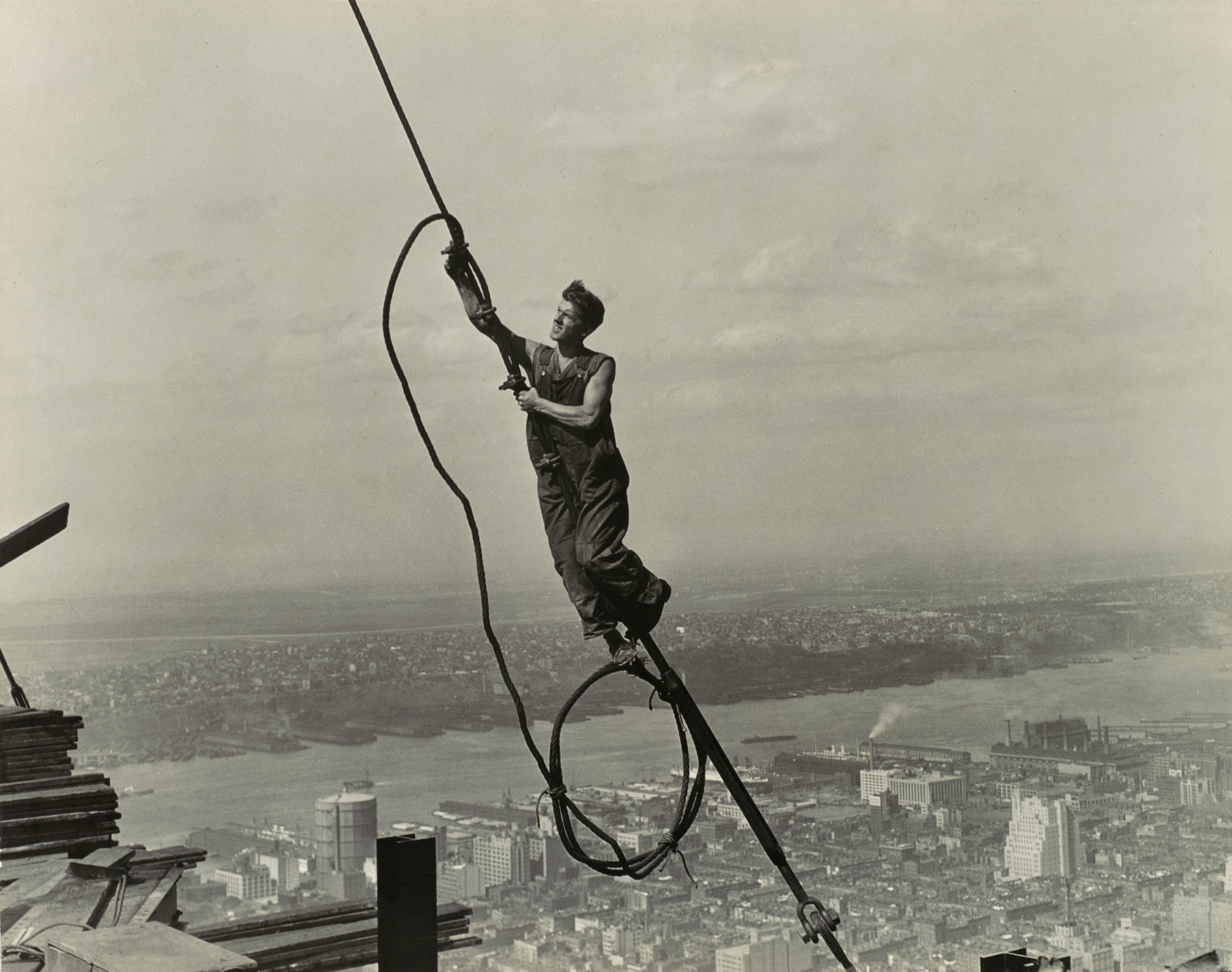
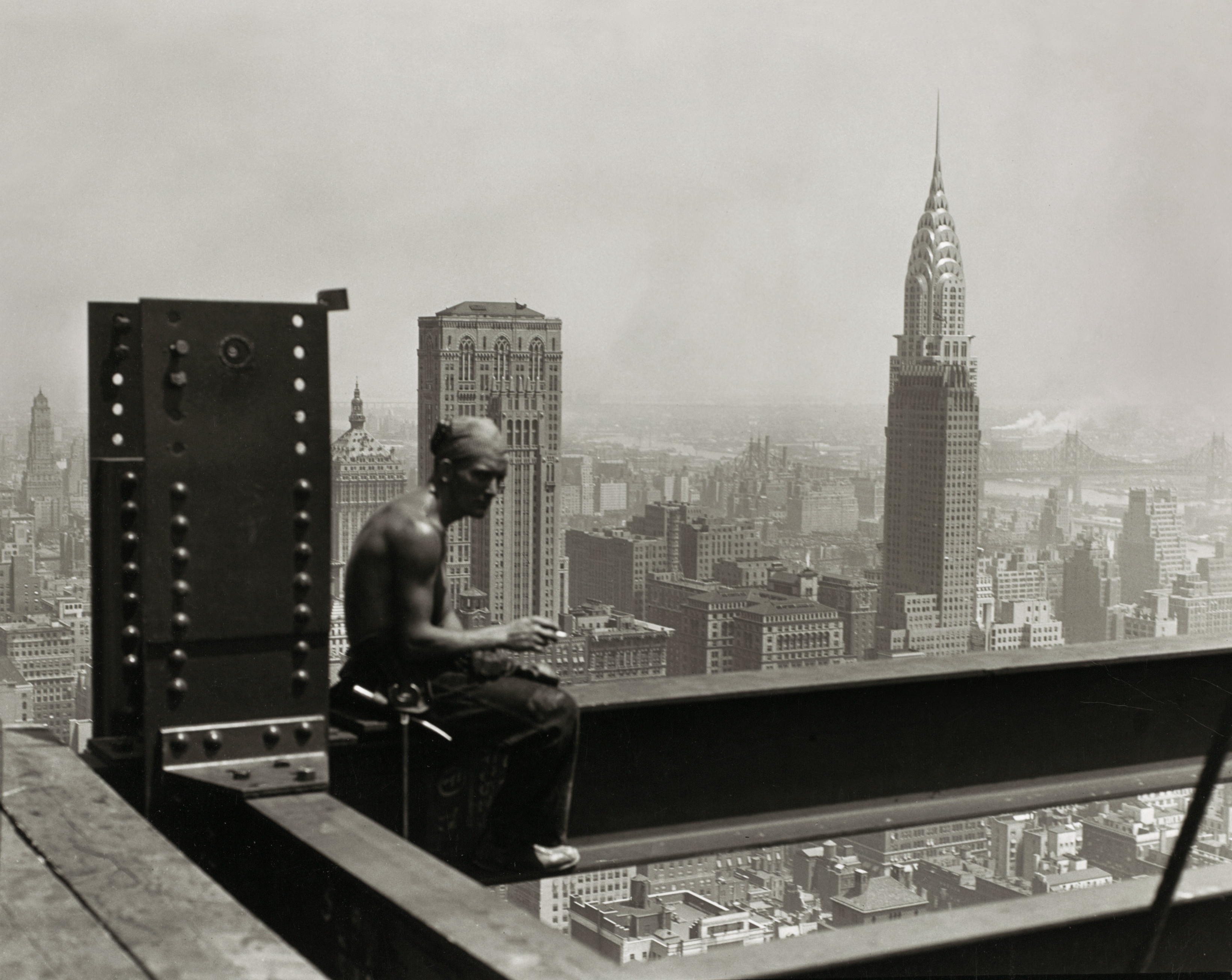
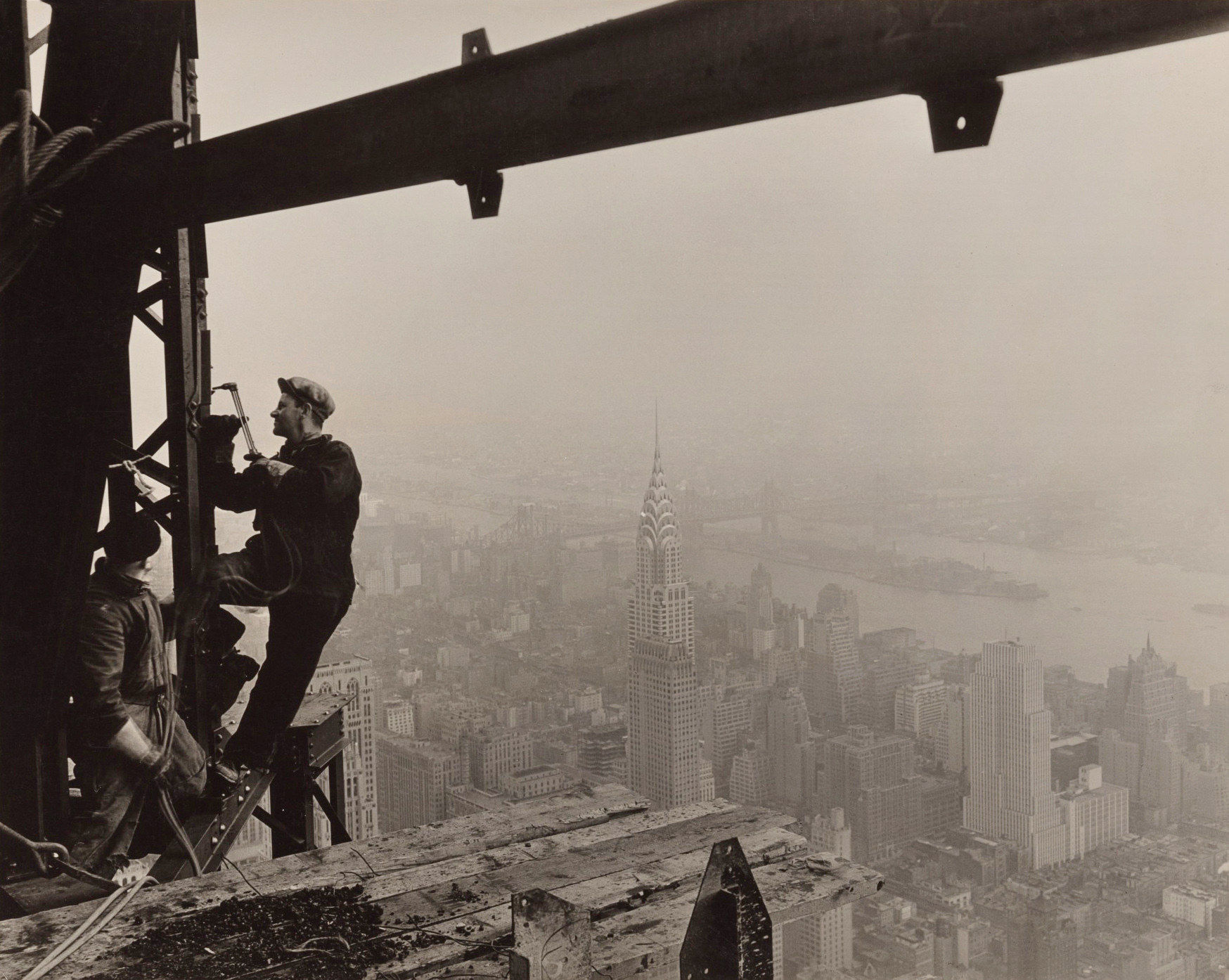

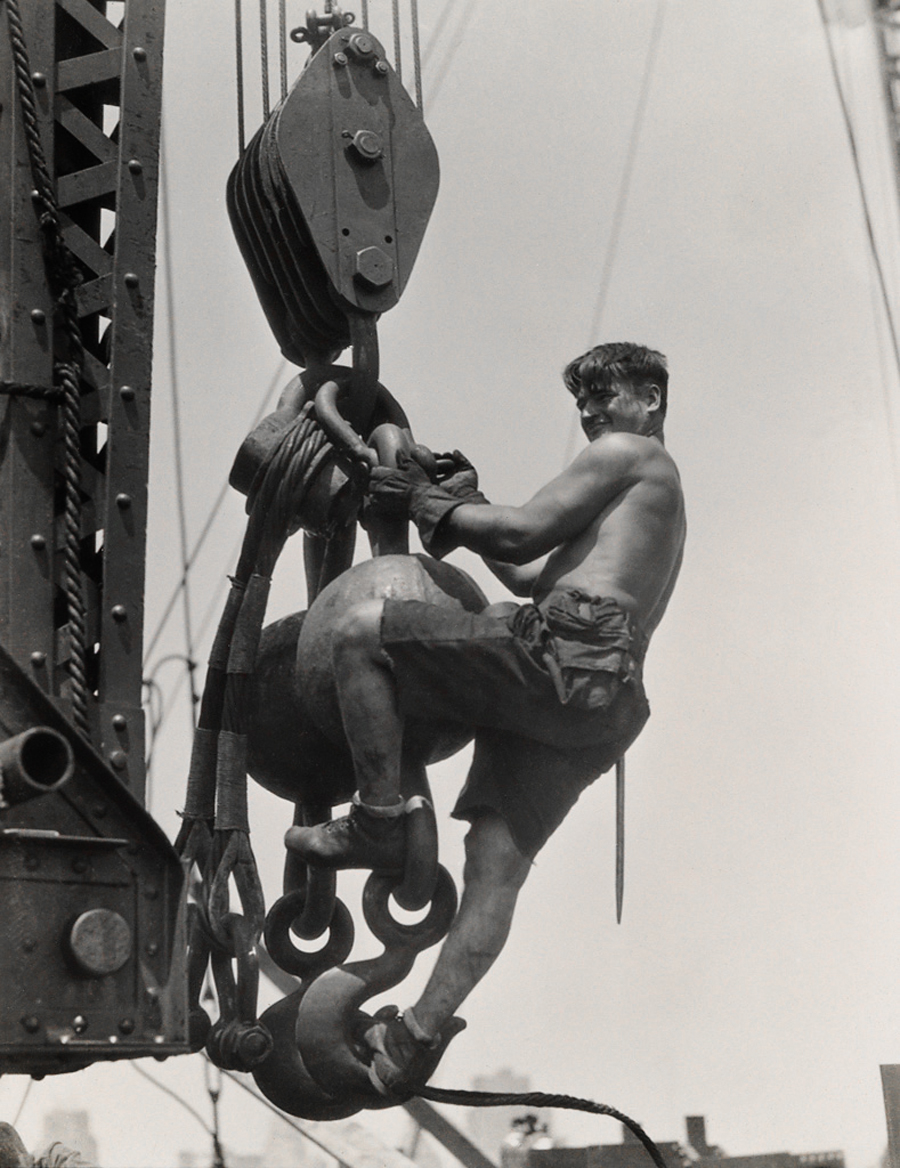


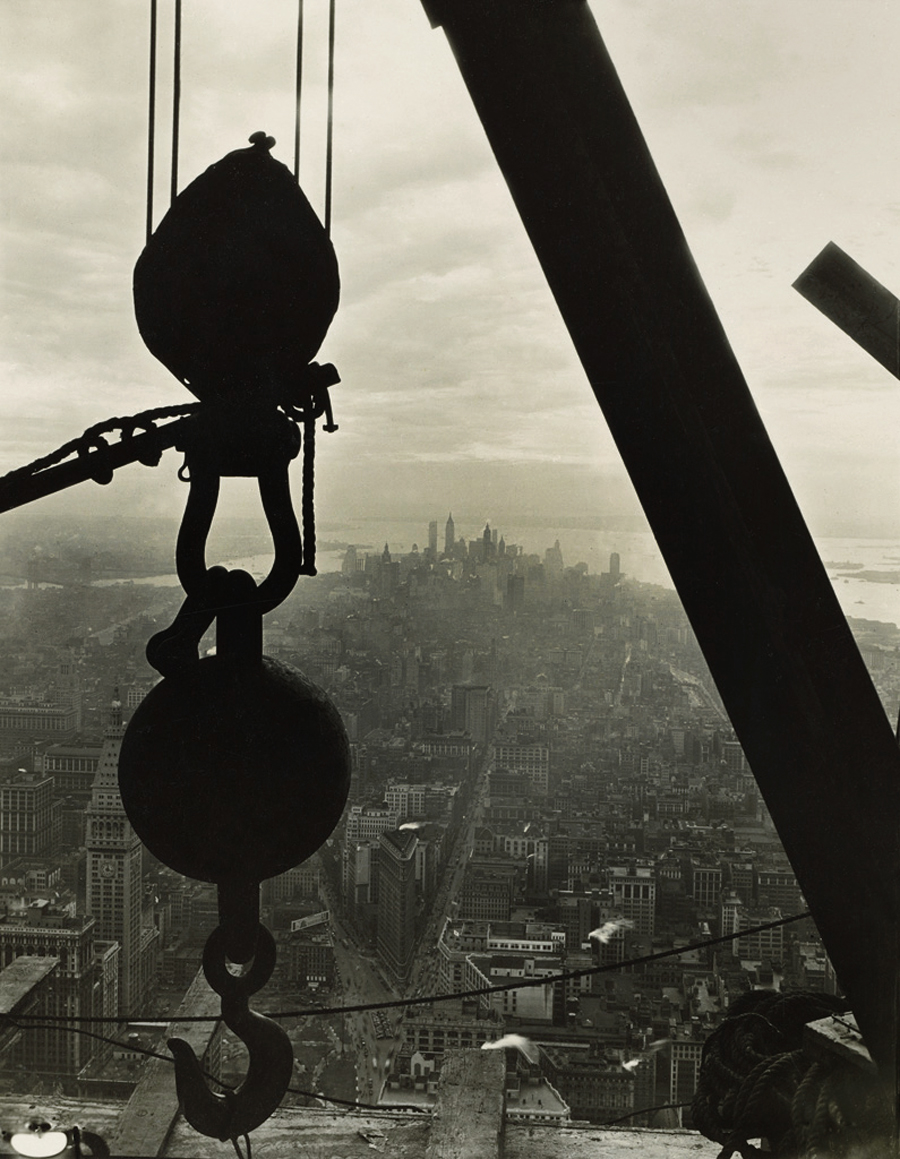

![Weegee (Arthur Fellig) (American, 1899-1968) 'Untitled [Crime scene]' c. 1930](https://artblart.com/wp-content/uploads/2018/08/weegee-a-group-of-9-crime-scene-photographs-c-1930-web2.jpg "Weegee (Arthur Fellig) (American, 1899-1968) 'Untitled [Crime scene]' c. 1930")
![Weegee (Arthur Fellig) (American, 1899-1968) 'Untitled [Crime scene]' c. 1930](https://artblart.com/wp-content/uploads/2018/08/weegee-a-group-of-9-crime-scene-photographs-c-1930-web9.jpg "Weegee (Arthur Fellig) (American, 1899-1968) 'Untitled [Crime scene]' c. 1930")
![Weegee (Arthur Fellig) (American, 1899-1968) 'Untitled [Crime scene]' c. 1930 compilation of three Weegee crime scene photographs](https://artblart.com/wp-content/uploads/2018/08/weegee-a-group-of-9-crime-scene-photographs-c-1930-web1-and-6b.jpg "Weegee (Arthur Fellig) (American, 1899-1968) 'Untitled [Crime scene]' c. 1930 compilation of three Weegee crime scene photographs")
![Weegee (Arthur Fellig) (American, 1899-1968) 'Untitled [Crime scene]' c. 1930](https://artblart.com/wp-content/uploads/2018/08/weegee-a-group-of-9-crime-scene-photographs-c-1930-web6.jpg "Weegee (Arthur Fellig) (American, 1899-1968) 'Untitled [Crime scene]' c. 1930")
![Weegee (Arthur Fellig) (American, 1899-1968) 'Untitled [Crime scene]' c. 1930](https://artblart.com/wp-content/uploads/2018/08/weegee-a-group-of-9-crime-scene-photographs-c-1930-web1.jpg "Weegee (Arthur Fellig) (American, 1899-1968) 'Untitled [Crime scene]' c. 1930")
![Weegee (Arthur Fellig) (American, 1899-1968) 'Untitled [Crime scene]' c. 1930](https://artblart.com/wp-content/uploads/2018/08/weegee-a-group-of-9-crime-scene-photographs-c-1930-web3.jpg "Weegee (Arthur Fellig) (American, 1899-1968) 'Untitled [Crime scene]' c. 1930")
![Weegee (Arthur Fellig) (American, 1899-1968) 'Untitled [Crime scene]' c. 1930 compilation of two Weegee crime scene photographs](https://artblart.com/wp-content/uploads/2018/08/weegee-a-group-of-9-crime-scene-photographs-c-1930-web4-and-5.jpg "Weegee (Arthur Fellig) (American, 1899-1968) 'Untitled [Crime scene]' c. 1930 compilation of two Weegee crime scene photographs")
![Weegee (Arthur Fellig) (American, 1899-1968) 'Untitled [Crime scene]' c. 1930](https://artblart.com/wp-content/uploads/2018/08/weegee-a-group-of-9-crime-scene-photographs-c-1930-web4.jpg "Weegee (Arthur Fellig) (American, 1899-1968) 'Untitled [Crime scene]' c. 1930")
![Weegee (Arthur Fellig) (American, 1899-1968) 'Untitled [Crime scene]' c. 1930](https://artblart.com/wp-content/uploads/2018/08/weegee-a-group-of-9-crime-scene-photographs-c-1930-web5.jpg "Weegee (Arthur Fellig) (American, 1899-1968) 'Untitled [Crime scene]' c. 1930")
![Weegee (Arthur Fellig) (American, 1899-1968) 'Untitled [Crime scene]' c. 1930](https://artblart.com/wp-content/uploads/2018/08/weegee-a-group-of-9-crime-scene-photographs-c-1930-web7.jpg "Weegee (Arthur Fellig) (American, 1899-1968) 'Untitled [Crime scene]' c. 1930")
![Weegee (Arthur Fellig) (American, 1899-1968) 'Untitled [Crime scene]' c. 1930](https://artblart.com/wp-content/uploads/2018/08/weegee-a-group-of-9-crime-scene-photographs-c-1930-web8.jpg "Weegee (Arthur Fellig) (American, 1899-1968) 'Untitled [Crime scene]' c. 1930")
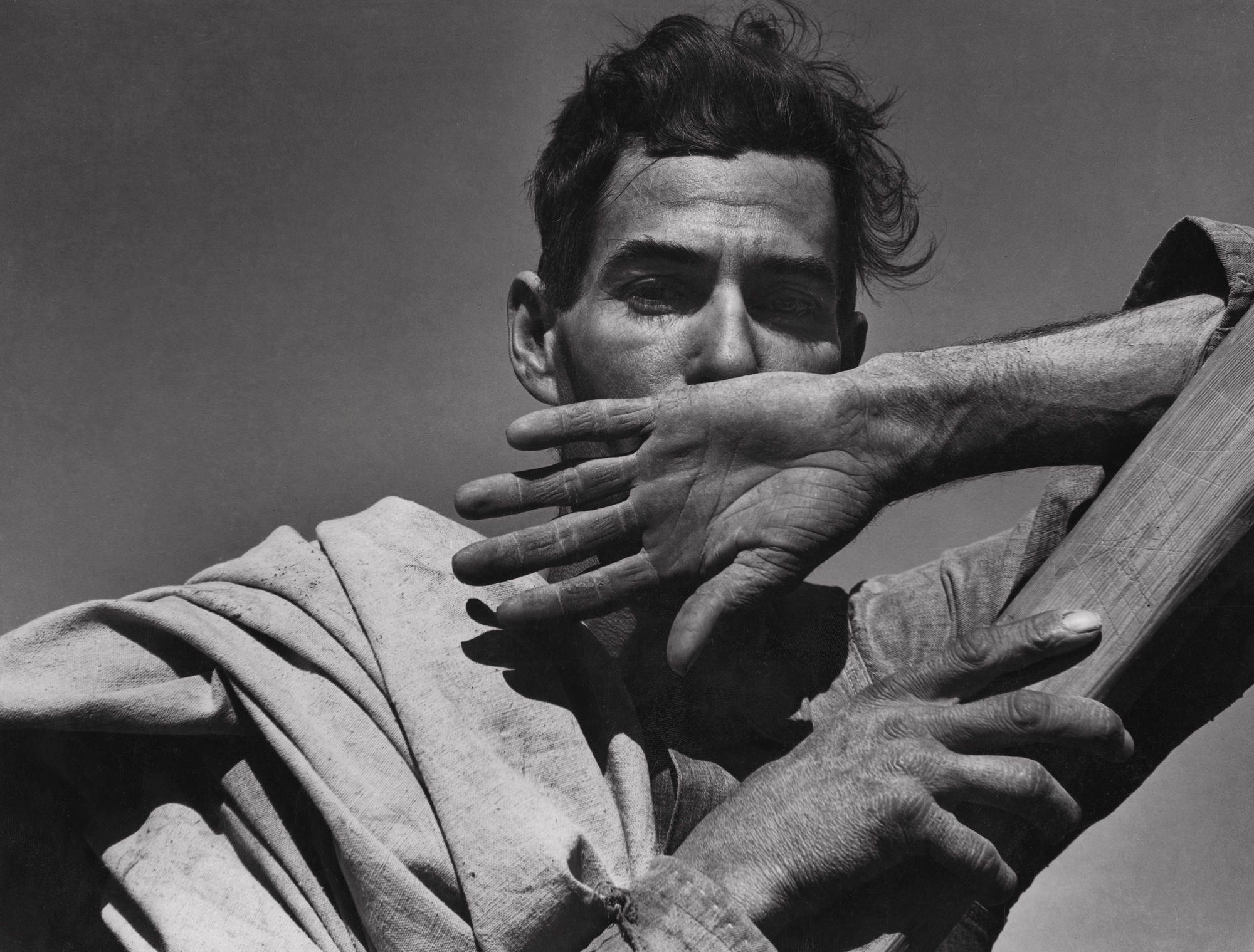

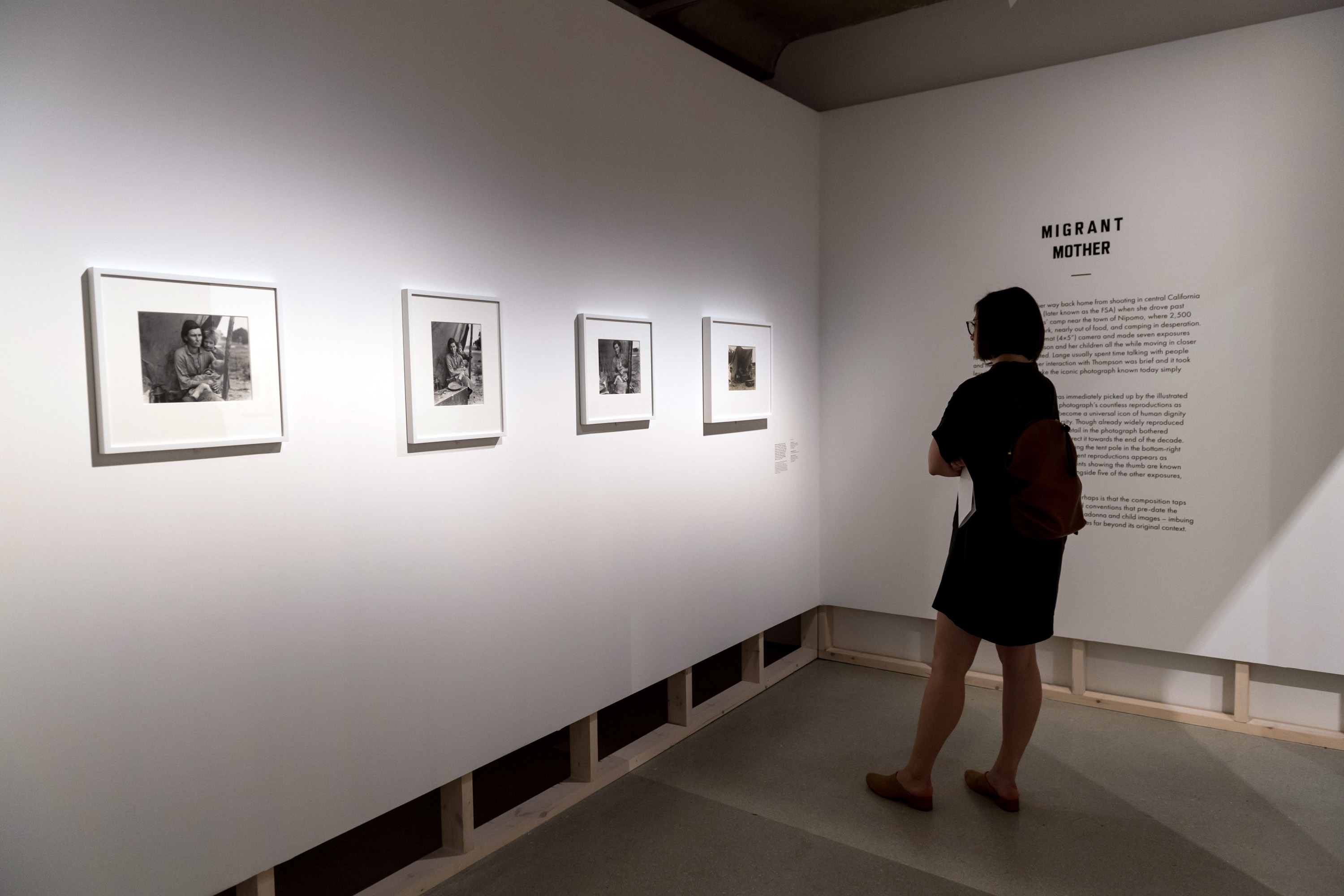
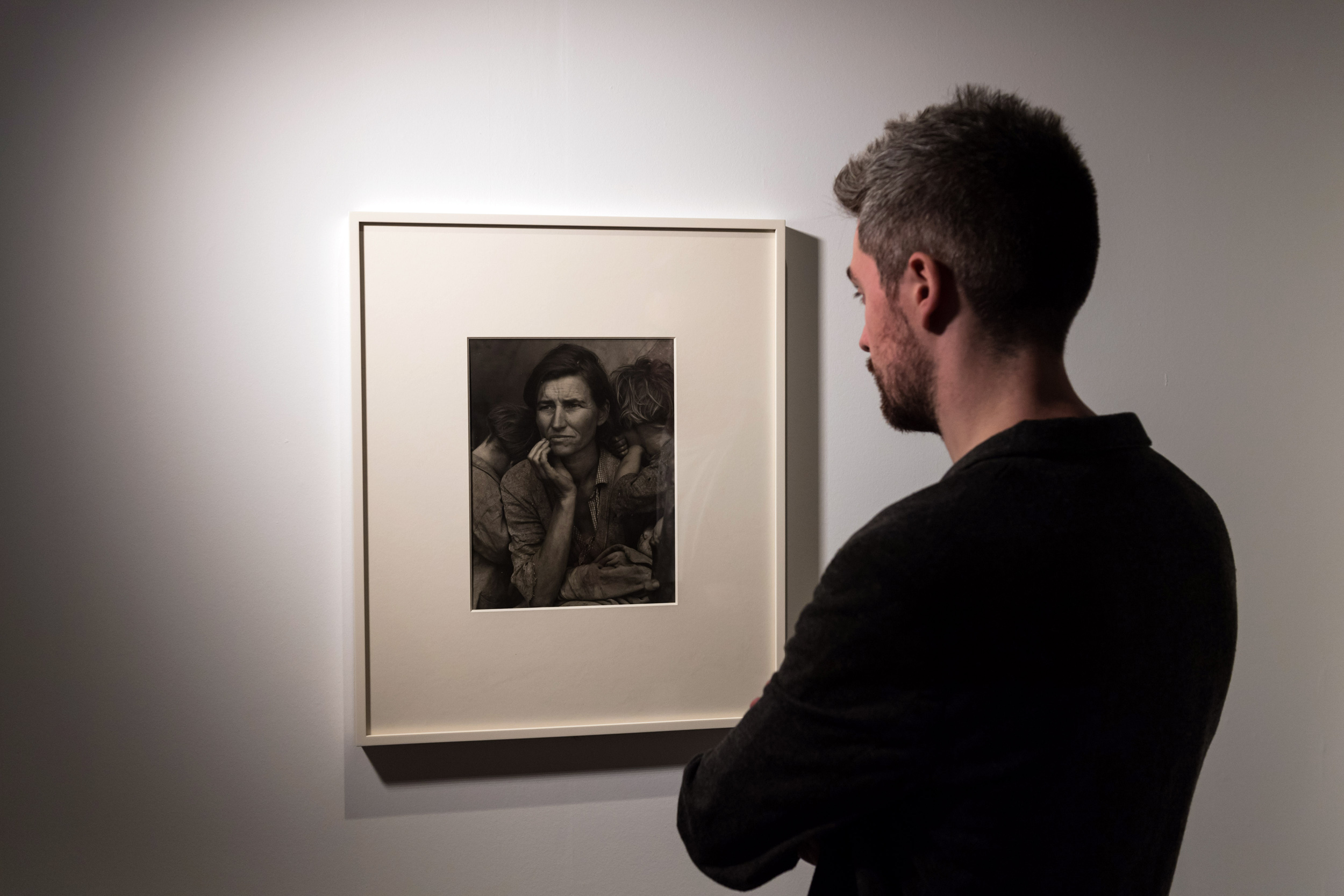
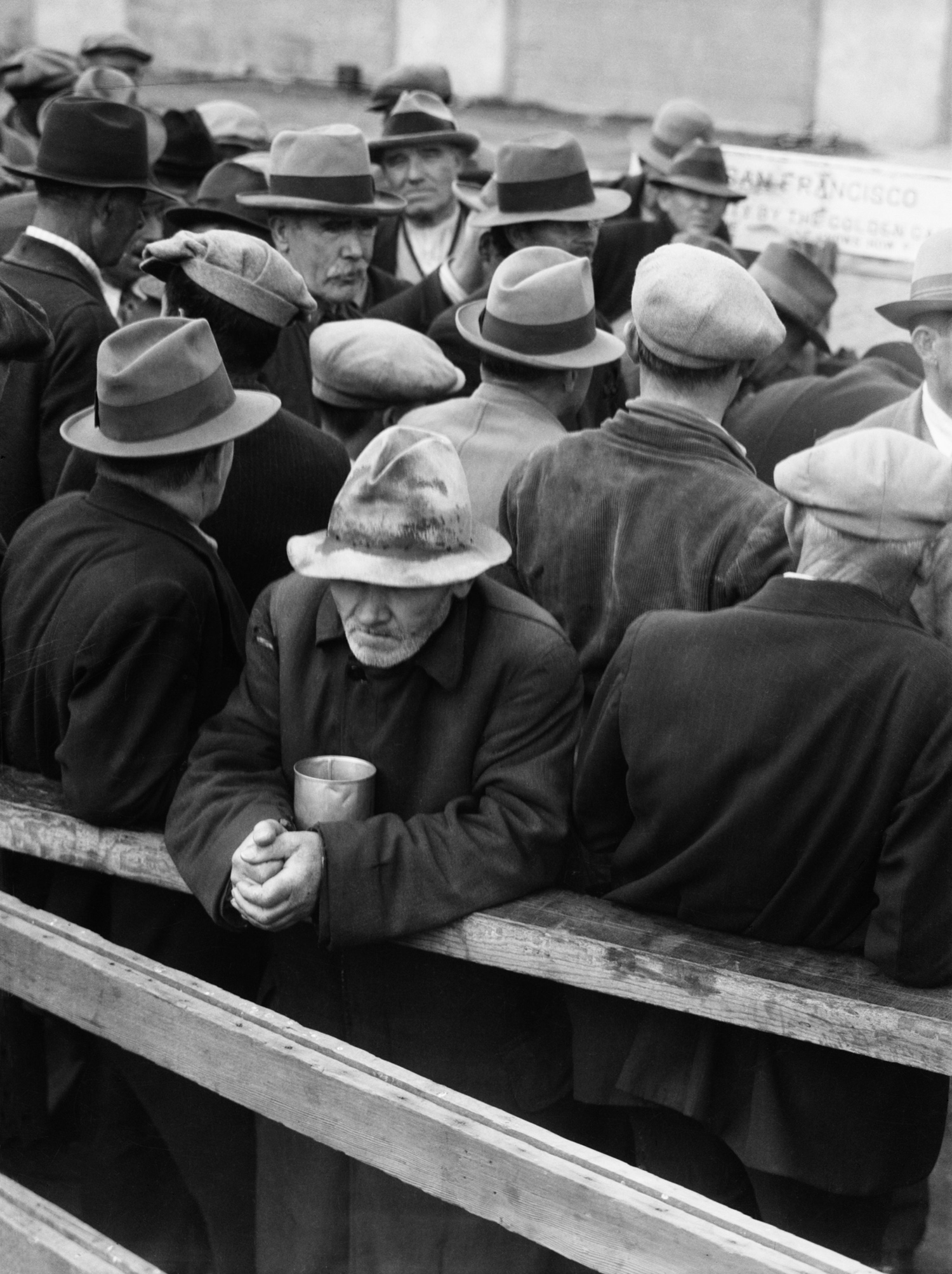
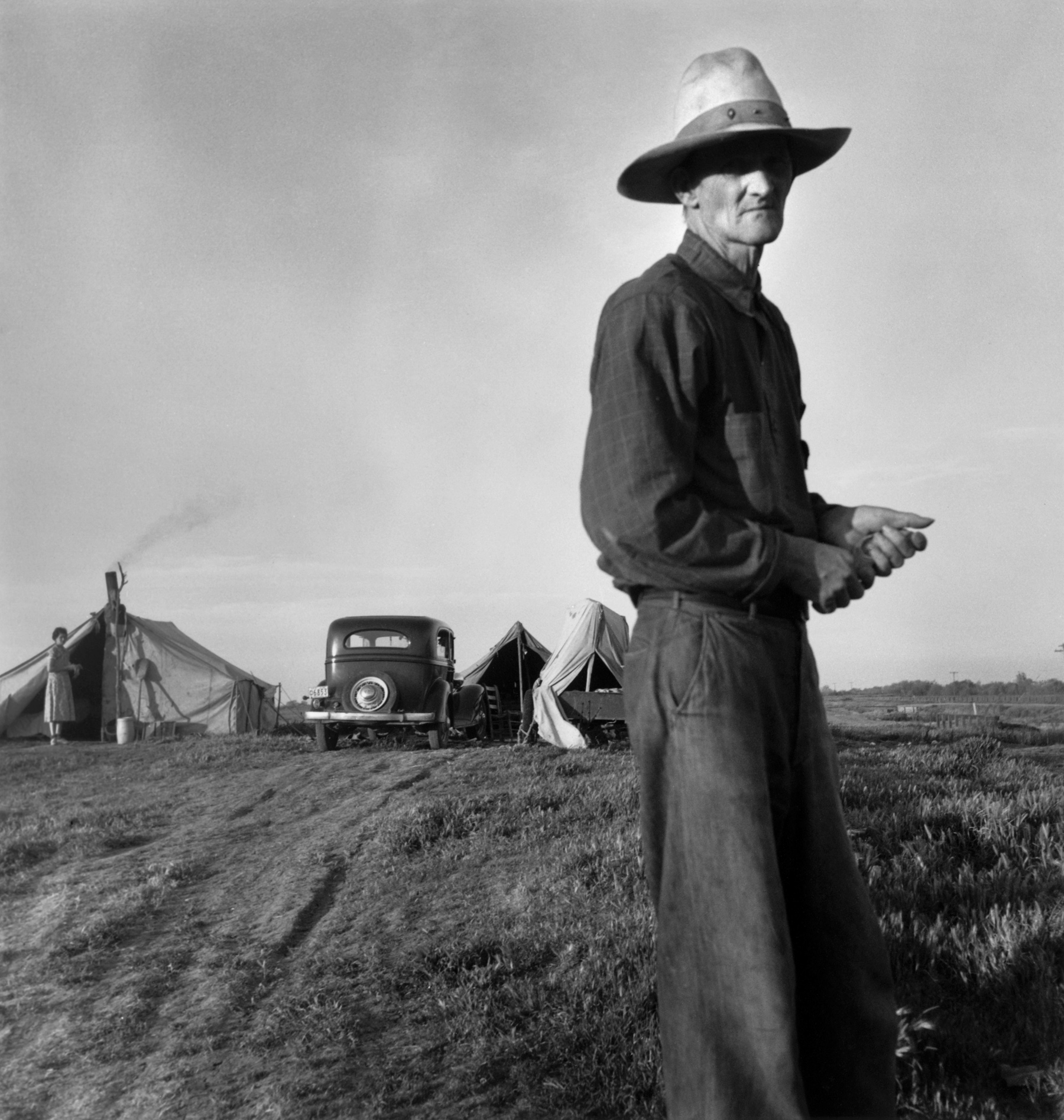
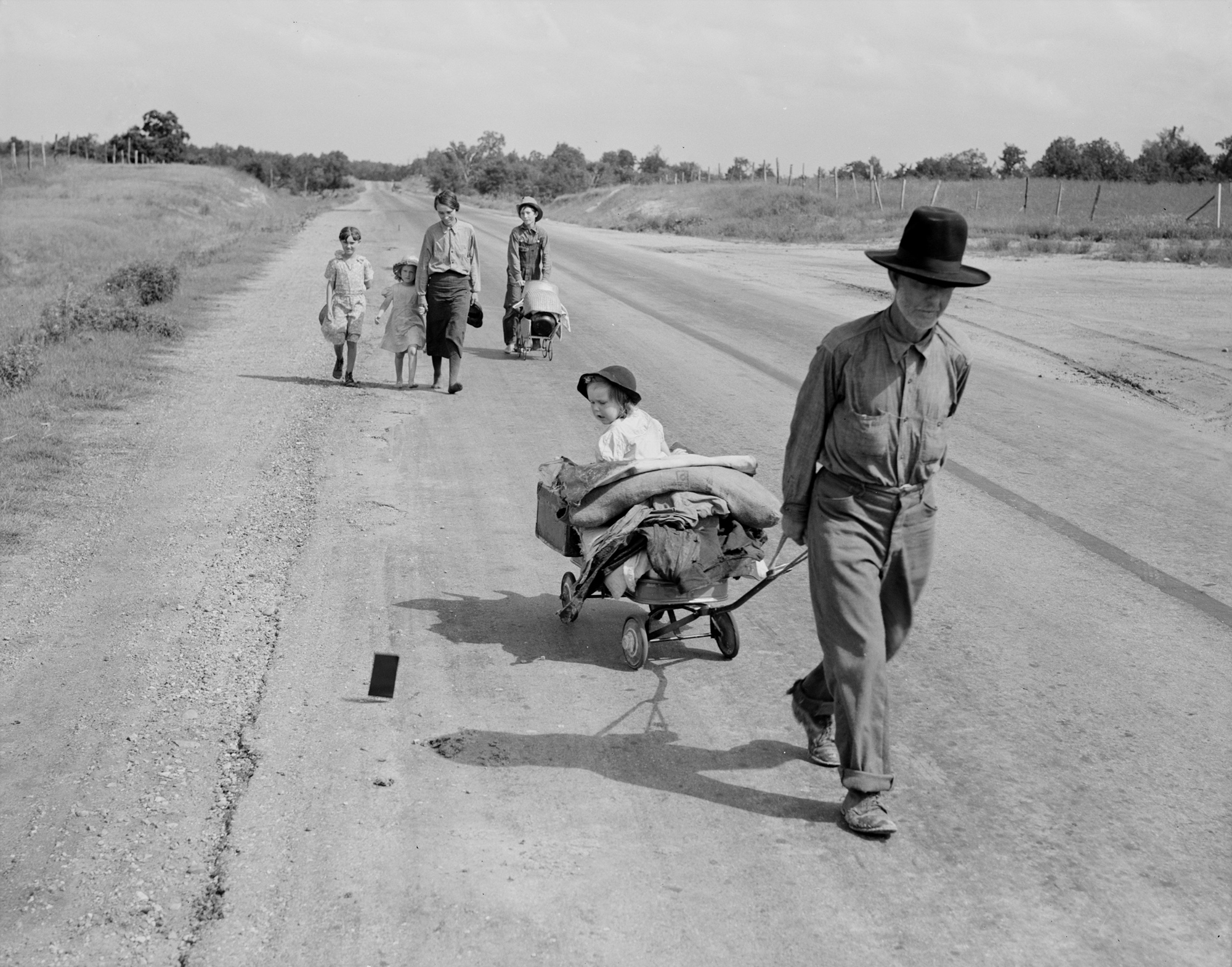
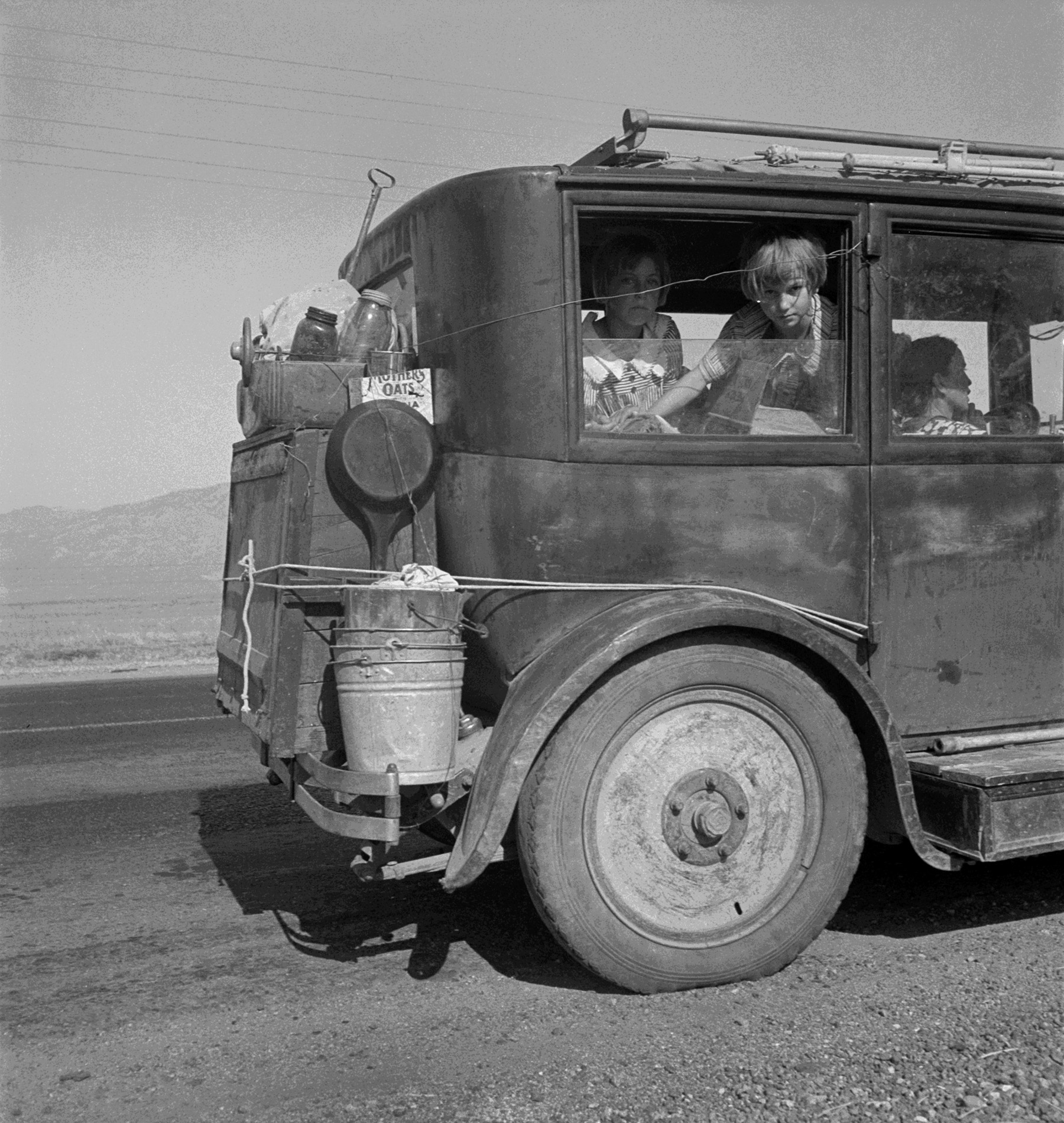
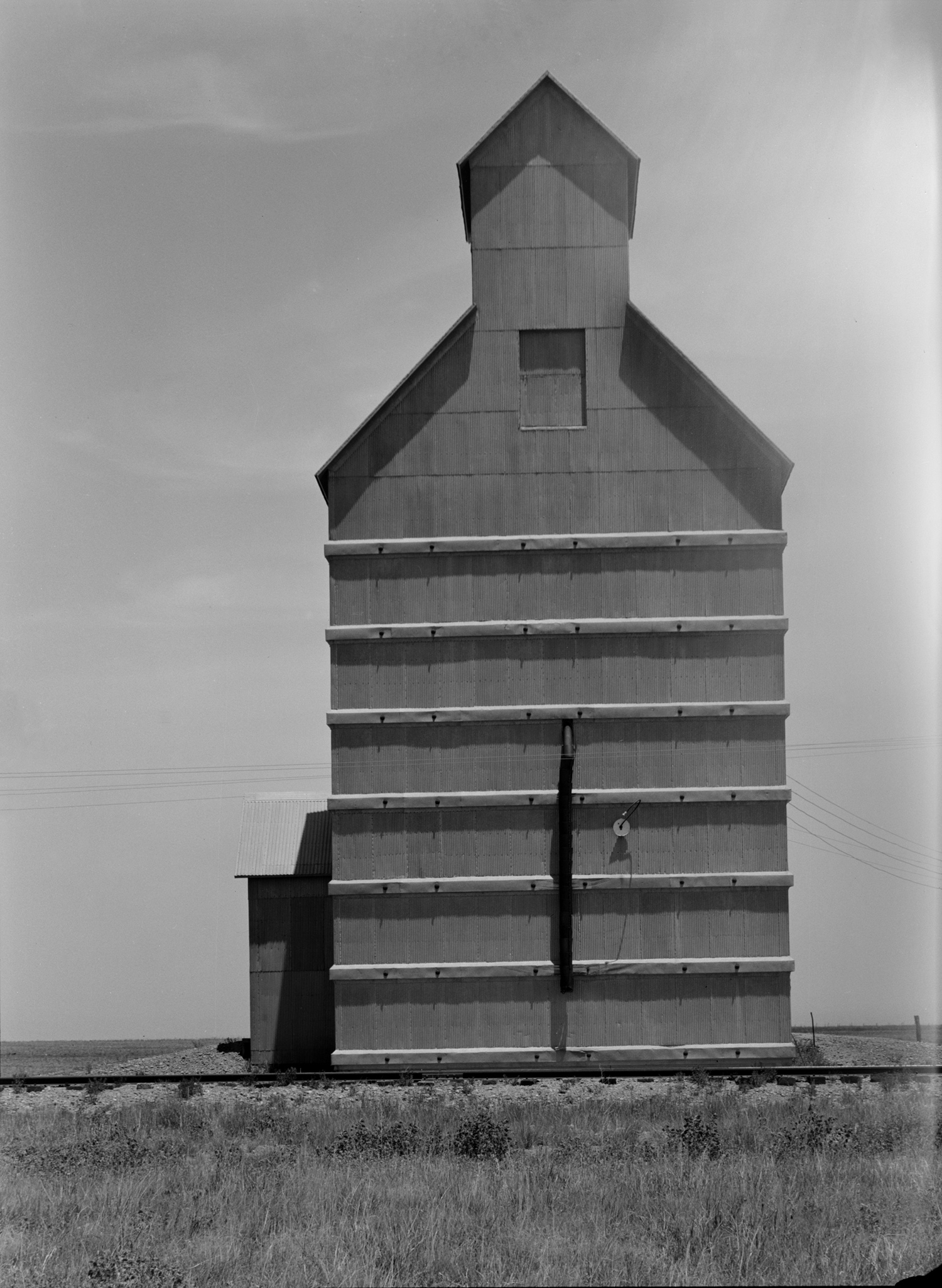
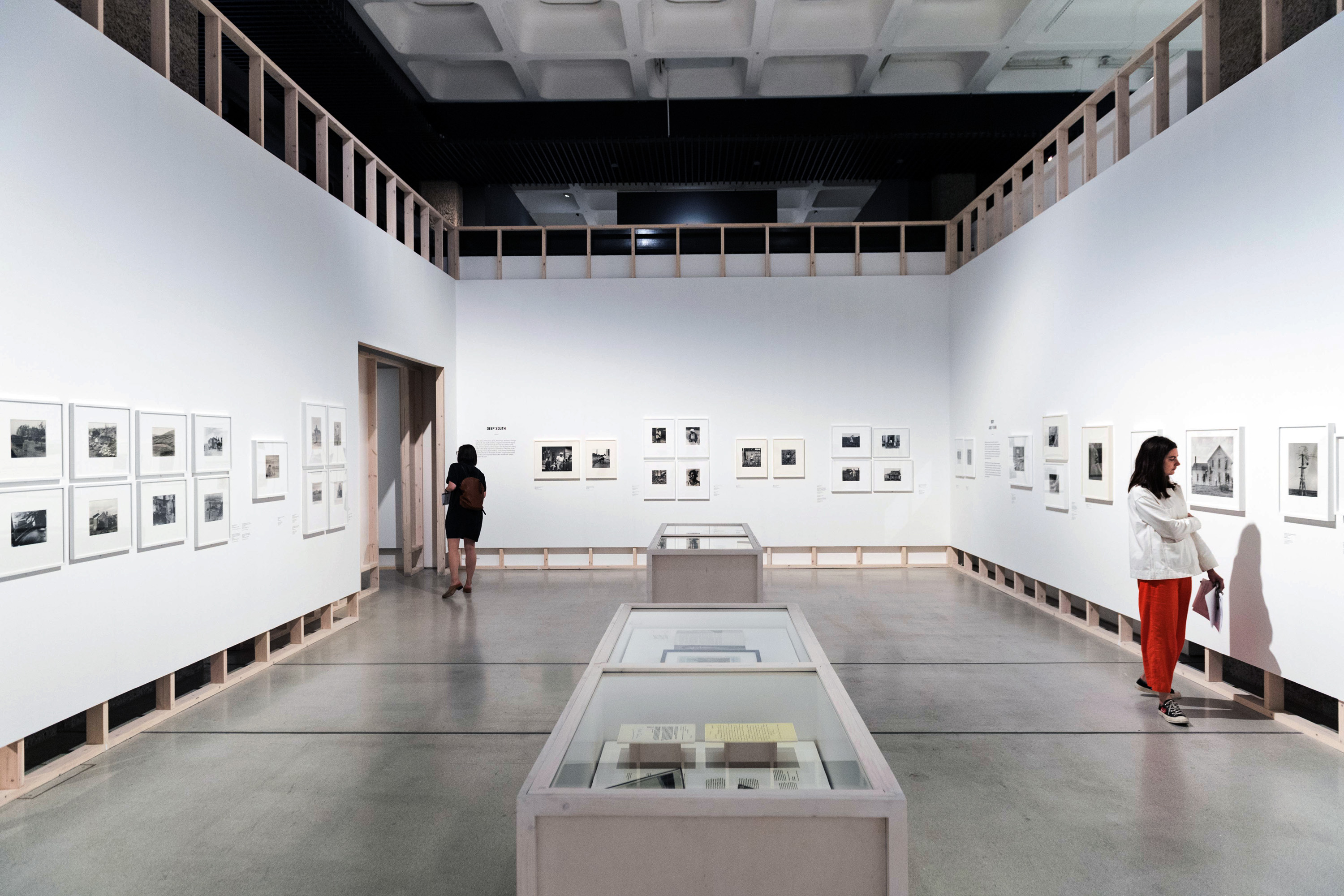
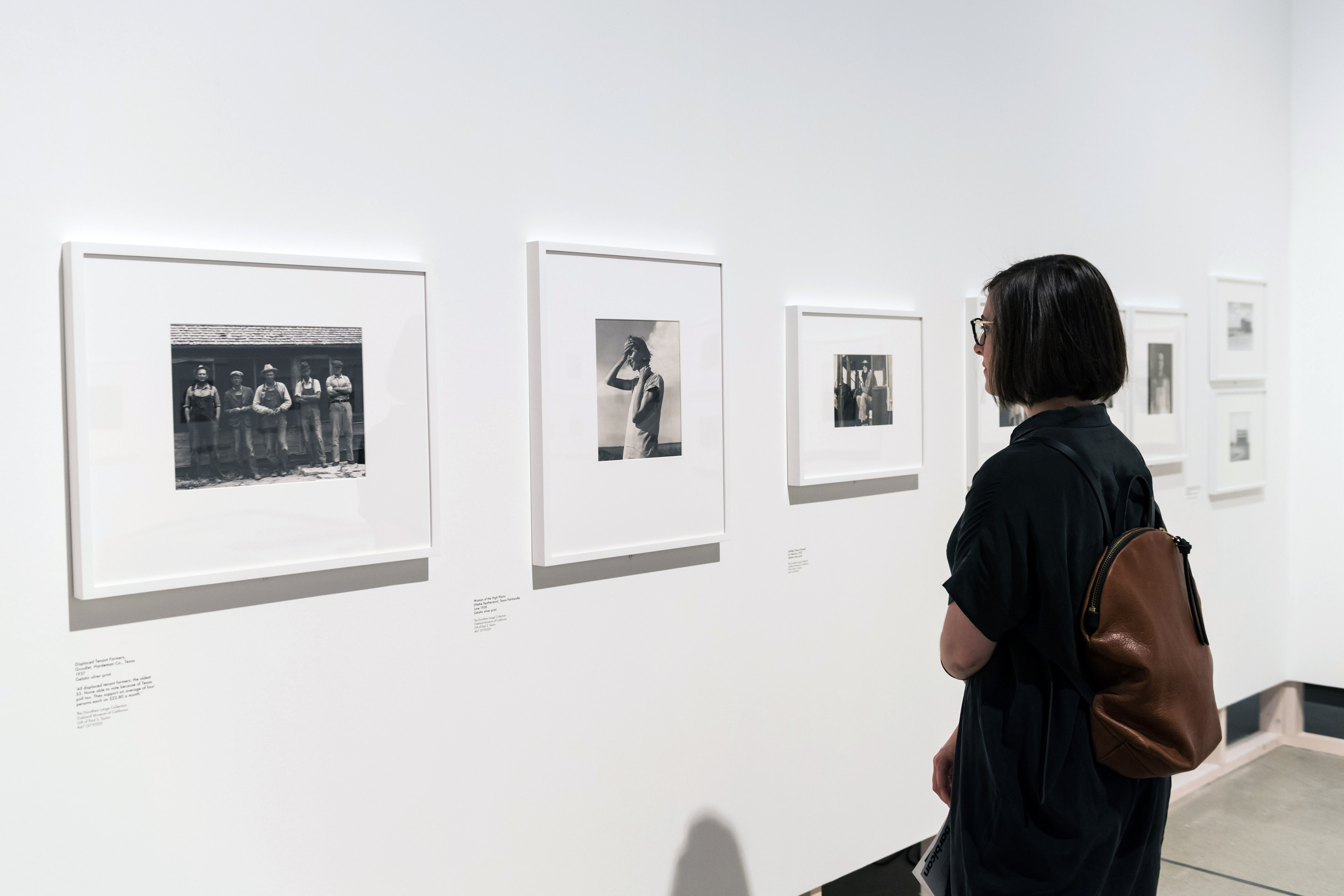
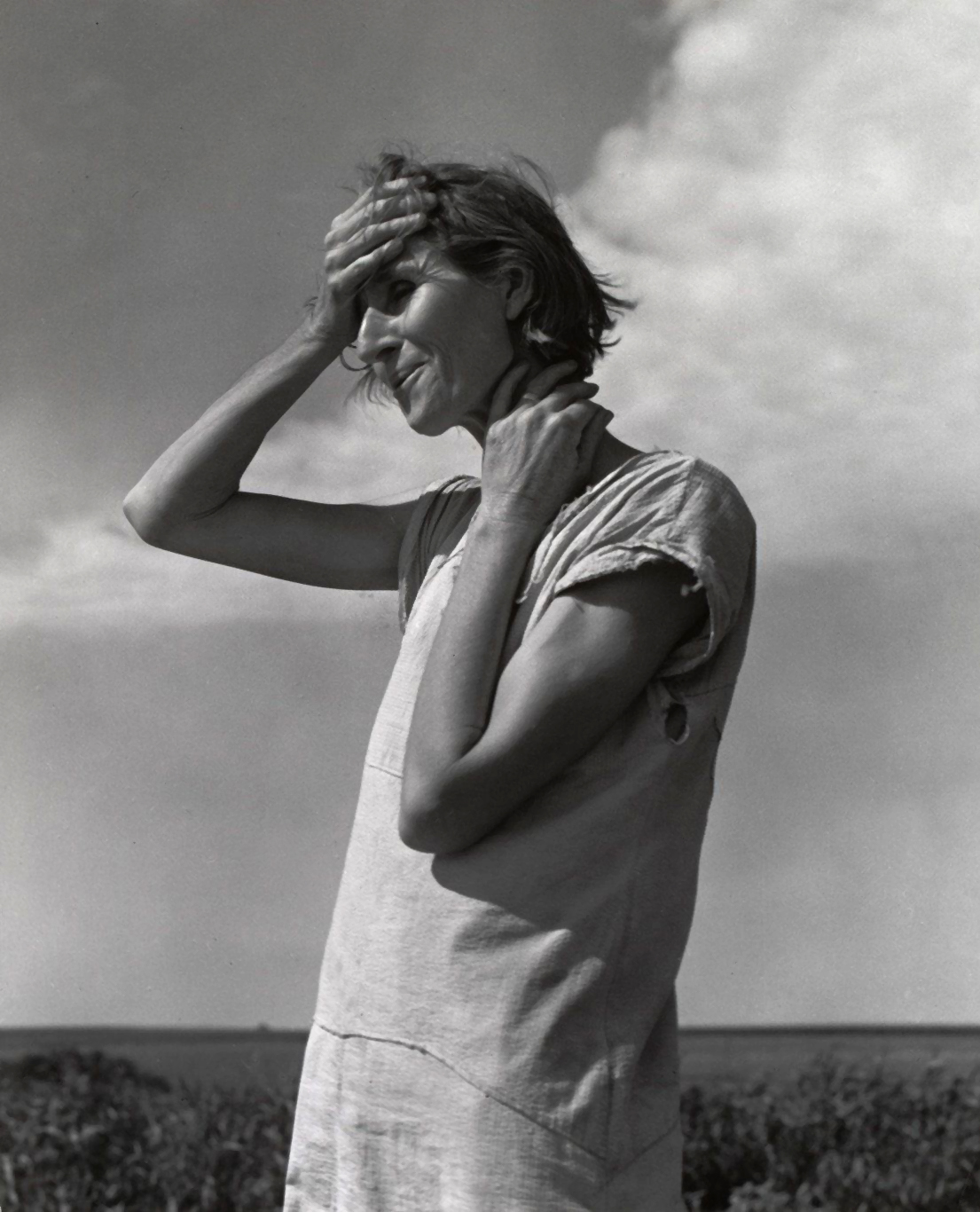
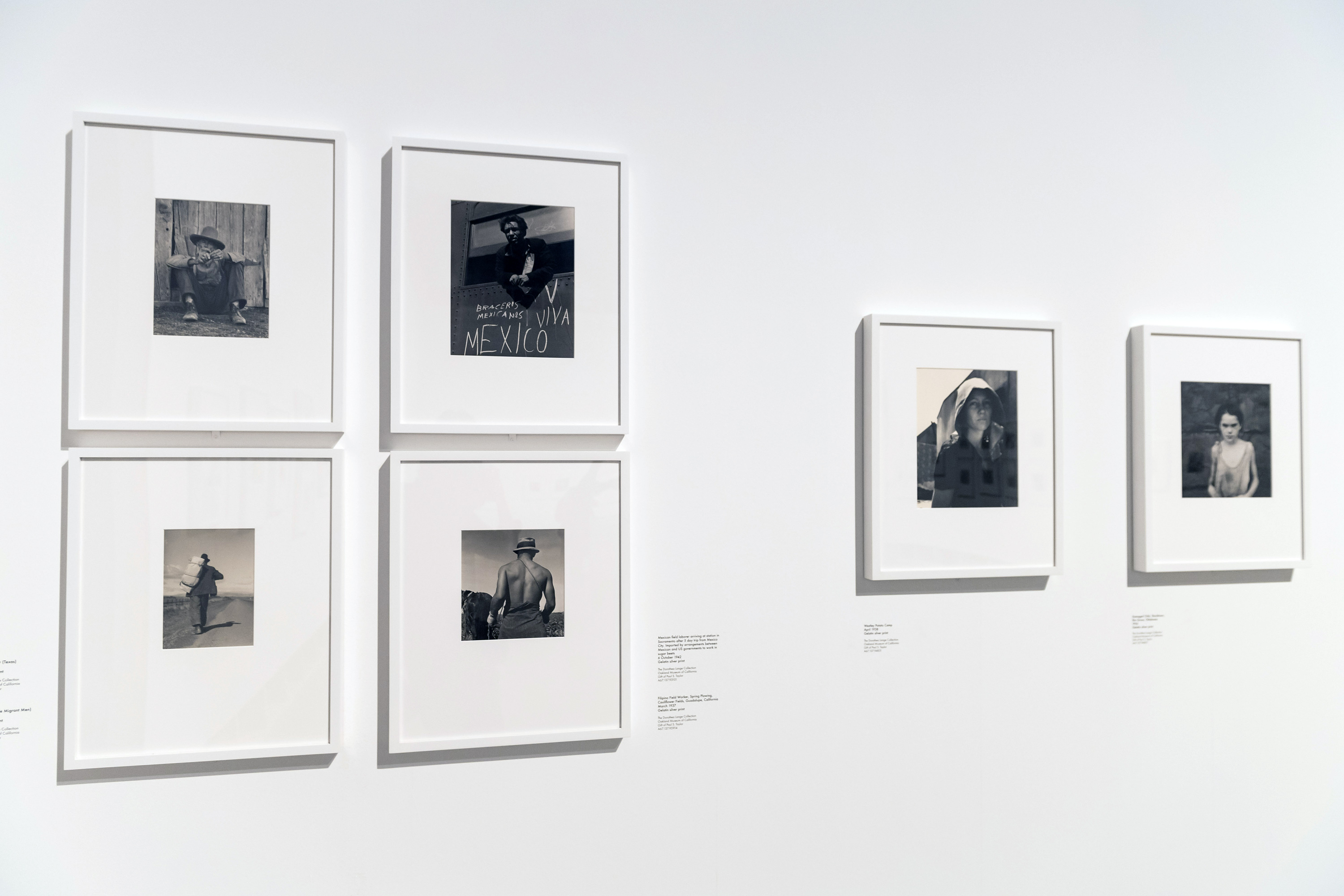
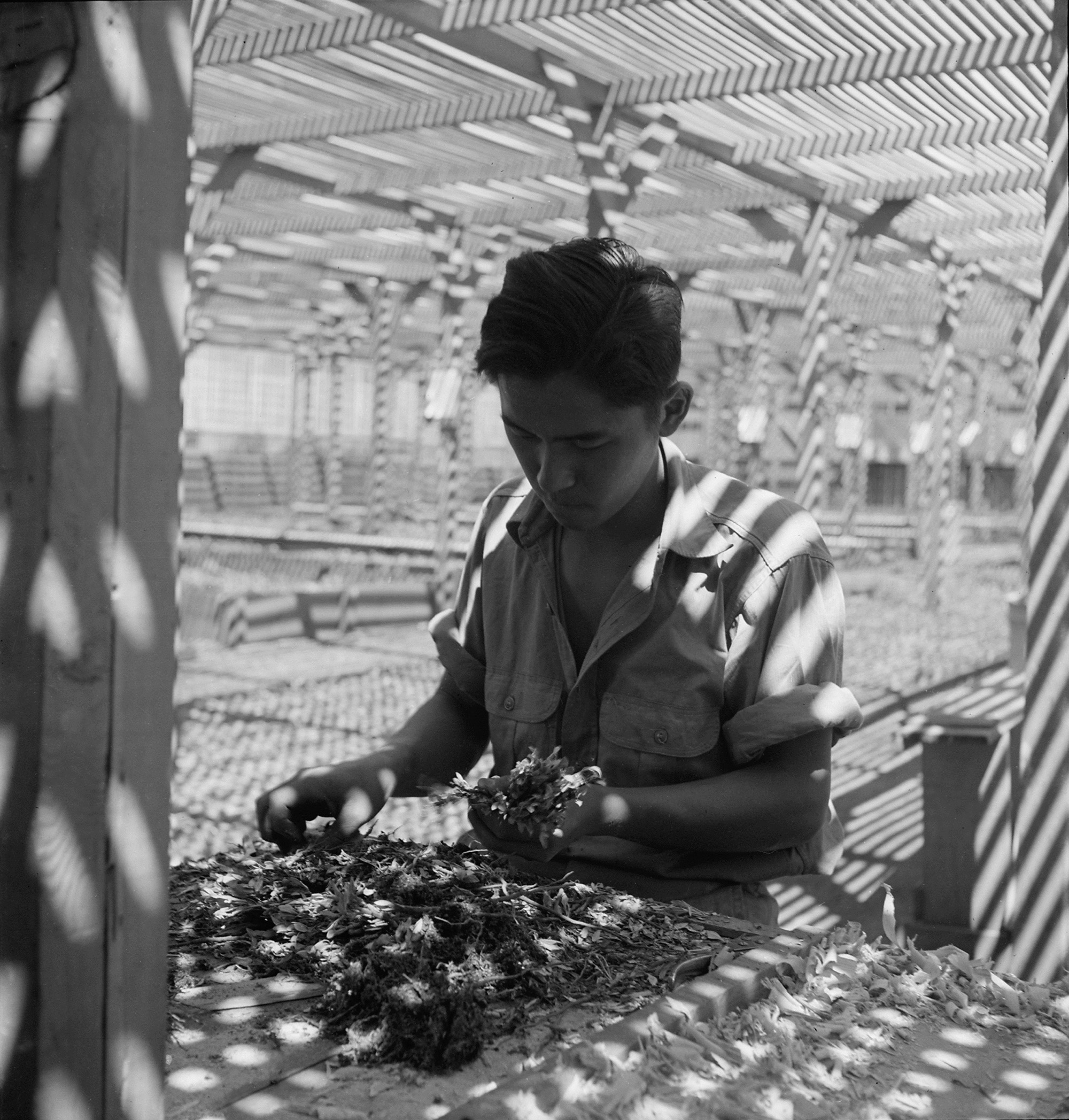
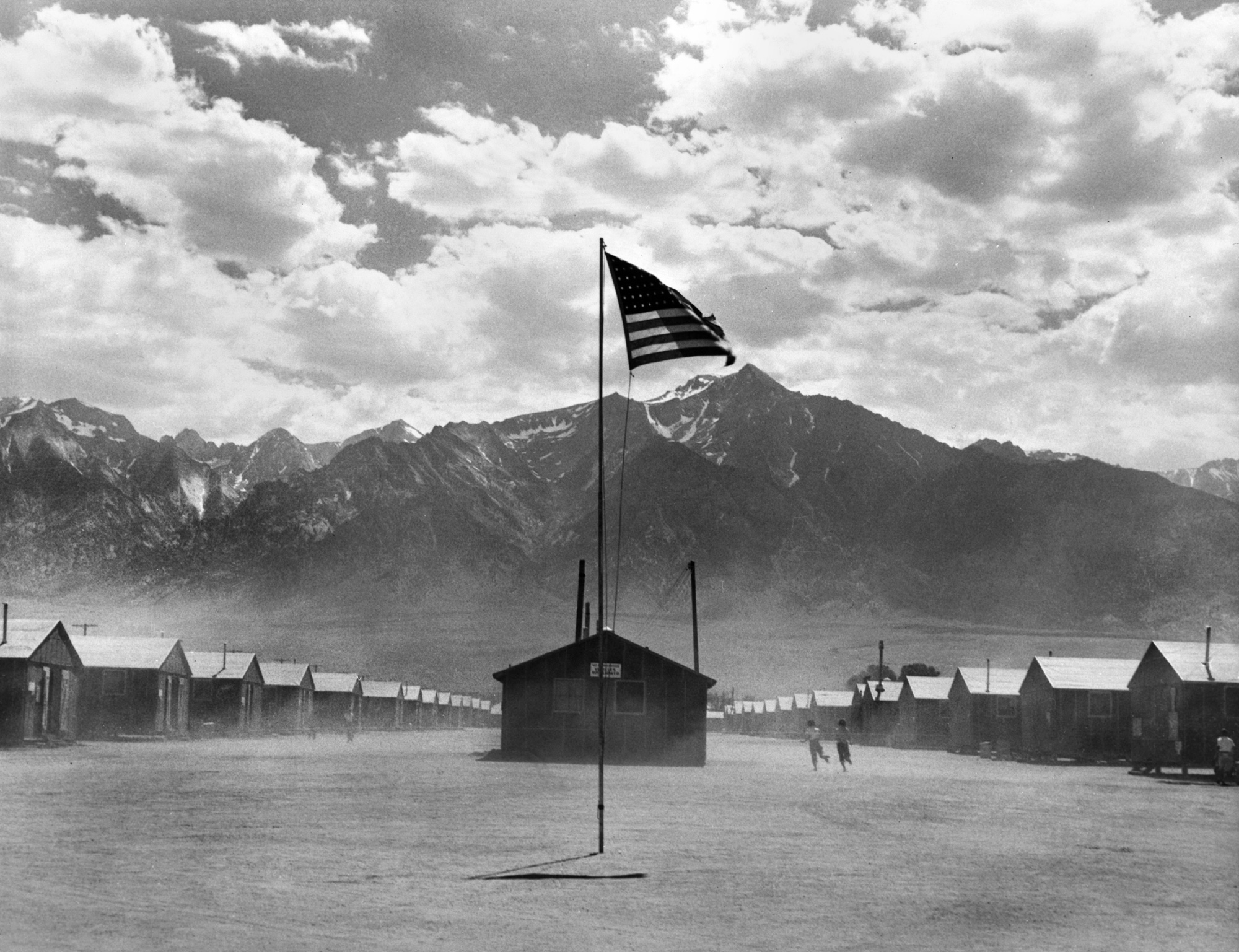
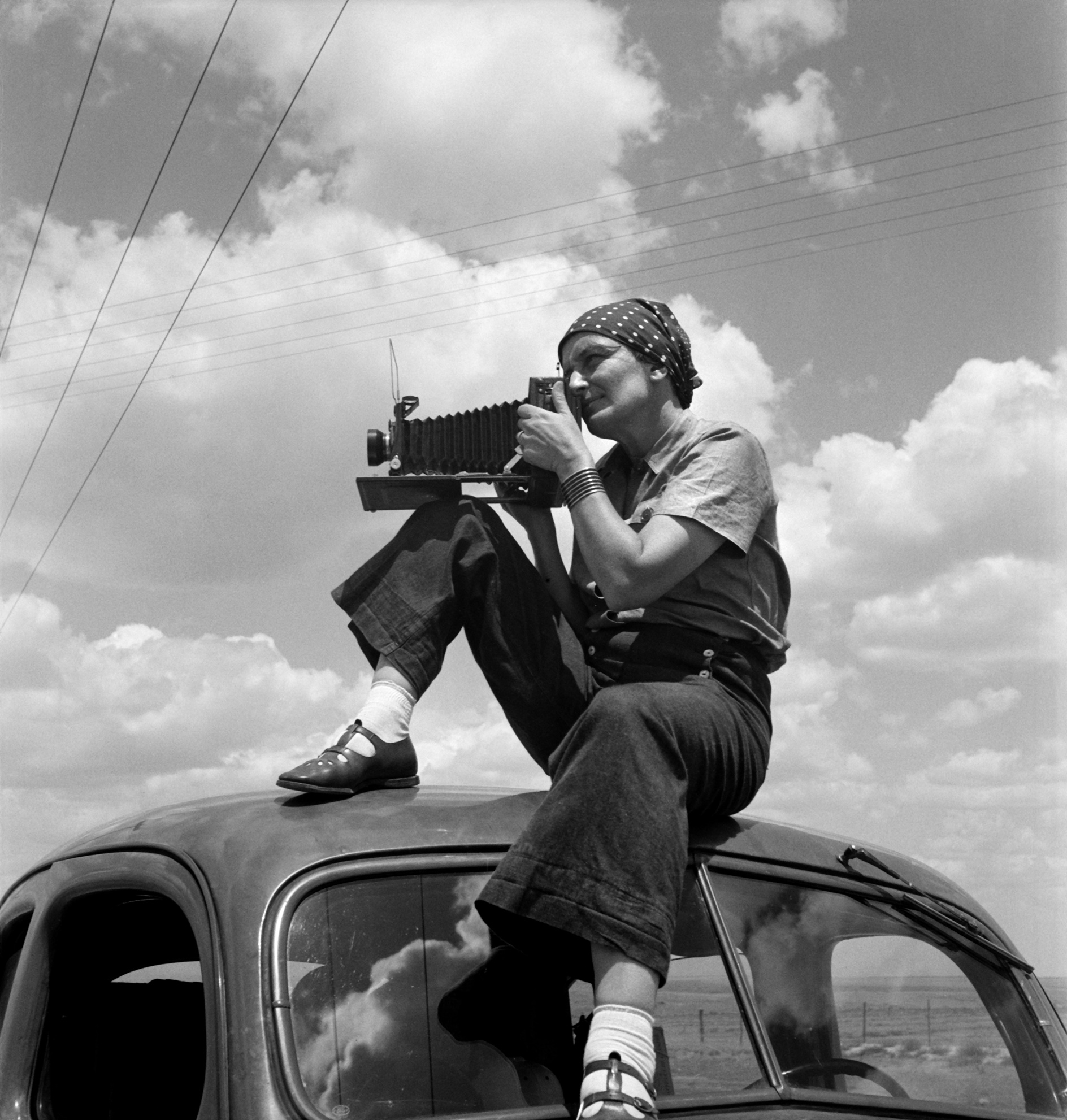
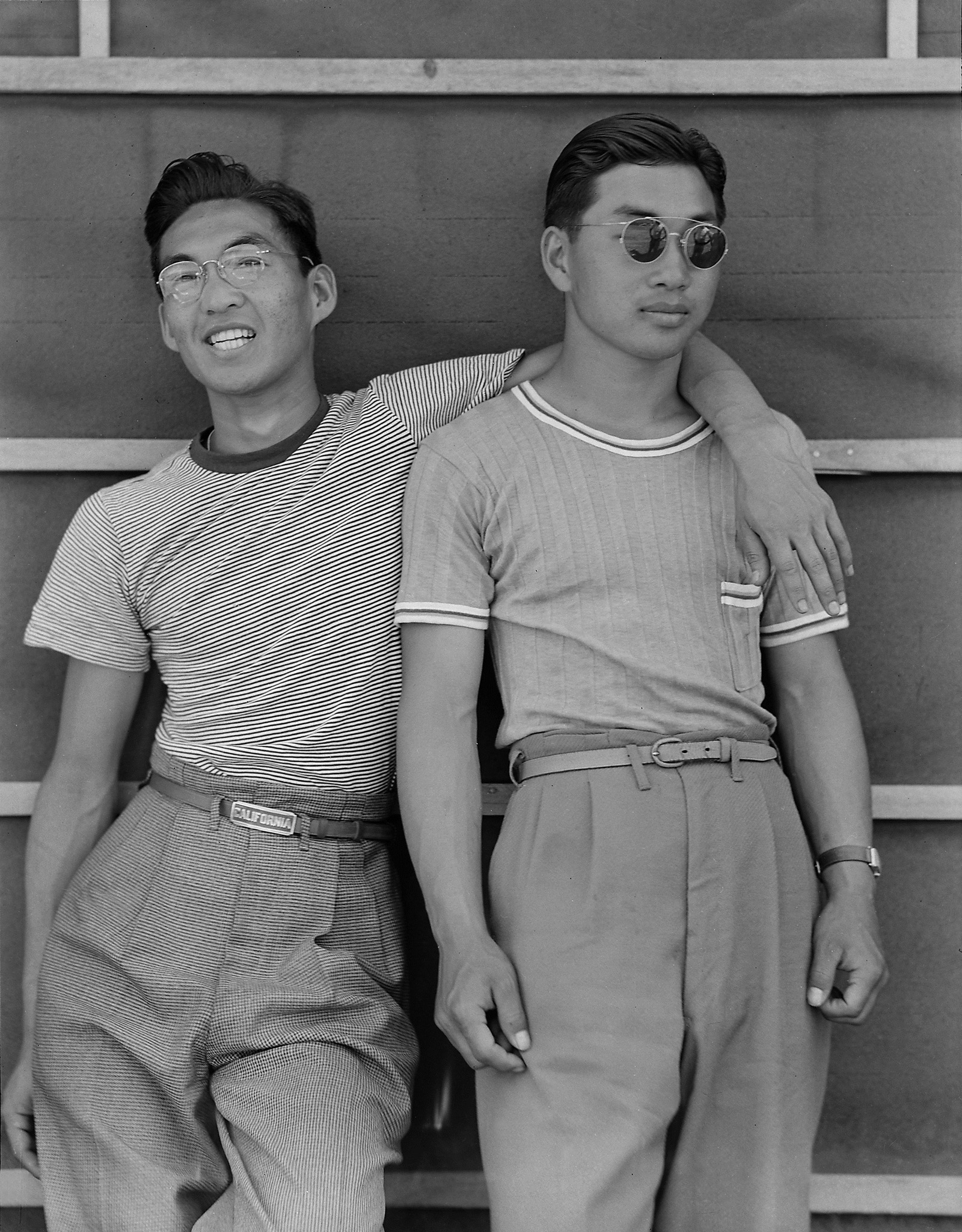
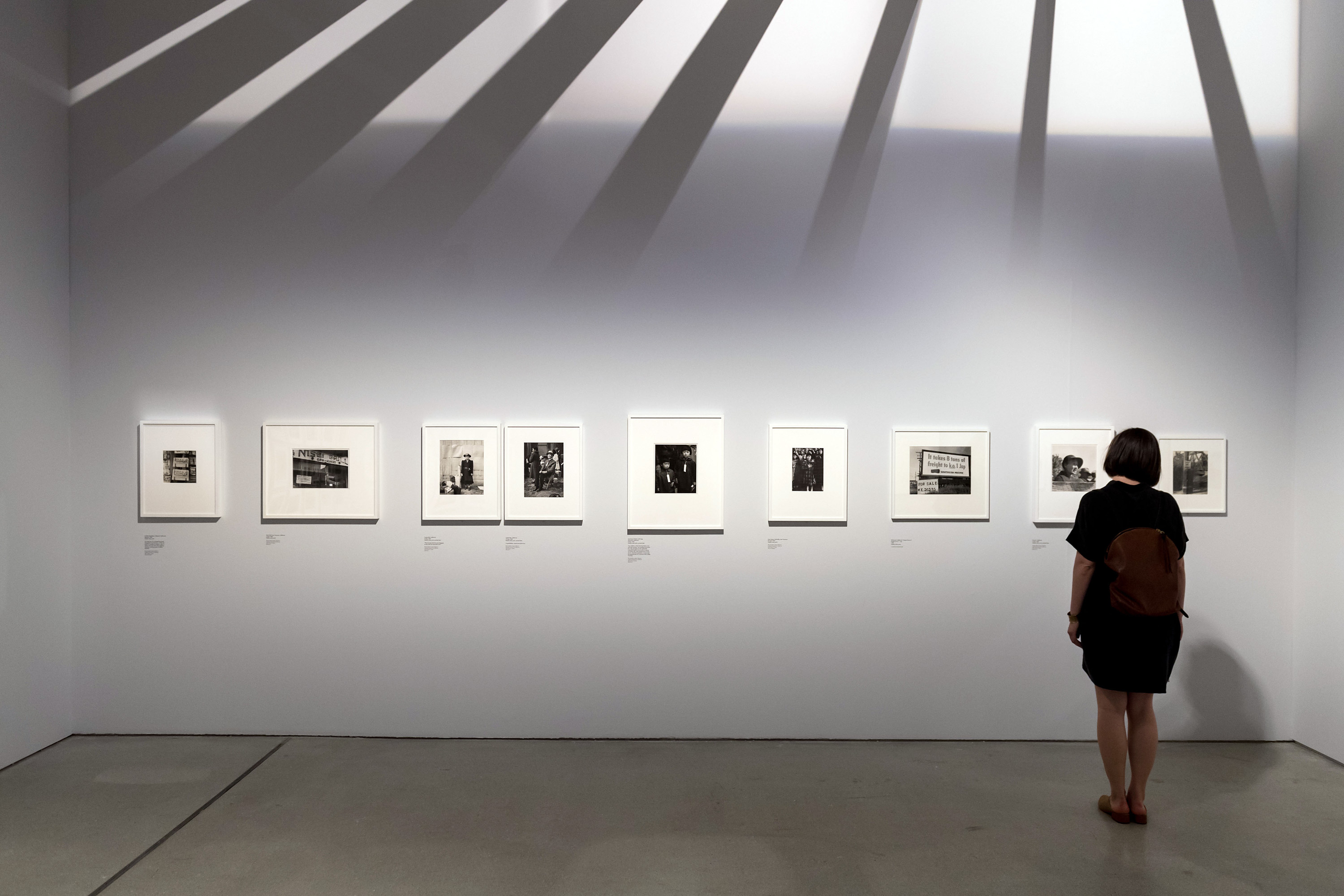
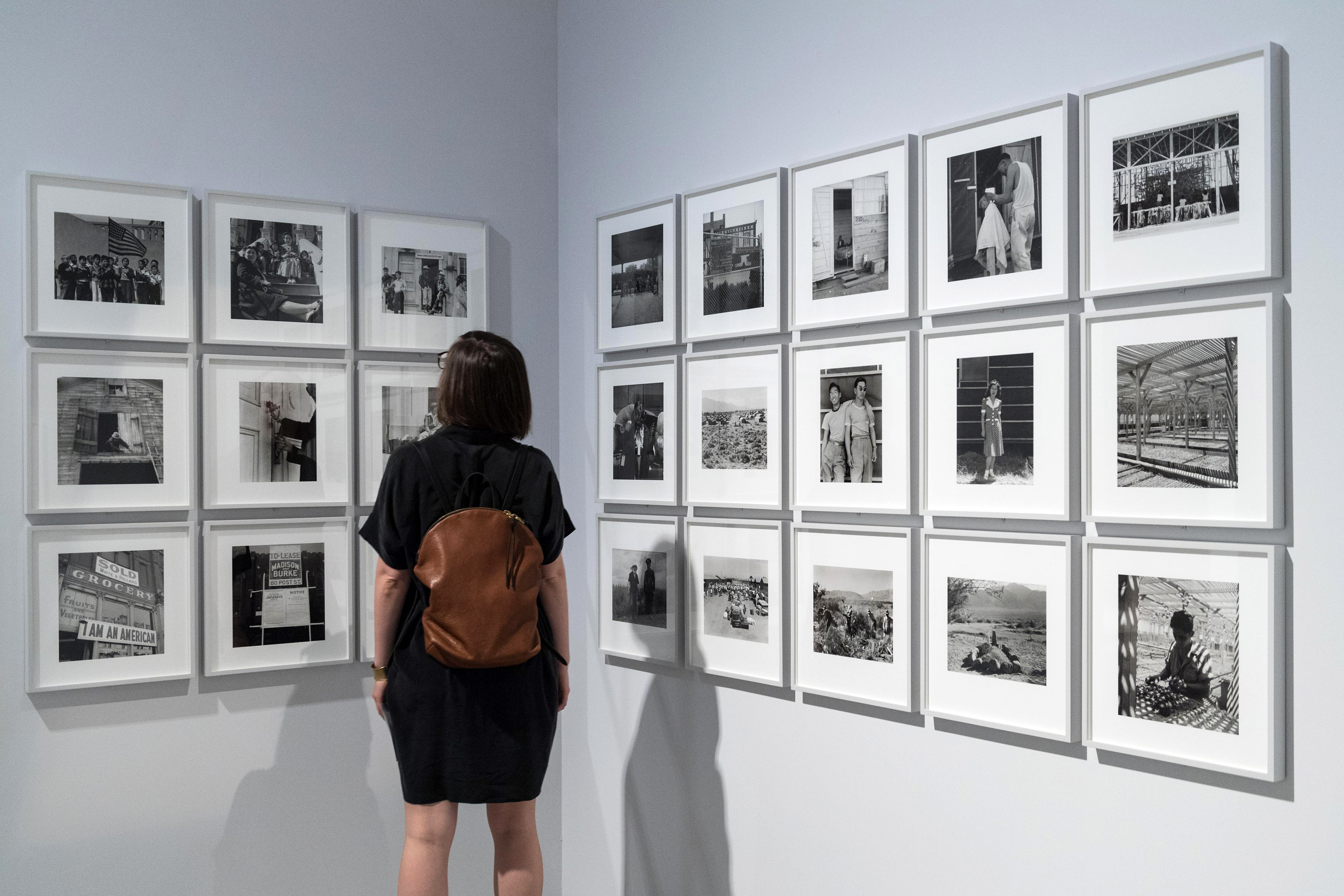
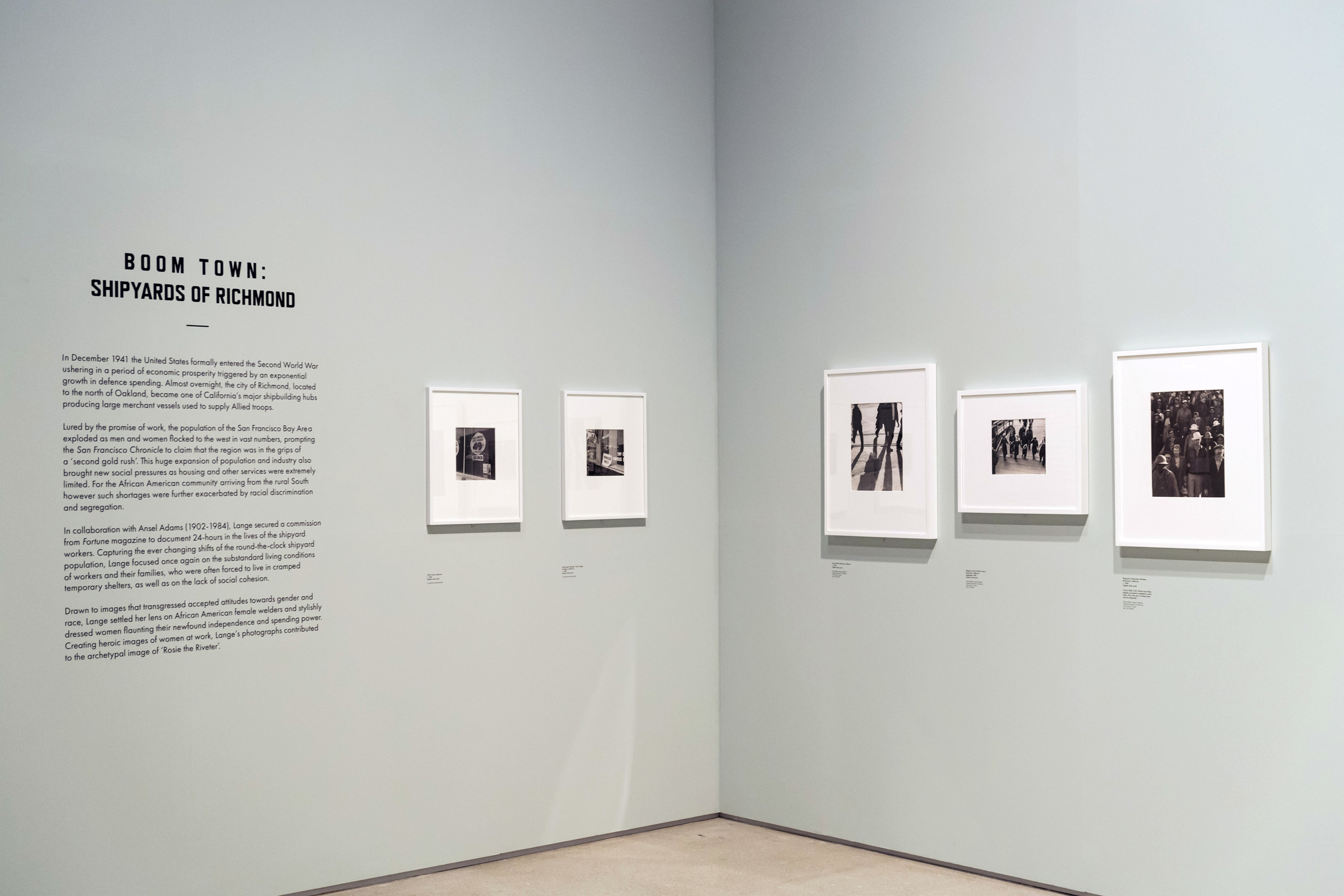
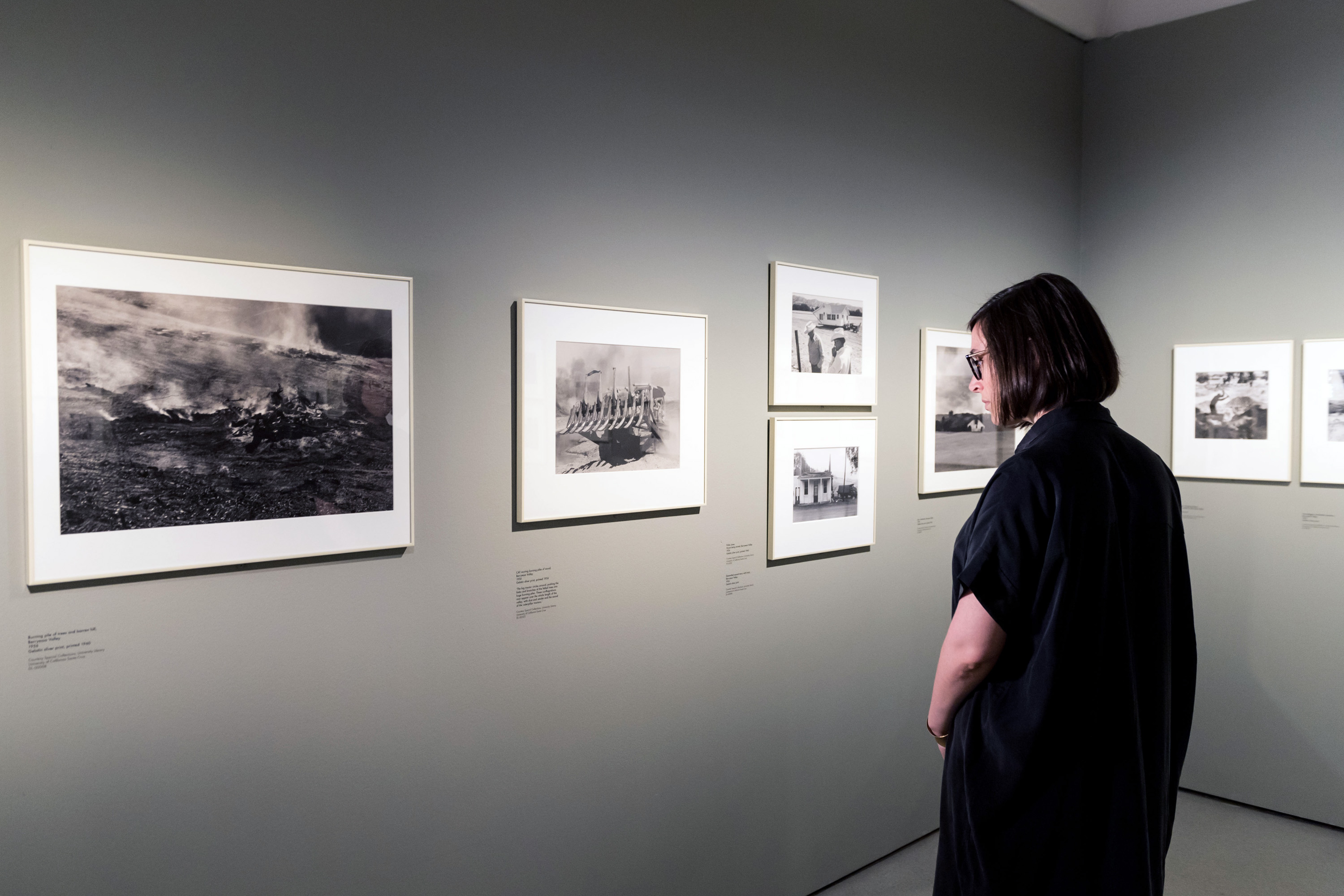
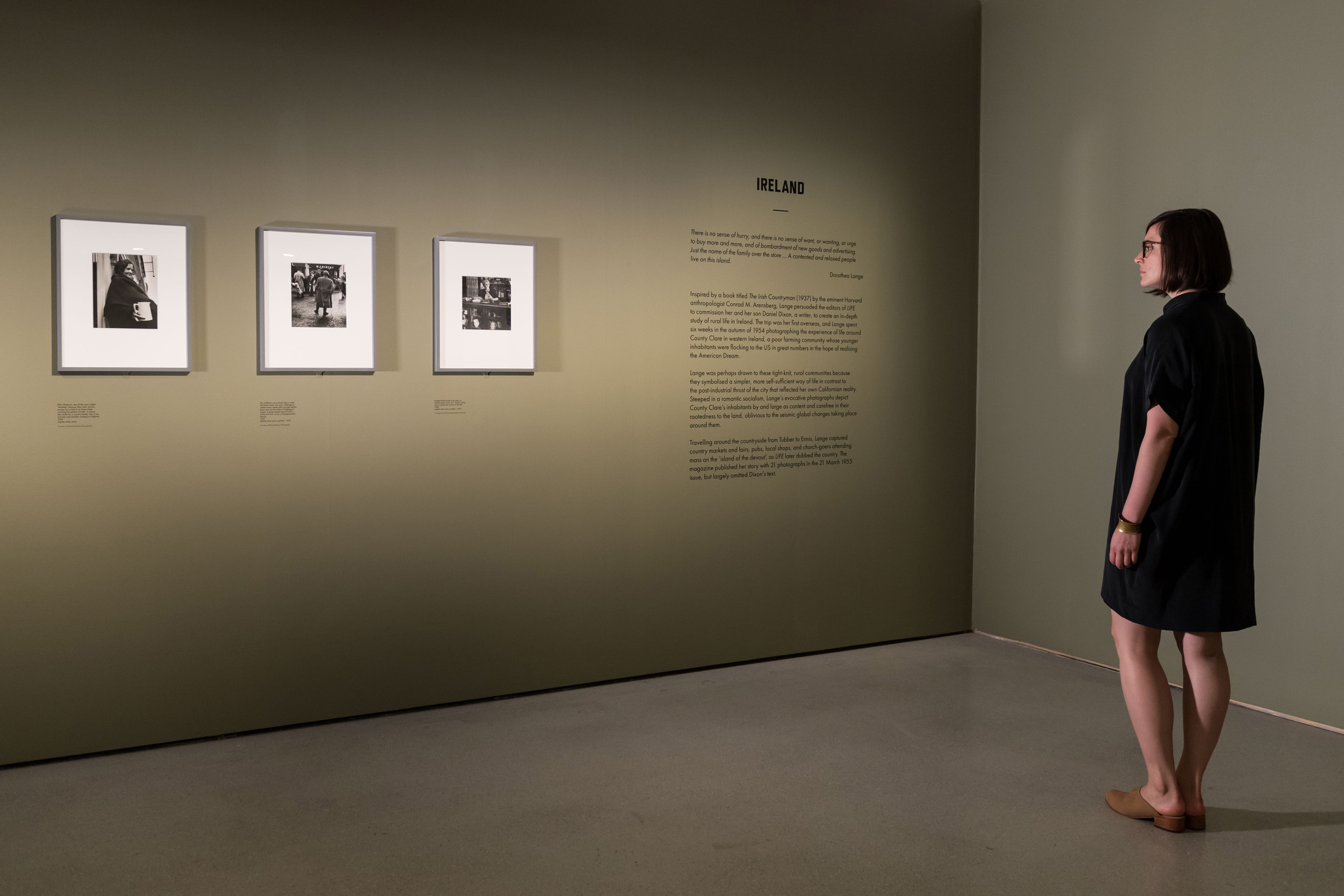
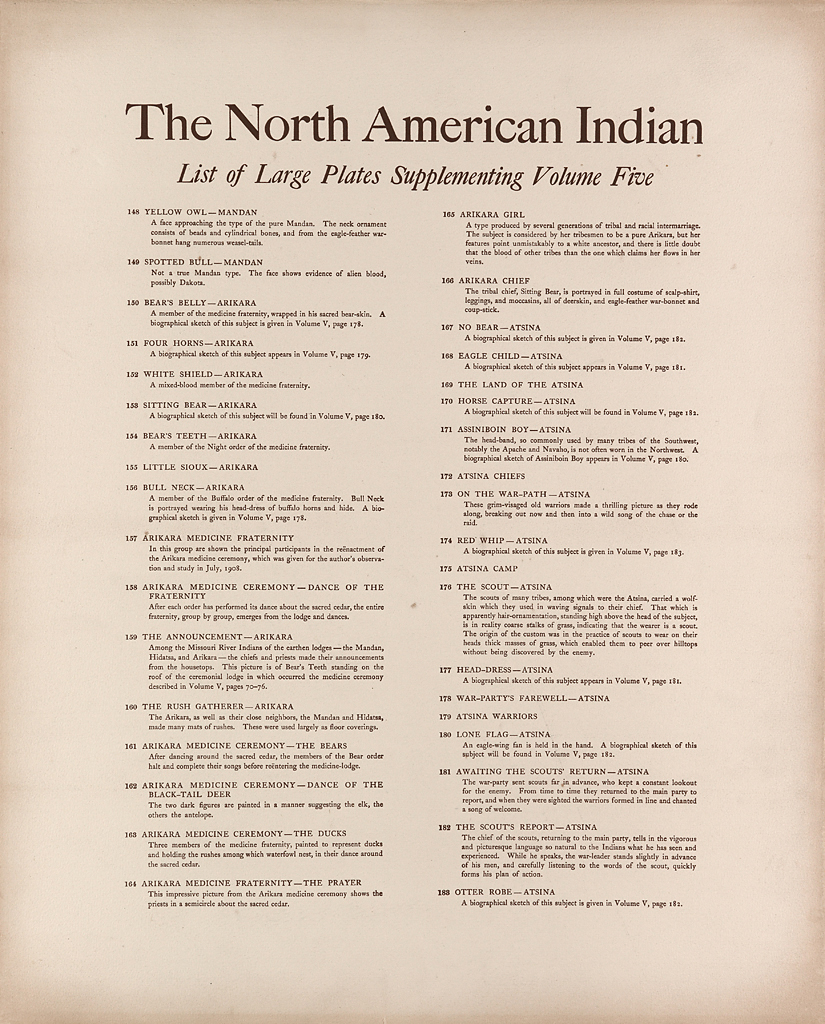
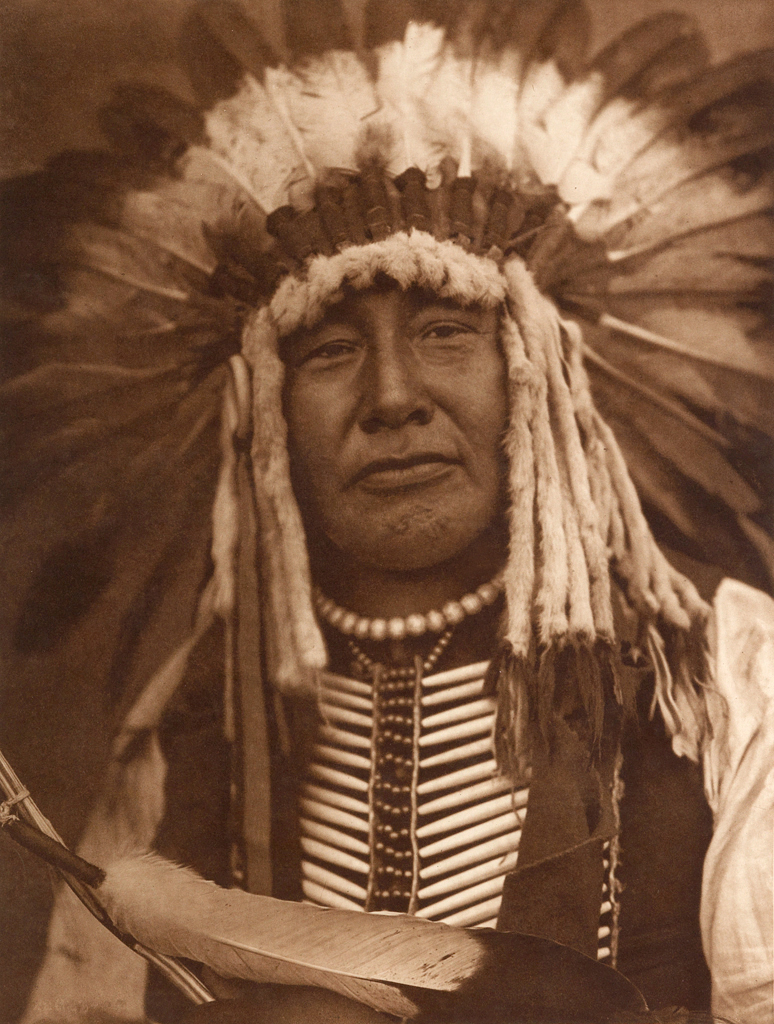
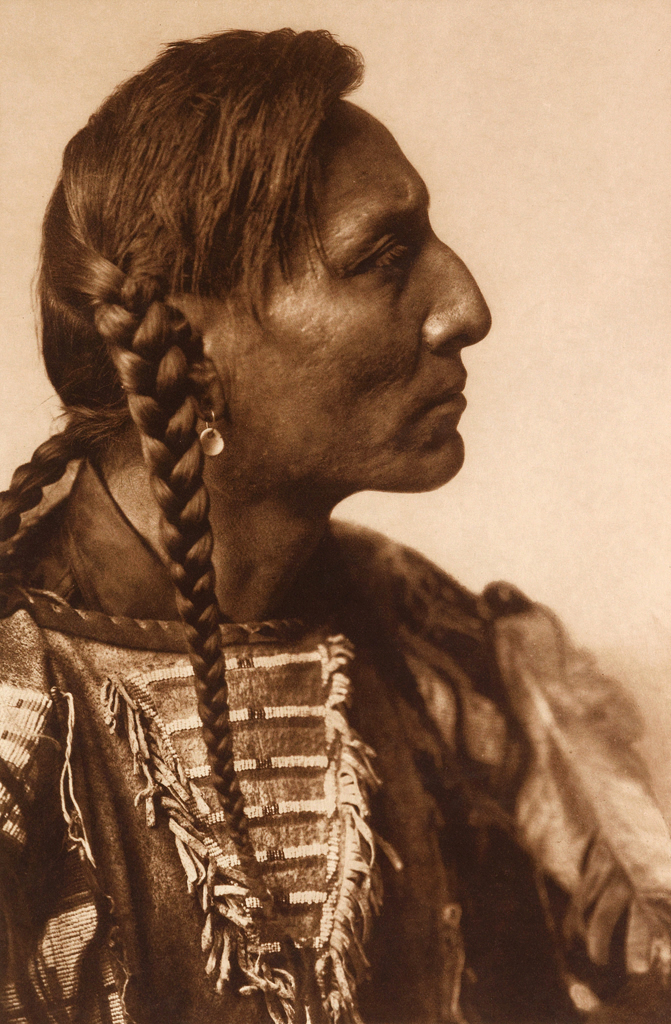
![Edward S. Curtis (American, 1868-1952) '[Bear's Belly, Arikara Indian half-length portrait, facing front, wearing bearskin]' c. 1908 from 'Edward S. Curtis (1868-1952) – The North American Indian' List of Large Plates Supplementing Volume V](https://artblart.com/wp-content/uploads/2018/05/edward-s-curtis-1868-1952-the-north-american-indian-portfolio-v-1907-photogravure-on-vellum1-web.jpg "Edward S. Curtis (American, 1868-1952) '[Bear's Belly, Arikara Indian half-length portrait, facing front, wearing bearskin]' c. 1908 from 'Edward S. Curtis (1868-1952) – The North American Indian' List of Large Plates Supplementing Volume V")
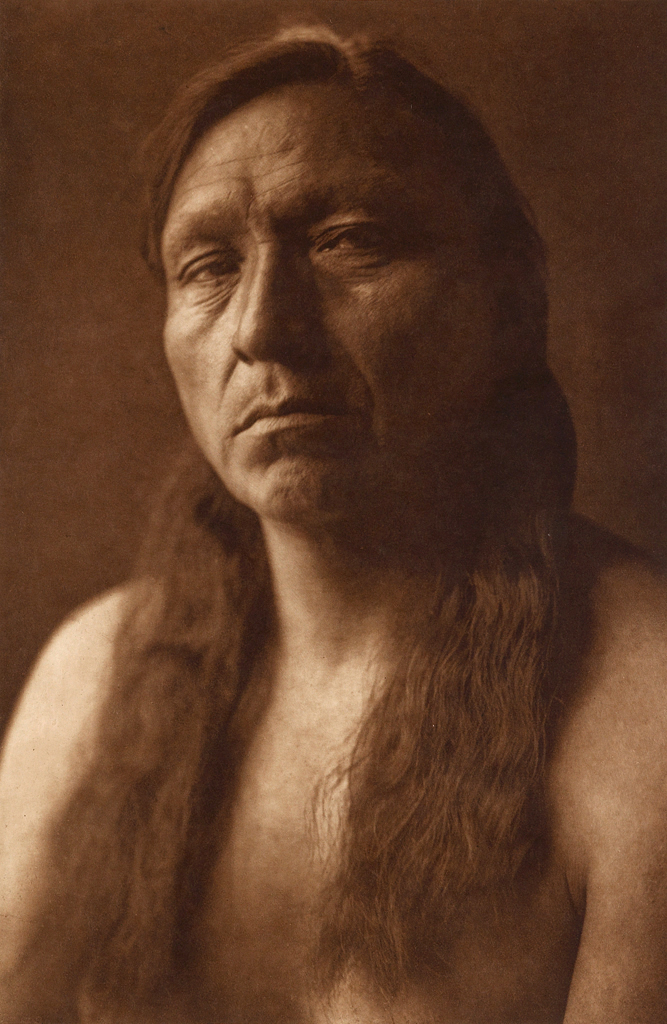
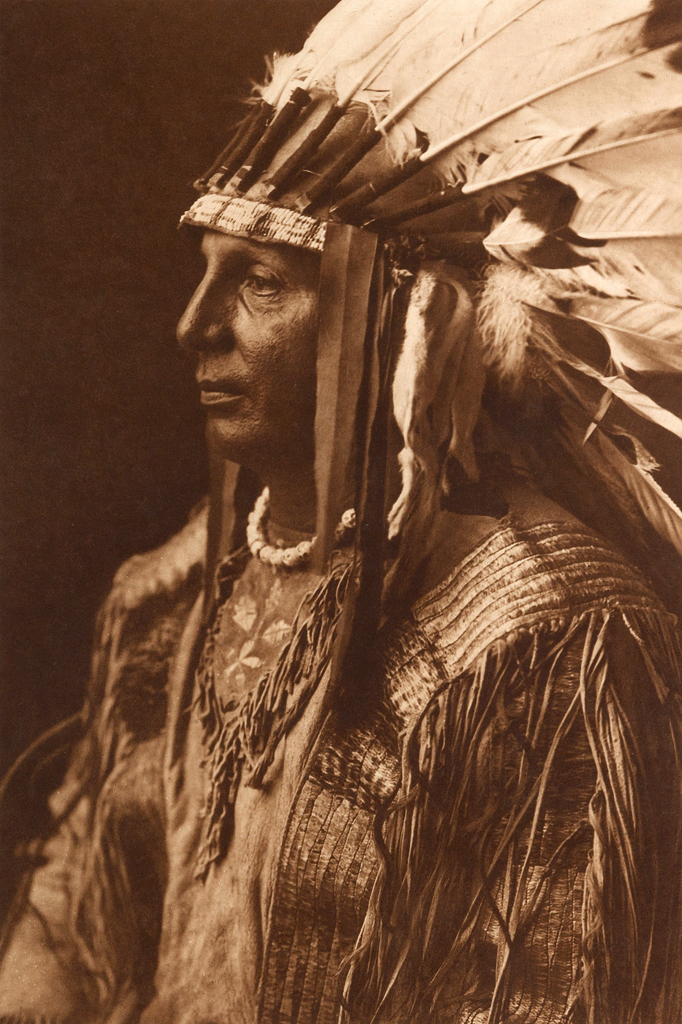
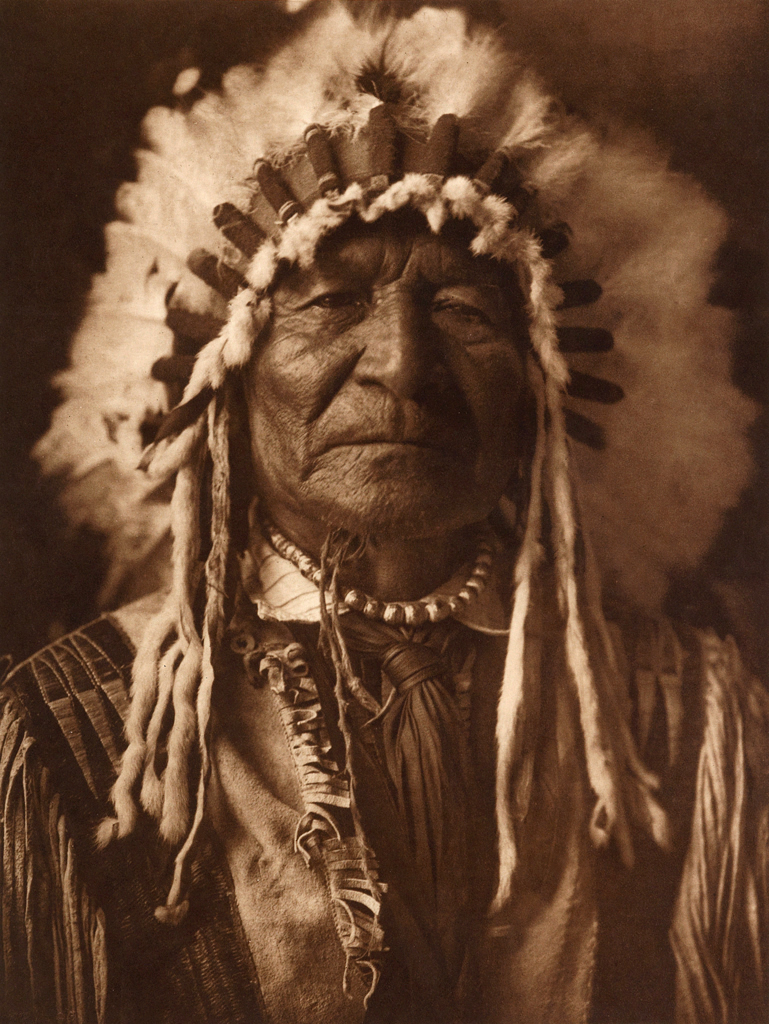
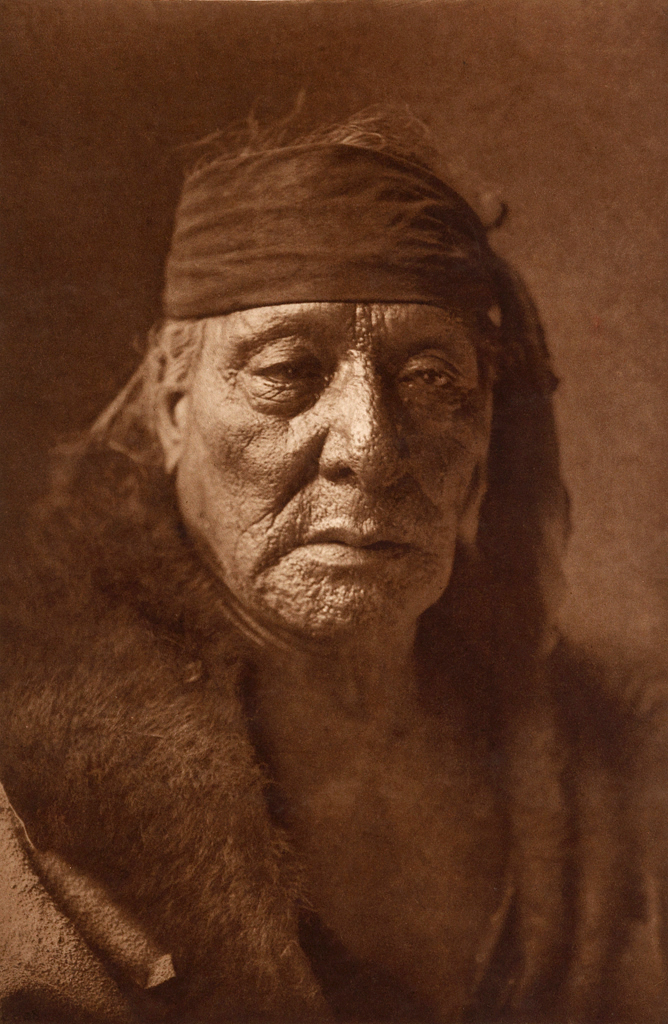
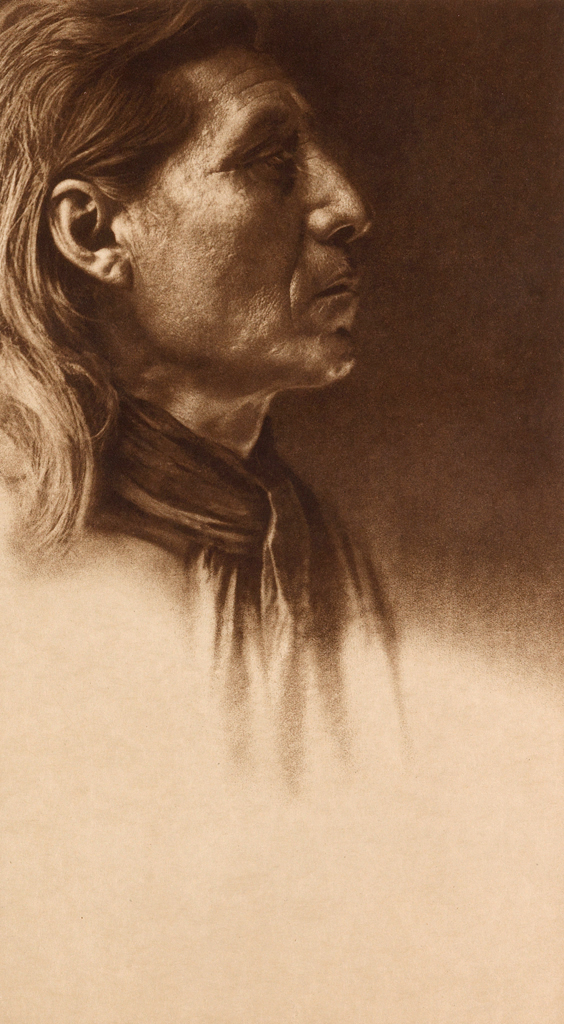
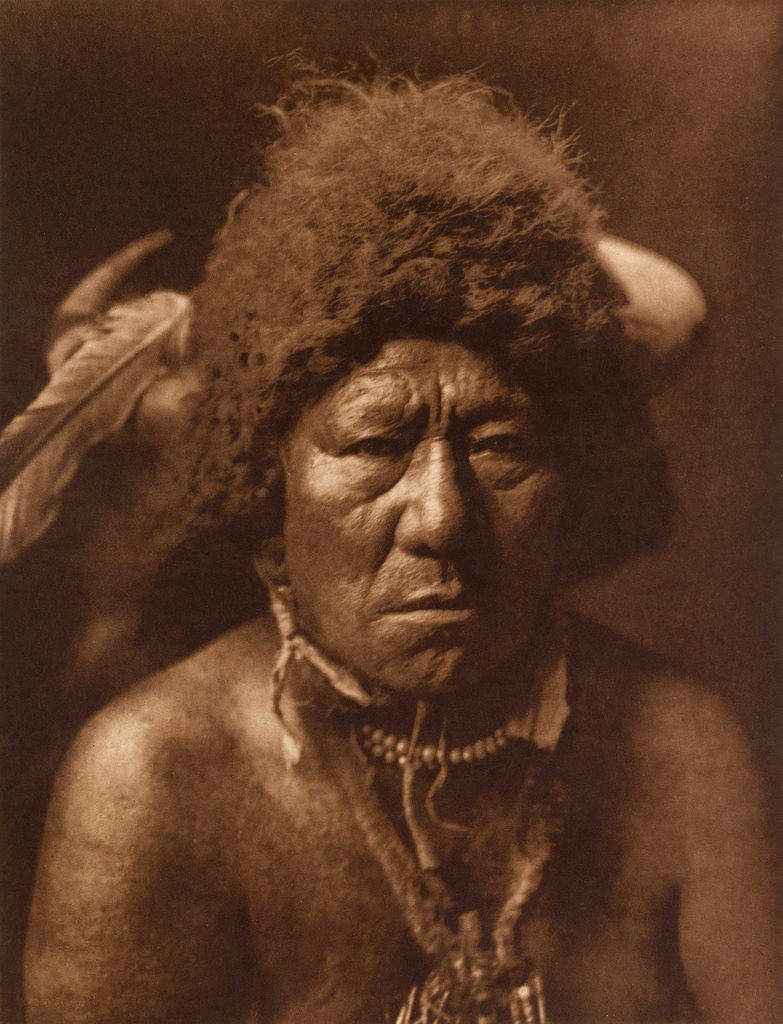
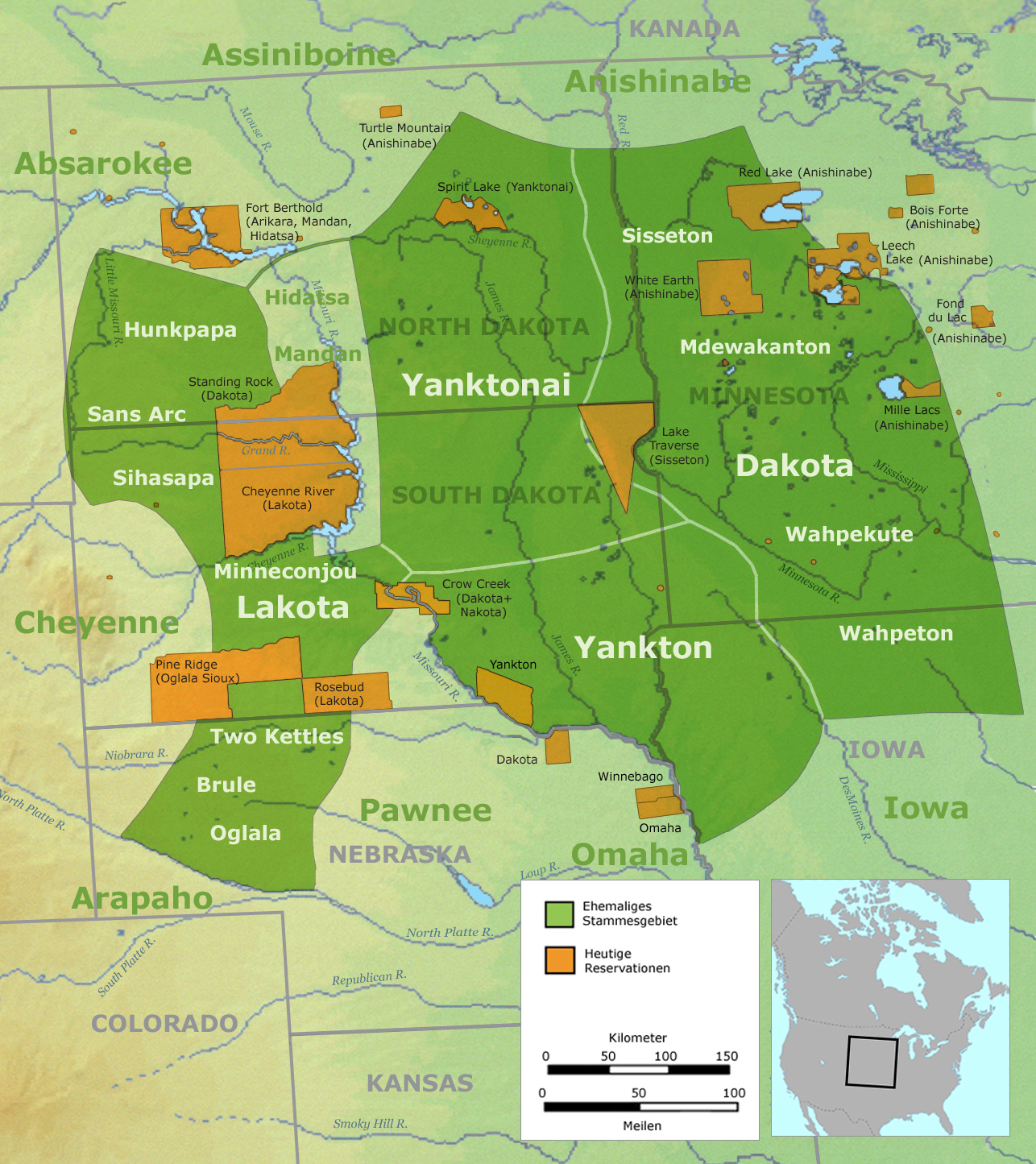
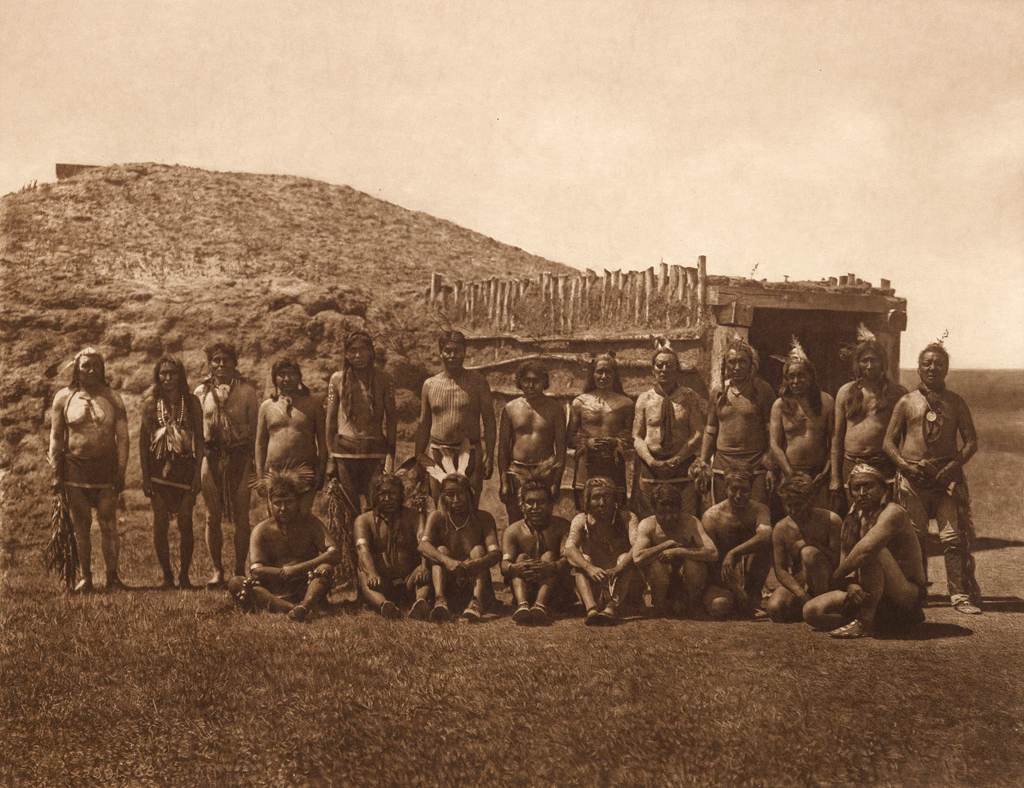
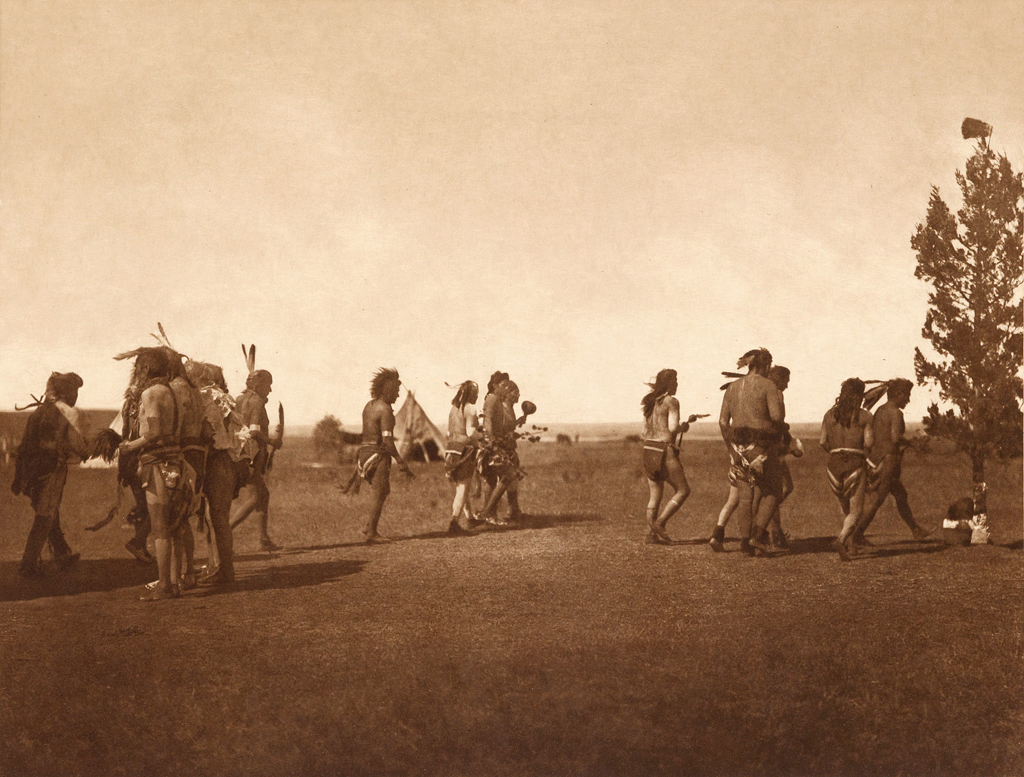
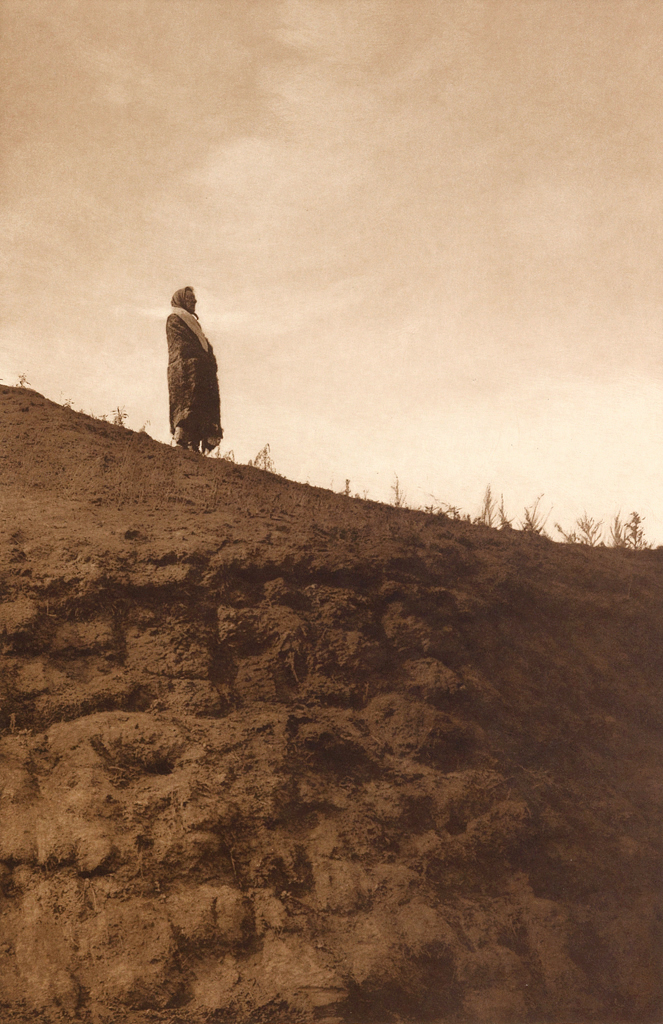
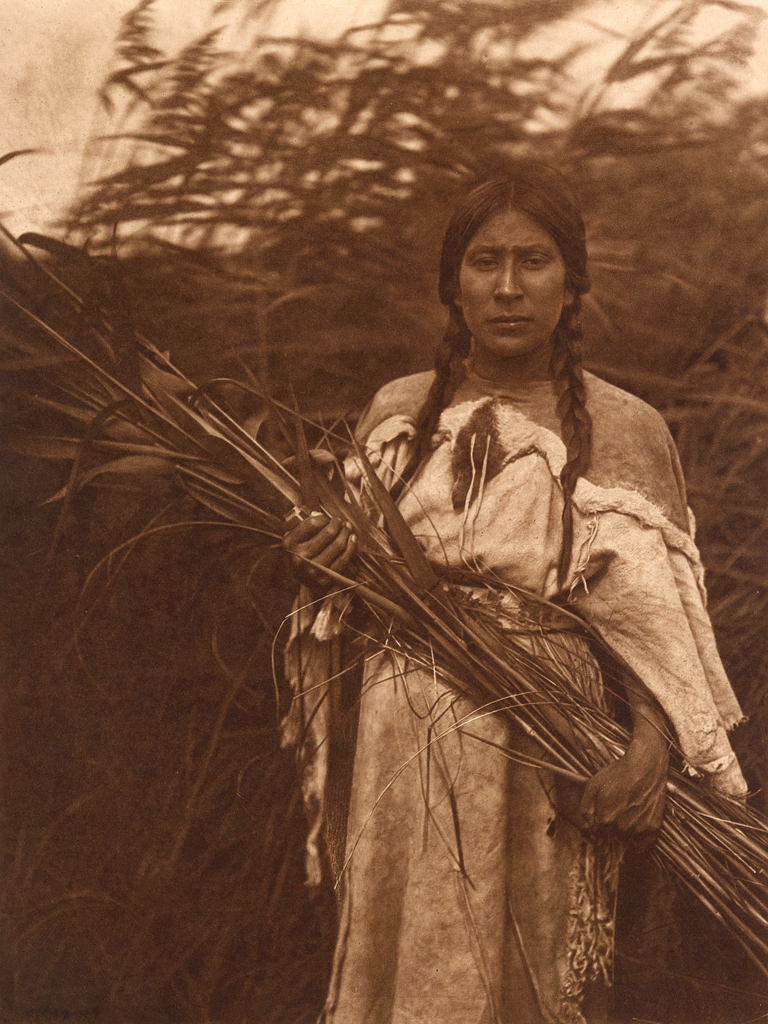
![Edward S. Curtis (American, 1868-1952) '[Arikara medicine ceremony - the Bears]' c. 1908](https://artblart.com/wp-content/uploads/2018/05/edward-s-curtis-1868-1952-the-north-american-indian-portfolio-v-1907-photogravure-on-vellum6-web.jpg "Edward S. Curtis (American, 1868-1952) '[Arikara medicine ceremony - the Bears]' c. 1908")
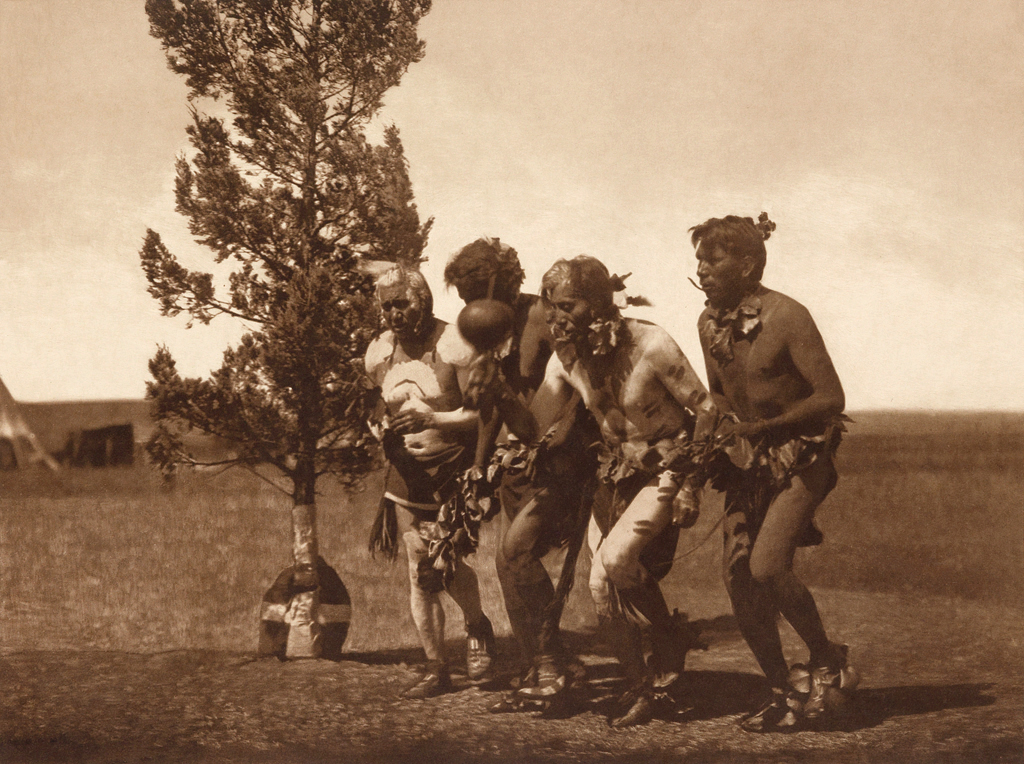
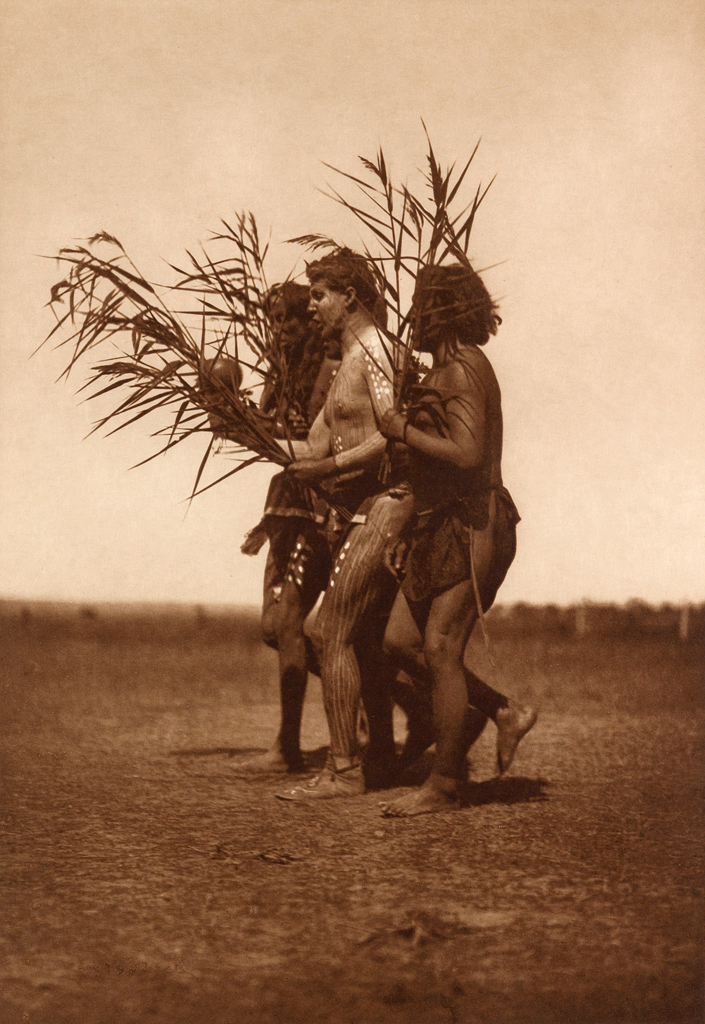
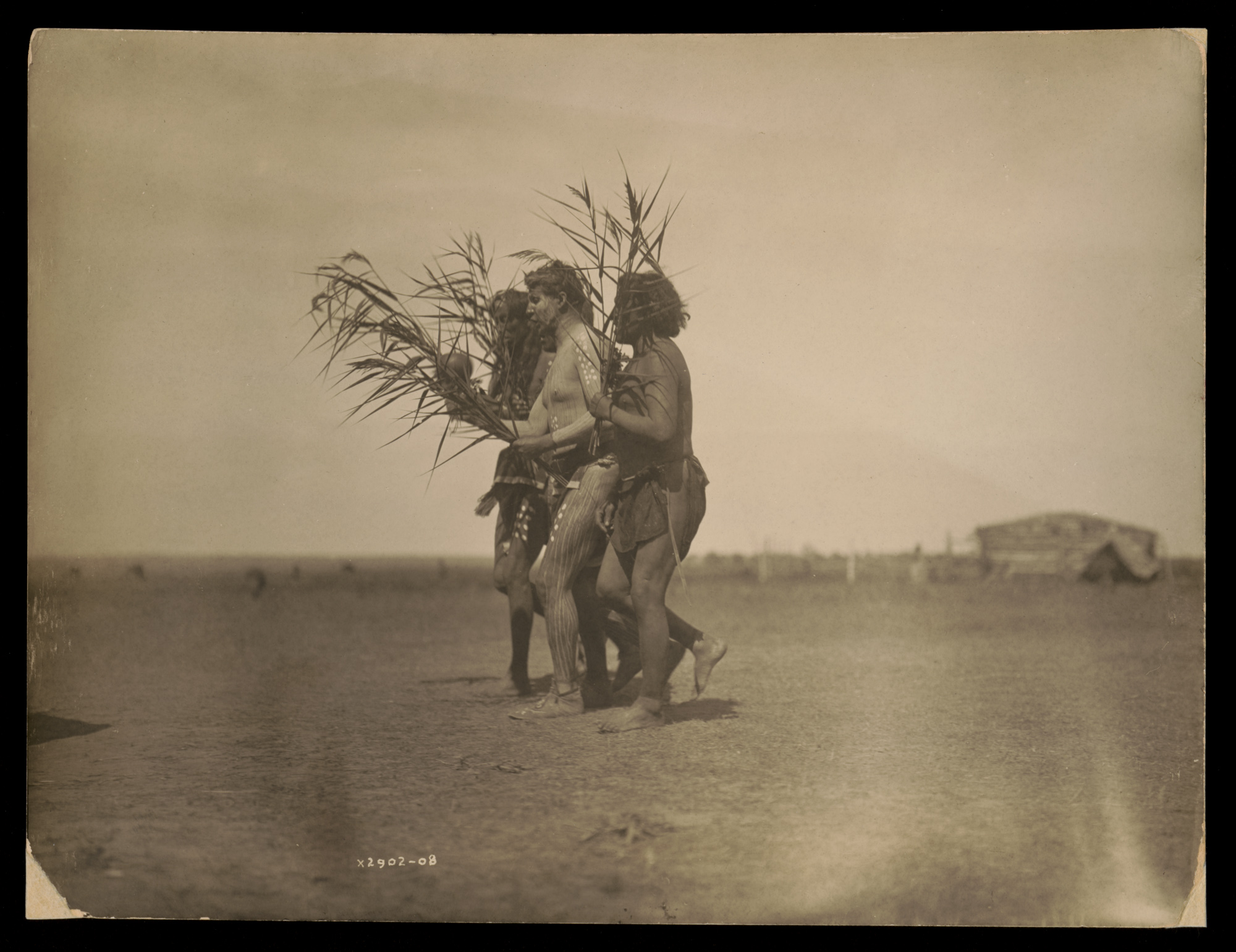
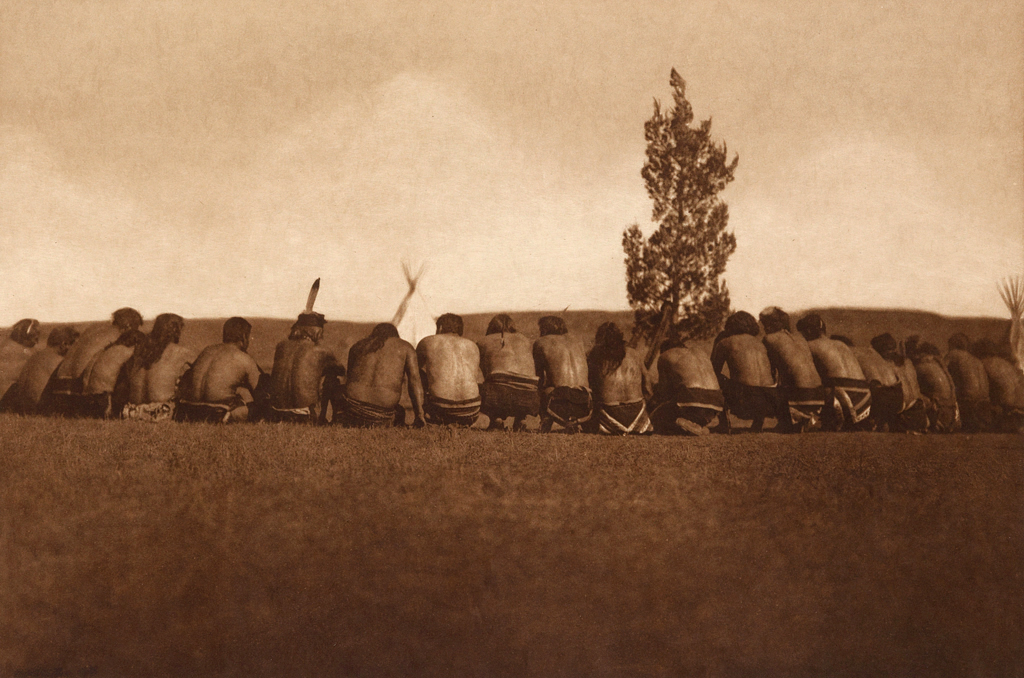
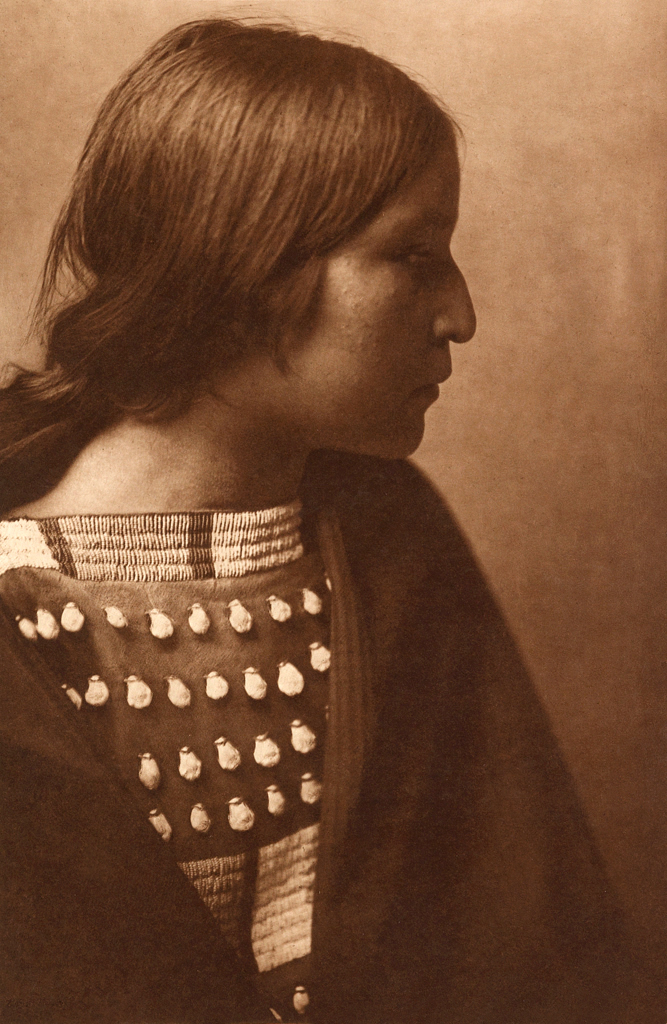
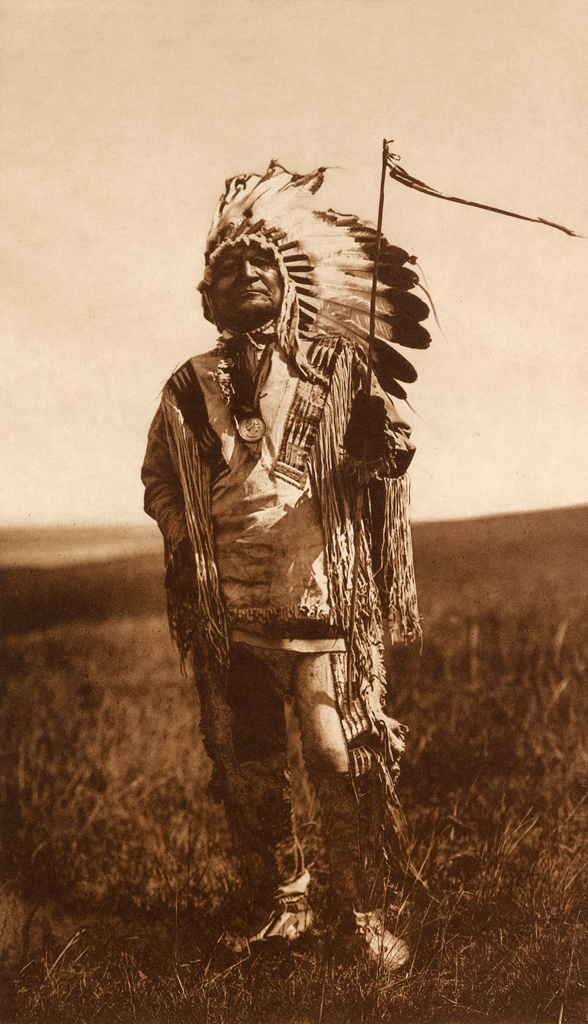
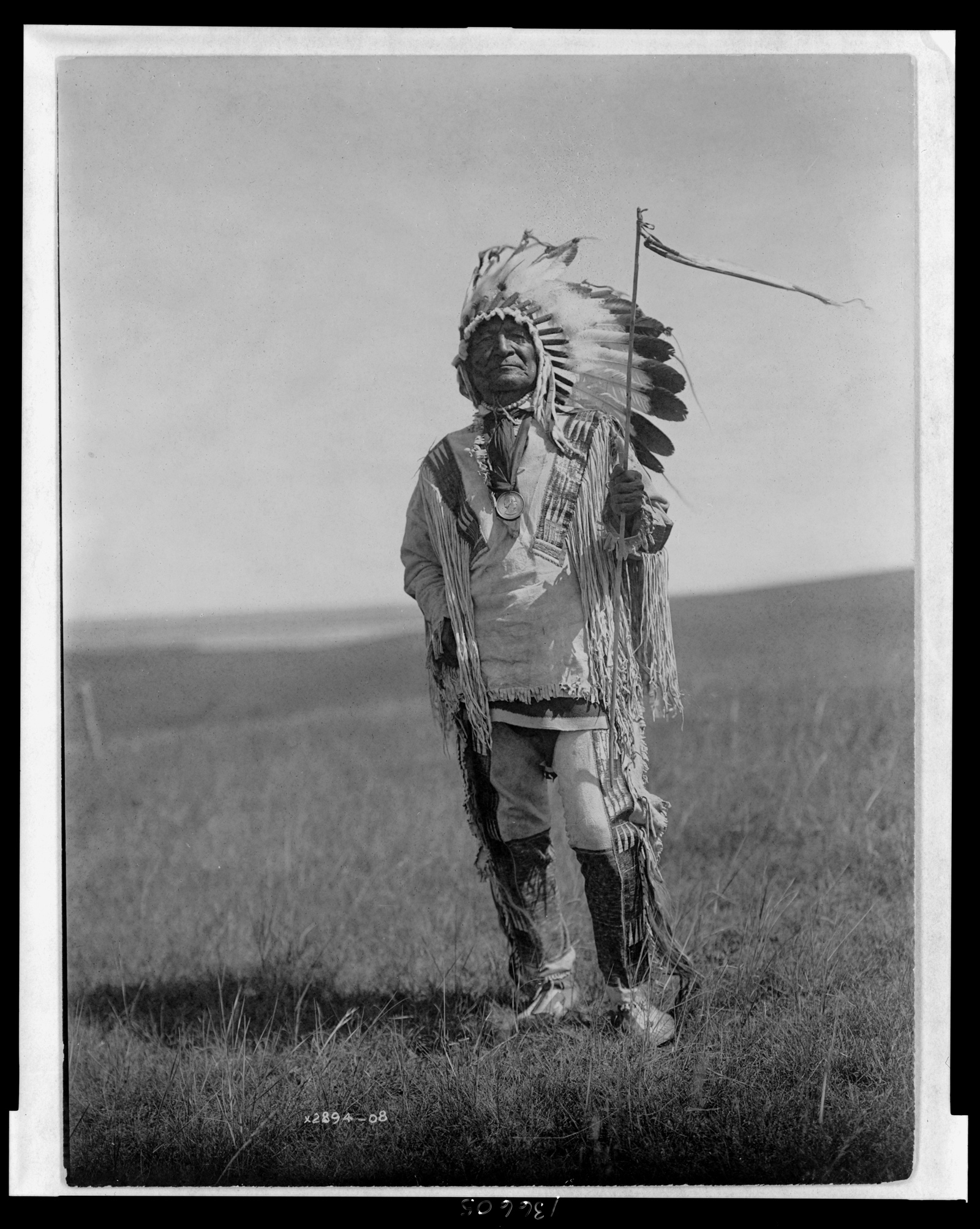
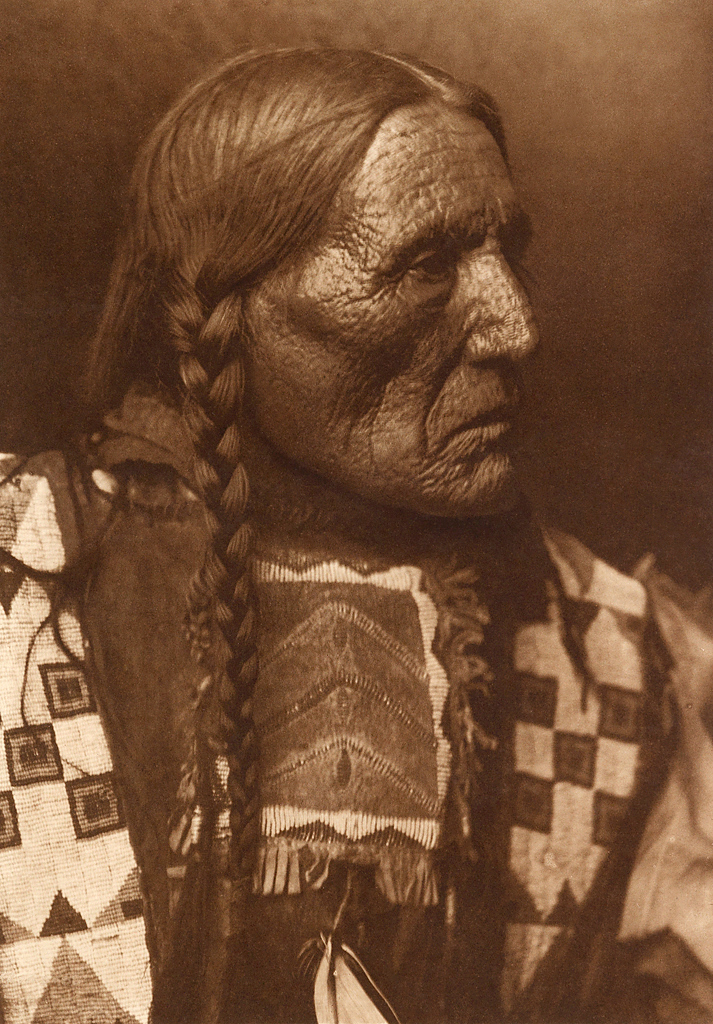
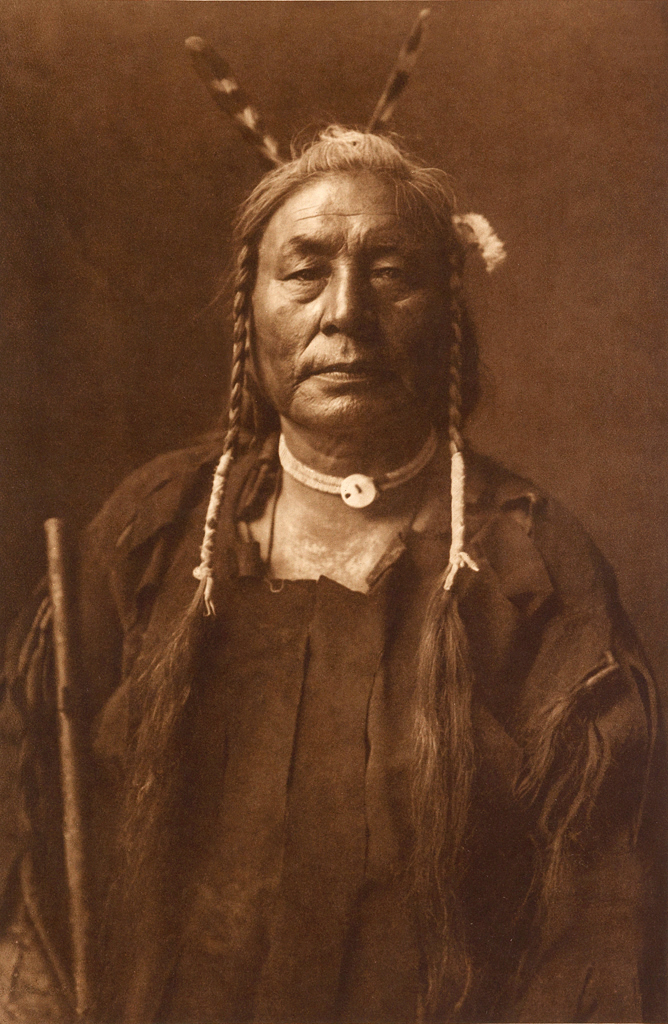
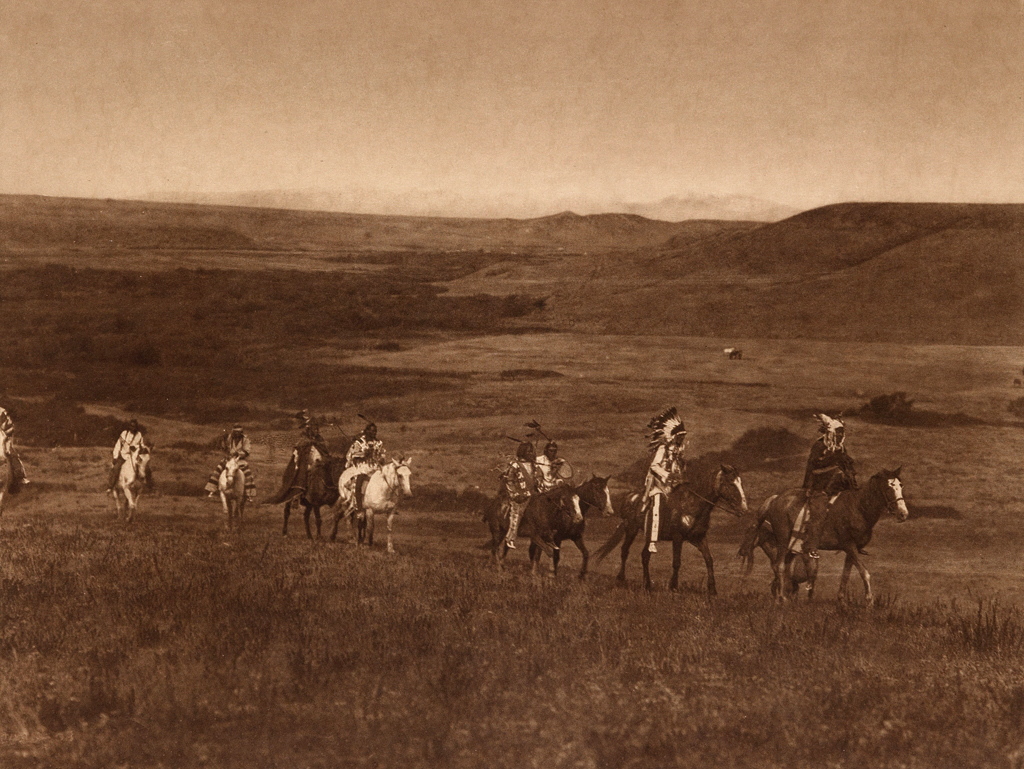
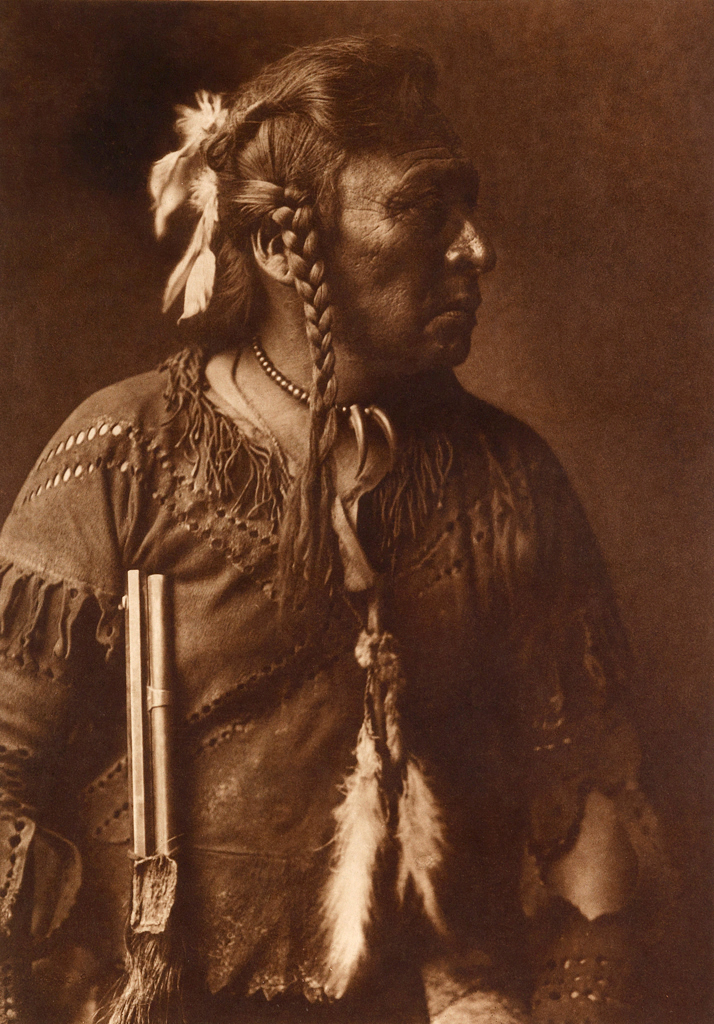
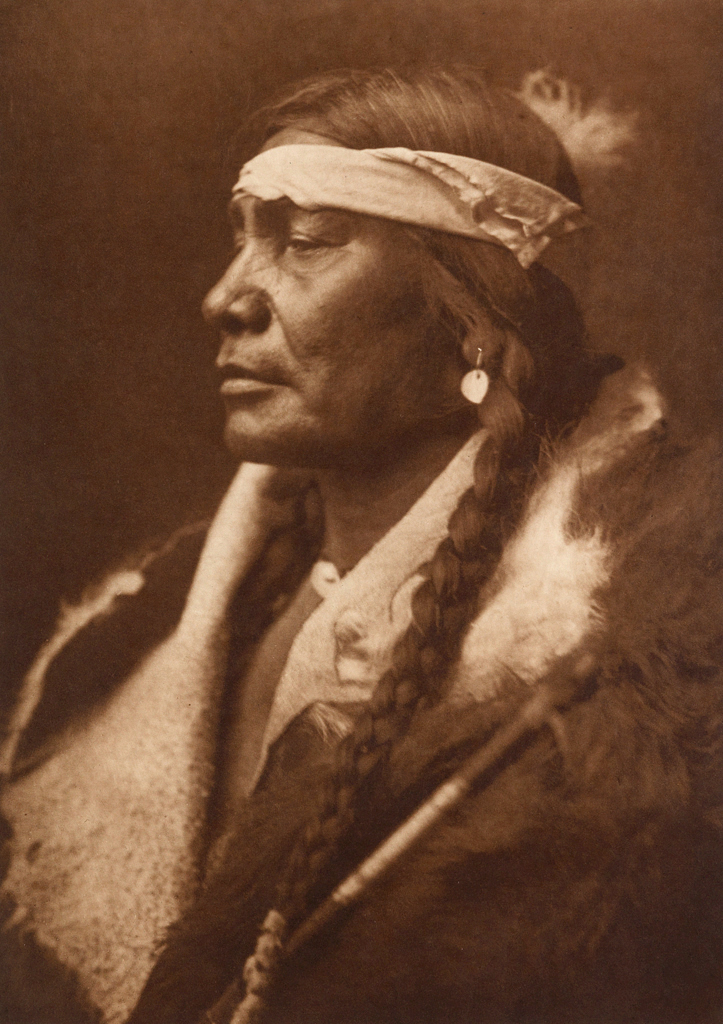
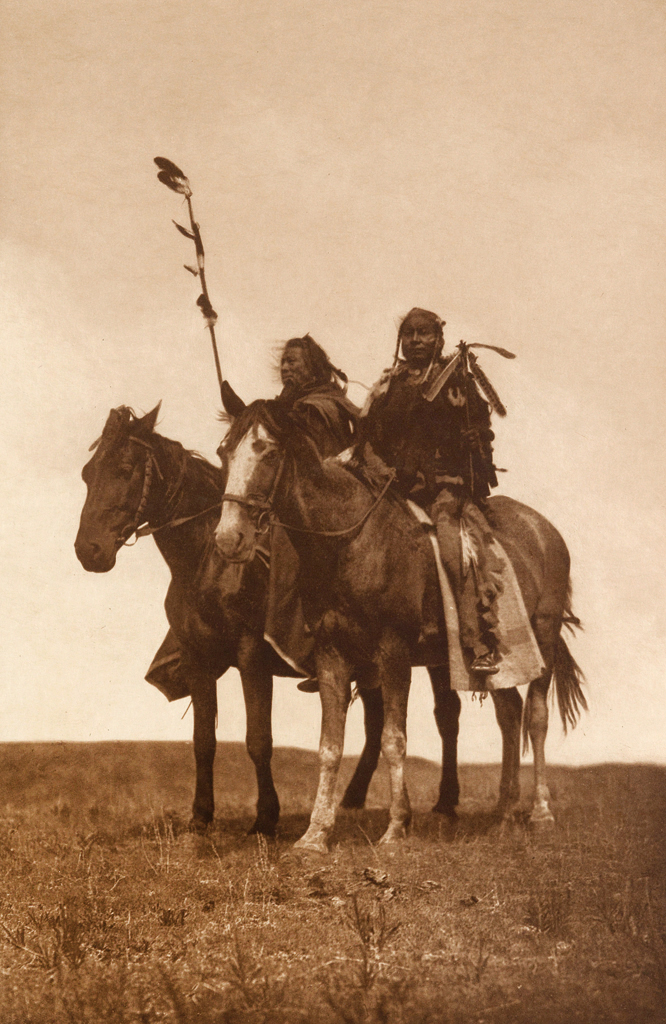
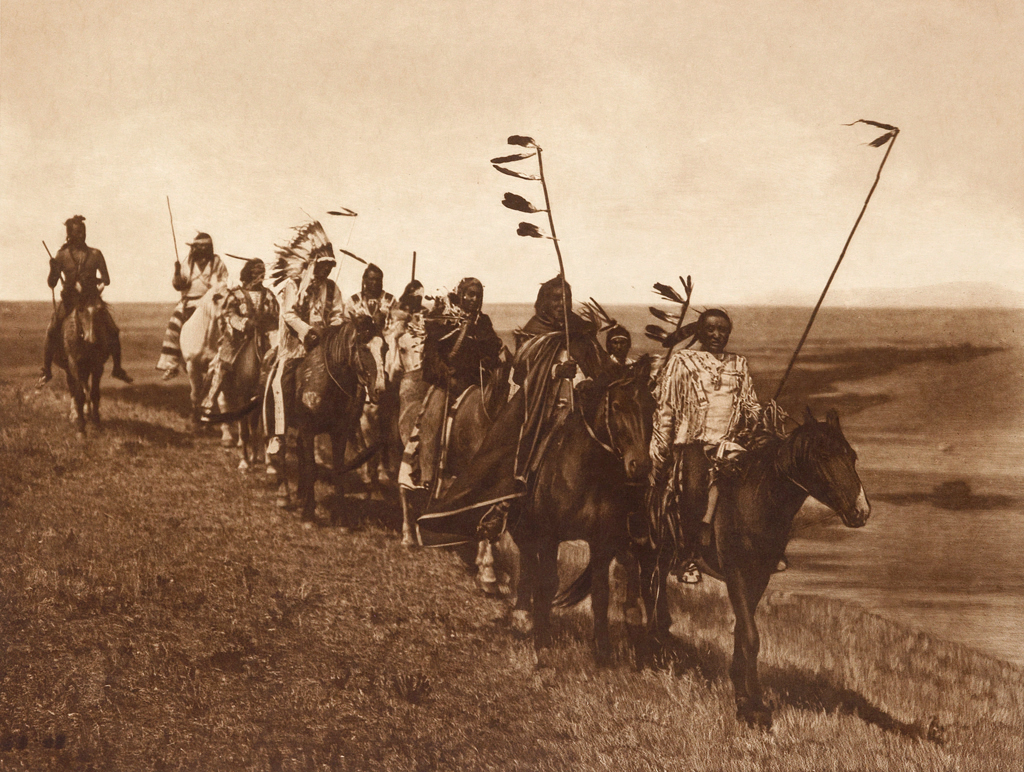
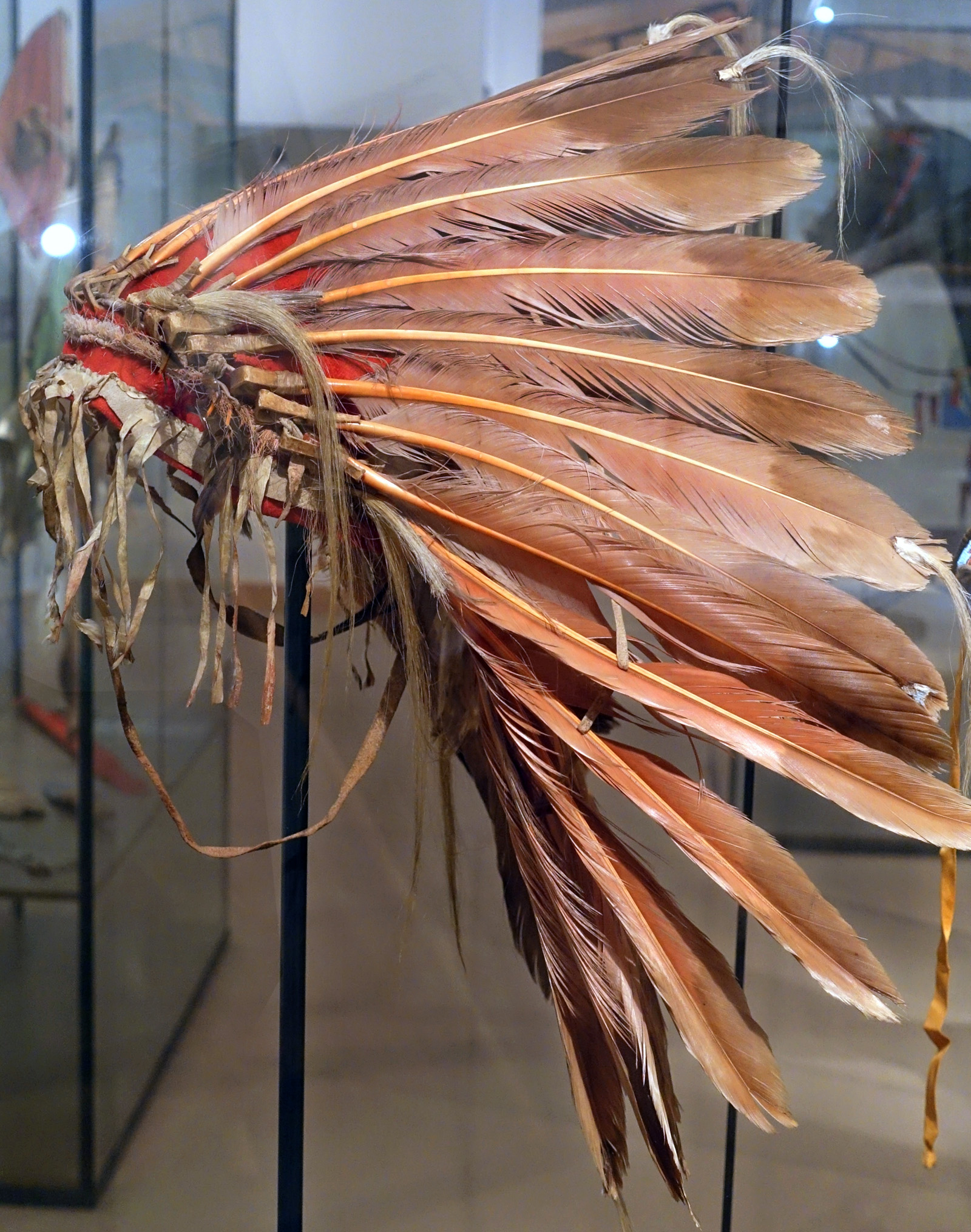
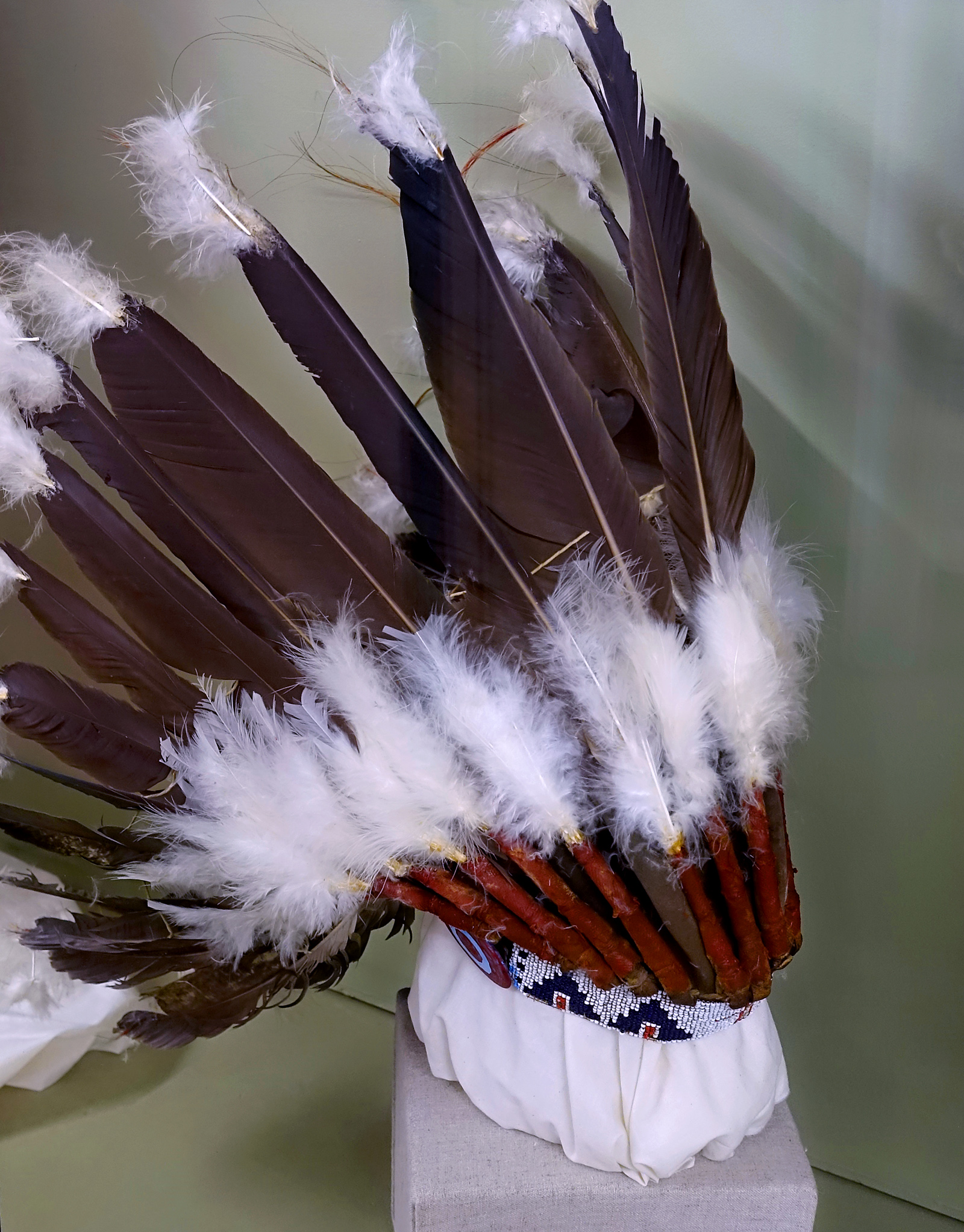
![Edward S. Curtis (American, 1868-1952) '[Atsina Indian, Red Whip, half-length portrait, seated, facing front, wearing feather, beaded buckskin shirt, holding pipe in left hand]' c. 1908](https://artblart.com/wp-content/uploads/2018/05/edward-s-curtis-1868-1952-the-north-american-indian-portfolio-v-1907-photogravure-on-vellum19-web.jpg "Edward S. Curtis (American, 1868-1952) '[Atsina Indian, Red Whip, half-length portrait, seated, facing front, wearing feather, beaded buckskin shirt, holding pipe in left hand]' c. 1908")
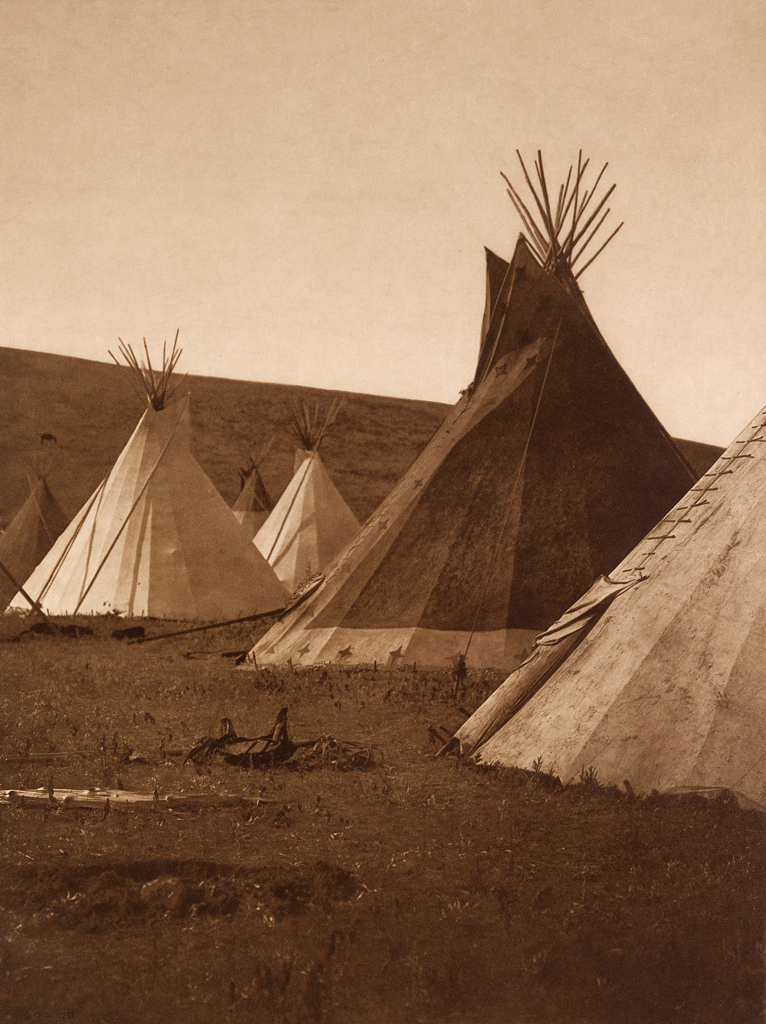
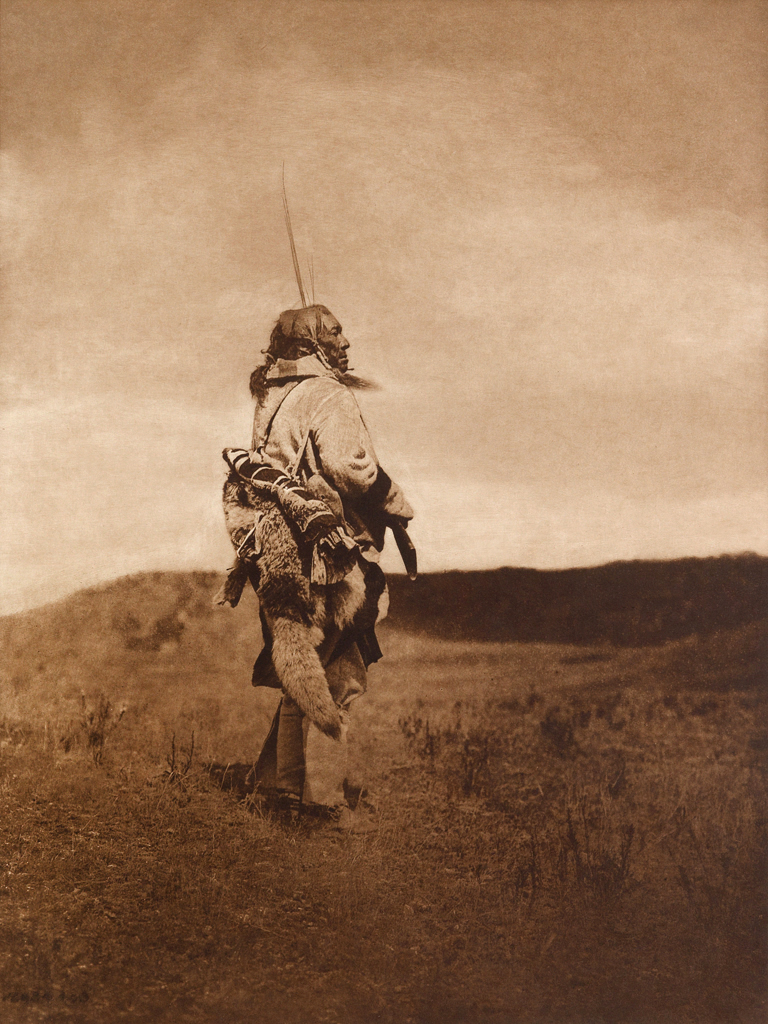
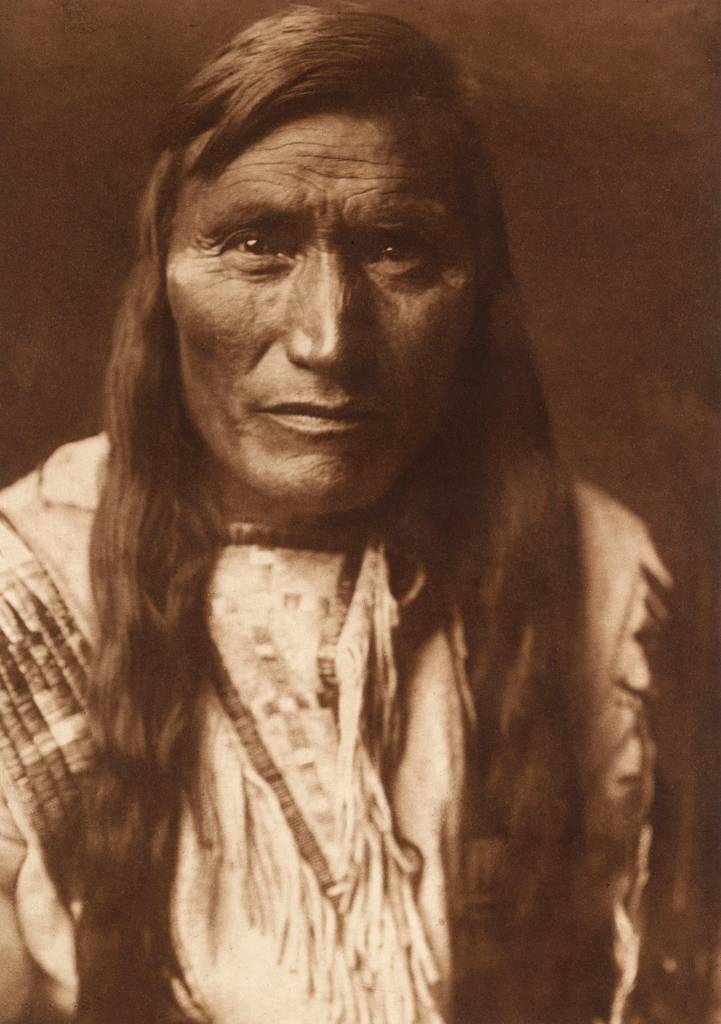
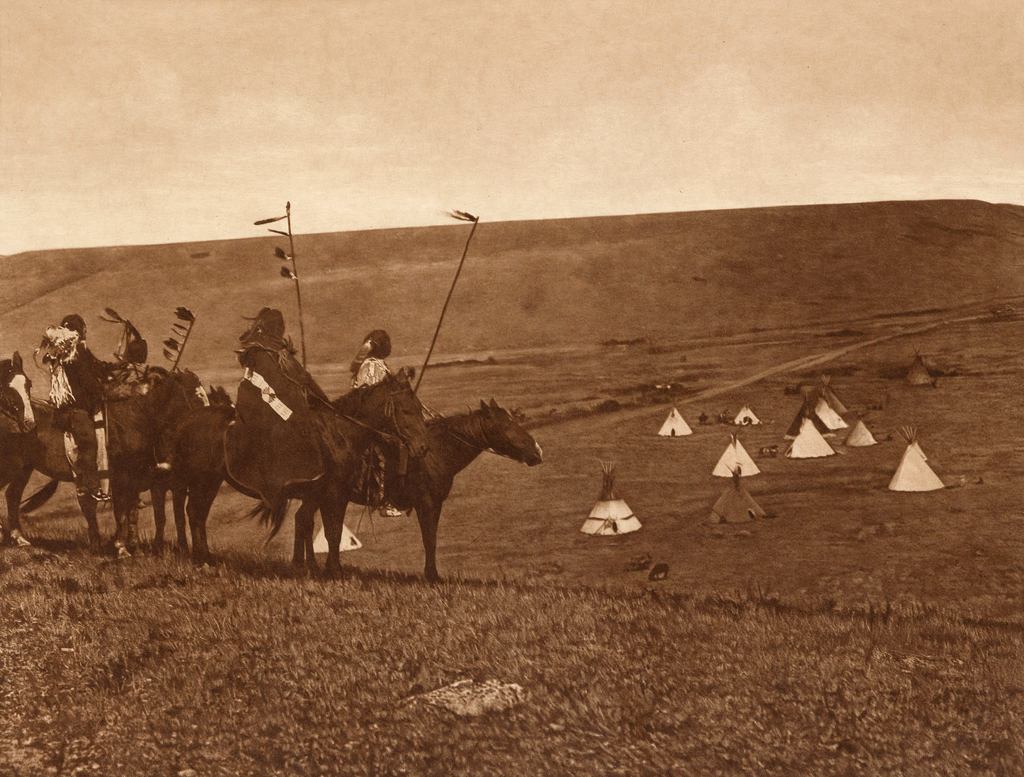
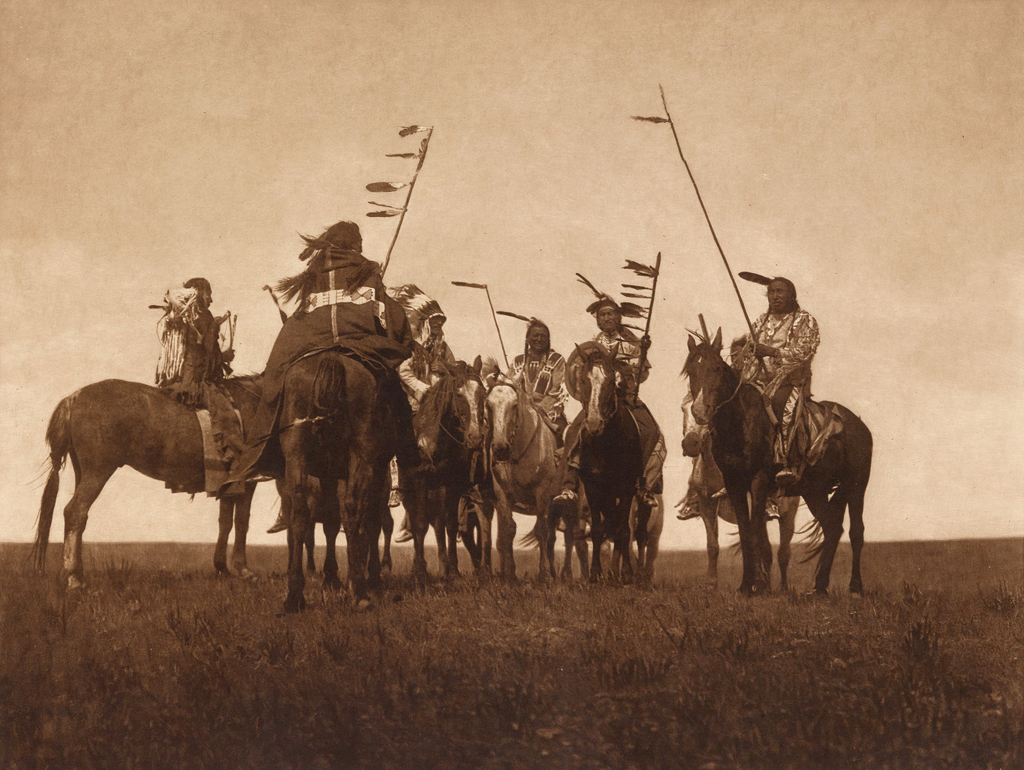
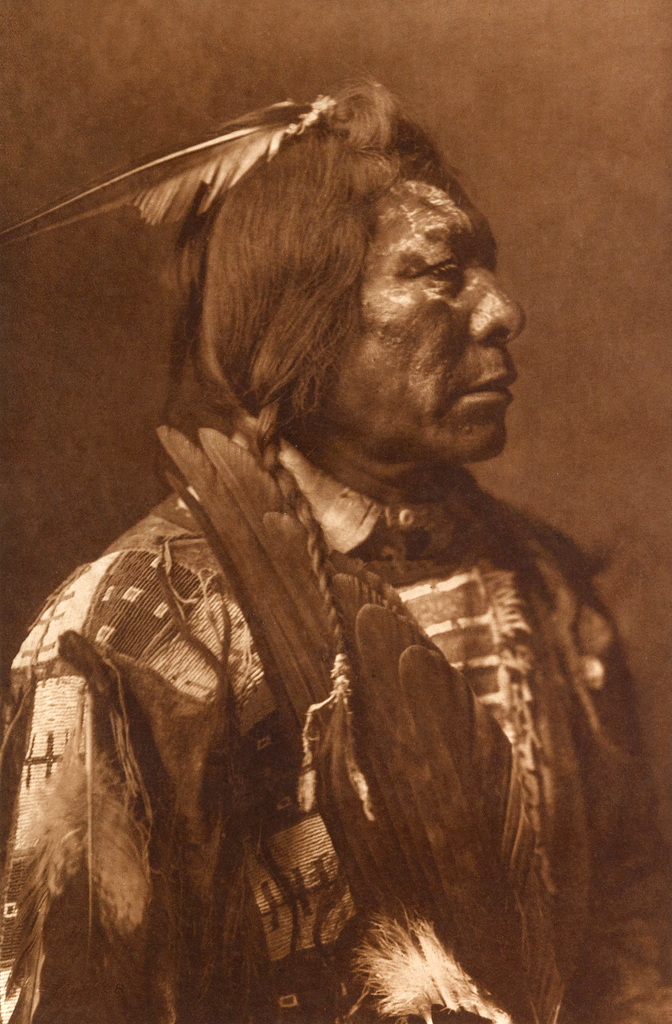
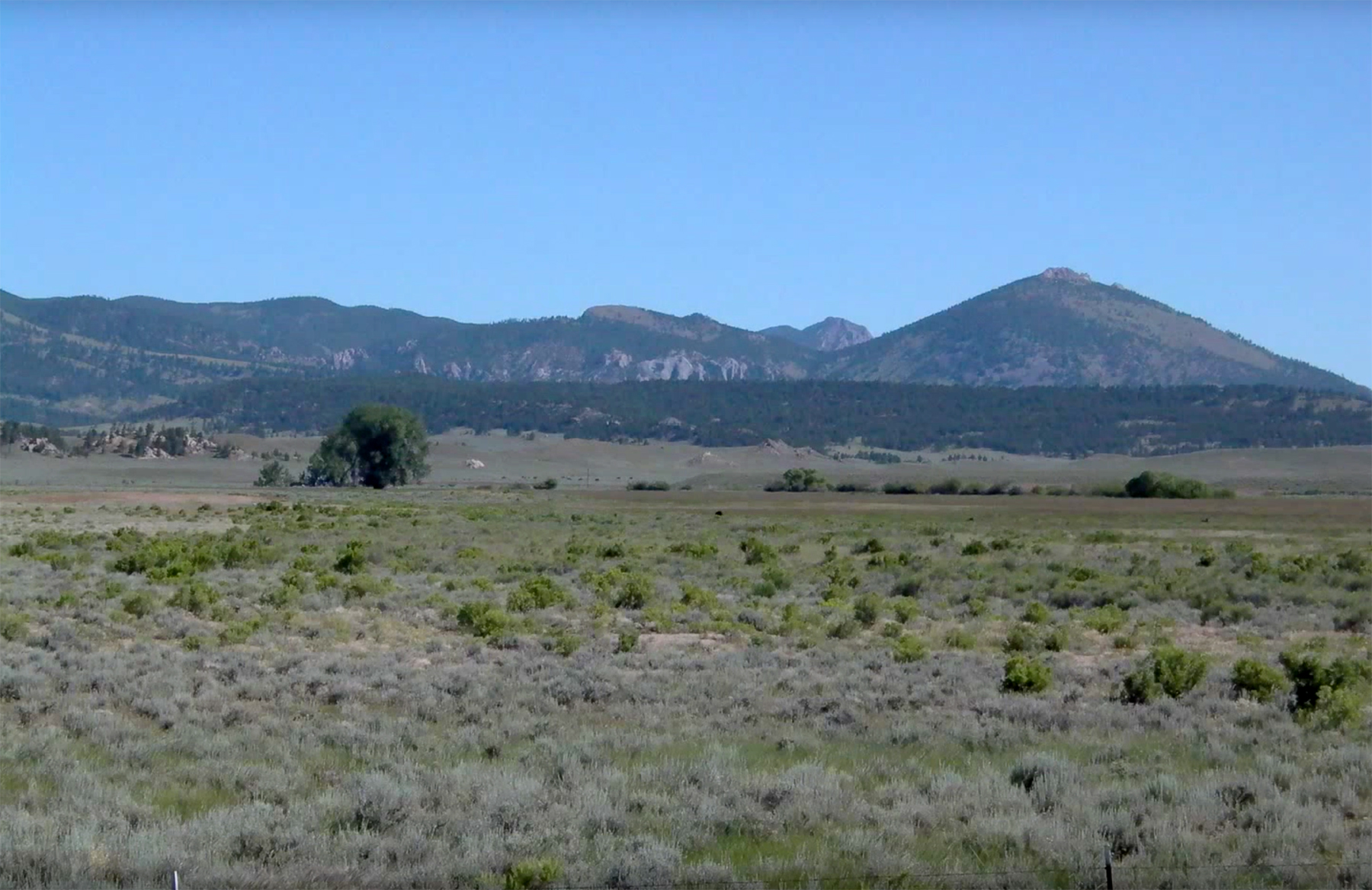
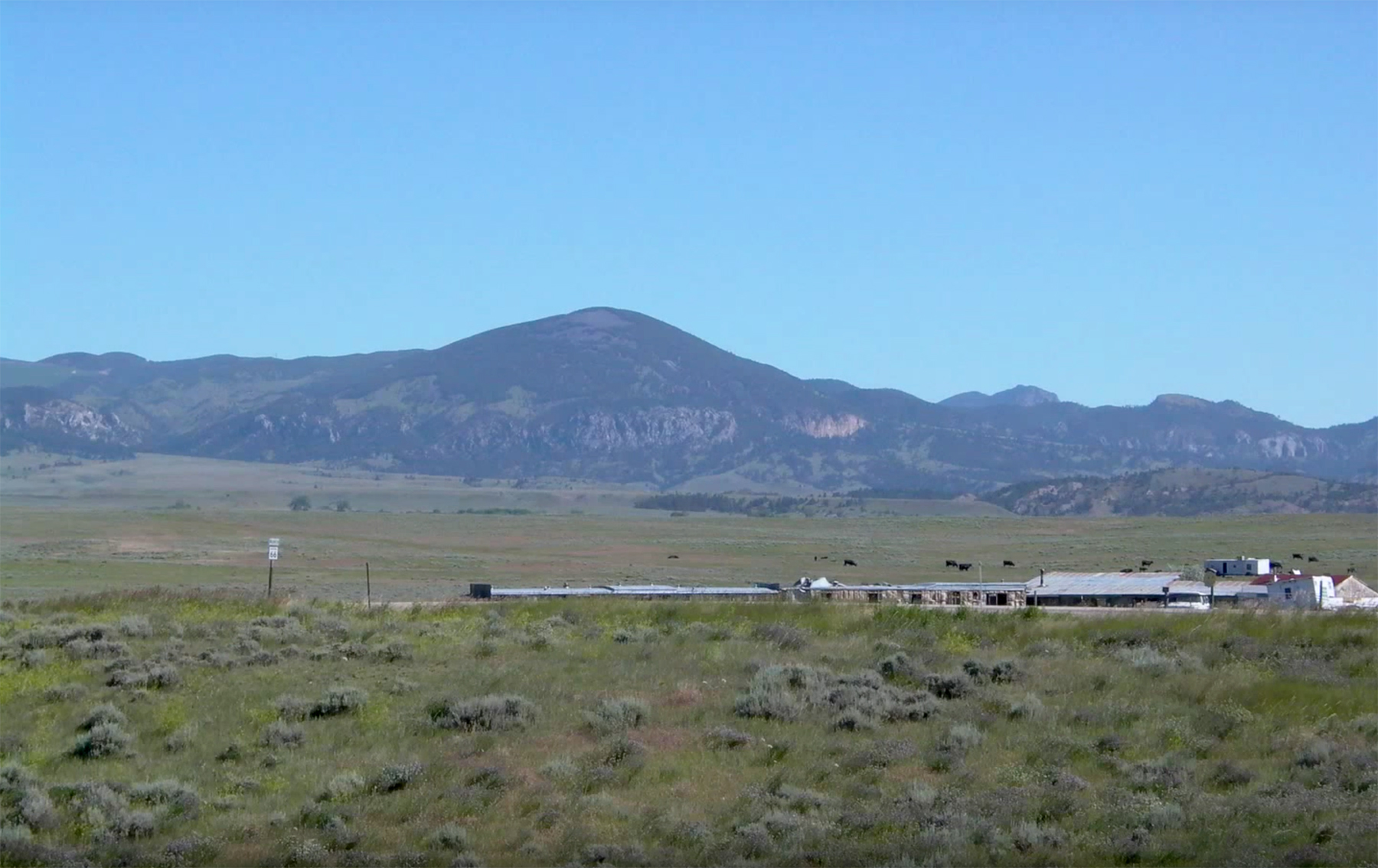
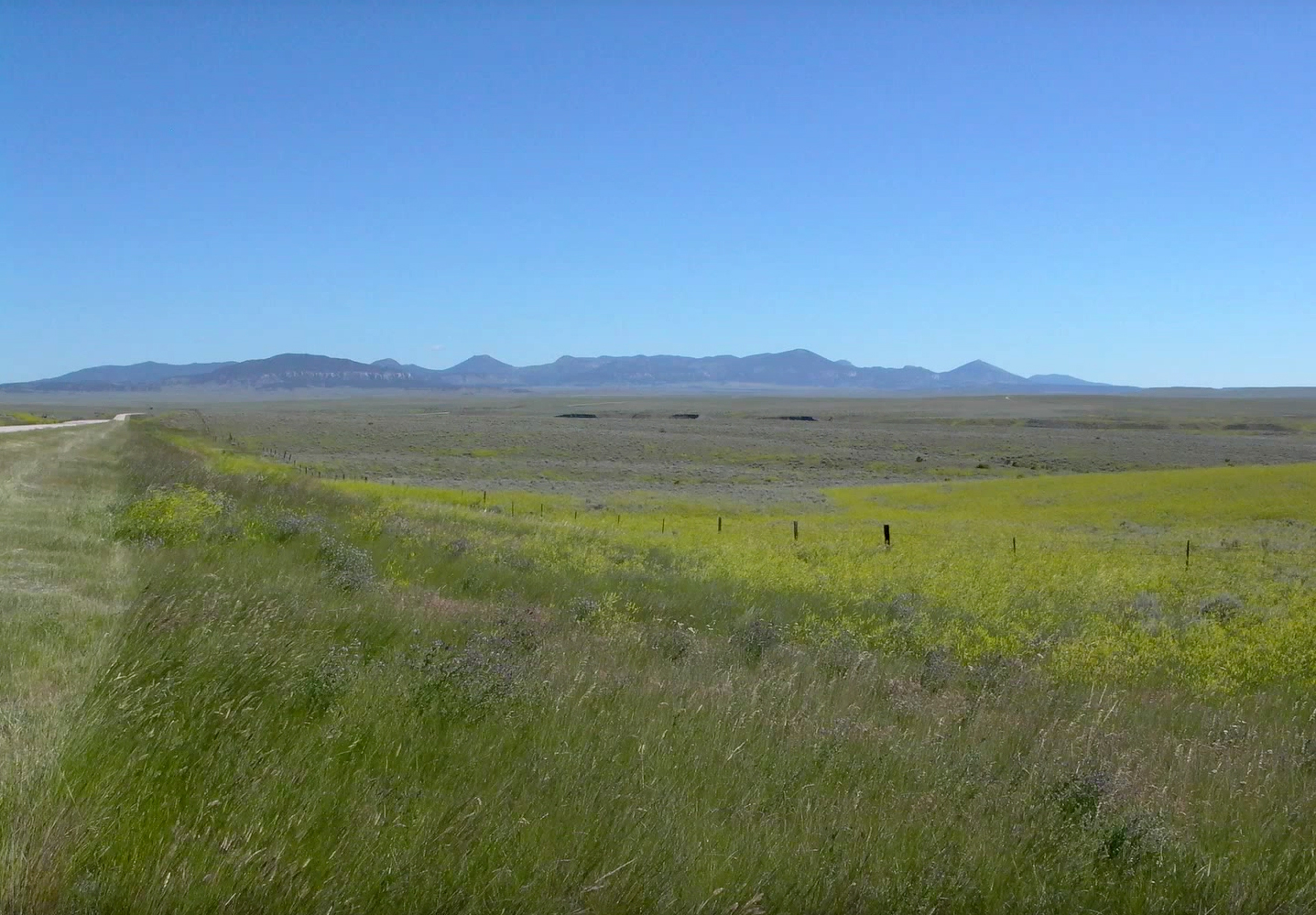
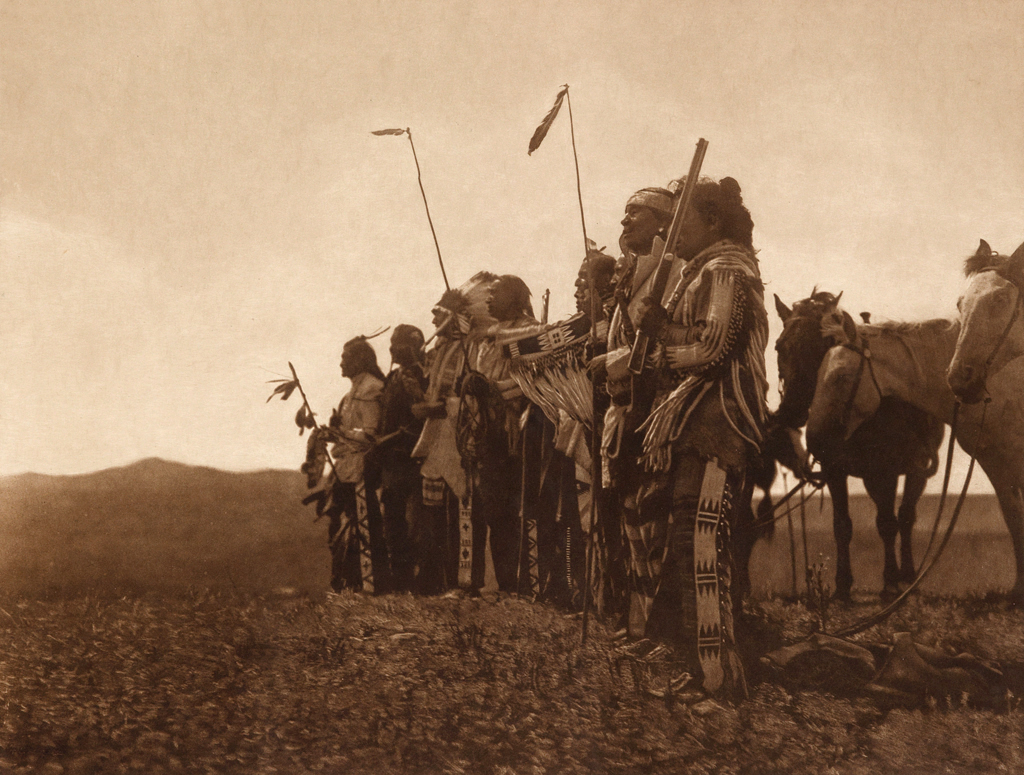
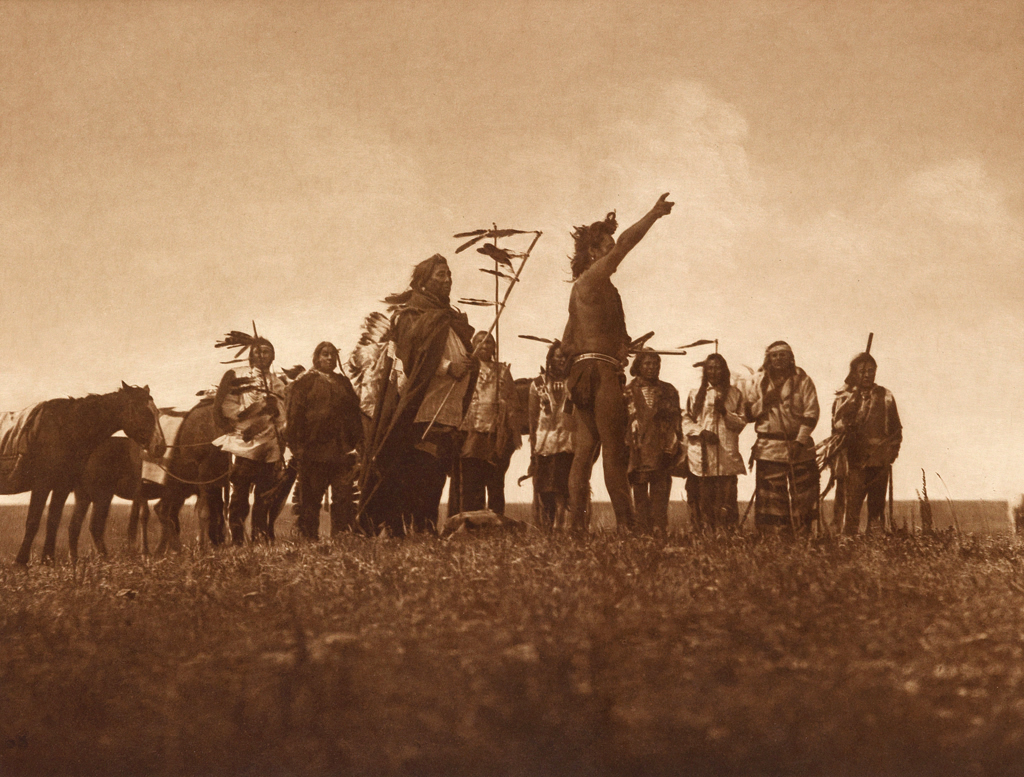
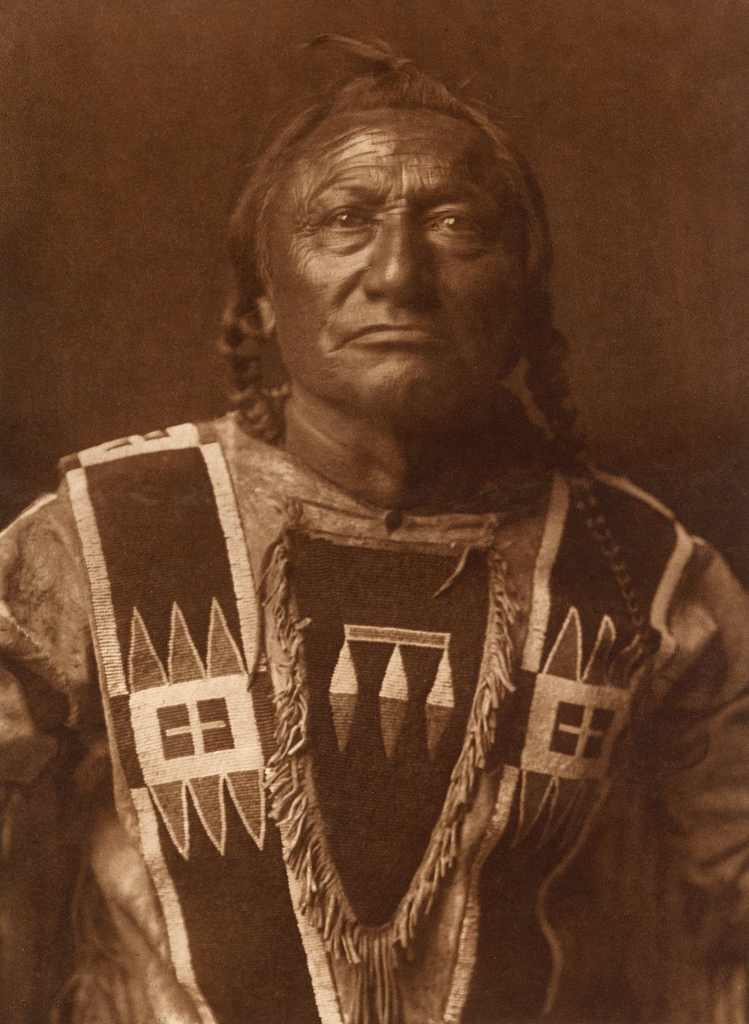


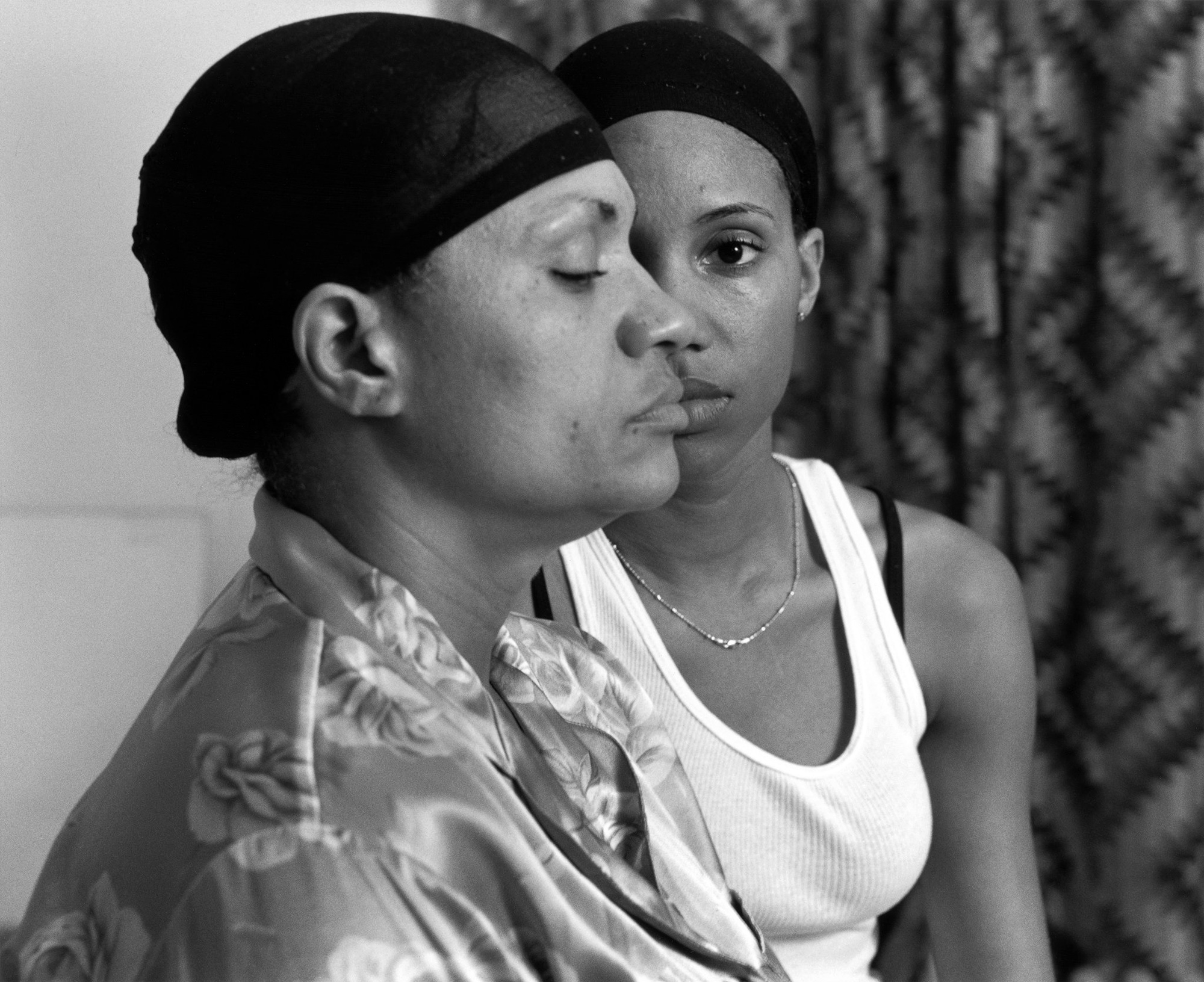

![Photographer unknown (American) 'Untitled [Hidden Mother]' c. 1860s-1870s](https://artblart.com/wp-content/uploads/2018/05/13_hidden-mother_artist-unidentified-web.jpg "Photographer unknown (American) 'Untitled [Hidden Mother]' c. 1860s-1870s")


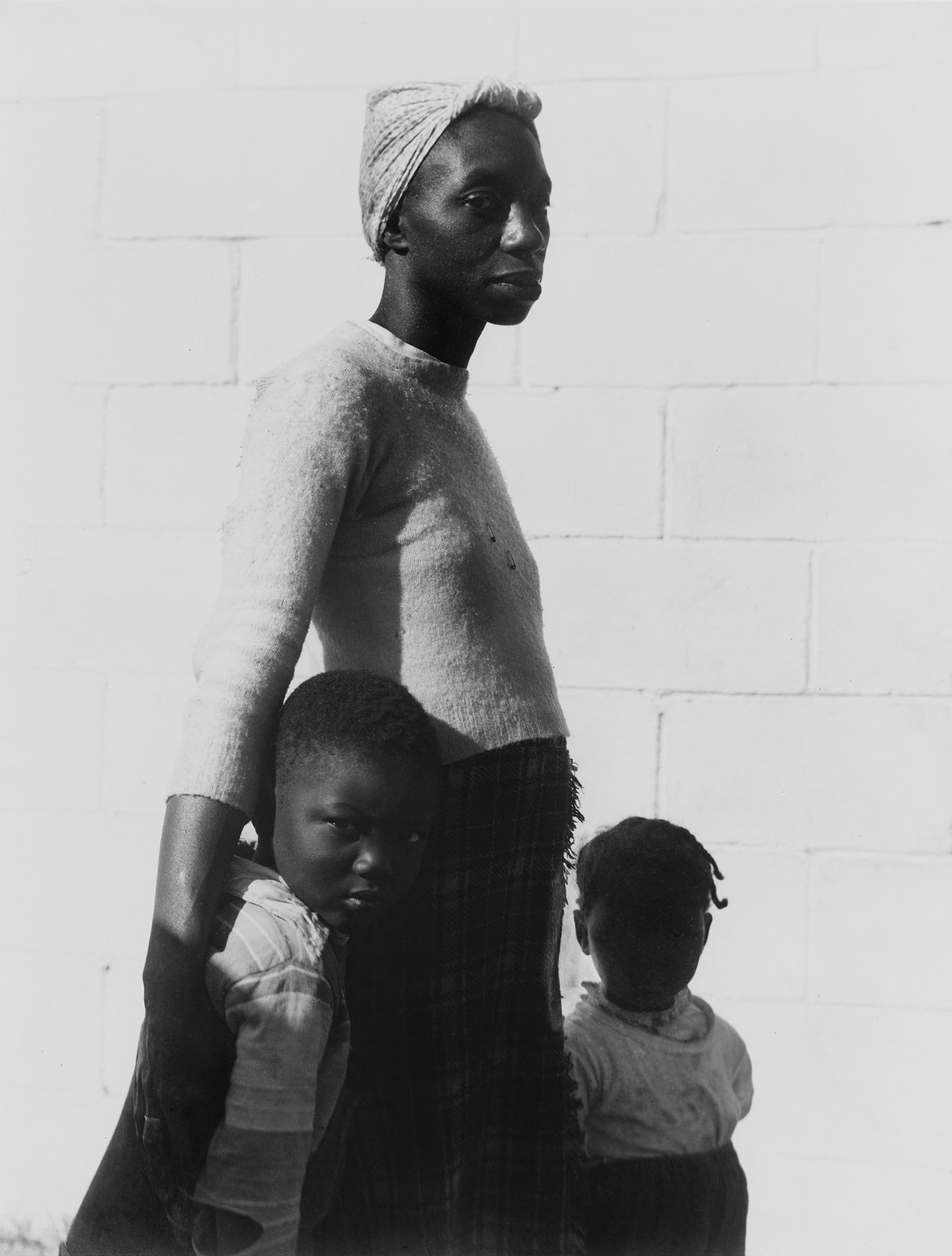
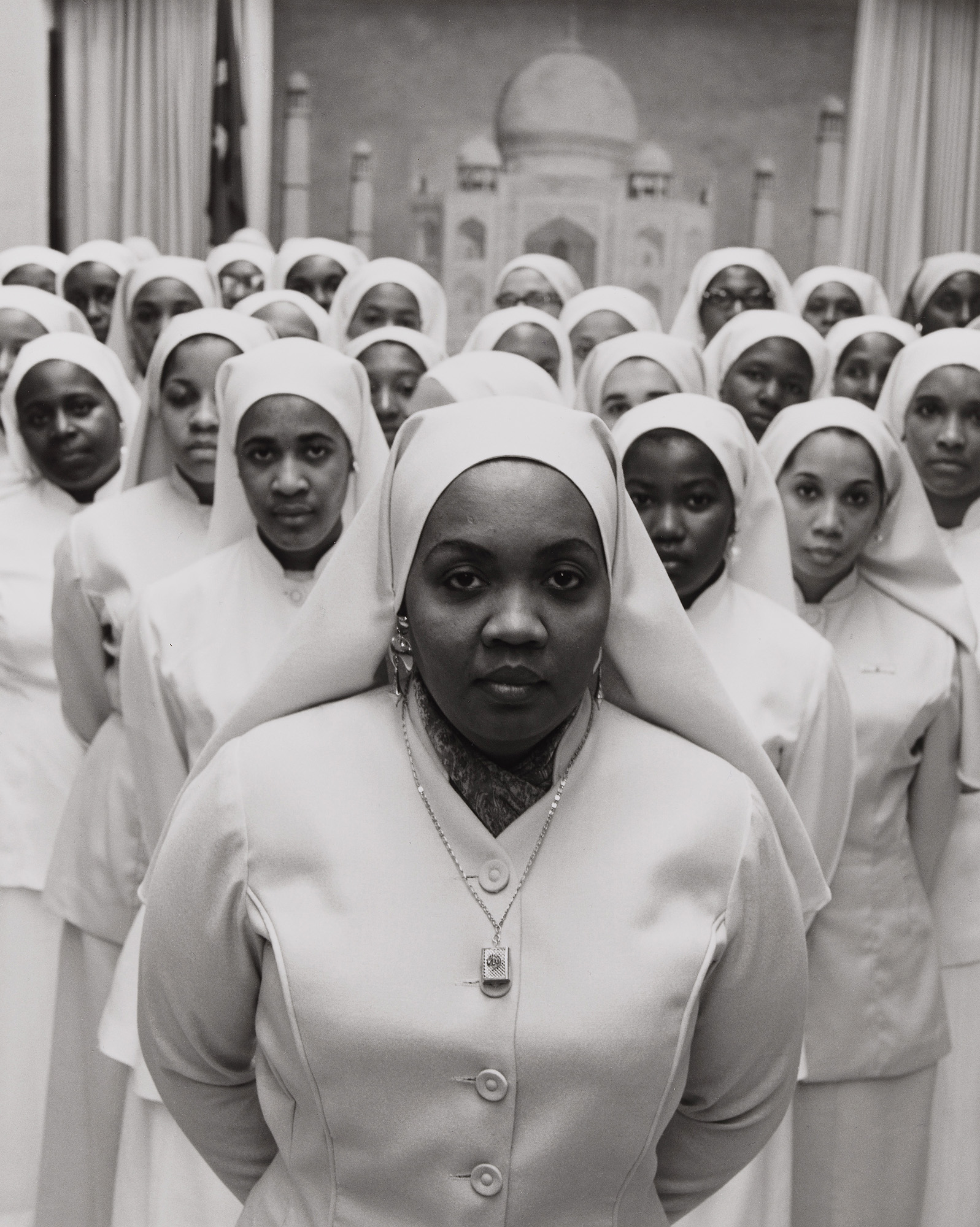


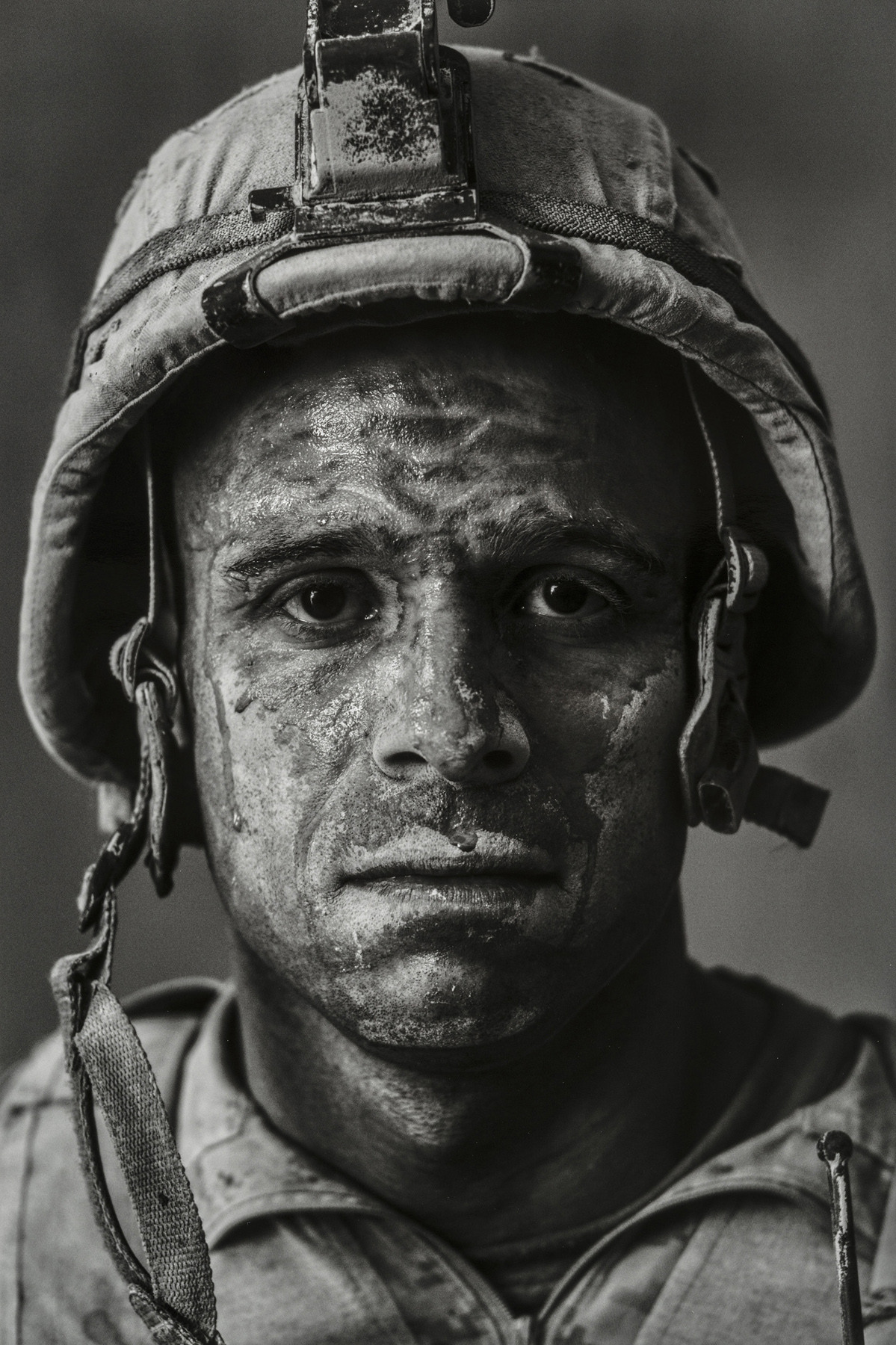





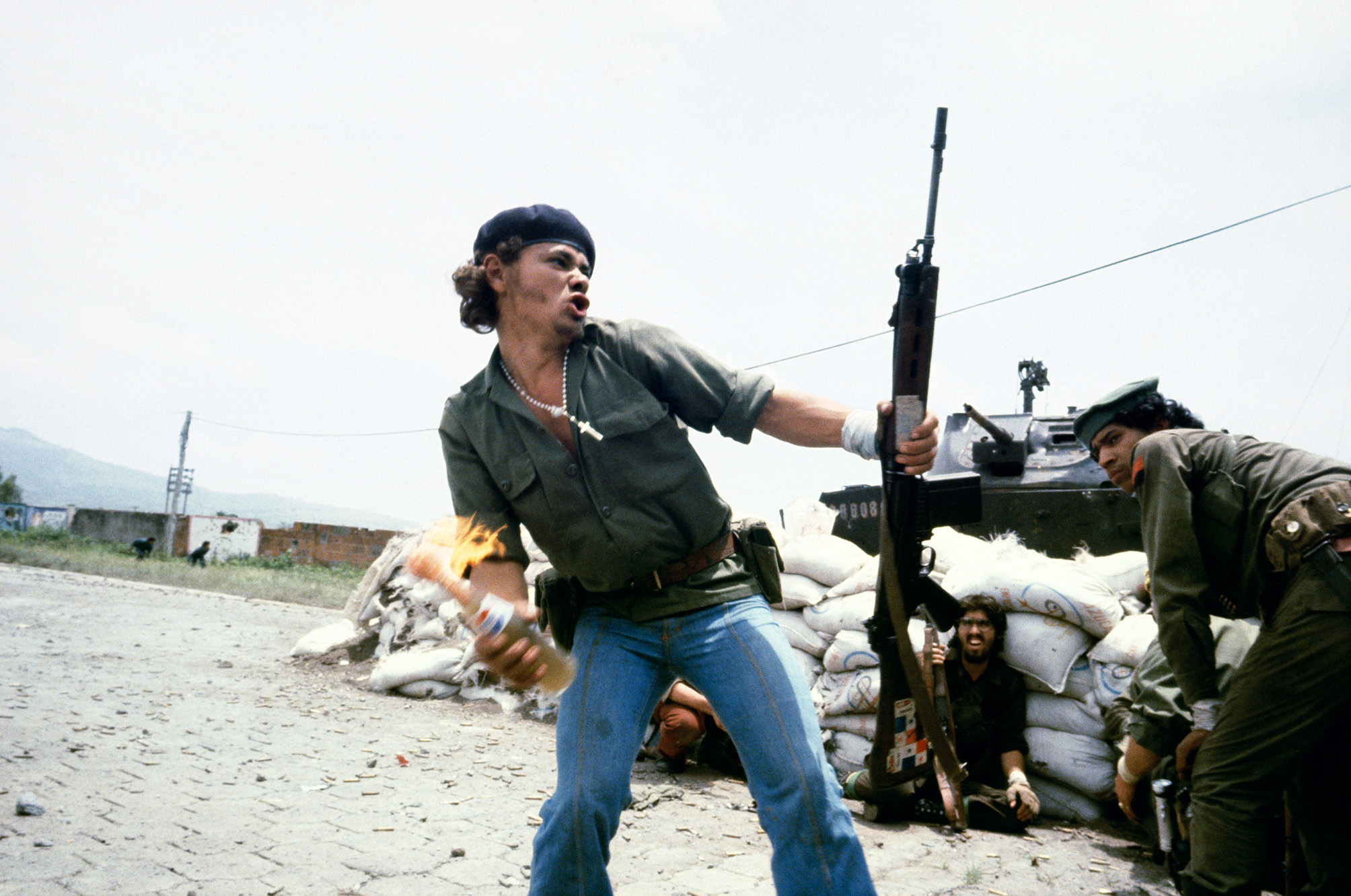















 Art Blart _ art and cultural memory archive
You must be logged in to post a comment.