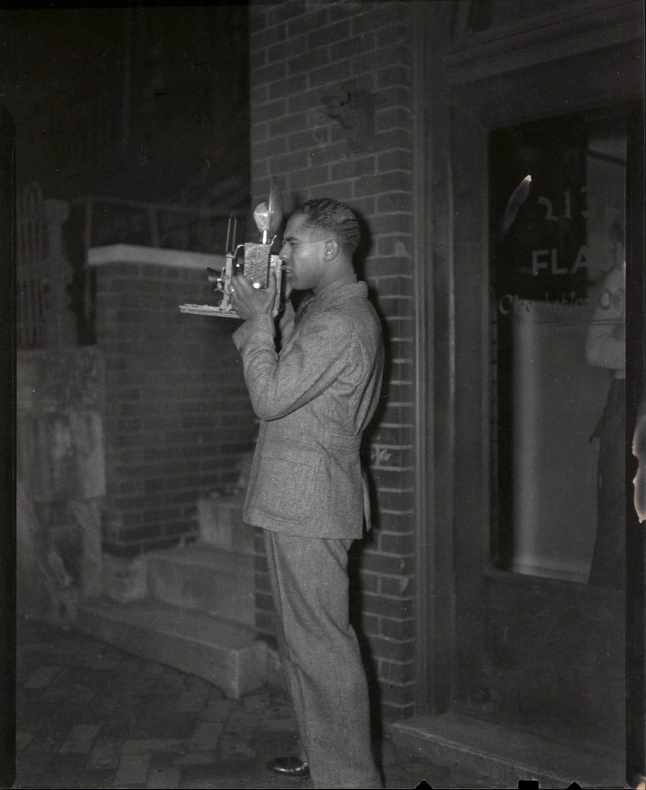
Exhibition: ‘A Democracy of Images: Photographs from the Smithsonian American Art Museum’ at the Smithsonian American Art Museum, Washington DC

Exhibition dates: 28th June 2013 – 5th January 2014
1st floor West, American Art Museum (8th and F Streets, N.W.)

Browse the exhibition and related works on the exhibition website


Unidentified artist. '[Bird in Basin with Thread Spool and Patterned Cloth]' c. 1855


Unidentified artist
[Bird in Basin with Thread Spool and Patterned Cloth]
c. 1855
Daguerreotype
Plate: 2 3/4 x 3 1/4 in. (6.9 x 8.2cm)
Smithsonian American Art Museum
Museum purchase from the Charles Isaacs Collection made possible in part by the Luisita L. and Franz H. Denghausen Endowment


The next two weeks sees a lot of exhibitions finish their run on the 5th January 2014.

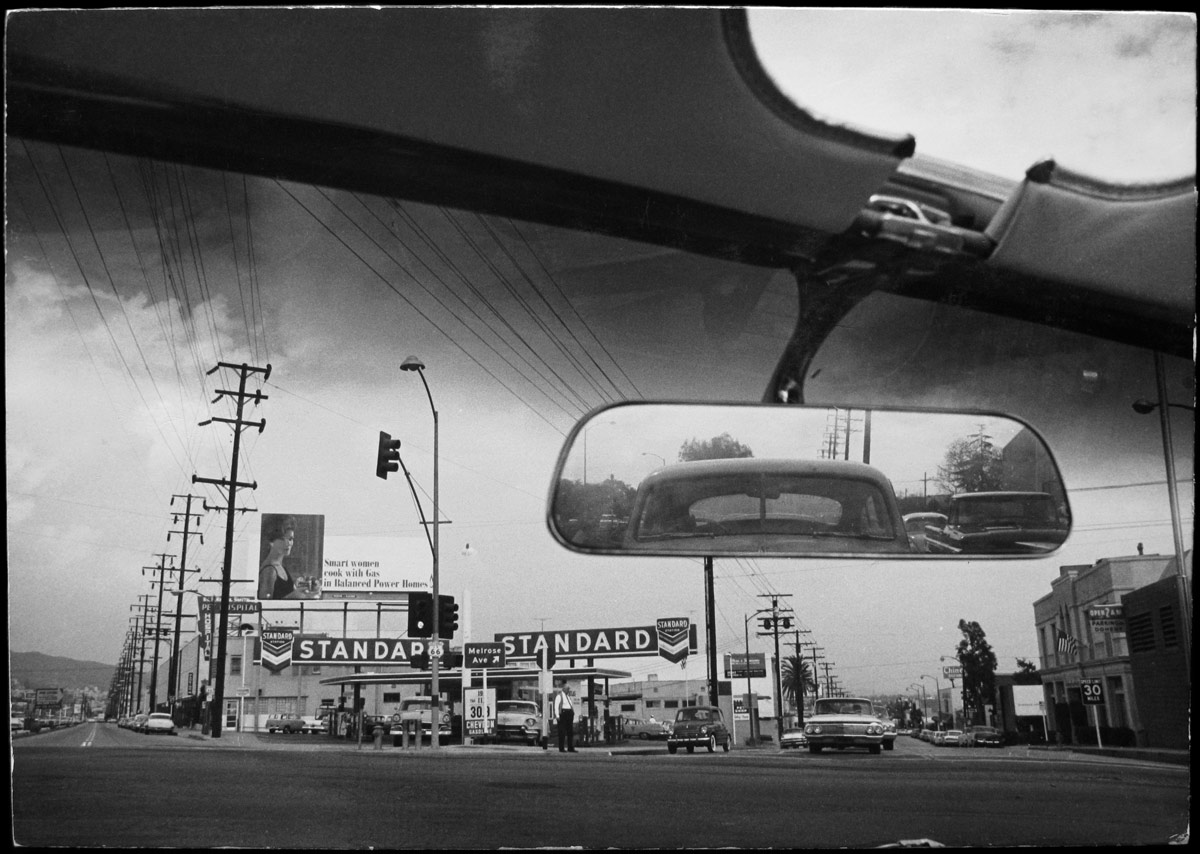
Here is a bumper posting which contains one of my favourite photographs of all time: Danny Lyon’s Crossing the Ohio River, Louisville (1966, below). From a distance, this looks to be a very interesting exhibition on a large topic, delineated for the viewer into four main sections. The task of the curator cannot have been easy, picking 113 images to represent a “democracy” of images out of a collection of over 7,000 images. Of course there can never be a true “democracy” of images as some will always be more valued within our culture than others. There is a meritocracy in this exhibition which features images by masters of the medium but this is balanced by the inclusion of images by anonymous photographers, little known photographers and vernacular and street photography.

What is most impressive is the specially developed website which includes many images from the different sections of the exhibition. These images are of good quality and, along with relevant text, help the viewer place the images in context. Related content is also suggested from the full photographic collection at The Smithsonian which has been placed online with good image quality. This is a far cry from many exhibitions at state galleries in Australia where there are hardly any dedicated exhibition websites. Most of the photographic collection from these galleries is not available online and if it has been scanned, the image quality is generally poor. How many times have I searched a state gallery or library collection and come up with the answer: “Image not available” ?

Dr Marcus Bunyan


Many thankx to the Smithsonian American Art Museum for allowing me to publish the photographs and text in the posting. Please click on the photographs for a larger version of the image.


“More often, though, the moments, places, people and views that have been collected here feel offhand and stumbled upon, telling a fragmentary, incomplete tale. Sometimes it’s literally a glance, as in “Girl Holding Popsicle,” a 1972 image by Mark Cohen, who rarely even looked through his viewfinder. Other times, it’s more like a long stare, as in William Christenberry’s 1979 “China Grove Church – Hale County, Alabama,” a locale that the Washington-based artist and Alabama native returned to again and again. These 113 pictures are, at the same time, quietly telling, revealing bits of America in oblique, prismatic ways.”


Part of Michael O’Sullivan’s review of the exhibition in The Washington Post.


American Characters

Photographers have captured the texture of everyday life since the medium’s arrival in the United States in 1839. Photographic portraits have made both the iconic and the commonplace serve as stand-ins for all of us, forging a shared language of political and social understanding. In charting the passing parade of history – the faces of the anonymous and the famous; evolving stories of immigration, disenfranchisement, and assimilation; as well as emblematic objects and celebrated landmarks lodged within our collective memory – photographs reveal the complexities of America.


Larry Sultan (American, 1946-2009) 'Portrait of My Father with Newspaper' 1988


Larry Sultan (American, 1946-2009)
Portrait of My Father with Newspaper
1988
Chromogenic print
Image: 28 5/8 x 34 5/8 in. (72.7 x 87.9cm)
Smithsonian American Art Museum
Gift of Nan Tucker McEvoy
© 1988, Larry Sultan


In Portrait of My Father with Newspaper, Irving Sultan reads the Los Angeles Times as light pours in behind him. This carefully composed portrait reveals the artist’s father almost entirely through reflections and shadows. Thin newsprint shields his body from the camera, while only a vague profile of his face is discernible on the right half of the spread. Prompted by the discovery of a box of home movies, Larry Sultan embarked on an eight-year enquiry into his parents’ lives. He stayed in their home for weeks at a time, interviewing them about their marriage and photographing their domestic activities.


Eugene Richards (American, b. 1944) 'First Communion (Dorchester, Mass.)' 1976


Eugene Richards (American, b. 1944)
First Communion (Dorchester, Mass.)
1976
Gelatin silver print
Image: 8 x 12 in. (20.3 x 30.5cm)
Sheet: 11 x 14 in. (27.9 x 35.6cm)
Smithsonian American Art Museum
Transfer from the National Endowment for the Arts
© 1974, Eugene Richards


Mark Cohen (American, b. 1943) 'Girl Holding Popsicle' 1972, printed 1983


Mark Cohen (American, b. 1943)
Girl Holding Popsicle
1972, printed 1983
Gelatin silver print
Sheet: 14 x 17 in. (35.5 x 43.2cm)
Smithsonian American Art Museum
Gift of Dene and Mel Garbow
© 1972, Mark Cohen


In Girl Holding Popsicle a young girl twists shyly as she poses before a graffiti-inscribed brick wall. Mark Cohen took this photograph spontaneously as he passed through a back alley. Cohen does not hesitate to get assertively close to the strangers he meets in his hometown of Wilkes-Barre, Pennsylvania. Many of his photographs are made without looking through a viewfinder, and so remain a mystery even to Cohen until they are developed.


Unidentified artist. '[Gold Nugget]' c. 1860s


Unidentified artist
[Gold Nugget]
c. 1860s
Albumen silver print
Image: 2 1/8 x 3 5/8 in. (5.4 x 9.2cm)
Sheet: 2 3/8 x 3 7/8 in. (6.1 x 9.8cm) irregular
Smithsonian American Art Museum
Gift of Charles Isaacs and Carol Nigro


Mathew B. Brady (American, 1823-1896) 'Reviewing Stand in Front of the Executive Mansion, Washington, D.C., May, 1865' 1865, printed early 1880s


Mathew B. Brady (American, 1823-1896)
Reviewing Stand in Front of the Executive Mansion, Washington, D.C., May, 1865
1865, printed early 1880s
Albumen silver print
Sheet and image: 6 1/2 x 9 in. (16.5 x 22.9cm)
Smithsonian American Art Museum
Museum purchase through the Julia D. Strong Endowment


Kevin Bubriski (American, b. 1954) 'World Trade Center Series, New York City' 2001


Kevin Bubriski (American, b. 1954)
World Trade Center Series, New York City
2001
Gelatin silver print
Image: 18 x 18 in. (45.7 x 45.7cm)
Smithsonian American Art Museum
Gift of the Consolidated Natural Gas Company Foundation
© 2001, Kevin Bubriski


In the weeks and months following the World Trade Center attacks on September 11, 2001, Kevin Bubriski photographed people who gathered at Ground Zero. Frozen in awe, struck with disbelief, and overcome with loss, people stood before the destroyed building site to confront the horrible tragedy. More than ten years later, Bubriski’s photographs preserve the emotional impact of this infamous day through images of those who witnessed its aftermath first-hand.
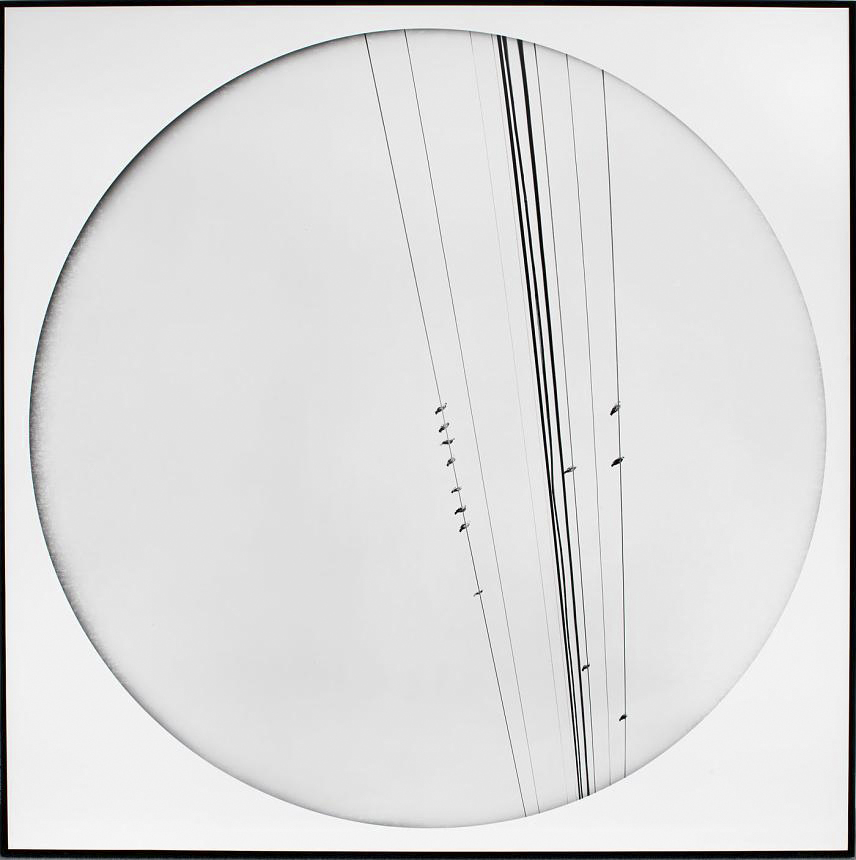
 

Deborah Luster (American, b. 1951) '01-26 Location. 1800 Leonidas Street (Carrollton) Date(s). July 14, 2009 7:55 a.m. Name(s). Brian Christopher Smith (22) Notes. Face up with multiple gunshot wounds' 2008-2012


Deborah Luster (American, b. 1951)
01-26 Location. 1800 Leonidas Street (Carrollton) Date(s). July 14, 2009 7:55 a.m. Name(s). Brian Christopher Smith (22) Notes. Face up with multiple gunshot wounds
2008-2012
Gelatin silver print
55 x 55 in. (139.7 x 139.7cm)
Smithsonian American Art Museum
Museum purchase through the Luisita L. and Franz H. Denghausen Endowment
© 2010, Deborah Luster


This photograph, from a series that documents contemporary and historical homicide sites in New Orleans, presents Deborah Luster’s interpretation of the last view of the crime victim lying face up on the ground. The title is the entry from the New Orleans Police blotter, but the photograph is Luster’s meditation on looking, seeing, and the power of images to haunt our imagination.


Unidentified artist. '[Two Workmen Polishing a Stove]' c. 1865


Unidentified artist
[Two Workmen Polishing a Stove]
c. 1865
Albumen silver print
Sheet and image: 14 1/8 x 11 in. (35.9 x 28cm)
Smithsonian American Art Museum
Museum purchase from the Charles Isaacs Collection made possible in part by the Luisita L. and Franz H. Denghausen Endowment


Anthony Barboza (American, b. 1944) '"Marvelous" Marvin Hagler, boxer' 1981


Anthony Barboza (American, b. 1944)
“Marvelous” Marvin Hagler, boxer
1981
Gelatin silver print
Image: 13 7/8 x 13 7/8 in. (35.2 x 35.2cm)
Smithsonian American Art Museum
Gift of Kenneth B. Pearl
© 1981, Anthony Barboza


Edward S. Curtis (American, 1868-1952) 'Girl and Jar – San Ildefonso' 1905


Edward S. Curtis (American, 1868-1952)
Girl and Jar – San Ildefonso
1905
Photogravure
16 5/8 x 12 1/4 in. (12.3 x 31.1cm)
Smithsonian American Art Museum
Transfer from the United States Marshal Service of the U.S. Department of Justice


Between 1900 and 1930, Edward S. Curtis traveled across the continent photographing more than seventy Native American tribes. The photographs, compiled into twenty volumes, presented daily activities, customs, and religions of a people he called “a vanishing race.” Curtis hoped to preserve the legacy of Native peoples in lasting images. To this end, Curtis often costumed his subjects and set up scenes, mixing tribal artefacts and traditions to match his romantic vision of the people he studied. In this intimate portrait, a young Tewa woman named Povi-Tamu (“Flower Morning”) balances a large jug with help from a hidden fiber ring. She is from the San Ildefonso Pueblo of New Mexico, which is famed for its rich tradition of fine pottery. Curtis associated the serpentine design of the vessel with the serpent cult, which he noted was central to Tewa life.


Oliver H. Willard (American, active 1850s-1870s, died 1875) 'Portrait of a Young Woman' c. 1857


Oliver H. Willard (American, active 1850s-1870s, died 1875)
Portrait of a Young Woman
c. 1857
Salted paper print
8 7/8 x 6 3/4 in. (22.5 x 17.1cm)
Smithsonian American Art Museum
Museum purchase through the Horace W. Goldsmith Foundation, 1999.29.1


Spiritual Frontier

The earliest photographs made in America describe an awesome land blessed with such an abundance of natural beauty that it seemed heaven sent. Images of waterfalls, mountains, and vast open spaces conveyed the beauty, the grandeur, the sublimity, and dynamics of a great spiritual endeavour. In the nineteenth century photographers pictured wilderness landscapes that symbolised American greatness. More recently, photographers have described a landscape no less romantic, but now recalibrated to account for the interaction of nature and culture.


Eadweard Muybridge (English, 1830-1904) 'Valley of the Yosemite from Union Point' 1872


Eadweard Muybridge (English, 1830-1904)
Valley of the Yosemite from Union Point
1872
Albumen silver print
Sheet: 17 x 21 1/2 in. (43.2 x 54.6cm)
Smithsonian American Art Museum
Gift of Dr. and Mrs. Charles T. Isaacs


Eadweard Muybridge went to great lengths to photograph the best possible views of the West. He chopped down trees if they obstructed his camera, and ventured to “points where his packers refused to follow him.” Muybridge was determined to produce the most comprehensive photographs ever made of Yosemite and the surrounding region. His views were sold widely in both large-format prints and stereograph cards, which are viewed through a device that creates the illusion of three-dimensional space. This allowed Muybridge to transport his audience, if just for a moment, to a faraway place caught on film.


Robert Frank (Swiss, 1924-2019) 'Butte, Montana' 1956, printed 1973


Robert Frank (Swiss, 1924-2019)
Butte, Montana
1956, printed 1973
Gelatin silver print
Image: 8 3/4 x 13 in. (22.2 x 33cm)
Smithsonian American Art Museum
Museum purchase


Robert Adams (American, b. 1937) 'New Housing, Longmont, Colorado' 1973


Robert Adams (American, b. 1937)
New Housing, Longmont, Colorado
1973
Gelatin silver print
Sheet: 6 x 7 5/8 in. (15.1 x 19.3cm)
Smithsonian American Art Museum
Transfer from the National Endowment for the Arts
© 1973, Robert Adams


As both a photographer and writer, Robert Adams is committed to describing the western American landscape as both awe-inspiring and scarred by man. In New Housing, Longmont Colorado, Adams contrasted the vast space of the distant landscape view with a foreground image of the wall of a newly constructed suburban tract house. Adams invites a consideration of the balance between myth and reality and the land as home as well as scenic backdrop.


Charles L. Weed (American, 1824-1903) 'Mirror Lake and Reflections, Yosemite Valley, Mariposa County, California' 1865


Charles L. Weed (American, 1824-1903)
Mirror Lake and Reflections, Yosemite Valley, Mariposa County, California
1865
Albumen silver print
Sheet and image: 15 1/2 x 20 1/4 in. (39.4 x 51.4cm)
Smithsonian American Art Museum
Gift of Dr. and Mrs. Charles T. Isaacs


Like Carleton Watkins, his better-known competitor, Charles Weed recognised the pictorial dividend to be gained by showing Yosemite’s glorious geological features in duplicate, using the valley’s lakes as reflecting ponds. Weed first traveled to what was then known as “Yo-Semite,” in 1859, but with a relatively small camera; he returned in 1865 with a larger model capable of using what were called mammoth plates. Like Watkins, he sold his prints to buyers eager to own a photograph of majestic natural beauty.


Ansel Adams (American, 1902-1984) 'Monolith: The Face of Half Dome, Yosemite Valley' 1926-1927, printed 1927


Ansel Adams (American, 1902-1984)
Monolith: The Face of Half Dome, Yosemite Valley
1926-1927, printed 1927
Gelatin silver print
Sheet: 11 7/8 x 9 7/8 in. (30.2 x 25.1cm)
Smithsonian American Art Museum
Museum purchase
© 2013 The Ansel Adams Publishing Rights Trust


At just over 4,700 feet above the valley, Half Dome is the most iconic rock formation in Yosemite National Park. Adams squeezed the monolith into the frame to emphasise the majesty of its scale and the drama of its cliff. As it thrusts out of the brilliant white snow, Half Dome stands as a symbol of the unspoiled western landscape. Ansel Adams made his first trip to the Sierra Nevada mountain range when he was fourteen years old, and he returned every year until the end of his life, often for month-long stretches. Throughout his career Adams traveled widely – from Hawaii to Maine – to photograph the most picturesque vistas in America. After his death in 1984, a section of the Sierra Nevada was named the Ansel Adams Wilderness in his honour.


John Pfahl (American, 1939-2020) 'Goodyear #5, Niagara Falls, New York' 1989


John Pfahl (American, 1939-2020)
Goodyear #5, Niagara Falls, New York
1989
Chromogenic print
Sheet: 20 x 24 in. (50.8 x 61.0cm)
Smithsonian American Art Museum
Gift of the Consolidated Natural Gas Company Foundation
© 1989, John Pfahl


John Pfahl’s photographs embody the conflict between progress and preservation. Throughout the 1980s he focused on oil refineries and power plants. He chose the sites strategically based on their location in picturesque landscapes, where he observed a “transcendental” connection between industry and nature. In Goodyear #5 a nuclear power plant occupies the horizon. The setting sun provides a romantic colour palette as light filters through clouds of billowing steam. The landscape is reduced to an abstract composition that celebrates colour and texture. Pfahl’s intention with this series, titled Smoke, was to “make photographs whose very ambiguity provokes thought.” This photograph complicates popular notions of power plants by revealing an uncommonly beautiful view of a controversial structure.


A Democracy of Images: Photographs from the Smithsonian American Art Museum celebrates the numerous ways in which photography, from early daguerreotypes to contemporary digital works, has captured the American experience. The photographs presented here are selected from the approximately 7,000 images collected since the museum’s photography program began thirty years ago, in 1983. Ranging from daguerreotype to digital, they depict the American experience and are loosely grouped around four ideas: American Characters, Spiritual Frontier, America Inhabited, and Imagination at Work.

The exhibition’s title is inspired by American poet Walt Whitman’s belief that photography provided America with a new, democratic art form that matched the spirit of the young country and his belief that photography was a quintessentially American activity, rooted in everyday people and ordinary things and presented in a straightforward way. Known as the “poet of democracy,” Whitman wrote after visiting a daguerreotype studio in 1846: “You will see more life there – more variety, more human nature, more artistic beauty… than in any spot we know.” At the time of Whitman’s death, in 1892, George Eastman had just introduced mass market photography when he put an affordable box camera into the hands of thousands of Americans. The ability to capture an instant of lasting importance and fundamental truth mesmerised Americans then and continues to inspire photographers working today. Marking the thirtieth anniversary of the establishment of the museum’s pioneering photography collection, the exhibition examines photography’s evolution in the United States from a documentary medium to a full-fledged artistic genre and showcases the numerous ways in which it has distilled our evolving idea of “America.”

The exhibition features 113 photographs selected from the museum’s permanent collection, including works by Edward S. Curtis, Timothy H. O’SullivanBerenice AbbottDiane ArbusRoy DeCaravaWalker Evans,Irving PennTrevor Paglen, among others, as well as vernacular works by unknown artists. A number of recent acquisitions are featured, including works by Ellen CareyMitch EpsteinMuriel HasbunAlfredo Jaar, Annie Leibovitz, Deborah Luster, and Sally Mann. Landscapes, portraits, documentary-style works from the New York Photo League and images from surveying expeditions sent westward after the Civil War are among the images on display, and explore how photographs have been used to record and catalogue, to impart knowledge, to project social commentary, and as instruments of self-expression.

Photography’s arrival in the United States in 1840 allowed ordinary people to make and own images in a way that had not been previously possible. Photographers immediately became engaged with the life of the emerging nation, the activity of new urban centers, and the possibilities of unprecedented access to the vast western frontier. From the nineteenth to the twentieth century, photography not only captured the country’s changing cultural and physical landscape, but also developed its own language and layers of meaning.

A Democracy of Images: Photographs from the Smithsonian American Art Museum is organised around four major themes that defined American photography. “American Characters” examines the ways in which photographs of individuals, places, and objects become a catalogue of our collective memory and have contributed to the ever-evolving idea of the American character. “Spiritual Frontier” investigates early ideas of a vast, inexhaustible wilderness that symbolised American greatness. “America Inhabited” traces the nation’s rapid industrialisation and urbanisation through images of speed, change, progress, immigration, and contemporary rural, urban, and suburban landscapes. “Imagination at Work” demonstrates how photography’s role of spontaneous witness gradually gave way to contrived arrangement and artistic invention. The exhibition is organised by Merry Foresta, guest curator and independent consultant for the arts. She was the museum’s curator of photography from 1983 to 1999.

Connecting online

A complementary website designed for viewing on tablets includes photographs on view in the exhibition, an expanded selection of works from the museum’s collection and a timeline of American photography. It is available through tablet stations in the exhibition galleries, online, and on mobile devices.”

Press release from the Smithsonian American Art Museum website


America Inhabited

Photography’s early presence in America coincided with the rise of an industrial economy, the growth of major urban population centers, and the fulfilling of what some saw as the Manifest Destiny of spanning the continent from sea to sea. Images of progress and industry, as well as of city and suburbs, quickly added themselves to photography’s catalogue of places and people. Some of these images reflect idealistically, and at times nostalgically, on the beauty and humanity of our own backyards. Others stand as social documents that can be seen as critical and ironic, inviting outrage as well as compassion about the way we now live our lives.


Helen Levitt (American, 1913-2009) 'New York' c. 1942, printed later


Helen Levitt (American, 1913-2009)
New York
c. 1942, printed later
Gelatin silver print
Image: 7 1/8 x 10 1/2 in. (18.1 x 26.6cm)
Smithsonian American Art Museum
Museum purchase
© 1981, Helen Levitt


Caught before they run off into the streets, three masked youngsters pause on their front stoop. Expressive postures and mysterious disguises give this trio a theatrical quality. Helen Levitt, who found poetry in the uninhibited gestures of children, used a right-angle viewfinder to capture boys and girls roaming freely and playing with found objects. Working in New York City during the years surrounding World War II, her photographs show the drama of life that unfolded on the sidewalks of poor and working-class neighbourhoods.


Louis Faurer (American, 1916-2001) 'Broadway, New York, N.Y.' 1949-1950, printed 1980-1981


Louis Faurer (American, 1916-2001)
Broadway, New York, N.Y.
1949-1950, printed 1980-1981
Gelatin silver print
Image: 8 3/8 x 12 9/16 in. (21.3 x 32cm)
Smithsonian American Art Museum
Gift of David L. Davies and John D. Weeden and museum purchase
© Estate of Louis Faurer
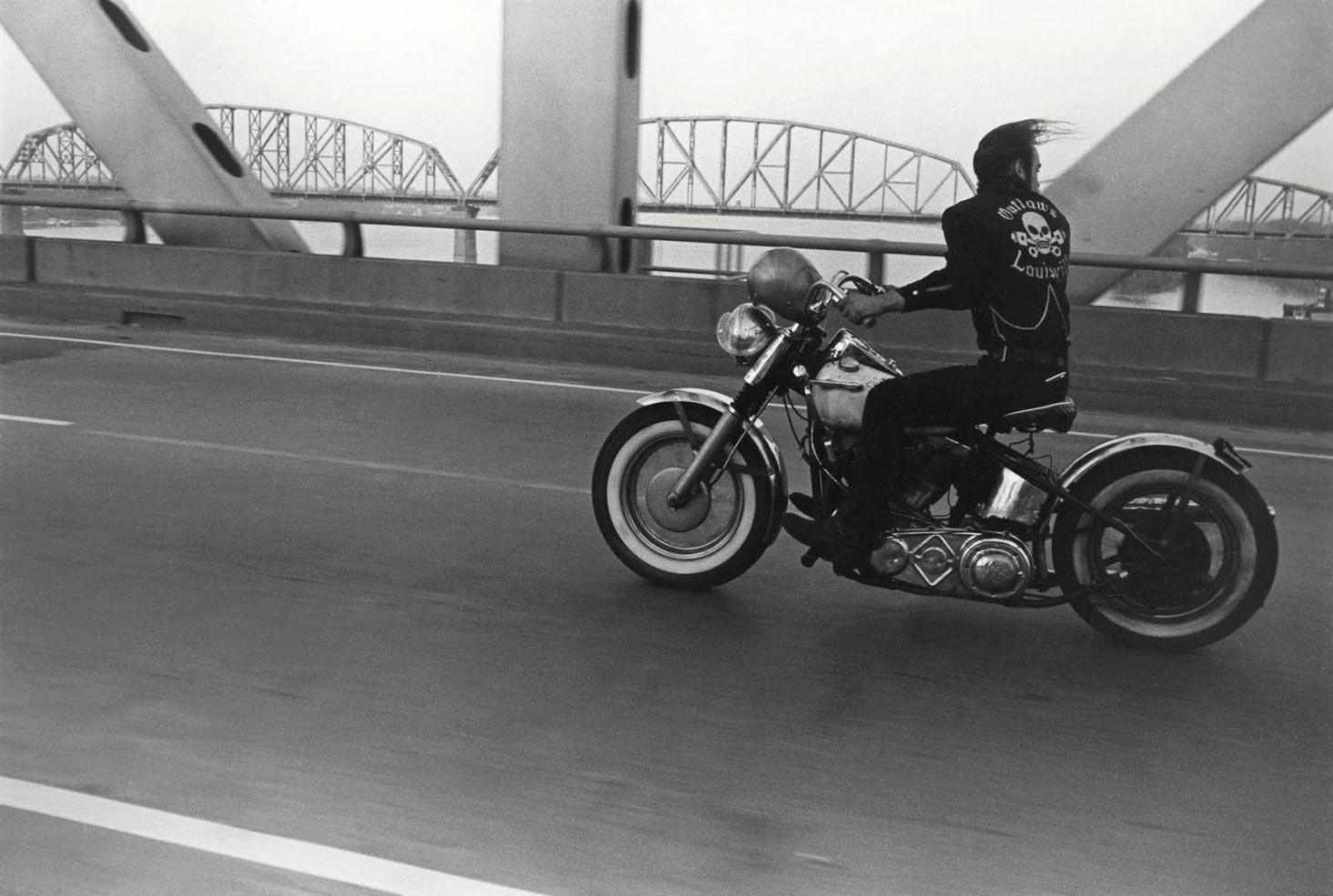
 

Danny Lyon (American, b. 1942) 'Crossing the Ohio River, Louisville' 1966, printed 1985


Danny Lyon (American, b. 1942)
Crossing the Ohio River, Louisville
1966, printed 1985
Gelatin silver print
Image: 8 3/4 x 12 7/8 in. (22.2 x 32.7cm)
Smithsonian American Art Museum
Museum purchase made possible by Mrs. Marshall Langhorne
Photo courtesy Edwynn Houk Gallery


William Eggleston (America, born July 27, 1939) 'Memphis' c. 1970


William Eggleston (American, b. 1939)
Tricycle (Memphis)
about 1975, printed 1980
Dye transfer print
Smithsonian American Art Museum, Gift of Amy Loeserman Klein


An ordinary tricycle is made monumental in this playful colour photograph. Taken from below, it suggests a child’s perspective – elevating this rusty tricycle to a symbol of innocence and freedom. The quiet Memphis suburb in the background typifies the safe neighbourhoods where children could spend hours playing after school. This print was made with the expensive and exacting dye imbibition process, which was typically used for fashion and advertising at the time. Eggleston began experimenting with colour photography in the mid-1960s. Inspired by trips to a commercial photography lab, he developed an approach that imitates the random, imperfect style of amateur snapshots to describe his immediate surroundings combined with a keen interest in the effects of colour.


Tina Barney (American, b. 1945) 'Marina's Room' 1987


Tina Barney (American, b. 1945)
Marina’s Room
1987
Chromogenic print
Sheet: 48 x 60 in. (121.9 x 52.3cm)
Smithsonian American Art Museum
Museum purchase
© 1987, Tina Barney, Courtesy Janet Borden, Inc.


Aaron Siskind (American, 1903-1991) 'Untitled' 1937, printed later


Aaron Siskind (American, 1903-1991)
Untitled
1937, printed later
Gelatin silver print
Sheet: 10 x 14 in. (25.4 x 35.5cm)
Smithsonian American Art Museum
Gift of Tennyson and Fern Schad, courtesy of Light Gallery
© 1940, Aaron Siskind


In this untitled photograph Aaron Siskind focused on the regular grid of boarded-up windows on a derelict tenement building. Once portals into intimate domestic spaces, the windows represent loss in a community plagued by poverty, unemployment, and racial discrimination. Building upon the traditions of social documentary photographers before him, Siskind used his camera to raise public awareness of Harlem’s struggle, even as he created a modernist work of art.


Walker Evans (American, 1903-1975) 'Kitchen Wall, Alabama Farmstead' 1936, printed 1974


Walker Evans (American, 1903-1975)
Kitchen Wall, Alabama Farmstead
1936, printed 1974
Gelatin silver print
Sheet and image: 9 3/8 x 12 in. (23.9 x 30.5cm)
Smithsonian American Art Museum
Gift of Lee and Maria Friedlander


During the summer of 1936, Walker Evans joined writer James Agee in rural Alabama to work on a magazine assignment on cotton farming. Evans and Agee met with three tenant farm families and documented every detail of their experiences. The result, which the magazine declined to publish, was released as the book Let Us Now Praise Famous Men in 1941. It contains some of the most iconic and contentious photographs to document the Great Depression. Kitchen Wall, Alabama Farmstead reads like a modern novel. Every crack in the wood, every speck of paint tells part of the story. Evans drew special attention to the scarcity of cooking tools at the family’s disposal. These everyday utensils illustrate a metaphor for the struggle to meet basic needs.


Judy Fiskin (American, b. 1945) 'Long Beach Pike (broken fence)', from the 'Long Beach, California Documentary Survey Project' 1980


Judy Fiskin (American, b. 1945)
Long Beach Pike (broken fence), from the Long Beach, California Documentary Survey Project
1980
Gelatin silver print
Image: 2 1/2 x 2 1/2 in. (6.2 x 6.2cm)
Smithsonian American Art Museum
Transfer from the National Endowment for the Arts
© 1980, Judy Fiskin


For this series, sponsored by the National Endowment of the Art’s Long Beach Documentary Survey Project, Judy Fiskin focused on the Long Beach Pike, an amusement park that was demolished soon after she made the photographs. By printing in high contrast and restricting the scale of her prints, Fiskin reduced form to its bare essentials. Devoid of superfluous detail, these photographs appear more like conjured images than documents of reality. Judy Fiskin systematically catalogues the world of architecture and design in order to study variations of historical styles. Her series carefully investigate esoteric subjects such as military base architecture, “dingbat” style houses in southern California, and the art of flower arranging.
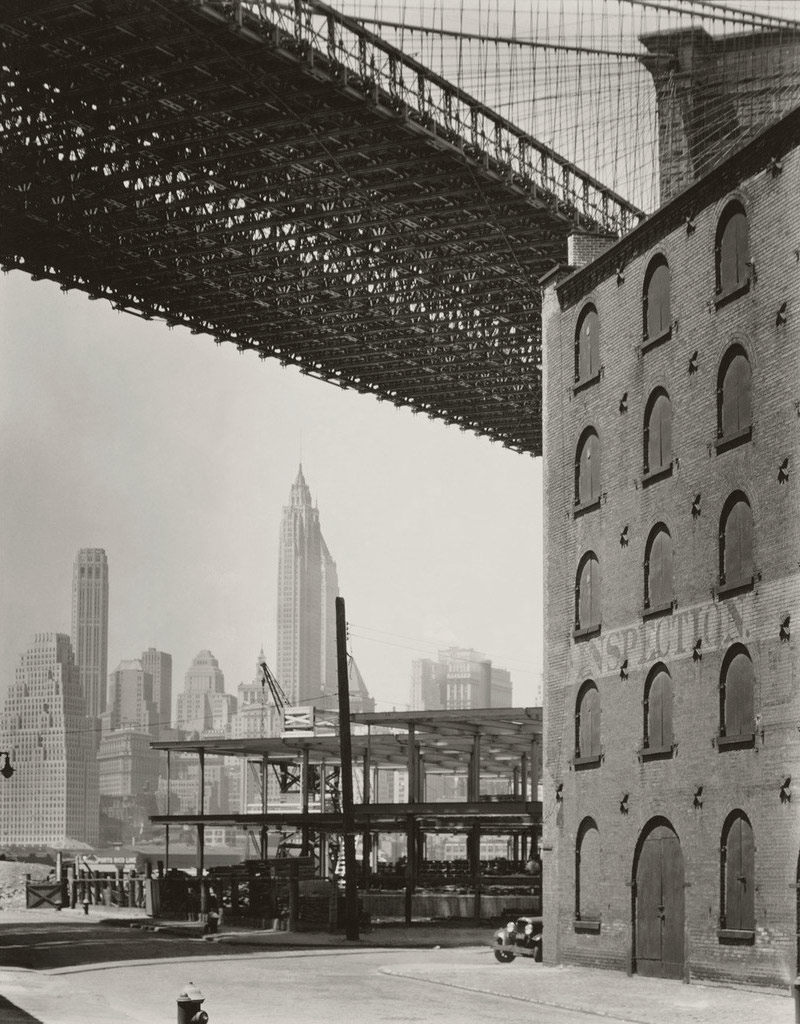
 

Berenice Abbott (American, 1898-1991) 'Brooklyn Bridge, Water and Dock Streets, Brooklyn' 1936


Berenice Abbott (American, 1898-1991)
Brooklyn Bridge, Water and Dock Streets, Brooklyn
1936
Gelatin silver print
Sheet: 18 x 14 3/8 in. (45.7 x 36.6cm)
Smithsonian American Art Museum
Transfer from the Evander Childs High School, Bronx, New York through the General Services Administration


Berenice Abbott returned home in 1929 after nearly eight years abroad and found herself fascinated by the rapid growth of New York City. She saw the city as bristling with new buildings and structures which seemed to her as solid and as permanent as a mountain range. Aiming to capture “the past jostling the present,” Abbott spent the next five years on a project she called Changing New York. In Brooklyn Bridge, Water and Dock Streets, Brooklyn, Abbott presented a century of history in a single image. The Brooklyn Bridge, once a marvel of modern engineering, seems dark and heavy compared with the skeletal structure beneath it. The construction site at center suggests the never-ending cycle of death and regeneration. And the Manhattan skyline, veiled and weightless, hangs just out of reach, its shape accommodating the ambitious spirit of American modernism.


Robert Disraeli (American, 1905-1987) 'Cold Day on Cherry Street' 1932


Robert Disraeli (American, 1905-1987)
Cold Day on Cherry Street
1932
Gelatin silver print
Image and sheet: 14 x 11 in. (35.5 x 28cm)
Smithsonian American Art Museum
Museum purchase made possible by Mr. and Mrs. G. Howland Chase, Mrs. James S. Harlan (Adeline M. Noble Collection), Lucie Louise Fery, Berthe Girardet, and Mrs. George M. McClellan
© 1932, Robert Disraeli


Imagination at Work

Nineteenth-century French commentator Alexis de Tocqueville observed that in America, nothing is ever quite what it seems. Yet the idea that “seeing is believing” is deeply ingrained in the American character. By yoking together style and subject under the guise of the real, today’s photographers borrow from photography’s rich past while embracing the conceptual framework of contemporary art. They read reality as something on the surface of a picture or, more complexly, as something located in the mind of its beholder.


Sonya Noskowiak (American born Germany, 1900-1975) 'Calla Lily' c. 1930s


Sonya Noskowiak (American born Germany, 1900-1975)
Calla Lily
c. 1930s
Gelatin silver print
Sheet: 7 3/8 x 9 3/4 in. (18.8 x 24.7cm)
Smithsonian American Art Museum
Museum purchase made possible through Deaccession Funds


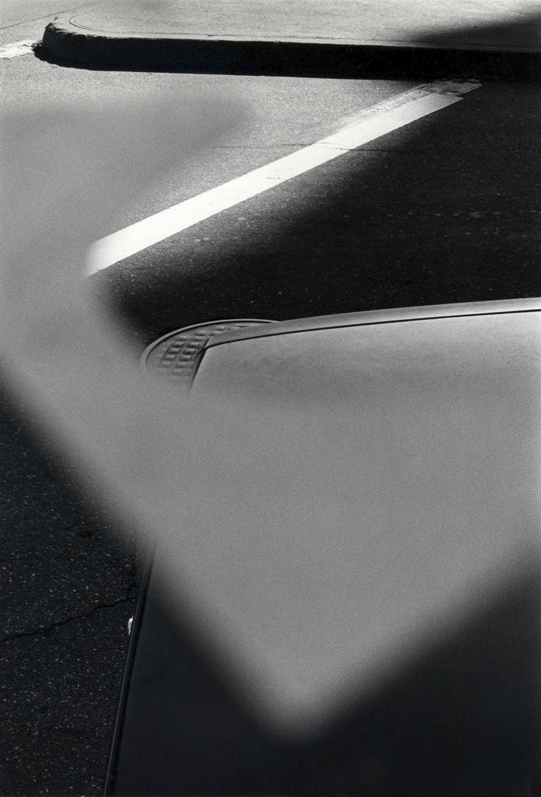
Ray K. Metzker (American, 1931-2014) 'Composites: Philadelphia (Car and Street Lamp)' 1966


Ray K. Metzker (American, 1931-2014)
Composites: Philadelphia (Car and Street Lamp)
1966
Gelatin silver prints
Image: 25 3/8 x 17 3/4 in. (64.5 x 45cm)
Smithsonian American Art Museum
Museum purchase
© 1966, Ray K. Metzker


Ray Metzker’s Composites series, begun in 1964, connected in a dramatic fashion his interests in contrasts of light and shadow, his strong sense of design, and his earlier explorations of the multiple image. Metzker studied at Chicago’s Institute of Design, where a rigorously formal, problem-solving approach to photography was taught. For this series he assembled grids of individual photographs to create complex image-fields. When viewed from a distance, this work reads as an abstract, rhythmic pattern of light and dark. On closer inspection, however, many crisply descriptive images are revealed. The Composites function somewhat like short filmstrips. The mystery of these brief narratives is exaggerated by the repetitive design and provides a unique opportunity, in Metzker’s words, “to deal with complexity of succession and simultaneity, of collected and related moments.”


Irving Penn (American, 1917-2009) 'Mud Glove – New York' 1975, printed 1976


Irving Penn (American, 1917-2009)
Mud Glove – New York
1975, printed 1976
Platinum-palladium print
Sheet and image: 29 3/4 x 22 1/4 in. (75.5 x 56.5cm)
Smithsonian American Art Museum
Gift of the artist


Irving Penn was one of the most important and influential photographers of the twentieth century. In a career that spanned almost seventy years, Penn worked across multiple genres, from celebrity portraits to fashion, from still lives to images of native cultures in remote places of the world. Throughout his career Penn also worked on a series of photographs of discarded objects: things that had been lost, neglected, or misused. Printed in platinum, these detailed photographs of objects such as a lost glove found in the gutter, are Penn’s photographic memento mori, offering beauty compromised by age or disuse.


Edward Weston (American, 1886-1958) 'Pepper no. 30' 1930


Edward Weston (American, 1886-1958)
Pepper no. 30
1930
Gelatin silver print
Sheet: 9 1/2 x 7 1/2 in. (24.3 x 19.2cm)
Smithsonian American Art Museum
Museum purchase


Imogen Cunningham (American, 1883-1976) 'Auragia' 1953, printed c. 1960s


Imogen Cunningham (American, 1883-1976)
Auragia
1953, printed c. 1960s
Gelatin silver print
Sheet and image: 11 1/8 x 8 3/4 in. (28.3 x 22.2cm)
Smithsonian American Art Museum
Gift of Charles Isaacs and Carol Nigro


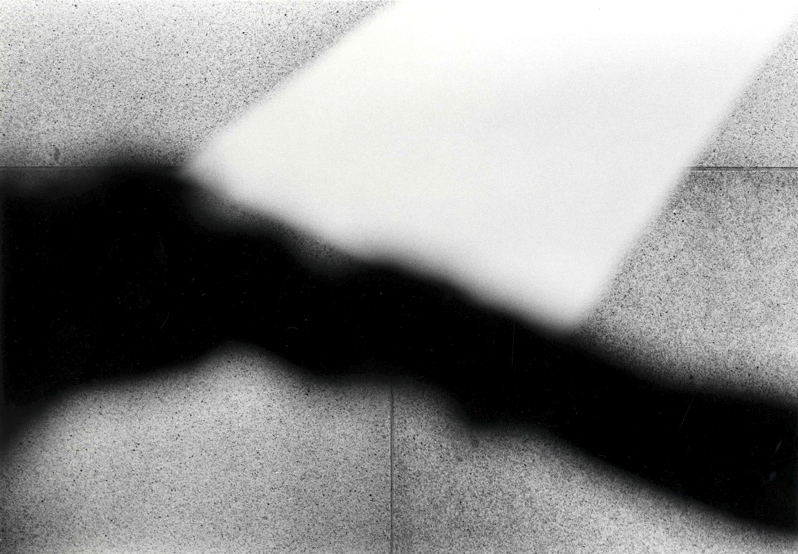
Ellen Carey (American, b. 1952) 'Dings and Shadows' 2012


Ellen Carey (American, b. 1952)
Dings and Shadows
2012
Chromogenic print
Sheet and image: 40 x 30 in. (101.6 x 76.2cm)
Smithsonian American Art Museum
Gift of Linda Cheverton Wick and Walter Wick
© 2012, Ellen Carey


Ellen Carey created the series she calls Dings and Shadows by exposing photosensitive paper to light projected through primary and complementary colour filters. The artist first folds and crushes paper; then after exposing the paper to light from a colour enlarger, flattens it out again for processing. In doing so, Carey dissects the process of developing film, and evokes the hand-crafted nature of early photographic techniques.


Some images from the Timeline on the website

1843

Daguerreotypists Albert S. Southworth and Josiah Johnson Hawes begin a partnership, establishing Southworth & Hawes as the most highly regarded portrait studio in Boston, Mass. The studio caters to the city’s elite, and is visited by Charles Dickens, Ralph Waldo Emerson, and Oliver Wendell Holmes, among many other influential people of the time.


Albert Sands Southworth (American, 1811-1894) and Josiah Johnson Hawes (American, 1808-1901) 'A Bride and Her Bridesmaids' 1851


Albert Sands Southworth (American, 1811-1894) and Josiah Johnson Hawes (American, 1808-1901)
A Bride and Her Bridesmaids
1851
Daguerreotype
Smithsonian American Art Museum
Museum purchase made possible by Walter Beck


1853

The New York Daily Tribune estimates that in the United States, three million daguerreotypes are being produced annually.


Unidentified artist. 'Mother and Son' c. 1855


Unidentified artist
Mother and Son
c. 1855
Daguerreotype with applied colour
Smithsonian American Art Museum
Museum purchase from the Charles Isaacs Collection made possible in part by the Luisita L. and Franz H. Denghausen Endowment


1857

Julian Vannerson and Samuel Cohner make the first systematic photographs of Native American delegations to visit Washington, D.C. They photograph ninety delegates representing thirteen tribes who conduct treaty and other negotiations with government officials.
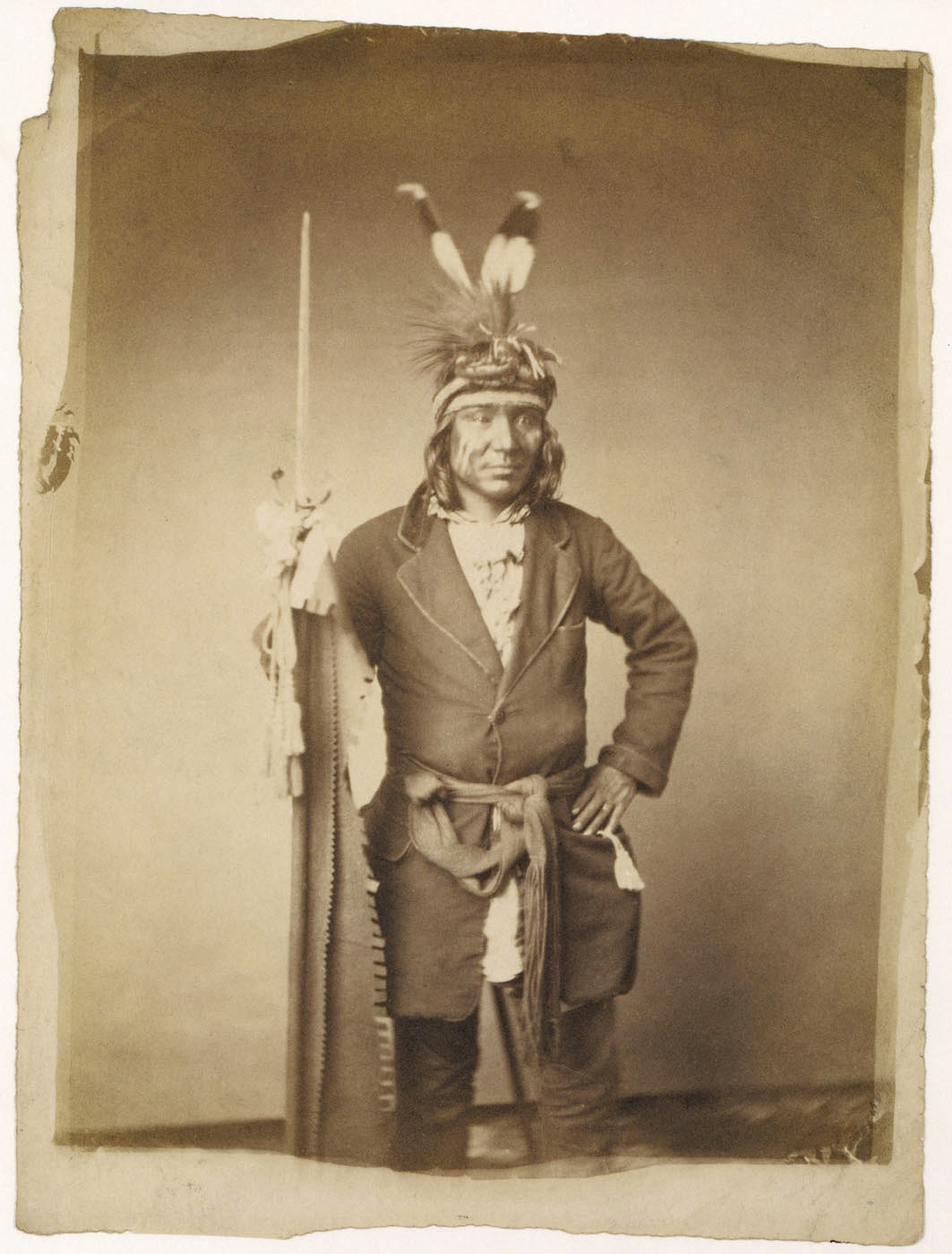
 

Julian Vannerson (American, 1827-1875) 'Shining Metal' 1858


Julian Vannerson (American, 1827-1875)
Shining Metal
1858
Salted paper print
Smithsonian American Art Museum
Museum purchase from the Charles Isaacs Collection made possible in part by the Luisita L. and Franz H. Denghausen Endowment


1861

American Civil War begins with shots fired on Fort Sumter by Confederate troops. Portrait photographer Mathew Brady is given permission by President Abraham Lincoln to photograph the First Battle of Bull Run, but comes so close to the battle that he narrowly avoids capture. Using paid assistants Alexander Gardner, Timothy O’Sullivan, George N. Barnard, and others, Brady’s studio makes thousands of photos of the sites, material, and people of the war. Civilian free-lance photographer Egbert Guy Fowx sells numerous negatives to Brady’s studio, which publishes and copyrights many of them. Many other images are credited to Fowx, including this group of Union officers.


Egbert Guy Fowx (American, 1821-1889) 'New York 7th Regiment Officers' c. 1863


Egbert Guy Fowx (American, 1821-1889)
New York 7th Regiment Officers
c. 1863
Salted paper print
Smithsonian American Art Museum
Museum purchase from the Charles Isaacs Collection made possible in part by the Luisita L. and Franz H. Denghausen Endowment


1867

Eadweard Muybridge begins trip to photograph in Yosemite Valley. He publishes his photographs under the name “Helios,” which is also the name of his San Francisco studio. An exhibition of more than 300 photographic portraits of Native American delegates to Washington, D.C., opens in the Smithsonian Castle. Clarence R. King begins direction of the U.S. Geological Expedition of the Fortieth Parallel, appointing Timothy O’Sullivan as the official photographer. Photographer Carleton Watkins joins the survey in 1871.


Timothy H. O'Sullivan  (American born Ireland, 1840-1882) 'Tufa Domes, Pyramid Lake, Nevada' 1867


Timothy H. O’Sullivan  (American born Ireland, 1840-1882)
Tufa Domes, Pyramid Lake, Nevada
1867
Albumen silver print
Smithsonian American Art Museum
Museum purchase from the Charles Isaacs Collection made possible in part by the Luisita L. and Franz H. Denghausen Endowment


1869

Andrew J. Russell’s album, The Great West Illustrated in a Series of Photographic Views across the Continent; Taken along the Line of the Union Pacific Railroad from Omaha, Nebraska, Volume I, is published. George M. Wheeler begins direction of the United States Geological Surveys West of the 100th Meridian for the U.S. Army Corps of Engineers. Wheeler makes fourteen trips to the West over the next eight years. Photographer Timothy O’Sullivan accompanies him in 1871, 1873, and 1874.


Andrew Joseph Russell (American, 1829-1902) 'Sphinx of the Valley' 1869


Andrew Joseph Russell (American, 1829-1902)
Sphinx of the Valley
1869
Albumen silver print
Smithsonian American Art Museum
Museum purchase from the Charles Isaacs Collection made possible in part by the Luisita L. and Franz H. Denghausen Endowment


1967

The Friends of Photography is founded in Carmel, California, by Ansel Adams, Beaumont and Nancy Newhall, Brett Weston, and others, with the aim of promoting creative photography and supporting its practitioners. It remains in existence until 2001.


Brett Weston (American, 1911-1993) 'Untitled (Snow Covered Mountains)' 1973


Brett Weston (American, 1911-1993)
Untitled (Snow Covered Mountains)
1973
Gelatin silver print
Smithsonian American Art Museum
Transfer from the National Endowment for the Arts
© 1973, Brett Weston


1975

New Topographics: Photographs of a Man-Altered Landscape opens at the International Museum of Photography in Rochester, N.Y. It includes photographs by Robert Adams, Lewis Baltz, Bernd and Hilla Becher, Joe Deal, Frank Gohlke, Nicholas Nixon, John Schott, Stephen Shore, and Henry Wessel Jr.
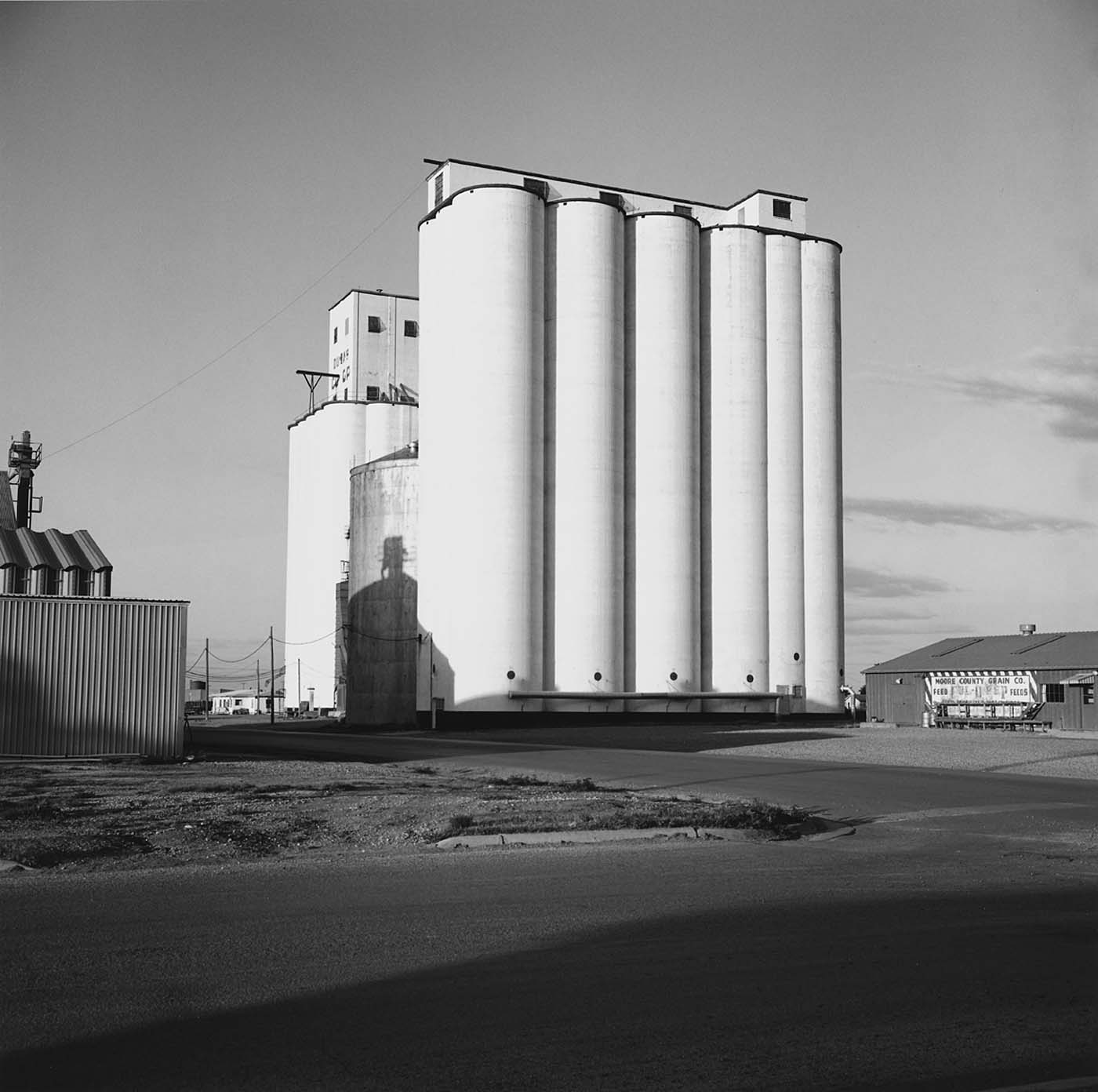
 

Frank Gohlke (American, b. 1942) 'Grain Elevator, Dumas, Texas, 1973' 1973, printed 1994


Frank Gohlke (American, b. 1942)
Grain Elevator, Dumas, Texas, 1973
1973, printed 1994
Gelatin silver print
Smithsonian American Art Museum, Museum purchase through the Luisita L. and Franz H. Denghausen Endowment
© 1973, Frank Gohlke


Smithsonian American Art Museum
8th and F Streets, N.W.
Washington, D.C. 20004

Opening hours:
11.30am – 7.00pm daily
Smithsonian American Art Museum website

A Democracy of Images website

LIKE ART BLART ON FACEBOOK

Back to top

Exhibition: ‘Detroit 1968: Photographs by Enrico Natali’ at Joseph Bellows Gallery, La Jolla, CA – Part 2

Exhibition dates: 2nd November – 21st December 2013


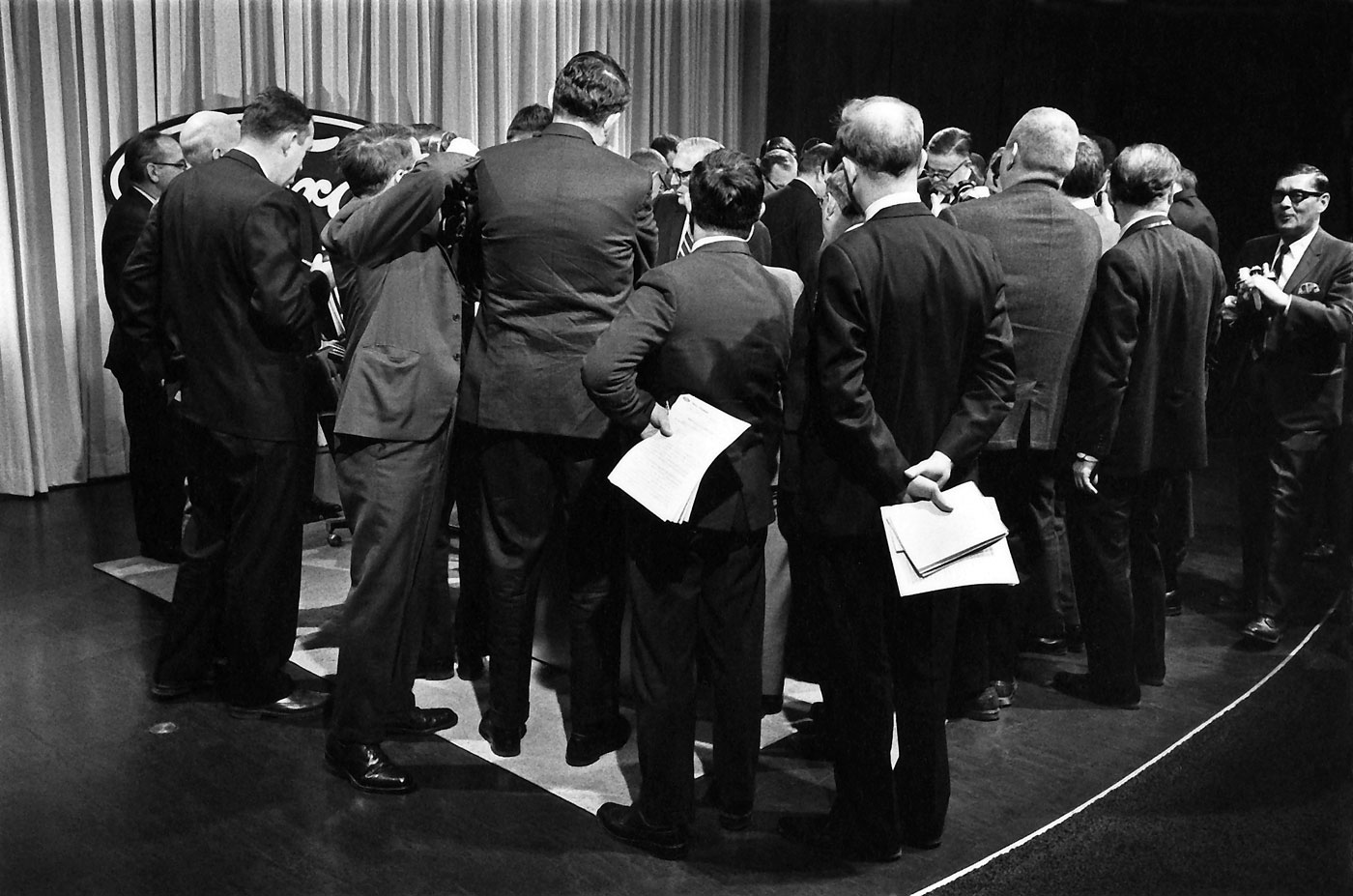
Enrico Natali (American, b. 1933) 'Ford Motor Company press conference, Detroit, 1968' 1968


Enrico Natali (American, b. 1933)
Ford Motor Company press conference, Detroit, 1968
1968
Gelatin silver print


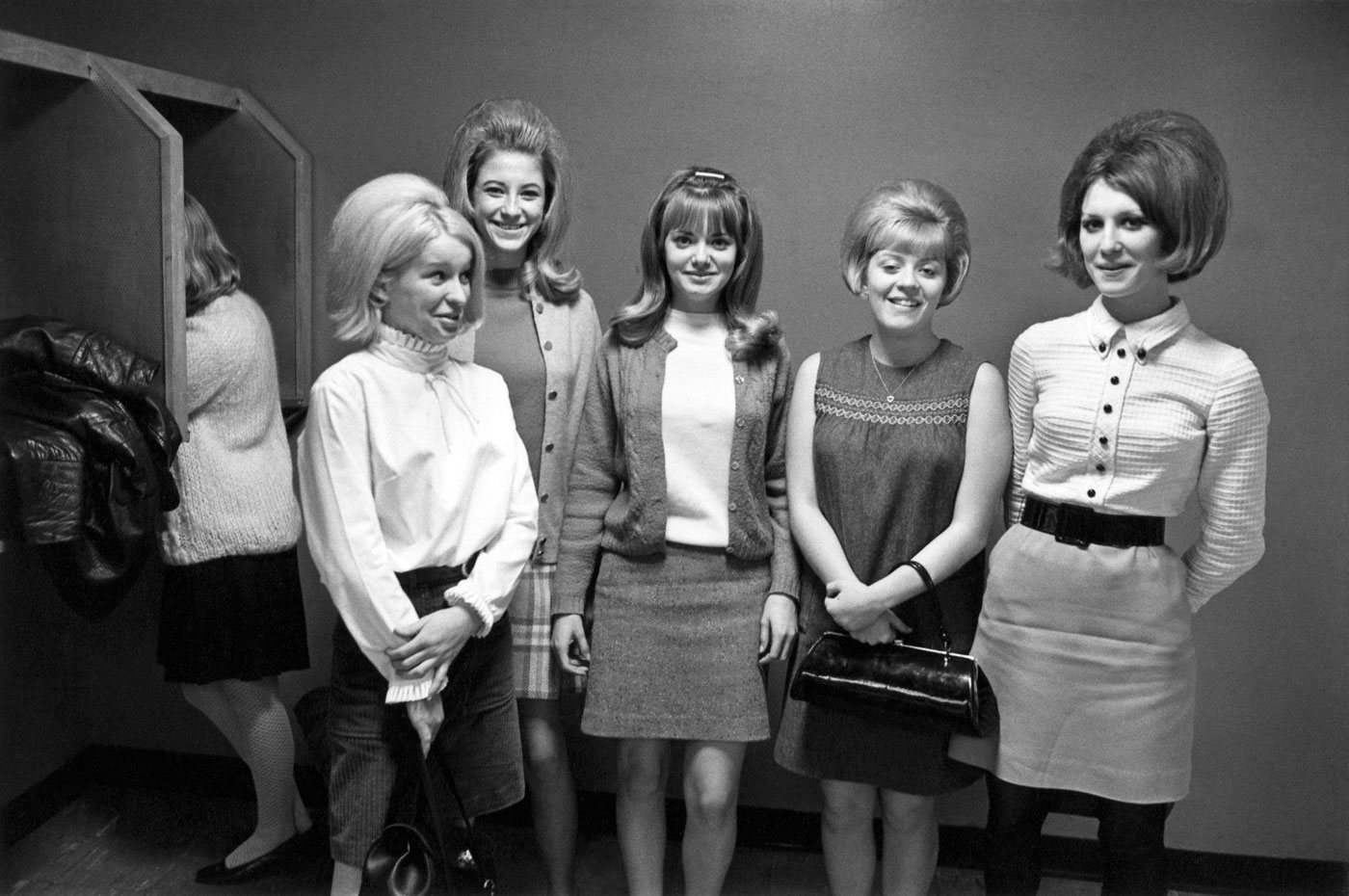
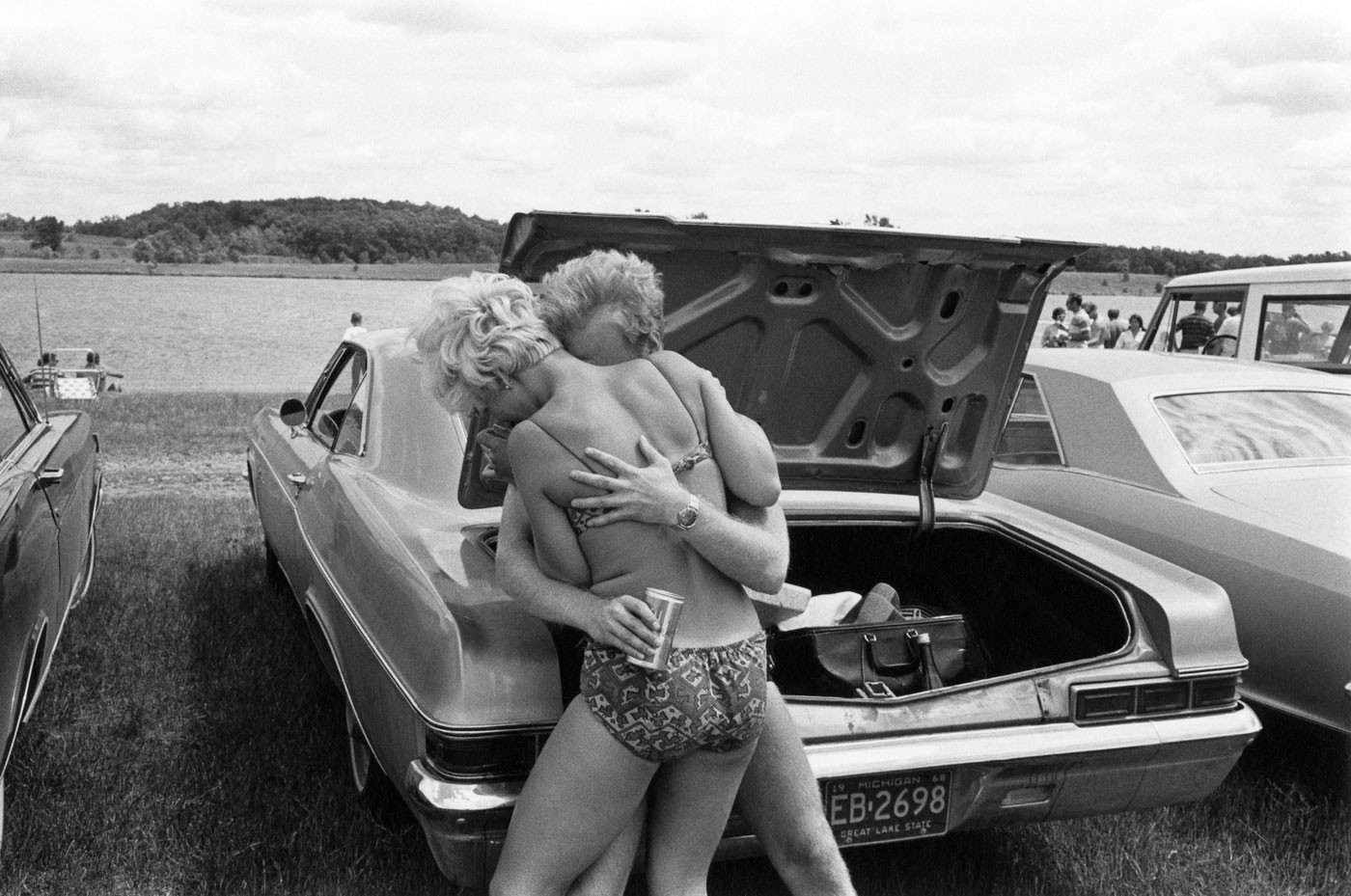
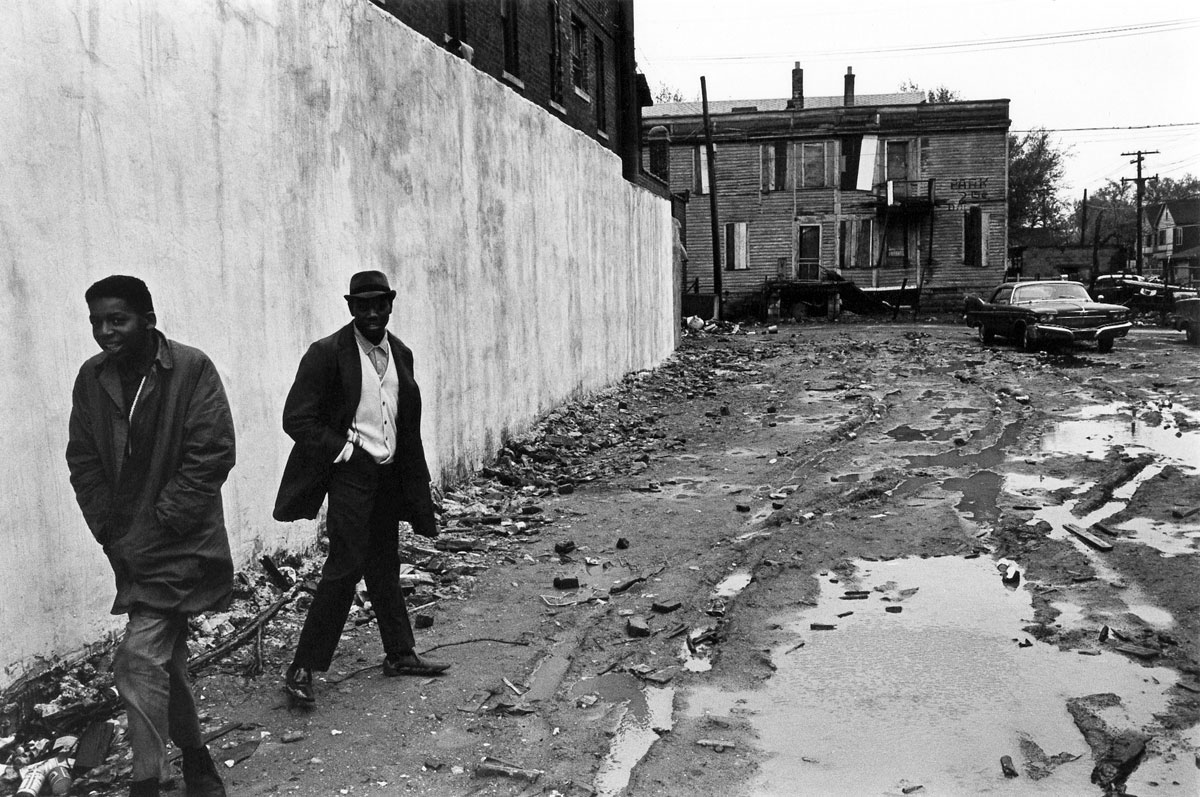
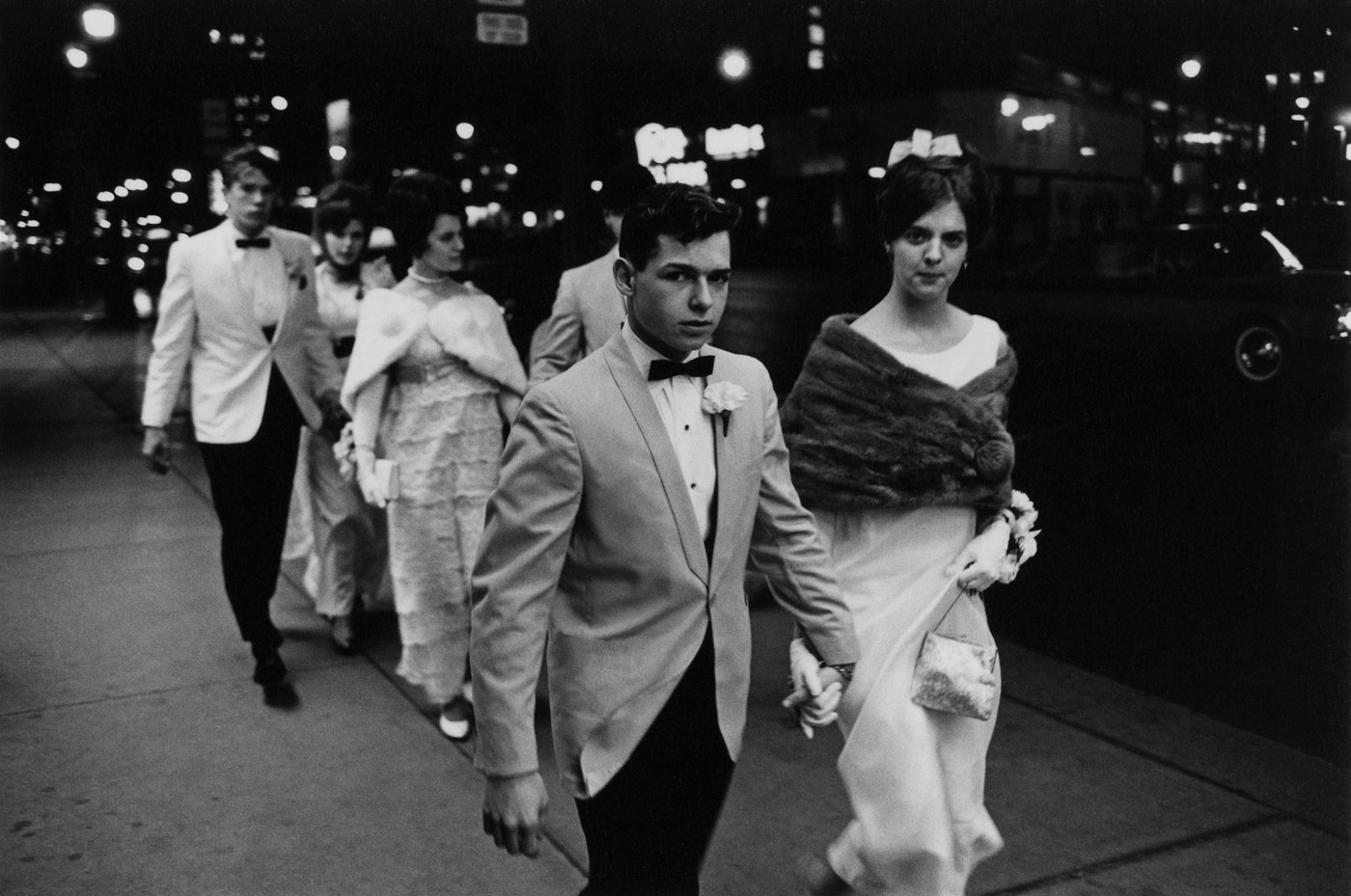
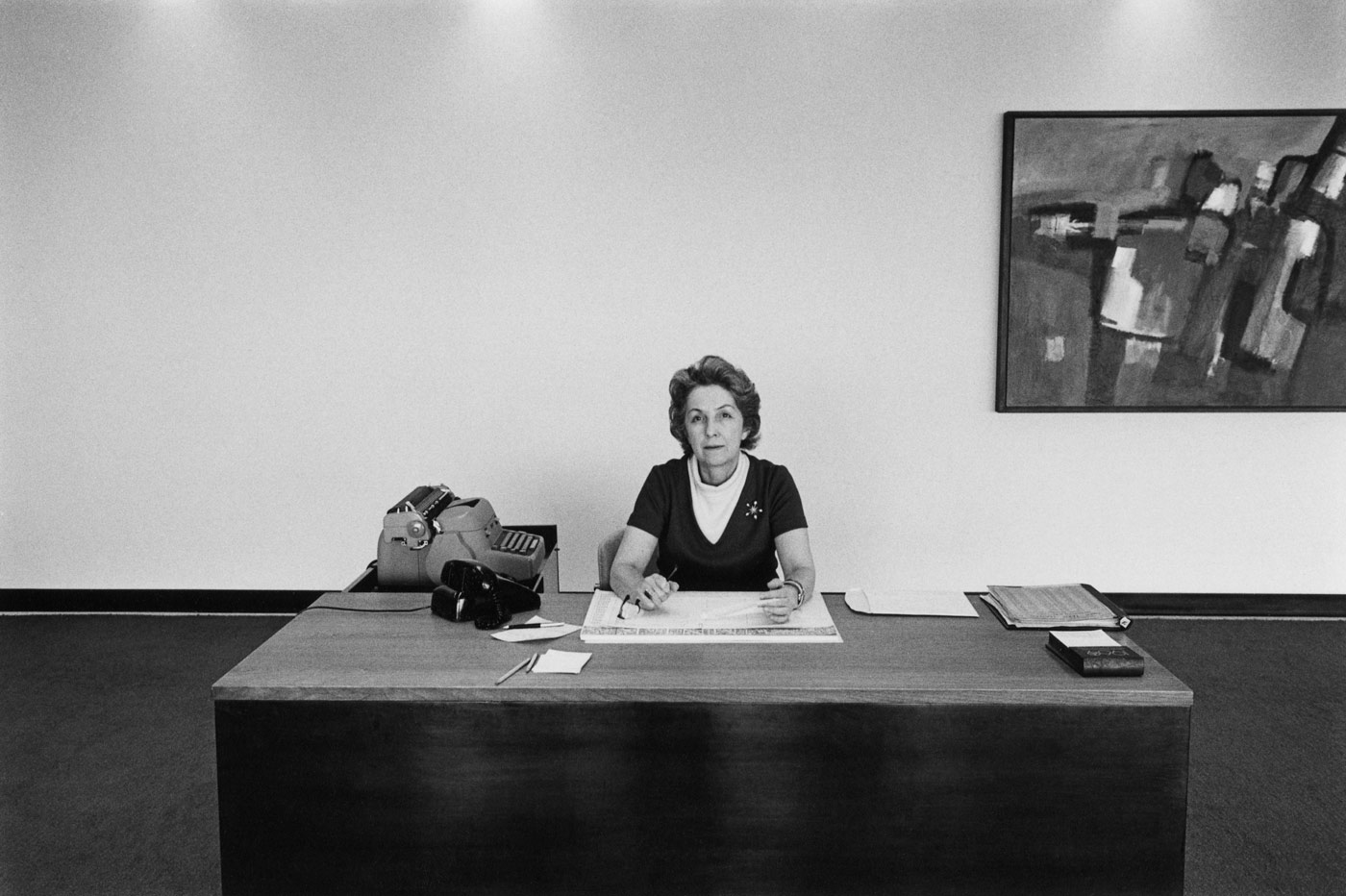
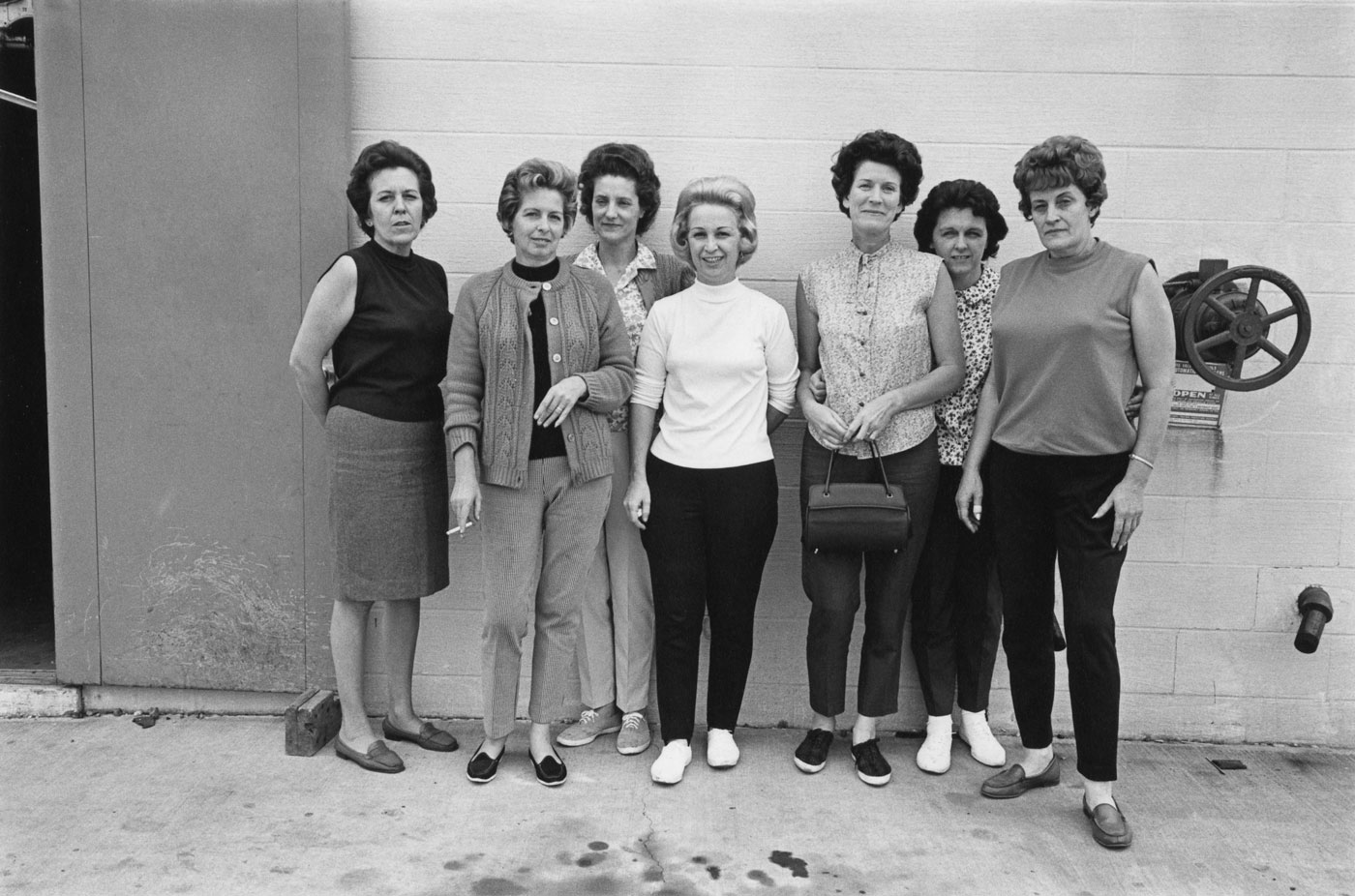
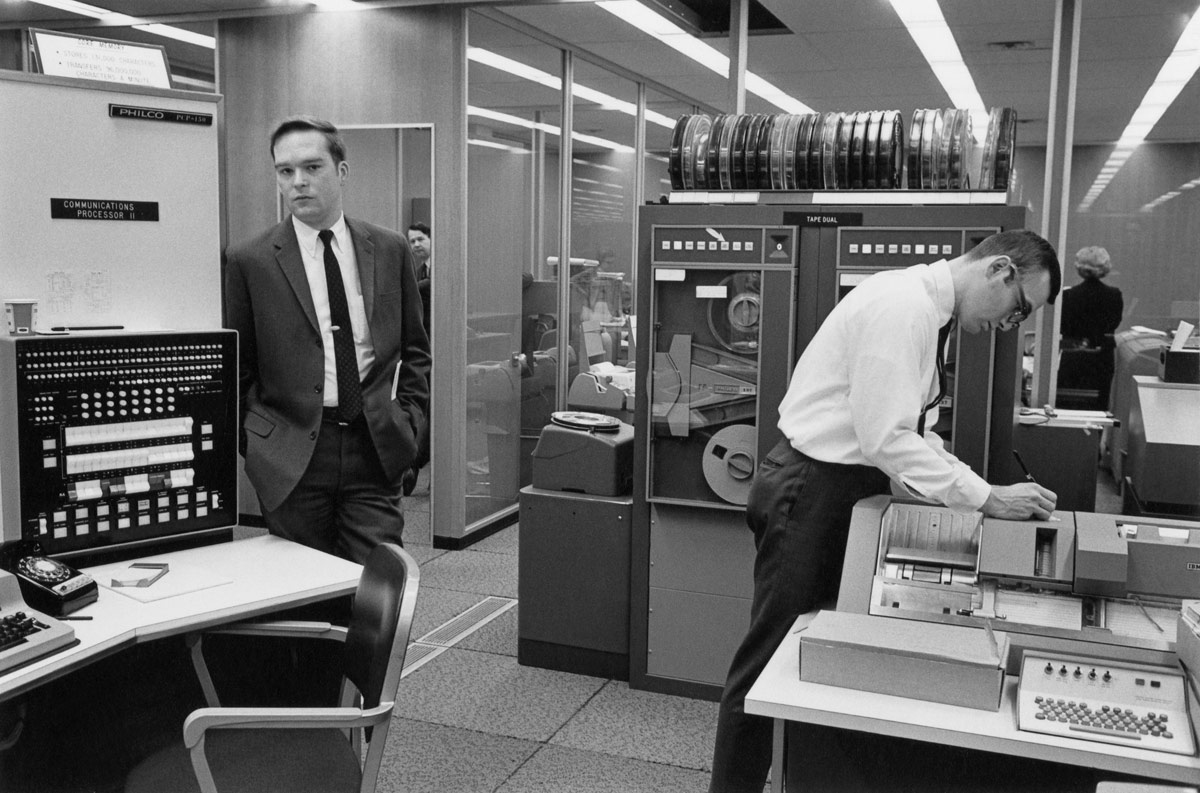
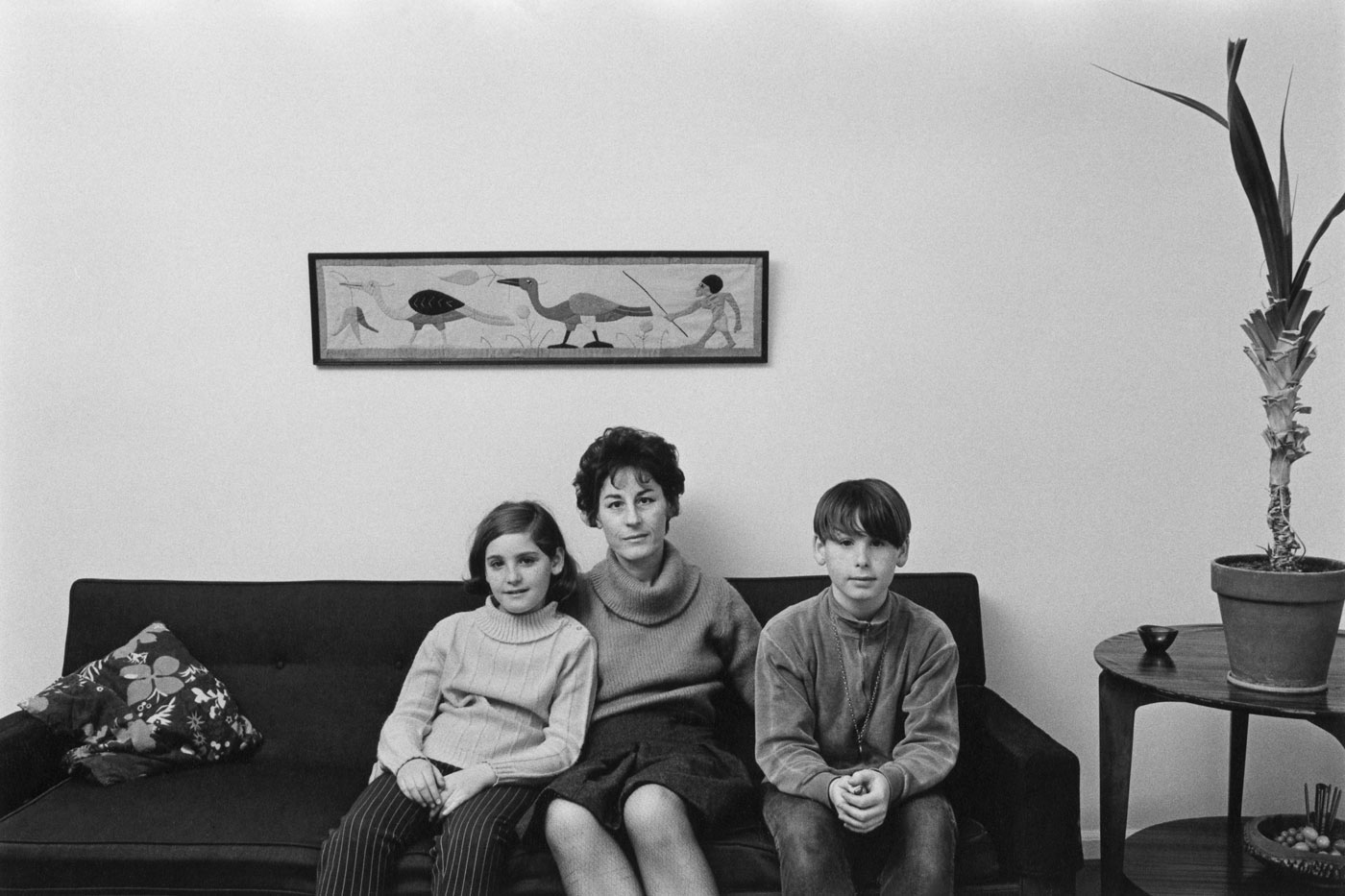
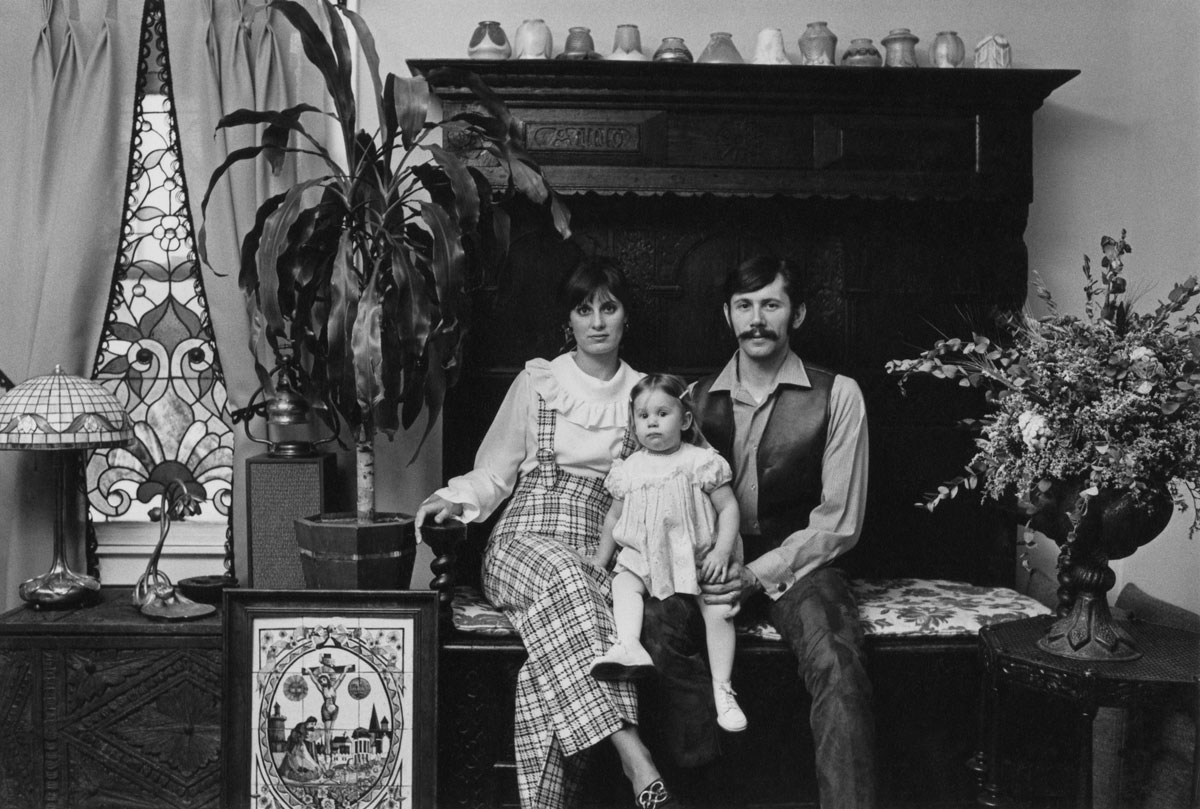
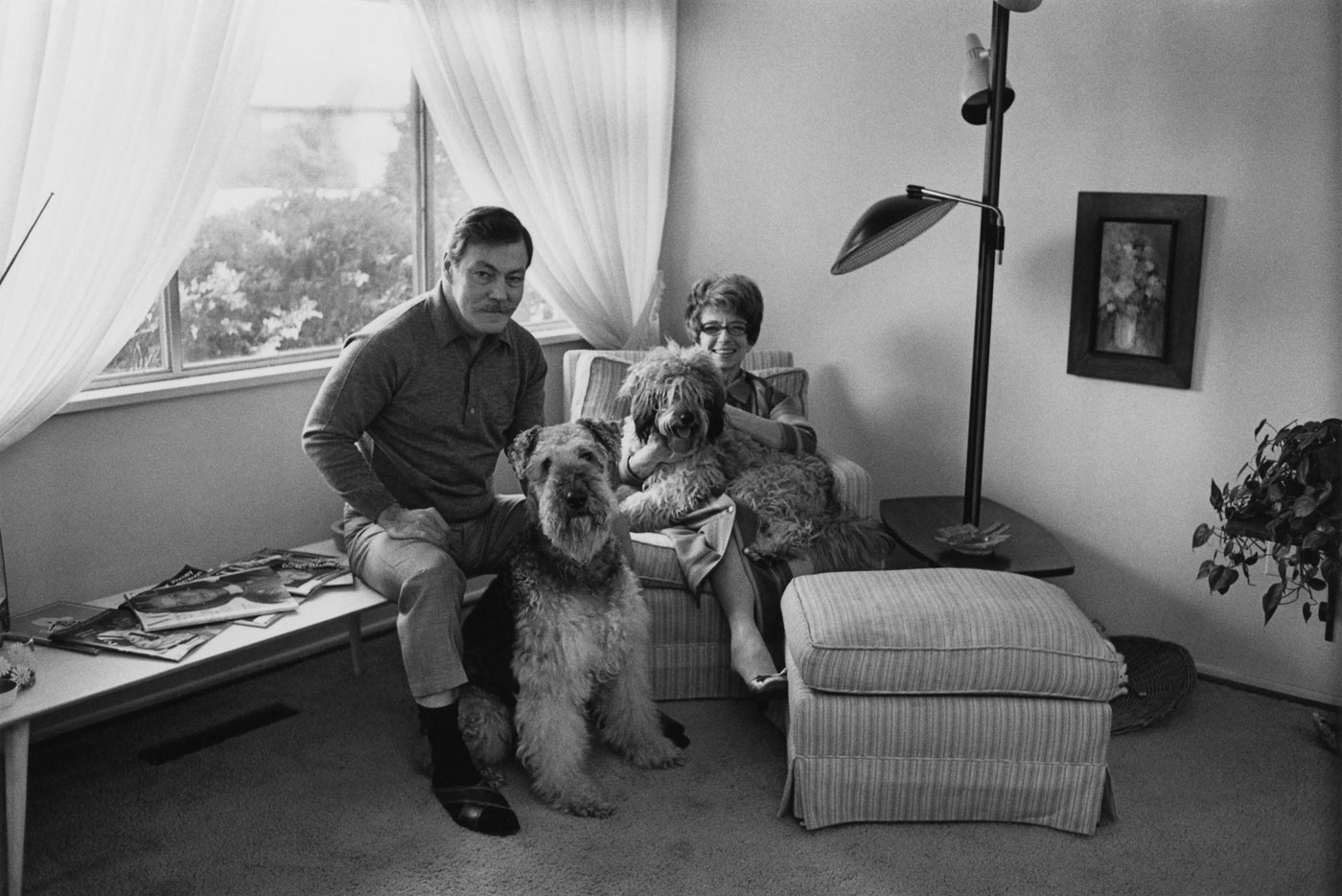
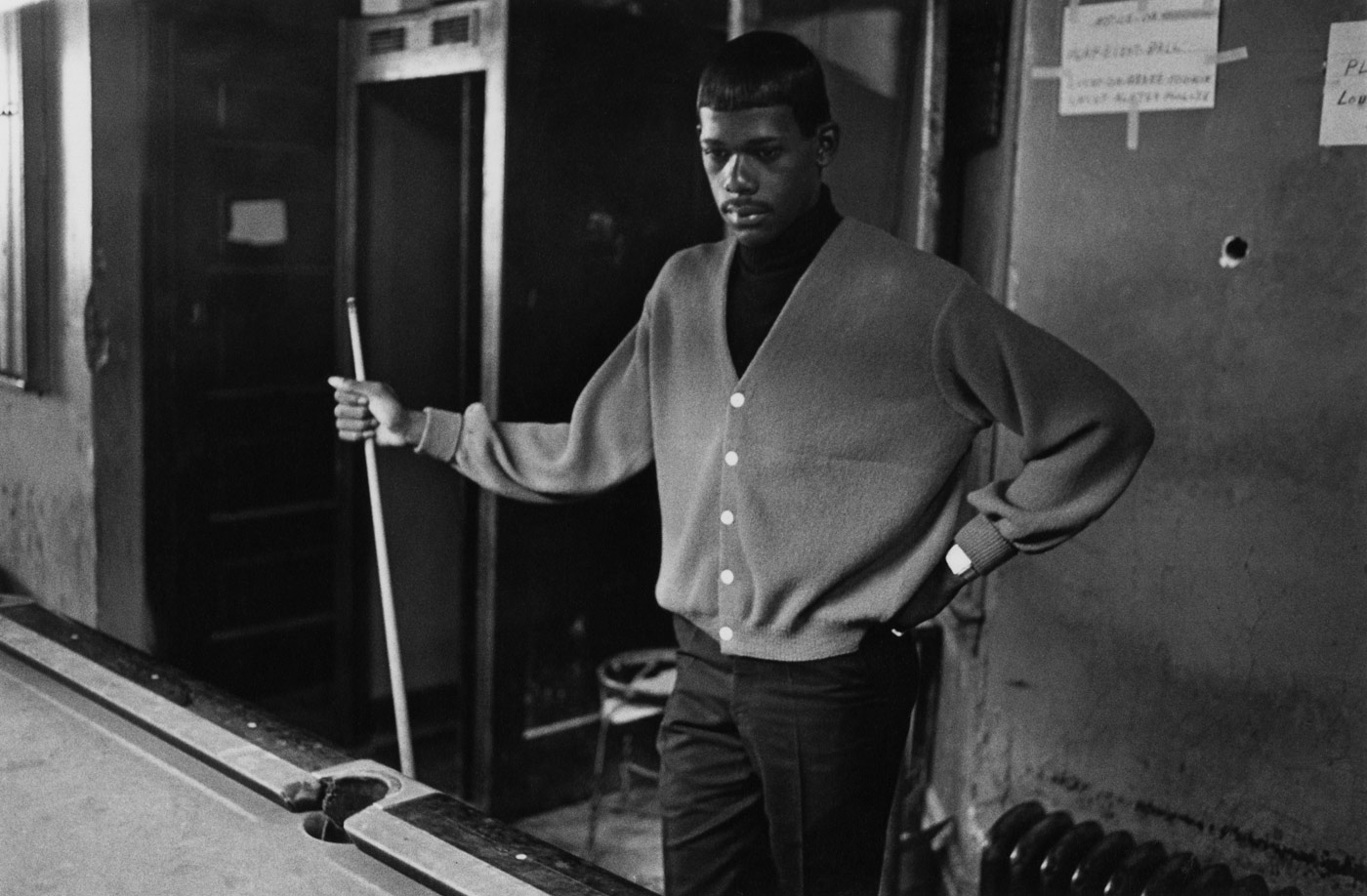
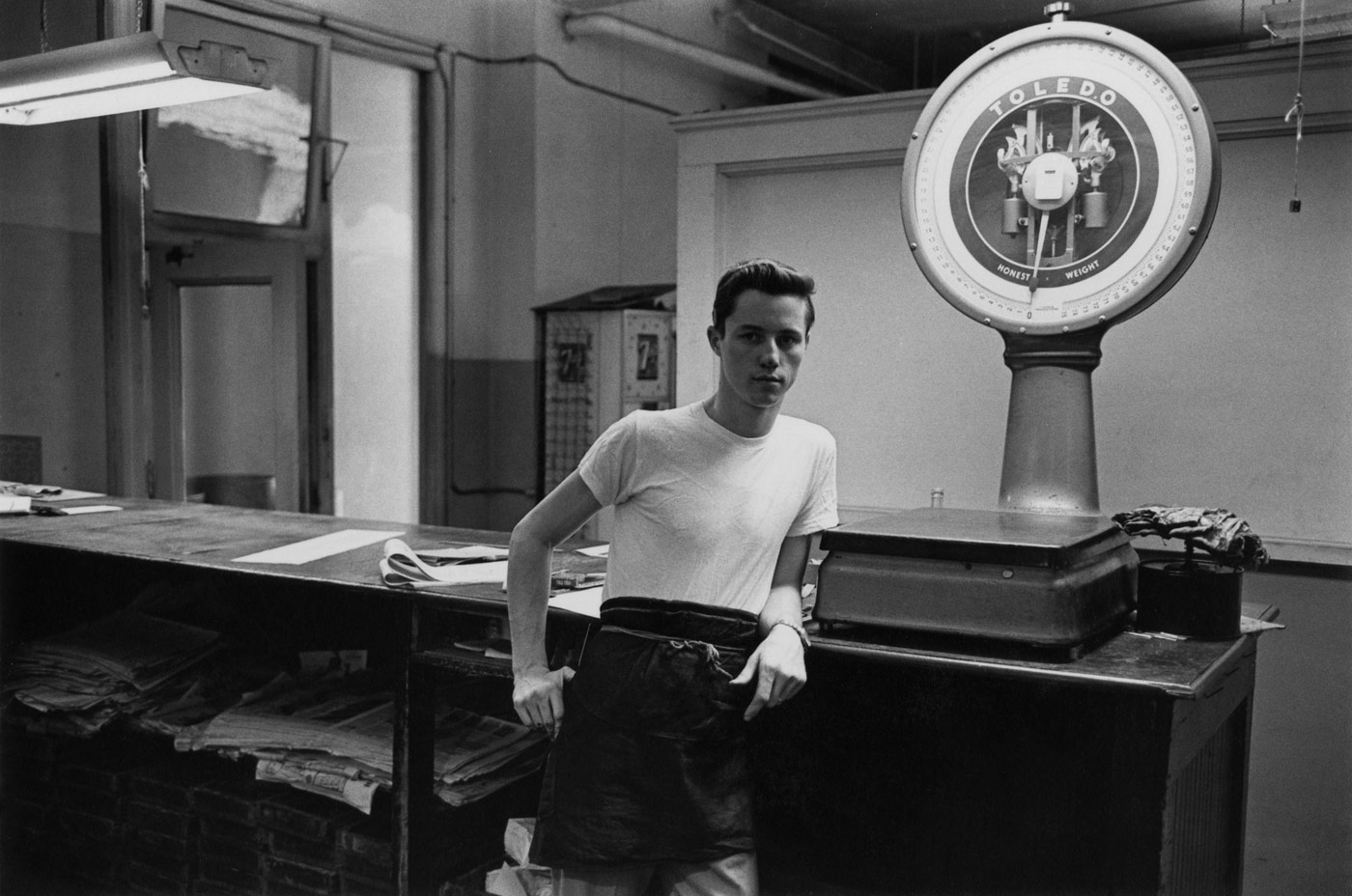
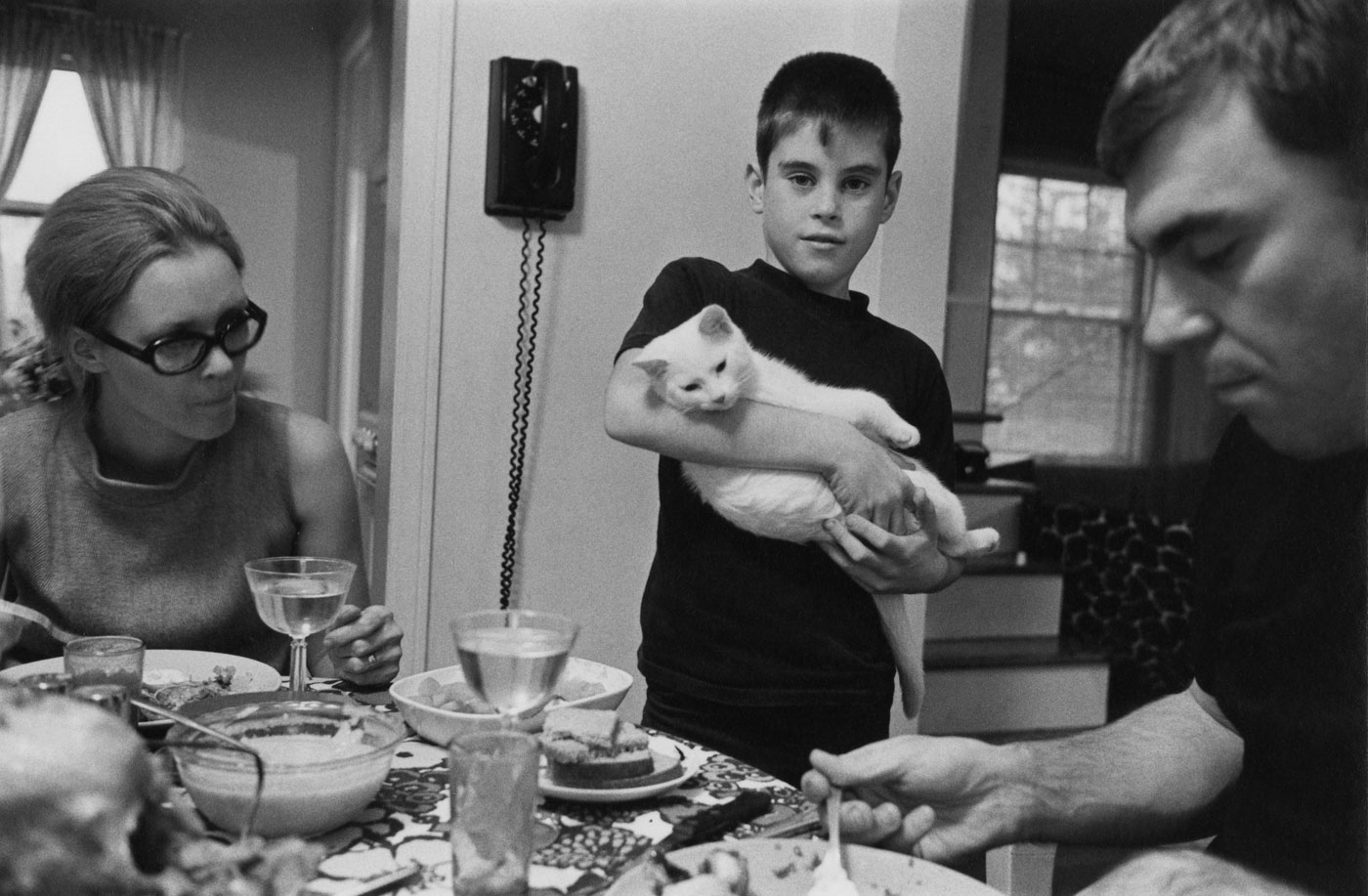
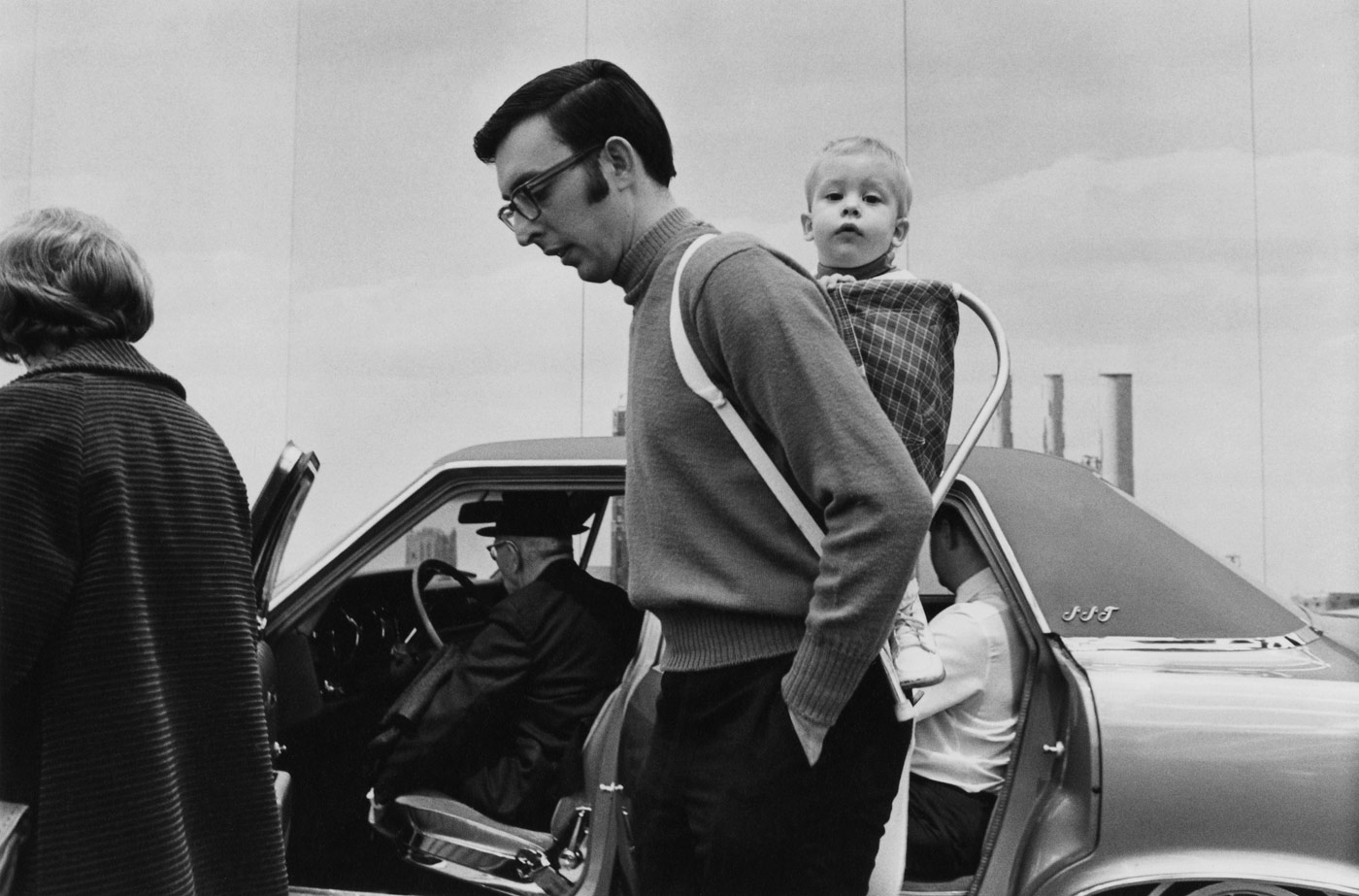
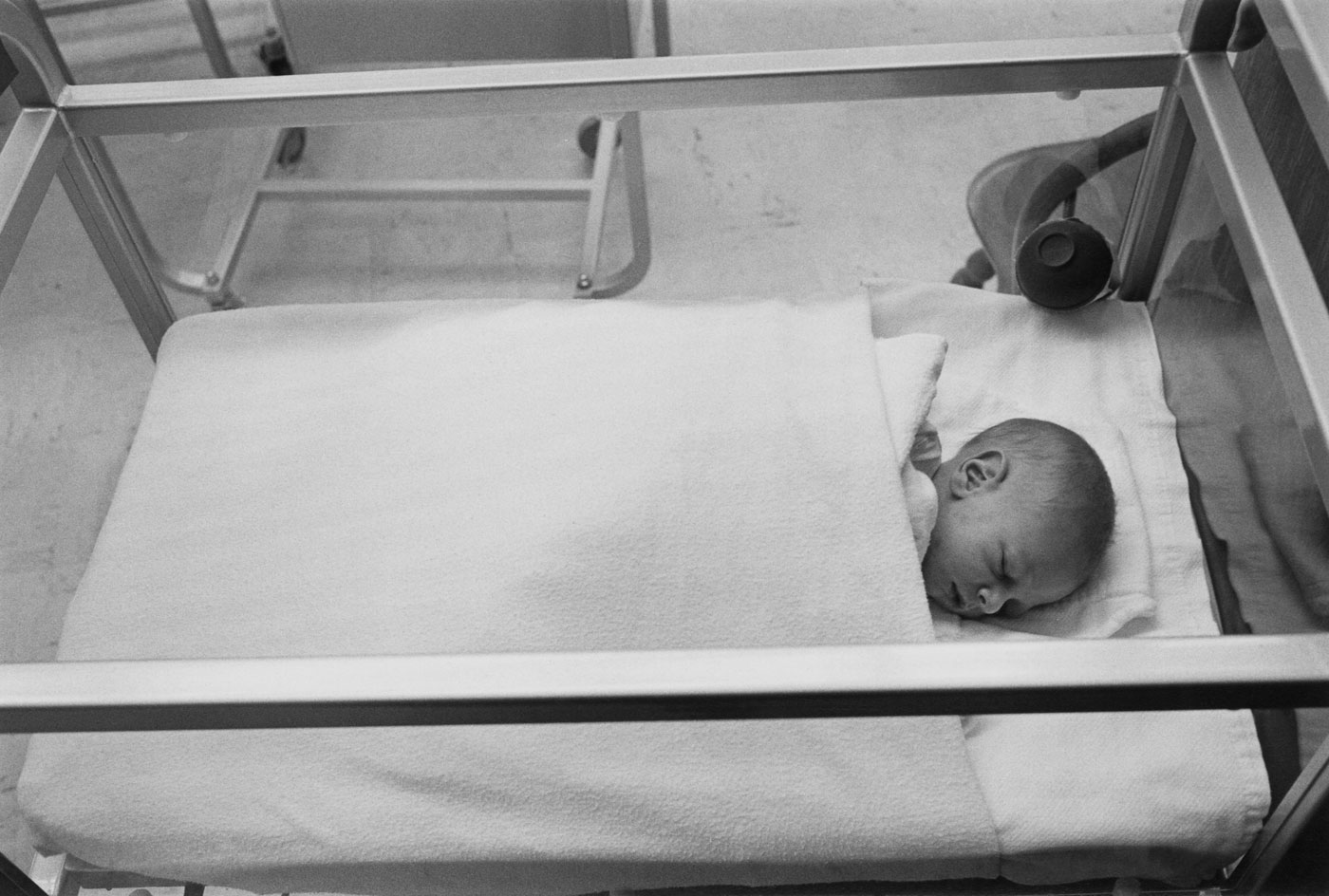
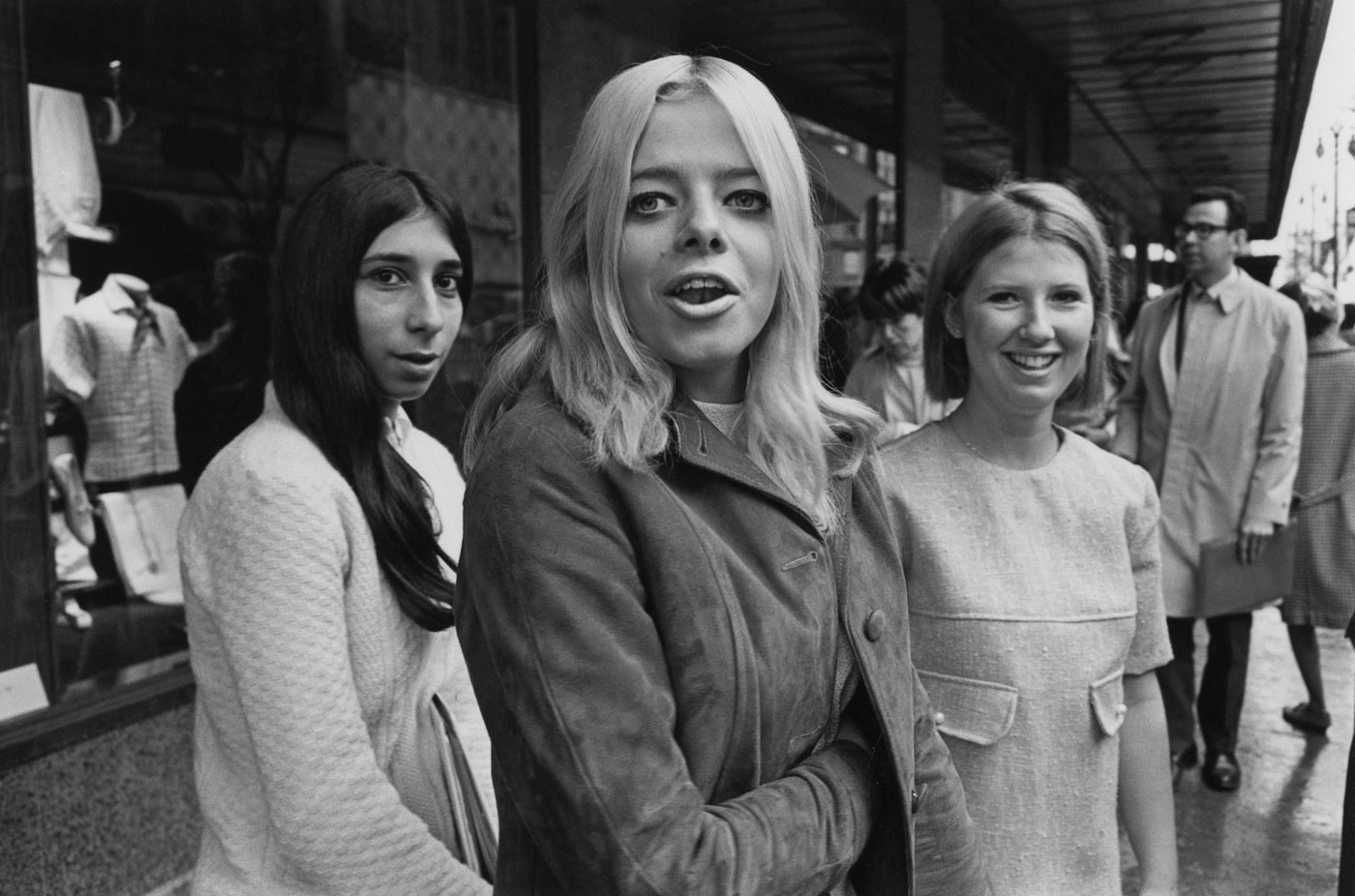
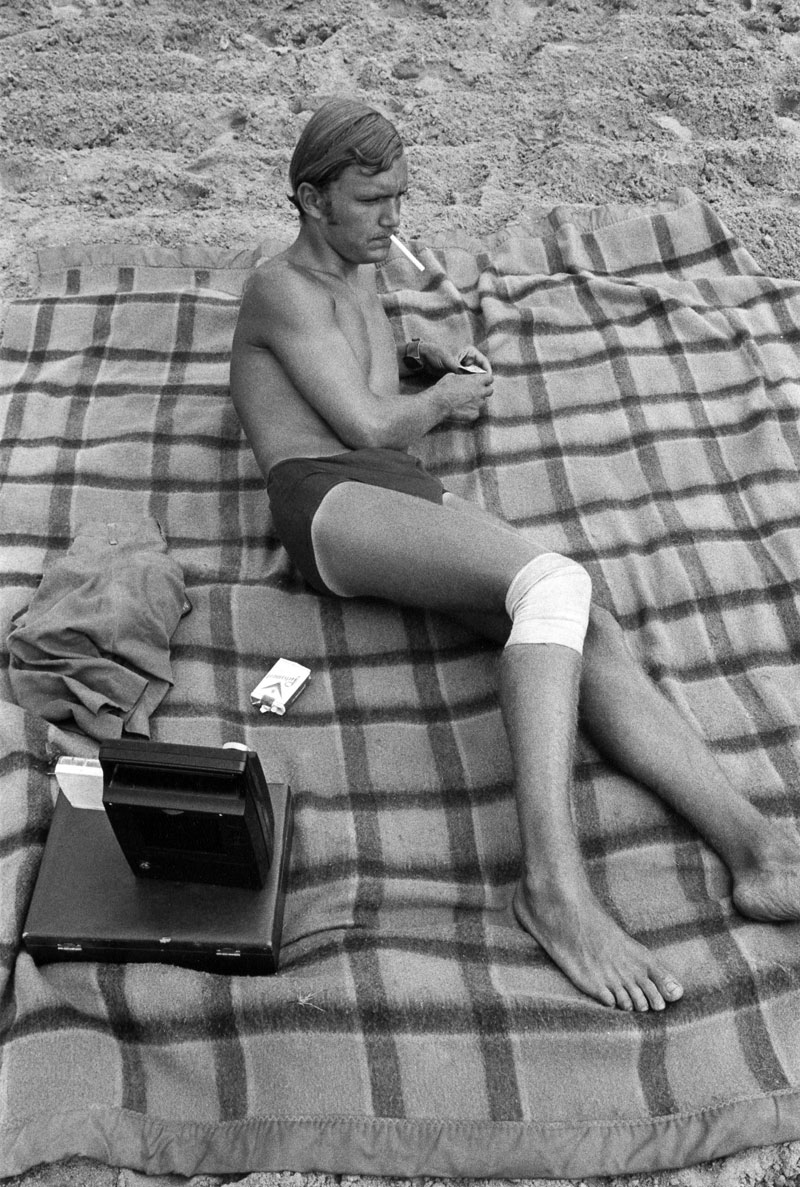
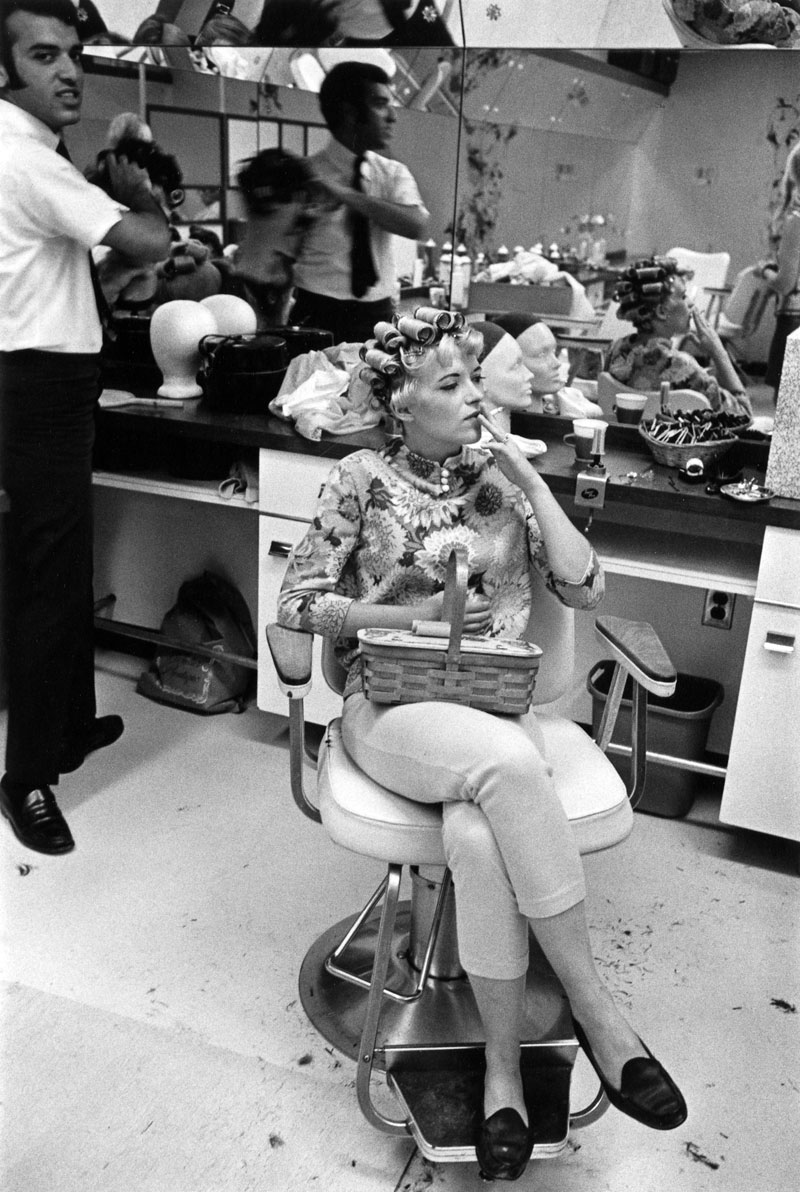
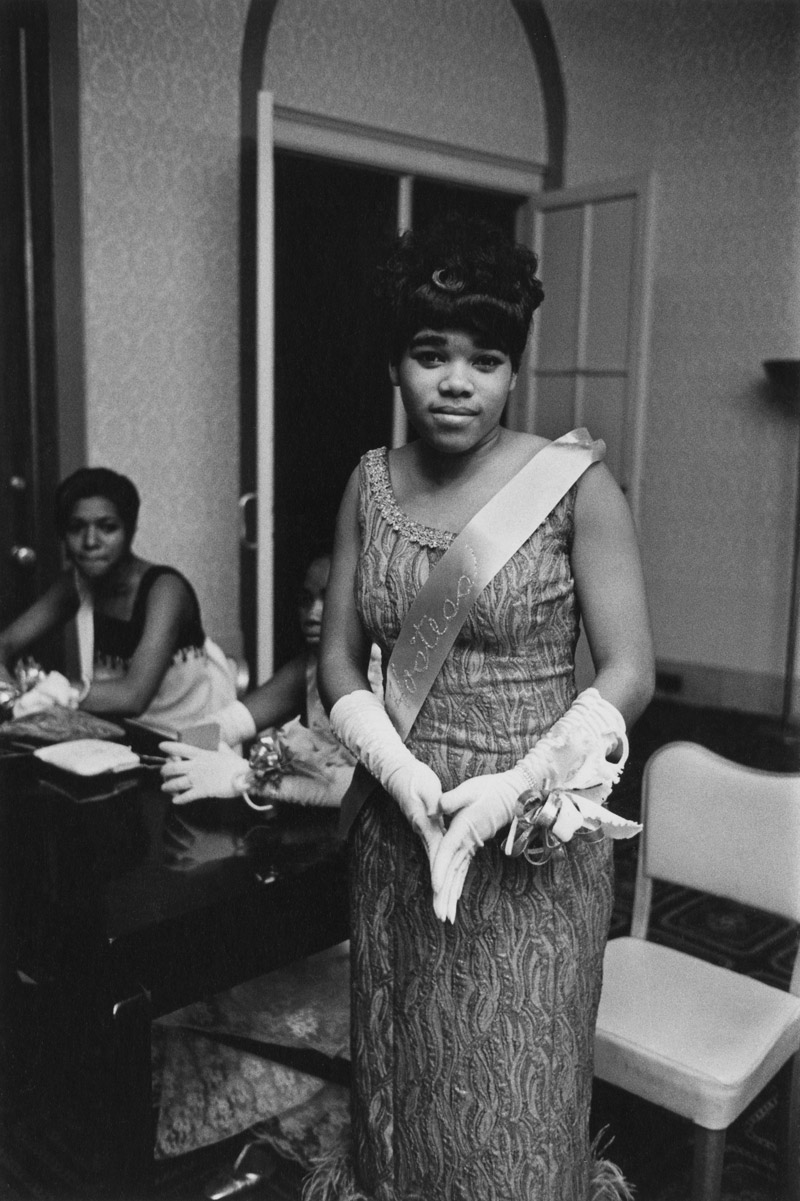
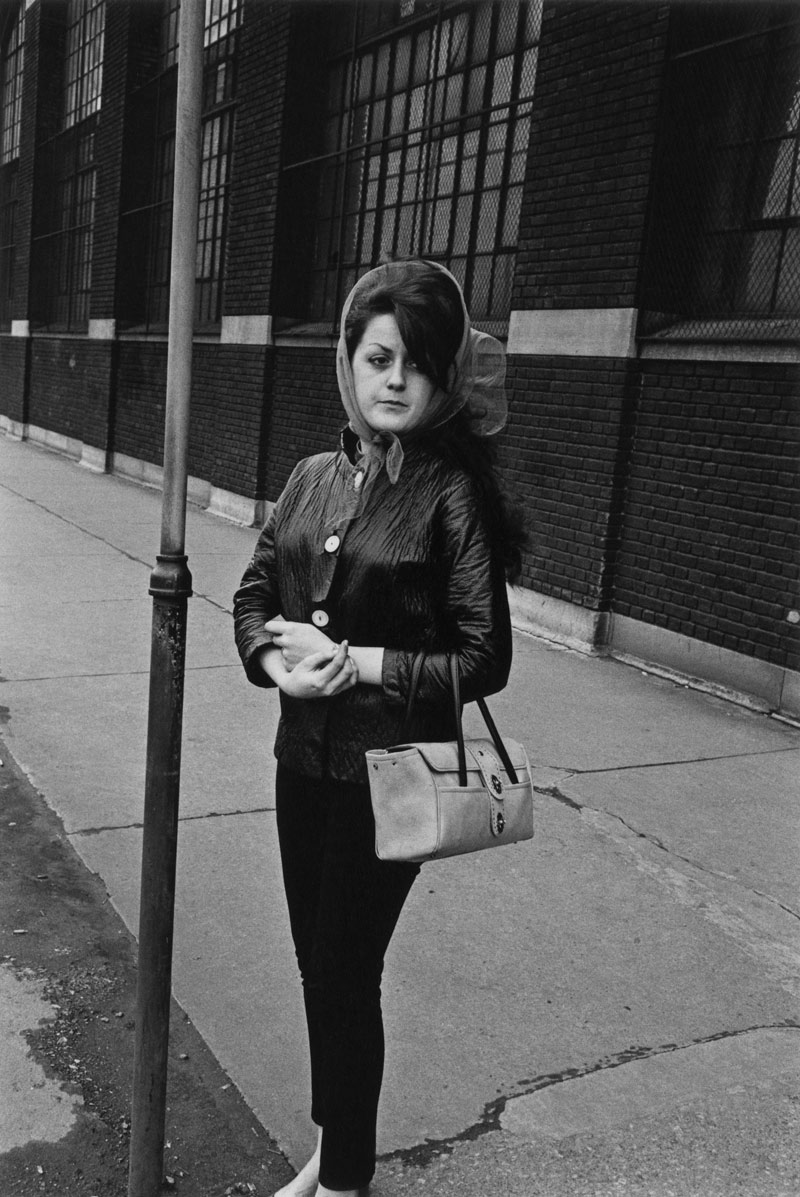
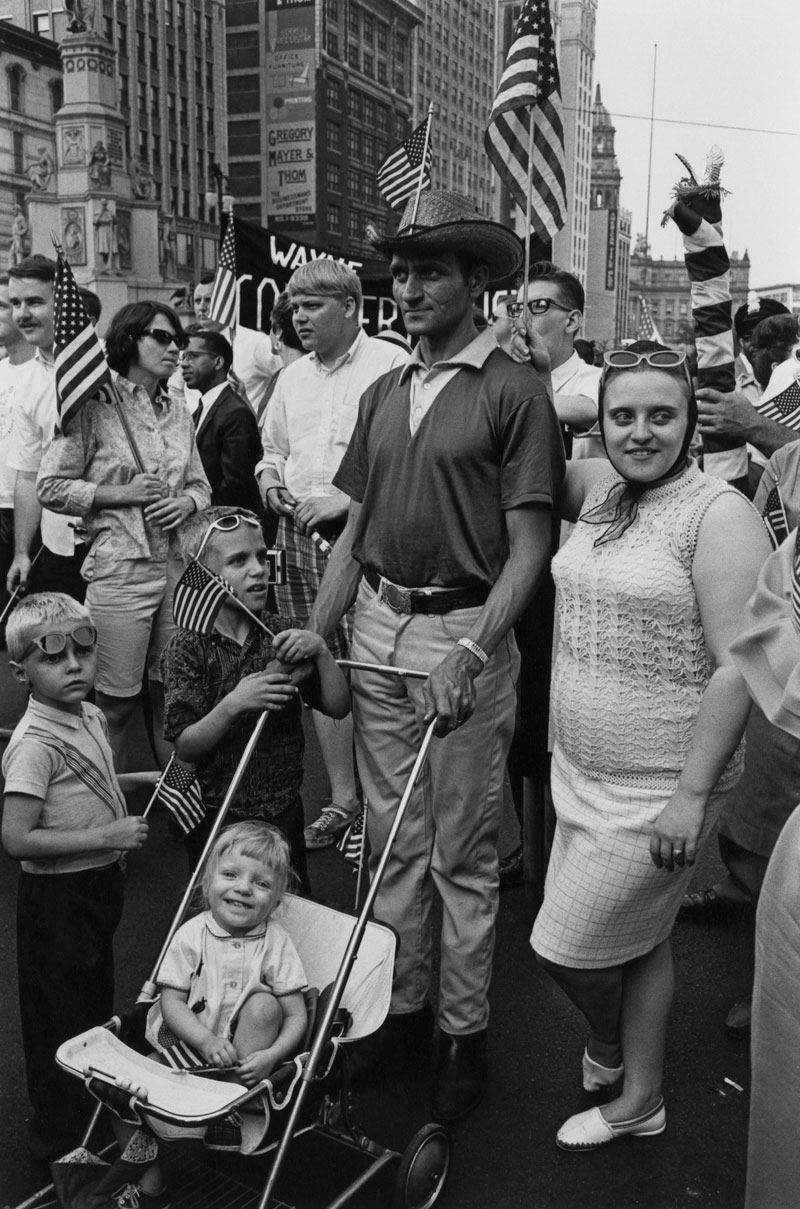
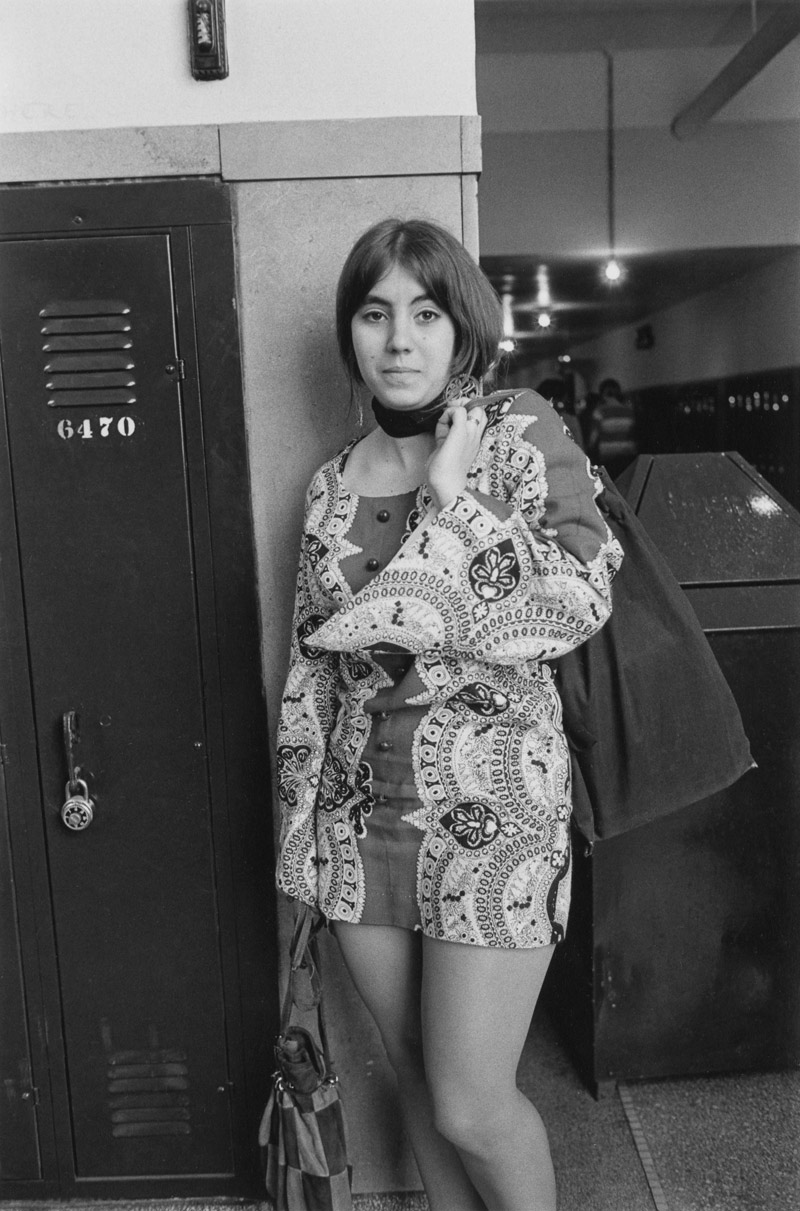
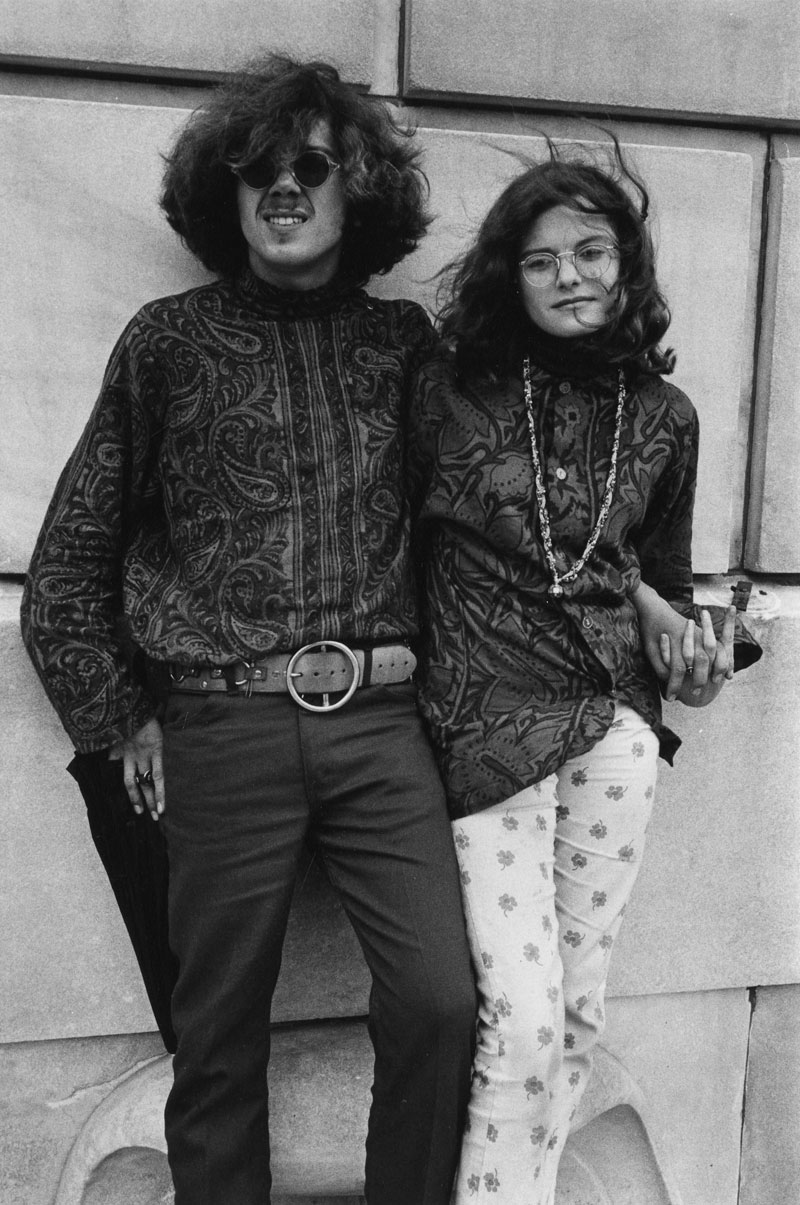
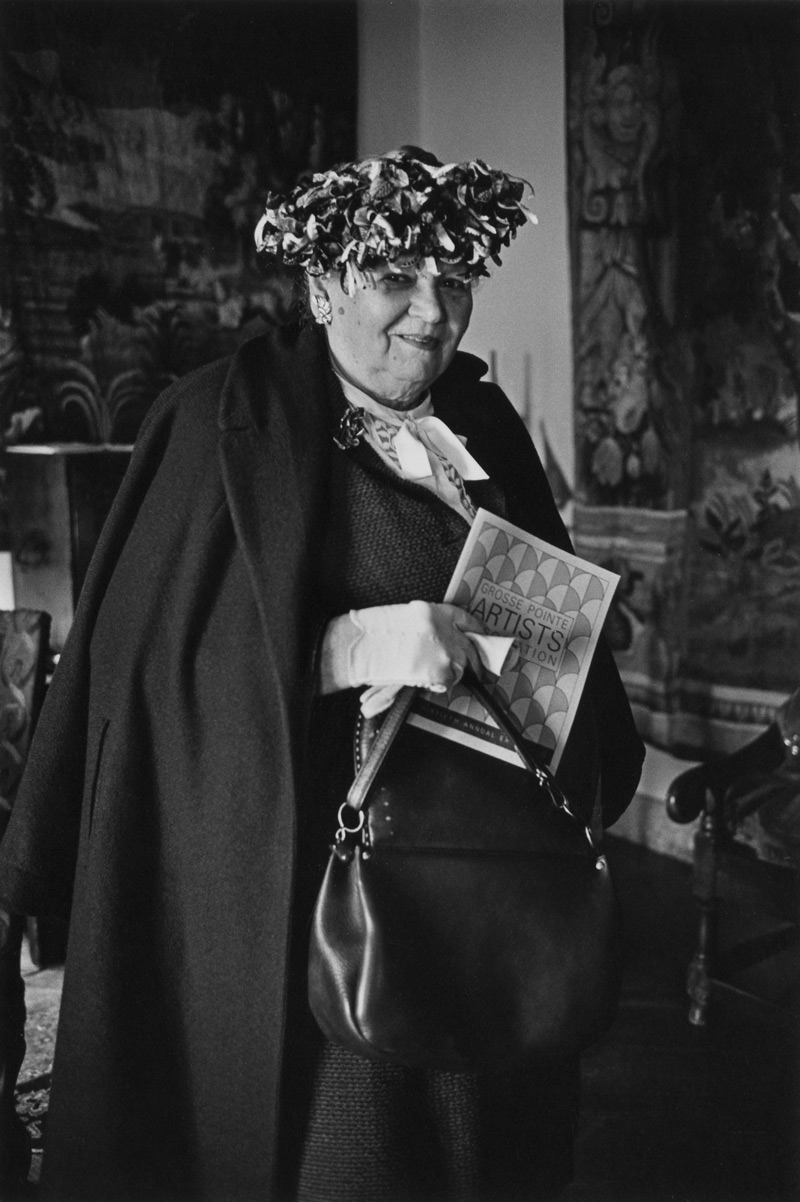
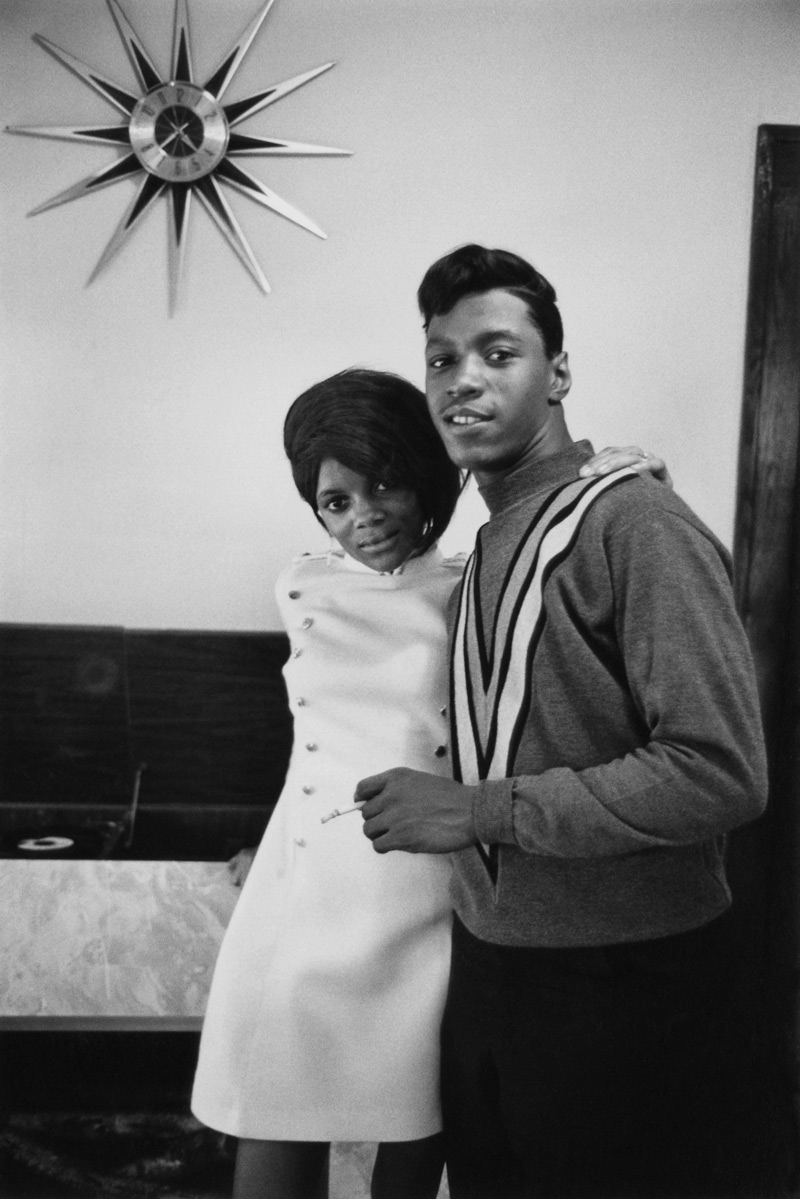
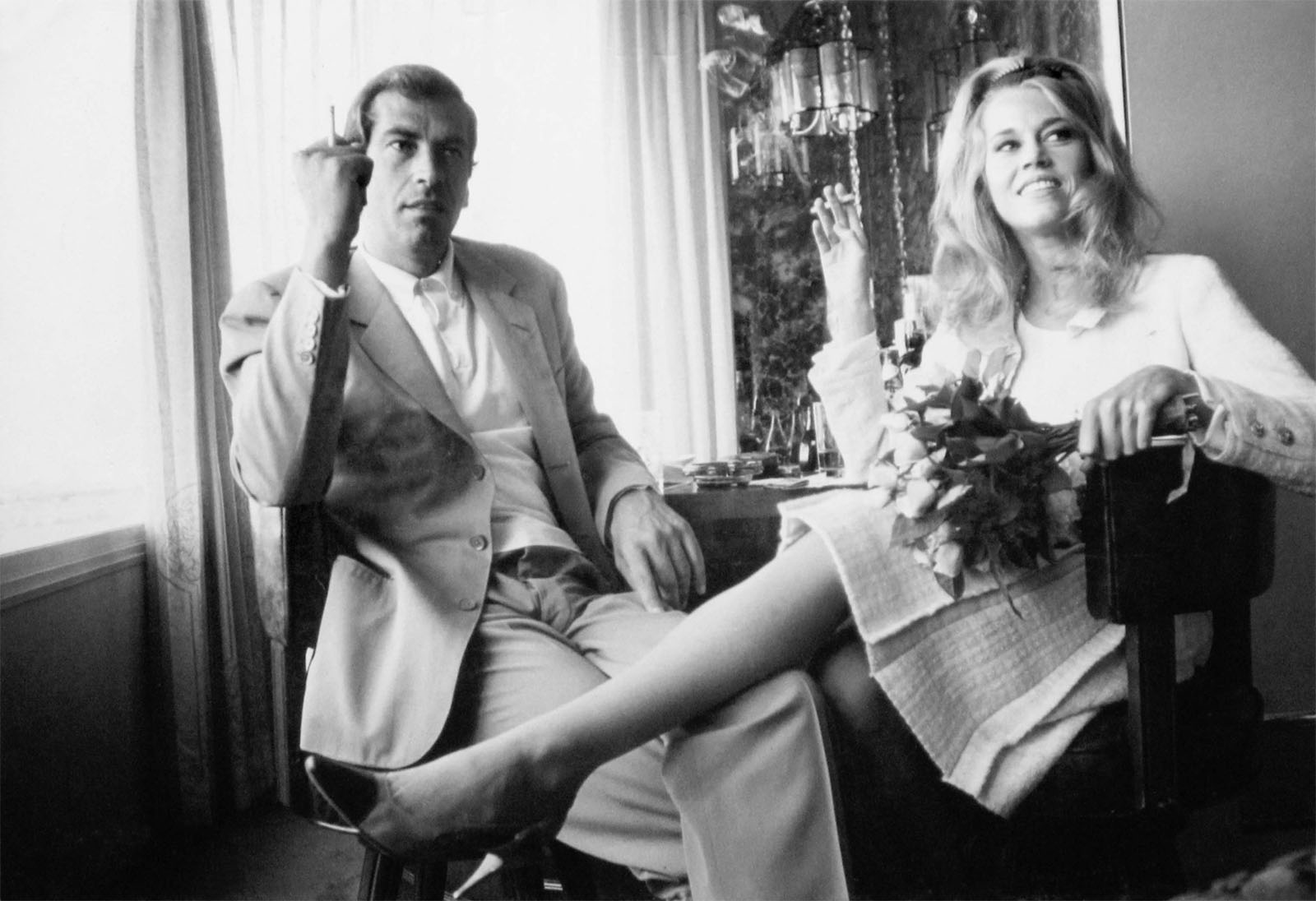
The second tranche of images from the artist Enrico Natali demonstrate his command of visual space. Groups of people face away from the camera, then towards it (image above and below), people clutch at each other or walk in opposite directions (next two images). There is the comparison of races, between abject poverty and young people dressed in fur going to the prom. There is the silence of the singular women in the office, and the (op)posed camaraderie of the Detroit Bolt and Nut Company workers (1968, below). Above all, there is light and shade coupled with a sensitive understanding of how human beings interact – with themselves and the camera. Newlywed couple, Detroit, 1968 (1968, below) is a case in point: the clock on the wall, the record player with single, the hand on the shoulder and the ash lengthening on the cigarette complement the presence of the couple and the wonderful look on their faces. Somehow Natali adds genuine charisma to these people, a dignity and poignancy that makes these photographs memorable.

Dr Marcus Bunyan


Many thankx to Joseph Bellows Gallery for allowing me to publish the photographs in the posting. Please click on the photographs for a larger version of the image.


Enrico Natali (American, b. 1933) 'Office workers, Detroit, 1968' 1968


Enrico Natali (American, b. 1933)
Office workers, Detroit, 1968
1968
Gelatin silver print


Enrico Natali (American, b. 1933) 'Couple at Metropolitan Beach, Detroit, 1968' 1968


Enrico Natali (American, b. 1933)
Couple at Metropolitan Beach, Detroit, 1968
1968
Gelatin silver print


Enrico Natali (American, b. 1933) 'Pedestrians at the corner of Jefferson Avenue and Conners, Detroit, 1968' 1968


Enrico Natali (American, b. 1933)
Pedestrians at the corner of Jefferson Avenue and Conners, Detroit, 1968
1968
Gelatin silver print


Enrico Natali (American, b. 1933) 'High school prom, Detroit, 1968' 1968


Enrico Natali (American, b. 1933)
High school prom, Detroit, 1968
1968
Gelatin silver print


Enrico Natali (American, b. 1933) 'Secretary with abstract painting, Detroit, 1968' 1968


Enrico Natali (American, b. 1933)
Secretary with abstract painting, Detroit, 1968
1968
Gelatin silver print


Enrico Natali (American, b. 1933) 'Detroit Bolt and Nut Company workers, Detroit, 1968' 1968


Enrico Natali (American, b. 1933)
Detroit Bolt and Nut Company workers, Detroit, 1968
1968
Gelatin silver print


Enrico Natali (American, b. 1933) 'Computer room, Detroit, 1968' 1968


Enrico Natali (American, b. 1933)
Computer room, Detroit, 1968
1968
Gelatin silver print


Enrico Natali (American, b. 1933) 'Ann Davis at home with her daughter and son, Detroit, 1968' 1968


Enrico Natali (American, b. 1933)
Ann Davis at home with her daughter and son, Detroit, 1968
1968
Gelatin silver print


Enrico Natali (American, b. 1933) 'Couple at home with their daughter, Detroit, 1968' 1968


Enrico Natali (American, b. 1933)
Couple at home with their daughter, Detroit, 1968
1968
Gelatin silver print


Enrico Natali (American, b. 1933) 'Jim and Judy Yardley with their dogs, Sport and Barney, Detroit, 1968' 1968


Enrico Natali (American, b. 1933)
Jim and Judy Yardley with their dogs, Sport and Barney, Detroit, 1968
1968
Gelatin silver print


Enrico Natali (American, b. 1933) 'Pool player in an east side poolroom, Detroit, 1968' 1968


Enrico Natali (American, b. 1933)
Pool player in an east side poolroom, Detroit, 1968
1968
Gelatin silver print


Enrico Natali (American, b. 1933) 'Typesetter at work, Detroit, 1968' 1968


Enrico Natali (American, b. 1933)
Typesetter at work, Detroit, 1968
1968
Gelatin silver print


Enrico Natali (American, b. 1933) 'Dean Turner with his parents and cat, Detroit, 1968' 1968


Enrico Natali (American, b. 1933)
Dean Turner with his parents and cat, Detroit, 1968
1968
Gelatin silver print


Enrico Natali (American, b. 1933) 'Father and child at the Detroit Auto Show, Detroit, 1968' 1968


Enrico Natali (American, b. 1933)
Father and child at the Detroit Auto Show, Detroit, 1968
1968
Gelatin silver print


Enrico Natali (American, b. 1933) 'Enrico Natali's son, Vincenzo Natali, on the day of his birth, Detroit, 1968' 1968


Enrico Natali (American, b. 1933)
Enrico Natali’s son, Vincenzo Natali, on the day of his birth, Detroit, 1968
1968
Gelatin silver print


Enrico Natali (American, b. 1933) 'Suburban girls shopping in downtown Detroit, Detroit, 1968' 1968


Enrico Natali (American, b. 1933)
Suburban girls shopping in downtown Detroit, Detroit, 1968
1968
Gelatin silver print


Enrico Natali (American, b. 1933) 'Man with injured knee at the beach smoking, Detroit, 1968' 1968


Enrico Natali (American, b. 1933)
Man with injured knee at the beach smoking, Detroit, 1968
1968
Gelatin silver print


Enrico Natali (American, b. 1933) 'Beauty salon client smoking, Detroit, 1968' 1968


Enrico Natali (American, b. 1933)
Beauty salon client smoking, Detroit, 1968
1968
Gelatin silver print


Enrico Natali (American, b. 1933) 'Gala hostess, Detroit, 1968' 1968


Enrico Natali (American, b. 1933)
Gala hostess, Detroit, 1968
1968
Gelatin silver print


Enrico Natali (American, b. 1933) 'Woman outside a tire factory waiting for the bus, Detroit, 1968' 1968


Enrico Natali (American, b. 1933)
Woman outside a tire factory waiting for the bus, Detroit, 1968
1968
Gelatin silver print


Enrico Natali (American, b. 1933) 'Spectators at an Armed Forces Day parade, Detroit, 1968' 1968


Enrico Natali (American, b. 1933)
Spectators at an Armed Forces Day parade, Detroit, 1968
1968
Gelatin silver print


Enrico Natali (American, b. 1933) 'High school student in mini dress, Detroit, 1968' 1968


Enrico Natali (American, b. 1933)
High school student in mini dress, Detroit, 1968
1968
Gelatin silver print


Enrico Natali (American, b. 1933) 'Couple outside of an art museum, Detroit, 1968' 1968


Enrico Natali (American, b. 1933)
Couple outside of an art museum, Detroit, 1968
1968
Gelatin silver print


Enrico Natali (American, b. 1933) 'Woman at an art exhibition in Grosse Pointe, Detroit, 1968' 1968


Enrico Natali (American, b. 1933)
Woman at an art exhibition in Grosse Pointe, Detroit, 1968
1968
Gelatin silver print


Enrico Natali (American, b. 1933) 'Newlywed couple, Detroit, 1968' 1968


Enrico Natali (American, b. 1933)
Newlywed couple, Detroit, 1968
1968
Gelatin silver print


Joseph Bellows Gallery
7661 Girard Avenue
La Jolla, CA 92037
Phone: (858) 456-5620

Opening hours:
Tuesday – Saturday 11am – 5pm

Joseph Bellows Gallery website

LIKE ART BLART ON FACEBOOK

Back to top

Exhibition: ‘Winogrand’s Women Are Beautiful’ at the Worcester Art Museum, Worcester, MA

Exhibition dates: 10th August – 10th November 2013


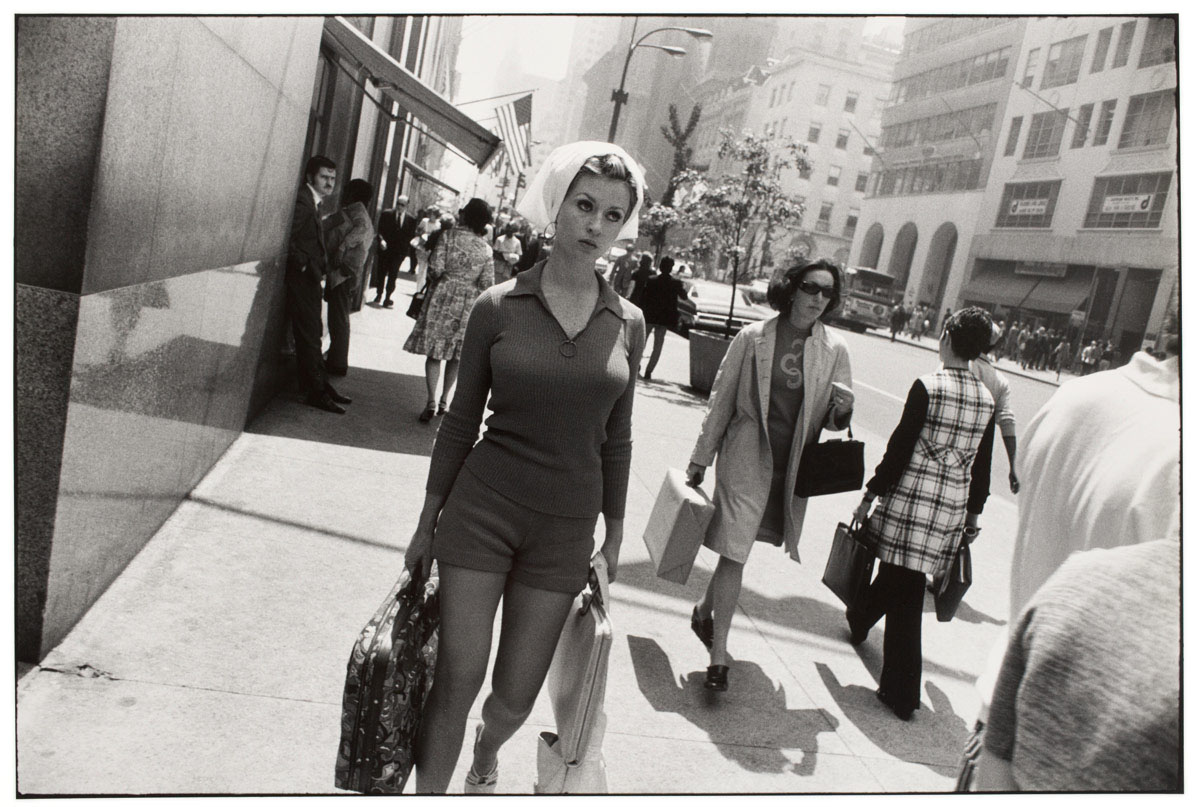
Garry Winogrand (American, 1928-1984) 'Untitled (Woman Carrying Bags)' about 1972


Garry Winogrand (American, 1928-1984)
Untitled (Woman Carrying Bags)
about 1972
Gelatin silver print
Gift of the Schorr Family Collection, 1984.102
© The Estate of Garry Winogrand, courtesy Fraenkel Gallery, San Francisco


As people may know, I am not a great fan of the photography of Garry Winogrand. Wile other people rave over this “master” of street snapshot photography, his work has never won me over, and possibly never will. There is something a little… what’s the word… creepy? voyeuristic? plain downright predatory about his photography. All the oblique angles in the world aren’t going to change my opinion.

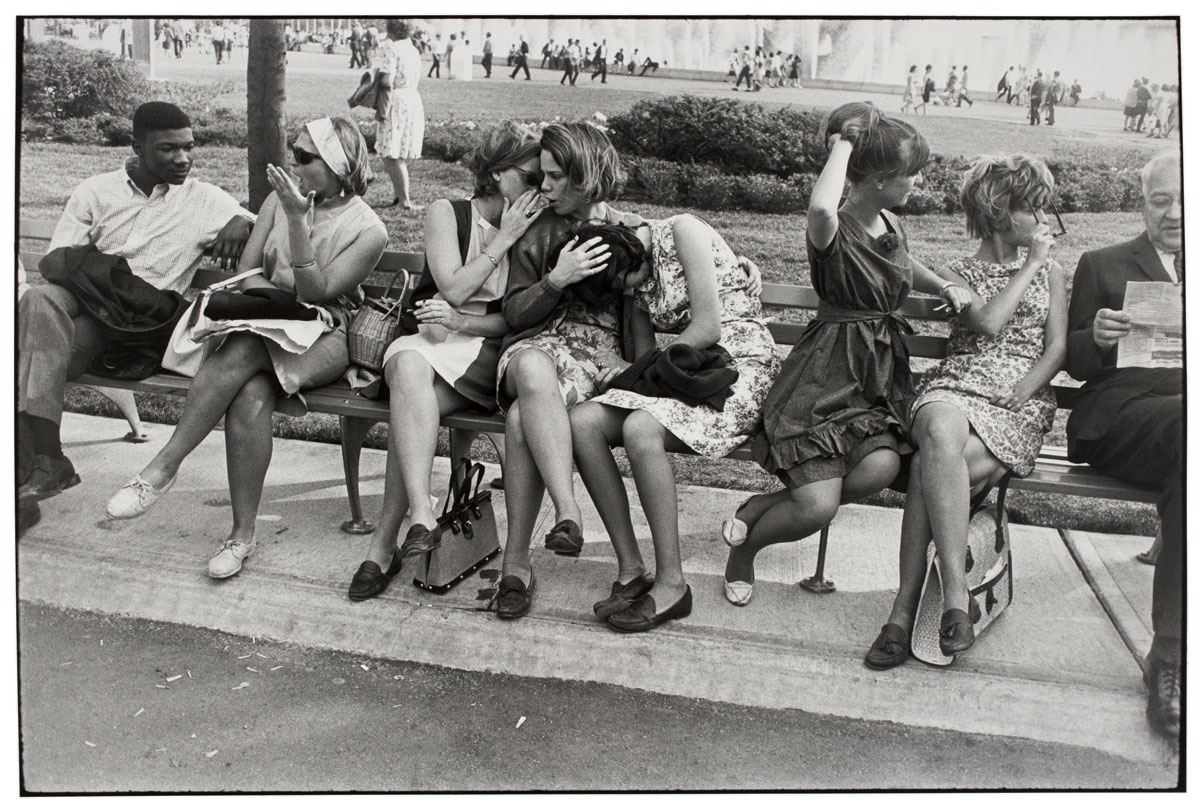
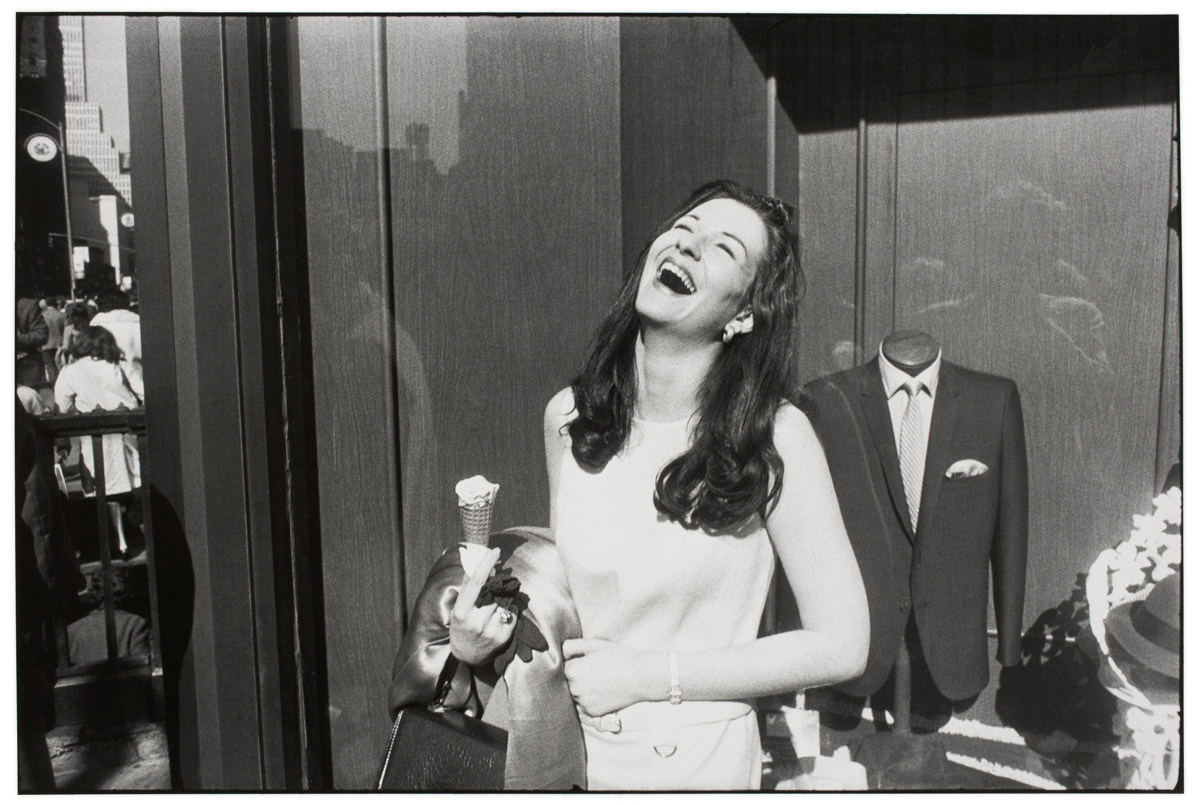
For me, this series represents the pinnacle of Winogrand’s photography. The affection of the photographer toward the subject is clearly evident, coupled with a stealthy hunting instinct. It’s almost as if he is stalking these women to peer up their skirts (as in Woman in a Telephone Booth, New York, about 1972, below). The scenario is pretty unedifying. There are odd moments of joy (such as is in Woman Laughing, New York 1968, below) and beauty, as in the rightly famous Centennial Ball, Metropolitan Museum, New York (1969, below).

However, I feel like the human being in Woman Crossing Street, New York (about 1970, below) where the look on her face says that she could just bop him on the nose with a good left hook. And I wouldn’t have blamed her, either.

Dr Marcus Bunyan


Many thankx to the Worcester Art Museum for allowing me to publish the photographs in the posting. Please click on the photographs for a larger version of the image.

All of the photographs are Gift of the Schorr Family Collection © The Estate of Garry Winogrand, courtesy Fraenkel Gallery, San Francisco


Garry Winogrand (American, 1928-1984) 'Untitled (Woman in a Telephone Booth, New York)' about 1972


Garry Winogrand (American, 1928-1984)
Untitled (Woman in a Telephone Booth, New York)
about 1972
Gelatin silver print
Gift of the Schorr Family collection
© The Estate of Garry Winogrand, courtesy Fraenkel Gallery, San Francisco


Garry Winogrand (American, 1928-1984) 'Untitled (Histrionics on a Bench, World’s Fair, New York)' 1964


Garry Winogrand (American, 1928-1984)
Untitled (Histrionics on a Bench, World’s Fair, New York)
1964
Gelatin silver print
Gift of the Schorr Family Collection
© The Estate of Garry Winogrand, courtesy Fraenkel Gallery, San Francisco


Garry Winogrand (American, 1928-1984) 'Untitled (Woman Laughing, New York)' 1968


Garry Winogrand (American, 1928-1984)
Untitled (Woman Laughing, New York)
1968
Gelatin silver print
Gift of the Schorr Family Collection
© The Estate of Garry Winogrand, courtesy Fraenkel Gallery, San Francisco


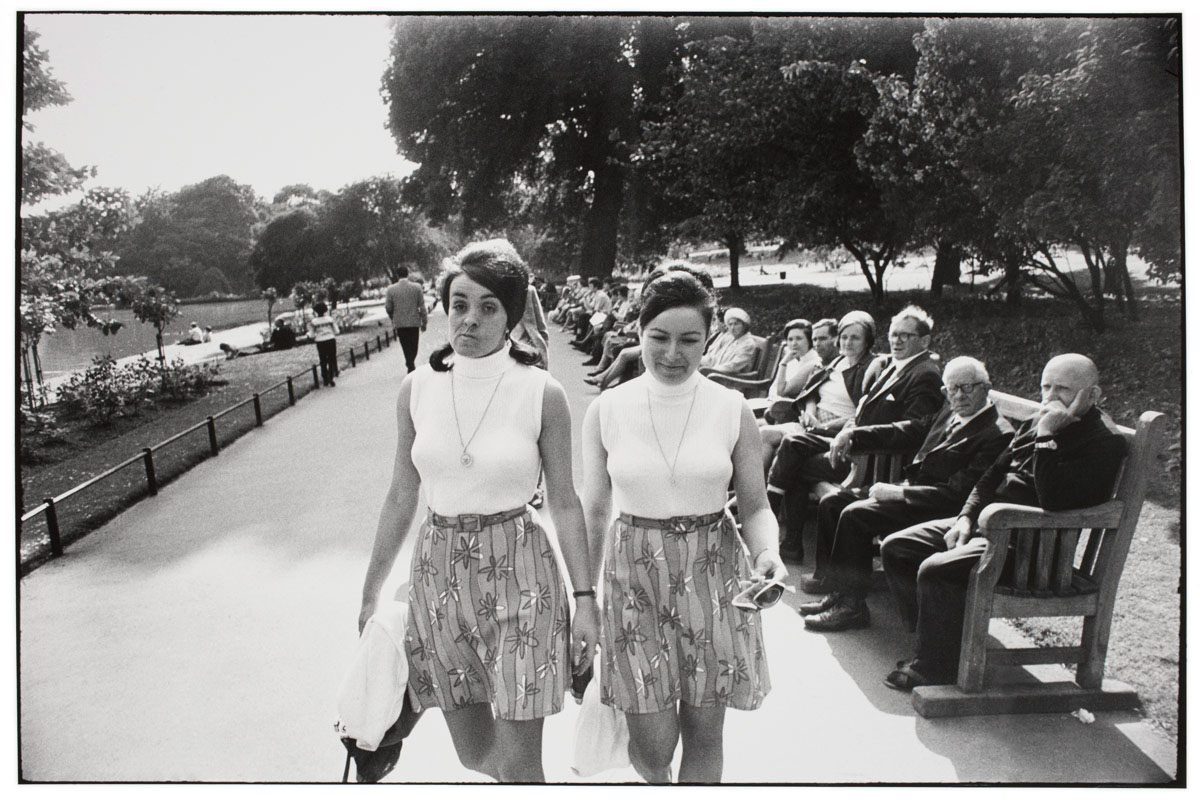
Garry Winogrand (American, 1928-1984) 'Untitled (Identically Dressed)' Nd


Garry Winogrand (American, 1928-1984)
Untitled (Identically Dressed)
Nd
Gelatin silver print
Gift of the Schorr Family Collection
© The Estate of Garry Winogrand, courtesy Fraenkel Gallery, San Francisco


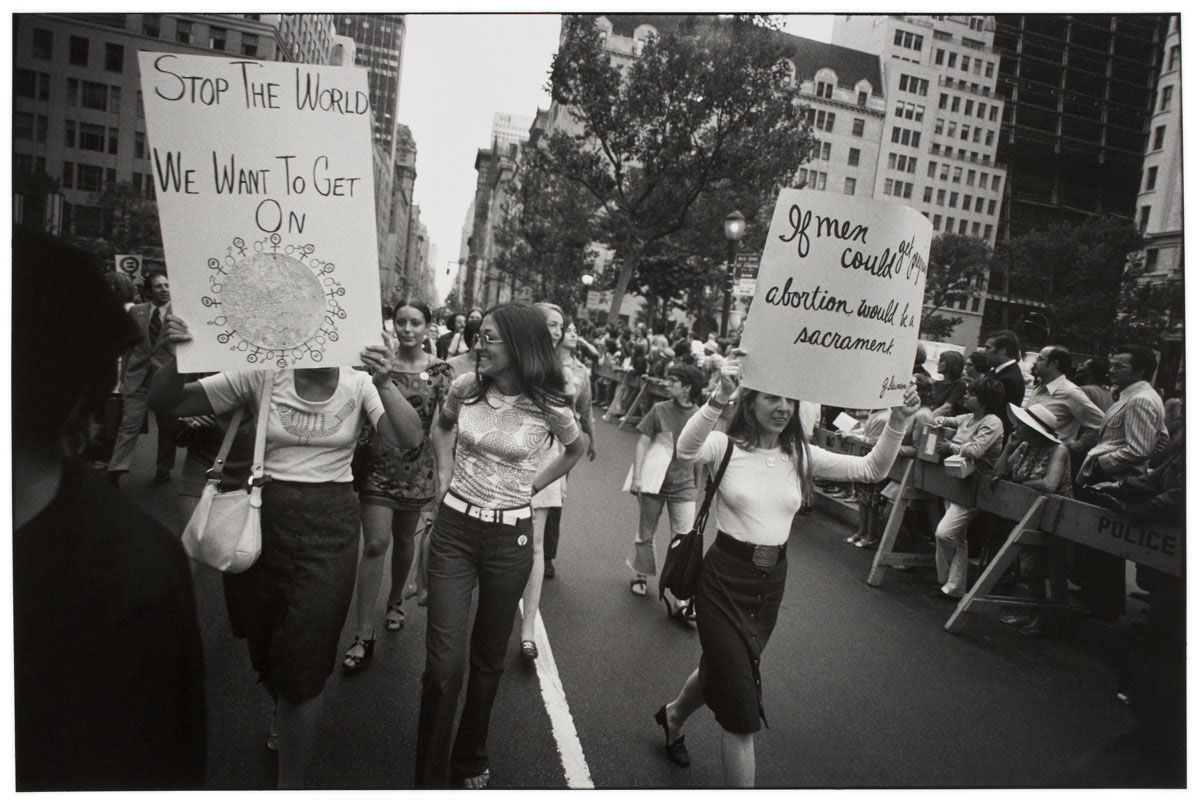
Garry Winogrand (American, 1928-1984) 'Untitled (Women Rallying, New York)' about 1972


Garry Winogrand (American, 1928-1984)
Untitled (Women Rallying, New York)
about 1972
Gelatin silver print
Gift of the Schorr Family Collection, 1991.293
© The Estate of Garry Winogrand, courtesy Fraenkel Gallery, San Francisco


Worcester Art Museum is pleased to announce the photography exhibition, Winogrand’s Women are Beautiful, on view August 10 through November 10, 2013. Worcester Art Museum owns a complete portfolio of the Women are Beautiful series by photographer Garry Winogrand (American, 1928-1984).  68 of the 85 images will be on view. Photographs feature black and white images of young adult women taken primarily during the 1960s and early 1970s.

Hailed as a pioneer of the “snapshot aesthetic” within the genre of documentary photography, Winogrand used a wide-angle Leica M4 camera to produce spontaneous images emphasising how everyday subjects, like people, dogs, or crowds, interact with the landscape around them. His work features oblique perspectives, often resulting in uniquely composed photographs made by the stealthy eye of a private investigator. However, Winogrand is also routinely criticised for exploiting the subjects of his work, particularly women.

Organised by Assistant Curator of Prints, Drawings and Photographs, Nancy Burns, Winogrand’s Women are Beautiful, presents the photographer’s most popular portfolio through the lens of five varying themes.  These themes seek to promote Winogrand’s significance within the canon of photography, while engaging directly with the censure his works receive from art historians and feminists alike.

Press release from the Worcester Art Museum


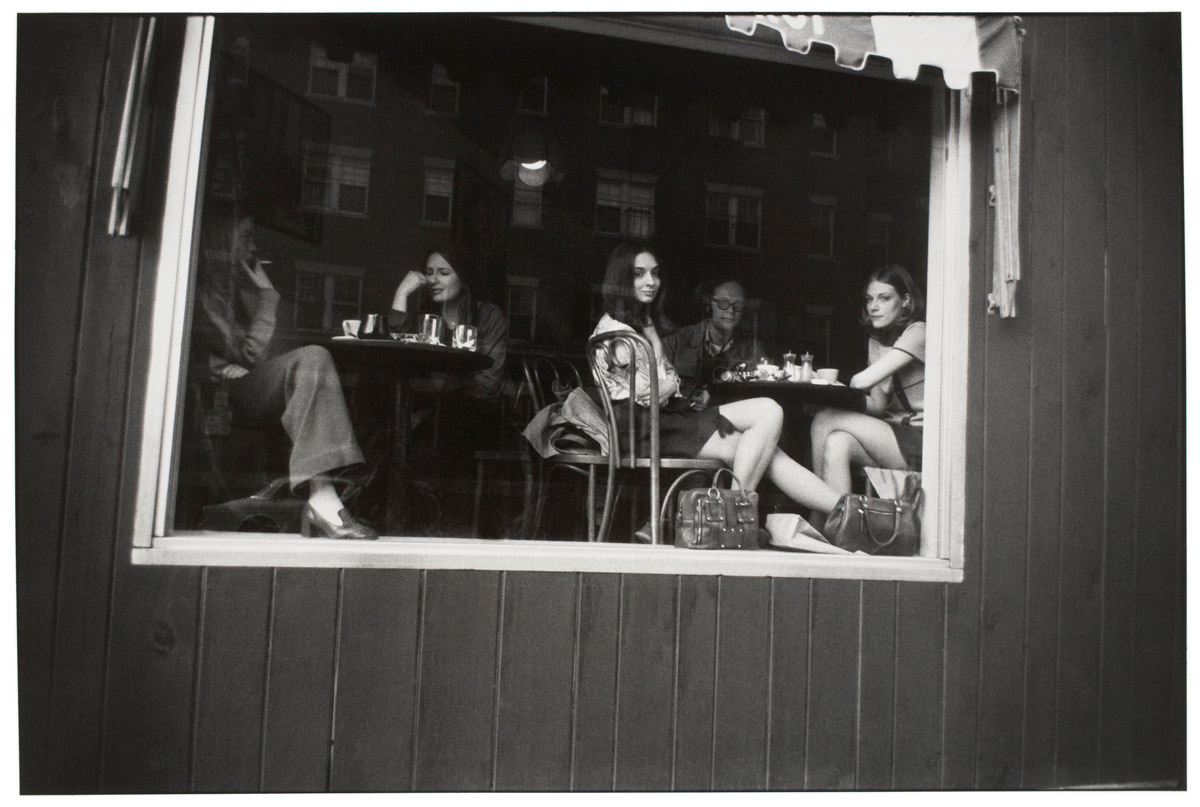
Garry Winogrand (American, 1928-1984) 'Untitled (Restaurant Window, Boston)' about 1970


Garry Winogrand (American, 1928-1984)
Untitled (Restaurant Window, Boston)
about 1970
Gelatin silver print
Gift of the Schorr Family collection
© The Estate of Garry Winogrand, courtesy Fraenkel Gallery, San Francisco


Garry Winogrand (American, 1928-1984) 'Untitled (Café, Paris)' about 1969


Garry Winogrand (American, 1928-1984)
Untitled (Café, Paris)
about 1969
Gelatin silver print
Gift of the Schorr Family Collection
© The Estate of Garry Winogrand, courtesy Fraenkel Gallery, San Francisco


Garry Winogrand (American, 1928-1984) 'Untitled (Cheerleaders, Austin)' 1974


Garry Winogrand (American, 1928-1984)
Untitled (Cheerleaders, Austin)
1974
Gelatin silver print
Gift of the Schorr Family Collection
© The Estate of Garry Winogrand, courtesy Fraenkel Gallery, San Francisco


Garry Winogrand (American, 1928-1984) 'Untitled (Centennial Ball, Metropolitan Museum, New York)' 1969


Garry Winogrand (American, 1928-1984)
Untitled (Centennial Ball, Metropolitan Museum, New York)
1969
Gelatin silver print
Gift of the Schorr Family collection
© The Estate of Garry Winogrand, courtesy Fraenkel Gallery, San Francisco


Garry Winogrand (American, 1928-1984) 'Untitled (Women Walking Poodles, New York)' about 1959


Garry Winogrand (American, 1928-1984)
Untitled (Women Walking Poodles, New York)
about 1959
Gelatin silver print
Gift of the Schorr Family Collection
© The Estate of Garry Winogrand, courtesy Fraenkel Gallery, San Francisco


Garry Winogrand (American, 1928-1984) 'Untitled (Woman Crossing Street, New York)' about 1970


Garry Winogrand (American, 1928-1984)
Untitled (Woman Crossing Street, New York)
about 1970
Gelatin silver print
Gift of the Schorr Family collection
© The Estate of Garry Winogrand, courtesy Fraenkel Gallery, San Francisco


Worcester Art Museum
Fifty-five Salisbury Street
Worcester, MA 01609
Phone: 508.799.4406

Opening hours:
Wednesday – Sunday 10am – 4pm

Worcester Art Museum website

LIKE ART BLART ON FACEBOOK

Back to top

Exhibition: ‘Lewis Hine – Photography for a Change’ at Fotomuseum Winterthur, Zurich

Exhibition dates: 8th June – 25th August 2013


Lewis Hine (American, 1874-1940) 'Midnight at the Brooklyn Bridge' 1906


Lewis Hine (American, 1874-1940)
Midnight at the Brooklyn Bridge
1906
Gelatin silver print
12 x 17cm
© Collection of George Eastman House, Rochester


“While human truth may be ephemeral qualities like justice are not; the struggle is to define justice and to live it. And for artists to display it.”


Dr Marcus Bunyan


Here is one artist who certainly used photography for social good. Hine “represents the beginning of a long tradition of politically engaged, social documentary photography, so called “concerned photography”… He firmly believed that every person, every individual, was worthy of respect, and he believed photography to be the best tool for clearly and visibly expressing this view.” Bravo to him.

Unfortunately, like so many of these visionary and revolutionary artists, Hine died in 1940, completely impoverished. As a society, why is it that we don’t value these brave human beings until years after they have passed? Is it because of petty jealousies, the rush of life, people in positions of power too long or a lack of understanding of the visionary nature of their work? Or is it just that time passes them by. I would like to pose this question.

Dr Marcus Bunyan


Many thankx to Fotomuseum Winterthur for allowing me to publish the photographs in the posting. Please click on the photographs for a larger version of the image.


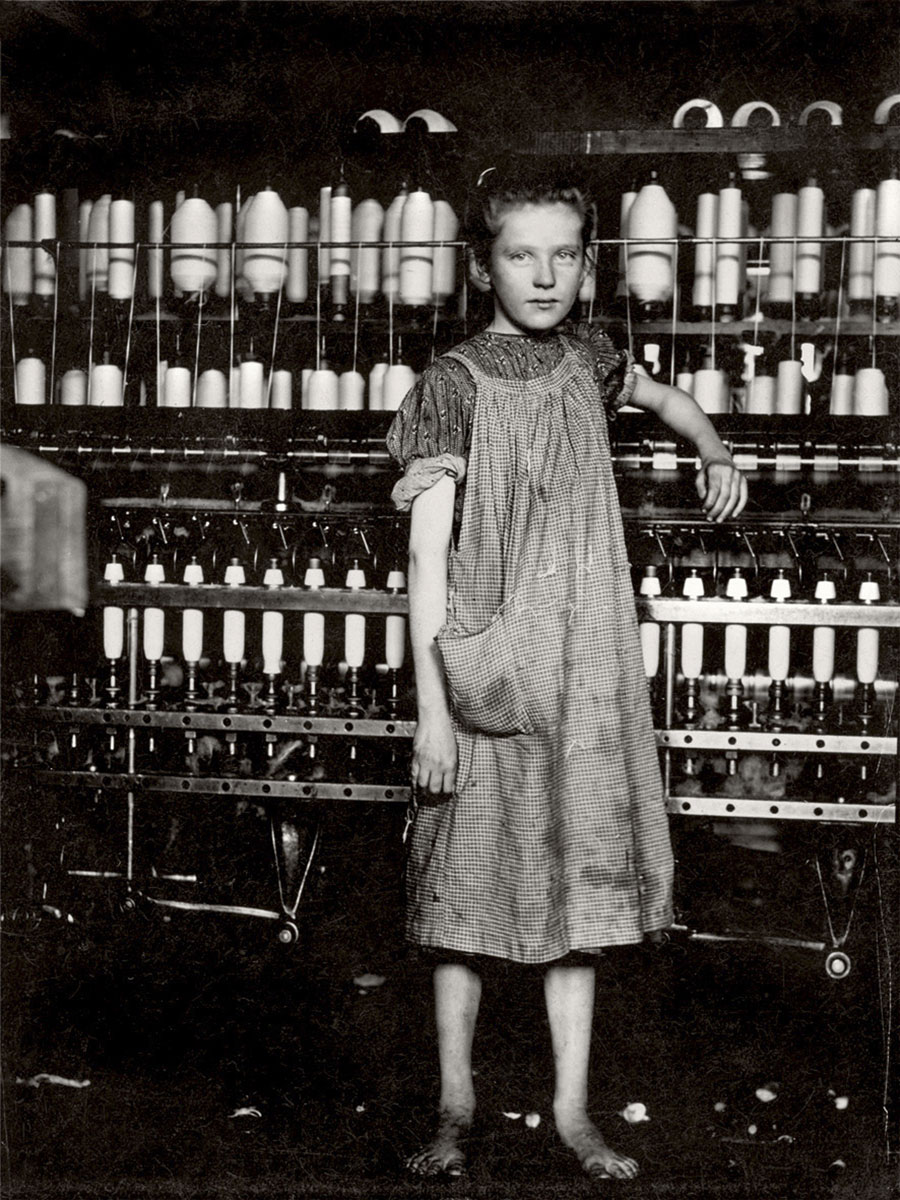
Lewis Hine (American, 1874-1940) 'Spinner in New England mill' 1913


Lewis Hine (American, 1874-1940)
Spinner in New England mill
1913
Gelatin silver print
12.6 x 10.1cm
© Collection of George Eastman House, Rochester


Lewis Hine (American, 1874-1940) 'Italian family looking for lost baggage, Ellis Island' 1905


Lewis Hine (American, 1874-1940)
Italian family looking for lost baggage, Ellis Island
1905
Gelatin silver print
33.4 x 27.2cm
© Collection of George Eastman House, Rochester


Lewis Hine (American, 1874-1940) 'Candy worker, New York' c. 1925


Lewis Hine (American, 1874-1940)
Candy worker, New York
c. 1925
Gelatin silver print
17.2 x 11.8cm
© Collection of George Eastman House, Rochester


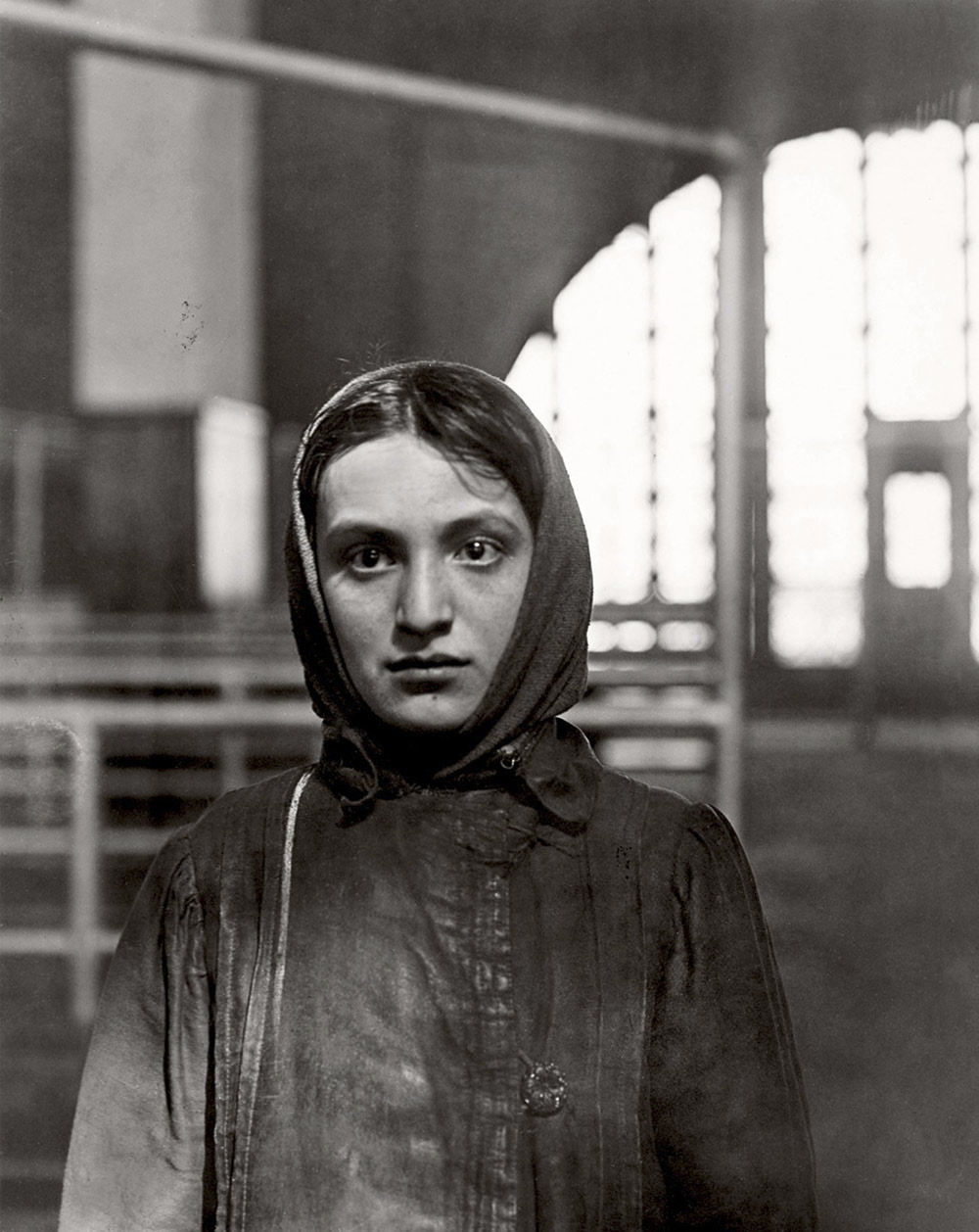
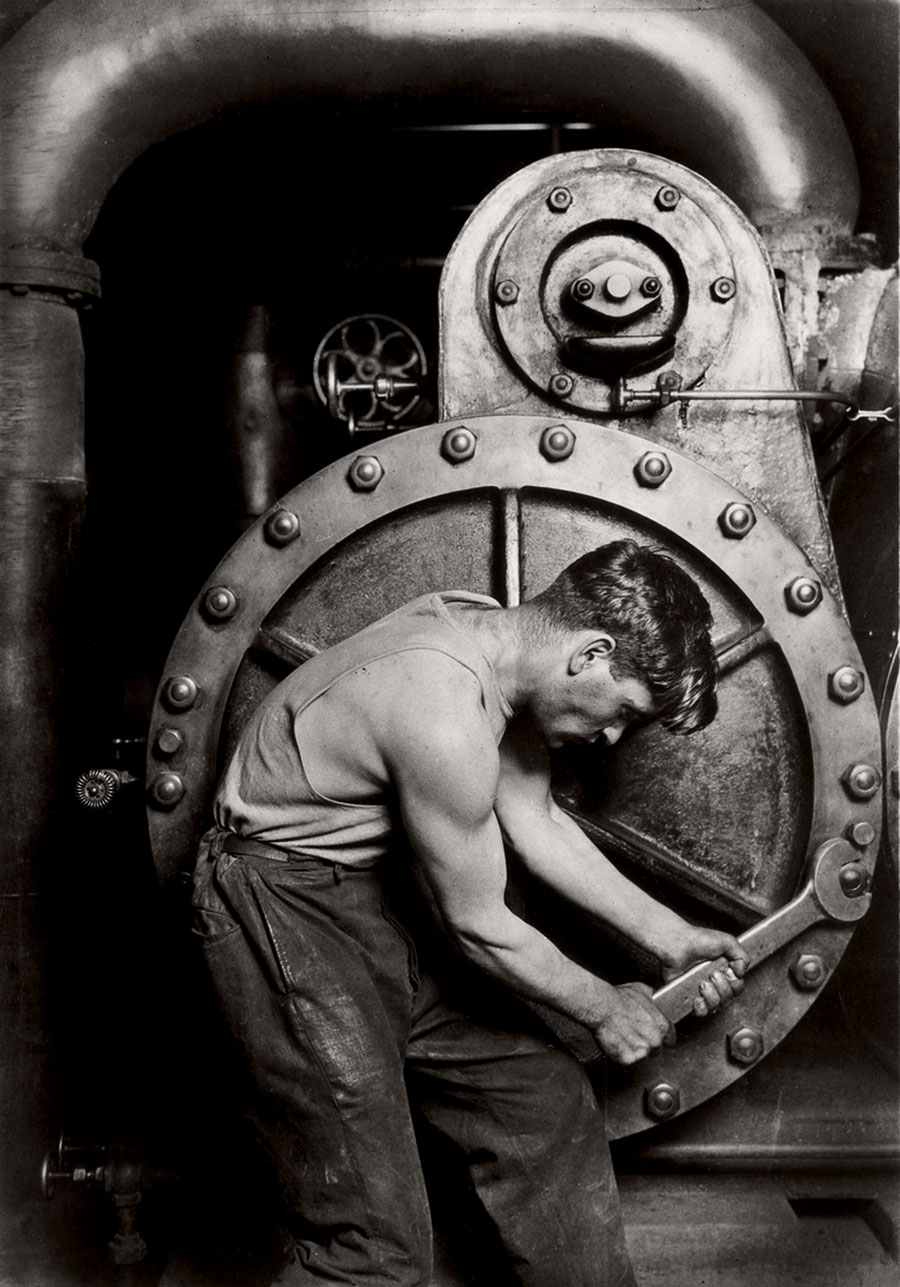
To what extent can images effectively combat injustice and social inequity? The American photographer Lewis Hine (1874-1940) offered an early answer to this question through his work. Trained as a teacher and sociologist, he ardently wished that Americans would become conscious of the injustice of American labor laws. He also firmly believed that every person, every individual, was worthy of respect, and he believed photography to be the best tool for clearly and visibly expressing this view.

His work represents the beginning of a long tradition of politically engaged, social documentary photography, so called “concerned photography.” His photographs of immigrants from Ellis Island, child labor in American factories, and the construction of the Empire State Building high above Manhattan have become major icons of the 20th century. Simultaneously, the photographs also point to the fact, that the documented problems have not lost their currency, even one hundred years later. Today, even in Europe, we are experiencing intensive migrations, which will continue to increase in the future. Here we are not confronted with child labor, because we have transferred the kinds of industrial production that used child labor to distant countries. Accidents in non-European factories indicate the risky conditions under which our consumer goods are still produced today. Hine’s photographic eye and his black and white images form a trajectory that leads directly to the present.

Lewis Hine grew up in a family that owned a simple restaurant in the small town of Oshkosh, Wisconsin. He lost his father at age 18 due to an accident. He provided for himself and his family first as a factory worker in a furniture production company and then as a doorman, salesman, and bookkeeper. After training as a teacher and studying sociology at the University of Chicago, Hine moved to New York, where he first came in contact with photography while teaching at the Ethical Culture School. Using the camera in his lessons, he made portraits of immigrants on Ellis Island in conjunction with a research project. From then on Hine viewed his camera as a weapon for revealing social injustice and effecting change through the power of images. With this motivation he traveled some 75,000 km through the United States for the National Child Labor Committee (NCLC) and photographed children at work in the fields, mines, factories, mills, and on the streets. His photographs played no small part in raising awareness for child labor and instigating initial reforms. They also represented some of the earliest and most significant contributions to the social documentary genre of photography. During the construction of the Empire State Building Hine was commissioned with documenting the phases of construction over the course of six months in 1930/1931. In over one thousand photographs he recorded the perspective of the construction workers and their hard work on the ultimately 381 m high building. Despite his early success and the use of his images by many governmental agencies, Hine died in 1940, completely impoverished, after an operation.

Fotomuseum Winterthur presents this comprehensive retrospective including 170 images and extensive documentation material in cooperation with the Fundación MAPFRE (Madrid), the Fondation Henri Cartier-Bresson (Paris) and the Nederlands Fotomuseum (Rotterdam). All works come from the George Eastman House, International Museum of Photography and Film in Rochester, USA.

Press release from the Fotomuseum Winterthur website


Lewis Hine (American, 1874-1940) 'Paris gamin' c. 1918


Lewis Hine (American, 1874-1940)
Paris gamin
c. 1918
Gelatin silver print
24.4 x 19.4cm
© Collection of George Eastman House, Rochester


Lewis Hine (American, 1874-1940) 'Jewess at Ellis Island' 1905


Lewis Hine (American, 1874-1940)
Jewess at Ellis Island
1905
Gelatin silver print
24.1 x 19.1cm
© Collection of George Eastman House, Rochester


Lewis Hine (American, 1874-1940) 'Mechanic at steam pump in electric power house' 1920


Lewis Hine (American, 1874-1940)
Mechanic at steam pump in electric power house
1920
Gelatin silver print
16.9 x 11.7cm
© Collection of George Eastman House, Rochester


Lewis Hine (American, 1874-1940) '[Man on girders, Empire State Building]' c. 1931


Lewis Hine (American, 1874-1940)
[Man on girders, Empire State Building]
c. 1931
Gelatin silver print
12 x 9.2cm
© Collection of George Eastman House, Rochester


Lewis Hine (American, 1874-1940) '[Steelworker touching the tip of the Chrysler Building]' c. 1931


Lewis Hine (American, 1874-1940)
[Steelworker touching the tip of the Chrysler Building]
c. 1931
Gelatin silver print
16.9 x 11.9cm
© Collection of George Eastman House, Rochester


Lewis Hine (American, 1874-1940) 'Icarus atop Empire State Building' 1931


Lewis Hine (American, 1874-1940)
Icarus atop Empire State Building
1931
Gelatin silver print
9.3 x 10cm
© Collection of George Eastman House, Rochester


Fotomuseum Winterthur
Grüzenstrasse 44 + 45
CH-8400
Winterthur (Zürich)

Opening hours:
Tuesday to Sunday 11am – 6pm
Wednesday 11am – 8pm
Closed on Mondays

Fotomuseum Winterthur website

LIKE ART BLART ON FACEBOOK

Back to top

Exhibition: ‘Arnold Newman: Masterclass’ at the Harry Ransom Center, The University of Texas at Austin

Exhibition dates: 12th February – 12th May 2013


Many thankx to the Harry Ransom Center for allowing me to publish the photographs in the posting. Please click on the photographs for a larger version of the image.


Arnold Newman Masterclass


Installation view of the exhibition 'Arnold Newman: Masterclass' at the Harry Ransom Center, The University of Texas at Austin

Installation view of the exhibition 'Arnold Newman: Masterclass' at the Harry Ransom Center, The University of Texas at Austin


Installation views of Arnold Newman: Masterclass at the Harry Ransom Center, The University of Texas at Austin
Photos by Pete Smith
Images courtesy of Harry Ransom Center


Arnold Newman (American, 1918-2006) 'Dr. Edwin H. Land with group of Polaroid Employees, Polaroid warehouse in Needham, Mass.,' 1977


Arnold Newman (American, 1918-2006)
Dr. Edwin H. Land with group of Polaroid Employees, Polaroid warehouse in Needham, Mass.,
1977
Gelatin silver print
© 1977 Arnold Newman / Getty Images


Arnold Newman (American, 1918-2006) 'Truman Capote, writer, New York' 1977


Arnold Newman (American, 1918-2006)
Truman Capote, writer, New York
1977
Gelatin silver print
© Arnold Newman / Getty Images


“The thing is, with Penn or Avedon, they control totally the situation in the studio, and I’m always taking a chance, wherever I go.”


“What’s the truth in a portrait? Who do you believe? Sometimes you cannot determine this in just one picture… The only way to determine whether you believe it or not is to look at my other pictures.”


“Form, feeling … structure and detail … technique and sensibility: it must all come together.”


Arnold Newman


Arnold Newman: Masterclass, the first posthumous retrospective of Arnold Newman (1918-2006), explores the career of one of the finest portrait photographers of the 20th century. The Harry Ransom Center, which holds the Arnold Newman archive, hosts the exhibition’s first U.S. showing February 12 – May 12, 2013.

The show, curated by FEP’s William Ewing, highlights 200 framed vintage prints covering Newman’s career, selected from the Arnold and Augusta Newman Foundation and the collections of major American museums and private collectors. Twenty-eight photographs from the Ransom Center’s Newman archive are featured in the exhibition.

“This retrospective is a real occasion for a reappraisal,” said Todd Brandow, founding director of FEP. “Newman was a great teacher, and he loved sharing his knowledge. It was these ‘lessons’ that led us to the concept of ‘Masterclass,’ the idea that, even posthumously, Newman could go on teaching all of us – whether connoisseurs or neophytes – a great deal.”

A bold modernist with a superb sense of compositional geometry, Newman, called the father of ‘environmental portraiture,’ is known for a crisp, spare style that placed his subjects in the context of their work environments. The exhibition includes work prints, prints with crop marks, rough prints with printing instructions and variants that reveal Newman’s process and attention to detail. “For me the professional studio is a sterile world,” said Newman in a 1991 interview. “I need to get out: Be with people where they’re at home. I can’t photograph ‘the soul,’ but I can show and tell you something fundamental about them.”

“Newman was never comfortable with the environmental term, and the backgrounds of Newman’s portraits would never be secondary aspects of his compositions,” said Ewing. “He had a masterful command of both sitter and setting.”

His subjects included world leaders, authors, artists, musicians and scientists – Pablo Picasso in his studio; Igor Stravinsky sitting at the piano; Truman Capote lounging on his sofa; and Otto Frank, father of Anne Frank, in the attic where his family hid from the Nazis for more than two years.

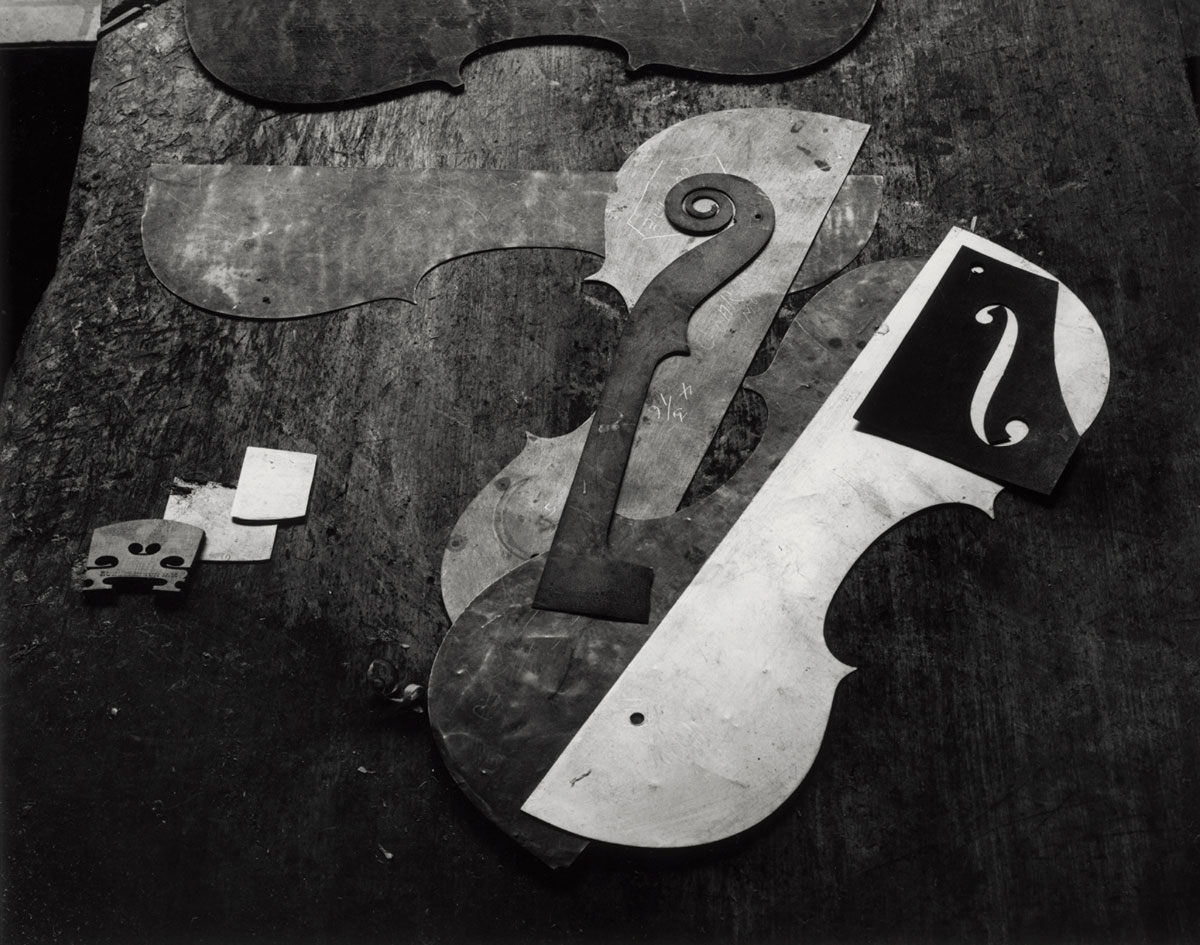
The exhibition takes stock of the entire range of Newman’s photographic art, showing many fine prints for the first time. The exhibition also includes Newman’s lesser-known and rarely exhibited still lifes, architectural studies, cityscapes and earliest portraits. While at the Ransom Center, the exhibition will be supplemented with holdings from the Center’s Newman archive, which contains all of Newman’s negatives, slides and colour transparencies, all of his original contact sheets and more than 2,000 prints, including examples of colour and collage work. The collection also includes Newman’s original sittings books, correspondence and business files, early sketchbooks and photographic albums.

Press release from the Harry Ransom Center website


Arnold Newman (American, 1918-2006) 'Violin shop : patterns on table, Philadelphia, Pennsylvania' 1941


Arnold Newman (American, 1918-2006)
Violin shop: patterns on table, Philadelphia, Pennsylvania
1941
Gelatin silver print
© 1941 Arnold Newman / Getty Images


Arnold Newman (American, 1918-2006) 'Igor Stravinsky' 1945


Arnold Newman (American, 1918-2006)
Igor Stravinsky
1945
Contact sheet of four negatives with Newman’s marks and cropping lines
Image courtesy of Harry Ransom Center


Cropping was also a practice Newman valued highly. His edges were determined with minute precision. Trained as a painter, Newman never had doubts about the virtues of cropping. His famed Stravinsky portrait would not have a fraction of its power without the stringent crop. As for printing, Newman was equally meticulous. He trusted few assistants, and those he did trust found that he would not accept a final print unless it was flawless in execution. (Wall text)

“Oh, people set up these nonsensical rules and regulations. You can’t crop, you can’t dodge your print, etc, etc., … But the great photographers that these people admire all did that!”

Wall text from the exhibition


Arnold Newman (American, 1918-2006) 'Twyla Tharp, dancer and filmmaker, New York' 1987


Arnold Newman (American, 1918-2006)
Twyla Tharp, dancer and filmmaker, New York
1987
Gelatin silver print
© Arnold Newman / Getty Images


Sensibilities

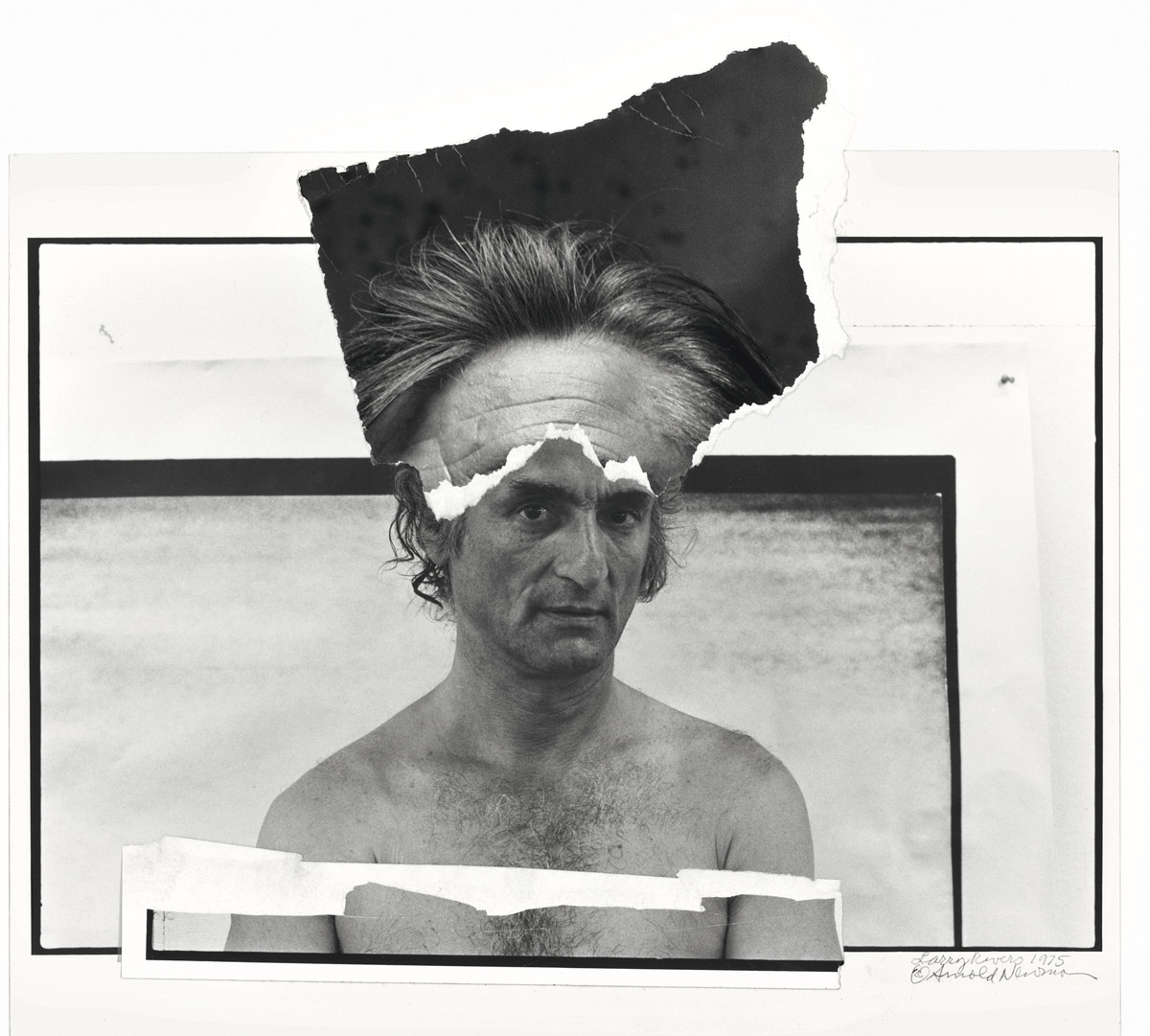
Many of Newman’s photographs show confident people, posing proudly before their accomplishments, directly engaging the viewer. But many betray a certain réticence – fragility, a hint of vulnerability, or doubt. Newman was aware that a successful artist’s career was not all roses – thorns were encountered along the path. He also regarded the act of portraiture was necessarily collaborative, or transactional; each side had their own kind of power – the sitter could resist the control of the photographer, the photographer could expose the sitter in an unflattering light. A successful portrait had to negotiate this psychological uncertainty. Sometimes Newman wanted to show supreme confidence as the mark of the man; at other times he wanted to show chinks in the armour.

“You show a certain kind of empathy with the subject – I don’t want to use the word ‘sympathy’, but you sort of let them know you’re on their side.”

Wall text from the exhibition


Arnold Newman (American, 1918-2006) 'Larry Rivers, painter, South Hampton, New York' 1975


Arnold Newman (American, 1918-2006)
Larry Rivers, painter, South Hampton, New York
1975
Gelatin silver print
© 1975 Arnold Newman / Getty Images


During the second half of the 20th Century, there was no portrait photographer as productive, creative and successful as Arnold Newman. For almost seven decades Newman applied himself to his art and craft, never for a moment losing his zest for experimentation. His work was published in the most influential magazines of the day, and he was much interviewed, much quoted, and much respected. Several major solo exhibitions paid homage to his achievements during his lifetime, and his work can be found in many of the world’s most prestigious photography collections. No historical overview of portraiture would be complete without one or two Newman masterpieces, nor could any general history of the medium safely leave out his superb Stravinsky, Mondrian or Graham.

Surprisingly, many of Newman’s superb portraits have never been shown or published. This, his first posthumous retrospective, features a wide variety of such photographs. Moreover, it includes cityscapes, documentary photographs and still lifes that have rarely if even been exhibited. Even people already familiar with Newman’s work will find scores of unexpected images, rivalling the work the ‘icons’ they admire. Newman was never happy with the label, often applied, of ‘father of environmental portraiture’. He argued that his portraits were much more than simple records showing artists posing in their studios; there was a symbolic aspect too, and an emotional / psychological element, both fundamental to his approach. He asked critics to ignore all labels, and judge his portraits simply as they would any photographs.

Newman was also a great teacher, and he loved to share his knowledge and skills with aspiring photographers. As with all great artists, the pictures he made seem effortless, natural, but in fact they were the result of careful prior planning. Newman applied the same rigour to selecting the best of his ‘takes’, cropping them precisely, and then printing them with supreme skill. Highly self-critical, he admitted: “I was always my own worst art director.”

With Masterclass, we have endeavoured to give viewers some insights into Newman’s approach. Work prints, prints with crop marks, rough prints with printing instructions, and variants reveal Newman’s great attention to detail and careful consideration of every aspect of the photographic art.

William A. Ewing
Curator


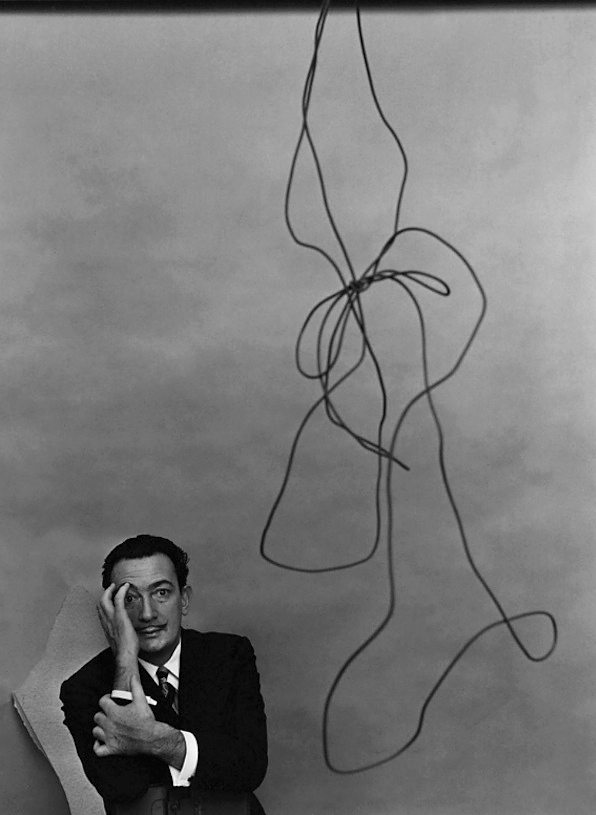
Arnold Newman (American, 1918-2006) 'Salvador Dalí, painter, New York' 1951


Arnold Newman (American, 1918-2006)
Salvador Dalí, painter, New York
1951
Gelatin silver print
© Arnold Newman / Getty Images


Signatures

One of Newman’s favourite strategies was to place the sitters in front of his or her own work. They seem to be saying: ‘Here is my work. This is what I do’. Architects pose beside buildings and models, a test pilot beside his jet, a photographer in front of his prints, a furniture designer in his chair, scientists in front of their equations… At first glance, the pictures appear natural, giving the impression that Newman had surprised his subjects at work, but in fact the set-ups were meticulous.

In the hands of a lesser talent, such a technique could have developed into a routine uniformity, but Newman’s curiosity and genuine interest in his subjects’ work guaranteed a freshness to his portraiture, year after year. To maintain freshness, Newman advised aspiring portrait photographers to do what he did: read up about the subject beforehand, know what he or she has achieved. You will then quickly spot which elements in the environment will be useful.

Wall text from the exhibition


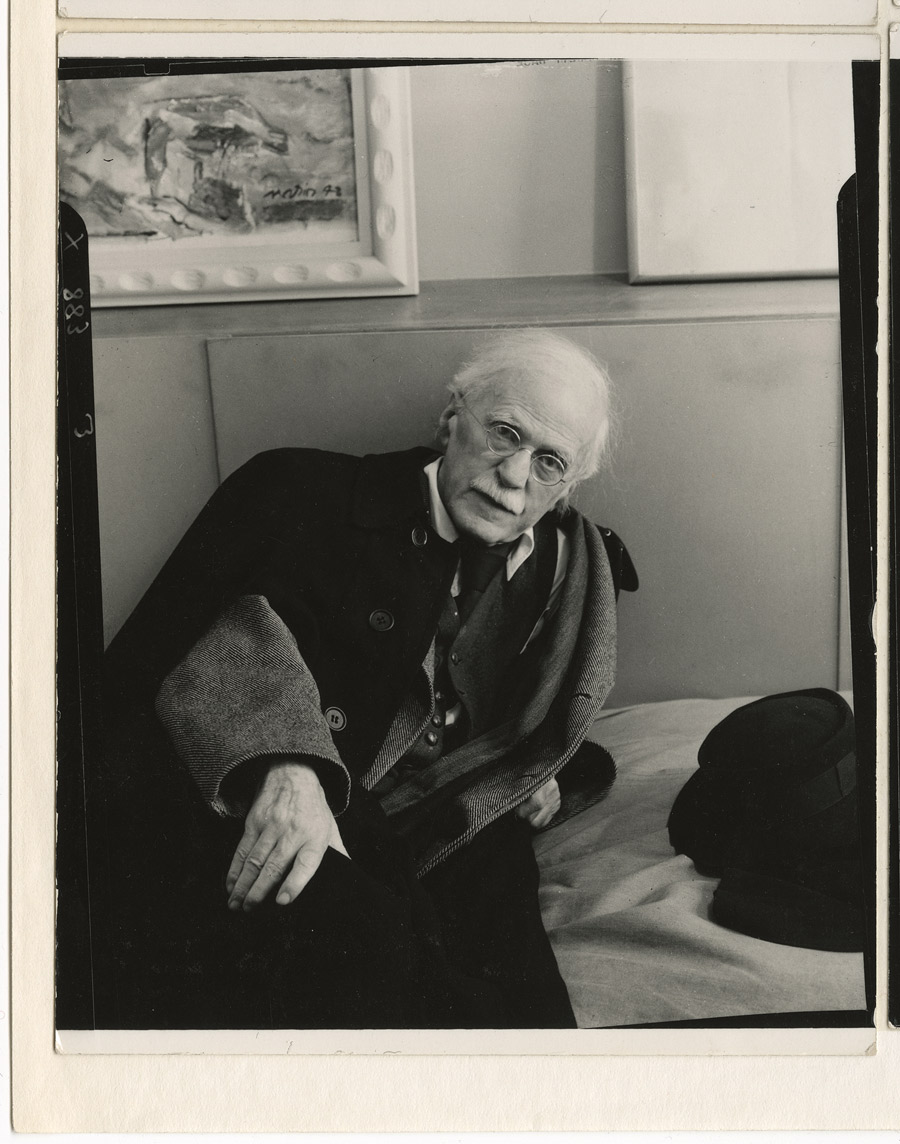
Arnold Newman (American, 1918-2006) 'Notes on Artist's' [sic] series c. 1942


Arnold Newman (American, 1918-2006)
Notes on Artist’s [sic] series
c. 1942
Image courtesy of Harry Ransom Center


Newman writes about his encounters with artists in New York City, describing his first meeting with Alfred Stieglitz.


Arnold Newman (American, 1918-2006) 'Alfred Stieglitz in his An American Place Gallery, 1944' 1944


Arnold Newman (American, 1918-2006)
Alfred Stieglitz in his An American Place Gallery, 1944
1944
Contact print
Image courtesy of Harry Ransom Center


Lumens

Newman preferred natural light, with ‘all its delightful, infinite varieties, indoors and out’. However, he felt that restricting oneself only to natural light had become a religion for many photographers, and artificial light was a taboo. Newman was pragmatic: if there wasn’t enough light to take the picture, he argued, it should be augmented; if it wasn’t the ‘right’ kind of light for the interpretation he desired, artificial lighting should be added. It was never a question of either/or. Newman often used spots and reflectors, but felt that strobes should be used only when absolutely necessary. Lighting effects in a Newman portrait are often subtle and sometimes dramatic. But they are always appropriate, and never excessive.

Wall text from the exhibition


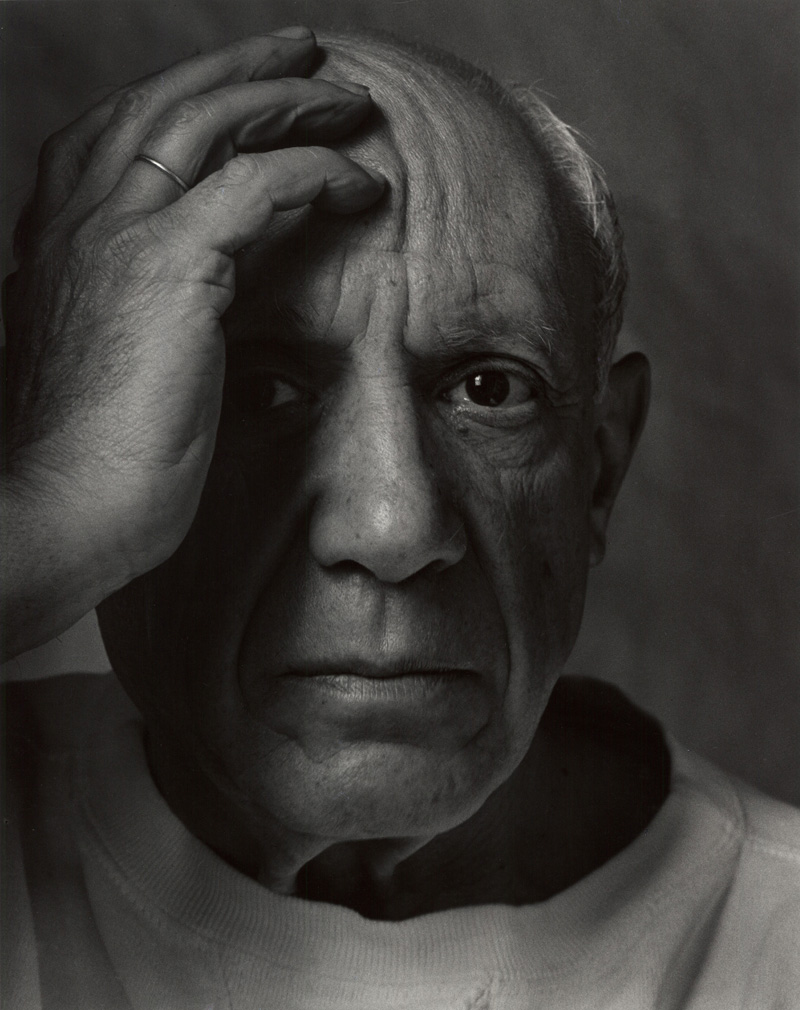
Arnold Newman (American, 1918-2006) 'Pablo Picasso, painter, sculptor and printmaker, Vallauris, France' 1954


Arnold Newman (American, 1918-2006)
Pablo Picasso, painter, sculptor and printmaker, Vallauris, France
1954
Gelatin silver print
© Arnold Newman / Getty Images


Choices

Newman might take 10, 20, 30 and in special cases even more than 50 individual photographs of a sitter, making minor adjustments each time. Sometimes the differences between the frames would be minuscule, though highly significant. We see this in two frames of Picasso: in Frame 54 (note that this one was used in several publications in error), we see that the artist seems distracted – his eyes are not focused, while his mouth is pinched, and his hand is placed awkwardly. In Frame 57, all these deficiencies have been corrected.

Wall text from the exhibition


Arnold Newman (American, 1918-2006) 'Piet Mondrian, painter, New York' 1942


Arnold Newman (American, 1918-2006)
Piet Mondrian, painter, New York
1942
Gelatin silver print
© Arnold Newman / Getty Images


Habitats

Newman never liked to work in a studio, preferring to see where and how his subjects worked and lived. Dance studios, home libraries, classrooms, offices, living rooms, gardens, the street, and even, on occasion, a vast urban panorama were settings he employed. Particularly close to painters in spirit, he was stimulated by the raw materials, the paintings or sculptures in progress, and even the general clutter he found in their studios. He liked the challenge of having to make quick decisions based on what he saw around him, and argued that this spontaneous approach was much harder – and riskier – than working in his own studio, where everything was familiar and tested. By focusing on a sitter’s habitat, Newman felt that he was providing more than a striking likeness – he was revealing personality and character not through physiognomy (the principle of classic portraiture) but through the things artists gathered around them.

“For me the professional studio is a sterile world. I need to get out; be with people where they’re at home. I can’t photograph ‘the soul’ but I can show tell you something fundamental about them.”

Wall text from the exhibition


Arnold Newman (American, 1918-2006) 'Alexander Calder, sculptor, New York' 1943


Arnold Newman (American, 1918-2006)
Alexander Calder, sculptor, New York
1943
Gelatin silver print
© Arnold Newman / Getty Images


Arnold Newman (American, 1918-2006) 'Palm Beach, Florida' 1986


Arnold Newman (American, 1918-2006)
Palm Beach, Florida
1986
Gelatin silver print
© 1986 Arnold Newman / Getty Images


Geometries

From his earliest days with the camera, Newman loved the geometry of space – with or without people. He never tired of photographing architecture that appealed to him. The linear and the curvilinear; contrasting blocks of black and white; ovals, triangles rectangles, strong diagonals… it was never just a question of making a pleasing background – like a kind of geometrically-patterned wallpaper – but rather the creation of a harmonious, dynamic whole in which the sitter was an integral part. It was Newman’s consummate skill that prevented the sitter from being merely an adjunct to the design.

“Successful portraiture is like a three-legged stool. Kick out one leg and the whole thing collapses. In other words, visual ideas combined with technological control combined with personal interpretation equals photography. Each must hold it’s own.”

Wall text from the exhibition


The Harry Ransom Center
21st and Guadalupe Streets
Austin, Texas 78712
Phone: 512-471-8944

Exhibition galleries opening hours:
Tuesday – Friday 10am – 5pm
Saturday and Sunday Noon – 5pm
Closed Mondays

Library Reading/Viewing Rooms opening hours:
Monday – Saturday 9am – 5pm
Closed Sundays

Harry Ransom Center website

LIKE ART BLART ON FACEBOOK

Back to top

Exhibition: ‘In Focus: Robert Mapplethorpe’ at The J. Paul Getty Museum, Los Angeles

Exhibition dates: 23rd October 2012 – 24th March 2013


Robert Mapplethorpe
 (American, 1946-1989) 'Ken Moody and Robert Sherman' 1984 Platinum print


Robert Mapplethorpe
 (American, 1946-1989)
Ken Moody and Robert Sherman
1984
Platinum print
Jointly acquired by the Los Angeles County Museum of Art, with funds provided by The David Geffen Foundation, and The J. Paul Getty Trust
© Robert Mapplethorpe Foundation


One of the reasons for setting up Art Blart nearly five years ago was the idea of an exhibition archive – the cataloguing of the archive so that featured exhibitions did not ephemerally drift off into virtual space. One of the problems of a blog is its roll-through postings one after the other and I didn’t want this to happen. Thankfully, I recognised the need for a taxonomic ordering of the information early on in the life of the archive, so that Art Blart has now become a form of cultural memory.

The impulse for this idea was the memory of seeing the Robert Mapplethorpe retrospective at the Museum of Contemporary Art (MCA) in Sydney in 1995 (and what an outstanding experience it was) and being able to find nothing about this exhibition online (at the time of writing in 2013). Thankfully, there is now a Mapplethorpe Retrospective web page with 7 installation photographs on the MCA website, so at least there is some representation online.

Dr Marcus Bunyan


This exhibition runs concurrently with that of the last posting, Robert Mapplethorpe: XYZ at the Los Angeles County Museum of Art (LACMA). Many thankx to The J. Paul Getty Museum for allowing me to publish the photographs in the posting. Please click on the photographs for a larger version of the image.


Robert Mapplethorpe
 (American, 1946-1989) 'Leatherman #1' 1970


Robert Mapplethorpe
 (American, 1946-1989)
Leatherman #1
1970
Mixed media print
9 7/16 x 6 3/4 in
Jointly acquired by the Los Angeles County Museum of Art, with funds provided by The David Geffen Foundation, and The J. Paul Getty Trust
© Robert Mapplethorpe Foundation


Early Work

Born in Queens, New York, Mapplethorpe studied graphic arts at Pratt Institute in Brooklyn. His early work included collage, found objects, and jewellery. Before he took up the camera, Mapplethorpe often used pictures he cut out of magazines as collaged elements to explore sexuality and eroticism. By altering this fetishistic image and re-presenting it in a shadow box, Mapplethorpe removed the picture from its original context and elevated it to a homoerotic icon. The five-pointed star is a symbol of religious significance and the plastic mesh covering the figure evokes the metal screens commonly found in confessionals in Roman Catholic churches.

In 1972 Mapplethorpe met two influential curators: John McKendry, who gave him a Polaroid camera, and Samuel Wagstaff Jr., who became the artist’s lover and mentor. By the mid-1970s, Mapplethorpe had acquired a medium format camera and began documenting New York’s gay S&M community.


Robert Mapplethorpe
 (American, 1946-1989) 'Holly Solomon' Negative 1976; print 2005


Robert Mapplethorpe
 (American, 1946-1989)
Holly Solomon
Negative 1976; print 2005
Gelatin silver print
35.3 × 35.5 cm (13 7/8 × 14 in.)
Jointly acquired by the J. Paul Getty Trust and the Los Angeles County Museum of Art, with funds provided by the J. Paul Getty Trust and the David Geffen Foundation
© Robert Mapplethorpe Foundation


Robert Mapplethorpe
 (American, 1946-1989) 'Lisa Lyon' 1982


Robert Mapplethorpe
 (American, 1946-1989)
Lisa Lyon
1982
Jointly acquired by the Los Angeles County Museum of Art, with funds provided by The David Geffen Foundation, and The J. Paul Getty Trust
© Robert Mapplethorpe Foundation


Portraits

Mapplethorpe met writer-musician Patti Smith in 1967, and they lived together as intimate and artistic partners until 1974. This image of Smith was one of his earliest celebrity portraits. 

The two collaborated to create this image as the cover for her 1975 debut rock album, Horses. Working in a borrowed apartment, Mapplethorpe suggested using a wall adjacent to a window where a triangle of light fell at a certain time in the afternoon. Smith dressed in men’s clothes and channeled the American entertainer Frank Sinatra with her jacket slung over her shoulder. Her uncombed hair and androgynous air broke radically from the image that the music industry expected women in rock to assume.


Robert Mapplethorpe
 (American, 1946-1989) 'Patti Smith' Negative 1975; print 1995


Robert Mapplethorpe
 (American, 1946-1989)
Patti Smith
Negative 1975; print 1995
Jointly acquired by the Los Angeles County Museum of Art, with funds provided by The David Geffen Foundation, and The J. Paul Getty Trust
© Robert Mapplethorpe Foundation


A man’s jacket slung over one shoulder, the cuffs of her shirt cut off with scissors, the Bohemian poet and performer Patti Smith levels her gaze outward with authority and calm. The set of her jaw and lift of her chin suggest she wears confrontation lightly. Simultaneously, a waifish delicacy haunts her tiny body. She touches the ribbon around her neck with long fingers cupped near her heart – a shy gesture and nod to the garb of the 19th-century Romantic poets she admires. With quiet ferocity, the portrait hovers between masculine and feminine, strength and vulnerability.

Intimately bonded in life and work, Mapplethorpe and Smith made this image for the cover of her debut rock album, Horses. It is one of his earliest celebrity portraits, a genre in which he went on to distinguish himself. He often amplified the glamour of his subjects, but modernised conventional portrayals with provocative depictions of race, gender, and sexuality. For example, record executives, concerned that Smith with her lack of makeup and messy hair wasn’t conventionally pretty enough to sell records like other “girl singers,” wanted to airbrush this image. Knowing Mapplethorpe would back her up, Smith refused and the image and album shaped the start of both their iconoclastic careers.


Robert Mapplethorpe (American, 1946-1989) 'Jim, Sausalito' 1977


Robert Mapplethorpe
 (American, 1946-1989)
Jim, Sausalito
1977
Gelatin silver print
35.2 × 35.3cm (13 7/8 × 13 7/8 in.)
Jointly acquired by the J. Paul Getty Trust and the Los Angeles County Museum of Art, with funds provided by the J. Paul Getty Trust and the David Geffen Foundation
© Robert Mapplethorpe Foundation


Robert Mapplethorpe (American, 1946-1989) 'Ken Moody' 1983


Robert Mapplethorpe
 (American, 1946-1989)
Ken Moody
1983
Gelatin silver print
38.5 × 38.7cm (15 3/16 × 15 1/4 in.)
Jointly acquired by the J. Paul Getty Trust and the Los Angeles County Museum of Art, with funds provided by the J. Paul Getty Trust and the David Geffen Foundation
© Robert Mapplethorpe Foundation


The model Ken Moody poses face front, eyes closed, centred in a simple composition characteristic of the photographer Robert Mapplethorpe’s clean aesthetic. His perfectly hairless head, face, and body, the result of alopecia universalis, appear to take on a sculptural weight and dimension. The dark shadows of the background seem to lap at his neck, shoulders and under his arms, as if he emerges from a timeless, dark sea. The sophisticated lighting also sculpts the curves of his face, collarbone, and chest to further heighten their elegant forms.

This figure study is part of a large body of work featuring African-American men. Mapplethorpe was absorbed by the texture and colour of their skin, which he referred to as bronze. He used Agfa’s Portriga 118 paper for its ability to produce the velvety texture and glow discernible in this reproduction. His strong, uncluttered compositions of statuesque male models fused a classical sensibility with homoerotic content at a time when the male nude was not a popular subject among camera artists.

Text from the J. Paul Getty Museum website


Robert Mapplethorpe
 (American, 1946-1989) 'Ajitto' 1981


Robert Mapplethorpe
 (American, 1946-1989)
Ajitto
1981
Gelatin silver print
45.4 × 35.5cm (17 7/8 × 14 in.)
Jointly acquired by the J. Paul Getty Trust and the Los Angeles County Museum of Art, with funds provided by the J. Paul Getty Trust and the David Geffen Foundation
© Robert Mapplethorpe Foundation


Robert Mapplethorpe (American, 1946-1989) 'Grapes' Negative 1985; print 2004


Robert Mapplethorpe (American, 1946-1989)
Grapes
Negative 1985; print 2004
Gelatin silver print
38.5 × 38cm (15 3/16 × 14 15/16 in.)
Jointly acquired by the J. Paul Getty Trust and the Los Angeles County Museum of Art, with funds provided by the J. Paul Getty Trust and the David Geffen Foundation
© Robert Mapplethorpe Foundation


Robert Mapplethorpe. 'Calla Lily' Negative 1988; print 1990


Robert Mapplethorpe
 (American, 1946-1989)
Calla Lily
Negative 1988; print 1990
Gelatin silver print
The J. Paul Getty Museum, Los Angeles, Jointly acquired by The J. Paul Getty Trust and the Los Angeles County Museum of Art. Partial gift of The Robert Mapplethorpe Foundation; partial purchase with funds provided by The J. Paul Getty Trust and the David Geffen Foundation
© Robert Mapplethorpe Foundation


Flowers and Still Lifes

Mapplethorpe refined his style in the early 1980s, creating images of timeless elegance. After his erotic nudes, his delicate floral still lifes encouraged sexual interpretations. Although floral still lifes have traditionally held these connotations, Mapplethorpe transformed them from a subject that sophisticated collectors were reluctant to display in their homes into an important contemporary theme.

 Arranged with his characteristic sense of balance and meticulously lit, this image of a calla lily appears to glow from within. Although preternaturally still, the composition exudes a sense of latent excitement, with the milky white flower almost vibrating against the rich, black background.


“My whole point is to transcend the subject… go beyond the subject somehow, so that the composition, the lighting, all around, reaches a certain point of perfection.”

~ Robert Mapplethorpe


Mapplethorpe’s work, whether in his fashion or fine art photography, is distinguished by a tension between opposites. At the base of this image of a calla lily, he punctuates the wide planes of black and white with what seems a decadent surprise: the three-dimensional, curving lip of the flower’s edge. He explores the effects of light as a painter might experiment with a palette of colours. At the top, the flower glows milky white, reminiscent of light seen through delicate alabaster or porcelain. Mapplethorpe’s spare compositions often showcase familiar subjects in unusual ways. Floral still lifes, for example, have long encouraged sexual interpretations, and especially here, given the artist’s other work with erotic and sadomasochistic subjects. His imagination transformed and energised what some had considered a stale genre.


Robert Mapplethorpe
 (American, 1946-1989) 'Parrot Tulips' 1988


Robert Mapplethorpe
 (American, 1946-1989)
Parrot Tulips
Negative 1988; print 1990
49 × 49cm (19 5/16 × 19 5/16 in.)
Jointly acquired by the J. Paul Getty Trust and the Los Angeles County Museum of Art; partial gift of The Robert Mapplethorpe Foundation; partial purchase with funds provided by the J. Paul Getty Trust and the David Geffen Foundation
© Robert Mapplethorpe Foundation


Robert Mapplethorpe (American, 1946-1989) is one of the best-known and most controversial photographers of the second half of the 20th century. As a tastemaker and provocateur, his highly stylised explorations of gender, race, and sexuality became hallmarks of the period and exerted a powerful influence on his contemporaries. In recognition of the 2011 joint acquisition of Mapplethorpe’s art and archival materials with the Getty Research Institute and the Los Angeles County Museum of Art (LACMA), the Getty Museum presents In Focus: Robert Mapplethorpe, on view October 23, 2012 – March 24, 2013 at the J. Paul Getty Museum, Getty Center.

Containing 23 images that date from the early 1970s to the late 1980s, the Getty’s exhibition features key last of edition prints, rarely shown early unique mixed-media objects, and PolaroidsTM, as well as a wide range of subject matter including self-portraits, nudes and still lifes.

Before he took up the camera, Mapplethorpe often used pictures he cut out of magazines as collaged elements to explore sexuality and eroticism. In Leatherman #1 (1970), Mapplethorpe alters a fetishistic image and re- presents it in a shadow box, removing the picture from its original context and elevating it to a homoerotic icon. His early work also reflected the influence of his idol, Andy Warhol, and it is perhaps Warhol’s cover art for the band The Velvet Underground’s 1967 debut album featuring a banana that inspired Banana & Keys (1973), a photograph-in-a-box construction. This object marks a transition in Mapplethorpe’s work between his collages and sculpture and his work as a photographer. Much of the tension is contained in the object’s success as a clever trompe l’oeil.

“The mixed-media objects and PolaroidTM snapshots in the exhibition demonstrate the struggle of a budding artist to find his proper medium of expression and develop his aesthetic vision,” said Paul Martineau, associate curator of photographs at the J. Paul Getty Museum. “However, the carefully crafted gelatin silver and platinum prints make evident Mapplethorpe’s mature style as well as his eye for prints of the highest quality and beauty.”

As Mapplethorpe committed his focus to photography, he began to explore the subjects to which he would return throughout his career – portraits, self-portraits, and nudes. Photographs that feature these subjects are among his best-known, and continue to influence artists today. One of his earliest celebrity portraits, Patti Smith (1975), was carefully staged by Mapplethorpe and Smith, his lifelong friend. Dressed in men’s clothes and channeling the American entertainer Frank Sinatra, Smith broke radically from the image that women in rock were expected to assume, and embodies the androgyny often found in Mapplethorpe’s photographs.

Mapplethorpe also evoked classical themes in his work, particularly in his nude figure studies. Using the motif of the three graces as depicted by artists from ancient Greece to the 19th century, Ken and Lydia and Tyler (1985) features one female and two male models of different racial backgrounds. Mapplethorpe chose a range of skin tones from light to dark in order to invite new, non-binary interpretations of gender, race and sexual orientation.

Concurrent to the Getty’s exhibition, the Los Angeles County Museum of Art will present Robert Mapplethorpe: XYZ, from October 21, 2012 – March 24, 2013. The exhibition presents the 39 black and white photographs that make up the X, Y, and Z Portfolios created by Mapplethorpe and published in 1978, 1978, and 1981, respectively. Taken together, the portfolios summarise his ambitions as a fine-art photographer and contemporary artist.

About Robert Mapplethorpe (1946-1989)

Mapplethorpe was a major cultural figure during a period of tumultuous change who contributed to shaping not only the art of photography but the larger social landscape. His international fame derives from his prolific body of almost 2,000 editioned, large format black-and-white and colour photographs, which have been featured in over 200 solo exhibitions around the world since 1977. Extensively exhibited and widely published, Mapplethorpe’s elegant prints representing portraits, nudes, flowers, and erotic and sadomasochistic subjects dominated photography in the late 20th century. Less known are the over 1,500 PolaroidTM works that Mapplethorpe produced in the early 1970s before he took up the Hasselblad 500 camera given to him in 1975 by Sam Wagstaff, the visionary curator who became Mapplethorpe’s benefactor and mentor.

Widely recognised for the role he played in elevating photography to the level of art, Robert Mapplethorpe always considered himself not only a photographer, but an artist. From 1963 to 1969, Mapplethorpe studied for a B.F.A. at the Pratt Institute, Brooklyn, where he majored in graphic arts and took courses in painting and sculpture – but never attended photography courses. In the late 1960s, he started clipping images from magazines to incorporate into collages. While living at the Chelsea Hotel with his friend and muse, Patti Smith, he borrowed a PolaroidTM camera in 1971 from fellow hotel resident Sandy Daley to create his own images for use in collages. Overshadowed by the power of his later large format photographs, Mapplethorpe’s early drawings, collages and assemblages, created between 1968 and 1972, remain largely unfamiliar, despite the importance they hold in understanding the artist’s formative years.

In the mid-1970s, using the Hasselblad 500, he began photographing participants in New York’s S&M subculture and created many of the strikingly powerful studies for which he is most renowned. He refined his style in the early 1980s and began concentrating on elegant figure studies and delicate floral still lifes, as well as glamorous celebrity portraits. In the late 1980s and early 1990s, his work emerged at the centre of a culture war over the use of public money to support art that some deemed obscene or blasphemous. When some of Mapplethorpe’s more controversial works were exhibited at The Contemporary Arts Center in Cincinnati, director Dennis Barrie was arrested and charged with pandering (a charge of which he was ultimately acquitted after a landmark public trial).

Mapplethorpe died in 1989 at age 42 from complications of AIDS.

Press release from the J. Paul Getty Museum website


Nudes

Mapplethorpe often evoked classical themes in his work, particularly in his nude figure studies. In this image, he began with motif of the Three Graces as depicted by artists from the ancient Greeks to the nineteenth century, but took the reference in fresh directions. 

He selected one female and two male models of different racial backgrounds to achieve a range of skin tones from light to dark and to invite new, non-binary interpretations of gender, race, and sexual preference. Mapplethorpe trained his lens on the models’ conjoined bodies, purposely excluding their heads from the frame. Although he identified his models by name in the title, instead of a portrait, he created an elegant study of form and tone.


Robert Mapplethorpe
 (American, 1946-1989) 'Thomas' Negative 1987; print 1994


Robert Mapplethorpe
 (American, 1946-1989)
Thomas
Negative 1987; print 1994
Jointly acquired by the Los Angeles County Museum of Art, with funds provided by The David Geffen Foundation, and The J. Paul Getty Trust
© Robert Mapplethorpe Foundation


Mapplethorpe’s strong, uncluttered compositions of statuesque male models fused a classical sensibility with homoerotic content at a time when the male nude was not a popular subject among camera artists. In this image, the model’s body is taut with compressed energy, his muscled limbs bent in a way that is reminiscent of those seen on ancient Greek figure vases.


Robert Mapplethorpe
 (American, 1946-1989) 'Ken and Lydia and Tyler Negative' 1985, print 2004


Robert Mapplethorpe
 (American, 1946-1989)
Ken and Lydia and Tyler
Negative 1985, print 2004
Gelatin silver print
5 1/8 x 15 1/16 in.
Jointly acquired by the Los Angeles County Museum of Art, with funds provided by The David Geffen Foundation, and The J. Paul Getty Trust
© Robert Mapplethorpe Foundation


Robert Mapplethorpe
 (American, 1946-1989) 'Self-Portrait' 1980


Robert Mapplethorpe
 (American, 1946-1989)
Self-Portrait
1980
Gelatin silver print
14 x 14 in.
Jointly acquired by The J. Paul Getty Trust and the Los Angeles County Museum of Art. Partial gift of The Robert Mapplethorpe Foundation; partial purchase with funds provided by The J. Paul Getty Trust and the David Geffen Foundation
© Robert Mapplethorpe Foundation


Self Portraits

From 1970 until his untimely death in 1989, Mapplethorpe continually returned to the self-portrait as a means of expression. Despite his elaborate pompadour and face so attractive as to be almost pretty, the artist’s stare in this self-portrait is forceful and direct. Mapplethorpe’s sophisticated use of lighting gives the outlines of his mouth, nostrils, and earlobes a refined, even sculptural quality. The same elements of glamour and striking simplicity for which he is known in his celebrity and fashion portraiture are visible here, including a tightly cropped composition and uncluttered background that further dramatise the face. Mapplethorpe drew on his early commercial work for magazines, including Vogue. This aspect of his career followed the examples of other noted photographers such as Edward Steichen, Irving Penn, Richard Avedon, and Herb Ritts.


Robert Mapplethorpe
 (American, 1946-1989) 'Self-Portrait' 1985


Robert Mapplethorpe
 (American, 1946-1989)
Self-Portrait
1985
Gelatin silver print
15 1/4 x 15 3/16 in.
Jointly acquired by the Los Angeles County Museum of Art, with funds provided by The David Geffen Foundation, and The J. Paul Getty Trust
© Robert Mapplethorpe Foundation


The J. Paul Getty Museum
1200 Getty Center Drive
Los Angeles, California 90049

Opening hours:
Tuesday – Friday, Sunday 10am – 5.30pm
Saturday 10am – 8pm
Monday Closed

The J. Paul Getty Museum website

LIKE ART BLART ON FACEBOOK

Back to top

Exhibition: ‘WAR/PHOTOGRAPHY: Images of Armed Conflict and Its Aftermath’ at the Museum of Fine Arts, Houston, Part 1

Exhibition dates: 11th November 2012 – 3rd February 2013

Curators: Anne Tucker, Natalie Zelt and Will Michels


Roger Fenton (British, 1819-1869) 'The Valley of the Shadow of Death' 1855


Roger Fenton (British, 1819-1869)
The Valley of the Shadow of Death
1855


This is the biggest posting on one exhibition that I have ever undertaken on Art Blart!

As befits the gravity of the subject matter this posting is so humongous that I have had to split it into 4 separate postings. This is how to research and stage a contemporary photography exhibition that fully explores its theme (NGV please note!). The curators reviewed more than one million photographs in 17 countries, locating pictures in archives, military libraries, museums, private collections, historical societies and news agencies; in the personal files of photographers and service personnel; and at two annual photojournalism festivals producing an exhibition that features 26 sections (an inspired and thoughtful selection) that includes nearly 500 objects that illuminate all aspects of WAR/PHOTOGRAPHY.

I have spent hours researching and finding photographs on the Internet to support the posting. It has been a great learning experience and my admiration for photographers of all types has increased. I have discovered the photographs and stories of new image makers that I did not know and some hidden treasures along the way. I hope you enjoy this monster posting on a subject matter that should be consigned to the history books of human evolution.

**Please be aware that there are graphic photographs in all of these postings.** Part 2Part 3Part 4

Dr Marcus Bunyan


Many thankx to the Museum of Fine Arts, Houston for allowing me to publish some of the photographs in the posting. Please click on the photographs for a larger version of the image.


On November 11, 2012, the Museum of Fine Arts, Houston, debuts an unprecedented exhibition exploring the experience of war through the eyes of photographers. WAR / PHOTOGRAPHY: Images of Armed Conflict and Its Aftermath features nearly 500 objects, including photographs, books, magazines, albums and photographic equipment. The photographs were made by more than 280 photographers, from 28 nations, who have covered conflict on six continents over 165 years, from the Mexican-American War of 1846 through present-day conflicts. The exhibition takes a critical look at the relationship between war and photography, exploring what types of photographs are, and are not, made, and by whom and for whom. Rather than a chronological survey of wartime photographs or a survey of “greatest hits,” the exhibition presents types of photographs repeatedly made during the many phases of war – regardless of the size or cause of the conflict, the photographers’ or subjects’ culture or the era in which the pictures were recorded. The images in the exhibition are organised according to the progression of war: from the acts that instigate armed conflict, to “the fight,” to victory and defeat, and images that memorialise a war, its combatants and its victims. Both iconic images and previously unknown images are on view, taken by military photographers, commercial photographers (portrait and photojournalist), amateurs and artists.

“‘WAR/PHOTOGRAPHY’ promises to be another pioneering exhibition, following other landmark MFAH photography exhibitions such as ‘Czech Modernism: 1900-1945’ (1989) and ‘The History of Japanese Photography’ (2003),” said Gary Tinterow, MFAH director. “Anne Tucker, along with her co-curators, Natalie Zelt and Will Michels, has spent a decade preparing this unprecedented exploration of the complex and profound relationship between war and photography.” “Photographs serve the public as a collective memory of the experience of war, yet most presentations that deal with the material are organised chronologically,” commented Tucker. “We believe ‘WAR / PHOTOGRAPHY’ is unique in its scope, exploring conflict and its consequences across the globe and over time, analysing this complex and unrelenting phenomenon.”

The earliest work in the exhibition is from 1847, taken from the first photographed conflict: the Mexican-American War. Other early examples include photographs from the Crimean War, such as Roger Fenton’s iconic The Valley of the Shadow of Death (1855) and Felice Beato’s photograph of the devastated interior of Fort Taku in China during the Second Opium War (1860). Among the most recent images is a 2008 photograph of the Battle Company of the 173rd Airborne Brigade in the remote Korengal Valley of Eastern Afghanistan by Tim Hetherington, who was killed in April 2011 while covering the civil war in Libya. Also represented with two photographs in the exhibition is Chris Hondros, who was killed with Hetherington. While the exhibition is organised according to the phases of war, portraits of servicemen, military and political leaders and civilians are a consistent presence throughout, including Yousuf Karsh’s classic 1941 image of Winston Churchill, and the Marlboro Marine (2004), taken by embedded Los Angeles Times photographer Luis Sinco of soldier James Blake Miller after an assault in Fallujah, Iraq. Sinco’s image was published worldwide on the cover of 150 publications and became a 2005 Pulitzer Prize finalist.

The exhibition was initiated in 2002, when the MFAH acquired what is purported to be the first print made from Joe Rosenthal’s negative of Old Glory Goes Up on Mount Suribachi, Iwo Jima (1945). From this initial acquisition, the curators decided to organise an exhibition that would focus on war photography as a genre. During the evolution of the project, the museum acquired more than a third of the prints in the exhibition. The curators reviewed more than one million photographs in 17 countries, locating pictures in archives, military libraries, museums, private collections, historical societies and news agencies; in the personal files of photographers and service personnel; and at two annual photojournalism festivals: World Press Photo (Amsterdam) and Visa pour l’Image (Perpignan, France). The curators based their appraisals on the clarity of the photographers’ observation and capacity to make memorable and striking pictures that have lasting relevance. The pictures were recorded by some of the most celebrated conflict photographers, as well as by many who remain anonymous. Almost every photographic process is included, ranging from daguerreotypes to inkjet prints, digital captures and cell-phone shots.

Press release from the Museum of Fine Arts, Houston


Yousuf Karsh (Armenian-Canadian, 1908-2002) 'Winston Churchill' 1941


Yousuf Karsh (Armenian-Canadian, 1908-2002)
Winston Churchill
1941
Gelatin silver print


WAR/PHOTOGRAPHY: Images of Armed Conflict and Its Aftermath is organised into 26 sections, which unfold in the sequence that typifies the stages of war, from the advent of conflict through the fight, aftermath and remembrance. Each section showcases images appropriate to that category while cutting across cultures, time and place. Outside of this chronological approach are focused galleries for “Media Coverage and Dissemination” (with an emphasis on technology); “Iwo Jima” (a case study); and “Photographic Essays” (excerpts from two landmark photojournalism essays, by Larry Burrows and Todd Heisler).

Media Coverage and Dissemination

1. Media Coverage and Dissemination provides an overview of how technology has profoundly affected the ways that pictures from the front reach the public: from Roger Fenton and his horse-drawn photography van (commissioned by the British government to document the Crimean War), to Joe Rosenthal’s 1940s Anniversary Speed Graphic (4 x 5) camera, to pictures taken with the Hipstamatic app of an iPhone by photojournalist Michael Christopher Brown in Egypt during the protests and clashes of the Arab Spring. (22 images / objects)


Roger Fenton (English, 1819-1869) 'The artist's van [Marcus Sparling, full-length portrait, seated on Roger Fenton's photographic van]' 1855


Roger Fenton (British, 1819-1869)
The artist’s van [Marcus Sparling, full-length portrait, seated on Roger Fenton’s photographic van]
1855
Salted paper print
17.5 × 16.5cm
Library of Congress, Prints & Photographs Division


Manufactured by Graflex, active 1912-1973. 'Anniversary Speed Graphic (4 x 5), "Scott S. Wigle camera" (First American-made D-Day picture)' c. 1940


Manufactured by Graflex, active 1912-1973
Anniversary Speed Graphic (4 x 5), “Scott S. Wigle camera” (First American-made D-Day picture)
c. 1940
Camera
Collection of George Eastman House (Gift of Graflex, Inc.)


An Advent of War

2. The photographs in An Advent of War depict the catalytic events of war. These moments of instigation are rarely captured, as photographers are not always present at the initial attack or provocation. Photographs that Robert Clark took on the morning of September 11, 2001, and the aerial view of torpedoes approaching Battleship Row during the Pearl Harbor attack, taken by an unknown Japanese airman on December 7, 1941, both convey with clarity the concept of war’s advent. (11 images).


Unknown photographer (Japanese) 'War in Hawaiian Water. Japanese Torpedoes Attack Battleship Row, Pearl Harbor' December 7, 1941


Unknown photographer (Japanese)
War in Hawaiian Water. Japanese Torpedoes Attack Battleship Row, Pearl Harbor
December 7, 1941
Gelatin silver print
The Museum of Fine Arts, Houston, gift of Will Michels


Recruitment & Embarkation

3. Recruitment & Embarkation shows mobilisation: the movement toward the front. Mikhail Trakhman captures a Russian mother kissing her son goodbye in Kolkhoz farmer M. Nikolaïeva bids her son Ivan goodbye before he joins the partisans (1942), while a 1916 photograph by Josiah Barnes, known as the “Embarkation Photographer,” shows an archetypal moment: young Australian soldiers waving goodbye from a ship as they depart their home country to fight in World War I. (7 images)


Josiah Barnes (Australian, 1858-1921) 'Embarkation of HMAT Ajana, Melbourne' July 8, 1916


Josiah Barnes (Australian, 1858-1921)
Embarkation of HMAT Ajana, Melbourne
July 8, 1916
Gelatin silver print (printed 2012)
On loan from the Australian War Memorial


Known as “the embarkation photographer”, the Kew, Melbourne photographer Josiah Barnes took an interest in photographing Australian troopships as they departed for war from Melbourne. He had two sons, “Norm and Victor, who left for war in 1916 (both returned to Australia after their service),” which may have fuelled his interest.


Mikhail Trakhman (Russian, 1918-1976) 'Kolkhoz farmer M. Nikolaïeva bids her son Ivan goodbye before he joins the partisans' 1942


Mikhail Trakhman (Russian, 1918-1976)
Kolkhoz farmer M. Nikolaïeva bids her son Ivan goodbye before he joins the partisans
1942
Gelatin silver print


A kolkhoz was a form of collective farm in the Soviet Union which, alongside sovkhoz (state farm), formed the main components of the socialised farm sector which emerged after the October Revolution of 1917 as an antithesis to feudalism, aristocratic landlords, serfdom and individual farming.

Mikhail Trakhman

Mikhail Trakhman was born in Moscow in 1918. After graduating from school, he began working at the newsreel studio and at the same time studying for courses in the field of assistant operator. From 1938 he became the photo reporter of the Uchitelskaya Gazeta, and in 1939 he was drafted into the army and participated in the Soviet-Finnish war. During the Great Patriotic War, Mikhail Trakhman worked as a press photographer for the Soviet Information Bureau. His main instrument was the famous “Leica” camera, but often military weapons fell into his hands. He shot in besieged Leningrad, in Pskov and in Belarus, participated in the liberation of Poland and Hungary. The most famous are his photographs from the partisan series taken in the rear of the German troops. In his diaries, he wrote: “I take a lot of things, although I know that 80% of the shot will go to the basket, but I need to shoot it, since such things happen once in a lifetime.” Thanks to these photos, he entered the history of war reporting. Mikhail Trakhman was awarded the Order of the Red Star and the medal “For the Defense of Leningrad” and “Partisan Medal”, which he especially valued.

Anonymous. “Mikhail Trakhman,” on the Lumiere Brothers Gallery website [Online] Cited 06/09/2020


Training

4. Training explores photographs of soldiers in boot camp or more-advanced phases of instruction and exercise. World War II Royal Navy officers gather around a desk to study different types of aircraft in a photograph by Sir Cecil Beaton. Also included is the iconic Vietnam-era photograph of a U.S. Marine drill sergeant reprimanding a recruit in South Carolina, from Thomas Hoepker’s series US Marine Corps boot camp, 1970. In one photograph, shot by a Japanese soldier and published in 1938 by Look magazine, Japanese soldiers use living Chinese prisoners in bayonet practice. (13 images) 


Thomas Hoepker (German, 1936-2024) 'A US Marine drill sergeant delivers a severe reprimand to a recruit, Parris Island, South Carolina' 1970


Thomas Hoepker (German, 1936-2024)
A US Marine drill sergeant delivers a severe reprimand to a recruit, Parris Island, South Carolina
1970
From the series US Marine Corps boot camp, 1970
Inkjet print
Thomas Hoepker / Magnum Photos
© Thomas Hoepker / Magnum Photos


Daily Routine

5. Daily Routine features moments of boredom, routine and playfulness. A member of the U.S. Army Signal Corps wears a gas mask as he peels onions. A 1942 photograph by Sir Cecil Beaton catches the off-guard expression of a Royal Navy man at a sewing machine, mending a signal flag. (13 images)


Anonymous photographer. 'Soldiers trying out their gas masks in every possible way. Putting the respirator to good use while peeling onions. 40th Division, Camp Kearny, San Diego, California' 1918


Anonymous photographer
Soldiers trying out their gas masks in every possible way. Putting the respirator to good use while peeling onions. 40th Division, Camp Kearny, San Diego, California
1918
National Archives and Records Administration


Cecil Beaton (English, 1904-1980) 'A Royal Navy sailor on board HMS Alcantara uses a portable sewing machine to repair a signal flag during a voyage to Sierra Leone' March 1942


Cecil Beaton (English, 1904-1980)
A Royal Navy sailor on board HMS Alcantara uses a portable sewing machine to repair a signal flag during a voyage to Sierra Leone
March 1942
Gelatin silver print, printed 2012
The Museum of Fine Arts, Houston
Gift of the Phillip and Edith Leonian Foundation
© The Imperial War Museums (neg. #CBM 1049)


HMS Alcantara

HMS Alcatara was an RML passenger liner of 22,209 tons and 19 knots launched in 1926, and taken up by the Royal Navy for conversion to an armed merchant cruiser to counter the threat posed by German surface raiders against shipping. When Jim Hingston joined her as an ordinary seaman at Freetown she was still largely in merchant dress, with wood panelling throughout. Much to the regret of her crew this was removed during their stay at Simonstown – the wisdom of that was apparent to them only too soon.

There were some 53 such ships in all, poorly armed, in Alcantara‘s case with eight 6 inch and two 3 inch guns, the former having a range of some 14,200 yards (13,000 metres). Such armament could not be much more than defensive, the intention being that the AMCs should radio the position of the German ship and not only give merchant shipping a chance to escape but delay the commerce raider long enough to allow regular RN warships to get to the scene.

Alcantara‘s opponent, the Thor, was laid down in 1938 as a freighter of 9,200 tons displacement and a speed of 18 knots, but commissioned as a commerce raider on 14 March 1940. Though she had only 6 150 mm guns they had a much greater range, at 20,000 yards, than Alcantara and other British AMCs. She also carried a scout floatplane. During the engagement with Alcantara on 28 July 1940 the Thor inflicted significant damage but the Alcantara successfully closed, and after being hit the Thor withdrew in order to avoid the risk of being crippled or being forced to abort her mission. In later encounters with AMCs the Thor severely damaged the Carnarvon Castle and sank Voltaire.

HMS Alcantara later had her 6 in armament upgraded and was equipped with a seaplane, but as the threat of surface raiders receded she was converted to her more natural role of troopship in 1943.


Reconnaissance, Resistance and Sabotage

6. Images of Reconnaissance, Resistance and Sabotage are scarce by nature, as they reveal spies in the act and could be used against those depicted or their families. A U.S. soldier on night watch sits atop a mountain in Afghanistan, wrapped in a blanket and peering into night-vision equipment, in a photograph by Adam Ferguson. A photograph by T. E. Lawrence (known as Lawrence of Arabia) documents the bombing of the Hejaz Railway during the Arab Revolt. Cas Oorthuys’ photograph Under German Occupation (Dutch Worker’s Front), Amsterdam (c. 1940-1945), taken with a camera hidden in his jacket, shows the back of a fellow countryman who is helping to conceal the photographer, with German troops in the distance. Also included is Arkady Shaikhet’s 1942 photograph Partisan Girl depicting Olga Mekheda, who was renowned for her ability to get through German roadblocks – even while pregnant. (10 images)


T.E. Lawrence. 'Untitled [A Tulip bomb explodes on the railway Hejaz Railway, near Deraa, Hejaz, Ottoman Empire]' 1918


T.E. Lawrence (British, 1888-1935)
Untitled [A Tulip bomb explodes on the railway Hejaz Railway, near Deraa, Hejaz, Ottoman Empire]
1918
Collection of the MFA Houston


Cas Oorthuys (Dutch, 1908-1975) 'Under German Occupation (Dutch Worker's Front), Amsterdam' c. 1940-1945


Cas Oorthuys (Dutch, 1908-1975)
Under German Occupation (Dutch Worker’s Front), Amsterdam
c. 1940-1945
Gelatin silver print
13 7/8 × 11 5/8 in. (35.2 × 29.5cm)
Museum of Fine Arts, Houston
Museum purchase funded by Anne Wilkes Tucker in honor of the 50th wedding anniversary of Max and Isabell Smith Herzstein


Adam Ferguson (Australian, b. 1978) 'September 4, Tangi valley, Wardak province, Afghanistan, a soldier of the U.S. Army 10th Mountain Division was attentively monitoring a highway' September 4, 2009


Adam Ferguson (Australian, b. 1978)
September 4, Tangi valley, Wardak province, Afghanistan, a soldier of the U.S. Army 10th Mountain Division was  attentively monitoring a highway
September 4, 2009


“To me, this picture epitomises the abstract idea of the ‘enemy’ that exists within the U.S. led war in Afghanistan: a young infantryman watches a road with a long-range acquisition sight surveying for insurgents planting Improvised Explosive Devices. U.S. Army Infantrymen rarely knowingly come face to face with their enemy, combat is fleeting and fought like cat and mouse, and the most decisive blows are determined by intelligence gathering, and then delivered through technology that maintains a safe distance, just like a video game.”

~ Adam Ferguson


Arkady Shaikhet (Russian, 1898-1959) 'Partisan Girl' 1942


Arkady Shaikhet (Russian, 1898-1959)
Partisan Girl
1942
Gelatin silver print
The Museum of Fine Arts, Houston, gift of Marion Mundy
© Arkady Shaikhet Estate, Moscow, courtesy Nailya Alexander Gallery, NYC


Patrol & Troop Movement

7. Patrol & Troop Movement conveys the mass movements of peoples and personnel by land, sea and air, from the movement of troops and supplies to patrols by all five divisions of military service: Army, Navy, Marine Corps, Coast Guard and Air Force. Combat patrols are detachments of forces sent into hostile terrain for a range of missions, and they – as well as the photographers accompanying them – face considerable danger. João Silva’s three sequenced frames show, through his eyes, the tilted earth just after he was felled by an IED while on patrol in Afghanistan in 2010; he lost both legs in the incident. A tranquil, 1917 image by Australian James Frank Hurley depicts silhouetted soldiers walking in a line, their reflections captured in a body of water. A 1943 photograph by American Warrant Photographer Jess W. January USCGR shows members of the U.S. Coast Guard observing a depth-charge explosion hitting a German submarine that stalked their convoy. (14 images)

.

João Silva (South African born Portugal, b. 1966) 'Soldiers of Charlie Company, 1st Battalion, 66th Armored Regiment, 4th Infantry Division react to photographer Joao Silva stepping on a mine in the Arghandab district of Kandahar Province, Afghanistan, on Oct. 23, 2010'


João Silva (South African born Portugal, b. 1966)
Soldiers of Charlie Company, 1st Battalion, 66th Armored Regiment, 4th Infantry Division react to photographer Joao Silva stepping on a mine in the Arghandab district of Kandahar Province, Afghanistan, on Oct. 23, 2010, in a three-photo combination. For American troops in heavily-mined Afghan villages, steering clear of improvised explosive devices is the most difficult task
October 23, 2010
© João Silva / The New York Times via Redux


Frank Hurley (Australian, 1885-1962) 'Supporting troops of the 1st Australian Division walking on a duckboard track' 1917


Frank Hurley (Australian, 1885-1962)
Supporting troops of the 1st Australian Division walking on a duckboard track
1917


Warrant Photographer Jess W. January USCGR, American USCG. 'Cutter Spencer destroys Nazi sub' April 17, 1943


Warrant Photographer Jess W. January USCGR, American
USCG Cutter Spencer destroys Nazi sub
April 17, 1943
Gelatin silver print
The Museum of Fine Arts, Houston


The Wait

8. The Wait depicts a common situation of wartime. Susan Meiselas captures a tense moment during a 1978 street fight in Nicaragua, when muchachos with Molotov cocktails line up in an alleyway, ready to initiate an attack on the National Guard. Robert Capa shows two female French ambulance drivers in Italy during World War II, leaning against their vehicle, knitting, as they wait to be called. (8 images)


Robert Capa (American-Hungarian, 1913-1954) 'Drivers from the French ambulance corps near the front, waiting to be called' Italy, 1944


Robert Capa (American-Hungarian, 1913-1954)
Drivers from the French ambulance corps near the front, waiting to be called
Italy, 1944
Original album – Italy. Cassino Campaign. W.W.II.
© 2001 By Cornell Capa, Agentur Magnum


Susan Meiselas (American, b. 1948) 'Muchachos Await Counter Attack by The National Guard, Matagalpa, Nicaragua' 1978


Susan Meiselas (American, b. 1948)
Muchachos Await Counter Attack by The National Guard, Matagalpa, Nicaragua
1978
Chromogenic print (printed 2006)
The Museum of Fine Arts, Houston, museum purchase with funds provided by Photo Forum 2006
© Susan Meiselas / Magnum Photos


The Fight

9. The Fight is one of the most extensive sections in the exhibition. Dmitri Baltermants shot Attack – Eastern Front WWII (cover image of the exhibition catalogue) in 1941 from the trench, as men charged over him. Sky Over Sevastopol (1944), by Evgeny Khaldey, is an aerial photograph of planes on their way to a bombing raid of the strategically important naval point. Joe Rosenthal’s Over the Top – American Troops Move onto the Beach at Iwo Jima (1945) pictures infantrymen emerging from the protection of their landing craft into enemy fire. Staged photographs, presented as authentic documents, tend to proliferate during wartime, and several examples are included here. In 1942 the Public Relations Department of the War issued an assignment to photographers to create “representative” images of combat in North Africa for more dynamic images; official British photographer Len Chetwyn staged an Australian officer leading the charging line in the battle of El Alamein, using smoke in the background from the cookhouse to create a lively image. (21 images)


Len Chetwyn (English, 1909-1980) 'Australians approached the strong point, ready to rush in from different sides' November 3, 1942


Len Chetwyn (English, 1909-1980)
Australians approached the strong point, ready to rush in from different sides
November 3, 1942
Silver gelatin photograph


Joe Rosenthal (American, 1911-2006) 'Over the Top – American Troops Move onto the Beach at Iwo Jima' 1945

Joe Rosenthal (American, 1911-2006) 'Over the Top - American Troops Move onto the Beach at Iwo Jima' February 19, 1945


Joe Rosenthal (American, 1911-2006)
Over the Top – American Troops Move onto the Beach at Iwo Jima
February 19, 1945 (printed February 23, 1945)
Gelatin silver print with applied ink
The Museum of Fine Arts, Houston, gift of Richard S. and Dodie Otey Jackson in honor of Ira J. Jackson, M.D., and his service in the Pacific Theater during World War II
© AP / Wide World Photos


Dmitri Baltermants (Russian, 1912-1990) 'Attack – Eastern Front WWII' 1941


Dmitri Baltermants (Russian, 1912-1990)
Attack – Eastern Front WWII
1941
Silver gelatin photograph


The Wait and Rescue

10. The Wait and Rescue bookend The Fight. Among the photographs in Rescue are Ambush of the 173rd AB, South Vietnam (1965), by Tim Page, showing soldiers immediately combing through a battleground to assist the wounded; American Lt. Wayne Miller’s image of a wounded gunner being lifted from the turret of a torpedo bomber; and Life magazine photographer W. Eugene Smith’s 1944 photograph of an American soldier rescuing a dying Japanese infant. Smith wrote about that moment, stating “hands trained for killing gently… extricated the infant” to be transported to medical care. (8 images) 


Lt. Wayne Miller. 'Crewmen lifting Kenneth Bratton out of turret of TBF on the USS SARATOGA after raid on Rabaul' November 1943


Lt. Wayne Miller (American, 1918-2013)
Crewmen lifting Kenneth Bratton out of turret of TBF on the USS SARATOGA after raid on Rabaul
November 1943
Silver gelatin photograph


More information: Kenneth C. Bratton – Mississippi (WWII vet). He was born in Pontotoc, MS, December 17, 1918. He passed away April 15, 1982. Lt. Bratton won a purple heart for his bravery during the attack on Rabaul November 11, 1943.


Wayne Forest Miller (September 19, 1918 – May 22, 2013) was an American photographer known for his series of photographs The Way of Life of the Northern Negro. Active as a photographer from 1942 until 1975, he was a contributor to Magnum Photos beginning in 1958. …

War photographer

Miller then served as a lieutenant in the U.S. Navy where he was assigned to Edward Steichen’s World War II Naval Aviation Photographic Unit. He was among the first Western photographers to document the destruction at Hiroshima.

Text from the Wikipedia website


The Grumman TBF Avenger (designated TBM for aircraft manufactured by General Motors) is an American World War II-era torpedo bomber developed initially for the United States Navy and Marine Corps, and eventually used by several air and naval aviation services around the world.

The Avenger entered U.S. service in 1942, and first saw action during the Battle of Midway. Despite the loss of five of the six Avengers on its combat debut, it survived in service to become the most effective and widely-used torpedo bomber of World War II, sharing credit for sinking the super-battleships Yamato and Musashi (the only ships of that type sunk exclusively by American aircraft while under way) and being credited for sinking 30 submarines. Greatly modified after the war, it remained in use until the 1960s.

Text from the Wikipedia website


W. Eugene Smith (American, 1918-1978) 'Dying Infant Found by American Soldiers in Saipan' June 1944


W. Eugene Smith (American, 1918-1978)
Dying Infant Found by American Soldiers in Saipan
June 1944
Gelatin silver print
The Museum of Fine Arts, Houston, gift of Will Michels in honor of Anne Wilkes Tucker
© Estate of W. Eugene Smith / Black Star


Aftermath

11. Aftermath, with four subsections, features photographs taken after the battle has ended. “Death” on the battlefield is one of the earliest types of war images: Felice Beato photographed the dead in the interior of Fort Taku in the Second Opium War (1860). George Strock’s Dead GIs on Buna Beach, New Guinea (1943), which ran in Life magazine with personal details about the casualties, was the first published photograph from any conflict of American dead in World War II. In 1966, Associated Press photographer Henri Huet documented an American paratrooper, who was killed in action, being raised to an evacuation helicopter. Incinerated Iraqi, Gulf War, Iraq, taken by Kenneth Jarecke, was published in Europe, but the American Associated Press editors withheld it in the United States. “Shell Shock and Exhaustion” shows impenetrable exhaustion after battle. In Don McCullin’s Shell-shocked soldier awaiting transportation away from the front line, Hué, Vietnam (1968), the man looks forward with the “thousand-yard stare.” Robert Attebury photographed Marines so exhausted after a 2005 battle in Iraq that lasted 17 hours that they fell asleep where they had been standing, amid the rubble of a destroyed building. “Grief and Battlefield Burial” were taken at the site of the conflict, including David Turnley’s 1991 picture of a weeping soldier who has just learned that the remains in a nearby body bag are those of a close friend. “Destruction of Property” shows collateral damage from war. Christophe Agou, for instance, photographed the smouldering steel remains of the twin towers of the World Trade Center in 2001. (39 images)


George Strock (American, 1911-1977) 'Dead GIs on Buna Beach, New Guinea' January 1943


George Strock (American, 1911-1977)
Dead GIs on Buna Beach, New Guinea
January 1943
© George Strock / LIFE


Henri Huet (French, 1927-1971) 'The body of an American paratrooper killed in action in the jungle near the Cambodian border is raised up to an evacuation helicopter, Vietnam' 1966


Henri Huet (French, 1927-1971)
The body of an American paratrooper killed in action in the jungle near the Cambodian border is raised up to an evacuation helicopter, Vietnam
1966
Gelatin silver print (printed 2004)
The Museum of Fine Arts, Houston, museum purchase
© AP / Wide World Photos


Kenneth Jarecke (American, b. 1963) 'Gulf War: Incinerated Iraqi soldier in personnel carrier'
Nasiriyah, Iraq, March 1991


Kenneth Jarecke (American, b. 1963)
Gulf War: Incinerated Iraqi soldier in personnel carrier
Nasiriyah, Iraq, March 1991


Felice Beato (Italian-British, 1832-1909) 'Angle of North Taku Fort at which the French entered' August 21-22, 1860


Felice Beato (Italian-British, 1832-1909)
Angle of North Taku Fort at which the French entered
August 21-22, 1860


Don McCullin (British, b. 1935) 'Shell-shocked US soldier awaiting transportation away from the front line' Hue, Vietnam, 1968


Don McCullin (British, b. 1935)
Shell-shocked US soldier awaiting transportation away from the front line
Hue, Vietnam, 1968
© Don McCullin


David Turnley (American, b. 1955) 'American Soldier Grieving for Comrade' Iraq, 1991


David Turnley (American, b. 1955)
American Soldier Grieving for Comrade
Iraq, 1991


Ken Kozakiewicz (left) breaks down in an evacuation helicopter after hearing that his friend, the driver of his Bradley Fighting Vehicle, was killed in a “friendly fire” incident that he himself survived. Michael Tsangarakis (centre) suffers severe burns from ammunition rounds that blew up inside the vehicle during the incident. All of the soldiers were exposed to depleted uranium as a result of the explosion. They and the body of the dead man are on their way to a MASH (Mobile Army Surgical Hospital).


Prisoners of War (Civilian and Military)/Interrogation

12. Prisoners of War (Civilian and Military)/Interrogation is a frequently photographed subject because such pictures can be made outside an area of conflict. Moreover, the people in control often documented their prisoners as a show of power. The photographs in this section include the official recording of a prisoner of war before his execution by the Khmer Rouge, taken by Nhem Ein. (14 images)


Nhem Ein (Cambodian, b. 1959) 'Untitled (prisoner #389 of the Khmer Rouge; man)' 1975-79


Nhem Ein (Cambodian, b. 1959)
Untitled (prisoner #389 of the Khmer Rouge; man)
1975-1979
Gelatin silver print (printed 1994)
Courtesy of Museum of Modern Art
Arthur M. Bullowa Fund and Geraldine Murphy Fund
Digital image © The Museum of Modern Art / Licensed by SCALA Art Resource, NY. Used with permission of Photo Archive Group


Iwo Jima

13. Iwo Jima is a case study within the exhibition that presents the complete thematic narrative in photographs from a specific battle. Included in this section is the inspiration for the exhibition: Joe Rosenthal’s iconic, Pulitzer Prize-winning Old Glory Goes Up on Mount Suribachi, Iwo Jima, a photograph he took as an Associated Press photographer in World War II showing U.S. Marines and one Navy medic raising the American flag on the remote Pacific island. (25 images)


Joe Rosenthal (American, 1911-2006) 'Old Glory Goes Up on Mount Suribachi, Iwo Jima' February 23, 1945


Joe Rosenthal (American, 1911-2006)
Old Glory Goes Up on Mount Suribachi, Iwo Jima
February 23, 1945
Gelatin silver print
The Museum of Fine Arts, Houston, The Manfred Heiting Collection, gift of the Kevin and Lesley Lilly Family
© AP / Wide World Photos


Exhibition posting continued in Part 2…


Museum of Fine Arts, Houston
1001 Bissonnet Street
Houston, TX 77005

Opening hours:
Wednesday 11am – 5pm
Thursday 11am – 9pm
Friday, Saturday 11am – 6pm
Sunday 12.30 – 6pm
Closed Monday and Tuesday

Museum of Fine Arts, Boston website

LIKE ART BLART ON FACEBOOK

Back to top

Exhibition: ‘Two of a Mind’ at the Laurence Miller Gallery, New York

Exhibition dates: 12th September – 17th November, 2012

RAY K. METZKER: Pictus Interruptus
RUTH THORNE-THOMSEN: Expeditions


Ray K. Metzker (American, 1931-2014) 'Pictus Interruptus (77EY24)' 1977


Ray K. Metzker (American, 1931-2014)
Pictus Interruptus (77EY24)
1977
Gelatin silver print


I like both these bodies of work but it is the enigmatic Expeditions that leave the most lasting impression on my subconscious, out imagining the abstract distortions of Metzker in my mind’s eye. While the images of Pictus Interruptus are interesting in a textural way, the photographs of Thorne-Thomsen are truly magical – like a photographic version of Joseph Cornell’s boxes they engage you wistfully, holding you in a quiet, silent, attentive dreamspace. Some of the photographs are almost Jungian in their holistic balance. Photographs such as Levitating Man and Trio are truly memorable, and in our over saturated media environment it is wonderful to find images that make us slow down and inhale their aura. You contemplate these images: that is the word, contemplation. Enjoy.


PS. Prima Materia, a title of one of Thorne-Thomsen’s series, “is, according to alchemists, the alleged primitive formless base of all matter, given particular manifestation through the influence of forms… The alchemical operation consists essentially in separating the prima materia, the so-called Chaos, into the active principle, the soul, and the passive principle, Mind-body dichotomy, the body. They are then reunited in personified form in the coniunctio, the ritual combination of sol and Luna, which yields the magical child – filius philosophorum – the reborn self, known as the ultima materia.” (Wikipedia)

Jung undertook an analysis of the ritual and processes of alchemy and found that while the alchemists were trying to turn lead into gold by melting the lead down and reforming it as gold, what they were actually doing was letting go of their old identity and reforming it anew. This could be seen as an early form of psychoanalysis that encouraged the process of what Jung calls individuation, the emergence of a new identity as the ego dissolves into the Self. “The symbols of the individuation process… mark its stages like milestones’, prominent among them for Jungians being ‘”the shadow, the Wise Old Man… and lastly the anima (female) in man and the animus (male) in woman”‘. Thus ‘there is often a movement from dealing with the persona at the start… to the ego at the second stage, to the shadow as the third stage, to the anima or animus, to the self as the final stage. Some would interpose the Wise Old Man and the Wise Old Woman as spiritual archetypes coming before the final step of the Self’.” (Wikipedia)

I see elements of this inner work in the art of Ruth Thorne-Thomsen.

Dr Marcus Bunyan


Many thankx to the Laurence Miller Gallery for allowing me to publish the photographs in the posting. Please click on the photographs for a larger version of the image.


Ray K. Metzker (American, 1931-2014) 'Pictus Interruptus (77FK42)' 1977


Ray K. Metzker (American, 1931-2014)
Pictus Interruptus (77FK42)
1977
Gelatin silver print


Ray K. Metzker (American, 1931-2014) 'Pictus Interruptus (78AD23)' 1978


Ray K. Metzker (American, 1931-2014)
Pictus Interruptus (78AD23)
1978
Gelatin silver print


Ray K. Metzker (American, 1931-2014) 'Pictus Interruptus (78BW19)' 1978


Ray K. Metzker (American, 1931-2014)
Pictus Interruptus (78BW19)
1978
Gelatin silver print


Ray K. Metzker (American, 1931-2014) 'Pictus Interruptus (80FP9a)' 1980


Ray K. Metzker (American, 1931-2014)
Pictus Interruptus (80FP9a)
1980
Gelatin silver print


Ray K. Metzker (American, 1931-2014) 'Pictus Interruptus (77FK28)' 1977


Ray K. Metzker (American, 1931-2014)
Pictus Interruptus (77FK28)
1977
Gelatin silver print


Ray K. Metzker (American, 1931-2014) 'Pictus Interruptus (77FW60)' 1977


Ray K. Metzker (American, 1931-2014)
Pictus Interruptus (77FW60)
1977
Gelatin silver print


Ray K. Metzker (American, 1931-2014) 'Pictus Interruptus (76EO4)' 1976


Ray K. Metzker (American, 1931-2014)
Pictus Interruptus (76EO4)
1976
Gelatin silver print


Laurence Miller Gallery is pleased to present Two of a Mind, photographs by Ray K. Metzker and Ruth Thorne-Thomsen, made between 1976 and 1991. Presently husband and wife, these two influential photographers independently created innovative and highly personal work that challenge our willingness to believe and stimulate our need to imagine.

Both achieved this by inserting images and objects into the view of the camera, turning reality on its head. Ray Metzker’s Pictus Interruptus series, made between 1976 and 1981, offers us inexplicable images – landscapes and cityscapes disrupted by abstract forms that combine, complement, and contrast with recognisable elements of the city or the land. Coat hangers, magazine images, folded paper and board were some of the items placed before the camera lens. Ruth Thorne-Thomsen’s Expeditions and Door series, as well as Prima Materia and Songs of the Sea, made between 1976 and 1991, also utilised the insertion of objects in front of her pin-hole camera, things like plastic and metal toys, children’s charms, ornaments and trinkets. The resulting images feel like poems come to life – credible enough to seem real, yet imaginary enough to seem like dreams.

Ray (1931-2014) and Ruth (born 1943) met in Chicago in 1980, and immediately felt a kinship of spirit and mind. Each had been pursuing a personal photographic vision which took reality as a starting point and then explored the world of the imagination to challenge the general belief that what a photograph presents is truth. Metzker was more intrigued by the possibilities of form and space, while Thorne-Thomsen pursued the possibilities of mythology and dreams. For each artist, reality and artifice became intertwined and inseparable. This is the first exhibition in which their photographs are presented together. This showing of Metzker’s images also coincides with a major retrospective of his work at the J. Paul Getty Museum in Los Angeles, opening September 25th and continuing through February 24, 2013.

Text from the Laurence Miller Gallery website


Ruth Thorne-Thomsen (American, b. 1943) 'Echo Wisconsin' 1991


Ruth Thorne-Thomsen (American, b. 1943)
Echo Wisconsin
1991
From the series Songs of the Sea
Gelatin silver print


Ruth Thorne-Thomsen (American, b. 1943) 'Icarus Figure Wisconsin' 1993


Ruth Thorne-Thomsen (American, b. 1943)
Icarus Figure Wisconsin
1993
From the series Songs of the Sea
Gelatin silver print


Ruth Thorne-Thomsen (American, b. 1943) 'Paper Palms California' 1981


Ruth Thorne-Thomsen (American, b. 1943)
Paper Palms California
1981
From the Expeditions Series
Gelatin silver print


Ruth Thorne-Thomsen (American, b. 1943) 'Trio Wisconsin' 1991


Ruth Thorne-Thomsen (American, b. 1943)
Trio Wisconsin
1991
From the series Songs of the Sea
Gelatin silver print


Ruth Thorne-Thomsen (American, b. 1943) 'Levitating Man Wisconsin' 1983


Ruth Thorne-Thomsen (American, b. 1943)
Levitating Man Wisconsin
1983
From the Door Series
Gelatin silver print


Ruth Thorne-Thomsen (American, b. 1943) 'Chair Over Point Wisconsin' 1983


Ruth Thorne-Thomsen (American, b. 1943)
Chair Over Point Wisconsin
1983
From the Door Series
Gelatin silver print


Laurence Miller Gallery

There is no longer a physical exhibition space for this gallery. Laurence Miller Gallery currently operates as a private fine art photography dealer.

Opening hours:
We are open by appointment only, with locations in New Hope, Pa. and New York City.

Laurence Millery Gallery website

LIKE ART BLART ON FACEBOOK

Back to top

Exhibition: ‘Dennis Hopper – The Lost Album. Vintage Photographs of the 1960s’ at Martin-Gropius-Bau, Berlin

Exhibition dates: 20th September – 17th December 2012


Dennis Hopper (American, 1936-2010) 'Guy With 5 Hogs' 1961-67


Dennis Hopper (American, 1936-2010)
Guy With 5 Hogs
1961-1967
Location: USA
6.97 x 9.85 inch
© The Dennis Hopper Trust, Courtesy of The Dennis Hopper Trust


Unlike an earlier posting of photographs by a well known film director (the underwhelming, in fact pretty awful, Wim Wenders: Places, Strange and Quiet), these “lost” photographs by Dennis Hopper are very good. I love their quiet, intimate strength, their fun, wit and vivacity; and the portraits capture the essence of the sitter with a decisive elegance and eloquence.

The photographs perfectly capture the social milieu of the time and the pervading ethos of the fracturing of the image plane, a la Gary Winogrand or Lee Friedlander. Nice to see the work full frame as well, meaning that the photographers’ previsualisation was strong in camera; that Hopper had an excellent understanding of the construction of the pictorial frame negating the necessity for cropping of the image.

Enlarging the face of Martin Luther King Jr., (below) and then looking into his eyes, I felt I had a connection with this person. Nostalgia, longing, sadness and joy at his life and the feeling that I was looking into the eyes of one of the great human beings of the twentieth century.

Dr Marcus Bunyan


Many thankx to Martin-Gropius-Bau for allowing me to publish the photographs in the posting. Please click on the photographs for a larger version of the image.


“I never made a cent from these photos. They cost me money but kept me alive. These are my photos. I started at eighteen taking pictures. I stopped at thirty-one. (…) These represent the years from twenty-five to thirty-one, 1961 to 1967. I didn’t crop my photos. They are full frame natural light Tri-X. I went under contract to Warner Brothers at eighteen. I directed Easy Rider at thirty-one. I married Brooke at twenty-five and got a good camera and could afford to take pictures and print them. They were the only creative outlet I had for these years until Easy Rider. I never carried a camera again.”


Dennis Hopper 1986


“The necessity to make these photos and paintings came from a real place – a place of desperation and solitude – with the hope that someday these objects, paintings, and photos would be seen filling the void I was feeling.”


Dennis Hopper 2001


Dennis Hopper (American, 1936-2010) 'Double Standard' 1961


Dennis Hopper (American, 1936-2010)
Double Standard
1961
Location: Los Angeles, Ca USA
6.87 x 9.79 inch
© The Dennis Hopper Trust, Courtesy of The Dennis Hopper Trust


Dennis Hopper (American, 1936-2010) 'Andy Warhol, Henry Geldzahler, David Hockney, and Jeff Goodman' 1963


Dennis Hopper (American, 1936-2010)
Andy Warhol, Henry Geldzahler, David Hockney, and Jeff Goodman
1963
Location: USA
17.25 x 24.74cm
© The Dennis Hopper Trust, Courtesy of The Dennis Hopper Trust


'Dennis Hopper The Lost Album – Vintage Prints From the Sixties' book. Prestel, 2012, p. 78 


Dennis Hopper The Lost Album – Vintage Prints From the Sixties book. Prestel, 2012, p. 78


Dennis Hopper (American, 1936-2010) 'James Rosenquist' 1964


Dennis Hopper (American, 1936-2010)
James Rosenquist
1964
Location: Billboard Factory, Los Angeles, Ca USA
6.81 x 9.68 inch
© The Dennis Hopper Trust, Courtesy of The Dennis Hopper Trust


Dennis Hopper (American, 1936-2010) 'Artist Ed Ruscha' 1964


Dennis Hopper (American, 1936-2010)
Artist Ed Ruscha
1964
© The Dennis Hopper Trust, Courtesy of The Dennis Hopper Trust


Dennis Hopper (American, 1936-2010) 'Roger Vadim and Jane Fonda at their wedding, Las Vegas' 1965


Dennis Hopper (American, 1936-2010)
Roger Vadim and Jane Fonda at their wedding, Las Vegas
1965
Location: Las Vegas, USA
© The Dennis Hopper Trust, Courtesy of The Dennis Hopper Trust


Dennis Hopper (American, 1936-2010) 'Tuesday Weld' 1965


Dennis Hopper (American, 1936-2010)
Tuesday Weld
1965
© The Dennis Hopper Trust, Courtesy of The Dennis Hopper Trust


Dennis Hopper (American, 1936-2010) 'Jane Fonda (with bow & arrow), Malibu' 1965


Dennis Hopper (American, 1936-2010)
Jane Fonda (with bow & arrow), Malibu
1965
© The Dennis Hopper Trust, Courtesy of The Dennis Hopper Trust


Dennis Hopper (American, 1936-2010) 'Bruce Conner (in tub), Toni Basil, Teri Garr, and Ann Marshall' 1965


Dennis Hopper (American, 1936-2010)
Bruce Conner (in tub), Toni Basil, Teri Garr, and Ann Marshall
1965
© The Dennis Hopper Trust, Courtesy of The Dennis Hopper Trust


Dennis Hopper (American, 1936-2010) 'Untitled (Blue Chips Stamps)' 1961-1967


Dennis Hopper (American, 1936-2010)
Untitled (Blue Chips Stamps)
1961-1967
© The Dennis Hopper Trust, Courtesy of The Dennis Hopper Trust


'Dennis Hopper The Lost Album – Vintage Prints From the Sixties' p. 154


Dennis Hopper The Lost Album – Vintage Prints From the Sixties book. Prestel, 2012, p. 154


Dennis Hopper (American, 1936-2010) 'Untitled (Hippie Girl Dancing)' 1967


Dennis Hopper (American, 1936-2010)
Untitled (Hippie Girl Dancing)
1967
© The Dennis Hopper Trust, Courtesy of The Dennis Hopper Trust


The exhibition shows a spectacular portfolio of over four hundred vintage photographs taken by Dennis Hopper in the 1960s. Tucked away in five crates and forgotten, they were discovered after his death. There can be no doubt that these works are those personally selected by Hopper from the wealth of shots he took between 1961 and 1967 for the first major exhibition of his photography. The pictures themselves document how the works were installed in the Fort Worth Art Center Museum, Texas, in 1970 by himself and Henry T. Hopkins, the museum’s director at the time. None of these works have been displayed in Europe before. The portfolio that has now come to light is a treasure. It consists of small plates, sometimes numbered on the back with brief notes in Hopper’s hand and showing traces of wear. Mounted on cardboard, without frame of glass, they were attached directly to the wall.

The images have a legendary quality. Spontaneous, intimate, poetic, unabashedly political and keenly observed, they document an exciting epoch, its protagonists and milieus. These photographs reflect the atmosphere of an era, being outstanding testimonials to America’s dynamic cultural scene in the 1960s. On the viewer they exercise an irresistible attraction, bearing him away on a journey into the past, often into his own history.

Many of these pictures are icons, such as the portraits of Robert Rauschenberg, Andy Warhol, Paul Newman and Jane Fonda. They also cover a wide range of subjects. Dennis Hopper is interested in everything. Wherever he happens to be, whether in Los Angeles, New York, London, Mexico or Peru, he takes in his surroundings with empathy, enthusiasm and intense curiosity. He seeks and savours the “essential moment”, capturing the celebrities and types of his time with the camera: actors, artists, musicians, his family, bikers and hippies. He leaves an impressive photographic record of the “street life” of Harlem, of cemeteries in Mexico, and of bullfights in Tijuana. Hopper accompanies Martin Luther King Jr. on the march from Selma to Montgomery, Alabama, and, in images of great beauty and serenity, he converts the every day life and the neglected into a picture of beauty and silence as if converting Abstract Expressionism from the language of painting into that of photography.

Between 1961 and 1967 Hopper applied himself intensely on photography.

Hopper’s photographs are legendary images, spontaneous, intimate, and poetic as well as decidedly political and keenly observant – documents of an exciting period, its protagonists and milieus. Many of these photos have become iconic: the portraits of Robert Rauschenberg, Andy Warhol, Paul Newman or Jane Fonda. They also cover a range of topics and motifs. Hopper was interested in everything. Wherever he was, in Los Angeles, New York, London, Mexico or Peru, he was a precise observer, full of empathy and curiosity. He captured the geniuses of his day, the actors, artists, musicians and poets, his family and friends, the “scene”, bikers and hippies. He wandered the streets of Harlem and the graveyards of Durango and watched the bullfights in Tijuana with fascination. Hopper followed Martin Luther King Jr. with his camera on the march from Selma to Montgomery, Alabama. And he paid attention to things small, ordinary, and neglected, transforming the “remains of our world” into images of great beauty and tranquility, as if converting Abstract Expressionist painting into the language of photography.

Press release from the Martin-Gropius-Bau website


Dennis Hopper (American, 1936-2010) 'Beverly Renee on Bed' 1961


Dennis Hopper (American, 1936-2010)
Beverly Renee on Bed
1961
© The Dennis Hopper Trust, Courtesy of The Dennis Hopper Trust


'Dennis Hopper The Lost Album – Vintage Prints From the Sixties' book. Prestel, 2012, p. 62


Dennis Hopper The Lost Album – Vintage Prints From the Sixties book. Prestel, 2012, p. 62


Dennis Hopper (American, 1936-2010) 'Andy Warhol and Members of The Factory (Gregory Markopoulos, Taylor Mead, Gerard Malanga, Jack Smith)' 1963


Dennis Hopper (American, 1936-2010)
Andy Warhol and Members of The Factory (Gregory Markopoulos, Taylor Mead, Gerard Malanga, Jack Smith)
1963
Location: in The Factory, NYC, NY USA
6.57 x 9.87 inch
© The Dennis Hopper Trust, Courtesy of The Dennis Hopper Trust


Dennis Hopper (American, 1936-2010) 'Niki de Saint Phalle (kneeling)' 1963


Dennis Hopper (American, 1936-2010)
Niki de Saint Phalle (kneeling)
1963
Location: USA
6.66 x 9.83 inch
© The Dennis Hopper Trust, Courtesy of The Dennis Hopper Trust


Dennis Hopper (American, 1936-2010) 'Art dealer Irving Blum with model Peggy Moffitt' 1964


Dennis Hopper (American, 1936-2010)
Art dealer Irving Blum with model Peggy Moffitt
1964
© The Dennis Hopper Trust, Courtesy of The Dennis Hopper Trust


The Lost Album

Gelatine silver vintage prints, 1970
Collection of the Dennis Hopper Art Trust

More than four hundred photos came to light after Hopper’s death. He had selected them for his first photography exhibition in 1970 at the Fort Worth Art Center Museum. They show signs of wear: fingerprints, scratches, discolouration, a frayed corner or tiny dent. Mounted on cardboard, numbered on the back with notes in Hopper’s handwriting, they were hung directly on the wall from small wooden strips without frames or glass. The hanging in the Martin-Gropius-Bau is based on the original installation of 1970.

The vintage prints, in portrait and landscape format, are all of a similar size, c. 24 x 16cm; twenty of them are in a larger format (c. 33 x 23cm). Of the 429 Hopper chose for his first exhibition, eleven are believed lost; they are replaced here by new prints, which will be clearly indicated. In only two cases was it impossible to locate the corresponding negative, and a placeholder with the title is mounted instead. The rediscovered boxes contained an additional nineteen, unnumbered vintage prints along with the 429, which Hopper took with him to Fort Worth but probably never hung in the exhibition. They have been incorporated into the “Album” here (I-XIX).

Additional information on the photographs

1. Brooke Hayward, Marin Hopper

Brooke Hayward, born and raised in Los Angeles, was at home in the glamorous world of Hollywood through her parents, the film producer Leland Hayward and Hollywood star Margaret Sullavan, and Hopper in turn knew a lot of extraordinary people through his involvement in the acting and art worlds. Hopper and Hayward’s home became the center of an illustrious group of actors, artists, musicians, writers, and film producers. Soon after moving [into their house] they threw a “movie star party” for Andy Warhol to celebrate his second exhibition at the Ferus Gallery (1963).

“Since I was a small child, growing up in L.A., I remember that my dad was always capturing the scene around him through the lens of his camera. What he always described as taking the most pleasure in exploring, or focusing on, much like Marcel Duchamp signing the Hotel-Green-Sign for him on the night of his opening at the Pasadena Art Museum in 1963, and Rauschenberg’s practice, was the philosophy that an artist can point to something and claim it’s art because in that moment it is to them.” (Marin Hopper, 2012)

2. Los Angeles Art Scene

Walter Hopps and Edward Kienholz founded the Ferus Gallery at 736A North La Cienega Boulevard in March 1957. Ferus was very underground, like a crazy club with exhibitions, readings and fashion shows. “The openings were wild, everybody had a blast, and nobody made a penny.” Hopper attended every opening and went to performances and happenings, whether it was Oldenburg’s Los Angeles performance Autobodys in 1963, Robert Rauschenberg’s performance Pelican at the Culver City Ice Rink in 1966, or Allan Kaprow’s Fluids in 1967, when with the help of friends he stacked blocks of ice to form enclosures at different sites in Los Angeles.

In 1966, Claes Oldenburg made a piece of plaster wedding cake (which he stamped on the back) for each guest at the wedding party for Jim Elliot, curator at the Los Angeles County Museum of Art. Rauschenberg was wearing this stamp on his tongue when Hopper photographed him at the wedding.

3. New York

Hopper frequently traveled to New York, strolling through the Museum of Modern Art and the galleries, sometimes in the company of Henry Geldzahler, curator at the Metropolitan Museum of Art, and visited Warhol, at whose Factory he encountered Gerard Malanga, Taylor Mead or David Hockney. Hopper met Robert Rauschenberg in New York and visited Roy Lichtenstein in his studio.

In London, where he exhibited his assemblages at the Robert Fraser Gallery in 1964, he made the acquaintance of Peter Blake, one of the key figures of British Pop Art, David Hemmings, the star of Michelangelo Antonioni’s Blow up (1966), and Brian Jones of the Rolling Stones.

4. Civil Rights Marches

The Selma to Montgomery March: “[Marlon] Brando got me involved [in the march] … He pulled up in his car and said, ‘What are you doing day after tomorrow?’ and I said ‘Nothing’, and he said, ‘You want to go to Selma?’ And I said, ‘Sure, man. Thanks for asking me!’ [Then at the march, police] dogs were biting, and people were being bombed, and it was like, ‘Where are we?'” (Dennis Hopper)

The third march from Selma to Montgomery, the capital of Alabama, began on March 21, 1965, extended for 54 miles, took five days, and involved 4,000 marchers led by Martin Luther King Jr. and allies such as Ralph David Abernathy, Sr. It was the highpoint of the American Civil Rights Movements. Hundreds of ministers, priests, nuns, and rabbis followed King’s call to Selma. “It was like a holy crusade …” Numerous photographers, such as Spider Martin, James Karales, Steve Shapiro, and Bruce Davidson, documented the largest ever gathering of people during the civil rights movement in the South.

5. Mexico

He was completely obsessed with bullfighting and began attending fights regularly at the Tijuana arena in the 1950s. Hopper went to Mexico as an actor in 1965 when Henry Hathaway surprisingly offered him a role in his film The Sons of Katie Elder (1965).

A Western town was erected in the middle of Durango. Of course, Hopper had his camera with him. He photographed John Wayne and Dean Martin on the set and natives who were part of the crew or who just stopped by to watch, but he also roamed the area and the streets of Durango and Mexico City. In the 1920s and 1930s Mexico had held a great fascination for European as well as American avant-garde painters, photographers, and writers. Edward Weston lived in Mexico City; Henri Cartier-Bresson went there for a year in 1934, befriending the young photographer Manuel Álvarez Bravo. Their images have shaped our perception of that country, a perception that is also echoed by some of Hopper’s photographs.

Wall texts from the exhibition


Dennis Hopper (American, 1936-2010) 'Paul Newman' 1964


Dennis Hopper (American, 1936-2010)
Paul Newman
1964
Location: Malibu, Ca USA
9.7 x 6.66 inches
© The Dennis Hopper Trust, Courtesy of The Dennis Hopper Trust


Dennis Hopper (American, 1936-2010) 'Ike and Tina Turner' 1965


Dennis Hopper (American, 1936-2010)
Ike and Tina Turner
1965
© The Dennis Hopper Trust, Courtesy of The Dennis Hopper Trust


Dennis Hopper (American, 1936-2010) 'Martin Luther King, Jr.' 1965


Dennis Hopper (American, 1936-2010)
Martin Luther King, Jr.
1965
Location: Montgomery, Alabama, USA
9.2 x 13.6 inch
© The Dennis Hopper Trust, Courtesy of The Dennis Hopper Trust


Dennis Hopper (American, 1936-2010) 'Martin Luther King, Jr.,' 1965 (detail)


Dennis Hopper (American, 1936-2010)
Martin Luther King, Jr. (detail)
1965
Location: Montgomery, Alabama, USA
9.2 x 13.6 inch
© The Dennis Hopper Trust, Courtesy of The Dennis Hopper Trust


Dennis Hopper (American, 1936-2010) 'James Brown' 1966


Dennis Hopper (American, 1936-2010)
James Brown
1966
Location: USA
9.7 x 6.77 inch
© The Dennis Hopper Trust, Courtesy of The Dennis Hopper Trust


Dennis Hopper (American, 1936-2010) 'Self-portrait at porn stand' 1962


Dennis Hopper (American, 1936-2010)
Self-portrait at porn stand
1962
© The Dennis Hopper Trust, Courtesy of The Dennis Hopper Trust


'Dennis Hopper The Lost Album – Vintage Prints From the Sixties' book cover


Dennis Hopper The Lost Album – Vintage Prints From the Sixties book cover

Lying hidden away in Dennis Hopper’s home until their discovery months after the artist’s death in 2010, this collection of spectacular photographs, exhibited only once in 1969-70 at the Fort Worth Art Center Museum, is a testament to Hopper’s prolific and enormous talent behind the camera. These photographs are spontaneous, intimate, poetic, observant, and decidedly political. While some are portraits of figures within Hopper’s circle of actor, artist, musician, and poet friends – including Jane Fonda, Paul Newman, and Robert Rauschenberg – they also include images from his extensive travels in Los Angeles, New York, London, Mexico, and Peru. Hopper’s abiding support of the Civil Rights movement and social justice is evident in his shots from the march on Selma and Harlem street scenes. In images of beauty and stillness he transfers Abstract Expressionism into the artistic language of photography. Throughout this stunning volume Hopper’s sensitive, keenly observant eye shines through, making it clear that he was a deeply committed chronicler of the events that were unfolding around him.

Author: Petra Giloy-Hirtz
Prestel
240 pages
25 x 2.5 x 30cm
25 September 2012

Purchase on the Amazon website


Martin-Gropius-Bau Berlin
Niederkirchnerstraße 7
Corner Stresemannstr. 110
10963 Berlin
Phone: +49 (0)30 254 86-0

Opening hours:
Wednesday – Monday 10 – 19
Tuesday closed

Martin-Gropius-Bau website

LIKE ART BLART ON FACEBOOK

Back to top

Exhibition: ‘Teenie Harris, Photographer: An American Story’ at Carnegie Museum of Art, Pittsburgh, Pennsylvania

Exhibition dates:  29th October 2011 – 7th April 2012


Teenie Harris (American, 1908-1998) 'Construction site with bulldozer, two men, including one in front holding child, large tank with hose, and car on right, possibly in construction site of Belmar Gardens' c. 1954


Teenie Harris (American, 1908-1998)
Construction site with bulldozer, two men, including one in front holding child, large tank with hose, and car on right, possibly in construction site of Belmar Gardens
c. 1954
Gelatin silver print
© Carnegie Museum of Art


What an astonishing photographer this man was. These photographs are a revelation. African American artist Charles “Teenie” Harris, captured “the essence of daily African-American life in the 20th century. For more than 40 years, Harris – as lead photographer of the influential Pittsburgh Courier newspaper – took almost 80,000 pictures of people from all walks: presidents, housewives, sports stars, babies, civil rights leaders and even cross-dressing drag queens.”
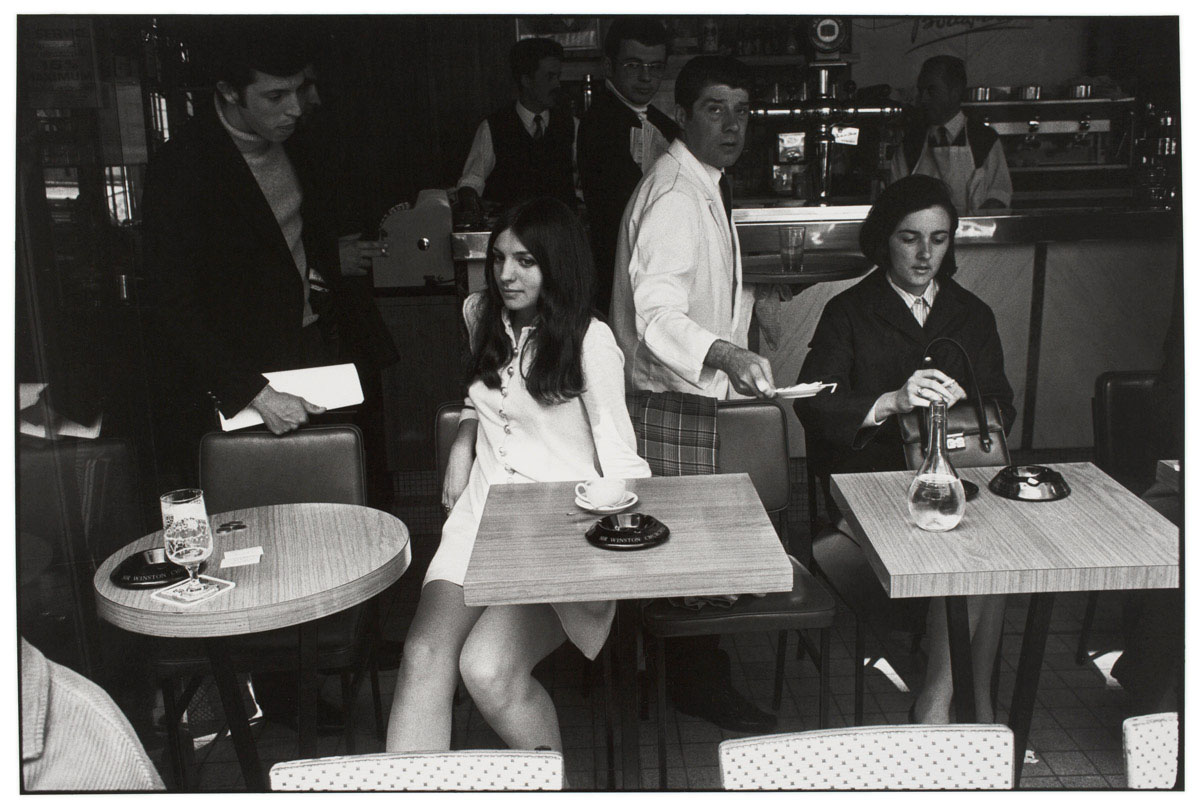
While Harris is most famous for depicting an innovative and thriving black urban community – daily life in Pittsburgh’s Hill District – it is the less figurative, more abstract urban landscape work that I am interested in here. Hence I have put four outstanding photographs that I picked out from the Archive at the top of the posting.
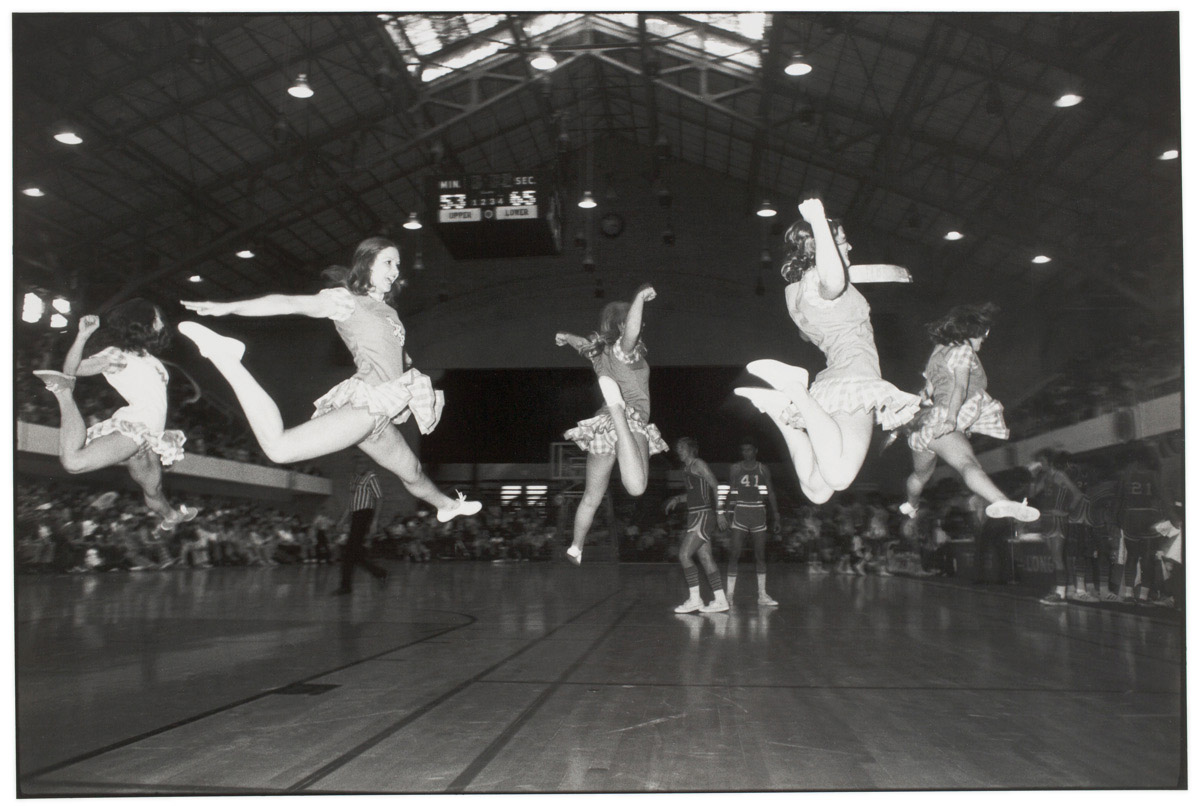
Earlier photographs of the city from the 1940s, such as Large two story home with attic, porch, double entryway, and yard, with young child on steps alone, next to smaller two story home with porches on both stories (c. 1940-45, below) have a touch of Walker Evans about them. Note how in this photograph the eve of the large two story home roof touches the top of the negative (allowing an exit for the eye at the top of the image), beautifully balanced on the left-hand side by the intrusion of the roof of another out of frame building and its shadow cast on the ground. The spatial separation between this roof and the porch of the smaller two story home is critical, as is the punctum of the child standing on the stoop. There are beautiful spaces in this photograph, as the eye plays across its surface, taking in form and detail, light and shade, eventually escaping down the right hand side of the building to the sky beyond.

It is only when we get to the 1950s that Harris really seems to hit his straps in these photographs of the urban landscape. Personally, I can’t remember any other photographs like them. By this time he has developed his own signature, his own voice. And what a voice it is!

In the three remaining photographs at the top of the posting there is a conciseness to his vision of the world, a spatial spareness, even sparseness that is very eloquent. In Construction site with bulldozer (c. 1954, below), possibly a photograph of the site of Belmar Gardens, Pittsburgh’s first black-owned housing cooperative, the landscape is shot from below up a slight incline, bookended with raised bank at left and car at right framing the image plane and holding it together. But it is the space around the central figures as they look off into the distance that is so magical – the blackened, textural ground playing off the cloudless sky with single tree at left. That space in the foreground, between the bottom of the image and the figures is tensioned so well with the distance between the figures and the top edge of the negative: Harris has an intimate understanding of what he wants to achieve in this image – spatially and narratively. The hope of the future.

The same can be said for Three story brick row houses with mansard roofs (c. 1958, below). Again, there is a spareness to his rendition of space and a complexity to his imaging of tone. It is almost like there is a dividing line between night and day, between the city in snow and the city in darkness, the ying yang of existence. Observe the light car is in darkness and the dark car in light; the dark trees, the light telegraph post; the space between the cars which no car could ever fit through; and the smallness of the child walking down the street. Incredible. Again, there is a openness to Harris’ rendition of space in Young men playing sandlot baseball with steel mill in background (c. 1955, below). Let your eyes soak in the open sky; the verticals of dark chimneys, left and light chimneys, right; the building at left perched atop the embankment; the composition of the figures across the middle of the image, reminiscent of a piece of music; the open space of the baseball sandlot at the bottom of the photograph with faint white line delineation and figure at right holding up the edge of the image. This is a master at work.

In this mature style, Harris has no need to fill space with an urban mass or congeries. These are spaces that matter, spaces of matter but these spaces are not empty, negative spaces, but active, fluid spaces, the space of possibilities. He understands what he wants to say so well, he is so confident of his previsualisation of the urban spaces of the city they become uniquely his own – open, engaging, optimistic. This is his voice, his gift, his legacy to the world – for me, not so much the portraits of Afro-American culture, but the spaces of the city as a metaphor for change within that culture. His reading of the landscape is his unique field of vision: in the stillness of these photographs time no longer passes, for the author and for the viewer. His images transcend place and, as such, like Atget before him, he deserves to be recognised as an artist who captured a changing world. Further research on this aspect of his art would seem appropriate.

Dr Marcus Bunyan


I am most grateful to Tey Stiteler for allowing me to pick the photographs I wanted for this posting. This help was crucial as I wanted to talk about the less figurative work in the Teenie Harris Archive. Many thankx to the Carnegie Museum of Art and the Teenie Harris Archive for allowing me to publish the photographs and book pdf in the posting. Please click on the photographs for a larger version of the image.


Teenie Harris (American, 1908-1998) 'Large two story home with attic, porch, double entryway, and yard, with young child on steps alone, next to smaller two story home with porches on both stories' c. 1940-1945


Teenie Harris (American, 1908-1998)
Large two story home with attic, porch, double entryway, and yard, with young child on steps alone, next to smaller two story home with porches on both stories
c. 1940-1945
Gelatin silver print
© Carnegie Museum of Art


Teenie Harris (American, 1908-1998) 'Young men playing sandlot baseball with steel mill in background' c. 1955


Teenie Harris (American, 1908-1998)
Young men playing sandlot baseball with steel mill in background
c. 1955
Gelatin silver print
© Carnegie Museum of Art


Carnegie Museum of Art presents a groundbreaking retrospective of African American photographer Charles “Teenie” Harris (1908-1998), featuring nearly a thousand of Harris’s most beautiful, appealing, and historically significant images. Harris’s photographs – made in his studio and for the Pittsburgh Courier, the leading Black newspaper of the time – chronicle a vibrant Black urban community during the Jim Crow and Civil Rights eras. He captured the poetry of everyday common experience, as well as the extraordinary people who shaped the 20th century: entertainer Lena Horne, baseball star Jackie Robinson, and leaders such as John F. Kennedy and Martin Luther King, Jr. Carnegie Museum of Art was entrusted with the archive of nearly 80,000 Teenie Harris negatives in 2001. Drawing on 10 years of research into archive, Teenie Harris, Photographer: An American Story features immersive life-size projections combined with a newly commissioned jazz soundtrack. A large-scale chronology and a web-based interactive introduce visitors to the rich visual resources of the archive and offer access to firsthand accounts by Harris’s contemporaries. The final section of the exhibition is dedicated to an in-depth evaluation of Harris as an artist.

Text from the Carnegie Museum of Art website


Teenie Harris (American, 1908-1998) 'Three story brick row houses with mansard roofs, and small child on sidewalk of tree lined street with automobiles' c. 1958


Teenie Harris (American, 1908-1998)
Three story brick row houses with mansard roofs, and small child on sidewalk of tree lined street with automobiles
c. 1958
Gelatin silver print
© Carnegie Museum of Art


Teenie Harris, Photographer: An American Story, the first major retrospective exhibition of the work and legacy of African American artist Charles “Teenie” Harris, will be on view at Carnegie Museum of Art from October 29, 2011, to April 7, 2012.

The groundbreaking exhibition will celebrate the artist/photographer whose work is considered one of the most complete portraits anywhere of 20th-century African American experience. Large-scale, themed photographic projections of nearly 1,000 of Teenie Harris’s greatest images accompanied by an original jazz soundtrack will generate an immersive experience in the exhibition’s opening gallery. Subsequent galleries will present a chronological display of these photographs at a conventional scale, and give visitor access to the more than 73,000 catalogued and digitised images in the museum’s Teenie Harris Archive. The exhibition will offer an examination of Harris’s working process and artistry, and audio commentary on the man and his work by the people who knew him. In addition, the photographs and many of these materials will be accessible on Carnegie Museum of Art’s website.

“Since 2001, our museum has been the repository of the Teenie Harris Archive. This exhibition marks the culmination of a long effort to preserve and document an extensive collection of historically and artistically important images,” says Lynn Zelevansky, The Henry J. Heinz II Director of Carnegie Museum of Art. “We are honoured to present this retrospective of a photographer whose body of work gives so much to us.”

During his 40-year career as freelance and staff photographer for the Pittsburgh Courier, one of the nation’s most influential black newspapers, Teenie Harris (1908-1998) produced more than 80,000 images of Pittsburgh’s African American community. The photographs, taken from the 1930s to the 1970s, capture a period of momentous change for black Americans. His subjects ranged from the everyday lives of ordinary people to visits by powerful and glamorous national figures to Pittsburgh, the nation’s industrial centre. From birthday celebrations to civil rights boycotts, the distinctive vision of Harris’s photographs folds into the larger narrative of American history, art, and culture.

Charles “Teenie” Harris

Teenie Harris grew up in Pittsburgh’s Hill District, a neighbourhood once called “the crossroads of the world.” A serious photographer from the age of 18, he started his professional photographic career in 1937 when he opened a studio and began to take on freelance assignments. In 1941, Harris was appointed staff photographer for the Pittsburgh Courier, the nation’s preeminent black newsweekly. His images were disseminated nationally through the Courier, and played a key role in how African Americans visualised themselves.

Like the Scurlock Studio in Washington, DC, James Van Der Zee in New York, and P. H. Polk in Alabama, Harris depicted an innovative and thriving black urban community, in spite of the segregationist policies and attitudes of mid-century America. His images captured daily life in the Hill – weddings, funerals, family portraits, parades, church events, street scenes, graduations – as well as of the great men and women who visited the neighbourhood, including Martin Luther King Jr., Paul Robeson, John F. Kennedy, Eleanor Roosevelt, Lena Horne, and Muhammad Ali. Some of the country’s finest jazz musicians – Louis Armstrong, Dizzy Gillespie, Ahmad Jamal, Sarah Vaughan, and Duke Ellington – were photographed by Harris alongside bartenders, waitresses, and dancing crowds.
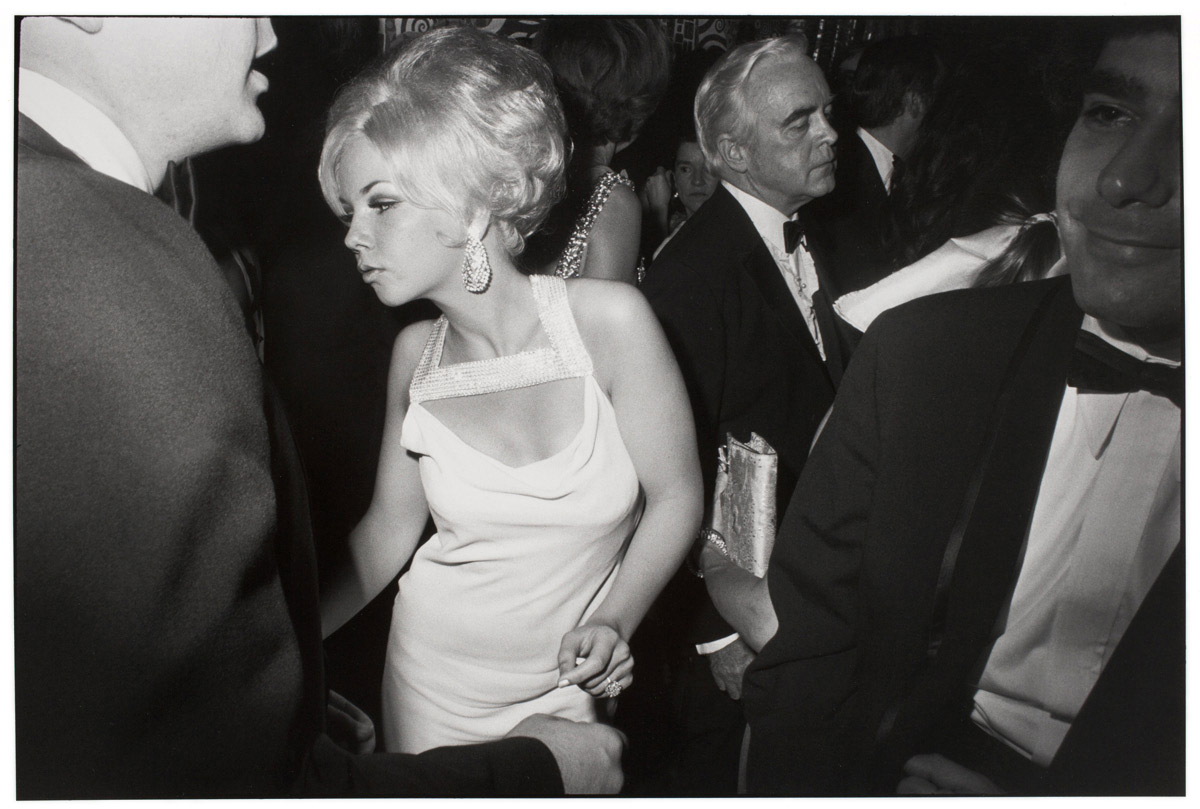
The longevity of Harris’s career offers an outlook on historic shifts that took place in the lives of African Americans everywhere. In the era of segregated baseball, for example, Harris photographed two legendary Negro League baseball teams, the Pittsburgh Crawfords (which Harris cofounded in the mid-1920s) and Homestead Grays. Later, when baseball’s color barrier was broken, he photographed African American major league baseball players like Jackie Robinson and Roberto Clemente along with their teammates. The pride and optimism evident in Harris’s photos of the Double V campaign from the World War II era (victory abroad, victory for racial equality at home), turned to growing moods of frustration and anger evident in images of militant protests in the late 1950s and 1960s. These photographs provide important insights to issues that are still pertinent today.

“Teenie Harris had great empathy with his subjects and a talent for storytelling,” says Lippincott. “His images transcend place. Powerful and personal, they connect today’s viewers with a proud past and a vibrant artistic and cultural heritage. We hope that through this retrospective and traveling exhibition, Harris will be established in the canons of art, history, and photography.”

About the Exhibition

Nearly 1,000 of Harris’s most striking and iconic photographs will be digitally projected as life-sized images in the opening gallery. The images, organised into seven sections – “Crossroads,” “Gatherings,” “Urban Landscapes,” “Style,” “At Home,” “The Rise and Fall of the Crawford Grill,” and “Words and Signs” – will be synchronised with an original jazz score produced by MCG Jazz, one of the nation’s top organisations dedicated to the preservation, presentation, and promotion of jazz music. A second gallery will feature a chronological installation of small prints of the projected images that will include a referencing system for in-depth exploration of each photograph through a bank of computers and books also located in the gallery. In addition, the computers will provide access to the interactive website that has been created for the show.
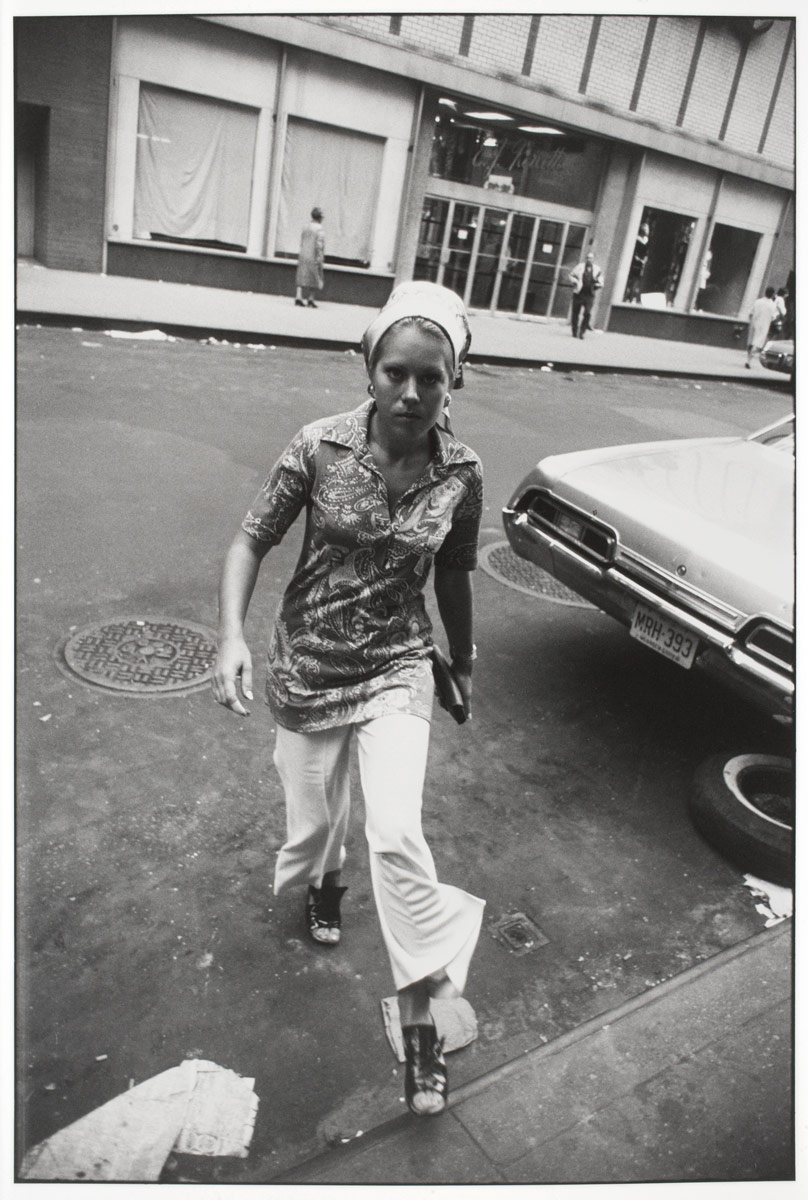
At the entrance to the third gallery, a mini exhibition of 12 fine-art-quality 16 x 20″ prints selected by 12 experts will be accompanied by their personal analyses of the meaning, significance, and beauty of the chosen images. This gallery will also feature a large-scale map showing the places Harris lived, worked, and photographed and a multimedia presentation called “Artist at Work” that demonstrates Harris’s technical skill and artistic vision, and shows how newspapers and publishers cropped and edited his work in order to tell a particular story. “Artist at Work” marries audio recordings of the stories and memories of Teenie Harris, as told by his family, friends, colleagues, and models, with a montage of projected images relating to their tales.

In addition to an exhibition-specific website, the museum is collaborating with the University of Pittsburgh Press on an illustrated book offering new and unpublished scholarship about Harris, his work, and his times that will impact the fields of American and African American art, culture, and history.

About the Teenie Harris Archive

In 2001, Carnegie Museum of Art acquired the Teenie Harris archive from the Harris family and began a multiyear project to preserve, catalogue, digitise, and make the images available on the museum’s website for public view. Few of Harris’s negatives were titled and dated; since the acquisition of the archive, the museum has invited the public to help in the identification of the people, places, and activities in the photographs through a series of museum-based displays of his work, outreach presentations, meetings with oral historians, and online response forms that accompany the continually growing display of images on the museum’s website.

The Teenie Harris Archive Project is supported by the National Endowment for the Humanities, which designated the archive a “We the People” project in the spring of 2007. “We the People” is an initiative to encourage and strengthen the teaching, study, and understanding of American history and culture. Initial support for the Teenie Harris Archive Project was provided by the Heinz Endowments.

Press release from the Carnegie Museum of Art website

Teenie Harris Archive website


Teenie Harris (American, 1908-1998) 'Man lying with arms crossed and ferns on his lap, in cabin of truck' c. 1940-1945


Teenie Harris (American, 1908-1998)
Man lying with arms crossed and ferns on his lap, in cabin of truck
c. 1940-1945
Gelatin silver print
© Carnegie Museum of Art


Teenie Harris (American, 1908-1998) 'Wooden roller coaster, possibly at Rock Springs Park, Chester, West Virginia' c. 1941


Teenie Harris (American, 1908-1998)
Wooden roller coaster, possibly at Rock Springs Park, Chester, West Virginia
c. 1941
Gelatin silver print
© Carnegie Museum of Art


Teenie Harris (American, 1908-1998) 'Lena Horne reflected in mirror in dressing room at Stanley Theatre' c. 1944


Teenie Harris (American, 1908-1998)
Lena Horne reflected in mirror in dressing room at Stanley Theatre
c. 1944
Gelatin silver print
Heinz Family Fund
© Carnegie Museum of Art


Teenie Harris (American, 1908-1998) 'Deserted Alley' 1946-1970


Teenie Harris (American, 1908-1998)
Deserted Alley
1946-1970
Gelatin silver print
© Carnegie Museum of Art


Charles “Teenie” Harris had a photographic mission: going beyond the obvious or sensational to capture the essence of daily African-American life in the 20th century. For more than 40 years, Harris – as lead photographer of the influential Pittsburgh Courier newspaper – took almost 80,000 pictures of people from all walks: presidents, housewives, sports stars, babies, civil rights leaders and even cross-dressing drag queens. Now, a new exhibit and online catalog is showing the depth of Harris’ work, an archive showing a major artistic achievement that influenced people around the country.

“His shots of everyday people are amazing. People seem to kind of jump off the page,” said Stanley Nelson, an Emmy Award-winning documentary filmmaker and MacArthur genius grant winner who has made a number of acclaimed films on African-American artists, business people, and workers. “They don’t have the sense of somebody kind of looking in and spying on the community. For me his pictures are very unique,” Nelson said.

Harris was a gifted basketball player as a young man, and helped start a Negro League baseball team, too. His brother was Pittsburgh’s biggest bookie, and that gave him access to people throughout the city. But he found his mission at the Pittsburgh Courier, which was distributed all over the country via a network of Pullman train porters. Through the paper Harris had endless opportunities to chronicle daily life and to meet the rich, famous, and powerful. Harris photographed Richard Nixon, Jackie Robinson, Martin Luther King Jr., John F. Kennedy and many musical greats, such as Nat King Cole and Duke Ellington. “That was the black national paper of record at the time,” said Laurence Glasco, a professor of history at the University of Pittsburgh.

Many people stopped by the Courier offices because of its clout with African-Americans, Glasco said. Yet Harris neither pandered to nor looked down on celebrities, he added. “He really didn’t have a cult of celebrity. He wouldn’t cross a street to shake a celebrity’s hand. He was interested in them, but he really saw them as just people. And that really comes out in his photographs,” Glasco said. A young Muhammad Ali, for example, is shown picking up his mother and holding her in his arms. “He had an equal opportunity lens,” recalled Teenie’s son, Charles Harris. “He just liked people.”

The partnership with the Courier was a perfect match, since its reporters and editors were also pushing for equal rights. And true to Pittsburgh traditions, Teenie Harris was a hard worker, on call virtually 24-hours a day. “No matter what time it was, they could call. A lot of times he didn’t sleep,” his son said.

Louise Lippincott, the Carnegie Museum of Art Curator, worked closely with Harris in the last years of his life. “He had a very strong personal desire to complete a positive view of African-Americans and counter the negative stereotypes in the white press. On the other hand, there’s nothing sugarcoated,” said Lippincott. Glasco adds that Harris took pictures of very poor people without exaggerating their situation. “You can look at them and say, ‘These are real people; they happen to be very poor.’ They’re more than those clothes they’re wearing. They were first and foremost a person.” One picture shows a little girl with a big smile sitting on the floor of a newsstand, reading a comic book with a small dog on her lap. A key piece of history that Harris and the Courier covered heavily was African-Americans who served in World War II and returned home demanding that they be accorded rights equal to white soldiers, sailors, and airmen.

“The drive for civil rights really began in World War II,” Lippincott said, far earlier than many imagine. Yet the photographs are more than just a rich trove of mid-century American history. They emerge as art because Harris became a master of composition and for decades took each picture with a large-format camera that had to be hand-loaded with a single piece of film for each shot. “I remember being just shocked and amazed at what an incredible photographer he was. He just had this incredible eye,” said Nelson, who noted that Harris earned the nickname “One Shot” for his ability to deliver an assignment with one photograph.

Many of the pictures show a successful – and happy – black middle class. One young woman is depicted posing on the hood of a 1950s car, with steel mills in the background, while another simply kneels while playing with two small dogs. And even before the civil rights movement, there are many pictures showing black and white children and adults together. Glasco notes that even some controversial pictures seem to defy current expectations of what the past was like. In one, a man in a car has a cross-dressing male companion on each side.

“They’re happy, they’re proud, they’re smiling. It’s a joyful thing,” Glasco said of the men openly dressing as women. At an annual parade in Pittsburgh’s Hill district, one car was often filled with cross-dressers who waved at crowds, he added. Glasco once saw a Harris picture of cross-dressers next to contemporary pictures with the same subject, and was struck by the anger and hostility of the people in the new pictures, and the openness of the people in the older ones.

The Carnegie Museum of Art purchased Harris’ entire collection in 2001, through the Heinz Family Fund. The exhibit at the museum includes almost 1000 photographs, slide shows, and a jazz soundtrack commissioned especially for the show, which is up until next April. It’s also scheduled to travel to Chicago, Birmingham, Alabama, and Atlanta in the future. People who can’t get to one of those museums can view almost 60,000 Harris images that have been scanned and put online along with audio interviews of people who knew him.”

Kevin Begos. “Pa. exhibit showcases legendary black photographer,” Associated Press on the Boston.com website November 27, 2011 [Online] Cited 21/03/2012


Teenie Harris (American, 1908-1998) 'Group portrait of women wearing church choir robes, posed outside in yard, with other houses, garage, and woman in background, seen from above' c. 1938-1945


Teenie Harris (American, 1908-1998)
Group portrait of women wearing church choir robes, posed outside in yard, with other houses, garage, and woman in background, seen from above
c. 1938-1945
Gelatin silver print
© Carnegie Museum of Art


Teenie Harris (American, 1908-1998) 'Woman wearing one-piece skirted bathing suit reclining on swimming pool diving board' c. 1940-1945


Teenie Harris (American, 1908-1998)
Woman wearing one-piece skirted bathing suit reclining on swimming pool diving board
c. 1940-1945
Gelatin silver print
© Carnegie Museum of Art


Teenie Harris (American, 1908-1998) 'Charles "Teenie" Harris self-portrait in Harris Studio' c. 1940


Teenie Harris (American, 1908-1998)
Charles “Teenie” Harris self-portrait in Harris Studio
c. 1940
Gelatin silver print
Heinz Family Fund
© Carnegie Museum of Art


Teenie Harris (American, 1908-1998) 'Doris Clark (Moody) seated on Buick car with steel mill in background, Clairton' c. 1940


Teenie Harris (American, 1908-1998)
Doris Clark (Moody) seated on Buick car with steel mill in background, Clairton
c. 1940
Gelatin silver print
Heinz Family Fund
© Carnegie Museum of Art


Teenie Harris (American, 1908-1998) 'Group portrait of two women and two men, woman on right wearing dark dress with wide brimmed hat, in interior with wainscoting and pictures on wall' c. 1940-1945


Teenie Harris (American, 1908-1998)
Group portrait of two women and two men, woman on right wearing dark dress with wide brimmed hat, in interior with wainscoting and pictures on wall
c. 1940-1945
Gelatin silver print
© Carnegie Museum of Art


Teenie Harris (American, 1908-1998) 'Herron Avenue at intersection of Milwaukee Street, Hill District' c. 1945-1949


Teenie Harris (American, 1908-1998)
Herron Avenue at intersection of Milwaukee Street, Hill District
c. 1945-1949
Gelatin silver print
Heinz Family Fund
© Carnegie Museum of Art


Teenie Harris (American, 1908-1998) 'Group portrait of eight male boxers, possibly Golden Gloves contenders, lined up in boxing ring' c. 1955

Teenie Harris (American, 1908-1998) 'Boxers, possibly Golden Gloves contenders, possibly including Robert "Bobby" Matthews second from left, lined up in boxing ring' c. 1955


Teenie Harris (American, 1908-1998)
Boxers, possibly Golden Gloves contenders, possibly including Robert “Bobby” Matthews second from left, lined up in boxing ring
c. 1955
Gelatin silver print
© Carnegie Museum of Art


Teenie Harris (American, 1908-1998) 'Workers demolishing roof of Crawford Grill No. 1, 1401 Wylie Avenue at Townsend Street, Hill District' 1956


Teenie Harris (American, 1908-1998)
Workers demolishing roof of Crawford Grill No. 1, 1401 Wylie Avenue at Townsend Street, Hill District
1956
Gelatin silver print
Heinz Family Fund
© Carnegie Museum of Art


Teenie Harris (American, 1908-1998) 'Protesters, including Ronald A. Crawley on left, with UNPC signs outside United Mine Safety Appliance Company, North Braddock Avenue and Meade Street, Homewood' October 1963


Teenie Harris (American, 1908-1998)
Protesters, including Ronald A. Crawley on left, with UNPC signs outside United Mine Safety Appliance Company, North Braddock Avenue and Meade Street, Homewood
October 1963
Gelatin silver print
© Carnegie Museum of Art


Anonymous photographer. 'Charles "Teenie" Harris holding camera and standing in front of Flash Circulation office, 2132 Centre Avenue, Hill District' c. 1937


Anonymous photographer
Charles “Teenie” Harris holding camera and standing in front of Flash Circulation office, 2132 Centre Avenue, Hill District
c. 1937
Gelatin silver print
© Carnegie Museum of Art


Carnegie Museum of Art
4400 Forbes Avenue
Pittsburgh, PA 15213-4080
Phone: 412.622.3131

Opening hours:
Tuesday – Saturday: 10am – 5pm
Thursday: 10am – 8pm
Sunday: noon – 5pm

Carnegie Museum of Art website

Teenie Harris Archive website

LIKE ART BLART ON FACEBOOK

Back to top