Exhibition dates: 20th February – 12th April, 2009
Gerhard Richter (German, b. 1932) 9.4.89 10.1 x 14.8cm Oil on colour photograph
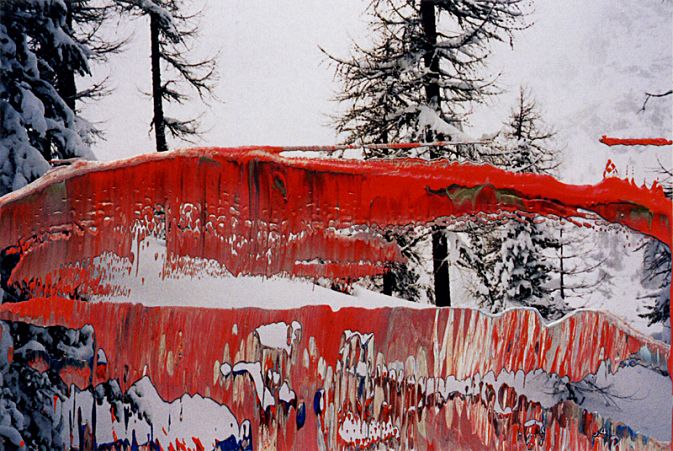
There is something unsettling in Richter’s serendipitious interventions. Using his own prosaic 10 x 15cm colour photographs that have been commercially printed as the basis of the works, Richter overlays the surface of the photograph with skeins of paint that disturb the reflexivity of each medium. Dragging the photograph through the paint or using a palette knife to apply layers of colour, the surfaces of paint and photograph no longer exist as separate entities. The process produces punctum like clefts rent in the fabric of time and space. If the intervention is judged unsuccessful the result if immediately destroyed.
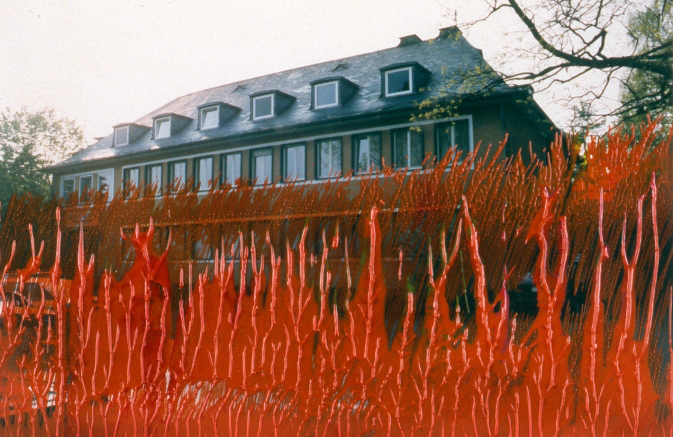
In 5.Juli.1994 (below) blood red fingers of paint strain upwards as they invade the solidity of a dour suburban home, echoing the invading trees branches at top right of picture. In 11.2.98 (below) green paint slashes across the mouth and forehead of a woman in a floral dress, her eyes seemingly bloodshot and pleading stare into the distance to the left of our view, the silent scream strangled in her throat by the vibrations of paint. These are the instantaneous responses of the artist to the photograph, a single mood expounded in irreversible gestures, the actions of the painter’s hand disturbing the indexical link of the photograph and it’s ability to be ‘read’ as a referent of the object it depicts. Richter’s interventions challenge the concept of momentary awareness and offer the possibility of a space between, where the image stands for something else – access to Other, even a contemplation of the sublime.
“The colour of paint applied corresponds or contrasts the tonalities of the underlying photograph but link the two through formal relationships of the layers … Often a tense relationship, the results run the gamut of the surreal to the beautiful to the disturbed. It is all the more surprising that each in its perceived completeness was in essence accomplished by chance and trial and error.”1
“Richter’s painterly gestures bounce off the [photographs] content in peculiar ways, sometimes interacting with it, sometimes overlaying it and sometimes threatening to eclipse it altogether. The final effect is to cause both photography and painting to seem like incredibly bizarre activities, disparate in texture but often complicit in aspiration.”2
I love the violence, the sometimes subversive, sometimes transcendental ‘equivalence’ of these images: where a Steiglitz cloud can stand for music, where a Minor White infrared photograph posits a new reality, Richter offers us an immediacy that destroys the self-reflexive nature of everyday life. His spontaneous musings, his amorphous worlds, his bleeds and blends crack open the skin of our existential life on earth. Here, certainly, are ‘the clefts in words, the words as flesh’.
Gerhard Richter (German, b. 1932) 11.4.89 10 x 15cm Oil on colour photograph
Gerhard Richter (German, b. 1932) 11.3.89 10 x 14.9cm Oil on colour photograph
Gerhard Richter (German, b. 1932) 5.Juli.1994 10.2 x 15.2cm Oil on colour photograph
Gerhard Richter (German, b. 1932) 11.2.98 10 x 14.7cm Oil on colour photograph
Gerhard Richter (German, b. 1932) 22.2.96 9.6 x 14.7cm Oil on colour photograph
Gerhard Richter (German, b. 1932) 11.Febr.05 10.1 x 14.9cm Oil on colour photograph
The exhibition presents 330 of Richter’s largely unknown overpainted photographs, a technique he has been using since 1982.
The exhibition UERBERNALTE FOTOGRAFIEN / PHOTOGRAPHIES PEINTES (OVERPAINTED PHOTOGRAPHS) at the Centre de la photographie Geneva (CPG) presented a side of the work of Gerhard Richter largely unknown up till now. Only a few collectors and gallerists close to the artist were aware of the practise that Gerhard Richter, one of the most important artists of our times, had developed systematically since 1982. It is only because of this exhibition that more than 1000 of his over-painted photographs will enter into his catalogue raisone. The CPG presents approximately 330 of them in this show.
“By placing paint on photographs, with all their random and involuntary expressiveness, Gerhard Richter reinforces the unique aspect of each of these mediums and opens a field of tension rich in paradoxes, as old as the couple – painting / photography – which has largely defined modern art.”
Gerhard Richter is justly famed for the photorealism of his early canvases, but it is less well known that he has also painted directly onto photographic prints. These (mostly small-format) pieces were reproduced in books as early as the first Atlas, but practically all of the works themselves are housed in private collections and rarely exhibited in public. Overpainted Photographs gathers this body of work, which unites the labor of the hand with the work of mechanical reproduction to produce a kind of art as conceptually rich as Richter’s better-known paintings, neutralizing the expressive powers of each medium to reach an indifference to their potency. In an overture to Duchamp’s “degree zero” found objects, the original photographs are frequently bland in content – an empty office, a ball, a beach scene or tourist snapshot – and Richter’s painterly gestures bounce off that content in peculiar ways, sometimes interacting with it, sometimes overlaying it and sometimes threatening to eclipse it altogether. The final effect is to cause both photography and painting to seem like incredibly bizarre activities, disparate in texture but often complicit in aspiration. This monograph offers a unique opportunity to savour what had previously been a neglected but copious aspect of Richter’s work.
“The public scenes, whether on the beach or the ski slope or children’s theatre, are beset with sudden surges of colour that tend to resemble interventions of the sky or elemental forces, more than the moods of a decorative or ornamental painter annotation. Sometimes they seem like catastrophic visions. Blood-red snowflakes dance above the white fern. The photo shows skyscrapers in the urban morning sun – and the oil paint adds to the sulpherous fire that pours over the city from the sky”
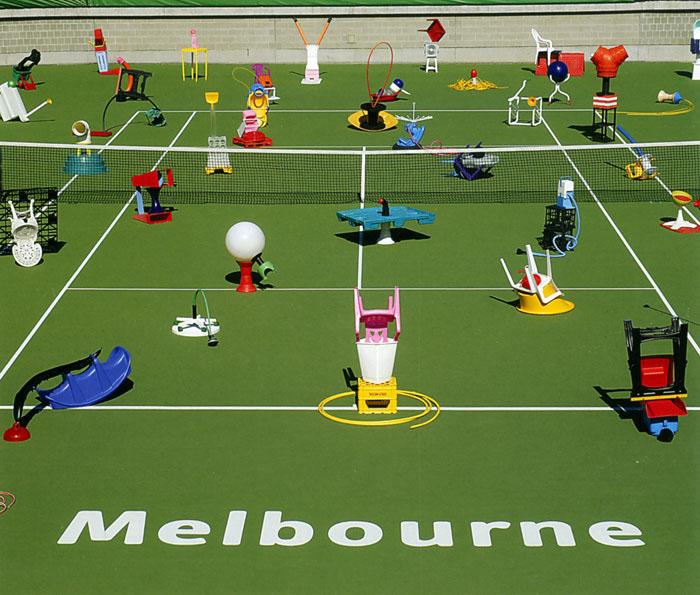
Louise Paramor (Australian, b. 1964) Show Court 3 (II) 2009
Boarding a train at Flinders Street we emerge at South Yarra station to stroll down to River Street for our third opening of the night at Nellie Castan Gallery. We are greeted by the ever gracious Nellie Castan who has just returned from an overseas trip to Europe where she was soaking up the wonders of Rome amongst other places. For the latest exhibition in the gallery Louise Paramor is presenting two bodies of work: Show Court 3 and Mood Bomb (both 2009). Lets look at Show Court 3 first as this work has older origins.
Originally exhibited in 2006 at Nellie Castan under the title Jam Session the sculptures from this exhibition and many more beside (75 in all) were then installed in 2007 on show court 3 at Melbourne & Olympic Parks, hence the title of the installation. In the smaller gallery in 2009 we have six Lambda photographic prints that are records of this installation plus a video of the installation and de-installation of the work.
While interesting as documentary evidence of the installation these photographs are thrice removed from the actual sculptures – the sculptures themselves, the installation of the sculptures on court and then the photographs of the installation of the sculptures. The photographs lose something in this process – the presence or link back to the referentiality of the object itself. There is no tactile suggestiveness here, no fresh visual connections to be made with the materials, no human interaction. The intertextual nature of the objects, the jamming together of found pieces of bright plastic to make seductive anthropomorphic creatures that ‘play’ off of each other has been lost.
What has been reinforced in the photographs is a phenomena that was observed in the actual installation.
“The sculptures created a jarring visual disruption when placed in a location normally associated with play and movement. The stadium seating surrounding the tennis court incited an expectation of entertainment; a number of viewers sat looking at the sculptures, as though waiting for them to spin and jump around. But mostly, the exhibition reversed the usual role of visitors to place where one sits and watches others move; here the objects on the tennis court were static and the spectators moved around.” (2007)1
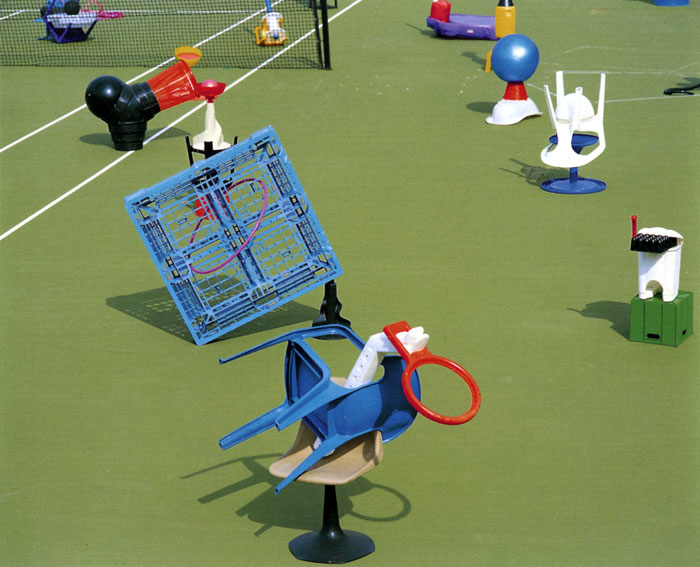
In the photographs of these objects and in the installation itself what occurs is an inversion of perception, a concept noted by the urbanist Paul Virilio.2 Here the objects perceive us instead of us perceiving the object: they stare back with an oculocentric ‘suggestiveness’ which is advertising’s raison d’être (note the eye sculpture above). In particular this is what the photographs suggest – a high gloss surface, an advertising image that grabs our attention and forces us to look but is no longer a powerful image.
In the main gallery was the most interesting work of the whole night – experiments of abstraction in colour “inspired by the very substance of paint itself.” Made by pouring paint onto glass and then exhibiting the smooth reverse side, these paintings are not so much about the texture of the surface (as is Dale Frank’s work below) but a more ephemeral thing: the dreamscapes of the mind that they promote in the viewer, the imaginative connections that ask the viewer to make. Simpler and perhaps more refined than Frank’s work (because of the smooth surface, the lack of the physicality of the layering technique? because of the pooling of amoebic shapes produced, not the varnish that accumulates and recedes?) paint oozes, bleeds, swirls, drips upwards and blooms with a sensuality of intense love. They are dream states that allow the viewer to create their own narrative with the title of the works offering gentle guides along the way: Girl with Flowers, Lovers, Mood Bomb, Emerald God, Mama, and Animal Dreaming to name just a few. To me they also had connotations of melted plastic, almost as if the sculptures of Show Court 3 had dissolved into the glassy surface of a transparent tennis court.
These are wonderfully evocative paintings. I really enjoyed spending time with them.
Dr Marcus Bunyan
1/ O’Neill, Jane. Louise Paramor: Show Court 3. Melbourne: Nellie Castan Gallery, 2009
2/ Virilio, Paul. The Vision Machine. (trans. Julie Rose). Bloomington: Indiana University Press, 1994, pp. 62-63
Many thankx to Nellie Castan Gallery for allowing me to publish the photographs in the posting. Please click on the photographs for a larger version of the image.
Louise Paramor (Australian, b. 1964) Show Court 3 (VI) 2009
Louise Paramor (Australian, b. 1964) Show Court 3 (detail) 2009
Louise Paramor (Australian, b. 1964) Show Court 3 (detail) 2009
Louise Paramor (Australian, b. 1964) Opening night crowd in front of Sky Pilot (left) and Mama (right) 2009 Paint on glass
Louise Paramor (Australian, b. 1964) Opening night crowd in front of Green Eyed Monster (right) and Sky Pilot (right) 2009 Paint on glass
Louise Paramor (Australian, b. 1964) Opening night crowd in front of Pineapple Express 2009 Paint on glass
Louise Paramor (Australian, b. 1964) A Dog and His Master (detail) 2009 Paint on glass
Louise Paramor (Australian, b. 1964) Lovers 2009 Paint on glass
Dale Frank (Australian, b. 1959) 2. One conversation gambit you hear these days: ‘Do you rotate?’ An interesting change of tack? No suck luck. ‘Do you rotate?’ simply fishes for information about the extent of your collection. Do you have enough paintings to hang a different one in your dining room every month? 2005
Louise Paramor (Australian, b. 1964) Mood Bomb 2009 Paint on glass
Louise Paramor (Australian, b. 1964) Slippery Slope (detail) 2009 Paint on glass
Louise Paramor (Australian, b. 1964) Green Eyed Monster (detail) 2009 Paint on glass
Richard Grigg (Australian) New Work exhibition Opening night crowd at Block Projects, Melbourne
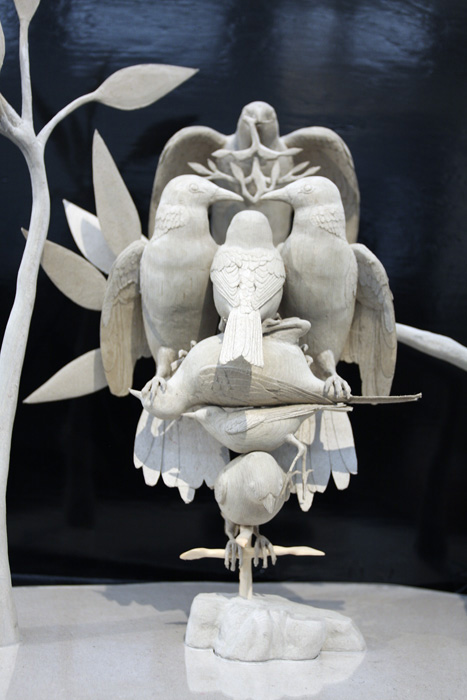
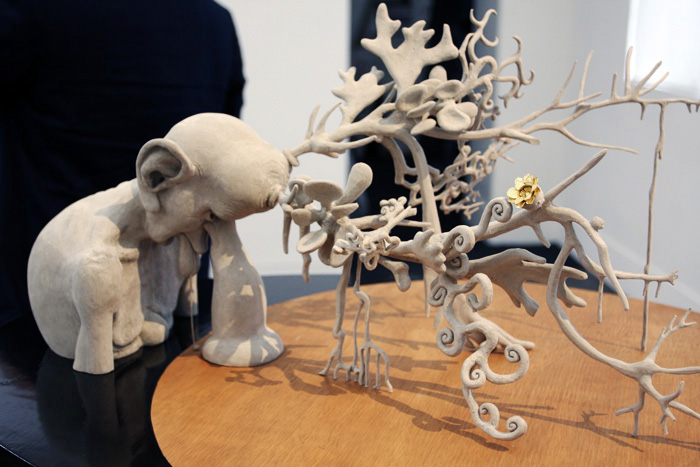
Moving down Flinders Lane we ascended to the fourth floor and entered the beautiful light filled gallery space at Block Projects to view the ‘new work’ of Richard Grigg. An eclectic mix of sculpture, painting, drawing, and collage was presented. Preparatory drawings for one of the sculptures, a pencil drawing of two old men debating, a canvas of a camera in tempera, gold leaf and gesso vie for attention with the two standout pieces of the show: No more songs at funerals/hero today gone tomorrow (2007) and He can’t read well because of his horns (2009), surrealist sculptures both made of compressed cardboard (below).
These two sculptures are fantastic: the first forming a skull made out of birds perched on a cross surmounted by a bird holding an olive branch, the title deliciously ironic; the second a stooped gargoyle like creature with a massive extrusion for a nose, hanging tongue dripping saliva and phantasmagorical protrusions emerging from it’s head making it impossible for the creature to ‘read well’ in both the metaphorical and literal sense. This is a beautiful but grotesque primordial fantasy with the horns putting roots down in the soil like the roots of a mangrove tree, a gold leaf flower blooming at their outer reaches, the creature exhausted by the effort of trying to keep his head up.
Unfortunately the rest of the exhibition lacked core strength: conceptually the show is not strong. Evidence of beauty in decay and concerns about the process of ageing vie with environmental contexts; slippages in time (The Moment Between) contrast with cameras and their sight lines; Pinocchio lies under a shroud with a camera trapped in the back of a horse drawn cart (Dream of Rest). Apparently, the cameras do not signify the capturing of the frozen moment of beauty but they are there because the artist’s father collected cameras. To me they seemed to be defining the nature of our interaction with the world, the surface of the image controlling the interface between technology and earth.
One of the problems with undertaking an exhibition titled New Work is the assumption that the new work being produced hangs together holistically and tells a not necessarily linear narrative story but one that the viewer can investigate, question, and tease the pertinent concepts from – something the viewer can hang their hat on (perhaps the horns of a dilemma!) This was not the case here. The bits n bobs approach of this exhibition falls slightly flat but go see the show for the two sculptures – they alone are worth the effort!
Dr Marcus Bunyan
Many thankx to Block Projects for allowing me to publish the photographs in the posting. Please click on the photographs for a larger version of the image.
Richard Grigg (Australian) No more songs at funerals/hero today gone tomorrow 2007-2009 Layered boxboard, wood dowel, glue, pine, black gloss enamel, Perspex
Richard Grigg (Australian) He can’t read well because of his horns 2009 Layered boxboard, gold leaf, wood dowel, glue, pine, black gloss enamel, wood stain
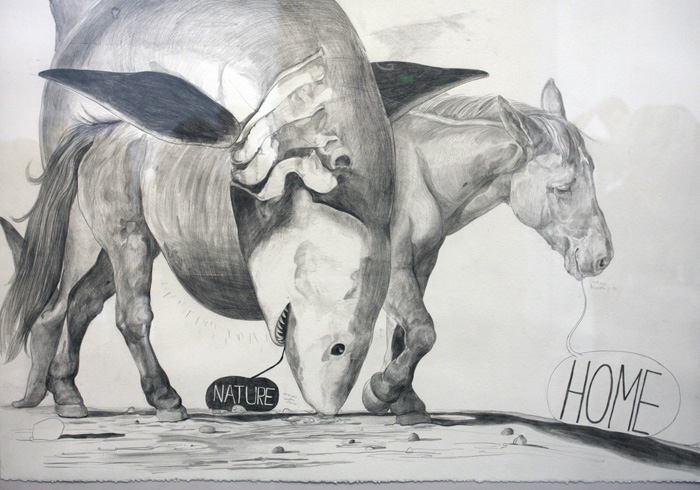
Richard Grigg (Australian) A Late Night Story 2007 pencil on paper
Richard Grigg (Australian) Older than the value of beauty (detail) 2009 Tempera, gold leaf and gesso on board
Richard Grigg (Australian) Cloak 2008 Tempera, gold leaf and gesso on board
Block Projects Level 1 / 252 Church Street Richmond Victoria 3121 Australia Phone: +61 3 9429 0660
Many thankx to the Nelson-Atkins Museum of Art for allowing me to publish the photographs in the posting. Please click on the photographs for a larger version of the image.
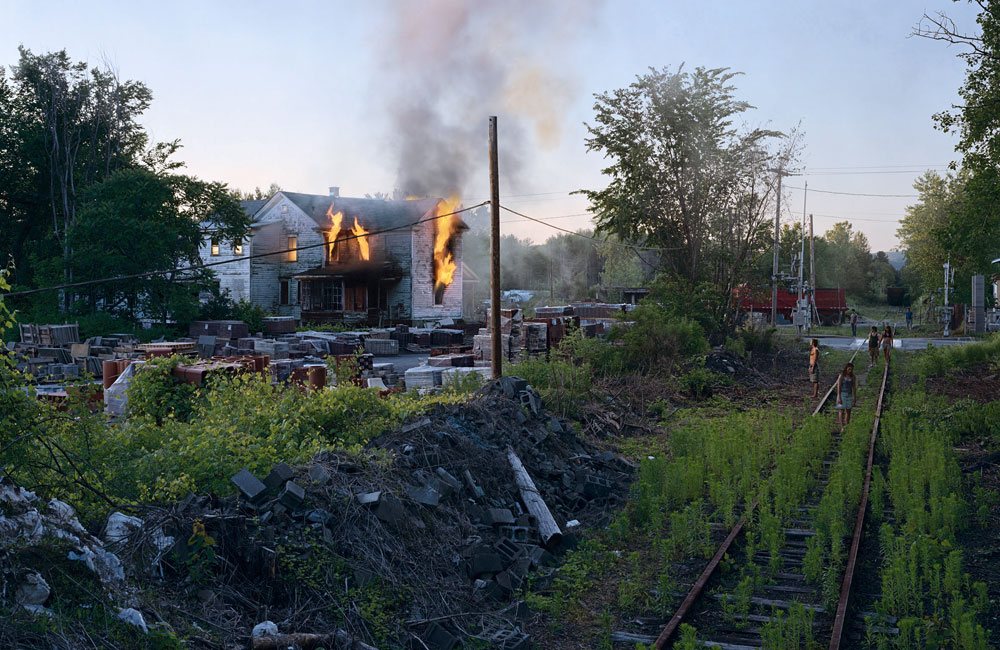
Gregory Crewdson (American, b. 1962) Untitled from the series Beneath the Roses 2006 Digital pigment print
Famed photographer Gregory Crewdson will present the inaugural discussion in a series sponsored by the Photography Society of The Nelson-Atkins Museum of Art, Kansas City…
Crewdson’s work has been widely exhibited and reviewed. He makes large-scale photographs of elaborate and meticulously staged tableaux, which have been described as “micro-epics” that probe the dark corners of the psyche. Working in the manner of a film director, he leads a production crew, which includes a director of photography, special effects and lighting teams, casting director and actors. He typically makes several exposures that he later digitally combines to produce the final image.
“Crewdson is one of the most daring and inventive contemporary artists using photography,” said Keith F. Davis, Curator of Photography at the Nelson-Atkins. “His meticulously crafted works are immensely rich in both narrative and psychological terms. They prod us to rethink our ‘usual’ relationship to photographs as physical objects and as records of worldly fact. Crewdson is a genuinely important figure in today’s art world. He has an international reputation and has influenced an entire generation of younger photographic artists.”
Attendance to the program is free.
Text from ArtDaily.org website
Gregory Crewdson (American, b. 1962) Untitled from the series Beneath the Roses 2005 Digital pigment print
Gregory Crewdson (American, b. 1962) Untitled from the series Beneath the Roses 2005 Digital pigment print
Gregory Crewdson (American, b. 1962) Untitled (Sunday Roast) from the series Beneath the Roses 2005 Digital pigment print
Nelson-Atkins Museum of Art 4525 Oak Street Kansas City, MO 64111
Eduardo Sourrouille (Spanish, b. 1970) Salon para Gaydjteam 2008
Artium, Basque Centre-Museum of Contemporary Art, presents the exhibition Villa Edur. Eduardo Sourrouille (North Gallery, from January 17 to April 19), an intimate self-portrait of this Basque artist based on more than 170 photographs taken in recent years. Sourrouille (Basauri, Bizkaia, 1970) proposes a metaphorical visit to the private rooms of his life, from the most superficial to the most intimate, to explore all aspects of the relationship with others and with oneself. Based on three different series of technically exquisite photographs, the author displays a world in which affection and the need to love and to feel loved predominates, in which there are ever-present allusions to questions such as sexual identity, the demands of friendship and recognition of links with others.
Villa Edur, the title of the first major one-man show of the work of Eduardo Sourrouille in a Museum, is taken from the maternal home of Eduardo Sourrouille, “the first legacy I received from her, the most valuable of all her bequests: besides being a home, it is an ongoing project, a driving force in my life and a reflection of my artistic career.” As in a home, the exhibition allows the visitors to explore a number of different rooms, each more intimate than the previous one, in which the artist receives visitors, who are converted into a host and guests.
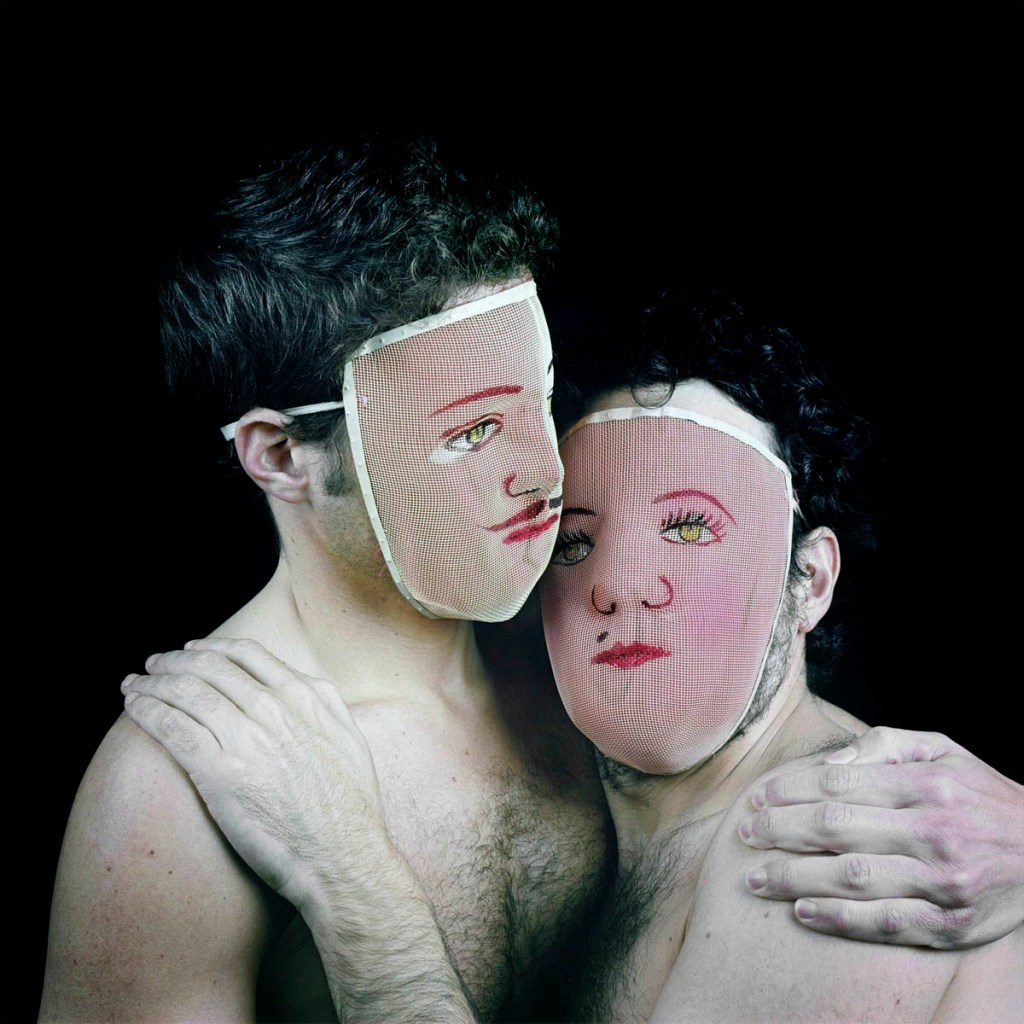
Thus, in the exhibition, as in his house, “the host receives his guests at the entrance, where newcomers have access to proof of all the visitors that preceded them.” And in this way, the visitor sees two different series of portraits in the first room, Of the folder, people who visited my house and Of the folder, people who visited my house: room for… In the first Gallery, the artist presents different portraits of couples, consisting of himself with the different people with whom he has had some kind of relationship, be this emotional, family, friendship or any other kind. In this case, the photographs come very close to studio portraits, with carefully prepared, static poses, with hardly any atrezzo.
Each of these photographs is matched in the exhibition with another belonging to the second gallery of images, in which Sourrouille repeats the figures but in this case with a more accentuated theatricality, with a set design that may make the spectator imagine anecdotes or stories that occur in the encounter. The room, dominated by a more than one hundred photographs, reveals an entire “network of relationships, in which friendship, affection, love, fascination, desire, etc. (sometimes mixed up), have a place. The number of people including his father and other relatives, a large number of friends, artists such as Miguel Ángel Gaüeca, Manu Arregui and Ignacio Goitia, have been present here and have left their mark, and as the entire exhibition is imbued with games and humour, fictional figures such as Doña Rogelia are also included.
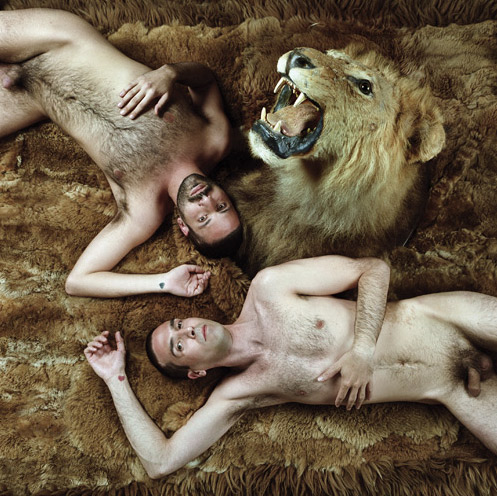
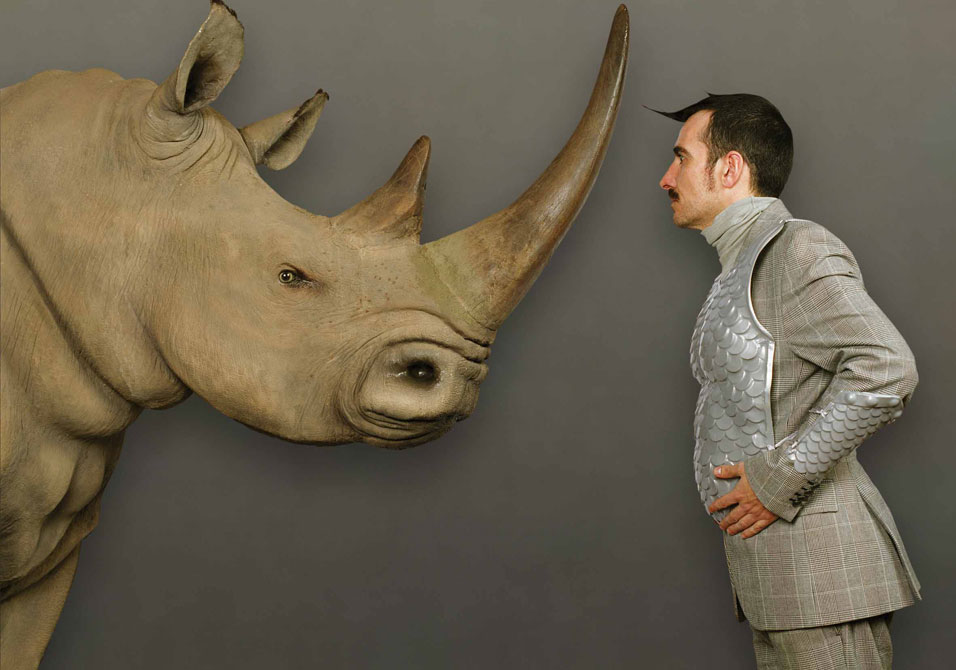
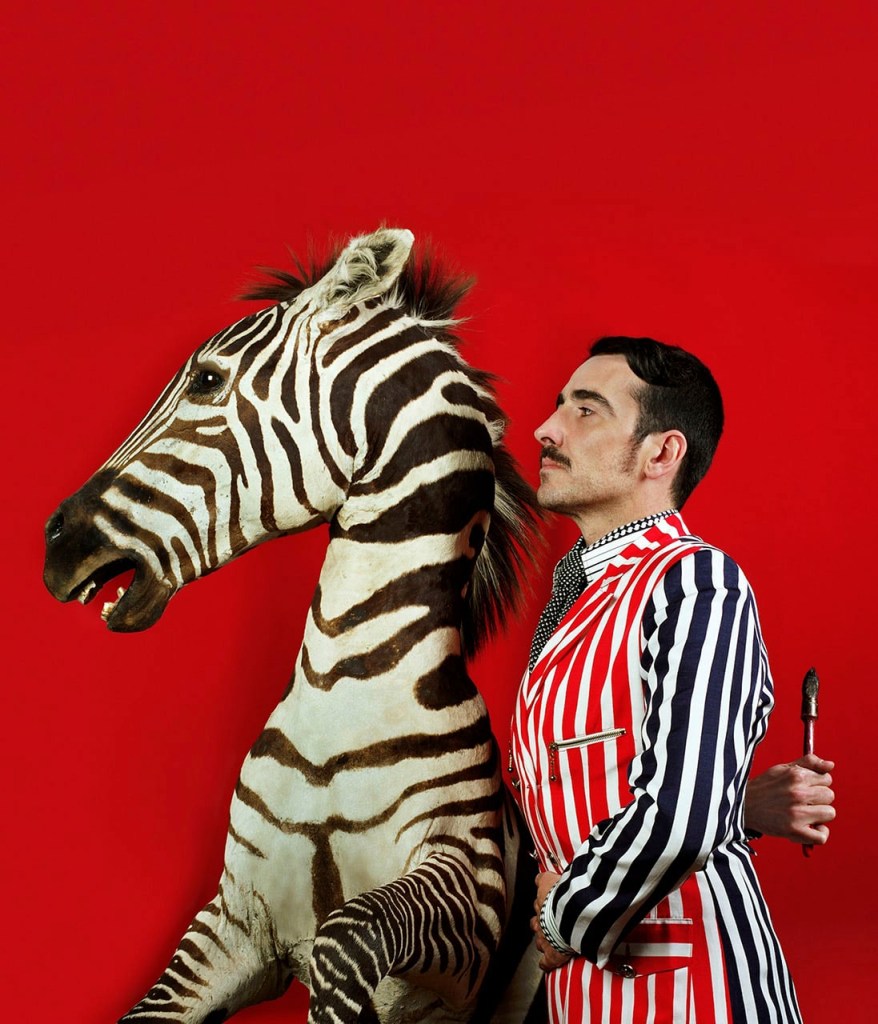
From this broad entrance, densely inhabited by figures “whose ghost lives on”, the artist invites first to step into his sitting room, the place in his house that “offers a precise image of what its owner is and would like to be.” In this space, Eduardo Sourrouille presents thirty self-portraits that “show of the people who have coexisted in me” and who “embody in the symbolic manner the different aspects of love and friendship, that can be found in me, as in any other individual.” With this aim in mind, Sourrouille presents in this exhibition space the Selfportrait with a friend series, thirty images in which the artist photographs himself with different animals, ironic portraits in which the human being appears to adopt certain characteristics of the animal.
There remain two more rooms in this house, the most private of all, where “intimate secret processes” take place. Sourrouille once again portrays himself with his father in the environment where the legacy is transmitted by means of simple rites, before going on to “the most secret room of all (…) in which the intimate world of each person is developed, in other words, what one does not necessarily confess but what one, nevertheless, has decided to experience.” Here, the spectator confronts a video entitled If you could see him through my eyes, in which the sheets are lowered slowly to discover the artist accompanied by two wild boar.
Press release from Basque Centre-Museum of Contemporary Art
The house that I show in Villa Edur is my house, as it was (is) my mother’s. It is the first legacy I received from her, the most valuable of all: in addition to a home, it is a perpetual project, a vital engine and a reflection of my career.
Eduardo Sourrouille (Spanish, b. 1970) Self-portrait with impetuous friend 2008
“The house I depict in Villa Edur is my home, as it was (is) my mother’s home. It is the first legacy I received from her, the most valuable of all her bequests: besides being a home, it is an ongoing project, the driving force in my life and a reflection of my artistic career.
1
In my house, the host receives his guests at the entrance, where newcomers find proof of all the visitors that preceded them. Everything takes place in this zealously staged space, and so each decorative element is selected with the very same care. Objects, costumes and scenery make up, both individually and jointly, a system of symbols alluding to the nature of its own contents.
One by one, the portrait of the person in question confronts his situation within the context that was created for him and which, at the same time, he himself contributed to defining, and whose ghost still lives on. Each portrait determines both a singular identity and the kind of relationship in which at least two individuals interact and this, in turn, is the reflection of a specific experience. Each relationship leaves a visible and definitive mark on the other, like the dent in an aluminium vessel, which reasserts the experience and provides solace (provisionally) as it is the proof of our materiality. The inescapable need to make these marks involves the creation of an entire network of relationships in which friendship, affection, love, fascination, desire, etc. (sometimes mixed up), have a place.
Next to the door, raised on her solid, light shelf, my mother observes us and invites us in.
2
A door leads to the sitting room, a multifunctional and ultimately magical space, an environment in which everything that can be shown to visitors (plus part of what cannot be shown) is put on display. Definitively, the sitting room always offers a precise image of who its owner is and would like to be, of what he deliberately reveals to others and what he cannot prevent from being perceived through the cracks in his subconscious.
For this reason, the sitting room offers visitors a gallery of thirty self-portraits that show them the different people who coexist in me, what they can expect and the extent of the range of choices permitted. From a conceptual viewpoint and in a symbolic manner, these portraits embody different aspects of love and friendship that can be found in me, as in any other individual.
3
Beyond the sitting room lie the private rooms in which intimate, secret processes take place, ceremonies that create individuals and subsequently shape them, mould them and endorse them for the world. In one of these, I share the space with my father because this room is where his offspring receive their legacy through atavistic and recurrent rites – so simple that they scarcely cause pain. In another room, I (at last) dare to make the call I have learnt, the one that I use to invoke the Other, even though in some ways the person I seek is myself. There is anguish and confusion in that call, but also the desire to establish constructive communication, as I also offer myself to the Other so that he might leave his mark on me.
4
The intimate world of each person, in other words, what one does not necessarily confess but what one, nevertheless, has decided to experience, is developed in the most secret room of all. It is also the space reserved for the beauty that one finds by one’s own means – as it has not been revealed by any of one’s elders – and which therefore will be treasured as the exclusive property of its discoverer.
I live in Villa Edur because all the relationships that crystallise around me also reside there. Every individual harbours a space that he uses as a scenario to display his relationships, his family, lovers, friends, and for life, everything that is deposited with the passing of time, following the structure of his stage machinery. That is the space that is often called home.”
Ianko López Ortiz de Artiñano for Eduardo Sourrouille
Text from the Artium, Basque Centre-Museum of Contemporary Art website
Eduardo Sourrouille (Spanish, b. 1970) Panolis 2008
Eduardo Sourrouille (Spanish, b. 1970) Double self-portrait 2008
Eduardo Sourrouille (Spanish, b. 1970) Self-portrait with a proud friend 2008
Eduardo Sourrouille (Spanish, b. 1970) Self-portrait with a gorgeous friend 2008
Artium, Basque Centre-Museum of Contemporary Art 24 Francia Street. Vitoria-Gasteiz, 01002 Araba Phone: 945 20 90 00
Opening hours: Tuesdays to Fridays: 11am to 2.00pm and 5.00pm to 8.00pm Saturdays and Sundays: 11.00am to 8.00pm Mondays closed
This exhibition is a relatively small, muscular yet poetic evocation of the life and work of one of my favourite Australian artists, Rosalie Gascoigne. Perhaps I have an affinity with this artist that goes beyond words: being English I have grown to love the Australian landscape but to see the way Gascoigne visions it is a truly moving experience. I have also admired artists that can successfully combine images and sculptural elements visually in their work, language and memory impinging on consciousness (hence my infatuation with the work of Joseph Cornell).
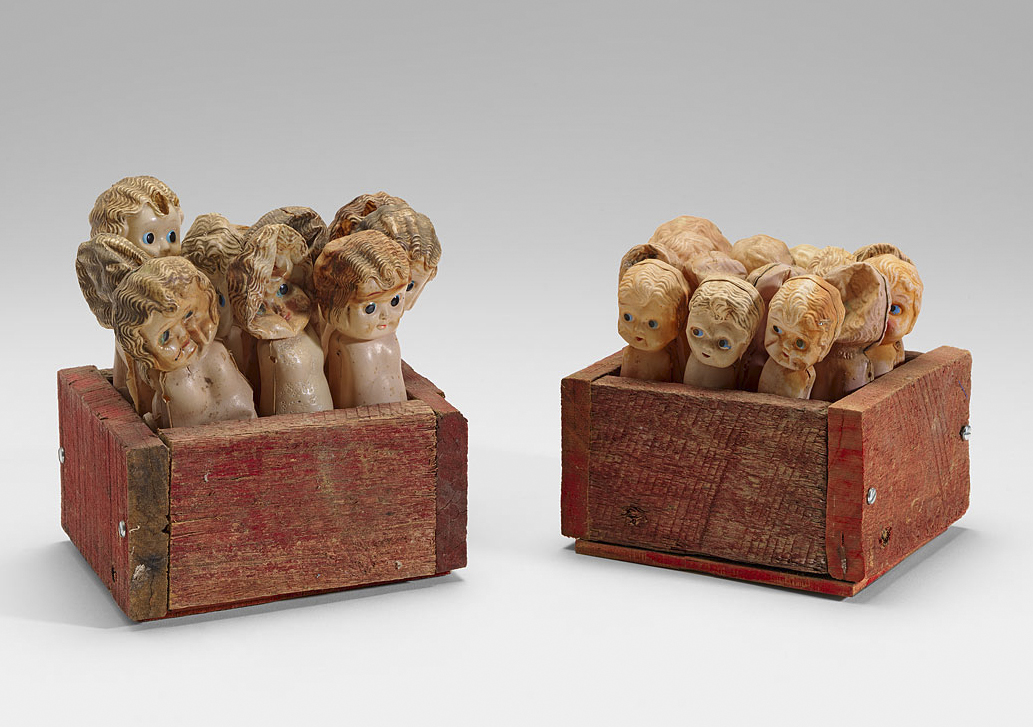
As we enter the exhibition early constructions – wooden boxes – are presented dating from 1975-1984. These have a rough hewn, rustic charm to them, made as they are of weathered thick planks of wood. Less refined than the boxes of Joseph Cornell (see below) they nevertheless draw on the Australian vernacular in their use of objects. As with the Cornell boxes there is a strong element of childhood fun and games in these constructions. Dolly boxes (1976, below) for example contains innumerable plastic dollies of different sizes held inside wooden boxes; Black bird box (1976) is like a shooting gallery at a fun fair; other boxes feature birds and sea shells trapped in plastic bottles, printed images of moths, test tubes, candlesticks, metal teapots and children’s bicycle seats. Cloister (1977) below echoes the work of Joseph Cornell in it’s use of classical Renaissance imagery but with a rustic Australian charm. Unlike Cornell’s boxes which are enclosed dreamscapes that do not live in the world, Cascoigne’s boxes are made her own by being open and receptive to the landscape from which they merge, by being open to the world.
Forty acre block (1977, above) is a play on the great Aussie dream of owning your own 1/4 acre block. Inside the crate like tableaux we find cardboard parrots perched menacingly on rusted cylindrical metal tubes, two cardboard cut out cows with their white faces turned towards the viewer and at the rear of the box a sun-bleached picture of an orchard and three cows with human heads: a surreal vision of the Aussie landscape. Continuing the playfulness Parrot morning (1976, below) extends the theme, the bicycle wheel almost having elements of Duchamp’s readymades but given an Australian twist with the perching parrots.
Moving forward we find one of my favourite works, Feathered chairs (1978, below), a most beautiful evocation of technology and nature. Two red rusted 1950’s office chairs sit low on the floor, their seats, back and sides replaced by four rows of dark Commorant feathers held in place by wooden slats clamped together. Simple yet eloquent these surreal chairs have a poetic rhythm of place and space, speaking of the abandonment of technology and it’s re-habitation by a trapped but beautiful nature. Other work becomes simpler, more focused around this time (and especially from 1984 onwards) as though the artist was finding her singular voice, was confident of the ‘less is more’ rhythms of the music she was creating. The essence appears: of the land, artefacts and spaces. In Swell (1984) for example two convex forms of corrugated iron (one horizontal, one vertical) play off of each other, forming an opposing flow of energies like the swelling of the sea. Nothing else is needed.
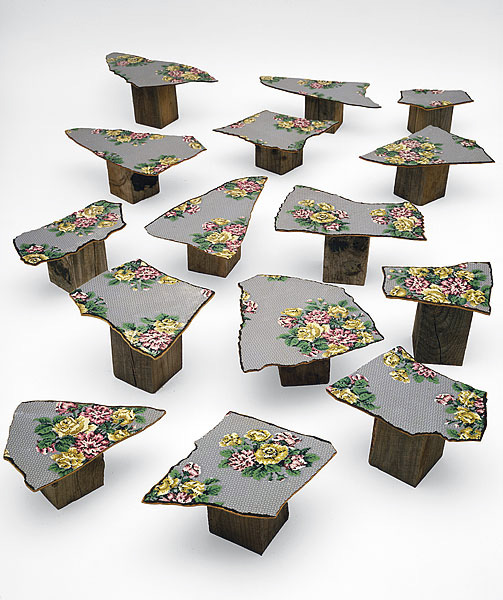
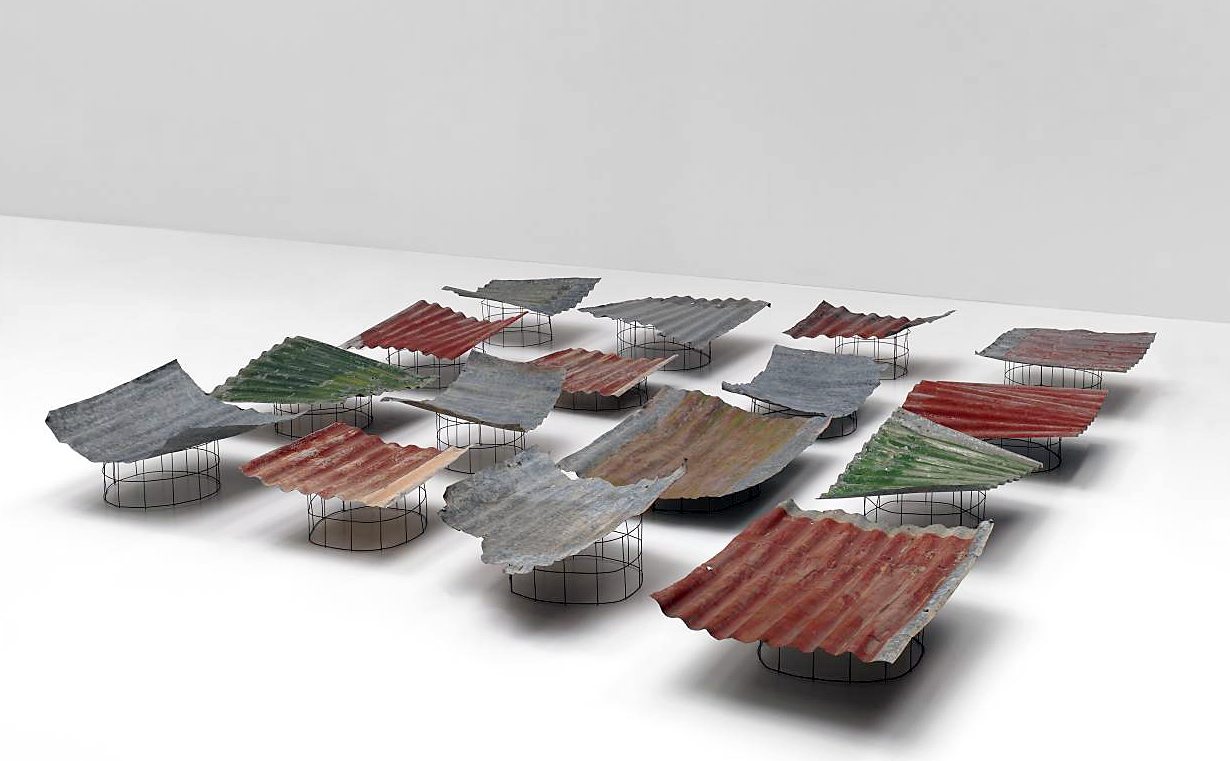
In Step through (1980, below) fragments of floral linoleum floor are mounted on wooden blocks at differing heights allowing the viewer to visually wander across the space of the installation as their mind wanders to memories of the floors of Australian kitchens of the 1950’s – either seen in childhood or in photographs – their is a recognition from all ages, in all Australians. This theme is further developed in the gridded Inland sea (1986, below) patches of corrugated iron float above the ground like gently moving waves. Beautiful in it’s simplicity the colours, shapes and spaces evocatively reflect the undulating rise and fall of the landscape from which the iron has been rescued, the breath of air on the wind rippling the water.
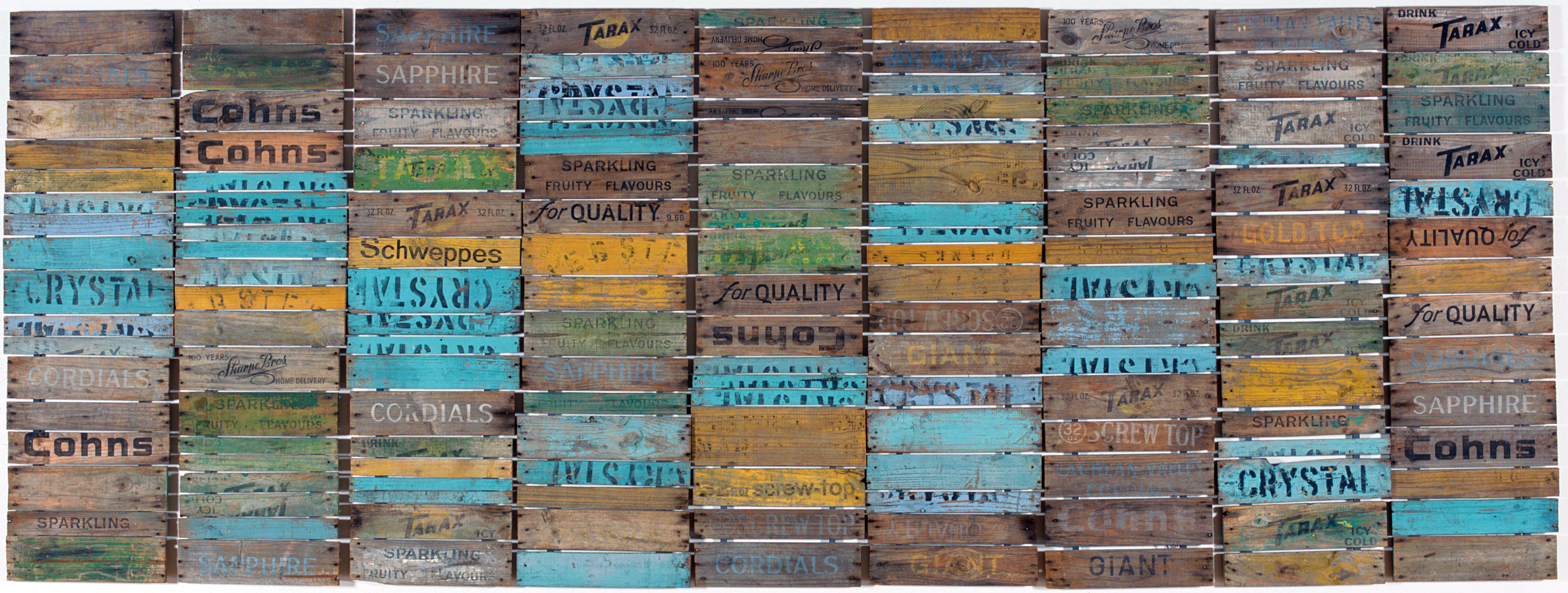
The use of regularised block and grids start to appear in wall mounted vistas: of loopholes, of lovers, the metropolis and the fall, of beach houses and far views, of grasslands and medusas. Promised land (1986) offers a vision resplendent of a far away country – the promised land abstracted to Tarax, Dales, Cottee’s, Blue Bow home deliveries of a Sparkling Fruity Flavour! box ends, the 32 Fl. Oz weight weighing the vision of the Australian landscape in the balance.
The most effective work uses the yellow colour of Schweppes boxes. In Monaro (1989), one of my favourite works in the exhibition, the painted blocks of yellow wood with unreadable fragmented words on them become, from a distance, like the wafting waving dried grasses of the Monaro landscape around Gascoigne’s home. Liquid music of air and place.
“I like the gold of the Schweppes boxes. I think that gold is one of the classical colours. I don’t care if it has got Schweppes written all over it, people seem to think I care. I don’t care! I just like the black and yellow. When I started I had lots of off-cuts, little pieces too good to throw away. So I started joining them up in a sort of way, walking around them, adding a few more. I soon had a 6 x 4 foot panel. In the end I realised that I needed to have four panels to say what I wanted to say. As it grew so did I. I kept thinking of the Monaro grasslands, and I thought of David Campbell saying ‘the Monaro rolls on to the sea’.”
~ Graeme Sullivan, Seeing Australia – Views of artists and art writers, Piper Press, Annandale, New South Wales, 1994, p. 19.
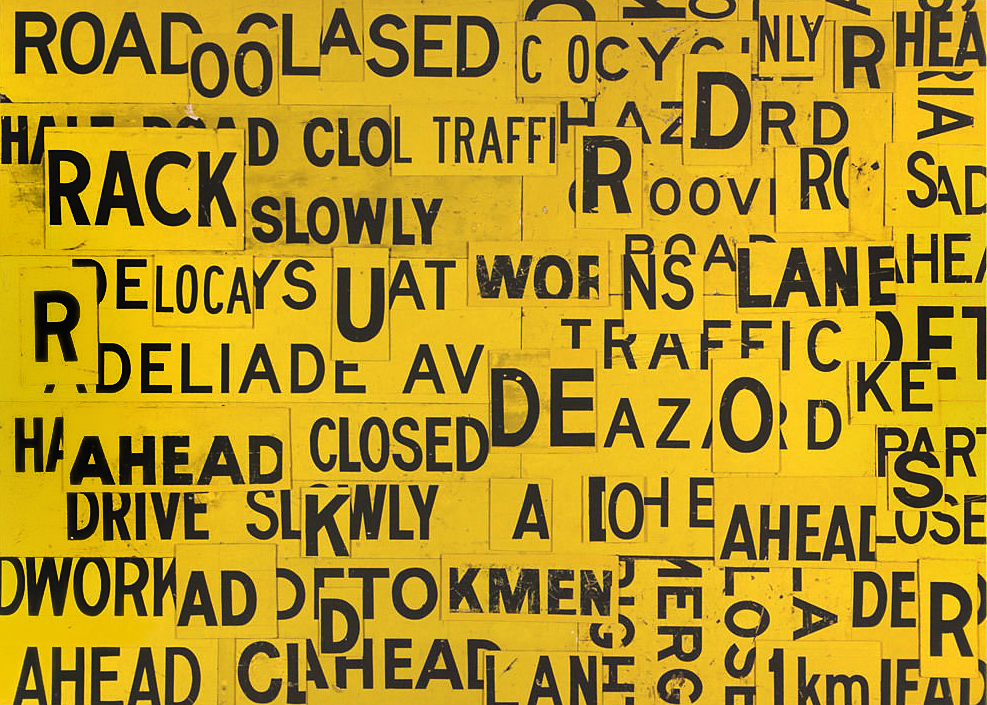
Summer swarm(1995) features small yellow blocks of wood an assemblage of yellow bees; Grassfest (1999, below) like a stand of yellow grass under the Australian sun; Metropolis(1999, below) collaged and patched road signs are worked together overlaying spaces and language. In Plenty (1986) yellow wood bricks mounted in panels are held in place with rusted metal nails. if you move close to the work the effect is immersive – every inflection of colour, grain of the wood, knot, nail hole, rub, scuff, daub of paint becomes evident. Every block is same but different, an almost transcendental experience.
In this work there is a refining of the essence of her vision of the world, a paring back of all extraneous elements but conversely an expansion in the energy of the work. A mature artist at the peak of their power.
In the ‘white’ work Star chart (1995) and Milky way (1995), heaven and earth reflect each other, the grids and patterns linked in a cosmic dance. But mostly air (1994-1995) the large installation that closes the exhibition confirms this dance, containing as it does white blocks of wood (invisible air) with a row of weathered wooden posts propped up against the gallery wall and animal spirits made of wooden blocks: faces with wings and ears, gasping for breath, white animals on a white background hovering between here and there, between heaven and earth.
This is a wonderful exhibition. Gascoigne rightly commands a place in the pantheon of Australian stars. She has left us with a legacy of music that evokes the rhythms, the air, the spaces and colours of our country. As she herself said,
“Look at what we have: Space, skies. You can never have too much of nothing.”
Nothing more, nothing less.
Dr Marcus Bunyan
Many thankx to the NGV for allowing me to publish the photographs in the posting. Please click on the photographs for a larger version of the image.
Joseph Cornell (American, 1903-1972) Medici Princess 1948 Mixed media
Rosalie Gascoigne is one of Australia’s most acclaimed and respected visual artists. Her distinctive style is characterised by her recognition of beauty in the most humble of objects such as soft drink crates, linoleum, retro-reflective road signs, dried grasses and feathers. Collecting and arranging these items, often rescued from rubbish dumps, and scarred and faded by the ravages of weather, is an integral part of her practice. Like a magician she transforms these discarded materials into sculptures, wall pieces and assemblages, which create evocative visual poetry, capturing the essence of things or an experience rather than conveying a literal representation.
Gascoigne like Picasso realised later in life that one is not made an artist, one is born an artist. Some of her fondest memories as a child are of collecting shells on summer holidays at the beach, and the yellow china her grandmother owned. At the age of ten she won first prize for her entry in a table decoration competition that included yellow flowers, an unusual Indian brass vase and Indian brass bowls.
Her journey to becoming a professional artist was highly unconventional. She received no formal art education, openly declared that she could neither draw nor paint and was not officially recognised as part of the Australian art scene until she held her first critically acclaimed exhibition at the age of fifty-seven.
Gascoigne was born in New Zealand in 1917. She studied for a Bachelor of Arts degree, specialising in English and Latin, at the University of Auckland. During this time she got to know her future husband Ben Gascoigne. In 1943, following a short teaching career, she moved to Australia to marry Ben. They lived as part of a small isolated scientific community around Mt Stromlo Observatory outside Canberra, where Ben had taken up a position. The transition from the gentle, green landscape of her home to the hard, unforgiving, dry slopes of Mount Stromlo, bounded by seemingly endless space, was initially a tough and lonely experience. She didn’t fit into the mould of the happy domesticated wife expected of this era. The lack of stimulating conversation with the other wives on the establishment made her feel particularly alone. She befriended nature instead and as she brought up three children in these alien conditions she remembers:
“I’d push the children’s prams around that lonely mountain until I knew the shape of every stone and tree, the texture of every patch of dirt and grass, the colour of every leaf and weed. I’d gaze down at the valley below, a vastness of dry blond grass and grubby sheep and the sky used to hang, from there to there.”
~ Janet Hawley ‘A late developer’, Sydney Morning Herald, Good Weekend, 15 November 1997, p. 40.
She acclimatised to this new terrain and began to gather unusual natural forms. She displayed these found objects in her home, much to the bemusement of the conventional local community. Gascoigne began creating distinctive flower arrangements in the 1950s and won prizes for them in horticultural shows. When the family moved from Mount Stromlo to the Canberra suburb of Deakin in 1960, she studied ikebana, the Japanese art of flower arranging, under Norman Sparnon, a master of the Sogetsu School. Gascoigne appreciated the strict discipline of this form of arranging, which imposed a sense of order on her collected found objects. The emphasis on line, form and sculptural properties was to become a key part of her later practice.
When Gascoigne’s three children had grown up, she had increasing freedom to pursue her growing interest in art. She visited art galleries more often, looked at art books and met people in the art world who were to shape her future career, including James Mollison, who became the inaugural director of the Australian National Gallery (now National Gallery of Australia). Her discussions with those in the arts community taught her much about looking and thinking about art, and confirmed her sense of identity as an artist.
In the mid-1960s she began making assemblages of rusted iron, which were followed, from 1973, by assemblages in boxes. These miniature surreal and often humorous worlds, such as The colonel’s lady, 1976, employed rich patterning and repetition through the arrangement of man-made objects, including advertising symbols used on the packaging of products.
The eclectic mix of objects and surfaces in these early works gave way to her later wall-based works that were elegant compositions limited to one or two materials, and subtly evoke culture, nature, language and the landscape, particularly the country around Canberra, which she came to love. Scrub country, 1982, and Monaro, 1989, epitomise these works. They are made from soft-drink crates – weathered by the sun, rain, wind and time – dismantled, sawn into strips and reassembled.
Gascoigne reached meteoric heights in her career which spanned over two decades until her death in 1999 at the age of eighty-two. She was given a major survey show at the National Gallery of Victoria (NGV) in 1978, only four years after her first solo exhibition at Macquarie Galleries, Canberra. In 1982 she represented Australia with artist Peter Booth at the Venice Biennale. Her work is included in major public, corporate and private collections.
Despite their unusual appearance, this set of feathered chairs is not a departure from Rosalie Gascoigne’s usual practice. This work does not record, despite the reference to furniture in the title, a move to decorative arts – this feathered pair were never intended to function as seating – they are sculptures, conceived to fascinate the eye rather than conform to anyone’s behind.
Gascoigne collected the feathers for the chairs on the shores of Lake George, located about 35 kilometres from Canberra, on the road to Sydney.
“And then I came to this place,” she recalled in 1982, “where there were all these… black birds, you know, cormorants. And a shattering of black beautiful glossy [feathers] as if the birds had just undressed. … They’re beautiful feathers. They’re like the underside of mushrooms. You know… the quill.”
The feathers were assembled in racks similar to those used in Gasgoigne’s Feathered Fence 1979 (NGA Collection, Canberra) which used swan feathers also found at Lake George. Racks of feathers were displayed on two reddish metal chairs that she had found at the dump. Gascoigne aimed to create poetic, rather than literal interpretations of her work, aiming for a succinct ‘plastic metaphor’, where a melding of disparate objects and textures might produce unexpected allusions and tangential meanings. Nonetheless, the claw foot of the chair suggests the foot of a bird and the splayed feathers conjure up the pose of a cormorant with its spread wings drying off in the sun. Or did the sun-basking bird with its arm rest wings suggest a throne? Gascoigne was not an artist to routinely create figurative works and it’s just as likely that in this work she sought a tension between the earthbound weight of the metal and the airy, windborne feathers. She had a longtime fascination with birds and the Feathered Chairs suggest an evocation of flight and freedom; a joyous ability to see and read the story of our ancient land. Elated by exploration and discovery, Gascoigne willingly shares her delight with the armchair traveller.
Extract from Michael Desmond. “Rosalie Gascoigne,” on the Menzies website [Online] Cited 19/12/2018. No longer available online
After first exhibiting her work at the age of 57, Rosalie Gascoigne rapidly established a reputation as one of Australia’s foremost contemporary artists. Following her first exhibition in 1974, Gascoigne subsequently developed an impressive exhibition history that included her being honoured, in 1982, as the first female artist to represent Australia at the Venice Biennale.
This major exhibition of Rosalie Gascoigne’s work ranges from the boxlike assemblages of her early career through to large scale installations and her creation of master works constructed from Schweppes soft drink crates and retro-reflective road signs. The exhibition investigates the artist’s ability to draw creative inspiration from the discarded; her intrinsic response to her chosen materials, and her unique ability to evocatively convey the essence of nature and the transitory and captivating effects of light, air and space.
Rosalie Gascoigne is the first major retrospective exhibition of Gascoigne’s work to be seen in Melbourne and is accompanied by a comprehensive exhibition catalogue.
Extract from A Formal Focus – Art Elements and Principles
In Inland sea, 1986 (below), sixteen large sheets of corrugated tin hover above the floor in a loose grid arrangement. The grid format unifies the separate parts of the composition, and also enhances the expressive power of different visual elements through repetition. The shapes and lines repeated across the buckling sheets of tin create a powerful sense of the gentle movement of wind or water.
The strong visual rhythms and movement evident in Gascoigne’s compositions are often achieved through the repetition of different visual elements. Step through, 1980 (above), is made from fifteen separate parts, each made from a torn piece of brightly coloured, floral patterned linoleum mounted on a block of wood. The blocks sit at different angles creating different levels within the installation. The spaces between the different parts create a meandering path for the viewer to explore, highlighting the importance of movement through and across space in Gascoigne’s work.
“I was thinking about the unkempt empty blocks in built up city areas … usually covered in rank grasses and flowering weeds … rubble, old tins and bottles. One steps through them gingerly and, with possible snakes in mind, lifts one’s knees high.”
~ Vici MacDonald, Rosalie Gascoigne, Regaro Pty Ltd, Sydney, 1998, p. 48
…
Colour assumed a vital presence in Gascoigne’s work. In an overview of her work, as in the exhibition Rosalie Gascoigne (2008), the importance of particular colours is revealed in swathes and groupings of yellow, red, orange and white artworks, culminating in the grey, brown and ochre hues of the Earth series (1999), which were the artist’s last works. Individually, each work reveals something of the beauty of colour and its ability to suggest meaning; from sun-baked, muted yellows that remind us of vistas of dry grass, to soft pale greys and whites that murmur quietly of the open air and cloud.
Gascoigne was often drawn to particular materials because of the beauty of their colour and texture, and the associations or moods these suggested. The visual qualities and associations found in the textures of humble and / or discarded materials are clearly revealed in Gascoigne’s work – from the flaky layers of faded paint on weathered tin or wood that speak of both rural life and work, and the forces and seasons of nature, to the staccato flash of retro-reflective road signs that remind us of driving through the landscape.
Rosalie Gascoigne’s work is often referred to as visual poetry. Her training in literature and fascination for words infuse her work. She had a particular love of poetry. This included the modern Australian poets such as Peter Porter and David Campbell, who also evoked in his writing the landscape around Canberra. Just as a poet distils the essence of their subject with carefully chosen evocative words and phrases, so Gascoigne captures the spirit of a place, or the core of an idea with sensitive arrangements of visual elements. Instead of literary allusions, Gascoigne creates visual metaphors with materials such as corrugated iron in Inland sea, 1986, which evokes movement of air, while slivers of discarded, weathered timber in Monaro, 1989 suggest dried grassland. Repetition, ordering, fragmenting and editing out unnecessary materials are also part of her practice which echo the creation of poetry.
Gascoigne admired the English Romantic poets of the late eighteenth and early nineteenth centuries and often quoted William Wordsworth’s idea that: ‘Poetry is the spontaneous overflow of powerful feelings: it takes its origin from emotion recollected in tranquillity.’ She believed passionately that her work was intricately woven with glimpses of her past feelings and experiences. …
Other works studded with random words are more elusive and hark back to the poetry of Andre Bréton and the Surrealists, who scattered and re-arranged words cut from a newspaper.
Gascoigne frequently described her works as ‘stammering concrete poetry’ (Gregory O’Brien, 2004, p. 42), a reference to a style of poetry originating in the 1950s where the visual arrangement of words or letters suggests something about the subject of the poem. In All that jazz, 1989, for example, the artist has conjured up the pulsating chopped up rhythms of jazz with wooden strips of dazzling colour highlighted by splinters of black lettering. In contrast, the broken and fractured nature of the yellow and black road signs in Skylight, 1993, interspersed with ill-fitting patches of well-worn linoleum, sets up a tension that hints at both the tragedy of drought and the beauty of the Australian light in summer.
The evocative titles of Gascoigne’s works, which are selected after their completion and only after much contemplation, are chosen to be allusive and poetic rather than descriptive. They reveal an entry point but allow the viewer to experience their own intuitive response to the work.
Text from the NGV Rosalie Gascoigne Education Kit
Rosalie Gascoigne’s art comes from, is inspired by, and in turn reflects the spare countryside of the southern tablelands and the Monaro district, a unique natural environment that lies relatively close to Canberra, the artist’s home of more than fifty years. Gascoigne’s transformation and re-investment in her work of battered and weathered materials sourced in the landscape surrounding Canberra also highlights the importance of collecting to her oeuvre, as different materials appear in works from across the decades …
Gascoigne’s knowledge and love of language and of Romantic poetry is evident in many of her works as she aspired to make art that achieved ‘allusive and illusive’ qualities that she experienced in this form. Through the artist’s skill in making poetry of the commonplace and her intrinsic response to both her chosen materials and the particularities of the Australian landscape, we are able to witness her unique ability to evocatively capture and convey the essence of nature and the transitory and captivating effects of light, air and space.
Extract from Landscape – Place, Memory, Experience
The art of Rosalie Gascoigne has a unique place in the rich landscape tradition in Australian art. While painting has been the dominant artform in this tradition, Gascoigne worked in assemblage and installation, using natural and man-made materials collected from the landscape. Unlike many earlier artists, she was not interested in describing the visual reality, picturesque beauty or stories of the Australian landscape. Gascoigne’s artworks capture the essence of the landscape’s topography, space, air, vegetation; and the daily and seasonal natural rhythms of nature, in compositions that are often startling in their refined simplicity. …
In Scrub country, 1982 wooden slats from old soft-drink crates are arranged methodically in rows and columns, but their faded colours, worn surfaces and uneven edges reveal the impact of prolonged use and many hot summers. The medley of faded yellows and greens, and nearly naked wooden surfaces in Scrub country is punctuated by flashes of turquoise blues, evoking the patterns of dappled light and colour often found in the Australian bush.
“I called it Scrub country because to me it had the randomness and relaxed air and the quality of colour which I think is much more typical of the Australia I know than any of those ochres and oranges so often used. I have let air through because we see a lot of filtered light, random pattern and carelessness in the Australian landscape.”
~ Public Programs Department, Art Gallery of New South Wales Education Kit, Material as Landscape – Rosalie Gascoigne Education Kit, 1997
While a palette of ‘blue and gold’ colours was strongly associated with the paintings of the famous Australian landscape painter Arthur Streeton (1867-1943), Scrub country clearly breaks with the landscape conventions associated with Streeton and his generation. The repetition and ordering of elements in distinct rows and columns creates a strong formal structure and a flattened space that avoids literal landscape references. Sensations and moods more associated with memory and experience of the landscape are emphasised. Gascoigne’s focus on the formal qualities suggests some affinity between her landscape inspired artworks and those of her contemporary, Australian artist Fred Williams (1927-1982), who also broke with convention in representing the landscape.
Gascoigne worked intuitively with no preliminary drawings or plans. Her ideas, and the processes used to make each artwork, were inspired and determined by the look and feel of particular materials, and the visual and emotional associations they suggested. Depending on the materials used, many hundreds of hours would be spent on the labour intensive work of cutting, tearing, bending, scrubbing, sorting, grouping, arranging until the ‘right’ idea and visual effect crystallised. The process of transforming found materials into artworks was one of making the mood, experience and sensation of landscape visible.
“Your art has to come out of your daily life. I really believe that if anyone is born an artist they’ve only got to look at what’s round their feet and what’s available to them. They don’t have to be clever, they don’t have to go to art school, they don’t have to get the exotic stuff – make it with what’s there. People think art’s like you strike it lucky and you’re famous tomorrow, but it isn’t like that, it’s a search for honesty on your own terms. The journey to self-recognition took me decades.”
Vici MacDonald, Rosalie Gascoigne, Regaro Pty Ltd, Sydney, 1998, p. 9
“I look for the eternal truths in nature, the rhythms, cycles, seasons, shapes, regeneration, restorative powers, spirit. I’m showing what I believe to be interesting and beautiful.”
Janet Hawley. “A late developer”, Sydney Morning Herald, Good Weekend, 15 November 1997, p. 44
“I was hopeless at painting and drawing, and had no skills at making craftwork. At school, I envied people who could draw a perfect basket of apples. I regarded myself as totally non-artistic. My big love was, and remains, poetry; I always visualised every line of a poem as I read it.”
Janet Hawley. “A late developer”, Sydney Morning Herald, Good Weekend, 15 November 1997, p. 42
“My concerns are as much with my materials as with the work I make of it. They both have to satisfy me … I look for things that have been somewhere, done something. Second-hand materials aren’t deliberate; they have had sun and wind on them …”
Public Programs Department, Art Gallery of New South Wales, Material as Landscape, Rosalie Gascoigne Education Kit, 1997
“Once I’d started on my art journey I was in it with a vengeance. I needed it so badly. At last life was full of possibilities.”
Janet Hawley. “A late developer”, Sydney Morning Herald, Good Weekend, 15 November 1997, p. 41
“I have a real need to express elation at how interesting and beautiful things are and to see them arranged … I work with things I rather like and move them about until they recall the feeling of an actual moment in the landscape; then I’ve won.”
Rosalie Gascoigne interviewed by James Mollison and Steven Heath in Rosalie Gascoigne: Material as landscape (exh. cat), Deborah Edwards (ed.), Art Gallery of New South Wales, Sydney, 1997, p. 7
“My pieces can be looked at in many different ways. I try to provide a starting point from which people can let their imagination wander – what they will discover will be a product of their own experience as much as mine. My aim is to be allusive and elusive.”
Bob Weis, Judi Stack and Robert Lindsay, Survey 2 – Rosalie Gascoigne, video, colour, sound, 16 mins 50 secs, produced by the Media Resource Centre for the NGV, 1978
Man Ray (American, 1890-1976) Self-portrait 1924 Gelatin silver print
Man Ray (1890-1976) used his camera to turn photography into an art – no mean feat for a man who tried almost all his life to avoid being described as a ‘photographer’. He preferred to be identified with his work in other media: drawings, paintings and Dadaist ready-mades. The exhibition entitled Unconcerned, but not indifferent at the Hague Museum of Photography is a large-scale retrospective of Man Ray’s art and life. It links paintings, drawings and (of course) photographs to personal objects, images and documents drawn from his estate to paint a picture of a passionate artist and – whatever his own feelings about the description – a great photographer.
Unconcerned, but not indifferent is the first exhibition to reveal Man Ray’s complete creative process: from observations, ideas and sketches right through to the final works of art. By establishing the linkage between art and inspiration, it gives a new insight into the work of Man Ray. The three hundred plus items on display are drawn from the estate of the artist, which is managed by the Man Ray Trust. Some of them have never been exhibited since the artist’s death in 1976 while others are on show for the first time ever.
Man Ray’s real name was Emmanuel Radnitzky. He was born in Philadelphia (USA) in 1890. The family soon moved to New York, where his artistic talent became increasingly apparent. Photography was not yet his medium: Man Ray, as he would later call himself, concentrated on painting and became friendly with Dadaist artist Marcel Duchamp, who persuaded him to move to Paris (France). There, Man Ray moved in highly productive artistic circles full of Surrealists and Dadaists. He began taking photographs of his own (and other people’s) works of art and gradually became more interested in the photographic images than in the originals – which he regularly threw away or lost once he had photographed them.
By this time, commercial and art photography had become his main source of income and he was displaying an unbridled curiosity about the potential of the medium. This prompted a great urge to experiment and the discovery or rediscovery of various techniques, such as the famous ‘rayographs’ (photograms made without the use of a camera). Man Ray left Paris to escape the Nazi occupation of France and moved to Los Angeles, where he abandoned commercial photography to concentrate entirely on painting and photographic experimentation. However, his next real surge of creativity occurred only after he returned to Paris with his wife Juliet in 1951. In the last twenty-five years of his life, he regularly harked back to his earlier work and was not afraid to quote himself. In that sense, Man Ray can be seen as a true conceptual artist: the idea behind the work of art always interested him more than its eventual execution. Man Ray died in Paris in 1976 and is buried in Montparnasse. His widow, Juliet, summed up the artist’s life in the epitaph inscribed on his tombstone: Unconcerned, but not indifferent.
The exhibition examines the four separate creative phases in Man Ray’s life. Each is closely connected with the place where he was living (New York, Los Angeles or Paris), his friends at the time and the sources of inspiration around him. Using Man Ray’s artistic legacy and – perhaps more particularly – the everyday objects that were so important to him, Unconcerned, but not indifferent reveals the world as he saw it through the lens of his camera.
The exhibition is being held in cooperation with the Man Ray Trust in Long Island, New York, and La Fábrica in Madrid.
Text from the The Hague Museum of Photography
Many thankx to The Hague Museum of Photography for allowing me to publish the photographs in the posting. Please click on the photographs for a larger version of the image.
Man Ray (American, 1890-1976) Rayograph 1921 Gelatin silver print
Man Ray (American, 1890-1976) Noire et blanche 1926 Gelatin silver print
Man Ray (American, 1890-1976) La priere (Prayer) 1930 Gelatin silver print
Man Ray (American, 1890-1976) Larmes (Tears) 1930 Gelatin silver print
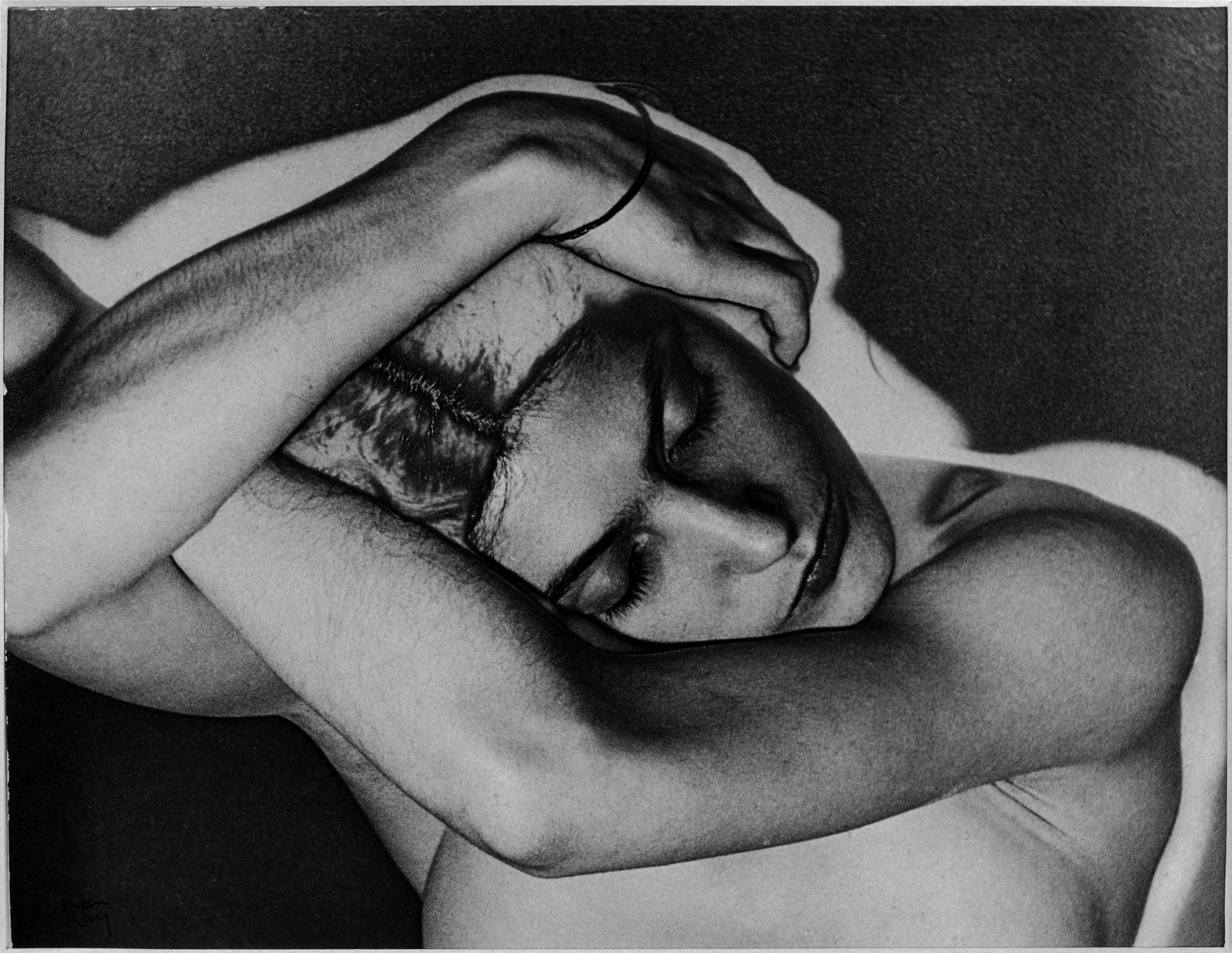
Man Ray (American, 1890-1976) Solarisation 1931 Gelatin silver print
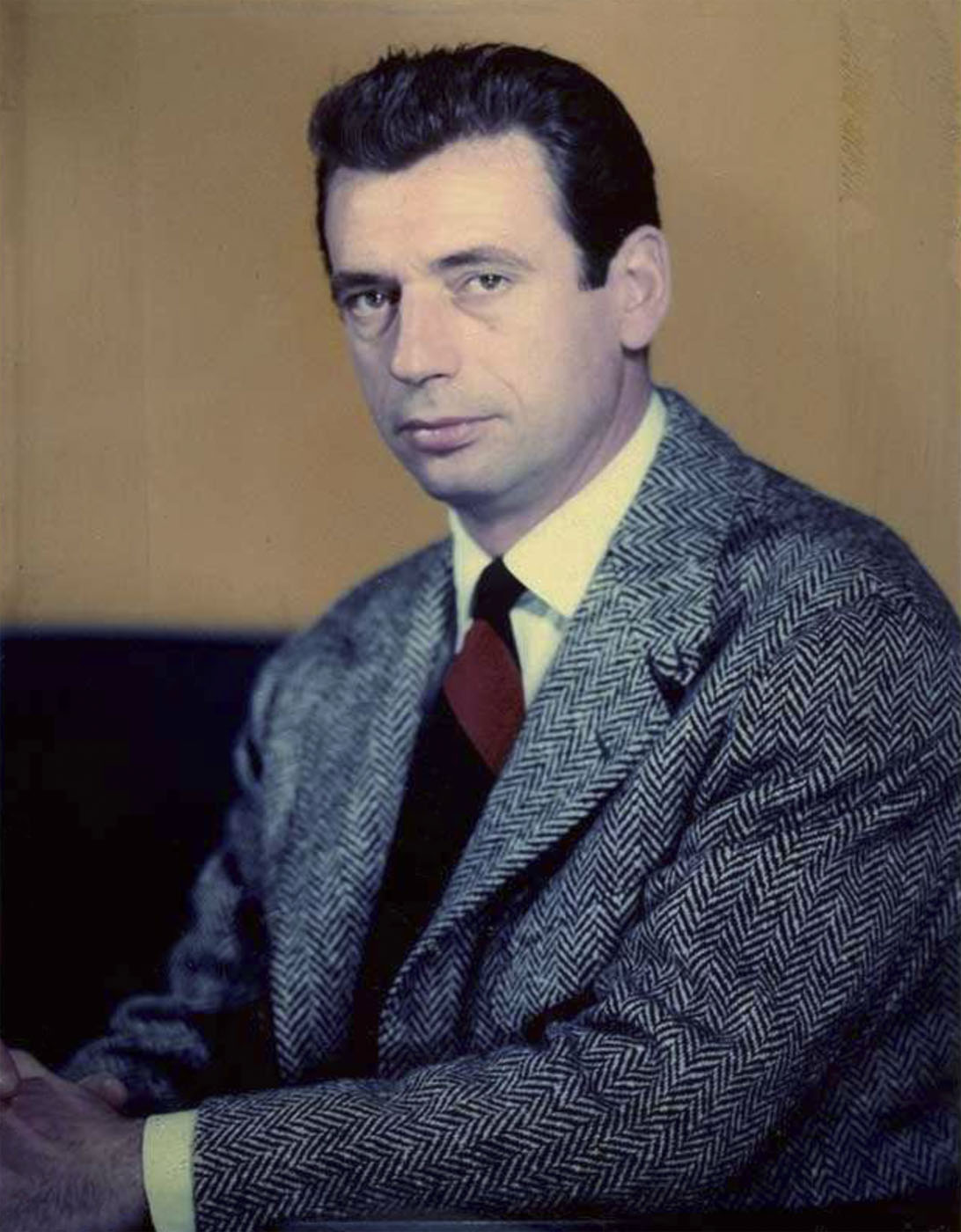
Man Ray (American, 1890-1976) Juliet with Flower [Juliet Browner] 1950s Painted transparency
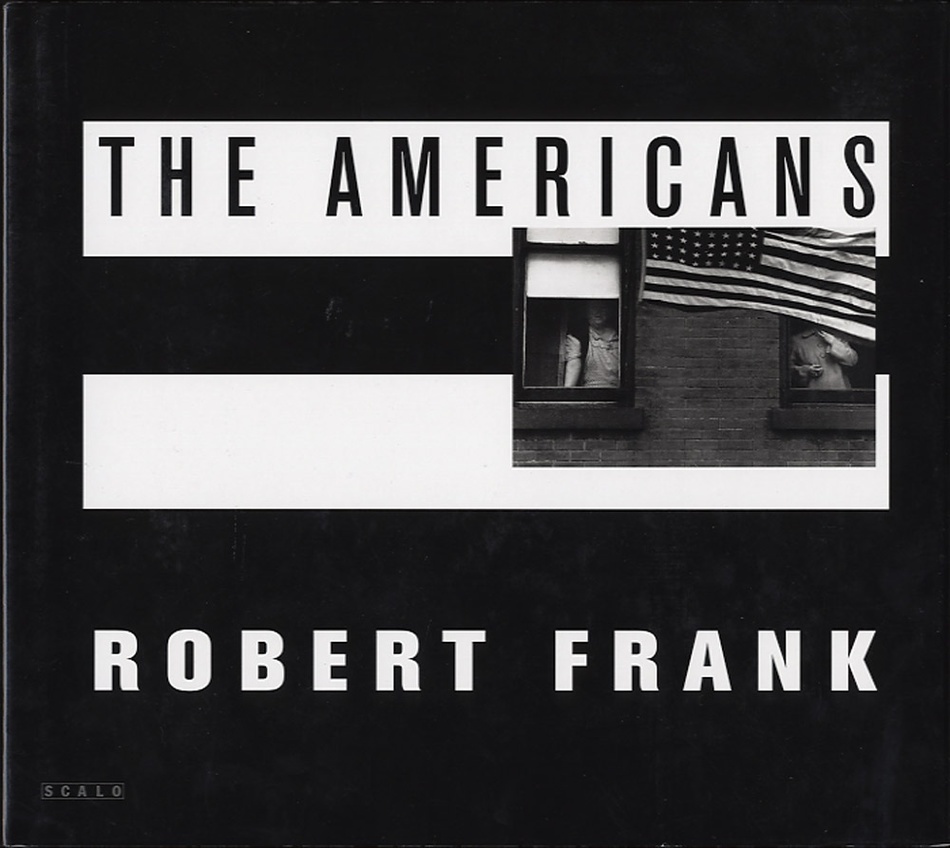
The Americans. Photographs by Robert Frank. Introduction by Jack Kerouac. Scalo, Zürich/D.A.P., New York, 1993. First Scalo edition. 179 pp. Oblong quarto. Hardbound in photo-illustrated dust jacket. Black-and-white reproductions.
WOW! One of the seminal books of photography and signed as well.
“It was Frank’s The Americans that made the photographic book into an art form in its own right. Frank was following a lead set by [Wright] Morris’ book (The Inhabitants) and, especially, by Evans’ American Photographs, both of which are designed to let pictures play off each other in a way that controls and reinforces their effect on the viewer. Even Klein’s New York book displays this tendency. But Frank’s goes much further, creating a denser, richer, deeper structure of images than any book before it.”
Colin Westerbeck in Michel Frizot, et. al., The New History of Photography.
Andreas Gursky banner at NGV International exhibition, Melbourne
A large but plain crowd assembled for the opening of the first exhibition by world renowned German photographer Andreas Gursky at the National Gallery of Victoria in St Kilda Road, Melbourne. After some lively conversation with friends and following the opening speeches we wandered into a large clean gallery space with minimal design elements. The use of space within the gallery allowed the work to speak for itself. It is a minimal hang and the exhibition works all the better for this.
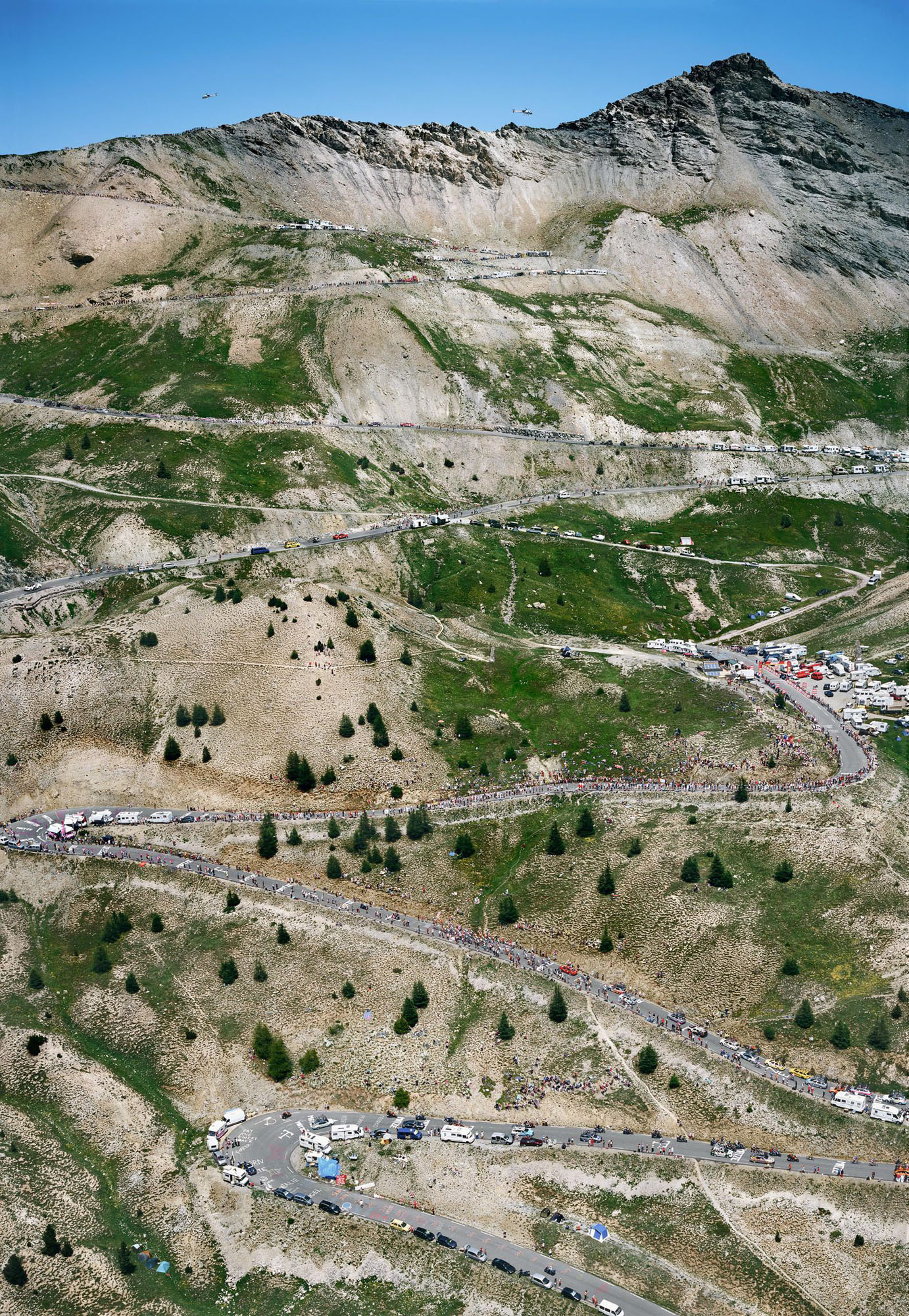
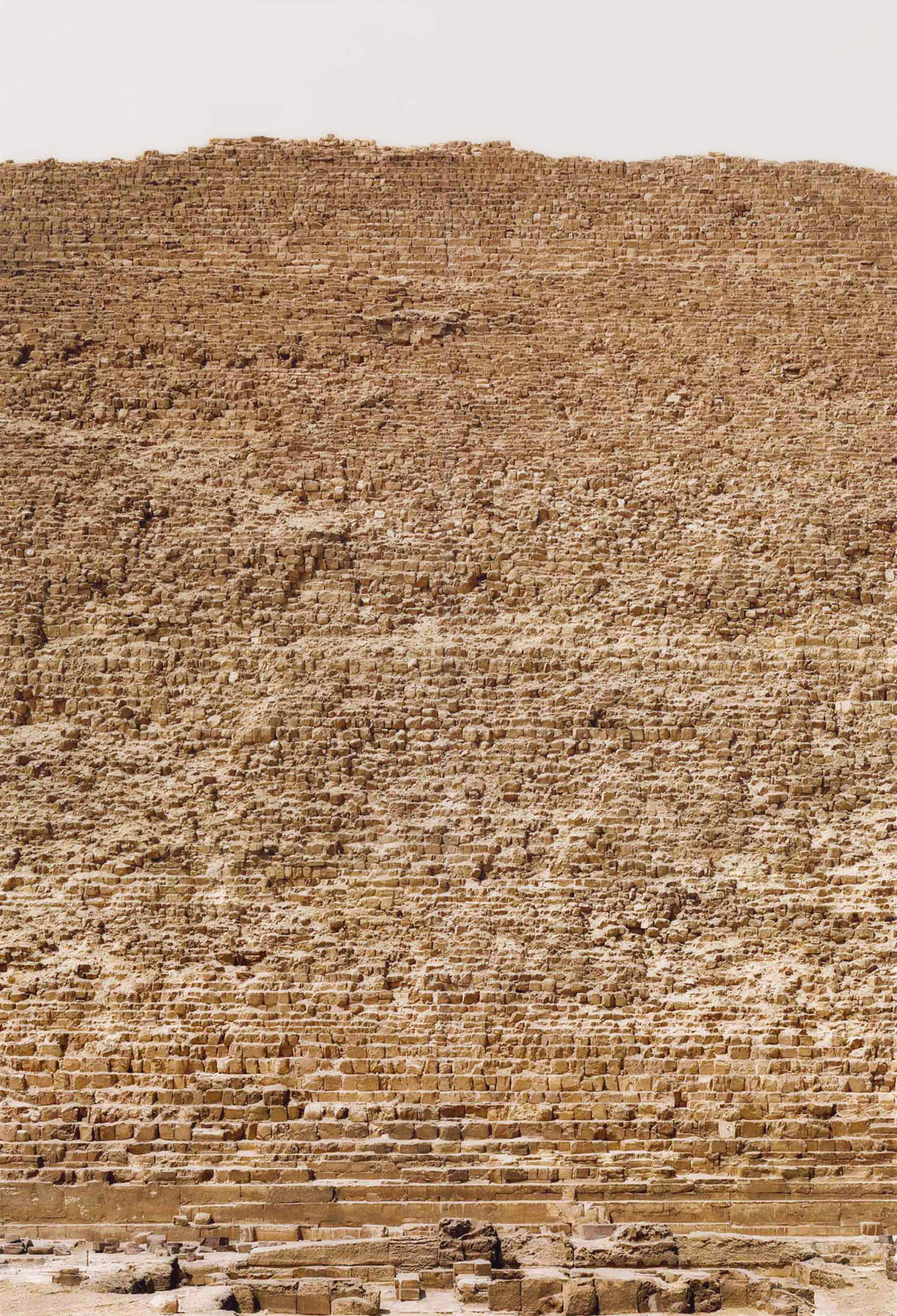
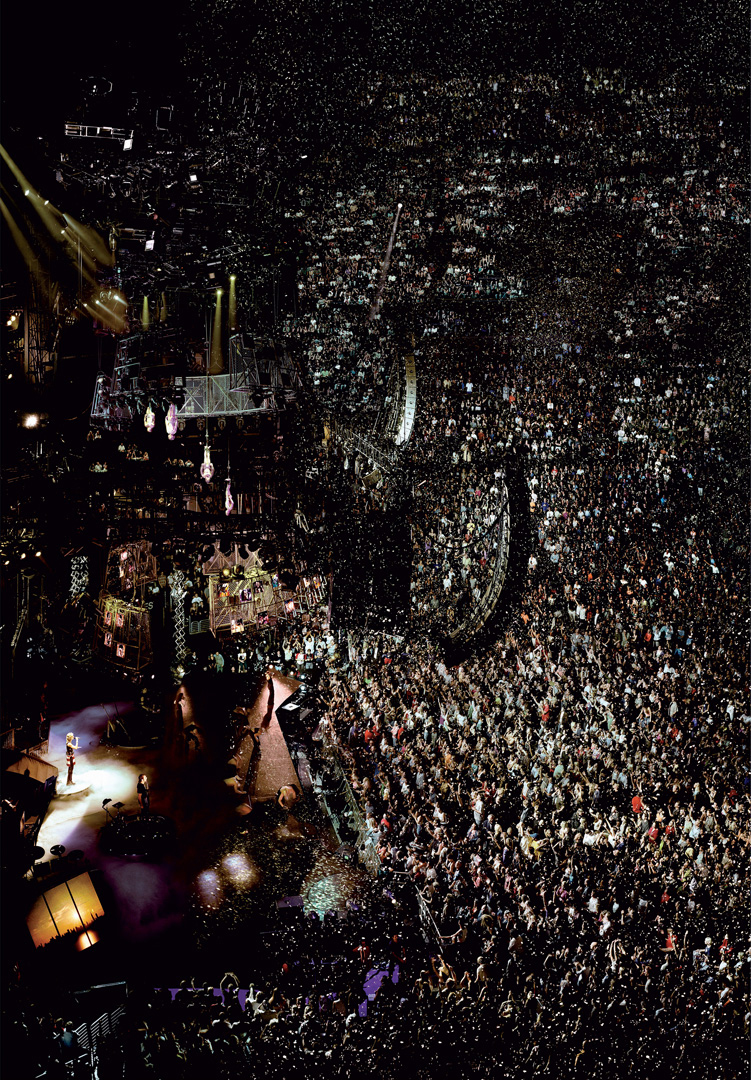
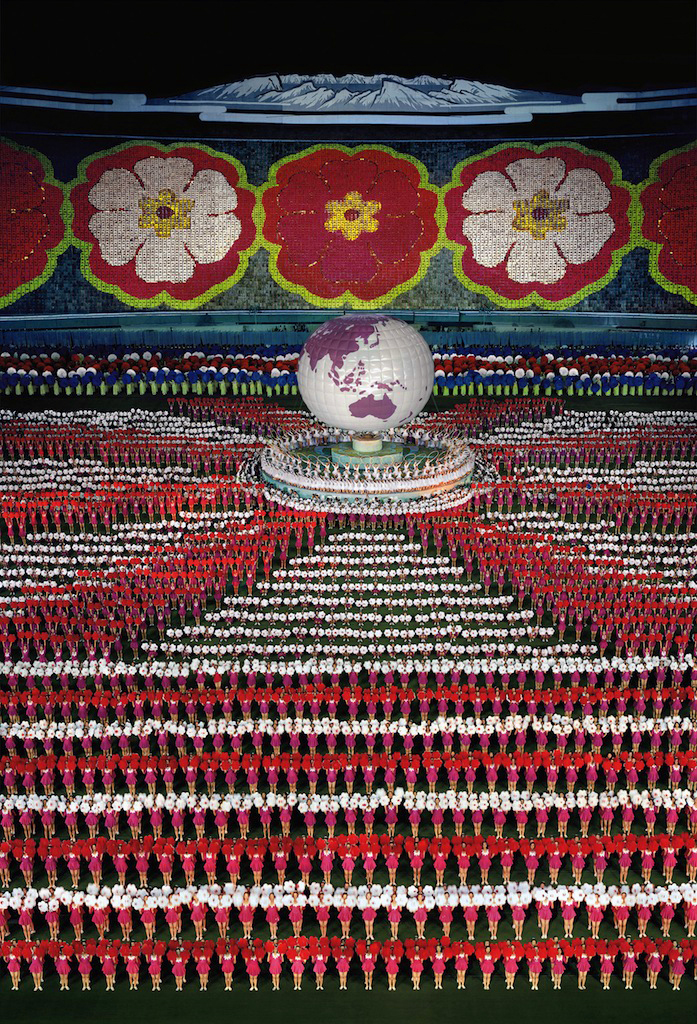
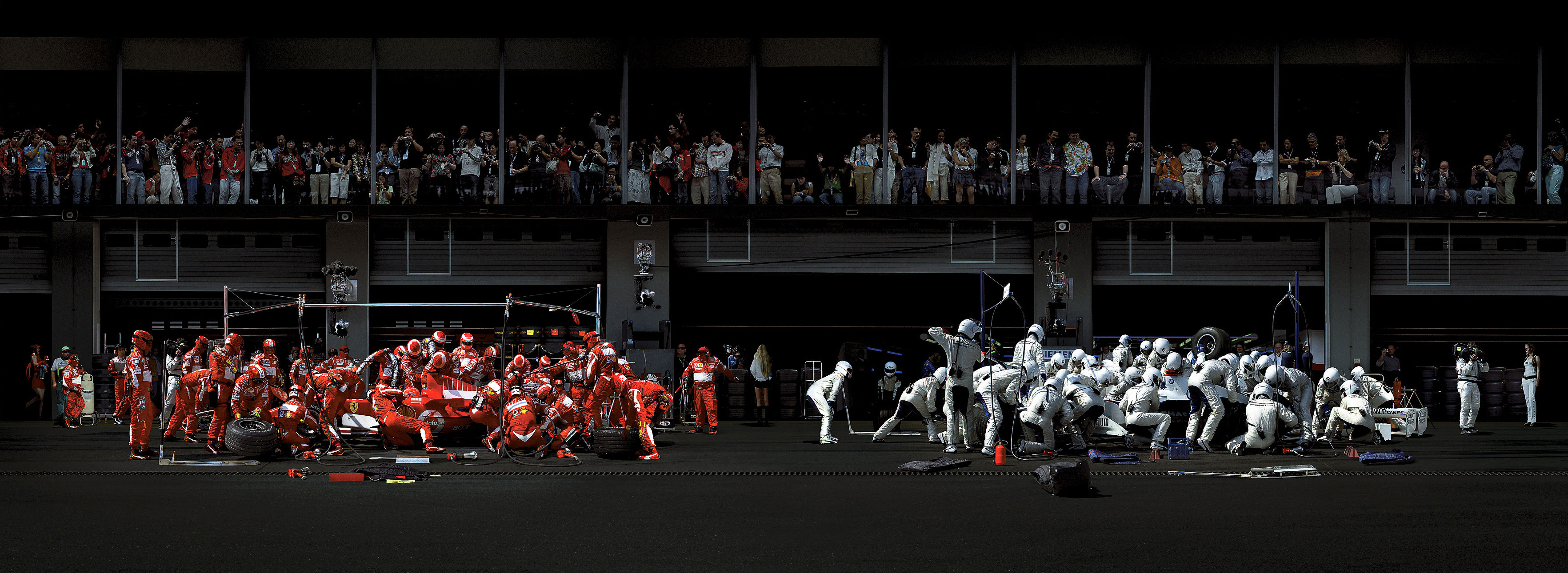
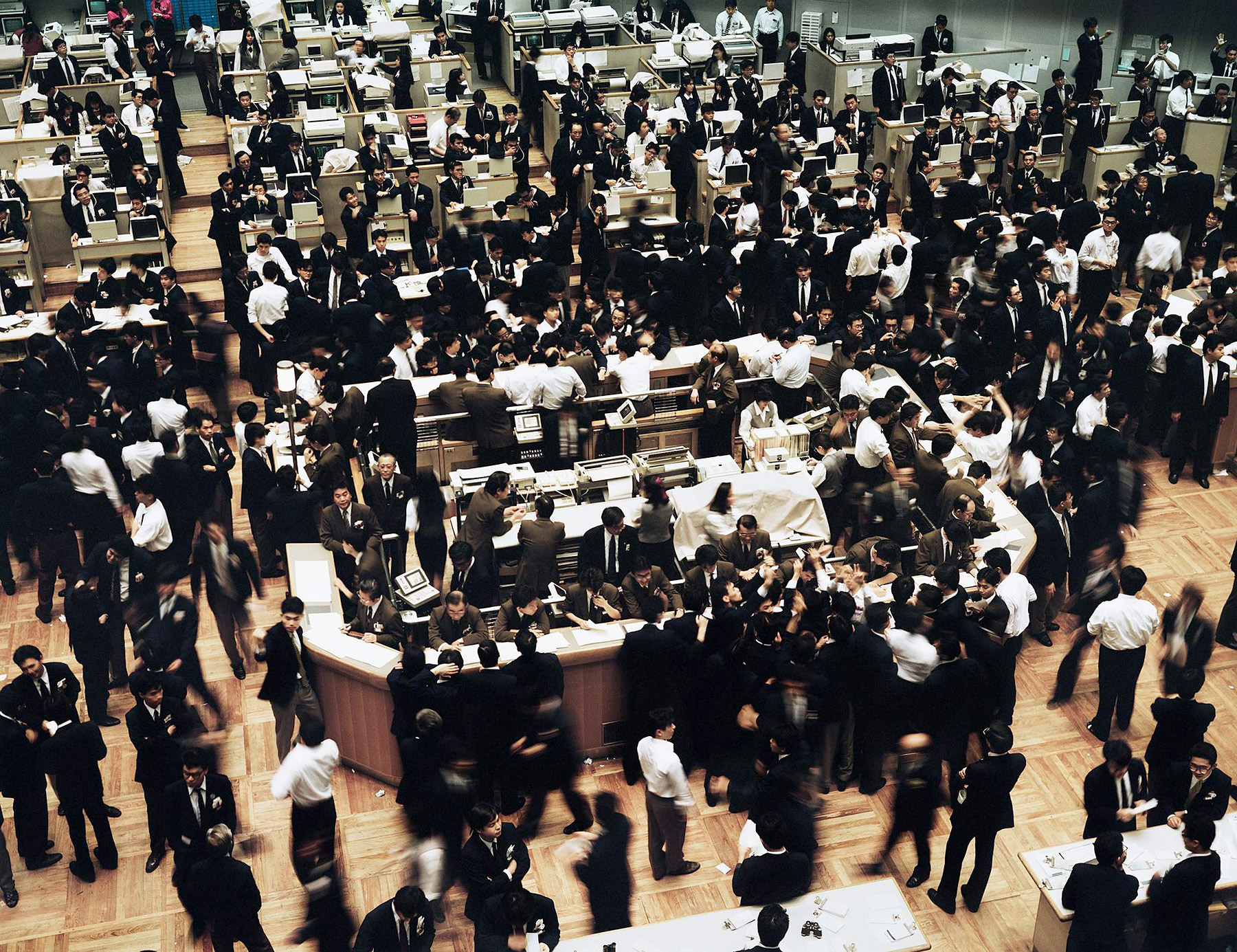
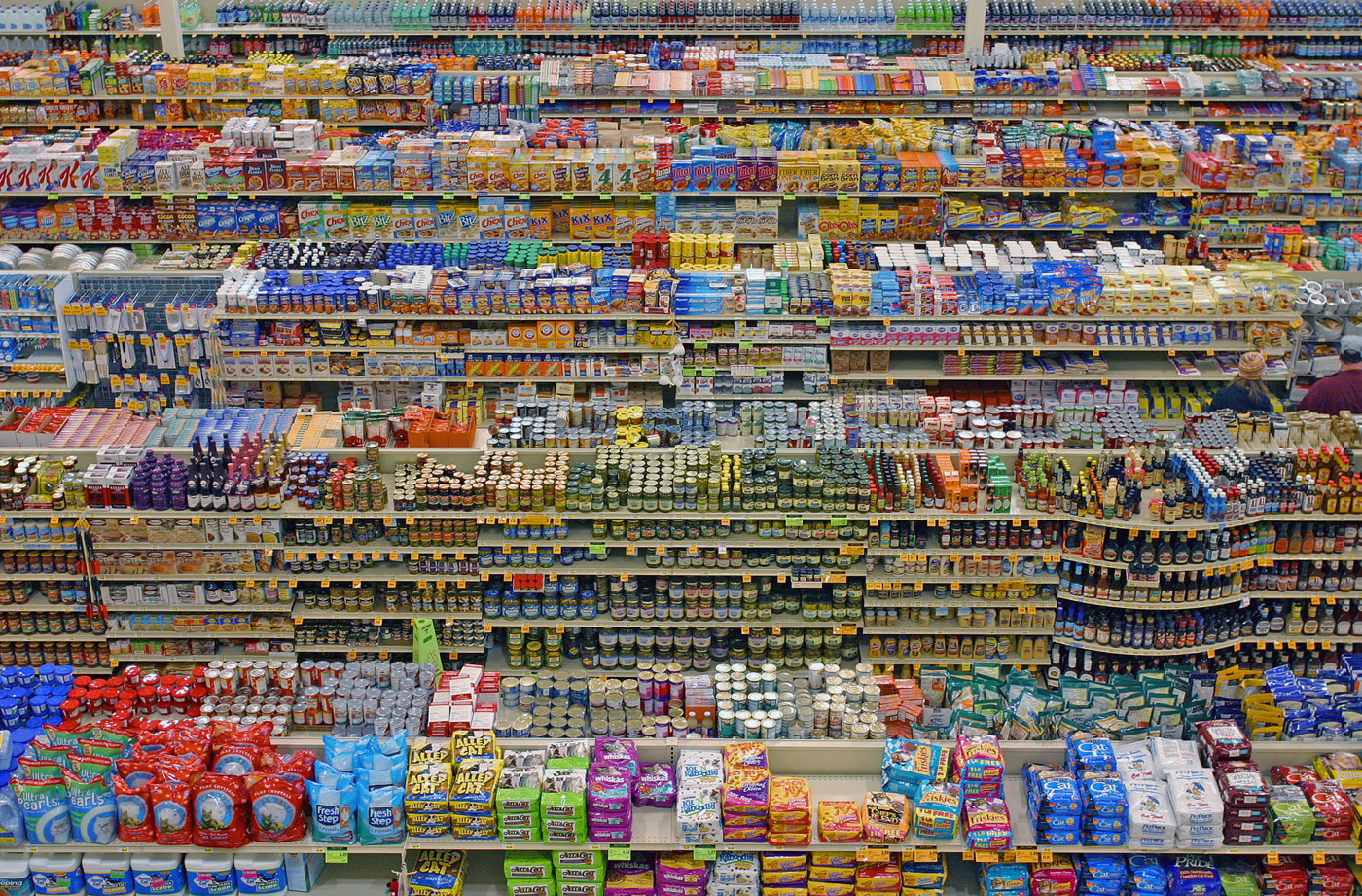
As for the work itself 21 large photographs are presented ranging from landscapes to buildings, race tracks to formula 1 pits, Madonna concerts to the Tour de France. Most work successfully in building a hyperreal vision of the world. We are not sure what is ‘real’ or hyperreal, what is a straight photograph or what has been digitally manipulated and woven together. The colour and sharpness of the images is often intensified: in reproductions of the famous photograph of the 99c supermarket in America the colours seem flat but ‘in the flesh’ the colours are almost fluoro in their saturation and brightness.
Having said that the photographs are nearly always unemotional – as though seen from above in the third person, they observe with detachment. The intrigue for the viewer is in the detail, in working out what is going on, but these are not passionate photographs on the surface. It is beneath the surface that the photographs have their psychological effect: the best of the images work on the subconscious of the viewer. Like a fantastical dance the three very wide images of the Formula 1 pits feature pit crews practicing tyre changes, frozen in a choreographed ballet. People in the galleries above stare down; pit lane girls seem to have been inserted digitally into the images, standing at side or behind the pit crews in a seemingly surreal comment on these worlds. These are theatrical tableaux vivant, splashed with teams colours. Fantastic photographs.
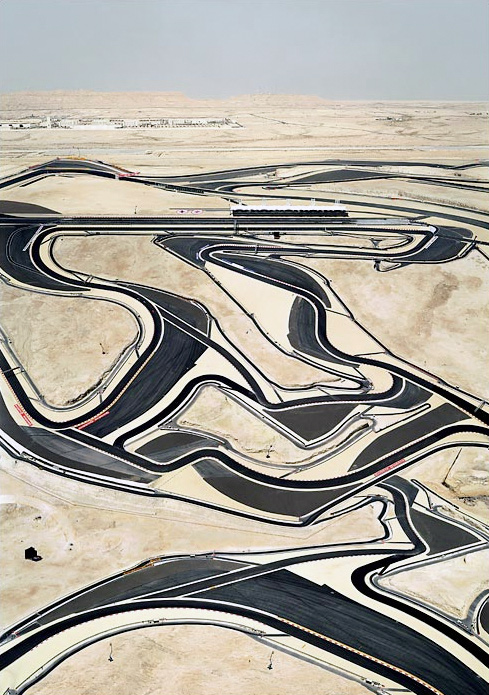
In some of the images, such as the Madonna concert or the photograph of the Bahrain Formula 1 racetrack, space seems to have folded in on itself and the viewer is unsure of the structure of the image and of their vantage point in looking at them. Space also collapses in the photograph of the pyramid of Cheops (2006, below), where the depth of field from foreground to background of the image is negligible. Less successful are images of a Jackson Pollock painting and a green grass bank with running river (Rhein II 1996, below), intensified beyond belief so that the river seems almost to be made of liquid silver.
A wonderful exhibition in many aspects, well worth a visit to see one the worlds best photographers at work. The photographs tell detached but psychologically emotional stories about what human beings are doing to the world in which they live. These images are a commentary on the state of this relationship – images of repetition, pattern, construction, use, abuse and fantasy woven into hyperreal visions of an unnatural world.
Dr Marcus Bunyan
Many thankx to the National Gallery of Victoria for inviting me to the opening and for allowing me to publish the photographs in the posting. Please click on the photographs for a larger version of the image.
For the first time in Australia, an exhibition by German contemporary photographer Andreas Gursky opened at the National Gallery of Victoria. From the Haus der Kunst in Munich, Andreas Gursky presents 21 major works for which the artist is internationally acclaimed. The photographs range from 1989 to 2007 and include seminal works such as Tokyo Stock Exchange and the diptych 99 cent store. Andreas Gursky is recognised as one of the world’s leading contemporary artists. On view through 22 February, 2009.
Well known for his large-scale (generally measuring an astounding four to five metres) and extraordinarily detailed photographs of contemporary life, Gursky continues the lineage of ‘new objectivity’ in German photography which was brought to contemporary attention by Bernd and Hilla Becher.
In the 1990s, Gursky became inspired by the various manifestations of global capitalism. His interest was piqued looking at a newspaper photograph of the crowded floor of the Tokyo Stock Exchange and he began to photograph its flurry of suited traders, somehow moving according to some inbuilt order.
Dr Gerard Vaughan, Director, NGV said the Andreas Gursky exhibition represented a significant coup for Melbourne: “The National Gallery of Victoria is the only Australian venue for this extraordinary show – the first major exhibition of Gursky’s work ever to be seen in this country. Generously organised by the Haus der Kunst Museum in Munich we are extremely fortunate to have had the works in this show selected for us by Andreas Gursky himself.”
Andreas Gursky was born in 1955 and grew up in Düsseldorf, Germany. In the early 1980s, he studied at the Kunstakademie Düsseldorf, Germany’s State Art Academy. Whilst there he was heavily influenced by his teachers Bernd and Hilla Becher, who were well known for their methodical black and white photographs of industrial machinery.
In 1984 Gursky began to move away from the Becher style, choosing instead to work in colour. Since then he has travelled across the world to cities such as Tokyo, Cairo, Hong Kong, Stockholm, Singapore and Los Angeles photographing factories, hotels and office buildings – places he considered to be symbols of contemporary culture. His world-view photographs during this period are considered amongst the most original achievements in contemporary photography.
Gursky has been the subject of numerous international exhibitions including the Internationale Foto-Triennale in Esslingen, Germany in 1989 and 1995, the Venice Biennale in 1990, and the Biennale of Sydney in 1996 and 2000. In 2001, Gursky was the subject of an exhibition at the Museum of Modern Art in New York.
Press release from the National Gallery of Victoria website
Exhibition dates: 11th November – 22nd November, 2008
Opening: Tuesday 11th November, 2008
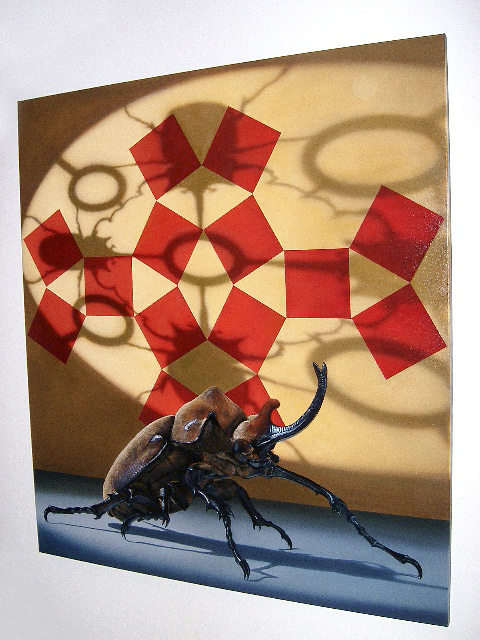
Oleh Witer (Australian) The Elephant Beetle (installation view) 2008 Oil in linen
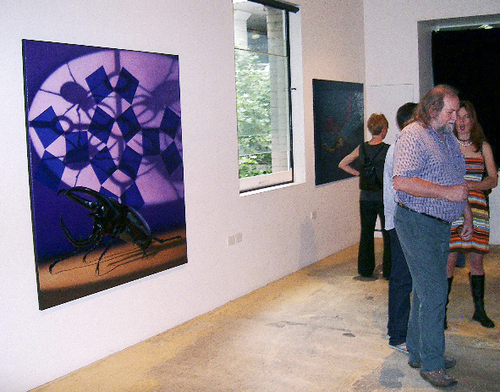
A warm and lively crowd was in attendance for the opening of the latest Oleh Witer exhibition at Space 39 in Little Collins Street, Melbourne. Nine paintings are presented in the open space of the gallery and what magical paintings they are.
Two of the main canvases feature rearing beetles in the foreground, almost photo-realistically painted, lit from above while in the background geometric red and blue squares are overlaid by enigmatic shadows – almost as though the shadows were the interior structures of a fantastical light shade.
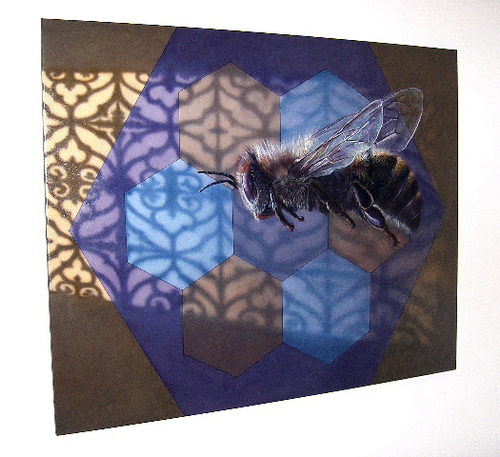
Other canvases feature a bee and a wasp facing each other with cellular geometric patterns and overlaid shadows in the background. Between these two seeming adversaries is a large canvas of a black skull with candle flickering in the it’s lobotomised top sitting on a spiral shape with geometric shapes and the shadows of an almost tarot like ‘ten of swords’ pattern overlaid to the background.
The strongest work features geometric forms with dark surrealist imagery. These are talismanic images with a strong connection to taoist and shamanic principles. A concern with the connection between all things is evident – archetypal pentagrams, spirals and swords are linked to the principles and proportions of the golden mean equation. Contemplation is required to access the inner meanings of the work but they reward extended looking as their magical phosphorescences are revealed over time. Recommended viewing.
Dr Marcus Bunyan
Oleh Witer (Australian) Installation view and opening crowd with The Rhinoceros Beetle 2008 Oil on linen
Oleh Witer (Australian) The Bee (installation view) 2008 Oil on linen




















![Man Ray (American, 1890-1976) 'Juliet with Flower' [Juliet Browner] 1950s](https://artblart.com/wp-content/uploads/2009/01/man-ray-juliet-with-flower-1950s.jpg "Man Ray (American, 1890-1976) 'Juliet with Flower' [Juliet Browner] 1950s")



 Art Blart _ art and cultural memory archive
You must be logged in to post a comment.