While I haven’t physically seen this exhibition – according to Rijksmuseum “the Netherlands’ first major survey exhibition of American photography… the first comprehensive survey of American photography in Europe … reflect[ing] the rich and multifaceted history of photography in the United States. The exhibition presents the country as seen through the eyes of American photographers, and shows how the medium has permeated every aspect of our lives: in art, news, advertising and everyday life” – you can glean a lot about an exhibition from the installation photographs.
The feeling I get from the installation photographs is of a particularly meagre offering – gallery halls with minimal photographs, huge empty spaces (just look at the installation photograph Curio box made of cigarette packets with portraits of roommates, late 1960s below) – and to then consider this is supposed to be “the first comprehensive survey of American photography in Europe” and reflect the large photographic holdings of the Rijksmuseum. Really? You wouldn’t really know it from looking at “the show”.
Perhaps the problem stems from the rationale of the exhibition:
“There is no hierarchy to the selection. A sequence of rooms present numerous fields – portraiture, landscape, advertising work, art photography – like chapters in a novel. “We tried to find surprising images and things we’ve never seen before,” says Boom. The result is a broad mix, shaped with co-curator Hans Rooseboom, of anonymous photography, commercial work, news coverage, medical prints and propaganda, presented in tandem with masterpieces such as Robert Frank’s enigmatic picture of a woman watching a New Jersey parade in 1955, her face partially obscured by an unfurled Stars and Stripes.”1 (see below)
The phrase “a broad mix” says it all: a mishmash of anonymous photography, commercial work, fine art photography, the political power of photography, photographs on racism, war, etc., … taking on too much in one exhibition (the American landscape is largely absent from the walls), proclaiming to be a comprehensive survey of American photography. An impossible task.
“The exhibition has deliberately departed from a “top 100” approach, Rooseboom [one of the curators] adds, stating “that would have been too easy”.”2
Easy to say (and move away from) but not easy to do…
What I feel is lacking in this subjective selection (all exhibitions are subjective) is the focused “energy” present in American photography radiating from the wall – the energy that documents and imagines the growth of a nation and the passion of the artists that capture that energy.
Where is, for example, the passion of Sally Mann’s photographs of the American South, the New York buildings of Berenice Abbott, George Dureau’s portraits of friends and amputees in New Orleans, the narrative stories of Duane Michals or the darkness / otherness that has always been present from the very start in American photography. In the selection in the posting, the photographs of Robert Frank (a foreigner, whose photographs of America were reviled when they were first published) and Nan Goldin (photographs of counter culture America) come closest to this alternate perspective, both outsiders from the main stream point of view.
Thus, while there are some interesting photographs in the exhibition it’s all too ho hum for me, perhaps a “vapour” of something almost brought into consciousness.
Many thankx to the Rijksmuseum for allowing me to publish the photographs in the posting. Please click on the photographs for a larger version of the image.
Installation view of the exhibition American Photography at Rijksmuseum, Amsterdam showing at right photographs by Robert Frank (below) Photo: Rijksmuseum/Olivier Middendorp
Robert Frank (Swiss, 1924-2019) City fathers – Hoboken, New Jersey 1955 Gelatin silver print
Robert Frank (Swiss, 1924-2019) Parade – Hoboken, New Jersey 1955 Gelatin silver print
Robert Frank (Swiss, 1924-2019) U.S. 91, Leaving Blackfoot, Idaho 1956 Gelatin silver print
Robert Frank (Swiss, 1924-2019) New York City 1955 Gelatin silver print
Rijksmuseum moves you to The American Dream. To the real American. To unexpected recognition. The Rijksmuseum is staging the Netherlands’ first major survey exhibition of American photography.
The more than 200 works on display in American Photography reflect the rich and multifaceted history of photography in the United States. The exhibition presents the country as seen through the eyes of American photographers, and shows how the medium has permeated every aspect of our lives: in art, news, advertising and everyday life.
Over the past decades the Rijksmuseum has been assembling a collection of American photographic work. This is the first time we are exhibiting photographs from the collection, alongside loaned works from American, Dutch and other European collections. This show includes iconic photographs by the likes of Sally Mann, Robert Frank, Lisette Model, Nan Goldin, Richard Avedon, Andy Warhol, Paul Strand, Diane Arbus and James Van Der Zee, as well as surprising images by unknown and anonymous photographers.
Text from the Rijksmuseum website
Installation view of the exhibition American Photography at Rijksmuseum, Amsterdam showing in the bottom image at left, Sally Mann’s Jessie #34 (2004, below); at second left, Chuck Close’s Phil [Photo Maquette of Philip Glass] (1969, below); and at third right, László Moholy-Nagy’s Parking lot in Chicago, 1938 (1938, below) Photo: Rijksmuseum/Olivier Middendorp
Sally Mann (American, b. 1951) Jessie #34 2004 Gelatin Silver enlargement print from 8 x 10 in. collodion wet-plate negative, with Soluvar matte varnish mixed with diatomaceous earth
László Moholy-Nagy (Hungarian, 1895-1946) Parking lot in Chicago, 1938 1938 Gelatin silver photograph 23.8 × 33.8cm
Installation view of the exhibition American Photography at Rijksmuseum, Amsterdam showing the work of Nan Goldin from The Ballad of Sexual Dependency (below) Photo: Rijksmuseum/Olivier Middendorp
Nan Goldin (American, b. 1953) Cookie with Me After Being Hit at the SPE Conference, Baltimore, MD, 1986 1986
Nan Goldin (American, b. 1953) Cookie and Vittorio’s Wedding: The Ring, NYC, 1986 1986
Nan Goldin (American, b. 1953) Cookie in the Bathroom at Hawaii 5.0, NYC, 1986 1986
The Rijksmuseum presents the first comprehensive survey of American photography in Europe. With more than 200 works spanning three centuries, American Photography will be an exploration of the rich and multifaceted history of photography in the United States, showing how the medium has permeated every aspect of our lives: in art, news, advertising and everyday life.
Over the past decade, the Rijksmuseum has built an extensive collection of American Photography. This exhibition is the first ever presentation of Rijksmuseum’s collection, which will be shown together with loans from over 30 collections in the United States, the Netherlands and other European countries. Works by icons including Sally Mann, Robert Frank, Lisette Model, Nan Goldin, Richard Avedon, Andy Warhol, Paul Strand, Diane Arbus and James Van Der Zee will be on view alongside eye-opening photographs by unknown and anonymous photographers.
The exhibition is possible by Rijksmuseum’s major partnership with Baker McKenzie. American Photography runs from 7 February to 9 June 2025. Concurrently with American Photography, Carrie Mae Weems’s 2021 series Painting the Town will be on show in the Rijksmuseum’s photography gallery.
American Photography will give picture of the country through the eyes of American photographers, showing the country in all its complexity. The exhibition takes themes such as the American dream, landscapes and portraiture to trace how photographers increasingly reflected on changes and events in their country. A major topic of the show is photography’s evolution as an art form, from 19th-century daguerreotypes of frost flowers on a window to the work of Paul Strand, Charles Sheeler, Sally Mann, Irving Penn, Dawoud Bey and Sarah Sense. Another important theme is how photography has grown to be a part of everyday life, which is demonstrated by family portraits, advertisements, postcards, gramophone record covers and more.
Press release from Rijksmuseum
Installation view of the exhibition American Photography at Rijksmuseum, Amsterdam showing in the bottom photograph at right, Jocelyn Lee’s Julia in Greenery (2005, below) Photo: Rijksmuseum/Olivier Middendorp
Jocelyn Lee (American, b. 1962) Julia in Greenery 2005 Archival Pigment Print 20 × 24 in | 50.8 × 61cm
Installation view of the exhibition American Photography at Rijksmuseum, Amsterdam showing in the display case, Curio box made of cigarette packets with portraits of roommates, late 1960s (below) Photo: Rijksmuseum/Olivier Middendorp
Curio box made of cigarette packets with portraits of roommates, late 1960s Wood, handwoven cigarette packets, gelatin silver prints 140 x 110 x 195 mm Collection of Daile Kaplan, Pop Photographica, New York Photo: Andy Romer Photography, New York
Installation view of the exhibition American Photography at Rijksmuseum, Amsterdam showing at left, Diane Arbus’ A young man in curlers at home on West 20th St., N.Y.C. 1966 (1966, below); and at second left, Ming Smith’s America Seen Through Stars and Stripes, New York City (1976, below) Photo: Rijksmuseum/Olivier Middendorp
Diane Arbus (American, 1923-1971) A young man in curlers at home on West 20th St., N.Y.C. 1966 1966 Gelatin silver print
Ming Smith (American, b. 1951) America Seen Through Stars and Stripes, New York City 1976 Gelatin silver print 318 x 470 mm Virginia Museum of Fine Arts, Richmond (VA) Adolph D. and Wiliams C. Williams Fund
In the post-war years, mass immigration to the US brought new ways of thinking. the US took over from Europe as a cultural trendsetter, and photography was eventually accepted as an art form. Playful approaches to photography emerged, moving beyond documenting people and places to provoking emotion and inviting deep questions. Ming Smith’s America Seen Through Stars and Stripes (1976), created on the bicentenary of the Declaration of Independence, turns again to the flag inviting America to reflect on its history. By placing a figure in mirrored sunglasses in front of a shop window, she creates a disorientating mesh of reflective surfaces. The grid structure suggests incarceration but – in combination with the round glasses and the stars on the flag – also creates an abstract composition reminiscent of modern art. “She’s a careful observer, playing with all these layers in the image,” says Boom.
Smith explores the artistic potential of photography, experimenting with double-exposure, shutter speed and collage. In one version of this image, she paints on bold red stripes, altering this snapshot of the US with marks that resemble blood or flames. Smith’s work builds on the civil rights movement that preceded it and features activists such as James Baldwin and Alvin Ailey. She was the first woman to join the African-American photography collective the Kamoinge Workshop and the first black woman to have her work acquired by the Museum of Modern Art (MoMA). Yet her demographic was largely overlooked by the art world. “I worked to capture black culture, the richness, the love. That was my incentive,” she told the Financial Times in 2019. “It wasn’t like I was going to make money from it, or fame – not even love, because there were no shows.”
Henry Fitz Jnr (American, 1808-1863) Self-portrait 1840 Daguerreotype Smithsonian National Museum of American History, Washington (DC)
In 1840, using a self-made copper plate, Henry Fitz Jnr produced one of the world’s first selfies, his eyes gently closed to prevent any blinking from spoiling the result. In creating this striking blue image, he was doing more than record his appearance; he was also documenting America’s first essays into an art form that would tell its story in radical new ways.
Thomas Martin Easterly (American, 1809-1882) Chief Keokuk (Watchful Fox) 1847 Daguerreotype Missouri History Museum
Anonymous photographer View of a wooden house or barn with a man and a woman in front c. 1870-1875 Tintype 164 x 215 mm Rijksmuseum, Amsterdam
A 19th-Century tintype (an image made on a sheet of metal) featuring a man and woman in front of a rustic barn is a case in point. The image was probably sold on the spot by a travelling tin typist “for a modest price”, explains Rooseboom. “Many people had just arrived and were living in the countryside, no big city nearby, so this was the only possibility of having your portrait taken.” The man stands proud, looking at the camera, but the woman’s head is bowed and she is looking away. “Sometimes you can sense that people were simply not used to being photographed,” says Rooseboom. “Nowadays, we’ve seen in magazines and movies how to pose elegantly.” This may be the only time in their whole life that they would be photographed, and the result, adds Boom, “would hang on the wall of the house where they lived forever”.
Detroit Photographic Company Home of Rip Van Nd Rijksmuseum, Amsterdam
Bertha E. Jaques (American, 1863-1941) Tree – in Governor Gleghorn’s Place Honolulu 1908 Cyanotype 248 x 152 mm Rijksmuseum, Amsterdam, purchased with the support of Baker McKenzie
Walker Evans (American, 1903-1975) (photographer) (mentioned on object) A free country? This is America … Keep it Free! Nd Sheldon-Claire Company
United News Company (publisher) 12,000 Employees of the Ford Motor Company, Detroit, Mich. 1913 Postcard, relief halftone and colour lithography 88 × 137 mm Rijksmuseum, Amsterdam
… a 1913 postcard featuring 12,000 employees of the Ford Motor Company in Detroit may have been the “most expensive picture that was ever taken”, quipped a newspaper at the time, as the factory had to shut down for two hours to assemble the staff. The image, the company boasted, was “the largest specially posed group picture ever made” and illustrates a turning point where industry saw the value in investing large sums in promotional photography. Taken in the year when Ford introduced America’s first moving assembly line and the US had become the world’s largest economy, the photograph also depicts the mass production that would shape the country.
The image’s reappearance in Ford marketing also made it an early example of photoshopping. While the same tinted faces swarmed in the foreground, the number of employees cited in the caption increased exponentially, and a building to the left was cropped out in one version and acquired extra floors in another. “Apparently, many photographers and their publishers had no qualms about abandoning their medium’s potential for realism,” write Boom and Rooseboom in the exhibition catalogue.
Schadde Brothers Studio Display, sample or trade catalogue photograph for sweet manufacturer Brandle & Smith Co., c. 1915 Gelatin silver print with applied colour 288 x 240 mm Rijksmuseum, Amsterdam
Charles Sheeler (American, 1883-1965) Nude #3 1918-1919 Gelatin silver print 127 × 171 mm Museum of Fine Arts, Boston
… the New York portrait photographer James Van Der Zee was also embellishing his work, drawing jewellery on to his subjects and retouching their faces to erase dark lines and wrinkles. “I put my heart and soul into them and tried to see that every picture was better looking than the person,” he said. As a black photographer working from his Harlem studio at the height of the Harlem Renaissance, his work records a period when black migrants fleeing the segregationist South were forging a new life for themselves in the urban North. For the first time, African Americans and other minority groups could be photographed by someone inside their community, and represented in a way that uplifted them. Van Der Zee’s Portrait of an Unknown Man (1938), for example, is carefully posed to suggest confidence. The outfit is elegant and the buttonhole daisy adds a dandyish flourish. It’s an image that reflects the aspirations and upward mobility of African-American people and the pride Van Der Zee had in his culture.
Hy Hirsh (American, 1911-1961) Untitled (abstraction) c. 1950 Chromogenic print, 251 x 200 mm Rijksmuseum, Amsterdam Purchased with the support of Baker McKenzie
Anonymous photographer Family Standing beside their Car c. 1957-1960 Chromogenic print (Kodak Instamatic) 76 x 76 mm Rijksmuseum, Amsterdam
It is the Chinese-American community that is the focus of the work of Irene Poon, who grew up in San Francisco’s Chinatown, where her parents, first-generation immigrants from Guanghzou, ran a herbalist store. A 1965 image features Poon’s sister Virginia in a local sweet shop, crowded out by Hershey’s and Nestlé bars. The letters “Nest” peep out from the densely packed shelves, reinforcing a sense that she is enclosed by this mass of graphic lettering. Beside her head a “Look” bar competes for attention, hinting at that other ever-expanding role for American photography: advertising − a sector in which the US was a forerunner. “Many of the 20th-Century artists started in advertising. It’s part of art history,” Boom says. “This whole field already existed, and the arts, and photography as an art form, draws from it.”
Hulleah Tsinhnahjinnie (American, b. 1954) This is not a commercial, this is my homeland 1998 Platinum lambda print 476 x 609 mm Courtesy of the artist
The political power of photography is also seen in the work of Native American (Seminole-Muscogee-Navajo) photographer Hulleah Tsinhnahjinnie who uses the camera to correct misconceptions about Indigenous populations and to offer an alternative viewpoint on US history. “No longer is the camera held by an outsider looking in, the camera is held with brown hands opening familiar worlds,” she writes in a 1993 essay. “We document ourselves with a humanising eye, we create new visions with ease, and we can turn the camera and show how we see you.”
Tsinhnahjinnie’s captioning of a touristic image of Monument Valley, Arizona with This is not a commercial, this is my homeland highlights the commodification of American land, and uses what she calls “photographic sovereignty” to take us back to the very beginning and reclaim and retell the story of America. In combination with works such as Bryan Schutmaat’s Tonopah, Nevada (2012), which documents mining’s effect on the landscape of the American West, images like Tsinhnahjinnie’s tell a story of a beautiful land that means different things to different people: financial gain, security or a sacred space.
Bryan Schutmaat (American, b. 1983) Tonopah, Nevada 2012 Inkjet print 1017 x 1277 mm (printed 2021) Rijksmuseum, Amsterdam Purchased with the support of Baker McKenzie
Exhibiting artists: Colin Abbott, Robert Ashton, Con Aslanis, Polly Borland, Peter Bowes, John Brash, Peter Burgess, Nanette Carter, John Cato, Andrew Chapman, Lyn Cheong, Jon Conte, Kim Corbel, Paul Cox, Mimmo Cozzolino, Christina de Water, Duncan Frost, Rob Gale, Sandra Graham, Bill Henson, Julie Higginbotham, Graham Howe, Carol Jerrems, Moira Joseph, Peter Kelly, Christopher Köller, Johann Krix, Paul Lambeth, Derrick Lee, Peter Leiss, Carolyn Lewens, Steven Lojewski, Ian Macrae, James McArdle, Jim McFarlane, Rod McNicol, Julie Millowick, Peter Milne, Jacqueline Mitelman, Richard Muggleton, Martin Munz, Nicholas Nedelkopoulos, Greg Neville, Glen O’Malley, Viki Petherbridge, Ross Powell, Philip Quirk, Leonie Reisberg, Susan Russell, Stella Sallman, Athol Shmith, Geoff Strong, Ian Tippett, George Volakos, Stephen Wickham, Andrew Wittner, Ken Wright, Lynette Zeeng
Andrew Chapman (Australian, b. 1954) Lest we forget 1980 Gelatin silver print Museum of Australian Photography, City of Monash Collection donated 2024
Nurture
A world of creativity and transformation
This is a magnificent exhibition at the Museum of Australian Photography which showcases the work of students and teachers at Prahran College between 1958-1981.
People more eminent than myself have commented on the exhibition.
Gael Newton AM – formerly curator of photography at the Art Gallery of New South Wales, and the Senior Curator of Australian and International Photography at the National Gallery of Australia (NGA) in Canberra – “highlights the diverse and passionate nature of the Prahran College community, where an unstructured curriculum and open debates encouraged multiple approaches – from documentary and still life to collage and staged tableau – while the influence of European cinematic sensibilities and the local film and music scenes added depth to the artistic expression.”1
Daniel Palmer – Professor in the School of Art at RMIT University, his research and professional practice focuses on contemporary art and cultural theory, with a particular emphasis on photography and digital media – commenting on the era “frames the 1970s as a transformative era for Australian society and photography, characterised by social activism.”1
Helen Ennis – formerly Curator of Photography at the National Gallery of Australia and outstanding writer on Australian photography and photographers – emphasises “productive intergenerational exchanges between students and their older educators Prahran represented a space of creative possibility and hope” while acknowledging Prahran’s limitations including gender imbalance, “noting examination records from 1974 showing only five of twenty students were female, with the first woman (Julie Millowick) not appointed to teach until 1983.”1
“Ennis’s address brings to light from The Basement a critical reassessment of how we understand and present 1970s Australian photography. She advocated for approaches that preserve the complexity, contradictions, and energy of this formative period rather than imposing retrospective order that might simplify or misrepresent it. Her reflections bridge historical understanding with contemporary curatorial practice, suggesting ways to engage more authentically with photography’s rich past.”2
Bill Henson AO – former student and internationally acclaimed photographer – acknowledges that “that political movements such as feminism were present among Prahran’s students in the 1970s – “there were the feminists; there were little groups doing their social diligence” – he noted that these stances did not overshadow the college’s overarching emphasis on beauty and creative exploration. “There wasn’t this righteousness, this indignation, this kind of territorial thing about issues,” he said. In contrast there was an openness and enthusiasm that defined Prahran during his time there – a place where beauty and creativity were paramount.”3
On reflection
What struck me most about this exhibition was the creative strength of the STUDENT work … and that is something nobody mentions. This was student work.
These were artists finding their personal voice, exploring the world, being creative, learning how to envision the world in their photographs – through social documentary or conceptual, experimental photographs that challenged how Australian viewed itself. As Assoc. Professor James McArdle, a former student and one of the many driving forces behind this exhibition, insightfully observes:
“Prahran, at this time, was a nexus for the ‘New Photography’ movement in Australia, bringing to our country international developments from the 1960s, the candid, loosely structured photographic language that contrasted sharply with the rigid narratives of photojournalism and the increasingly commercial aesthetics of colour photography.
Prahran College itself played a critical role in the legitimisation of photography as an art form within Australia. It spearheaded the integration of art photography into tertiary education curricula, fostering an environment where young artists … could experiment formally and conceptually.”4
Indeed, Melbourne in the late 1960s and early 1970s could be seen as the nurturing centre of photography in Australia.
As my friend Ian Lobb said to me before he died, “In 1970 where did you go to see a fine art photograph on exhibition in a non-institutional gallery in Melbourne? The only place was the doorway to the John Cato / Athol Shmith / Peter Barr studio in Collins Street. You would never know which of the three photographers would have a print placed in that doorway.”5
But then things changed.
Variously, Melbourne had Jenny Boddington appointed curator of photography in 1972 at the National Gallery of Victoria, becoming the first such curator in Australia and perhaps only the third in the world.
Melbourne also had three commercial art photography galleries that supported local and international exhibitions, exposing major international photographers to local artists. These included Brummels Gallery of Photography reopened in the early 1970s by that wonderful photographer Rennie Ellis and deputy director Robert Ashton (Prahran), the first privately run art gallery in the country to be devoted specifically to photography; The Photographers’ Gallery and Workshop founded in 1973 by Paul Cox (Prahran), Ingeborg Tyssen, John F. Williams and Rod McNicol (Prahran), taken over by Ian Lobb in 1974 and joined by co-director Bill Heimerman in 1976 showcasing mostly American and some European original fine prints from major artists which were influential on Australian audiences and practitioners; and Church Street Photographic Centre opened by Joyce Evans OAM in 1976, the third commercial photographic gallery in 1970s Melbourne which exhibited international 19th and 20th Century photography
Prahran College was closely followed by Phillip Institute of Technology (PIT) which was a tertiary college in Bundoora which had an art photography course run by Ian Lobb and Les Walkling, from 6 January 1982 to 30 June 1992 at which time the school integrated as part of RMIT University. I attended PIT in 1991 and then RMIT University where I completed by doctorate, after having undertaken two years at Brighton Technical College completing two years on the basics of photography, a grounding for many budding photographers in those years under the direction of Peter Barker.
I remember at RMIT fine art photography course we would have reviews of student work every 4 weeks, where over 2 days students put up new work and we all sat together with the lecturers and discussed the ideas contained in the work. The atmosphere was electric, the disparate work, the in-depth conversations, the passion. Look at Greg Neville’s photograph Tutorial: lecturers and students [back row L–R Derrick Lee, Bryan Gracey, Athol Shmith, Paul Cox, Elizabeth Tainsh] (c. 1971, below) and you can feel a similar energy…
So Melbourne has been particularly blessed – I dislike that word but there is no other that really conveys what I mean – by this confluence of events, people and places that supported the rigorous investigation of photography and life that Prahran College was a part of. At Prahran there was optimism, social conscience, and an engagement with the street and with life, there was “creative rebellion and intellectual engagement”. I asked James McArdle at an artist’s talk about this: how exciting this would have been, the bouncing of ideas one off another, the sense of community and camaraderie, and yes they were all there … encouraging an “atmosphere” of creativity which has produced a generation of outstanding photographers who will leave a lasting legacy in the history of Australian photography.
As an artist who arrived as a “second generation” photographer after Prahran College I have a great affection for the people and the work produced in the exhibition.
I knew John Cato and his delightful wife Dawn Cato well and went down to their house for afternoon tea to discuss photography and life; together with Bill Heimerman I co-curated his retrospective at The Photographers’ Galley and Workshop in 2002, the text ‘and his forms were without number’ used in the book accompanying the exhibition John Cato Retrospective at the Ballarat International Foto Biennale in 2013 where Paul Cox and I made opening speeches. Both were good friends.
Joyce Evans was my substitute mother in Australia. What a wonderful, bohemian, creative, intelligent woman she was. I wrote “Nothing emerges from nothing,” foreword to her book We Had Such High Hopes: Student Activism and the Peace Movement 1949-1952, A Photographic Memoir by Joyce Evans 2019 published before she died, a book that instils the social conscience ethos emerging in postwar Australia which leads into the work of the Prahran College photographers. I still her miss greatly.
As I do both Ian Lobb and Bill Heimerman (pictured below in Peter Leiss’ Untitled [Bill Heimerman (right) and Ian Lobb (left) at the rear of The Photographers’ Gallery] c. 1975-1980), both good friends. Ian Lobb was my first photography lecturer at PIT and became my mentor and friend for over 30 years; Bill gave me three solo exhibitions at The Photographer’s Gallery and Workshop in my early days as an artist, and much excellent advice, for which I am forever grateful.
James McArdle and Gael Newton remain valued friends, both amazing fonts of knowledge in all aspects of photography and photographic research.
In conclusion, congratulations to all who have been involved in bringing this exhibition to fruition: artists, writers and curators. It is a magnificent achievement and a testament to the creativity and passion of the times, both theatre and document reflecting an era that sadly can no longer be repeated.
Prahran College photographers followed their heart and their eye, they possessed a curiosity which “evokes the care one takes for what exists or could exist; an acute sense of the real which, however, never becomes fixed; a readiness to find our surroundings strange and singular; a certain restlessness in ridding ourselves of our familiarities and looking at things otherwise; a passion for seizing what is happening now and what is passing away; a lack of respect for traditional hierarchies of the important and the essential.”6
However long I live, it has always been a privilege to be part of this community, to be part of the Melbourne photographic community.
Dr Marcus Bunyan
1/ James McArdle. “Launched!,” on the On This Date in Photography website, 6th April 2025 [Online] Cited 06/04/2025
2/ Helen Ennis quoted in James McArdle. “Unfixing,” on the On This Date in Photography website, 29th March 2025 [Online] Cited 06/04/2025
3/ Bill Henson opening speech summarised in James McArdle. “Opening!” on the On This Date in Photography website, 1st March, 2025 [Online] Cited 18/04/2025
4/ James McArdle. “Epoch,” on the On This Date in Photography website, 25th April, 2025 [Online] Cited 28/04/2025
5/ “Steve Lojewski [in the year ahead of me at PCAE] and I job shared at Shmith / Cato / Barr. A fantastic opportunity to work mainly in the darkroom, occasionally assisting in the studio and as they gained confidence in me sent out on [mickey mouse] jobs when they were double booked. A HUGE break and when Peter Barr bought out John and Athol and established Peter Barr & Associates he invited me to freelance out of his new studio. That offer would not have happened without the prior experience of the darkroom & studio work. My first job on the Monday morning of my 2 week trial for Athol, John and Peter was 250 prints [on fibre paper] of Malcom Fraser by 11.00 am [ie the wet deadline was 11.00. Dry and out the door was, from memory, 12.noon].”
Julie Millowick in conversation with Marcus Bunyan via Facebook, 20th May 2025
6/ Michel Foucault, “The Masked Philosopher” in Politics, philosophy, culture: interviews and other writings, 1977-1984. London: Routledge, 1988, p. 328
Apologies if a couple of the photographs are slightly out of focus, these were digital RAW files shot on a Sony rx100 handheld at 1000ASA with low depth of field.
For more information please see The Prahran Photography website which upholds the legacy of Prahran College 1970s photography through posts on profiles of the alumni and lecturers (an ongoing project).
“Curiosity is a vice that has been stigmatized in turn by Christianity, by philosophy and even by a certain conception of science. Curiosity, futility. I like the word however. To me it suggests something all together different: it evokes concern; it evokes the care one takes for what exists or could exist; an acute sense of the real which, however, never becomes fixed; a readiness to find our surroundings strange and singular; a certain restlessness in ridding ourselves of our familiarities and looking at things otherwise; a passion for seizing what is happening now and what is passing away; a lack of respect for traditional hierarchies of the important and the essential.”
Michel Foucault, “The Masked Philosopher” in Politics, philosophy, culture: interviews and other writings, 1977-1984. London: Routledge, 1988, p. 328
Gallery One (clockwise)
Installation views of the exhibition The basement: photography from Prahran College (1968-1981) at the Museum of Australian Photography, Wheelers Hill, Melbourne Photos: Marcus Bunyan
In May 1968 the newly formed photography department of Prahran Technical School (known as Prahran College of Advanced Education (PCAE) from 1973) moved into the basement of a freshly completed art and design building on the corner of High Street and Thomas Street in Melbourne’s inner southeastern suburb of Prahran. Here, for the first time in Australia, photography was taught as an artform.
Featuring the work of approximately 60 artists, The basement brings to light rare vintage prints from the 1960s through to the early 1980s, key archival ephemera and folio work – from students and teachers of the College’s Diploma of Art & Design (Photography). It was a period where new discussions developed quickly around the possibilities of what photography could be. These students and teachers were part of a progressive, edgy wave of image-makers excited about the medium’s potential.
Under the vanguard of influential photographers such as John Cato, Paul Cox and Athol Shmith, the school became a breeding ground for some of this country’s most important art photographers: Carol Jerrems, Bill Henson, Nanette Carter, Rod McNicol, Polly Borland, Peter Milne, Robert Ashton, Philip Quirk, Peter Leiss, Jacqueline Mitelman, Mimmo Cozzolino, Graham Howe and Julie Millowick, among many others.
The exhibition’s accompanying publication elucidates the experience from several perspectives. As we hear from the curators, students, colleagues and academics, it’s clear that this course, in this time, was of great consequence to our photographic ecosystem and its development.
Curated by Angela Connor, MAPh Senior Curator, and Stella Loftus-Hills, MAPh Curator, The basement gathers works from close to 60 artists, traversing over 13 years of image-making and adjacent subcultures in music, protest, fashion and art criticism. This landmark exhibition will deliver new research into the canon of Australia’s cultural history through its assembled works and attendant publication.
Text from the Museum of Australian Photography website
Installation view of the reverse of the opening wall of the exhibition The basement: photography from Prahran College (1968-1981) at the Museum of Australian Photography, Wheelers Hill, Melbourne Photo: Marcus Bunyan
Moira Joseph (Australian, b. 1955) Jack with a cigarette sitting in the church garden, St Kilda (installation view) 1974 Gelatin silver print Museum of Australian Photography, City of Monash Collection Acquired 2024 Photo: Marcus Bunyan
Moira Joseph (Australian, b. 1955) Herald boys, Fitzroy Street, St Kilda (installation view) 1975 Gelatin silver print Museum of Australian Photography, City of Monash Collection Acquired 2024 Photo: Marcus Bunyan
Moira Joseph is a Melbourne-based professional photographer, filmmaker and teacher. She studied photography at Prahran College from 1974 to 1977. Joseph created the works on display here while she was a student. Armed with her Mamiya 220 medium-format camera, Joesph often walked between the College and her home in St Kilda, affectionately documenting the characters she regularly encountered. Jack with a cigarette sitting in the church garden, St Kilda (1974), for example, shows an elderly gentleman from a nearby men’s refuge sitting alone in Acland Street’s church square. Children regularly feature in Joseph’s student work, and she spent time photographing at luna park, as well as Prahran Primary School.
Moira Joseph (Australian, b. 1955) Three Herald boys, Acland Street, St Kilda (installation view) 1975 Gelatin silver print Museum of Australian Photography, City of Monash Collection Acquired 2024 Photo: Marcus Bunyan
Installation view of the first gallery of the exhibition The basement: photography from Prahran College (1968-1981) at the Museum of Australian Photography, Wheelers Hill, Melbourne showing Julie Millowick ‘s photographs from clockwise: ANZAC woman alone, draped in leopard skin coat, 1975; Carlisle Street shopping, 1975; Luna Park, St Kilda, 1975; Mother and child from 46 Blanche Street, St Kilda, 1977 from the series Portraits of women Photo: Marcus Bunyan
Julie Millowick studied photography at Prahran College from 1974 to 1976 and gained early experience working in the darkroom of Athol Shmith, John Cato and Peter Bart. She is widely known for her work as a commercial photographer and photojournalist as well as her personal documentary projects.
1975 was Millowick’s second year at Prahran College, and also International Women’s Year, as designated by the United Nations. With the spotlight set firmly on women’s rights, Millowick made an extensive series of photographs entitled Portraits of women, which she continued in subsequent years. This human-centred series with feminist undertones, sympathetically captured women in a variety of locations and depicted moments of motherhood, friendship, loneliness, old-age and youth.
Wall text from the exhibition
Read my review “Down with Earth,” on the exhibition Julie Millowick: Surrounding at the Castlemaine Art Museum, June 2024
Julie Millowick (Australian, b. 1948) Mother and child from 46 Blanche Street, St Kilda 1977 Gelatin silver print 15.9 x 23.7cm Museum of Australian Photography, City of Monash Collection donated by Julie Millowick 2024
Wall text from the exhibition The basement: photography from Prahran College (1968-1981) at the Museum of Australian Photography, Wheelers Hill, Melbourne Photo: Marcus Bunyan
Installation views of the first gallery of the exhibition The basement: photography from Prahran College (1968-1981) at the Museum of Australian Photography, Wheelers Hill, Melbourne Photos: Marcus Bunyan
Installation view of the first gallery of the exhibition The basement: photography from Prahran College (1968-1981) at the Museum of Australian Photography, Wheelers Hill, Melbourne showing at left, George Volakos’ photograph Vietnam moratorium 1 1970; at top centre, Graham Howe’s photograph Protester, moratorium to end the war in Vietnam 1970 followed by two photographs Moratorium to end the war in Vietnam 1970 (below) Photo: Marcus Bunyan
As a student at Prahran College in the early 1970s, Graham Howe embraced photography’s ability to document social change. For Howe, photography was the perfect medium for observing the world around him and expressing a point of view. This is evident in his images of a Vietnam War moratorium in Melbourne in September 1970. Immersed in a sea of people, placards and peace signs, Howe made a series of tightly framed and often close-up views of the protesters, showing the event from his perspective as an impassioned participant rather than an objective observer. Other Prahran College students, such as Johann Kris and George Volvos, also took photographs at these demonstrations, documenting the intensity of the activist movement
Graham Howe (Australian, b. 1950) Moratorium to end the war in Vietnam (installation view) 1970, printed 2024 Pigment inkjet print Collection of the artist Photo: Marcus Bunyan
Graham Howe (Australian, b. 1950) Moratorium to end the war in Vietnam (installation view) 1970, printed 2024 Pigment inkjet print Collection of the artist Photo: Marcus Bunyan
Installation view of the first gallery of the exhibition The basement: photography from Prahran College (1968-1981) at the Museum of Australian Photography, Wheelers Hill, Melbourne showing from left clockwise, Ken Wright’s Rally for Gough 1975; Andrew Chapman’s Street protest, November 11th 1975; Richard Muggleton’s Untitled (F19 protest) c. 1977; and Andrew Chapman’s Lest we forget 1980 Photo: Marcus Bunyan
Ken Wright (Australian/New Zealand, 1948-1998) Rally for Gough (installation view) 1975 Gelatin silver print Private collection Photo: Marcus Bunyan
Andrew Chapman (Australian, b. 1954) Lest we forget (installation view) 1980 Gelatin silver print Museum of Australian Photography, City of Monash Collection donated 2024 Photo: Marcus Bunyan
Andrew Chapman studied photography at Prahran College from 1974 to 1976 and then again in 1980. His Street protest, November 11th (1975) documents a politically motivated rally. It was taken on the corner of Albert Street and moray Street in South Melbourne. Chapman was in his second year at Prahran College and had been listening to parliament on the radio in the office of the then photography technician Murray White. When the news broke of the Whitlam Government’s dismissal, Chapman was quick to join the rallies that broke out in the streets. Later, in 1980, the streets were still politically charged when Chapman returned to Prahran to complete his course. His image, Lest we forget (1980) was made in City Square on Swanston Street at an anti-Fraser demonstration in the lead-up to the 1980 federal election. Described by Julie Millowick as the student who never stopped photographing, even during class, Chapman always has his Leica camera ready. Throughout his career Chapman has photographed much of Australia’s social and political landscape, working both personally and for clients, including as a photojournalist for major Australian newspapers and magazines.
Wall text from the exhibition The basement: photography from Prahran College (1968-1981) at the Museum of Australian Photography, Wheelers Hill, Melbourne Photo: Marcus Bunyan
Installation view of the first gallery of the exhibition The basement: photography from Prahran College (1968-1981) at the Museum of Australian Photography, Wheelers Hill, Melbourne showing from top left clockwise photographs by Julie Higginbotham: Greville Street Market, 1975; Catching butterflies, Prahran Park, 1974; and Greville Street, 1976 Photo: Marcus Bunyan
Julie Higginbotham practiced a style of unobtrusive street photography in the mid-1970s, making candid expressive images such as ‘Catching butterflies, Prahran Park’ (1974), which records a moment of human interaction with a keen eye for composition and synchronicity. Higginbotham recalls being offered a bohemian, European-inspired style of education at Prahran College while she was there from 1971 to 1974, particularly by Cox whose emphasis on freedom of expression and personal choice resonated. Through her street photography, Higginbotham was interested in recording the cultural changes that were taking place in Melbourne at the time. Living above a shop in the heart of Greville Street in 1975, she was part of a lively hippie community in Prahran. While living conditions were squalid, the cheap rents attracted artists, musicians and alternative thinkers to the area. Greville Street at this time was one of Melbourne’s key counterculture locations, known for live music, organic food and second-hand clothes shops. Higginbotham produced several images that document the vibrancy of this movement, including a series of street photographs she made at the Greville Street Market on Saturday in 1975.
Installation view of the first gallery of the exhibition The basement: photography from Prahran College (1968-1981) at the Museum of Australian Photography, Wheelers Hill, Melbourne showing from left, Andrew Chapman’s photographs Anti Fraser demonstrator, Collins Street Melbourne 1979; Tribune newspaper seller, Melbourne 1980; Party supporter, Liberal Party campaign launch, Moorabbin Town Hall 1980 Photo: Marcus Bunyan
Andrew Chapman (Australian, b. 1954) Tribune newspaper seller, Melbourne (installation view) 1980 Gelatin silver print Museum of Australian Photography, City of Monash Collection donated 2024 Photo: Marcus Bunyan
Andrew Chapman (Australian, b. 1954) Tribune newspaper seller, Melbourne (installation view) 1980 Gelatin silver print Museum of Australian Photography, City of Monash Collection donated 2024
Andrew Chapman (Australian, b. 1954) Party supporter, Liberal Party campaign launch, Moorabbin Town Hall (installation view) 1980 Gelatin silver print Museum of Australian Photography, City of Monash Collection donated 2024 Photo: Marcus Bunyan
Installation view of the exhibition The basement: photography from Prahran College (1968-1981) at the Museum of Australian Photography, Wheelers Hill, Melbourne showing at left, George Volakos’ Flinders Street Station 1972; and at right, Graham Howe’s Man on tram, Melbourne 1970 Photo: Marcus Bunyan
Installation view of the exhibition The basement: photography from Prahran College (1968-1981) at the Museum of Australian Photography, Wheelers Hill, Melbourne showing photographs by Rob Gale from his Dogs and their humans (1978) and Swanston Street 5pm (1978) series Photo: Marcus Bunyan
Rob Gale (Australian, b. 1953) Untitled 01 (installation view) 1978 From the series Swanston Street 5pm Pigment ink-jet print, printed 2024 Collection of the artist Photo: Marcus Bunyan
Rob Gale studied photography at Prahran Collect from 1976 to 1978. For his series, Swanston Street, 5pm (1978), Gale took inspiration from an iconic painting by the Australian artist John Brack, Collins Street, 5pm (1955). Gale’s photographic exploration of Brack’s stylised view of Melbourne’s office workers was made during peak hour at a busy tram stop near Flinders Street Station. Influenced by American street photographers such as Bruce Golden and Weegee, Gale used a hand-held flash to illuminate his subjects. In a nod to Brack’s painting, this technique allowed Gale to create harsh, stylised views of impatient commuters. The flash also seems to have induced grimaces and sideways stares which, along with the harsh lighting, shadows and unusual camera angles, served to accentuate the strange and surreal atmosphere in the photographs.
Rob Gale (Australian, b. 1953) Untitled 12 1978 From the series Swanston Street 5pm Pigment ink-jet print, printed 2024 Collection of the artist
Installation view of the exhibition The basement: photography from Prahran College (1968-1981) at the Museum of Australian Photography, Wheelers Hill, Melbourne showing photographs from left clockwise, Steven Lojewsi’s Man with umbrella near curb, Melbourne 1975; Johann Krix’s Proud moment, Moomba c. 1971; and Andrew Wittner’s Where’s my car, Melbourne 1973 Photo: Marcus Bunyan
Andrew Wittner (Australian, b. 1955) Where’s My Car? 1973, printed 2024 Gelatin silver print Collection of the artist
Steven Lojewsi (Australian born England, b. 1952) Man with umbrella near curb, Melbourne (installation view) 1975 Gelatin silver print Museum of Australian Photography, City of Monash Collection donated 2025 Photo: Marcus Bunyan
Steven Lojewski was born in London and grea up in Canada before arriving in Australian in 1969. He studied photography at Prahran College from 1974 to 1976 and later at Sydney College of the Arts. While studying at Prahran, Lojewski made a number of photographs on the streets of Melbourne. Sparsely populated, these early-career vintage prints demonstrate Lojewski’s highly defined, formal approach to documenting the urban landscape and illustrate his ability to produce a subtle range of silvery mid-tones and carefully styled compositions.
Steven Lojewsi (Australian born England, b. 1952) Man with umbrella near curb, Melbourne 1975 Gelatin silver print Museum of Australian Photography, City of Monash Collection donated 2025
Installation view of the exhibition The basement: photography from Prahran College (1968-1981) at the Museum of Australian Photography, Wheelers Hill, Melbourne showing at left, John Conte’s Telephone, Prahran 1971; at centre top, Philip Quirk’s Lone ranger (Prahran resident with Royal Show souvenirs) 1973; at centre bottom, Philip Quirk’s The headmistress, sports day, Como Park 1975; and at right, Johann Krix’s Toorak Road, South Yarra 1972 Photo: Marcus Bunyan
Philip Quirk (Australian, b. 1948) Lone ranger (Prahran resident with Royal Show souvenirs) (installation view) 1973 Gelatin silver print 15.9 x 23.8cm Museum of Australian Photography, City of Monash Collection acquired 2024 Photo: Marcus Bunyan
Based in Sydney, Philip Quirk has been a practising documentary photographer since the 1970s. He studied photography at Prahran College from 1971 to 1973 and has frequently used his camera to capture endearing images of humanity. Influenced by international photographers such as Henri Cartier-Bresson and Diane Arbus, Quirk’s images feature unusual characters and situations, often incorporating humour and incongruity. His work, Lone ranger (Prahran resident with Royal Show souvenirs) (1973) formed part of his final portfolio assessment at Prahran College. Walking through the streets of Prahran, Quirk stopped to talk to this elderly resident and photographed him in the afternoon sunlight. With its emphasis on light and composition combined with an interest in Australian culture, this photograph is a precursor to the street and social documentary work Quirk produced in the years immediately following his time at Prahran College.
Johann Krix (Australian born Austria, b. 1948) Toorak Road, South Yarra (installation view) 1972 Gelatin silver print Collection of the artist Photo: Marcus Bunyan
Installation view of the exhibition The basement: photography from Prahran College (1968-1981) at the Museum of Australian Photography, Wheelers Hill, Melbourne showing Robert Ashton’s photographs, Champion Jackpot 1974; Builders Arms Hotel 1974; Family 1974 from the series Fitzroy Photo: Marcus Bunyan
Robert Ashton (Australian, b. 1950) Champion Jackpot (installation view) 1974, printed 2008 Pigment inkjet print Museum of Australian Photography, City of Monash Collection acquired 2010 Photo: Marcus Bunyan
Robert Ashton studied photography at Prahran college from 1968 to 1970 and first exhibited his work at Brummels Gallery of Photography in 1973. As a student at Prahran, Ashton recalls being taught to follow his heart and his eye in a way that was free of constraints, developing a visual language influenced by the style of European black-and-white photography that he was introduced to by Paul Cox. His early documentary work concentrated on inner-city subjects, and he is widely known for his acclaimed series Fitzroy, which warmly documents the people of Fitzroy, focusing on human life and community connection. This series was originally published as a photobook, Into the hollow mountains a portrait of Fitzroy, in 1974.
Installation view of the exhibition The basement: photography from Prahran College (1968-1981) at the Museum of Australian Photography, Wheelers Hill, Melbourne showing from left clockwise, Geoff Strong’s Bald man enjoying the sun, St Kilda 1975; Steven Lojewski’s Man with hat and lighthouse, St Kilda 1975; Glen O’Malley’s St Kilda 1973; and Steven Lojewski’s Man on bench, Stardust St Kilda 1975 Photo: Marcus Bunyan
Geoff Strong (Australian, b. 1950) Bald man enjoying the sun, St Kilda 1975 Gelatin silver print 19.1 x 26.3cm Museum of Australian Photography, City of Monash Collection donated 2025
Geoff Strong moved to Melbourne from Brisbane for the photography course at Prahran College, which he began in 1975 after already having established himself as a political journalist. Strong’s image, Bald man enjoying the sun, St Kilda (1975) showcases his acute interest in the qualities of Melbourne’s sunlight. The human element, a man’s bald head, becomes a formal, compositional device, which appears more like a bronze ball than a human form. Strong’s depiction of harsh light in this sparse composition accentuates the photograph’s formal elements and calls to mind the surreal paintings of Georgio de Chirico.
Text from the Museum of Australian Photography website
Steven Lojewsi (Australian born England, b. 1952) Man with hat and lighthouse, St Kilda (installation view) 1975 Gelatin silver print Museum of Australian Photography, City of Monash Collection donated 2025 Photo: Marcus Bunyan
James McArdle (Australian, b. 1950) Couple, Luna Park (installation view) 1976 Gelatin silver print Museum of Australian Photography, City of Monash Collection donated 2025 Photo: Marcus Bunyan
James McArdle (Australian, b. 1950) Conscript, Luna Park (installation view) 1976 Gelatin silver print Museum of Australian Photography, City of Monash Collection donated 2025 Photo: Marcus Bunyan
James McArdle is a photographic artist, curator, writer and educator based in Castlemaine, Victoria. While studying photography at Prahran College from 1974 to 1976, McArdle took his camera out onto the streets of Melbourne. He made several social documentary images as well as more playful, abstract compositions, which highlight his interest in shadow and form. The vintage silver gelatin prints on display here come mostly from McArdle’s first-and second-year street photography folios. They were made during long walks around St Kilda and Elwood. Conscript, Luna Park (1976) formed part of McArdle’s third-year major project on Luna Park, which included portraits taken in the Penny Arcade. Created using a Linhof 4 x 5 inch press camera and flash, this folio was assessed by Wolfgang Sievers.
Installation view of the exhibition The basement: photography from Prahran College (1968-1981) at the Museum of Australian Photography, Wheelers Hill, Melbourne Photo: Marcus Bunyan
Installation view of the exhibition The basement: photography from Prahran College (1968-1981) at the Museum of Australian Photography, Wheelers Hill, Melbourne showing from left clockwise, James McArdle’s Hungry puddle, Elwood 1975 and St Kilda Courthouse 1974; Martin Munz’s Man at crossing, Lower Esplanade St Kilda 1979; and Greg Neville’s Man and shadow 1971 Photo: Marcus Bunyan
James McArdle (Australian, b. 1950) Hungry puddle, Elwood 1975 Gelatin silver print 27.0 x 18.5cm Museum of Australian Photography, City of Monash Collection donated by James McArdle in honour of John Cato 2025
Greg Neville (Australian, b. 1950) Man and shadow (installation view) 1971 Gelatin silver print Collection of the artist Photo: Marcus Bunyan
Installation view of the exhibition The basement: photography from Prahran College (1968-1981) at the Museum of Australian Photography, Wheelers Hill, Melbourne showing Sandra Graham’s photographs Walls 3 (Joseph) and Walls 2 (cloak 1) 1976 from the series Walls (left); and Backstage, Chapel street bridge, Prahran 1976 (right) Photo: Marcus Bunyan
Sandra Graham (Australian, b. 1947) Walls 3 (Joseph) (installation view) 1976 Gelatin silver print Collection of the artist Photo: Marcus Bunyan
Formal concerns permeate the street portraits by Sandra Graham who studied photography at Prahran college fromollege from 1974-1975. In her series Walls, Graham relates the human forms of her subjects to the textured walls behind them. For instance, in Walls 3 (Joseph) (1976), the weathered face and stained clothes of a painter are shown in front of a mottled wall that he is about to paint white. Graham blends figure and ground in this image, playing with tonal relationships in black and white. She creates a painterly style of flatness through this series, which was made on streets around St Kilda and Albert Park.
Sandra Graham (Australian, b. 1947) Walls 3 (Joseph) 1976 Gelatin silver print Collection of the artist
Gallery two section one (clockwise)
Installation views of the second gallery part A of the exhibition The basement: photography from Prahran College (1968-1981) at the Museum of Australian Photography, Wheelers Hill, Melbourne Photos: Marcus Bunyan
Wall text from the exhibition The basement: photography from Prahran College (1968-1981) at the Museum of Australian Photography, Wheelers Hill, Melbourne Photo: Marcus Bunyan
Lyn Cheong (Australian, b. 1954) Self-portrait (installation view) 1977 Self-portrait (installation view) 1977 Dye diffusion transfer prints Collection of the artist Photo: Marcus Bunyan
Nicholas Nedelkopoulos (Australian, b. 1955) Shrunken head (installation view) 1978-1991 Dark wedding (installation view) 1978-1990 Chromogenic prints Museum of Australian Photography, City of Monash Collection acquired 1992 Photo: Marcus Bunyan
Nicholas Nedelkopoulos (Australian, b. 1955) Shrunken head (installation view) 1978-1991 Chromogenic print Museum of Australian Photography, City of Monash Collection acquired 1992 Photo: Marcus Bunyan
Leonie Reisberg (Australian, b. 1955) Portrait of Peggy Silinski, Merimbula, NSW (installation view) 1974 Gelatin silver print Museum of Australian Photography, City of Monash Collection donated by Janice Hinderaker through the Australian Government’s Cultural Gifts Program 2023 Photo: Marcus Bunyan
Leonie Reisberg attended Prahran College between 1974 and 1975, where she developed her photographic practice. Her work from this period is often associated with a growing interest in experimental and documentary photography that emerged in Melbourne during the 1970s.
Reisberg’s approach blends real-life moments with a more composed and conceptual style, often exploring themes of intimacy, femininity and social dynamics. She is part of a cohort of photographers that helped shape the trajectory of contemporary Australian photography, particularly within the context feminist and documentary practices.
Leonie Reisberg (Australian, b. 1955) Portrait of Peggy Silinski, Merimbula, NSW 1974 Gelatin silver print Museum of Australian Photography, City of Monash Collection donated by Janice Hinderaker through the Australian Government’s Cultural Gifts Program 2023
Installation view of the exhibition The basement: photography from Prahran College (1968-1981) at the Museum of Australian Photography, Wheelers Hill, Melbourne showing at centre, Andrew Chapman’s Self-portrait in bath 1975; and at right, Viki Petherbridge’s Frames 10-18 1975 from the series Frames Photo: Marcus Bunyan
Viki Petherbridge (Australian, b. 1954) Frames 10-18 (installation view) 1975 from the series Frames Gelatin silver print Collection of the artist Photo: Marcus Bunyan
Wall text from the exhibition The basement: photography from Prahran College (1968-1981) at the Museum of Australian Photography, Wheelers Hill, Melbourne Photo: Marcus Bunyan
Installation view of the exhibition The basement: photography from Prahran College (1968-1981) at the Museum of Australian Photography, Wheelers Hill, Melbourne showing Peter Milne’s photographs from top clockwise, Rowland S Howard 1977; Polly Borland 1979; and Rowland S Howard, Nick Cave, Ollie Olsen, Megan Bannister, Anita Lane, Bronwyn Adams 1977 Photo: Marcus Bunyan
Peter Milne (Australian, b. 1960) Rowland S Howard (installation view) 1977 Pigment inkjet print Museum of Australian Photography, City of Monash Collection donated by Helen Frajman 2023 Photo: Marcus Bunyan
Peter Milne began his studies at Prahran College in 1980. Prior to this, he had already begun photographing his friends, family, and the Melbourne punk scene in the mid-to late 1970s. Over the following decades, Milne captured a range of cultural icons, including Nick Cave, Rowland S Howard and Polly Borland. Known for his intimate and warm portraiture, Milne uses dramatic lighting to create strong compositions. His images of Rowland S Howard, in particular, highlight these techniques, with some photographs featuring Howard in striking light or set against brutalist architecture.
Wall text from the exhibition
See the exhibition Juvenilia: Peter Milne at Strange Neighbour, Fitzroy, Melbourne February – March 2015
Peter Milne (Australian, b. 1960) Polly Borland 1979 Pigment ink-jet print 48 x 32cm Museum of Australian Photography, City of Monash Collection donated by Helen Frajman 2021
Installation view of the exhibition The basement: photography from Prahran College (1968-1981) at the Museum of Australian Photography, Wheelers Hill, Melbourne showing portraits by Polly Borland from 1983 Photo: Marcus Bunyan
Polly Borland (Australian, b. 1959) Dave (installation view) 1983, printed 2025 Silver dye bleach print Collection of the artist Photo: Marcus Bunyan
Polly Borland attended Prahran College between 1980 and 1983. Borland shot most of her student work, featured here, on Kodachrome. She shot the works in her Camberwell apartment with direct sunlight pouring through the window. Pieces of carefully placed cellophane on the window created coloured shadows across the subjects’ faces. …
Borland and Cave first began working together in the early 1980s after they met at a party in St Kilda in 1979. The image of Borland at the St Kilda party is documented by fellow friend Peter Milne. Borland’s formative photographs in the early 1980s were part of a new wave of experimental images that departed from renderings of ordinary life.
Wall text from the exhibition
Polly Borland (Australian, b. 1959) Nick (installation view) 1983, printed 2025 Silver dye bleach print Museum of Australian Photography, City of Monash Collection acquired 2025 Photo: Marcus Bunyan
Polly Borland (Australian, b. 1959) Nick 1983, printed 2025 Silver dye bleach print Museum of Australian Photography, City of Monash Collection acquired 2025
Polly Borland made this work during her student days at Prahran College where she studied between 1980 and 1983. Borland shot most of her student work on Kodachrome. Shot on Kodachrome, this work forms part of a series of portraits Borland made in her Camberwell apartment with direct sunlight pouring through the window. Pieces of carefully placed cellophane on the window created coloured shadows across the subjects’ faces.
Borland’s images of Nick Cave from the 1980s and 1990s have become legendary. Often described as raw and intense, these images highlight the tension between the public persona of the famous musician and the more vulnerable, human side of the singer and artist. Borland and Cave first began working together in the early 1980s after they met at a party in St Kilda in 1979.
Text from the Museum of Australian Photography website
Installation view of the exhibition The basement: photography from Prahran College (1968-1981) at the Museum of Australian Photography, Wheelers Hill, Melbourne showing from top left clockwise, Christopher Köller’s photographs Past self portrait 1980; Philip and Maria 1981; Joe as a Russian soldier 1980; and Bauhausler (homage to Oscar Schlemmer and August Sander) 1980 Photo: Marcus Bunyan
Christopher Köller (Australian born England, b. 1943) Past self-portrait 1980 Gelatin silver print 23.0 x 24.0cm Museum of Australian Photography, City of Monash Collection acquired 2024
Christopher Köller trained as a silk-screen printer before travelling extensively throughout the late 1960s and 1970s. Upon his return to Australia, Köller studied photography at Prahran college fromollege, graduating in 1980. Köller enrolled in Prahran with the intention of doing an expose on the conditions experienced by the miners of Bolivia as he had learnt about their plight while travelling in South America.
In his second year Köller stopped looking at photography books and started poring over the pages of art book, influenced by his now partner and historian Nanette Carter and lecturer Norbert Loeffler. Inspired by these teachings, Köller started to set up his images. His first self-portrait titled Past self portrait (1980) is an image of a young artist arriving at Station Pier, Melbourne with his passport in hand. It was part of a series of self-portraits that were shown at The Photographers’ Gallery and Workshop. Other works in this period were influenced by Russian Constructivism – particularly Vladimir Mayakovsky – and 1930s German avant-garde art. In another image, Köller’s subject, dressed in a shirt and tie, stand in front of an Oskar Schlemmer drawing, made by the artist.
Christopher Köller (Australian born England, b. 1943) Joe as a Russian soldier (installation view) 1980 Gelatin silver print Museum of Australian Photography, City of Monash Collection acquired 2024 Photo: Marcus Bunyan
Christopher Köller (Australian born England, b. 1943) Joe as a Russian soldier 1980 Gelatin silver print Museum of Australian Photography, City of Monash Collection acquired 2024
Installation view of the exhibition The basement: photography from Prahran College (1968-1981) at the Museum of Australian Photography, Wheelers Hill, Melbourne showing Nanette Carter’s photographs Proof 1979 and Newspaper 1980 Photo: Marcus Bunyan
Nanette Carter (Australian, b. 1954) Proof (installation view) 1979 Gelatin silver print Museum of Australian Photography, City of Monash Collection acquired 1981 Photo: Marcus Bunyan
Nanette Carter studied first-year photography at Prahran College in 1974 and then completed a diploma (1977) and post graduate diploma (1980) in fine art at the Phillip Institute of Technology, majoring in photography. Her practice explored feminist issues with autobiographical overtones, and she exhibited her work widely between 1981 and 1995. She ceased practising as a Photographer in the early 1990s to pursue her career as a lecturer in design history.
Carter’s image Proof (1979) is a striking self-portrait that reflects on the concept of identity and addresses the idea of photographic ‘proof’ in a multifaceted way. The word written across her face explores the proof of identity and the assertion of existence that photography claims. Newspaper (1980) utilities her partner Christopher Köller as subject. From early on in their relationship, Carter and Köller used each other as models.
Nanette Carter (Australian, b. 1954) Proof 1979 Gelatin silver print Museum of Australian Photography, City of Monash Collection acquired 1981
Installation view of the exhibition The basement: photography from Prahran College (1968-1981) at the Museum of Australian Photography, Wheelers Hill, Melbourne showing from left clockwise, Rod McNicol’s photographs Nanette 1978; Stewart 1978; and Kent 1978 from the series Permanent mirrors Photo: Marcus Bunyan
Rod McNicol (Australian, b. 1946) Nanette (installation view) 1978 From the series Permanent mirrors Gelatin silver print Museum of Australian Photography, City of Monash Collection donated 2024 Photo: Marcus Bunyan
Rod McNicol (Australian, b. 1946) Nanette 1978 From the series Permanent mirrors Gelatin silver print Museum of Australian Photography, City of Monash Collection donated 2024
Rod McNicol has been drawn to portraiture ever since he attended Prahran College in 1974. His fellow classmates included Nanette Carter and Bill Henson, and he formed a close connection with Athol Shmith, who would become, in McNicol’s words, ‘a lifelong mentor and friend’. McNicol held his first exhibition and Brummels Gallery of Photography with Carol Jerrems, where he exhibited works from his Permanent mirrors series. This exhibition marked a transition to what McNicol would call his structured approach to portraiture. In the image Nanette, McNicol made a makeshift studio on Paul Cox’s front veranda and placed Carter against a neutral backdrop.
In late 1978, McNicol moved into his warehouse apartment on Smith Street, Fitzroy. Since this move, he has incorporated this space into his work and it has become an important component, both as a location and as an aesthetic context.
Rod McNicol (Australian, b. 1946) Kent (installation view) 1978 From the series Permanent mirrors Gelatin silver print Museum of Australian Photography, City of Monash Collection acquired 2013 Photo: Marcus Bunyan
Rod McNicol’s series of portraits Permanent mirrors grew out of his interest in nineteenth-century photographic portraiture, whereby the slow exposure times necessitated what he calls a ‘gauche, self-conscious, fatalist stare’. For McNicol, these portraits carried the ‘spectre of mortality itself’. The environmental portraits that make up his Permanent mirrors series embody many of the formal attributes of nineteenth-century portraiture that appealed to him, insofar as the sitters are seated in highly static poses, staring directly and blankly at the camera. Soon after, McNicol introduced a range of highly significant formal changes to his portraits, whereby sitters were photographed on a kitchen chair against a plain, neutral background in the artist’s Fitzroy studio. McNicol continues to photograph people from his neighbourhood in this way.
Text from the Museum of Australian Photography website
Installation view of the exhibition The basement: photography from Prahran College (1968-1981) at the Museum of Australian Photography, Wheelers Hill, Melbourne showing from left top to bottom, Stella Sallman’s photographs Sue at the mirror 1977; Sue on the bed 1977; Sue and Carmen 1978; Sue, Simon and Carmen 1977; Beautiful transvestite 1975 Photo: Marcus Bunyan
Stella Sallman (Australian, b. 1956) Sue and Carmen (installation view) 1978 Chromogenic print Museum of Australian Photography, City of Monash Collection acquired 2025 Photo: Marcus Bunyan
Stella Sallman attended Prahran College from 1976 to 1978. She had originally planned to study fashion design at RMIT, but she was unable pursue the course because she didn’t have a folio. Instead, after completing the preliminary year in Art and Design at Prahran College, she discovered a deep fascination with photography.
Sallman was invited by Rennie Ellis to exhibit her series of glam punks, which she started in her second year, at Brummels Gallery of Photography in 1978, as a support for fellow photographer Jon Rhodes. She said, ‘Rennie came and did some lectures at Prahran. I found him very inspiring because he wasn’t about things looking technically correct.’ He was also brimming with ‘exuberant enthusiastic positive energy.’ The 13 works exhibited at Brummels were portraits of people that Sallman had encountered. Sallman had seen Sue whilst travelling on a train and asked if she could take her portrait. ‘I was very curious about people that didn’t conform.’ In Sallman’s images, she uses colour to emphasise the personality and mood of her subjects, challenging the more traditional, formal portraiture that had prevailed at the time.
Installation view of the exhibition The basement: photography from Prahran College (1968-1981) at the Museum of Australian Photography, Wheelers Hill, Melbourne showing at left, Carol Jerrems Alphabet folio 1968 dated 1969 Photos: Marcus Bunyan
Carol Jerrems (Australian, 1949-1980) Letters from the Alphabet folio (installation views) 1968 dated 1969 Gelatin silver print National Gallery of Victoria, Melbourne Purchased 1971 Photos: Marcus Bunyan
Carol Jerrem’s Alphabet folio is one of her most celebrated and iconic works, and it holds an important place in the history of Australian photography, Created as an assignment during her time as a student at Prahran College, the Alphabet folio consists of 25 letters, with the letter ‘S’ deliberately omitted by Jerrems. The assignment left a lasting impression on Jerrems, as she regularly set this assignment for her own students when she was teaching at the Heidelberg Technical School and the Tasmania School of Art.
Wall text from the exhibition
Carol Jerrems studied at Prahran College between 1967-1969 and graduated in 1970, studying under lecturers McKenzie, Cox, and Lee.
Installation view of the exhibition The basement: photography from Prahran College (1968-1981) at the Museum of Australian Photography, Wheelers Hill, Melbourne showing Carol Jerrems’ No title photographs 1968/1969 Photos: Marcus Bunyan
These photographs of the model Lynn Allen and her then boyfriend are part of a set of assignment images from the late 1960s, when Jerrems was studying at Prahran College. Jerrems and Allen met at High School (Jerrems was one year ahead) and they lived one street apart from each other when these images were taken. Allen modelled for Jerrems for two years.
Wall text from the exhibition
Carol Jerrems (Australian, 1949-1980) No title (installation view) 1969 No title (installation view) 1969 Gelatin silver print Museum of Australian Photography, City of Monash Collection donated 2024 Photo: Marcus Bunyan
Carol Jerrems (Australian, 1949-1980) No title (installation view) 1969 Gelatin silver print Museum of Australian Photography, City of Monash Collection donated 2024 Photo: Marcus Bunyan
Installation view of the exhibition The basement: photography from Prahran College (1968-1981) at the Museum of Australian Photography, Wheelers Hill, Melbourne showing photographs by Carol Jerrems Photo: Marcus Bunyan
Installation view of the exhibition The basement: photography from Prahran College (1968-1981) at the Museum of Australian Photography, Wheelers Hill, Melbourne showing Carol Jerrems’ photographs at left top, Kath Walker 1974; at bottom left, Thancouple (Gloria Fletcher) and Carole Johnson 1974; and at right, Ron Johnson 1974 Photo: Marcus Bunyan
Carol Jerrems (Australian, 1949-1980) Thancouple (Gloria Fletcher) and Carole Johnson (installation view) 1974 Gelatin silver print National Gallery of Australia, Canberra Gift of Mrs Joy Jerrems 1981 Photo: Marcus Bunyan
Carol Jerrems (Australian, 1949-1980) Ron Johnson 1974 Gelatin silver print Museum of Australia Photography, City of Monash Collection donated through the Australian Government’s Cultural Gifts Program 2015 Photo: Marcus Bunyan
Installation view of the exhibition The basement: photography from Prahran College (1968-1981) at the Museum of Australian Photography, Wheelers Hill, Melbourne showing Carol Jerrem’s photographs at left, Esoteric personal (mini) recent exhibition 1976; at top right, Vale Street 1975; at bottom right, Juliet holding ‘Vale Street’ at Murray Road 1976 Photo: Marcus Bunyan
Carol Jerrems (Australian, 1949-1980) Esoteric personal (mini) recent exhibition (installation view) 1976 Gelatin silver prints Private collection Photo: Marcus Bunyan
Carol Jerrems (Australian, 1949-1980) Vale Street (installation view) 1975 Gelatin silver print Museum of Australia Photography, City of Monash Collection donated through the Australian Government’s Cultural Gifts Program by Susan Hesse 2012 Photo: Marcus Bunyan
Carol Jerrems (Australian, 1949-1980) Vale Street 1975 Gelatin silver print Museum of Australia Photography, City of Monash Collection donated through the Australian Government’s Cultural Gifts Program by Susan Hesse 2012
In 1975, Carol Jerrems made what would become her most famous photograph. Vale Street shows Jerrem’s friend Catriona Brown standing in front of Mark Lean and Jon Bourke, teenage boys from Heidelberg Technical School where Jerrems was teaching at the time. The photograph, taken in the back yard of a house at 52 Vale Street, St Kilda, comes from a series of pictures that show the three subjects socialising, smoking and, under the direction of Jerrems, gradually disrobing. Jerrems carefully set up and managed this no-iconic image, which quickly came to personify the optimism and ambitions of countercultural and feminist politics at the time
Wall text from the exhibition
Installation view of the exhibition The basement: photography from Prahran College (1968-1981) at the Museum of Australian Photography, Wheelers Hill, Melbourne showing photographs by Carol Jerrems (left) and Paul Cox (centre) Photo: Marcus Bunyan
Installation view of the exhibition The basement: photography from Prahran College (1968-1981) at the Museum of Australian Photography, Wheelers Hill, Melbourne showing Paul Cox’s photographs with at left, Age of Aquarius (Carol Jerrems, Jan Hurrell) 1970; at centre top, Elizabeth 1 1972; at centre bottom, Fantasy of divine illusion 1972; and at right, Prahran 2 1974 Photo: Marcus Bunyan
Paul Cox (Australian born Netherlands, 1940-2016) Age of Aquarius (Carol Jerrems, Jan Hurrell) 1970 Gelatin silver print Museum of Australia Photography, City of Monash Collection donated by the artist through the Australian Government’s Cultural Gifts Program Photo: Marcus Bunyan
Paul Cox played a pivotal role in the Photography Department at Prharan College, initially appointed part-time in February 1968, he transitioned to full-time position in 1970 and continued teaching photography and filmmaking until his departure in 1982. Younger than colleagues such as Cato and Shmith, Cox’s age helped him forge strong, personal connections with his students. Many alumni attribute their exposure to international photography luminaries to Cox’s influence. However, it was Cox’s own distinctive approach to photography that left a lasting impact on his students. Cox moved to Australia from the Netherlands in 1965 and although he was not formally trained as a teacher, he brought with him a European sensibility.
In 1973, Cox founded The Photographers’ Gallery and Workshop, alongside Ingeborg Tyssen, John F William and Rod McNicol, a groundbreaking space that played a crucial role in establishing photography as a respected art form in Australia and provided a vital platform for contemporary photographers.
Paul Cox (Australian born Netherlands, 1940-2016) Age of Aquarius (Carol Jerrems, Jan Hurrell) 1970 Gelatin silver print Museum of Australia Photography, City of Monash Collection donated by the artist through the Australian Government’s Cultural Gifts Program
Paul Cox (Australian born Netherlands, 1940-2016) Fantasy of divine illusion (installation view) 1972 Gelatin silver print Museum of Australia Photography, City of Monash Collection donated by the artist through the Australian Government’s Cultural Gifts Program Photo: Marcus Bunyan
Paul Cox (Australian born Netherlands, 1940-2016) Prahran 2 (installation view) 1974 Gelatin silver print Museum of Australia Photography, City of Monash Collection donated by the artist through the Australian Government’s Cultural Gifts Program Photo: Marcus Bunyan
Wall text from the exhibition The basement: photography from Prahran College (1968-1981) at the Museum of Australian Photography, Wheelers Hill, Melbourne Photo: Marcus Bunyan
Installation views of the exhibition The basement: photography from Prahran College (1968-1981) at the Museum of Australian Photography, Wheelers Hill, Melbourne with artefacts in a vitrine, showing a poster for an exhibition by Tod McNicol and Carol Jerrems at Brummels Gallery of Photography, August – September 1978; two letters from Carol Jerrems including at bottom a letter to William (Bill) Heimerman (1950-2017) co-director at the time of The Photographers’ Gallery and Workshop; and two gelatin silver prints by Carol Jerrems Photos: Marcus Bunyan
Installation view of the exhibition The basement: photography from Prahran College (1968-1981) at the Museum of Australian Photography, Wheelers Hill, Melbourne showing at far left a photograph by Paul Cox, at second and third left photographs by Athol Shmith and at centre, photographs by John Cato Photo: Marcus Bunyan
Installation view of the exhibition The basement: photography from Prahran College (1968-1981) at the Museum of Australian Photography, Wheelers Hill, Melbourne showing at left, Paul Cox’s Portrait of Athol Shmith 2 1983; and at right, Athol Shmith’s Anamorphic image No. 17 and Anamorphic image No. 1 both 1973 Photo: Marcus Bunyan
Athol Shmith is widely known for his commercial portraiture and fashion photography. His style became emblematic of an era that was transitioning from the more formal rigid photographic style of the early 20th century to something more dramatic. His portraits are highly polished, sophisticated and capture the essence of the post-war era’s glamour.
Shmith’s sale was characterised by a strong focus on lighting and composition, often using dramatic lighting setups to create bold, striking images. As Head of the Photography Department from 1972 to 1979 Art Prahran College, Shmith brought a high level of technical expertise.
Shmith created his Anamorphic series while teaching at Prahran College, and exhibited the series at Realities Gallery in 1973. Student Suzanne Budds recalls being a model for one of the images in this series.
Paul Cox (Australian born Netherlands, 1940-2016) Portrait of Athol Shmith 2 (installation view) 1983 Gelatin silver print Museum of Australia Photography, City of Monash Collection donated by the artist through the Australian Government’s Cultural Gifts Program 2000 Photo: Marcus Bunyan
Installation view of the exhibition The basement: photography from Prahran College (1968-1981) at the Museum of Australian Photography, Wheelers Hill, Melbourne showing from left, John Cato’s photographs Seawind 1871-1975; Tree – a journey 1971-1973; and Tree – a journey #13 1971-1973 from the series Essay I: landscape in a figure 1971-1979 Photo: Marcus Bunyan
John Cato (Australian, 1926-2011) Tree – a journey (installation views) 1971-1973 Gelatin silver print Museum of Australian Photography, City of Monash Collection donated by the Cato Estate 2021
John Cato (Australian, 1926-2011) Tree – a journey 1971-1973 Gelatin silver print Museum of Australian Photography, City of Monash Collection donated by the Cato Estate 2021
John Cato began his informal studies in photography with his father, the photographer Jack Cato, in 1938. He worked as a commercial photographer from 1947 to 1974, including a notable stint as a press photographer for The Argus from 1947 to 1950. Over the course of his career, Cato collaborated with Athol Shmith for more than two decades, before shifting away from commercial photography in 1974 to focus on his own fine art practice. That same year, Cato also embarked on his career as a photography educator, taking a teaching position at Prahran College, eventually succeeding Shmith as Head of the Photography Department in 1980.
Cato was known for his mystical and spiritual approach to photography, a philosophy that deeply influenced both his teaching style and his own photographic work. His method was unconventional, emphasising not just technical skill, but the creation of images with a deeper, almost transcendent resonance. Many of Cato’s works are minimalist, capturing quiet, still moments in nature, where form and texture take precedence over literal representation. These images often have an abstract quality, inviting the viewer to engage with the landscape on a more introspective, emotional level. Cato’s photography was not just about capturing a scene, it was about evoking a deeper connection to the transformative power of the natural world.
John Cato (Australian, 1926-2011) Tree – a journey #13 (installation views) 1971-1973 Gelatin silver print Museum of Australian Photography, City of Monash Collection donated by the artist Acquired 1981
John Cato (Australian, 1926-2011) Tree – a journey #13 1971-1973 Gelatin silver print Museum of Australian Photography, City of Monash Collection donated by the artist Acquired 1981
“Thanks are due to…. Phil Quirk, Peter Leiss, and the now deceased Jon Conte, who started finding alumni (starting with those of 1968-1972) in 2012; Colin Abbott who encouraged Photonet gallery (now MAGNET) in 2014 to put on a show of 1 sample each of student-era and contemporary work of most of the 1974-1976 cohort; Colin has generously part-funded the book that MAPh has produced; designer and archivist Mimmo Cozzolino has contributed beautifully preserved ephemera from his College years, as well as donating his design skills to the ongoing project. Peter Leiss, assisted by Nicholas Nedelkopoulos, produced fine video interviews with alumni… a labour of love!
James McArdle joined the project in 2017. Merle Hathaway, who accepted an invitation to work with the team in 2021, has been an invaluable and key driver of the project in getting this exhibition (and future showings). Merle has secured upcoming shows of contemporary work by 1968-1991 alumni for MAGNET (through May 2025), the BIFB (August 2025) and elsewhere…
Above all, MAPh curators, Angela Connor and Stella-Loftus-Hills, have been extraordinary in their enthusiasm for the concept, and their realisation of it through their expertise and hard work and is beyond our wildest expectations. To have contributing writers of the calibre of Gael Newton, Helen Ennis, Daniel Palmer, Adrian Danks et al. is an honour and a further tribute to MAPh organisation and thoroughness.”
Associate Professor James McArdle
For more information please see The Prahran Photography website which upholds the legacy of Prahran College 1970s photography through posts on profiles of the alumni (an ongoing project). The site was initiated by James McArdle, who graduated in 1977 with a Diploma of Art and Design from Prahran College and Merle Hathaway, who coined the title, and who joins James in writing some of the posts.
Making film
Required to collaborate on a class film or create one of their own, photography students often took on multiple roles in each other’s projects. Paul Cox frequently cast his students as actors in his films, forging relationships that continued long after they graduated from college. In Cox’s productions, students also filled essential technical roles such as stills photographer and cinematographer. As well as developing their skills, this collaborative environment fostered a sense of community among aspiring filmmakers.
Paul Cox is known for his distinctive, often introspective films that explore human relationships, emotions, and existential themes. His work, while not always mainstream, is highly regarded in the Australian film industry and internationally for its emotional depth and unique storytelling style.
Mirka is a short film that features French-Australian visual artist Mirka Mora, a key figure in the Melbourne art scene. Mora gained recognition for her distinctive and colourful works, and her blend of surrealism, fantasy and personal experiences. The film explores her journey as an artist and her personal life, showcasing her experiences and her unique approach to art. The film offers a personal perspective into her world and is a rare glimpse into the life of one of Australia’s most beloved and influential artists.
Mirka was a collaborative project, directed by Paul Cox with the assistance of several Prahran students.
Student life
The students at Prahran College were part of a vibrant and dynamic environment that nurtured creativity, experimentation and community. Many drew inspiration from their immediate circles – friends and acquaintances – for their class assignments. They actively participated in exhibitions, showcasing their work to the public and their peers. Students presented their works in critique sessions that played a vital role in the learning process, providing a forum for discussion, debate and critical feedback.
Assignments often revolved around chosen topics such as fashion, portraiture or family, and sometimes involved field trips out into the landscape or excursions to places like hospitals, factories and the beach. Taking advantage of a ‘free assignment’ in 1976 a group of rebellious students got together to produce images of themselves dressed as revolutionaries, wearing clothes sourced from local opportunity shops and carrying real guns.
The images of students from Prahran College in the 1970s serve as visual documents of the bohemian spirit and encapsulate the idealism of the time. The way students were photographed, often in unposed and relaxed settings, captures the free-spirited nature of the College, with the camera becoming a tool for exploring vulnerability and personal expression, rather than just recording events or situations.
The legacy of the bohemian spirit that was cultivated at Prahran College during the 1970s is still evident in the work of contemporary Australian artists today, many of whom continue to embrace self-expression, individuality and alternative narratives.
Text from the Museum of Australian Photography website
Gallery three
Installation view of the exhibition The basement: photography from Prahran College (1968-1981) at the Museum of Australian Photography, Wheelers Hill, Melbourne Photo: Marcus Bunyan
Installation view of the exhibition The basement: photography from Prahran College (1968-1981) at the Museum of Australian Photography, Wheelers Hill, Melbourne showing at left, Andrew Wittner’s photograph John Cato leading a group on a photographic expedition, Steve Lojewski using a film camera 1975; and at right, George Volakos’ Rye back beach 1 1972 Photo: Marcus Bunyan
Andrew Wittner (Australian, b. 1955) John Cato leading a group on a photographic expedition, Steve Lojewski using a film camera (installation view) 1975, printed 2024 Gelatin silver print Collection of the artist Photo: Marcus Bunyan
George Volakos (Australian born Greece, b. 1948) Rye back beach 1 (installation view) 1972, printed 2024 Gelatin silver print Collection of the artist Photo: Marcus Bunyan
Installation view of the exhibition The basement: photography from Prahran College (1968-1981) at the Museum of Australian Photography, Wheelers Hill, Melbourne showing photographs by Richard Muggleton, George Volakos, Colin Abbott, Graham Howe, Philip Quirk, Jim McFarlane, Greg Neville, Andrew Wittner, Peter Bowes, and an unknown photographer Photo: Marcus Bunyan
Installation view of the exhibition The basement: photography from Prahran College (1968-1981) at the Museum of Australian Photography, Wheelers Hill, Melbourne showing photographs by Philip Quirk, Jim McFarlane, Peter Bowes, and Peter Leiss Photo: Marcus Bunyan
Installation view of the exhibition The basement: photography from Prahran College (1968-1981) at the Museum of Australian Photography, Wheelers Hill, Melbourne showing photographs by Julie Higginbotham, Andrew Wittner, and Colin Abbott Photo: Marcus Bunyan
Julie Higginbotham (Australian, b. 1953) Mirka film 1973 Pigment ink-jet print Courtesy of the artist
Installation view of the exhibition The basement: photography from Prahran College (1968-1981) at the Museum of Australian Photography, Wheelers Hill, Melbourne showing photographs by Philip Quirk, Peter Leiss, and Peter Bowes including at centre left, Peter Leiss’ Untitled [Bill Heimerman (right) and Ian Lobb (left) at the rear of The Photographers’ Gallery] c. 1975-1980 (below); and at centre Peter Leiss’ Jean-Marc Le Pechoux 1976 Photo: Marcus Bunyan
Peter Leiss (Australian born England, b. 1951) Untitled [Bill Heimerman and Ian Lobb at the rear of the Photographers’ Gallery] c. 1975-1980 Silver gelatin print
Greg Neville (Australian, b. 1950) Tutorial: lecturers and students [back row L–R Derrick Lee, Bryan Gracey, Athol Shmith, Paul Cox, Elizabeth Tainsh] (installation view) c. 1971 Pigment ink-jet print Collection of the artist Photo: Marcus Bunyan
Greg Neville (Australian, b. 1950) Tutorial: lecturers and students [back row L–R Derrick Lee, Bryan Gracey, Athol Shmith, Paul Cox, Elizabeth Tainsh] c. 1971 Pigment ink-jet print Collection of the artist
Unidentified students with lecturers editing 35mm transparencies on a light box.
Summary of Bill Henson’s opening speech for The basement exhibition, 1st March, 2025
Internationally acclaimed photographer Bill Henson delivered a characteristically personal, challenging and reflective speech to mark the opening of The Basement.
He began his address by reminiscing about his time at Prahran in the mid-1970s – a period he remembered as unconventional and formative, despite his own intermittent attendance. “The only catch in my experience there is that I never went,” he quipped to rising laughter from the audience. Henson recalled how his interactions with lecturers such as John Cato and Athol Shmith shaped his artistic philosophy more than technical instruction ever could. “They were setting a moral example, an ethical example, an example of empathy,” he said, emphasising the profound impact their mentorship had on him.
Henson fondly and colourfully described Shmith, a glamorous portraitist who photographed Hollywood stars, and Cato, a figure of quiet wisdom, conjuring their style as an “imperious insouciance” – a blend of grandeur and carefree independence. He emphasised that, unlike today’s art educators who have to navigate academic formalities, these lecturers were practicing artists who brought hard-won experience into the classroom.
“They hadn’t gone through a professional teaching career,” Henson explained. “They weren’t like the kind of lecturer that I seem to see in art schools now, who have to go and get a ‘doctorate of painting’ to keep their job,” but were decidedly “outlandish” and unorthodox.
Their focus was not on rigid curricula but on fostering creativity and curiosity. “They were very generous with their comments,” Henson noted, recalling how they encouraged him to pursue his own path. He would disappear for months at a time, working on his own projects before returning with a bundle of photographs to share with his lecturers; “John would turn around and say, ‘Fuck, we thought you’d left!'” Despite his absences, they were formative in shaping his artistic independence, Shmith advised him to “just piss off and do your own work.”
Henson also shared anecdotes that highlighted the camaraderie and spontaneity of those years. One memorable moment was when Shmith surprised Henson by arranging for his work to be shown at the National Gallery of Victoria – a gesture that underscored his pride in his students’ potential. “That was as big a shock for me as anyone else,” Henson admitted.
Henson advised aspiring young artists to “try to be true to yourself, and don’t… stop… working!” Also important was intergenerational dialogue in art; he urged young people to seek wisdom from older artists before their insights are lost. Drawing on his own friendships with figures like Barry Humphries, Leo Schofield and Marc Newson, he highlighted how such exchanges enrich both parties through shared experiences and perspectives.
Beyond personal anecdotes, Henson used his speech to reflect on broader themes in art education and practice. He lamented what he sees as the increasing politicisation of contemporary art, which he believes has shifted focus away from aesthetics toward “box-ticking exercises” driven by ideology. While acknowledging that political movements such as feminism were present among Prahran’s students in the 1970s – “there were the feminists; there were little groups doing their social diligence” – he noted that these stances did not overshadow the college’s overarching emphasis on beauty and creative exploration. “There wasn’t this righteousness, this indignation, this kind of territorial thing about issues,” he said. In contrast was an openness and enthusiasm that defined Prahran during his time there – a place where beauty and creativity were paramount. Quoting Plato, he remarked, “Beauty is the splendour of truth,” positioning this ideal as central to artistic endeavour.
In opening The Basement exhibition Henson’s speech served not only as a tribute to Prahran College’s legacy – the enduring influence of its educators and alumni on Australia’s photographic landscape – but also as a call to preserve the values of curiosity, independence, and beauty in art.
Bill Henson opening speech summarised in James McArdle. “Opening!” on the On This Date in Photography website, 1st March, 2025 [Online] Cited 18/04/2025
Many thankx to James McArdle for allowing me to reproduce this text.
Julie Millowick (Australian, b. 1948) John Cato, PCAE basement, Prahran (installation view) 1976 Gelatin silver print Museum of Australian Photography, City of Monash Collection donated by Julie Millowick 2024 Photo: Marcus Bunyan
Julie Millowick (Australian, b. 1948) John Cato, PCAE basement, Prahran 1976 Gelatin silver print Museum of Australian Photography, City of Monash Collection donated by Julie Millowick 2024 Photo: Marcus Bunyan
Peter Leiss (Australian born United Kingdom, b. 1951) Robert Besanko and Nanette Carter at The Photographers’ Gallery, Punt Road (installation view) 1976 Gelatin silver print Collection of the artist Photo: Marcus Bunyan
Stella Sallman (Australian, b. 1956) Peter Leiss (installation view) 1976 Gelatin silver print Private collection Photo: Marcus Bunyan
Carol Jerrems (Australian, 1949-1980) Rennie Ellis and Robert Ashton (installation view) 1976 Gelatin silver print Private collection Photo: Marcus Bunyan
In the early 1970s, advertising photographer and photojournalist Rennie Ellis with deputy director Robert Ashton reopened the space as Brummels Gallery of Photography. Assisted with two Arts Council grants, it was non-profit, and the first privately run art gallery in the country to be devoted specifically to photography…
The gallery closed in January 1980, the month before the premature death of its inaugural exhibitor, Carol Jerrems. Having run for eight years, the gallery had advanced the standing of photography as art and the careers of many Australian photographers including Warren Breninger, Godwin Bradbeer, Ponch Hawkes, David Moore, Gerard Groeneveld, Peter Leiss, Steven Lojewski, Rod McNicol, Wesley Stacey, Robert Ashton, Ian Dodd, Sue Ford, George Gittoes, Ashe Venn, John Williams, Jon Rhodes, Geoff Strong, Jean-Marc Le Pechoux and Henry Talbot.
Exhibition dates: 21st November, 2024 – 5th May, 2025
Curators: Yasufumi Nakamori, former Senior Curator of International Art (Photography) Tate Modern, Helen Little, Curator, British Art, Tate Britain and Jasmine Chohan, Assistant Curator, Contemporary British Art, Tate Britain with additional curatorial support from Bilal Akkouche, Assistant Curator, International Art, Tate Modern; Sade Sarumi, Curatorial Assistant, Contemporary British Art, Tate Britain and Bethany Husband, Exhibitions Assistant, Tate Britain
List of artists: Keith Arnatt; Zarina Bhimji; Derek Bishton; Sutapa Biswas; Tessa Boffin; Marc Boothe; Victor Burgin; Vanley Burke; Pogus Caesar; Thomas Joshua Cooper; John Davies; Poulomi Desai; Al-An deSouza; Willie Doherty; Jason Evans; Rotimi Fani-Kayode; Anna Fox; Simon Foxton; Armet Francis; Peter Fraser; Melanie Friend; Paul Graham; Ken Grant; Joy Gregory; Sunil Gupta; John Harris; Lyle Ashton Harris; David Hoffman; Brian Homer; Colin Jones; Mumtaz Karimjee; Roshini Kempadoo; Peter Kennard; Chris Killip; Karen Knorr; Sirkka-Liisa Konttinen; Grace Lau; Dave Lewis; Markéta Luskačová; David Mansell; Jenny Matthews; Don McCullin; Roy Mehta; Peter Mitchell; Dennis Morris; Maggie Murray; Tish Murtha; Joanne O’Brien; Zak Ové; Martin Parr; Ingrid Pollard; Brenda Prince; Samena Rana; John Reardon; Paul Reas; Olivier Richon; Suzanne Roden; Franklyn Rodgers; Paul Seawright; Syd Shelton; Jem Southam; Jo Spence; John Sturrock; Maud Sulter; Homer Sykes; Mitra Tabrizian; Wolfgang Tillmans; Paul Trevor; Maxine Walker; Albert Watson; Tom Wood; Ajamu X.
A humungous posting that, much like the exhibition itself, cannot do justice to the photographs and issues of an entire decade – the flow on effects of which are still being felt today.
From distant Australia and having not seen the exhibition myself, I cannot do justice – now there is an apposite word for the decade – to the flow of the exhibition, the many included or neglected artists involved or not, the bodies of work displayed or their commentary on the many disparate, competing and complex political, economic and social cataclysms (def: a sudden violent political or social upheaval) of the decade: including but not limited to, race, gender, identity, representation, activism, neoliberalism, Thatcher, The Miners’ Strike, Clause 28, HIV/AIDS, feminism, racism, class, patriarchy, money, greed, hedonism, humanism, subcultures, unemployment, strikes, poverty, luxury, consumer culture, war (Falklands) and riots, for example the Brixton riots of 1981.
I lived those years in the UK before emigrating to Australia in 1986. What I remember is the terrible weather, the cold and the damp, the vile Thatcher, and the poor quality of living. I lived in Stockwell (or Saint Ockwell as we used to call it) near Brixton in the early 80s before moving to Shepherd’s Bush were all the Mods gathered on their scooters on the roundabout as part of the mod revival.
I worked at a fish and chip restaurant called Geales just off Notting Hill Gate working double shifts, 10.30 – 3pm, 5.30 – 12, five days a week. The restaurant served fish and chips with French champagne and wines. The mostly gay floor staff were paid a pittance but we earnt our money off the tips we received from the celebrities that inhabited the place, people such as Bill Connolly, John Cleese, Divine and Kenny Everett. They loved us gay boys.
We worked hard and partied harder, often going out from Friday night to Sunday night to the clubs with a rest day on Monday. We were young. We ran from place to place living at a hundred miles an hour, not realising the ruts in London are very deep and you were spending as much as you made just to pay the rent, to eat at dive cafe (I lived on Mars bars, fish and chips, braised heart, mashed potatoes and bullet peas to name a few and I was as thin as a rake), and to go out partying, to have fun, visiting the alternative clubs in Kings Cross, Vauxhall, Brixton and the East End.
And then there was the spectre of HIV/AIDS raising its ugly head. I had my first HIV test in 1983. I had my blood taken and I went back 2 weeks later for the result. I sat outside the doctor’s room and if they called you in and said you had it, you were dead. To look death in the face at 25. The was no treatment. I survived but many of my friends, both here and in Australia, didn’t. We partied harder.
There are so many perspectives on the 80s that it is an impossible task for one exhibition to cover all of the issues. Reviews have noted that the exhibition is “a meandering look at pomp, protest” (Guardian); “exhaustive and exhausting… [the exhibition] makes for a dogged viewing experience that confuses as much as it enlightens” (Guardian); “a sense of fatigue and depletion as it went on and on … it could have been more engaging, more pleasurable” (1000 Words); and “the critical reception of the show has been rather lukewarm” (The Brooklyn Rail).
Most writer’s observe that the exhibition illuminates the way photography shifts “from monochrome to colour, from photojournalism to a more detached style of documentary” featuring “constructed, studio-based and appropriationist work.” The exhibition distils “the curatorial thrust of this sprawling exhibition, which, as its subtitle suggests, is more about photography’s often conceptually based responses to the 1980s than the turbulent nature of the decade itself.”1
Further, Bartolomeo Sala observes that the meandering view of the 1980s is consistent with the curatorial approach to the exhibition, “that is, to present eighties Britain not as a ossified relic but rather a container of multitudes, a country animated by competing, clashing energies and defying coherent description in a way that feels very reminiscent of today. A neoliberal hellhole, a nightmare of petit bourgeois conformity and cheapness, and at the same time an increasingly tolerant, multicultural, and open society, which finds its motor and pride in diversity and the endless project of self-fashioning.”2
Forty plus years on we are still paying the price for Thatcher’s neoliberal hellhole, with the loss of community, and the lack of compassion and empathy for others. I often think it was a more vibrant, more alive time in the 1980s despite all of its inherent problems. While we may have become a more tolerant, multicultural society, fascism and the right, disenfranchisement and loss of rights lurk ever closer to the surface. While we have pride we also have arrogance and self-aggrandisement, self-entitlement. While then we seemingly had freedom and love we now have surveillance and control. In some ways then I disagree with today being a more “open” society.
What social documentary and conceptual photography pictured so strongly and conscientiously in 1980s Britain was the vibrant madness of the age. The passions and the prejudices. Half your luck that you go and see this exhibition in London, that you have a chance to breathe in these photographs, for in Australia the chance of seeing such an exhibition of photographs from the 1980s by a state or national gallery would be zero.
Many thankx to Tate Britain for allowing me to publish the photographs in the posting. Please click on the photographs for a larger version of the image.
Installation view of the exhibition The 80s: Photographing Britain at Tate Britain, London showing at left, the work of Jason Evans and Simon Foxton from the series Strictly 1991 (below); and at centre left top, Wolfgang Tillmans’ Love (Hands in Air) 1989 (below) Courtesy of Tate Britain
Installation view of the exhibition The 80s: Photographing Britain at Tate Britain, London showing at rear, photographs from Maud Sulter’s series Zabat 1989 Courtesy of Tate Britain
Maud Sulter produced the Zabat series for Rochdale Art Gallery in 1989, the 150th anniversary of the invention of photography. It was a direct response to the lack of a black presence at other celebratory events and exhibitions. Here we see the conventions of Victorian portrait photography under the command of a black woman photographer. The backdrop, props and pose are all retained but the image is transformed with African clothes, non-European objects and, most importantly, by the resolute black woman at its centre.
The title ‘Zabat’ also signifies Maud Sulter’s call for a repositioning of black women in the history of photography: the word describes an ancient ritual dance performed by women on occasions of power.
Installation view of the exhibition The 80s: Photographing Britain at Tate Britain, London showing at left the work of Paul Graham Courtesy of Tate Britain
Installation view of the exhibition The 80s: Photographing Britain at Tate Britain, London Courtesy of Tate Britain
Wolfgang Tillmans (German, b. 1968) Love (Hands in Air) 1989
“Depending on where you stood in terms of race, gender, or class, the 1980s would seem a time of unprecedented economic expansion, an era defined by the triumph of consumerism and a particularly brass form of hedonism, or else an era of widening disparities, rising unemployment, and generalized economic crisis; a time defined by the booming of the housing market or the return of homelessness; a time of general disaffection and disillusionment toward the prospects of organized politics or an era defined by political activism and struggle, often hyperlocal in nature, as well as successive waves of discontent that at different points rocked the nation. …
In general, the critical reception of the show has been rather lukewarm. Many broadsheet commentators have lamented the meandering nature of the exhibition, while one critic noted the programmatic downplaying of the decade’s heavy-hitters. (Don McCullin and Chris Killip get a handful of photographs each, while virtuoso of political photomontage Peter Kennard is relegated to display cases.) Such assessments feel a little unfair and condescending to the excellent artists who do get a good showing, and in any case this curatorial approach is consistent with the intention of the exhibition – that is, to present eighties Britain not as a ossified relic but rather a container of multitudes, a country animated by competing, clashing energies and defying coherent description in a way that feels very reminiscent of today. A neoliberal hellhole, a nightmare of petit bourgeois conformity and cheapness, and at the same time an increasingly tolerant, multicultural, and open society, which finds its motor and pride in diversity and the endless project of self-fashioning.”
Syd Shelton (British, b. 1947) Skinheads, Petticoat Lane, East London 1979, printed 2012 Gelatin silver print on paper 417 x 281 mm Tate Gift Eric and Louise Franck London Collection 2016
Skinheads, known for their shaved heads and heavy boots, emerged as a working-class subculture in the 1960s. Initially non-political, some became associated with extreme nationalism. Others took an anti-racist position aligned with two-tone, a musical movement blending Jamaican ska and British punk. One of Syd Shelton’s photographs shows two members of Skins Against the Nazis proudly displaying a Rock Against Racism badge. The other was taken after an argument about racism. ‘I saw the guy at the front clenching his fists’, notes Shelton, ‘so I took the shot, said thanks and legged it as fast as I could.’
Wall text from the exhibition
Syd Shelton (British, b. 1947) Anti-racist Skinheads, Hackney, London 1979, printed 2012 Gelatin silver print on paper 417 x 282 mm Tate Gift Eric and Louise Franck London Collection 2016
In 1977, 500 National Front (NF) members attempted to march through Lewisham, an area in southeast London with a significant Black population. Thousands ignored a police blockade to hold a peaceful counter-demonstration that led to the NF abandoning their march. Protestors clashed with police and were met by riot shields, baton charges and mounted officers. The events became known as the Battle of Lewisham. Shelton’s photographs contrast the chaos of the streets with the resolve of the protestors. ‘Politics was one of the reasons that I became a photographer’, notes Shelton, ‘the idea of the objective photographer is nonsense.’
Explore one of the UK’s most critical decades, the 1980s. This exhibition traces the work of a diverse community of photographers, collectives and publications – creating radical responses to the turbulent Thatcher years. Set against the backdrop of race uprisings, the miner strikes, section 28, the AIDS pandemic and gentrification – be inspired by stories of protest and change.
At the time, photography was used as a tool for social change, political activism, and artistic and photographic experiments. See powerful images that gave voice and visibility to underrepresented groups in society. This includes work depicting the Black arts movement, queer experience, South Asian diaspora and the representation of women in photography.
This exhibition examines how photography collectives and publications highlighted these often-unseen stories, featured in innovative photography journals such as Ten.8 and Cameraworks. It will also look at the development of Autograph ABP, Half Moon Photography Workshop, and Hackney Flashers.
Visitors will go behind the lens to trace the remarkable transformation of photography in Britain and its impact on art and the world.
Text from the Tate Britain website
The 80s: Photographing Britain
David Preshaah and Helen Little curator of The 80s: Photographing Britain at Tate Britian discuss the show running 21st November, 2024 – 5th May, 2025. See powerful images that gave voice and visibility to underrepresented groups in society. This includes work depicting the Black arts movement, queer experience, South Asian diaspora and the representation of women in photography
On 4 May 1978, Altab Ali, a 24-year-old Bangladeshi textile worker, was murdered in a racially motivated attack. During police interviews, the three teenagers responsible casually described the regularity of their racist violence. The Bangladeshi community in east London mobilised in response. 7,000 people marched from Bethnal Green’s Brick Lane to Downing Street, following a vehicle carrying Ali’s coffin. Protestors rallied in Hyde Park chanting, ‘Who killed Altab Ali? Racism, racism!’
Paul Trevor was a member of Half Moon Photography Workshop and helped produce Camerawork magazine. He contributed to an issue on the 1978 Battle of Lewisham in southeast London. While photographing the violent clashes between police and anti-fascist protestors, Trevor recalls, ‘A woman – appealing for help – shouted at me in desperation “What are you taking pictures for?” Good question, impossible to answer in that melee.’ The special issue of Camerawork, ‘What are you taking pictures for?’ was devoted to that question.
Wall text from the exhibition
Don McCullin (British, b. 1935) Jean, Whitechapel, London Late 1970s Gelatin silver print Tate Gift Eric and Louise Franck London Collection 2011
Photojournalist and war photographer Don McCullin spent nearly twenty years photographing people living on the streets of Aldgate and Whitechapel in east London. He documented people living at the edge of the city’s wealthy financial centre. In the late 1970s, unprofitable psychiatric institutions in the area had begun to close, leaving many residents homeless. These photographs of Jean show how closely McCullin worked with the people he photographed. Of his British social documentary work, McCullin notes: ‘Many people send me letters in England saying “I want to be a war photographer”, and I say, go out into the community you live in. There’s wars going on out there, you don’t have to go halfway around the world.’
Wall text from the exhibition
This autumn, Tate Britain will present The 80s: Photographing Britain, a landmark survey which will consider the decade as a pivotal moment for the medium of photography. Bringing together nearly 350 images and archive materials from the period, the exhibition will explore how photographers used the camera to respond to the seismic social, political, and economic shifts around them. Through their lenses, the show will consider how the medium became a tool for social representation, cultural celebration and artistic expression throughout this significant and highly creative period for photography.
This exhibition will be the largest to survey photography’s development in the UK in the 1980s to date. Featuring over 70 lens-based artists and collectives, it will spotlight a generation who engaged with new ideas of photographic practice, from well-known names to those whose work is increasingly being recognised, including Maud Sulter, Mumtaz Karimjee and Mitra Tabrizian. It will feature images taken across the UK, from John Davies’ post-industrial Welsh landscape to Tish Murtha’s portraits of youth unemployment in Newcastle. Important developments will be explored, from technical advancements in colour photography to the impact of cultural theory by scholars like Stuart Hall and Victor Burgin, and influential publications like Ten.8 and Camerawork in which new debates about photography emerged.
The 80s will introduce Thatcher’s Britain through documentary photography illustrating some of the tumultuous political events of the decade. History will be brought to life with powerful images of the miners’ strikes by John Harris and Brenda Prince; anti-racism demonstrations by Syd Shelton and Paul Trevor; images of Greenham Common by Format Photographers and projects responding to the conflict in Northern Ireland by Willie Doherty and Paul Seawright. Photography recording a changing Britain and its widening disparities will also be presented through Anna Fox’s images of corporate excess, Paul Graham’s observations of social security offices, and Martin Parr’s absurdist depictions of Middle England, displayed alongside Markéta Luskačová and Don McCullin’s portraits of London’s disappearing East End and Chris Killip’s transient ‘sea-coalers’ in Northumberland.
A series of thematic displays will explore how photography became a compelling tool for representation. For Roy Mehta and Vanley Burke, who portray their multicultural communities, photography offers a voice to the people around them, whilst John Reardon, Derek Bishton and Brian Homer’s Handsworth Self Portrait Project 1979, gives a community a joyous space to express themselves. Many Black and South Asian photographers use portraiture to overcome marginalisation against a backdrop of discrimination. The exhibition will spotlight lens-based artists including Roshini Kempadoo, Sutapa Biswas and Al-An deSouza who experiment with images to think about diasporic identities, and the likes of Joy Gregory and Maxine Walker who employ self-portraiture to celebrate ideas of Black beauty and femininity.
Against the backdrop of Section 28 and the AIDS epidemic, photographers also employ the camera to assert the presence and visibility of the LGBTQ+ community. Tessa Boffin subversively reimagines literary characters as lesbians, whilst Sunil Gupta’s ‘Pretended’ Family Relationships 1988, juxtaposes portraits of queer couples with the legislative wording of Section 28. For some, their work reclaims sex-positivity during a period of fear. The exhibition will spotlight photographers Ajamu X, Lyle Ashton Harris and Rotimi Fani-Kayode who each centre Black queer experiences and contest stereotypes through powerful nude studies and intimate portraits. It will also reveal how photographers from outside the queer community including Grace Lau were invited to portray them. Known for documenting fetishist sub-cultures, Lau’s series Him and Her at Home 1986 and Series Interiors 1986, tenderly records this underground community defiantly continuing to exist.
The exhibition will close with a series of works that celebrate countercultural movements throughout the 80s, such as Ingrid Pollard and Franklyn Rodgers’s energetic documentation of underground performances and club culture. The show will spotlight the emergence of i-D magazine and its impact on a new generation of photographers like Wolfgang Tillmans and Jason Evans, who with stylist Simon Foxton pioneer a cutting-edge style of fashion photography inspired by this alternative and exciting wave of youth culture, reflective of a new vision of Britain at the dawn of the 1990s.
Markéta Luskačová’s London Street Musicians series includes photographs taken between 1975 and 1990. They document the lives of street musicians performing at London markets. Her photographs reveal the humanity and resilience of these often-solitary musicians. ‘The street musicians themselves were often quite lonely men, yet their music lessened the loneliness of the street, the people in it and my own loneliness’, she recalls. For Luskačová, photography is ‘a tool for trying to understand life … to remember the people and things that I photograph. I want them to be remembered.’
Chris Killip first visited the seacoaling community at Lynemouth Beach in Northumberland in 1976. ‘The beach beneath me was full of activity with horses and carts backed into the sea’, Killip recalls. ‘Men were standing in the sea next to the carts, using small wire nets attached to poles to fish out the coal from the water beneath them. The place confounded time.’ In 1982, Killip started photographing the community, living alongside them from 1983 to 1984. ‘I wasn’t getting close enough, so I bought a caravan and moved into the place and that made a very big difference.’
Killip used a large format plate camera to capture his subjects. ‘It’s not a casual thing’, he notes. ‘I think it works to your advantage. They know this is going to live after this moment. It’s not ephemeral.’
These images are from Remodelling Photo History, a collaboration between Jo Spence and Terry Dennett. The work was originally published as a sequence of 13 photographs in which Spence and Dennett both act as photographer and photographic subject. The series was devised as a critique of standard histories of photography and particularly the depiction of women in art. It employs a practice Spence called ‘photo-theatre’. Each photograph emphasises its staging and construction in order to challenge and ‘make strange’ the assumed ‘naturalism’ of photography. Spence commented ‘it is obvious that a vast amount of work still needs to be done on the so-called history of photography, and on the practices, institutions and apparatuses of photography itself, and the function they have had in constructing and encouraging particular ways of viewing and telling about the world.’
Joy Gregory’s early interest in colour photography began as student at Manchester Polytechnic. The university was known for its emphasis on the technical and chemical aspects of photography. Gregory’s education taught her the craft of commercial photography but she set out to use these skills like a painter. Her early experiments informed an ongoing interest in stillness, space and light. This series of colour transparencies presents models and still lifes in a painted studio interior. By using multiple exposures and layering images, Gregory suggests a spectral presence in the works. Her focus on the painterly qualities of colour and light here are typical of her practice. She employs languages of beauty and seduction in small textured prints that invite close inspection.
Wall text from the exhibition
John Harris (British, b. 1958) Mounted Policeman attacking Lesley Boulton at the Battle of Orgreave 1984, printed 2024
John Harris’s photographs from the 1984 Battle of Orgreave challenged government portrayals of miners as aggressors. In 1984, the National Union of Miners identified Orgreave coking plant in South Yorkshire as a key site for picketing. From May to June, strikers attempting to disrupt deliveries were met by growing police presence. Tensions came to a head on 22 June when an estimated 6,000 officers clashed with pickets. One of Harris’s images captures Lesley Boulton cowering beneath the truncheon of a mounted officer. It became an emblem of the strike, appearing on badges, banners and posters.
From 1984 to 1986, Paul Graham documented Northern Irish locations featured in news reports of the Troubles. During his first visit, Graham was stopped by a British military patrol suspicious of his camera. As they left, he took a shot with his camera hanging from his neck. The photograph became a ‘gateway’ for Graham’s Troubled Land series. He felt his other images of rioting, murals and destruction, ‘weakly echoed what I saw in the newspapers. This one image did not’. ‘There were people walking to shops and driving cars – simply going about their day, but then there was a soldier in full camouflage, running across the roundabout.’ For Graham, the image ‘reintegrated the conflict into the landscape … it was a conflict photograph masquerading as a landscape photograph.’
Wall text from the exhibition
Pogus Caesar (British born St. Kitts, b. 1953) Handsworth Riots: Birmingham, United Kingdom September 1985, printed 2020 Gelatin silver print Martin Parr Foundation Collection
These photographs capture two days of uprisings in Handsworth, Birmingham, following the arrest of a Black man over a parking violation and a police raid on a pub on the Lozells Road. The photographer, Handsworth resident Pogus Caesar, notes: ‘Where possible it was vital to document.’ He explains: ‘The media has a way of portraying these type of events, I needed to document my truth.’ Caesar’s insider perspective allowed him to capture a range of images, such as artist John Akomfrah reading a sensationalist newspaper account of the two days of violence between the police and local communities.
The 80s: Photographing Britain explores a critical decade for photography in the UK. It highlights the work of artists who were radically reconsidering the possibilities of the medium and its role in society.
The exhibition traces developments in photographic art from 1976 to 1993. It follows artists working against a backdrop of high unemployment, industrial action and civil rights activism. Many were part of local photographic communities that developed around key photography schools and collectives. Yet, through innovative publications and independent galleries, they reached national and international audiences.
The artists included in the exhibition expanded photographic practice in Britain. They often collaborated, shared ideas and debated theory. Some were inspired by the activism of the period’s protest movements, using their cameras to provide new ways of looking at society. Others embraced technical developments to push the boundaries of fine art photography. Their work highlights the medium’s range, from landscapes to self-portraiture, and social documentary to conceptual photography.
The 80s: Photographing Britain invites us to reflect on photography’s political and artistic potential. It acknowledges that the diversity of contemporary photographic practice is indebted to the groundbreaking photographers of the 1980s.
Room 1
Documenting the decade
This room documents a period of significant social and political upheaval in the UK. It features protests, uprisings and acts of violence photographed through an activist lens. These photographers challenged dominant narratives and amplified marginalised voices. Some photographed their own communities, giving them access an outsider might not be granted. Others, free from the violence and oppression their subjects faced, turned to photography as an act of solidarity.
The exhibition begins in 1976, the year Jayaben Desai walked out of Grunwick Film Processing Laboratories in London, starting a two-year strike for the right to union representation. The Grunwick dispute typifies the events explored in this room. It was led by an activist whose intersecting identities were the root of her cause. When thousands took to the streets in solidarity it revealed the power of collective action. But it is also an example of failed industrial action, hardline policing and racist media coverage.
In 1979, following months of industrial disputes during the so-called ‘Winter of Discontent’, James Callaghan’s Labour government lost the general election. When Conservative prime minister Margaret Thatcher took office, she promised to reverse the country’s ‘decline’. The answer, she argued, was free markets, traditional values and British nationalism. Her political philosophy became known as Thatcherism. It helped UK financial markets thrive but led to growing class division and inequalities.
Within this context, socially engaged photographers joined the fight for change. They documented protests and the hardline police tactics designed to silence them. Their images reveal a range of documentary practices and photography’s ability to uncover events that might otherwise remain hidden.
Anti-racist movements
The 1948 British Nationality Act allowed everyone born in Britain or its Empire to become a ‘Citizen of the United Kingdom and Colonies’. The act encouraged people from Britain’s current and former colonies to move to the UK to address labour shortages, help facilitate post-war reconstruction and build the welfare state. Yet, on arrival, citizens of colour faced hostility and racial discrimination. It marked the beginning of decades of racist rhetoric, rioting and civil rights activism.
In 1968, Conservative MP Enoch Powell delivered his ‘Rivers of Blood’ speech in Birmingham, criticising immigration and emboldening the far-right. That same year, writer Obi Egbuna founded the British Black Panthers to defend Black communities against racism and discrimination. By the mid-1970s, the far-right, anti-immigration National Front was England’s fourth largest political party. They capitalised on the perception that white workers were losing jobs to immigrants rather than government failures to address unemployment levels. Their far-right ideology was opposed by anti-fascist and anti-racist campaign groups whose members vastly outnumbered the National Front. Throughout the 1980s, high-profile uprisings in Bristol, Leeds, London, Manchester, Liverpool and Birmingham revealed the strength of anti-racist feeling across the country.
The Miners’ Strike
Following the First World War, there were 1 million miners in the UK. By the beginning of the 1980s, there were 200,000. In March 1984, the National Coal Board announced plans to close 20 collieries, putting 20,000 jobs at risk. The National Union of Mineworkers, led by Arthur Scargill, responded with a series of year-long strikes. Observed across England, Scotland and Wales, the strikes were a national issue.
Determined to disable labour movements across the UK, Margaret Thatcher took steps to break the miners’ union and limit their power. The government stockpiled coal, mobilised police forces, brought legal challenges, and made media statements heavily criticising the union and striking workers.
Journalists challenged the government’s portrayal of miners as aggressors and agitators. Photographers helped evidence instances of excessive and often unprovoked violence by law enforcement. But the government’s plans to take down miners, one of the strongest unionised workforces in the country, had worked. On 3 March 1985, after 362 days, the National Union of Mineworkers accepted defeat. Union members voted to end the strike. The strike put industrial issues and workers’ rights on the national agenda and had a profound impact on the politics of the period.
Brenda Prince was a member of Format Photographers Agency. Started by Maggie Murray and Val Wilmer in 1983, Format was set up as an agency for women. Prince joined in 1984. ‘We were all documentary photographers’, Prince notes. ‘We would work on our own stories and my miners’ strike images came out of that.’ ‘The miners’ strike gave me the opportunity to document working class people who were really struggling to keep their jobs and keep their communities alive’, Prince explains. She spent eighteen months in Nottinghamshire’s mining communities. Her works highlight the vital role women played in sustaining the strike.
On 5 September 1981, a group of women marched from Cardiff to the Royal Air Force base at Greenham Common in Berkshire. The site was common land, loaned to the US Air Force by the British Government during the Second World War and never returned. The group called themselves Women for Life on Earth. They were challenging the decision to house 96 nuclear missiles at the site. On arrival, they delivered a letter to the base commander stating: ‘We fear for the future of all our children and for the future of the living world which is the basis of all life.’ When their request for a debate was ignored, they set up camp. Others joined and the site became a women-only space.
Over the next 19 years, Greenham Common Women’s Peace Camp became a site of protest and home to thousands of women. Some stayed for months, others for years, and many visited multiple times. Greenham women saw their anti-nuclear position as a feminist one. They used their identities as mothers and carers to fight for the protection of future generations and inspired protest movements across the world.
In 1987, Soviet President Mikhail Gorbachev and US President Ronald Reagan signed a treaty which paved the way for the removal of cruise missiles from Greenham. Gorbachev has since paid tribute to the role ‘Greenham women and peace movements’ played in this historic agreement. By 1992, all missiles sited at Greenham had been removed and the US Air Force had left the base. The Peace Camp remained until 2000 as a protest against nuclear weapons.
Format Photographers Agency (1983-2003), featuring Maggie Murray, Melanie Friend, Brenda Prince and Jenny Matthews, played a crucial role in documenting social movements. Their photographs of the Greenham Common Women’s Peace Camp capture this landmark protest against nuclear missiles. They record the activism, daily life and personal stories of the women involved, highlighting their strength and creativity. They also reveal contrast between the women’s camp and their non-violent resistance and the militarised environment they were protesting.
The Gay Rights Movement
In 1967, the Sexual Offences Act partially decriminalised sexual acts between two men. It was the result of decades of campaigning but the act did nothing to address the discrimination LGBTQ+ communities faced. In 1970, the first meeting of the Gay Liberation Front took place. They wrote a manifesto outlining how gay people were oppressed and mapped out a route to liberation through activism and consciousness-raising. In the 1980s, the Gay Rights movement continued to grow. Queer communities came together in opposition to homophobia fuelled by Conservative ‘family values’ campaigns and fear of the HIV/ AIDS epidemic.
The first cases of Gay-Related Immune Deficiency (GRID) in the UK were identified in 1981. In 1982, GRID was renamed Acquired Immune Deficiency Syndrome (AIDS) and Britain saw its first deaths from the disease. By 1987, AIDS was a worldwide epidemic, with around 1,000 recorded cases in the UK. The public focus was largely on gay men, who were being infected in much greater numbers, fuelling anti-gay rhetoric in politics and the press.
In 1988, the government passed Section (formerly Clause) 28 of the Local Government Act. The legislation stated local authorities ‘shall not intentionally promote homosexuality’ or ‘promote the teaching in any maintained school of the acceptability of homosexuality as a pretended family relationship’. Section 28 forced many LGBT groups to disband and saw literature depicting gay life removed from schools and libraries. But it also galvanised the Gay Rights movement. People took to the streets in a series of marches and protests, and set up organisations to lobby for change.
Poll Tax
The community charge, commonly known as the ‘poll tax’, was introduced by Margaret Thatcher’s Conservative government in 1989 in Scotland, and 1990 in England and Wales. This flat-rate tax on every adult replaced previous taxation based on property value. The tax was accused of benefitting the rich and unfairly targeting the poor.
The national anti-poll tax movement began on the streets of Glasgow and led to a series of anti-poll tax actions across the UK. Many demonstrations saw clashes between police and protestors, and resulted in rioting. The fallout from the tax triggered leadership challenges against the prime minister and, in 1990, Thatcher resigned. In 1991, following vehement national opposition, John Major’s Conservative government announced the poll tax would be replaced by council tax.
The Troubles
The Troubles was a 30-year conflict in Northern Ireland between Protestant Ulster loyalists, who believe Northern Ireland should remain part of the United Kingdom, and Catholic Irish republicans, who believe in an independent united Ireland. The roots of the conflict date back to the twelfth century, when English settlers displaced Irish landholders and colonised areas of Ireland. In the seventeenth century, in an attempt strengthen British rule over the Catholic population, Britain moved protestants from Scotland and England to the north of Ireland. This caused sectarian divisions that continue to this day.
During the 1920 Irish War of Independence against British rule, a treaty was signed dividing the island into two self-governing areas. The majority Catholic counties, primarily in the south, formed the Irish Free State. The six majority Protestant counties in the north became a region of the United Kingdom. Catholics living in Northern Ireland faced discrimination and police harassment and, in the late 1960s, they organised civil rights marches challenging their treatment. Activists were met by counter-demonstrators and violent suppression by the almost exclusively Protestant police force. Riots ensued and the Troubles began. In 1969, the British Army was deployed to restore order in the region, but instead violence escalated. Paramilitary organisations on both sides took up arms and employed guerrilla tactics. More than 3,500 people had been killed by the time the Good Friday Agreement was signed in 1998, ending 30 years of violence.
Room 2
The cost of living
These photographs spotlight UK class dynamics in the 1980s. Images of social security waiting rooms and people living on the streets, sit alongside office workers, Conservative Party functions and gallery private views.
Margaret Thatcher believed, ‘whatever your background, you have a chance to climb to the top’. She presented social mobility as the reward for those who worked hard enough. The government encouraged people to become part of the property-owning middle classes. The 1980 Housing Act gave 5 million council house tenants the right to buy at discounted prices. But Thatcherism also advocated for limited government controls, privatisation of industry, low taxes and free markets. Conservative economic philosophy made the wealthiest in society richer. While young urban professional ‘yuppies’ in financial centres thrived, the gap between classes increased.
In the 1970s, a global economic recession and increased mechanisation had led to deindustrialisation. By the 1980s, working-class communities centred around heavy industries were greatly affected. Specialised machines replaced workers and manufacturing moved to countries where wages were lower. The government introduced legislation to limit the influence of trade unions and allow employers to sack striking workers. Thousands were left unemployed. The foundations of working-class identity were being eroded while the prospect of middle-class affluence remained out of reach for many.
The photographers in this room produced work that highlights these class dynamics. Some revealed the human stories behind the policies and statistics, others helped cement stereotypes.
Room 3
Landscape
The photographs in this room highlight different political and social narratives embedded in the landscape of the British Isles. They reveal the impact of human endeavour on the land and the effect of the land and its borders on people.
While these photographs depict a particular part of the world, they also explore how landscapes are constructed in our imaginations. As artist Jem Southam notes, ‘When we look at a photograph of a landscape, we’re looking as much at a projection of the cultural, social, historical, literary connections we have with that place, as we are with an actual physical landscape.’ Southam describes his work as ‘a description of a culture, and of a place, but also an investigation of how we carry imagery in our minds’.
Some of the featured photographers drew on the history of British landscape painting to produce nostalgic images of sublime natural vistas. Others parodied or subverted the romantic notion of a green and pleasant land, revealing British landscapes as sites of decay, conflict, deindustrialisation and racism. Several artists produced photographs that immerse us in their chosen scenes, treating industrial ruins with the same careful attention as natural phenomena. Those working with large format cameras and slow exposure times gave their chosen scenes a painterly quality. Others utilised photography’s ability to record the everyday. They embraced a medium some didn’t consider high art to capture landscapes many didn’t consider worthy of documenting.
Room 4
Image and text
Conceptual art prioritises the idea (or concept) behind an artwork. The photographs in this room focus on photography’s ability to carry ideas. They challenge the notion of the photograph as a window on the world and use text to complicate the medium’s relationship with reality.
Artist and academic, Victor Burgin wrote that our most common encounters with photographs – in advertisements, newspapers and magazines – are all mediated by text. Informed by semiotics, the study of signs and symbols, Burgin highlighted our reliance on existing systems of codes and social meanings to ‘read’ photographs. By making work that combines image and text he was ‘turning away from concerns inherited from “art” and towards everyday life and its languages, which are invariably composed of image/text relations’. Burgin used image and text to ‘dismantle existing communication codes’ and ‘generate new pictures of the world.’
Burgin’s art and ideas influenced the photographers in this room, several of whom he taught. They used text borrowed from literature, film, parliamentary speeches and journalism to expose hidden meanings, heighten emotion and confuse. The resulting artworks expanded contemporary photographic practice while offering new ways of viewing the world.
Room 5
Remodelling history
The personal and intimate photographs of Jo Spence and Maud Sulter remodel the history of representation. Their artworks and writings challenge photography’s sexist and colonial past, and its relationship to class politics. Rather than using the camera to stereotype, categorise, objectify or commodify, they used it to reclaim agency.
For both artists, their collaborative approach to image-making was key to the politics of their practice. Sulter and Spence worked closely with other artists and their subjects. Through collaboration, they discovered new ways of seeing and being seen.
For Spence, this meant ‘putting myself in the picture’. She recognised the power of having control over her representation and, together with artist Rosy Martin, developed photo-therapy. Spence noted: ‘I began to use the camera to explore links that I had never approached before, links between myself, my identity, the body, history and memory’. Known for her unflinching gaze and use of satire, Spence challenged social expectations. She questioned common visual representations of beauty, health and womanhood, as well as women’s place in society.
Sulter’s photography explores absence and presence. She was interested in the ways that ‘Black women’s experience and Black women’s contribution to culture is so often erased and marginalised’. Whether rephotographing personal family photographs or producing portraits, Sulter ‘put Black women back in the centre of the frame – both literally within the photographic image, but also within the cultural institutions where our work operates’. Sulter saw her practice as a contribution to ‘archival permanence’. As she noted: ‘Survival is visibility.’
Room 6
Reflections on the Black experience
This room examines the influence of Reflections of the Black Experience, which opened at Brixton Art Gallery in south London in 1986. The exhibition was organised by the Greater London Council’s Race Equality Unit. It invited artists ‘from a diversity of cultural/political backgrounds’ to collectively ‘challenge the existing and inadequate visual histories of the black experience’. In the 1980s, the term ‘political blackness’ was used as an organising tool to encourage people of colour to come together in the fight against racism. Reviews noted the range of practices on display and that the exhibition set ‘a new agenda where black people can begin to trace a history of representation of ourselves by ourselves’. Yet they also warned: ‘If seen as definitive representations / reflections in photographic imagery the exhibition becomes very limited.’
D-MAX: A Photographic Exhibition was a response to this possible containment of Black photographic practice. Three of the photographers featured had exhibited work in Reflections of the Black Experience. The exhibition opened at Watershed in Bristol in 1987 and toured to the Photographers’ Gallery in London and Chapter Arts Centre in Cardiff. It attempted to free Black photographers from the burden of representation and the restrictions of documentary practice.
Both exhibitions played an important role in the development of the Association of Black Photographers, now Autograph ABP. Established in 1988, its mission was to advocate for the inclusion of historically marginalised photographic practices. Working from a small office in Brixton, the agency delivered an ambitious programme of exhibitions, publications and events. Autograph ABP developed alternative models of producing and sharing photography without defining Black photographic practice or the Black experience.
Although the focus of Reflections of the Black Experience was on young photographers, the exhibition also included a tribute to Armet Francis, who was already well-established. Francis’s photographs focus on the areas of Notting Hill and Brent in west London, documenting the lives of people in the African and Caribbean diasporas. His images capture elements of everyday life, like school and church, as well as shining a light on Black community activism. Francis provided a crucial early articulation of Black identity and political presence in British photography.
Room 7
Self-portraiture
Whether putting themselves in the frame or handing the shutter release to their subjects, the photographers in this room understood the importance of people of colour having control over their image.
In the nineteenth century, photography was a valuable tool for colonial powers. Ethnographic images of Indigenous Peoples and landscapes were distributed through postcards and magazines. They ‘othered’ subjects and created racist stereotypes that legitimised the mission of empire. The photographs on display here challenge this colonial gaze. They present nuanced, multi-dimensional representations of Black and Asian British selfhood.
These artists used different photographic and post-production techniques to complicate the idea of representation and identity. The diversity of their images enhances our understanding of what it means to capture the ‘self’. By adding text, highlighting objects and layering images through projection and photomontage, they remind us that identity isn’t a fixed entity.
Three of the photographers shown here took part in Autoportraits, Autograph ABP’s first exhibition, held at Camerawork in east London in 1990. The exhibition took self-portraiture as its theme. Cultural theorist, Stuart Hall, wrote an essay for the catalogue. In ‘Black Narcissus’, he defended the use of ‘self-images’ by contemporary Black photographers. Far from ‘a narcissistic retreat to the safe zone of an already constituted “self”‘, Hall notes that self-portraiture presents a ‘strategy … of putting the self-image, as it were, for the first time, “in the frame”, on the line, up for grabs. This is a significant move in the politics and strategies of black representation.’
Room 8
Community
The photographs in this room are contributions to a people’s history. They focus on communities whose stories were often absent from the visual arts of the period. To tell these stories with integrity, photographers attempted to document communities from within. Some formed collectives, brought together by shared interests and common goals. They encouraged photographers to move to live alongside their subjects and to build relationships with local people to better represent them. Others documented their own lives and those of their local communities. Their images challenged prevailing narratives and aimed to bring about social change.
Here, photographs of everyday life are presented through a different lens. By the 1970s, most people expected to be photographed in colour, using roll film in point-and-shoot cameras. By producing black-and-white prints, these photographers appear to reference fine art and documentary practice. They invite us to view their subjects as part of the history of photography.
These photographers recorded different social pressures: inadequate housing, disproportionate unemployment, aggressive policing and stereotypical framing in the media. They also highlighted the joy, pride and humour within these communities. By working with their subjects and photographing their own experiences, they produced works that provide insight, build connections and encourage empathy.
Room 9
Colour
These photographers challenged the expectation that ‘art’ photography had to be black and white. At a time when the market for colour photography was still young, they subverted and appropriated colour’s associations with the commercial worlds of fashion and snapshot photography. They used burgeoning colour technologies to create a new visual language that became emblematic of the period. Their images offered new ways of seeing British life and culture.
Britain’s first exhibition of photography taken on colour film was Peter Mitchell’s 1979 show at Impressions Gallery in York. By this time, colour had almost entirely replaced black-and-white film in amateur photography. But many professional photographers were looking for greater nuance than the saturated results of commercially available film stock.
Across the decade, small technical leaps allowed for greater creativity in colour image-making. Kodachrome, the first commercially available colour negative film, was the most commonly used of the period. It provided rich and naturalistic colours, remarkable contrast and extraordinary sharpness. New papers such as Cibachrome II allowed artists to produce high-quality colour prints with greater permanence. Around 1984, Fuji introduced a new colour negative film offering even punchier, brighter saturation. Used with new cameras such as the Plaubel Makina 67 and daytime flash, photographers could produce detailed images in vivid colour.
Photographers exploited these technical advances. They used the camera like a painter, highlighted the garish excesses of consumer society and invented new forms of documentary. By December 1985, Creative Camera journal had announced ‘from today, black and white is dead’.
Room 10
Black Bodyscapes
The photographs of Rotimi Fani-Kayode, Ajamu X and Lyle Ashton Harris explore masculinity, sexuality and Blackness. Their staged portraits highlight the artists’ technical skills while challenging essentialist ideas of identity.
Fani-Kayode was described by Ajamu X as ‘the most visible, out, Black, queer photographer’ of the 1980s. His photographs interrogate a perceived tension between his heritage, spirituality and gay identity. Fani-Kayode commented: ‘On three counts I am an outsider: in terms of sexuality; in terms of geographical and cultural dislocation; and in the sense of not having become the sort of respectably married professional my parents might have hoped for.’ For Fani-Kayode the position of ‘outsider’ produced ‘a sense of freedom’ that he felt opened up ‘areas of creative enquiry which might otherwise have remained forbidden’.
Ajamu X’s desire to document ‘the whole of Black queer Britain’ has been dubbed ‘Pleasure Activism’. ‘There is a reluctance to talk about sex and pleasure’, he notes. ‘To me, the act of pleasure has to … be part of the conversation around making work.’ For Ajamu X, the materiality of his photography is as important as his subject. ‘I still get excited by the magic alchemy of being in the darkroom’, he reflects. ‘Process is key to my practice – in some cases, much more than the photographic image itself.’
Harris, a US photographer, was included in Autograph ABP’s first exhibition, 1990’s Autoportraits. He describes his photographs as a celebration of ‘Black beauty and sensuality’. Harris notes: ‘I think it’s important to understand that my work is not so much about trying to unpack identity as it is about relationally exploring my positionality to what has gone before and to what is unfolding in our present day lives, as a way to imagine a future to come.’
Room 11
Celebrating subculture
By the end of the decade, previous distinctions between commercial and art photography had begun to break down. Launched in 1980, popular magazines like The Face and i-D brought together fashion, art and advertising. They employed cutting-edge photographers to capture the youth movements that set trends and defined contemporary culture.
Many of the photographs in this final room of the exhibition document subcultures. They feature young people resisting dominant values and beliefs, and challenging the policies and rhetoric that informed them. Section 28 of the Local Government Act was one such policy. Passed in 1988, it prohibited local authorities from ‘promoting homosexuality’. Schools and libraries banned literature, plays and films referencing same-sex relationships and arts organisations faced censorship. Yet, in the face of discrimination, gay and lesbian communities mobilised. The government had put queer culture in the spotlight and, with great courage, many gay and lesbian photographers produced work that changed public discourse.
These artists embraced a range of photographic practices. They combined street photography with saturated colour to challenge stereotypes. They produced highly staged portraits exploring social justice issues, and they captured underground club scenes using the principles of community photography.
The photographs in this room offered a new vision of the UK. One that is both politically engaged and celebratory. They highlight the importance of self-expression, give agency to the photographic subject and make overlooked perspectives visible. Across style, format and subject, these artists asserted photography’s role in society: to document, interrogate and celebrate.
Martin Parr took his first colour photographs as a student at Manchester Polytechnic in 1971 and has worked exclusively in colour since 1982. These photographs are from his series The Last Resort. They document the Merseyside seaside resort of New Brighton at a time of economic decline. The series features Parr’s characteristic use of daytime flash and saturated colour to produce satirical images exploring leisure and consumption. Parr was ‘interested in showing how British society is decaying; how this once great society is falling apart.’ Of the series’ reception, Parr notes, ‘People thought it was exploitation, you know – middle-class guy photographing a working-class community, that sort of stuff. The thing is, it was shown first in Liverpool and no one batted an eyelid … middle-class people [in London] don’t know what the north of England’s like.’
“Deregulation of the banking system meant credit was easy to come by and consumer spending rose fast. Shopping malls were the new cathedrals of consumption and retail parks with supermarkets and furniture stores the parish churches. Shopping became leisure”
~ Paul Reas
Inspired by the use of colour in advertising, Paul Reas dedicated his first series of colour photographs to the post- industrial consumer boom in the UK in the 1980s. These works, taken with a medium-format camera and a large flashgun, present everyday scenes at US-style retail parks, supermarkets and the new housing estates fast becoming a feature of British towns and villages. Reas’s images consider the impact of these ‘new cathedrals of consumption’. Reas has described how Margaret Thatcher’s belief in a free-market economy and individualism moved British society from a ‘we’ to a ‘me’ mentality. As he explains: ‘Although I was photographing people, I never really think about my photographs as being totally about people. They’re about the systems that we’re all subjected to.’
“Thatcher was a powermonger and her favourite phrase, ‘there is no such thing as society, just individuals’ saw the end of a culture of community support and a rise in the pursuit of wealth for individuals – primarily white men. Compared to now, things in some ways were more straightforward, and as artists we knew what we were making work about – there was a positive sense that we could change things; we criticised society with hope fueling us…
I made two key bodies of work in this period, including Work Stations – a study of London office life with found texts, creating satirical commentary on a very conservative Britain. I was interested in how consumerism was sweeping the floor with us and how money ruled. There were hardly any documentary images made of office life, it wasn’t considered a valid subject and this interested me. All documentary images change as time passes – design and style become more fascinating as they age – and I am so pleased these images have stayed in people’s imagination. They are a significant record of a particular time and they bring up a lot of memories of what it was like to live and work in it.”
In her Work Stations series, Anna Fox captures London office life in the late 1980s. ‘I was attracted to it because it’s such an ordinary subject and hardly anyone had ever photographed office life’, she says. The photographs combine colour, on-camera flash and snapshot style compositions to create hard shadows and emphasise the immediacy of each scene. The unusual framing and off-kilter camera angles give them a spontaneous and humorous feel. Fox repurposed text from business articles and magazines to loosely pair with each image in the series. They reveal the intense competition, stress and absurdities of corporate culture in Thatcher-era Britain.
While working on her 1987-1988 series Work Stations exploring office life, Anna Fox came across the phenomenon of paintballing. Learning that corporate sales teams often took part in outdoor paintball games to encourage team spirit and competitiveness, she wanted to capture these ‘weekend wargames’ in action. In her series Friendly Fire, Fox plays the role of war photographer just as the participants play at being soldiers. This image depicts a paint-splattered cardboard cutout of Margaret Thatcher used for target practice. Taken in the aftermath of the Falklands War, Fox’s work explores the connections and contrasts between these sites of simulated conflict and the experiences of military personnel.
Grace Lau employs colour to explore fetish subcultures from a feminist perspective. This series was produced following an invitation to document a London cross-dressing community. Lau’s portraits are often set in private, domestic spaces where fantasies and alternative lifestyles could be acted out more openly. As the artist explains: ‘When I started making portraits of cross-dressers, many projected their alter-identities with such joyous style that I felt black-and-white could not do justice to their vibrant characters. Colour seemed to express their proud desire to project subliminal identities and these images with their saturated, bright colours, reflect my subjects’ multi-layered personalities; their bright red lipstick, glamorous dresses and jewellery blazing into life in colour transparency film.’
Did the 80s really last from 1976-94? This exhibition thinks it did – resulting in a show replete with gems, but in need of a tight edit…
The exhibition starts out along thematic lines. The opening room is dedicated to protest, from the Grunwick strike led by British/South Asian workers in Brent, through clashes between pickets and the police at the Orgreave coking plant, and marches opposing the homophobic Section 28 legislation. In a gallery dedicated to money and the growing divide between haves and have-nots, Paul Graham’s grimly atmospheric pictures of DHSS waiting rooms face off against Martin Parr’s snarky snaps of garden parties and gallery openings. In the next section, the lens is turned on the landscape, and the transformations wrought both by industry and its removal. …
The closing section Celebrating Subcultures bypasses those usually associated with the 1980s (punks, goths, rude boys, new age travellers) but includes an entire wall of 1990s photographs by Wolfgang Tillmans, most of which were shot in Germany and Greece…
The art world of the 1980s speaks strongly to our own, in particular, the shared interest in identity and representation. In short supply here is the punky irreverence of an era in which taking the piss was practically a national hobby.
For all that, I left this show feeling slightly beleaguered by the overload of images and attendant theory. The foregrounding of emerging visual strategies, from activist reportage to nascent conceptualism to identity-driven self-portraiture, is brave but often bewildering rather than enlightening. The final room, Celebrating Subculture, is a case in point, being a cursory nod to a decade that saw the emergence of the style-conscious youth culture that echoes through fashion, music and indeed everyday life until this day.
If your image of the 80s is predicated on memories of The Face magazine, or the blossoming of extravagant tribal subcultures such as goths and New Romantics in clubs such as the Batcave and Blitz, you may be as baffled as I was not to encounter a single image by the likes of Juergen Teller, Nigel Shafran or Derek Ridgers. Instead, there are four street portraits of stylish young men by Jason Evans and a recreation of Wolfgang Tillmans’s first photo installation, which mainly comprises images first published in i-D magazine. A portrait of the 80s, then, but one that at times seems determinedly out of focus.
Roy Mehta (British, b. 1968) From the series Revival, London 1989-1993 C-print on paper Courtesy of the artist and LA
Roy Mehta’s Revival, London, series focusses on Caribbean and Irish communities in Brent northwest London, where he lived in the 1980s. Much of Mehta’s practice engages with the complexity of identity and belonging.
Mehta invites us ‘to share in the atmosphere of the subject’s internal world by illustrating the gentle essence of our shared humanity through images of empathy, faith and tenderness’. He notes: ‘I wanted the work to depict compassion and solidarity, along with reflections of the everyday. I felt these were absent from some mainstream representations of diasporic identities at that time in the 1980s.’
Ajamu X (British, b. 1963) Body Builder in Bra 1990 Gelatin silver print on paper Tate Presented by Tate Members 2020
When asked about the photoshoot for this image, Ajamu said: ‘we went to the local market here in Brixton, bought a bra and played around with it. This was one of the first shots.’ This spontaneity is contrasted with the carefully framed close-up of the sitter’s back. Bodybuilding has long been an area of interest for Ajamu. Although it represents ‘an archetypal image of the male body’, he describes how his practice is ‘a consistent attempt to subvert, re-think, play with these limited modes of representations around particular bodies in a multi-dimensional way.’
“This work was made in collaboration with Simon Foxton. It takes the head-to-toe ‘straight up’ documentary approach to street style as a point of departure, however they’re entirely constructed. We saw fashion photography as a political space where we could create something that pushed back at the media stereotypes of young Black men. This is a Trojan horse exercise, intended to disrupt the white supremacist media project. For many, it may be hard to imagine how racist the UK felt then, which, especially with hindsight, makes today’s politics all the harder to witness.”
Al-An deSouza (Kenyan, b. 1958) Junglee, Indian Aphorisms series 1992/2024 Courtesy Al-An deSouza and Talwar Gallery, New York and New Delhi
In Indian Aphorisms, Al-An deSouza combines self-portraits with introspective reflections. Through the series, the artist attempts to reclaim and redefine their identity. Each work portrays the tension between public perception and private reality, illustrating the ways in which personal identity is continually negotiated and reshaped. DeSouza’s photographs reveal their struggle to separate reality from yearning and imagining. ‘I don’t know which of my memories are my own remembrance, which are tales whispered to me secretly as I lay in my bed, or which are ghostly after images, effigies petrified between the tissue leaves of photo albums’, the artist explains.
Wall text from the exhibition
Related publications
The 80s: Photographing Britain
Edited by Yasufumi Nakamori, Helen Little and Jasmine Chohan
Featuring contributions by Bilal Akkouche, Geoffrey Batchen, Derek Bishton, Jasmine Chohan, Taous Dahmani, Helen Little, Yasufumi Nakamori, Mark Sealy, Noni Stacey
Curator: Clément Chéroux, Director of the Fondation Henri Cartier-Bresson (FHCB), Paris, in collaboration with the Weegee Archive at the International Center of Photography (ICP), New York
Installation view of the exhibition Weegee: Society of the Spectacle at the International Center of Photography, New York
I have so many current photography exhibitions that there will be mid-week postings for the next two weeks.
I have posted on this exhibition before when it was presented at the Foundation Henri Cartier-Bresson, Paris, January – May 2024 (“To see ourselves as others see us”) and Fundación MAPFRE, Madrid, September 2024 – January 2025 (“Self Seen”) – with a slightly different title but the same exhibition – but it is always interesting to imbibe the creativity and culture photography of Weegee’s work.
While there are the famous photographs as seen in previous postings, there are also new photographs to examine, one’s that you hardly ever see: for example [Clothing salesman, Easter Sunday, Harlem, New York] (c. 1940, below); [Mrs. Bernice Lythcott and son looking through window shattered by rock-throwing hoodlums, Harlem, New York] (October 18, 1943, below); the infrared photograph [Lovers at the movies, New York] (c. 1943, below); Ladies keep their money in their stockings… (1944, below); and Night… a black velvet curtain has dropped over the white sky… (March 2, 1944, below) – all taken during the Second World War.
Dr Marcus Bunyan
Many thankx to the ICP for allowing me to publish the photographs in the posting. Please click on the photographs for a larger version of the image.
The career of photographer Weegee (born Arthur Fellig, 1899-1968) is often divided into two distinct phases, one gritty, the other glamorous. Celebrated for his sensationalist images of crime scenes, fires, car crashes, and the onlookers who witnessed these harrowing events across New York City in the 1930s and ’40s, Weegee also spent time in his career documenting the joyful crowds, premieres, and celebrities of Hollywood. His documentary images on both coasts gave way to experimental portraits late in his life, which were distorted using a kaleidoscope and other tricks from his technical toolbox. Weegee: Society of the Spectacle aims to reconcile these two sides of Weegee through an investigation of his focus, throughout his career, on a critique of 20th century popular culture and its insatiable appetite for spectacle.
Weegee: Society of the Spectacle is curated by Clément Chéroux, Director of the Fondation Henri Cartier-Bresson (FHCB), Paris, in collaboration with the Weegee Archive at the International Center of Photography (ICP), New York. The exhibition opens at ICP after a run at the FHCB and the Fundación MAPFRE, Madrid. The exhibition will be accompanied by the publication Weegee: Society of the Spectacle (Thames & Hudson).
Text from the ICP website
Installation views of the exhibition Weegee: Society of the Spectacle at the International Center of Photography, New York
The International Center of Photography (ICP) is pleased to announce Weegee: Society of the Spectacle, an exhibition presented in partnership with Fondation Henri Cartier-Bresson, Paris and curated by Clément Chéroux, Director of the Fondation Henri Cartier-Bresson.
This exhibition revisits Weegee’s bold, boundary-pushing perspective and celebrates his pioneering role in documenting spectacle, from crime and tragedy on New York City’s streets to distorted portraits of iconic Hollywood celebrities. The exhibition will be accompanied by a new publication created by the Fondation and Thames & Hudson that explores the impact of Weegee’s art and his critical view of urban spectacle. ICP is excited to present the new English-language edition of this important study of Weegee’s work.
Weegee: Society of the Spectacle marks the sixth major presentation of Weegee’s work at ICP and the first since it relocated to Manhattan’s Lower East Side neighbourhood, the very same one that Weegee transformed into an urban stage in his photographs. The exhibition arrives at a time when his commentary on the blurred lines between reality and performance and news and entertainment feel newly relevant and urgent in the age of smartphones and viral media where every individual has become both a voyeur and a consumer of spectacle.
Drawn largely from ICP’s Weegee collection, itself comprised of his entire studio archive and also the most comprehensive holdings of the photographer’s work in the world, Weegee: Society of the Spectacle is a re-examination of the photographer’s visual commentary on the society of his time, connecting his early career documenting New York City streets to his later work in Hollywood’s glamorised world of celebrity and working with experimental image distortions. Long regarded as two distinct periods in his career, the works in Weegee: Society of the Spectacle challenge this division by underscoring how Weegee’s exploration of spectacle persisted across different contexts – from crime scenes and fires to red carpet premieres. Weegee’s masterful depiction of the ‘society of spectators’ captures both the unfiltered, everyday urban experience and the glossy allure of fame.
“While he may never have imagined the centrality of images to contemporary life, Weegee’s provocative and prescient perspective on urban life forces us to reflect on how we now exist simultaneously as both consumers and the consumed,” Elisabeth Sherman, Senior Curator and Director of Exhibitions and Collections at ICP, said. “In an age where technology and constant image sharing shape our reality, Weegee’s work challenges us to reconsider the camera’s role not only as a witness but as an active participant in the creation of spectacle.”
Clément Chéroux, Director at Fondation Henri Cartier-Bresson, stated, “Weegee’s works highlight his ability to capture life’s extremes, from high society to the underworld. Often working at night, Weegee’s images of crime, fire and urban unrest reveal the harsh realities of 1930s and 1940s New York. His later shift to Hollywood did not distance him from this focus on spectacle but rather amplified his satirical approach, as he created playful distortions of celebrities that critiqued the American obsession with fame.”
The exhibition will highlight three recurring themes in Weegee’s work. The Spectacle of the News focuses on his nighttime photos of crime scenes, car accidents and fires, where the onlookers are as important as the events themselves. The Society of Spectators shows Weegee’s lens turned towards the people on the fringes of the main action – from high-society parties to street scenes – emphasising that spectatorship is part of the spectacle. Hollywood Distortions highlights Weegee’s later years, which saw him experiment with techniques that satirised Hollywood stars and the world of celebrity through exaggerated photo-caricatures, offering a pointed critique of the culture of fame.
The publication accompanying the exhibition, Weegee: Society of the Spectacle, further explores these themes, presenting essays by leading photography scholars including Clément Chéroux, Isabelle Bonnet, David Campany and Cynthia Young alongside rare archival material that deepens the viewer’s understanding of Weegee’s complex legacy. The book, published by Fondation Henri Cartier-Bresson and Thames & Hudson, will be available for purchase at ICP’s bookstore and through select retailers.
So many words, so much verbiage about the work of American artist Saul Leiter (1923-2013).
I’d rather not add to that noise.
It is well to reinforce the meaning of an image with text but it is not necessary.
Just be aware …. of the beauty of the image and your feelings towards it.
Lucidly, appreciate the integrity of the image.
Nothing more but certainly nothing less.
Dr Marcus Bunyan
PS. It’s wonderful to see the earlier black and white work, breadcrumb trail of the colour work to come.
Many thankx to Foam for allowing me to publish the photographs in the posting. Please click on the photographs for a larger version of the image.
“Photographs are often treated as important moments, but really they are fragments and souvenirs of an unfinished world.”
Saul Leiter
“I may be old-fashioned. But I believe there is such a thing as a search for beauty – a delight in the nice things in the world. And I don’t think one should have to apologise for it.”
Saul Leiter, In No Great Hurry, 2013
“His photos feel – as Akiko Atake puts it – like “quiet stolen glimpses”; moments plucked from the everyday and preserved in the eye of Leiter’s camera.”
“I’ve always felt a closeness to Japan in Leiter’s work; the photographs in the snow; the women under their umbrellas; the improbable perspectives and revolutionary compositions reminiscent of Japanese woodblocks, ukiyo-e; the presence of the seasons and the verticality of the compositions evoking Japanese scroll paintings, kakajiku; the beauty he found in cracks and broken surfaces, in the unfinished, the worn out, the imperfect – the endurance of the elements and the effects of time. There is a “mono no aware”* beauty to his photographs, in the color work especially – an acute awareness of the beauty of the transient, of the ephemeral, which might explain, in part, their magical and poetic essence.”
“Leiter was destined to become a rabbi like his father, but moved to New York to be a painter, then choosing photography – which appalled his father. Beginning in 1948, Leiter using an Argus C3 camera, then a Leica and a Rolleiflex
In the 2012 documentary, In No Great Hurry, Saul Leiter said: “There are the things that are out in the open, and there are the things that are hidden, and life has more to do, the real world has more to do with what is hidden.” These tender and graceful depictions of “the things that are hidden” – images that Leiter rarely showed – retain their essential mystery, defying interpretation.”
* mono no aware = a Japanese concept that describes a poignant awareness of the transient nature of existence, a sensitivity to the beauty of things that are fleeting, and a gentle sadness at their passing
Leiter’s love of beauty, Bonnard, Japan, Buddhism, Ukiyo-e prints, Japanese scroll paintings, “ma” (space), kyūdō, haiku.
“The unorthodox and seemingly disproportionate compositions… the emphasis on shapes; the presence of calligraphy; unusual viewpoints and perspectives, everyday subject matter; the ubiquity of women; and a fondness for the ordinary and the ephemeral”
~ Leiter’s complex and impressionistic photographs are as much about evoking an atmosphere as nailing the decisive moment.
~ Leiter was a keen observer as life unfolded before him, somehow finding a way to reliably pluck a sublime split-second out of a mundane moment. ‘I like to take things that are very common and to find something in them,’ he once said.
~ Photographs are often considered important moments, but according to Leiter they are tiny fragments of an unfinished world. Such is his own world: little fragments of images juxtaposed and conjoined, amassing and forming vast, ever-expanding fields.
~ He photographed that which obstructs, hides, encloses, and thus reveals new depths of reality.
~ Everything is a matter of balance, exactitude and humility in the works of this man, who nonetheless accorded great importance to imperfection.
Foam is proud to present a major retrospective exhibition of the celebrated American artist Saul Leiter (1923-2013). Leiter is seen as one of the most important photographers of the 1950’s in the United States and a pioneer of colour photography. This exhibition brings together over 200 works, consisting of photography, both black-and-white and colour, as well as his abstract paintings. His eclectic oeuvre reveals a practice using shadow, light, and reflections to craft layered compositions.
About the artist
Saul Leiter (1923-2013) began painting and photographing in his teenage years, gaining an early recognition for his paintings. After moving to New York in 1946, he turned to photography as a profession while continuing to paint. His abstract forms and groundbreaking compositions possess a painterly quality that distinguishes them from the works of other photographers of that era. His work significantly contributed to the emergence of what is now known as the New York School of photography.
In 1957, he began working for major publications like Esquire and Harper’s Bazaar, balancing his commercial success with his personal passion for street photography in his Manhattan neighbourhood. Leiter’s groundbreaking work in colour photography gained widespread acclaim with the release of his first book, Early Colour (2006). By the time of his death in 2013, Leiter had achieved international recognition, with his work featured in numerous museum exhibitions and publications worldwide.
Text from the Foam website
Installation views of the exhibition Saul Leiter – An Unfinished World at Foam, Amsterdam
Saul Leiter remained dedicated to painting throughout his career, producing many gouaches (opaque watercolours), which were essential to his artistic expression. While most of his works are abstract, with large areas of colour, some feature playful lines that suggest landscapes or figures. His expressive use of colour is distinctive, often favouring muted tones like soft violets, mauves, and faded ochres or yellows. Although Leiter is best known for his photography, his paintings reflect a similarly poetic and intimate vision of the world.
Text from the Foam Facebook page
Installation view of the exhibition Saul Leiter – An Unfinished World at Foam, Amsterdam showing Leiter’s photograph The Pull (c. 1960, below)
Leiter was a keen observer as life unfolded before him, somehow finding a way to reliably pluck a sublime split-second out of a mundane moment. ‘I like to take things that are very common and to find something in them,’ he once said.
Installation view of the exhibition Saul Leiter – An Unfinished World at Foam, Amsterdam showing Leiter’s photograph
Foam is proud to present a major retrospective exhibition of the celebrated American artist Saul Leiter (1923-2013). Leiter is seen as one of the most important photographers of the 1950’s in the United States, and a pioneer of colour photography. This exhibition brings together over 200 works, consisting of photography, both black-and-white and colour, as well as his abstract paintings. His eclectic oeuvre reveals a practice using shadow, light, and reflections to craft layered compositions. For nearly sixty years, Leiter photographed daily, capturing everyday moments of New York City life. With various techniques and mediums, and the use of telephoto lenses, Leiter would enhance the painterly quality of his images and transform seemingly mundane street scenes into visual poetry. New York, a symbol of modernity in the 1950s, became the backdrop for Leiter’s aesthetic discoveries.
By shooting in the rain and snow, and using windows and other reflective surfaces, he created abstract images. A red umbrella, a green traffic light, or the yellow flash of a passing taxi add an unexpected play of colour to his photographs. In the 1940s and 1950s, Leiter was virtually the only non-commercial photographer to work in colour. The use of aged or damaged film allowed him to include surprising compositions with shifts in light and colour. Once lost to obscurity, his work was rediscovered in the mid 2010s for its ground-breaking role in the emergence of colour photography.
By shooting in the rain and snow, and using windows and other reflective surfaces, he created abstract images. A red umbrella, a green traffic light, or the yellow flash of a passing taxi add an unexpected play of colour to his photographs. In the 1940s and 1950s, Leiter was virtually the only non-commercial photographer to work in colour. The use of aged or damaged film allowed him to include surprising compositions with shifts in light and colour. Once lost to obscurity, his work was rediscovered in the mid 2010s for its ground-breaking role in the emergence of colour photography.
Leiter was a self-taught photographer whose strong sense of curiosity made him a lifelong student. He maintained his experimental and spontaneous approach throughout his career, which is evident in both his street photography and fashion work.
Upon his death in 2013, Leiter left behind a remarkable collection of approximately 15,000 black-and-white prints, at least 40,000 colour slides, a similar number of black-and-white negatives and over 4000 paintings, only a handful of which have been seen publicly. The exhibition An Unfinished World offers visitors the chance to admire the endless poetry of Saul Leiter’s artistic practice through his paintings, photography and unique view on the world around him.
“This ambidextrous painter and photographer recognised no limits. If, in the silence of his studio, his movement inscribed on paper imperceptible little rhythmic abbreviations, like an everyday exercise, his gaze penetrated the tumult of the city, challenging what draws the eye and scrutinising what is not seen.”
“If only we give them just a little more attention, these voices also tell us that the images are fragments containing enigmas, and that they journey through time and endure, intact, despite the darkness that may prevail in the world.”
“For nearly sixty years, Leiter photographed daily, capturing everyday moments of New York City life. With various techniques and mediums, and the use of telephoto lenses, Leiter would enhance the painterly quality of his images and transform seemingly mundane street scenes into visual poetry. New York, a symbol of modernity in the 1950s, became the backdrop for Leiter’s aesthetic discoveries. By shooting in the rain and snow, and using windows and other reflective surfaces, he created abstract images. A red umbrella, a green traffic light, or the yellow flash of a passing taxi add an unexpected play of color to his photographs. In the 1940s and 1950s, Leiter was virtually the only non-commercial photographer to work in color. The use of aged or damaged film allowed him to include surprising compositions with shifts in light and color.”
Curators: Hujar’s biographer John Douglas Millar, Hujar’s close friend the artist and master printer Gary Schneider, with Raven Row’s director Alex Sainsbury
And then there is Peter Hujar (American, 1934-1987).
Using contextless backgrounds and simple settings, Hujar’s non-judgmental portraits of friends and lovers rely on the slight twist of the head, the drop of a shadow, the photographer’s look and subjects pose, performance, that curves and bends reality into a presence that is magnetic, magical, eternal.
Hujar’s direct, intimate photographs, suggestive of both love and loss, proffer a mirror to strength and determination / to friendship / to love. His pictures gather, together, a feeling for the freedom of people and places, that essence of being true to yourself (getting to the bone as Harrison Adams puts it). A direct connection between the photographer and subject captured by the camera revealed to the world.
You might have guessed I am in love with his photographs.
Thus, it is a great delight to post on this exhibition at Raven Row in London which looks to be an absolute delight, Hujar’s photographs simply and beautifully presented in the space.
His images reveal themselves over time, expounding his love of life and his intimate and free engagement with the world around him.
That is Hujar’s music, his signature.
Dr Marcus Bunyan
1/ Harrison Adams. Photography in the First Person: Robert Mapplethorpe, Peter Hujar, Nan Goldin and Sally Mann (Dissertation). Yale University, 2018 quoted on the “Peter Hujar” Wikipedia page Nd [Online] Cited 14/03/2025
Further postings on this incredible artist on Art Blart can be found at
Many thankx to Raven Row for allowing me to publish the photographs in the posting. Please click on the photographs for a larger version of the image.
One aspect of this intimate quality was Hujar’s ability to connect with his sitters. One of his models was quoted after an unsuccessful session as saying:
“We couldn’t ‘reveal’. As an actor you have to reveal. And Hujar’s big thing was that you had to reveal. I know that now, but I didn’t know it at the time. In other words, blistering, blazing honesty directed towards the lens. No pissing about. No posing. No putting anything on. No camping around. Just flat, real who-you-are…You must strip down all the nonsense until you get to the bone. That’s what Peter wanted and that was his great, great talent and skill.”
This is the first exhibition to take on the full breadth of Peter Hujar’s later photography. Hujar was a central figure in the downtown scene of 1970s and early 80s New York, but at his death in 1987 from AIDS-related pneumonia his work was largely unknown to a broader art world. Now it is widely admired for its austere elegance and emotional charge. Hujar’s principal concern was with forms of portraiture – of his friends and denizens of the downtown scene, whom he encountered on the street, shot in his apartment studio or sought out backstage. He also turned his attention to animals, whom he photographed with particular empathy, as well as to architectural, landscape and street photography.
Eyes Open in the Dark concentrates on his later work, when his emergence from a debilitating depression in 1976 brought about a new expansiveness. The exhibition also reveals the darkening tone of his photography in the early 1980s, as the AIDS crisis devastated his community, and his work entered into dialogue with the younger artist David Wojnarowicz. Peter Hujar – Eyes Open in the Dark is curated by Hujar’s biographer John Douglas Millar, and Hujar’s close friend, the artist and master printer Gary Schneider, with Raven Row’s director Alex Sainsbury. As well as lifetime prints it will include prints of little-known works specially prepared by Gary Schneider, working closely with the artist’s Estate.
Stephen Lloyd Varble (American, 1946-1984) was a notorious American performance artist, playwright, and fashion designer in lower Manhattan during the 1970s. His work challenged mainstream conceptions of gender and exposed the materialism of the established, institutionalised world.
This is the first exhibition to take on the full breadth of Peter Hujar’s later photography. Hujar was a central figure in the downtown scene of 1970s and early 80s New York, but at his death in 1987 from AIDS-related pneumonia his work was largely unknown to a broader art world. Now it is widely admired for its austere elegance and emotional charge.
Hujar’s principal concern was with forms of portraiture – of his friends and denizens of the downtown scene, whom he encountered on the street, shot in his apartment studio or sought out backstage. He also turned his attention to animals, whom he photographed with particular empathy, as well as to architectural, landscape and street photography. Eyes Open in the Dark concentrates on his later work, when his emergence from a debilitating depression in 1976 brought about a new expansiveness. The exhibition also reveals the darkening tone of his photography in the early 1980s, as the AIDS crisis devastated his community, and his work entered into dialogue with the younger artist David Wojnarowicz.
Peter Hujar – Eyes Open in the Dark is curated by Hujar’s biographer John Douglas Millar, and Hujar’s close friend, the artist and master printer Gary Schneider, with Raven Row’s director Alex Sainsbury. As well as lifetime prints it will include prints of little-known works specially prepared by Gary Schneider, working closely with the artist’s Estate.
The exhibition is free to attend and open Wednesday to Sunday, 11am to 6pm, no booking required. Please note that some images in this exhibition feature explicit sexual content.
David Wojnarowicz (American, 1954-1992) Untitled 1989 From Sex Series (for Marion Scemama) 1988-1989 Gelatin silver print
One of Wojnarowicz’s most remarkable pieces here is the “Sex Series (for Marion Scemama),” a miracle of technical prowess and visual intensity. Wojnarowicz began it in 1988, a year after the photographer Peter Hujar, his close friend and former lover, died of AIDS. These photomontages combine stock photographs with circular insets salvaged from Hujar’s porn collection [among other insets of, for example, police, medical, money, religion and life], which he’d thrown away after his diagnosis.
Much of Wojnarowicz’s work is about sex in an age of death. During the AIDS crisis, sexual activity, particularly that of gay men, was demonized. Resisting the dogma and censorship of the Right’s conservatism and the Left’s moralism alike, the “Sex Series” vibrates with anxious and desirous energy, a mood amplified by the eerie reversal of the printing process, in which light and dark have been inverted to create a near negative.
Exhibition dates: 6th October, 2024 – 6th April, 2025
Curator: Andrea Nelson, associate curator in the department of photographs, National Gallery of Art
Martha Rosler (American, b. 1943) Cleaning the Drapes 1967-1972, printed 2007 From the series House Beautiful: Bringing the War Home Inkjet print Image: 44.2 x 60.4cm (17 3/8 x 23 3/4 in.) National Gallery of Art Gift of the Collectors Committee and Pepita Milmore Memorial Fund
Martha Rosler originally distributed photocopies from this series, House Beautiful: Bringing the War Home, as flyers at anti – Vietnam War demonstrations. She made the original photomontages by combining gritty news photographs of fighting in Vietnam with homerelated advertisements culled from glossy women’s magazines. Here Rosler paired a woman cleaning patterned drapes with two tired soldiers smoking amid rocks and sandbags. The woman’s vacuum wand points to and echoes the soldiers’ rifles. The jolting collision of war imagery and affluent domestic space gives visual form to the description of the conflict as “the living room war” – so called because it appeared on television news nightly.
Wall text from the exhibition
“Ce n’est pas une pipe mais de la photographie, sous toutes ses formes variables et multivalentes”
René Magritte’s 1929 painting Ceci n’est pas une pipe is also known as La Trahison des images … The Treachery of Images.
Treachery – the betrayal of trust – is an apposite word in relation to photography of the 1970s. Finally, once and for all, documentary photography in America broke free of the West Coast fine art photography tradition of mainly white male artists and the “aura” of the fine art print (Walter Benjamin). Photography betrayed the trust placed in the authenticity of the image and its link to the “truth” of reality represented in the photograph to become a medium of variability, in concept, execution and outcome. Photography became whatever you wanted it to be.
Documentary photography and its link to the reality of the referent – its assumed representation of a truth that existed in reality – began to be subsumed into the whole of photography, just part of a conceptual, art, performative, staged, street, cameraless, documentary, fashion, photojournalist, activist, amoebic (from the Greek ἀμοιβή amoibe, meaning “change”), and viral (Paul Virilio) medium.
Photography had always been a medium of communication but now became multi-perspectival – whether that be imaginings of the mind relayed through photographs, conceptual ideas about the world and how we interact with it created and staged through photographs, or new colour photography that challenged the orthodoxy of fine art black and white West Coast American photography.
As Anne-Marie Willis observes on the On This Date In Photography website, “any curator who would challenge the orthodox Beaumont Newhall-style photo history limited to images that are distinctively photographic, aesthetic, and “Straight” … would open a Pandora’s box full of photographs pervasive across so many fields, of such limitless subject matters, and crossing so many disciplines that their histories in photography would be obscured.”1
This is the alleged treachery of multi-perspectival photography, the betraying of photographic histories that stretched back to the beginnings of the medium… but it had to be done for photography to fully open itself up to the imaginings of the human and the media flows of the world. “It was a time when photography challenged the art photography norm: photography should not, could not be restricted to what was considered ‘art’.”2
Thus, it is a great joy to see photographs from this stimulating exhibition, photographs that challenge the established “norm” of what photography should be. But what is surprising to me when looking at the complete list of photographs in this exhibition is the important artists who changed the face of photography in the 1970s who are not represented at all or only have one or two images on show:
Gordon Parks 0 Garry Winogrand 1 Lee Friedlander 2 Diane Arbus 1 Robert Mapplethorpe 0 Robert Heinecken 0 Richard Avedon 0 Andy Warhol 1 Polaroid Cindy Sherman 0 Barbara Kruger 0 Nan Goldin 1 Stephen Shore 1
Diane Arbus, who was instrumental in changing portrait photography at the time, only has one photograph in the exhibition; Barbara Kruger and Robert Heinecken, both “para-photographers” whose work stood “beside” or “beyond” traditional ideas associated with photography have none; Stephen Shore who, along with William Eggleston, was responsible for making colour photography acceptable in art photography has only one photograph.
But most surprisingly of all, Cindy Sherman whose Untitled Film Stills were made predominantly between 1977-1980 and who casts herself as clichés or feminine types, becoming both the artist and subject in the work … is not there at all. Her loss, her evisceration, and the absence of “arguably one of the most significant bodies of work made in the twentieth century and thoroughly canonized by art historians, curators, and critics,”3 is unfathomable.
Dr Marcus Bunyan
1/ Anne-Marie Willis quoted in Dr James McArdle. “DECEMBER 14: CONTEXT,” on the On This Date In Photography website 15/12/2019 [Online] Cited 26/02/2025
2/ Ibid.,
3/ Exhibition Catalogue, New York, Museum of Modern Art, Cindy Sherman, 2012, p. 18 quoted in the “Untitled Film Stills” page on the Wikipedia website
Many thankx to the National Gallery of Art for allowing me to publish the photographs in the posting. Please click on the photographs for a larger version of the image.
Martha Rosler (American, b. 1943) Roadside Ambush 1967-1972, printed 2007 Inkjet print Image/sheet: 50.8 x 61cm (20 x 24 in.) National Gallery of Art Gift of the Artist and Mitchell-Innes and Nash
Rosler originally distributed photocopies of House Beautiful: Bringing the War Home at anti–Vietnam War demonstrations. “I saw House Beautiful not as art,” she later reflected. “I wanted it to be agitational.” The artist created the original photomontages, from which these collages are derived, by combining news photographs of scorched battlefields in Vietnam with glossy advertisements for US homes, layering images of soldiers within cut-out silhouettes of men from polo-shirt advertisements; and splicing pictures of soldiers’ burials with those of military marches. By tying the destruction abroad to untroubled affluence at home, Rosler gave visual form to the description of the conflict as “the living-room war” – so called because it was the first war to be televised.
The exhibition The ’70s Lens: Reimagining Documentary Photography examines how new approaches to documentary photography that emerged during the 1970s reflected a radical shift in American life – and in the medium itself.
The 1970s was a decade of uncertainty in the US – soaring inflation, energy crises, the Watergate scandal, and protests about pressing social issues – and the profound upheaval that rocked the country formed the backdrop for a revolution in documentary photography. Now on view at @ngadc, The ’70s Lens: Reimagining Documentary Photography explores this compelling and contested moment of reinvention when the genre’s association with objectivity and truthfulness came into question. Featuring works from over eighty artists, the exhibition delves into how the camera was used to examine life in the US from a diverse range of perspectives, and in doing so, transformed the practice of documentary photography.
The ’70s Lens: A Conversation with Anthony Hernandez
Artist Anthony Hernandez discusses 50 years of work with curator Andrea Nelson on October 24, 2024. The conversation celebrates the exhibition The ’70s Lens: Reimagining Documentary Photography (October 2024 – April 2025).
Anthony Hernandez (b. 1947, Los Angeles, California) has crafted a richly varied oeuvre, ranging from a distinctive style of black-and-white street photography to colour photographs of abstracted details of his surroundings. Much of Hernandez’s work focuses on his native Los Angeles, revealing a unique insight into the people and landscape of the much-pictured city. Hernandez is a recipient of a Guggenheim Fellowship (2018), the Rome Prize (1999) and has been named a United States Artists Fellow (2009).
Eggleston is celebrated for his use of colour photography, which he began experimenting with in the late 1960s. Eggleston’s 1976 exhibition Colour Photographs, held at the Museum of Modern Art, New York, is considered a pivotal moment in the development of colour photography as a contemporary art form and widely credited with increasing recognition of the medium.
Since first picking up a camera in 1957, Eggleston has photographed his family, friends and the people that he encountered in his everyday life, particularly in his native Memphis. Eggleston is said to find the beauty in the everyday and his work has inspired many present day photographers, artists and filmmakers, including Martin Parr, Sofia Coppola, David Lynch and Juergen Teller.
Anthony Friedkin (American, b. 1949) Young Man, Troupers Hall, Hollywood 1969 From the series The Gay Essay Gelatin silver print National Portrait Gallery Gift of Mary and Dan Solomon
In 1969, Anthony Friedkin was only 19 years old when he set out to document the queer communities of San Francisco and Los Angeles. The resulting project, The Gay Essay, is an expressive and nuanced portrait. Friedkin charts various facets of the culture, from street life and protests to parades and drag performances.
Friedkin’s photographs record the beginnings of the gay liberation movement in California. With a respectful intimacy he pictures individuals living true to themselves while defying prevailing social norms.
Wall text from the exhibition
Mel Bochner (American, 1940-2025) Misunderstandings (A Theory of Photography) (details) 1970 10 offset lithographs on notecards and envelope Sheet (each): 12.7 x 20.32cm (5 x 8 in.) National Gallery of Art, Gift of Mary and Dan Solomon
When Mel Bochner started documenting his works of sculpture with a camera, he realised that his practice had “become about photography without [my] wanting it to.” He studied the history of the medium and found conflicting ideas about what photography is or should be. By illustrating these “misunderstandings” with quotes from notable figures and sources, Bochner underscored the gap between a photograph itself and what it purports to represent. He even fabricated three of the quotations, further playing on photography’s tenuous relationship to truth. The photograph of the artist’s hand and forearm is also a misunderstanding: it is much smaller than the actual body part it depicts. It also appears to be a negative of a Polaroid photograph, but Polaroids exist only as positive prints.
Wall text from the exhibition
Mel Bochner was a key figure in the Conceptual Art movement of the 1960s and 70s. Bochner was part of a group of artists who challenged the traditional notion of art as a physical object to be admired for its aesthetic qualities and instead sought to explore the ideas and concepts behind the object, often using language and text as their medium.
Bochner’s early works were influenced by his interest in mathematics and logic, which he applied to create intricate geometric patterns. As his practice evolved, he incorporated language and words into his artwork, exploring the relationship between language, thought, and perception.
Anthony Barboza (American, b. 1944) New York City 1970s Gelatin silver print Image/sheet: 23.7 × 16.1cm (9 5/16 × 6 1/4 in.) National Gallery of Art Pepita Milmore Memorial Fund
Anthony Barboza’s photography has been integral in shaping the image of Black America. A founding member of the Kamoinge Workshop, a group of Black photographers formed in New York in 1963, Barboza went on to establish a thriving commercial and personal practice focused largely on Black subjects. His affirmative representations of African Americans in daily life – like this photograph of two ultra-stylish men standing in front of a hotel coffee shop in midtown Manhattan – contributed to an empowering narrative for the Black community in the face of inequality and adversity. Describing his approach to making pictures on the street, Barboza commented, “”The photograph finds you, you don’t find the photograph.”
Wall text from the exhibition
Anthony Barboza (American, b. 1944) New York City 1970s Gelatin silver print Image: 23.7 × 15.9cm (9 5/16 × 6 1/4 in.) National Gallery of Art Pepita Milmore Memorial Fund
Lee Friedlander (American, b. 1934) Hillcrest, New York 1970 Gelatin silver print Image: 20.3 x 30.5cm (8 x 12 in.) National Gallery of Art Patrons’ Permanent Fund
The fracturing of the image plane, where multiple, diverse realities are represented within one photograph, deconstructing the reality of fine art photography. ~ Marcus
Lee Friedlander’s layered compositions wittily observe connections between American life and commerce. In this dizzying photograph, Friedlander captures himself, at center, in a sideview mirror while at a filling station. In the reflection behind him we see a strip mall with the stores’ signs reversed. Near and far vie for attention and parts of the composition are blocked from our view.
The photograph with a World War I memorial similarly features vertical elements that break up the composition into separate frames. At left, the memorial’s soldier with rifle – who appears to be on guard – goes completely unnoticed as pedestrians make their way along a street full of storefronts.
Wall text from the exhibition
Kenneth Josephson (American, b. 1932) Wyoming 1971 From the History of Photography series Gelatin silver print Image: 22.8 x 14.1cm (9 x 5 9/16 in.) National Gallery of Art Patrons’ Permanent Fund
Kenneth Josephson’s conceptual photography experiments with playful illusion to explore and question his medium. Josephson was a graduate among the first generation of photography candidates from the Illinois Institute of Design. A student of such masters as Aaron Siskind, Harry Callahan, and Minor White, Josephson went on to teach for 35 years at the Art Institute of Chicago, where he routinely taught the “Introduction to Photography” course as it inspired him to continue experimentation.
“This photograph of a photograph held in space causes the viewer to question assumptions about truthful representation according to size and scale; it also draws attention to the principle that photographic reality is constructed through an artist’s ideas and choices. The subject of the photograph is photography itself, and the ways that life is documented, manipulated, trivialised, and celebrated with photographs.”
Lewis Baltz (American, 1945-2014) Tract House #4 1971 From the portfolio The Tract Houses Gelatin silver print Image/sheet: 14.5 × 22.5cm (5 11/16 × 8 7/8 in.) National Gallery of Art Corcoran Collection (Gift of the artist)
Lewis Baltz’s The Tract Houses captures the austere geometry of the shoddily built homes that sprang up in California’s suburban landscape beginning in the mid-1940s. Straight-edge architectural details, positioned strictly parallel to the picture plane, recall the reductive forms of minimalist art. Entire, recently constructed houses appear forlorn. None of the pictures include shadows, clouds, or people. Baltz’s series is a powerful critique of the transformation of the American landscape into an unending terrain of anonymous architecture. At the same time, the exquisitely rendered tones and textured surfaces emphasise the subtle beauty to be found in this bleak environment.
Wall text from the exhibition
With his iconic, minimalist photographs of suburban landscape, Lewis Baltz was at the forefront of a revolutionary shift in the medium of photography. Baltzs work exemplifies the ways in which photography started to loose the bonds of its isolation within its own segregated history and aesthetics and began to take its place among other media. In the late 1960s and early 1970s Baltz became fascinated by the stark, man-made landscape rolling over Californias then still-agrarian terrain. His earliest portfolio, The Tract Houses (1971), and his preliminary forays into a minimal aesthetic, The Prototype Works (1967-1976), illuminate his drive to capture the reality of a sprawling Western ecology gone wild.
Diane Arbus (American, 1923-1971) A young man and his girlfriend with hot dogs in the park 1971 Gelatin silver print Image: 37.7 x 36.5cm (14 13/16 x 14 3/8 in.) National Gallery of Art, Corcoran Collection Gift of Stephen G. Stein
Diane Arbus prowled New York’s public spaces looking for humor and strangeness in the everyday. Here a young couple walks in Central Park, wearing similar clothes, hairstyles, and dejected expressions. Arbus’s carefully composed but disorienting photograph – the subjects are in crisp focus while the background is blurred – compels us to look anew at the familiar. Is this couple unhappy in love or expressing the uncertainty of the times? Arbus made this photograph the year she died. Her influence on documentary photography would continue through the decade.
Wall text from the exhibition
Eleanor Antin (American, b. 1935) Philip Steinmetz (American, 1944-2013) (photographer) 100 Boots (details) 1971-1973 51 halftone prints (postcards) image/sheet (each): 11.5 x 17.75cm (4 1/2 x 7 in.) National Gallery of Art Pepita Milmore Memorial Fund
In this epic visual narrative, black rubber boots stand in for a fictional hero traveling from California to New York City. Eleanor Antin created temporary installations with the boots, had them photographed (by Philip Steinmetz), and made 51 postcards, copies of which she mailed to approximately 1,000 people and institutions involved in the arts. The journey starts at a Bank of America and ends at Central Park – after a visit to the Museum of Modern Art, where the boots and a set of postcards and photographs were later exhibited. Using the postal service, Antin bypassed the traditional gallery system, which had long overlooked women artists. While many of these scenes are humorous, the empty army boots also recall the Vietnam War and the soldiers who did not come home.
Wall text from the exhibition
100 Boots, 1971-1973
For her 51-piece instalment 100 Boots Eleonor Antin positioned one hundred ordinary black rubber boots on various locations all over Southern California and consequently in New York City. She took photos, printed them on postcards and assembled a mailing list of about a thousand names – mainly artists, writers, critics, galleries, universities and museums – who received the various postcards over a period of two and a half years between 1971 and 1973. The first card, 100 Boots Facing the Sea, was mailed on the Ides of March, 1971, unannounced and without further comment. A few weeks later it was followed by 100 Boots on the Way to Church and three weeks thereafter by the next one.
In a total of 51 photographs, Eleanor Antin documented the travels of the 100 Boots, her so called “hero” – from a beach close to San Diego to a church, to a bank, to the supermarket, trespassing, under the bridge, to a saloon and on their travels eastward. Finally, on May 15th, 1973 100 Boots arrived at the Museum of Modern Art in New York. By this time, 100 Boots had long become an epic visual narrative and a picaresque work of conceptual art.
Henry Wessel (American, 1942-2018) Walapai, Arizona 1971 Gelatin silver print Image: 26.51 x 39.85cm (10 7/16 x 15 11/16 in.) National Gallery of Art Gift of Mary and Dan Solomon and Patrons’ Permanent Fund
In 1975 New Topographics: Photographs of a Man-Altered Landscape opens at the International Museum of Photography in Rochester, N.Y. It includes photographs by Robert Adams, Lewis Baltz, Bernd and Hilla Becher, Joe Deal, Frank Gohlke, Nicholas Nixon, John Schott, Stephen Shore, and Henry Wessel Jr.
“Henry Wessel began taking photographs while majoring in psychology at Pennsylvania State University in the mid-1960s. Travel throughout the United States in subsequent years led him to direct his gaze increasingly to details of human interaction with the natural and man-made environment. Wessel’s move to the West Coast in the early 1970s inspired him to incorporate light and climate into his work. His inclusion in the seminal exhibition New Topographics: Photographs of a Man-Altered Landscape, organised in 1975 by the George Eastman House in Rochester, New York, solidified his reputation as a keen observer of the American topography.”
Text from Pacific Standard Time at the Getty
John Simmons (American, b. 1950) Will on Chevy, Nashville, Tennessee 1971, printed 2024 Gelatin silver print Image: 30.48 x 20.32cm (12 x 8 in.) National Gallery of Art Alfred H. Moses and Fern M. Schad Fund
A fashionably dressed older man crosses the street with his umbrella. A young woman turns to look at the camera while holding hands with a man in uniform. These were people John Simmons encountered while studying art at Fisk University in Nashville. Raised on Chicago’s South Side, Simmons had first published photographs as a teenager in the African American newspaper Chicago Defender. Refuting white-centered media’s failure to show positive imagery of the Black experience, Simmons has focused on people enjoying everyday life.
“I always feel like my subject and I were meant to share that moment together,” he has said. “So many of the pictures I take, it was like our paths were meant to cross.”
Wall text from the exhibition
Simmons began his career at 15 as a photographer for the oldest African American-owned newspaper, The Chicago Daily Defender in 1965. Over his decades long career, he’s photographed icons of the Civil Rights Movement, turbulent protests and demonstrations, famed musicians and poignant intimate moments of everyday life. “I’m glad to see photographs I took back in my teens are still relevant today,” he says.
Helen Levitt frequently made photographs of children on the streets of New York City, exploring their relationships to the urban setting as they played, imagined, and discovered together. After decades of working in black and white, Levitt became an early advocate of color documentary photography. Color allowed her to tell a fuller story of everyday life. Here, the green of the boy’s T-shirt is echoed in the poster and frame behind him. “I thought my photographs would be closer to reality if I got the color of the streets,” she said. “Black and white is an abstraction.”
Wall text from the exhibition
Bill Owens (American, b. 1938) Ronald Reagan 1972 From the series Suburbia Gelatin silver print Image: 16.4 x 21.6cm (6 7/16 x 8 1/2 in.) National Gallery of Art Patrons’ Permanent Fund
Over the course of a year, Bill Owens made photographs of the housing developments that had recently sprung up outside of Oakland and San Francisco. With an eye to humor, he captured the apparent conformity and materialism of the new suburbs. Here, a home is decorated for Christmas. At center, Nativity figures sit atop a television console showing an old film featuring Ronald Reagan, who had been a movie actor before becoming a politician. Owens also respected the liberation that many suburbanites felt, as well as their determination to build better lives. In his book Suburbia (1972), he included quotations from his subjects describing the opportunities and challenges they faced in their new environments.
Wall text from the exhibition
Owens began his photographic career in the late 1960s as a staff photographer for a local newspaper in Livermore, California. During this period, he began his most noteworthy project, “Suburbia,” which would become a major body of work in American documentary photography.
“Suburbia” was published as a book in 1973, featuring Owens’ images and conversations with suburban dwellers. The project’s goal was to investigate the goals, aspirations, and inconsistencies of suburbia life, offering a critical yet sympathetic study of the American Dream.
Owens’ images depicted scenes of backyard barbecues, family gatherings, children at play, and the myriad rituals and social interactions that constituted suburban areas. He highlighted both the humor and the underlying intricacies of suburban life through his good observation and direct attitude.
What distinguished Owens’ work was his ability to see past the surface and capture the soul of his subjects. His images conveyed a sense of realism by portraying suburbanites in their natural settings and enabling their tales to flow through genuine moments captured in time.
Owens’ art struck a chord with a large audience because it highlighted a huge societal transition in America during the 1970s. Owens’ images challenged the idealized image of suburban life by exposing the hardships, wants, and inconsistencies inherent in the pursuit of the American Dream.
Anonymous. “Bill Owens,” on the Photo.com website Nd [Online] Cited 06/20/2025
See how documentary photography transformed during the 1970s.
The 1970s was a decade of uncertainty in the United States. Americans witnessed soaring inflation, energy crises, and the Watergate scandal, as well as protests about pressing issues such as the Vietnam War, women’s rights, gay liberation, and the environment. The country’s profound upheaval formed the backdrop for a revolution in documentary photography. Activism and a growing awareness and acceptance of diversity opened the field to underrepresented voices. At the same time, artistic experimentation fueled the reimagining of what documentary photographs could look like.
Featuring some 100 works by more than 80 artists, The ’70s Lens examines how photographers reinvented documentary practice during this radical shift in American life. Mikki Ferrill and Frank Espada used the camera to create complex portraits of their communities. Tseng Kwong Chi and Susan Hiller demonstrated photography’s role in the development of performance and conceptual art. With pictures of suburban sprawl, artists like Lewis Baltz and Joe Deal challenged popular ideas of nature as pristine. And Michael Jang and Joanne Leonard made interior views that examine the social landscape of domestic spaces.
The questions these artists explored – about photography’s ethics, truth, and power – continue to be considered today.
Text from the National Gallery of Art
Lee Friedlander (American, b. 1934) Doughboy. Stamford, Connecticut 1973 Gelatin silver print Image: 17.8 x 27cm (7 x 10 5/8 in.) National Gallery of Art Robert B. Menschel Fund
William Eggleston has said that he has “a democratic way of looking around,” where nothing is more important or less important. For him, everyday subjects are not boring but instead offer visual richness. Here, that richness has a pronounced edge. Eggleston directed his lens up to a red ceiling with a single bare lightbulb at center. We glimpse only the top of a doorframe and a fragment of an explicit poster. The saturated, bloodlike color that dominates the composition is shocking, even menacing. It also challenged Eggleston technically as he developed his skills with dye imbibition printing. Commonly known as dye transfer, the process was labor intensive but allowed for customisation and a wide range of colours and tones.
Viewers of a certain age will recognize this setting as the parking lot of a Howard Johnson’s restaurant. HoJos, as they were nicknamed, were once ubiquitous along America’s highways. The cheery saturated colors belie the scene’s subject: a couple having a bad travel day. A man in suit and tie works under the hood of a beat-up Chevy Impala. His partner, wearing a pale pink skirt and top, arms crossed, appears frustrated. The cars zooming by seem to mock their immobility. Part of Mitch Epstein’s Recreation series, which documented Americans engaging in leisure activities, the photograph today evokes melancholy and nostalgia. Explaining his early turn to colour film, the artist said, “The world is in color, so why not photograph in color?”
Wall text from the exhibition
I started to work in colour, which was a radical, and some thought foolish, move in 1973. Colour photography was not yet a medium for serious photography – it was used almost exclusively for slick advertising and illustration. Within a month of shooting in colour, though, I wanted to do nothing else…
As I developed, I learned that a photograph is other than the thing itself photographed, and this freed me to think about how I could use photography to fictional effect, even while my pictures were drawn from the real world…
Photography remains a tool with which I form and sharpen my response to the world around me. Anything and everything is photographable in an infinite number of ways. That excites me.
Mitch Epstein in Lewis Blackwell. PhotoWisdom: Master Photographers on Their Art quoted quoted in “Mitch Epstein – Meet The Master Photographer,” on the Milkbooks website Nd [Online] Cited 06/02/2025
Adams’ photographic vision is extra ordinary and I cannot fault his individual photographs. I become engrossed in them. I breathe their atmosphere. He has a resolution, both in terms of large format aesthetic, the aesthetic of beauty and of using materials, light and composition… that seems exactly right. He possesses that superlative skill of few great photographers, and by that I mean: sometimes he has true compassion** / parallel to a religious compassion, but not based on something higher / just perfect human. In some of his photographs (such as East from Flagstaff Mountain, Boulder County, Colorado 1975) he possesses real forgiveness, in others there is the perfection of cruel, the perfection of de/composition.
** achieved by Arbus, Atget and sometimes by Clift, Gowin.
And then, each image holds small clues vital to the overall conversation that is the accumulation of his work and it is in their collective accumulation of meaning that Adams’ photographs grow and build to shatter not just the American silence on environmental issues, but the deafening silence of the whole industrialised world. In their holistic nature, Adams’ body of work becomes punctum and because of this his work produces other “things”, things as great as anything the French literary theorist, essayist, philosopher, critic, and semiotician Roland Barthes wrote about. As in Barthes’ seminal work Camera Lucida, Adams’ work reminds us that the “photograph is evidence of ‘what has ceased to be’. Instead of making reality solid, it reminds us of the world’s ever changing nature.”1
Marcus Bunyan. “The quiet of the great beyond,” on the exhibition American Silence: The Photographs of Robert Adams at the National Gallery of Art, Washington, May – October 2022 on Art Blart: art and cultural memory archive website, September 25, 2022 [Online] Cited 06/02/2025
1/ Anonymous. “Roland Barthes,” on the Wikipedia website Nd [Online] Cited 23/09/2022
Michael Jang (American, b. 1951) Study Hall 1973 Gelatin silver print 15.5 × 23.5cm (6 1/8 × 9 1/4 in.) National Gallery of Art Charina Endowment Fund
In Study Hall, Michael Jang’s extended family sits together on a couch reading comics and a television guide, a messy tray of Kraft Teez Dip and potato chips on the table in front of them. The covers of the decidedly not studious publications block their faces, becoming stand-ins for their portraits. In Aunts and Uncles (nearby), relatives are caught joking around while posing for an official family portrait in silly sunglasses.
Jang’s humorous photographs of his Chinese American family and the trappings of their suburban lives offer a refreshing take on the often staid genre of family portraiture. They also debunk the 1970s stereotype – think The Brady Bunch – that the “all-American” family could only be white.
Wall text from the exhibition
In his series The Jangs, Michael Jang photographed family at home. His humorous photographs of their suburban lives expanded the concept of the “all-American” family – the Chinese American Jangs didn’t look like The Brady Bunch.
In Study Hall, Jang’s cousins and aunt sit together on a couch reading comics and a television guide, a messy tray of potato chips and dip on the table in front of them. The covers of decidedly not studious publications block their faces, becoming stand-ins for their portraits.
Jang’s delightful series was almost entirely forgotten. The photographs, which he had first made while a student, sat in a box in the artist’s house for decades while he established a career as a commercial photographer.
In the 2000s, Jang reconsidered this series and shared it with museums, which began adding the photographs to their collections. His photographs took on a new light in the wake of a rise of anti-Asian hate during the COVID-19 pandemic. In 2021, Jang wheat pasted images from The Jangs on buildings in San Francisco’s Chinatown.
Susan Meiselas (American, b. 1948) Lena on the Bally Box, Essex Junction, Vermont 1973 Gelatin silver print Image: 22 x 32.5cm (8 11/16 x 12 13/16 in.) National Gallery of Art Anonymous Gift in honor of Sarah Greenough and Andrea Nelson
The final and most essential selection in this posting – Susan Meiselas’ 1972-1975 Carnival Strippers series – goes behind the “front” to document the lives of women who performed striptease for small-town carnivals in New England, Pennsylvania and South Carolina. “Meiselas’ frank description of these women brought a hidden world to public attention, and explored the complex role the carnival played in their lives: mobility, money and liberation, but also undeniable objectification and exploitation. Produced during the early years of the women’s movement, Carnival Strippers reflects the struggle for identity and self-esteem that characterised a complex era of change.” (Booktopia)
Intense, intimate and revealing, the series proves that we can think we know something (the phenomenal) and yet photography reveals how strange and different each world is – whether that be in trying to understand the mind of the artist and what they intended in a constructed photograph or, in this case, having an impression of someone else’s life, a life we can perceive (through the “presence” of the photograph) but never truly know (the noumenal).
Susan Meiselas (American, b. 1948) Tentful of Marks, Tunbridge, Vermont 1974 Gelatin silver print Image: 19.7 x 29.4cm (7 3/4 x 11 9/16 in.) National Gallery of Art, Corcoran Collection Museum Purchase, Photography Acquisition Fund
In Tentful of Marks, Susan Meiselas trains her camera from backstage on the legs and high heels of a carnival dancer. The all-male audience – the “marks” of the title – are in sharp focus, and they crowd around the small stage, lustfully gawking up at her. Meiselas spent three summers documenting women who performed striptease at small-town carnivals in New England, Pennsylvania, and South Carolina. In addition to making photographs, she recorded audiotapesof conversations with the dancers, giving them agency to describe their experience. Meiselas saw her project as a collaboration. Merging listening and looking, it expanded perspectives on a largely invisible and – from the dancers’ perspective – misunderstood world.
Wall text from the exhibition
Installation view of the exhibition The ’70s Lens: Reimagining Documentary Photography at the National Gallery of Art, Washington showing at left, Milton Rogovin’s photograph Jimmy Webster with His Father, Verne (1973, below); and at right, Jimmy Webster (1985)
Milton Rogovin (American, 1909-2011) Jimmy Webster with His Father, Verne 1973 Gelatin silver print Image: 17.4 x 15.5cm (6 7/8 x 6 1/8 in.) National Gallery of Art Gift of Pierre Cremieux and Denise Jarvinen
Verne Webster, sitting on his front stoop, looks guardedly at the camera while sheltering his toddler son Jimmy in a protective embrace. This is an early work from Milton Rogovin’s 30-year series documenting Buffalo’s Lower West Side. The project focused on a six-block neighbourhood that was among Buffalo’s most diverse and most impoverished. Rogovin asked permission to photograph his subjects, let them choose their poses and settings, and gave them free prints. He returned every decade or so to photograph the same individuals. A nearby picture shows Jimmy 12 years later. Looking back at Rogovin’s photographs in 2003, Jimmy Webster said, “Whenever you look at his photographs, you just see people for who they are.”
Wall text from the exhibition
John Baldessari (American, 1931-2020) Throwing three balls in the air to get a straight line: (best of thirty-six attempts) 1973 Colour offset photolithographs National Gallery of Art Library David K. E. Bruce Fund
West Coast conceptual art has a whimsical air. Artists such as John Baldessari and Ed Ruscha created scenarios that lampoon both the pretense of “high art” and the self-seriousness of conceptual art, particularly as the latter was developing in New York. Beneath the humor, however, their works spoke to more substantive issues like artistic failure and social mores. In 1973 Baldessari photographed his 36 attempts to throw three balls in the air to form a straight line. He never succeeded but included his 12 best attempts in a portfolio.
Wall text from the exhibition
Henry Wessel (American, 1942-2018) Utah 1974 gelatin silver print Image: 26.5 x 39.7cm (10 7/16 x 15 5/8 in.) National Gallery of Art Patrons’ Permanent Fund
Stephen Shore (American, b. 1947) Holden Street July 13, 1974 Chromogenic print Image: 20.5 x 25.4cm (8 1/16 x 10 in.) National Gallery of Art Diana and Mallory Walker Fund
Stephen Shore’s photograph may appear casual, but it is carefully constructed. The vertical of the lamppost draws our attention to the shadowed foreground. Buildings and sidewalks on each side act as perspective lines that meet in the brighter background. Shore was exploring how three-dimensional space is rendered in two dimensions, particularly in a colour photograph. He was also examining where a once-powerful New England industrial town abruptly ended and the verdant countryside began. The lack of people, saturated colours, and clarity of detail – made possible by using a large-format 8 × 10 camera – give the picture an air of timelessness but also hyperreality.
Wall text from the exhibition
Thomas Barrow (American, 1938-2024) Dart 1974, printed 1994 From the series Cancellations Gelatin silver print 23.9 × 34.6cm (9 7/16 × 13 5/8 in.) National Gallery of Art Randi and Bob Fisher Fund
In Dart, Thomas Barrow photographed a huge arrow that appears to have plunged from the threatening clouds above into a parking lot shared by Snappy Photos, a Goodwill drop-off bin, and a K-Mart. The work is part of his series Cancellations, documenting the suburban sprawl overtaking much of the United States. Barrow “cancelled” his images before printing by slashing the negatives with an icepick. (“Cancelling” refers to the practice of defacing a printing plate or negative to ensure no more official prints can he made from it.) This action calls attention to the photograph’s surface and its materiality, which in turn emphasise the choices Barrow made in its production.
Wall text from the exhibition
Thomas F. Barrow is an artist working with photography more than he is a photographer… For Barrow, the ideas are what matter, not the material they are realized with.
Barrow’s Cancellations series is an early expression of this artistic philosophy. Created between 1973-1981, it began when Barrow moved from Rochester, New York to Albuquerque, New Mexico to teach at UNM. Like many photographers of this era (Lewis Baltz, Frank Gohlke, Robert Adams) Barrow was struck by the transformation underway with the (sub)urbanization of the Western landscape. However, he was inspired to do more than document with his camera; he wanted to challenge his viewers while subverting some fundamental truths of photography. Inspired by a cancelled Marcel Duchamp etching (a process where the etching plate is defaced to indicate that no more official prints may be made), he began defacing his negatives with an ice pick and hole punch, “cancelling” them before making the images.
Almost 40 years later, it’s still unclear whether Barrow is canceling the photograph or the scene in the picture. He is certainly calling attention to the matrix that produced the photograph, an unheard of practice at the time and still rare today. By defacing his negatives, he has created photographs that are as much about the physical image as they are about the subject in the photograph.
David Ondrik. “Cancellations by Thomas Barrow,” in Fraction Magazine Issue 49 on the Fraction Magazine website Nd [Online] Cited 07/02/2025
Blythe Bohnen (American, 1940-2022) Self-Portrait: Triangular Motion, Small 1974 From the series Self-Portraits: Studies in Motion Gelatin silver prints National Gallery of Art Gift of Herbert and Paula Molner
Most self-portraits offer some idea of the artist’s physical appearance and perhaps psychological state. The focus of Blythe Bohnen’s intentionally distorted self-portraits, however, is altogether different. Bohnen was interested in the physical element of artmaking – specifically, the role of her body’s movements or gestures in the creative process. Photographs usually capture an instant, but Bohnen instead used exposures of several seconds and the precise, predetermined gestures identified in her titles to distill the essence of motion. The portraits, blurry and disorienting, become more of a performance in time, condensed into a single image.
For the works in his series Altered Landscape, John Pfahl playfully juxtaposed the organic and natural with the manipulated and constructed. In this picture, he placed six oranges on a path in the woods. Typically, if the fruits were all the same size they would appear to grow smaller the farther from the camera they were located. Here, however, the artist has reversed that expectation, with the smallest orange sitting nearest the camera and the largest in place at the top of the picture. Through his staging, Pfahl makes the viewer aware of how a camera, by recording three-dimensional space onto a two-dimensional surface, actually produces a distorted view.
Wall text from the exhibition
In 1981, Peter C. Bunnell observes in his Introduction to James Alinder’s book Altered Landscapes: The Photographs of John Pfahl, “Our momentary, fragmented and captured vision of disorder and emotion has been replaced by a cool rendering of purposefulness as if to accord another dimension of positivism to the moving force of contemporary human awareness. Pfahl’s work is an attack on the problems of space and, ultimately, existence from a rational point of view.”
Forty years later, these photographs seem not so much rational, or picturesque, as spiritual. The human construction touches the earth lightly, almost reverentially. As Pfahl notes, utmost care is taken not to alter the actual subject in a way he would consider harmful to his positivist respect for nature. In this delicate footprint, these photographs are very prescient of the dangers of our own Anthropocene – of climate change, of raging bushfires, drought, flood and bio-exinction. We are literally destroying this planet and its creatures. Bunnell states, “Pfahl’s imagery is a sure manifestation of the belief that society can produce an art suitable to its nature and, in this case, a specific kind of photographic presence that expresses current societal values.”
Unfortunately, it’s all too late. The lesson has not been learned.
Marcus Bunyan on the exhibition John Pfahl Altered Landscapes at Joseph Bellows Gallery, La Jolla, California, November – December 2019
Anthony Hernandez (American, b. 1947) Washington, DC #11 1975 Gelatin silver print Image: 18.1 × 27.31cm (7 1/8 × 10 3/4 in.) National Gallery of Art Corcoran Collection (Museum Purchase)
Anthony Hernandez cleverly uses the crook of a woman’s raised arm to frame a fruit seller on the street behind her. A Los Angeles – based photographer, Hernandez was invited to Washington, DC, in 1975 to participate in The Nation’s Capital in Photographs, a bicentennial documentary project organized by the Corcoran Gallery of Art. Ignoring the city’s monuments, Hernandez captured life in commercial downtown areas where the architecture and people on the street defined the landscape. This sparsely populated composition evokes urban alienation. Neither figure seems aware of the other, and both look small against the austere modern building and grate-covered sidewalk that fill the background.
Wall text from the exhibition
Anthony Hernandez’s 1970s photographs of urban inhabitants are often focused on odd-looking people staring right at the camera. His subjects often appear surprised and slightly perturbed, as if caught unaware in private moments of thought or conversation.
Following two years of study at East Los Angeles College and two years of service in the United States Army as a medic in the Vietnam War, Hernandez took up photography in earnest around 1970. He walked the streets of his native Los Angeles, observing its inhabitants. In order to work quickly and intuitively, he would pre-focus the camera and then wait for subjects to come into the zone of focus – only briefly bringing the camera to his eye as he walked past them. He repeated this strategy in other cities, including London, Madrid, Saigon, and Washington, D.C.
Joanne Leonard (American, b. 1940) Memo Center with Wall Plaque c. 1975 Gelatin silver print Image: 33.3 × 43.1cm (13 1/8 × 16 15/16 in.) National Gallery of Art Gift of the Artist in honor of her daughter, Julia Marjorie Leonard
Dotted curtains, a flowered light switch plate, and a humorous wall plaque add a personal touch to this carefully framed picture of a so-called memo center – an area near a wall phone where notes could be jotted down that was popular in 1970s homes. A practitioner of what she called “intimate documentary,” feminist artist Joanne Leonard recorded familiar but often overlooked domestic spaces traditionally associated with women. She explained, “Through my work as an artist I’ve discovered that the realms of the personal and the public are rarely as separate as I once imagined.”
Wall text from the exhibition
In the 1970s Leonard began examining how domestic spaces are transformed through the presence of technology by photographing the interiors of her neighbours’ homes in West Oakland, California, later moving on to other locations. She captured personal objects in bedrooms and found repetition in the common appliances present in kitchen after kitchen. She also documented the proliferation of “memo centers” – areas where notes could be jotted down near the location of a telephone, which at this time was still tethered in place by a cord.
Museum of Modern Art (MoMA) Gallery label from 2022
Joanne Leonard (American, b. 1940) Lupe’s Kitchen Window, San Leandro, California c. 1975 Gelatin silver print Image: 41.8 x 43.1cm (16 7/16 x 16 15/16 in.) National Gallery of Art Gift of the Artist in honor of her daughter, Julia Marjorie Leonard
Peter Hujar (American, 1934-1987) Susan Sontag 1975 Gelatin silver print Image: 37.15 x 37.15cm (14 5/8 x 14 5/8 in.) National Gallery of Art Stephen G. Stein Employee Benefit Trust
Robert Cumming (American, 1943-2021) 67-Degree Body Arc Off Circle Center 1975, printed 2022 Inkjet print Image: 148.59 x 185.42cm (58 1/2 x 73 in.) National Gallery of Art Gift of David Knaus
Sometimes Cumming used his own body as an eccentric subject, as in “67-degree body arc off circle center” from 1975. Shown in profile with his hips thrust forward, his torso arched back and his neck and head awkwardly aligned with the angle of his legs, he’s a mathematical or scientific demonstration whose geometry turns the graceful rationality of Leonardo da Vinci’s “Vitruvian Man” on its ear. The title’s geometric forms drawn around his body on the surface of the photograph might have been made with an oversized pen-nib, into which the hand on Cumming’s hip is discreetly hidden.
The artist’s photograph, like a drawing, is an artifice.
His work as a painter, sculptor and performance artist informed his distinctive, often witty approach to images made with a camera, which Cumming began to explore in 1969 and continued for more than a decade. Artists as diverse as Eve Sonneman, Jan Groover, Lew Thomas, Judy Fiskin and Lewis Baltz were blurring traditional boundaries in different but Conceptually cogent ways. Photography would never be the same.
Francesca Woodman (American, 1958-1981) House #3 c. 1975-1976, printed 1997-2004 Gelatin silver print Image: 16.1 x 16.3cm (6 5/16 x 6 7/16 in.) National Gallery of Art Gift of the Heather and Tony Podesta Collection
At the far end of a decrepit room, the phantom-like figure of the photographer appears to be merging with, or emerging from, the wall. In contrast to the sharply rendered interior, she is an ethereal blur whose face can barely be made out. Both the creator and subject of most of her work, Francesca Woodman staged dreamlike performances that explore self-portraiture, the female body, and architectural space. Although sometimes carefully planned, they more often represented her spontaneous, imaginative responses to an environment. Woodman made this photograph in an abandoned house in Providence when she was in her late teens.
Wall text from the exhibition
The 1970s was a decade of uncertainty in the United States. Americans witnessed soaring inflation, energy crises, and the Watergate scandal, as well as protests about the Vietnam War, women’s rights, gay liberation, and the environment. The profound upheaval that rocked the country formed the backdrop for a revolution in documentary photography. Activism and growing support of multiculturalism opened the field to underrepresented voices, while artistic experimentation fuelled the reimagining of what documentary photographs could look like.
The ’70s Lens: Reimagining Documentary Photography examines this compelling and contested moment of reinvention when documentary photography’s automatic association with objectivity and truthfulness came into question. The photographs on view record subjects, communities, and landscapes previously overlooked and expand the boundaries of the genre. During this turbulent decade, documentary practice became more deeply entwined with fine art, while conceptual and performance artists used the medium to preserve their ideas and record their actions. An openness to individual expression and a turn from black and white to color film further transformed a field previously celebrated for accurately representing the world and its social ills.
Drawn primarily from the National Gallery’s collection and featuring some 100 photographs by more than 80 artists, The ’70s Lens is on view from October 6, 2024, through April 6, 2025, in the West Building.
“The profound upheaval in American life during the 1970s inspired artists to question the objective nature of documentary photography,” said Kaywin Feldman, director of the National Gallery. “The extraordinary photographs on view in this exhibition explore their diverse and compelling responses, revealing relevant connections to today’s thinking about community and who gets to represent it, as well as broader concepts including photographic truth, equity, and environmental responsibility.”
The Exhibition
Organised thematically, The ’70s Lens: Reimagining Documentary Photography examines how the many documentary approaches that emerged during the 1970s reflected a radical shift in American life – and in photography itself.
Seeing Community
Spurred by the civil rights movement and a growing recognition of the rich ethnic and cultural diversity within the United States, photographers – especially from the Black, Latinx, and LGBTQ+ communities – reclaimed documentary practice to represent the fullness of their lives. Responding to a history of misrepresentation by outsiders, Anthony Barboza, Frank Espada, Mikki Ferrill, Nan Goldin, Jeanne Moutoussamy-Ashe, John Simmons, among others, focused their cameras on close-knit neighborhoods, often their own, building trusting relationships with the people they photographed. These artists worked collaboratively with their subjects to challenge preconceived notions of their communities.
Experimental Forms
Influenced by the groundbreaking photographs made by Roy DeCarava and Robert Frank beginning in the 1950s, a new generation of documentary photographers used the camera to visualise the world and their place in it. By combining clear-eyed observation with individual expression, artists such as Jim Goldberg, Sophie Rivera, and Shawn Walker revealed the complexity of the human condition from a more personal perspective. Others, such as Diane Arbus, Lee Friedlander, Anthony Hernandez, and Garry Winogrand, focused their attention on the irony and ambivalence rooted in American culture of the time, depicting everyday life with a psychological frankness. Together their revitalization of portraiture and street photography merged documentary practice with fine-art photography.
Conceptual Documents
Documentary photography became central to the practice of many conceptual artists in the 1970s. For them, the idea behind a work was more important than the finished object. John Baldessari, Thomas Barrow, and Robert Cumming interrogated the conventions of photography’s widely assumed objectivity and truthfulness by highlighting the difference between photographic appearance and reality. Others, like Susan Hiller and Dennis Oppenheim, used the camera to record their creative process, often integrating photographs with texts to address larger social issues about gender and the environment.
Performance and the Camera
Documentary photography was also integral to performance-based art during the 1970s. Many artists used the medium to record their otherwise ephemeral actions – including those who made performances specifically for the camera. This photographic documentation became a new form of art inseparable from the overall conception of the performance. Senga Nengudi in collaboration with Maren Hassinger explored the elasticity of the body through choreographed actions. Ana Mendieta and Francesca Woodman examined their identities through interventions in the environment, while Tseng Kwong Chi, Marcia Resnick, and David Wojnarowicz staged journeys and constructed histories that pushed the boundaries between truth and fiction.
Life in Color
The art world’s embrace of color film in the 1970s transformed documentary photography. Commercial color processes had existed for more than 50 years, but serious documentary photography was strictly associated with black-and-white prints. Color photography’s status changed gradually over the decade, and especially in the wake of an exhibition of William Eggleston’s mundane but incisive photographs at the Museum of Modern Art in 1976. Pictures of everyday life made in color by William Christenberry, Mitch Epstein, Richard Misrach, and John Valadez held an immediacy that fascinated viewers and offered a new framework for reflecting on contemporary life.
Alternative Landscapes
The 1970s witnessed a radical shift in how landscapes were understood and photographed. Robert Adams, Lewis Baltz, and Joe Deal challenged popular ideas of nature as pristine and timeless with pictures of environmental destruction and suburban sprawl. From grain elevators to roadside motels, Frank Gohlke and John Schott focused on structures that form the built environment, revealing how humans have shaped their surroundings. The artists in this section documented with an austere eye, and at times subversive wit, a rampant consumer culture and the damage done in the name of progress.
Intimate Documentary
Many photographers in the 1970s turned their cameras on themselves and close family members to analyze the social landscape of domestic spaces. Often informed by second-wave feminism, they prioritized interiors and life at home as topics for artistic examination. Joanne Leonard has described her narrative-rich scenes of everyday life as “intimate documentary,” while Bill Owens observed the rise of suburbia as both a place and a mentality. Concerned that documentary photography was losing its activist force, Martha Rosler and Eleanor Antin engaged with politics – especially the home front during the Vietnam War – more directly.
Sunil Gupta documented the emergence of a gay public space in New York’s Greenwich Village during the 1970s. The India-born Gupta had arrived from his adopted home in Montreal in 1976 to study business, but quickly decided instead to fine-tune his photographic skills. Energized by the overtly gay environment – a result, in part, of LGBTQ+ demonstrations in 1969 known as the Stonewall uprising – he started photographing people on the streets. Not impartial, Gupta was enthralled by those he encountered, including two stylishly dressed men who seem to acknowledge Gupta’s camera. In the Christopher Street series, Gupta recorded the then extraordinary act of being openly gay – a practice both political and deeply personal.
Still moved by this project, the artist has recently started making large-scale prints from his original negatives.
Wall text from the exhibition
This series was shot in New York in 1976 when I spent a year studying photography with Lisette Model in the New School… I spent my weekends cruising with my camera, it was the heady days after Stonewall and before AIDS when we were young and busy creating a gay public space such as hadn’t really been seen before.
Ana Mendieta (Cuban-American, 1948-1985) Untitled 1977-1978 From the Silueta Series Gelatin silver print Image: 33.8 x 49.5cm (13 5/16 x 19 1/2 in.) National Gallery of Art Gift of the Collectors Committee
In her Silueta Series, Cuban American artist Ana Mendieta used the outline of her body to carve and shape silhouettes into the land. Informed by her interest in Afro-Cuban ritual, her fusion of performance and earthworks explored spiritual connections between nature and the female body. Mendieta’s exile with her family from Communist Cuba to the United States in the 1960s left her with a deep sense of loss. She remarked, “I have no motherland; I feel a need to join with the earth.” Photography was crucial in documenting these ephemeral pieces, preserving them before they were lost to the elements. Hauntingly beautiful, the pictures enable Mendieta’s practice to be both transitory and enduring.
Wall text from the exhibition
Larry Fink (American, 1941-2023) Studio 54, New York City May 1977 From the series Social Graces Gelatin silver print 37.2 × 38cm (14 5/8 × 14 15/16 in.) National Gallery of Art Gift of Tony Podesta Collection, Washington, DC
In the photography of Lynne Cohen, you won’t see a single person. But you’ll find their traces everywhere. Her images feel haunted by people, as if the action has just ended or has yet to begin. Despite their absence, however, people are the true subject of the artist’s gaze. Former Gallery curator Ann Thomas explained in her essay for the 2001 National Gallery of Canada exhibition No Man’s Land: The Photography of Lynne Cohen: “While her photographs do not include human beings, they are on occasion more revealing about human behaviour than any group portrait.”
From her earliest photographs in 1971 to her final works before her death in 2014, Cohen made deadpan images of interior spaces, training her lens on the everyday peculiarities of living rooms, offices, banquet halls, social clubs, learning centres, salons, laboratories and shooting ranges. Her signature style used flat lighting, deep focus and symmetrical compositions to lend her works what she termed “a cool, dispassionate edge.” The works can be funny, sinister, maddening, familiar, bizarre and often surreal.
Although in later years Cohen would make prints large enough to envelope the viewer – introducing colour and shifting her choice of subject from domestic interiors and clubhouses to more restricted environments, such as military installations – her conceptual mission never wavered from the start. Her photography investigates how setting makes a simulation of experience, how reality is more engineered than we may care to recognize and how the spaces we design also design us in turn.
Chris Hampton. “Lynne Cohen: Art Surrounds Us,” on the National Gallery of Canada website November 22, 2024 [Online] Cite 07/02/2025
Joanne Leonard (American, b. 1940) Dining Area and Patterned Wallpaper, Blake Street, Berkeley, California c. 1977 Gelatin silver print Image: 18 x 17.7cm (7 1/16 x 6 15/16 in.) National Gallery of Art Gift of the Artist in honor of her daughter, Julia Marjorie Leonard
David Wojnarowicz (American, 1954-1992) Arthur Rimbaud in New York (Diner) 1978-1979 Gelatin silver print Image: 17.15 x 24.13cm (6 3/4 x 9 1/2 in.) National Gallery of Art Gift of Funds from Heather Muir Johnson
“Transition is always a relief. Destination means death to me. If I could figure out a way to remain forever in transition, in the disconnected and unfamiliar, I could remain in a state of perpetual freedom.”
~ David Wojnarowicz , Close to the Knives: A Memoir of Disintegration
David Wojnarowicz made a series of pictures featuring friends donning a homemade mask of the 19th-century French poet Arthur Rimbaud. Staged at sites around New York that were significant to the photographer, the surrogate self-portraits explore parallels between Wojnarowicz and Rimbaud – both gay artists who rebelled against the social mores of their times. The historical figure with its unchanging expression appears alone or apart from others, a man eerily out of time. The series also documents many of the then vibrant spaces of gay life shortly before the AIDS epidemic ravaged the city’s gay community. Wojnarowicz died from AIDS-related complications at the age of 37.
Wall text from the exhibition
Sophie Rivera (American, 1938-2021) Untitled 1978 Gelatin silver print Image/sheet: 25.4 x 25.4cm (10 x 10 in.) National Gallery of Art Estate of Martin Hurwitz
Bathed in light against a dark background, each sitter in Sophie Rivera’s portrait series of fellow New Yorkers of Puerto Rican descent, known as Nuyoricans, addresses the viewer directly. To find her subjects, Rivera asked passersby in her Harlem neighborhood if theywere Puerto Rican. If so, she invited them to her home to have their pictures taken. The mutual trust between artist and subject is reflected in the sitters’ grace and dignity.
Rivera, who defined herself as “an artist, Latino, and feminist,” sought to make Nuyoricans part of the distinguished history of American portrait photography. As she noted, “I have attempted to integrate my cultural heritage into an artistic continuum.”
Wall text from the exhibition
Rivera’s monumental portraits of Puerto Ricans in New York (or Nuyoricans) counteract the stereotypes that have circulated in the mass media. The artist found her subjects by asking passersby outside her building if they were Puerto Ricans. If they said yes, she invited them to her studio and photographed them against a dark background. Rivera’s subjects remain anonymous but never powerless. Her direct photographs allow the unassuming individuality of everyday people to speak for itself.
Our America: The Latino Presence in American Art, 2013
Multidisciplinary artist John Valadez has long been committed to depicting the lived experiences of Chicanx Angelenos like himself. Using the camera to record the world around him, Valadez first made photographs principally as source material for his drawings and paintings. In 1978 he exchanged black and white for colour film and made a series of powerful full-length portraits. His subjects included people he knew, such as the stylish young couple dressed for a birthday party, as well as people he encountered on the street, like the two men sporting identical clothes. Valadez’s aim, he said, was to capture people who weren’t being seen – by doing so, he has become a key chronicler of Chicanx identity.
Tseng Kwong Chi leaps into the air in front of the Brooklyn Bridge, mimicking the joy of a first time visitor to New York. This work is from Tseng’s series East Meets West, which was inspired in part by the thaw in Chinese – United States relations following President Nixon’s visit to Beijing in 1972. A performance artist and photographer, Tseng made self-portraits as his adopted persona, Ambiguous Ambassador, at popular spots across the country. Assuming the guise of a Chinese official, Tseng – wearing what is now called a Mao suit – mischievously exposed cultural biases and notions of “the other” in American society. He made his selfies with a shutter release cable, which is visible in his right hand.
Wall text from the exhibition
Tseng Kwong Chi, known as Joseph Tseng prior to his professional career (Chinese: 曾廣智; c. 1950 – March 10, 1990), was a Hong Kong-born American photographer who was active in the East Village art scene in the 1980s.
Tseng was part of a circle of artists in the 1980s New York art scene including Keith Haring, Kenny Scharf, and Cindy Sherman. Tseng’s most famous body of work is his self-portrait series, East Meets West, also called the “Expeditionary Series”. In the series, Tseng dressed in what he called his “Mao suit” and sunglasses (dubbed a “wickedly surrealistic persona” by the New York Times), and photographed himself situated, often emotionlessly, in front of iconic tourist sites. These included the Statue of Liberty, Cape Canaveral, Disney Land, Notre Dame de Paris, and the World Trade Center. Tseng also took tens of thousands of photographs of New York graffiti artist Keith Haring throughout the 1980s working on murals, installations and the subway. In 1984, his photographs were shown with Haring’s work at the opening of the Semaphore Gallery’s East Village location in a show titled “Art in Transit”. Tseng photographed the first Concorde landing at Kennedy International Airport, from the tarmac. According to his sister, Tseng drew artistic influence from Brassai and Cartier-Bresson.
In these images Tseng inhabits a persona he referred to as the “Ambiguous Ambassador.” Wearing a Mao suit (the grey uniform associated with the Chinese Communist Party) and mirrored sunglasses, he poses next to landmarks and monuments, many of them emblems of American national identity. Like the Untitled Film Stills of Cindy Sherman – also produced in the late 1970s – East Meets West is a groundbreaking photographic work that illuminates the changeable and socially constructed nature of identity. It is also a rare piece of conceptual art to specifically reflect on the racialised experiences of Asian people in the United States. …
A gay man, Tseng was well-aware of the signifying power of dress, gesture, and posture. His donning of the Mao suit can be understood as racial camp – a playful, self-protective manoeuvre that did not prevent Tseng from being misinterpreted but did allow him to take control of the manner of the misreading. To those who perceived the levity with which Tseng wore the suit, something was revealed about his ironic sensibility. The dissonance of his appearance – the fact that the suit looked both “natural” and “unnatural” on him was not effaced but highlighted, at least to the knowing beholder. But when people were unable to see past type, the misconception did not come at the cost of Tseng’s psychic humiliation.
Tseng went on to create roughly 150 images comprising East Meets West. His performance of “Chineseness” in these photographs reveals his acute awareness of the stereotypes of Euro-American Orientalism. His blank, robotic demeanour in images such as Disneyland, California invite stock associations of the Chinese as “Yellow Peril,” and the repetition of this pose in numerous photographs would seem to tap into White America’s century-long dread of being overrun by Asian immigrants. In other images, Tseng’s stylishness and humor come through – some of the earliest photographs picture him coolly strolling the boardwalk and beaches of the popular gay vacation spot of Provincetown, Massachusetts, appearing more like a character from a French New Wave film than a visitor from the People’s Republic of China. The shutter release Tseng plainly grasps in many pictures reminds us that he is the author of these varied depicted realities; that, even as he presents himself to the Orientalist gaze, he is in command of the means of representation. Given that racial identities circulate and perpetuate via staged images – and that European American assumptions have traditionally driven those images – this is a significant gesture.
The Gullah Geechee – enslaved people who labored on the Sea Island plantations, and their descendants – built communities all along the eastern coast of the US, from North Carolina to Florida…
From 1977 to 1982, Moutoussamy-Ashe visited Daufuskie, building relationships with the Gullah Geechee people and snapshotting rare pictures of their quotidian life. Born in Chicago, Illinois, the photographer had just returned from a six-month independent study in west Africa before she traveled to the island. At the time of her initial visit, there were only 80 permanent residents left on Daufuskie, a drastic drop from the thousands of Gullah people who had once resided there. Today, just 3% of the island’s population is Black.
Moutoussamy-Ashe’s series of monochrome images include candids of weddings, stills of a church gathering and everyday portraits of the island, showing a way of life that is treasured and fast fading.
Like many historic Black alcoves, Daufuskie has been altered by decades of gentrification. After the American civil war, many Gullah people who were already on Daufuskie made the island their permanent home once the plantation owners had left. They cultivated the land and preserved their rich culture and language, an English-based creole. But development, unfair zoning practices and other challenges have caused a sharp decrease in the Black population on the island.
Moutoussamy-Ashe’s photos offer a more private understanding of Black folks in Daufuskie, one not defined by white developers who have turned Daufuskie into a destination for tourists. The area is a placid haven in Moutoussamy-Ashe’s images. Jake and his Boat Arriving on Daufuskie’s Shore, Daufuskie Island, SC, for instance, features a man paddling a boat across a rippling river. Swooping trees frame either side of the man, who peacefully rows the vessel. The landscape looks expansive, with the scenery appearing to go on for miles. Such scenes of stillness would become rare as residents were largely driven out by the encroachment of others.
Between 1977 and 1981, Jeanne Moutoussamy-Ashe made extended visits to Daufuskie Island in South Carolina. The island’s relative isolation from the mainland allowed its inhabitants, who descended directly from enslaved people, to keep their distinct Gullah language and culture. Moutoussamy Ashe’s landscapes, still lifes, and portraits convey a holistic impression of the community. She captured residents’ dignity and joy – as in this photograph of a bride in fuzzy slippers, sharing a laugh with her maid of honor – but she also recorded their uncertainty in the face of development. Daufuskie’s permanent Gullah population had dwindled to 85 residents by the time Moutoussamy-Ashe published her photographs as a book in 1982.
“I see myself as a fine-arts photographer with a documentary foundation,” Shawn Walker has explained. “I look for the truth within the image, the multi-layers of existence and the ironies in our everyday lives.” Walker grounded his photographic practice in the Harlem community where he was born and raised. He joined the Kamoinge Workshop and learned from a collective of Black photographers. Inspired by Ralph Ellison’s novel Invisible Man (1952), Walker created a series of self-portraits that reveal only his silhouette. Here, the photographer pictures his reflection in a window while looking directly at us: “I look into the intersections of dark and light, into the shadows that grow the seeds of existence.”
Wall text from the exhibition
Jim Goldberg (American, b. 1953) Vickie Figueroa 1981 Gelatin silver print Image/sheet: 35.4 x 27.6cm (13 15/16 x 10 7/8 in.) National Gallery of Art Corcoran Collection, Gift of the Artist
“My dream was to become a schoolteacher. Mrs. Stone is rich. I have talents but not opportunity. I am used to standing behind Mrs. Stone. I have been a servant for 40 years. Vickie Figueroa.”
Jim Goldberg (American, b. 1953) Clyde Norbert 1978 From the series Rich and Poor Gelatin silver print Corcoran Collection Gift of the Artist, 1994
Framed against a tall window, Clyde Norbert appears slight, flanked by his modest but carefully ordered possessions. The caption in Norbert’s own words speaks to his contrasting bold ambition: “I am going to build an empire.” In his series Rich and Poor, Jim Goldberg made portraits of both wealthy and marginalised San Franciscans where they lived. He radically shifted the relationship between photographer and subject by asking the people he photographed to respond to his pictures by writing directly on them. He believed this collaboration, which he referred to as “total documentation,” “would bring an added dimension, a deeper truth” than a photograph alone.
Wall text from the exhibition
The ’70s Lens: Reimagining Documentary Photography poster
National Gallery of Art National Mall between 3rd and 7th Streets Constitution Avenue NW, Washington
Apparently, “the exhibition presents photography by one of Germany’s most important artists.”
Until recently I had never heard of this artist and I have been studying photography for over 35 years.
Allegedly, “many of Klemm’s photographs have become “icons of contemporary history” and have shaped the cultural memory of several generations.”
What does that even mean – “icons of contemporary history” – it’s just art speak that means absolutely nothing!
If we actually look at the work there are some really strong photographs here that form a cohesive body of work which interrogates the reality of a country that was divided for decades, which examine the postwar formation of German culture and identity.
“[The exhibition] includes pictures from every sphere of society: from politics, culture and the economy, photos that capture unique and often tense moments as well as plain everyday life, photos of demonstrations, protests, and of immigrants, of cultural events, mass gatherings, and urban spaces.” (Text from ifa website)
While Klemm’s photographs combine the documentary and the artistic in German press photography, her artistic voice is not a lone voice in the wilderness documenting Germany before and after reunification. Variously (but not exclusively) we have from the 1930s onwards and reaching its social reality apotheosis in the 1970s-1980s artists such as Friedrich Seidenstücker, Benjamin Katz, Chargesheimer, Michael Schmidt, Helga Paris, Günter Zint, Wendelin Bottländer, Andreas Horlitz, Christa Mayer, Sibylle Bergemann, Tata Ronkholz, Thomas Struth, Wilhelm Schürmann, Volker Döhne, Elfriede Mejchar, Hildegard Heise, and Timm Rautert.
At their best Klemm’s photographs are essential – (in the sense ‘in the highest degree’): from late Latin essentialis, from Latin essentia (see essence) – which is, the intrinsic nature or indispensable quality of something … which determines its character. That is what Klemm so vibrantly and insightfully captures, the true essence of an event which is then marked down in history. “Her sure sense of the true essence of an event allows her to capture moments that tell stories far beyond what the pictures seem to show at first glance.” In the highest degree, Klemm’s photographs “offer an insight into the most significant aspects of social life in both the Federal Republic of Germany and the GDR”
But she is not alone in this endeavour and to argue that her photographs are “icons of history” and that she is one of Germany’s most important artists is pure hokum. Why curators and/or media people continue to write this stuff is beyond me…
Just let the artist tell her stories and the photographs will speak for themselves.
Strength, insight, essence.
Dr Marcus Bunyan
Many thankx to the Galerie für Zeitgenössische Kunst for allowing me to publish the photographs in the posting. Please click on the photographs for a larger version of the image.
The exhibition presents photography by one of Germany’s most important artists. Barbara Klemm’s work, spanning forty years, bears witness to the historical development and present-day reality of a country that was divided for decades. Many of her pictures have become icons of contemporary history, shaping the cultural memory of several generations.
An exhibition by ifa – Institut für Auslandsbeziehungen e. V. ifa is funded by the German Federal Foreign Office, the state of Baden-Württemberg, and the city of Stuttgart.
Barbara Klemm’s works bear witness to the historical development and present-day reality of a country that was divided for decades. Many of her pictures have become icons of contemporary history, shaping the cultural memory of several generations. It is a body of photographic work that blends documentation and artistic inspiration in a way that is rarely encountered in the German press.
With the exhibition Barbara Klemm: Light and Dark. Photographs from Germany, the ifa – Institut für Auslandsbeziehungen presents photographs by one of Germany’s leading photographers. At GfZK, they will be shown in Germany for the first time in 15 years
Most of the photographs shown in the exhibition were taken for the Frankfurter Allgemeine Zeitung. Starting in 1959, Barbara Klemm began her career at this newspaper working as a laboratory assistant and in plate production. From 1970, she became an editorial photographer focusing primarily on political and feature photography. However, her photographs are far more than coverage photos taken for the moment. They offer an insight into the most significant aspects of social life in both the Federal Republic of Germany and the GDR. A central focus of the exhibition is on photographs taken in East and West Germany before and after reunification. These images portray diverse aspects of social life, including politics, culture, and business. They depict a wide range of social realities – precarious and everyday situations, demonstrations, protests, migrant life, as well as cultural events, mass gatherings and urban space.
With an unerring instinct for the essence of a situation, the photographer captures moments that reveal far more than what is portrayed on the surface. Her photographs, as Barbara Klemm herself describes, reveal the “distillation of an action” – and, in doing so, the distillation of history itself.
Photography as documentation and artistic inspiration
Many of Klemm’s photographs have become “icons of contemporary history” and have shaped the cultural memory of several generations. It is a photographic work that combines documentation and artistic inspiration in a way rarely found in the German press. Barbara Klemm adds her own perspective to the supposedly objective documentary and follows the design rules of art in her image compositions.
Although these photographs were mostly commissioned by the Frankfurter Allgemeine Zeitung – for which Barbara Klemm worked from 1959 as a laboratory assistant and in cliché production, and from 1970 as an editorial photographer specialising in politics and the arts section – they are far more than reportage images made for the day.
Social insights from East and West Germany before and after reunification
The images show the most important areas of social life in the Federal Republic of Germany and the GDR. A clear focus of the exhibition is on photographs taken in East and West Germany before and after reunification. There are pictures from all areas of social life – from politics, culture and the economy – of precarious and everyday situations of social reality, of demonstrations, protests and the lives of immigrants as well as of cultural events, mass events and urban spaces.
About the exhibition
Many of her pictures have become “icons of contemporary history”, shaping the cultural memory of several generations. She has created a body of photographs which combine the documentary and the artistic in a manner seldom encountered in German press photography. She adds her own perspective to the documentary genre, following artistic principles of composition. Although the majority of these photos were commissioned for the daily newspaper Frankfurter Allgemeine Zeitung they represent far more than coverage of the day’s events. Barbara Klemm first joined the newspaper in 1959, working in the photo lab and producing photographic plates, before becoming a photographer on the editorial board for art, culture and politics in 1970. Her commissioned work for the newspaper took her to many of the most important events and places in the Federal Republic of Germany, the German Democratic Republic and in numerous other countries. Photos of East and West Germany before and after unification are clearly the focus of this exhibition. It includes pictures from every sphere of society: from politics, culture and the economy, photos that capture unique and often tense moments as well as plain everyday life, photos of demonstrations, protests, and of immigrants, of cultural events, mass gatherings, and urban spaces. And again and again, Barbara Klemm portrays people in those rare moments of being that make life so special.
Barbara Klemm’s photographs stand for concrete social reality. Her sure sense of the true essence of an event allows her to capture moments that tell stories far beyond what the pictures seem to show at first glance. These photos are “action in condensed form”, as Klemm puts it, and thus also a condensed image of history. Her photos of the fall of the Berlin Wall are a dramatic climax to her own narrative of history, and in retrospect, her earlier photos from both sides of the Wall seem to be tracing the two Germanies on their path towards reunification, while her later photos closely observe the consequences of the new order.
Text from ifa – Institut für Auslandsbeziehungen website
I watch a lot of the TV program Antiques Roadshow and in the early episodes you see British people of a certain age, people who lived through the Second World War and their children, salt of the earth people who inherited objects from their mother-in-law or father-in-law because they couldn’t dust them anymore. These are British people who have a down-to-earthness and ordinariness about them… people who went to church on Sunday, went to working-class seaside resort Butlins with their family for a holiday (as I did as a child) and loved the royal family. These people project a certain consciousness, a wonderful quirky character, sense of humour and regional dialect that is uniquely British.
People such as these have always been pictured in British photography, historically through the lineage of artists such John Thomson (1837-1921) and Richard Jenkins (1890-1964) through Christina Broom (1862-1939) in the 1920s and on to Edith Tudor-Hart (1908-1973) and Bill Brandt (1904-1983) in the 1930s-1940s. These photographers were followed in the 1950s-1990s by a pantheon of strong, gritty and revelatory social documentary photographers. Indeed, this aspect of British photography has been particularly blessed by talented artists whose work focuses on “ordinary people and their surroundings – often in suburban or working-class environments.”
Artists I can mention include, but are not limited to, photographers such as Chris Killip (1946-2020), Brenda Prince (b. 1950), Roger Mayne (1929-2014), Anna Fox (b. 1961), Tony Ray-Jones (1941-1972), Colin Jones (1936-2021), Graham Smith (b. 1947), Paul Graham (b. 1956), Paul Trevor (b. 1947), James Barnor (b. 1929), Colin Jones (1936-2021), Syd Shelton (b. 1947), John Bulmer (b. 1938), Peter Mitchell (b. 1943), Don McCullin (b. 1935), Daniel Meadows (b. 1952), Neil Kenlock (b. 1950), Bandele Ajetunmobi (1921-1994), Dennis Morris (b. 1960) to name but a few: apologies if I have missed anybody for I am still learning about the many and various photographers in this field.
Into this heady mix can be added the name of that legendary British photographer Martin Parr (b. 1952). Better known for his later colour photographs of British rituals and everyday conversations – “candid and often humorous depictions of everyday life” captured with visual deftness and containing a wry sense of humour mirroring the British character – these early black and white photographs proffer the path of development for this artist.
“Shot between 1970 and 1985, the images document the subtleties and eccentricities of everyday British life from that era, spanning local traditions, holiday resorts and of course the weather, among many other things.”1 As Val Williams has insightfully observed, “Martin Parr’s early black and white photographs of the North of England are a remarkable record of an all-but disappeared society.”2
I am always fascinated with the early work of an artist. In essence, the photographs tell you what are the primary concerns for the artist and these themes usually remain with them for the rest of their career. These early black and white photographs provide a window into that ongoing investigation, that golden path. They are more subtle in their modulation of British life than in the later colour work – it’s as though the artist had to change gears with the use of colour developing a more ironic way of seeing British life through a different spatial relationship to his subjects – but in these photographs there is still that deprecating humour that is often missing in the work of his contemporaries: the barren tree emerging from the seemingly abandoned, frost covered, three-wheeler “bubble car” parked on the pavement; the seemingly abandoned Jubilee street party destroyed by rain in a desolate mining town; the contortions and consequences of grasping for food at the mayor’s inaugural banquet; the incongruity of man balancing at the top of a ladder to reach around to clean the outside of his front door window; or the implied racism as a coloured British family observes the “whites” of a different generation from afar, the space between them as wide as an ocean.
Through his beautifully observed and humorous photographs Martin Parr has become a national treasure.
My only wish… why I didn’t have more media images to show you!?
Dr Marcus Bunyan
1/ Text from the Martin Parr Studio Instagram page
Many thankx to Fotografie Forum Frankfurt for allowing me to publish the photographs in the posting. Please click on the photograph for a larger version of the image.
Installation views of the exhibition Martin Parr. Early Works at Fotografie Forum Frankfurt (FFF) showing at left in the bottom image, Parr’s photograph Jubilee street party, Elland, West Yorkshire, England, GB, July 1977
Installation view of the exhibition Martin Parr. Early Works at Fotografie Forum Frankfurt (FFF) showing works from West Yorkshire including at left, Steep Lane Baptist Chapel buffet lunch. Doris Wilson (centre). Sowerby. Calderdale. West Yorkshire. England. GB. 1977; at second left top, Mayor of Todmorden’s inaugural banquet, Todmorden, West Yorkshire, England, 1977; and at right, Steep Lane Baptist Chapel. West Yorkshire. England. GB. 1977
Installation view of the exhibition Martin Parr. Early Works at Fotografie Forum Frankfurt (FFF) showing an enlargement of Parr’s photograph Mayor of Todmorden’s inaugural banquet, Todmorden, West Yorkshire, England, 1977 (detail)
Installation view of the exhibition Martin Parr. Early Works at Fotografie Forum Frankfurt (FFF) showing at left, Parr’s photograph Hebden Bridge, England, 1979; and at top right, the cover of Parr’s book Bad Weather (Zwemmer, 1982)
In 1972, he settled to the north east of Manchester, in the west Yorkshire mill town of Hebden Bridge. Though the mills were rapidly closing, the back-to-back houses and the social fabric of the smaller mill towns remained.
Hebden Bridge was an intricate fabric of social organisation, and Parr was fascinated by the many clubs and societies which flourished there. With some fellow ex-students, he rented a small shop and set up the Albert Street Workshop, which showed photographs, paintings and ceramics. Though he photographed Hebden Bridge life with great enthusiasm (one of his favorite subjects was the Ancient Order of Henpecked Husbands) and produced many memorable images in the town, the great achievement of his Hebden Bridge years was his documentation of Crimsworth Dean Methodist Chapel, high up on the moors above the town. Together with his future partner Susie Mitchell, Parr immersed himself in the life of the chapel, photographing, interviewing and taking part in events there. For him, the chapel was ‘the icon of Hebden Bridge’s dark and gloomy, rather miserable past’ and the photographs he made at Crimsworth Dene and other Methodist chapels were an elegy to a passing way of life, somber and poetic, with an occasional whisper of humour.
With the exhibition Martin Parr. Early Works on view from September 13, 2024 to February 16, 2025 the Fotografie Forum Frankfurt (FFF) shows another highlight in its 40th anniversary year. As an observer of life, the ironic and socially critical eye of Magnum photographer Martin Parr has become an integral part of the history of photography. This exhibition of rarely seen black and white images made by the British photographer between 1970 and 1985 is on view for the first time in Germany.
Bird clubs in Surrey, pilgrimages to see the Pope in Ireland, holiday resorts, sports and village banquets are only a few of the places and social activities which first grasped Martin Parr’s attention. In a special selection of fifty-eight black and white images, this show focuses on the subtleties of the unnoticed episodes found in the everyday: be it in communities draped in local traditions, street life and in the unforgettable fluctuating island weather, Parr makes us always look twice, to cherish the funny sides of life.
Included are some of Parr’s encompassing views such as The Mayor of Todmorden’s inaugural Banquette, from 1977, where hungry guests squeeze shoulder to shoulder, not to miss the best dish; or two devout Catholics anxiously awaiting a glimpse of Pope John Paul II, Dublin, 1979 a-top their kitchen ladder; as well as the animal protagonists, such as a cow posed like a day-tripper on the hillside of Glastonbury Tor.
Martin Parr. Early Works was curated by Celina Lunsford in close collaboration with the photographer and the Martin Parr Foundation. Simultaneously, the Leica Galerie Frankfurt is showing with Martin Parr in Colour (14.09.2024 – 05.01.2025), a selection of photographs in colour made by the British documentary photographer.
Known for his bold colours and everyday scenes, Parr’s famous classics are included such as the image of a woman with her face obscured by an English flag, and the view of a postcard of a crowded beach with a price tag. Equally iconic is the image of the swan looking directly into the camera, as if posing for the photograph.
Martin Parr’s colour photographs also show excerpts from everyday life in an exaggerated and sometimes absurd way. At first glance, nostalgia or romanticism seem to be at the forefront, but his works have a questioning character. As documentations of society, they contribute to its reflection, revealing the complexity and absurdity of modern life in a comical and critical way.
Together, these two exhibitions provide a complementary overview of the wide range of Martin Parr’s work. Exaggeration and hyperbole – his key elements – run like a thread through his early and late photographs, encouraging the viewer to reflect on social and cultural issues and to enjoy more than just the aesthetic aspects of photography.
Martin Parr (b. 1952 in Epsom, Surrey, GB) is a British photographer known for his perceptive and often ironic documentation of everyday life. Parr studied photography at Manchester Polytechnic and began his career in the 1970s. His work is characterised by its humorous depiction of social issues. Initially working in black and white, he switched to colour photography in the mid-1980s. He has been a member of the renowned Magnum photo agency since 1994. Parr has published numerous books and his work is exhibited and collected worldwide. In addition to his work as a photographer, he is active as a curator and a collector. The Martin Parr Foundation was established in 2014 and is based in Bristol since 2017.
John Vachon (American, 1914-1975) Untitled photo [possibly related to Farms of Farm Security Administration clients, Guilford and Beaufort Counties, North Carolina, April 1938] 1938 Negative
Please note: photograph not in the exhibition
Contested ground
This exhibition traces, through the development of documentary photography, the interweaving strands that make up the fluidity of identity, race and culture that is the American South, addressing through a variety of photographic processes and styles across a large time period the concerns that have engaged human beings in this area for decades and now centuries: freedom, equality, liberty, nation, religion and economic subjugation. As the introductory panel says, “A Long Arc” demonstrates “how Southern photography has shaped American concepts of race, place, and history.”
Gregory Harris, curator of photography at the High Museum of Art in Atlanta, observes that, “one of the main themes of the exhibition is how race is articulated and how racial hierarchies and racial stereotypes are reinforced through photographs across the history of photography.” “A Long Arc: Photography and the American South since 1845″ shields viewers from nothing, presenting the South as a chilling microcosm of U.S. culture. The region’s history of violence, disenfranchisement and political strife are not censored in the exhibit.”
Periods and themes addressed in the exhibition include but are not limited to the Antebellum South, abolition of slavery, American Civil War, Reconstruction era, Jim Crow era, Farm Security Administration, Southern Gothic, Civil Rights Movement and, “in the most modern section, images dive into Southern femininity, the growing acceptance of interracial relationships in the Deep South and the emergence of a thriving LGBTQIA+ culture.”
This is such a complex and contested field to address in one photographic survey exhibition but it seems to me an admirable way to interrogate the ongoing histories and injustices of the American South. As my friend and fellow photographer Colin Vickery observes, “the sheer variety of images gives a richness of viewing experience that I think goes some way towards illustrating life, in all its complexities and contradictions, of the region.” Well said.
“A Long Arc: Photography and the American South since 1845” succeeds in surveying the South in its most complete form: not as a place that is “backward,” but as a place that has forever been the epicenter of contention and change. Documentary photography thrives in the South because the region has always been ground zero of the social disorder reverberating throughout the nation, a place that seems lost in the past. Modern photographers honor the region’s complicated legacy by accenting even the most idyllic, beautiful scenes with a nod to its brutalistic history. The South is not the South without acknowledgment of the bloodshed on its soil…”1
While I am certainly no American scholar, far from it, to me this opposition of utopian and dystopian seems to reflect the infinite duality of the American psyche: the desire for attainment of money and success (any one can become president, anyone can make good) versus the dark underbelly of a brutal history: puritanical, one nation under god, a nation conceived in Liberty, and dedicated to the proposition that all men are created equal … except that’s never going to happen, forever and ever amen.
Indeed this richly layered and nuanced exhibition seems to be more fully focused on the dystopic rather than any celebration of American South culture per se and here I am particularly thinking of all the achievements in the areas of arts, literature, food, music – for example the energy of gospel, bluegrass and jazz. Yes, there are poetic photographs in the exhibition but there is little sign of joy or happiness in any of the images.
Margaret Renkl observes that, “The most powerful images capture the beauty and the tenderness and the self-possession of people who are living out their lives mostly invisible to the rest of the world,”2 and the stoicism of these lives, but I have struggled to find but a single photograph that evidences the joy of living among the assembled throng in this posting. Which is why I have included that most singular image at the top of the posting (not in the exhibition) by John Vachon of a Black American smiling and laughing. What a joy!
The Southern landscape can be seen as the repository of memory, history, and trauma but it can also be seen as the repository for families, love, kindness, respect and connection between human beings – not always opposition and conflict. And while the photographs in the exhibition “ask us to contemplate the dark, sublimated aspects of American popular culture, including violence, shame, and fear” they also ask us to share our experiences of who we are across time, race and culture. The photographs are memory containers for (still) living people.
By which I mean
Photographs are containers of, fragments of, memories of, histories of, events – remembrances of events – brought from past into present, informing the future, showing only snippets of the stories of both past and present lives. Parallel to the usual thought that photographs are about death, they are also memory containers for (still) living people.
As we look back into these photographs the people in them look forward to us, and live in us here and now. They expect more from us, to fight still against the further rise of intolerance, racism and right wing fascism, and to grasp that the joys and mysteries of life should be open to all.
Many thankx to the Virginia Museum of Fine Arts for allowing me to publish the photographs in the posting. Please click on the photographs for a larger version of the image.
“I have a strong attraction to the American South. People there have a marvellous exterior – wonderful manners, warm friendliness until you touch on things you’re not supposed to touch on. Then you see the hardness beneath the mask of nice manners.”
Elliott Erwitt
“When it comes to the unspeakable facts in the history of America, it’s largely the artists who’ve been willing to show us what others would not.”
“The foundation of this country is built upon speakable tensions – between ideas that we love and hold dear, between liberty, equality, and slavery itself.”
Sarah Lewis
The most powerful images capture the beauty and the tenderness and the self-possession of people who are living out their lives mostly invisible to the rest of the world. Or of the scarred but beautiful landscapes they call home. Or of the ramifications of an unresolved history still unspooling in this history-haunted part of the country. …
The magnificence of a retrospective like this is not just the accounting offered by its historical sweep, but the way it conveys the immense complexity of this region, to inspire a renewed attention to the cruel radiance of what is. Suffering does not always lead to compassion and change, but photographs like these remind us that standing in witness to suffering surely should.
“… no small part of the show’s richness is the allowance it makes for inwardness and mystery. “Southern Gothic,” after all, is no less a part of the region’s cultural baggage than “Lost Cause” or “New South.” Among the most memorable images here, because they’re often the most inscrutable and / or evocative, come from Mann, E.J. Bellocq, Clarence John Laughlin, and Ralph Eugene Meatyard.”
Unidentified photographer Georgian house, with posed African-American family, Norfolk Harbor, Virginia Late 1850s Whole-plate ambrotype Collection of Michael Mattis and Judith Hochberg Photo: Steven Paneccasio
Unidentified photographer Young biracial artilleryman Undated Ambrotype High Museum of Art, Atlanta Purchase with funds from the Lucinda Weil Bunnen Fund and the Donald and Marilyn Keough Family
The majority of photographs made during the Civil War were inexpensive, small, portable portraits for soldiers on the field and their families at home. As precious keepsakes, these portraits served as testaments to familial bonds, social relations, economic positions, and political ideologies. In carefully orchestrating their dress, accoutrement, and bearing, sitters signaled their allegiances or staged their transformation from citizen to soldier. The opportunity to reinvent themselves before the camera at times even led to a bit of fakery, as soldiers sometimes gussied themselves up with props and uniforms that did not always fit with their military rank.
Text from the Large Print Guide at the Virginia Museum of Fine Arts
William Abott Pratt (American born England, 1818, active 1844-1856) View of Main Street, Richmond, Virginia 1847-1851 Half-plate daguerreotype Virginia Museum of Fine Arts Floyd D. and Anne C. Gottwald Fund
One of a handful of known daguerreotypes of the city of Richmond, this view of Main Street looking east toward Church Hill was probably taken from the window of William Pratt’s first “Virginia Daguerriean Gallery,” in the centre of the city’s printing and publishing industry. The distinctive roof of the Richmond Masonic lodge is visible in the distance, as is the three-story City Hotel just beyond the trees to the east. The hotel served as one of the major auction houses for enslaved individuals, as did the firm Pulliam & Davis across the street.
Text from the Large Print Guide at the Virginia Museum of Fine Arts
Take an epic journey through the American South from 1845 to today. In A Long Arc: Photography and the American South since 1845, presented at the Virginia Museum of Fine Arts, encounterthe everyday lives and ordinary places captured in evocative photos that contemplate the region’s central role in shaping American history and identity and its critical impact on the development of photography. This is the first major exhibition in more than 25 years to explore the full history of photography in and about the South.
A Long Arcexplores the American South’s distinct, evolving, and contradictory character through an examination of photography and how photographers working in the region have reckoned with the South’s fraught history and posed urgent questions about American identity. Organised chronologically, the exhibition traces the South’s shifting identity in more than two hundred photographs made over more than 175 years.
The exhibition’s individual sections delve into the themes of photography before, during, and after the Civil War; documentary photography of the 1930s and ’40s; images of a post-World War II South in economic, racial, and psychic dissonance with the nation; photography as catalyst for change during the civil rights movement; reflective narrative photography of the late 20th century; and contemporary photography examining social, environmental, and economic issues.
A Long Arc presents a richly layered archive that captures the region’s beauty and complexity. Offering a full visual accounting of the South’s role in shaping American history, identity and culture, the exhibition includes photographs by Alexander Gardner, George Barnard, P.H. Polk, Lewis Hine, Walker Evans, Dorothea Lange, Marion Post Wolcott, Robert Frank, Clarence John Laughlin, Ralph Eugene Meatyard, Bruce Davidson, Danny Lyon, Doris Derby, Ernest Withers, William Eggleston, William Christenberry, Baldwin Lee, Sally Mann, Carrie Mae Weems, Susan Worsham, Carolyn Drake, Sheila Pree-Bright, RaMell Ross, and others.
Text from the Virginia Museum of Fine Arts website
Unidentified photographer Woman wearing secession sash c. 1860 Ambrotype High Museum of Art, Atlanta Purchase with funds from the Lucinda Weil Bunnen Fund and the Donald and Marilyn Keough Family
In 1860-61, patriotic fervour (both pro- and anti-secession) was at its height, according to the Creative Cockades website. Women, in particular, wore dresses or other garments festooned with cockades, or they might wear a sash, such as this Southern woman. The reality of a bloody war had not yet set in and many thought the coming conflict would be minimal.
In South Carolina, civilian men and women, and even companies of soldiers, wore palmetto emblems during the Civil War, according to Hinman Auctions.
“Southern cockades were generally all blue, all red, or red and white,” according to Creative Cockades. “Once again, center emblems include stars, military buttons and pictures, but additionally Southern products such as palmetto fronds, pine burs, corn or cotton were used.”
Smith & Vannerson (77 Main St., Richmond, Va) Gilbert Hunt (c. 1780-1863), Virginia freed slave 1861-1863 Salt print on card stock 7 3/8 x 5 1/4 inches print Public domain
Gilbert Hunt was an African-American blacksmith in Richmond who became known in the city for his aid during two fires: the Richmond Theatre fire in 1811 and the Virginia State Penitentiary fire in 1823. Born enslaved in King William County, Hunt trained as a blacksmith in Richmond and remained there most of the rest of his life. After the Richmond Theatre caught fire on December 26, 1811, he ran to the scene and, with the help of Dr. James D. McCaw, helped to rescue as many as a dozen women. He performed a similar feat of courage on August 8, 1823, during the penitentiary fire. Hunt purchased his freedom and in 1829 immigrated to the West African colony of Liberia, where he stayed only eight months. After returning to Richmond, he resumed blacksmithing and served as an outspoken, sometimes-controversial deacon in the First African Baptist Church. In 1848 he helped form the Union Burial Ground Society. In 1859, a Richmond author published a biography of Hunt, largely in the elderly blacksmith’s own words, but portraying him as impoverished and meek, a depiction at odds with the historical record. Hunt died on April 26, 1863, and a notice in the next day’s Richmond Dispatch described him as “a useful and respected resident of Richmond.” He was buried at Phoenix Burying Ground, later Cedarwood Cemetery, and eventually part of Richmond’s Barton Heights Cemeteries.
Dionna Mann. “Gilbert Hunt (ca. 1780-1863),” in Encyclopedia Virginia. Virginia Humanities, 07 December 2020
Gilbert Hunt, a skilled blacksmith from Richmond shown here gripping a hammer, understood the power of photography as a tool for self-creation, especially for the formerly enslaved. Hunt, who was lauded for rescuing numerous people from two blazing fires, one in 1811 and one in 1823, ultimately purchased his freedom for $800 in 1829. Over the next three decades, he led a remarkable life, traveling to Liberia to explore the possibilities for Black resettlement with the American Colonization Society before returning to Richmond and serving as an outspoken pastor and blacksmith. This portrait was commissioned by a benevolent society in Richmond who sold prints to raise funds for the elderly Hunt.
Text from the Large Print Guide at the Virginia Museum of Fine Arts
McPherson & Oliver, Baton Rouge William D. McPherson (? – October 9, 1867) and J. Oliver (?-?) Peter or The Scourged Back of “Peter” an escaped slave from Louisiana April 2, 1863 Albumen silver print (carte de visite) High Museum of Art, Atlanta Purchase with funds from the Lucinda Weil Bunnen Fund and the Donald and Marilyn Keough Family Public domain
“Overseer Artayou Carrier whipped me. I was two months in bed sore from the whipping. My master come after I was whipped; he discharged the overseer. The very words of poor Peter, taken as he sat for his picture.”
Gordon, a runaway slave seen with severe whipping scars in this haunting carte-de-visite portrait, is one of the many African Americans whose lives Sojourner Truth endeavored to better. Perhaps the most famous of all known Civil War-era portraits of slaves, the photograph dates from March or April 1863 and was made in a camp of Union soldiers along the Mississippi River, where the subject took refuge after escaping his bondage on a nearby Mississippi plantation.
On Saturday, July 4, 1863, this portrait and two others of Gordon appeared as wood engravings in a special Independence Day feature in Harper’s Weekly. McPherson & Oliver’s portrait and Gordon’s narrative in the newspaper were extremely popular, and photography studios throughout the North (including Mathew B. Brady’s) duplicated and sold prints of The Scourged Back. Within months, the carte de visite had secured its place as an early example of the wide dissemination of ideologically abolitionist photographs.
The photograph of “Whipped Peter,” who fled a Louisiana plantation after a savage whipping, was among the most widely circulated images of the 19th century. “Peter barely survived the beating that made his back a map,” writes the scholar Imani Perry in an Aperture monograph that accompanies the exhibit, “and then ran to freedom, barefoot and chased by bloodhounds.”
The raised scars in that photograph were undeniable in a way that other accounts of slavery’s brutality, however powerful, had not been. The image tells the truth about slavery “in a way that even Mrs. [Harriet Beecher] Stowe can not approach,” wrote a journalist of the time, “because it tells the story to the eye.”
During the Civil War, studio photographers produced and disseminated carte de visite portraits, or small format photographs that could be mass produced, of enslaved and emancipated Black individuals to promote abolitionist causes and reinforce support for the Union Army. Some were meant to shock and spur abolitionist outrage, especially among those who may have only heard accounts of cruelty. This portrait was made in a Union camp in the South where a formerly enslaved man named Peter – often misidentified as Gordon – sought refuge after escaping from a plantation. The image of his horrific whipping scars testified to the violence of slavery and contradicted the narrative that slavery was an economic concern rather than a racist institution. After Harper’s Weekly reproduced the image, photography studios throughout the North duplicated and sold prints to raise funds for abolitionist causes.
Text from the Large Print Guide at the Virginia Museum of Fine Arts
Mathew B. Brady Studio (American, active 1844-1873) Slave Pens, Alexandria, VA 1862 Albumen silver print (carte de visite) High Museeum of Art, Atlanta Purchase with funds from the Lucinda Weil Bunnen Fund and the Donald and Marilyn Keough Family
Andrew Joseph Russell (American, 1829-1902) Slave Pen, Alexandria, Virginia 1863 Albumen silver print High Museum of Art Purchased with funds Lucinda Weill Bunnen Fund and the Donald and Marilyn Keogh Family
Better known for his later views commissioned by the Union Pacific Railroad, A. J. Russell, a captain in the 141st New York Infantry Volunteers, was one of the few Civil War photographers who was also a soldier. As a photographer-engineer for the U.S. Military Railroad Con struction Corps, Russell’s duty was to make a historical record of both the technical accomplishments of General Herman Haupt’s engineers and the battlefields and camp sites in Virginia. This view of a slave pen in Alexandria guarded, ironically, by Union officers shows Russell at his most insightful; the pen had been converted by the Union Army into a prison for captured Confederate soldiers.
Between 1830 and 1836, at the height of the American cotton market, the District of Columbia, which at that time included Alexandria, Virginia, was considered the seat of the slave trade. The most infamous and successful firm in the capital was Franklin & Armfield, whose slave pen is shown here under a later owner’s name. Three to four hundred slaves were regularly kept on the premises in large, heavily locked cells for sale to Southern plantation owners. According to a note by Alexander Gardner, who published a similar view, “Before the war, a child three years old, would sell in Alexandria, for about fifty dollars, and an able-bodied man at from one thousand to eighteen hundred dollars. A woman would bring from five hundred to fifteen hundred dollars, according to her age and personal attractions.”
Late in the 1830s Franklin and Armfield, already millionaires from the profits they had made, sold out to George Kephart, one of their former agents. Although slavery was outlawed in the District in 1850, it flourished across the Potomac in Alexandria. In 1859, Kephart joined William Birch, J. C. Cook, and C. M. Price and conducted business under the name of Price, Birch & Co. The partnership was dissolved in 1859, but Kephart continued operating his slave pen until Union troops seized the city in the spring of 1861.
Even before photographs of battle fortifications and mass graves and prison camps and cities in ruin brought home in detail the enormous scale and human cost of the Civil War, images of the realities of enslaved people in the South inspired widespread moral outrage and aided the abolitionist movement. Southern politicians had been lying about both the benevolence of enslavers and the “three-fifths” nature of Black humanity since the founding of this country, but the real truth about slavery began to come clear to most people outside the South only when the first photographs of enslaved people emerged.
“Slave pens at Alexandria,” reads the hand-labeled reproduction of a photo by the celebrated Civil War photographer Mathew B. Brady. Think about the cold fact of that label for a moment. The places where enslaved people were imprisoned before being sold weren’t called jails. They were called pens. Built to contain livestock.
At the start of the Civil War, Northerners arriving in Alexandria, Virginia, were shocked to find a site known as the “old slave pen.” Designed by slave traders, these locations housed enslaved individuals as they awaited auction in the District of Columbia or before being transported south. Mathew Brady’s 1862 photograph of the notorious slave trading firm Price Birch & Company (see nearby case) testified to the utter inhumanity of slavery. Made in 1863, Russell’s photograph captured the site when it served a different function, as a holding cell for Confederate prisoners of war.
Text from the Large Print Guide at the Virginia Museum of Fine Arts
Unidentified photographer “Ram”, 2nd Regiment, United States Colored Light Artillery, Battery A c. 1864 Albumen silver print High Museum of Art, Atlanta Purchase with funds from the Lucinda Weil Bunnen Fund and the Donald and Marilyn Keough Family
Organised in Nashville in 1864 and dispatched until 1866, Battery A of the 2nd regiment of the US Colored Light Artillery accompanied the infantry and cavalry troops into battle with horse-drawn cannons. More than twenty-five thousand Black artillerymen, many of whom were freedmen from Confederate states, served in the Union Army. Artillerymen, including the cannoneers shown here, were required to handle hundreds of pounds of supplies, such as the gun, its limber, a travelling forge, and caissons to store the ammunition. Though many batteries were relegated to everyday garrison duty, Battery A fought in the Battle of Nashville in December 1864, where these photographs chronicling the loading and firing of the gun may have been taken.
Text from the Large Print Guide at the Virginia Museum of Fine Arts
George N. Barnard (American, 1819–1902) Rebel Works in Front of Atlanta, Ga., No. 1 1864 Albumen silver print High Museum of Art, Atlanta Gift of Mrs. Everett N. McDonnell
On September 1, 1864, the Confederates abandoned Atlanta, and Barnard headed to the evacuated city with his camera to explore its elaborative defenses. Barnard presents nine views of the destruction of Atlanta – half made during the war, half in 1866. Collectively, the series remains among the most celebrated by any nineteenth-century American photographer. This view is one of the most frequently cited and reproduced of all Barnard’s war photographs. The subject is an abandoned Confederate fort with rows of chevaux-de-frise running through the landscape. As he did in one-third of the photographs in Sherman’s Campaign, Barnard used two negatives to produce the print: one for the landscape, one for the sky. The powerful effect seems to have inspired the set designers of many Civil War motion pictures, from Gone with the Wind (1939) to the present.
George Barnard was one of several photographers who worked for Civil War photographer Mathew Brady before setting out on his own in 1863. Barnard’s best-known works are striking images of General Sherman’s March to the Sea as the Union Army burned nearly everything in its path between Atlanta and Savannah. He published sixty-one albumen plates from this project in 1866 as an album titled Photographic Views of Sherman’s Campaign. More than a documentarian, Barnard wanted his landscapes made in the wake of destruction to convey the emotional complexity that followed the end of the war. He carefully retouched his negatives and often combined two negatives – one exposed for the ground and the other for the sky – to create moody, atmospheric images.
Text from the Large Print Guide at the Virginia Museum of Fine Arts
A.J. Riddle (American, 1825-1893) Union Prisoners of War at Camp Sumter, Andersonville Prison, Georgia. View from the main gate of the stockade, August 17 1864 Albumen print High Museum of Art, Atlanta Purchase with funds from the Lucinda Weil Bunnen Fund and the Donald and Marilyn Keough Family
Andersonville prison was created in February 1864 and served until April 1865. The site was commanded by Captain Henry Wirz, who was tried and executed after the war for war crimes. The prison was overcrowded to four times its capacity, and had an inadequate water supply, inadequate food, and unsanitary conditions. Of the approximately 45,000 Union prisoners held at Camp Sumter during the war, nearly 13,000 (28%) died. The chief causes of death were scurvy, diarrhoea, and dysentery.
Unidentified photographer Picket station of colored troops near Dutch Gap Canal, Dutch Gap, Virginia 1864 Albumen silver print (stereocard) Dimensions High Museum of Art, Atlanta Purchase with funds from the Lucinda Weil Bunnen Fund and the Donald and Marilyn Keough Family
A Long Arc presents the diversity, beauty, and complexity of photography made in the American South since the 1840s. It examines how Southern photography has articulated the distinct and evolving character of the South’s people, landscape, and culture and reckoned with its complex history. It shows the role played by Southern photography at key crisis points in the country’s history, including the Civil War, the Great Depression, and the civil rights movement. And it explores the ways that photographers working in the region have both sustained and challenged its prevailing mythologies.
As both region and concept, the South has long held a central place within American culture. Profoundly influential American musical and literary movements emerged here, and many great political and social leaders hail from the region, yet histories of violence, disenfranchisement, and struggle dating back centuries continue to reverberate and shape it. For these reasons, the South is perhaps the most mythologized, romanticised, and stereotyped place in America.
The many contradictions inherent in this country’s history, ideals, and myths are arguably closer to the surface in the South’s unruly landscape and diverse faces than elsewhere in the United States. This makes it ideal terrain for photographers to critically engage with and examine American identity. Through the pictures in this exhibition, the South – so often dismissed as backward or marginalised as a place of alluring eccentricity – emerges as the fulcrum of both American photography and American history.
1845-1865: To Vex the Nation: Antebellum South and the Civil War
Photography arrived in the American South very soon after its introduction in Europe in 1839. By the early 1840s, numerous portrait studios popped up throughout the region, affording people a way to preserve their likenesses. Portrait photography in the antebellum South was most distinctive for how it projected and channelled racial and social identity at a moment of intense debate over slavery. It was not unusual for Southern slaveholders to commission photographs of their children with enslaved members of their households, a means of reinforcing social hierarchies. Yet, significantly, the medium also offered free Black Americans a means to declare their presence and self-possession in a society that did not regard them as citizens.
With the outbreak of the Civil War in 1861, photography emerged as a crucial medium through which Americans witnessed and confronted the horrors of modern warfare and understood the conflict’s significance to themselves and to their country. The mass mobilisation of soldiers coincided with the development of cheaper and faster ways of making pictures, fuelling a vibrant market for Civil War portraits. These precious keepsakes allowed sitters to display their political allegiances and sustain connections between the battlefield and the home front.
While portraiture was the most common form of photography at this time, the demand for photographs of battlefields, military encampments, and sites of conflict grew throughout the course of the war. These pictures circulated widely as both photographs and as newspaper illustrations made from photographs. Images of carnage, ruin, and especially the destruction of Southern cities helped Americans grasp the enormity of loss. They also introduced an enduring photographic trope: the Southern landscape as the repository of memory, history, and trauma.
Organised in Nashville in 1864 and dispatched until 1866, Battery A of the 2nd regiment of the US Colored Light Artillery accompanied the infantry and cavalry troops into battle with horse-drawn cannons. More than twenty-five thousand Black artillerymen, many of whom were freedmen from Confederate states, served in the Union Army. Artillerymen, including the cannoneers shown here, were required to handle hundreds of pounds of supplies, such as the gun, its limber, a traveling forge, and caissons to store the ammunition. Though many batteries were relegated to everyday garrison duty, Battery A fought in the Battle of Nashville in December 1864, where these photographs chronicling the loading and firing of the gun may have been taken.
Text from the Large Print Guide at the Virginia Museum of Fine Arts
George N. Barnard (American, 1819-1902) Destruction of Hood’s Ordnance Train 1864 From Photographic Views of Sherman’s Campaign Albumen silver print High Museum of Art, Atlanta Purchase
This dramatic bird’s-eye view documents the aftermath of the destruction of a Confederate military train filled with gunpowder. When abandoning Atlanta, Confederate General John Bell Hood ordered his troops to set the boxcars on fire so that the Union army would never be able to make use of the train. The explosion also completely levelled the nearby mill, leaving evidence of only a few rail wheels and axles.
George N. Barnard (American, 1819-1902) Ruins in Charleston, S.C. 1865-1866, printed 1866 Albumen silver print High Museum of Art, Atlanta Purchase
Before the war, landscape photography in the South was rare and usually indicated the social or economic function of a place. But as the war spread throughout the South, photographers not only documented the military encampments on the battlefields but often rendered the landscape itself as an object of contemplation, reverie, and mourning. In this work, Barnard carefully seated two figures amid the rubble, their gazes casting out onto the ruined city. Posed as observers taking in the scope and spectacle of tragedy, they stand in for the viewers who experienced the war from afar. Photographs like these also served rhetorical purposes by making the immense destruction seem like divine retribution. As Sherman himself wrote, “I doubt any city was ever more terribly punished than Charleston, but as her people had for years been agitating for war and discord, and had finally inaugurated the Civil War, the judgment of the world will be that Charleston deserved the fate that befell her.”
Text from the Large Print Guide at the Virginia Museum of Fine Arts
George Barnard – widely considered one of the most important documentarians of the Civil War – began working with photography only several decades after its invention. The limitations of this burgeoning technology influenced how, when, and where Barnard shot his images. At the time, it was essentially impossible to capture quick motion, so Barnard primarily documented the effects of the war on landscapes and architecture. His richly detailed images are filled with anecdotal details that help tell the story of the Civil War and Sherman’s massive campaign through the South.
Text from the High Museum of Art website
George N. Barnard (American, 1819-1902) The “Hell Hole” New Hope Church, Georgia 1861-1866 Albumen silver print from glass negative Addison Gallery of American Art
The Battle of New Hope Church (May 25-26, 1864) was a clash between the Union Army under Major General William T. Sherman and the Confederate Army of Tennessee led by General Joseph E. Johnston during the Atlanta Campaign of the American Civil War. Sherman broke loose from his railroad supply line in a large-scale sweep in an attempt to force Johnston’s army to retreat from its strong position south of the Etowah River. Sherman hoped that he had outmaneuvered his opponent, but Johnston rapidly shifted his army to the southwest. When the Union XX Corps under Major General Joseph Hooker tried to force its way through the Confederate lines at New Hope Church, its soldiers were stopped with heavy losses.
John Reekie (American, 1829-1885) A Burial Party, Cold Harbor, Virginia 1865, published 1866 Albumen silver print High Museum of Art, Atlanta Purchase with funds from the Lucinda Weil Bunnen Fund and the Donald and Marilyn Keough Family, and the Addison Gallery of American Art
Few of the photographs in the Sketch Book evoke the intense sadness of A Burial Party, Cold Harbor, Virginia, one of the seven photographs Gardner included by the still-obscure field operative John Reekie. It is the only plate in the second volume that shows corpses, here being collected by African American soldiers. Four soldiers with shovels work in the background; in the foreground, a single labourer in a knit cap sits crouched behind a bier that holds the lower right leg of a dead combatant and five skulls – one for each member of the living work crew. Reekie’s atypical low vantage point and tight composition ensure that the foreground soldier’s head is precisely the same size as the bleached white skulls and that the head of one of the workers rests in the sky above the distant tree line. It is a macabre and chilling portrait – literally a study of black and white – that is as memorable as any made during the war.
Isaac H. Bonsall (American, 1833-1909) Bonsil’s Photo Gallery, Chattanooga, TN 1865 Albumen silver print High Museum of Art, Atlanta Purchase with funds from the Lucinda Weil Bunnen Fund and the Donald Marilyn Keough Family
Note the framed photographs at far left on the wooden slat fence advertising the photographer’s work and examples of his carte de visite photographs to the left and right of the entrance. This photograph must have been taken not long after the assassination of President Abraham Lincoln on 15th April 1865 as the president’s image above the door is surrounded by black mourning cloth ~ Marcus
Isaac H. Bonsall was one of many enterprising photographers who took advantage of the public’s growing demand for portraits at the onset of the Civil War. In 1862, the New York Tribune published an observer’s account of the onslaught of travelling portrait studios among the army: “A camp is hardly pitched before one of the omnipresent artists in collodion and amber […] pitches his canvas gallery and unpacks his chemicals.”
Text from the Large Print Guide at the Virginia Museum of Fine Arts
Isaac H. Bonsall (American, 1833-1909) Bonsil’s Photo Gallery, Chattanooga, TN (detail) 1865 Albumen silver print High Museum of Art, Atlanta Purchase with funds from the Lucinda Weil Bunnen Fund and the Donald Marilyn Keough Family
1865-1930: Less Splendid on the Surface
Between 1865 and 1930, the South experienced the abandonment of the promises of Reconstruction and the violent and legal enforcement of racial segregation. Yet this period also witnessed rebuilding of cities and industries, the founding of new institutions (including a significant number of Black schools), continued cultivation of the land, and the development of creative cultures that spread throughout the nation. Photography bore witness to these developments. Some photographers used the camera to sell an idyllic vision of the South that was at odds with the harsh reality, while others documented injustice and poverty with the goal of calling broader attention to the region’s struggles.
During this period, photography also became an increasingly familiar part of everyday life, accelerated by the rise of “penny picture” photography studios, cheap snapshot cameras, and the proliferation of inexpensive stereographs (a form of 3D photography) that brought the wonders of the world – and the South – into nearly every household. The greater accessibility of photography also opened the profession to a growing number of women and Black makers. Community portraiture in particular flourished, giving ordinary people the opportunity to document their lives and envision themselves as modern citizens. Across the South, studio photographers produced thousands of pictures – of public events, private celebrations, city streets, architectural views, and landscapes – that reveal the texture of everyday life and observe the ways people in the South lived, both together and apart from each other.
Text from the Large Print Guide at the Virginia Museum of Fine Arts
John Horgan Jr. (American, 1859-1926) James Richardson’s Plantation, Jackson, MS 1892 Albumen silver print High Museum of Art, Atlanta Purchase
As Alabama’s “first commercial and industrial specialist,” in the 1890s John Horgan Jr. photographed the vast cotton plantations owned by industrial magnate Edmund Richardson, who also founded the lucrative and exploitative practice of convict labour (leasing prisoners from the state for forced, unpaid labour in exchange for supplying housing). Photographing at a plantation owned by Richardson’s son James, Horgan shows Black labourers, including young children, engaged in the backbreaking toil of harvesting and sorting cotton. Though made almost thirty years after the abolition of slavery, Horgan’s views of antebellum-style labour were a form of propaganda that minimised the conditions of extreme poverty and inequality that shaped African American life in the South.
Text from the Large Print Guide at the Virginia Museum of Fine Arts
William Henry Jackson (American, 1843-1942) Florida. Tomaka River. The King’s Ferry 1898 Chromolithograph Virginia Museum of Fine Arts Gift of an Anonymous Donor
William Henry Jackson (American, 1843-1942) St. Charles Street, New Orleans 1900 Chromolithograph High Museum of Art, Atlanta Gift of Joshua Mann Pailet in memory of Charlotte Mann Pailet (1924-1999)
The painter, explorer, and survey photographer William Henry Jackson is best known for his images of the American West, many of which he produced as part of the United States Geological Survey. In 1897, Jackson became a director of the Detroit Publishing Company in a venture to publish colour lithographic prints from black-and-white negatives by himself and other photographers. These views were taken across the United States, including the American South, and were widely disseminated as prints and postcards.
Text from the Large Print Guide at the Virginia Museum of Fine Arts
William Henry Jackson (American, 1843-1942) Cotton on the Levee 1900 Chromolithograph High Museum of Art, Atlanta Gift of Joshua Mann Pailet in memory of Charlotte Mann Pailet (1924-1999)
The first major exhibition of Southern photography in more than 25 years, A Long Arc: Photography and the American South since 1845, will be on display at the Virginia Museum of Fine Arts in Richmond from Oct. 5, 2024, to Jan. 26, 2025.
A Long Arc comprises more than 175 years of photography from a broad swath of the American South – from Maryland to Florida to Arkansas to Texas and places in between. Visitors to the expansive exhibition will encounter everyday lives and ordinary places captured in evocative photos that contemplate the region’s central role in shaping American history and identity. The exhibition also examines the South’s critical impact on the development of photography.
“The Virginia Museum of Fine Arts is excited to present A Long Arc: Photography and the American South since 1845, an astounding exhibition of powerful images of our shared Southern – and American – history by many of this country’s foremost photographers,” said the museum’s Director and CEO Alex Nyerges. “The exhibition also includes a number of captivating images of Richmond and the Commonwealth from the museum’s ever-growing collection of photographs.”
A Long Arc is organised by the High Museum of Art (Atlanta, Georgia) and co- curated by Gregory Harris, the Donald and Marilyn Keough Family curator of photography at the High Museum of Art, and Dr. Sarah Kennel, the Aaron Siskind curator of photography and director of the Raysor Center for Works on Paper at VMFA.
“A Long Arc reckons with the region’s fraught history, American identity and culture at large, asking us to consider the history of American photography with the South as its focal point,” said Dr. Kennel. “The exhibition examines the ways that photographers from the 19th century to the present have articulated the distinct and evolving character of the South’s people, landscape and culture.”
More than 180 works of historical and contemporary photography are featured in A Long Arc, which includes many from VMFA’s permanent collection.
Organised chronologically, A Long Arc opens with an exploration of the years from 1845 to 1865, where visitors will encounter compelling photographs made before and during the American Civil War. Photographers of this time, including Alexander Gardner and George Barnard, transformed the practice of the medium and established visual codes for articulating national identity and expressing collective trauma. Following the war, photographs made from 1865 to 1930 reveal the South’s incomplete project of Reconstruction, including new industries, a rise of community- based photography studios, the erection of white supremacist monuments and scenes conveying social division.
With the emergence of documentary photography in the 1930s, photographs made in the South raised national consciousness around social and racial inequities. During this time, Farm Security Administration photographers working in the region, including Walker Evans, Dorothea Lange and Marion Post Wolcott, defined a kind of documentary approach that dominated American photography for decades and recast a Southern vernacular into a new kind of national style.
During the 25 years following World War II, from 1945 to 1970, photography in the South was characterised by an incongruence between America’s optimistic image of itself and the enduring shadow of Jim Crow-era segregation. Artists like Robert Frank, Clarence John Laughlin and Ralph Eugene Meatyard made jarring and unsettling photographs that revealed economic, racial and psychic dissonance at odds with conventional images of American prosperity, while photographs of the civil rights movements by Bruce Davidson, Danny Lyon, Doris Derby and James Karales galvanised and shocked the nation with raw depictions of violence and the struggle for justice.
Photography in the South exhibits a sense of reflection, return and renewal in the three decades following the tumult of the 1960s, as artists like Sally Mann, William Eggleston and William Christenberry created narrative, self-reflexive bodies of work that simultaneously sustained and interrogated the South’s brutal histories and enduring cultural mythologies.
A Long Arc concludes with a wide-ranging and provocative selection of photographs made in the past two decades. Artists like Richard Misrach, Lucas Foglia, Gillian Laub, An-My Lê, Sheila Pree-Bright, RaMell Ross and Jose Ibarra Rizo explore Southern history and American identity in the 21st century as forged by legacies of slavery and white supremacy, marked by economic inequality and environmental catastrophe and transformed by immigration, technology, urbanisation, globalisation and shifting ethnic, cultural, racial and sexual identities.
A complex and layered archive of the region, A Long Arc captures how the South has occupied an uneasy place in the history of American photography while simultaneously exemplifying regional exceptionalism and the crucible from which American identity has been forged over the past two centuries.
Press release from the Virginia Museum of Fine Arts
This is an early photograph by the self taught photographer James Van Der Zee when he was only 21 years old, made in Phoebus, Virginia where he had moved with his wife Kate L. Brown. He returned to Harlem in 1916 and became a leading figure in the Harlem Renaissance, his portrait of black New York people and culture becoming the most comprehensive artistic photographs of the period.
In the years following the Civil War, numerous schools were founded throughout the South to educate the emancipated Black population. Literacy, which was strictly forbidden by plantation overseers, became a beacon of hope and accomplishment for Black Americans. This dedication to education was so strong among freed peoples that the literacy gap between white and Black communities in the American South closed within a generation. The Whittier Preparatory School in Phoebus, Virginia, was distinguished among its peer institutions for its expanded curriculum, including classes up to ninth grade that encompassed art and music education and dedicated science facilities.
Text from the Large Print Guide at the Virginia Museum of Fine Arts
Ernest Joseph Bellocq (American, 1873-1949) Storyville prostitute / Storyville Portrait, New Orleans c. 1912, printed 1966 Gelatin silver print Addison Gallery of American Art, Phillips Academy, Andover, Massachusetts Museum purchase
Storyville was born on January 1, 1898, and its bordellos, saloons and jazz would flourish for 25 years, giving New Orleans its reputation for celebratory living. Storyville has been almost completely demolished, and there is strangely little visual evidence it ever existed – except for Ernest J. Bellocq’s other wordly photographs of Storyville’s prostitutes. Hidden away for decades, Bellocq’s enigmatic images from what appeared to be his secret life would inspire poets, novelists and filmmakers. But the fame he gained would be posthumous. …
E. J. Bellocq wasn’t just photographing ships and machines. What he kept mostly to himself was his countless trips to Storyville, where he made portraits of prostitutes at their homes or places of work with his 8-by-10-inch view camera. Some of the women are photographed dressed in Sunday clothes, leaning against walls or lying across an ironing board, playing with a small dog. Others are completely or partially nude, reclining on sofas or lounges, or seated in chairs.
The images are remarkable for their modest settings and informality. Bellocq managed to capture many of Storyville’s sex workers in their own dwellings, simply being themselves in front of his camera – not as sexualised pinups for postcards. If his images of ships and landmark buildings were not noteworthy, the pictures he took in Storyville are instantly recognisable today as Bellocq portraits – time capsules of humanity, even innocence, amid the shabby red-light settings of New Orleans. Somehow, perhaps as one of society’s outcasts himself, Bellocq gained the trust of his subjects, who seem completely at ease before his camera. …
In 1958, 89 glass negatives were discovered in a chest, and nine years later the American photographer Lee Friedlander acquired the collection, much of which had been damaged because of poor storage. None of Bellocq’s prints were found with the negatives, but Friedlander made his own prints from them, taking great care to capture the character of Bellocq’s work. It is believed that Bellocq may have purposely scratched the negatives of some of the nudes, perhaps to protect the identity of his subjects.
From 1898 to about 1923, New Orleans’s legally protected red-light district, known as Storyville, flourished with saloons, jazz clubs, gambling halls, and brothels. The prostitutes of these establishments were the favourite subjects of E. J. Bellocq, a photographer from a wealthy family of creole origins who was better known at the time for his industrial pictures of ships and machinery for local companies. His personal photographs of the women of Storyville do not glamorise or eroticise their subjects but instead show them in their private quarters, often at ease in varying states of dress. Although Bellocq destroyed many of his negatives before his death, in the mid-1960s the photographer Lee Friedlander discovered a cache of Storyville glass plates, made prints from them, and showed them at New York’s Museum of Modern Art in 1970, launching the once-obscure Bellocq into newfound, posthumous fame.
Text from the Large Print Guide at the Virginia Museum of Fine Arts
Unidentified photographer Keystone View Company (American, 1892-1972) Mining Phosphate and Loading Cars Near Columbia, Tennessee c. 1898 Albumen silver print (stereocard) Addison Gallery of American Art
Unidentified photographer Keystone View Company (American, 1892-1972) Flooding the Rice Fields, South Carolina c. 1904 Albumen silver print (stereocard) Addison Gallery of American Art
Unidentified photographer Keystone View Company (American, 1892-1972) A Turpentine Farm – Dippers and Chippers at Work, Savannah, Georgia 1904 Albumen silver print (stereocard) Addison Gallery of American Art
Unidentified photographer Keystone View Company (American, 1892-1972) Alligator Joe’s Battle with a Wounded Gator, Palm Beach, Florida 1904 Albumen silver print (stereocard) Addison Gallery of American Art
Unidentified photographer Keystone View Company (American, 1892-1972) Hoeing Rice, South Carolina 1904 Albumen silver print (stereocard) Addison Gallery of American Art
Lewis Hine (American, 1874-1940) A Young Oyster Fisher, Apalachicola, Florida 1909 Gelatin silver print Virginia Museum of Fine Arts Museum Arts purchase fund
Lewis Hine (American, 1874-1940) A little spinner in a Georgia Cotton Mill 1909 Gelatin silver print Addison Gallery of American Art
As a member of the National Child Labor Committee, Lewis Hine was an activist who deployed photography as an instrument of social reform. At the turn of the 1900s, there were two million children in the labor force, and Hine traveled to mines, textile mills, and factories to document their dismal working conditions. In order to gain access to these sites, he often posed as a salesman, insurance agent, or other profession. His photographs of children working in textile mills in Georgia appeared in pamphlets and posters throughout the country, contributing to a shift in public perception that ultimately led to child labor laws, many of which are still in effect today.
Text from the Large Print Guide at the Virginia Museum of Fine Arts
Lewis Hine (American, 1874-1940) Cherokee Hosiery Mill, Rome, Georgia 1913 Gelatin silver print High Museum of Art, Atlanta Gift of Murray H. Bring
Doris Ulmann (American, 1884-1934) Laborers, Kingdom Come School House c. 1931 Platinum print High Museum of Art, Atlanta Purchase
Doris Ulmann was an American photographer, best known for her portraits of the people of Appalachia, particularly craftsmen and musicians, made between 1928 and 1934.
Prentice Herman Polk (American, 1898-1984) The Boss c. 1932 Gelatin silver print Virginia Museum of Fine Arts, Richmond, VA Kathleen Boone Samuels Memorial Fund
P. H. Polk worked as the official photographer for Alabama’s Tuskegee Institute, a private, historically Black land grant university that was founded in 1881. For more than forty-five years, Polk documented the school’s activities and its illustrious faculty and staff. He made photographs that challenged stereotypical images of Black life in the South by chronicling scientific, industrial, and academic advancements by Black innovators and capturing portraits of nearby residents. At a time when most popular images portrayed Black Southerners as subservient, Polk showed the aptly named “boss” standing self-assured, in full control of her image and addressing the camera confidently.
Text from the Large Print Guide at the Virginia Museum of Fine Arts
Louise Dahl-Wolfe (American, 1895-1989) Black Man In Bijou Theatre, Nashville, Tennessee 1932, printed later Gelatin silver print Addison Gallery of American Art
The Bijou Theatre became the Nashville flagship of the Bijou Amusement Company, one of the first African American theatre chains in the south.
Dorothea Lange (American, 1895-1965) Three Generations of Texans (Now Drought Refugees) c. 1935 Gelatin silver print Addison Gallery of American Art
The artwork captures a poignant and compelling scene of three men representing different generations, standing together, likely under difficult circumstances as suggested by the title referencing them as “drought refugees.” The expressions, attire, and the stark composition tell a visual story of resilience and hardship, which is characteristic of Dorothea Lange’s work. The photograph’s detail and the subjects’ piercing gazes evoke a sense of solemn dignity despite their apparent adversities, reflecting the social realism movement’s focus on the lives of everyday people affected by social and economic issues.
Walker Evans (American, 1903-1975) House in New Orleans c. 1935 Gelatin silver print Addison Gallery of American Art
Walker Evans (American, 1903-1975) West Virginia Living Room 1935 Gelatin silver print High Museum of Art, Atlanta Purchase with funds from the Atlanta Foundation
Evans made this photograph during the first year of the photography division of the Resettlement Administration (later renamed the Farm Security Administration). The mission of this newly formed government agency was to document the hardships of the Great Depression and the positive effects of New Deal policies. The furnishings of this coal miner’s home are spare and worn; the walls are decorated with commercial advertisements that reflect a prosperity this family was not likely to experience. But this photograph transcends its immediate mission as government propaganda. Rather than a condescending look at poverty, “West Virginia Living Room” captures the dignity of the family. The barefoot boy sitting awkwardly in the chair looks straight into the camera and challenges the viewer. His direct stare shows no shame and asks for no pity.
Walker Evans (American, 1903-1975) Allie Mae Burroughs, Hale County, Alabama 1936 Gelatin silver print Addison Gallery of American Art, Phillips Academy, Andover, Massachusetts Gift of Norman Selby (PA 1970) and Melissa G. Vail
On assignment for Fortune, Walker Evans collaborated with writer James Agee in Hale County, Alabama, for three weeks, recording the lives of three families of white tenant farmers. The photographs offer a raw, direct perspective on a sharecropper’s life yet also diminish the depth and nuance of their subjects. In the original title, Evans referred to Allie Mae Burroughs as a sharecropper’s wife, anonymising her and negating her role in the farm’s operations. Yet through the photograph, her face has become one of the defining images of the Great Depression. The story never ran in Fortune, whose wealthy readers wanted no reminder of the impoverished conditions of rural America, but it was published in 1941 as the book Let Us Now Praise Famous Men and remains one the most influential works of photography and literary nonfiction.
Text from the Large Print Guide at the Virginia Museum of Fine Arts
Walker Evans (American, 1903-1975) Penny Picture Display, Savannah 1936 Gelatin silver print Virginia Museum of Fine Arts Sherritt Art Purchase Fund
Walker Evans was enthralled by the traditional and folk cultures of the South. He developed a direct, often flat manner of photographing that echoed the spareness of the signage and architecture he encountered throughout the region. In his photograph of a portrait photographer’s studio window, he plays on the consonance between the flatness of the window, the plane of his camera, and the resulting photographic print. In photographing the anonymous photographer’s advertisement, he not only condenses time, labor, individuality, and generations but also flattens history. When he made this image, forty percent of Savannah’s population was Black, a fact belied by the over two hundred white faces that make up the image.
Text from the Large Print Guide at the Virginia Museum of Fine Arts
Arthur Rothstein (American, 1915-1985) Weighing Cotton, Texas 1936 Gelatin silver print High Museum of Art, Atlanta Gift of Howard Greenberg
Plantation owner’s daughter checks weight of cotton.
1930-1945: The Cruel Radiance: A New Documentary Tradition
The impact of the Great Depression on the American South – a region that was already poorer than the rest of the nation – was devastating. In addition to economic havoc, many of the other problems convulsing the country – poverty, racism, and the erosion of rural cultures – appeared in their most concentrated and vivid forms in the South. Photographers responded to these crises with indelible images of hardship and injustice that they hoped would spur reform and modernize the region. In this way, the Great Depression changed the course of American photography by cementing the concept and practice of documentary photography as a tool for social reform.
Most of these documentary photographs were produced under the auspices of the federal government as part of a New Deal effort to provide relief to rural areas. From 1935-1942, some two dozen photographers were hired by the government to capture images of rural poverty in order to raise both public sympathy and congressional support for resettlement and other forms of aid. Although there was not a single native Southerner among them, together this group of photographers produced around sixteen thousand photographs of the region and profoundly changed how the nation saw the South, and by extension, itself. Widely reproduced in newspaper articles, magazines, exhibitions, and photo books, these documentary projects brought the South into national focus and debate.
Not all of the photographers who flocked to the South during this time sought to document its stricken conditions. The region’s seeming resistance to progress also seduced photographers who saw vestiges of agrarian life that nurtured distinctive folkways and vernacular architecture – that is to say, buildings based on regional or local traditions. To them, this South – so different from the rapidly changing urban centres in the Northeast and Midwest – resembled a cultural eddy, an alluring place cut off from the flow of time where one could photograph the beautiful remnants of a largely imagined past.
Text from the Large Print Guide at the Virginia Museum of Fine Arts
Margaret Bourke White (American, 1904-1971) Louisville Flood Victims 1937, printed later Gelatin silver print Addison Gallery of American Art
In January 1937, the swollen banks of the Ohio River flooded Louisville, Kentucky, and its surrounding areas. With one hour’s notice, photojournalist Margaret Bourke-White caught the next plane to Louisville. She photographed the city from makeshift rafts, recording one of the largest natural disasters in American history for Life magazine, where she was a staff photographer. The Louisville Flood shows African-Americans lined up outside a flood relief agency. In striking contrast to their grim faces, the billboard for the National Association of Manufacturers above them depicts a smiling white family of four riding in a car, under a banner reading “World’s Highest Standard of Living. There’s no way like the American Way.” As a powerful depiction of the gap between the propagandist representation of American life and the economic hardship faced by minorities and the poor, Bourke-White’s image has had a long afterlife in the history of photography.
Dorothea Lange (American, 1895-1965) Displaced Tenant Farmers, Goodlett, Hardeman County, Texas July 1937 Gelatin silver print Collection of Michael Mattis and Judith Hochberg
“All displaced tenant farmers, the oldest 33. None able to vote because of Texas poll tax. They support an average of four persons each on $22.80 a month.” ~ Dorothea Lange
Six Tenant Farmers Without Farms exemplifies the best of Lange’s Depression-era photographs from the deep South. The dignity of her subjects – young farmers who had lost their livelihood when tractors replaced horse-and-plow tilling of the land – is immortalised by Lange, who portrays them with clear compassion but no sentimentality.
Text from the Sotheby’s website
Prentice Herman Polk (American, 1898-1984) Mildred Hanson Baker 1937 Gelatin silver print Virginia Museum of Fine Arts John C. and Florence S. Goddin, by exchange
Dorothea Lange (American, 1895-1965) Formerly Enslaved Woman, Alabama 1938 Gelatin silver print National Gallery of Art
Dorothea Lange’s Depression-era portrait of a woman who had been born enslaved offers a poignant and understated meditation on the legacy of slavery. Lange’s empathic approach to portraiture was distinct for its ability to express the lasting effects of trauma, poverty, and prejudice in the lives of formerly enslaved people and their descendants. Her photographs demonstrate how the deprivation of the Jim Crow era was compounded by the aftermath of World War I and the Great Depression, making life in the South increasingly turbulent for Black Americans.
Text from the Large Print Guide at the Virginia Museum of Fine Arts
Peter Sekaer (Danish, 1901-1950) Irish Channel, Future Site of St. Thomas Housing Project, New Orleans c. 1938 Gelatin silver print Addison Gallery of American Art Museum purchase
St. Thomas Development was a notorious housing project in New Orleans, Louisiana. The project lay south of the Central City in the lower Garden District area. As defined by the City Planning Commission, its boundaries were Constance, St. Mary, Magazine Street and Felicity Streets to the north; the Mississippi River to the south; and 1st, St. Thomas, and Chippewa Streets, plus Jackson Avenue to the west. In the 1980s and 1990s, St. Thomas was one of the city’s most dangerous and impoverished housing developments. It made national headlines in 1992 after the deadly shooting of Eric Boyd.
It is interesting to compare photographs by Walker Evans and his assistant Peter Sekelear, whose pictures reflect similar interests with different eyes. Both photographers turned their attention to the vernacular, bringing a sense of place into focus. Many of the photographers exhibiting in A Long Arc were neither southern nor poor. This calls into question the contribution that 1930’s depictions of southern poverty had on stereotyping, imploring viewers to feel sorry for the destitute rather than questioning the systems that kept their communities impoverished.
Suzanne Révy and Elin Spring. “A Long Arc,” on the What Will You Remember website March 20, 2024 [Online] Cited 19/12/2024
Russell Lee (American, 1903-1986) Louisiana 1939 Gelatin silver print Addison Gallery of American Art
Marion Post Wolcott (American, 1910-1990) Black Man Using “Colored” Entrance to Movie Theatre, Belzoni, Mississippi 1939, printed later Gelatin silver print High Museum of Art, Atlanta Gift of Ann and Ben Johnson
Marion Post Wolcott (American, 1910-1990) Waiting to be Paid for Picking Cotton, Inside Plantation Store, Marcella 1939 Gelatin silver print Collection of Michael Mattis and Judith Hochberg
Mike Disfarmer (American, 1884–1959) Wallace Sloane, Elliot Smith and Brother Homer c. 1940 Gelatin silver print High Museum of Art, Atlanta Purchase with funds from Jane and Clay Jackson
Mike Disfarmer operated the only professional photography studio in Heber Springs, Arkansas, between the 1930s and ’50s. His spare and at times severe portraits offer a plainspoken vision of rural, predominantly white America during and after the Great Depression. For most of his sitters, being photographed was an unusual occurrence, and a visit to the studio marked a milestone. People often posed for Disfarmer in groups, as in his portrait of three young men casually draping their arms around each others’ shoulders, reinforcing their sense of familiarity and friendship, perhaps on their last night together before one of them heads off for military service.
Text from the Large Print Guide at the Virginia Museum of Fine Arts
Clarence John Laughlin (American, 1905-1985) Time Phantasm, Number Six 1941 Gelatin silver print High Museum of Art, Atlanta Gift of Joshua Mann Pailet in honor of his mother, Charlotte Mann Pailet; her family members Josef, Jiri and Alma Beran Mann, all of whom perished in the Holocaust; and Sir Nicholas Winton, the British hero who orchestrated Charlotte’s escape with 669 Czechoslovakian children in 1939
A strong southern penchant for the surreal can be observed in images like those by Clarence John Laughlin, Ralph Eugene Meatyard and Emmet Gowin. Laughlin photographed a decaying antebellum structure alongside Edward Weston in 1941. His soft focus and presence of a ghostly figure in a window create a mysterious mood in contrast to the sharp reality of Weston’s image. And his use of a mask and slight camera shake in “The Masks Grow to Us” transforms a beautiful face into an hypnagogic visage.
Twenty years later, Meatyard photographed his sons in similarly abandoned structures and fields in the countryside surrounding Louisville, Kentucky. Also known for employing masks, Meatyard creates a dreamlike reverence for vanishing rural life in some of the best quality prints of his that we have ever seen. Emmet Gowin’s balmy composition of his multi-generational family splayed around their backyard with two watermelons is, like so many images of the south, both prosaic and magical.
Suzanne Révy and Elin Spring. “A Long Arc,” on the What Will You Remember website March 20, 2024 [Online] Cited 19/12/2024
Edward Weston (American, 1886-1958) Woodland Plantation 1941 Gelatin silver print New Orleans Museum of Art
In 1941, Clarence John Laughlin and Edward Weston photographed alongside one another for a few days as Weston traveled the South making photographs to illustrate a new edition of Walt Whitman’s Leaves of Grass. Both photographers produced images of the same location but in notably different ways. Weston, who is known for his mastery of sharp focus and a rich tonal range, created a precise and balanced view of the scene. Meanwhile, Laughlin, who was dubbed the “Father of American Surrealism” for his atmospheric depictions of decaying antebellum architecture, spun a more ambiguous and haunting tale. He even posed Weston’s collaborator and wife, Charis Wilson, as a ghostly apparition on the second floor.
Text from the Large Print Guide at the Virginia Museum of Fine Arts
Clarence John Laughlin (American, 1905-1985) The Masks Grow to Us 1947 Gelatin silver print High Museum of Art, Atlanta Purchase with funds from Robert Yellowlees
1945-1970: History as Myth, Progress as Peril
Following World War II, two competing visions shaped popular views of the South: one based on the country’s image of itself as optimistic and prosperous and the other grounded in the continued poverty, racial violence, and segregation that marked the region. Photographers grappled with the dissonance between conventional images of American affluence and progress in popular culture and mass media and the reality of life for many in the South by making a startling mix of images, from powerful examples of photojournalism to more subjective pictures that explored psychological and emotional states.
As the first Black staff photographer for LIFE, in 1956 Gordon Parks shocked Americans with lush, colourful pictures made in Mobile, Alabama, that powerfully revealed the ugliness and psychological anguish of segregation. Other photojournalists traveling to the American South – including Elliot Erwitt and Henri Cartier-Bresson – homed in on the contradictions between Southern gentility and the reality of race relations. While these photographers continued to employ the documentary style that had taken shape in the 1930s, with its crisp focus, straightforward compositions, and faith in the possibilities of objectivity, others, like Robert Frank, broke from this tradition to make raw, searing, and idiosyncratic pictures that grasped something elemental about American culture.
Other photographers – especially those who knew the South intimately – turned inward. Some, like Virginia native Emmet Gowin, chose to photograph their families and loved ones, seeking sustenance in what was closest at hand. Others, like the Kentucky optician-turned photographer Ralph Eugene Meatyard, embraced a dreamlike surrealism to create pictures suffused with social and psychological tension, capturing the alienation produced within such a divided society.
Text from the Large Print Guide at the Virginia Museum of Fine Arts
Consuelo Kanaga (American, 1894-1978) Young Girl, Tennessee 1948 Gelatin silver print Virginia Museum of Fine Arts Adolph D. and Wilkins C. Williams Fund
In the late 1940s, many photographers traversed the country with the support of fellowships and grants to capture the spirit of postwar America. Consuelo Kanaga traveled throughout the South, concentrating her lens on communities of color. Rather than dwelling on hardships or poverty, she presents her subjects with dignity, often framed in spare compositions that focus on the emotions conveyed in their facial expressions. Emblematic of this approach, her photograph of this contemplative girl silhouetted against a light sky while gazing upward echoes classical portraiture.
Text from the Large Print Guide at the Virginia Museum of Fine Arts
Marion Palfi (American born Germany, 1907-1978) Josie Hill, Wife of a Lynch Victim, Irwinton, Georgia 1949 Gelatin silver print High Museum of Art, Atlanta Gift of Ben Bivins
Born in Germany, Marion Palfi worked as a freelance photographer and portraitist in Berlin before emigrating to the United States in 1936. Shocked at the racial and economic inequalities she encountered, she devoted her photographic career to documenting various communities to expose the virulent effects of racism and poverty. In 1949, she made this portrait of Josie Hill, widow of Caleb Hill, the victim of the first reported lynching of that year. A father of three, the twenty-eight year old Hill had been arrested for allegedly stabbing a man. After the sheriff left the jail’s front door open and the keys to the cell on his desk, Hill was pulled from jail in the middle of the night and shot to death. Two white men were charged with the crime, but the all-white grand jury did not indict them.
Text from the Large Print Guide at the Virginia Museum of Fine Arts
Leonard Freed (American, 1929-2006) North Carolina (segregation fountain) 1950 Gelatin silver print Addison Gallery of American Art
W. Eugene Smith (American, 1918-1978) Maude at Stove 1951 Gelatin silver print Virginia Museum of Fine Arts Floyd D. and Anne C. Gottwald Fund
In December 1951, LIFE published W. Eugene Smith’s photo essay on Maude Callen, a nurse and midwife who worked in rural South Carolina. Smith’s powerful photographs illuminated Callen’s extraordinary efforts to serve her patients, who were among the poorest and most neglected in the country. As detailed in the magazine, “Callen drives 36,000 miles within the county each year, is reimbursed for part of this by the state, and must buy her own cars, which last 18 months. Her workday is often sixteen hours and she earns $225 a month.” After the article was published, readers sent donations totalling more than $27,000, allowing Callen to build a clinic and train others to become healthcare workers.
Text from the Large Print Guide at the Virginia Museum of Fine Arts
Robert Frank (Swiss-American, 1924-2019) Trolley, New Orleans 1955 Gelatin silver print Addison Gallery of American Art, Phillips Academy, Andover, Massachusetts Museum purchase
In 1955 and 1956, Switzerland-born photographer Robert Frank travelled across the United States with the support of a Guggenheim Fellowship. With an incisive, unsparing eye, he sought to understand and decode the brutal beauty of his adopted home. Raw, violent, tender, and edgy, his photographs of an America plagued by racial division, economic disparity, consumerism, and wilful ignorance shocked viewers for how they savagely undercut the country’s postwar view of itself as prosperous, peaceful, and progressive. In the South, Frank was keenly attuned to the persistence of segregation. His photograph of a New Orleans trolley, white people up front and Black people behind, succinctly captures the ruthlessness and anguish of racial stratification.
Text from the Large Print Guide at the Virginia Museum of Fine Arts
Robert Frank (Swiss-American, 1924-2019) Café, Beaufort, South Carolina 1955 Gelatin silver print High Museum of Art, Atlanta
Robert Frank (Swiss-American, 1924-2019) Charleston, South Carolina 1955-1956 Gelatin silver print Addison Gallery of American Art, Phillips Academy, Andover, Massachusetts Museum purchase
Gordon Parks (American, 1912-2006) Outside Looking In, Mobile, Alabama 1956 Inkjet print High Museum of Art, Atlanta Gift of The Gordon Parks Foundation Courtesy of and copyright The Gordon Parks Foundation
Gordon Parks was the first African American photographer to work for LIFE – the preeminent picture magazine of the day – and published some of the 20th century’s most iconic photo essays about social justice. In 1956, the magazine published Parks’s “Segregation Story,” a photo essay comprising twenty-six colour photographs depicting a multigenerational family in Alabama. Despite the grave danger he faced as a Black photographer working in the South at the height of Jim Crow, Parks firmly believed that photographs could alter a viewer’s perspective and expose a wide readership to the pervasive effects of racial segregation.
Text from the Large Print Guide at the Virginia Museum of Fine Arts
Gordon Parks (American, 1912–2006) Ondria Tanner and Her Grandmother Window-Shopping, Mobile, Alabama 1956, printed 2012 Inkjet print High Museum of Art, Atlanta Gift of The Gordon Parks Foundation Courtesy of and copyright The Gordon Parks Foundation
“Ondria Tanner and Her Grandmother Window-Shopping, Mobile, Alabama”was taken in 1956 by Gordon Parks during the Jim Crow era as part of his 1956 LIFE series “Segregation Story.”
Gene Herrick (American, b. 1926) Rosa Parks Being Fingerprinted, Montgomery, Alabama 1956 Gelatin silver print High Museum of Art, Atlanta Purchase with funds from Sandra Anderson Baccus in loving memory of Lloyd Tevis Baccus, M.D.
Rosa Parks being fingerprinted on February 22, 1956, by Lieutenant D.H. Lackey as one of the people indicted as leaders of the Montgomery bus boycott. She was one of 73 people rounded up by deputies that day after a grand jury charged 113 African Americans for organizing the boycott. This was a few months after her arrest on December 1, 1955, for refusing to give up her seat to a white passenger on a segregated municipal bus in Montgomery, Alabama.
The Montgomery bus boycott was a political and social protest campaign against the policy of racial segregation on the public transit system of Montgomery, Alabama. It was a foundational event in the civil rights movement in the United States. The campaign lasted from December 5, 1955 – the Monday after Rosa Parks, an African-American woman, was arrested for her refusal to surrender her seat to a white person – to December 20, 1956, when the federal ruling Browder v. Gayle took effect, and led to a United States Supreme Court decision that declared the Alabama and Montgomery laws that segregated buses were unconstitutional.
Unidentified Photographer Elizabeth Eckford Entering Central High School, Little Rock, Arkansas 1957 Gelatin silver print High Museum of Art, Atlanta Purchase with funds from Sandra Anderson Baccus in loving memory of Lloyd Tevis Baccus, M.D.
The Little Rock Nine were the first Black students to integrate Arkansas’s Little Rock Central High School on September 25, 1957, three years after the Supreme Court ruled segregation in public schools unconstitutional. After being stopped during multiple attempts to get in the school, they were finally able to enter while escorted by the 101st Airborne Infantry. This press photograph shows Elizabeth Eckford, one of the nine students, resolutely proceeding into the school building flanked by uniformed soldiers while white students jeer at her.
Text from the Large Print Guide at the Virginia Museum of Fine Arts
Charles Moore (American, 1931-2010) Martin Luther King Jr. Arrested, Montgomery, Alabama 1958 Gelatin silver print High Museum of Art, Atlanta Purchase with funds from Lucinda W. Bunnen for the Bunnen Collection
On September 3, 1958, as Dr. Martin Luther King Jr. tried to enter the Montgomery courtroom that was hearing a case involving his friend and colleague, the Reverend Ralph David Abernathy, King was arrested and charged with loitering. Charles Moore, a photographer for the Montgomery Advertiser, captured the moment as police officers aggressively placed him in handcuffs. Like many of the most well-known photographers of the civil rights movement, Moore was white, and his race allowed him to photograph many violent incidents involving law enforcement at close range. This photograph contributed to an outpouring of outrage and support for King’s cause after its release nationwide by the Associated Press.
Text from the Large Print Guide at the Virginia Museum of Fine Arts
Henri Cartier-Bresson (French, 1908-2004) The Daughters of the Confederacy, Richmond, Virginia 1960 Gelatin silver print 9 1/2 × 6 1/2 in. (24.13 × 16.51cm) Virginia Museum of Fine Arts Arthur and Margaret Glasgow Endowment
The United Daughters of the Confederacy (UDC) is a women’s heritage organisation best known for honouring Confederate veterans of the Civil War, memorialising the Confederacy, and promoting the “Lost Cause” interpretation of southern history, which positions Old South slavery as a benevolent institution, Confederate soldiers as heroic defenders of states’ rights, and Reconstruction as a period of northern aggression, through its monuments and educational campaigns. Members are required to prove that they are bloodline descendants of men and / or women who served honourably in the Confederal States of America.
Ralph Eugene Meatyard (American, 1925-1972) Prescience #135 1960 Gelatin silver print Collection of Joe Williams and Tede Fleming
Ralph Eugene Meatyard (American, 1925-1972) Romance (N.) from Ambrose Bierce #3 1962 Gelatin silver print Addison Gallery of American Art, Phillips Academy, Andover, Massachusetts Museum purchase
Leonard Freed (American, 1929-2006) Children in the Mirror, Johns Island, South Carolina 1964 Gelatin silver print Addison Gallery of American Art
Bruce Davidson (American, b. 1933) A female protester being arrested and led away by police, Birmingham, Alabama 1963 Gelatin silver print High Museum of Art, Atlanta Anonymous gift
Bill Hudson (American, 1932-2010) An African American high school student, Walter Gadsden, 25, is attacked by a police dog during a civil rights demonstration in Birmingham, Alabama, May 3, 1963 1963 Gelatin silver print High Museum of Art, Atlanta Purchase with funds from Sandra Anderson Baccus in loving memory of Lloyd Tevis Baccus, M.D.
“[Hudson] took a photo on May 3, 1963, of Walter Gadsden, an African-American bystander who had been grabbed by a sunglasses-wearing police officer, while a German Shepherd lunged at his chest. The photo appeared above the fold, covering three columns in the next day’s issue of The New York Times, as well as in other newspapers nationwide. Author Diane McWhorter wrote in her Pulitzer Prize-winning 2001 book Carry Me Home: Birmingham, Alabama, the Climactic Battle of the Civil Rights Revolution that Hudson’s photo that day drove “international opinion to the side of the civil rights revolution”.
An experienced photographer of the civil rights movement, Bill Hudson often avoided hostility from the police by keeping his camera hidden under his jacket and only bringing it out at the optimal moment. He was in Birmingham’s Kelly Ingram Park when he captured the moment a police officer grabbed fifteen-year-old protestor Walter Gadsden by the collar and pulled Gadsden toward his police dog. The photograph emblematised police brutality and was published in newspapers and magazines across the country, sparking nationwide support for the civil rights movement.
Text from the Large Print Guide at the Virginia Museum of Fine Arts
An optician from Lexington, Kentucky, Ralph Eugene Meatyard considered himself a “dedicated amateur.” He became widely known for his enigmatic scenes and dreamlike portraits that infuse the everyday with a sense of mystery and unease. Meatyard often staged his own family as actors, clad in rubber masks and enacting cryptic dramas that reveal the influence of Southern gothic literature. In this photograph of his son Christopher reclining in a bucolic field littered with masks, youthful innocence reckons with intimations of mortality.
Text from the Large Print Guide at the Virginia Museum of Fine Arts
Matt Herron (American, 1931-2020) The March from Selma 1965 Gelatin silver print High Museum of Art, Atlanta Gift of Gloria and Paul Sternberg
Selma to Montgomery marches
The Selma to Montgomery marches were three protest marches, held in 1965, along the 54-mile (87 km) highway from Selma, Alabama, to the state capital of Montgomery. The marches were organized by nonviolent activists to demonstrate the desire of African-American citizens to exercise their constitutional right to vote, in defiance of segregationist repression; they were part of a broader voting rights movement underway in Selma and throughout the American South. By highlighting racial injustice, they contributed to passage that year of the Voting Rights Act, a landmark federal achievement of the civil rights movement. …
The first march took place on March 7, 1965, led by figures including Bevel and Amelia Boynton, but was ended by state troopers and county possemen, who charged on about 600 unarmed protesters with batons and tear gas after they crossed the Edmund Pettus Bridge in the direction of Montgomery. The event became known as Bloody Sunday. Law enforcement beat Boynton unconscious, and the media publicised worldwide a picture of her lying wounded on the bridge. The second march took place two days later but King cut it short as a federal court issued a temporary injunction against further marches. That night, an anti-civil rights group murdered civil rights activist James Reeb, a Unitarian Universalist minister from Boston. The third march, which started on March 21, was escorted by the Alabama National Guard under federal control, the FBI and federal marshals (segregationist Governor George Wallace refused to protect the protesters). Thousands of marchers averaged 10 mi (16 km) a day along U.S. Route 80 (US 80), reaching Montgomery on March 24. The following day, 25,000 people staged a demonstration on the steps of the Alabama State Capitol.
1956-1968: Civil Rights and the Language of Activism
From the start, photography was both a document of and engine for the civil rights movement. From the Montgomery Bus Boycott in 1956 to the Poor People’s Campaign of 1968, photographs of the civil rights movement galvanized and shocked the nation with raw depictions of violence and the struggle for racial justice. Civil rights organisers recognised the power of the medium and ensured that its actions were thoroughly documented. Countless photojournalists, artists, movement photographers, and amateurs documented the marches, sit-ins, and showdowns with counterprotesters and law enforcement, communicating the urgency of these events to the public with an intimate proximity. These photographs appeared in widely circulated publications such as the New York Times, LIFE, Ebony, and Jet and played a crucial role in informing and motivating the public to challenge the complicated and deeply entrenched history of segregation.
On the other side of the camera, activists and organisers skilfully orchestrated their civic actions, knowing the singular power that photographs would have in shaping public opinion. A key tactic of many activists was nonviolent direct action – by refusing to defend themselves even when physically attacked, activists could bring attention to the immorality of the aggressors’ actions and beliefs. Photographs of these violent public scenes lent a sense of martyrdom and principled sacrifice to the protestors’ efforts and sparked a social revolution unlike anything the country had experienced. The photographs gathered here show just a handful of the thousands of selfless acts of courage that helped transform the nation.
Text from the Large Print Guide at the Virginia Museum of Fine Arts
Lee Friedlander (American, b. 1934) New Orleans 1968 Gelatin silver print Addison Gallery of American Art, Phillips Academy, Andover, Massachusetts Museum purchase
Steve Schapiro (American, 1934-2022) Martin Luther King Jr.’s Motel Room Hours After He Was Shot, Memphis, Tennessee 1968 Gelatin silver print High Museum of Art, Atlanta Purchased with funds from the H. B. and Doris Massey Charitable Trust
“When Martin Luther King Jr. was shot, LIFE Magazine asked me to go immediately down to Memphis. I had done much civil rights work and had photographed King preaching in Birmingham and in Selma. In Memphis, I first photographed the third-floor bathroom, in the rooming house from which the shot had been fired. Supposedly, it was James Earl Ray standing in the tub and leaning the barrel of his gun in the windowsill pointing at the Lorraine Motel. There was a black hand print on the wall at the side of the tub which I photographed. LIFE ran it as a full-page picture the following week, assuming it was Ray’s. When I went to what had been King’s room at the motel, the door was closed. There were two photographers already inside with Hosea Williams, a King aide. I knocked on the door. One of the photographer blurted out, “Don’t let him in,” but Williams opened the door for me anyway. The room was as it had been. I photographed King’s briefcase which held books he had written (one with my Selma March photograph on its cover) and a newspaper called Soul Force, along with dirty shirts and a few cans. The television was on. A commentator was talking about King on the TV with King’s ghostly image behind him. I made a wide shot of the table with King’s briefcase and dirty shirts on it, and on the wall, the TV set with King’s image. ‘The man’ had left the room, his human form forever lost – but his incidental material belongings, and more than that, the spirit of his image, remained.”
Steve Schapiro, 2017
Diane Arbus (American, 1923-1971) Mrs. Martin Luther King Jr. on Her Front Lawn, Atlanta, Ga. 1968 Gelatin silver print 20 x 16 inches High Museum of Art, Atlanta Purchase with funds from Wanda Hopkins
Bob Adelman (American, 1930-2016) Mule Wagon for the Poor People’s Campaign, Memphis, Tennessee 1968 Gelatin silver print High Museum of Art, Atlanta Gift of the artist
1970-2000: Returns and Renewals
Following the tumultuous civil rights era, in the 1970s the South grappled as much with its history as with its future. Although the region continued to expand and diversify, particularly in urban centers like Atlanta, Nashville, and Charlotte, many photographers turned their lenses inward, exploring the past and their surroundings in an intimate and subjective manner. This shift in approach can be seen in a strong emphasis on portraiture, especially of family and community members. Meanwhile, the rise of color photography as a widely accepted artistic medium took hold in the South, thanks in no small part to the work of William Eggleston, who merged the casual banality of a snapshot with an enchanting use of color. In the process, he established a new Southern photographic aesthetic: the ordinary rendered extraordinary though lurid, eye-popping colour.
Southern photography in this period was also marked by a new interest in landscape as the nexus of history and place. The impact of the civil rights movement and rise of more inclusive and critical histories of the South prompted a new generation of photographers to interrogate the region’s prevailing myths, particularly those that established and reinforced racial hierarchies. Others bore witness to the ways that histories – of slavery in particular, but also economic and environmental destruction – left their traces on the land itself. Meanwhile, the ever-growing cracks in the image of the New South, with its dream of national reconciliation, prosperity, and racial equality, drew the attention of photographers who sought to understand and convey the disparities they witnessed.
Text from the Large Print Guide at the Virginia Museum of Fine Arts
Diane Arbus (American, 1923-1971) Three Boys on a Porch, Beaufort County, S.C. 1968 Gelatin silver print High Museum of Art, Atlanta Purchase with funds from the Friends of Photography
Diane Arbus made this portrait on assignment from Esquire for a story about a doctor who fought parasitic diseases and hunger in the impoverished parts of Beaufort County, South Carolina. Arbus’s unflinching depiction of rural deprivation recalls Walker Evans’s photographs made three decades earlier of similar conditions in Hale County, Alabama. Her direct style of portraiture combined with the graphic qualities of the clapboard siding in the background echo the social documentary photography of the 1930s, underscoring how little conditions had changed for the South’s rural poor in the years following the Great Depression.
Text from the Large Print Guide at the Virginia Museum of Fine Arts
Doris Derby (American, 1939–2022) Women’s sewing cooperative, Mississippi 1968 Gelatin silver print High Museum of Art, Atlanta Gift of David Knaus
Emmet Gowin (American, b. 1941) Family, Danville 1970 Gelatin silver print High Museum of Art Purchased with funds from the H.B. and Doris Massey Charitable Trust
Since the 1960s, Emmet Gowin has made intimate and poignant photographs of his wife, Edith, and her family at their home in Danville, Virginia. Here, he shows three generations lounging in a yard, and though everyone is within touching distance of one another, all are separate, with their attention turned inward. Gowin’s tender composition masterfully imbues the informality of a family snapshot with a sense of deep trust and precise thought, undermining the common stereotype of rural Southerners as backward and disconnected.
Text from the Large Print Guide at the Virginia Museum of Fine Arts
Paul Kwilecki (American, 1928-2009) Girl, Battle’s Quarters 1971 Gelatin silver print High Museum of Art, Atlanta Gift of the artist
Paul Kwilecki spent his life in Bainbridge, Georgia, running his family’s hardware store and pursuing a decades-long project of documenting the people and events of the area, believing that “insight into a life in Decatur County is insight into lives everywhere.” The homes in Battle’s Quarters, a working-class neighbourhood, were originally built for lumber workers employed by Battle and Metcalf Lumber Company. Decades later, the company had long since closed, and the area declined economically. Perched on the bumper of an old car, the girl in this photograph assertively faces the camera, rebuking any impulse of pity or shame on the part of the viewer.
Text from the Large Print Guide at the Virginia Museum of Fine Arts
Born in Memphis, self-taught photographer William Eggleston photographed everyday life in lush, saturated color. This scene contains nearly all the hues in the colour spectrum, from the violet darkening sky to the boy’s red headscarf. Eggleston made this exposure at dusk, when the waning natural light mixed with the artificial light of streetlamps to dramatic effect. Since the two light sources register differently on film, Eggleston was able to render the scene as strange and fictional, which is fitting as the children masquerade on Halloween.
Text from the Large Print Guide at the Virginia Museum of Fine Arts
William Eggleston (American, b. 1939) Untitled (Sumner, Mississippi, Cassidy Bayou in Background) 1971 Dye transfer print Collection of Winston Eggleston
Though he began his career working in black and white, by the late 1960s the Memphis-born William Eggleston had mastered the expressive possibilities of colour, photographing ordinary subjects around Memphis and making deeply saturated dye transfer prints, a primarily commercial process. He explored how colour could add psychological depth to his photographs, as in this scene awash in shades of brown aside from the stark white car and two figures – a Black man in a white coat and a White man in a black suit. Eggleston emphasises the familiarity between the chauffeur and his employer through their identical stances, yet their attire and physical and psychological distance underscore the rigid social hierarchy that divides them based on race and class.
Text from the Large Print Guide at the Virginia Museum of Fine Arts
William Eggleston (American, b. 1939) Jackson, Mississippi (Devoe Money in Jackson, Mississippi) c. 1972 Dye transfer print Virginia Museum of Fine Arts Funds provided by the Museum Purchase Program of the National Endowment for the Arts, matching funds provided by the Volunteer Committees of Art Museums
As a teacher in rural Kentucky, Wendy Ewald worked closely with her students, encouraging and empowering them to tell their own stories through writing and photography. Among her students was a boy named Johnny who created the narratives and staging for the pictures that Ewald would then photograph. In this work, Johnny posed his brother Charles hanging over a clothesline slung with tattered quilts while holding a small revolver in his hand. Yet Charles is careful to point the gun away from the viewer, as if uncomfortable with confrontation or violence – a demeanour echoed in his open, almost tender gaze.
Text from the Large Print Guide at the Virginia Museum of Fine Arts
William Eggleston (American, b. 1939) Huntsville, Alabama 1978 Dye transfer print 18 5/16 x 12 3/4 inches High Museum of Art, Atlanta Museum purchase
Nicholas Nixon (American, b. 1947) Yazoo City, Mississippi 1979 Gelatin silver print High Museum of Art, Atlanta
William Christenberry (American, 1936-2016) Building, Hale County, Alabama 1980 Dye coupler print High Museum of Art, Atlanta Purchase with funds from Photo Forum
This series of a building in Greensboro stands out among Christenberry’s work due to its clear depiction of time’s cyclical nature. The character of the structure changes so completely from general store to juke joint over the years that it is at first difficult to recognise that the photographs document the same building. With each new name, fresh coat of paint, and architectural modification, the building reflects the surrounding community’s changing economics, culture, and politics through times of decline and rebirth.
Text from the High Museum of Art website
William Christenberry (American, 1936-2016) Red Building in Forest, Hale County, Alabama 1983 Dye coupler prints High Museum of Art, Atlanta Gift of the artist
After encountering a copy of Walker Evans’s and James Agee’s book, Let Us Now Praise Famous Men, William Christenberry began to photograph vernacular architecture in Hale County, a rural farming area of central Alabama where his family had lived for several generations. Christenberry was one of the first American photographers to harness and popularise colour photography for artistic purposes, and he chronicled the march of time by returning to photograph specific buildings over decades. He exhibited these photographs – often made years apart – in groups to extend the experience of time through the lifespans of buildings and surrounding landscapes.
Text from the Large Print Guide at the Virginia Museum of Fine Arts
Joel Sternfeld (American, b. 1944) Domestic workers waiting for the bus, Atlanta, Georgia 1983 Dye coupler print High Museum of Art, Atlanta Gift of Dr. Judy and Kevin Wolman
Joel Sternfeld’s Domestic workers waiting for the bus, Atlanta, Georgia, April, (1983) might be the most mundane of nearly 200 photographs on view in “A Long Arc: Photography and the American South since 1845.” …
The picture’s title refers to Atlanta, I’d place this as a particular neighborhood in the suburban community of Sandy Springs, where I once lived. If I haven’t been on this exact street, perhaps even in one of these homes, I’ve been within a half mile of it.
That was more like 2003, but whether 1983, 2003, or 2023, I would be willing to bet a dollar to a donut – to use a Southern phrase – the street looks exactly the same today. Lawns uniformly closely clipped. Pine straw covering the landscaping. Everything just so.
Order. Conformity. Genteel. Southern.
There’s no need for a “white’s only” sign, it’s implied.
The women employed dusting and polishing inside the brick mansions wait on the bus because they can’t afford to own a car. I can assure you no one living in any of the houses along the street would be caught dead riding the bus in Atlanta – or even know how to. It’s just not done.
The picture speaks to America’s structural racism and its racial wealth gap with a whisper, not a scream. Doing so reveals how it’s not just the racist sheriffs and brutes who poured milkshakes over the head of sit-in protesters at the Woolworth’s counter back in the day who are complicit in those systems. Doing so reminds us that the struggle for equality extends beyond the dramatic. Beyond the Edmond Pettis Bridge in Selma, or the bus boycotts in Montgomery.
In the tradition of Robert Frank’s book The Americans, Joel Sternfeld embarked on a nationwide road trip for his book American Prospects, which grappled with the state of the country during the Reagan era. Here, three Black women are the only signs of life in the suburban Atlanta neighborhood of Sandy Springs. Driveways segment parcels of land within the seemingly endless subdivision, emphasising the primary mode of transport for the affluent residents. By contrast, the women wait for public transportation to ferry them to and from their jobs maintaining their employers’ homes. Sternfeld’s critical stance lays bare the region’s income and racial inequalities, still present twenty years after the civil rights movement.
Text from the Large Print Guide at the Virginia Museum of Fine Arts
Baldwin Lee (American, b. 1951) Nashville, Tennessee 1983 Gelatin silver print
Beginning in 1983, Baldwin Lee made many road trips from his adopted home of Knoxville, Tennessee, throughout the South to photograph. He was drawn to Black Americans, often poor, at work, about town, or gathering on their yards or front porches. His strikingly dynamic and active compositions feel simultaneously spontaneous and meticulous in the way he arranges numerous people into complex scenes. His photographs offer poignant portrayals of daily life in rural and small towns across the South that are empathic, intimate, and often humorous, without shying away from his subjects’ material and economic challenges.
Text from the Large Print Guide at the Virginia Museum of Fine Arts
Baldwin Lee (American, b. 1951) Montgomery, Alabama 1984 Gelatin silver print High museum of Art, Atlanta
Sally Mann (American, b. 1951) Blowing Bubbles 1987 Gelatin silver print High Museum of Art, Atlanta Purchase with funds from Lucinda W. Bunnen for the Bunnen Collection
From 1985-1994, Sally Mann photographed her three children – Emmett, Jessie, and Virginia – at the family’s rustic cabin in the Shenandoah Valley. The pictures she created evoke the freedom and tranquility of unhurried days spent exploring outdoors but also capture the complexities of childhood, showing it from both the child and adult’s point of view. In this photograph, Mann presents childhood as at once magical and fleeting. While Jessie delights in producing the shimmering bubbles, Virginia faces us with an anxious expression. If the doll on the railing suggests the innocence of childhood, the pair of abandoned women’s shoes and toy shopping cart hint at its inevitable end.
Text from the Large Print Guide at the Virginia Museum of Fine Arts
Deborah Luster (American, b. 1951) Donald Garringer, Angola, Louisiana September 17, 1999 Gelatin silver prints on aluminium Virginia Museum of Fine Arts Eric and Jeanette Lipman Fund
In 1998, Deborah Luster began photographing incarcerated people in Louisiana, aiming to give this population visibility and voice. Some of her sitters posed with objects of importance, while others vividly expressed themselves through gesture and expression. Luster printed the portraits on small metal plates that evoke 19thcentury tintypes, intimate objects meant to be touched and handled. On the back of each plate, she recorded information about the sitter, including name, age, length of sentence, prison job, number of children, and future hopes and dreams. While each photograph commemorates an individual’s existence, the project serves as a disquieting reminder of the dehumanisation, grief, and generational trauma the prison industrial complex produces.
Text from the Large Print Guide at the Virginia Museum of Fine Arts
Deborah Luster (American, b. 1951) “REAL,” Transylvania, Louisiana 1999 Gelatin silver prints on aluminium Virginia Museum of Fine Arts Eric and Jeanette Lipman Fund
Richard Misrach (American, b. 1949) Swamp and Pipeline, Geismar, Louisiana 1998 Pigmented inkjet print High Museum of Art, Atlanta Commissioned with funds from the H. B. and Doris Massey Charitable Trust, Lucinda W. Bunnen, and High Museum of Art Enhancement Fund for the Picturing the South series
In 1998, Richard Misrach produced a detailed and disturbing visual study of the ecological degradation along a 150-mile section of the Mississippi River between Baton Rouge and New Orleans – a stretch indelibly marked by the more than one hundred petrochemical plants that have spewed pollutants into the air, water, and land surrounding them. Through his evocative large-scale colour photographs, Misrach reveals not only the destruction of the Mississippi’s delicate ecosystem but also the layers of history, power, and politics complicit in engineering a system that has both wreaked havoc on the land and covertly exploited and poisoned nearby residents, primarily African Americans.
Text from the Large Print Guide at the Virginia Museum of Fine Arts
Sally Mann (American, b. 1951) Deep South, Untitled (Scarred Tree) 1999 Gelatin silver print High Museum of Art, Atlanta Purchase with funds from Jane and Clay Jackson
Even in today’s “New South,” photography is largely a story of dichotomies: turbulent versus languorous, urban versus rural, privileged versus impoverished, and still, white versus Black. What appears to separate current photographic practice from other eras is that image-makers today seem compelled to address such dual realities with a critical, often indicting interrogation of the south’s legacies. Sally Mann’s “Deep South, Untitled (Scarred Tree)” evokes the brutality of the south’s violent history in the scar on her romantically crafted print of an oak tree.
Suzanne Révy and Elin Spring. “A Long Arc,” on the What Will You Remember website March 20, 2024 [Online] Cited 19/12/2024
In this evocative study of an oak tree, Sally Mann focuses on a dark gash across the trunk, its scarred appearance a metaphor for the South’s traumatic history. The combination of beauty and brutality recalls Mann’s description of the South as “a place extravagant in its beauty, reckless in its fecundity, terrible in its indifference, and dark with memories.” The photograph also reveals Mann’s mastery of the 19th-century wet plate process, which enabled her to materially conjure the past in the present.
Text from the Large Print Guide at the Virginia Museum of Fine Arts
An-My Lê (American born Vietnam, b. 1960) Explosion, from the Small Wars series 1999-2002 Gelatin silver print Virginia Museum of Fine Arts Adolph D. and Wilkins C. Williams Fund
For her series Small Wars, An-My Lê photographed reenactments of Vietnam War battles in North Carolina and Virginia. In these elaborately staged theatrical events with authentically costumed reenactors, Lê photographed in a manner that mirrors the verisimilitude and immediacy of combat photography, blurring the lines between truth and fiction. The blast of fireworks in Explosion mimics the burst of an ordinance being discharged, illuminating the surrounding pine trees and thereby revealing that the battle is set in a temperate forest rather than in a dense Vietnamese jungle.
Text from the Large Print Guide at the Virginia Museum of Fine Arts
In the past twenty-five years, the American South has emerged as one of the most dynamic locales for contemporary photographic production and has nurtured both homegrown talents and attracted photographers from across the world who seek to better understand both the region and the nation. For these artists, bearing witness to the people, places, and culture of the American South is crucial to comprehending the United States’ collective ethos, and the images these artists produce are key to renegotiating our foundational myths and present realities.
The abiding preoccupations of photographers intent on articulating and scrutinising the character of the region touch on a range of overlapping topics and themes: the unruly and understated nature of the landscape coupled with the looming threat of climate change; storytelling and myth making, with a penchant for the gothic and unsettling; history’s persistence in the present and the need to challenge conventional narratives; the rapid urbanisation and globalisation of the region and the attendant shifting demographics; increasingly visible cultural and political division; and across all these other leitmotifs, race and the long shadow cast by slavery and Jim Crow.
In their efforts to expand and complicate both the myths and realities of the region, these contemporary photographers prompt us to redefine our concepts of who, and what, counts as American. They also show how the South continues to serve as a crucible of American identity, the uneasy place where our contradictions meet our aspirations.
Text from the Large Print Guide at the Virginia Museum of Fine Arts
Whetstone’s photographs …are drawn from his New Wilderness series, in which he explores contemporary understandings of wilderness and charts ways in which longstanding stories of connection to the natural world around us are encoded in today’s culture. He is interested in the ways in which our identities mediate our relationship with the wild and in our stereotypes relating to rural populations.
For Whetstone the mythical frontier is synonymous with the line between humanity and inexorable nature, and as such, it never disappeared. Instead, it is all around us; indeed, it is in us, underlining as nonsense the idea that we could ever truly tame it. The myth of control over the wilderness animates Whetstone’s photography. Through images made both on his doorstep and across the region in settings from caves to hunting blinds, he explores tenuous moments of human dominance over places in the natural world.
Whetstone finds elements of both human culture and nature in the transitional zone between the two, which for him is the new wilderness… Whetstone’s photographs are a bridge to the inevitable complexity of relationships between humans and nature, which are likely to become ever more pressing as climatological and environmental processes of change weigh heavily in the region over coming decades.
Anonymous. “Jeff Whetstone,” on the Southbound Project website Nd [Online] Cited 23/01/2025
Lucas Foglia (American, b. 1983) Acorn with Possum Stew, Wildroots Homestead, North Carolina 2006 Pigmented inkjet print High Museum of Art, Atlanta Gift of Irene Zhou
In the tradition of photographers such as Walker Evans, William Eggleston, and Stephen Shore, Alec Soth seeks to expose and elevate pedestrian aspects of American life. His poetic images capture the harsh beauty of disenfranchised people and places, underscoring the romantic ideals espoused by American society and the realities of living in such a vast and varied country. Inspired by the writing of Flannery O’Connor, Soth’s project explores spiritual and hermetic life in the South. The photographs include studies that represent a variety of natural subjects such as landscapes, woods, and caves; examples of man-made intervention including tree houses, forts, cabins and tents; and portraits of monks, hermits, and survivalists.
Text from the High Museum of Art website
Traveling through the American South, Alec Soth explored the romantic allure of escape through the hermetic lives of outsiders living in the region. He photographed landscapes, structures (tree houses, forts, cabins), and people, primarily men, who choose to live on the outskirts of organized society. Distanced in their compositional and psychological approaches, Soth’s photographs demonstrate empathic insight with the desire for solitude, without shying away from the potentially nefarious impulses that motivate some people to withdraw from the mainstream.
Text from the Large Print Guide at the Virginia Museum of Fine Arts
Sheila Pree Bright (American, b. 1967) Untitled 28 2007 From the Suburbia series Dye coupler print High Museum of Art, Atlanta, purchase with funds from the Hagedorn Family and the Friends of Photography
In her Suburbia series, Sheila Pree Bright creates narratives that allude to socioeconomic status and racial identity. The arrangement of the rooms and their contents invites the viewer to imagine the lives of their inhabitants. Bright’s inclusion in this well-appointed mid-century living room of titles such as The End of Blackness, books about Frida Kahlo and Pablo Picasso, masks from Africa, and vases from Asia underscore the inhabitant’s refinement and expansive cultural sophistication. Bright’s carefully composed photographs of the interiors of Black-owned homes in suburban Atlanta seek to counter often-stereotyped representations of Black communities in the mainstream media with a more realistic, nuanced view of middle-class African American family life.
Text from the Large Print Guide at the Virginia Museum of Fine Arts
Susan Worsham (American, b. 1969) Marine, Hotel near Airport, Richmond, Virginia 2009 Pigmented inkjet print Virginia Museum of Fine Arts Aldine S. Hartman Endowment Fund
Gillian Laub (American, b. 1975) Prom Prince and Princess Dancing at the Integrated Prom 2011 Pigment print
Although she is from New York and has lived the majority of her life there, Laub spent many years visiting Montgomery County, Georgia, after first learning about its high school’s segregated prom and homecoming dances. Laub became aware of this situation in 2002 when a former student from the school wrote to Spin magazine saying that she, a white student, had not been permitted to take her boyfriend, who was black, to homecoming. Laub took on the assignment of visiting the county to learn more. What she found and began documenting was that two separate proms and homecoming dances were organized by student committees overseen by parents. One set of dances was held exclusively for white students; no students of color were allowed to attend. The other dances were held after the first and could be attended by students of any race but were mostly attended by black students. Separate sets of black and white prom and homecoming kings and queens were crowned for each dance. Laub’s photograph Homecoming Court (2002) captures the only time that the white and black homecoming court appeared together. The white homecoming queen and black homecoming queen were each crowned separately by white and black first graders from the local elementary school, thus reinforcing the teaching of segregation from a young age.
With all her photographic subjects, Laub works carefully to establish strong relationships based on trust. Though members of the community backing the segregated proms met her with hostility, she developed strong bonds with several students and continued to follow up with them over the years during subsequent trips. Julie and Bubba, Mount Vernon (2002) shows two of the students Laub met when she first visited this community. Julie, whose older sister Anna was the young white woman who wrote to Spin, had white friends who were not allowed to socialize with her due to the race of her African American boyfriend, Bubba. Laub captures the couple in a relaxed embrace. They look at the camera openly, without armor or defensiveness. Their relationship, the picture seems to suggest, is something simple and honest that the surrounding community does not support due to entrenched histories of racism.
In 2010, after the community had received national attention because of Laub’s photographs, the school elected to integrate the prom. Although Montgomery County had seen social progress with the integration of the dance, the community was divided once more when one of the school’s former students, twenty-two-year-old African American Justin Patterson, was killed in January of 2011 by a white father who found Patterson in his home with his daughter. In light of this event, Laub began exploring this story and the broader issues of racial violence in the community. Her work resulted not only in a 2015 monograph of photographs, Southern Rites, but also in an HBO documentary film by the same name, as well as a traveling exhibition organized by the International Center of Photography. Her photograph Prom Prince and Princess Dancing at the Integrated Prom (2011, above) shows an interracial couple dancing at the prom, first made possible only the year before. The young princess wraps her arms around her prince, holding him close while they dance. Though enjoying this moment of relaxed intimacy, the young man also seems somewhat anxious, or at least aware, of the continuing dangers of such relationships for men of color in his community. Laub’s intimate photographs dig deeply into the complex emotions of young men and women grappling with the weight of the South’s long history of racism.
Anonymous. “Gillian Laub,” on the Southbound Project Nd website [Online] Cited 23/01/2025
Dawoud Bey’s Birmingham Project bridges gaps of time to foreground how the past continues to resonate in the present. In this diptych, he reframes the tragic events of September 15, 1963, in Birmingham, Alabama – the bombing of the 16th Street Baptist Church, which killed four African American girls, and in its aftermath, the murder of two African American boys. The series pairs portraits of citizens of contemporary Birmingham: a child the same age as one of the victims with an adult the age the child would have reached had they lived. In this way, Bey memorialises the victims and effectively imagines a future that was never realised.
Text from the Large Print Guide at the Virginia Museum of Fine Arts
For years, RaMell Ross has immersed himself in Hale County, Alabama, a place made iconic in the history of photography by Walker Evans and William Christenberry. Where Evans and Christenberry studied the white residents and decaying architecture, respectively, Ross focuses on the Black community and their untold stories. In iHome, he intertwines present and past by photographing a cell phone screen that shows a white antebellum house, also shown out of focus in the background. He relishes in the anachronism of employing modern technology to view a structure of the past. His inclusion of the hand holding the phone authors a new perspective on time, place, agency, and who gets to write history and imagine the future.
Text from the Large Print Guide at the Virginia Museum of Fine Arts
Mark Steinmetz (American, b. 1961) International Terminal, Atlanta Airport 2016 Gelatin silver print High Museum of Art, Atlanta Commissioned with funds from the H.B. and Doris Massey Charitable Trust and the Picturing the South Fund for the Picturing the South series
Mark Steinmetz spent two years photographing in, around, and above Hartsfield-Jackson Atlanta International, the world’s most heavily trafficked airport. He considered the activity and interactions that take place at this crossroads of the contemporary South and masterfully captured the ordinary-yet-fascinating human dramas that play out in a decidedly liminal public place. This image of a young woman relaxing on a luggage cart lends a poignant perspective to how this gateway to the wider world is a place of delightful paradoxes: a massive modern complex sitting in the midst of a sublime natural environment; a bustling global transit hub as the site of solitary experiences; and a stifling bureaucratic tangle as a portal to possibility and opportunity.
Text from the Large Print Guide at the Virginia Museum of Fine Arts
Irina Rozovsky (American born Russia, b. 1981) Untitled (Traditions Highway) 2018 Inkjet print Virginia Museum of Fine Arts Kathleen Boone Samuels Memorial Fund
Rozovsky’s series Traditions Highway takes its name from Georgia’s State Route 15, a road that runs northsouth through the entire state and passes through Sparta and Athens, towns named after ancient Greek cities, the latter of which birthed the concept of democracy. Rozovsky’s photographs explore contemporary ideas and expressions of democracy, especially as they are situated in the American South, and examine the ways that past and present are layered in the region. Here, an abandoned carriage decorated with hearts in the woods conjures myriad ideas and feelings: the romanticism and dilapidation of the Old South, the tension between beauty and destruction and between the natural and built environments, and the blurred lines between fantasy and reality.
Text from the Large Print Guide at the Virginia Museum of Fine Arts
Kris Graves (American, b. 1982) Lee Square, Richmond, Virginia 2020 Pigmented inkjet print High Museum of Art, Atlanta Purchase with funds from the H.B. and Doris Massey Charitable Trust
This was the graffiti covered base to the bronze statue of Confederate General Robert E. Lee on horseback in Lee Square, Richmond, Virginia. The statue was part of the Robert E. Lee Monument, which was removed in September 2021.
An-My Lê photographed evidence of the social unrest that emerged in Washington, D.C., in 2020 amid the COVID-19 pandemic and the aftermath of the murder of George Floyd. “It often seems that there are two Americas, left and right, looking at the same place from radically different and irreconcilable perspectives,” she explained. Centered here on the waning moment of a protest, with national monuments and federal buildings as the backdrop, Lê takes a wide view to offer context for a scene. She carefully assembles details that reveal how America’s challenges of the past shape and rhyme with the heated debates of the present.
Text from the Large Print Guide at the Virginia Museum of Fine Arts
Immigrants from Mexico and Latin America living in the United States are often perceived as distrustful. The portraits of Jose Ibarra Rizo, an immigrant, show people with pride and dignity, revealing a strong sense of identity. His series, Somewhere in Between, tells the utterly human story of the migrant community in Georgia.
José Ibarra Rizo’s series Somewhere In Between documents the Latinx immigrant experience in the American South. Rizo’s tender photographs focus on a community that is ubiquitous in the region yet often misrepresented or simply invisible in popular media and political debates. This portrait of a man standing in front of his prized roses – hand tightly grasping a bag of insecticide – was made soon after he retired from a gruelling job at a poultry processing plant in Gainesville. Georgia’s poultry industry employs numerous immigrants, including the photographer’s own parents.
Text from the Large Print Guide at the Virginia Museum of Fine Arts
A Long Arc: Photography and the American South since 1845 Hardcover – 1 April 2024
The South is perhaps the most mythologized region in the United States and also one of the most depicted. Since the dawn of photography in the nineteenth century, photographers have articulated the distinct and evolving character of the South’s people, landscape, and culture and reckoned with its fraught history. Indeed, many of the urgent questions we face today about what defines the American experience – from racism, poverty, and the legacy of slavery to environmental disaster, immigration, and the changes wrought by a modern, global economy- appear as key themes in the photography of the South. The visual history of the South is inextricably intertwined with the history of photography and also the history of America, and is therefore an apt lens through which to examine American identity.
A Long Arc: Photography and the American South accompanies a major exhibition at the High Museum of Art in Atlanta, with more than one hundred photographers represented, including Walker Evans, Robert Frank, Gordon Parks, William Eggleston, Sally Mann, Carrie Mae Weems, Dawoud Bey, Alec Soth, and An-My Le. Insightful texts by Imani Perry, Sarah Kennel, Makeda Best, and Rahim Fortune, among others, illuminate this broad survey of photographs of the Southern United States as an essential American story.
Co-published by Aperture and High Museum of Art, Atlanta


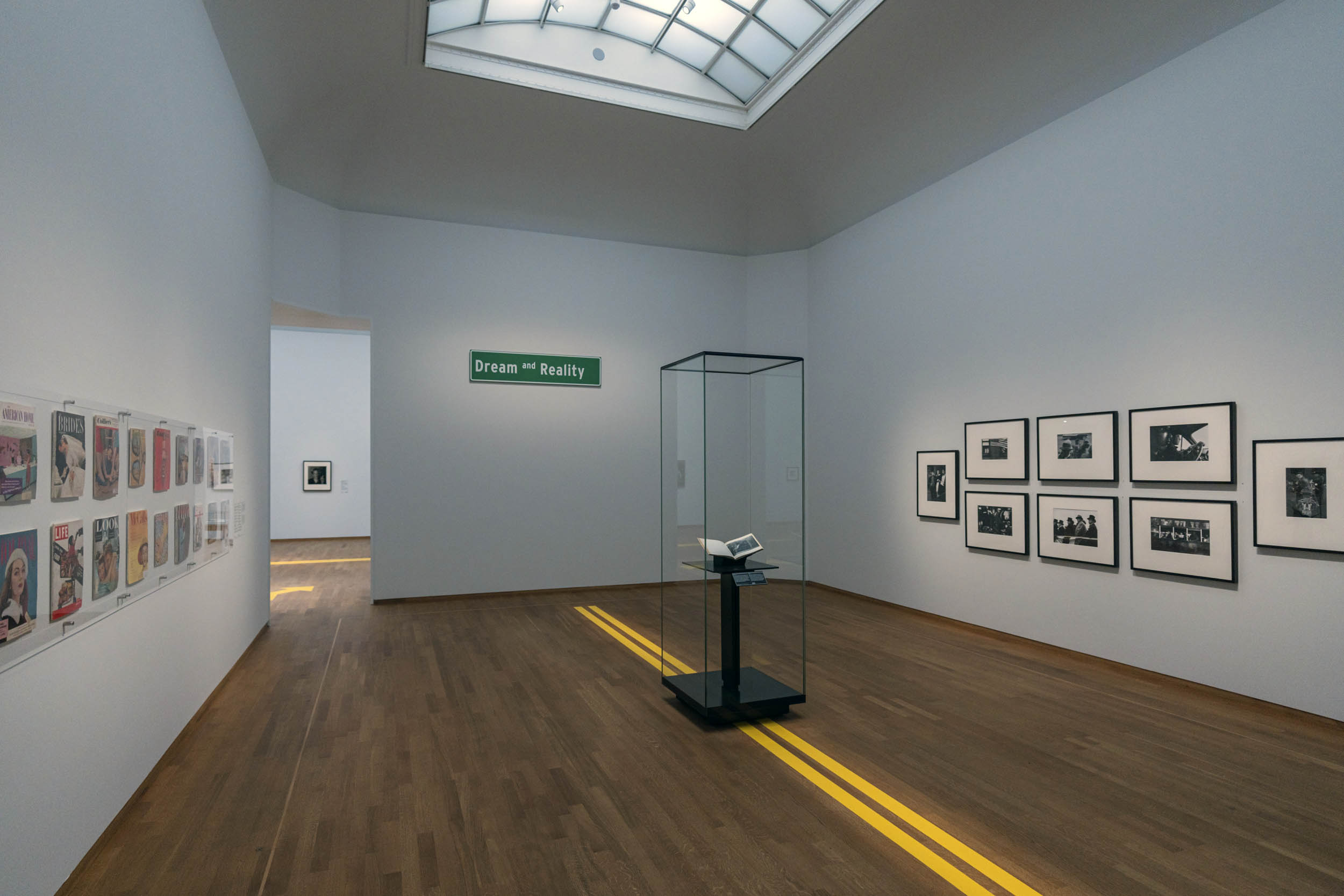
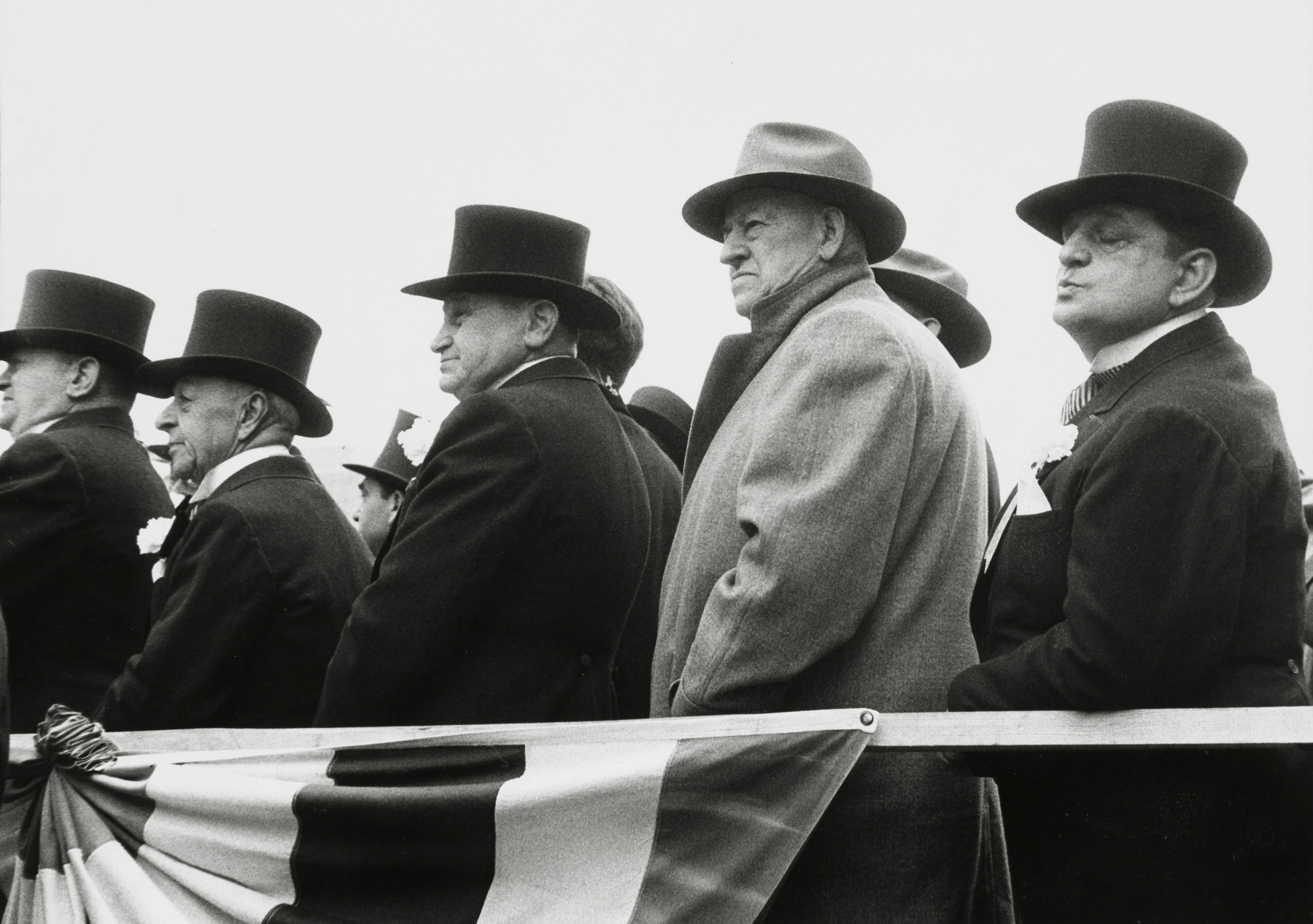

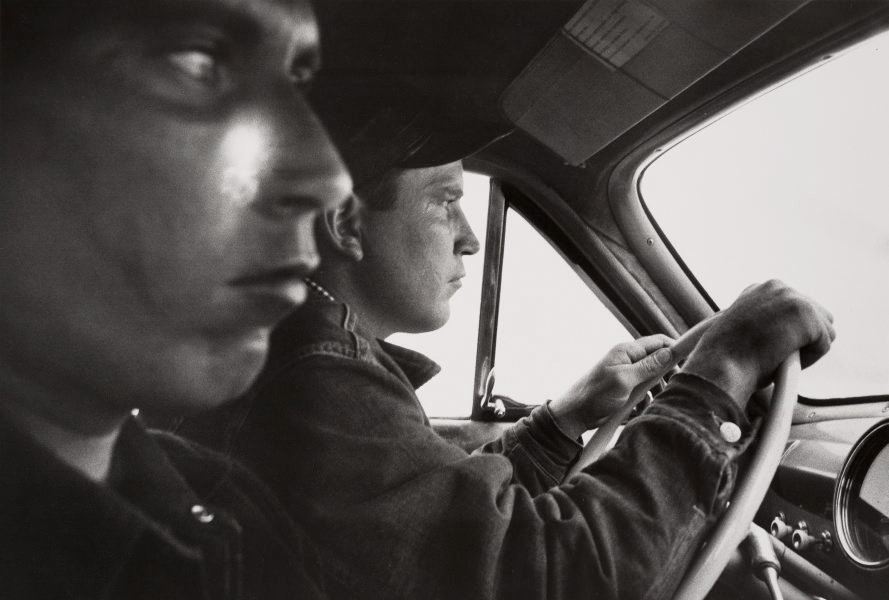

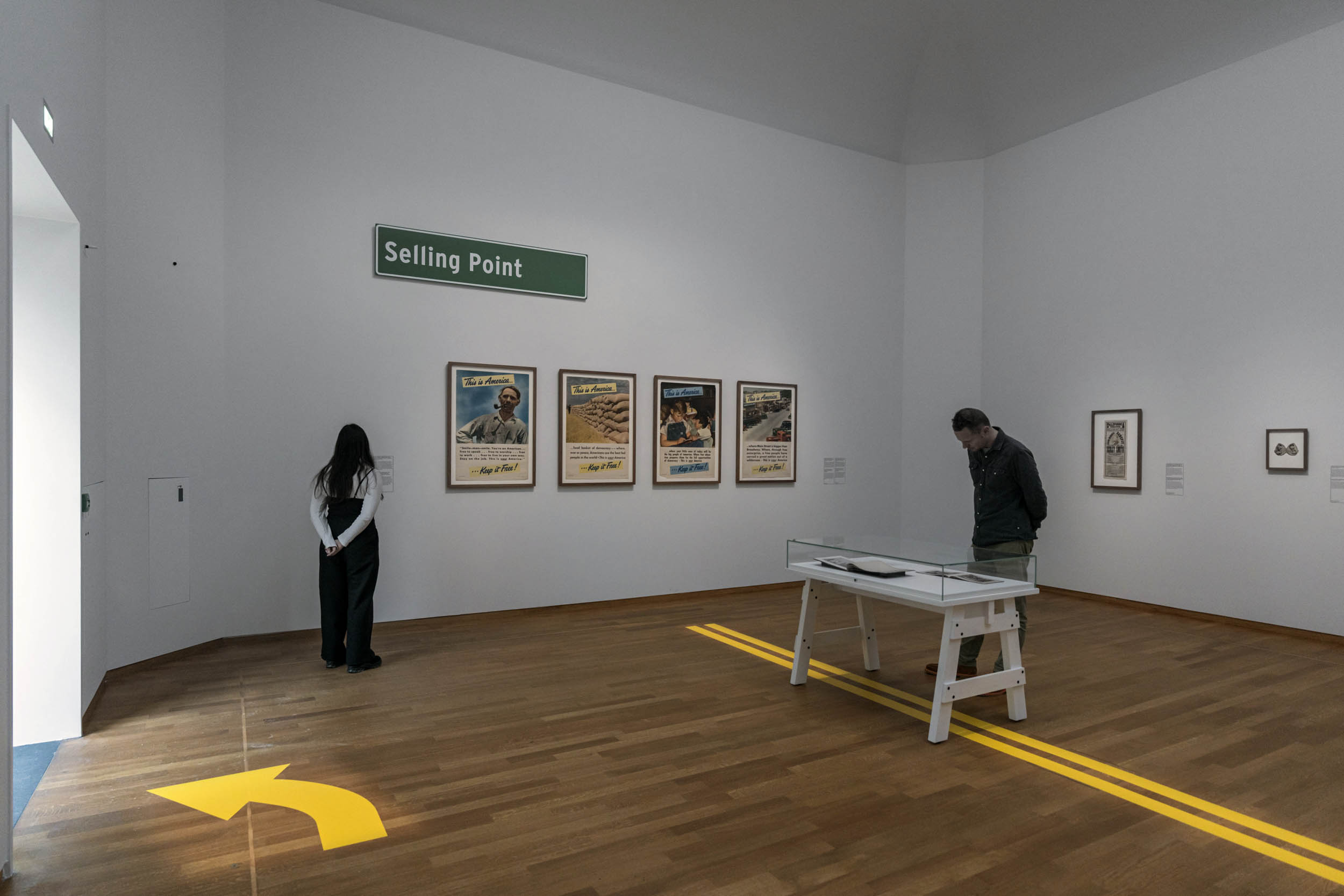
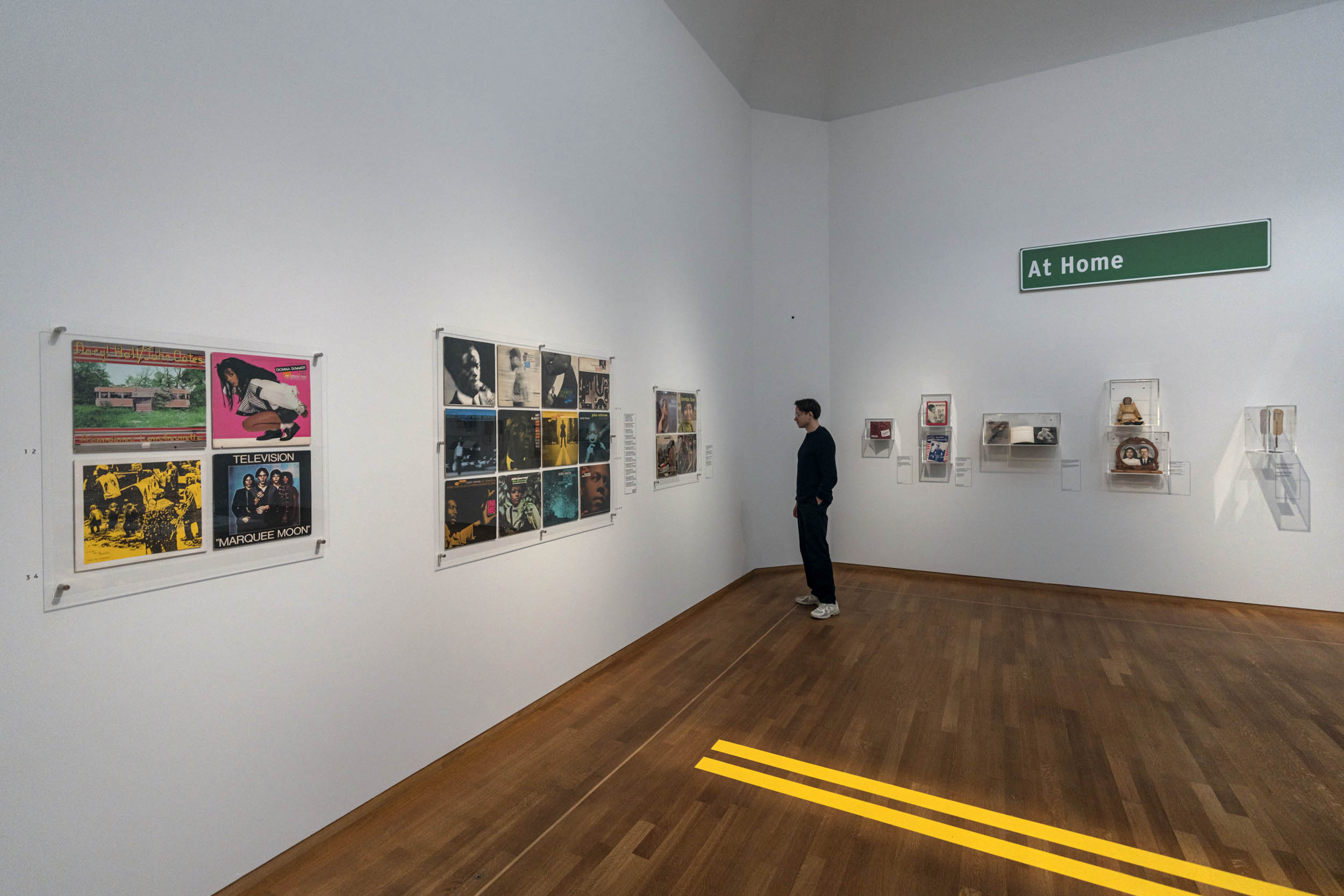


![Chuck Close (American, 1940-2021) 'Phil' [Photo Maquette of Philip Glass] 1969](https://artblart.com/wp-content/uploads/2025/05/chuck-close-photo-maquette-of-philip-glass.jpg "Chuck Close (American, 1940-2021) 'Phil' [Photo Maquette of Philip Glass] 1969")
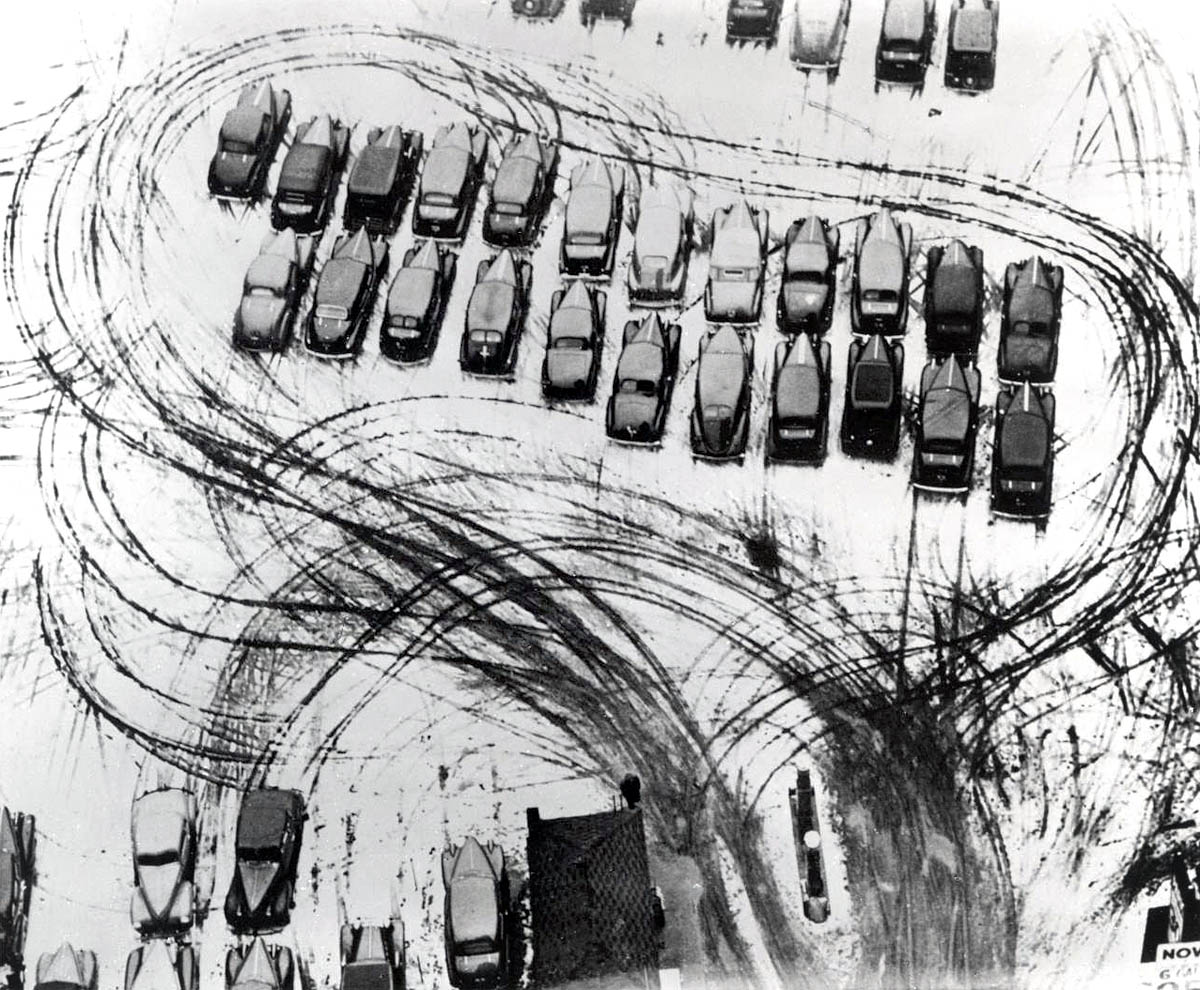

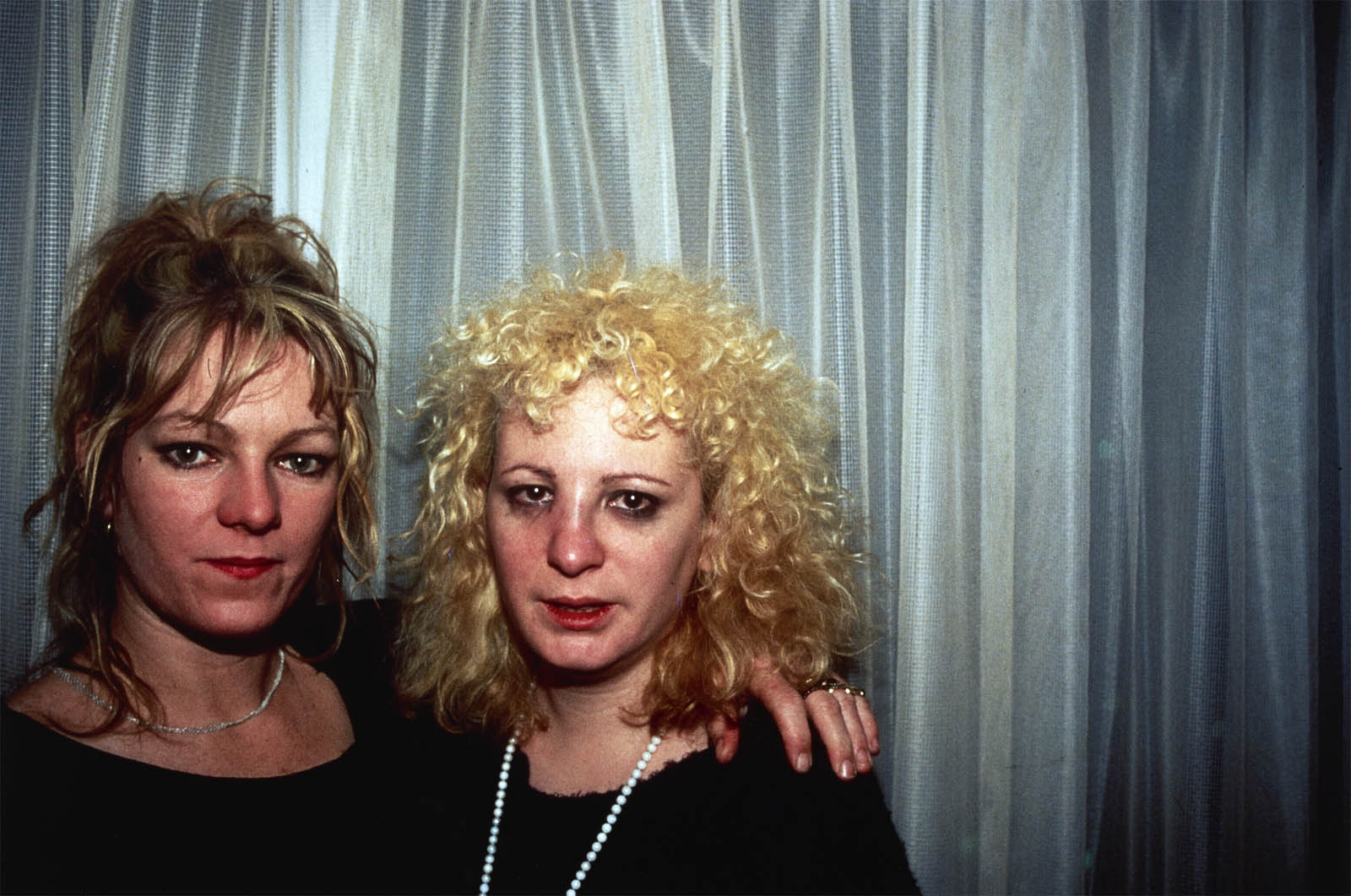
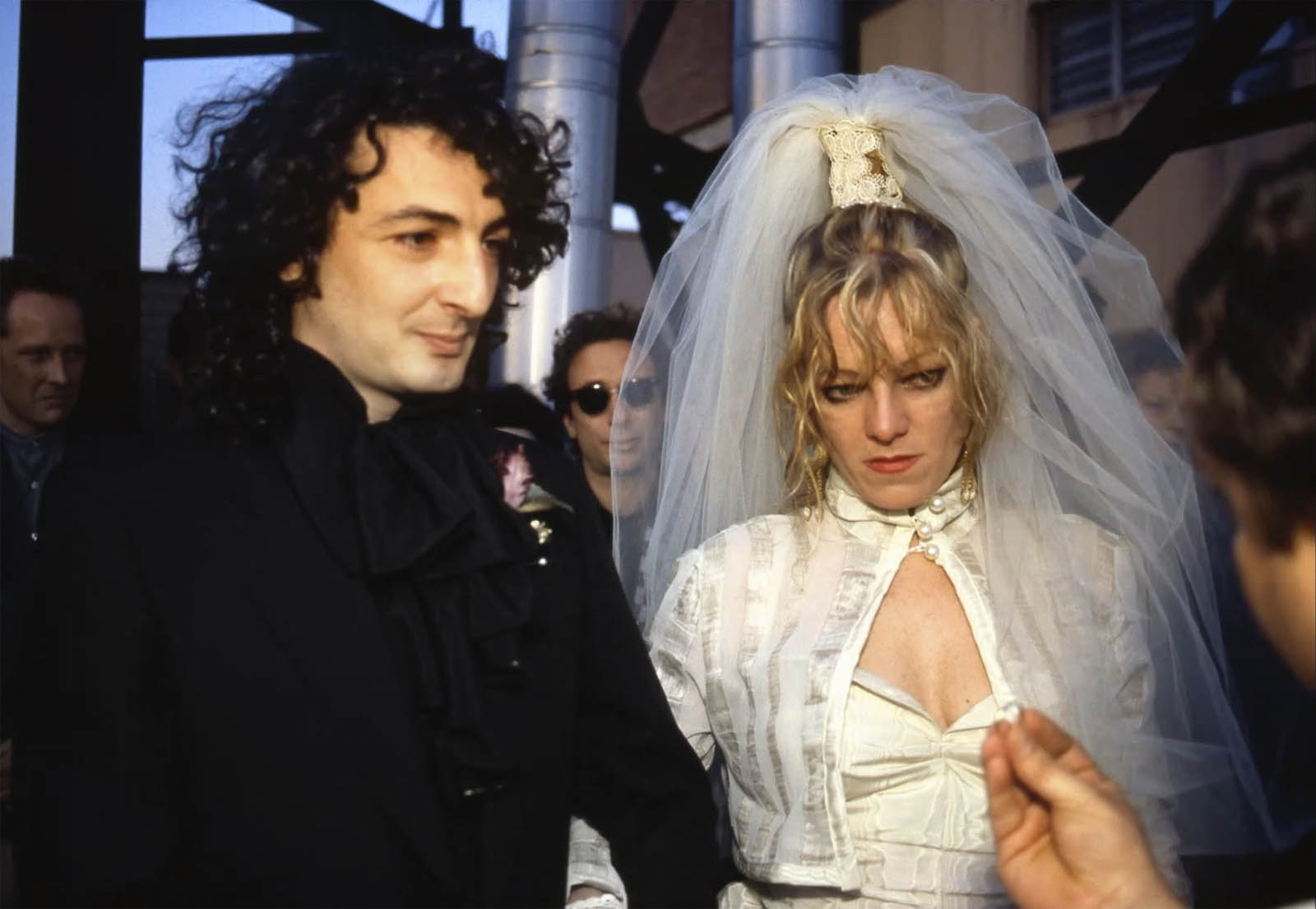
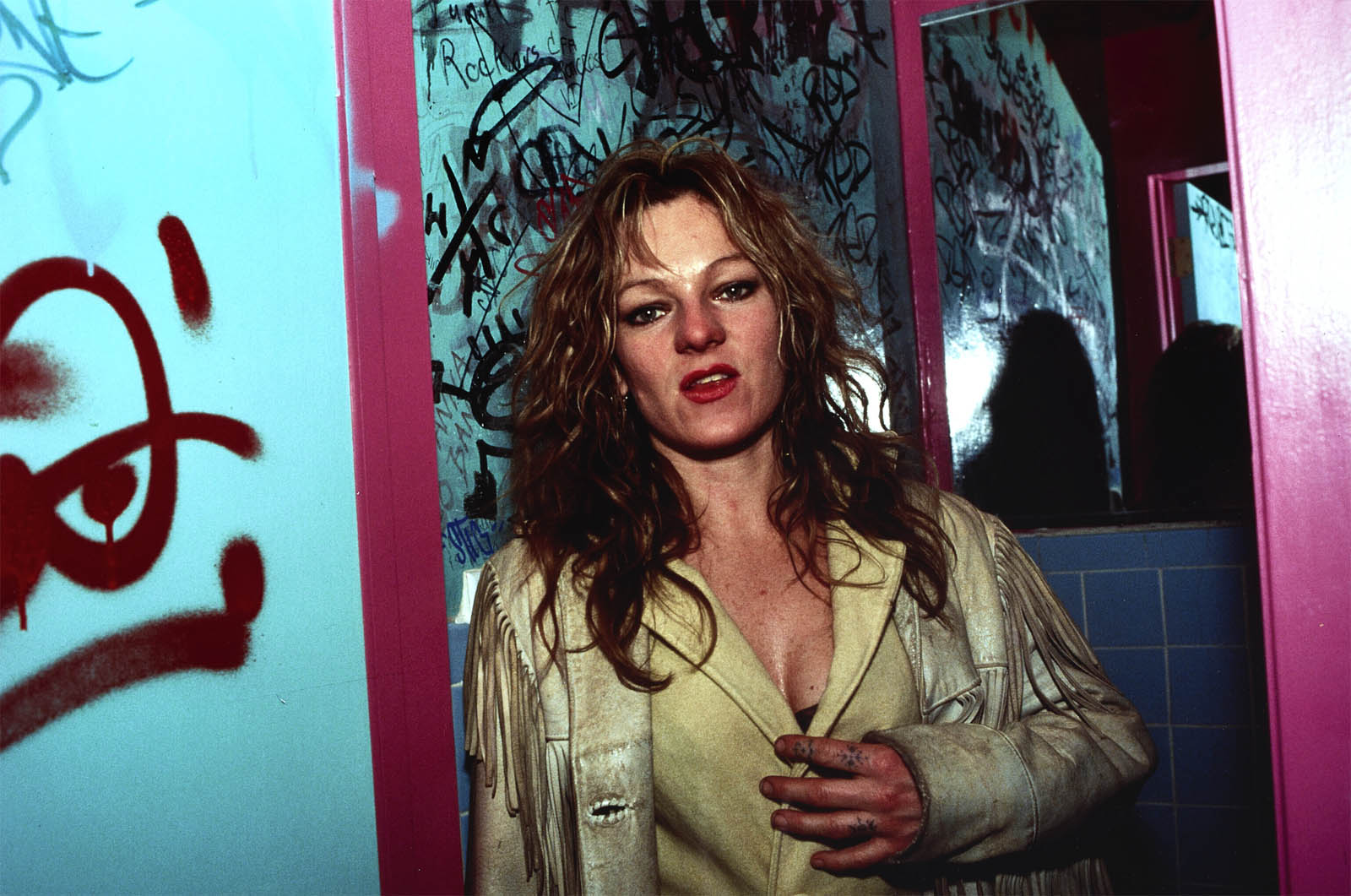
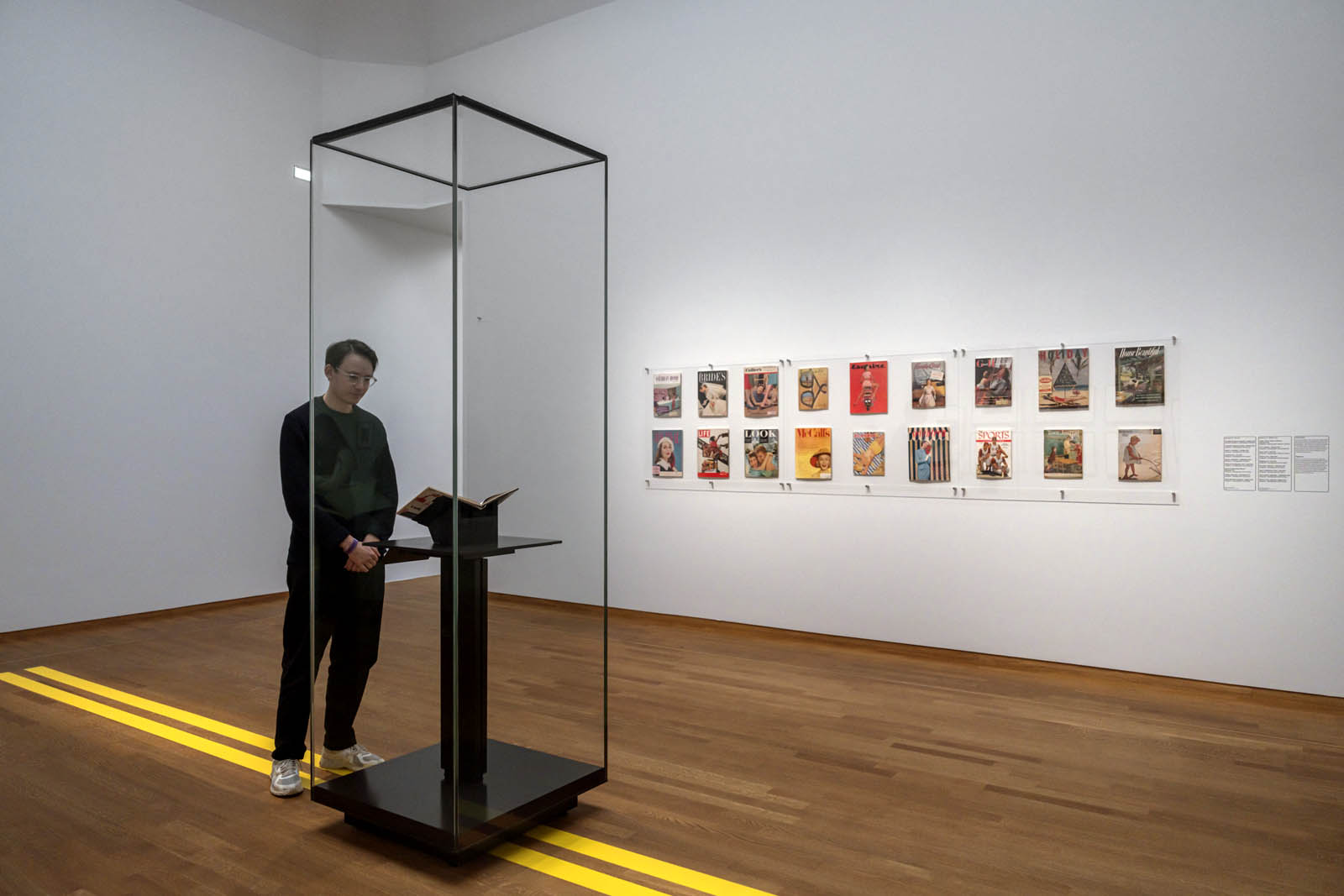


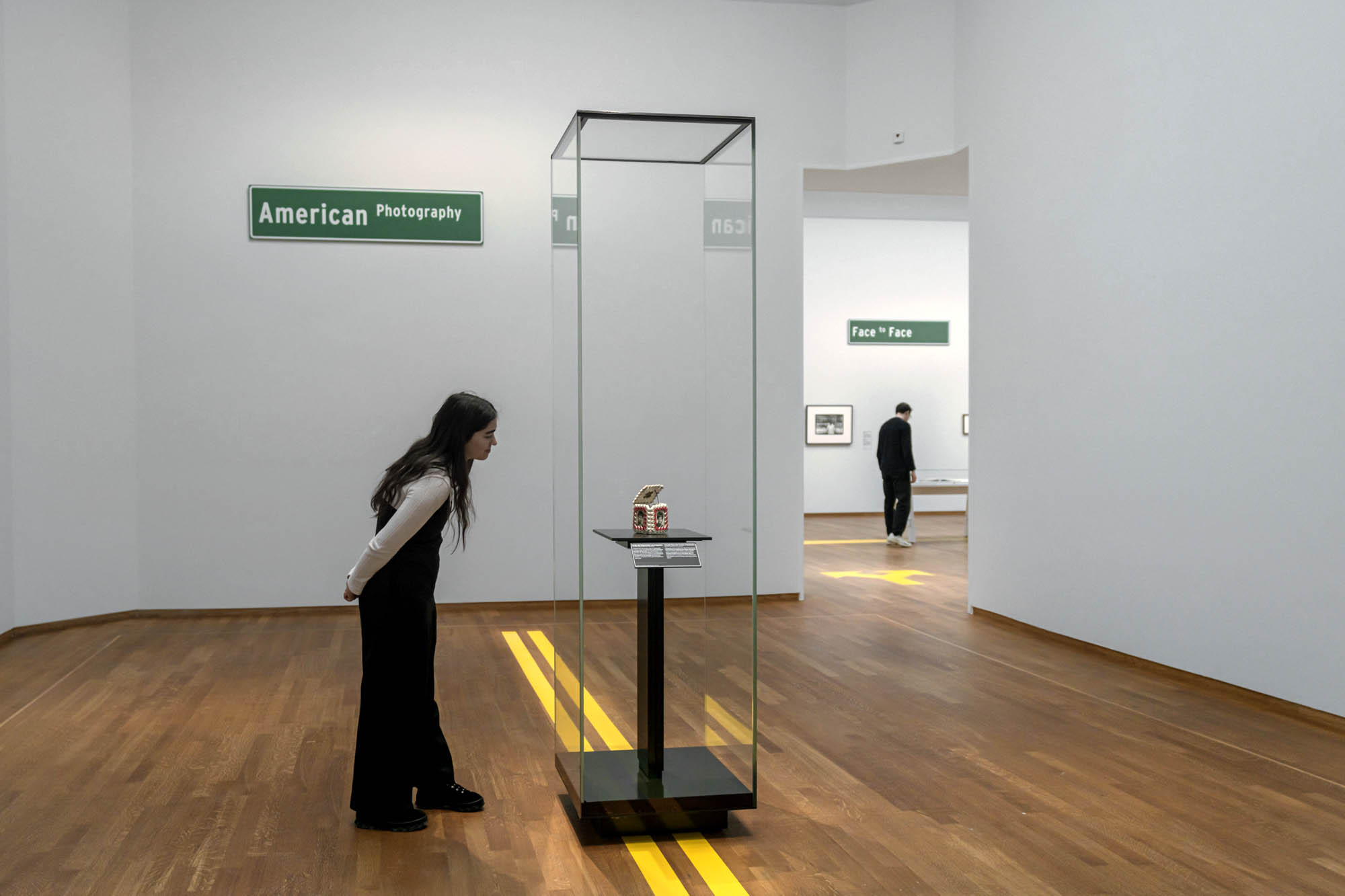
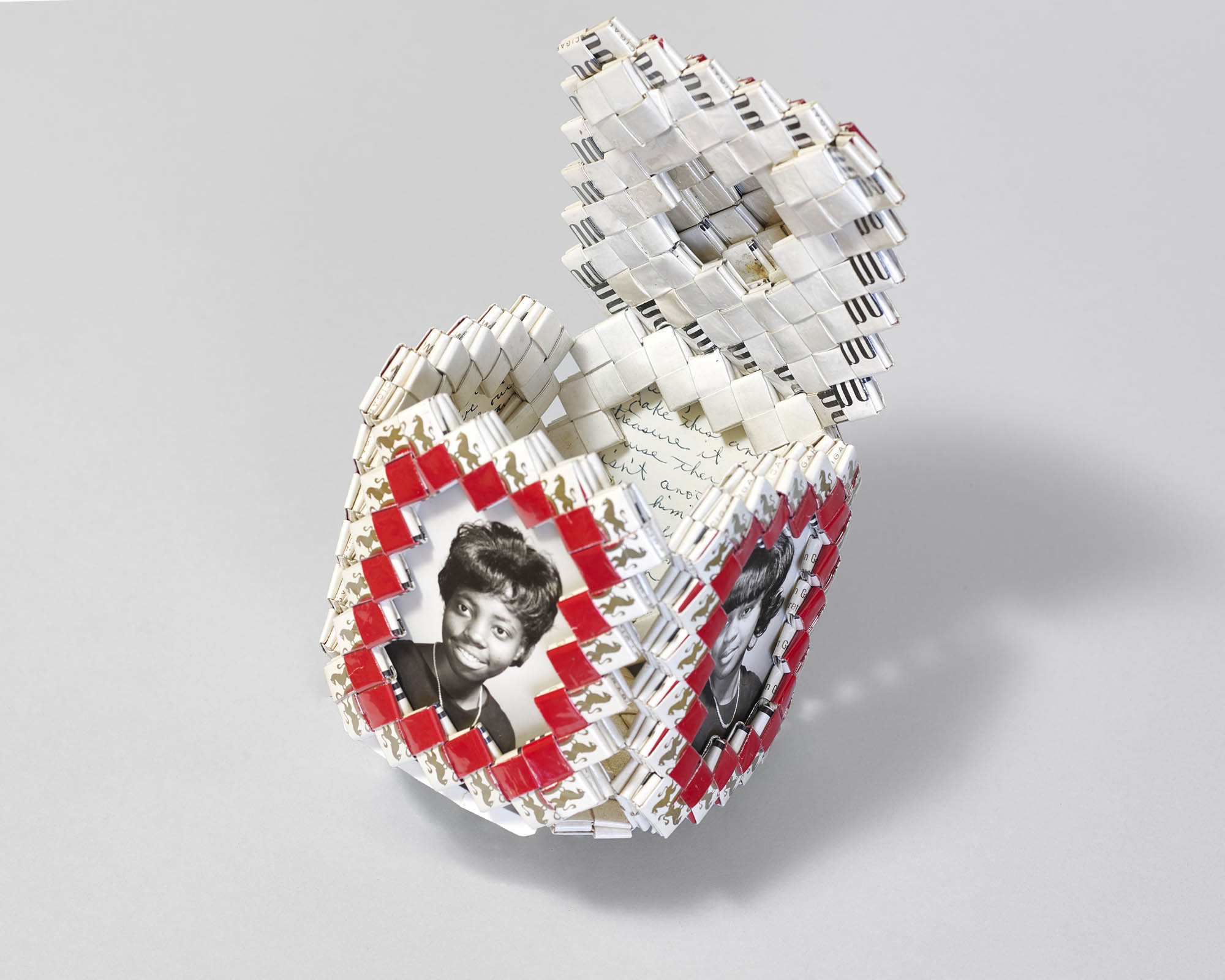
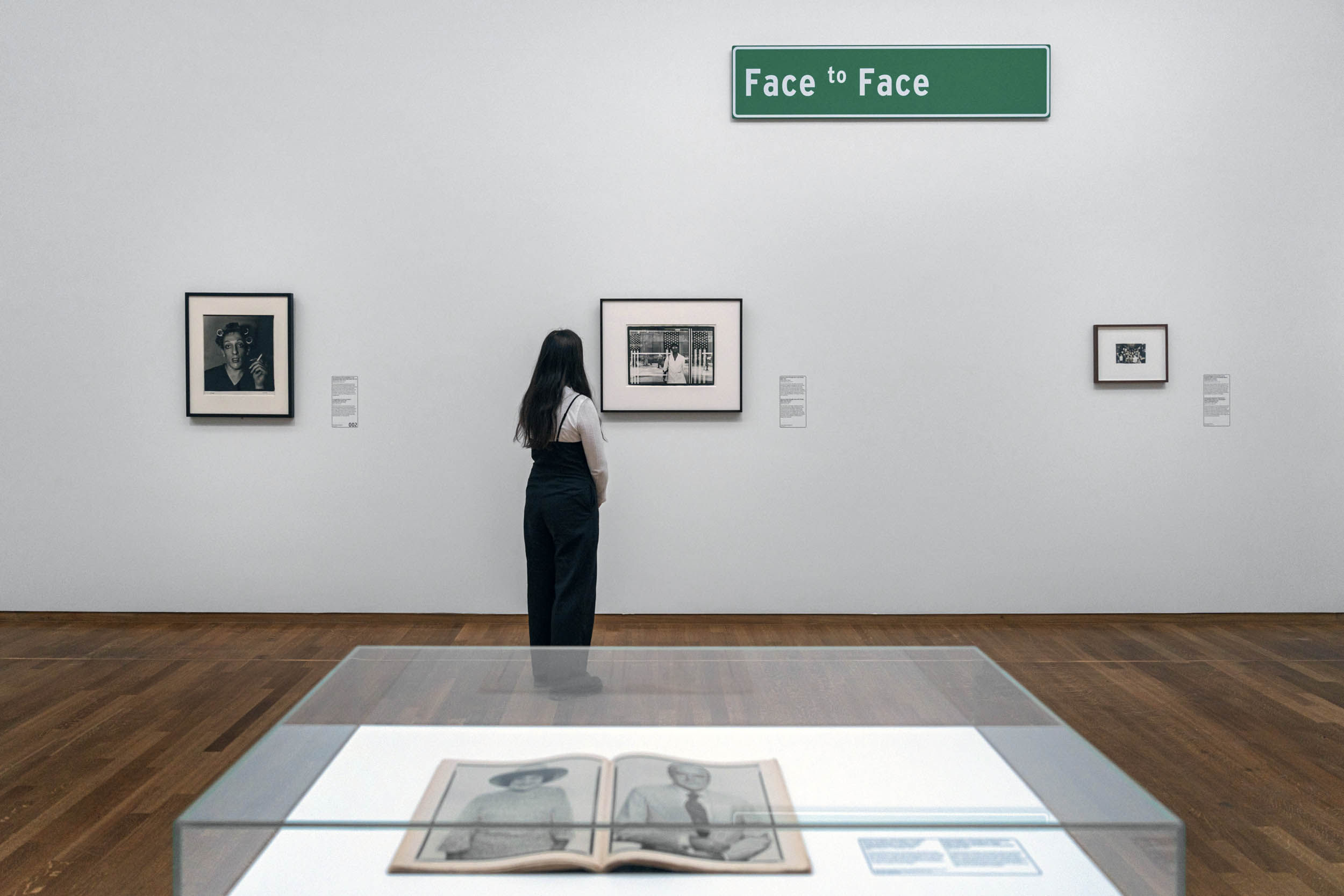
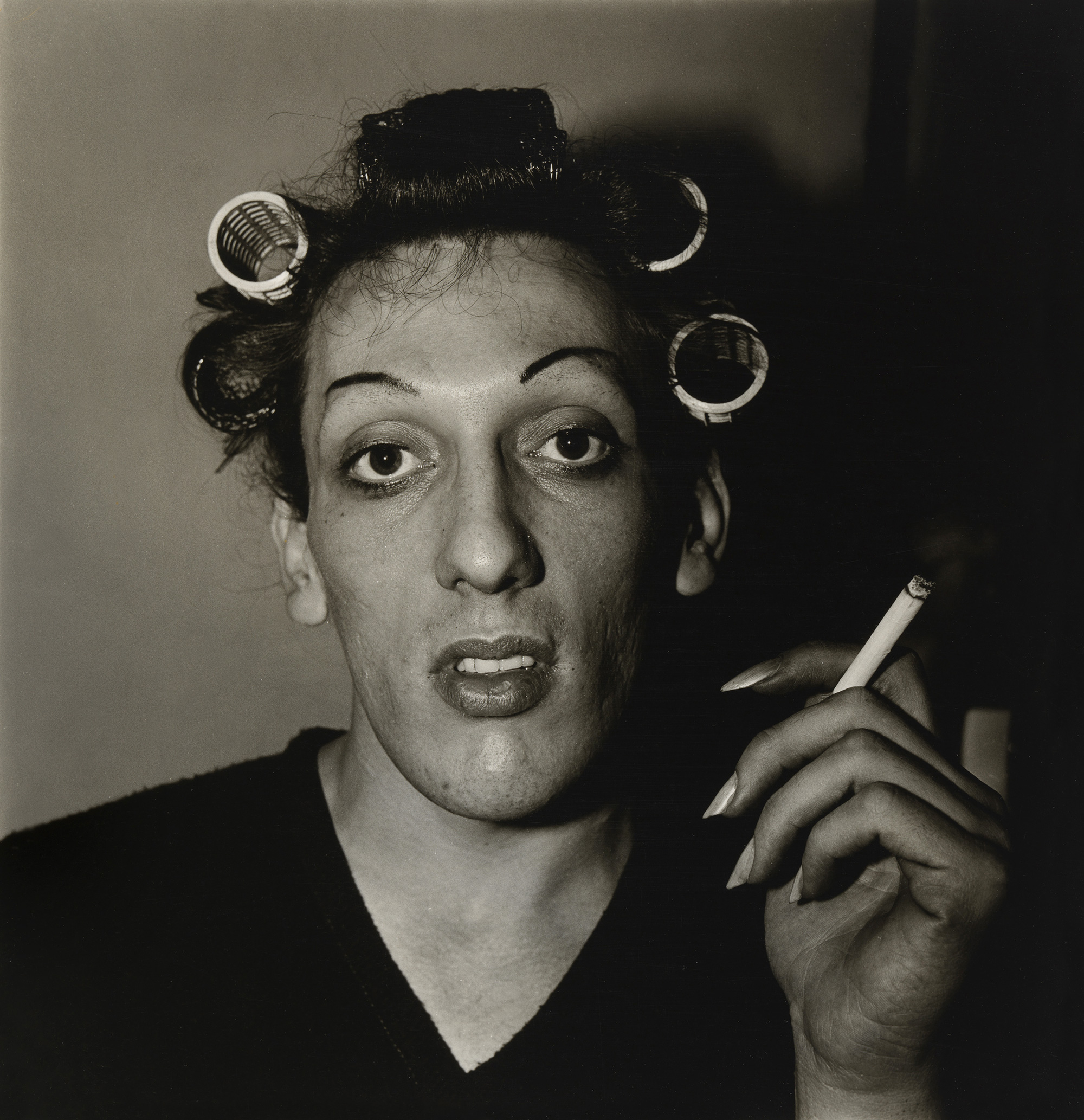
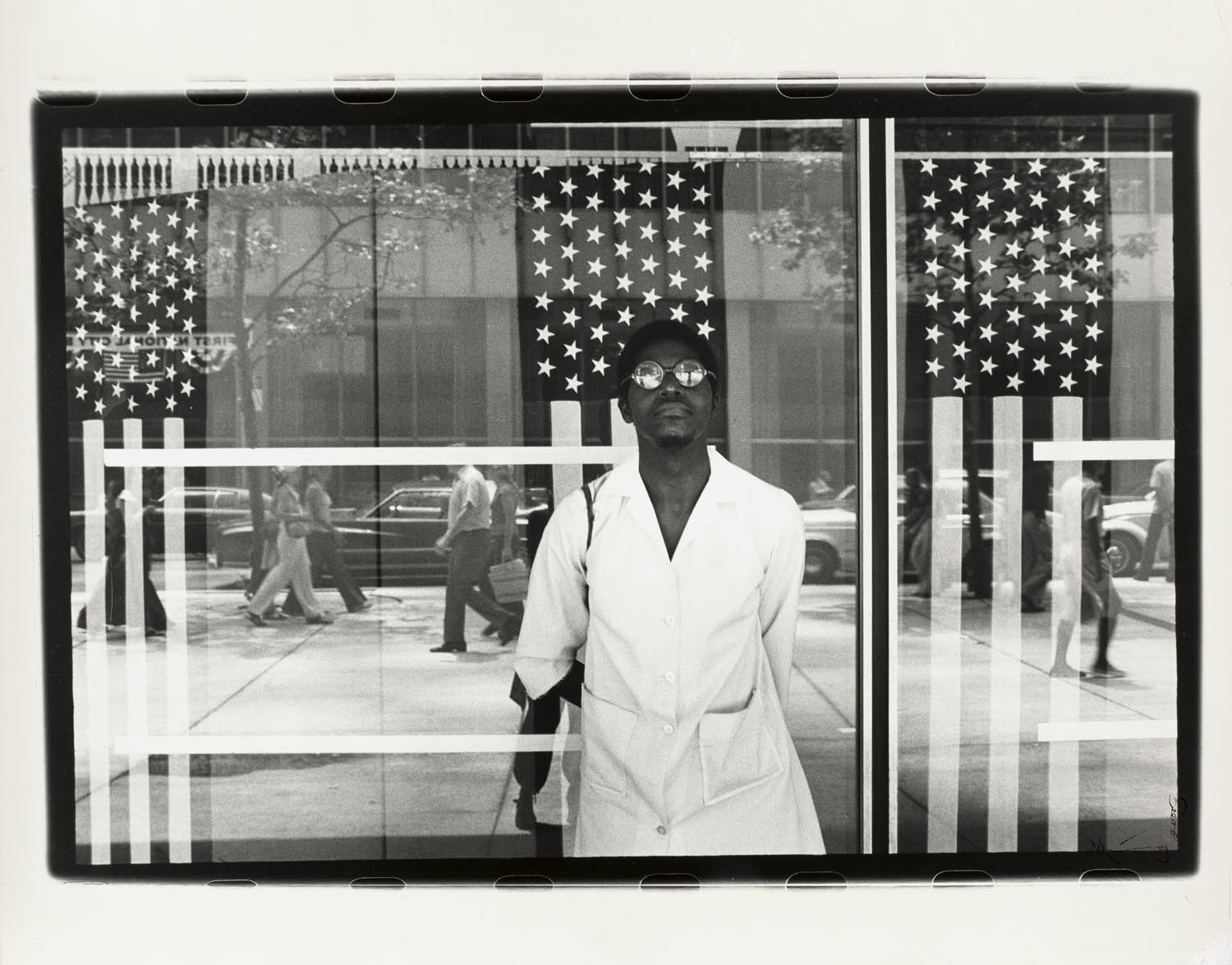


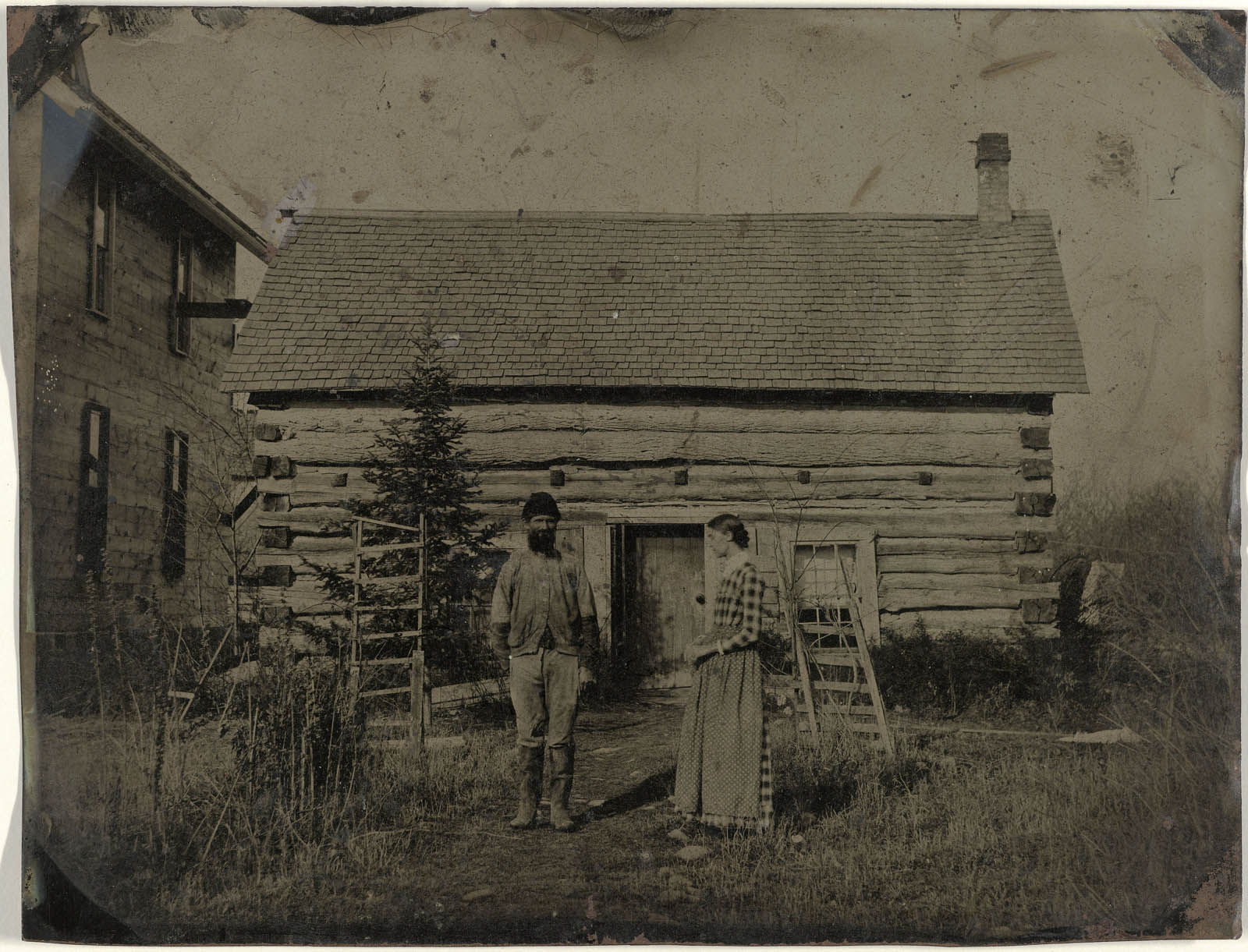
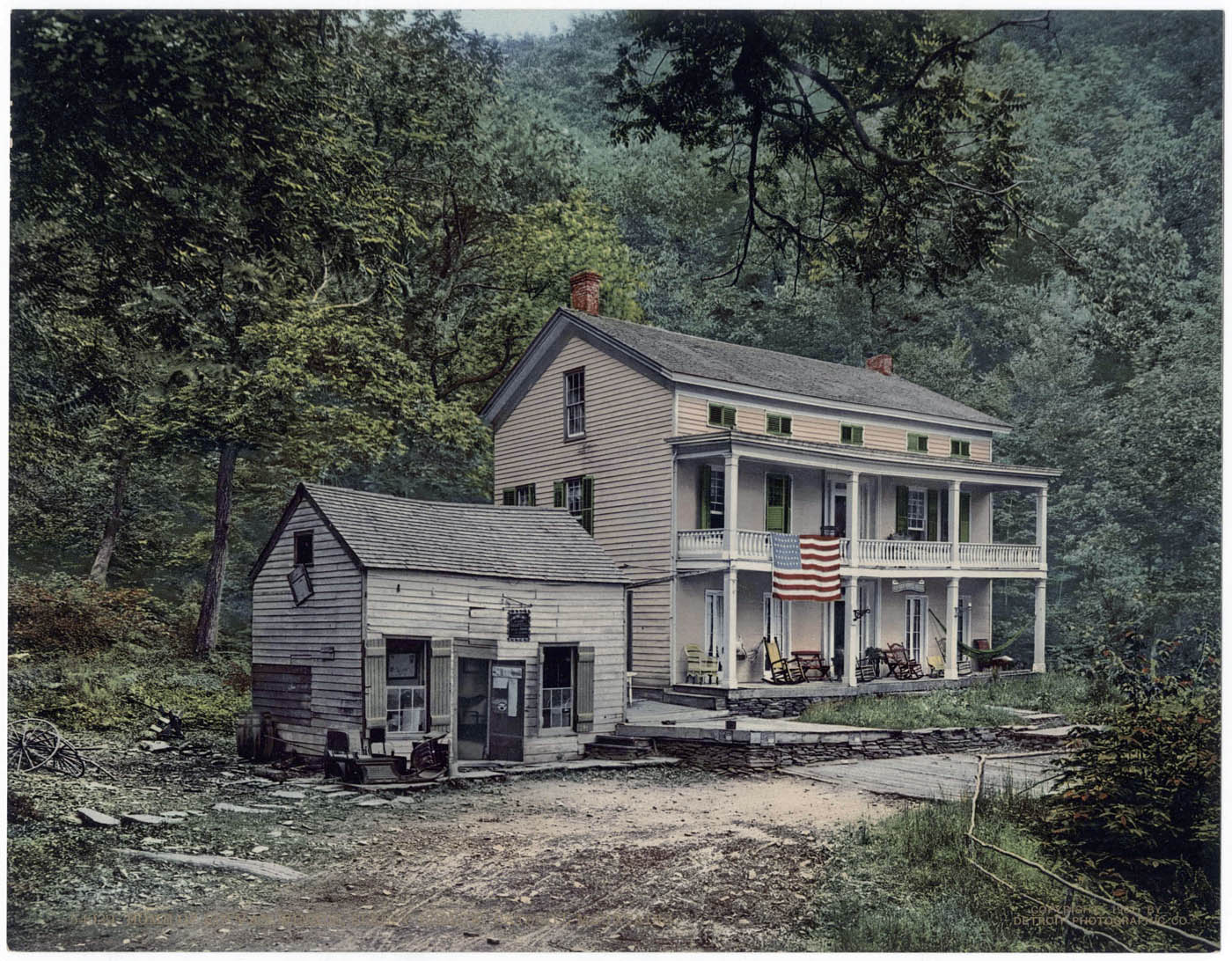


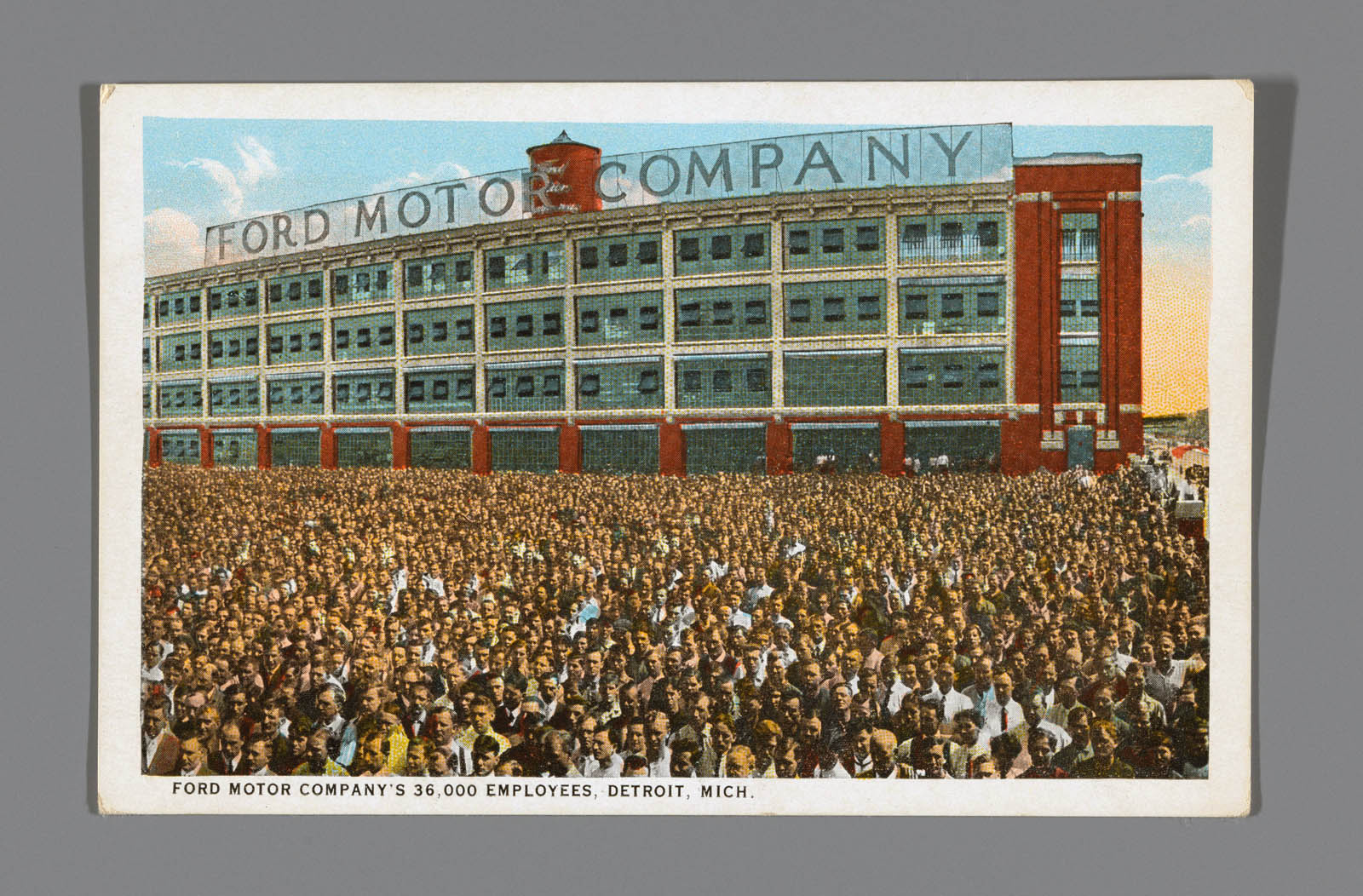
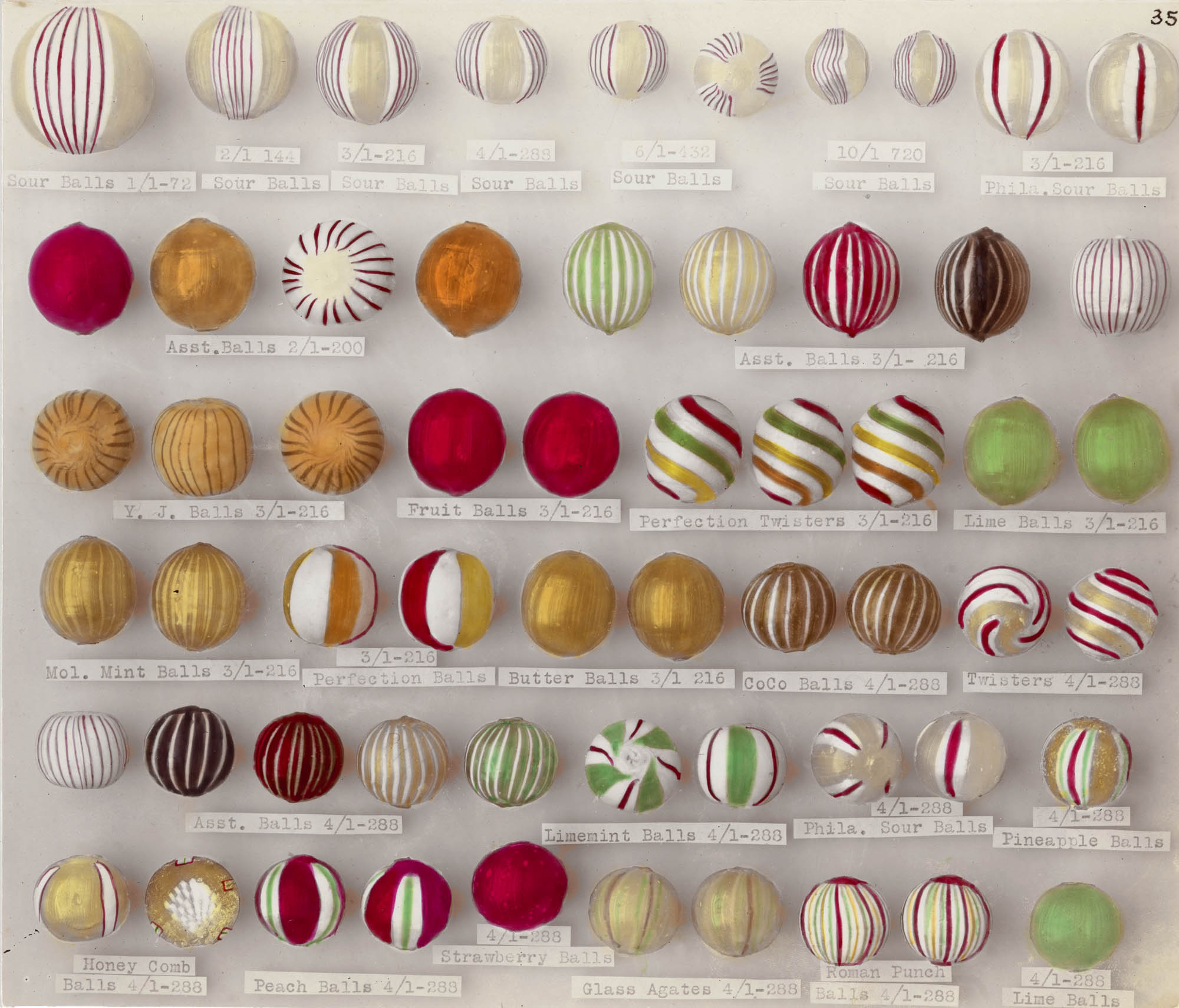
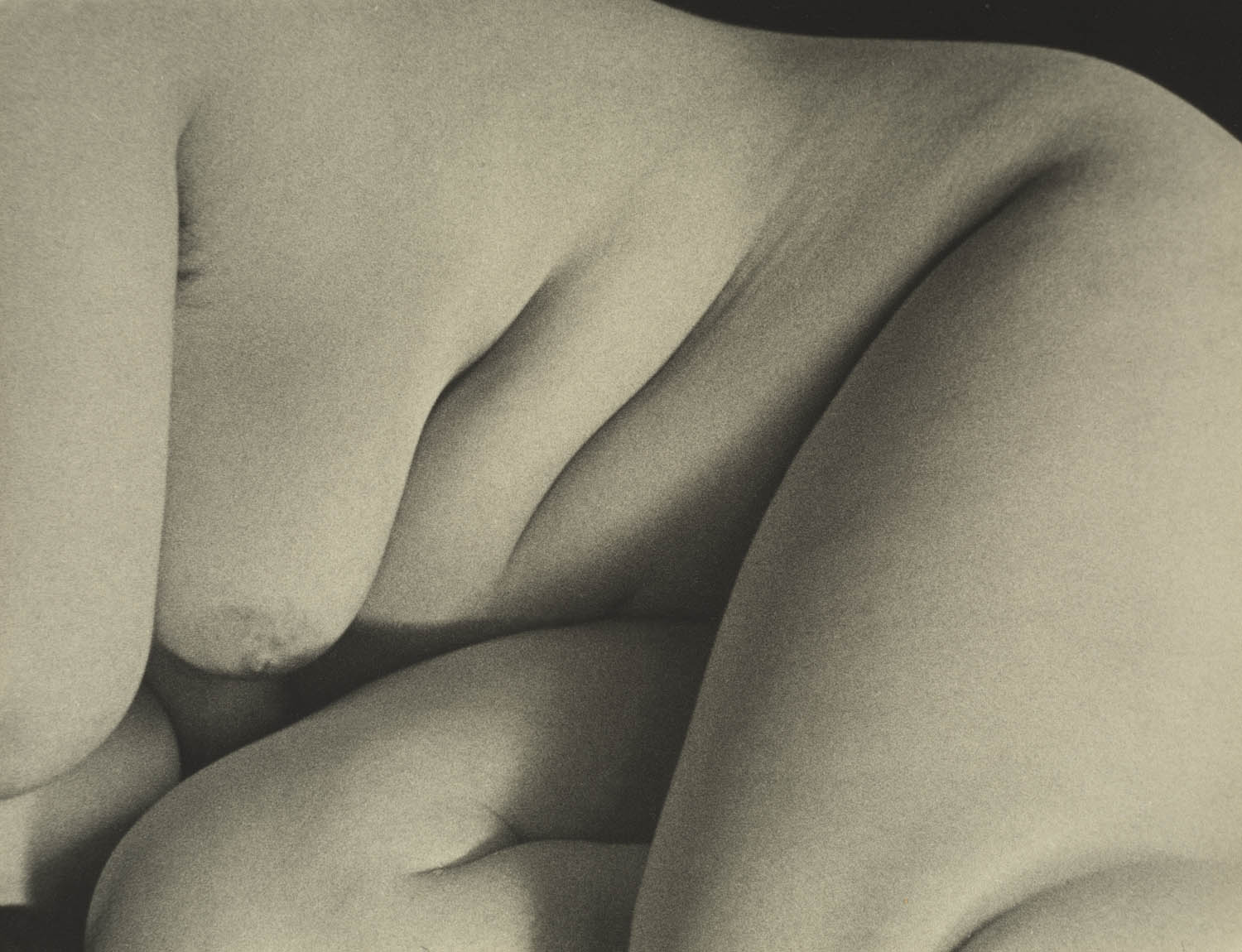

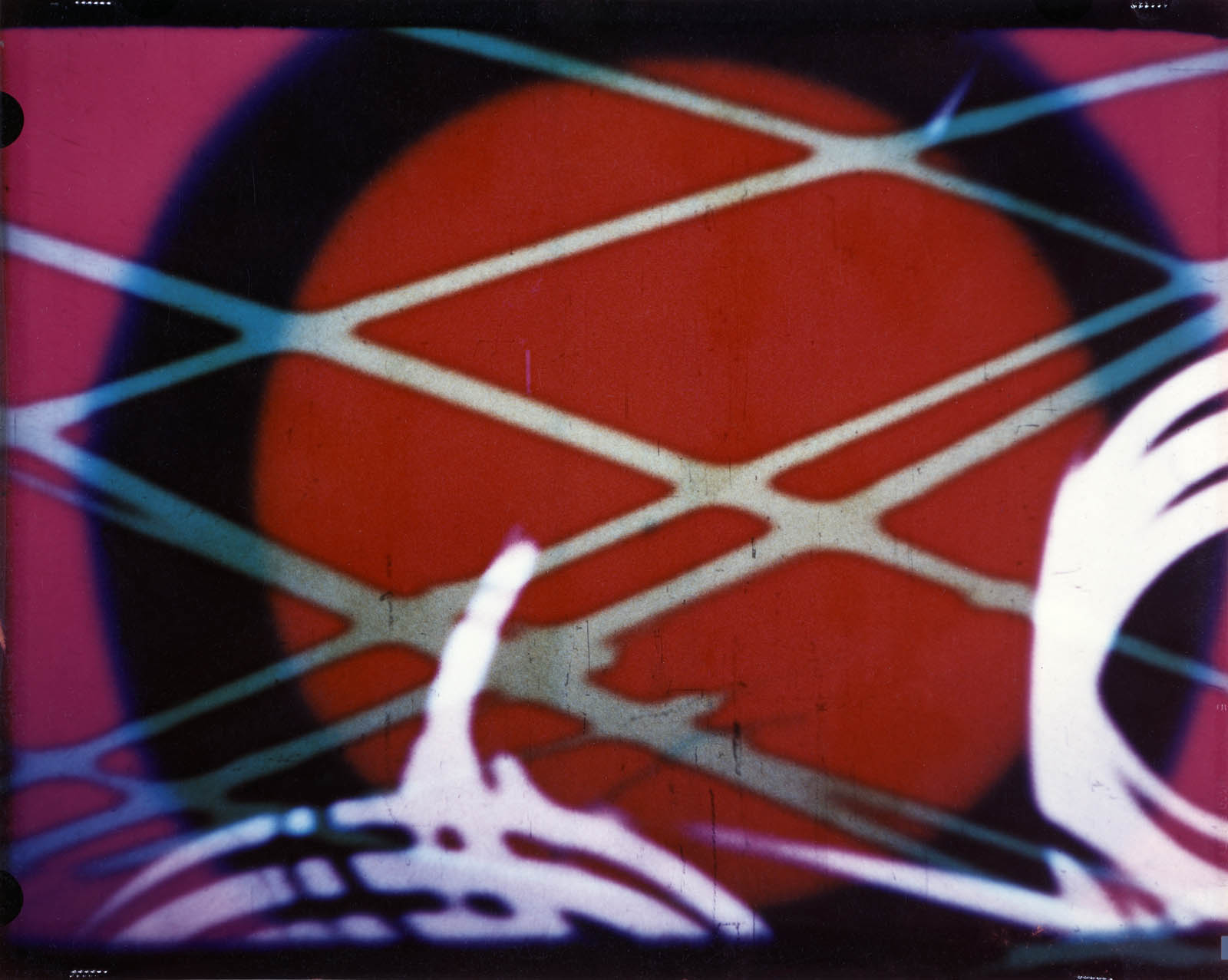


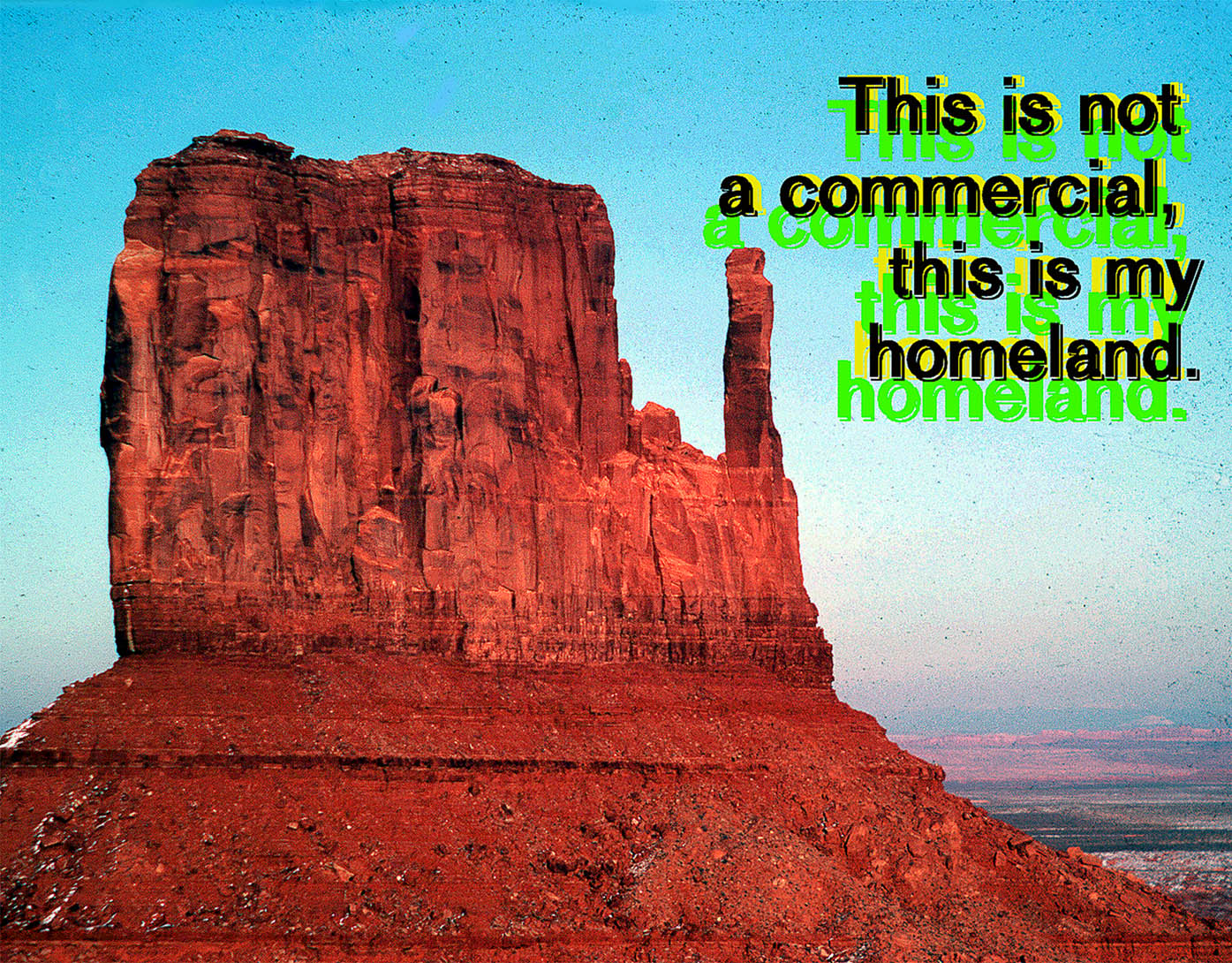

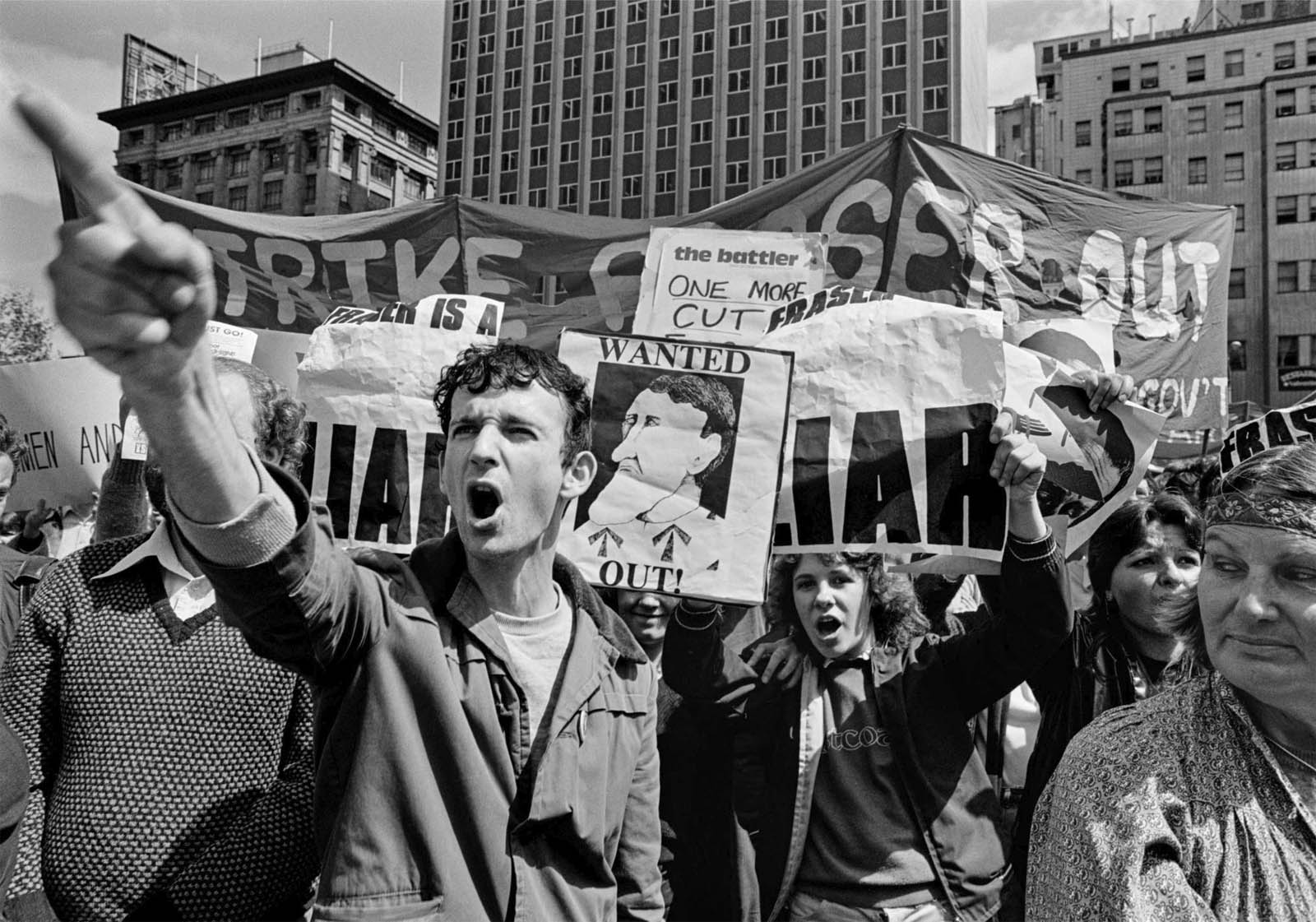


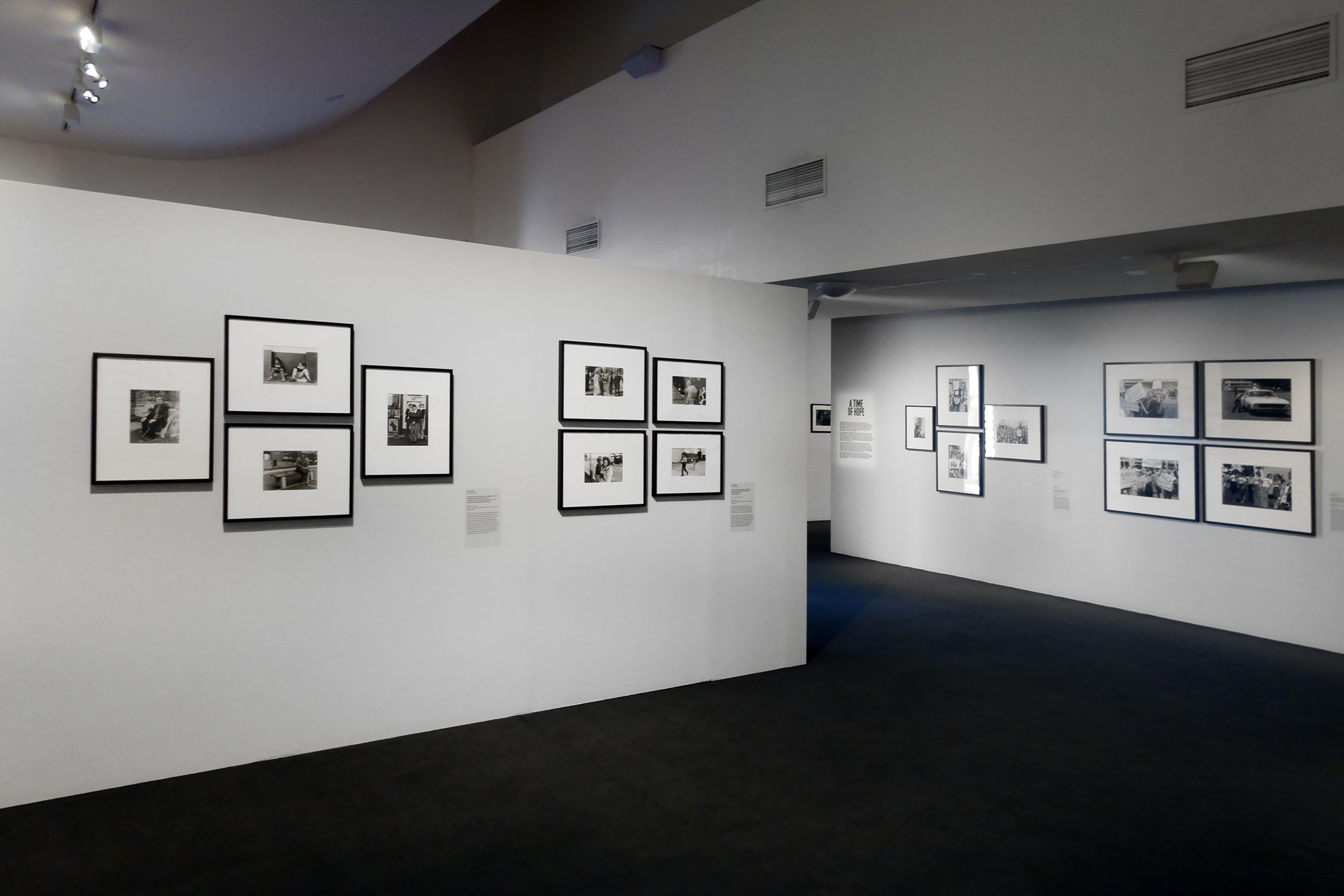


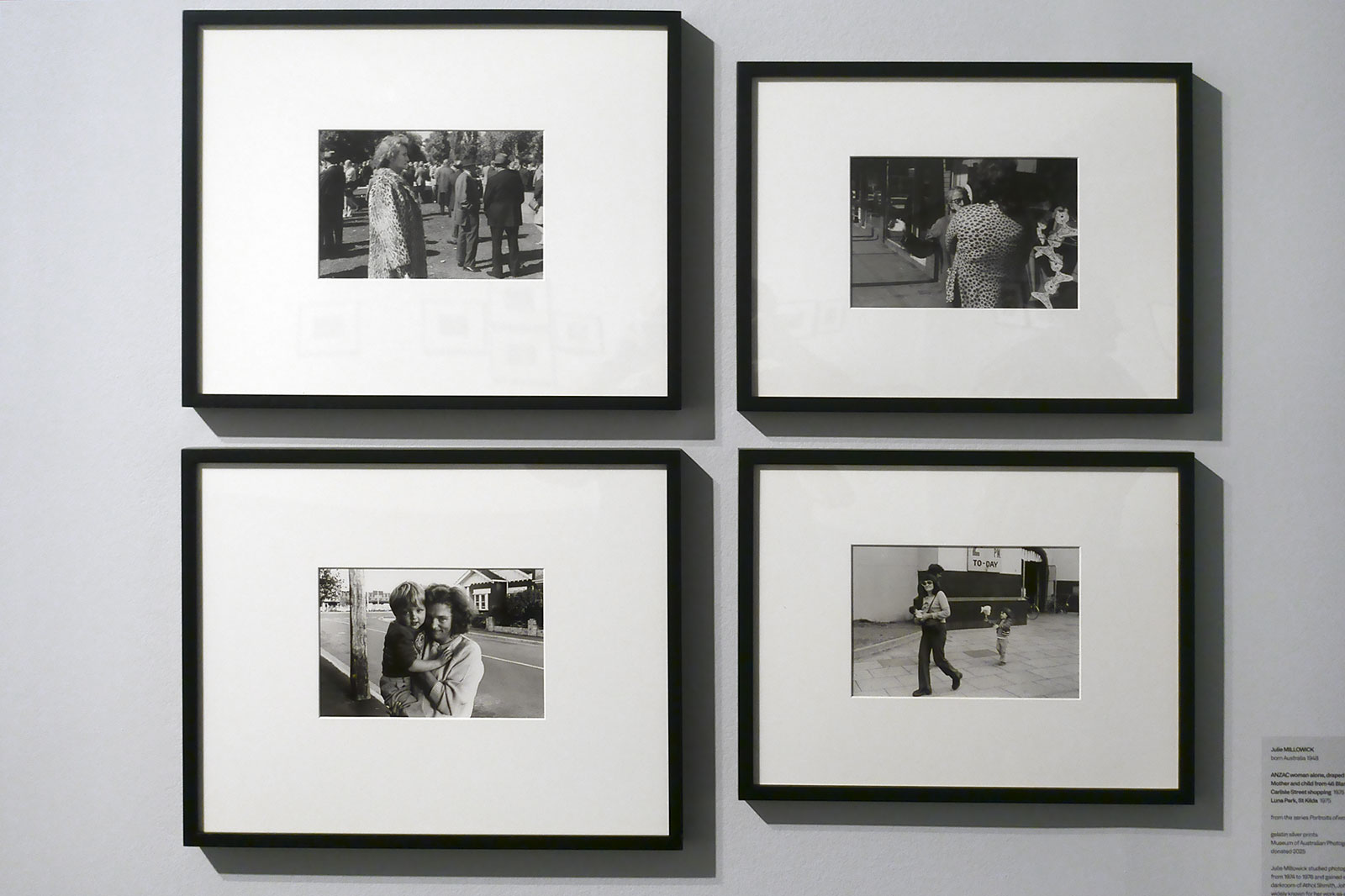


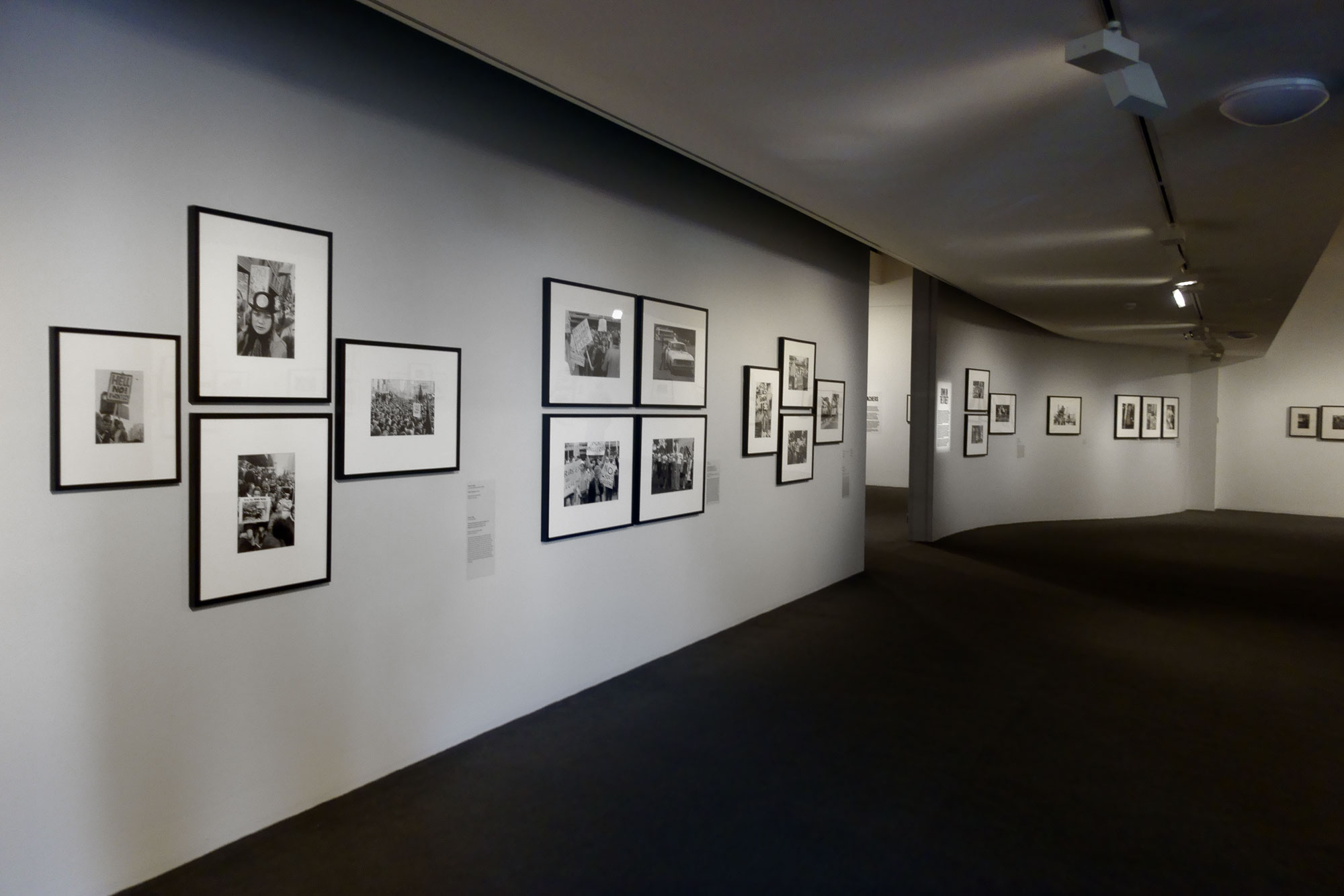
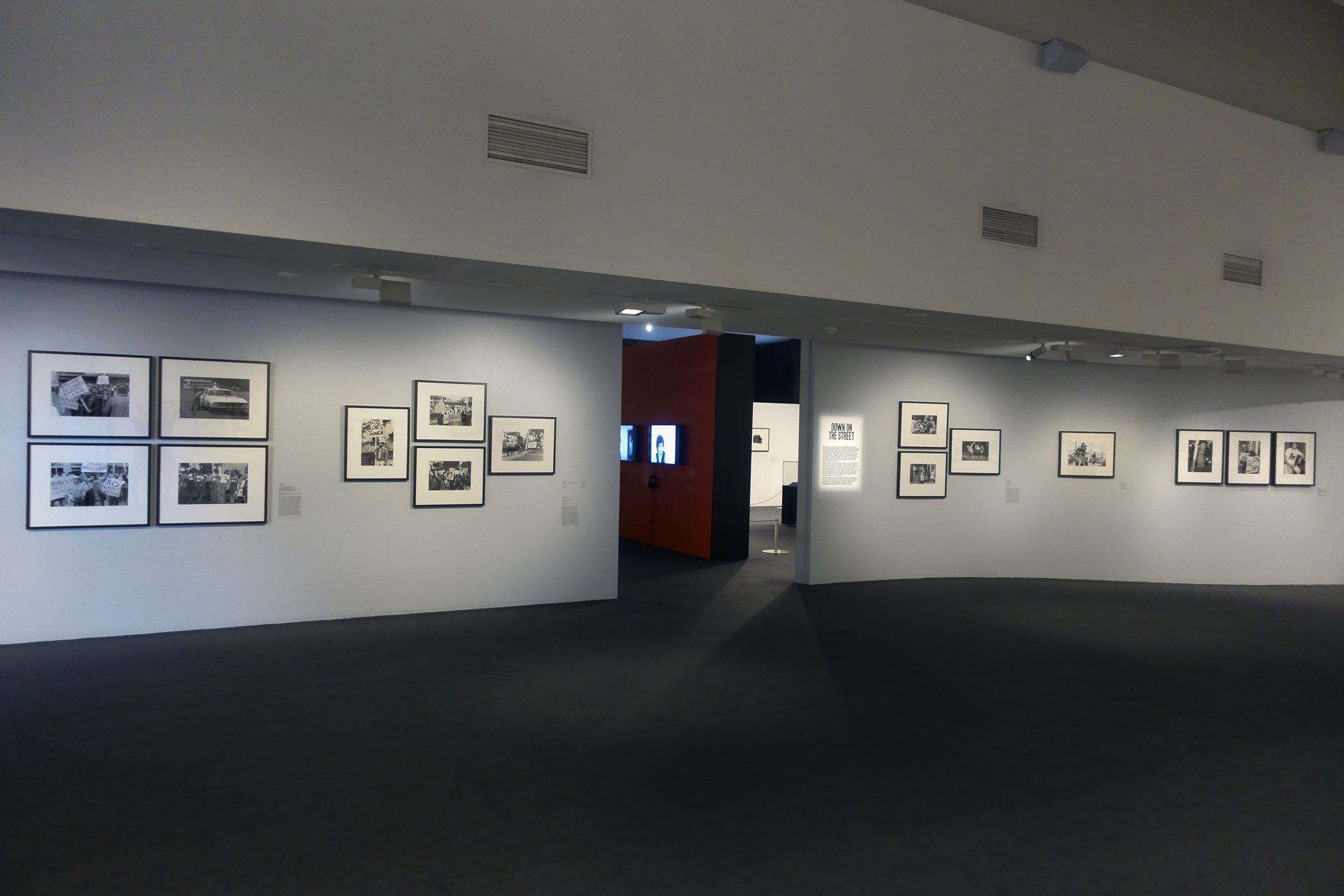
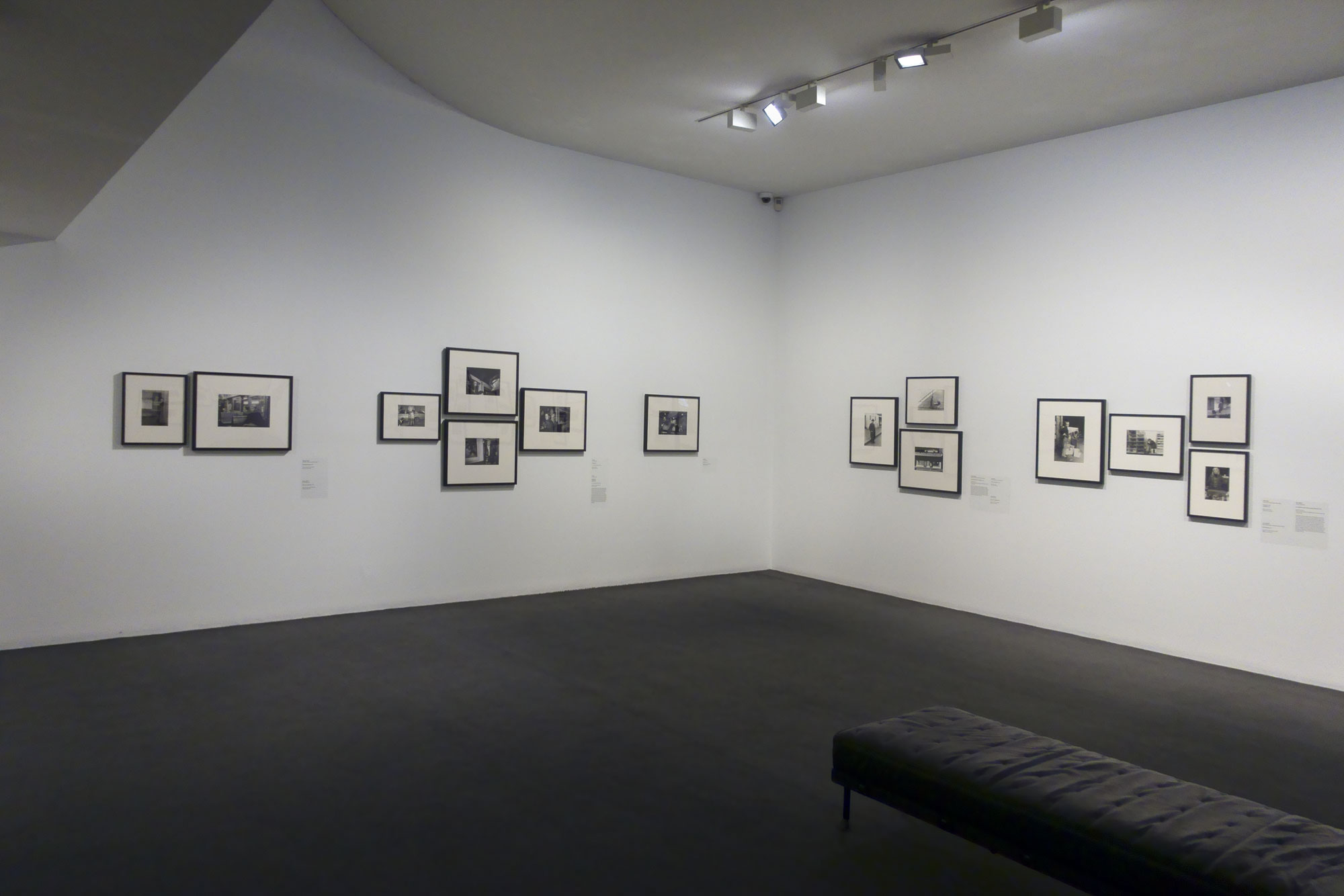
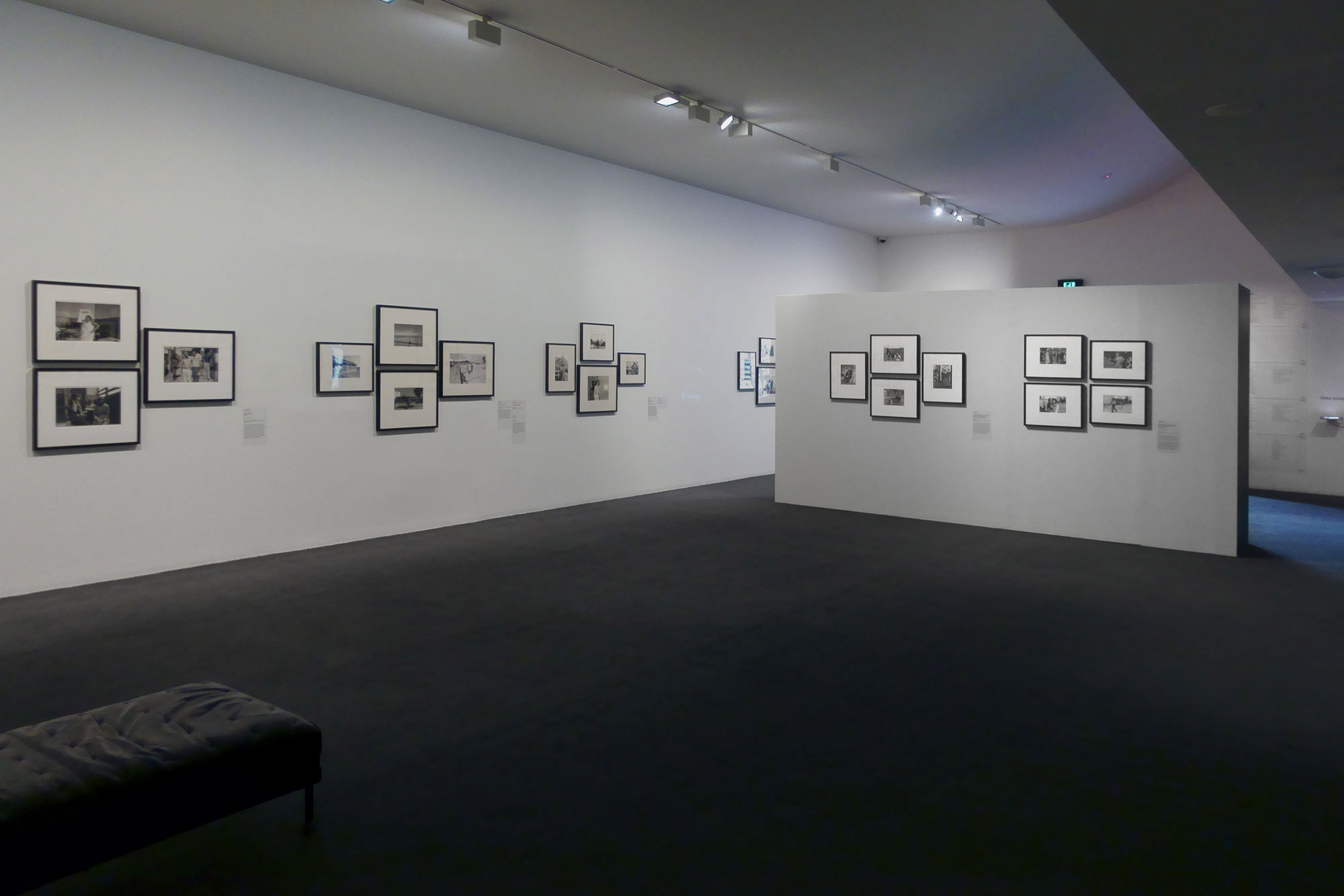
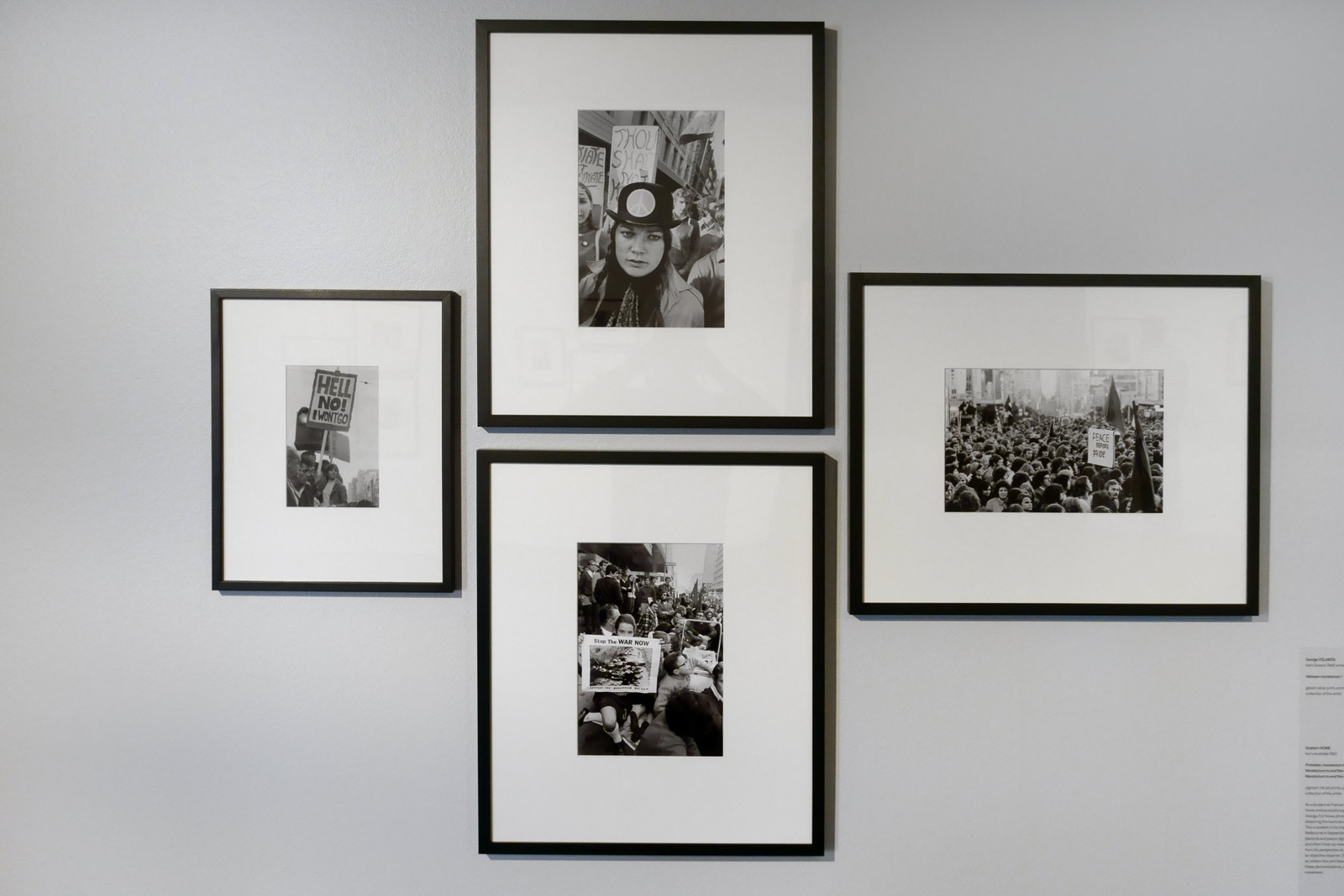


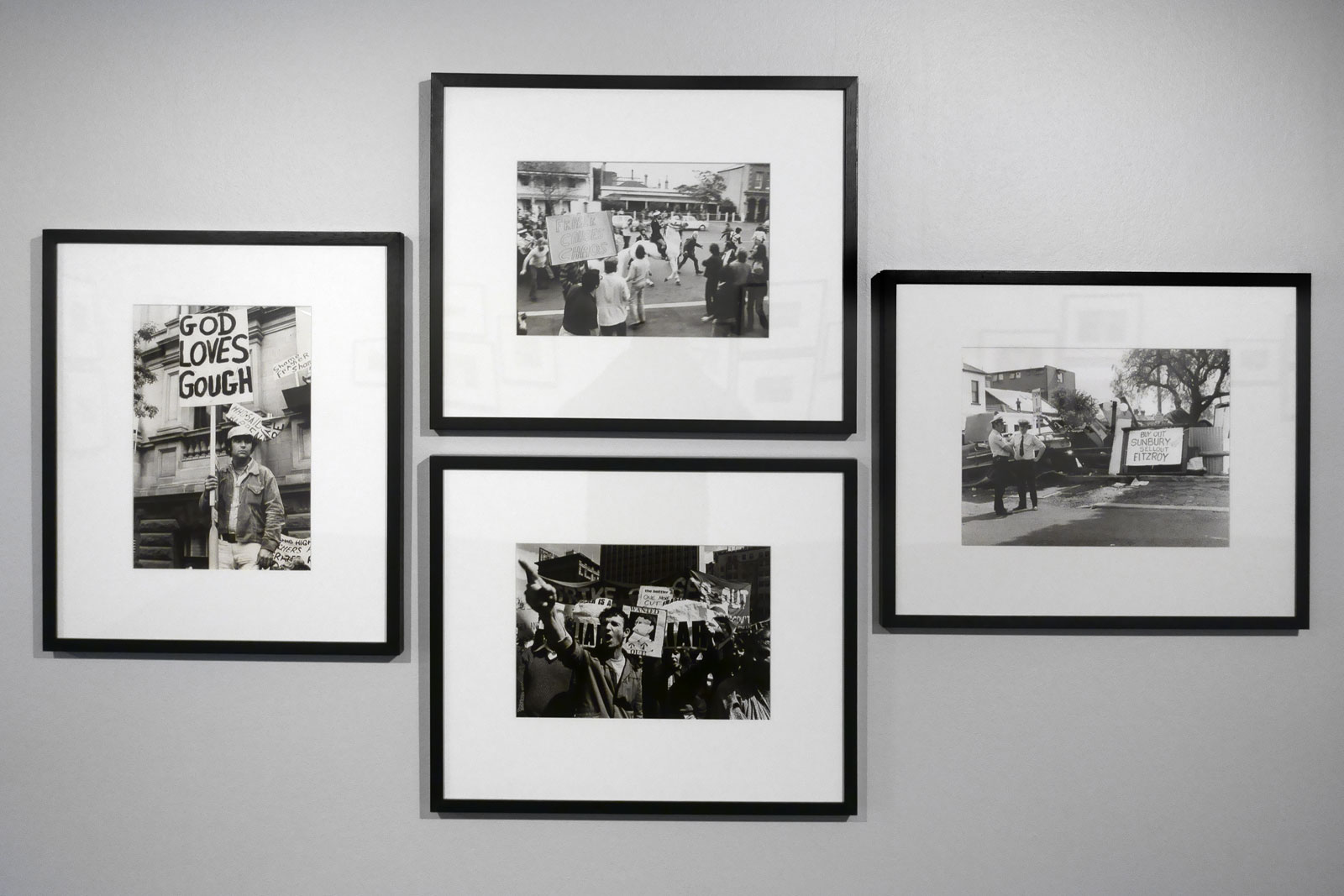

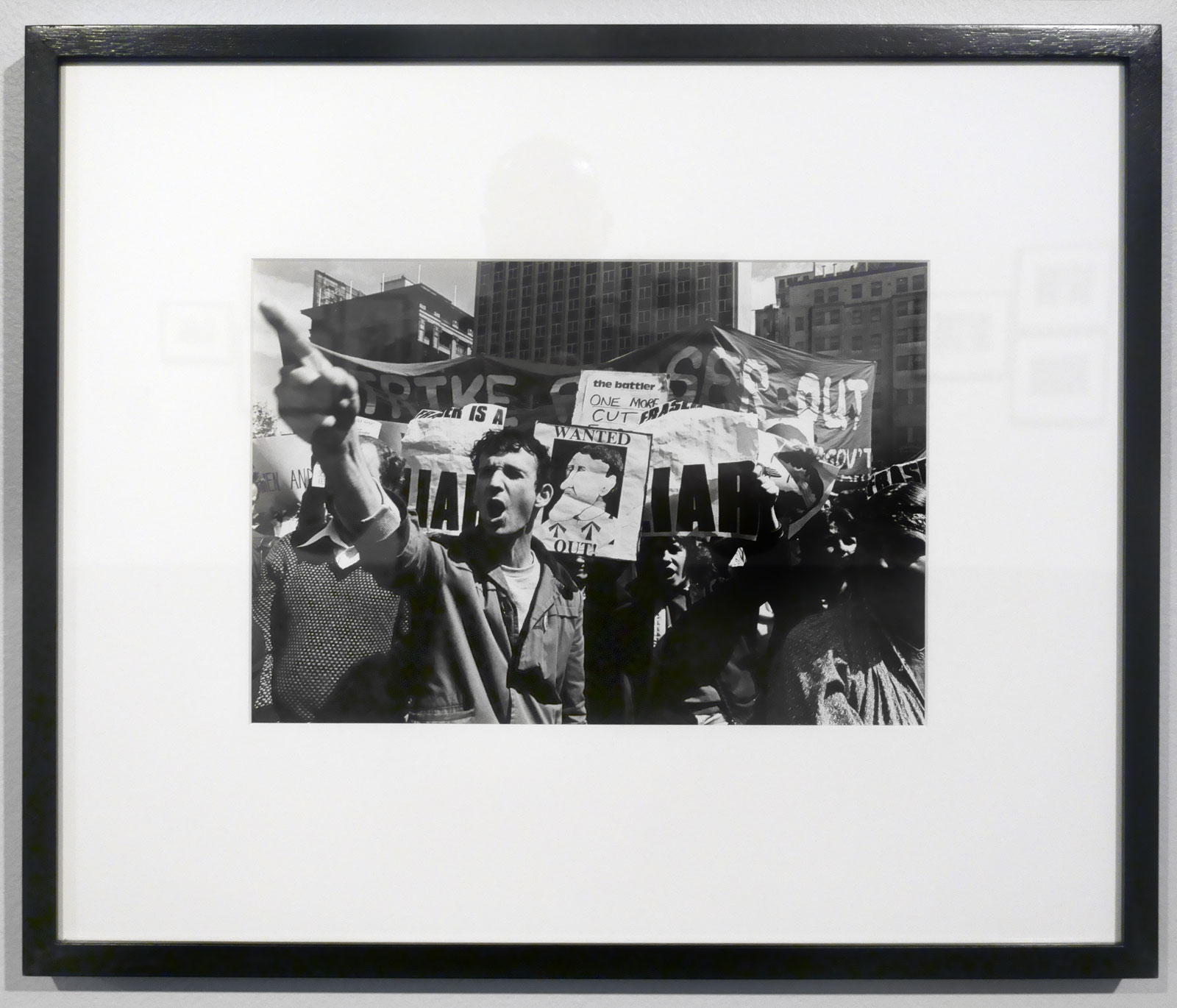

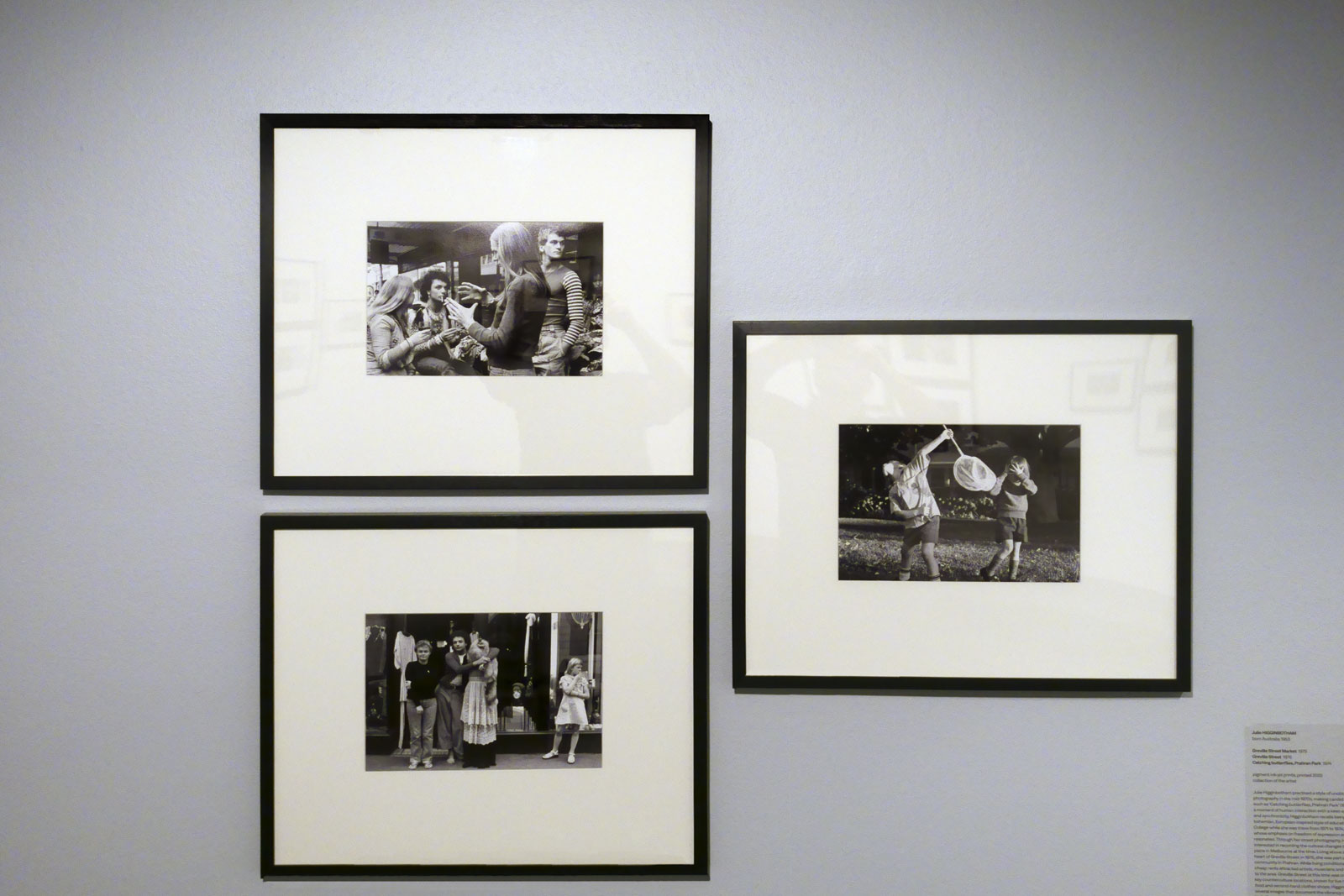
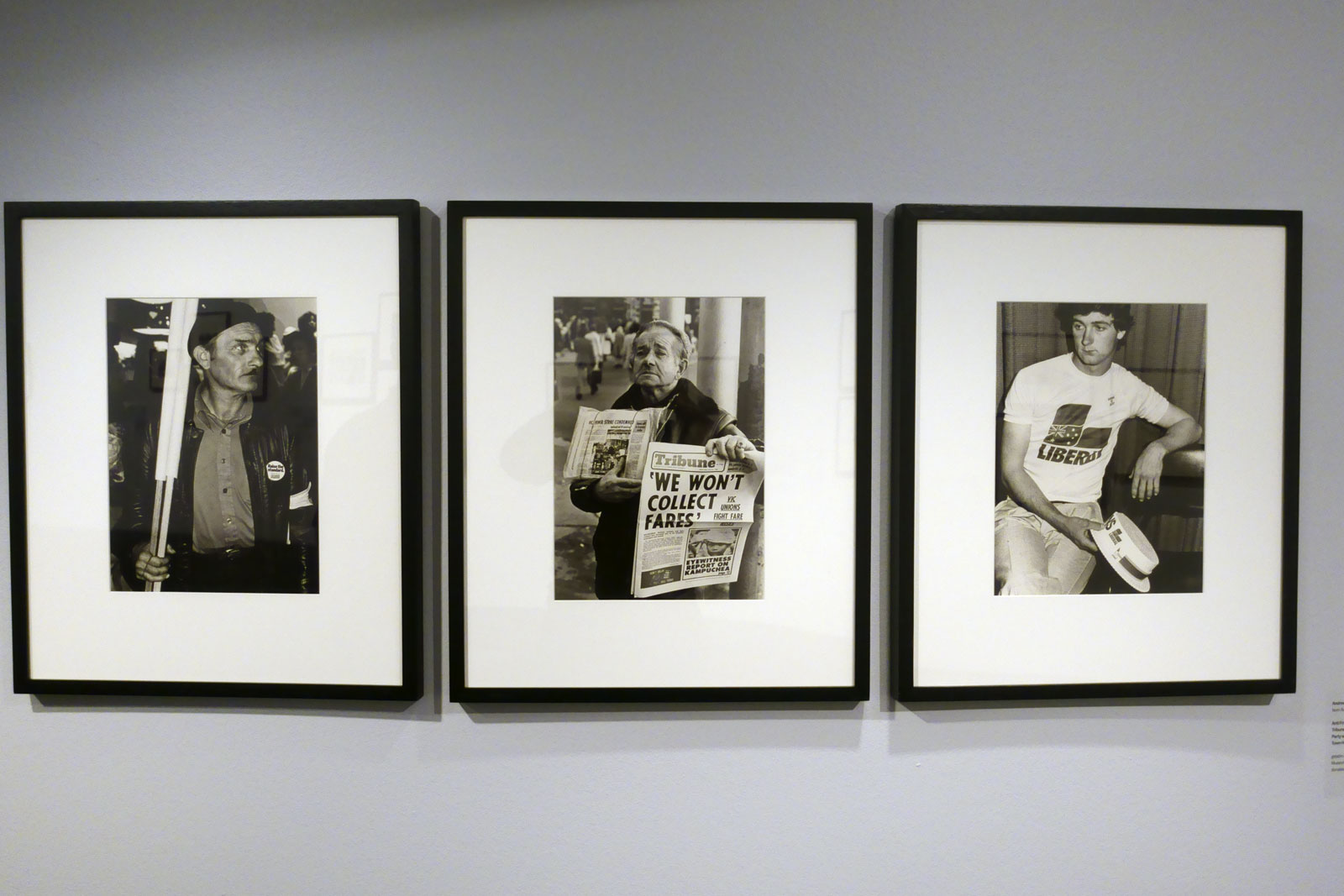


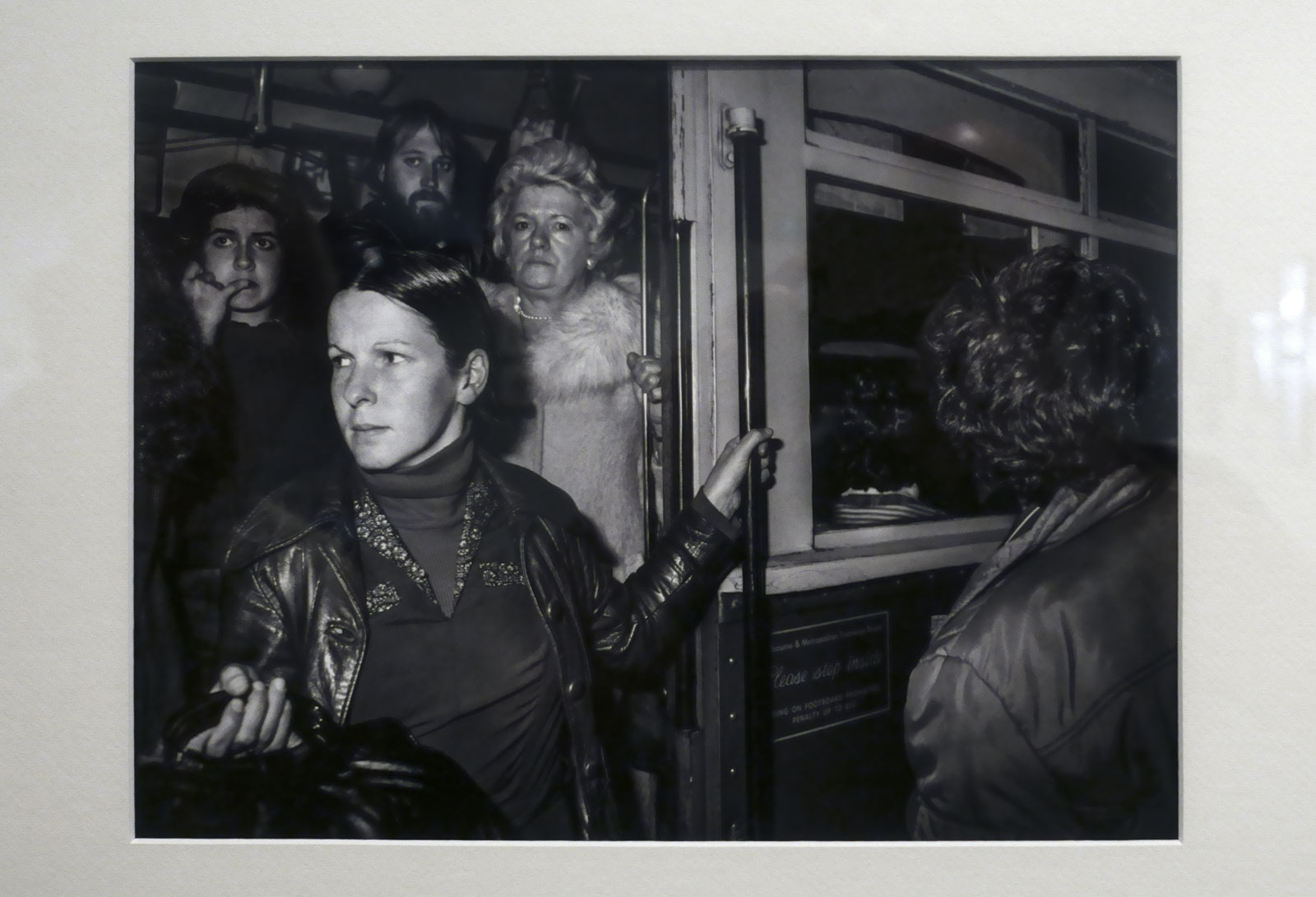


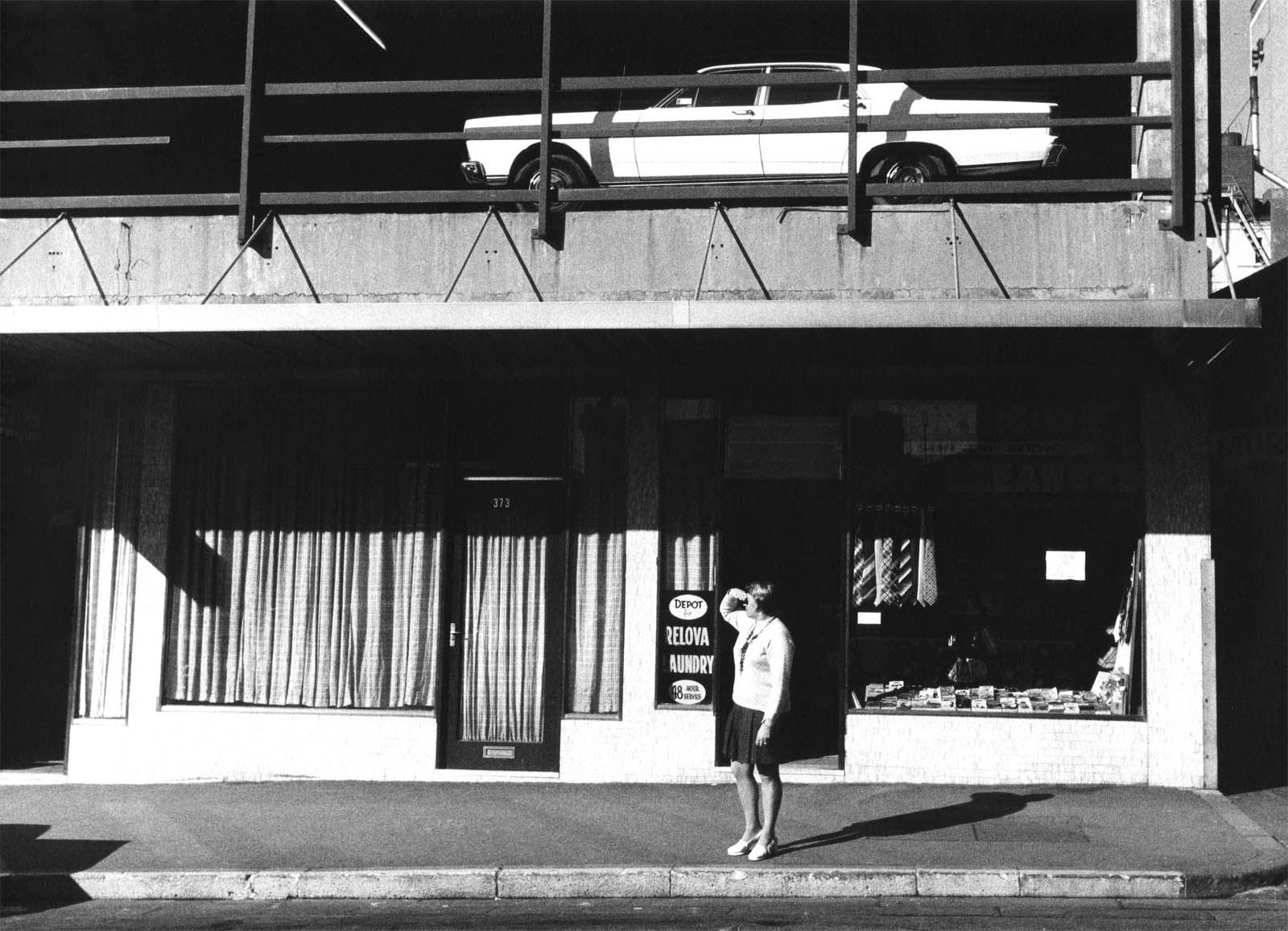


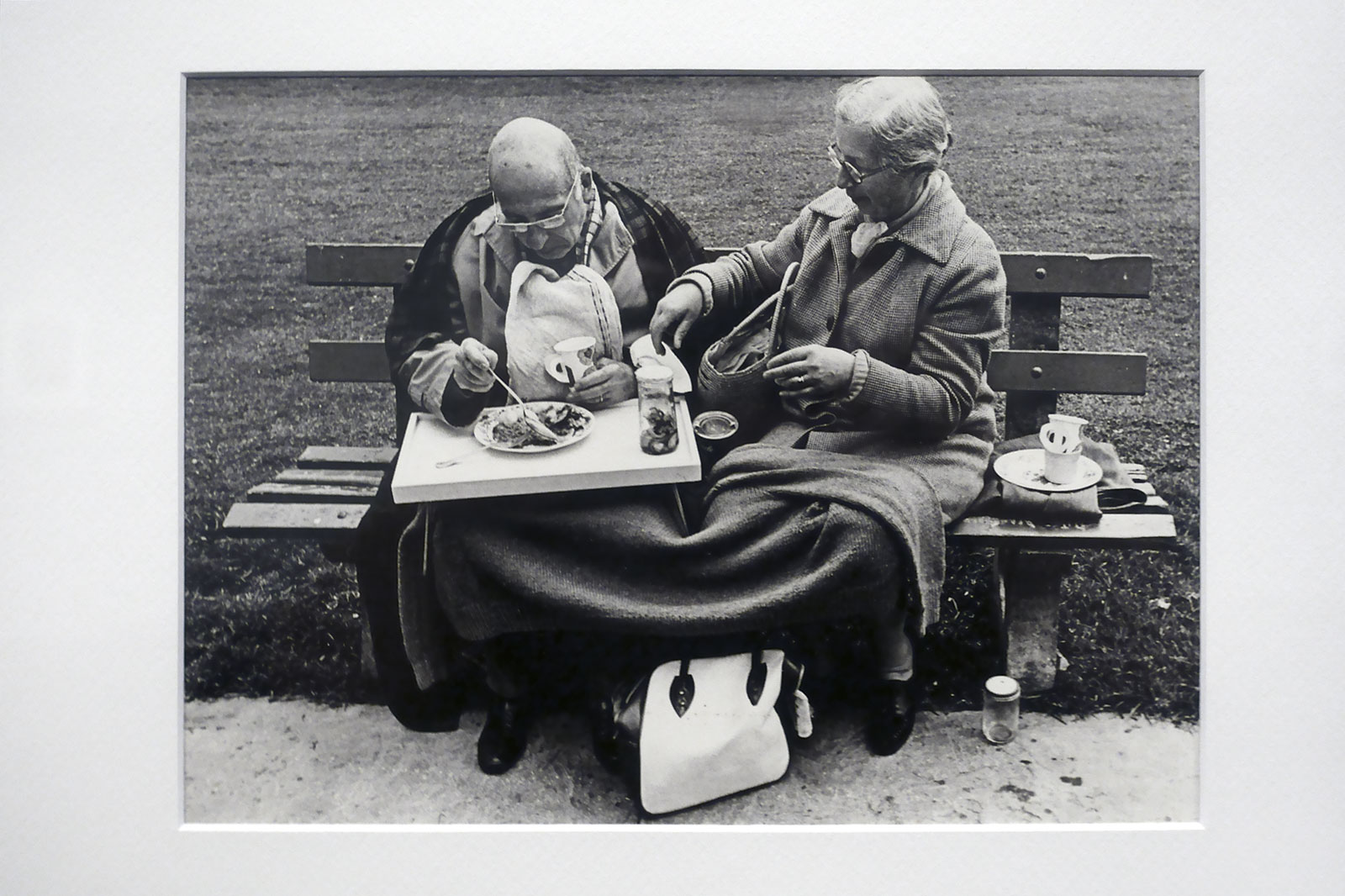
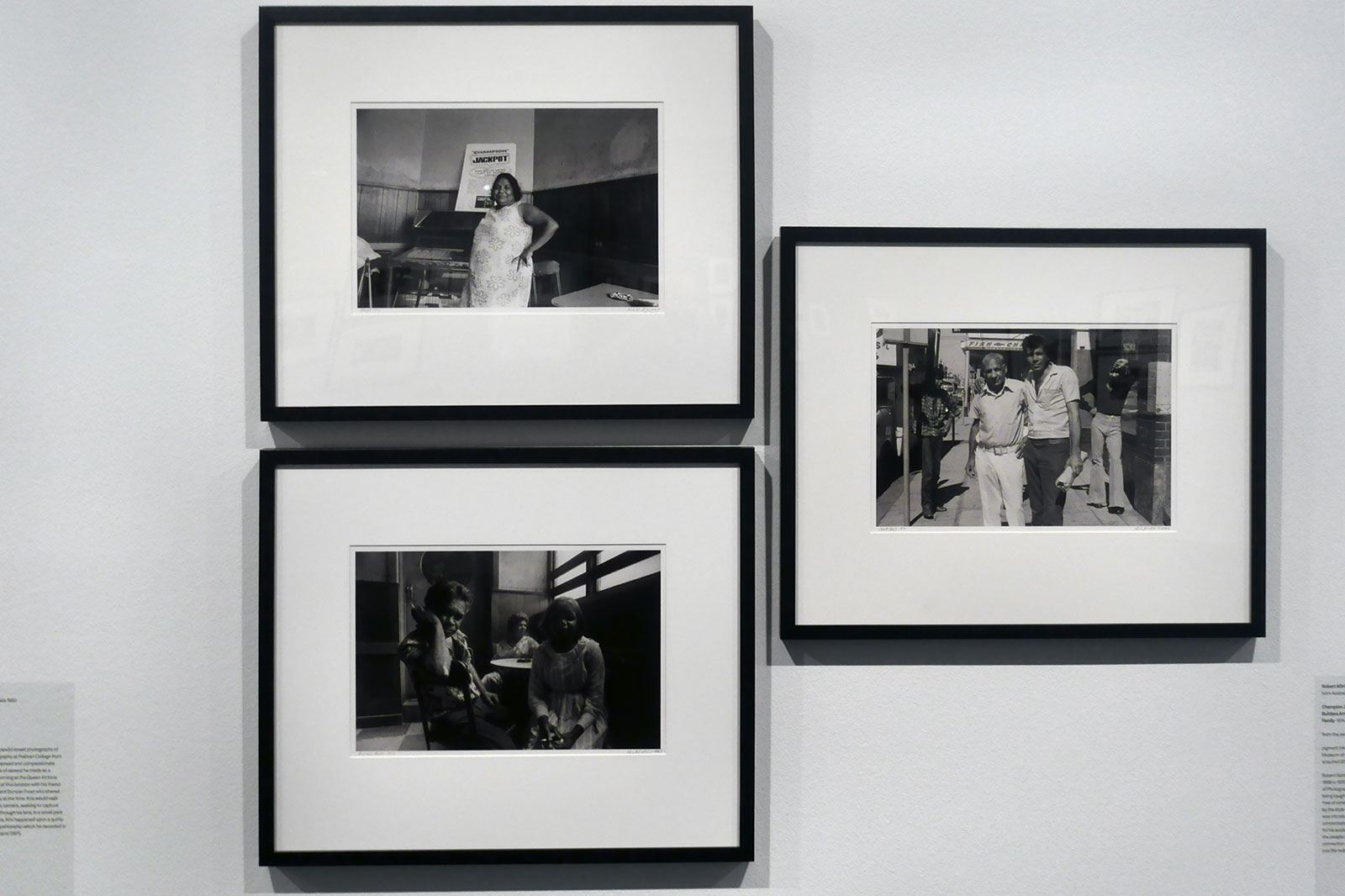


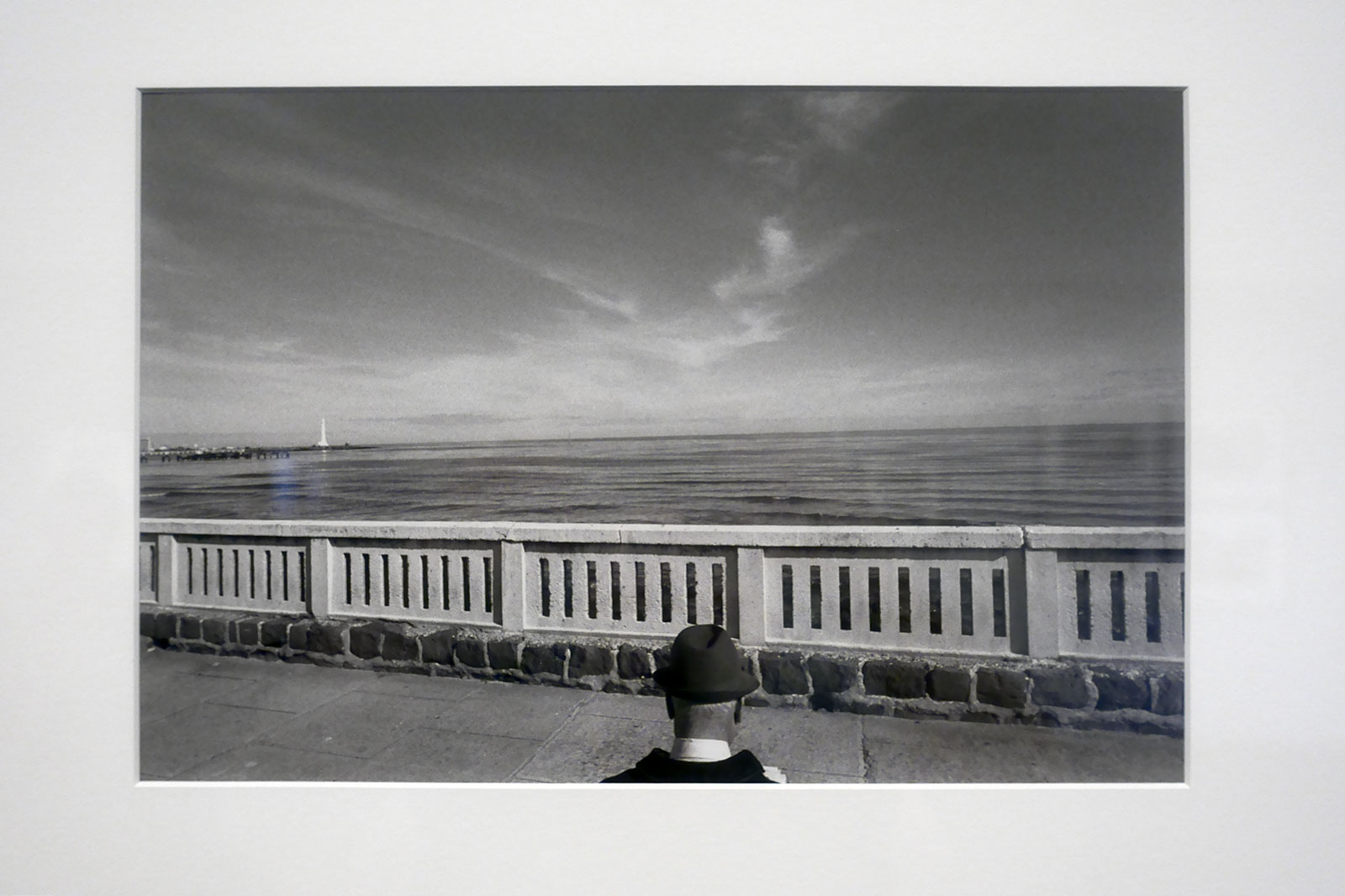


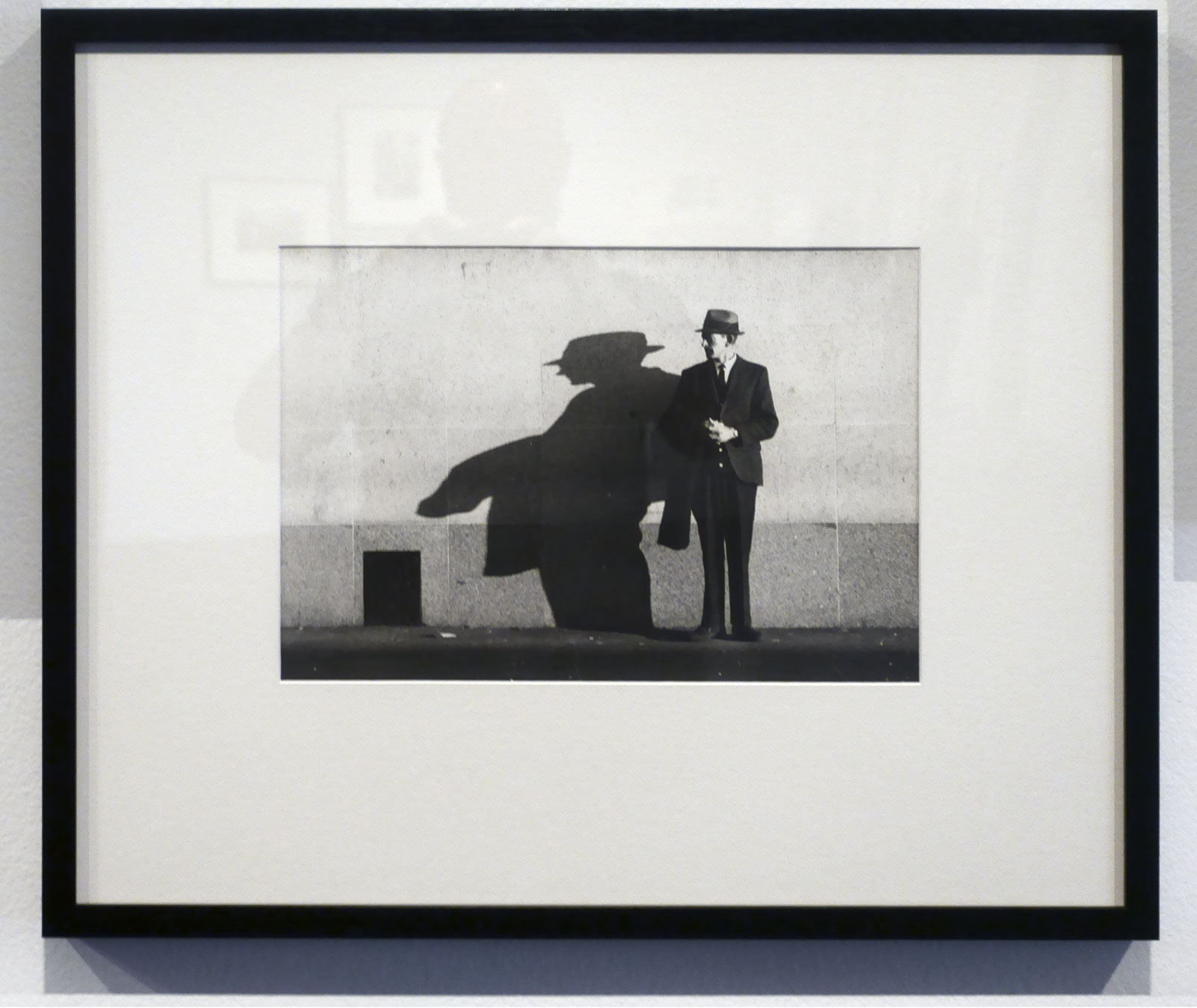


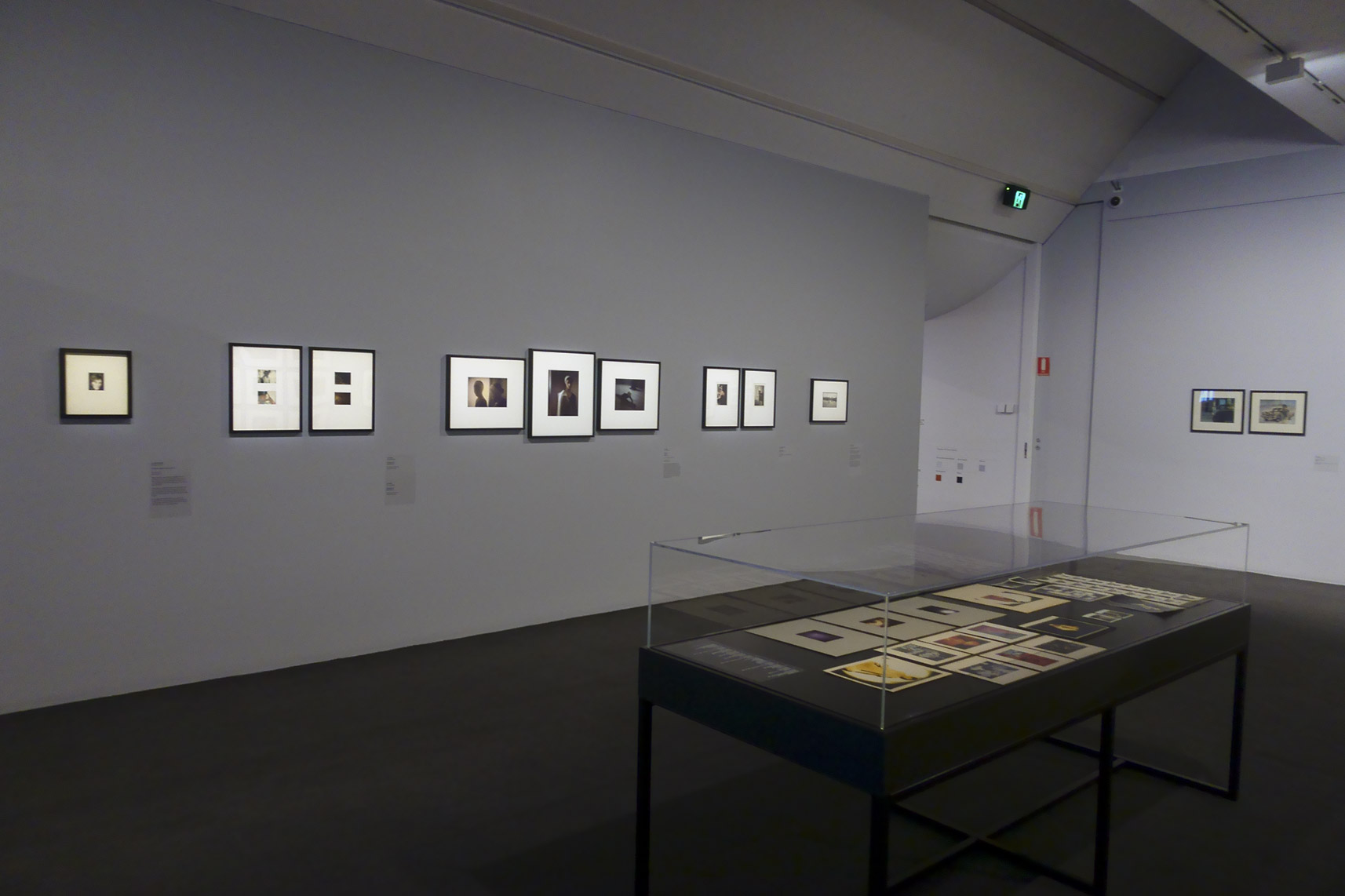
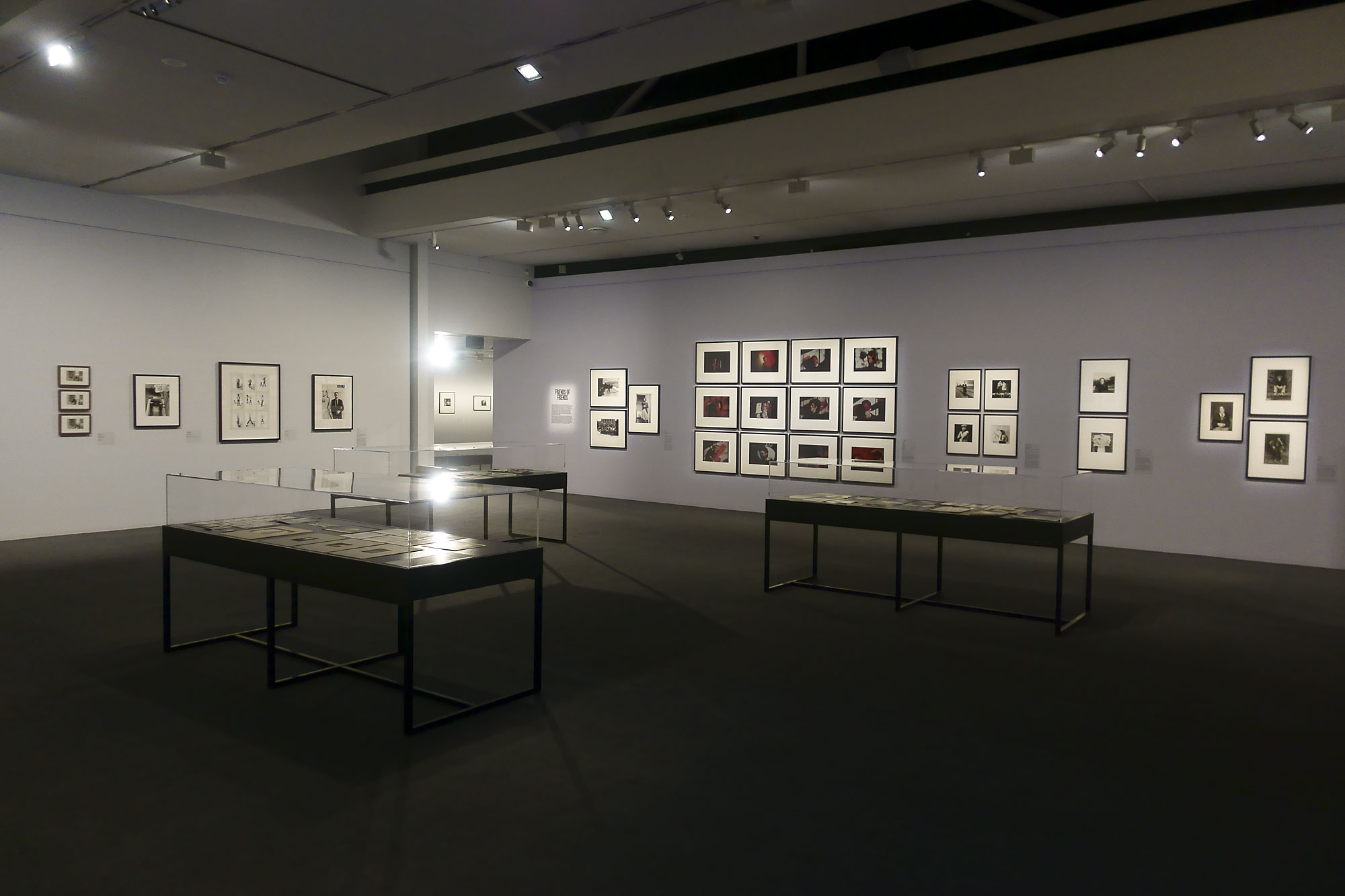

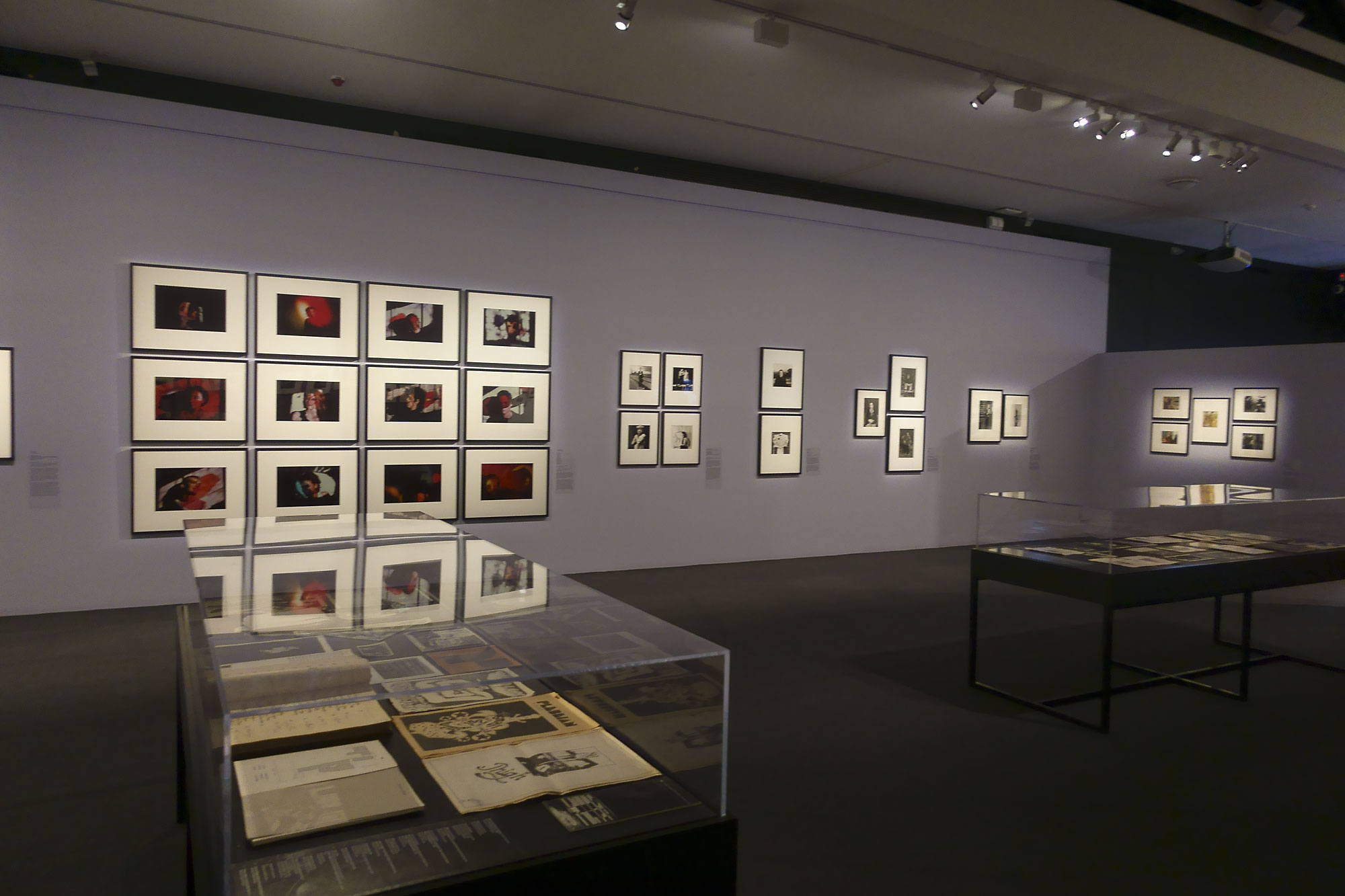
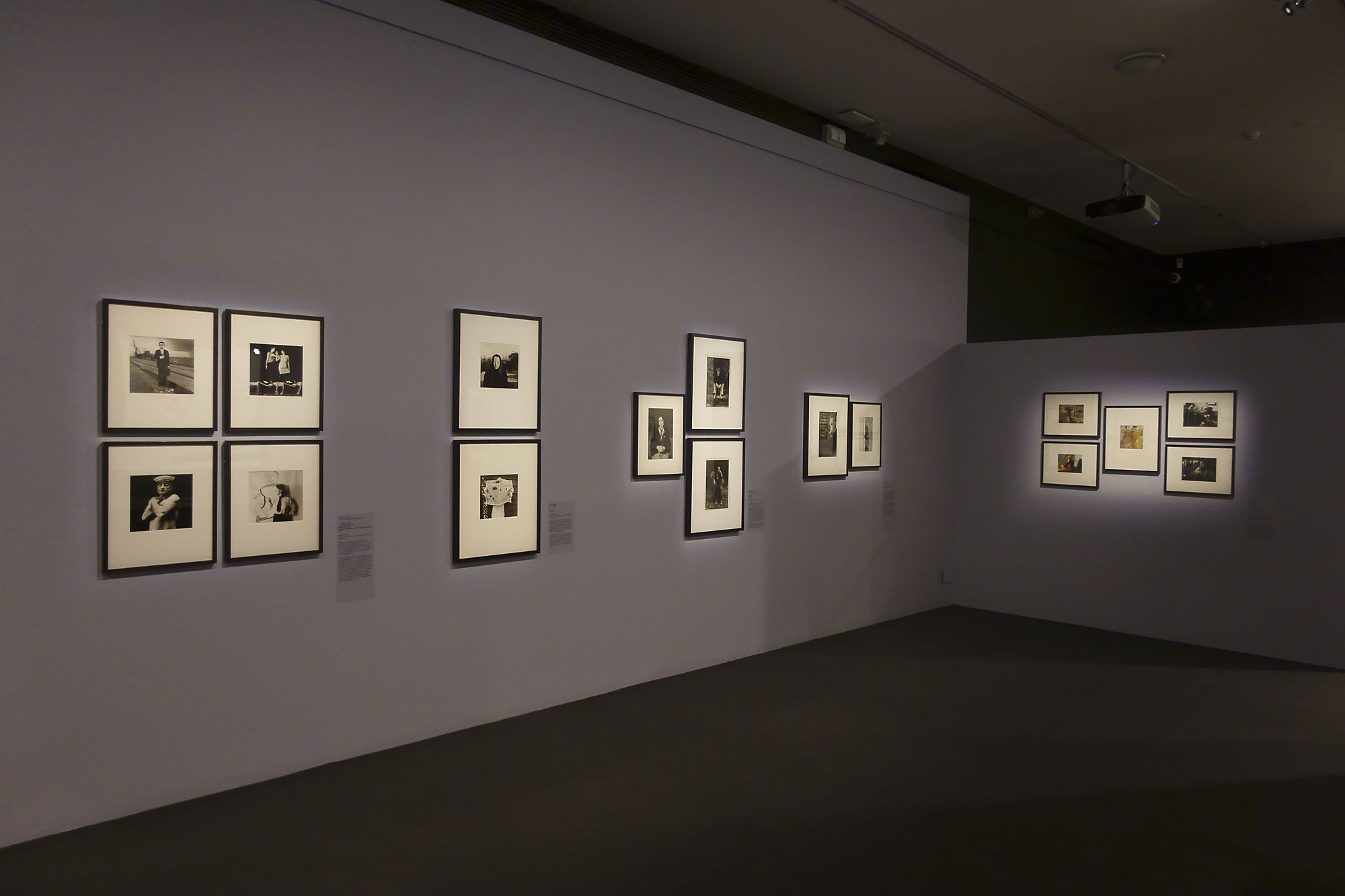


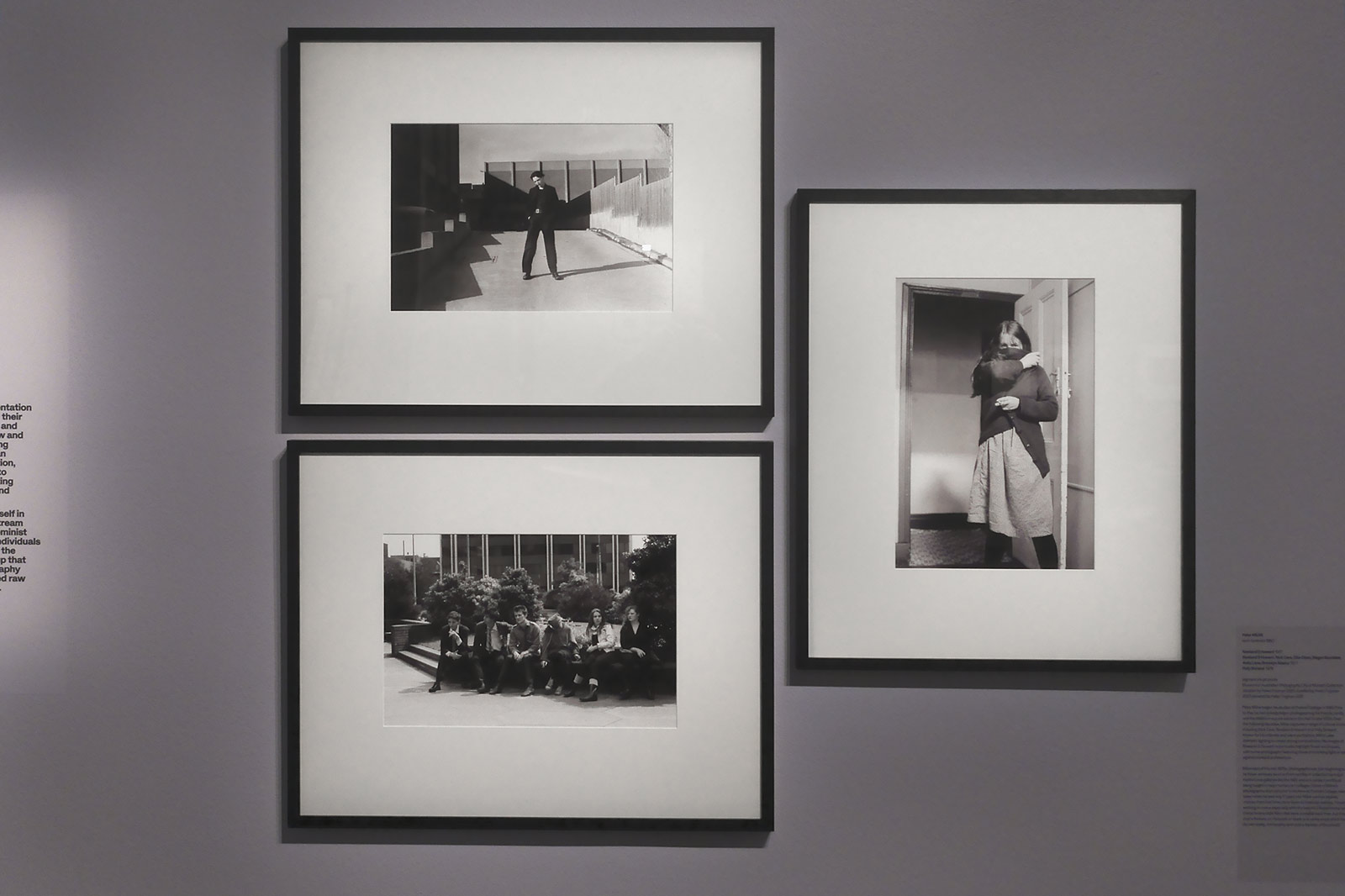


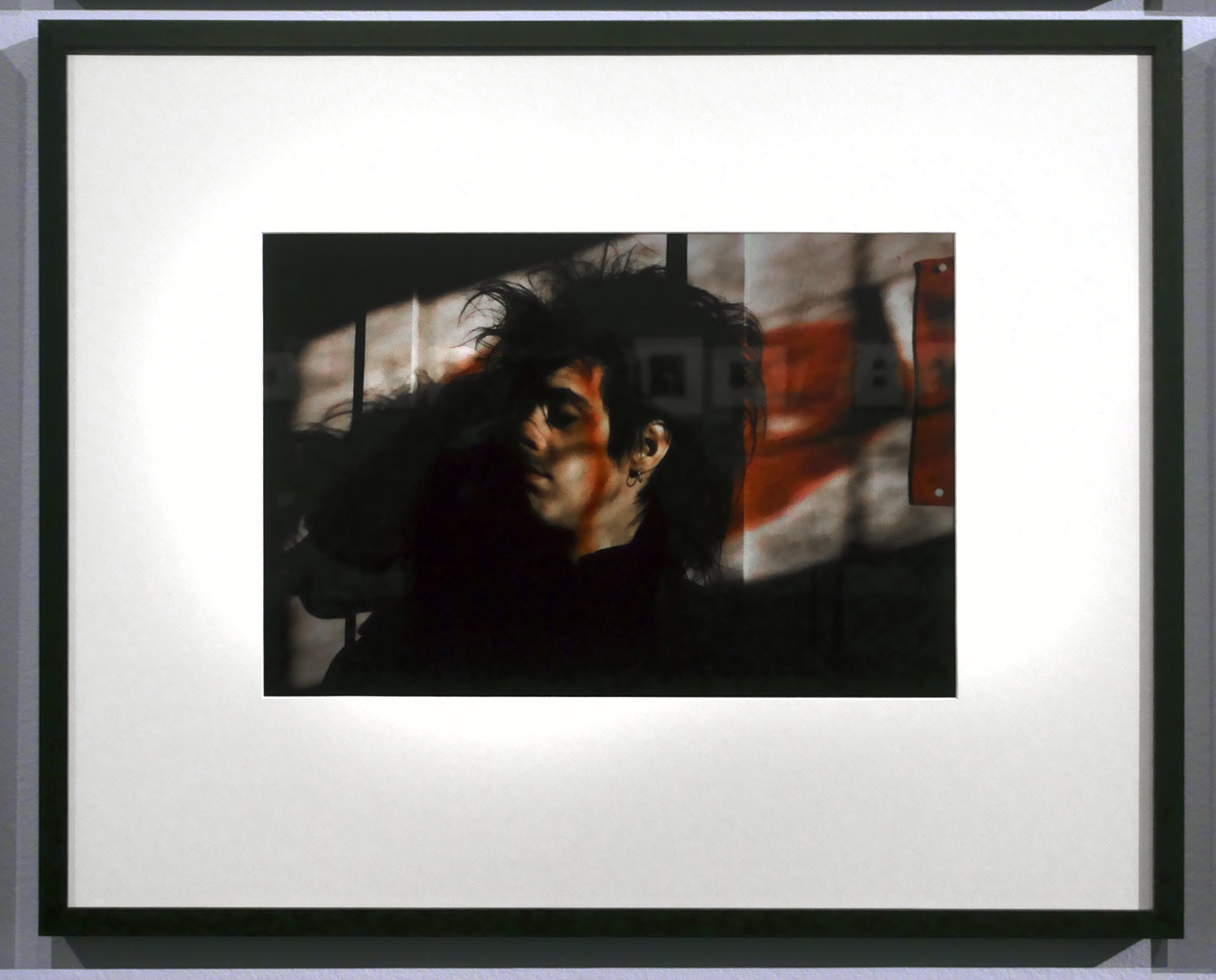
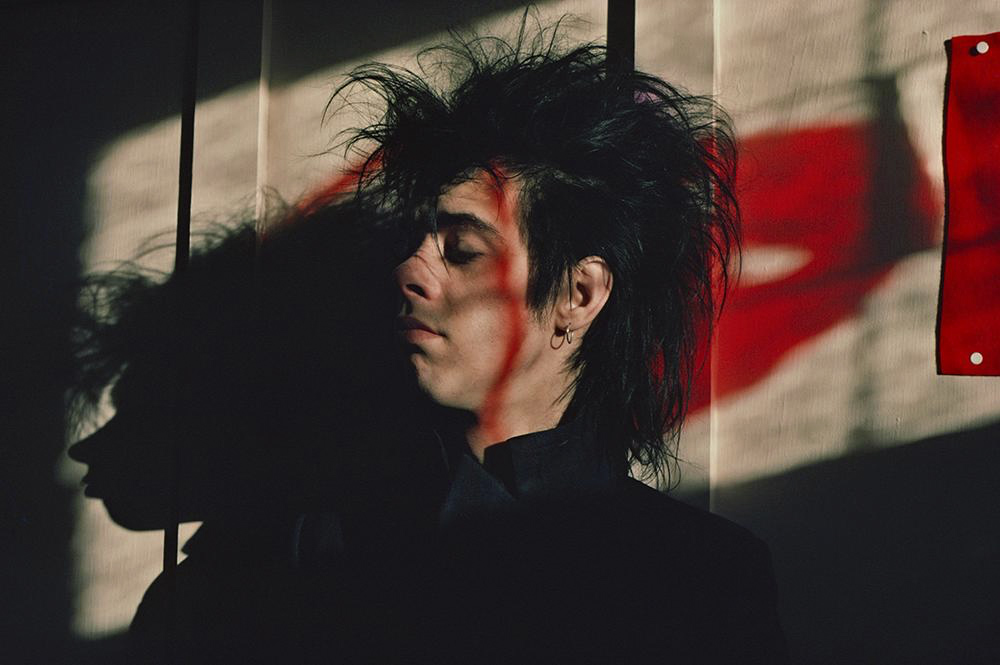


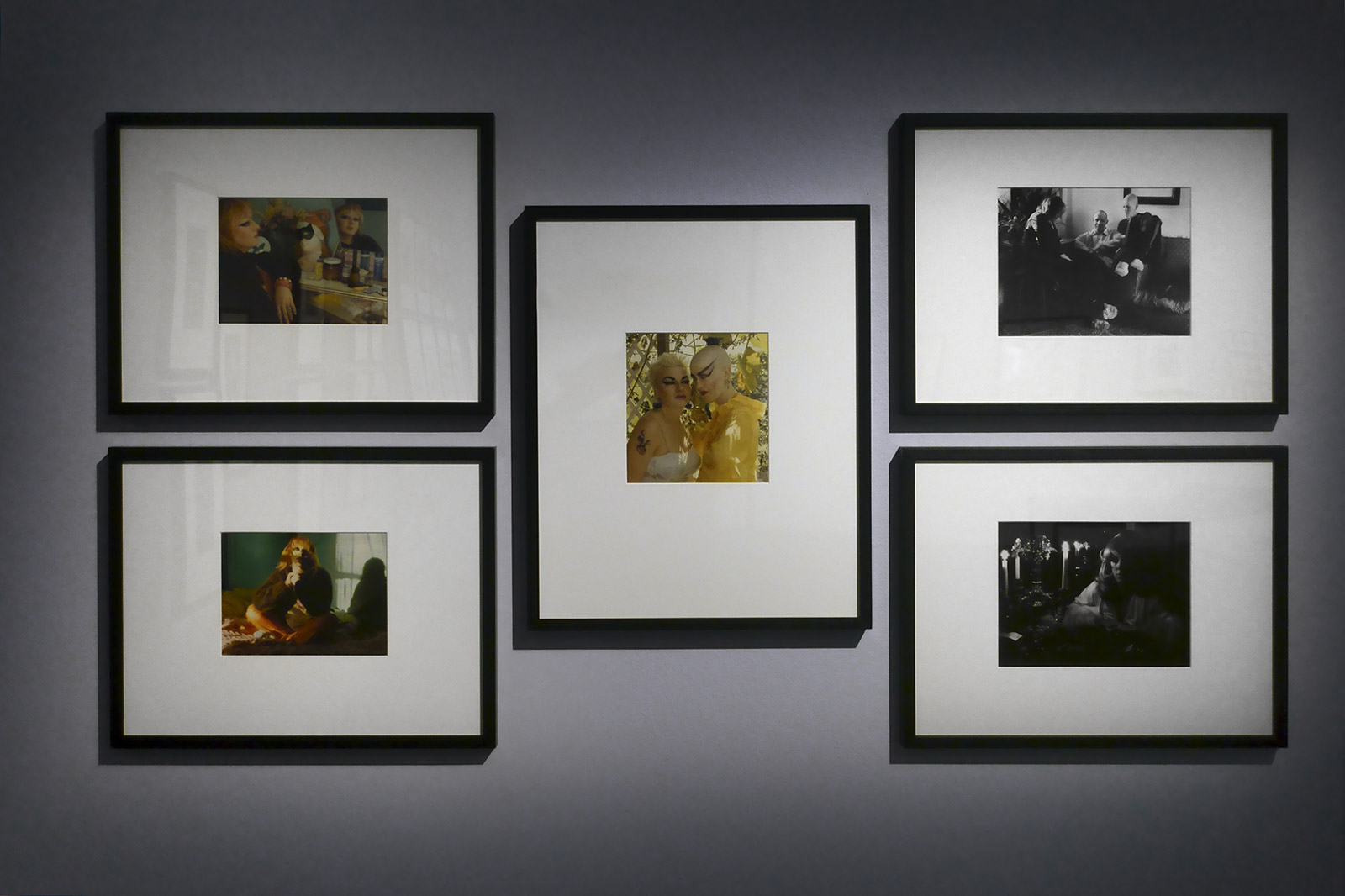


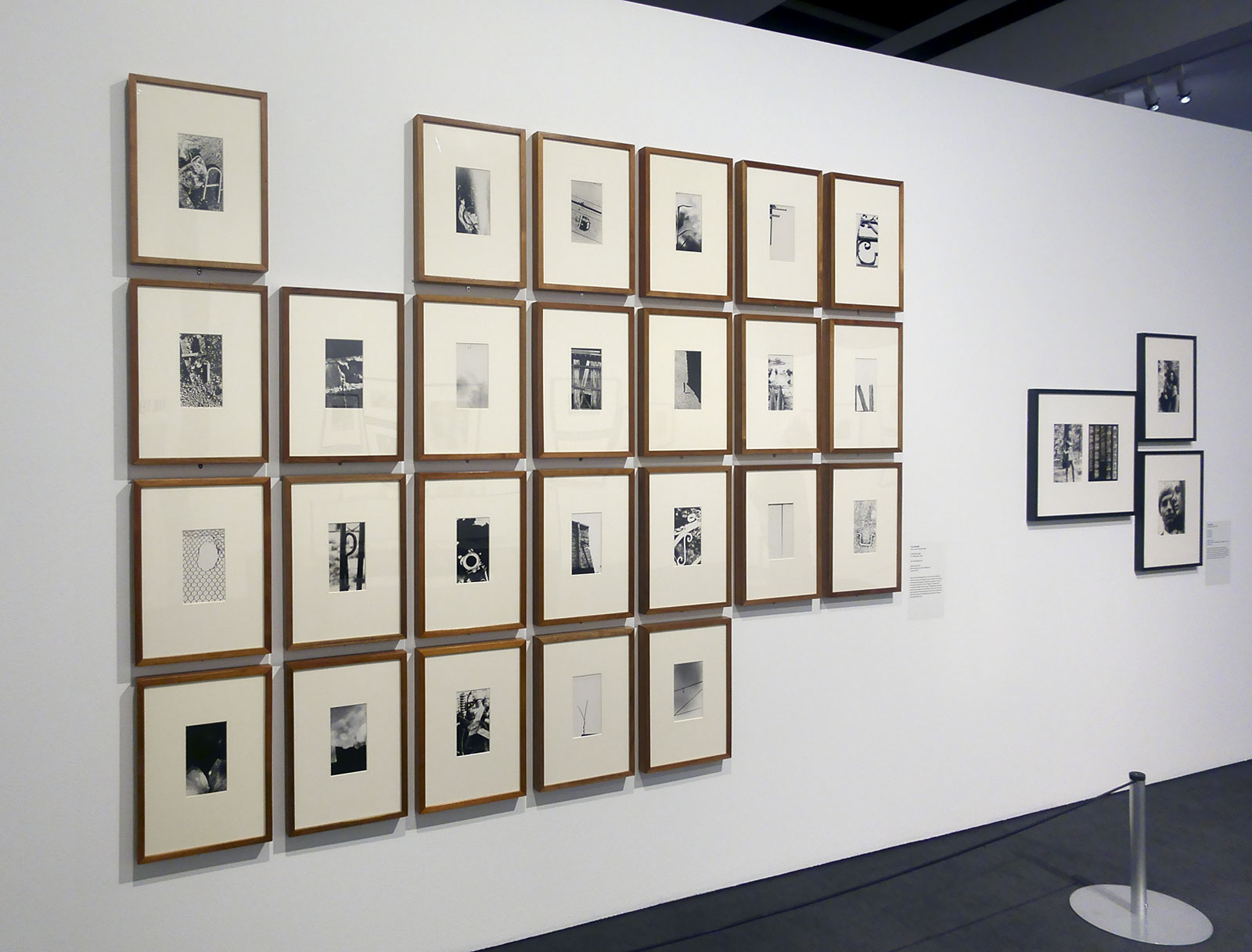


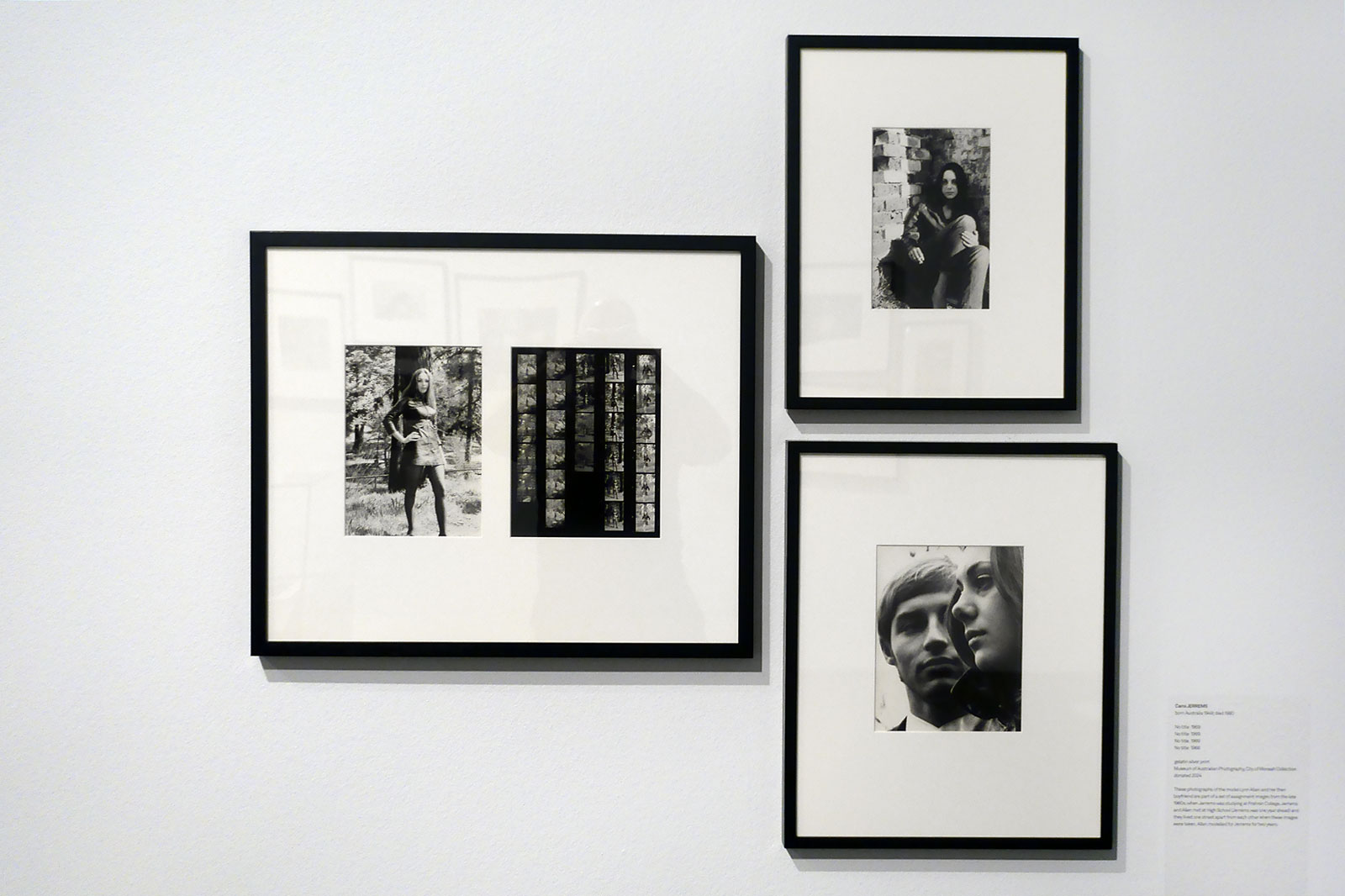
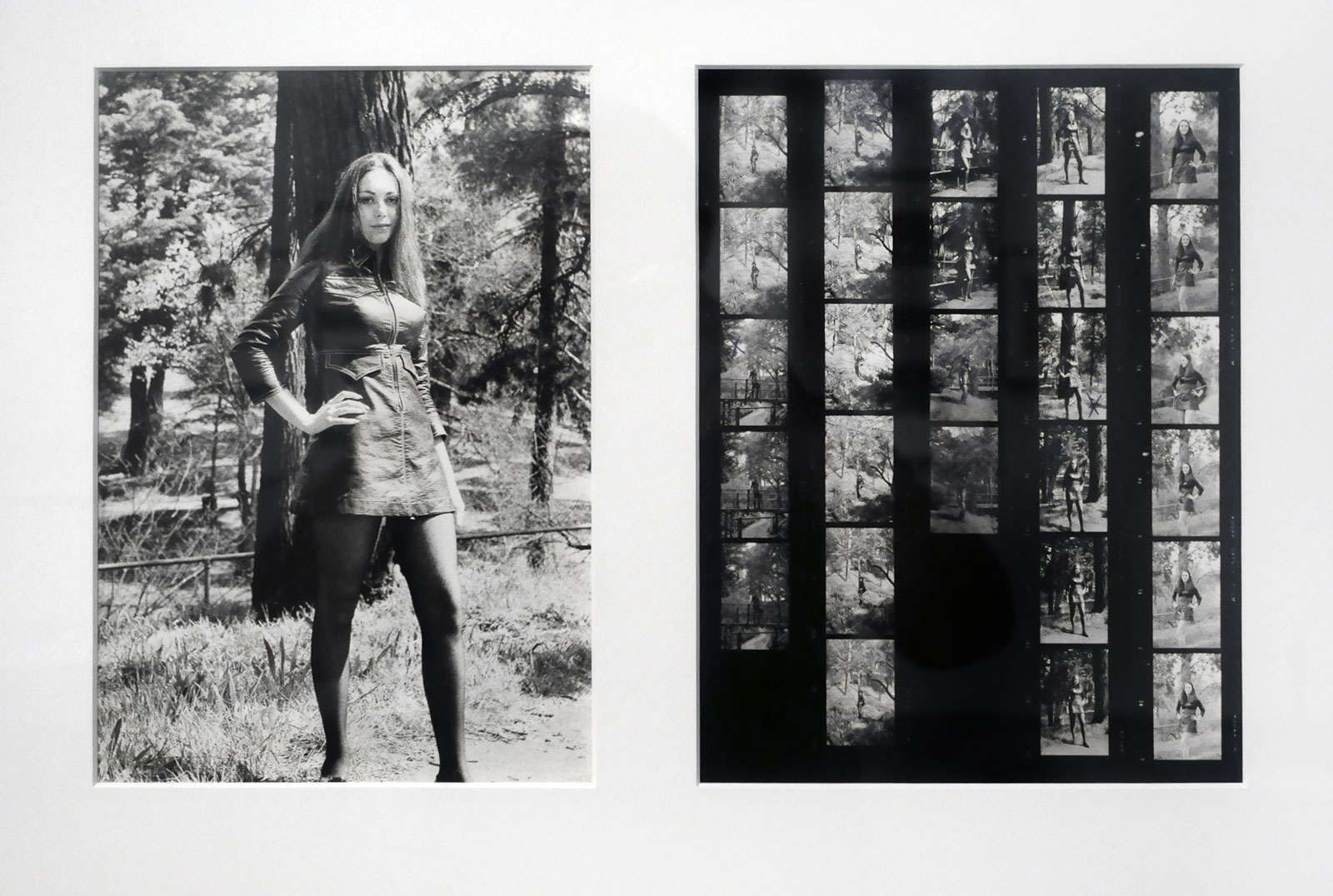


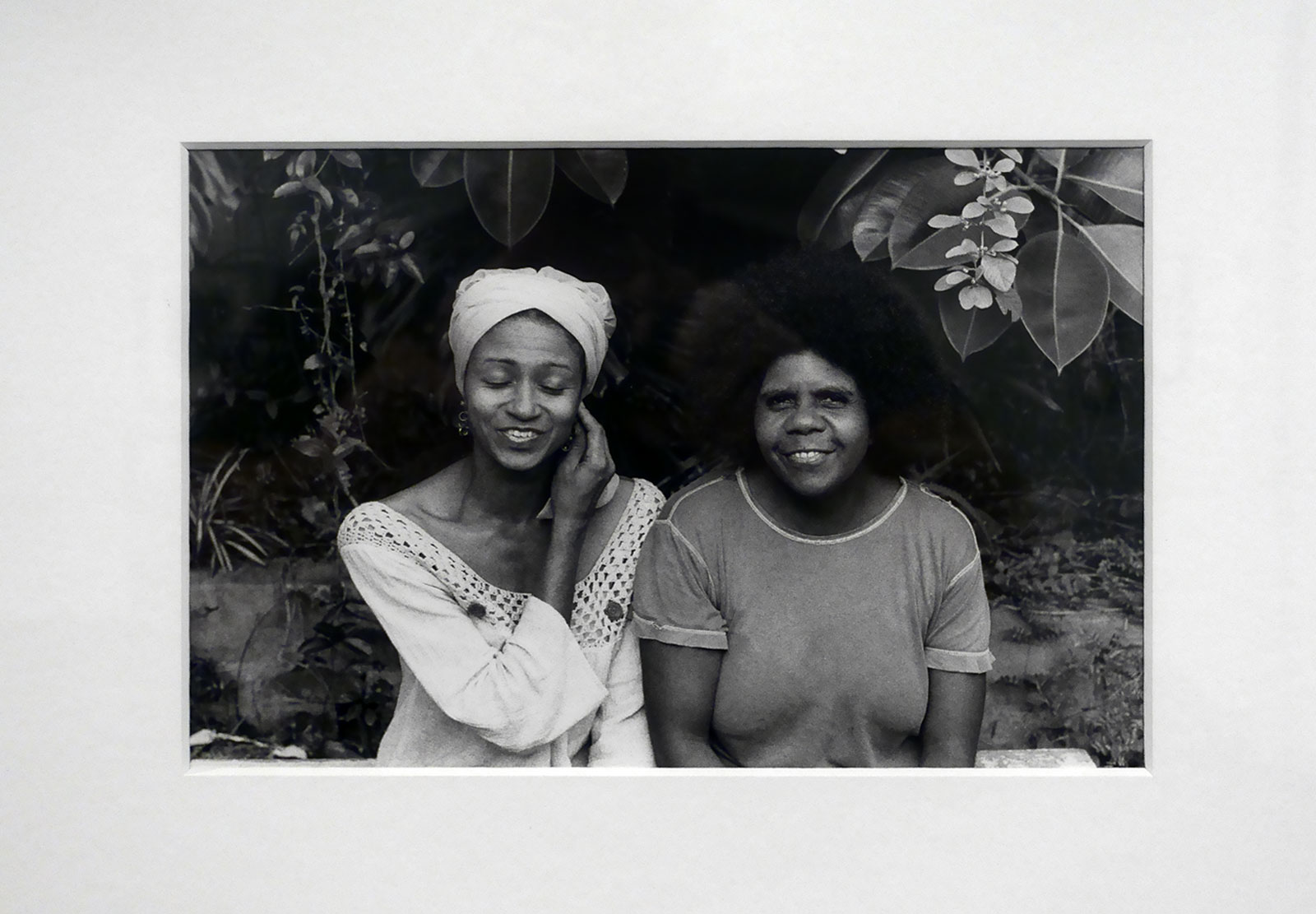


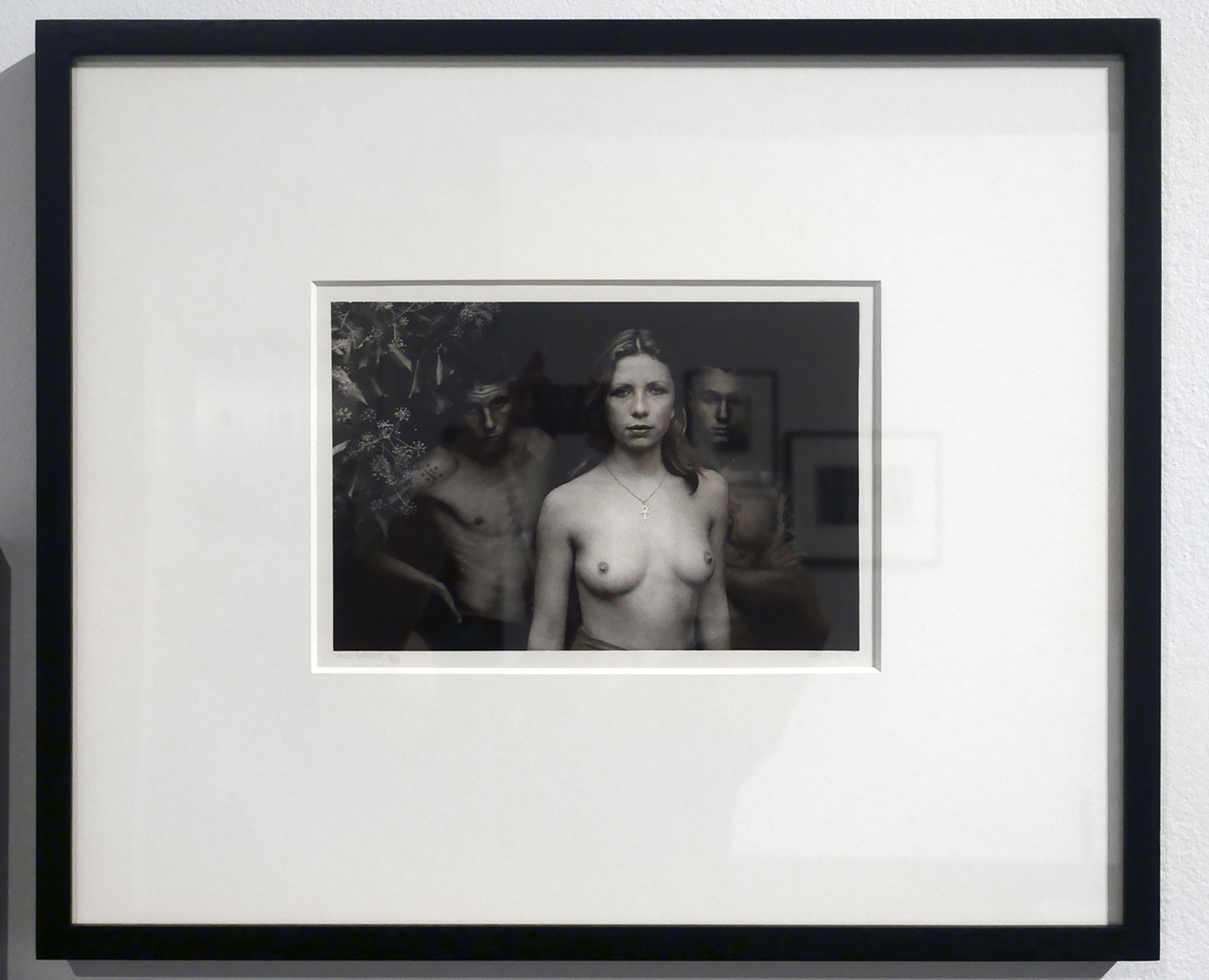


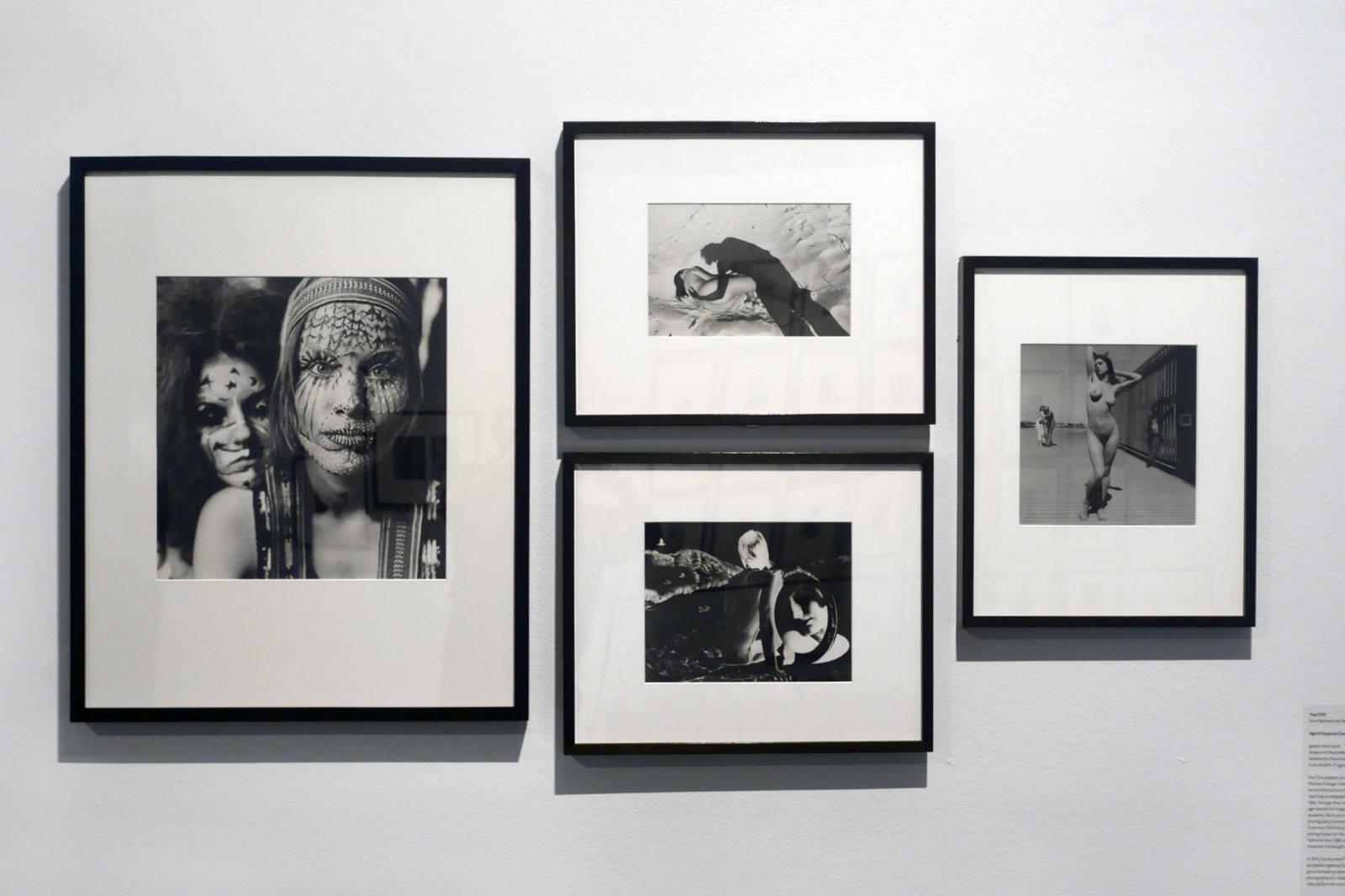


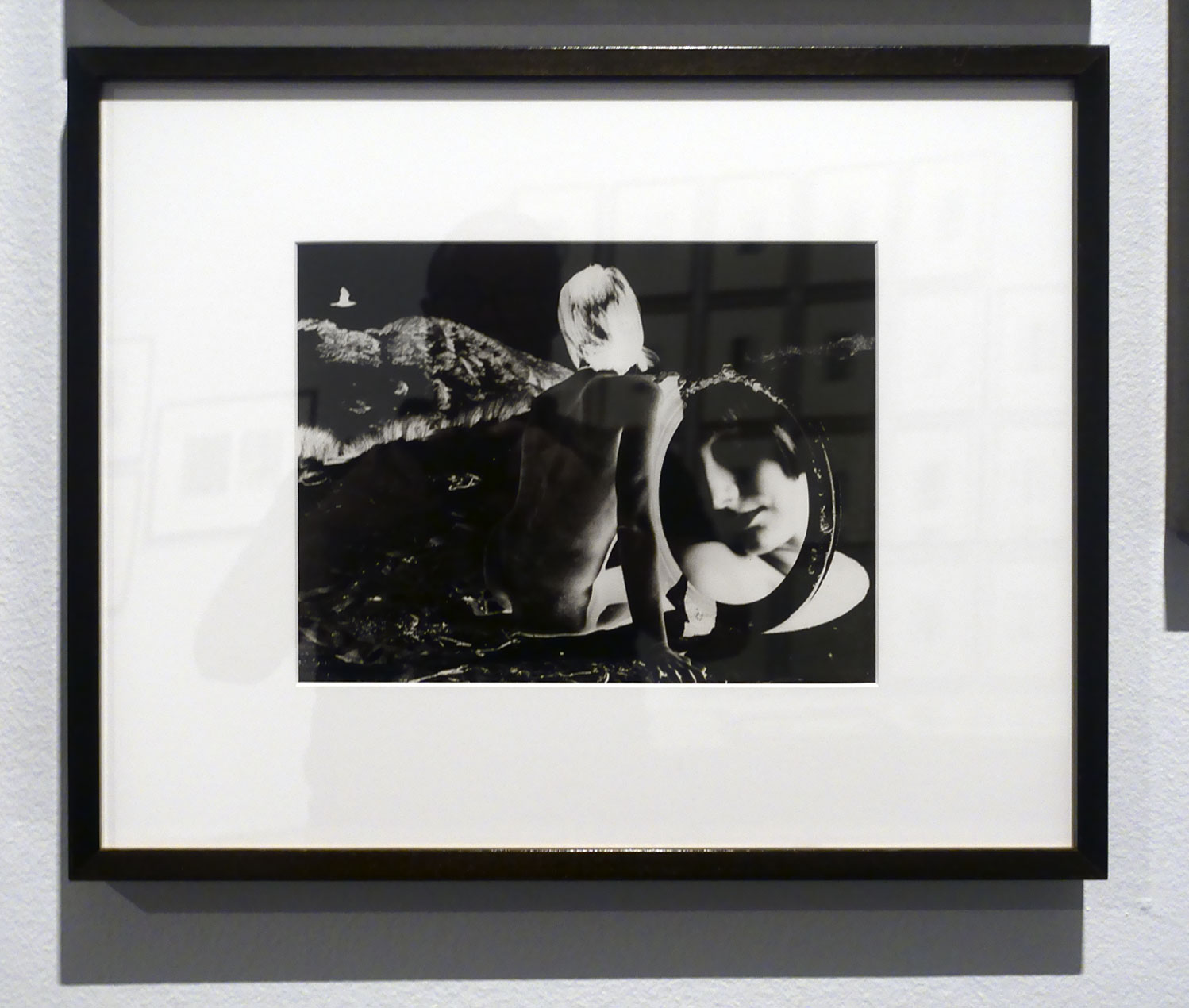


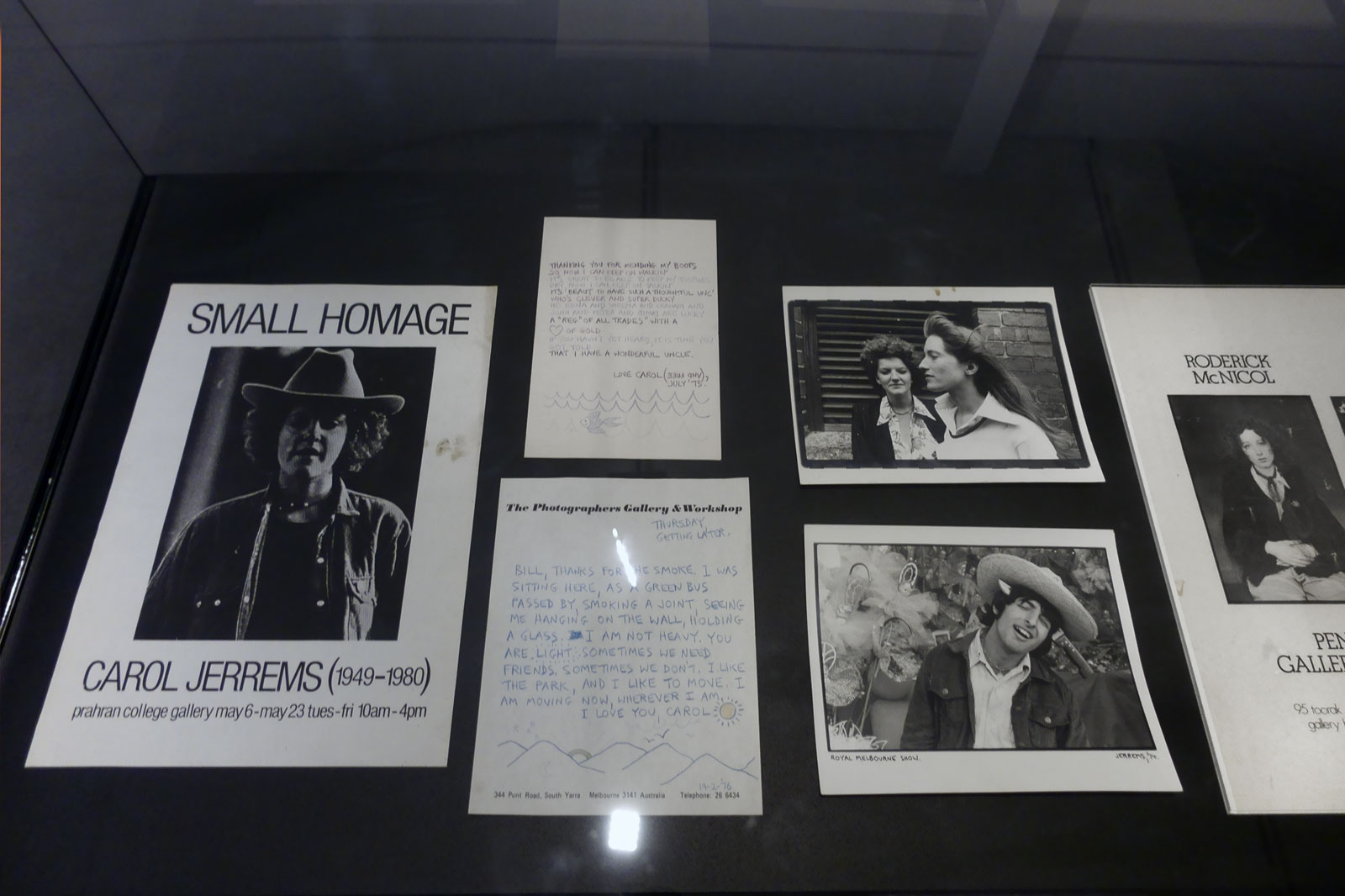
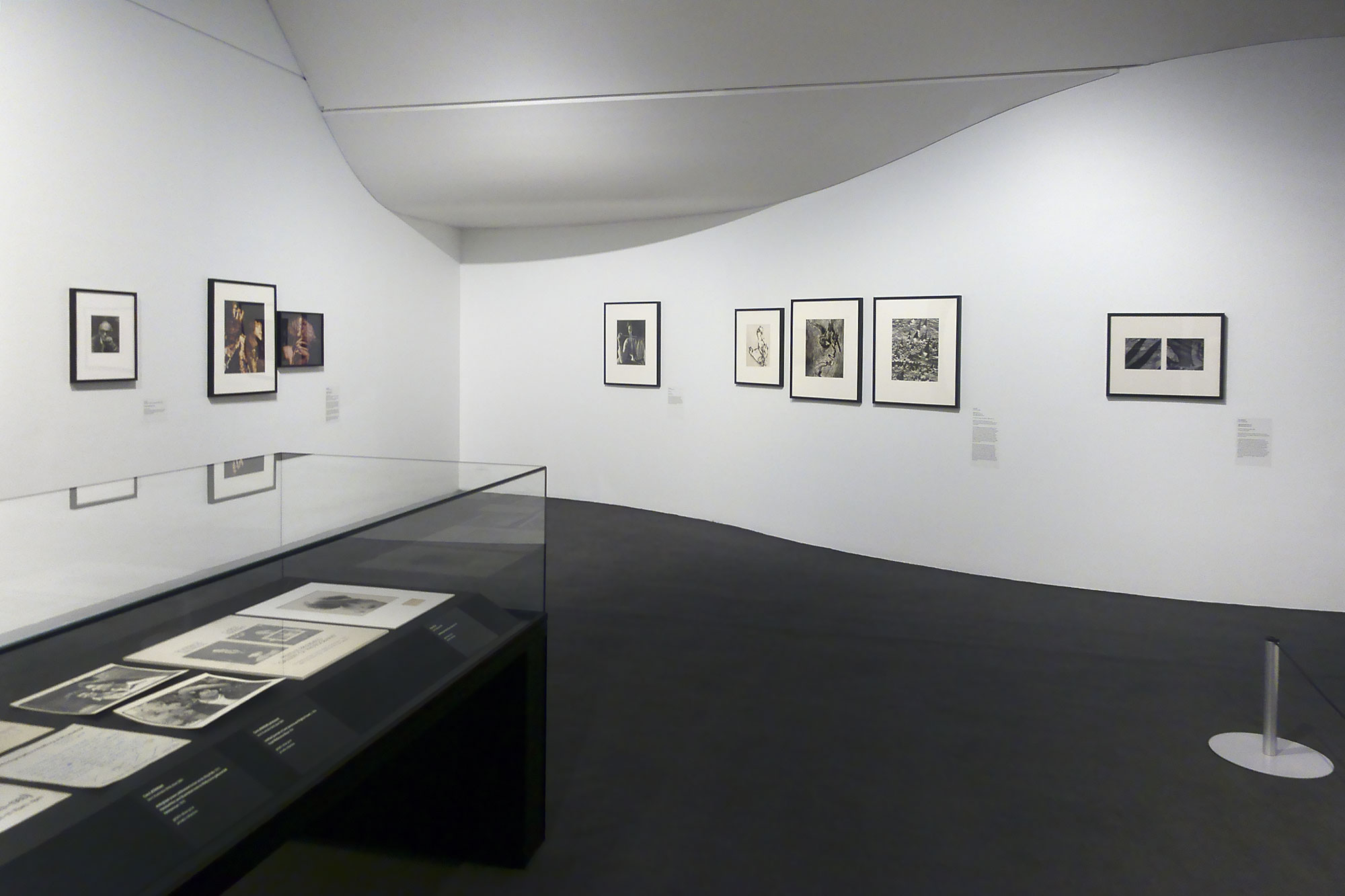


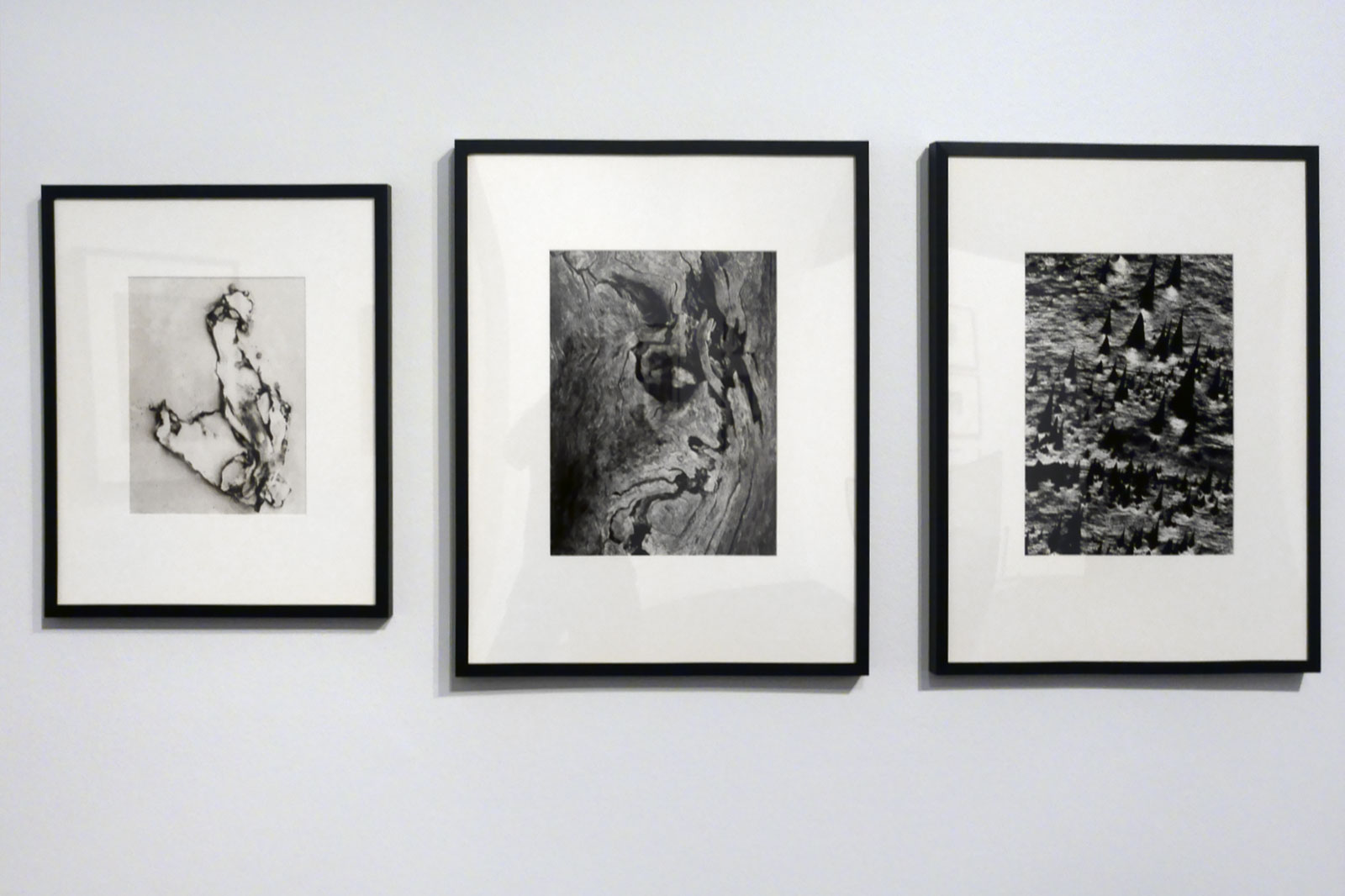


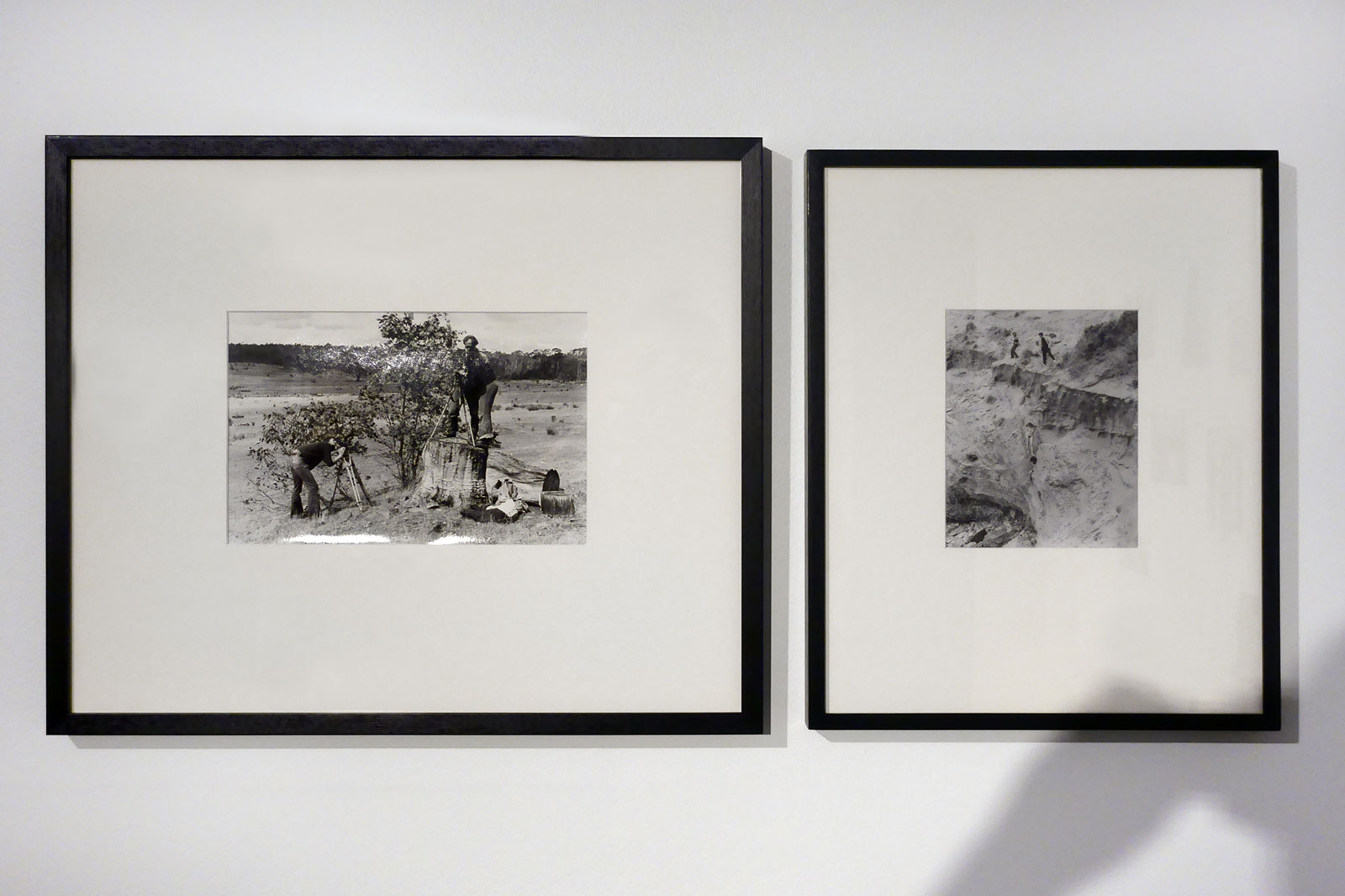
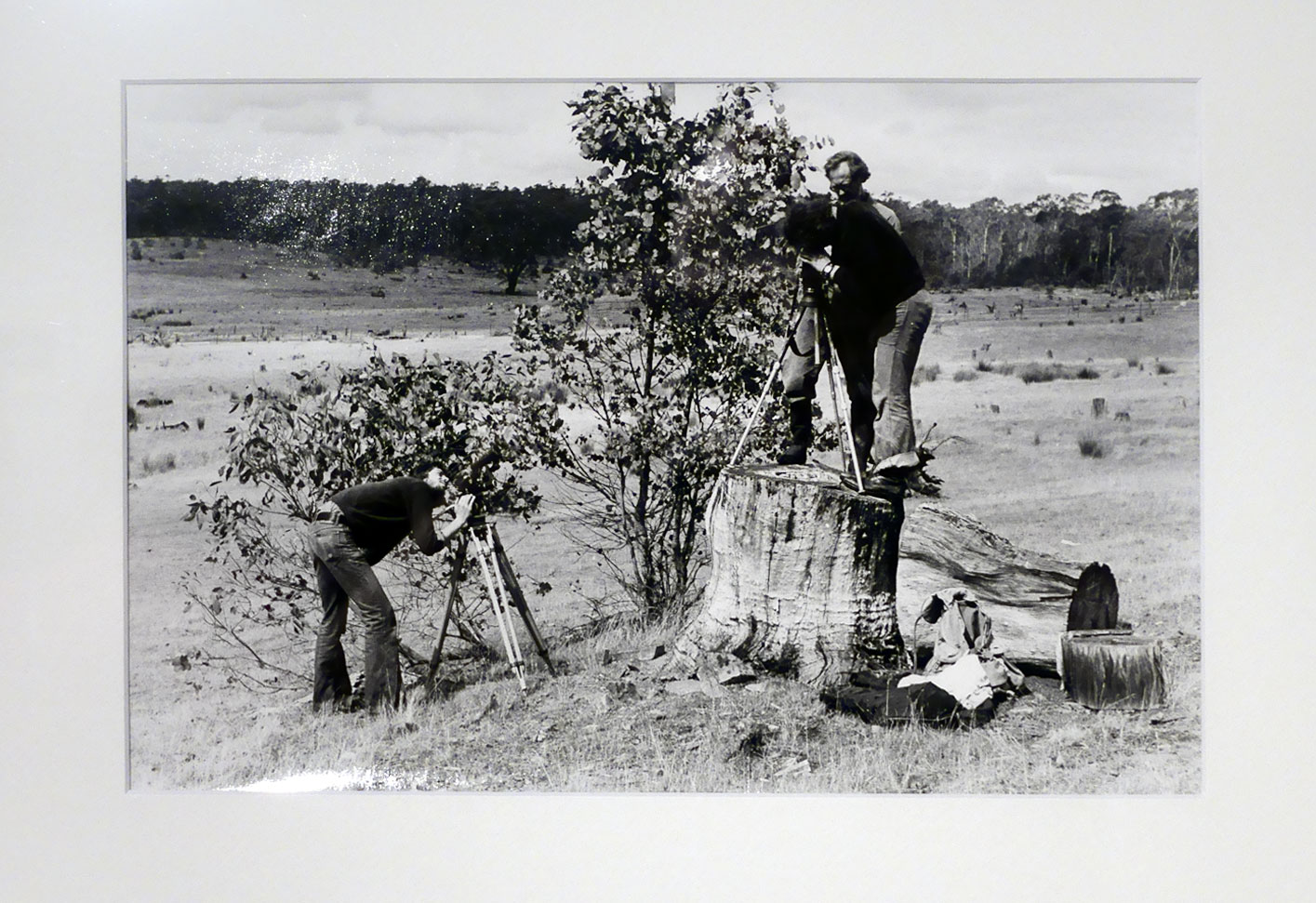


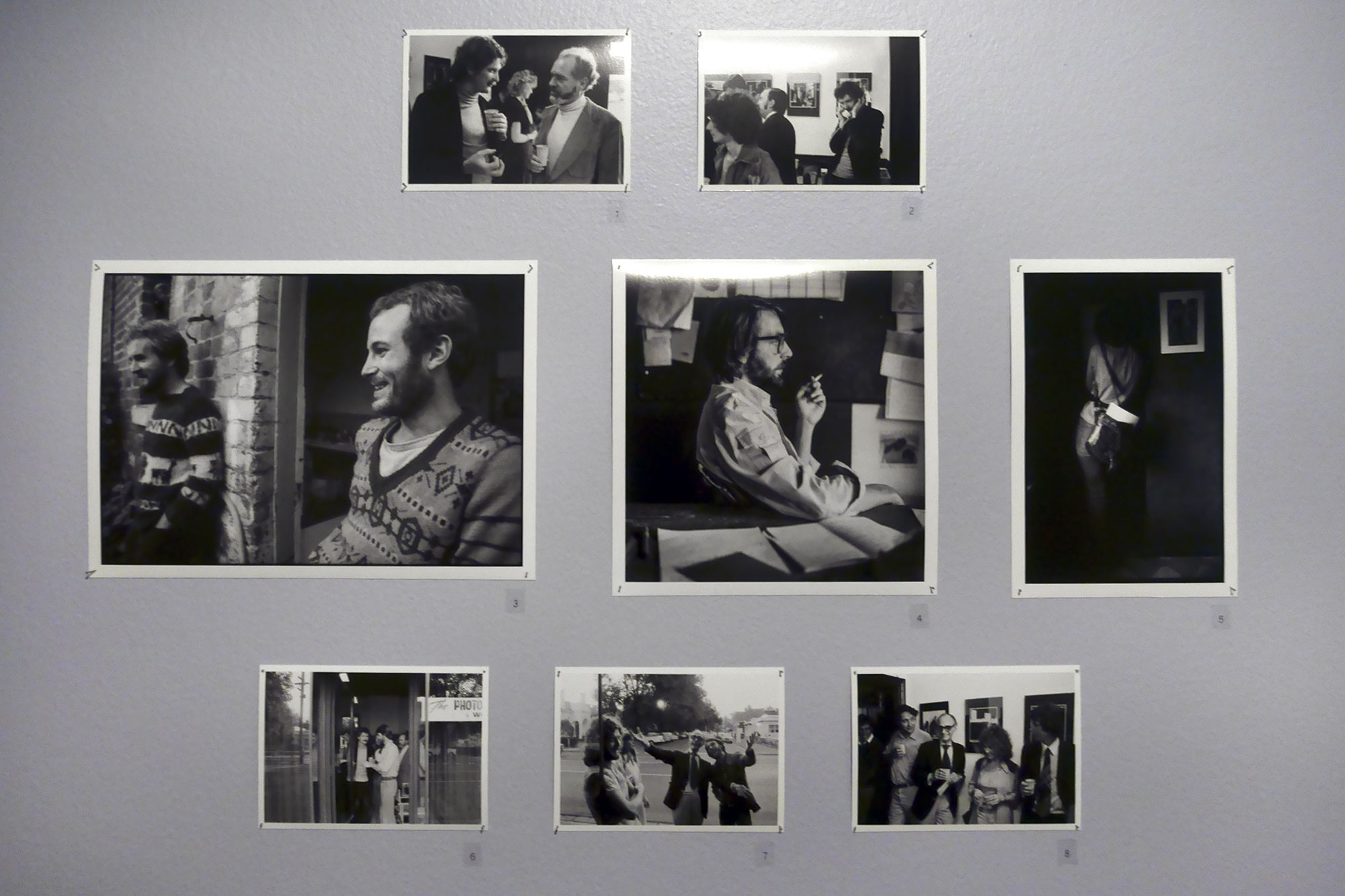
![Peter Leiss (Australian born England, b. 1951) 'Untitled [Bill Heimerman and Ian Lobb at the rear of the Photographers' Gallery]' c. 1975-1980](https://artblart.com/wp-content/uploads/2017/10/leiss-william-heimerman2-web.jpg "Peter Leiss (Australian born England, b. 1951) 'Untitled [Bill Heimerman and Ian Lobb at the rear of the Photographers' Gallery]' c. 1975-1980")
![Greg Neville (Australian, b. 1950)
'Tutorial: lecturers and students [back row L–R Derrick Lee, Bryan Gracey, Athol Shmith, Paul Cox, Elizabeth Tainsh]' c. 1971 (installation view)](https://artblart.com/wp-content/uploads/2025/03/vb.jpg "Greg Neville (Australian, b. 1950) 'Tutorial: lecturers and students [back row L–R Derrick Lee, Bryan Gracey, Athol Shmith, Paul Cox, Elizabeth Tainsh]' c. 1971 (installation view)")
![Greg Neville (Australian, b. 1950)
'Tutorial: lecturers and students [back row L–R Derrick Lee, Bryan Gracey, Athol Shmith, Paul Cox, Elizabeth Tainsh]' c. 1971](https://artblart.com/wp-content/uploads/2025/04/greg-neville-tutorial.jpg "Greg Neville (Australian, b. 1950) 'Tutorial: lecturers and students [back row L–R Derrick Lee, Bryan Gracey, Athol Shmith, Paul Cox, Elizabeth Tainsh]' c. 1971")


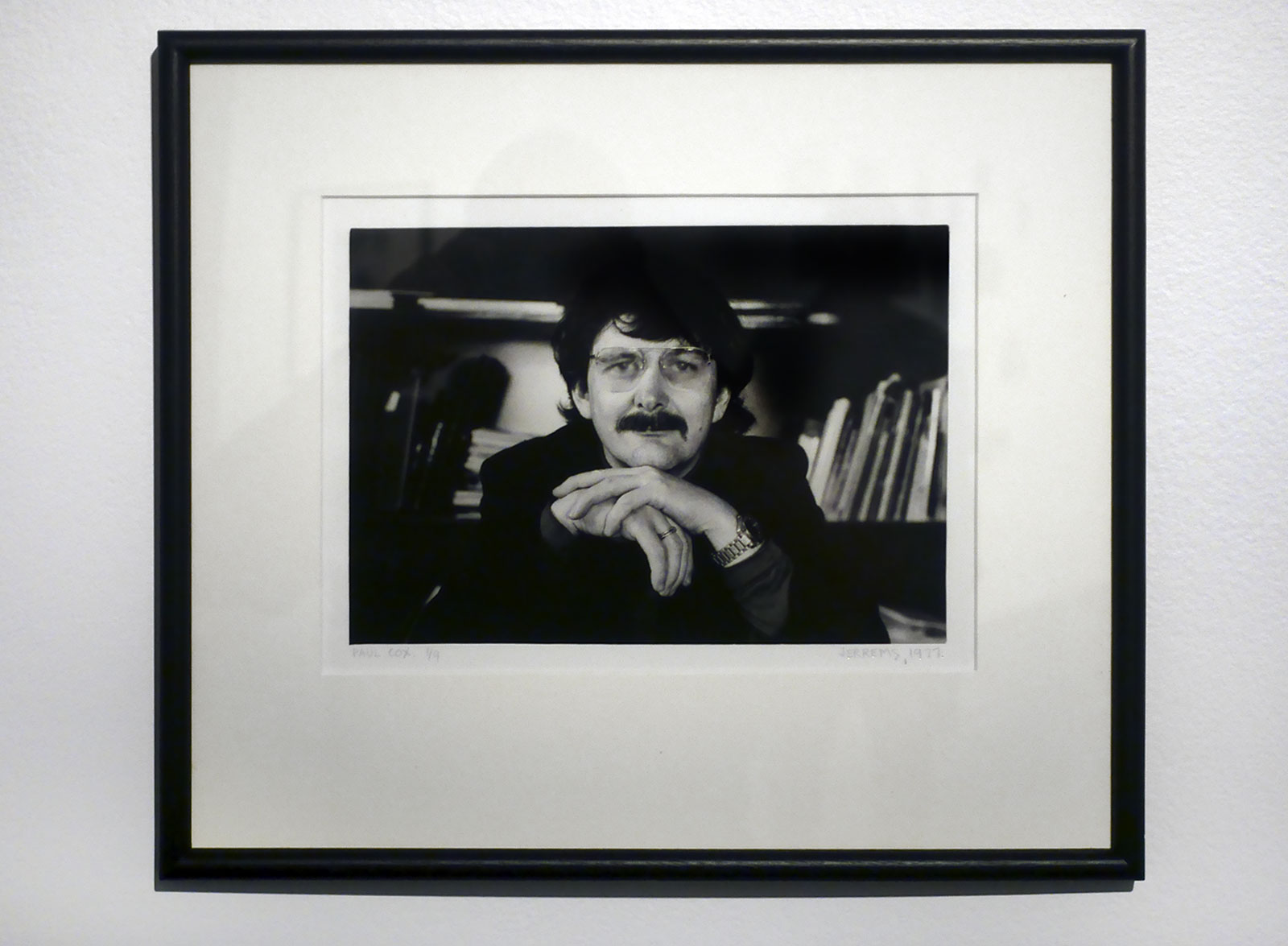


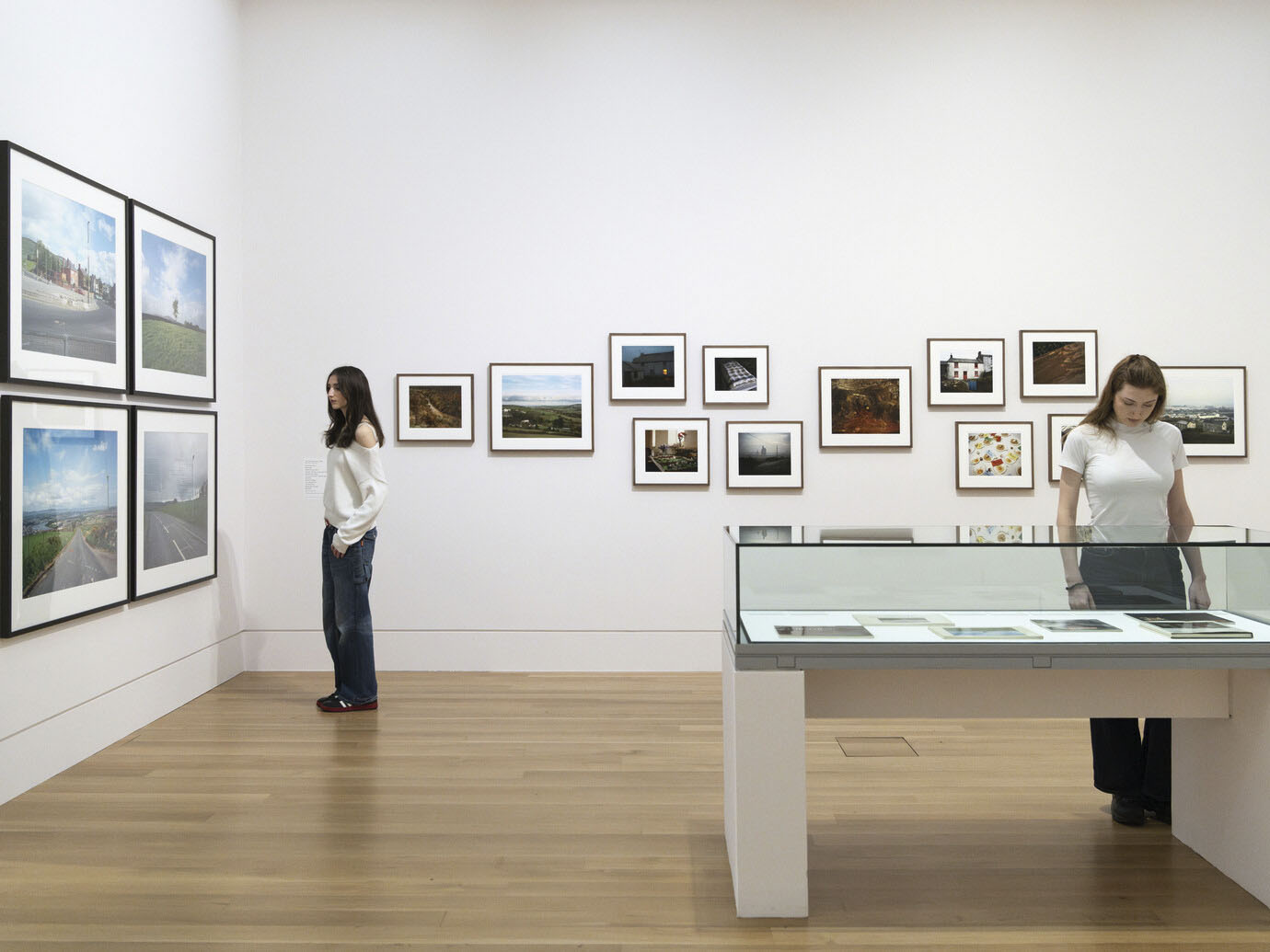


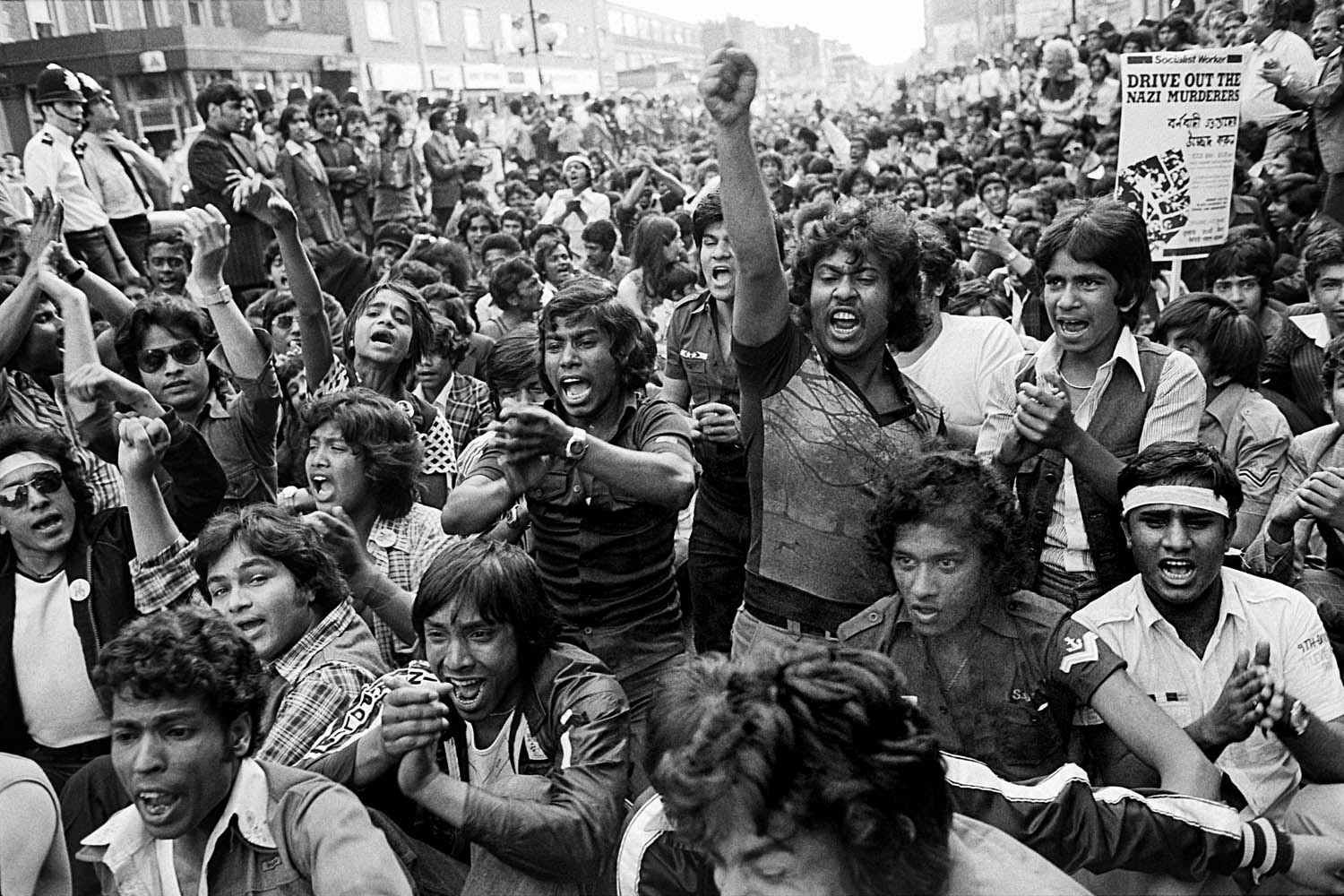








![Weegee (Arthur Fellig) (American born Ukraine, 1899-1968) '[Clothing salesman, Easter Sunday, Harlem, New York]' c. 1940 from the exhibition 'Weegee: Society of the Spectacle' at the International Center of Photography, New York, Jan - May 2025](https://artblart.com/wp-content/uploads/2025/04/weegee-clothing-salesman.jpg "Weegee (Arthur Fellig) (American born Ukraine, 1899-1968) '[Clothing salesman, Easter Sunday, Harlem, New York]' c. 1940 from the exhibition 'Weegee: Society of the Spectacle' at the International Center of Photography, New York, Jan - May 2025")
![Weegee (Arthur Fellig) (American born Ukraine, 1899-1968) [Afternoon crowd at Coney Island, Brooklyn] July 21st, 1940 from the exhibition 'Weegee: Society of the Spectacle' at the International Center of Photography, New York, Jan - May 2025](https://artblart.com/wp-content/uploads/2024/11/7_sm.jpg "Weegee (Arthur Fellig) (American born Ukraine, 1899-1968) [Afternoon crowd at Coney Island, Brooklyn] July 21st, 1940 from the exhibition 'Weegee: Society of the Spectacle' at the International Center of Photography, New York, Jan - May 2025")
![Weegee (Arthur Fellig) (American born Ukraine, 1899-1968)
'[Anthony Esposito, booked on suspicion of killing a policeman, New York]' January 16, 1941 from the exhibition 'Weegee: Society of the Spectacle' at the International Center of Photography, New York, Jan - May 2025](https://artblart.com/wp-content/uploads/2012/08/3-weegee_anthony-esposito-web.jpg "Weegee (Arthur Fellig) (American born Ukraine, 1899-1968) '[Anthony Esposito, booked on suspicion of killing a policeman, New York]' January 16, 1941 from the exhibition 'Weegee: Society of the Spectacle' at the International Center of Photography, New York, Jan - May 2025")
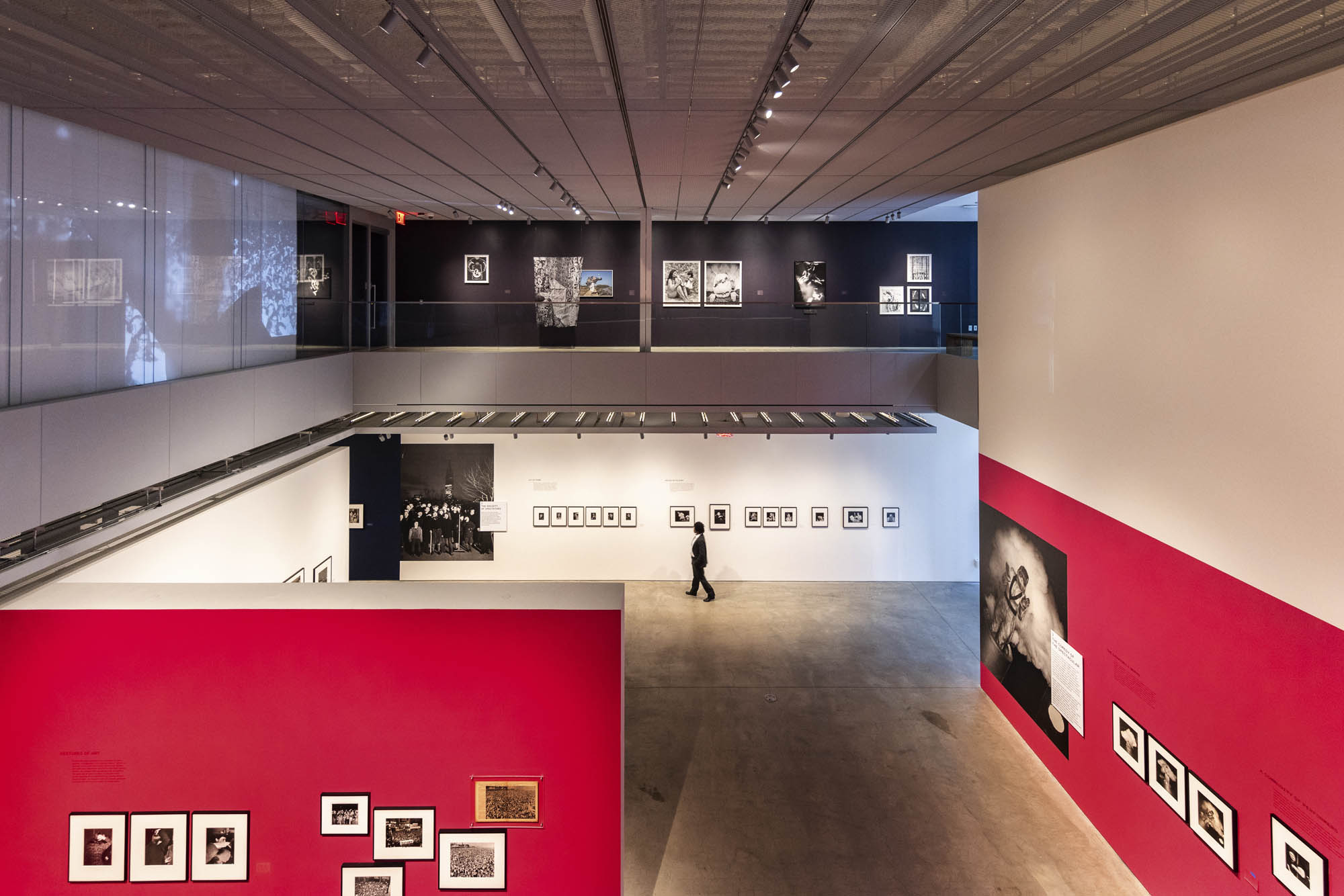

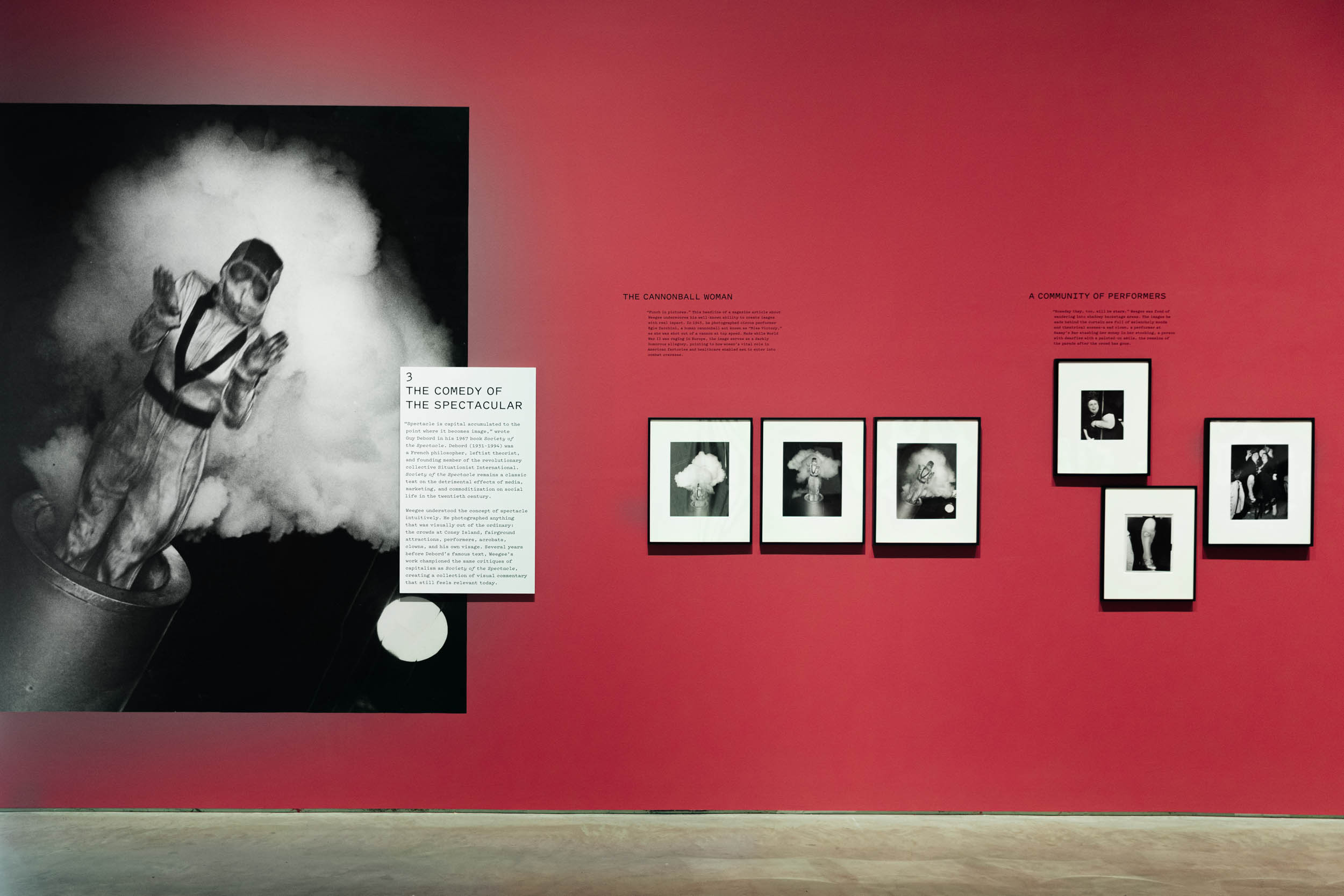

![Weegee (Arthur Fellig) (American born Ukraine, 1899-1968) '[Circus performer Miss Victory (Eglie Zacchini) shot out of a cannon at the speed of 360 feet a second, New York]' June 28, 1943](https://artblart.com/wp-content/uploads/2025/04/weegee-circus-performer-miss-victory.jpg "Weegee (Arthur Fellig) (American born Ukraine, 1899-1968) '[Circus performer Miss Victory (Eglie Zacchini) shot out of a cannon at the speed of 360 feet a second, New York]' June 28, 1943")
![Weegee (Arthur Fellig) (American born Ukraine, 1899-1968) '[Mrs. Bernice Lythcott and son looking through window shattered by rock-throwing hoodlums, Harlem, New York]' October 18, 1943](https://artblart.com/wp-content/uploads/2024/04/weegee-mme-bernice-lythcott.jpg "Weegee (Arthur Fellig) (American born Ukraine, 1899-1968) '[Mrs. Bernice Lythcott and son looking through window shattered by rock-throwing hoodlums, Harlem, New York]' October 18, 1943")

![Weegee (Arthur Fellig) (American born Ukraine, 1899-1968) '[Lovers at the movies, New York]' c. 1943](https://artblart.com/wp-content/uploads/2025/04/weegee-lovers-at-the-movies.jpg "Weegee (Arthur Fellig) (American born Ukraine, 1899-1968) '[Lovers at the movies, New York]' c. 1943")


![Weegee (Arthur Fellig) (American born Ukraine, 1899-1968) '[St. Louis Gag Shot]' c. 1950](https://artblart.com/wp-content/uploads/2024/04/1_hd.jpg "Weegee (Arthur Fellig) (American born Ukraine, 1899-1968) '[St. Louis Gag Shot]' c. 1950")


![Weegee (Arthur Fellig) (American born Ukraine, 1899-1968) '[Mona Lisa distortion]' c. 1958](https://artblart.com/wp-content/uploads/2025/04/weegee-mona-lisa.jpg "Weegee (Arthur Fellig) (American born Ukraine, 1899-1968) '[Mona Lisa distortion]' c. 1958")


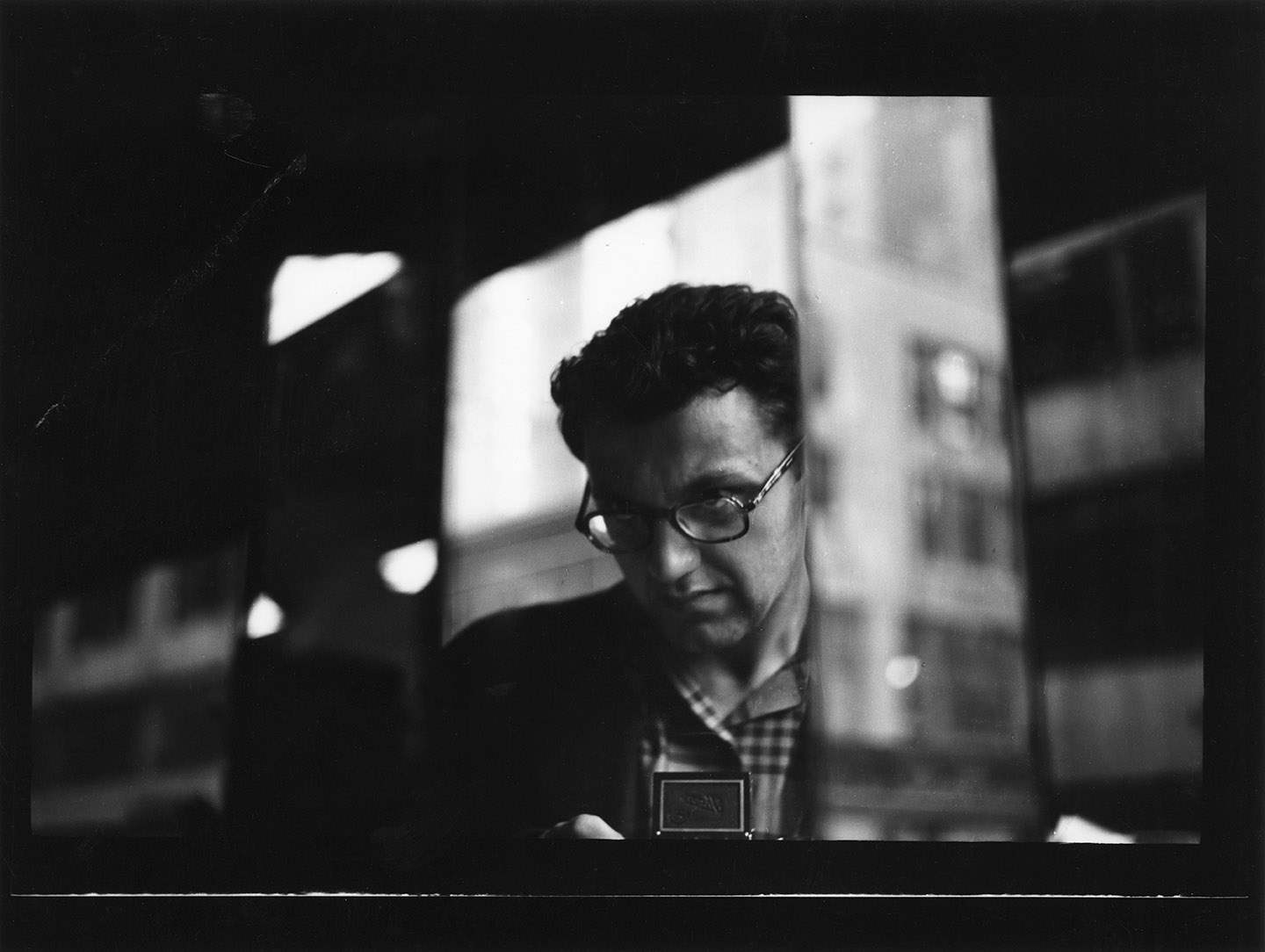

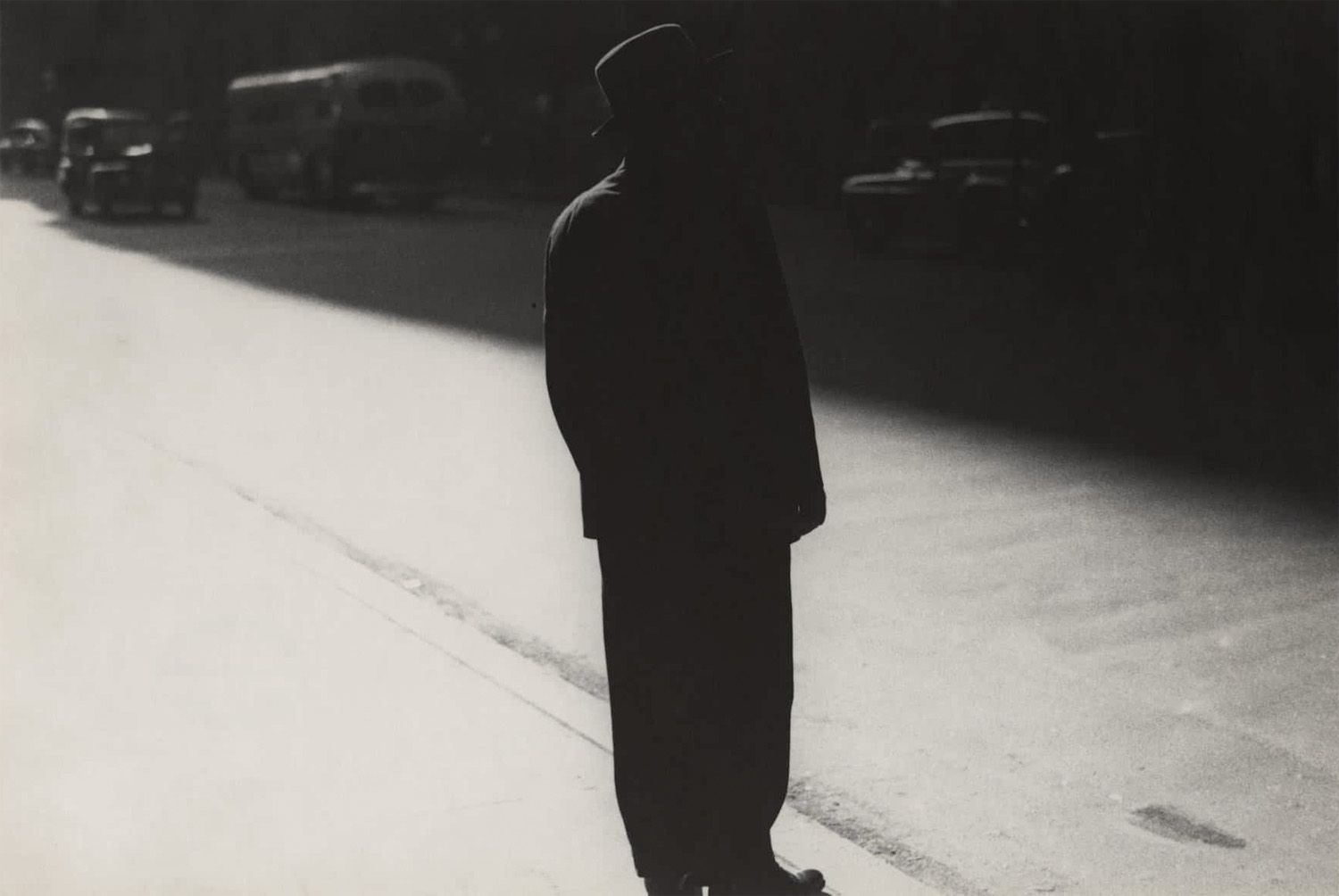
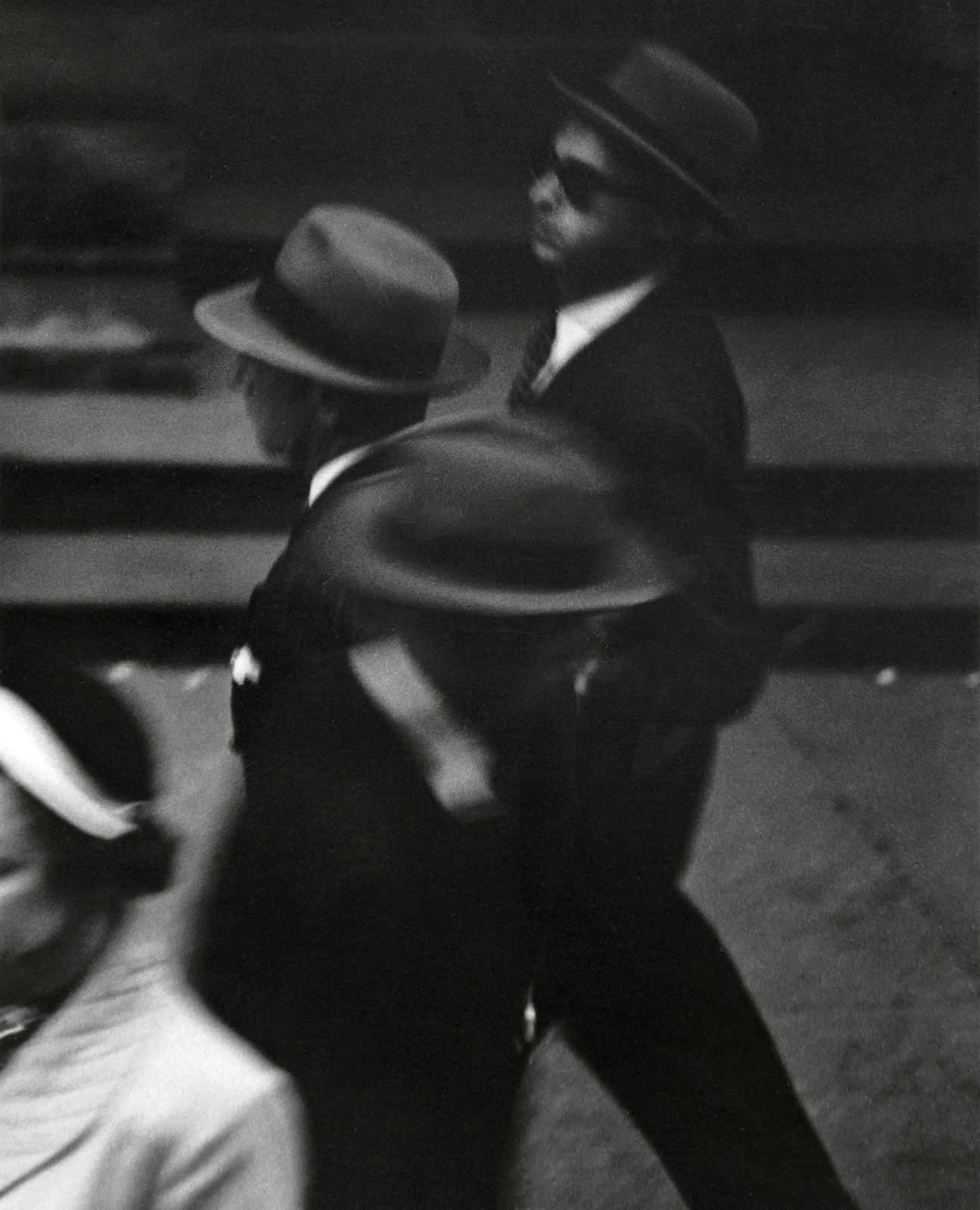
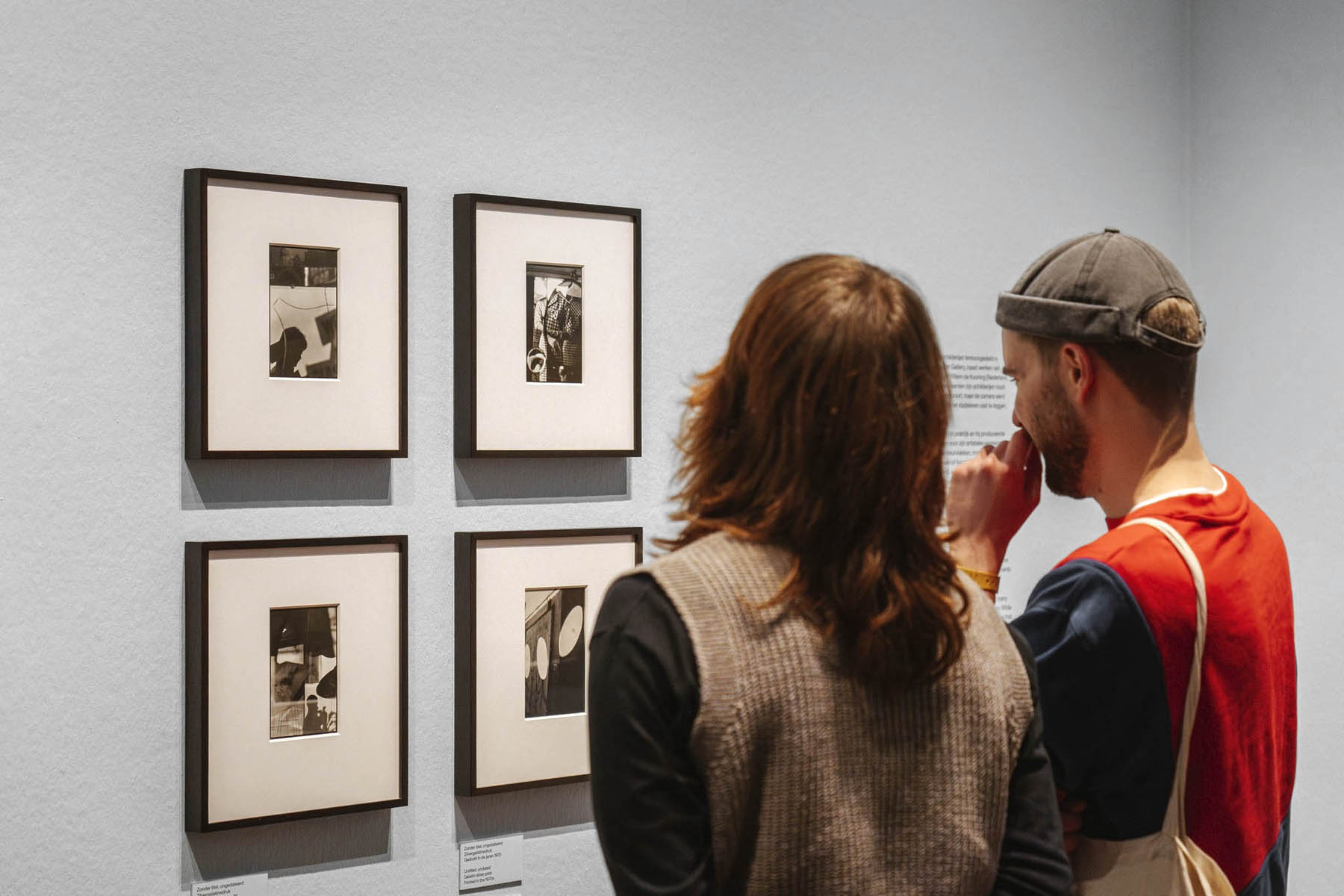
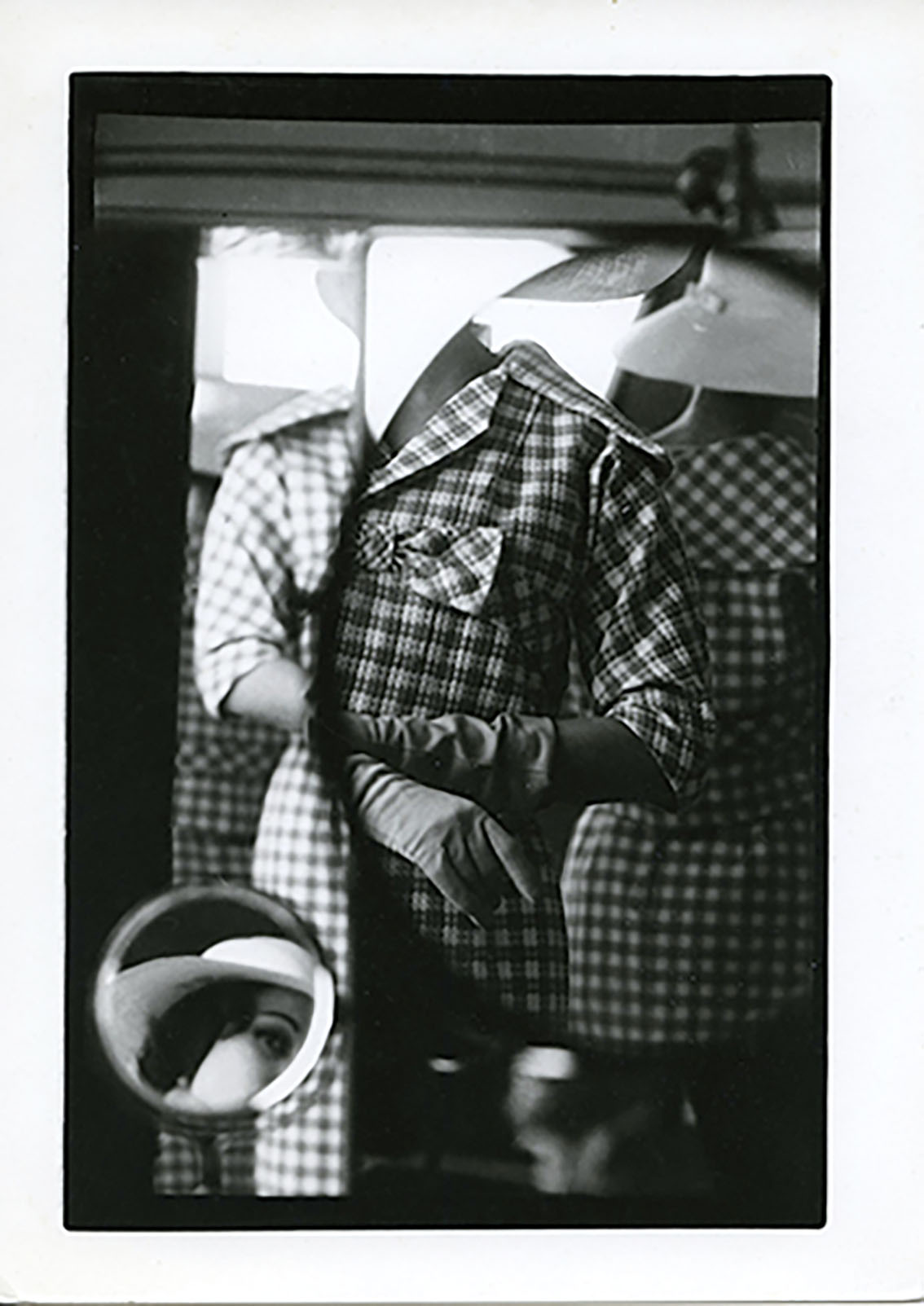
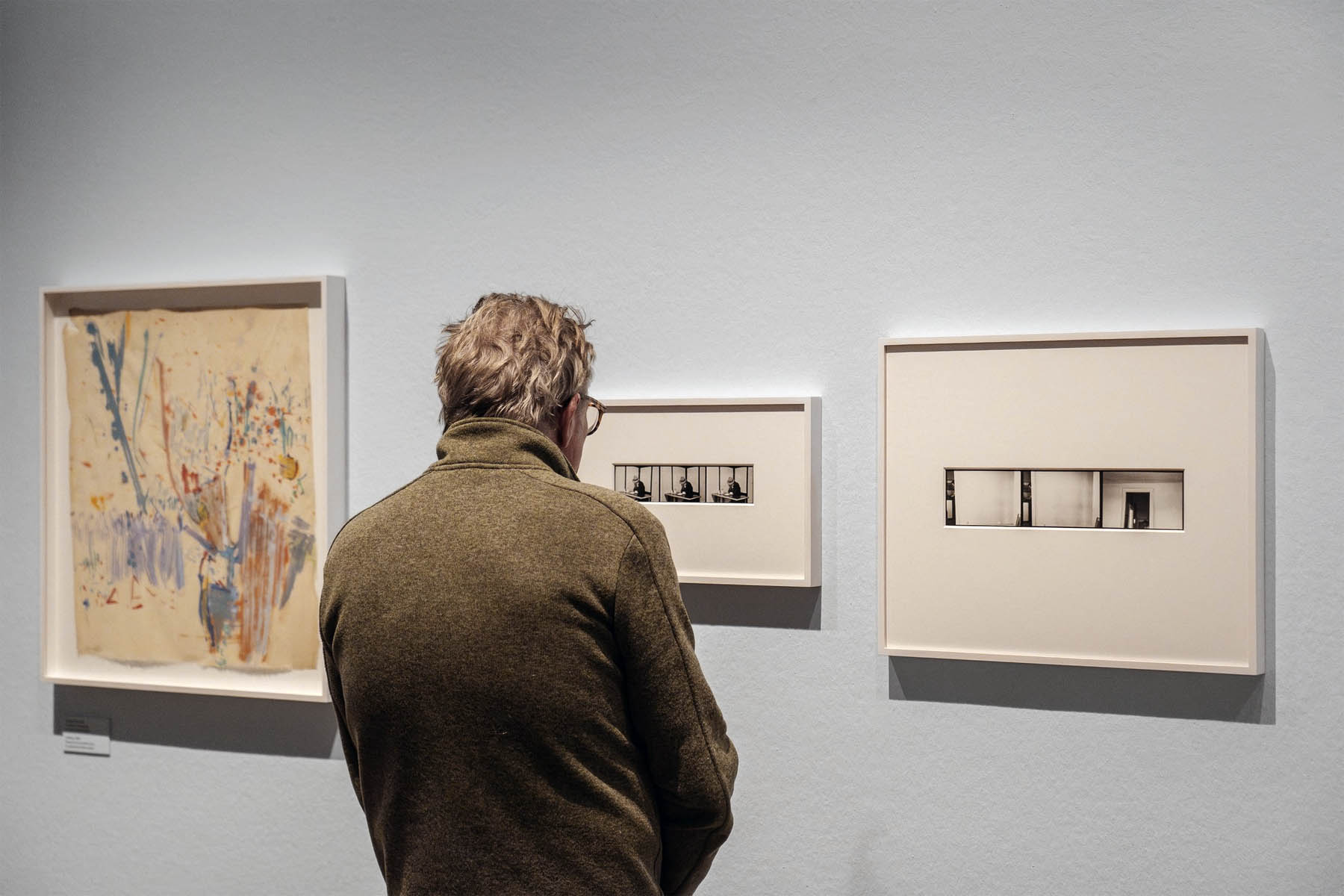
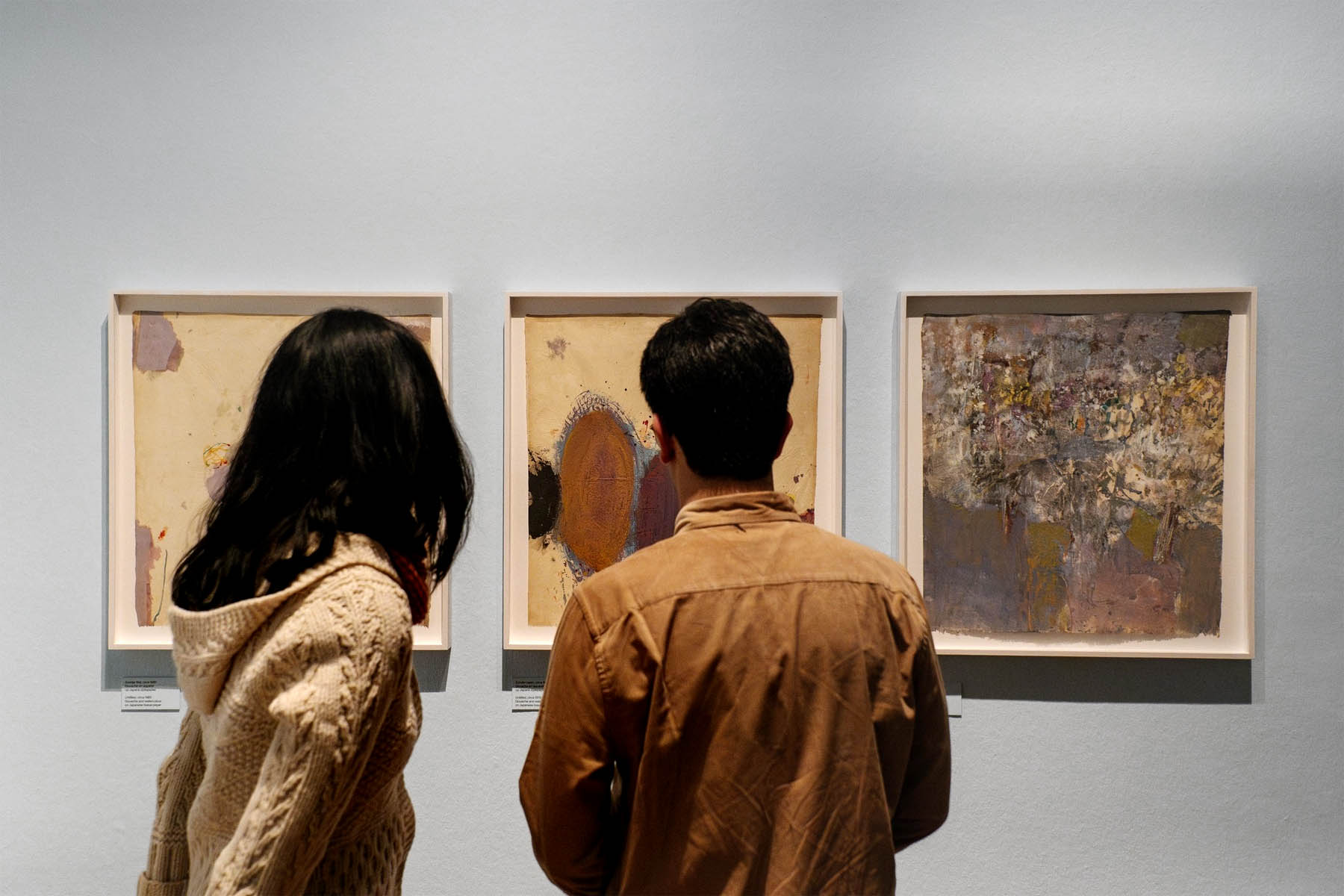
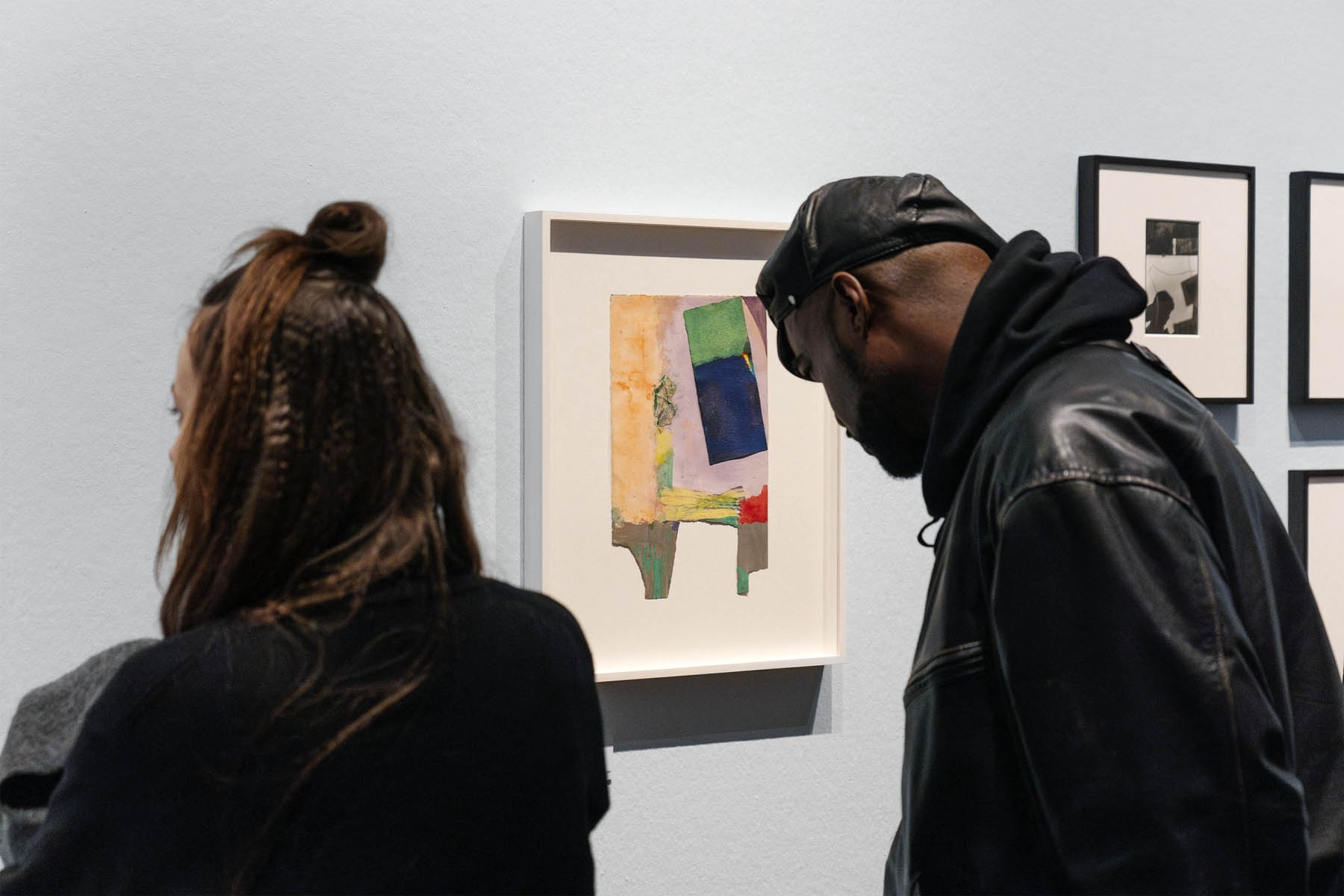
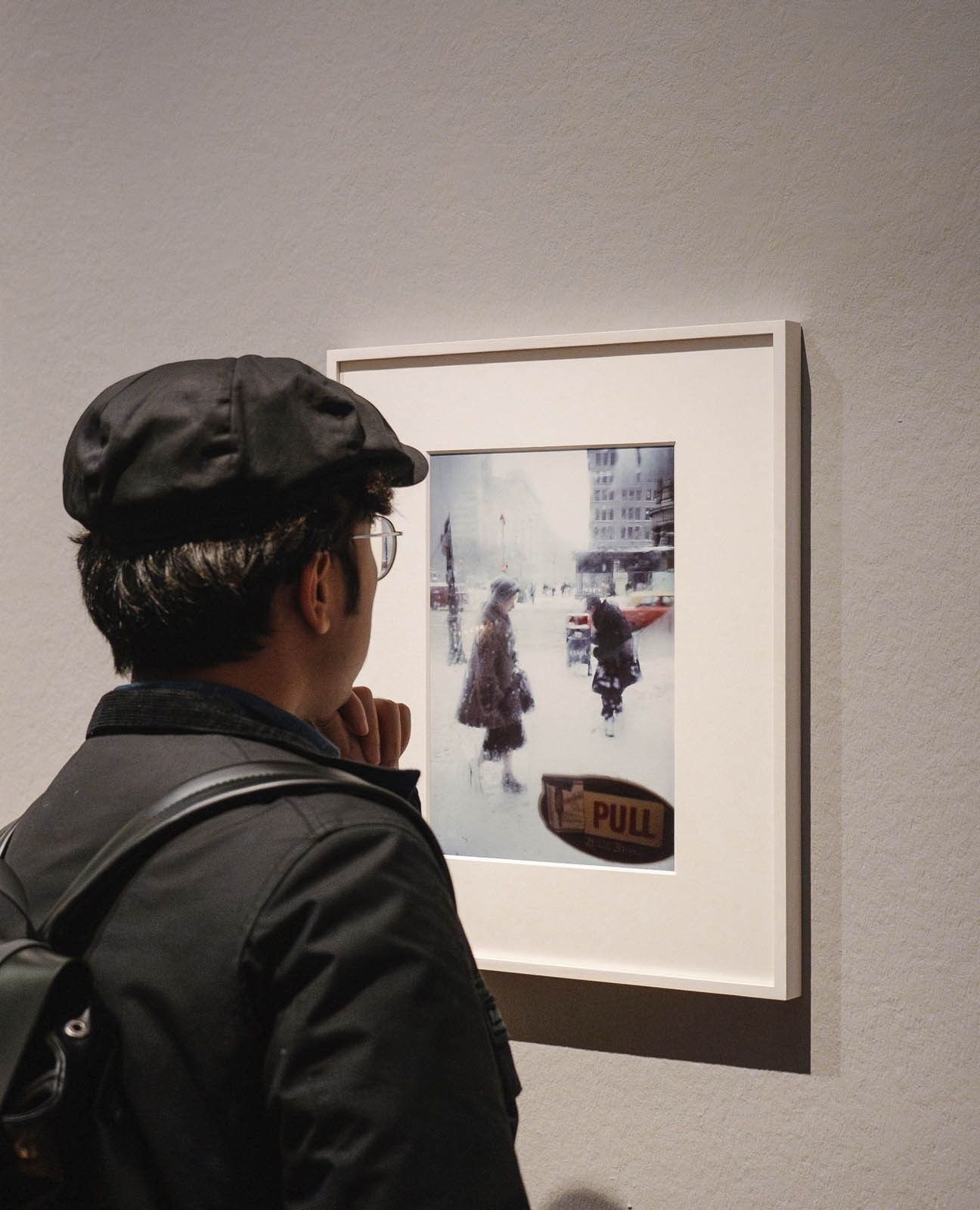

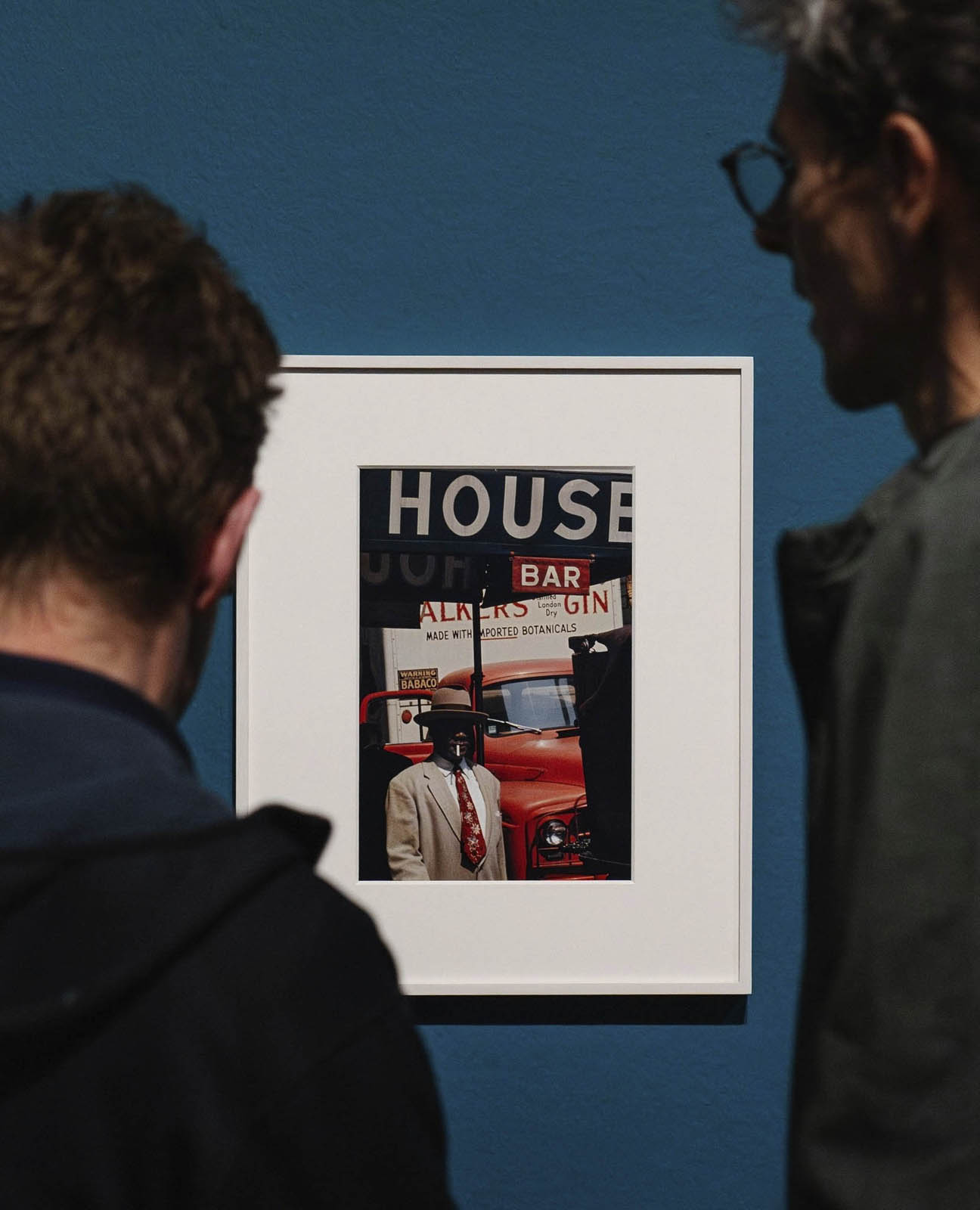

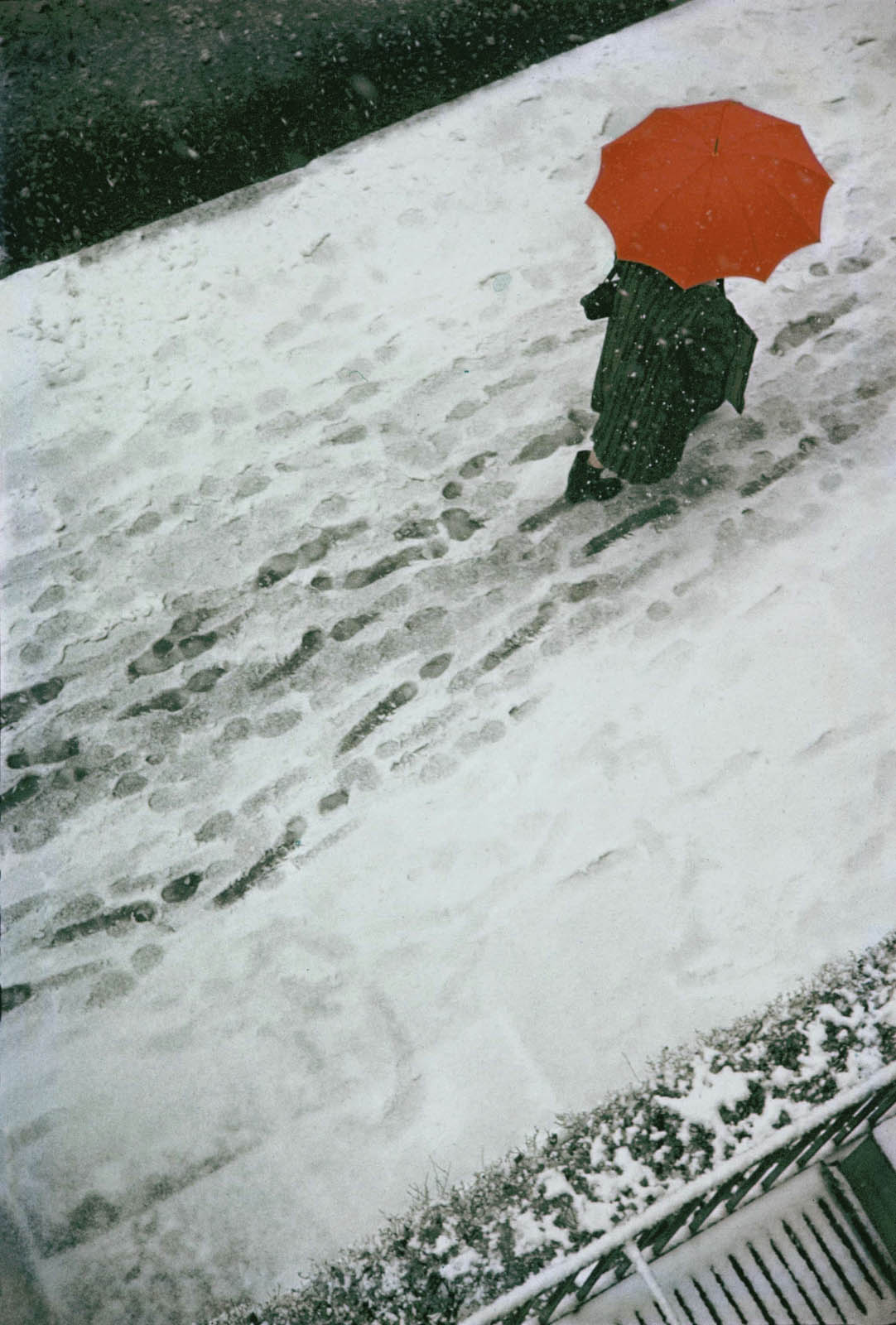


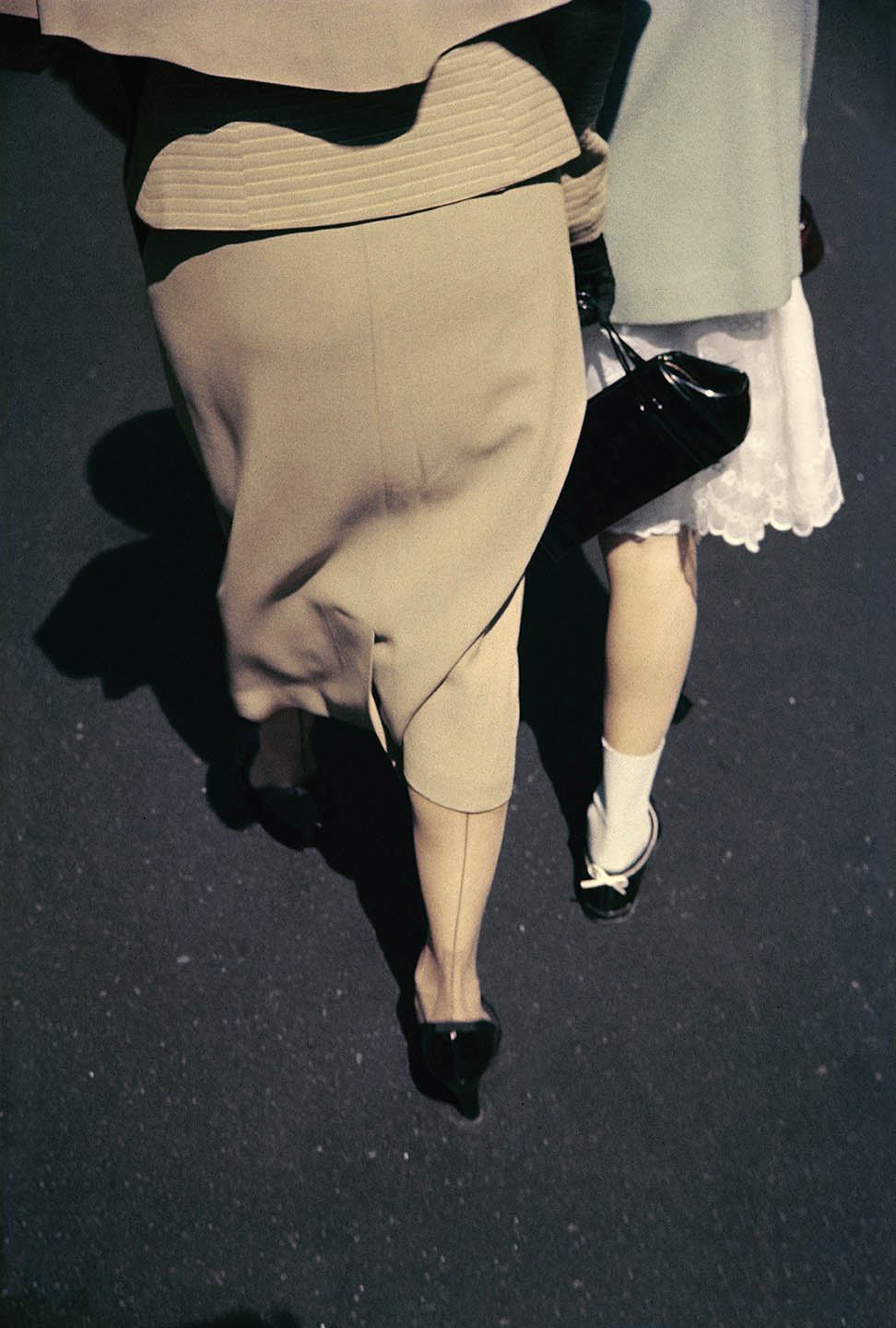

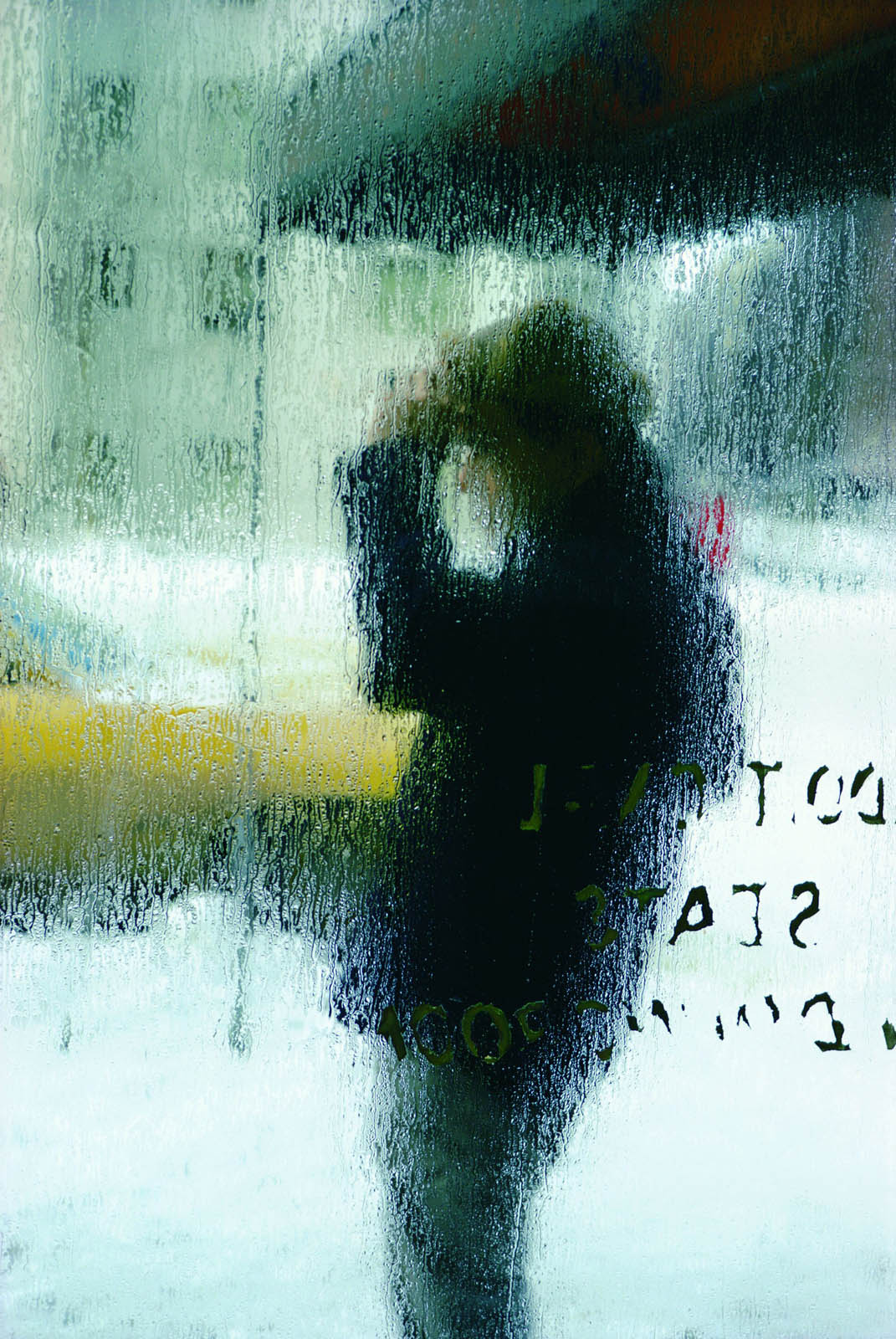


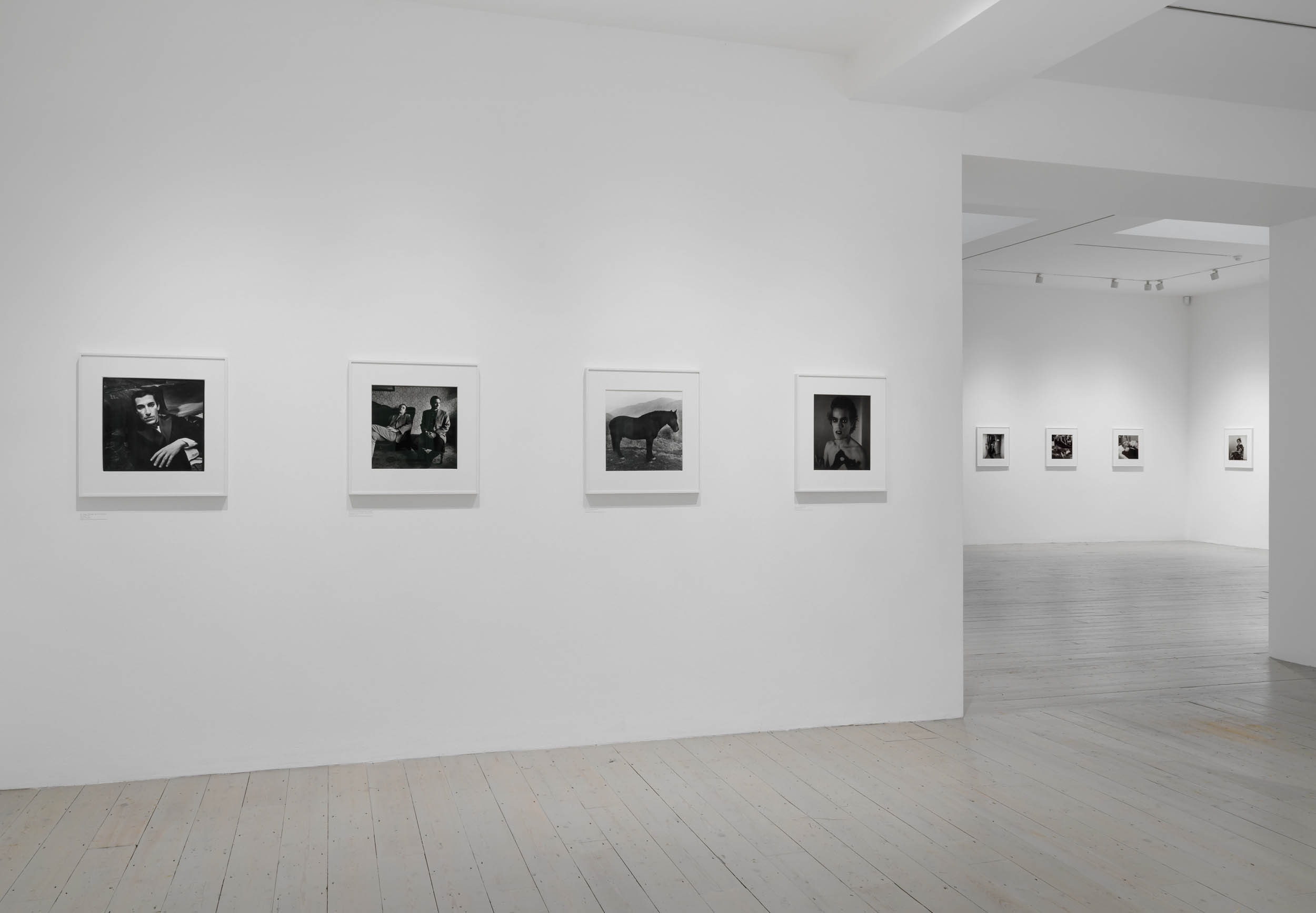
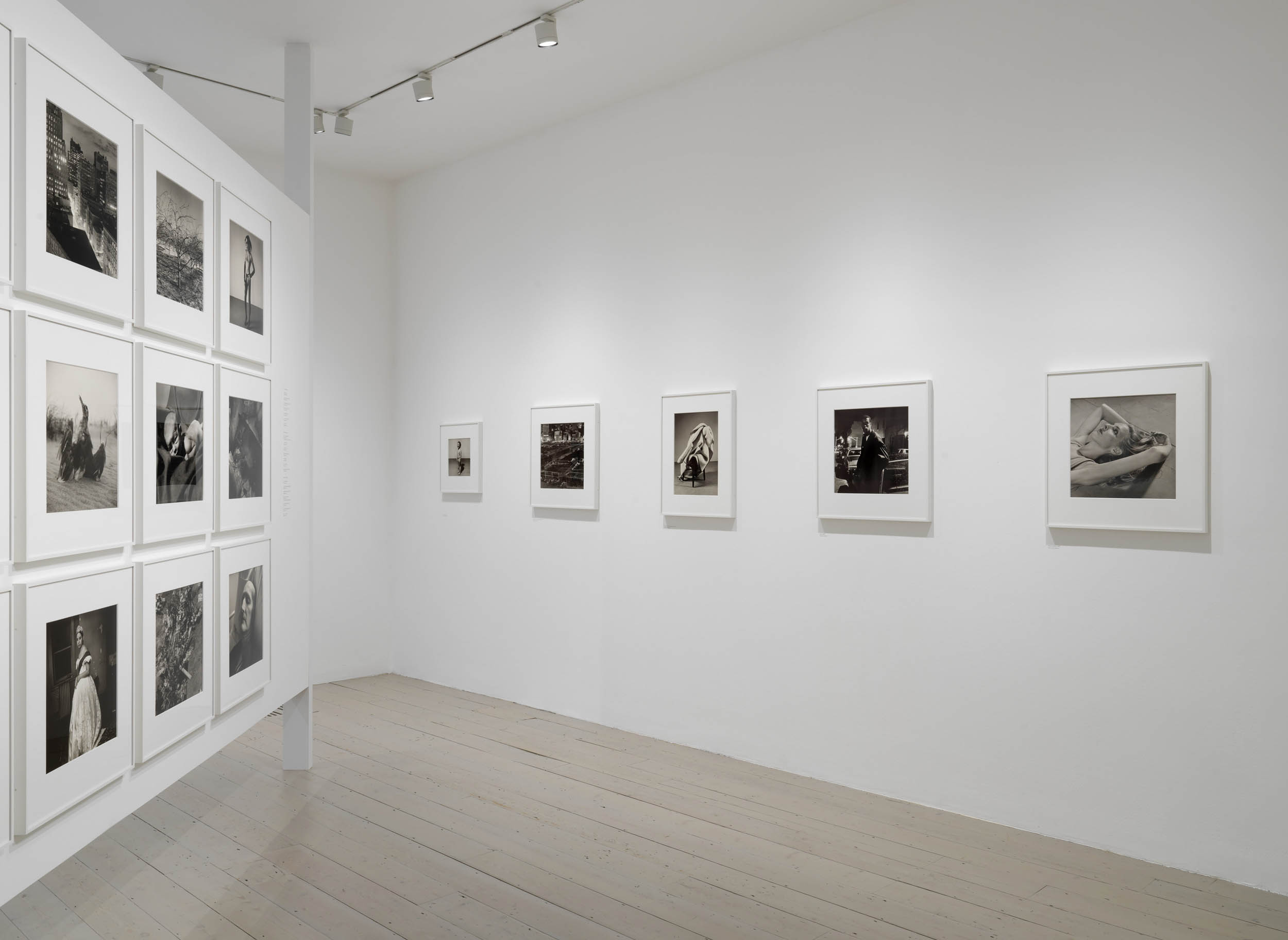
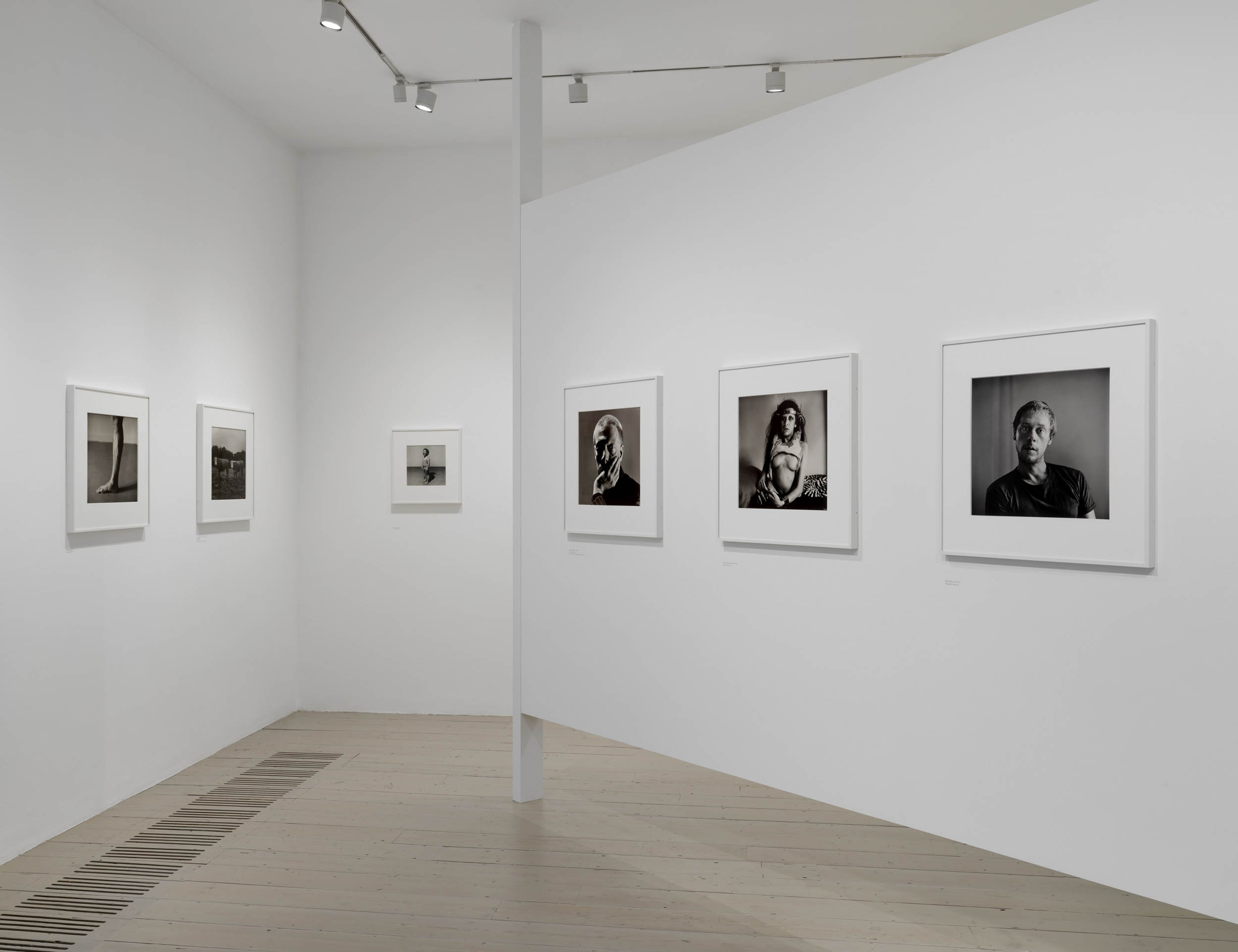
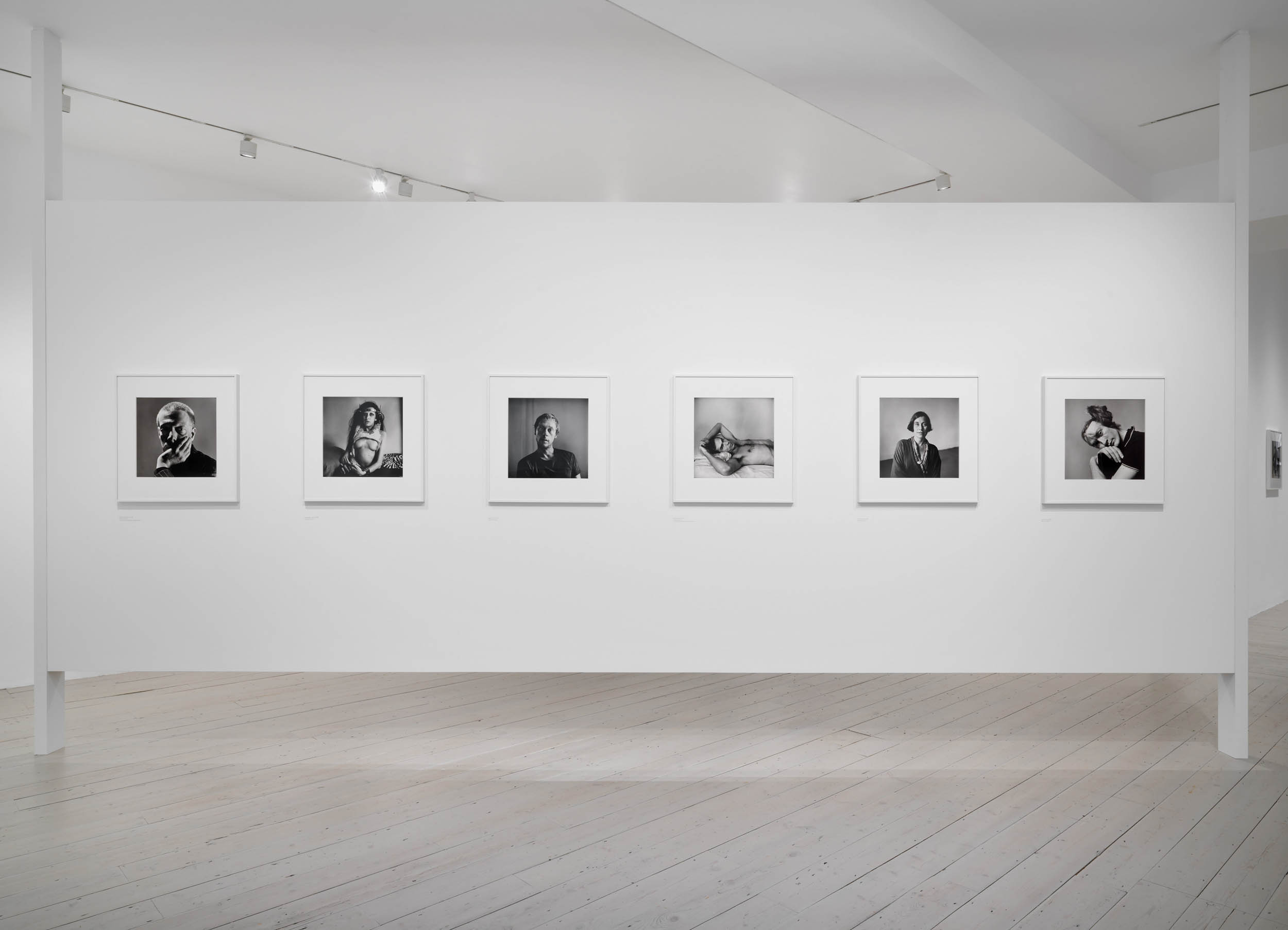
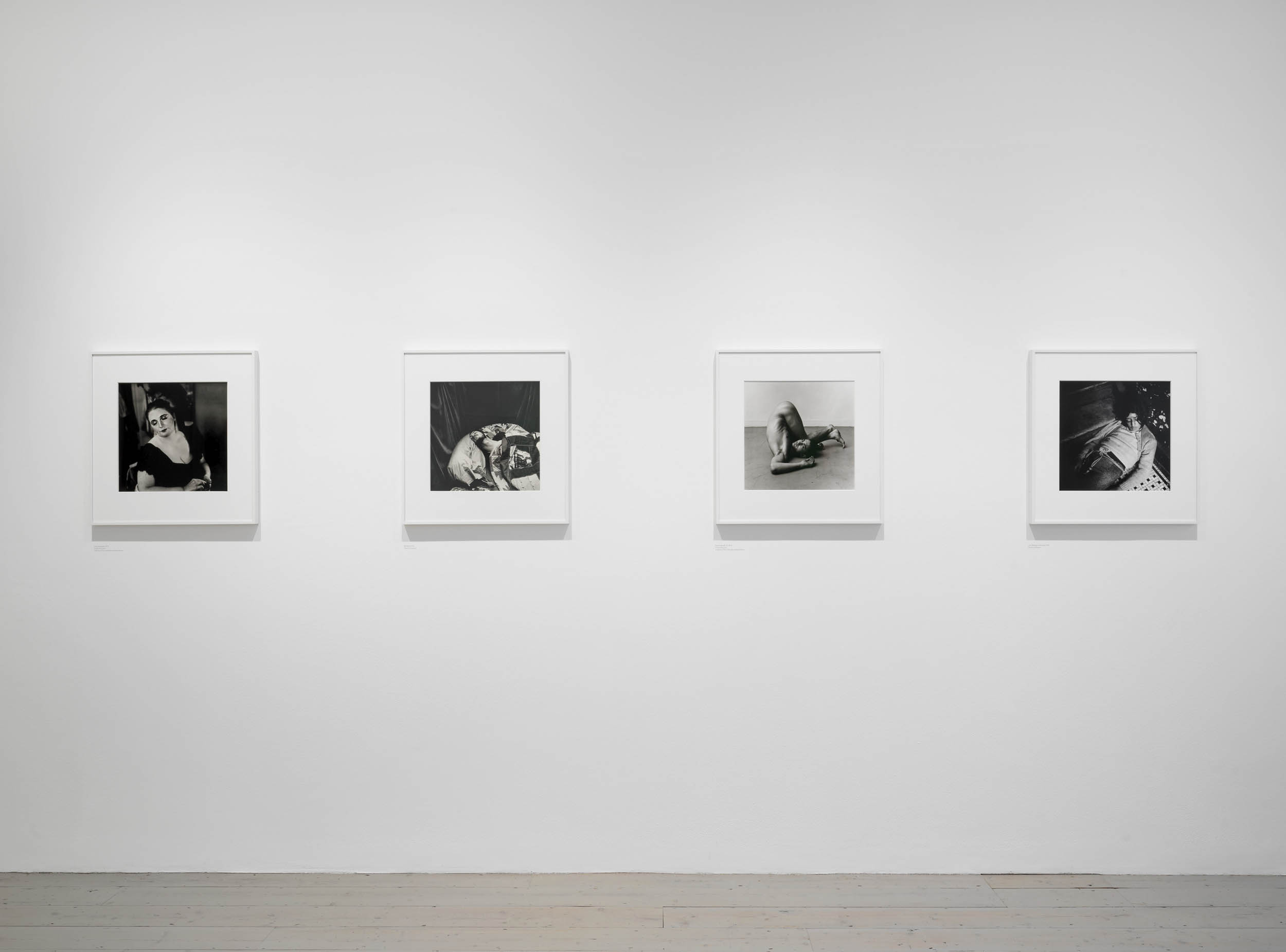
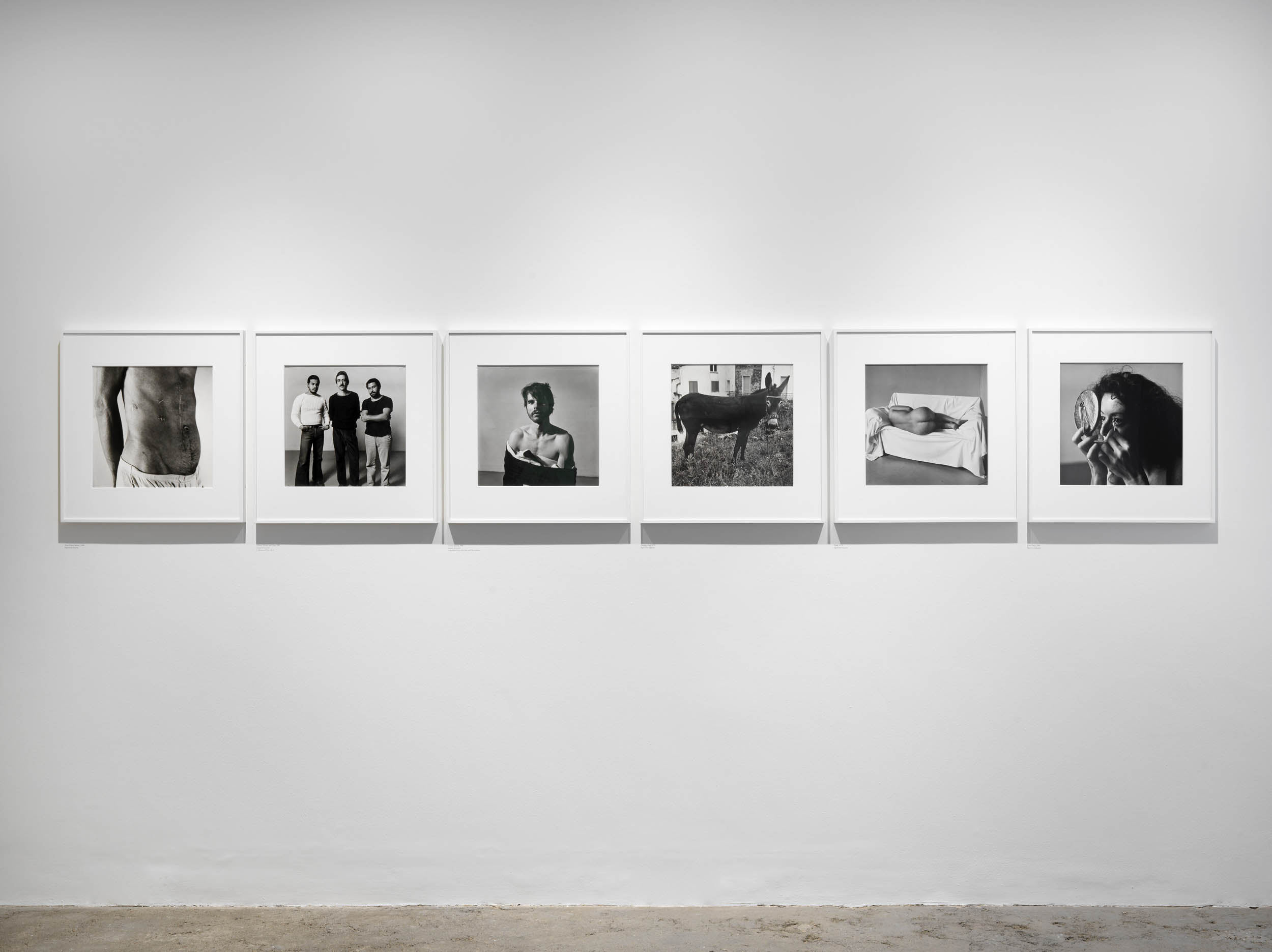


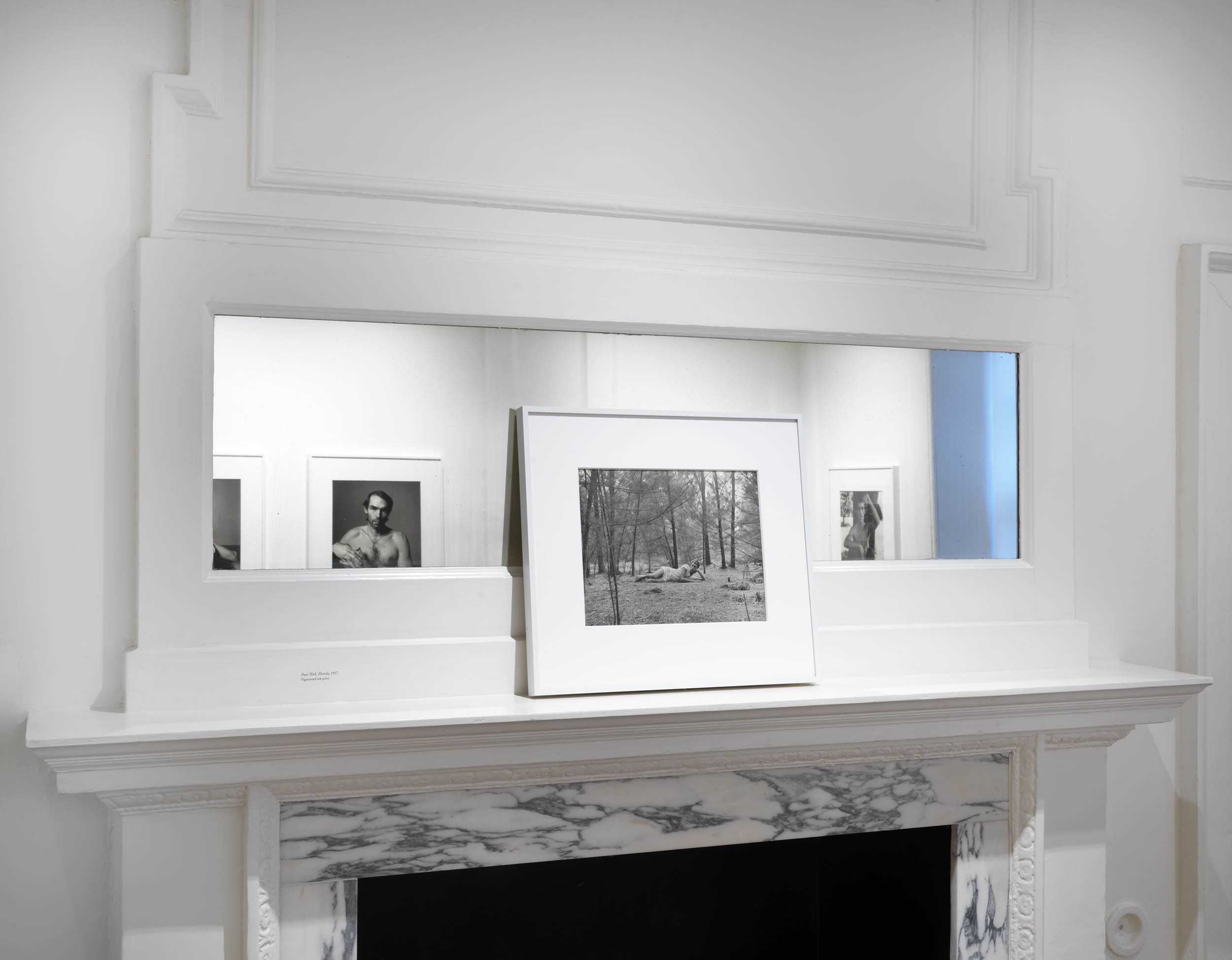
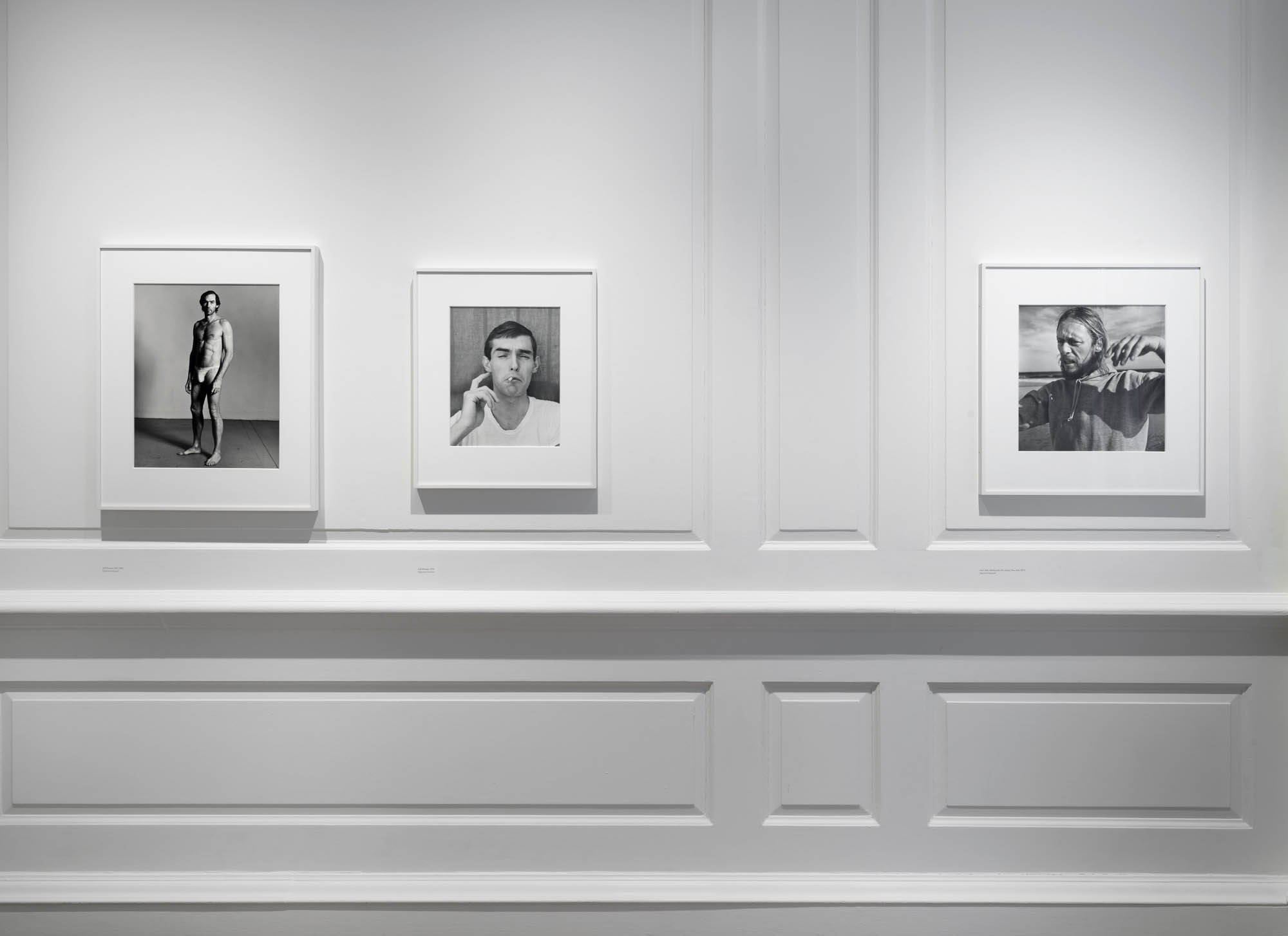

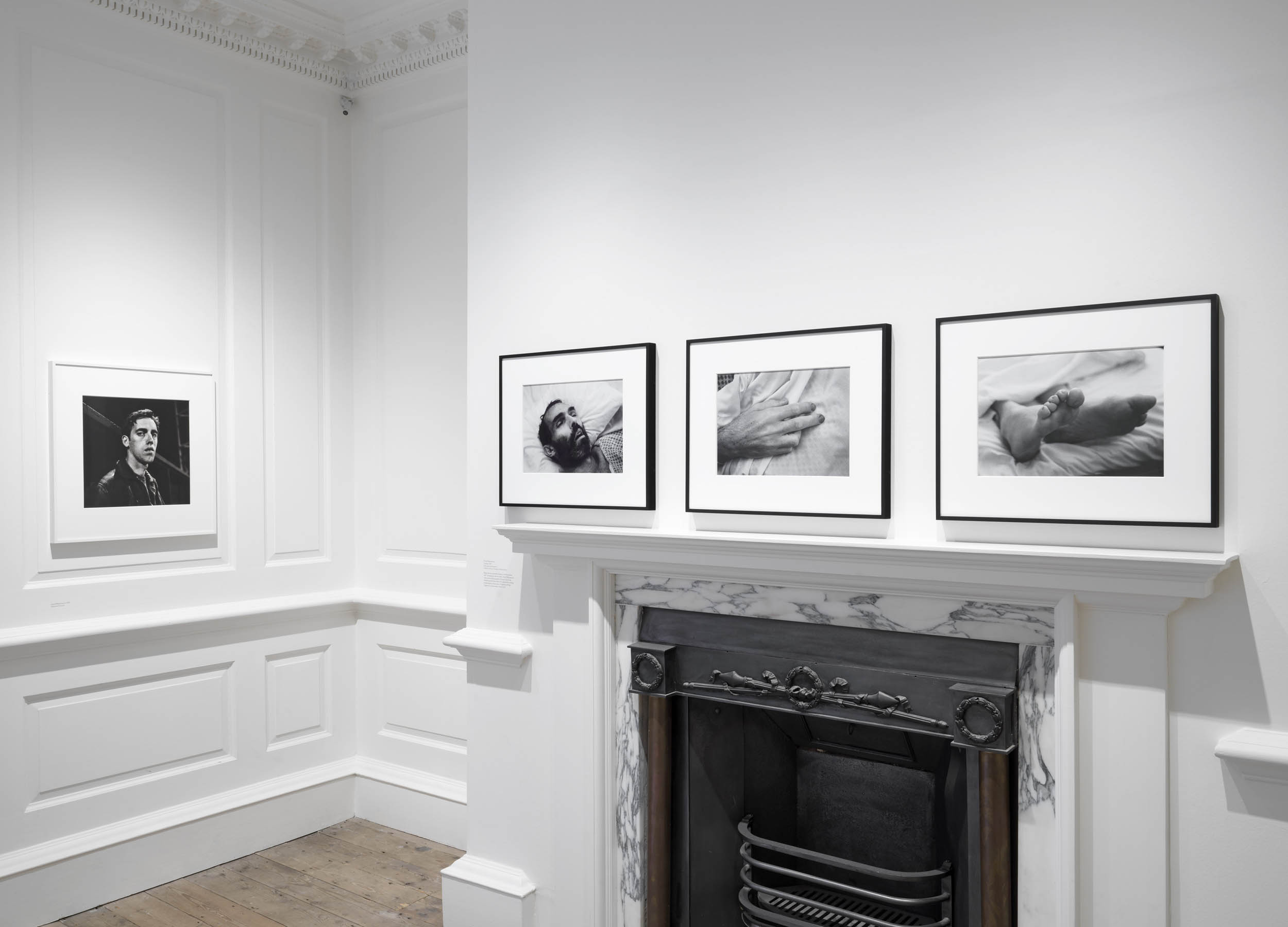
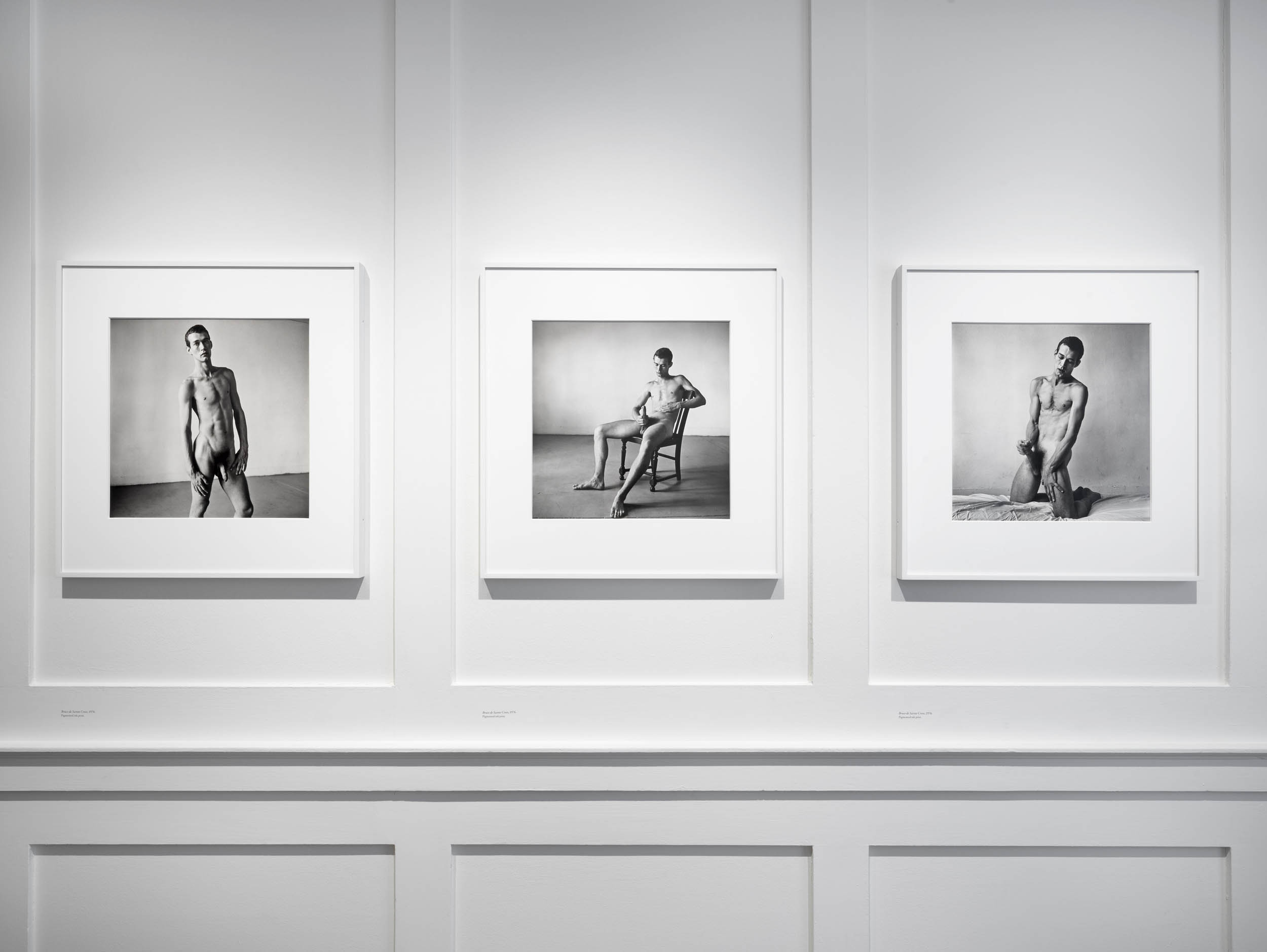
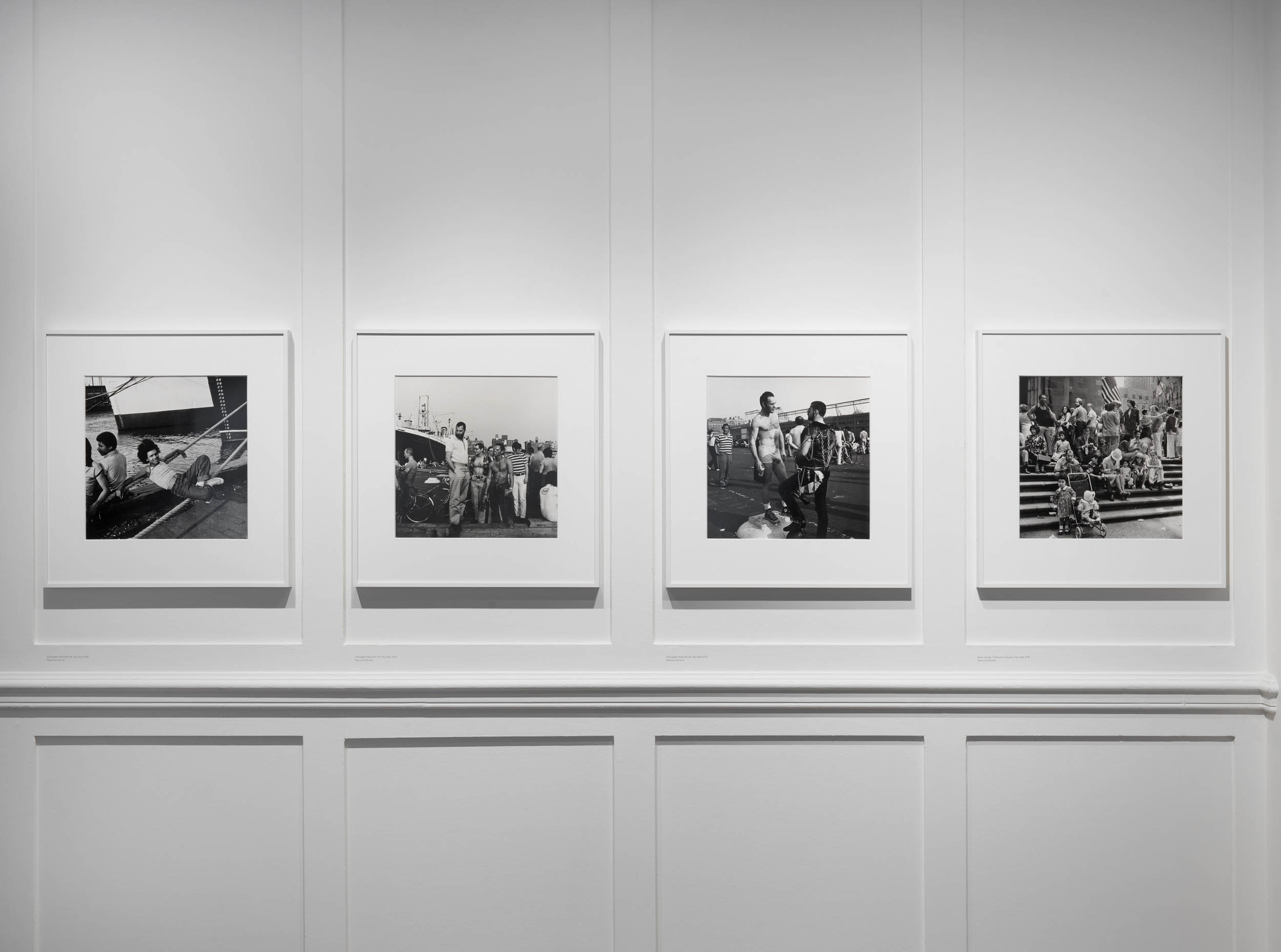


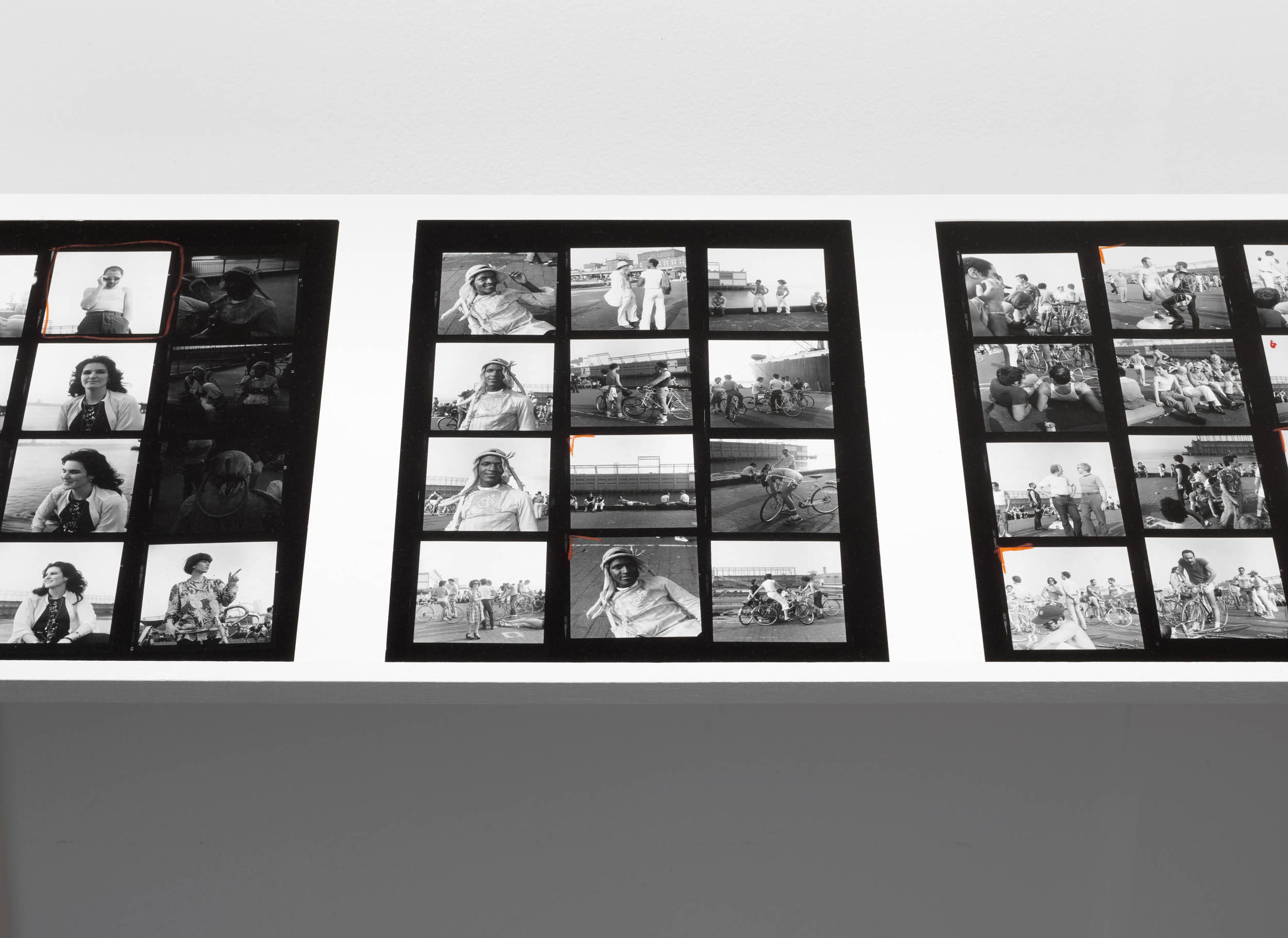






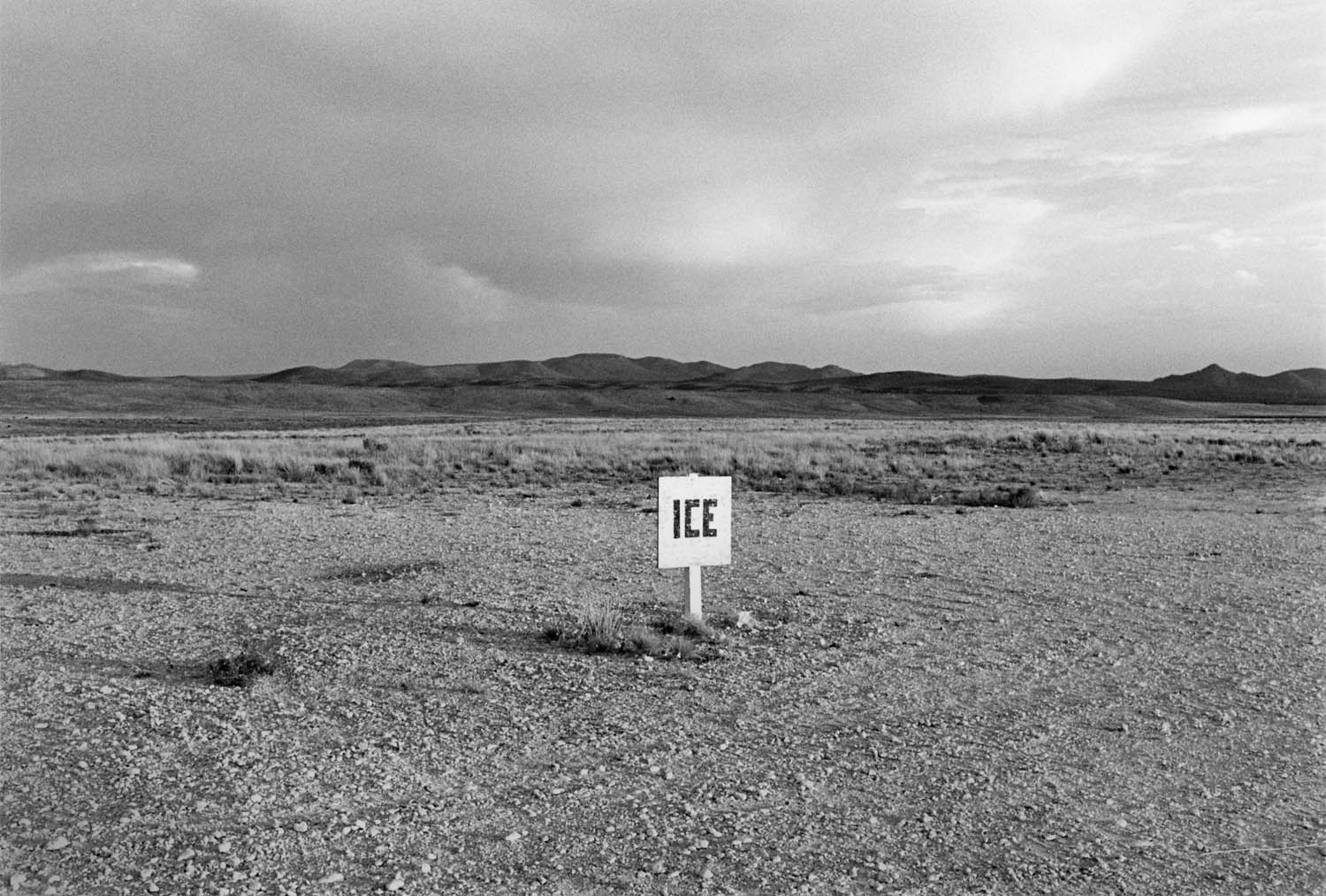

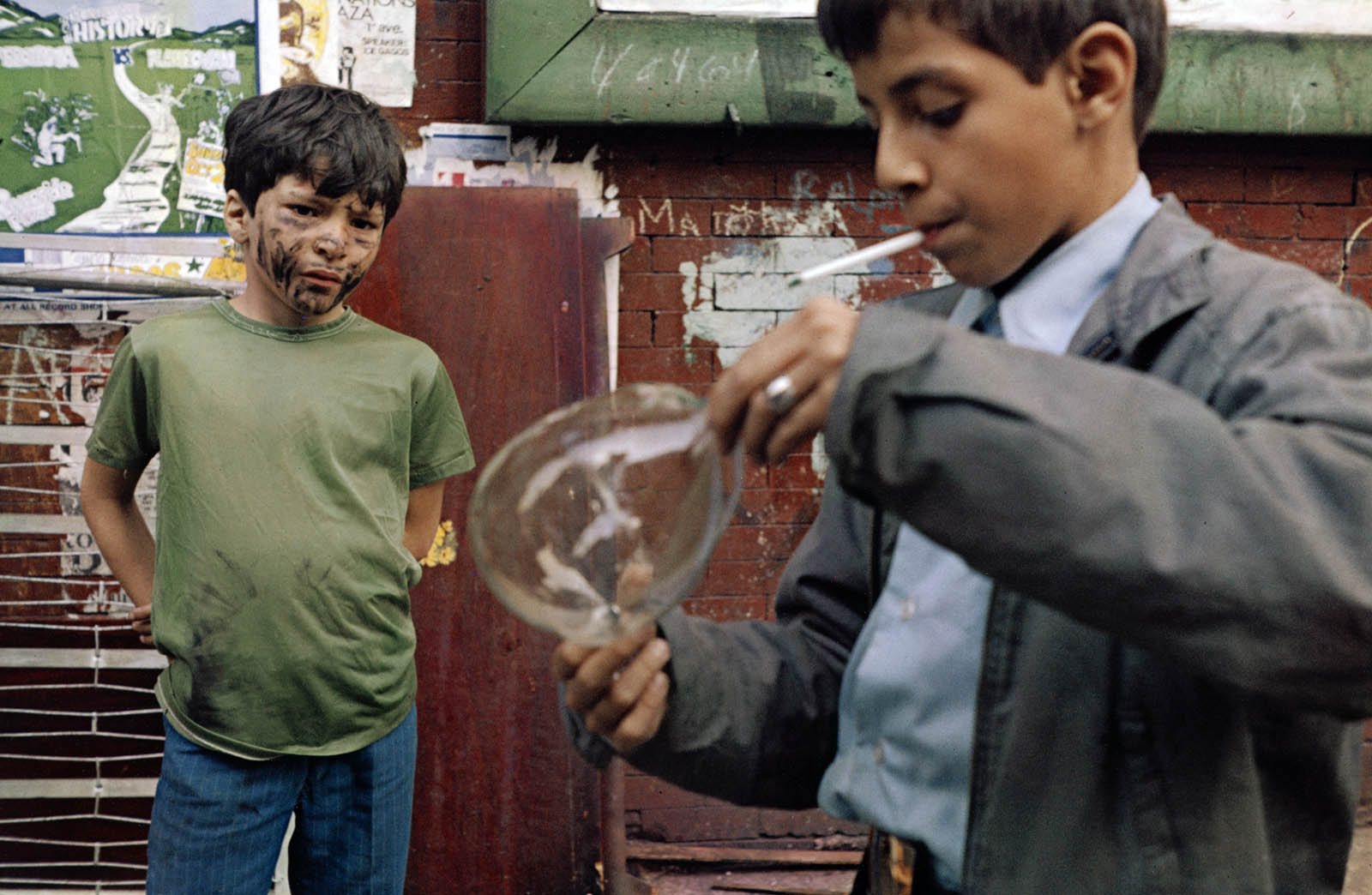


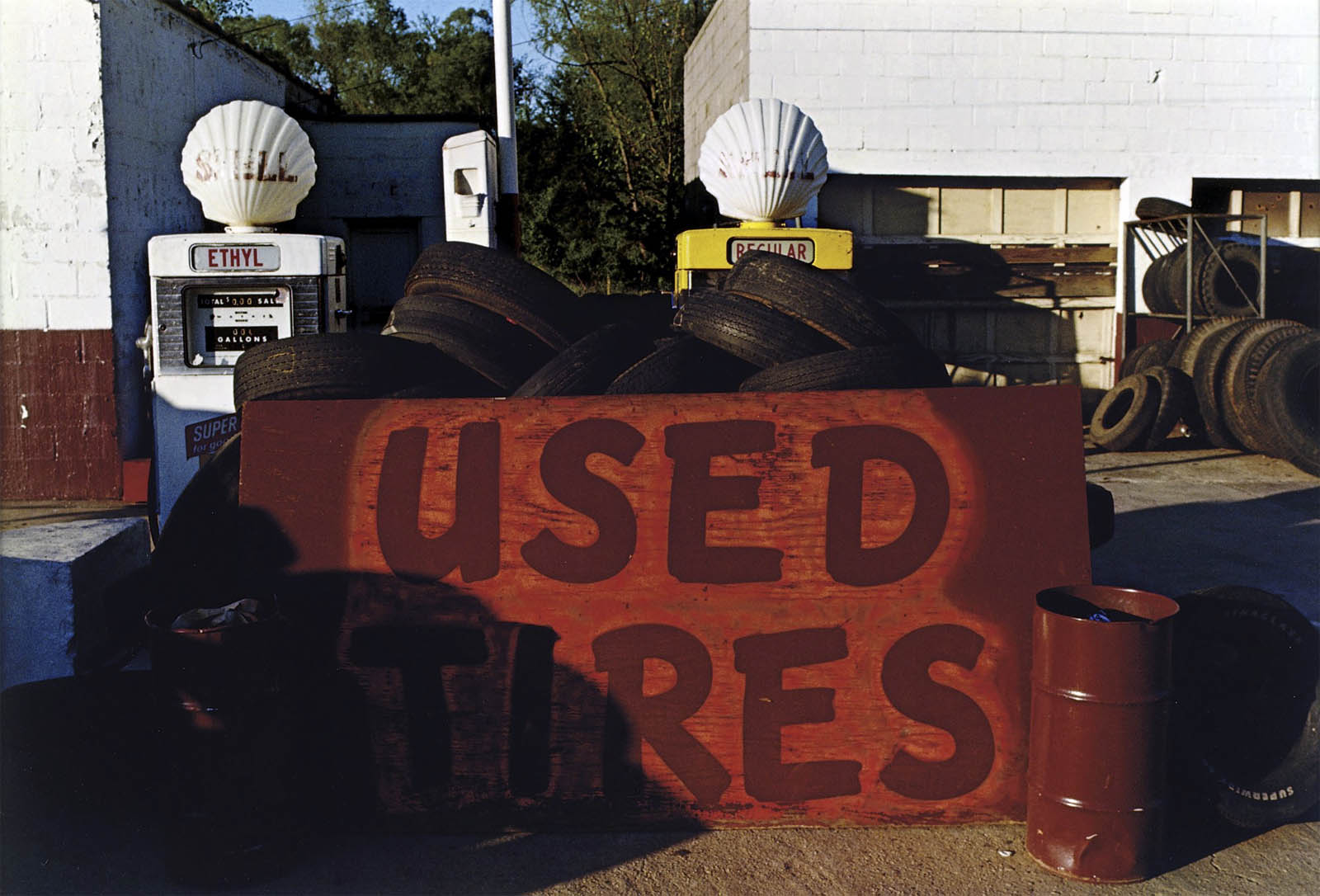
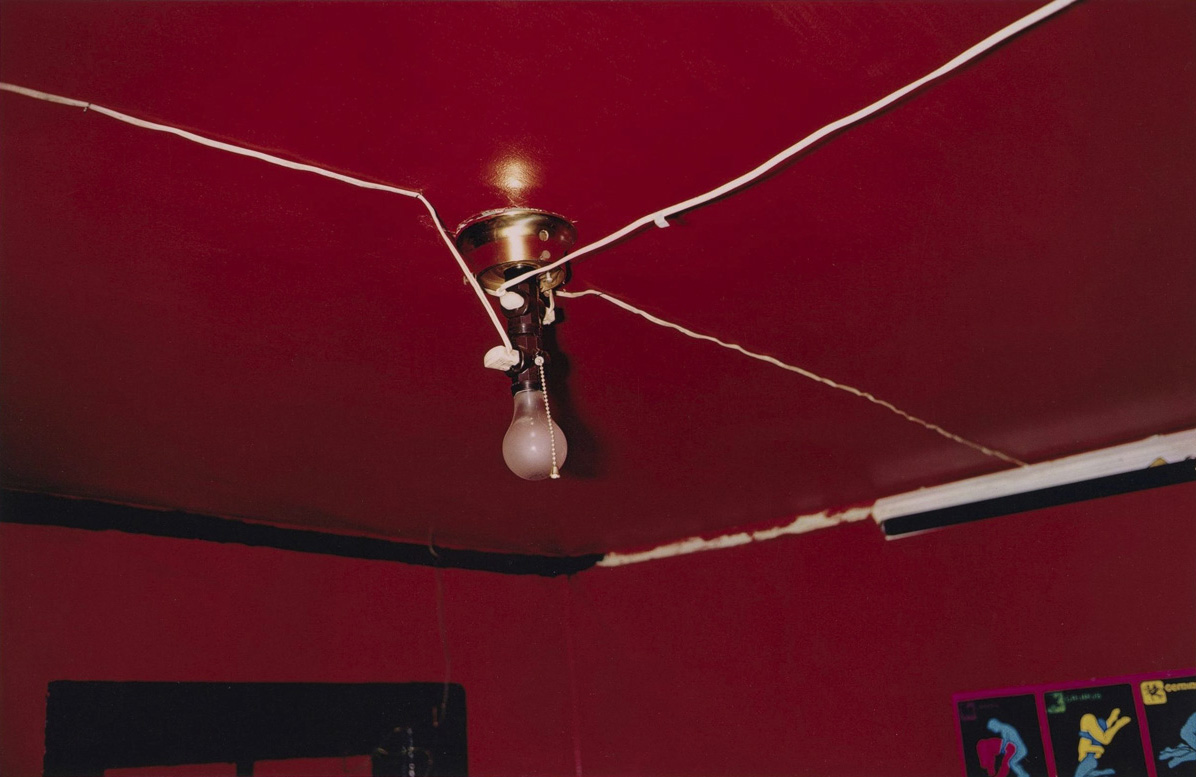

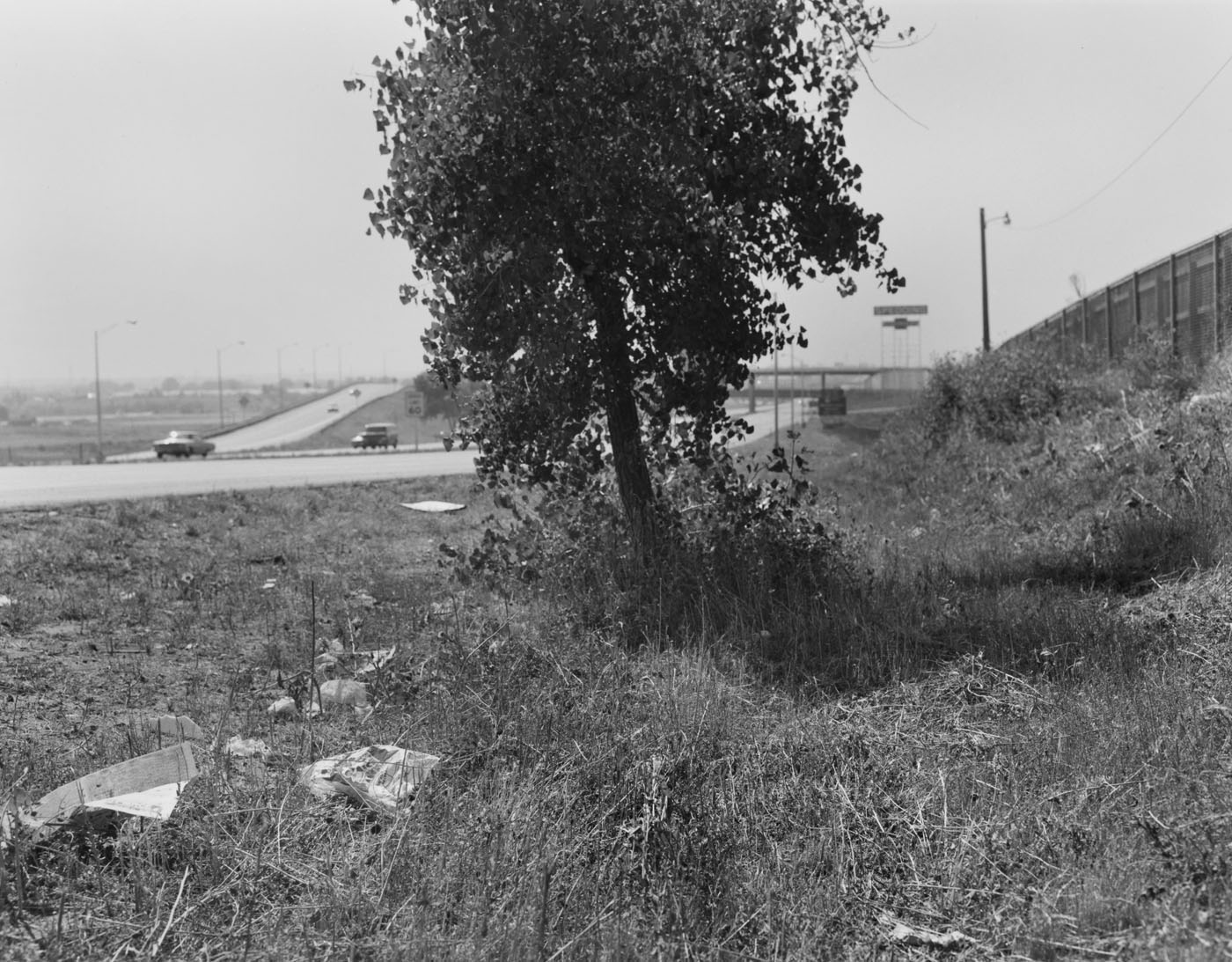

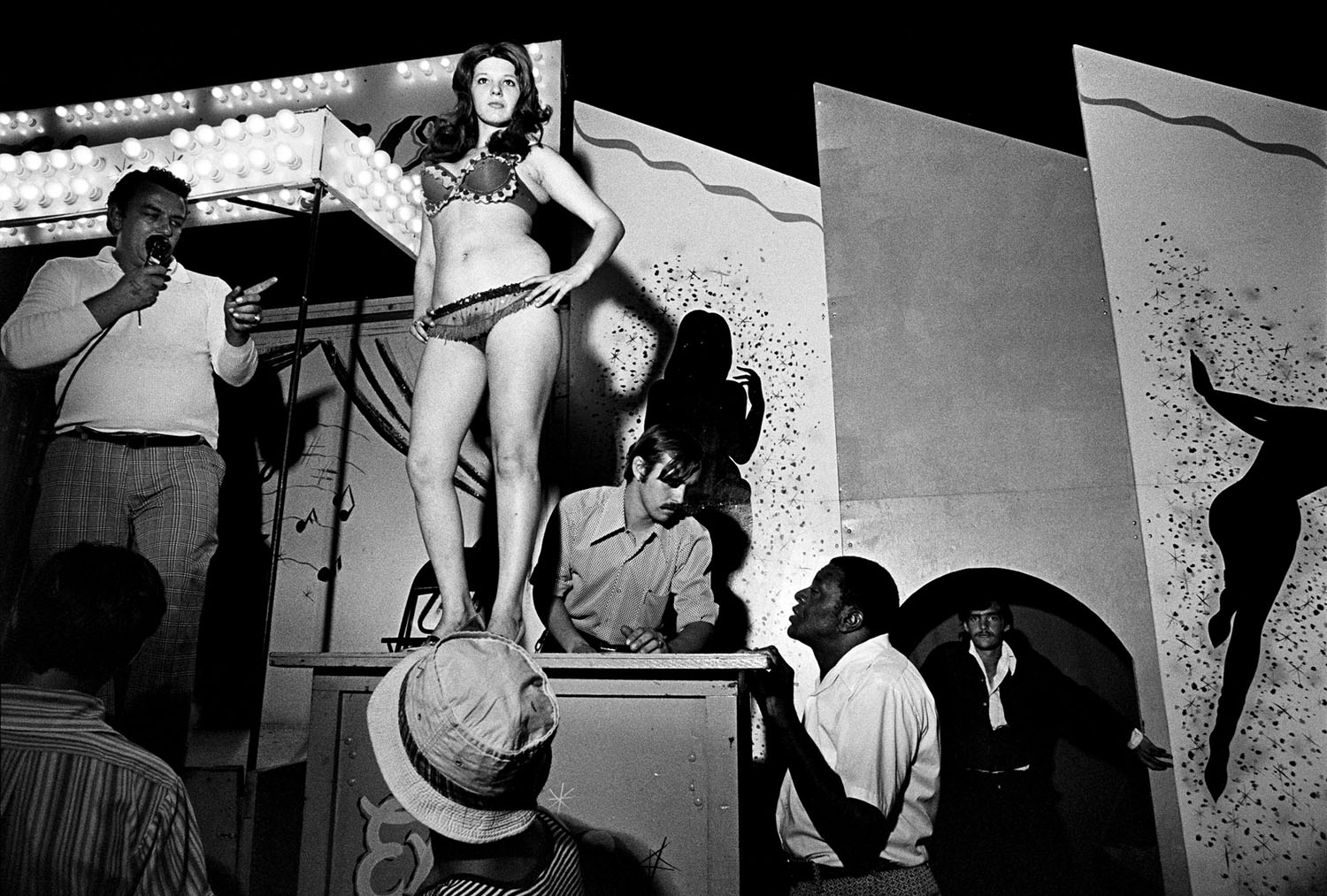


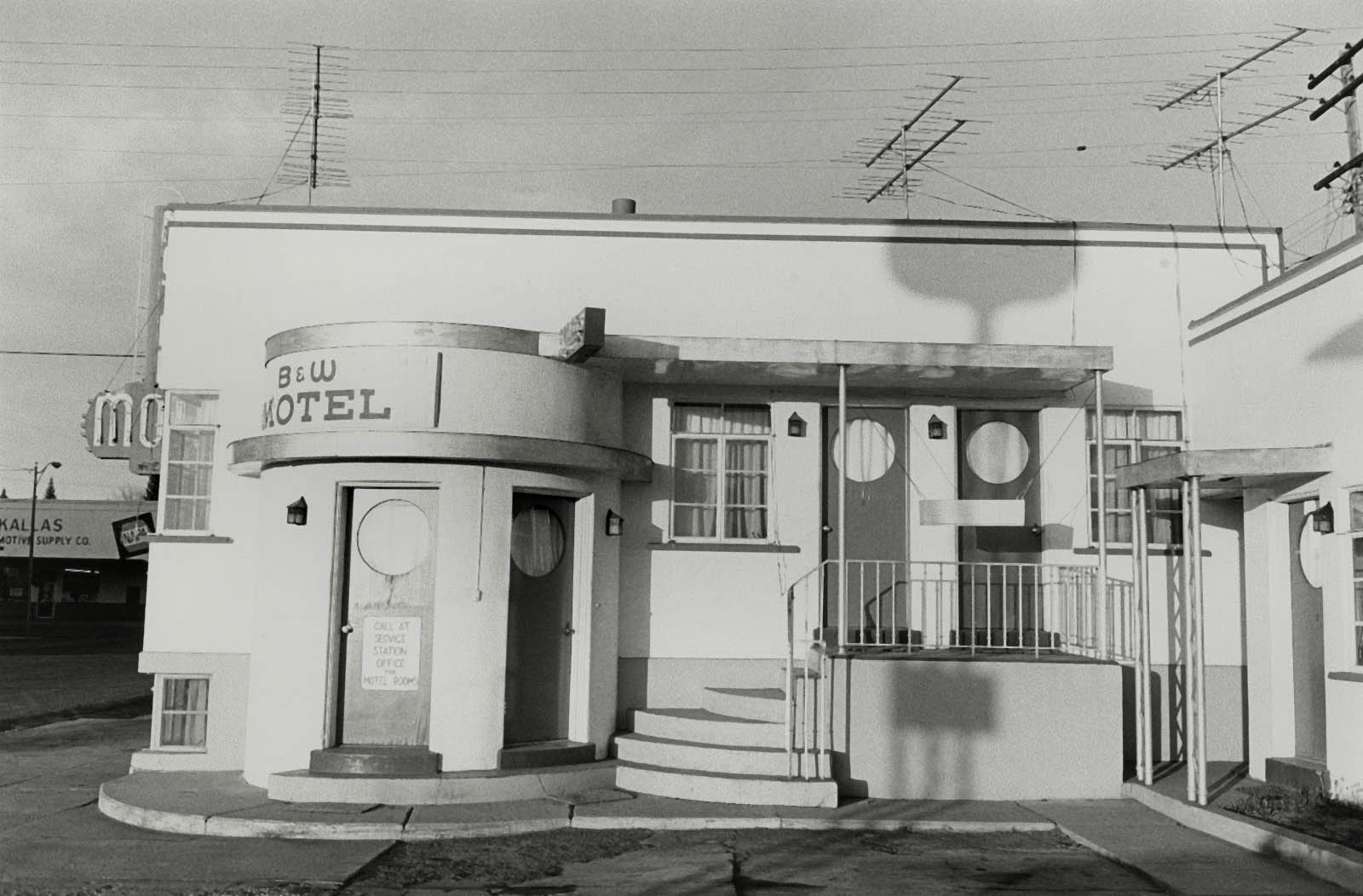

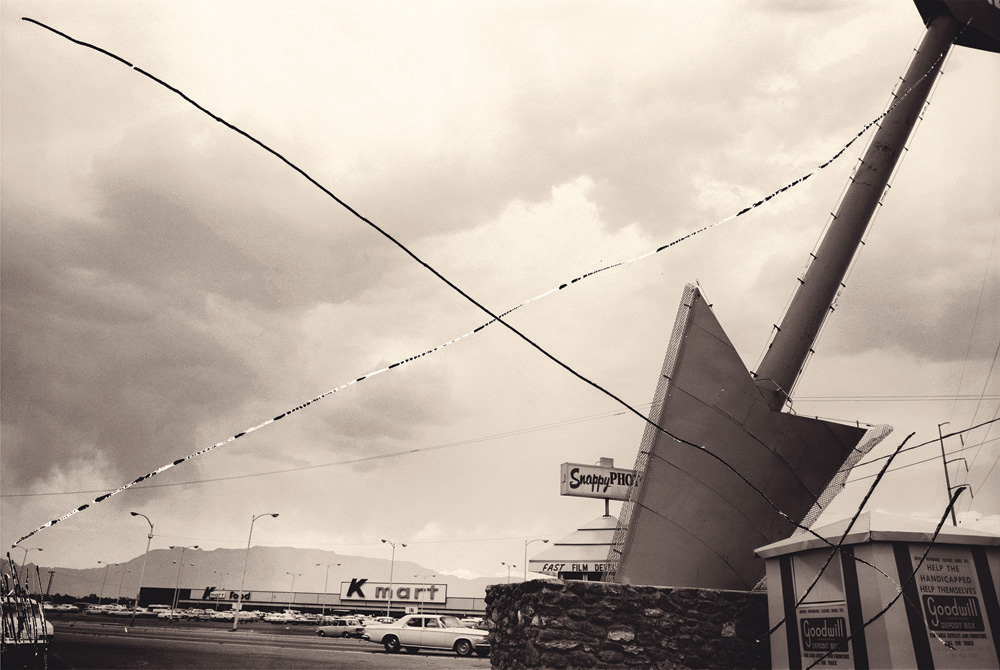
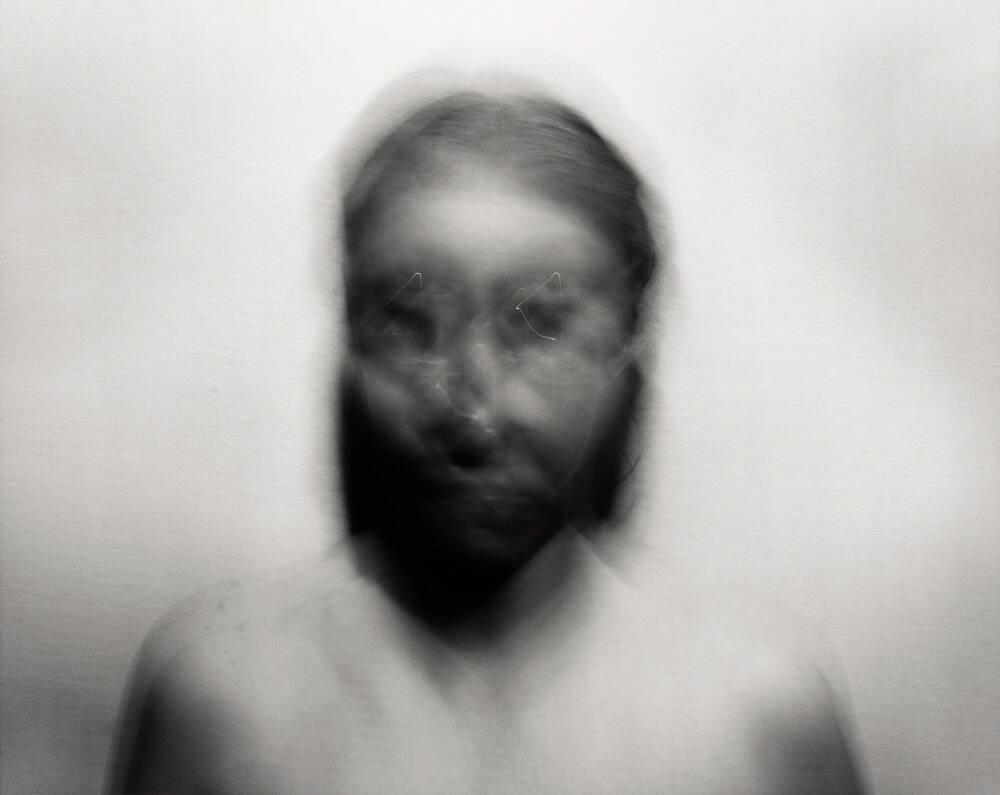
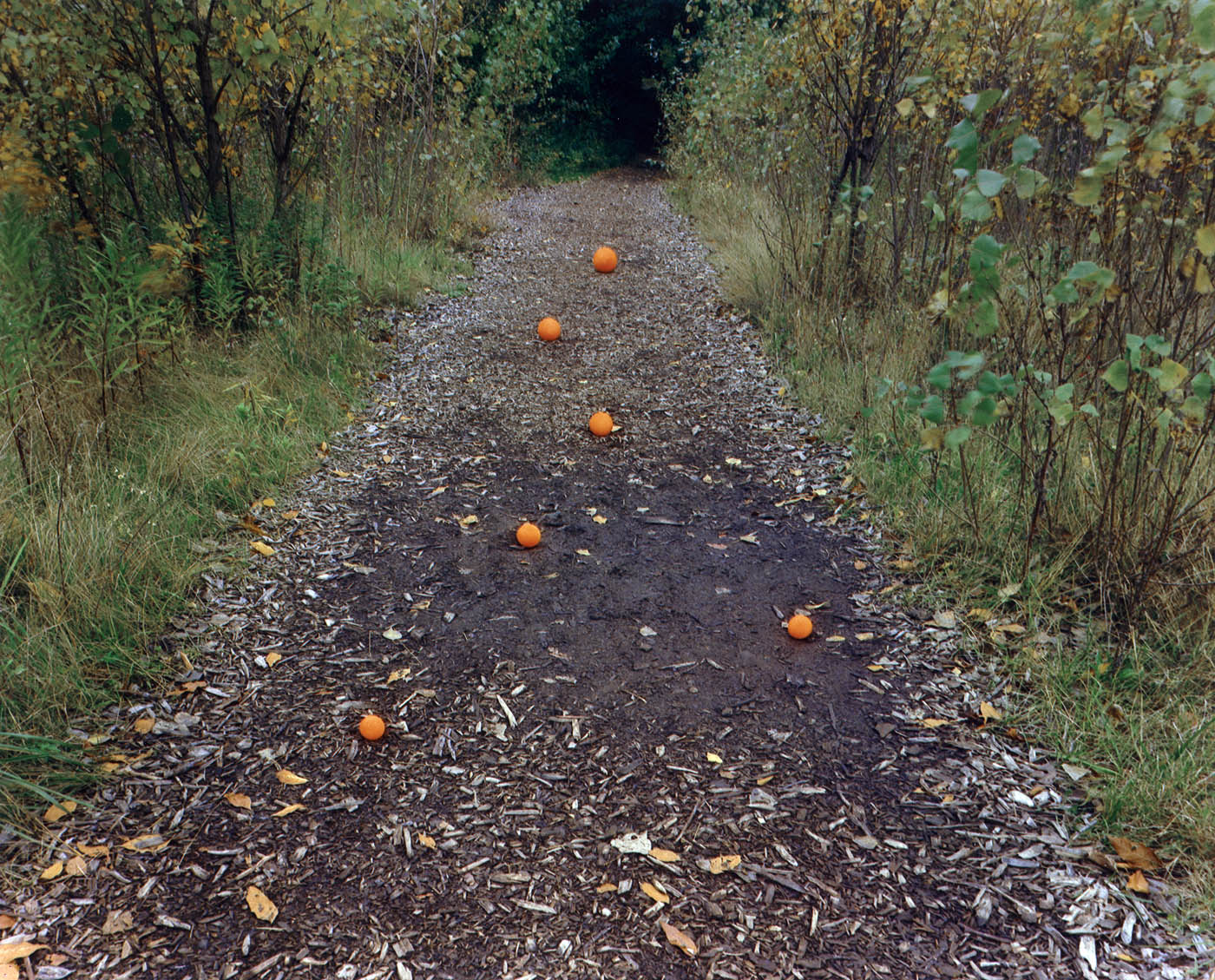
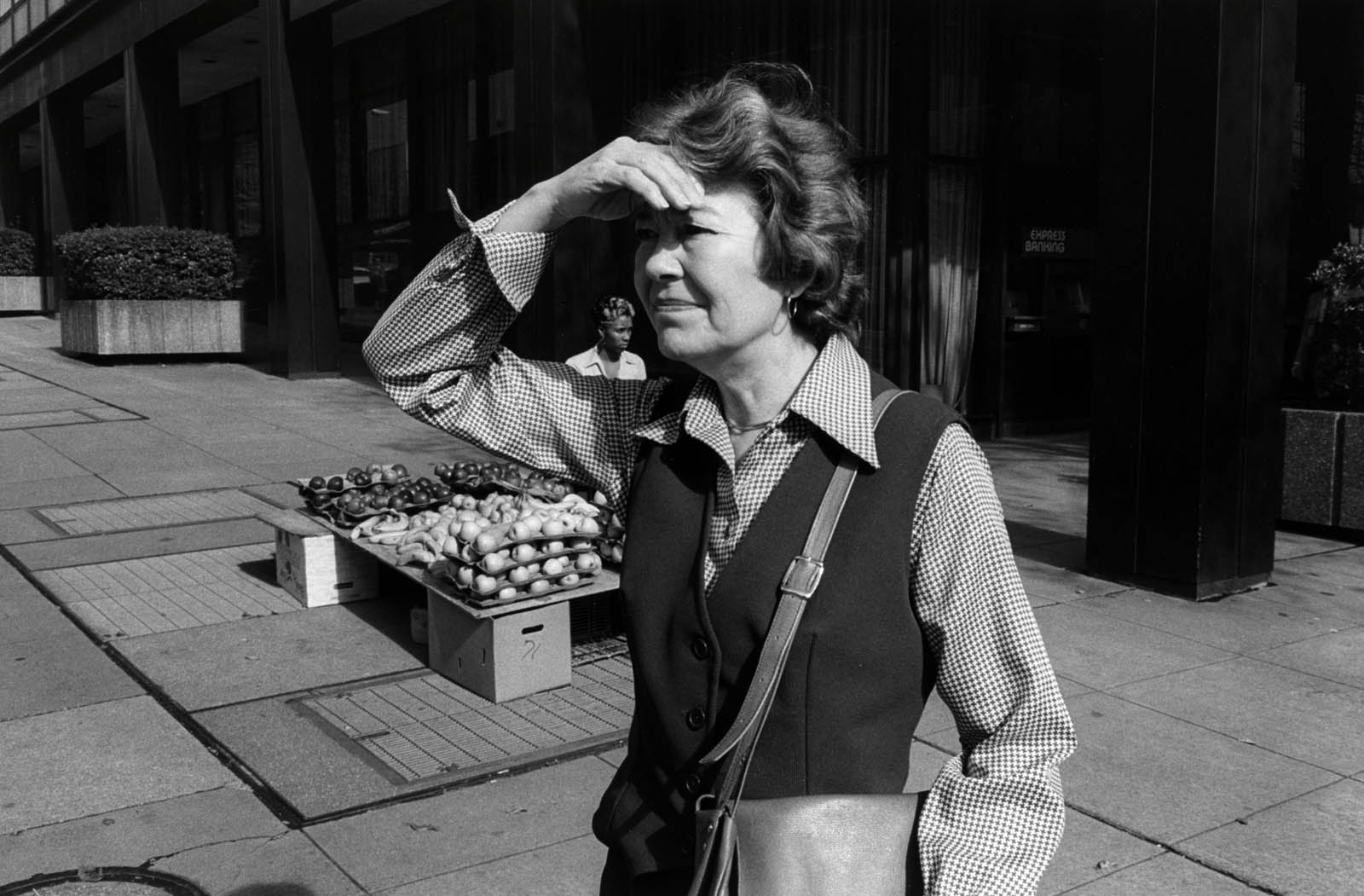


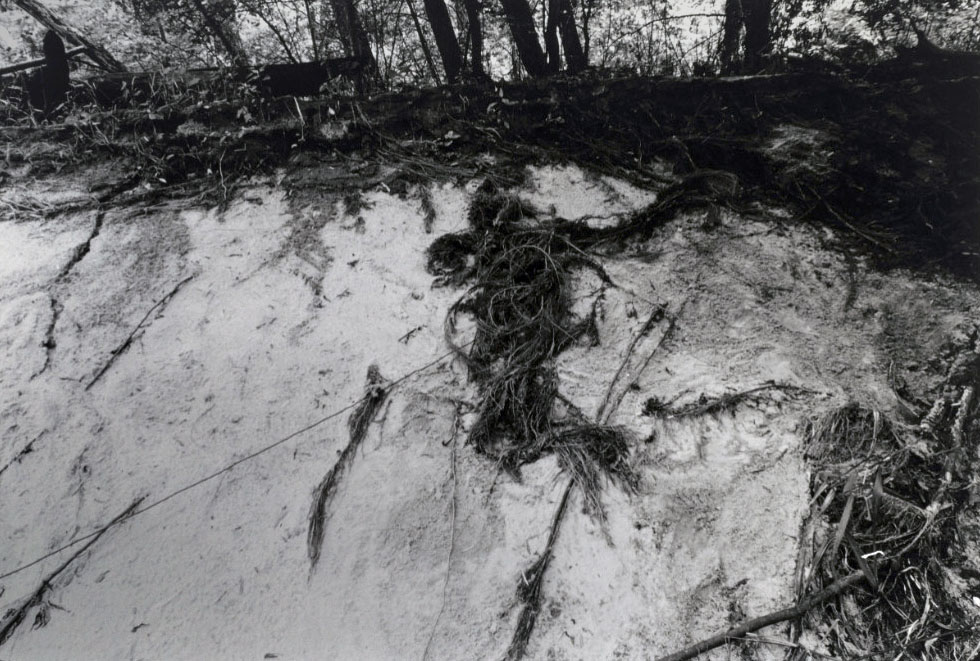

















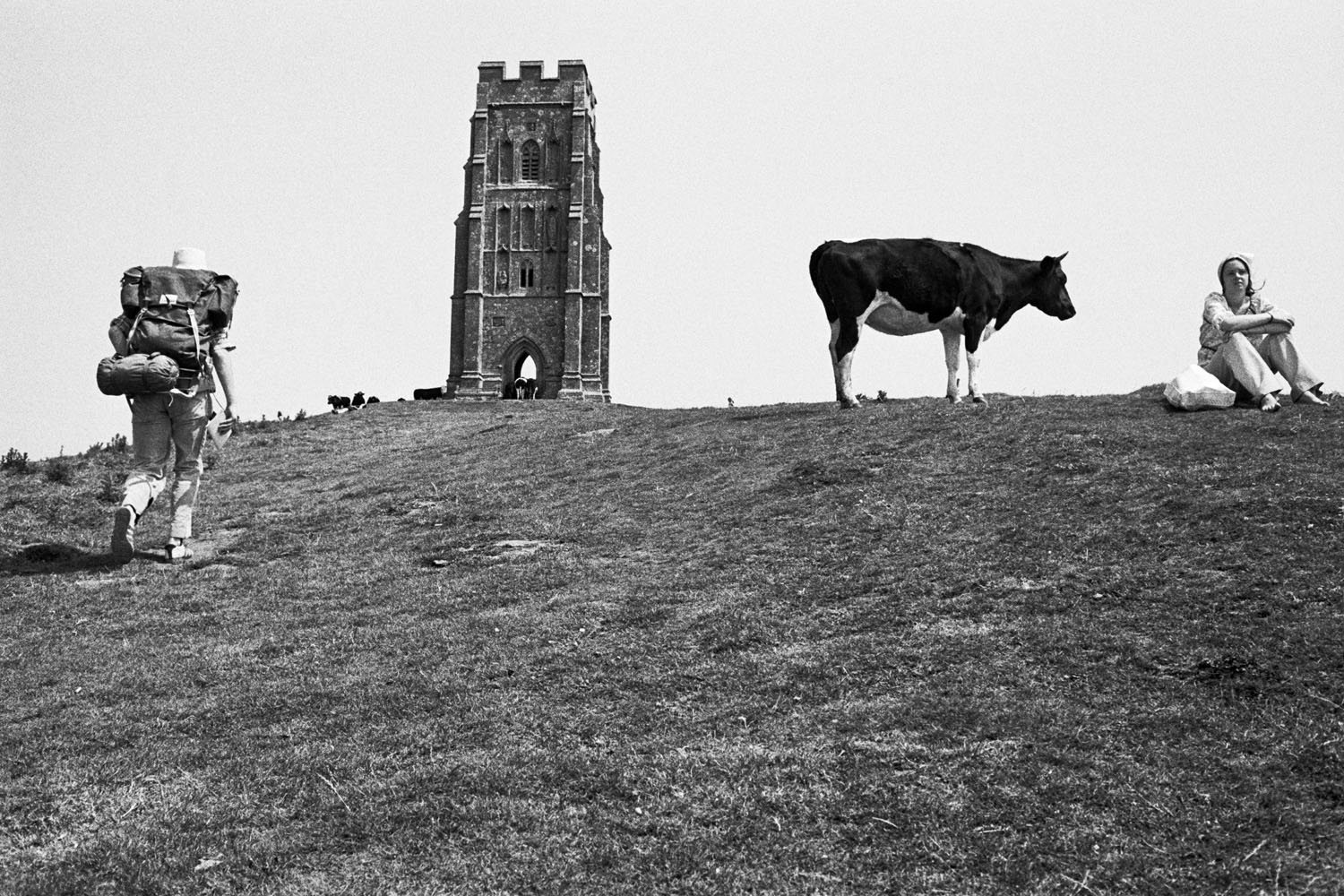

![John Vachon (American, 1914-1975) 'Untitled photo [possibly related to Farms of Farm Security Administration clients, Guilford and Beaufort Counties, North Carolina, April 1938]' 1938](https://artblart.com/wp-content/uploads/2024/12/john-vachon-untitled-photo.jpg "John Vachon (American, 1914-1975) 'Untitled photo [possibly related to Farms of Farm Security Administration clients, Guilford and Beaufort Counties, North Carolina, April 1938]' 1938")
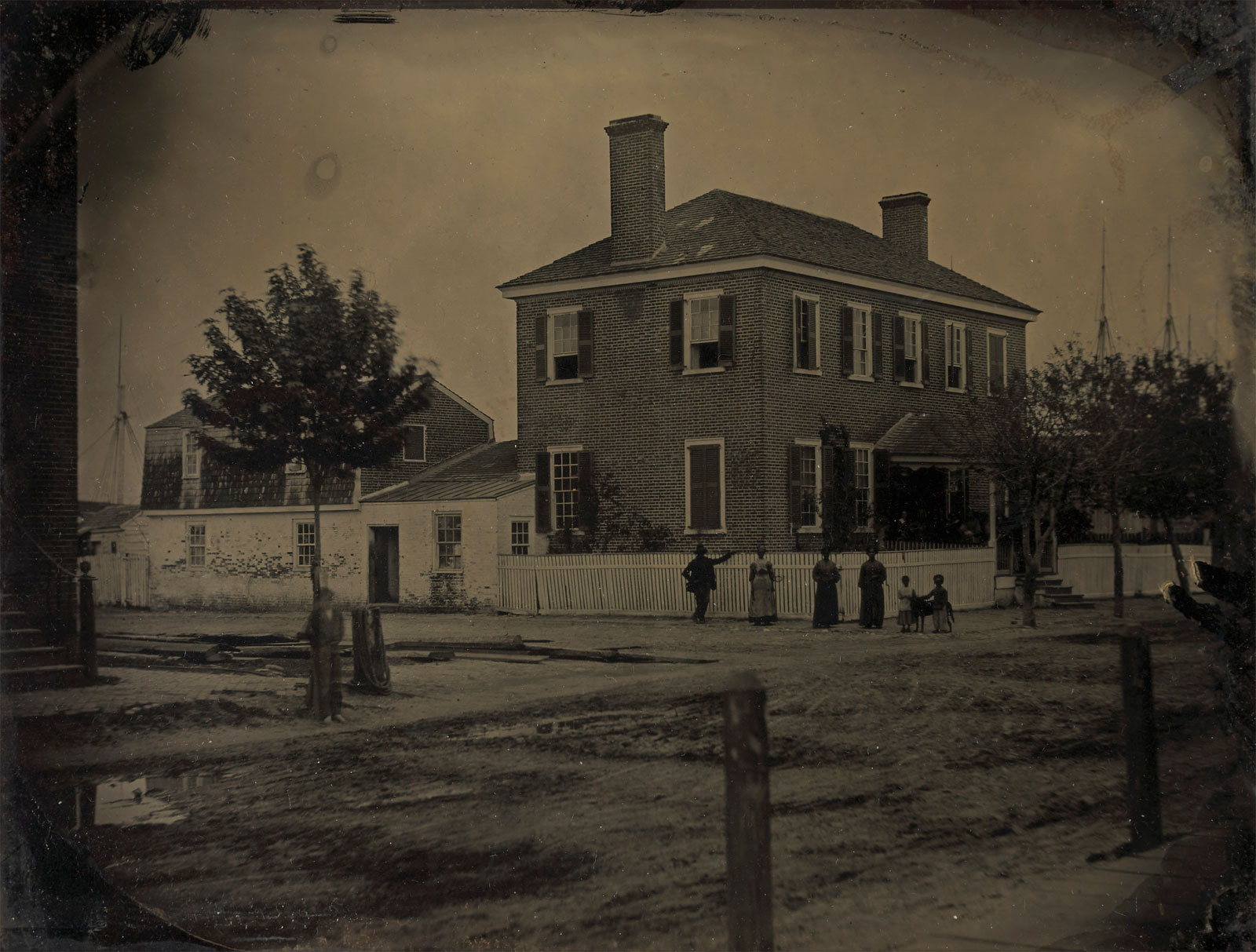













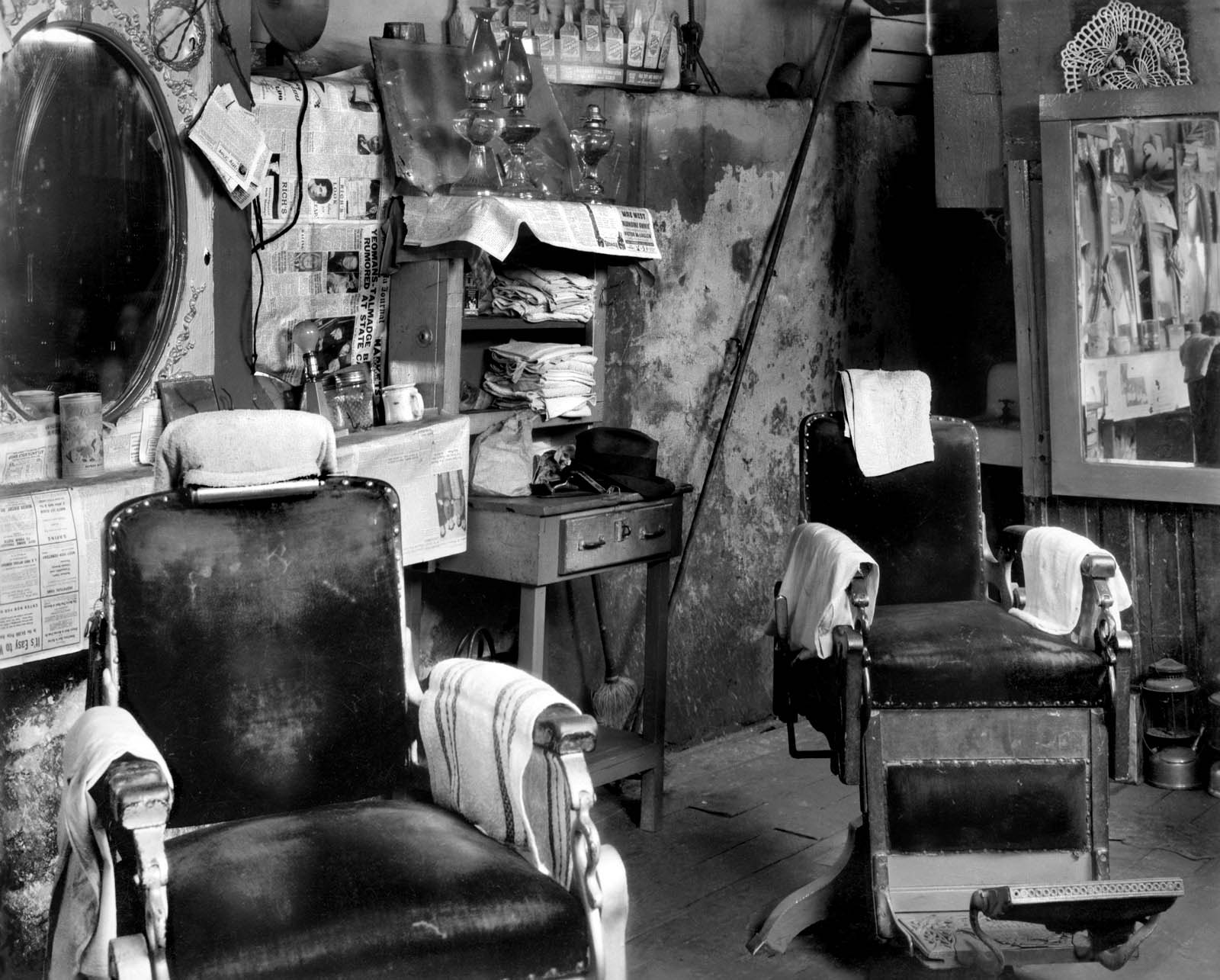


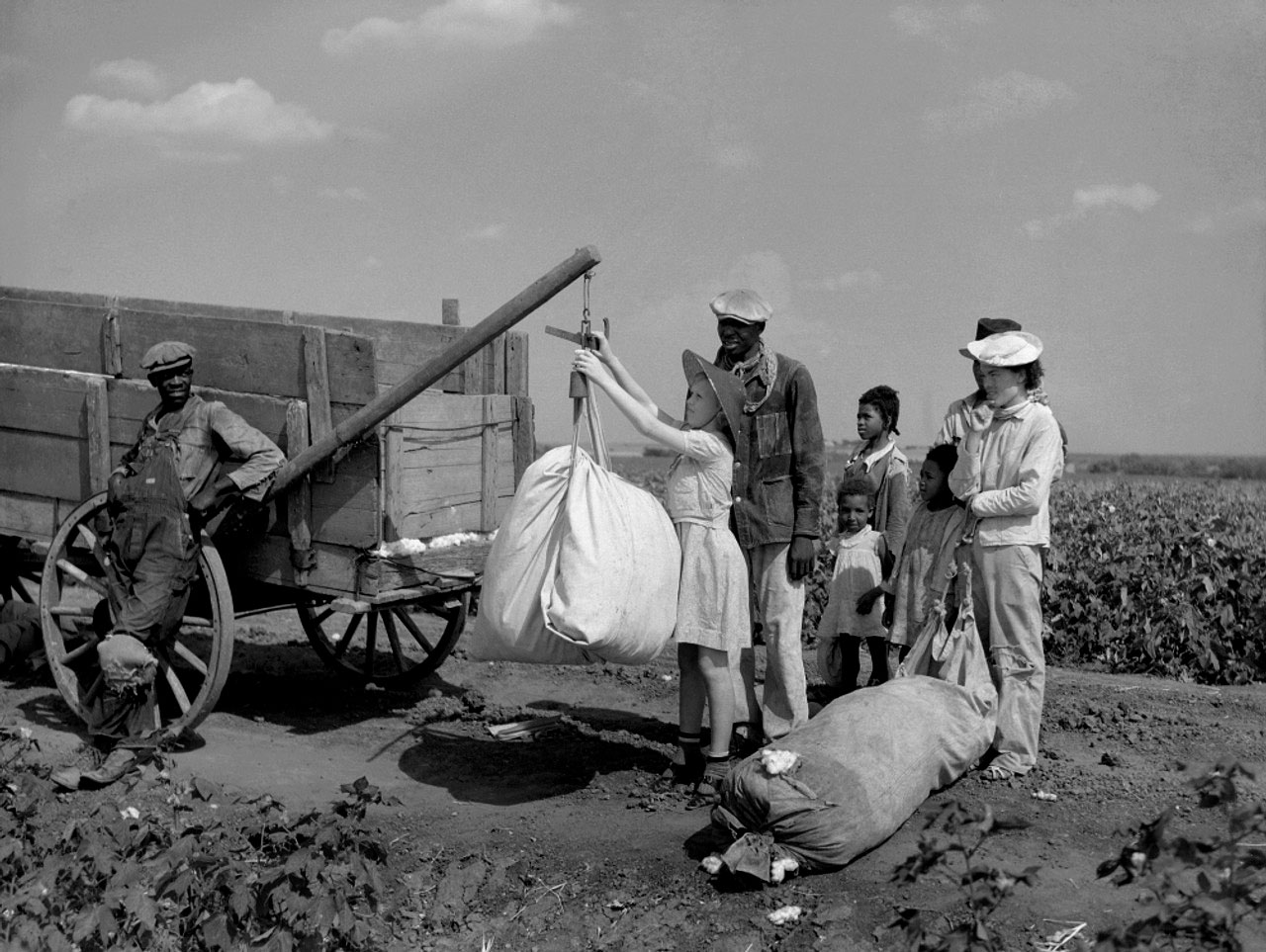
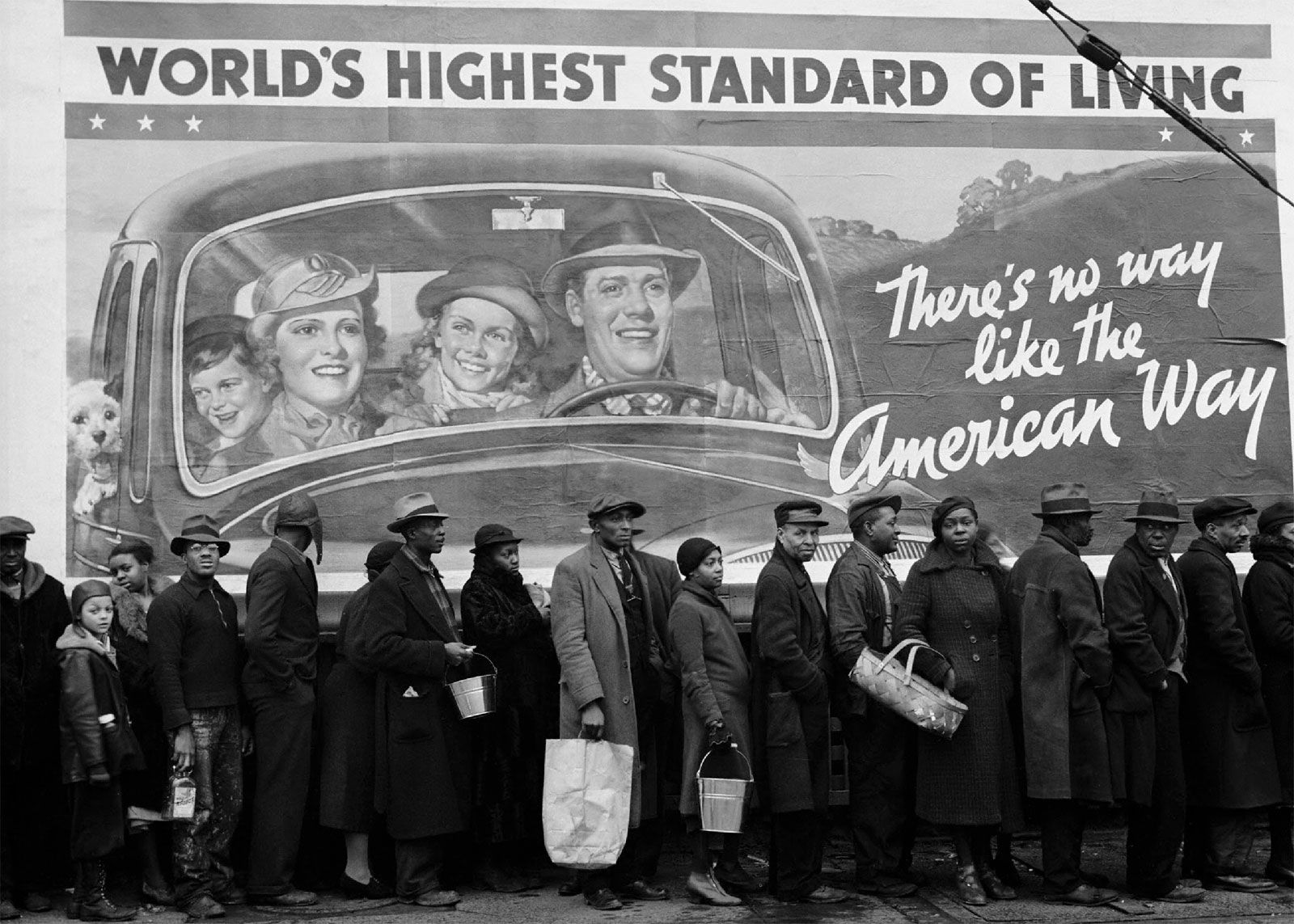

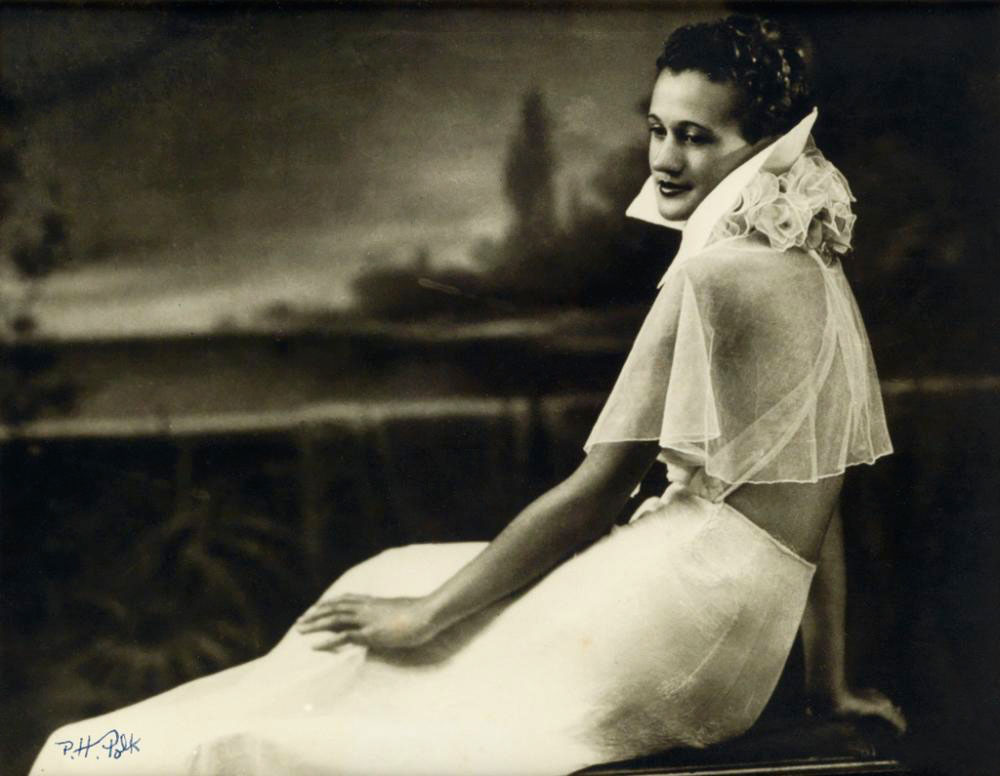





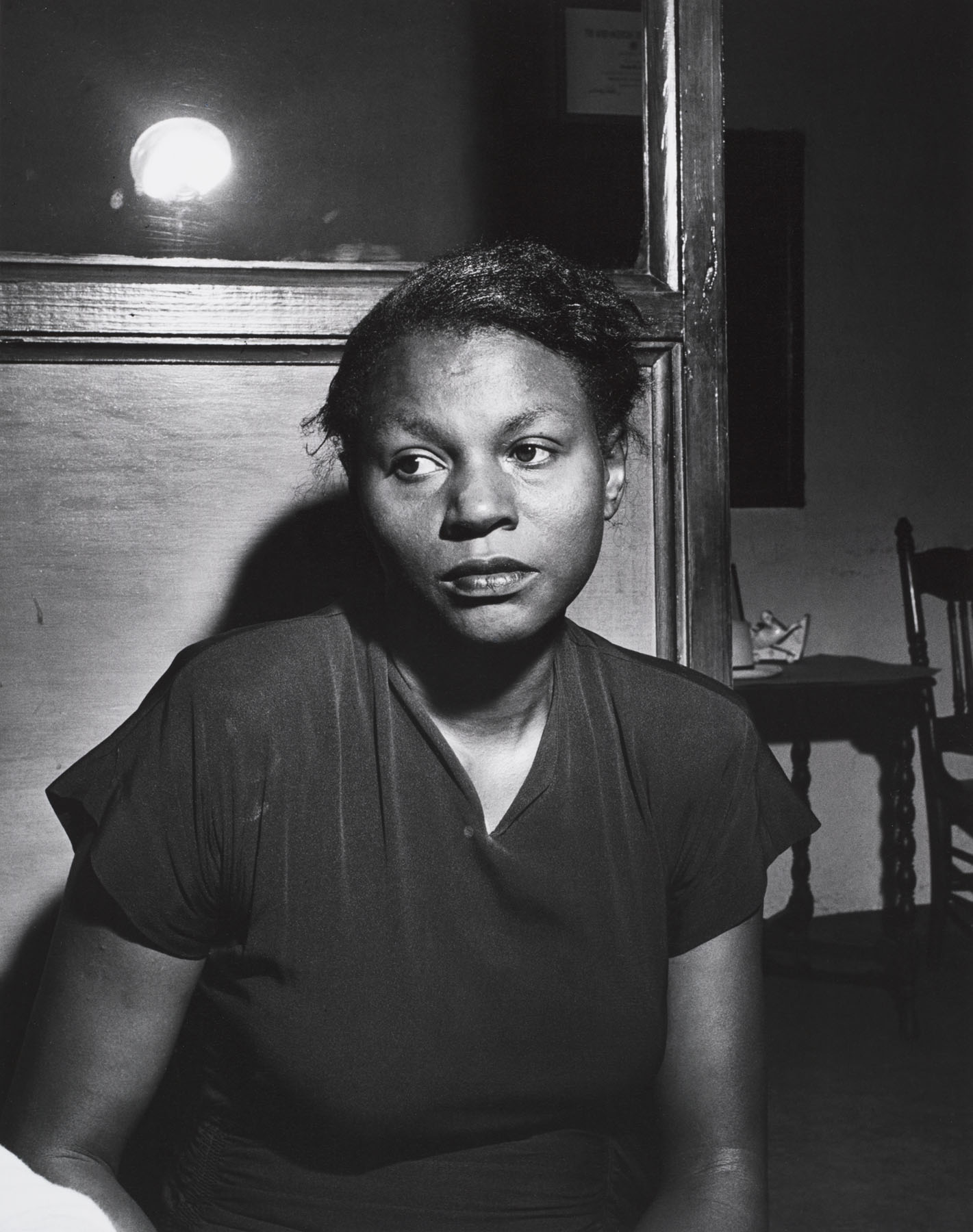
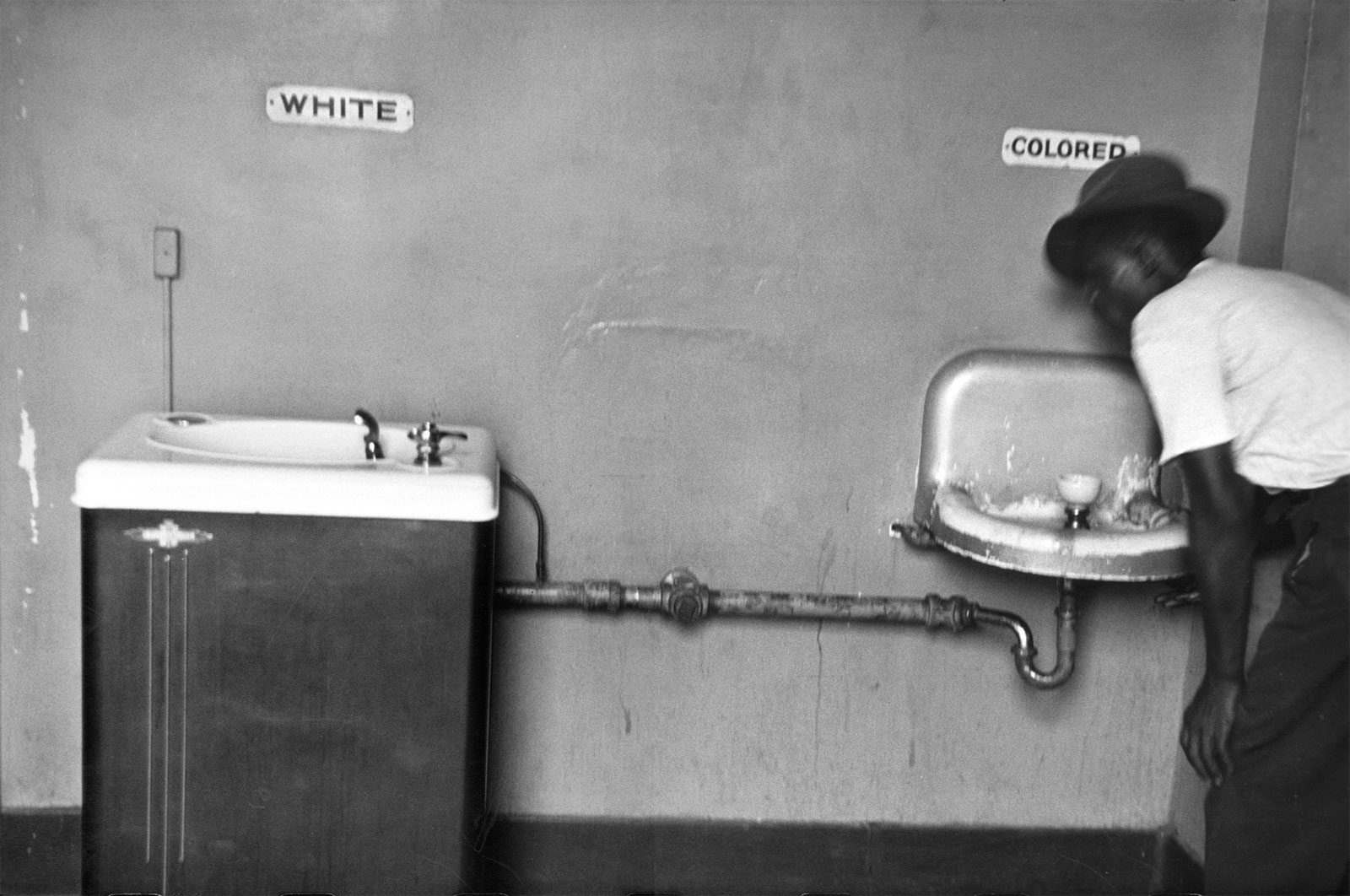
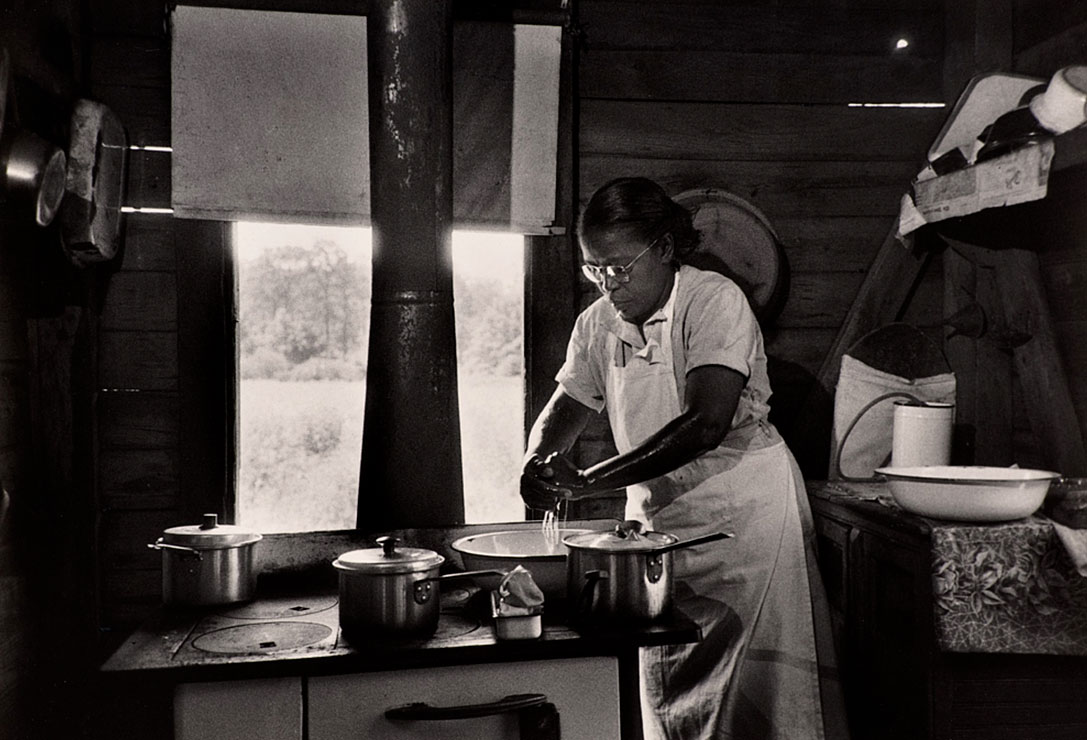

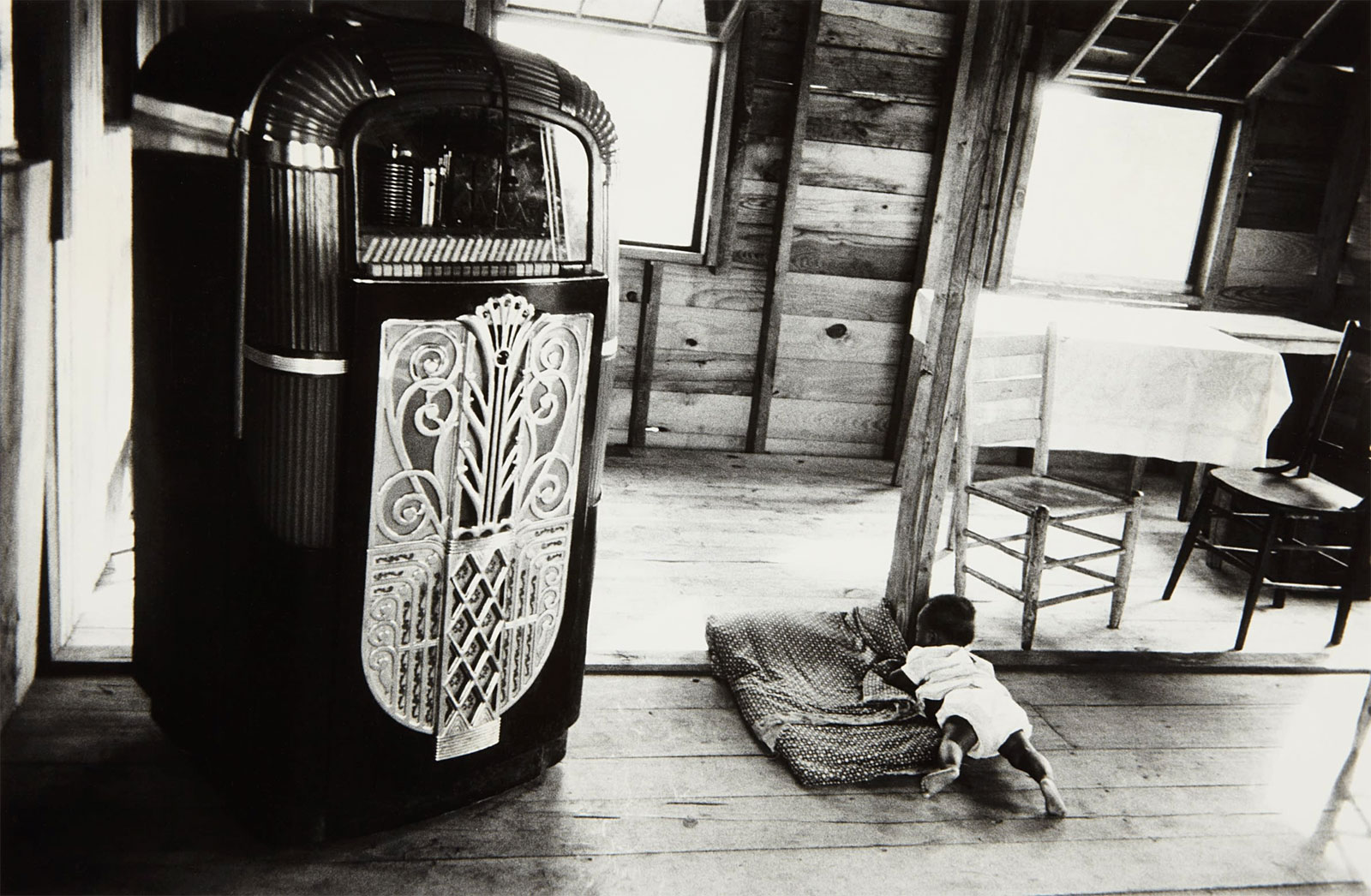


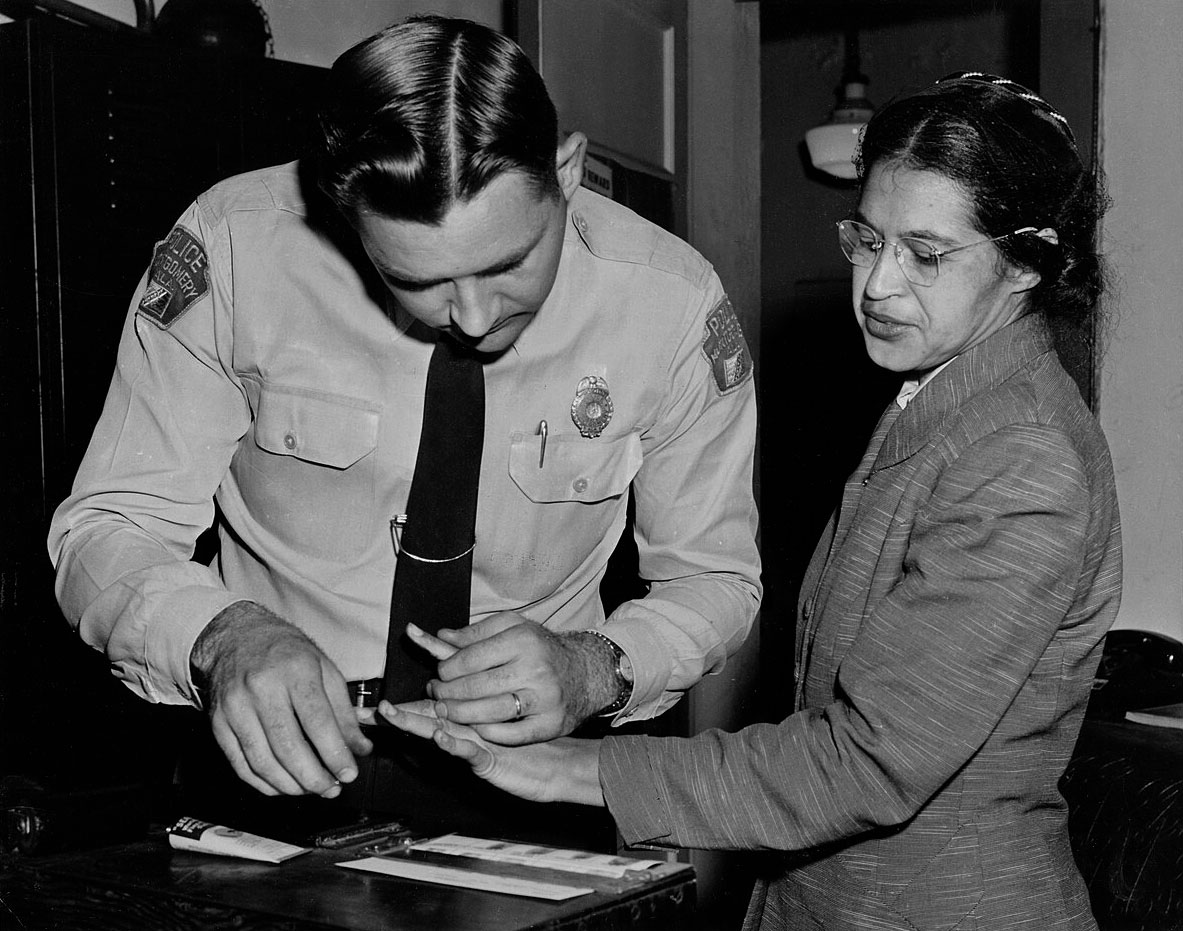


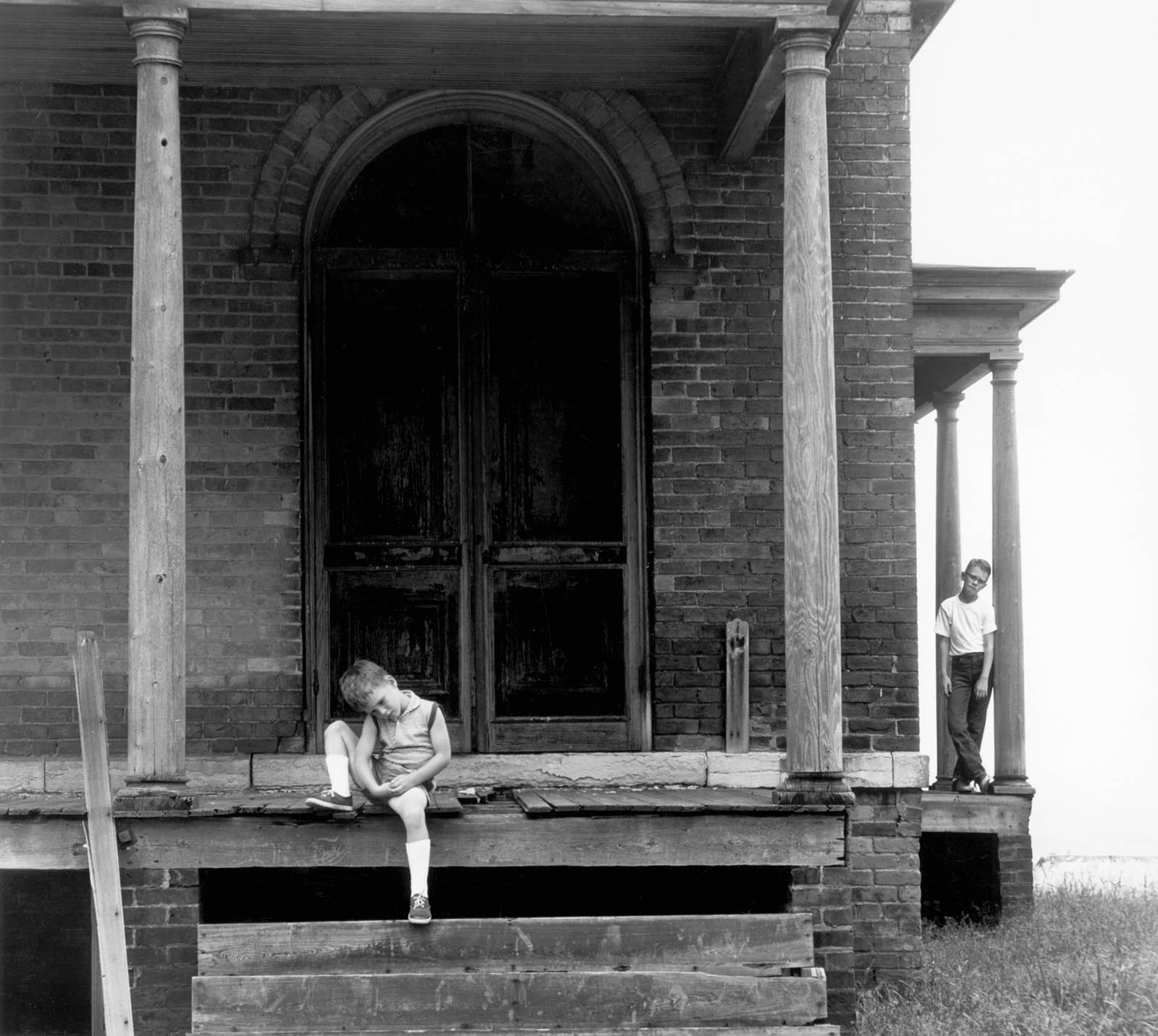
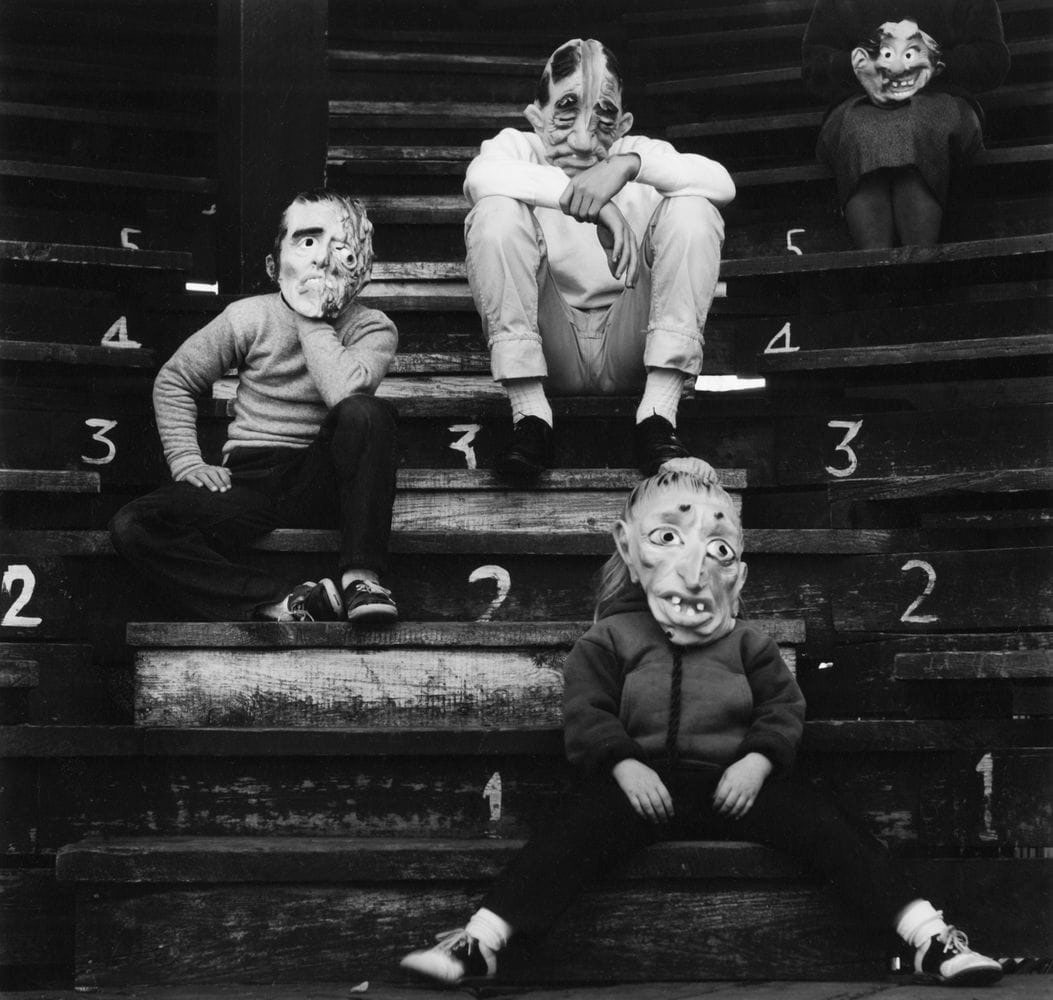
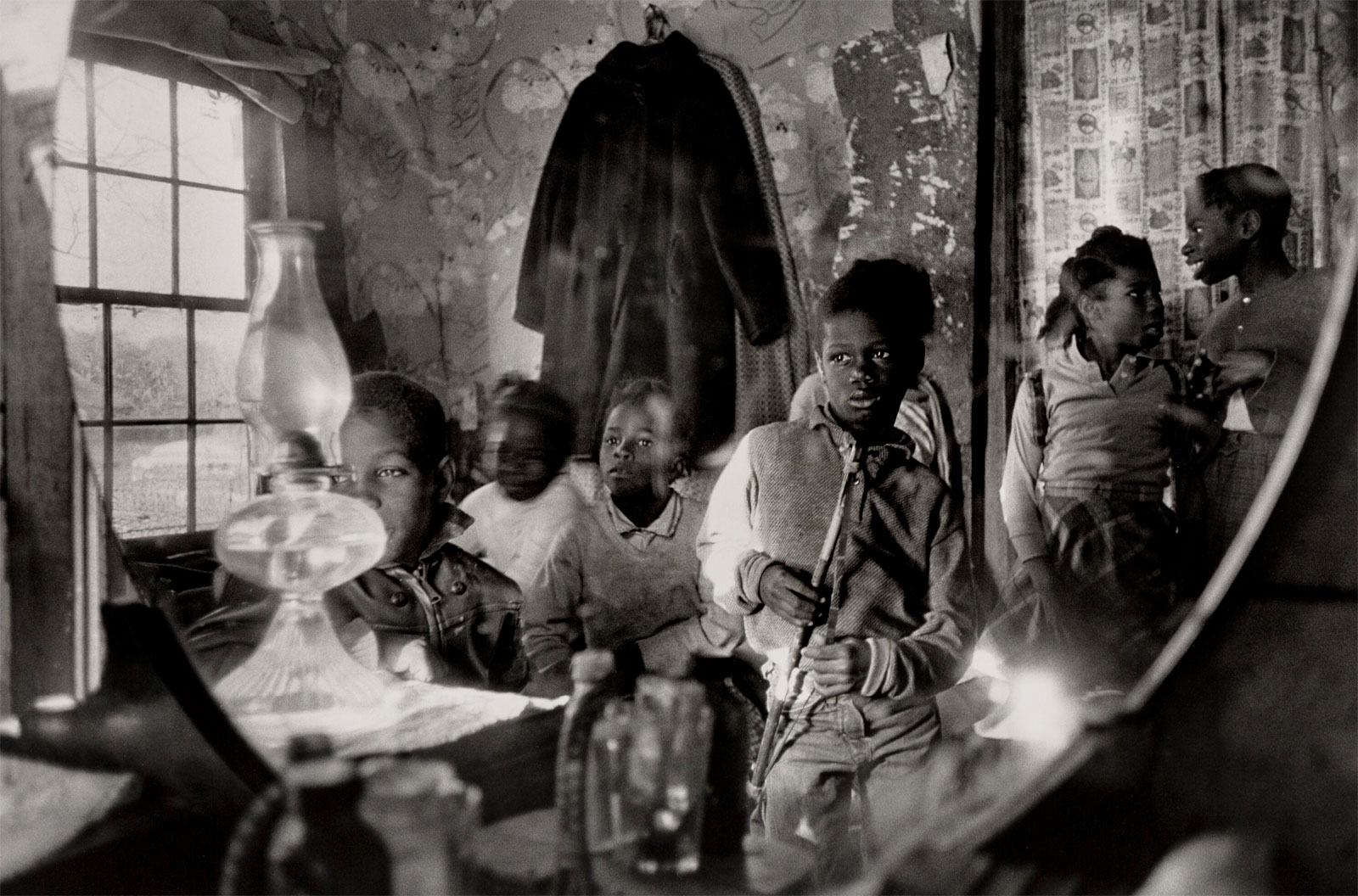
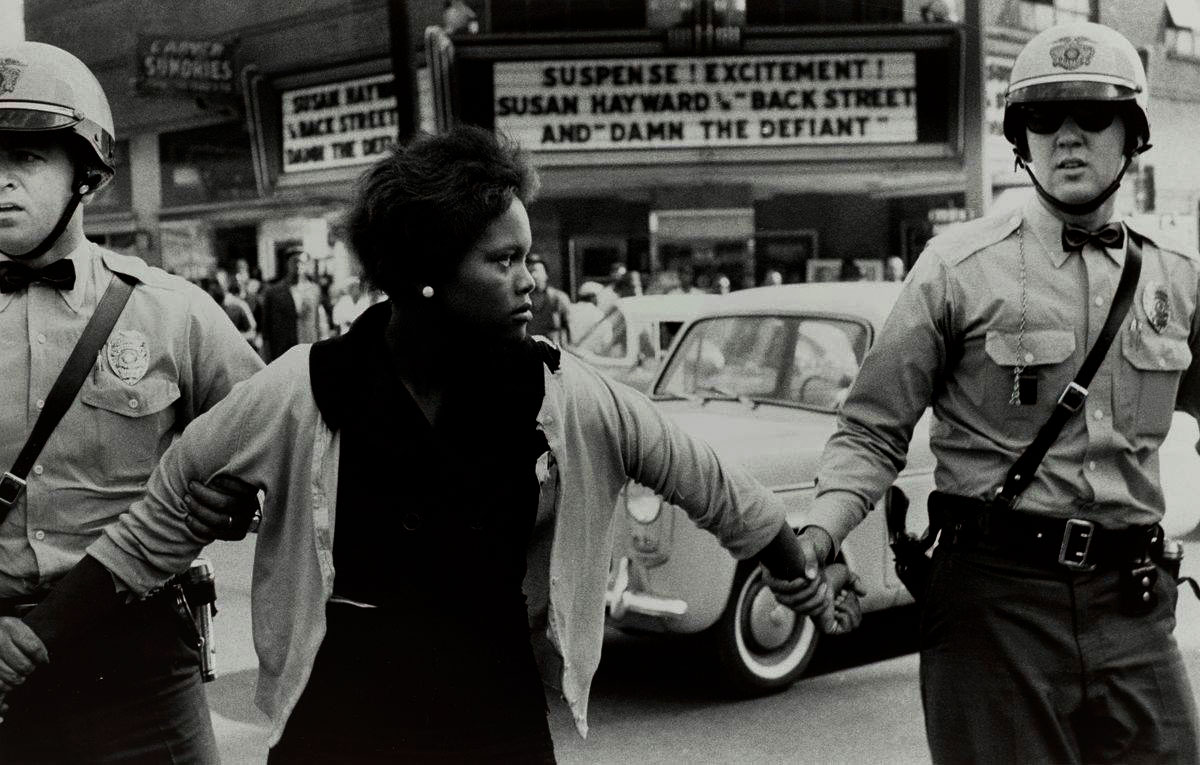

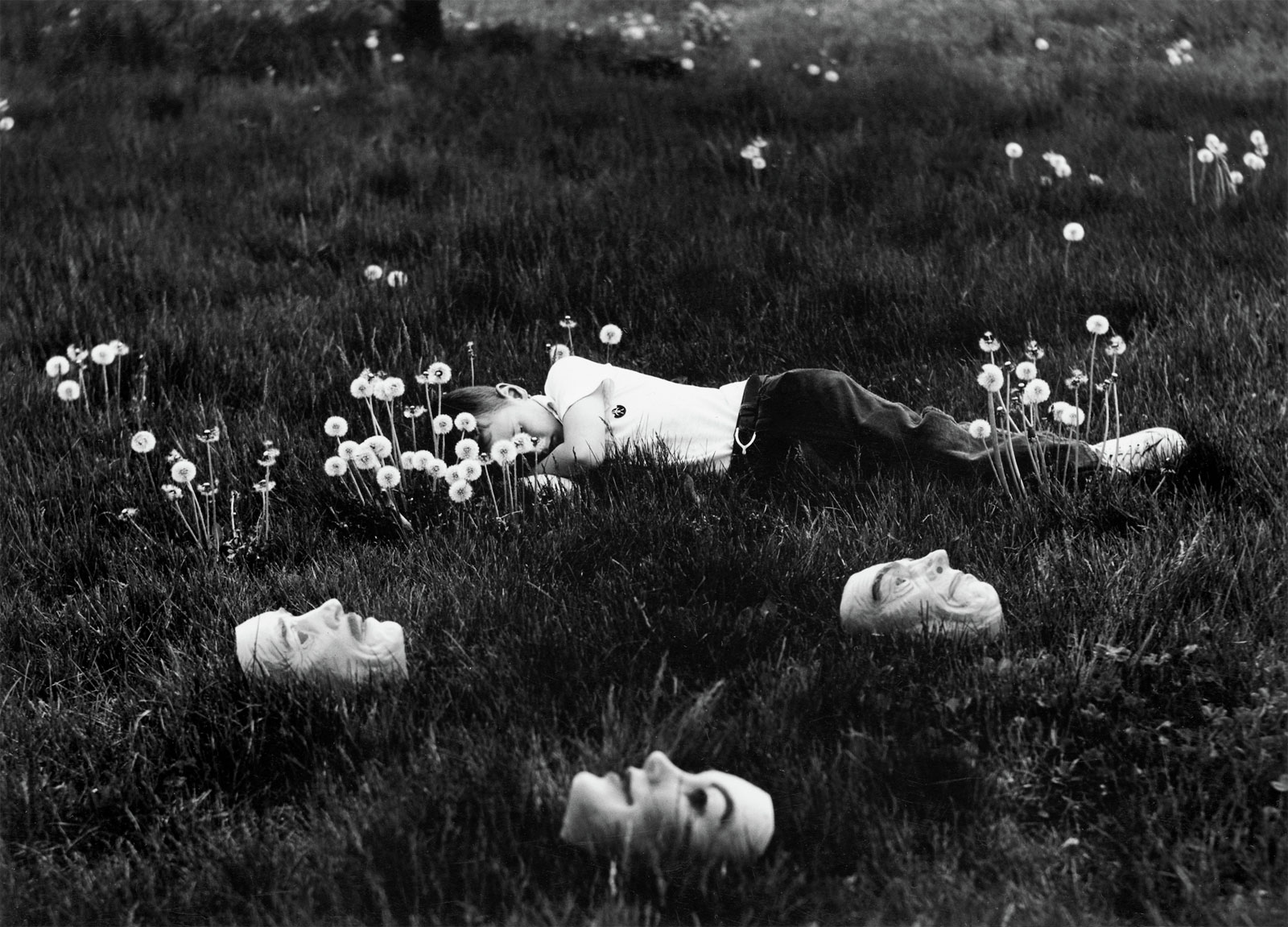
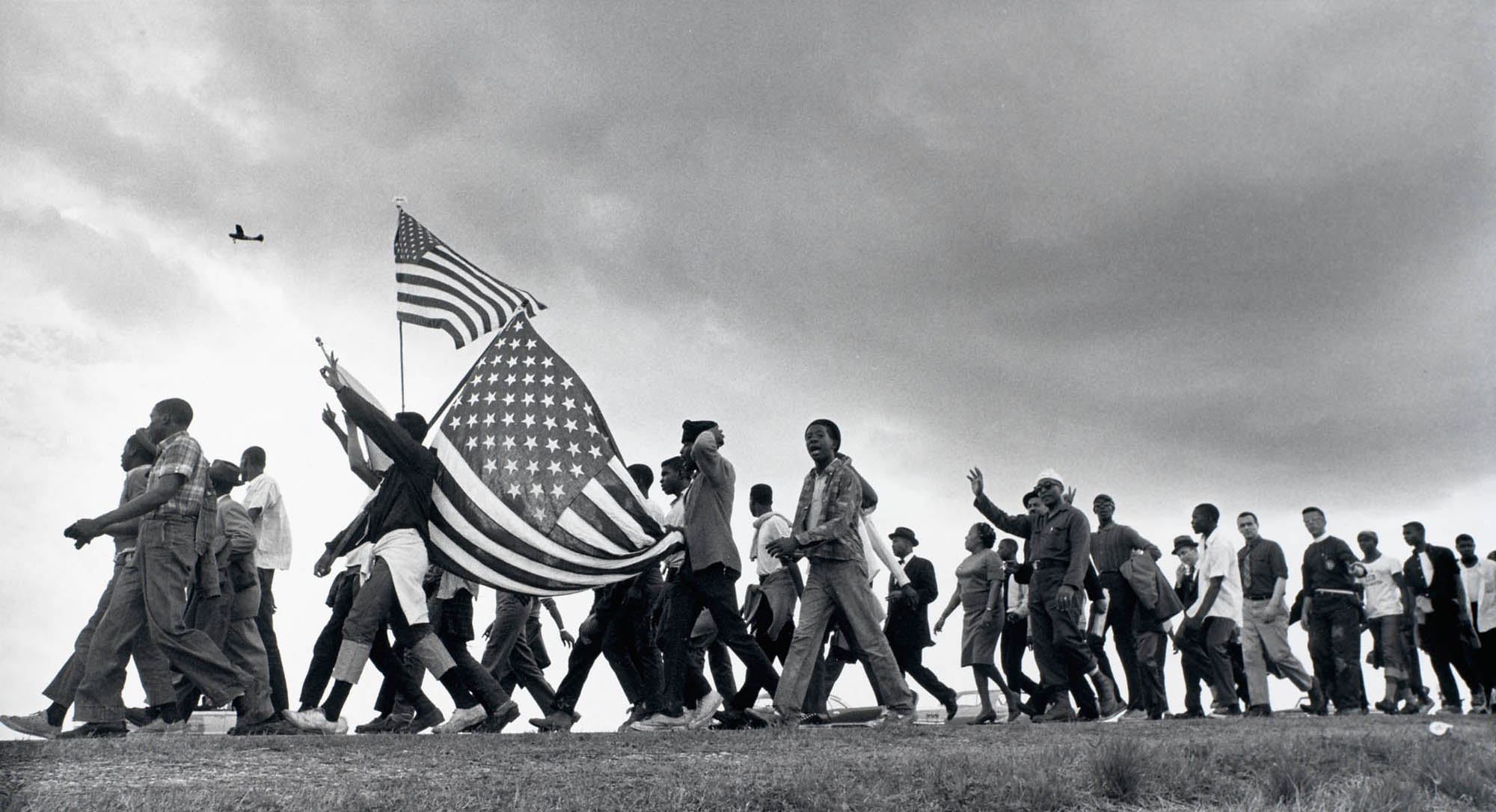

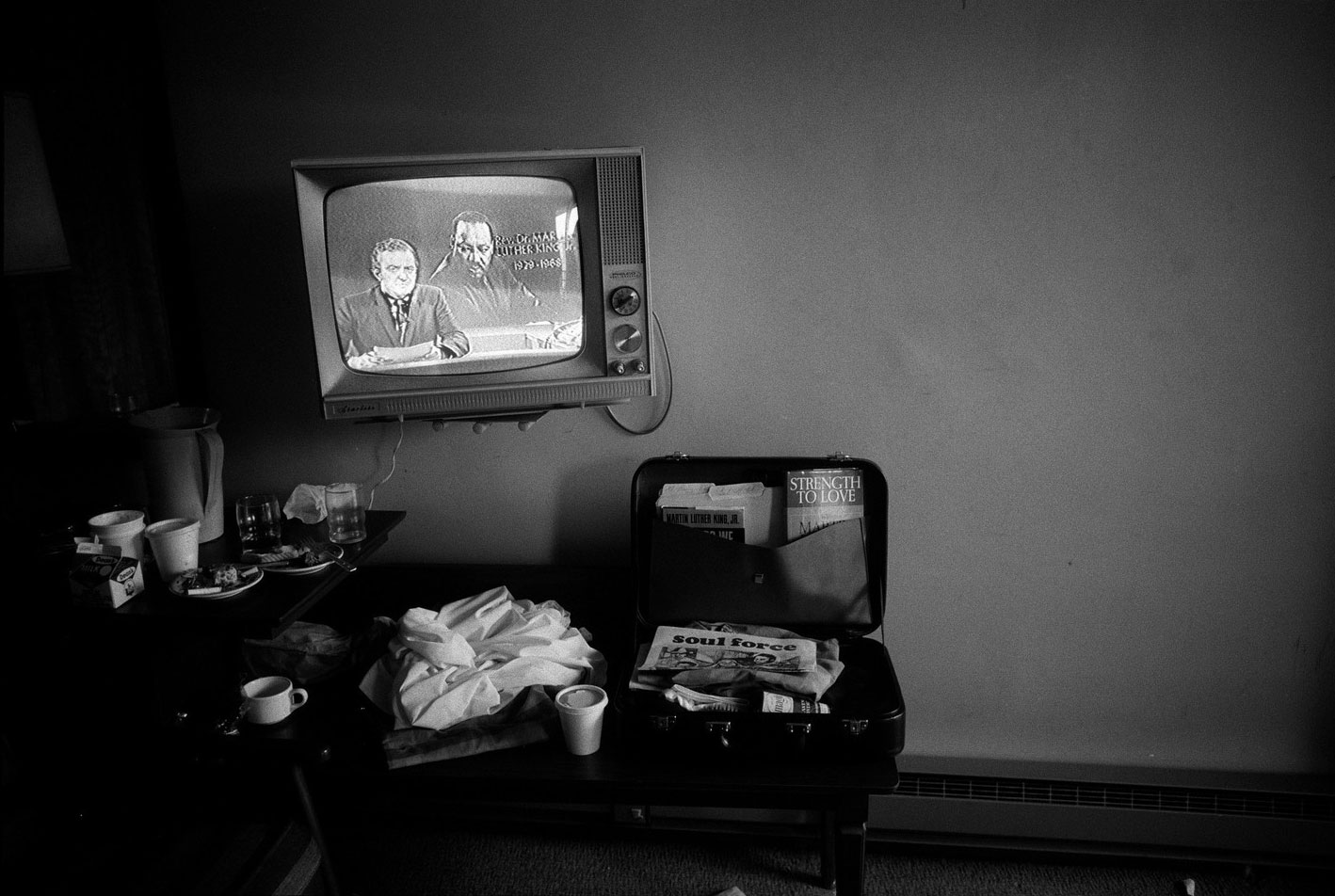
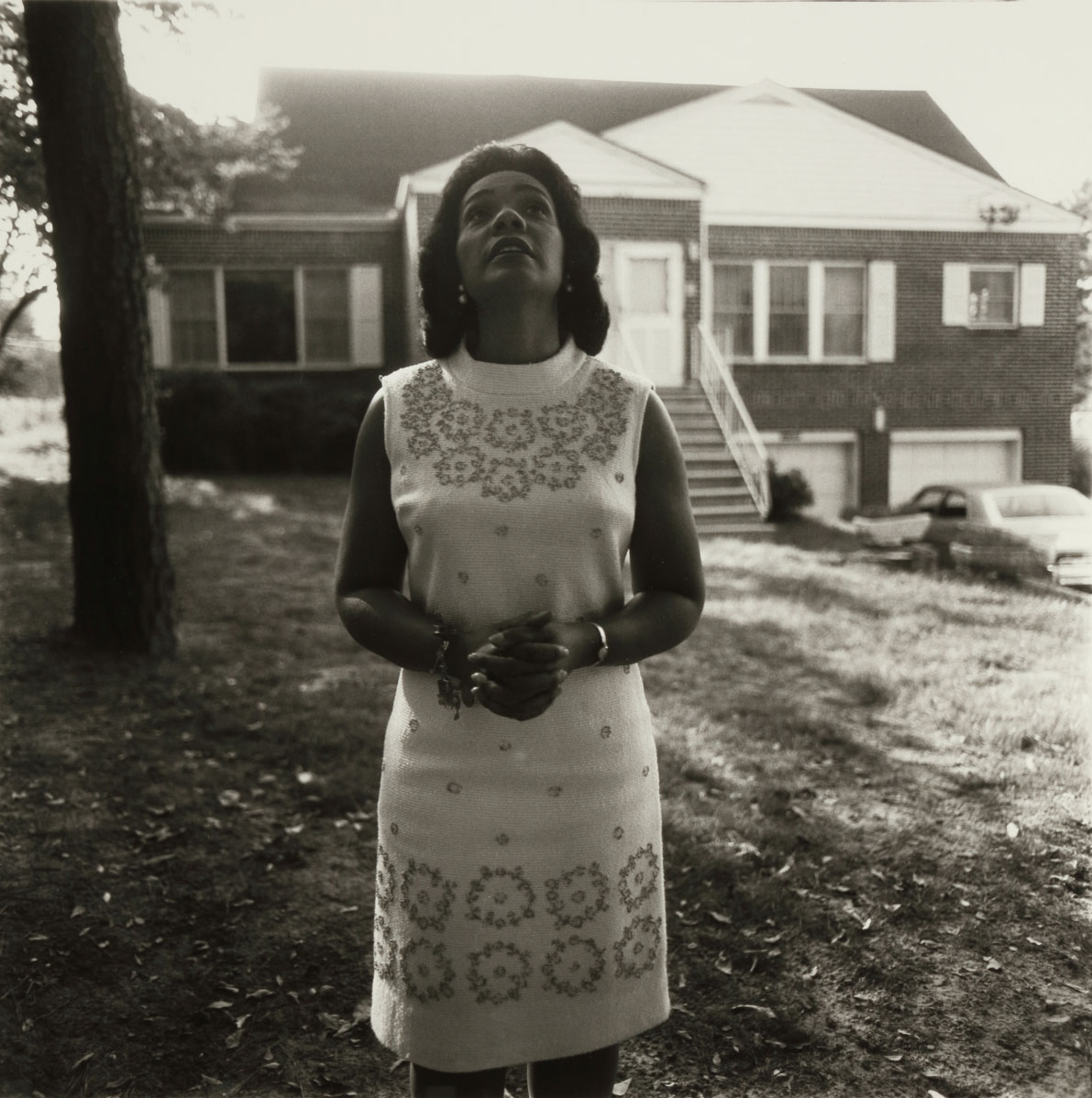
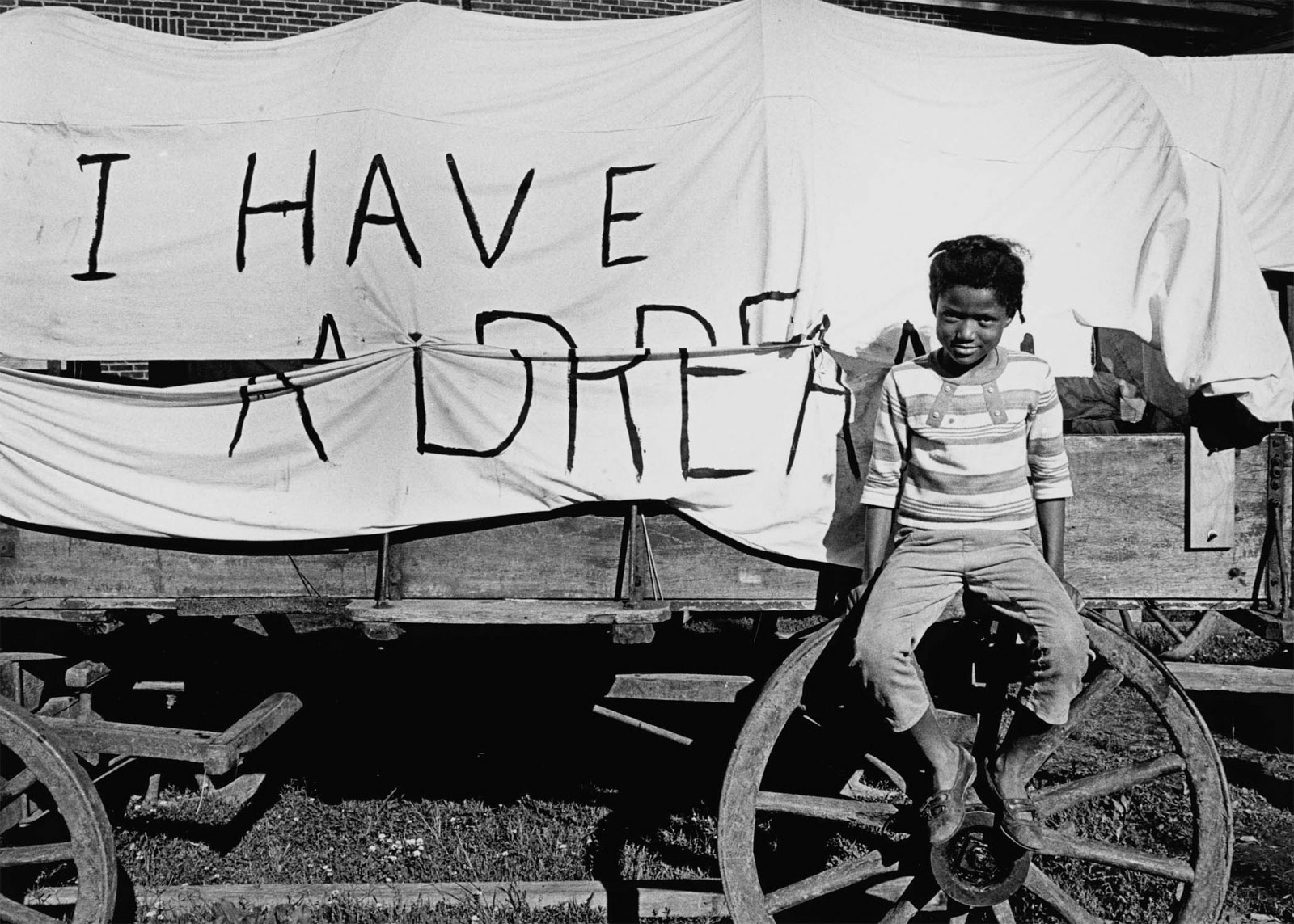
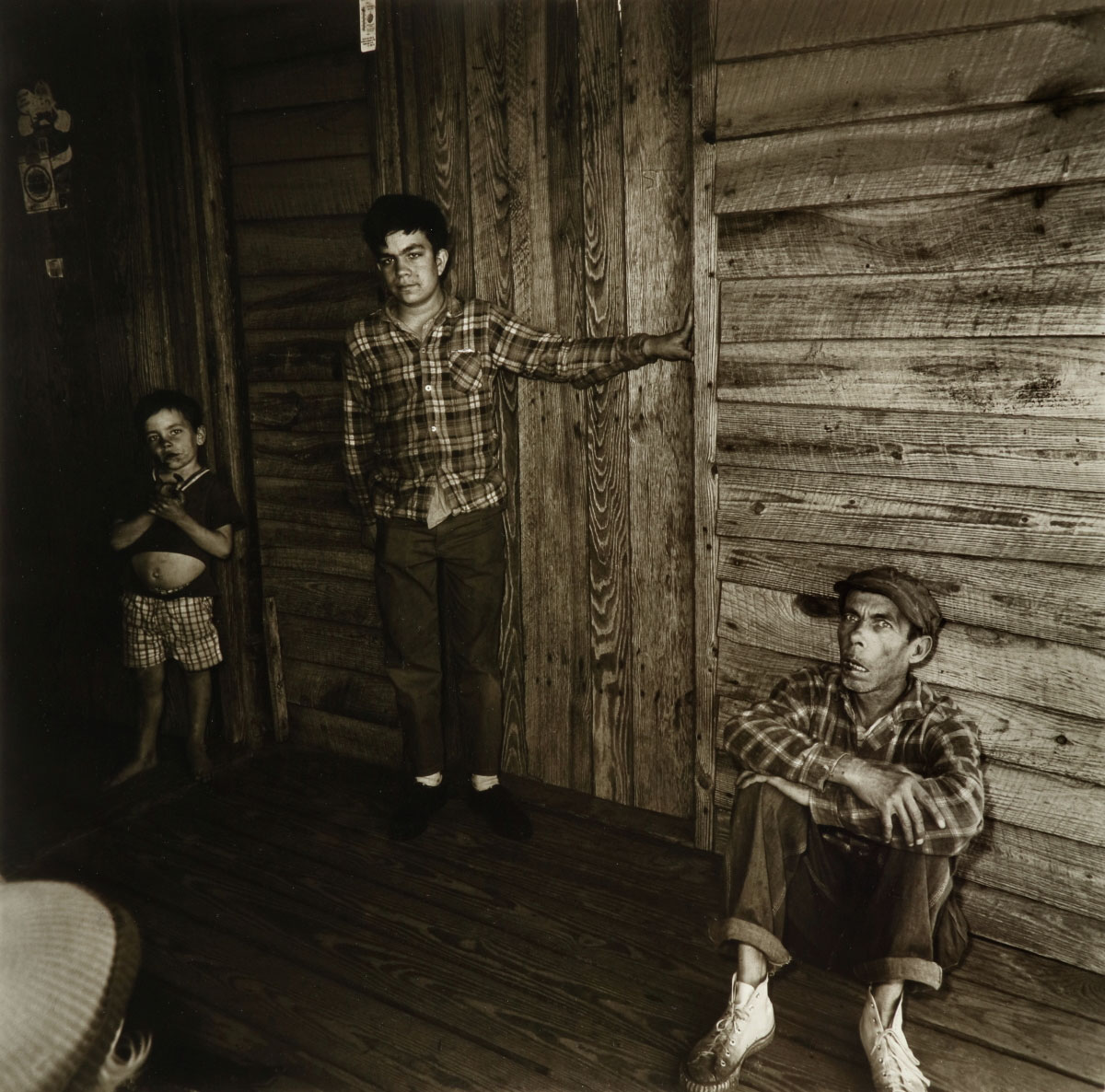


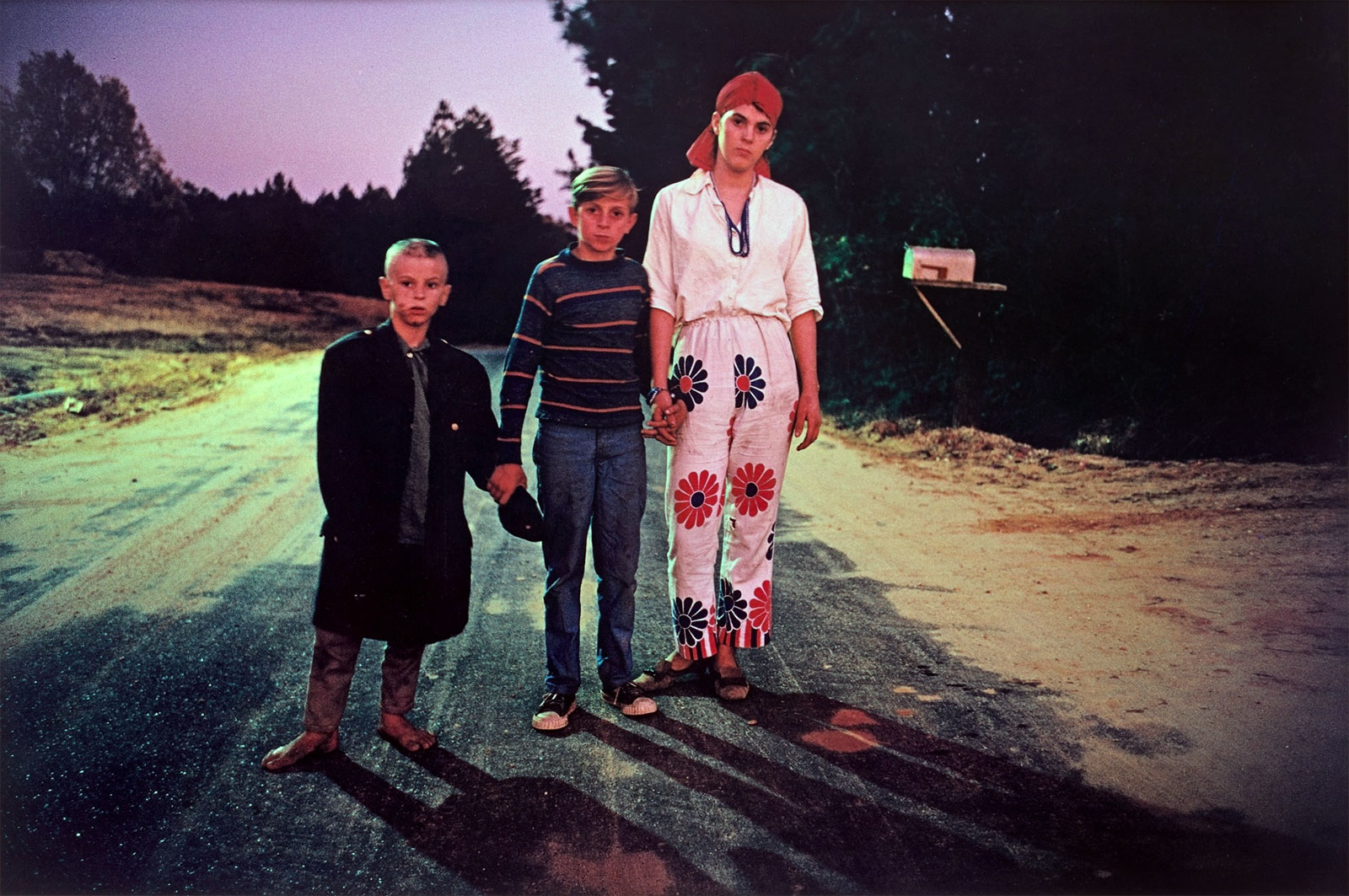





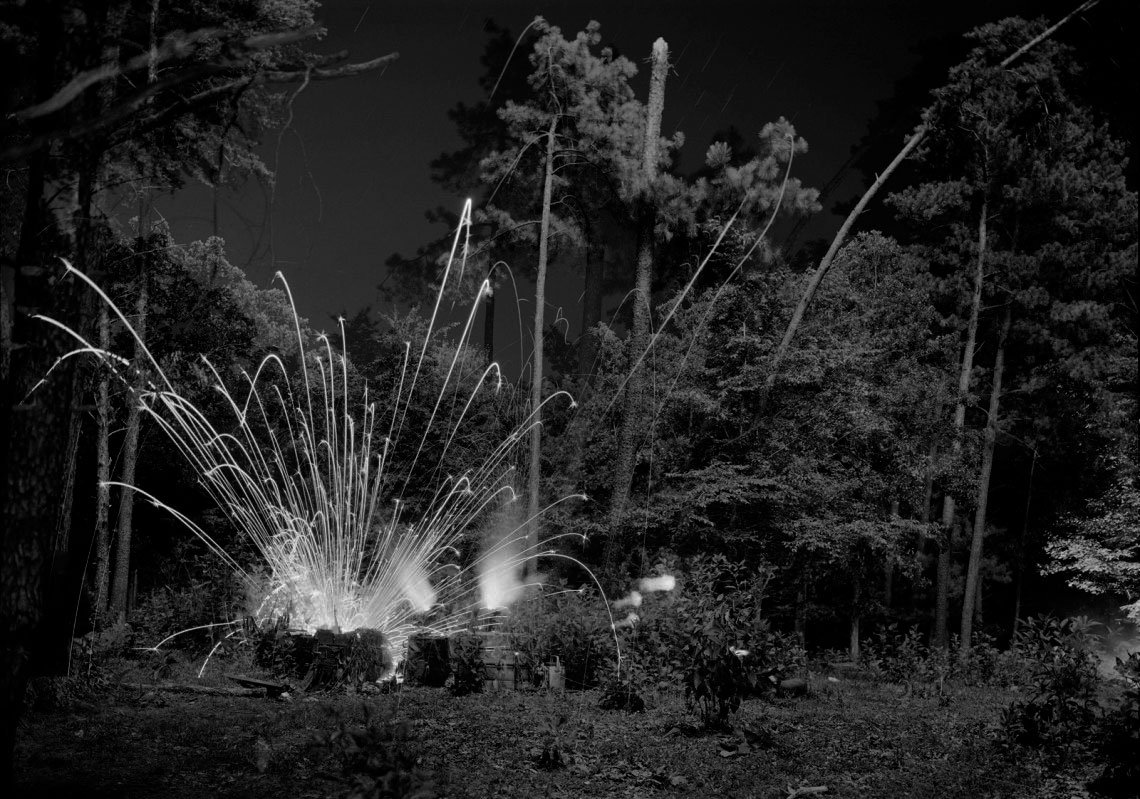
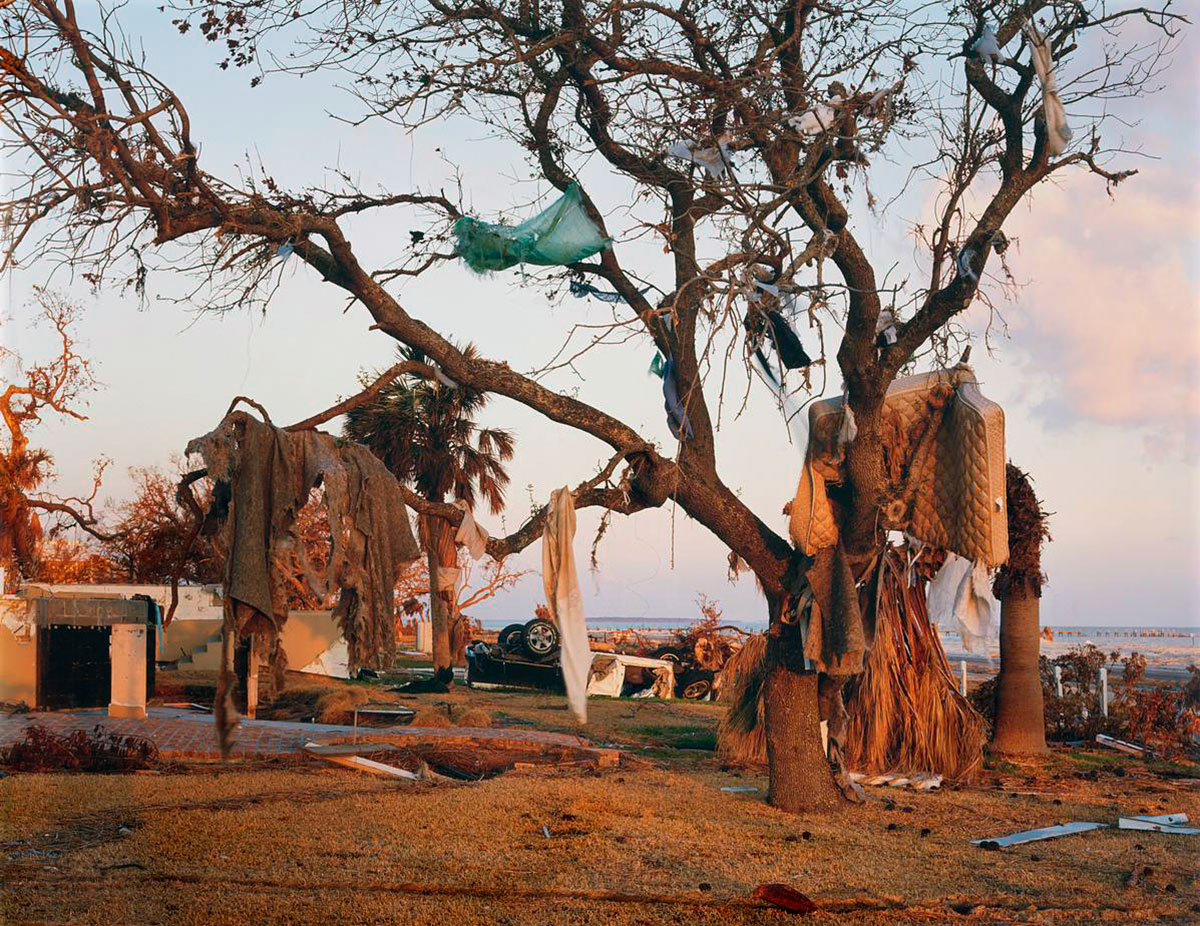


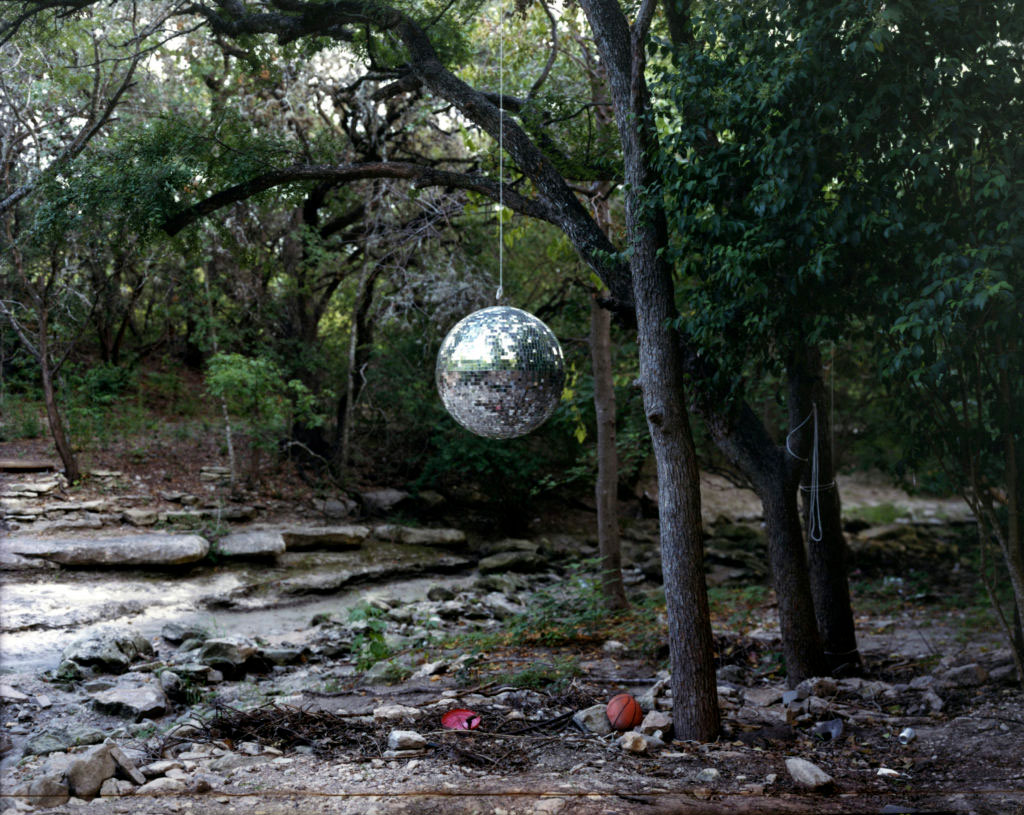

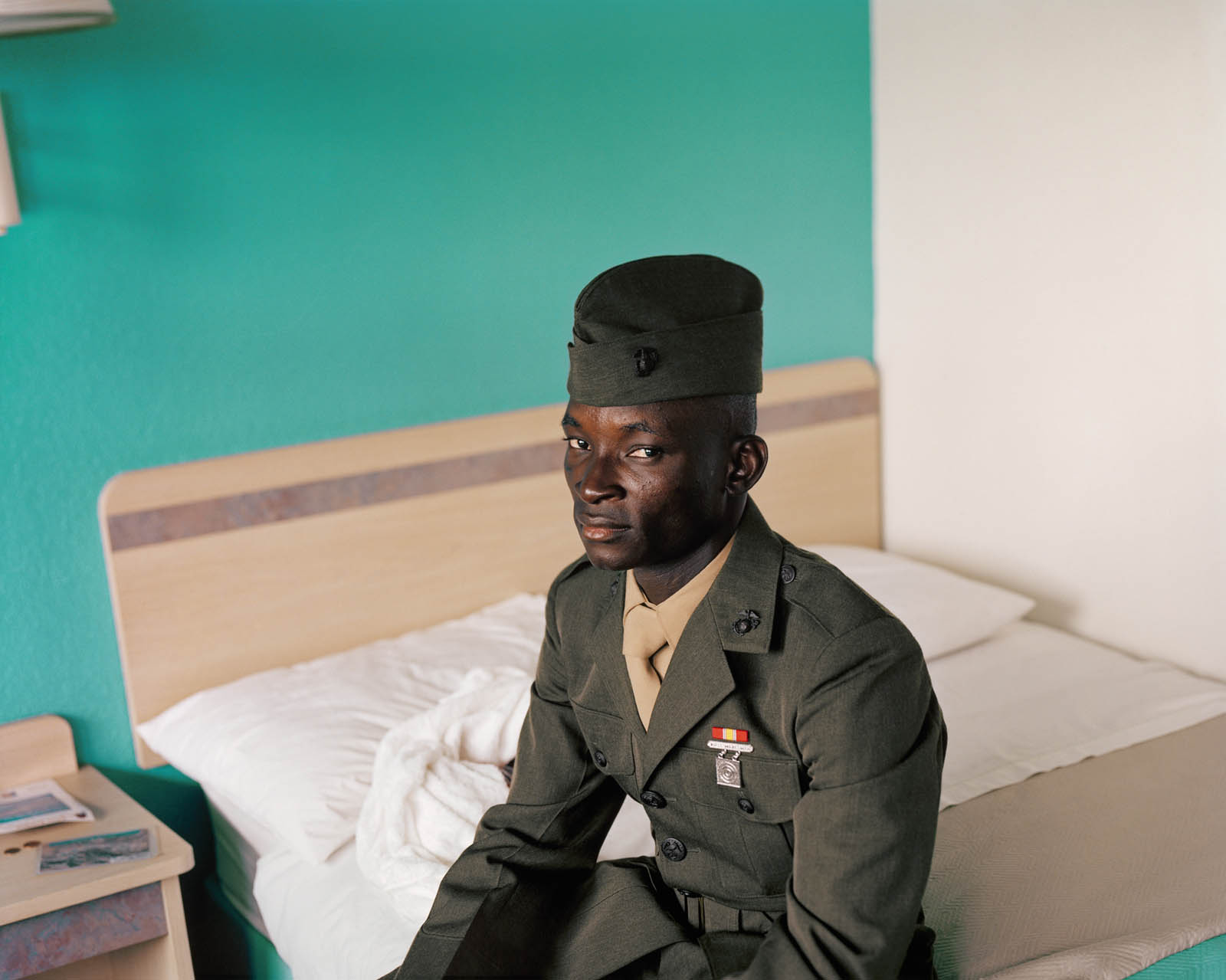



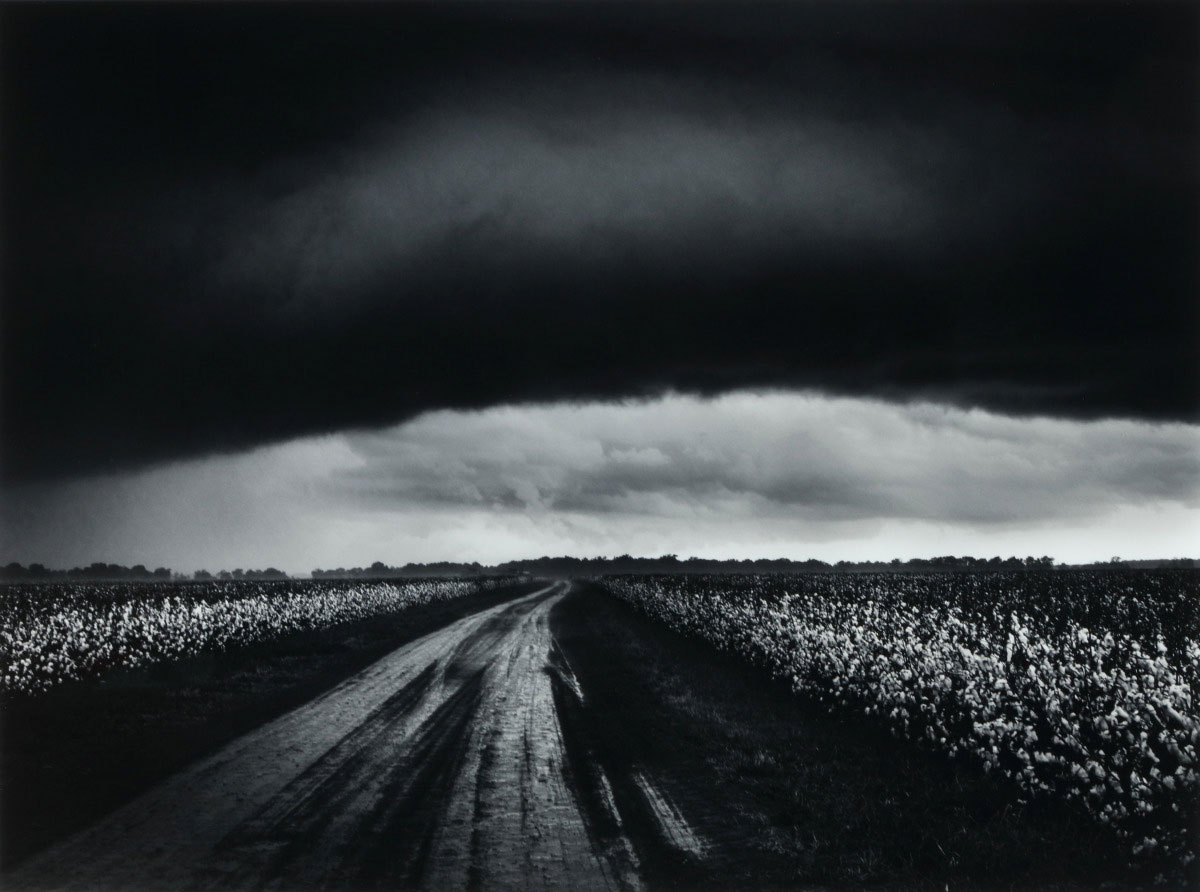
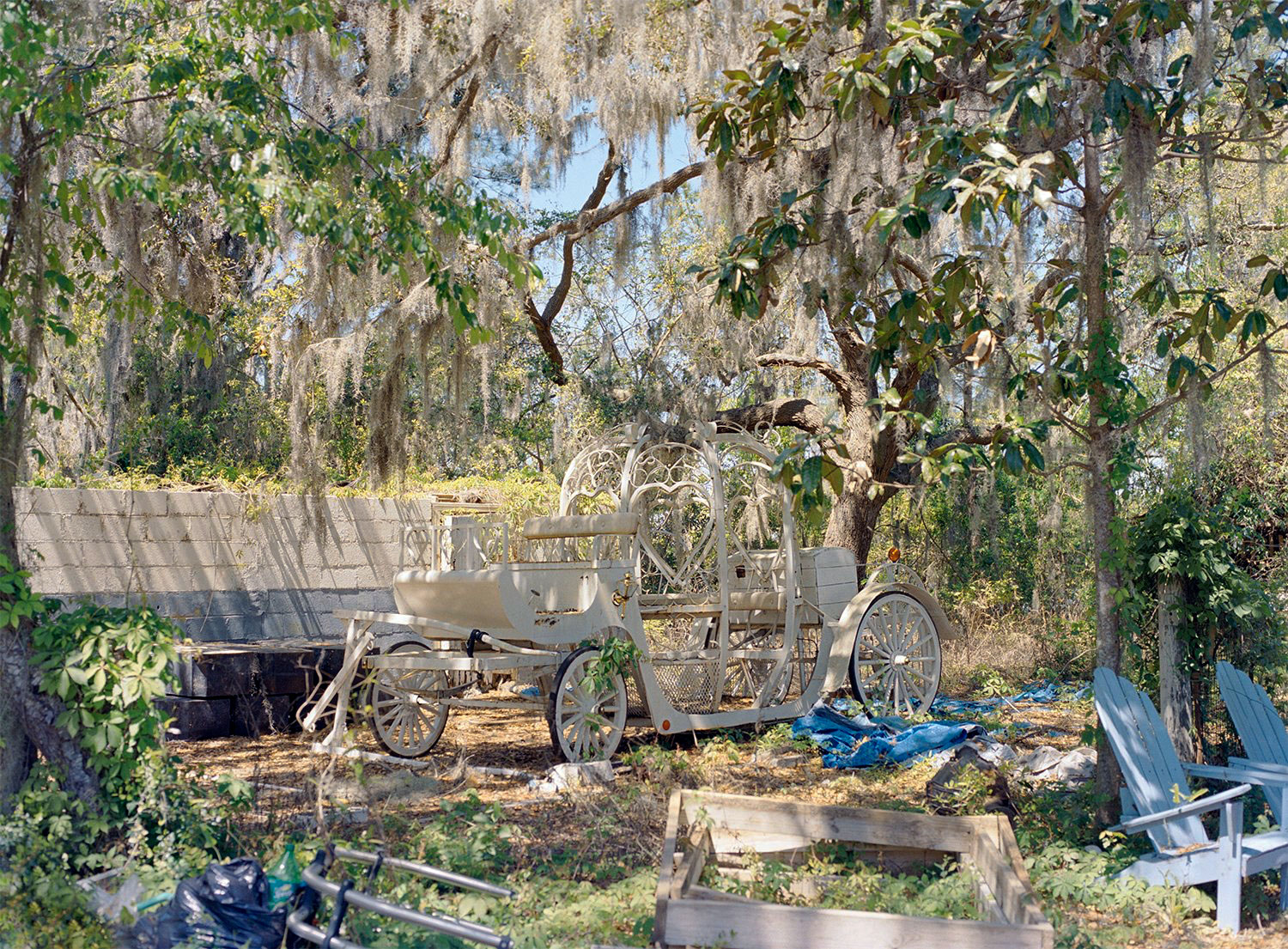

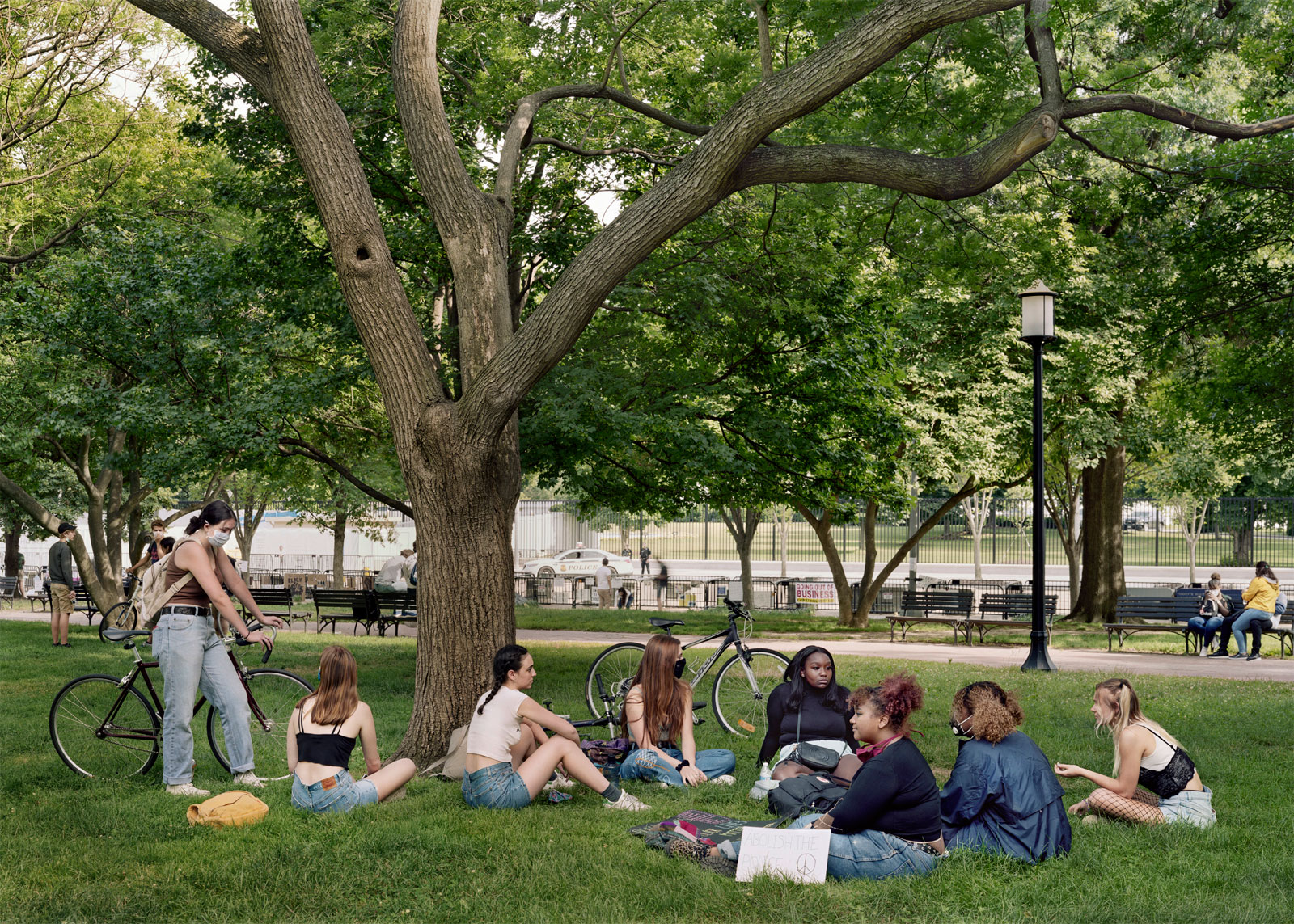
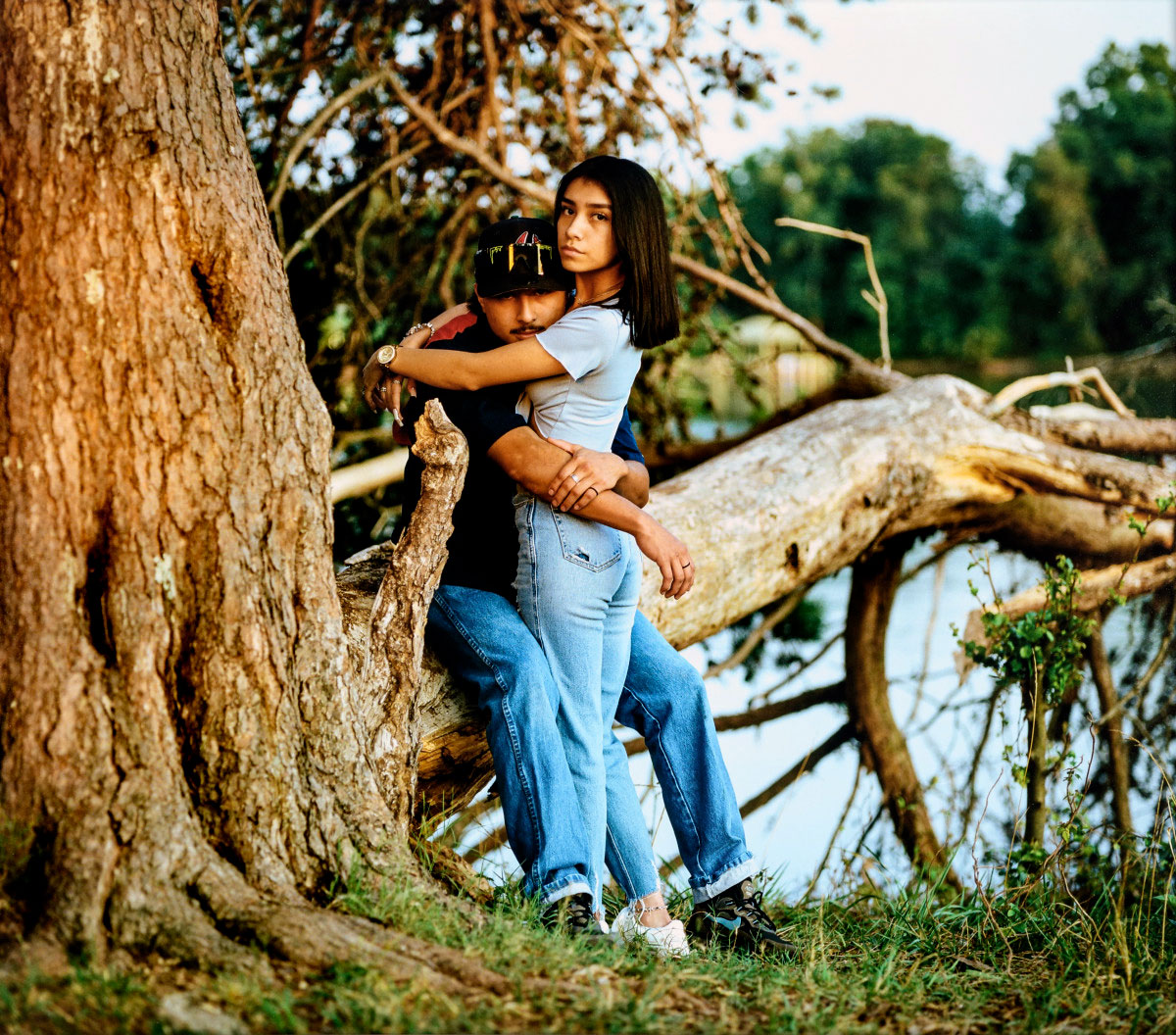


 Art Blart _ art and cultural memory archive
You must be logged in to post a comment.